“Once Upon a Time”

Fall is well under way, even though this evening, a youth baseball game was played in the park next to the school behind my house. It’s warm enough for it, but not summertime warm. It might be the last game of the year for that particular neighborhood diamond. I mowed my yard today under a warm sun, which I’m sure will be the last time this year.

With the coming of fall is the end of the Summer of Here. Back to posting when autumn is much further along, around November 11.

Wikipedia asserts that this image, from 1961, is in the public domain. Probably so. A publicity still published without any kind of copyright notice, it seems.
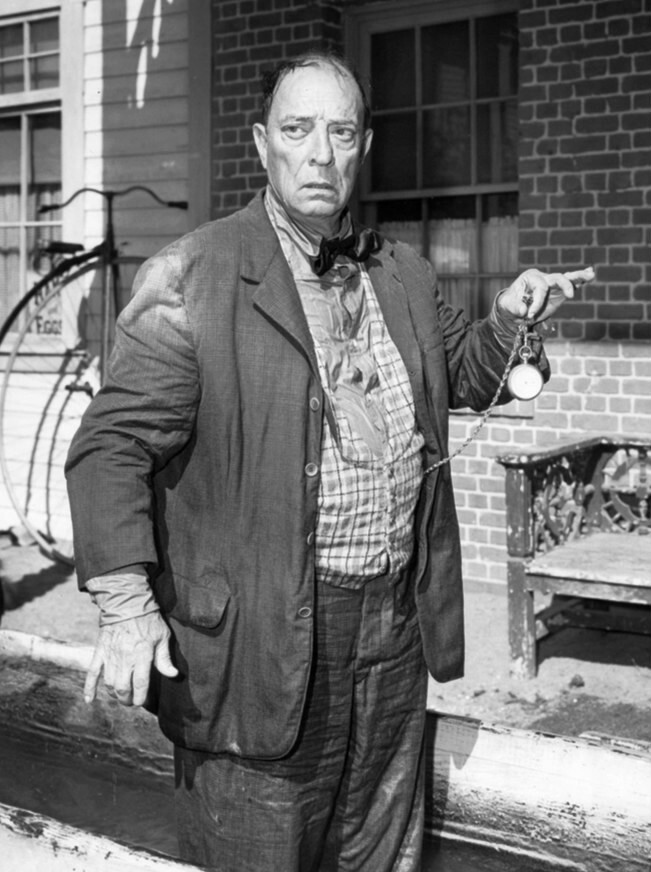
The other day I saw, by chance, an episode of The Twilight Zone that I’d never seen, or even heard about before. I saw a moment of it in passing and thought, wait, that’s Buster Keaton. What’s he doing in The Twilight Zone? Turns out he starred in an episode in late 1961, “Once Upon a Time.” Using the marvel that is streaming, I rewound the ep at the touch of a button and watched the whole thing.

As a story, the episode isn’t that good. In fact, it’s pretty dopey. But it is an unusual example of a comic episode of the series and worth some chuckles. Mainly, it’s worth watching for the aging star. Keaton was roughly 40 years past his prime, but he still had those Buster Keaton moves.

No point in going into too much detail about the story, but it involves Keaton’s character, who dislikes all the hubbub associated with living in 1890, traveling in time to ca. 1960 – which he hates even more. Interestingly, the sequences set in 1890 play like a silent movie, complete with title cards, a musical score and lots of physical comedy (of course). The 1960 sequences have sound and also a fair amount of pratfalls. Buster’s going to be Buster.

Two of the supporting characters evoke, “Hey, it’s that guy.” Namely Stanley Adams, best known as a dealer in tribbles a few years (or a few centuries) later, and Jesse White, who plays a repairman in the episode – a few years before he became the lonely Maytag repairman for my generation. Always fun to see familiar faces in unusual settings.
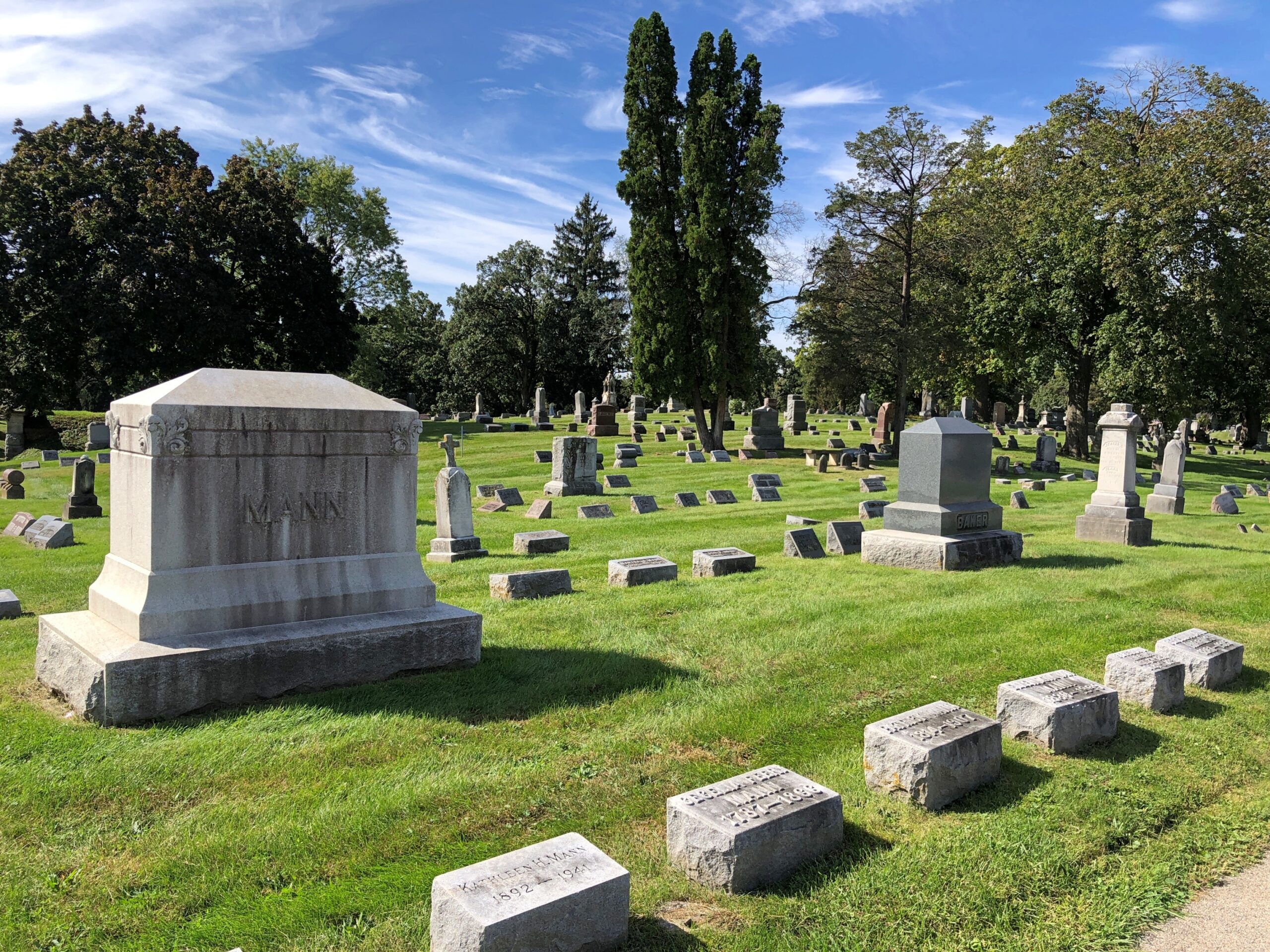
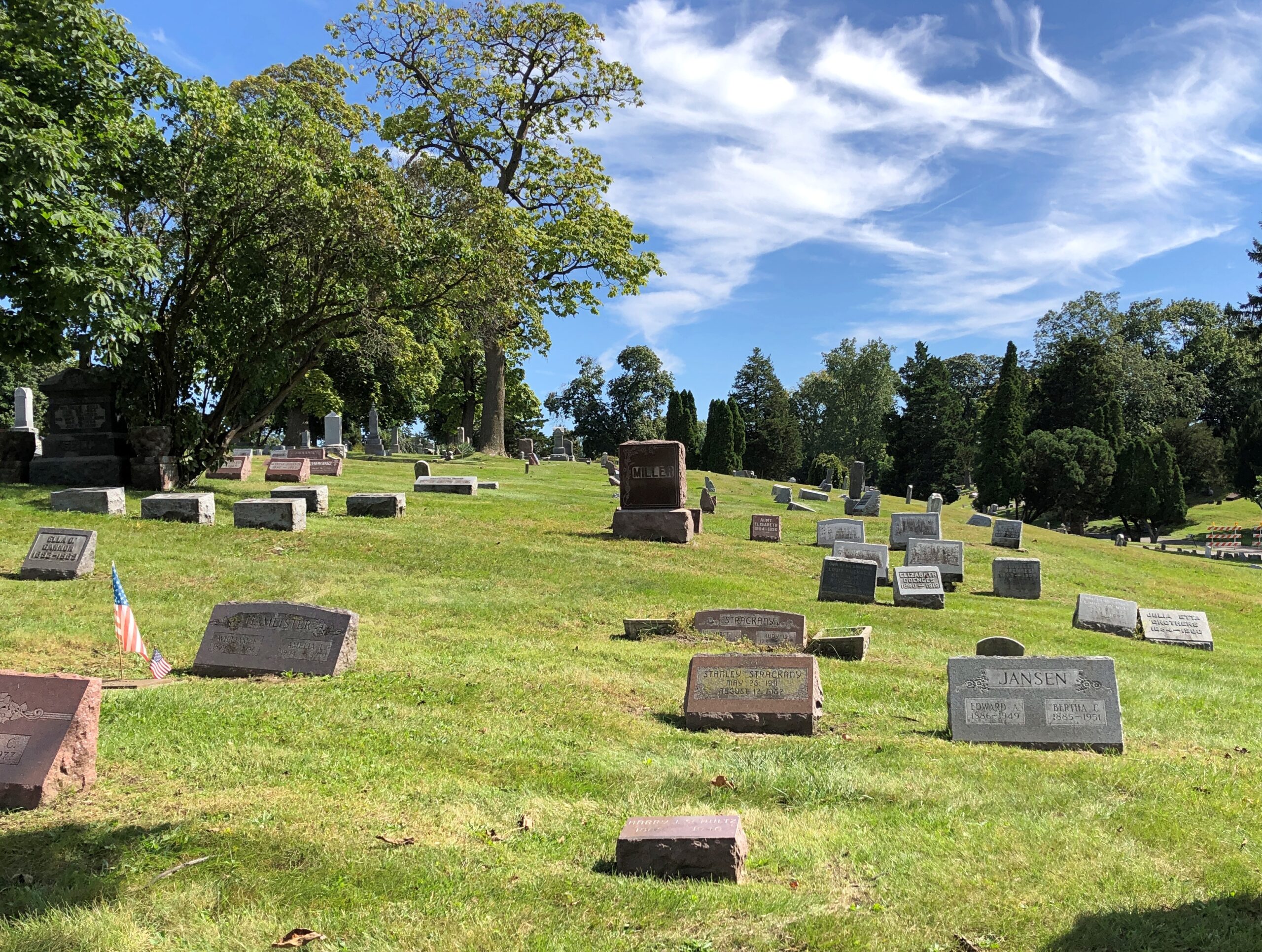
The 39th Annual Elgin Bluff City Cemetery Walk

In September, during the Elgin House Walk, I found out that the 39th Annual Elgin Bluff City Cemetery Walk was coming up on the last weekend of the month. That sounded good. For me. Yuriko wasn’t interested, so on Sunday the 27th, I made my way solo to Bluff City Cemetery in Elgin.

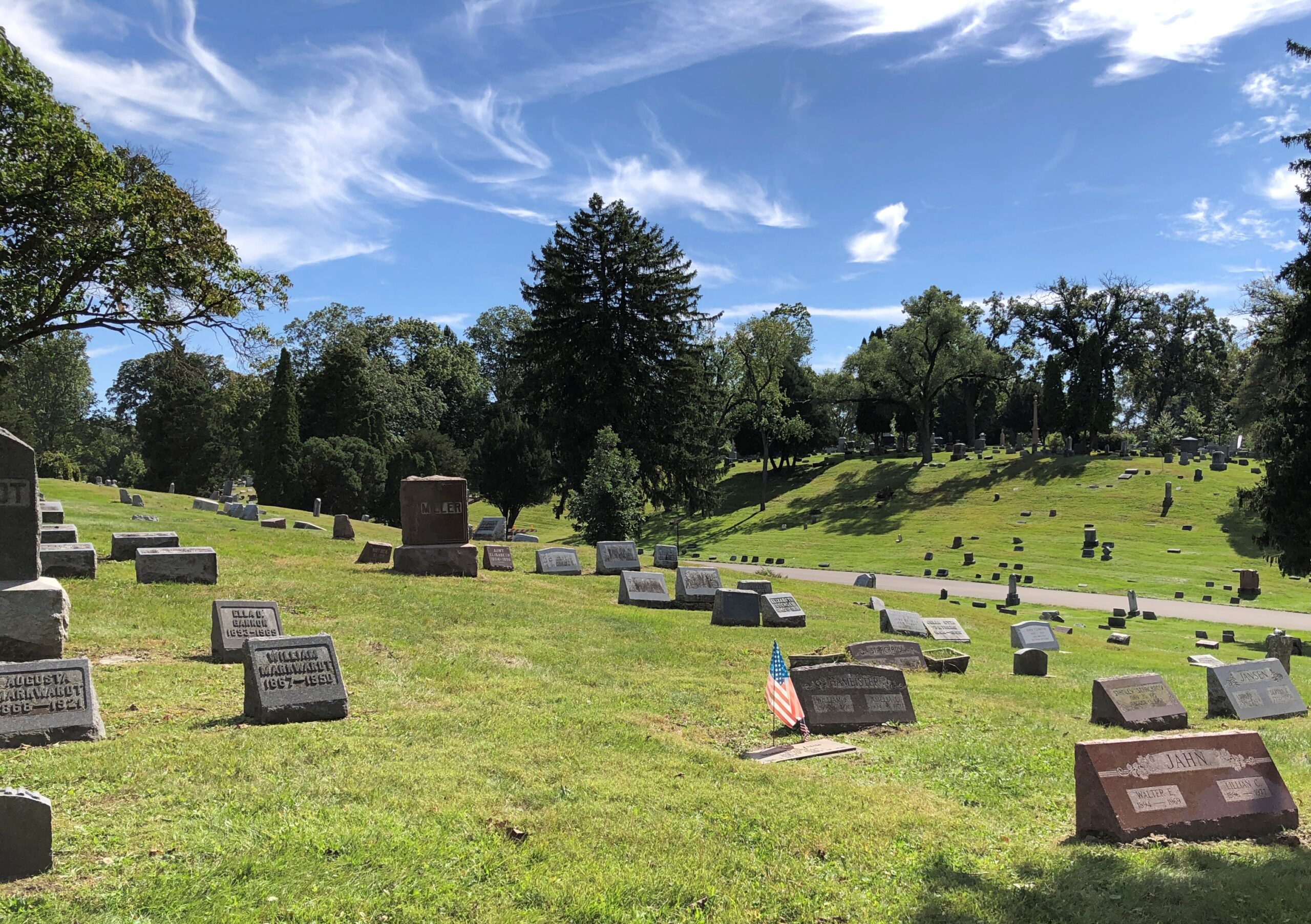
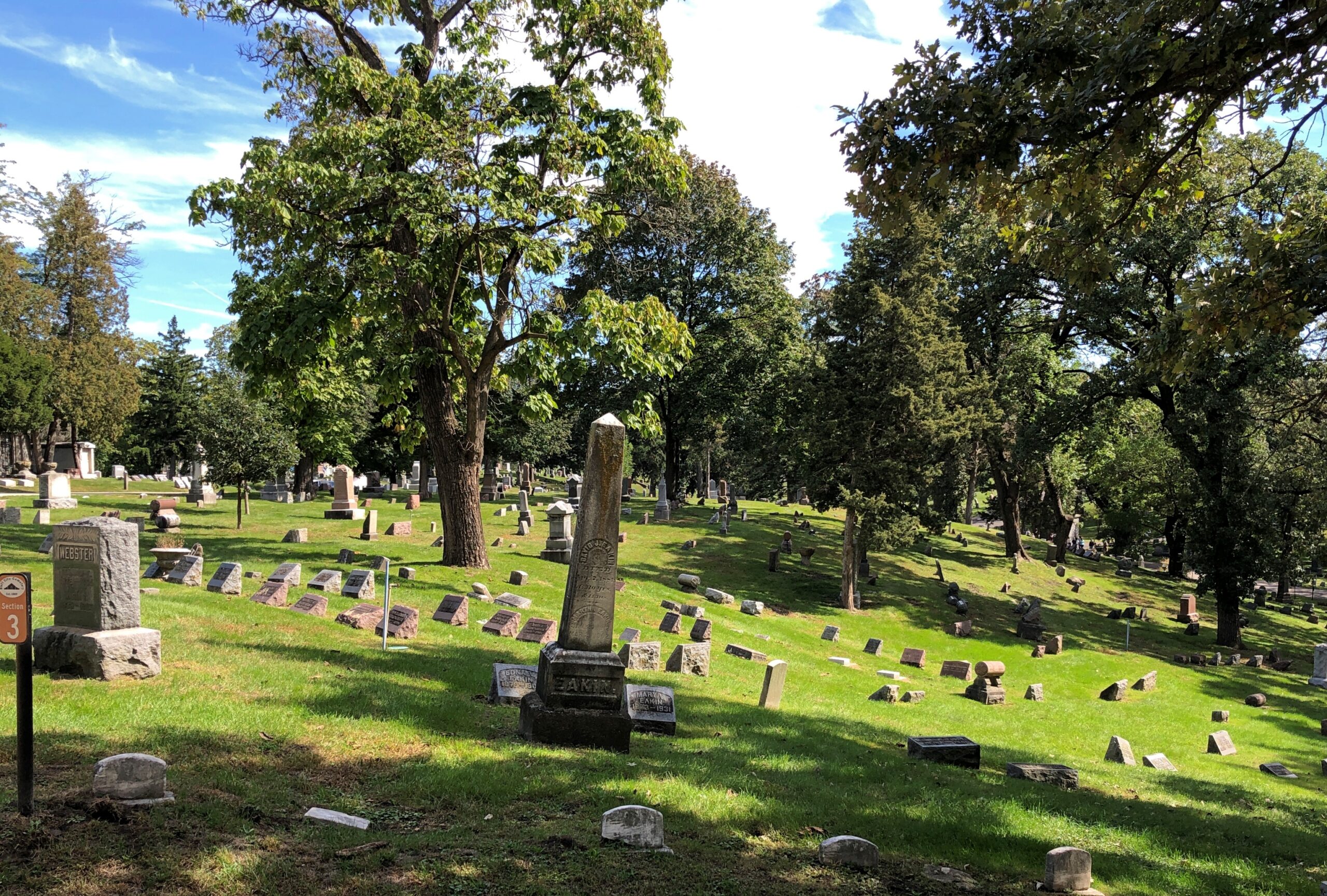
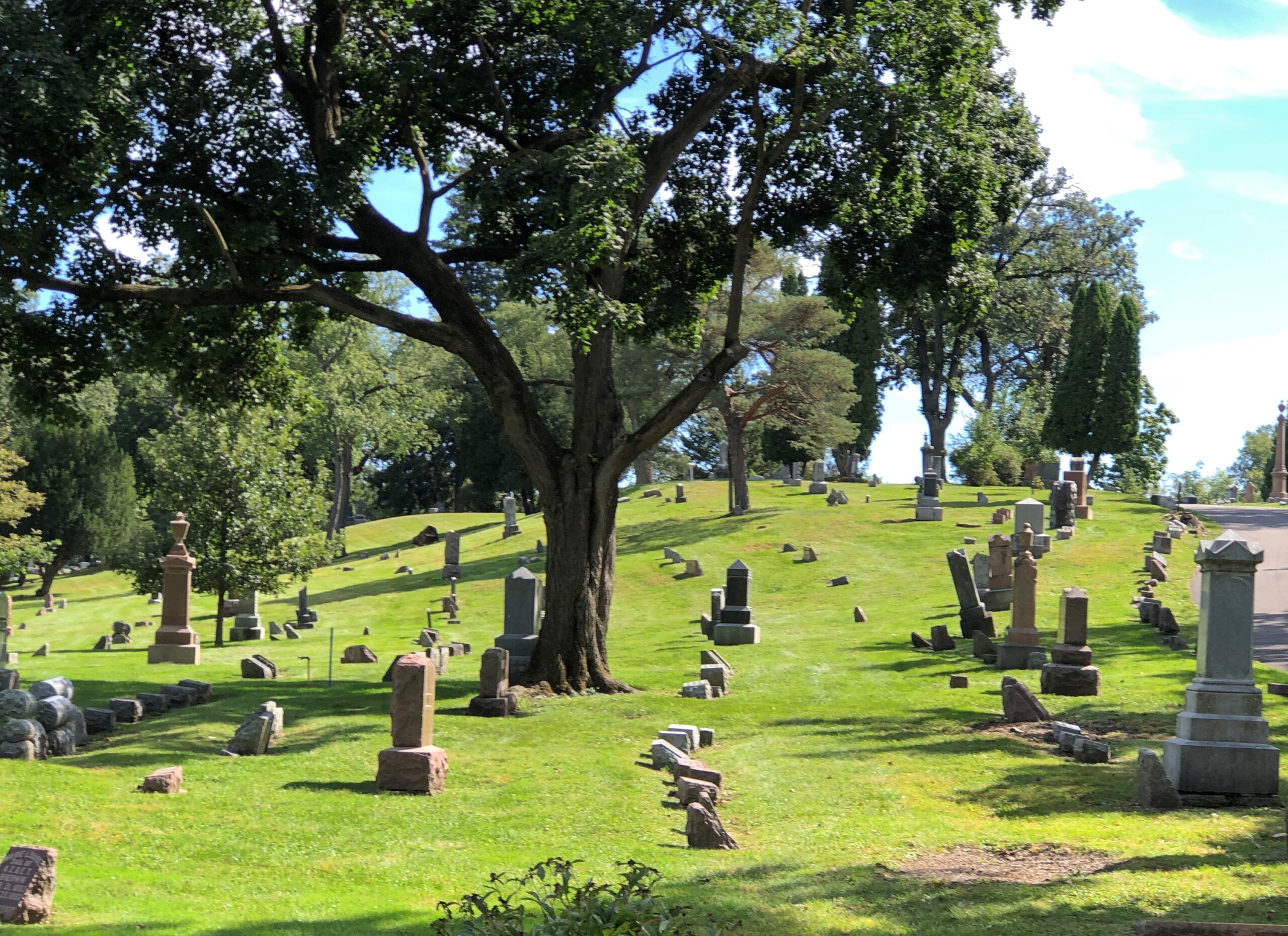
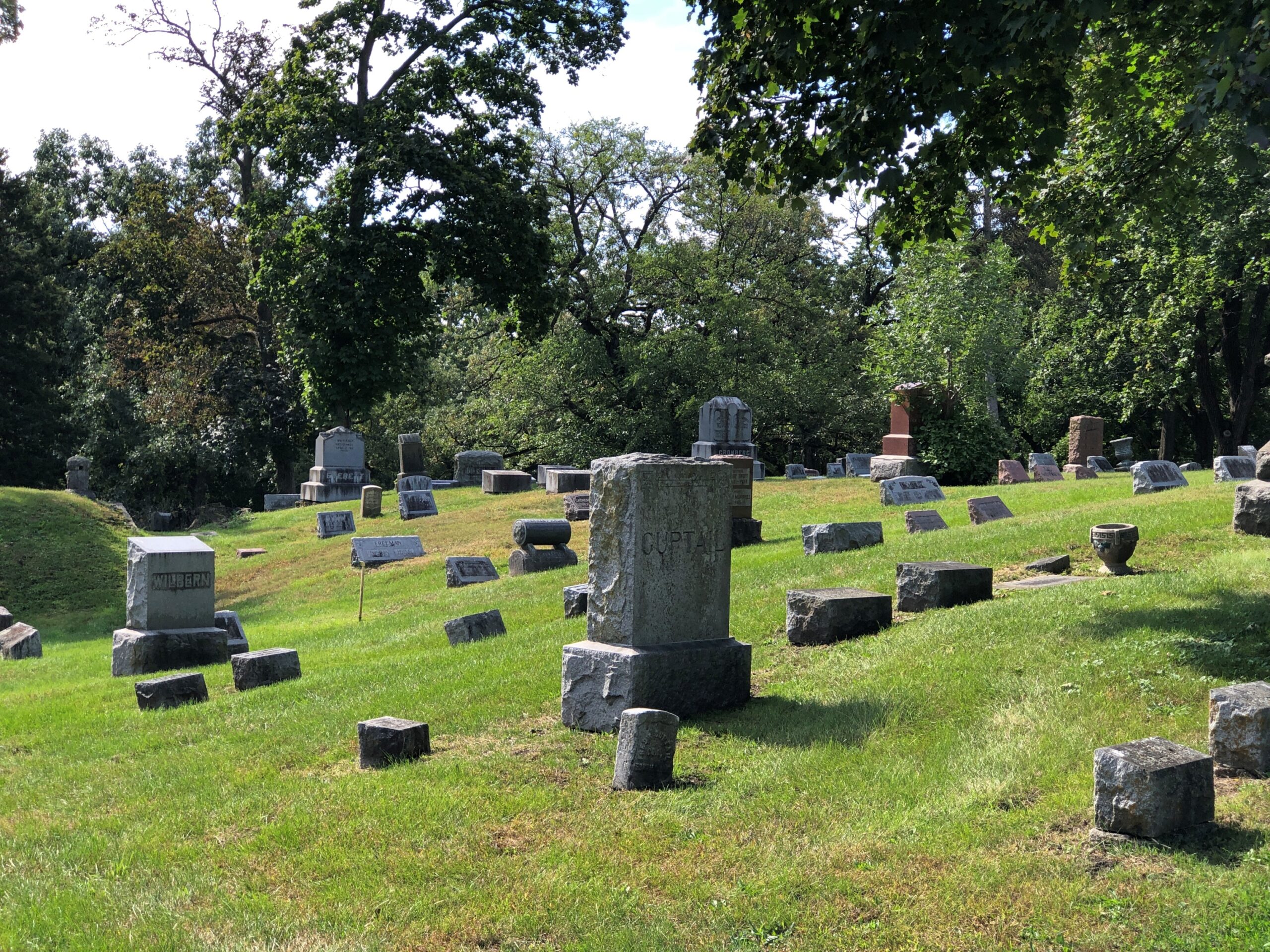
I’d missed the previous 38 walks, but I had visited the cemetery before – 12 years ago. Long enough that another visit would not go amiss. It’s a good-looking cemetery.

I remember liking the sloping contour of parts of the cemetery. I still do.

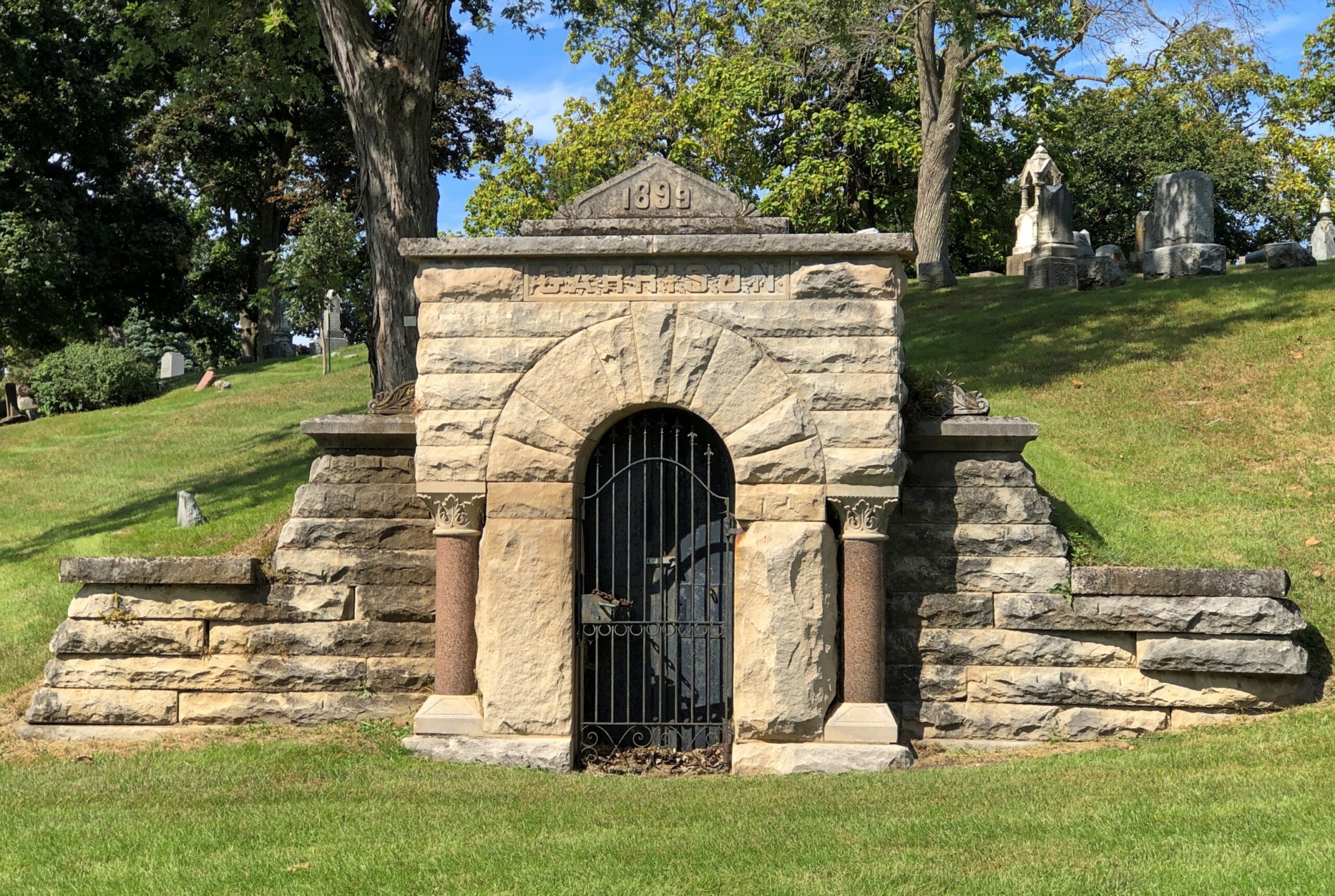
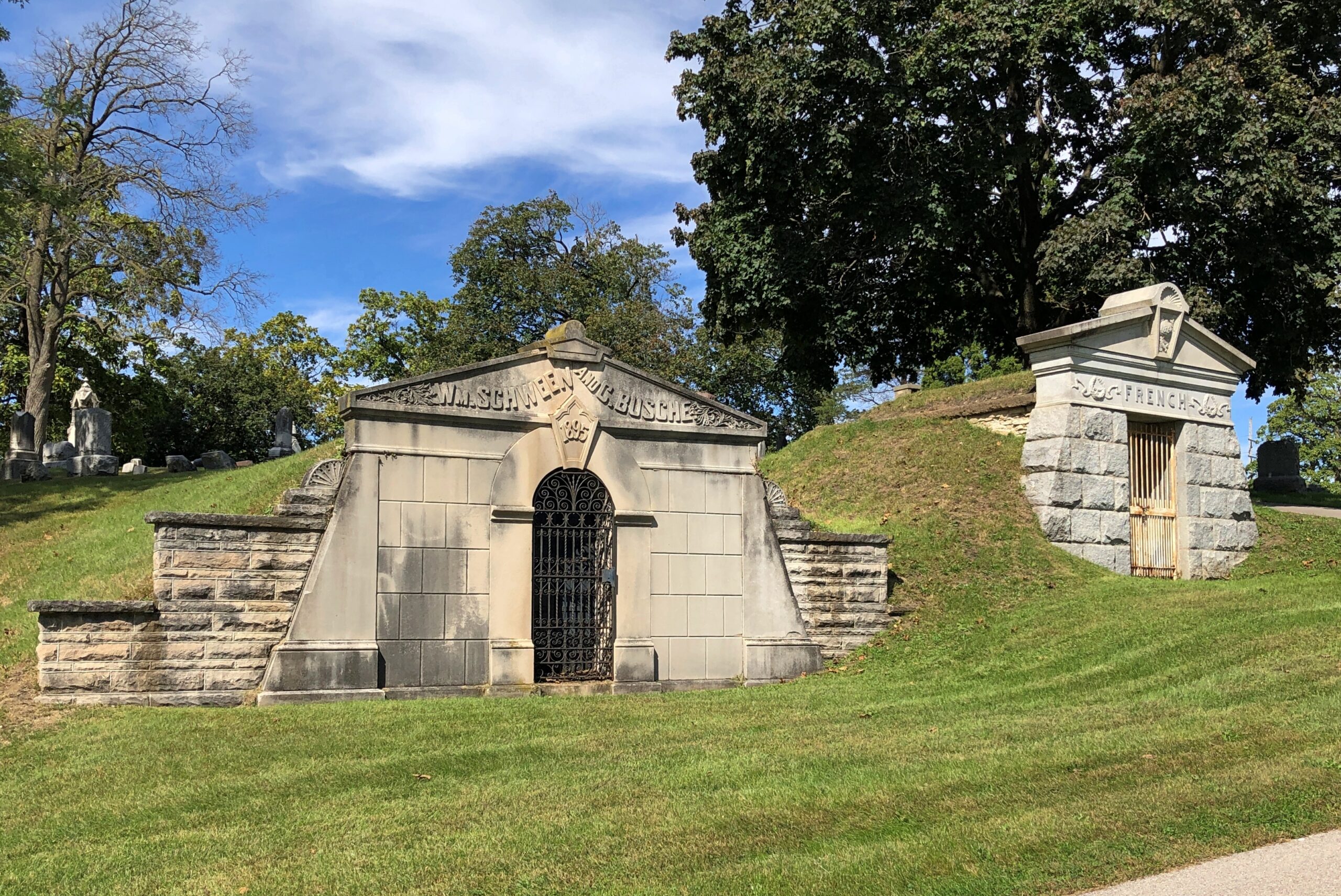
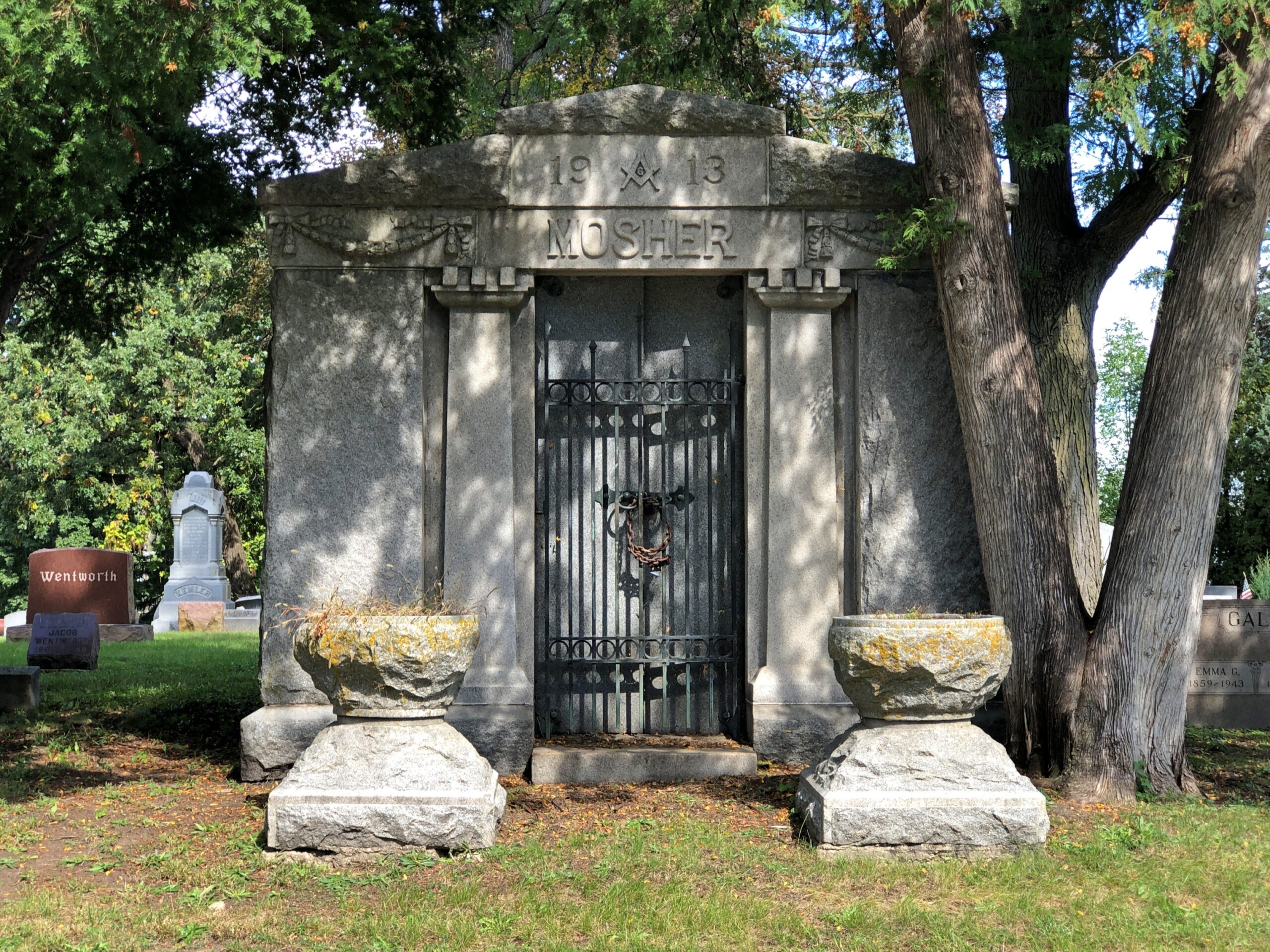
As well as the scattering of mausoleums.

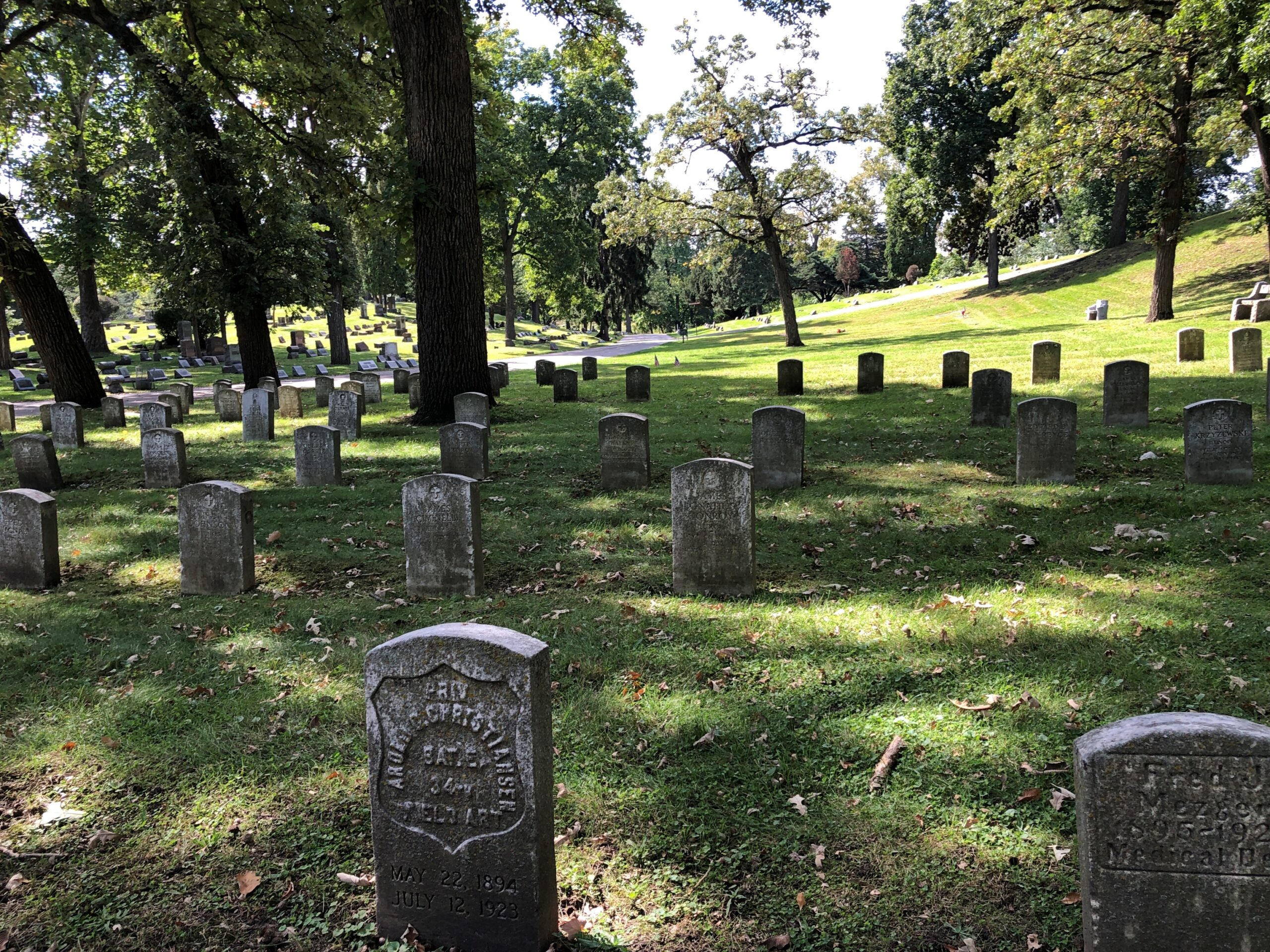
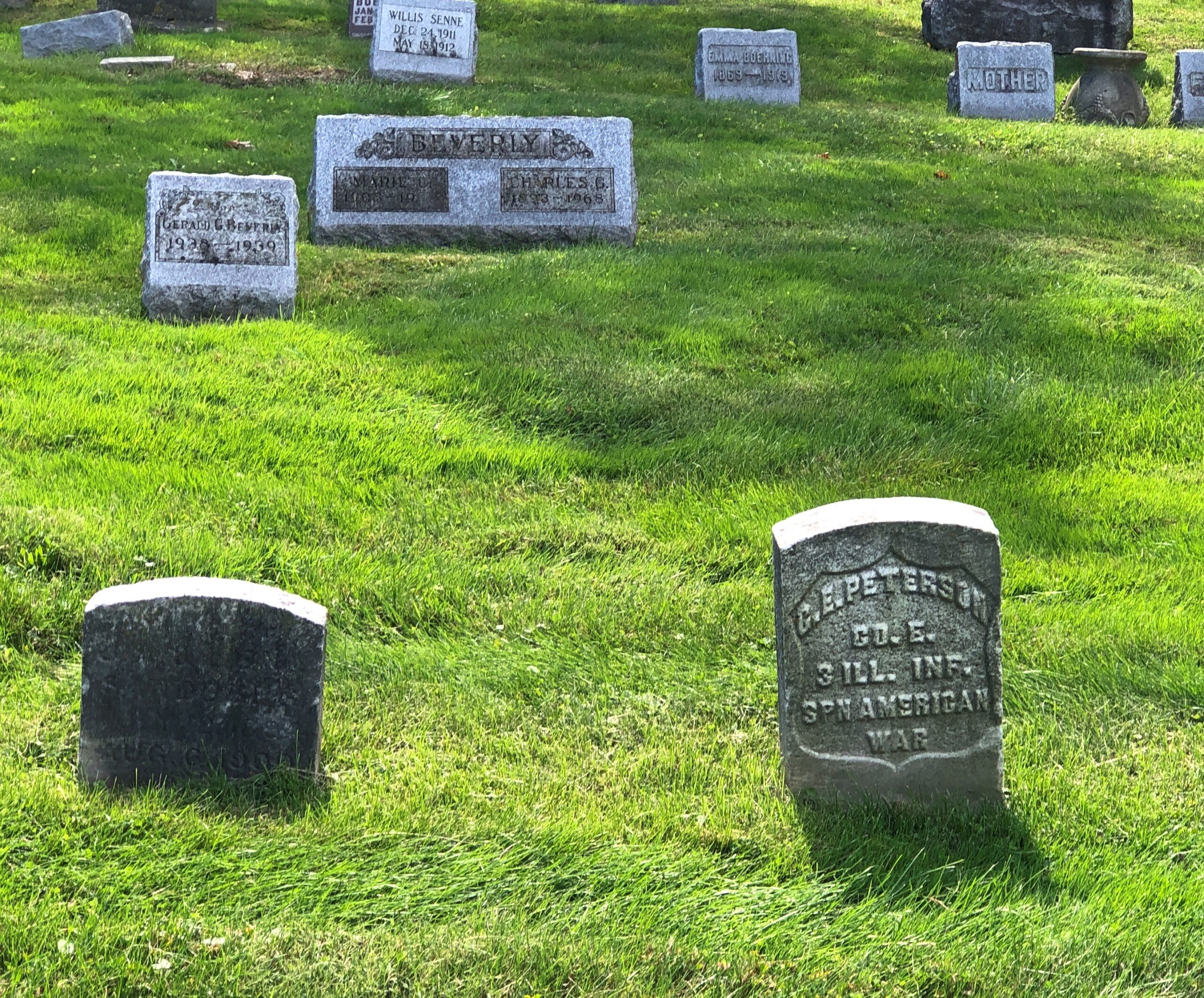
The cemetery was founded in 1889, in time to receive a good many old soldiers who did their part of the Union.

Along with veterans of other wars, even the one with Spain.

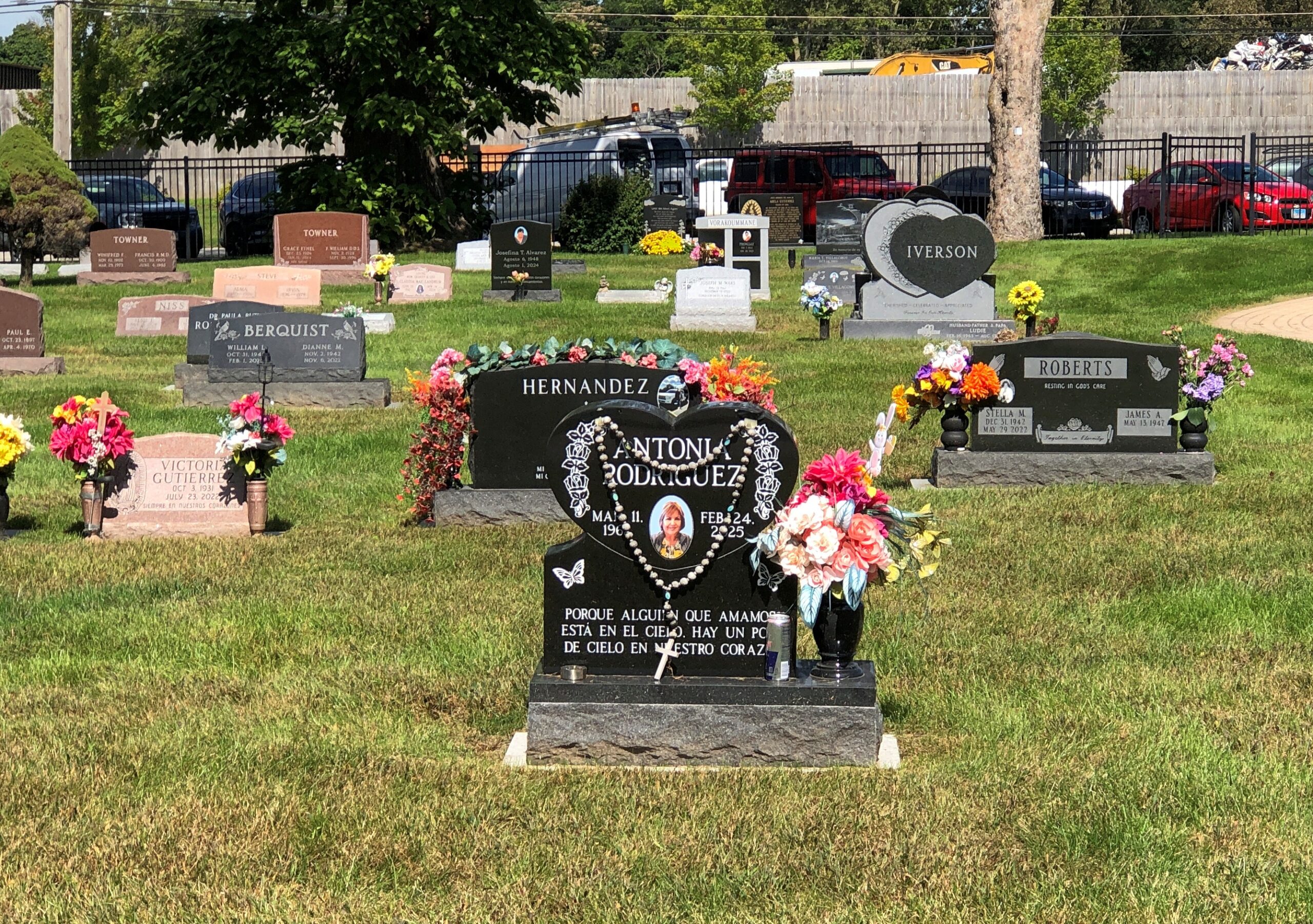
Bluff City is still active, with newer arrivals too.

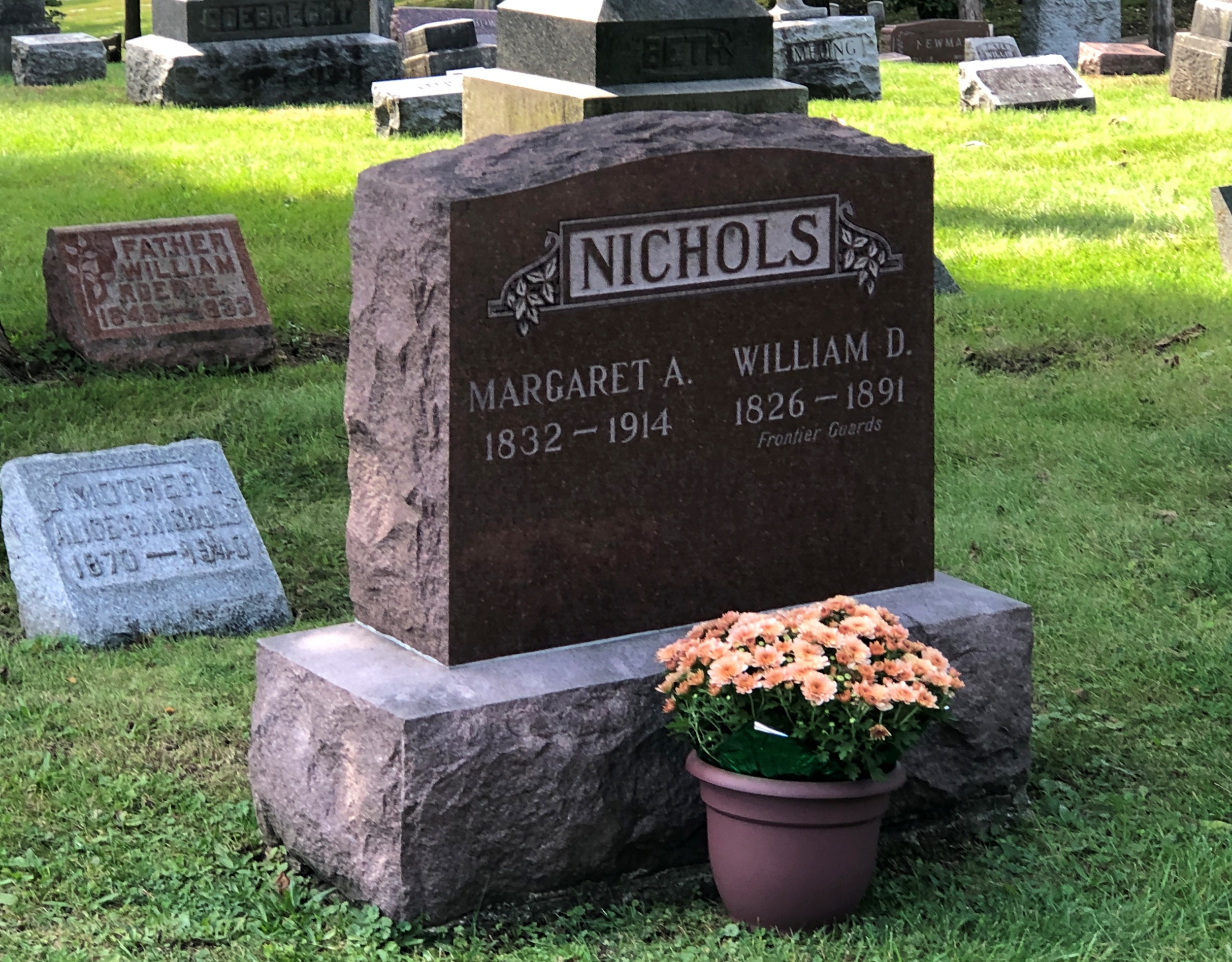
The tour took groups of about 15 people to the graves of notable Elgin residents, where a volunteer actor, dressed in period costume, played the person. Such as William D. Nichols (d. 1891).

Note that under his name is “Frontier Guards.” The actor, David Santori, told us about the guards, who were an impromptu armed group assembled in the spring of 1861 in the dicey first weeks of the war to protect President Lincoln, before a more formal guard of actual Union soldiers could be dispatched for that purpose. Nichols was an engineer and inventor, but his membership in the guard is what he wanted to be remembered for.

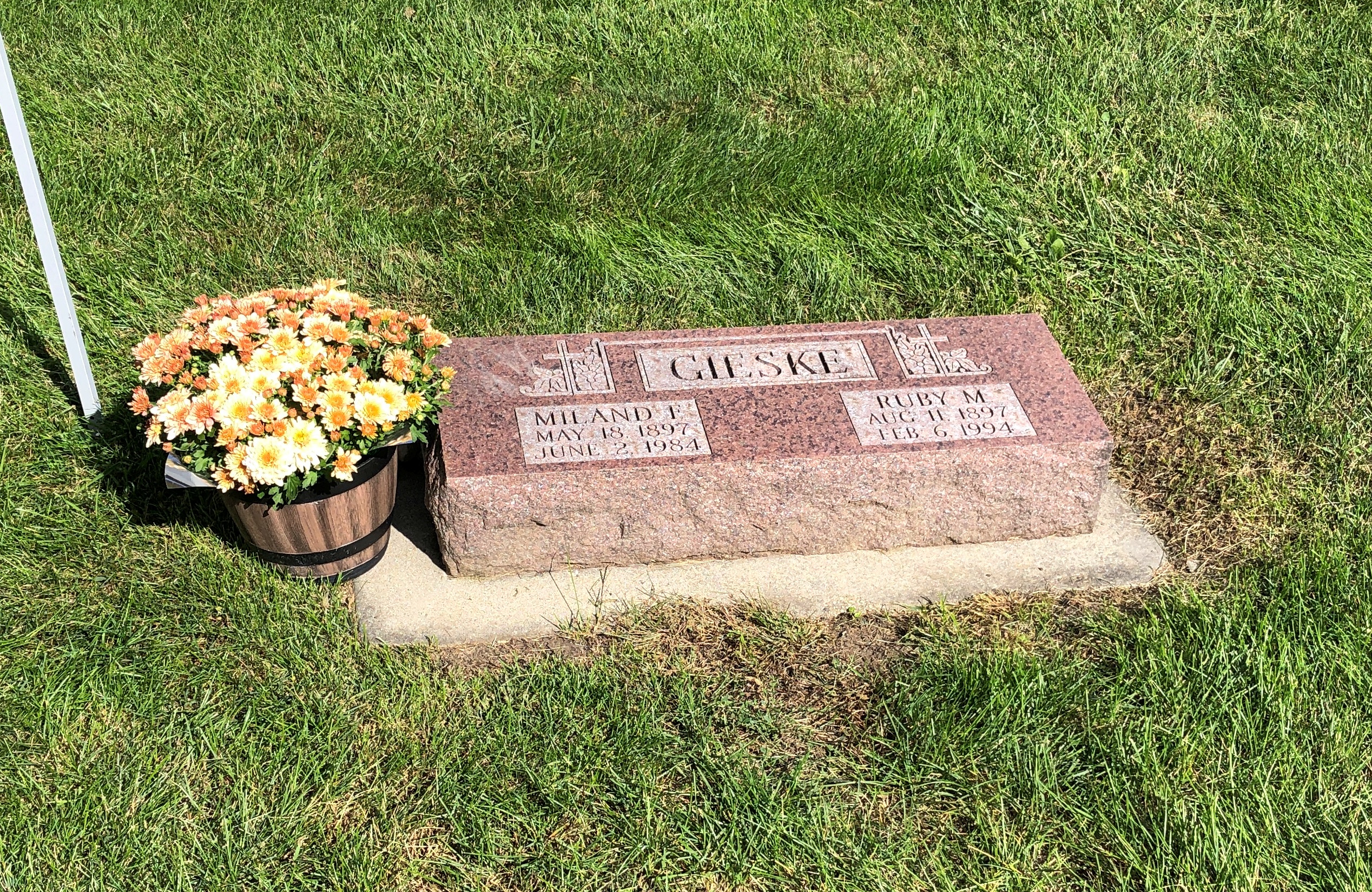
Here is Miland Gieske (d. 1984), who as a young man in 1920 survived a building falling on him when a tornado struck Elgin. A fellow named Thomas Rieser played him, and a harrowing tale it was, too. Gieske spent most of his career working in a funeral home, and the actor said his near-death experience gave him considerable empathy with the bereaved.

Other permanent residents of the cemetery evoked by the tour included Louise Logan (d. 1972), who organized relief during the Depression (played by Bernadette May or Tameron Keeffe); Trygve Rovelstad (d. 1990), a noted Elgin artist who designed, among other things, the U.S. Bronze Star medal, the 1936 Elgin Centennial half dollar, and the Pioneer Family Memorial on the Fox River (Steve Delaney); Nora Wagner (d. 1923), who, along with other young women, repaired a washed-out major Elgin road in 1908, as officialdom dilly-dallied at the task (Thea Delaney); and Jessie Sauceda (d. 2001), who arrived in Elgin as a child when she and her family fled the chaos of the Mexican Revolution in the 1910s (Estela Macias-Bonner), who all had to work out how to thrive despite the not-so-benign neglect of the rest of the community for some decades, and did.

My own favorite was Dr. Alban Mann (d. 1943), city physician and a force for public health (played by Don Gingold). In 1916, he figured out the source of a typhoid outbreak that killed 26 residents: the Elgin National Watch factory.

“The source of the contamination was traced by Dr. Mann to a leaky valve, which separated water from the watch factory’s reservoir on Watch Street and water taken from the river,” the Elgin Historical Society notes. “The leaky valve allowed river water seepage to contaminate water pumped to drinking fountains throughout the watch factory building.”

That incident came up during the talk about his life, as you’d expect. “Dr. Mann” also expressed astonishment that people are still skeptical about vaccines, which I’d say is a reasonable assumption about how the good doctor would react, were he magically aware of goings-on in our time. As has been pointed out, Dr. Mann, there’s still no vaccine for stupidity.

AGSL Once More

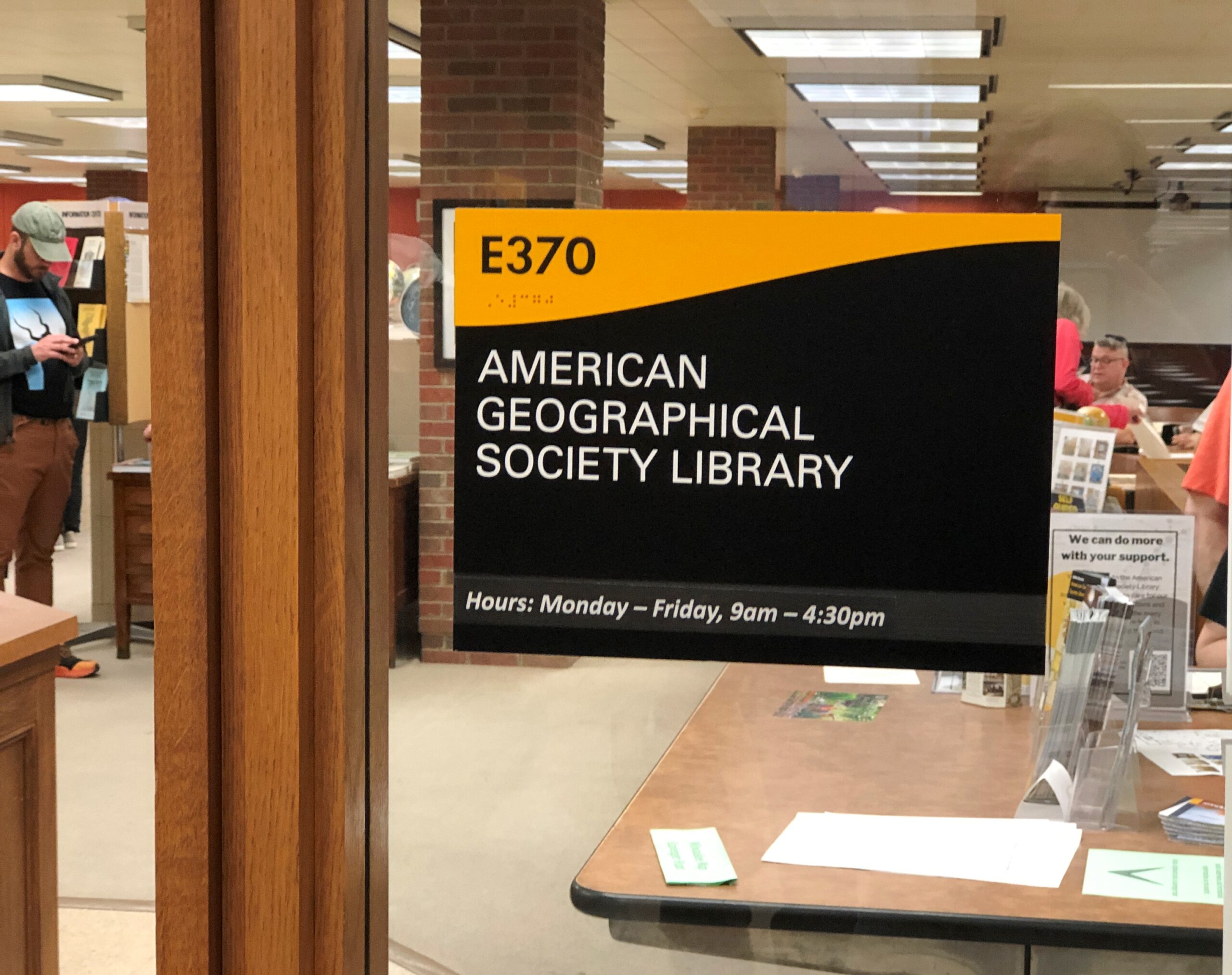
I’m glad to report that more people seemed to be visiting the American Geographical Society Library this year (Saturday before last) than during our previous visits, in 2018 and 2023, when it was also open for the Doors Open Milwaukee event. The library is in the Golda Meir Library of the University of Wisconsin-Milwaukee.

I didn’t take too many pictures of other visitors, but here is one.

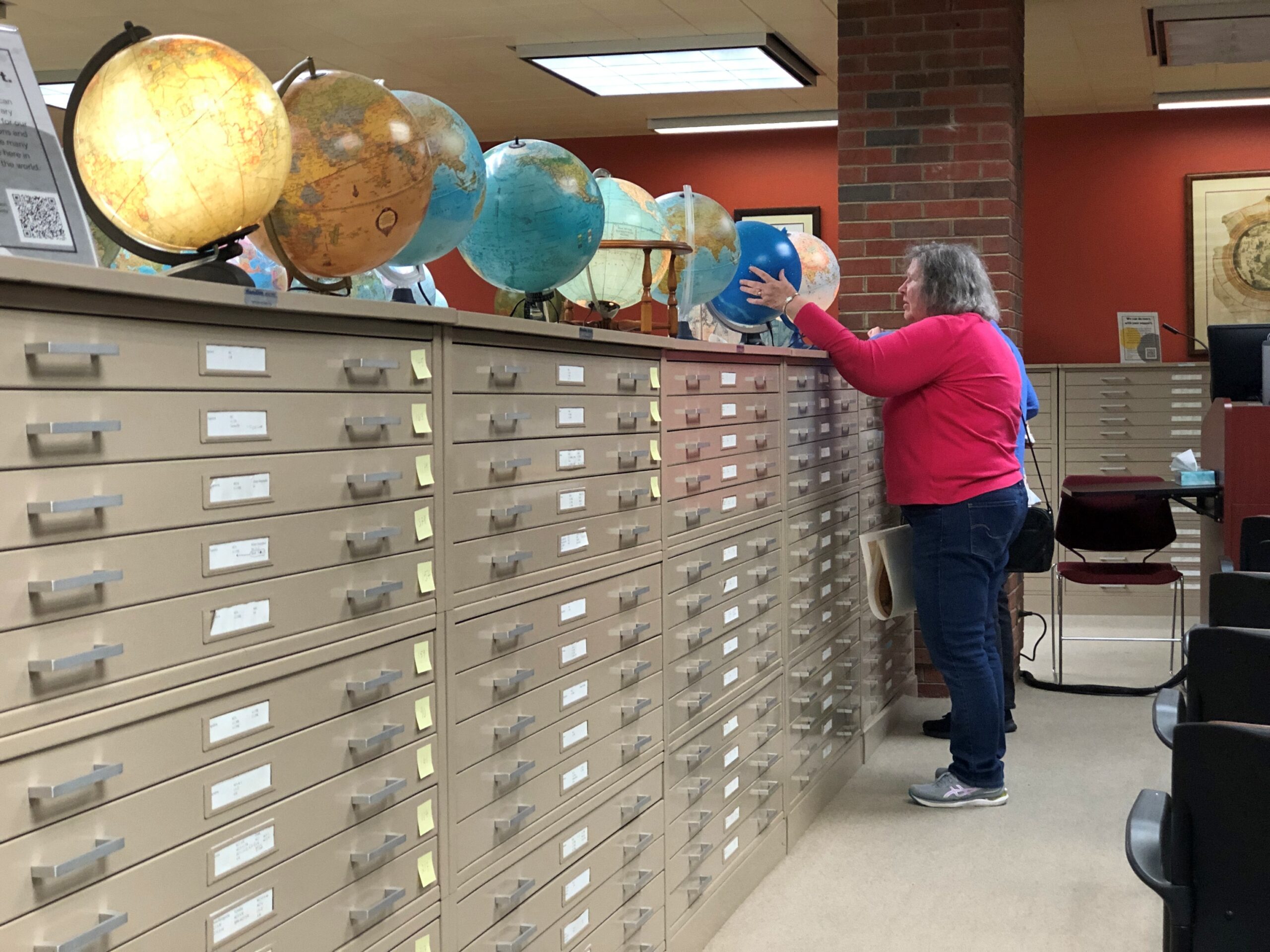
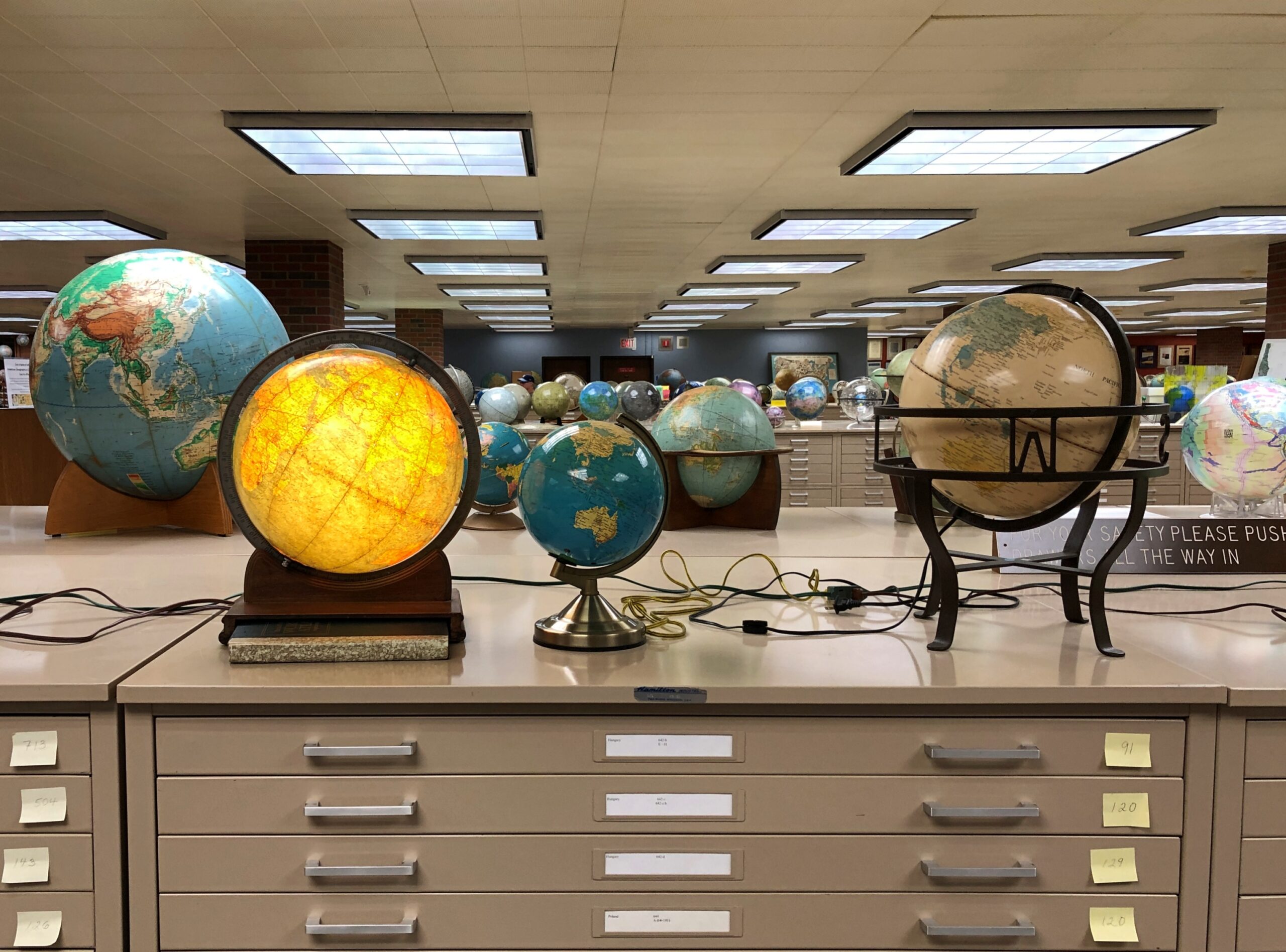
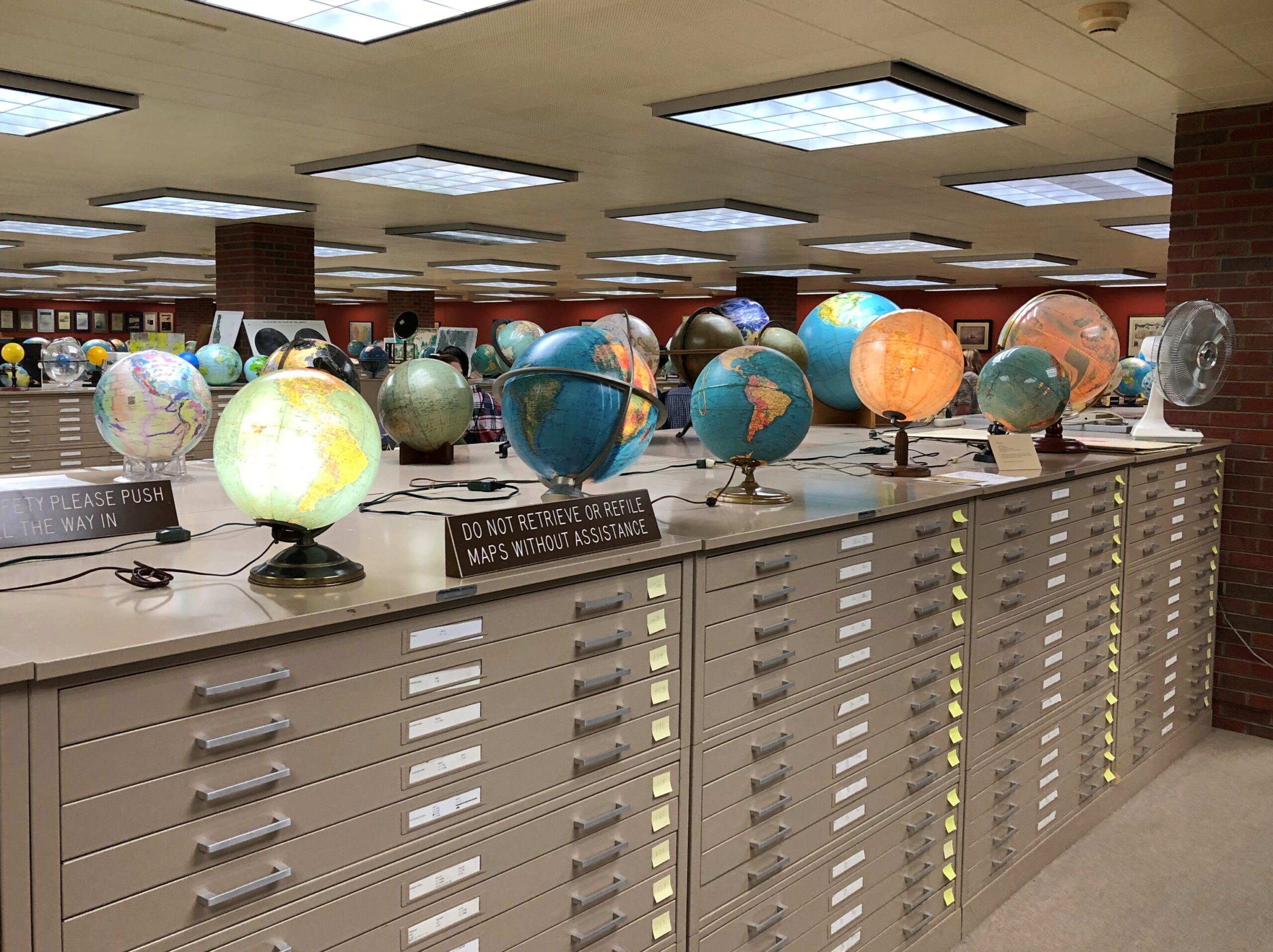
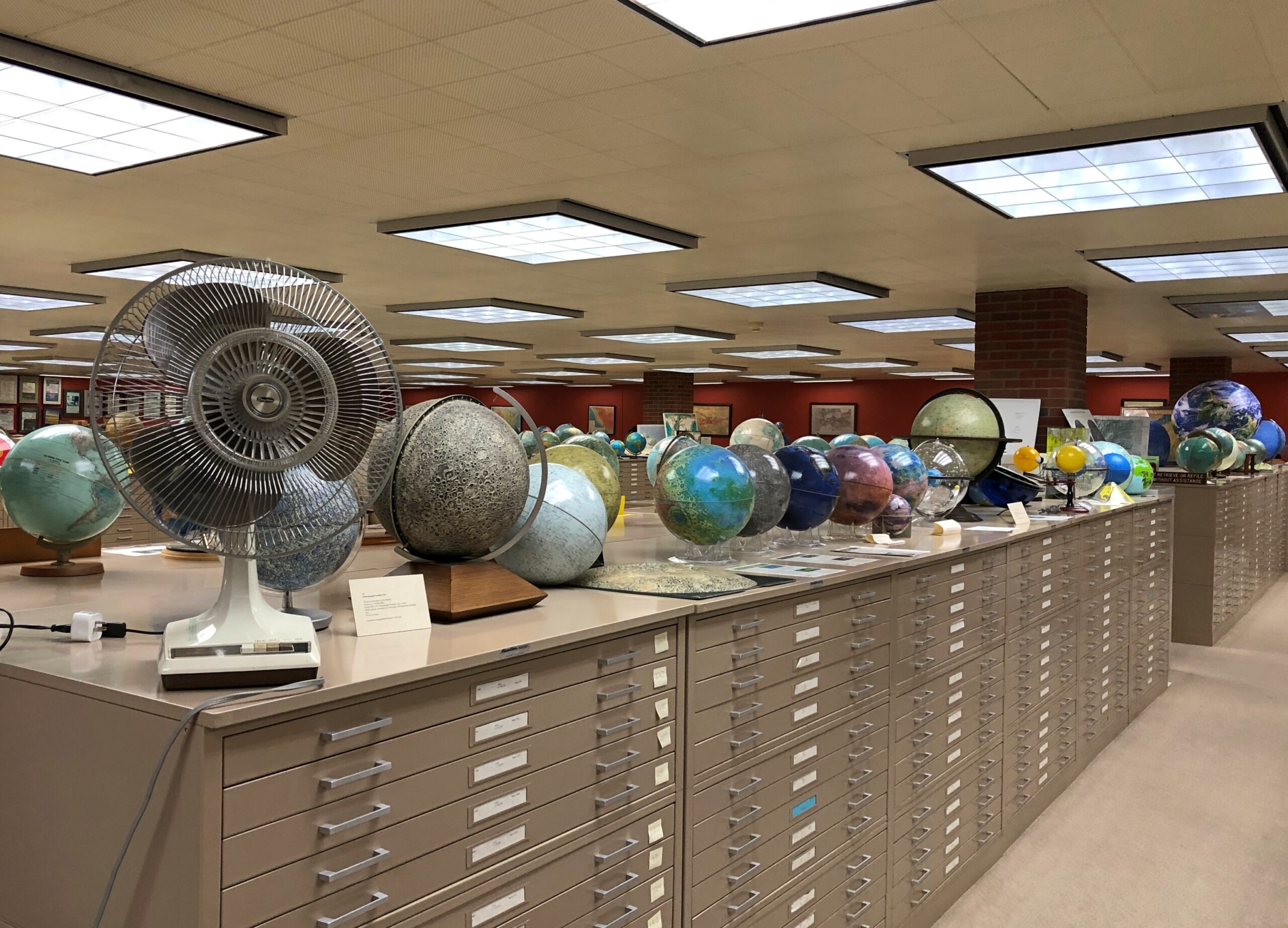
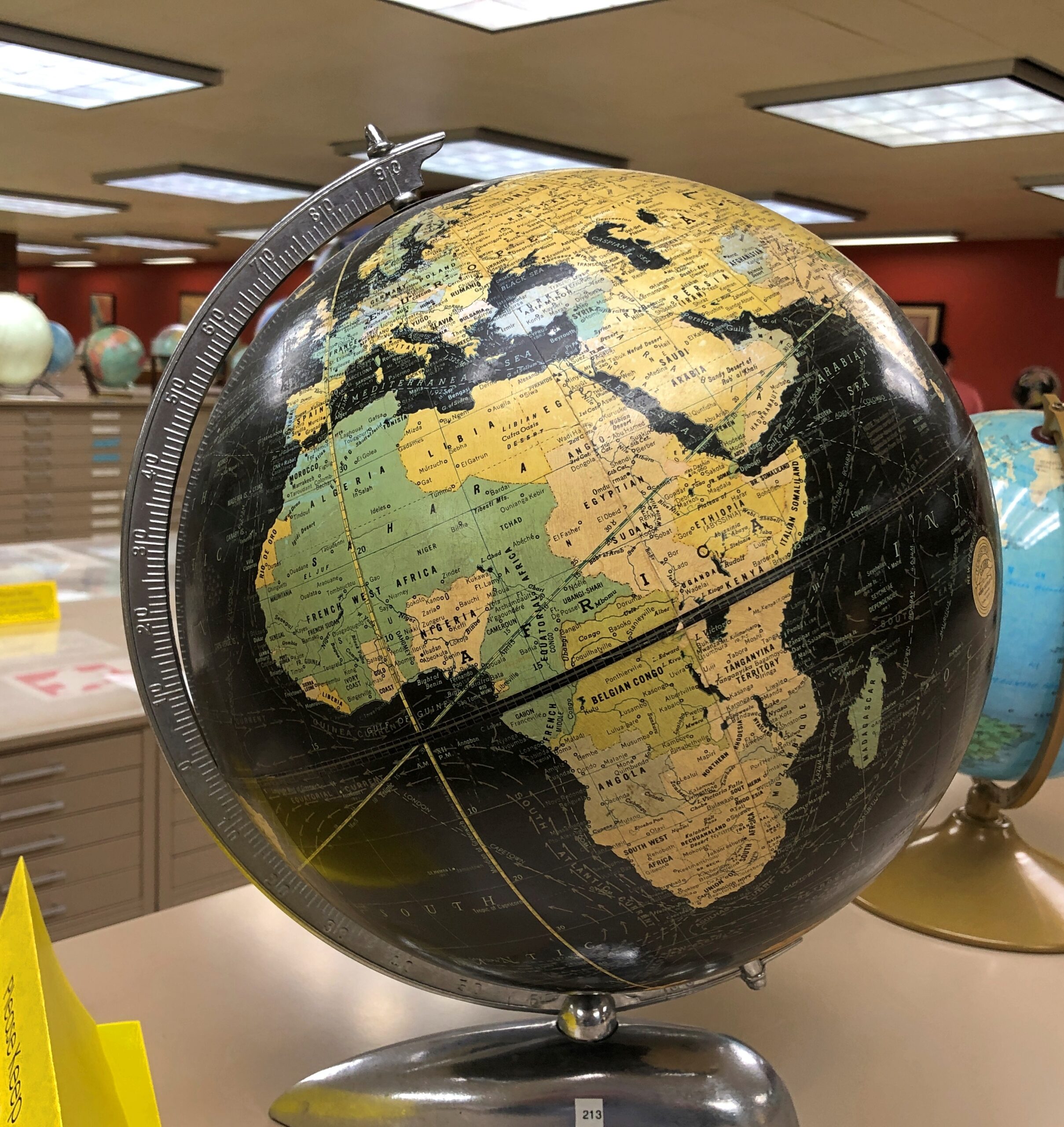
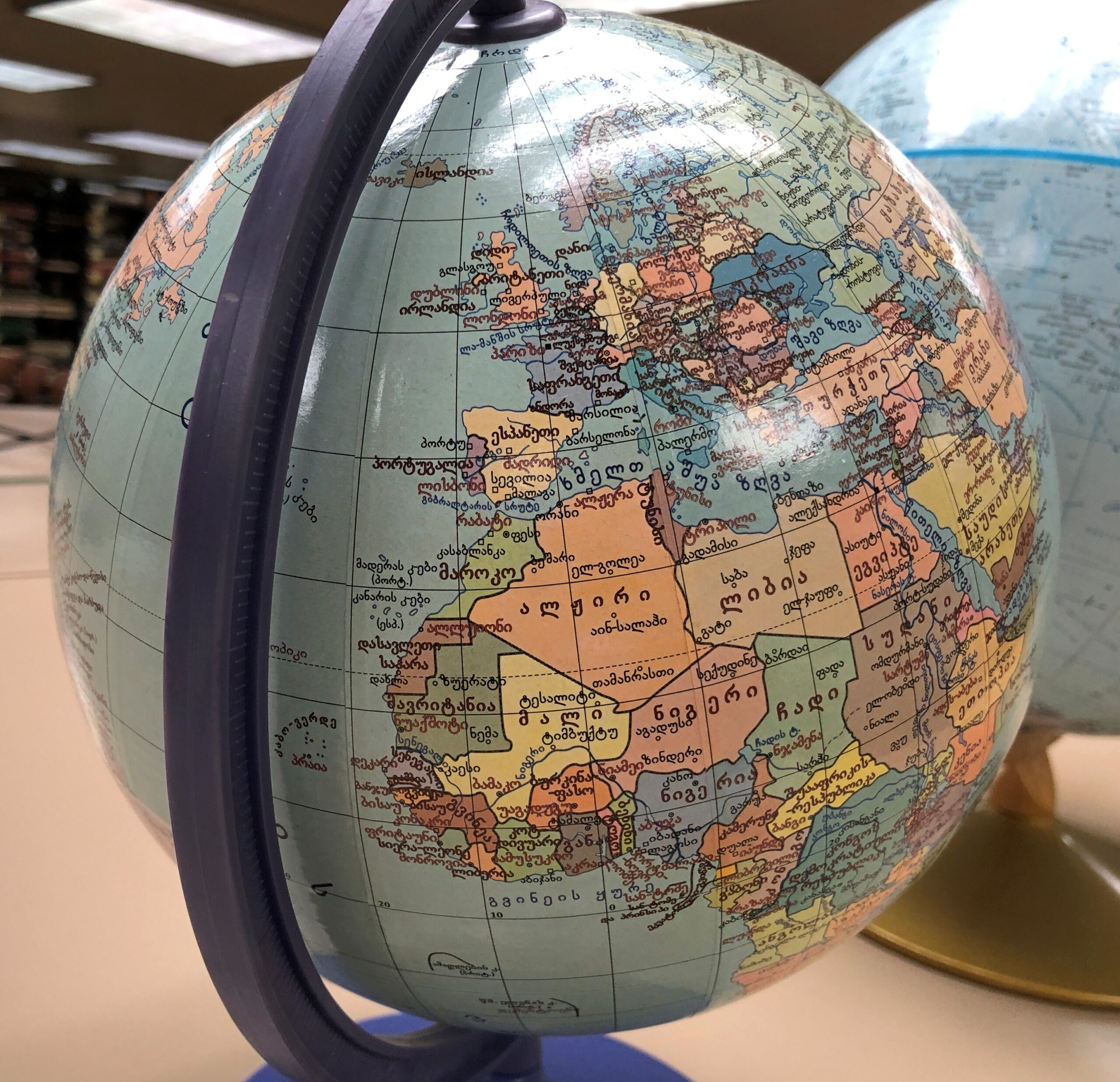
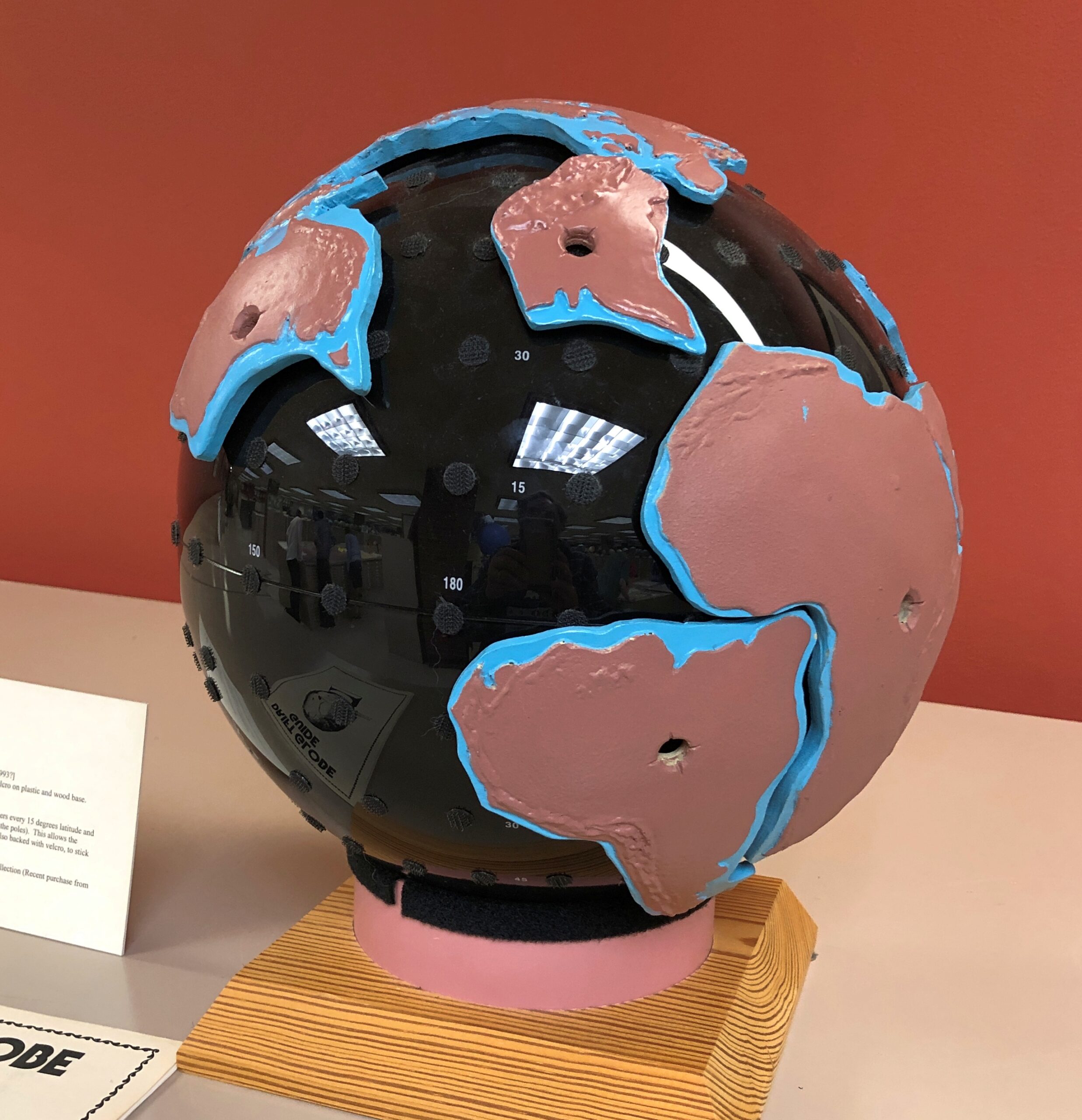
Mostly, I took pics of globes.

Globes, globes, globes.

The other day I discovered a place in Salt Lake City called Dolcetti Gelato that seems to include a lot of globes in its décor. This is a design we can all applaud. Hope the gelato is good. Even coming close to Florentine gelato would be a pretty tall order, though.

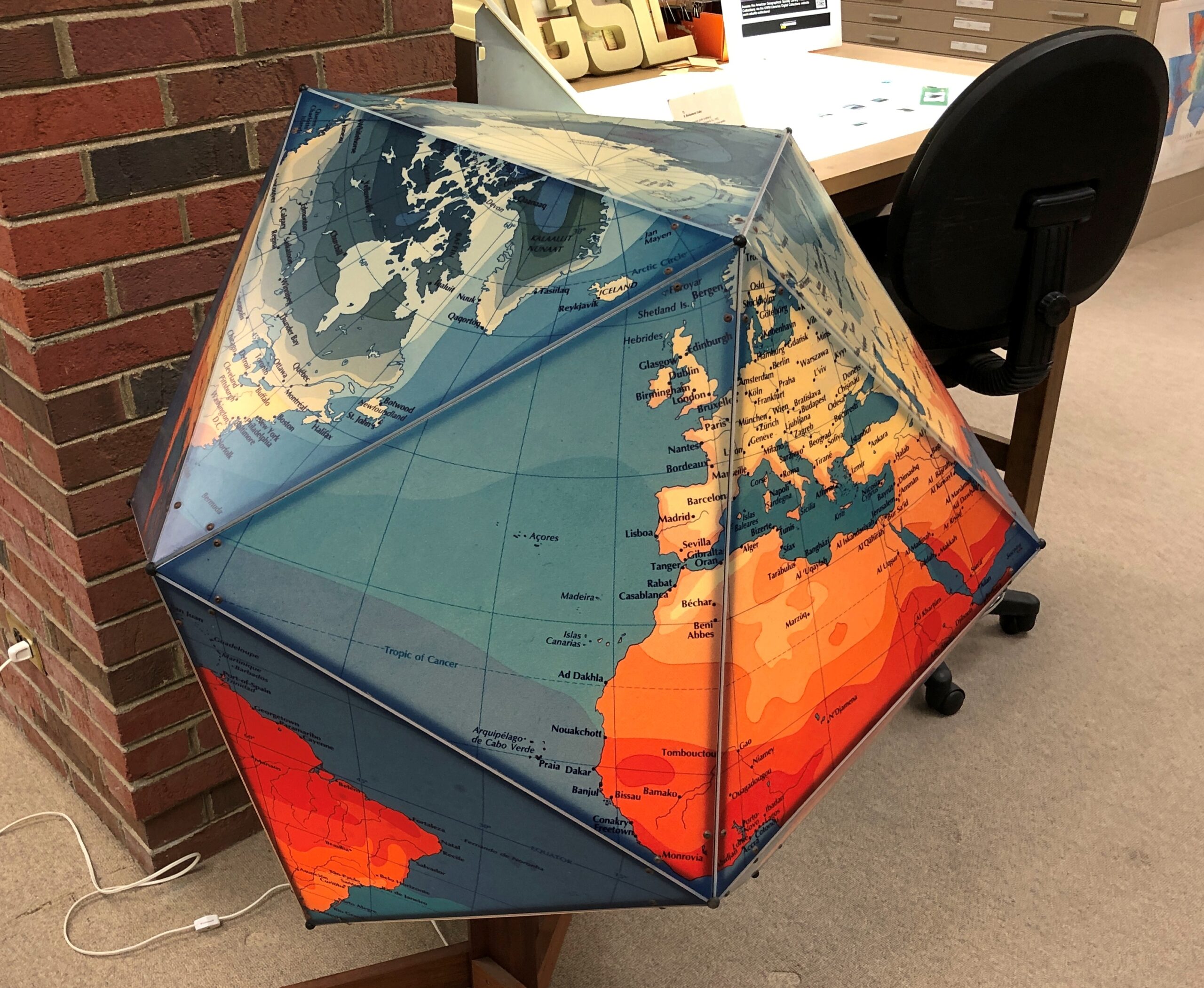
An oddity among the globes.

A nearby sign tells us:

Dymaxion map globe structure. This globe was one of 100 produced by Levi Strauss & Co. as a promotional artifact. Inscription on the globe: This is a Dymaxion globe designed by Buckminster Fuller, best known as the inventor of the geodesic dome. The word Dymaxion and the Fuller projection Dymaxion map design are trademarks of the Buckminster Fuller Institute, 2040 Alameda Padre Sierra, Suite 224, Santa Barbara, California 93103. Copyright 1938, 1967 and 1992. All rights reserved.

By golly, it occurs to me that I’ve accidentally done more Bucky tourism than most people, probably, including a walk by the geodesic dome house in Carbondale, Illinois, and a look at the only existing Dymaxion vehicle, which happens to be in Reno, Nevada. I live a charmed life, clearly. But dang, I missed his grave this year at Mount Auburn Cemetery in Massachusetts.

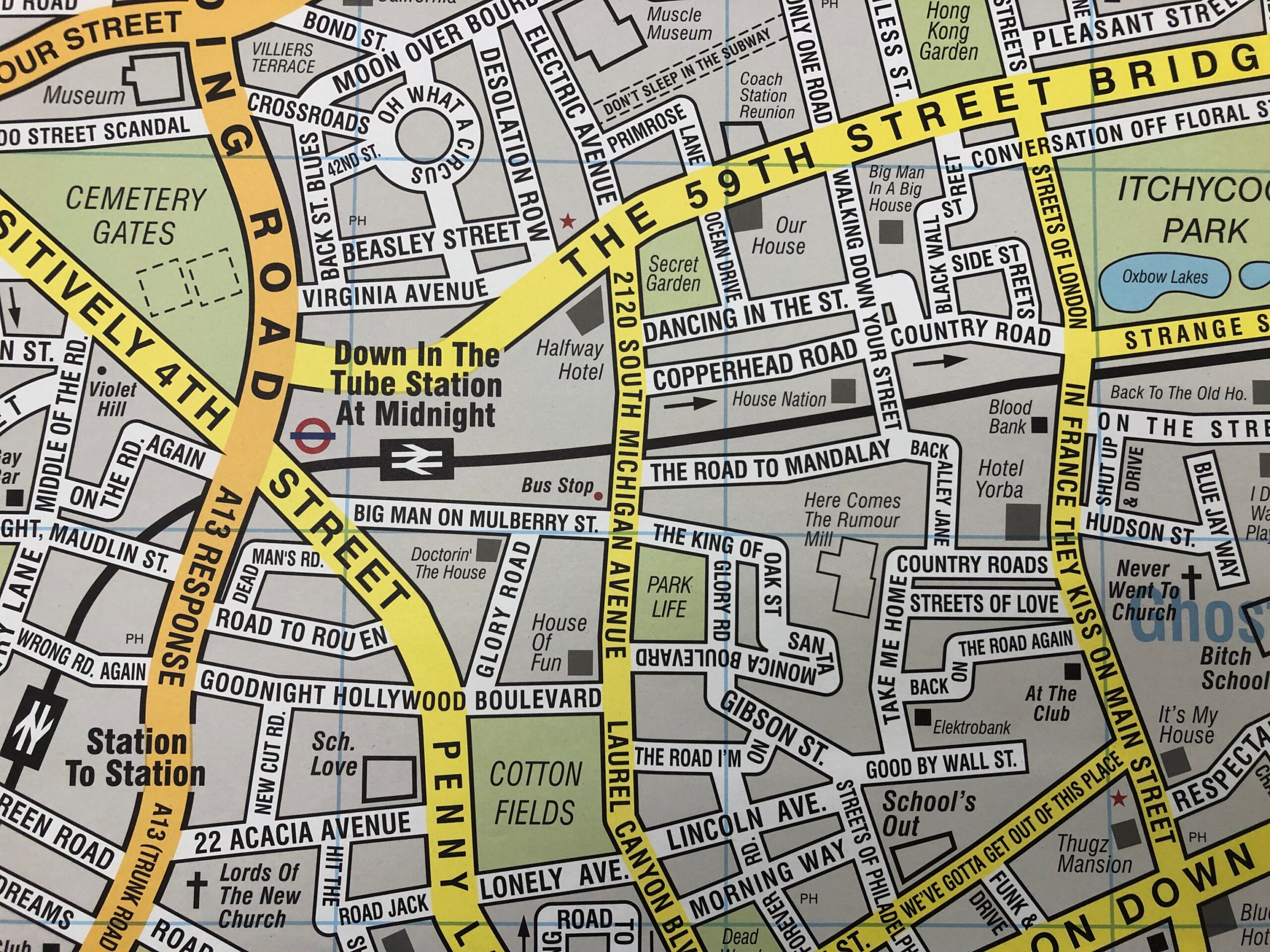
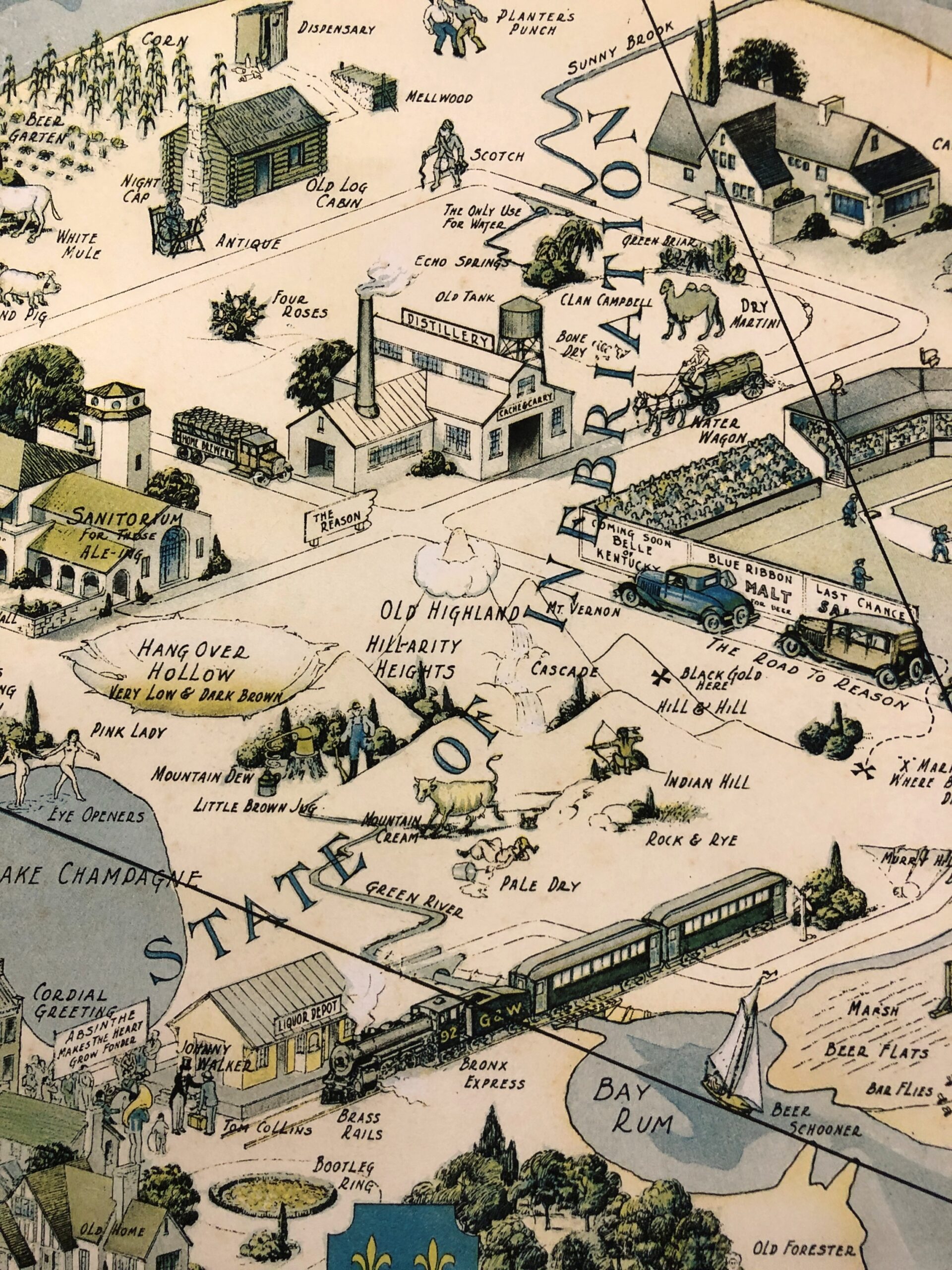
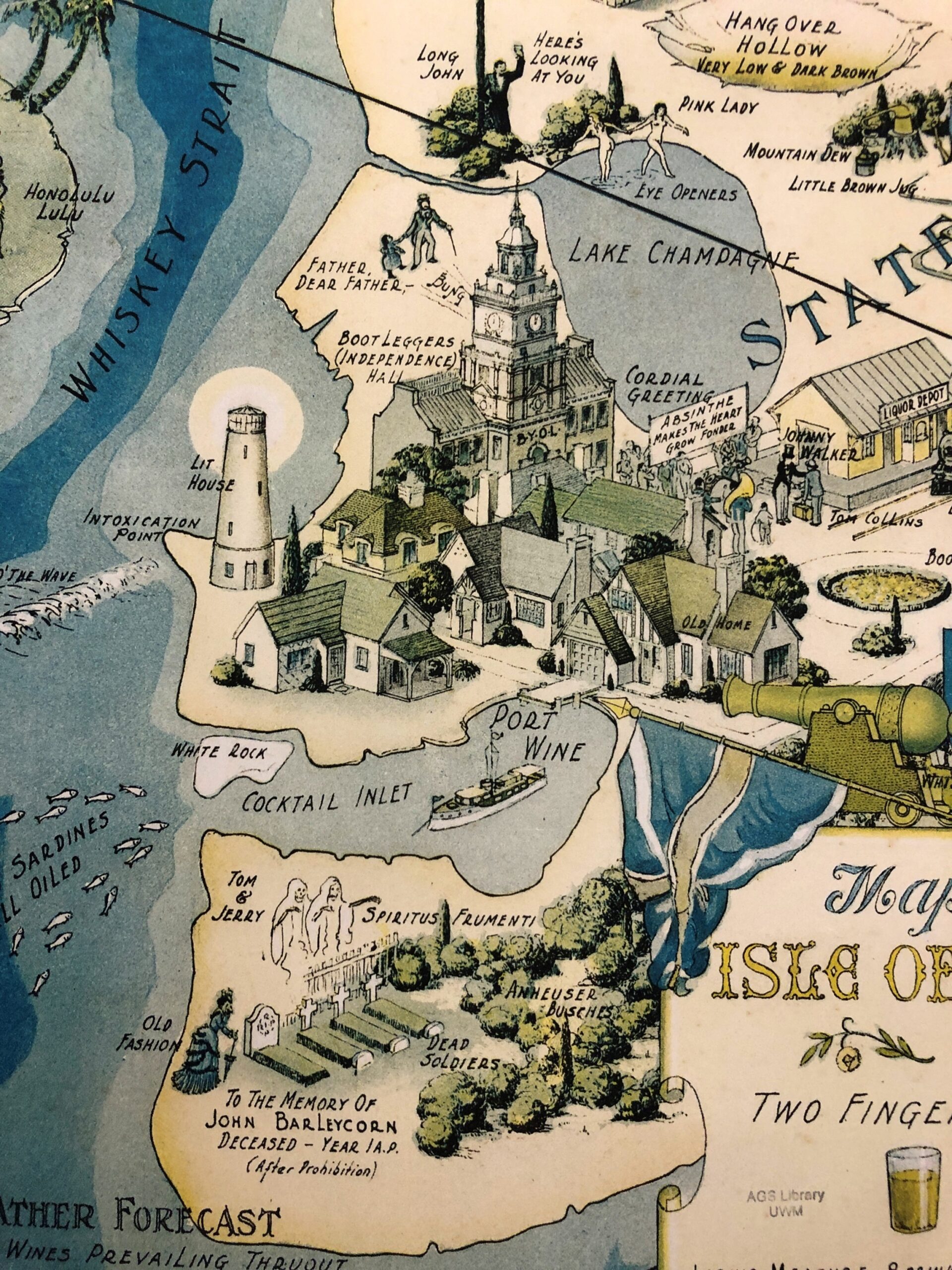
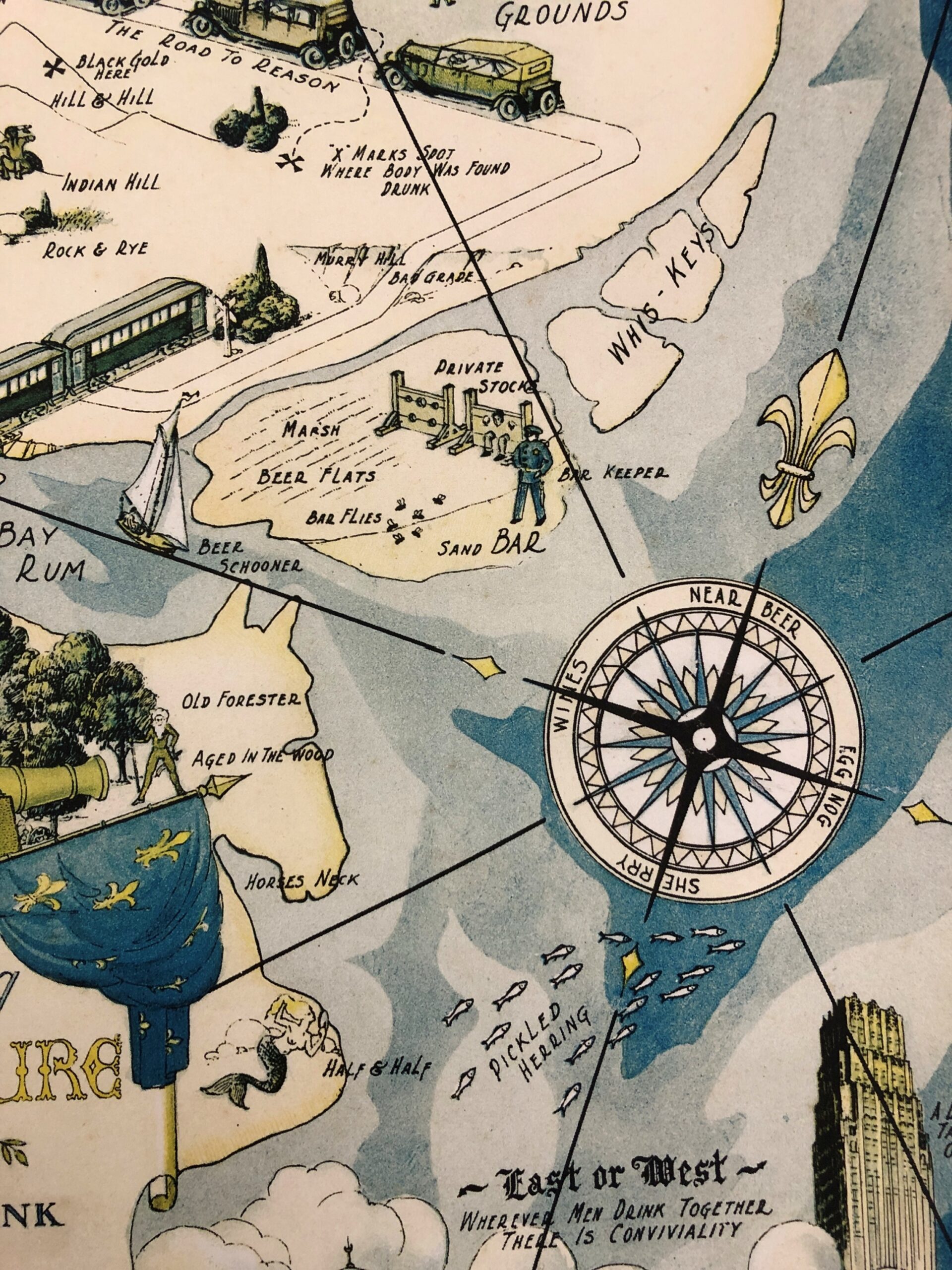
I expect the library has a lot more maps than globes – they take up less space – and a fair number were on display for the event. Including some non-geographic maps, such as one using song titles for place names. A detail.

Details from a map called Isle of Pleasure, all of whose place names relate to alcohol. A late Prohibition-era publication. The main entity is called State of Inebriation.

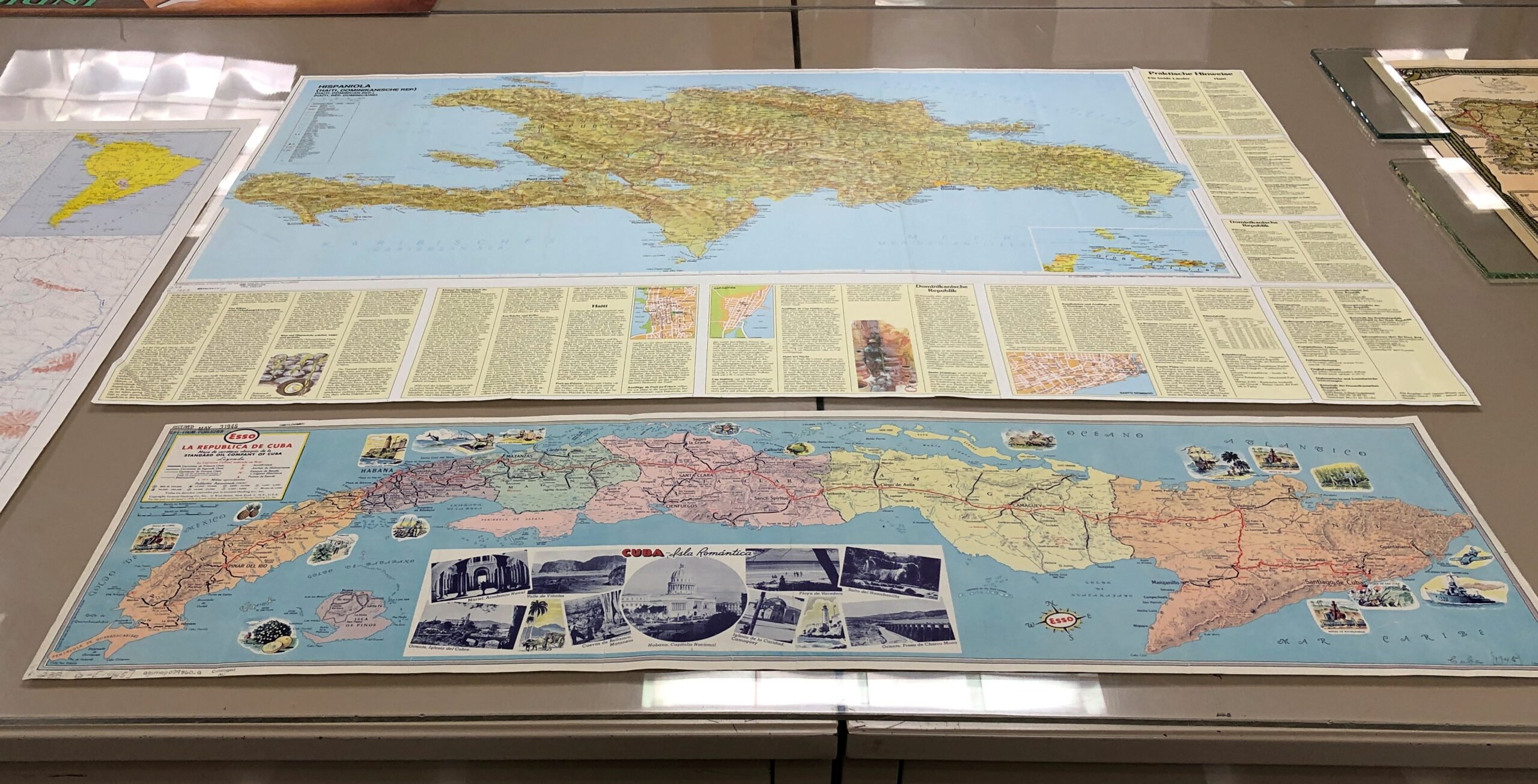
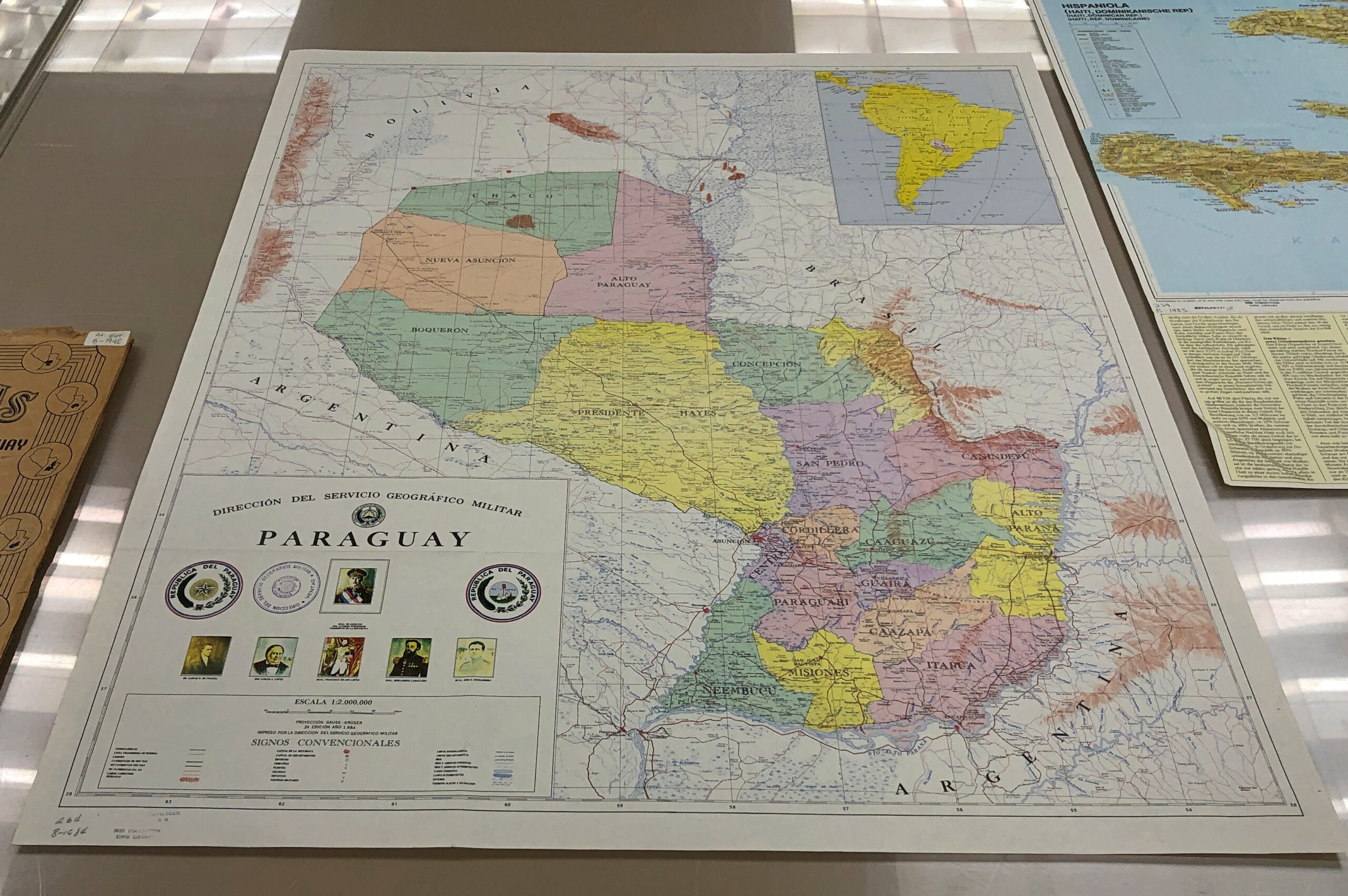
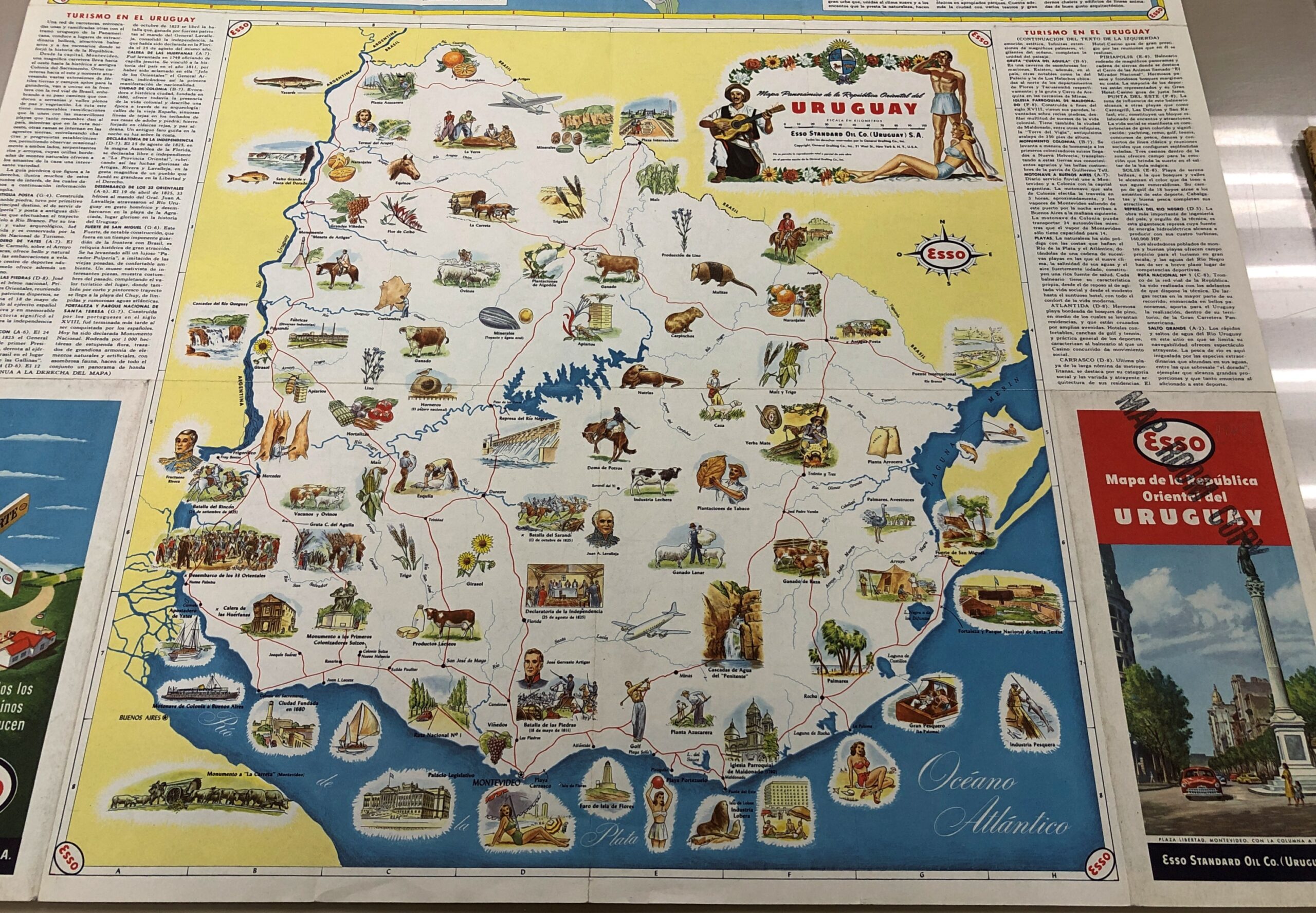
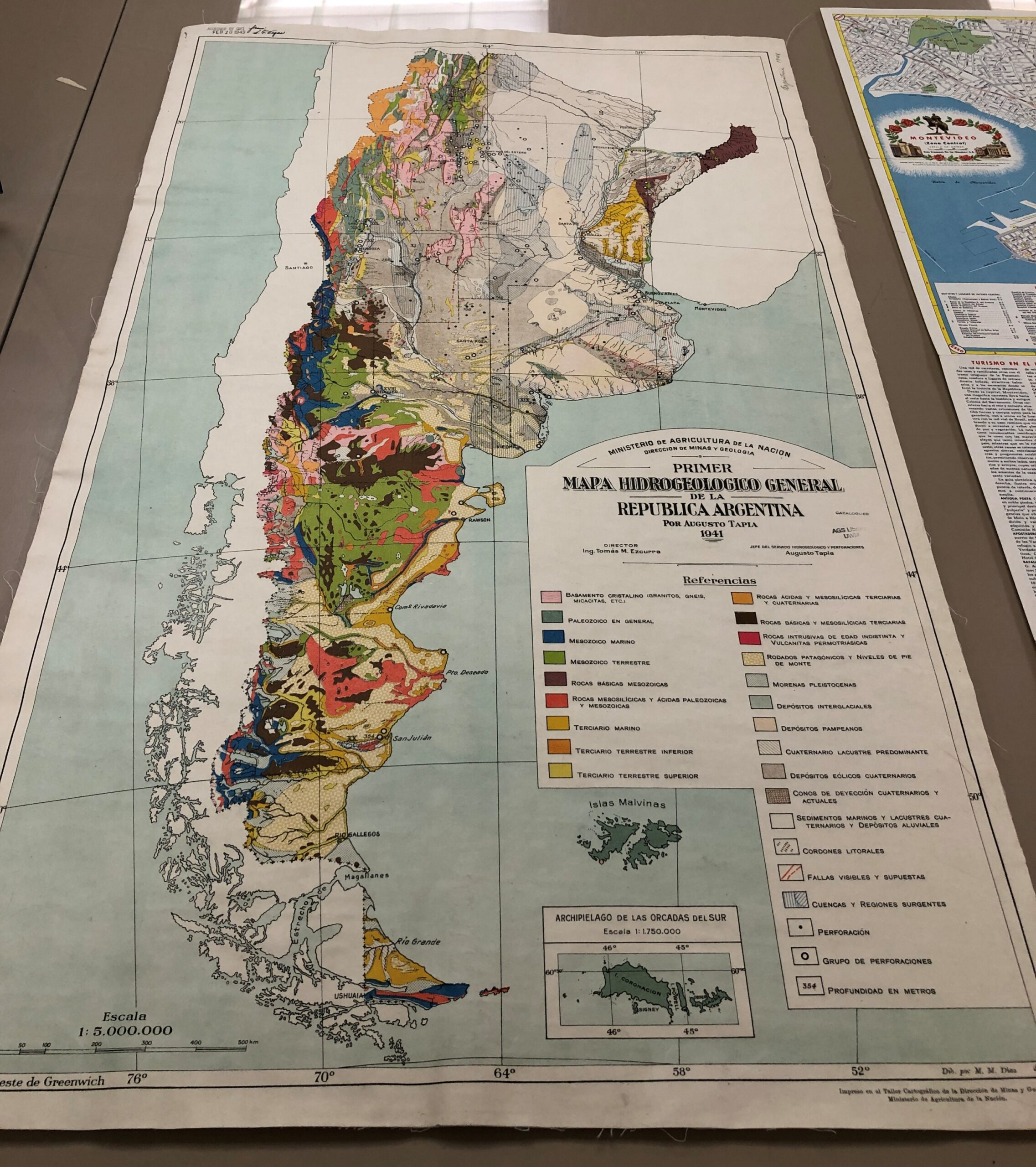
An entire table was given over to Latin America.

This kind of thing gets me all itchy. I checked, and for an investment of $1,200 or so (round trip) and at least 14 hours each way, one can buzz down to Buenos Aires from Chicago. Alas, not today. And yet – the establishing shots for the series Envidiosa on Netflix, which I have been unaccountably watching for a while now (once a month or so) — are quite the advertisement for the Argentine capital.

Bee Boun in Silver City

Rain to end September and begin October. Generally not heavy, just persistent for two days. As if on cue for the first of the month, a handful of trees here and there suddenly displayed streaks of yellow. Every day there will be more of that, until there isn’t any.

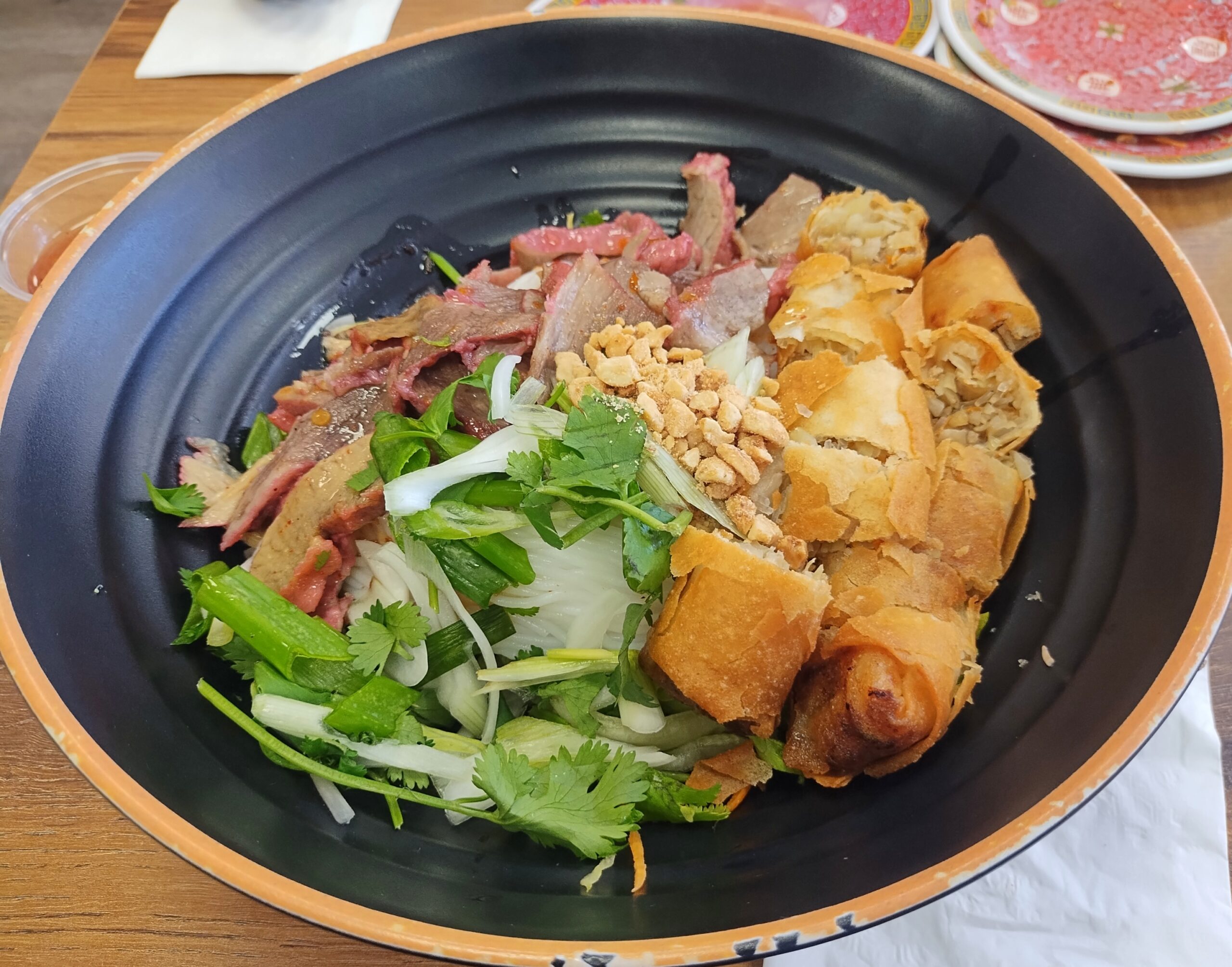
After visiting a run of Milwaukee churches last Saturday morning under a warm early fall sky, we were inspired to find a Laotian restaurant. The place, Vientiane Noodle Shop, calls itself Laotian-Thai on its menu, probably because everyone knows about Thailand, while far fewer about Laos, such being the dismal state of geographic knowledge. A lot of the menu was also Thai, but it included Laotian specialties. Such as this.

Bee Boun. Also transliterated Bie Boun, apparently, but anyway a rice vermicelli-based dish that’s majorly delicious.

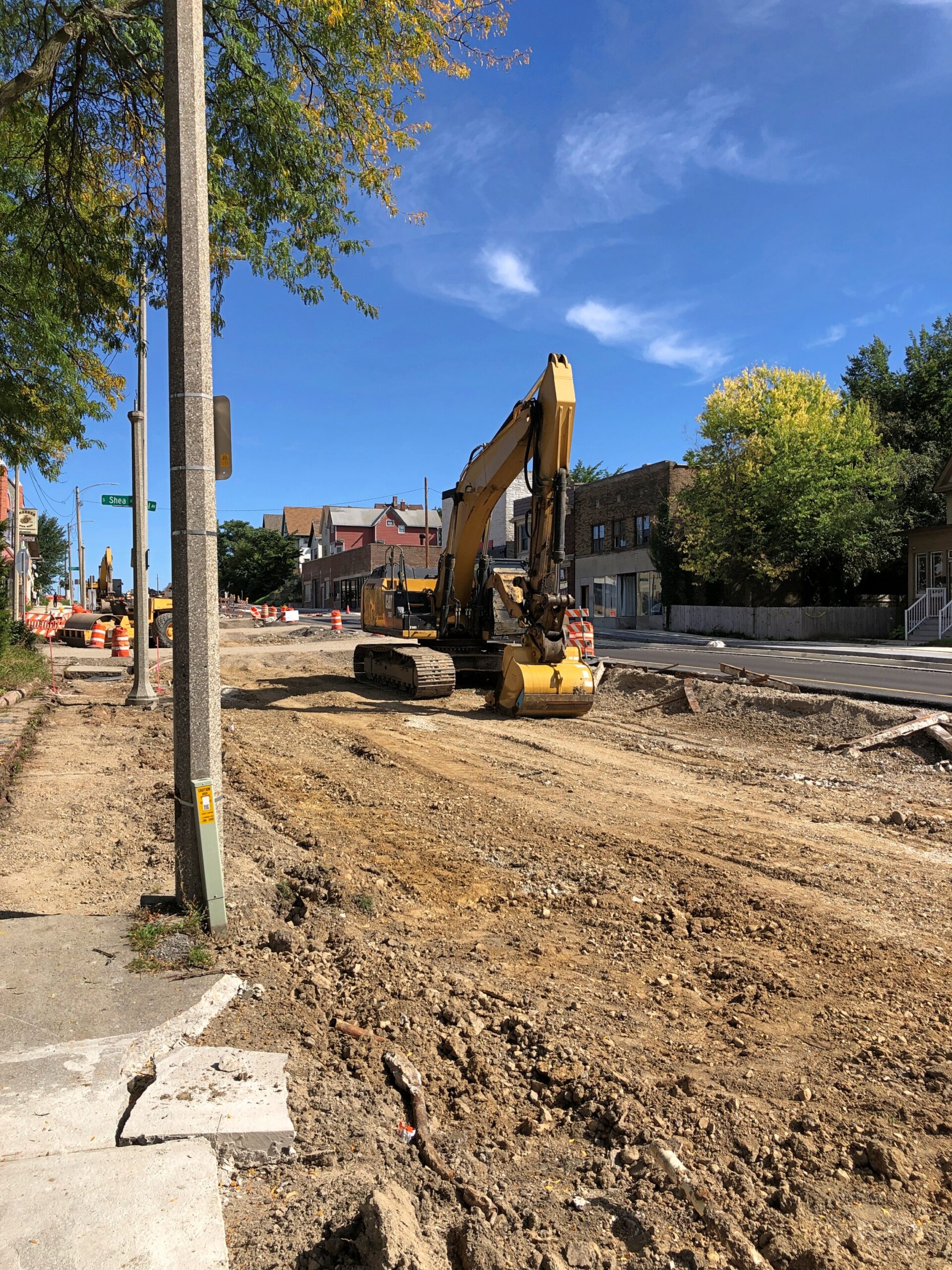
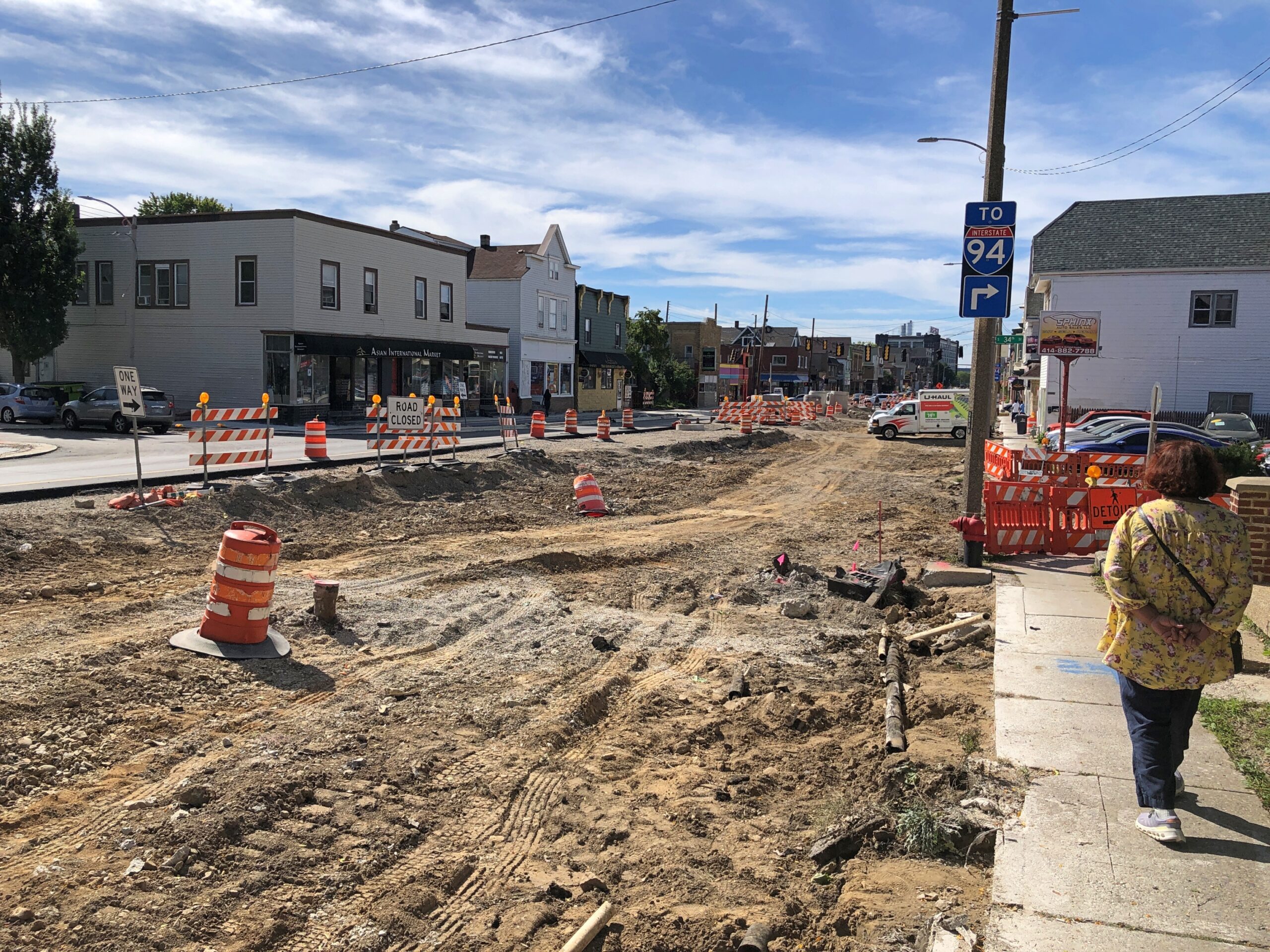
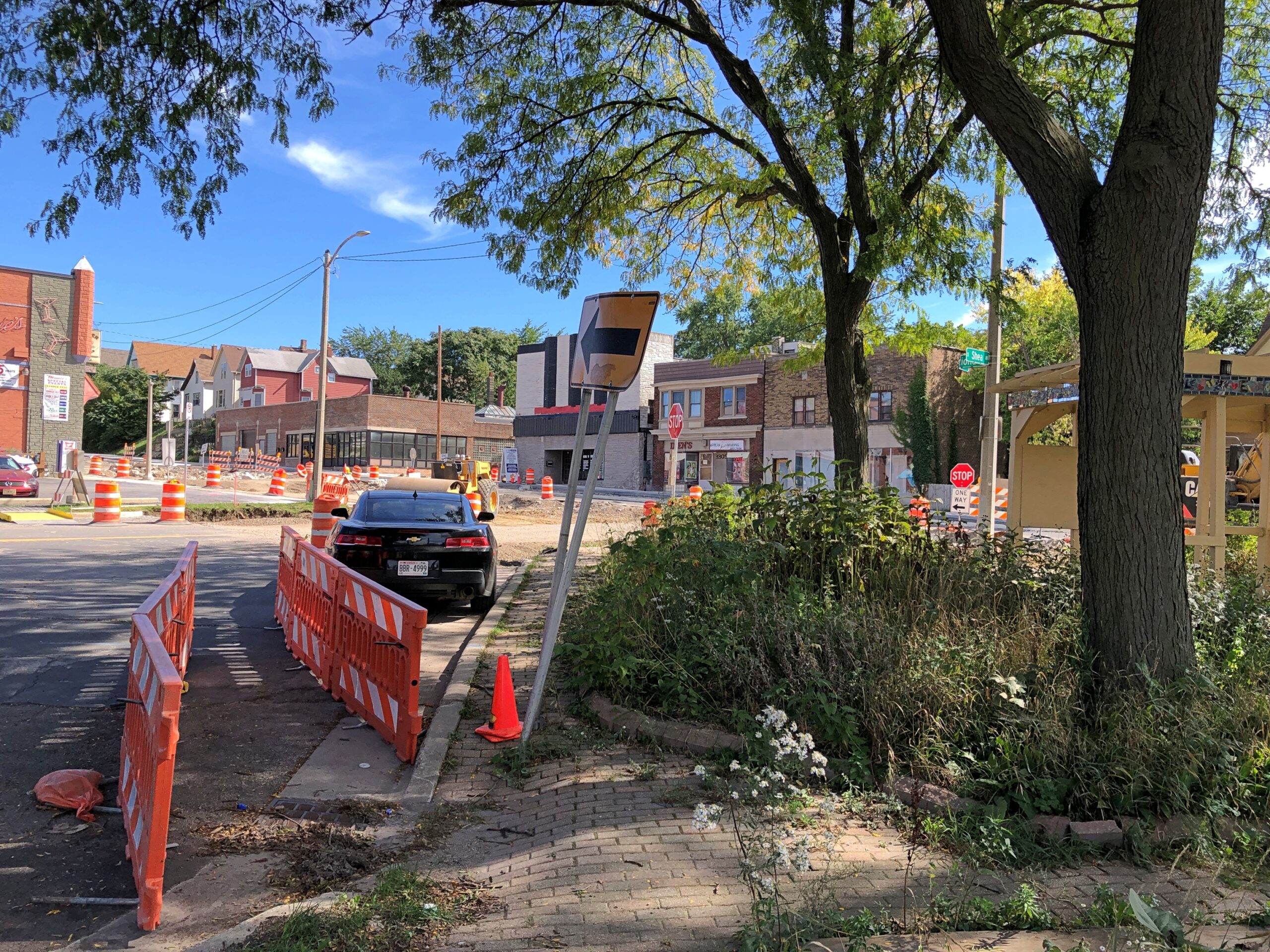
It was good to support the restaurant in general, but also because there is major construction on its street, National Avenue, that might be interfering with its trade volume.

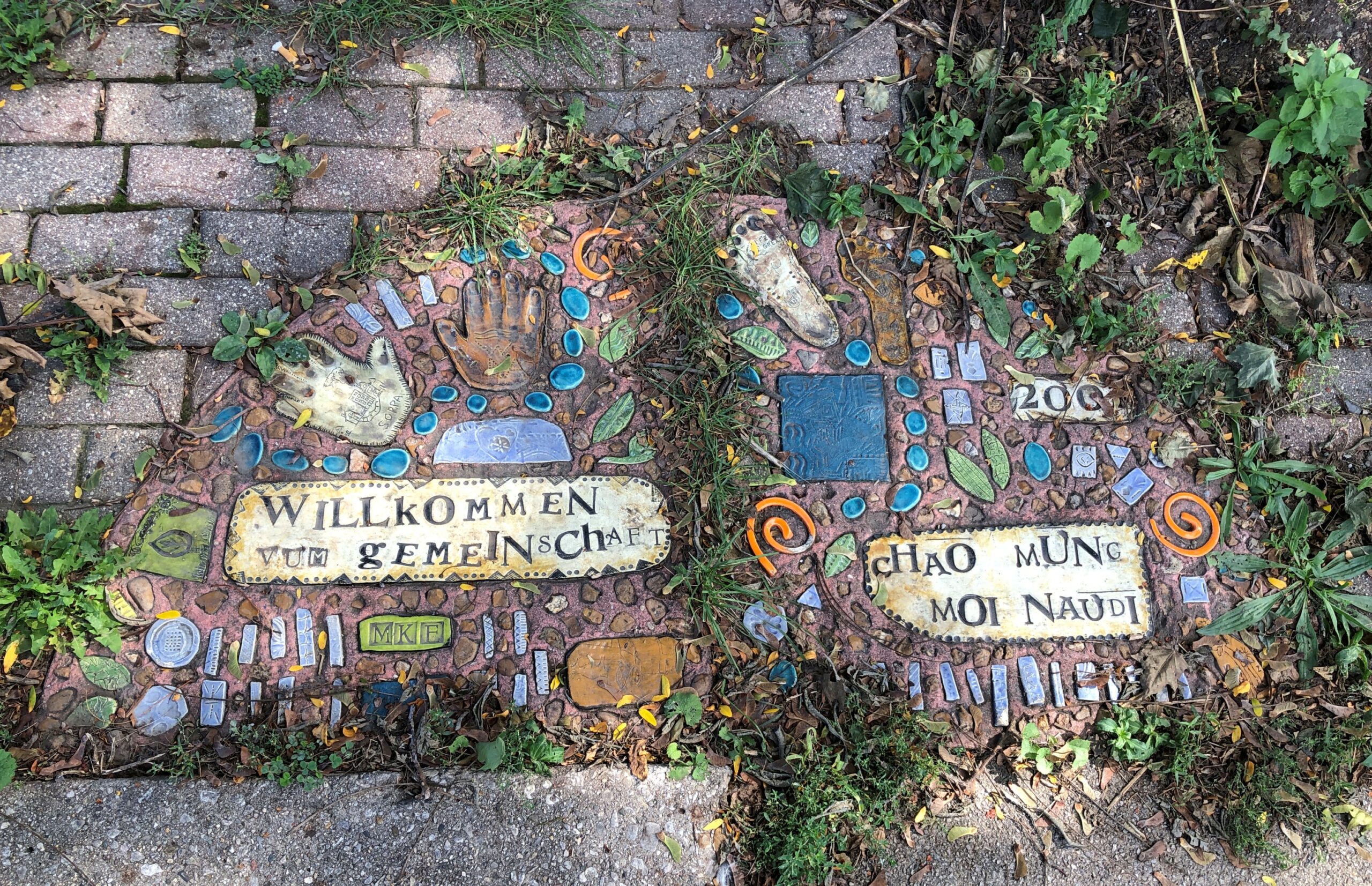
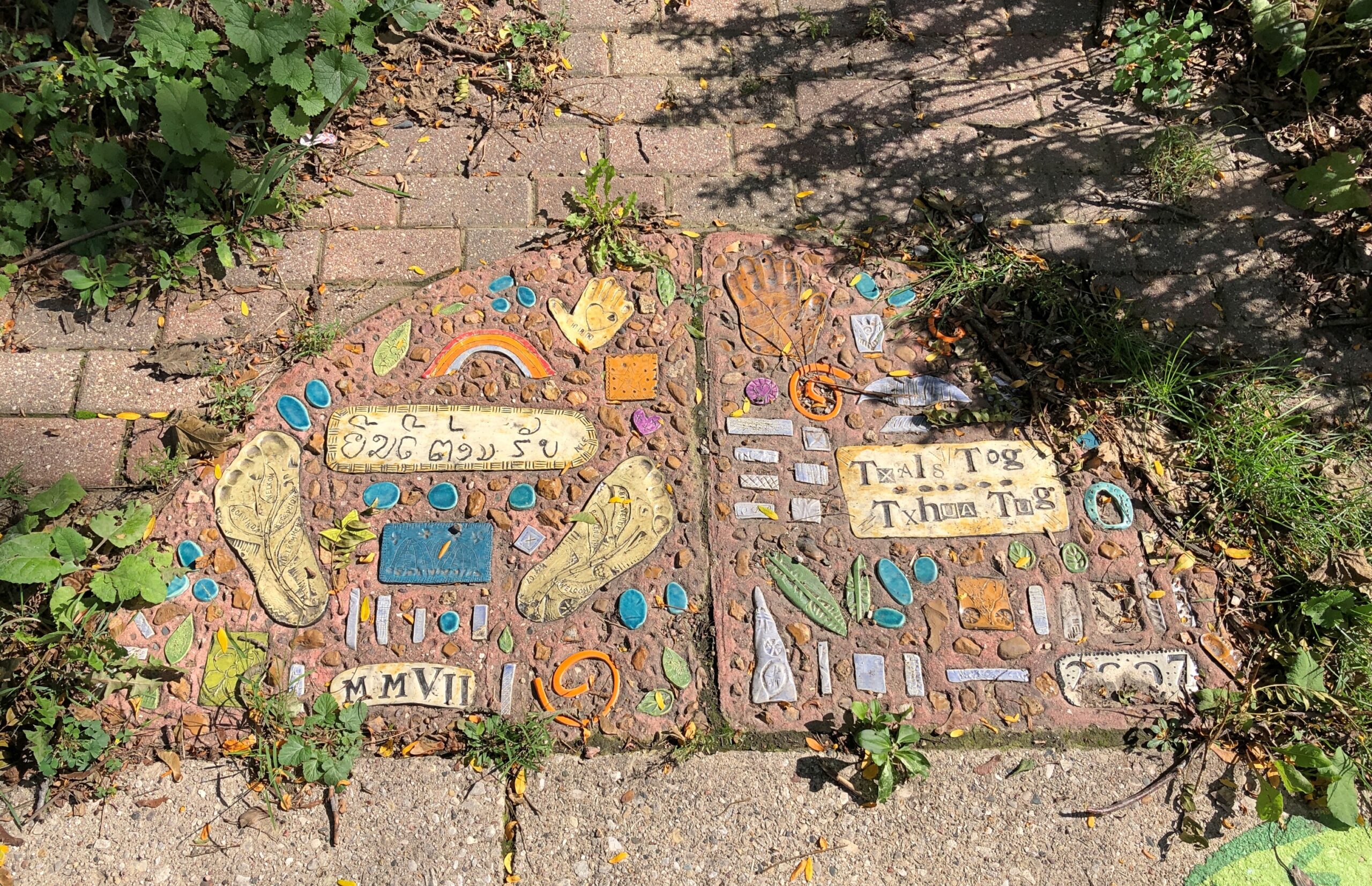
Naturally we’d parked on a side street (Shea Avenue) and walked to Vientiane Noodle Shop. At the intersection of National and Shea – which meet at a 45-degree angle – is a triangular pocket park featuring plantings and a bench, along with some artwork fixed in the ground, dated 2007, and seeming to reflect the neighborhood population during its history through “welcome to our community” in various languages, if the German is any indication.

The neighborhood is known as Silver City. As many times as I’ve visited Milwaukee, that was a new one to me. It’s largely Hispanic these days, with Hmong and other groups also living there, and seems to have followed a common evolution in that regard, beginning with various European ethnic groups more than 150 years ago giving way to other groups as the decades passed.

Why Silver City? A site called Neighborhoods in Milwaukee (and others) offers an explanation. Sounds like folk etymology to me, but never mind:

Silver City got its name in the mid-1890s when area laborers working in the developing Menomonee Valley factories were paid in silver coin. When the workers circulated the silver among the area’s 24 taverns, the name “Silver City” began to appear in Milwaukee newspapers.

Silver was circulated everywhere in the 1890s, so that doesn’t really cut it. Old newspapers using the name might hint at a nickname for the area created by anonymous newspapermen for some lost reason – who can say? That kind of uncertainty adds interest to a neighborhood, if you ask me.