The Blue Beetle

After Saturday’s small comic con event (see yesterday), and completely by coincidence, I was listening to WDCB’s old-time show radio, Those Were the Days, and learned about the The Blue Beetle. The name made me laugh.

The theme of this particular Those Were the Days edition was successful radio and programs and their imitators. The Blue Beetle was paired with the The Green Hornet, which it clearly imitated.

Later, I looked up this oddball imitator. Apparently the character, especially as a comic book hero, was more successful than it had any right to be, and he’s still kicking around. One of these days, maybe he’ll get the big-screen CGI treatment. Not that I would pay money to see it, or even watch it for free. But I like the idea. Lesser-known characters (e.g., Captain Canuck) should get their 15 minutes.

Along the same comic-book hero lines, this is a good use of YouTube: The Complete 14 Batman Window Cameos.

Comic Book Characters at the Library

On Saturday, Ann asked to go to our local library’s Comic Con, an event held in its main lobby and various rooms, so I took her. I’d never thought of it before, but it seems that “comic con” is generic. I’m a little surprised that it isn’t anyone’s trademark, such as the organizers of big event in San Diego, but I guess it’s too late for that.

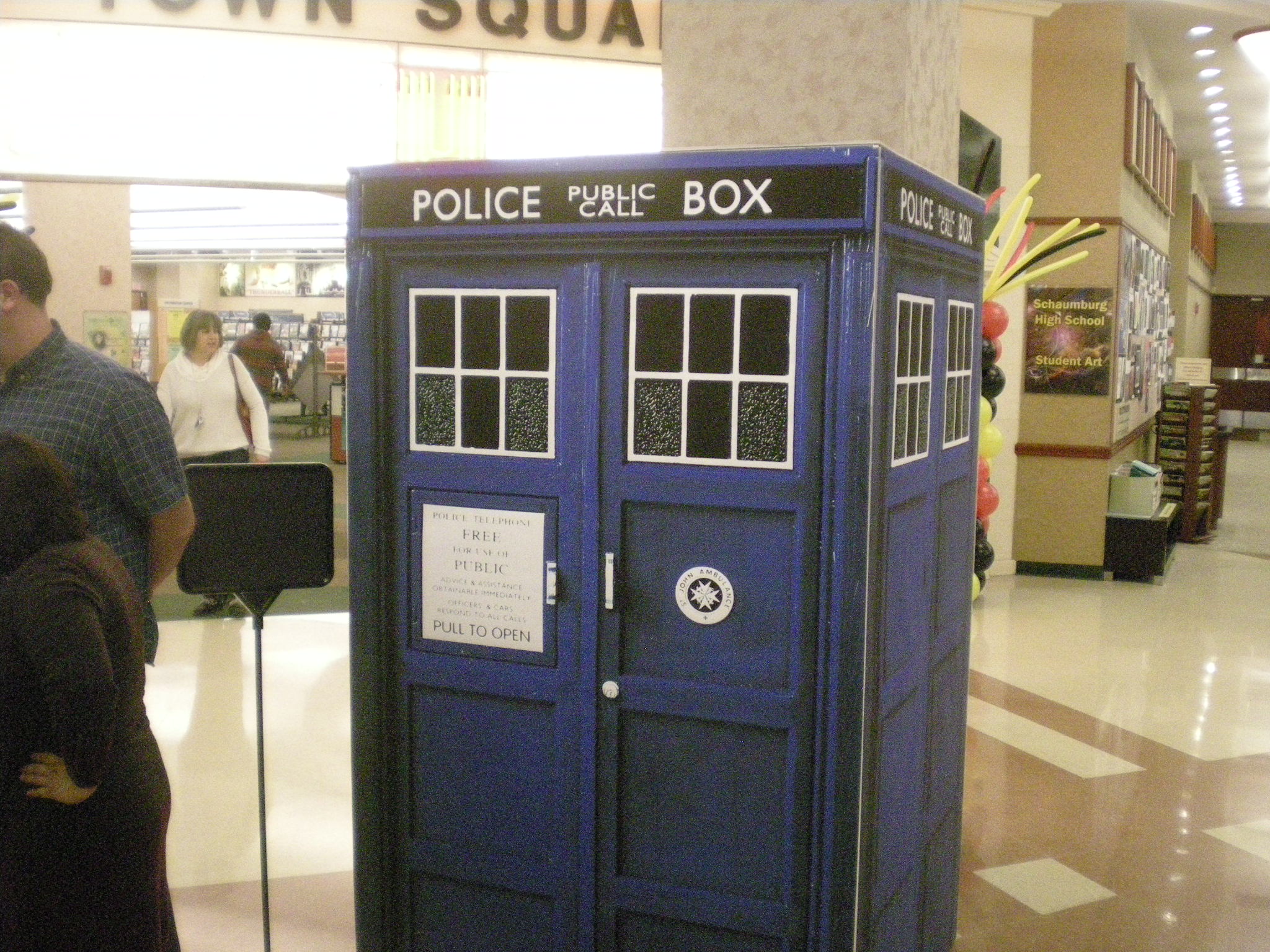
I took a look at some of the displays. One fellow had a nice collection of 1950s and ’60s comics, professionally graded according to a number system, which speaks to the fetish for mint-condition collectibles. I also took a few pictures. Such as this display.

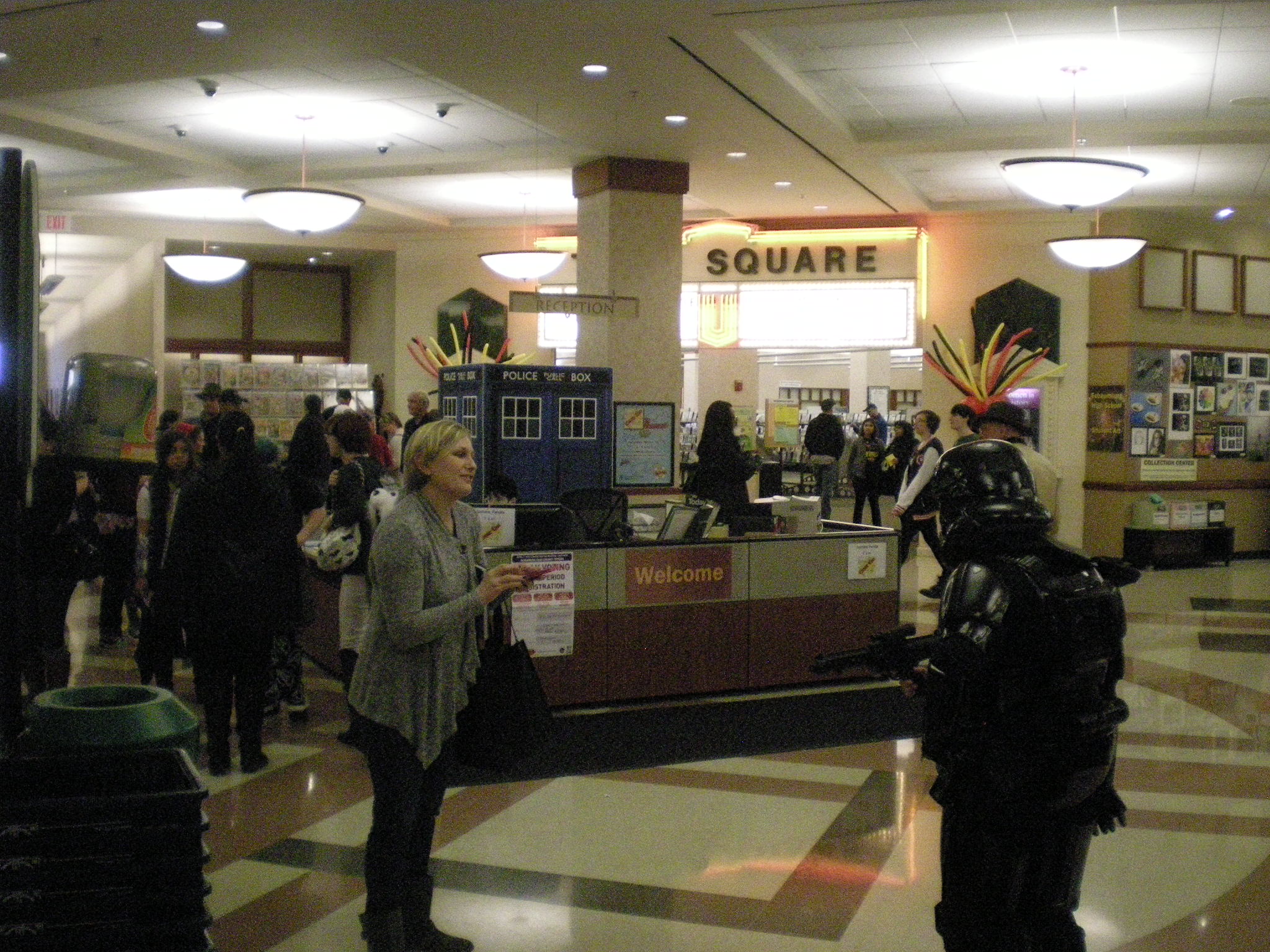
TardisAnd of costumed characters wandering around, posing for pictures. I didn’t recognize some of them, but the storm troopers were easy to pick out.

Schaumburg Township Libary March 21, 2015The right line for that fellow would have been, “Aren’t you a little short to be a storm trooper?”

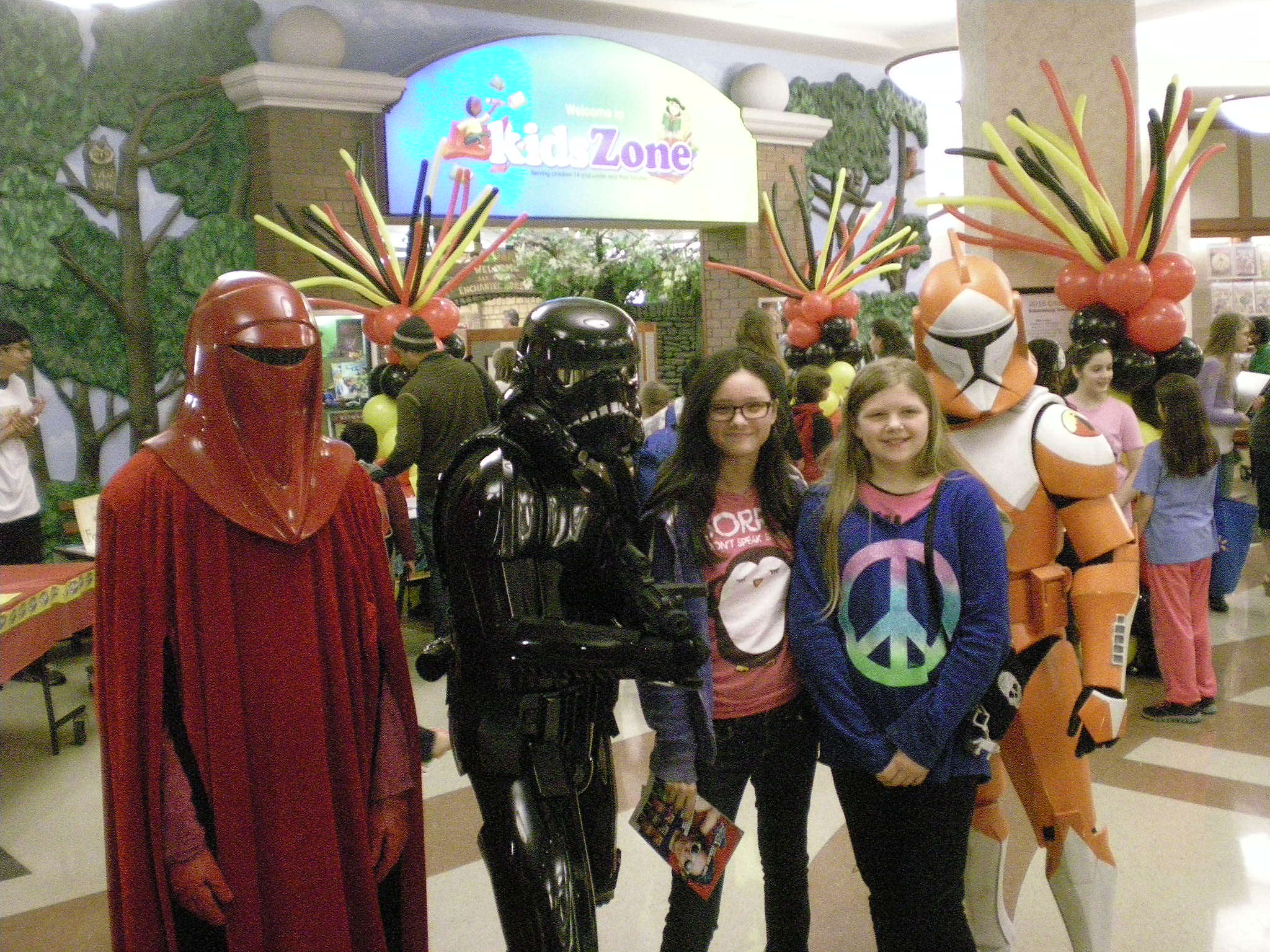
Schaumburg Township Library, March 21, 2015Ann and her friend, with a storm trooper. I don’t know who the ones in red and orange are supposed to be. The girls enjoyed the event, spending about two hours there. After about 10 minutes, I couldn’t muster any further interest in the goings-on, but we were in a library, so I found much else to do, looking at various books and reading.

Back at Mallard Lake

Last week was distinctly cool, in the winter direction of the seasonal seesaw of March. By Saturday, things were tolerable warm, but then Sunday was cold — and today, we received a few inches of snow. It won’t last, but for a while it looks like January again.

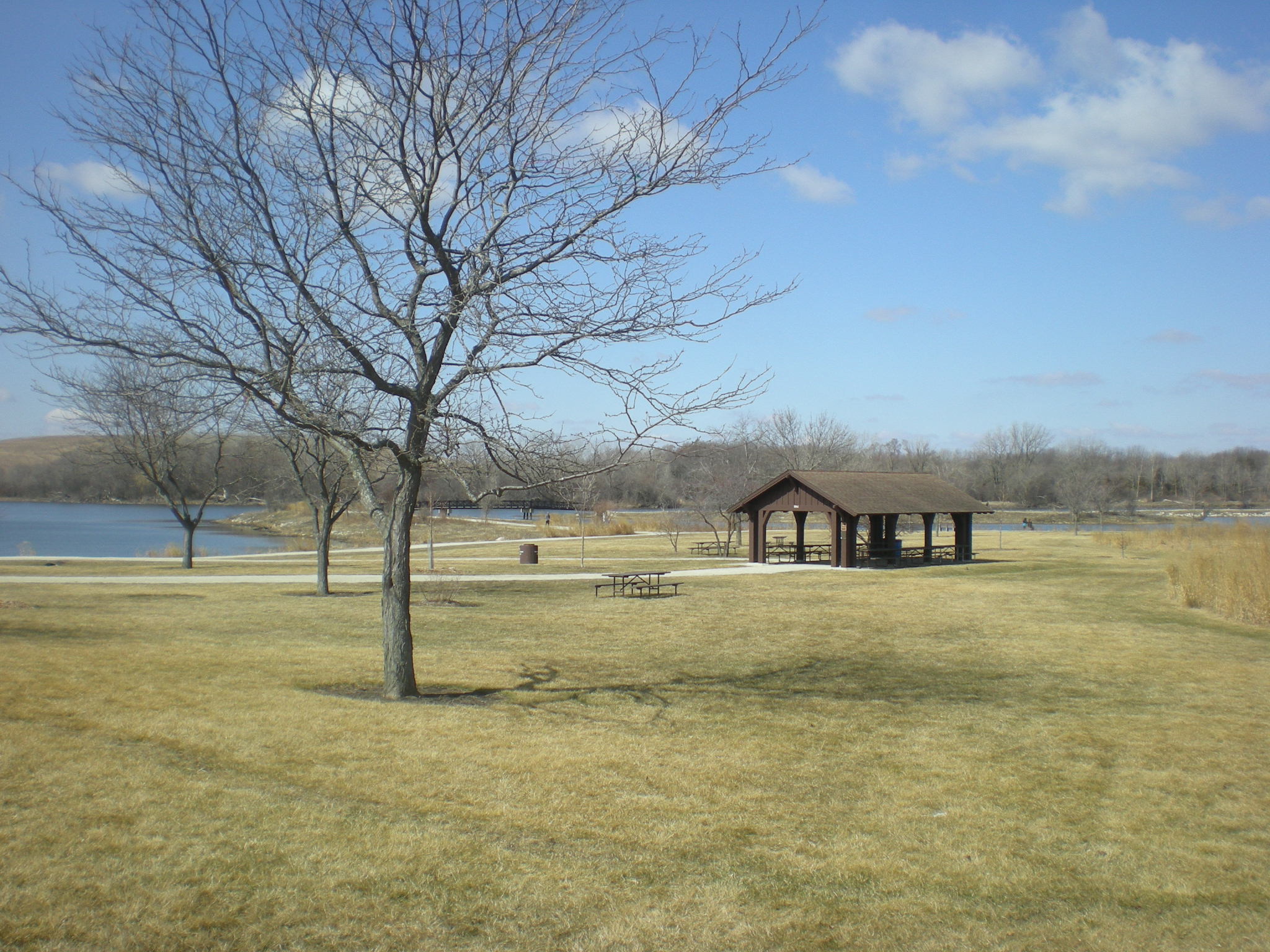
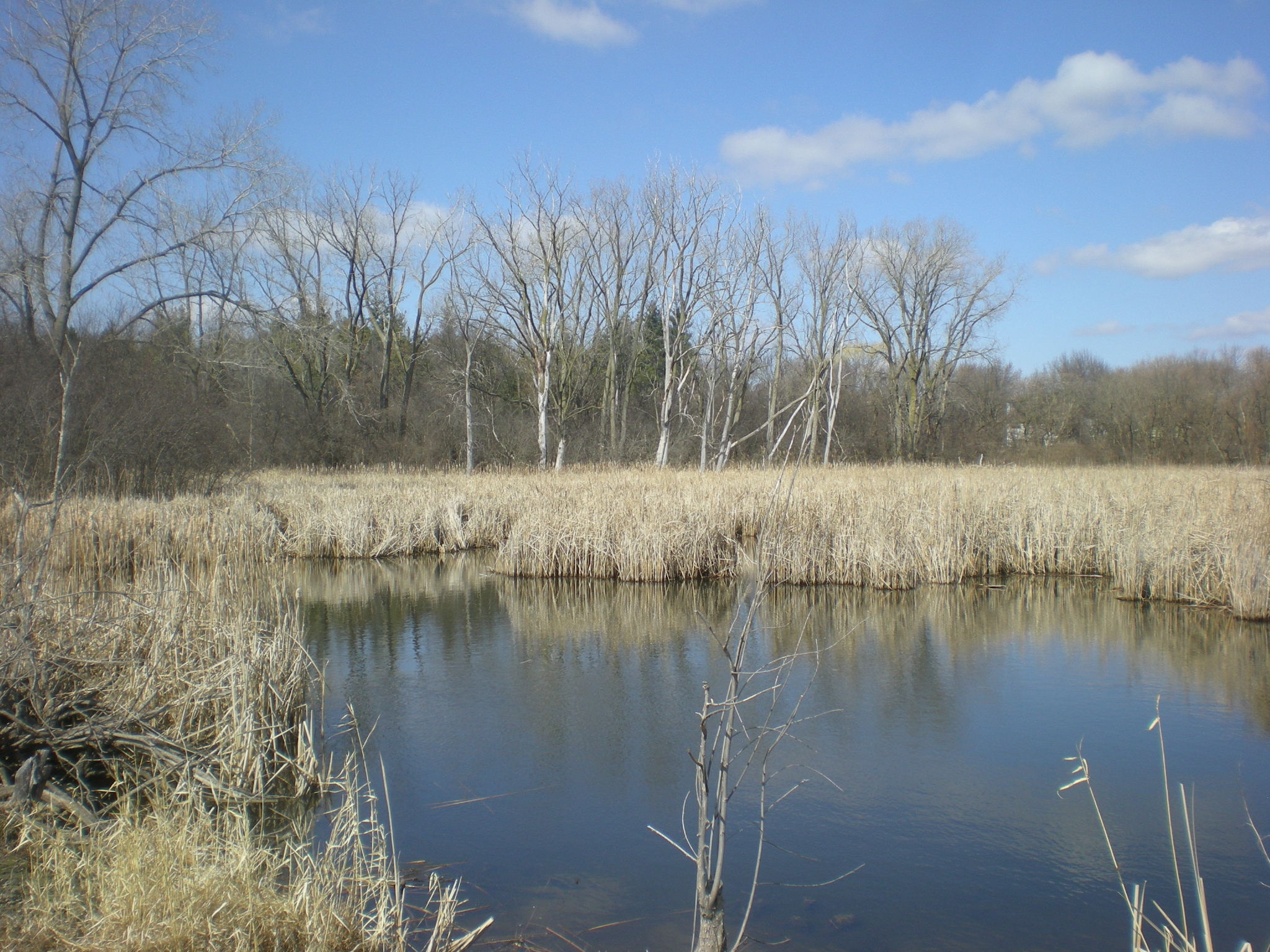
Before all that, on Saturday, we took a walk on some of the trails at Mallard Lake, a 942-acre unit of the Forest Preserve District of DuPage County. This wasn’t our first visit. Except when it’s covered by short-lived snow, the landscape is still browns and grays against sky blue, unless it’s cloudy.

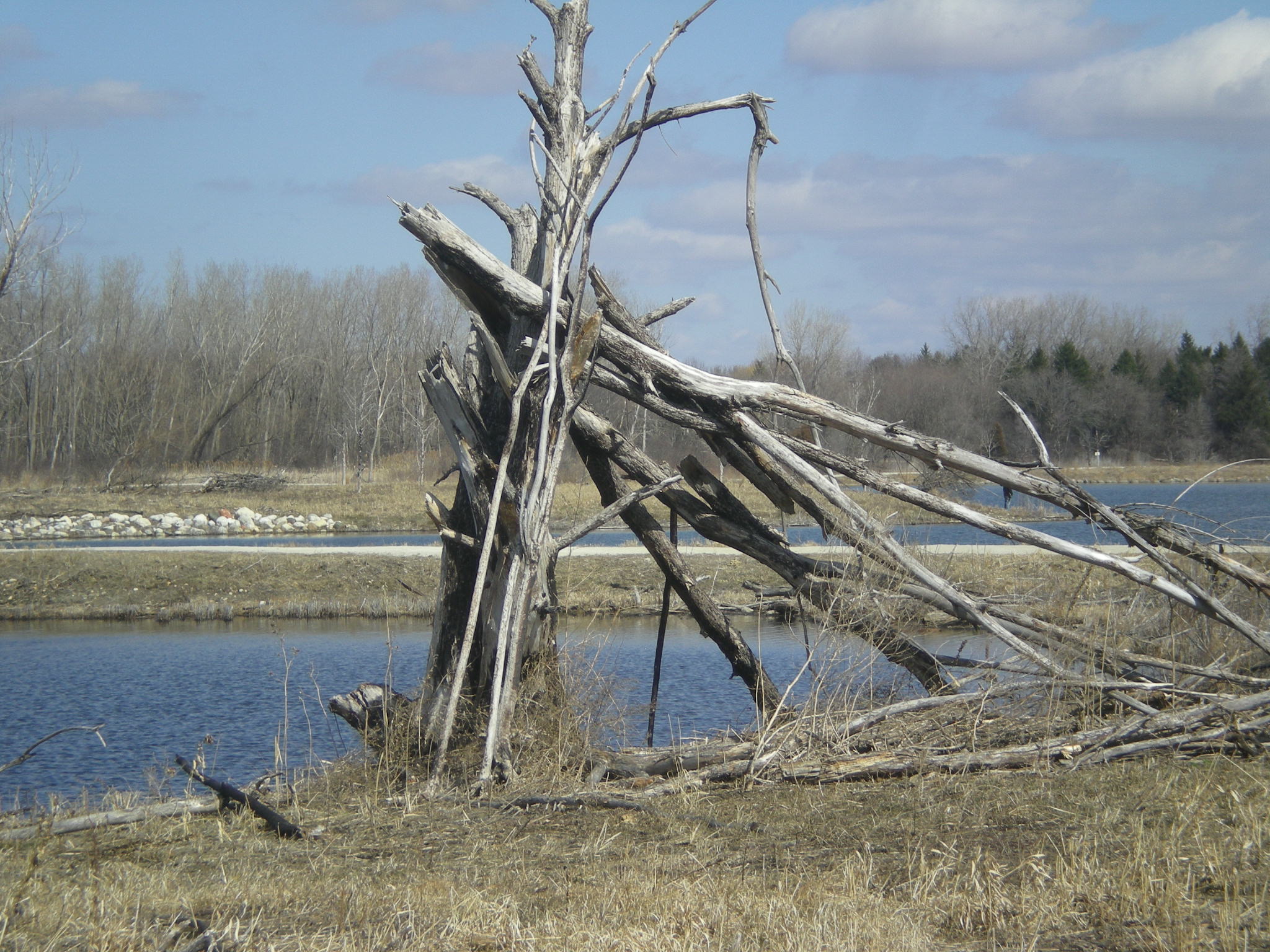
Mallard Lake, March 21, 2015Along with deadwood, no doubt providing nutrients for future trees, or at least the grass.

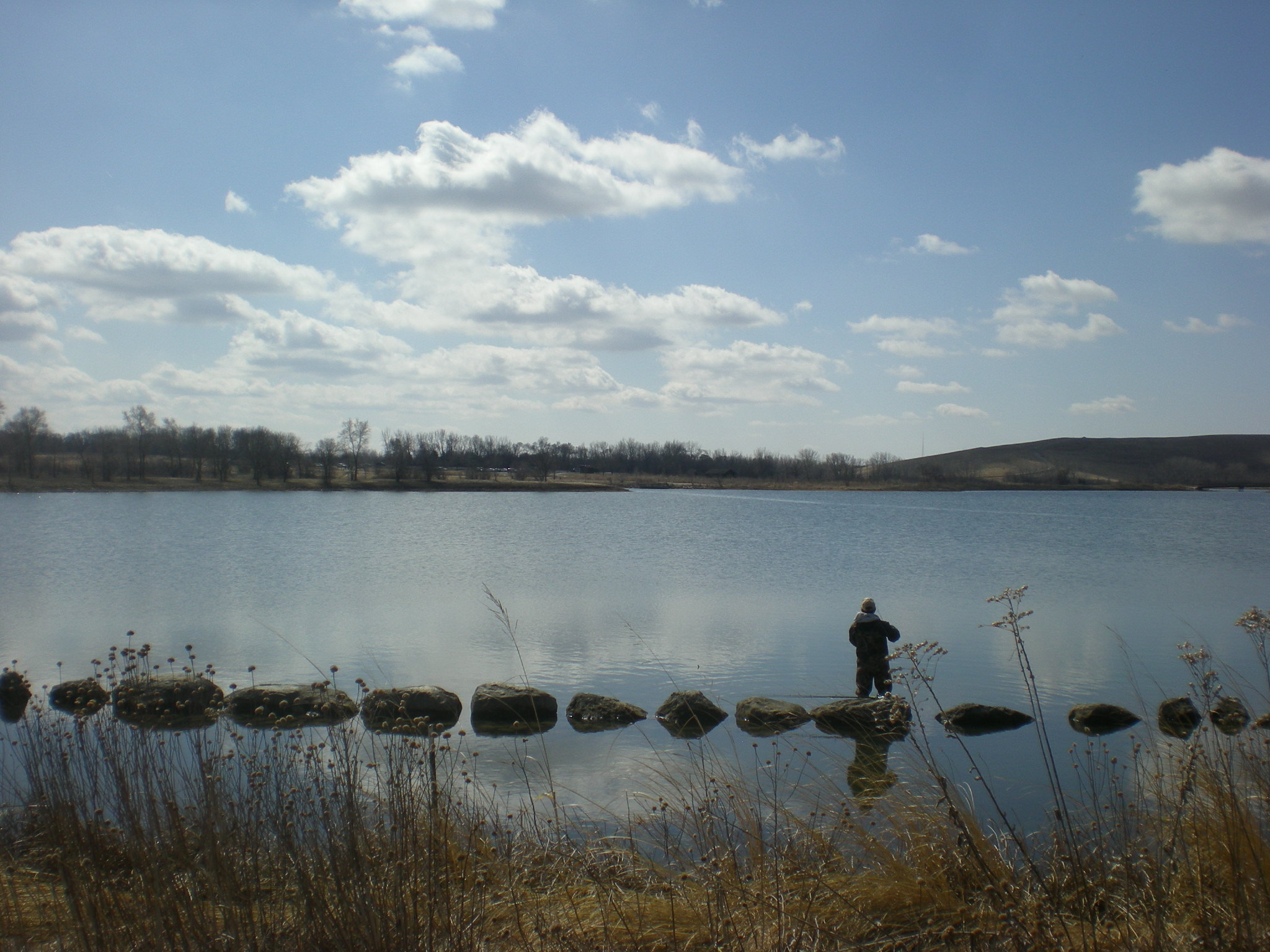
Mallard Lake, March 21, 2015Only a handful of fishermen were around.

Mallard Lake, March 21, 2015Hard to believe it’ll be lush green in a couple of months.

Mallard Lake, March 21, 2015We saw a few bugs, including a sluggish bee, a small beetle, and maybe a gnat. Insect pioneers of the spring of ’15, coming out for their what — 400 millionth season as creatures that crawl the Earth? They’re not worried about climate change, assuming worry is an insect concept. They’ve seen it all before.

The Very Early ’70s

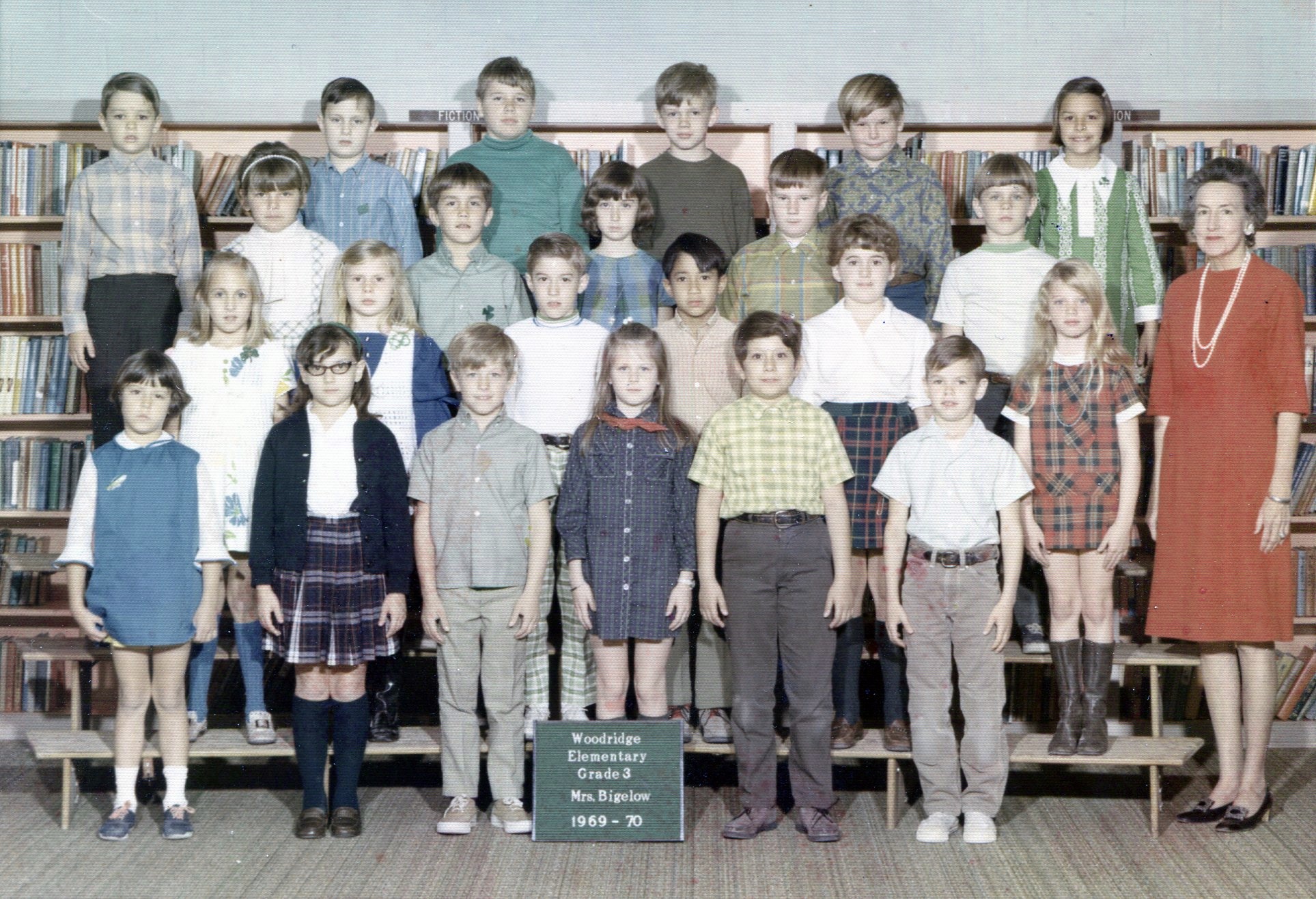
Of the five group photos of my elementary school classes, I only put the exact date of the picture on one of them — the third grade shot. Why I did that, I can’t remember. But there it is: March 17, 1970. Forty-five years ago.

March17.1970Not the first time I dated an image from that grade, either. I also wrote everyone’s name, though I did that every year. Glad I did. Among other things, it preserves a sample of mid-century children’s names, most of them common, but not all. I always had the least common name.

Top row: Lester, Dees, David, Jerry, David, Ellen.

Next row down: Susan, Jack, Karen, Tom, Cole.

Next row down: Marie, Ruth Ann, Gary, Luis, Renee, Leslie.

Bottom row: Shirley, Mariann, Art, Maura, Steven, David.

Few surprises there. For example, according to the Social Security Administration, David was the no. 2 popular boys’ name for the 1960s. Everyone in the picture except for Mrs. Bigelow would have been born in 1960 or ’61.

The Yeomen of the Guard

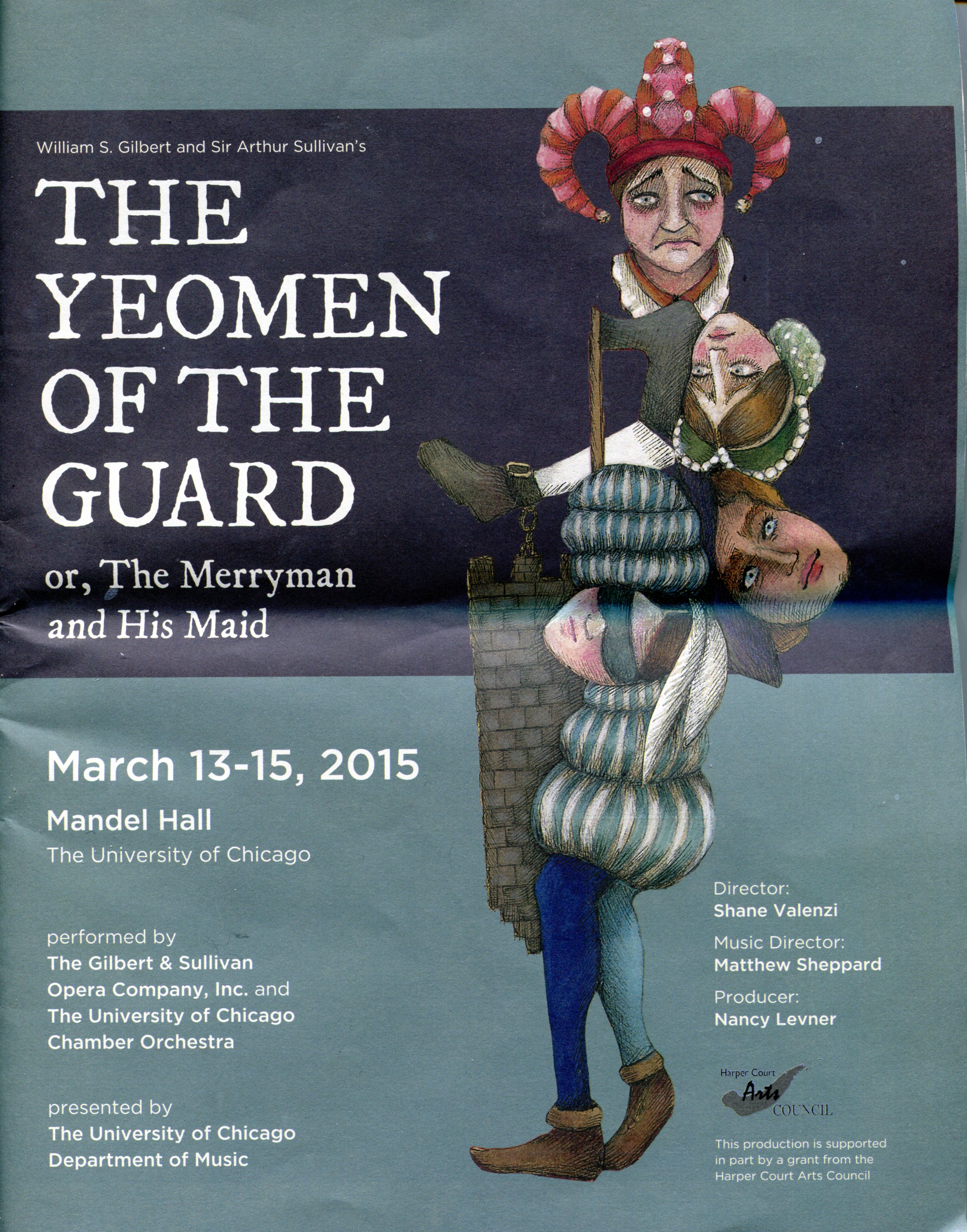
The Gilbert & Sullivan Opera Co. drew a solid crowd for the matinee of The Yeomen of the Guard on Sunday afternoon. Not a full house, but a decent turnout, including a small busload of seniors from somewhere or other. But unlike at some events, I wasn’t one of the younger members of the crowd. There was a good mix of ages.
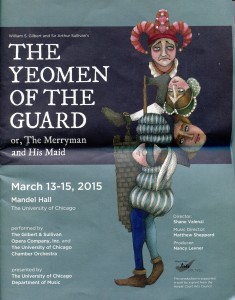
Yeomen of the Guard 2015Mandel Hall was the venue. A handsome place on the University of Chicago campus — I’d like to see it in this light — and almost as old as Yeomen, since it was originally designed in 1903 by Shepley, Rutan and Coolidge. Not the Savoy, but what is?

Though done at a college, the show wasn’t collegiate. The highly accomplished company goes back to 1960, and, according to the program notes, “has a policy of alternating the signature operas with the obscure, taking into consideration anniversary years and programming by other local companies.” This was its seventh production of Yeomen, with HMS Pinafore, The Mikado, and The Gondoliers also done that many times over the years. (At the other end of the spectrum, Utopia, Limited and The Grand Duke have been done once each in 55 years.)

Good fun, as G&S should be, but also not quite as much levity as you’d expect in a romantic romp of switched identities, instant attractions, and lines like this: “These allusions to my professional duties are in doubtful taste. I didn’t become a head-jailer because I like head-jailing. I didn’t become an assistant-tormentor because I like assistant-tormenting. We can’t all be sorcerers, you know.”

Spoken by Wilfred, the head jailer and assistant tormentor of the Tower, portrayed by Brad Jungwirth, a bald slab of a baritone, whose voice and character I enjoyed the most. The rest of the cast turned in fine performances as well, in as much as I’m qualified to judge, as did the University of Chicago Chamber Orchestra.

Maybe there should be more romantic comedies in which love doesn’t quite conquer all, as in Yeomen. After all, it ends with three couples paired up, two of which involve less-than-enthusiastic participants, and one of which leaves a sympathetic character (the merryman Jack Point) as the odd man out, much to his anguish. Then again, I guess a movie that ended that way wouldn’t test very well among focus groups.
The New Seminary Coop Bookstore

Last year, I noticed that the Seminary Coop Bookstore isn’t where it used to be, in the basement of the Chicago Theological Seminary at 5757 S. University Ave in Hyde Park. Over the years, I’d popped in now and then to enjoy that cave of books. And I bought a few things there, such as The Greeks and the Irrational (E.R. Dodds, 1951) and Daily Life in Ancient Rome (Jérôme Carcopino, 1940). How could the floor-to-ceiling shelves laden with books on a wild array of subjects, and the twists and turns and nooks, be the same above ground?

Last year, I wrote: “It didn’t seem right. At the basement location, there was no room for anything but books and more books…. the new location still has a ‘maze aspect’ and Stanley Tigerman did the design (himself or Tigerman McCurry Architects staff?), which I guess counts for something.”

On Sunday, we went into the new store and looked around. The new iteration isn’t bad. In fact, it’s a fine store, stocked with the same wild array of subjects. But it also doesn’t have the je ne sais quoi of the old location. The new design is formed by shelves at various angles to each other, so it isn’t a standard bookstore with parallel shelving. Even so, it seems more like an homage to the cramped old shelves than anything else, a little maze-like but also a little too orderly.

I guess they had their reasons for moving. Maybe the store lost its lease, or maybe patrons had a way of wandering into the further reaches of the book cave and were never heard from again.

The Telephone Pole Faces of E. 57th

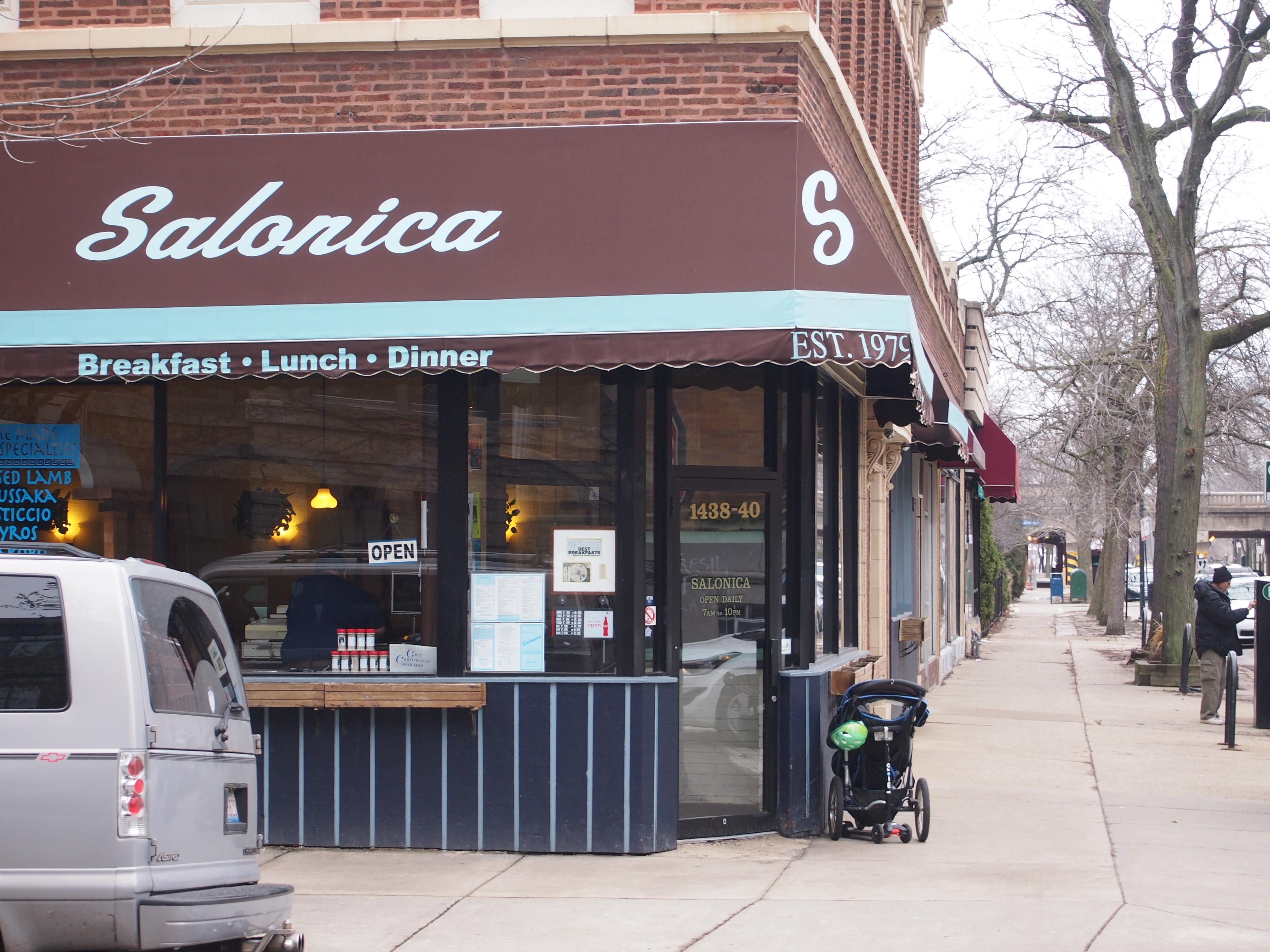
On Sunday, Lilly and I drove to Hyde Park, home to the University of Chicago and neighborhood eateries such as Salonica, a Greek diner on E. 57th St. at Blackstone Ave. Yuriko, Ann and I ate there last year during our visit to see the Robie House and other Hyde Park places.

This time, Lilly and I ate there. It was busy at about noon, but the line wasn’t out of the door. The patrons were a good mix of students and neighborhood residents. At least, I’m fairly sure that the grayhairs and young families were locals; and the young men and women — every jack one of the men with a beard — were students.

Salonica, Hyde ParkLilly had an omelet, I had pancakes. It’s the kind of place that serves tasty breakfasts all day, besides Greek items and sandwiches. In a place like this, breakfast is the thing for me. If I’ve already had breakfast that day, I have another. So it was this time.

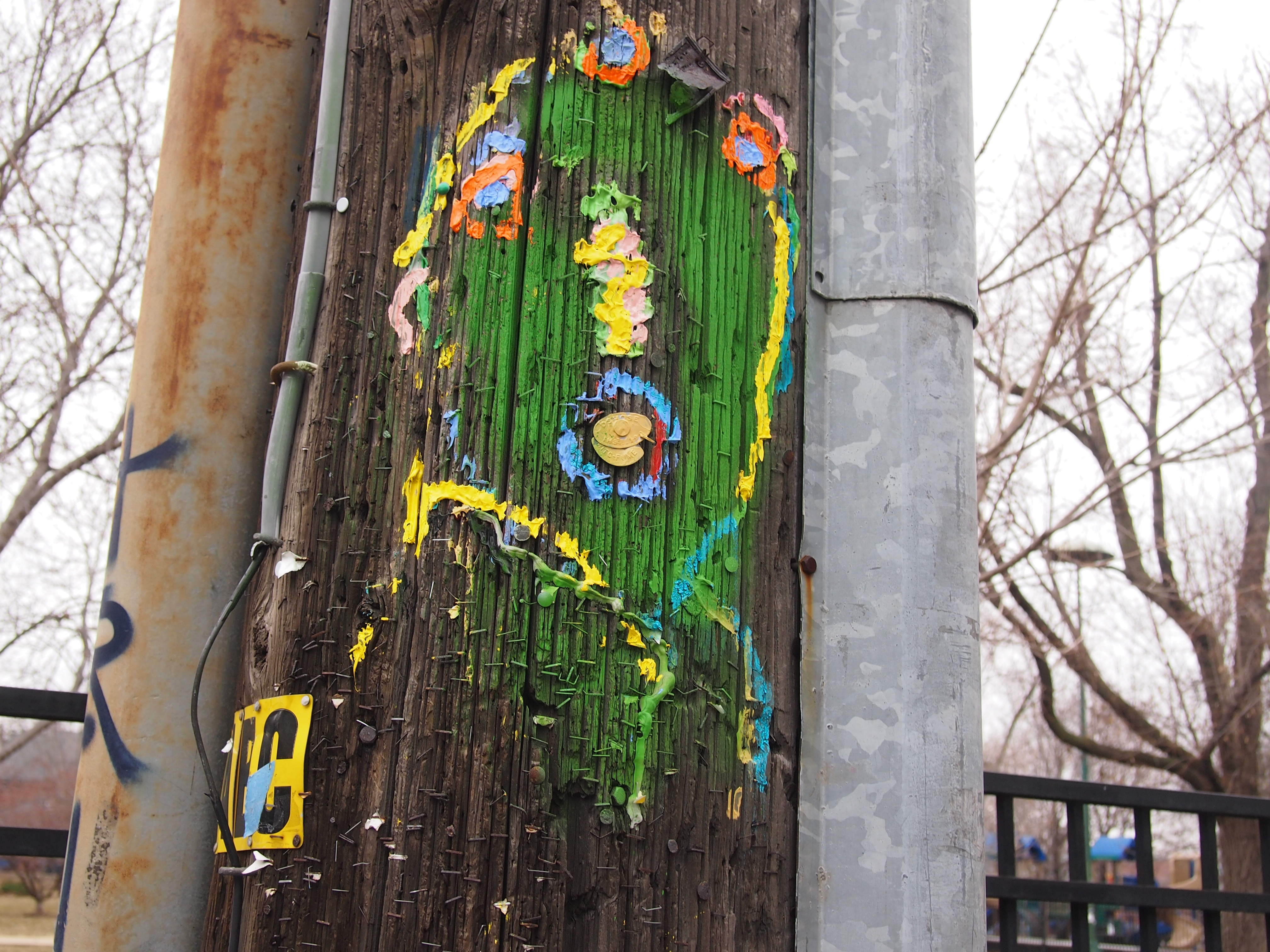
A block and half west of Salonica are two telephone poles flanking the spot where the alley between Dorchester Ave. and the small Bixler Park meets E. 57th St. Each of the poles is painted with a green image at about eye level. Facelike, green with a yellow outline and blue and orange details. Maybe it’s not supposed to be a face. Whatever it is, it’s a lively work.

E 57th St ChicagoI remembered seeing them last year, so they’ve been around at least that long. If you go to Google Streetview, you can see them as green splotches.

Nothing like a little local detail. Hyperlocal detail, it is. Not even the most experiential-oriented, don’t-ever-admit-you’re-a-tourist-even-though-you-are guidebooks or web sites can cover that kind of thing.

Pi ’15

Pi Day 2015 has come and gone. Word was this one was distinctive in that 3.1415 could also be taken to stand for March 14, ’15, something that happens once a century. A Saturday this year, meaning we were mostly at home doing nothing related to pi. Which would have been the case any other day of the week, come to think of it. But it’s one of those days that’s good to note in passing.

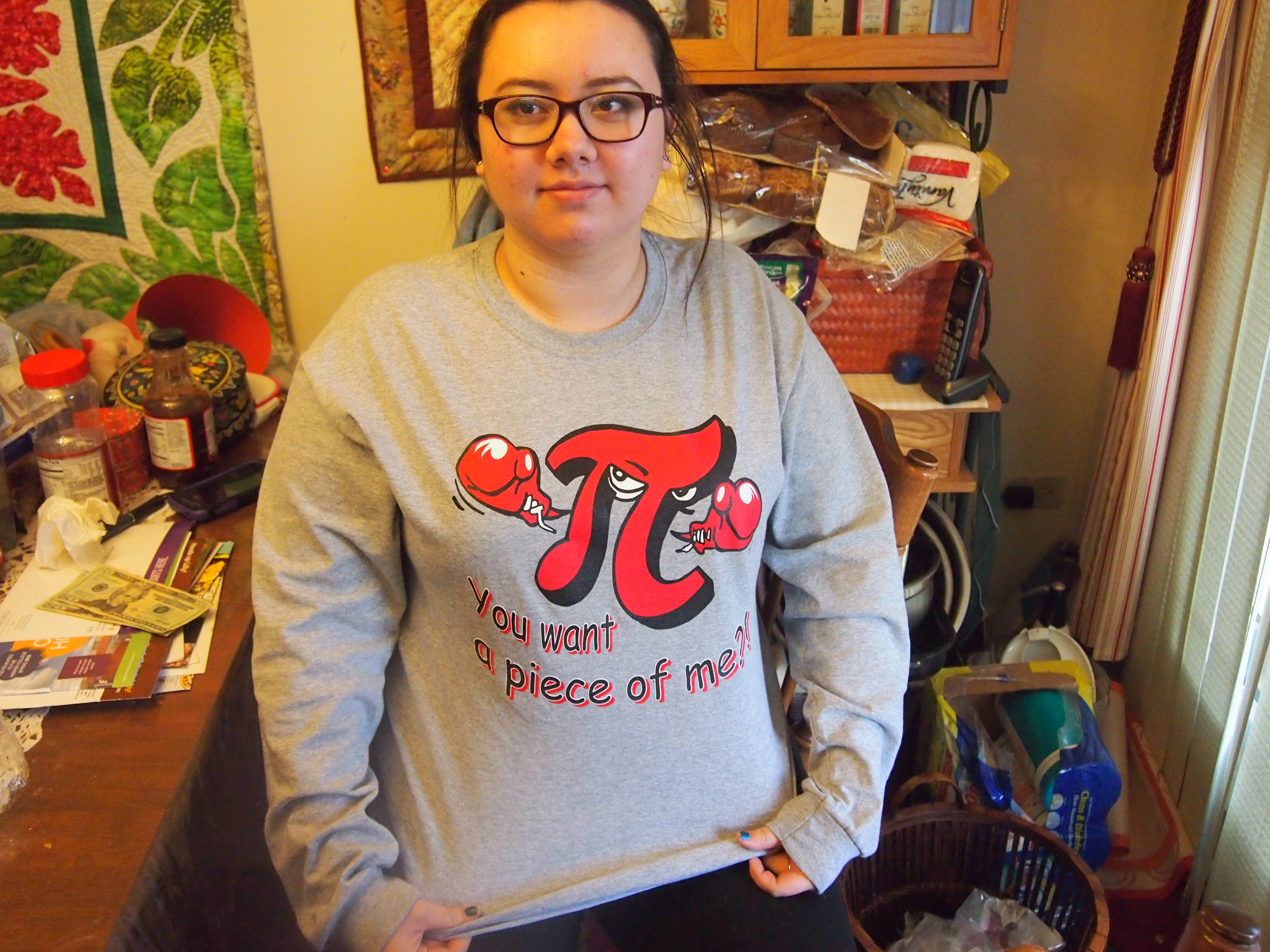
Lilly had a shirt for the occasion, sold for a not-too-outrageous cost by the high school math club or some such.

Lilly March 14, 2015An aggressive Pi, that one. Pushy Pi. Here are other representations of everyone’s favorite irrational number. Too bad for e, always second banana to pi. E Day would be Feb 7, but that’ll never catch on.

Prefecture Osaka

PrefectureOsakaTwenty-five years ago this week, primed by a young man’s sense of adventure, I moved to Japan. Eventually I learned my way around, literally and figuratively, without the assistance of the Internet, since it wasn’t in common use. One of my better investments along those lines — literally getting around, that is — was a paper atlas called Prefecture Osaka.

At least, those were the roman-letter words on the cover. In fact, those were the only roman letters in the entire book. Extracting useful information sometimes took a while but — in that great eventually again — I learned my way around the book, too.

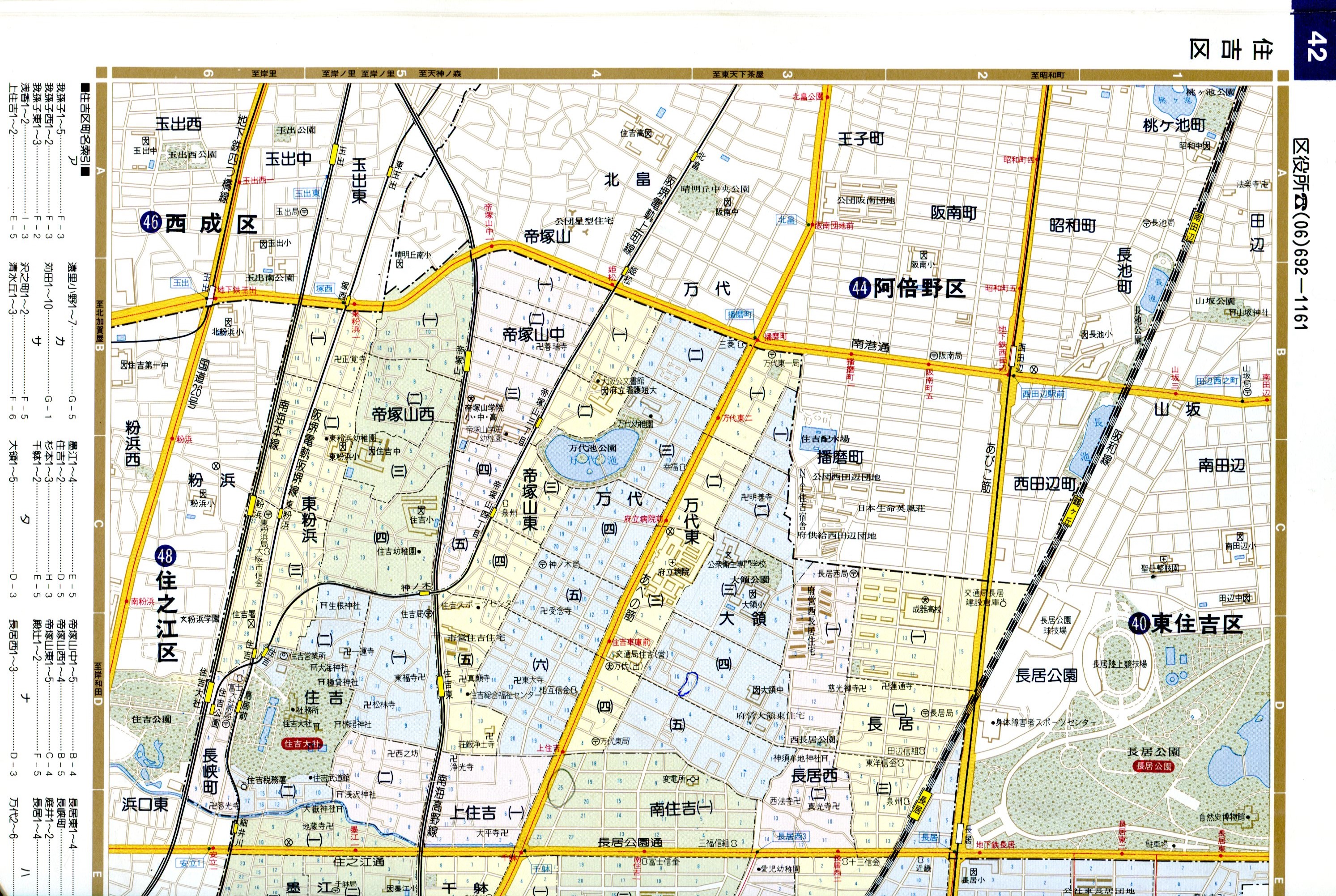
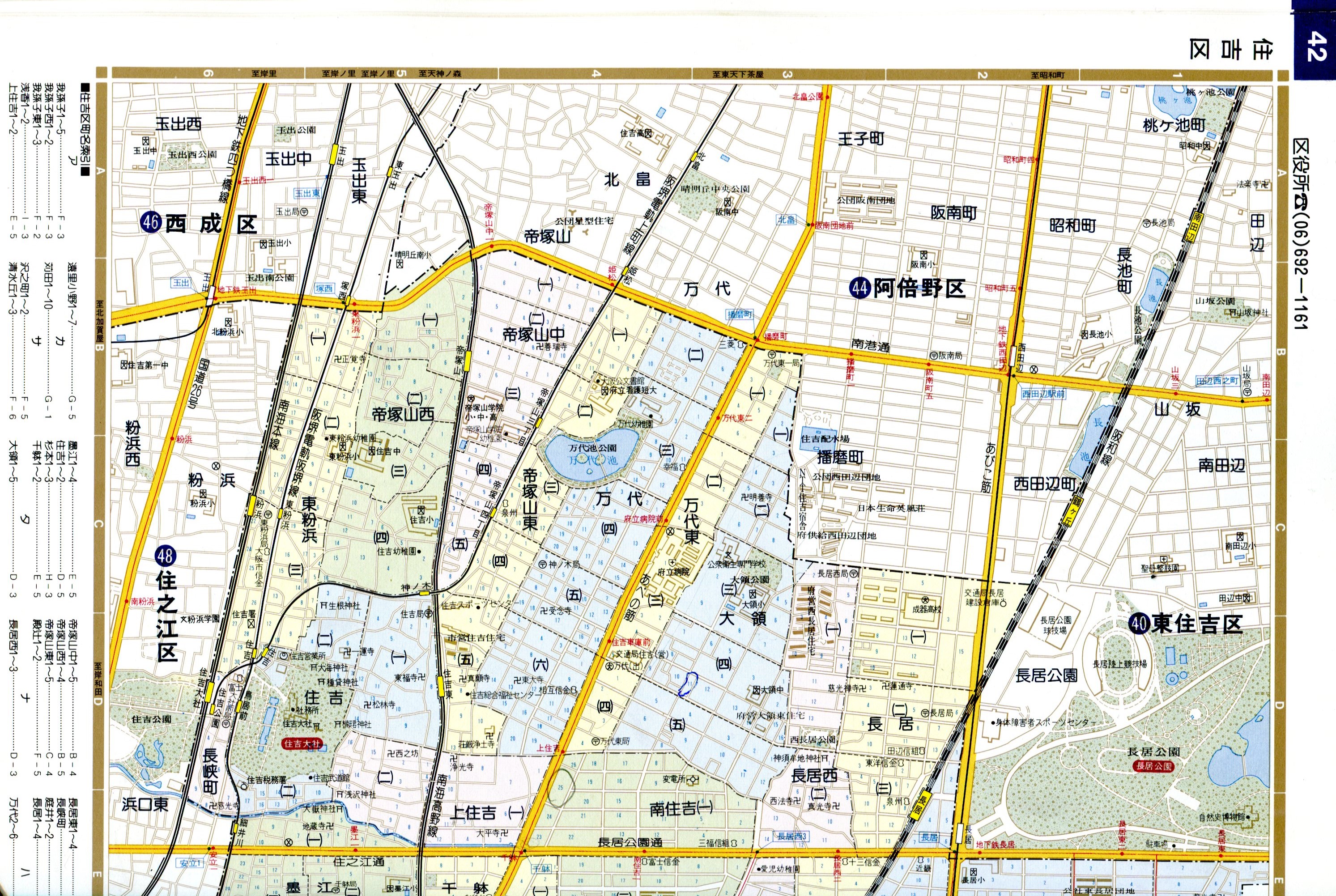
Sometimes I would stare at it, just because I enjoyed looking at it. The lines, the tints, the utterly foreign script — it’s a beautiful group of maps. This is one of the pages. As it happens, the northern part of Sumiyoshi Ward, which is where I lived. My block’s nearly in the fold, so it isn’t displayed here. But a lot of familiar places are.

OsakaMapOldNeighborhoodThe whole-page scan doesn’t really do it justice, though. Even the close-up doesn’t, but imagine a crisp paper version of this image, because digital will never capture the aesthetics of paper.

OsakaMapOldNeighborhood2The bright yellow rectangle is the JR Nagai station (these tracks). The white rectangle is the Nagai subway station on the Midosuji Line. I rarely used JR, but I went to the Nagai subway station just about every day. Urban Japan, as our urban planners say, has high walkability.

The ward was further divided, as marked by different tints on the map. My area was called Nagai-Nishi: West Nagai. That was further subdivided — twice. The smallest divisions are the blocks marked by the small blue numbers. The green space on this map is green space: Nagai Park (Nagai Koen, 長居公園 ). Literally, Long Park.

Spock Makes a Funny

By chance today I saw about ten minutes of “The Naked Time,” the Star Trek episode in which a pathogen of some kind invades the Enterprise and lowers inhibitions among the crew. At one point, famously, a shirtless Sulu brandishes a sword at various extras, and then shows up on the bridge to point it at the captain. The fiction of Dumas is clearly Sulu’s inspiration.

SULU: Richelieu, at last.

KIRK: Sulu, put that — [discovers that the point is sharp] — put that thing away.

SULU: For honor, Queen, and France! [lunges]

UHURA: Sulu.

SULU: Ah.

UHURA: Sulu, give me that.

SULU: I’ll protect you, fair maiden.

UHURA: Sorry, neither.

SULU: Foul Richelieu! [Distracted by Uhura’s escape, Kirk is able to grab Sulu and Spock does a neck-pinch]

KIRK: I’d like you to teach me that sometime.

SPOCK: Take D’Artagnan here to Sickbay.

Take D’Artagnan here to Sickbay. Nimoy delivered the line as almost an aside, while a lot else was going on, so I thought for a moment: did he really say that? He did. That was worth a chuckle. I must have seen this episode a dozen times — more than 30 years ago, but still — and I don’t think I ever noticed that line. (Or Uhura’s pithy line; think about it.) I wouldn’t have known D’Artagnan in junior high, but later I did. Even so, I missed it.

So the writers gave Spock a joke, or at least a witticism. Not, “Take Mr. Sulu to Sickbay,” or “Take him to Sickbay,” which would be the unadorned, hyperrational thing to say. Nice touch. Nice delivery. RIP, Mr. Nimoy.