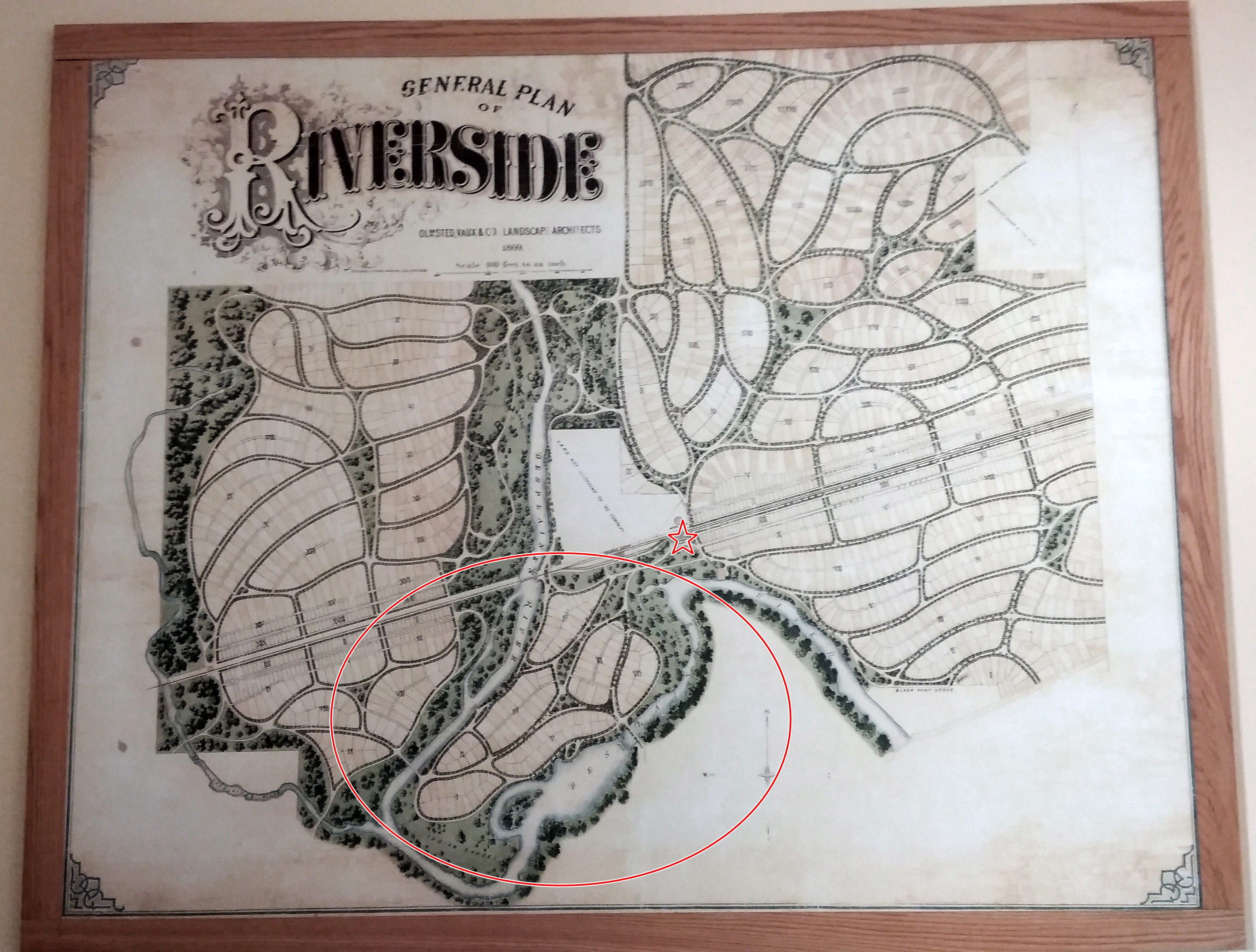
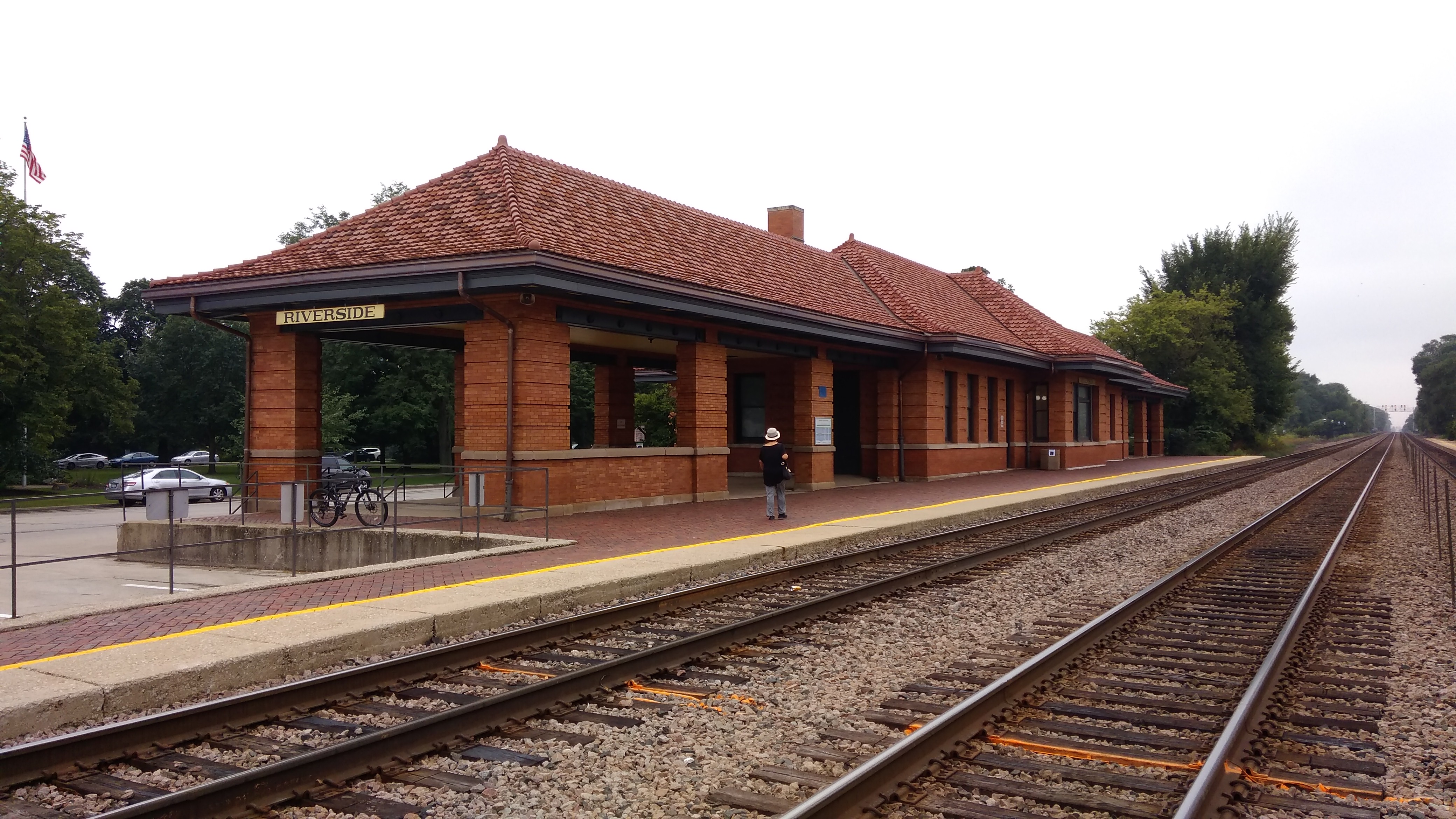
Hanging in the metra station in Riverside, Illinois, is a reproduction of the plan of the town as originally envisioned in the late 1860s, except the spot that says “land not belonging to the company” (that is, the Riverside Improvement Co.) is part of the town in our time.
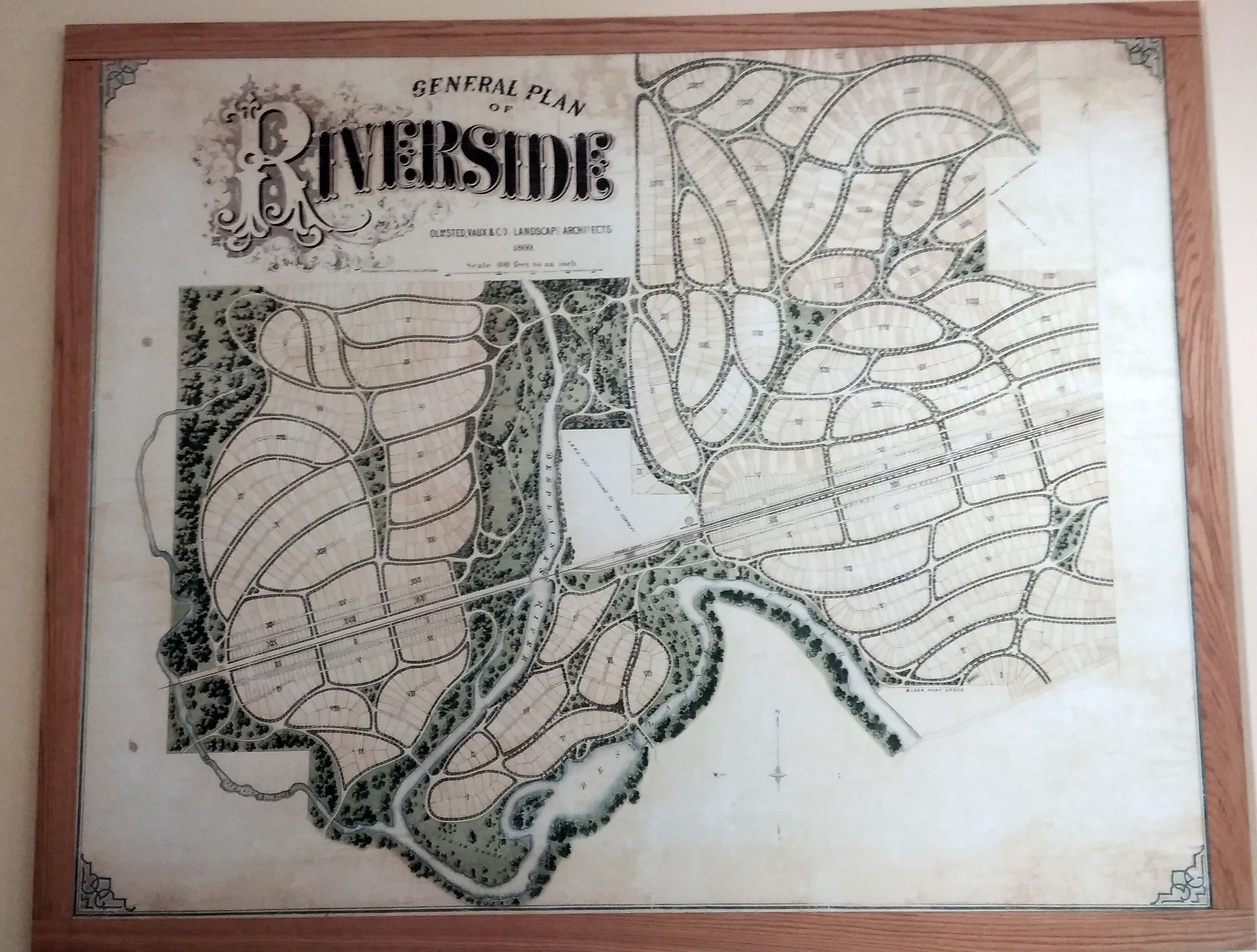
The streets and the green spaces are still pretty much still the way they were originally laid out. Note the bend in the Des Plaines River that forms a tongue of land, marked by me by a red circle. Also, the red star is roughly where the train station, tower, library, etc. are located.
With a Riverside Museum walking tour pamphlet in hand, we decided to take a walk in the tongue of land after seeing the sights near the train station. The air was a little steamy, but with the sun hiding behind clouds, we put up with it.
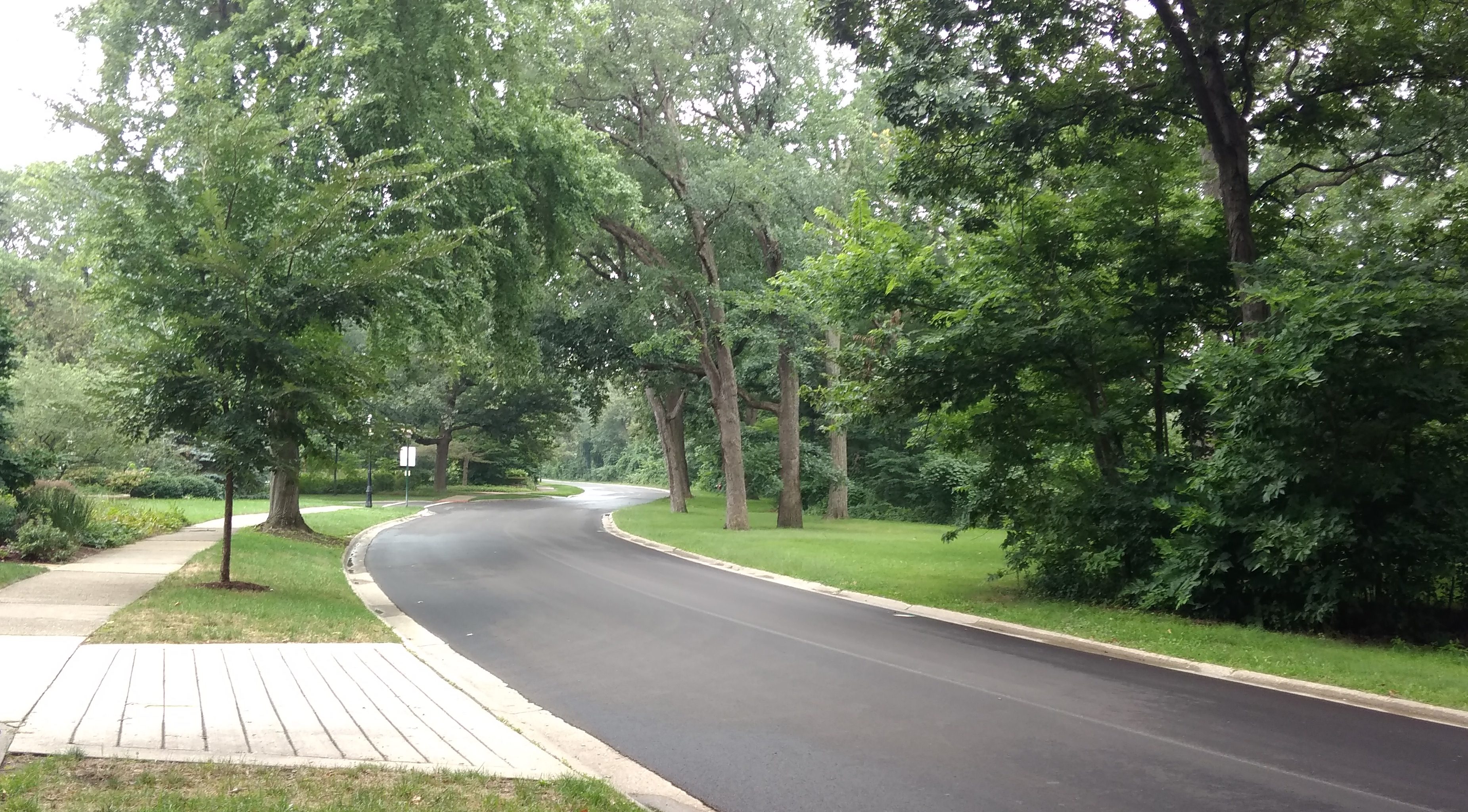
One of the streets along the river is Bloomingbank Road. The river, hidden by foliage, is to the right in this image.
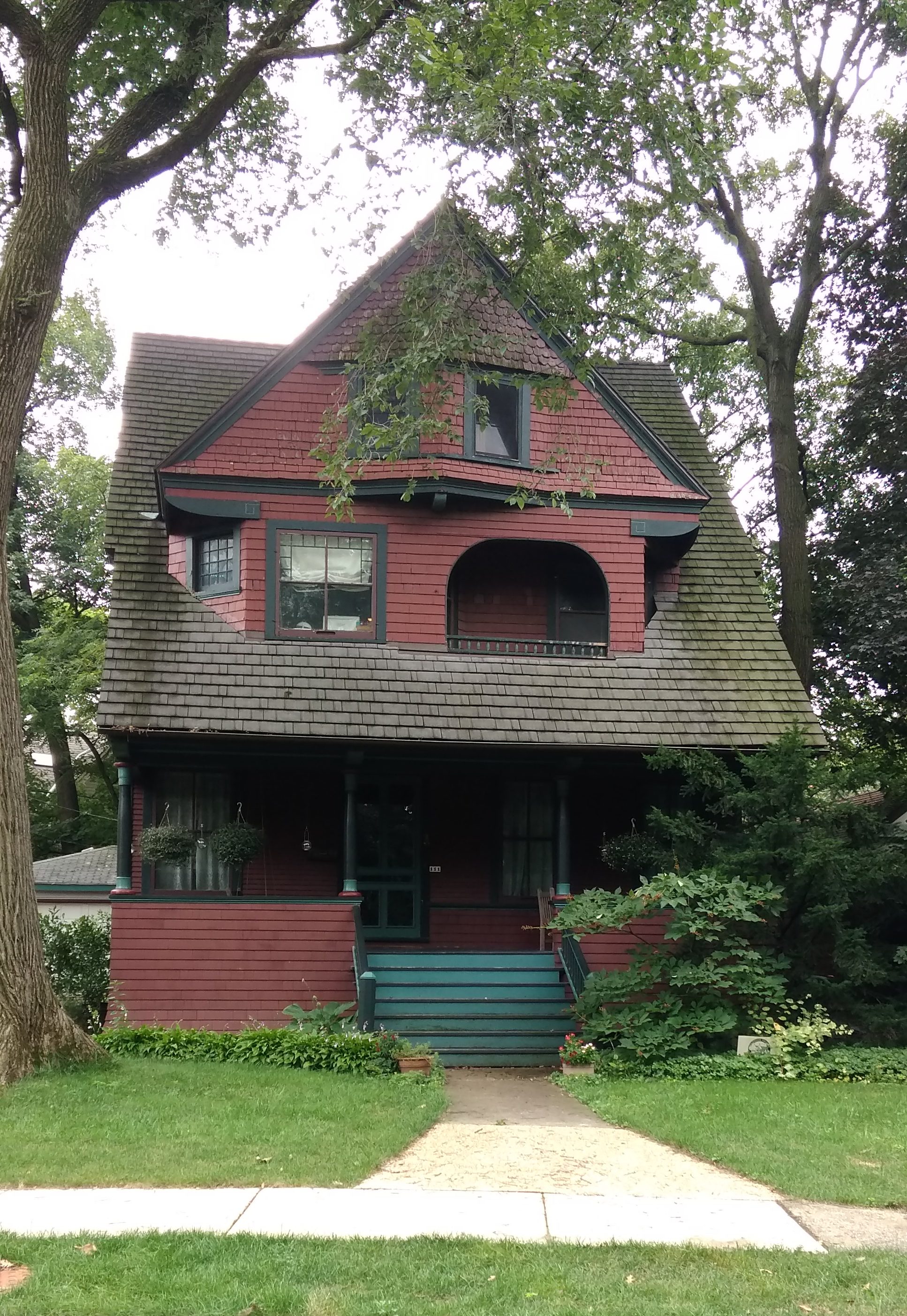
The road is populated mostly by large vintage houses. Such as the Clarence Cross Cottage, 1887 Shingle & Queen Anne.
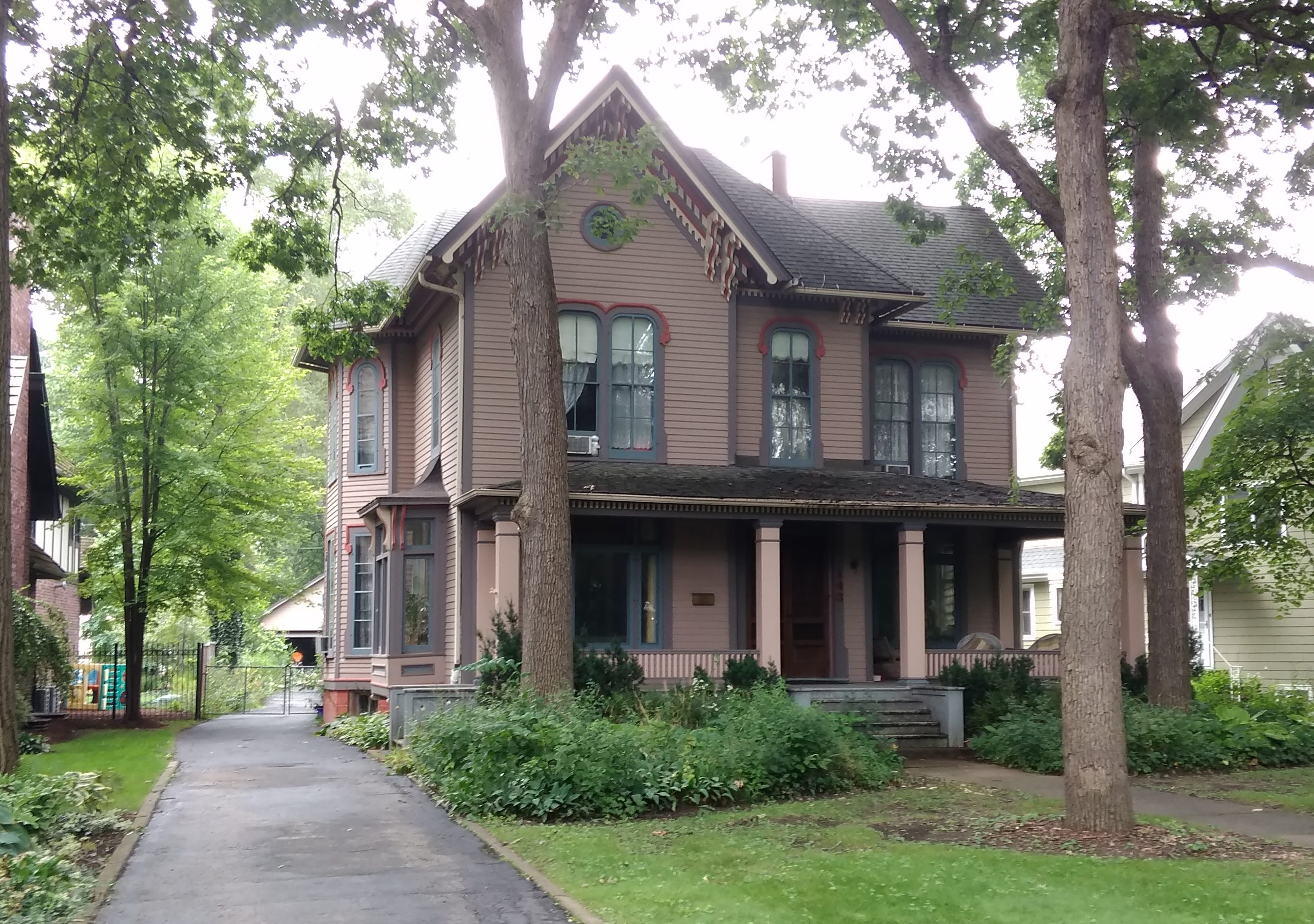
The Thomas W. Blayney Residence, 1869 Italianate.
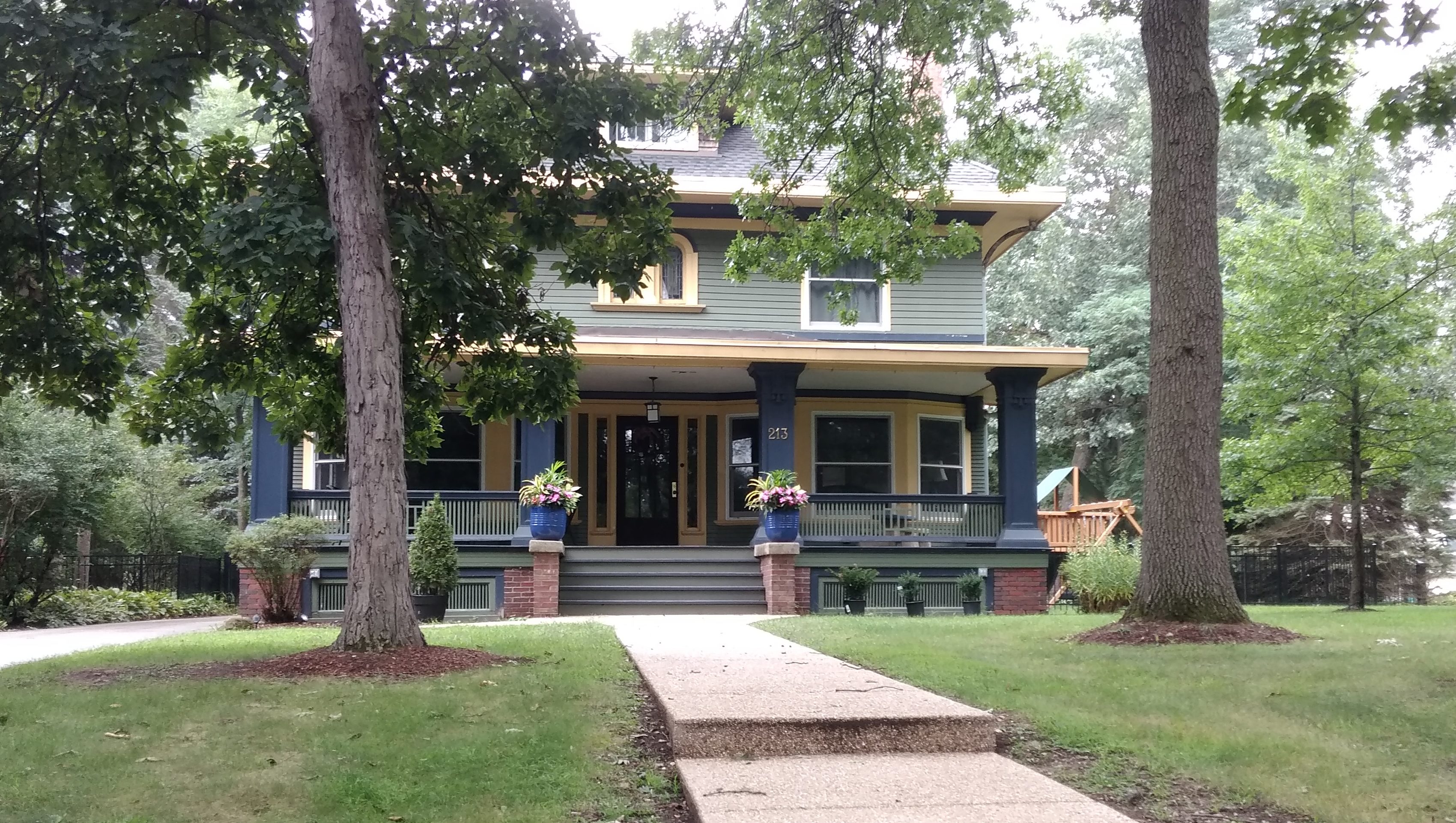
 The John C. Smith House, 1907 American Four Square. That’s a nice porch.
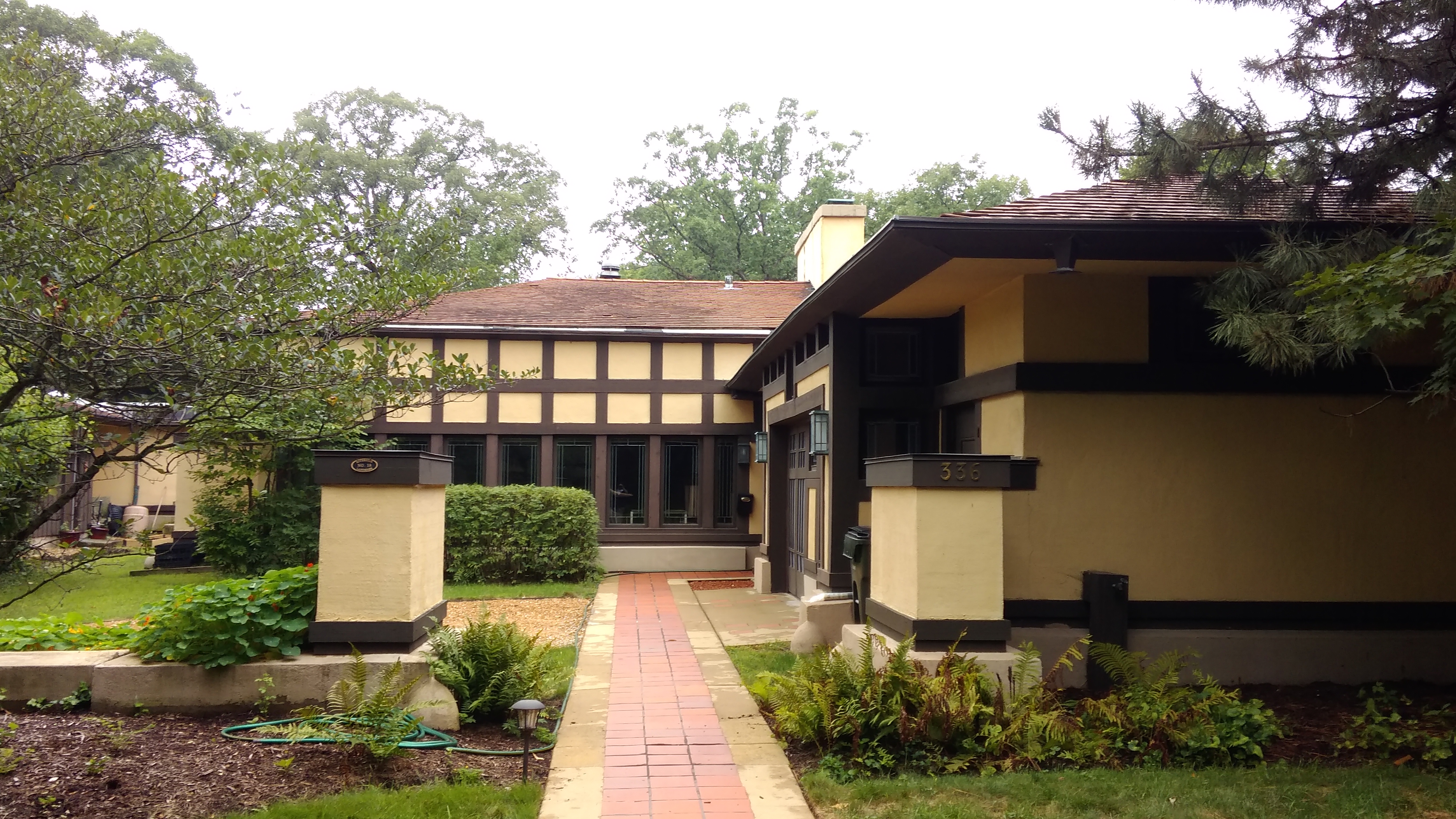
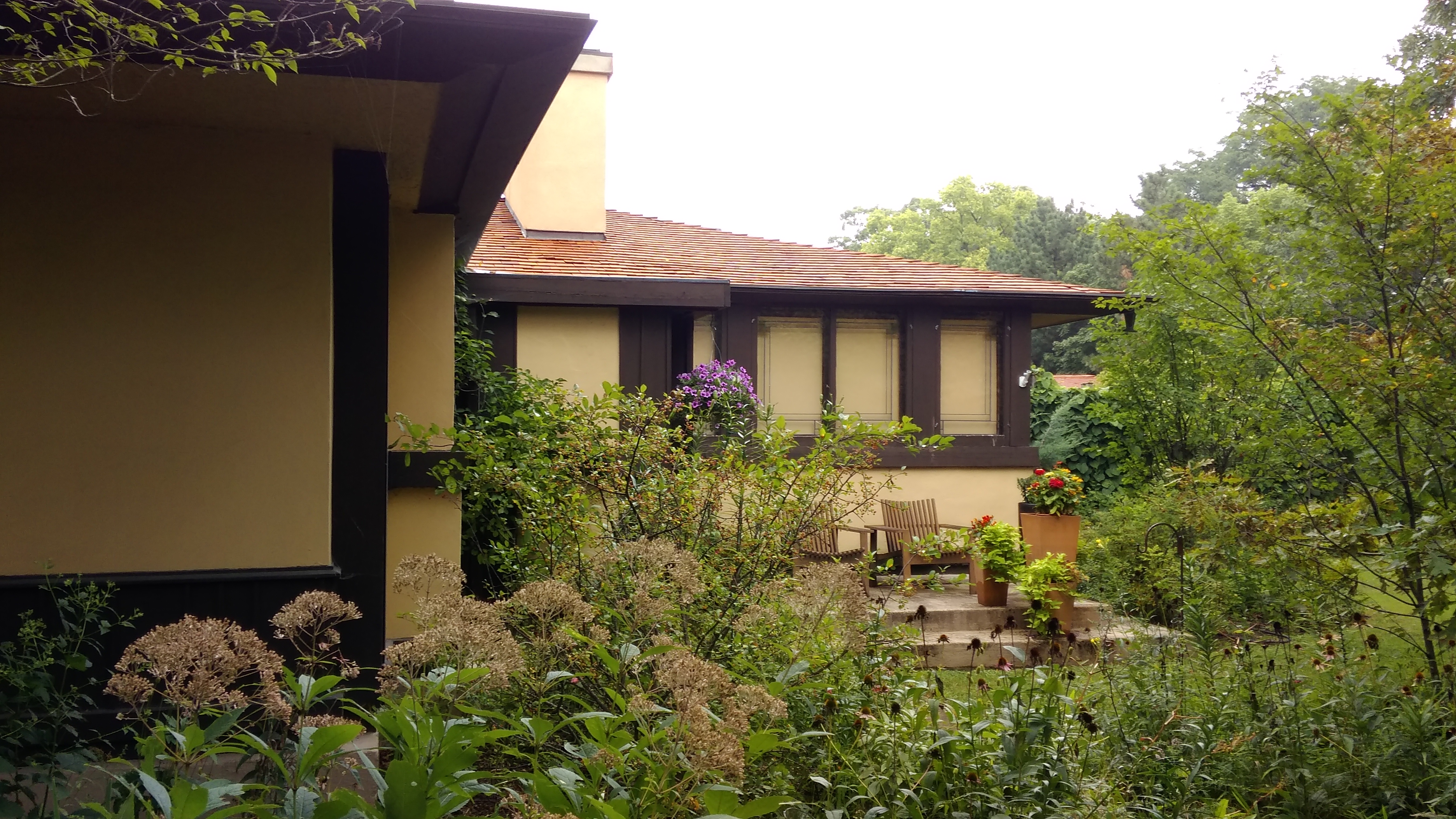
Most people probably come this way for the Frank Lloyd Wright works, which are a cluster of residences on 10 acres near the tip of the tongue. Originally they were built as a single residence for the Coonley family.
Per Wiki: “Avery Coonley, a Chicago industrialist and his wife, Queene Ferry of the Detroit-based Ferry Seed Company, were both heirs to industrial fortunes and had an unlimited budget to commission a new residence.” Just the kind of clients FLW liked, no doubt.
Formerly the stables and coach house.
Formerly the gardener’s residence.
 Formerly the main house.
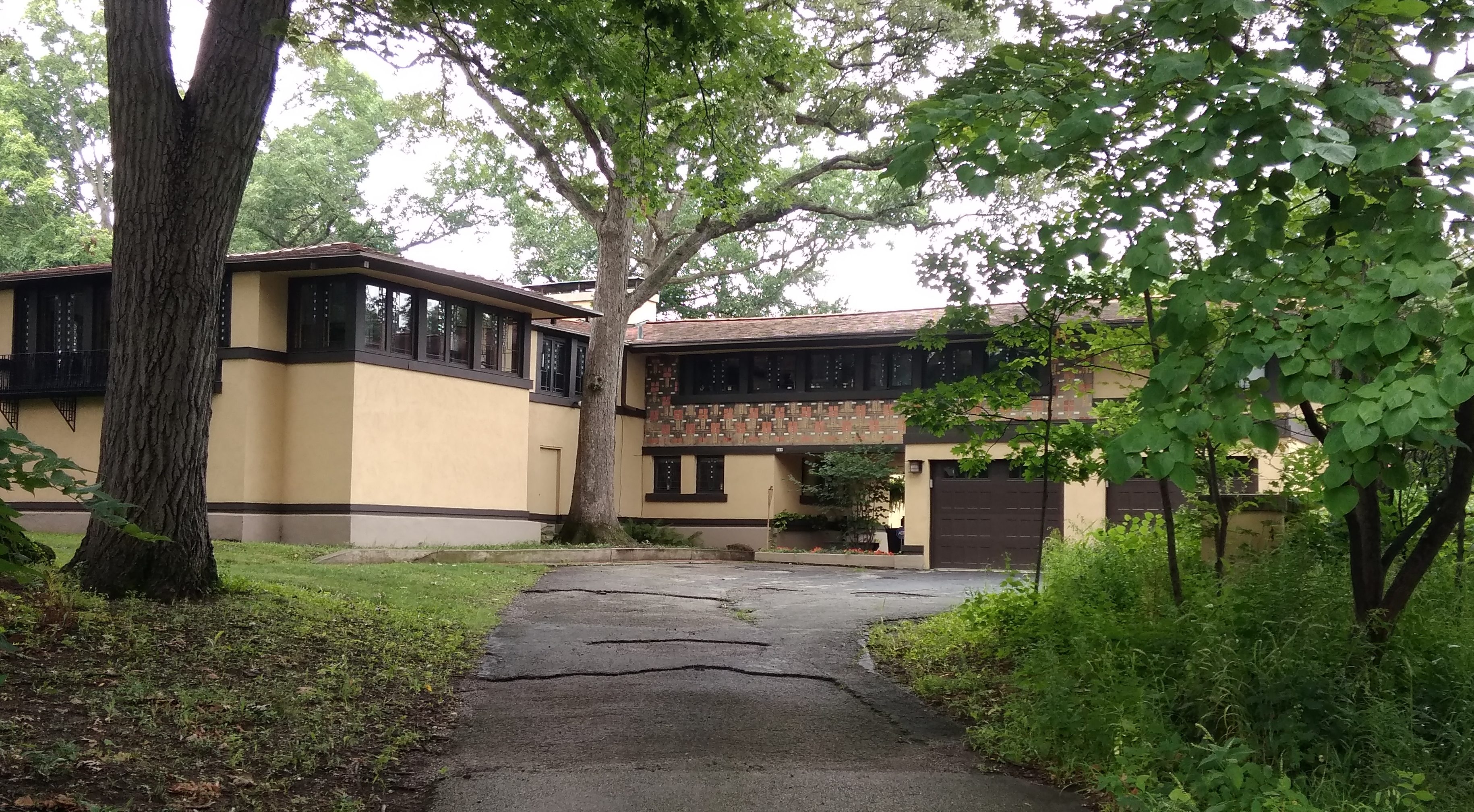 Not the best view of the house. That would be the other side, but there’s no access to ordinary gawkers since the house is privately owned. That source says the house is up for sale, listed this spring for $1.6 million. Might be a reasonable price for a FLW work, if you remember it’s an artwork more than a residence, and don’t mind the invisible hole somewhere in the place where your money seems to go.
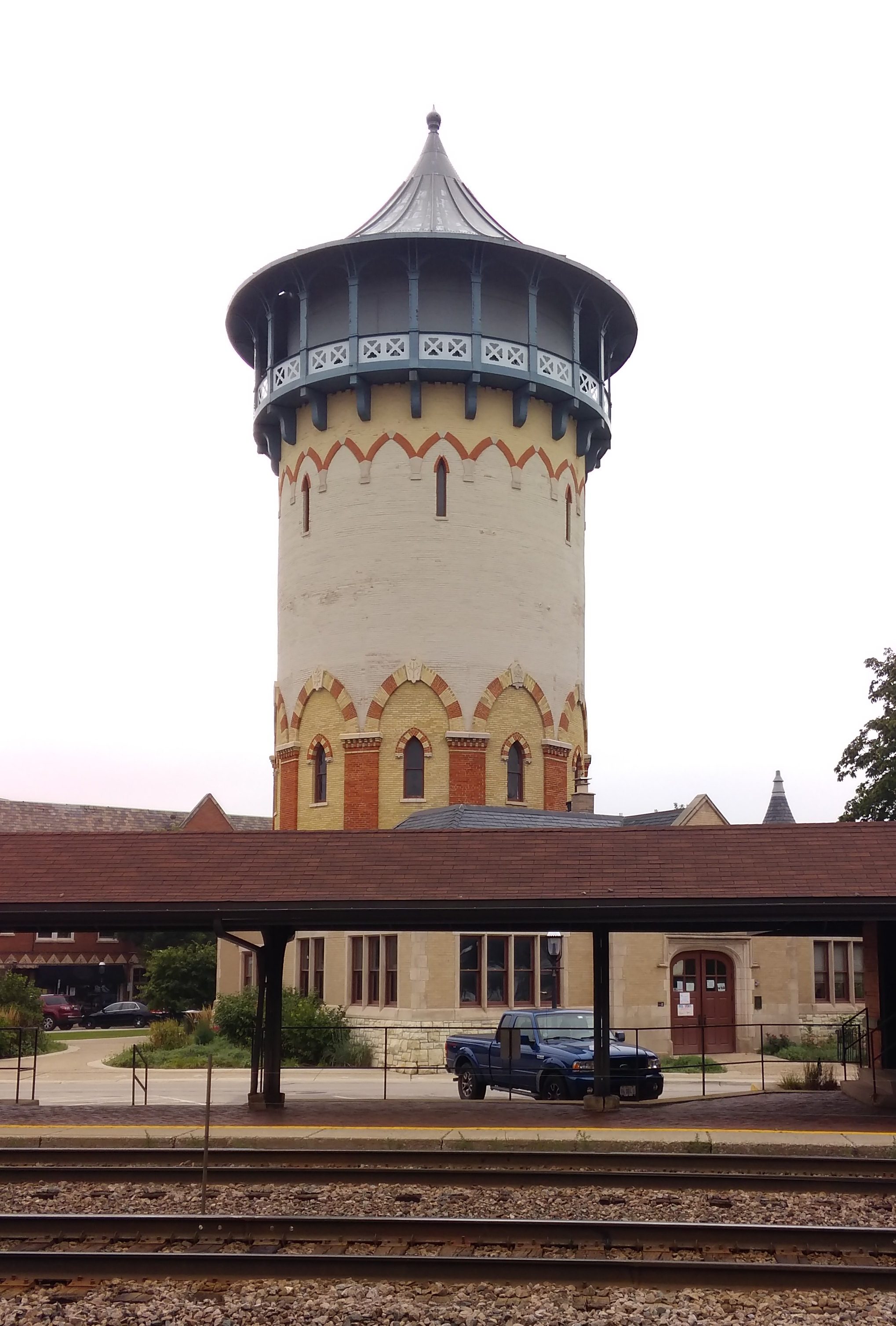
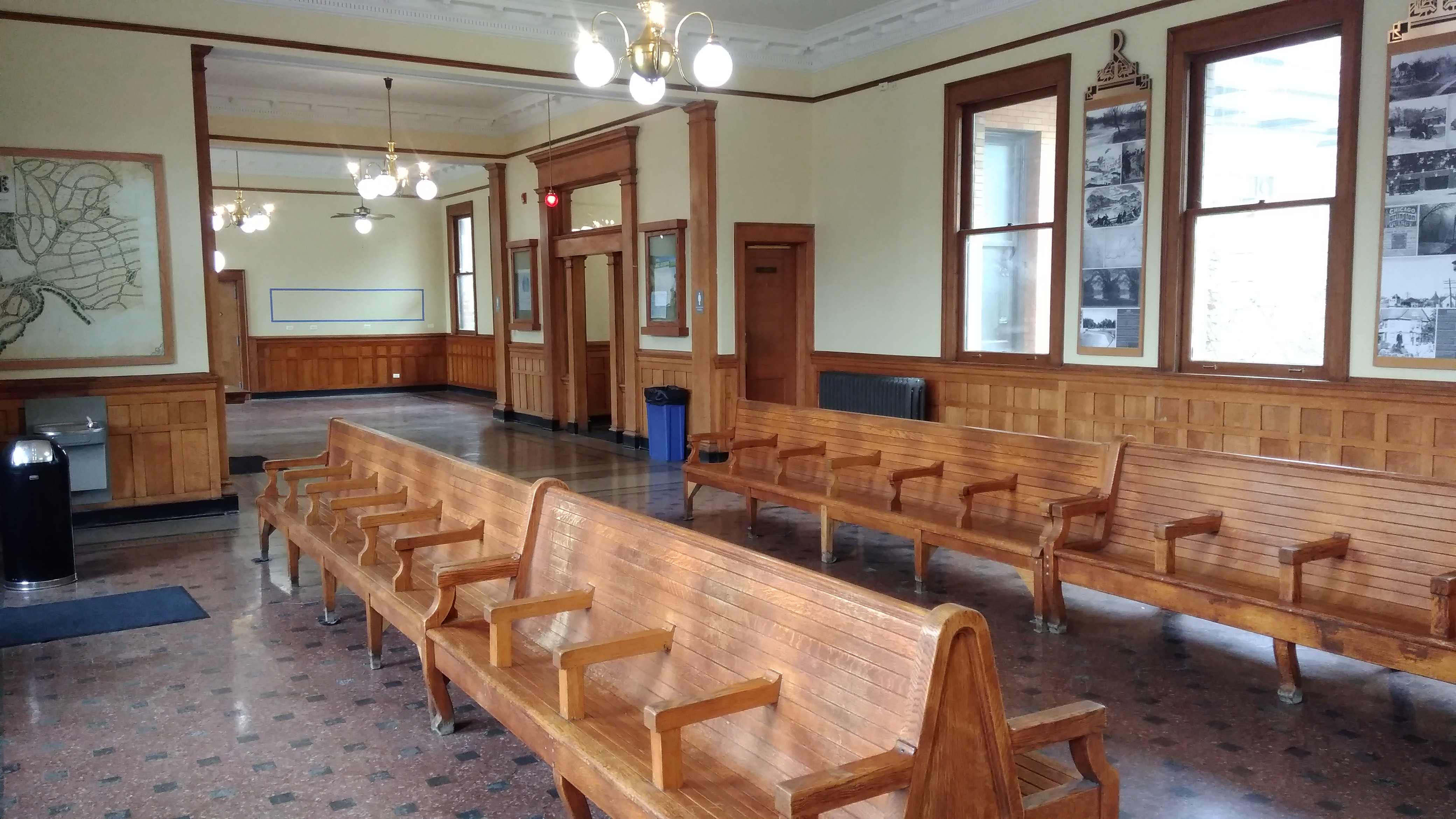 As well as a closer look at the former water tower.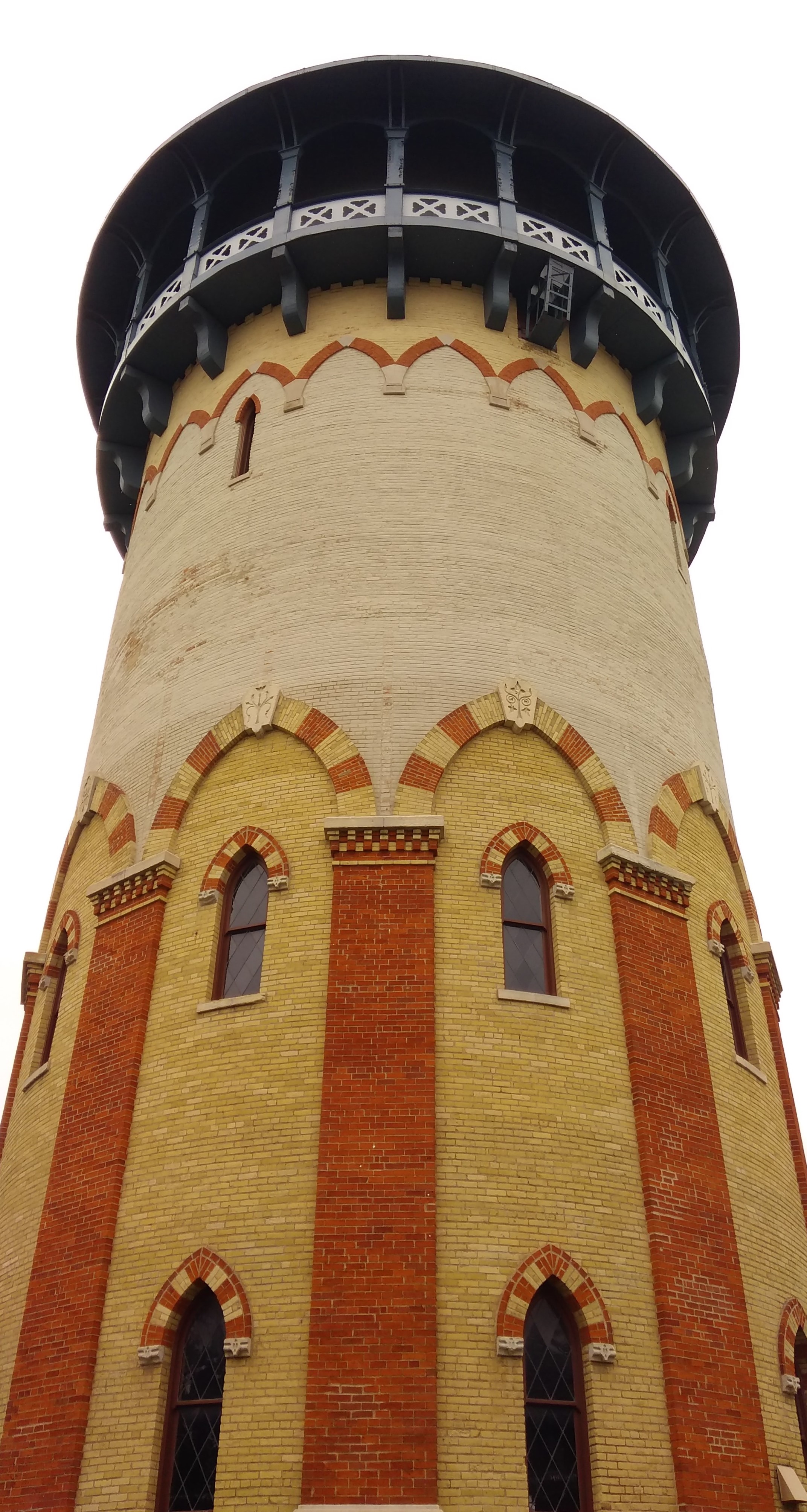
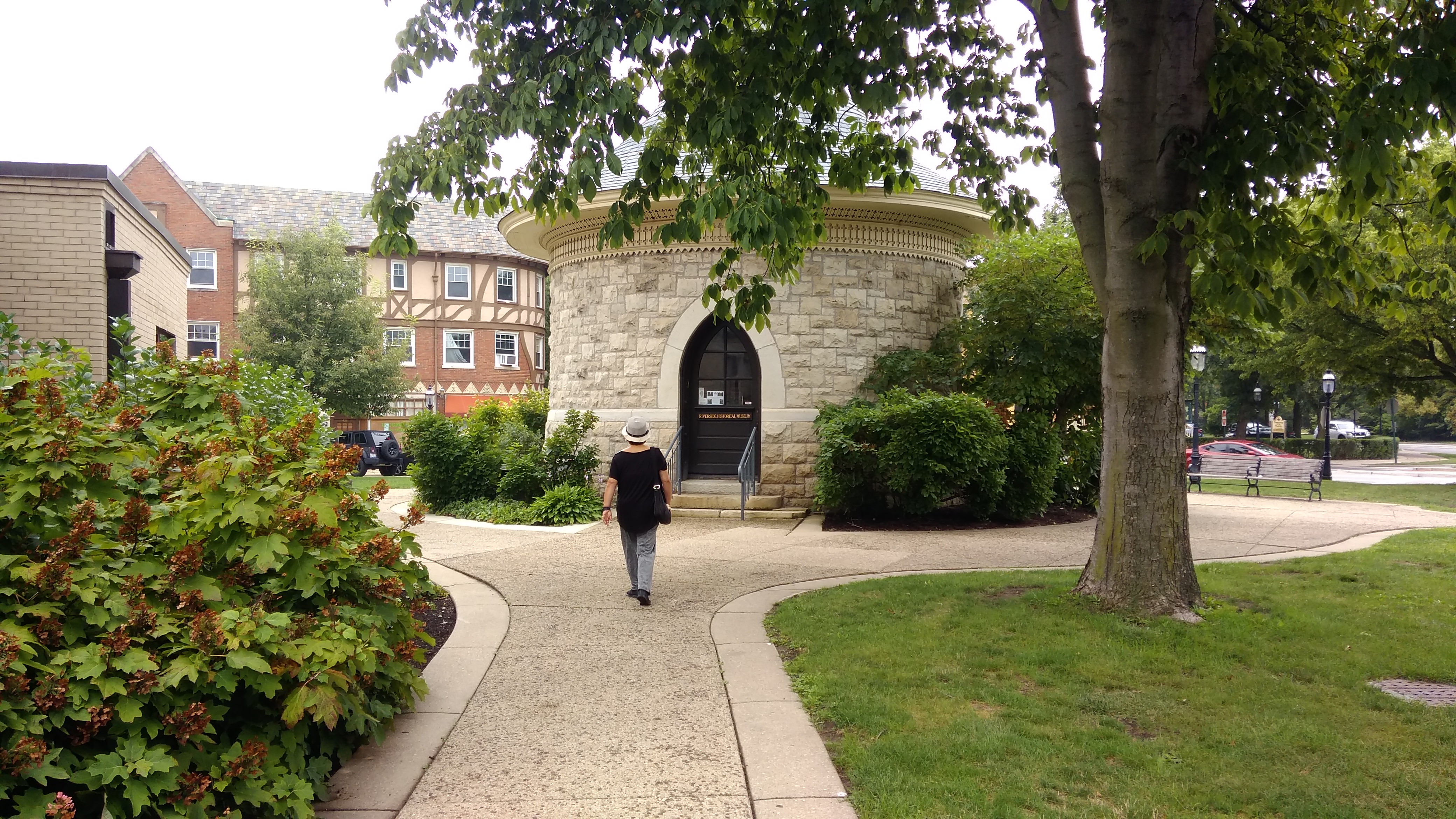
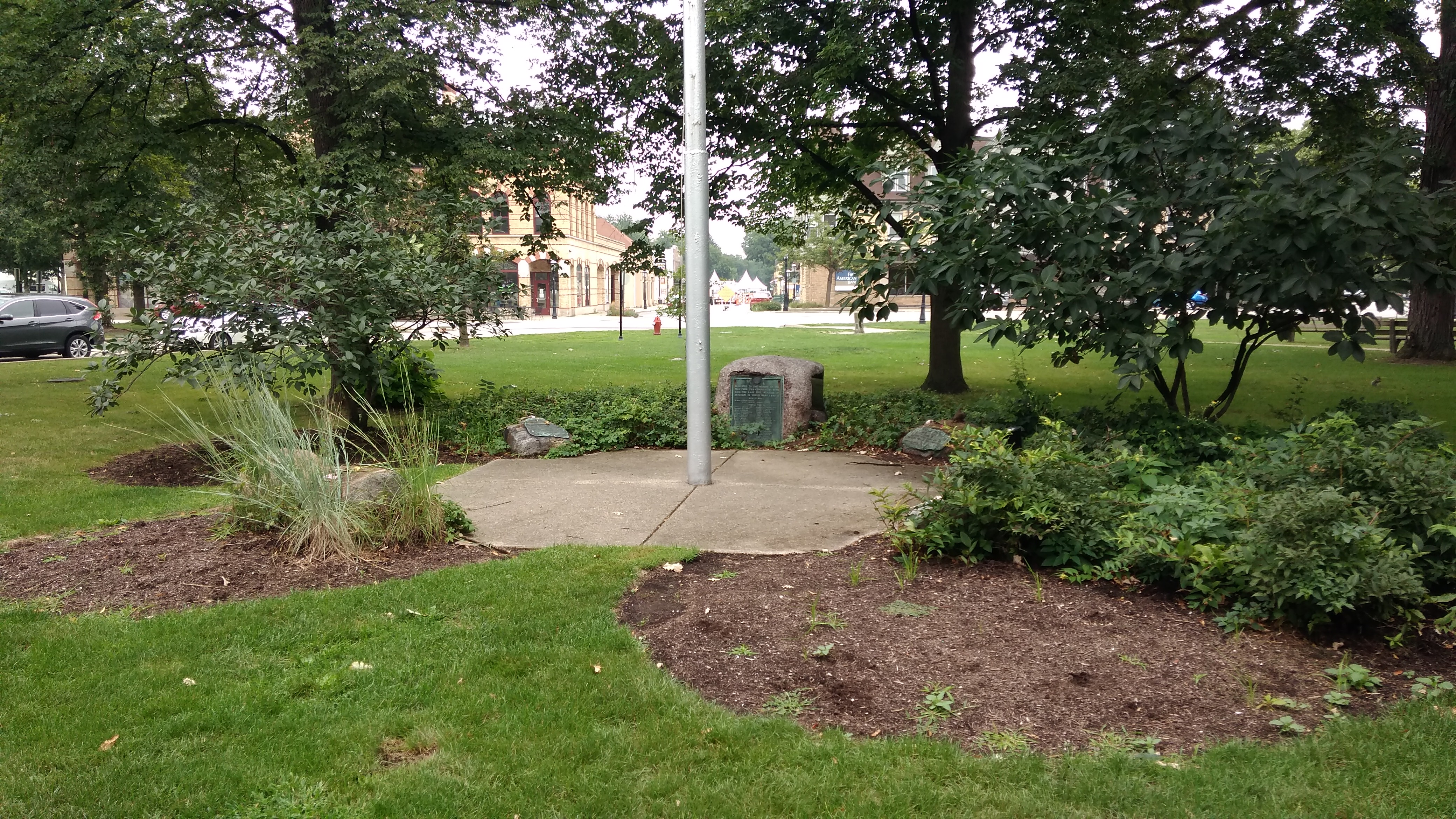
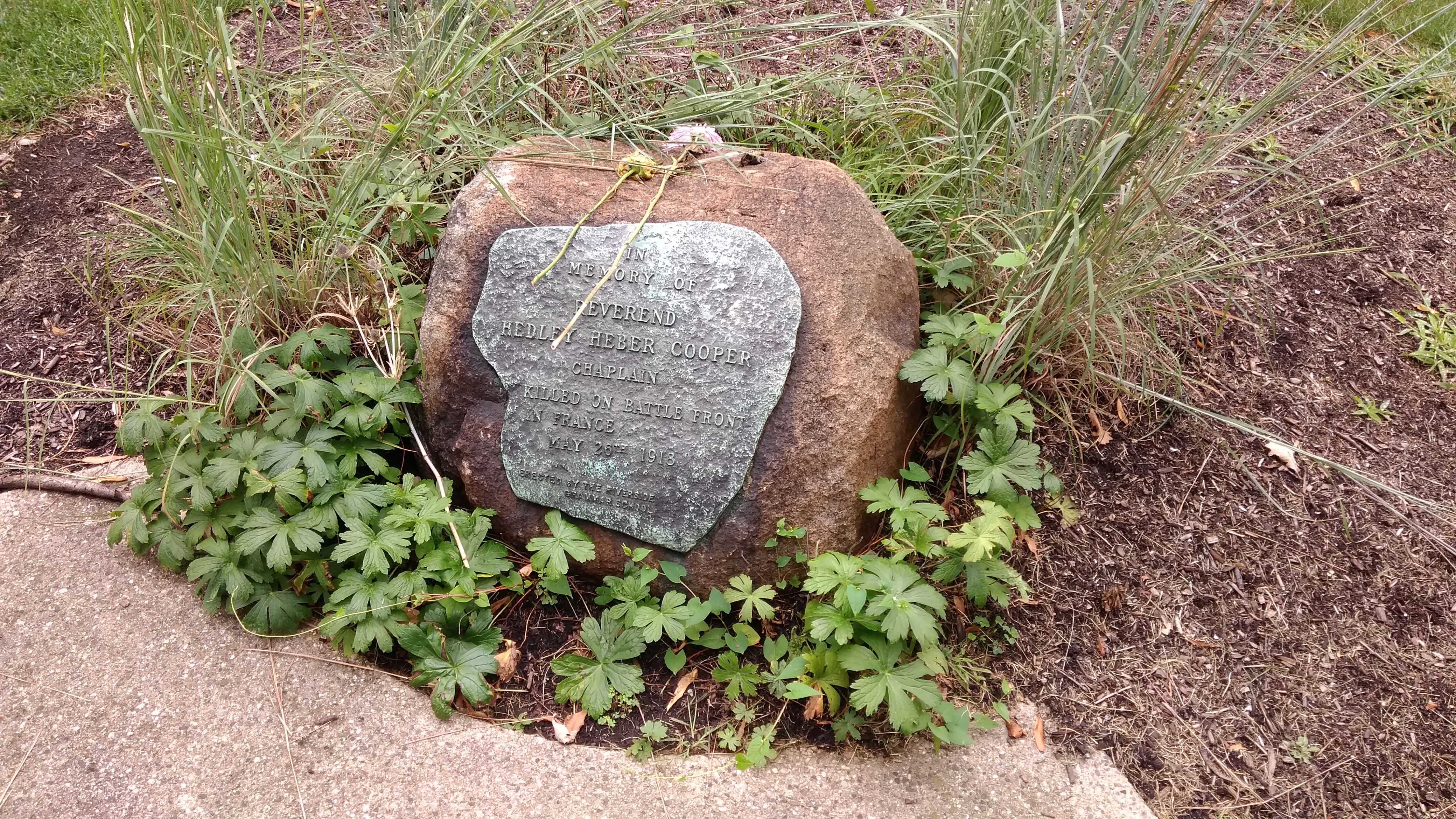
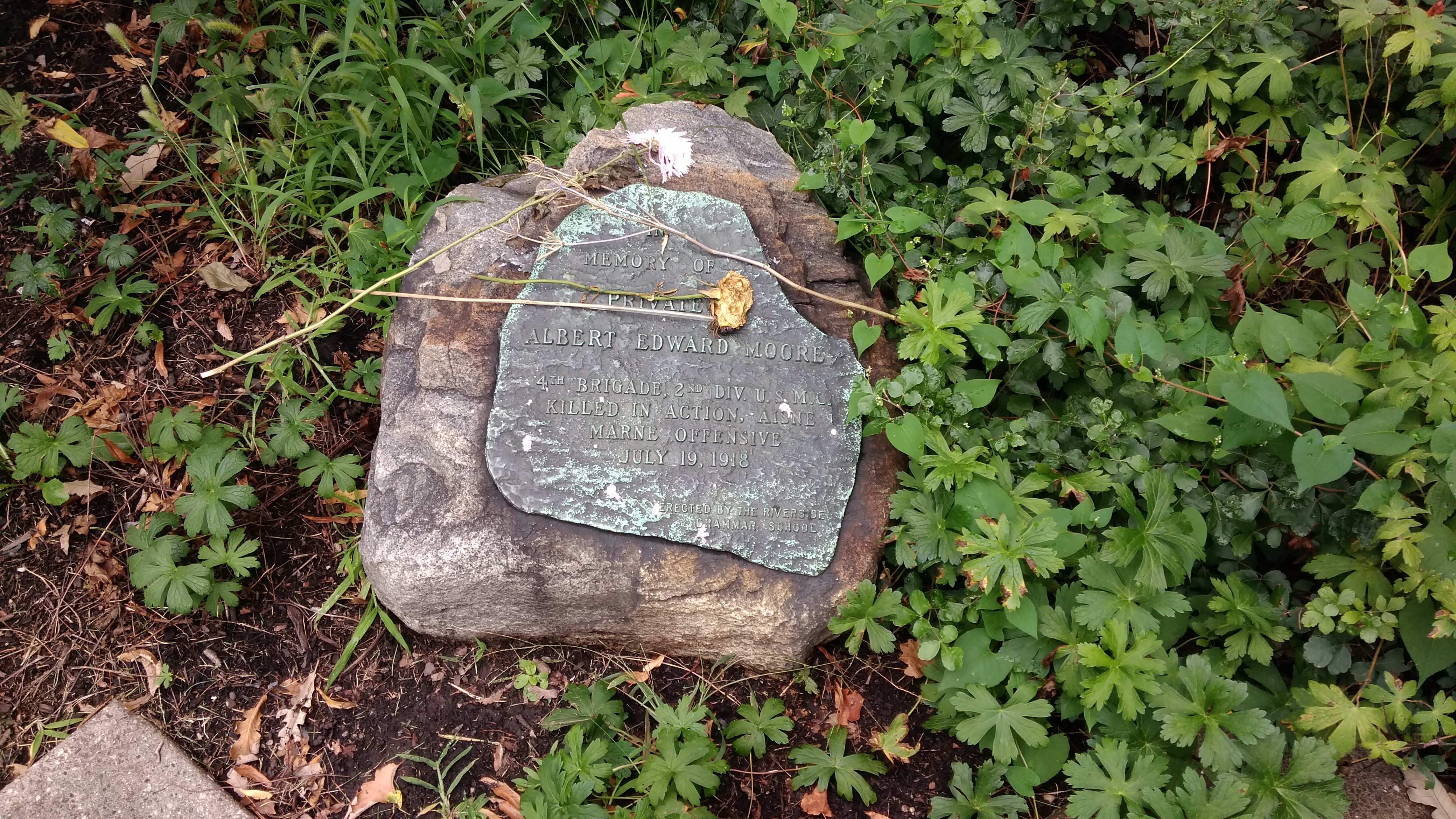 There’s also a plaque for a soldier who died not long after the Armistice, but here at home. A little late for the flu, but still possible. Accident, maybe.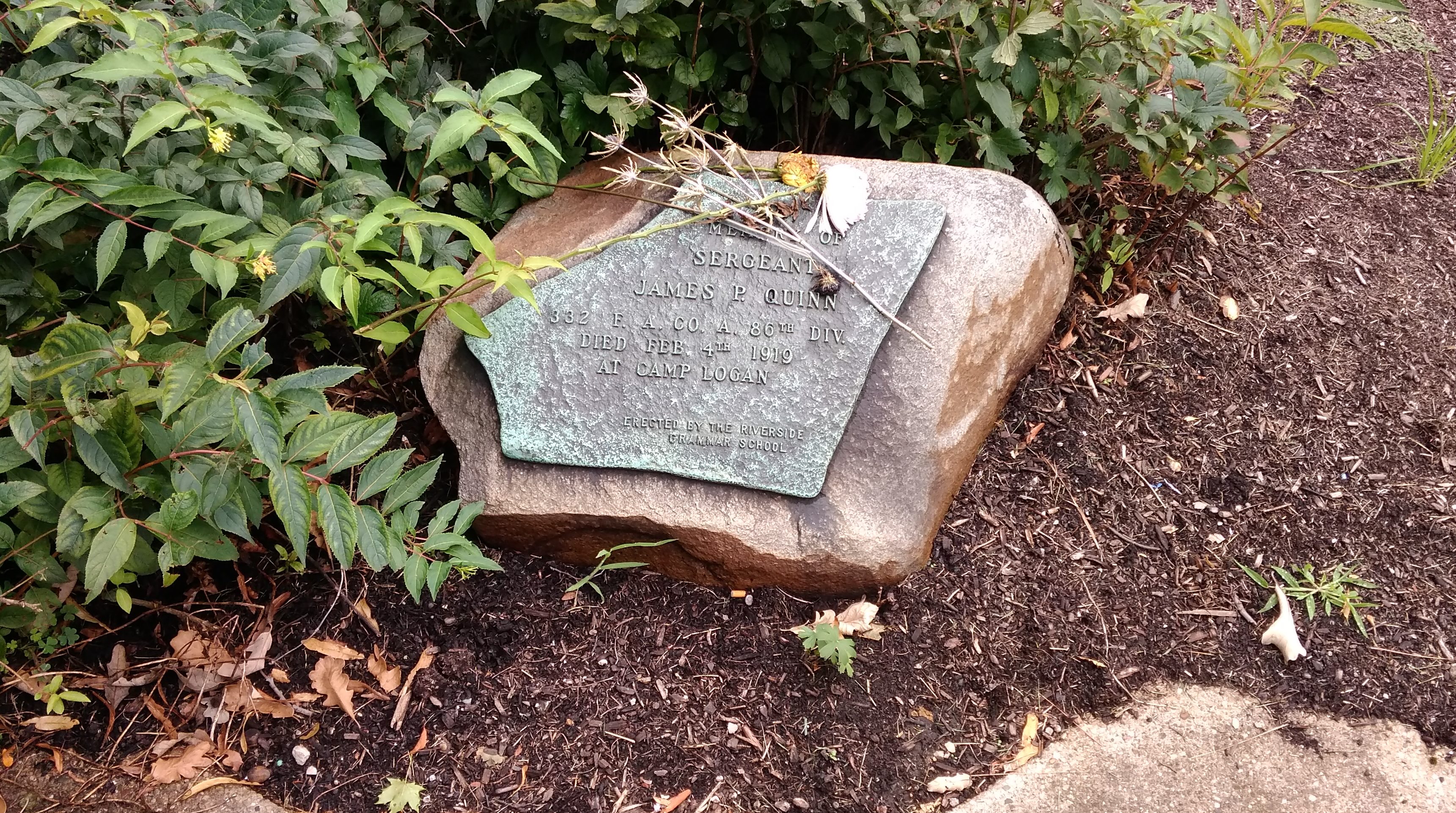
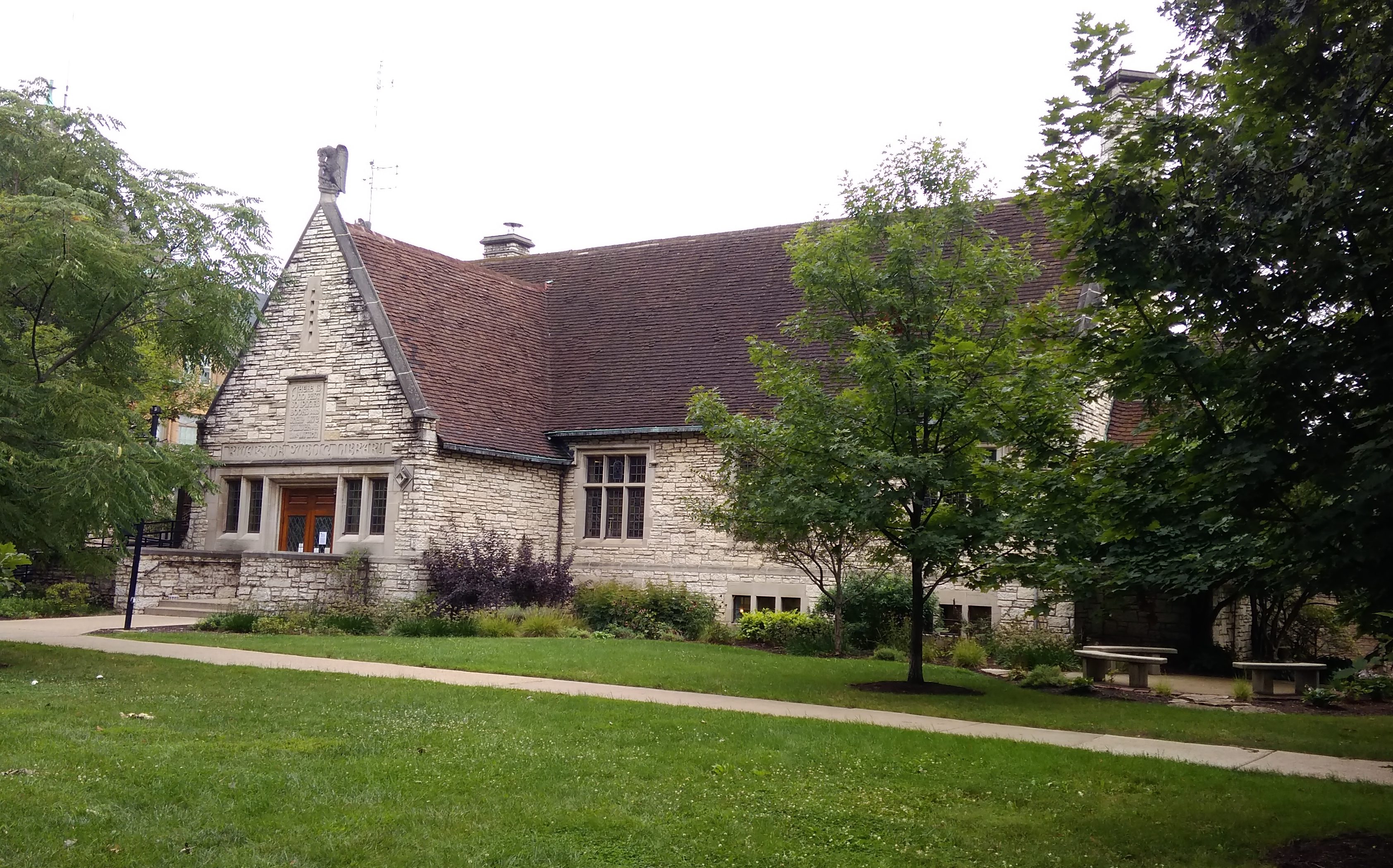
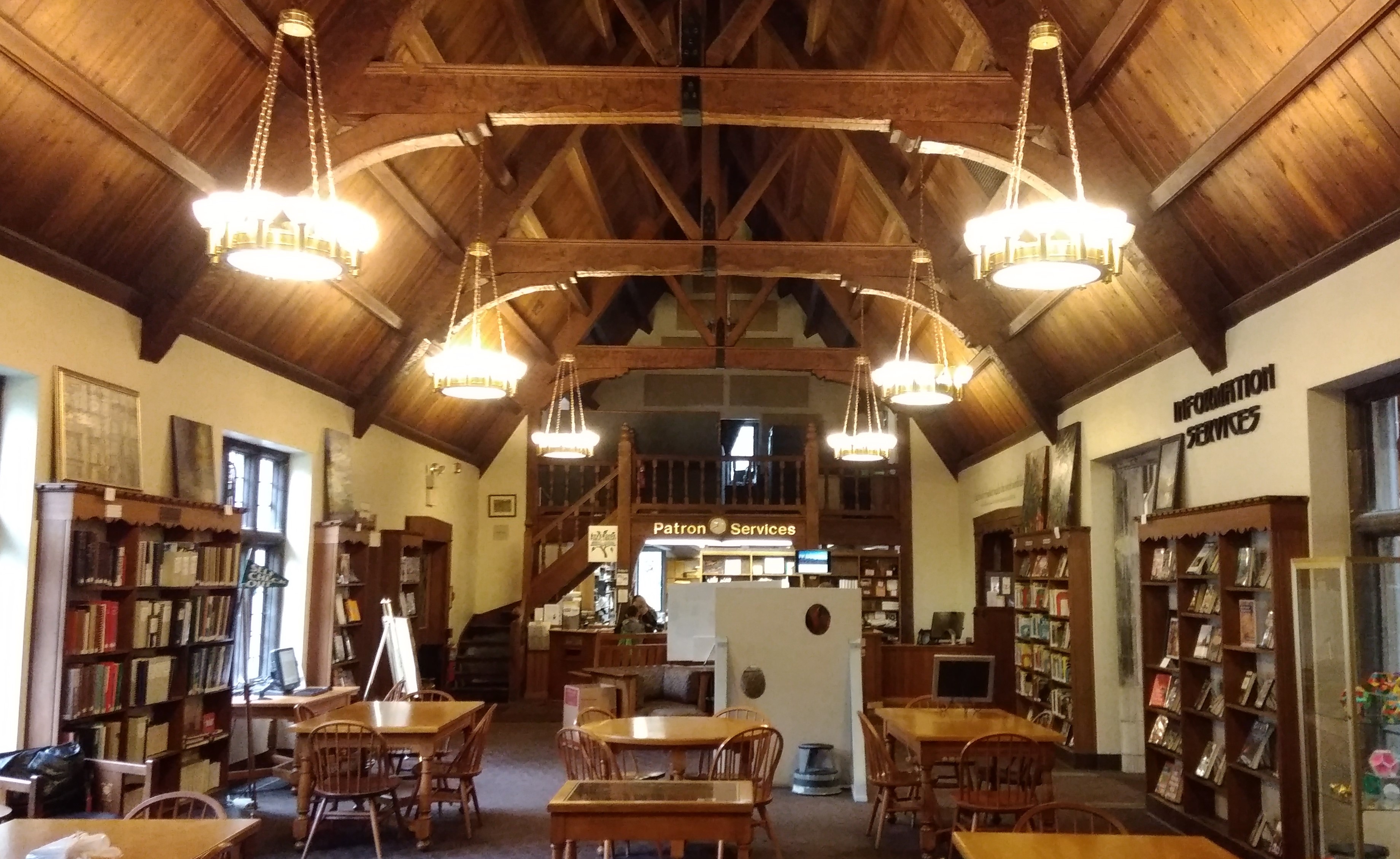 The library is the only one I’ve ever seen with an Olmsted collection.
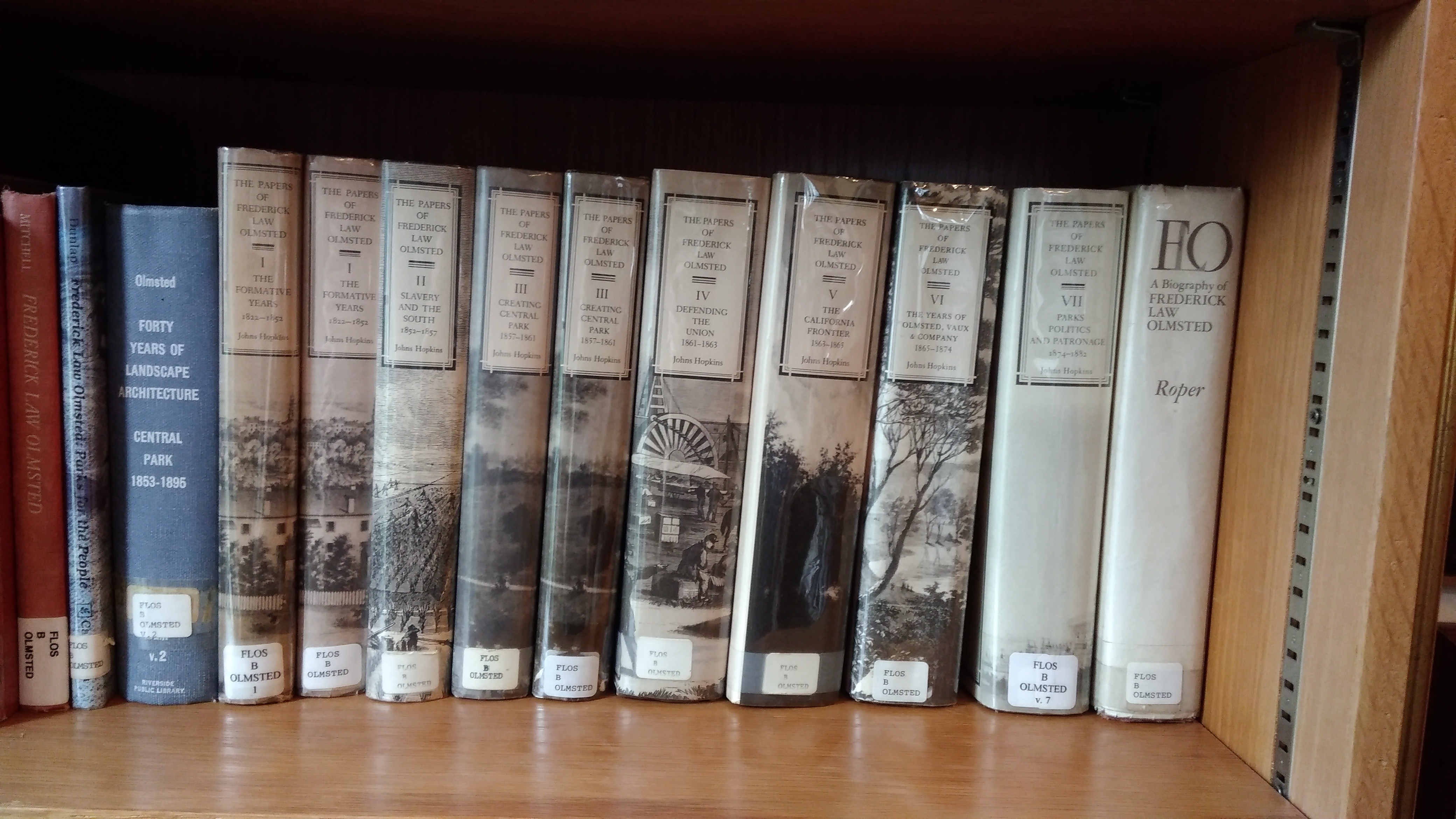 The collection takes up a number of shelves in its own special niche.
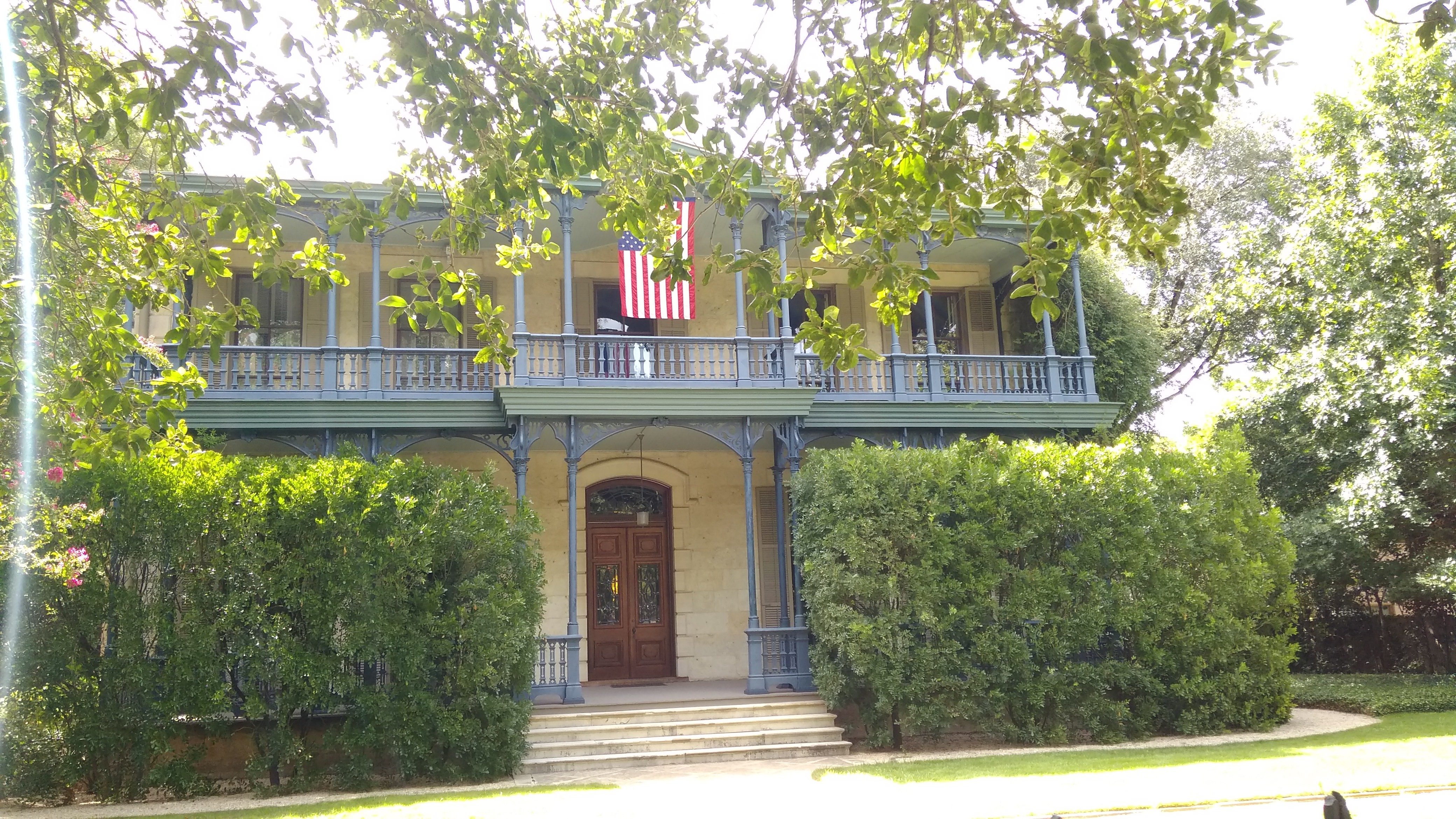
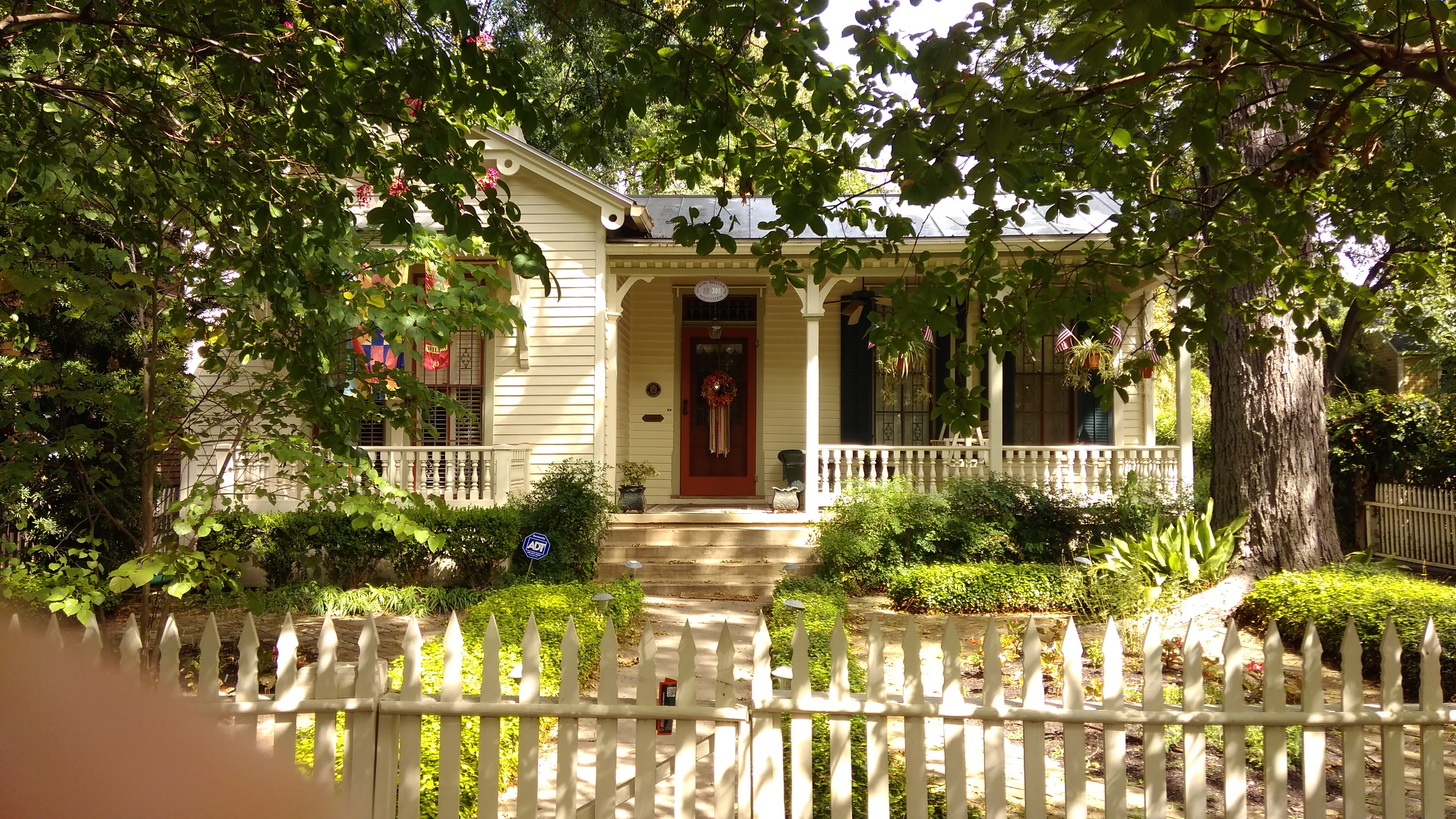
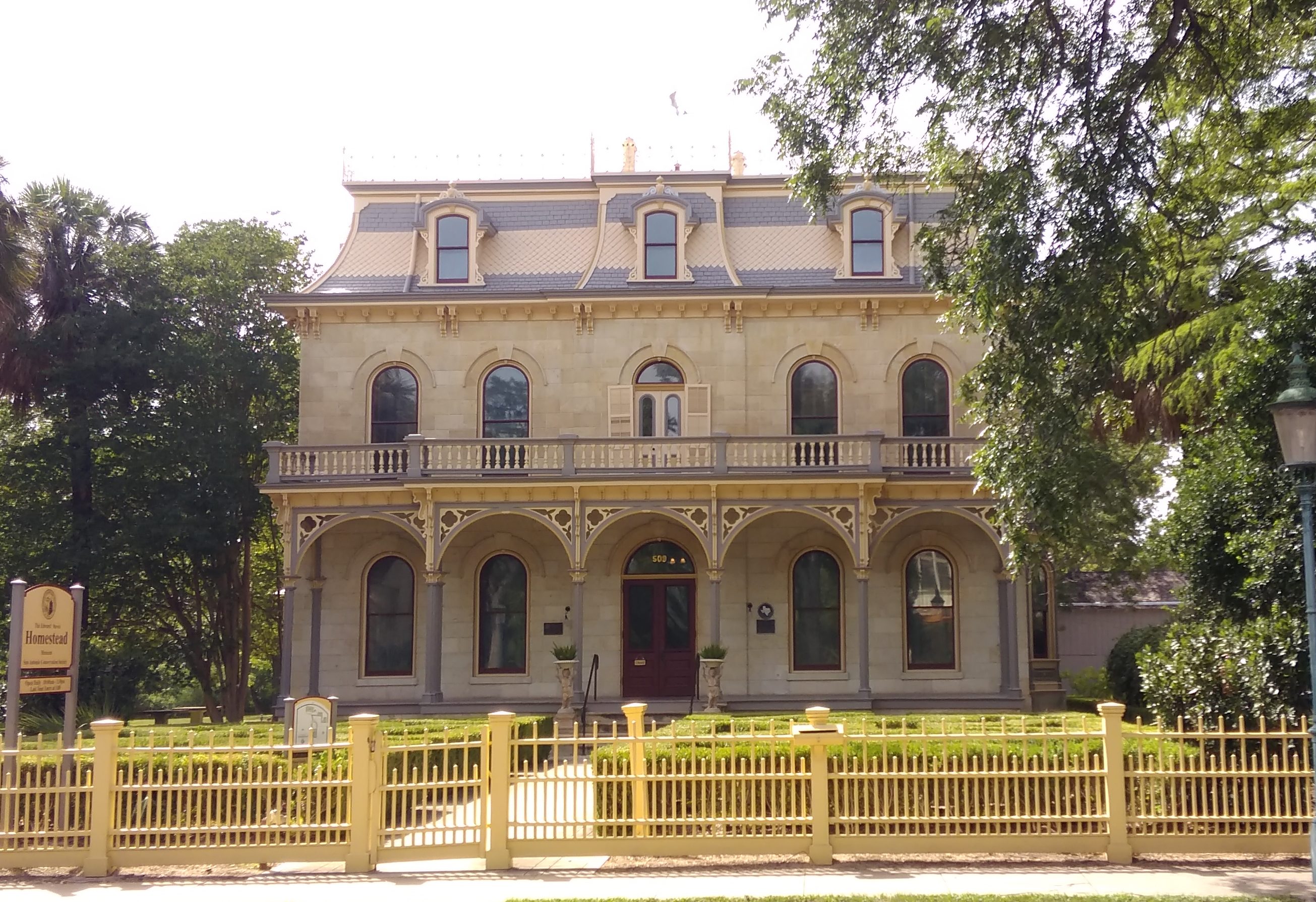 Edward Steves was a successful businessman in lumber in San Antonio in the 19th century, and Steves & Sons, which makes doors, is still around. I went to high school with a girl who was descended from Steves on her mother’s side.
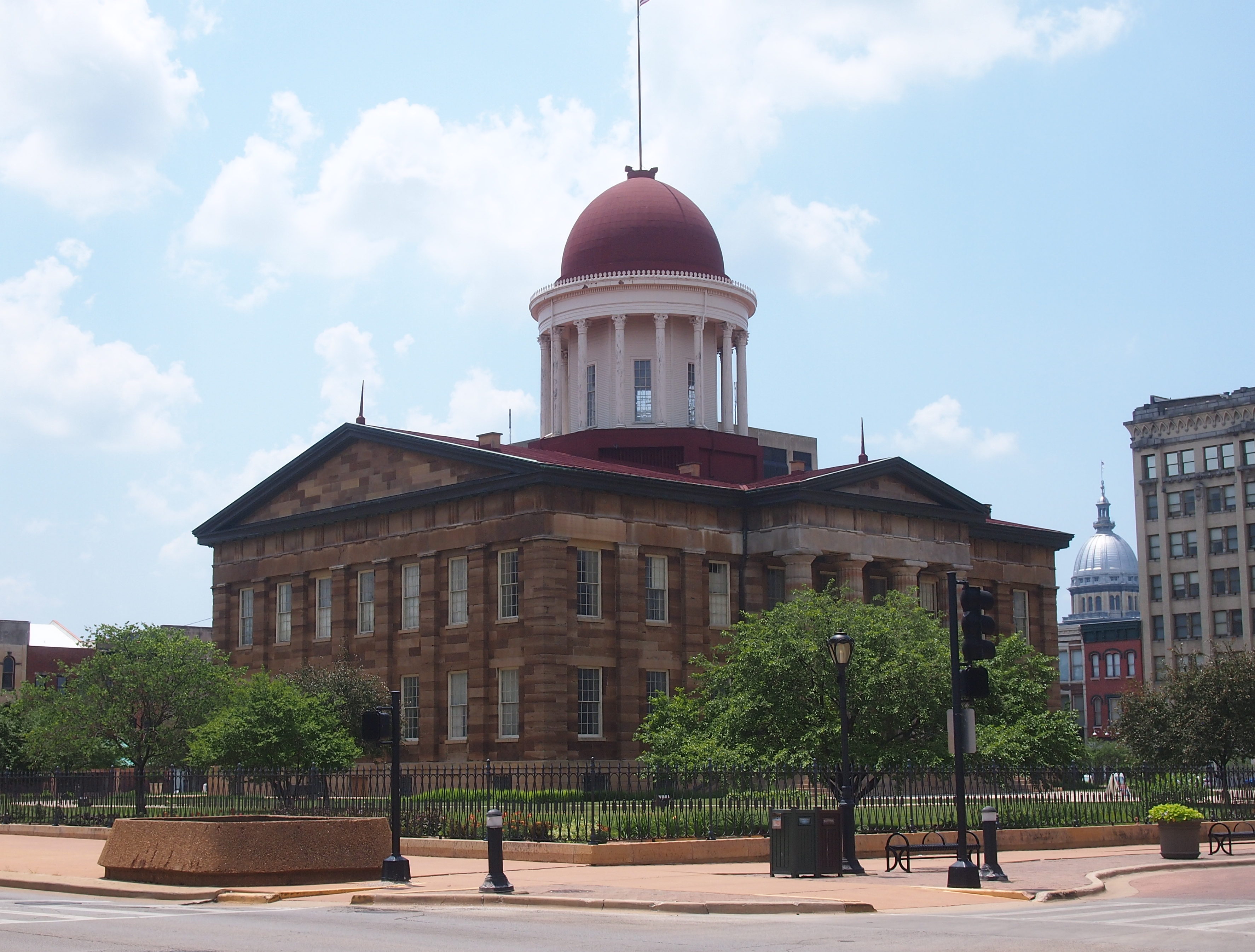
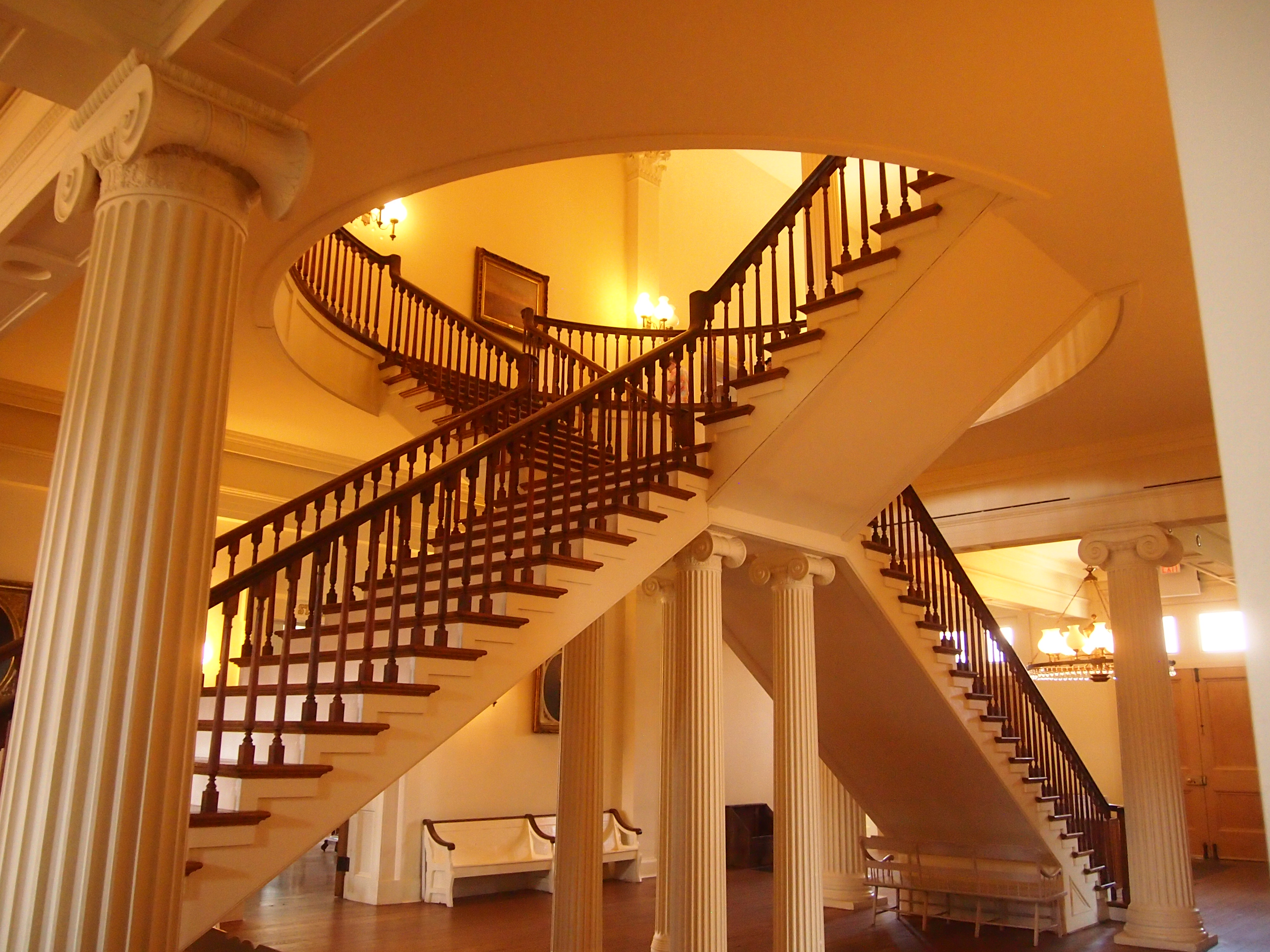
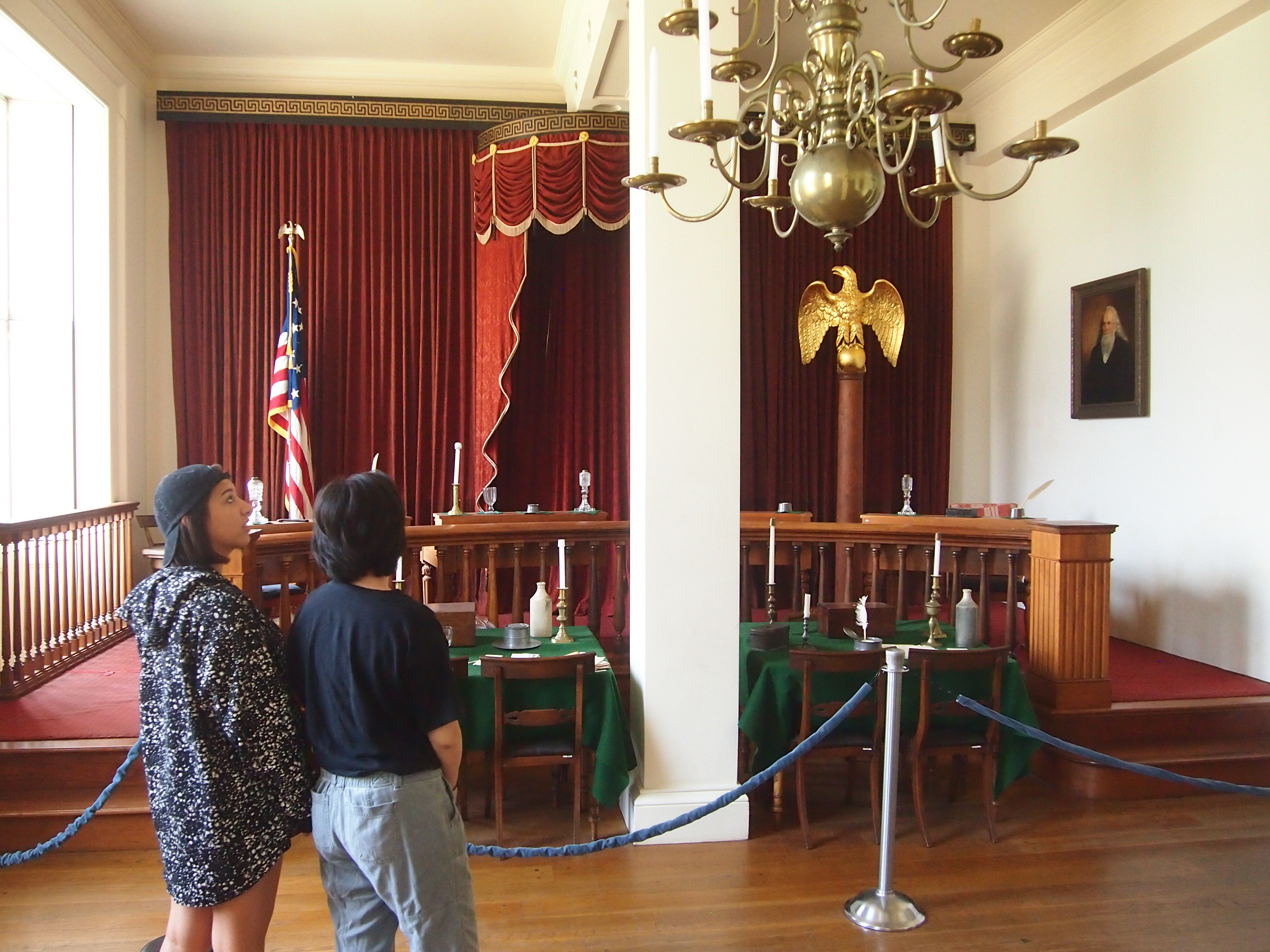
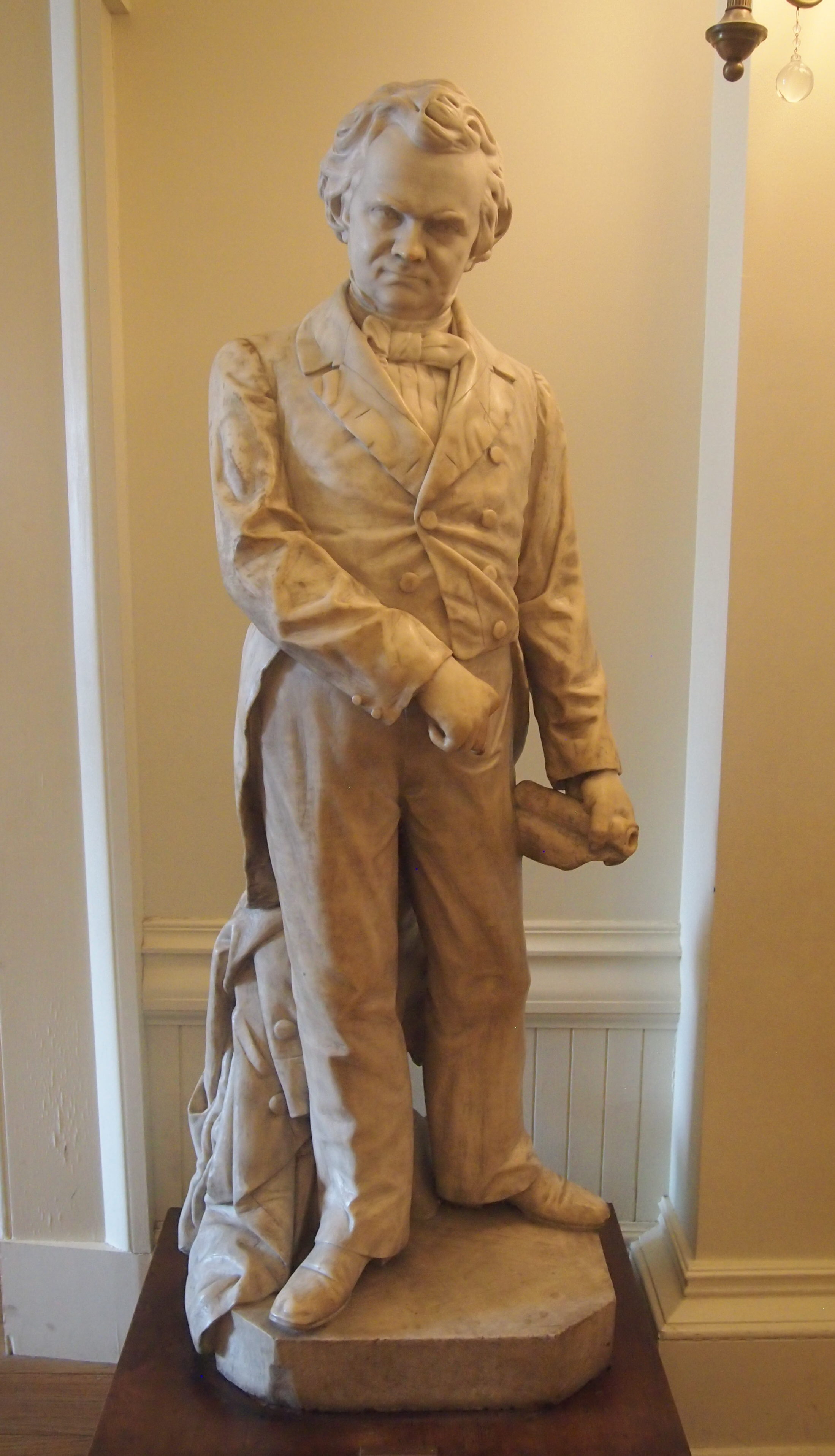
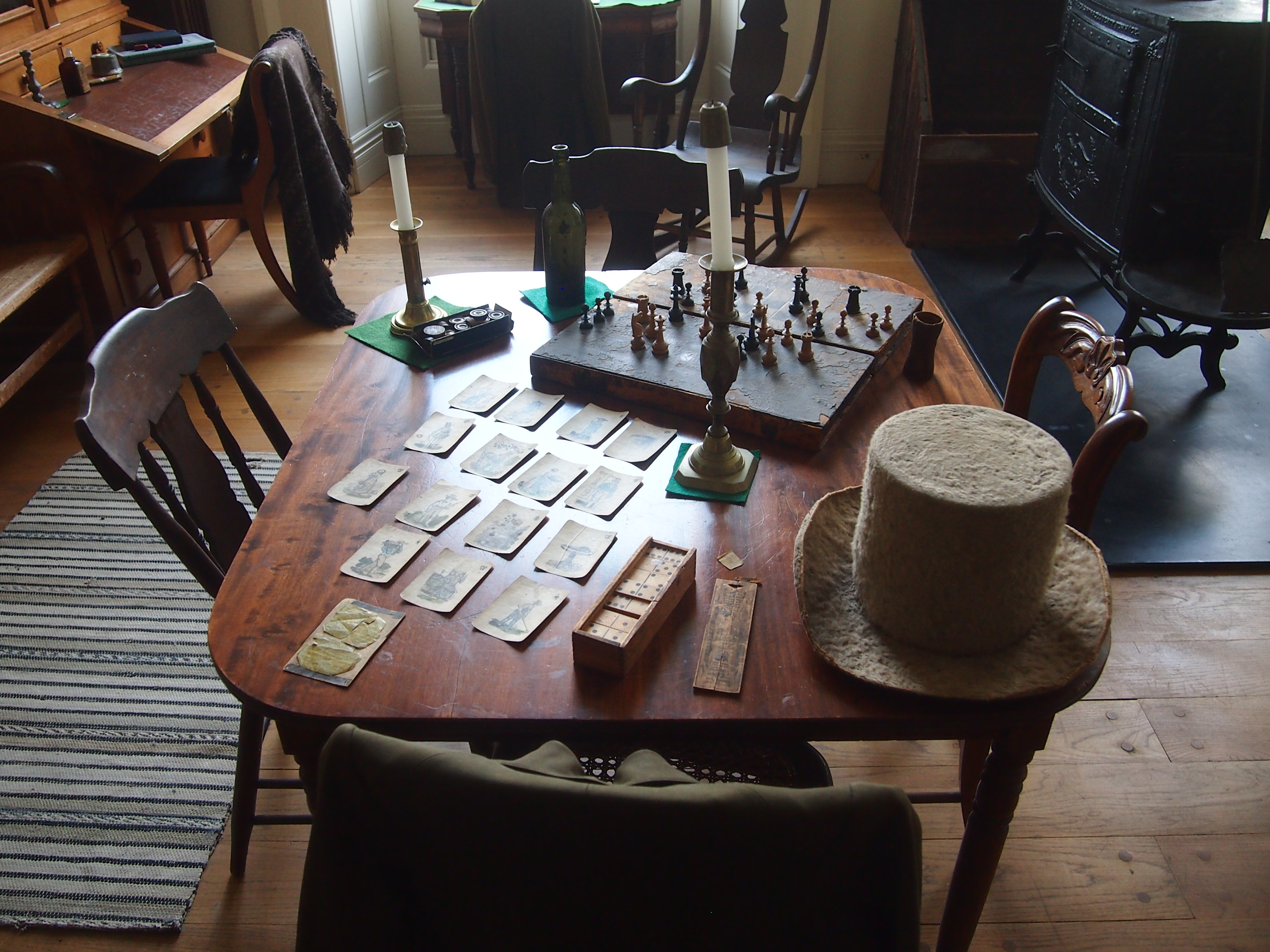 The exhibits include a statue of the Little Giant.
 While we were there, a group of historic re-enactors in 19th-century costumes happened to be in the recreated House chamber.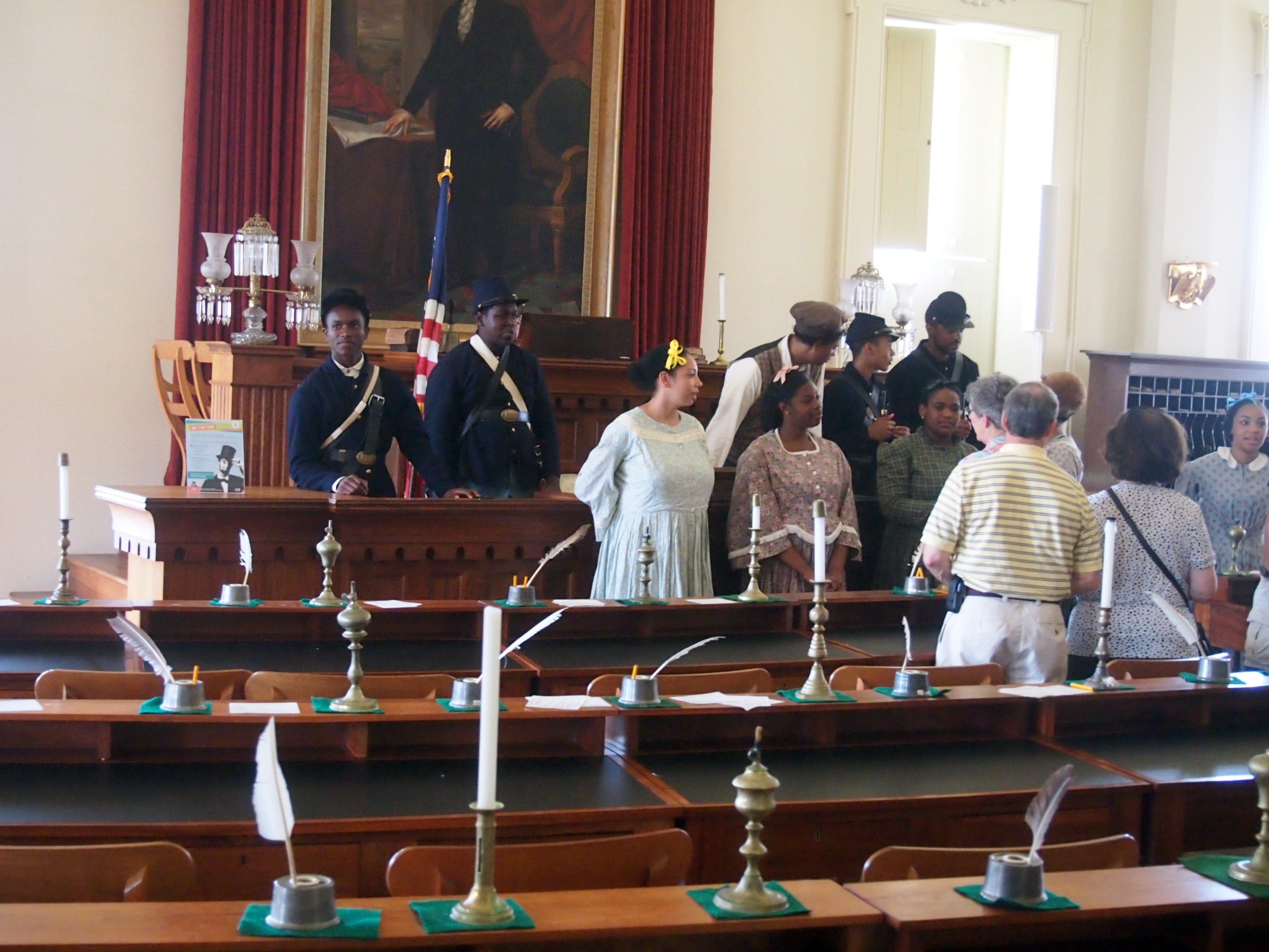
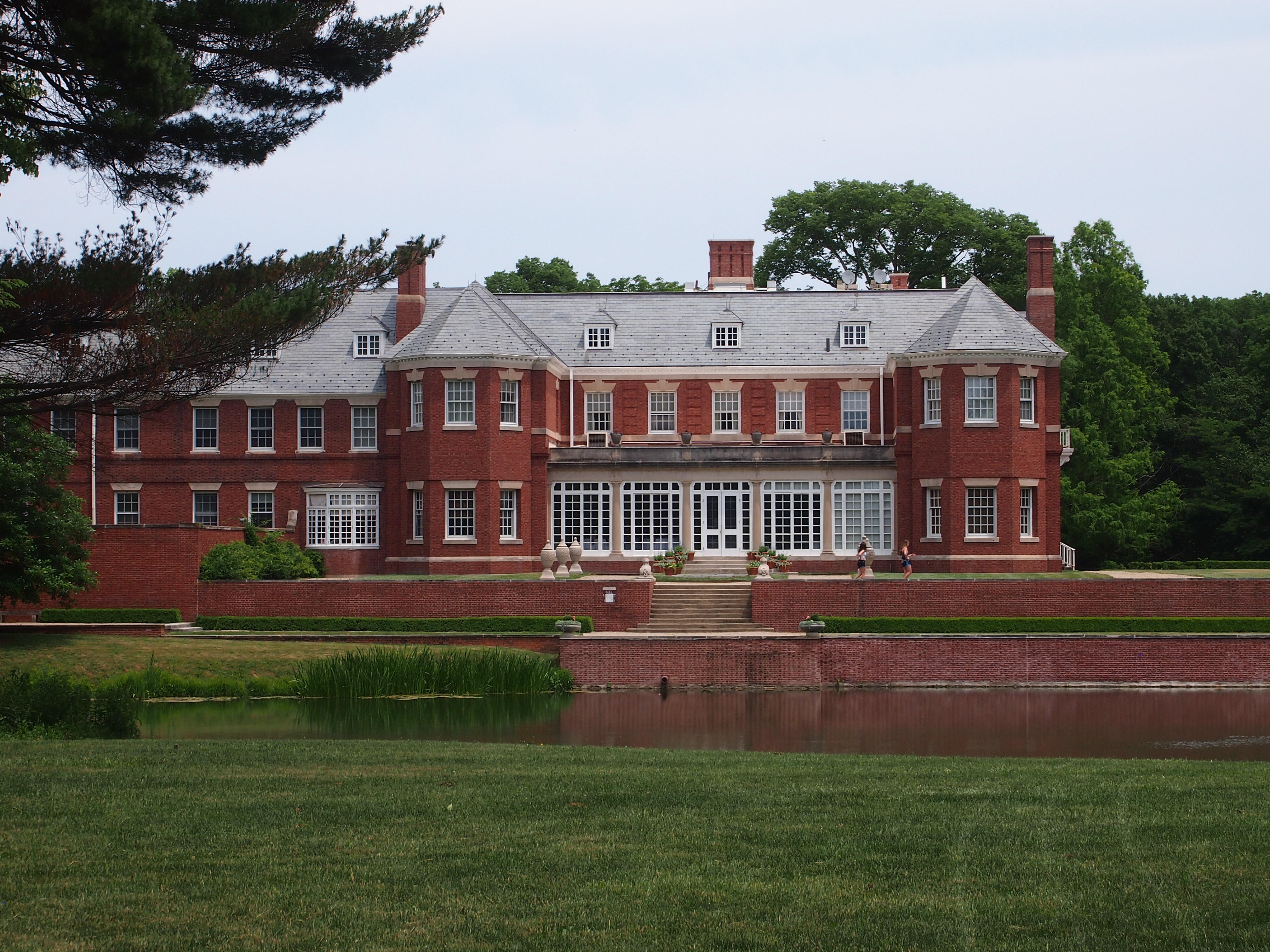

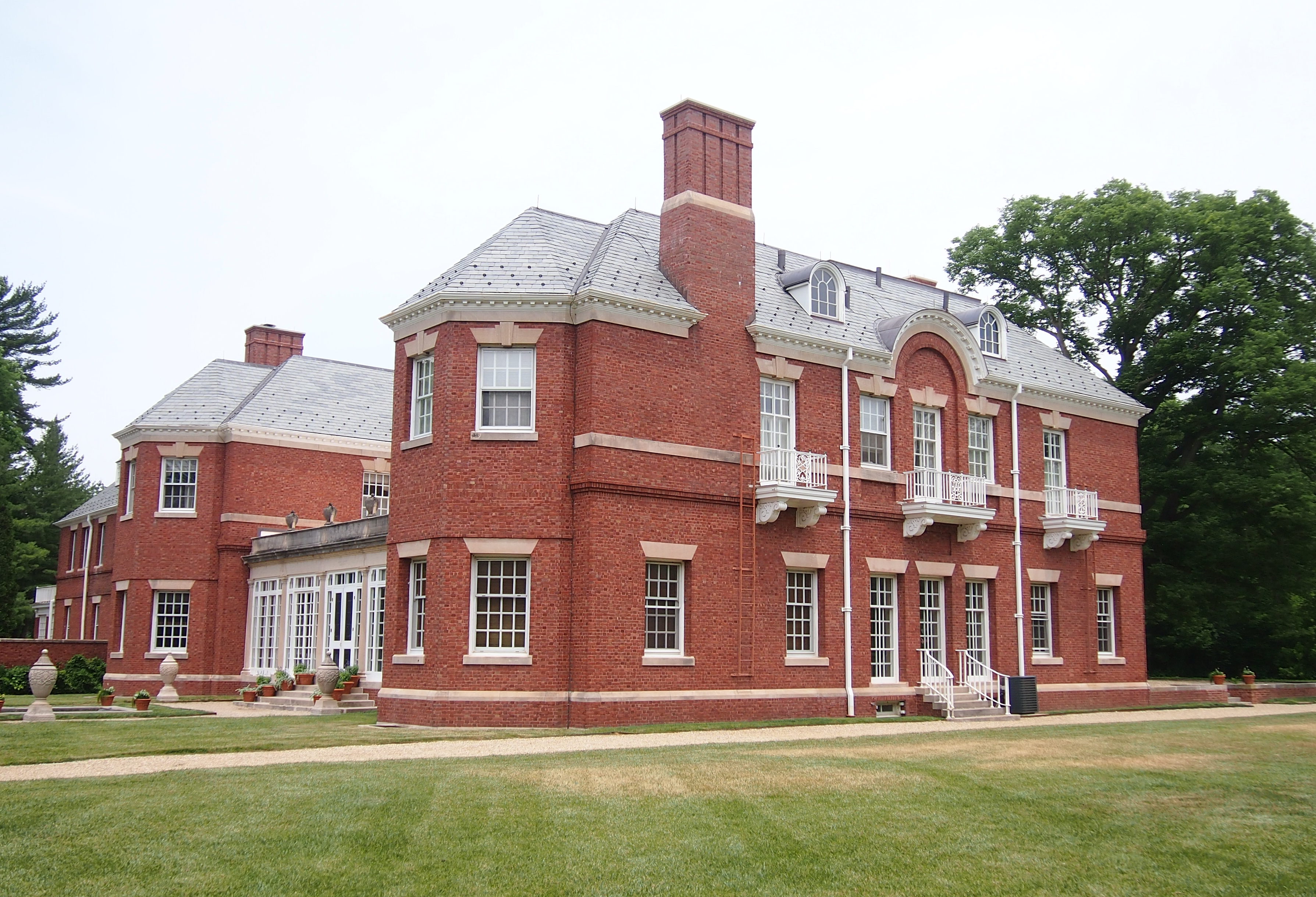
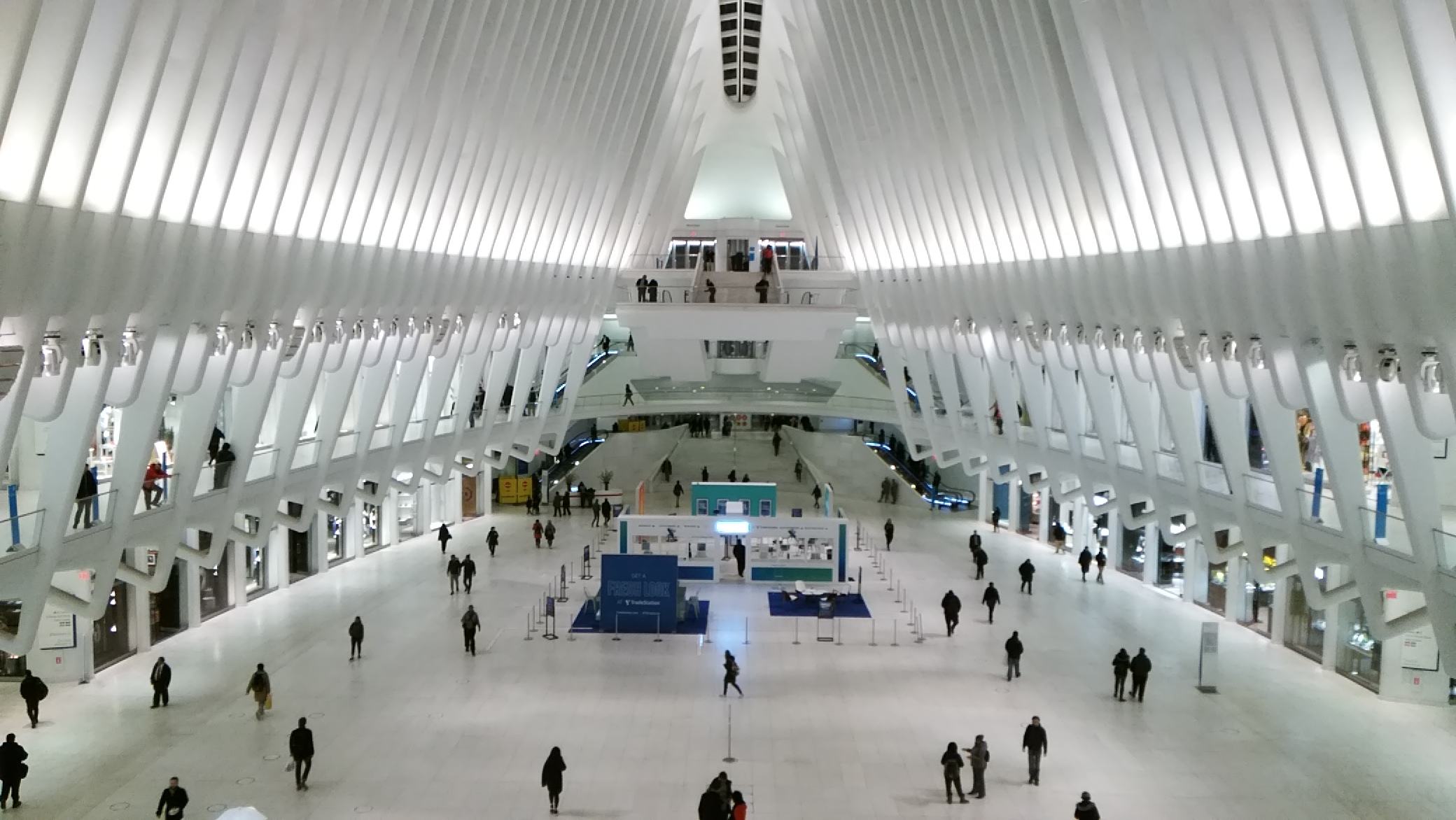
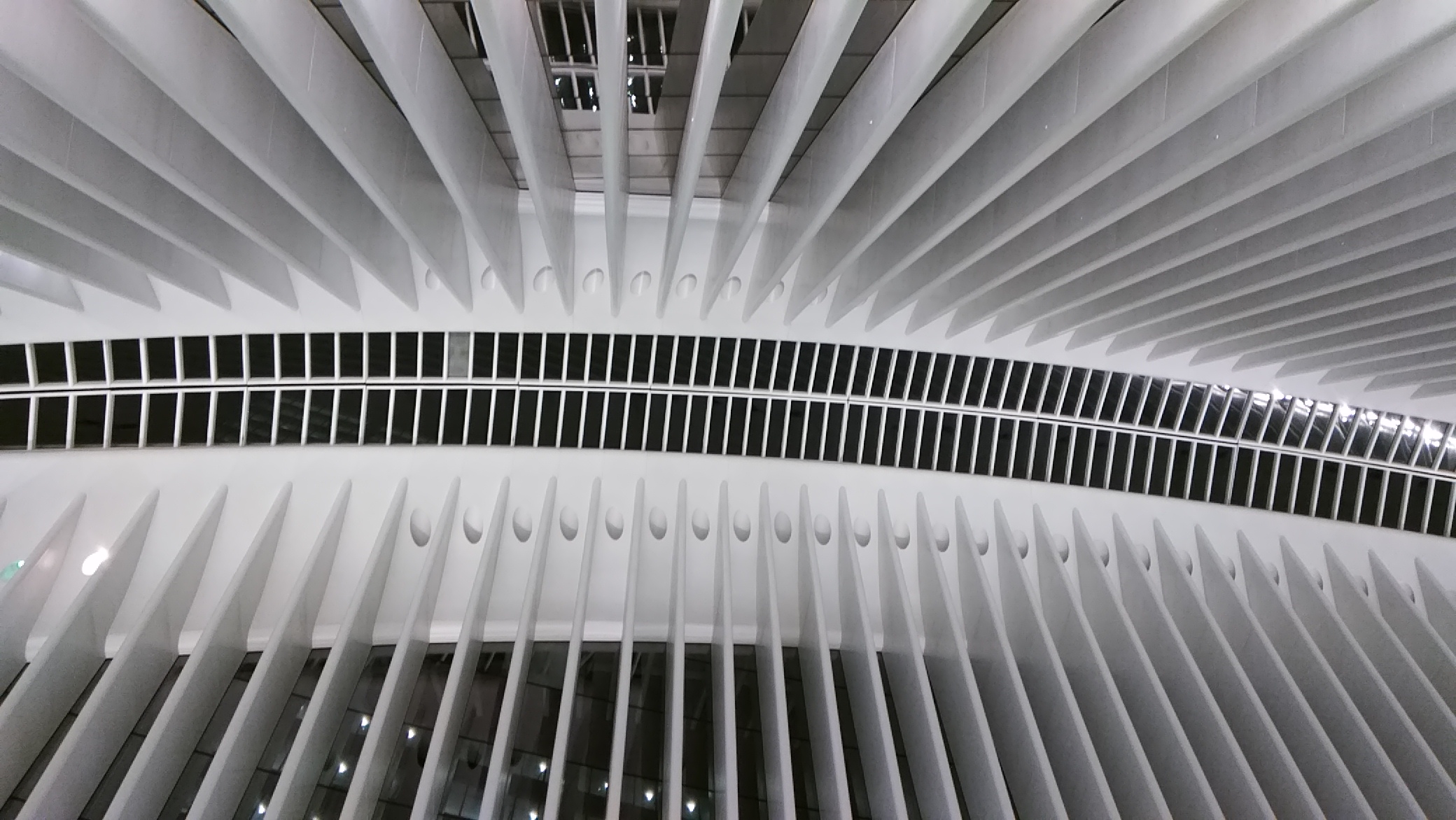
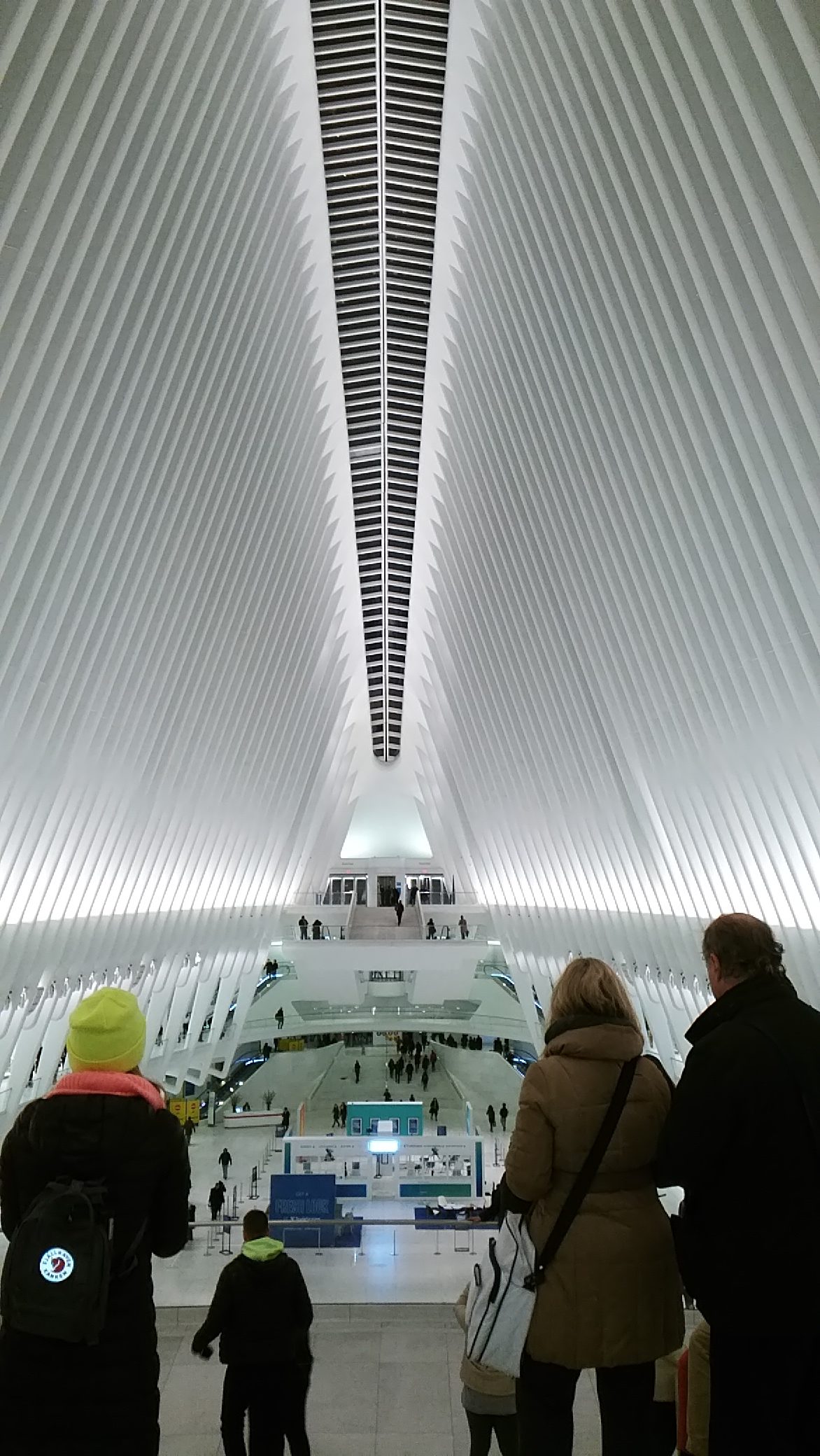 I’d walked to the Oculus from the Downtown restaurant where Geof and his wife Karen and I had had dinner. They wanted to show me the Oculus.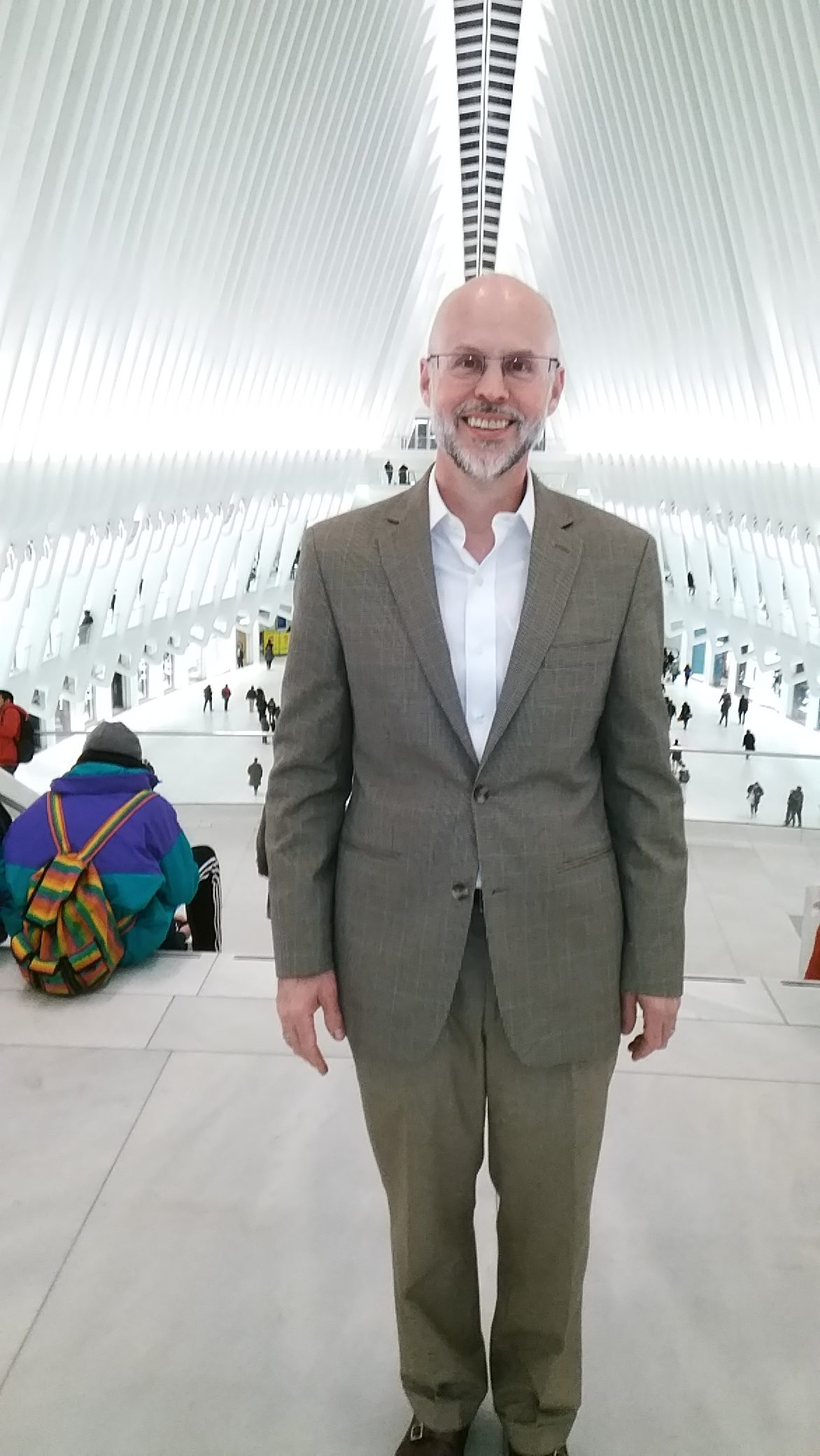
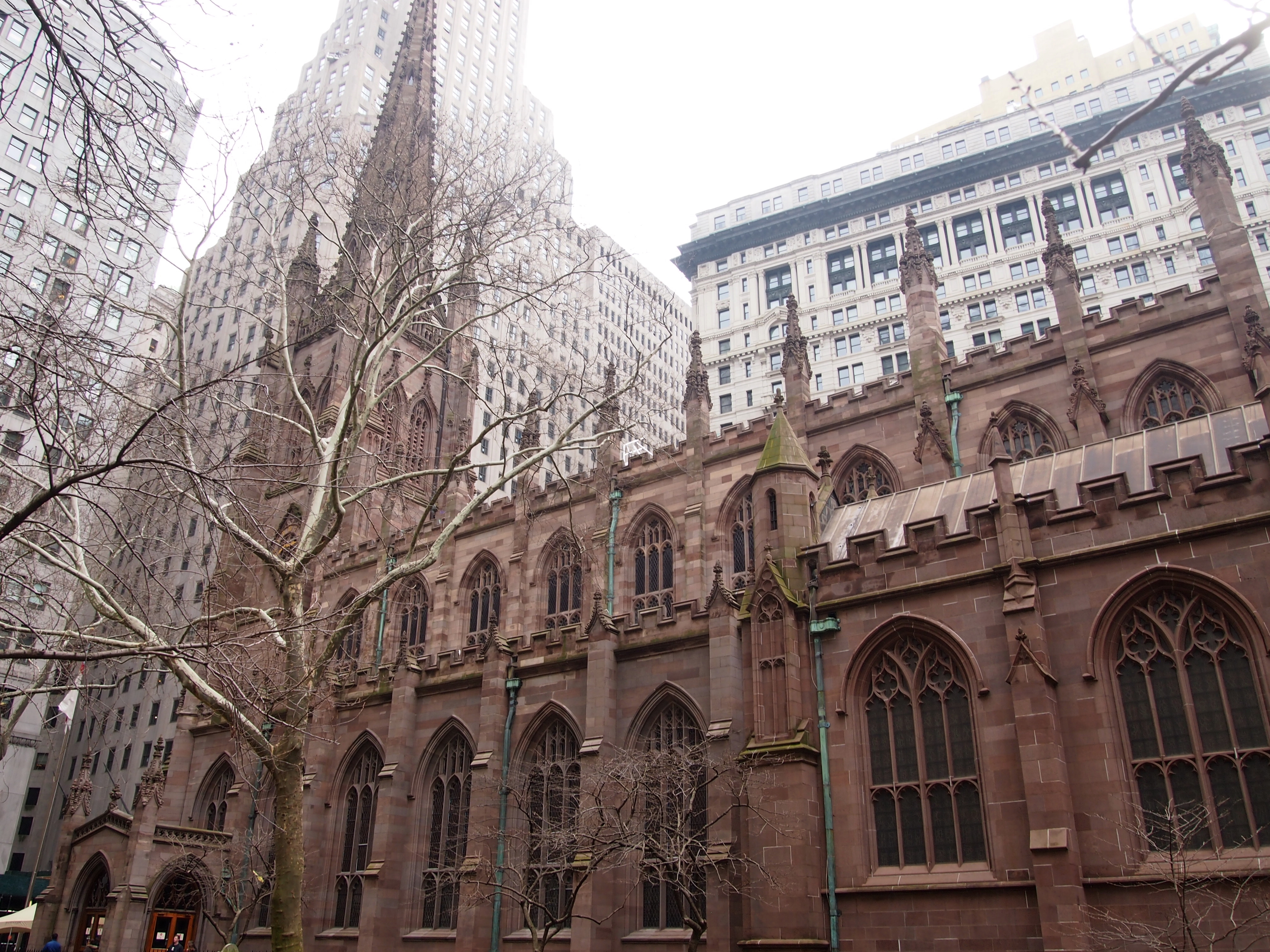
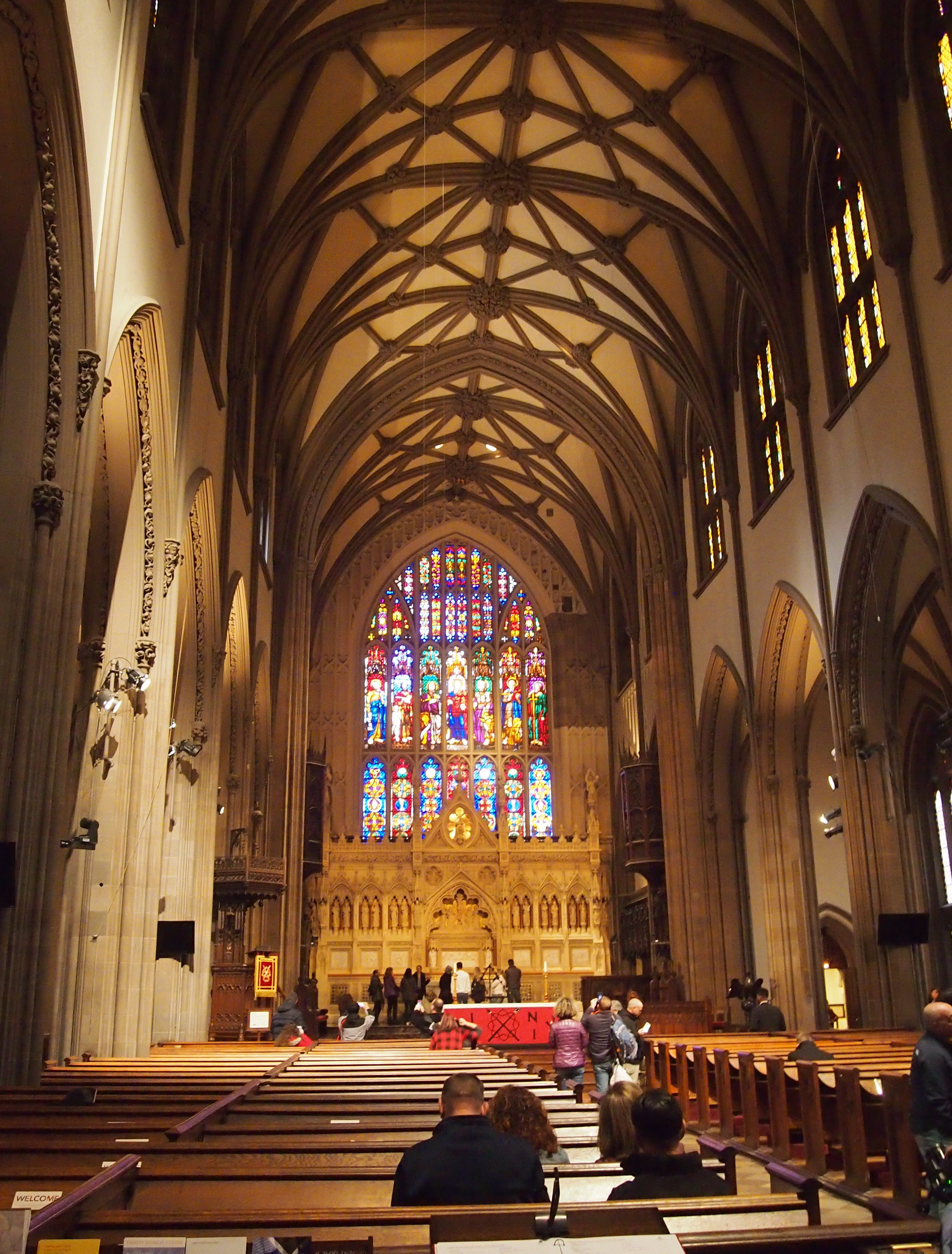
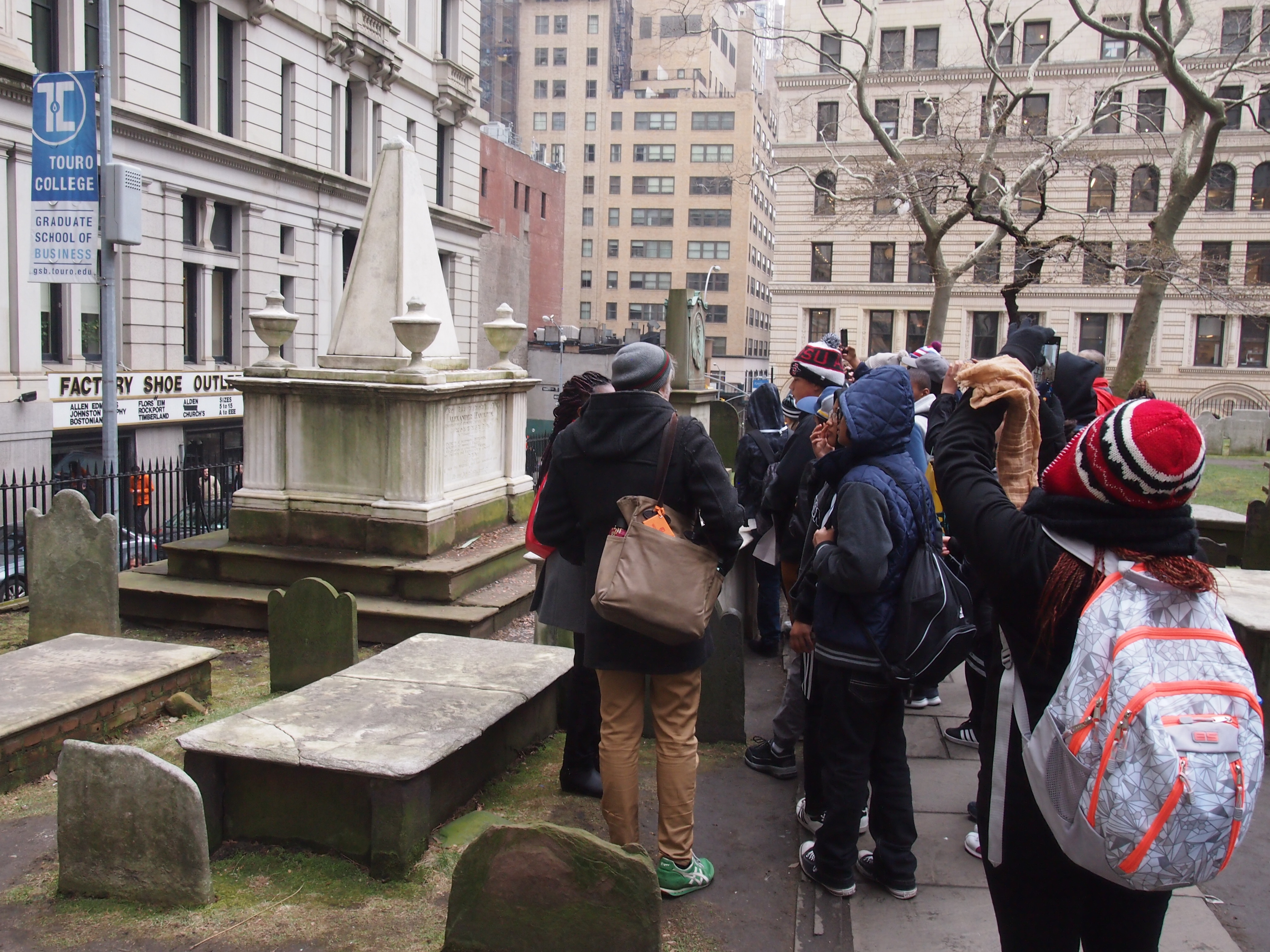
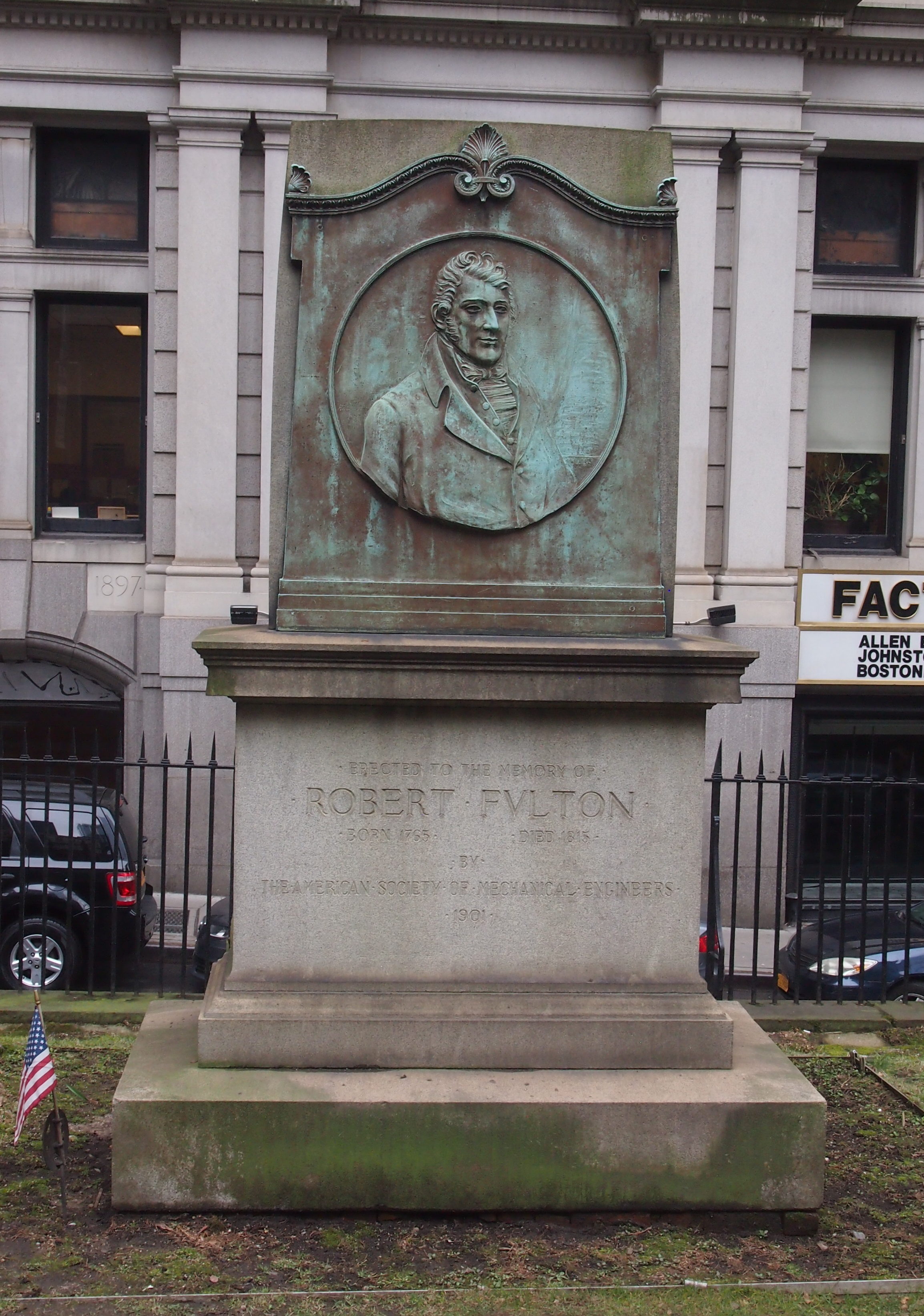
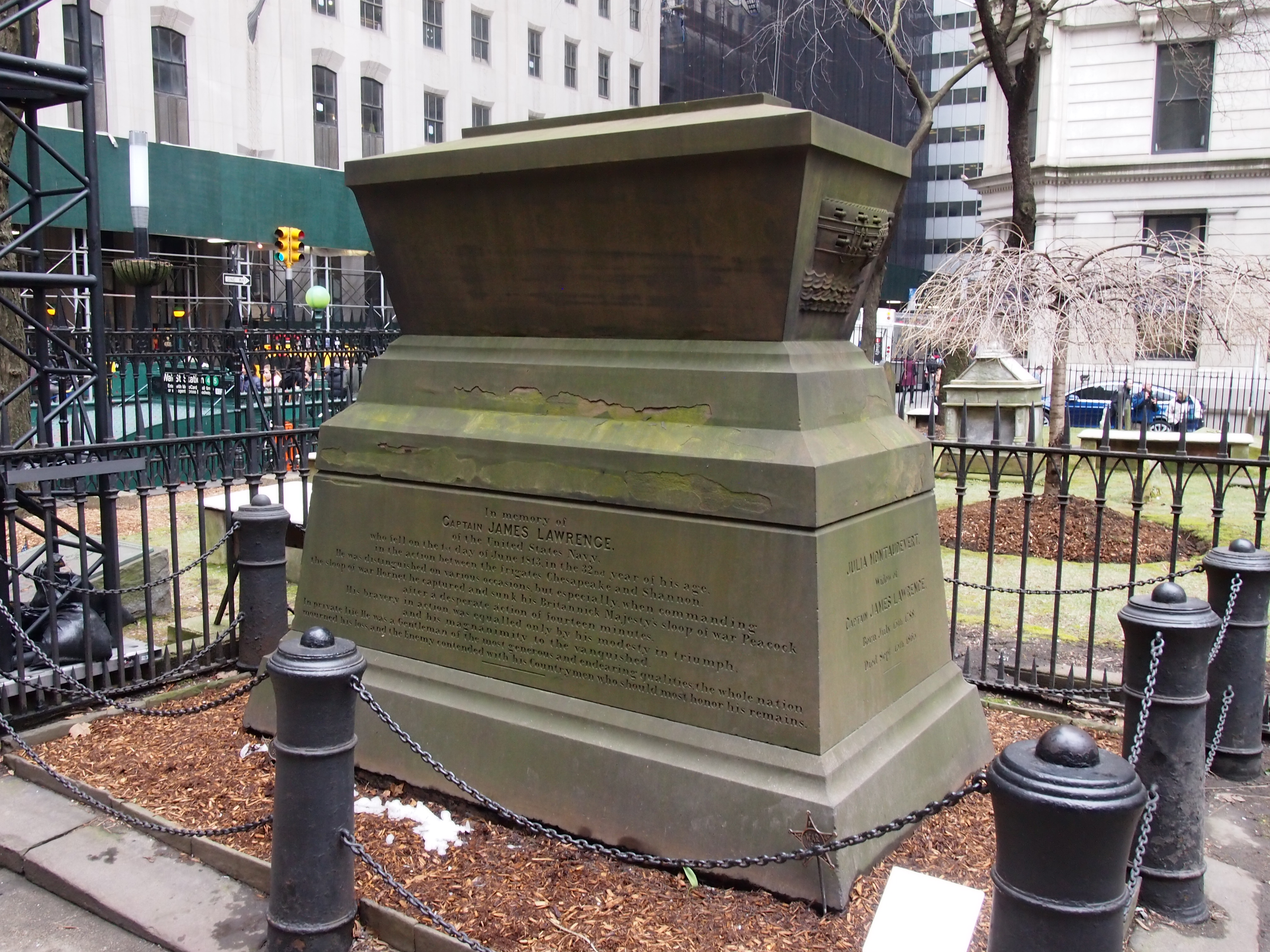
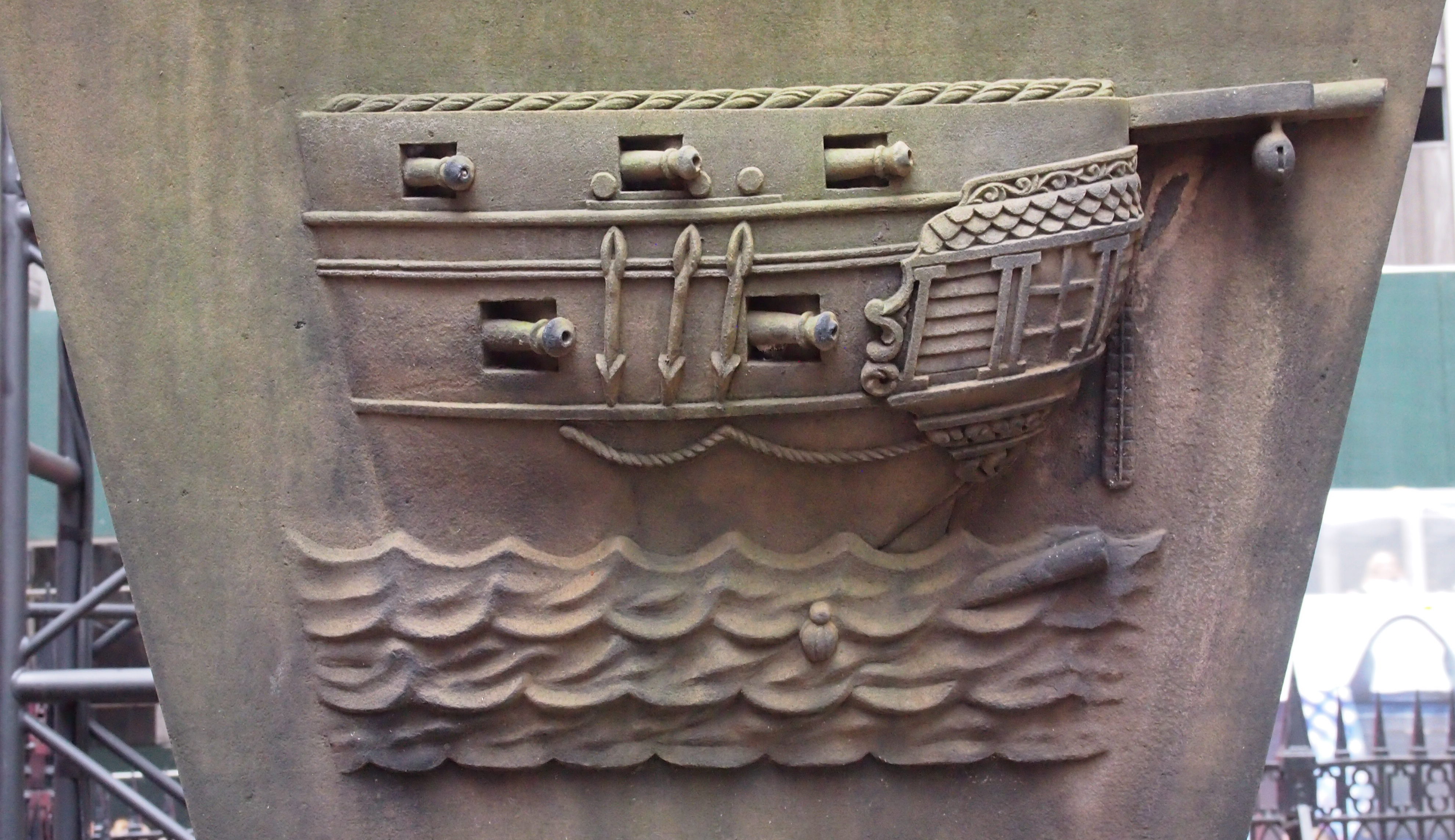
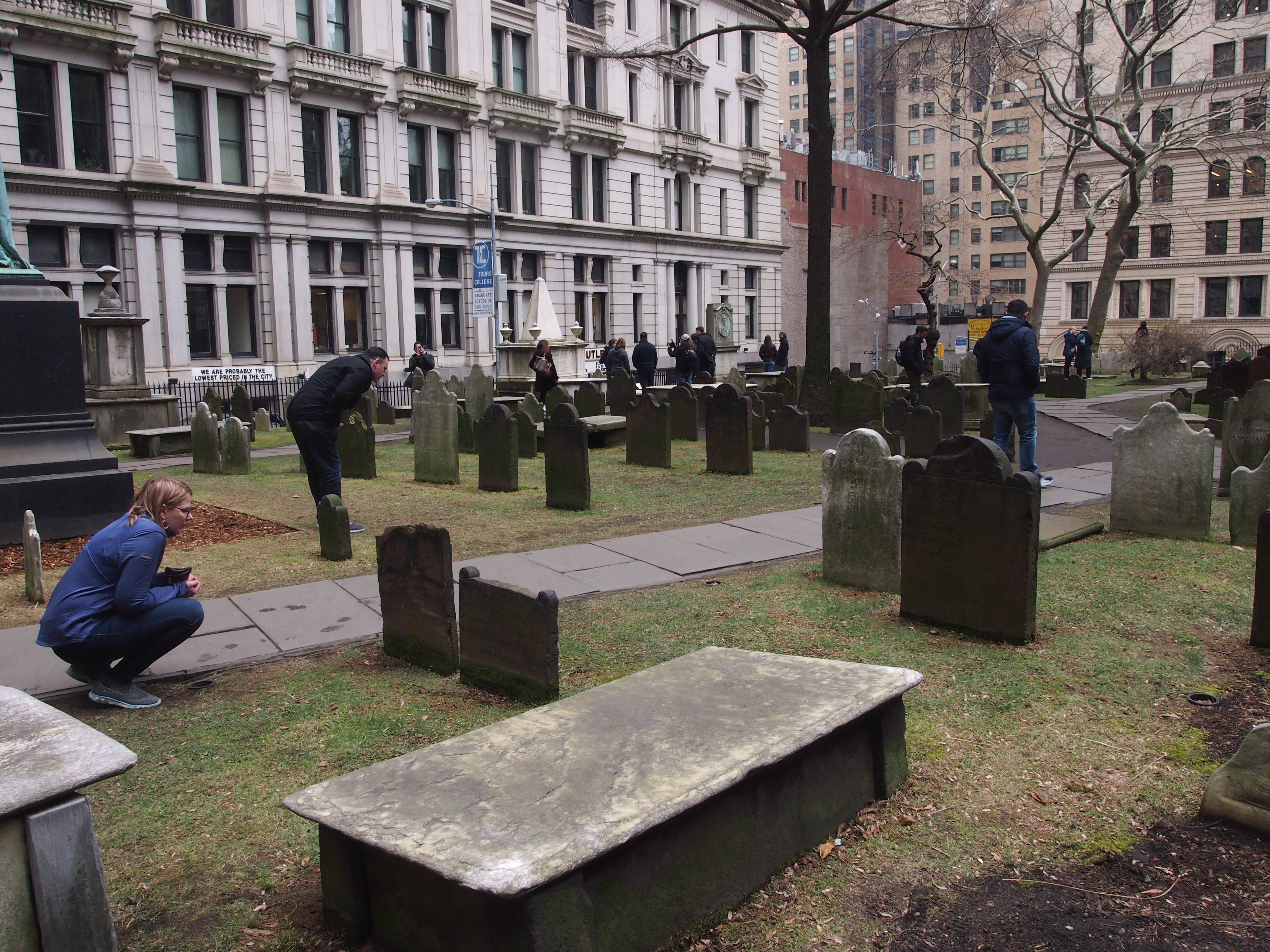
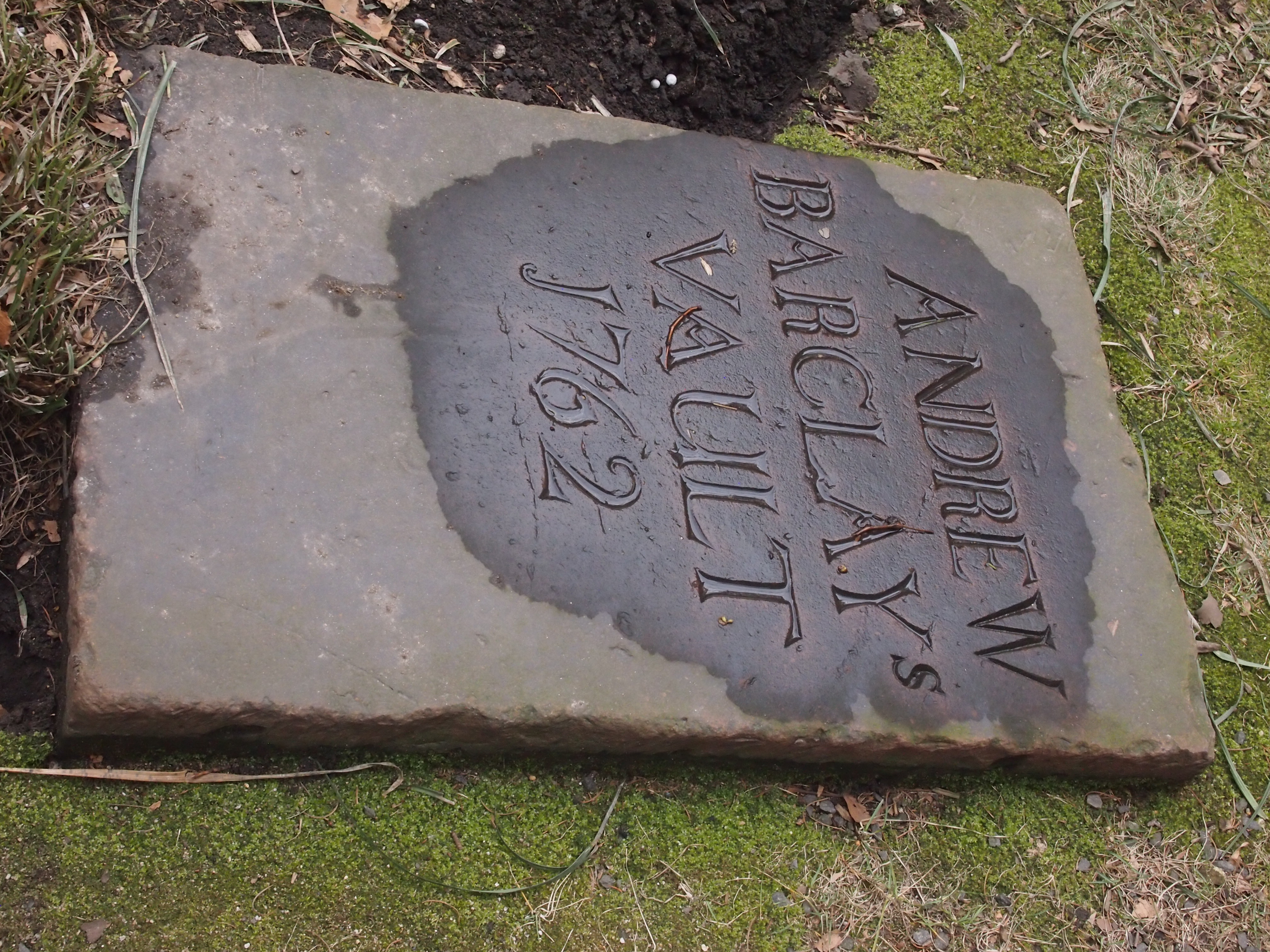
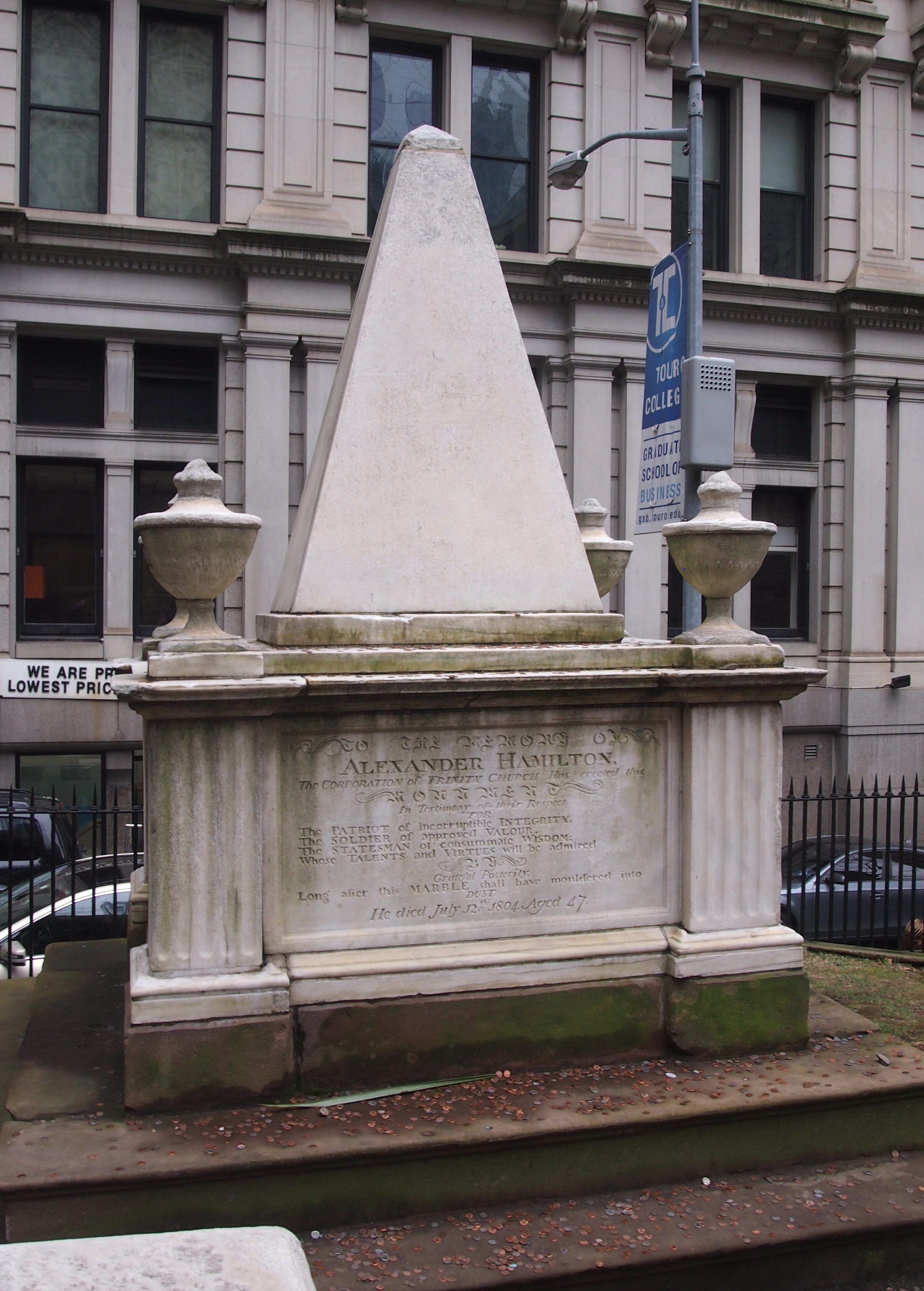 I have to admit that I either didn’t know, or had forgotten, that he is buried at Trinity. In a way, that was a good thing, since it was a nice surprise.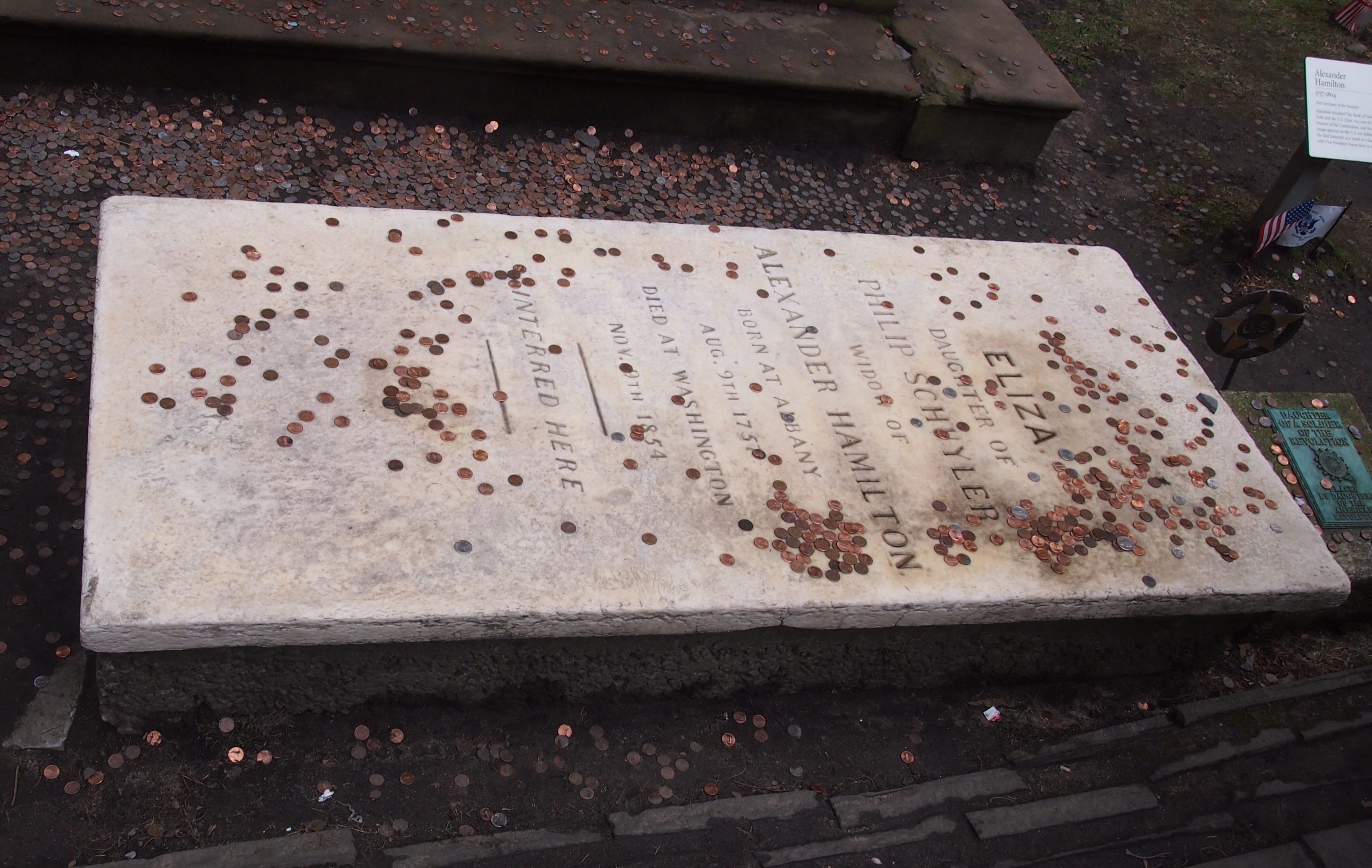


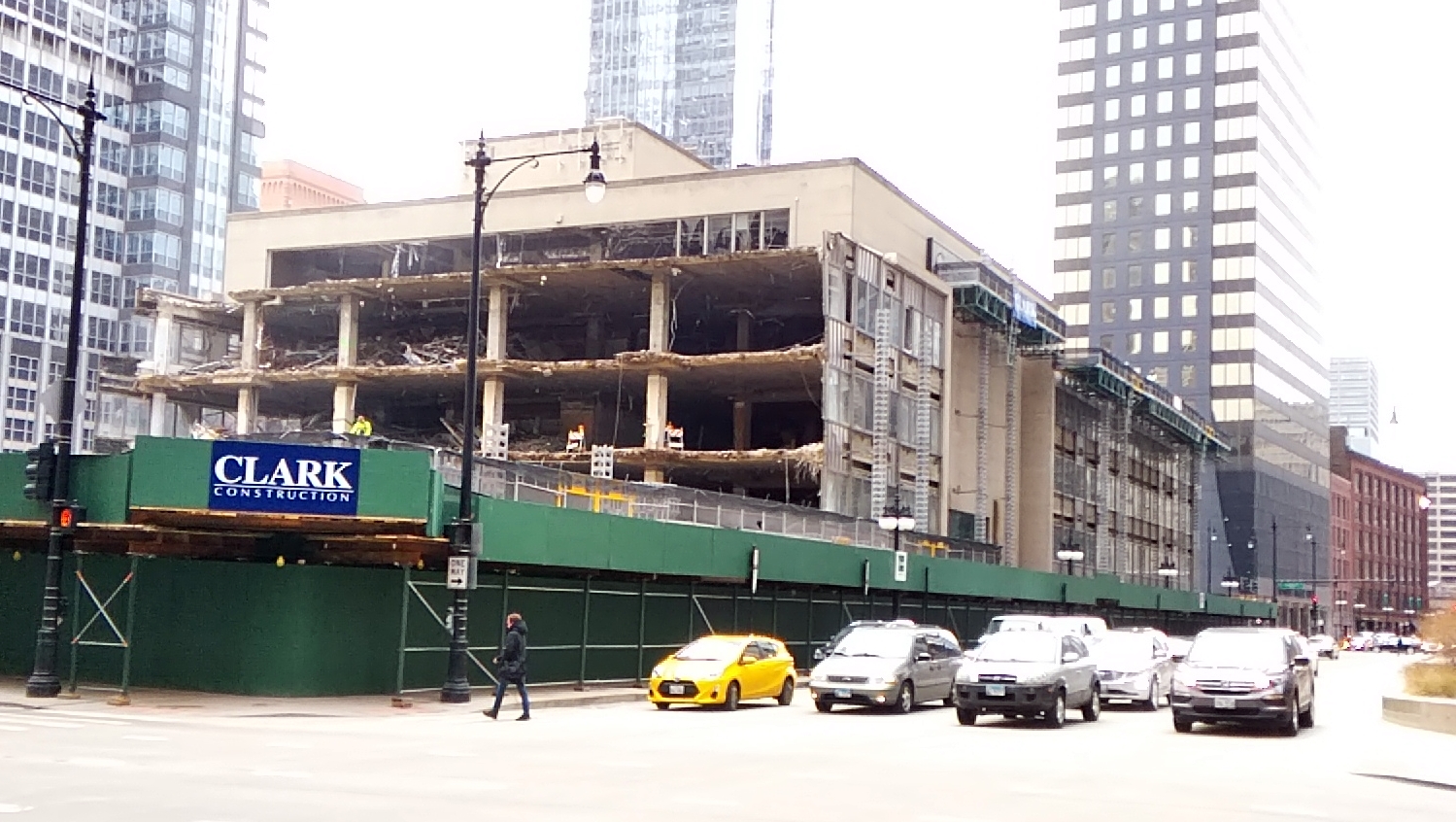 If I’d had more time, I might have captured some other angles. The building, which I always thought bland and colorless, has long been dwarfed by taller buildings on Wacker Dr. Soon a 51-story structure will be rising on the site.