The Tomb of I’timād-ud-Daulah

As a tourist in Agra, the thing to do is visit the Taj Mahal last. Anything seen after the Taj will pale in comparison, however grand the edifice. So after the Agra Fort, and toward the end of our first day in that city, we visited the Tomb of I’timād-ud-Daulah, with Taj Mahal slated for early the next morning.

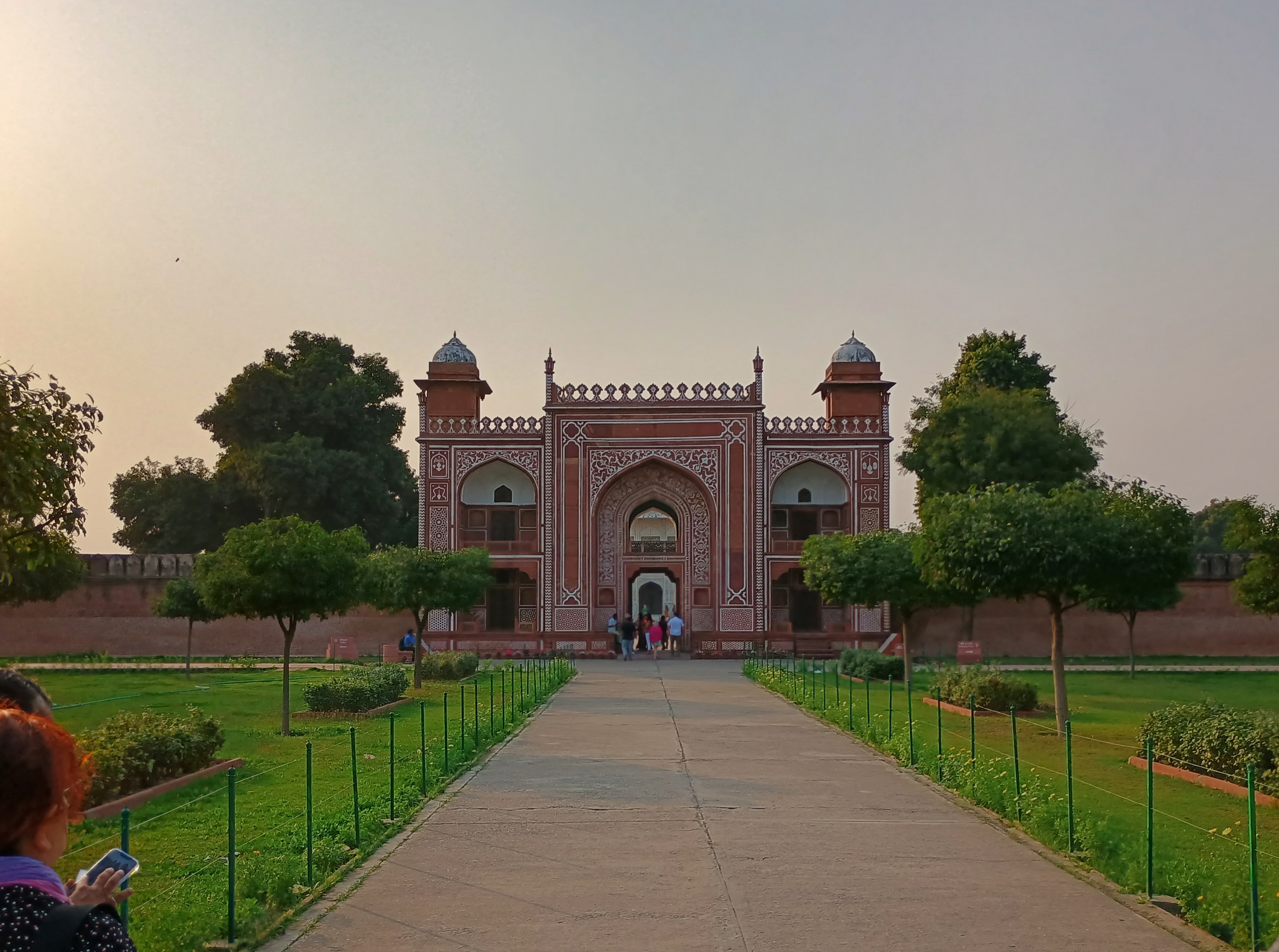
Go through a finely styled gate.Tomb of I'timād-ud-Daulah

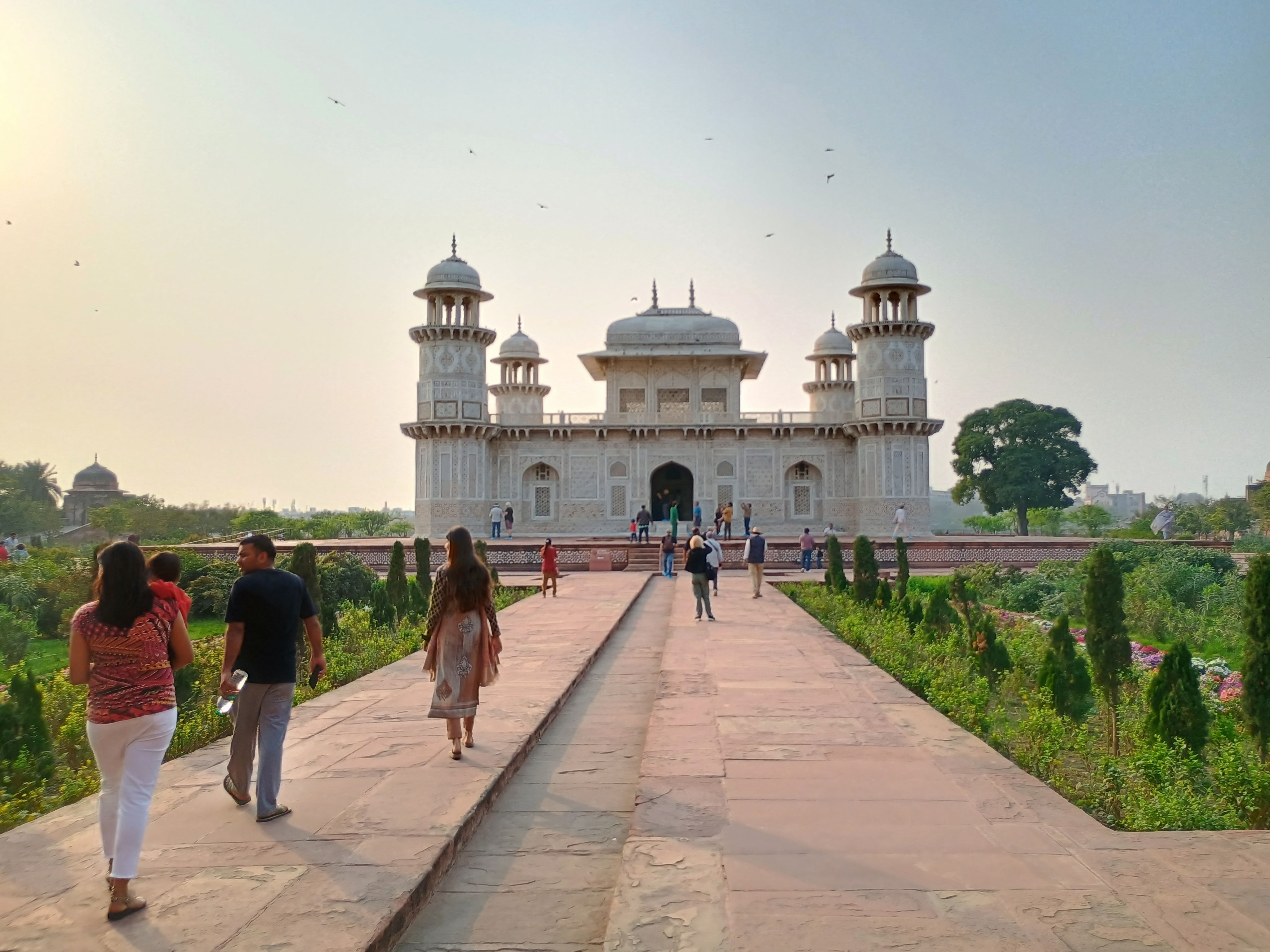
From there, it isn’t far to the mausoleum.Tomb of I'timād-ud-Daulah

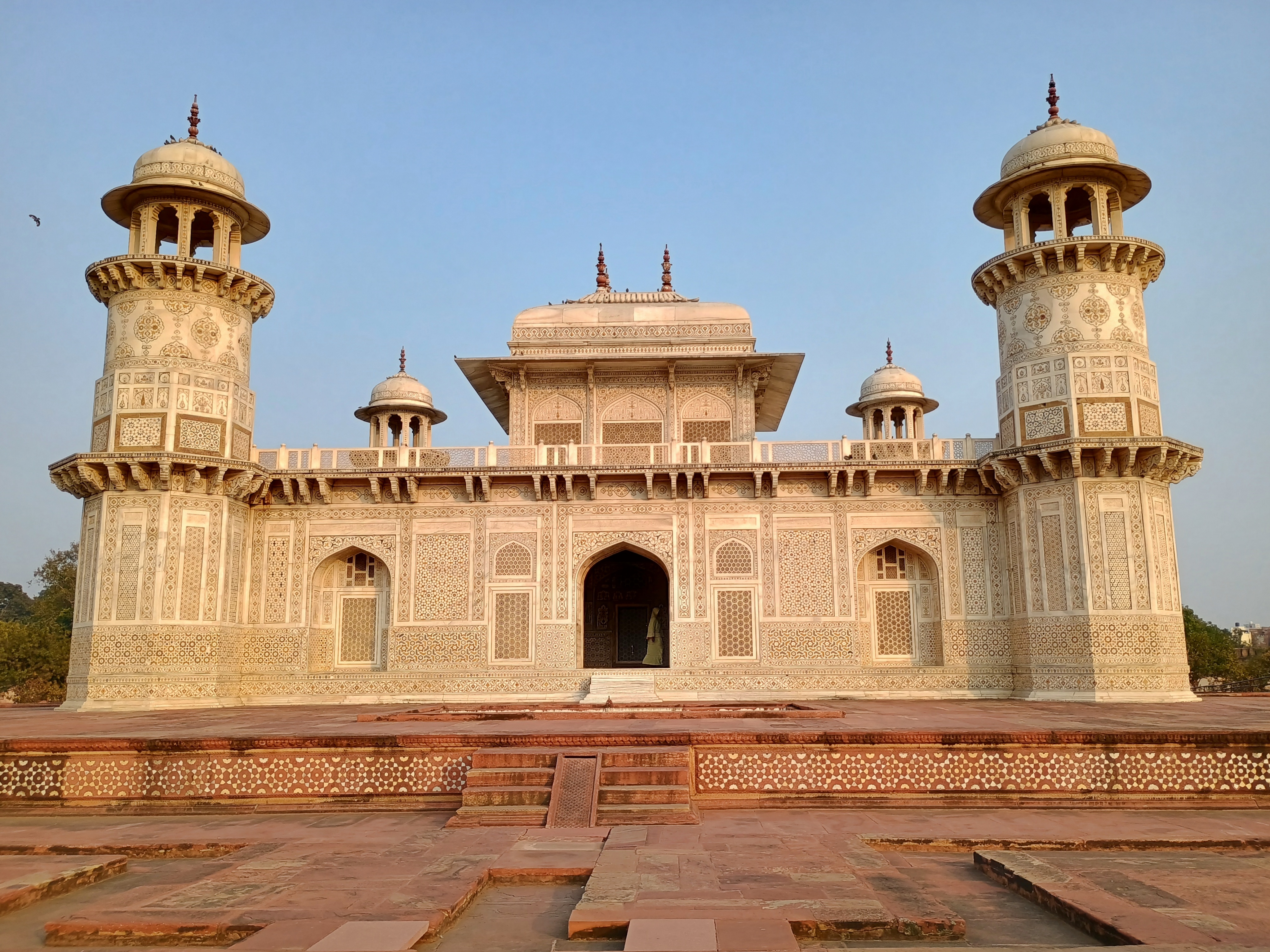
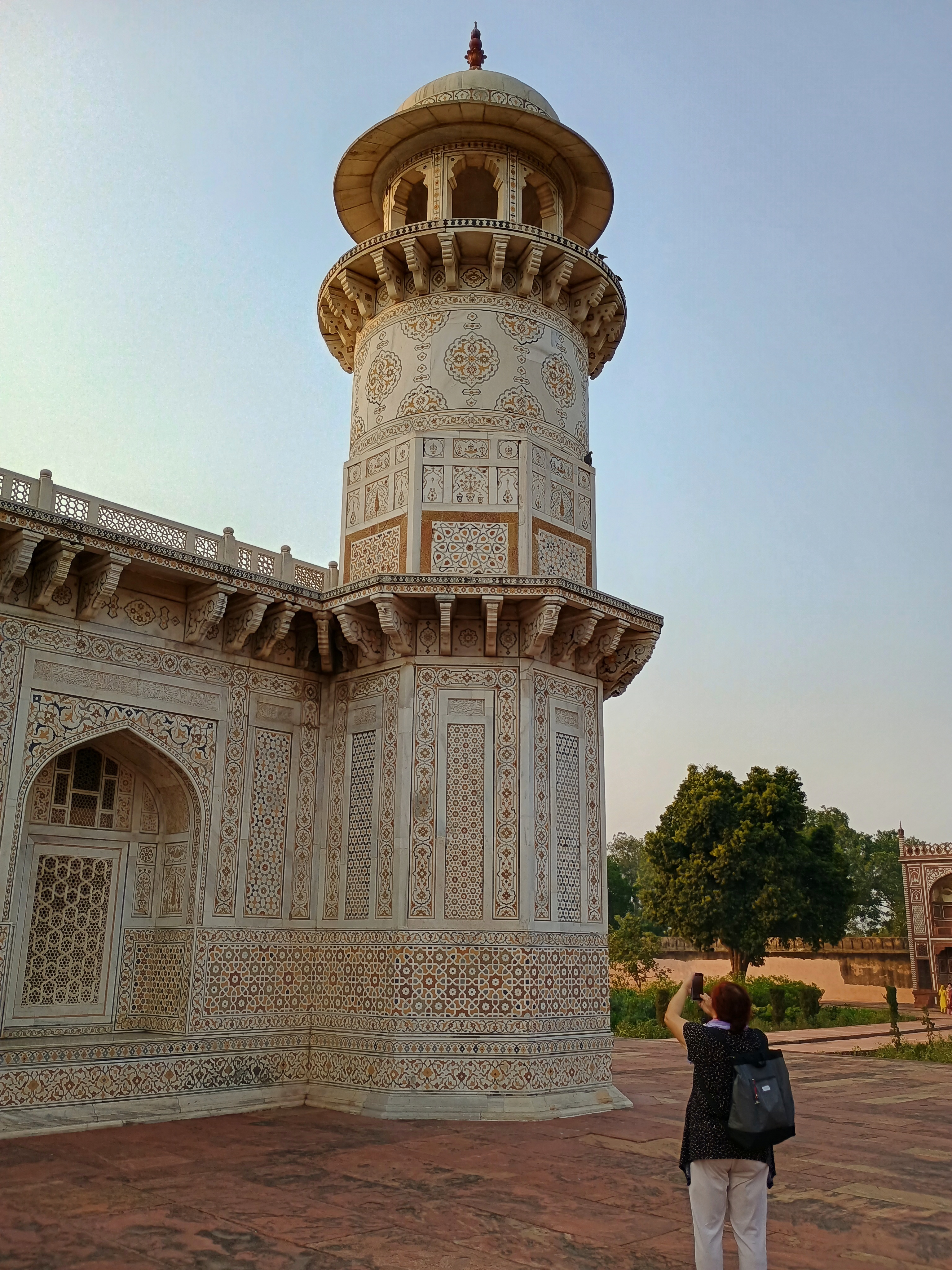
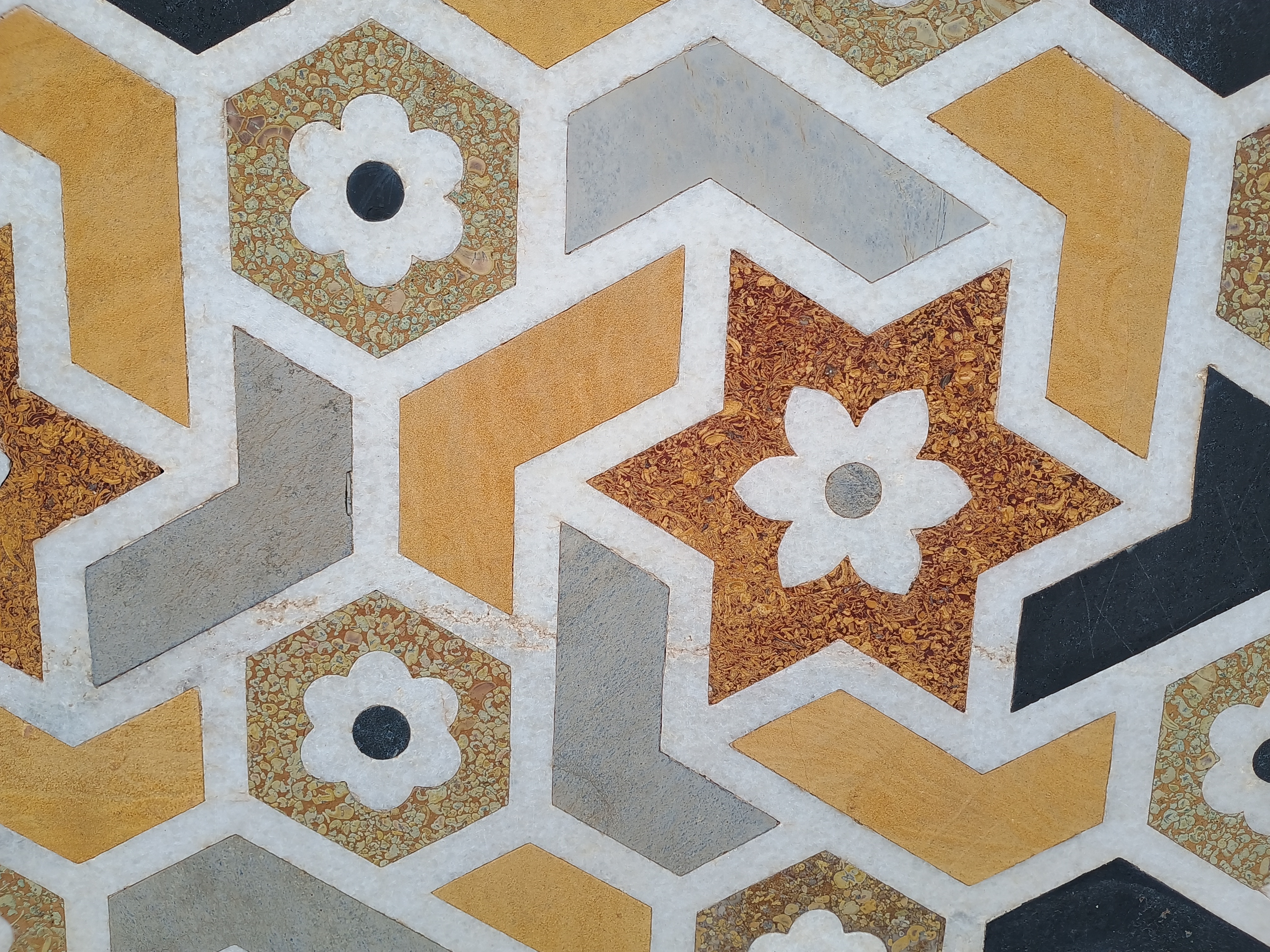
An exquisite work. How is carving in stone like that possible? It’s impossibly intricate. It’s also always compared to the top masterpiece that is the Taj, which is not far away. More modest than the Taj, but with some clear similarities. This tomb came first by a few decades, so it would be the inspiration. There is a reason the Tomb of I’timād-ud-Daulah is also called “Bachcha Taj” or the “Baby Taj.”Tomb of I'timād-ud-Daulah
What makes the tomb of Itimad-ud-Daulah stand out from its contemporary structures, undoubtedly is the overwhelming decorative technique that was used — its polychrome profuse ornamentation consisting of intricate florals, stylized arabesques, abstract geometrical designs, mosaic kaleidoscope techniques enriched with splendid ornamentation in semi precious and rare stones inlay and exquisite carvings that resembles the finest of lace,” explains Outlook Traveler.

“All these were mostly inspired by plant studies and motifs of vivid flora and fauna with a distinguished influence of Persian heritage drawn by masterful artisans and craftsmen of Persia who worked at the Mughal court.”Tomb of I'timād-ud-Daulah Tomb of I'timād-ud-Daulah

All that made me think of the outline for a bit of sketch comedy, though a bit that assumes that most people have heard of the Baby Taj, and how it compares with the regular full-sized Taj. So not a realistic idea for a sketch that North Americans or western Europeans might respond to. Still, imagine Mitchell and Webb doing the following. Or rather an Indian comic duo equivalent, to abide by modern sensibilities. Say, Mitchell-like and Webb-like. There must be someone.
The setup would be the architect hired to design Tomb of I’timād-ud-Daulah has submitted plans – which are visible to the audience – and they look suspiciously like the Taj Mahal as we know it. The architect meets with the Grand Vizier to discuss the plans (would that actually happen? Never mind, the rule of funny). I imagine Mitchell-like would be the architect, Webb-like the Grand Vizier.

Grand Vizier — We rather like your design, but we want a few tweaks.

Architect — Tweaks?

— Yeah, you know, little things. But we do think your design is wonderful. Too wonderful, in fact.

— What does that mean? What do you want to change?

— Well, it’s a bit large.

— Large?

— Yes, the building. The main one. We were hoping for something, you know, a bit more modest. Yes, that’s it. Modest. Scale it down.

— But it wouldn’t be the same.

— And the dome. That’s a little much, don’t you think?

— No dome?

— Well, something should be up there. Let’s call it a roof element. Your dome’s just a little grand.

— But this is going to be the tomb of the great I’timād-ud-Daulah! The father-in-law of the emperor! Grand Vizier before you!

— And don’t we know it. A great man, for sure. But do you know how much stonemasons cost these days? I mean, really good ones. Oh, and don’t worry, we like the four minarets. That’s a classic. But those should be smaller too.


— Grand Vizier, I object. If I do say so myself, I’ve designed one of the greatest buildings in the world! If we make it smaller, it wouldn’t be that. It would be just another tomb.

— Well, now. Who is it that is paying you?

— You are, Grand Vizier.

— And who could, let’s say, make things pretty uncomfortable for you? We still have some space in our dungeons.

— You could, Grand Vizier.

— So…

— Smaller it is, Grand Vizier. More modest. Yes.

Agra Fort

“The sky turned the colour of molten copper,” wrote William Dalrymple in City of Djinns. “The earth cracked like a shattered windscreen. April gave way to May, and every day the heat grew worse.”

February, clearly, was the time to visit north-central India, basking in warm but not oppressive sun.

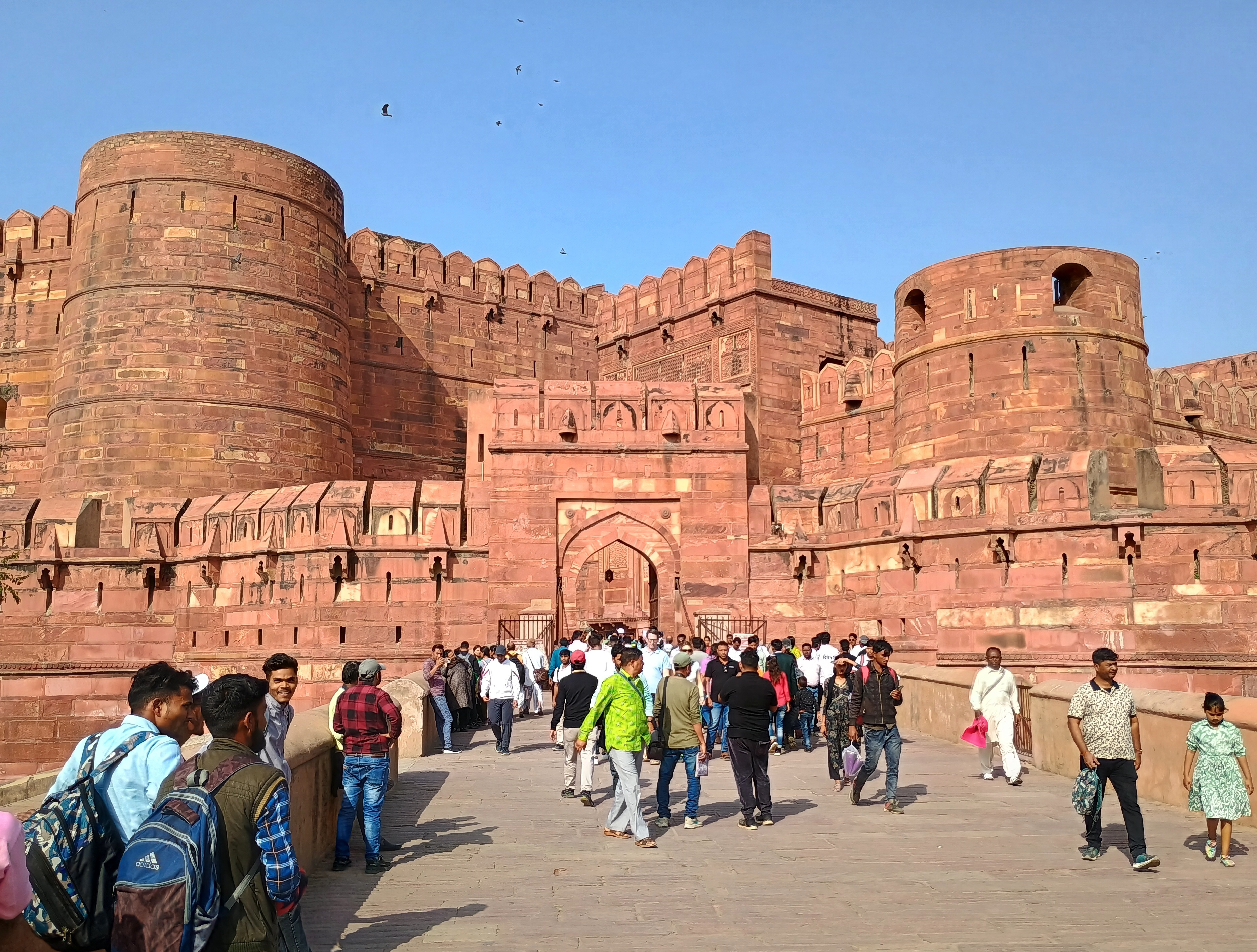
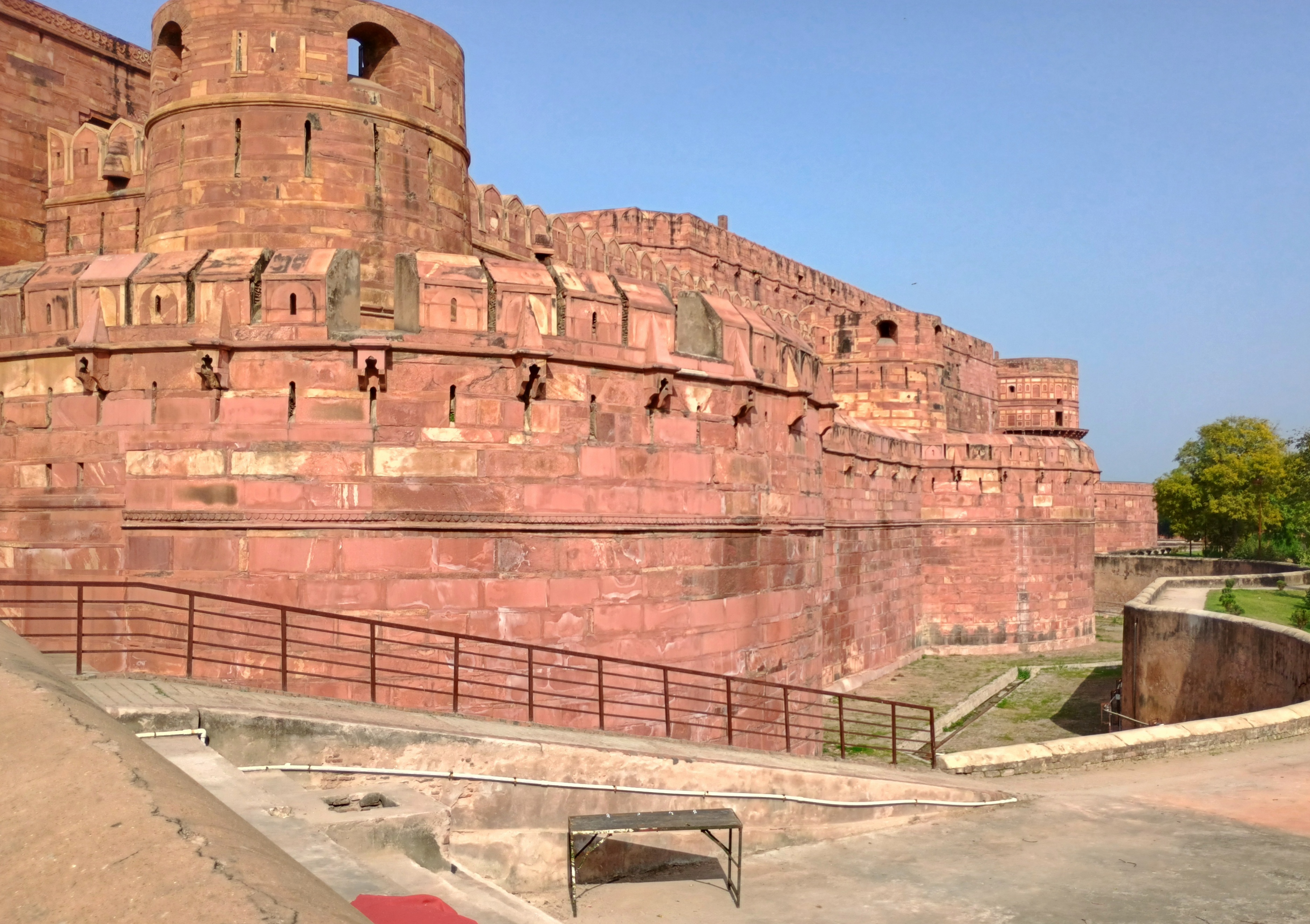
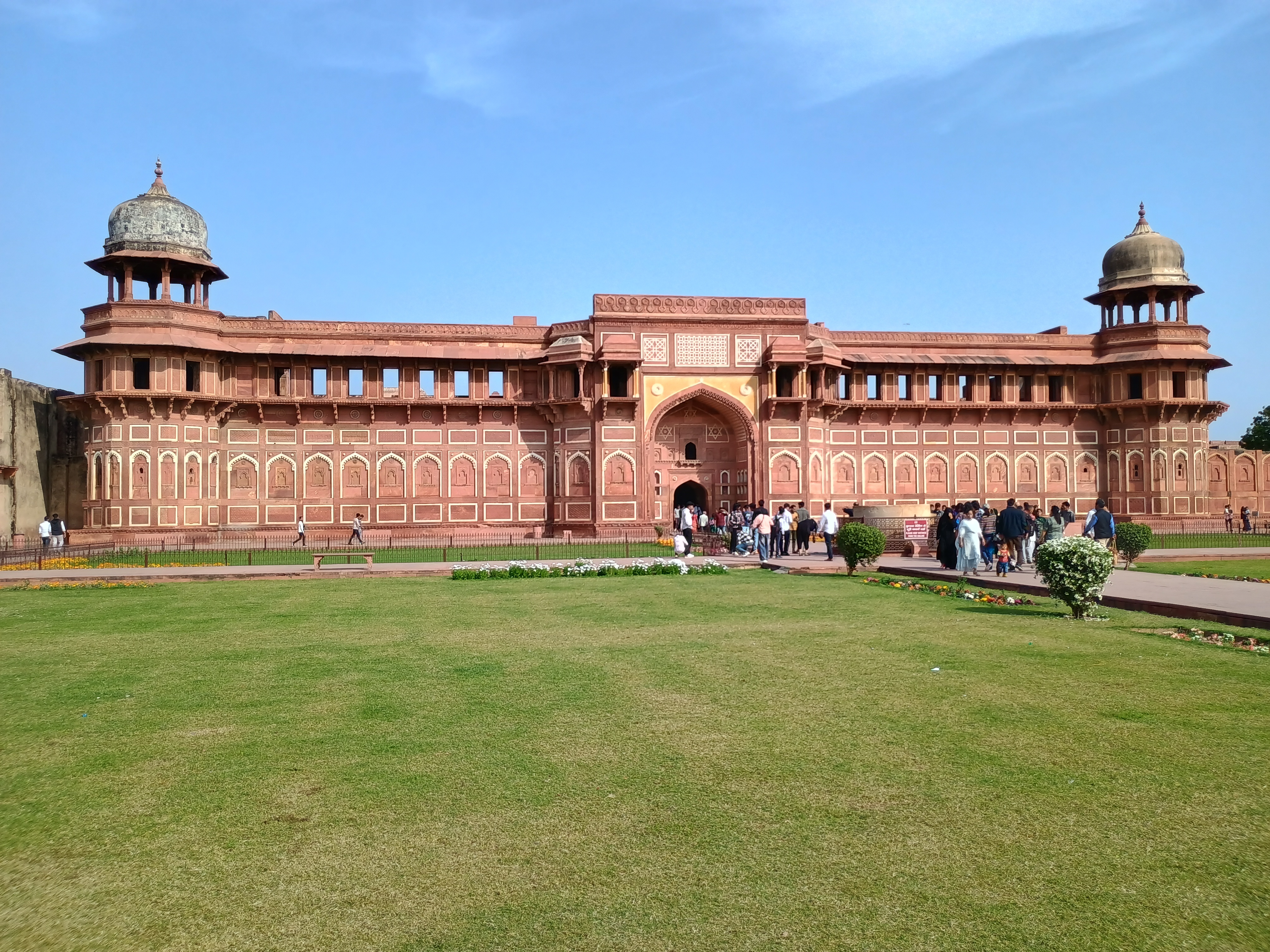
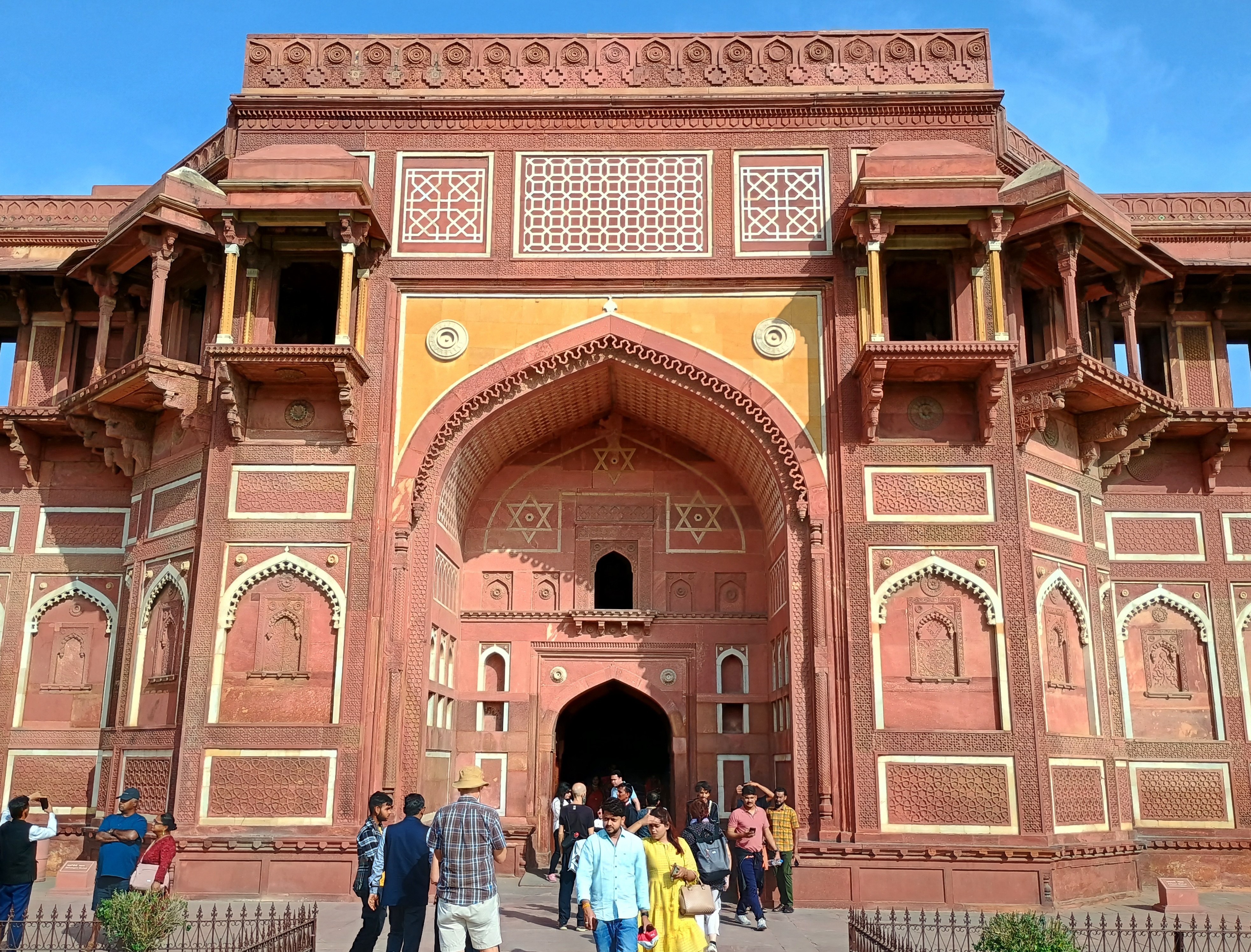
The first place we went in Agra wasn’t the Taj Mahal, which we would visit the next day, but Agra Fort, a massive red sandstone and marble complex associated (of course) with Mughal emperors, especially Humayun, who seized the site of an older structure, and Akbar, who put the structure in its current form, more or less.

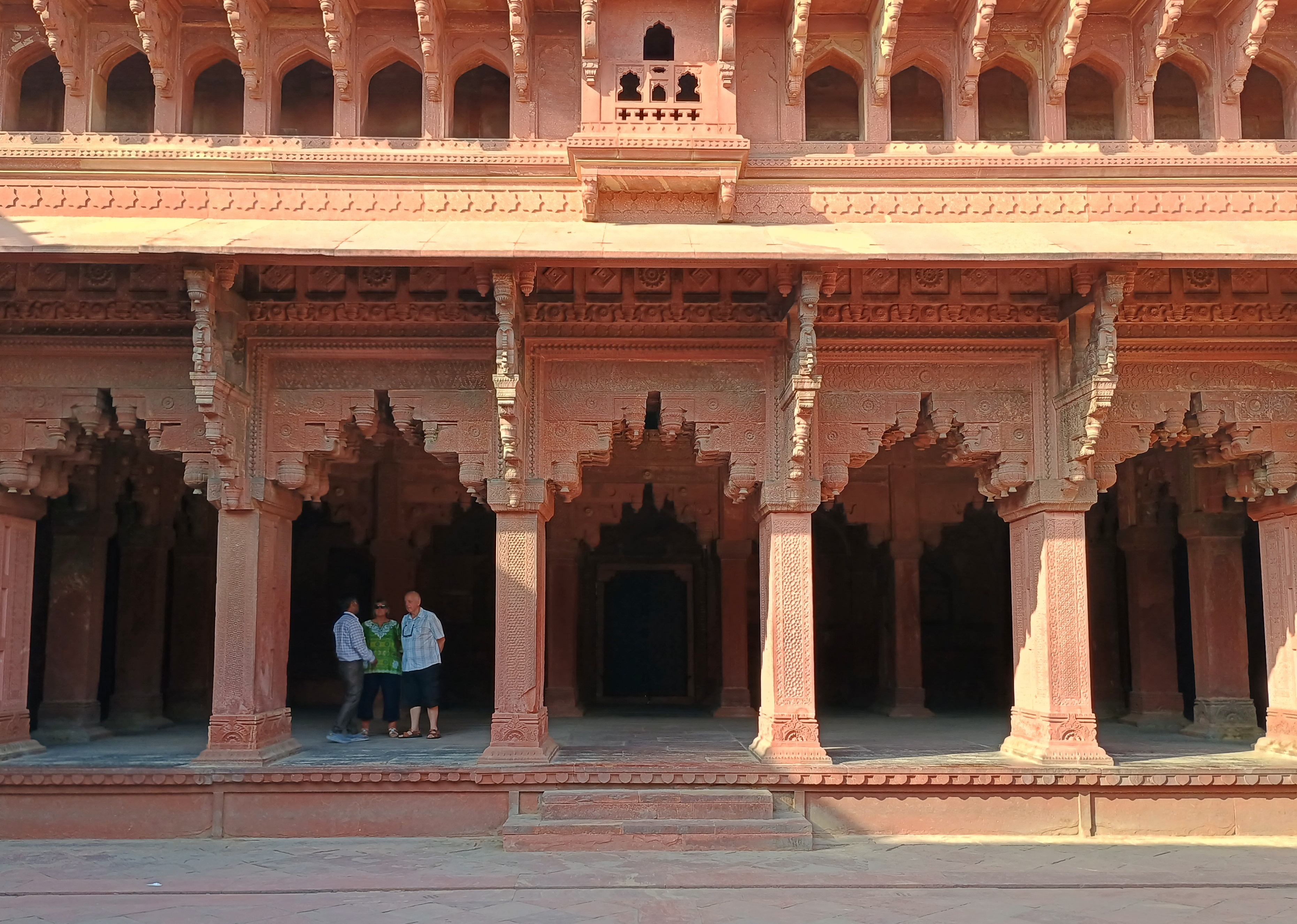
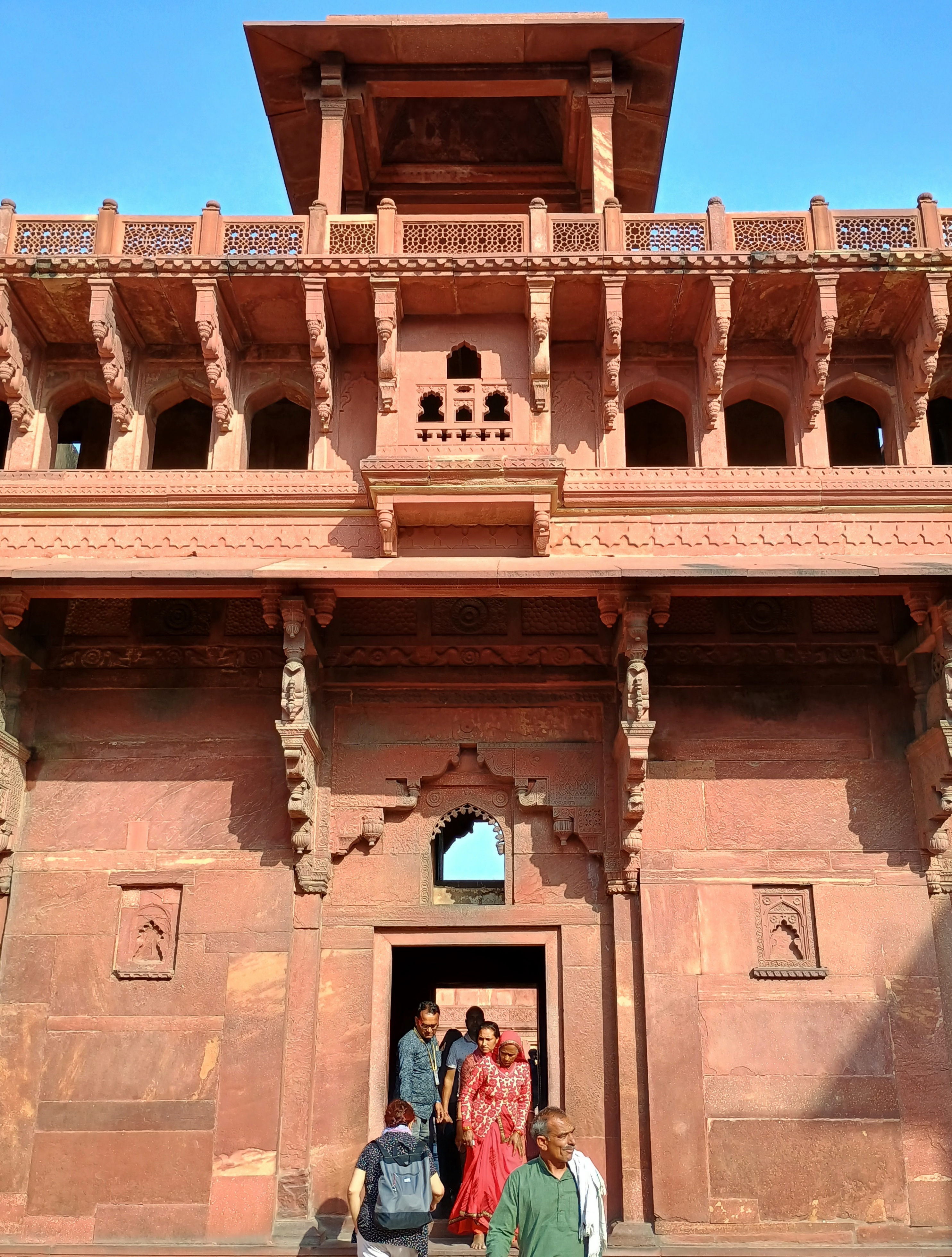
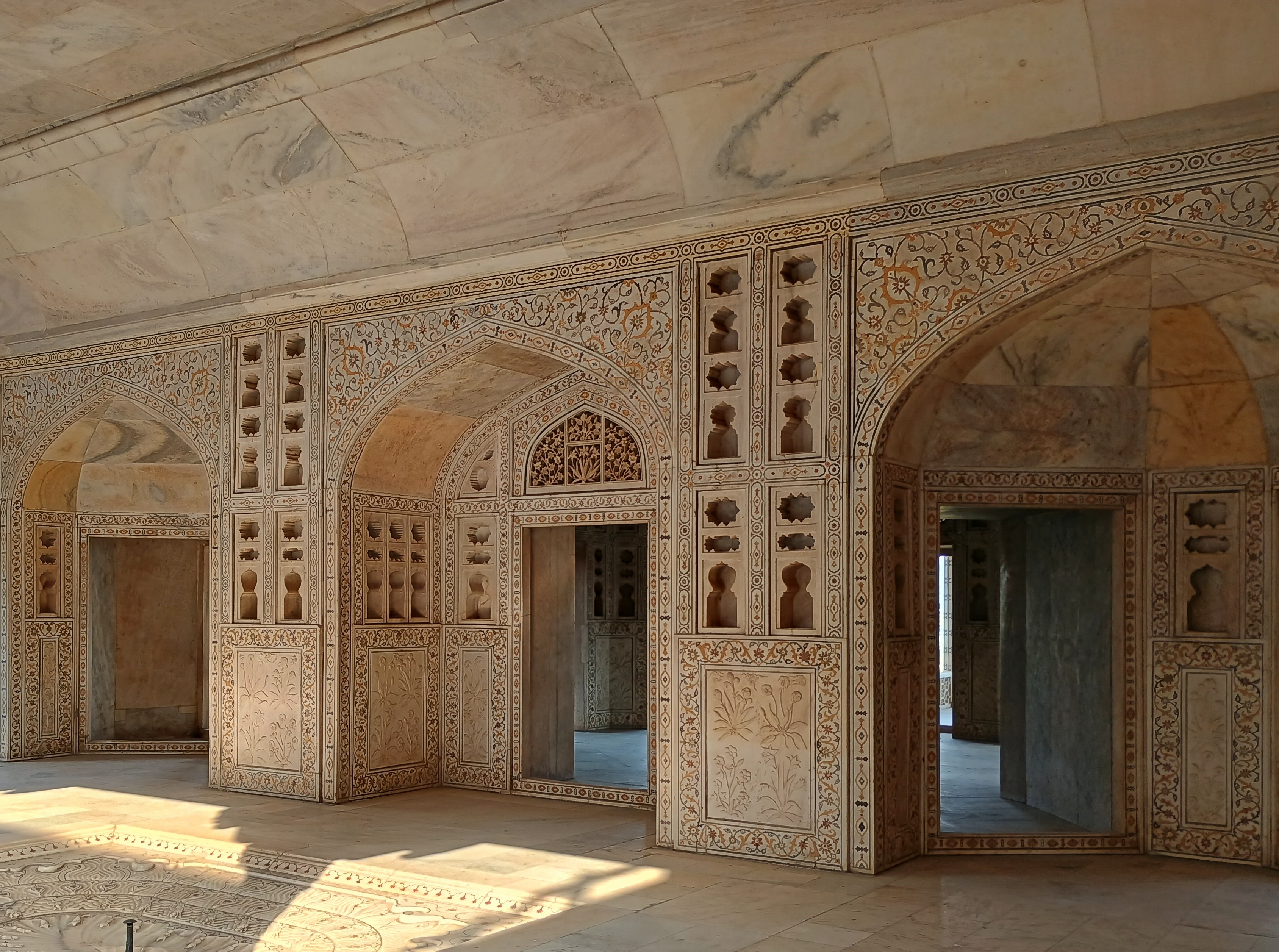
Akbar arrived in Agra in 1558,” says the Archaelogical Survey of India. “He ordered to renovate the fort with red sandstone. Some 4,000 builders daily worked on it and it was completed in eight years (1565-1573).”Agra Fort Agra Fort Agra Fort

The wall circumscribes sizable edifices on sizable green spaces.Agra Fort

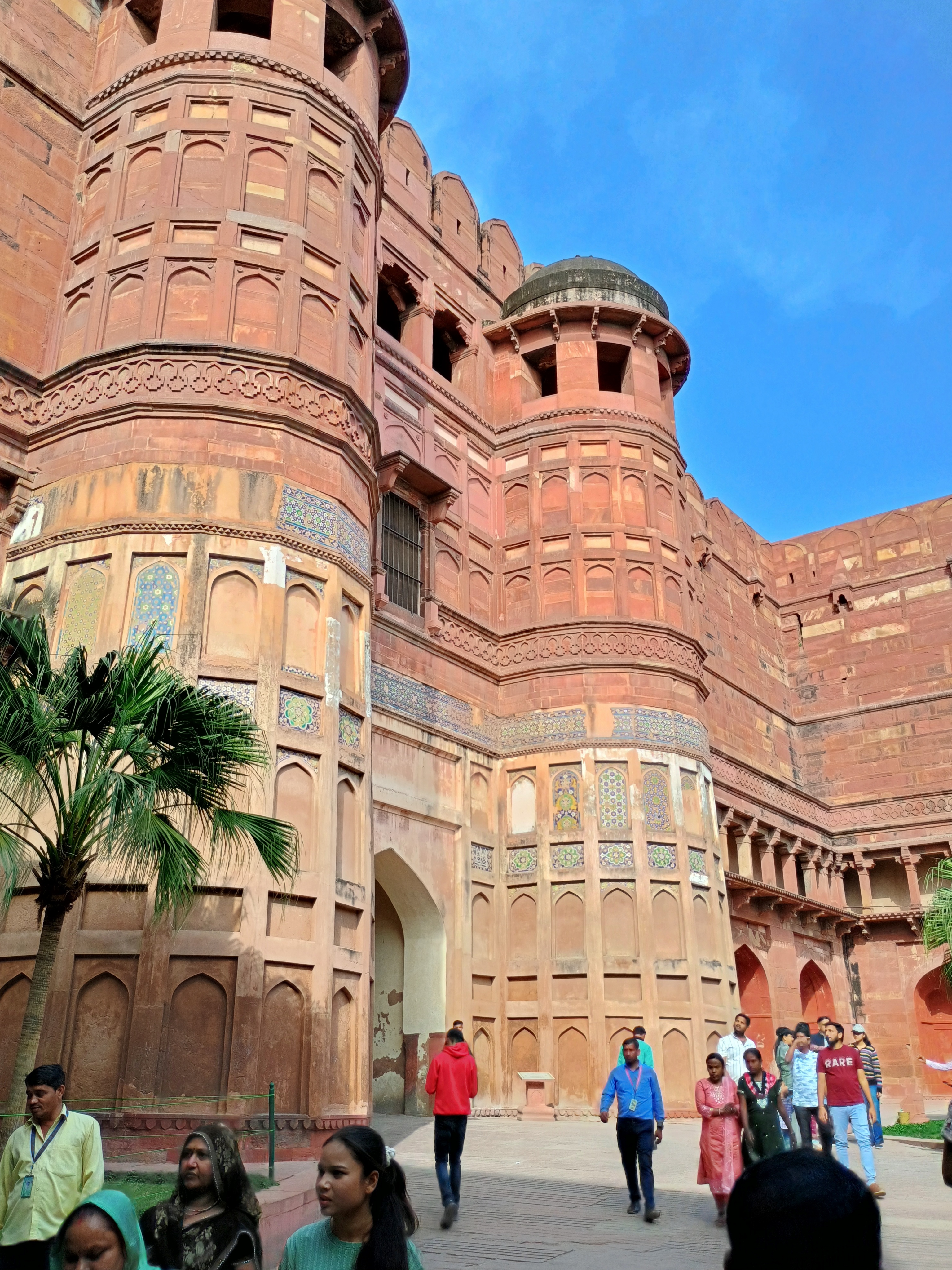
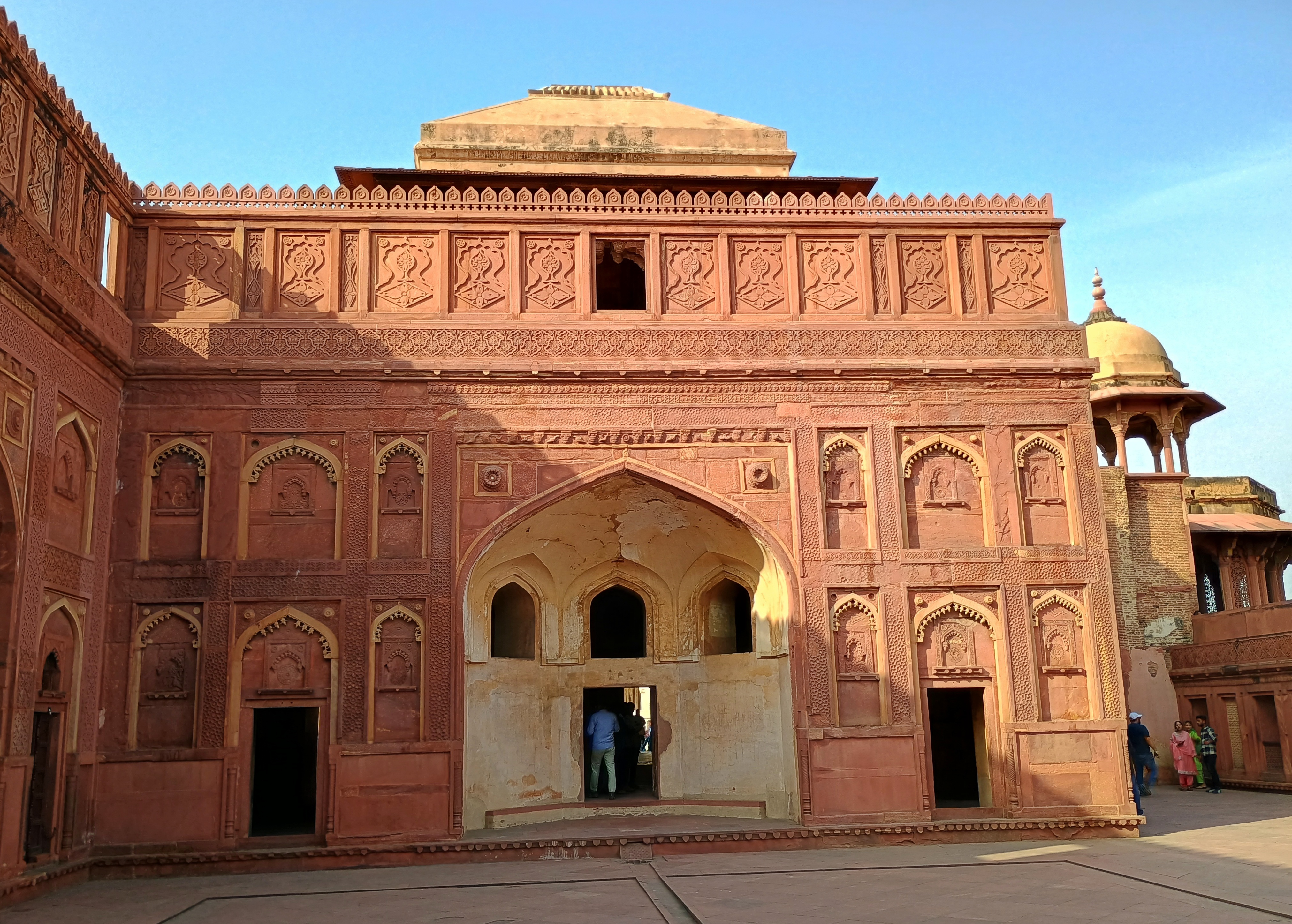
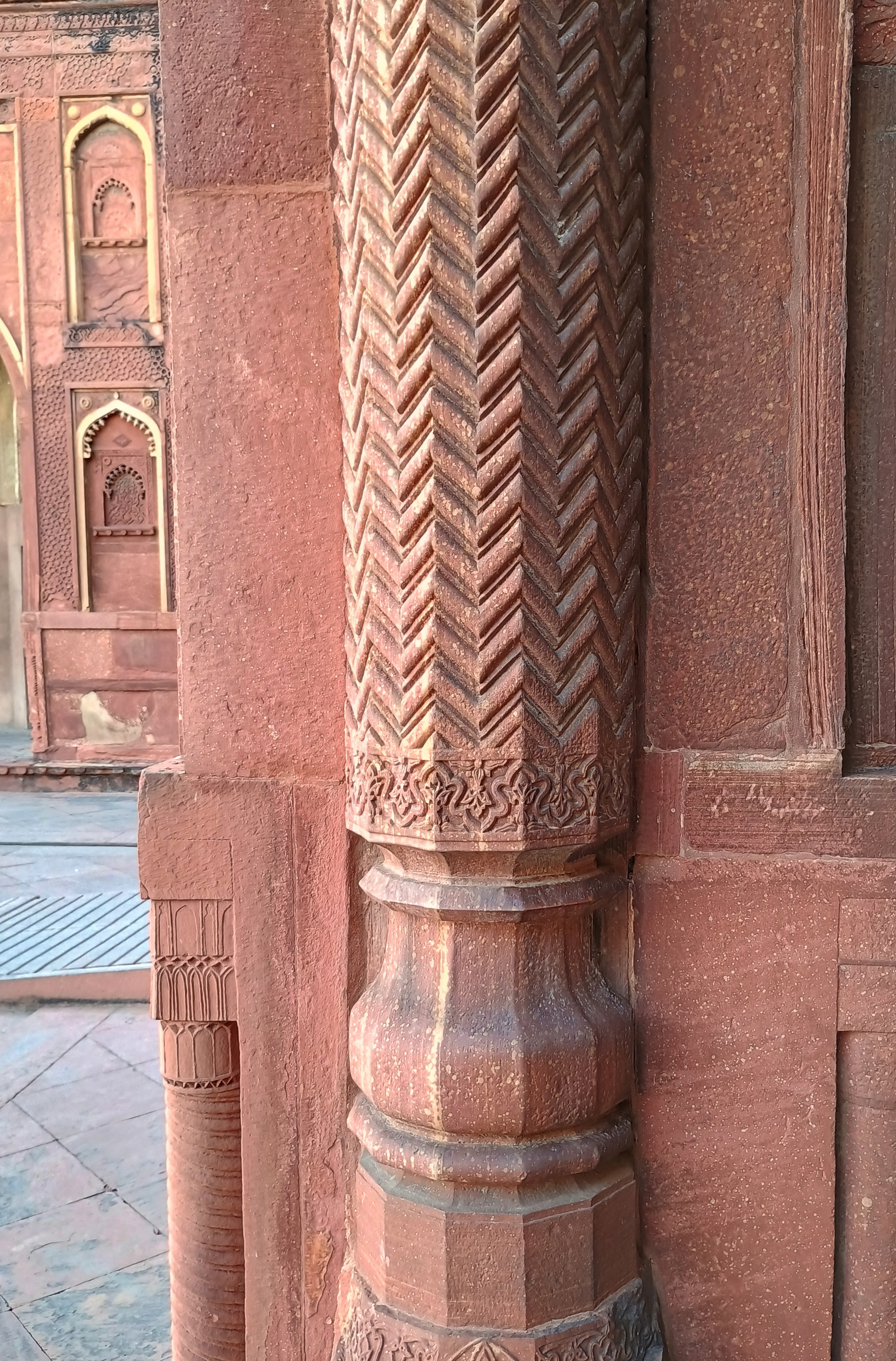
Marvel at the detail.Agra Fort

Inner courtyard splendors.Agra Fort Agra Fort Agra Fort

“The walls of the roughly crescent-shaped structure have a circumference of about 1.5 miles (2.5 km), rise 70 feet (21 metres) high, and are surrounded by a moat… ” notes Britannica.

“Many structures within the walls were added later by subsequent Mughal emperors, notably Shah Jahān and Jahāngīr. The complex of buildings — reminiscent of Persian- and Timurid-style architectural features — forms a city within a city.”Agra Fort Agra Fort

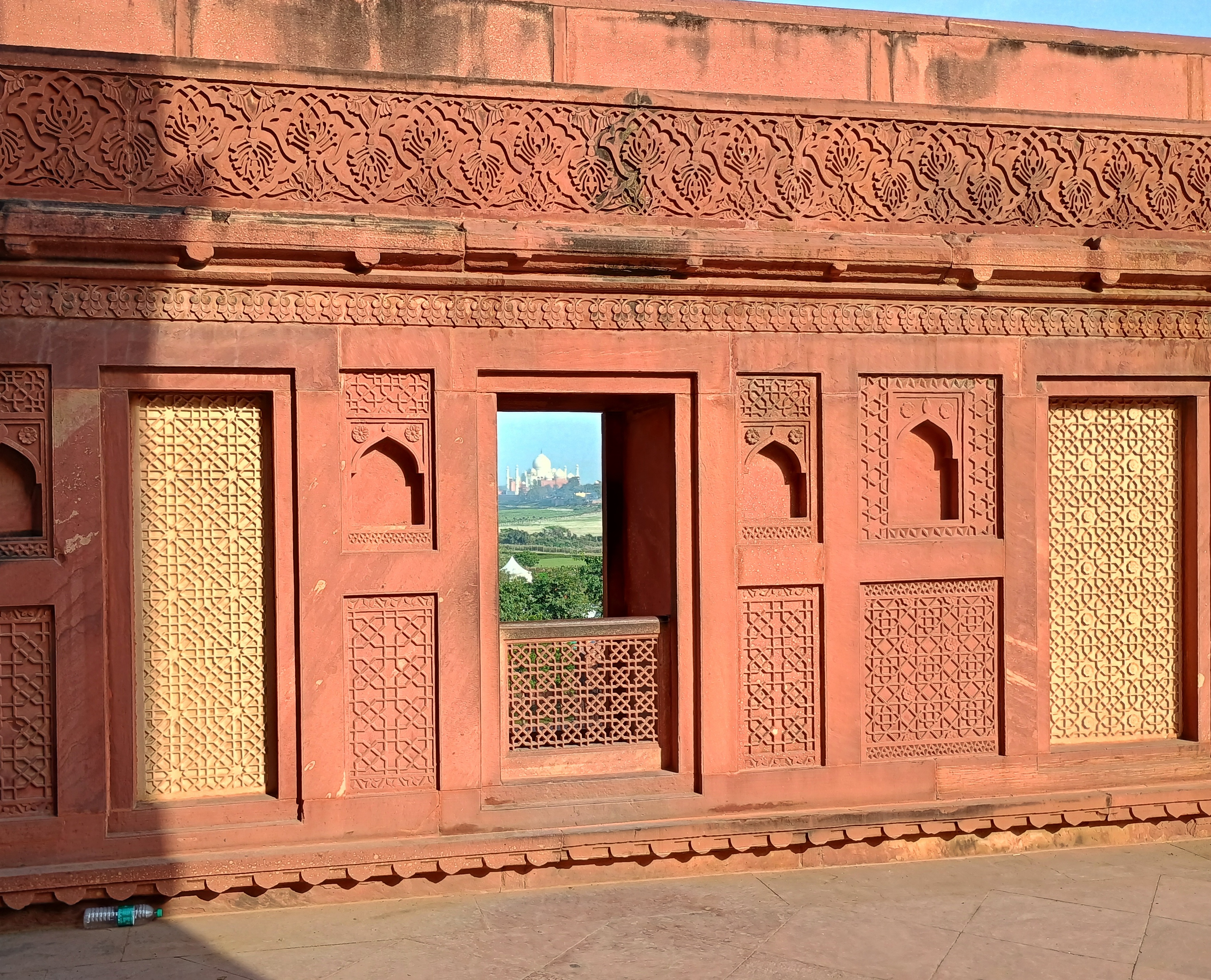
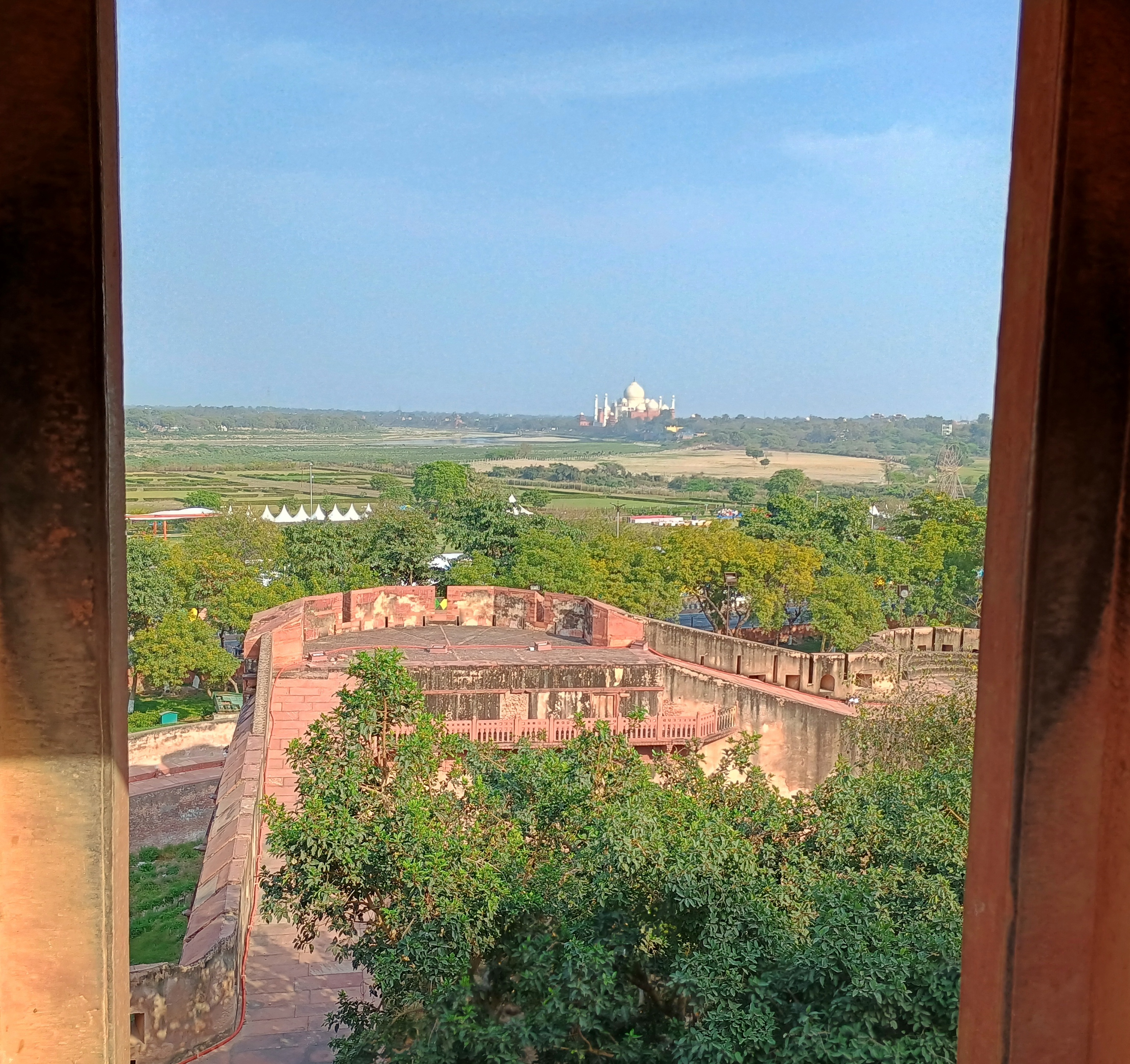
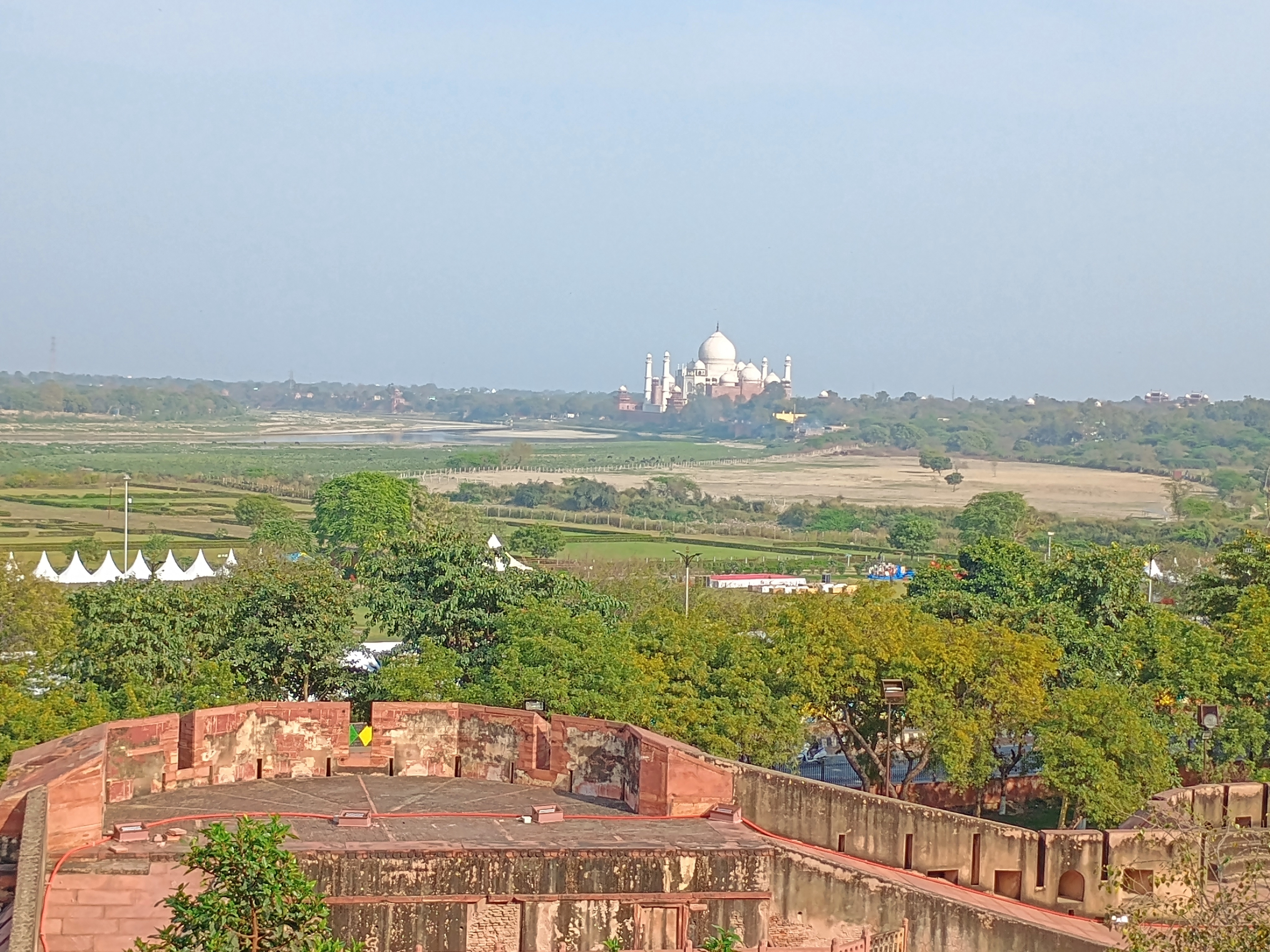
Through a window, something familiar. At least from pictures.Agra Fort Agra Fort Agra Fort

Our first glimpse of the Taj Mahal.

In addition to its other functions, the fort also served as a prison for Shah Jahān,” Britannica continues. “Aurangzeb, his son and successor as emperor, had him confined there from 1658 until his death in 1666.”

The story is that the deposed Shah Jahān spent his time gazing at the Taj Mahal, where his wife was entombed and, when the time came, he would be as well. There are worse places to be under house arrest.Agra Fort Agra Fort

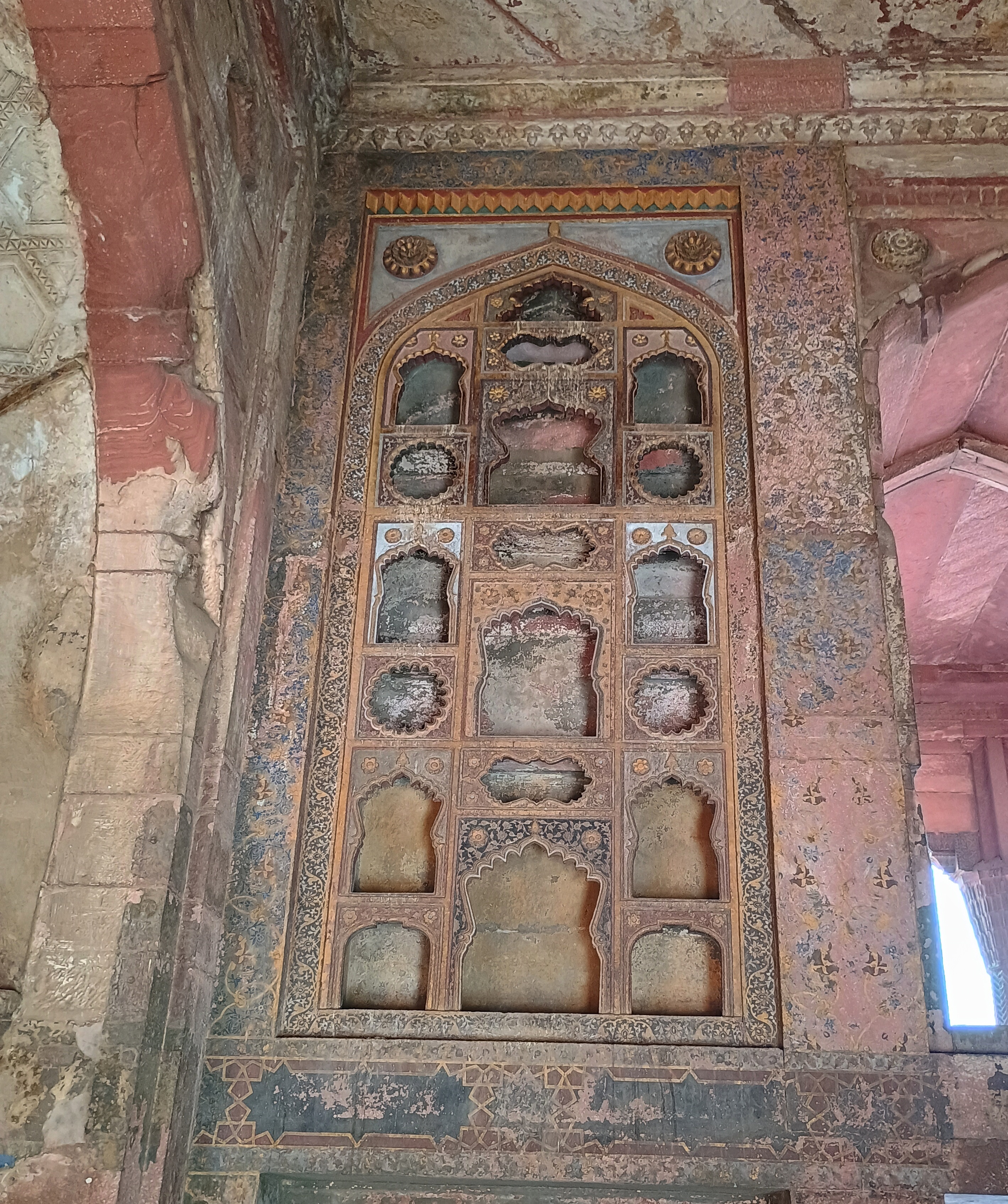
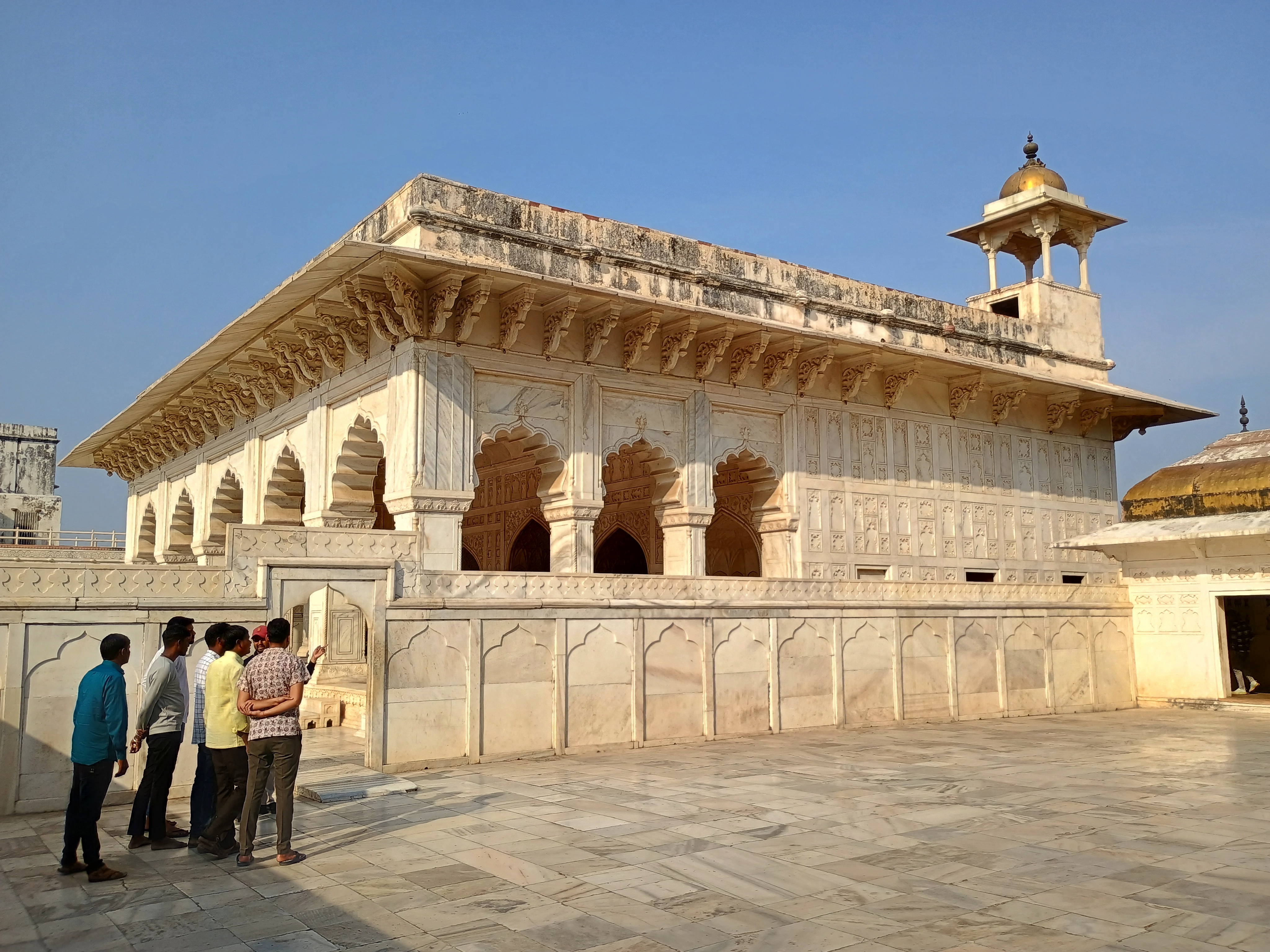
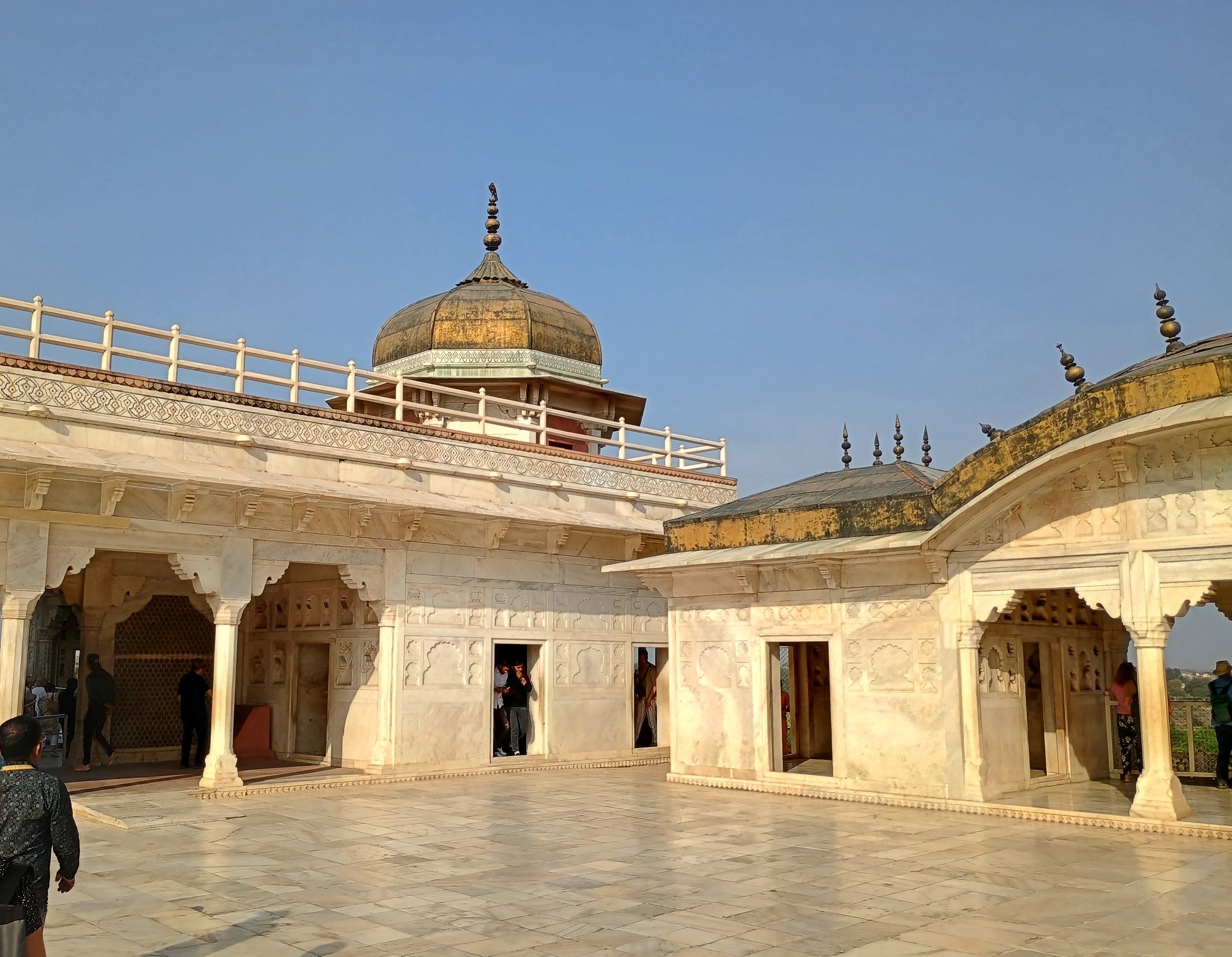
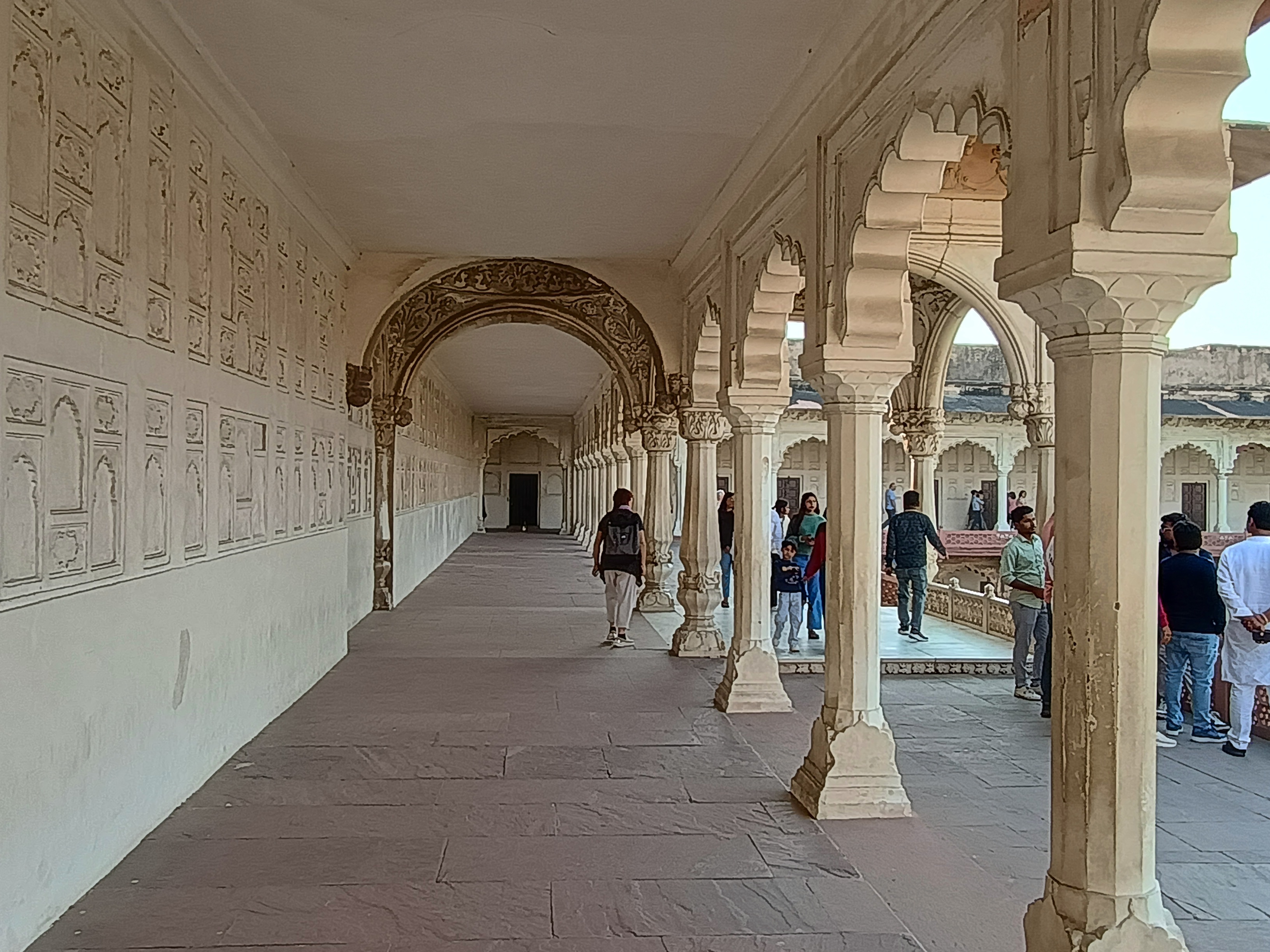
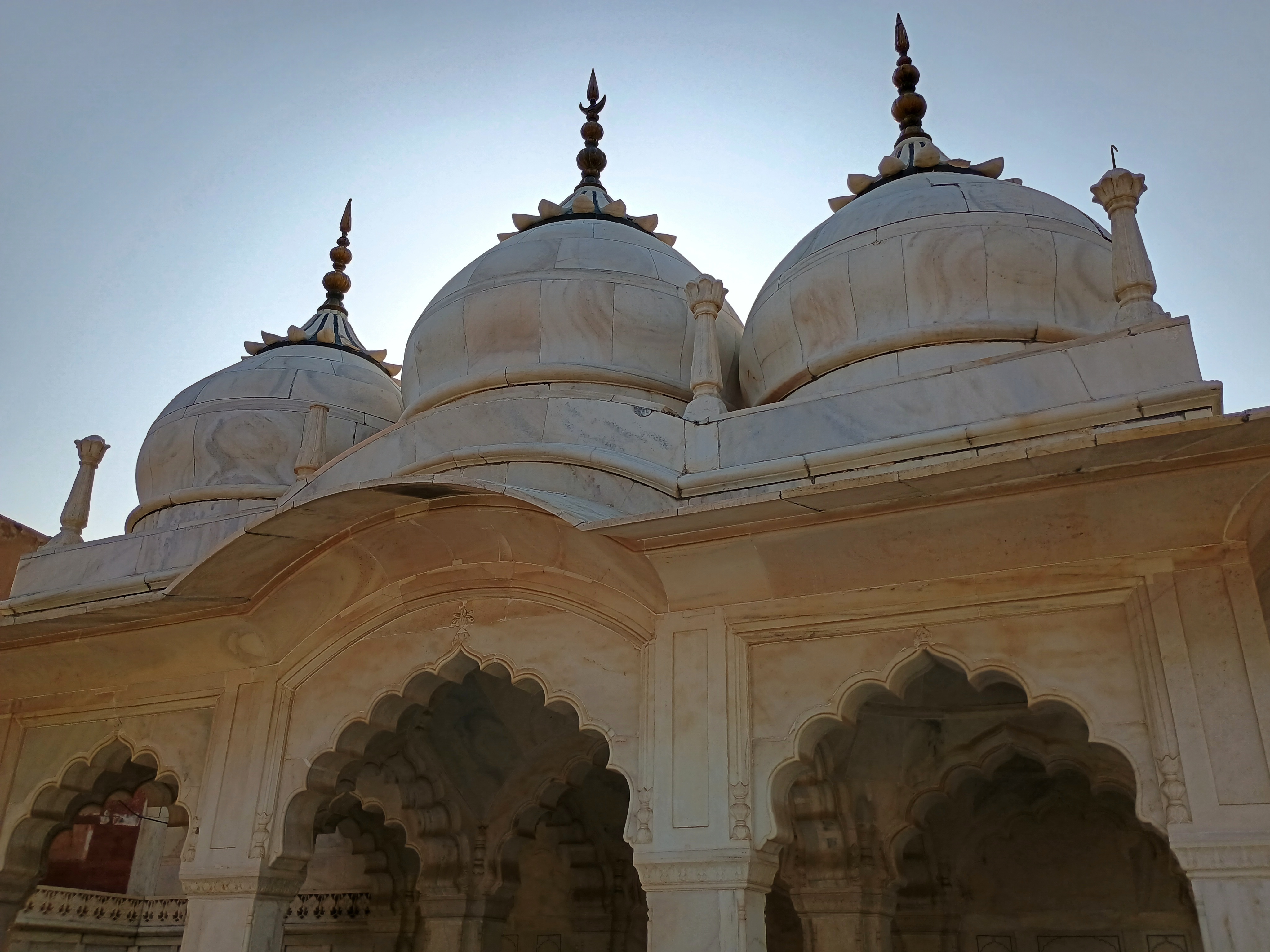
The splendor continues under elegant arches.Agra Fort
Agra Fort Agra Fort

No matter how grand, however, time will have its say, and the splendor we see is just a fraction of the total across the centuries.

Abul Fazl, a court historian of Akbar, records that 5,000 buildings were built here beautifully in Bengali and Gujarati style,” says the Archaelogical Survey. “Most of these buildings have now disappeared. Shah Jahan himself demolished some of these in order to make room for his white marble palaces. Later, the British destroyed most of the buildings for raising barracks.”

ISU Family Stroll

There was some grumbling about the fact that the ISU graduation ceremony, at least the part that involved Ann, had been scheduled for the evening. Old timers, that is me, remembered the fine spring Friday the 13th in Tennessee long ago when VU held its graduation, and its late morning start.

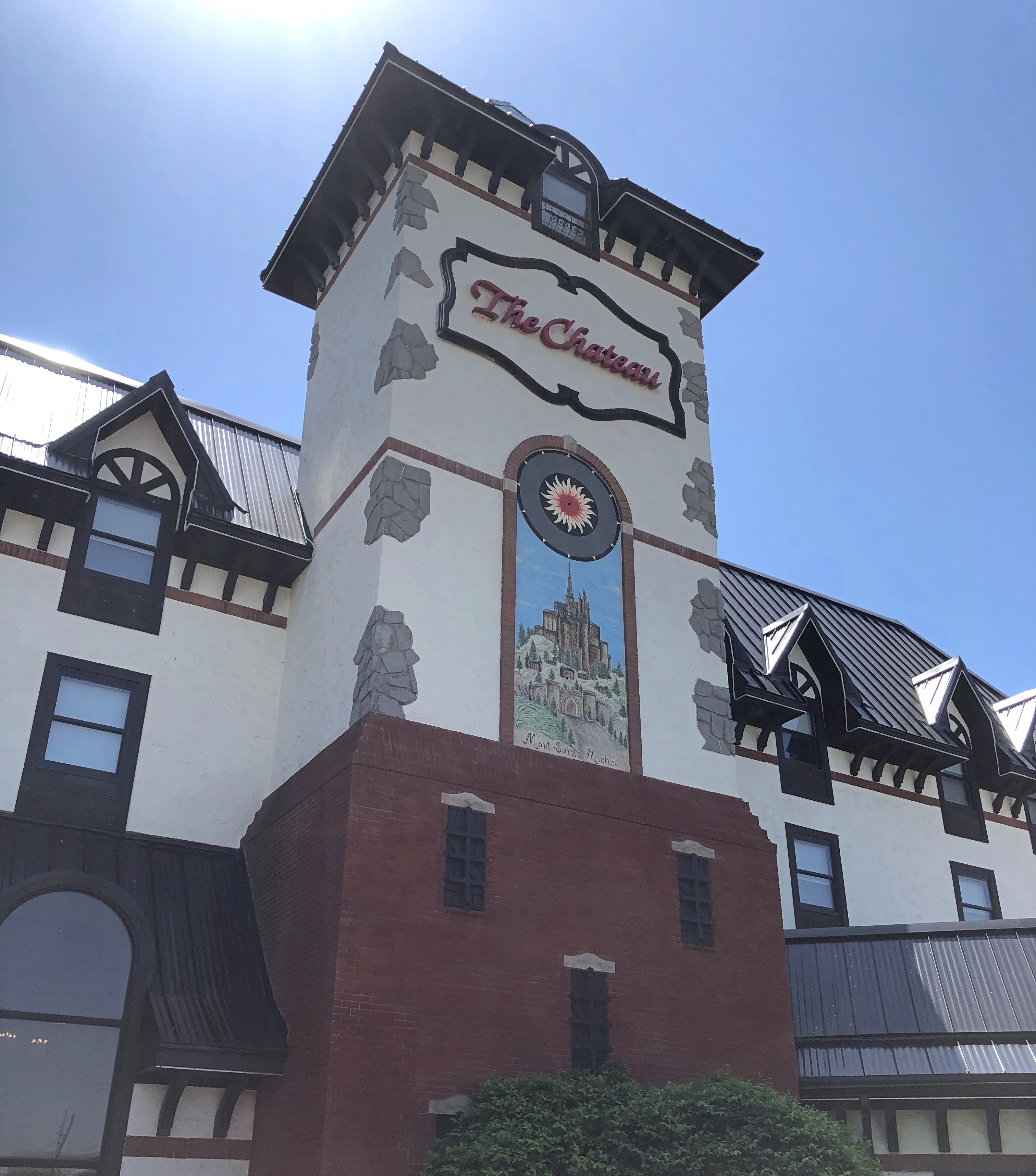
But ISU’s schedule had an upside. The four of us stayed in a hotel room in Normal that night, which was an extra expense, but also enjoyed a leisurely Saturday morning in our room and at the hotel’s no-extra-charge breakfast, which wasn’t bad. Leaving just before noon, we got a look around the property, whose theme seemed to be faux chateau.

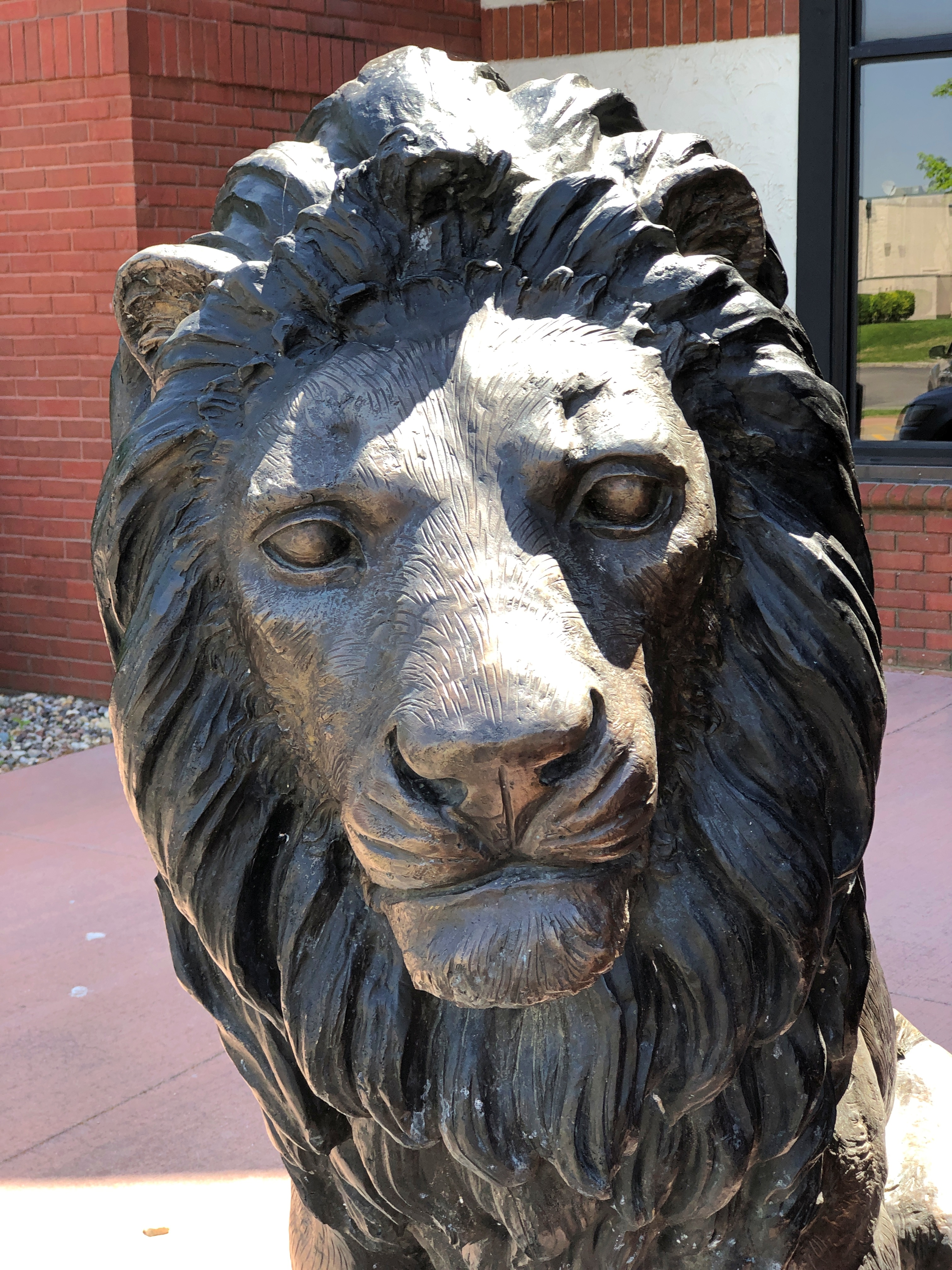
How about making it look like a cake? One of those square multi-layer ones, with some French accents. That may have been the thinking during the design phase. And don’t forget bronze lions.

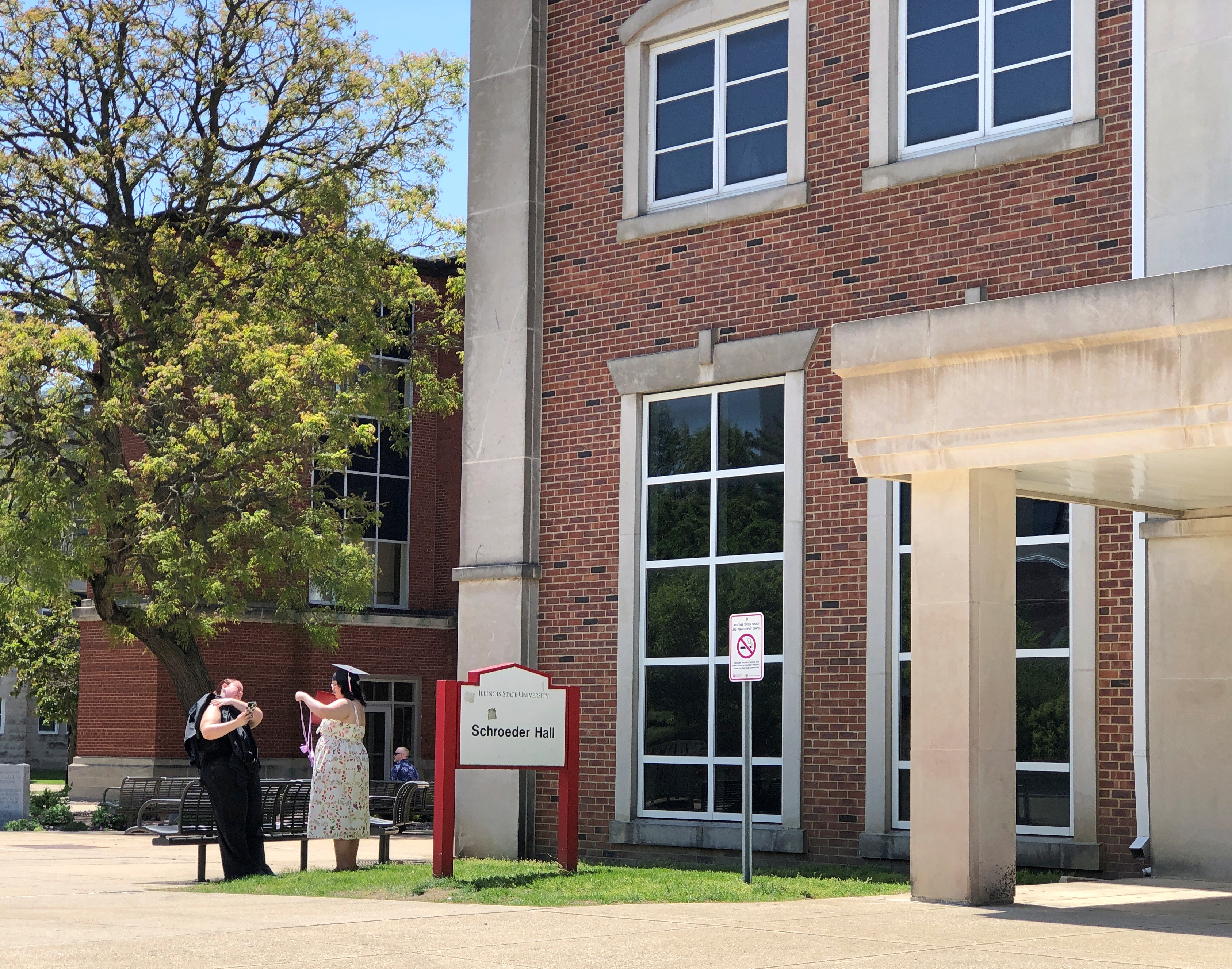
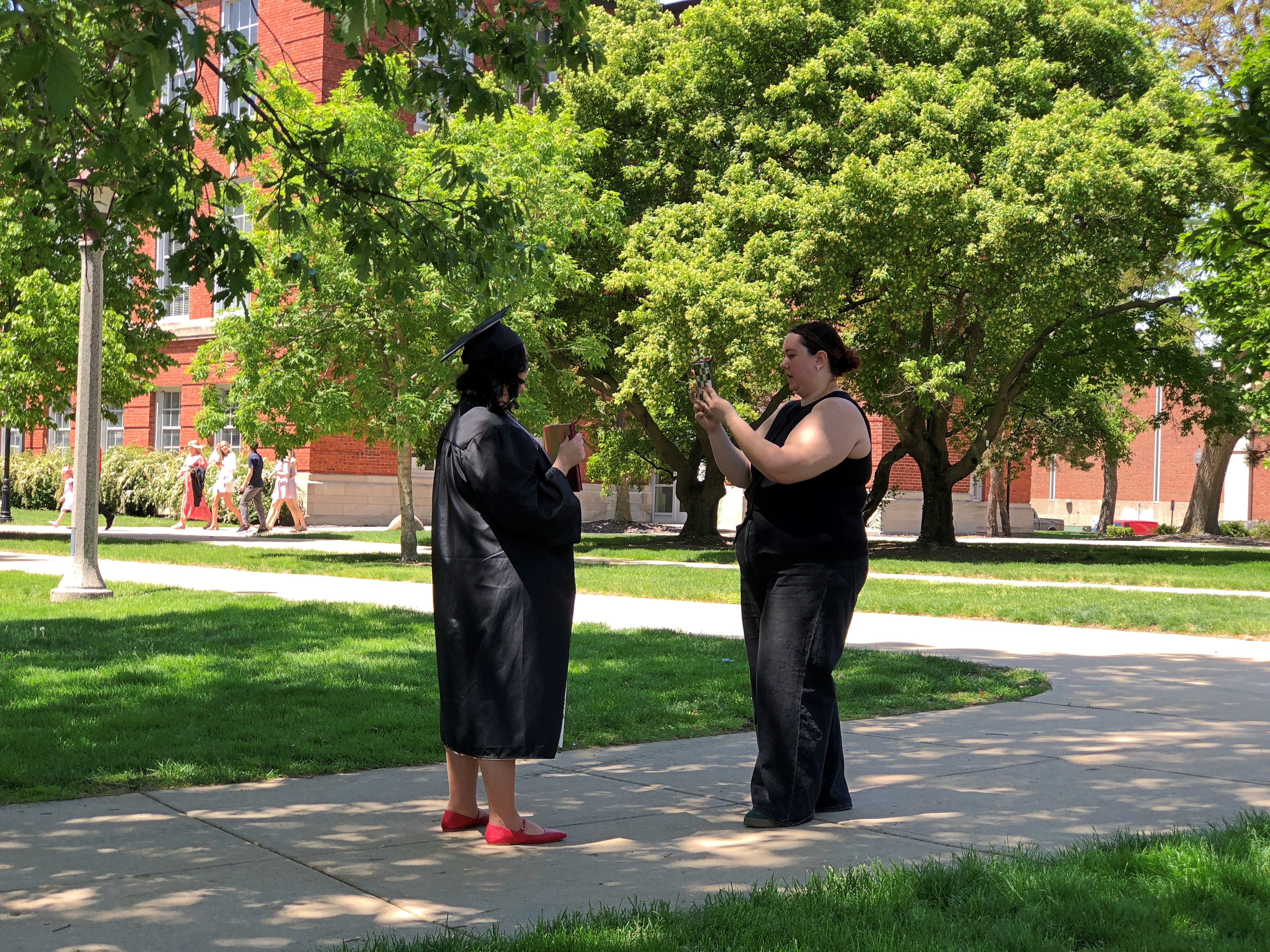
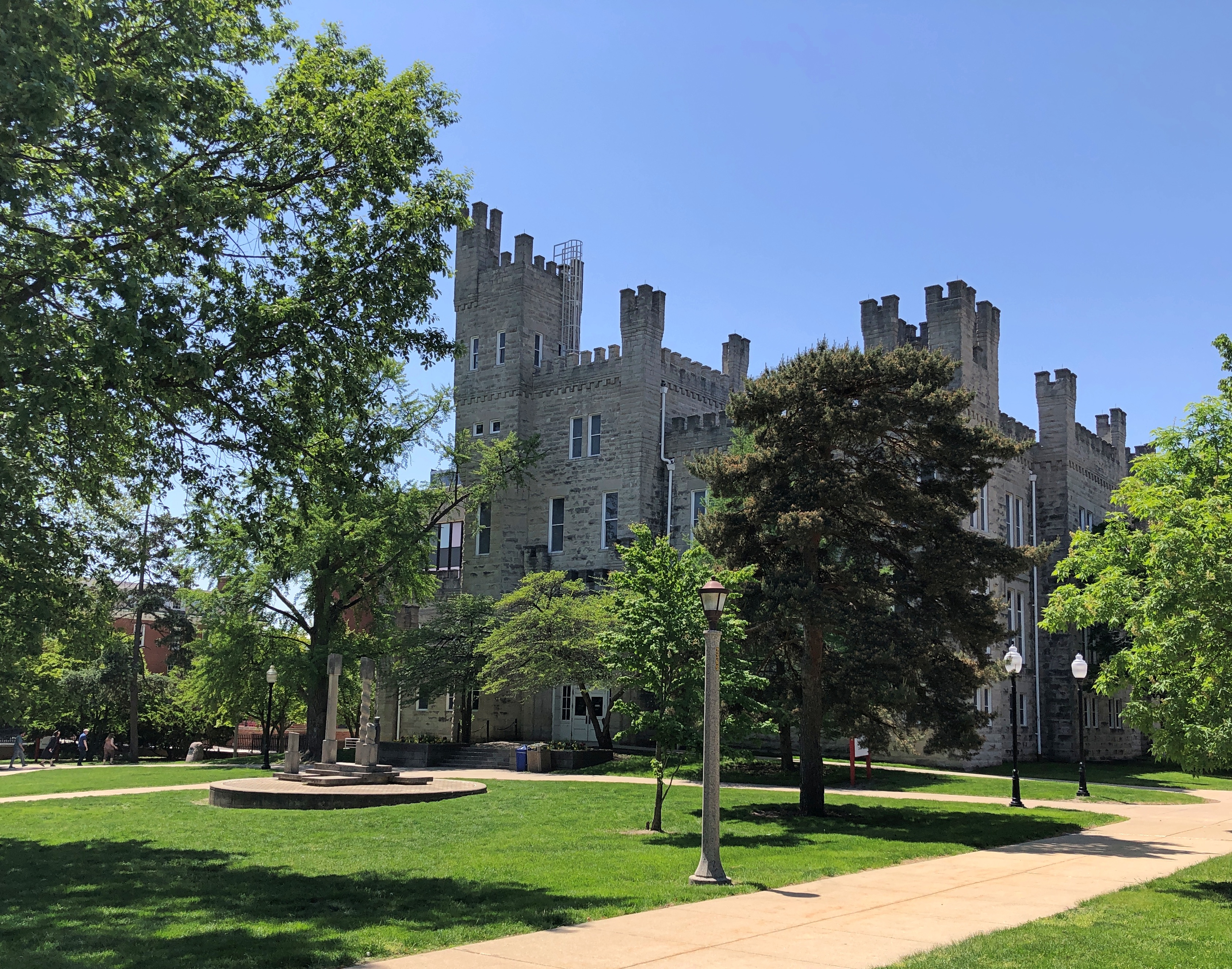
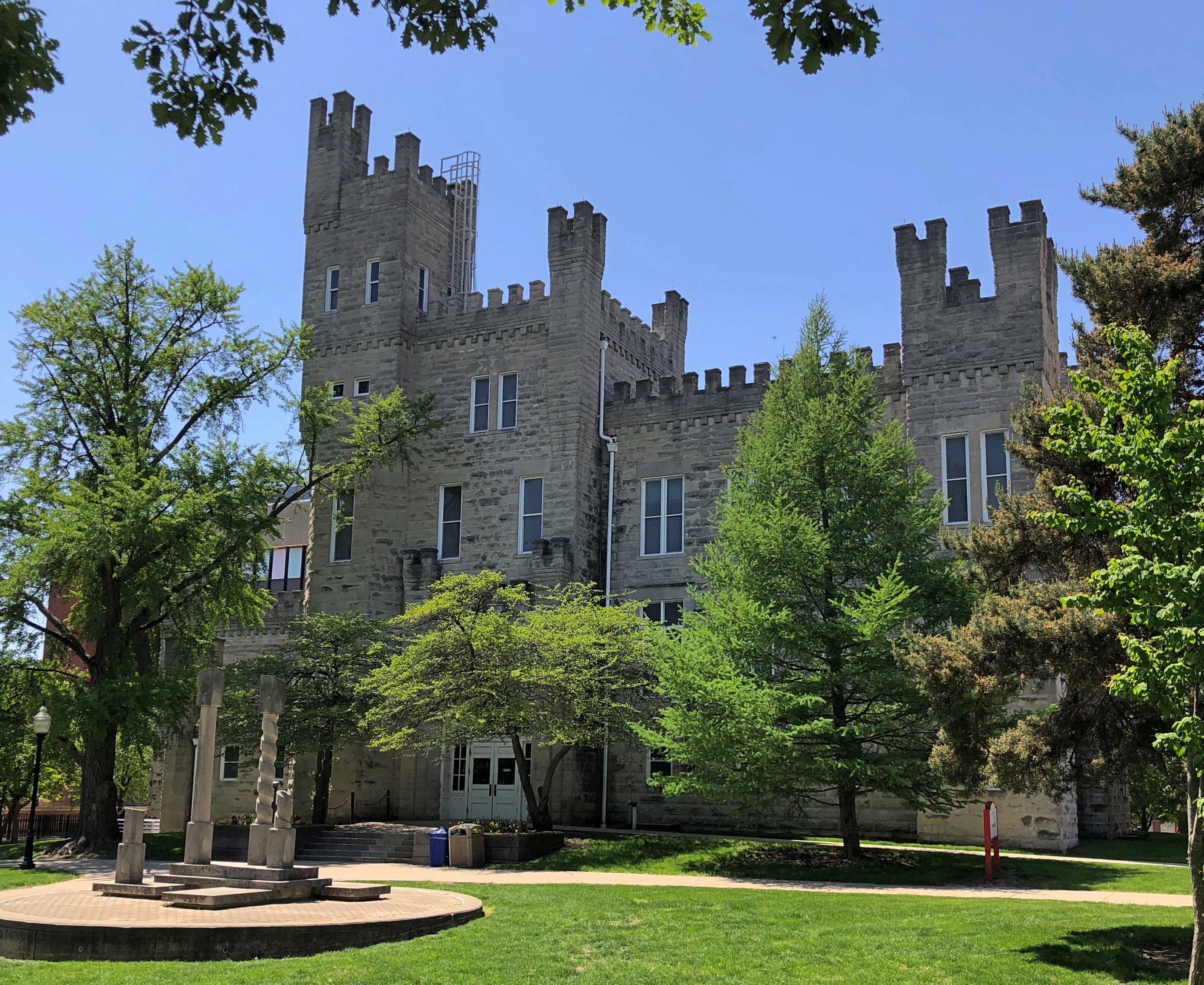
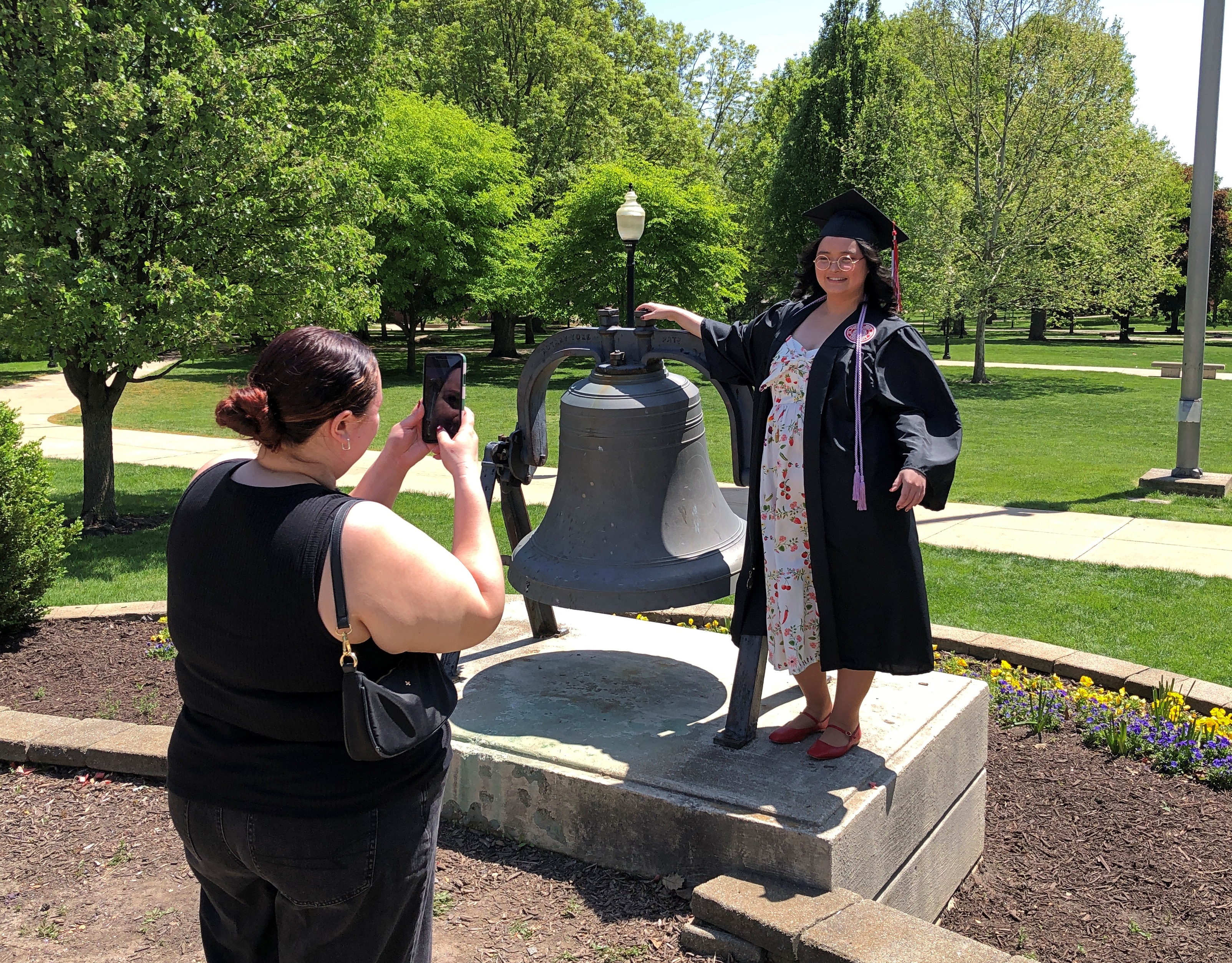
Ann wanted to spend some time on campus taking pictures at specific spots where she has fond memories, so that’s what we did. A few sites were inside a few of the buildings. We also spent some time, under a very warm sun, at the ISU Quad. Not our first time there.ISU Quad ISU Quad ISU Quad

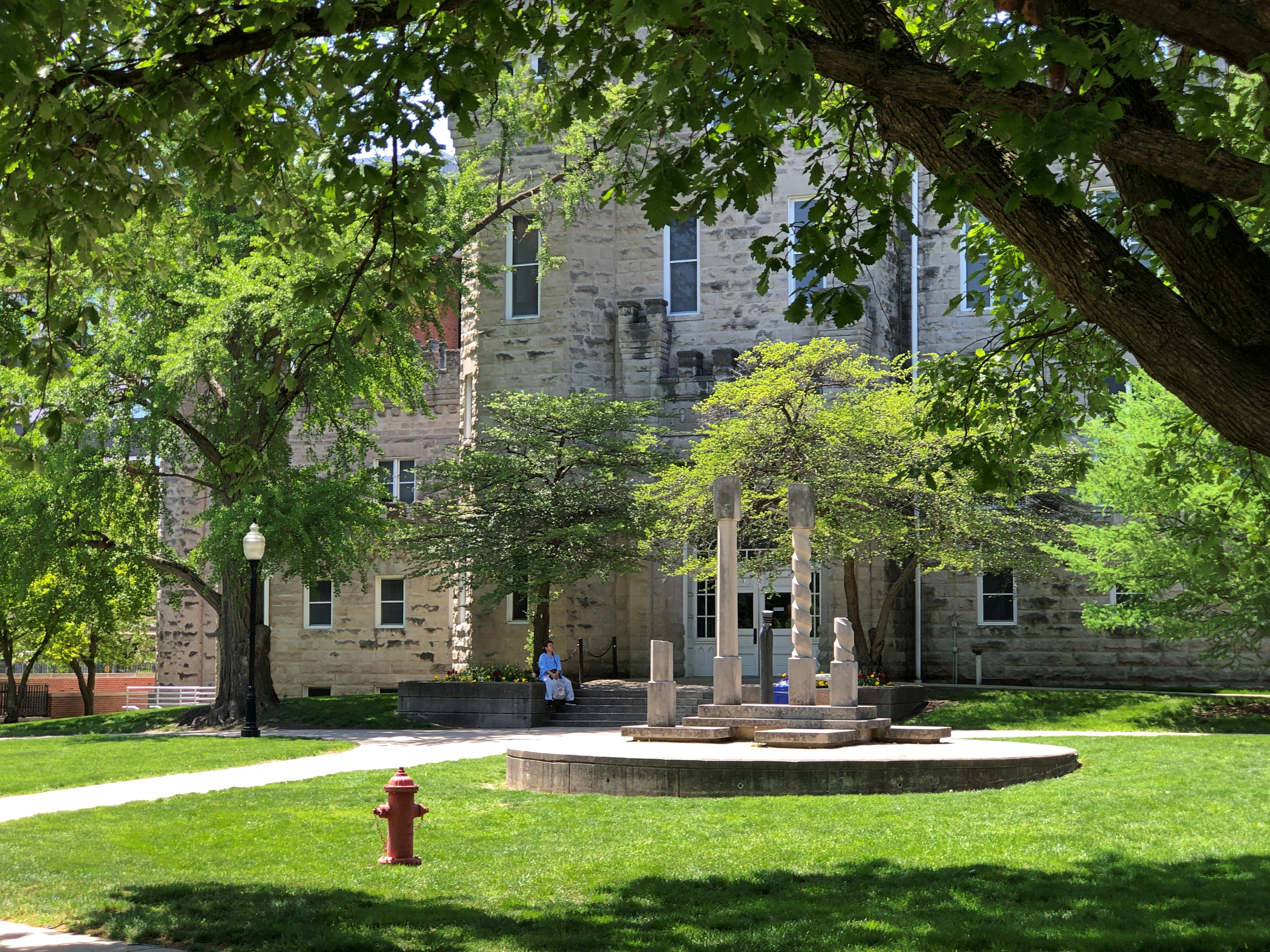
I did what I do, wandering off for quick looks at this and that. Cook Hall is an old favorite.ISU Quad ISU Quad

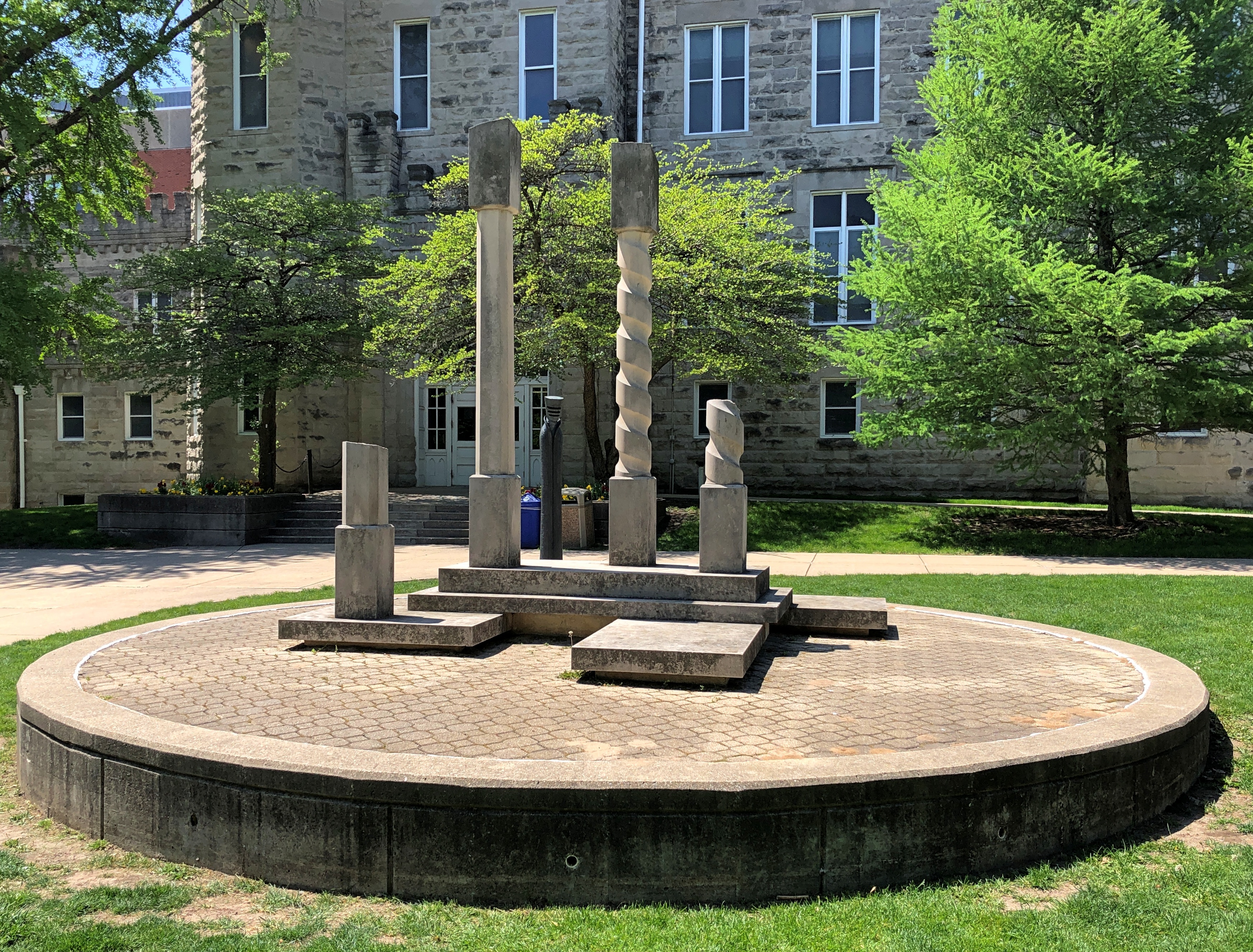
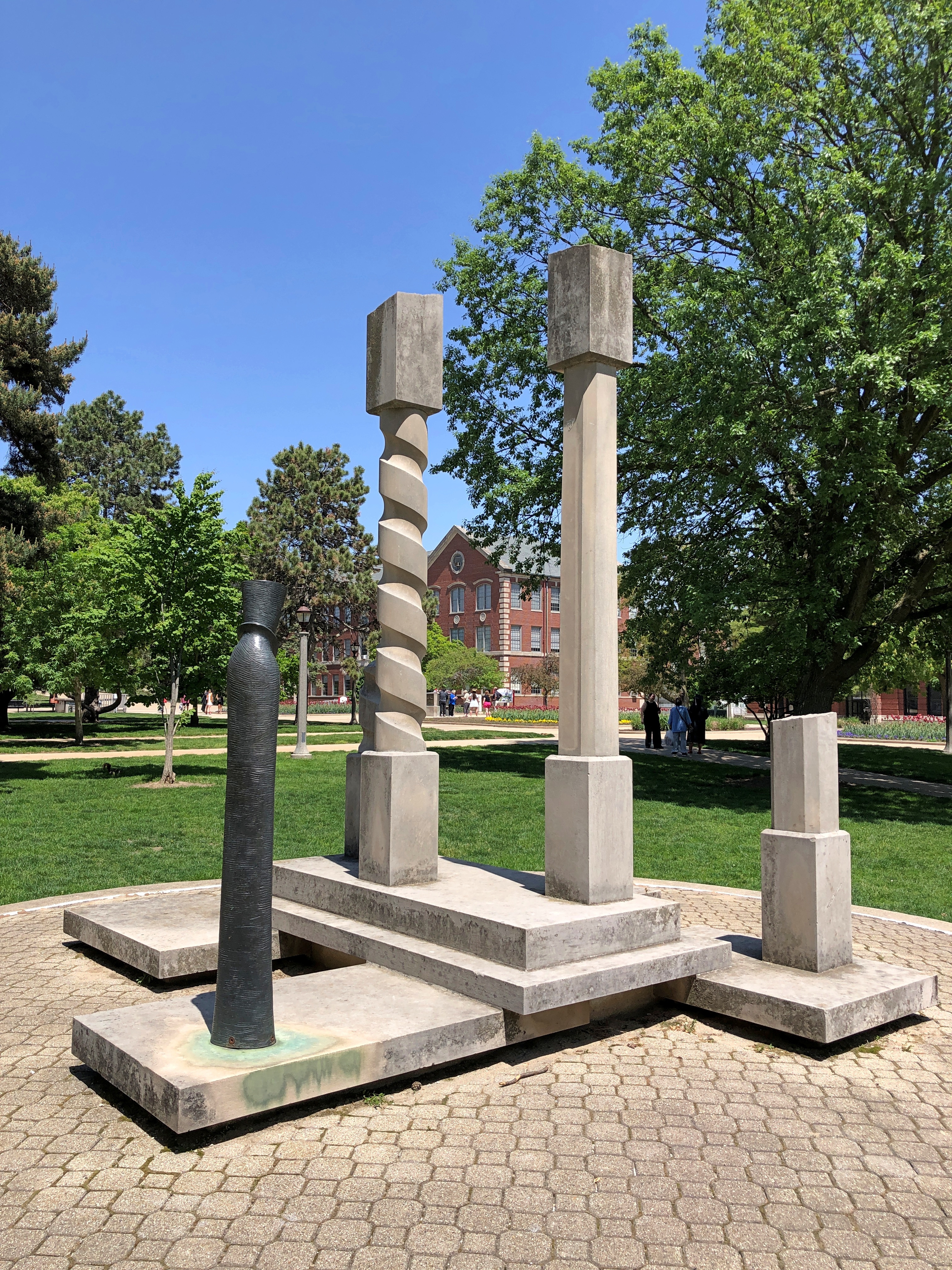
In front of Cook Hall is “Ruins IV.”ISU Quad ISU Quad

“Ruins IV was created by Nita Sunderland, an art professor from Bradley University,” notes the ISU web site. “The Ruins IV sculpture reflects stylized medieval imagery and is part of a series that Sunderland said stands as ‘a statement about our relationship with history and former societies,’ as well as the importance of learning from mistakes and experiments of the past.”

If you say so, Nita. Is it ever just enough to say, this sculpture’s got some really cool shapes?

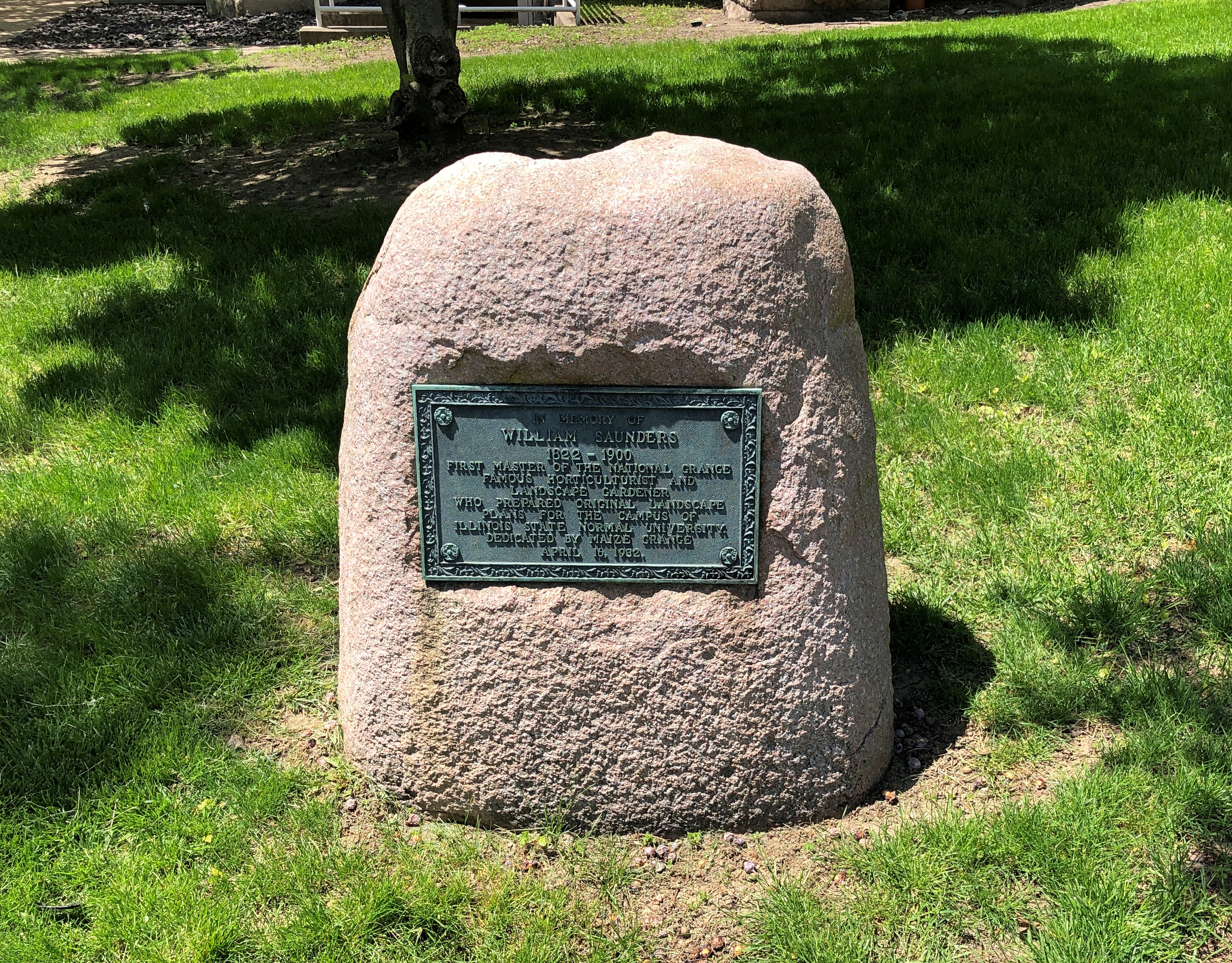
No one else approached the plaque-on-rock memorial to William Saunders (d. 1900), the horticulturalist who designed the lawn, but I did. Nice work, Bill.ISU Quad

Of course we had to visit the Old Main Bell.ISU Quad

All together, our ISU amble took about an hour. Then it was time for brunch at some distance from campus, but still in the greater Bloomington-Normal metroplex. We enjoyed some of the following wonders and more, at middle-class prices.Egg Republic Egg Republic Egg Republic

What a fine day.

Opera Plaza, Dubai

Lots coming up, including Ann’s graduation and a visit by Lilly on that occasion. Back to posting around May 11. Also of note: finally, there have been two days in a row that actually seemed like spring here in northern Illinois.

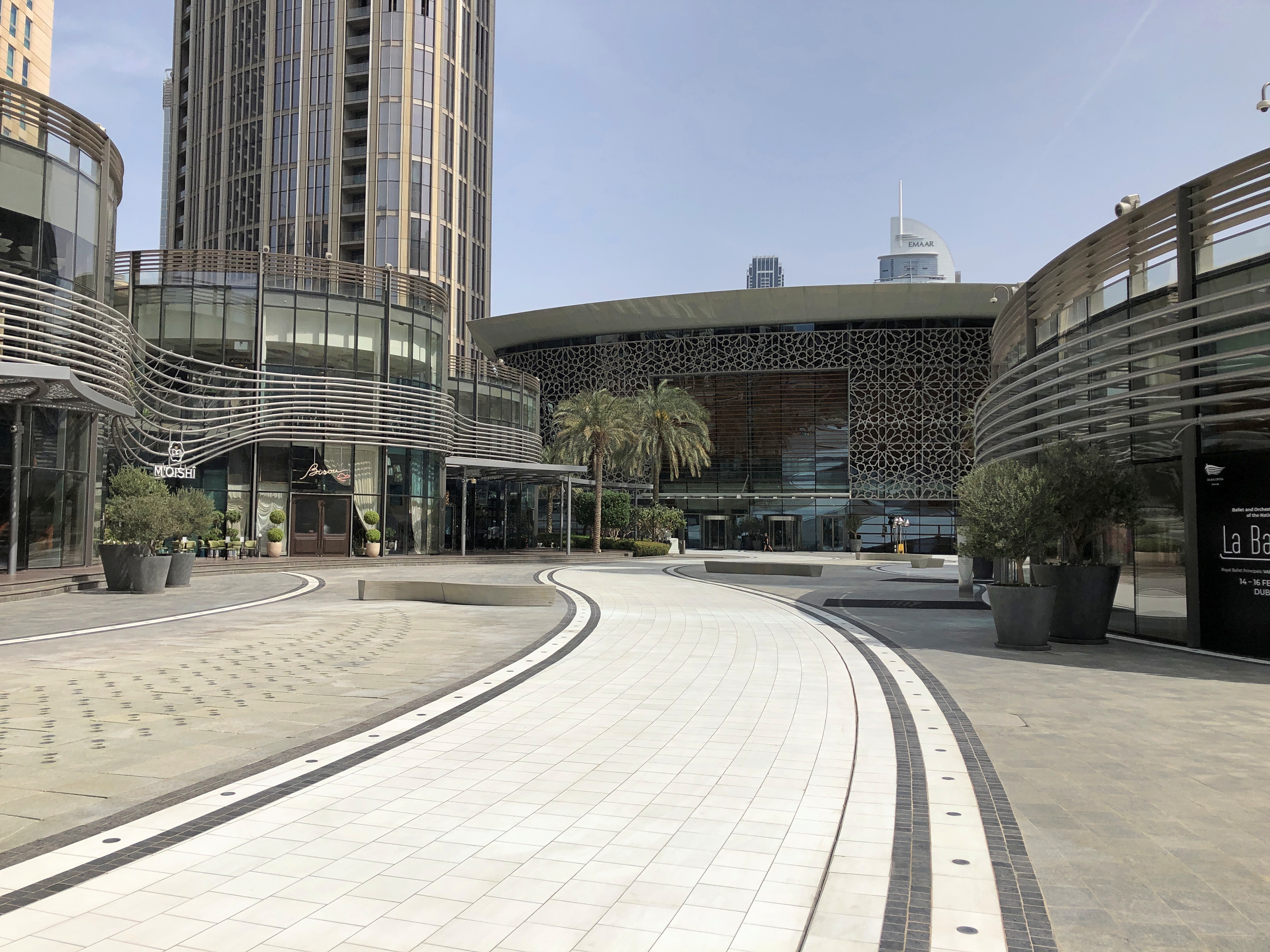
My ambles in Dubai, under pleasantly warm late winter conditions, took me to a nearly empty plaza not far from both Dubai Mall and the Burj Khalifa. Later I found out the place is called Opera Plaza. At least on maps.

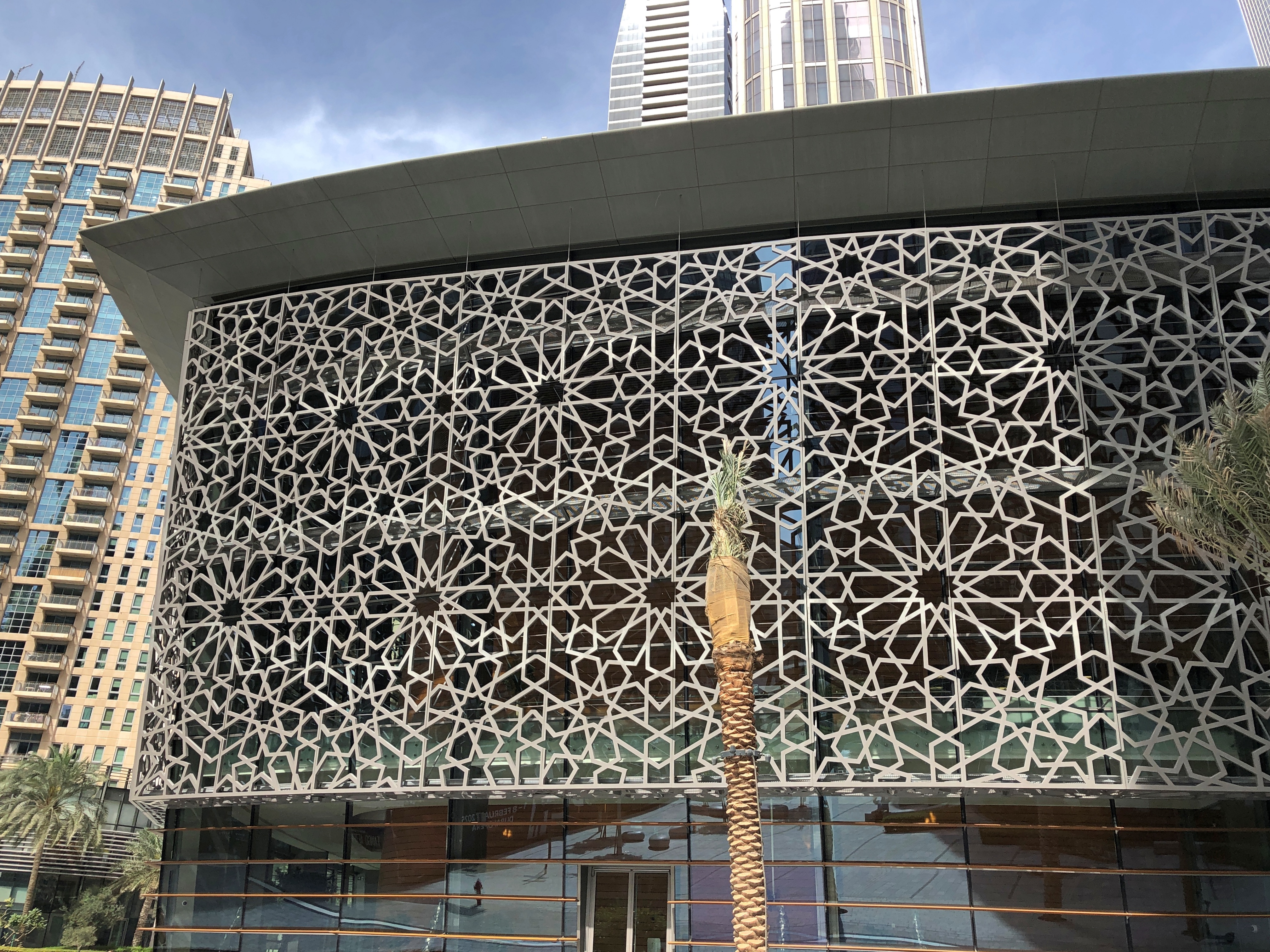
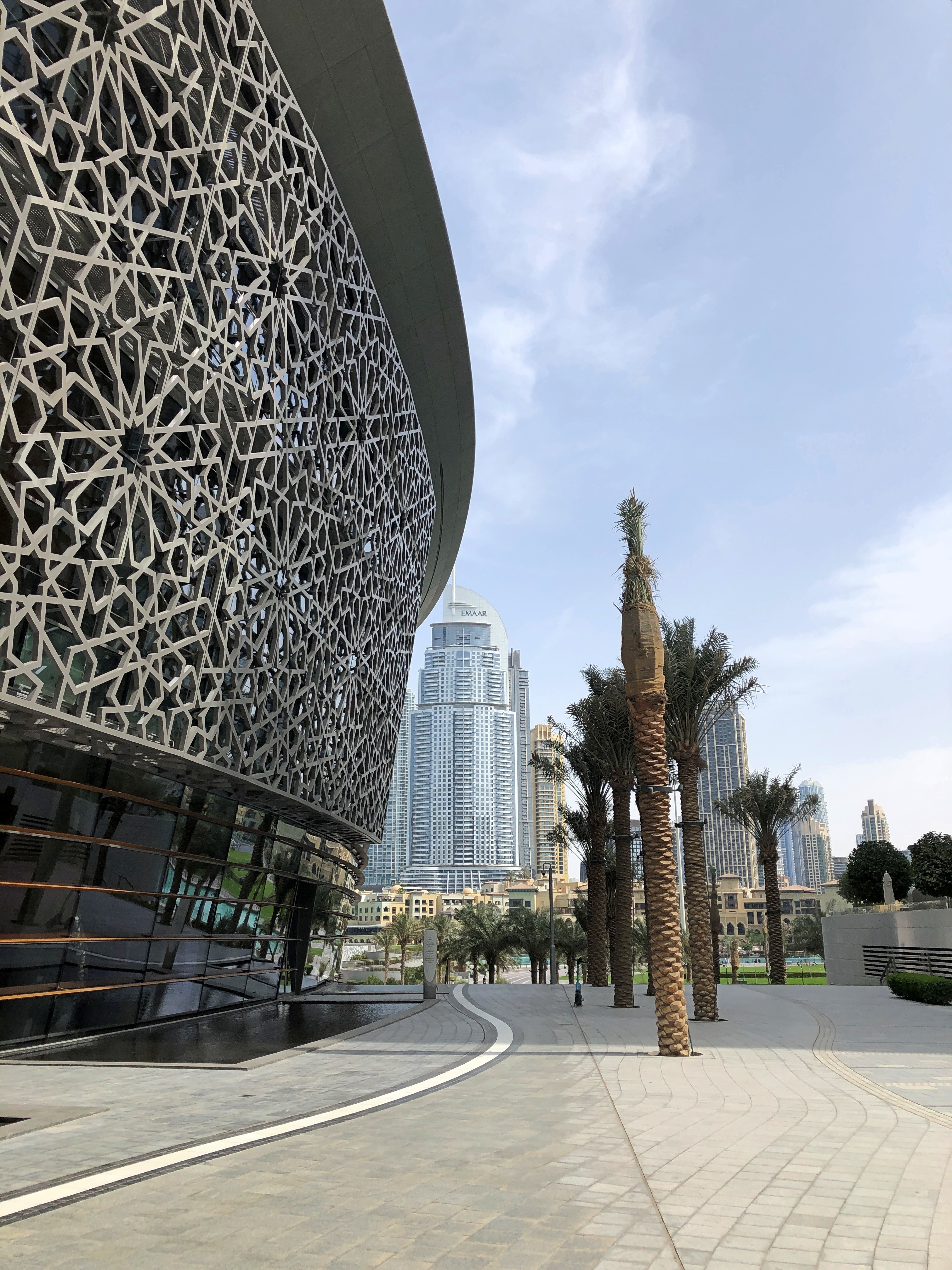
Close by is Dubai Opera, a 2,000-seat performing arts venue with built-in variability, through seats that can be removed or added, and stages of various sizes that can be raised or lowered out of sight, creating different theater configurations.Opera Dubai Opera Dubai Opera Dubai Opera Dubai

If you’re a city with any pretentions to great cityhood, you get yourself an opera house, as Dubai did in 2016. Lead architect on the opera house was a Dane, Janus Rostock

From a site called Euronews, with the city of Dubai as “content partner,” meaning it’s an advertorial:

“I think the biggest challenge for the Dubai Opera project, which we did when I was at Atkins, was to create this building in the midst of, sitting next to, the world’s tallest building, the world’s biggest fountain, one of the largest malls in the world,” he [Rostock] says. “And to ask how could we create a building that was able to “compete” with these wonders of architecture?”

Design-wise, Rostock wanted to create a building shaped like a dhow, the traditional sailing boat of the region. As Rostock explains, the vessel has its roots in the very city itself.

“The Bani-Yas tribe arrived in Dubai and settled on the shores of the creek,” he says, “and it was the dhow that brought prosperity through pearl diving, through fishing and it also brought trade to Dubai… so the dhow itself is really part of that story, it is something which was deeply rooted in the Emirati culture.”

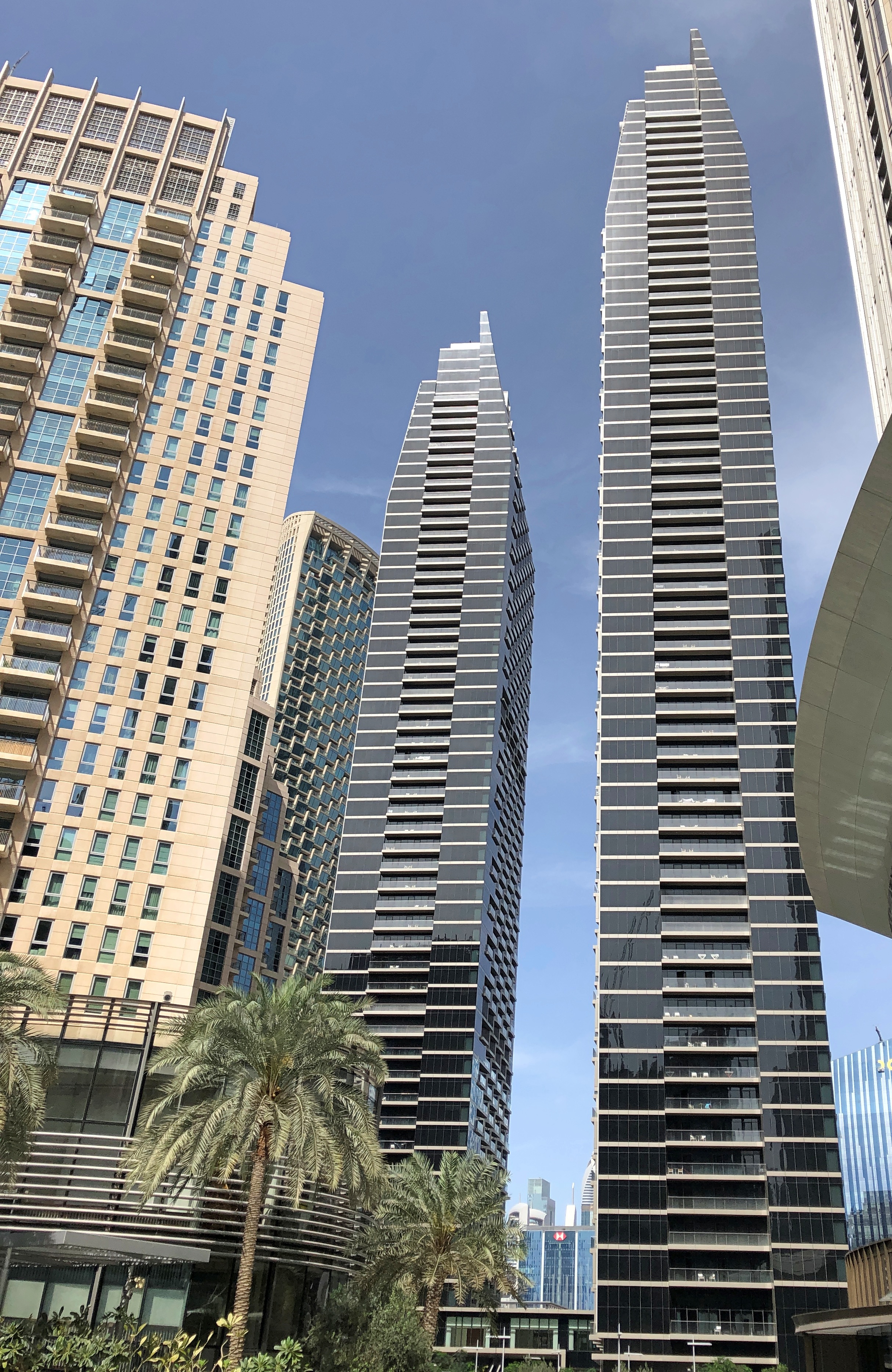
Not bad for an advertorial. If they were more readable, more people would read them. Other, less famed buildings rise over Opera Plaza, probably not taking their cues from pre-modern Dubai.Dubai Dubai

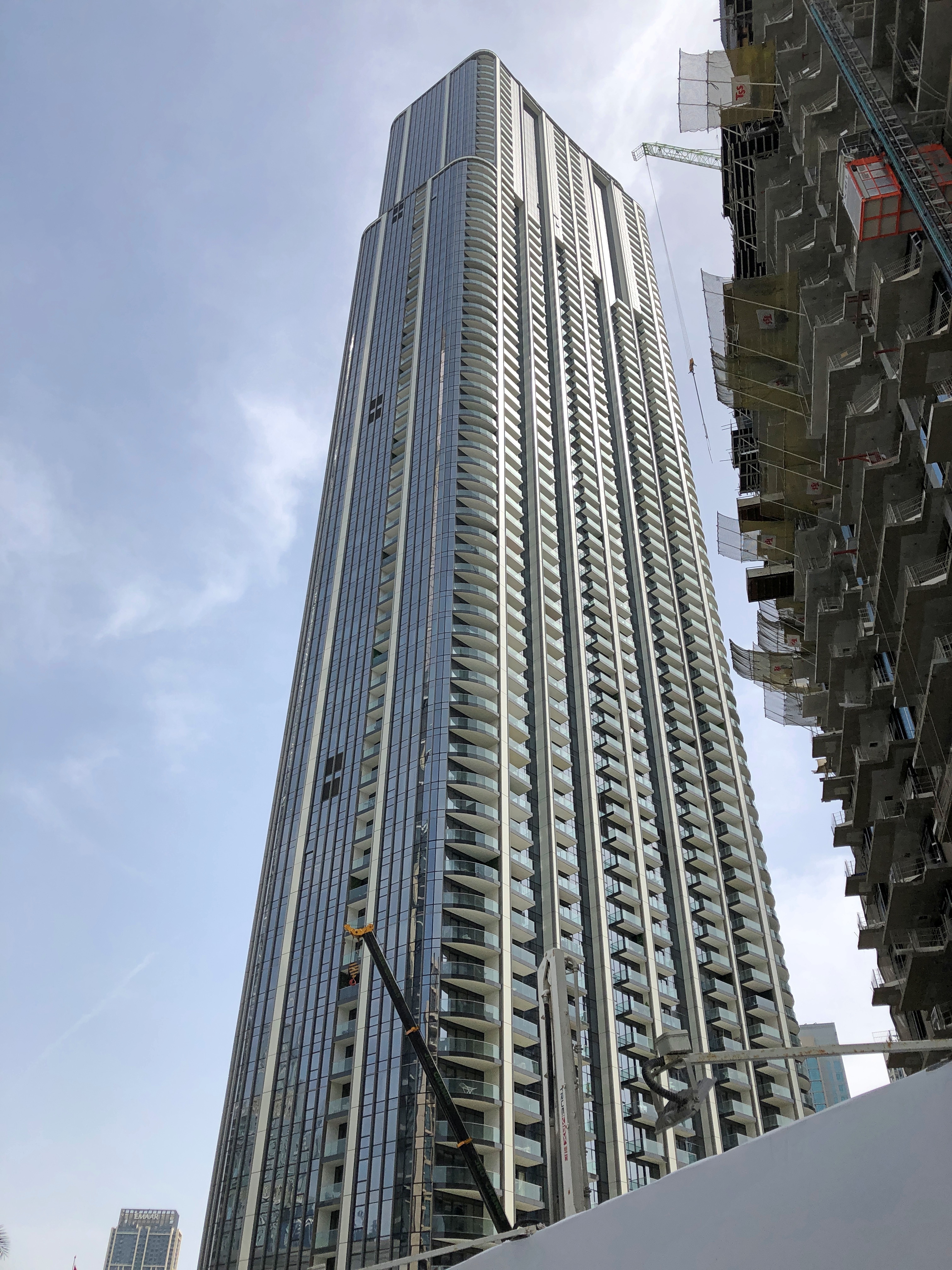
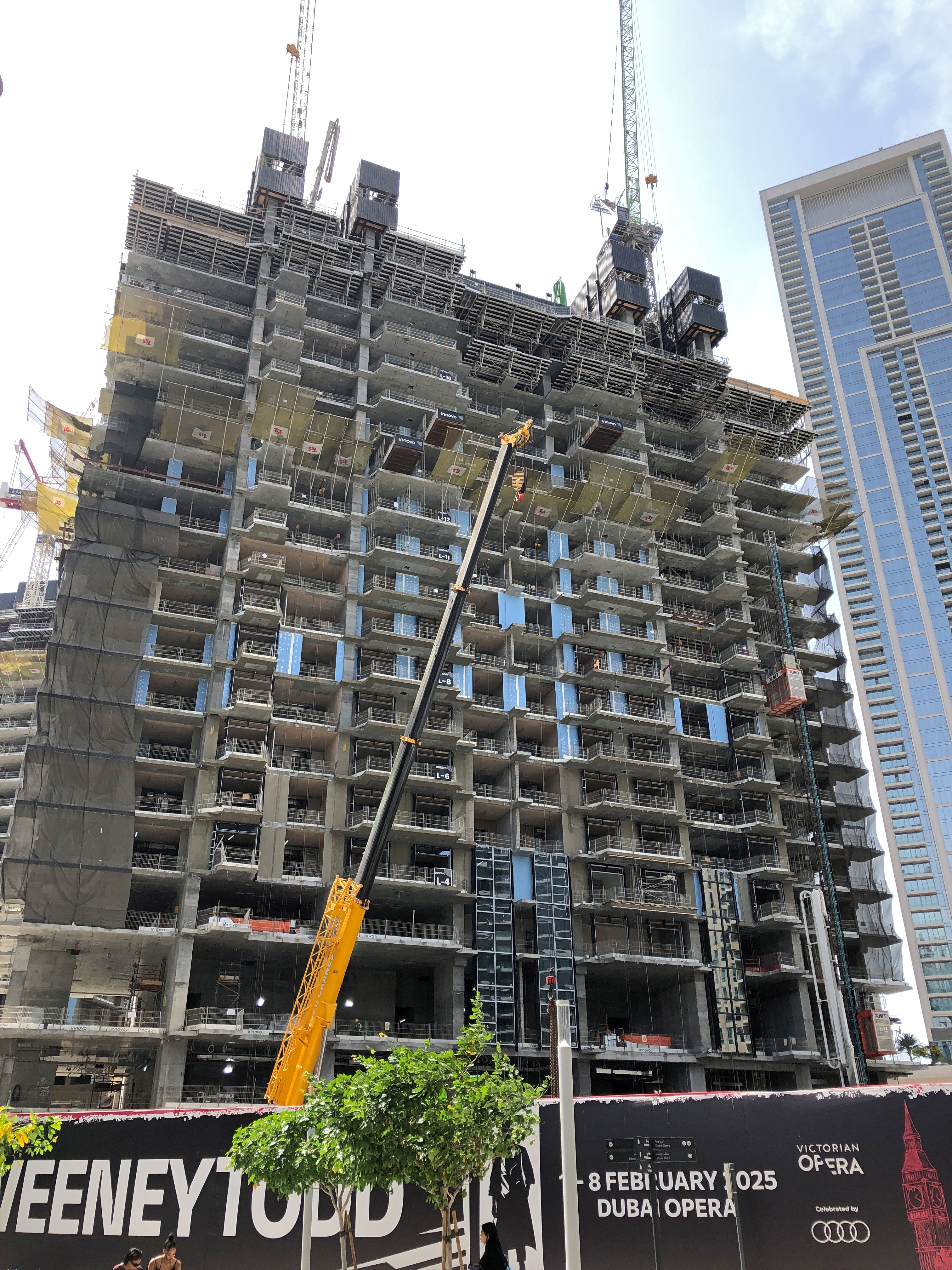
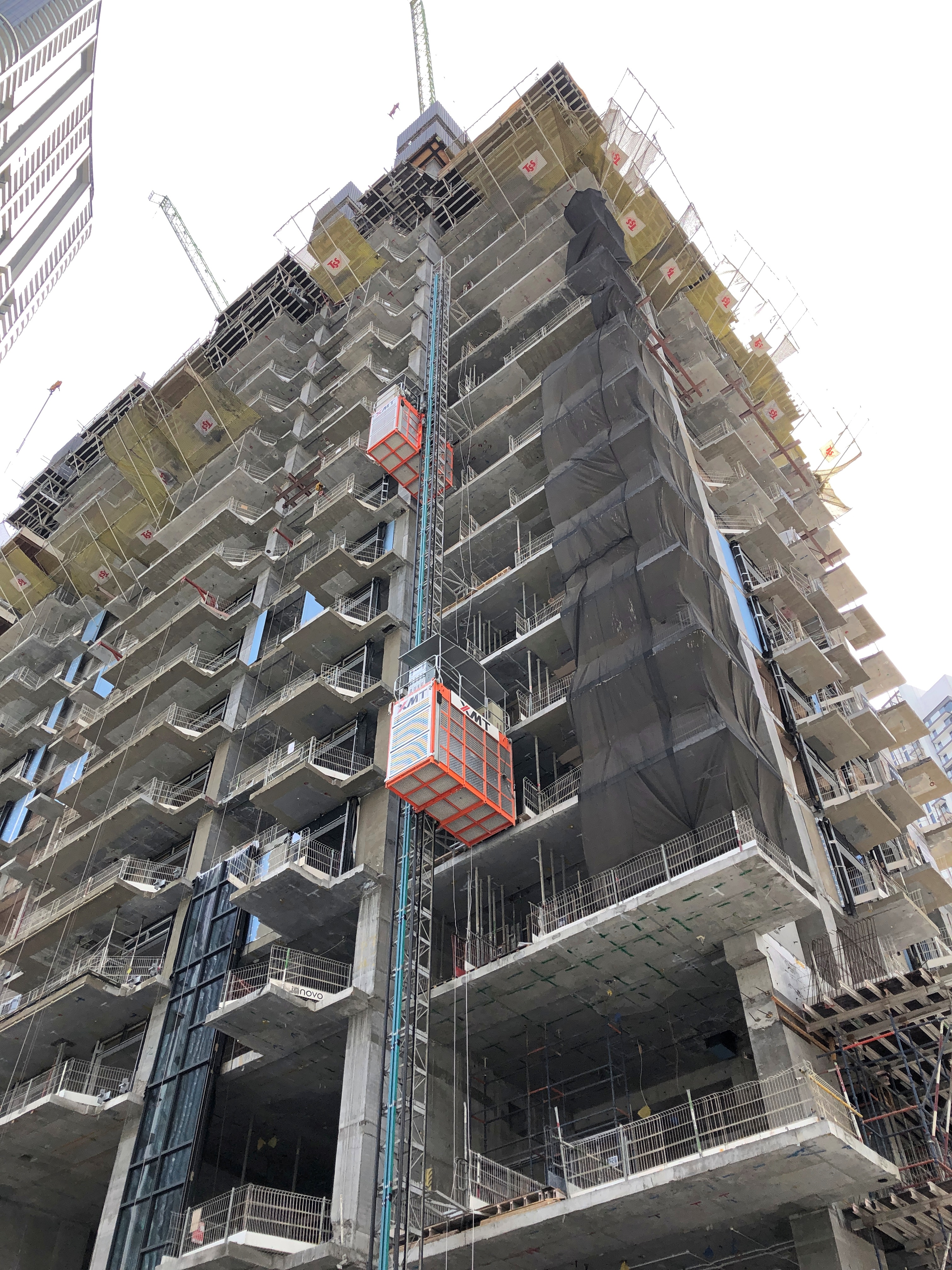
Including a tower still under construction. An international style residential development looking, probably, to attract some of that sweet international oligarch money.Dubai Dubai

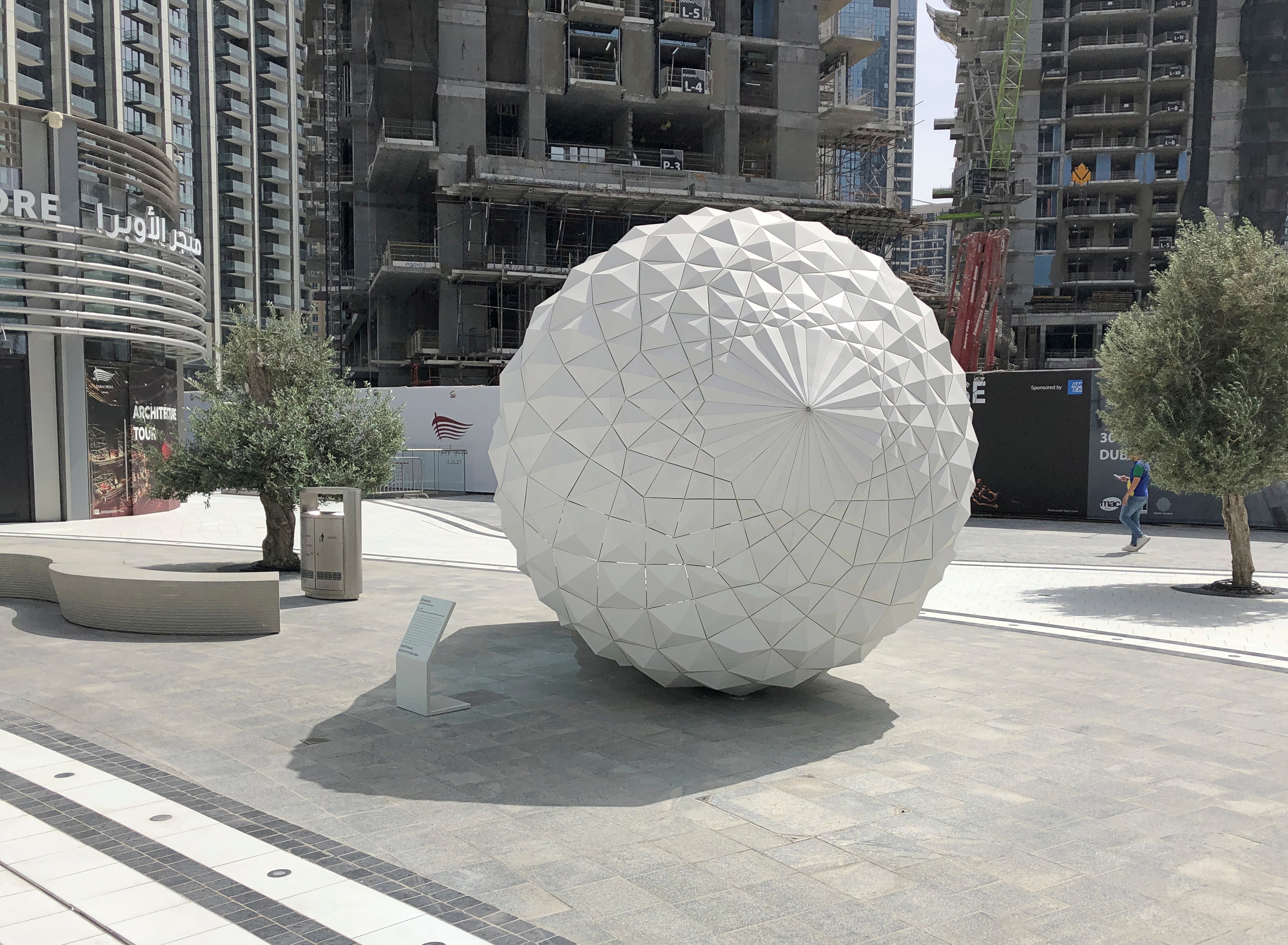
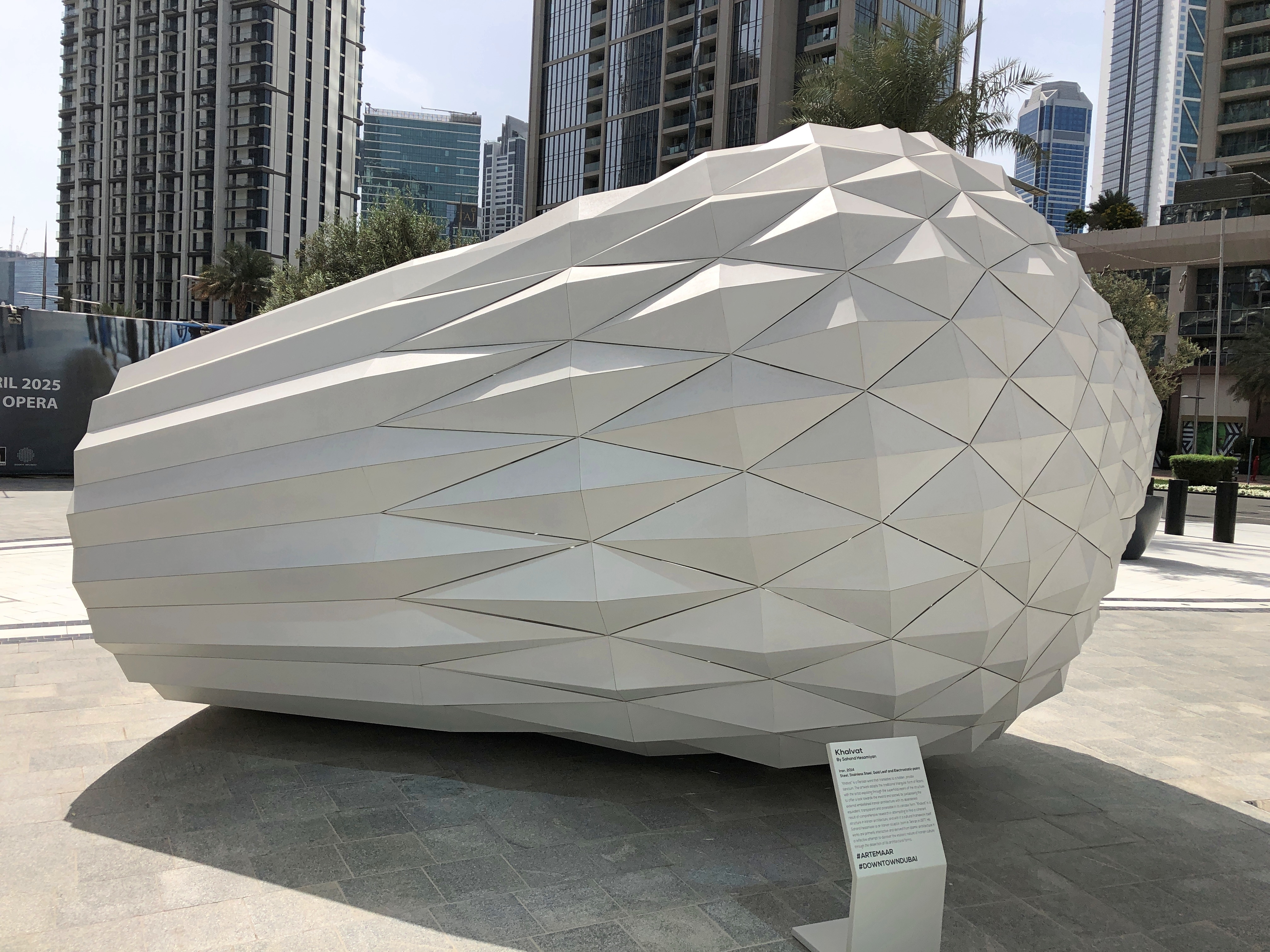
With public plazas come public art. Such as this, near the shores of the Persian Gulf, some Persian art. "Khalvat" (2014) by Sahand Hesamiyan, an Iranian artist. 
"Khalvat" (2014) by Sahand Hesamiyan, an Iranian artist. 

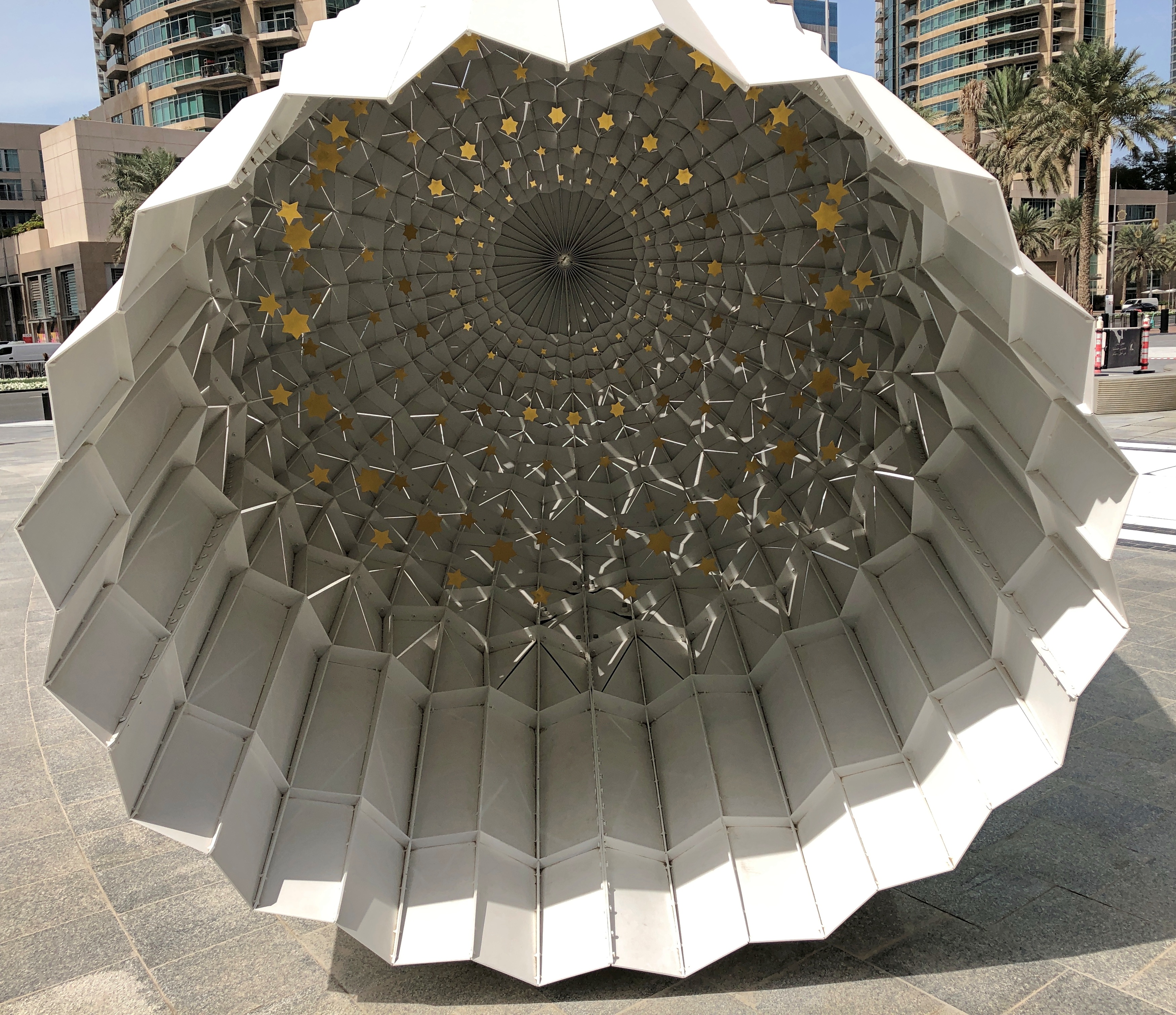
“Khalvat” (2014) by Sahand Hesamiyan, an Iranian artist. Steel, stainless steel, gold leaf and electrostatic paint.

More details at ground level, halfway around the world.

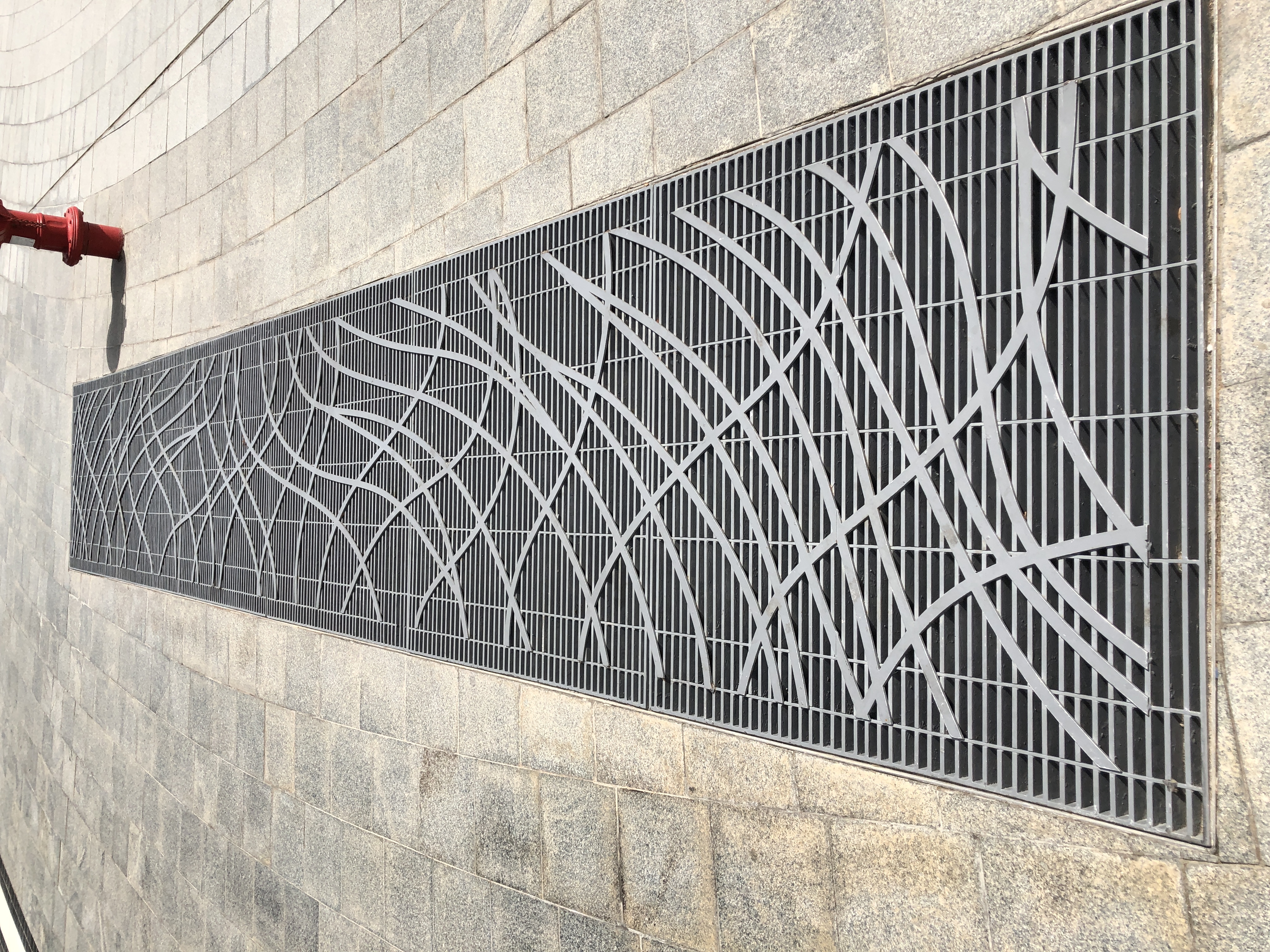
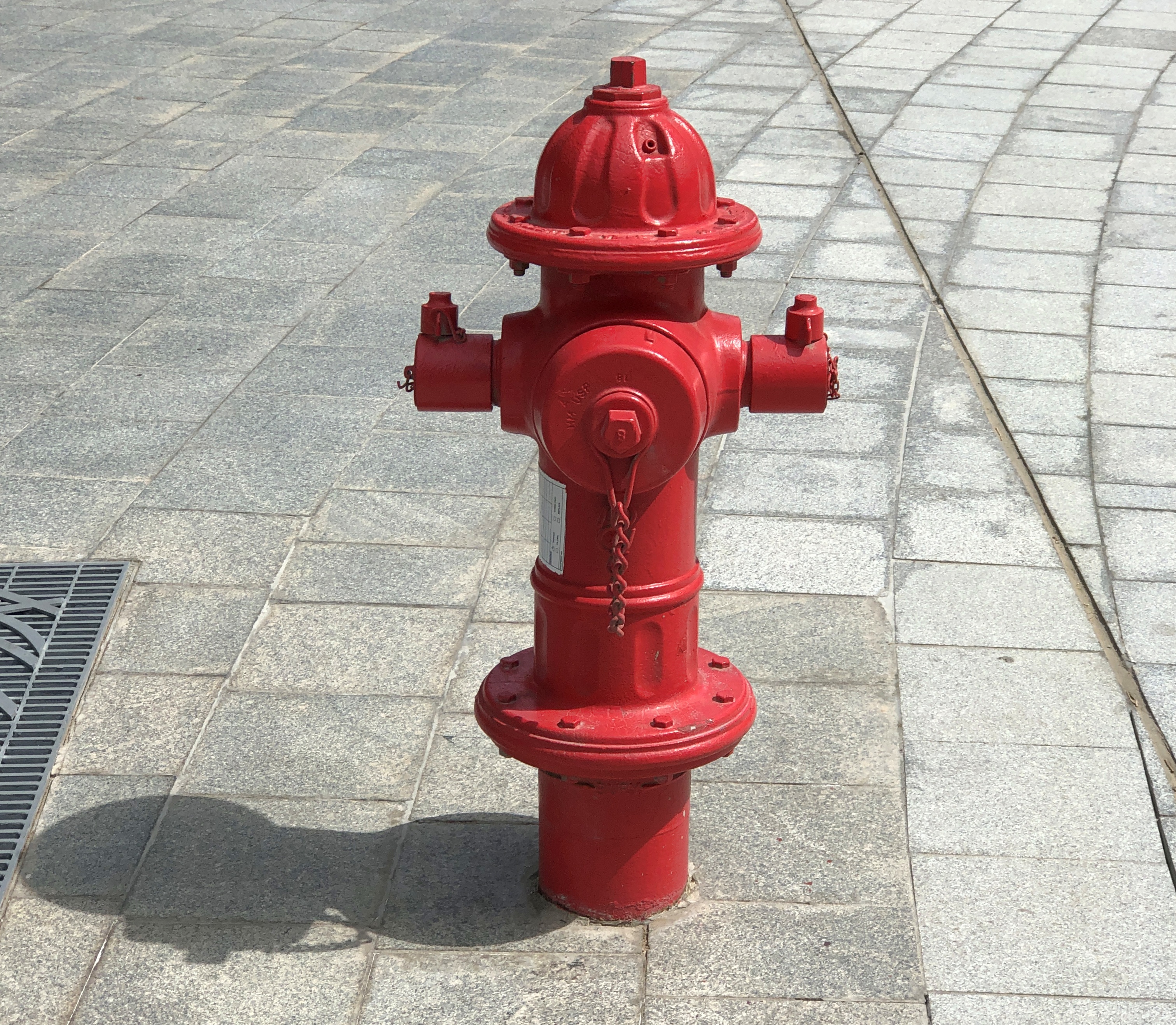
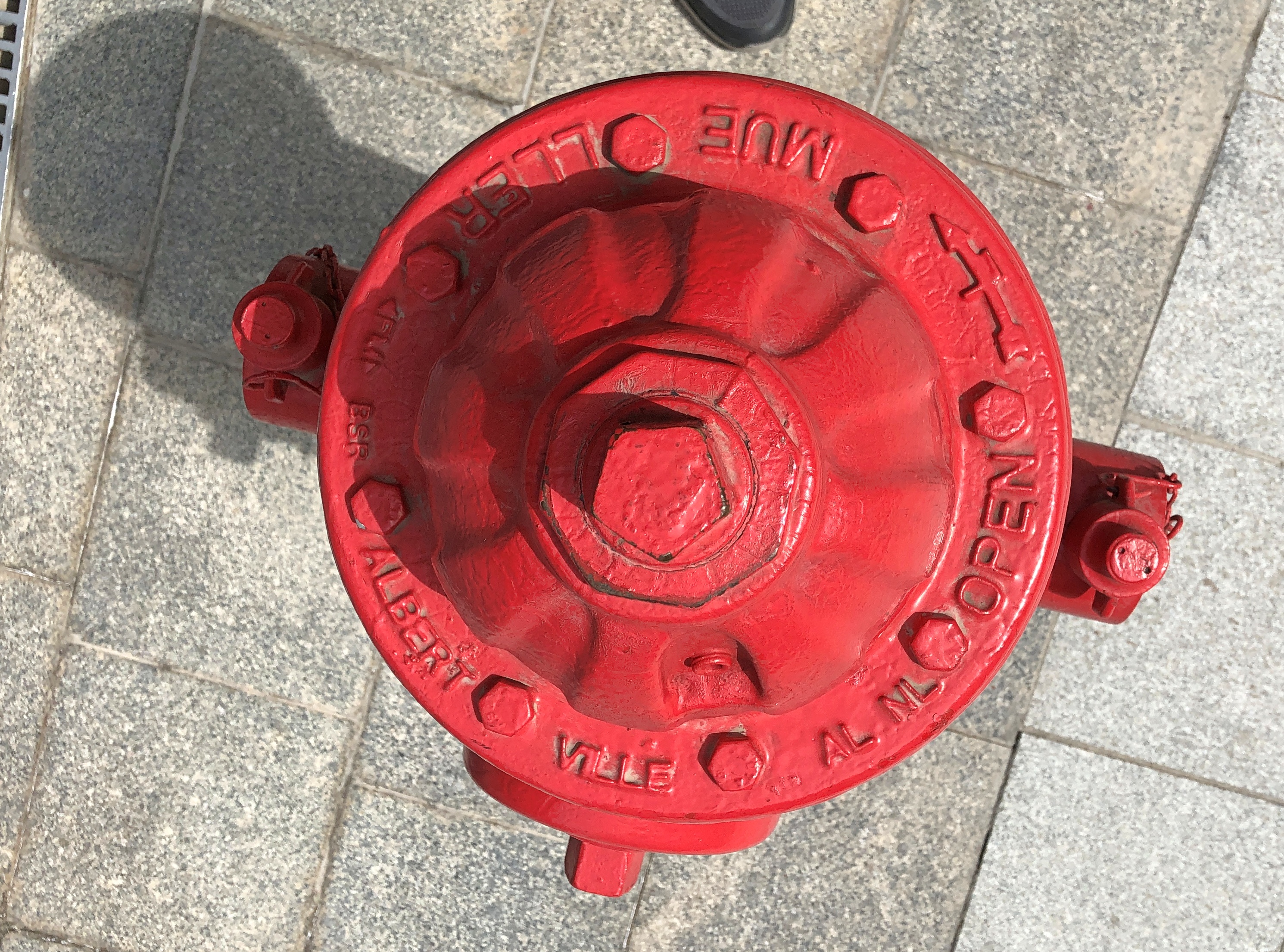
Instant familiarity in a setting far from its usual North American haunts. The work of Mueller. Hydrant maker to the world, it seems.

Prague Castle: St Vitus Cathedral

When thinking about my recent visit to Prague with my brother, certain questions come to mind. Such as, what is St. Vitus Dance? Who was St. Vitus?

As for the latter question, he is one of those legendary saints, emerging from the bloody mists of early Christian persecution. “According to the legend… St. Vitus suffered martyrdom at a very early age under the emperor Diocletian,” the trusty 1911 Encyclopædia Britannica notes.

“Son of a Sicilian nobleman who was a worshipper of idols, Vitus was converted to the Christian faith without the knowledge of his father, was denounced by him and scourged, but resisted all attacks on his profession… Among the diseases against which St Vitus is invoked is chorea, also known as St. Vitus’s Dance.”

Chorea refers to abnormal involuntary movement disorders of a few types, but not epilepsy. A more detailed entry about St. Vitus is in the 1913 Catholic Encyclopedia, which says: “St. Vitus is appealed to, above all, against epilepsy, which is called St. Vitus’s Dance, and he is one of the Fourteen Martyrs who give aid in times of trouble.”

The text seems to conflate chorea with epilepsy, but you don’t go to books of that vintage for current medical knowledge. Regardless, St. Vitus has a long history of veneration, including in Bohemia. That would account for the naming of St. Vitus Cathedral, which we visited in Prague, coming in early afternoon by way of a streetcar and then a less-visited entrance to Prague Castle.St Vitus St Vitus St Vitus

An impressive hulk of a church on a high hill, St. Vitus Cathedral is a major presence in Prague Castle.St Vitus St Vitus

When we were here in 1994, the church was dedicated to Vitus alone, but these days it is the Metropolitan Cathedral of Saints Vitus, Wenceslaus and Adalbert (metropolitní katedrála svatého Víta, Václava a Vojtěcha). The renaming happened a few years later. The thinking might have been that it was all well and good to honor a popular Sicilian saint, but it would also be good to add some hometown martyrs.St Vitus St Vitus St Vitus

Inside the church was, to rephrase for our time (in its original form, a favorite expression of my mother’s), cold as the mammaries of a Wicca practitioner. Colder in fact than outside on that day in mid-March, but I’ll take that as a blow for authenticity. For most of the cathedral’s long history, including centuries when it wasn’t finished, its HVAC was the Lord.

The chill might have discouraged sitting around on pews, but not from taking a circuit up a side aisle, around behind the altar, and back down the other side aisle.

What is it about the Gothic ceilings? A vast volume of space, or at least the perception of a vast volume of space, but it’s more than that.St Vitus St Vitus St Vitus St Vitus

A small sample of the rich detail.St Vitus St Vitus St Vitus

Call this one mother and child and prelate.St Vitus

Last but hardly least, a gargoyle from outside now on display in the church.St Vitus St Vitus

Retired from the madcap life up there on the roof with the other gargoyles. Or maybe their activities up there aren’t the stuff of comedy. The Gargoyles of St. Vitus sounds like a Victorian horror story. Better yet, The Dancing Gargoyles of St. Vitus. Could be an episode of Night Gallery or, with updated tech, Black Mirror.

Palm Jumeirah

When I went to the observation deck of Burj Khalifa in Dubai, I expected to see the Palm Jumeirah artificial islands off in the distance. I did, but barely. Its distinctive, palm-like shape was hazy and mostly indistinct off in the distance. So I decided a few days later to get a better look, though not quite like the images seen from space, such as one from the International Space Station.

For a view closer to the surface of the Earth, but not too close, you go to the observation deck of the Palm Tower, which rises nearly 790 feet above the Nakheel Mall at a mid-point on the stem of the Palm Jumeriah. “The View at the Palm,” the place is called in English. I took in the view on March 2.Palm Jumeirah

Access to the elevators, beyond the ticket desk, includes a room with photos and brief text about the building of the Palm Jumeirah. The briefest version: a lot of rocks and sand were dumped into the Persian Gulf – which the UAE calls the Arabian Gulf – and artfully engineered to create dry land, at least for our generation. I’m sticking with the Persian Gulf; there is already an Arabian Sea, which is bigger anyway, but maybe they’re both envious of India, which gets an entire ocean.

At one point on the tower’s lower floor, you pass through a colorful tunnel featuring a painting of colorful undersea life. Maybe it evokes the bottom of the Persian Gulf near Dubai? In a sort of colorful cartoon way?Palm Jumeirah Palm Jumeirah

The elevator whisks you up to a busy observation deck.Palm Jumeirah Palm Jumeirah

Busy for a reason, namely the fine 360-degree view. Once I could work my way through the other vista-takers, I started with the view out to the end of the Palm.

There at the end is Atlantis DubaiActually, the structure with the Arabic dome outline is only part of the Atlantis Dubai resort: Atlantis The Palm.

A little further down the shore is Atlantis: The Royal, “the most ultra-luxury experiential resort in the world,” asserts the web site copy. No doubt it is ultra, but just looking at the design, I couldn’t help thinking of some of the rectangular cuboid building blocks I played with as a small child, stacking them something like that. Palm Jumeirah

I checked, and in theory one can get a rack-rate room at Atlantis: The Palm on some days for around $330 a night, but of course such a number is merely a starting point of a price escalation. As for The Royal, the rate is some hundreds more, thence to the stratosphere.

Views of the palm fronds. Palm Jumeirah

Impressive rows of real estate, especially considering that it was created ex nihilo only in this century. So it isn’t quite true that they aren’t making more real estate. But I guess it is true that no one is making cheap real estate, since I doubt that would be economically feasible, even for oil states.

Ever the curious sort, I checked some of the hotel rates at the properties closer to the Palm Tower, and they are in the same league, roughly, as upper midscale or upscale properties in the United States (my hotel near the airport counted as midscale, I think).Palm Jumeirah Palm Jumeirah Palm Jumeirah

Of course, only some of these views include hotels. There are plenty of apartments and condos too, and I’m sure their price points are mostly elevated as well.

The 360-degree panorama includes a look back at mainland Dubai.Palm Jumeirah

You’d think this would be downtown, but no.

Dubai has a number of building clusters sizable enough to be called downtown elsewhere. But in Dubai, they are just more Dubai. Off in the distance is an equally large cluster that includes (in the midground) the sail-like Burj Al-Arab and (somewhere in the background) the Burj Khalifa.

The creation of Palm Jumeirah also meant the creation of beaches, and from my tourist perch at The View, I could see a large group of moving dots – they must have been children, considering their movements – down below.Palm Jumeirah Palm Jumeirah

I expect it was some kind of resort babysitting (ahem, curated activity), allowing the dots to scamper around while their parents and older relatives drank under large umbrellas. I couldn’t help thinking of Harry Lime’s evil ruminations in The Third Man.

Good thing I’m not, and most people are not, the murdering sort, for fun or profit.

Jama Masjid, Delhi

Part of the inspiration to visit India was the book City of Djinns: A Year in Delhi (1993) by the admirable Scottish writer William Dalrymple, which I’ve known about for years but only got around to reading late last year. Timing is important in one’s travels, even before going anywhere, and I happened to be reading that book as we discussed going to Japan in the coming winter. In a typical train of thought for me, I figured if we’re already in Japan, how much more effort would it take to go on to India? Some, as it turned out, mostly after we arrived, but worth the effort.

One memorable passage in City of Djinns involved Dalrymple’s visit to Jama Masjid in Delhi, during the end of Ramadan one year. A mass swirl of humanity came to the mosque on that occasion.

When we were there in February on an ordinary non-Friday, humanity was mostly represented by tourists, contributing our little bit to the upkeep — a reasonable $3.50 or so each at that moment in February. Plus another $1 or so baksheesh each to the young man watching your shoes.Jama Masjid Jama Masjid Jama Masjid

As well we should visit. Extraordinary in its grandness, the place also reminds a North American just how far he is from home.

At the entrance of the prayer hall.Jama Masjid Jama Masjid

That hints at a history of video crews making, or trying to make, their works on the sly. Equipment doesn’t need to as large as it used to be. Jama Masjid
Jama Masjid Jama Masjid

Up.Jama Masjid Jama Masjid Jama Masjid

Once again, what would modern India be without reminders of Mughal power and prestige? The mosque is the work of Shah Jahan I (d. 1666), fifth Mughal emperor, or rather the 5,000 workers hired for the job and supervised by his Grand Vizier. “Indians, Arabs, Persians, Turks, and Europeans” were among the workers, according to Wiki.

The mosque commands a hill in Old Delhi, rising on the edge of the marketplace maze that is Chandni Chowk. Its minarets rise 135 feet.Jama Masjid Jama Masjid

I didn’t have the urge to make a video at the Jama Masjid of Delhi, but I can see its omnidirectional visual appeal. The Mughal talent for architectural grandness shows up in pretty much every direction.

Church of Saint Nicholas, Prague

Regards for Easter. Back to posting on April 21.

Old Town Square, Prague, on a gray day in March.Old Town Square Prague Old Town Square Prague

Facing the Old Town Square, though not in those images, is the Church of Saint Nicholas (Kostel svatého Mikuláše), a site with a history as varied as it is long. There was a church there since at least the 12th century and, knowing how these things go, probably some sacred space well before that.Church of St. Nicholas, Prague Church of St. Nicholas, Prague Church of St. Nicholas, Prague

When Hussites had their moment, they used the church. Afterward, Premonstratensians used it, and then Benedictines set up a monastery there. When their time had run its course, the temporarily secularized building was for a time a storehouse, and – a little hard to imagine, but this is what a sign in the church said – a music hall. Religion returned in 1920 in the form of revived Hussites newly independent of Rome, who use the church to this day.

How many Czech Hussites are there these days? World Atlas asserts fewer than 40,000, which is fewer than 0.4 percent of the population. But that hardly counts as a long-term win for this particular Counter-Reformation, if you can call it that. The largest categories of religion in the modern Czech Republic are “Undeclared” and “No Religion,” together totaling nearly 80 percent.

The 21st-century visitor to St. Nicholas sees a bit of urban renewal from the 18th century, to use a term that the ecclesiastical authorities who wanted a new building back then surely didn’t use, even in the unlikely event they’d used English. I’ll bet the old Gothic church on the site was worn out and just so 12th century anyway. Out with Gothic, in with Baroque.Church of St. Nicholas, Prague Church of St. Nicholas, Prague

St Nicholas Prague St Nicholas Prague

Looks like St. George, doing what is expected of him: dealing with the dragon.

Berliner Dom

My friend Steve and I crossed into East Berlin at Checkpoint Charlie on the morning of July 9, 1983, and headed for Museum Island. A heady time for us: lads out seeing the world, including a slice behind the Iron Curtain, a political situation that predated our existence. I’m sure that had you asked me at that moment, I’d have predicted that the world was going to be stuck with it for the rest of our lifetimes at least. It didn’t even last the decade. 1989 was quite a surprise.

That evening I wrote: “We looked at a small, roundish church, then Humboldt U., then we found ourselves at the Cathedral. Nice, but a wreck inside.”

That “small, roundish church” must have been St. Hedwig’s Cathedral (St.-Hedwigs-Kathedrale), which is in fact the Catholic cathedral of the Archdiocese of Berlin and not particularly small. But maybe it seemed that way in comparison to a lot of other very large buildings we saw that day, including the Berliner Dom (Berlin Cathedral), which is part of the Evangelical Church in Germany and technically not a cathedral, but never mind.

I didn’t have a camera in ’83. Italics because who would believe it now? Steve had a point-and-shoot, and some months later, he sent me some physical prints from our visit, including one of the Berliner Dom.

The Fernsehturm TV tower is in the background. Either we didn’t have time for it in ’83 or it wasn’t open to tourists – it’s the kind of thing I would have done – and in ’25 we decided that 30+ euros was too much for an observation deck.

My return to the Berliner Dom was on March 7, 2025, this time with my brother Jay. Now, of course, point-and-shot cameras are worlds better than they used to be, and filmless, and you can slip them in your pocket when not in use.Berliner Dom Berliner Dom Berliner Dom

The DDR might have built an impressive TV tower, but the state never got around to restoring the interior of the Berliner Dom, though the dome itself was replaced. The wreck of the original dome still lingered on the cathedral floor back then. If I remember right, one peered from a balcony down on the rubble in ’83. Interior restoration came much later, completed in 2002.

Berliner Dom Berliner Dom Berliner Dom

A gushingly ornate design, but impressive, by 19th-century German architect Julius Carl Raschdorff.

Walking up to the dome was possible, but we decided too many steps were involved. I would have in ’83, as I did at St. Peter’s and St. Paul’s and other enormous churches, but I’m not that young man any more.Berliner Dom Berliner Dom

The crypt level was closed, unfortunately, so no visiting the many Hohenzollerns therein. But not Wilhelm II, who had the cathedral built. He’s still in exile in the Netherlands.

The Lotus Temple

For a religion with at most 6 million adherents (maybe) – fewer than 0.1 percent of the people on Earth — the Baha’i Faith has created some remarkable temples, all around the Earth. Until recently, we’d been acquainted in person with only one of them, the extraordinary Baha’i House of Worship in Wilmette, Illinois. Especially when we lived closer to that part of metro Chicago, it was a go-to place to take out-of-towners.

Now we’ve experienced another remarkable Baha’i edifice: The Lotus Temple (Kamal Mandir) in Delhi, set in an enormous green space in the southern reaches of that city. Green, but inaccessible to casual visitors, and probably for good reason, considering the volume of people that visit. We were among the crowd in late February.Lotus Temple, Delhi

More green space than one would think possible in Delhi, but the land was acquired by Baha’i adherents in 1953, using money left to them in the will of one of the faithful from Hyderabad. The city may have been large then, but not what it would become later. The temple was built from 1977 to 1986.Lotus Temple, Delhi Lotus Temple, Delhi

Designed by Fariborz Sahba, an Iranian architect and Baha’i who long ago left his homeland for North America, the structure includes 27 free-standing marble-clad “petals” arranged in clusters of three, forming nine sides, and surrounded by nine pools as the key landscape feature. Apparently nine sides is mandatory for Baha’i temples. This aerial image is quite striking, though invisible to ordinary tourists.

“There is a deep and universal reverence for the lotus in India,” Sahba said in a 2015 interview. “It is regarded as a sacred flower associated with worship throughout many centuries and therefore its significance is deeply rooted in the minds and hearts of the Indians.

“In the epic poem Mahabharata, the Creator Brahma is described as having sprung from the lotus. In Buddhist folklore the Buddha is represented as being born from a lotus, and is usually depicted standing or sitting on a lotus. It is also deeply rooted in the Zoroastrian and Islamic architecture; for example, the dome of the Taj Mahal is bud of a lotus.”

The Lotus Temple – formally a House of Worship, like the other Baha’i temples around the world – is a popular place. One source claims 3 million visitors a year, which would put it in the same league as the Taj Mahal (though sources offer rather varied numbers for that; it’s in the low millions anyway).Lotus Temple, Delhi

We waited 15 minutes or so to get in. No photography inside, which is a sweeping and unadorned, just as the Baha’i temple in Illinois and elsewhere. That too is a defining characteristic of the temples worldwide.Lotus Temple, Delhi Lotus Temple, Delhi

“The prayer hall is plain and has no altars or religious idols, pulpits, or fixed speaker platforms,” writes Mari Yariah, a Malaysian Baha’i who volunteered at the Lotus Temple for a couple of months. “There are no rituals or ceremonies. No talks or sermons are delivered…

“The prayer hall has a capacity for 1,300 visitors to be seated on the benches. There is capacity to increase the number to 2,500… Visitors were allowed to remain in the prayer hall for as long as they desired. Special prayer services are held four times throughout the day at 10 am, 12 noon, 3 pm, and 5 pm. [We weren’t there for any of those.] During these prayer sessions that last for about ten minutes, scriptures from various religions were read out or chanted in melodious voices.”