Three Wisconsin Avenue Lutheran Churches & One Beer Palace

We kicked off our time on Wisconsin Ave. in Milwaukee on Saturday at St. Paul’s Lutheran Church, which has been on this site since 1917, though the congregation has been around since 1841, before there was a Milwaukee or even a state of Wisconsin.
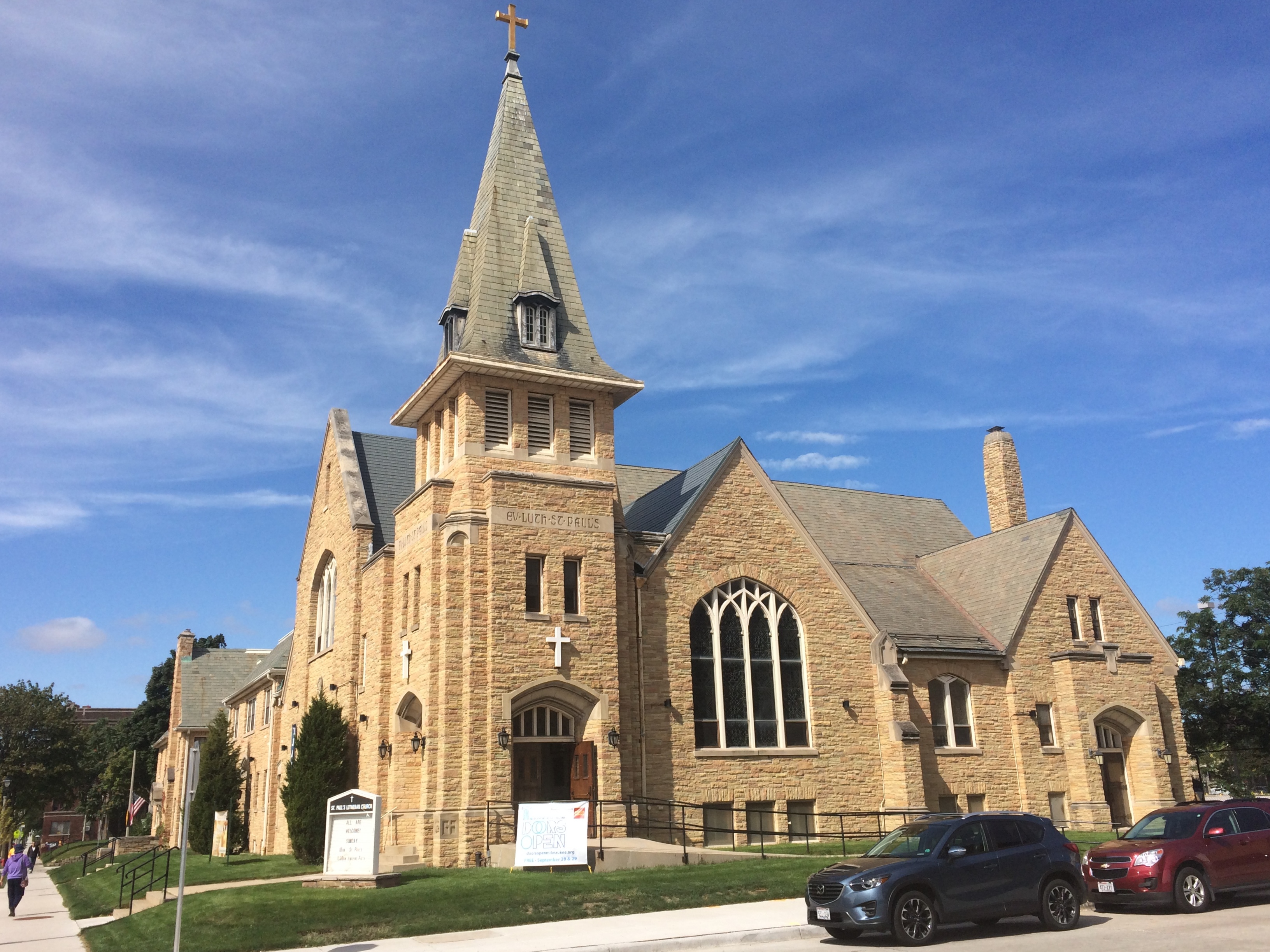
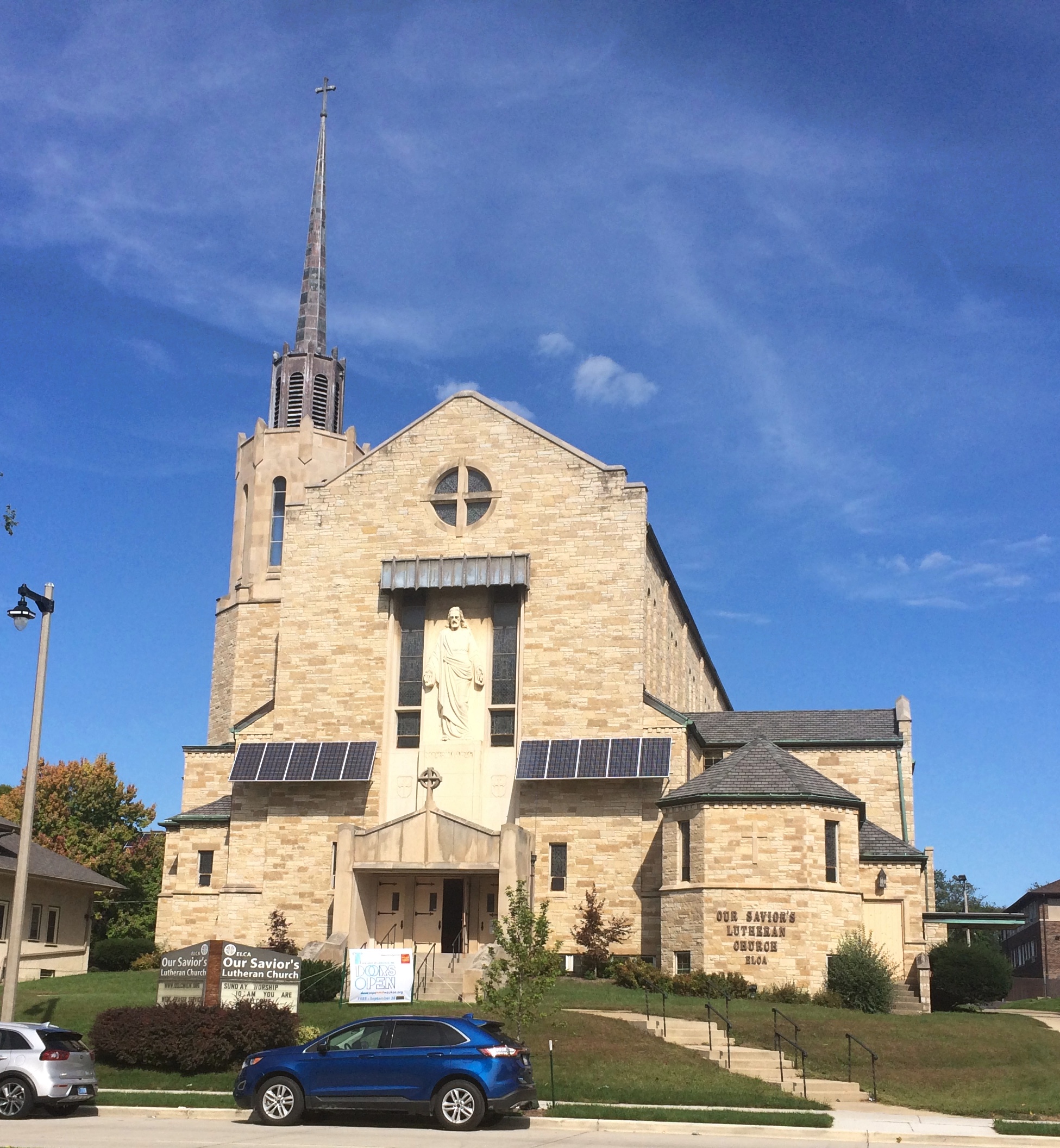
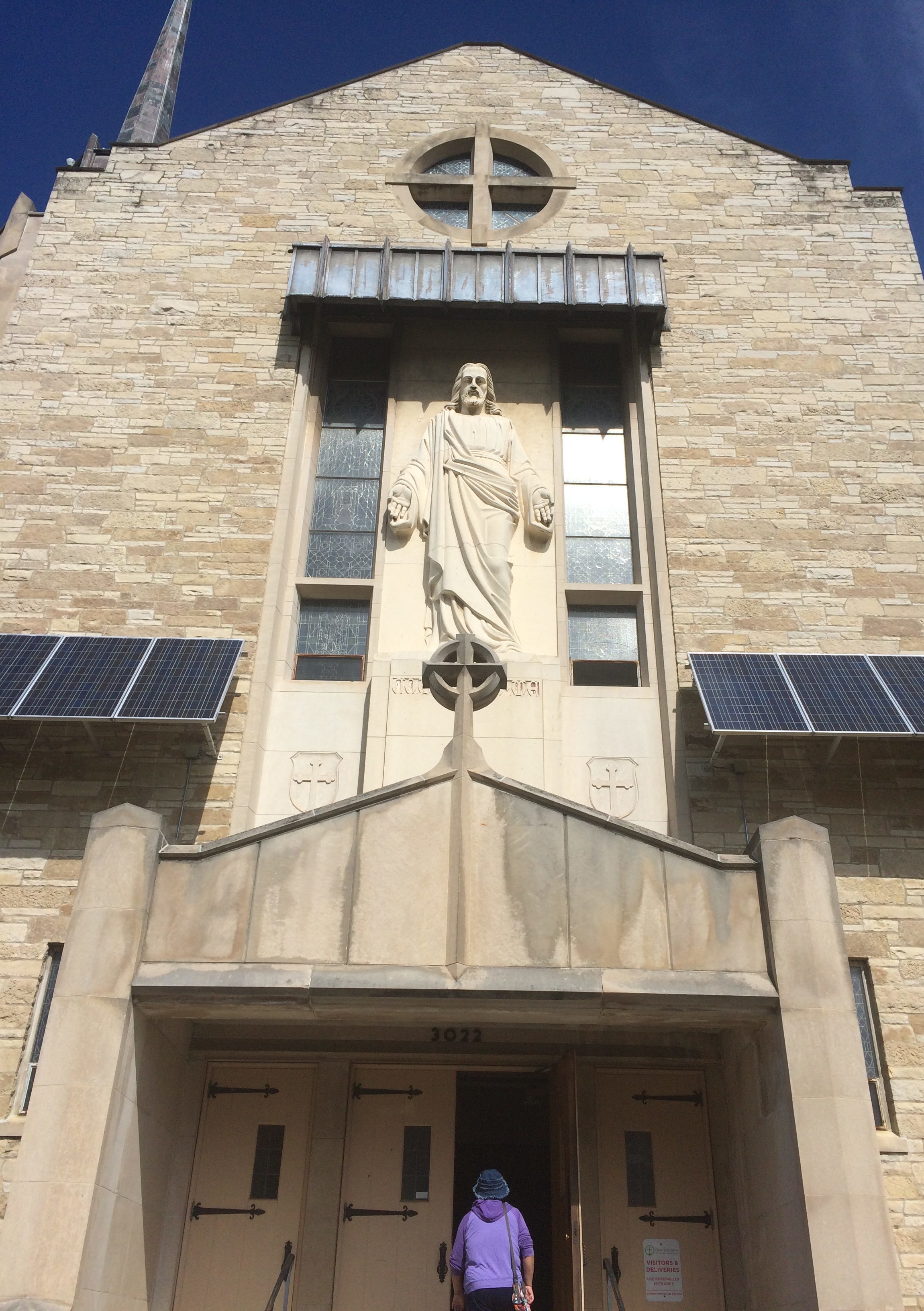
St Paul's Lutheran MilwaukeeGeorge Bowman Ferry designed the structure. It must have been one of his last, since he died in 1918. In partnership with another Milwaukee architect, Alfred C. Clas, he’s better known for doing the Pabst Mansion, which isn’t far to the east of St. Paul’s.St Paul's Lutheran Milwaukee St Paul's Lutheran MilwaukeeJust a few blocks from St. Paul’s — 2812 W. Wisconsin vs. 3022 W. Wisconsin — is another Lutheran congregation, which meets at Our Savior’s Lutheran Church. I gazed at the structure for a while before I noticed the solar panels. It probably took so long because that’s still an unexpected feature in ecclesiastical architecture.Our Saviors Lutheran Church, MilwaukeeOur Saviors Lutheran Church, Milwaukee

Why so close to another Lutheran church? I don’t have a definite answer. They both seem to be part of the Evangelical Lutheran Church in America, but that’s a fairly recent combination, so perhaps they were different kinds of Lutherans in the early days. Also possible: Our Savior’s was founded by Norwegians, who maybe didn’t want to share a church with Germans or others in the 19th century.

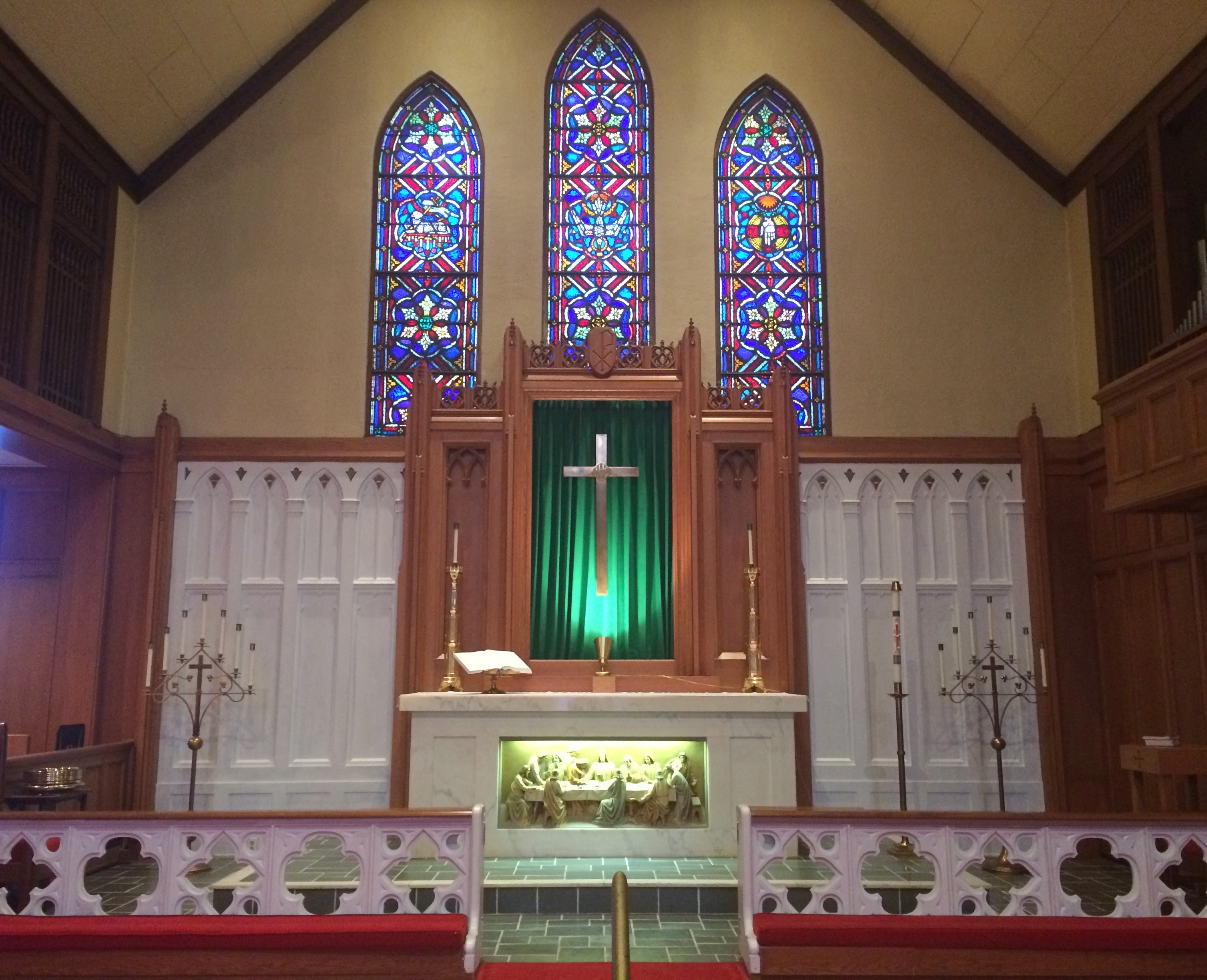
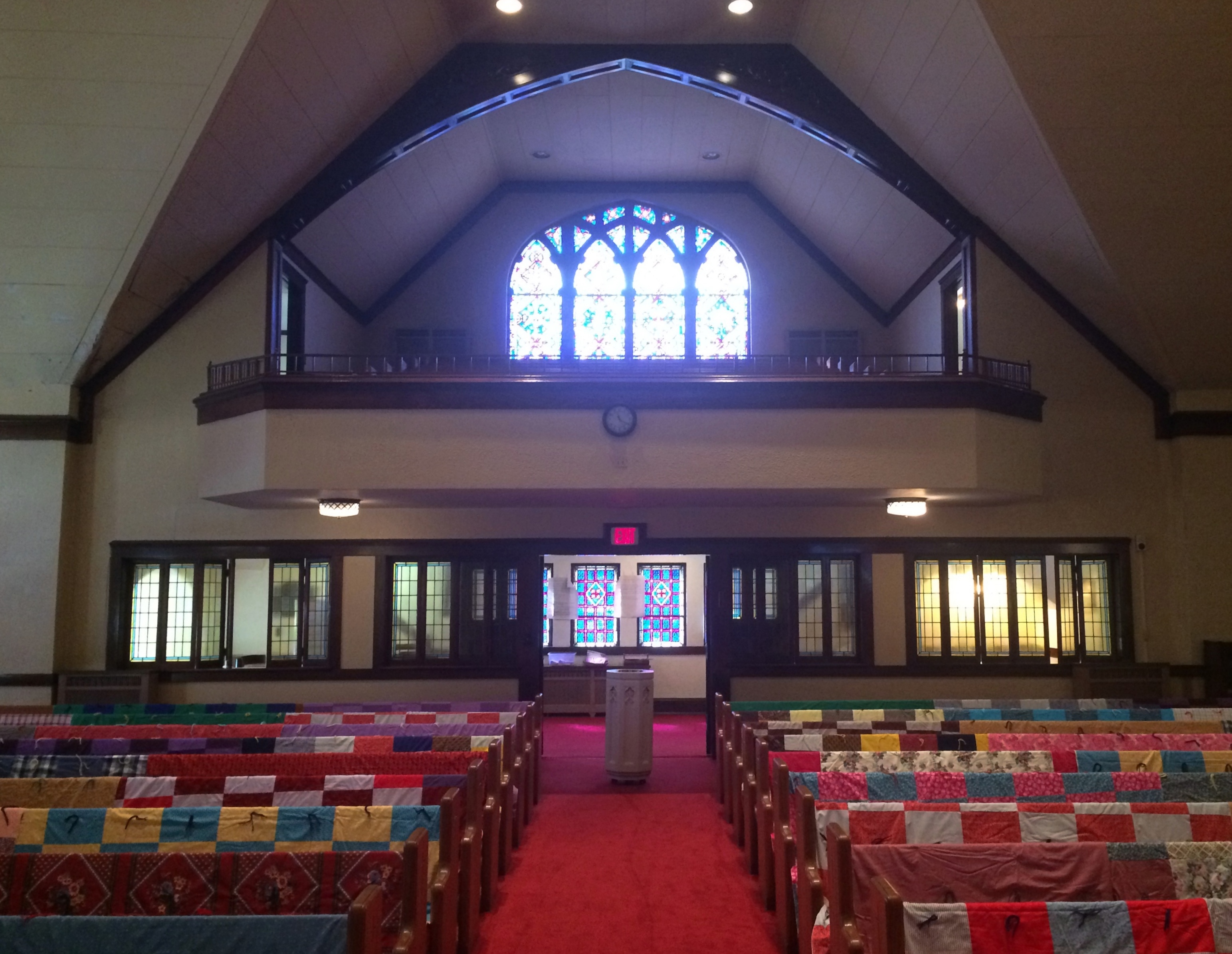
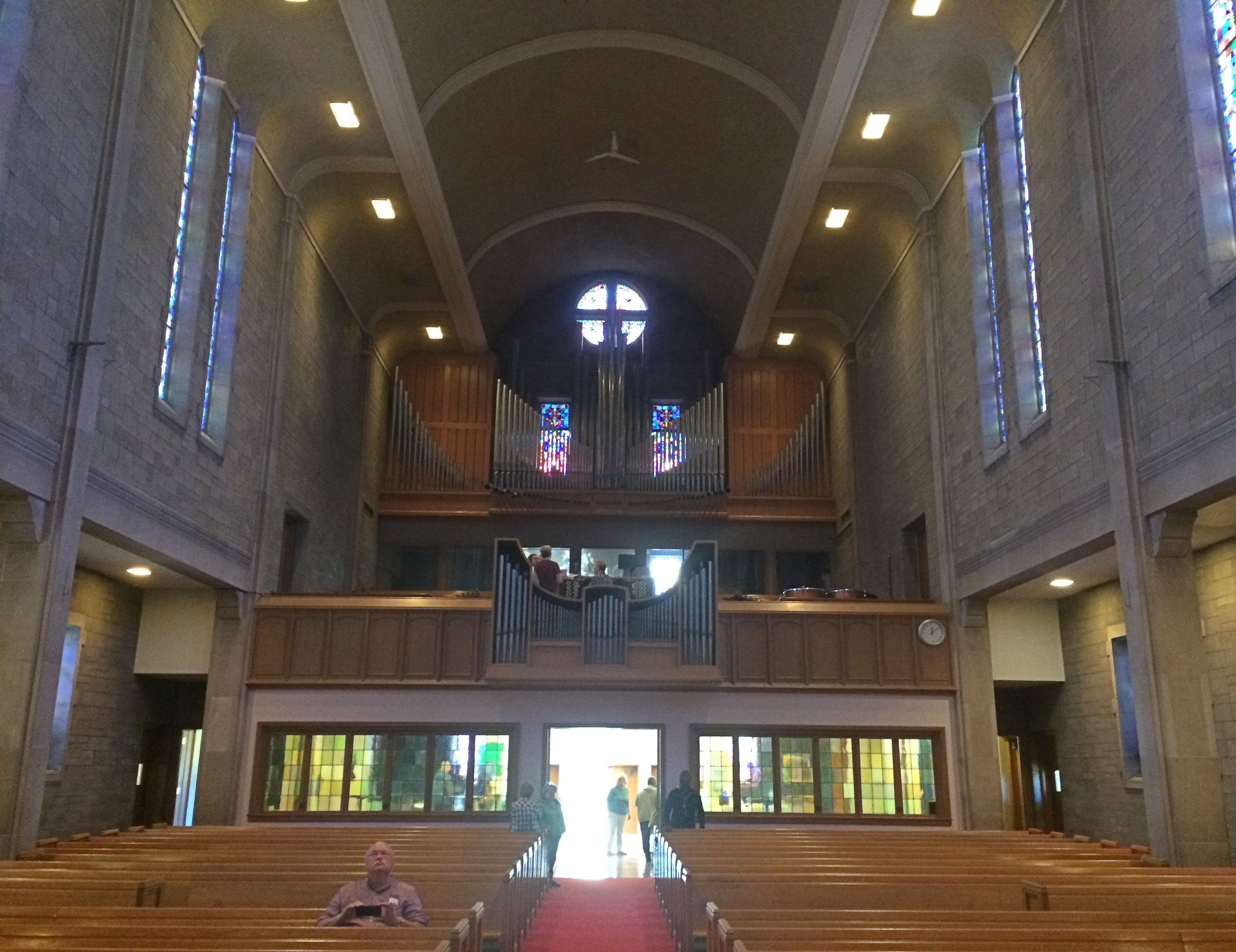
The church is tall and the interior walls are spare.Our Savior Lutheran MilwaukeeOur Savior Lutheran MilwaukeeA reflection of its midcentury design, I believe, since the building was completed only in 1954 for a much older congregation. A detail I find interesting from the church web site, after mentioning the 1951 groundbreaking and 1952 cornerstone laying: “Work slowed in 1951-1953 due to the steel shortage caused by the Korean conflict.”
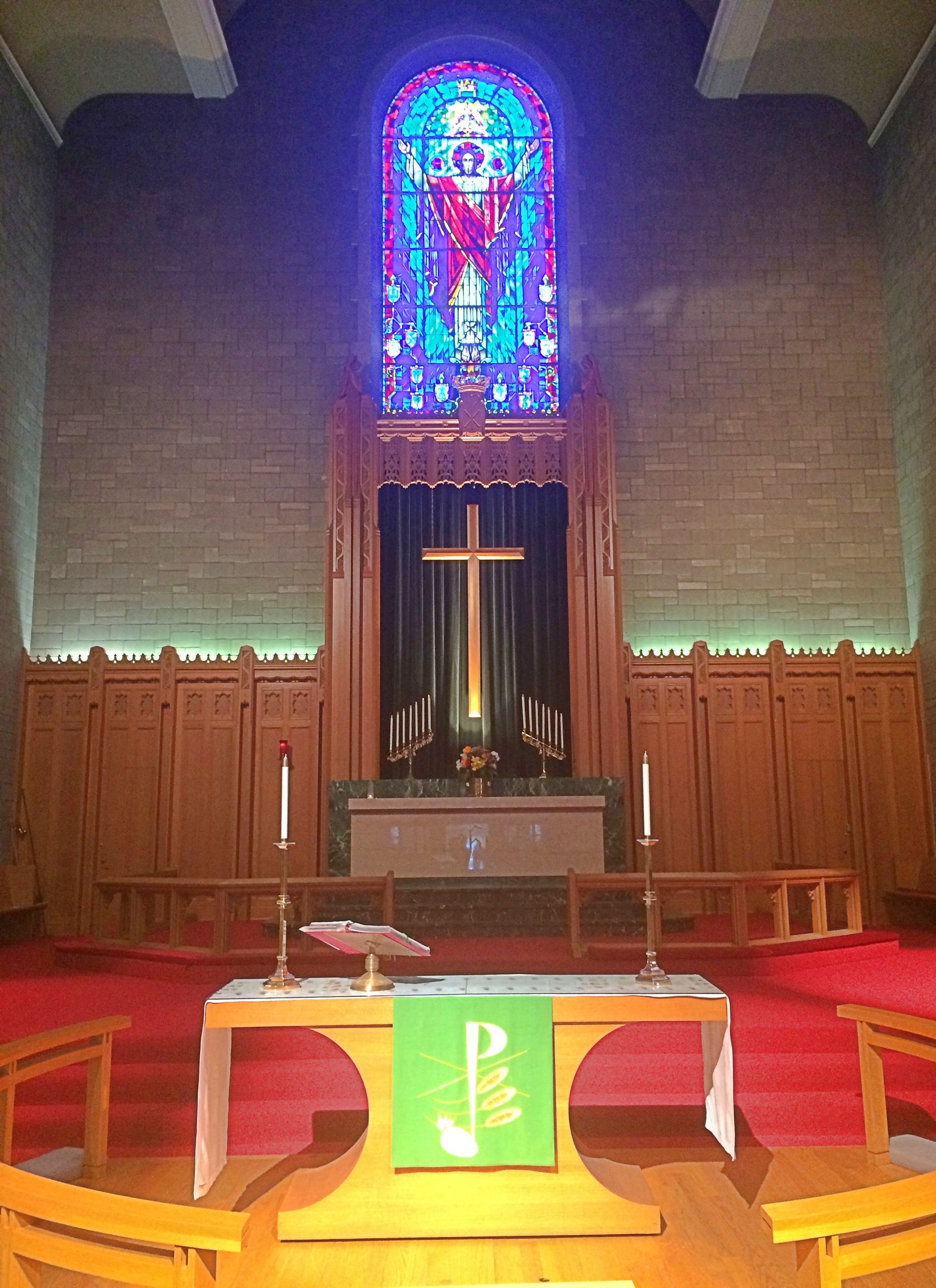
Also: “The original architect, H.C. Haeuser, passed away in 1951 before work on the church could begin. The firm of Grassold and Johnson was hired to replace him and that firm finalized the design.”

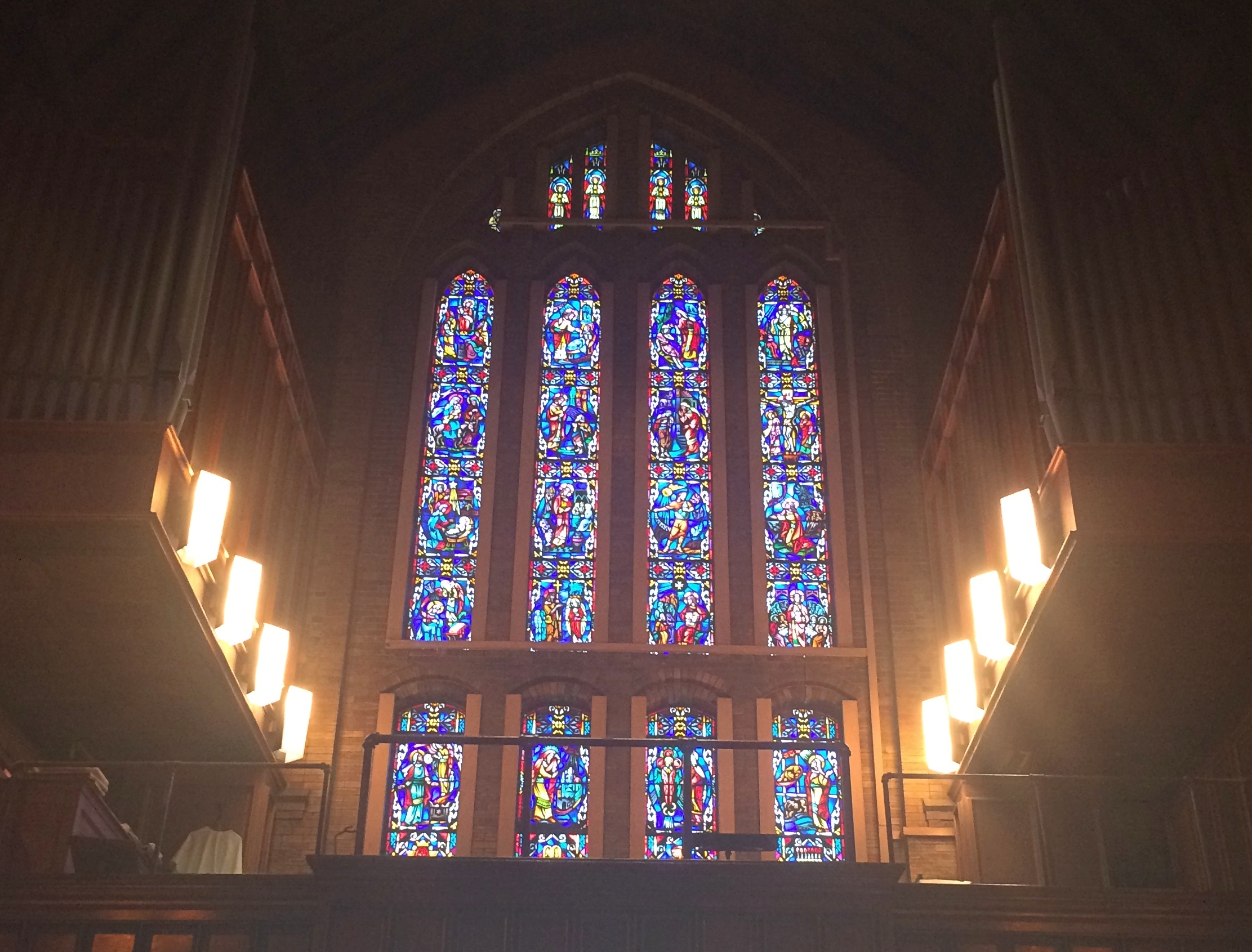
The walls may be mostly plain, but the stained glass isn’t.
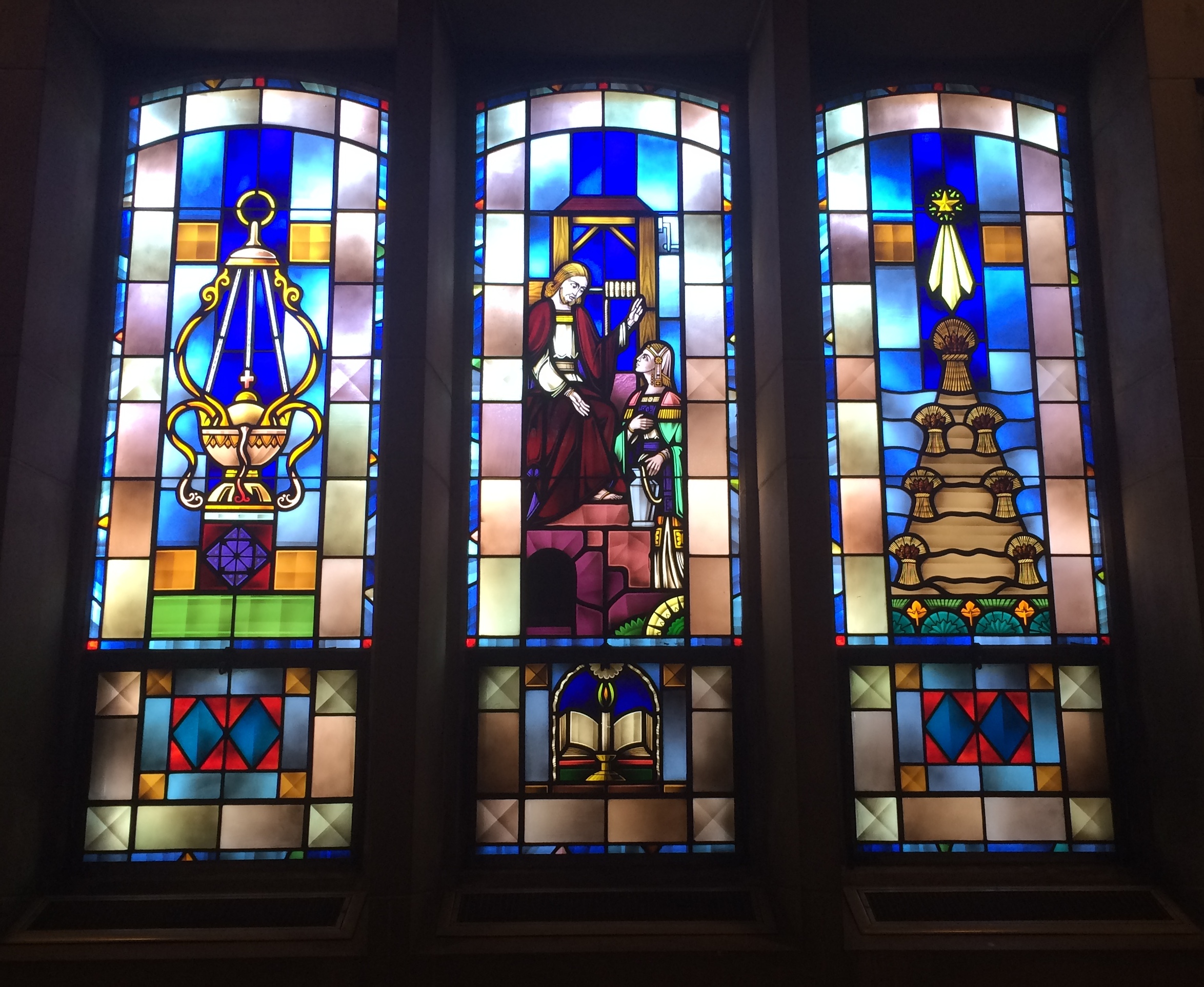
Our Savior Lutheran Milwaukee“The stained glass windows were designed by Karl Friedlemeier, a native of Munich, Germany and manufactured by Gavin Glass and Mirror Company of Milwaukee from imported antique glass,” the church says. “Upper windows on the west wall depict Old Testament stories; New Testament stories are shown on the upper east walls.”

To east of these two Lutheran churches, again not far (1905 W. Wisconsin Ave.), is another church of that denomination, Reedemer Lutheran Church. It too is ELCA.
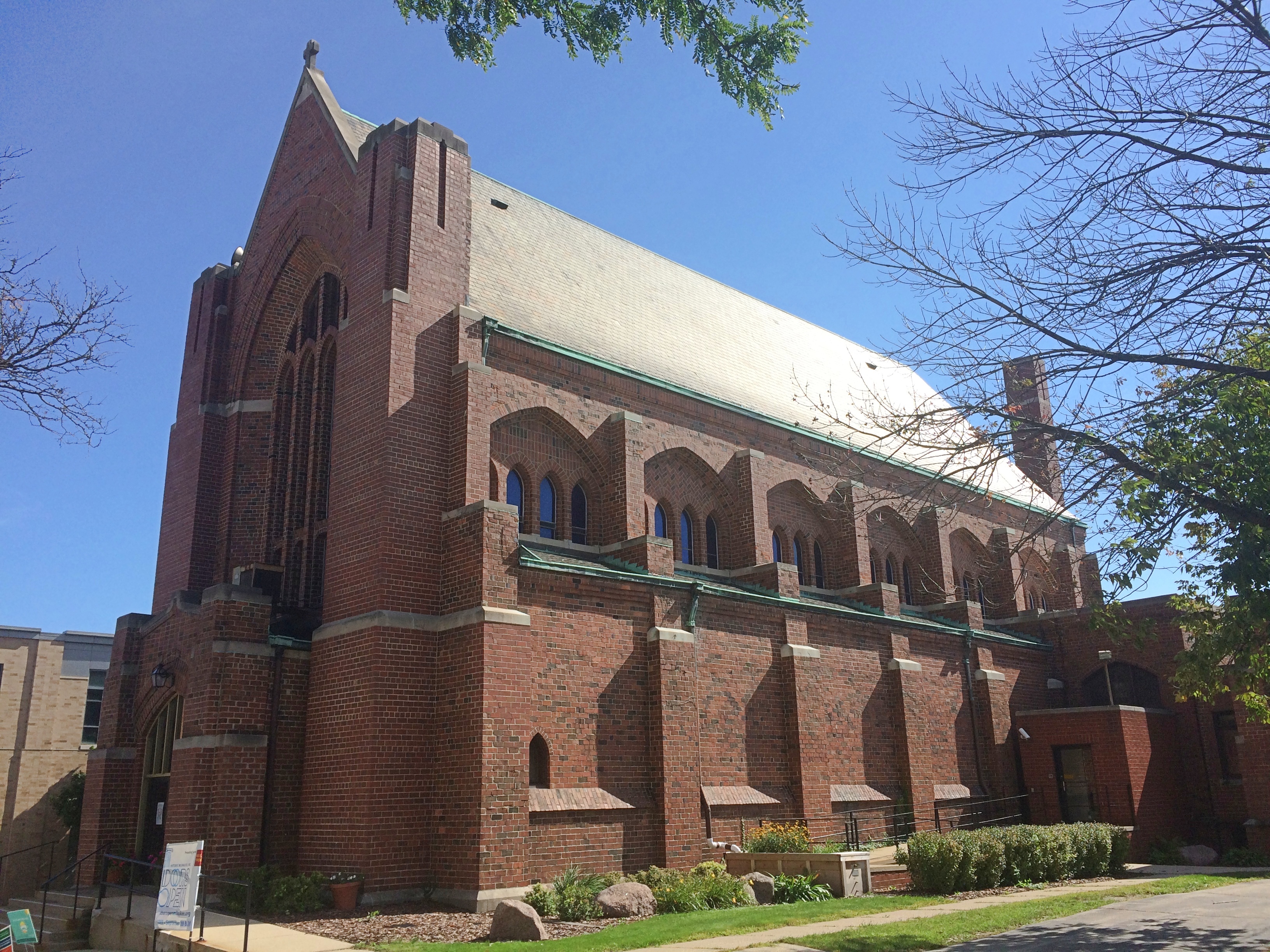
Redeemer Lutheran Church MilwaukeeA fine brick Gothic structure completed in 1915, designed by William Schuchardt, who worked at Ferry & Clas early in this career.
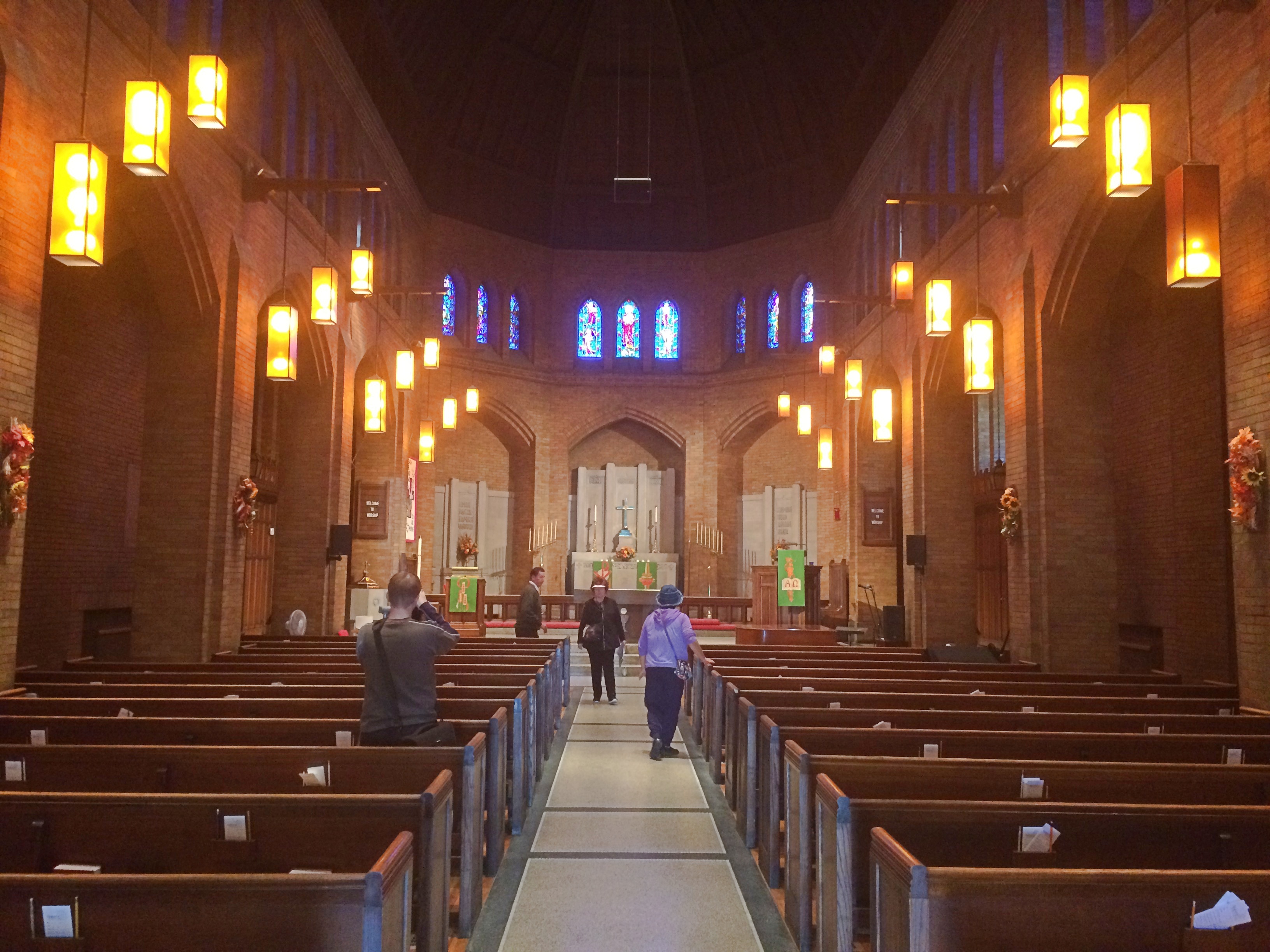
Redeemer Lutheran Church MilwaukeeRedeemer Lutheran Church MilwaukeeWhile on the way to Reedemer, we passed by the Pabst Mansion.
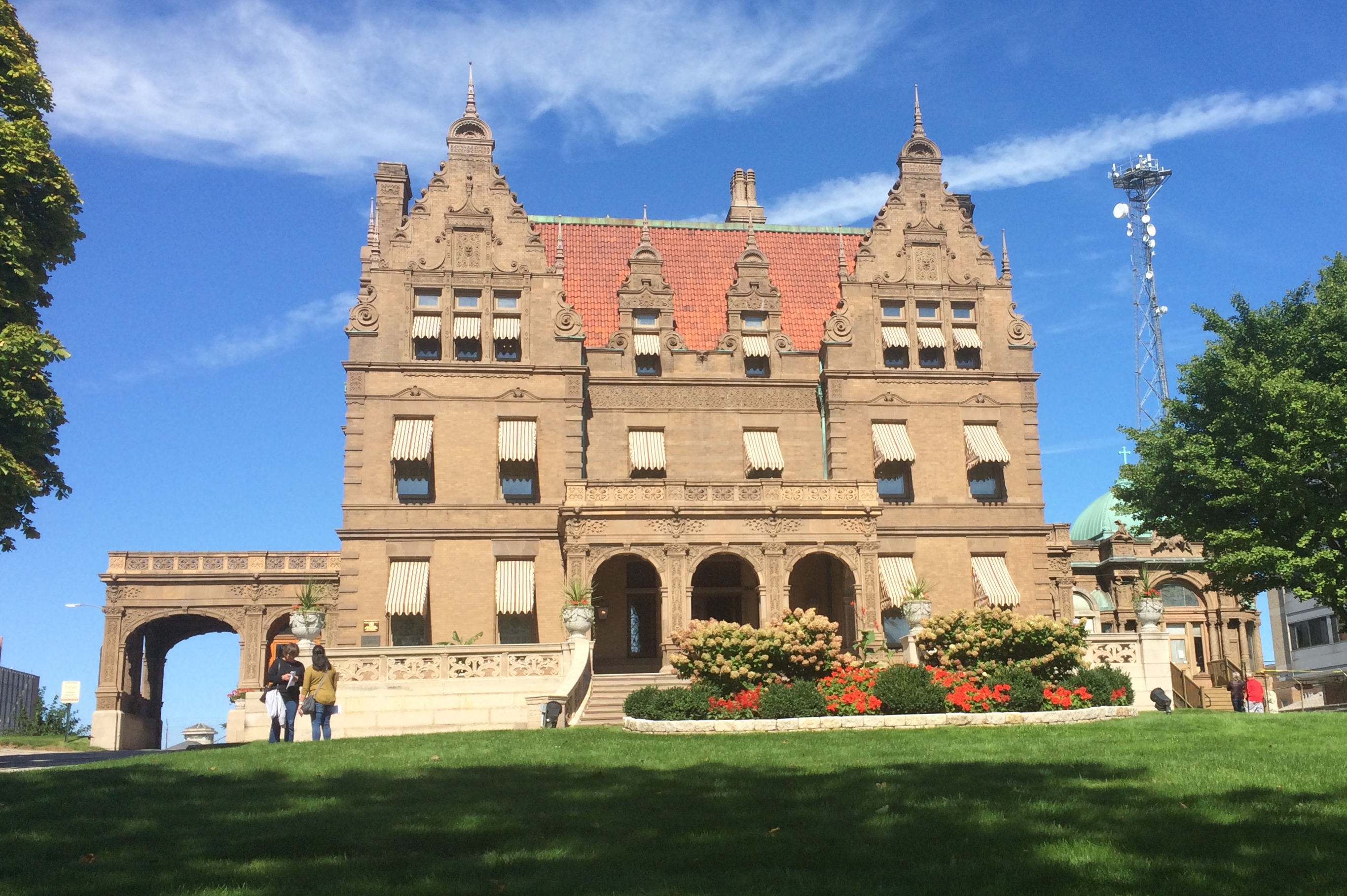
Pabst Mansion MilwaukeeLooks as palatial as it did in 2010. No reason it shouldn’t. It wasn’t part of Doors Open and so not open at no charge for the weekend. We walked by.

Across the street, an event called Beer Baron’s Bash was going on in the mansion’s parking lot, featuring food trucks and booths serving beer. Interesting, but not what we had come for either, so we walked by that too.
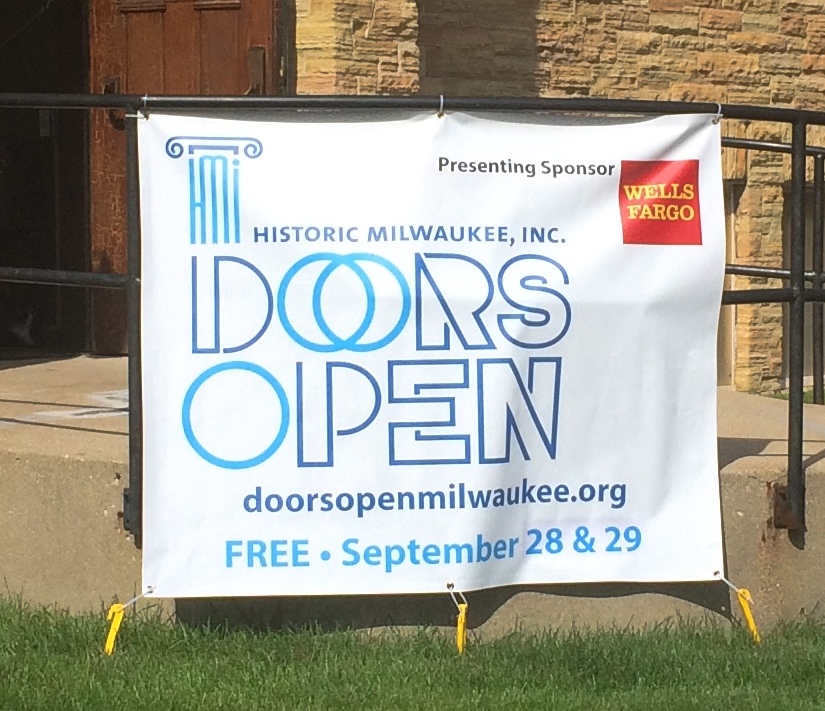
Milwaukee Doors Open ’19

Large amounts of rain fell on northern Illinois and southern Wisconsin on Friday, and more again on Sunday morning. In between, Saturday turned out to be a brilliant early fall day, clear and cool but not cold, and with touches of brown and gold on the still-green trees.

Milwaukee Doors OpenA good day to go to the latest Milwaukee Doors Open, driving up in mid-morning and returning just after dark.

This year — see 2017 and 2018 — we spent most of our time along or near Wisconsin Ave., a major east-west thoroughfare from the edge of Lake Michigan, just in front of the Milwaukee Art Museum, to near the Milwaukee County Zoo in the western reaches of the county.

At 2812 W. Wisconsin Ave. is St. Paul’s Lutheran Church, our first stop along the avenue, west of downtown and not too far from Marquette University. A few blocks to the west of that church is a vastly ornate Moorish Revival structure, the Tripoli Shrine Temple. “Is this a mosque?” Yuriko asked. No. “A church?” Well, no. It’s the Shriners.

Next to the temple — on an adjoining lot — is Our Savior’s Lutheran Church. From there, we headed a bit to the north, off Wisconsin Ave. but not far, to see the splendid Gilded Age Schuster Mansion, now a bed and breakfast.

Returning to Wisconsin Ave., we visited the Ambassador Hotel, whose handsome lobby is as Deco a design as any I’ve ever seen, and then went to the third and fourth (but not last) churches of the day: Redeemer Lutheran Church and, after lunch at a Malaysian Chinese storefront on the avenue, St. George Melkite Greek Catholic Church.

The end of the day found us closer to downtown Milwaukee, where we visited one more church on Wisconsin Ave., Calvary Presbyterian, with its surprising interior, and then we saw the inside of two massive edifices of the state: the Milwaukee County Courthouse and the Federal Building and U.S. Courthouse, the latter also on Wisconsin Ave.

The only Milwaukee building we visited this year not on or near Wisconsin Ave. was about five miles to the south, and the first place we saw in the morning, because it isn’t far from I-94, the highway into Milwaukee from the south.

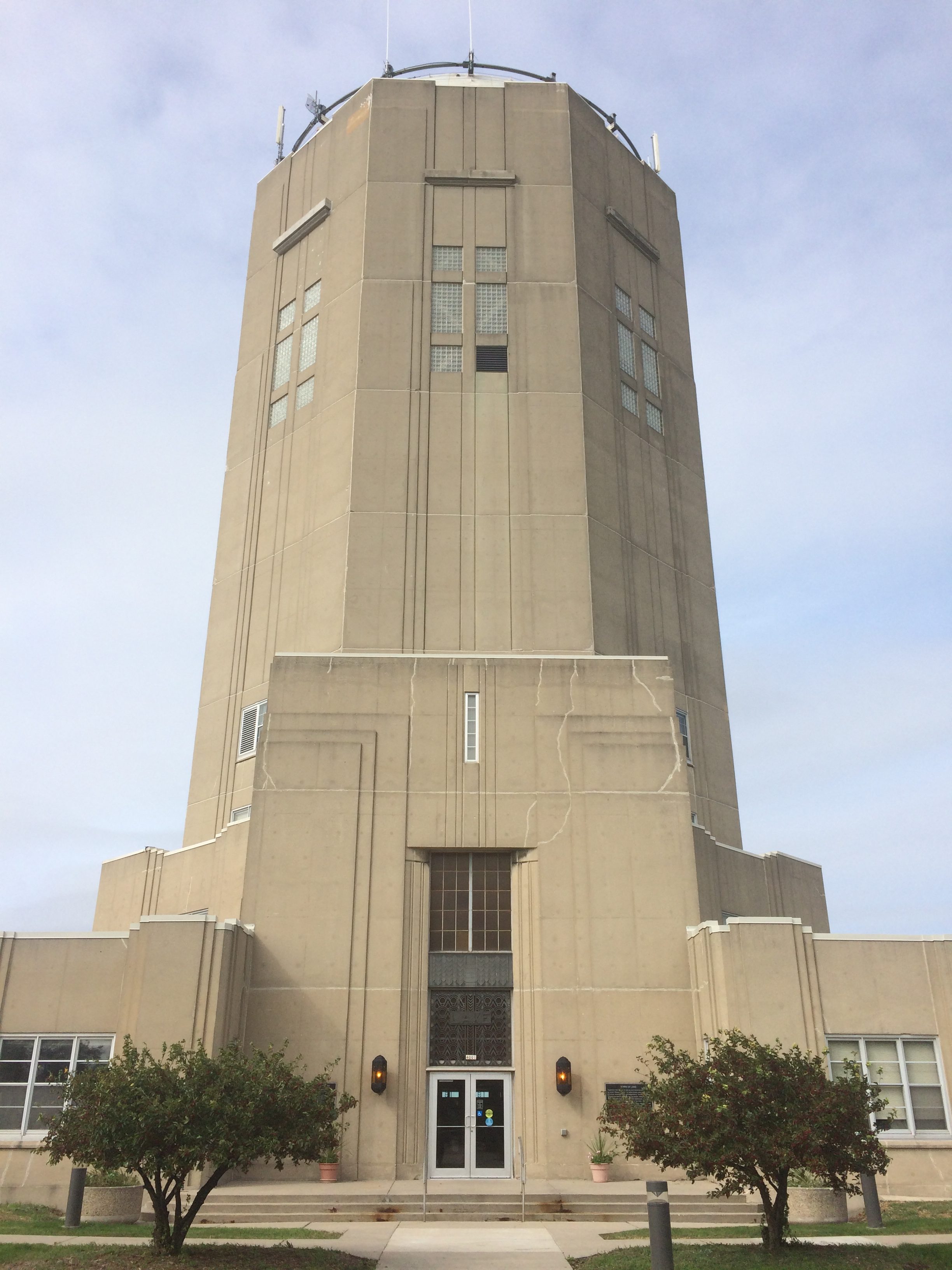
Namely, Lake Tower.
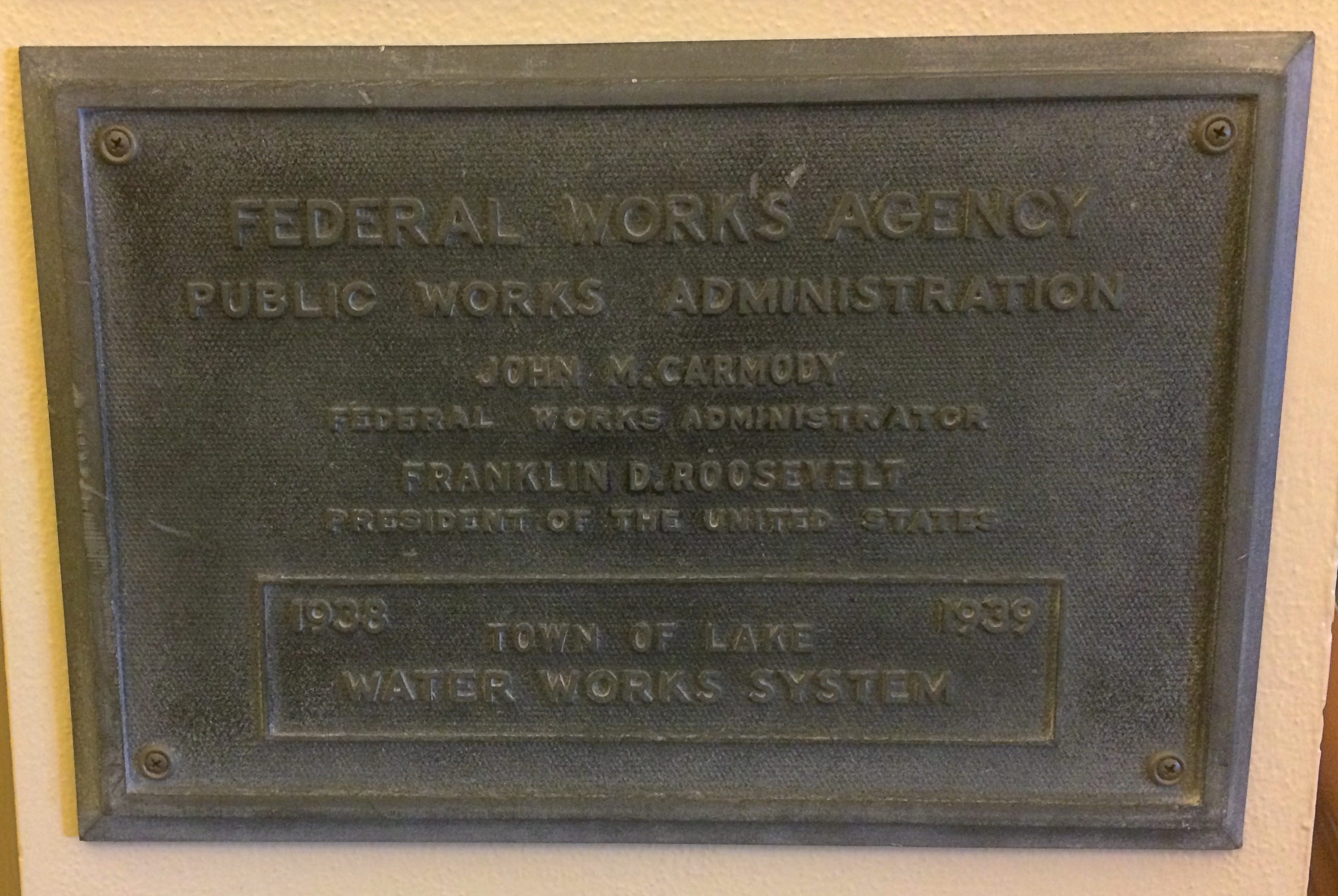
Lake Water Tower, MilwaukeeAlso called the Lake Water Tower, or the Anderson Municipal Building. It goes back to the Federal Works Agency, completed with a worn plaque just inside the entrance, dated 1938-39.
Lake Water Tower, MilwaukeeDon’t see Federal Works Agency plaques too often, but I’ve run across them occasionally.

At the time, this part of Milwaukee was an independent municipality: the Town of Lake. In fact, Lake, Wisconsin lasted from 1838 to 1954, when Milwaukee was able to annex it. In the late 1930s, the Town of Lake had municipal offices on the lower floors, and a million-gallon tank of water up top.

There are still municipal offices in the building, albeit Milwaukee’s, but the water tank has been empty for nearly 40 years, its function made unnecessary by new facilities, including the water reclamation plant in the vicinity, whose distinct odor pervaded the area around the tower. Milwaukee Doors Open visitors can go to the fourth floor of the tower, through a heavy door and into the dry bottom of the tank, with a view of the metalwork and convex roof (or is it concave? never can remember) and other features above (see these pictures).

The place had a nice echo. I asked the person on duty at the site — a tedious assignment, up there in the tank — whether small acoustic concerts were ever held there. No, afraid not. Something about the ADA, but I think it’s really a lack of municipal imagination.

Volkening Lake

I’m starting to see Halloween decorations on suburban front lawns. Too early. Maybe people want to decorate while it’s still warm, but it won’t be that cold in October.

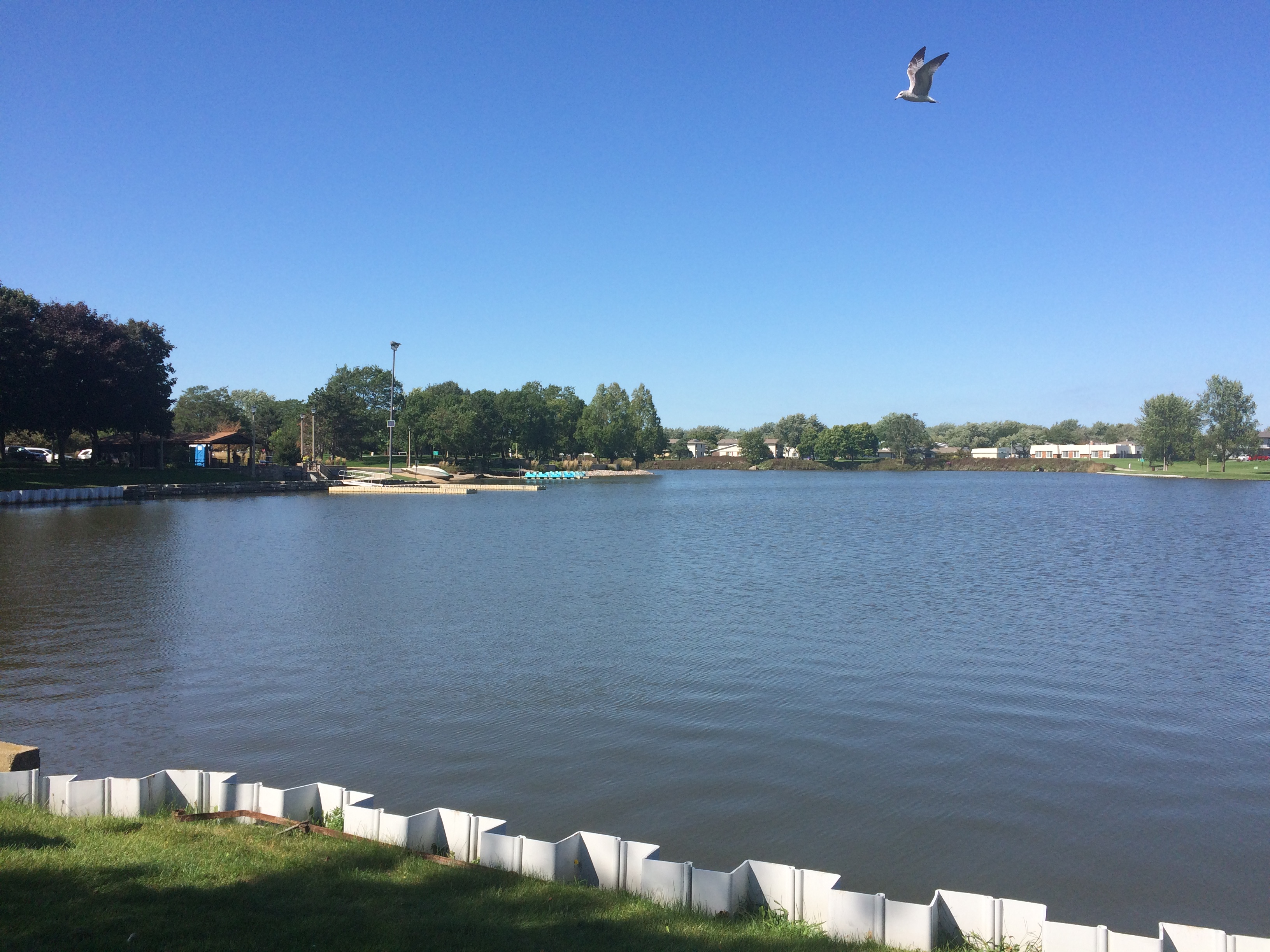
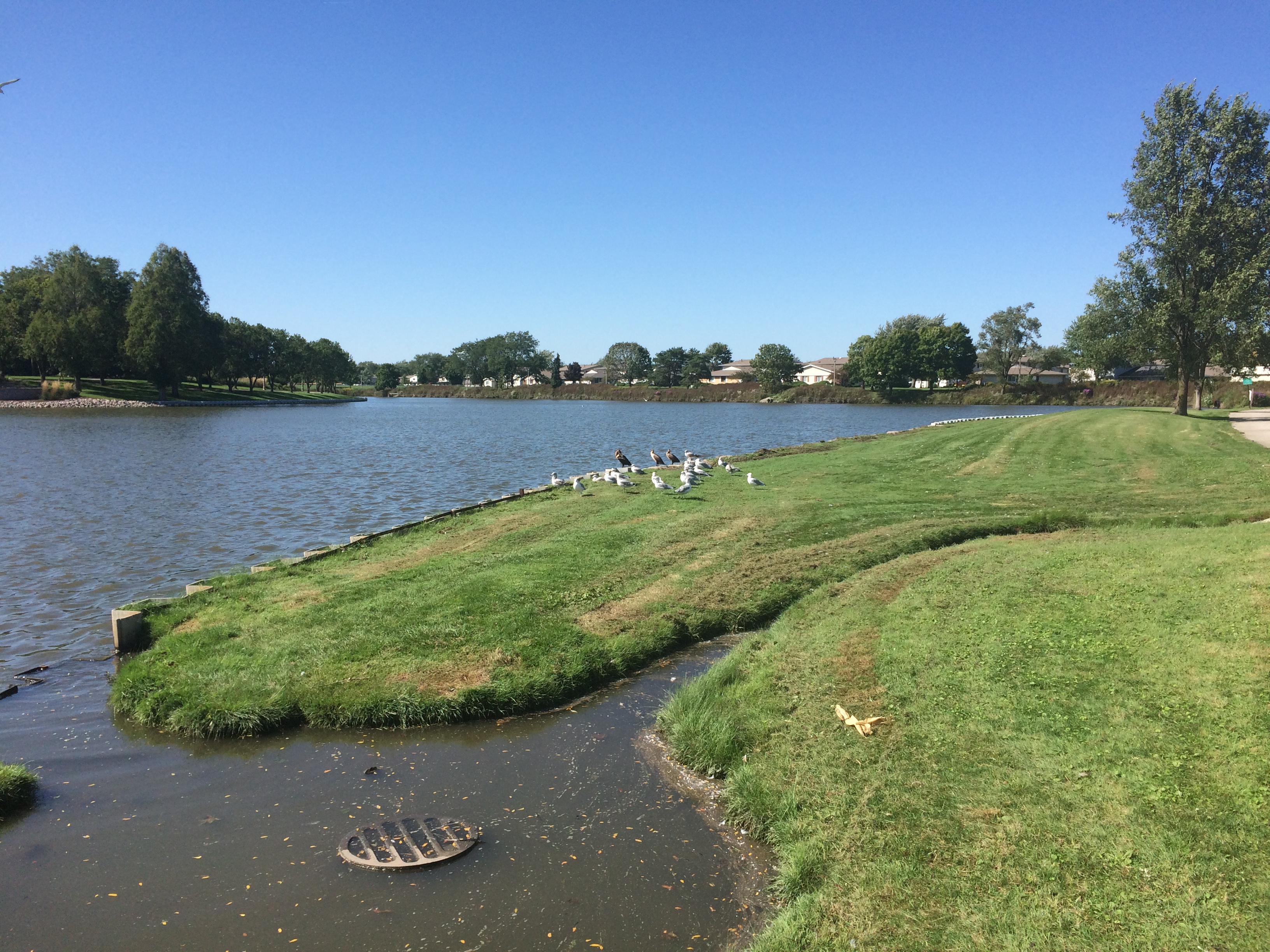
Been cool in the evenings and warm during the days. The other day I took a noontime walk around Volkening Lake here in the northwest suburbs, since I was running errands nearby.

Really a large pond, but pleasant to walk around. A 0.7-mile trail goes all the way around.
Birds like it too.
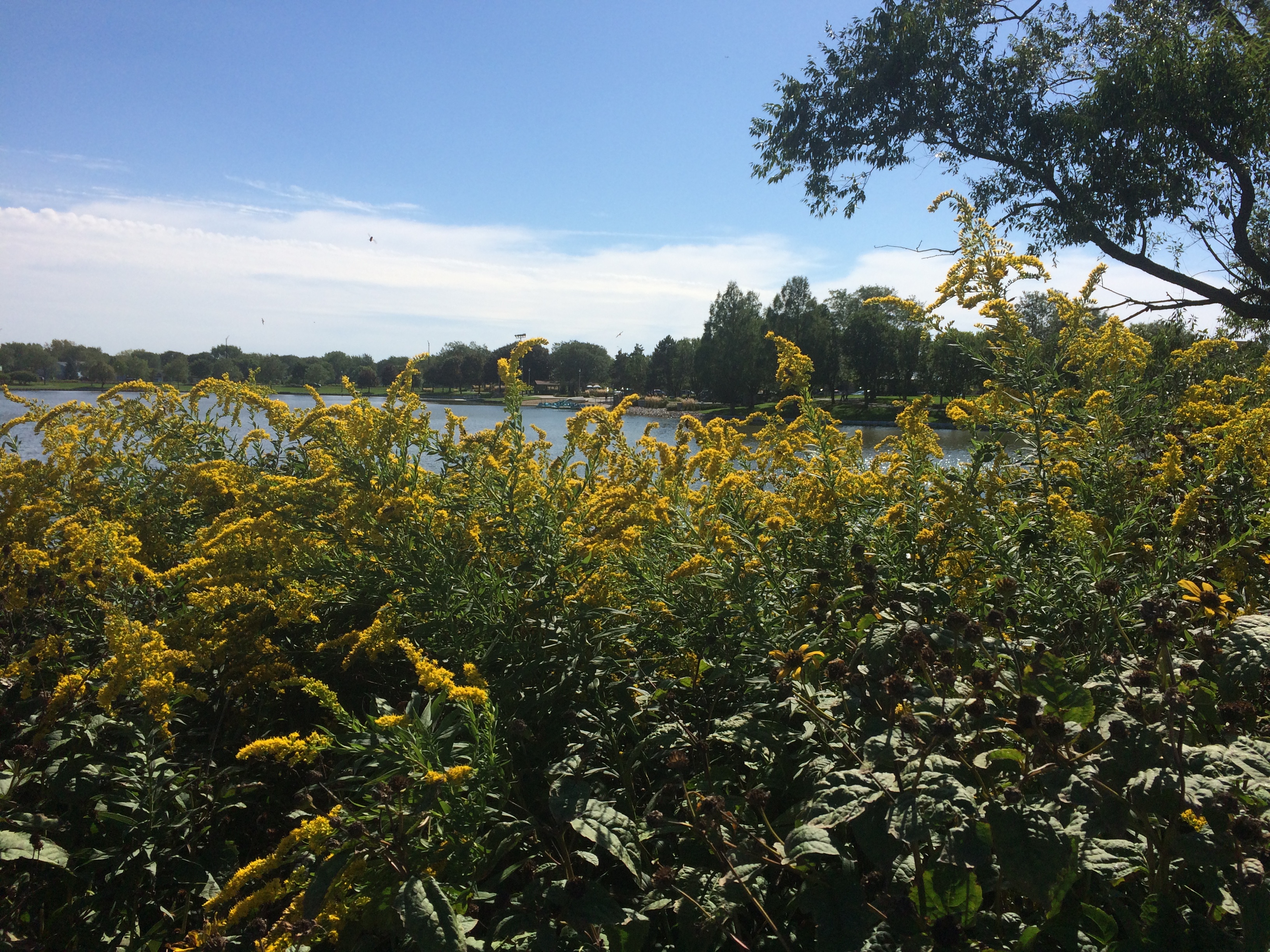
Goldenrod is in full bloom now, taking the blame for ragweed pollen, which has been pretty bad this year.
Apparently the site of the pond has long been low-lying and damp, even when it was farm land. Volkening Lake seems to have been created about the same time as the surrounding suburbs, in the 1960s, which is really no surprise, though put in its present form in the ’80s. The Volkenings were the farmers who owned the property before it was suburban.

Incident in the Suburbs

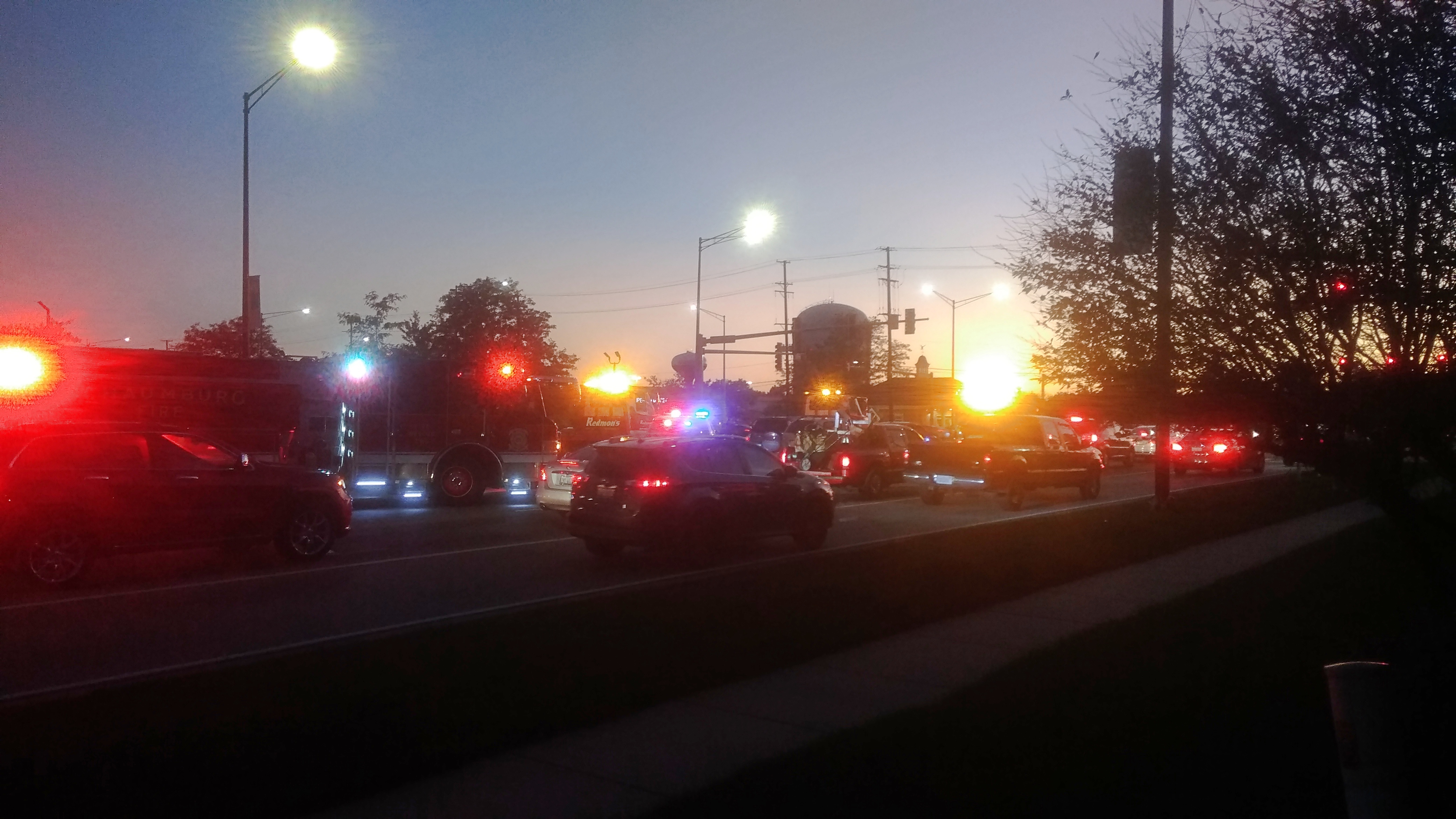
My primitive camera really wasn’t up to the task, but I took pictures anyway. The thing to do here in the 21st century. This image was taken at about 7 pm this evening, September 23, in the twilight not long after the equinox sun had set.

A chaos of lights. Tail lights, street lights, fire truck lights, police car lights and ambulance lights. There had been a traffic accident at a major intersection here in the northwest suburbs. One we travel through often. Fortunately for us, we had no part in the incident — weren’t even inconvenienced by it, since we turned into a strip-center parking lot adjacent to the intersection, without having to pass through the intersection.

We’d come to have dinner at a fast-casual restaurant near the strip center that we rarely go to, but which we were inspired to visit this evening. I left the restaurant for a moment and walked to the sidewalk on one of the major streets near the intersection, to see what all the hubbub was about.

A rare chance to rubberneck (figuratively, anyway) without being in a car or annoying the drivers behind you. Not that I could really tell what the hubbub was about, other than one metal device on wheels had hit another one in the recent past, and first responders were responding.

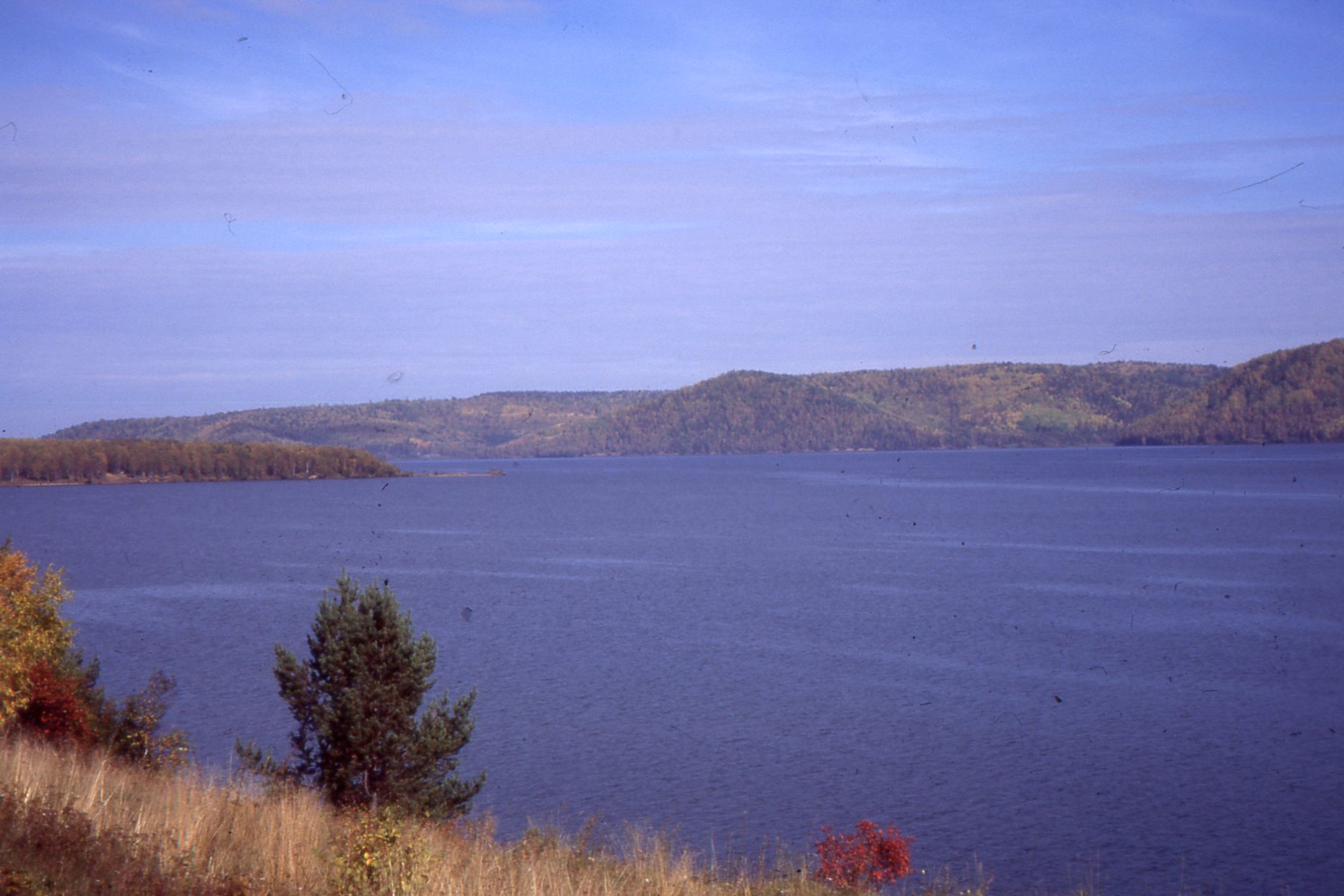
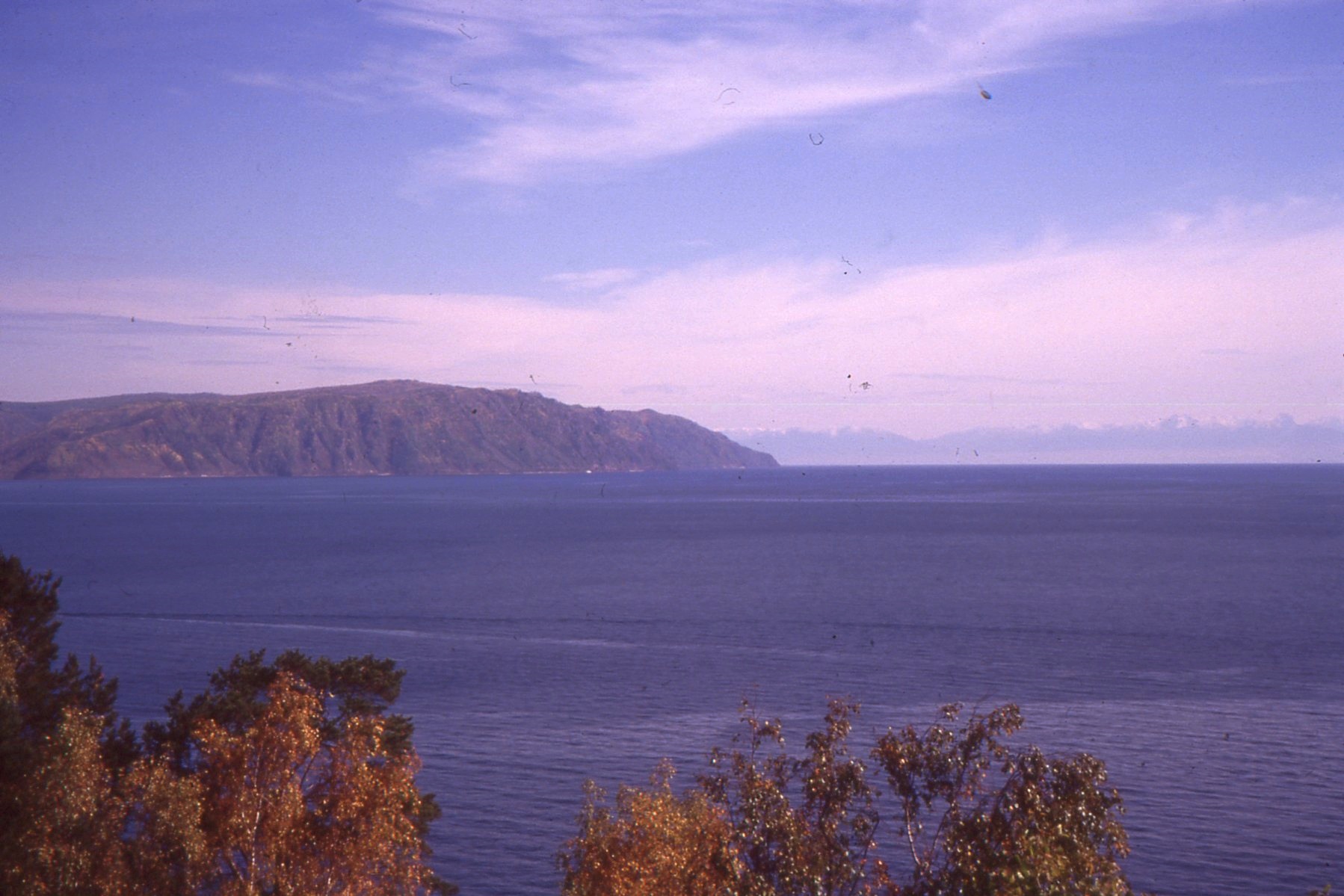
Lake Baikal 1994

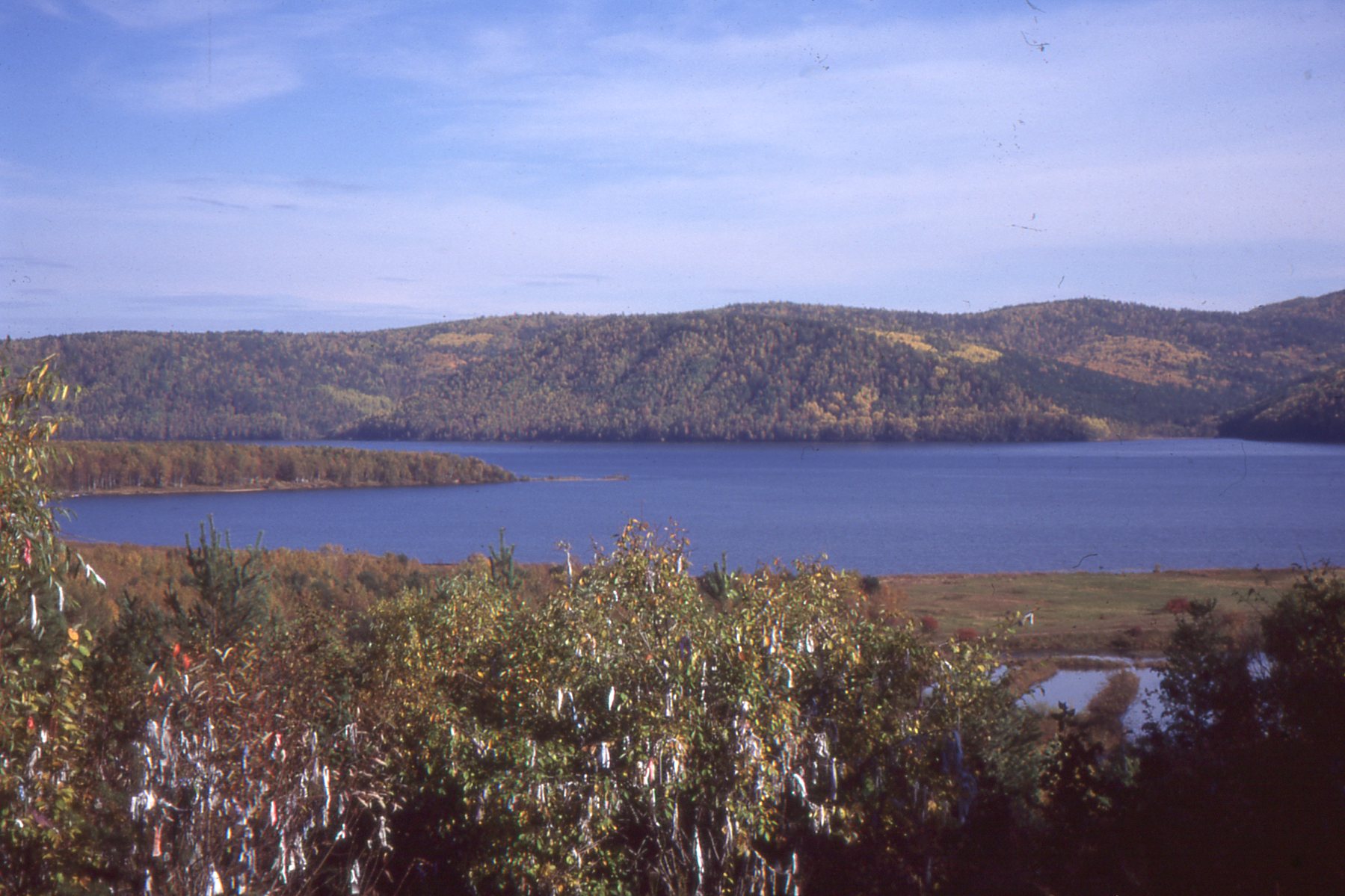
It was distinctly cool in Siberia in September 1994, but not cold enough to keep an Australian in the tour group from jumping into Lake Baikal.

It looks like he’s out in the middle of the lake, but we weren’t far from shore, on a small tour boat — seen here docked.

The Lake Baikal statistic that impressed me then, and still does, is its volume. It’s an enormous crack in the crust of the Earth, full of water. How much? 5,700 cubic miles. If that’s not impressive by itself, that’s more water than all of the Great Lakes combined.

Most of my pictures were from the shore.

I came away with the impression of a Great Lake, but with mountains off in the distance. Take Lake Superior, say, and move it eastern Colorado.
St. Lorenz Lutheran Church, Frankenmuth
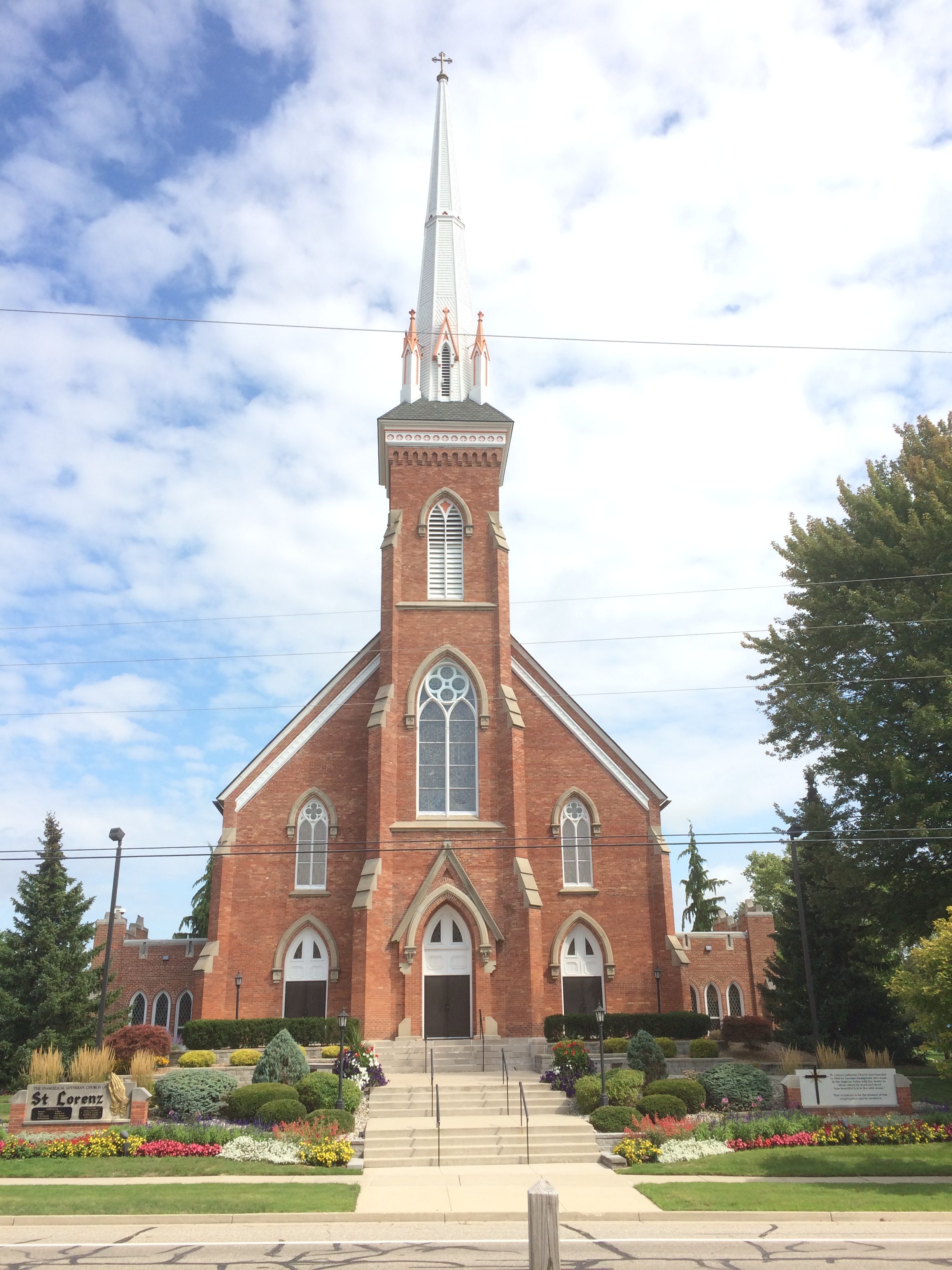
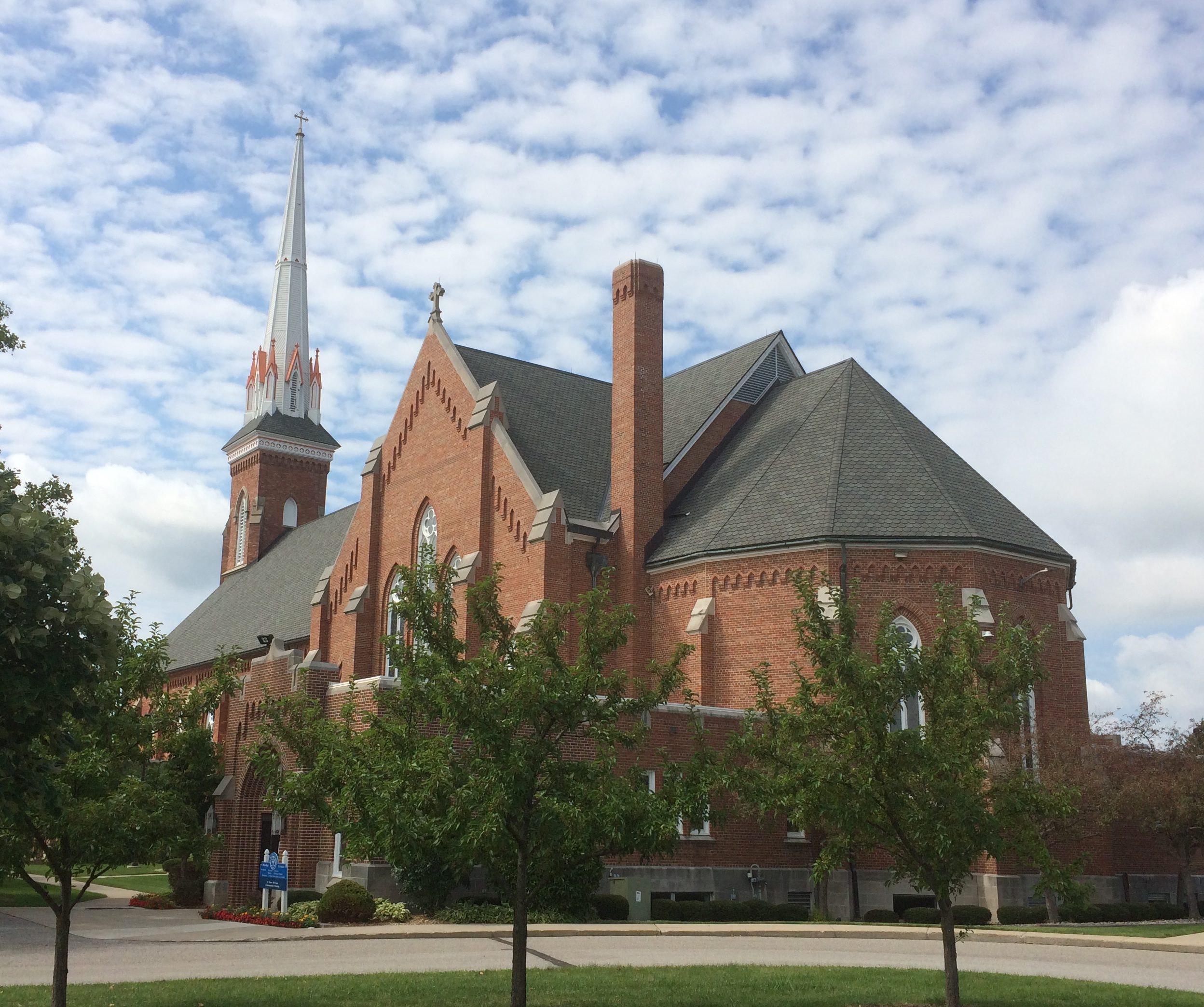
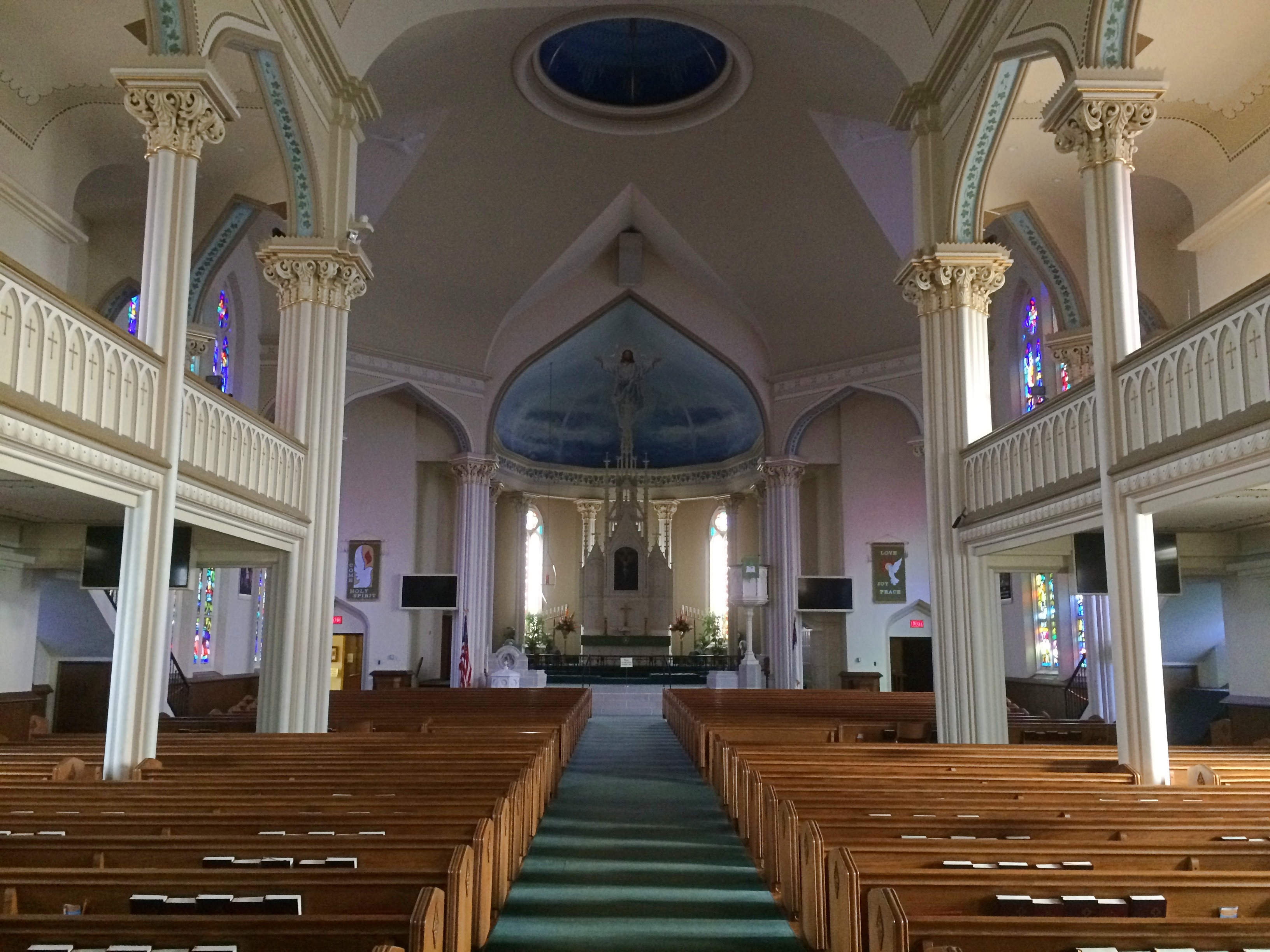
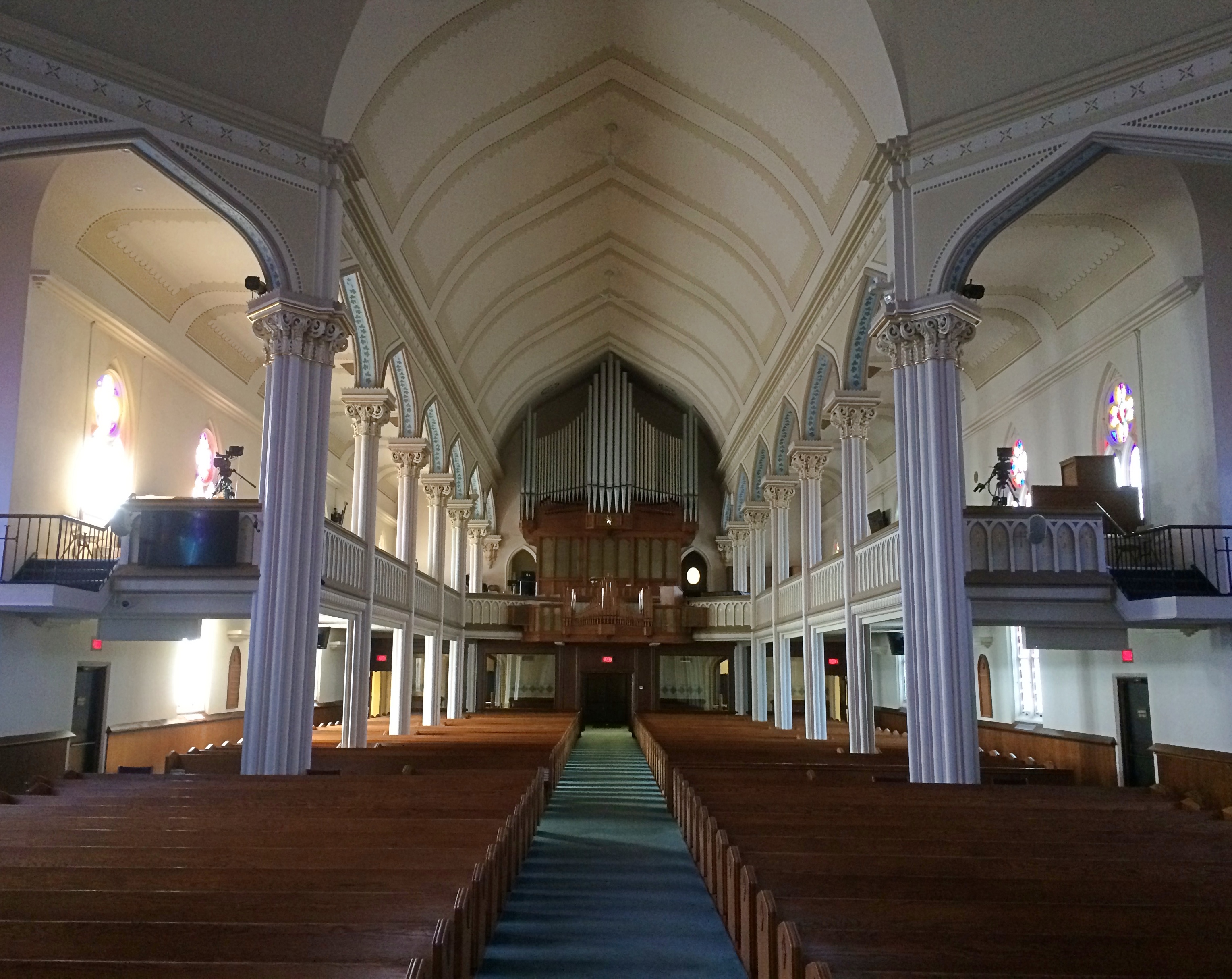
For all its faux Bavarian tourist appeal, Frankenmuth, Michigan has an actual Bavarian history, beginning with St. Lorenz Lutheran Church, about a half a mile from crowded Main Street.

We were the only ones there for about half an hour around noon on Labor Day.
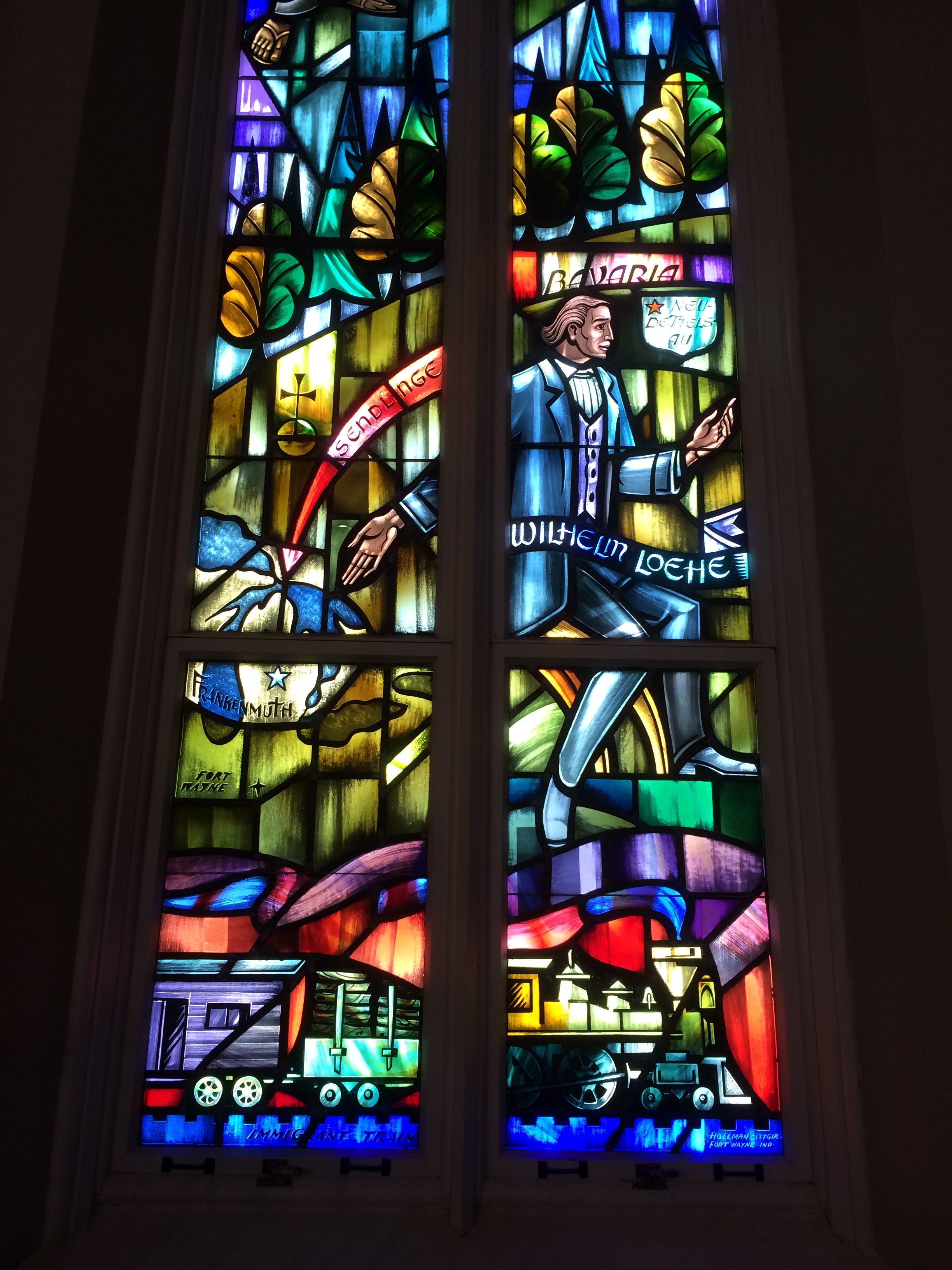
St Lorenz Lutheran Church FrankenmuthSt Lorenz Lutheran Church FrankenmuthThe church was founded at the same time as the town. “Pastor Wilhelm Loehe of Neuendettelsau, Bavaria, was inspired to establish a German Lutheran colony by Michigan circuit riders who requested aid in bringing the Gospel of Christ to Saginaw Valley Chippewa Indians,” the site’s historic plaque says, as reproduced here.

“Directed by Loehe in 1845, Pastor August Craemer and fourteen other immigrants began clearing forests in this area south to the Cass River. They built log houses and dedicated a log church on Christmas Day 1846. The second church, a frame structure, was erected in 1852 and enlarged in 1864, serving until the completion of the present church in 1880.”

A Cleveland architect named C.H. Griese designed the current Gothic Revival church. Traces of him are online, such as in the context of another Lutheran church.

We were glad to find out that the building was open. That’s not always the case, often for good reason. The interior’s handsome indeed.
St Lorenz Lutheran Church FrankenmuthSt Lorenz Lutheran Church Frankenmuth

St Lorenz Lutheran Church Frankenmuth

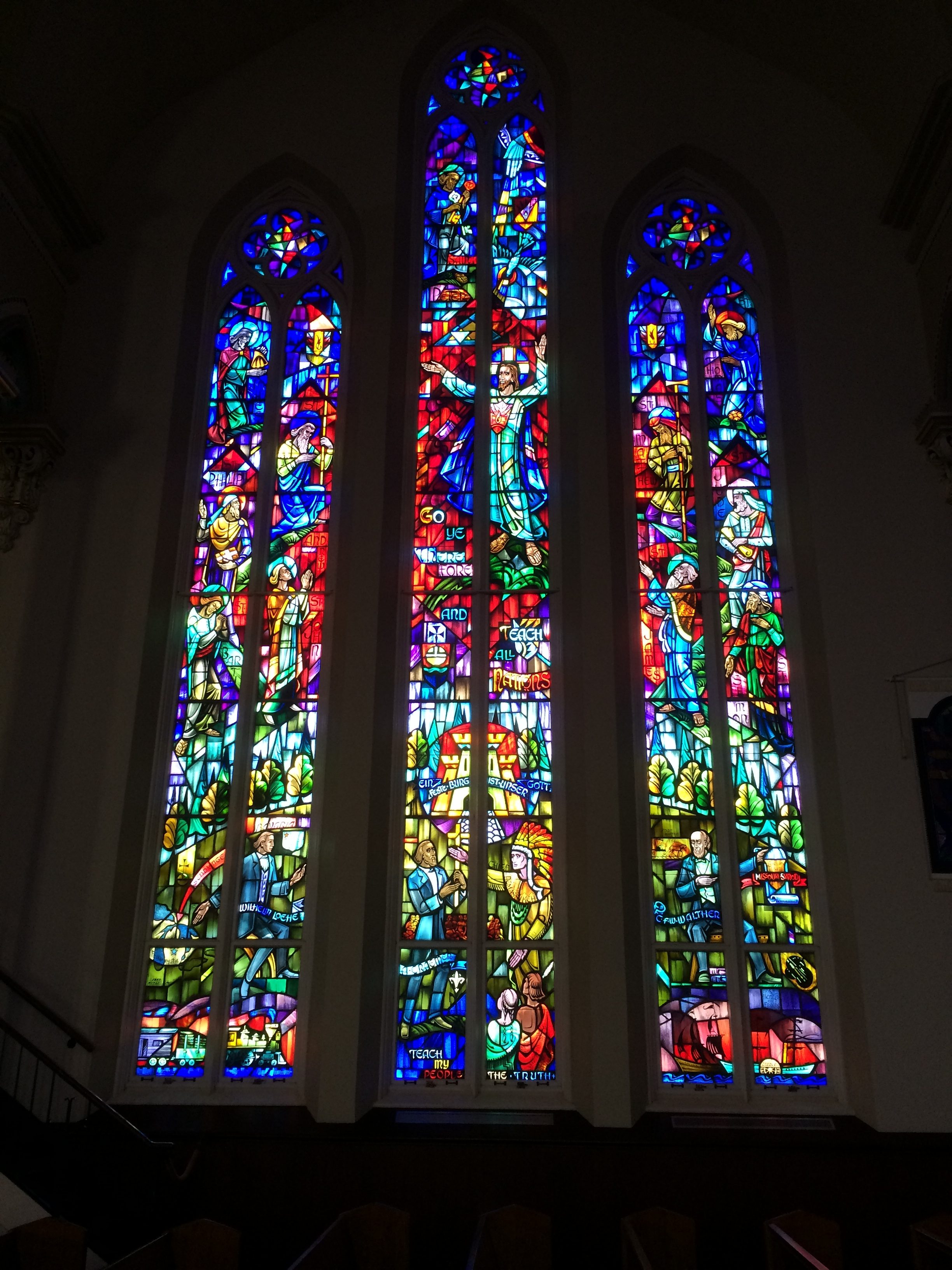
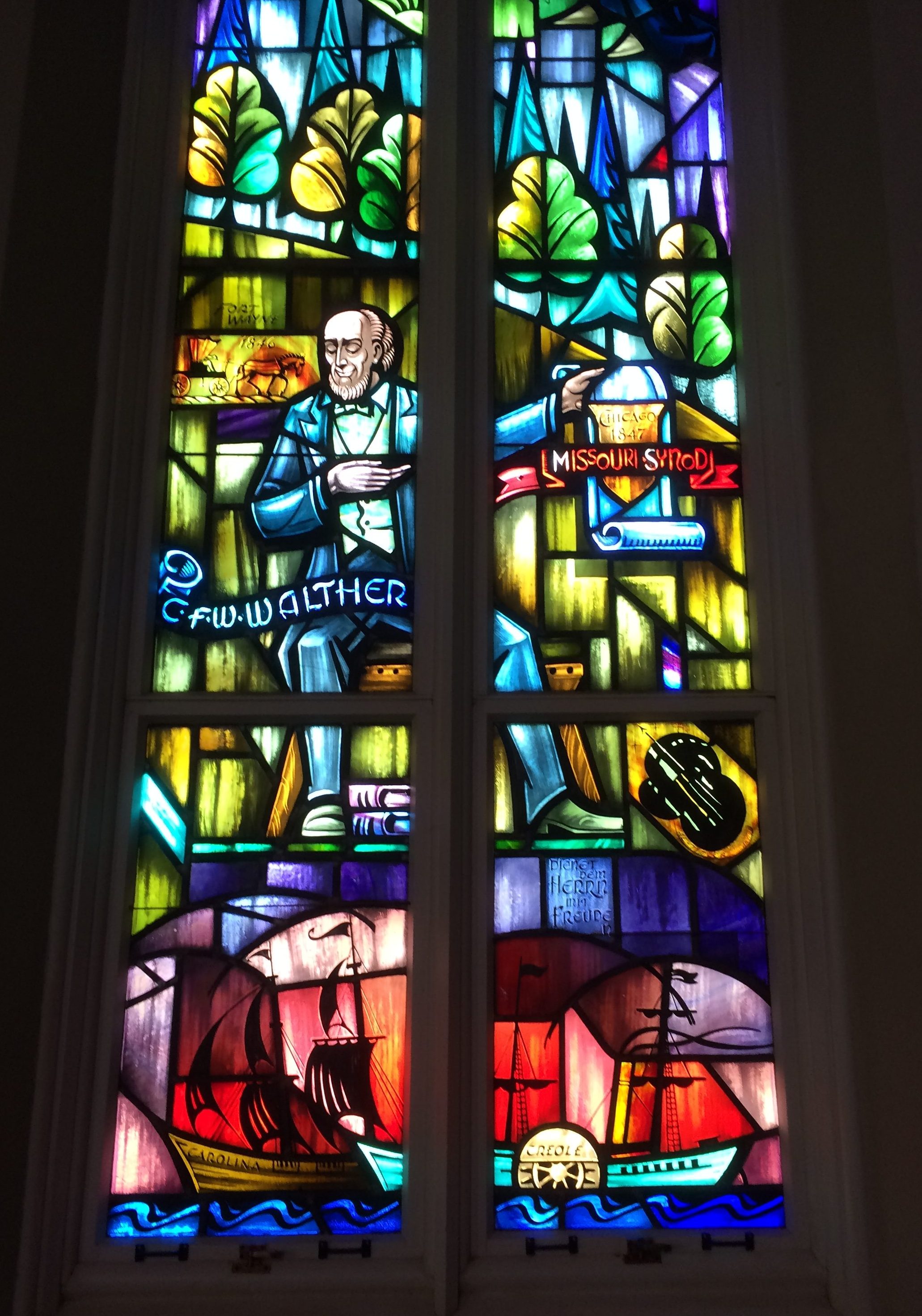
Excellent stained glass as well, signed by Hollman City Glass of Fort Wayne, Indiana.
St Lorenz Lutheran Church FrankenmuthPastor Loehe makes an appearance in glass.
St Lorenz Lutheran Church FrankenmuthI suspect this depiction of him is unique in all the world.

C.F.W. Walther, first president of the Missouri Synod, is also in glass. He’s probably englassed in other Lutheran churches.
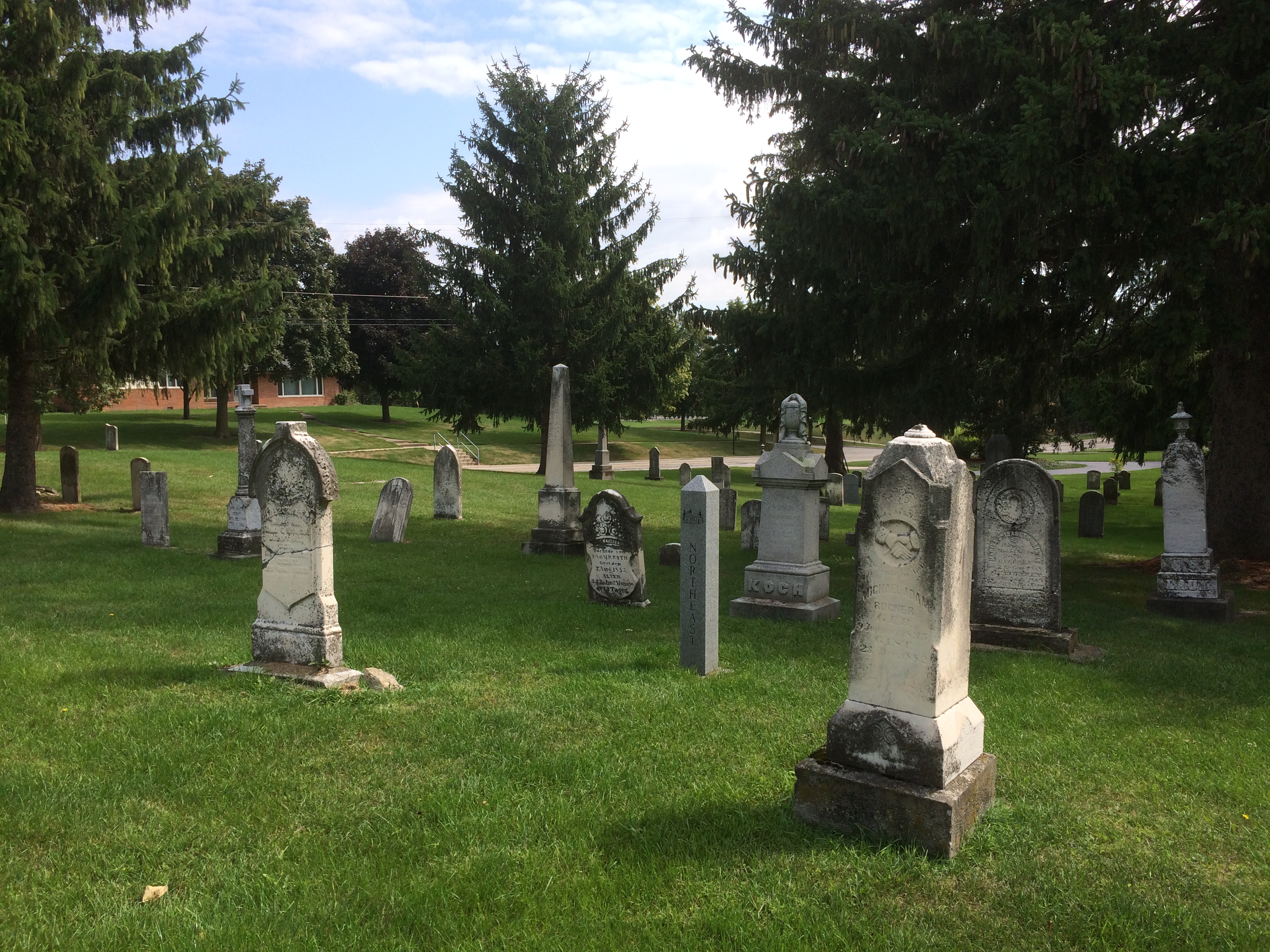
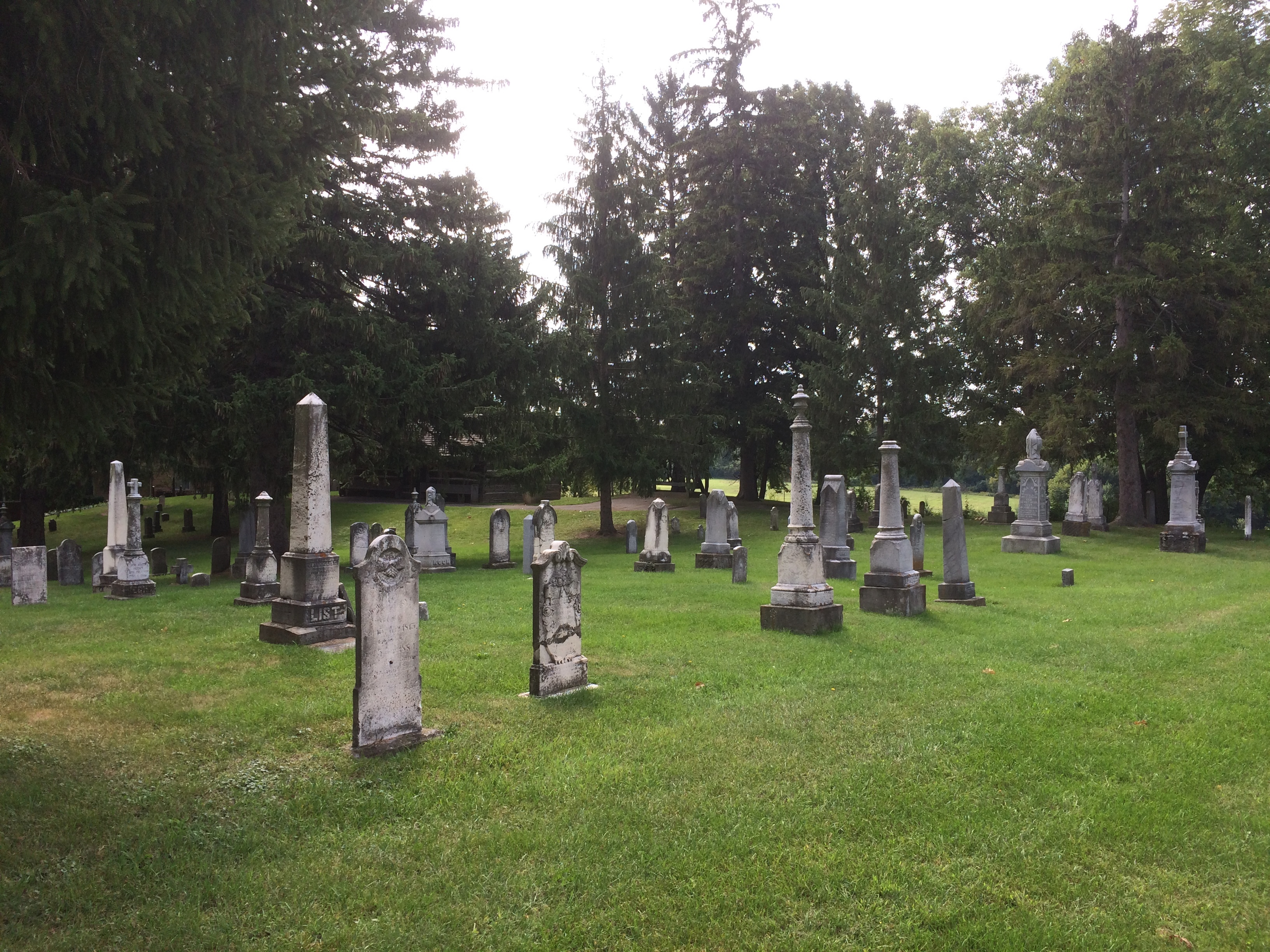
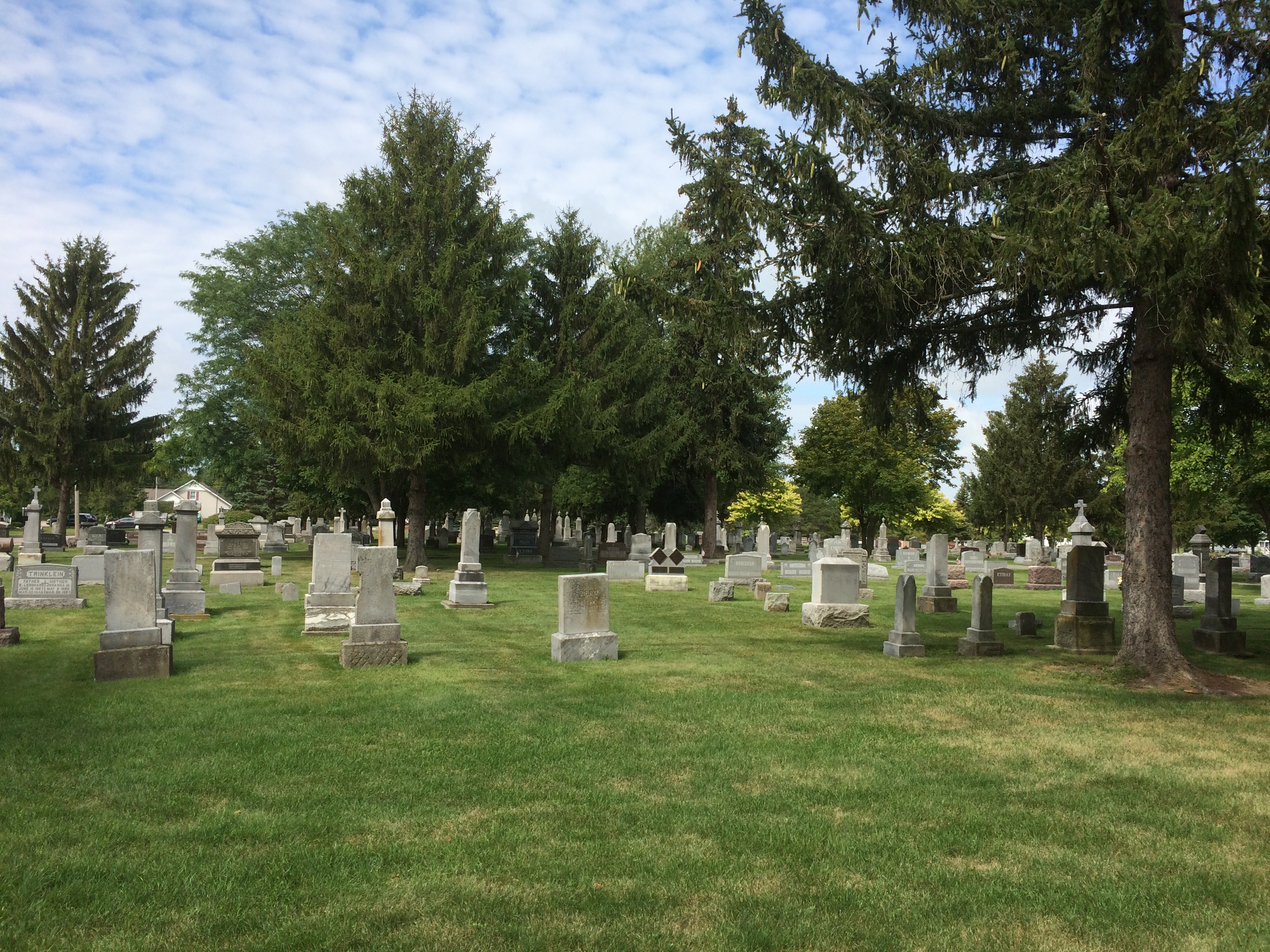
St Lorenz Lutheran Church FrankenmuthThe settlers came to the Saginaw Valley, built their homes, farmed the land, attended St. Lorenz, and when the time came, were buried in its churchyard.

St Lorenz Lutheran Church Frankenmuth cemetery

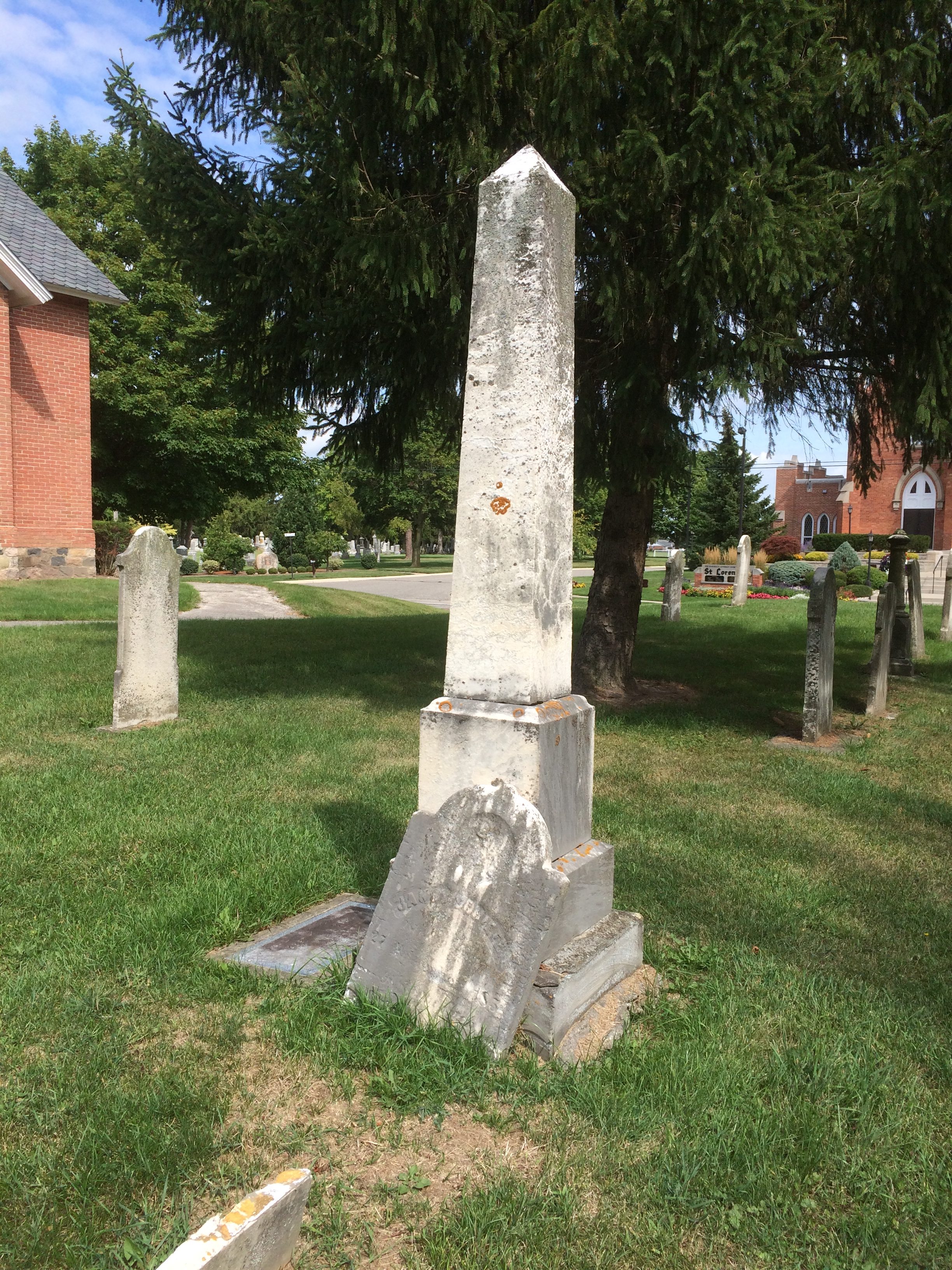
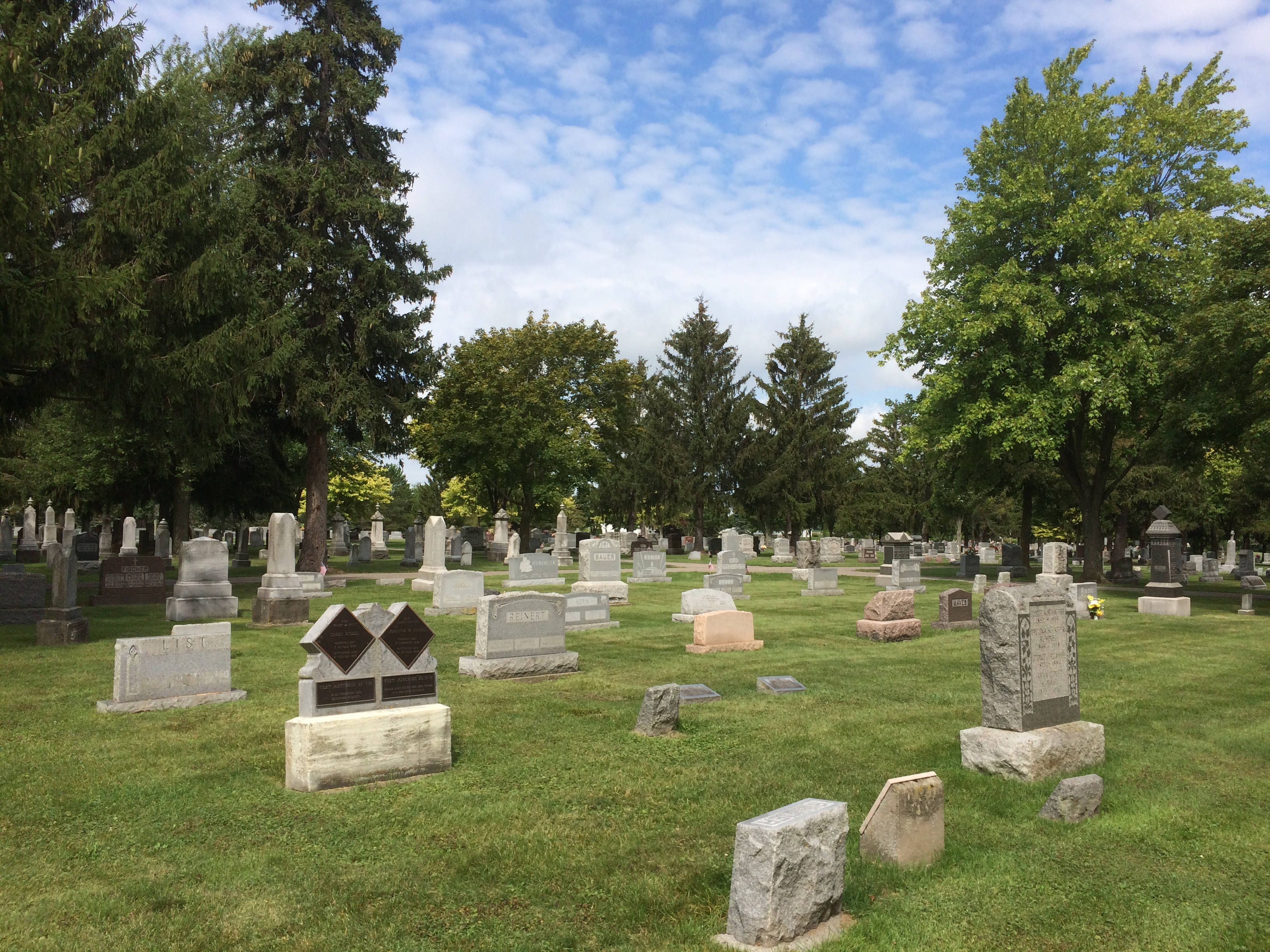
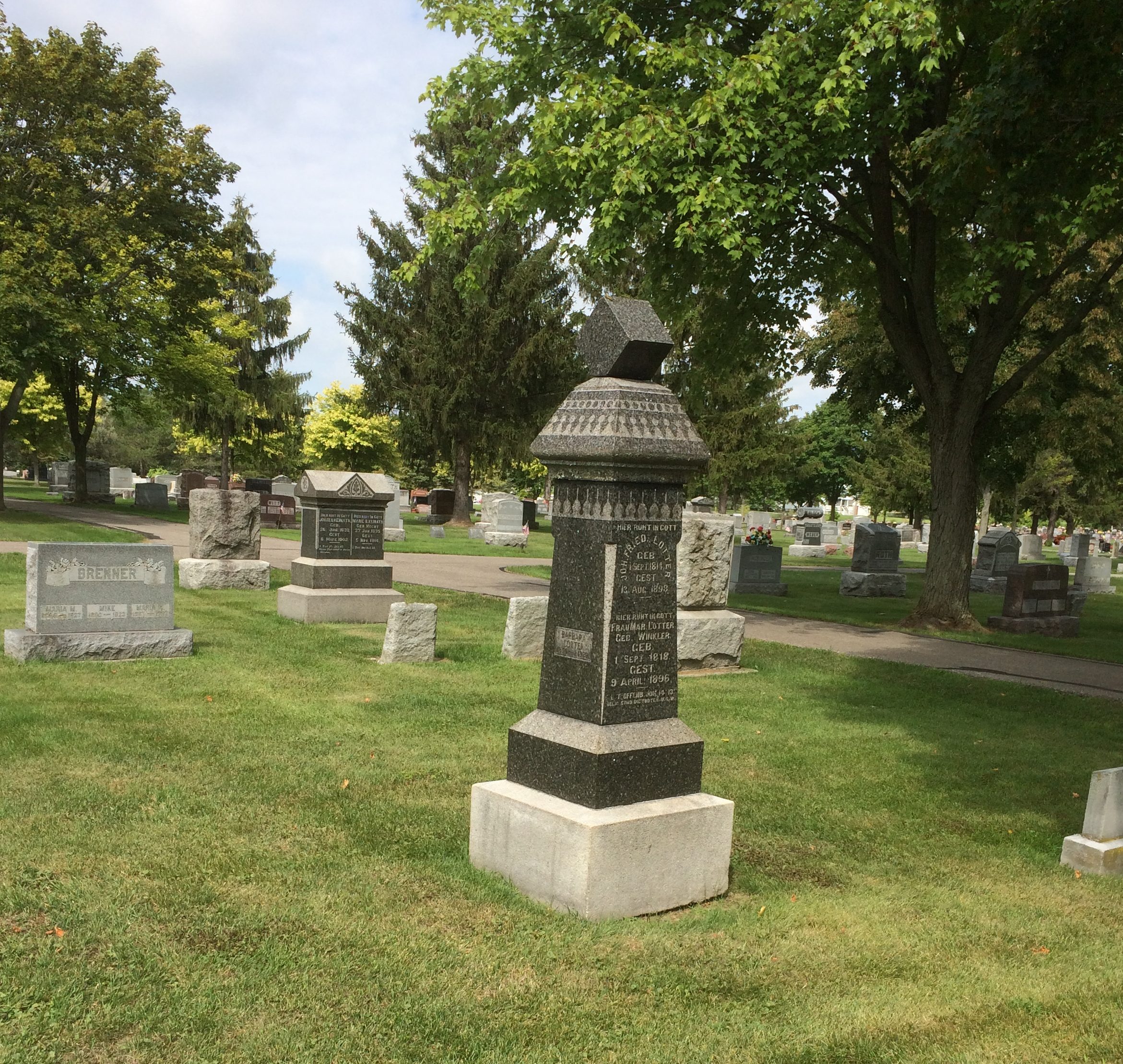
St Lorenz Lutheran Church Frankenmuth cemeterySt Lorenz Lutheran Church Frankenmuth cemeteryThose are almost all 19th-century stones, near the site of the first two church buildings, and across the street from the current church. A larger cemetery with newer stones is on the same side of the street as the current church.
St Lorenz Lutheran Church Frankenmuth cemeterySt Lorenz Lutheran Church Frankenmuth cemeterySt Lorenz Lutheran Church Frankenmuth cemeteryThe permanent residents are every bit as German as you’d expect: Bauer, Bicker, Fischer, Herzog, Hochthanner, Hubinger, Kern, Roth, Reinert, Weiss, usw. Loehe and Craemer aren’t among them, Find a Grave tells me. Loehe is in Bavaria and Craemer is in St. Louis.

Bronner’s Christmas Wonderland

Not far south of the activity on Main Street in Frankenmuth, which is also the two-lane highway Michigan 83, is Bronner’s Christmas Wonderland. We arrived early in the afternoon on Labor Day, just as rain started to pour.

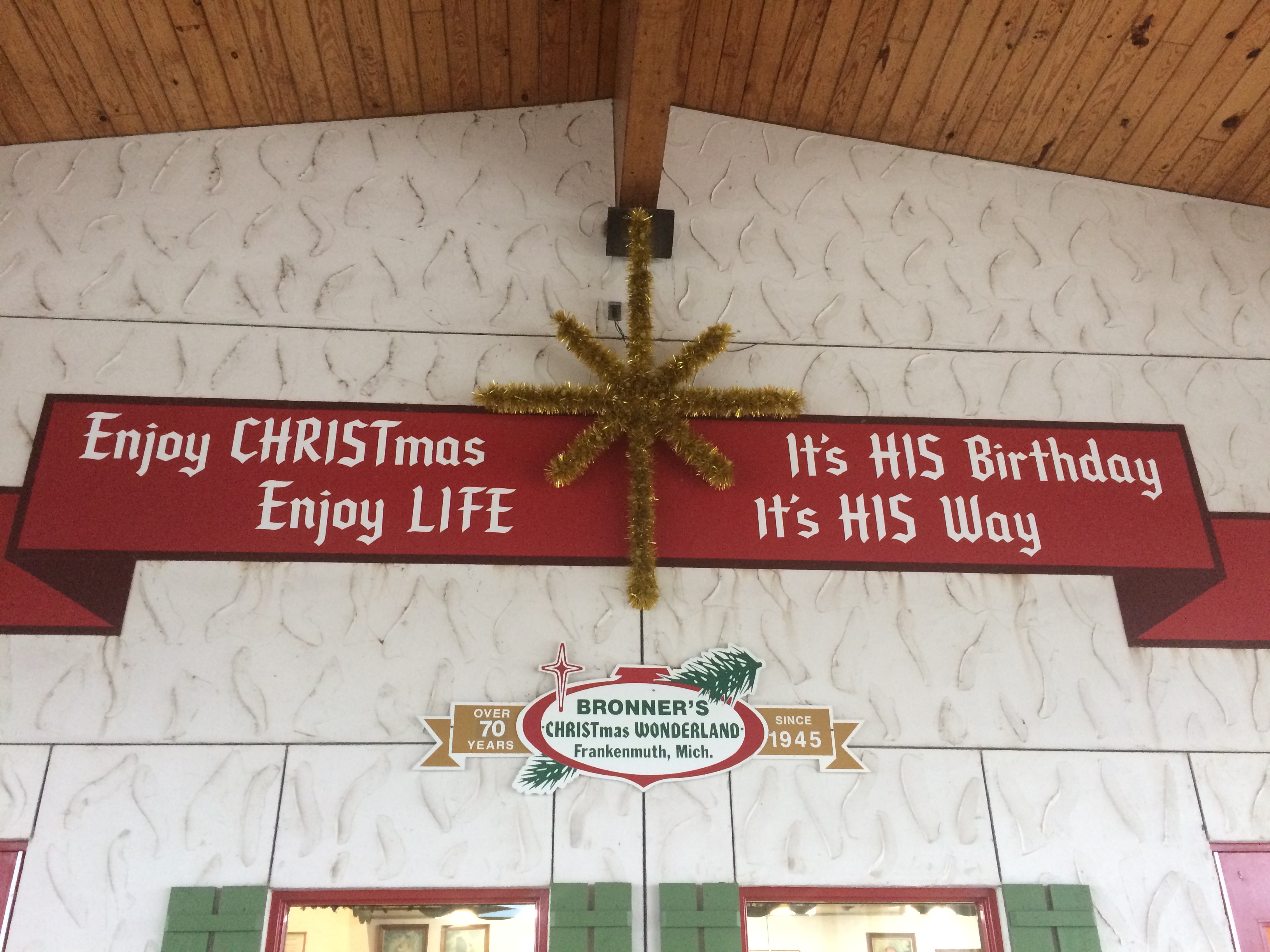
The store actually styles itself Bronner’s CHRISTmas Wonderland, such as on this sign over one of the entrances.
Bronner's Christmas Wonderland, MichiganNo doubt the owners’ religious feelings are sincere — the Bronner family, since founder Wally Bronner died in 2008 — but my editorial instincts and experience kick in at this point, telling me not to style it that way. Allow every irregular brand-style or oddball marketing spelling and you’ll start seeing them everywhere, all the time. That would be an on-ramp to editorial perdition.

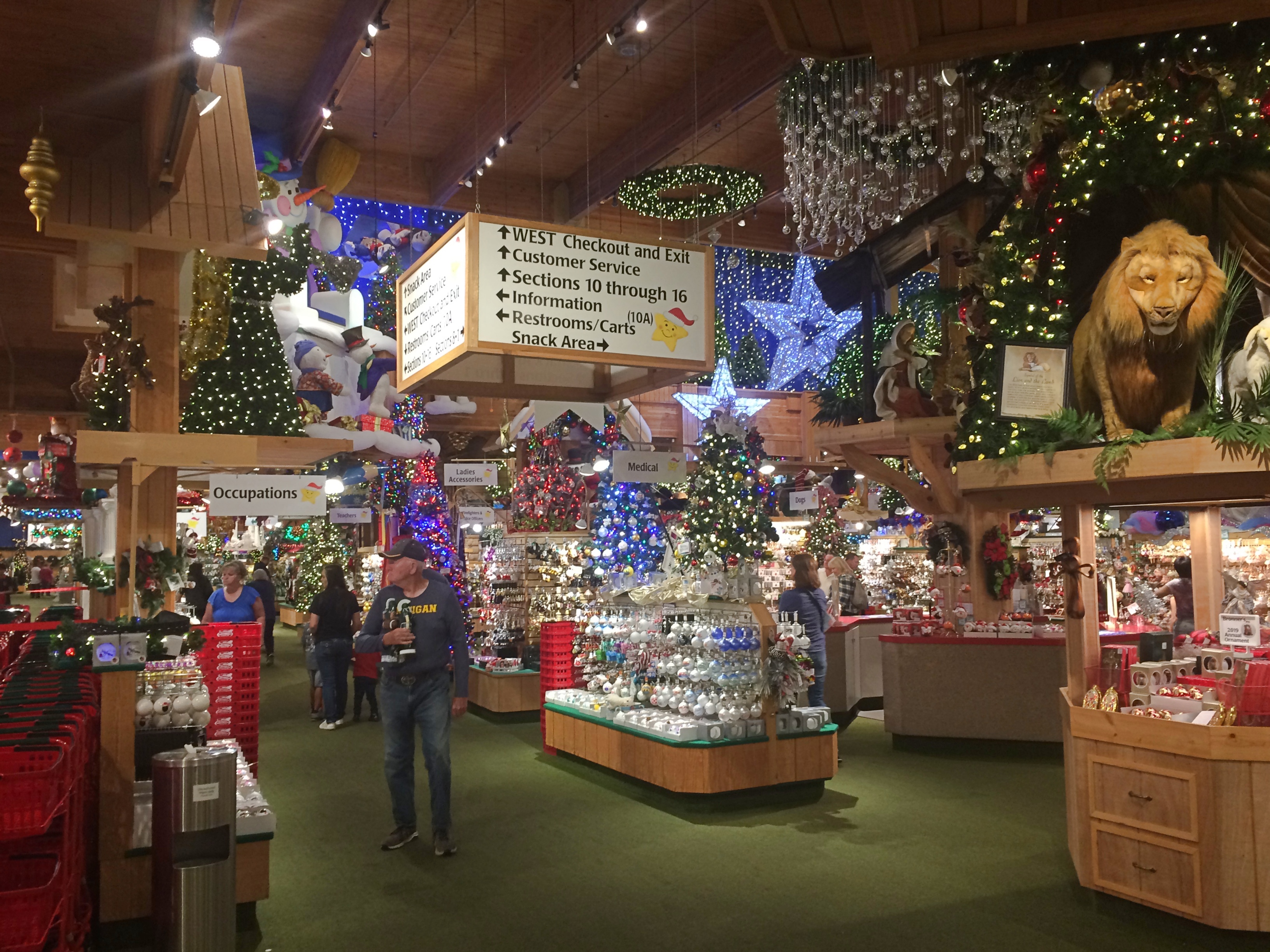
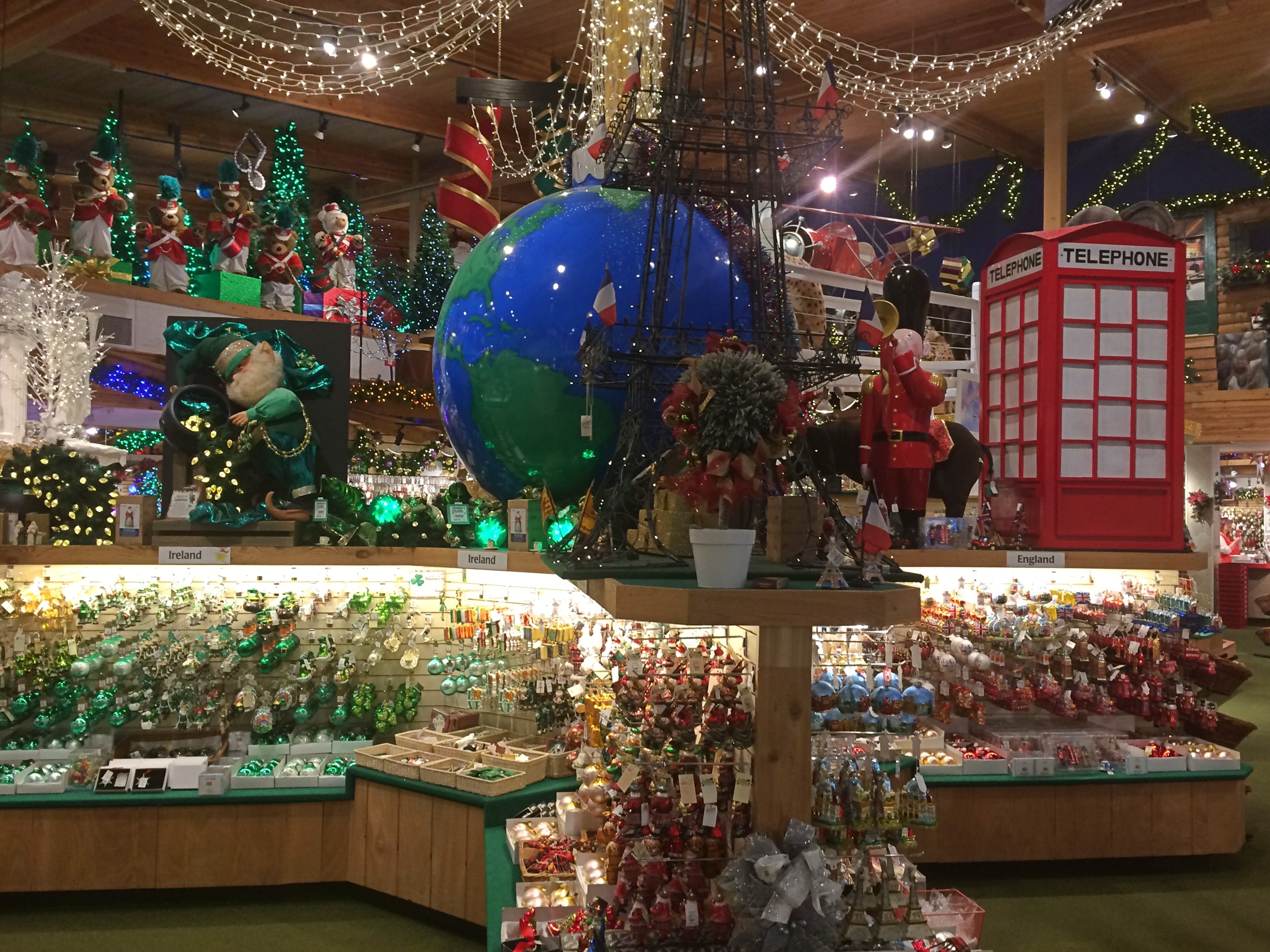
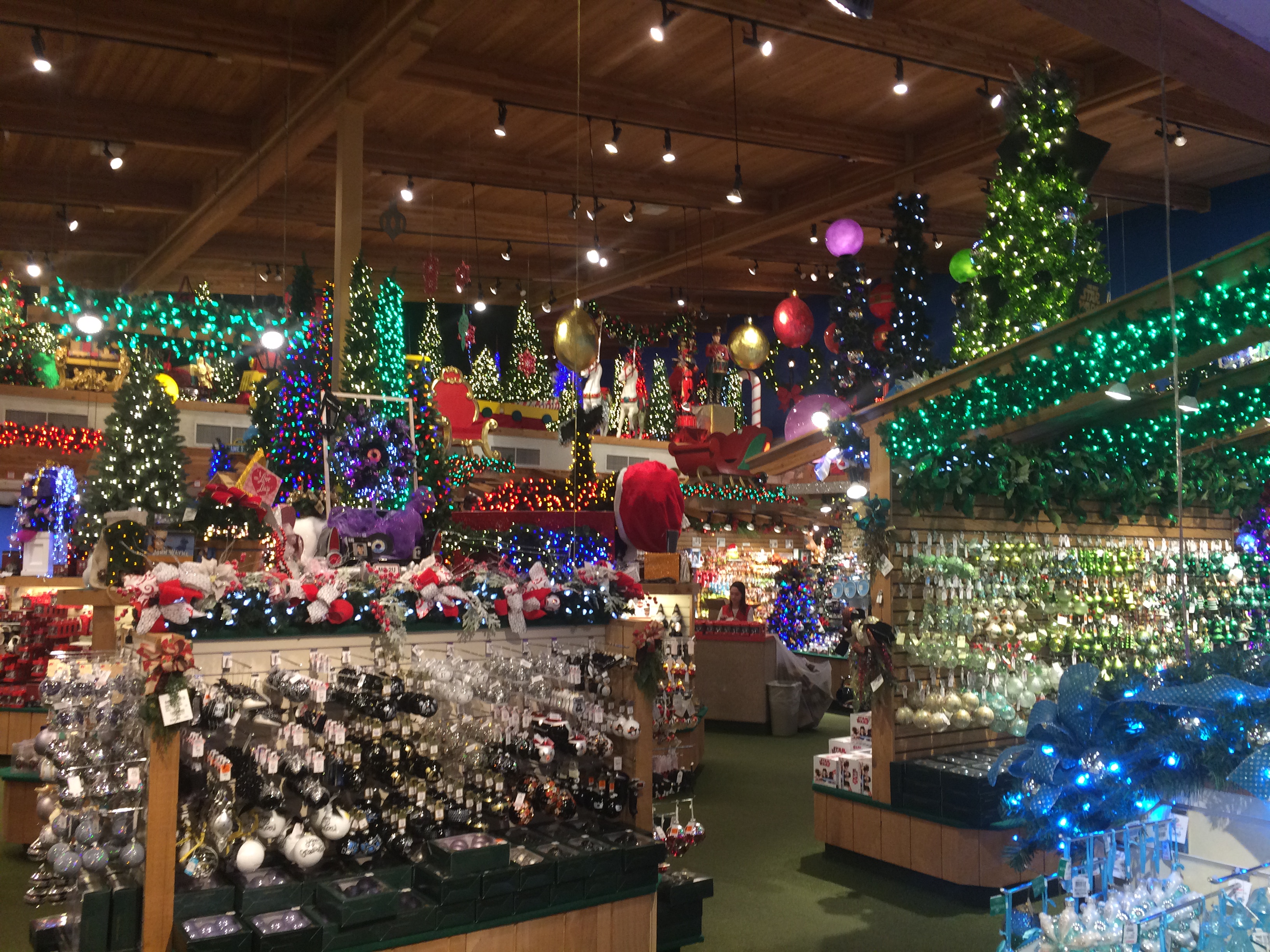
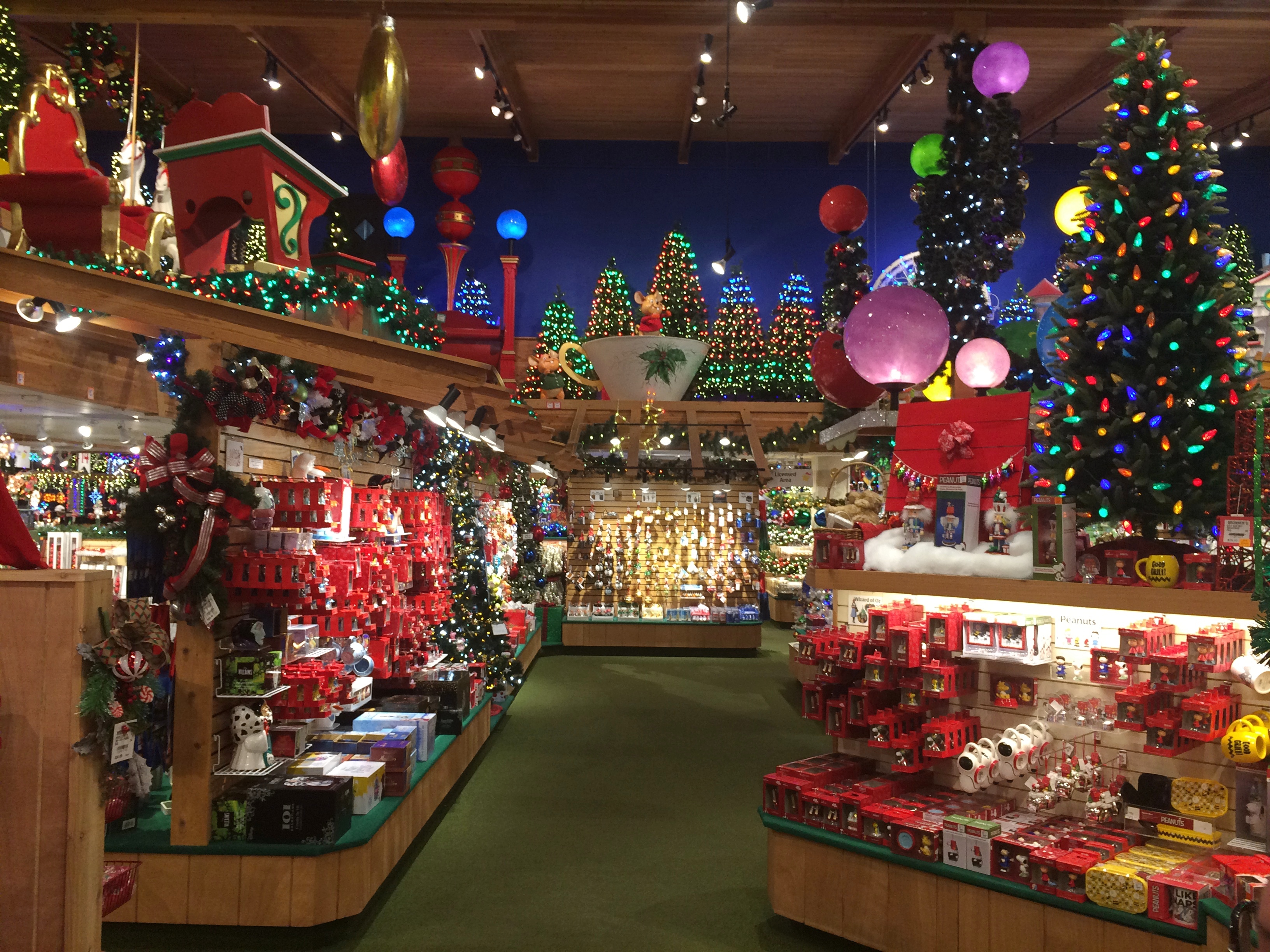
Bronner’s Christmas Wonderland asserts that it’s the world’s largest Christmas store, and I believe it. Over 50,000 items are for sale in a store of over 85,000 square feet — one and a half football fields, or about two acres — including Christmas ornaments, lights, Nativity scenes, Christmas trees, gifts, stockings, Santa paraphernalia, and other decor.

Bronner's Christmas Wonderland

Bronner's Christmas Wonderland

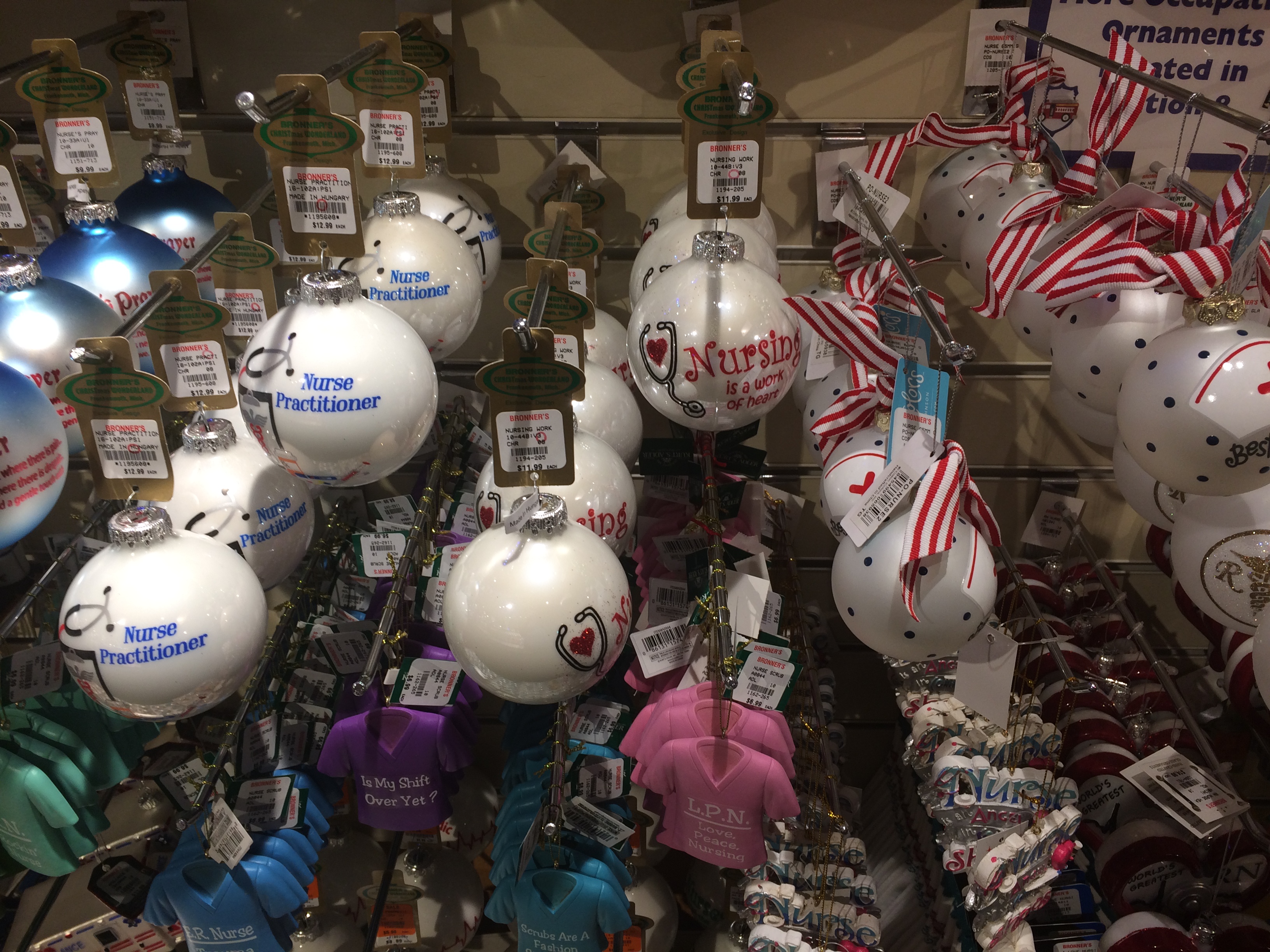
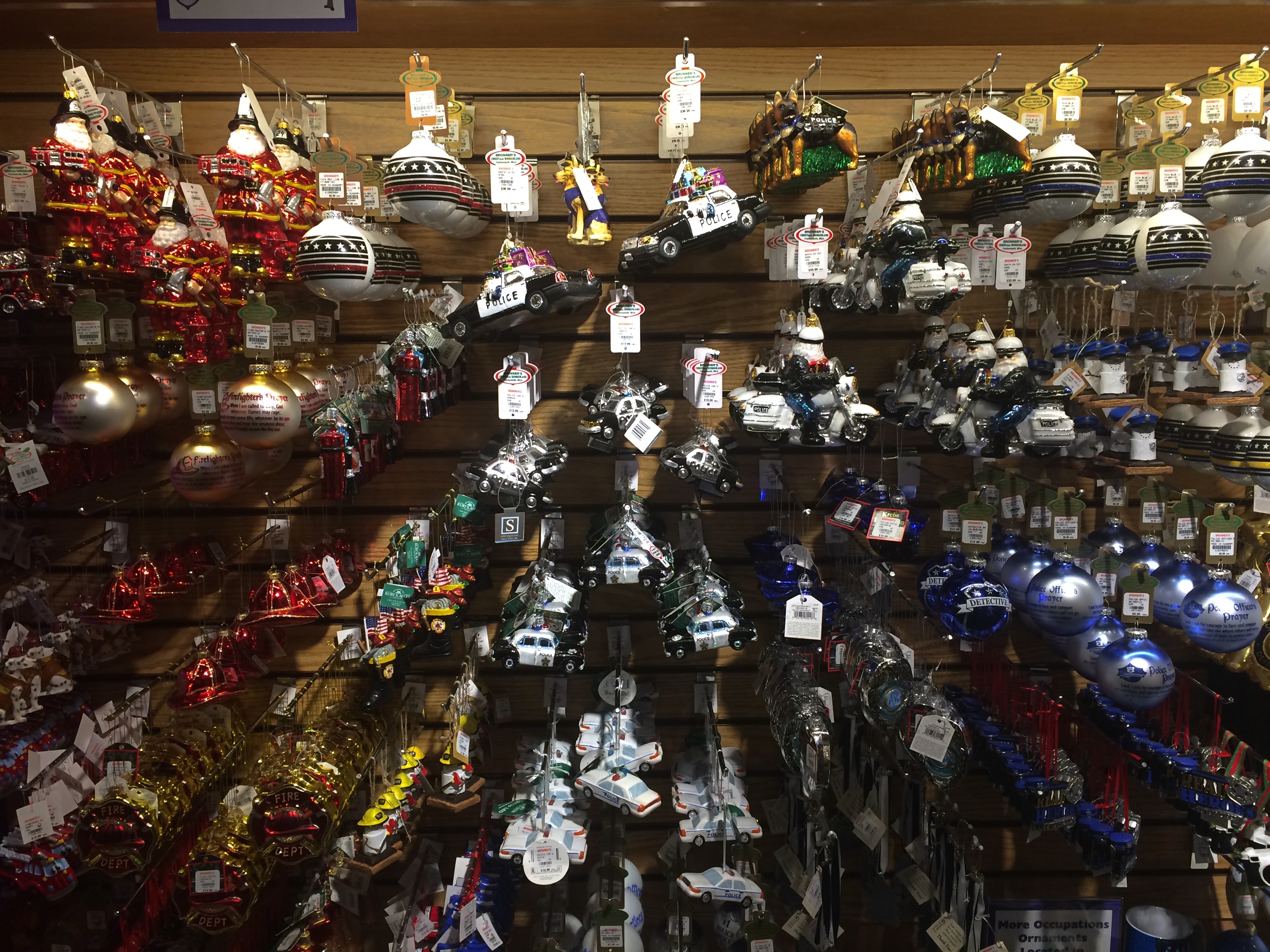
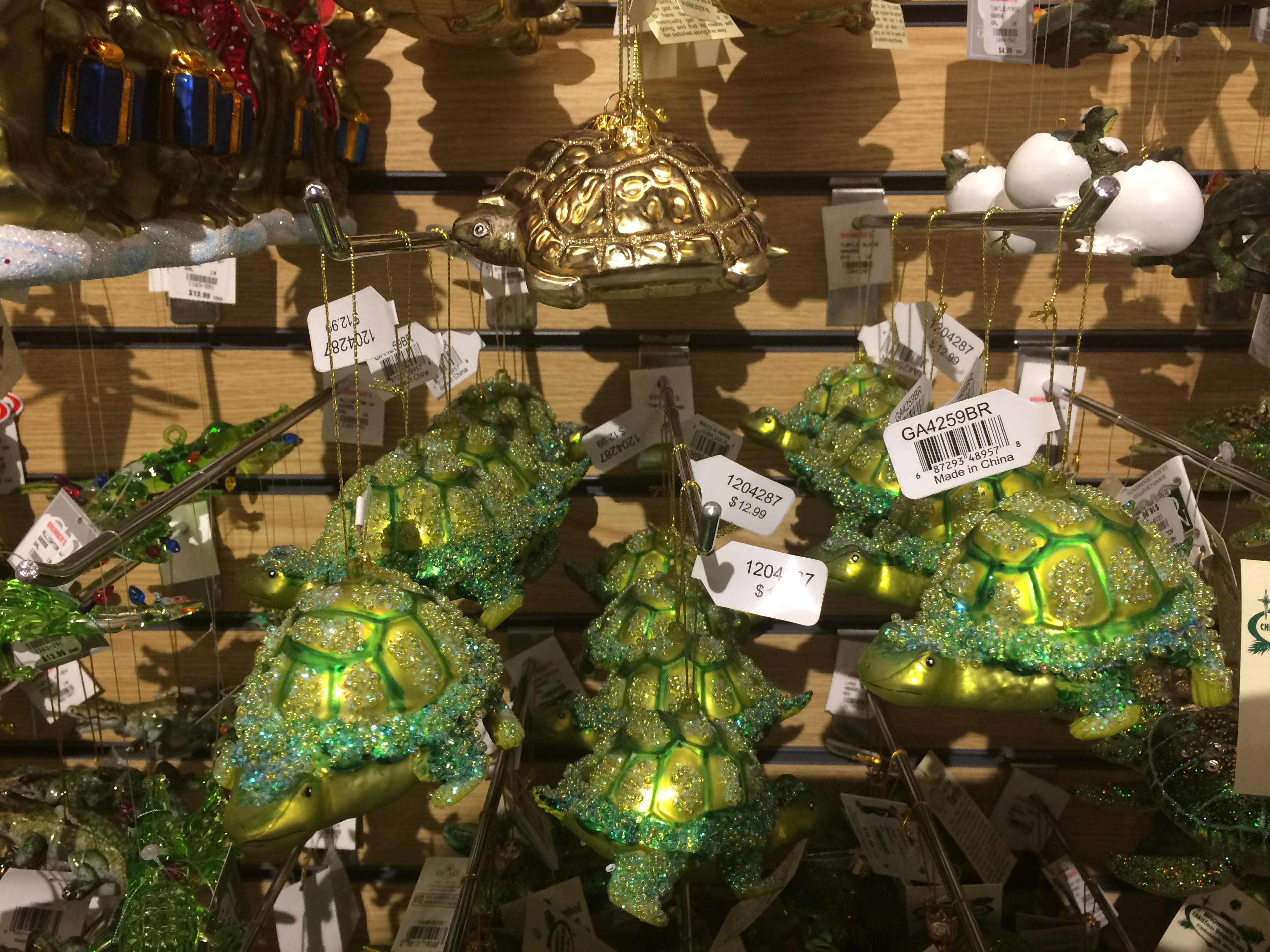
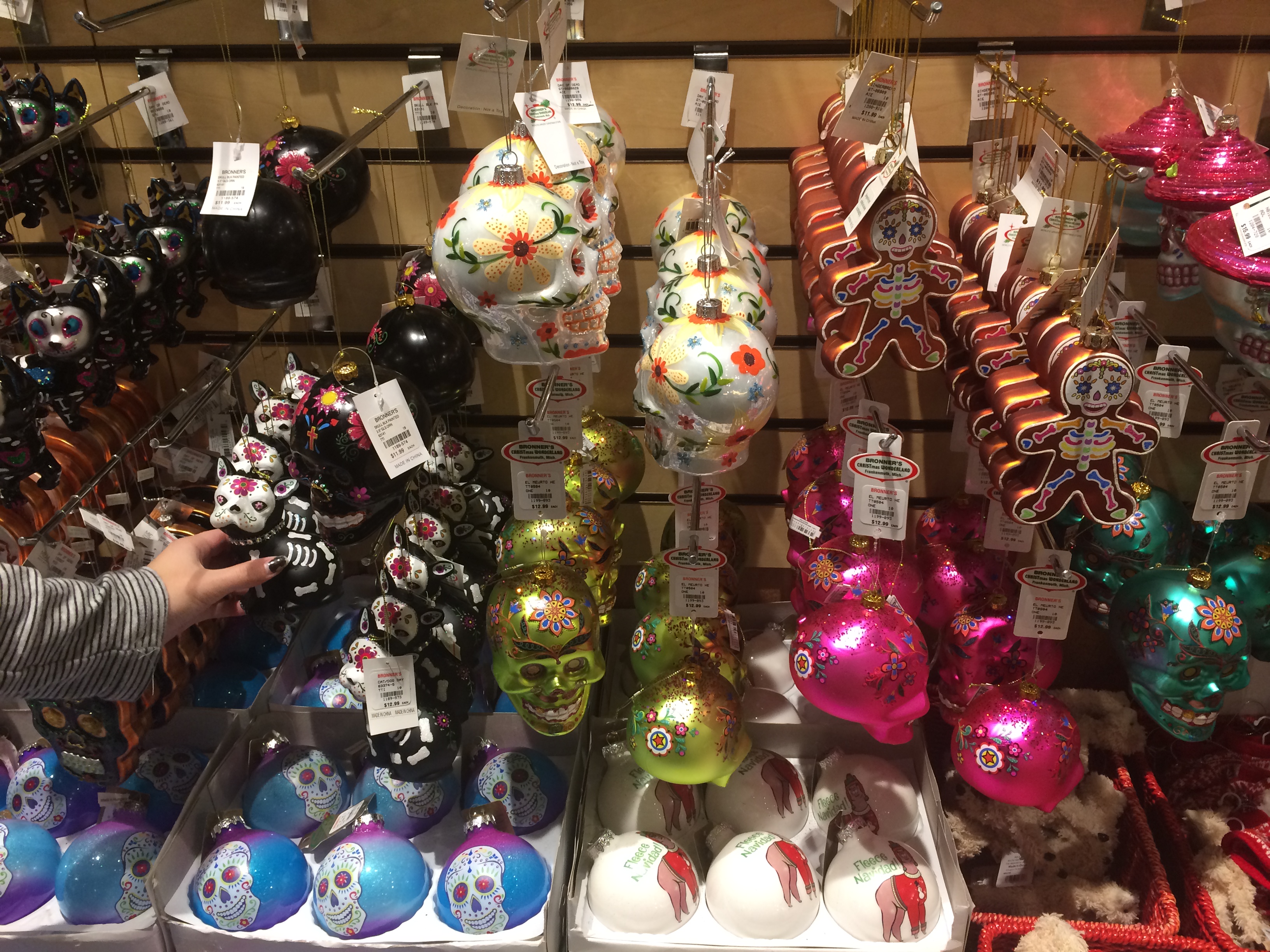
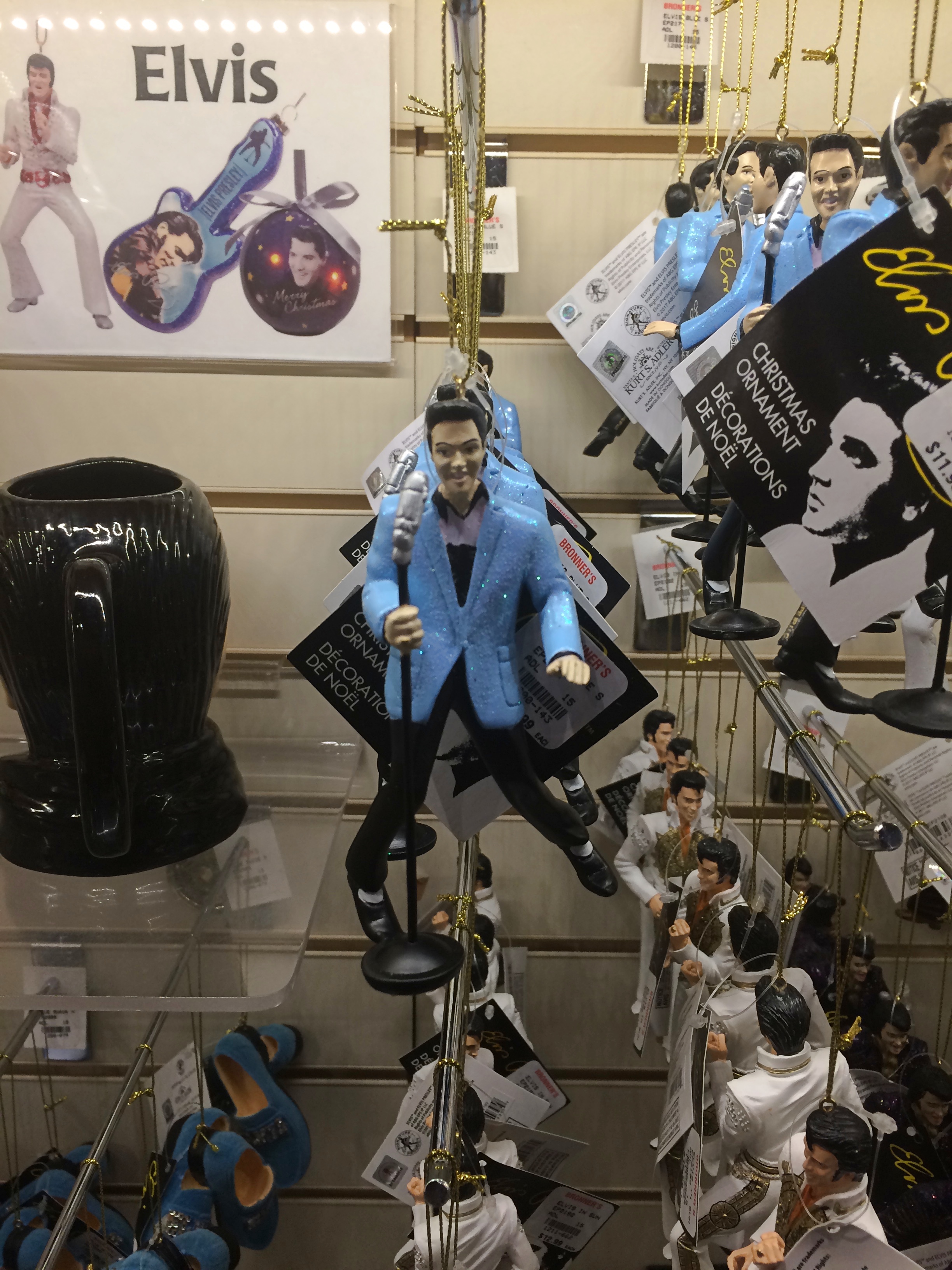
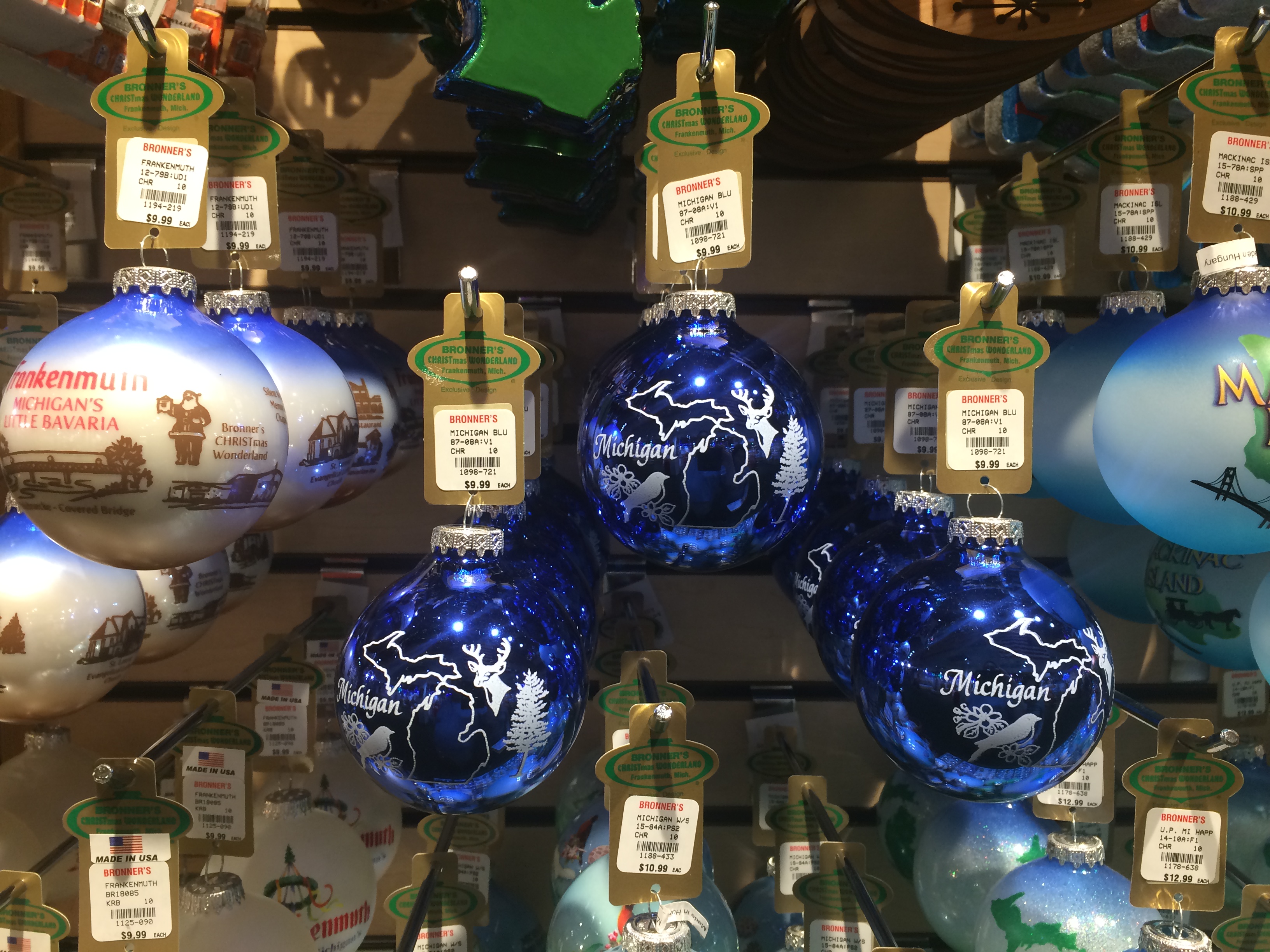
Bronner's Christmas WonderlandBronner's Christmas WonderlandThere are a lot of specialized ornaments, featuring animals, celebrities, entertainers, farm equipment, food and beverage, hobbies, hunting and fishing, music, miniatures, romantic themes, patriotism, professions, religious themes, Santas, snowmen, sports, various nationalities and much more. Something to look at everywhere you go in that store.

For nurses.
Bronner's Christmas WonderlandCops.
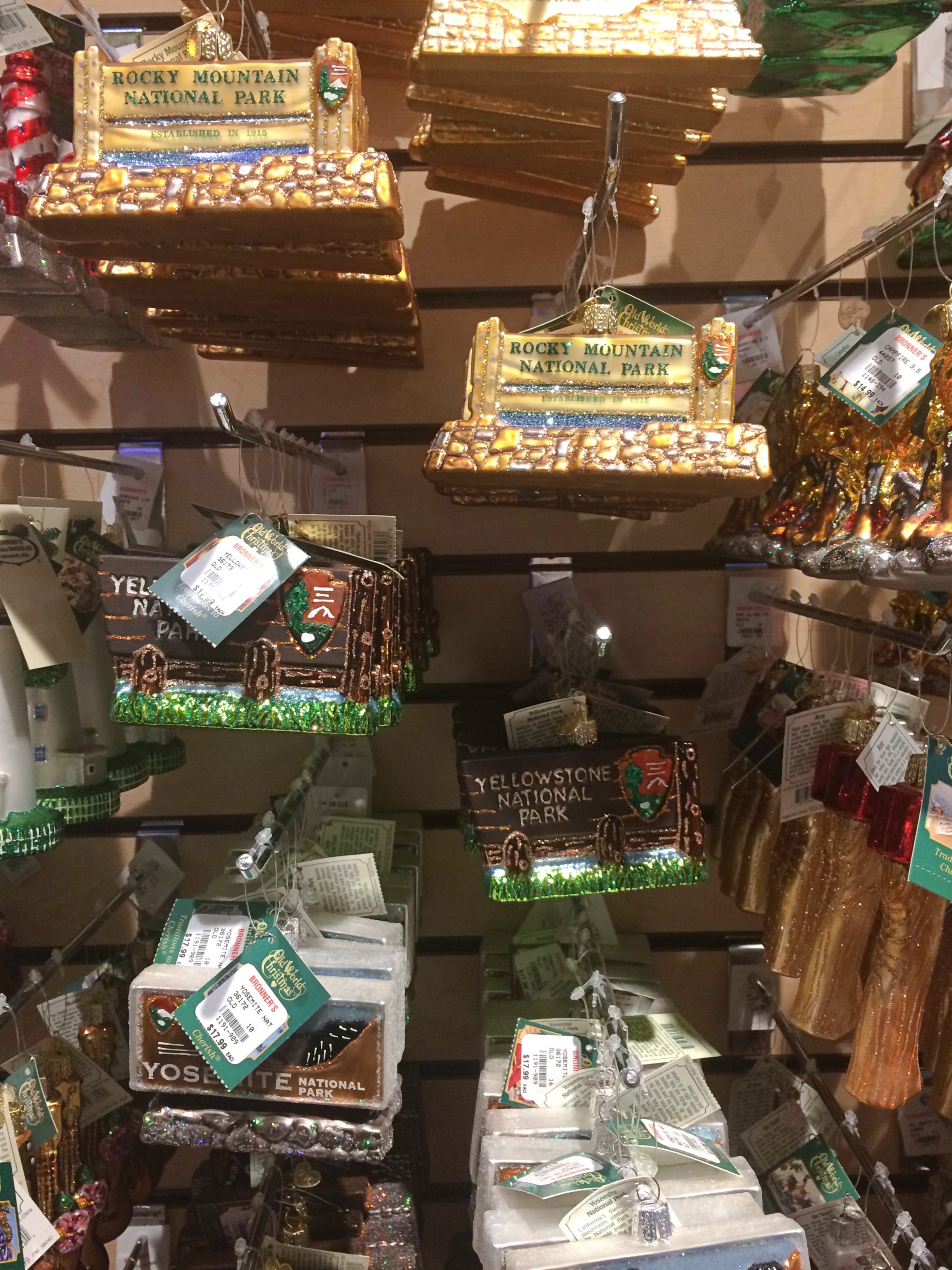
Bronner's Christmas WonderlandFor fans of assorted national parks.
Bronner's Christmas WonderlandOr turtles.
Bronner's Christmas WonderlandWonder if the store stocks a gila monster ornament. If anywhere does, this place would.

If you want to be reminded of the Day of the Dead around Christmas.
Bronner's Christmas WonderlandOr if the King has to be part of your holiday.
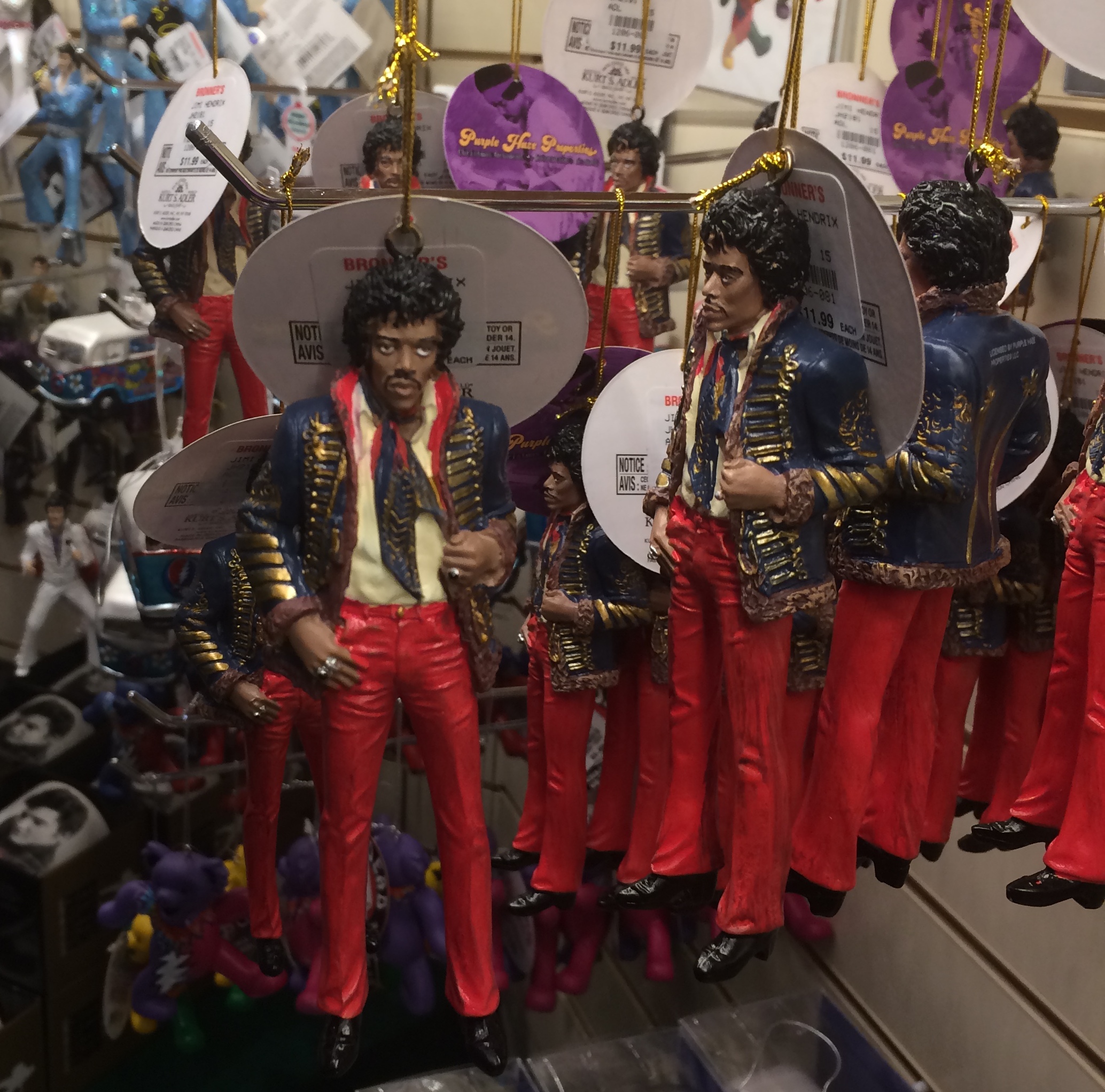
Bronner's Christmas WonderlandI wasn’t expecting Jimi Hendrix, but there he was.Bronner's Christmas Wonderland

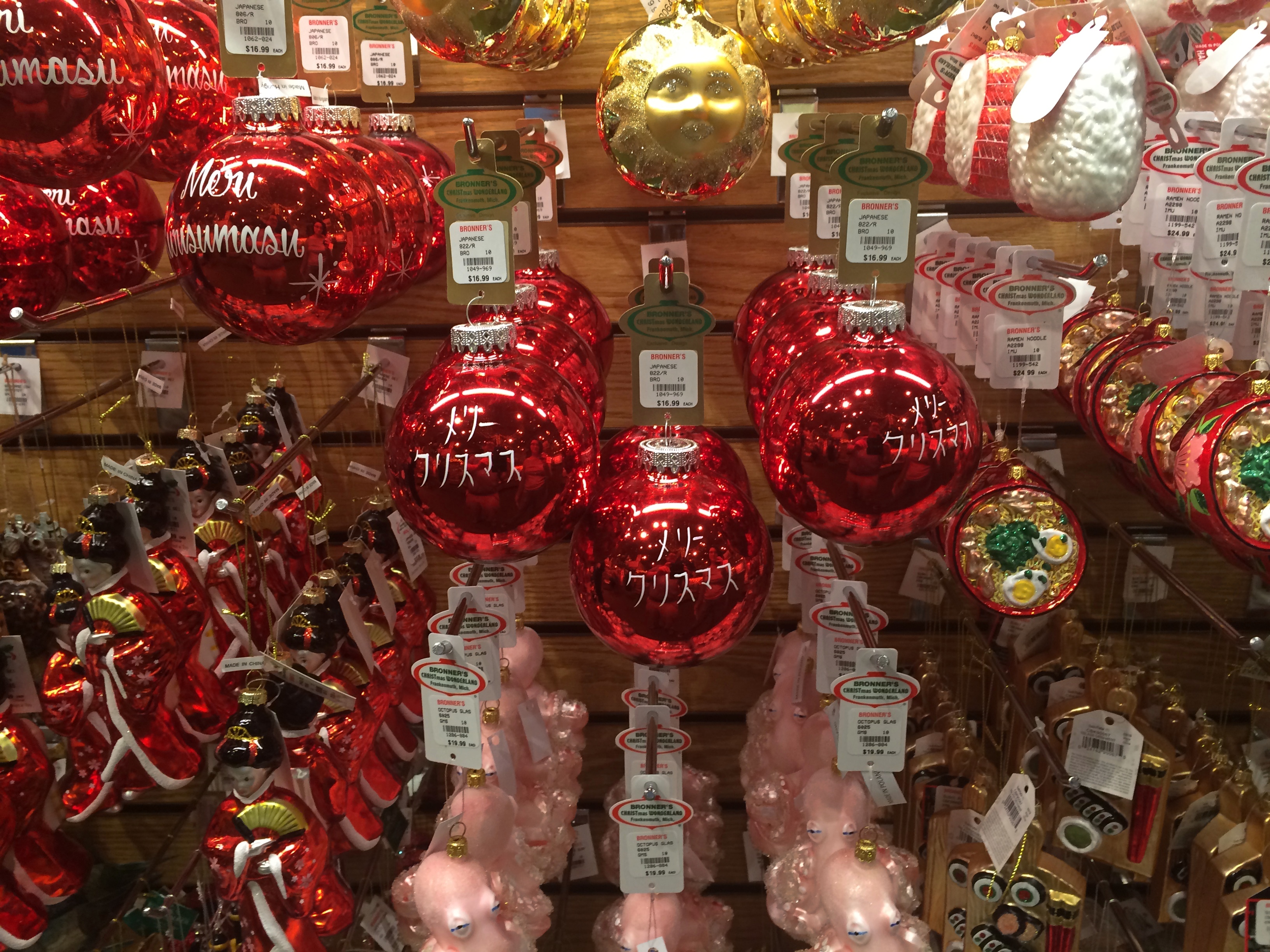
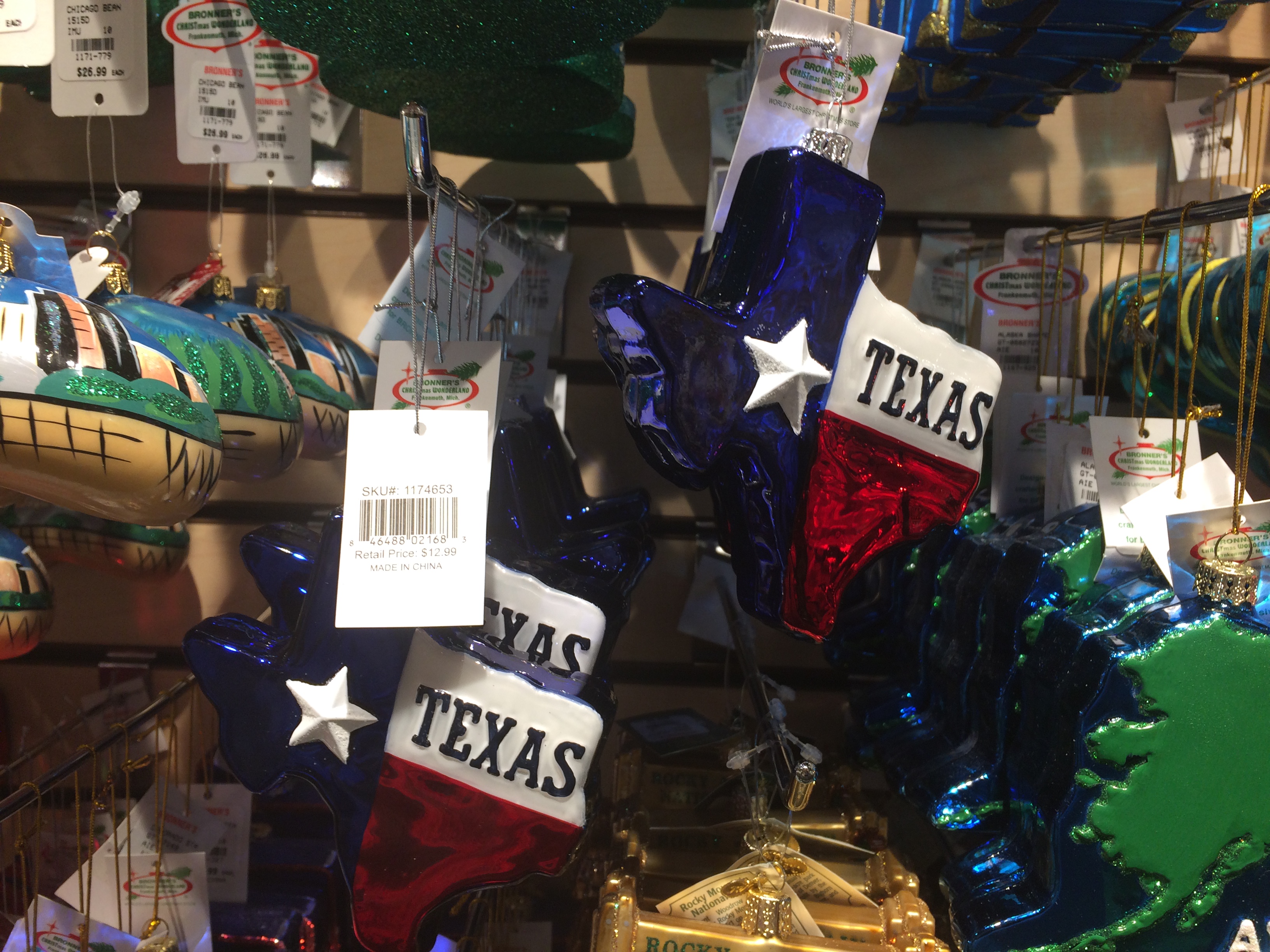
Naturally, various states and countries are represented as well.
Bronner's Christmas WonderlandBronner's Christmas WonderlandBronner's Christmas WonderlandThat last one is the Japan-themed ornament section. The red balls in the middle feature a phonemic approximation of “Merry Christmas” in katakana.

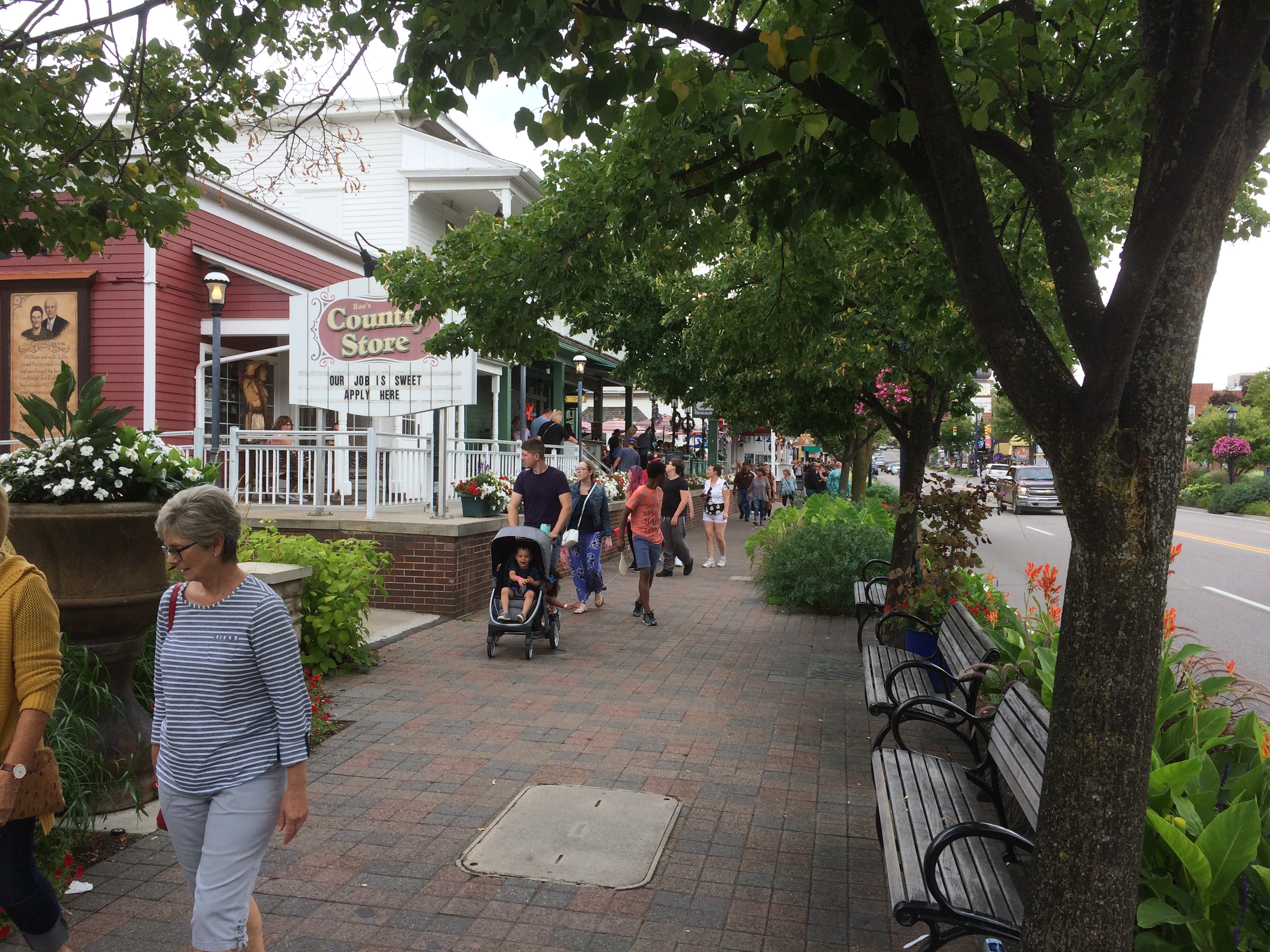
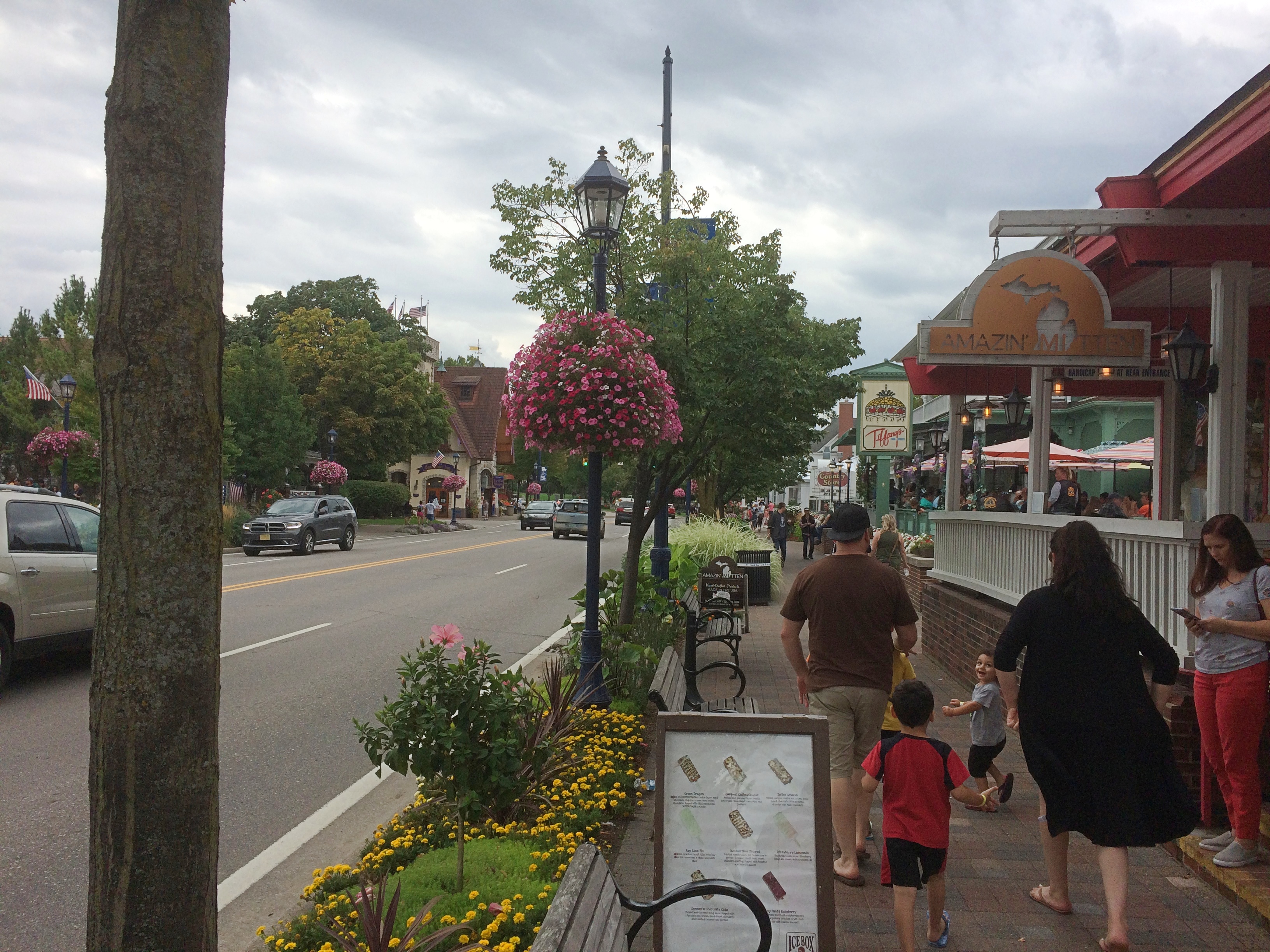
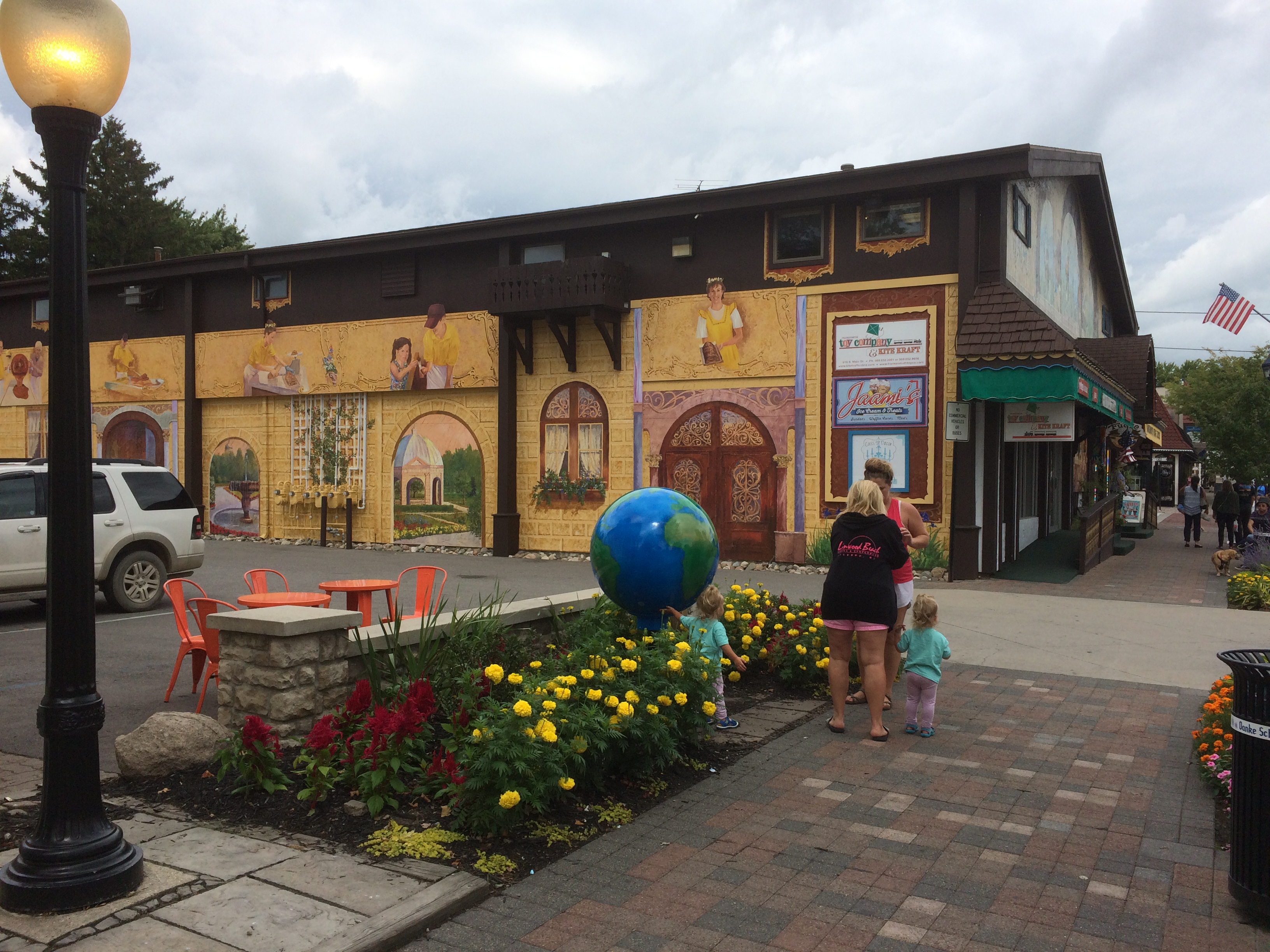
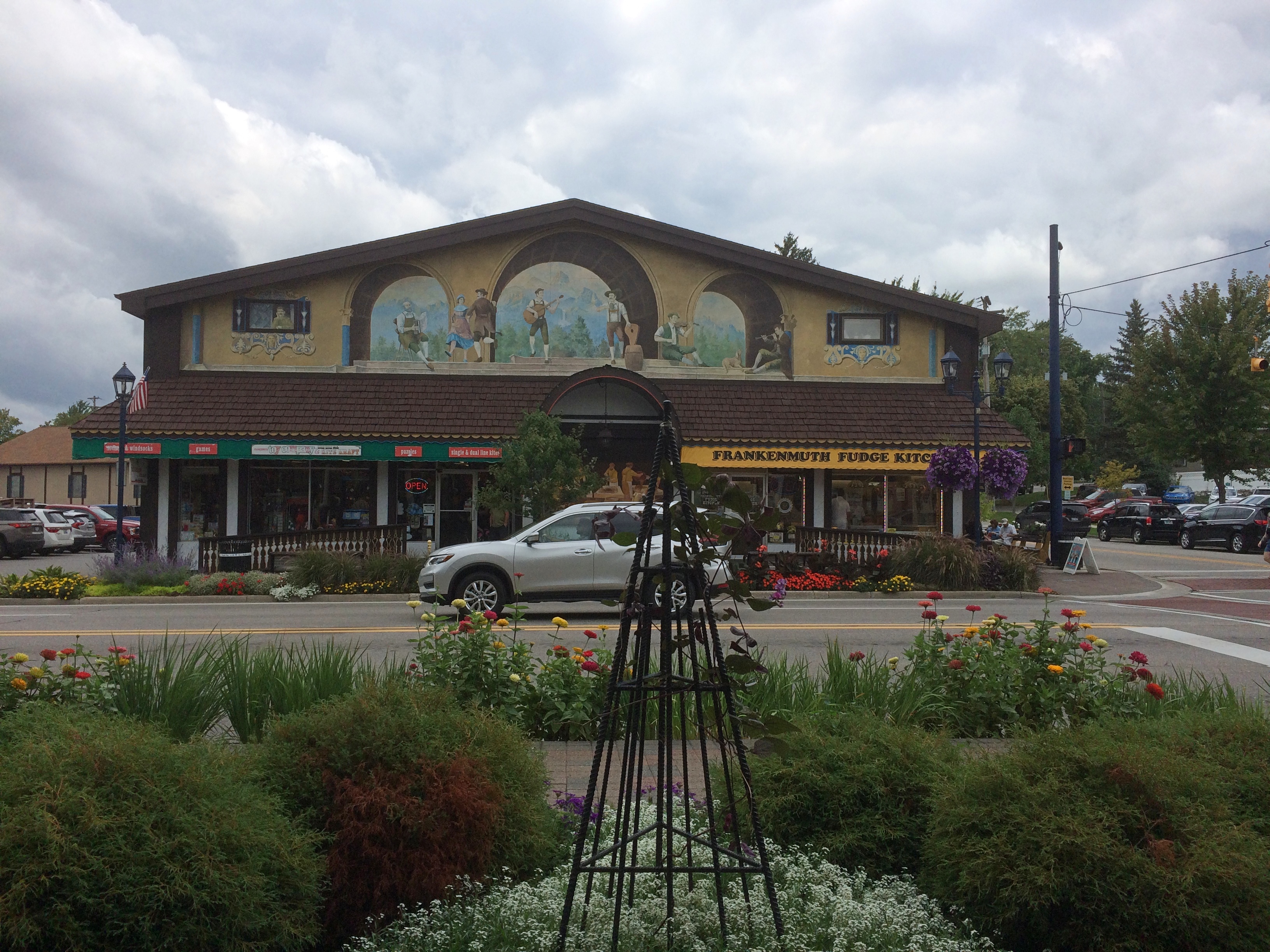
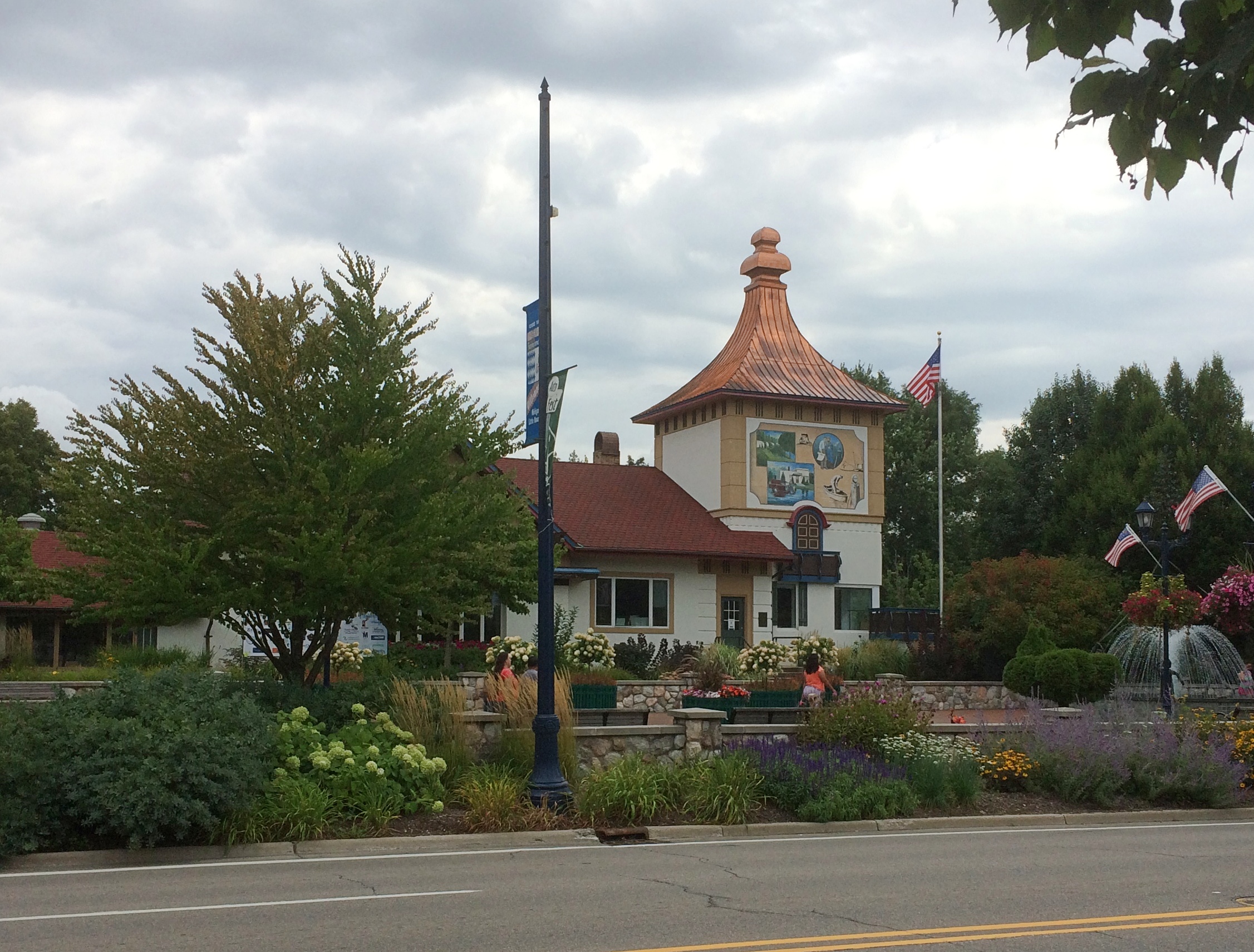
Main Street, Frankenmuth, Michigan

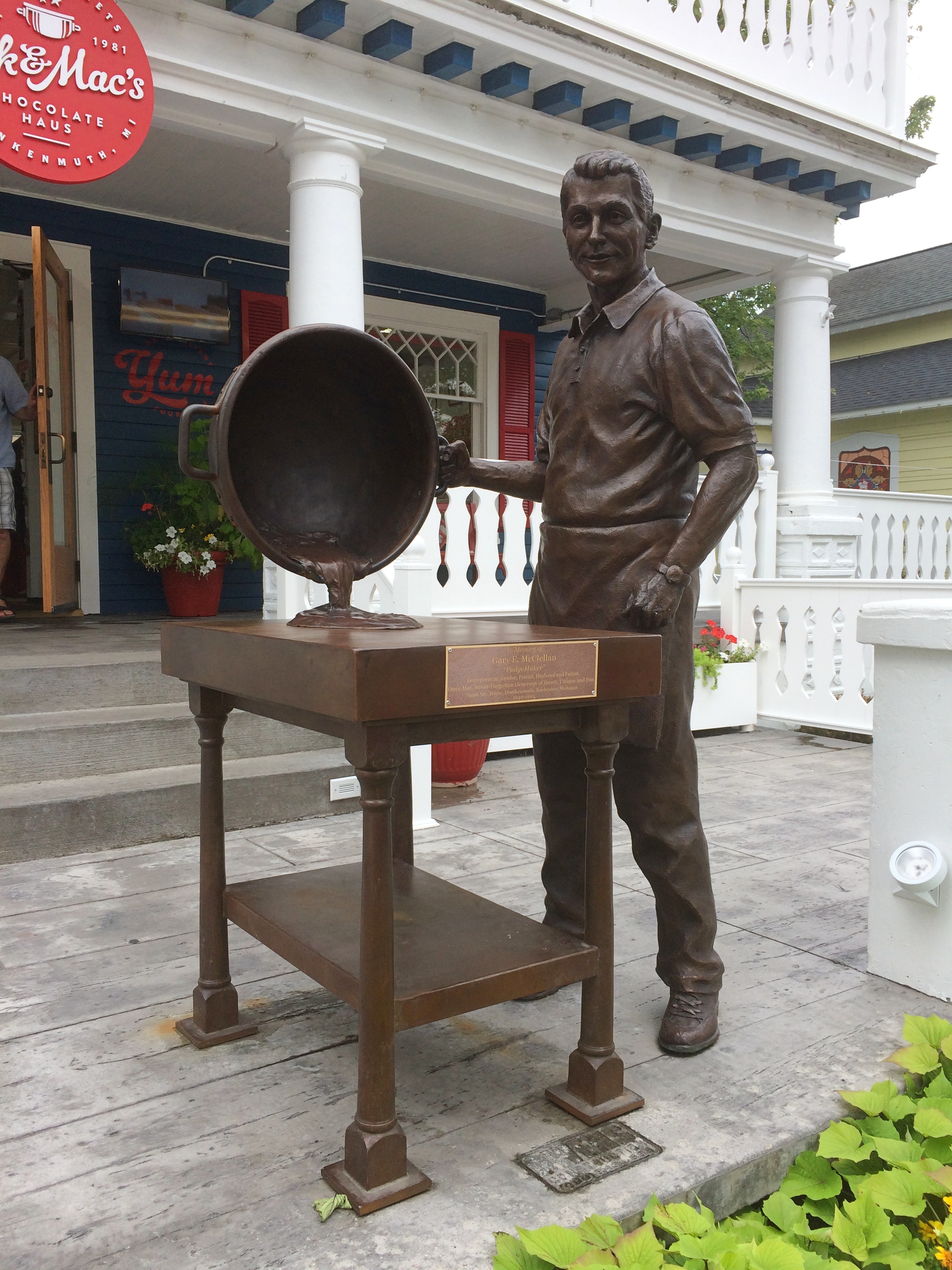
One thing I didn’t expect while we strolled along Main Street in Frankenmuth, Michigan, on Labor Day — yet another walkable main street — was a life-sized bronze of a fudge maker. Yet there he is.
Frankenmuth Main StreetAccording to the plaque, it’s Gary F. McClellan (1940-2015), “entrepreneur, leader, friend, husband and father.” He must have had something to do with Zak & Mac’s Chocolate Haus, which is behind the statue. That’s one of a string of small stores along the street whose customers are the tourists who come to Frankenmuth, a farm town settled by Bavarians in the 19th century that eventually added a tourist component.
Frankenmuth Main StreetA successful component, I’d say. Lots of people had come to town on Labor Day.
Frankenmuth Main StreetI’d read a little about the settlement of the area by Bavarians, interestingly before 1848, as an Indian mission that never really panned out because most of the Indians were already gone by then. Even so, the doughty colonists stayed. Their descendants are probably pretty thick on the ground in this part of the state.

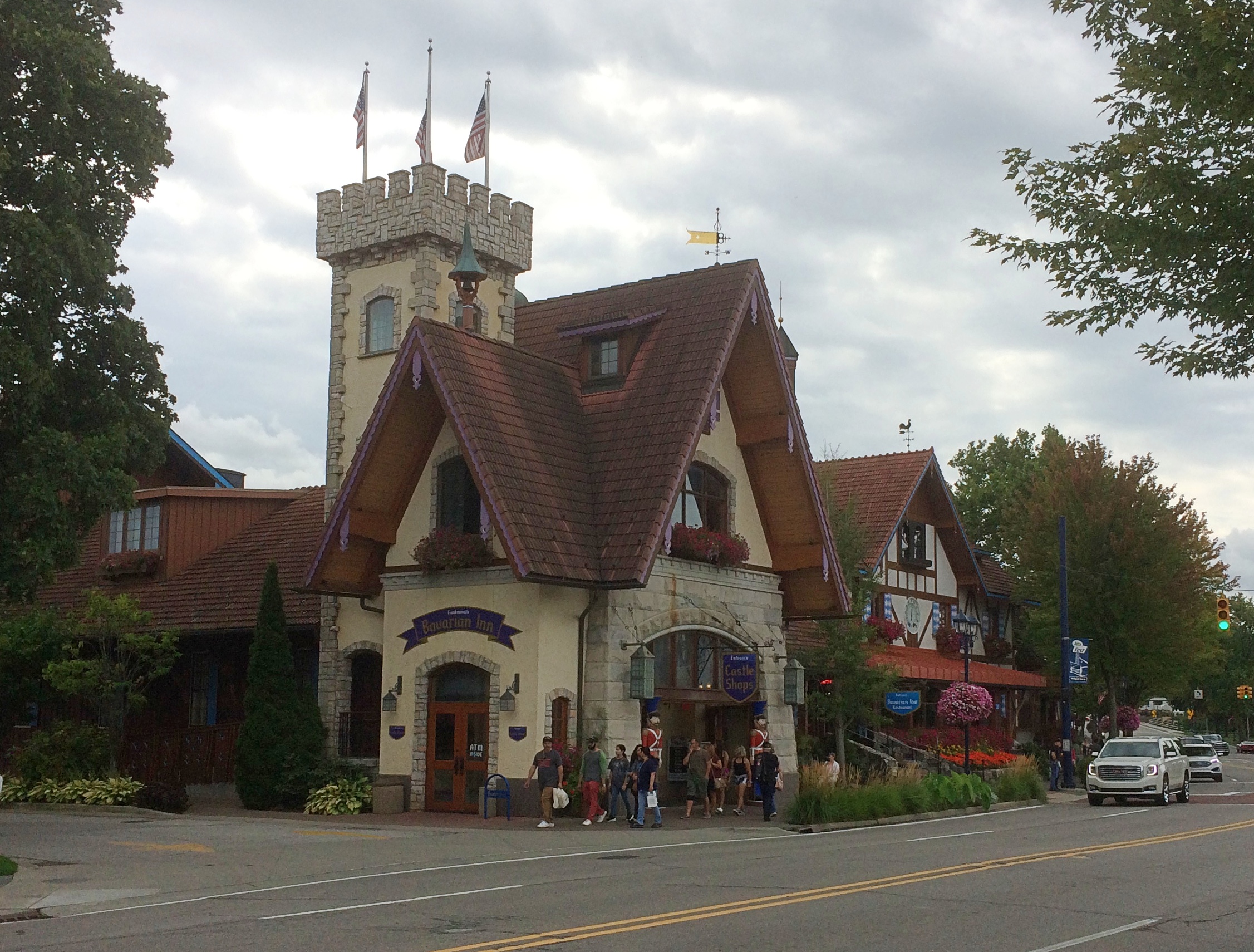
Modern visitors come to wander through the shops, many with that Bavarian look. That’s what we did.

Frankenmuth Main Street

Frankenmuth Main StreetFrankenmuth Main StreetFrankenmuth Main StreetAlso they come to eat.
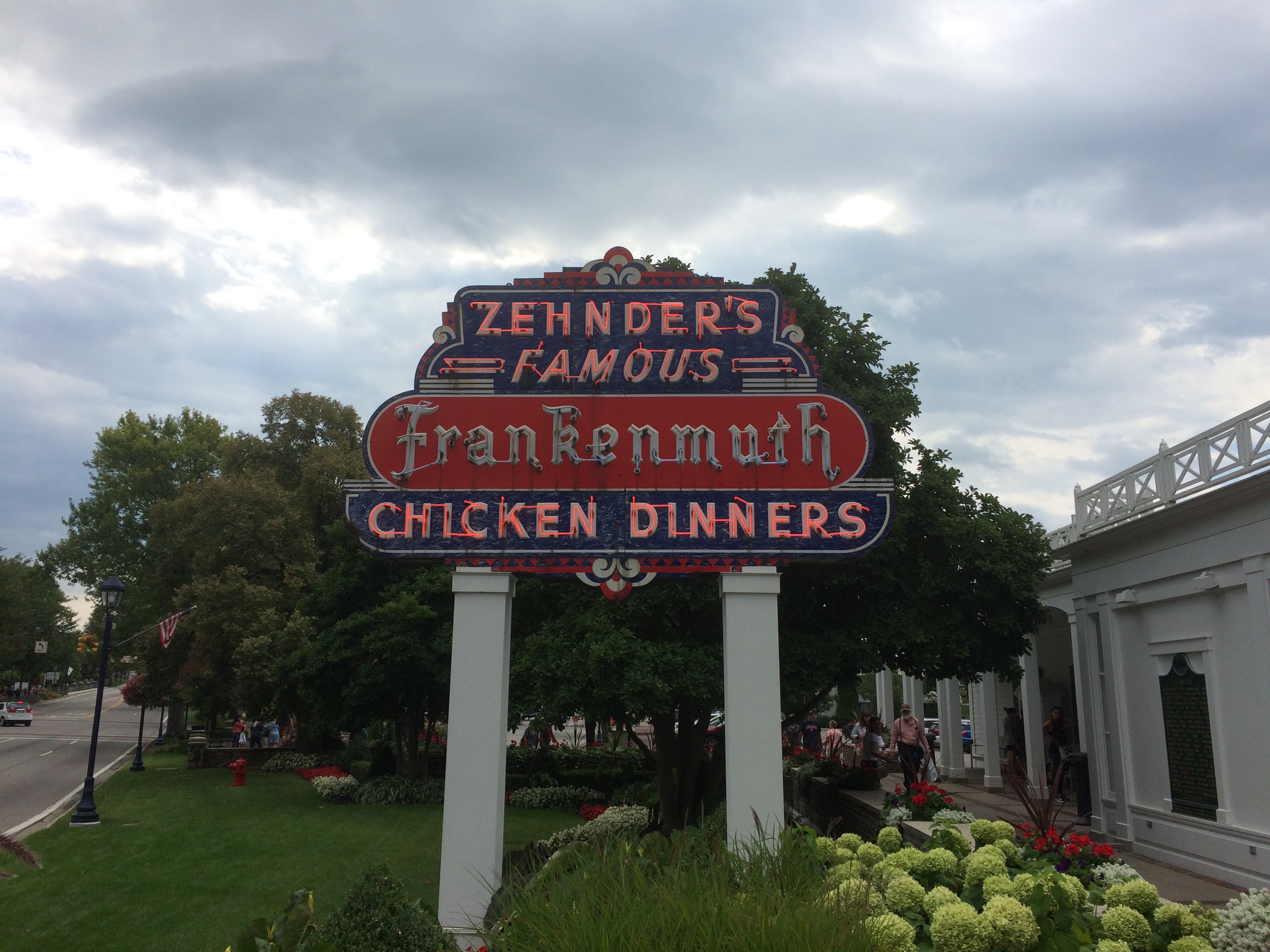
Frankenmuth Main StreetSo did we. In fact we had Zehnder’s chicken, though we took a to-go family pack to a picnic table behind the restaurant: fried chicken, beans, macaroni, potato salad, rolls. Aside from a few interrupting bees, we enjoyed it.

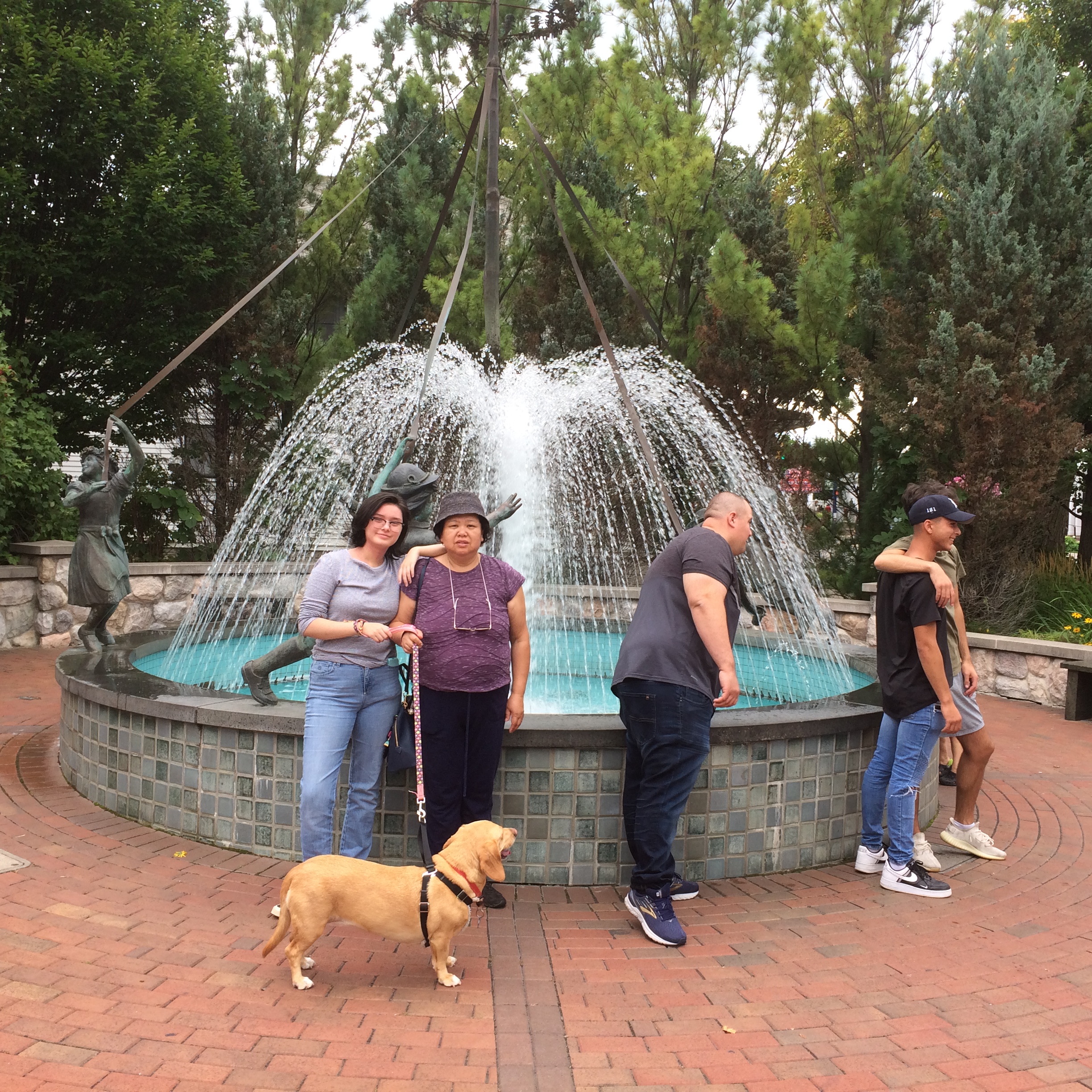
Frankenmuth also sports such sights as a maypole fountain, a popular place for posing.
Frankenmuth Main StreetLater I read a little about Bavarian maypoles. The idea is similar to English maypoles, but not quite the same. Maybe that’s the real source of dispute between the UK and the EU — the regulation of maypoles. Just a thought.

In the various sources that I’ve consulted — skimmed — the early history of Frankenmuth gets some attention, such as in this short history of the place. But modern Frankenmuth, that is, its invention as a tourist town after World War II, gets short shrift. To my way of thinking, that’s as interesting as its history as a German colony in Michigan.

There are some hints here, however, in the Frankenmuth media kit, of all places. From the “significant dates,” you learn that Zehnder’s Restaurant, which is a sprawling place with a lot of dining rooms, got its start as the Exchange Hotel in 1856. Another 19th-century hotel, Fischer House, later became the Bavarian Inn, also with a large restaurant.

When did Frankenmuth start playing up its Bavarian-ness? Looks like the 1950s.
From the timeline: 1957: Rupprecht’s Sausage was the first building decorated in the “Bavarian” architecture. 1958/59: Zehnder family… redecorates the Fischer Hotel in Bavarian architectural style. 1960 & Current: More buildings adopt “Bavarian” architecture.

A Bavarian Festival started in 1963 but the town didn’t around to an Oktoberfest until 1990. In 2001, a Bavarian-themed mall opened south of the Cass River along Main Street.

Sounds like a few places — the chicken restaurants — were long-time draws. After all, metro Detroit and the once-prosperous Flint aren’t that far. But in the postwar age of auto tourism, the town’s merchants happened on a winning formula of more than just chicken, one that dovetailed with the town’s origin: faux Bavaria.

That might sound like criticism of Frankenmuth as “inauthentic,” a vague epithet if there ever was one, but I refuse to go down that road.

Of course the place isn’t really Bavarian. No one thinks that. Visitors respond to it as a pleasant place to be. People were out and about on a summer day, having an innocuous good time, and supporting businesses that exist here and nowhere else. You could call it an homage to Bavaria, but in any case it’s an authentic American town with a popular theme.

Main Street, Midland, Michigan

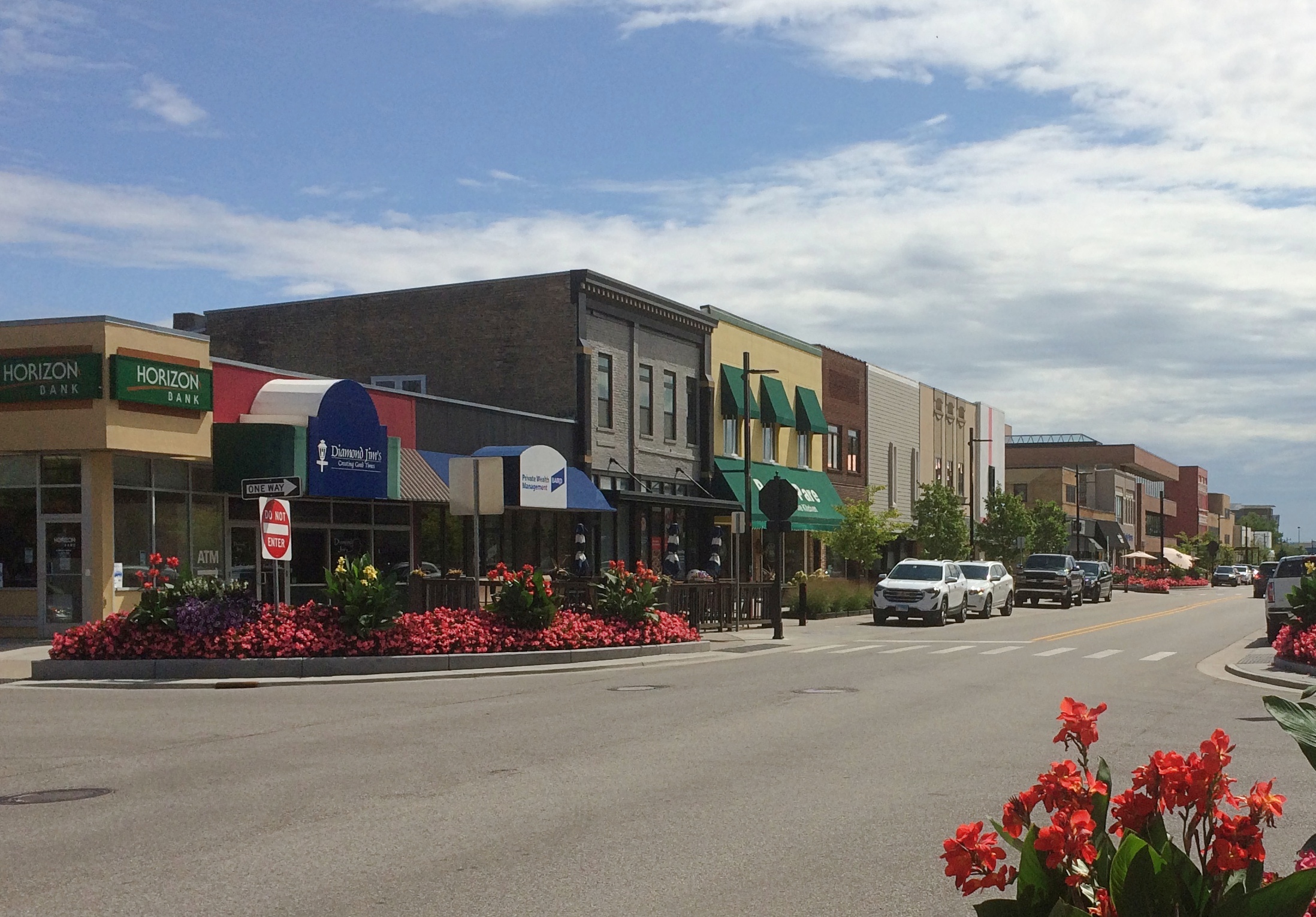
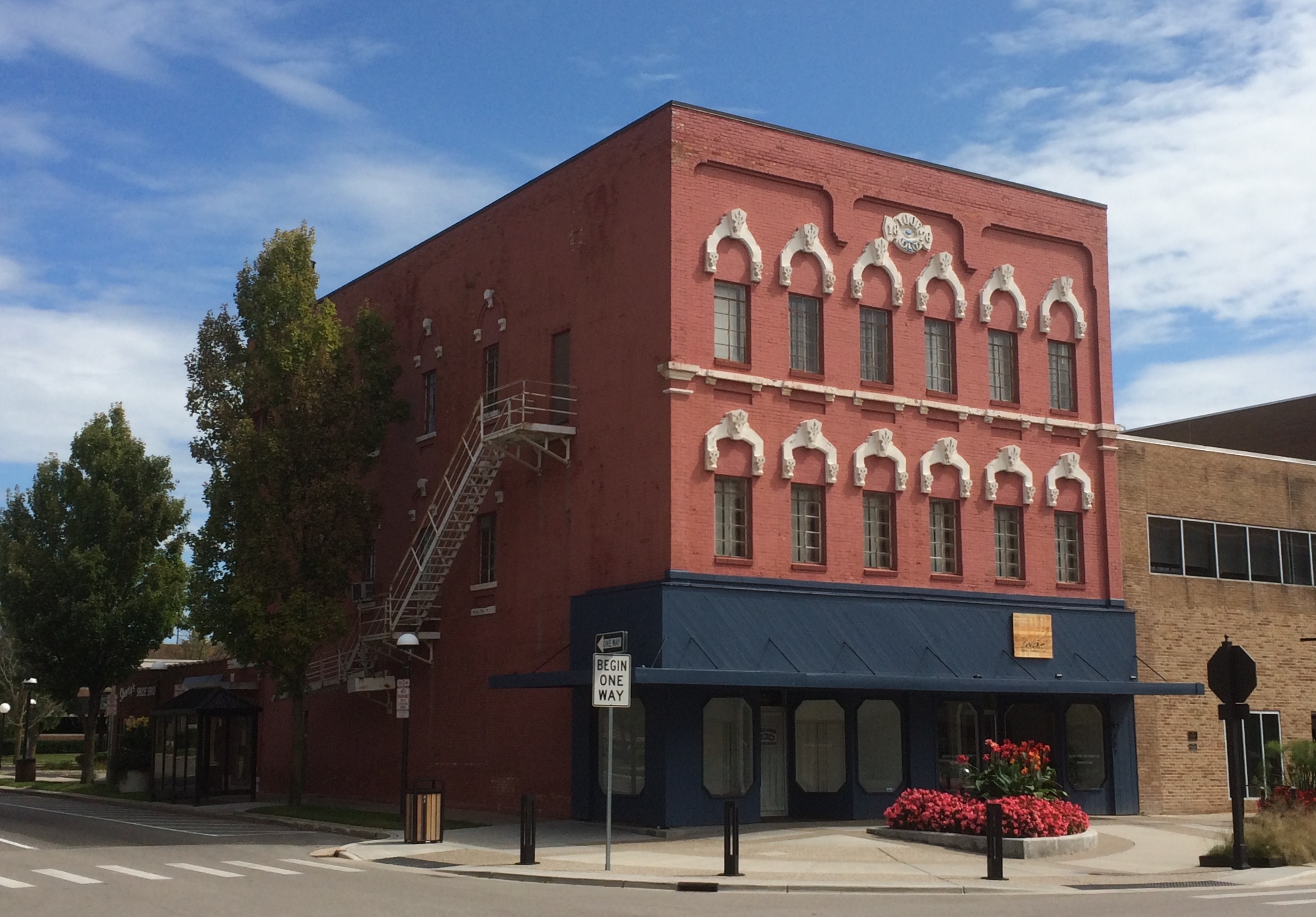
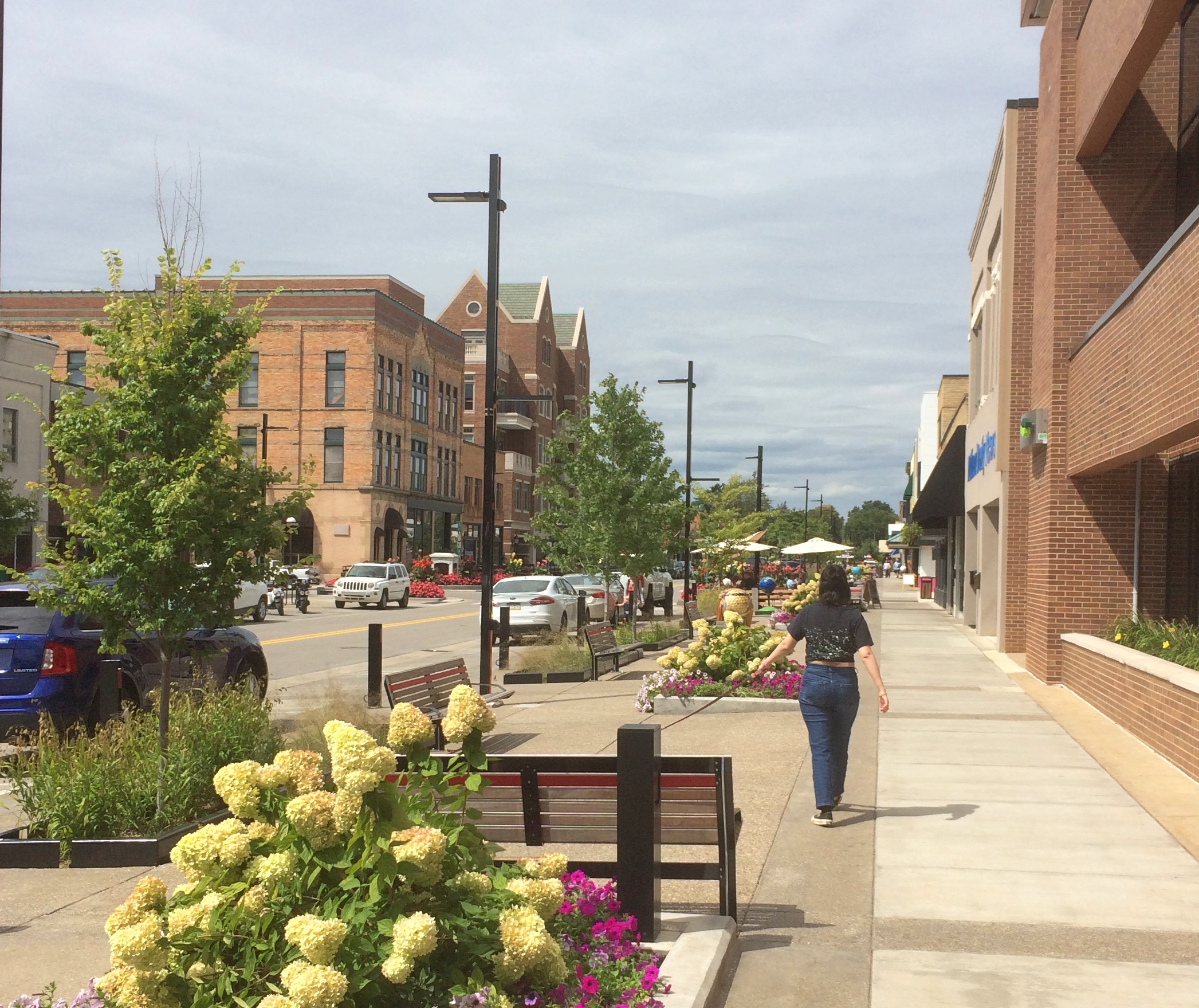
Midland, Michigan, seems like a prosperous town. That would probably be the impact of Dow Chemicals and related businesses — note that the city seal makes no bones about better living through chemistry — but in any case prosperity makes for a pleasant main street.

Main Street runs more-or-less parallel to the Tittabawasee River more than a block away. We arrived around lunchtime on September 1.

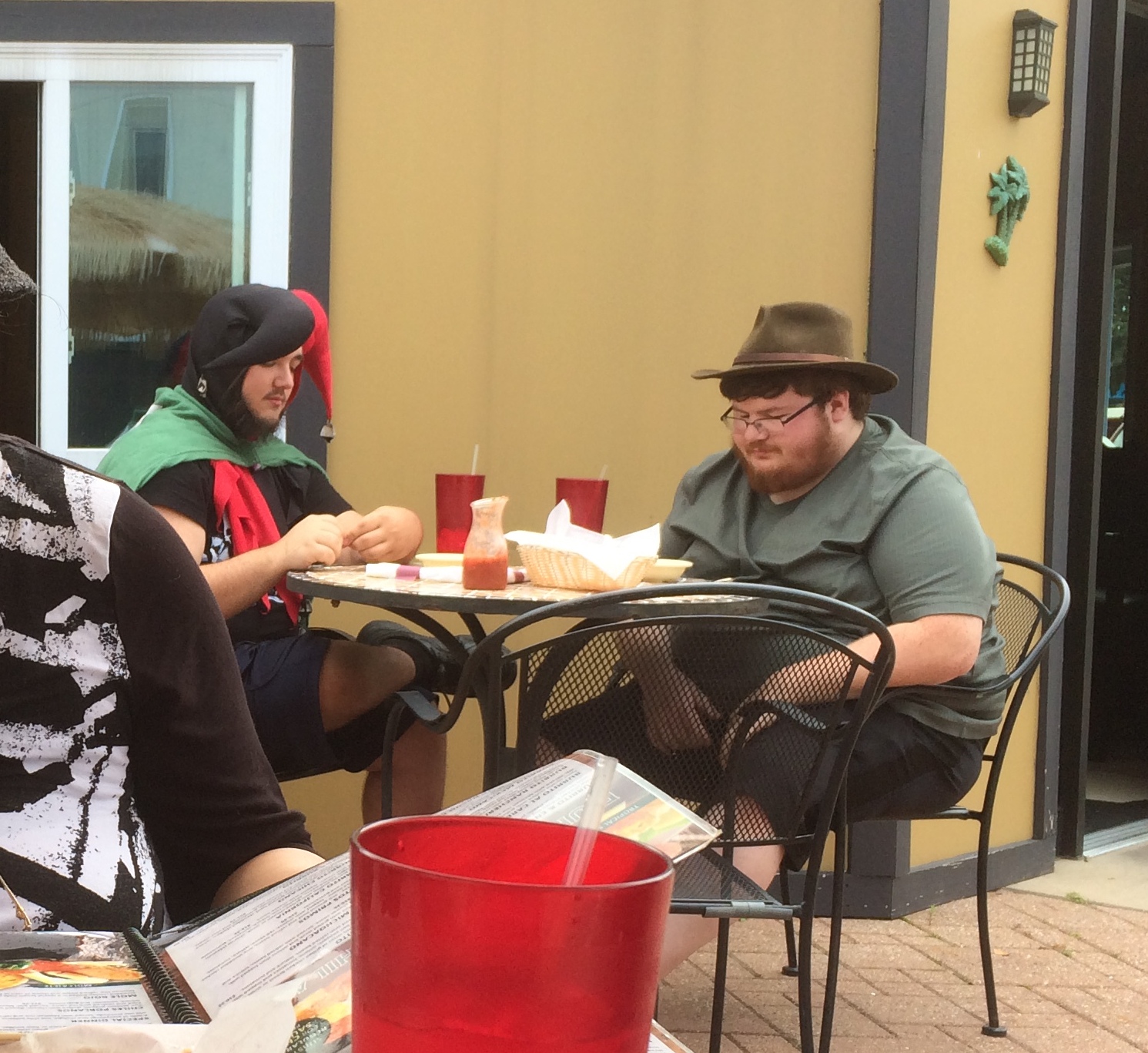
Main Street Midland MichiganMain Street Midland MichiganMain Street Midland MichiganWe had lunch outdoors at a Mexican restaurant on Main Street. The food was good and a few of the other patrons were dressed for some occasion or other.
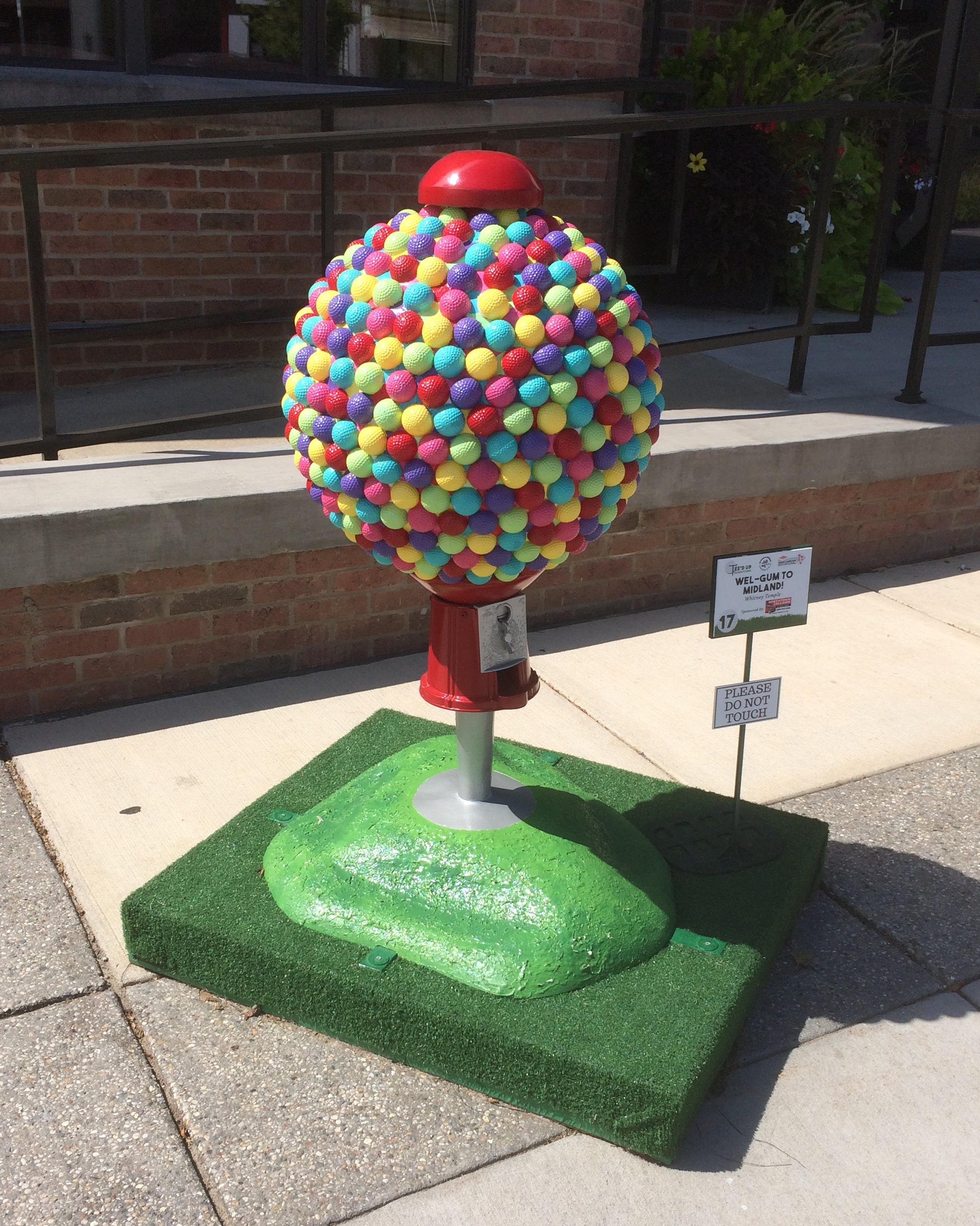
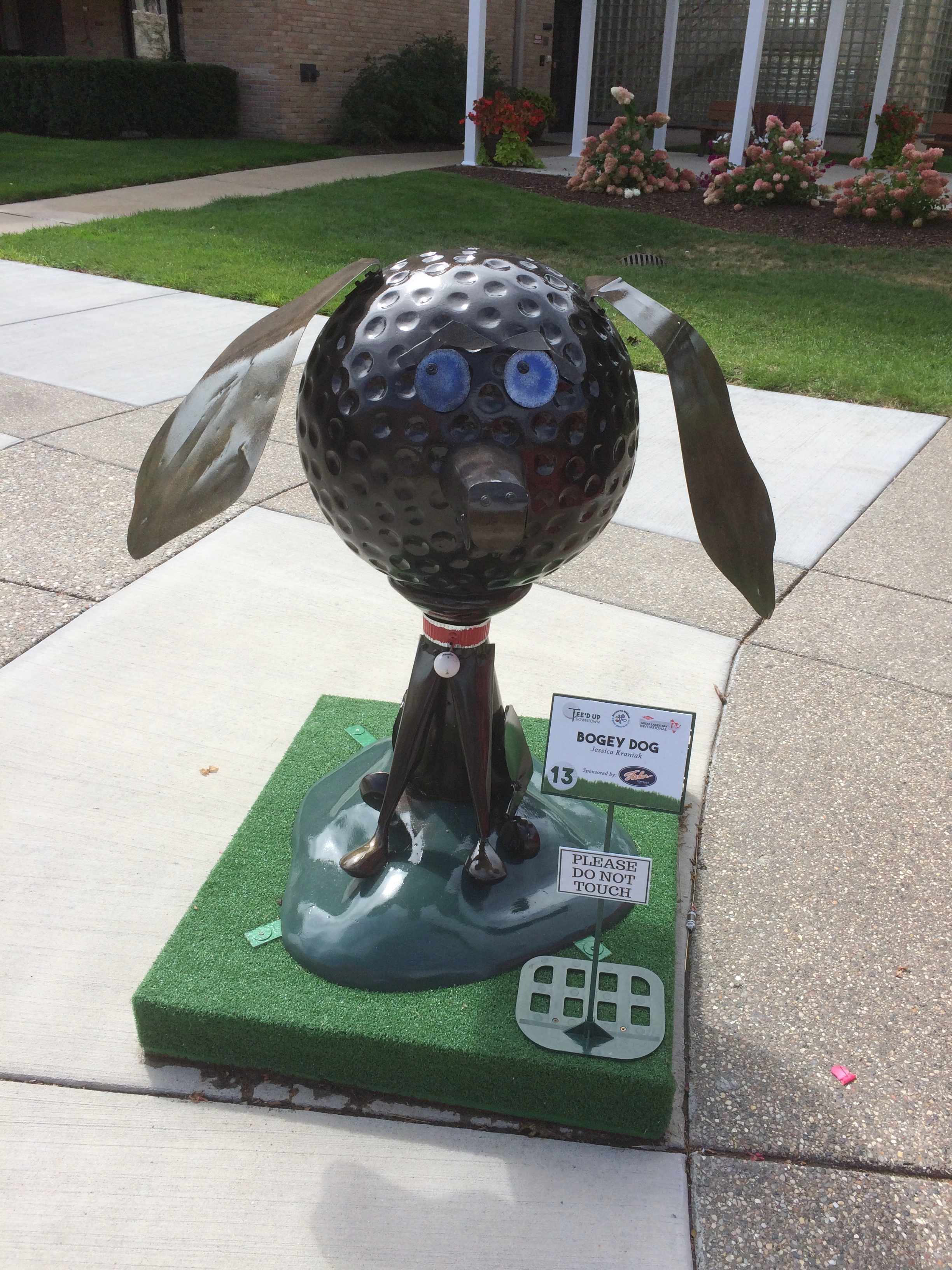
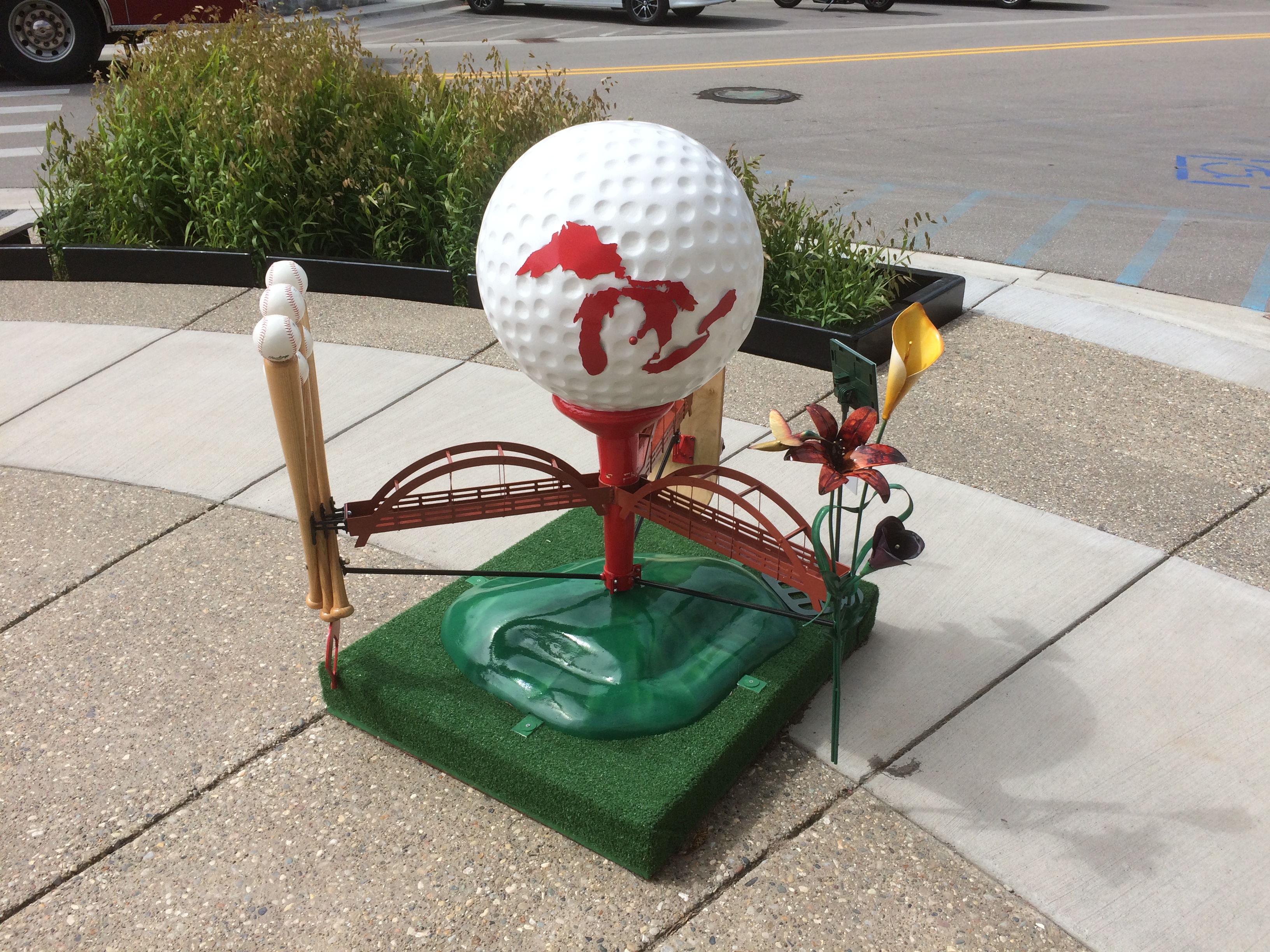
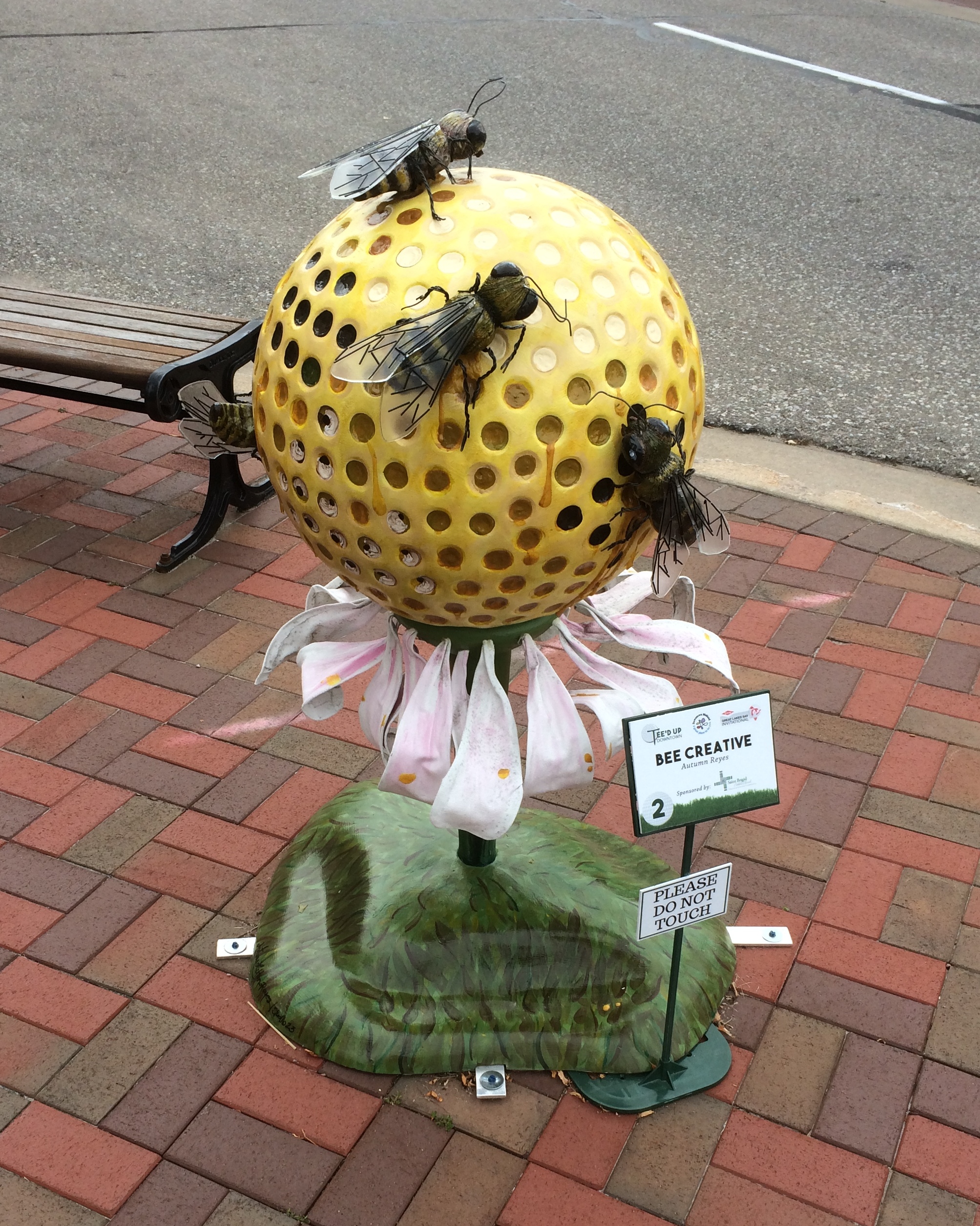
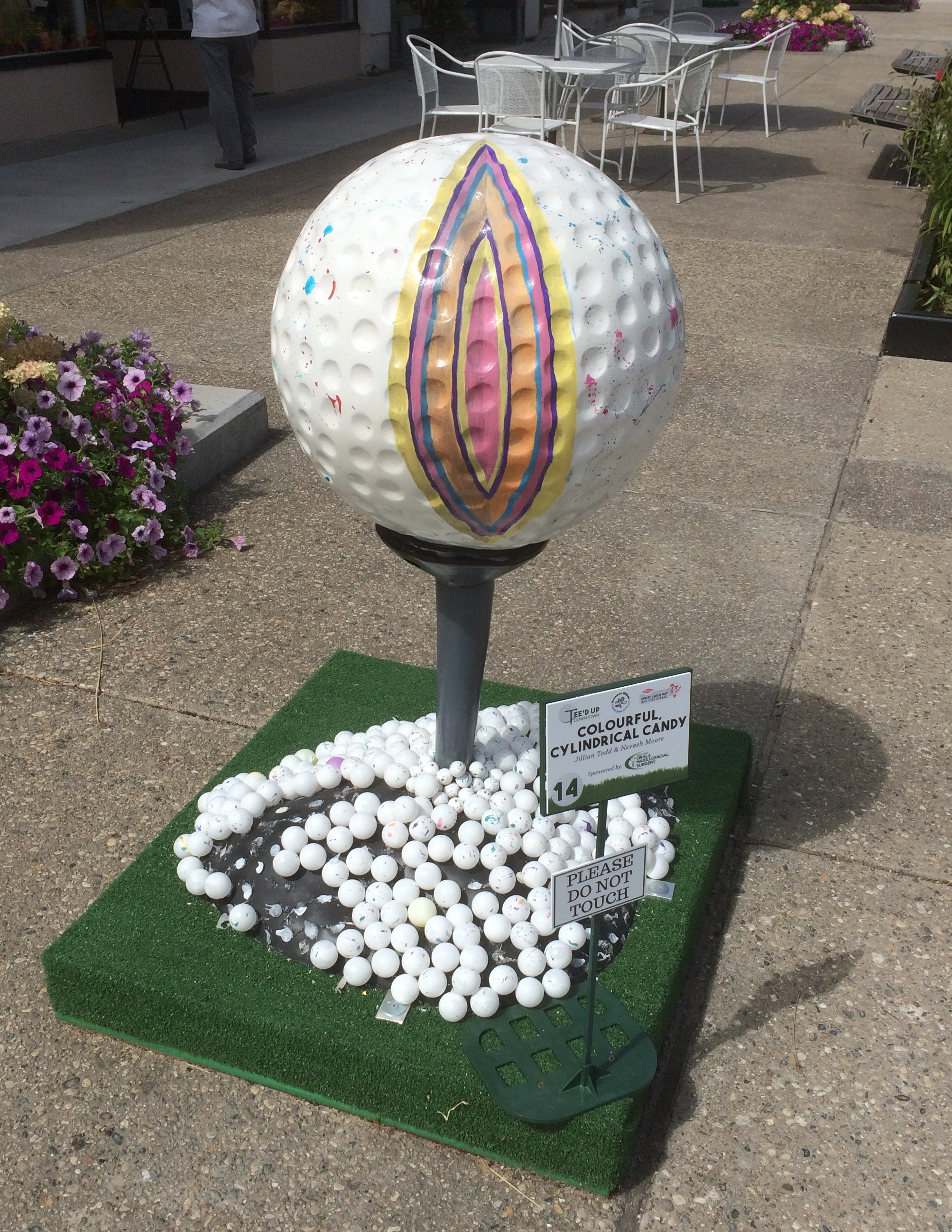
Main Street Midland MichiganI didn’t ask. We noticed during our Main Street stroll various golf-ball-based artworks.
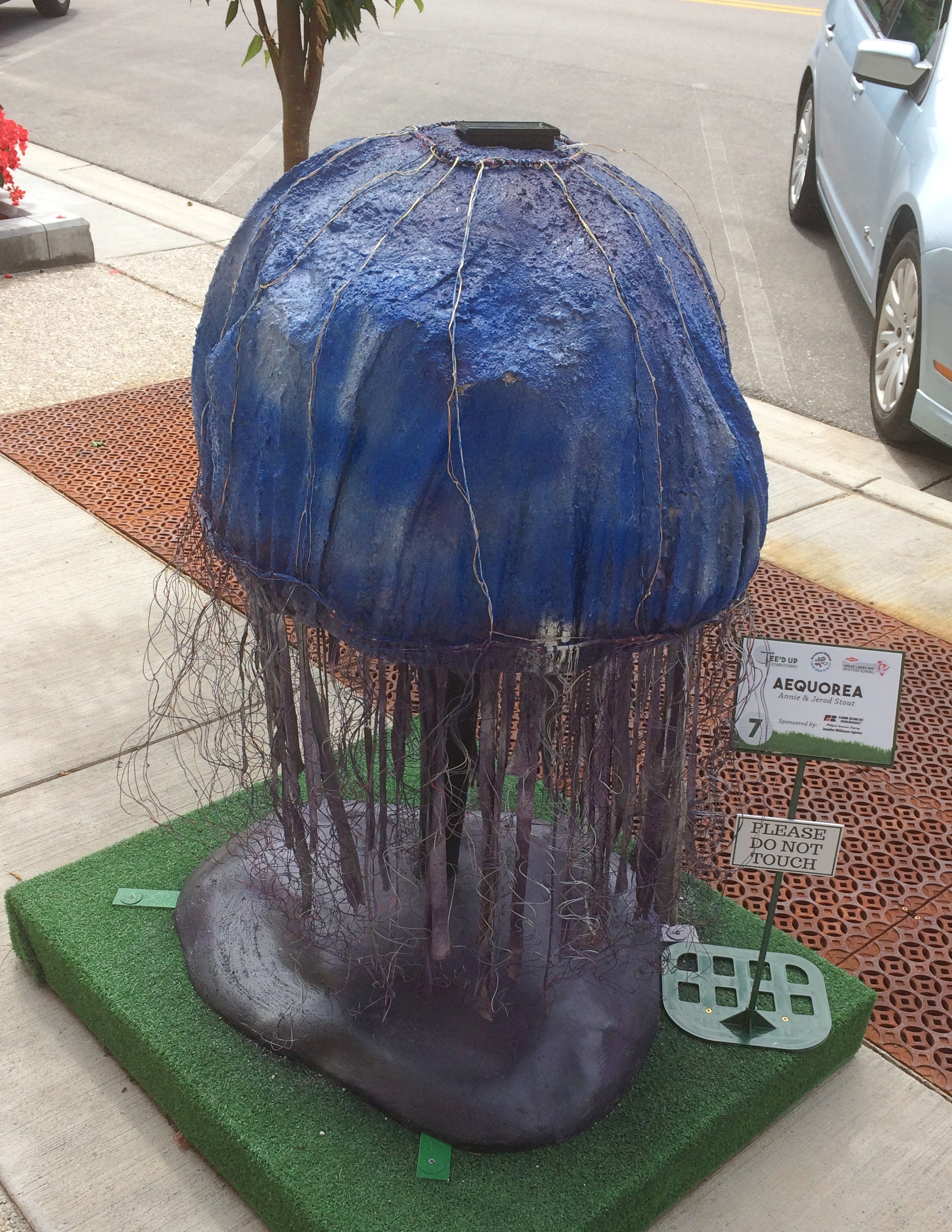
Main Street Midland Michigan golf ball artMain Street Midland Michigan golf ball artMain Street Midland Michigan golf ball artThose are part of the Downtown Midland Summer Sculpture Series. As usual for such displays, the works will be around in the summer, then auctioned for charity come fall. Chicago’s Cows on Parade in 1999 kicked that sort of thing off in the U.S., with the idea borrowed from Europe.

According to Downtown Midland, the golf ball theme is because the inaugural Dow Great Lakes Bay Invitational was held this summer in Midland by the LPGA.

A few more. This one’s mildly unsettling.
Main Street Midland Michigan golf ball artCandy, eh?
Main Street Midland Michigan golf ball artThis counts as golf-ball based?
Main Street Midland Michigan golf ball artLooks to me like a cold-environment creature that floats in the upper atmosphere of Neptune. That’s something I would think of, anyway.

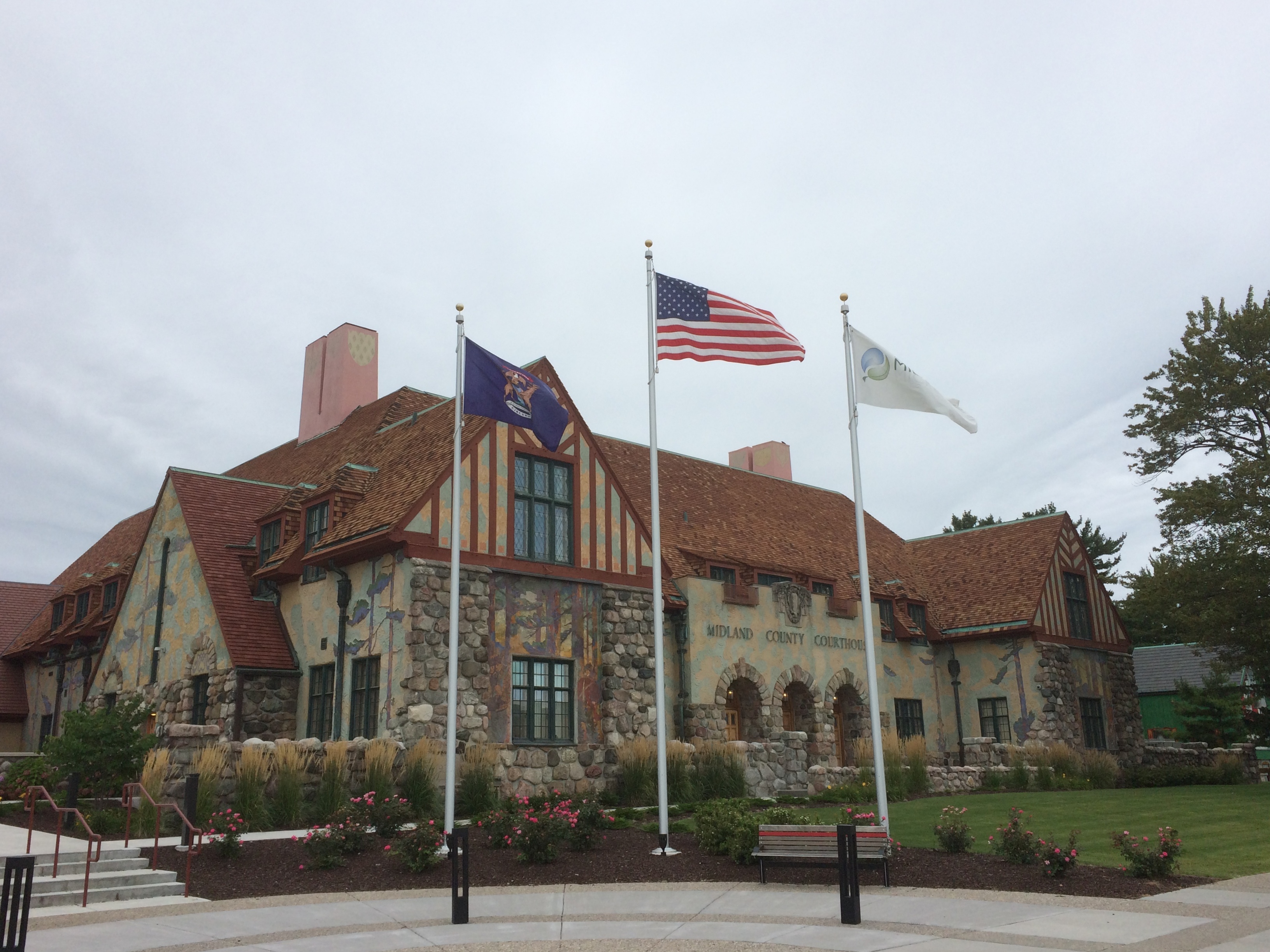
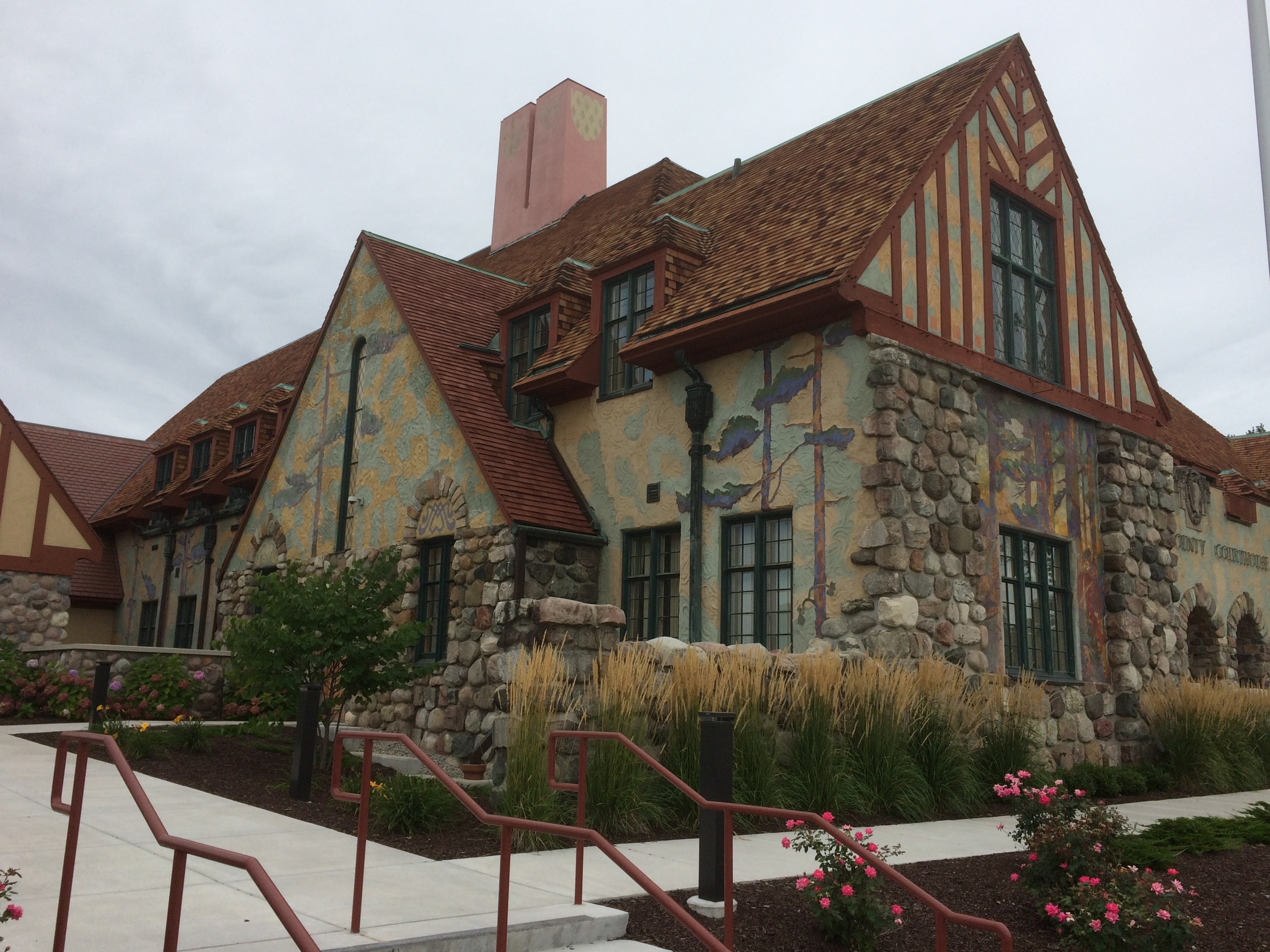
A few blocks to the northwest of the golf balls, but still on Main Street, is the Midland County Courthouse, unlike any other I’ve seen.
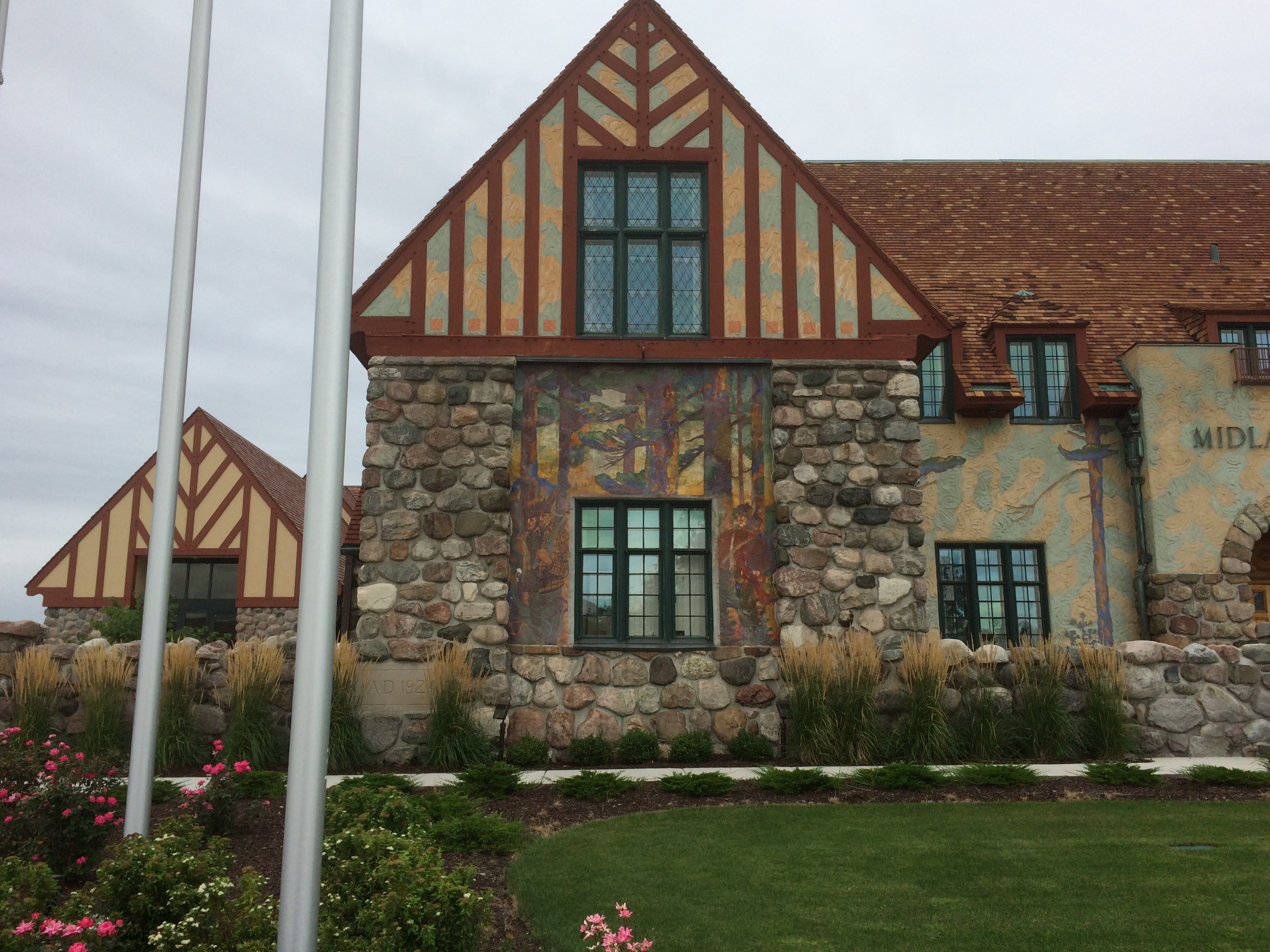
Midland County Courthouse, MichiganNot just a Tudor-style courthouse, a colorful one dating from the 1920s.
Midland County Courthouse, MichiganMidland County Courthouse, MichiganBloodgood Tuttle of Cleveland, who did work in Shaker Heights, is credited with designing the building, and apparently there are murals inside.

I’ve been conditioned by illustrations and movies, of course, but I couldn’t shake the idea that if Faerieland needed a court to dispense Faerie justice, it would look like this.

Lansing Walkabout

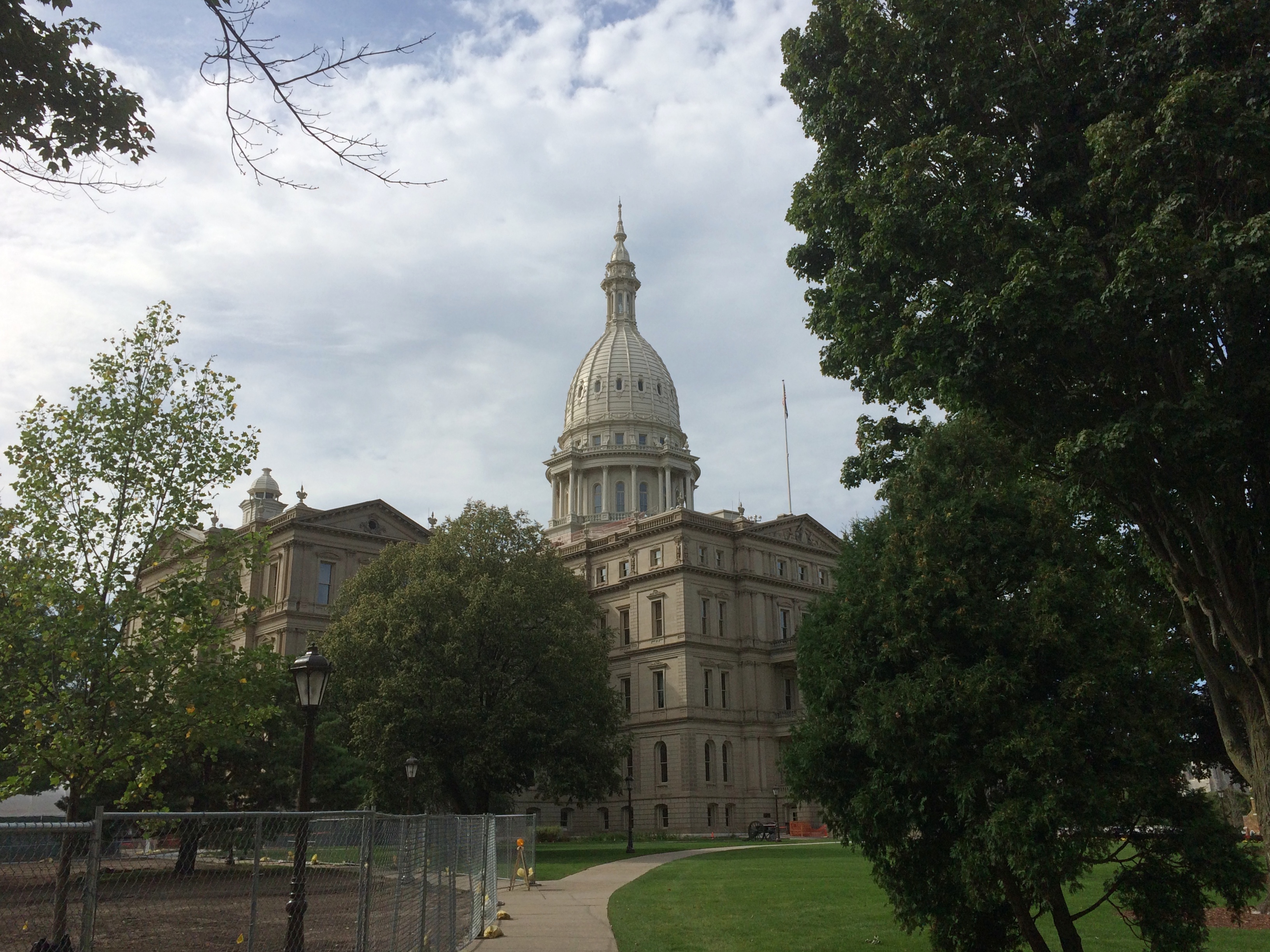
On the last day of August, we arrived in Lansing, Michigan, for a look. I’d only passed through once, Labor Day 2000 as it happened, to find the state capitol closed, as you’d expect. This time I hoped it would be open on Saturday, as it usually is. It wasn’t.

Still, it’s a handsome structure with a lanky cast-iron dome.
Michigan State Capitol“In January 1872, a plan (called ‘Tuebor,’ meaning, ‘I will defend’) submitted by architect Elijah E. Myers of Springfield, Illinois, was selected,” says the capitol’s web site regarding its development, which proceeded throughout that decade. “Myers moved to Michigan to supervise construction and lived for the rest of his life in his adopted state.

“Materials for the building came from all over the country and even from abroad. Although the millions of bricks that make up its walls and ceilings were locally made in Lansing, the stone facade came from Ohio, the cast iron for the dome and floor beams from Pennsylvania, and the marble and limestone floors from Vermont.”

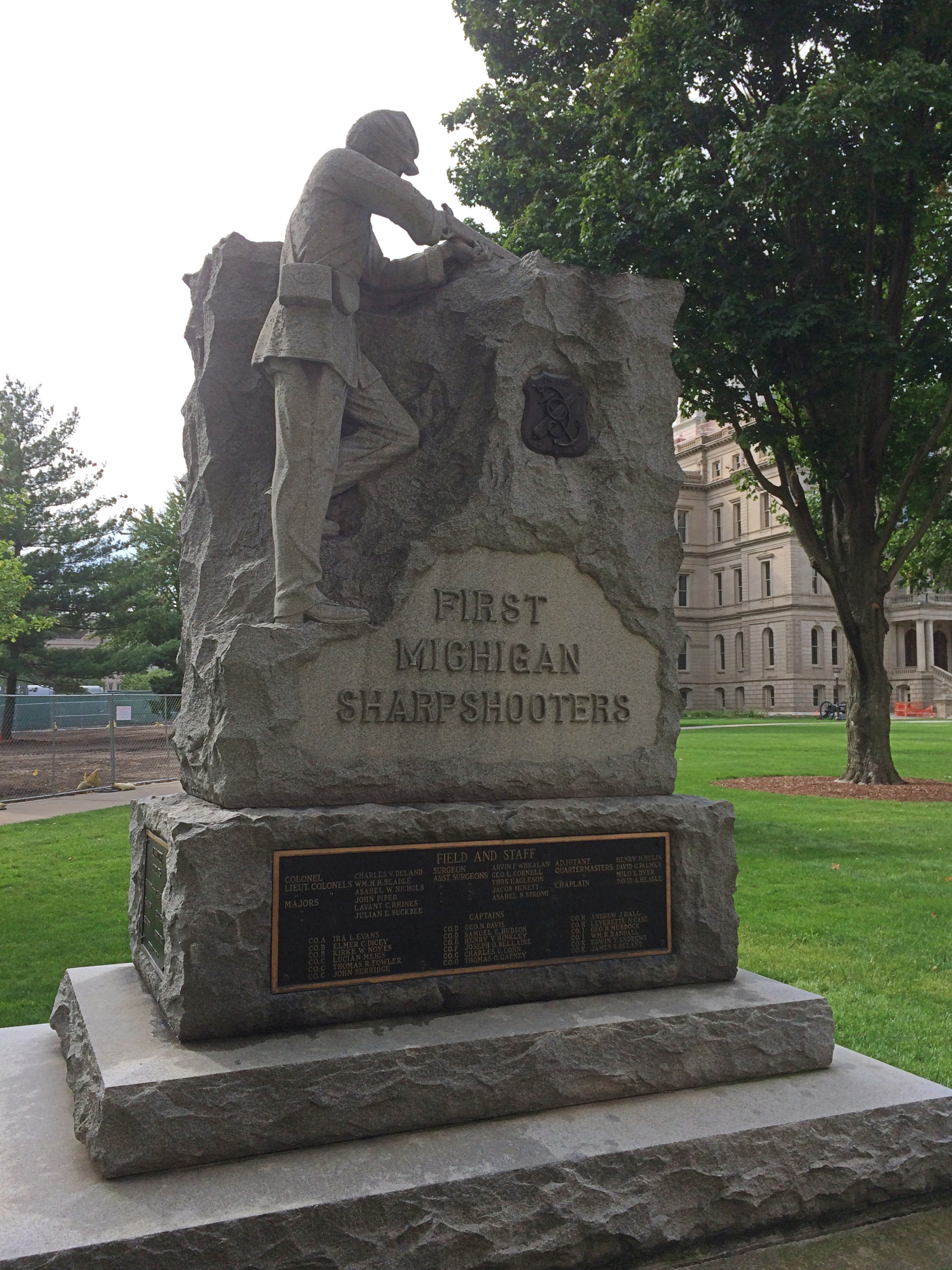
The interior is supposed to be ornate, but that will have to wait. Instead, we were able to look at the scattering of memorials on the grounds, including this unusual one to the First Michigan Sharpshooters Volunteer Regiment.

First Michigan Sharpshooters Memorial

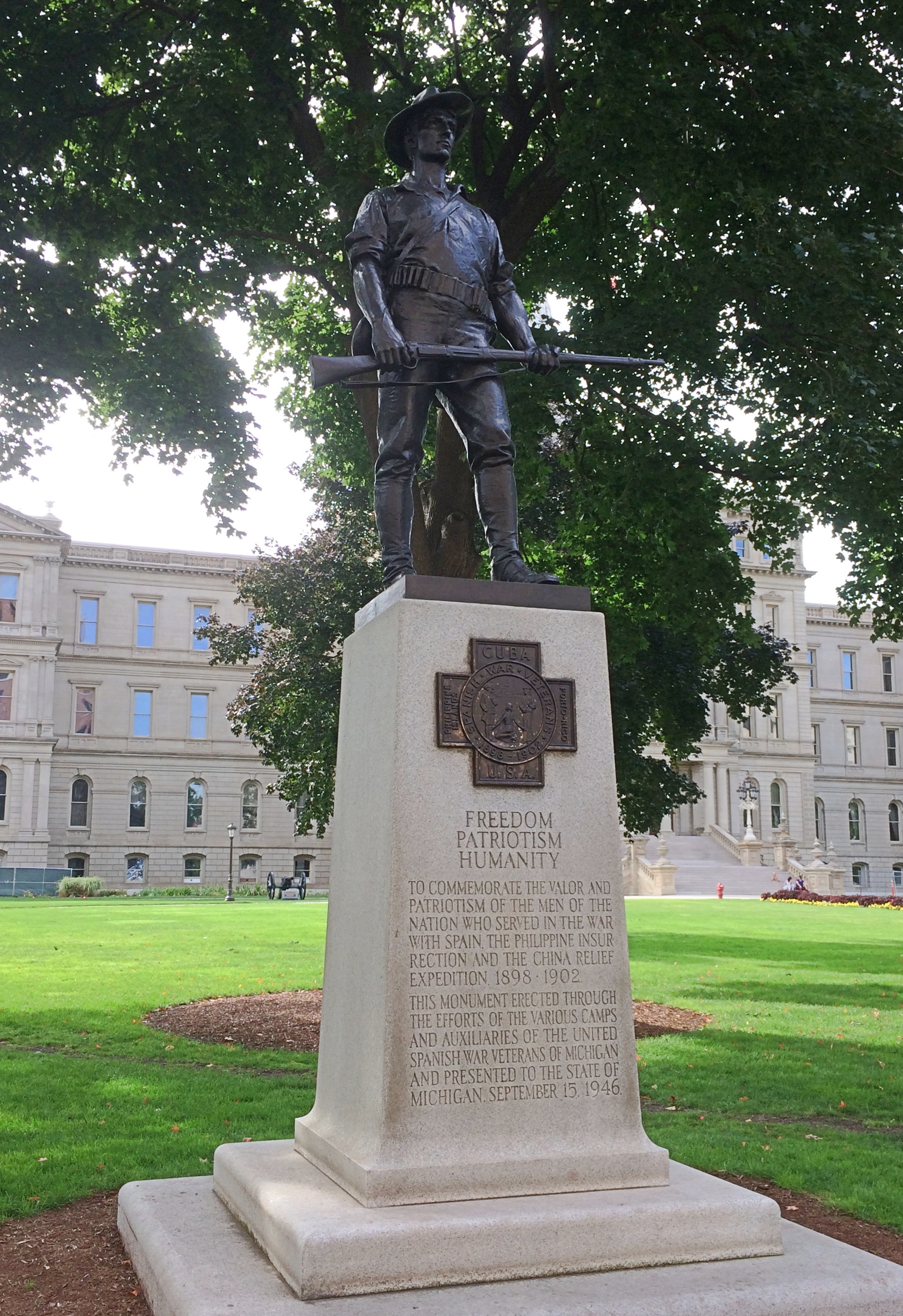
Another memorial you don’t see that often — but not never — is to the men who fought in the war with Spain, but also in the Philippine Insurrection and the China Relief Expedition.
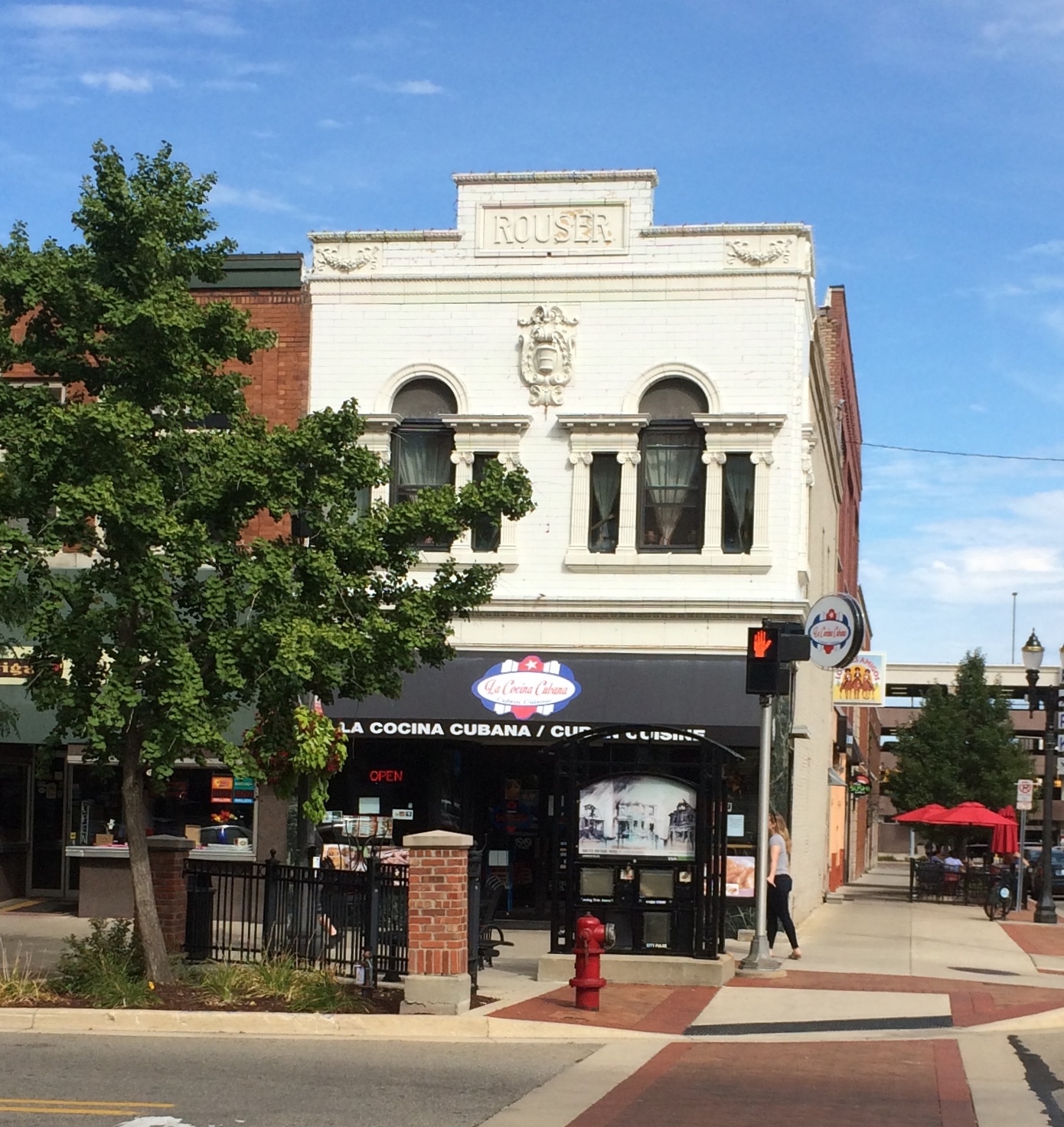
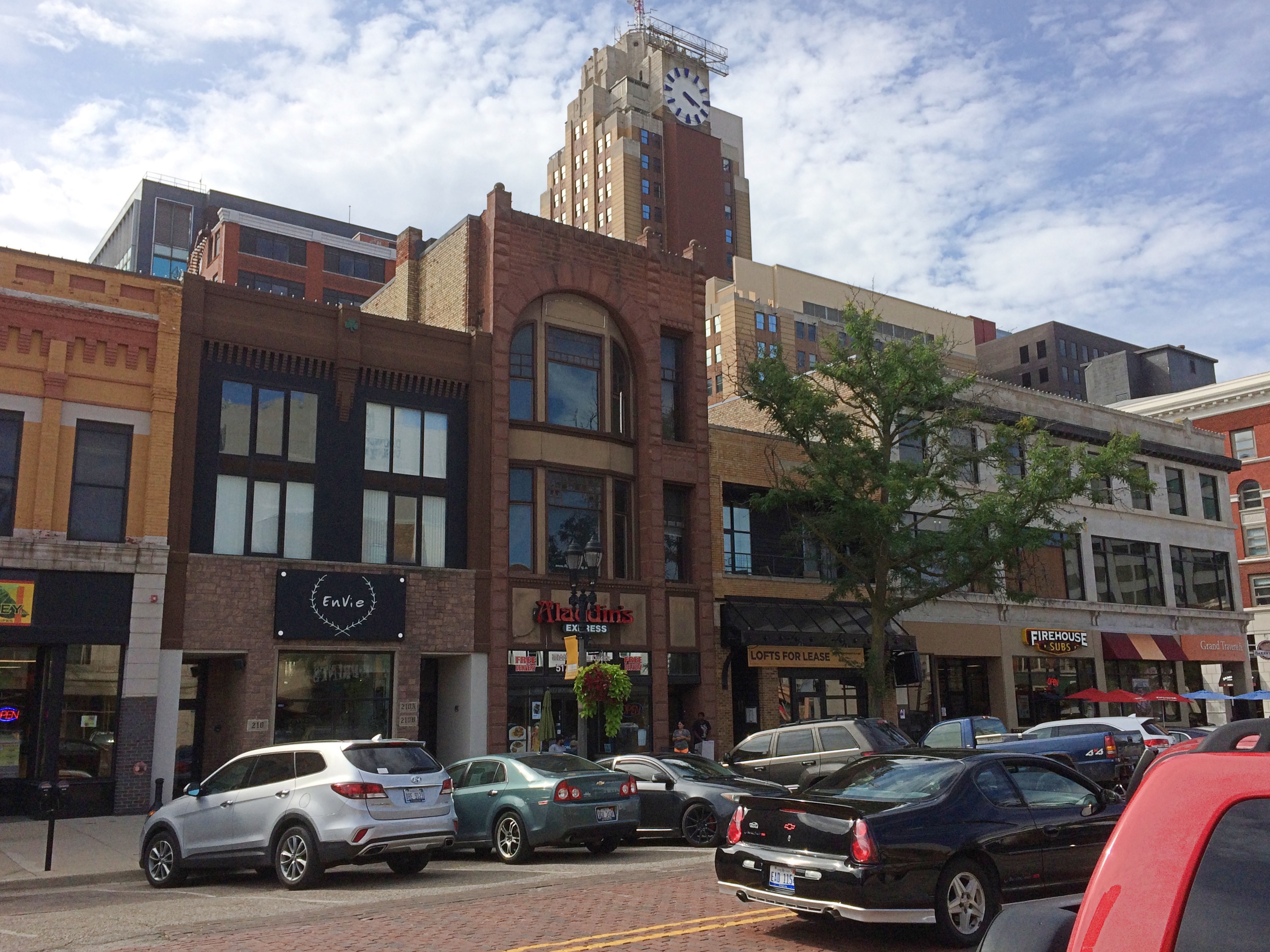
Spanish War Memorial Lansing MichiganA block east of the capitol grounds is Washington Square. At least, that’s what the map calls it. It’s a section of Washington Ave. lined with various businesses, and good for a walk on a late summer afternoon.
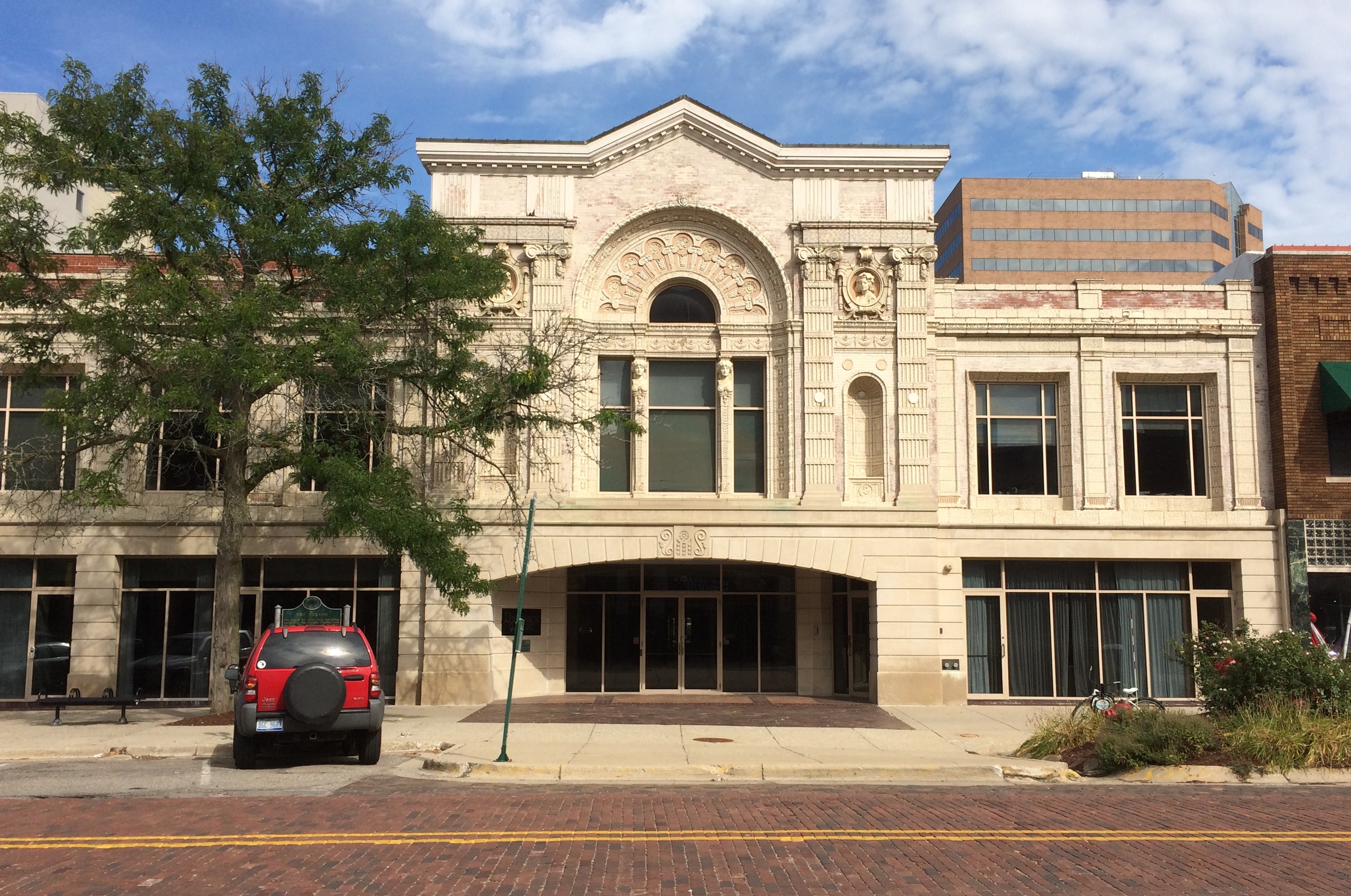
Washington Street LansingWashington Street LansingFormerly a theater. The Strand, opened in 1921 as one of the largest vaudeville stages in Michigan, designed by Chicago architect John Eberson.
Washington Street Lansing - StrandHe did a lot of theaters, many of which don’t exist any more. The auditorium of the Strand disappeared to make way for office and retail space in the mid-80s.

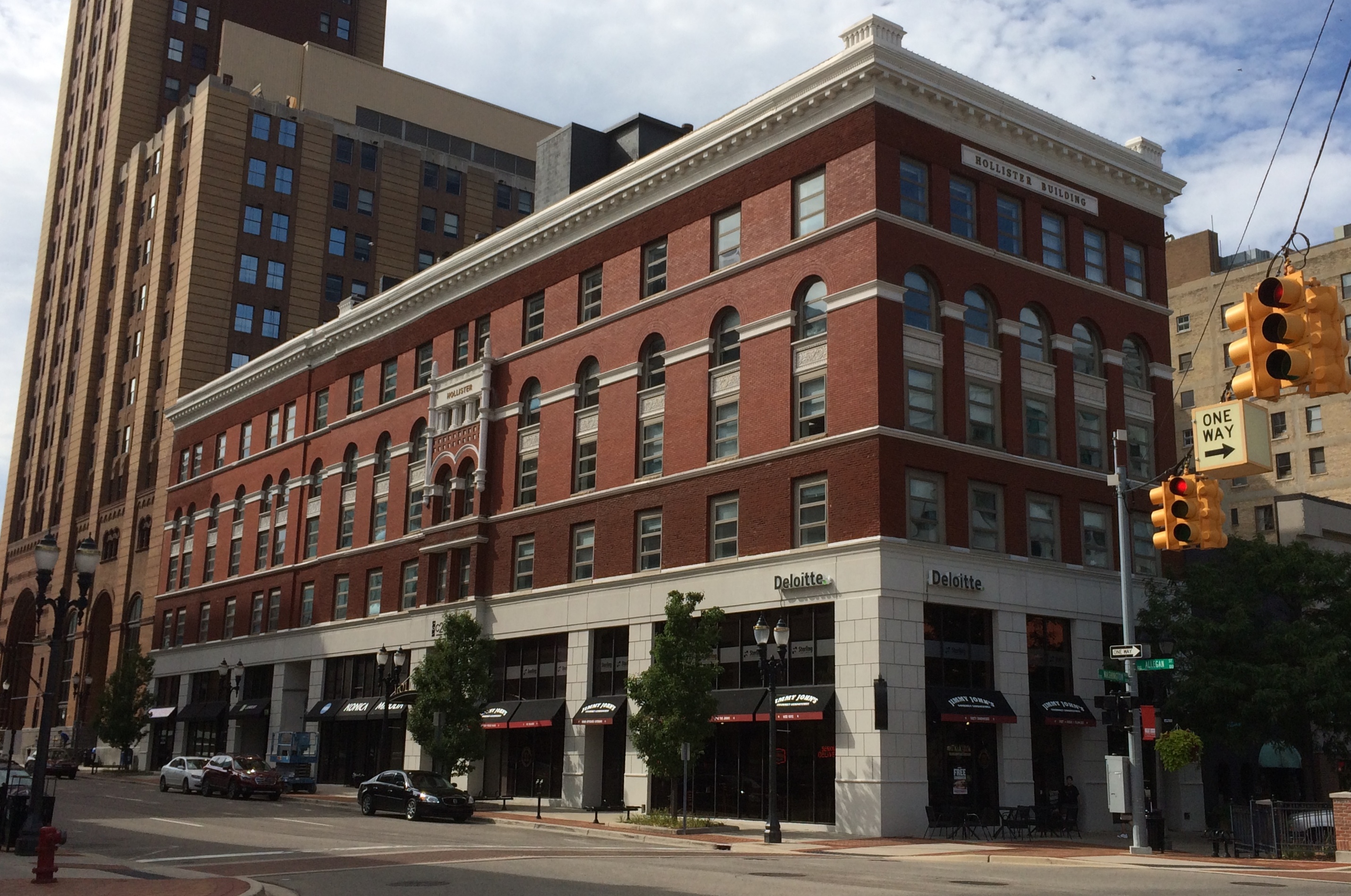
The Hollister Building, the last remaining of Lansing’s major commercial buildings developed in the early 20th century (and renovated in the early 21st century).
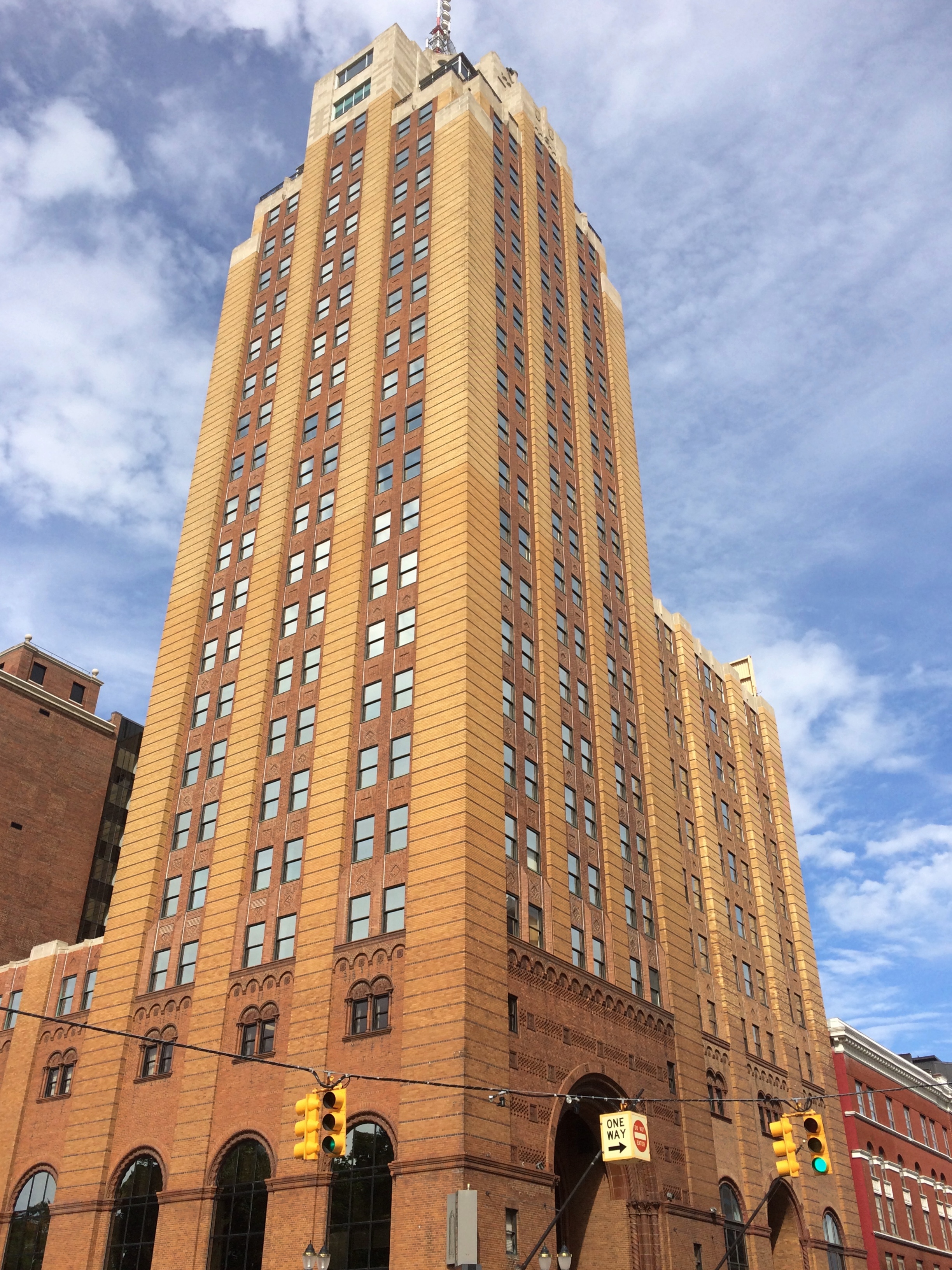
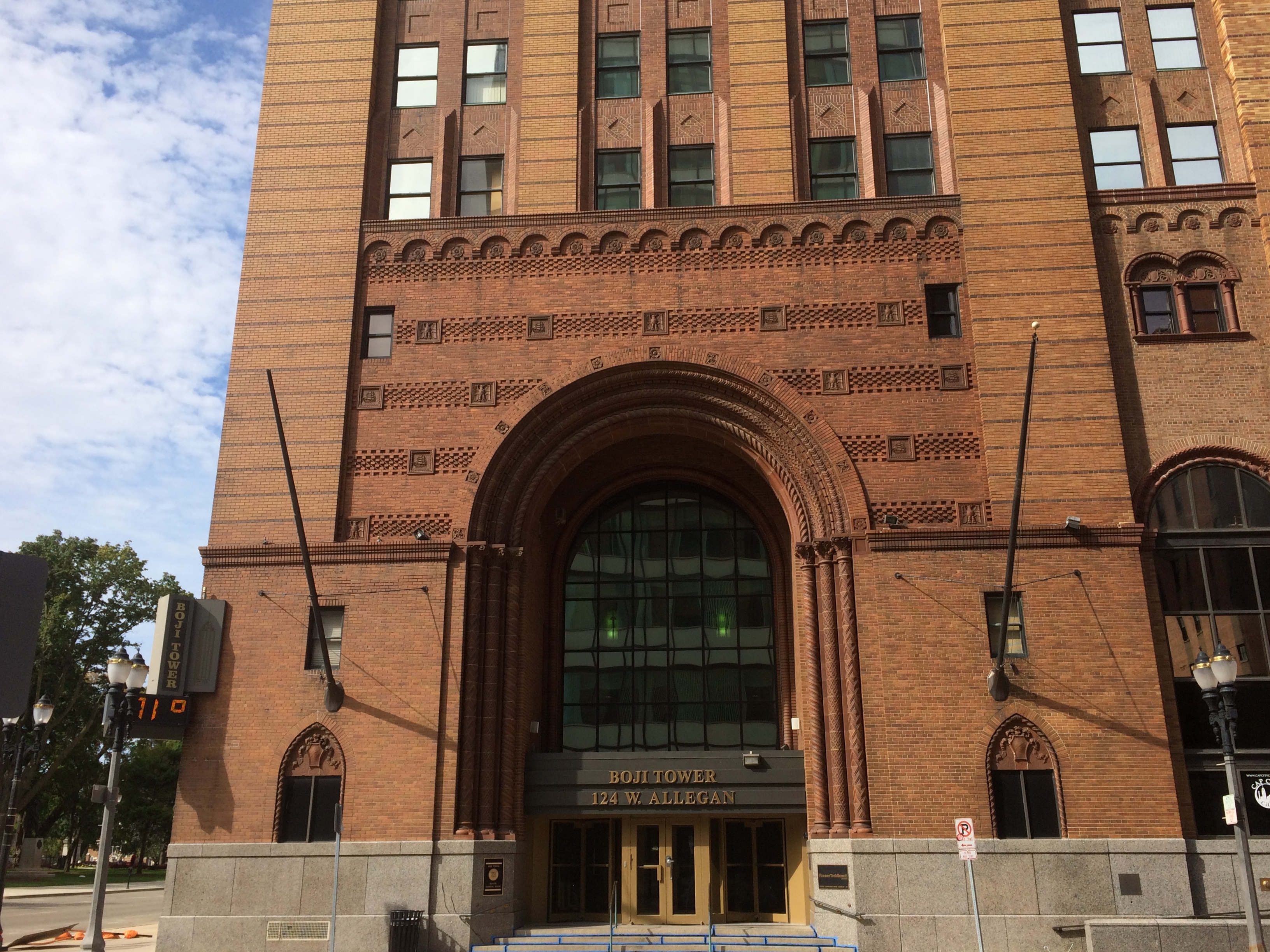
Hollister Building LansingBoji Tower, around the corner toward the capitol on Allegan St. and the tallest building in Lansing.
Boji Tower Lansing MichiganBoji Tower Lansing MichiganAn impressive pile of art deco bricks that got in just under the wire: construction started in 1929. The Boji family is a recent owner; earlier names are the Olds Tower (as in auto pioneer Ranson Olds), the Capital National Bank Tower and the Michigan National Bank Tower. The fairly obscure Hopkins and Dentz of New York designed it.

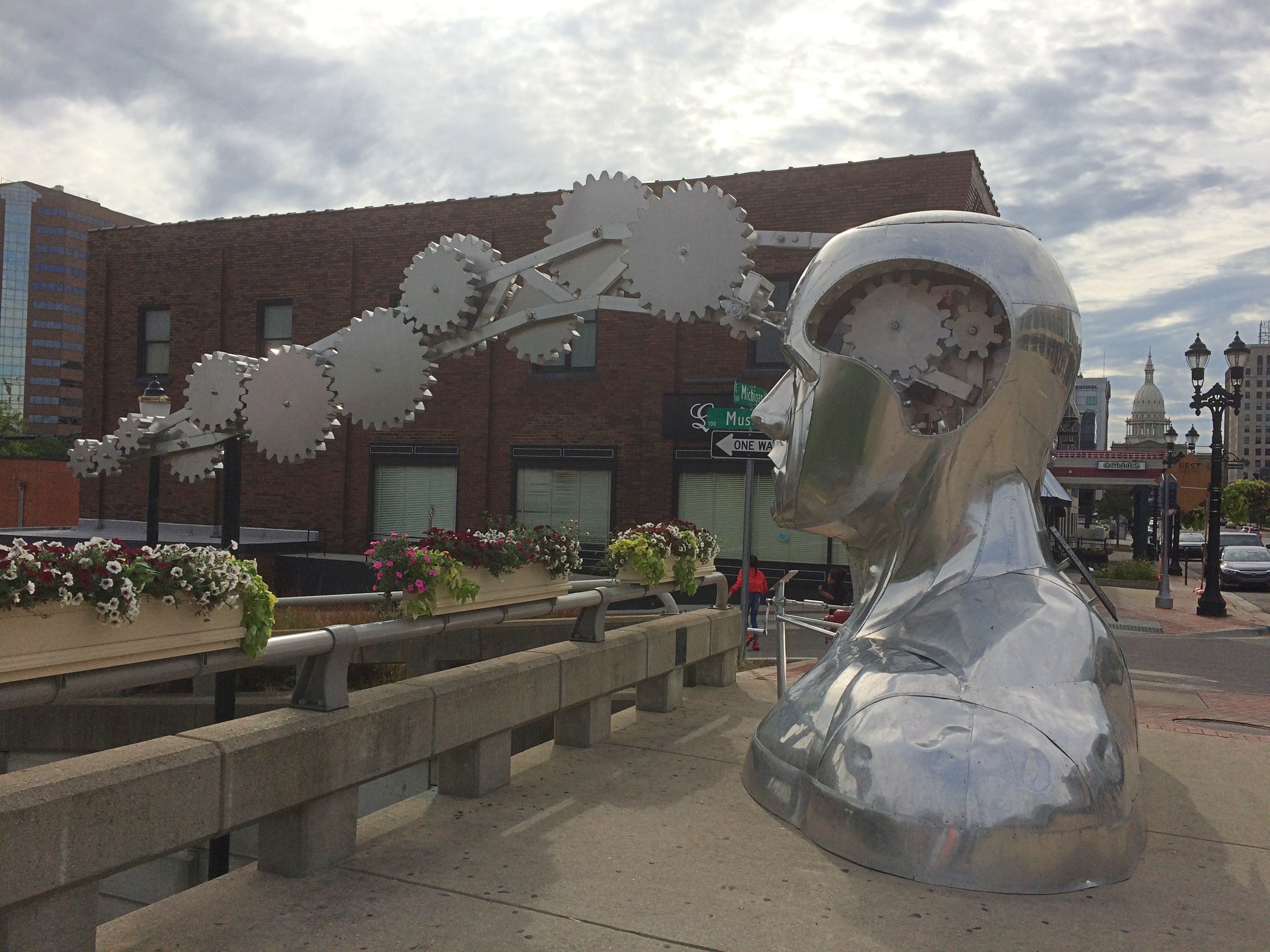
East of the capitol a few blocks is public art so new that it doesn’t appear on the StreetView image from the summer of 2017.
lansing "Portrait of a Dreamer" “Portrait of a Dreamer” by Ivan Iler, installed in December 2017. Naturally, Roadside America has the story: “The giant mechanical head is 15 feet high and is built out of almost two tons of aluminum and stainless steel.

“Visitors are encouraged to turn a crank at its base to move the gears, which spill out of the head toward Lansing’s cultural district. The purpose of the sculpture is to turn visitors’ heads while they turn the crank, so that they notice the science center and museums that they otherwise might miss along Michigan Ave.”