Not Your Father’s Arcade Machines. Your Grandfather’s.

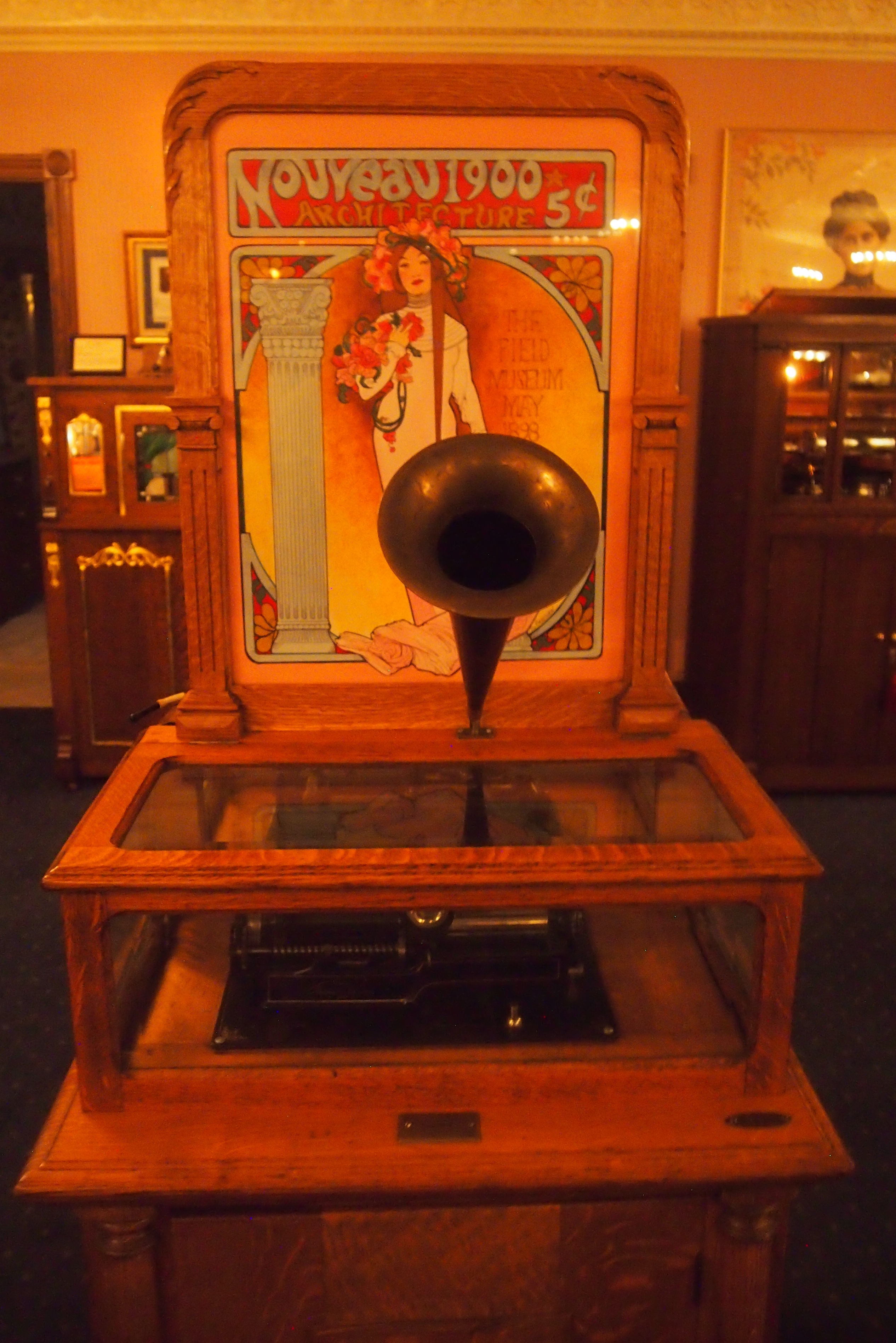
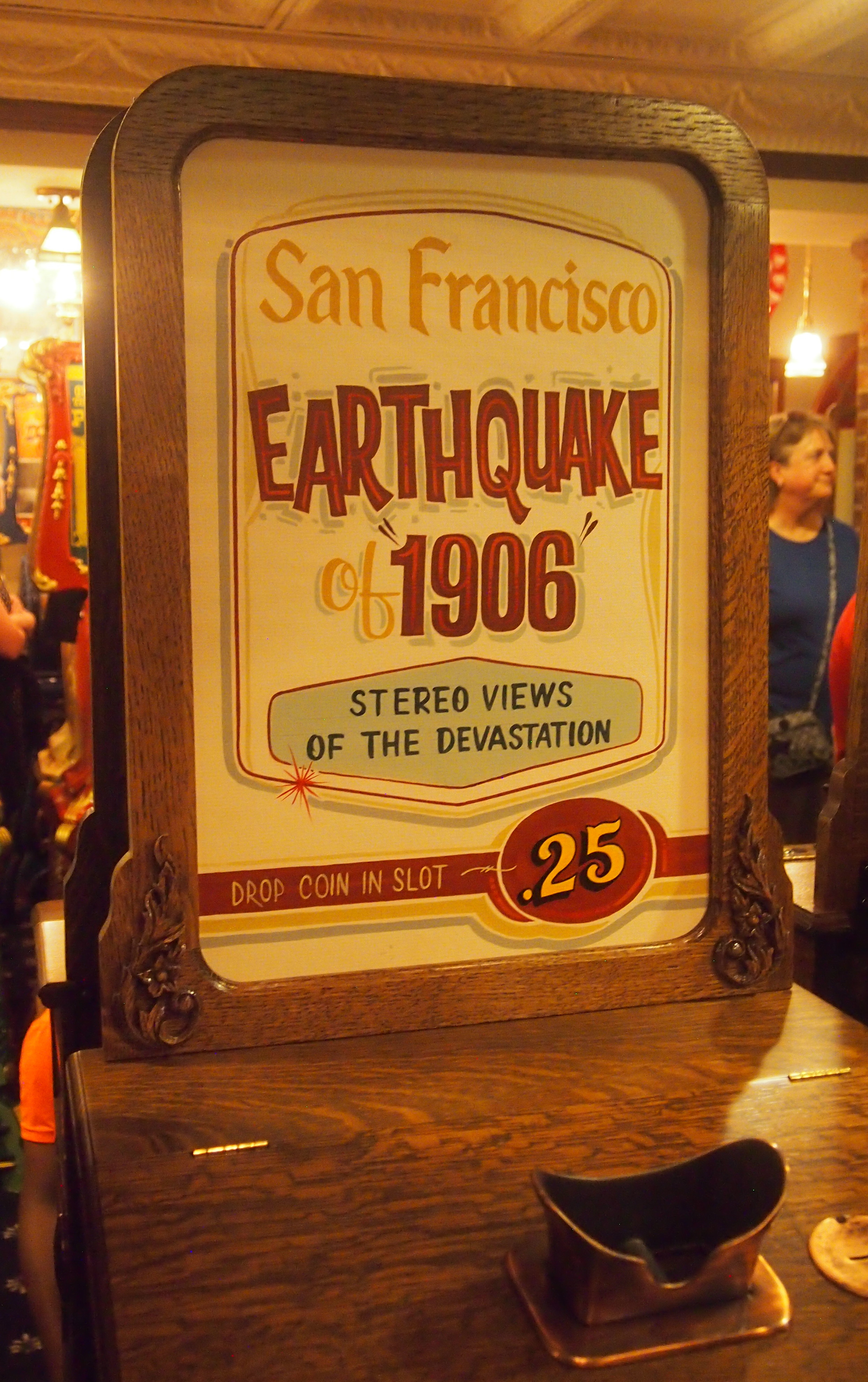
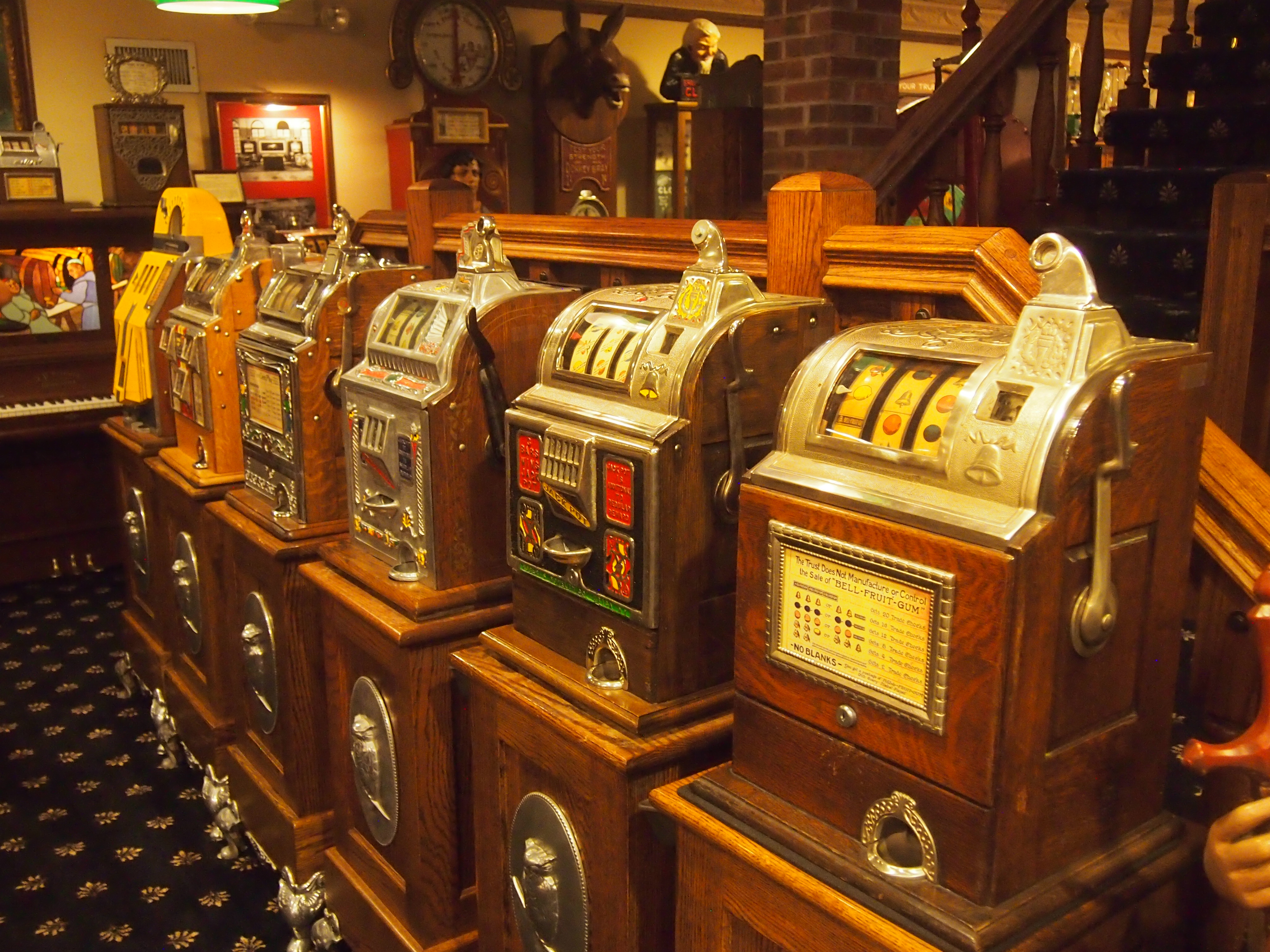
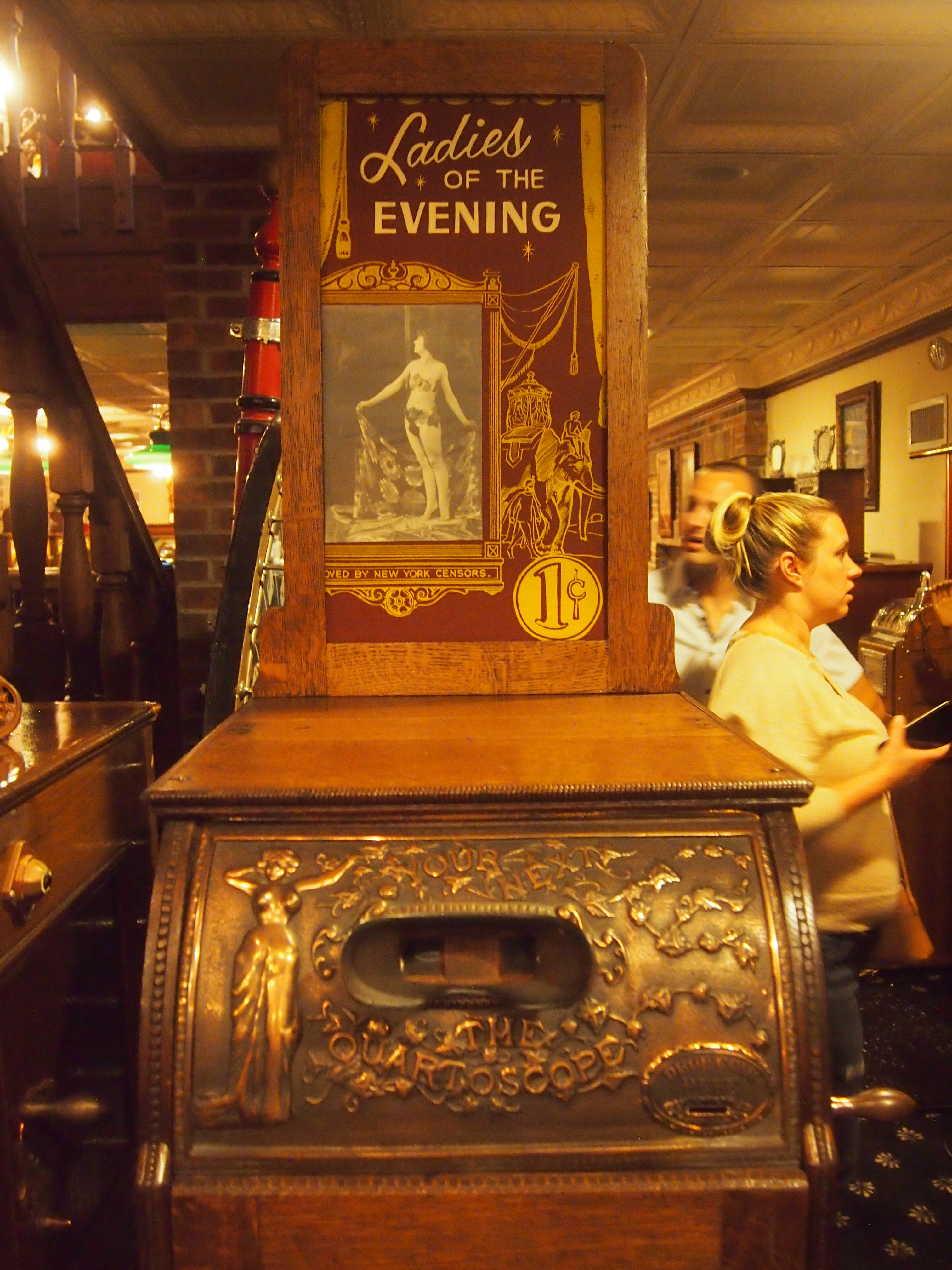
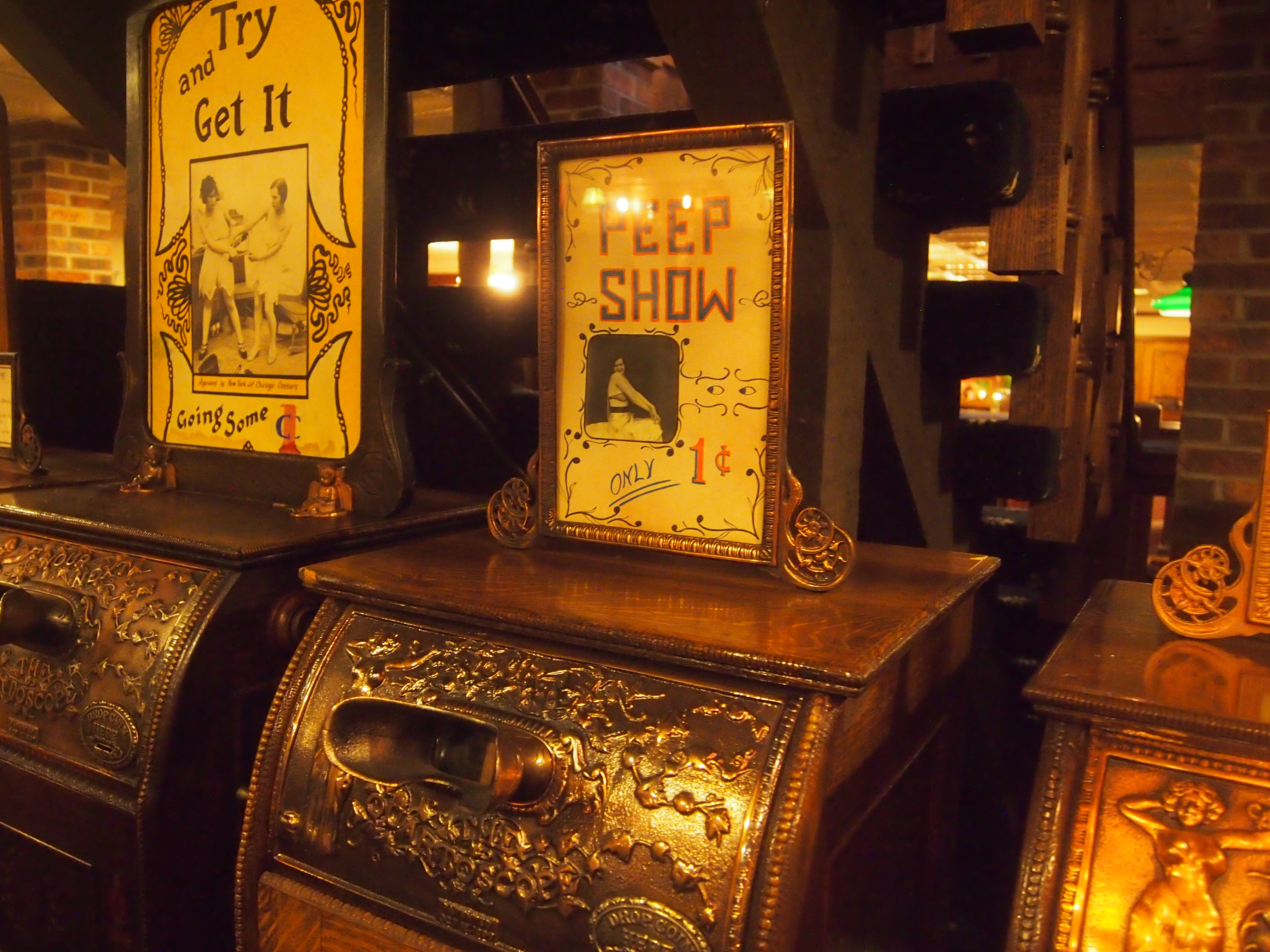
The lower level of the mansion we toured recently is chockablock with antique arcade machines, and I don’t mean Pac-Man. Some are actual penny arcade machines.
Quartoscope. Another brand name lost to time.

According to arcade-museum.com, “Mills Novelty Co. released 583 different machines in our database under this trade name [Quartoscope], starting in 1896. Other machines made by Mills… during the time period Quartoscope was produced [1896-1930] include Kalamazoo, Klondyke, Owl, Jumbo, Little Duke, Pau-Pau, and Little Pau-Pau.”
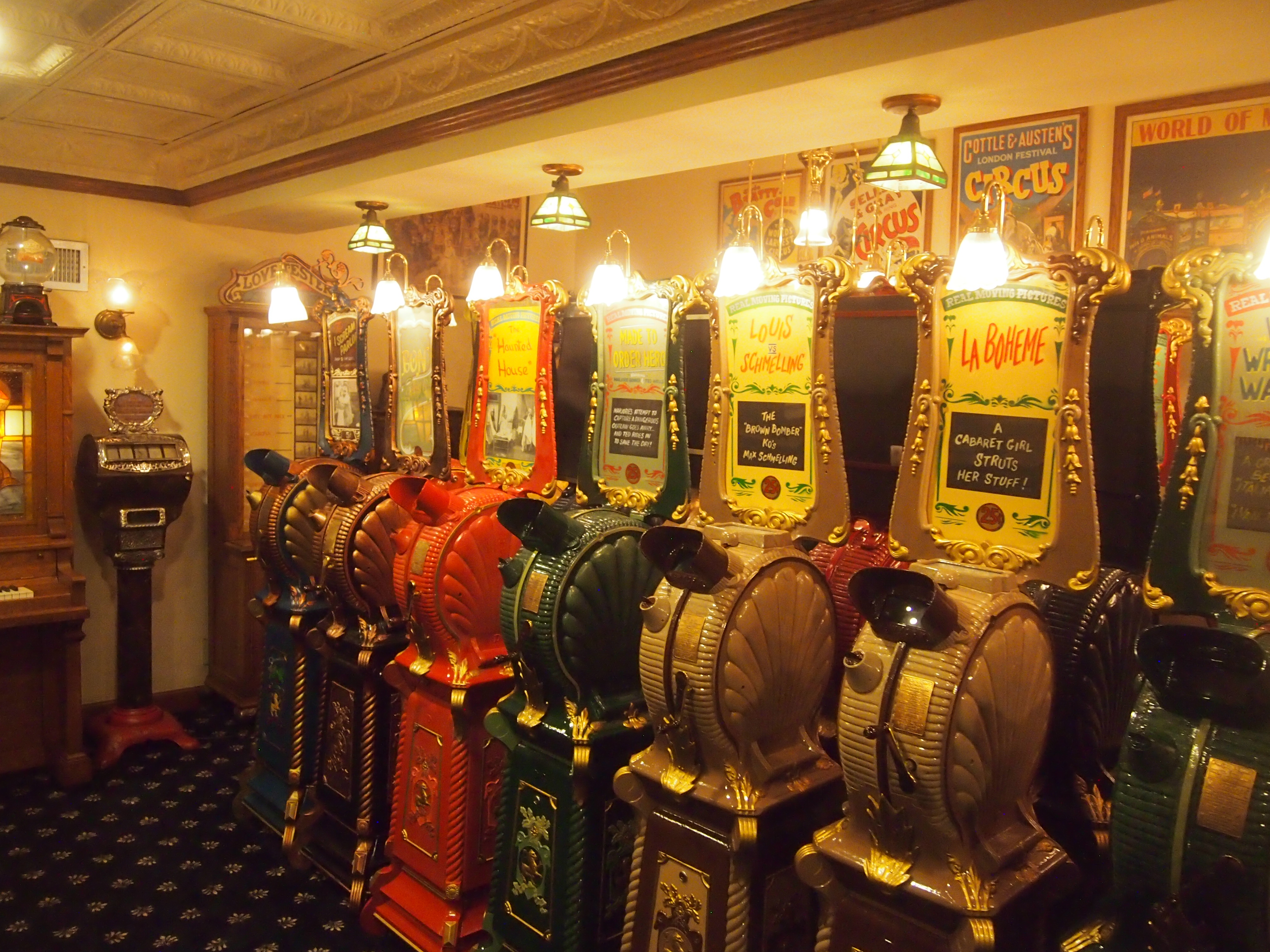
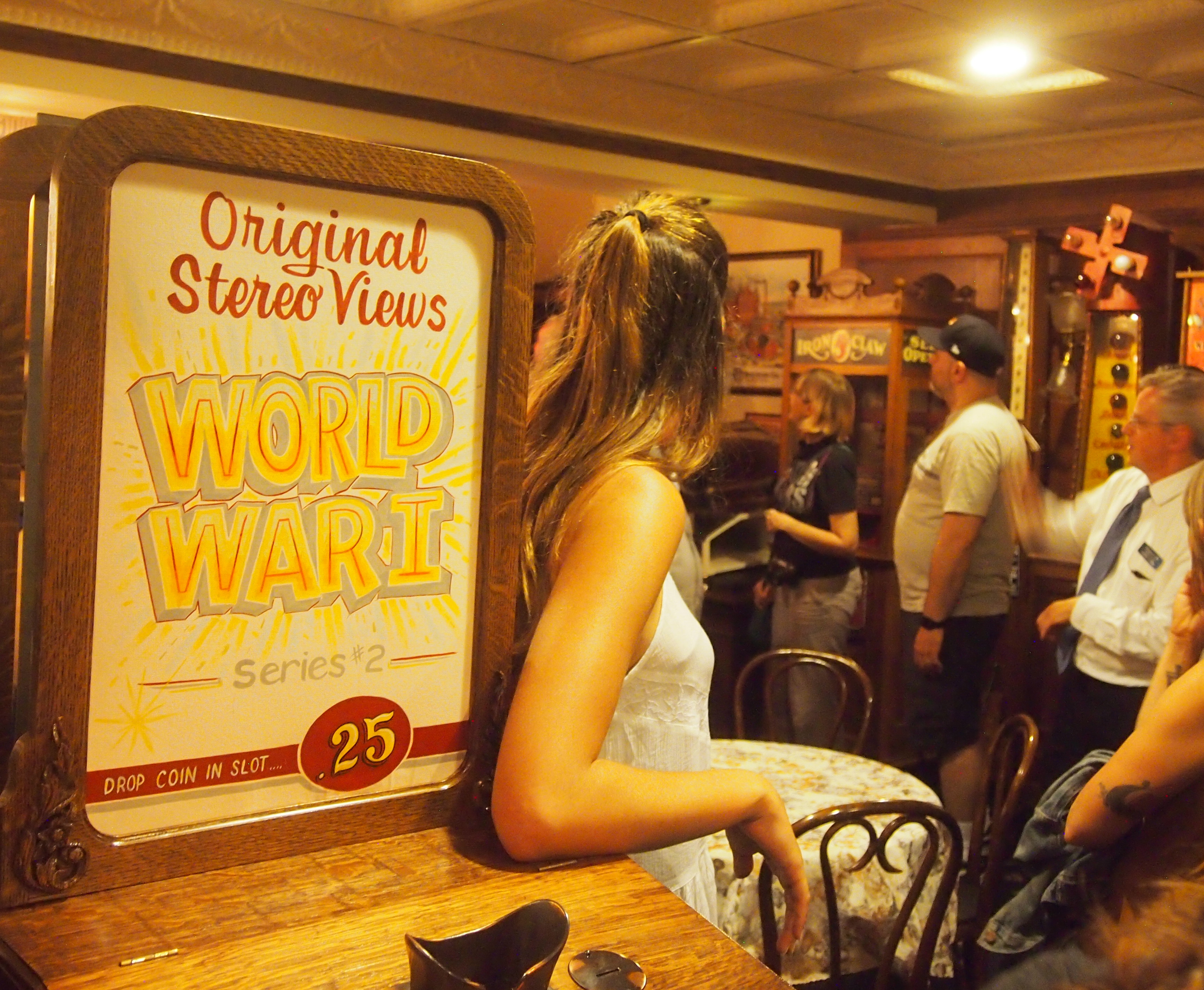
Other machines charged a quarter once upon a time, probably later than the penny machines. One in the row below promises you’ll see the Brown Bomber KO Max Schmelling (sic), which was in ’38. Both kinds of machines were trying to demonstrate that you can buy a thrill.
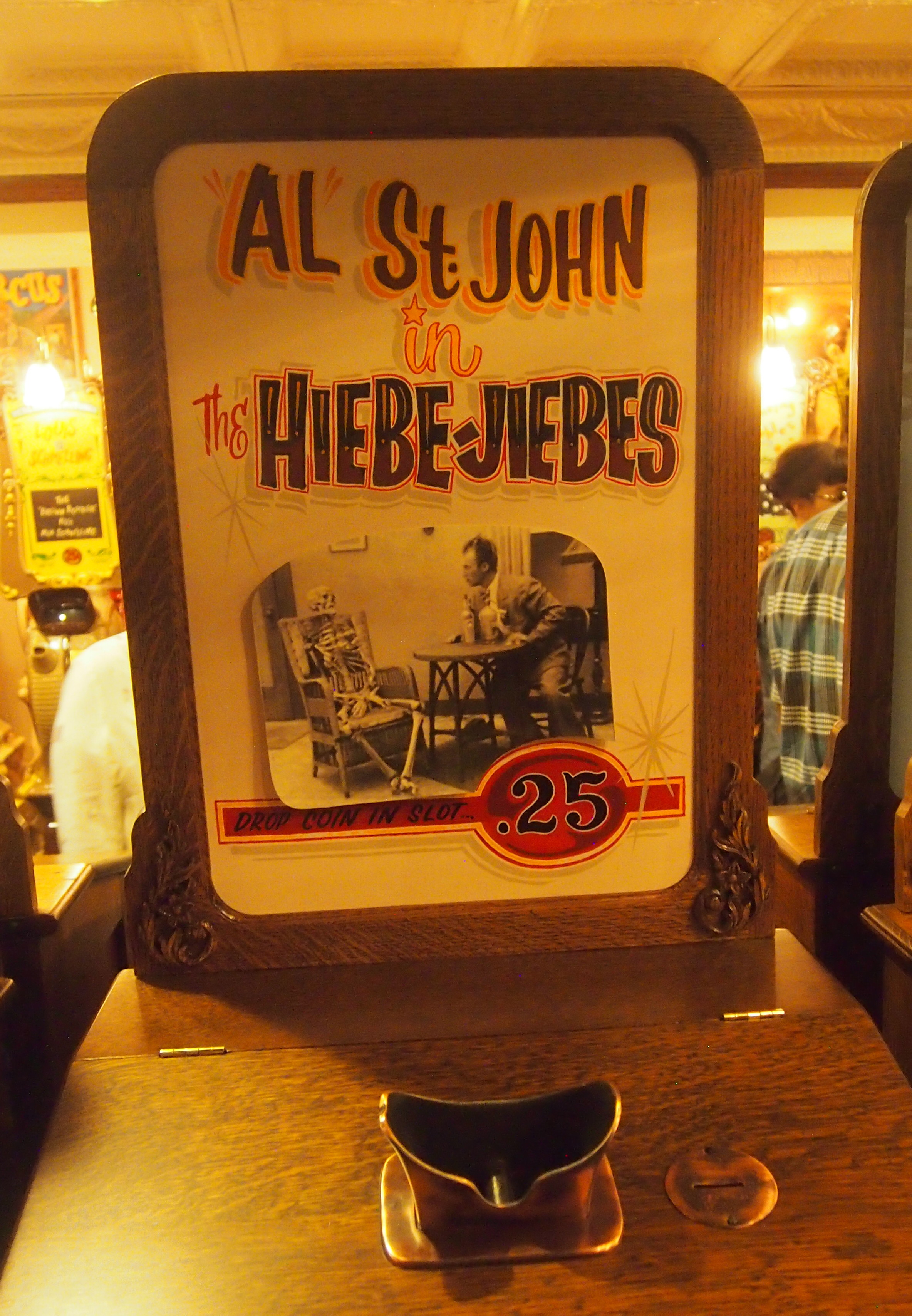
Here’s Al St. John in The Hiebe-Jiebes. Good old Al St. John, Fatty Arbuckle’s nephew and the cowboy sidekick to end all sidekicks.
Looks like a different sort of part here, but then again he did a lot of movies. Or maybe most of them should be called flickers. That hasn’t kept him from being utterly forgotten.

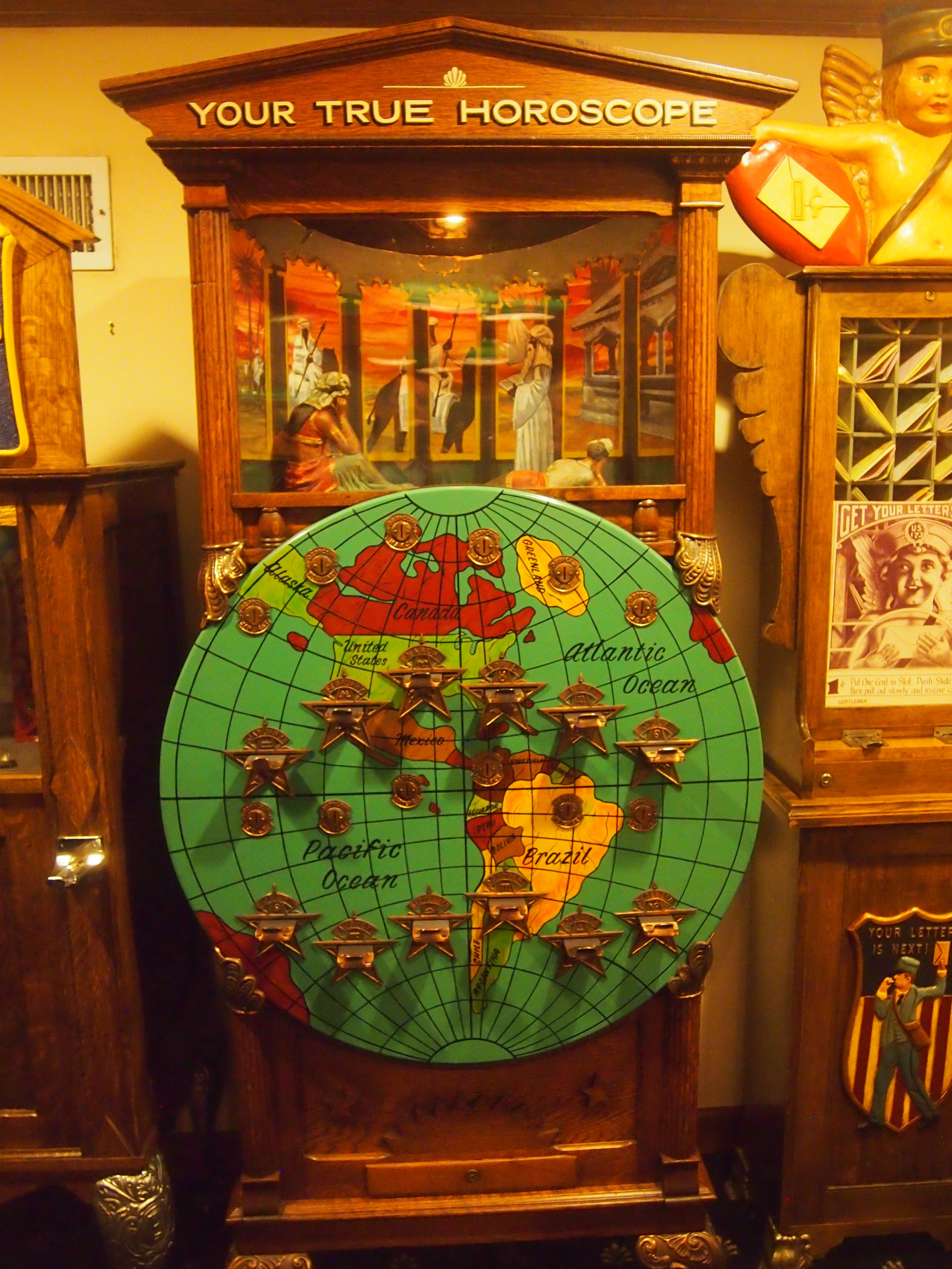
Other machines promise other kinds of entertainment, such as your true horoscope (and it is annoying when you get stuck with a false one).
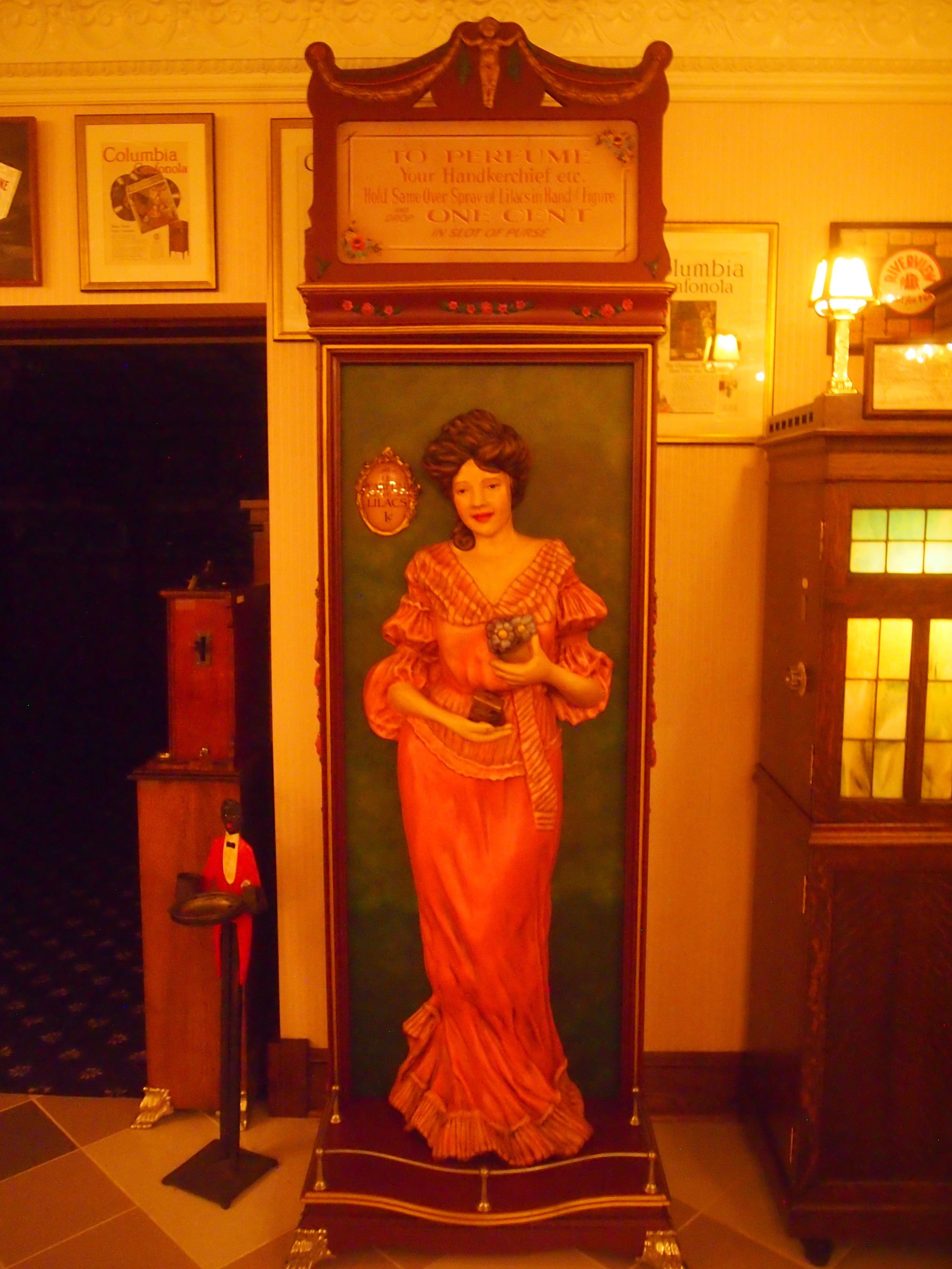
A kind of machine I’d never heard of before: one that dispenses a penny’s worth of perfume, presumably for refined ladies who want to freshen up their handkerchiefs.
Never seen one of these, either: vertical roulette, looks like. A easy way to lose a lot of quarters and half dollars, which were certainly worth something when this machine was new.
There were also more conventional one-armed bandits. A whole row of ’em.

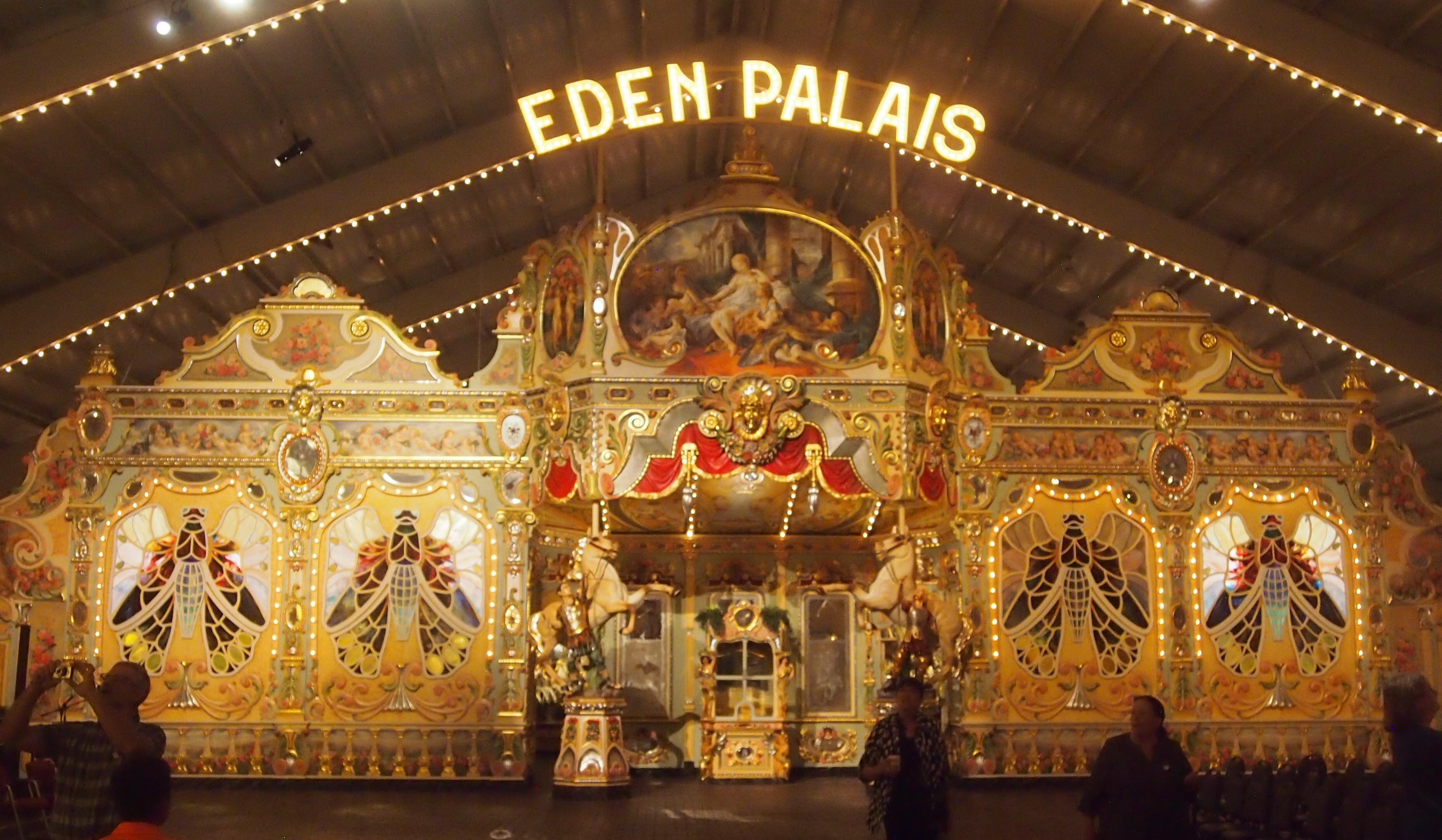
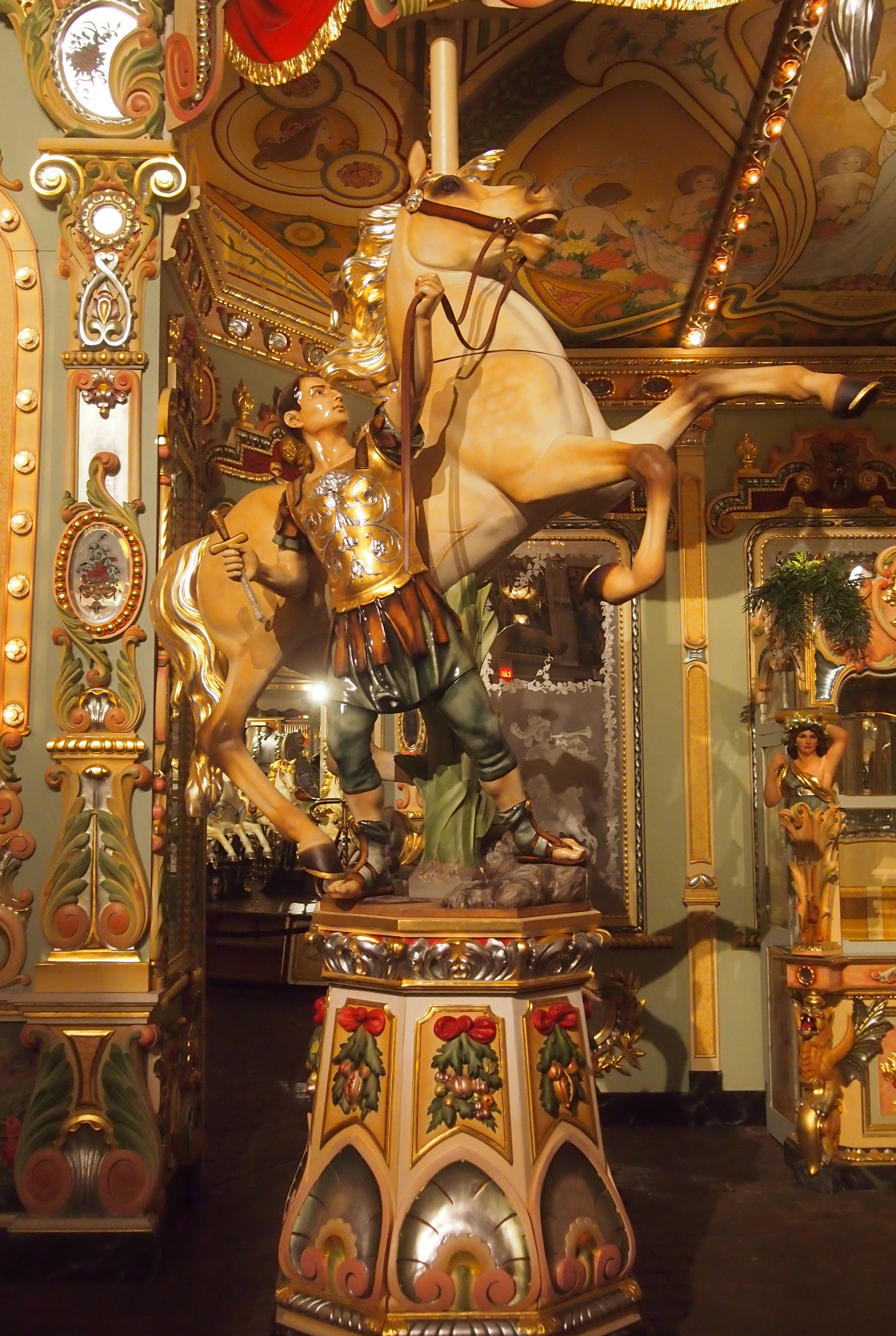
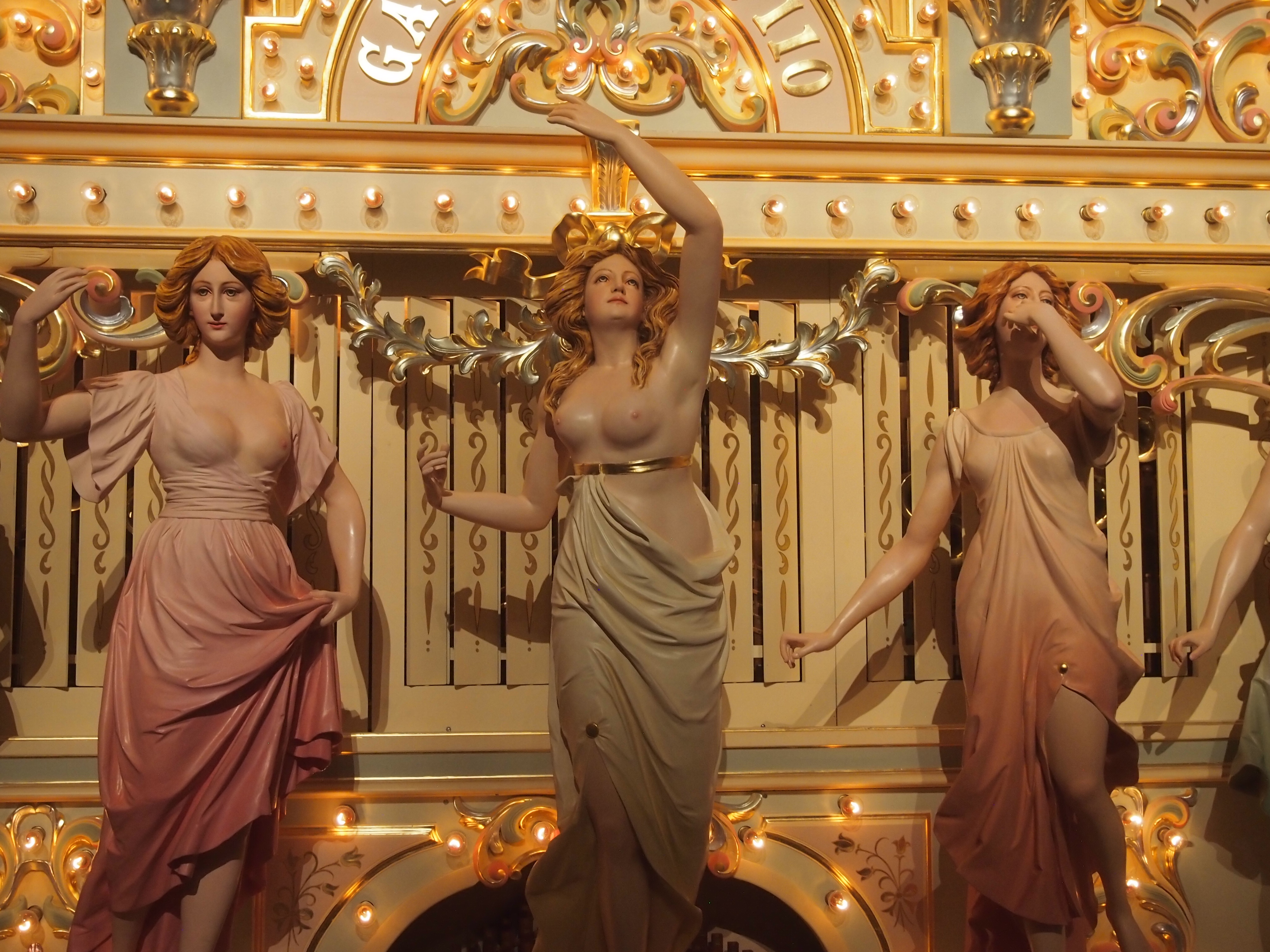
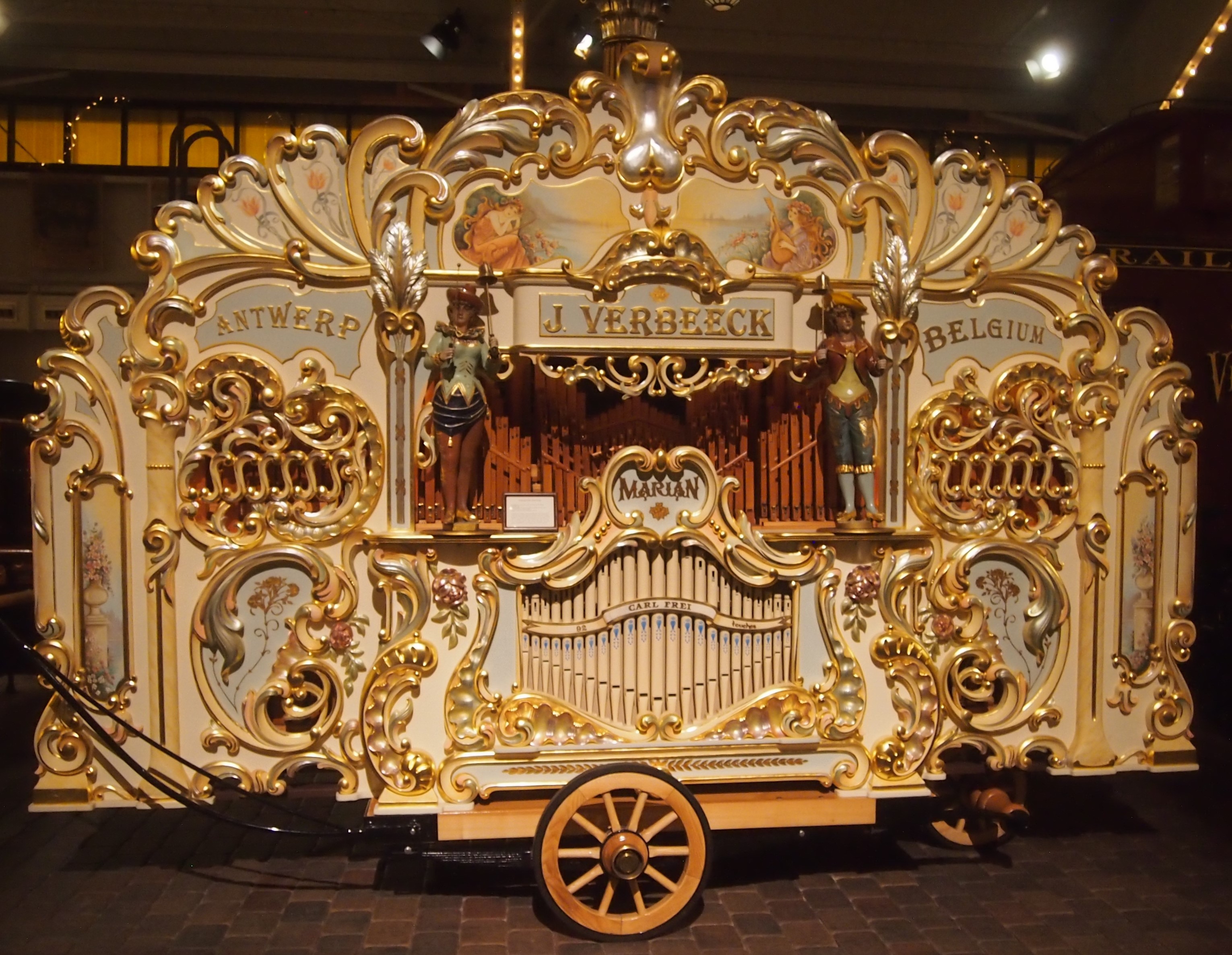
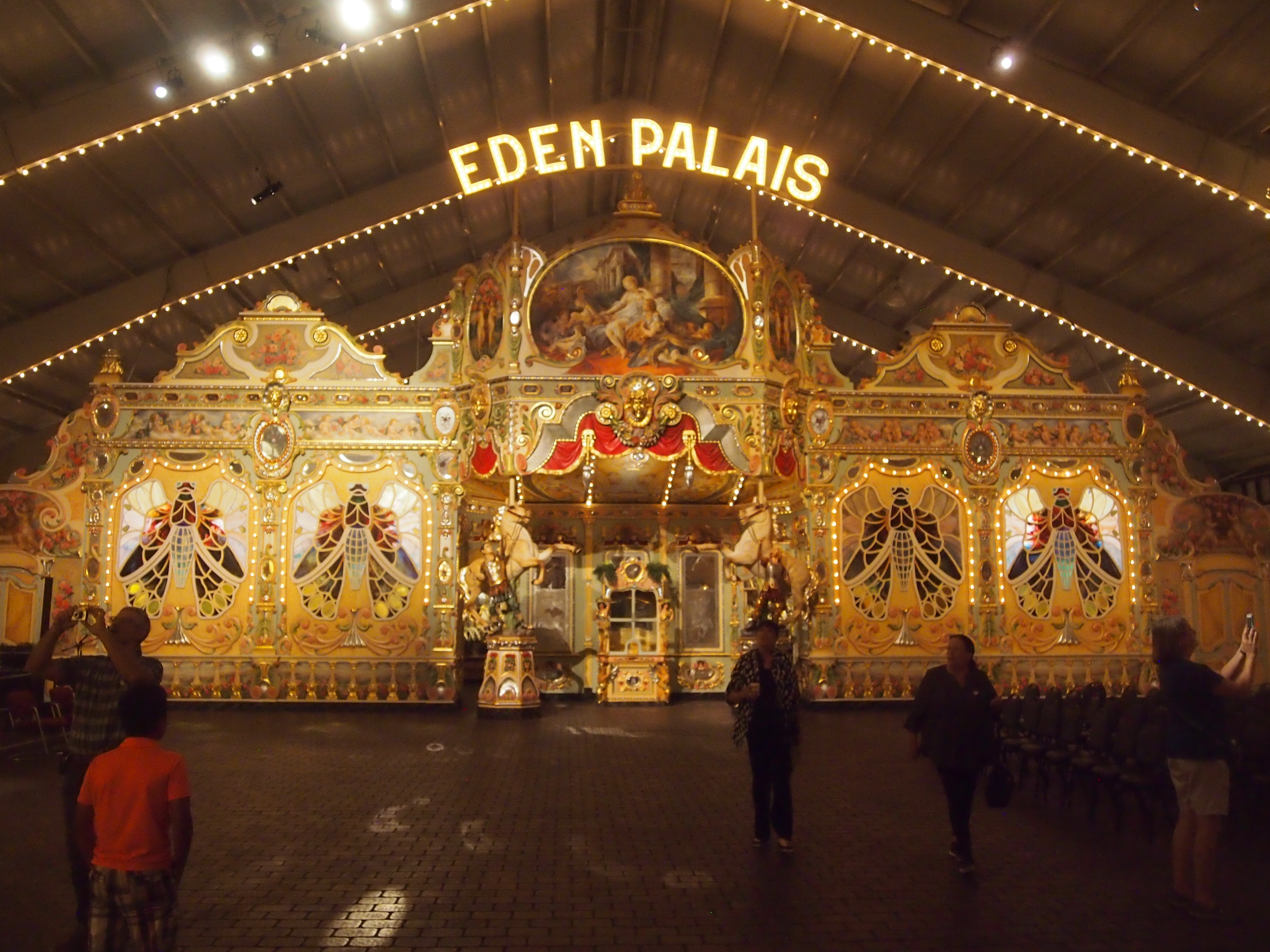
The orchestrions and similarly complex machines on display in the rest of the mansion are certainly impressive. Awe-inspiring, even. But there’s something intriguing about these arcade machines, too.

While the orchestrions were for wealthy families and posh hotels and prosperous saloons, the arcade machines were entertainment for ordinary people, at a time when entertainment was in shorter supply. Unlike now, when we’re drowning in it. Maybe those pennies and quarters could have been better spent, but sometimes Al St. John in The Hiebe-Jiebes must have been just the thing.

Thursday Odd Lots

“What’s so funny, Dad?”

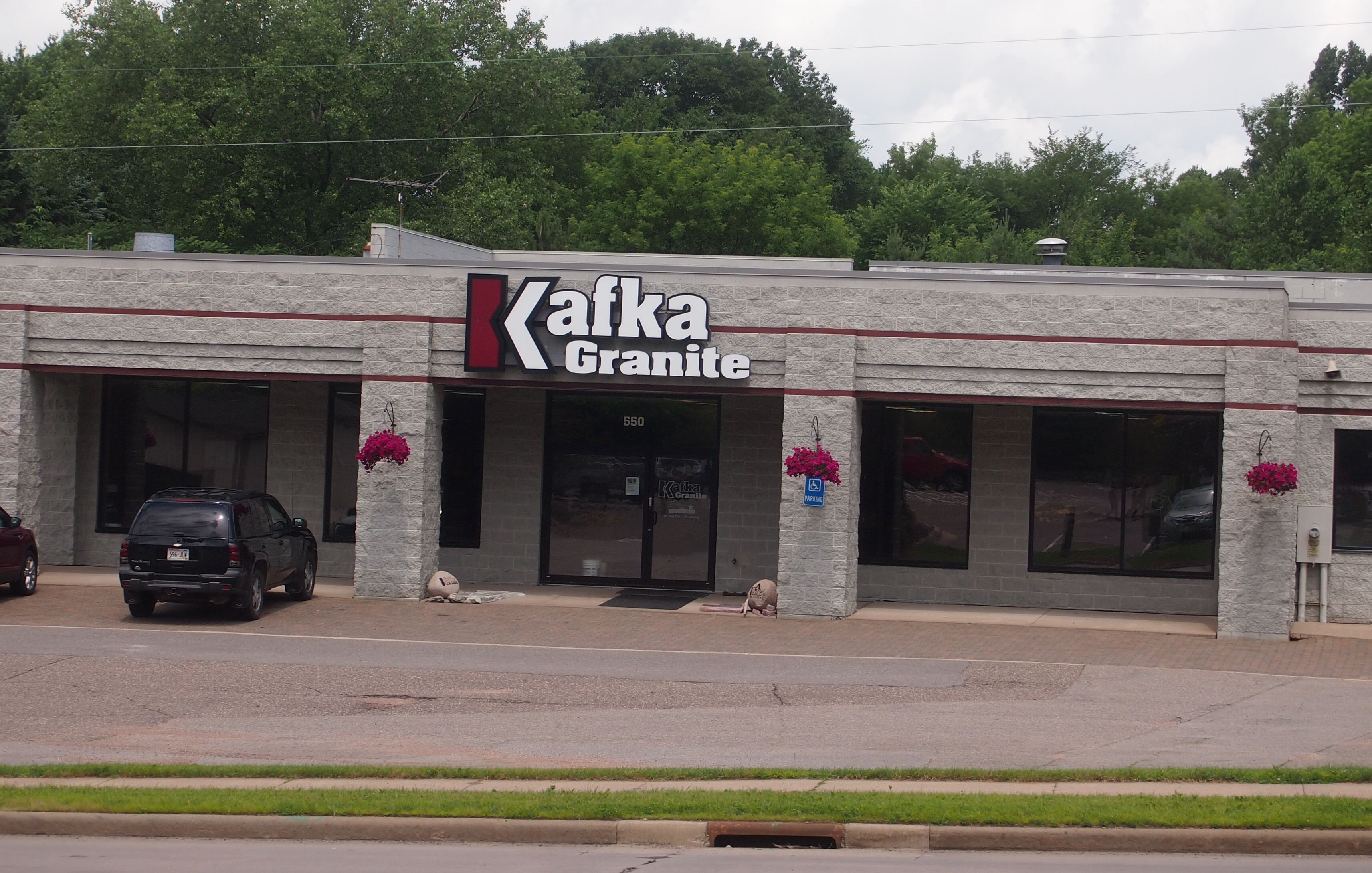
“That sign across the street.”

We were in Wisconsin during our recent trip, and had stopped at a place where I could access wifi. The sign was visible from there.

“That’s not funny.”

“Maybe it will be for you someday.”

What would happen if you used this granite for landscaping? Would your back yard suddenly cause you dread? Kafkaesque landscaping, now there’s a concept.

Looks like Kafka does some good work, though.

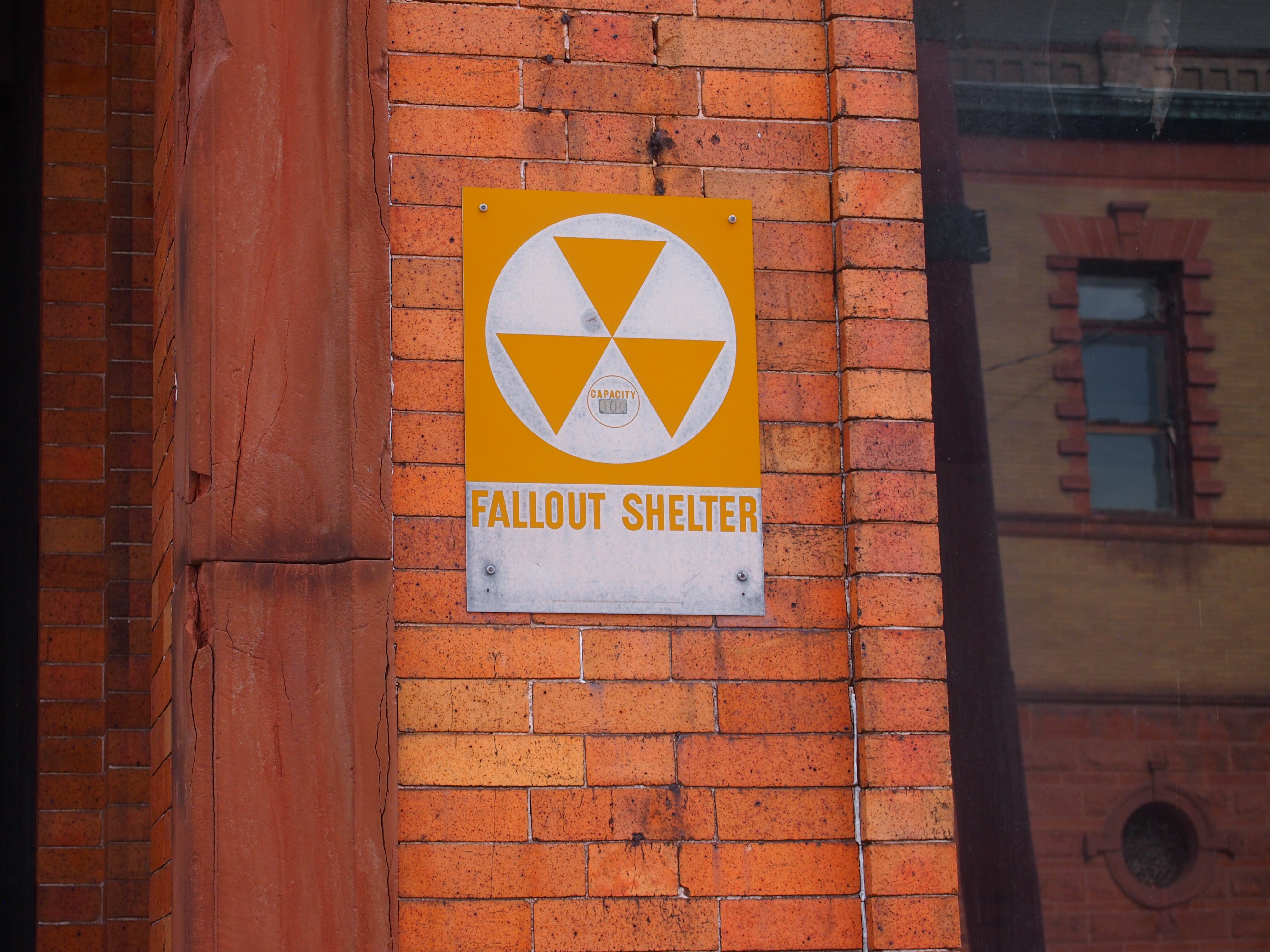
Here’s a sign you don’t see much any more, though I’m pretty sure that they were common once upon a time. I think even my high school cafeteria, which was in a basement, had one in the late ’70s. They’re so rare now that when you do see one in situ, you take note. Something like a working public pay phone.

Fallout Shelter Sign, Calumet, Michigan

This one is on Sixth St. in Calumet, Michigan. It even has a capacity number. What was once an unnerving reminder of the nuclear Sword of Damocles can now “add a cool tone to a man cave or retro game room,” according to Amazon, where you can pick a reproduction up from the Vintage Sign Co. for (currently) $18.99. The note also calls the item a “vintage style WWII metal sign.” What is it about basic chronology that flummoxes so many people?

Something else I saw, a little more recently, in Bucktown.

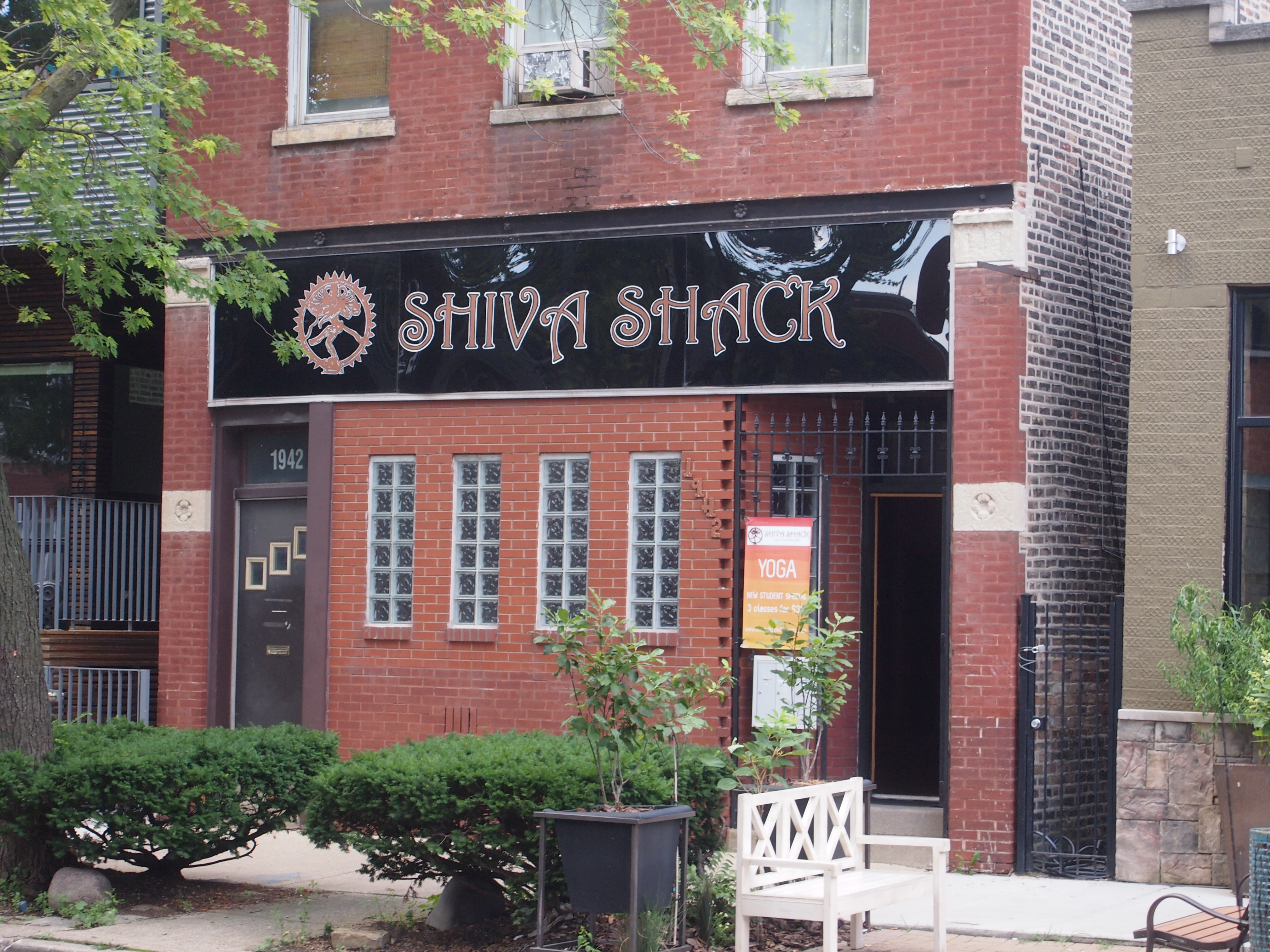
Bucktown, Chicago Shiva Shack

Shiva Shack? C’mon in for a bit of destruction and then transformation.

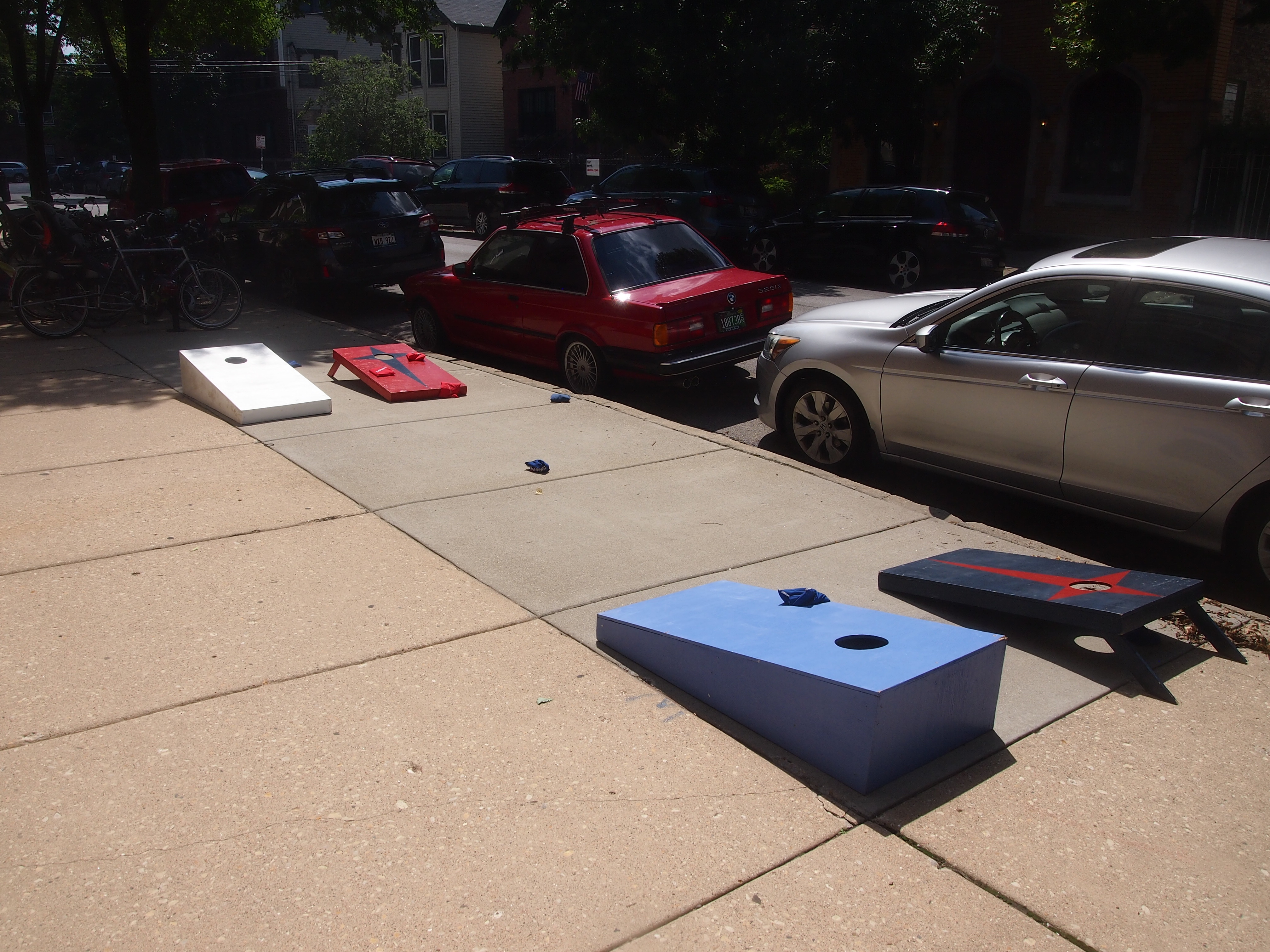
Also in Bucktown: a game of beanbag on the sidewalk.

Bucktown 2017

Maybe there to remind us what politics ain’t.

Recently I picked up The Happy Isles of Oceania (1992) by Paul Theroux. It’s been sitting on my shelf for a number of years. So far it’s a good read. I understand that he has a reputation as a snob, and some of that comes through in his writing, but I don’t know the man personally, so I wouldn’t have to put up with him anyway.

He writes well, at least about the places he’s been, and that’s all that counts. His description, early in the book, of hiking on the South Island of New Zealand, is a fine bit of work, and had the unfortunate side effect of making me want to drop everything and go do that. The mood passed.

Theroux’s work did influence me to go one place. In the early ’90s, I read his Sunrise With Seamonsters, a collection of essays and travel bits, and one piece included a mention of the Cameron Highlands on the Malay Peninsula. It’s a former British hill station, more recently a getaway place for Malaysians and the trickle of tourists who’ve heard of it. His mention of it was probably where I first heard of the place.

When I went to Malaysia for the first time, I made a point of going there, and did not regret it. Besides cool temps, you can enjoy jungle walks (unless you’re Jim Thompson), a butterfly garden, a nighttime view that can include the Southern Cross, and eating Chettinad cuisine on a banana leaf, with your hands.

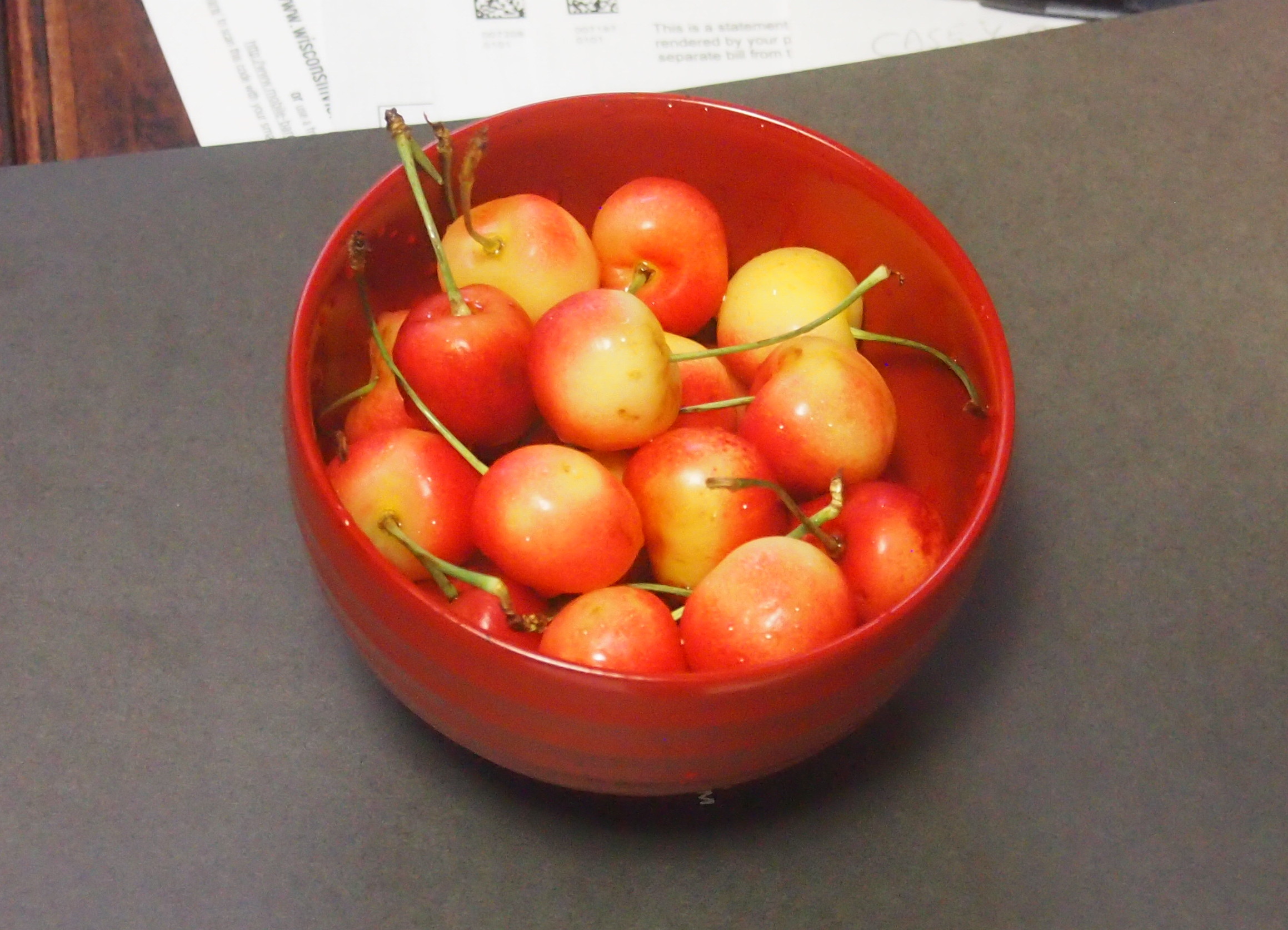
This is what life is, according to the song.

Life's a Bowl of Cherries

Rainier cherries, which are in season now. Very popular around the house, and we buy them in large quantities while we can. I’m glad that there are still some foods, some fruits, that have a season.

I’m not all that keen on Rudy Vallee, but his version of the song is good. And the lip sync from Pennies From Heaven (1981) is amusing. I saw that movie when it was new, probably because Steve Martin was in it, but I don’t remember very much about it. Maybe I should watch it again. I know I was too young then to appreciate its songs.

Slacking Off For Summer

Back to posting around July 9. These mid-summer days — Juneteenth, the Solstice, Canada Day (150 this year), the Fourth of July — ought to be the High Summer Holidays here in North America.

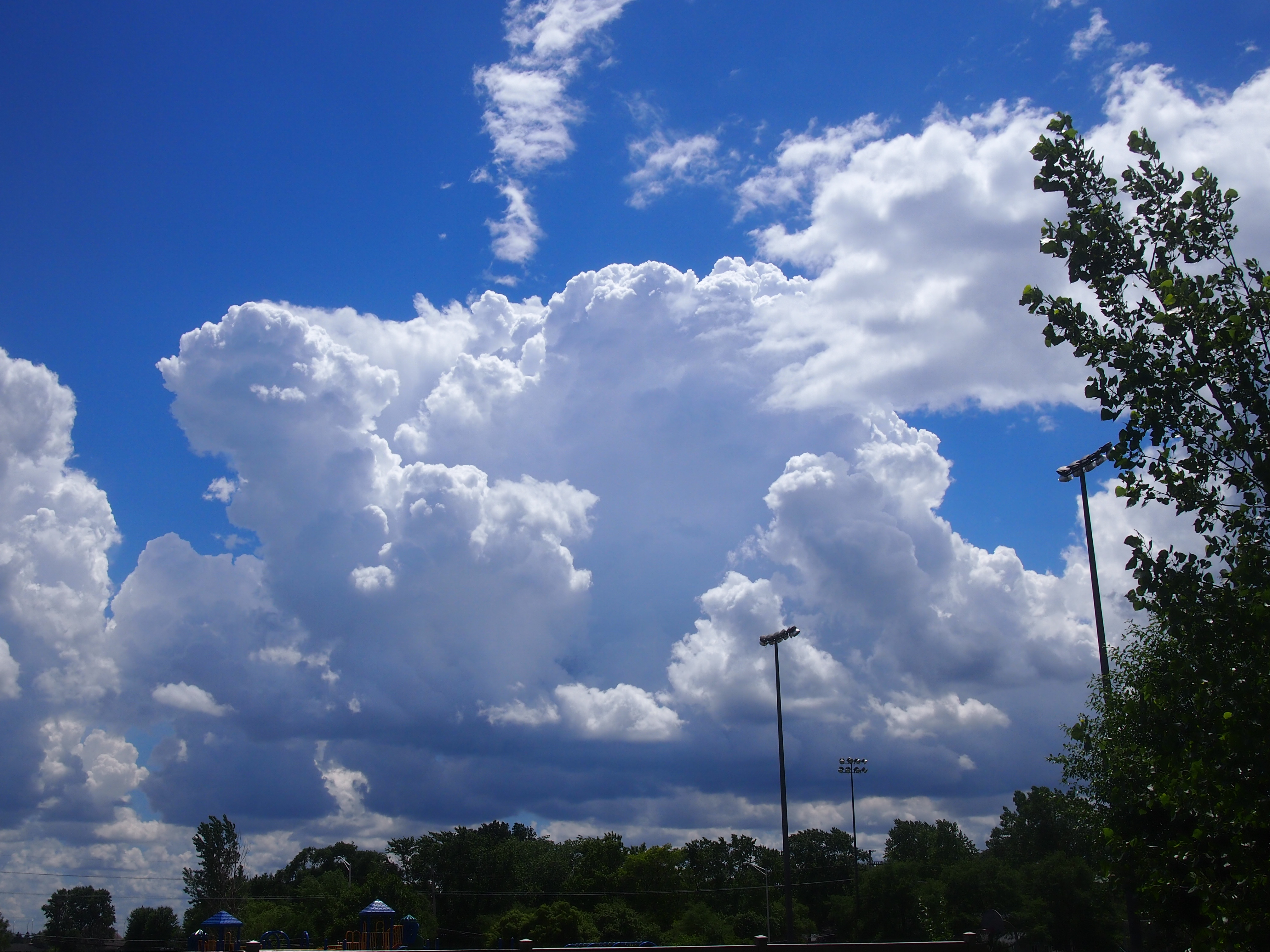
Days when, if you have the time and inclination, you can watch the clouds drift by.
The sky is gray and white and cloudy

Or listen to silly electronic entertainment. Technically, we aren’t in the Silly Season, which is late August. But maybe like Christmas, the season creeps forward.

Here’s a song in the big genre of songs known as “nonsense.” Artful nonsense, but still nonsense. Thus the video that goes with this cover is just right for it.

I had no idea until recently that anyone had done a cover of “Turning Japanese,” much less the fetching Kirsten Dunst. Lately I’ve been watching her do a fine turn in the second season of Fargo, and she also did well as Marion Davies in The Cat’s Meow.

Wicker Park, The Neighborhood & Wicker Park, The Park

Juneteenth has come around again. We need more holidays in the summer, and that would be a good one, celebrating human freedom.

We went to the city on Sunday, giving me an opportunity to wander around Wicker Park on a warm but not too hot day. I visited both places of that name. Wicker Park’s both a fashionable area — which it was not 30 years ago, when I first lived in Chicago — and the name of a smallish triangular park within the neighborhood.

The intersection of North, Damen and Milwaukee is part of the neighborhood, but I didn’t hang around there much this time. Instead, I walked along some of the side streets. Much of the residential North Side of Chicago looks like this in June.
Wicker Park June 2017The handsome Wicker Park Lutheran Church is at 1502 N. Hoyne Ave.
Wicker Park Lutheran ChurchIt was already closed by the time I got there, but the interior looks like this.

The building dates from 1906, though the congregation goes back to 1879. “It boasts a basilica design, with double colonnades and an apse, a style used in ancient Rome for courts of law or places of public assembly,” notes the church web site. “The two towers are based on those of Abbey of Sainte-Trinité (the Holy Trinity), also known as Abbaye aux Dames, in Caen, France, which was built in the 11th century.”

A few blocks to the east is Wicker Park, the park. It isn’t one of Chicago’s great parks, but it is pleasant on a warm summer Sunday, well stocked with people and their dogs enjoying the warm summer Sunday. The park has some trees, a lush garden sporting flowers and bushes, a field house, a modest water fountain, and some open lawn.

There’s also a statue of Charles Gustavus Wicker (1820-1889), complete with stovepipe hat, heavy coat and broom. It’s been in the park since 2006.
Charles G. Wicker Statue, ChicagoCharles G. Wicker Statue, ChicagoThere’s a plaque at the feet of Wicker that asserts that he was an important figure in the development of this part of Chicago. In fact, it’s a lot like a press release in bronze, this plaque. A sample: “The broom symbolizes his initiative and readiness to take personal responsibility. He, and people like him, established Chicago, where all who truly do their best will continue to make this unique community a place of opportunity with justice, freedom, and equality for everyone.”

About Charles and his brother Joel Wicker, the Chicago Park District says: “In 1870, when businessmen and developers Charles G. and Joel H. Wicker began constructing drainage ditches and laying out streets in their subdivision, they donated a four-acre parcel of land to the city to be used as a public park.

“Fencing the triangular site to keep cows out, the city created an artificial lake in the center of the park, surrounding it with lawn and trees. As the Wickers had hoped, the area developed into a fashionable middle- and upper-class neighborhood.”

Further discussion of Wicker and his brother is at the Chicagoist. A few years ago, the statue fell down — was knocked down — tumbled down somehow, and there’s a story about that as well. The statue was restored, of course. Oddly enough, the sculptor who created the statue of Wicker, and pushed for it to be in the park, was a great-granddaughter of his, one Nancy Wicker, who died just last year at over 90.

In one corner of the park, a troupe called Theatre-Hikes was doing a low-budget version of A Midsummer Night’s Dream. No sets, just costumes. I sat down for a few minutes to watch. I’m no expert on the play — in fact, this is the only live performance I’ve seen of any of it — but I was able (later) to pin down that I’d arrived during Act 3, Scene 1.

Here’s Bottom.

Theatre-Hikes, Wicker Park

Titania and Bottom. Both actors were good, and able to ham it up when the play called for it, to the amusement of all.

Theatre-Hikes, Wicker Park 2017

Titania:
Be kind and courteous to this gentleman.
Hop in his walks and gambol in his eyes.
Feed him with apricoks and dewberries,
With purple grapes, green figs, and mulberries.
The honey bags steal from the humble-bees,
And for night tapers crop their waxen thighs
And light them at the fiery glowworms’ eyes
To have my love to bed and to arise.

Tempus Fugit, Raggedy Ann

Has it been 10 years since we visited Arcola and Arthur, Illinois, twin hubs of the state’s Amish community? More or less. I posted a lot about that short trip, including the nearby Lincoln family sites, on May 30 and 31 and June 1, 4, 5 and 7, 2007.
Got a surprising amount of comments on the postings — more than zero — offering corrections for mistakes I’d made. Guess people care deeply about the details of Arcola and Arthur.

I think no photography was allowed in the Raggedy Ann and Andy Museum in Arcola, since this is the only other picture I have of it, besides one posted in ’07.

Raggedy Ann and Andy Museum, Arcola, 2007

Or maybe I wasn’t quite out of the habit of taking only a few shots at a time, as I did when I used a film camera, even though I was using a digital camera by this time. Or the camera didn’t have a lot of memory. My current SD card has a vast expanse: 64 GB.

It didn’t take too much digging around to find out that about two years later, the museum closed. Of course the economy was awful in 2009, but I suspect the deeper problem was that Ann and Andy’s time had passed.

Everyone’s time always passes. Here’s another image from about 10 years ago.

DSCN0889_2

I had no interest in a birthday cake with personalized writing on it, so I just picked one from the shelf at Costco. It happened to have balloons. This year I had a chocolate cake like this one: the Union Pacific steam locomotive of cakes. We ate it the old-fashioned way, without making an image of it.

Thursday Codswallop

Had about an 18-hour period of on-off heavy rain ending around dawn this morning. Till then, June had mostly been dry, with enough wind sometimes to blow dust off the ball field behind my back yard.

I looked up codswallop recently, curious about its origin, and was not surprised that Merriam-Webster says “source unknown.” I was surprised that the earliest known use was 1963. I’d have guessed 100 years earlier. Has a Victorian ring to it.

Not long ago I heard a song on WDCB’s Folk Festival that wasn’t exactly my idea of folk, but not bad, except that the singer kept mentioning the “some-or-other” blues. I couldn’t figure out what she was saying. After the song, the host said it was the fomo blues (or FoMO or FOMO): pronouced Foh-Moh, an acronym for “fear of missing out.”

I looked into it further. I find it hard to believe it’s a real thing, or very important if it is.

Not long ago I found that some of the animation work of the strange Harry Smith is on YouTube. Wonder if he had any influence on Terry Gilliam’s animation.

I’d never heard of a novelty song called “Crawl Out Through the Fallout” by Sheldon Allman until last week. Found it on YouTube as well.

The album, released in 1960, is called Folk Songs for the 21st Century, but the style of “Crawl Out” is more ’50s jazz. I checked a little more, and other songs from the record are also posted, including the amusing “Big Brother is Watching You.”

You’ll disappear in a wink
Unless you can doublethink

Allman’s voice reminds me of Tennessee Ernie Ford, which just adds a layer of strangeness. Now there’s a concept album: Tennessee Ernie Ford Sings His Dystopian Favorites.

More about Allman is in his 2002 obit. He composed the theme song for George of the Jungle. For that alone, he ought to be remembered.

Hulk Smash Nixon? No.

As a lad, I didn’t read The Incredible Hulk. I didn’t watch the TV show with Bill Bixby more than a time or two. I had no interest in movies featuring the character. I’m also pretty sure my older brothers didn’t care much about the comic, though it’s possible Jim bought The Incredible Hulk No. 147 (January 1972) on a whim. Or maybe one of my friends brought the comic into the house and left it. Tom T., whom I hung out with a lot at that time, probably read Hulk.

Whatever the reason, I spotted the comic at my mother’s house during our most recent visit. It’s missing its cover, which looks like this (oddly, the text describes the second story in the issue, rather than the first). I might not have paid it any further attention, but then I noticed a couple of characters on the opening page not usually associated with comic books of the time.

img463No fictional president for this comic. Though not named, Nixon’s clearly making a cameo, along with Agnew, who is called “Spiro” a few times.

So I read the thing, just to see how Nixon and Agnew fared at the hands of the Hulk. The disappointing truth is that the comic had very little use for them. As the action unfolds, they’re at the periphery, though the boss bad guy vaguely mentions kidnapping them, or something. They appear in a few more panels, mostly it seems so the writer, Gerry Conway — apparently when he was very young — could have some fun with Nixon catch phases and Agnew alliterations.

img468img464Got in a mention of Kissinger, too.

img465

All this made me look at the long Wiki article on the Hulk, and I read some of it, but not even an appearance by Richard Nixon and Spiro Agnew could spark enough interest in the Hulk for me to read all of it. I did learn that at first he was gray-skinned rather than green, which I guess is a factoid worth knowing.

Ravinia Circular ’17

We received the 2017 Ravinia Festival circular in the mail recently. Like last year, I decided to check to see whose tickets command the biggest bucks at the storied north suburban outdoor venue. Last year was something of a mystery, but never mind. This year, less so, at least in my opinion, but in any case at a price I’m unwilling to pay.

Who are the top draws? Performers commanding more than $100 for reserved pavilion seats include Willie Nelson, Aretha Franklin, Sammy Hager, Common, Diana Krall, Moody Blues, Sheryl Crow, Joshua Bell, Lang Lang, Tony Bennett, Darius Rucker, Santana, Alanis Morissette, John Mellencamp, Frankie Valli, and Stevie Nicks.

My reaction to the entertainers on the list is hm, interesting; or, they’re still around (alive)?; or who? All first-water performers, no doubt, but no one should charge that much, at least according to the Elvis Test, which I’m sure I’ve mentioned before.

Note the prices on these 1957 Elvis posters. Prices vary, but $3 is toward the upper end. Accounting for inflation over the last 60 years, $3 then = $26.31 in our time. Add another $5 or so because sound systems are so much better now, and another $5 because Ravinia is such a nice place, and needs to be maintained. I’ll even throw in a few more dollars just to round things up. So no ticket for a singer should cost more than $40, because no one is better than Elvis in his prime. A ridiculous idea, maybe, but I like it.

Who gets less than $40 at Ravinia? This year, the CSO for some of its concerts, and a scattering of classical performers. But I will say this for Ravinia: some of the lawn seats for its concerts, which is the place to be anyway unless it’s raining, are reasonable at $10 (though they’re jacked up during A-list concerts).

The top draw this year, according to the accountants, is Stevie Nicks at $200. She’s pushing 70 pretty hard these days, and I hope she’s as mellifluous as she was when I saw Fleetwood Mac on August 17, 1980, at the HemisFair Arena. No doubt her 2017 show would push all the right nostalgia buttons. But I can find ways to do that for a lot less.

Speedy Gonzales 420

Rain, rain, rain. To balance the pleasant weekends we’ve had in April, the last one was cold and very wet. On Saturday the water came down practically all day, pausing in the wee hours of Sunday and early in the day, and then starting again.

I looked at a national temperature map on Sunday night and a weird blue gash of a cold front extended southwest from the Great Lakes as far south as western Oklahoma, signifying temps in the 40s and 50s. Thus Chicago was colder (at 43 degrees F) than either Billings, Mont. (61) or Fargo (57), both of which are west of the gash. And it was 65 degrees in Indianapolis, 71 in St. Louis. But those places had the cold front to look forward to.

One thing to do during such days is to stay home and watch cartoons. We happened to have a disk around the house featuring an assortment of ’40s and ’50s Termite Terrace shorts. One was “Gonzales’ Tamales” (1957). Been a long while since I’d seen a Speedy Gonzales cartoon, maybe 40+ years since I’d seen this particular one, and I’m not sure Ann had ever seen one.

The closed caption titles happened to be on. Things were moving along: Speedy was being speedy, outwitting the gringo Sylvester, and so on, when Speedy sings a version of “La cucaracha.” Then I had a Did he say what I thought he said? moment. I rewound a bit, and sure enough, he did.

The imdb describes the scene: “Around 4:42, Speedy is heard singing a spoof of the Mexican folk song ‘La cucaracha’ with nonsense words in odd Spanish which could be transcribed as: ‘La cucaracha, la cucaracha, ya no puede caminar. ¿Por qué no Fanta? ¿Por qué no tiene marijuana par fumar?’

“This would seem to mean: ‘The cockroach, the cockroach, she can’t walk any more. Why not Fanta? Why doesn’t she have marijuana to smoke?’ The Fanta reference is the most puzzling part of the verse. But the mention of marijuana is clear, and how the artists got it past the censors would probably be a good story in itself.”

Heh-heh. I’d guess that there wasn’t much of a story in getting it past the censors. Probably Friz Freleng and Warren Foster (the writer) put it in to see whether the censors would notice. No one did. That’s entirely plausible. I’m sure I didn’t notice all those of years ago, and I might not have noticed this time had the titles not been on.

Birds Above, Mud Below

More rain, more mud. Such is early April this year. At least the grass is green, even where it’s underwater.

The season also means active birds. At about 2 this afternoon, I was out on my deck — but not for a leisurely sit-down, which was pleasantly doable on Saturday — and noticed a lot of birds in the tree overhead. Who sounded like this.

At moments like that, you feel like you’ve stepped into The Birds.

I saw The Birds on television when I was very young, sometime in the late ’60s. I didn’t see it again for about 25 years, though in the interim I managed to see The 39 Steps, Lifeboat, Notorious, Rope, Strangers on a Train, Dial M for Murder, Rear Window, The Trouble With Harry, The Man Who Knew Too Much, Vertigo, North by Northwest, Psycho, Marnie, and even Topaz (Hitchcock’s Henry VIII; can’t really recommend it). But I never got around to seeing The Birds as an adult until the early ’90s.

From the first time I remembered the birds pecking a woman to death, and a guy lighting a cigarette and blowing himself up at a gas station, as an indirect victim of the birds. I didn’t remember that Suzanne Pleshette played the pecked woman. Hey! That’s Emily Hartley being offed by birds!

Also, somehow I had it in mind that the movie depicted a worldwide attack by birds. So I was a little surprised to learn upon second viewing that the movie was about a local incident. In the hands of a lesser director — let’s say much lesser, like M. Night Shyamalan — the attack would have indeed been worldwide, and CGI birds would have destroyed the Statue of Liberty, Big Ben and the Eiffel Tower, just for the birdy thrill of it all. Hitch would have had none of that.