Southern Loop Leftovers: SC & GA

Early in the recent trip.
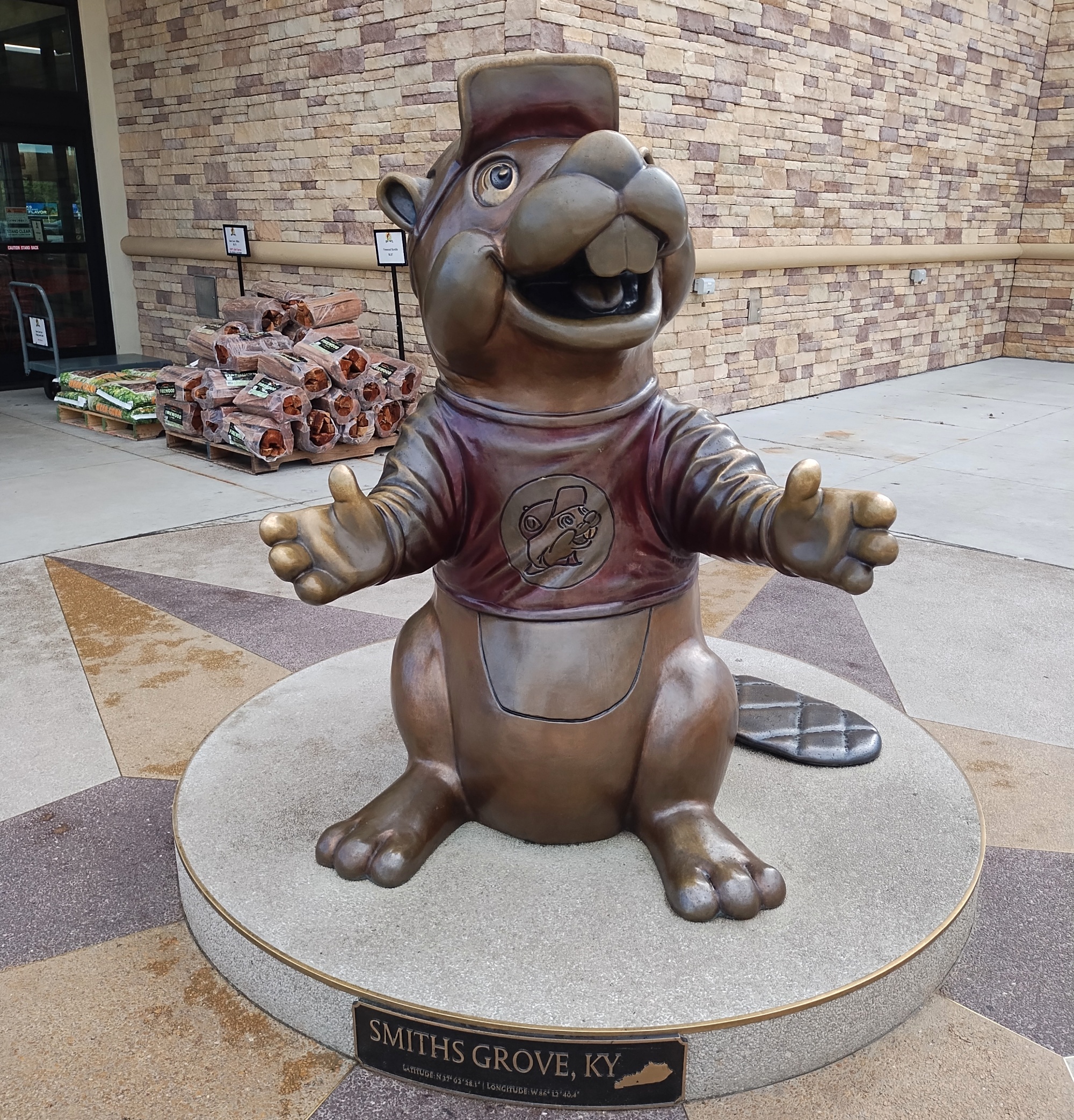
The Buc-ee’s imperium marches on. On my way to Tennessee that first day, I stopped at the location near Smiths Grove, Kentucky, to visit its gleaming facilities. Business was reasonably brisk that Monday, but nothing like the bedlam on the Sunday, nearly two weeks later (on the trip’s last day), when I stopped on the way back home at the same place, for the same reason.

South Carolina
Had a pleasant walk down a non-tourist street on a Sunday in Myrtle Beach. Not a lot going on. The late afternoon light had a nice glow.
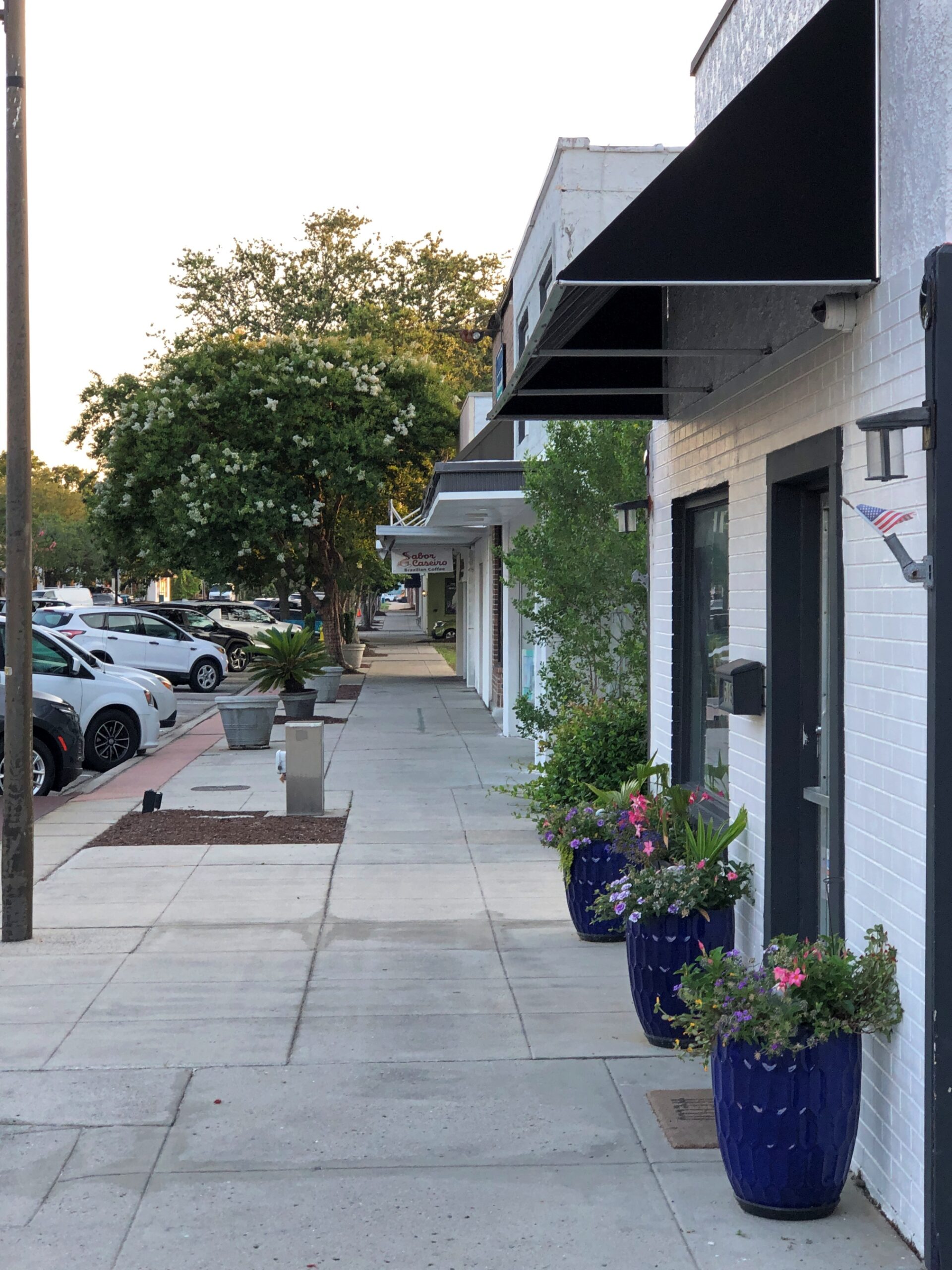
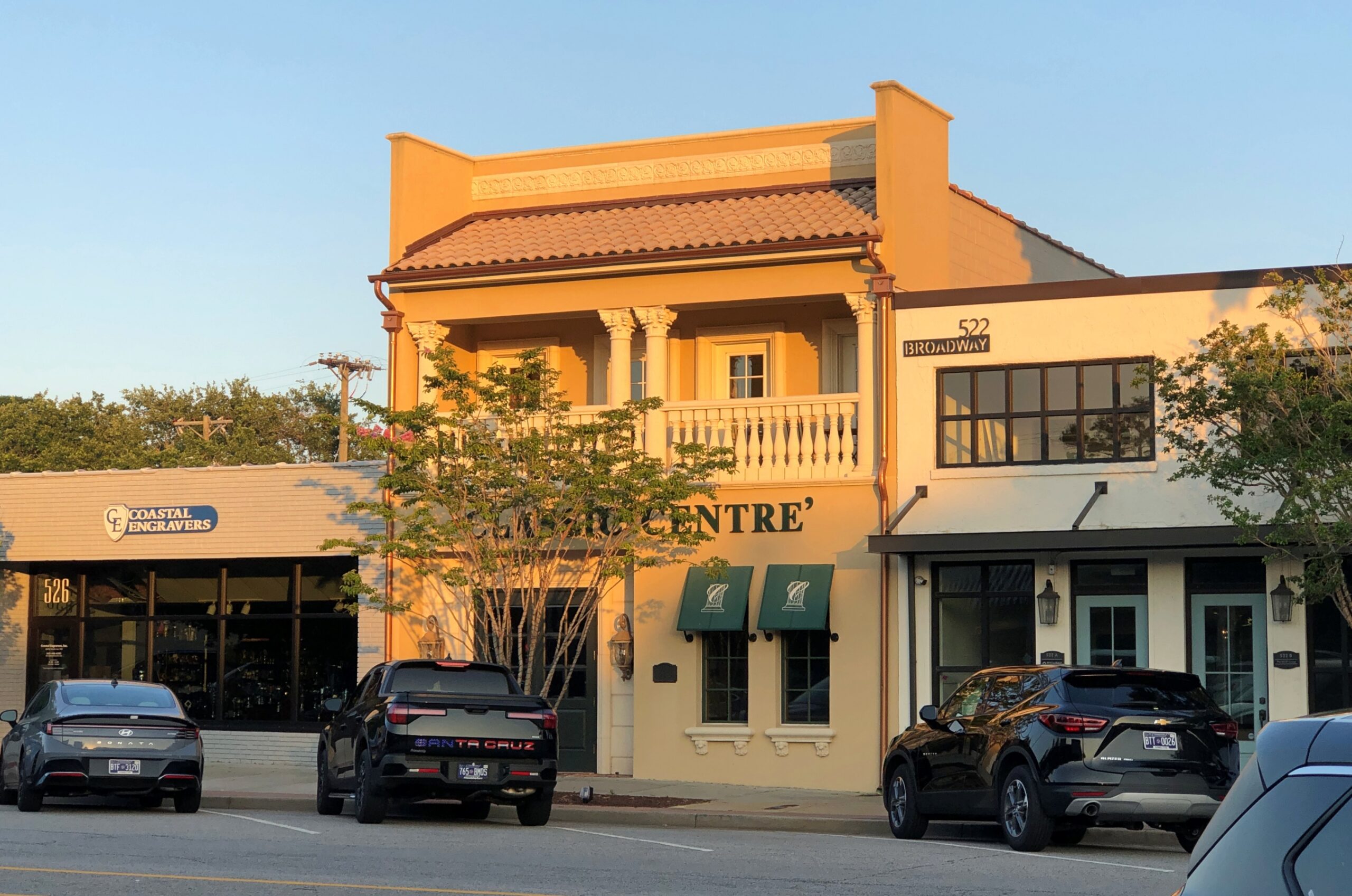
Myrtle Beach, SC
Myrtle Beach

Myrtle Beach International Airport used to be Myrtle Beach Air Force Base, which began as Myrtle Beach General Bombing and Gunnery Range in 1942 for use by the U.S. Army Air Corps. It closed in 1993.

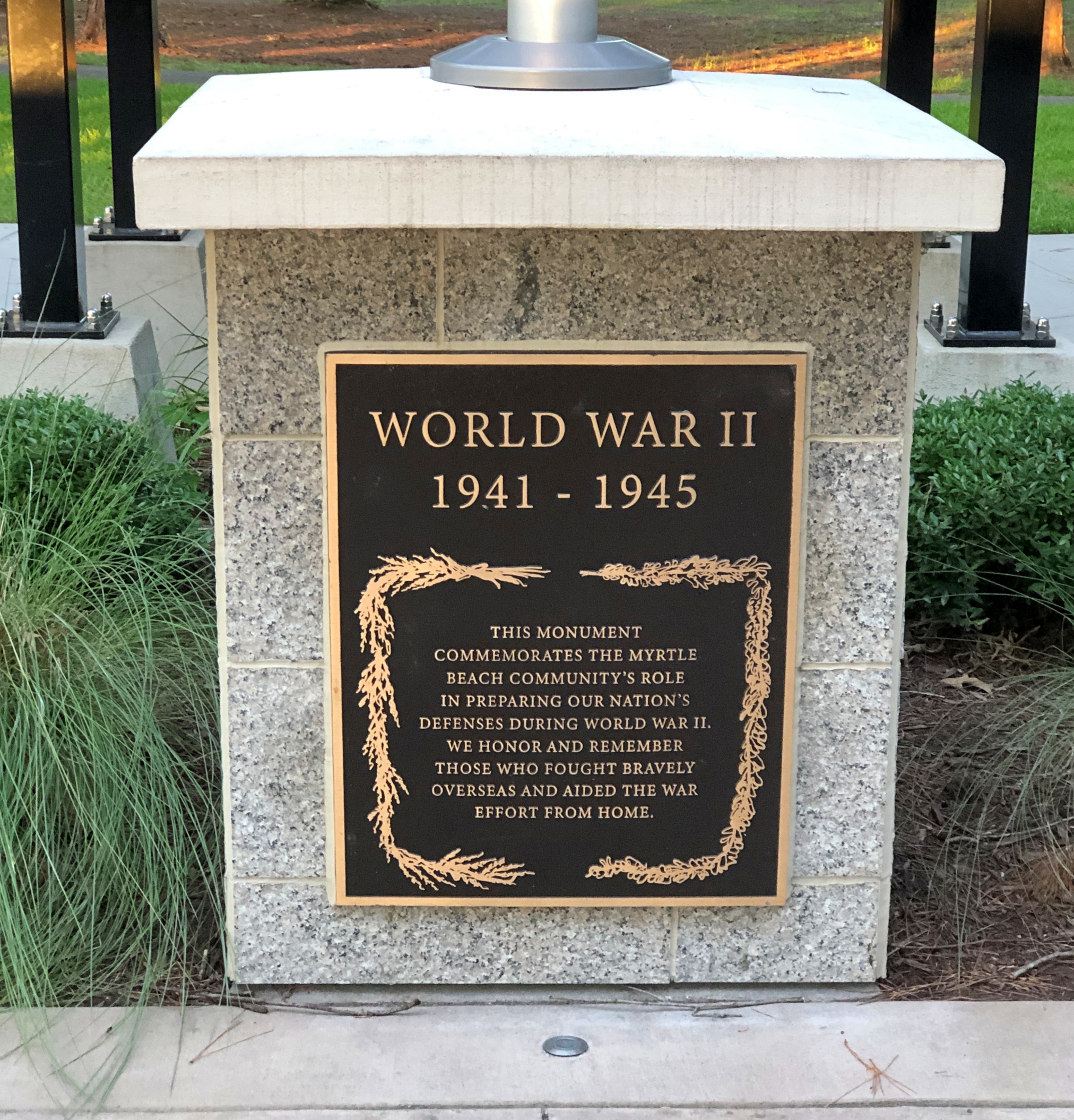
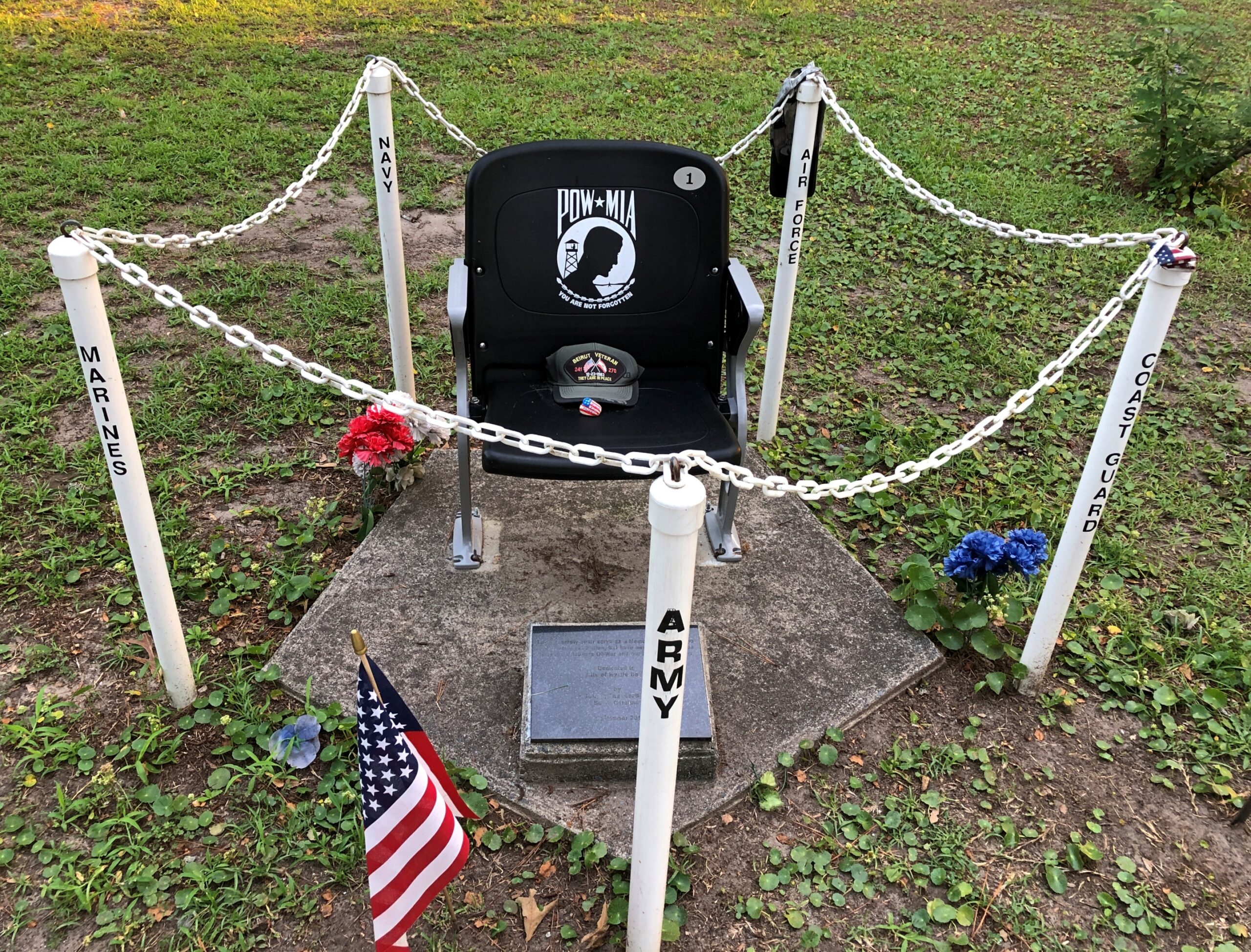
One legacy of the base is a cluster of military memorials near the perimeter of the airport – at a place called Warbird Park, which is fully accessible to casual visitors – that includes something you don’t see all the time.
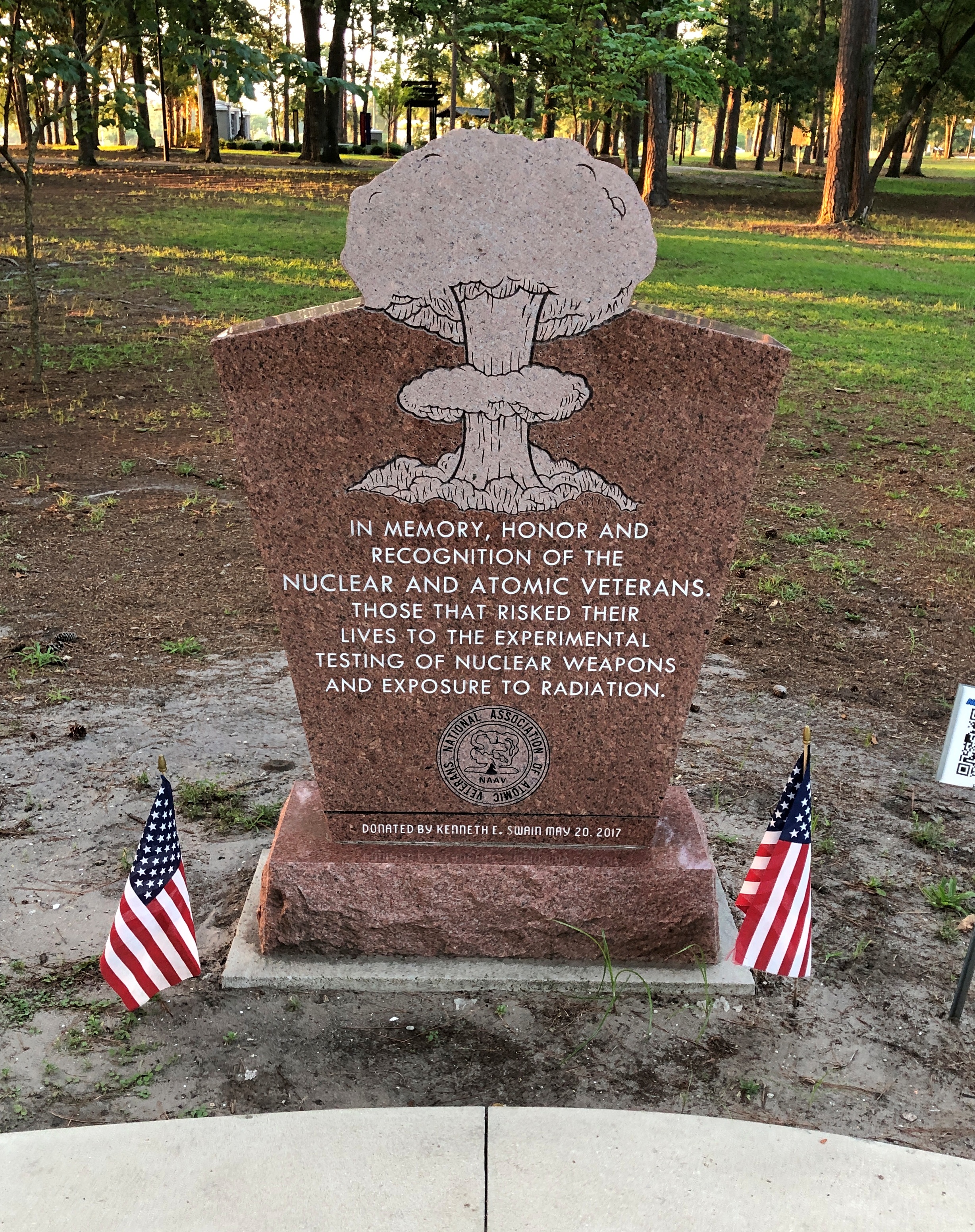
Atomic Veterans

It is one memorial among many.

Myrtle Beach
Myrtle Beach

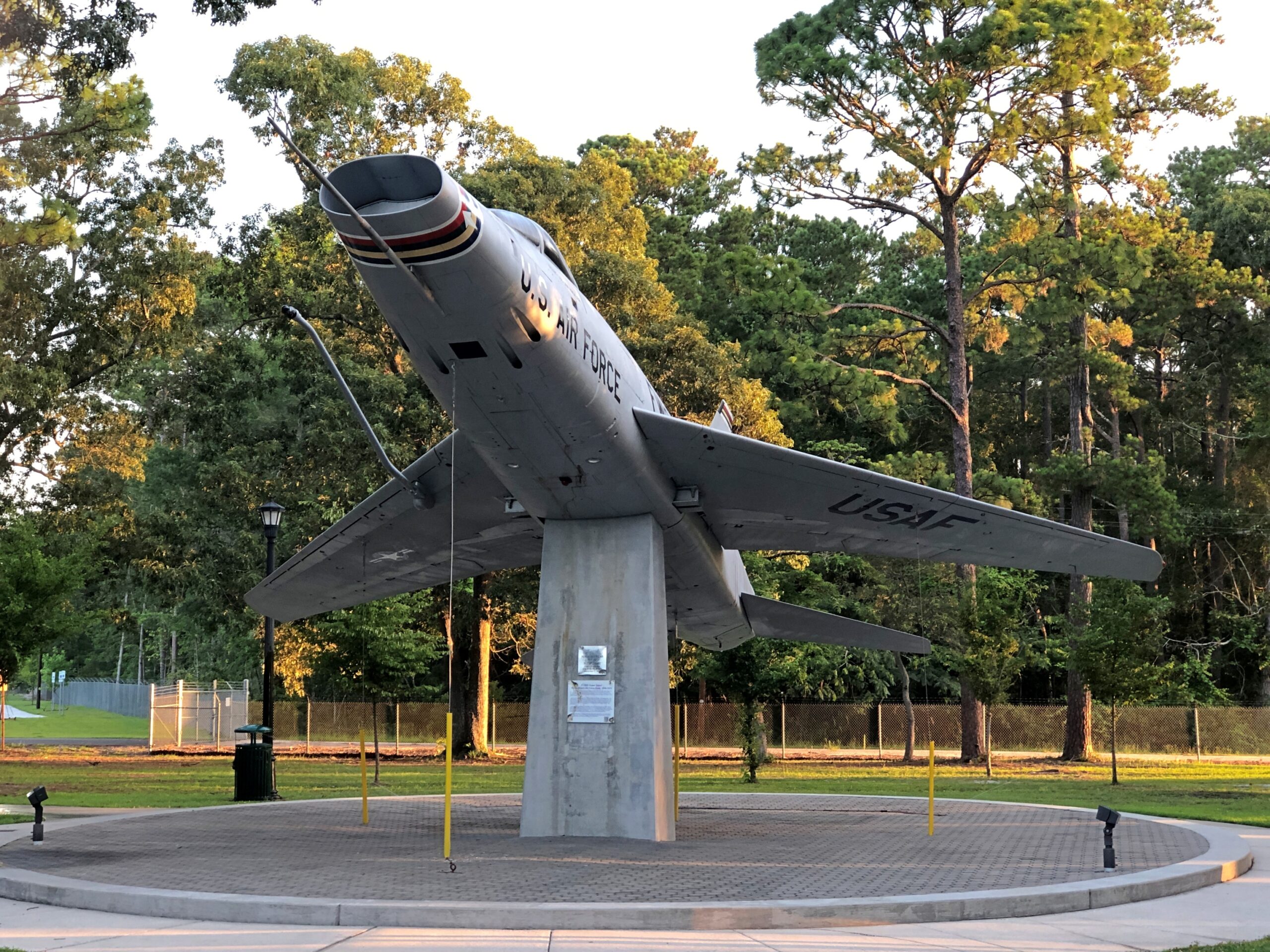
As well as some of the aircraft that used the air base.

Found at a MB beach shop among the clothes and beach equipment. Nothing says Myrtle Beach better than skulls, no?

There was more. Much more.

Shithead on glass

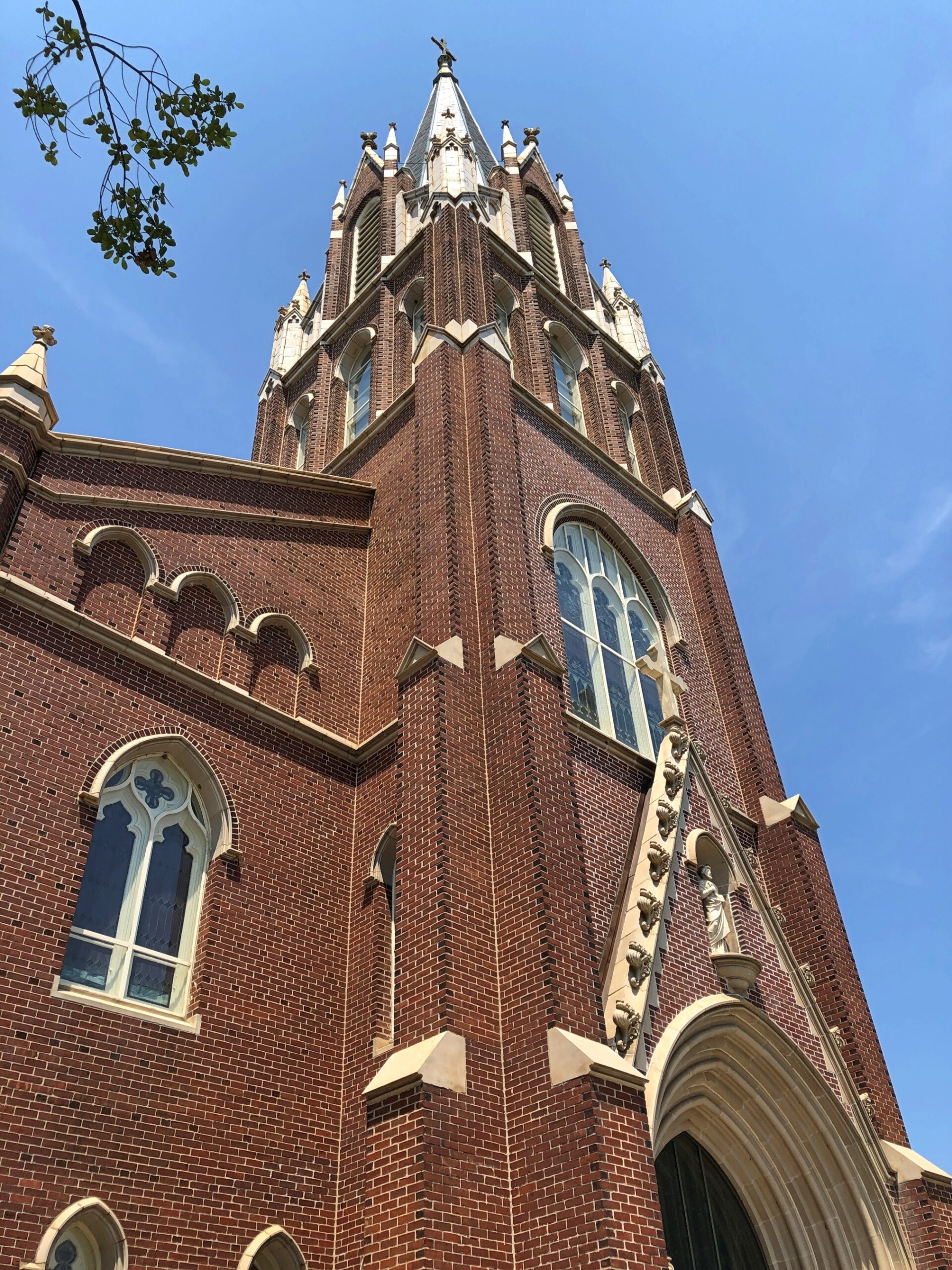
In Columbia, the Basilica of St. Peter.

Basilica of St Peter, Columbia

Mass was in progress in its impressive interior, so only a glimpse.

Georgia
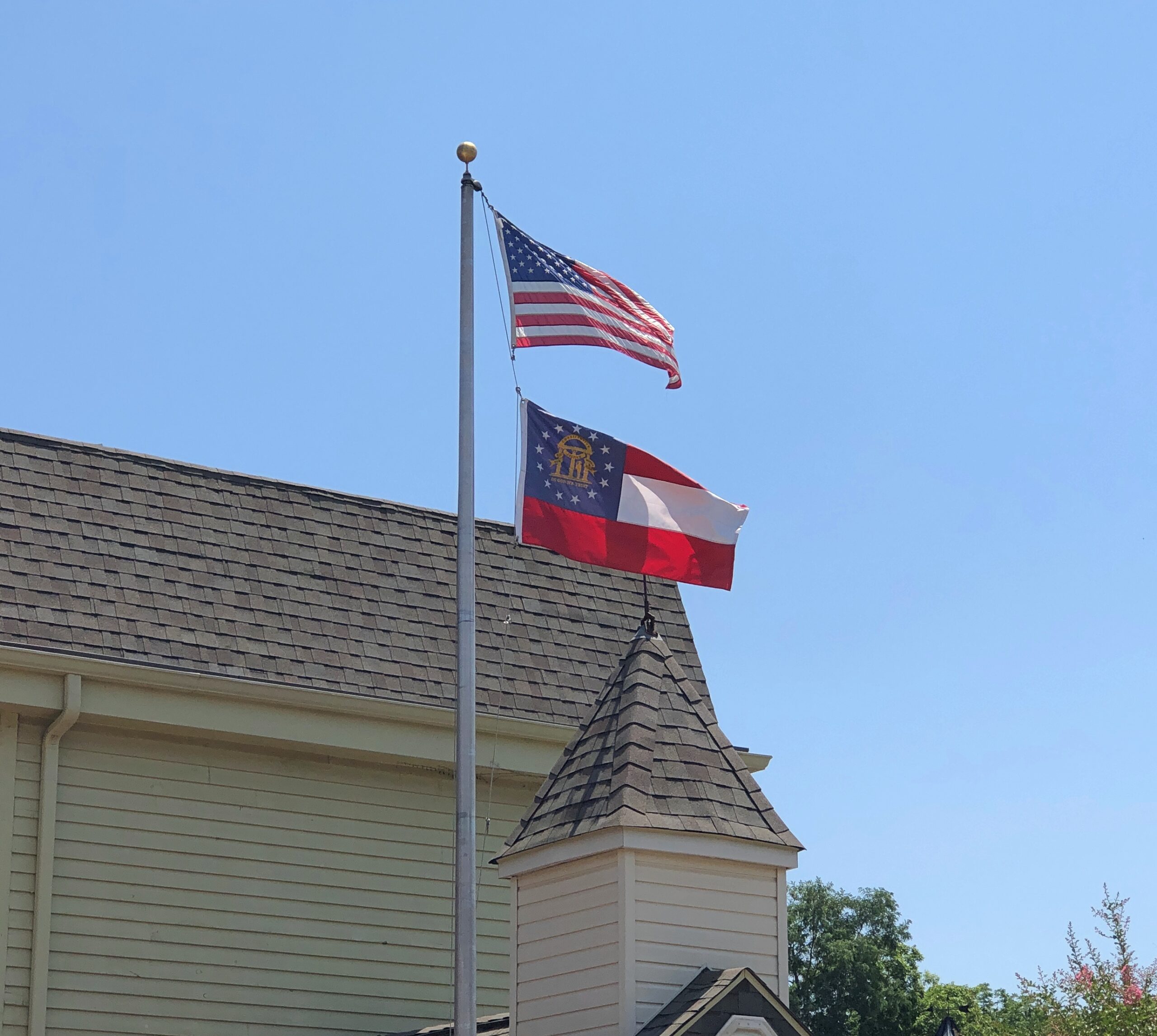
An automated, Fotomat-style ice store in north Georgia. They’re not as common up north, with the closest of this brand to me (I checked) in Aurora, Illinois.

Ice

Twice the Ice is the brand name. Quick facts: there are about 3,300 Twice the Ice locations so far in the United States and elsewhere – water and ice “vending machines,” according to one page on the company web site. Another page on the same site puts it at over 4,000 locations, which just means part of the site isn’t being updated. Whatever the exact number, there are a lot, and most if not all are franchised, representing about 1,000 franchisees.

It’s automation we call all get behind. I don’t think the machines are putting ice handlers and baggers at local gas stations and grocery stores out of work, since who holds that specific job?

So far as I know, “Ice is Civilization” is not the company motto. But it could be. It was said with such conviction by Allie Fox in The Mosquito Coast.

Of course, by the end of the book and movie both, he was howl-at-the-moon mad. So maybe some other slogan. Then again, that line is one of the few things – besides the fact that Allie Fox goes nuts chasing Utopia – that I remember from either the book or the movie after about 35 years. So it’s pretty memorable.

After gassing up at a station in north Georgia, I parked away from the pumps near the edge of the property to fiddle with my phone for a few minutes. Just outside the car window, kudzu lurked.
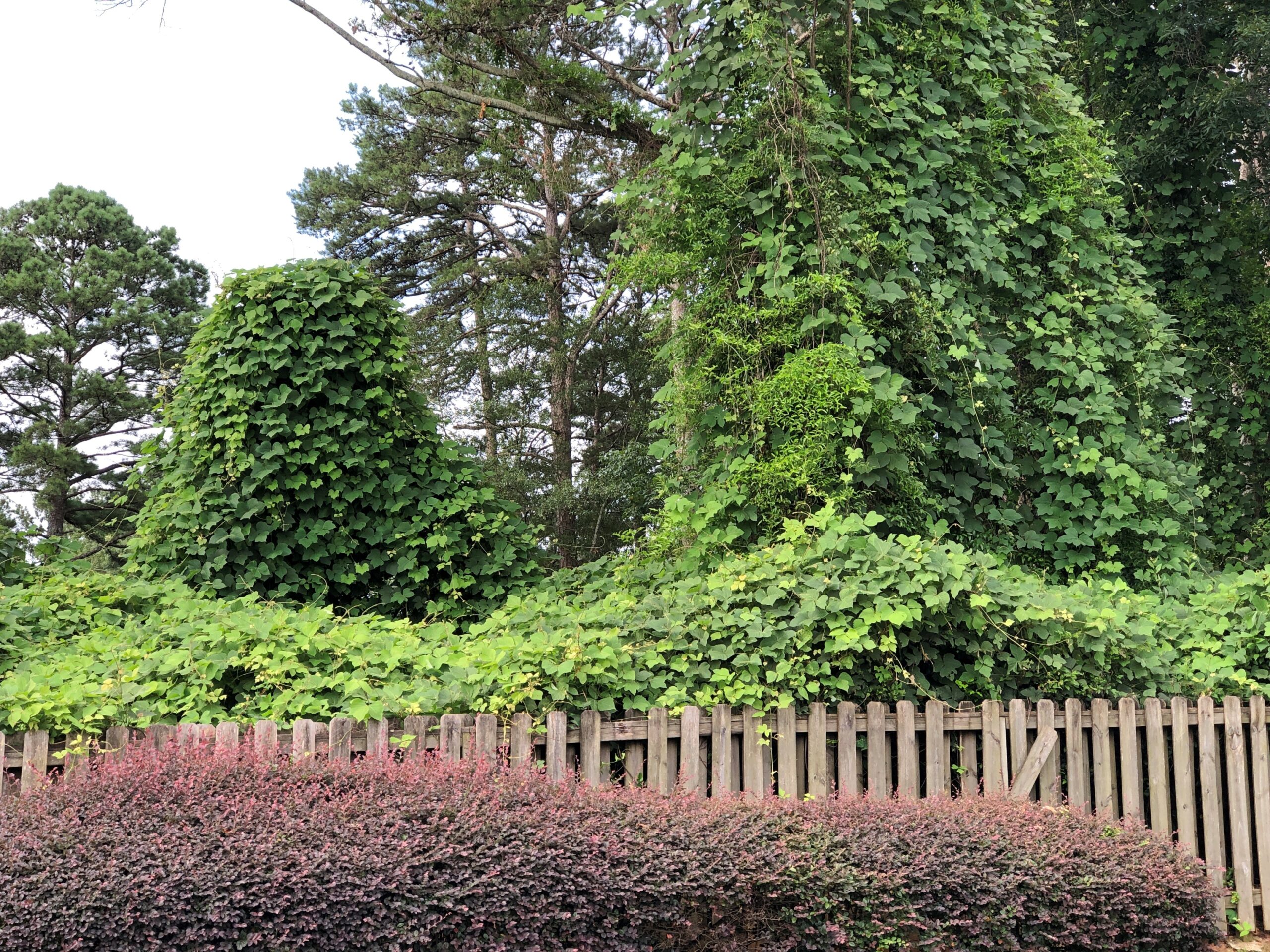
Which got closer.
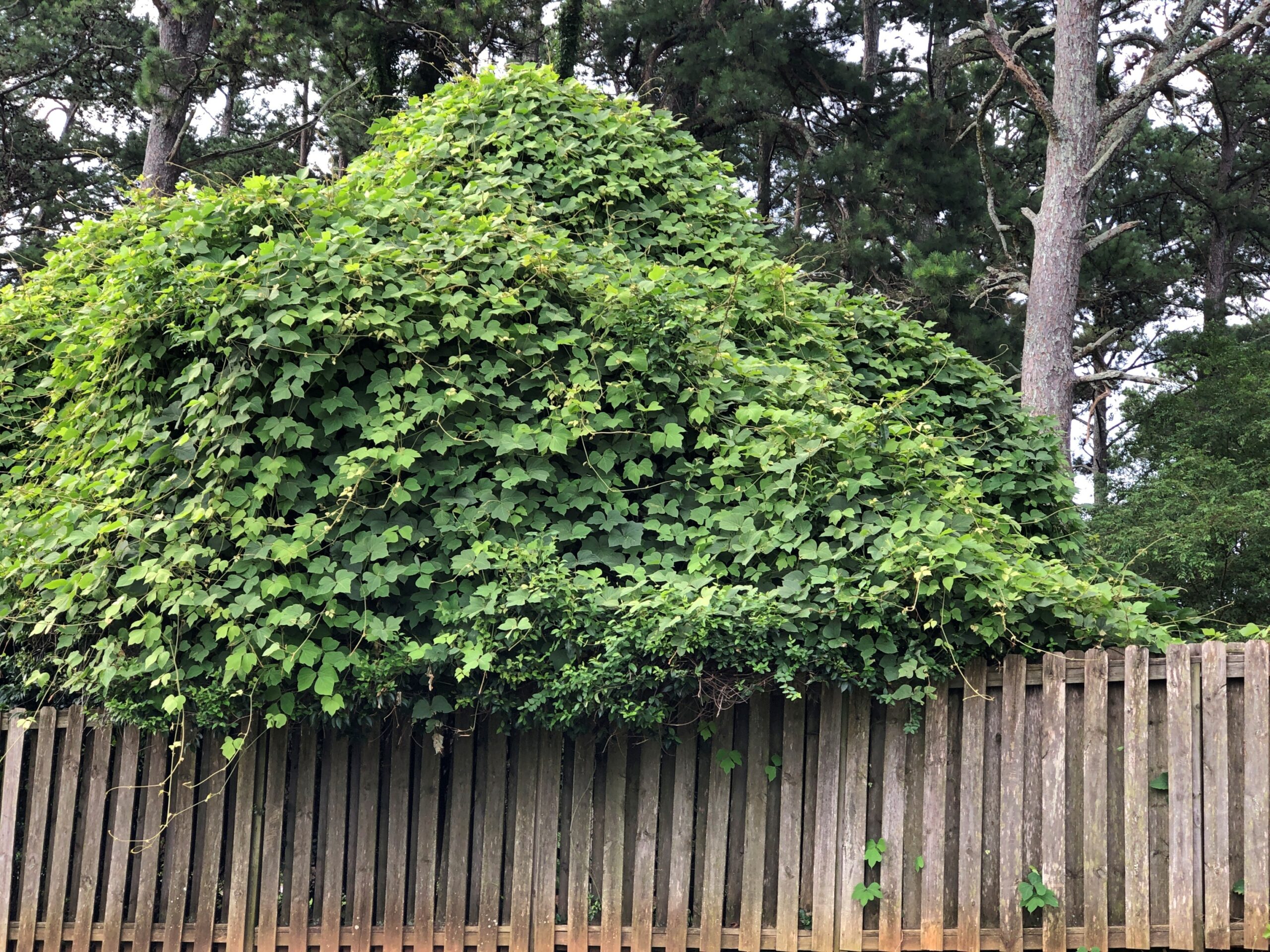
And closer. Man, it grows fast.
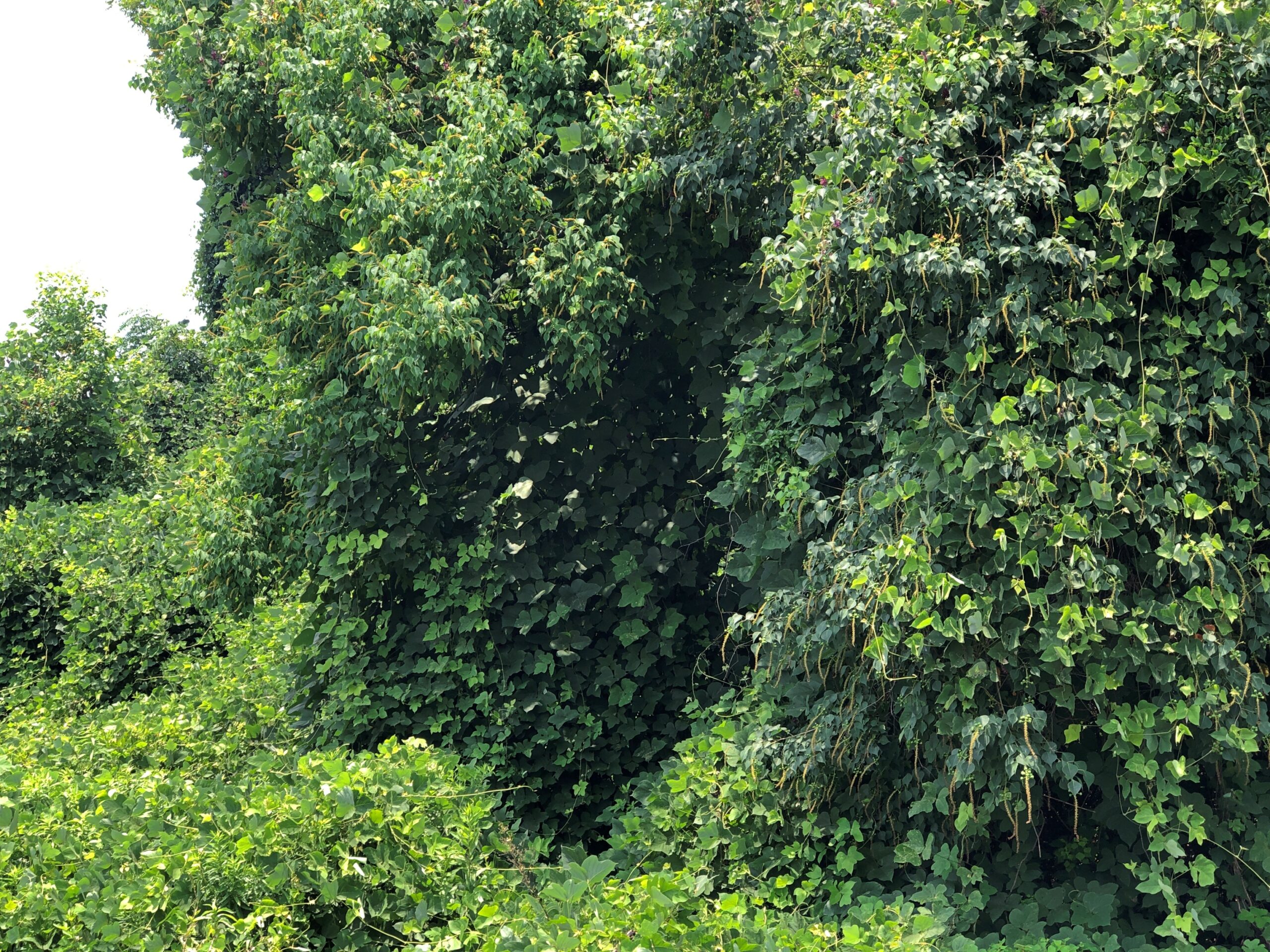
Not really, but I did see all that kudzu at the edge of the gas station property. Kudzu. Who hasn’t seen the walls of it down South?

“In news media and scientific accounts and on some government websites, kudzu is typically said to cover seven million to nine million acres across the United States,” Smithsonian magazine reported in 2015. “But scientists reassessing kudzu’s spread have found that it’s nothing like that. In the latest careful sampling, the U.S. Forest Service reports that kudzu occupies, to some degree, about 227,000 acres of forestland, an area about the size of a small county and about one-sixth the size of Atlanta.

“That’s about one-tenth of 1 percent of the South’s 200 million acres of forest. By way of comparison, the same report estimates that Asian privet had invaded some 3.2 million acres — 14 times kudzu’s territory. Invasive roses had covered more than three times as much forestland as kudzu.”

Yet kudzu is regarded as a particularly intractable invasive species. How is that? It grows well in highly visible places. Such as next to a gas station parking lot. Smithsonian notes: “Those roadside plantings — isolated from grazing, impractical to manage, their shoots shimmying up the trunks of second-growth trees — looked like monsters.”

Along Georgia 60 in Chattahoochee NF, Smokey Bear is still at his job.
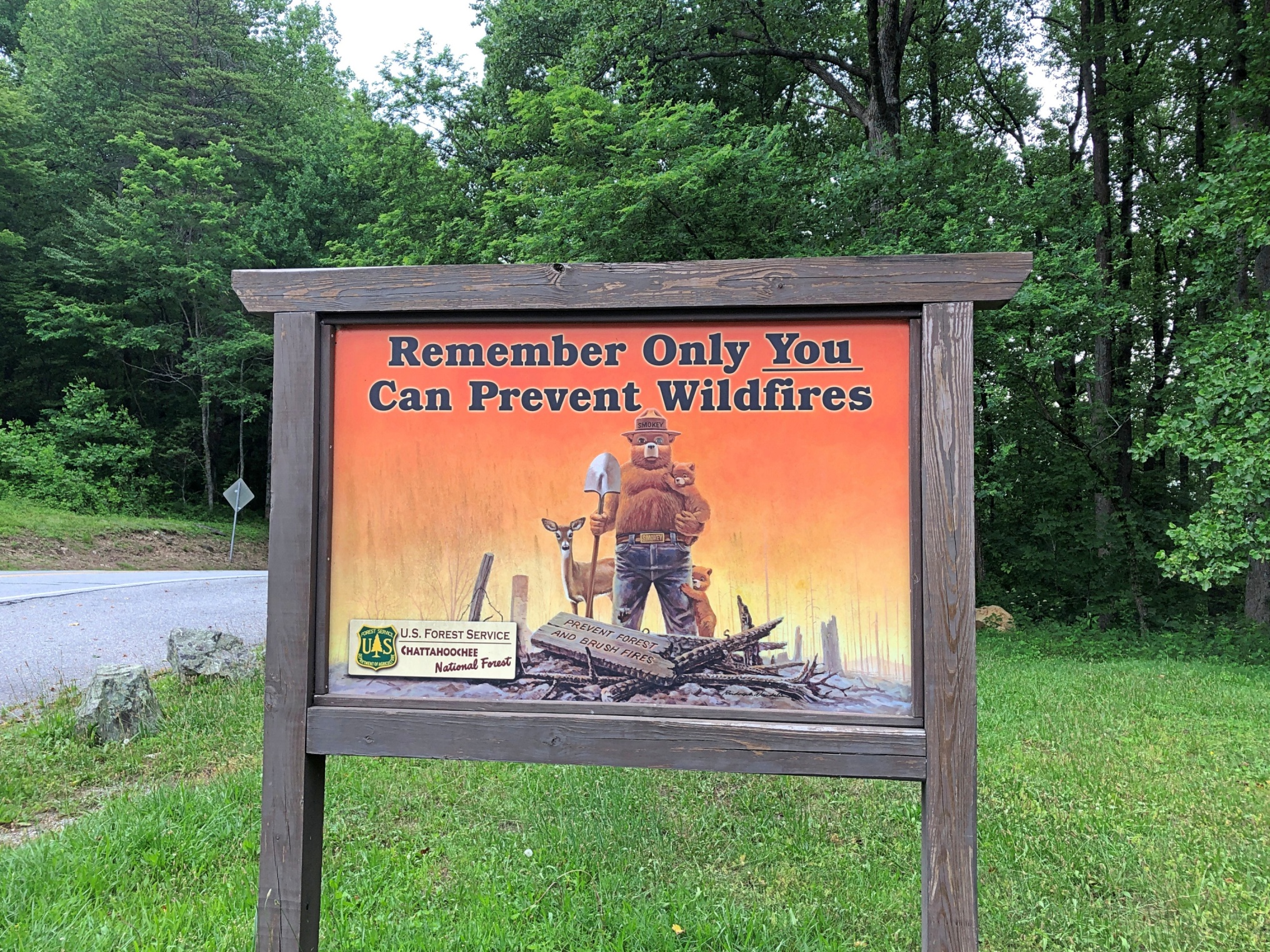
One thing leads to another online, and Smokey eventually lead me to “Smokey the Bear Sutra.” Only takes a few minutes to read, and it’s a trip. Just like the song “Elvis is Everywhere,” there’s a founding document of a religion in the distant future, one that asserts that humans should never have given up worshiping bears.
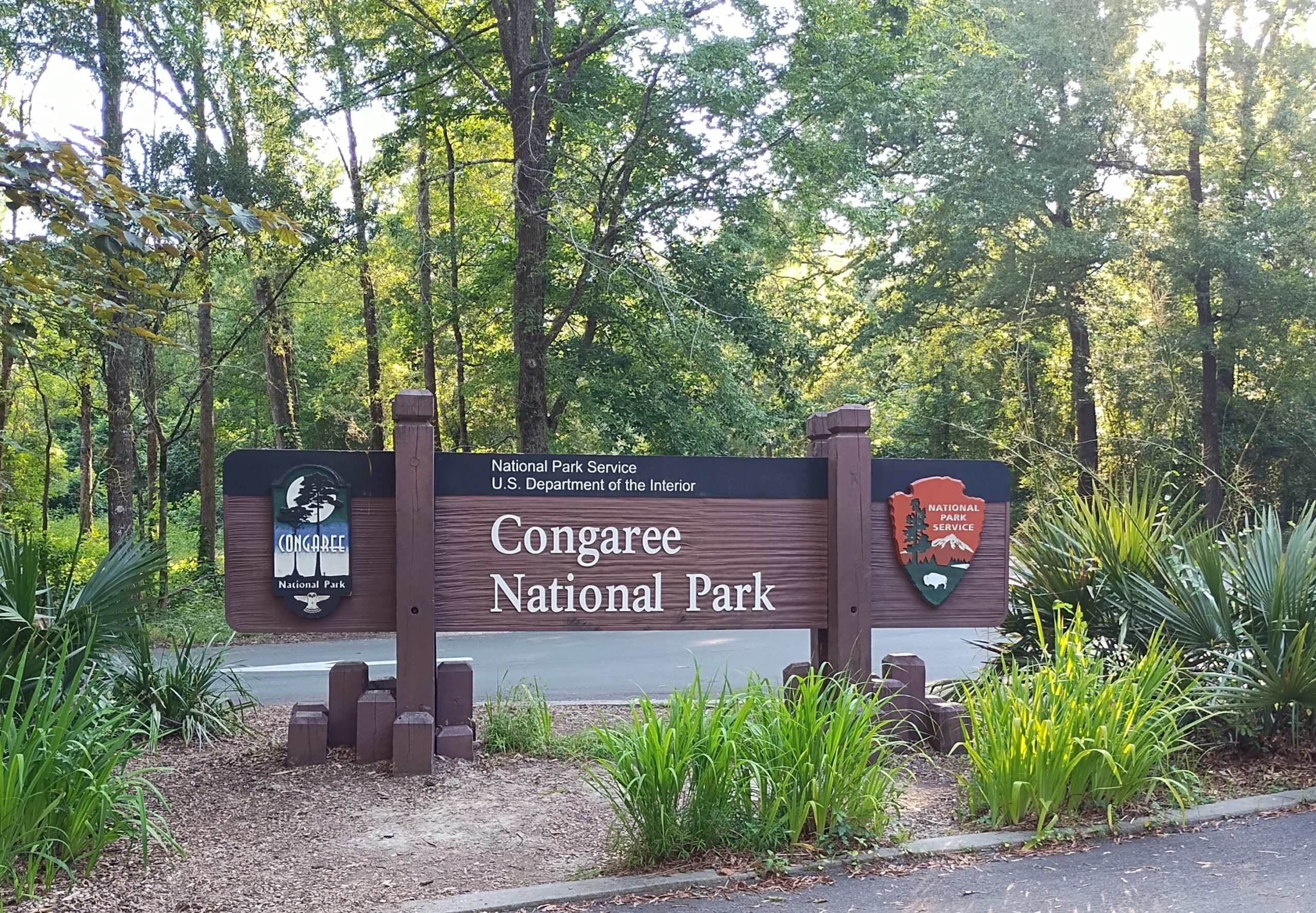
Congaree National Park

Yesterday rain came again to this rainy summer, and had the happy effect of turning the temps down outside today to wrap up July – pleasant 70s F. even at the noonday peak. Northern summers have much to recommend them.

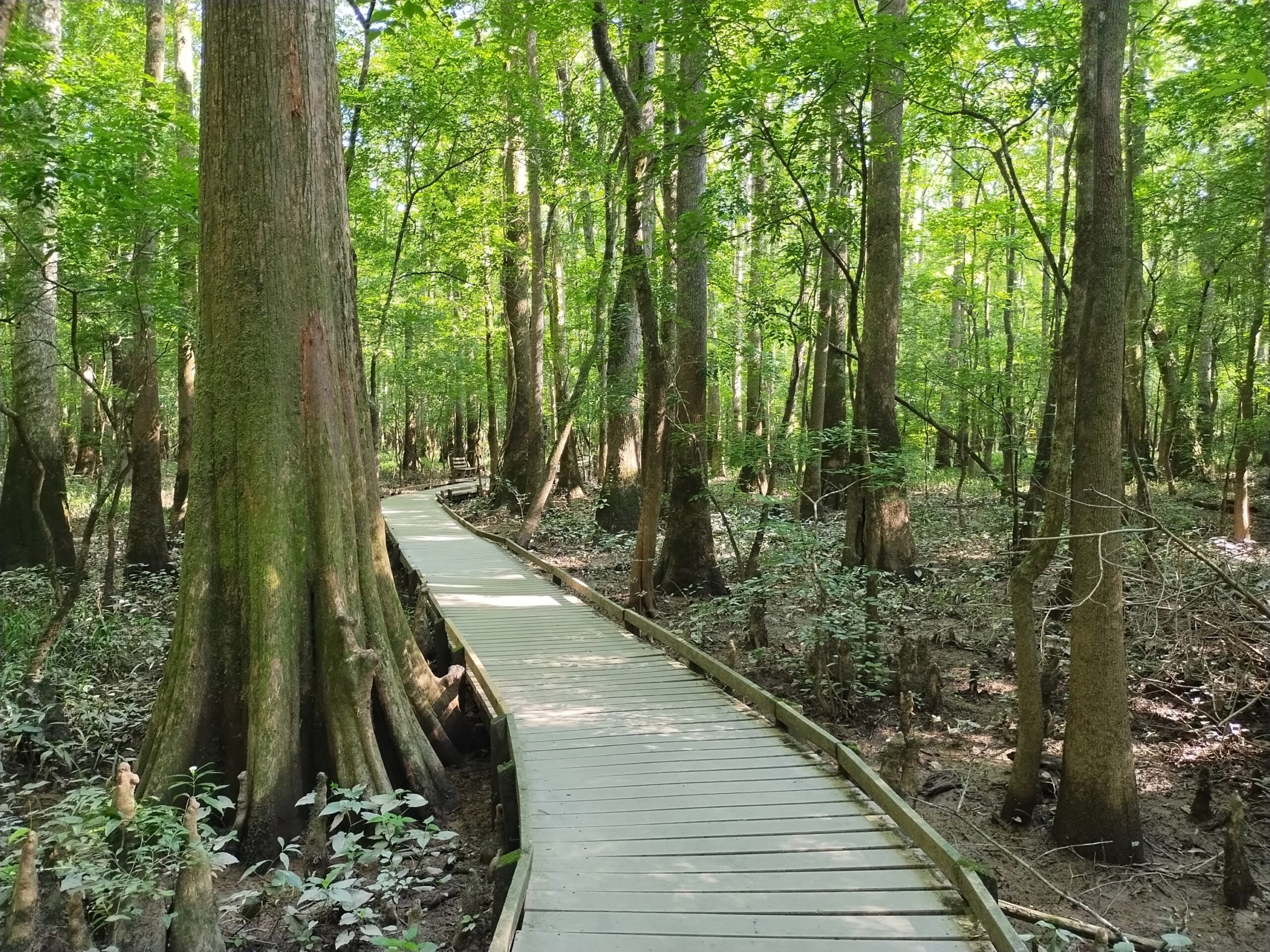
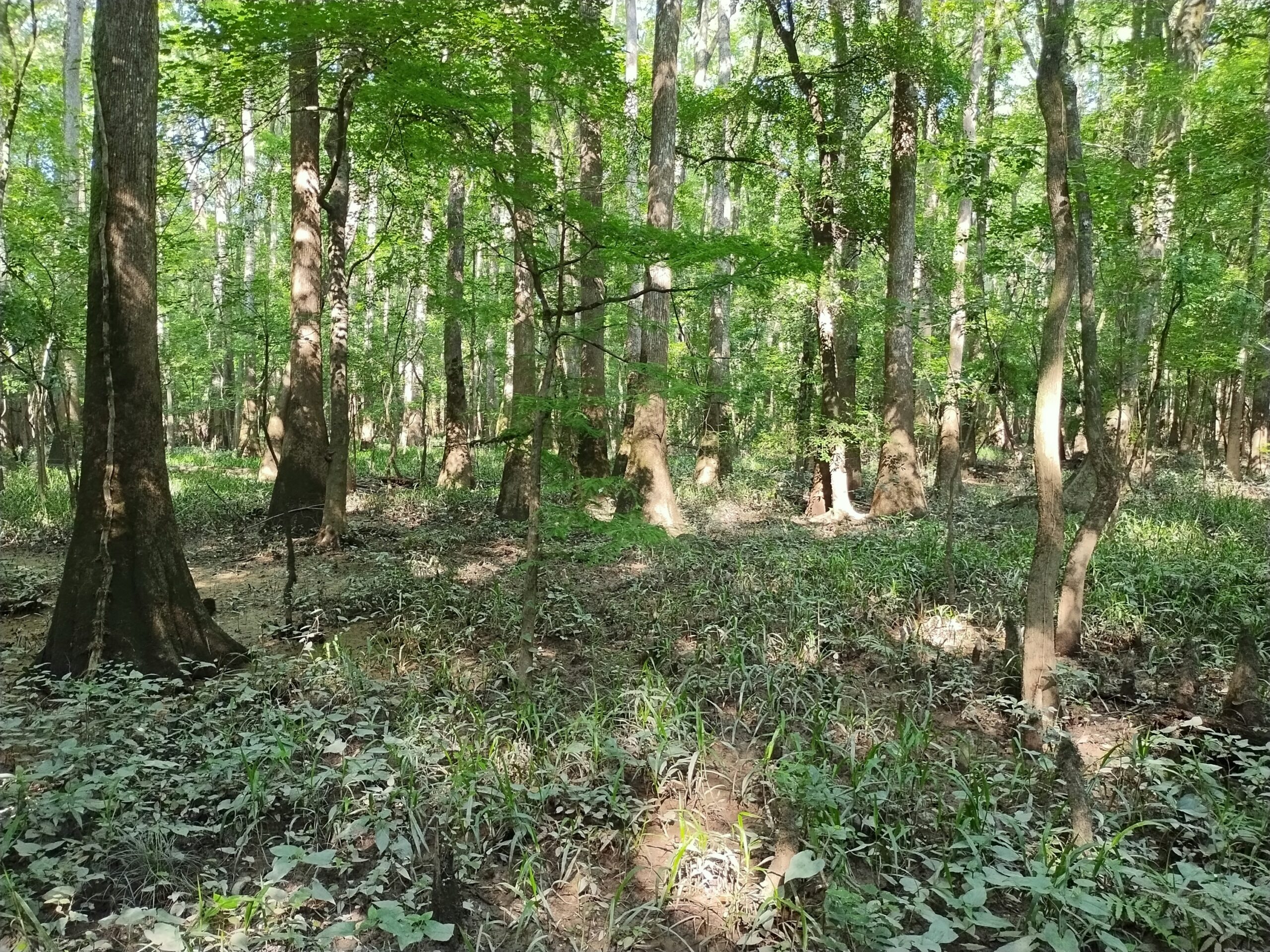
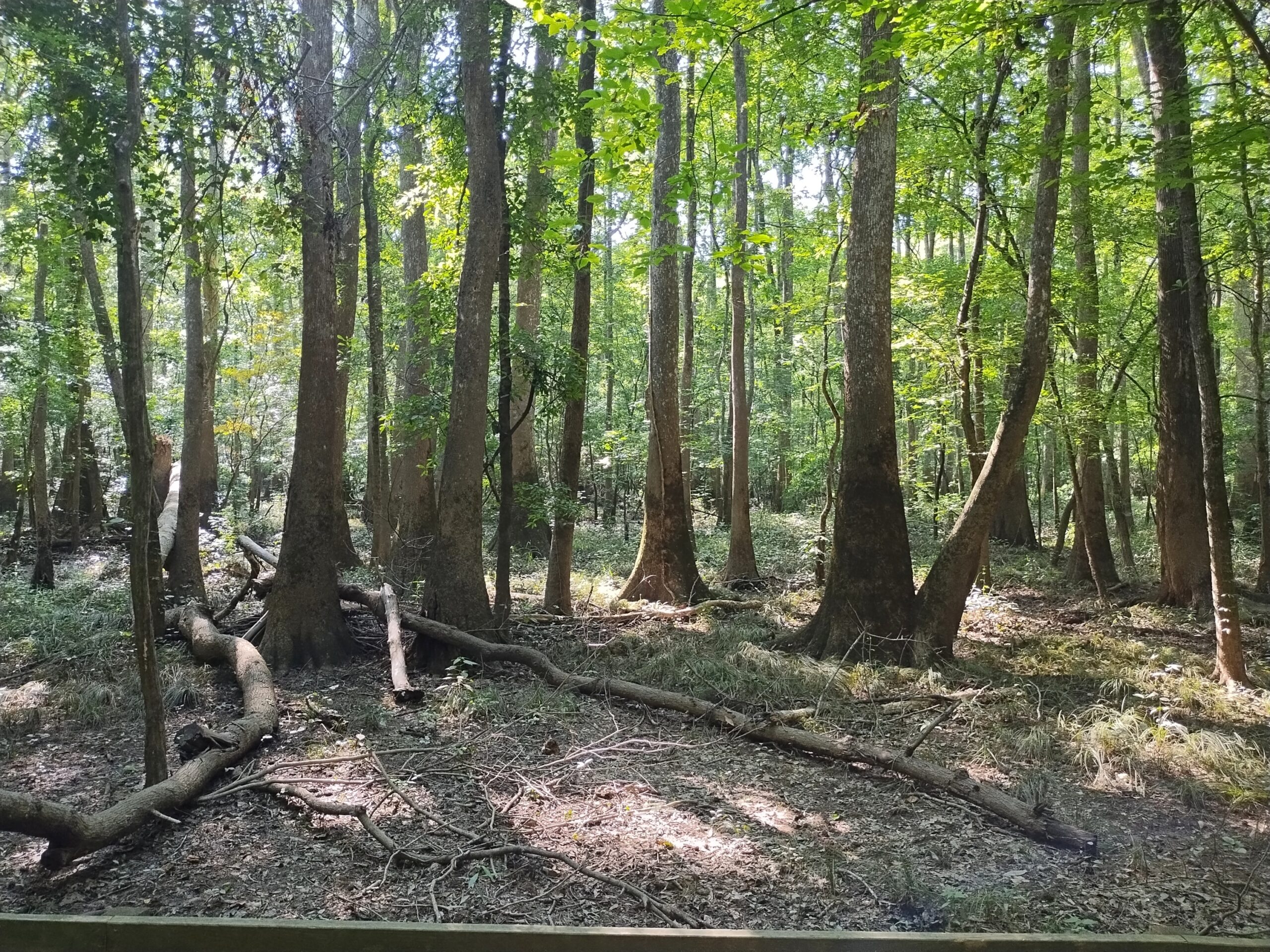
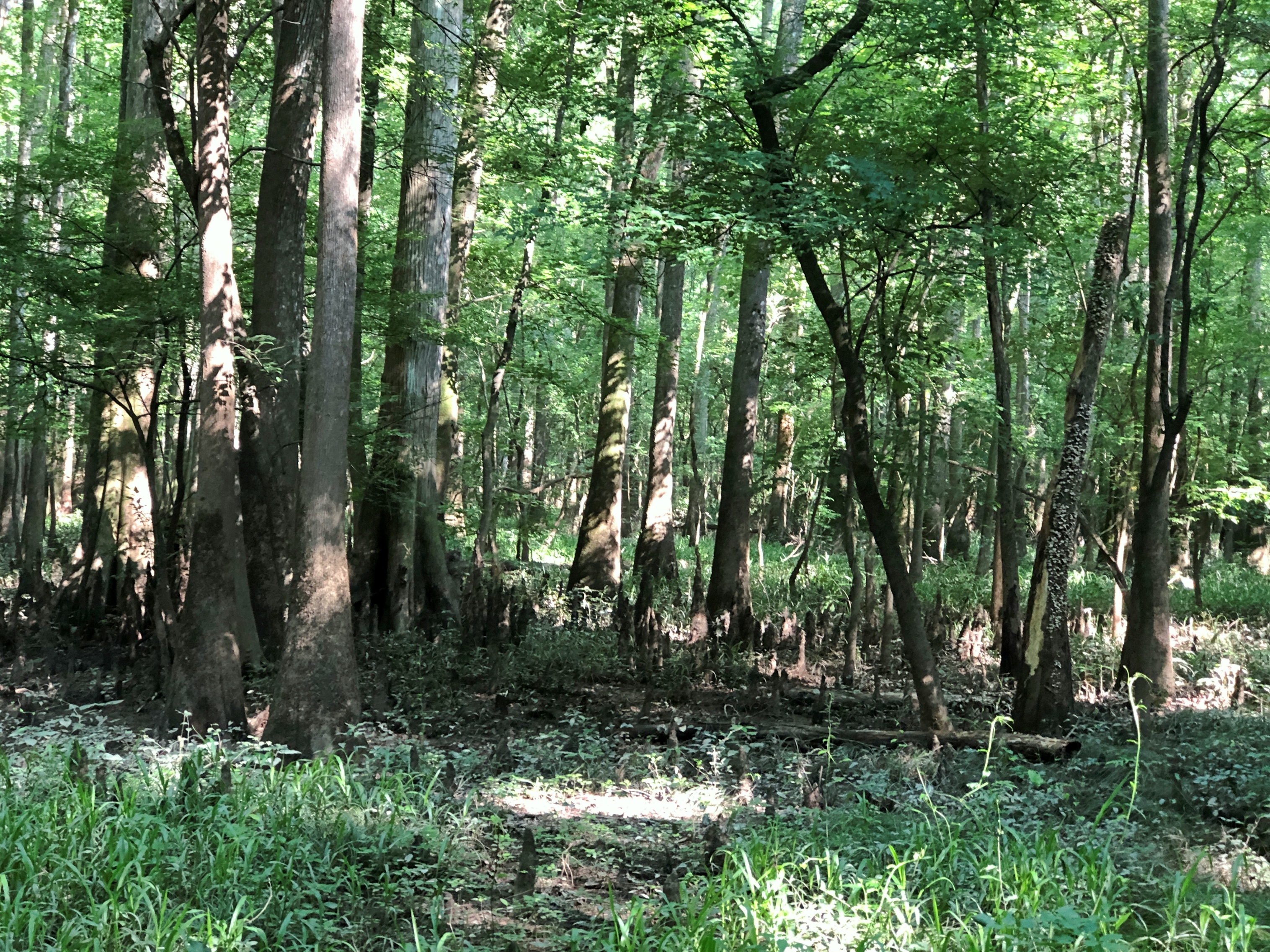
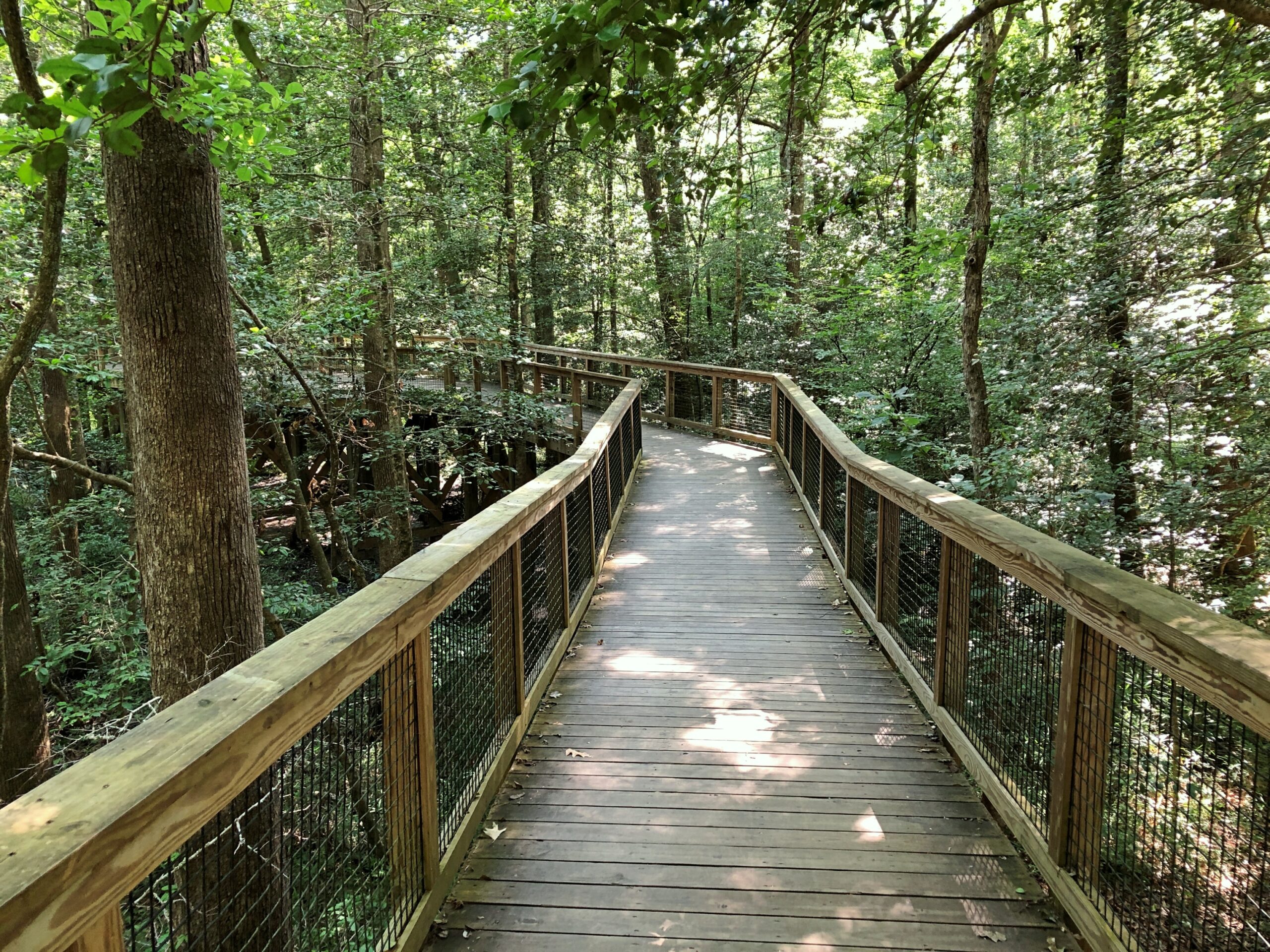
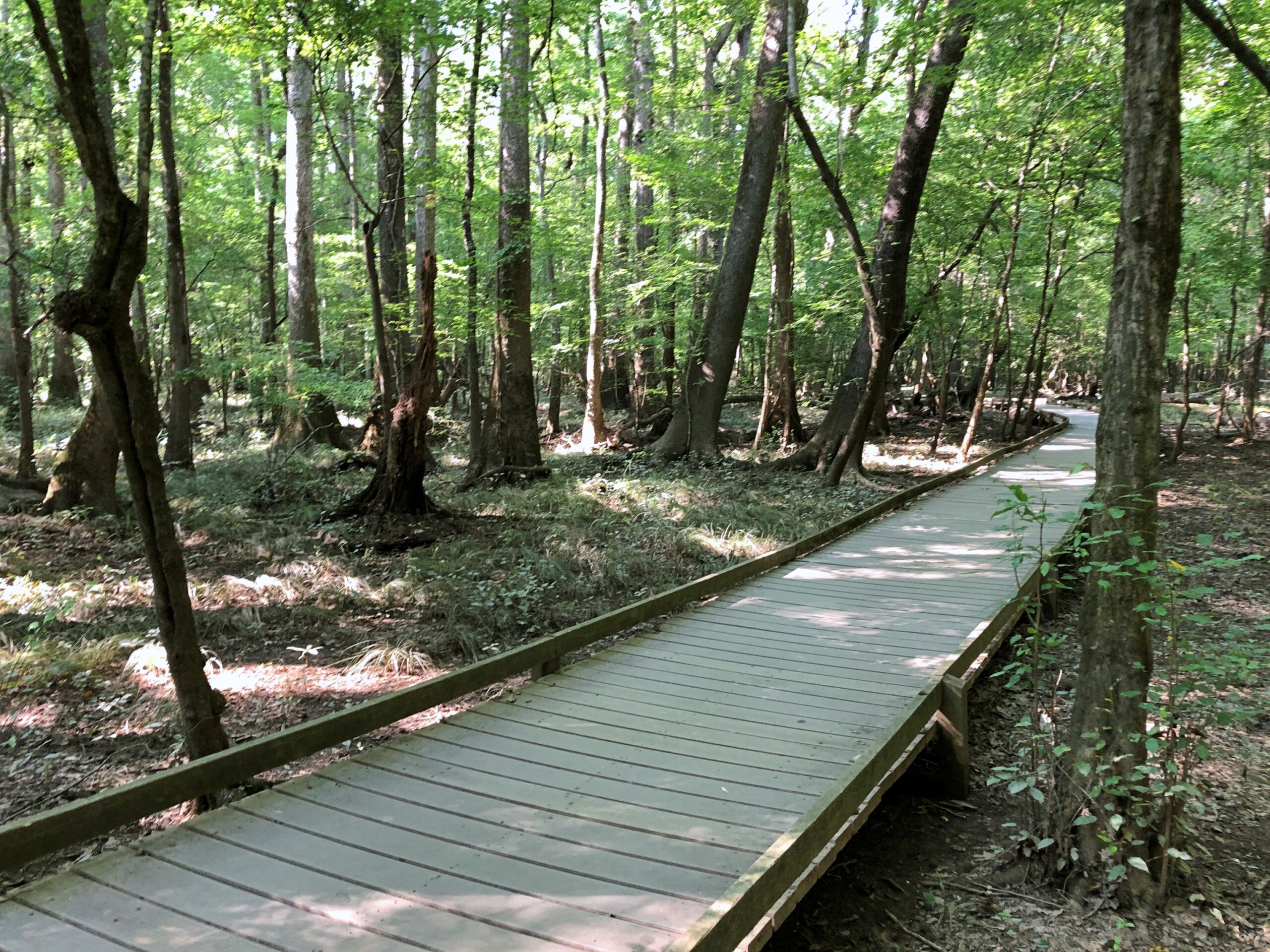
At a hotter time and place, I walked along a boardwalk through a patch of old-growth floodplain forest in the middle of South Carolina. Turns out, that’s a rare kind of landscape, but I didn’t know that at the time.

Congaree National Park

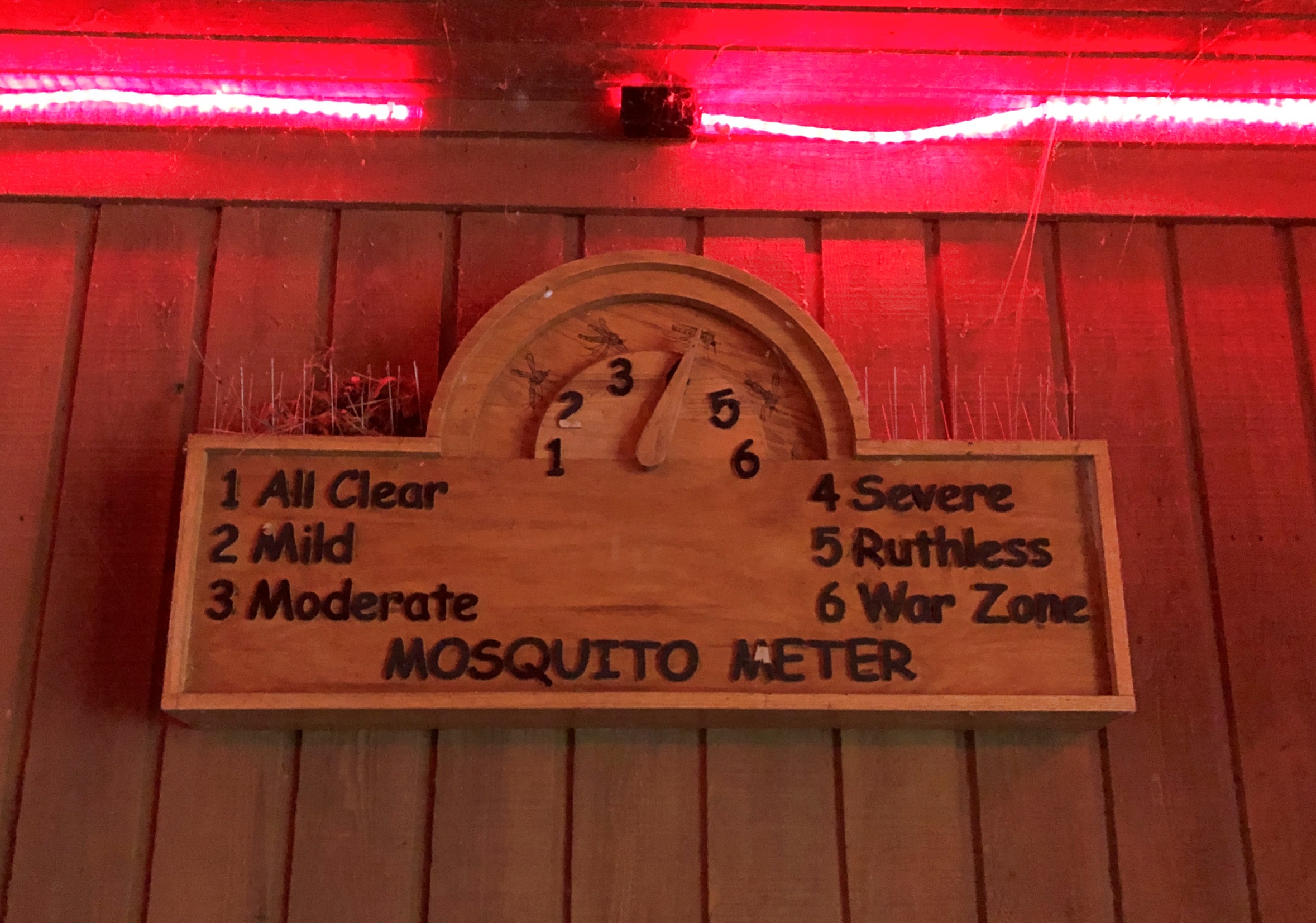
Somewhere on the way, I renamed Congaree National Park, my location at that moment, in my head. I imagined an act of Congress special to do so. The new name: Congaree National Park and Mosquito Preserve.

Congaree National Park

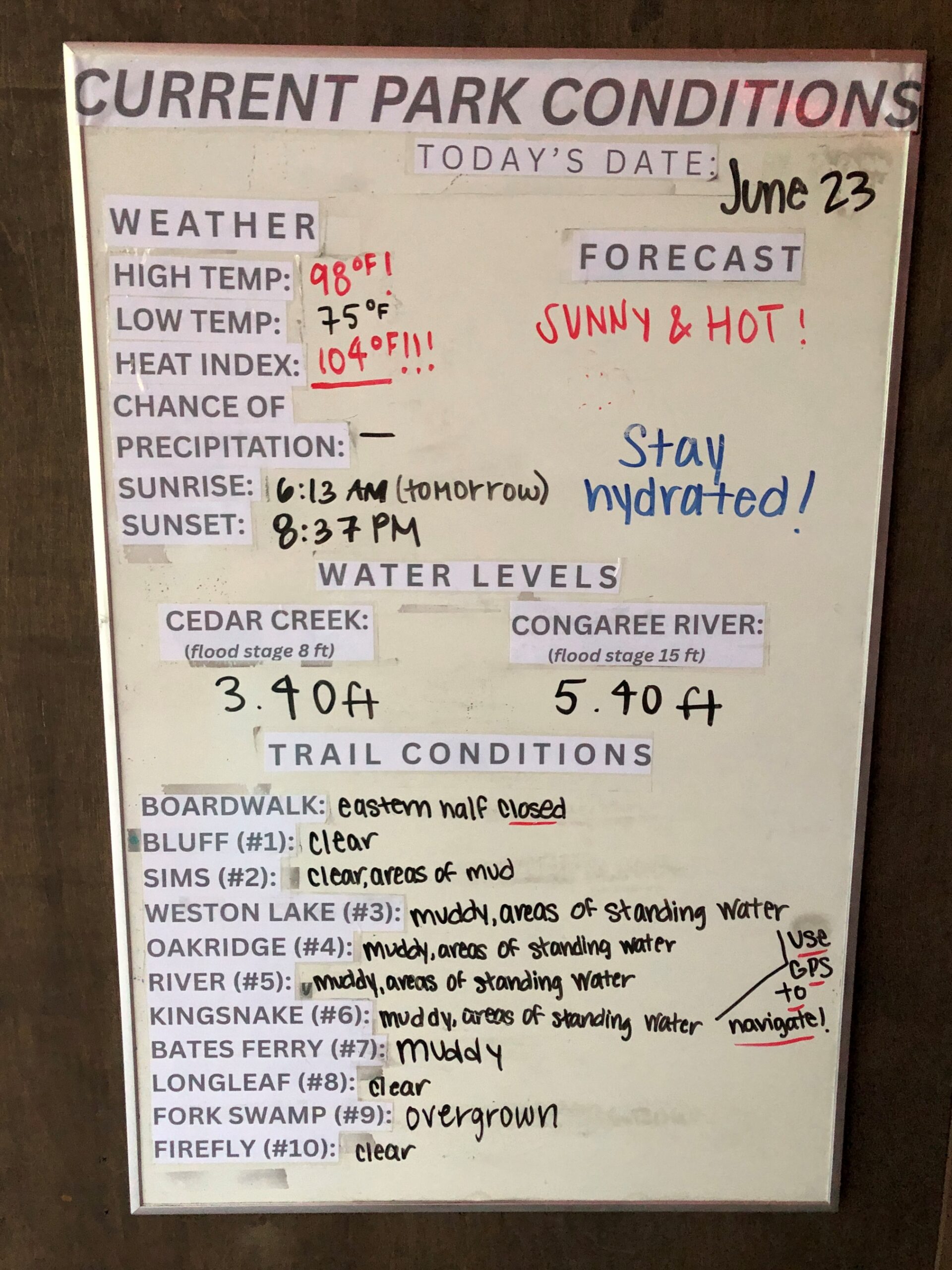
I can’t say I wasn’t warned. This information was on display at the park visitors center.

Congaree NP

I wouldn’t call Congaree a great unknown, but it is true that among the 63 U.S. national parks, it stood as the 51st-most visited in 2024, attracting 242,049 visitors. Considering that no admission is charged, I wonder how the NPS came up with such an exact number. In any case, that’s a remarkably skinny total compared with the millions who go annually to better-known parks, especially considering that the main park entrance is roughly 30 miles from a sizable city, namely Columbia, SC.
Anecdotal evidence points to the same conclusion: no one I’ve told about the park seems to have heard of it. Then again, I don’t know that I ever gave it much thought myself, except to note it a few times over the years on maps of South Carolina, a state I’d scarcely seen before June – among the Lower 48, the last one I visited.

Other national parks have majestic mountains or picturesque glaciers or striking deserts or epic coastlines or an important history of human activity. They have high-profile wildlife and ecosystems unique in the world. Congaree does count as a special place, preserving a tiny fraction of the floodplain forests that used to cover much of the Southeast, but that’s a little hard to appreciate on the ground, especially as the target of its high-profile wildlife, mosquitoes.
Of the former vast stands of Southeastern floodplain forests, the park, at 11,000 acres, represents much of the roughly 0.5 percent that survives, according to the NPS. Most such land lost its trees to build buildings, plank ships and create railroad ties. The land itself was drained for pastures, farms and settlements.
So Congaree NP is essentially a high-quality museum piece of a landscape, surviving the 19th and early 20th centuries due to inaccessibility. After much agitation on the part preservationists, the area became a national monument by act of Congress in 1976, with President Ford’s signature on the bill (and became a national park in 2003). Apparently that kind of story doesn’t fire the tourist imagination.

Congaree NP
Congaree NP

Also, while the boardwalk was an easy walk, most of the rest of the park sounds logistically hard on foot. “The Congaree is a wetland forest, and indeed it seems like water is everywhere,” notes American Forests. “There are very few places in the park where you can travel more than a half-mile in one direction without having to cross a pond, lake, creek, seasonal channel (locally called a gut), slough, wet flat, or muck swamp. It is an aquatic and terrestrial maze that constantly changes. About 10 times a year there really is water everywhere as the Congaree River rises to flood the entire area.”

Still, the article lists a large number of tree species that call the park home, including some very tall examples – taller than anywhere else, in some cases.

Congaree NP
Congaree NP

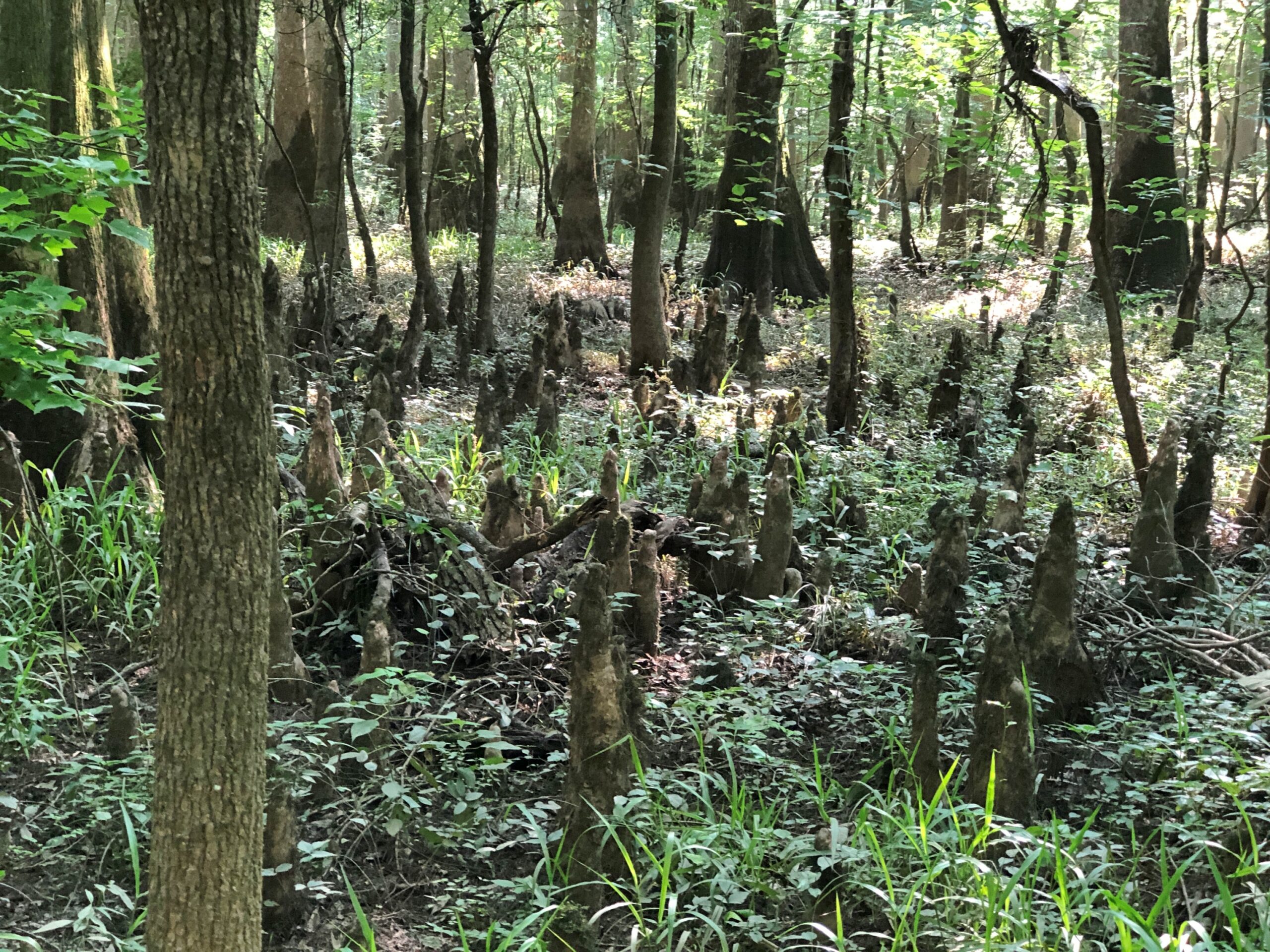
I’m no expert on trees, but I do know cypress when I see them, with their exaltation of “knees,” those knob-like growths.

***

Not long ago, I found out that Dr. Jamison died late last year. That would be Theodore Roosevelt (Ted) Jamison Jr., born 1933, so he made it past 90. I added this message on an obituary site:

I’m sorry to learn about the passing of Dr. Jamison, but glad that he clearly lived a long, interesting life, loved by family and friends. In 1978, he taught a summer school class for a few weeks at Alamo Heights High School in San Antonio. I was 17 that summer and in that class. It might have been a history or political science class – I don’t remember – but in fact, the class was the Wisdom of Ted Jamison. That wisdom was considerable, as he offered his thoughts and observations about the nation and the world, including prescient warnings about attacks on our freedoms. He also shared snippets about his life up to that point. I didn’t know the half of it, but even then I realized he was a remarkable teacher, an assessment I haven’t revised in the near half-century since then. Reading his obituary, I also see what a remarkable human being he was. RIP, Dr. Jamison.

Brookgreen Gardens by Day

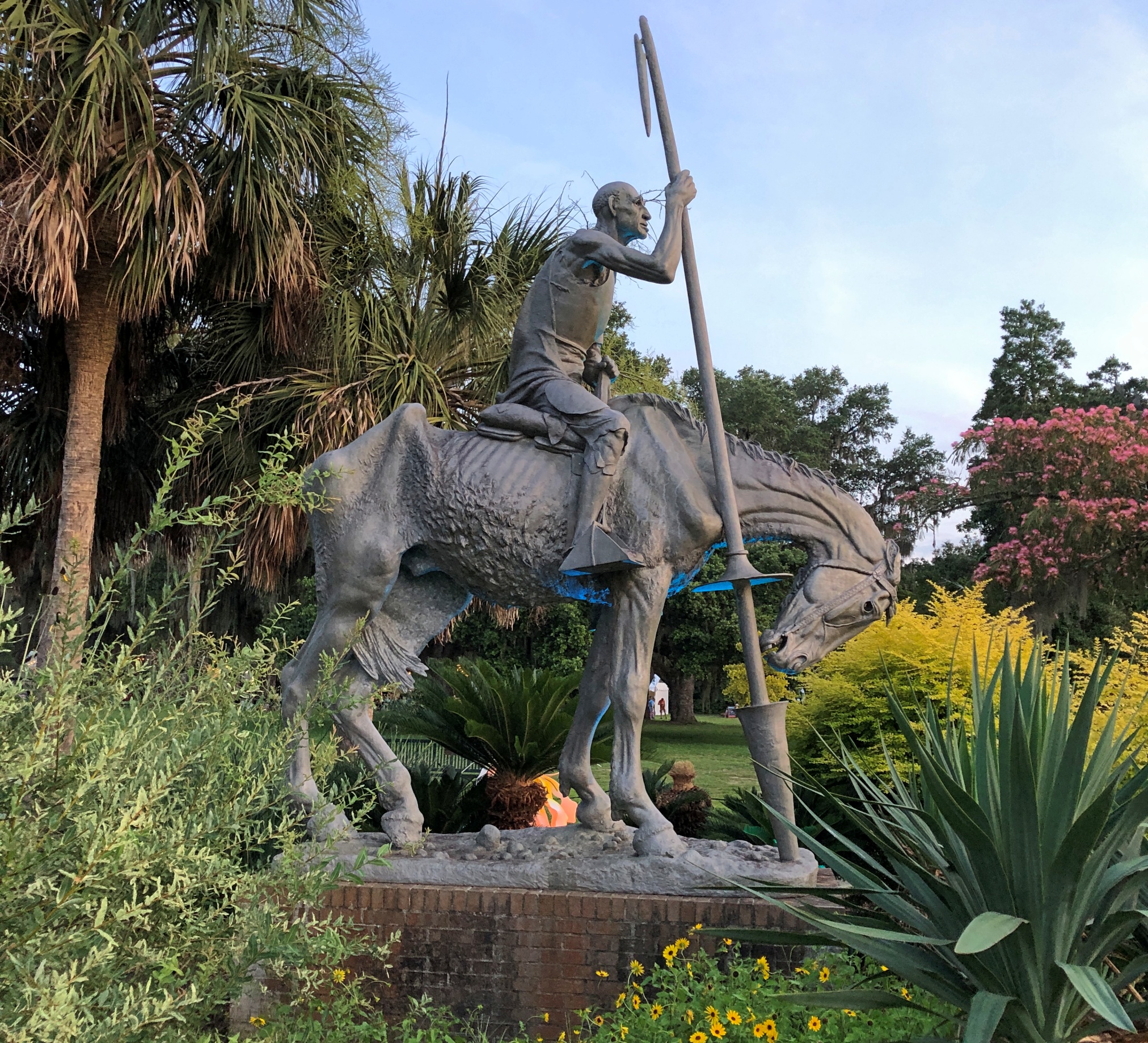
How does the saying go? Wherever there is Don Quixote –

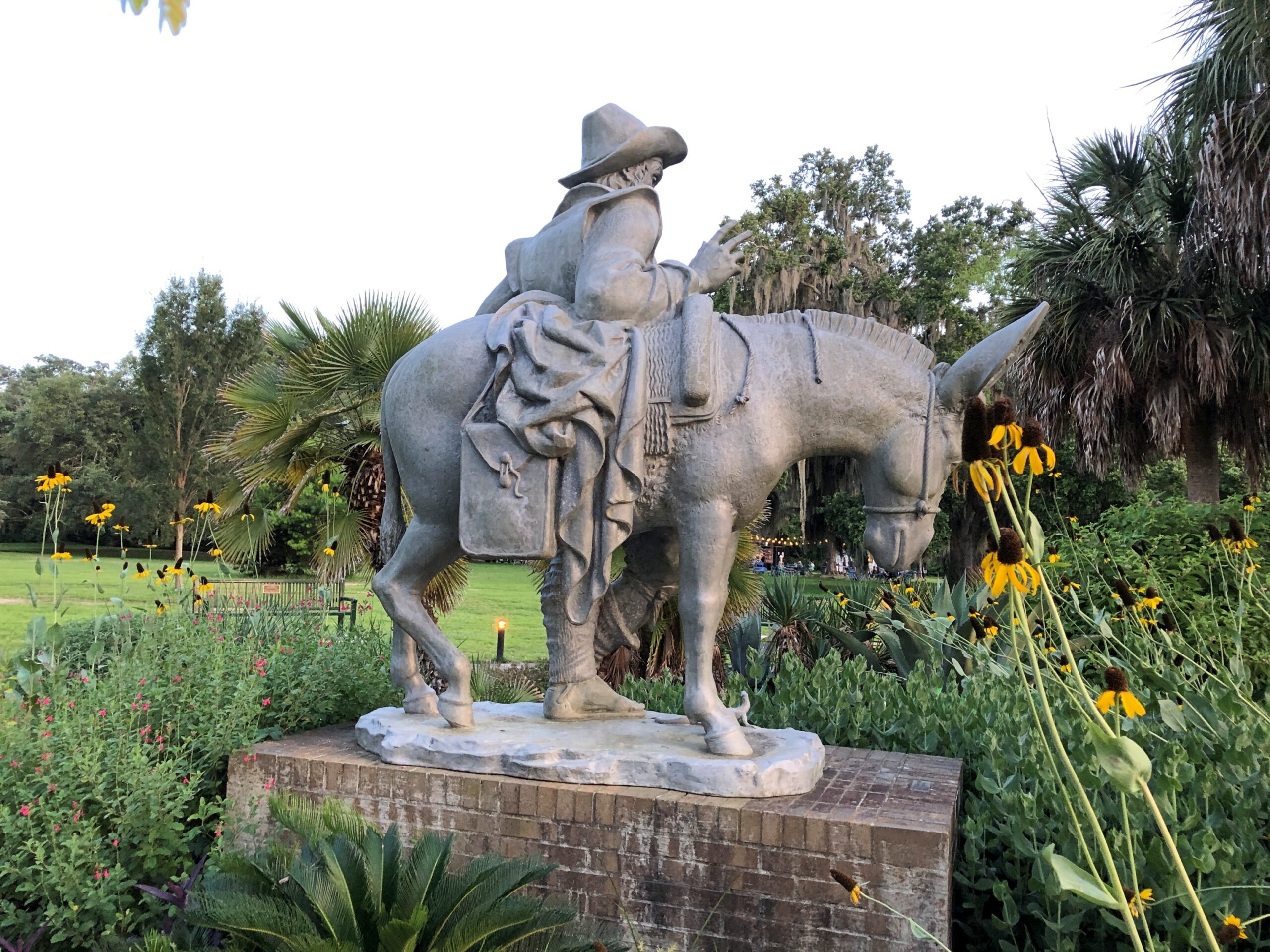
– there is Sancho Panza.

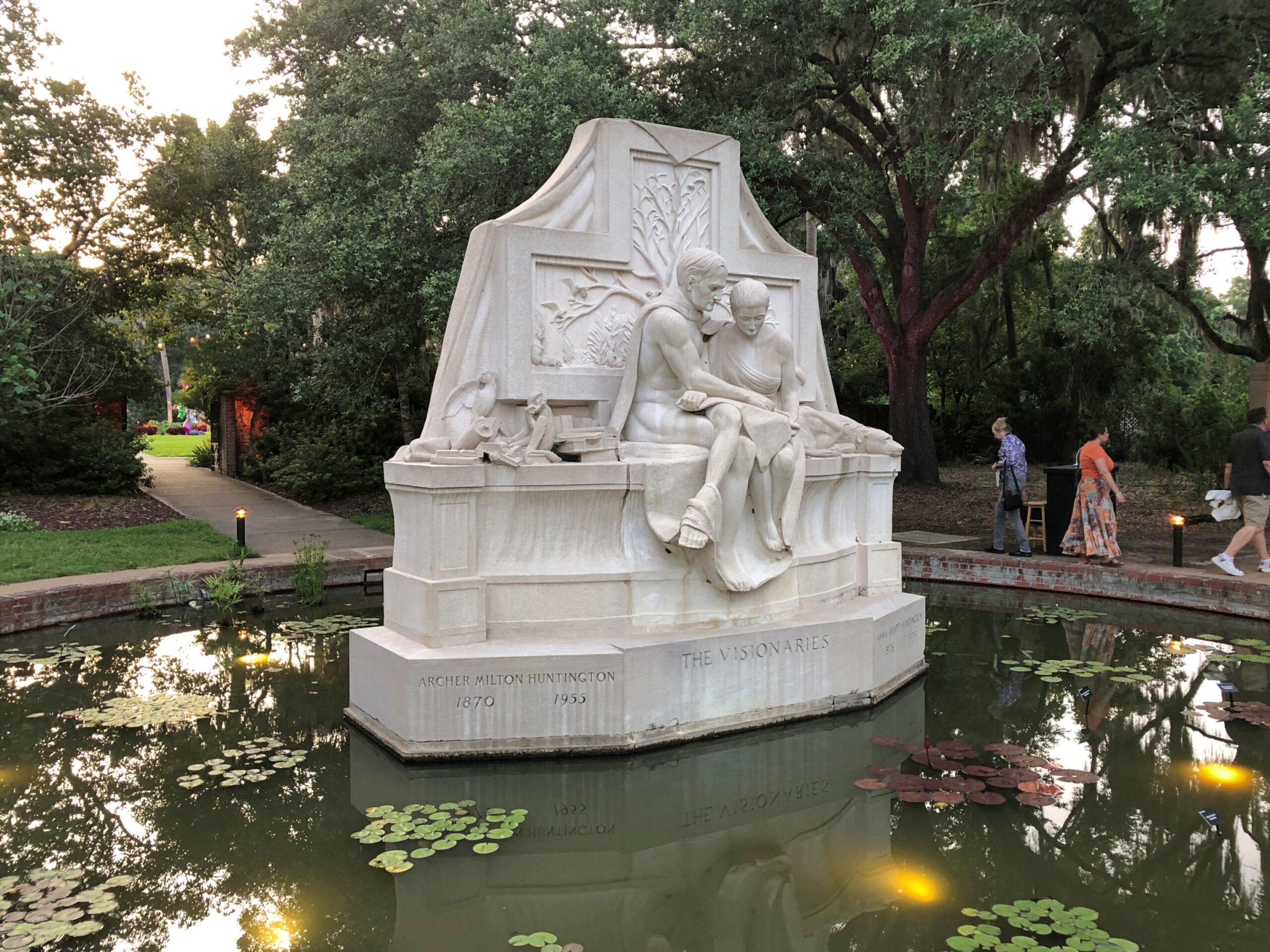
No one says that as far as I know. But you could. Anna Hyatt Huntington (d. 1973) created “Don Quixote” in 1947, and eventually Carl Paul Jennewein (d. 1978) did the companion “Sancho Panza” in 1971, apparently at Huntington’s request. You can find the famed literary pair in aluminum among many other artworks at Brookgreen Gardens in South Carolina – over 2,000 works by 430 artists, according to the garden. We arrived late in the afternoon of the 21st, dodging most of that day’s heat by timing it that way.

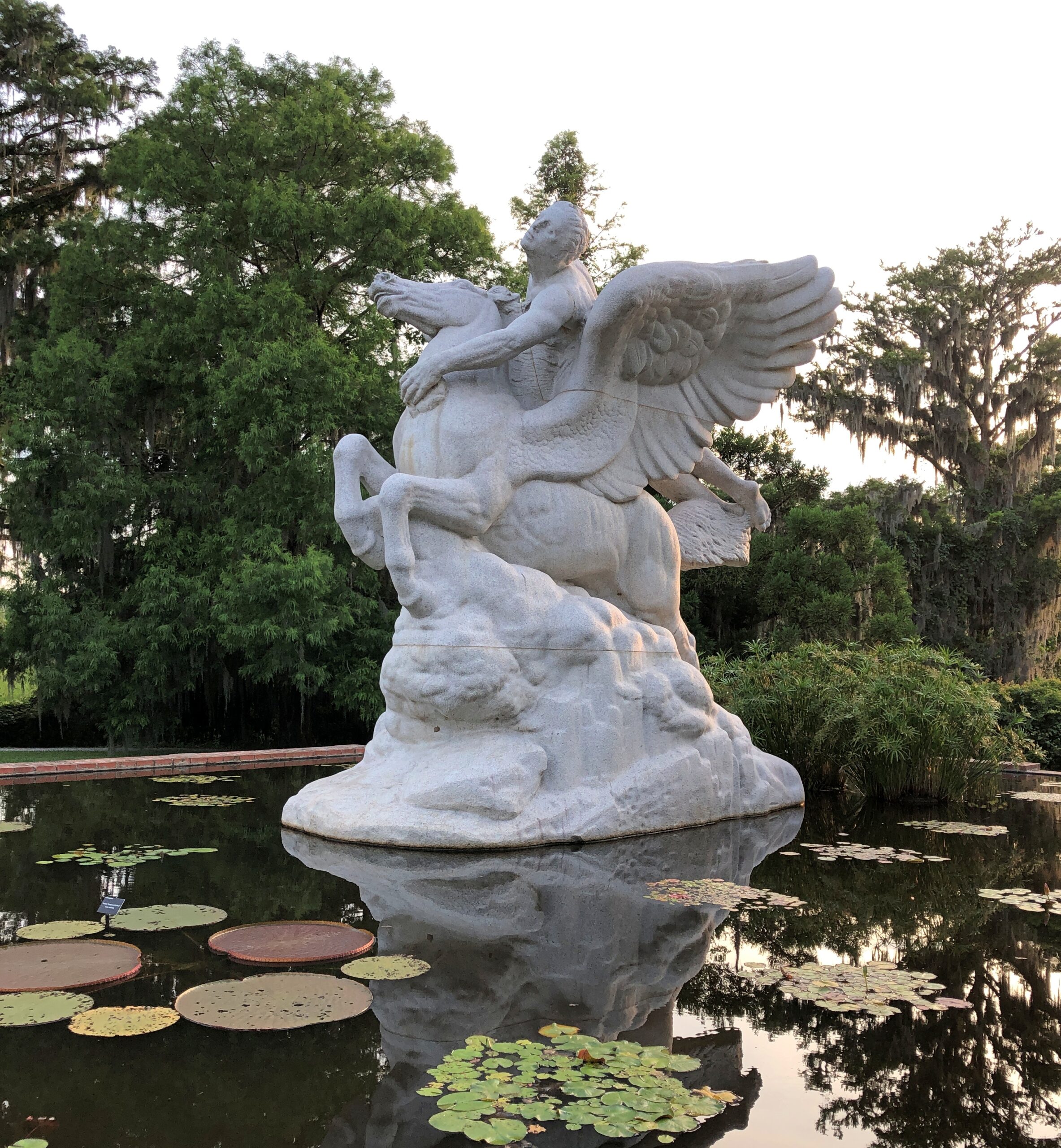
Some works are larger than the Cervantes characters.

Archer Milton Huntington (d. 1955) isn’t entombed in that artwork, as much as it looks like it. He’s in a mausoleum in the Bronx befitting a very wealthy man, so this one just honors him. Along with his wife Anna, a successful artist in her own right, railroad heir and scholar Archer acquired the land and planned the gardens.

Others works aren’t as large, or as conventional.

The sculpture garden, formally known as Archer & Anna Hyatt Huntington Sculpture Garden, is only part of Brookgreen Gardens. Spanning 9,100 acres, the grounds also count as a botanical garden, and there is a zoo and wilderness areas, all teased out of the swampland, rice fields, woods and beaches that marked the site before the 20th century. Some historic sites still exist on the land, especially relating to the rice plantations that used to be there.

“From its inception [in 1931], Brookgreen had a three-pronged purpose: first, to collect, exhibit, and preserve American figurative sculpture; second, to collect, exhibit, and preserve the plants of the Southeast; and third, to collect, exhibit, and preserve the animals of the Southeast,” the garden’s web site explains.

Paths wind through the lush landscapes.

And under towering oaks bearded with Spanish moss.

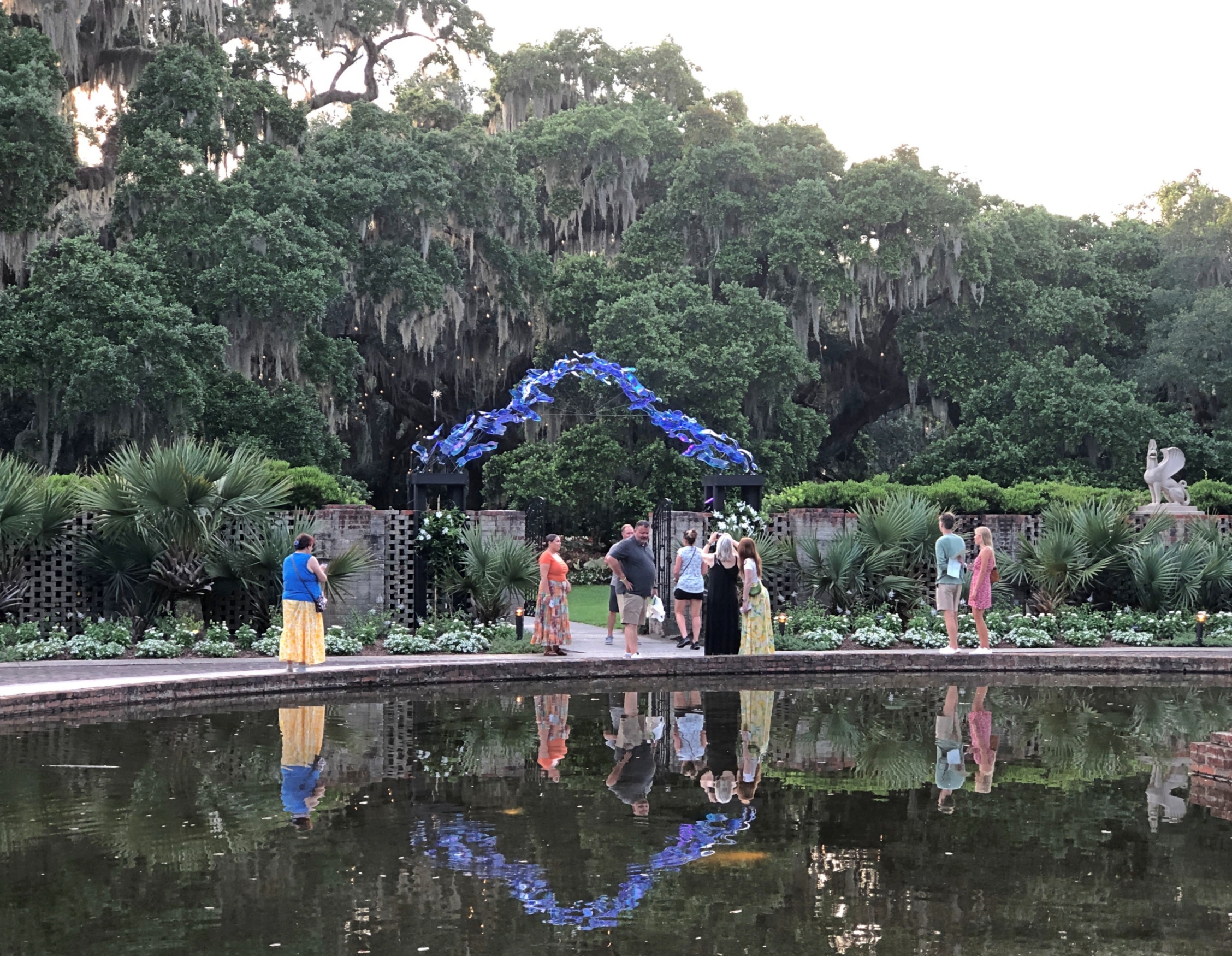
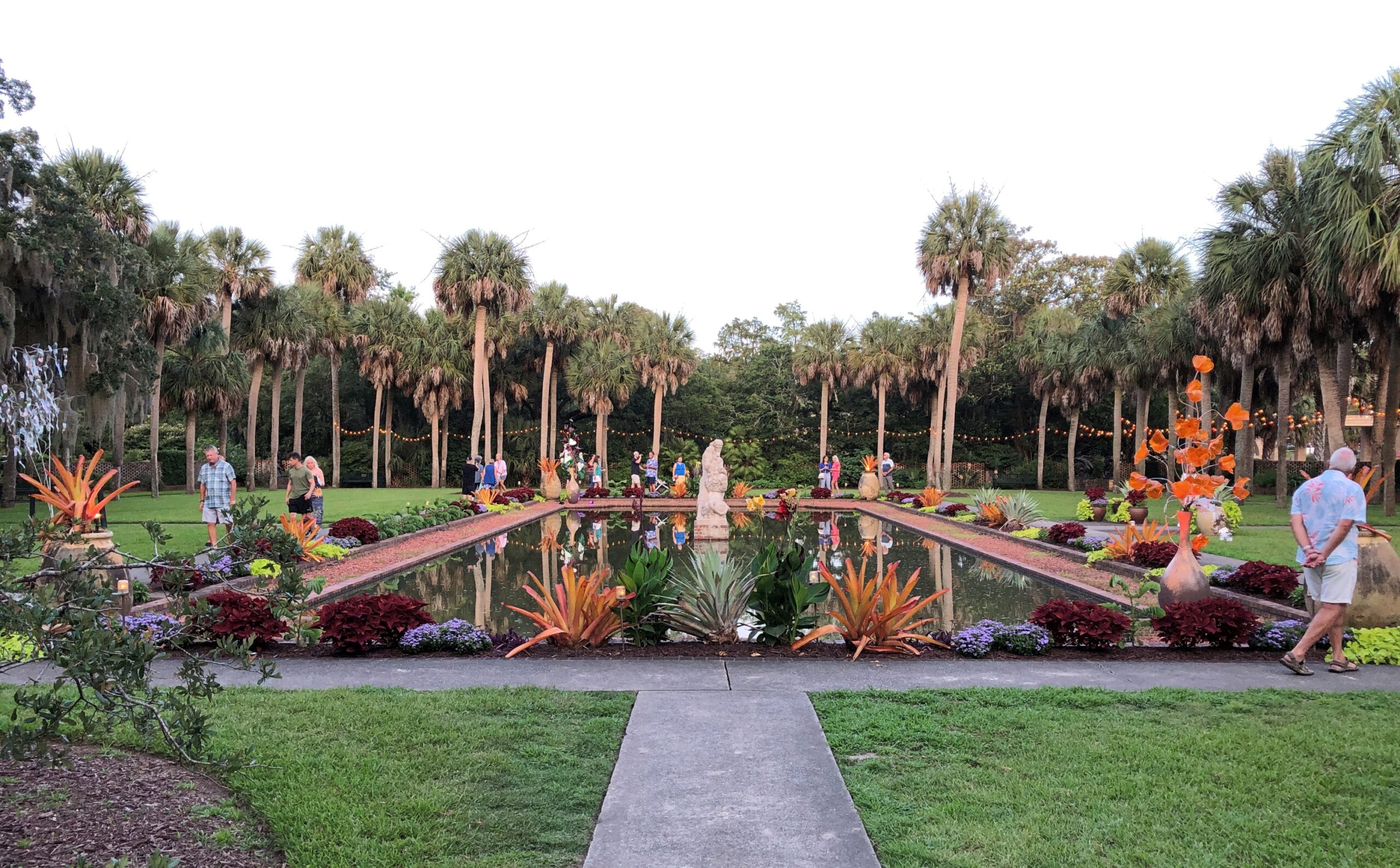
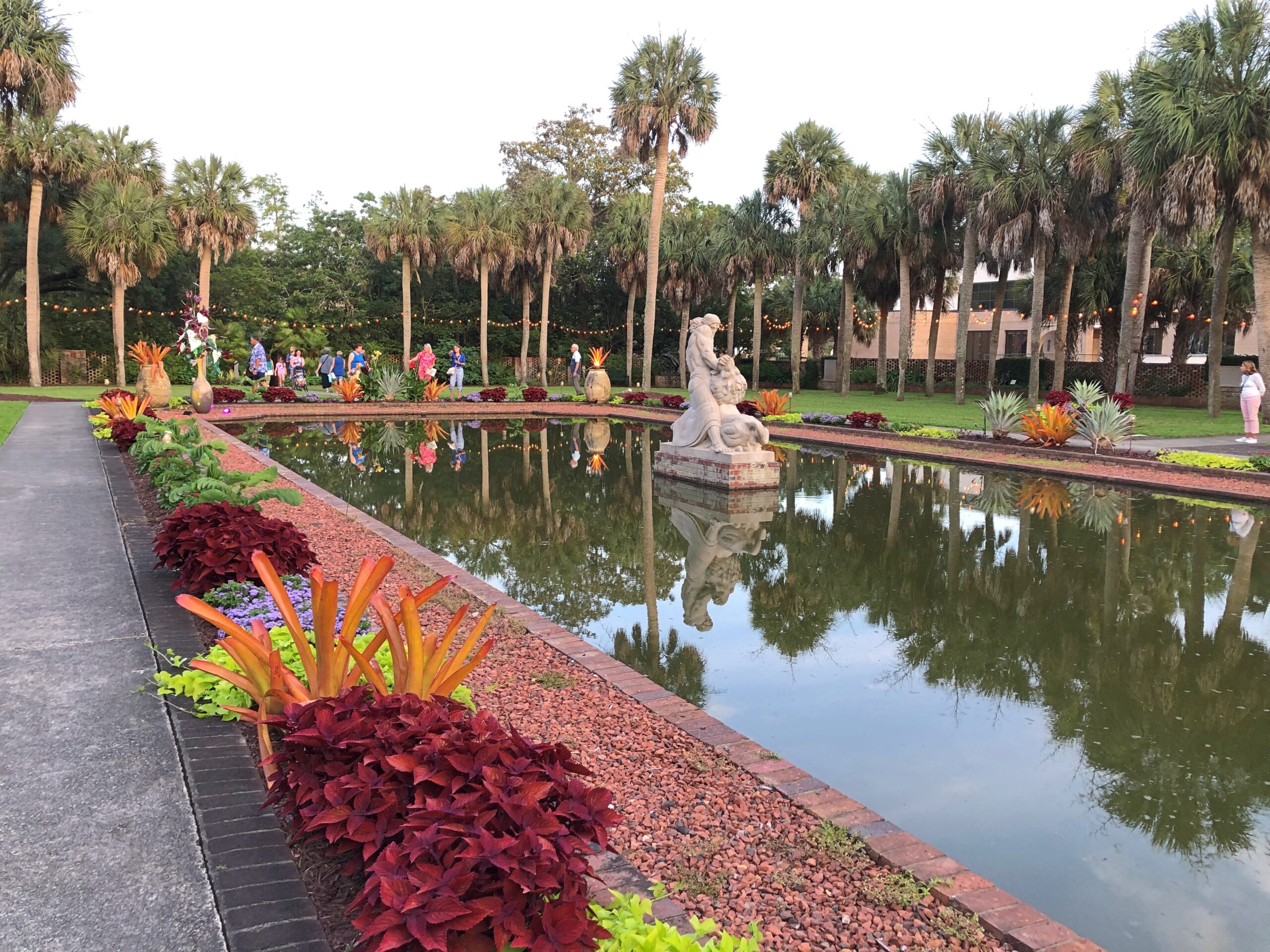
And along fine water features.

Brookgreen Garden
Brookgreen Garden

As sculpture gardens go, the place is top drawer.

RIP, Mr. Lehrer

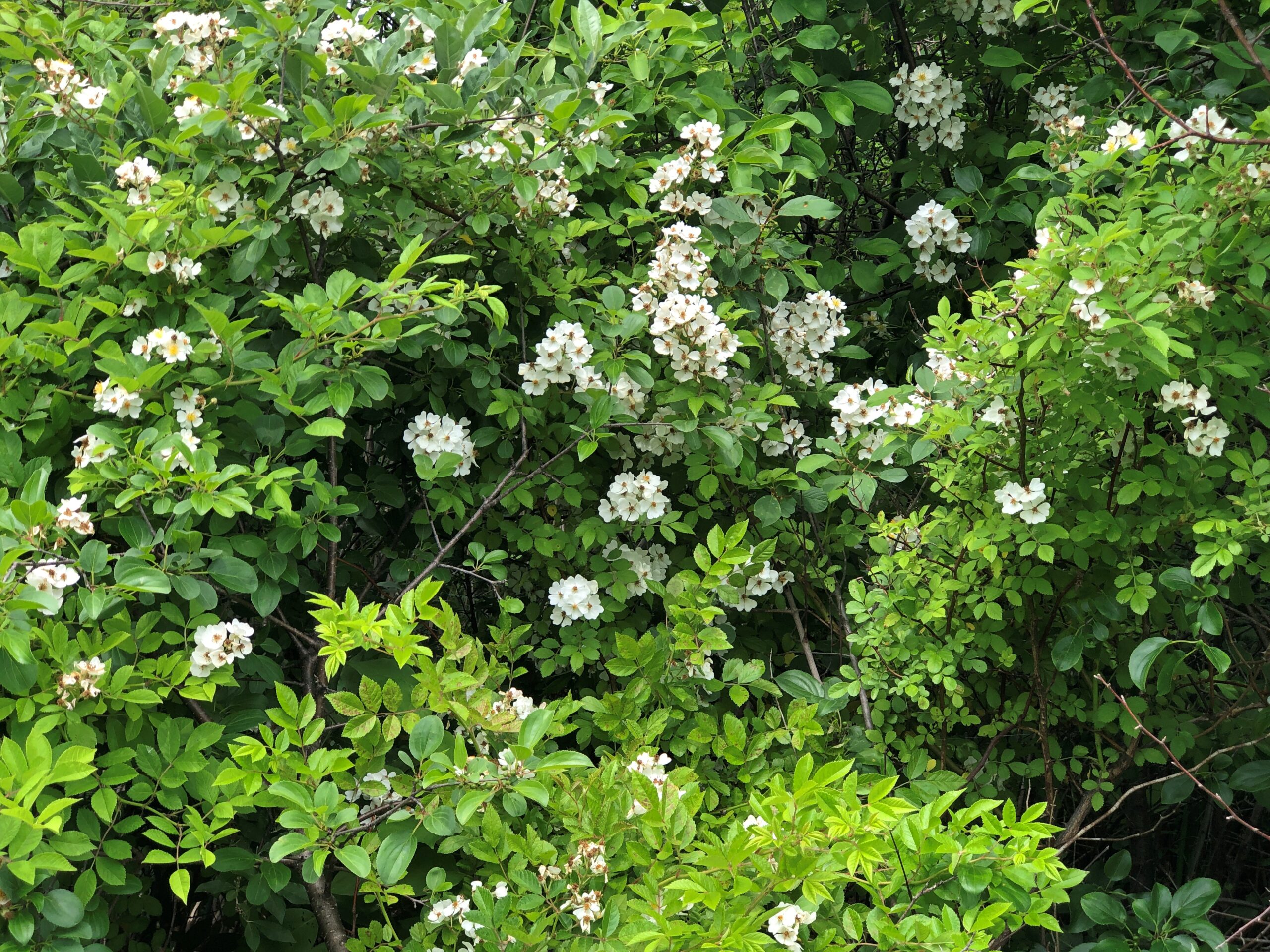
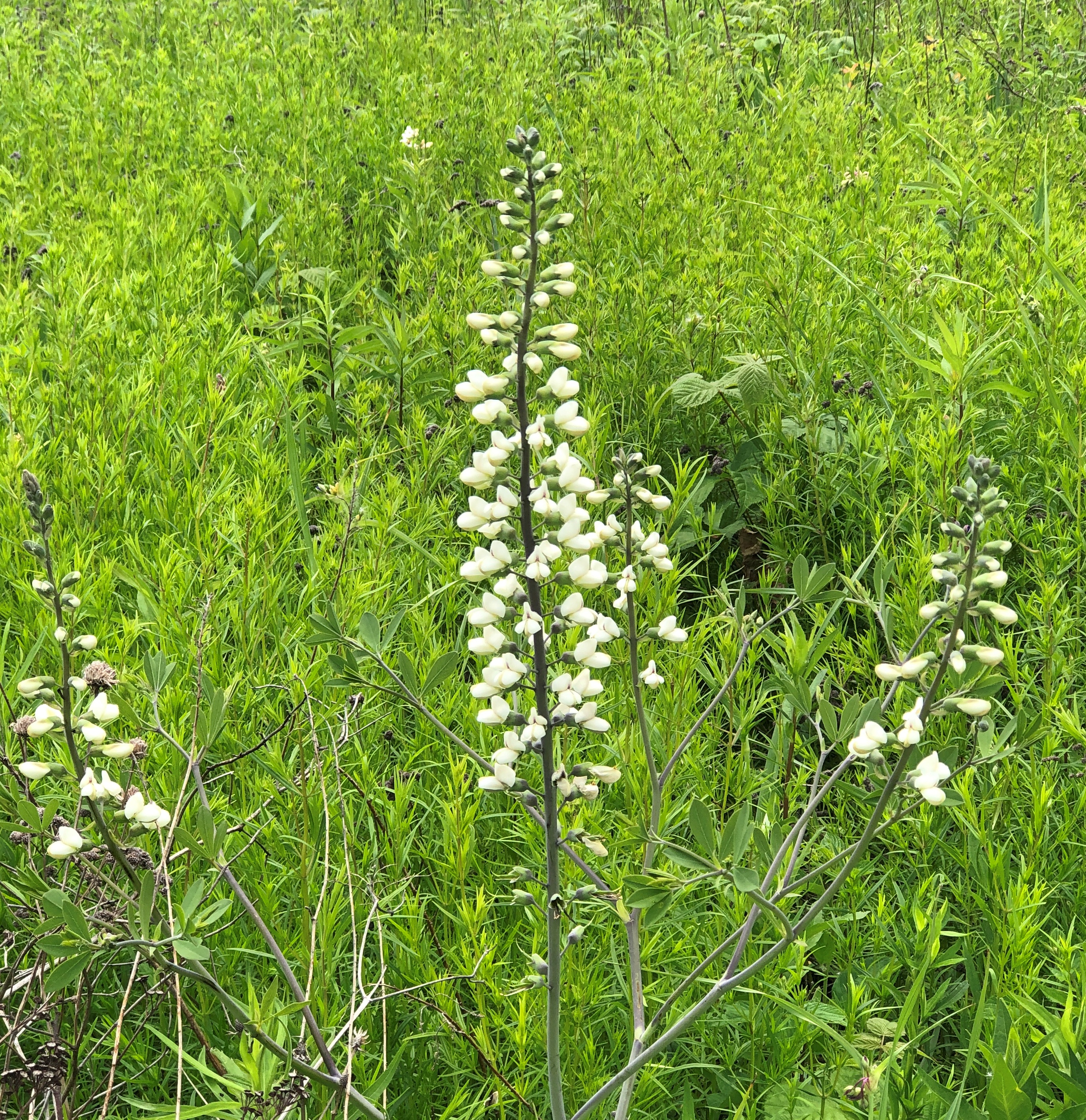
Summer moves forward. Some flora from around the time of the solstice this year, all found on public land hereabouts in the Northwest Suburbs.

flora 2025

It was a rainy summer as of June, and it has been in July. When I got home today, I found driveway and deck puddles and damp bushes. Lush, flowery bushes.

flora 2025

Sad news over the radio: Tom Lehrer, 97, died. All the cool kids in the ’70s had your records in high school, Mr. Lehrer. Not really. But I did, and so did my friends, and we’re better for it even now.

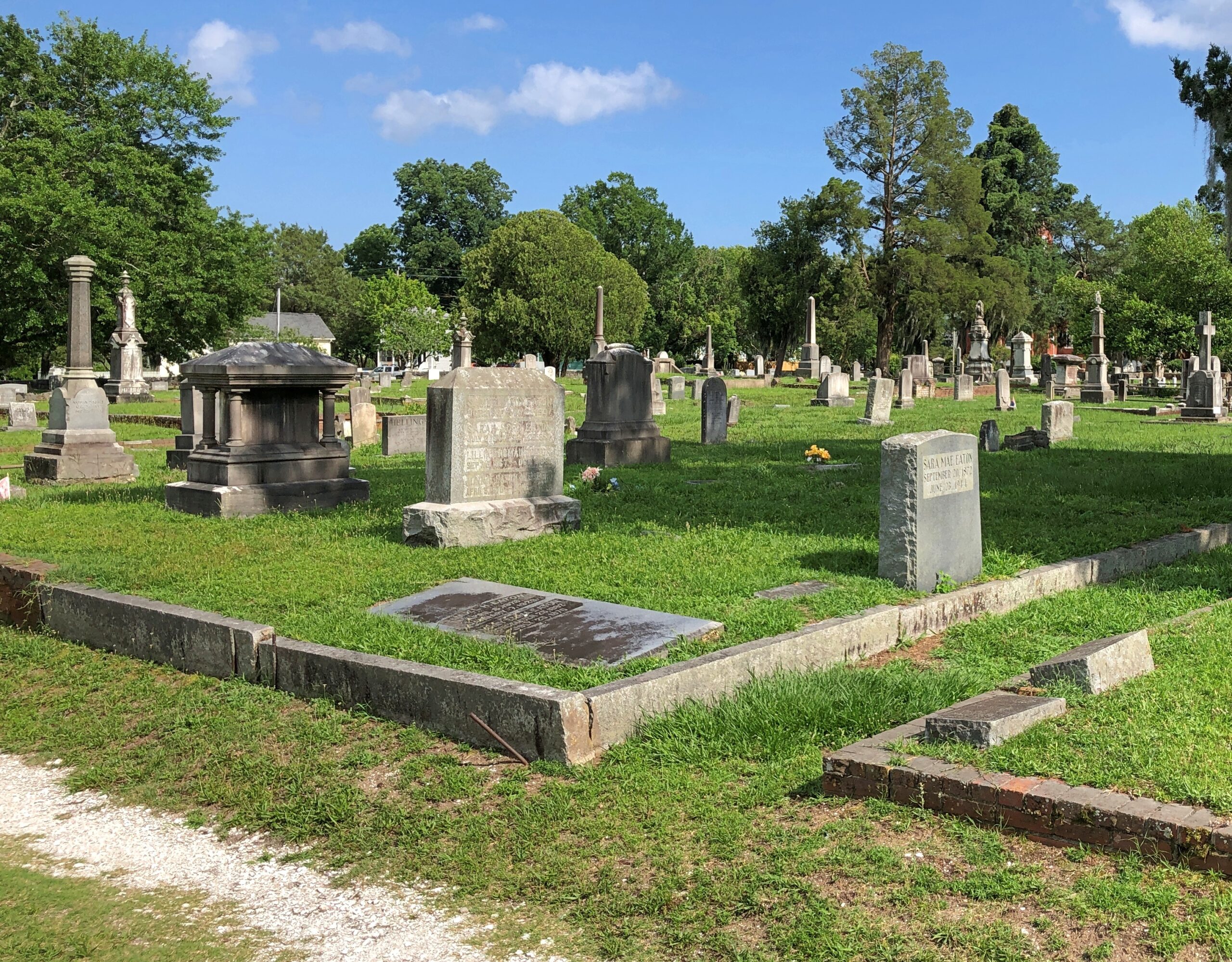
Cedar Grove Cemetery, New Bern

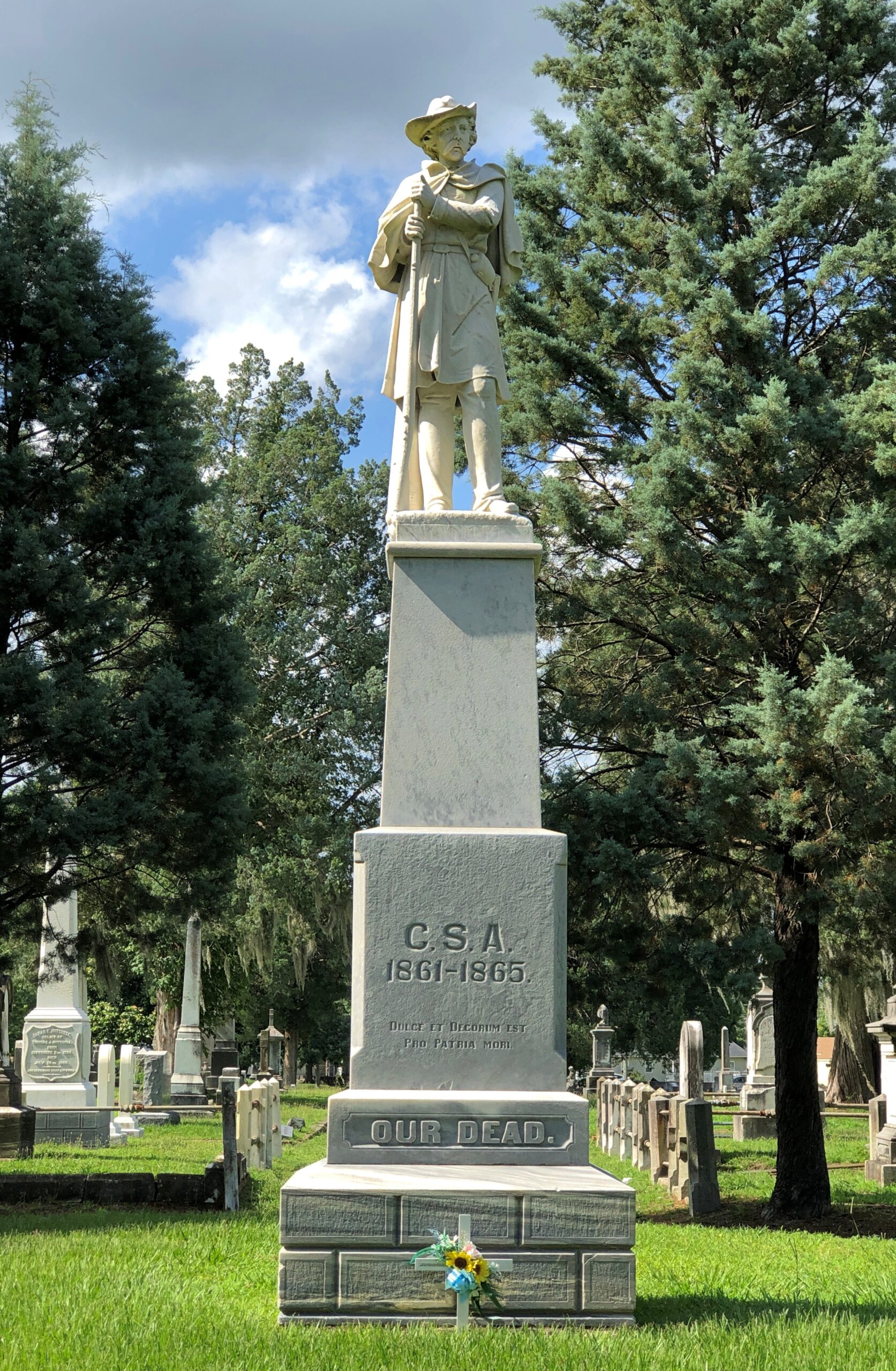
Back to the WPA North Carolina guide, vintage 1939 (p. 230): “Cedar Grove Cemetery… was opened in 1800 by the Episcopalians and turned over to the city in 1854… The Confederate Monument, a 15-foot marble shaft, identifies a mass Confederate grave. Tradition says that his law desk and chair were buried in this cemetery with the body of William Gaston. Interred here are William J. Williams, who pained the Masonic portrait of Washington owned by the Alexandria, Va., lodge, a photograph of which is in the New Bern Public Library, and Moses Griffin, benefactor of city schools.”

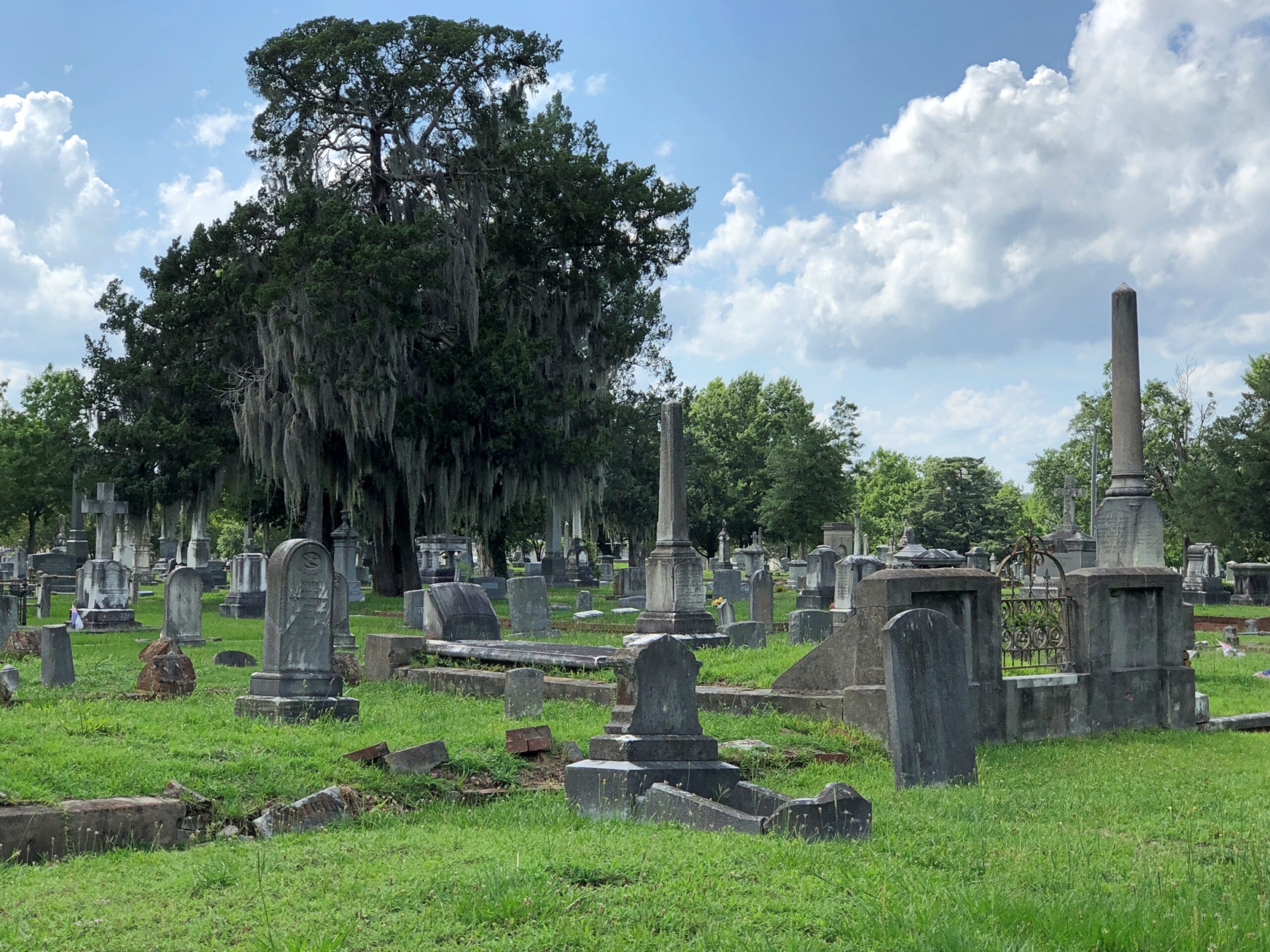
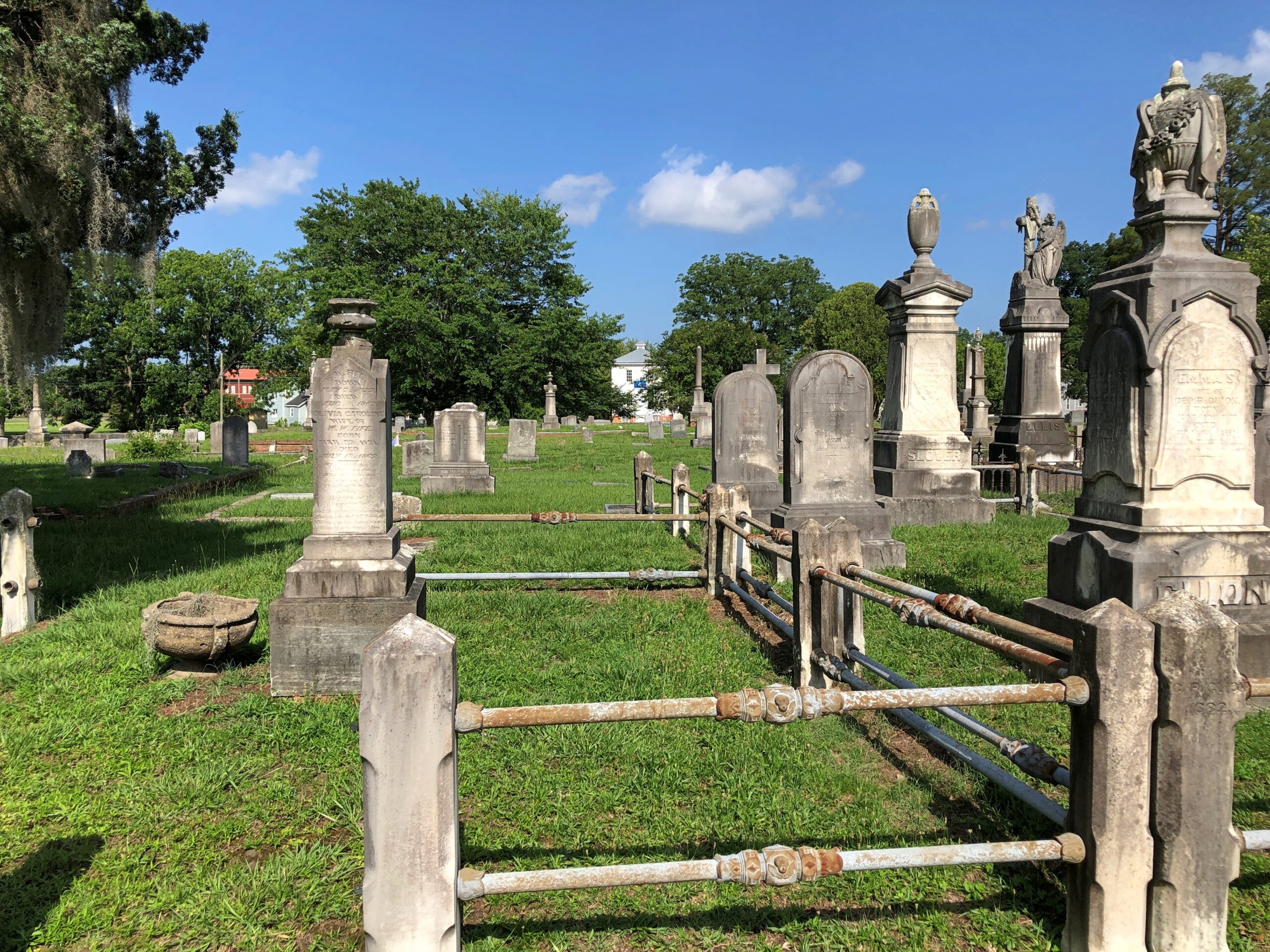
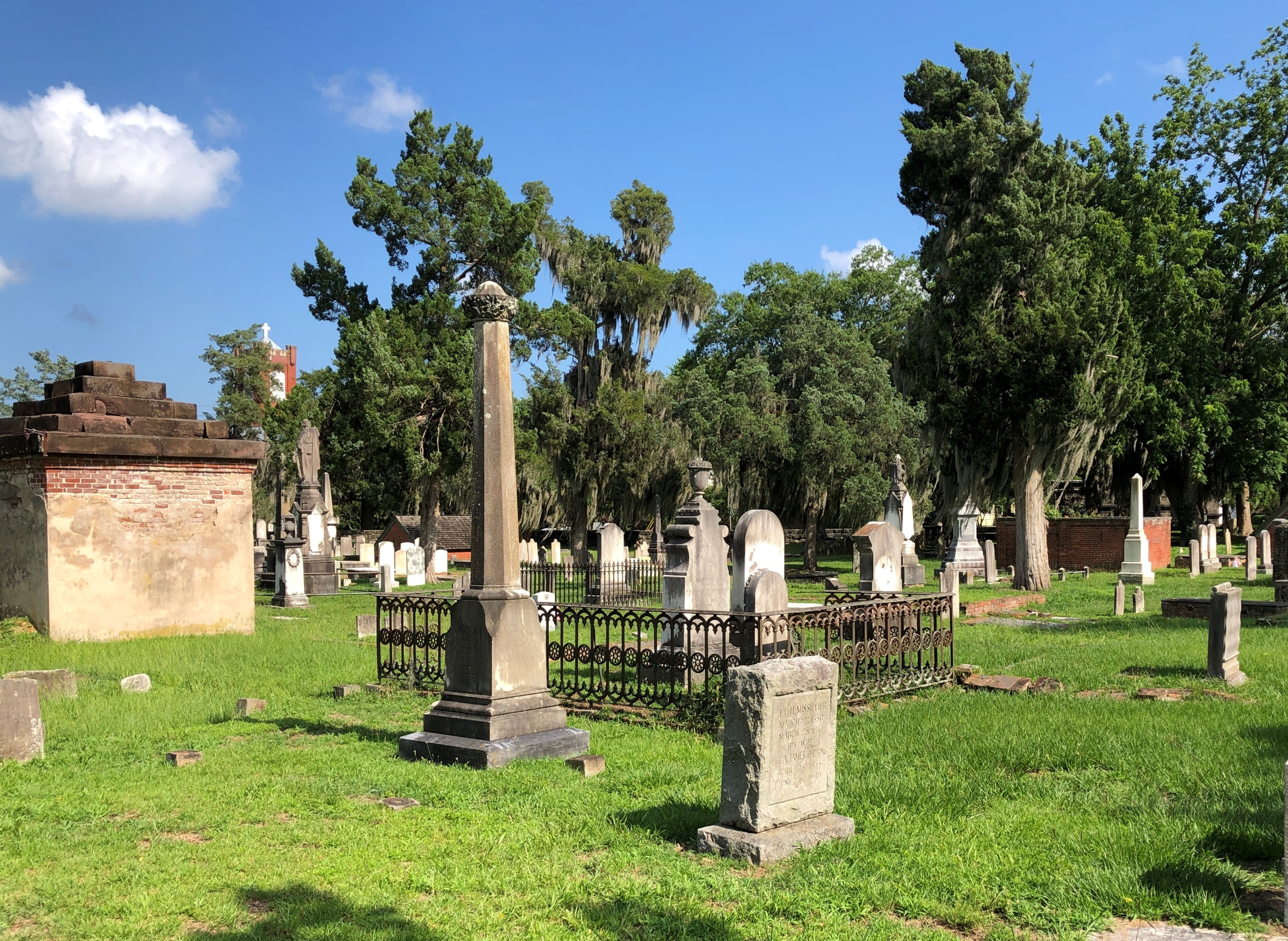
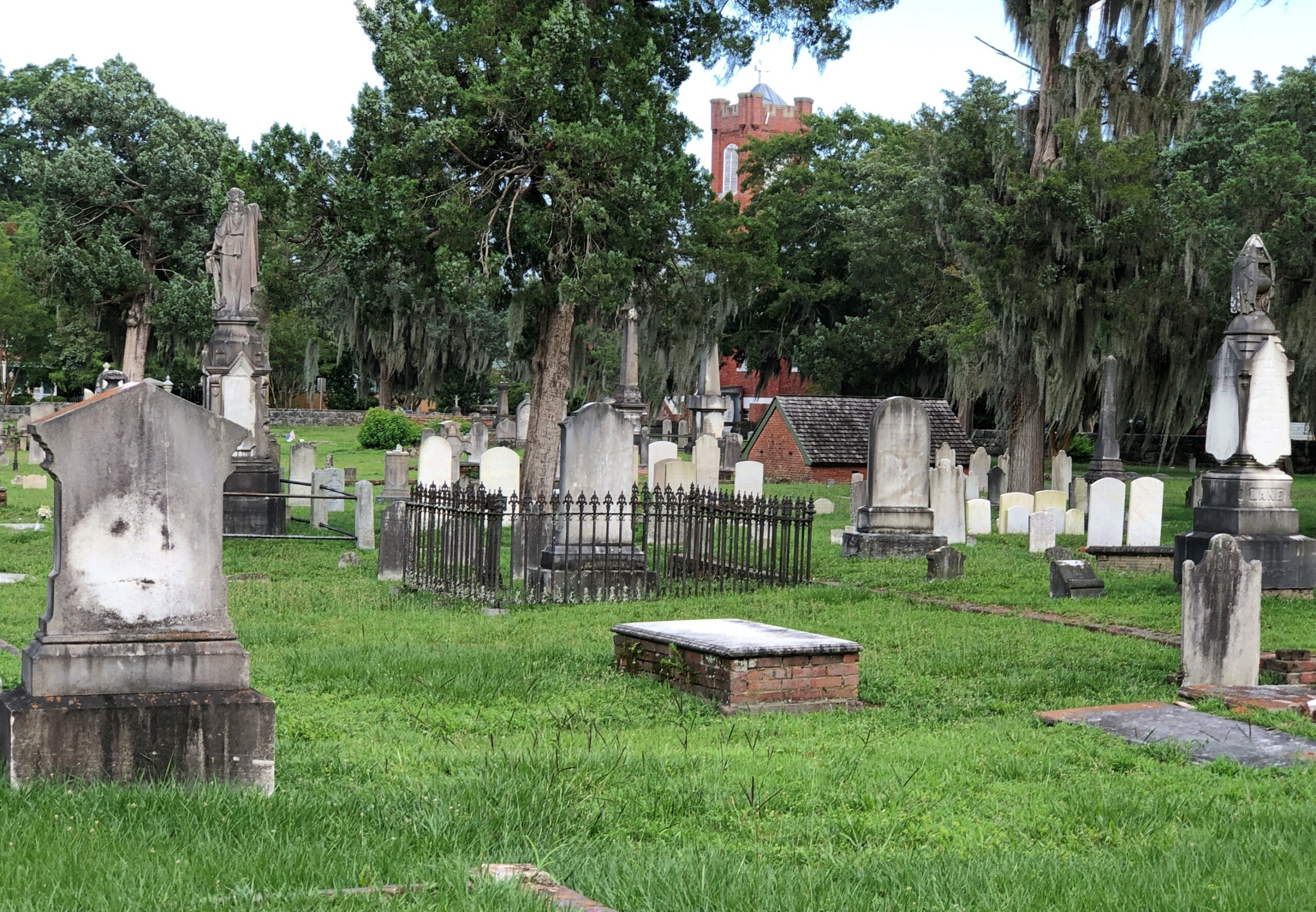
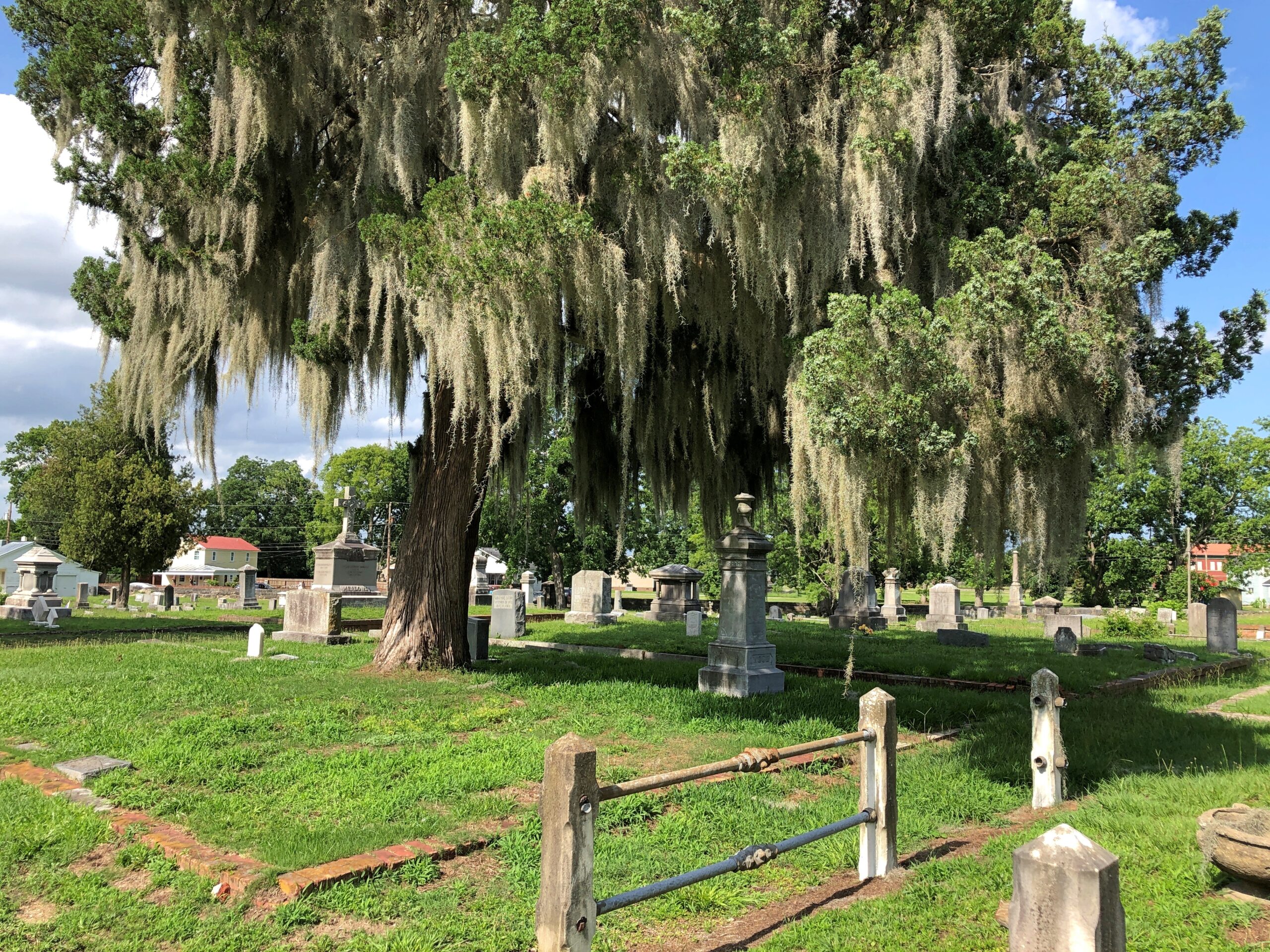
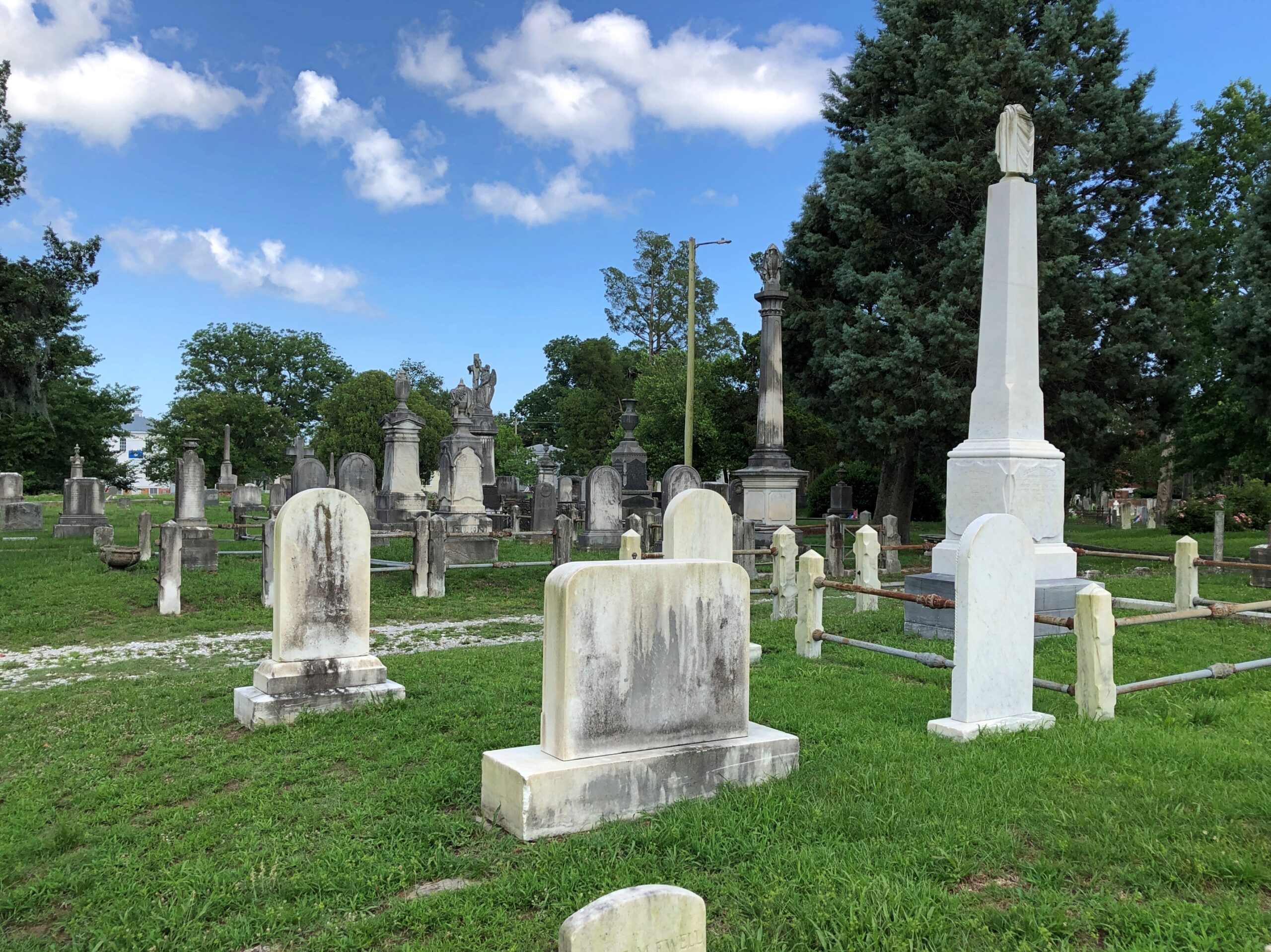
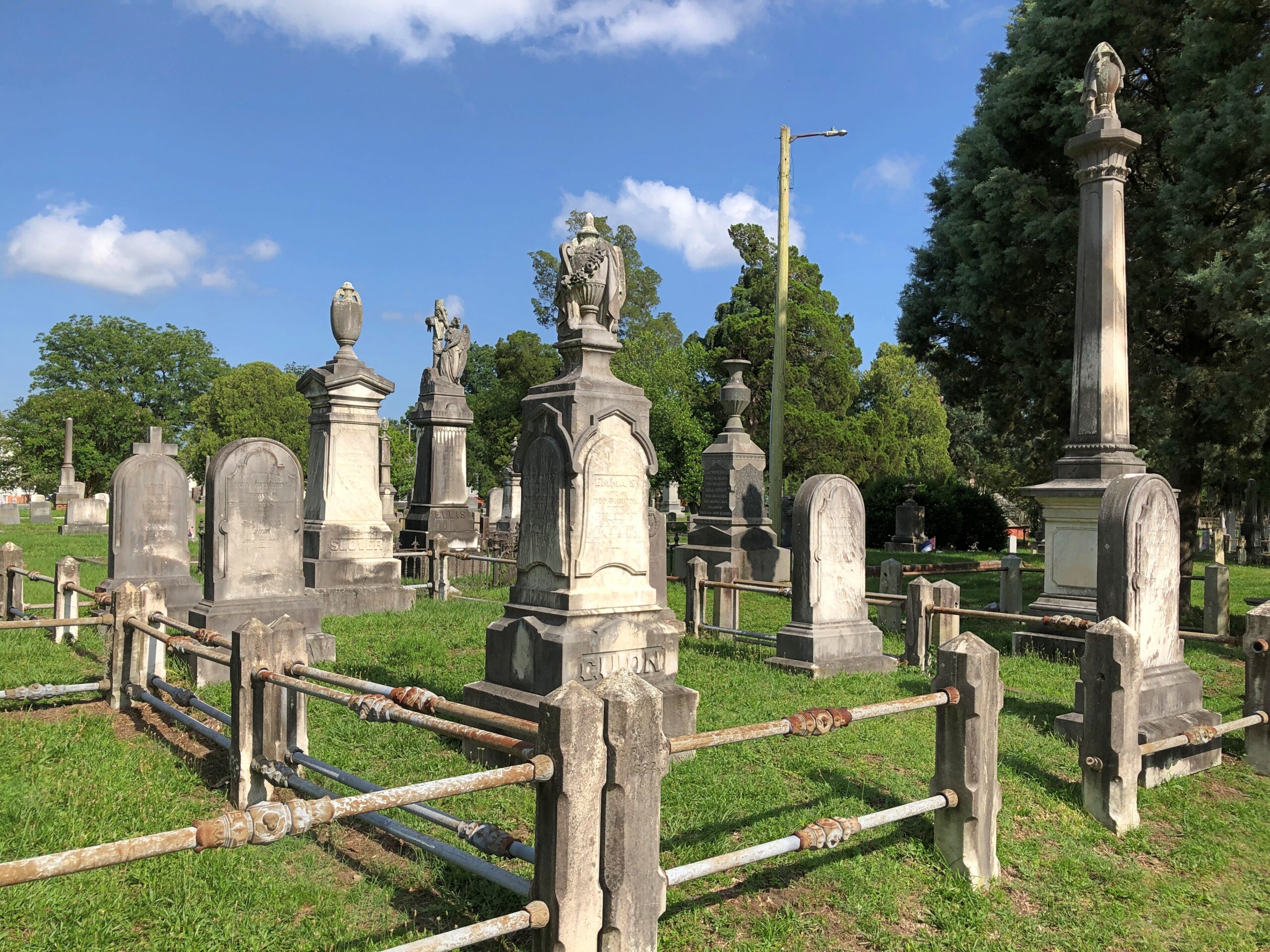
As the day’s heat began to wane, we made our way to Cedar Grove. The place has a good contour, created by the diversity of stones, ironwork and greenery.

The place has a good contour, created by the diversity of stones.
Cedar Grove Cemetery, New Bern NC

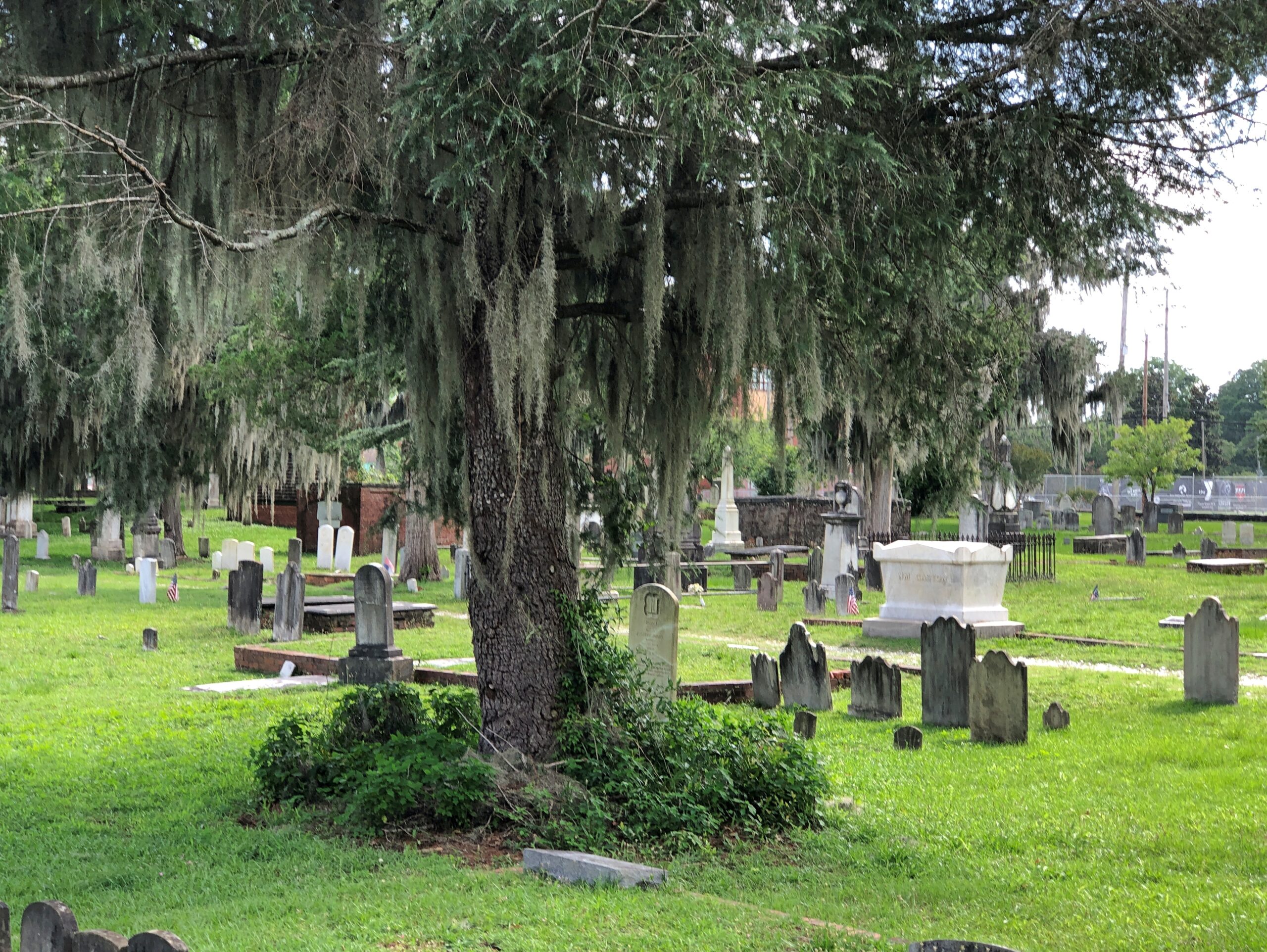
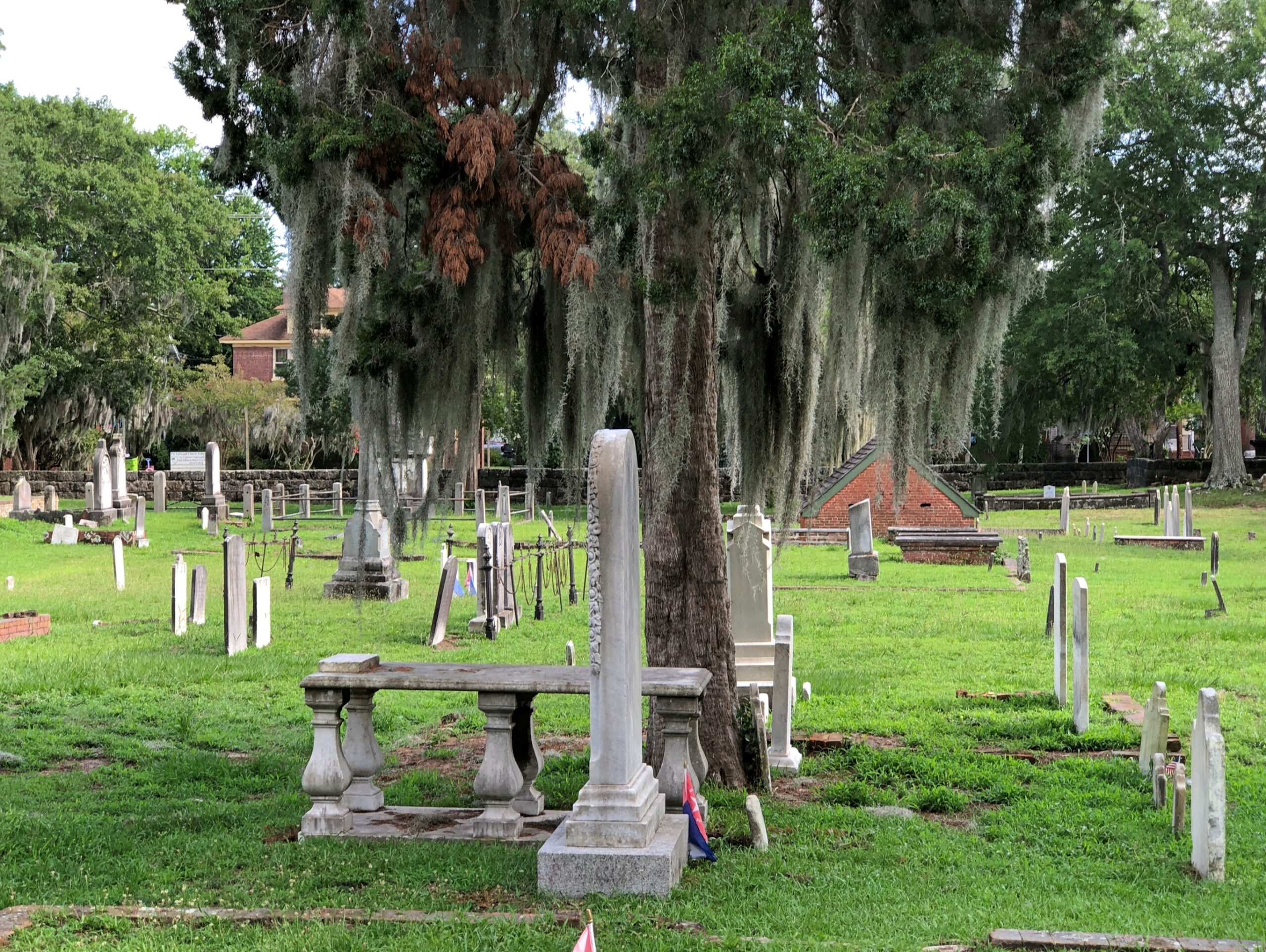
All in all, Cedar Grove is a Southern cemetery along the lines of Magnolia Cemetery in Charleston or Bonaventure in Savannah, though not quite as watered as the former or wooded as the latter, or as large as either. But cut from the same sort of lush, low-lying coastal territory, with trees draped with Spanish moss and flat spots thick with stones of the Old South.

Good old Spanish moss. The Carolina coast, and even up into coastal Virginia, is within its range.

Cedar Grove Cemetery, New Bern NC

Didn’t see the painter William J. Williams or any of the other permanent residents mentioned by the WPA guide, but of course the Confederate Monument was easy enough to spot.

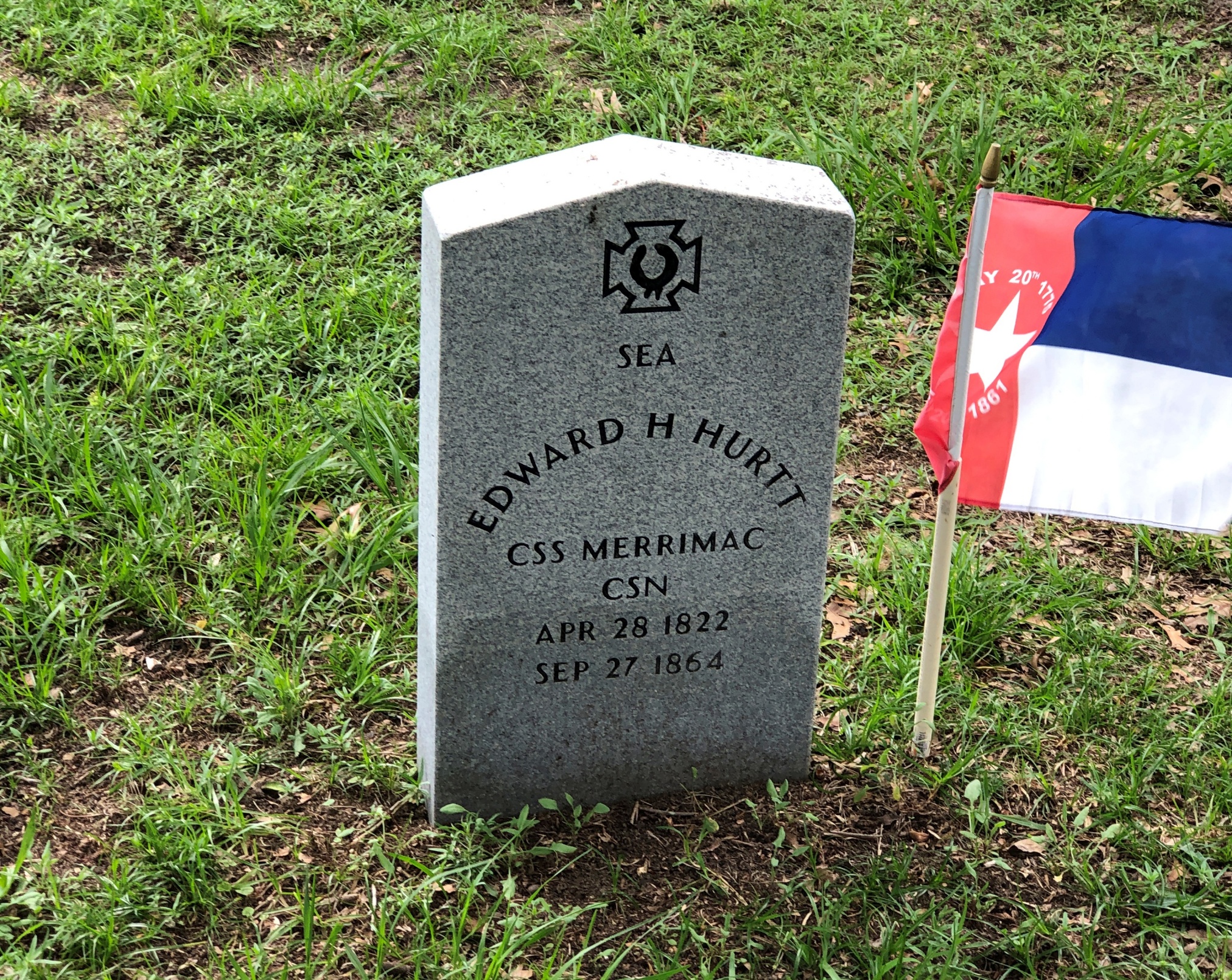
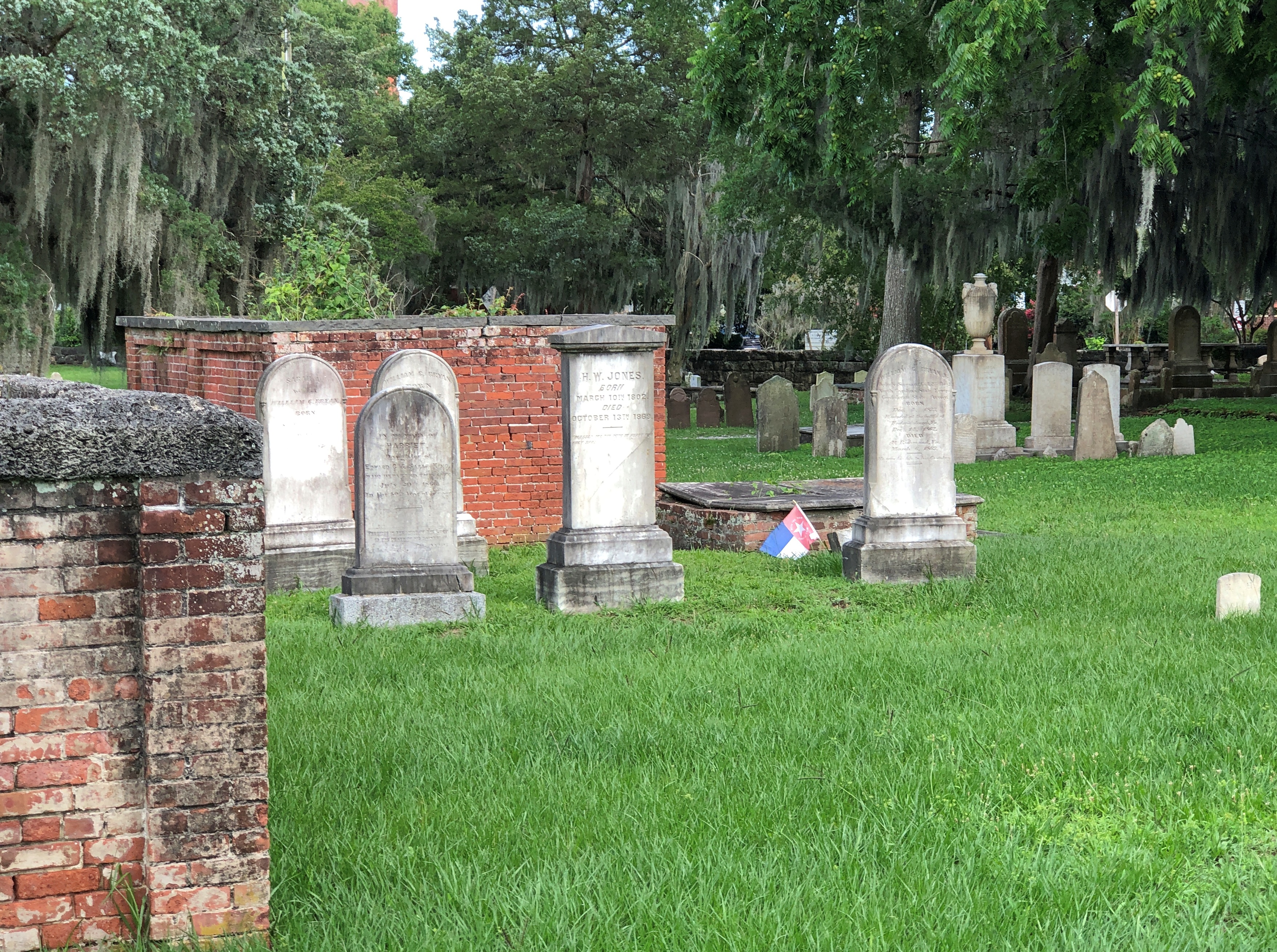
Many Confederate veterans had their own stones, of course.

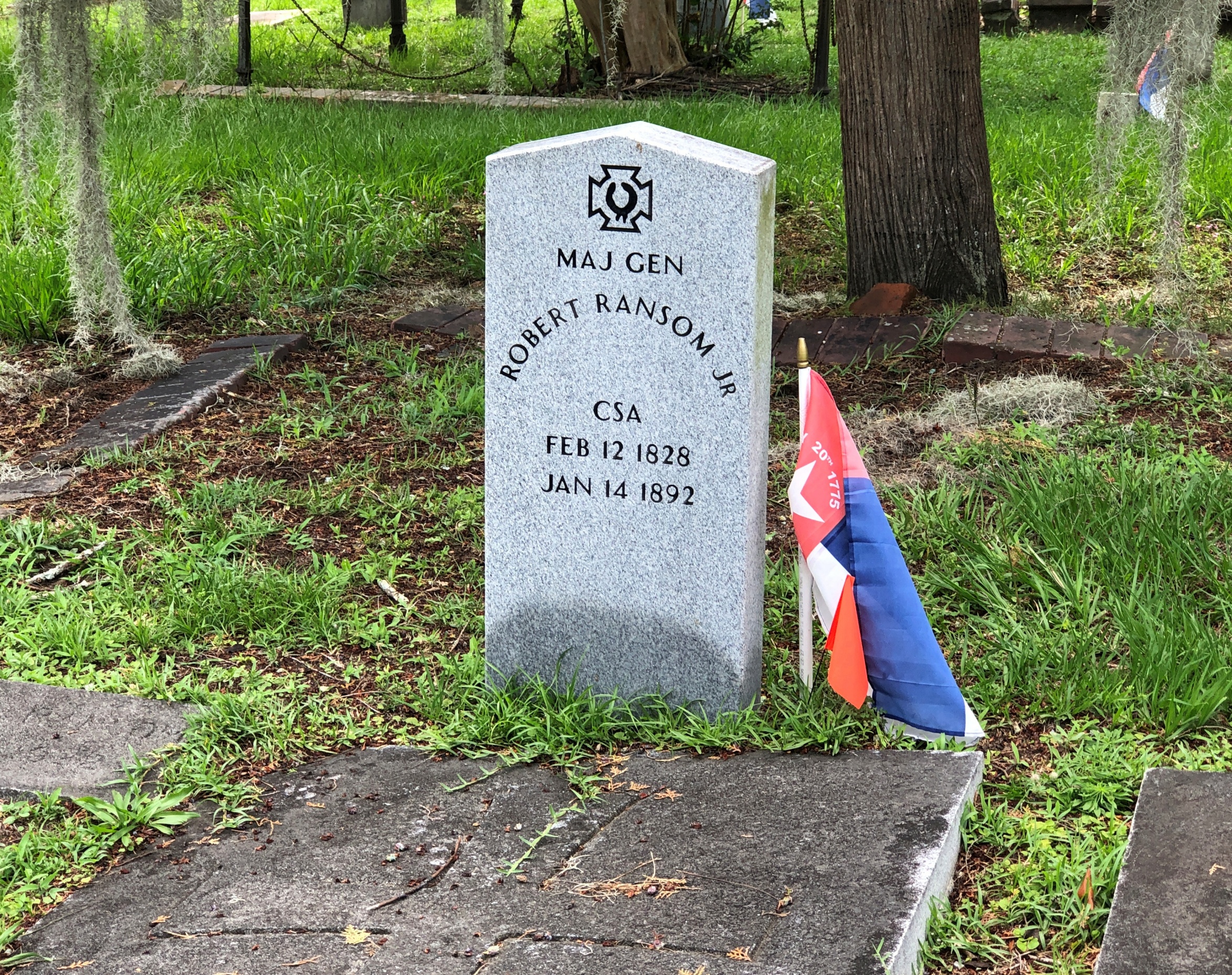
Interesting that the guide didn’t mention Maj. Gen. Robert Ransom Jr., but there he was.

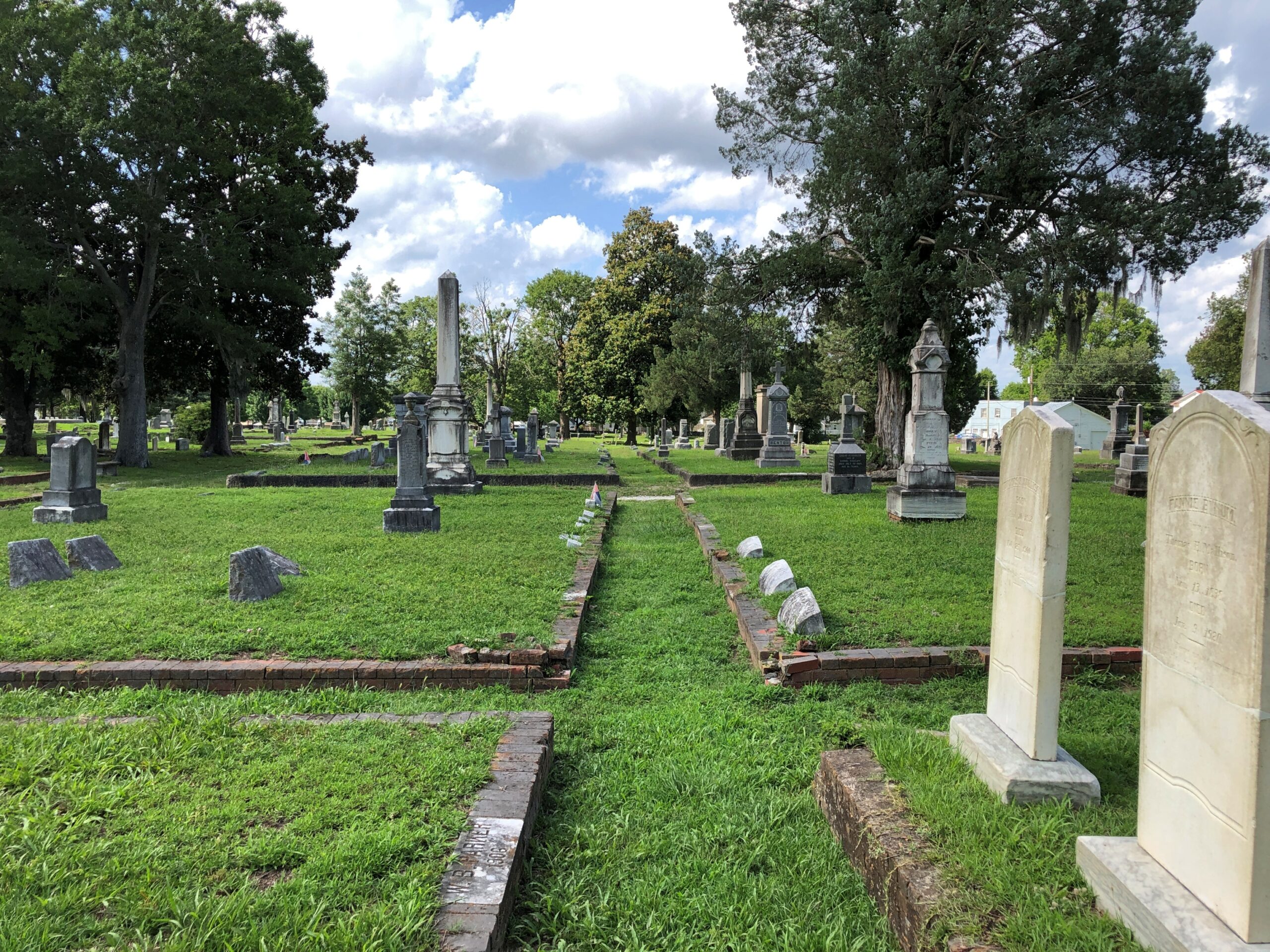
From the looks of it, these are wagon driveways that allowed hearses to traverse the cemetery.

Cedar Grove Cemetery, New Bern

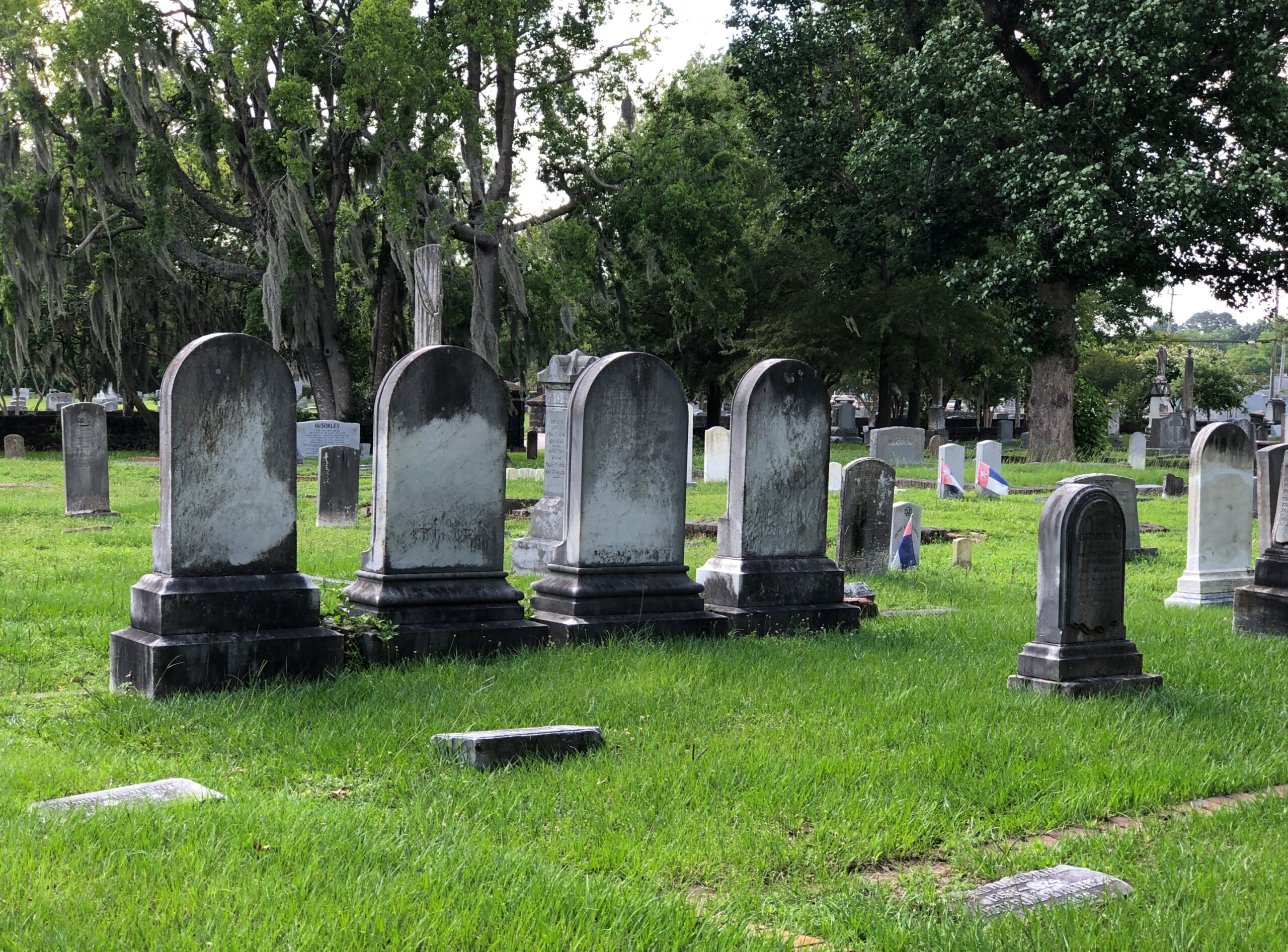
Among those “streets,” plenty of other fine stones.

Cedar Grove Cemetery, New Bern

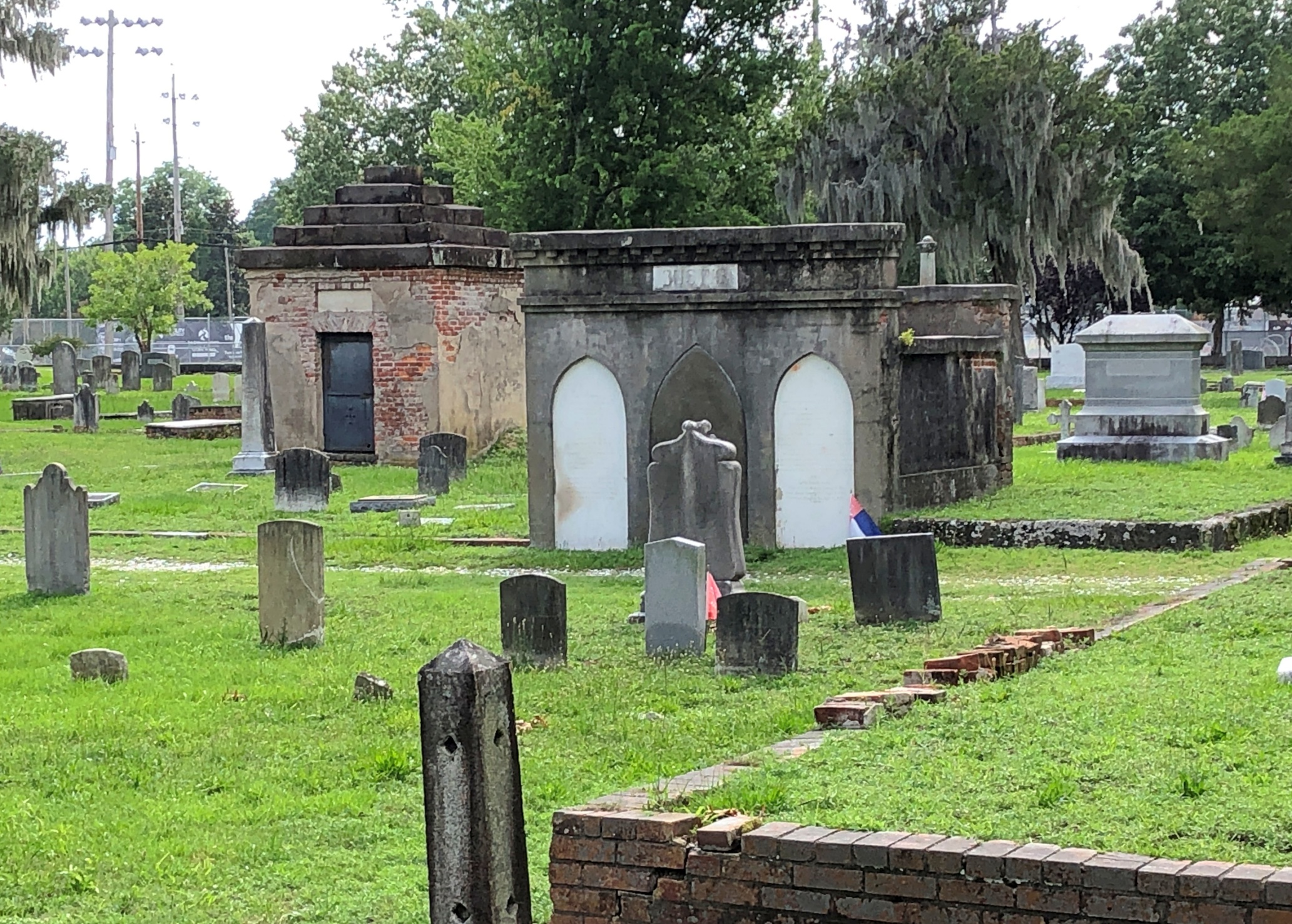
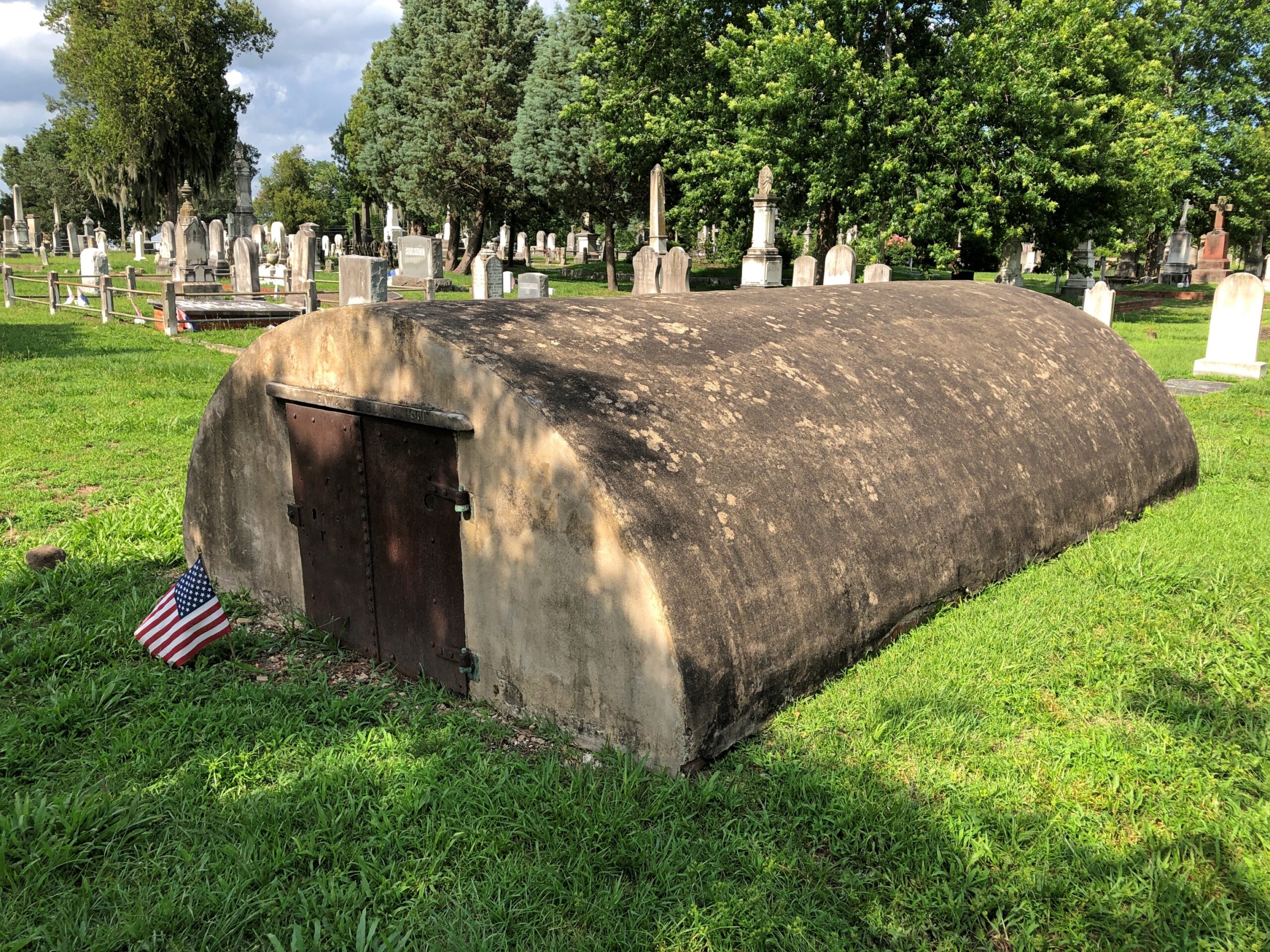
Some mausoleums, but none of the monumental ilk you see in places historically with more money.

Cedar Grove Cemetery, New Bern

The last one is a little unusual, though I think I’ve seen similar structures occasionally here and there. Going for that concrete Quonset hut look, though considering its age, I’d bet that reference would be anachronistic.

Kamakura Stroll Garden

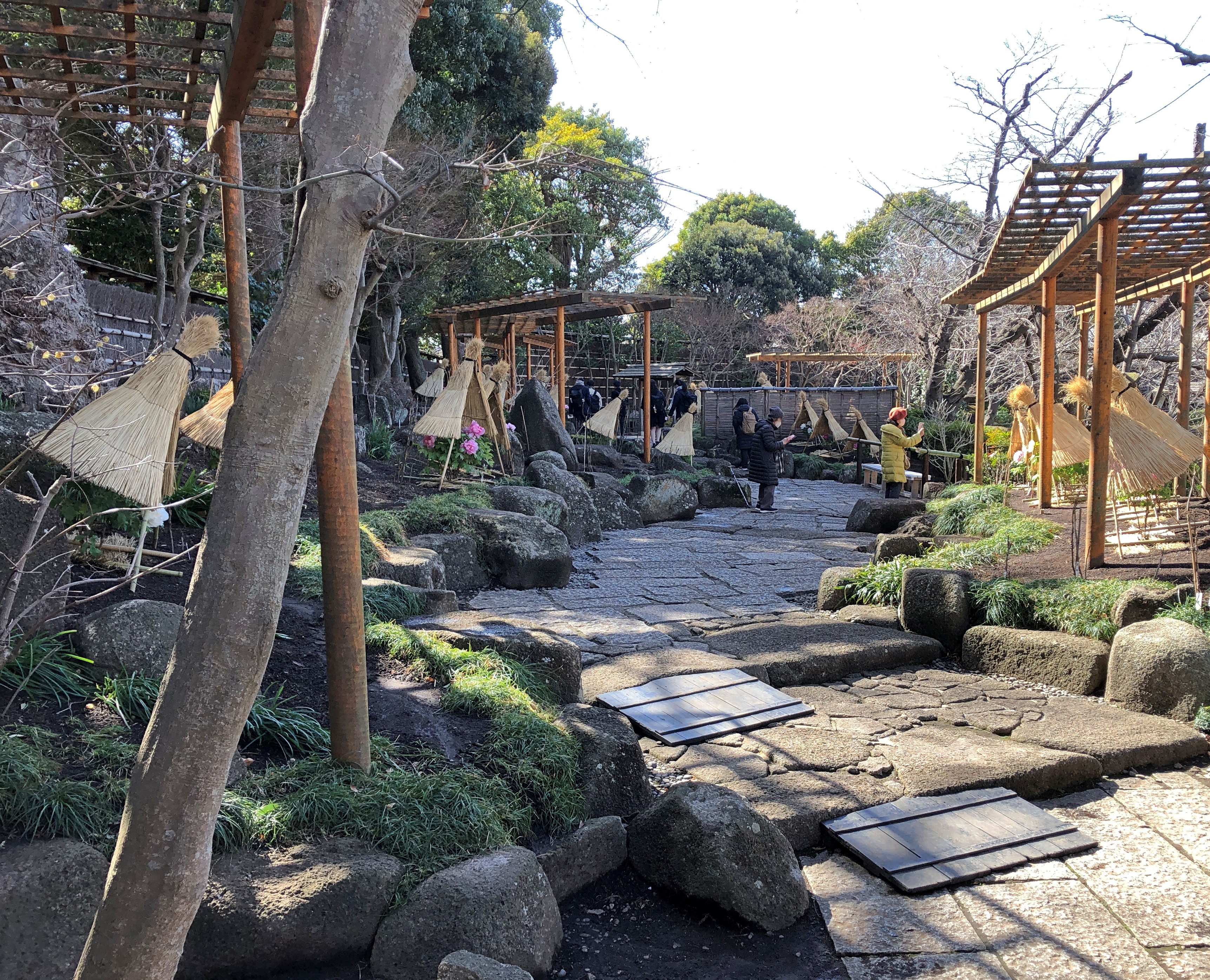
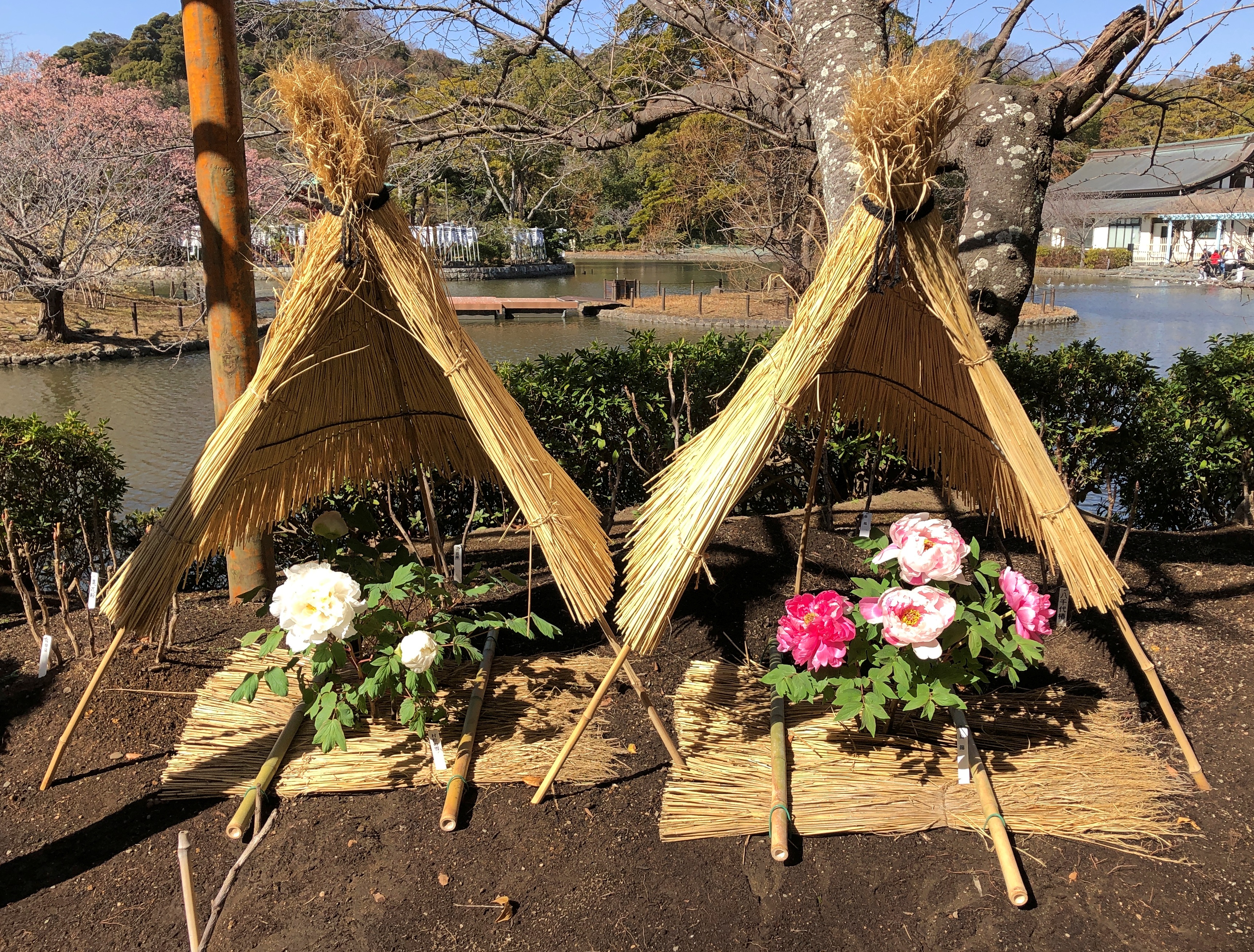
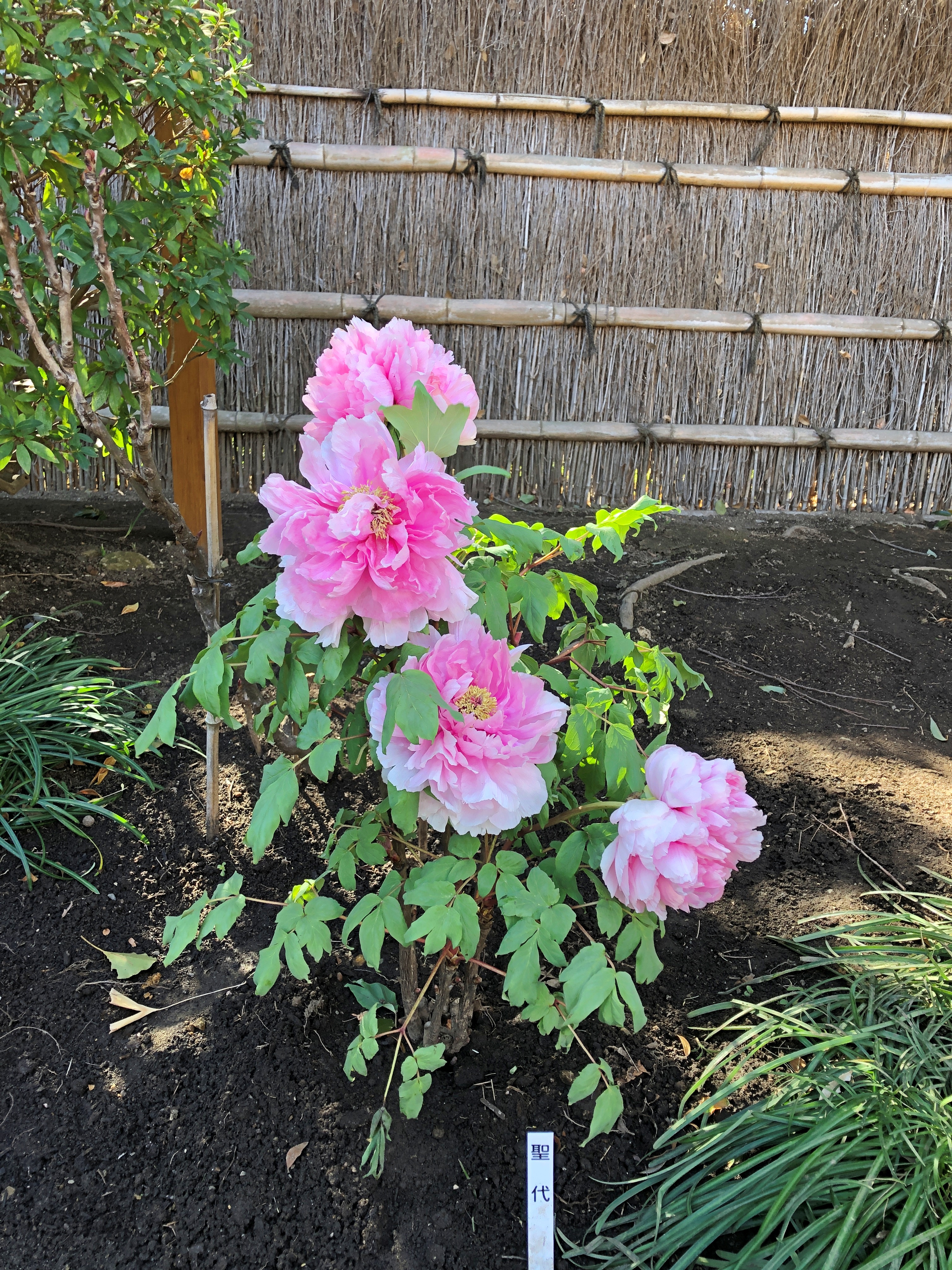
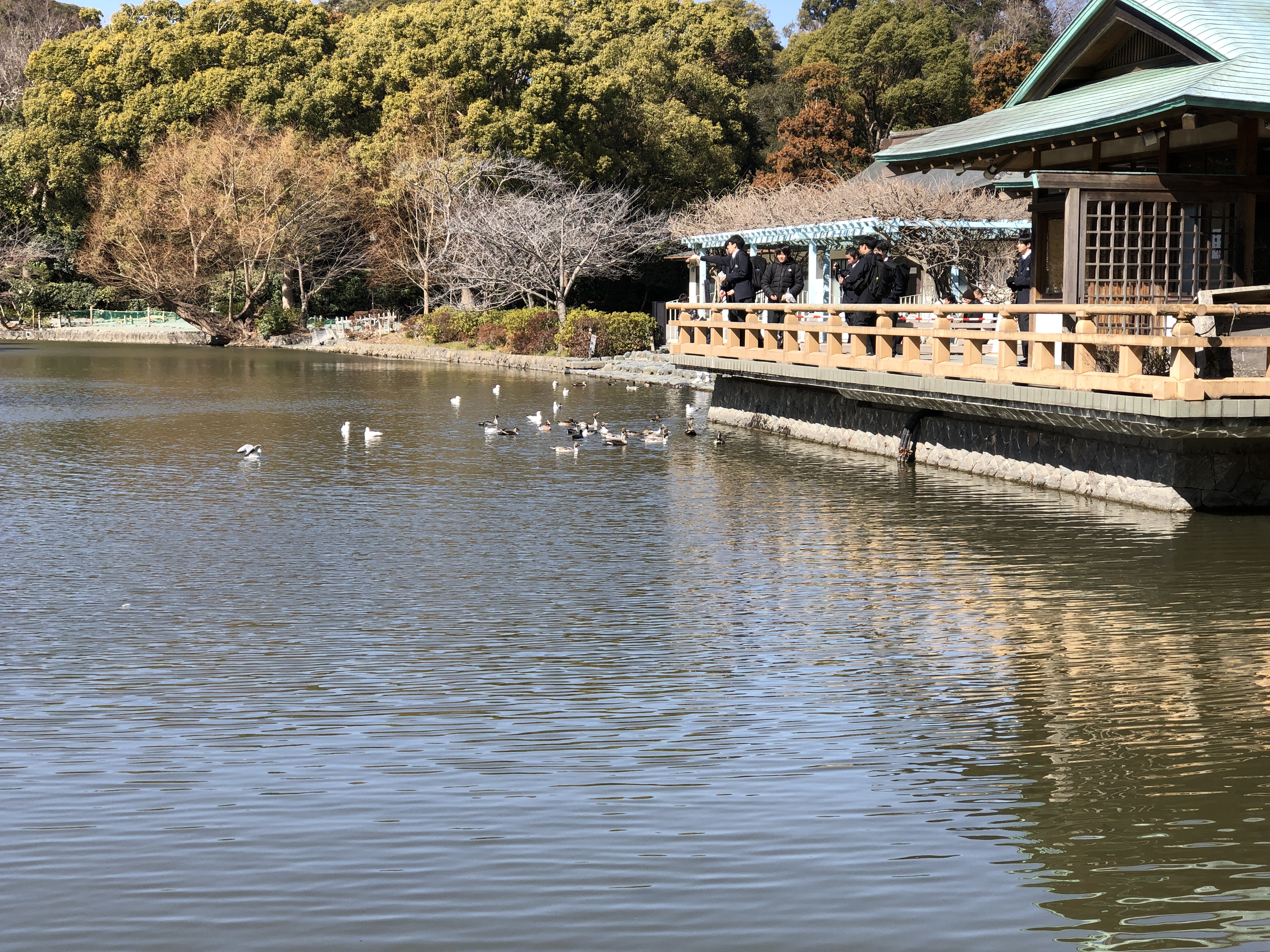
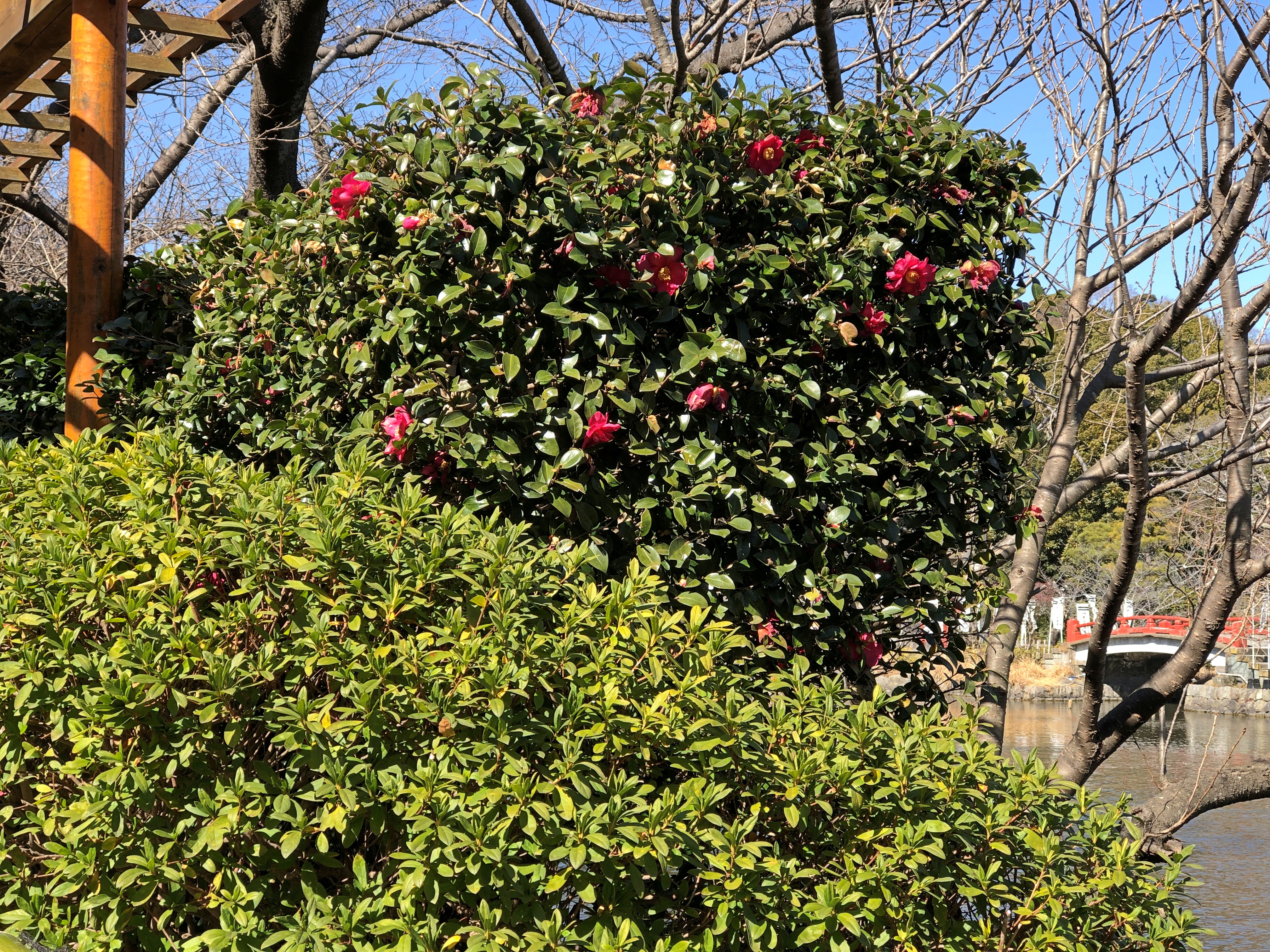
On the extensive grounds of Tsurugaoka Hachimangu Shrine in Kamakura – or maybe a separate entity adjacent to the shrine, it wasn’t quite clear – was a garden that managed to sport flowers in mid-February.Kamakura Japan

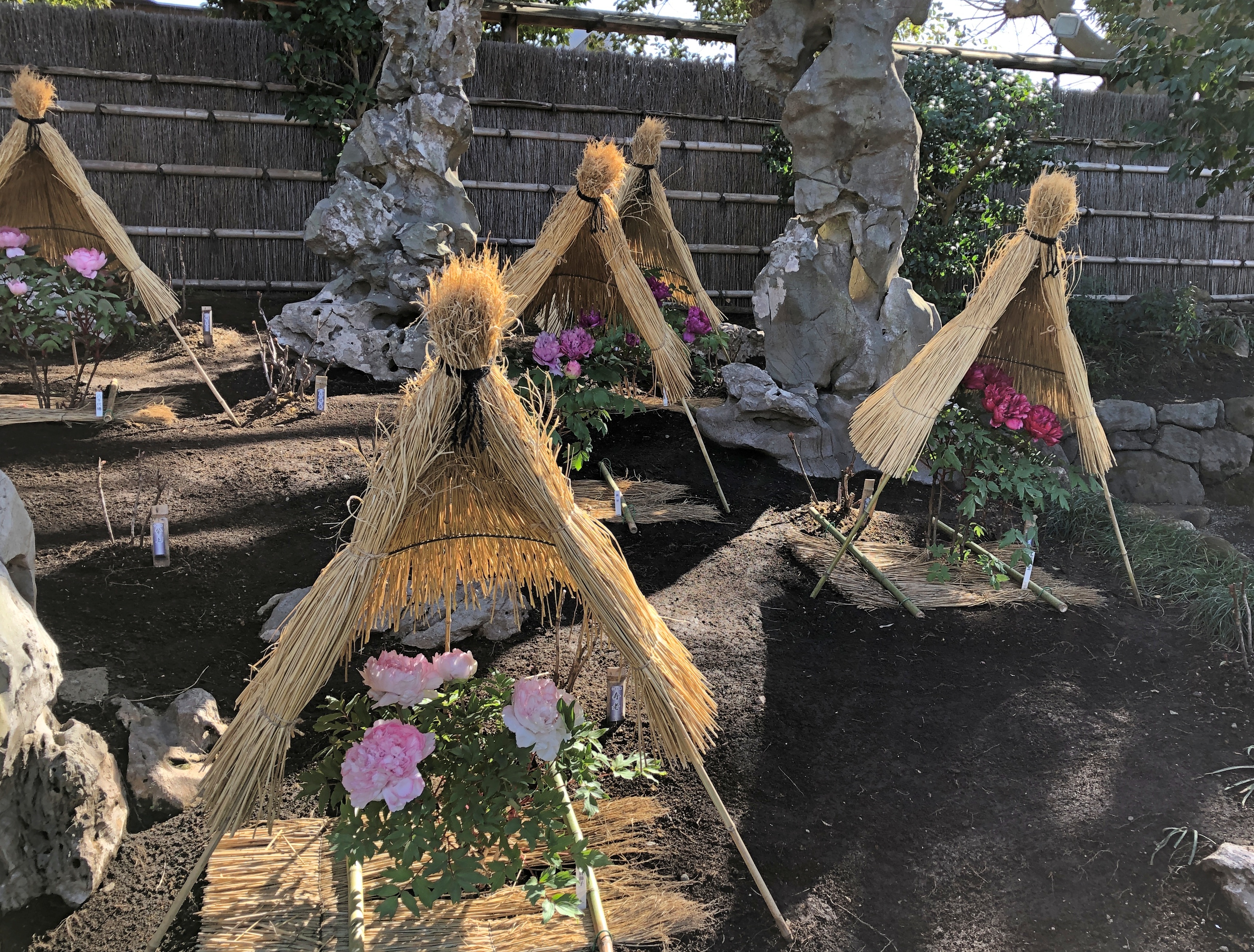
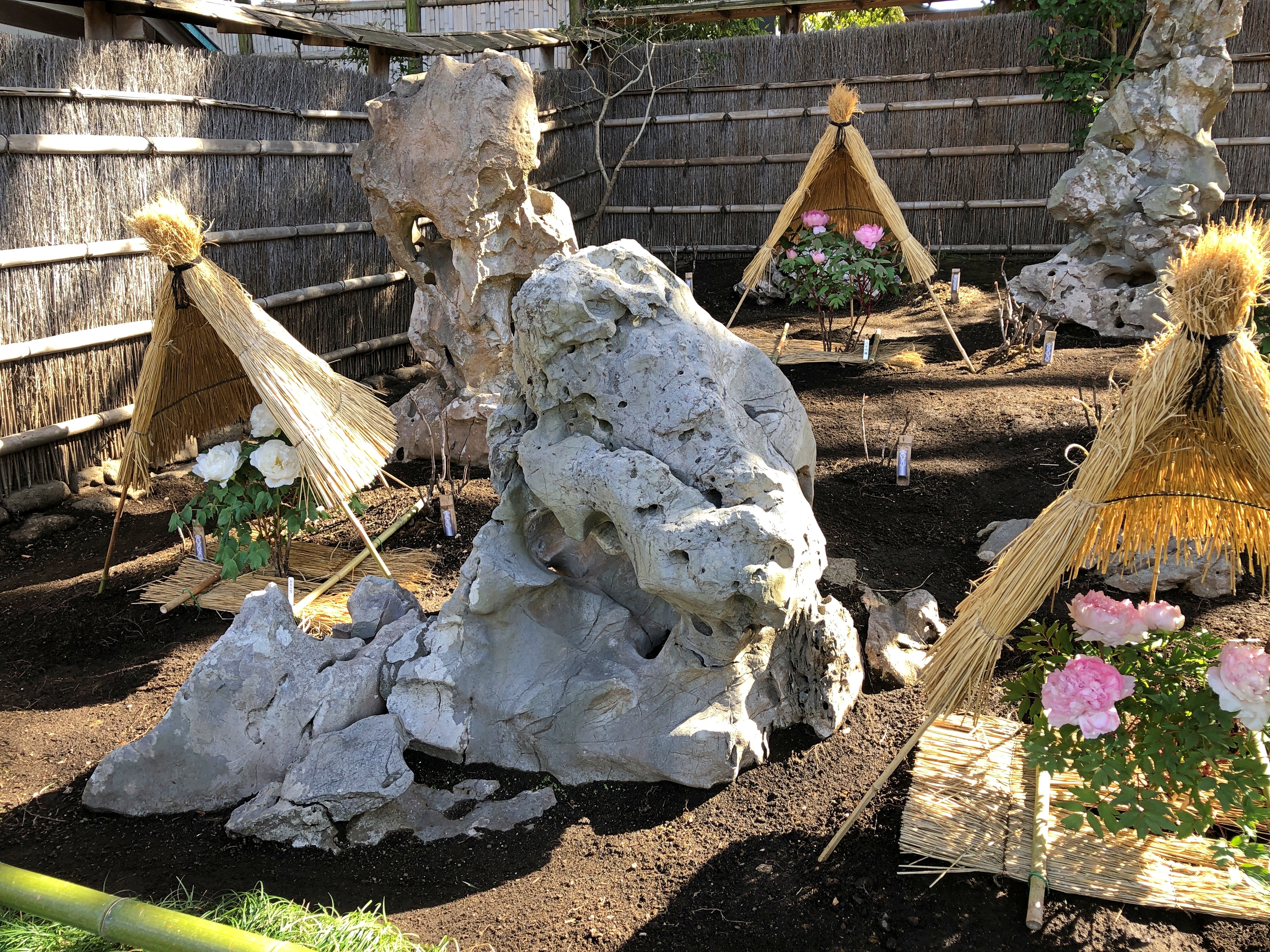
Part of the gardeners’ strategy seemed to be tepee-like straw structures over the blooms, many of them ‘mid the garden stones.Kamakura Japan Kamakura Japan Kamakura Japan

There must be a word for that sort of cover. In English or Japanese or some other language, and it must work somehow, though speaking as a non-gardener, it doesn’t look like it would keep cold air out. The area is roughly the same latitude as Nashville or Oklahoma City, certainly far enough north for some chilly winter days, though presumably the ocean off Kamakura moderates temps somewhat in Kamakura. Anyway, it does get cold there, as this detailed climate page notes.

Or maybe the growing season is longer than it used to be. Whatever could be the cause of that?

Not every floral growth was covered.Kamakura Japan

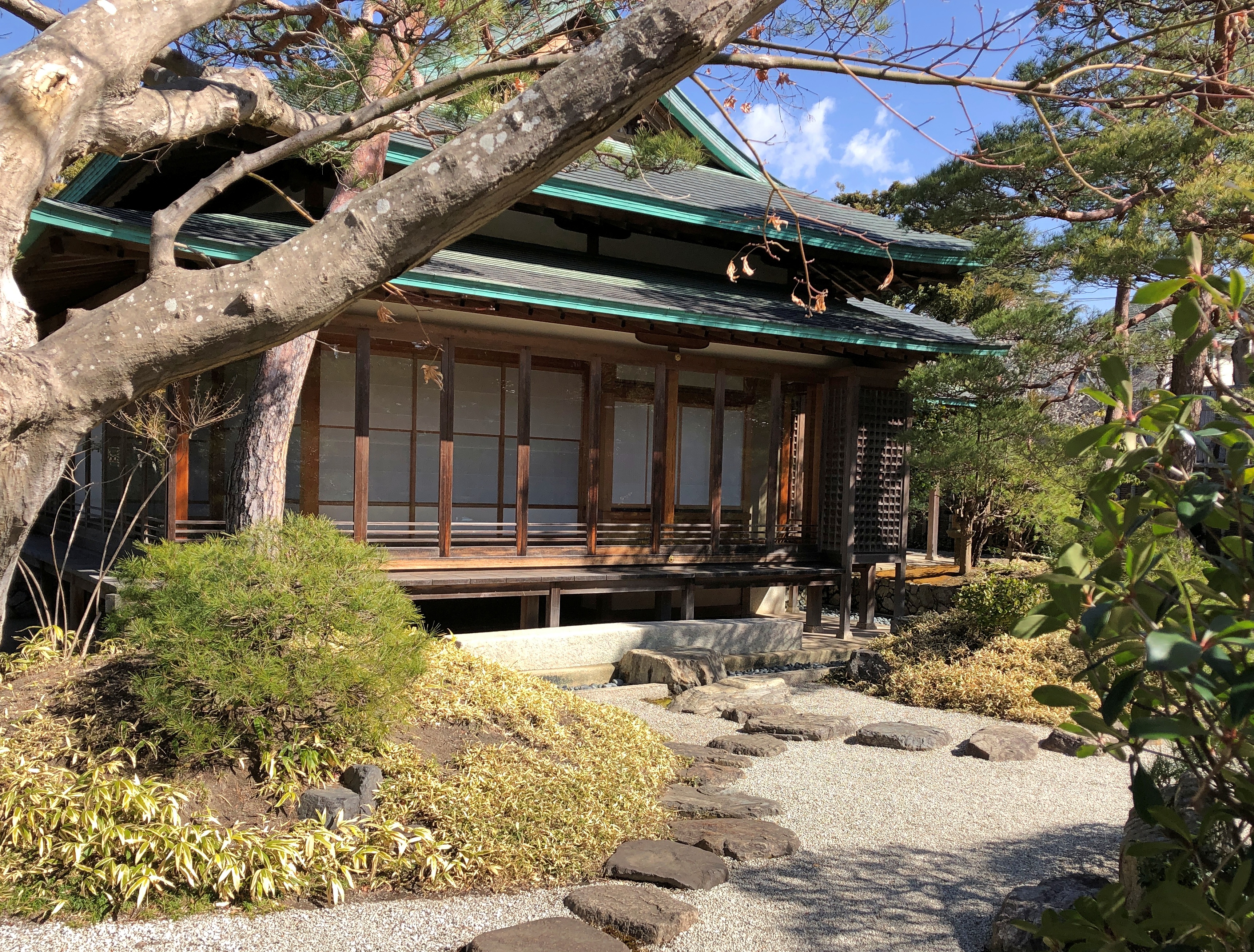
Even without flowers, the place made for a pleasant stroll in an elegant setting.Kamakura Japan Kamakura Japan Kamakura Japan

What would a kaiyushiki teien, a stroll garden, be without bamboo?Kamakura Japan

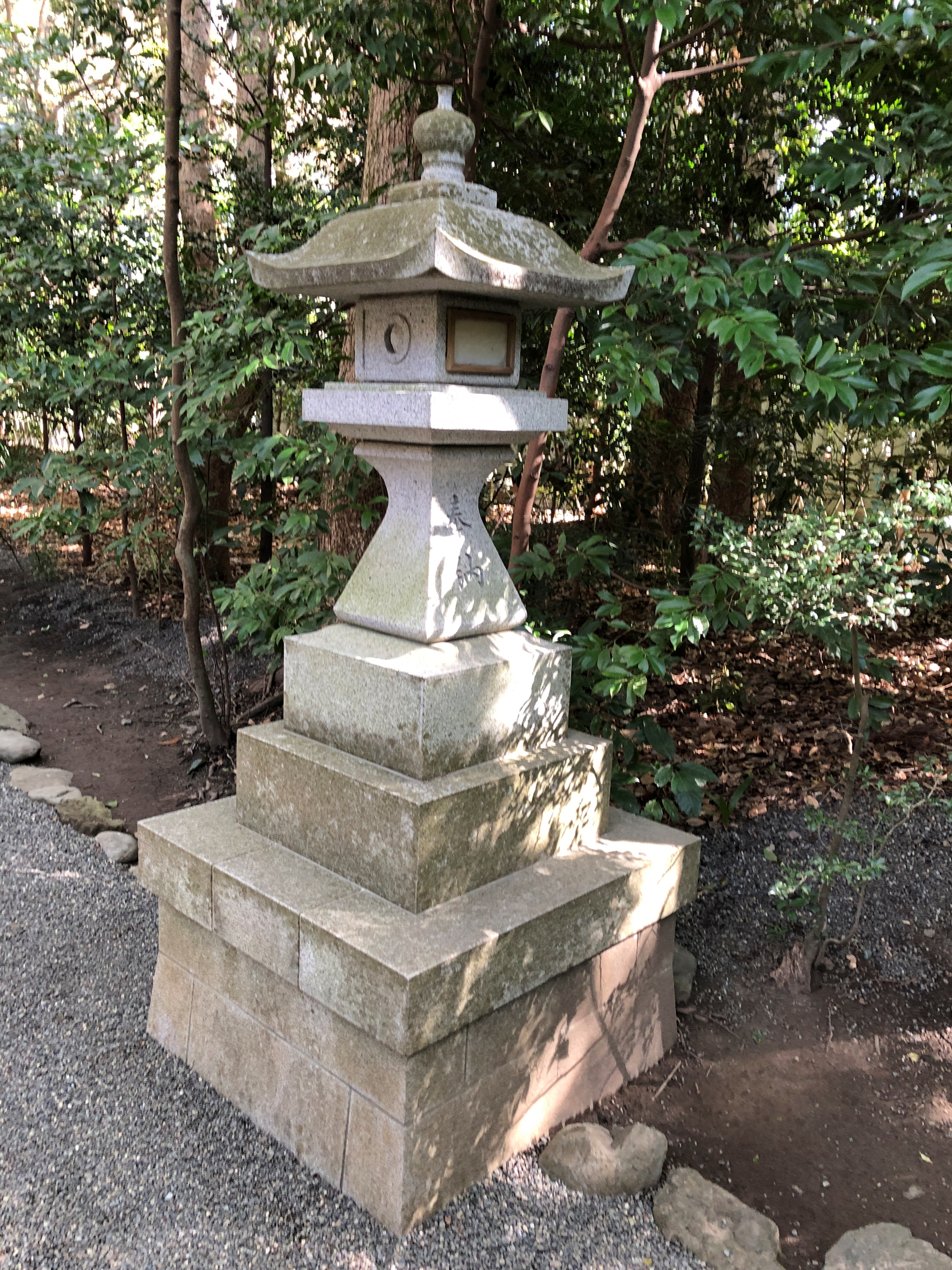
Or a stone lantern?Kamakura Japan

After we strolled the garden, we made our way to the Kamakura Daibutsu, the Big Buddha, a bronze of many tons that somehow makes you think about impermanence. As February days go, the one in Kamakura was top-notch.

Birdman of Osaka Castle Park

In Chinese city parks during our visit in 1994, it was fairly common to see (mostly) elderly men out for a walk with their birds. Their songbirds in cages, that is, which the men carried along with them and would hang somewhere nearby while they rested on benches. This article at least asserts that the practice goes back to the Qing Dynasty, which was founded in 1644. I’d never seen such a thing before anywhere else, and not since, until we visited Osaka Castle Park in February.

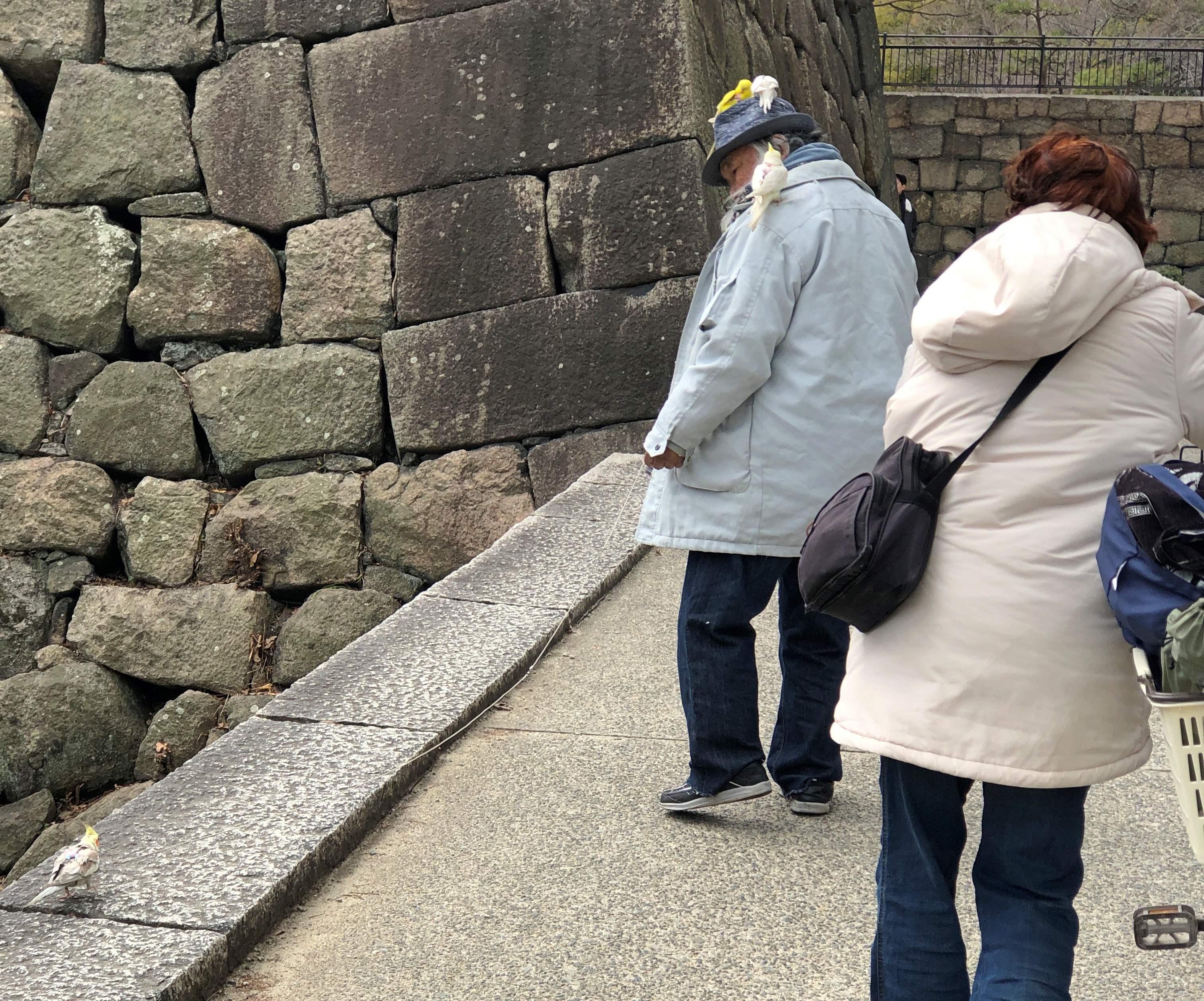
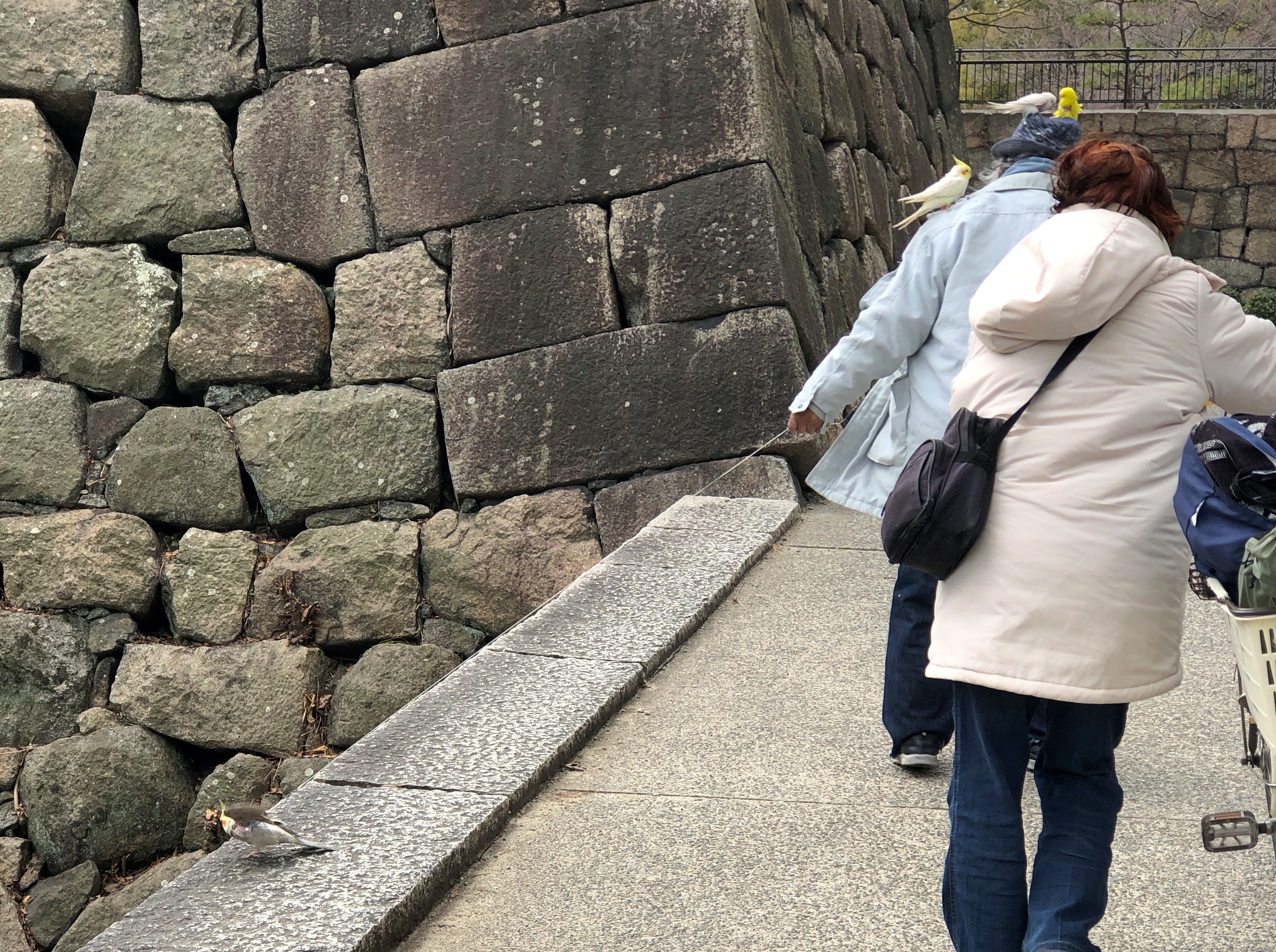
Note the fellow in the blue jacket and blue hat, near one of the former castle walls, with birds perched on his head and shoulders. He seemed to be out for a stroll with his birds.Osaka-jo Koen

They were living, chirping birds that would periodically fly away, but they would also come back. The bird at the left bottom corner of the image was one of his as well, tethered to a string he’s grasping with his hand. Guess that was a bird in training.Osaka-jo Koen

Of course, Japan is not China, however much the Japanese borrowed from China in earlier centuries. Bird walking wasn’t one of those borrowings, so I believe this man and his birds were eccentric outliers who eschewed cages for freedom of movement. Still, the level of training is impressive. It’s one thing to train the birds to return – carrier pigeons do that – but do they know to go somewhere else when it’s time to drop a load? I’d hope so, but I don’t know whether that is possible.

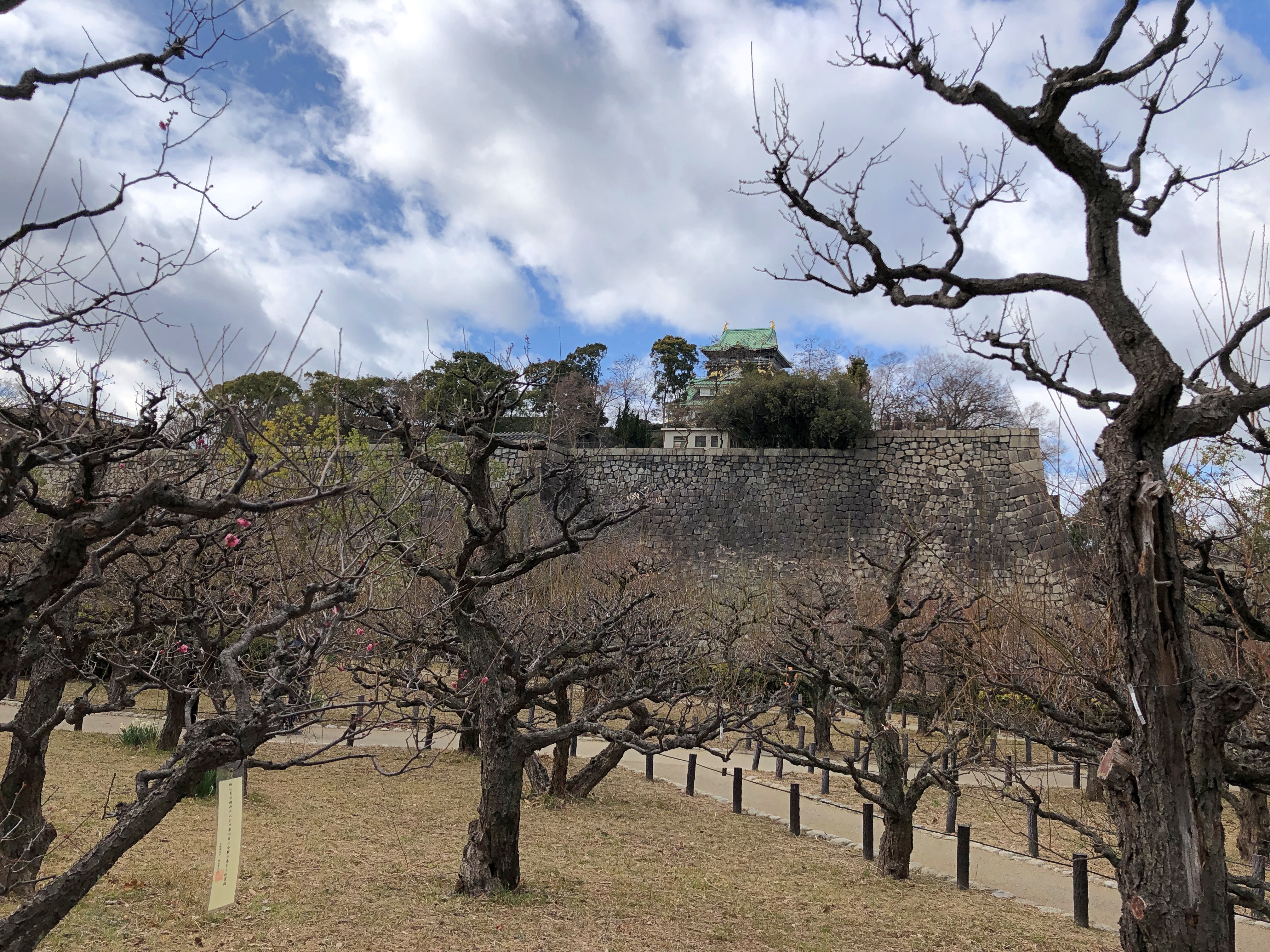
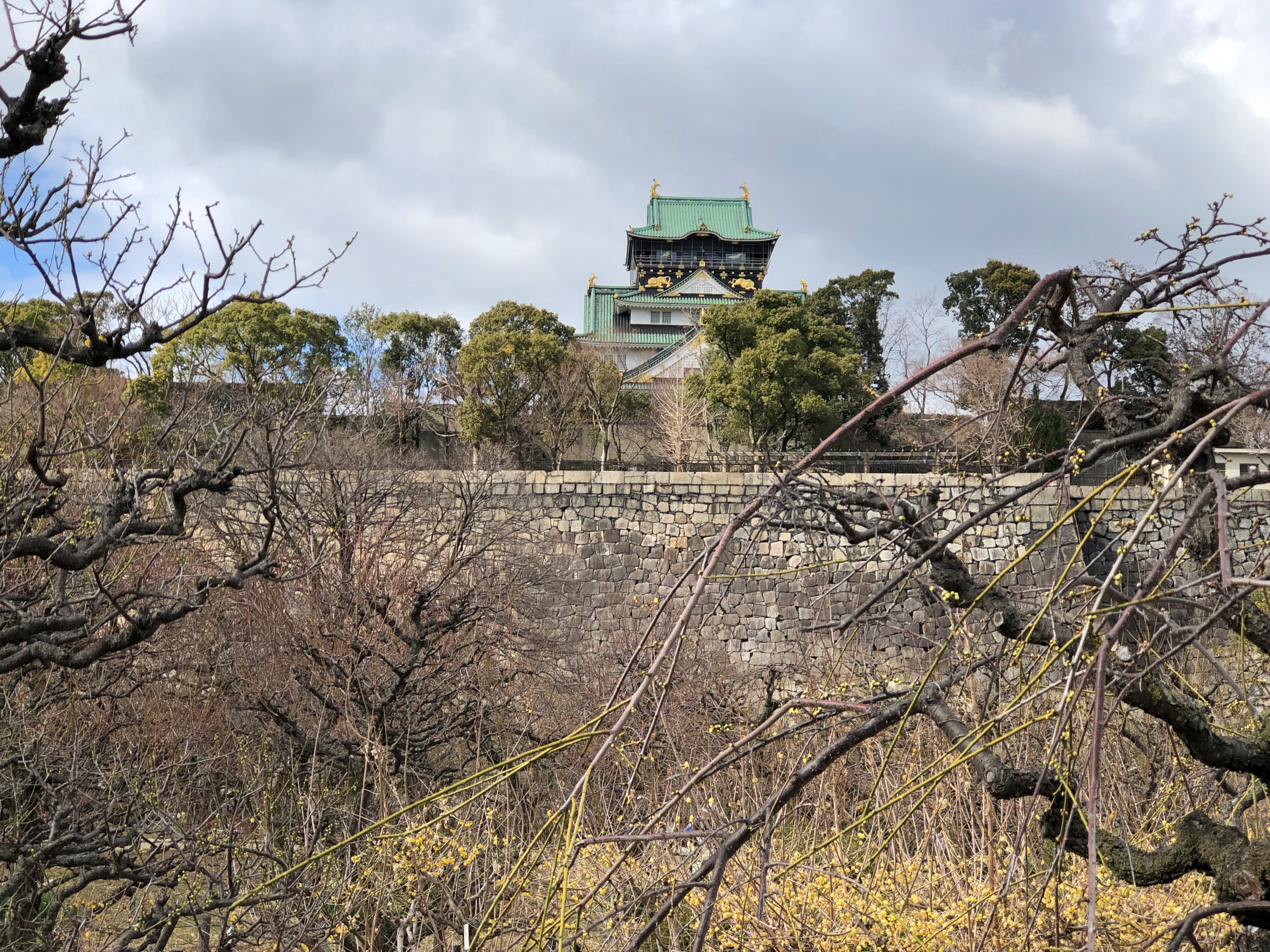
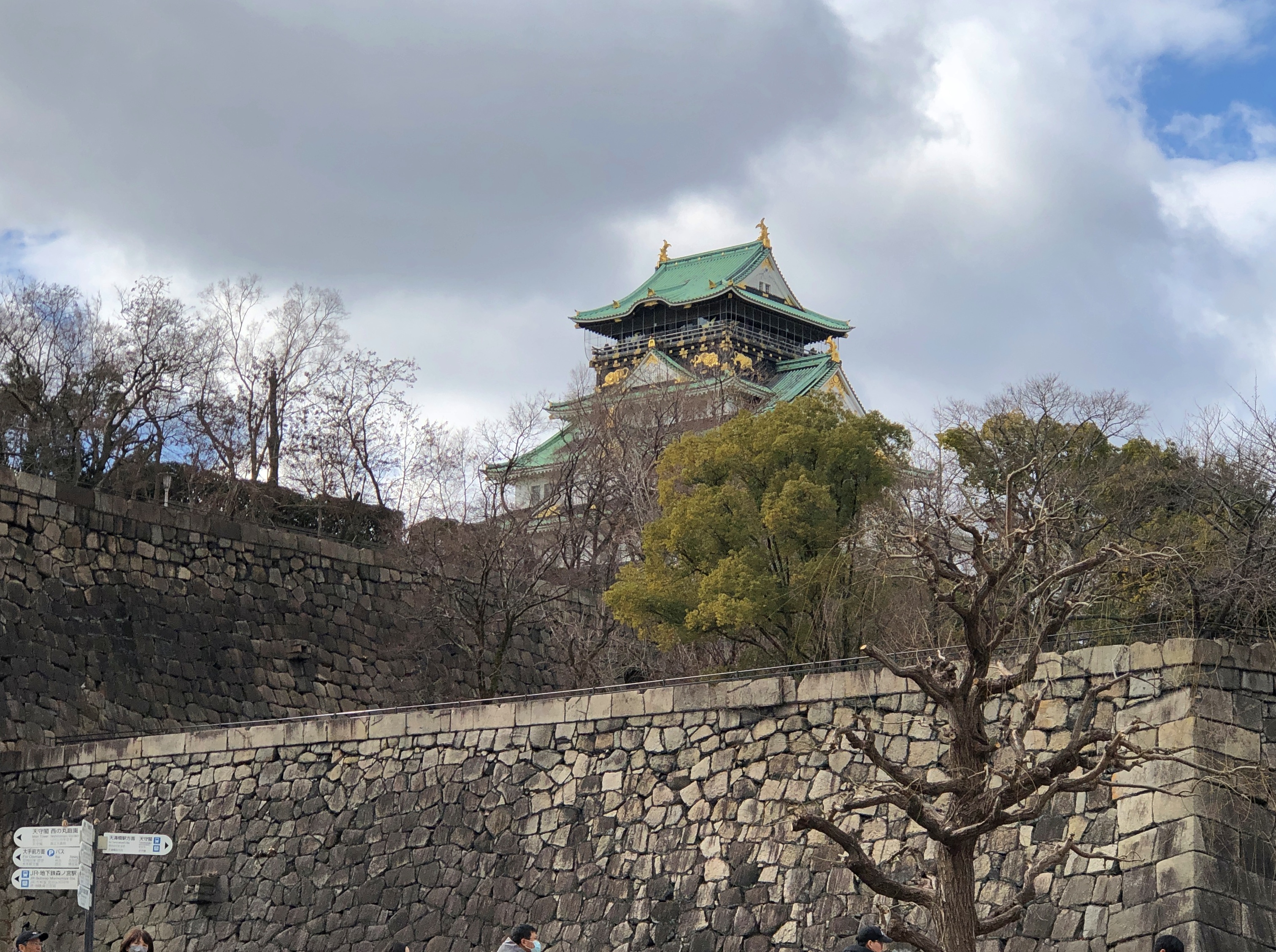
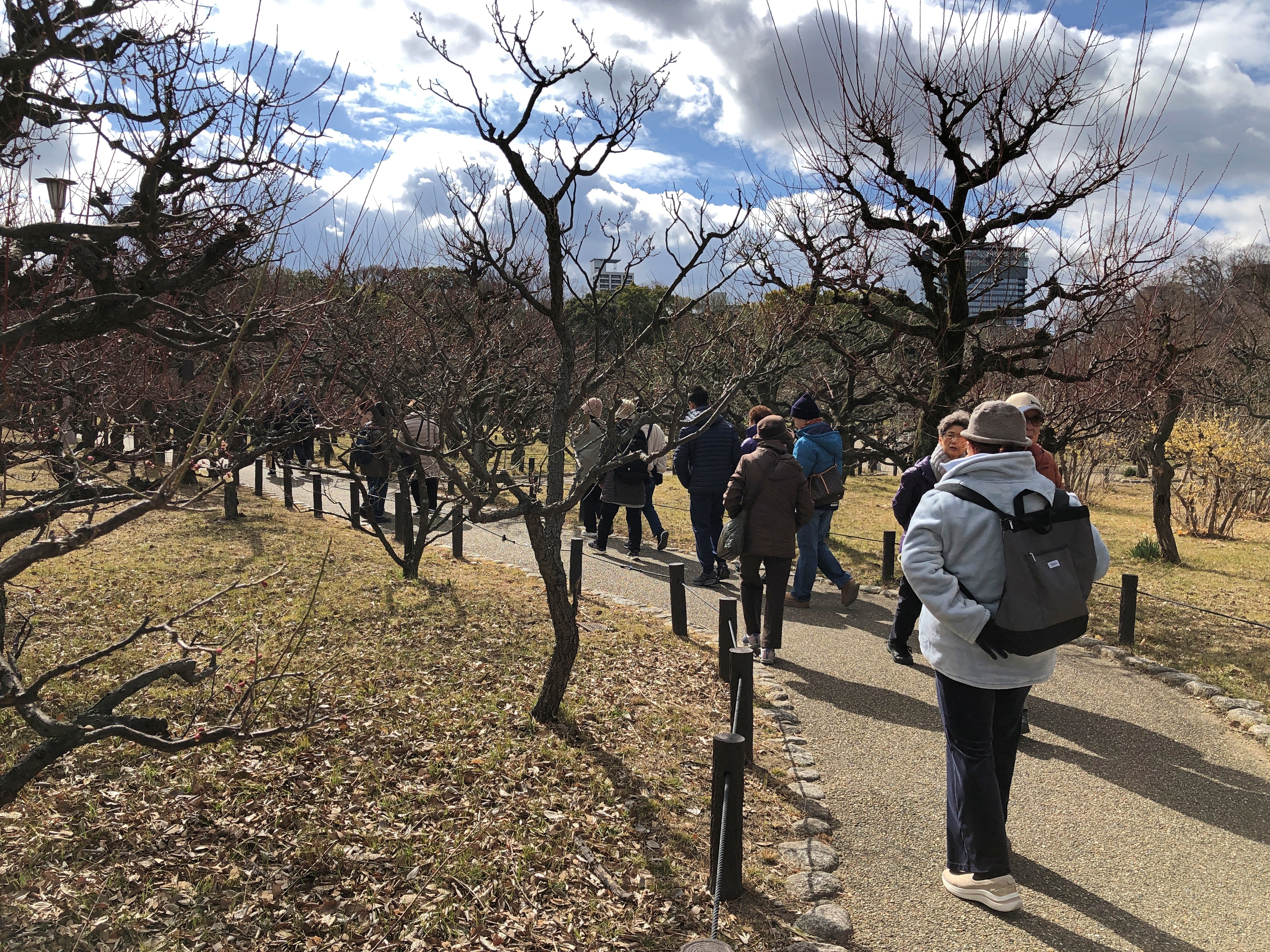
Even in winter, Osaka Castle Park (Osaka-jo Koen, 大阪城公園) is a pleasant place to stroll. We didn’t enter the castle itself, where we’d both been a few times before, but took in some nice views of it.Osaka-jo Koen Osaka-jo Koen Osaka-jo Koen

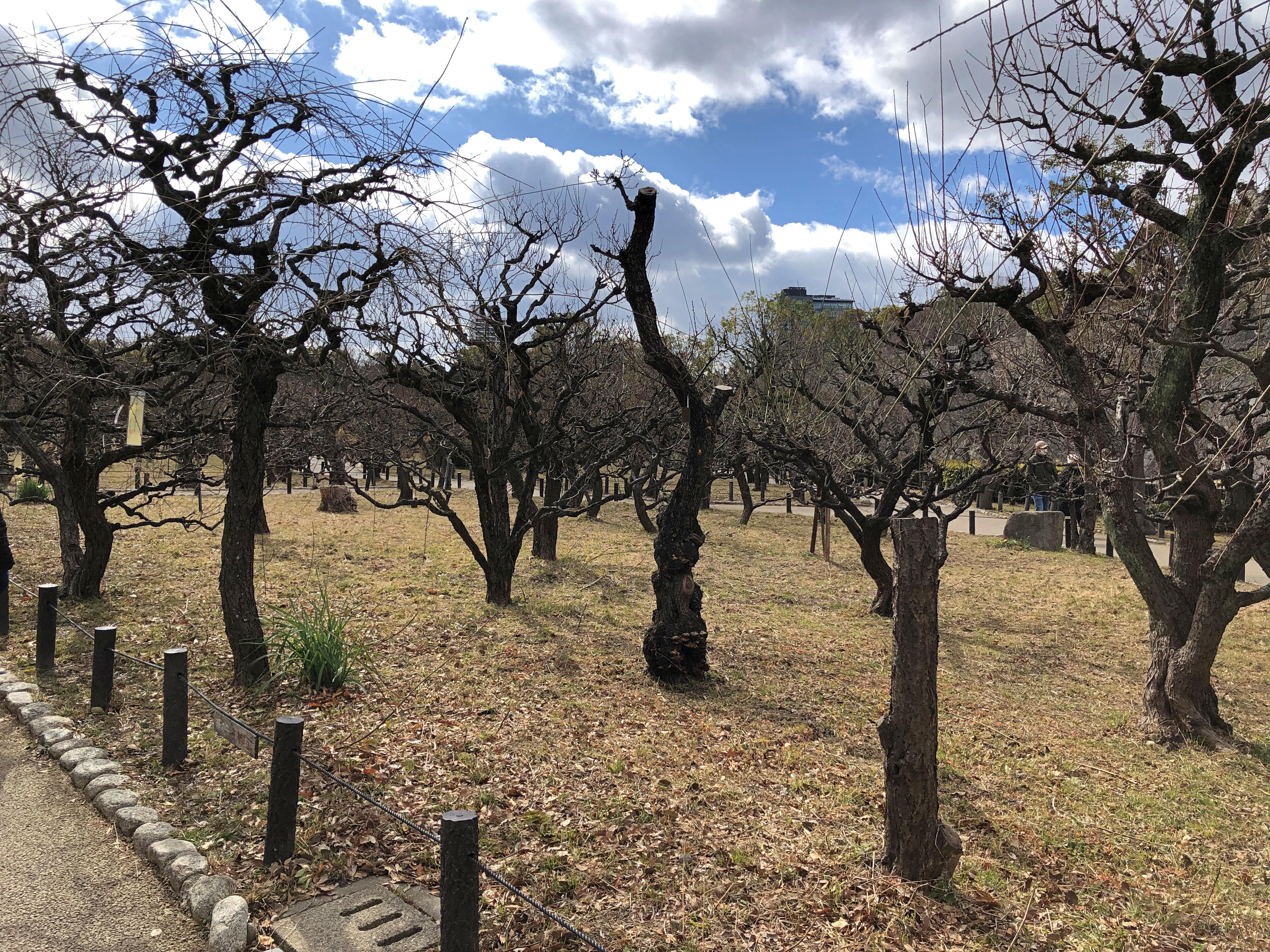
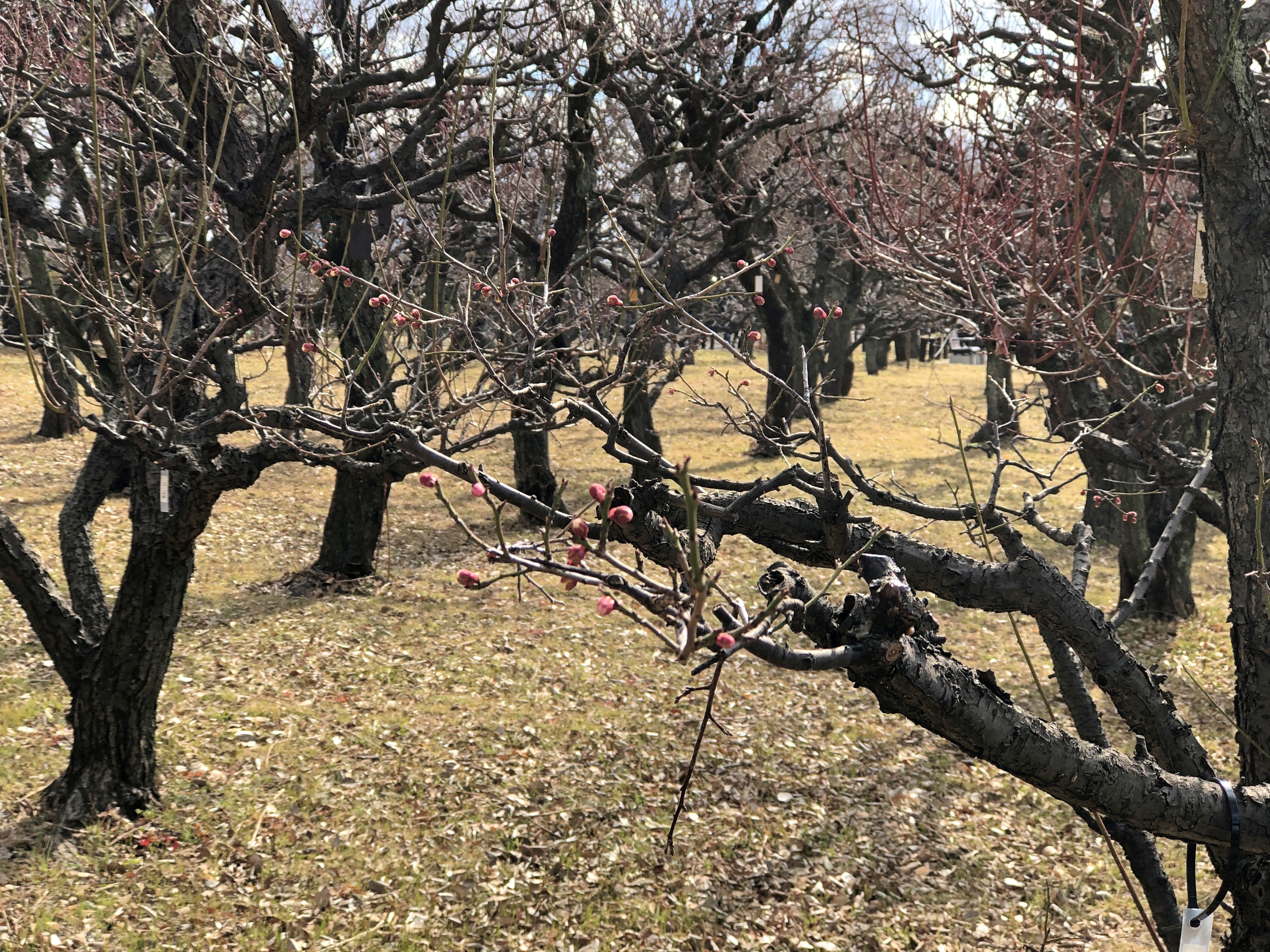
Many of the trees are plums. They are the first to blossom, and we could see the very beginnings of buds, but we were too early for full flowering.Osaka-jo Koen Osaka-jo Koen Osaka-jo Koen

Later, peach and cherries blossom in the park, though the place to see cherry blossoms in Osaka without the crowds in 1990s – and there were always crowds in the large parks, including the grounds of the Japan Mint – was Osaka Gogoku Shrine in Suminoe Ward. I’ll bet it still is.

Volo Bog State Natural Area

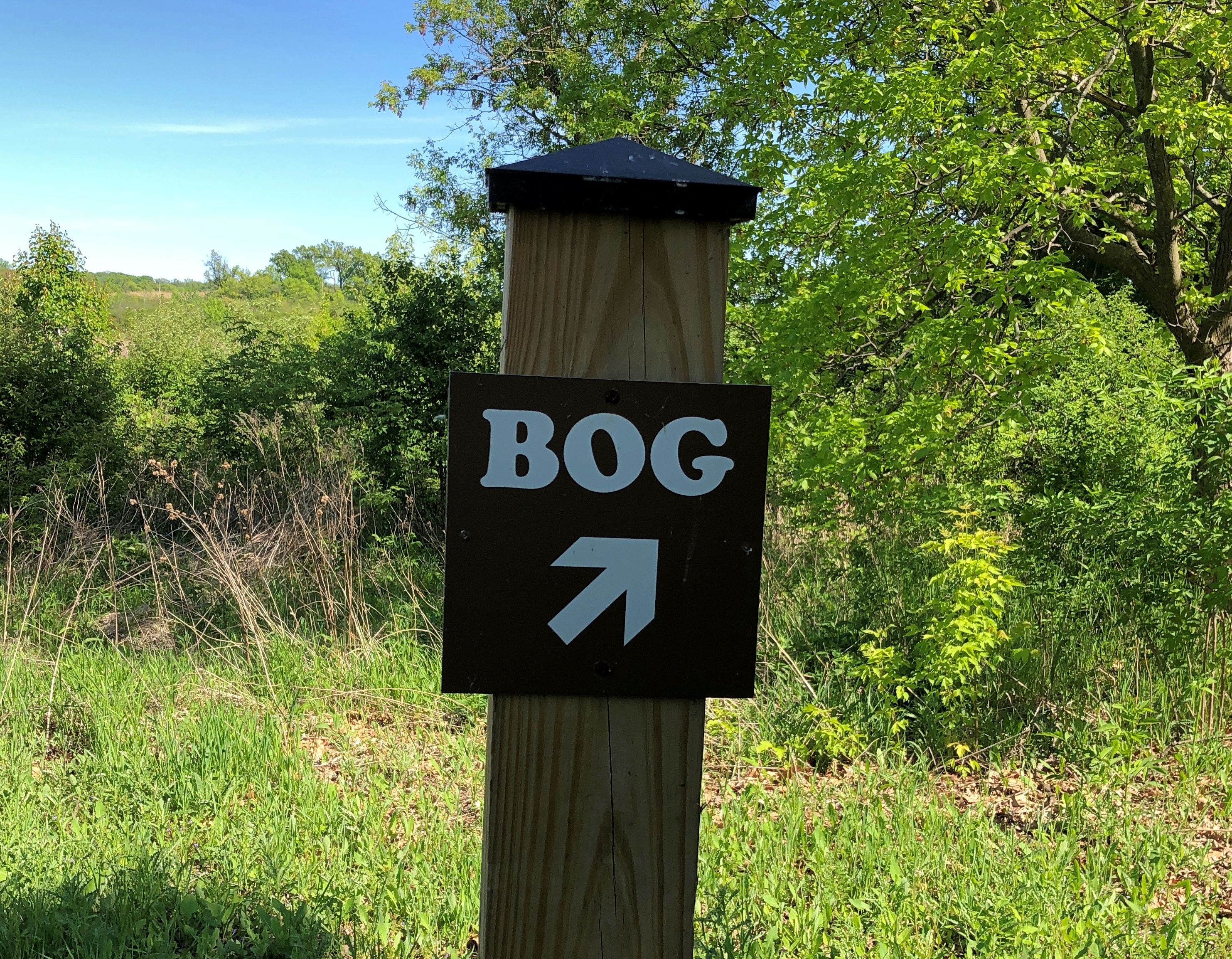
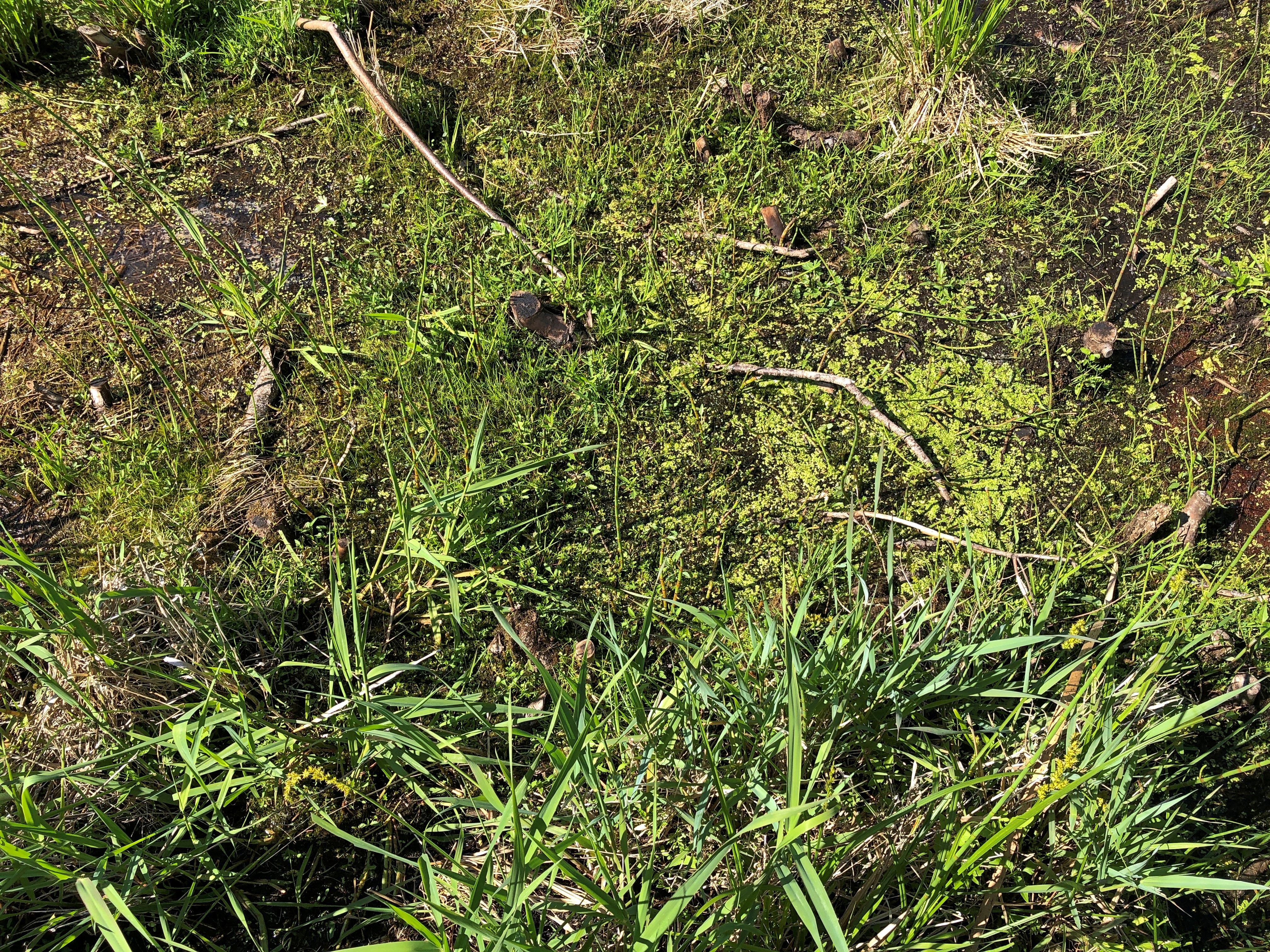
Not a sign that you see very often.Volo Bog

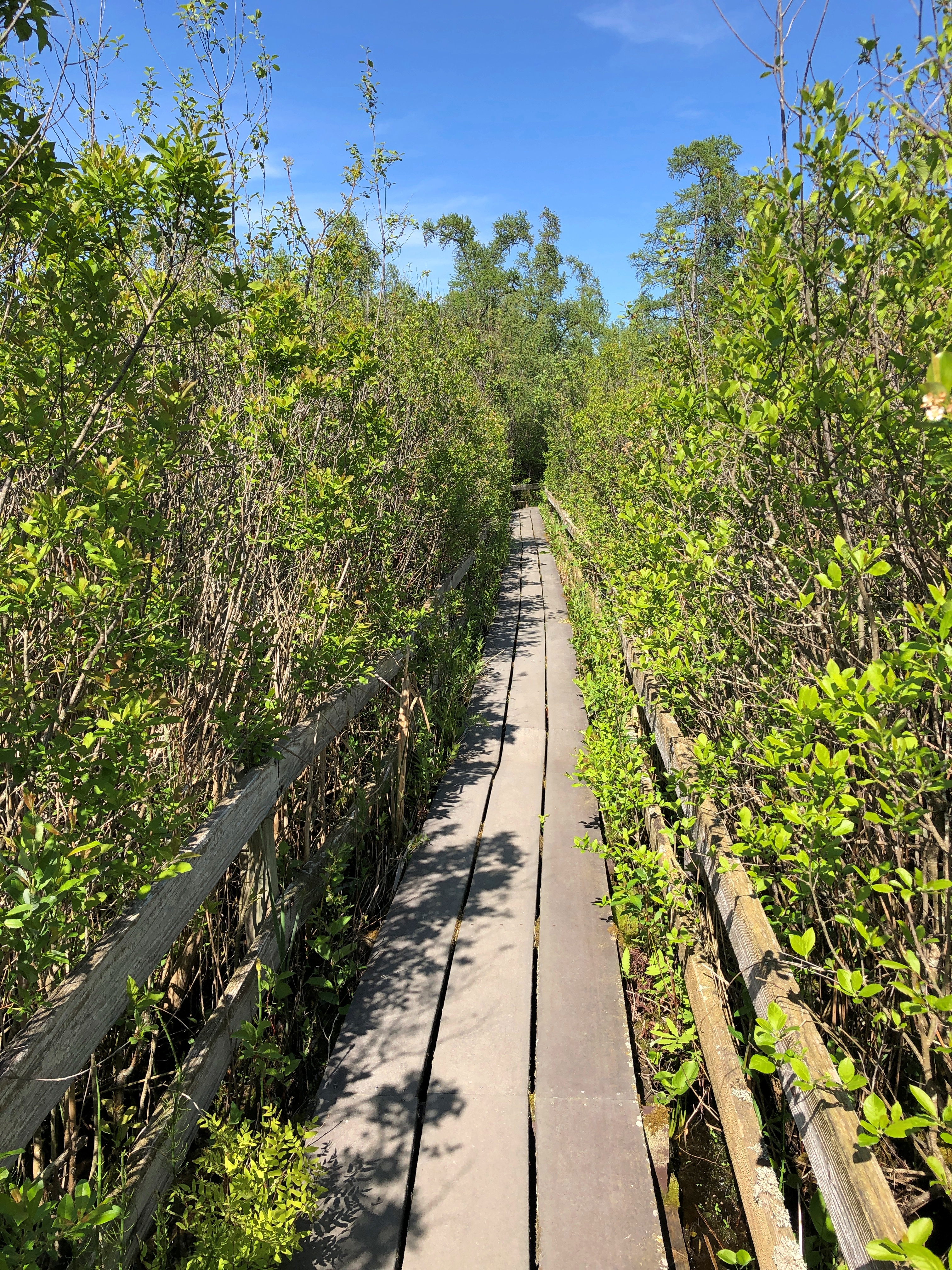
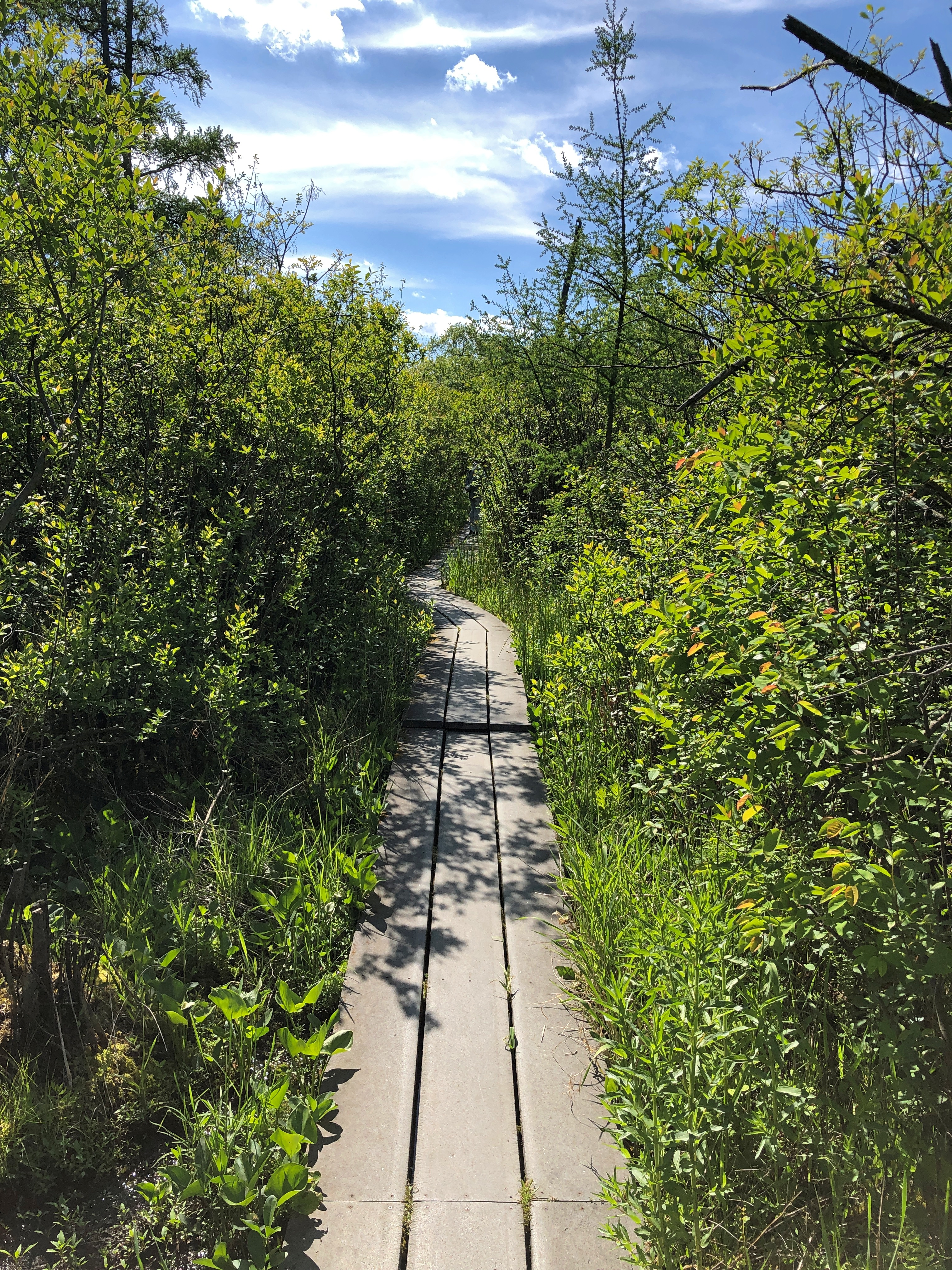
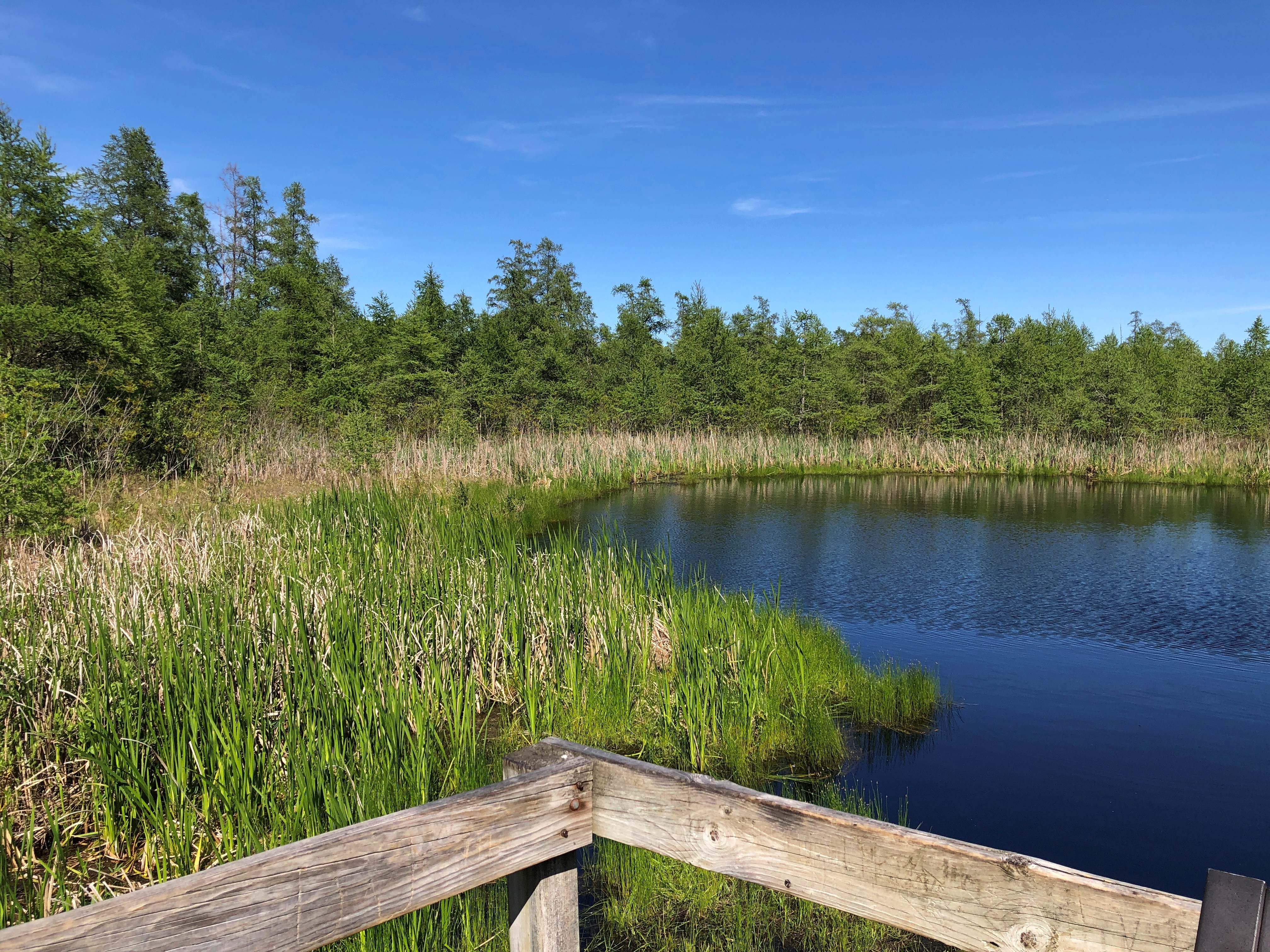
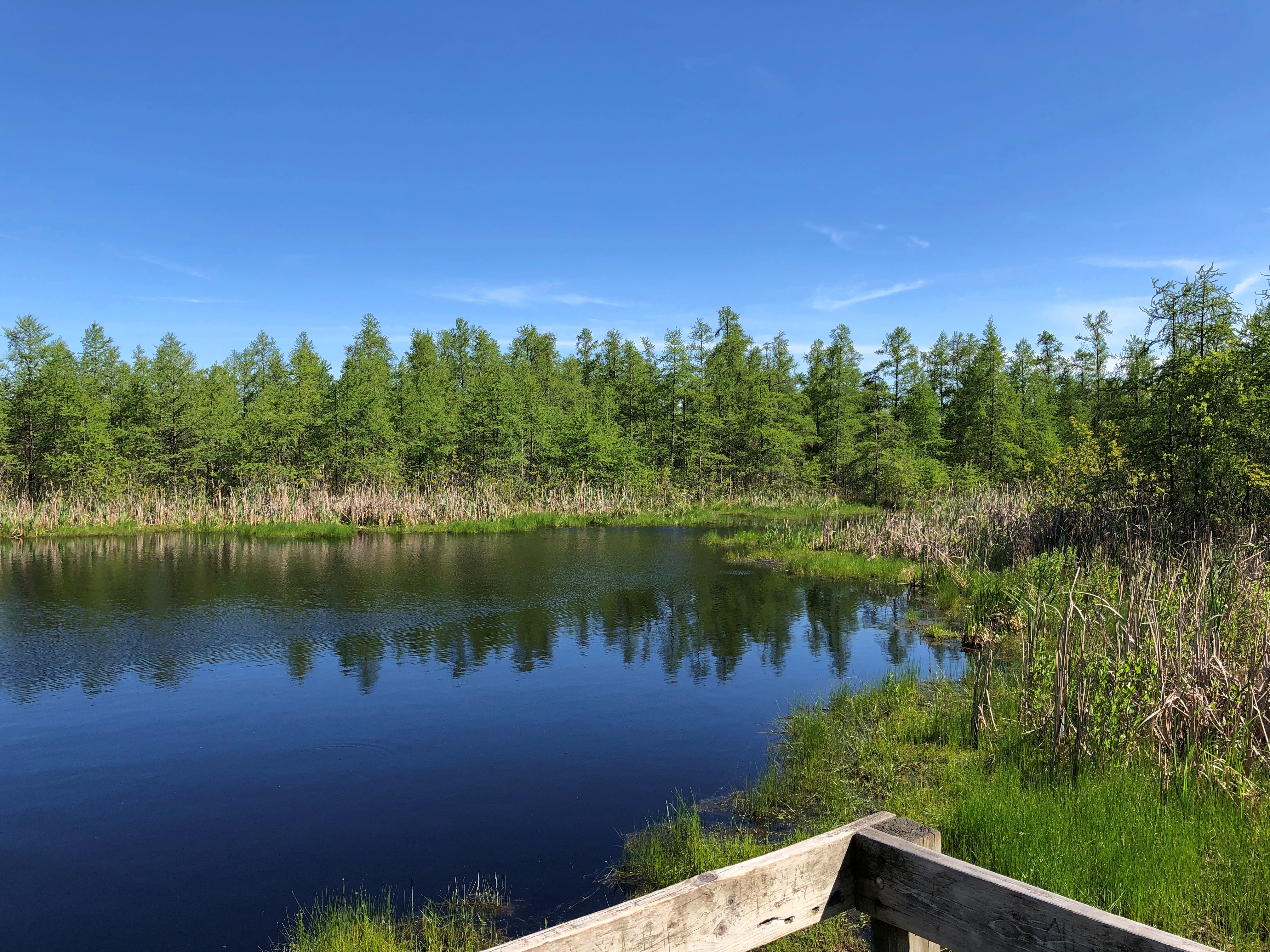
Unless you visit Volo Bog State Natural Area often. It is “the only open-water quaking bog in Illinois,” according to the Illinois DNR, and I’m inclined to believe it, though sad to say my grasp of the scientific difference between a bog, marsh and a swamp is weak. Still, as a pleasant spring day, we figured Sunday was a good time to re-visit the bog, up northwest, about a 45-minute drive.Volo Bog

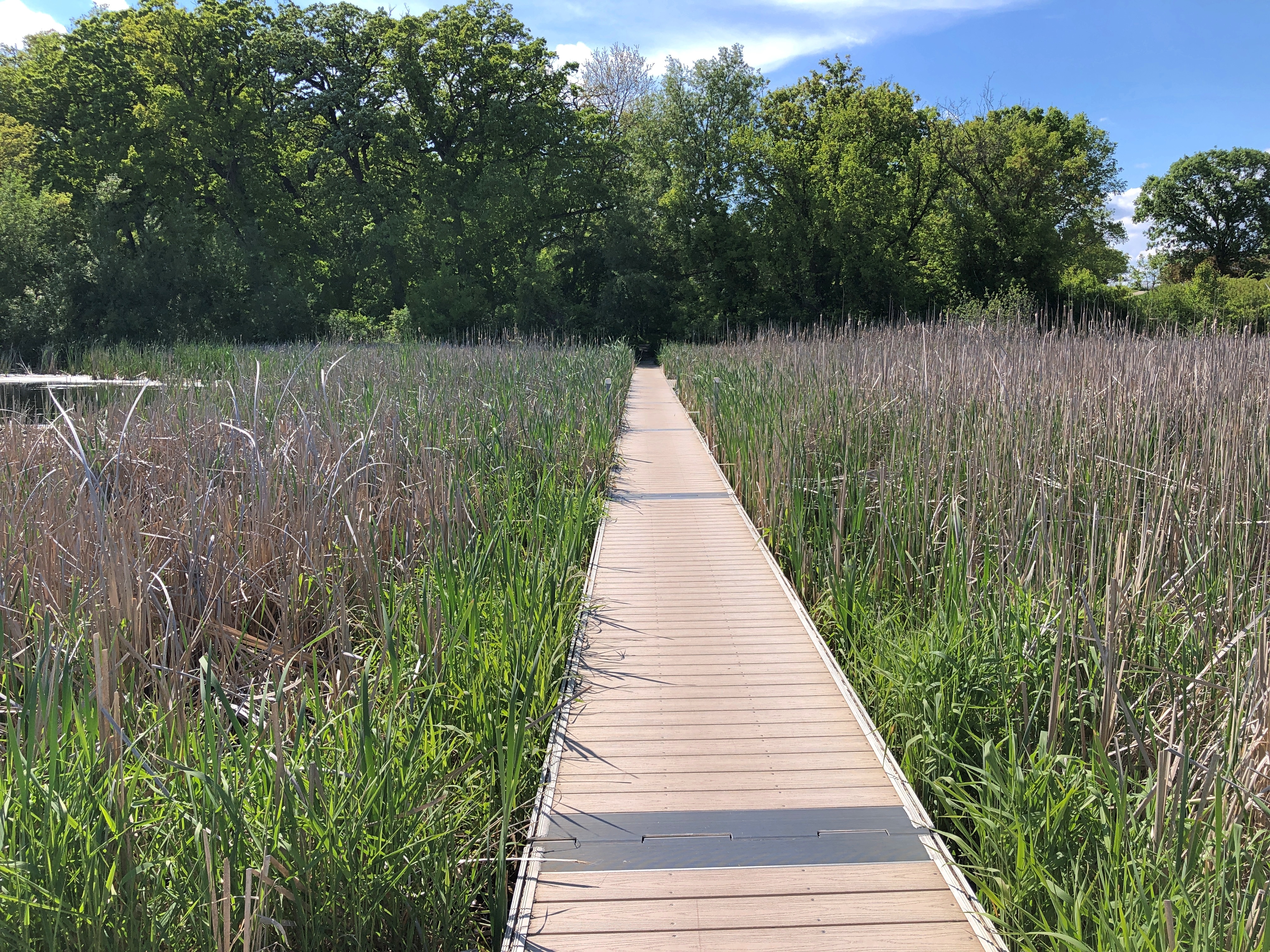
It had been a while. But I can say that the trail still wobbles a bit, which still takes a few minutes’ getting used to.Volo Bog Volo Bog Volo Bog

” ‘It’s moving,’ I heard either Lilly or Rachel say ahead of me, since they were first to reach the trail, which is a boardwalk over the bog,” I wrote in May 2010. “The boardwalk’s wobble is a little unnerving at first, but before long you get used to it. For anyone over about three years old, anyone who is sober anyway, the danger of pitching into the bog is pretty low.”

It’s moist down there. I’d expect no less of a bog. I know that much, anyway.Volo Bog Volo Bog Volo Bog

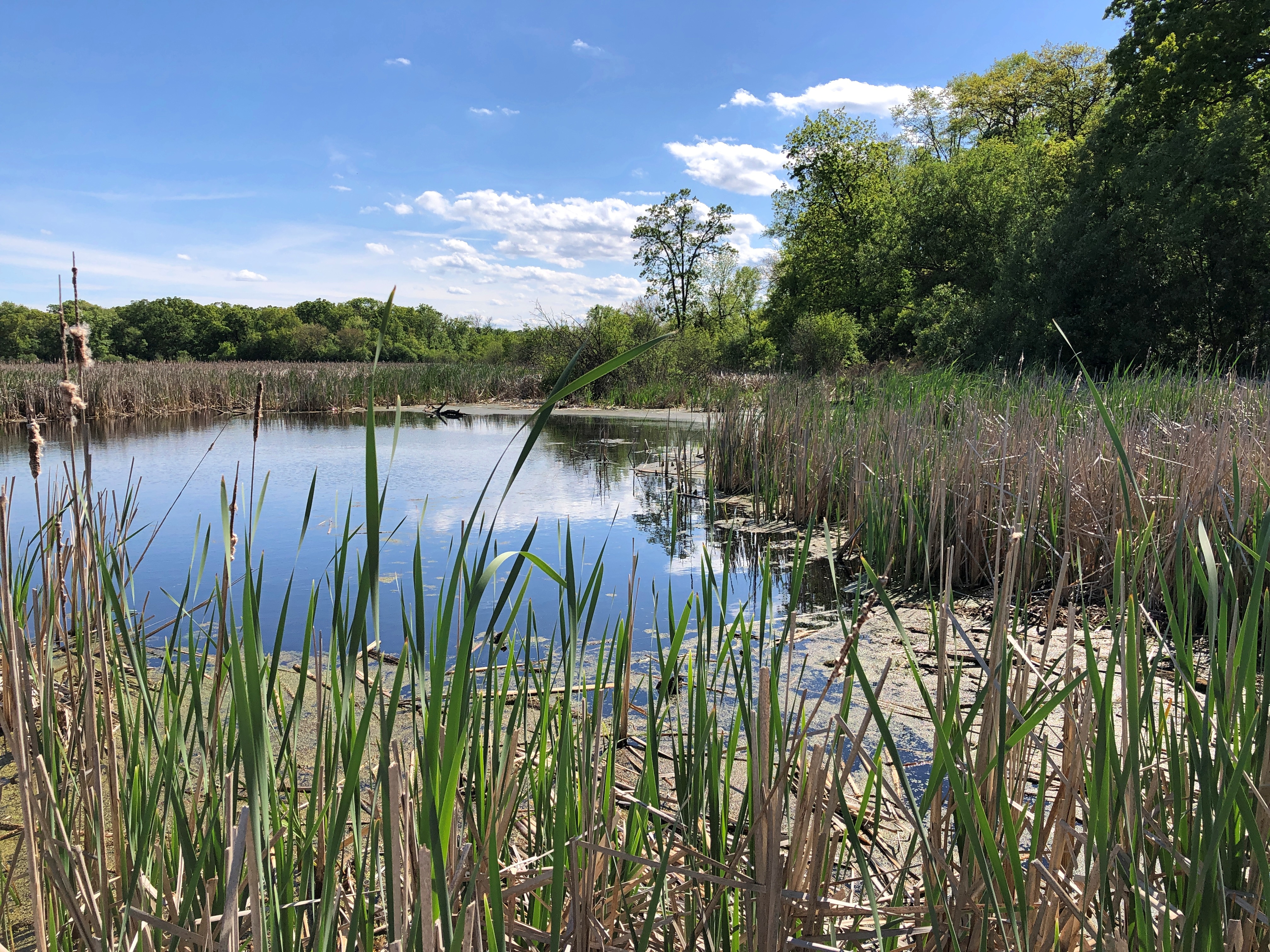
Formed in an ancient glacial kettle hole lake, Volo Bog features a floating mat of sphagnum moss, cattails and sedges surrounding the open pool of water in the center of the bog,” the DNR says. “Further from the open water, the mat thickens enough to even support floating trees!”

The open pool. exuberant  exuberant

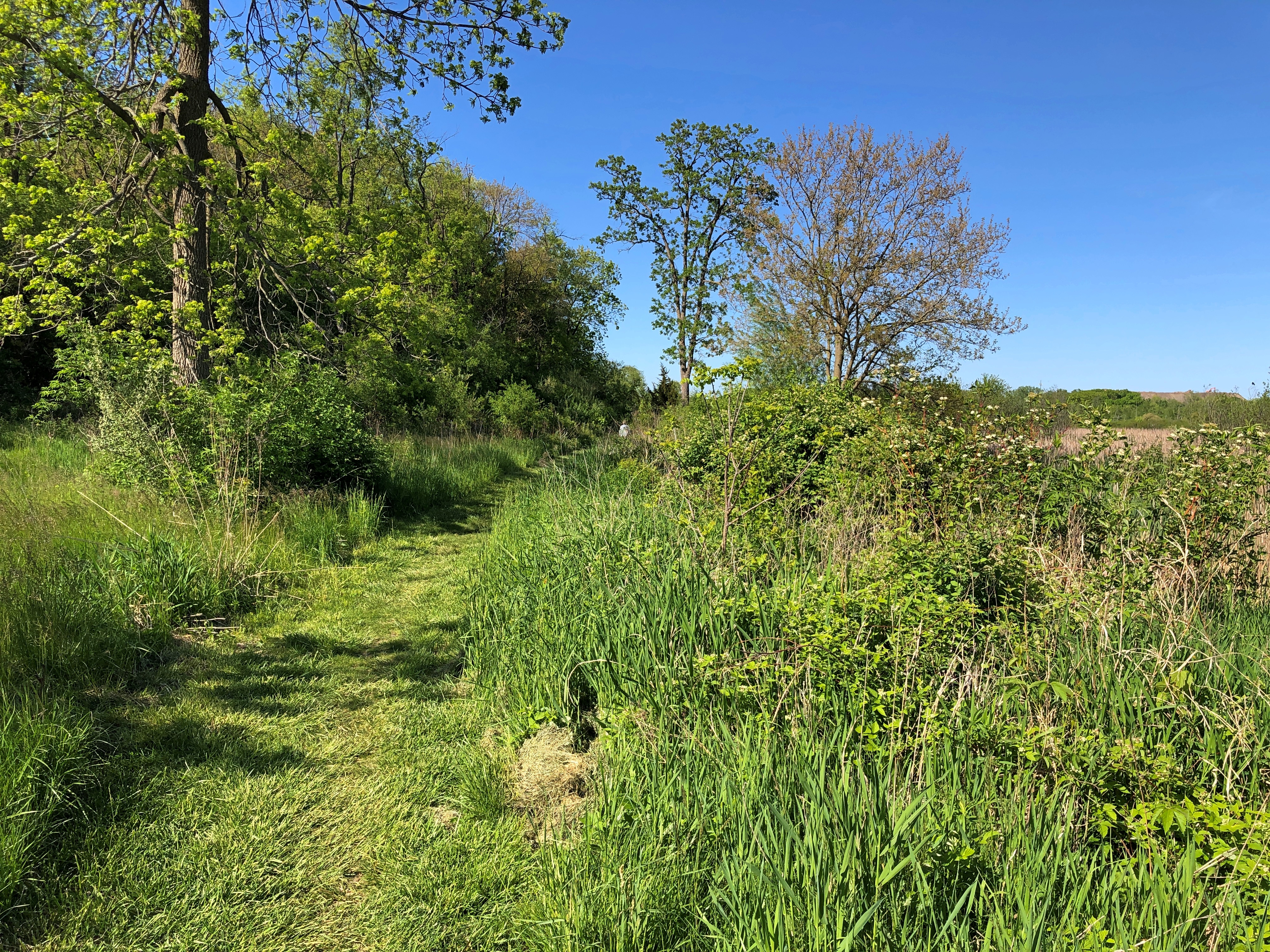
The public land at Volo Bog includes more than just the bog. A path loops around the property in parts that are a little less sloshy underfoot.Volo Bog State Natural Area

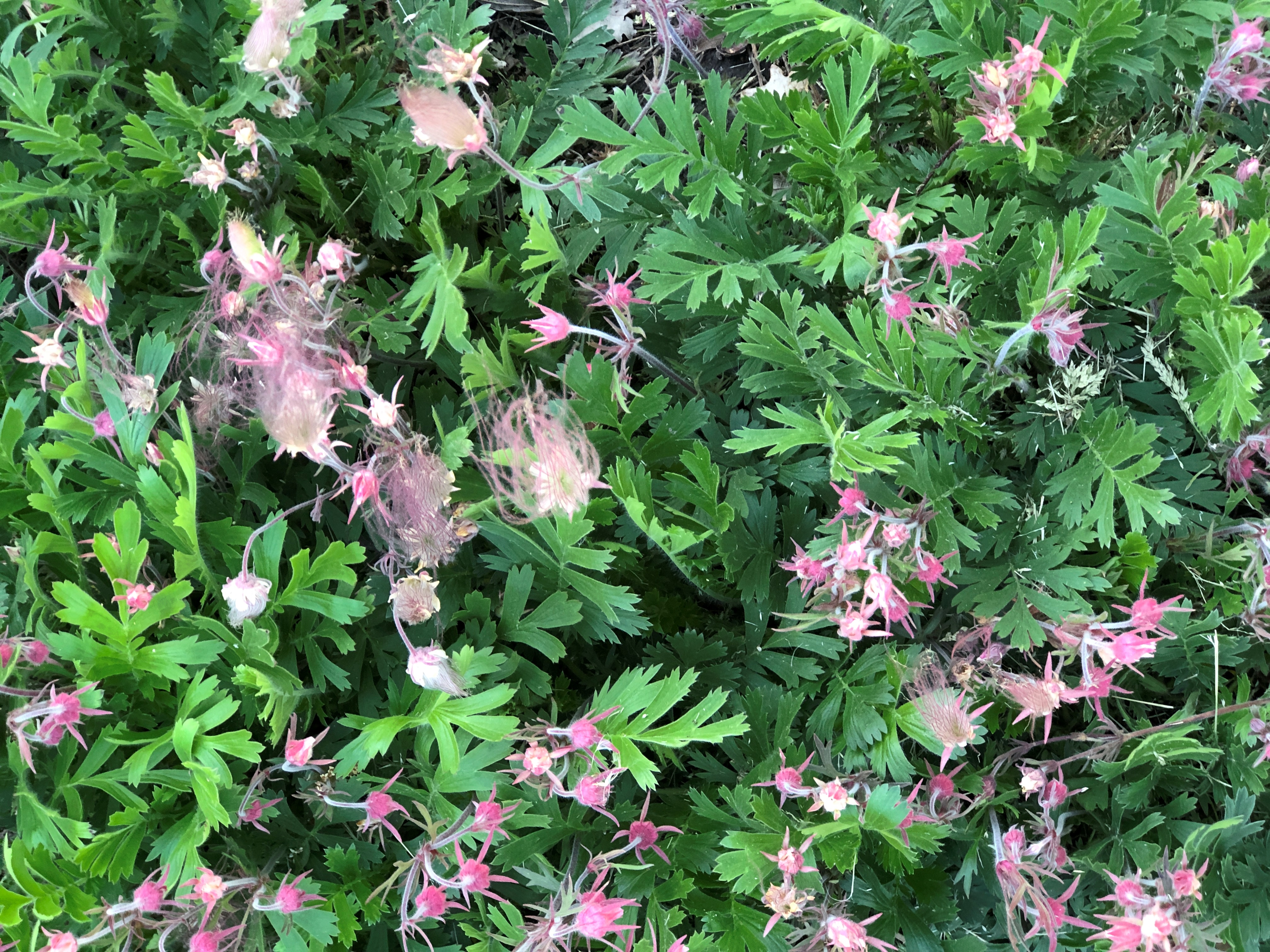
It takes a while, but when the full flush of spring comes to the North, it’s exuberant.Volo Bog State Natural Area

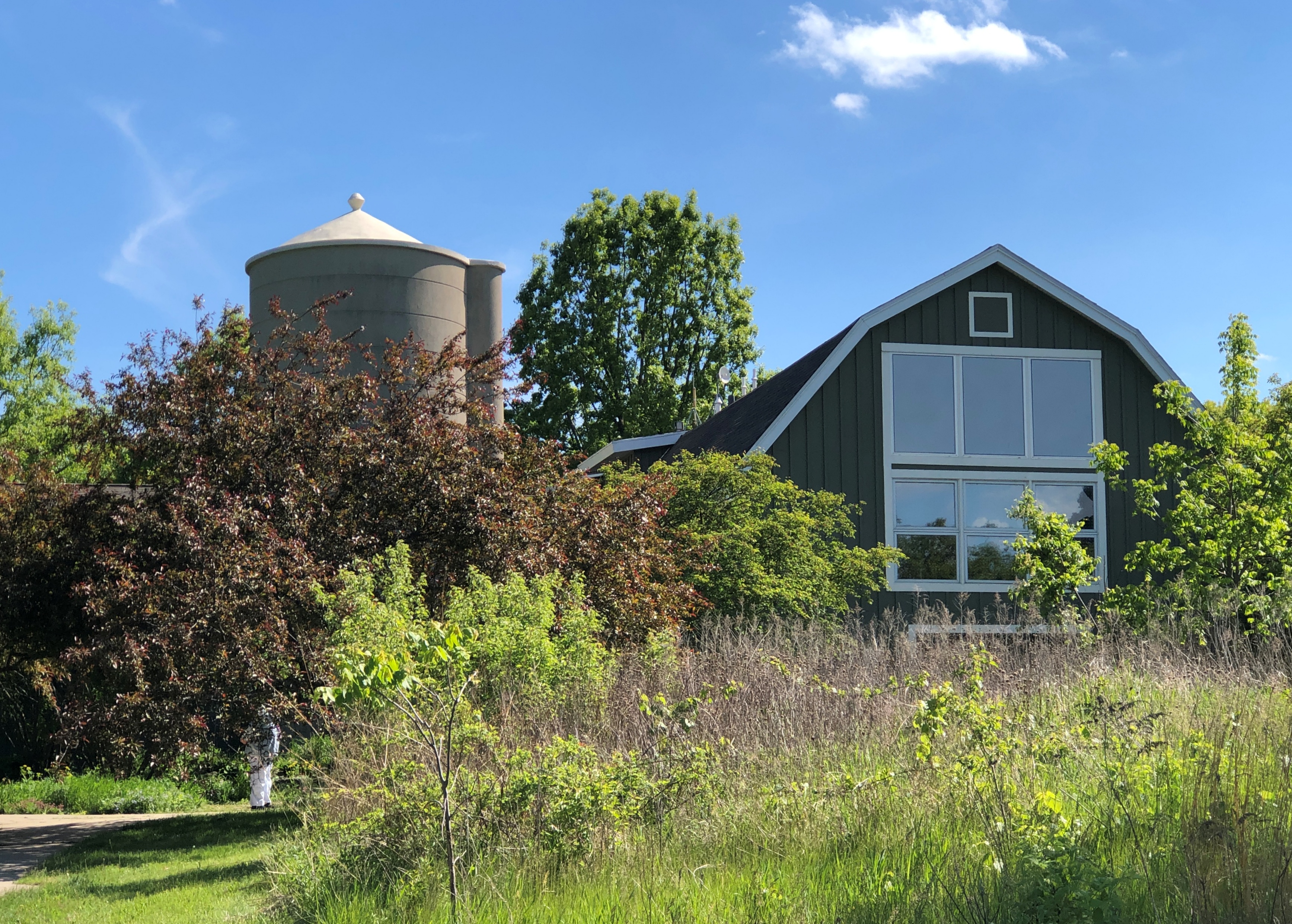
A modest but elegant building, a barn homage, houses the visitor center. Closed.Volo Bog State Natural Area Volo Bog State Natural Area

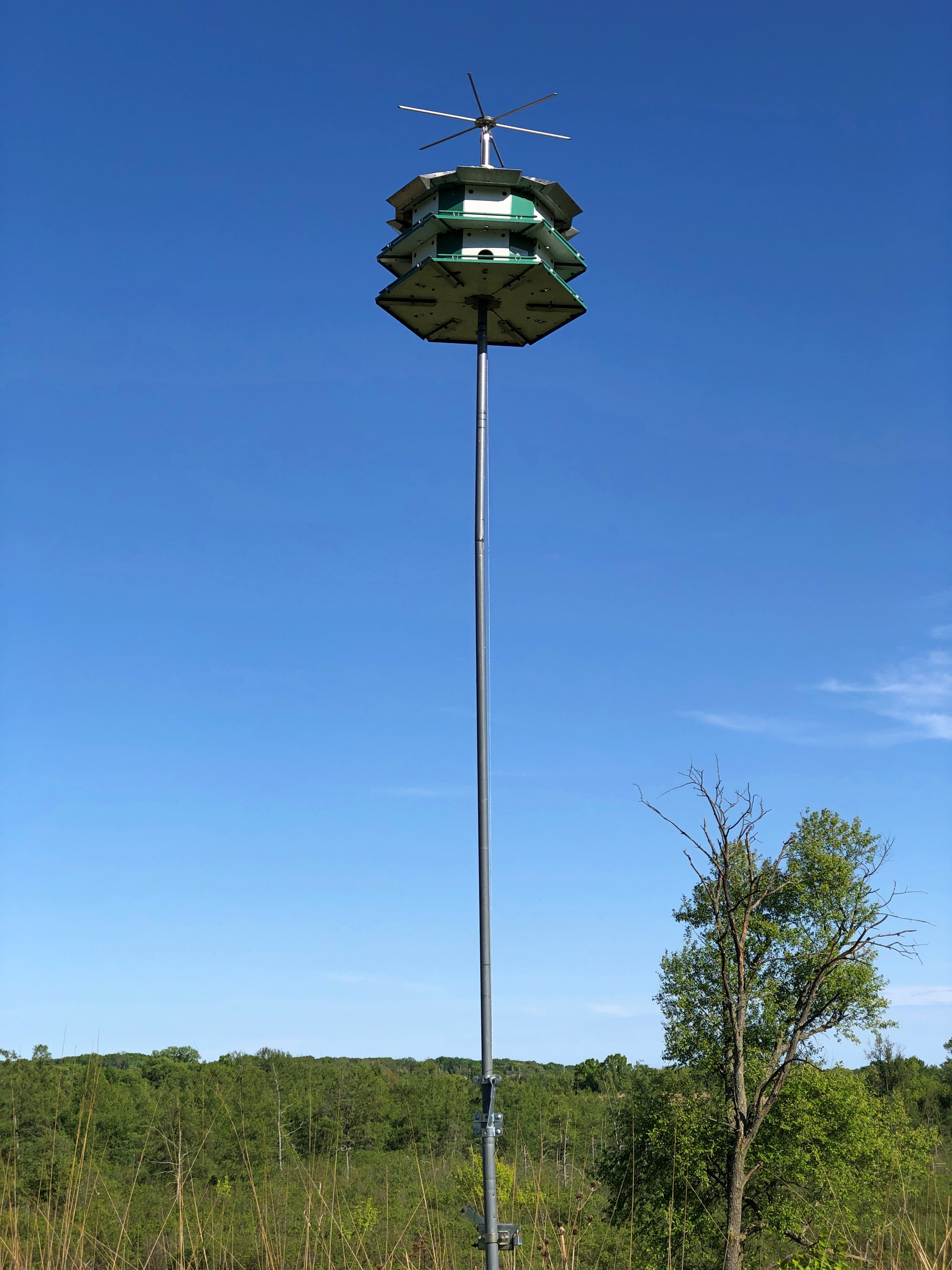
Bird apartments. Or maybe bats.Volo Bog State Natural Area

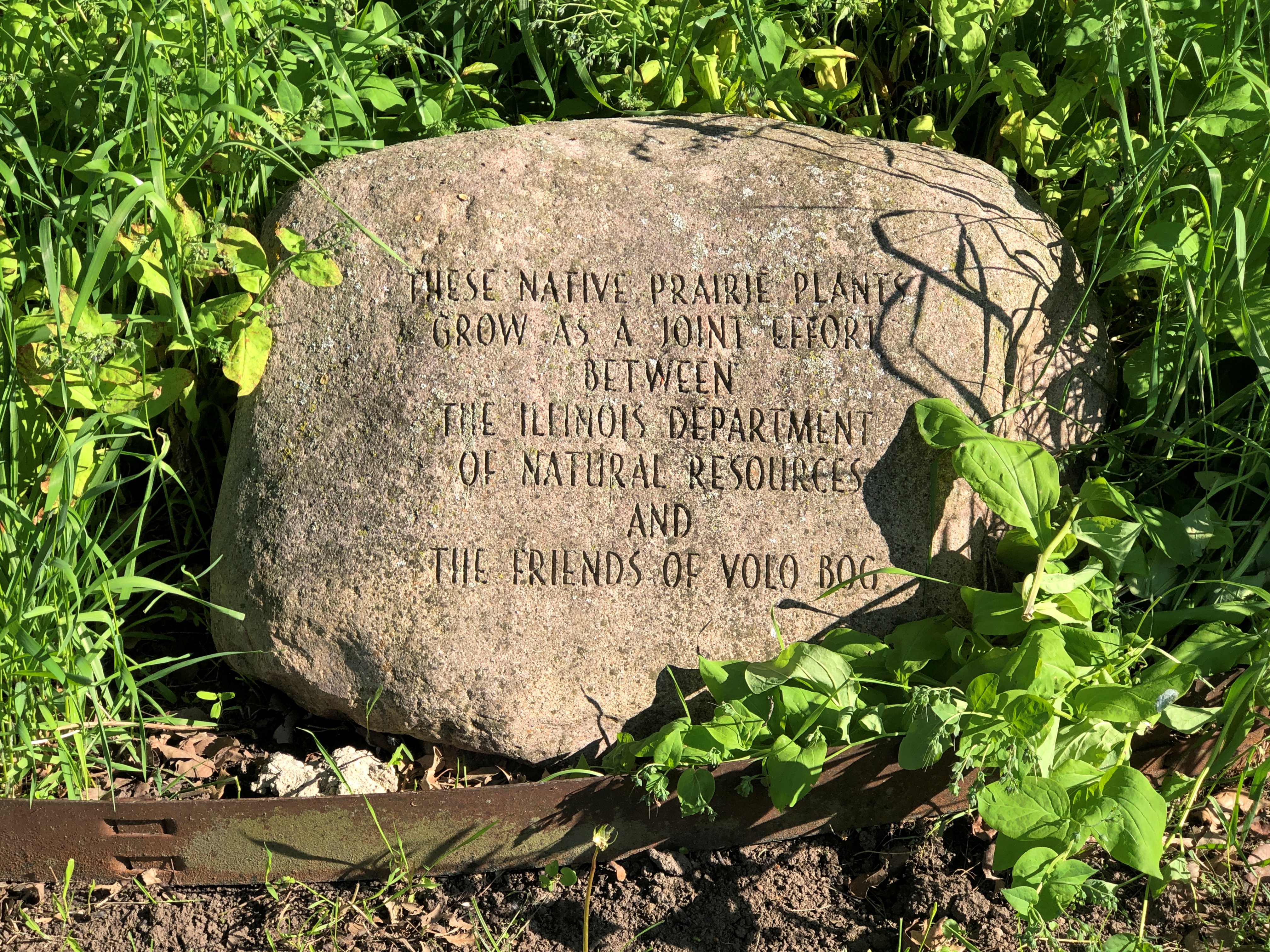
Tip of the hat (if I had a hat) to the Nature Conservancy, whose actions in the late ’50s preserved the bog. The organization has done the same for 119 million acres of land over six decades, E&E News reports, citing the organization itself.

Raj Ghat, Delhi

Still a chill in the air here in Illinois, but a bit warmer, so we’re on a slow climb back to real spring. Back to posting on May 27. In its float around late May, Memorial Day is four days earlier than Decoration Day this year.

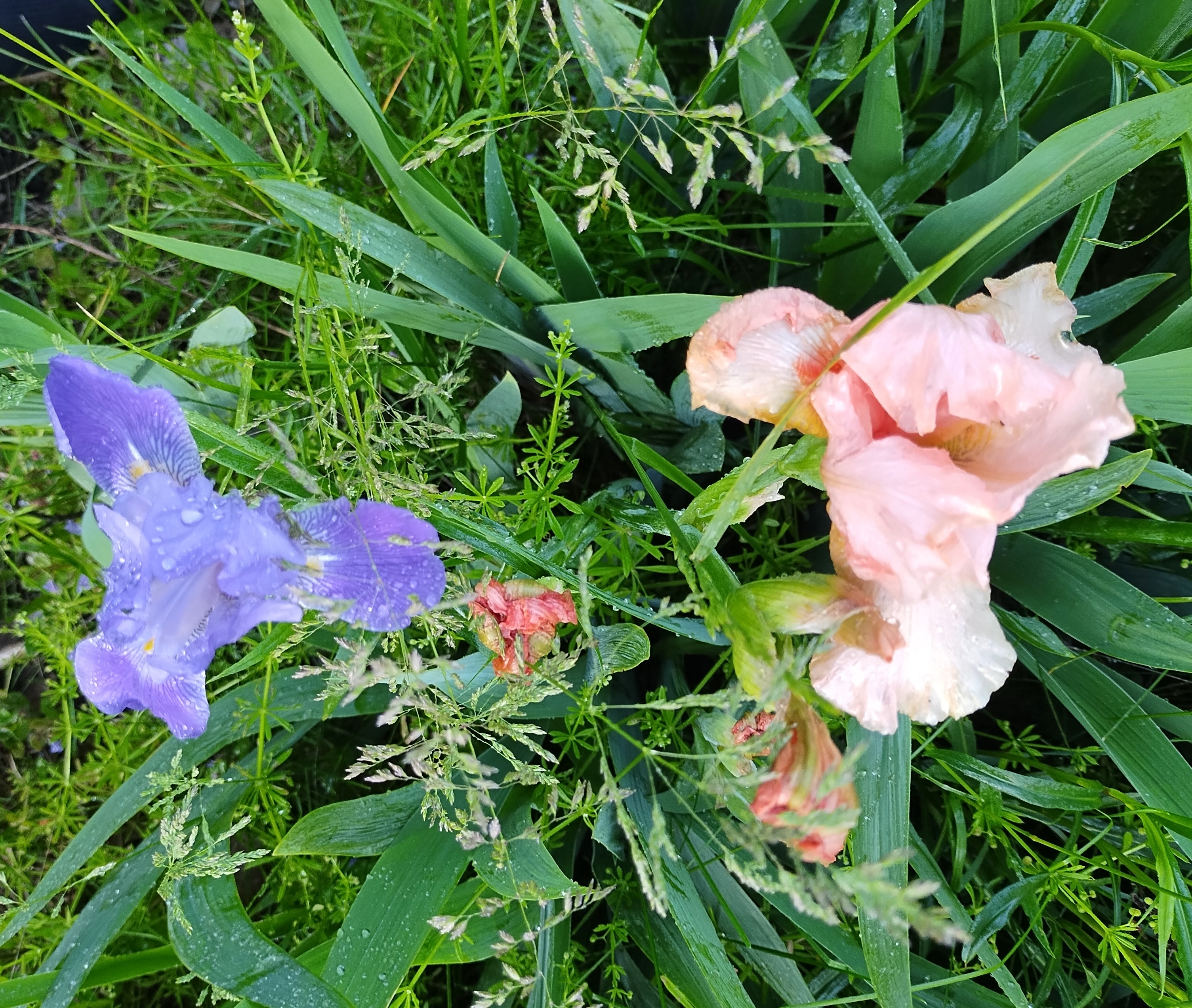
Chilly, maybe, but that hasn’t discouraged the back yard irises.iris iris

A gift from a neighbor last year – some bulbs that we planted in the patch of land that, decades ago, had been a garden. That isn’t quite what I’d call it now. More of a back yard feature whose greenery towers over the ordinary lawn grass.

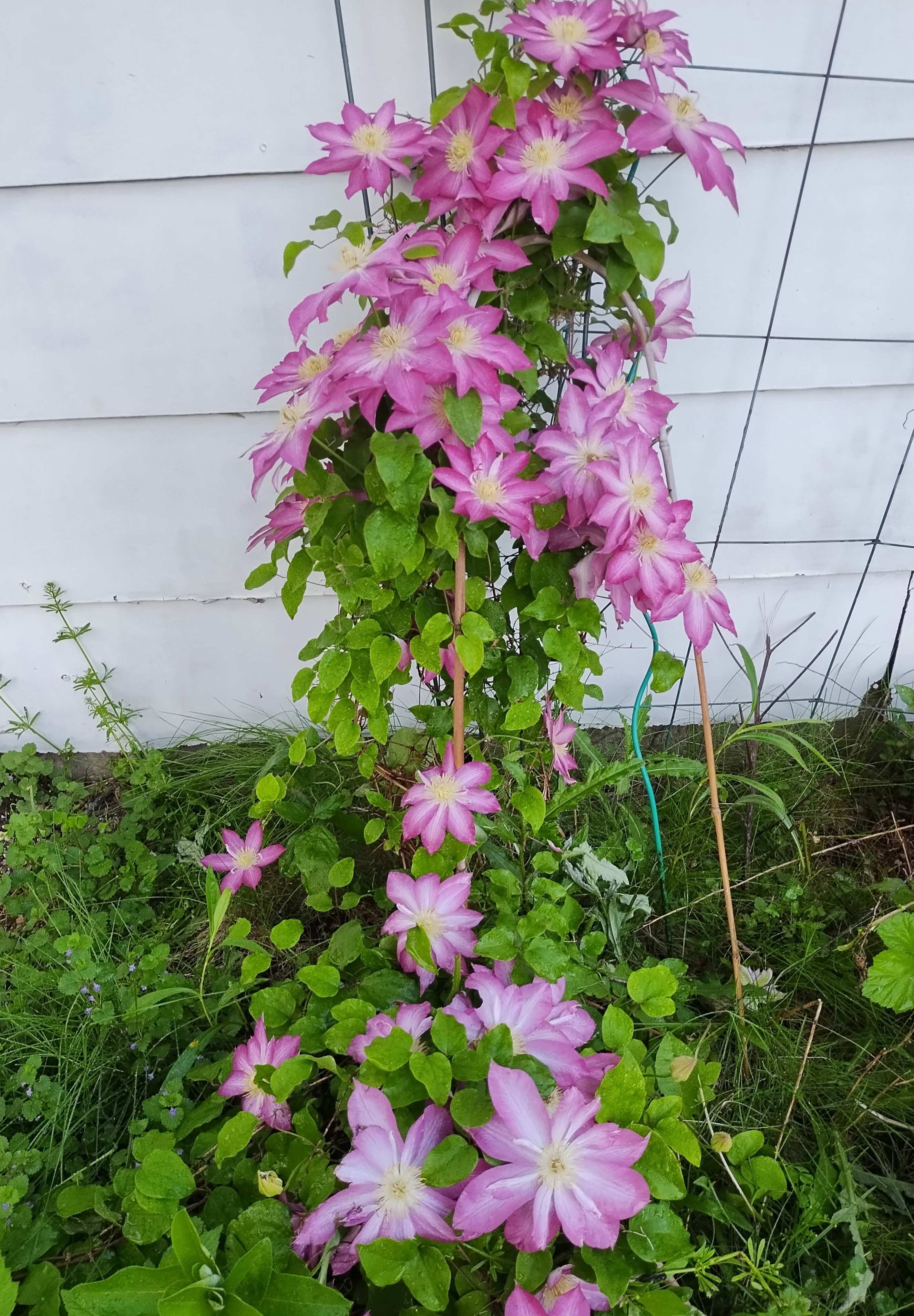
Not just irises. On the other side of the yard:

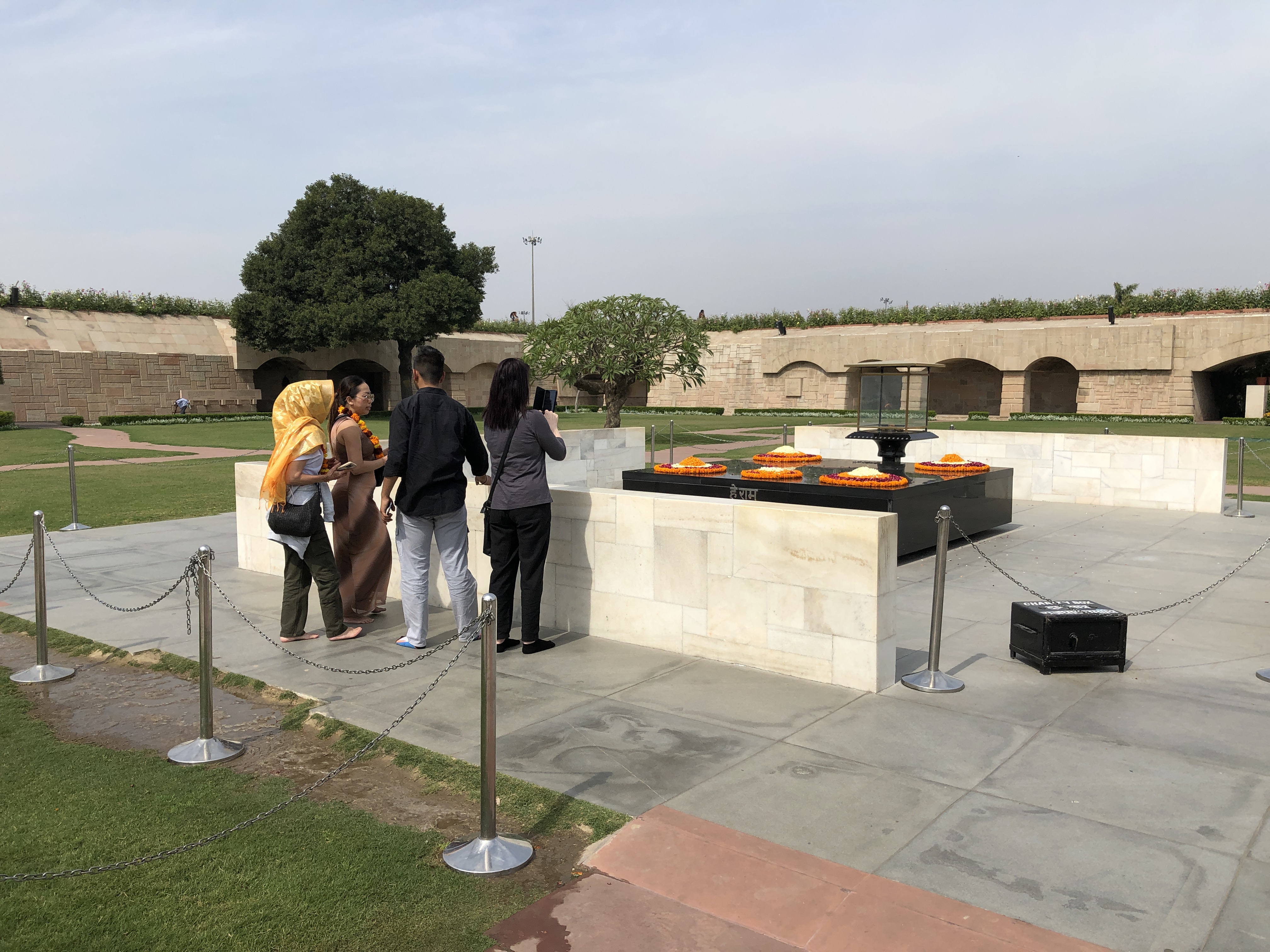
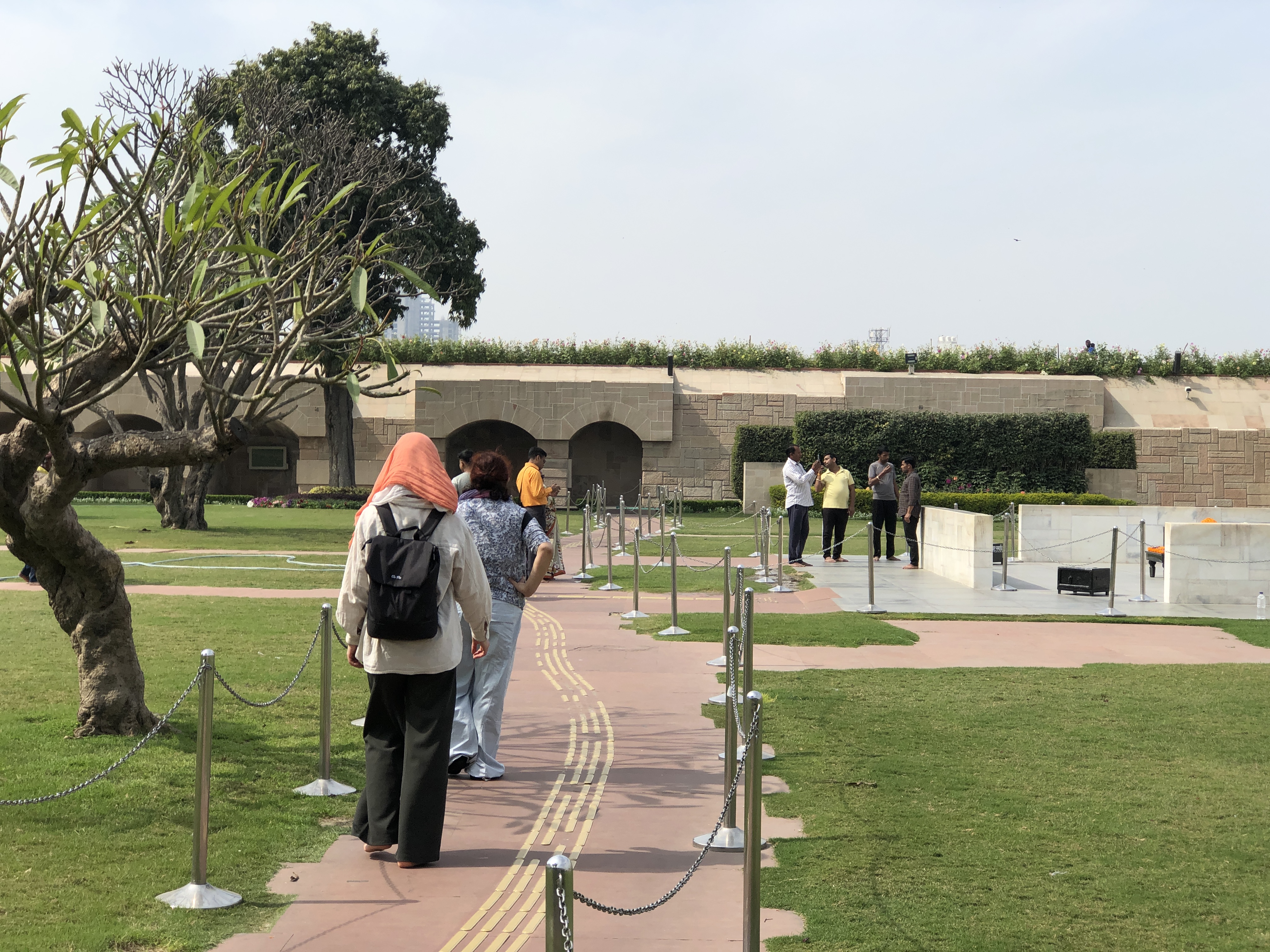
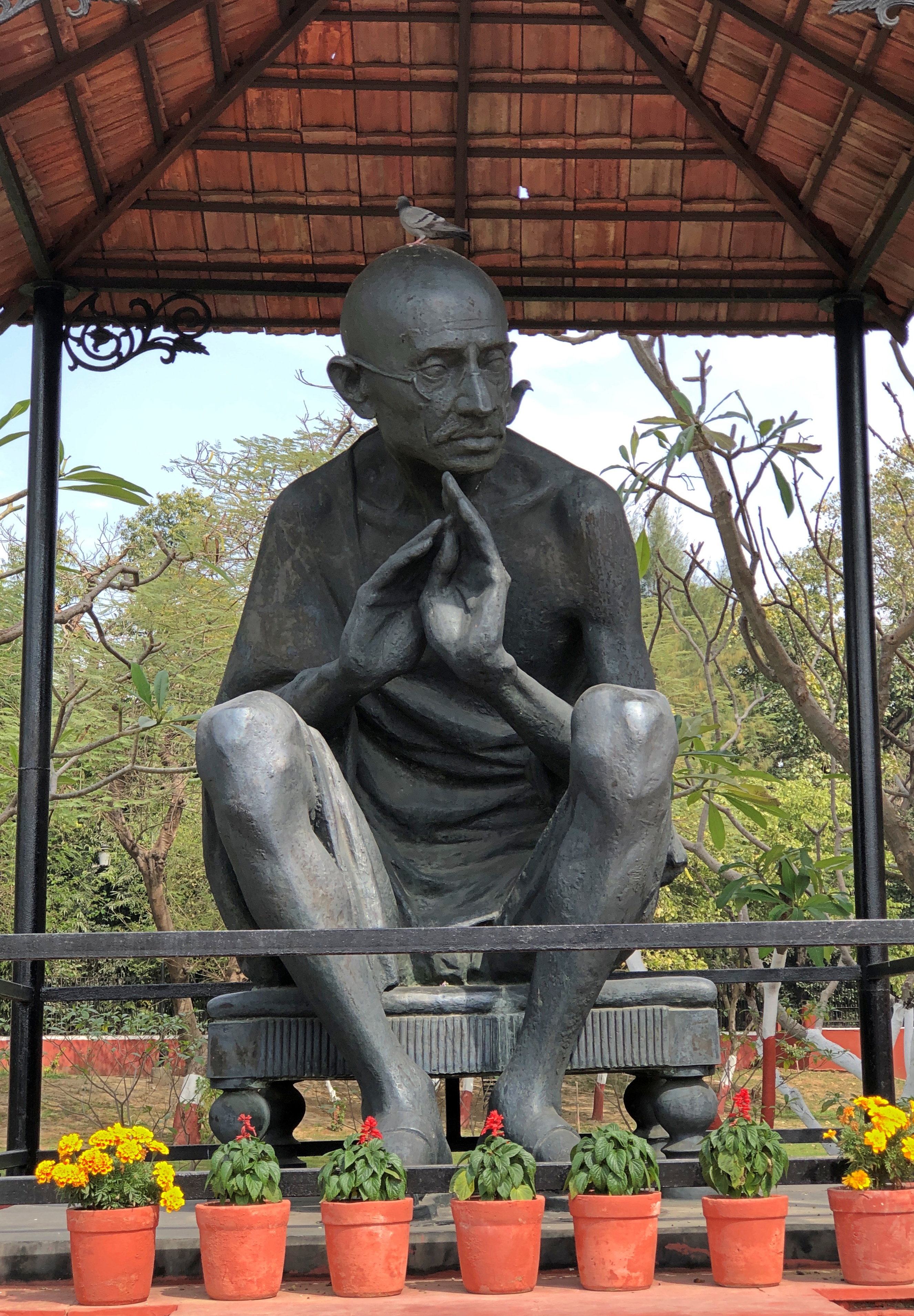
Raj Ghat was one of the first places we went in India. Its centerpiece is a memorial dedicated to Gandhi, in the middle of a large green square surrounded by walls. The black marble platform marks the spot of his cremation on January 31, 1948.Raj Ghat Raj Ghat Raj Ghat

Outside the walls is more green space. A popular spot for school groups, looks like.Raj Ghat

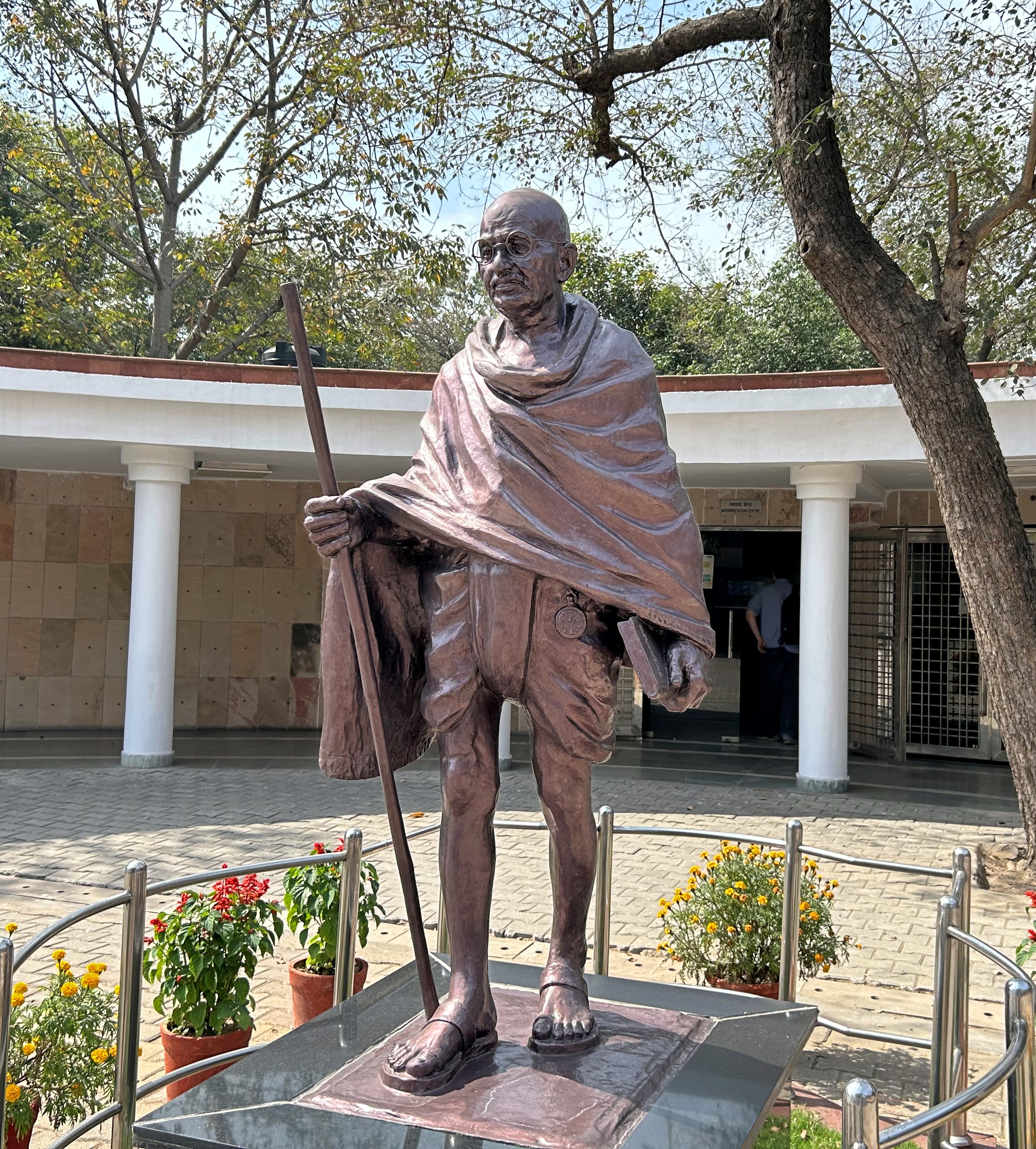
Nearby is the National Gandhi Museum. Considering that he’s Father of the Nation, not many people were there, but I suppose school groups show up  regularly to enliven the place. Overall, the memorial seemed to be more of a draw.

On the grounds of the museum.Gandhi Museum Gandhi Museum

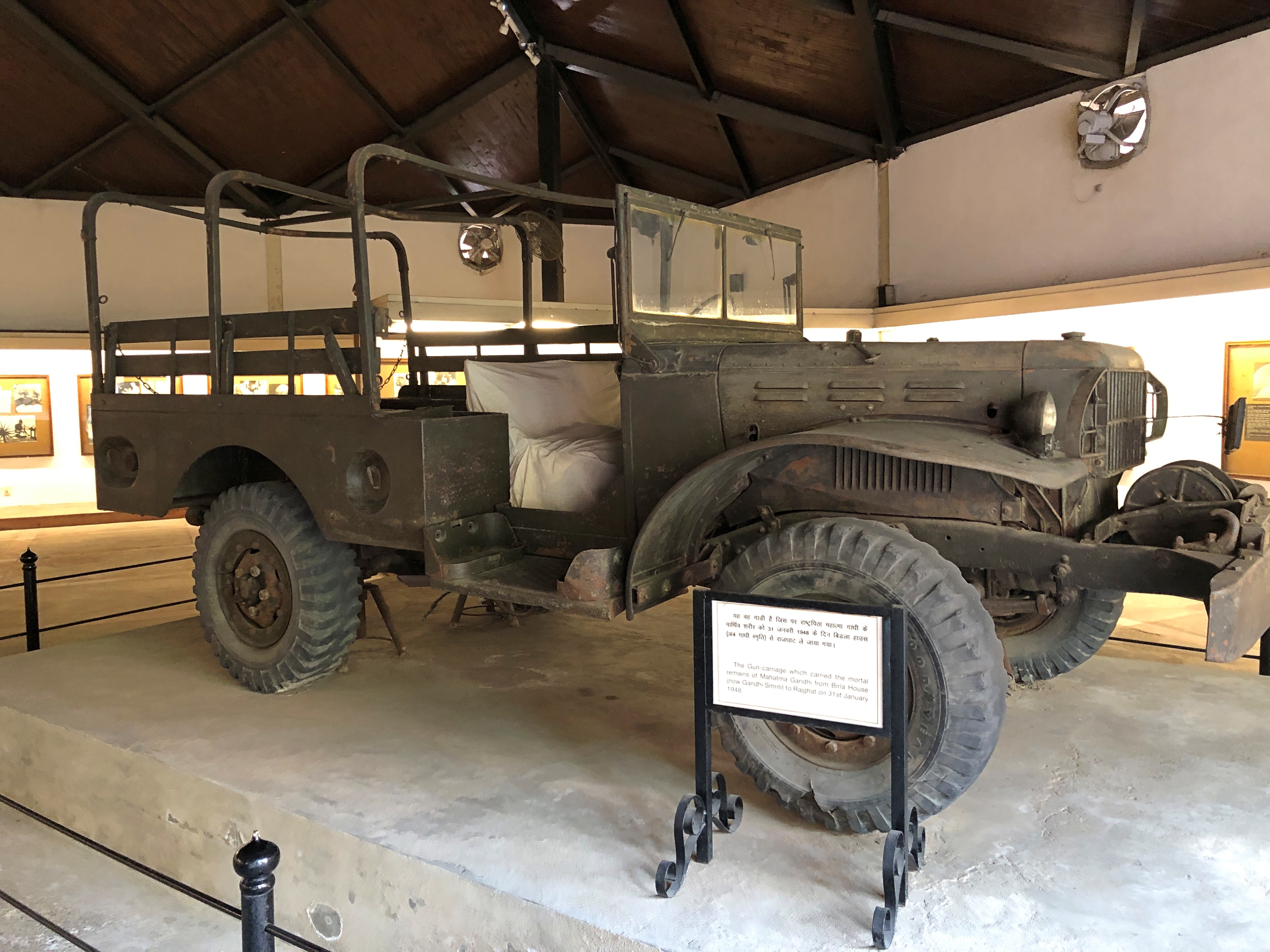
The plain rooms of the museum featured a lot of photos of Gandhi and text to go with it. For someone who lived before digital photography, his image was certainly captured by a lot of cameras. There were also a few artifacts, including one large one.Gandhi Museum

The vehicle used to carry his remains to Raj Ghat for cremation. I thought of the wagon I’d seen in Atlanta used for a similar melancholy purpose.

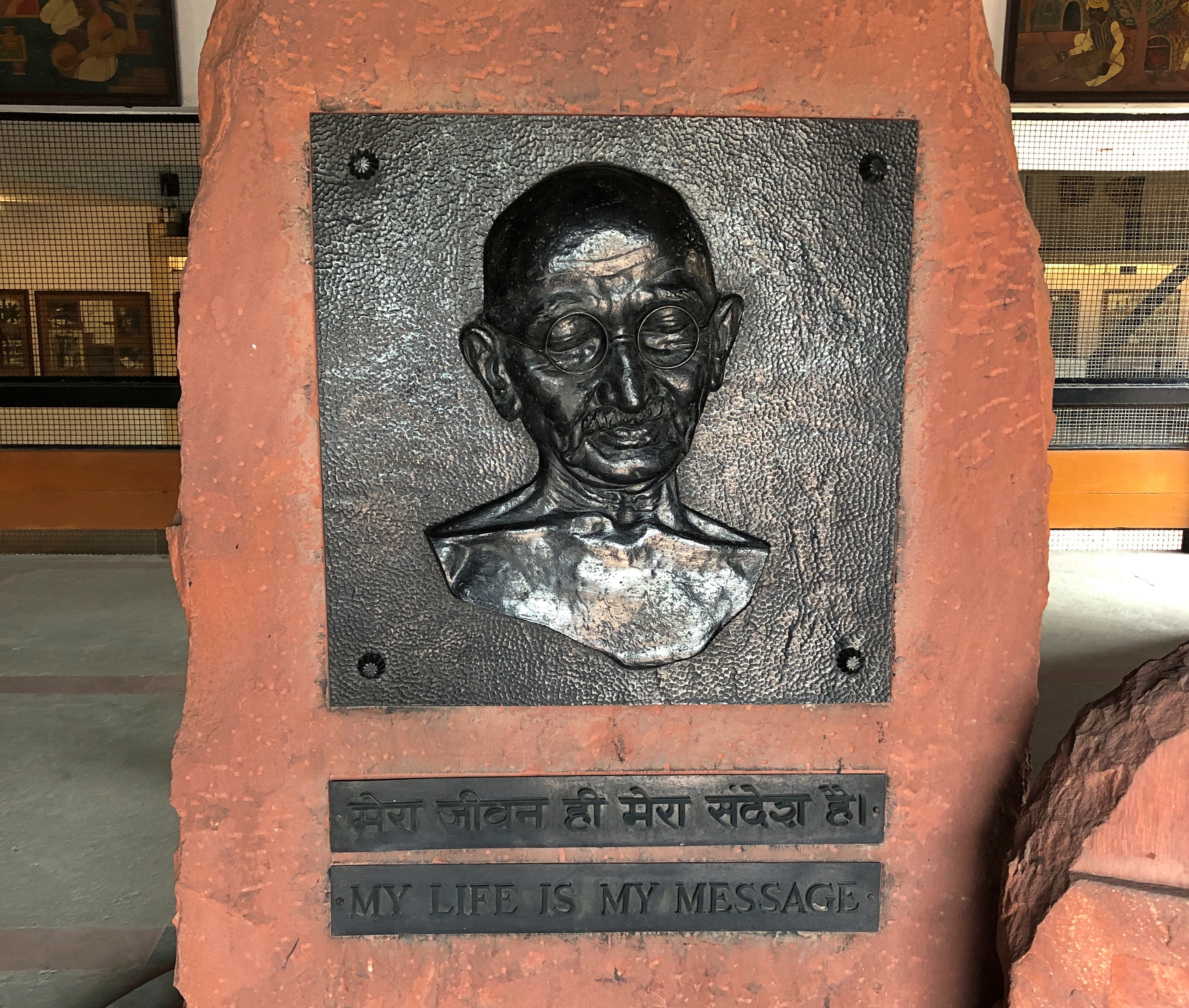
I can’t leave it at that.Gandhi Museum

Seen at the museum’s entrance.

The World Seems in Tune on a Spring Afternoon

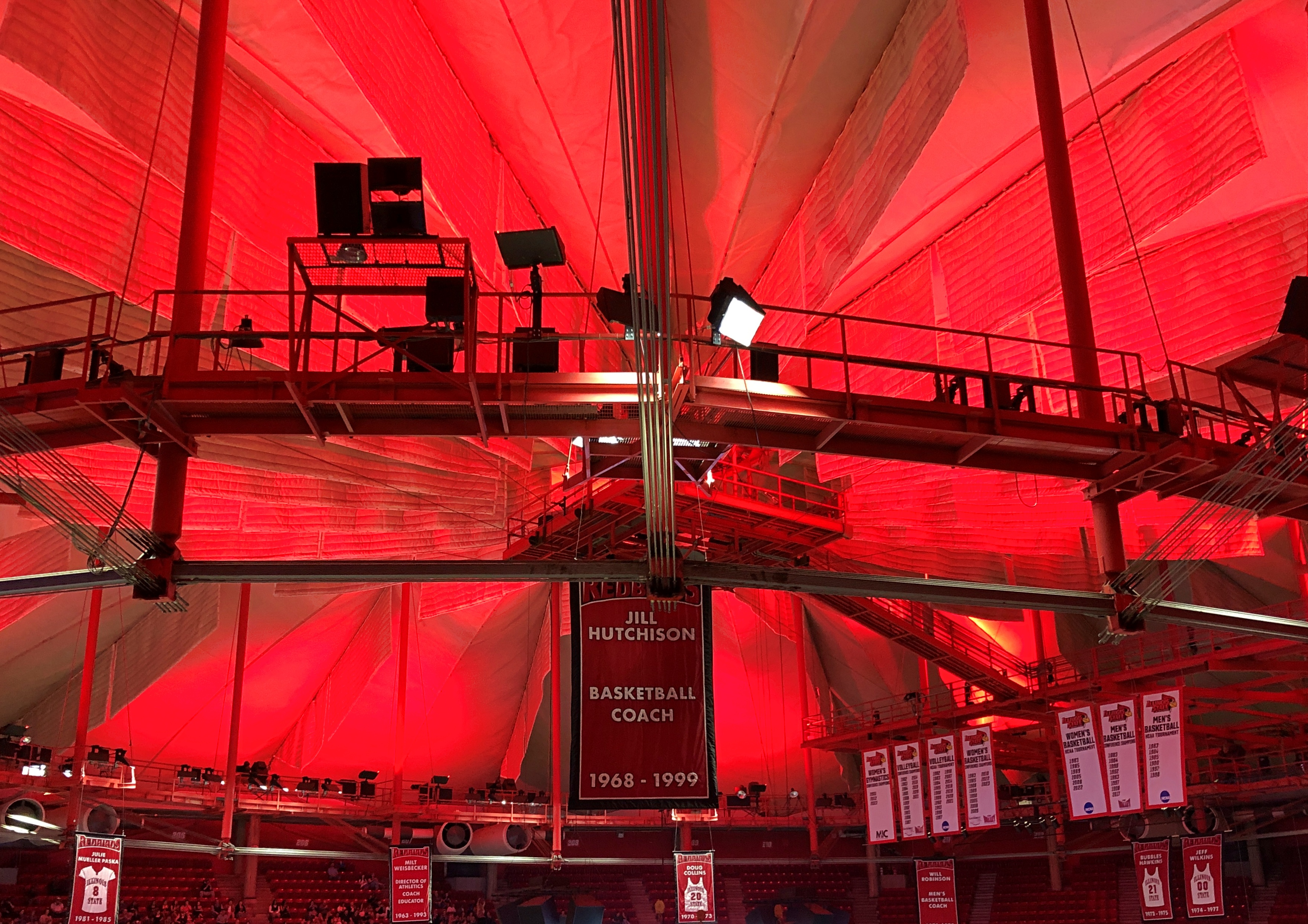
One more image from graduation.

That’s the ceiling of CEFCU Arena in Normal. Once upon a time CEFCU was Caterpillar Employees Federal Credit Union. That company‘s HQ wasn’t far away, also once upon a time. But in more recent years, the entity became an independent financial services firm, renamed Citizens Equity First Credit Union to keep the initialism consistent.

It didn’t occur to me until later that the ceiling is Redbird red.

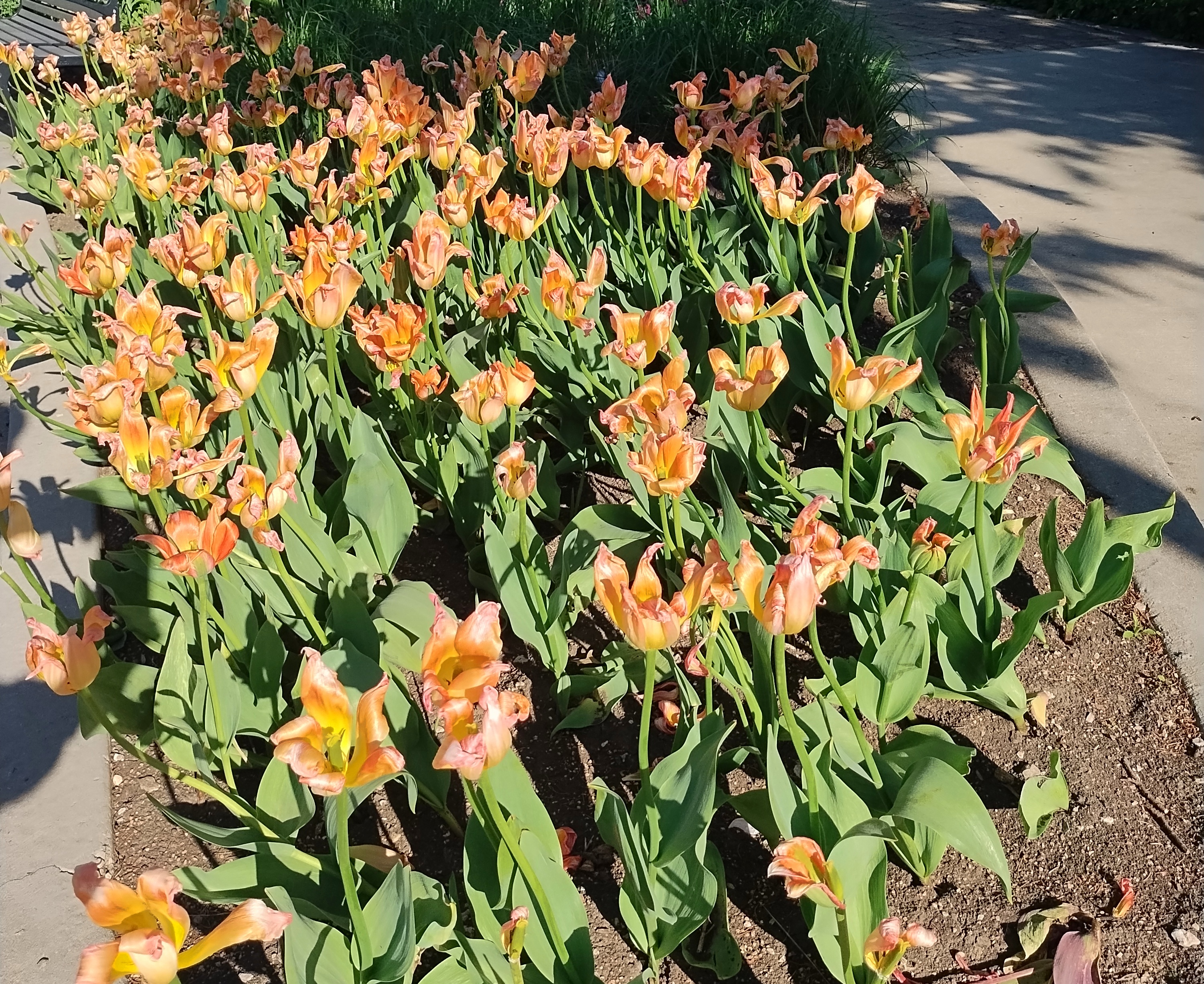
Speaking of red.May Flowers

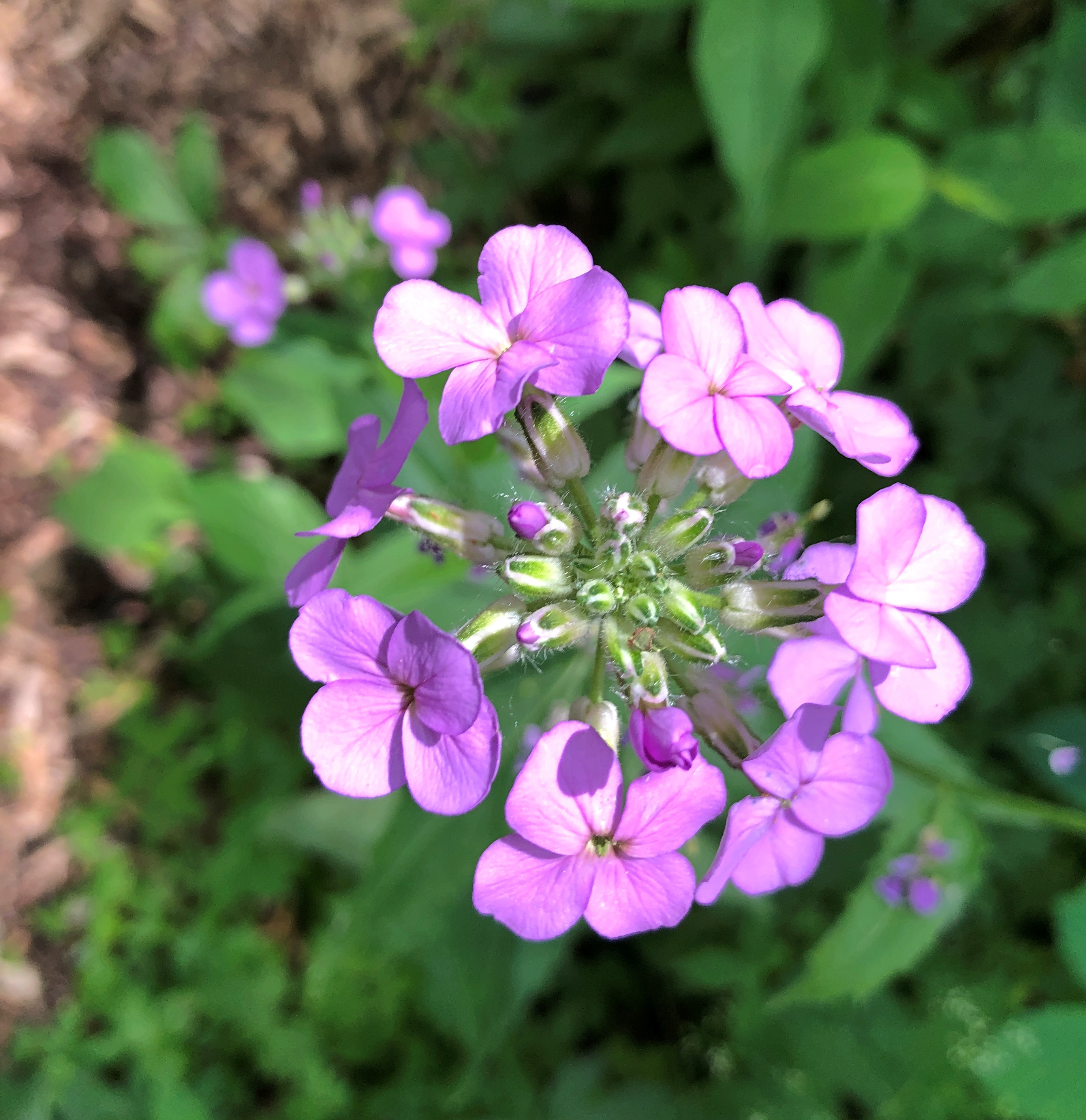
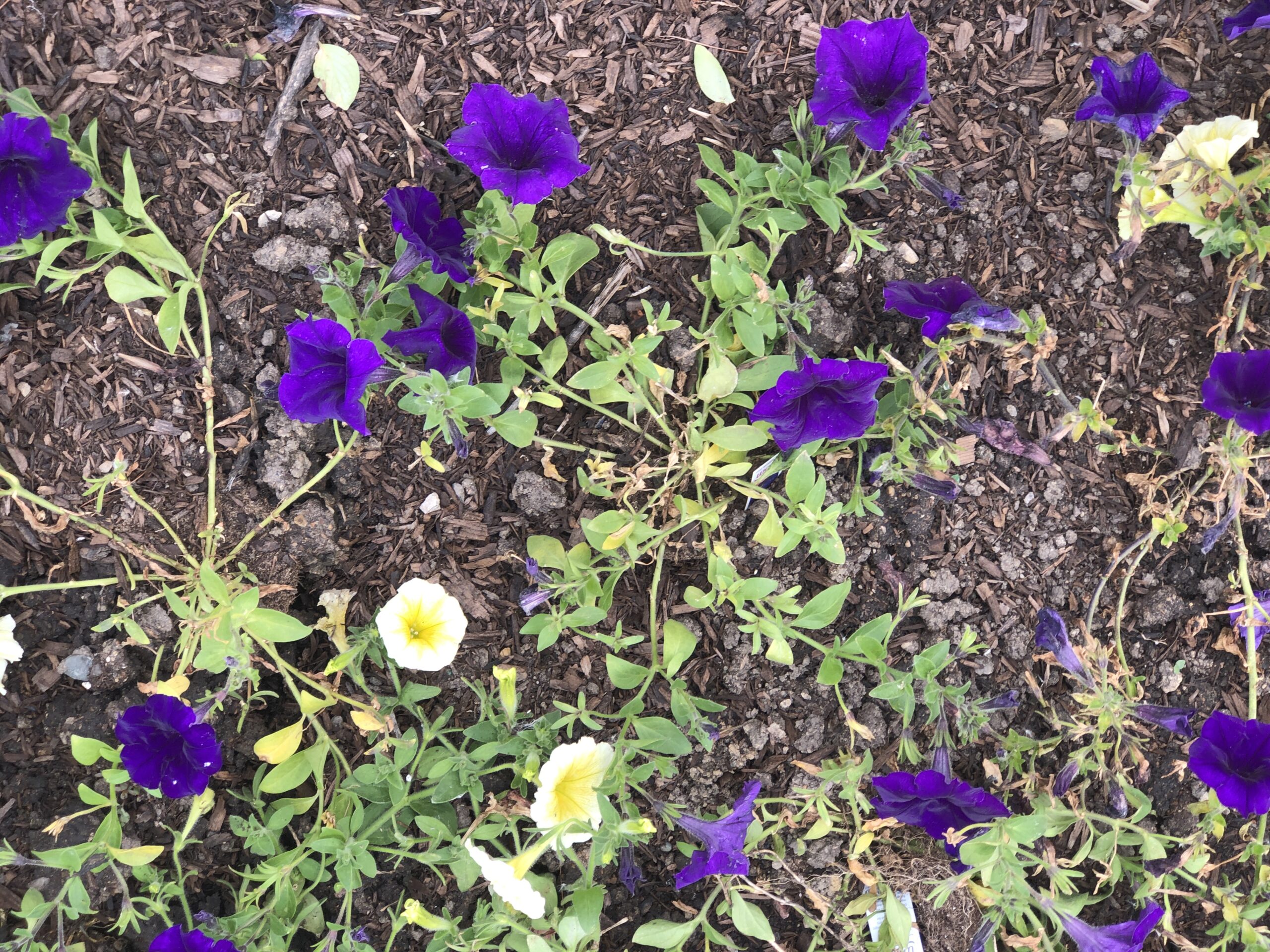
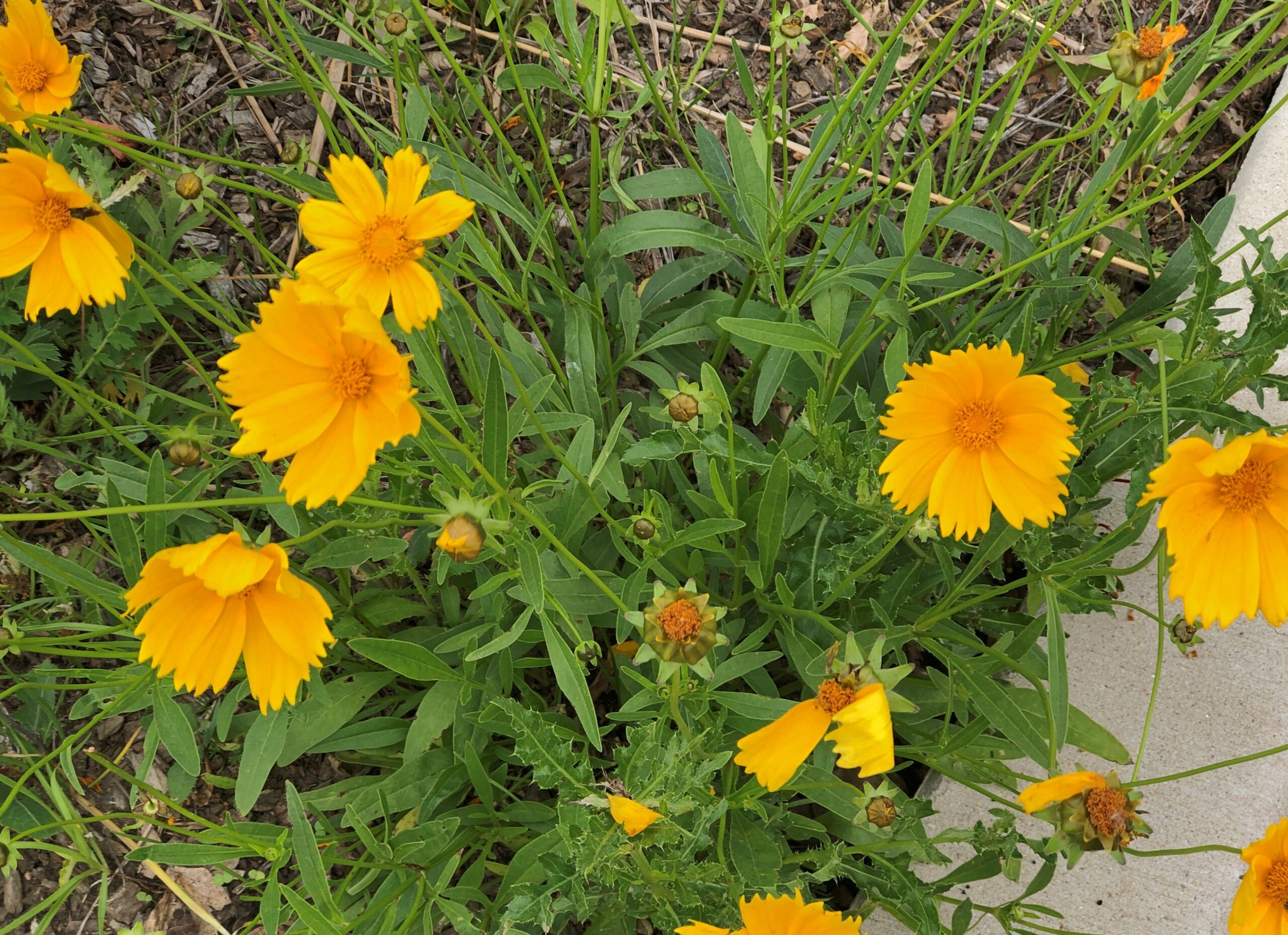
Not in Normal or anywhere else I’ve traveled lately, unless you count flowerbeds here in the northwest suburbs, about a mile and a half from home. Not just reds, either.May Flowers May Flowers May Flowers

Nothing like spring flowers to remind you of favorite old springtime songs.