Stir-Fried Fish Cake

Stir-fried fish cake is something you’ll usually get among the many and delicious side dishes served in Korean restaurants. I remember having it as long ago as the late ’80s, when I frequented a Korean restaurant on N. Clark St. in Chicago that I think is long gone, as well as some of the restaurants on Lawrence Ave. during the same decade, when the Albany Park neighborhood was Chicago’s Koreatown.

The Korean population there has dwindled in the 21st century, WBEZ reports. These days, metro Chicago’s Korean hub is suburban Niles, which indeed has a very large H Mart that we occasionally visit.

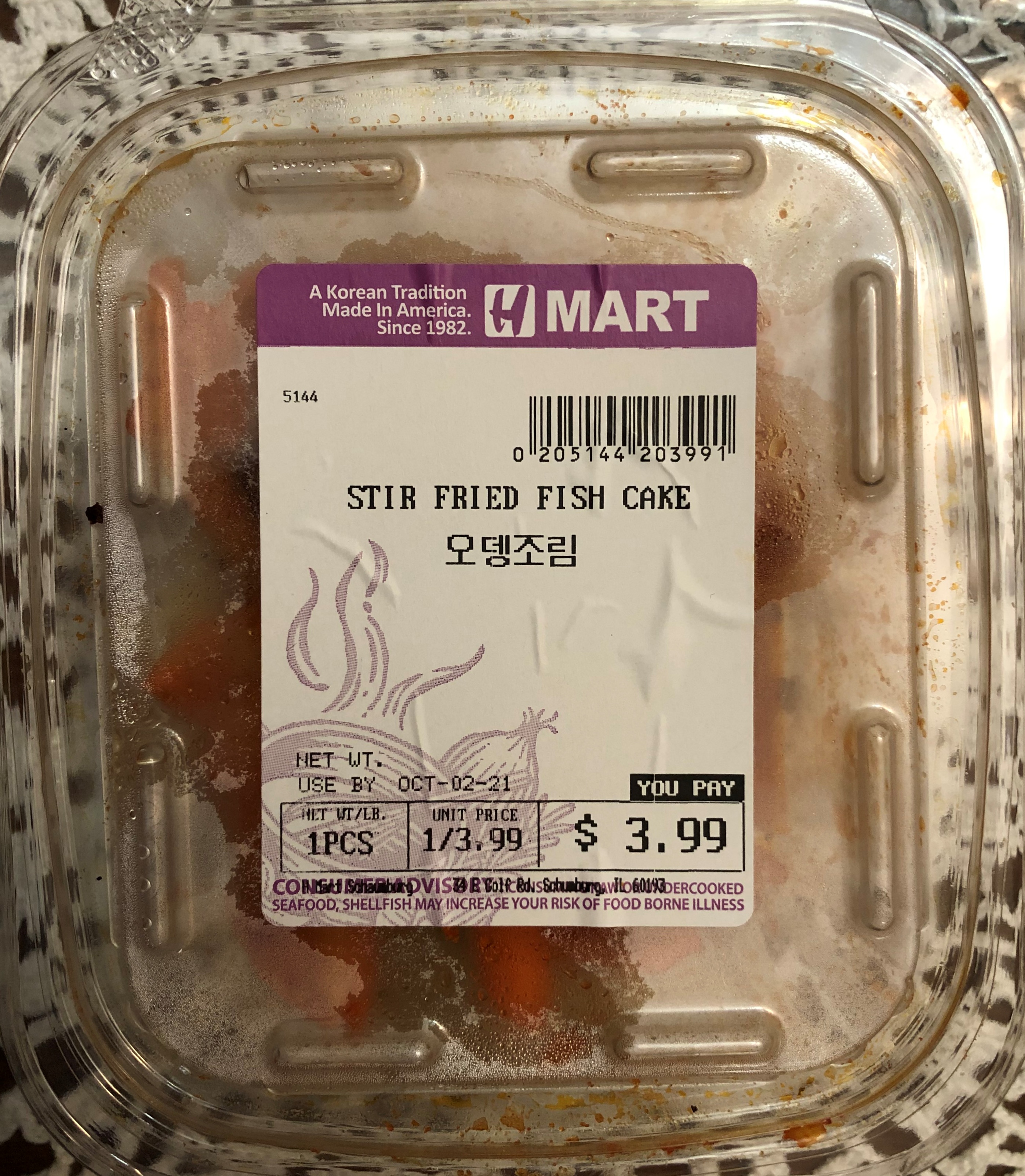
You can get stir-fried fish cake (eomuk) there to eat at home.

Niles is a little far for us, so Yuriko typically visits the smaller H Mart in Schaumburg, an outpost of the brand. Besides good Korean food, H Mart carries other Asian items, sometimes — often? — cheaper than at the Japanese grocery stores in Arlington Heights.

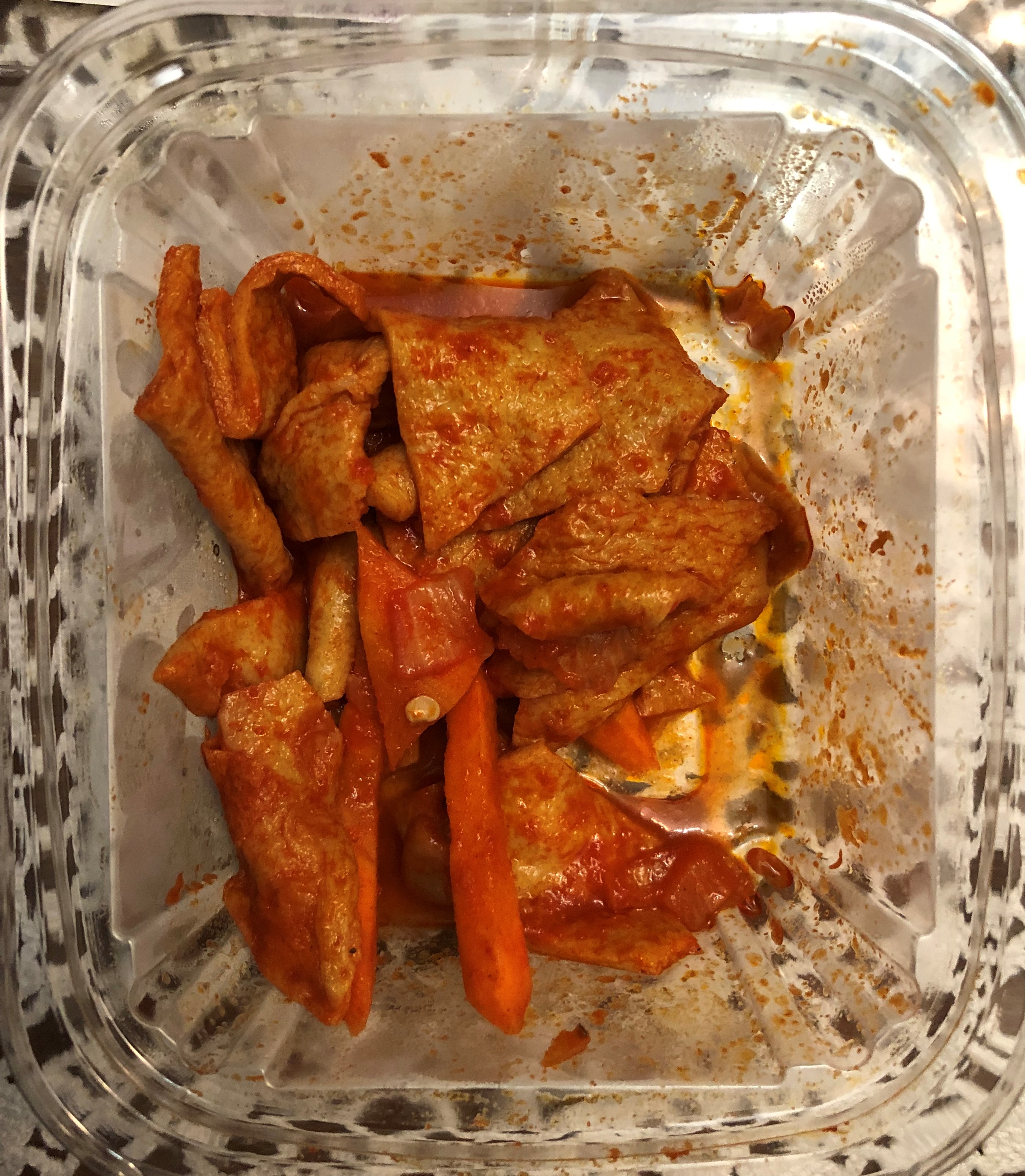
“It’s typically, a mix of Alaskan pollock, cod, tilapia and others depending on the region and season,” Future Dish says of eomuk, also known as odeng.

“The leftover pieces from these fishes are grounded into a paste and mixed with flour. Then finely chopped carrots, onion, salt, sugar and other ingredients are mixed into the thick and sticky paste.

“The paste is rolled, shaped and cut into various shapes (sheets, balls and ovals). Then deep-fried for a few minutes.”

It might not look good in my picture, but it sure is.

Now if You’re Ready, Oysters Dear, We Can Begin to Feed

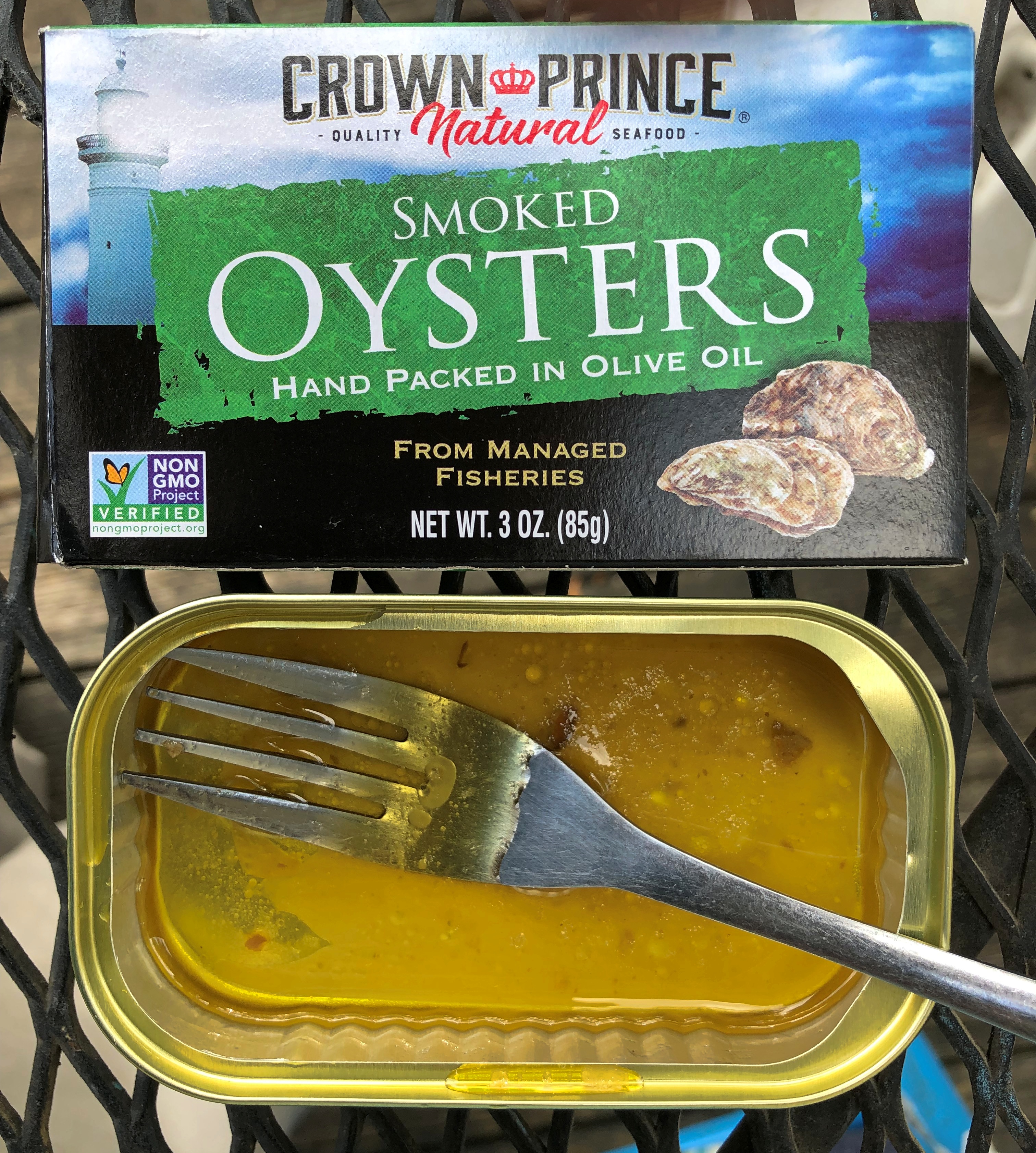
Still able to eat lunch comfortably on the deck some days. Not long ago, part of my lunch included a tin (well, aluminum container) of Crown Prince Natural brand oysters, imported by Crown Prince Inc. of Industry, California. I don’t eat a lot of oysters, and none will ever be as good as the fresh-shucked oysters I ate while drinking kamikazes at the Fishery in Nashville during the fantastic plastic summer of ’82.

Still, there it was in our pantry. Why not make it part of an al fresco lunch, out among the turning trees? Not sure how long we’d had the tin. But I knew I had to hurry. Best if used by May 1, 2025, the box says.

I made short work of them.

The box tells me that these are “sustainably raised and harvested in South Korean coastal waters. Freshly shucked, smoked over oak and packed in Turkish olive oil.”

The box is further careful to point out that each tin (that’s one serving) contains 1,305 mg of omega-3 fatty acids, like that’s a good thing. Maybe it is, but I’m feeling too lazy to look into it, because looking up nutritional information online potentially means macheting your way through a jungle of nonsense.

Also, non-GMO verified. Wouldn’t want to eat any Frankenoysters, I suppose.

South Korean oysters and Turkish olive oil is an intriguing combo. That they can be combined in the same container and sold for a modest sum here in North America is, I believe, a testament to the vast reach of the global economy, even in a time when international logistics is gummed up.

“Often called ‘the milk of the sea’ for its high nutrient content, the oyster has long been a staple of the South Korean diet,” Bloomberg reports.

“Originally harvested by free divers, oysters are now grown in ocean farms along the country’s southern coastline and shipped overseas to the U.S., Japan and Hong Kong. Appetite for the delicacy has made South Korea the world’s second-largest exporter of the shelled mollusks.”

One more thing: a surprising lot has been said about this particular kind of mollusk.

But none like Lewis Carroll. Select verses:

” ‘The time has come,’ the Walrus said,
‘To talk of many things:
Of shoes — and ships — and sealing-wax —
Of cabbages — and kings —
And why the sea is boiling hot —
And whether pigs have wings.’

A loaf of bread,’ the Walrus said,
Is what we chiefly need:
Pepper and vinegar besides
Are very good indeed —
Now if you’re ready, Oysters dear,
We can begin to feed.’

‘O Oysters,’ said the Carpenter,
You’ve had a pleasant run!
Shall we be trotting home again?’
But answer came there none —
And this was scarcely odd, because
They’d eaten every one.”

오레오

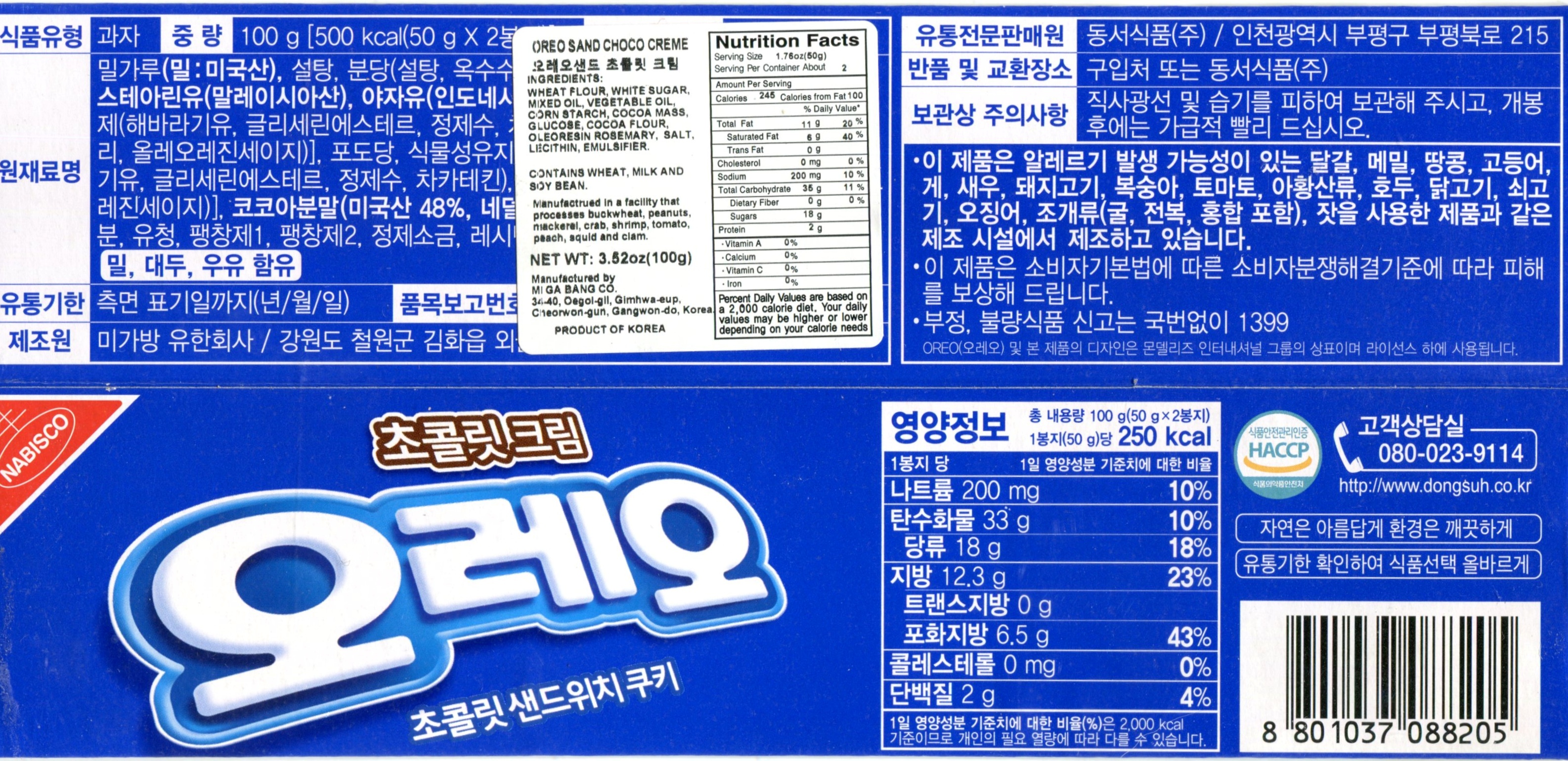
Acquired at H Mart not long ago (a box, flattened).

I didn’t know that Oreos (오레오) are available in Korea, but it doesn’t surprise me. Who doesn’t like Oreos? It is a little surprising that Korean-made Oreos are sold in a grocery store in the United States, even one that specializes in Korean products. The label tells me that they were made by the Mi Ga Bang Co. of Gangwon Provence, South Korea.

Presumably to Nabisco specifications. I’m glad to report that inside the box, the cookies are exactly the same as domestic Oreos — at least in appearance and taste, down to the distinctive Oreo design on the face of the cookie that hasn’t changed in my recollection. The cookie that Hydrox could not beat.

Fortune Cookie Wisdom

I ate a fortune cookie not long ago, as I do when offered them by restaurants and takeout places that offer them. Also, I read the fortune, as a form of very low-grade entertainment.

Something I knew about fortune cookies: their origin seems to trace from Japan, Kyoto in fact, a place that’s long been inventive when it comes to confections. I’ve sampled some of the traditional products in the small, wonderfully colorful shops of that city.

“The idea that fortune cookies come from Japan is counterintuitive, to say the least,” wrote Jennifer 8. Lee in the New York Times some years ago, an article I remember seeing before. Maybe so, but ideas and inventions travel and morph, in this case to California for an association with Chinese food by the 20th century.

“The Japanese may have invented the fortune cookie,” she quotes Derrick Wong, the vice president of the largest fortune cookie manufacturer in the world, Wonton Food, based in Brooklyn. “But the Chinese people really explored the potential of the fortune cookie. It’s Chinese-American culture. It only happens here, not in China.”

Which brings me to the wisdom in my most recent fortune cookie, from a bakery in Chicago. Seven words, entirely sic:

Being an able man. There are always.

Glad to see that fortune-cookie writing, in this case, has been outsourced to someone whose native language isn’t English. Entirely possible in polyglot Chicago. I can’t say what language they do speak, but I’m certain of that.

Egg Harbor, Wisconsin

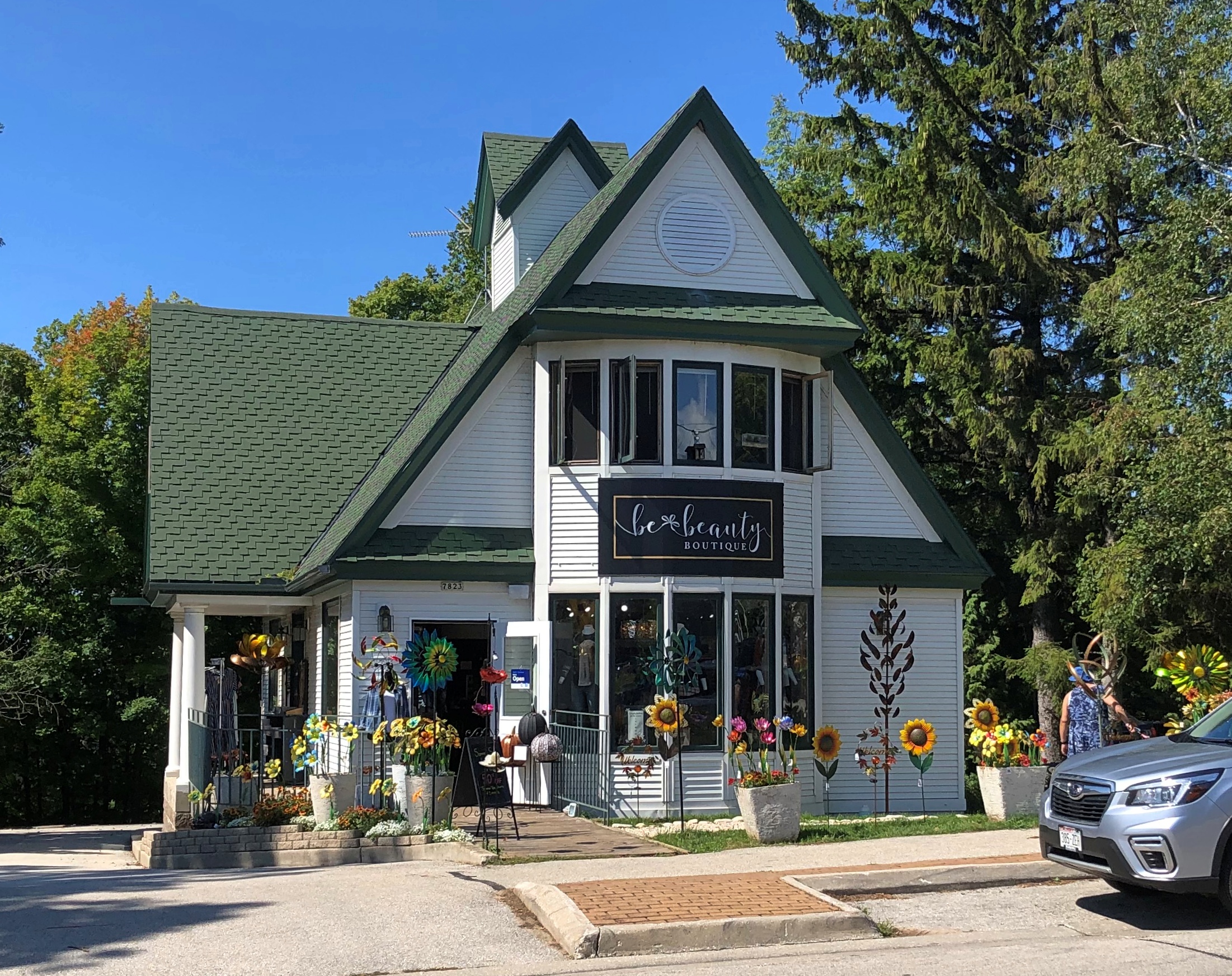
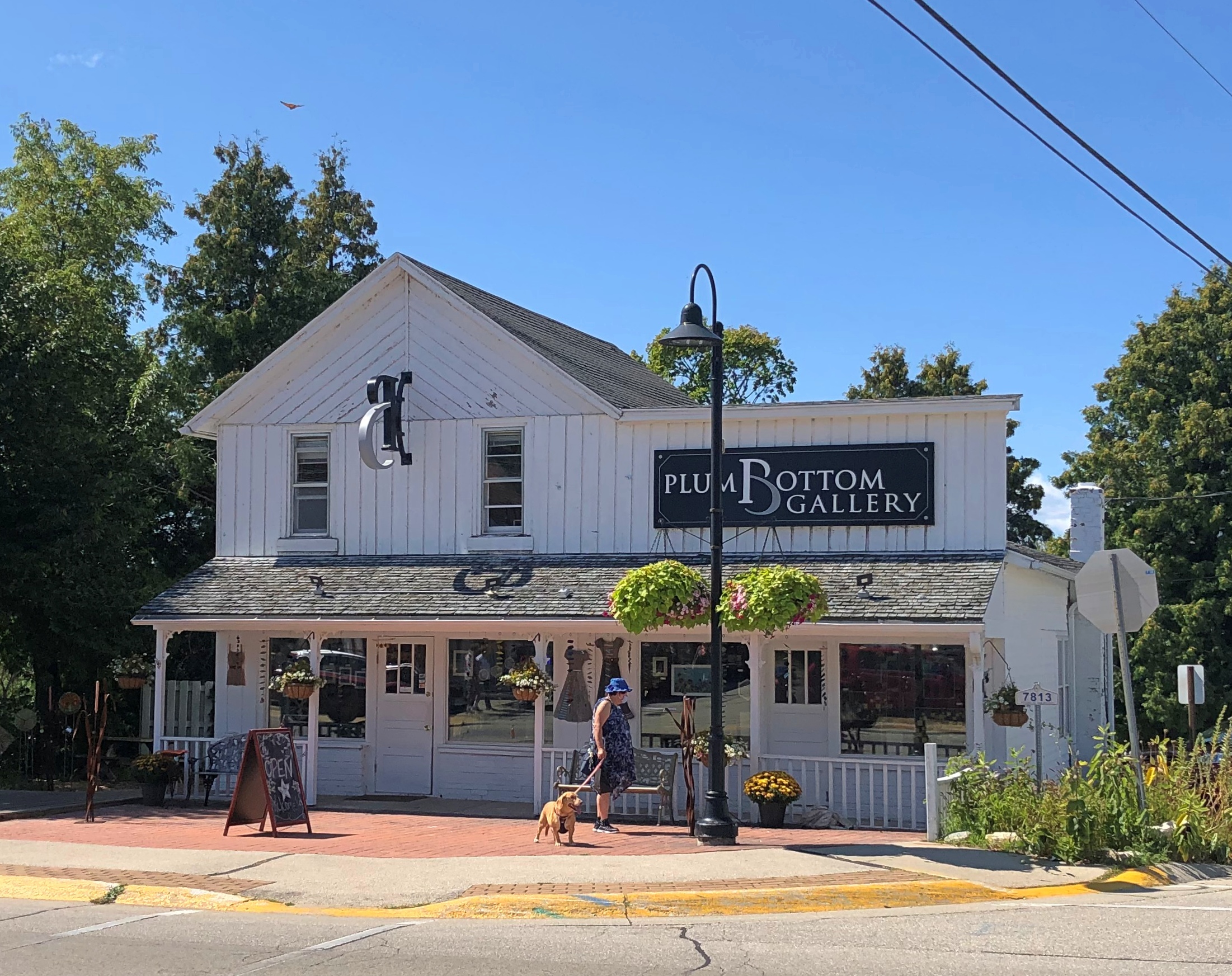
Here’s a short and incomplete list of businesses you can find on the few streets of Egg Harbor, Wisconsin, in Door County: Be Beauty, Buttercups Coffee, Fat Louie’s Olive Oil Co., The Fireside (restaurant), Greens N Grains Natural Food Market & Cafe, Grumpy’s Ice Cream and Popcorn, Hatch Distilling Co., Plum Bottom Gallery, and Shipwrecked Brew Pub & Restaurant.

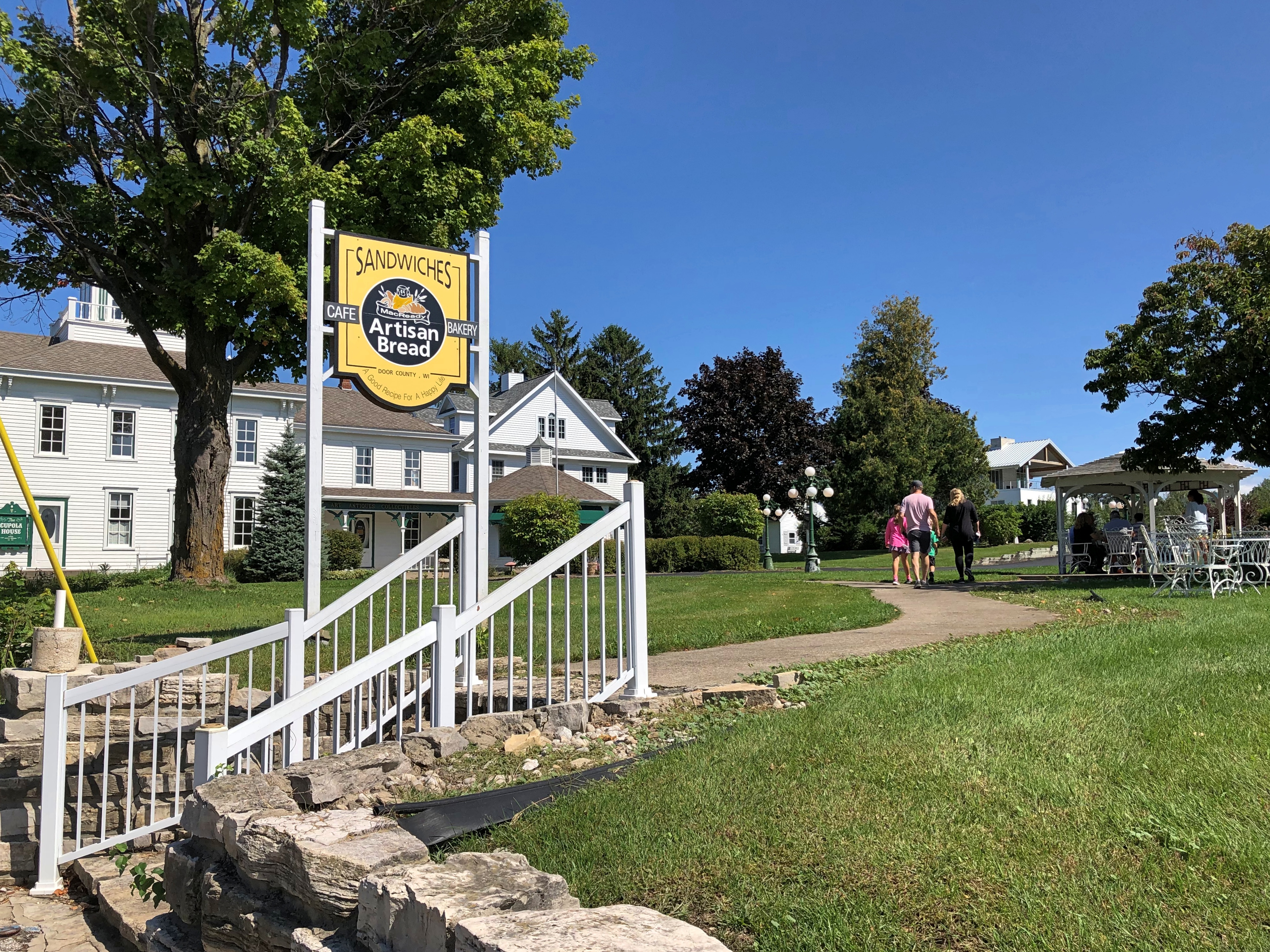
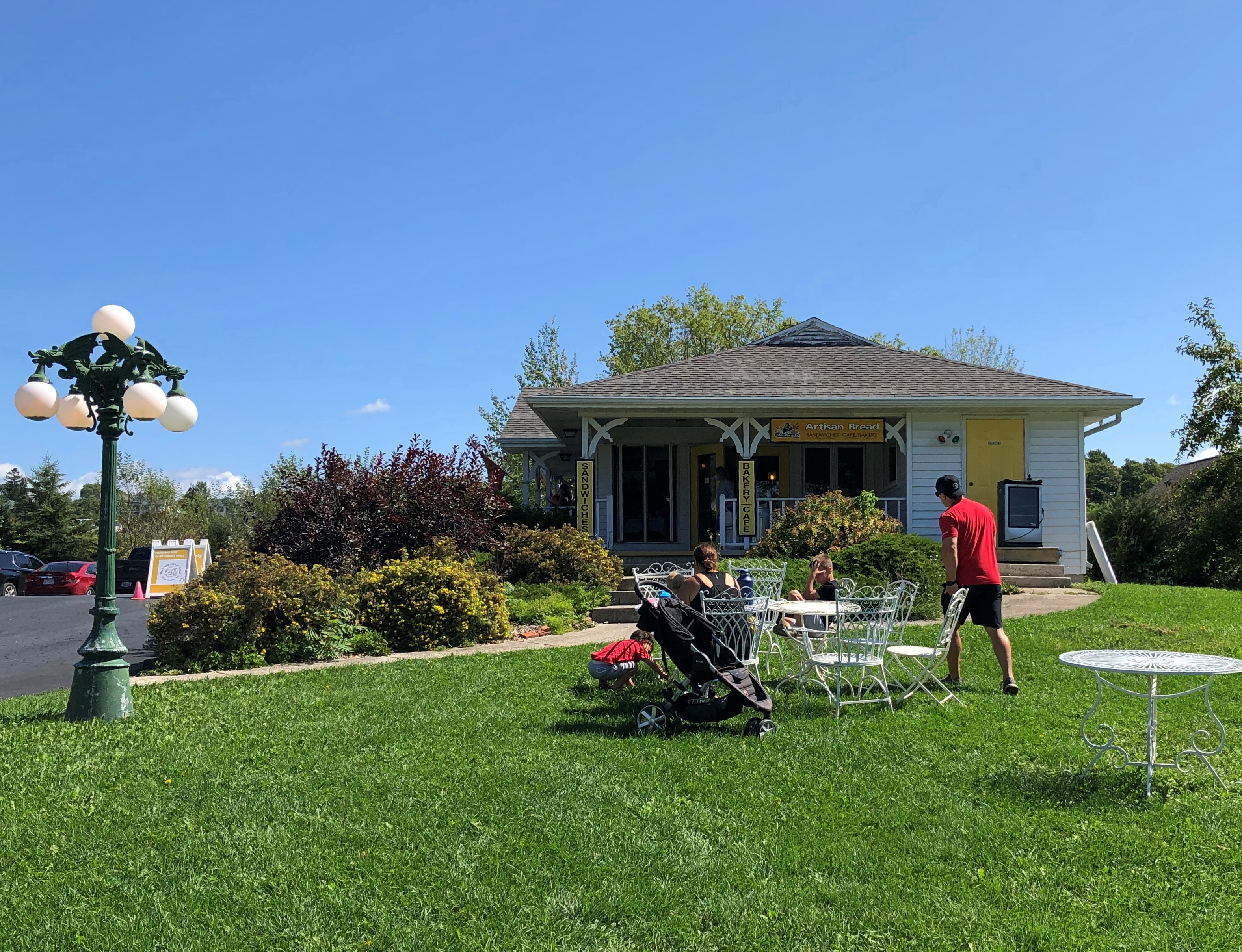
Businesses aiming to capture out-of-town dollars, in other words. We dropped a few ourselves. We arrived just after noon on September 5, enjoying clear skies and warm temps, and by mere luck found a parking space on the main street (Wisconsin 42). On a slight rise at that spot, a little set back from the road, is Macready Artisan Bread.Egg Harbor Wisconsin

Egg Harbor WisconsinWith cast iron tables and chairs, it looked like a good place for an al fresco lunch, which it turned out to be. Good sandwiches: a braunschweiger and an egg salad. As Wiki says, braunschweiger refers to pork liver sausage in North America. At least it did in Egg Harbor that day.

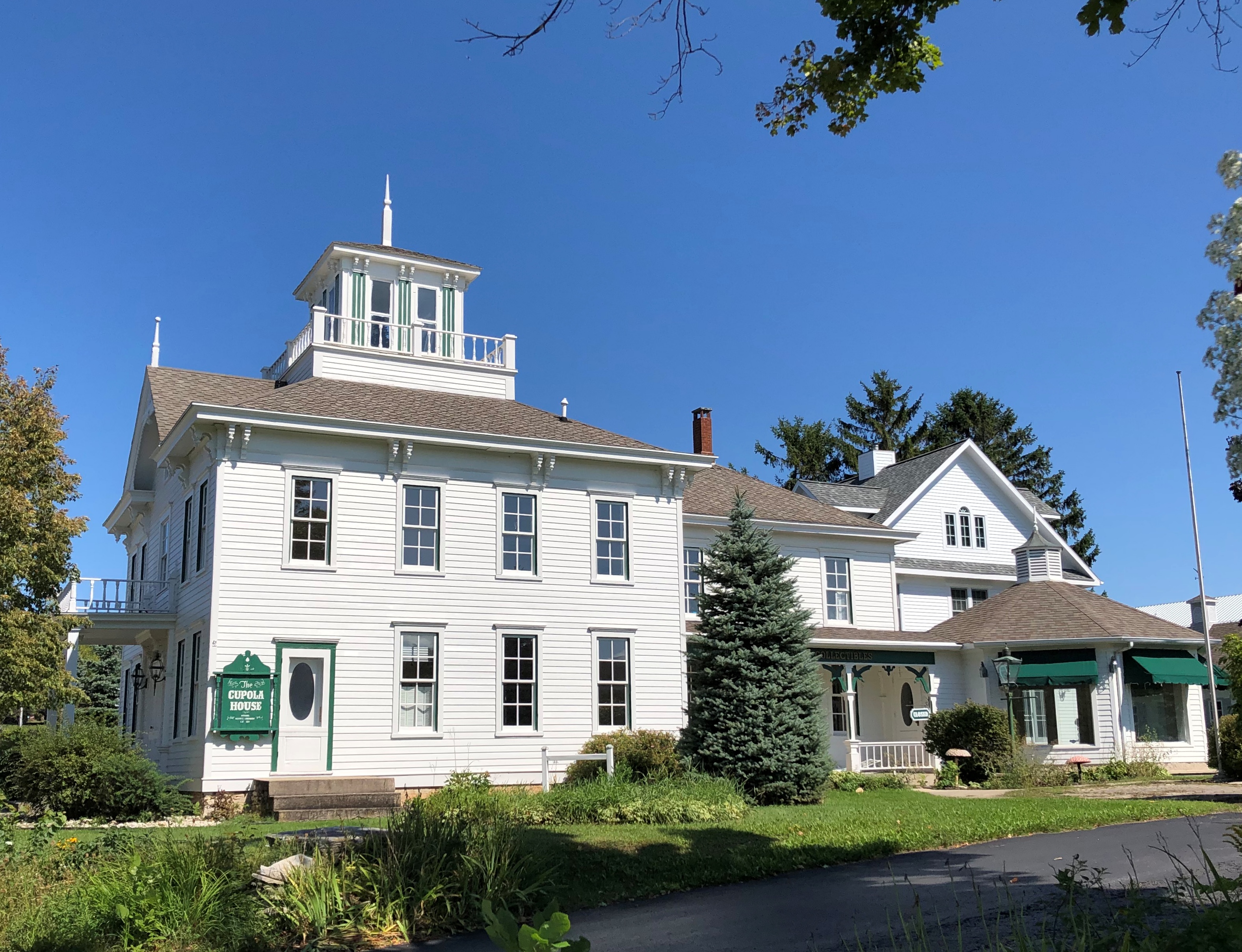
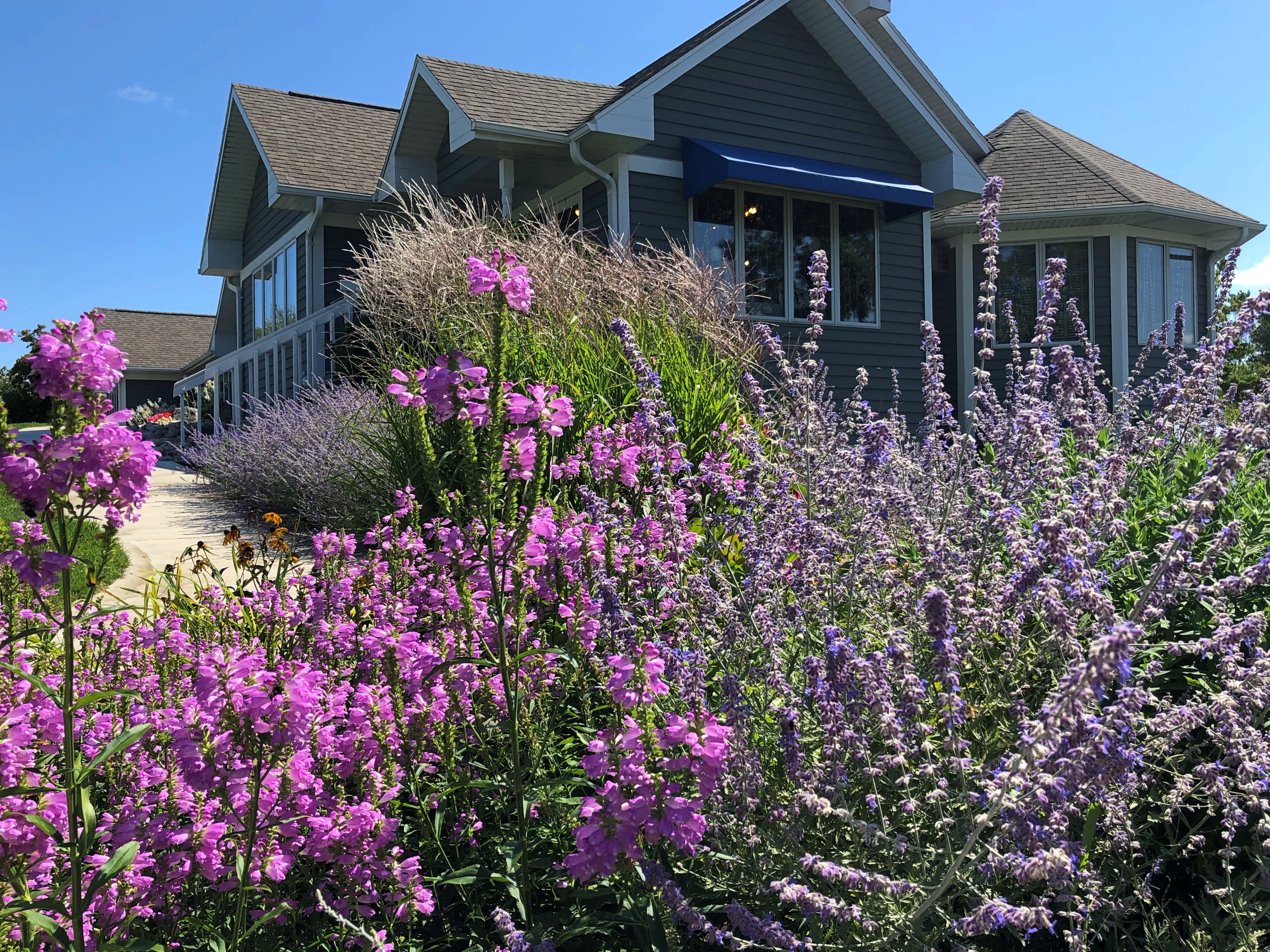
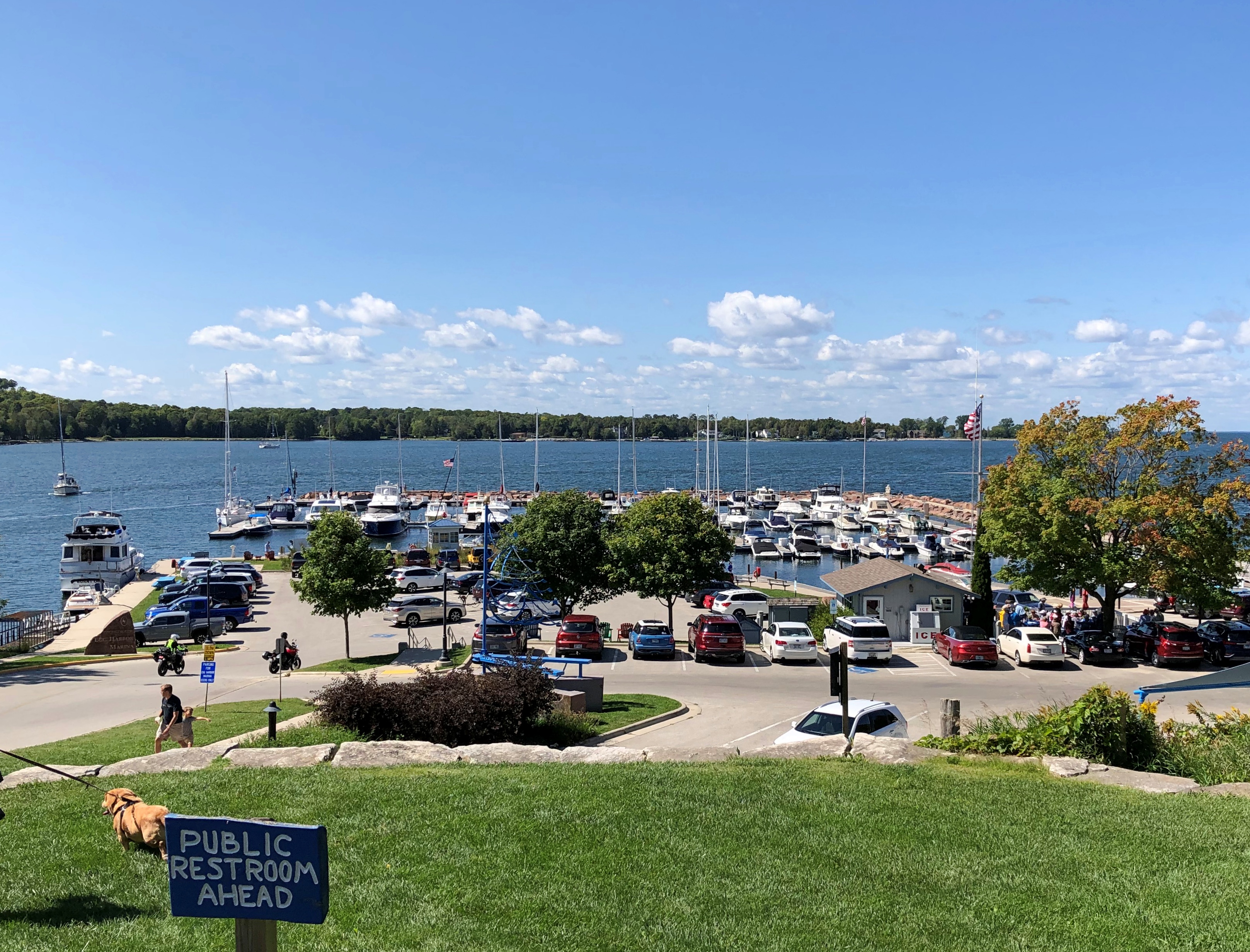
As you’d expect, main street in Egg Harbor sports some handsome buildings and landscaping.Egg Harbor Wisconsin

Egg Harbor Wisconsin

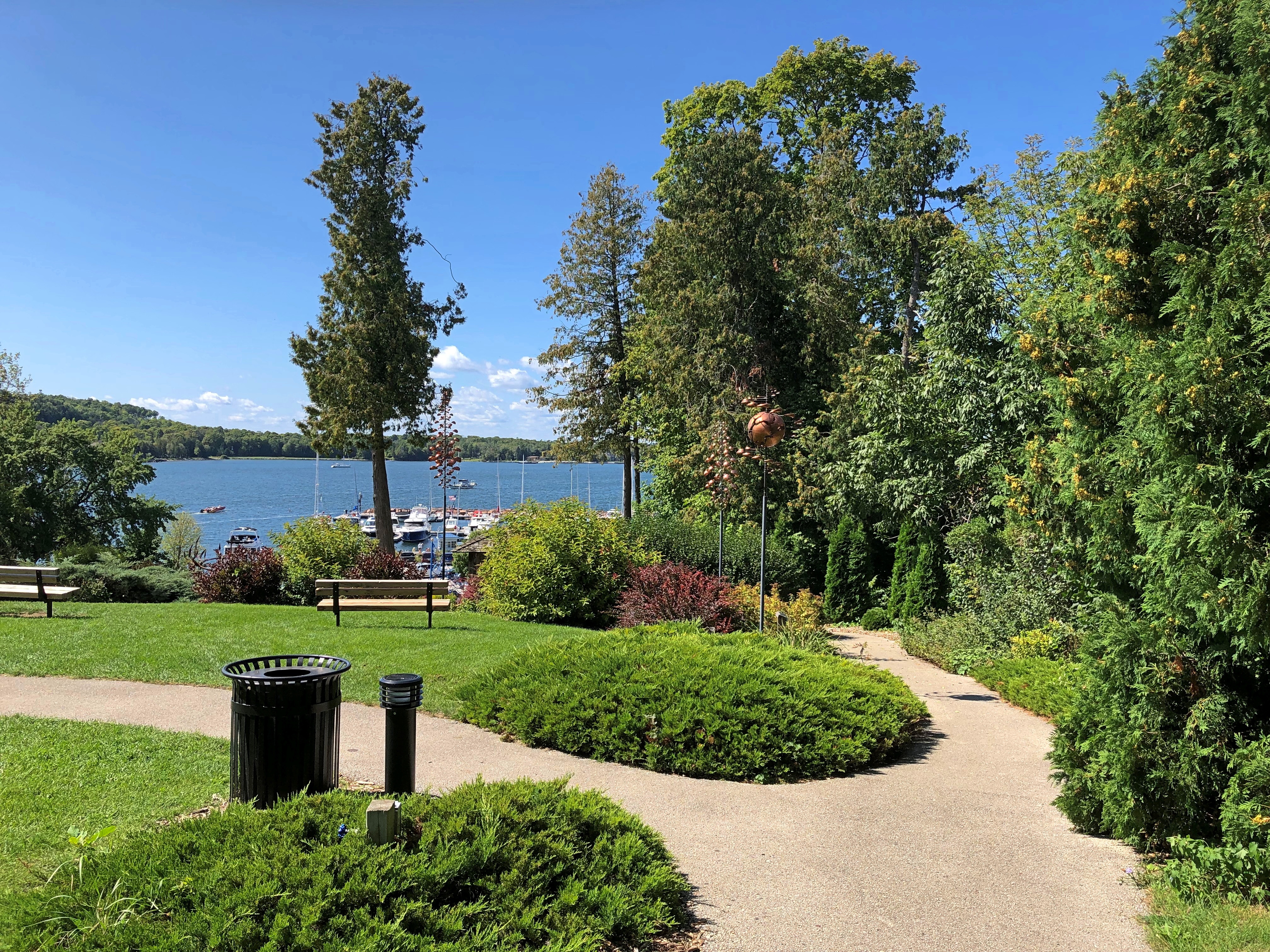
Egg Harbor WisconsinEgg Harbor WisconsinA park adjoining the street leads to the lakeshore.Egg Harbor Wisconsin

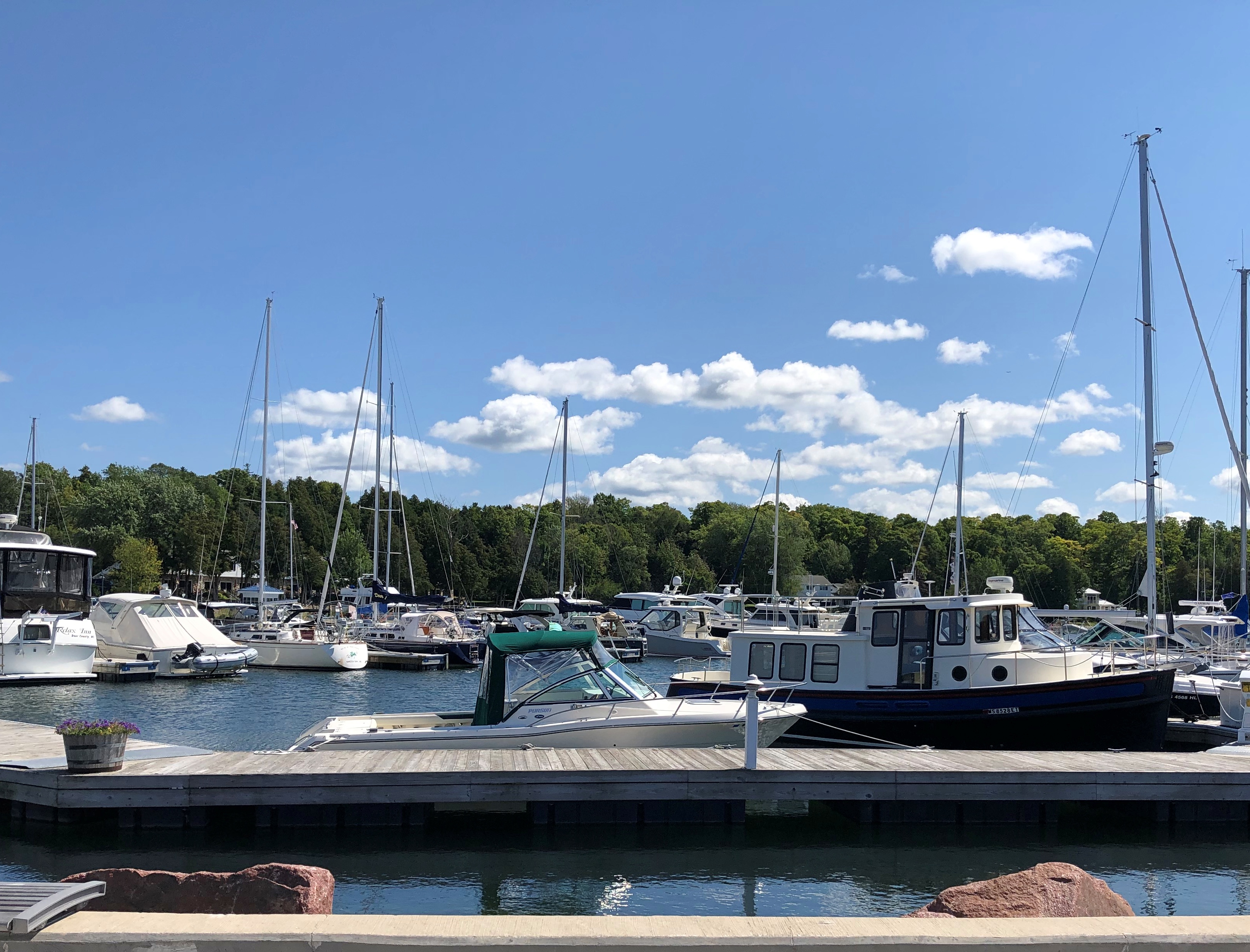
The shore is mostly given over to a marina.Egg Harbor Wisconsin Egg Harbor Wisconsin

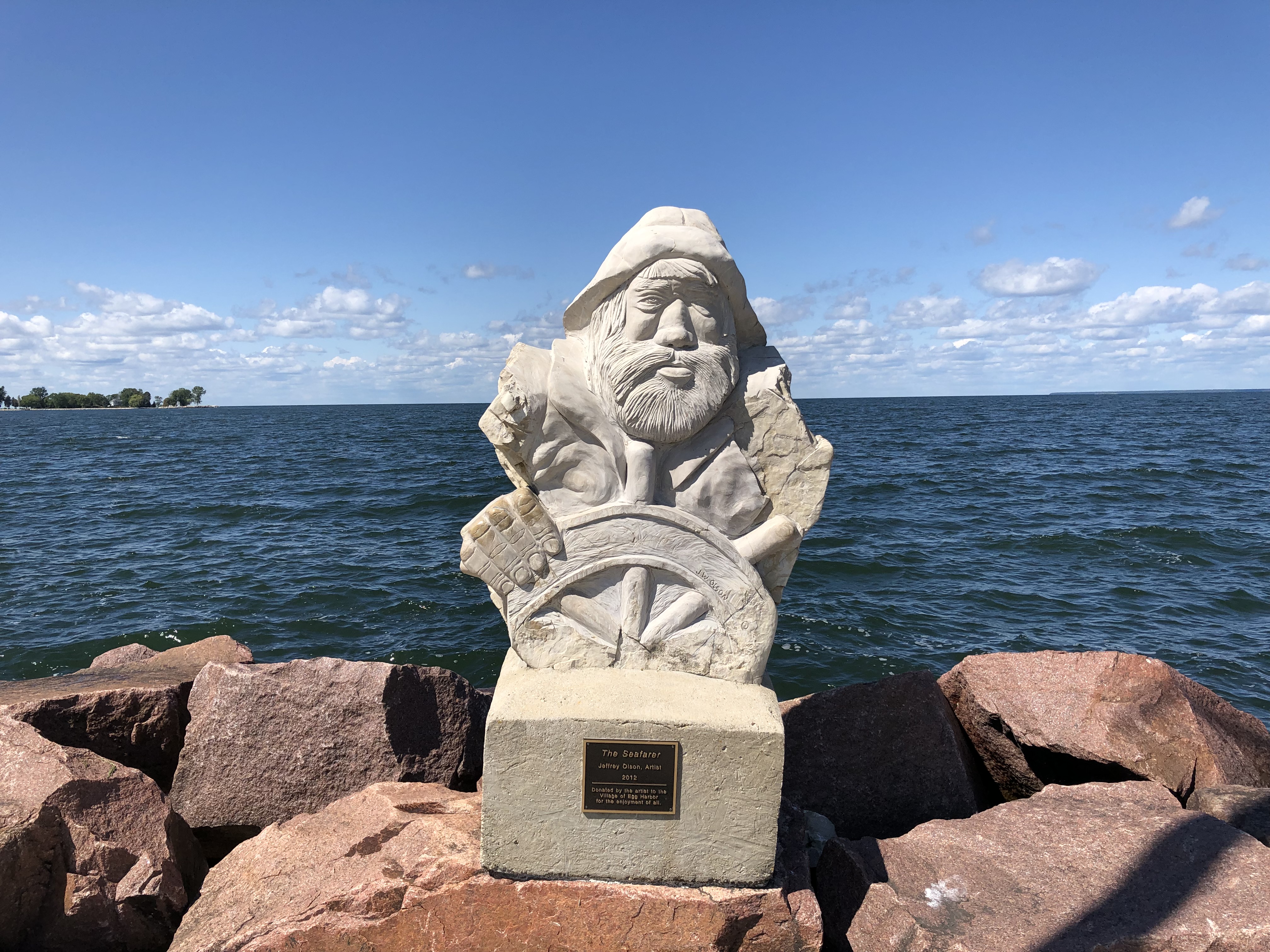
Egg Harbor Wisconsin“The Seafarer” by Jeffrey Olson, 2012. He’s a local artist.

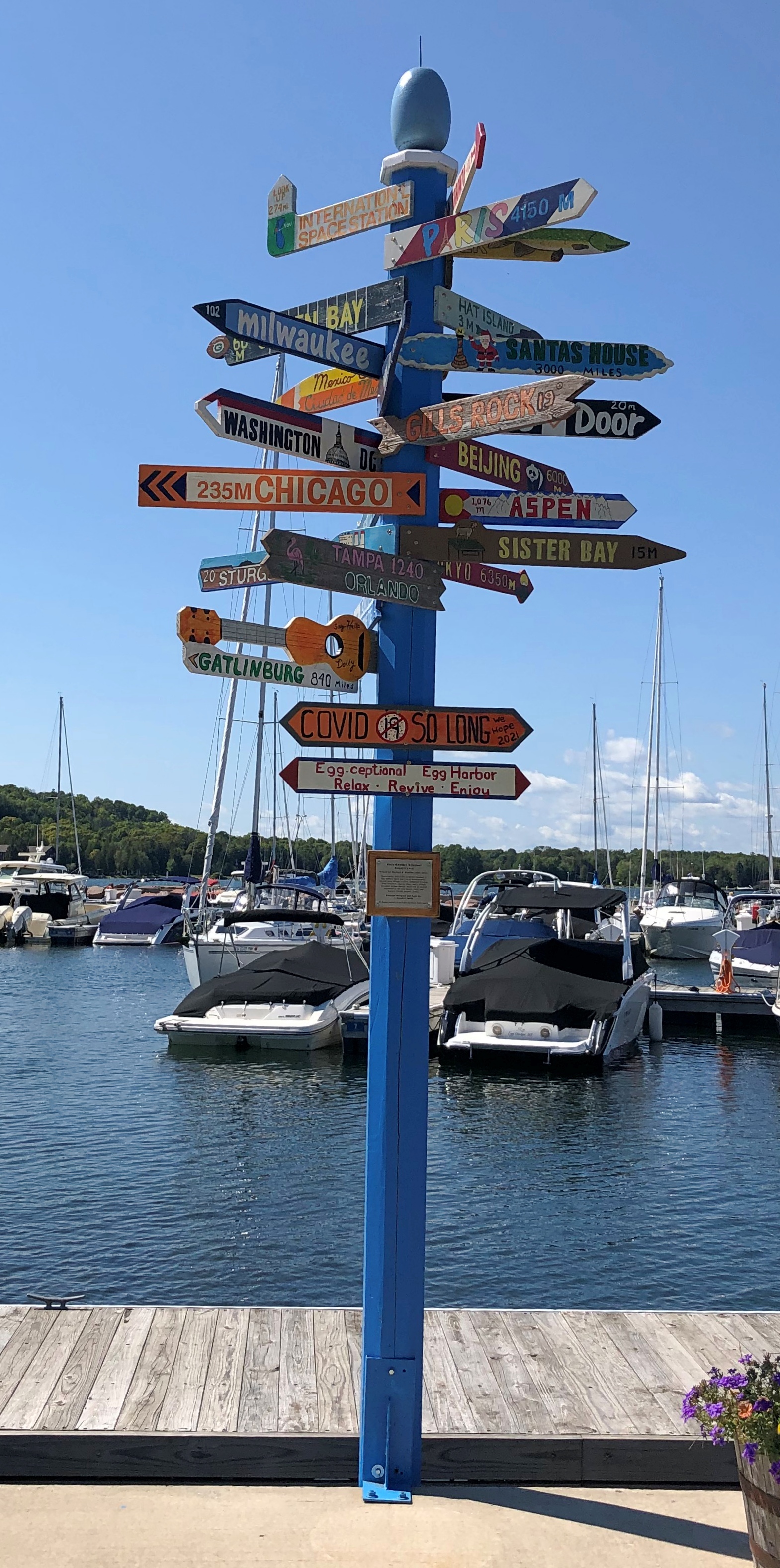
There’s also this, with a sort-of egg on top.Egg Harbor Wisconsin

Just what is this kind of multi-directional sign post called, anyway? Who built the first one? How many are there?

Google Image “multi-directional sign post” and you’ll get a lot of images, so maybe that’s it. Seems a little too bland, though. This fellow, who built one, calls it a travel signpost. Also bland, but maybe current in the UK.

There’s whimsy to many (most?) of them, including the one in Egg Harbor. One sign points upward — the (sort of) direction of the International Space Station. Then there’s one pointing to Santa’s House, presumably due north, and a non-directional, still unfulfilled wish that Covid-19 disappear.

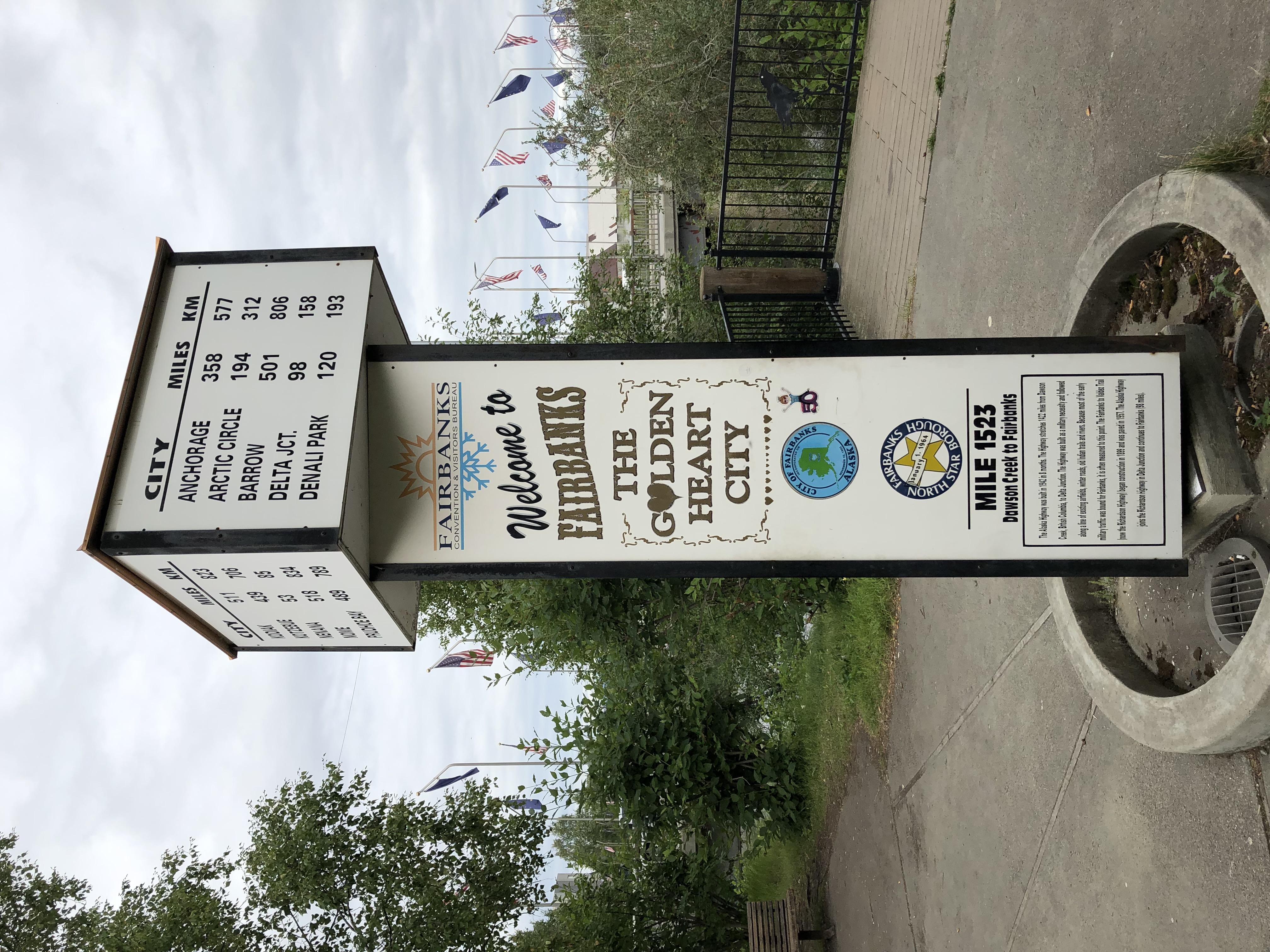
That reminded me that I saw a different take on such signs in Fairbanks.Fairbanks Multidirectional Mile Post

Alaskan destinations up top, but also international ones, which are listed on the post itself on the side not visible in my picture. As if you need more evidence that Fairbanks, unlike Egg Harbor, is a long way from everywhere.

Bundaberg Ginger Beer

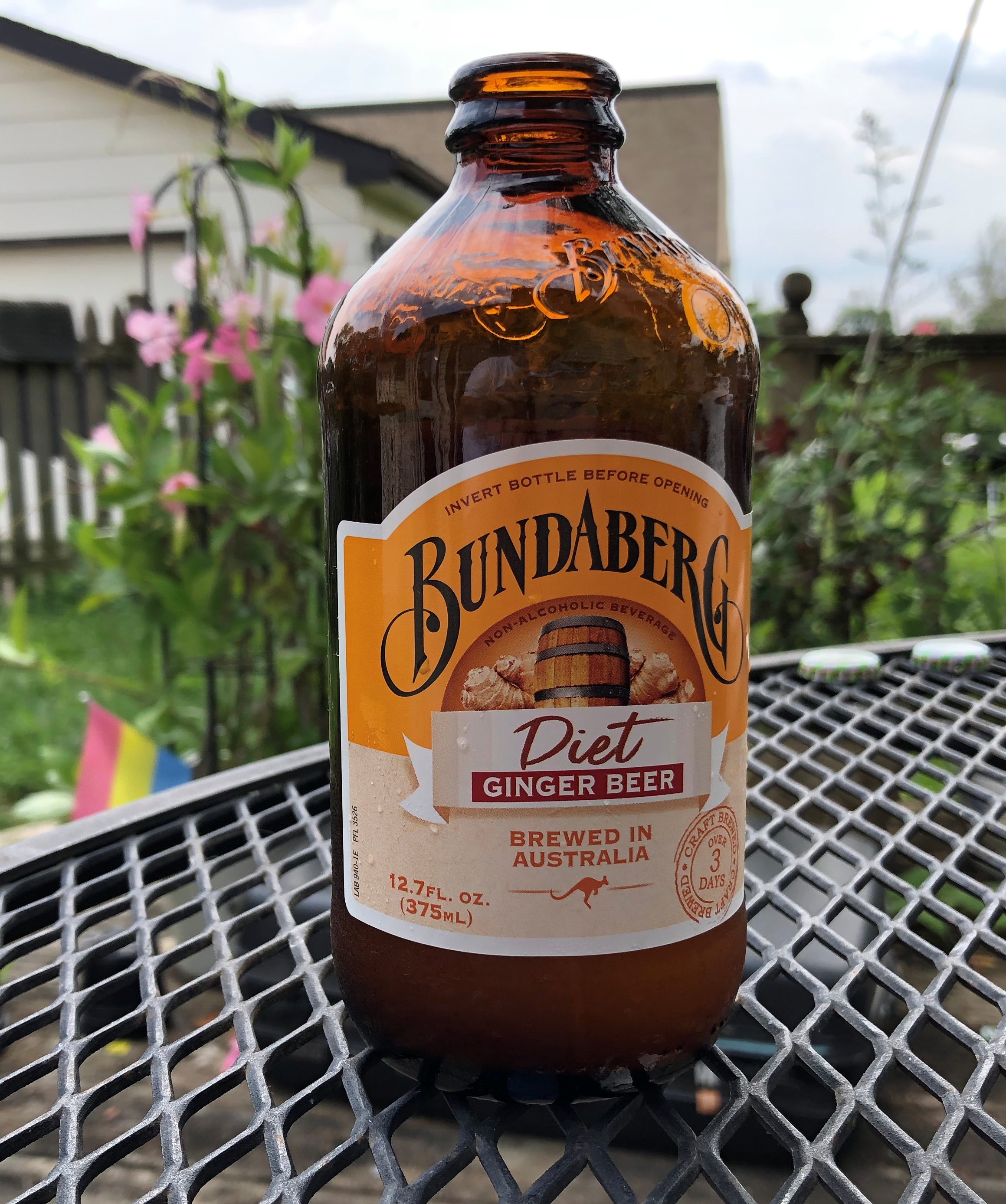
Last day of August, spent some time on the deck. A workday, so not a lot of time out there, but I did take the opportunity to finish the last of a six-pack curiosity we acquired from somewhere or other early in the summer.Bundaberg ginger beer

Ginger beer. Bundaberg brand non-alcoholic diet ginger beer, whose bottle says twice — front and back — that it’s brewed in Australia. That fits. The only place I remember having ginger beer before was in that country, where I found it interesting, though not especially tasty. For its part, Bundaberg isn’t bad, but I’m not going to be a regular consumer.

Or be a drinker of the company’s rum, which it is better known for, at least in Australia. Rum production began there in Queensland in the late 19th century to take advantage of the local sugar industry to produce something Australians really wanted.

Odd thing about the bottle: though the ginger beer is brewed in Australia, and presumably in Bundaberg itself, another bit of text says: Bottled in the UK.

What’s that about? Vats of ginger beer go by container ship from Australia to the UK because… bottles are cheaper in the UK? Most of the export market is there, with a trifle making its way here? Something about EU regs, pre-Brexit? The ways of international logistics, now so tied in knots, are strange even in normal times.

Far North Leftovers

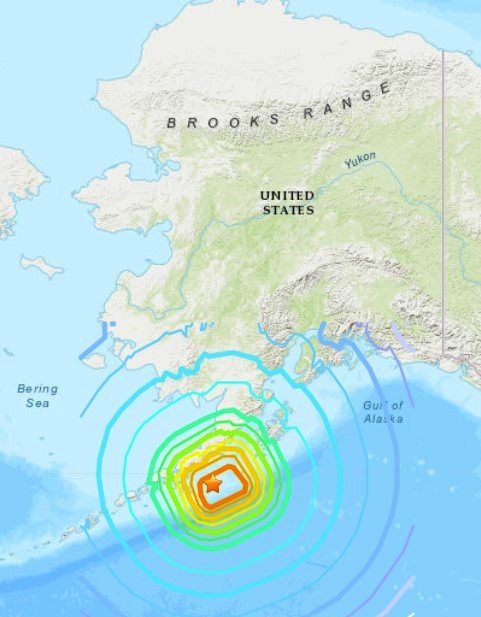
I got a couple of concerned text messages after the 8.2 magnitude earthquake off the Alaska Peninsula late on the evening of July 28. Did I feel it? Was I all right? Didn’t feel a thing, I answered. Alaska is big.

During the quake — which is thought to be largest affecting Alaska since the Good Friday disaster of 1964, but nothing like it in terms of damage — I was in Fairbanks, not too far from the words United States on the USGS map I clipped.

Curious, I got out my physical atlas and a ruler, and measured the distance between Perryville, the town on the Alaska Peninsula closest to the epicenter, and Fairbanks. As the crow flies. A tough old crow, used to the freezing temps.

Total, about 1,200 miles, very roughly. But the point is, I no more felt the earthquake than someone in Texas is going to feel a California earthquake, unless it’s really big.

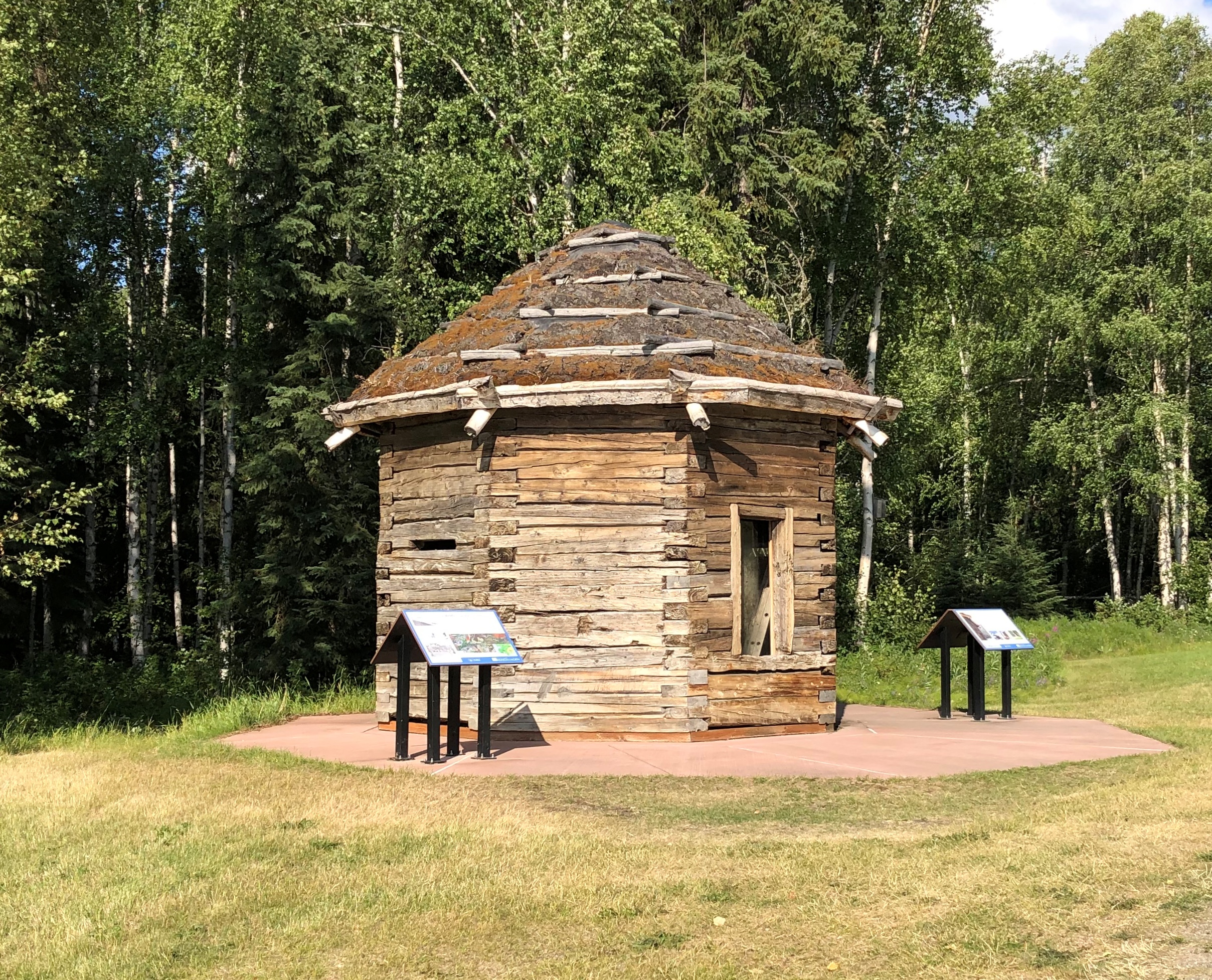
Near the main building of the Museum of the North is a blockhouse that used to be part of the Kolmakovsky Redoubt.Kolmakovsky Redoubt

The museum explains: “In 1841, the Russian-American Company (RAC), seeking to obtain the rich beaver and land otter furs of the Interior of Alaska, set about the construction of Kolmakovsky Redoubt on the middle Kuskokwim River in Western Alaska. As the only redoubt (fort) deep in the Interior, it became the major trading center along the river for the next 25 years…

“Relations between the RAC and the local Yup’ik Eskimos and Athabascan Indians was amicable and instead of acting as a means of defense, the building served other purposes, including at one time a fish cache and during the gold rush, a jail. The blockhouse stood at the site for over 80 years before being dismantled and shipped to the University of Alaska in Fairbanks in 1929.”

More recently, the museum restored the blockhouse, including the replacement of rotten timber and putting tundra sod on the roof, “complete with blueberries, Labrador tea, and all manner of tundra flora.”

A building of a difference sort, but also Alaskan, near the auto museum: Joy Elementary School.
Joy Elementary School, Fairbanks

One look and I thought, 1960.

Sure enough: “Construction of our original circular school began July 21, 1960. It was completed and dedicated as Louis F. Joy Elementary on November 9, 1961. Louis F. Joy was Fairbanks City School Board President and a member for over 25 years. Lee S. Linck, the school’s engineer and architect, received an award for the school’s unique and beautiful design at the 1962 Seattle World Fair.”

A quick peek at the first place I ate in Fairbanks.Bahn Thai, Fairbanks

Bahn Thai. Had a good massaman curry.

Another lunch place in Fairbanks.
Soba restaurant Fairbanks

Soba. A Moldovan restaurant. That was the main reason I went. Glad I did, since the dumplings I had were wonderful, though massively filling. I asked the waitress, whose English I took to be Moldovan flavored, how she came to be in Fairbanks. She said she came with her husband and members of his family, which no doubt was true, but didn’t quite answer the question.

Speaking of immigrants to the Far North, this is the last place I had lunch in town, The Crepery.

The Crepery, Fairbanks

Had a delicious salmon crepe there. I sat way in the back, and instantly noticed a wall covered with photos of Sophia, Bulgaria. I asked the girl who brought me the order about that. The owner’s from Bulgaria, she said. People get around.

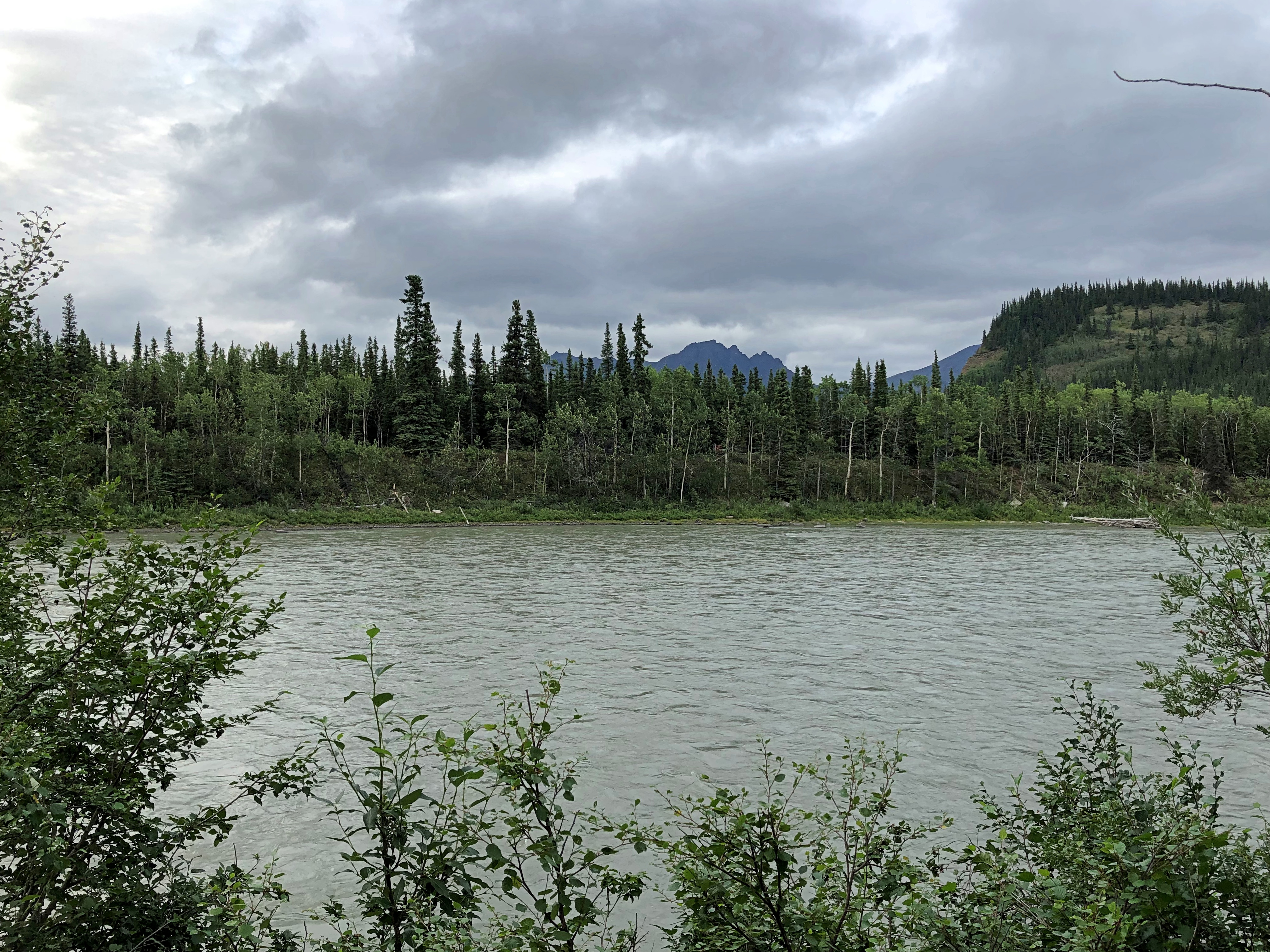
The Nenana River.
Nenana River

At this point, it forms one of the borders of Denali NP. I was on the non-park side, looking into the park.

As I was driving southward on the highway Alaska 3 after my stop in the town of Nenana, I passed by a military installation without noticing it. No signs point the way, and while the place isn’t precisely hidden, it is off the main road. It’s the Clear Space Force Station.

Not only that, the facility only recently became part of the Space Force.

“Clear Air Force Station, a remote military installation outside of Fairbanks, Alaska, was officially renamed from Clear Air Force Station to Clear Space Force Station during a ceremony on June 15, 2021,” the Air Force reports.

“Clear will continue to serve as home to Arctic Airmen and Guardians assigned to the 13th and 213th Space Warning Squadrons, providing 24/7 missile warning, missile defense, and space domain awareness…

“The history and mission of the base began in 1958 when the U. S. Air Force acquired the site to set up a Ballistic Missile Early Warning Systems and became fully operational in November of 1961 as the second detachment of the 71st Missile Warning Wing. The detachment became the 13th Missile Warning Squadron in January 1967. The unit was re-designated as the 13th Space Warning Squadron and reassigned under the 21st Space Wing at Peterson Air Force Base, Colorado.”

With any luck, the nation will endure, its current political dyspepsia forgotten, and in 100 years the only thing people will remember about the Trump administration is that it founded the Space Force. That might be more important than we can know.

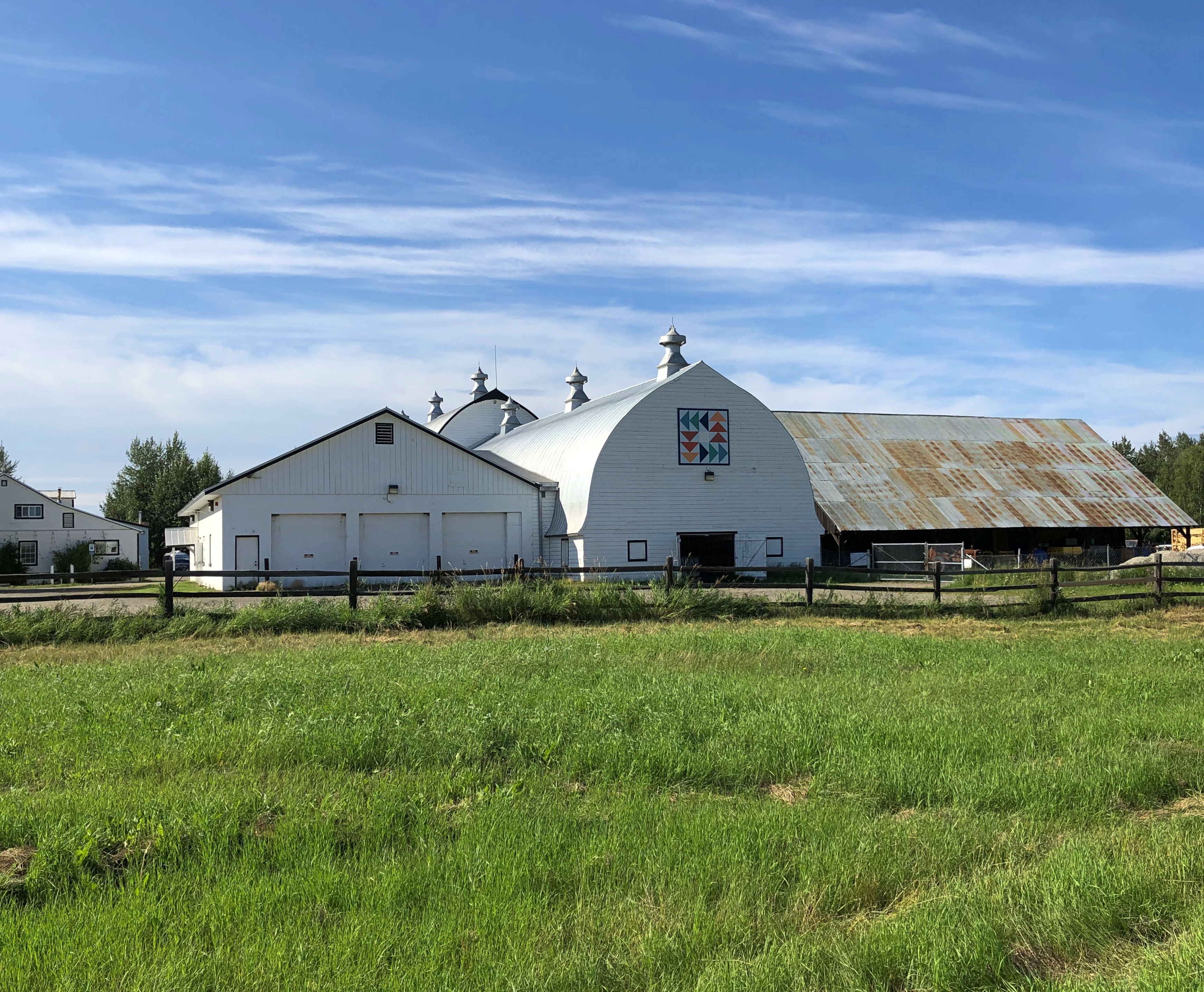
On my last day in Fairbanks, I took a walk along some of the trails at Creamer’s Field Migratory Waterfowl Refuge, on the outskirts of town. Formerly a diary farm with a lot of surplus land, the place is now devoted to keeping birds happy and providing a place for people like me to walk.

There are buildings.
Creamer's Field Migratory Waterfowl Refuge

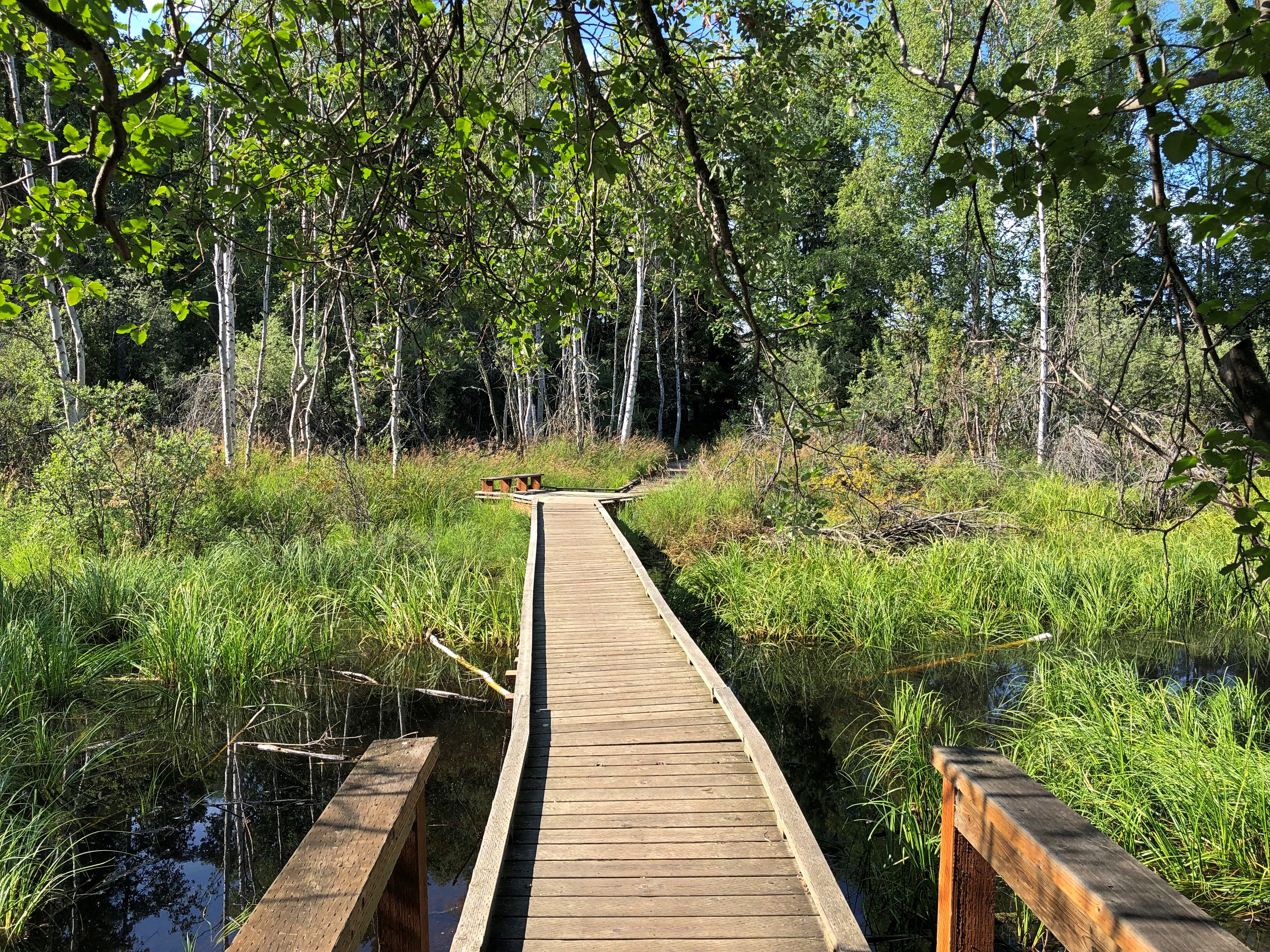
But mostly it’s undeveloped, except for the trails themselves.
Creamer's Field Migratory Waterfowl Refuge

Revealing scenes like this.
Creamer's Field Migratory Waterfowl Refuge

Looks remote, no? I parked my car only about 20 minutes’ walk away, so the place is close to the infrastructure of Fairbanks. Then again, Fairbanks is a manmade place surrounded by wilderness, so what I drove and then walked to was merely the leading edge of something vast.

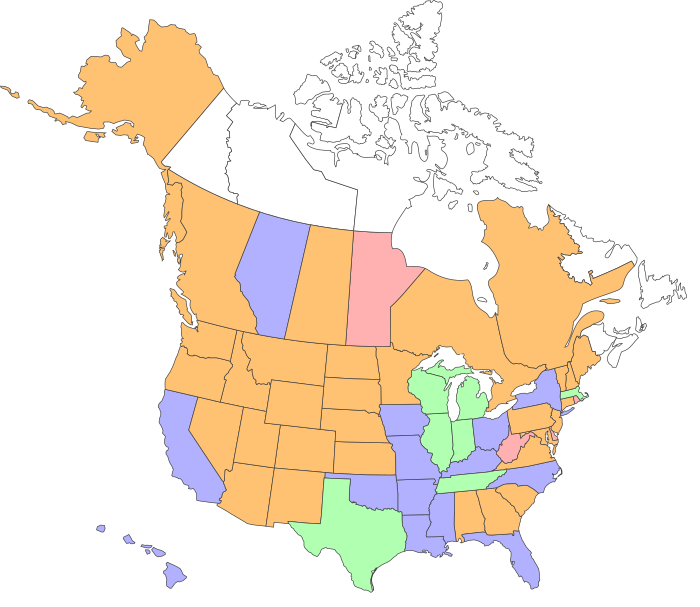
One more thing.

Alaska makes 50.

New Buffalo

A Mediterranean pattern has set in, here on the brief plateau of high summer. I’m taking as many meals as possible out on my deck.

Not long ago, we went to Buffalo, so by my idiosyncratic lights, that meant we ought to visit New Buffalo too. So we did on Sunday. Good thing that town is only about two hours away, assuming good traffic, which in no safe assumption. Even so, it isn’t that far, with New Buffalo hugging the eastern shore of Lake Michigan just inside the state of Michigan, only about two miles north of the Indiana line.

New Buffalo has been a nearby vacation destination for metro Chicago for many years. I first visited in 1987, when I spent a short time at the vacation house of a Chicagoan I knew, and went back occasionally after that, though not in about 20 years.

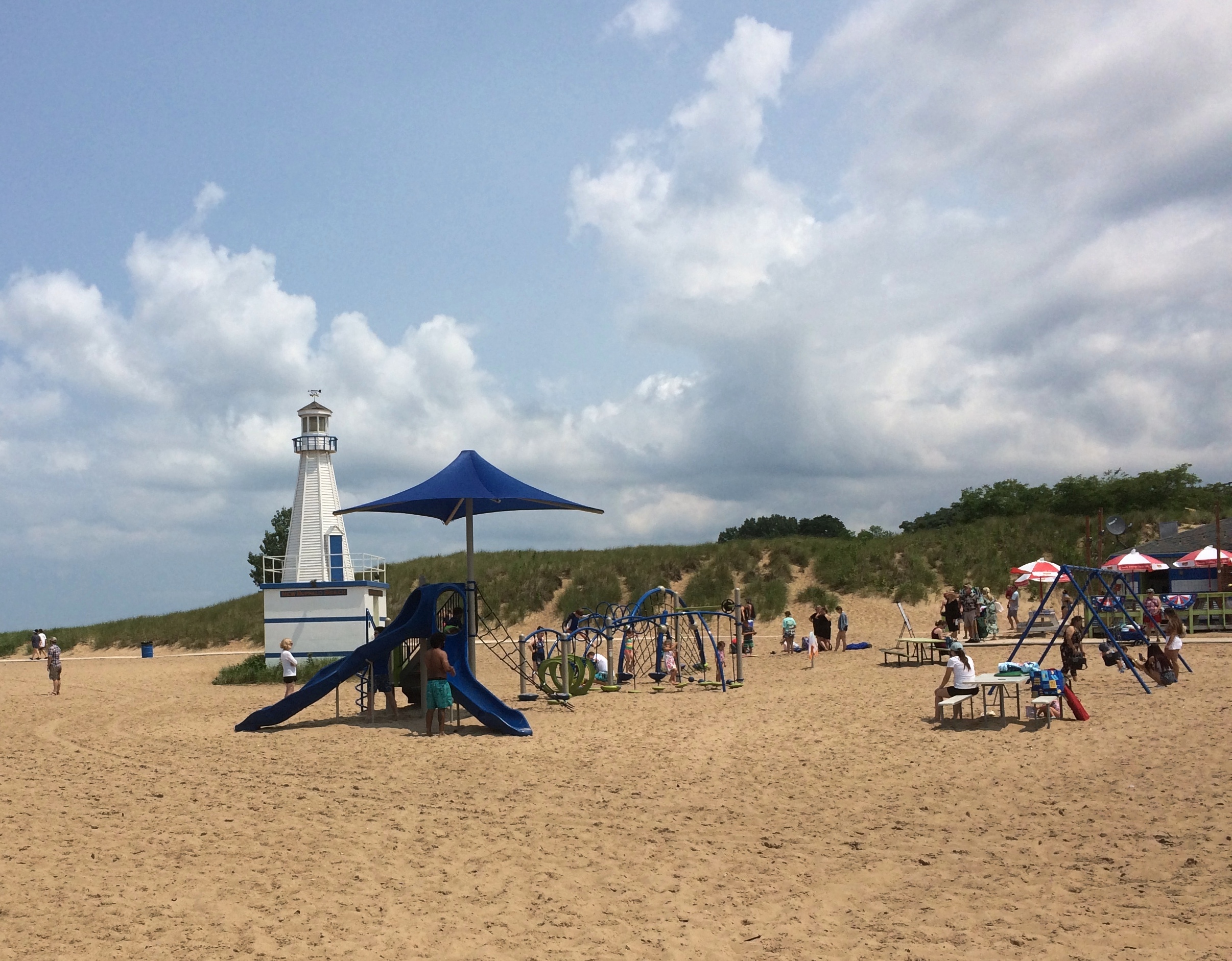
A lot of people go for the public beach, but Waikiki crowded, it isn’t.New Buffalo, Michigan

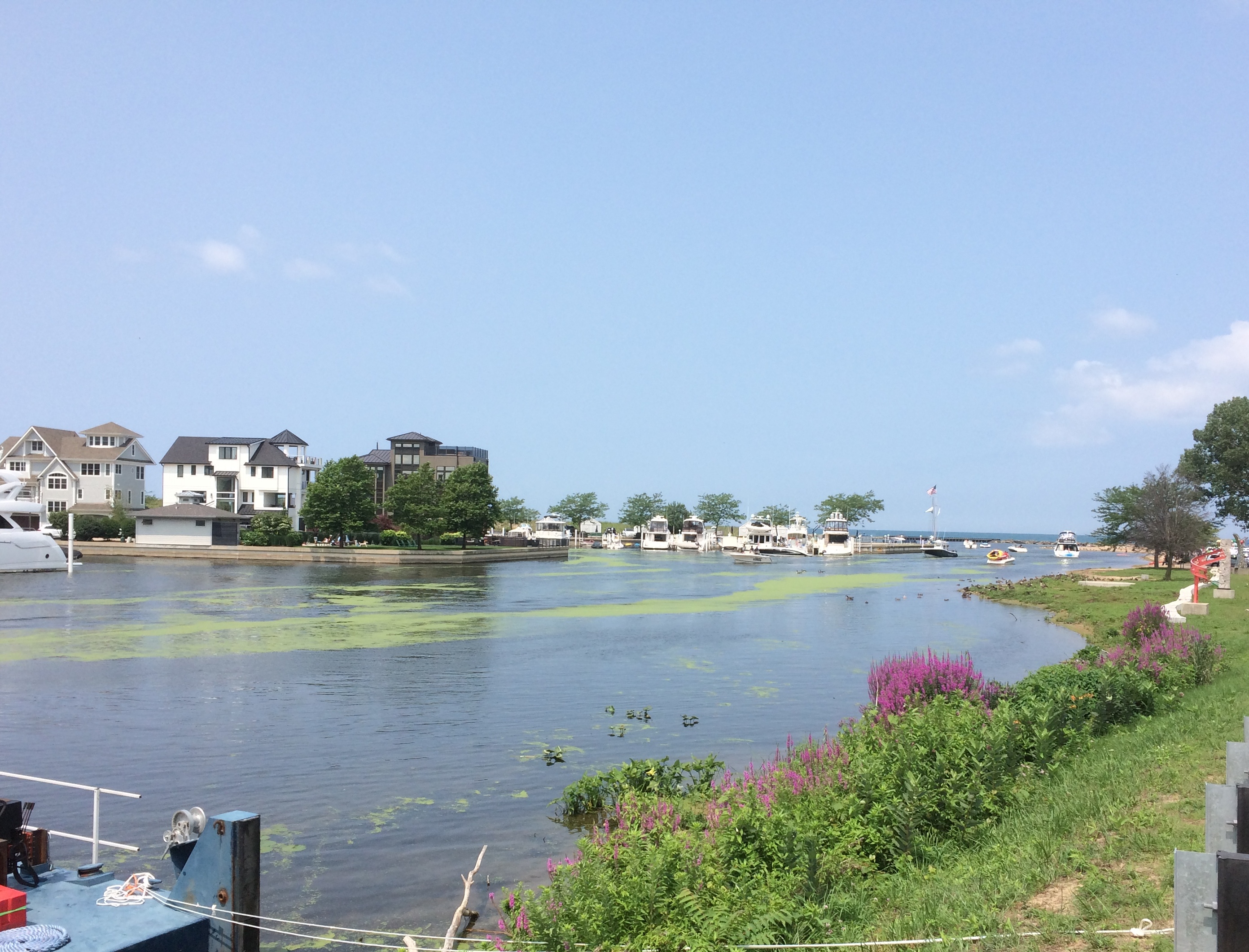
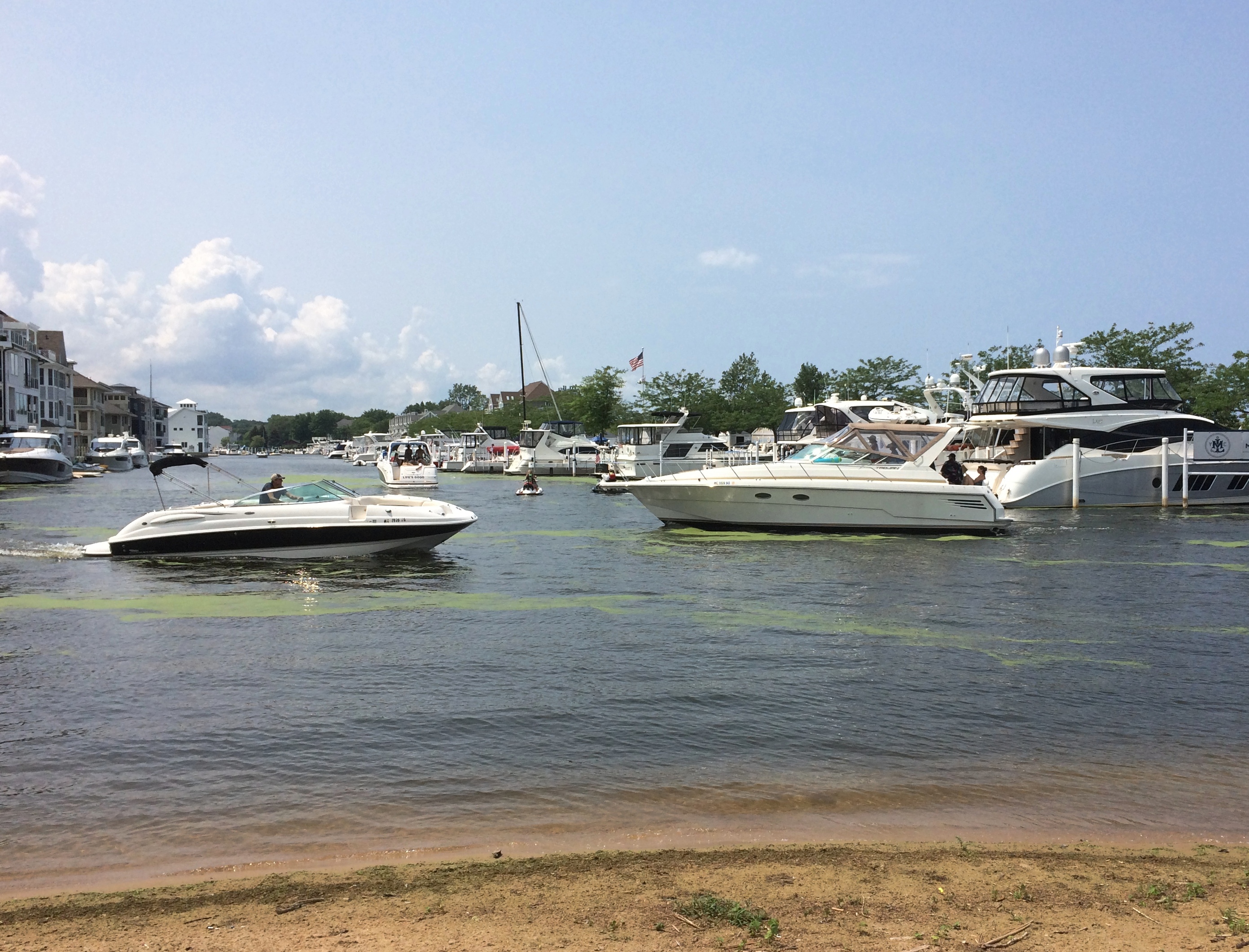
We didn’t spend long this time, since it was nearly 90 F, and our idea of a good beach is an almost empty one in the 70s F. It was nice to see the lake, though. And the marina.

New Buffalo, Michigan

New Buffalo, Michigan
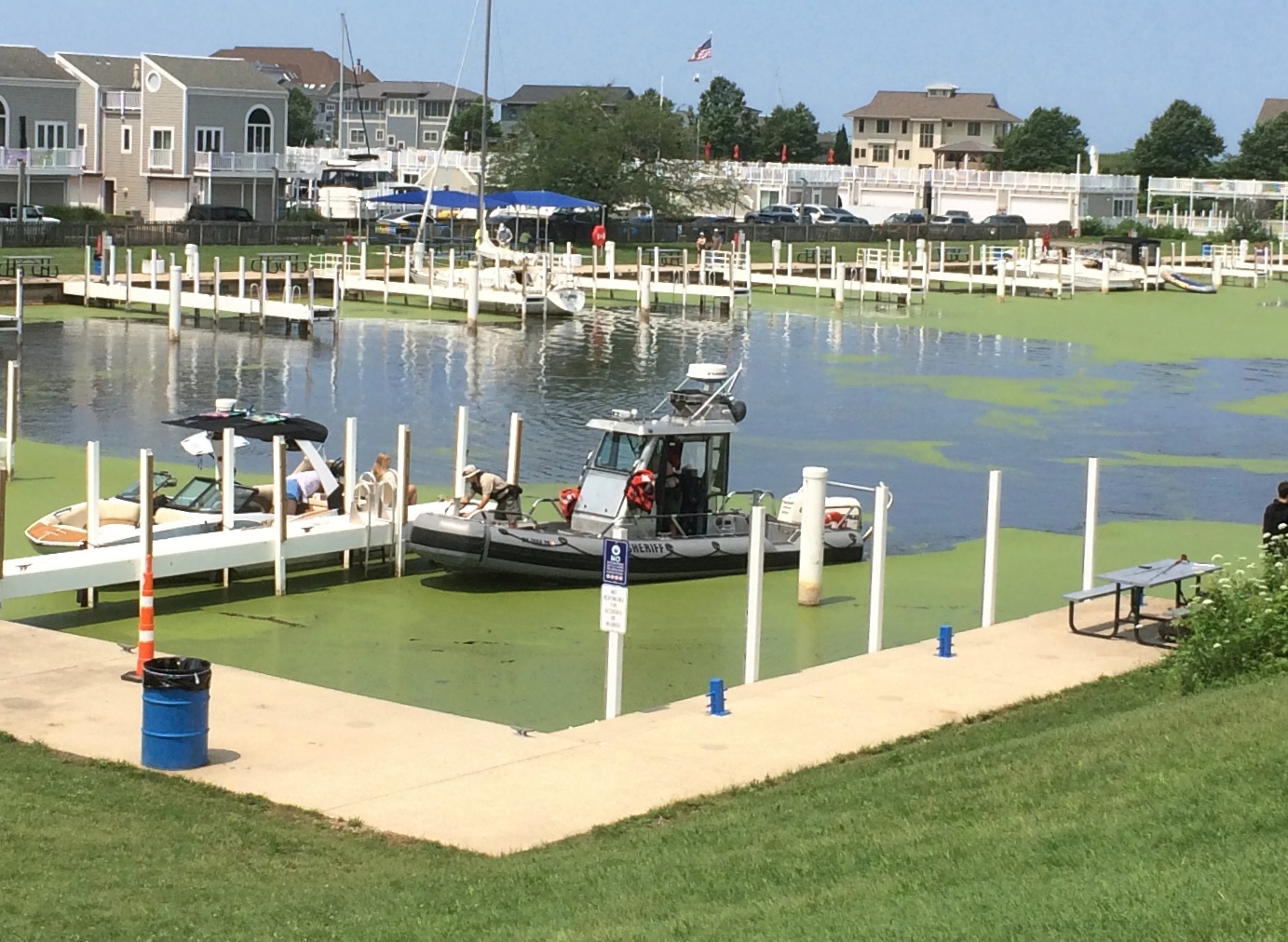
A boat belonging to the Berrien County sheriff’s office, docking.
New Buffalo, Michigan

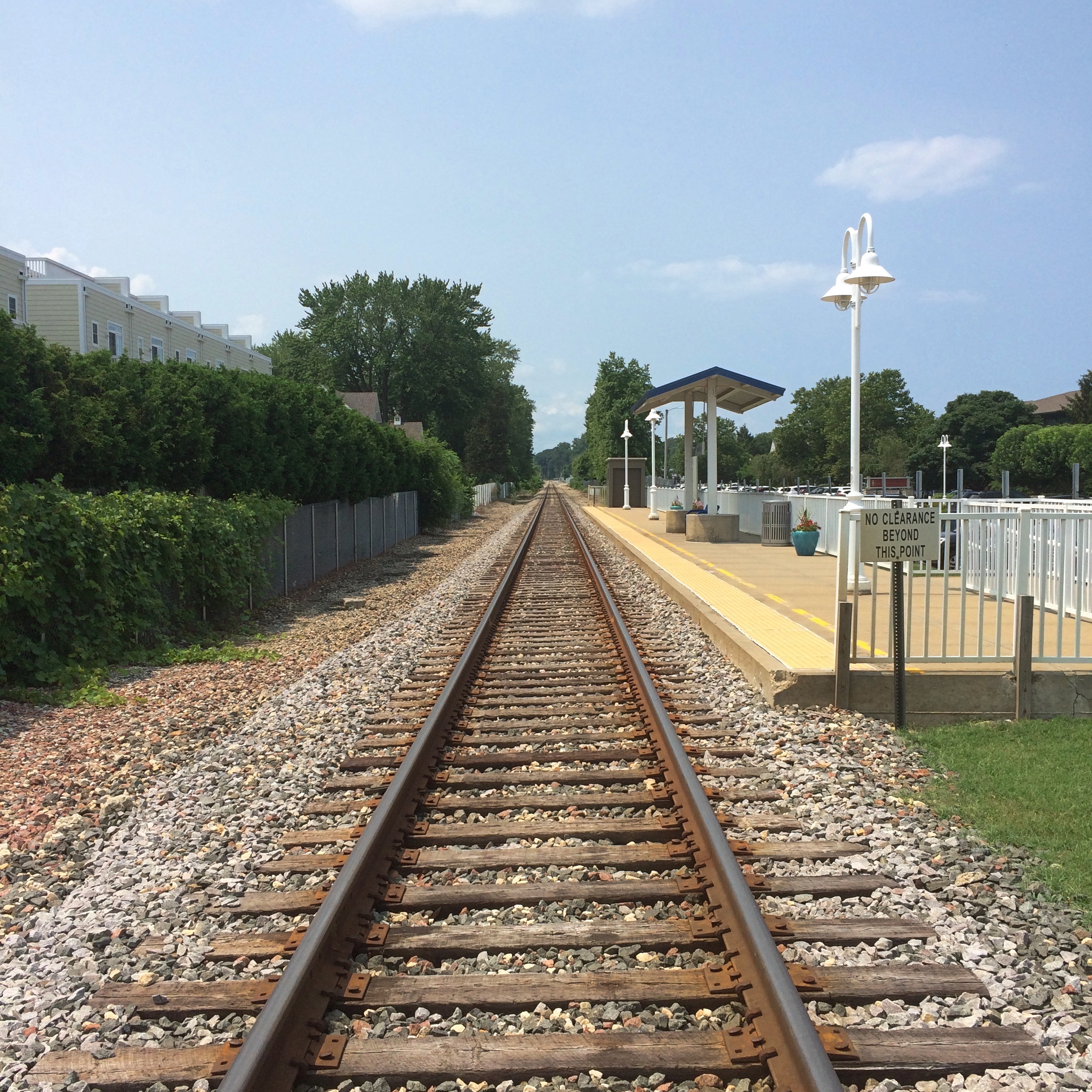
Not far inland from the marina is the town’s commuter rail station.
New Buffalo, Michigan

Not much to look at, but the station and the line facilitated New Buffalo’s growth in the early 20th century, providing easy access from Chicago in the days before the Interstate or major suburbs. Come to think of it, if I were planning to be in New Buffalo and nowhere else for more than a few hours, that would be the way to come, so as to avoid pain-in-the-ass traffic jams south of Lake Michigan.

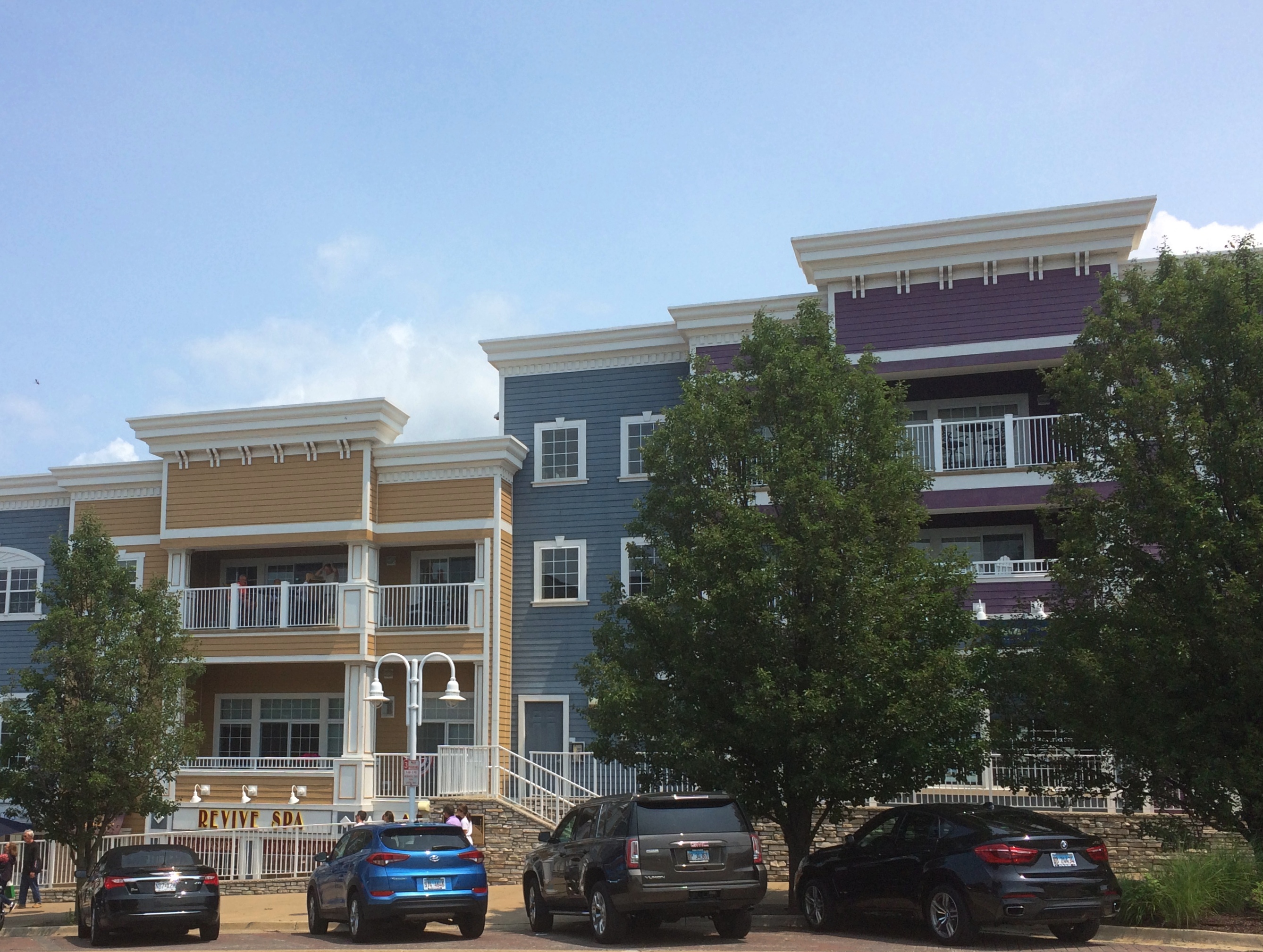
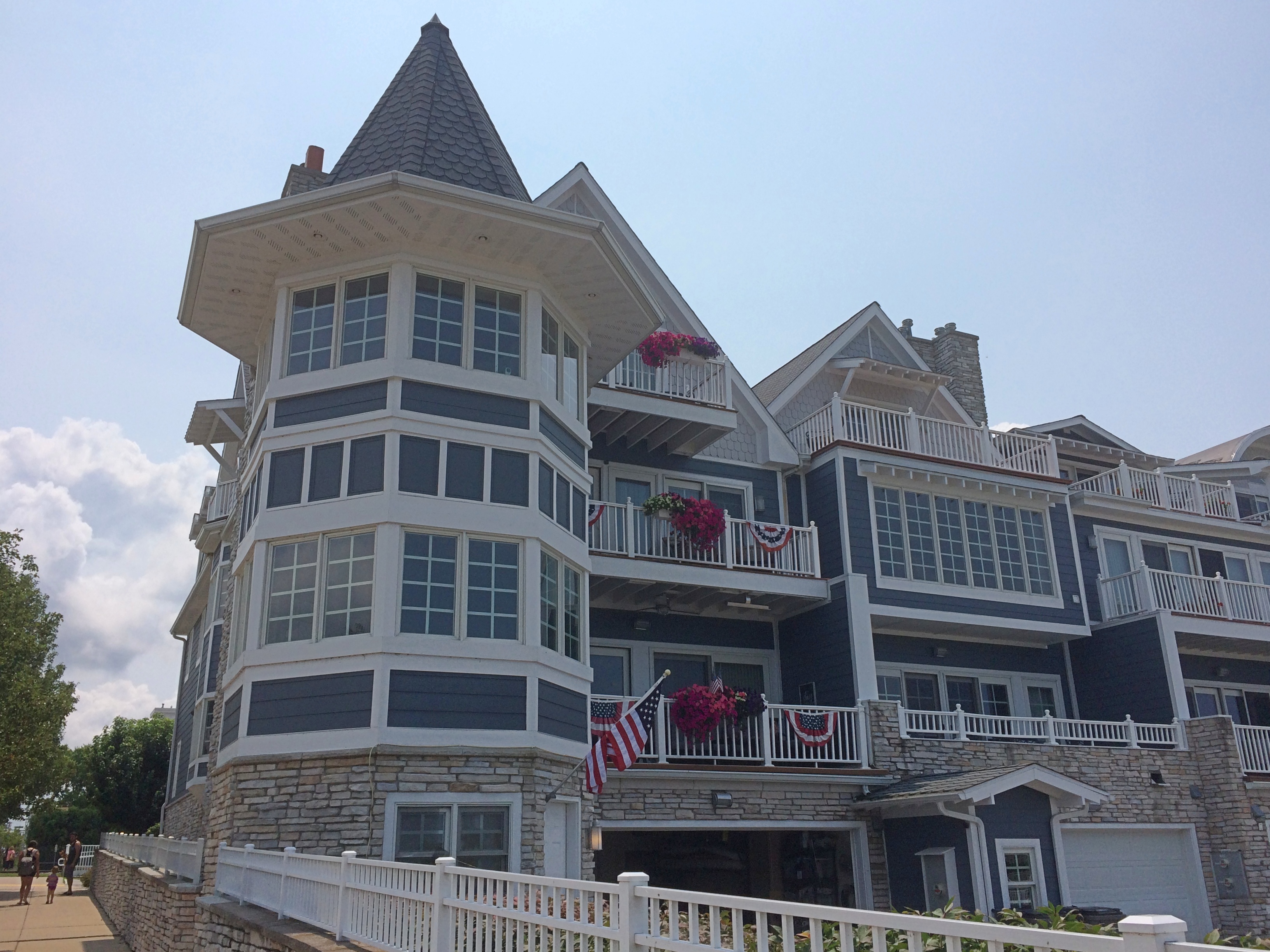
We parked on a leafy residential street and walked a couple of blocks to the main tourist street. One of New Buffalo’s two main streets is Whittaker, which connects the shore with I-94. About three blocks of Whittaker is lined with retailers, restaurants and new-looking residential properties, such as these.New Buffalo, Michigan

New Buffalo, Michigan

That told me that, except probably for recessionary downturns of a few years at most, the second home and residential rental business in New Buffalo has expanded over that last few decades, taking advantage of the fondness among well-to-do people for parking themselves close to water. Not an ambition I share, but water does have its allures.

The street wasn’t overly crowded on Sunday, a very warm summer weekend day, but busy enough. We wandered around and looked in some stores, and came away with a t-shirt, refrigerator magnet and some postcards, as one does.

New Buffalo, Michigan

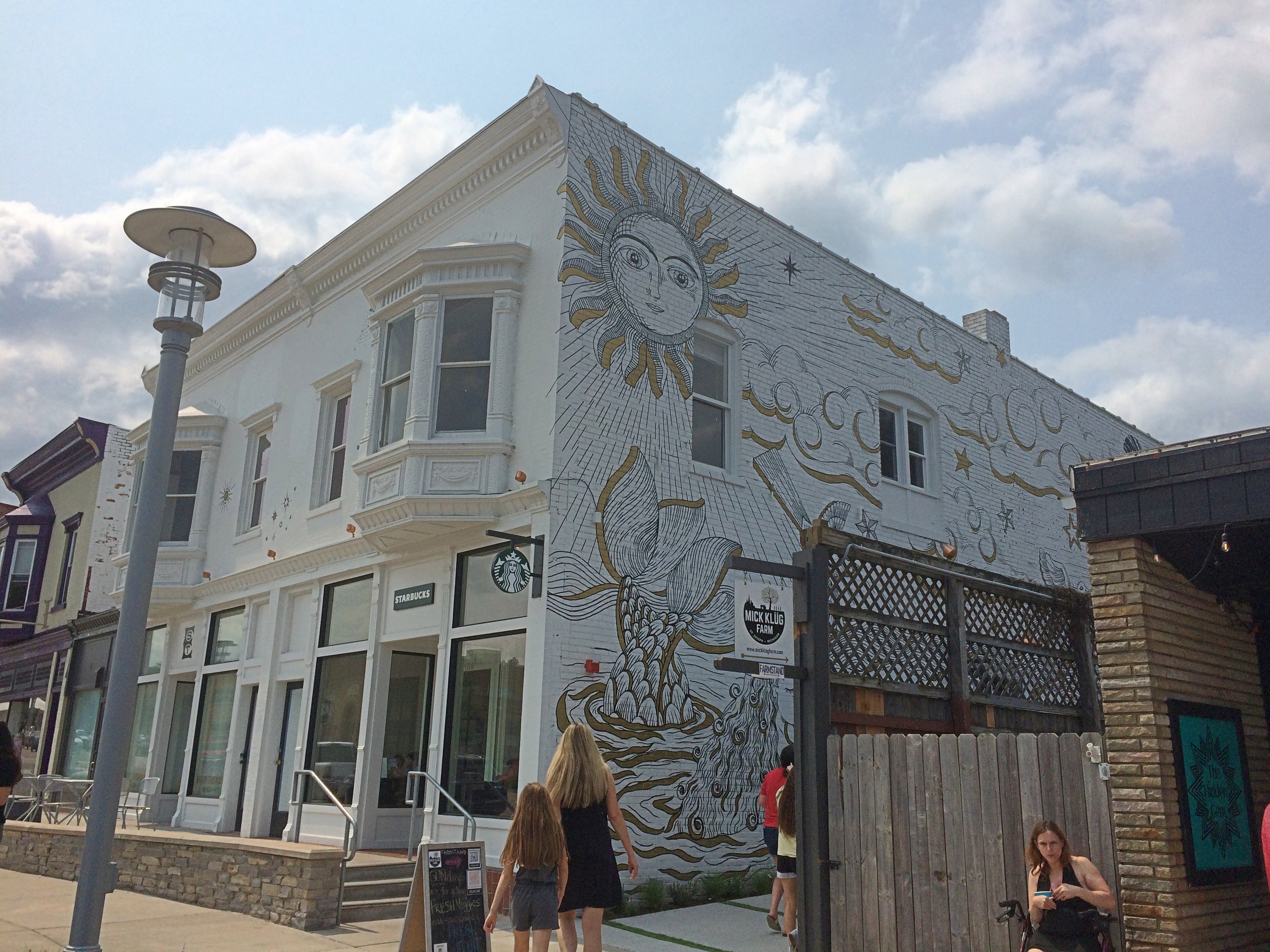
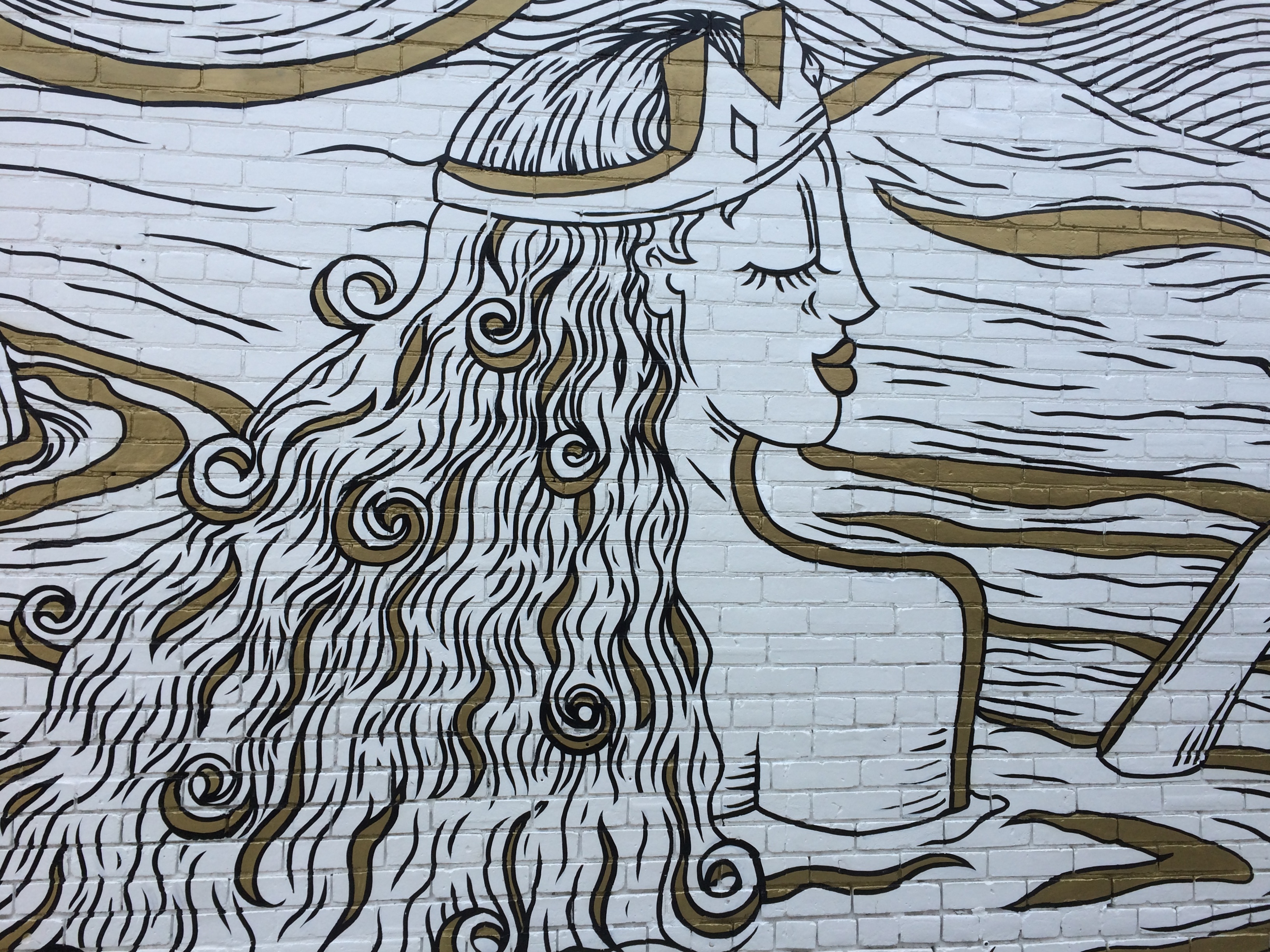
Interesting mural.
New Buffalo, Michigan

I’ve been able to find out that it’s painted on the side of Michigan Mercantile Building, home to a recently opened Starbucks. At the end of a short alley under the mural is the New Buffalo Farmstand by Mick Klug Farm. As for the mural, it looks new as well, but that’s all I know. I didn’t check for a signature.

A detail.
New Buffalo, Michigan

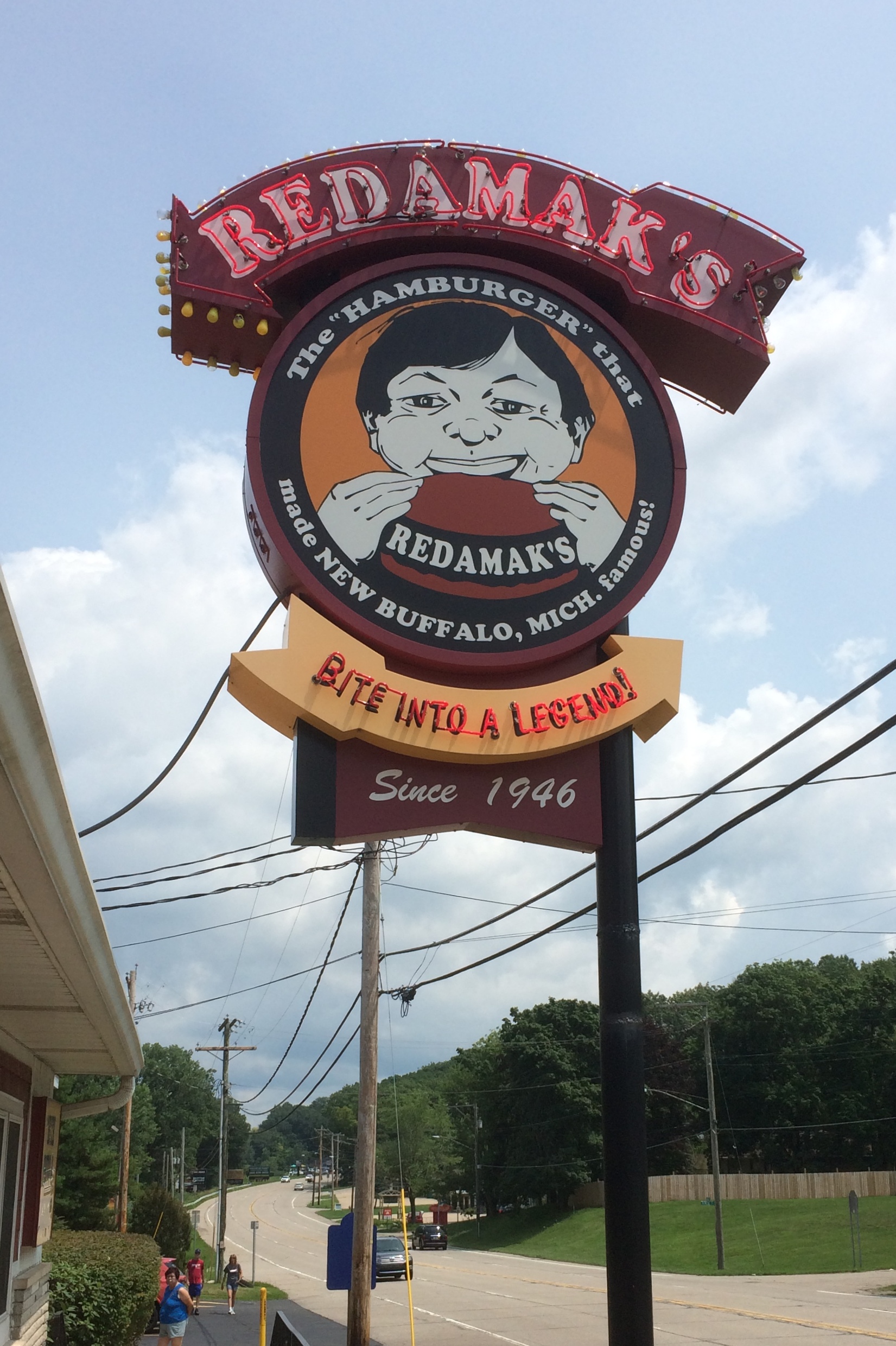
One reason we spent the day in New Buffalo was to have lunch at Redamak’s.
New Buffalo, Michigan

Since 1946 is a telling detail, since the restaurant is on Buffalo Street, the town’s other major thoroughfare. It isn’t a pedestrian-friendly road and the train doesn’t go there, so for Redamak’s to prosper in its early years, it needed car traffic — which was booming about then.
New Buffalo, Michigan

Currently the place is owned only by the second family ever to own it, which makes for continuity. I had a good hamburger there more than 30 years ago, and we had good ones there on Sunday: one with bleu cheese for me, a barbecue burger for Yuriko.

The road out front is also U.S. 12. Ah, where does that go? I wondered as we waited on the porch for a table. My phone wasn’t connected to the Internet at that moment, so I had to wait to find out. Just like in the not-so-old days.
All the way from Detroit to Aberdeen, Washington, running almost 2,500 miles, it turns out. We had a table next to a window. There’s something satisfying about sitting in a storied burger joint that looks out on a 2,500-mile highway. Not a nostalgia-industry highway like the defunct U.S. 66, but a genuine active part of the U.S. highway system in the 21st century.
High Summer Debris

High summer is here — I’ve seen fireflies and we can buy Rainier cherries — and holidays are ahead, such as Canada Day, World UFO Day, Independence Day, X-Day, Nunavut Day. Back to posting on July 6.

A fine day to end June, warm and partly cloudy until a massive but short downpour in late afternoon. Dry days ahead, including the July 4 weekend. I’ve been nattering on about the excellence of summer lately, and while I realize a lot of places endure relentless heat during this time of the year, including places I used to live, I’m sticking with my sentiment. I’ve lived here enough winters to appreciate the summers. A Northern summer is much better than this:

Looking at a major news site yesterday, I saw this.

I hope visitors to Alaska or anywhere won’t see such a thing. No bad-taste Florida Man jokes for this, either. I refreshed the page and the picture changed to something fitting the headline.

Our last lunch in Detroit recently was at a Cuban restaurant, Vicente’s. The food was good, but the Cuban lemonade (limeade, really) was wonderful.

The restaurant is on Library Street, across from the Skillman Branch of the Detroit Public Library. On the other side of the library is the enormous Hudson’s Site development. Got a good look at its rising elevator shafts.

Hudson's Site under construction June 2021

The drive home from Detroit was fairly straightforward, but I did take one short detour to Ypsilanti, Michigan. I had to see the (sort of) famed Ypsilanti Water Tower, dating from 1890 and still used as part of the city’s water system.

Ypsilanti Water Tower

Wags call it the Brick Dick. There’s a bust of Demetrius Ypsilanti nearby, along with Greek and U.S. flags, but I didn’t care to cross the busy street for a closer look.

Grilling & Gabfest ’21

A most social weekend. On Friday night, a zoom.

Not because we feared contagion, but because miles and miles separate Illinois, Tennessee and Washington state.

Early on Saturday afternoon, a phone call — the standard kind, no pictures involved — with a old friend in Texas. I don’t use that term lightly. I’ve known him since the Nixon administration.

Late in the afternoon, other old friends, though not quite as long-standing (all less than 40 years), came to visit and I grilled dinner for them, despite heavy rain for about an hour beginning at 2. The deck was dry by 4, and we had a fine time sitting around there into the early evening, engaging in actual conversation, with comments about how great it was to meet in person again after skipping last year. It was.

One of my guests brought some Space Station Middle Finger beer, a product of Three Floyds Brewing Corp. of Munster, Indiana. Today, I posed one of the empty bottles on top of the now-cold grill.Space Station Middle Finger

Nothing like an amusing label. Nice caps, too.
Space Station Middle Finger

I tried a bottle. I’m hardly one to judge beer, but it did have a smooth flavor going down.