I Like Ike, And Abilene Wasn’t Too Bad Either

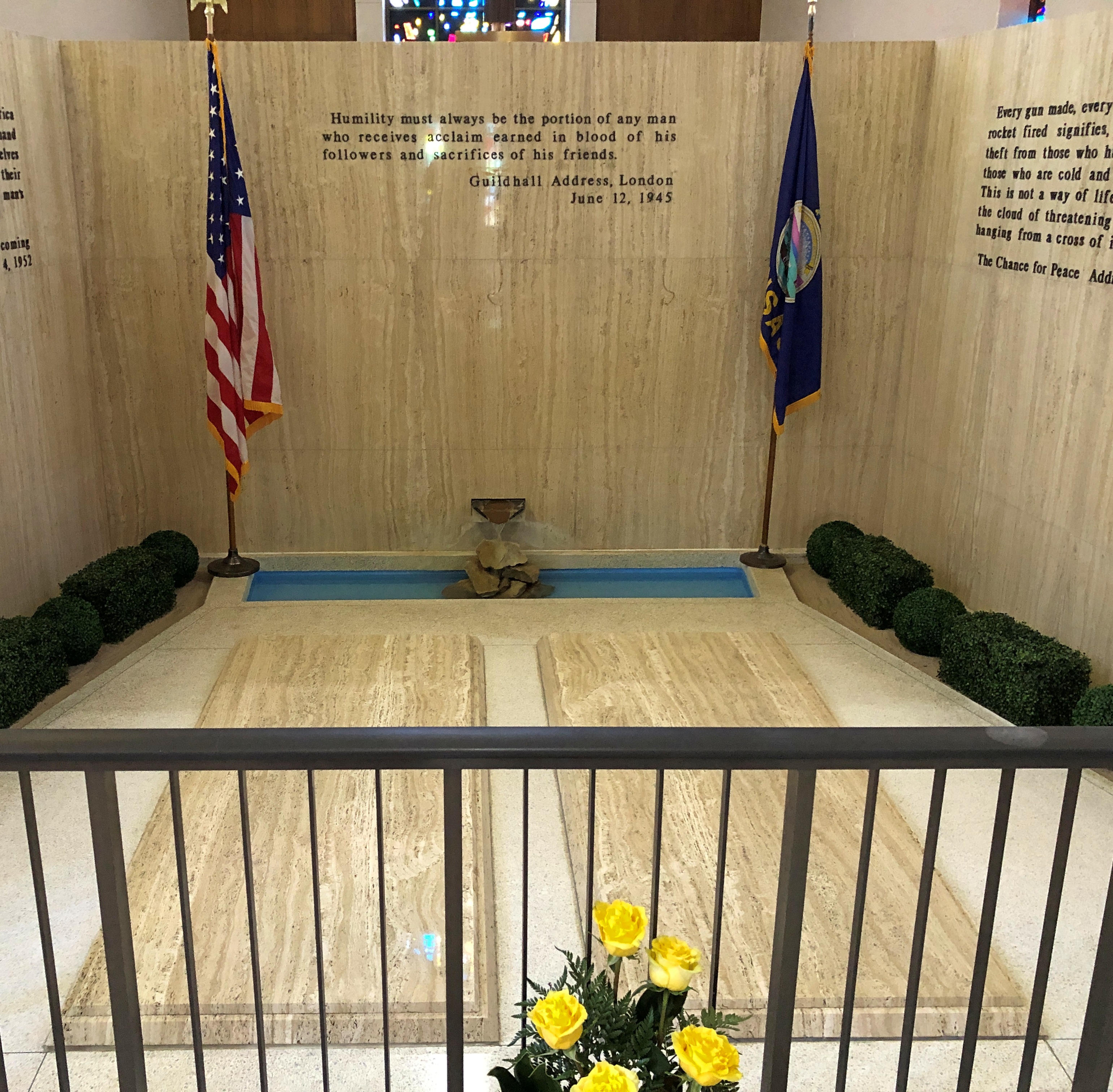
In Abilene, Kansas, not long ago, I found myself wondering, whatever happened to Manus Hand? That’s because I stood at that moment near the graves of President and Mrs. Eisenhower, Ike and Mamie.
Eisenhower

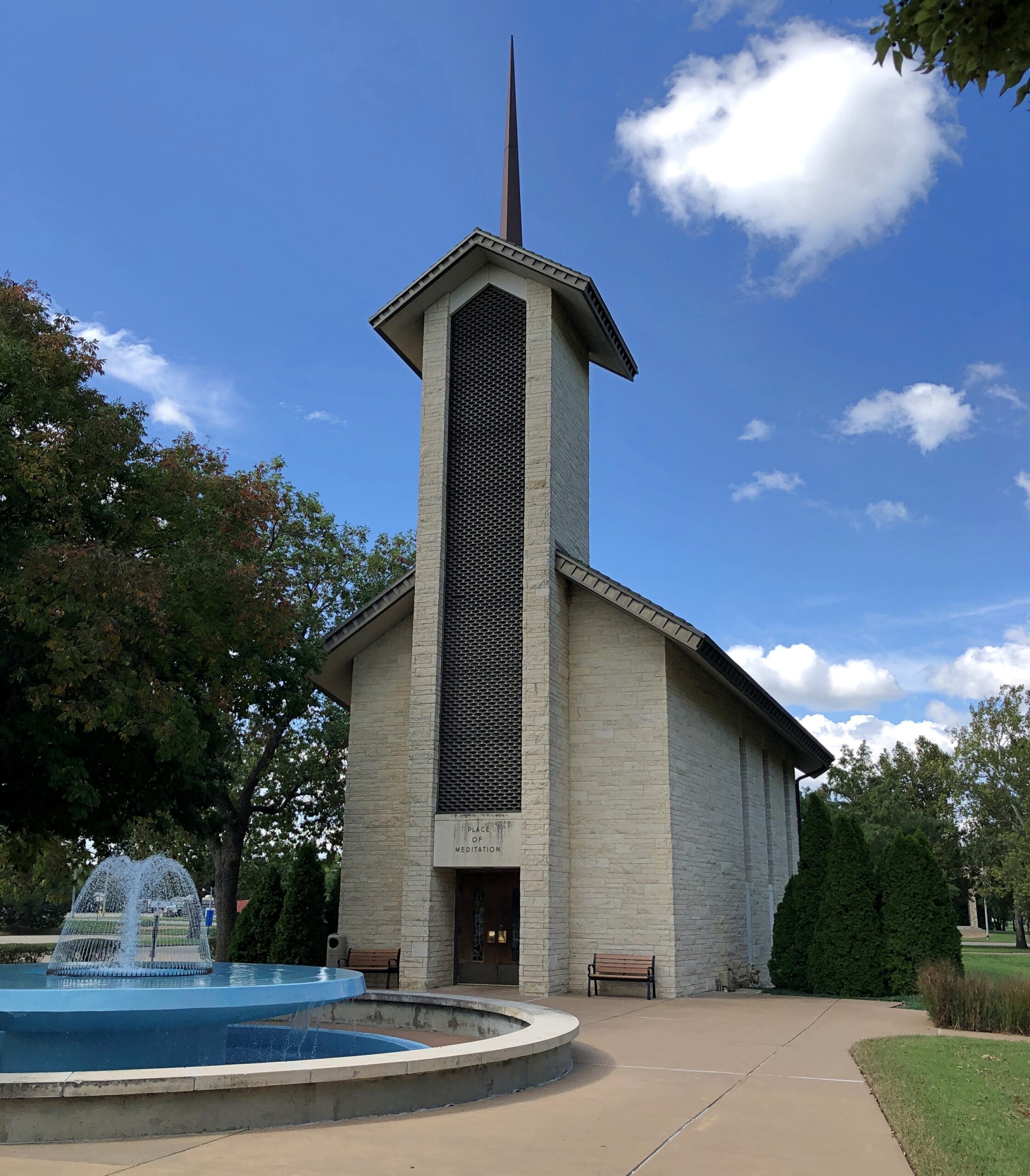
The 34th President of the United States and the First Lady repose in a chapel-like structure on the grounds of the Dwight D. Eisenhower Presidential Library, Museum and Boyhood Home in Abilene, pop. 6,400 or so, the town where the president came of age.
Eisenhower

I’ve been told I visited before, with my family during a trip to Kansas when I was a wee lad, but I don’t remember that at all. So I count this as a new visit to a presidential sight, including a grave site, which makes 21 presidential graves all together. But for the federal shutdown in October, there would be four more at least: Adams père et fils, FDR and TR.

I thought of Manus Hand because, back in the Neolithic age of the Internet, he had a web site featuring photos of him at presidential grave sites. In my own dead presidents days, I found Hand’s site at some point. He had visited almost all of them by then, 36 by his count. His site is still in existence, without much change, except an update to note that George H.W. Bush had died (2018), but not Jimmy Carter.

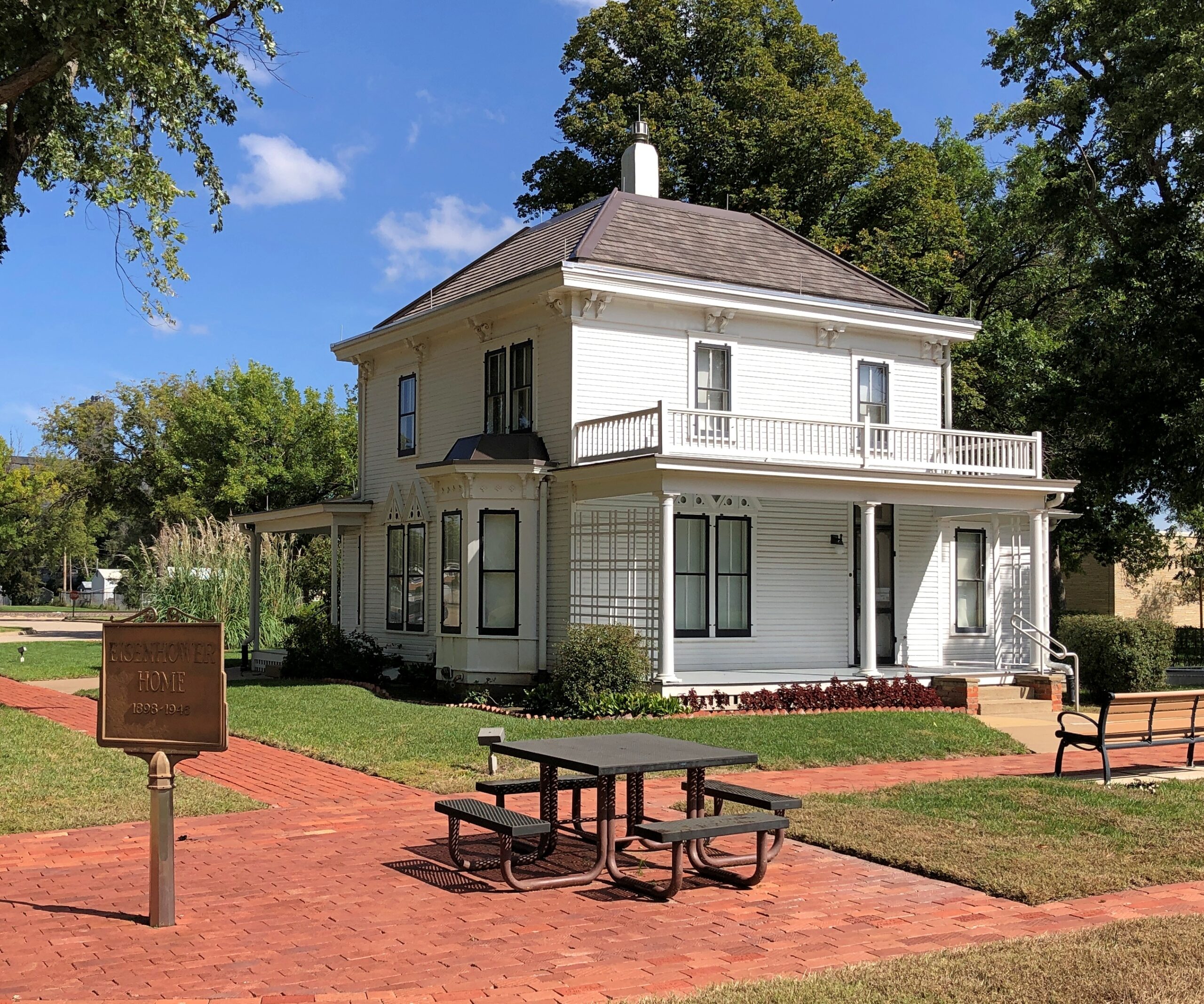
The Eisenhower Boyhood Home, moved to the site. No tours available when I came by.
Eisenhower

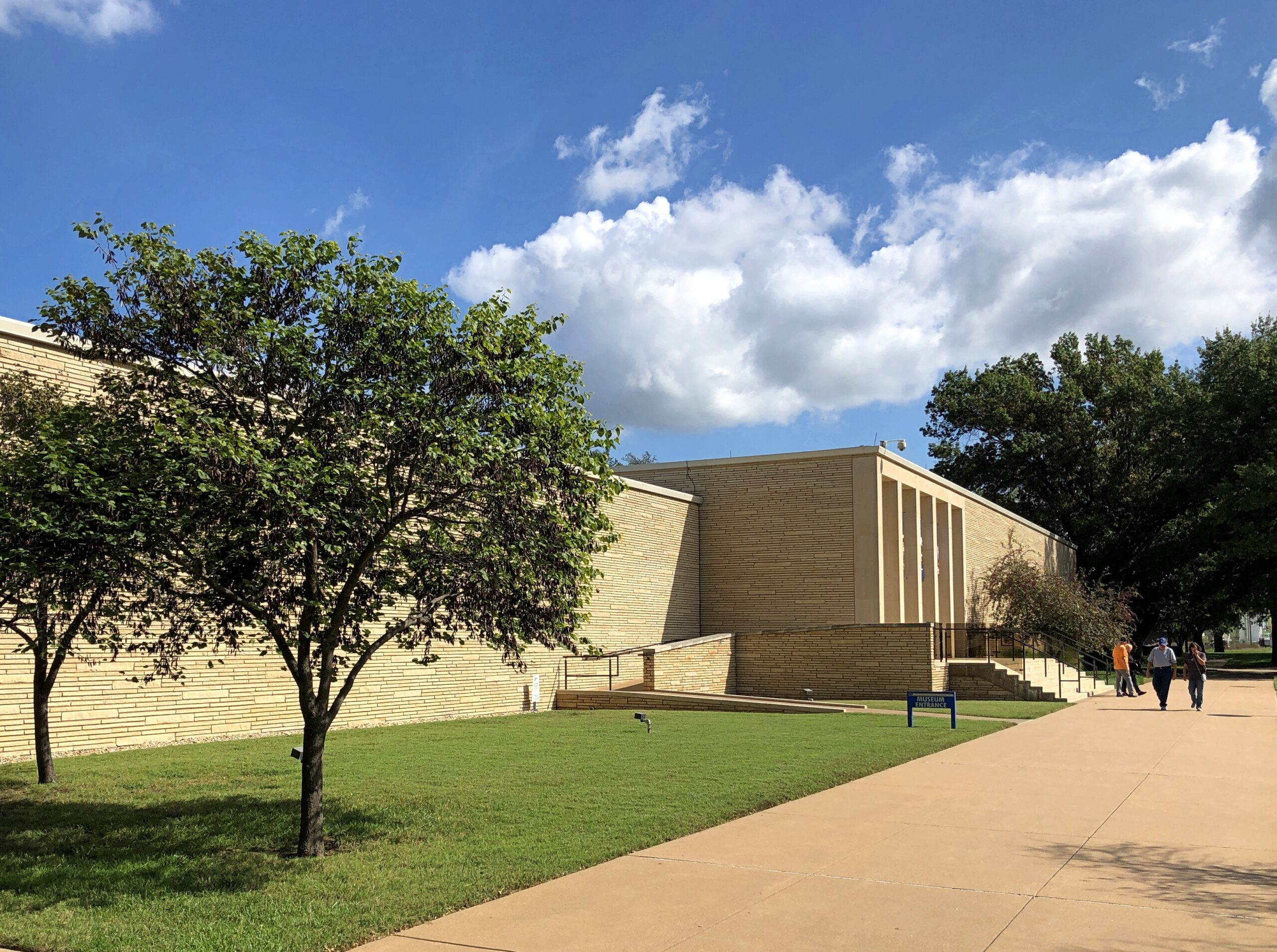
The Eisenhower Museum.

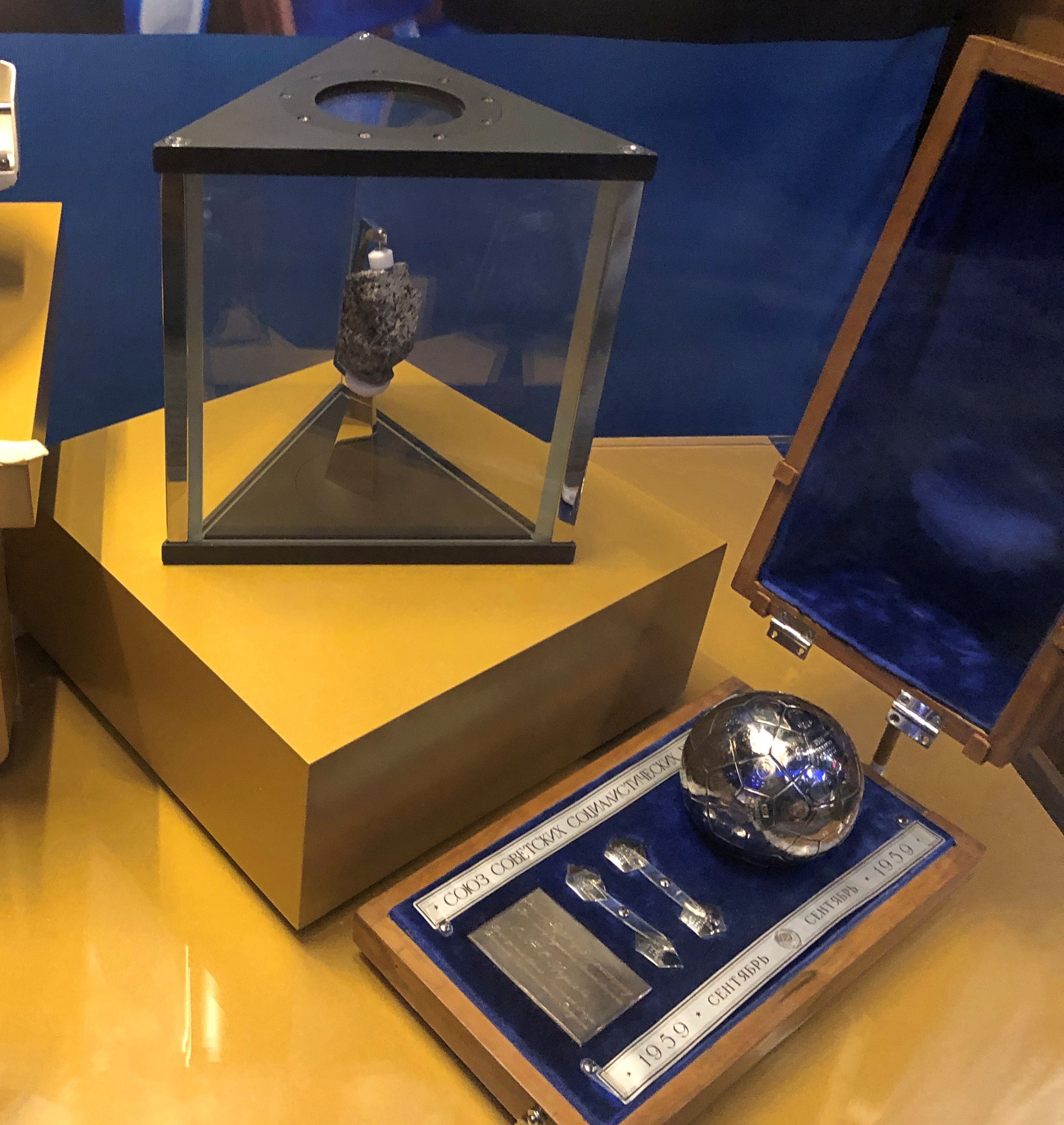
Midcentury, and what could be more fitting for Eisenhower? It’s chronologically organized: early Ike in Abilene; his Army career before WWII, including his cross-country epic; during that war and right after the war; his presidency and post-presidency, and a gallery about Mamie. Well organized, interesting artifacts, but (for me) none more interesting than a titanium sphere.
Eisenhower luna 2

The sphere is a replica of the pennant sphere that traveled to the Moon in 1959 aboard the Soviet spacecraft Luna 2, which was the first manmade object to reach the lunar surface, or any celestial body. The sphere was a detail that I remembered from long-ago reading about space exploration. I didn’t realize one existed any more, even in replica form. Khrushchev presented it to Eisenhower during his famed visit to the U.S. that year (Khrushchev’s due at Idlewild!).

Luna 2 carried two spheres filled with liquid and an explosive charge, designed to burst apart on impact and scatter pentagonal pennants, the Moon Registry says. The pennants were imprinted with: 1) Sentiabr 1959 (September 1959); CCCP… ; and the state seal of the USSR, a wreath of grain around the hammer and sickle. It is theorized that the medallions vaporized on impact.

Russia is still shooting Luna missions to the Moon. The most recent, Luna 25, crashed near the lunar south pole in 2023 but, unlike Luna 2, not on purpose. Oops. More about the many pennants the Soviets sent into space is here. On display next to the sphere is a lunar rock, which must have been a posthumous gift, since Ike didn’t live quite long enough to benefit from astronauts rock-gathering on the surface, though he was still alive during Apollo 7, 8 and 9.

A close second excellent artifact was a dagger Marshal Zhukov presented to General Eisenhower on the occasion of the defeat of Germany, a good-looking blade with an ivory hilt and gold decorations. I picture an exuberant Zhukov, as in The Death of Stalin, handing the knife to Ike and saying something earthy. Apparently the two, Ike and Zuke, got along well in the early months of the joint occupation of Germany. Differences aside, they had job experience in common. I don’t remember seeing anything about that in the museum, but there was a lot of material, so that could have been easily missed. That and any reference to Kay Summersby.

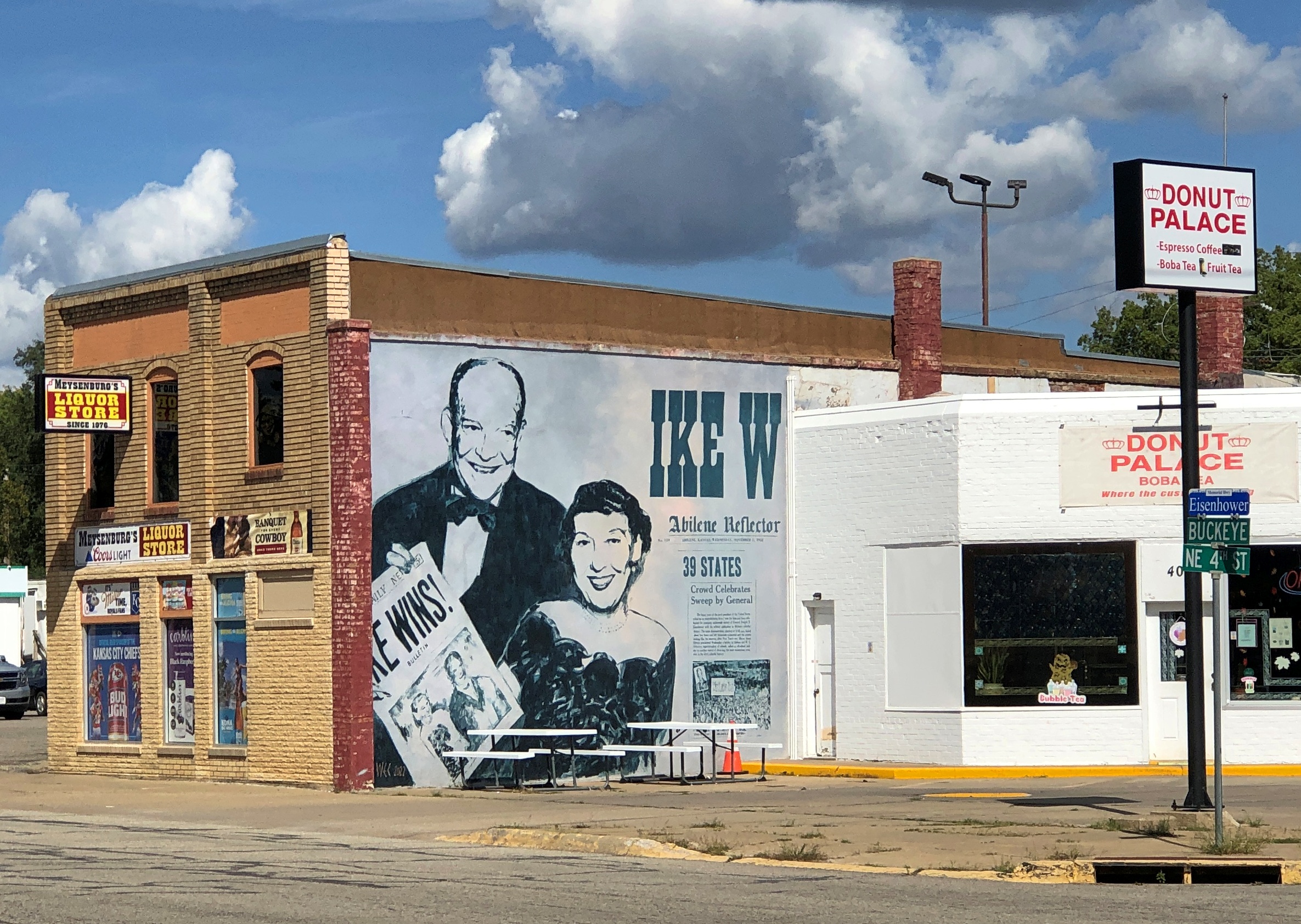
It was hot that day, September 24, but after visiting the museum, I took a look around Abilene anyway. The town hasn’t forgotten its most famous native son. Also, Donut Palace was closed.
Eisenhower luna 2

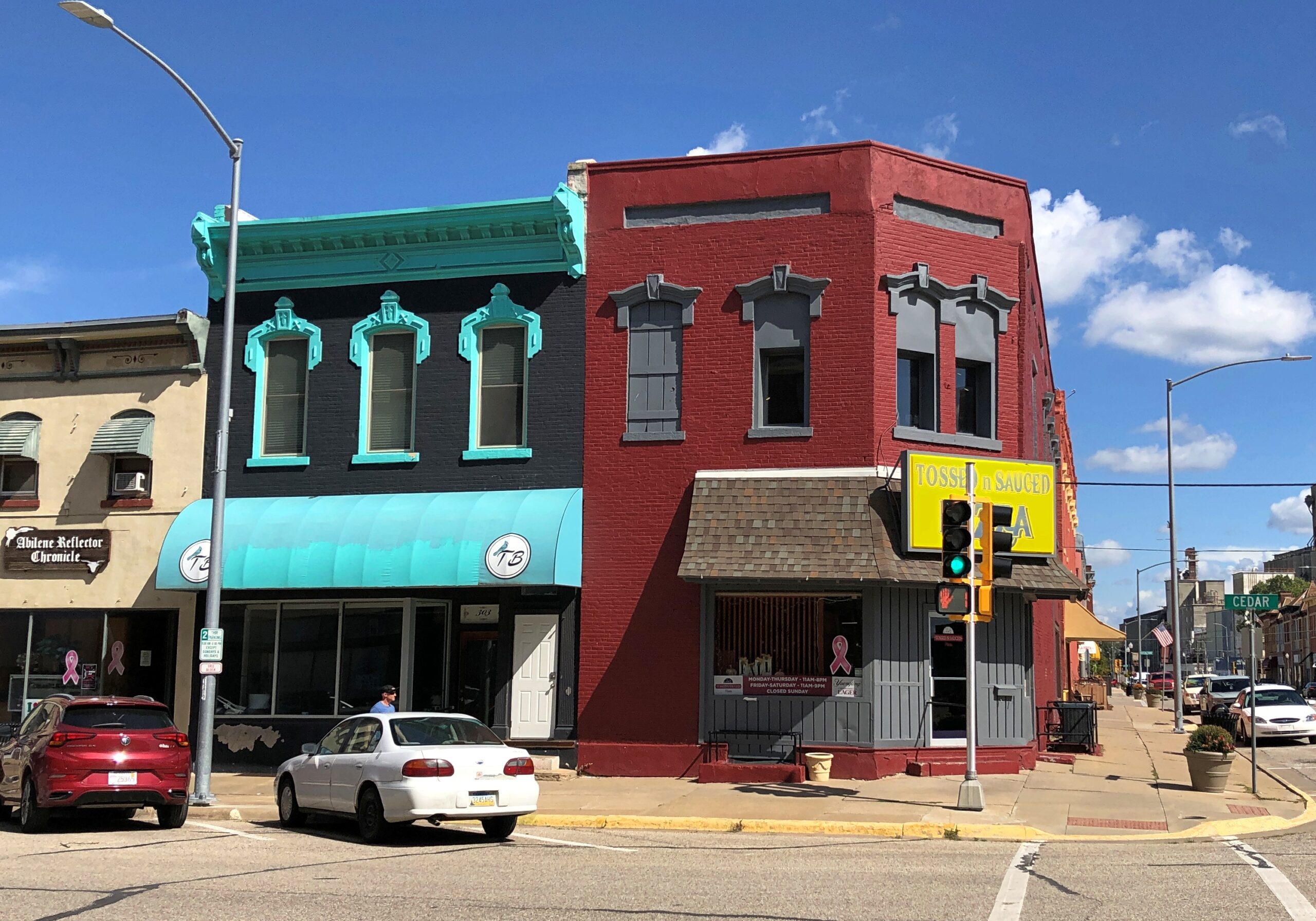
A lot of the detail would be different, but I’ll bet Ike would still feel at home with the scale of Abilene. Small town, small buildings, but some solid touches.
Abilene< KS

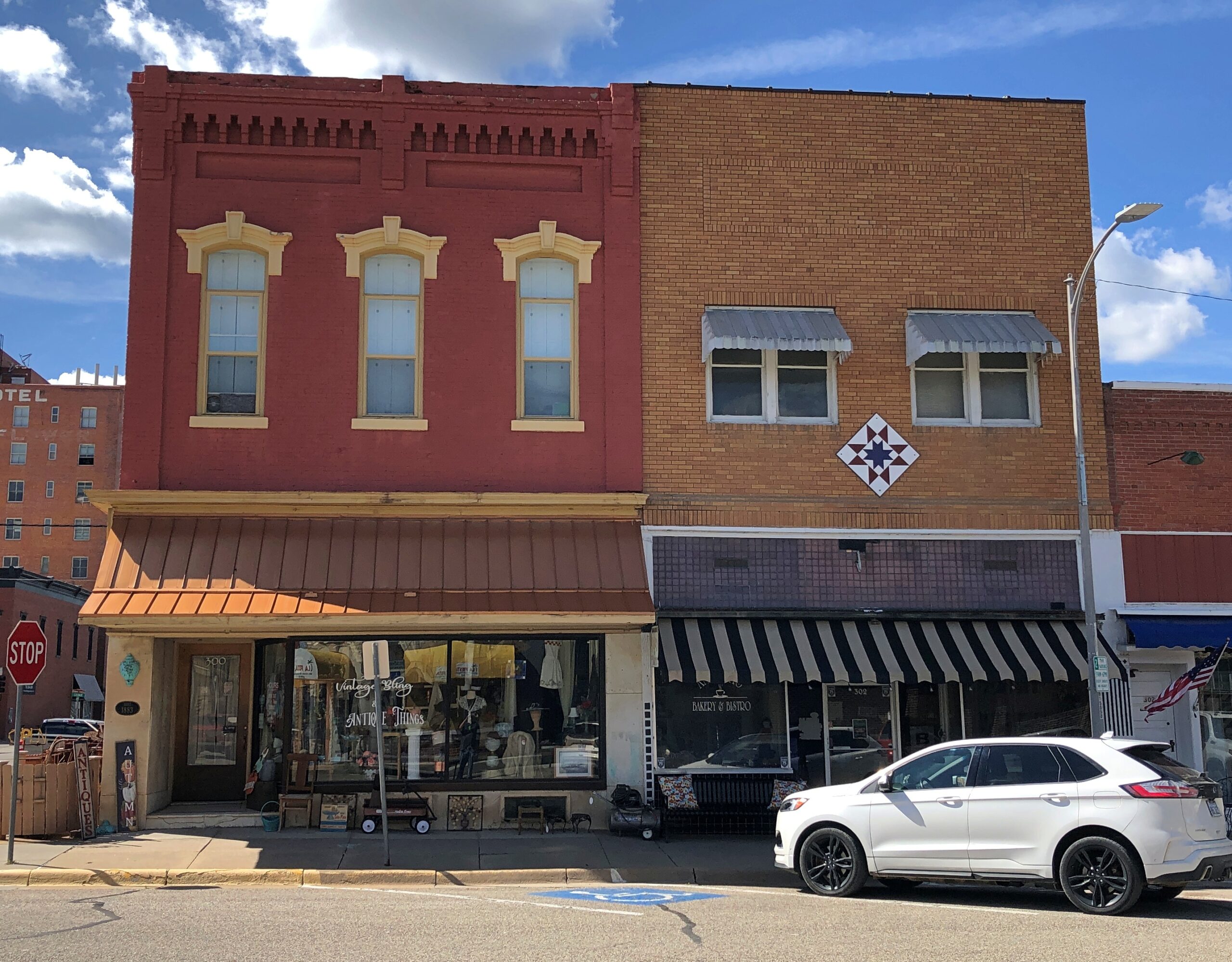
Including at least one building Ike would have known.
Abilene< KS
Abilene< KS+

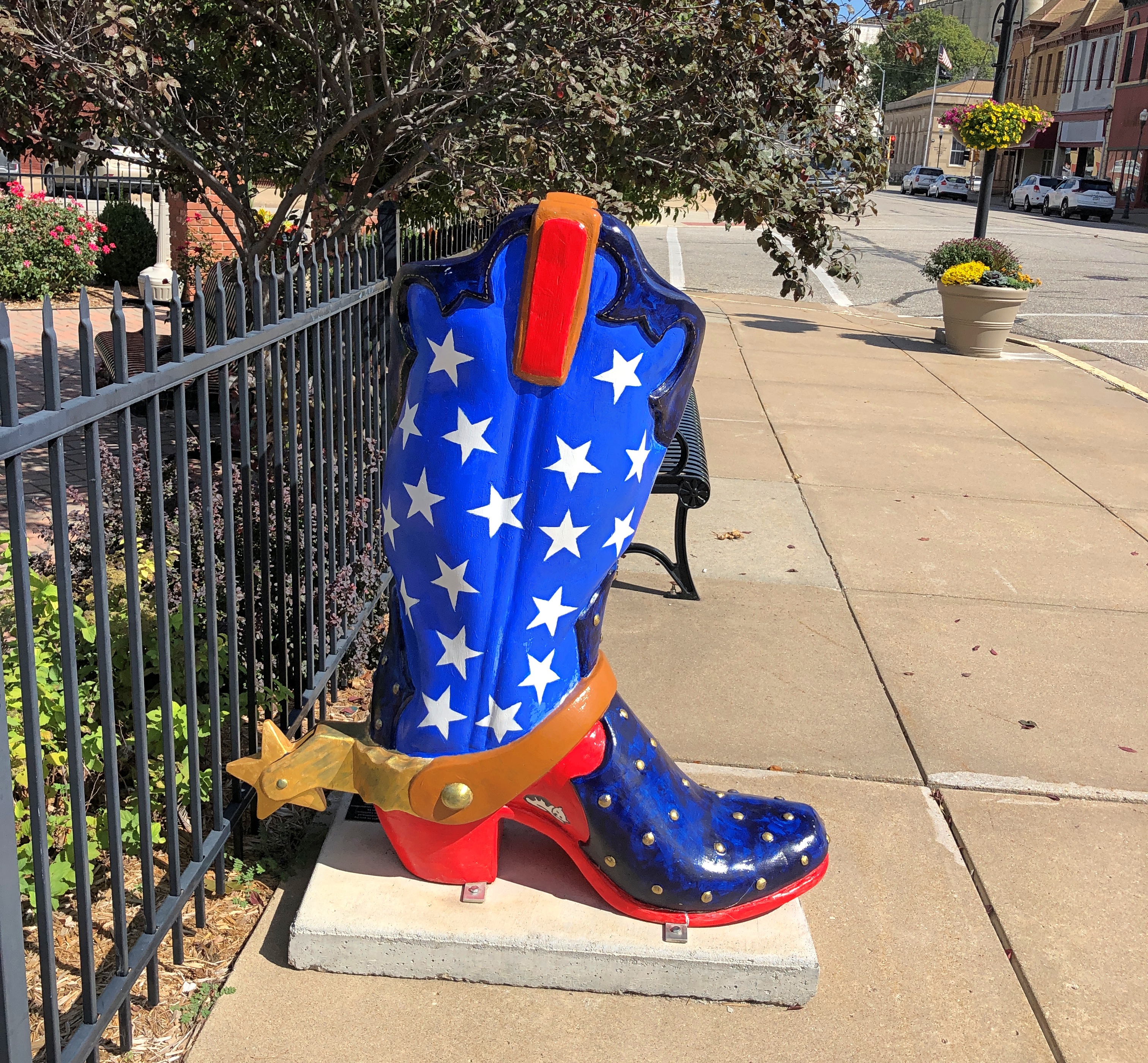
Chicago had cows, Abilene has cowboy boots.
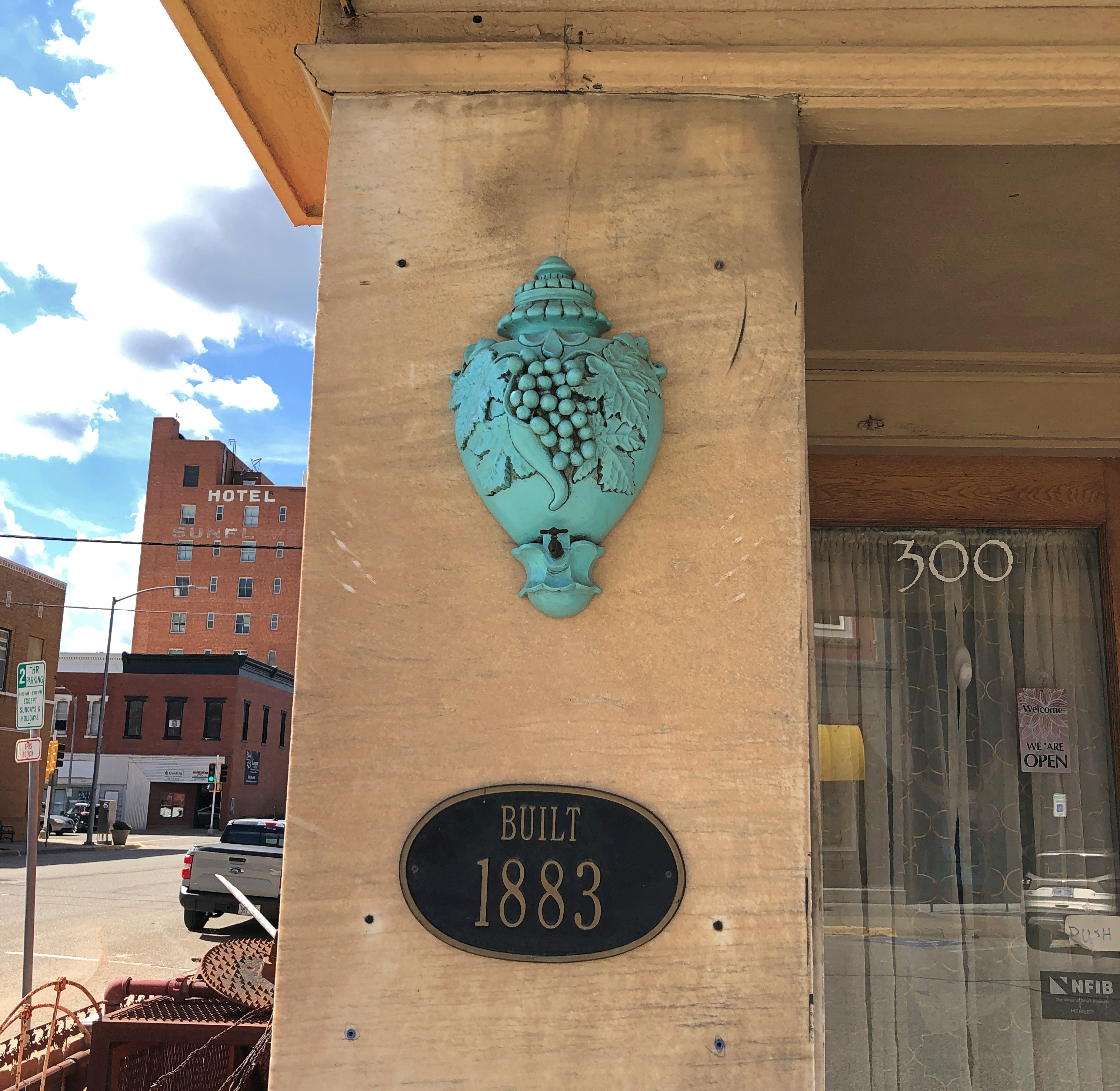
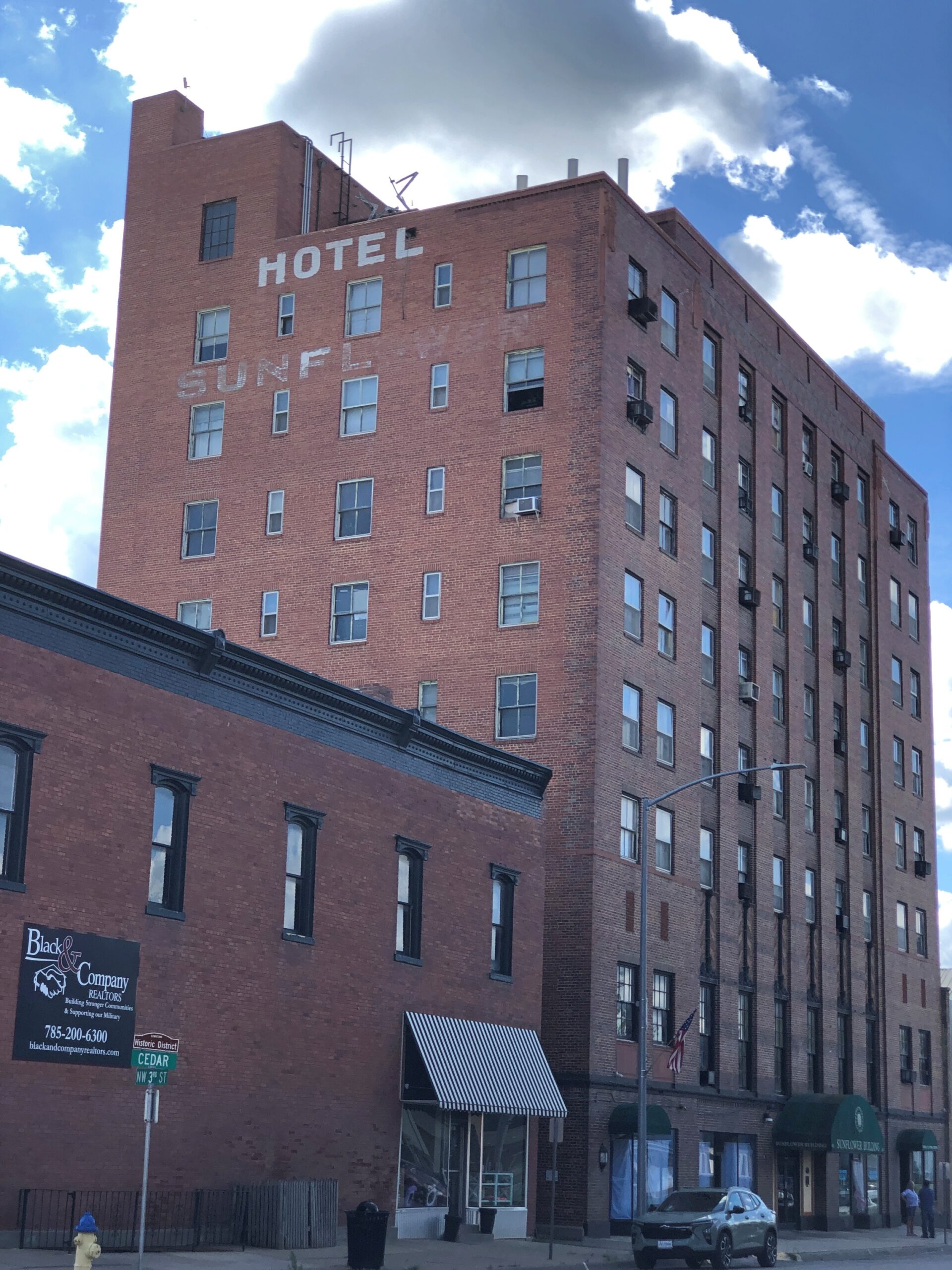
The Hotel Sunflower. Former hotel, that is, now apartments.
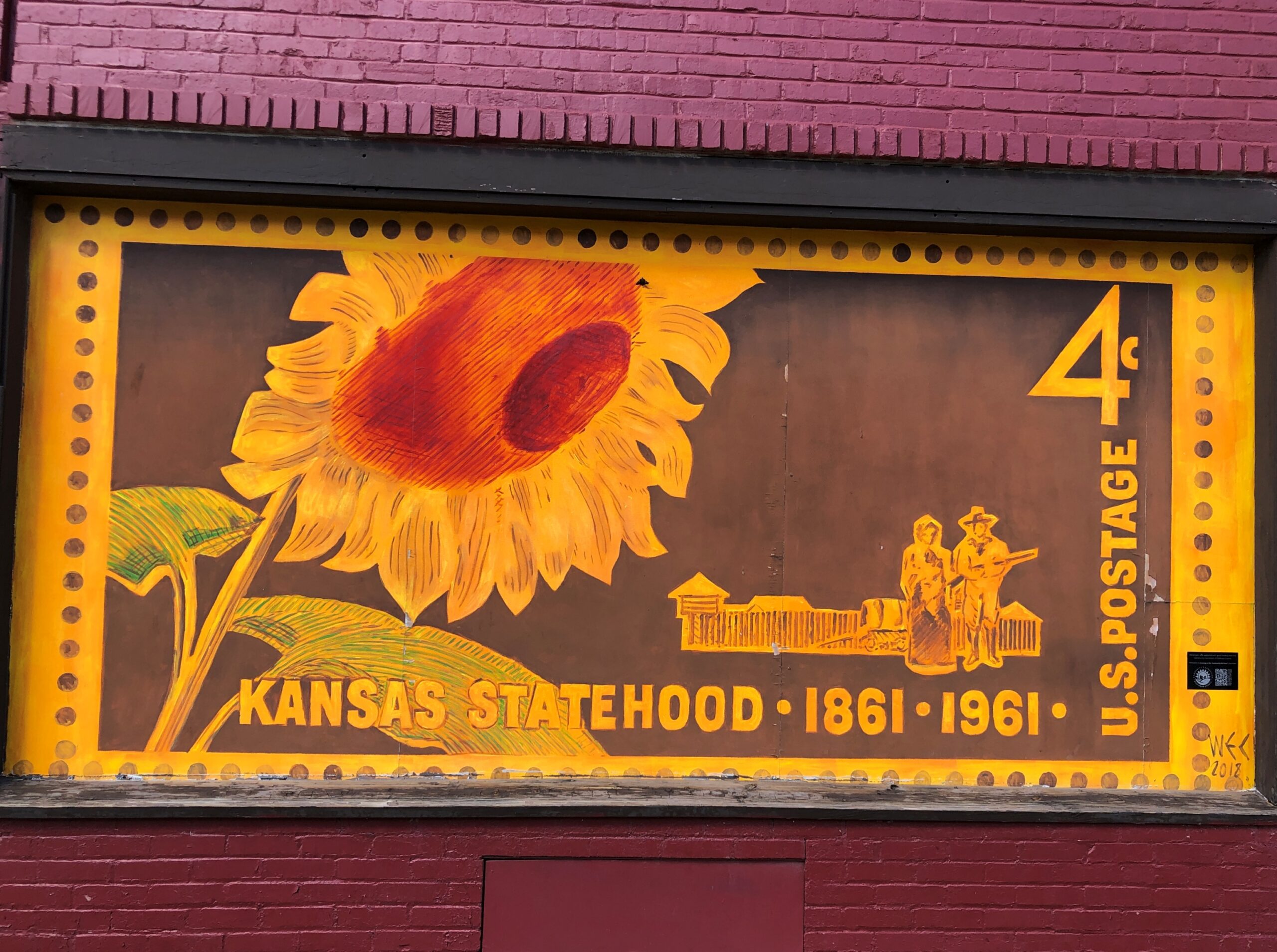
The Sunflower State. The flower looks a little ominous, peering down at the settlers.
Kanzas

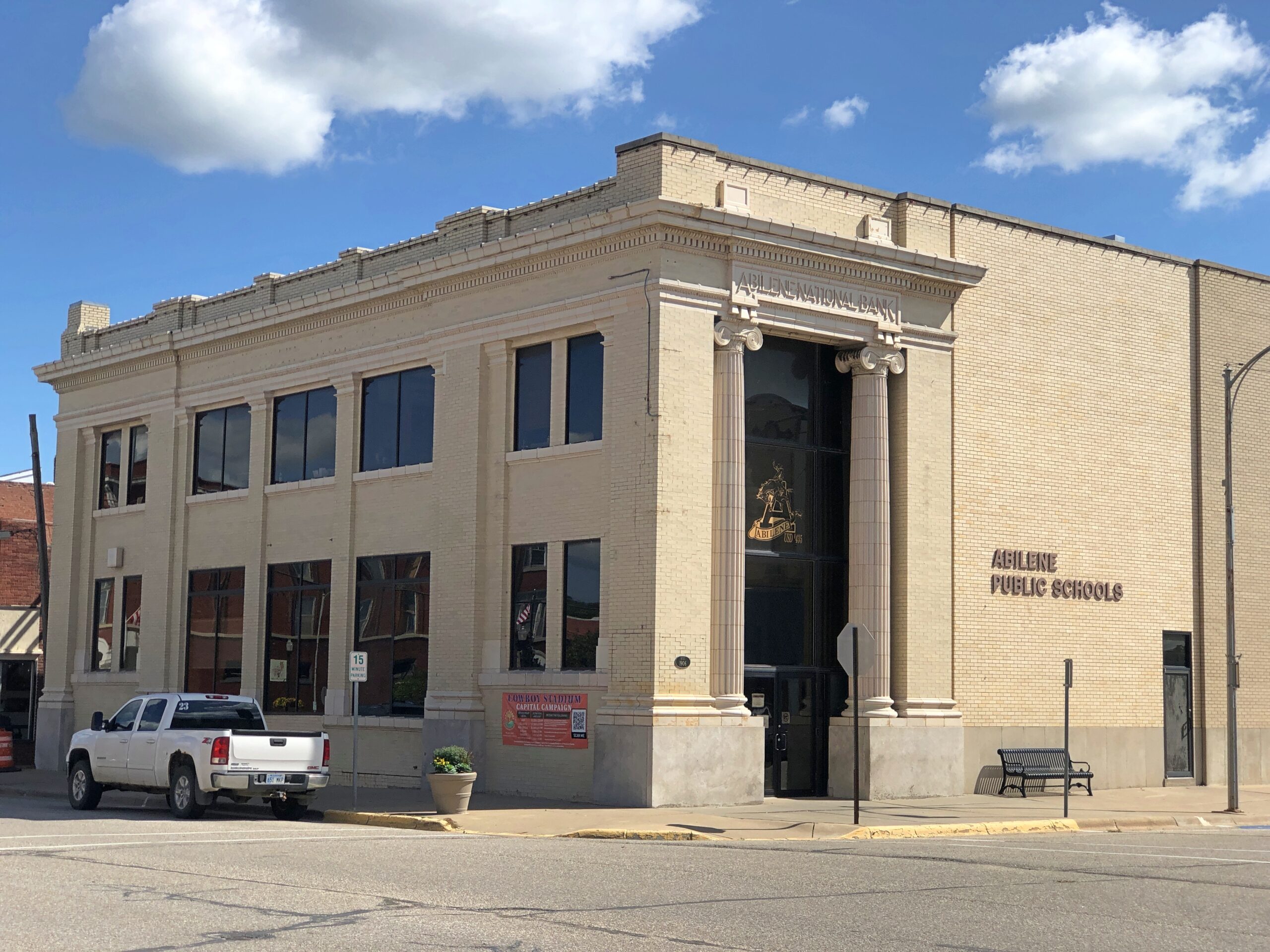
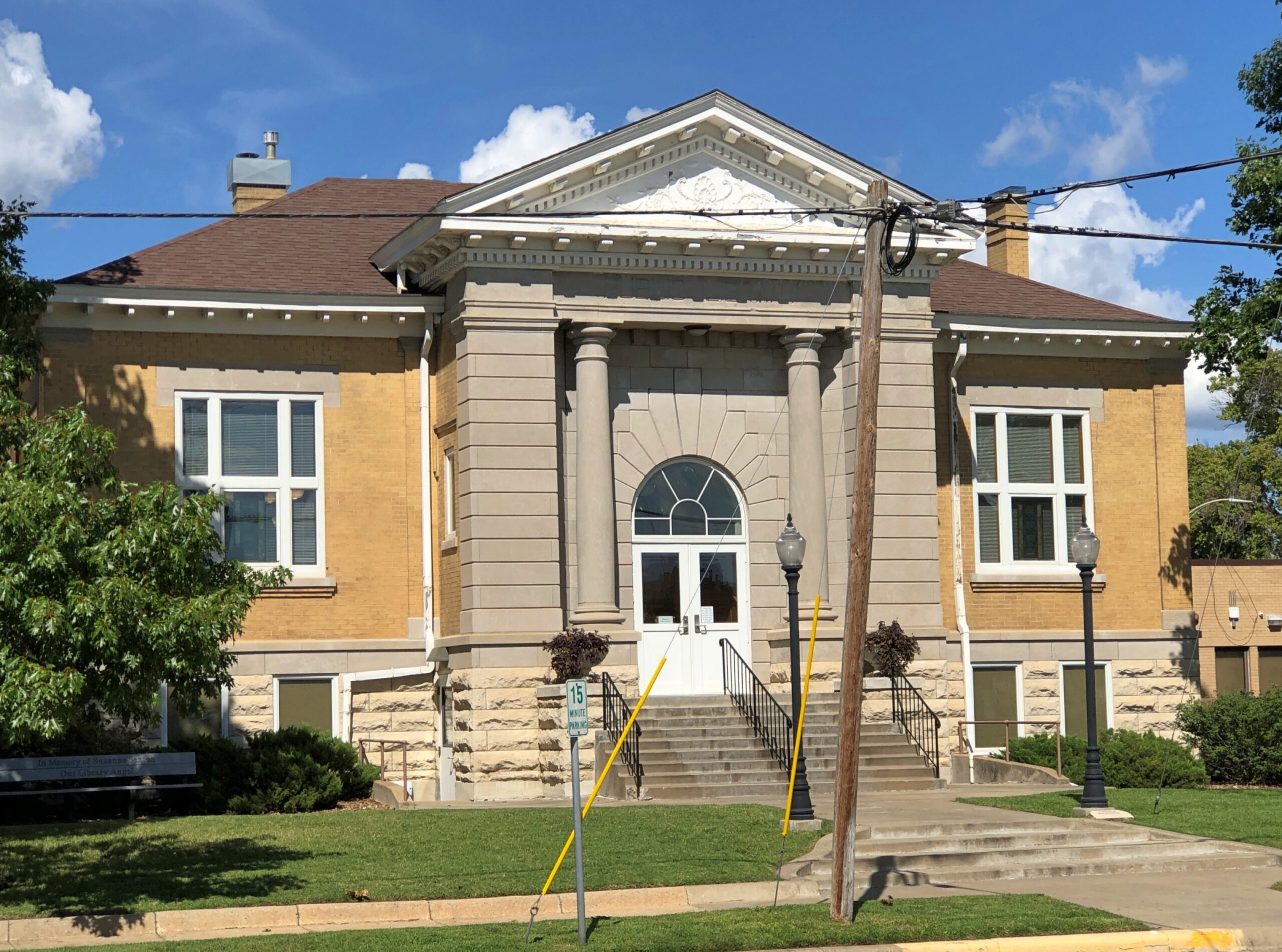
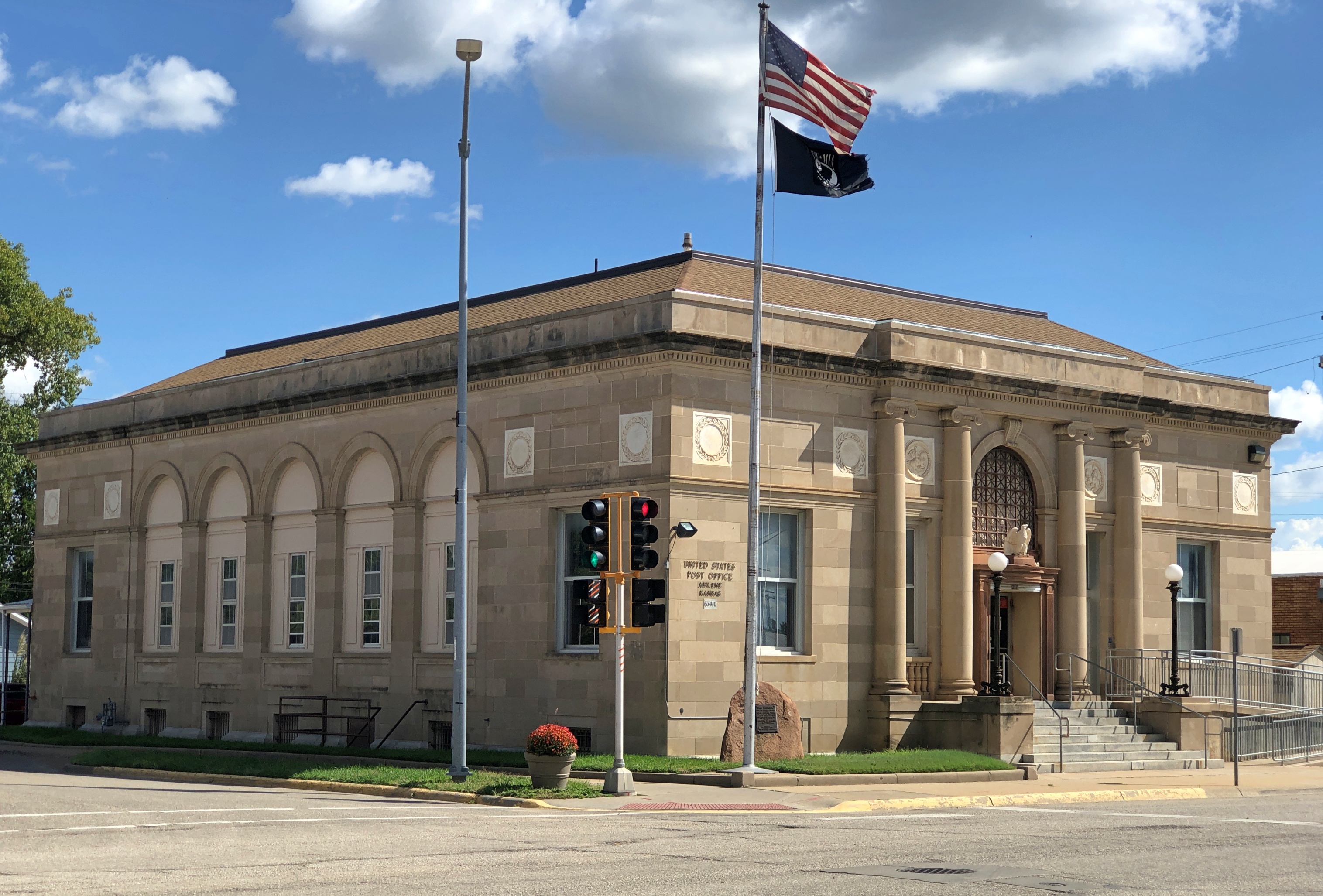
Structures that aren’t grand, but stately even so. Petite stately, you might call them.
Abilene
Abilene
Abilene

The third one is a Carnegie library. Though the Carnegie grant was large, other fundraising for the library’s erection had been done in the early 1900s, including a benefit lecture by William Jennings Bryan.

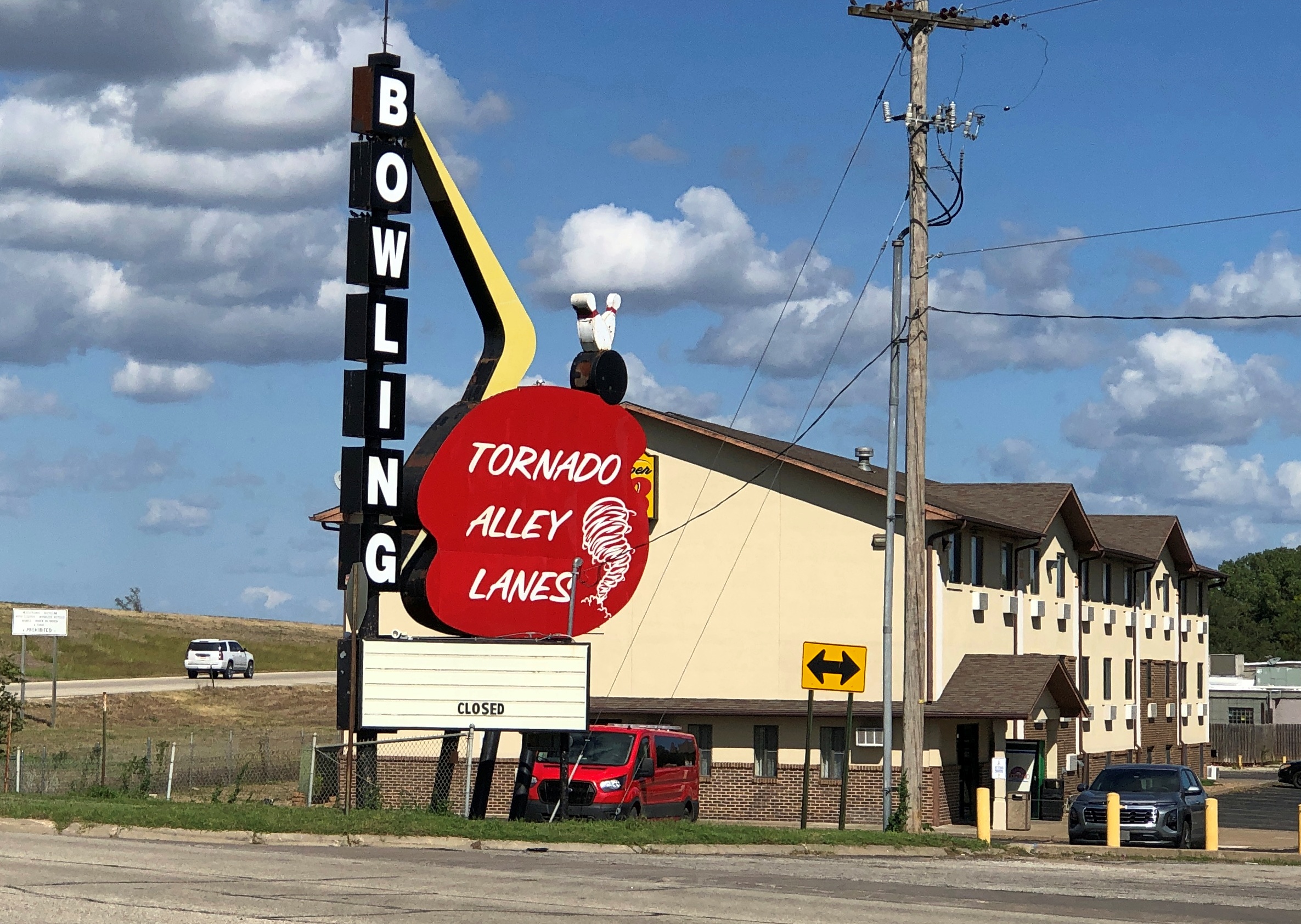
Out near the highway: truth in naming. But note also, the bowling alley is closed. I could go either way on the reopening of an alley in that location, but I really want the sign to stay.
One more thing Abilene is known for, at least since 2022.
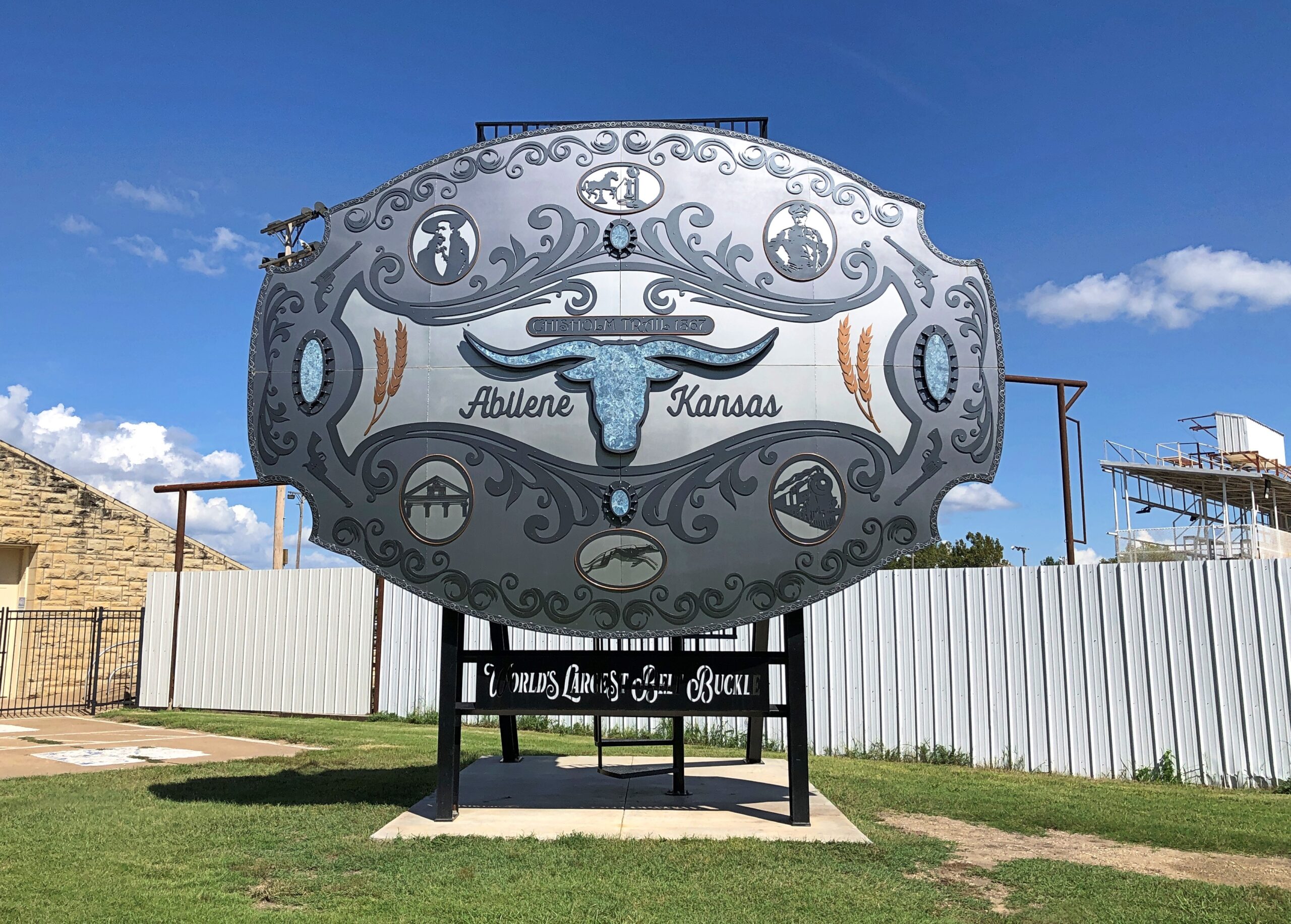
The World’s Largest Belt Buckle. Says so right there on it. How large would that belt have to be?

“Designed by local artist Jason Lahr, Fluter’s Creek Metal Works, the buckle features Dwight D. Eisenhower, Wild Bill Hickok, Abilene & Smoky Valley Railroad, Historic Seelye Mansion, C.W. Parker carousel horse, C.L. Brown telephone, a racing Greyhound and Chisholm Trail longhorn inlaid with blue quartz,” says the city of Abilene, Kansas.

“The buckle is a project of the Abilene Convention and Visitors Bureau which hopes the new roadside attraction will entice travelers to stop and visit the Best Historic Small Town.”

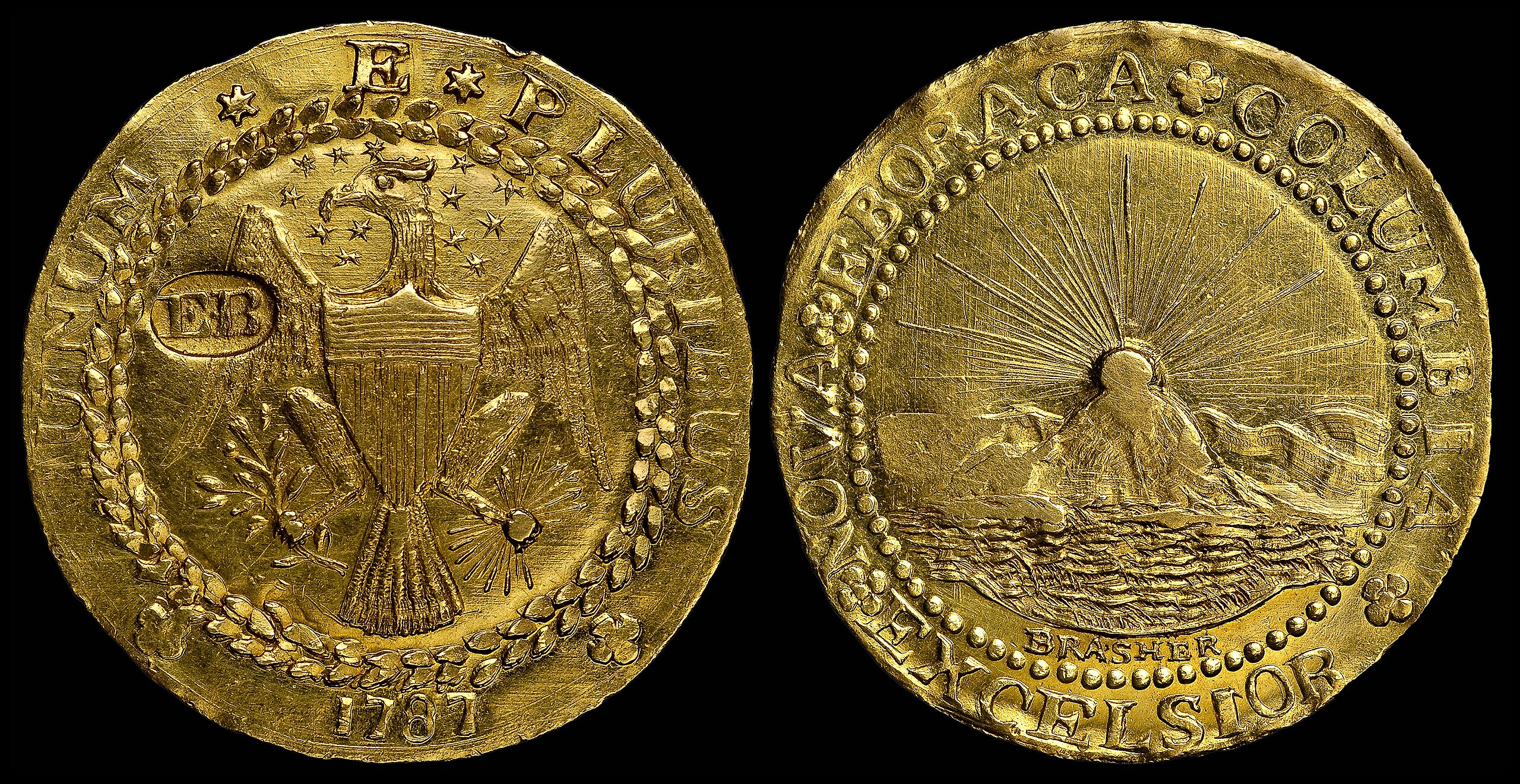
No Brasher Doubloon, Dammit. (The Money Museum)

This might be unfair to the Money Museum in Colorado Springs, Colorado, but its collection disappointed me in one key way: No Brasher Doubloon.

It is unfair. The place is great: wall-to-wall coins rare and common, beautiful and crude, familiar and strange, a vast domestic collection (USA!) and a sizable array of coinages from other nations past and present. Much familiar to me, but not all, and much new and strange to Yuriko.

I’d known about the museum, which is owned and operated by the American Numismatic Association, since years ago, when I collected the sort of cheap coins I could afford on my allowance. I followed, in a lackadaisical adolescent way, numismatic news. Big coin deals in those days involved tens and maybe hundreds of thousands of dollars. Coins like the 1909S VDB cent and the 1916D Mercury dime commanded sizable premiums, but the major money was in even rarer strikes or errors.

The Money Museum and the ANA offices are in a boxy structure, brutalist lite, dating from 1967. It isn’t a large museum, with a few living room-sized galleries on its first floor, another in the basement, with each floor attended by bored-looking security guards. U.S. coins beckoned from their own gallery, with vertical coin displays behind glass on all the walls, along with paper money displays and a generous amount of exposition.

The displays had themes: early U.S. gold coins, coins struck in California and Colorado during their gold rushes – including $50 California Territorial Gold piece (!) — uncut paper money, Federal and Confederate tokens and paper, Gilded Age paper money (a riot of design), the various representations of George Washington on medals struck down the years, and many more. There was a 1933 eagle (gold $10) and a flawless set of 1915 Panama Pacific Exposition commemoratives, which are a wow in just about every way imaginable.

Next to Americana Gallery, another gallery housed an incredibly detailed exhibit featuring coins used on the Silk Road across the centuries, something I can’t say I’d given much thought to, despite the enormity of the subject. Such as coins from the time of Alexander, whose empire was home, briefly, to around 25 mints. They say the treasury at Persepolis alone guarded 3,000 tons of gold and silver, but not from the conqueror, since it was just the thing to feed those mints once Alexander had made the Persian empire his own.

Or Parthian drachms, which feature a ruler observe and a seated archer reverse. Or the hemidrachms, obols and hemiobols of the Sassanids. Or Chinese coinage: “Made by the bureaucracy, for the bureaucracy, coins were tools to facilitate minor trade and local business. Because precious metals and high-value denominations posed the threat of wealth accumulation, low-value bronze pieces sufficed.”
Those are only a few examples. The exhibit also had early Chinese non-coin money, Islamic coinage and the coinage of the Kushans, whose central Asian empire faded from memory until its coins were unearthed.

It was all too much. Coin overload had kicked in. We spent a little while in the basement – given over to the broad sweep of the history of money – and then to the crown jewels of the place, to cap off the visit.

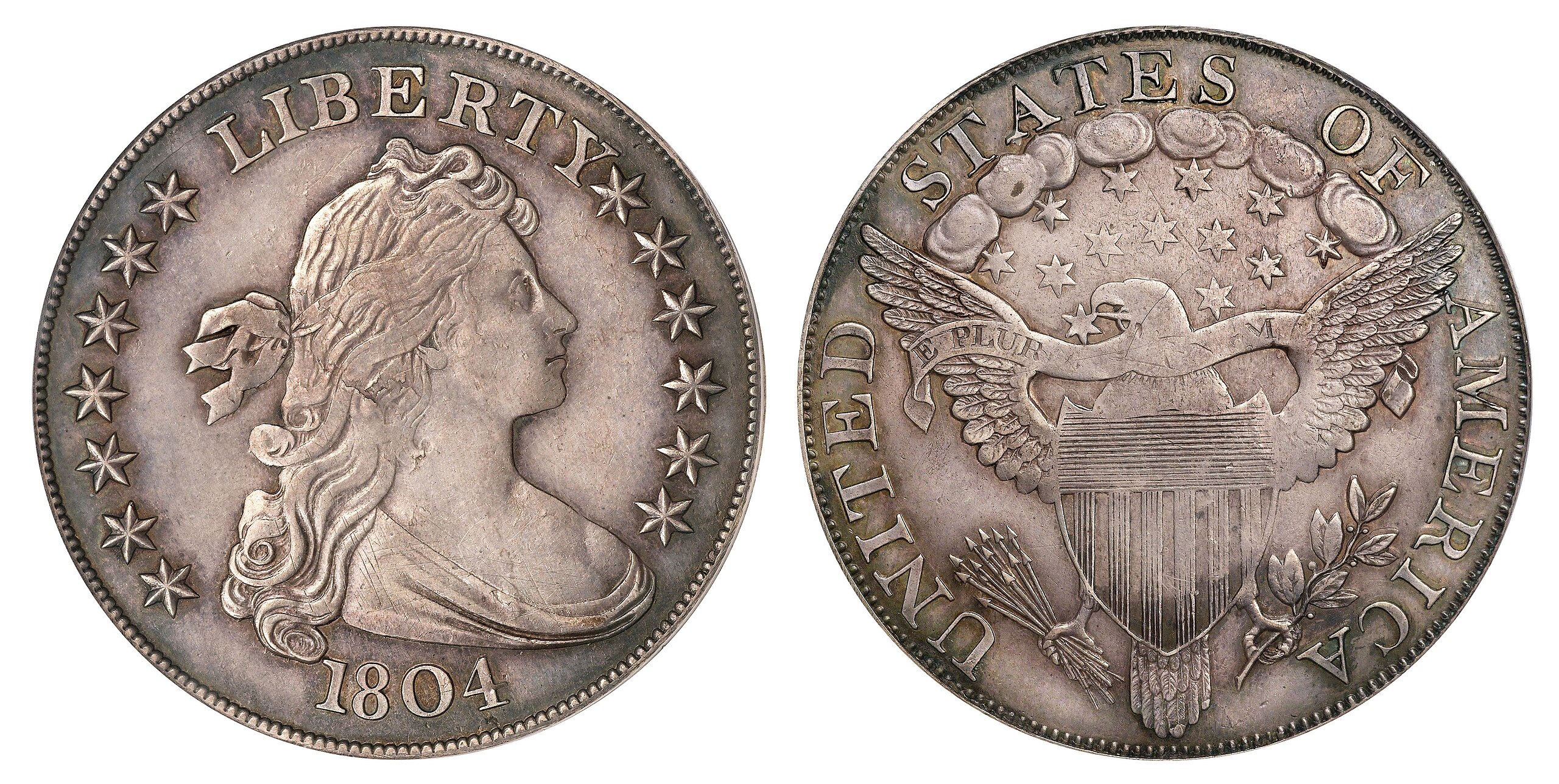
An 1804 U.S. dollar.

Actually made in the 1830s, in as convoluted a coin story as you’re likely to find.

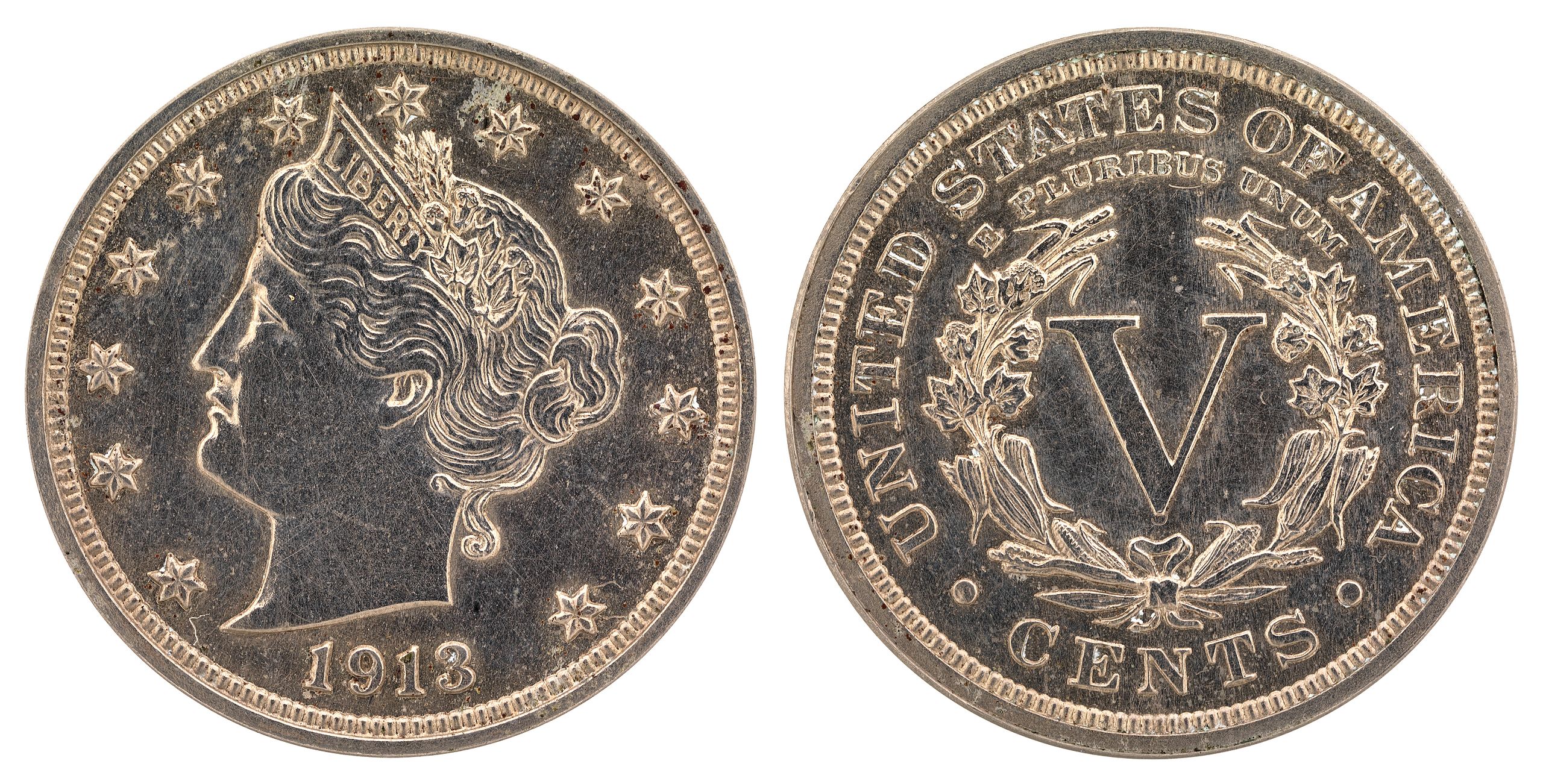
The 1913 Liberty Head nickel.

A coin that goes to show that the entire game isn’t just gold and silver, but base metal coins can have their shot at being priceless collectibles. Famed in story, and maybe an eccentric will write a song about the 1913 Liberty Head, predecessor to the Buffalo nickel. The last year for minting the Liberty Head was to have been 1912, and there are scads of those, except for those made at the San Francisco mint. Only five 1913 specimens are known to exist, all with a mysterious origin at the U.S. Mint and history of trading at ever-increasing prices, with one most recently fetching $5 million. They are such a part of numismatic lore that each specimen has its own name.

We were getting ready to go, when I noticed a museum employee talking to the volunteers behind the front desk. I asked him whether the museum had a Brasher Doubloon. I’d looked, but I could easily have missed it, among the many coins on display.

He knew what that was. Of course he did. Unfortunately, no, he told me. Someday someone might donate one, but otherwise it would be beyond the museum’s budget. Someday, maybe, he said, a little wistfully. Good man, a true coin nerd.

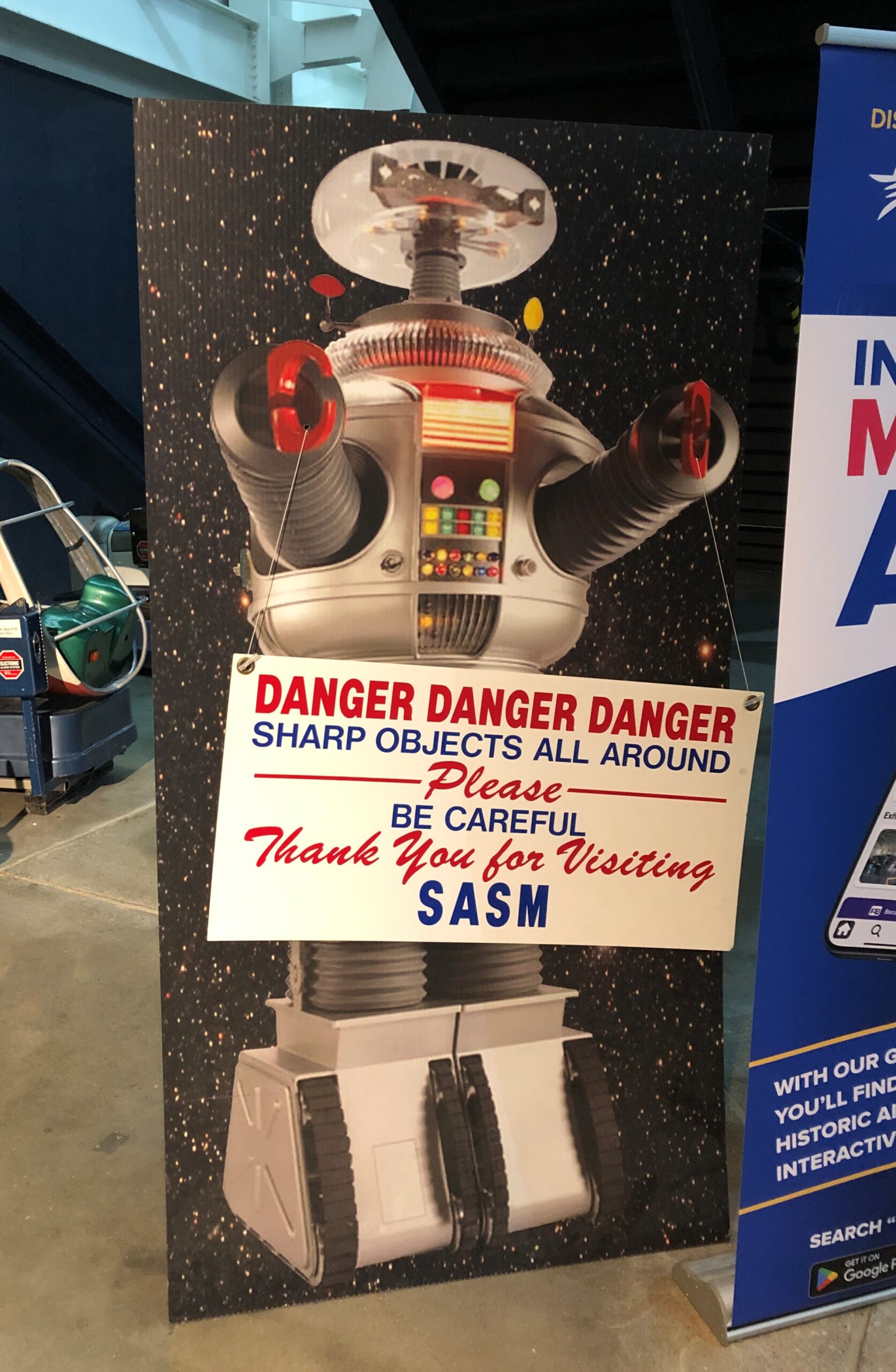
Strategic Air Command & Aerospace Museum

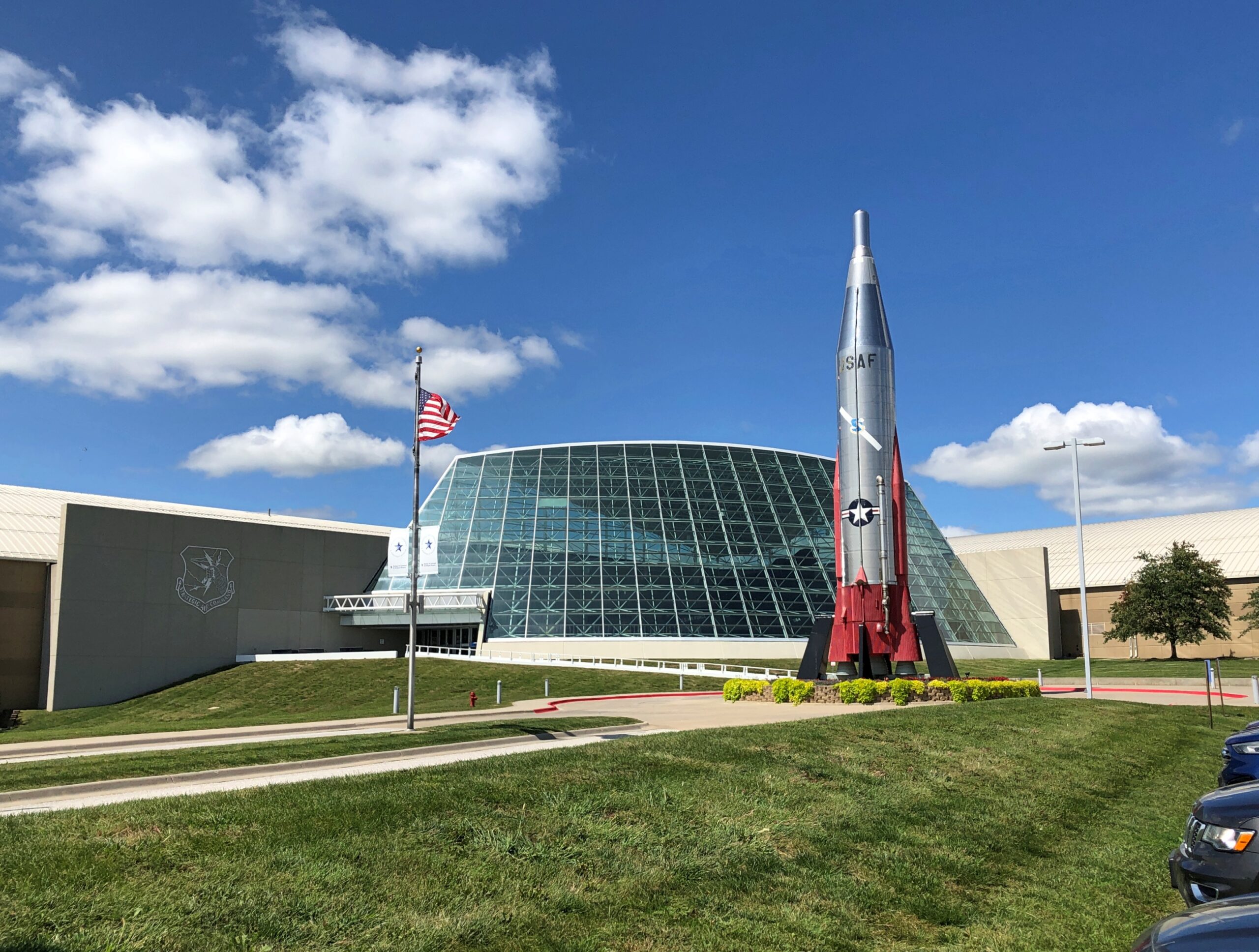
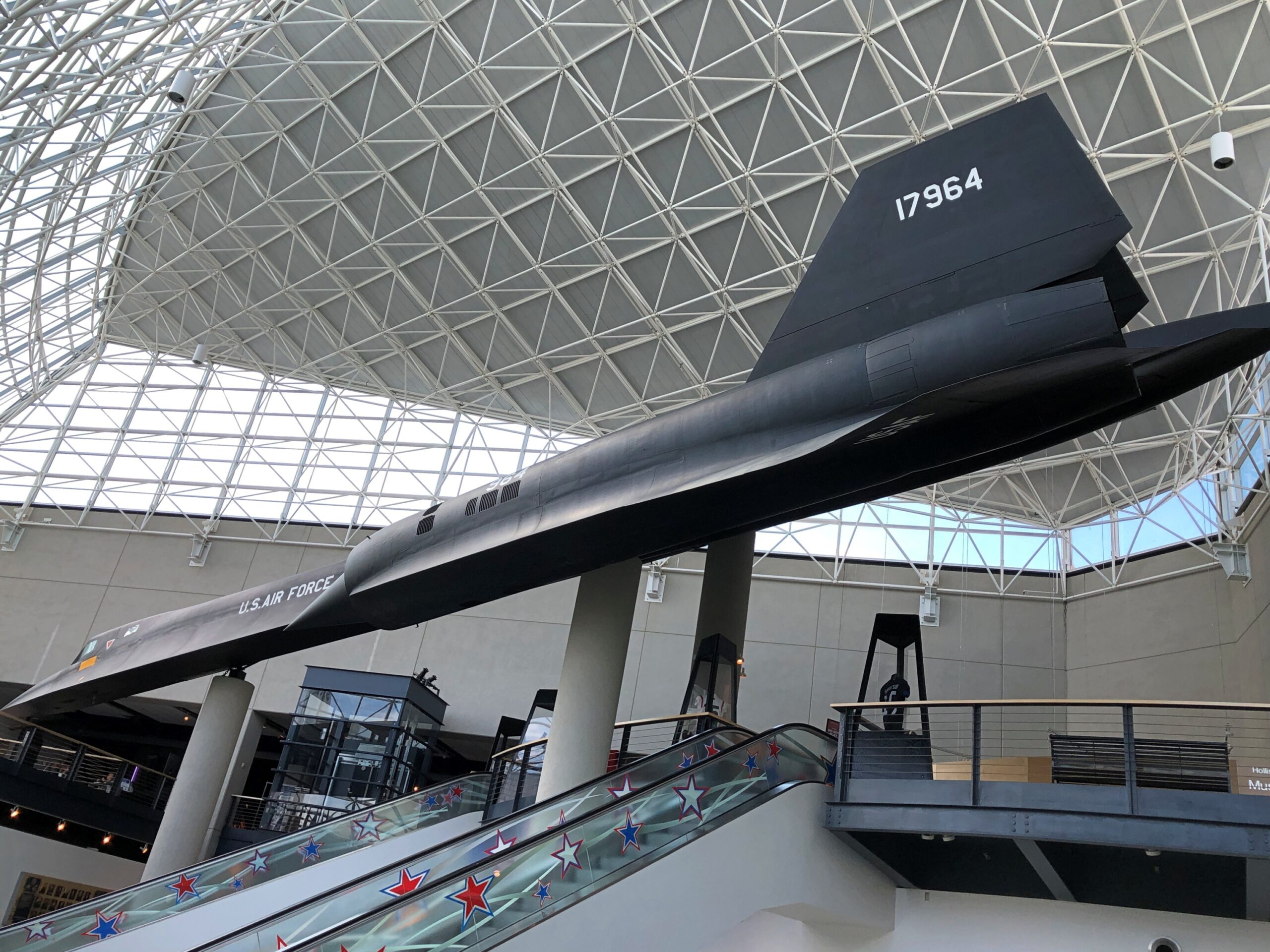
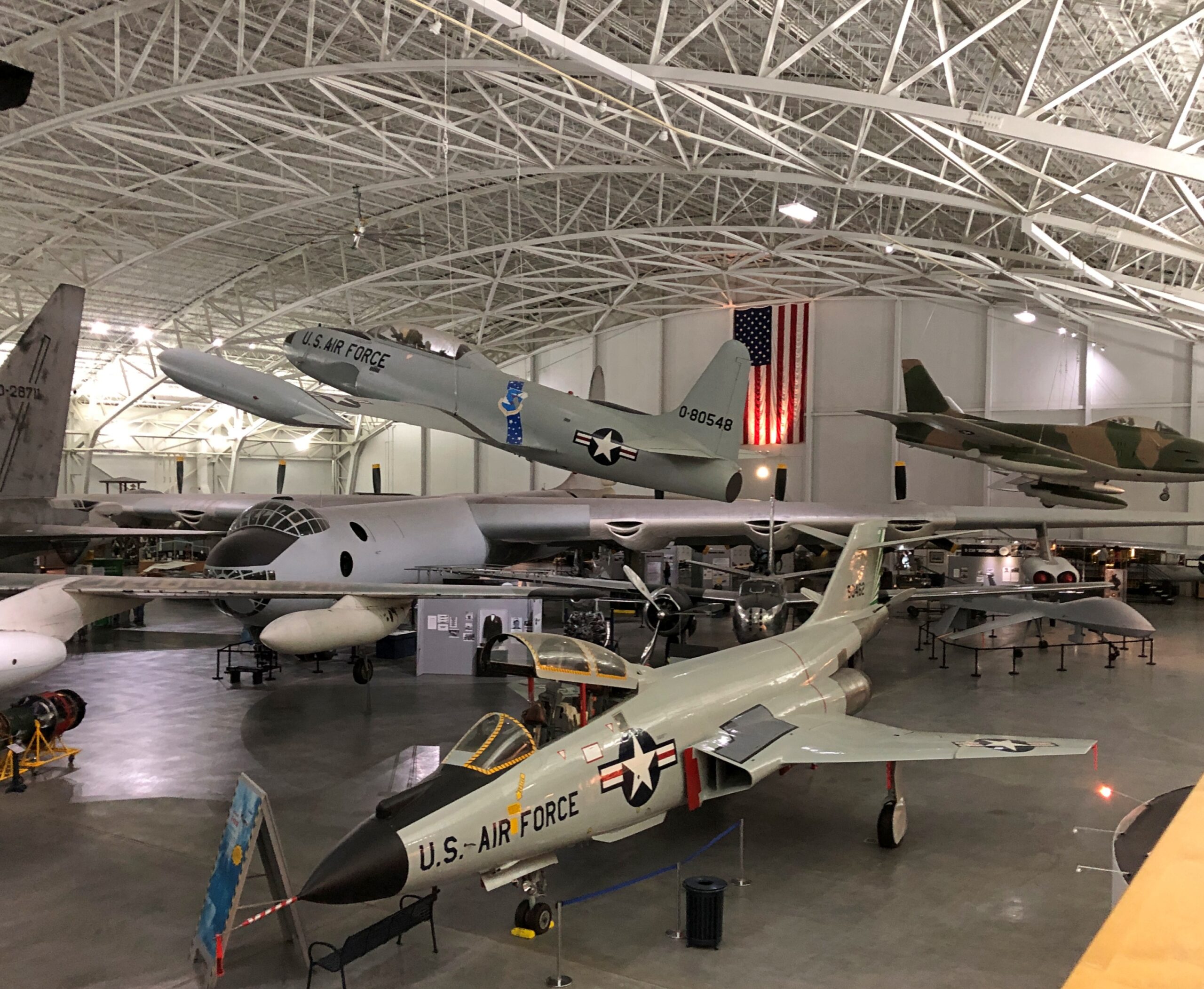
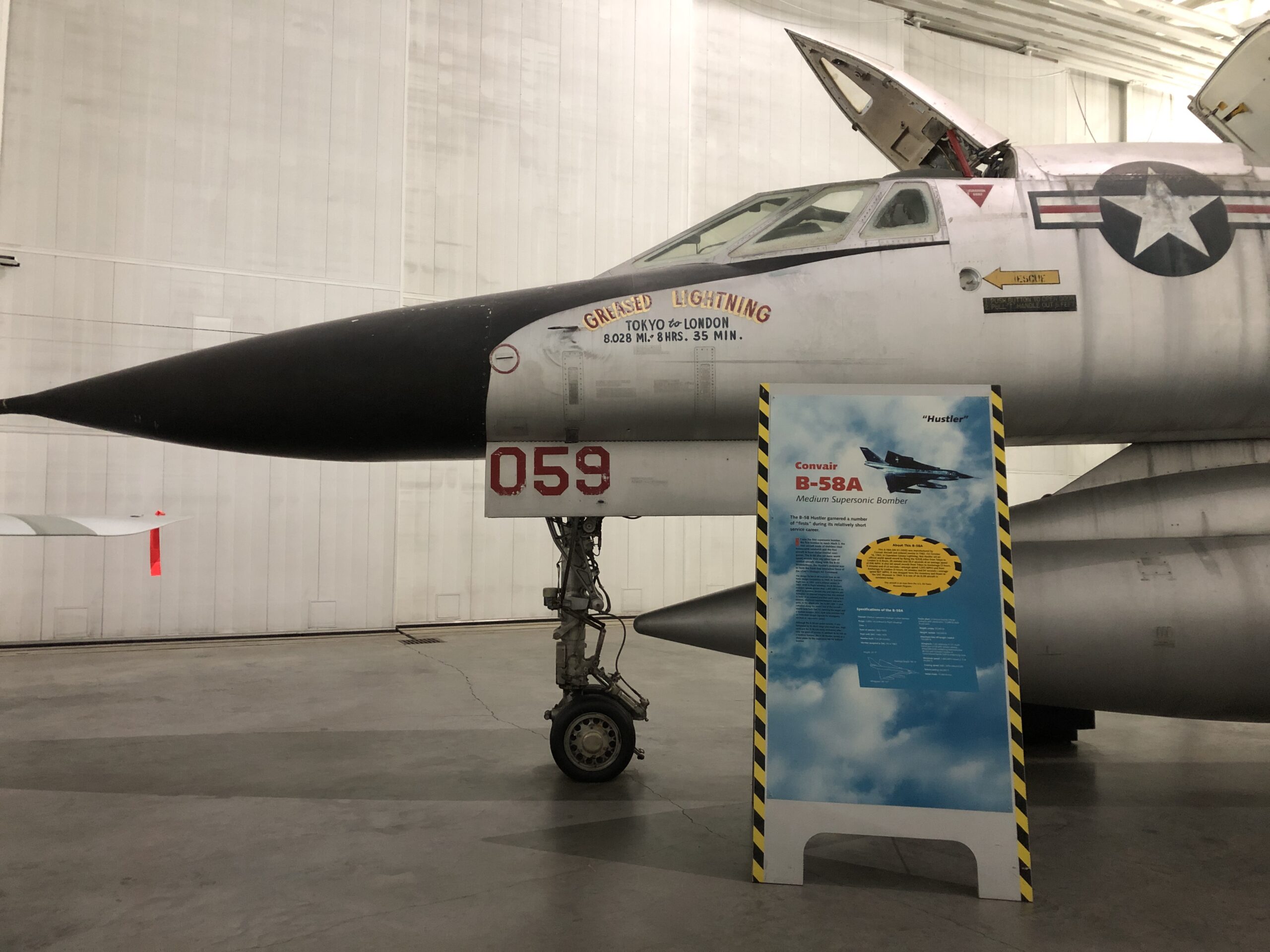
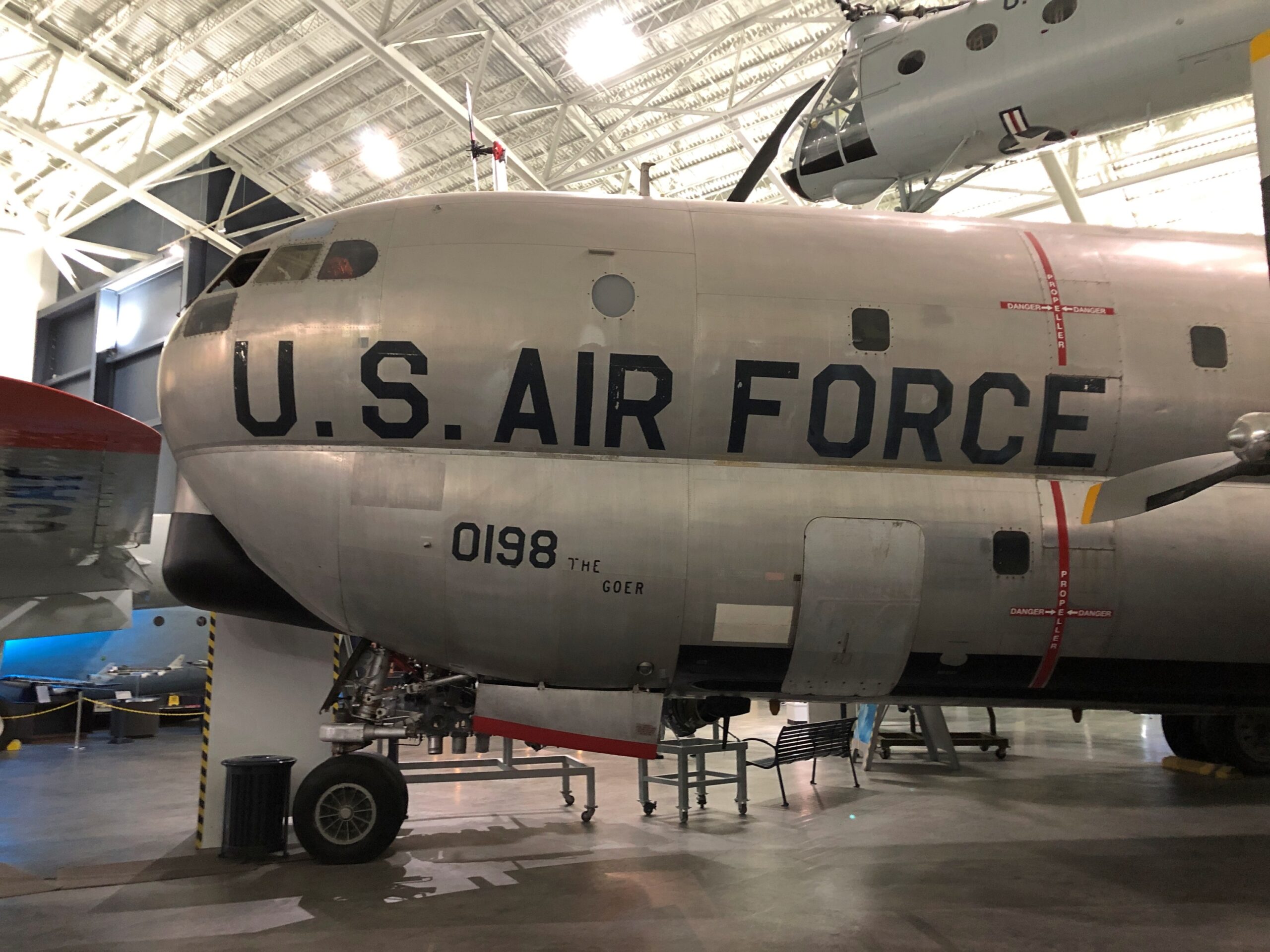
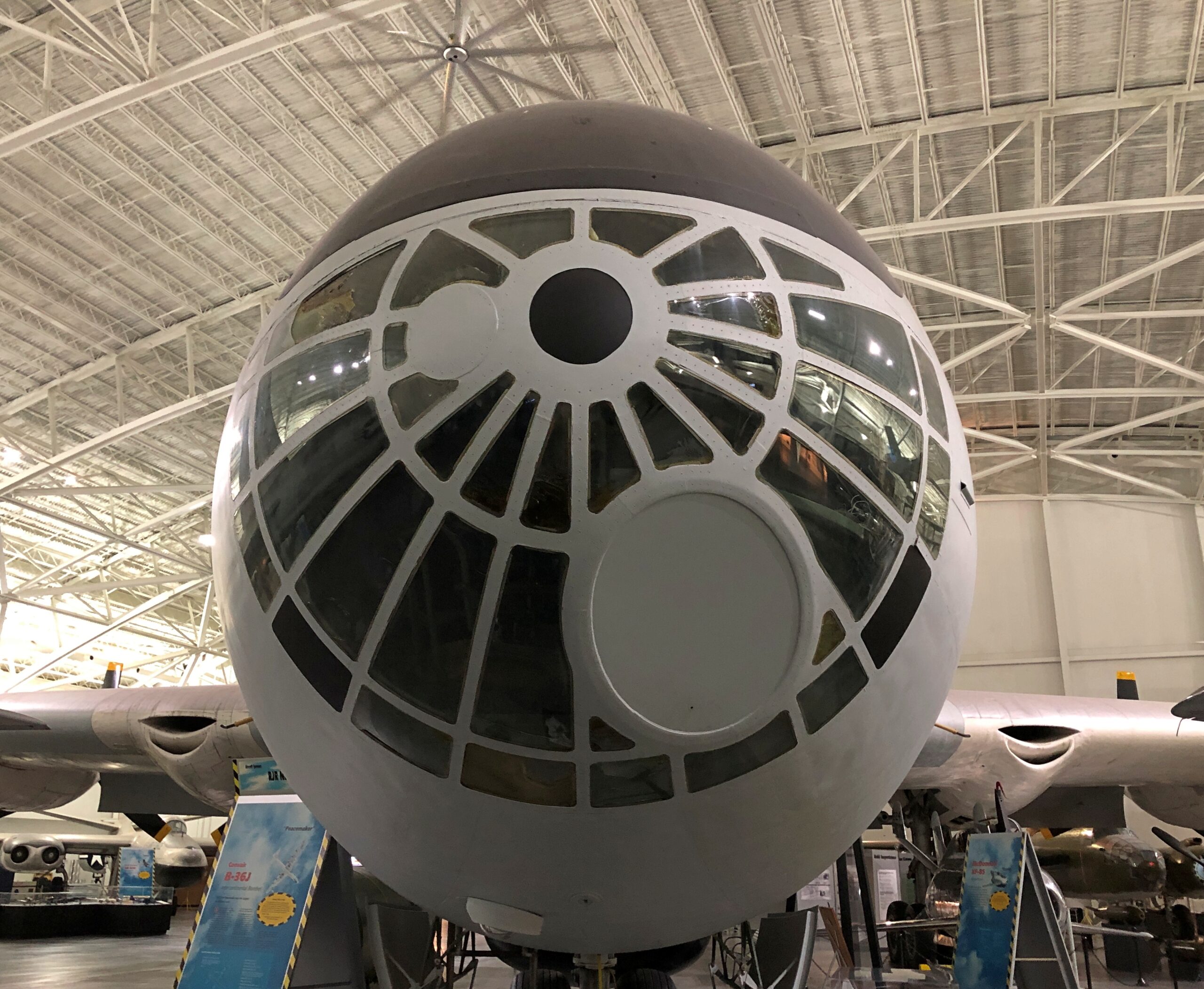
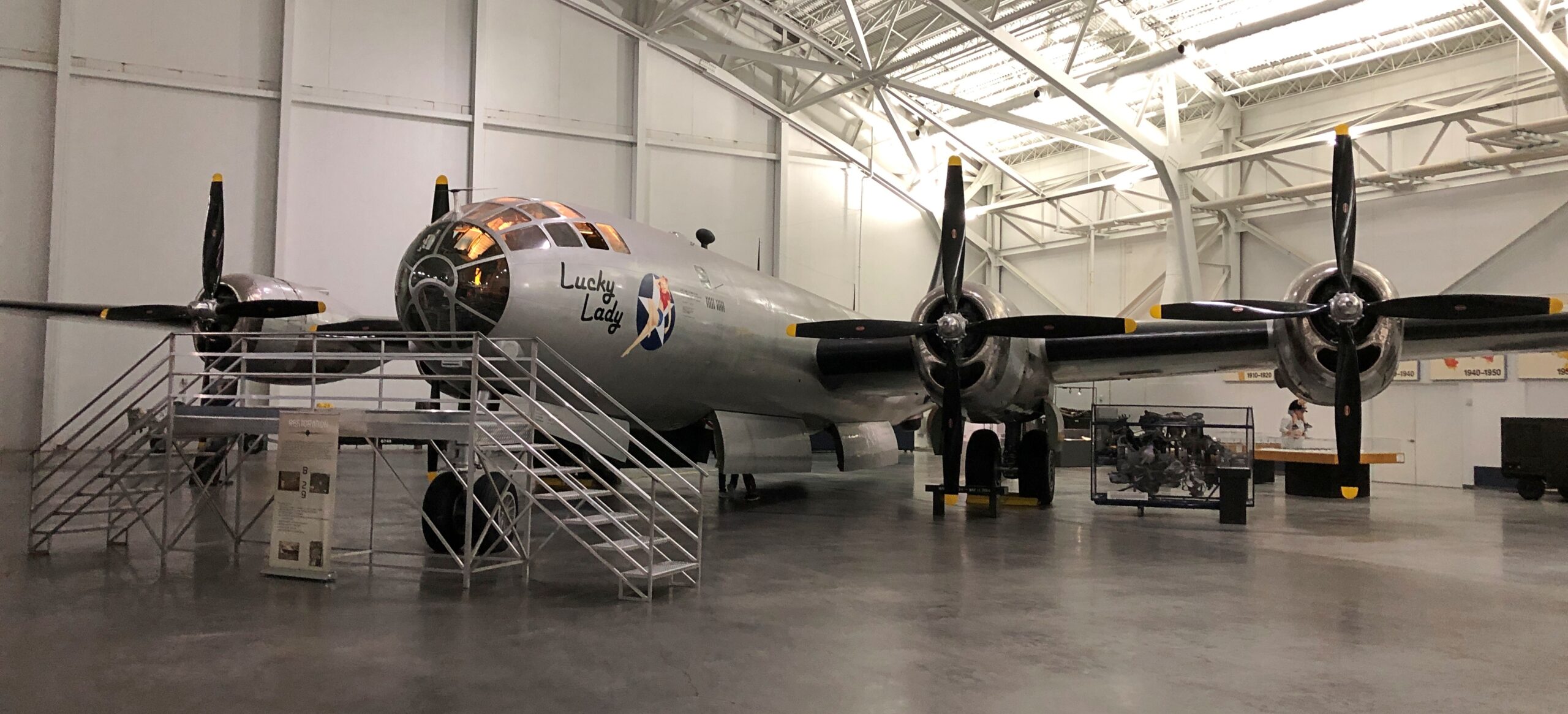
Not far outside Omaha, along I-80, it’s possible to stop and see, under two very large roofs, such marvels of aeronautical engineering as a B-17, B-29, B-36 and B-52, a Lockheed SR-71 Blackbird, a Douglas C-47 Skytrain and a Douglas C-54 Skymaster, a Convair F-102, and a Fairchild C-119 Flying Boxcar, among many others. Along side the airplanes are exhibits about the Tuskegee Airmen, Doolittle’s Raid, the Berlin Airlift and Francis Gary Powers.

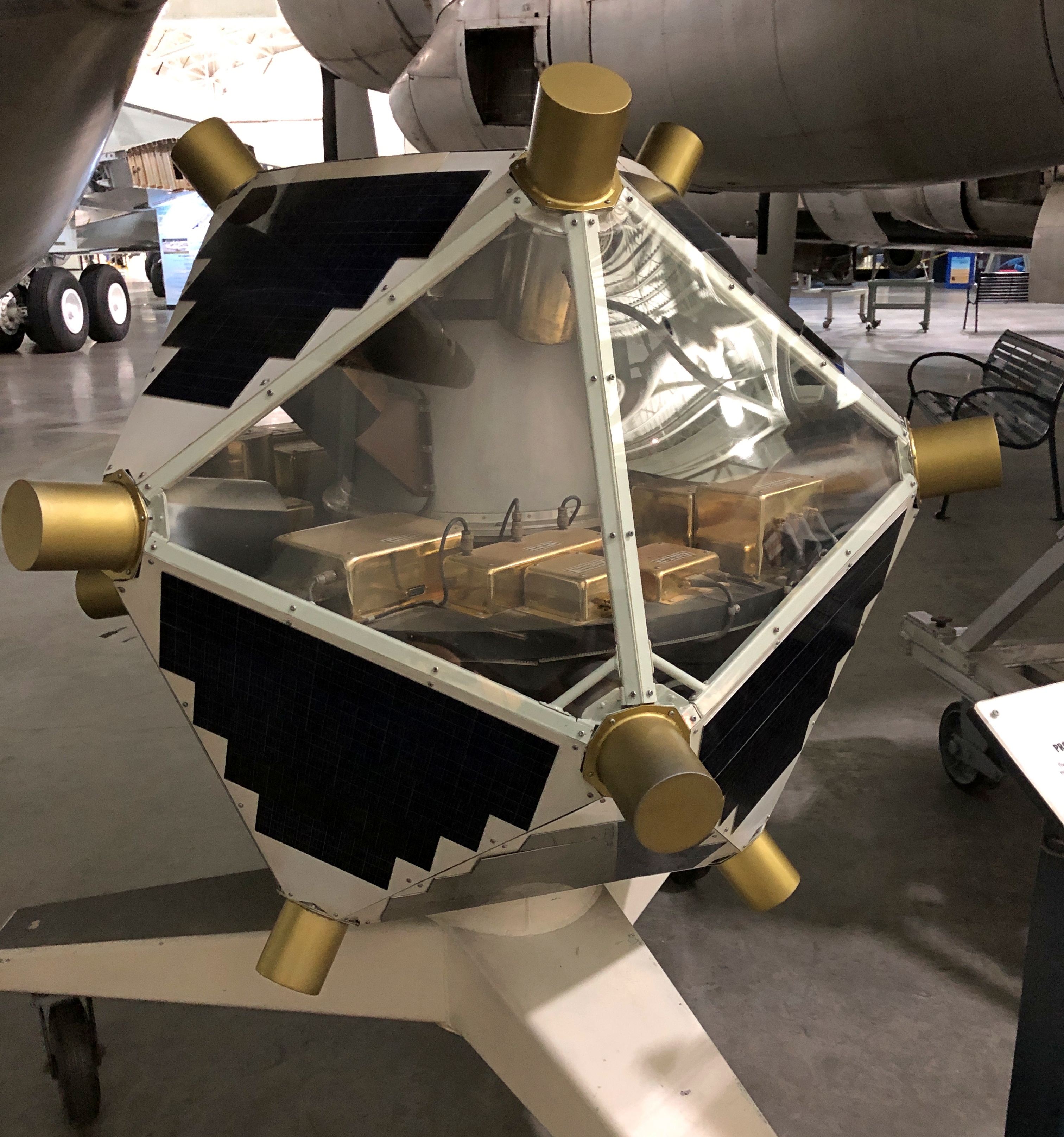
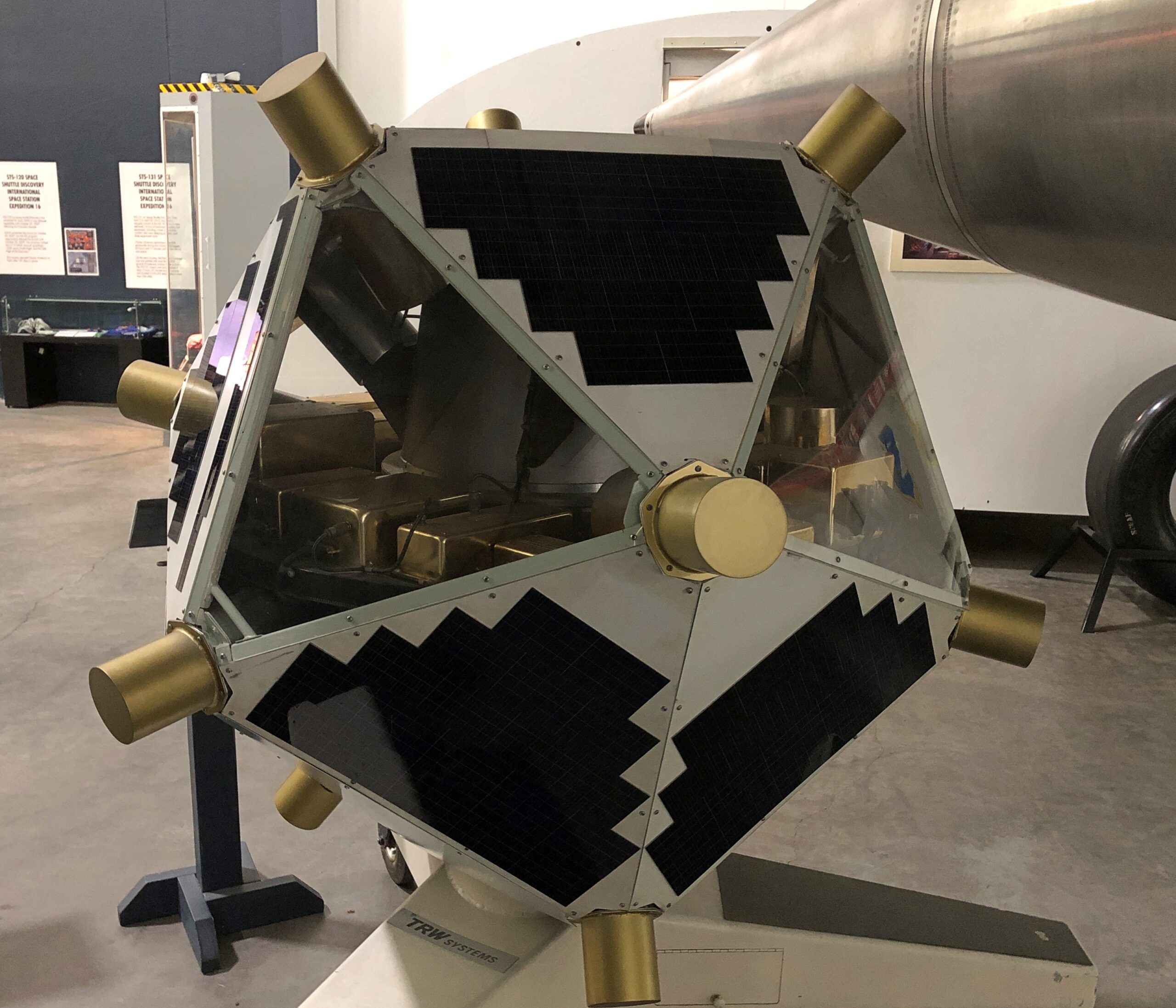
There are also space artifacts at the Strategic Air Command & Aerospace Museum, as the name says, but not that many. Still, my favorite artifact at that museum, the coolest bit of space hardware I’d seen since the Kansas Cosmosphere, was a Vela satellite.

SAC Museum Vela
SAC Museum Vela

Looks like something you’d see on the set of Space: 1999, but the Vela is more than just a curious glassy polyhedron. In September 1979, a Vela satellite noticed the characteristic flash – actually a double flash – of a nuclear explosion in the atmosphere, near the remote Price Edward Islands in the ocean south of Africa, roughly half way to Antarctica. It wasn’t long before the press got wind of the event, and I remember a widely held suspicion that Israel had tested a nuclear warhead, with the cooperation of South Africa, whose island it was. It seems likely that this was the case.

Besides that, “in 1967, the satellites were the first to detect extra-terrestrial gamma-ray bursts, thought to be the brightest and most energetic electromagnetic events in the universe,” the Space Force notes.
I arrived at the museum on September 5 heading westward, bypassing Omaha in favor of it.

SAC Museum
SAC Museum

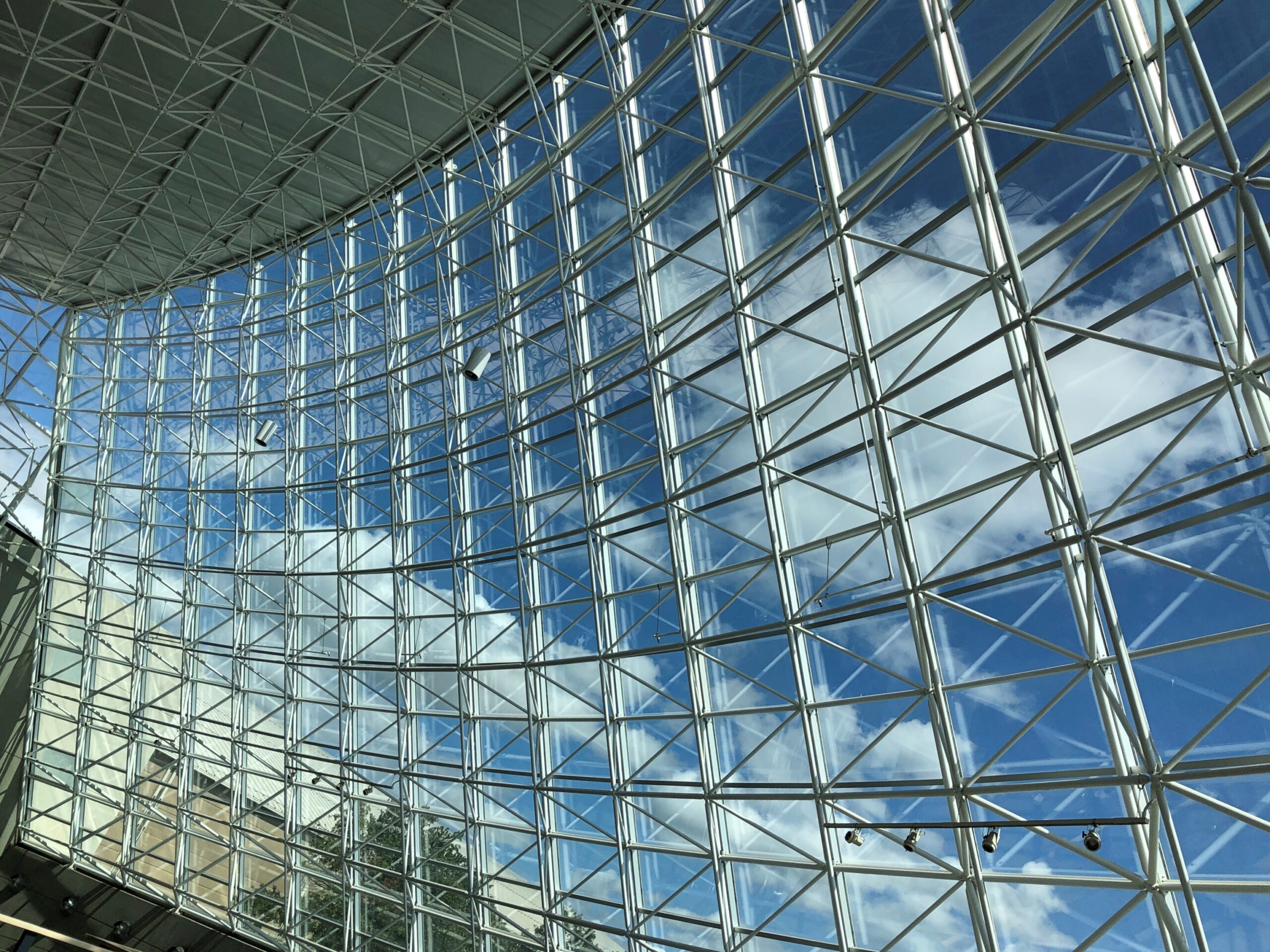
Most of the artifacts are aircraft used in one way or another by SAC, on display under sprawling ceilings. Leo A. Daly, a longstanding Omaha architect, did the museum’s design, completed in 1998.

SAC Museum

A fine collection, only outdone by Smithsonian Air & Space and the US Air Force Museum, since after all, SAC was only part of the Air Force.

SAC Museum

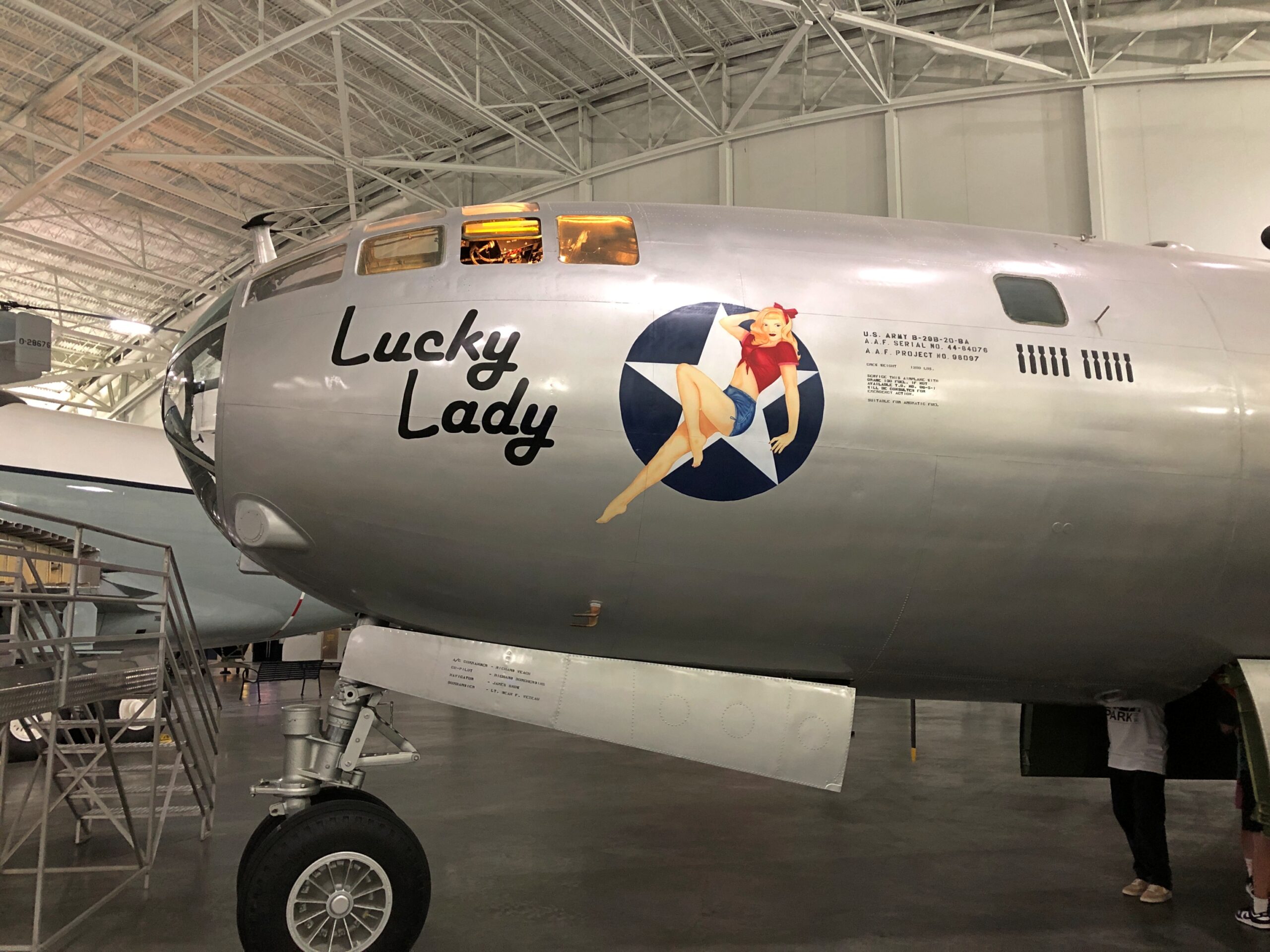
A named aircraft, the Lucky Lady, a B-29 Superfortress.

SAC Museum
SAC Museum

“The bomber was manufactured by Bell Aircraft, in Marietta, Georgia and delivered to the U.S. Army Air Force on August 4, 1945,” Airplanes Online says. “Its initial assignment was to Walker AAF (Second Air Force), Victoria, Kansas.” Lucky all right, as in manufactured too late in the war to get shot at, unless there’s something about 1940s Kansas I don’t know.
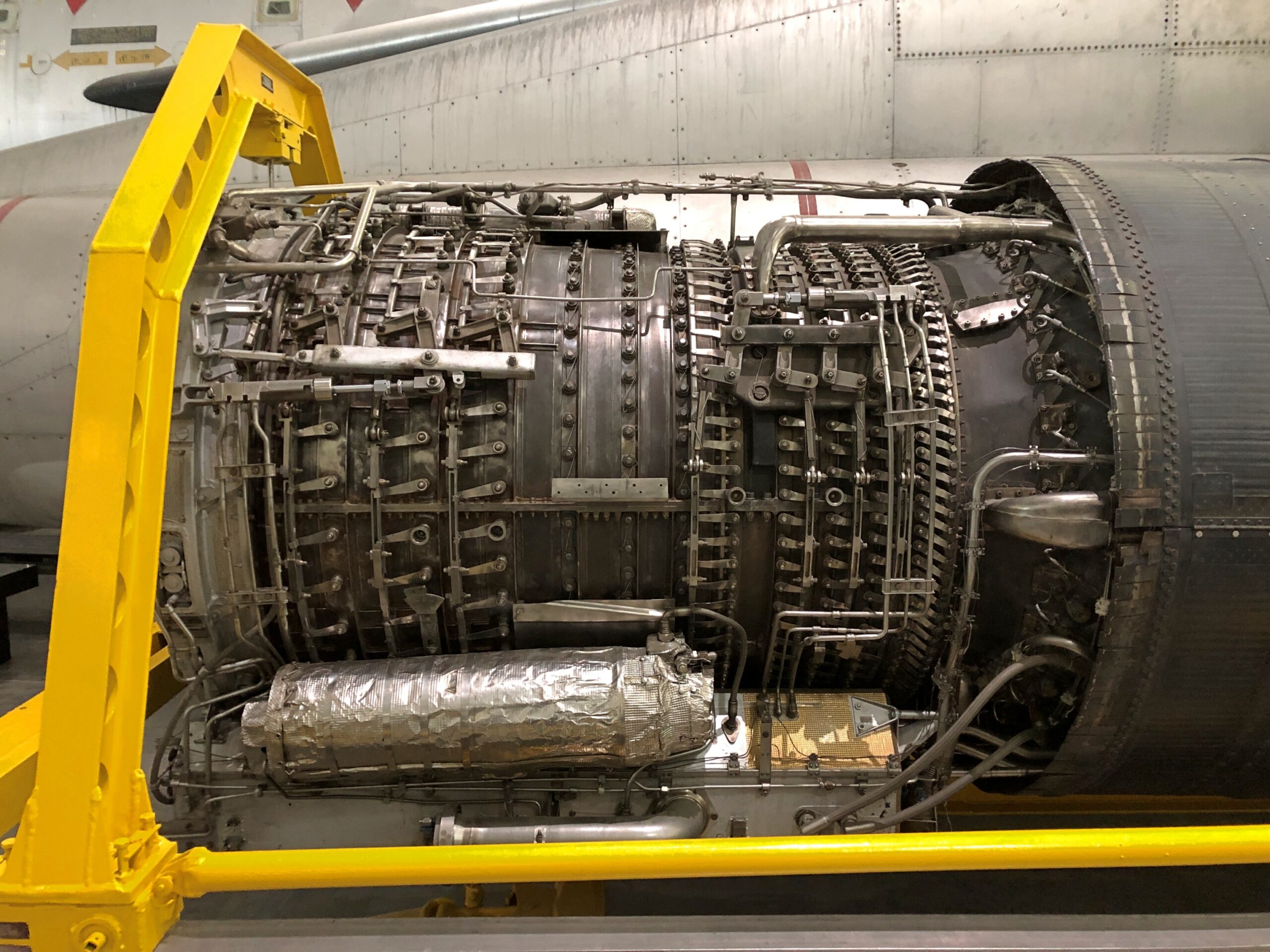
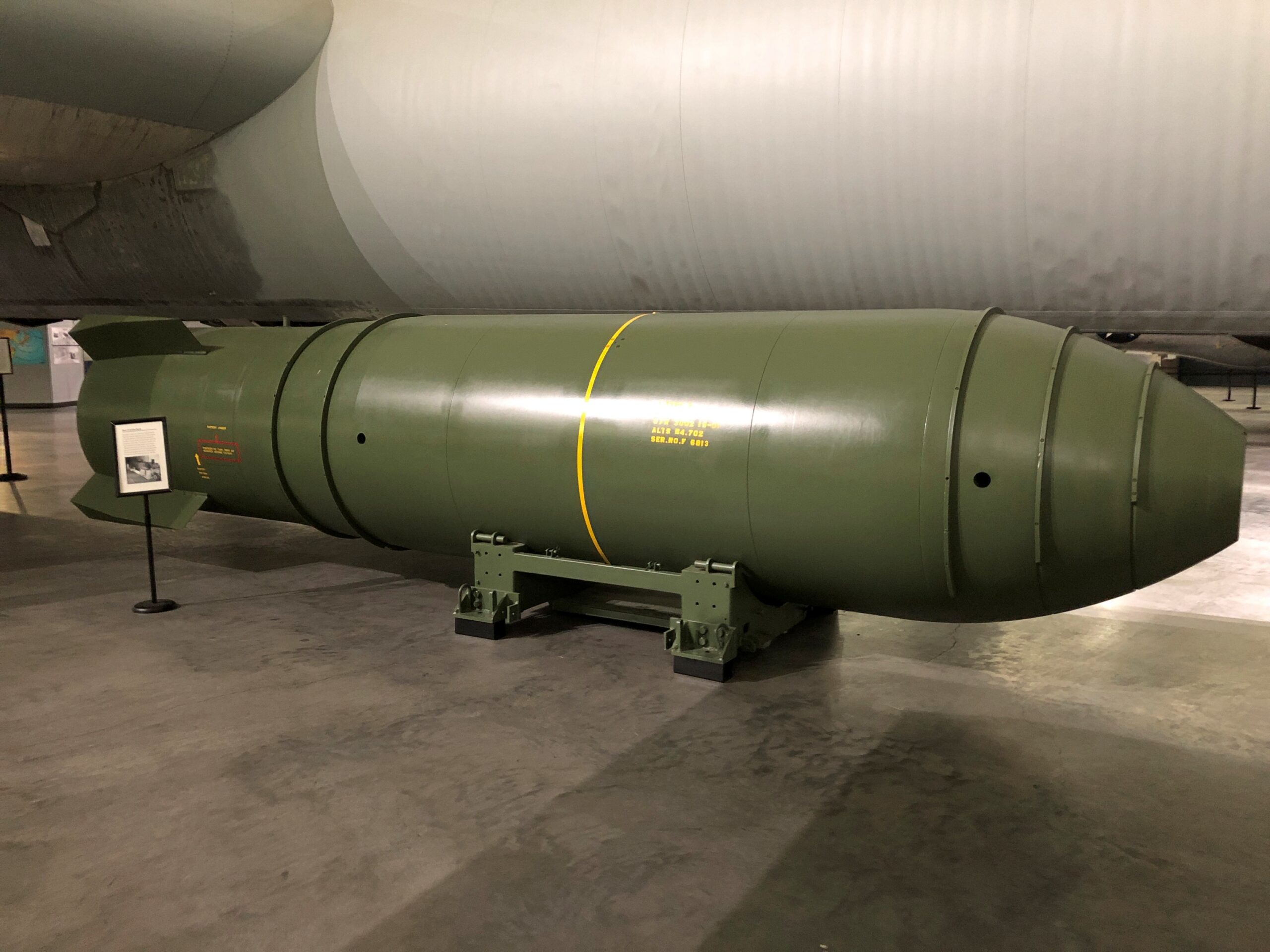
Smaller items, though not actually that small.

SAC Museum
SAC Museum

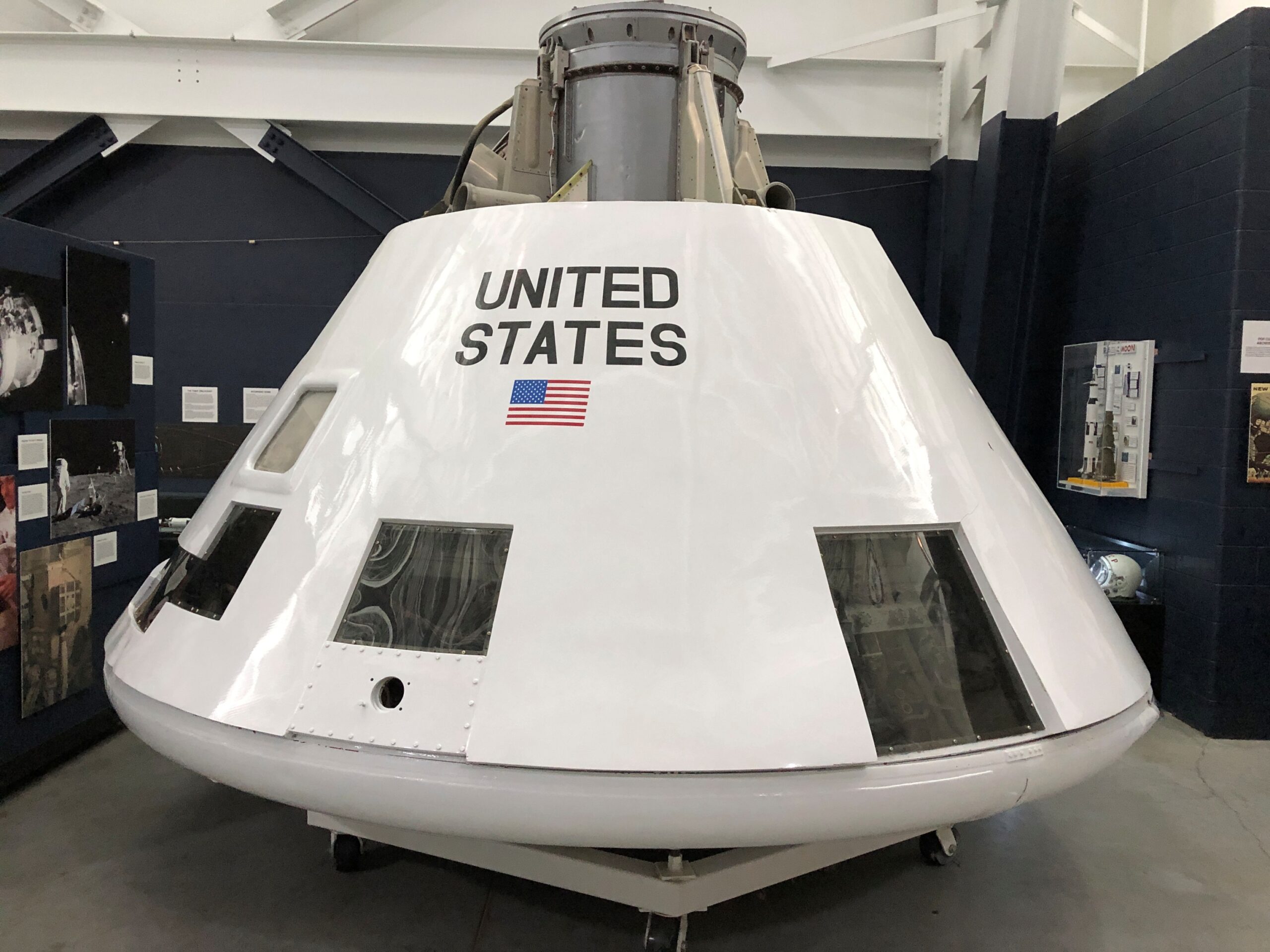
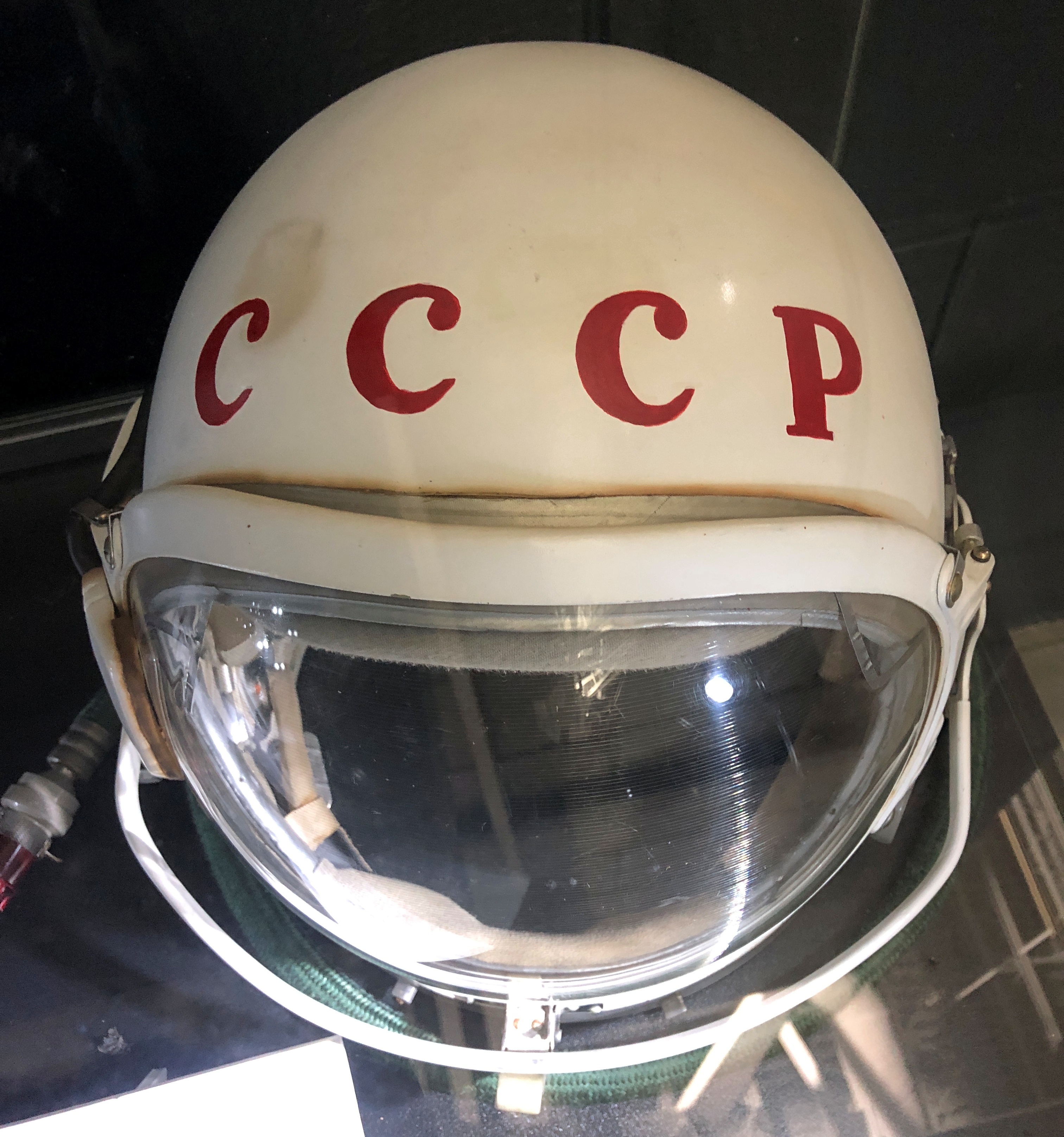
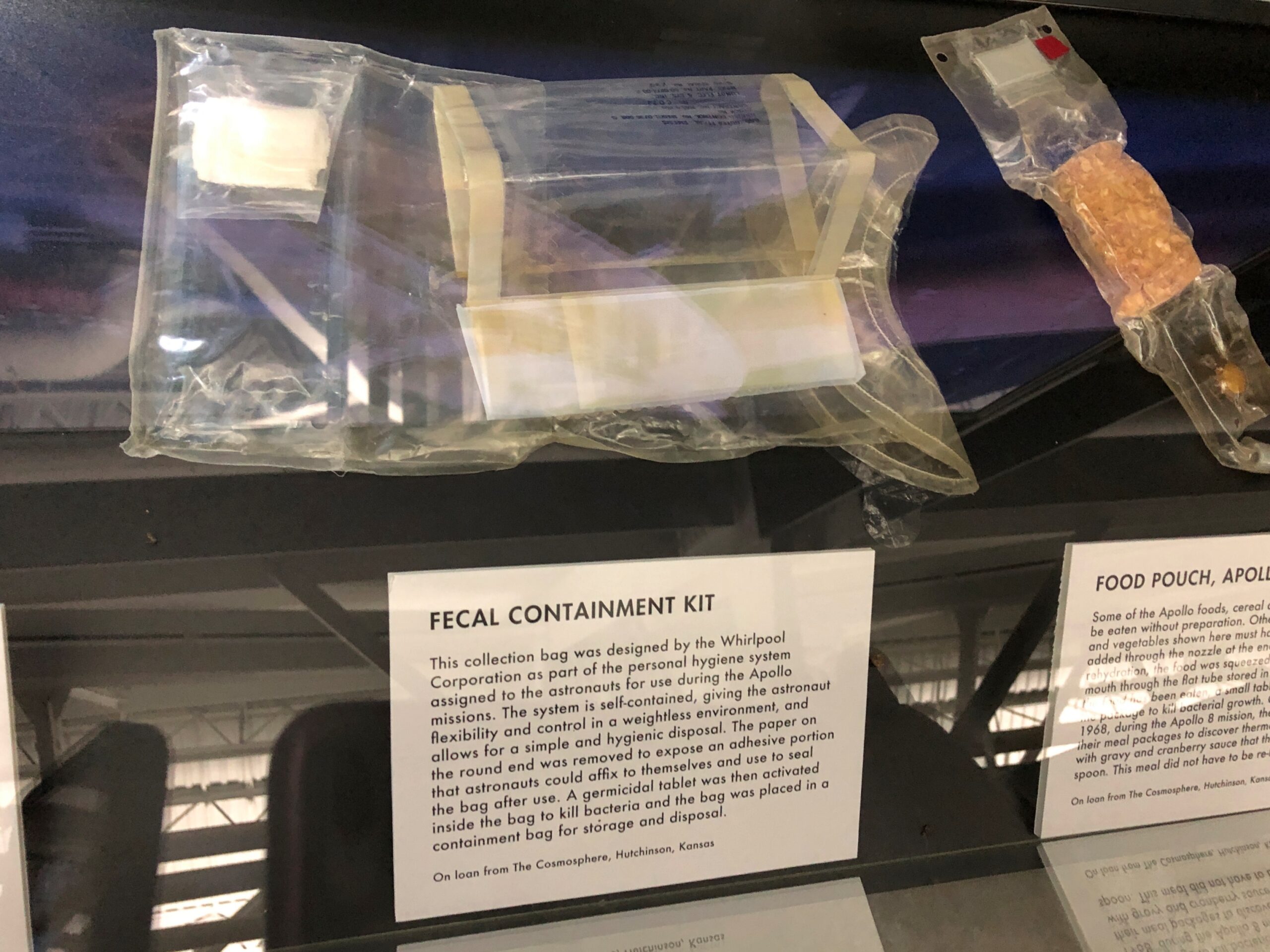
Besides the Vela satellite, other space items include spaceman gear and leftovers from the early days of manned space flight, such as a boilerplate Apollo, which wasn’t actually a capsule, but had the size, shape and mass of a command module, for testing.

SAC Museum

Picked up cheap after the dissolution of the Soviet Union?

SAC Museum

Probably something non-astronauts wonder about a great deal.

SAC Museum

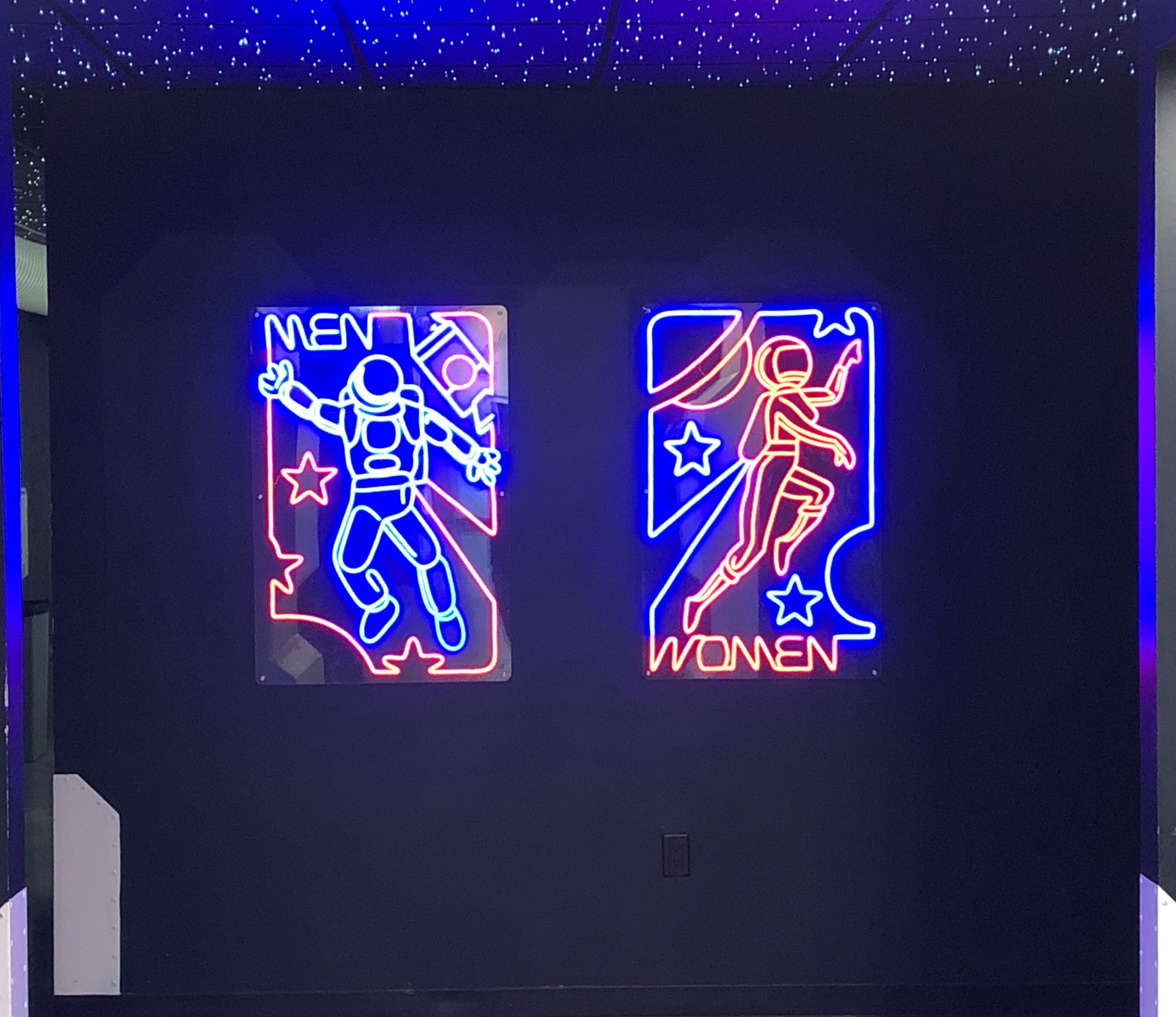
A little space whimsy.

SAC Museum
SAC Museum

Even the Air Force needs a little.

Colorado Flatland Drives

Go east, old man.

Eastern Colorado

That was the goal about two months ago now, after I left Colorado Springs for a solo drive back to Illinois. The fastest way would be to link with I-70 while still in Colorado. I wasn’t inclined to do that, though I did take that Interstate route through much of Kansas. Instead, I wanted to start remote and stay that way for the length of eastern Colorado.

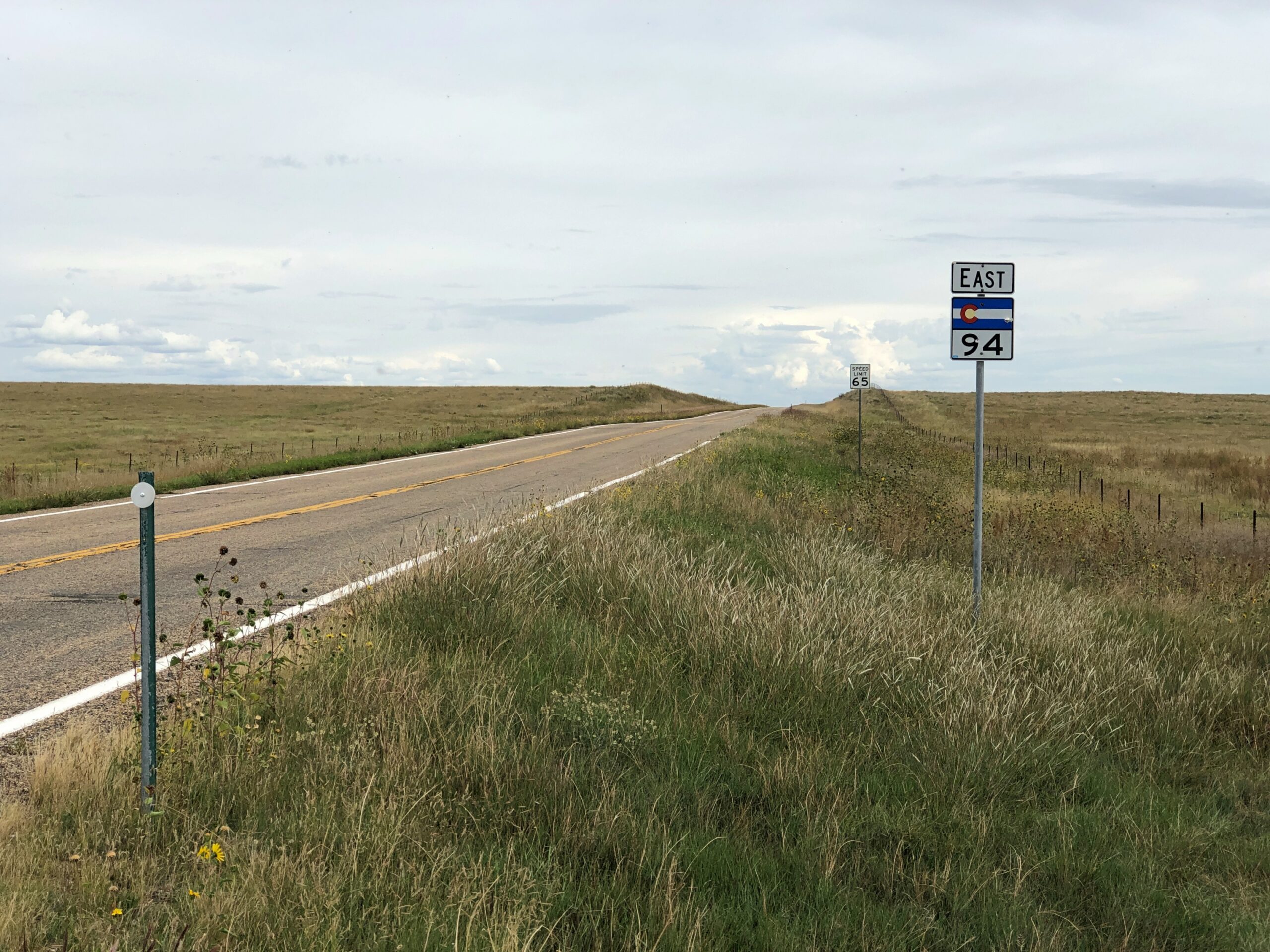
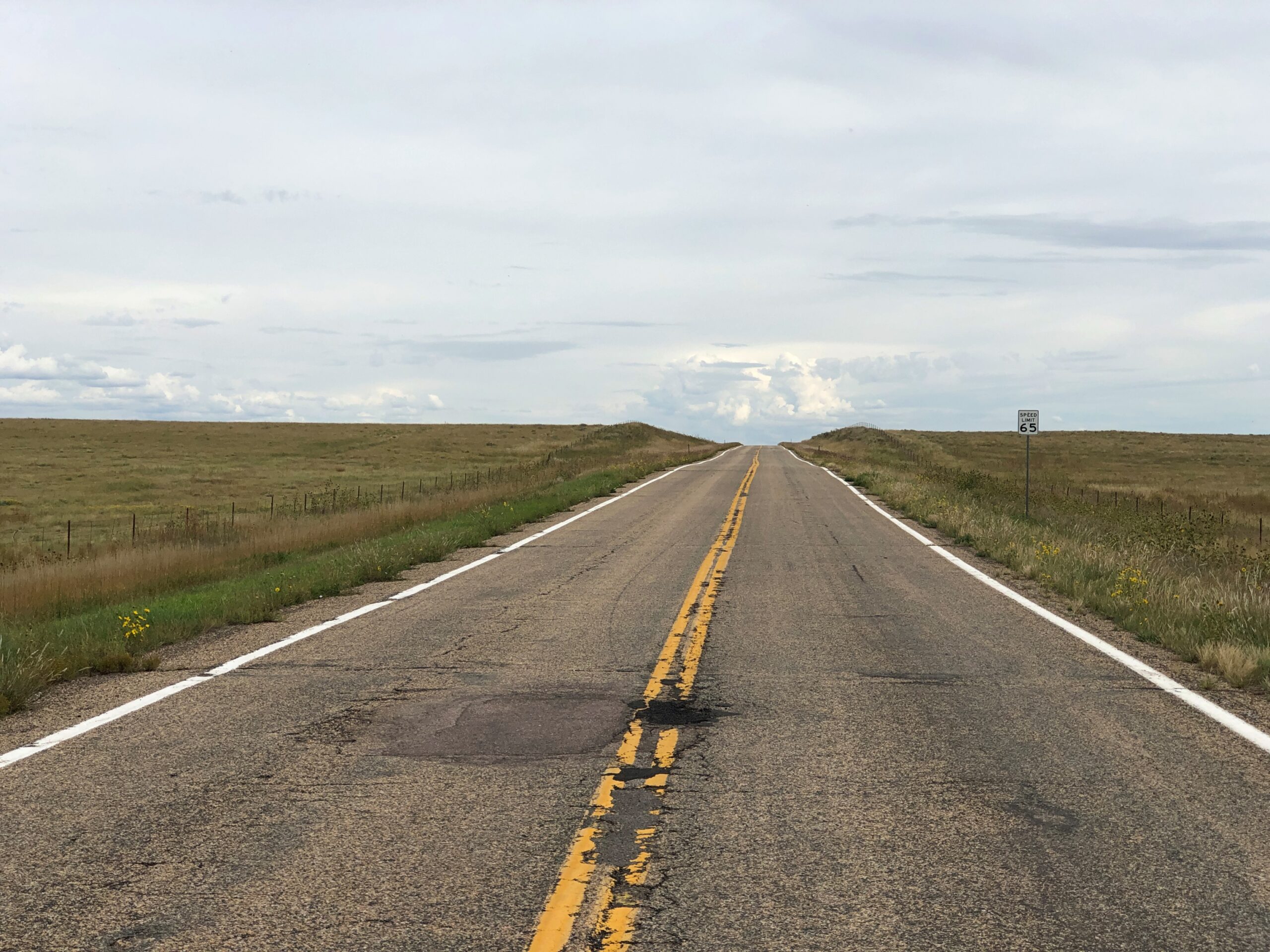
So east on Colorado 94 it was, which passes through such hamlets as Yoder, Rush and Punkin Center. Mostly, though, there are few signs of people.

Eastern Colorado

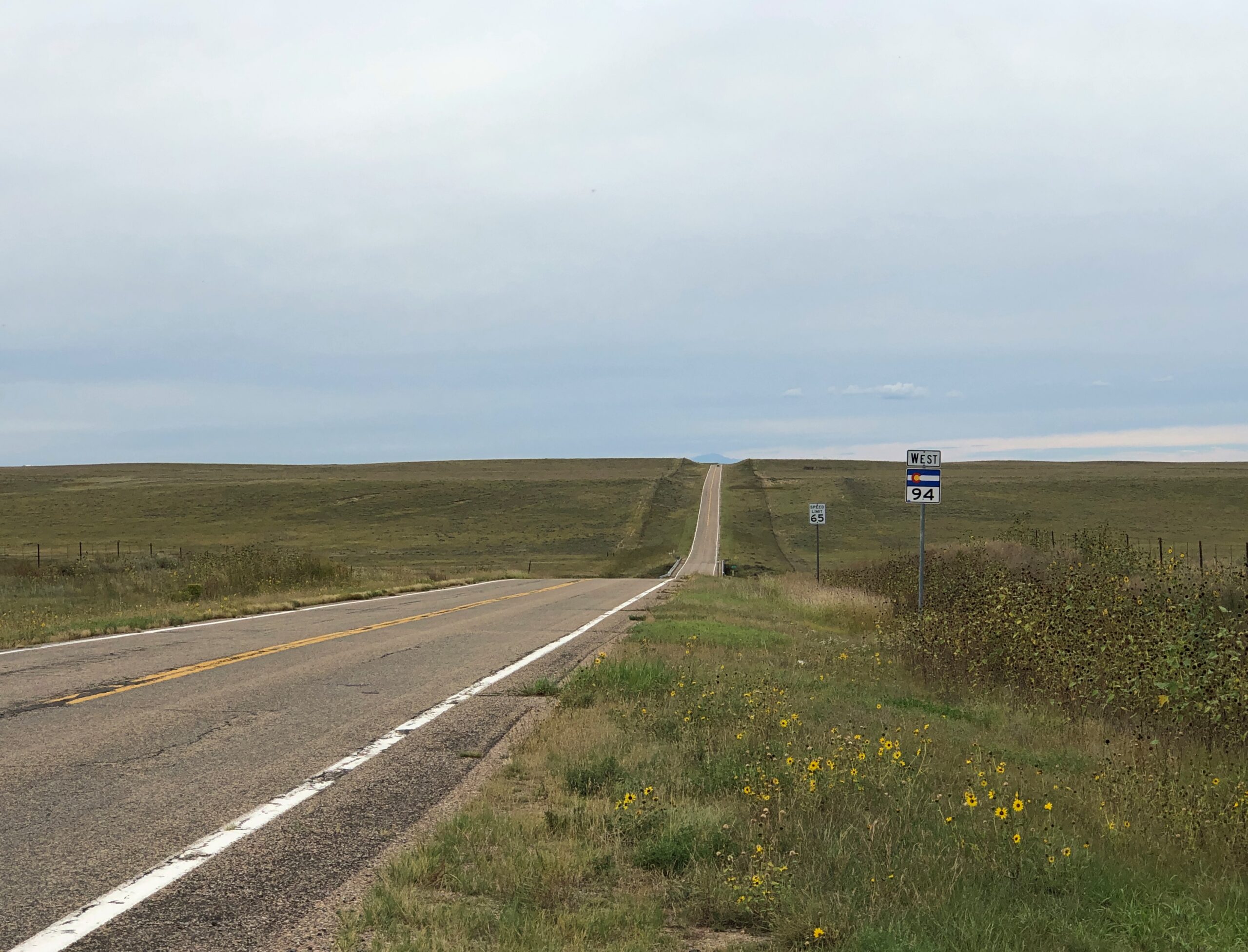
I noticed the Front Range growing smaller in my rearview mirror. I wondered at what point they would vanish from sight, and decided to keep track of their shrink, and note the last time I could see them. Naturally, I forgot about that resolve, and next thing I knew, the road backward and forward stretched to both horizons.

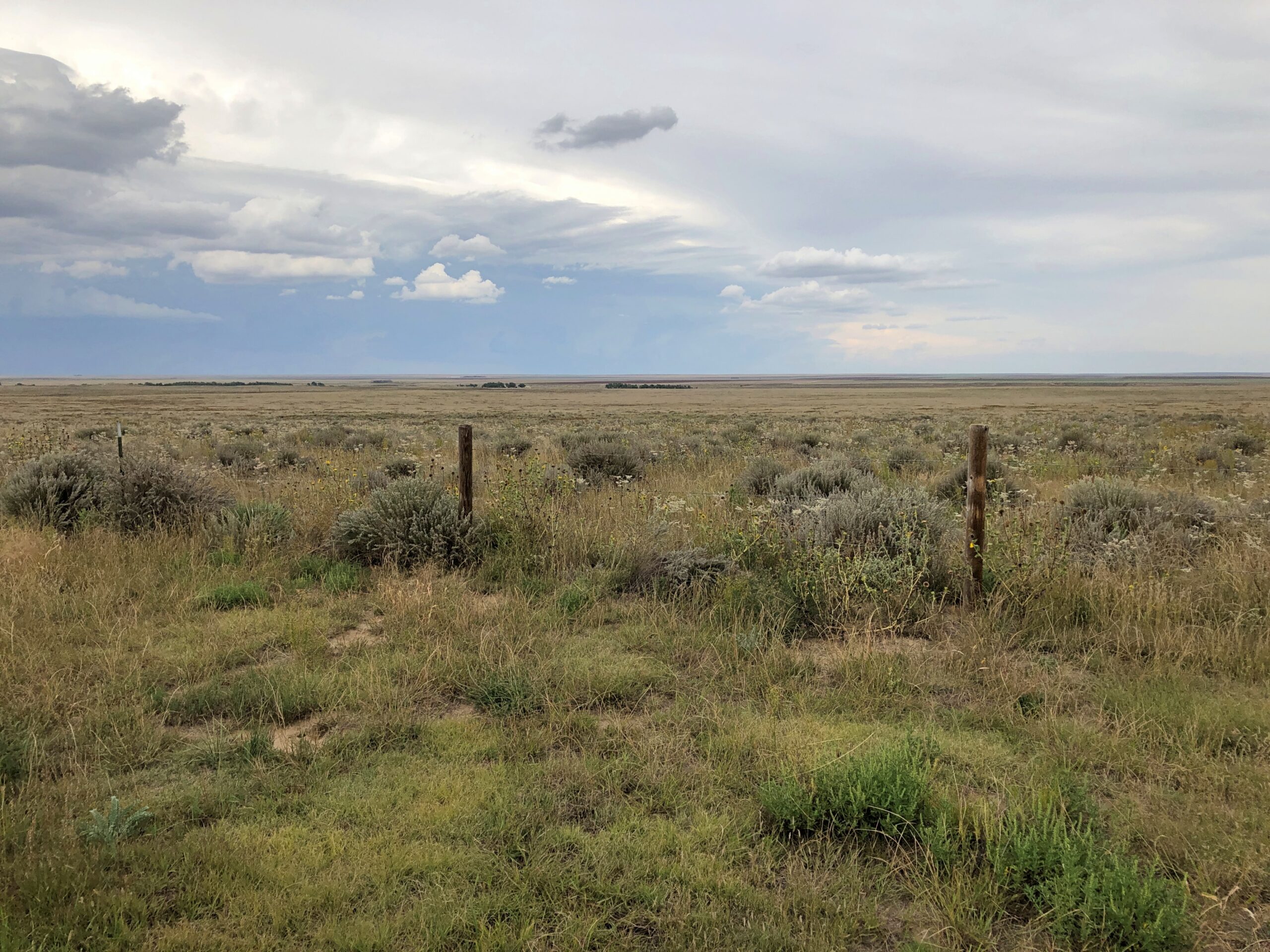
This is looking back west, a mountain barely visible, and is also an image illustrating that the eastern Colorado terrain isn’t completely flat.

Eastern Colorado

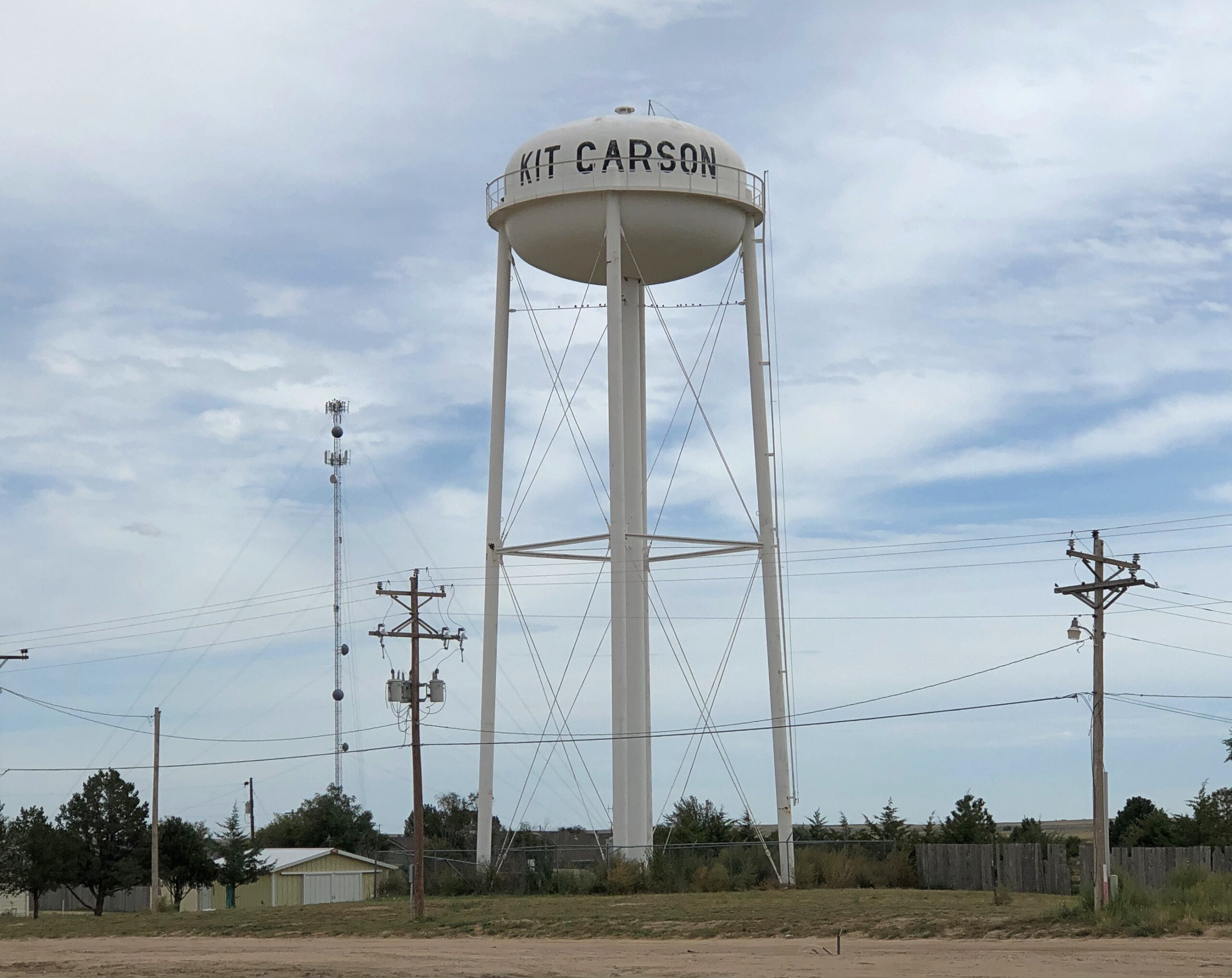
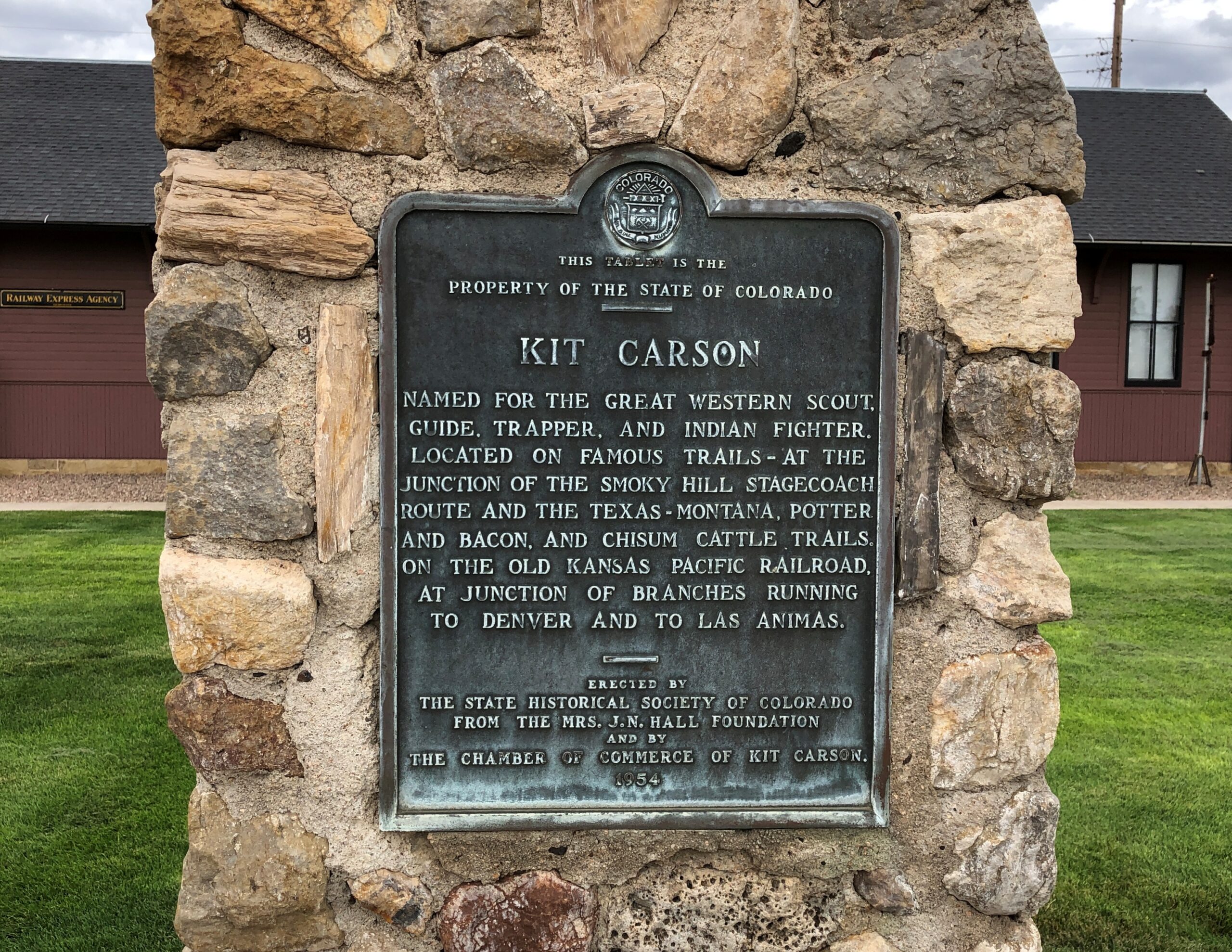
Eastbound Colorado 94 ends near Aroya, where it meets US 40/287. I took that road southeast to Kit Carson (pop. 255).

Kit Carson, Colorado

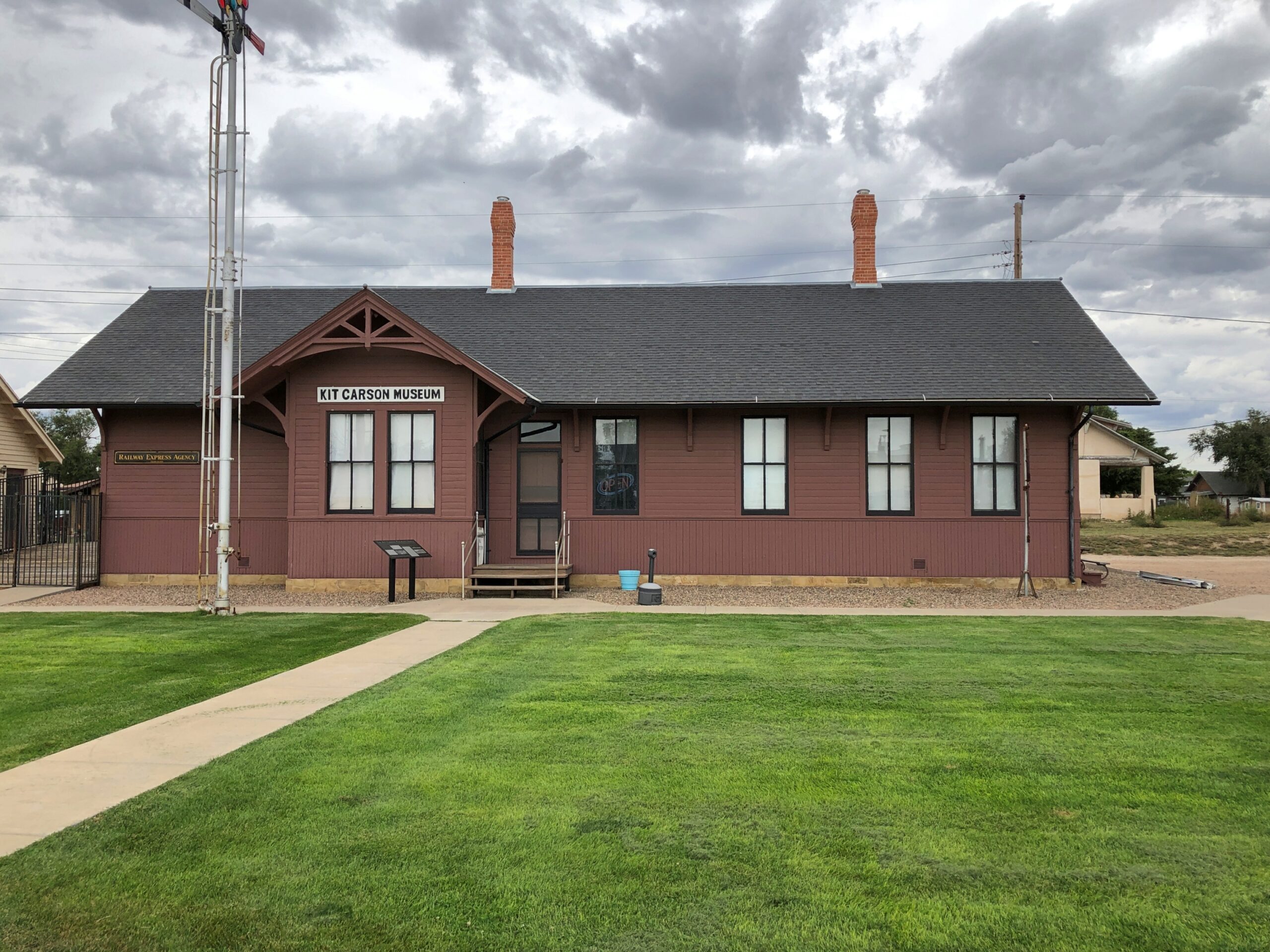
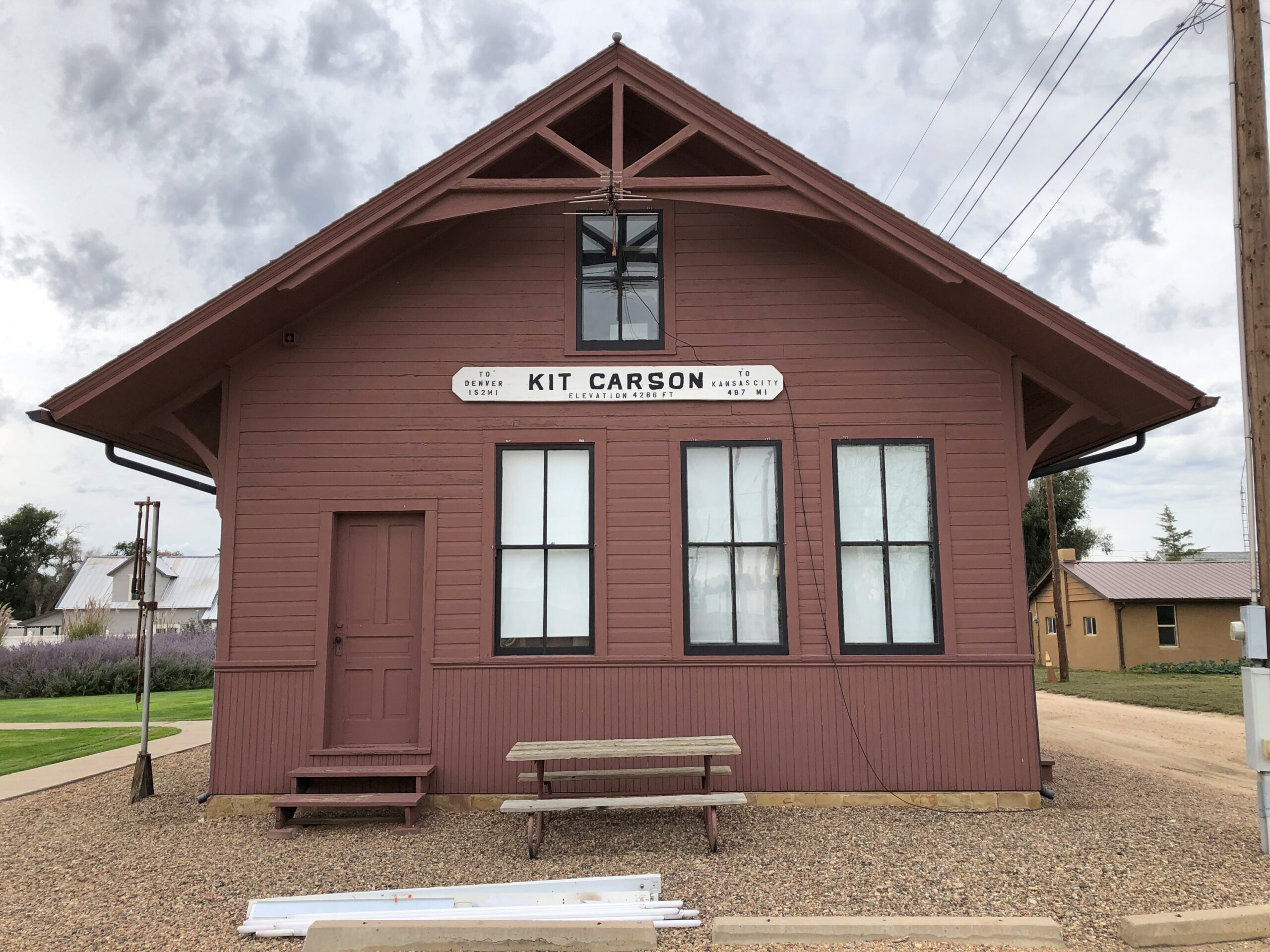
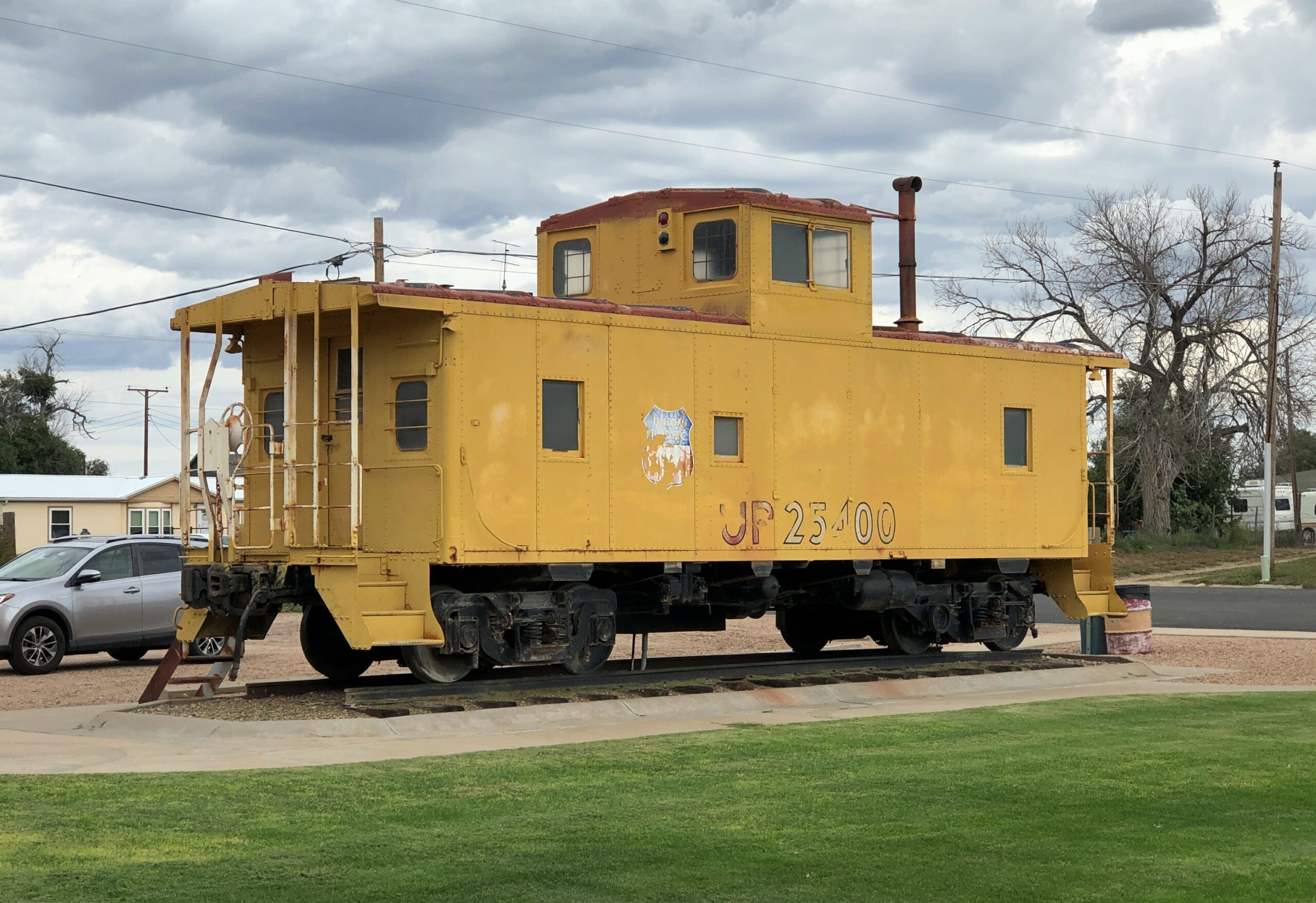
The railroad still comes through Kit Carson. It’s safe to say that without the railroad, the town might be no larger than Punkin Center. The Kit Carson Railroad Depot is now a museum.

Kit Carson, Colorado

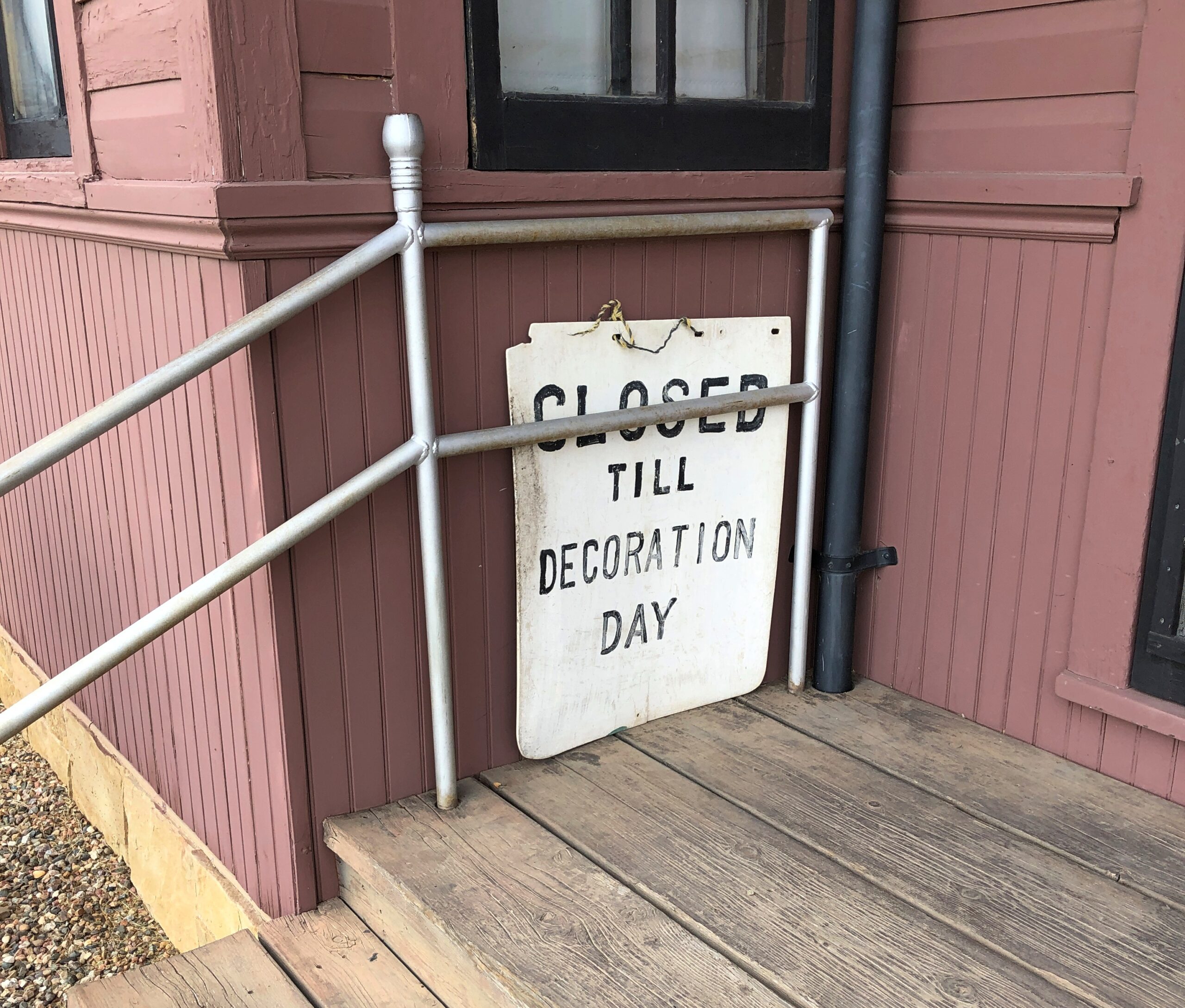
Closed. Till Decoration Day. Really?

Kit Carson, Colorado

In any case, it was closed on September 22.

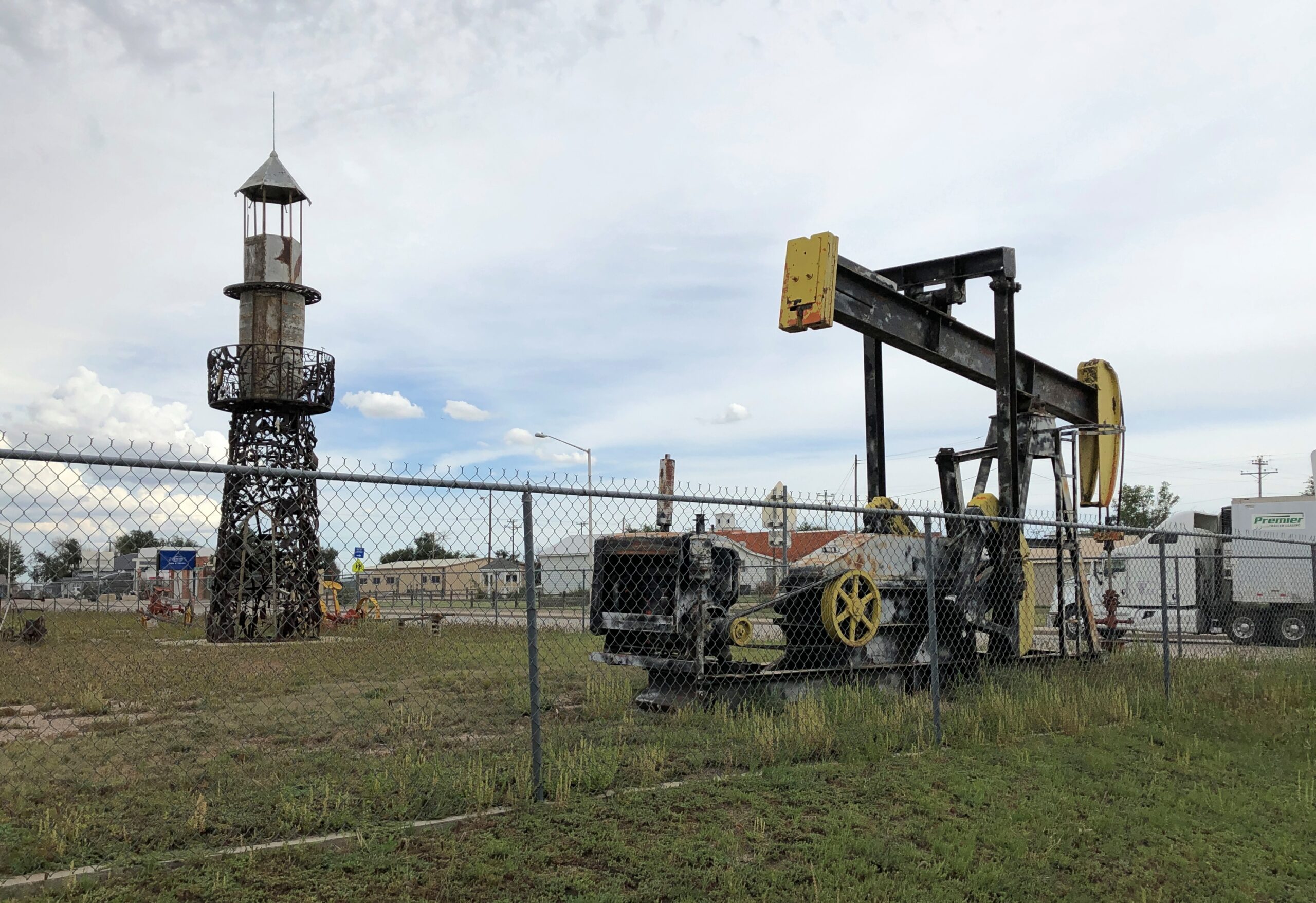
Across the street, metal works. The pump jack is one thing, but the other is a — tower?

Kit Carson, Colorado

The Kit Carson town web site has a few things to say about itself:

The town of Kit Carson had two locations. The original site was located near the site where Kit Carson traded with the Arapahoe and Cheyenne Indians. The present site was determined by the arrival of the railroad. Destroyed by fire three times, twice by the torches of Indians and once by carousing cowboys, the determined citizens of the town showed their desire to survive by rebuilding.

I can’t help but think those carousing cowboys were actually a gang of rustlers, cutthroats, murderers, bounty hunters, desperados, mugs, pugs, thugs, nitwits, halfwits, dimwits, vipers, snipers, con men, Indian agents, Mexican bandits, muggers, buggerers, bushwhackers, hornswogglers, horse thieves, bull dykes, train robbers, bank robbers, ass-kickers, shit-kickers and Methodists.

Also of note, according to the town: The railroad brought in foreign dignitaries, such as the Grand Duke Alexis [Alexei Alexandrovich] of Russia. The Grand Duke hunted in Kit Carson and was accompanied by his military escort, General George Armstrong Custer on January 20, 1872. [Custer was a lieutenant colonel at the time, but never mind.]

Grand Duke Alexis was on his 1871-72 tour of America. Sounds like he had a fine old time. Could have been the subject of an episode of Death Valley Days, but I don’t think it was. Dom Pedro, emperor of Brazil, made an appearance, as did the Emperor Norton, but I digress.

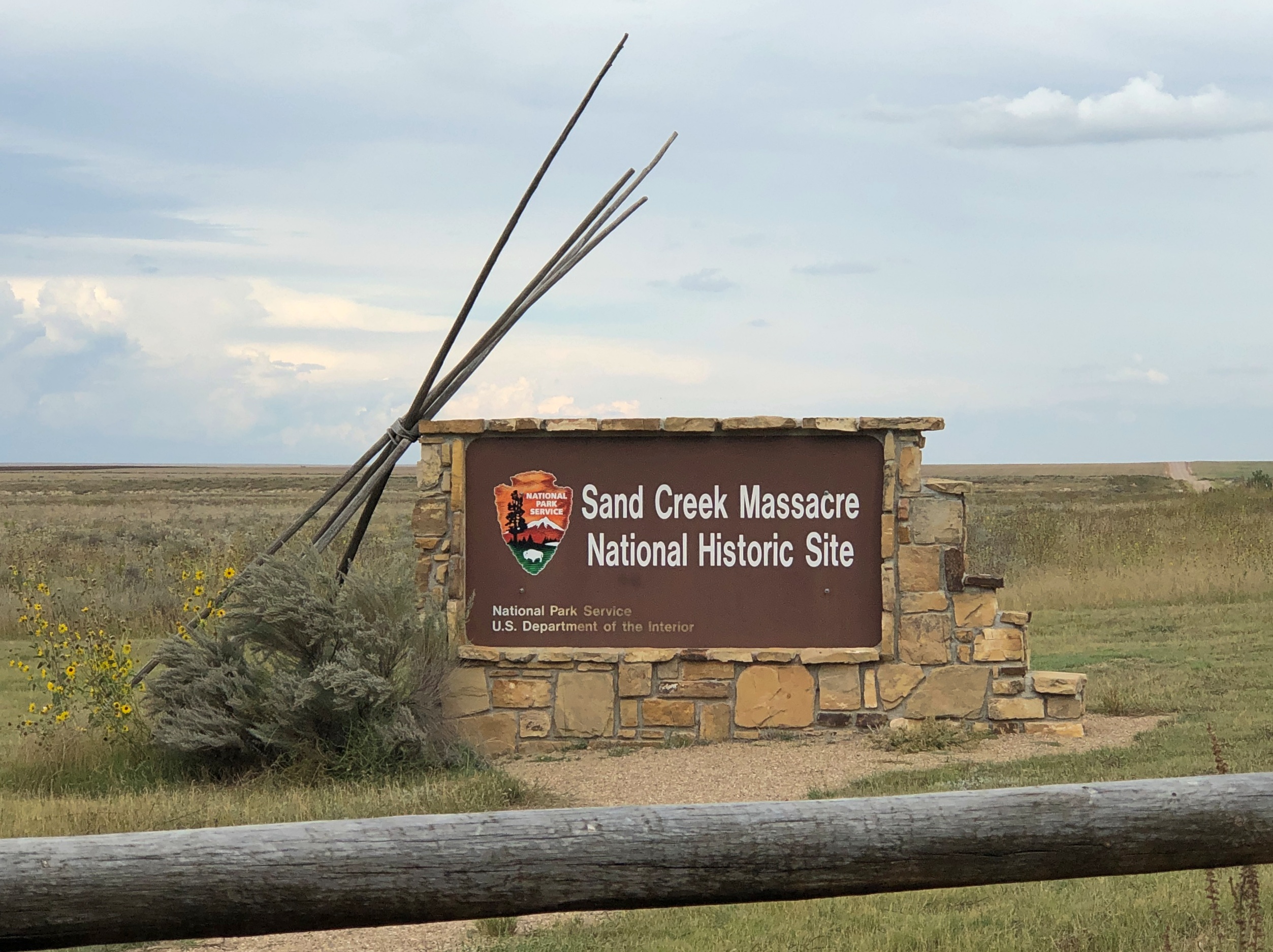
From Kit Carson, I headed south to Eads, still in Colorado, and then east on Colorado 96. I had the idea that I wanted to see the Sand Creek Massacre National Historic Site, which isn’t too far from that road. Just before the turnoff to the historic site, I noticed something odd near the highway.

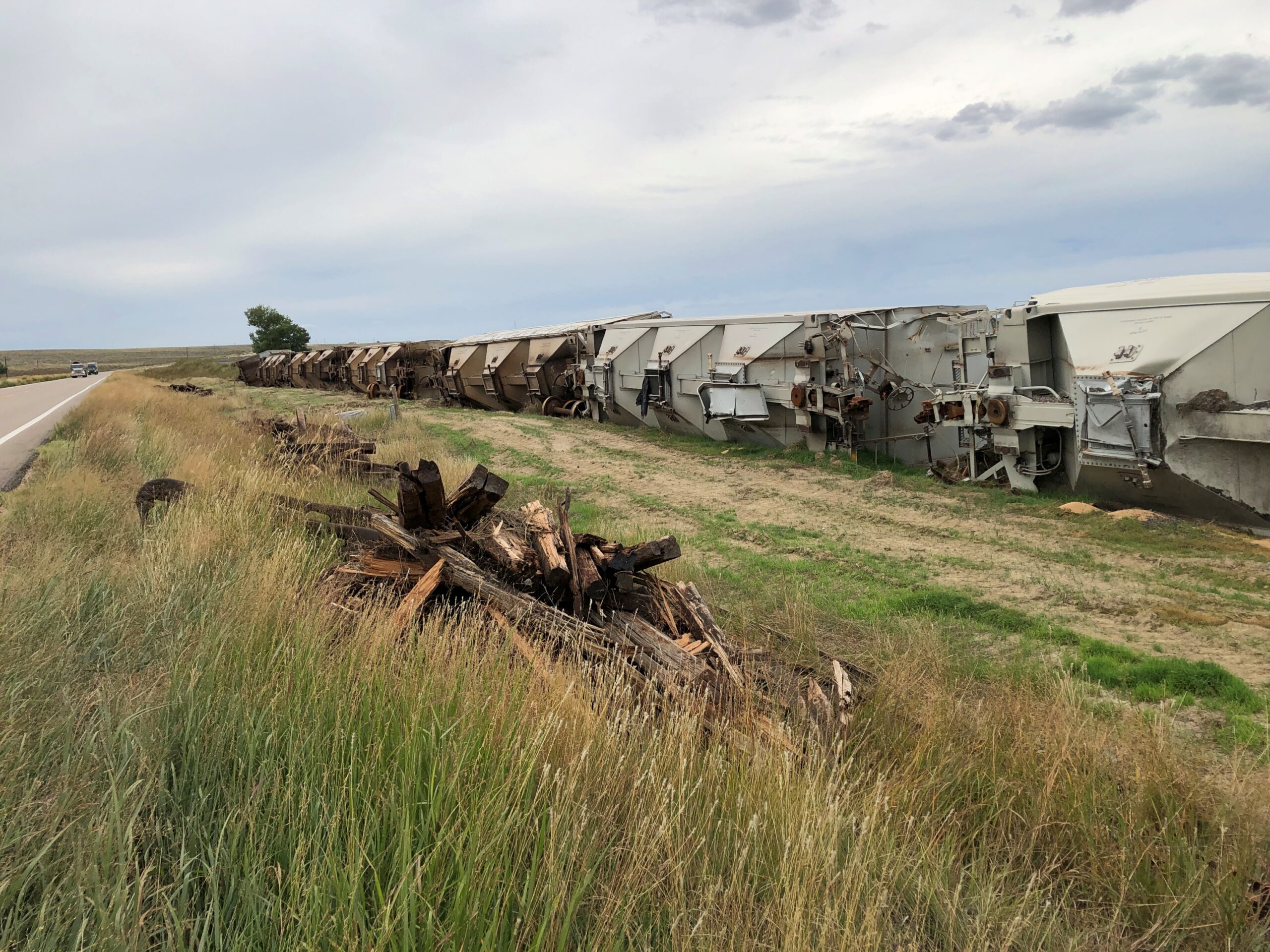
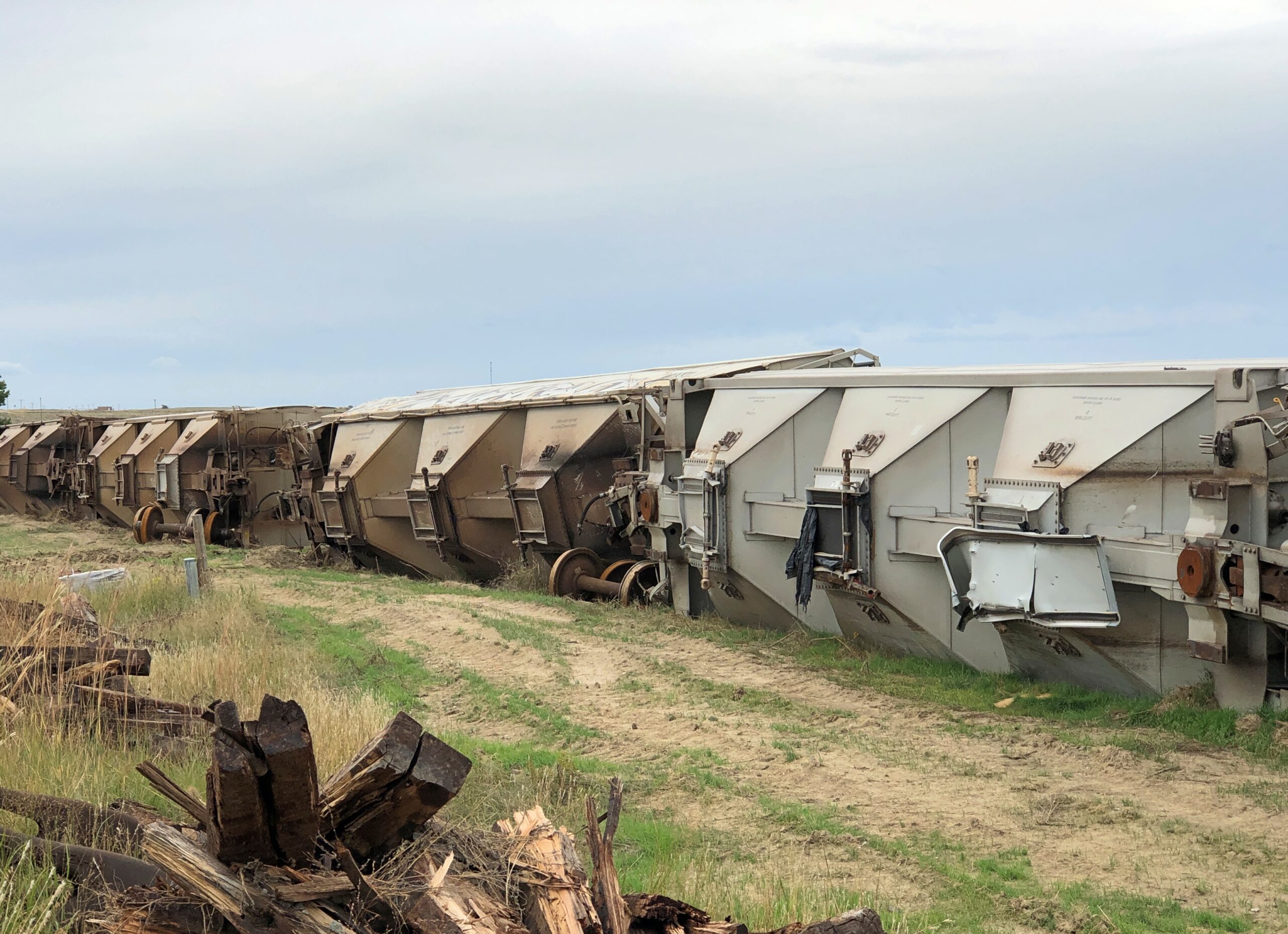
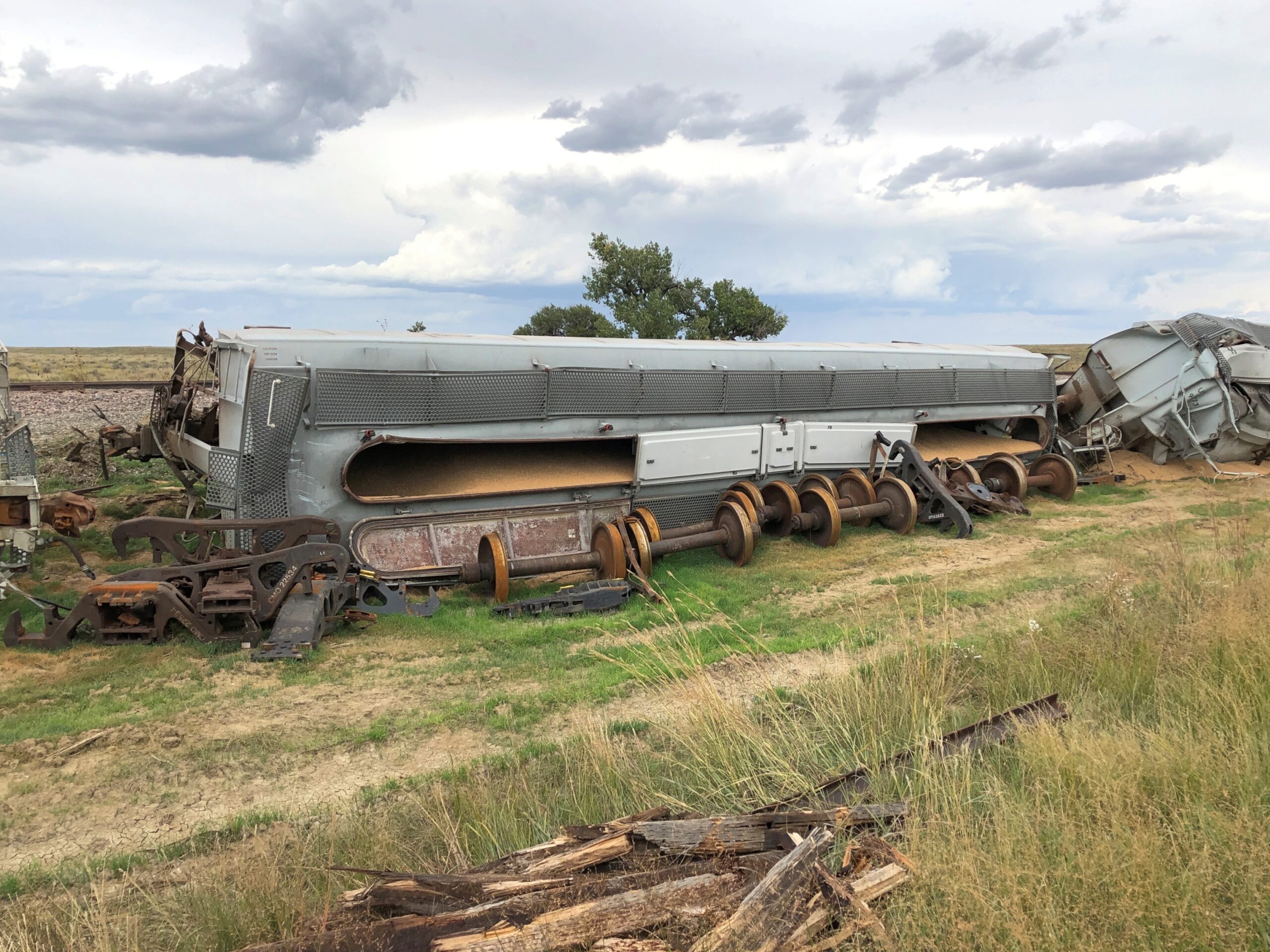
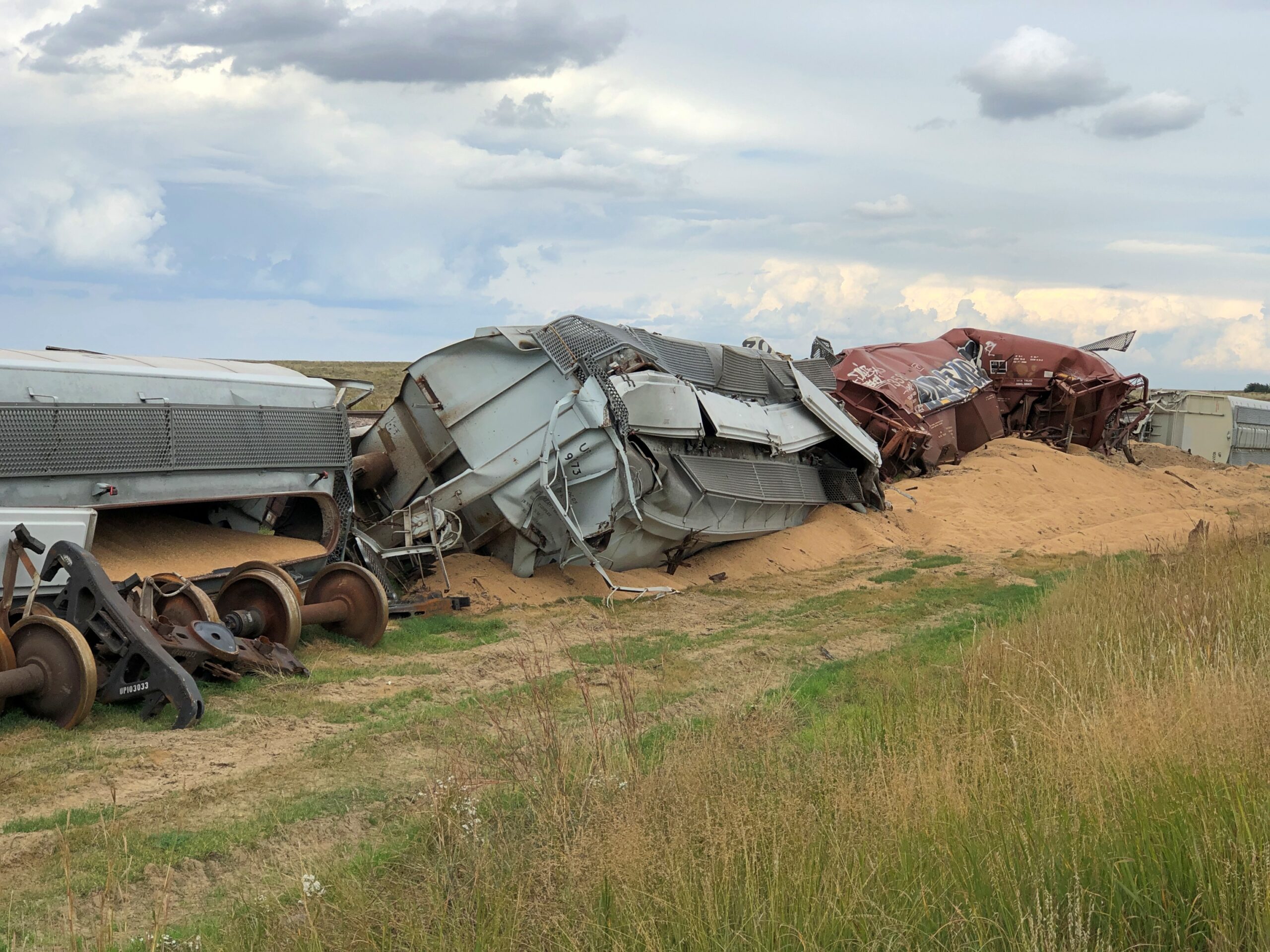
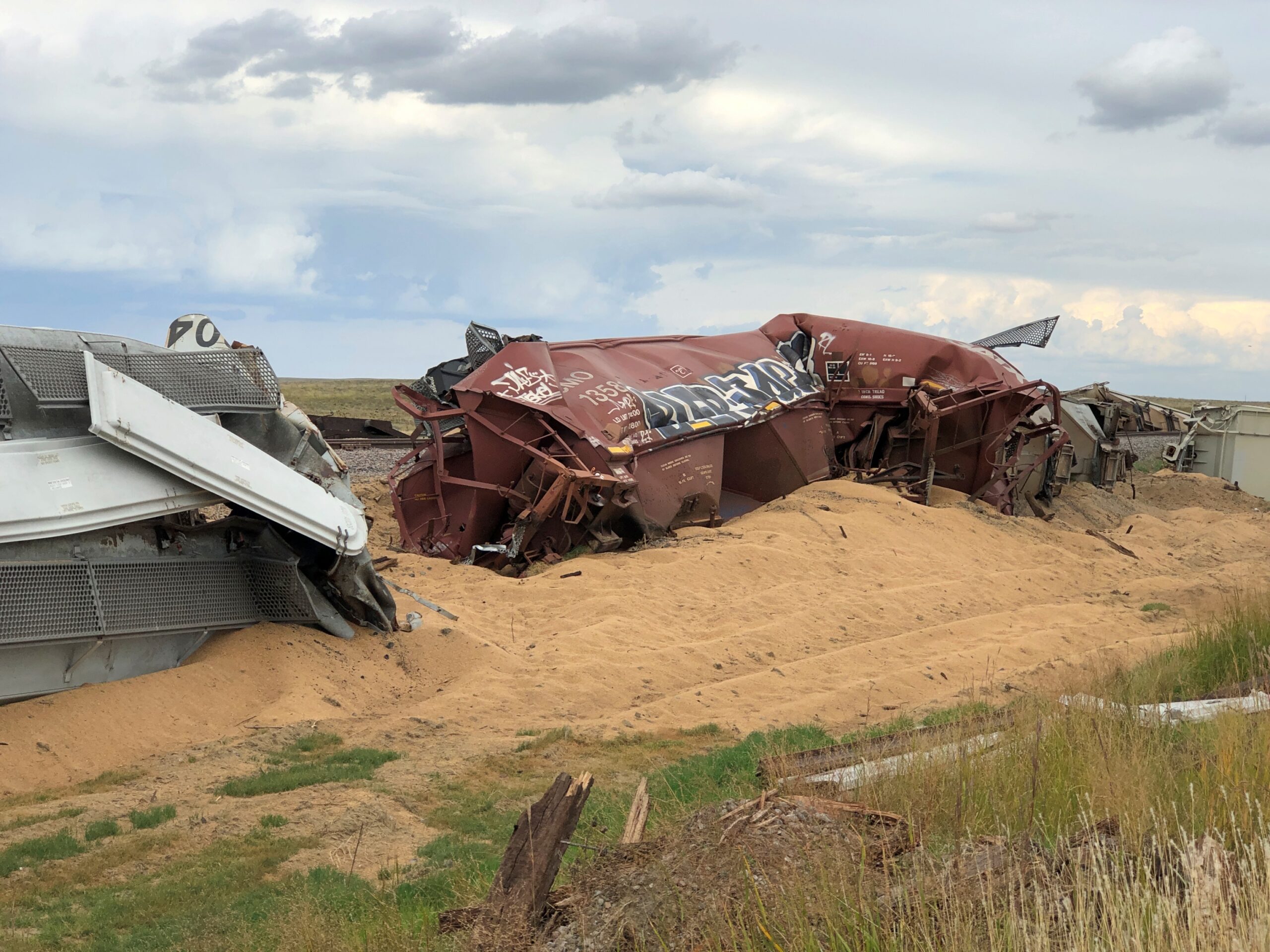
A wrecked train. A long wrecked train. The cars toward to back.

train wreck, Colorado

Toward the front.

train wreck, Colorado

Nary a clue as to how it happened, or when, except that the cars don’t seem rusted or overgrown. I stayed on the road to take my pictures. The cars are lined up as if they were dumped off the track on purpose. No. Why? Or could it have been some odd accident in which the train essentially fell off in place? Or is that how derailments work? Why are front cars especially mangled?

It didn’t take too much research (later) to find some answers. The Kiowa County Independent reported in August: The heavily laden train was navigating a significant curve and elevation change west of Chivington when 16 covered hopper cars derailed. Each was filled with thousands of bushels of wheat, spilling tons of grain onto the ground along Highway 96, which runs parallel to the rail line.

Oops. Guess everyone would have heard about it if the cargo had been more volatile or toxic.

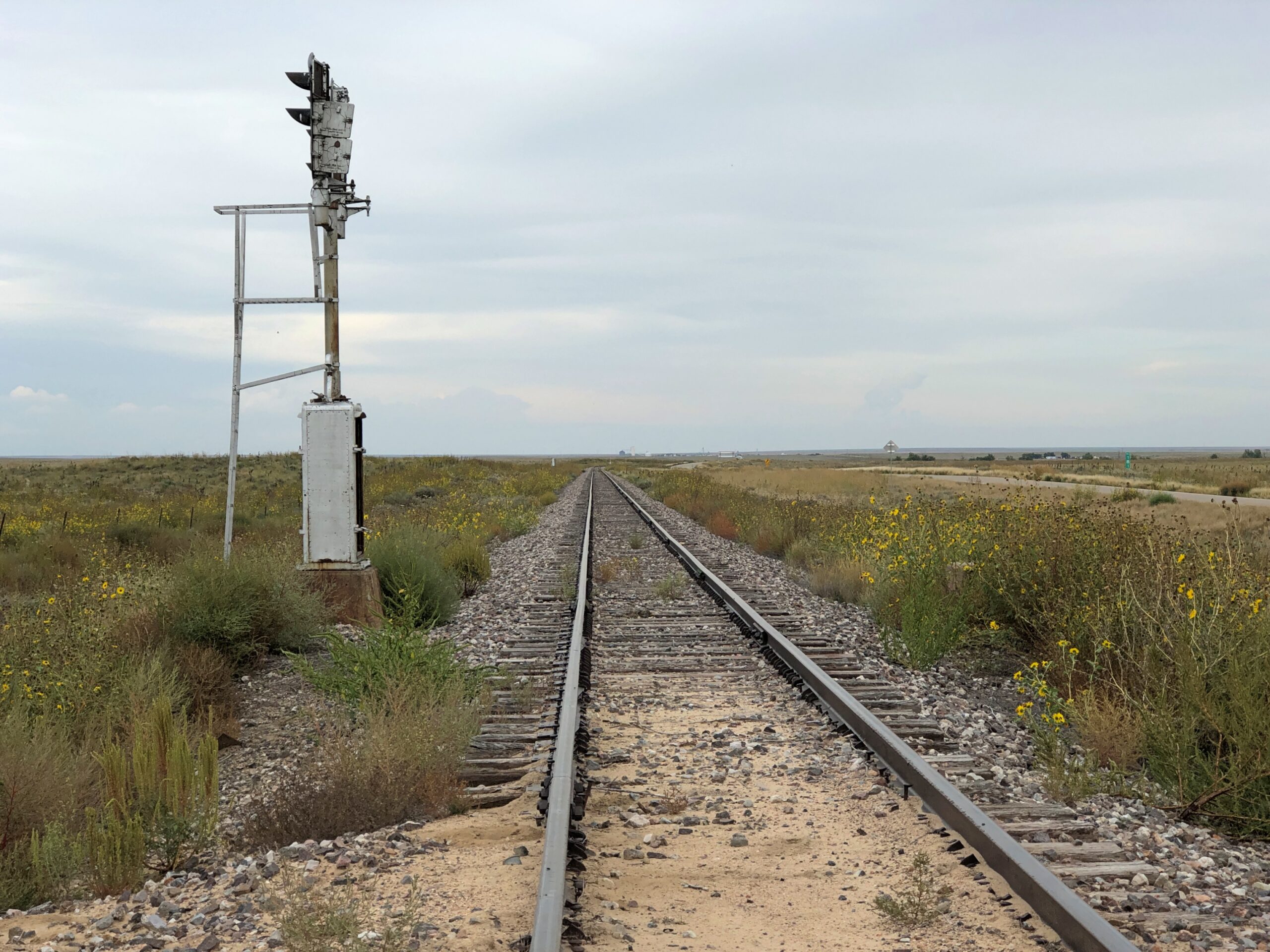
At the turnoff to the historic site, I got a view of the tracks (again, from the road). Far enough away that the mangled train cars aren’t visible.

Eastern Colorado

On to the historic site, via an unpaved road.

Eastern Colorado
Eastern Colorado
Eastern Colorado

Turns out the historic site closes at 4 pm. I got there just as the rangers were leaving, and one of them, who had a remarkable collection of snaggled and bent teeth, told me so politely. I didn’t argue with him, but I also wondered why a site so remote closes at all, except maybe for the visitors center or small museum. Rules is rules, I guess.

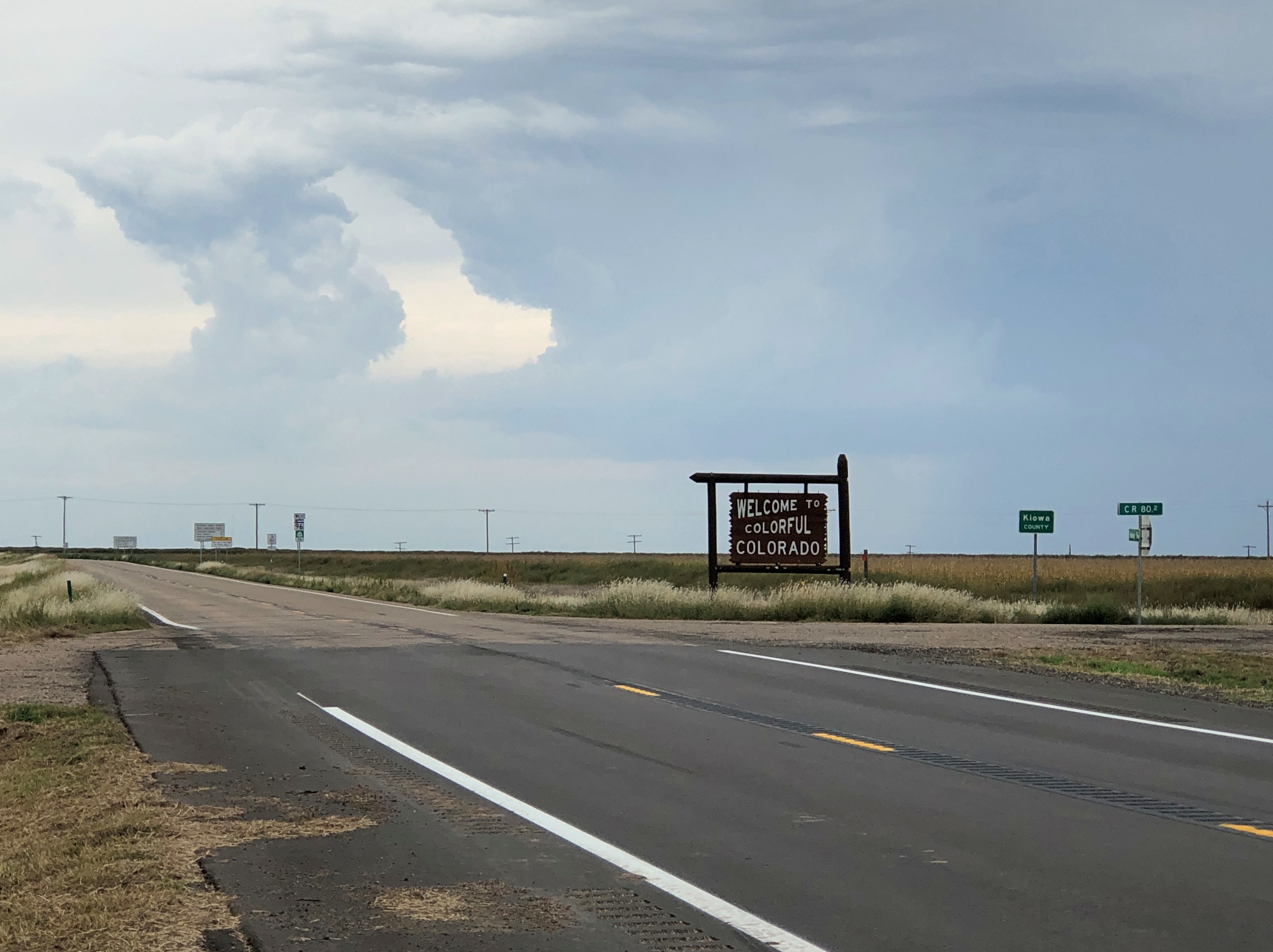
That was pretty much it for Colorado. I got to the border with Kansas not long after, and looked back.

Colorado-Kansas Border

Colorful Colorado. I’ll go along with that.

First State, Last State

The Avalon Project, run by Yale Law School, has a remarkable trove of “documents in law, history and diplomacy,” as the site says. If you’re looking for a translation of the Code of Hammurabi or the Athenian Constitution, there are links. You can also find the annotated text of Magna Carta, the Mayflower Compact, and the many founding documents of the United States, just to mention some of the more famous ones.
If you’re after something less well known, try The Combinations of the Inhabitants Upon the Piscataqua River for Government, October 22, 1641 or Money and Trade Considered With a Proposal for Supplying the Nation with Money by John Law 1705 or Agreement Concerning Trade-Marks Between Brazil and the United States (1878).

Also within the Avalon Project is the text of the Ratification of the U.S. Constitution by the State of Delaware, December 7, 1787. To wit:

We the Deputies of the People of the Delaware State, in Convention met, having taken into our serious consideration the Federal Constitution proposed and agreed upon by the Deputies of the United States in a General Convention held at the City of Philadelphia on the seventeenth day of September in the year of our Lord one thousand seven hundred and eighty seven, Have approved, assented to, ratified, and confirmed, and by these Presents, Do, in virtue of the Power and Authority to us given for that purpose, for and in behalf of ourselves and our Constituents, fully, freely, and entirely approve of, assent to, ratify, and confirm the said Constitution.

Delaware ratified before any other state, and so claims “First State” as its nickname. I have my own private nickname for Delaware. At least I do now, since waking up on the morning of October 25 in my rented room in Dover: “Last State.” As in, the 50th state I’ve spent the night in. That isn’t an achievement of any kind, just a reflection of the fact that I’ve been fortunate enough to have the time and resources necessary to go that many places. Also, that I’m eccentric enough to keep track.

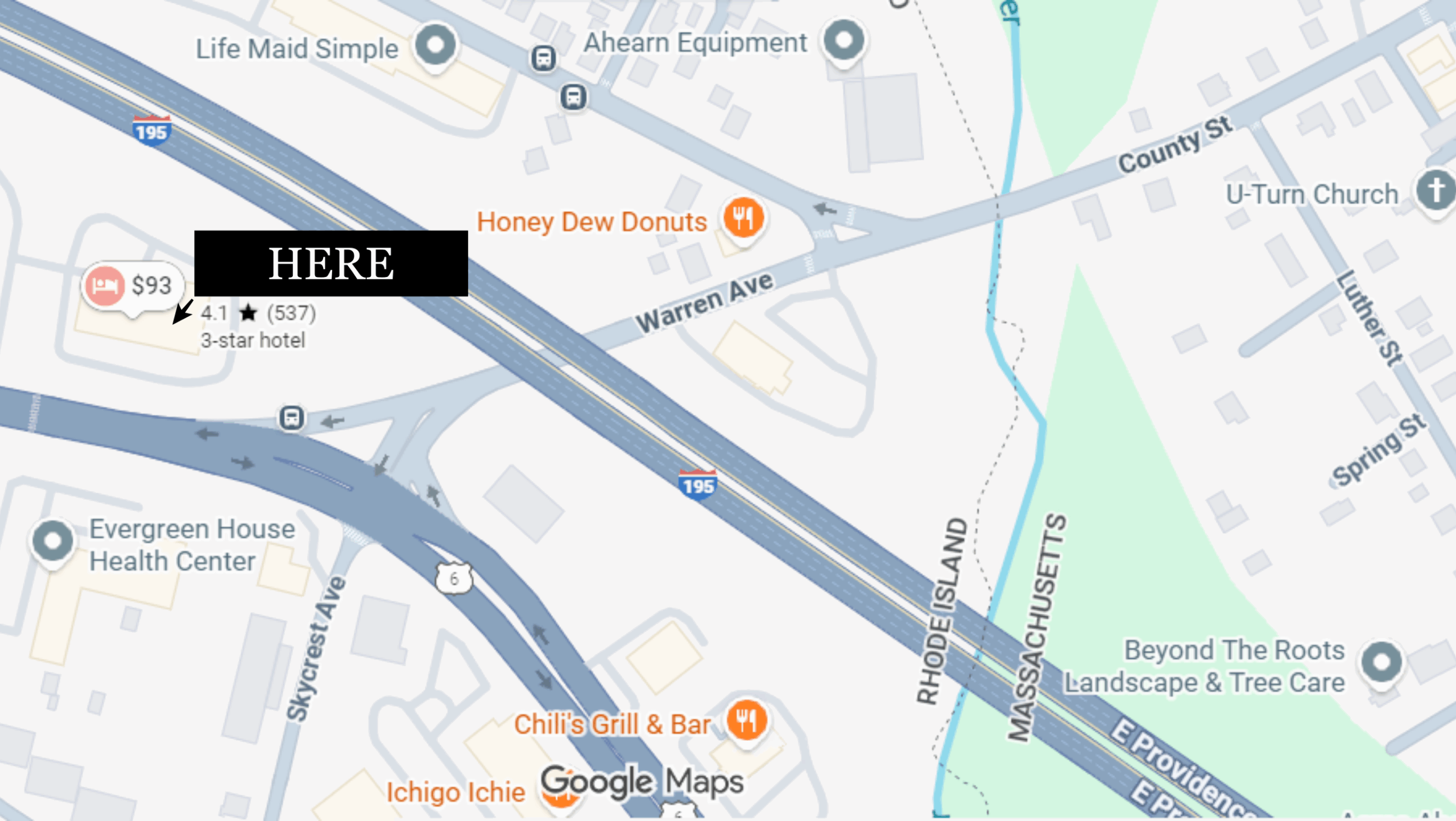
After dallying in Concord on the 23rd, and spending some time in Attleboro, Massachusetts, I arrived in East Providence, Rhode Island for the night. The point of that stop was entirely to spend the night in Rhode Island, since I’d never done that either. So RI was number 49. My hotel was just barely in that state.

I noticed the Honey Dew Donuts even closer to the border. I’d seen other locations driving in. The breakfast at my “3-star” hotel was meager, so I went to Honey Dew for a second breakfast. I wish I could say I’d discovered a great regional doughnut shop along the lines of Tim Horton’s, but it was only OK. Maybe I’ll give the brand another chance sometime.

Since I’d wanted to go from eastern Massachusetts to central Delaware, I should have broken that day’s journey somewhere in New Jersey. But that wouldn’t have involved stopping for the night in Rhode Island, which had been a short stop back in the summer of ’91 – a few hours to look around Providence, and especially the capitol – and the destination of a day trip in ’95, to Newport.

As for Delaware, my entire previous experience with the state was the Wilmington interstate bus station, a break in a bus ride from Washington DC to Boston, which was a leg of the Great Bus Loop of 1982. I’m not even sure I got off the bus, though I usually did when it stopped for long enough.

Getting to Delaware last month involved an aggravating day’s drive, mostly on I-95, spending a lot of time in traffic jams. Counting the cars on the New Jersey Turnpike, bah: more than grains of sand on a beach or stars in the sky.

Even so, there were a few worthwhile moments. I finally got to see (from the turnpike) the enormous American Dream mall, adjacent to the Meadowlands Sports Complex. Reportedly now second largest in the nation, after only the Mall of America. I’d been reading about American Dream for years, since “chronic delays” always figured in real estate reporting on the project, but now it’s more or less complete. (If the developers had asked me, they’d have kept the much cooler earlier name: Meadowlands Xanadu.)

At the Vince Lombardi Service Area on the NJ Turnpike, I parked in the very large parking lot and headed for the very large building and its very large men’s room. As I walked along, a small group of Hasidim went around me, not running but at a brisk pace, headed the same direction. By the time I got to the bathroom, they were almost done with their business, and off they went. Nothing unusual about seeing Hasidim, certainly not in New Jersey, but I have to note that October 24 was a Friday, and it was mid-afternoon. So they were racing the clock. Or, more accurately, the sun.

A digression: service areas on the New Jersey Turnpike and the Garden State Parkway are named for famed New Jerseyans. A list is here. I suppose it’s fine that musicians such as Frank Sinatra, Whitney Houston, Jon Bon Jovi and Celia Cruz are honored, but where’s Bruce Springsteen? It isn’t a matter of posthumous naming, since Bon Jovi is still alive – as is Bruce Willis, who also gets an area, and Connie Chung, who does as well, though she isn’t actually from New Jersey. The ways of the NJ Turnpike Authority are mysterious.

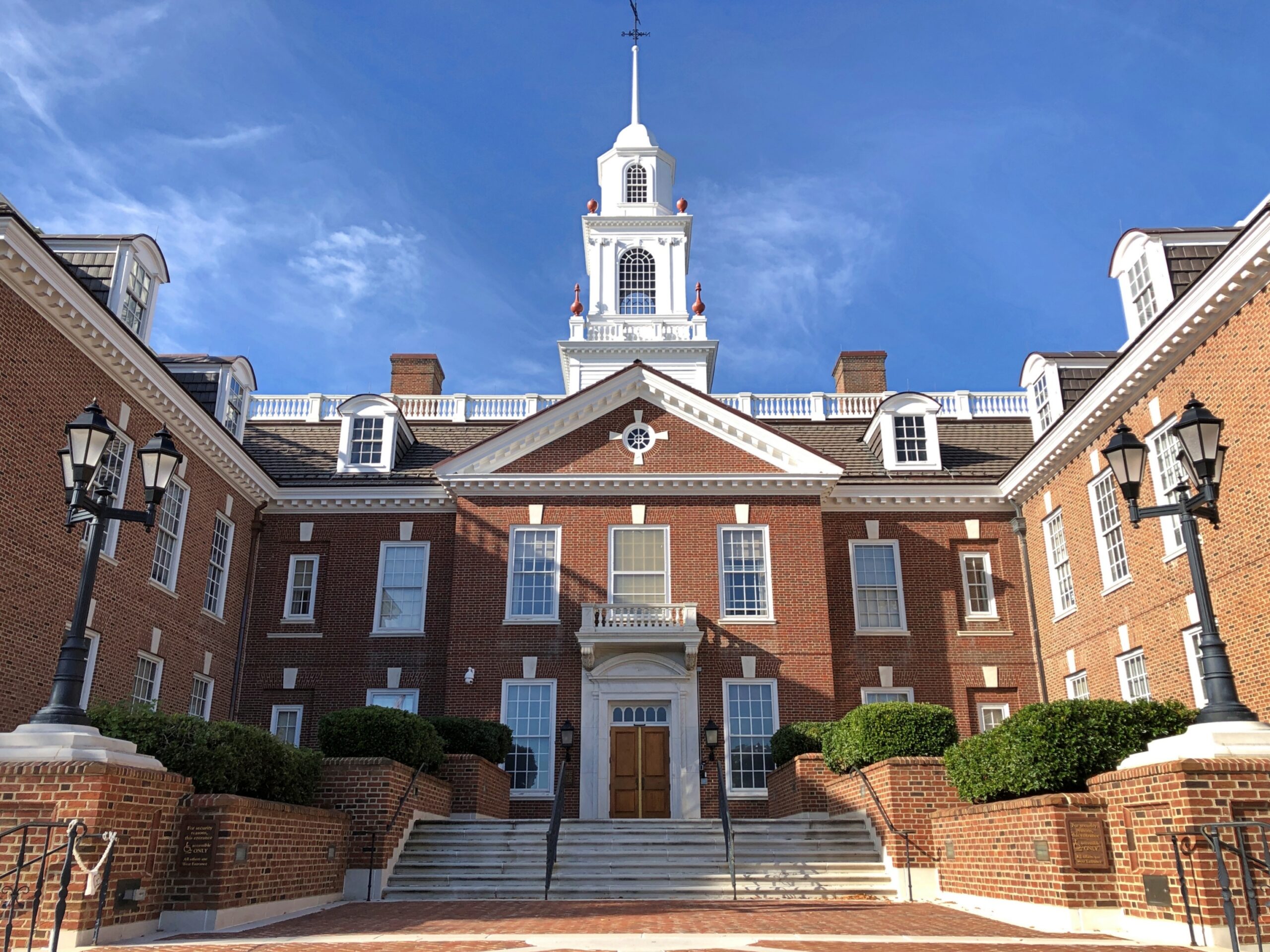
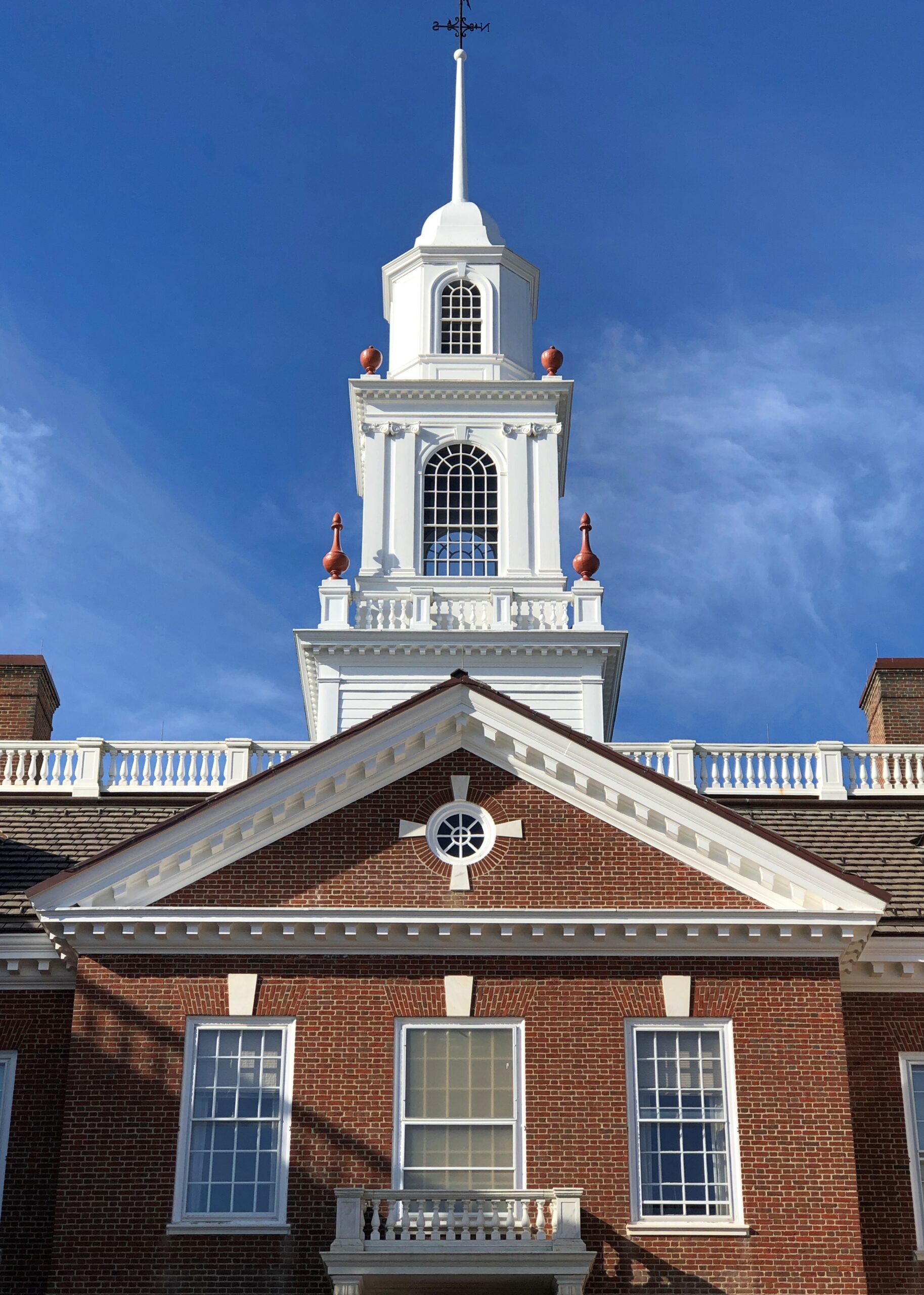
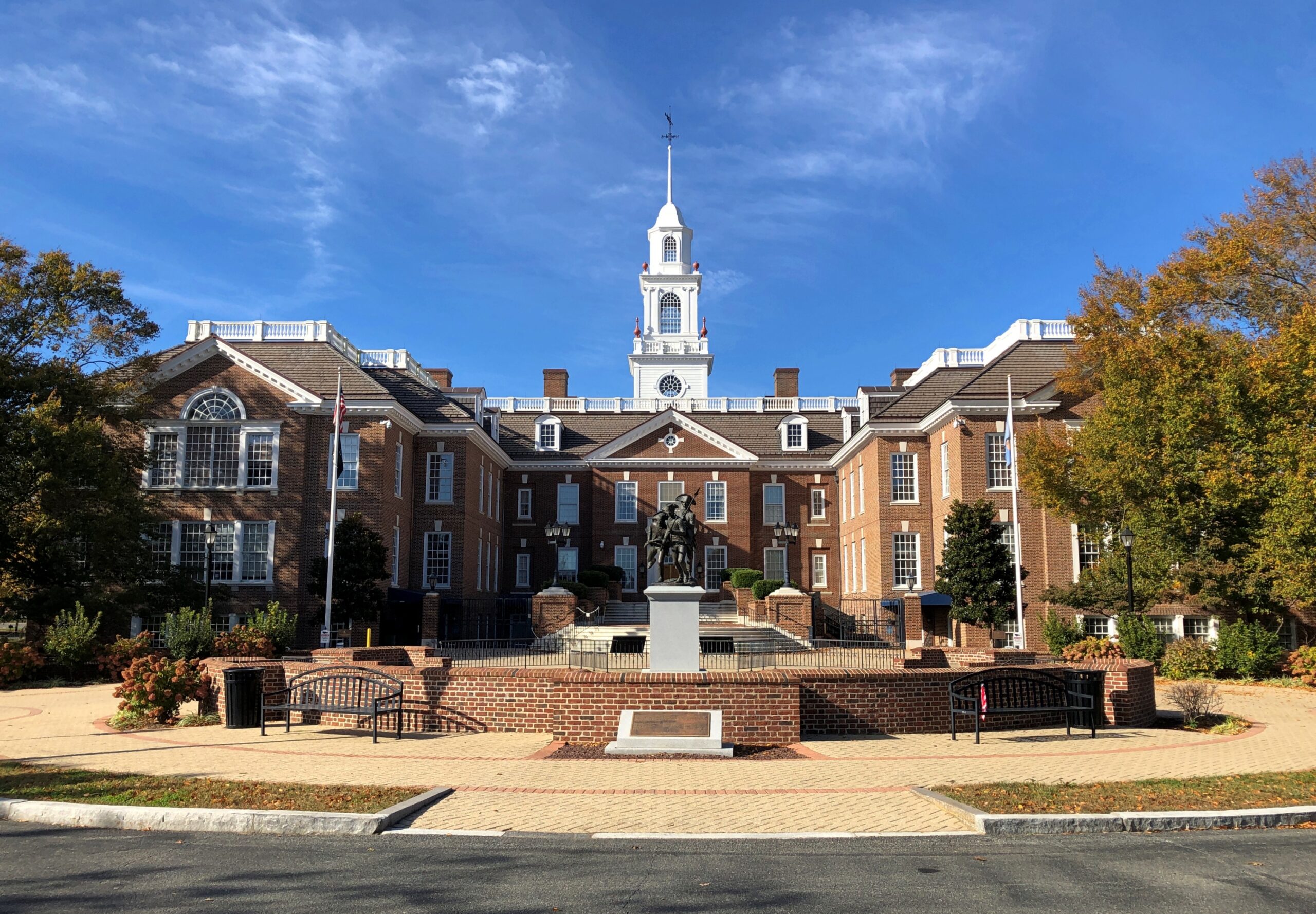
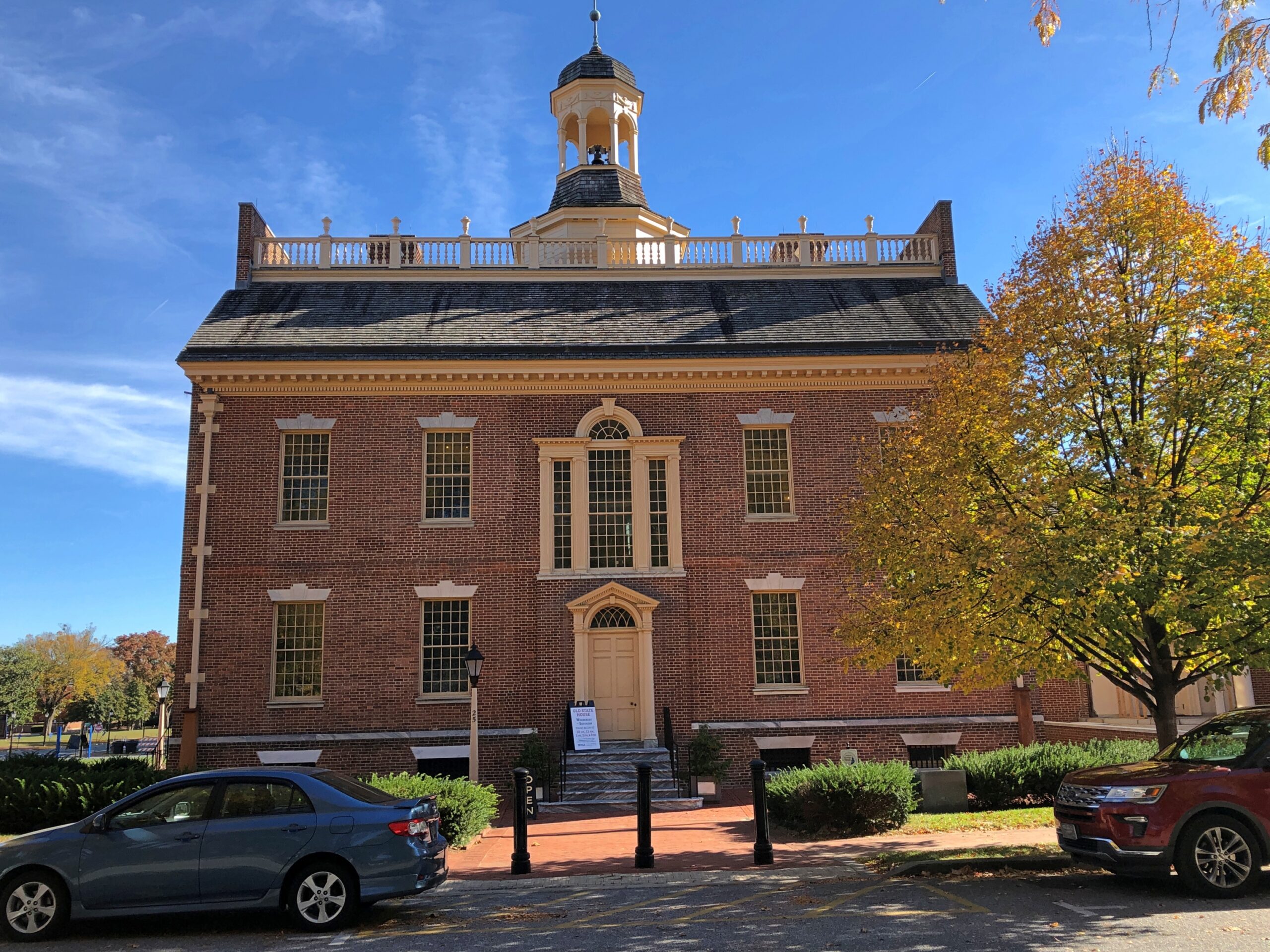
I arrived in Dover late on the October 24. The next morning, a Saturday, I left fairly early. First stop: the Delaware State House. It was closed for the weekend. My reaction: what kind of Mickey Mouse operation is this? I got a good look at the exterior, at least.

Delaware State House

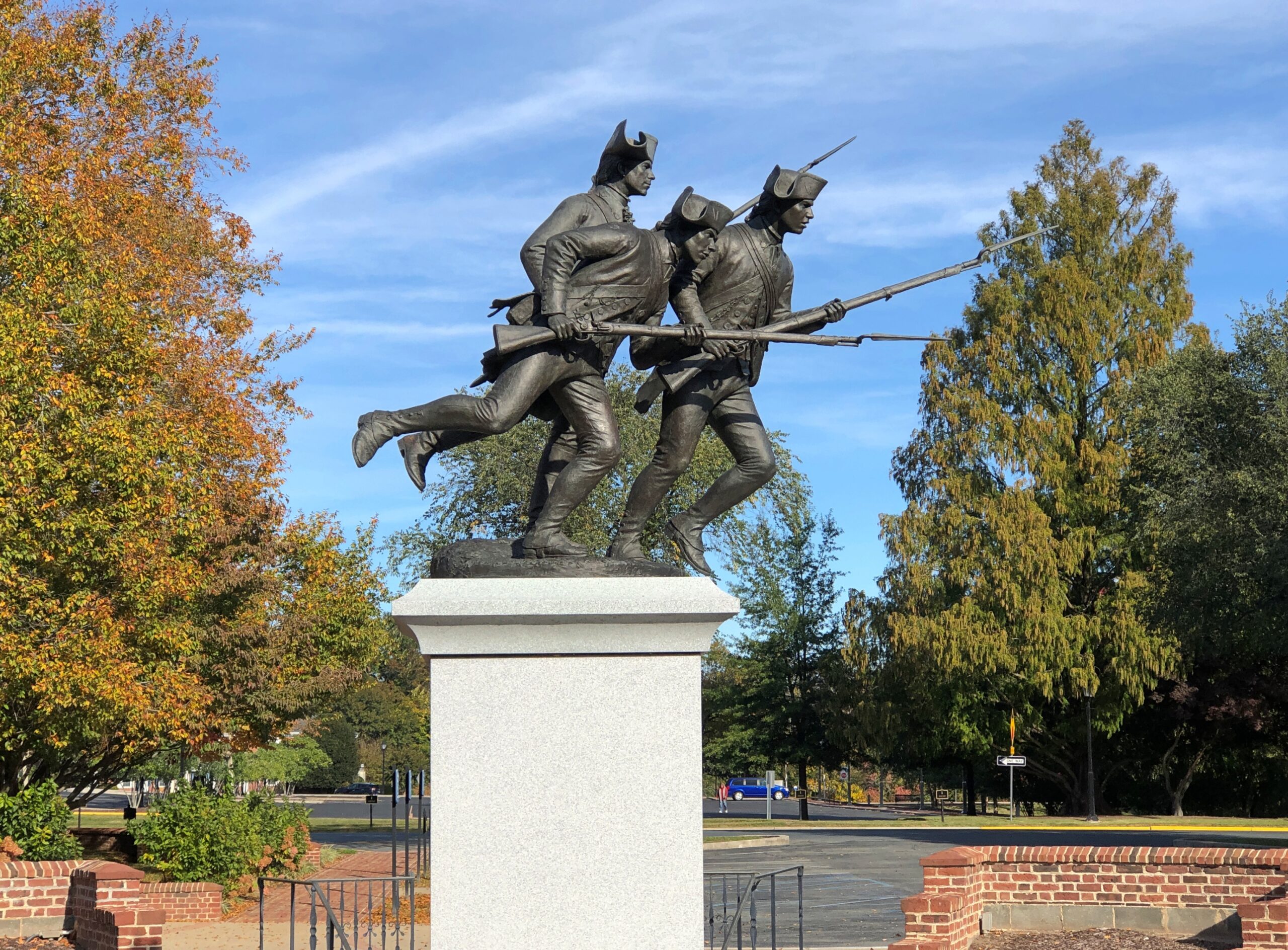
A fairly new sculpture, in front of the capitol: The Delaware Continentals.

Delaware State House

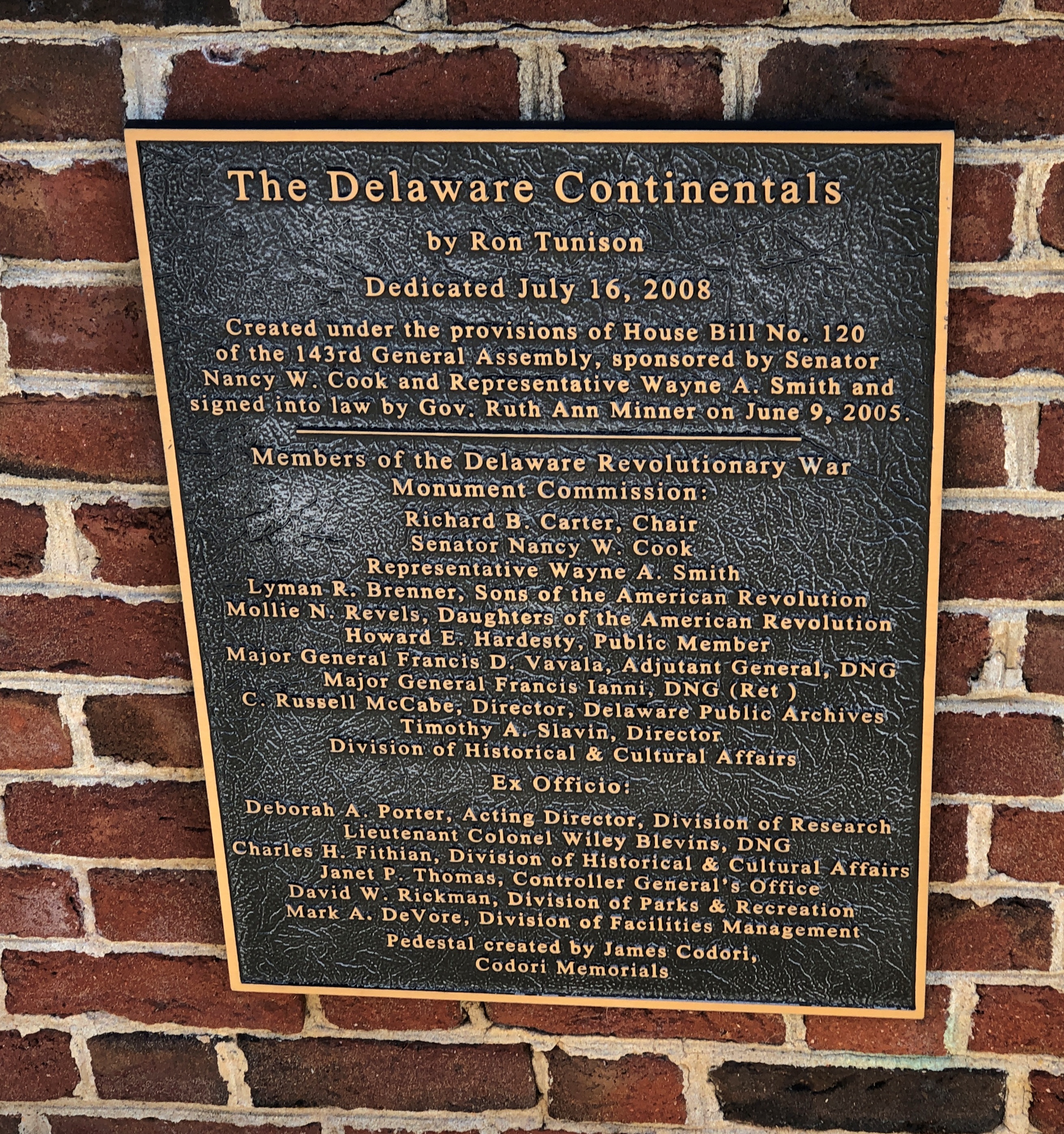
The plaque is long on functionaries’ names, short on information about the Delaware Continentals. An historic plaque up in Wilmington says of them:

Commanded by Colonel John Haslet, the Delaware Regiment consisted of more than 500 battle-ready troops when they marched northward to join the Continental Army in August 1776. After expiration of enlistments and Haslet’s death, the Regiment was reorganized in the winter of 1776-77 under the leadership of Colonel David Hall. Participants in many of the major battles of the Revolution, their conduct earned the praise of their superiors and the respect of their enemies. Forced to endure great hardship, the Regiment was widely acclaimed for its discipline and bravery. Greatly depleted in number, they returned to Delaware victorious in January 1783.

That was hardly the end for the regiment. The 198th Signal Battalion in the Delaware Army National Guard traces itself directly to the Delaware Regiment.

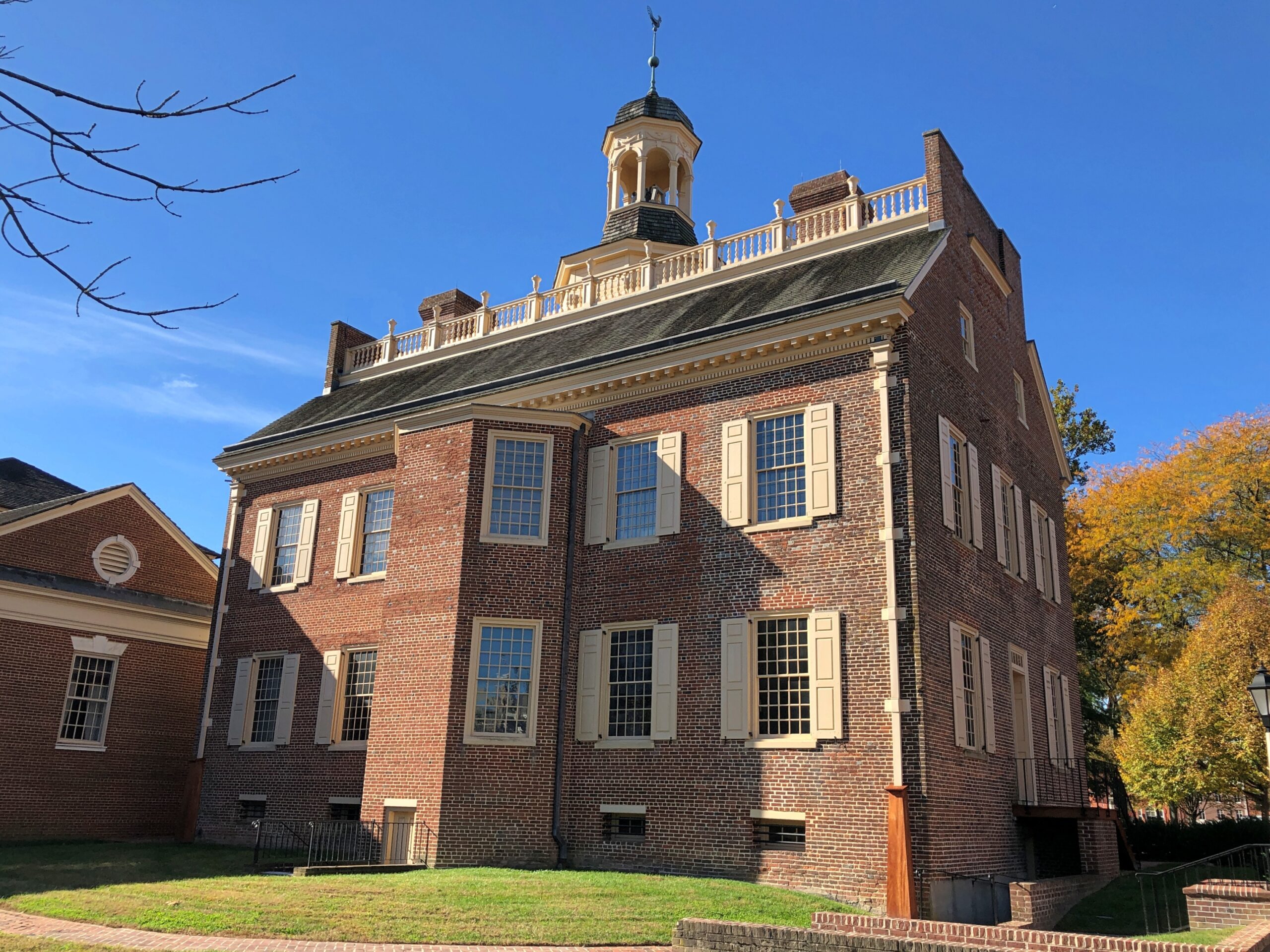
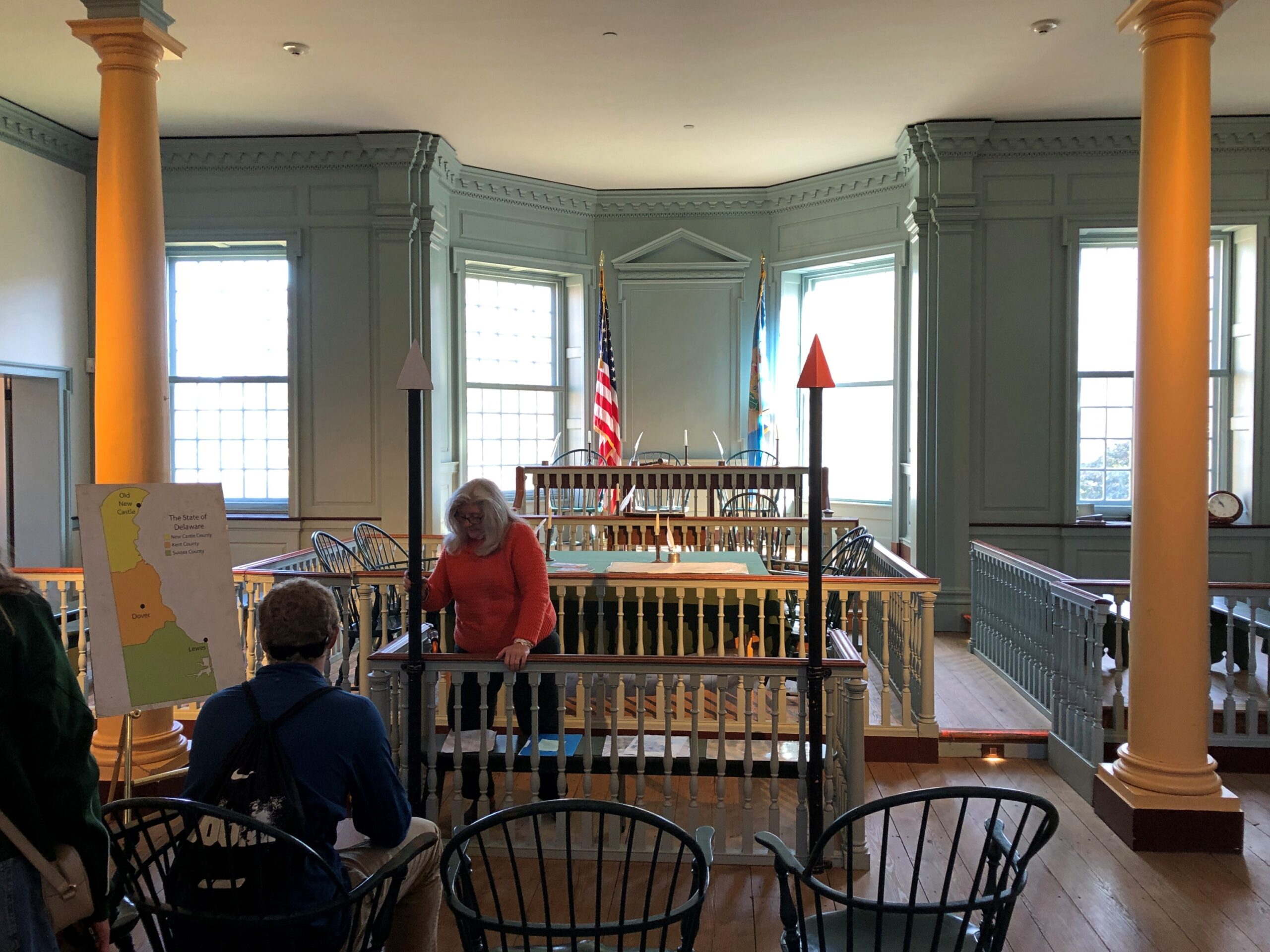
Not far from the current capitol is the former state house, now a museum. It was open.

Old Delaware State House

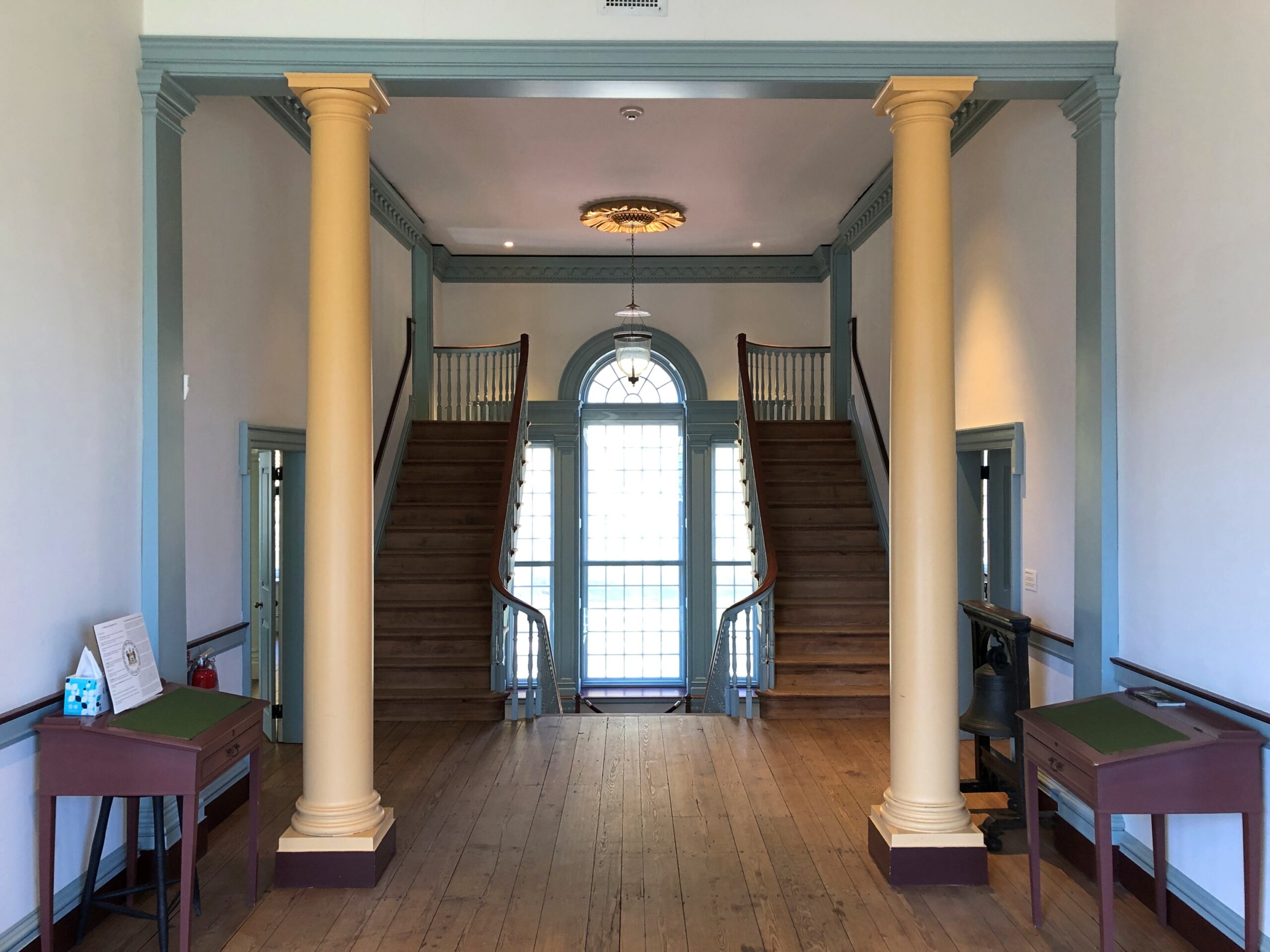
In fact, I got a tour.

Old Delaware State House

I was happy to learn that here, in this very room, the delegates to the Constitutional ratifying convention met, and made their quick and unanimous decision.

More Lexington

Cute, Lexington. Cute.

Lexington, Mass

I didn’t visit Massachusetts last month to do sightseeing, but rather to see old friends – Rich, Lisa and Steve. They are the latest in my visits to old friends in ’25, which took me to Texas, Tennessee, North Carolina, Georgia and New York before I arrived in Massachusetts, where I stayed with Rich and Lisa, whose home is in Lexington.

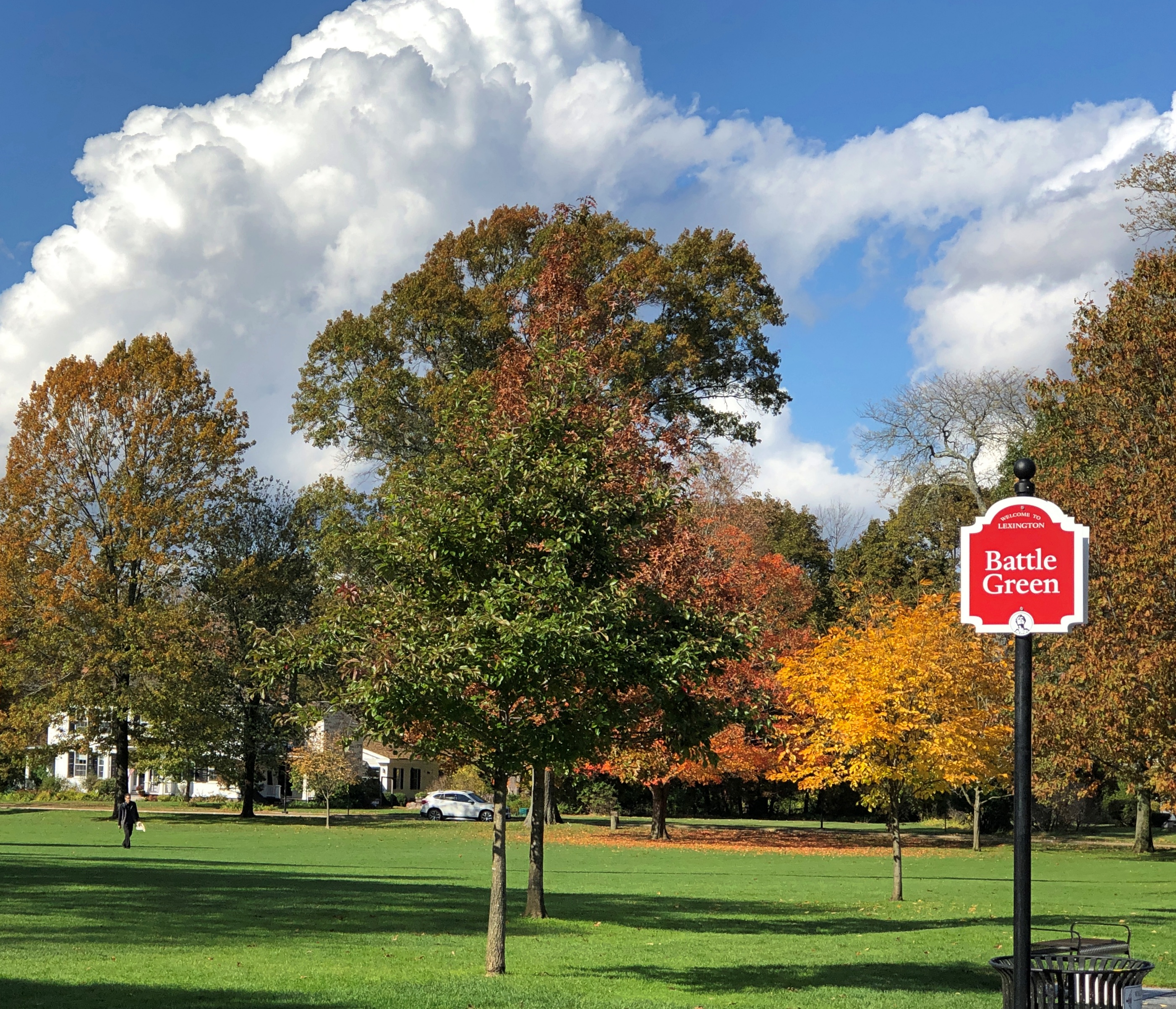
Being a mid-week visit, my Massachusetts friends had work to do during much of the day on October 22, which is how I ended up at Battle Green that morning. I wasn’t about to sit around at Rich and Lisa’s when I could go see nearby places. Even places I’d been before, such as Battle Green. But it had been about 30 years, so (as usual) it was like I’d never been there before.

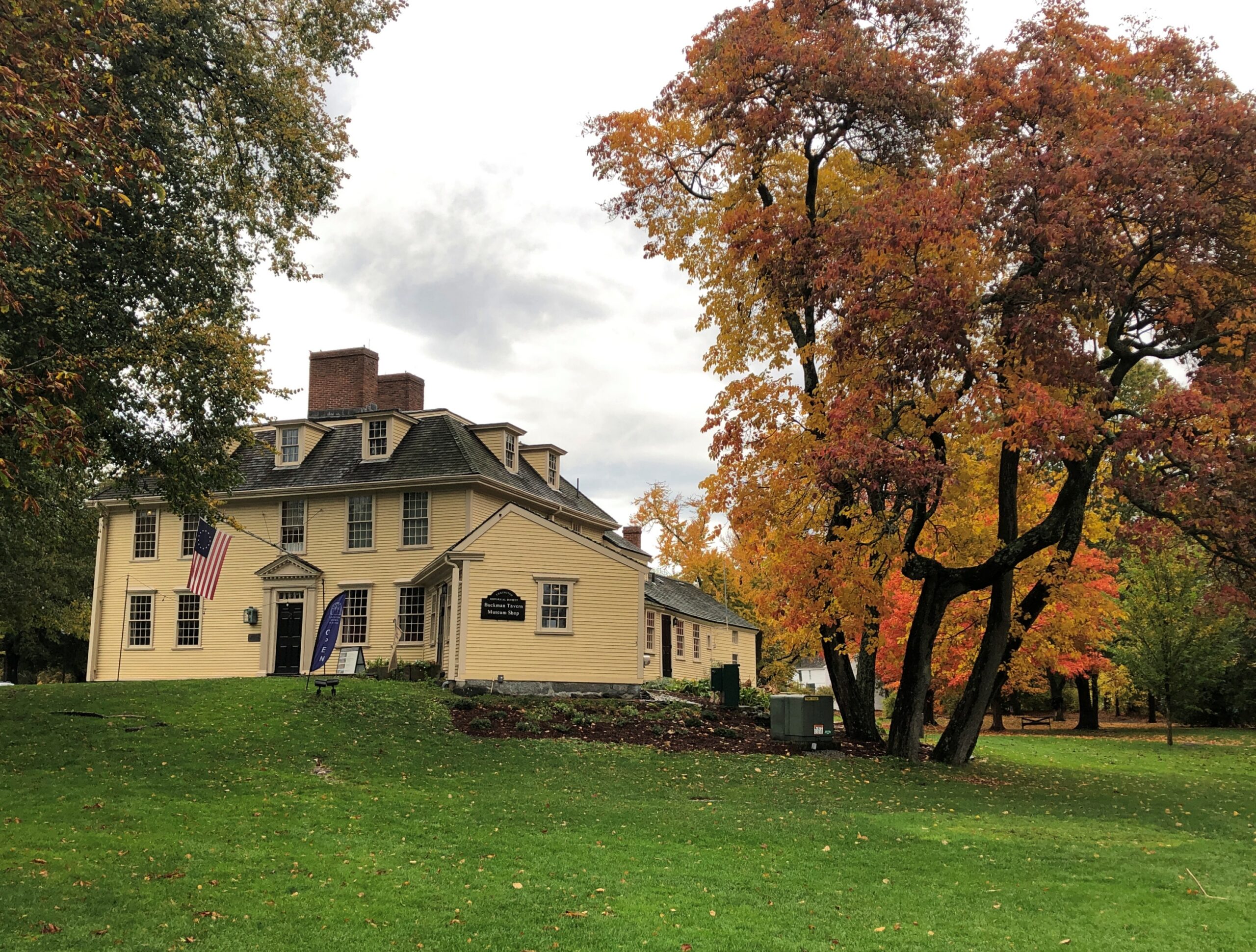
Near Battle Green is Buckman Tavern.

Lexington, Mass

I didn’t remember visiting before. It’s a small museum these days, dedicated to the part it played in the Battle of Lexington – militiamen gathered there ahead of the battle, not knowing what to expect – but also its existence as a tavern in colonial and early Republic days.

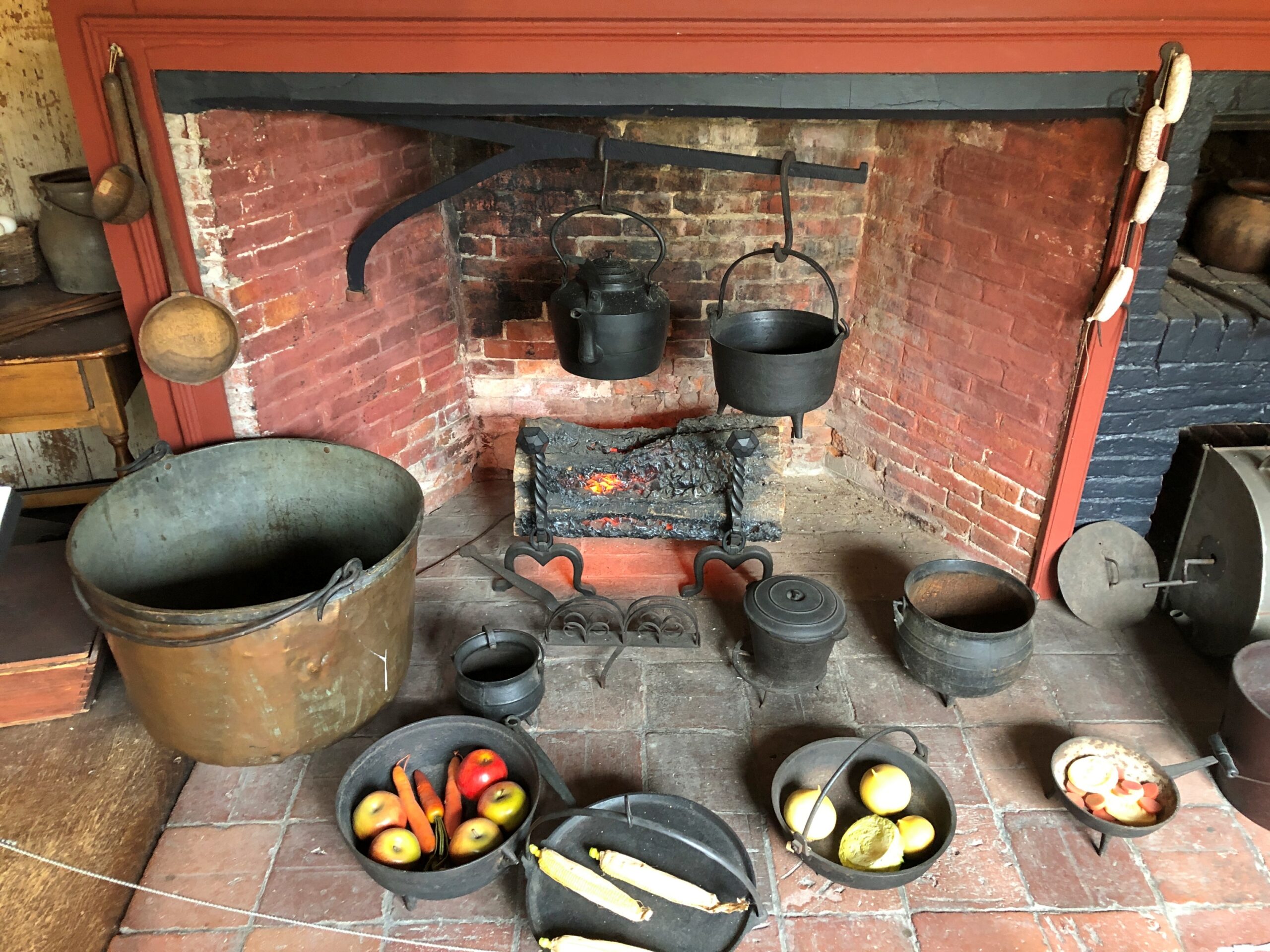
Wandering through, I couldn’t help being impressed by how much effort running a tavern must have involved in those days, which not only included work in the building itself, but also running a nearby farm, since 18th-century tavern keepers weren’t going to get their food and drink from wholesalers, shipped in by truck.

Lexington, Mass

Of course, just staying alive in the 18th century, or really most anytime before the 20th century, seems like it would have been a lot of grinding effort for most people a lot of the time. But they had their recreation, too (and of course drinking).

Lexington, Mass

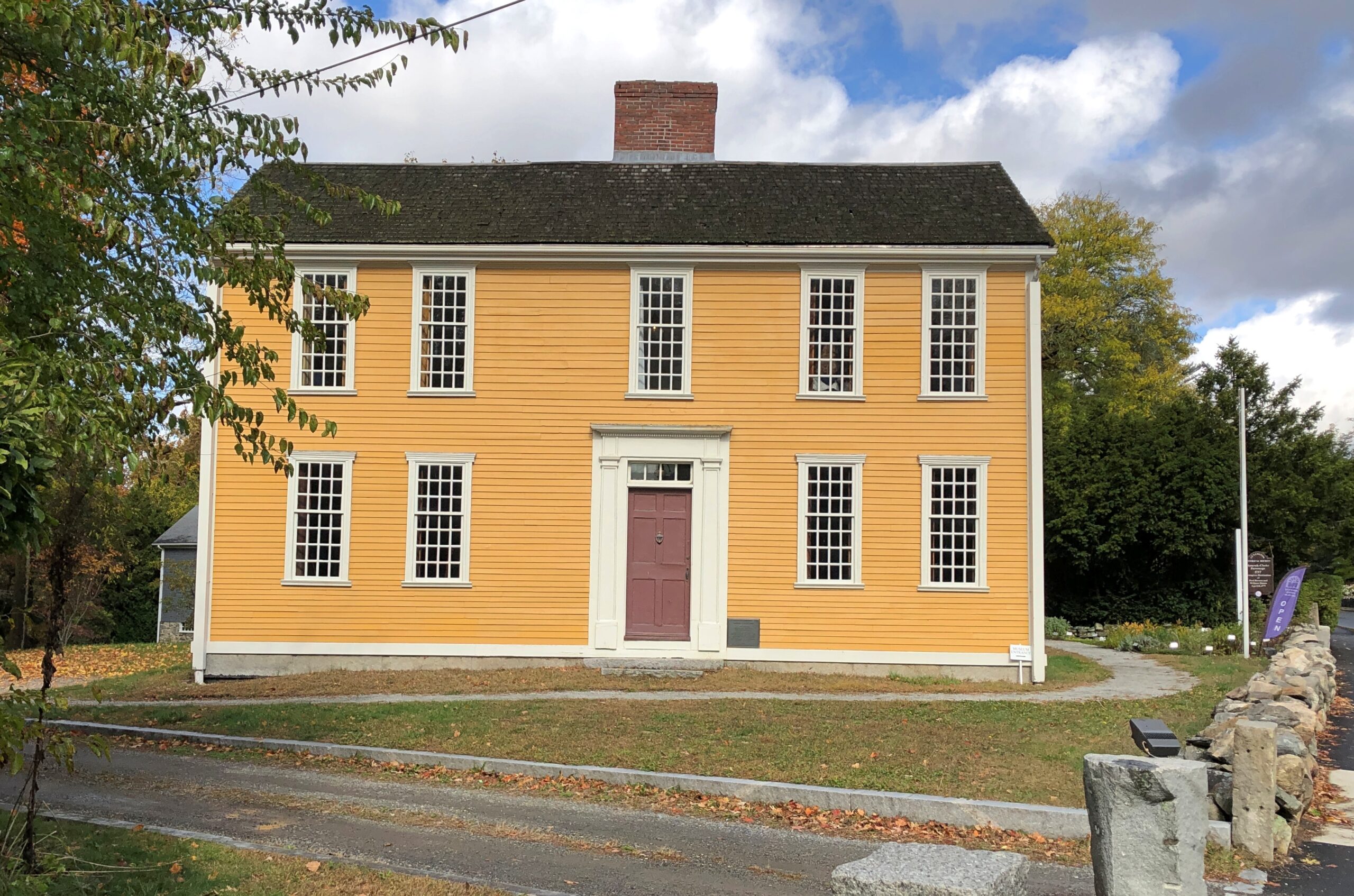
Not far from Battle Green, on the fittingly named Hancock Street, is Hancock-Clarke Parsonage, another Lexington museum these days, and one I didn’t recall visiting before. It was close enough to the green to walk there. I took the noon tour.

Lexington, Mass
Lexington, Mass

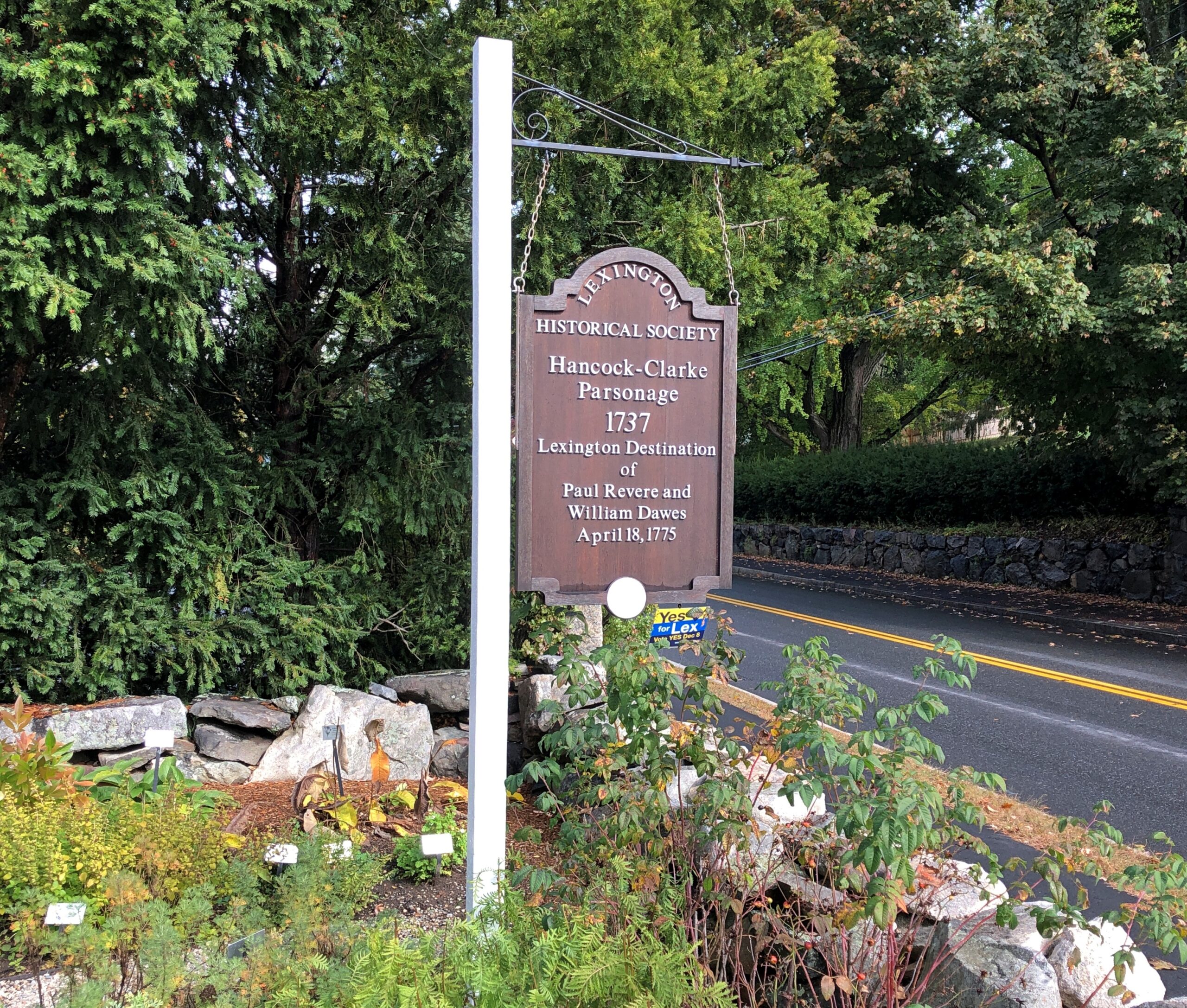
I’m glad William Dawes gets this due on the sign. As my one-armed 8th grade history teacher told us, Listen my children and you shall hear/ of the midnight ride of William Dawes just doesn’t work. (He wasn’t the first to notice.) I see that he has a memorial at King’s Chapel Burial Ground in downtown Boston. If I ever make it back there, to visit Hopestill Barns, and I should, I’ll look for Dawes.

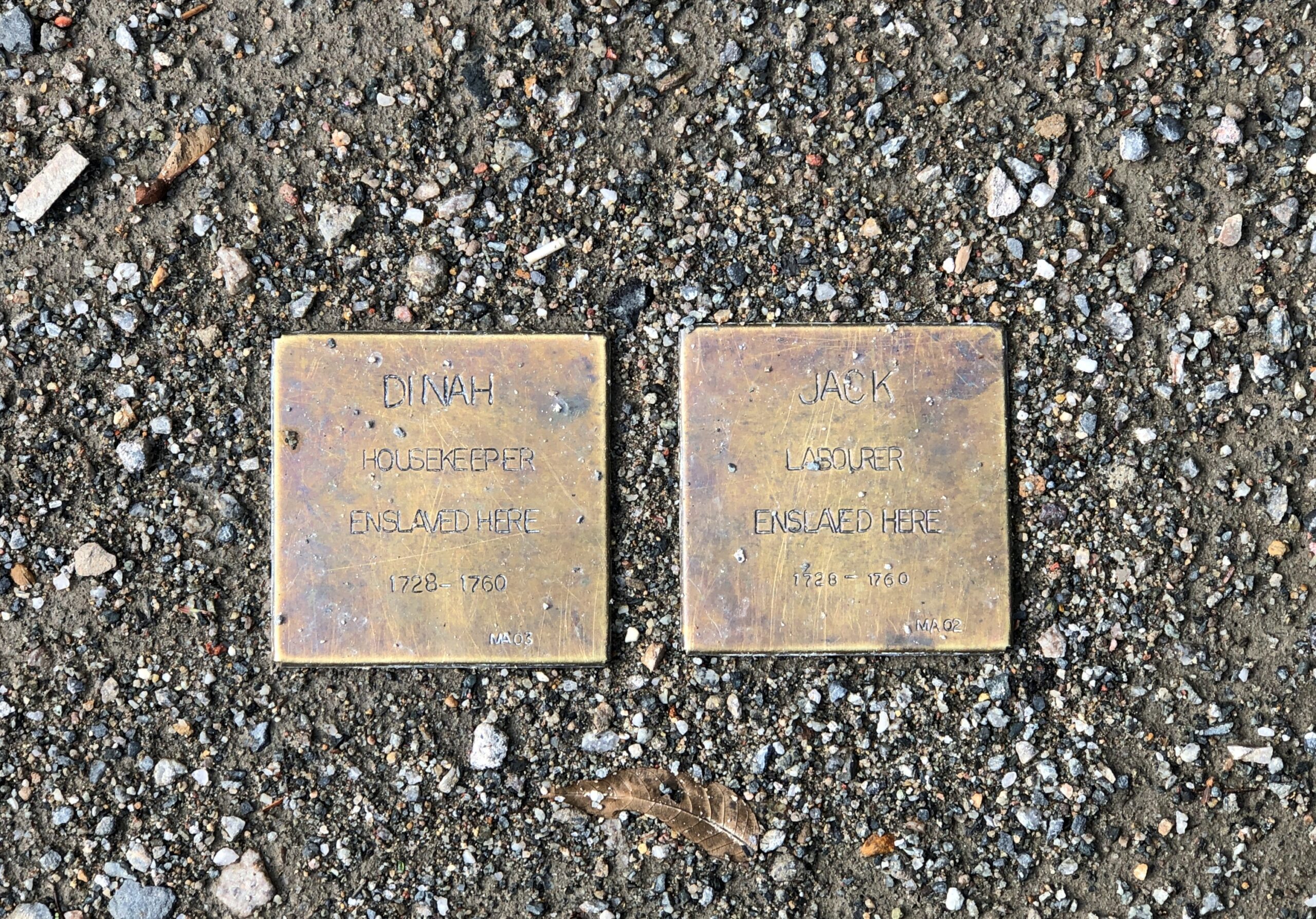
Also mentioned at Hancock-Clarke: the slaves that worked at the house during the pre-Revolutionary period, Jack and Dinah. Their names appear on small plaques near the museum entrance.

As the longstanding residence of Lexington’s minister, Hancock-Clarke has a rather different feeling than the tavern down the road. That is, austere yet well-furnished due to the wealth of the Hancock family. John Hancock’s grandfather, Rev. John Hancock (d. 1752), lived there, and afterwards Rev. Jonas Clarke (d. 1805) and his passel of children lived there during the Revolution. So it was entirely reasonable that John Hancock and Sam Adams were staying there on the night of April 18, 1775. As a visitor in modern times, you can see the very place where those two sat and drank (tea, the docent claimed) in front of one of the house’s large windows.

That evening, I had dinner with Rich and Lisa and Steve at Field & Vine in Somerville, which made for that most excellent combination: a good meal and convivial conversation. In 30 years since I spent any time in Somerville, the town has apparently become a foodie destination. Who knew?

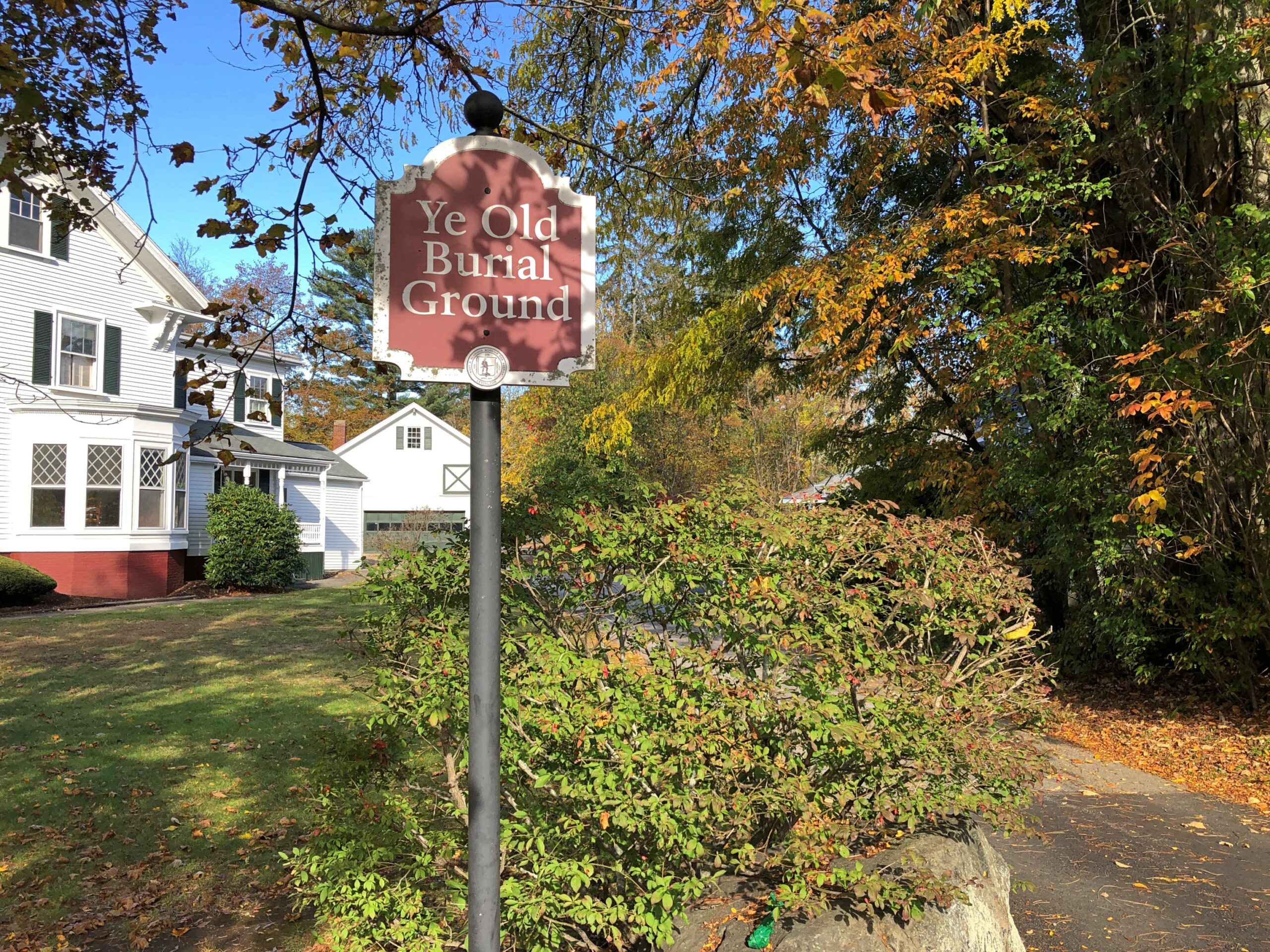
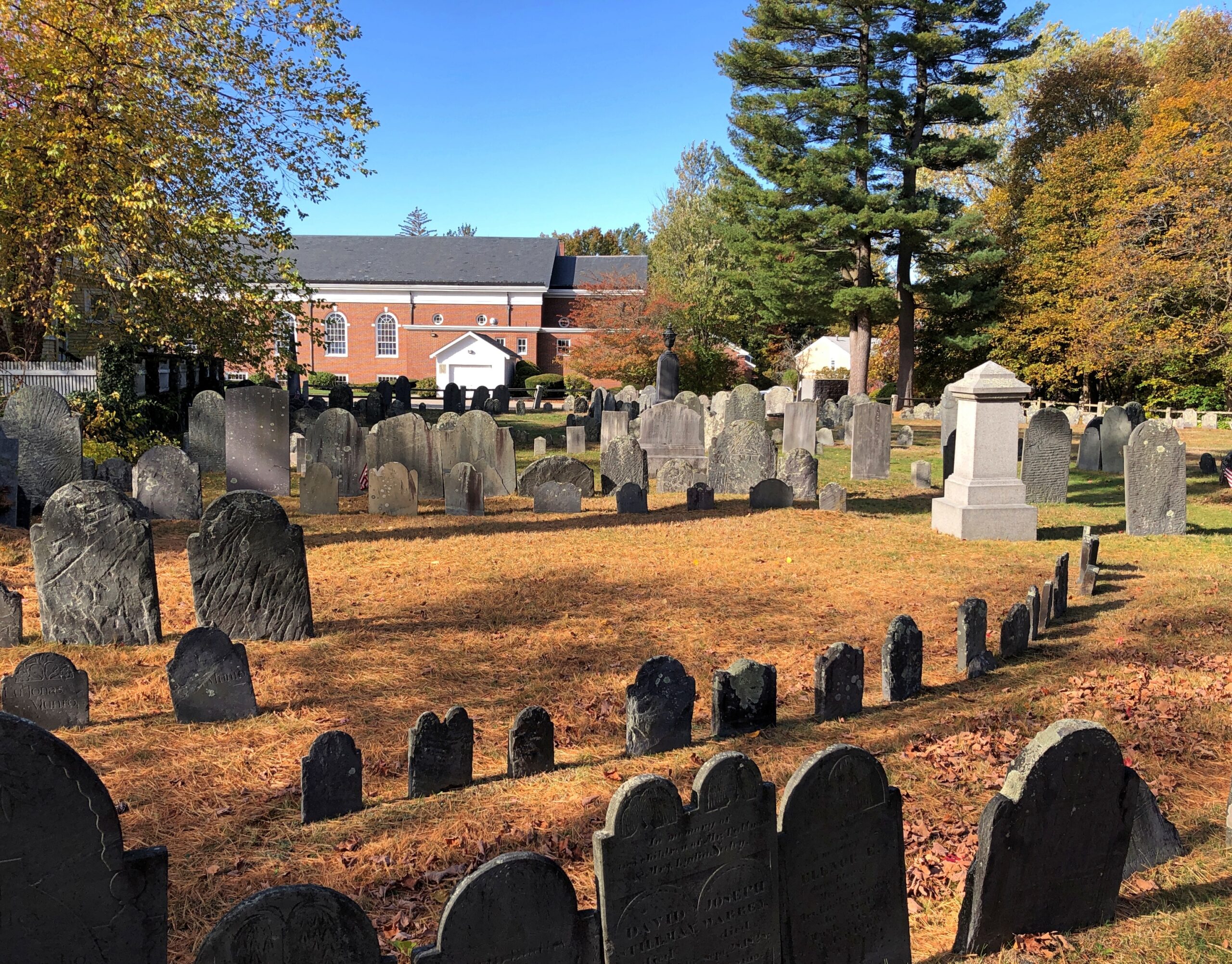
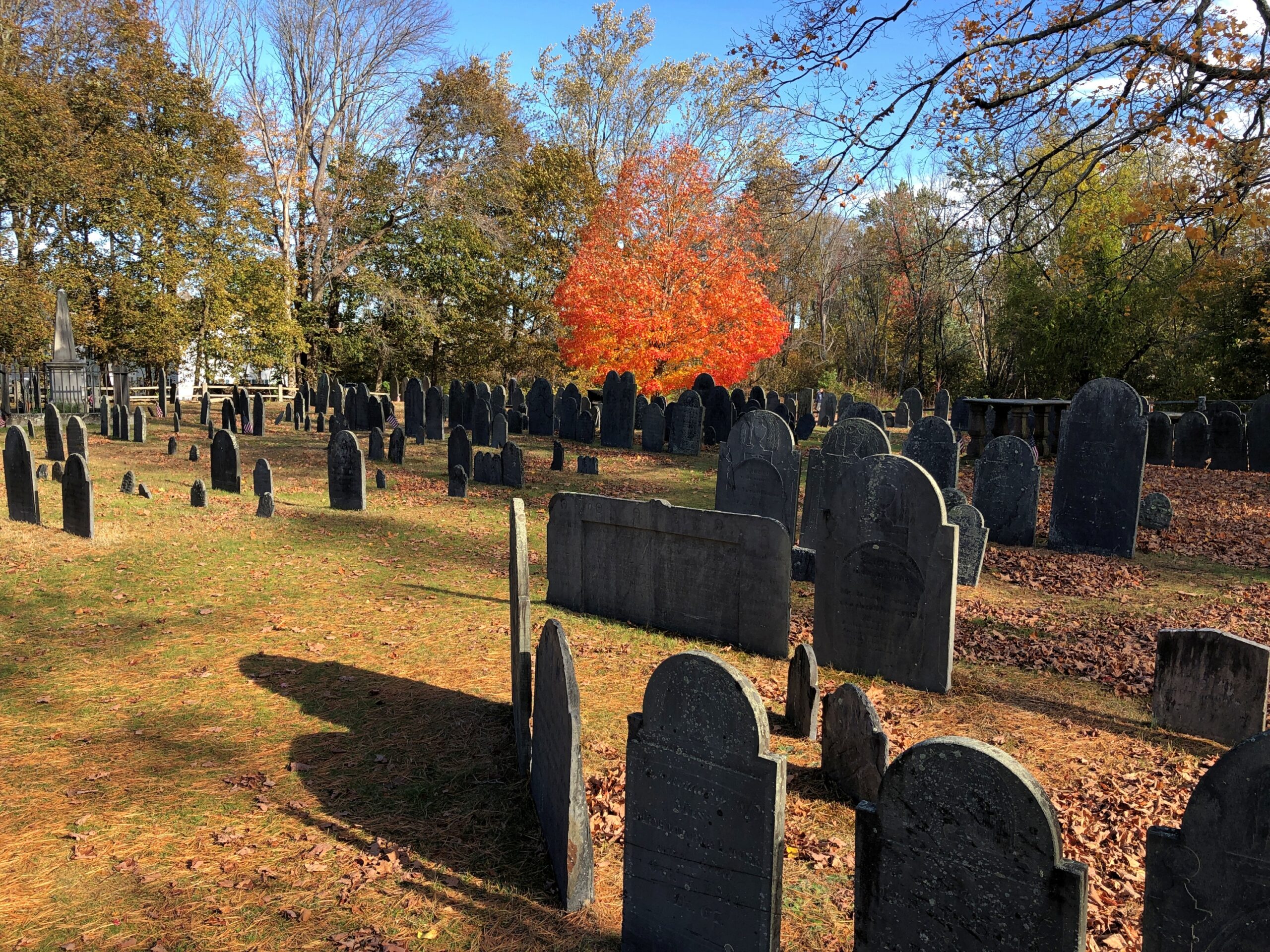
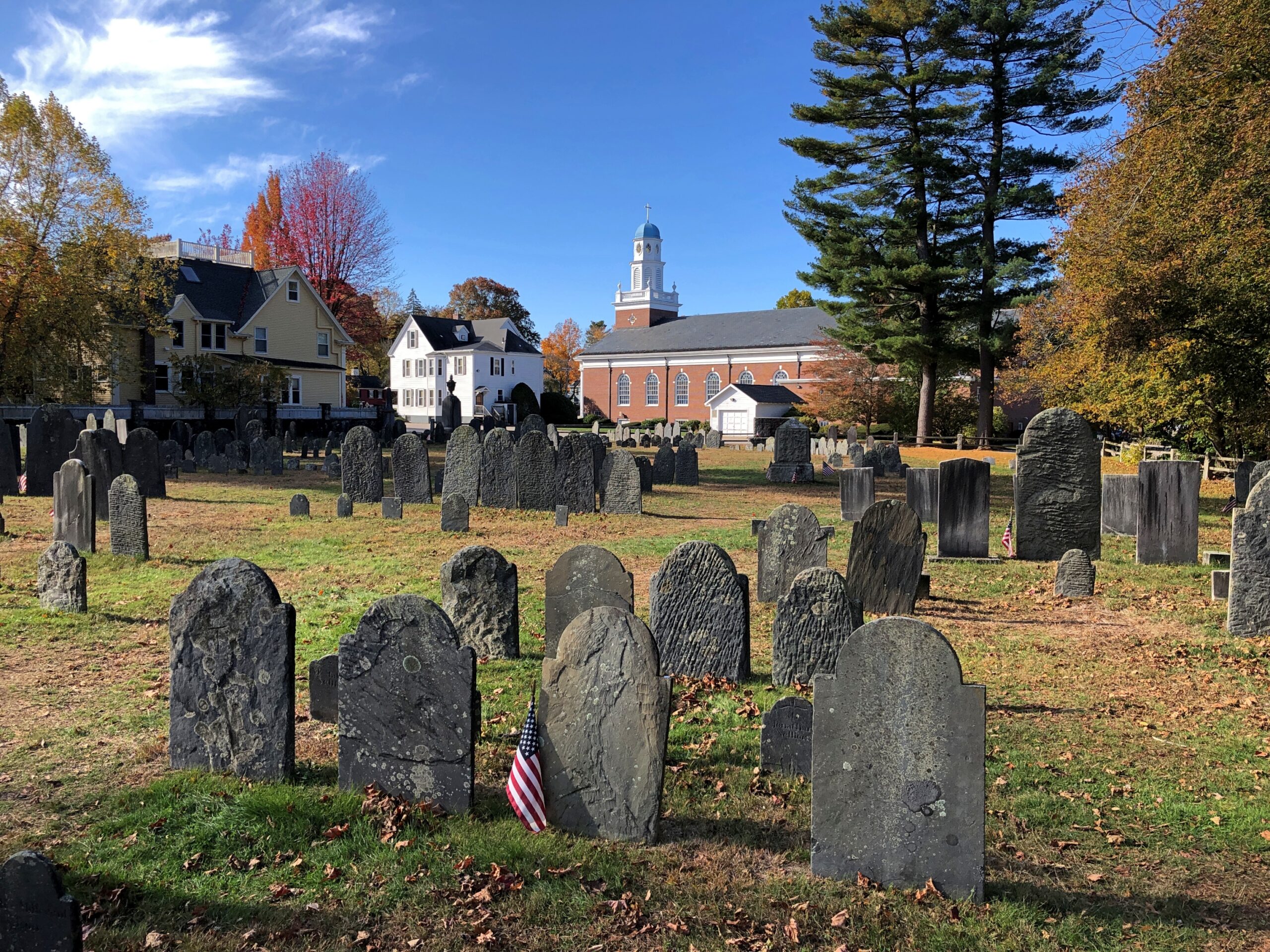
On the morning of 23rd, I left Massachusetts to begin my drive home. True to character, not a direct drive. But I didn’t want to leave Lexington without a visit to the Old Burial Ground, which I hadn’t had time for the day before. “Ye” Old Burial Ground, as the town puts it. At least there isn’t an “e” tacked onto “Old,” but I doubt that whoever did the sign was thinking, let’s use a thorn.

That aside, it’s a fine old cemetery.

Ye Old Burial Ground

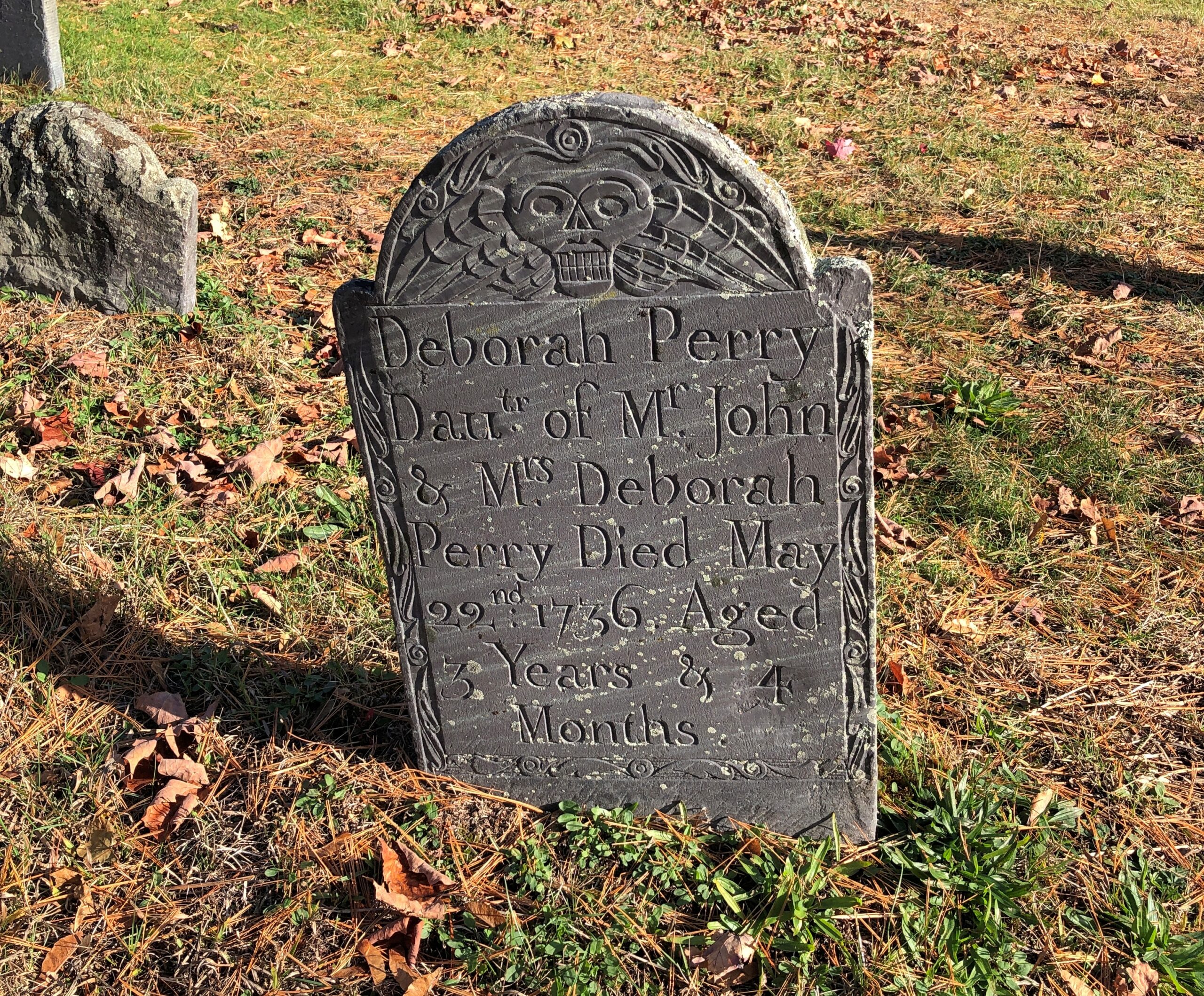
The building in the background, incidentally, is the Church of St. Brigid. One wonders how most of the permanent residents of the Old Burial Ground would react to a Catholic church in the vicinity. Not too well, I suspect.

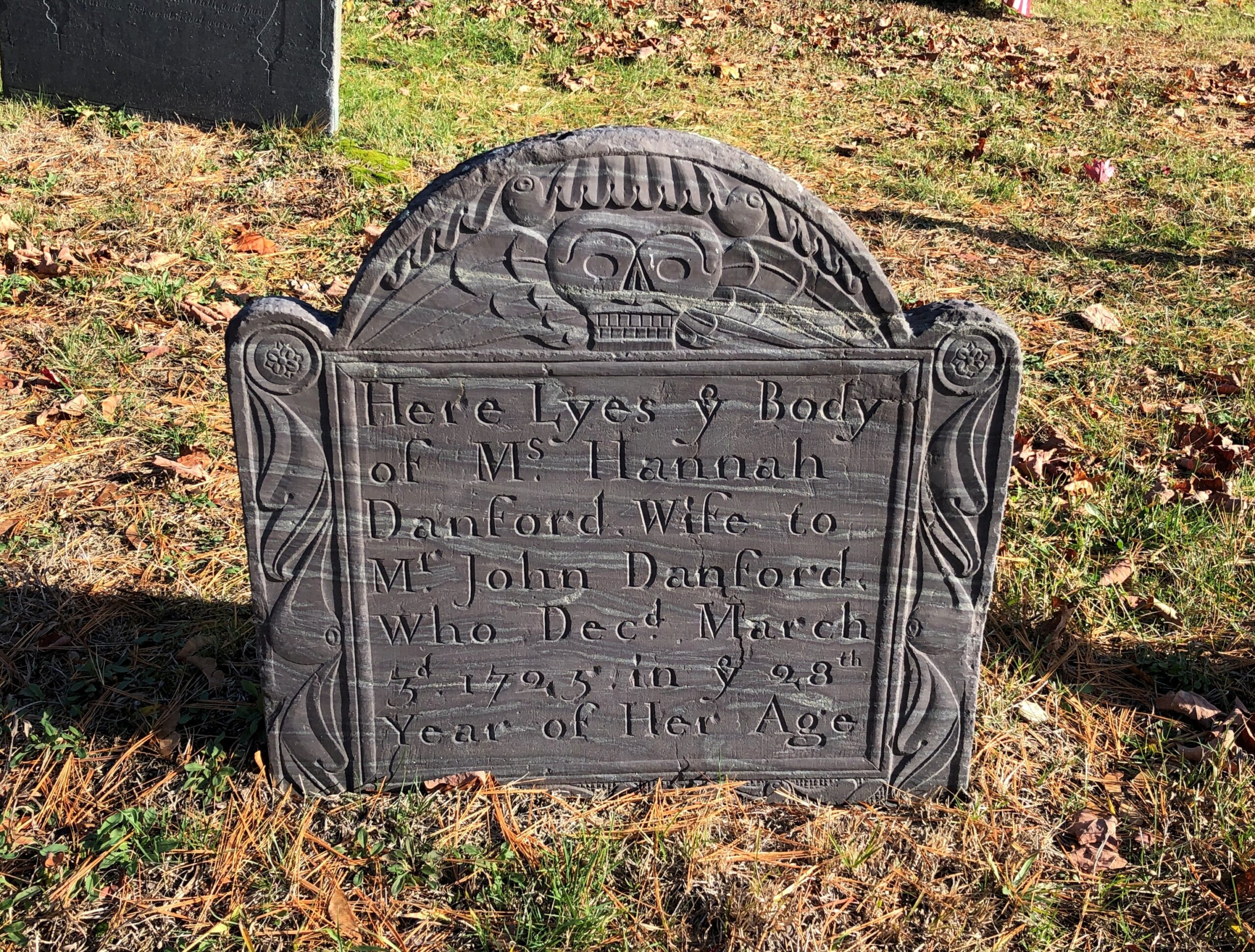
Memorials from a time before the Victorians came along and ennobled them a bit.

Ye Old Burial Ground

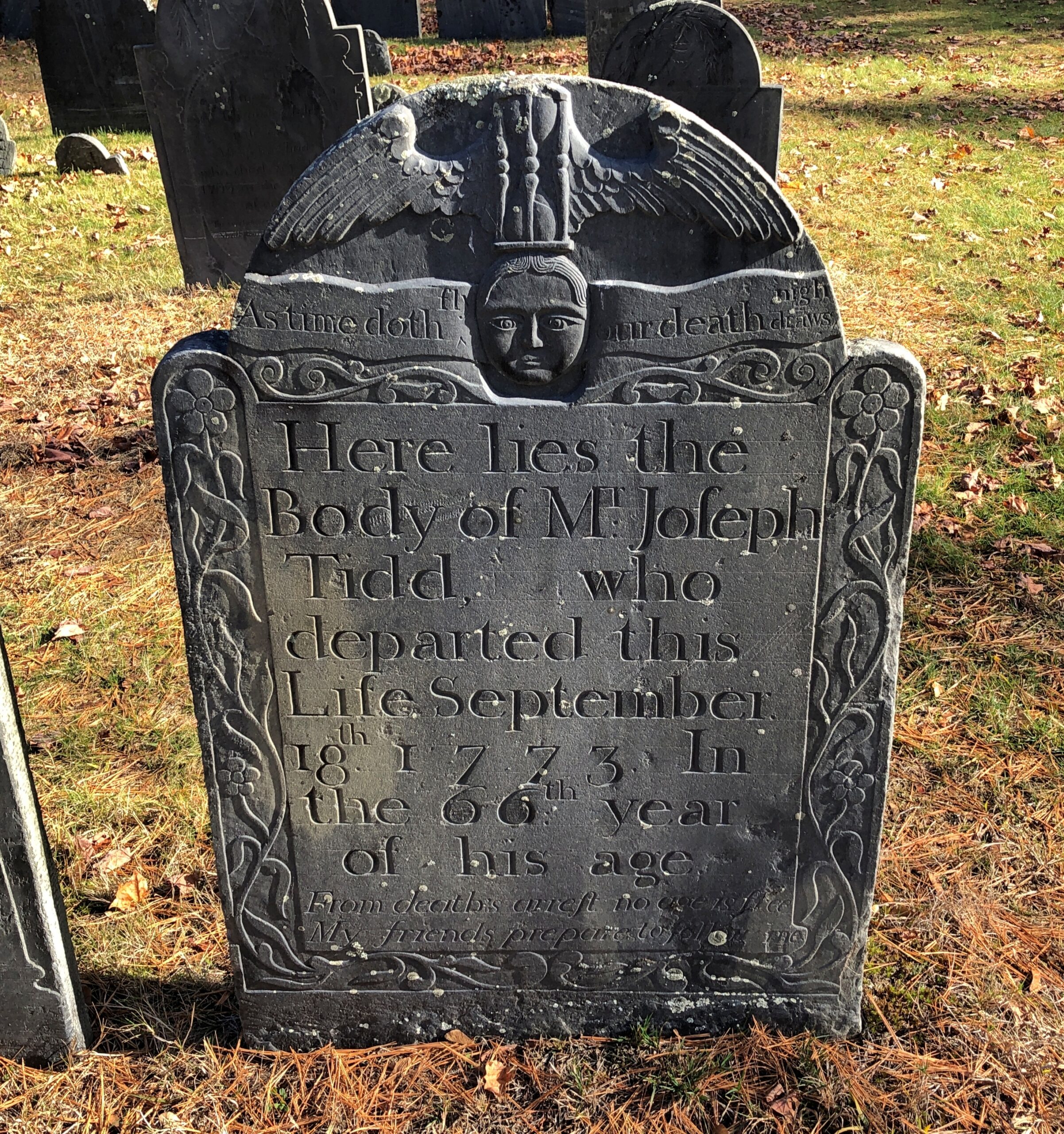
Or we moderns came along with our “celebration of life” euphemisms. It’s right there on the stone: As time doth fly, our death draws nigh.

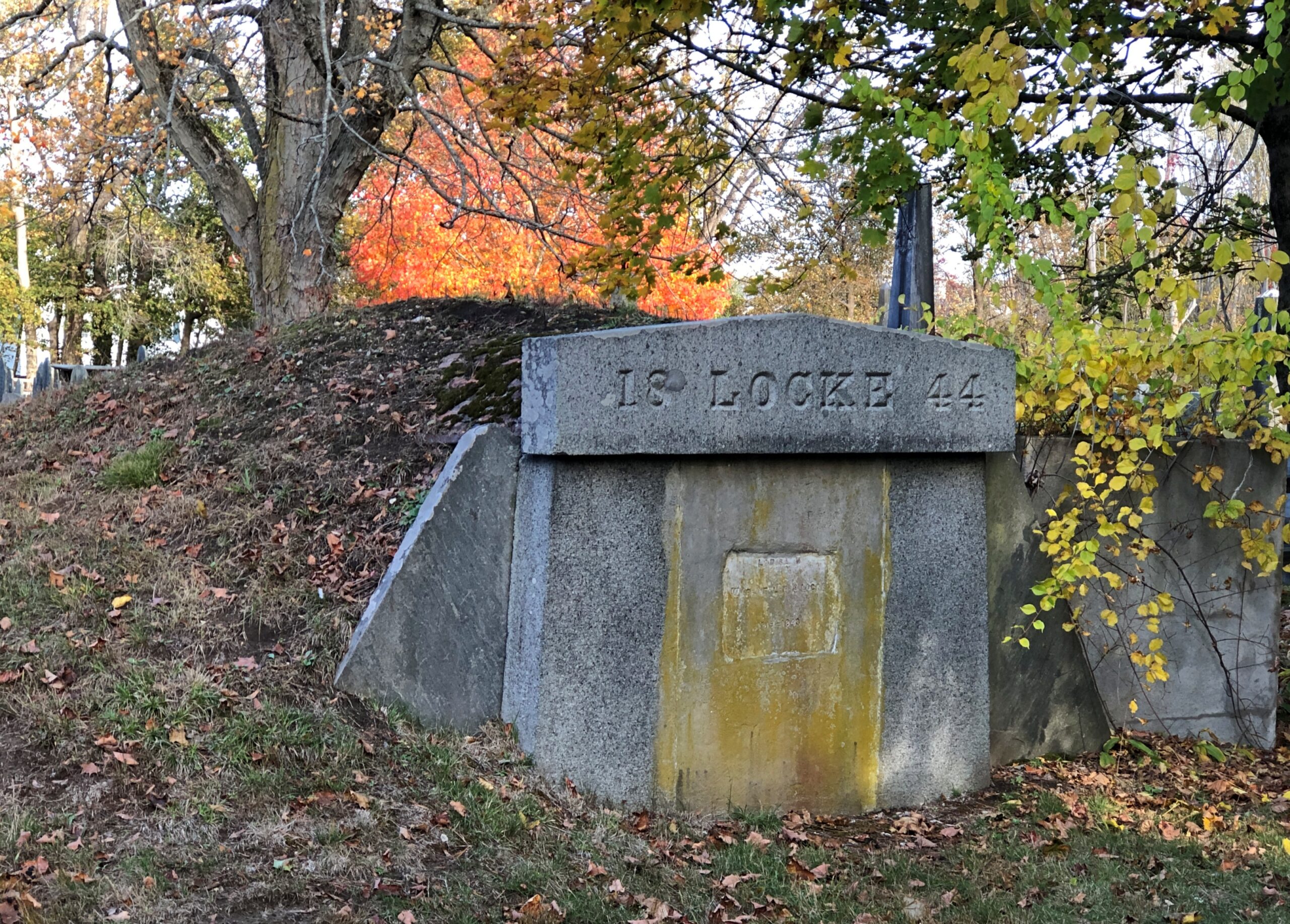
Not many tombs like this. Locke might have been the only one, come to think of it.

Ye Old Burial Ground

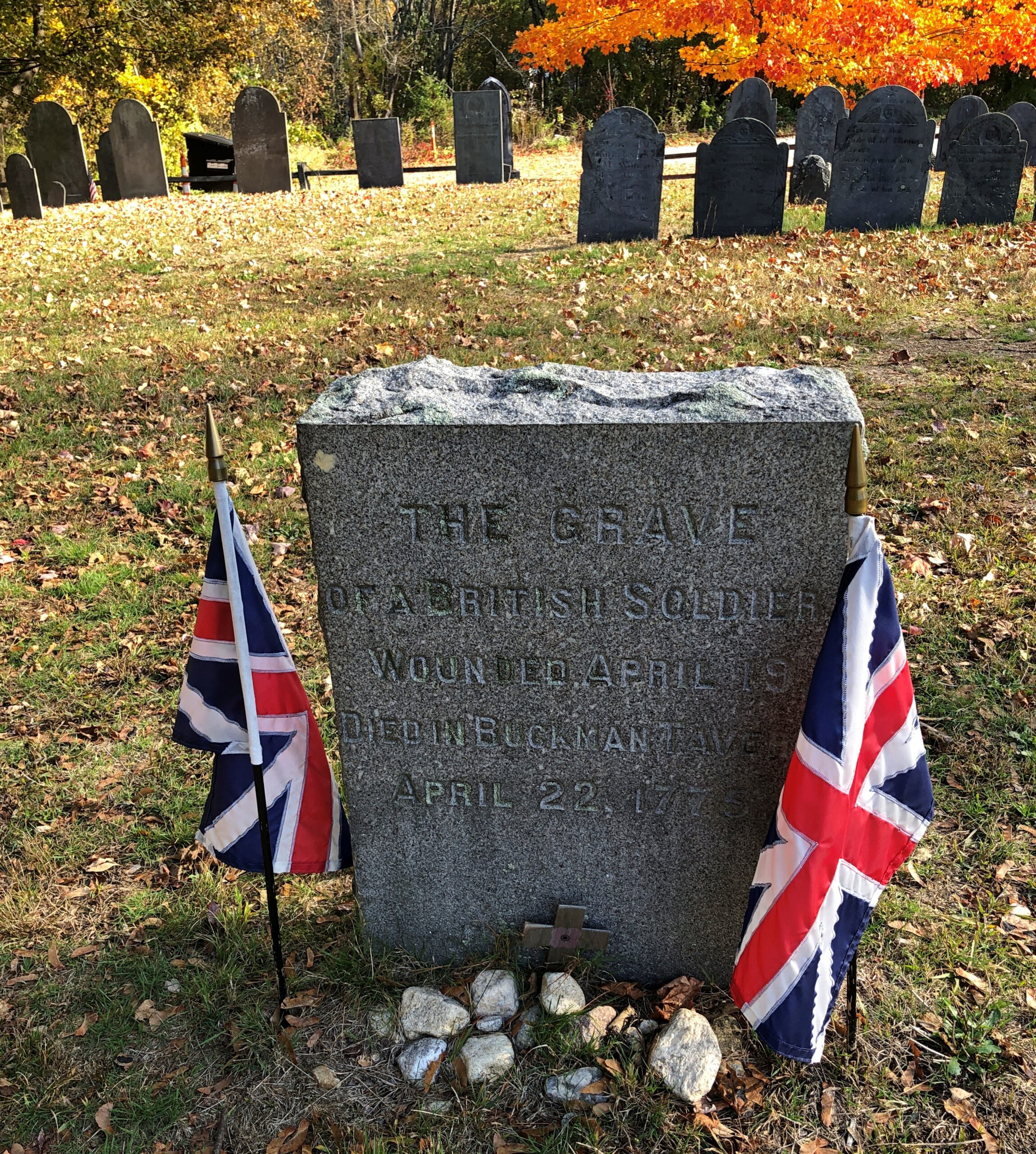
Something of a surprise.

Ye Old Burial Ground

Maybe not. However they felt about Regulars, the townspeople surely must have felt that a dead one deserved a Christian burial, and it wasn’t like they could ship him back home. The stone clearly came later, long after the passions of the war had cooled.

Indeed: Joseph Fiske, Lexington’s town doctor, recorded a bill for seven wounded soldiers he treated at Buckman Tavern the day after the battle [did he get paid?]. This soldier was likely one of them, but succumbed to his wounds in the following days. The simple granite slab was erected by the Lexington Historical Society in 1905.

The wonder is that anyone knew where the Regular was buried at all. Unless they were guessing in 1905. After all, militia commander John Parker – who died of TB only months after the Battle of Lexington – is known to be in the Old Burial Ground, but his exact location is unknown.

Battle Green, Lexington

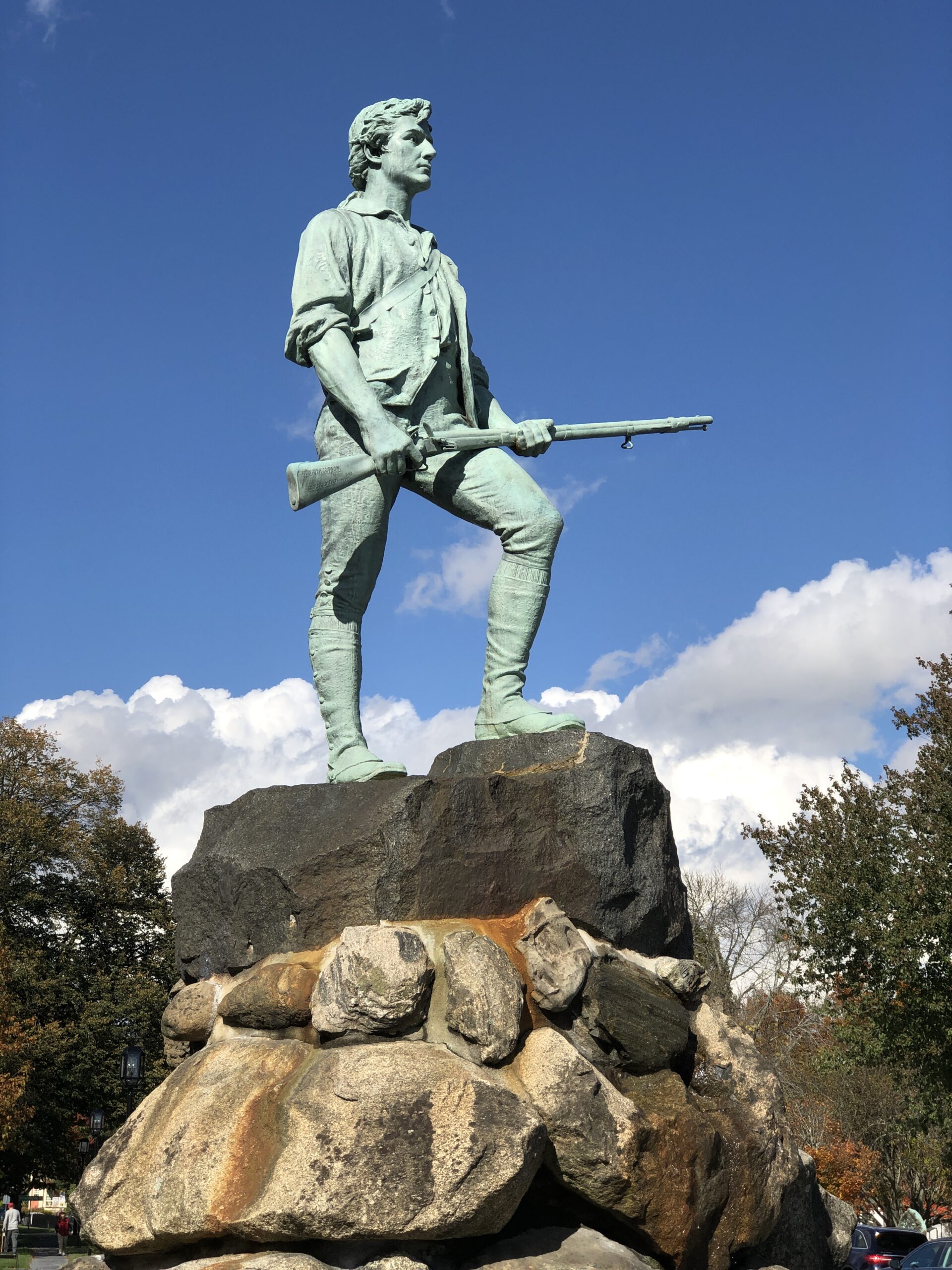
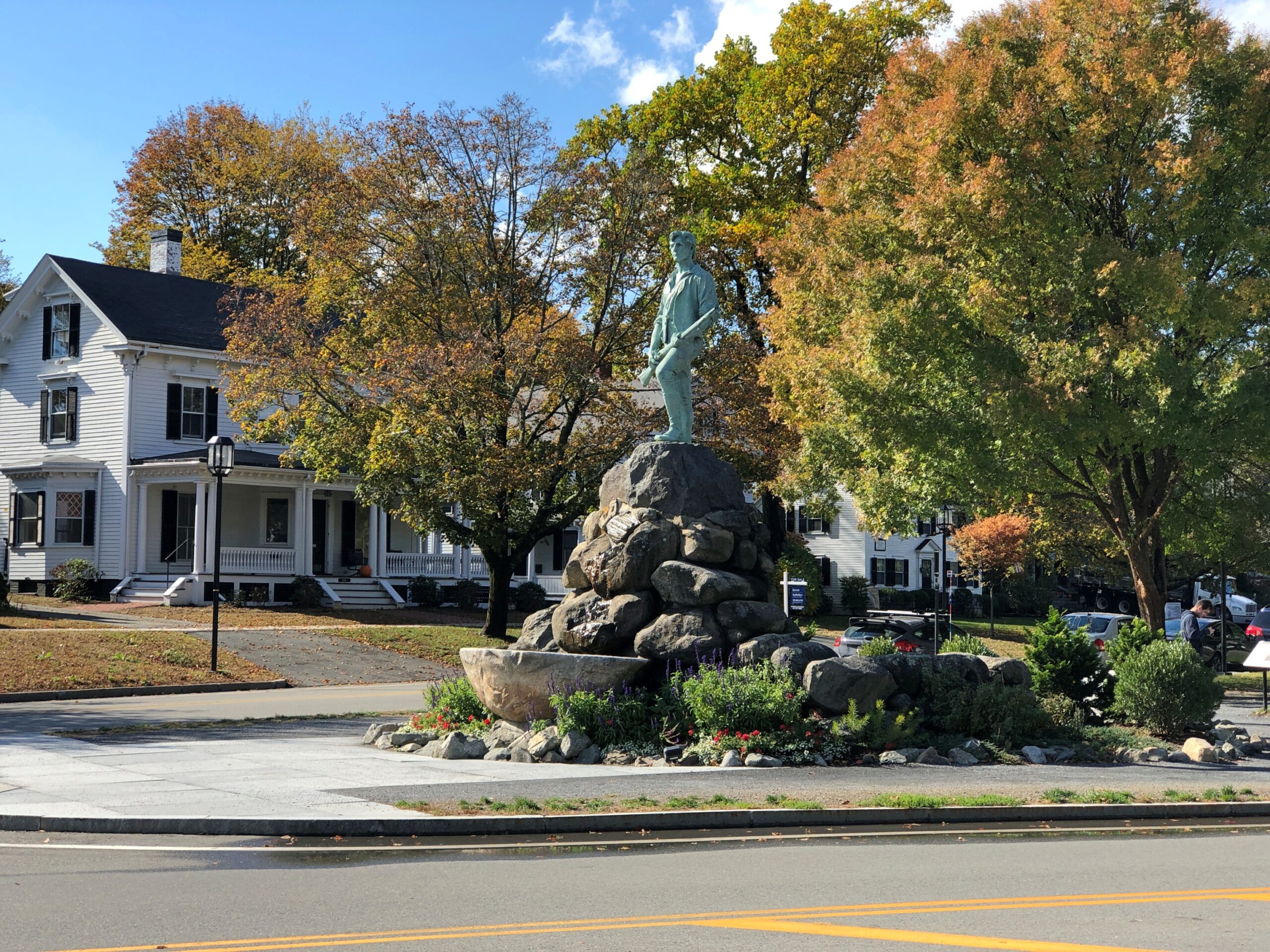
Too bad about iconic. If there ever were a time to use iconic to describe sometime distinctive and revered, John Parker in bronze would be it.

Lexington Battle Green

Icons are no accidents. The pose captures the Battle of Lexington as we, Americans, want to remember it: the resoluteness of an ordinary man in the face of the enemy. What the militiamen experienced that morning is partly enshrouded in mystery like a battlefield of the time might be with gun smoke. No one knows who fired the first shot, for instance, but that doesn’t keep the Shot Heard Around the World from having its own name during later generations — a remarkable thing for a simple firearm discharge to have.

Lore has encrusted the story. Even so, the Patriot soldiers in the Revolution, collectively, can’t be said to have lacked resoluteness over the long years of conflict.

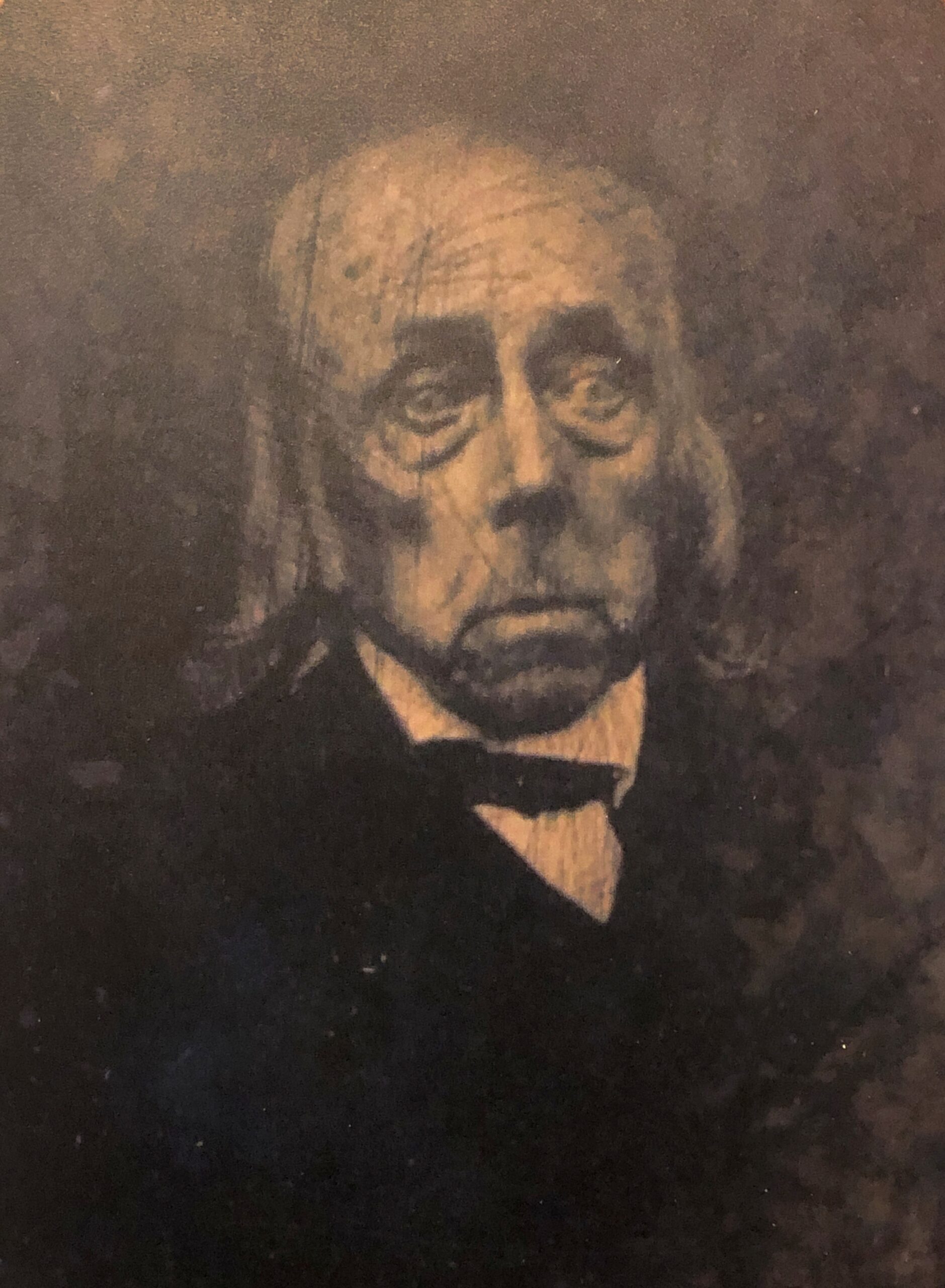
The Parker bronze stands on the edge of Battle Green in Lexington, Massachusetts, and across the street from Buckman Tavern, where the militiamen of the town waited the night before the battle. Among their number on April 19, 1775, was a young man named Jonathan Harrington, a fifer in the militia. About 75 years later, he’s thought to have posed for a photograph, now on display at Buckman Tavern.

Jonathan Harrington, Lexington

Said to be the last survivor of the battle, and the only one to be photographed. The American Battlefield Trust cites a Harrington family history: He said he was aroused early that morning by a cry from his mother, who said: ‘Jonathan, get up, the regulars are coming, and something must be done.’ Jonathan was a fifer. He arose, went to the place where the patriots were gathering, and was with the company on the approach of the British. 

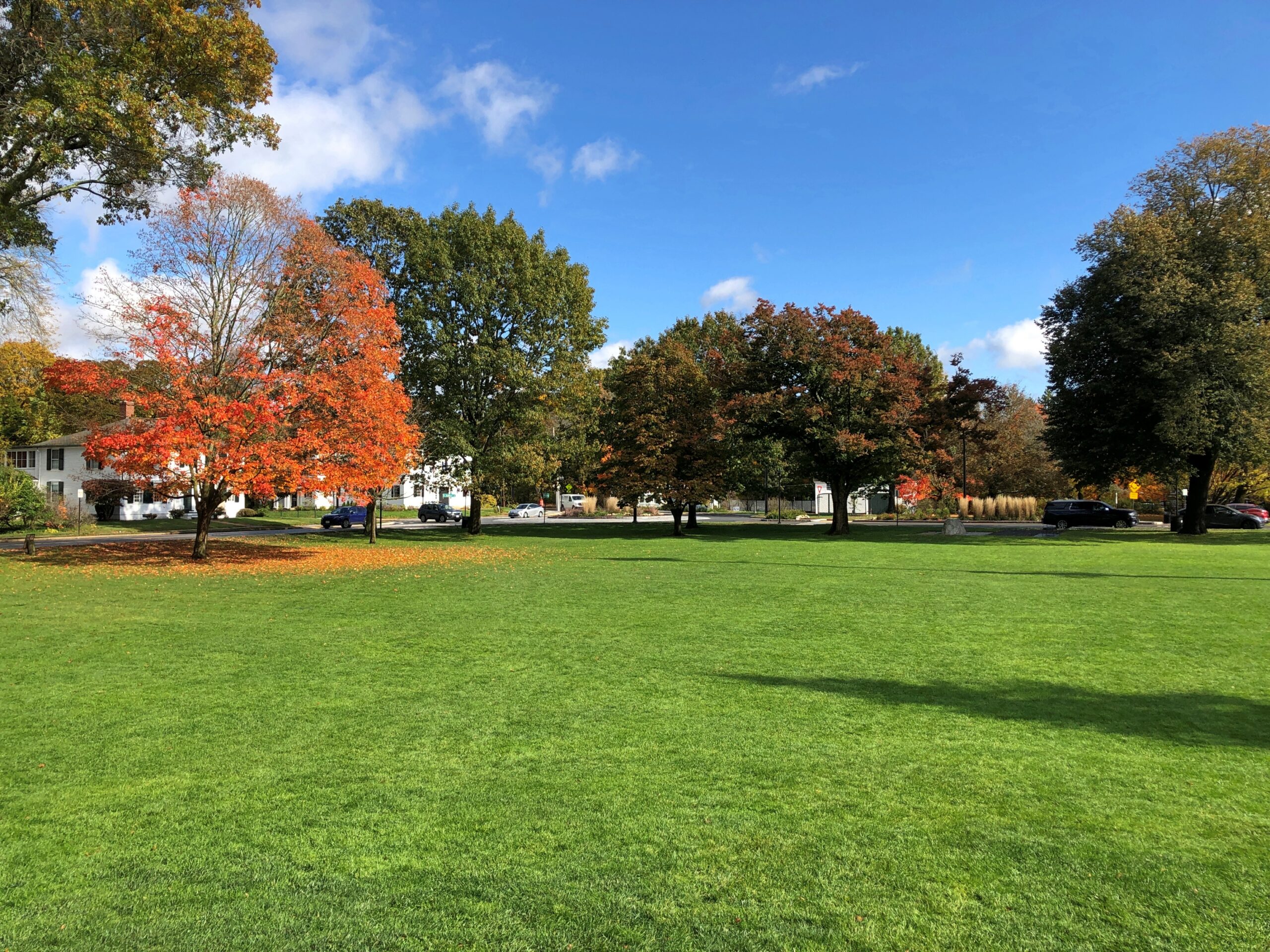
It had rained during the early hours of October 22, 2025 in Lexington, but by late morning the sun was out and only a scattering of puddles remained. Battle Green stretched out behind the bronze John Parker. For a time, I was the only person on the green, though a steady stream of car traffic was the be seen on the roads edging the grounds.

Battle Green,
Lexington
Battle Green, Lexington

John Parker, originally “Minuteman Statue” by the prolific sculptor and public monument specialist Henry Hudson Kitson, is a latecomer to the green, erected in 1900.

Battle Green, Lexington

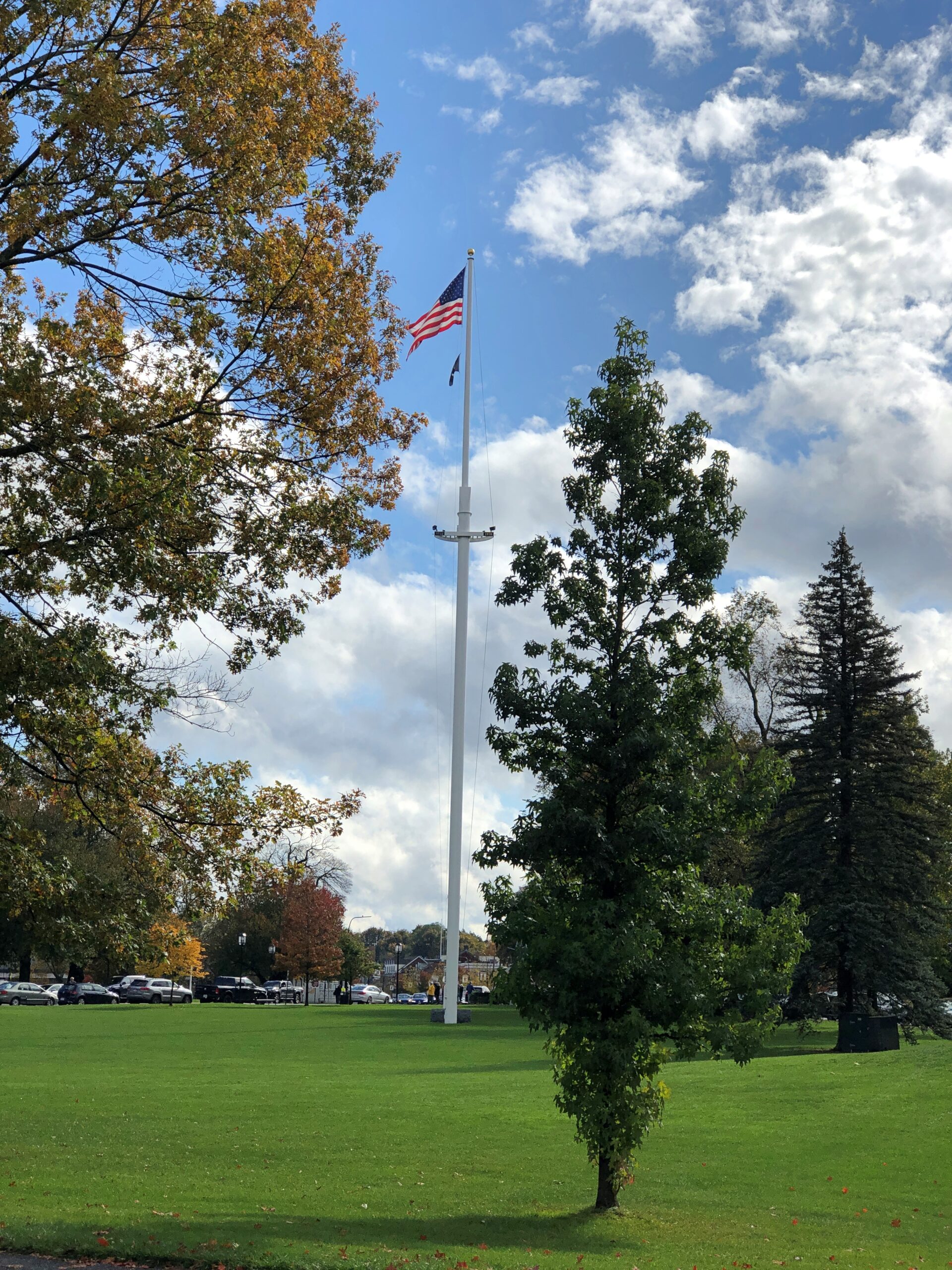
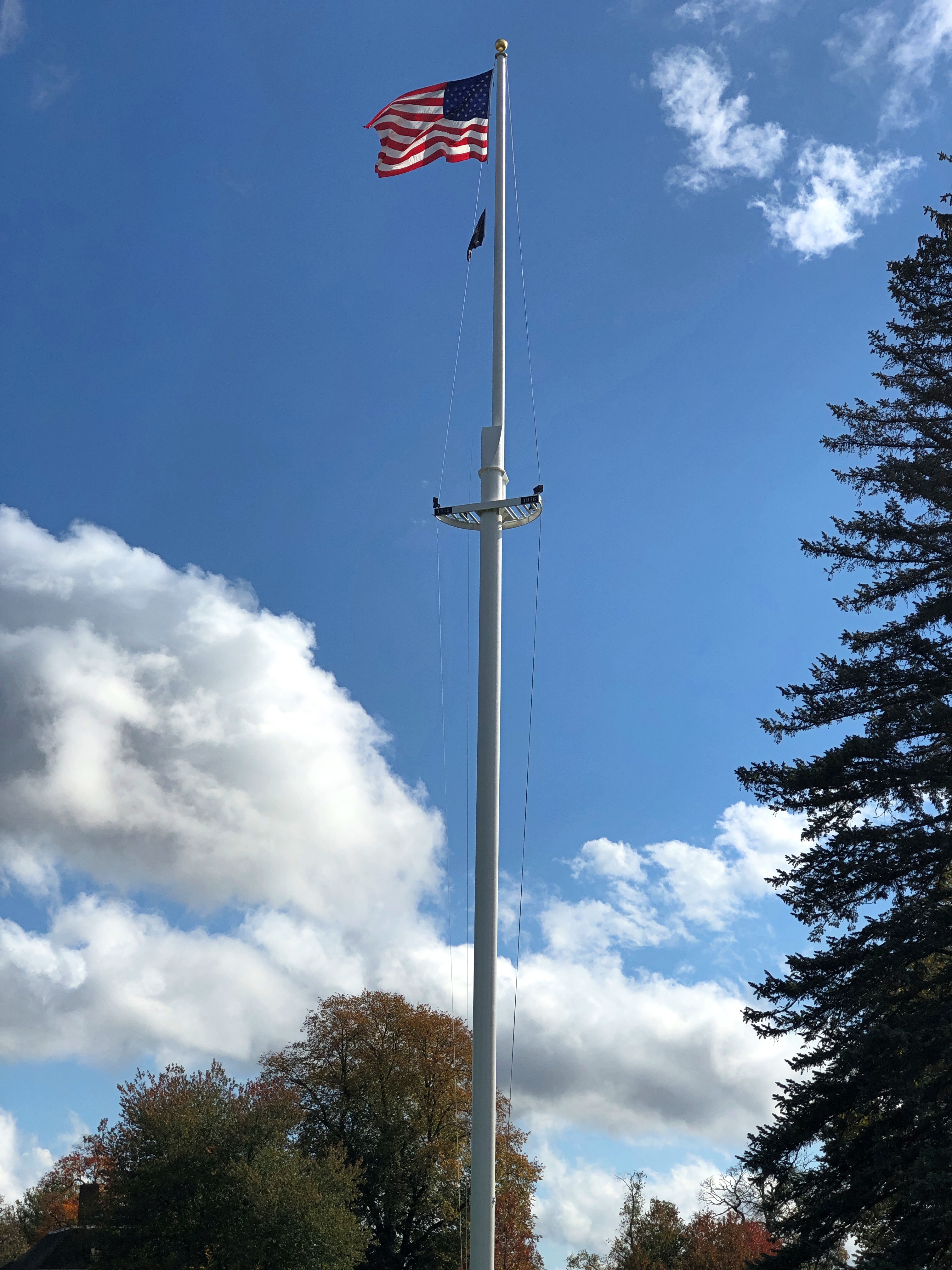
The Battle Green flagpole is newest of all, erected only in 1962. Even so, the pole is on the National Register of Historic Places, and an act of Congress specifies that a flag will always be flown there.

Battle Green, Lexington

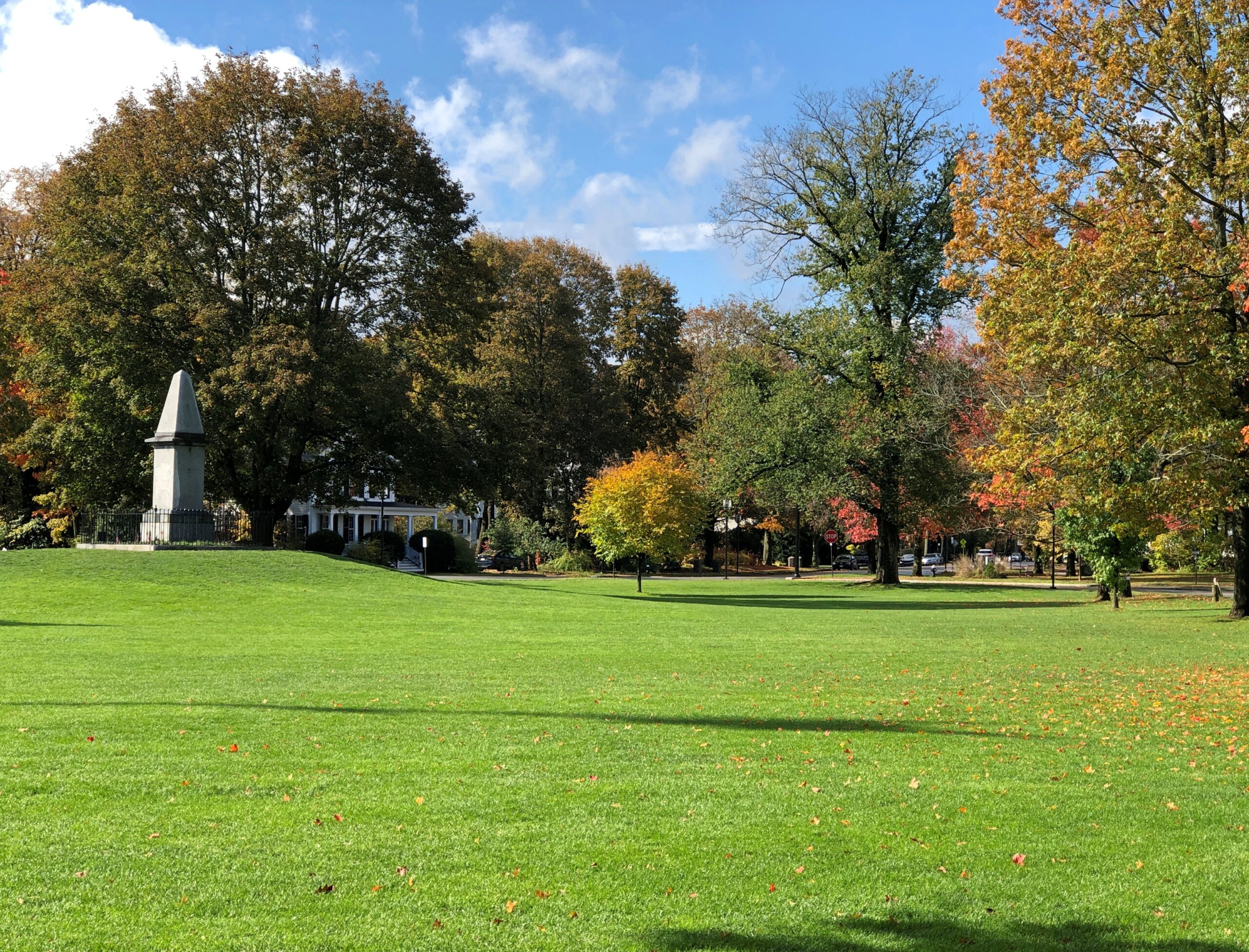
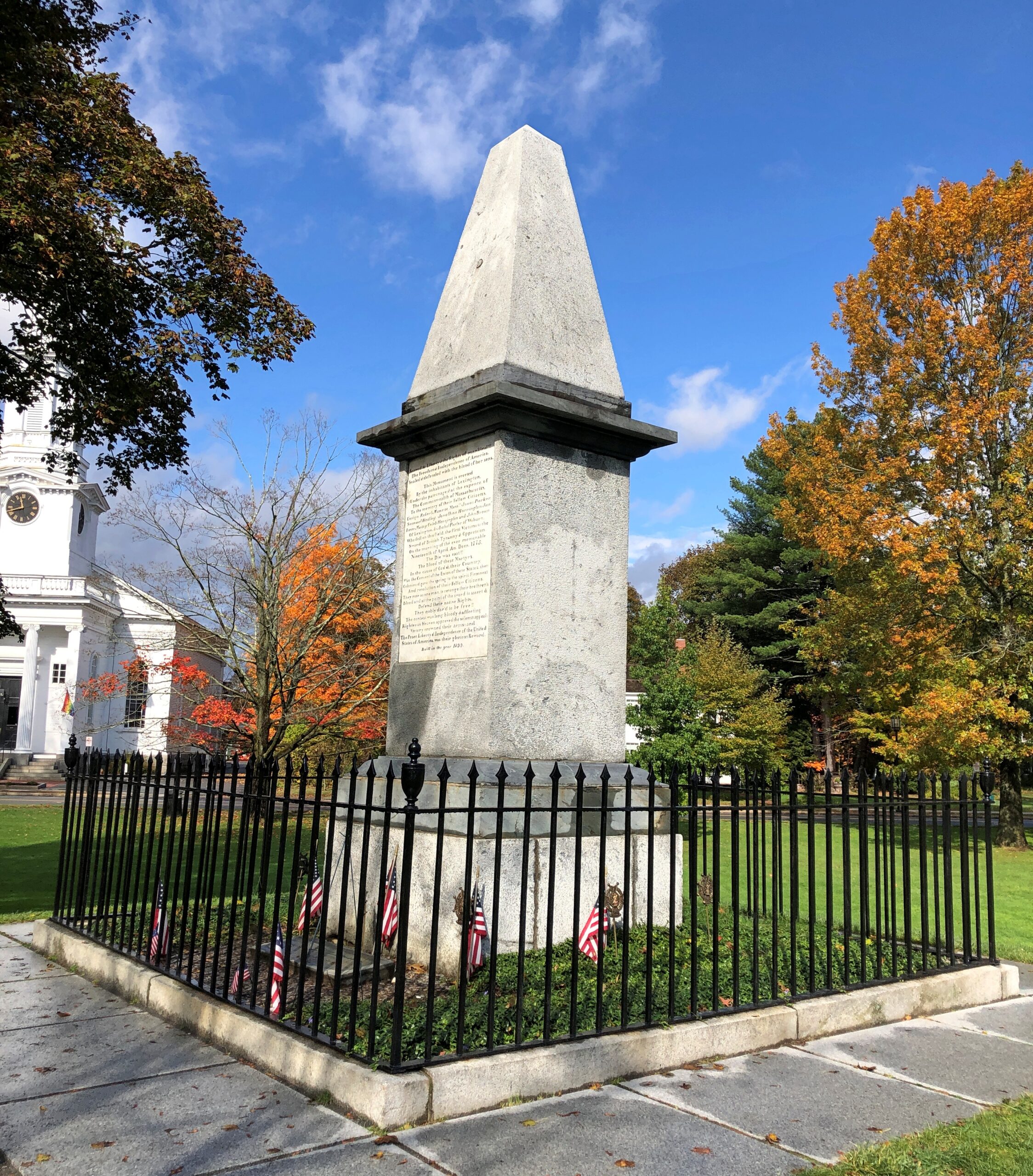
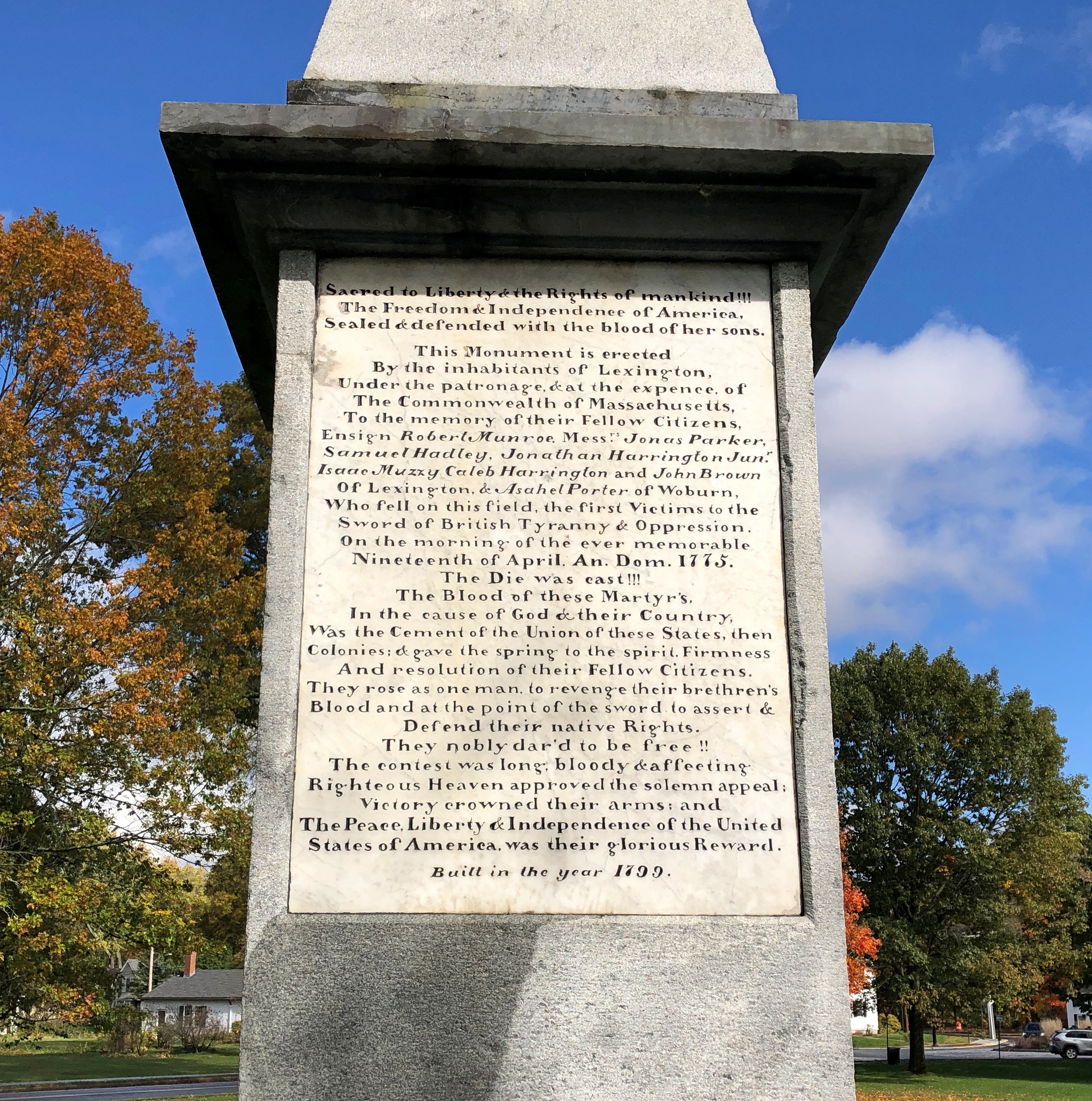
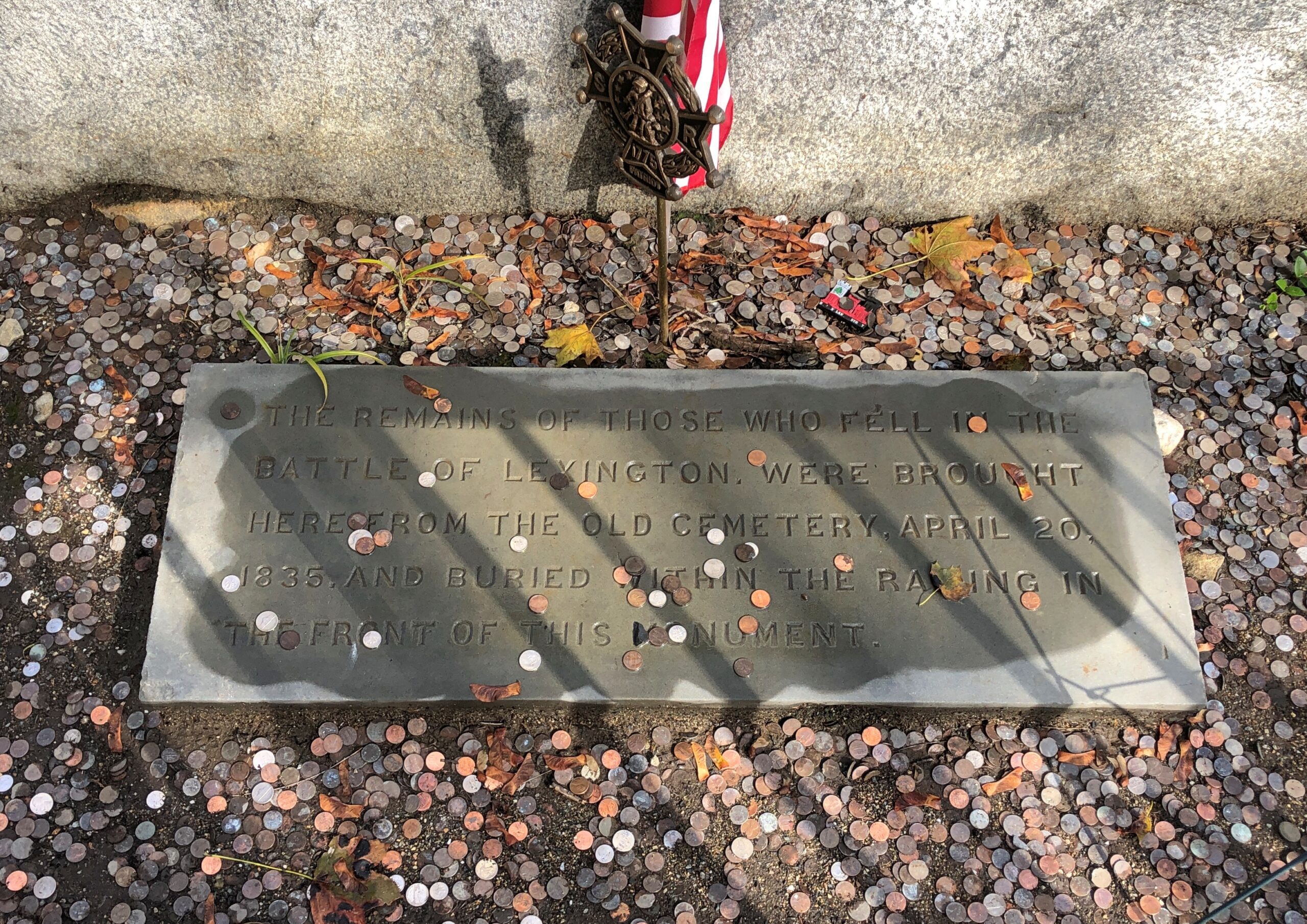
Well within living memory of the battle itself (1799), the town – fully aware of its role as spark of the Revolution – erected a memorial, and relocated the bones of the militiamen killed in the battle to a spot in front of it.

Battle Green, Lexington

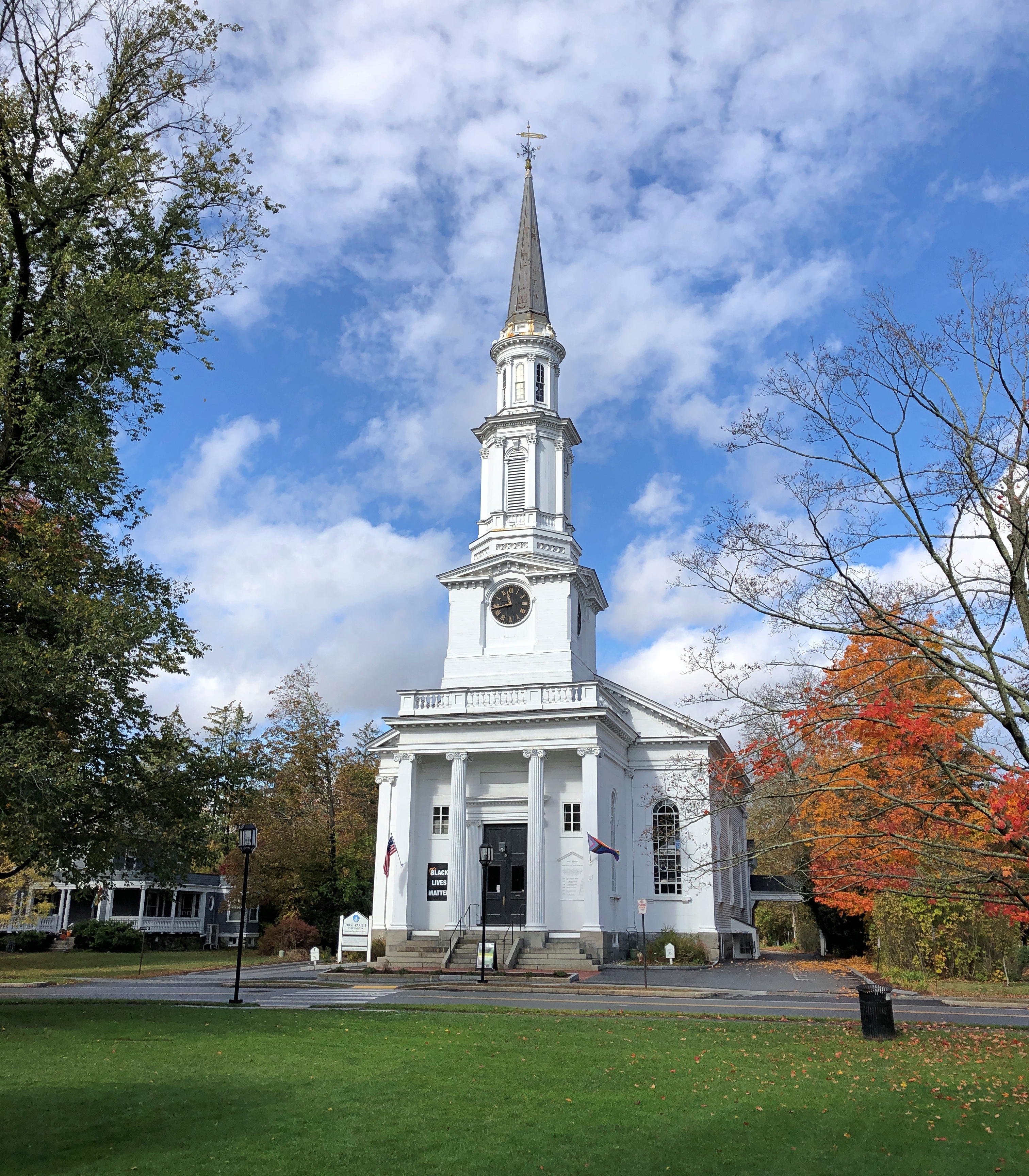
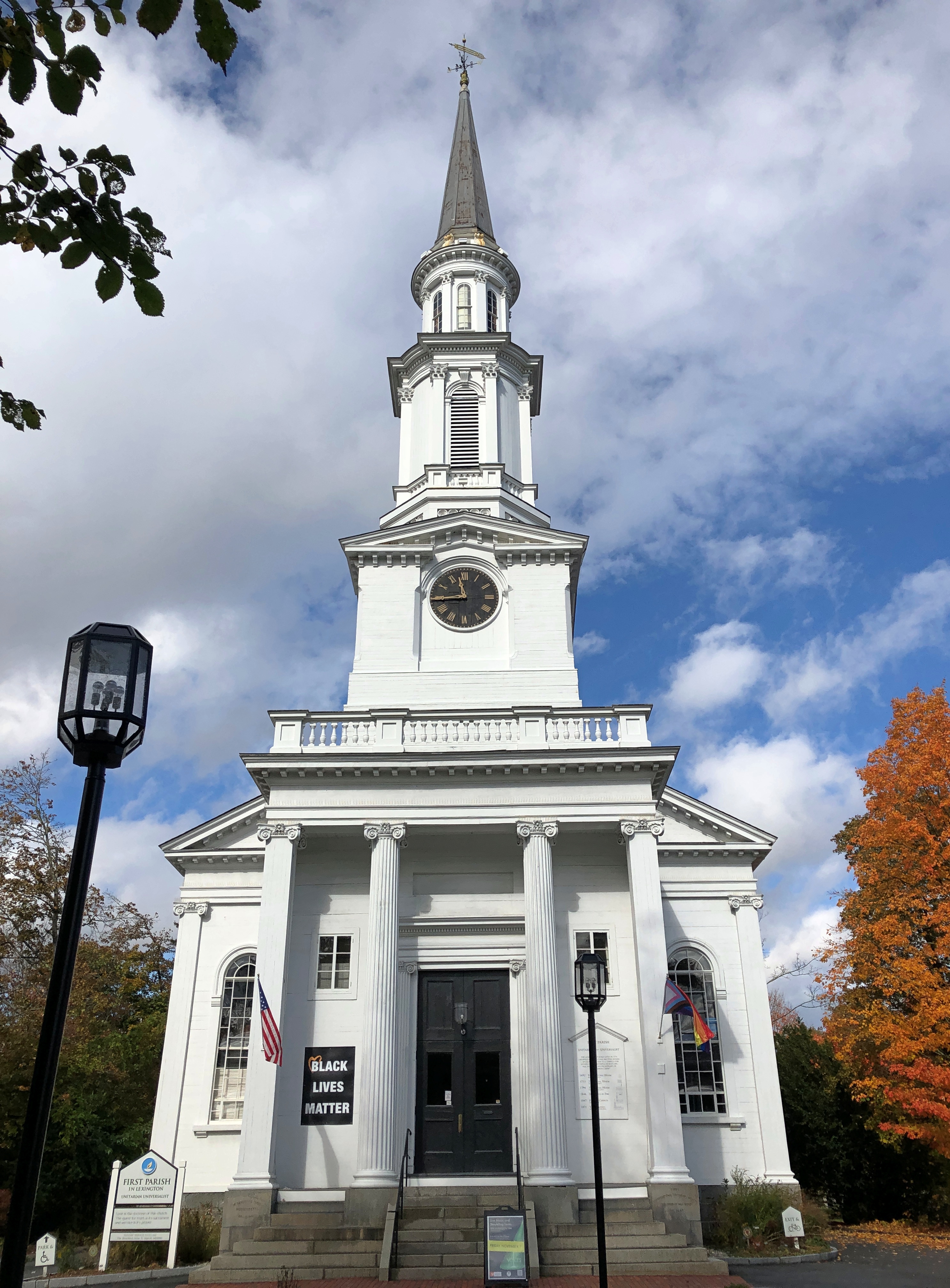
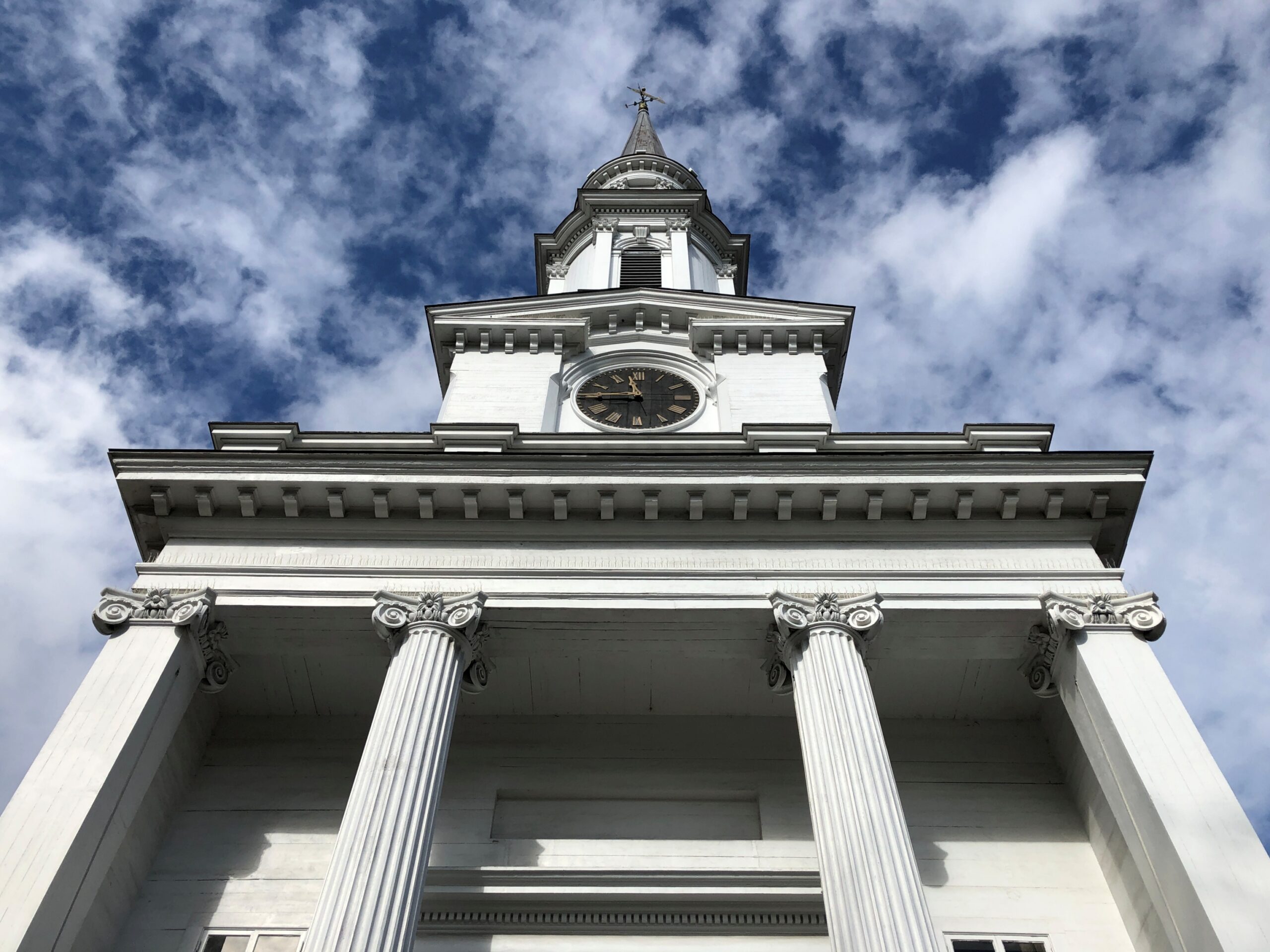
Though not formally part of the green, First Parish Unitarian-Universalist is distinctly part of the place, and looks about as New England as a church can.

Battle Green, Lexington

It might as well be part of the green, considering the history of the congregation. The present church is a 19th-century structure near the site of Lexington’s only church in 1775, which was a hotbed of Revolutionary sentiment at the time.

Billie Creek Village

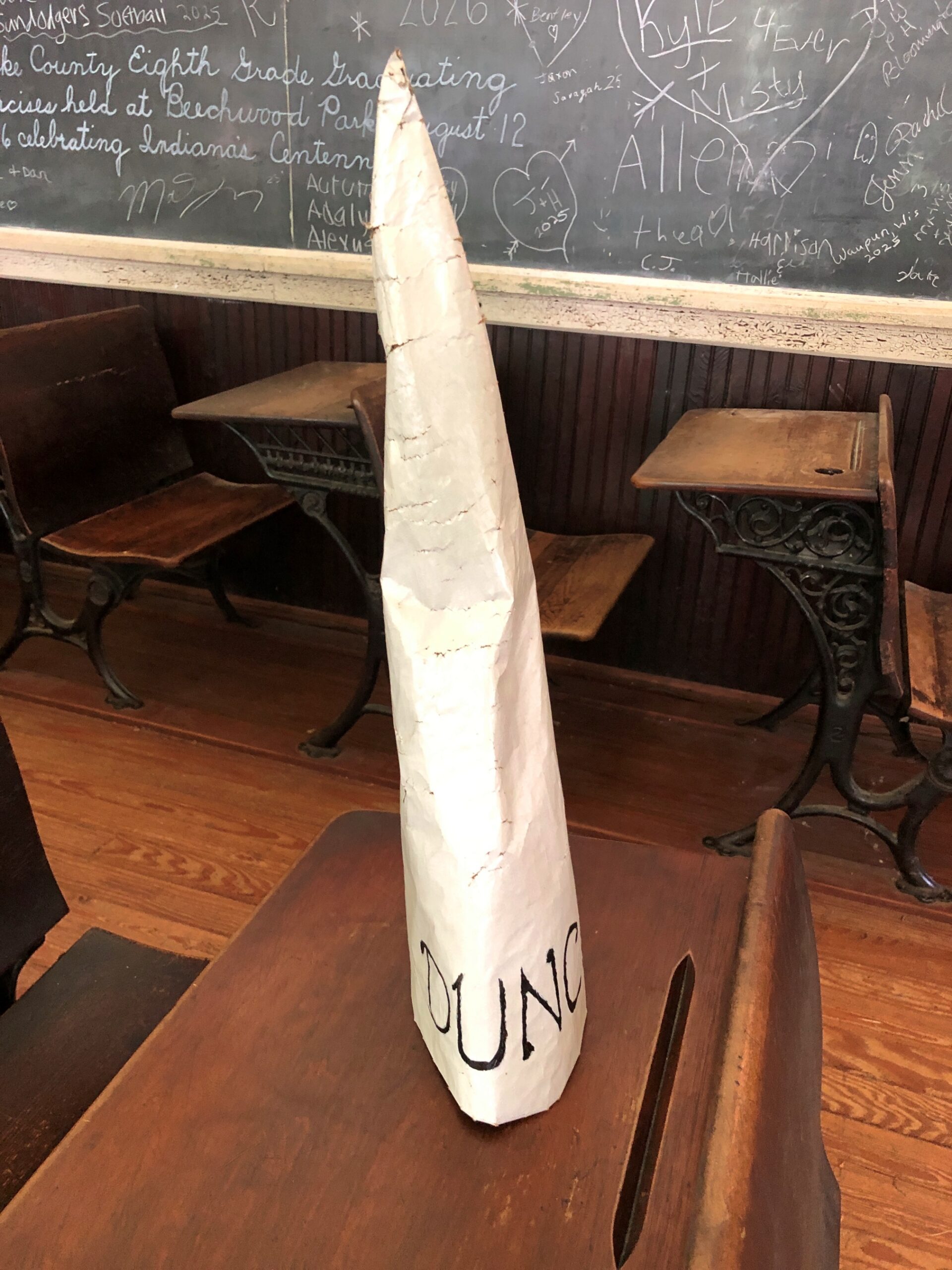
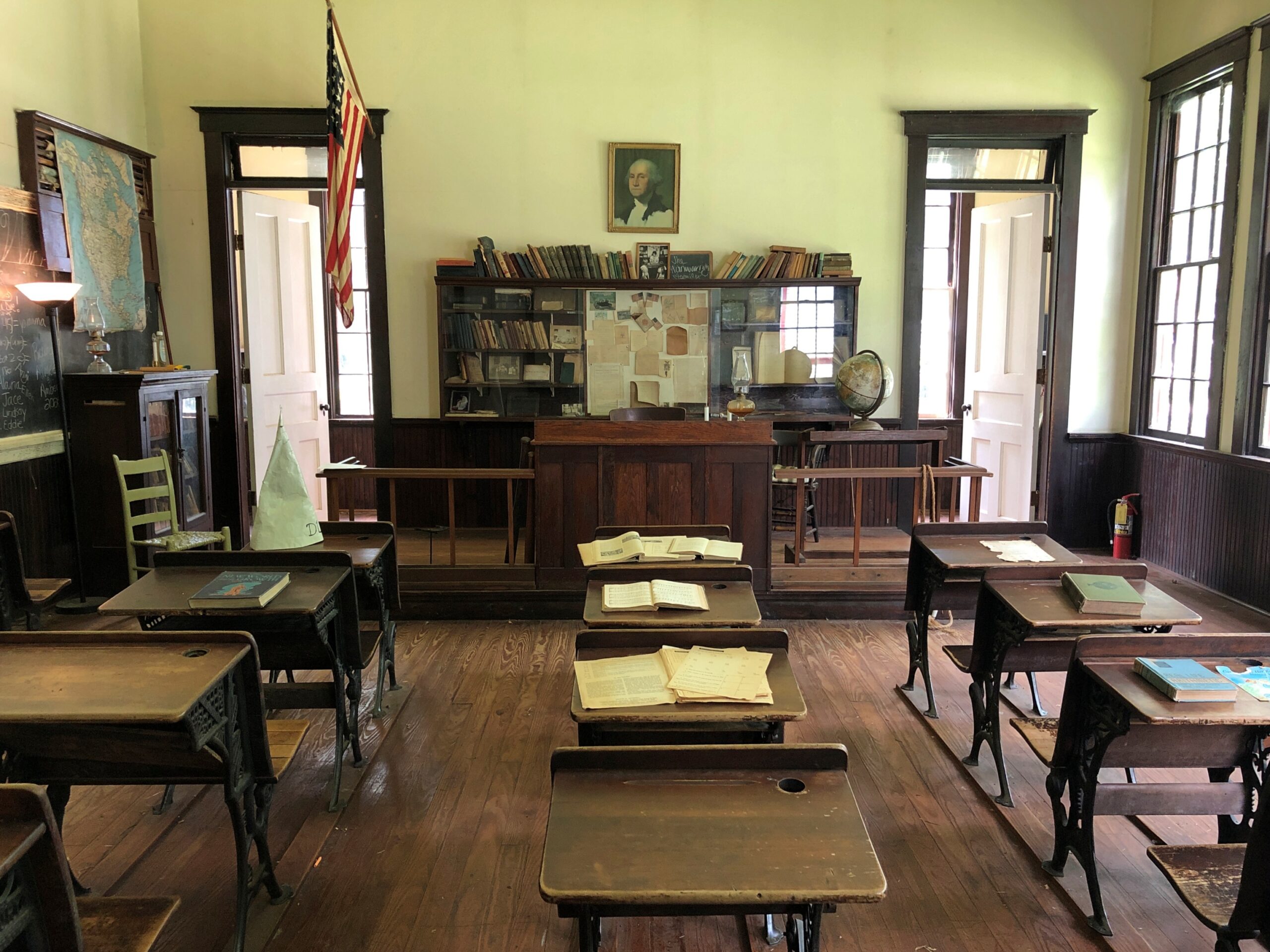
I don’t know whether it was a relic or a replica, but there it was, something we’ve all heard about, seen in drawings and as the stuff of metaphors: a dunce cap. I’d never actually seen one before that I remember, not as a physical object.

Billie Creek Village

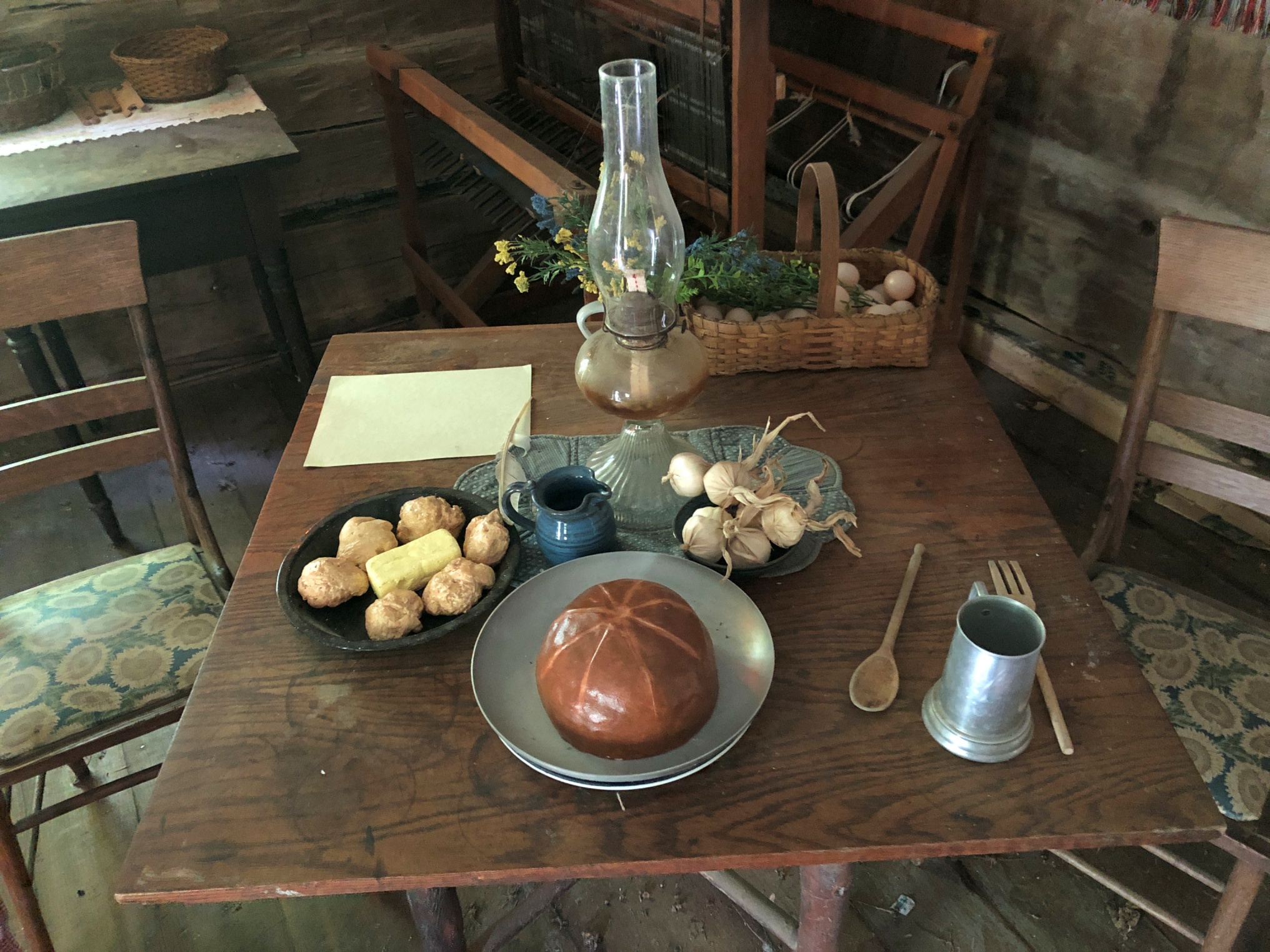
That is why you (I) visit such places as the open air museum Billie Creek Village in Parke County, Indiana. To be mildly surprised. Such as the time I encountered a can of White Star brand tomatoes with a hammer and sickle on it, or a Papua New Guinea battle shield sporting the Phantom, just to name two among many such little surprises.

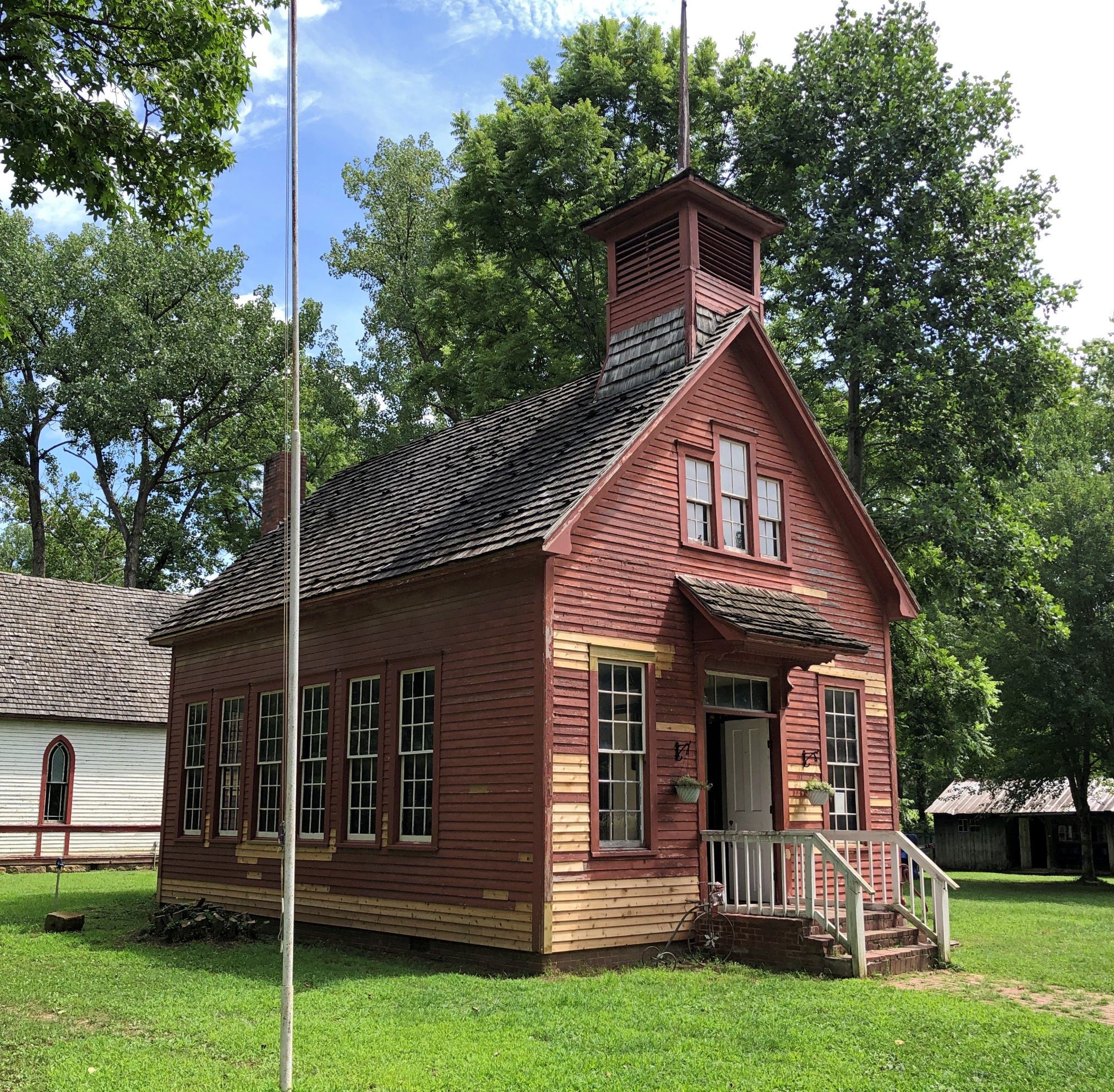
The dunce cap was on one of the desks at Billie Creek’s one-room school house, used until the early 20th century, as usual for that kind of school.

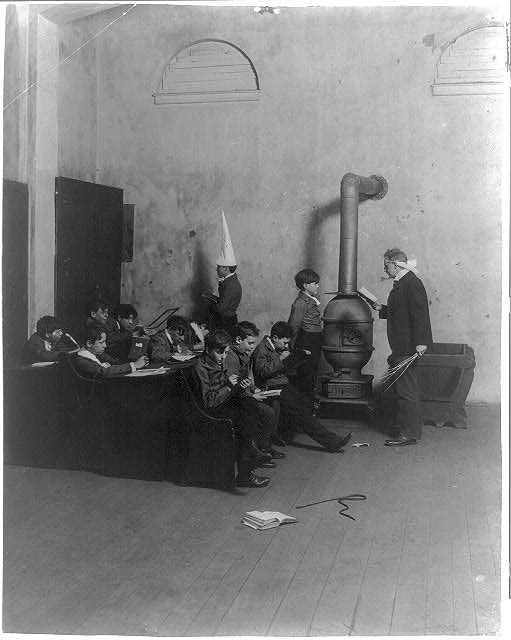
Good old dunce caps. Sure, they go against the grain of modern thinking, antiquated as a one-room school, but we all can remember a few goofballs from our school days who deserved one, can’t we? As seen in a pic from the Library of Congress, dated ca. 1905, but with no information about where it might have been. Just a small school in the years before self-esteem was discovered.

The old school house at Billie Creek is one of 38 historic structures relocated from various parts of Parke County, Indiana, to about 70 acres west of Rockville on US 36. Originally opened in 1969, the place has had a series of owners and been through periods of abandonment, but since 2022 has been under management that seems to know what its doing.

That’s my thinking, anyway, since its refreshing informality perfectly suits the place. You go, you park your car, you wander in. No irritating timed tickets, no gouging entrance fee, no expensive yet mindless luxury goods and experiences that could be pretty much anywhere. Yet there is an economic model: Billie Village hosts events – one was going on when we visited around mid-day on a Sunday – and some of the buildings are also shops, and do sell luxury goods, in the sense that such handcrafts aren’t found in modern grocery or drug stores.

We supported the place by buying a few things, including (yes!) postcards. A few dozen other people were doing so by attending the event. I watched part of some sort of award ceremony as it happened at the village gazebo, and even asked one of the bystanders about what was going on, but couldn’t quite get the gist of it. The meeting seemed to be one of those Society of Creative Anachronism sorts of things, though not that specifically. Attendees wore fantasy- and history-adjacent costumes, mostly with that homemade vibe. One of those outings for adults who didn’t get enough playing pretend when they were kids, I guess. All well and good.

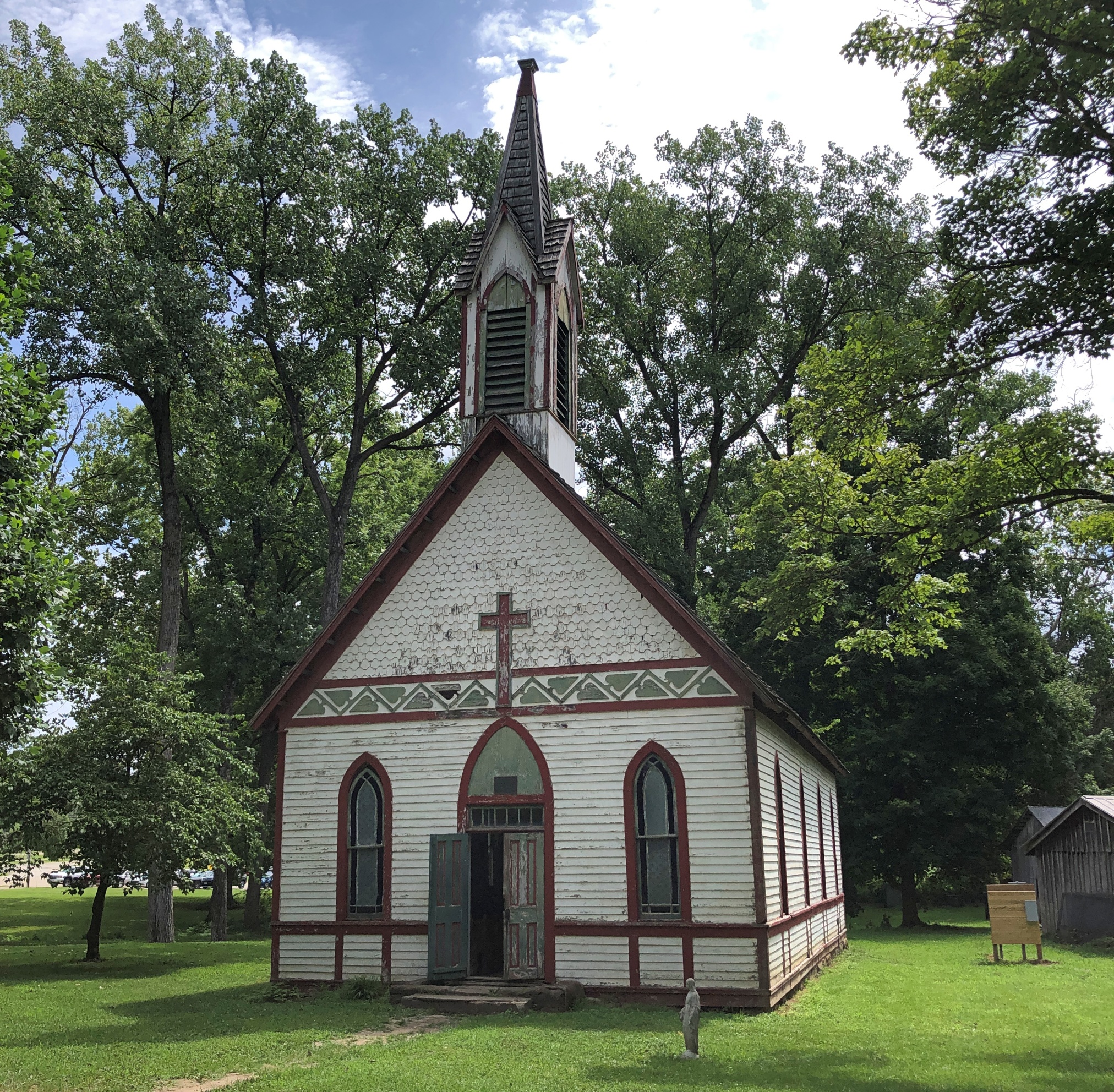
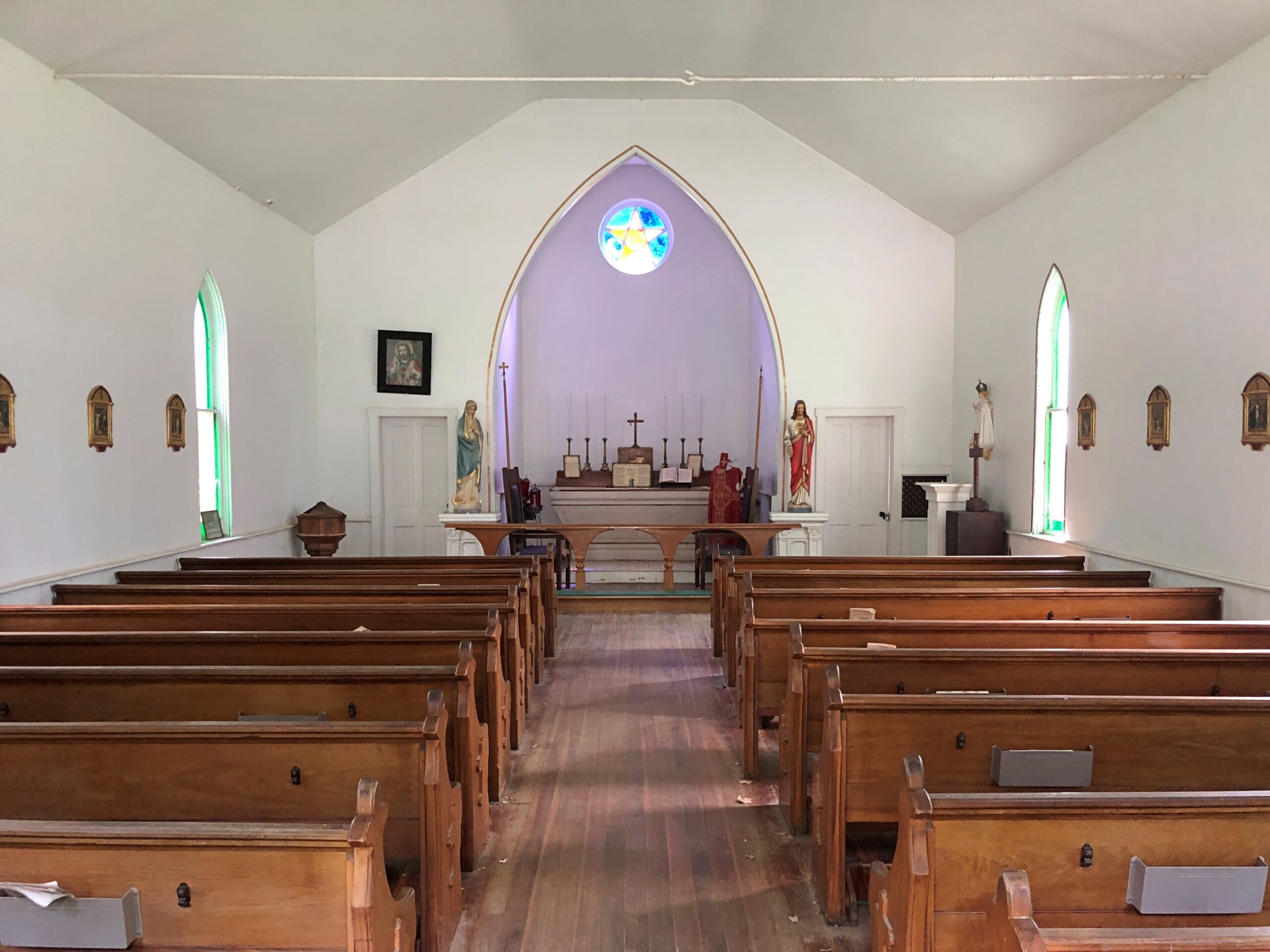
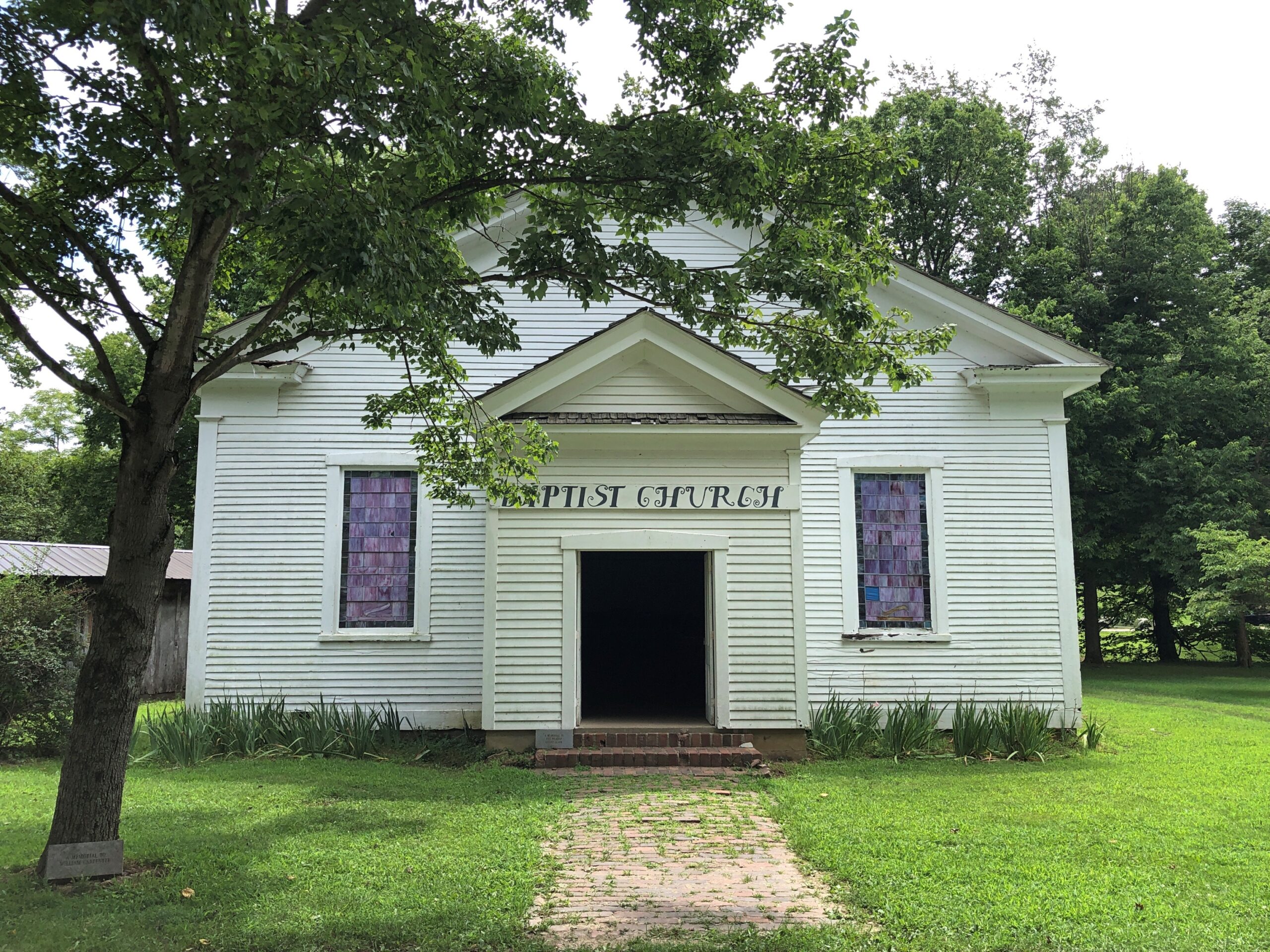
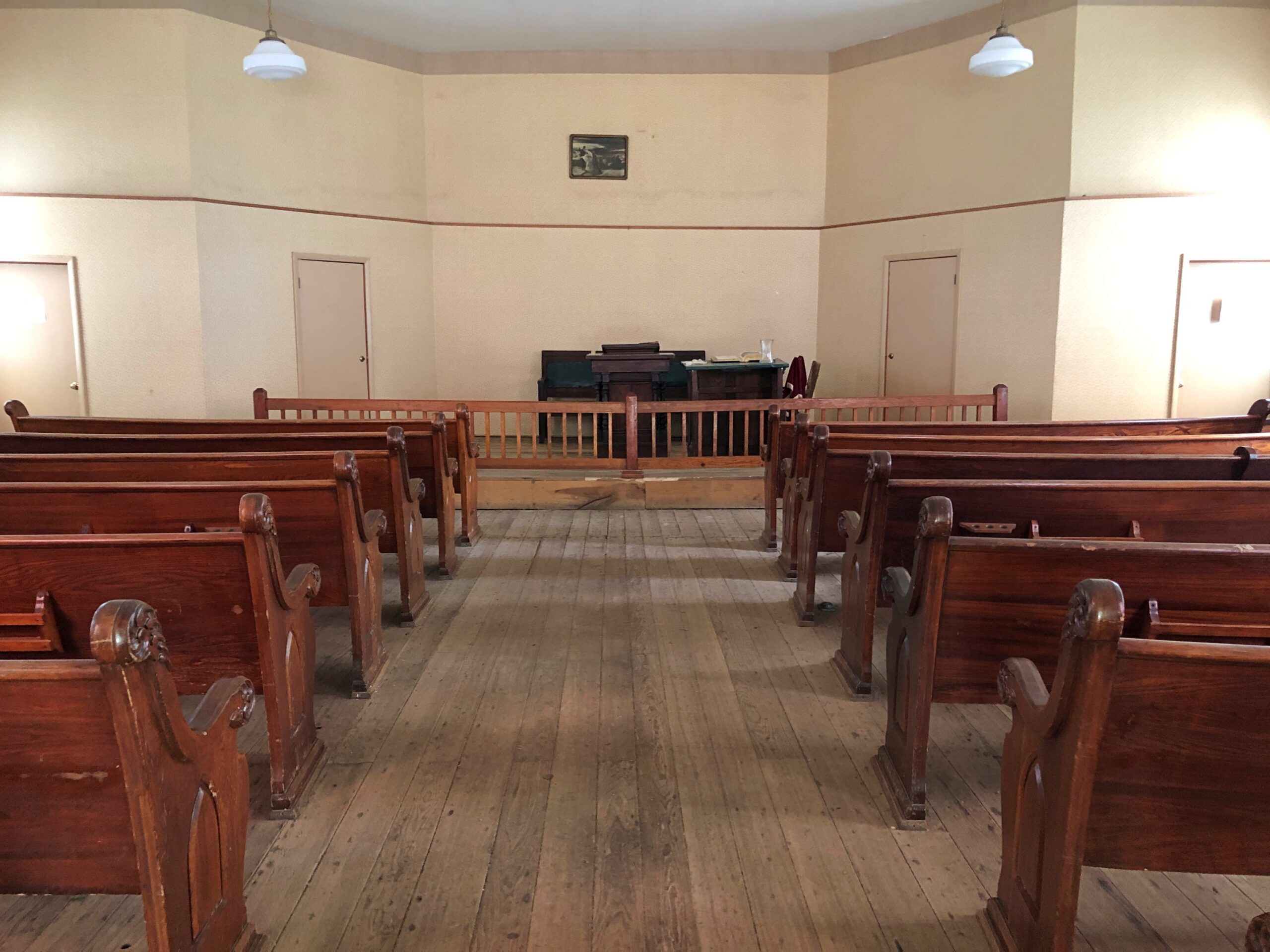
I hope that economic model keeps the place open, because one recipe for a good couple of hours on a hot weekend in July is visiting curious old buildings. Such as a couple of relocated churches.

One Catholic.

The other Baptist.

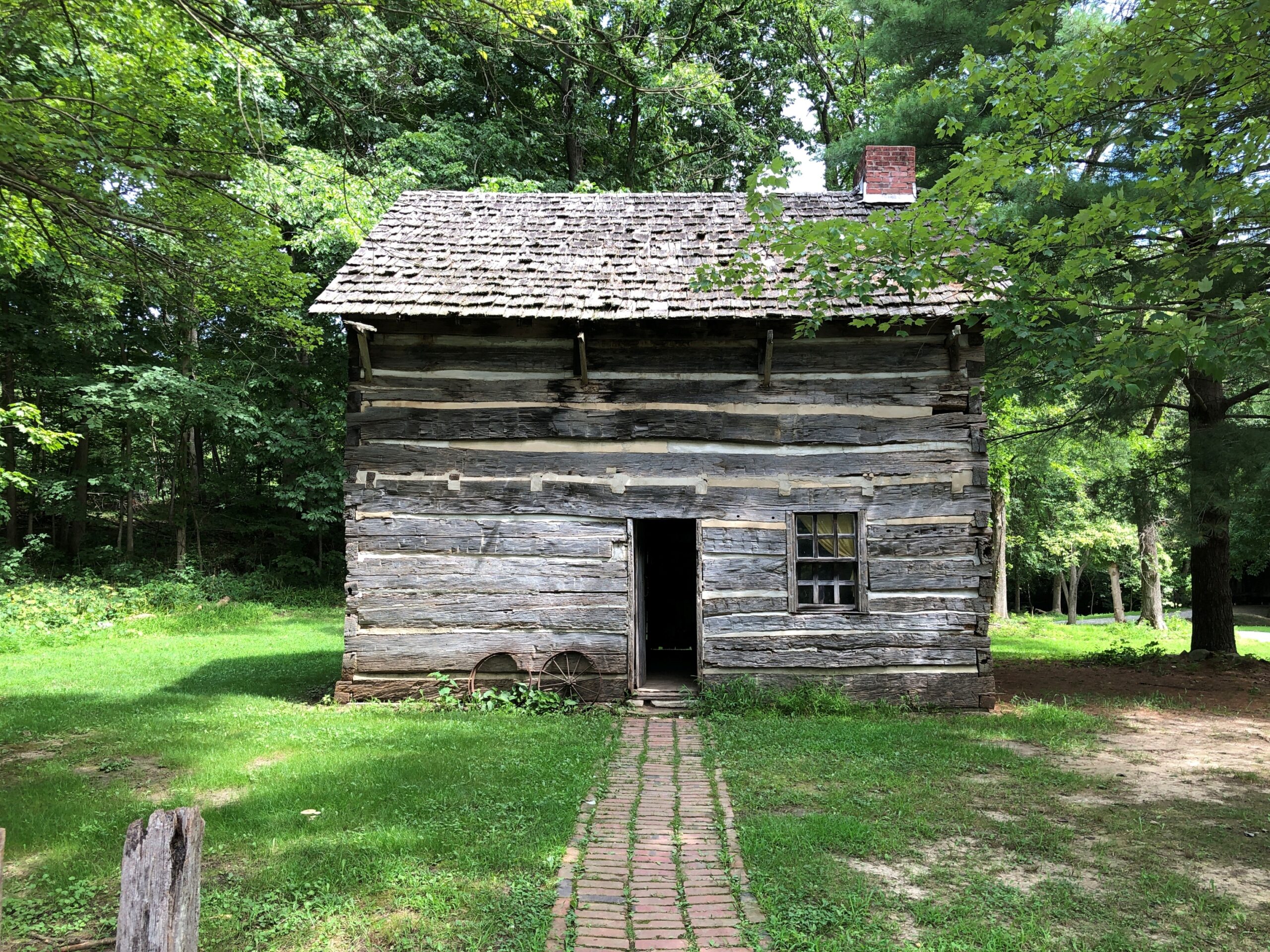
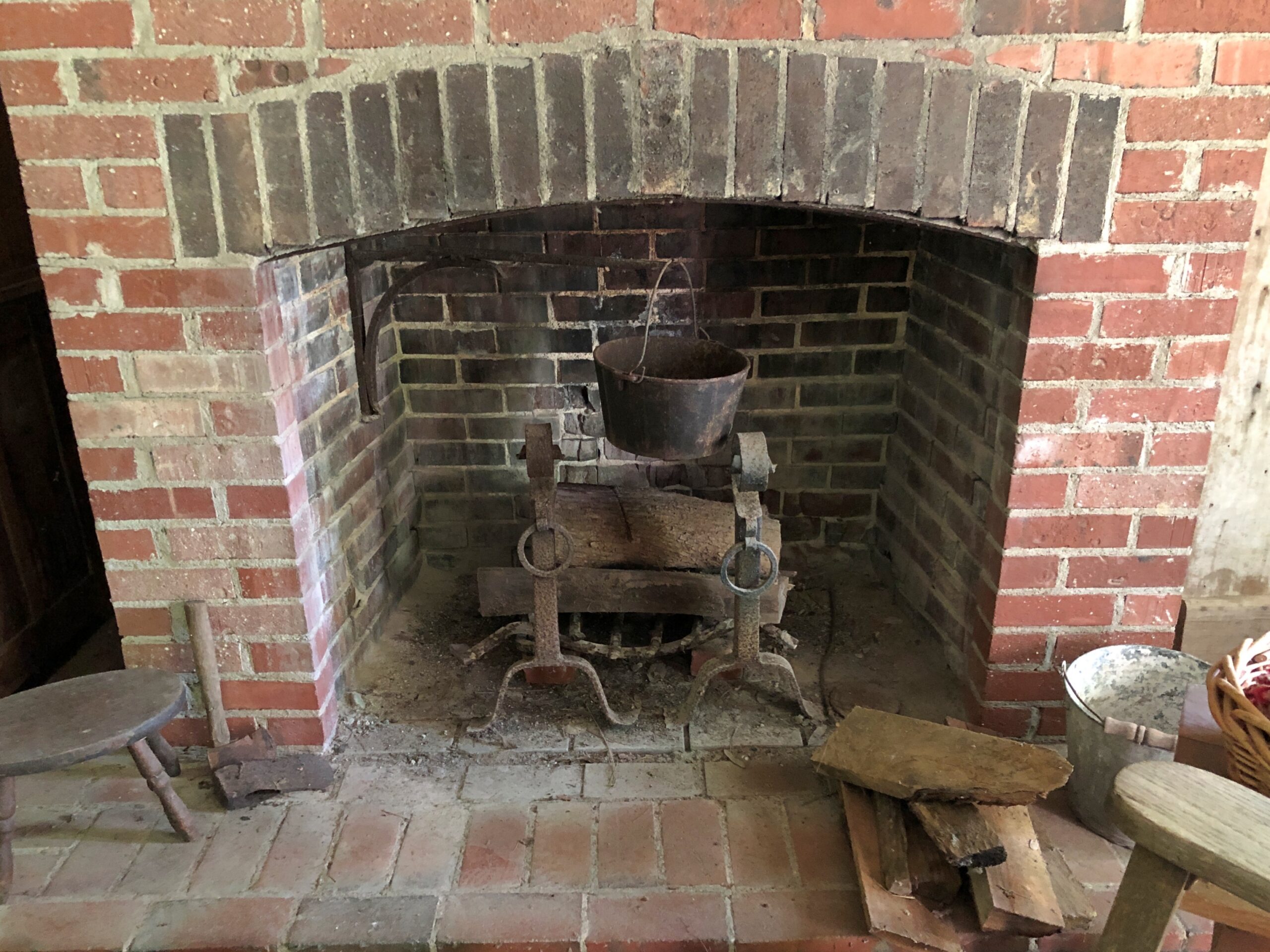
An early Parke County cabin.

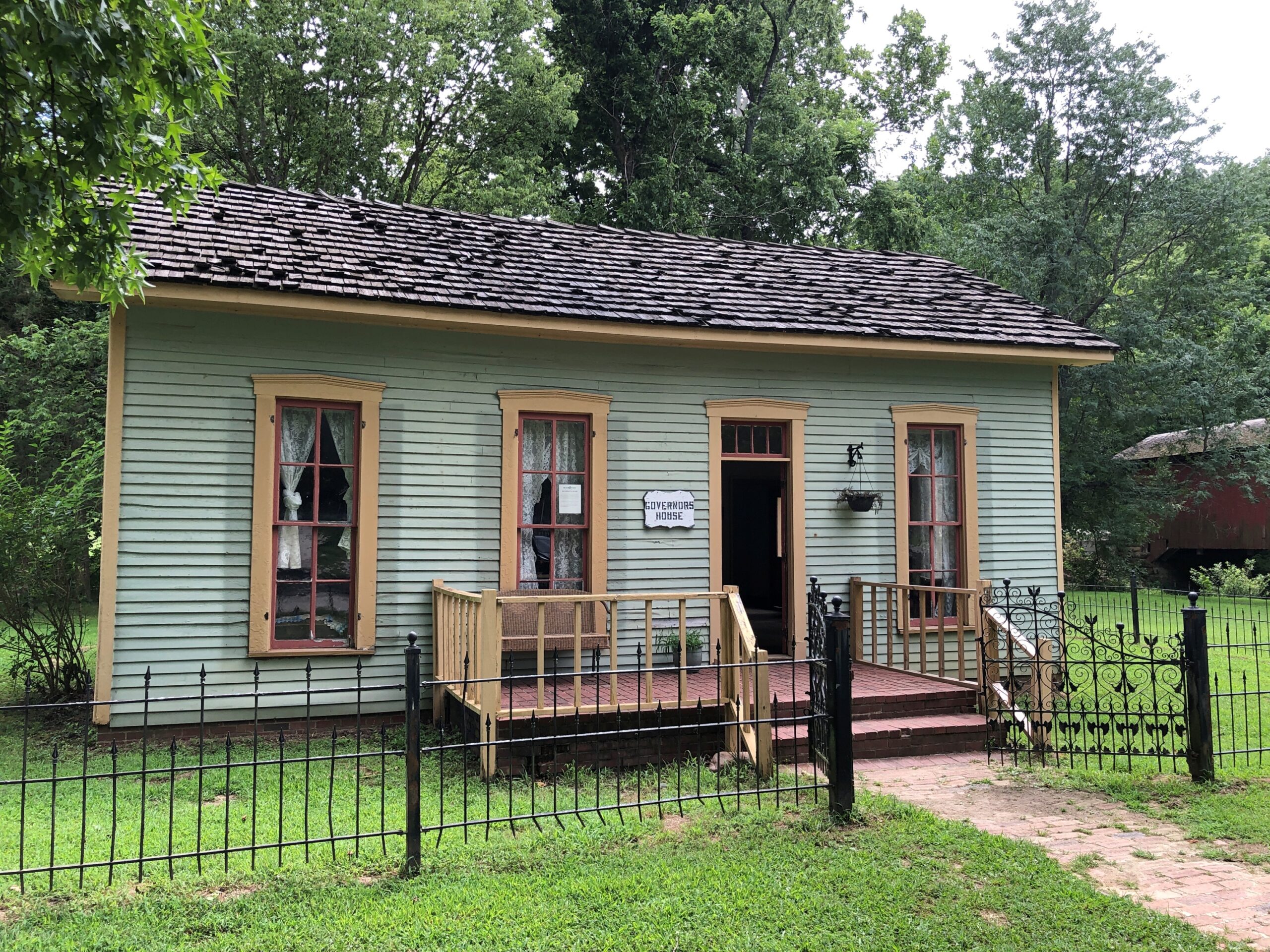
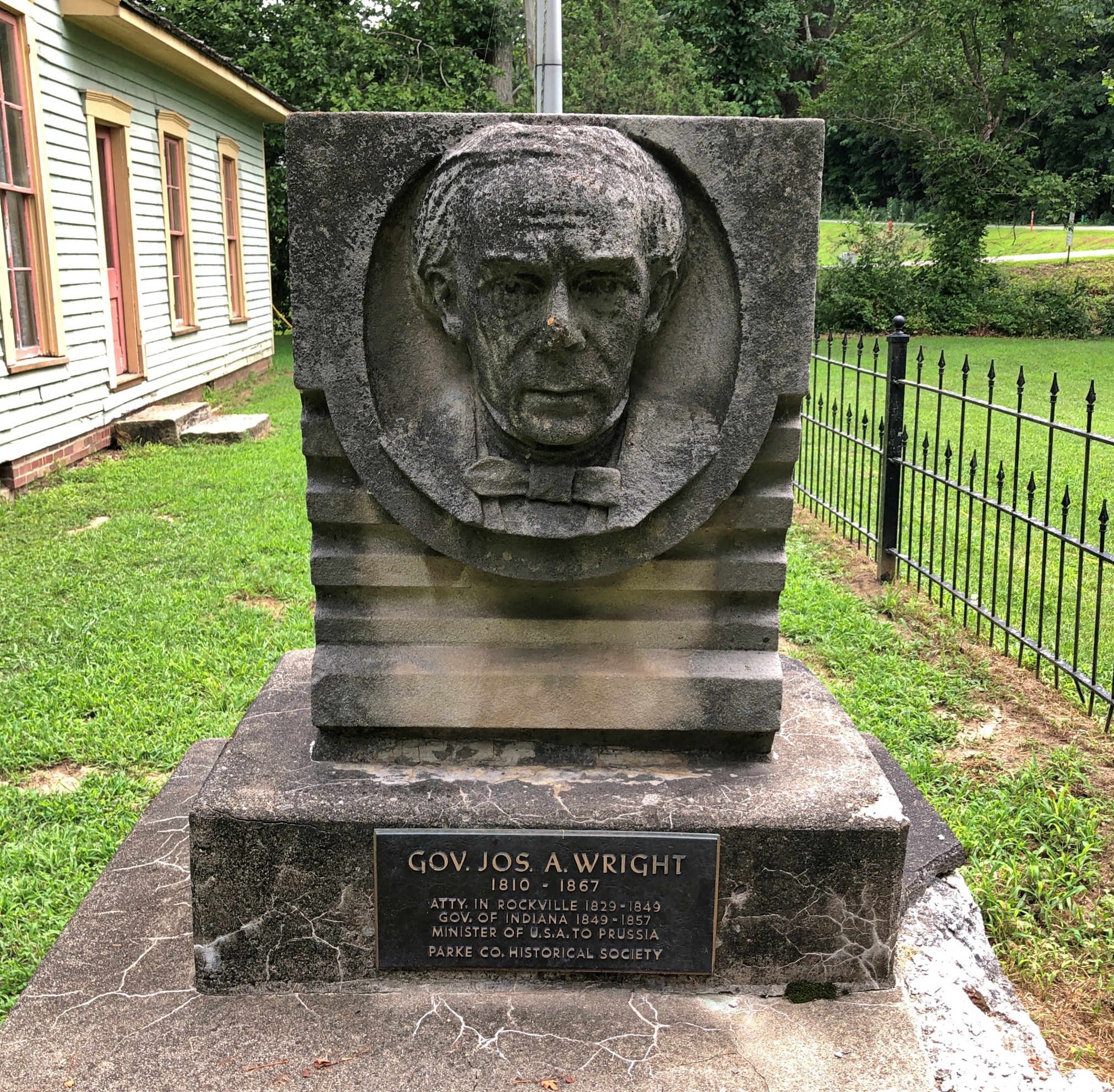
The home of an Indiana governor, one Joseph A. Wright (d. 1867), in office 1849-57. A Rockville native son.

Here he is, just outside his house, in dour Hoosier mode.

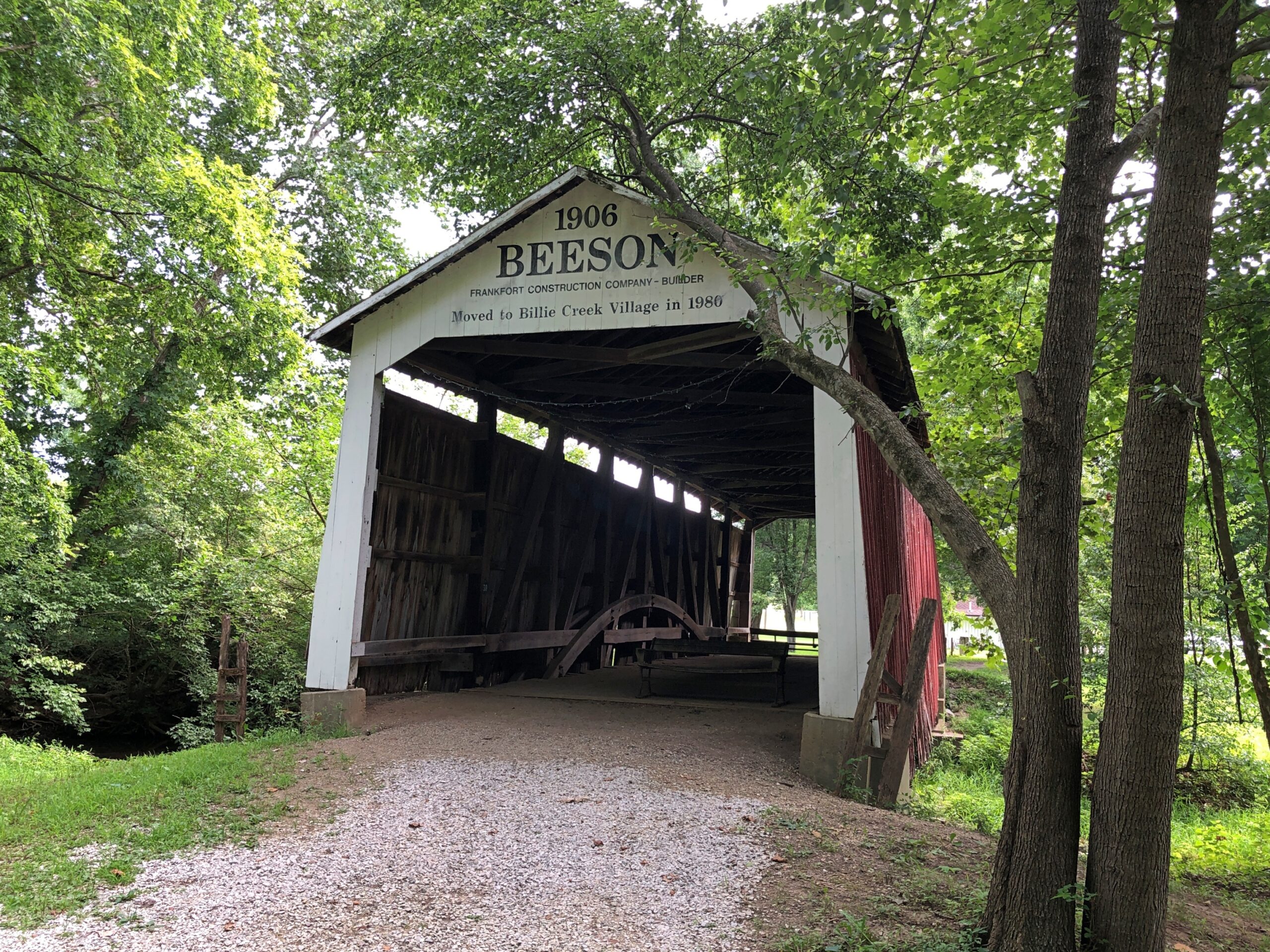
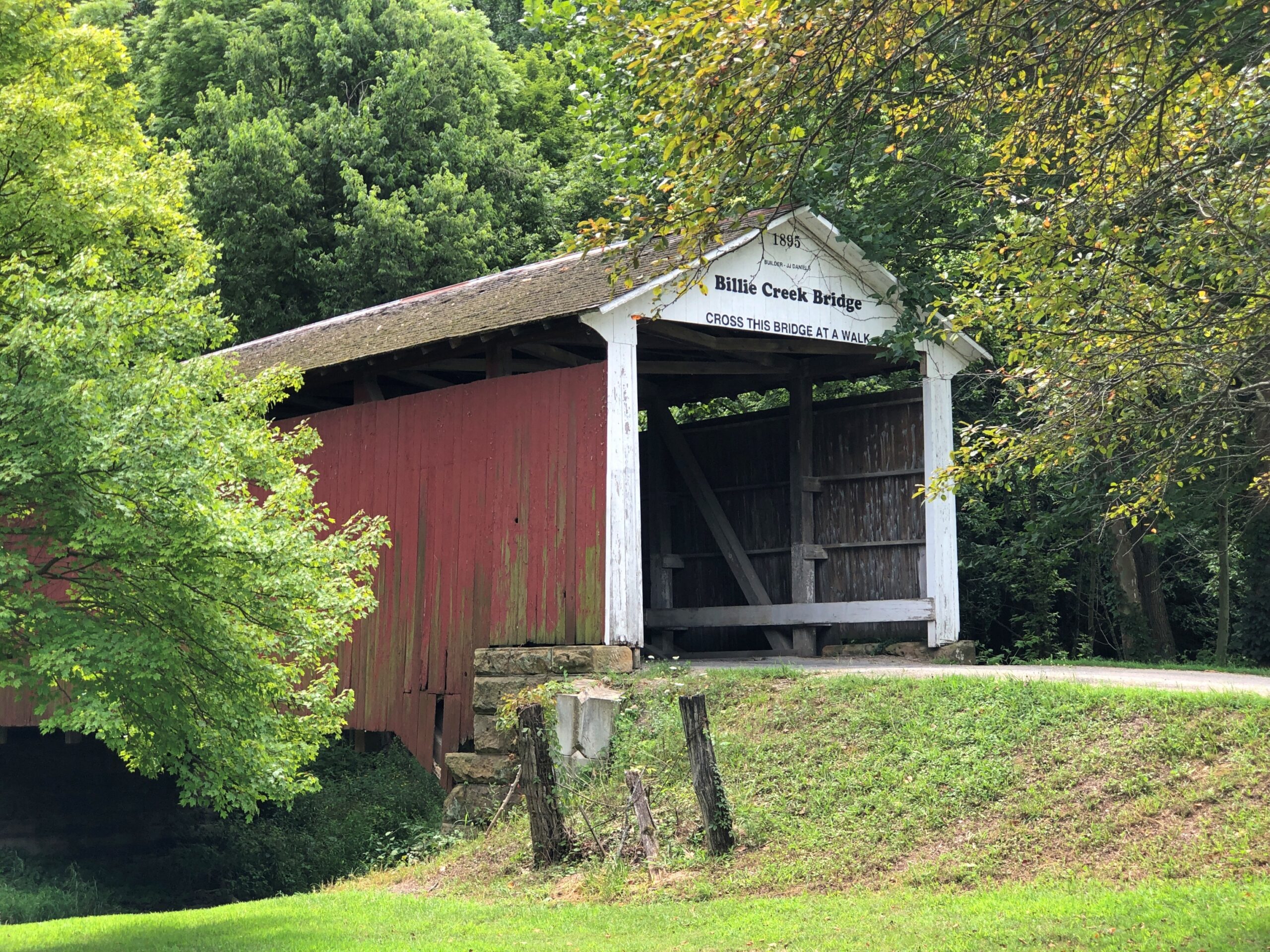
As the Covered Bridge Capital of the Galaxy (or some slogan like that for Parke County), it’s no surprise that covered bridges can also been seen at Billie Creek.

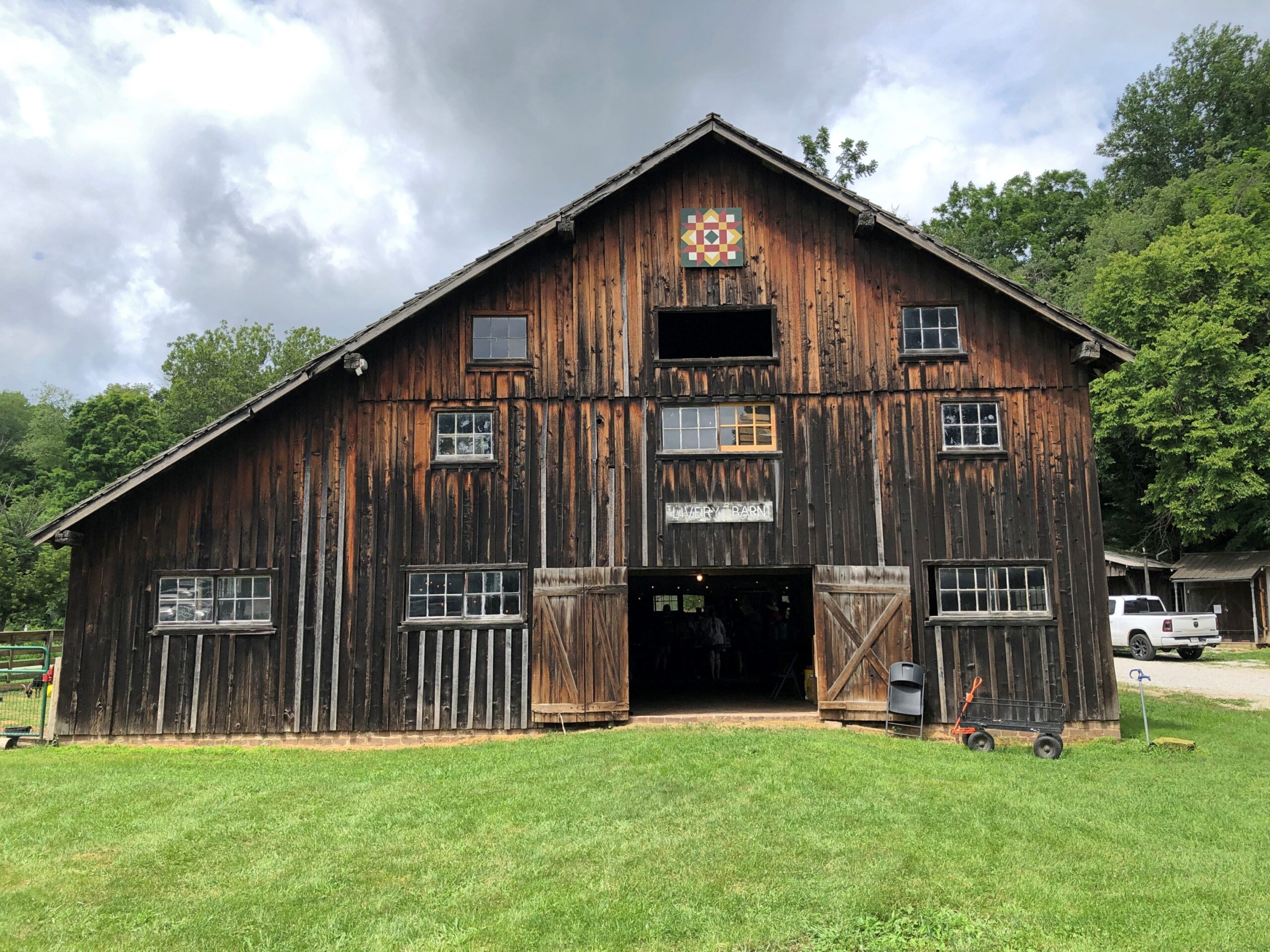
A barn, weathered yet handsome.

Craft goods were for sale inside. So were books by a local author who was there, hawking them. He told me about the books, some sort of fantasy series, and I was curious enough about them to listen to him, but not enough to buy one, which I think left him a bit miffed. Such is the writer’s lot.

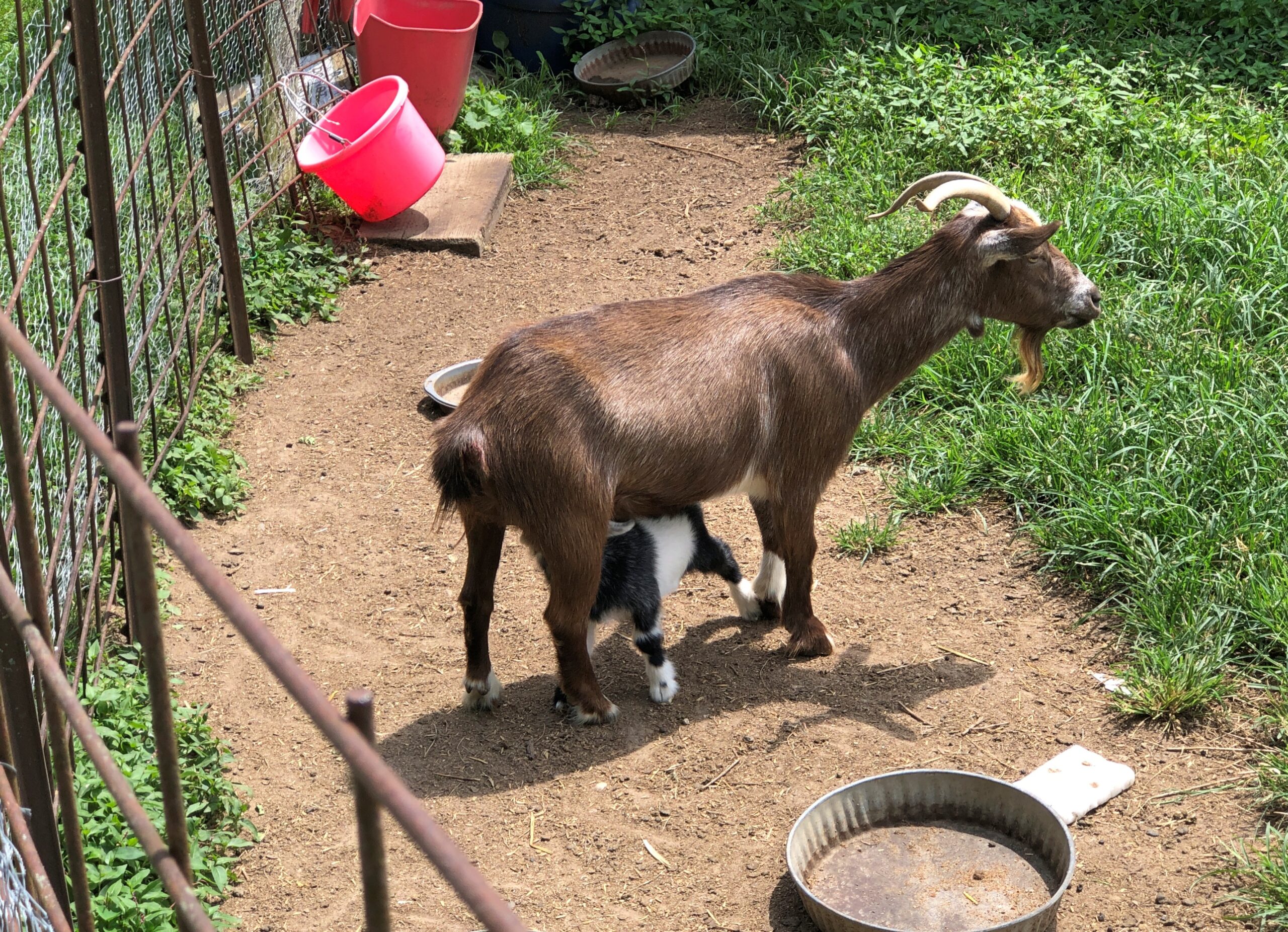
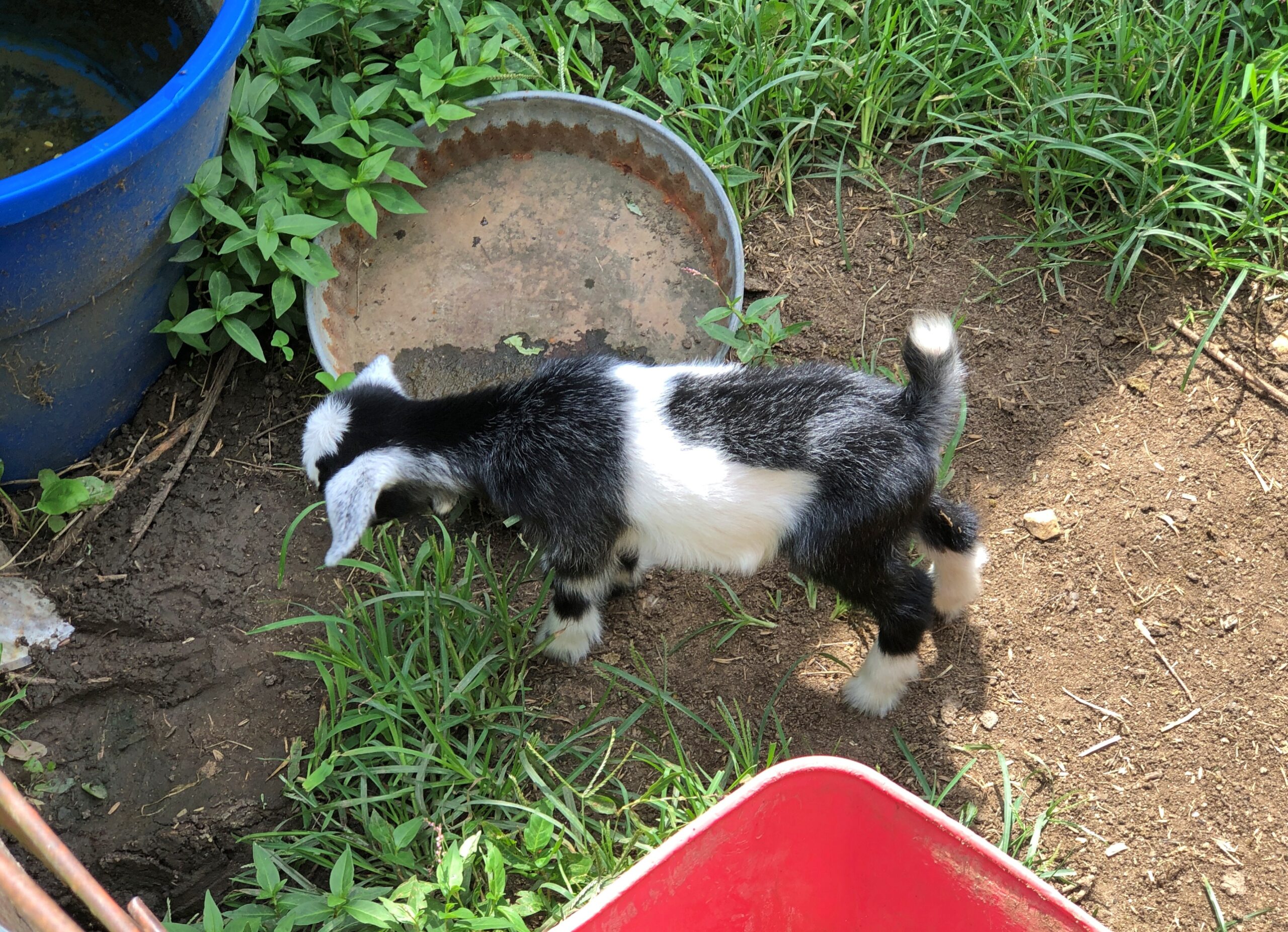
Behind the barn, goats.

Goat, Billie Creek Village

I wasn’t able to test the notion that goats eat tin cans. But I already knew the answer: it’s a ridiculous myth, as this item in Goat Owner tells us.

Southern Loop Leftovers: TN & NC

Had a bizarre dream last night, which isn’t really unusual, since that’s the way of dreams often enough – but this one – let’s call it rich and strange. And lengthy. It kept going and going, involving an alt version of downtown Chicago, and alt version of the company I worked for in the late 1980s, though no one that I knew was there; a vaguely menacing, nighttime scene always, though it wasn’t a nightmare; a message that had to be relayed, somehow; a fictional character – a very famous fictional character – spoken of as if real, who eventually showed up after a funeral, laughing; and details that made me think, that’s too much of a detail. For a dream. Is this a dream? One detail involved a chipmunk peaking out of a hole in the sidewalk, or maybe the street; another was a globe that I could see but not get close enough to read well, though I really wanted to. But I did notice that the United States, on this globe, included British Columbia and maybe the Yukon Territory, and I woke up thinking that maybe that 54° 40′ or Fight business led to a real war, in which the U.S. prevailed.

Perhaps the strangest thing about this rich and strange dream is that fully an hour and a half after I woke on this bright summer morning in the northwest suburbs, in the waking world I know and inhabit, I was able to write the above description.

Tennessee

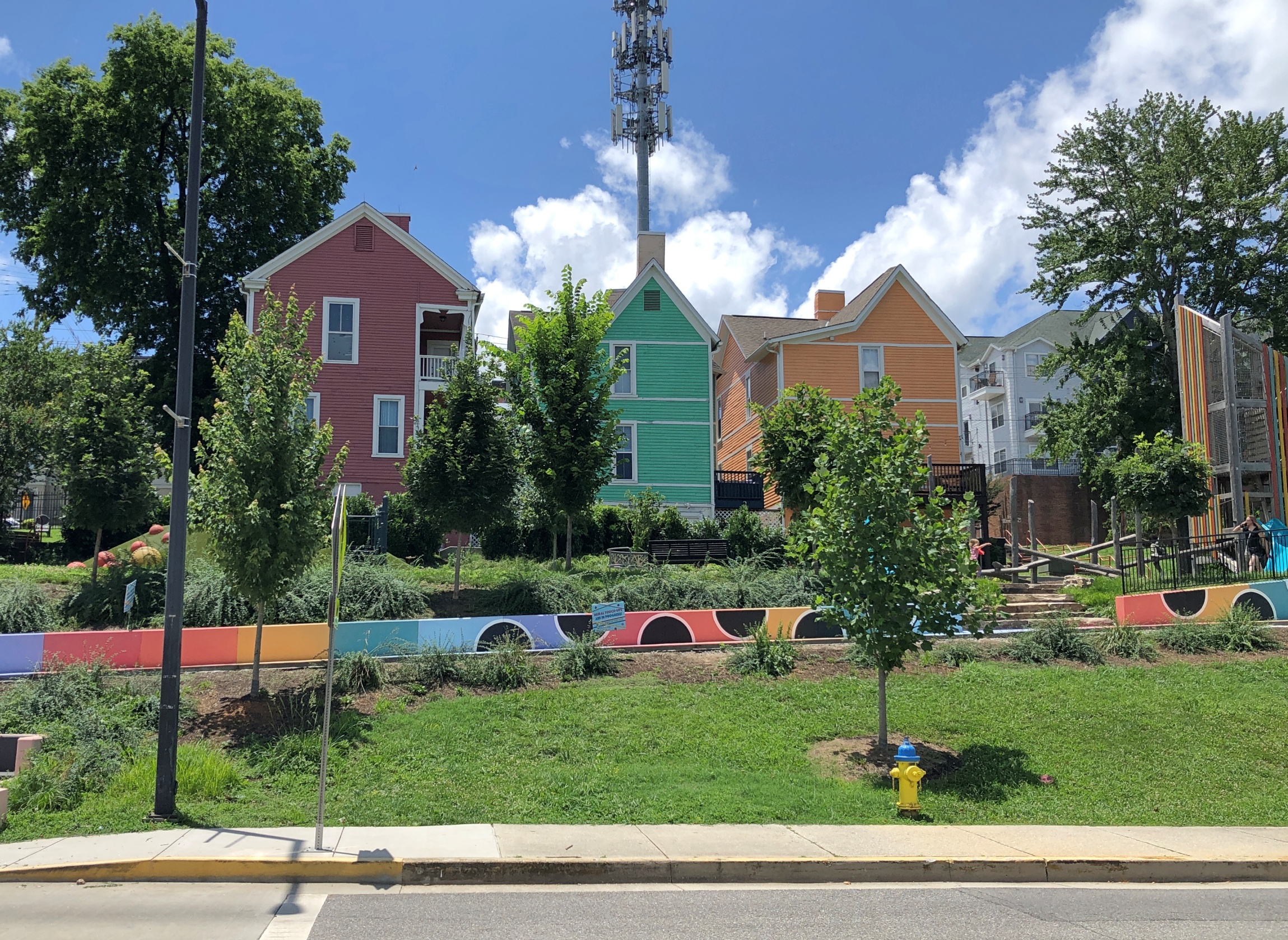
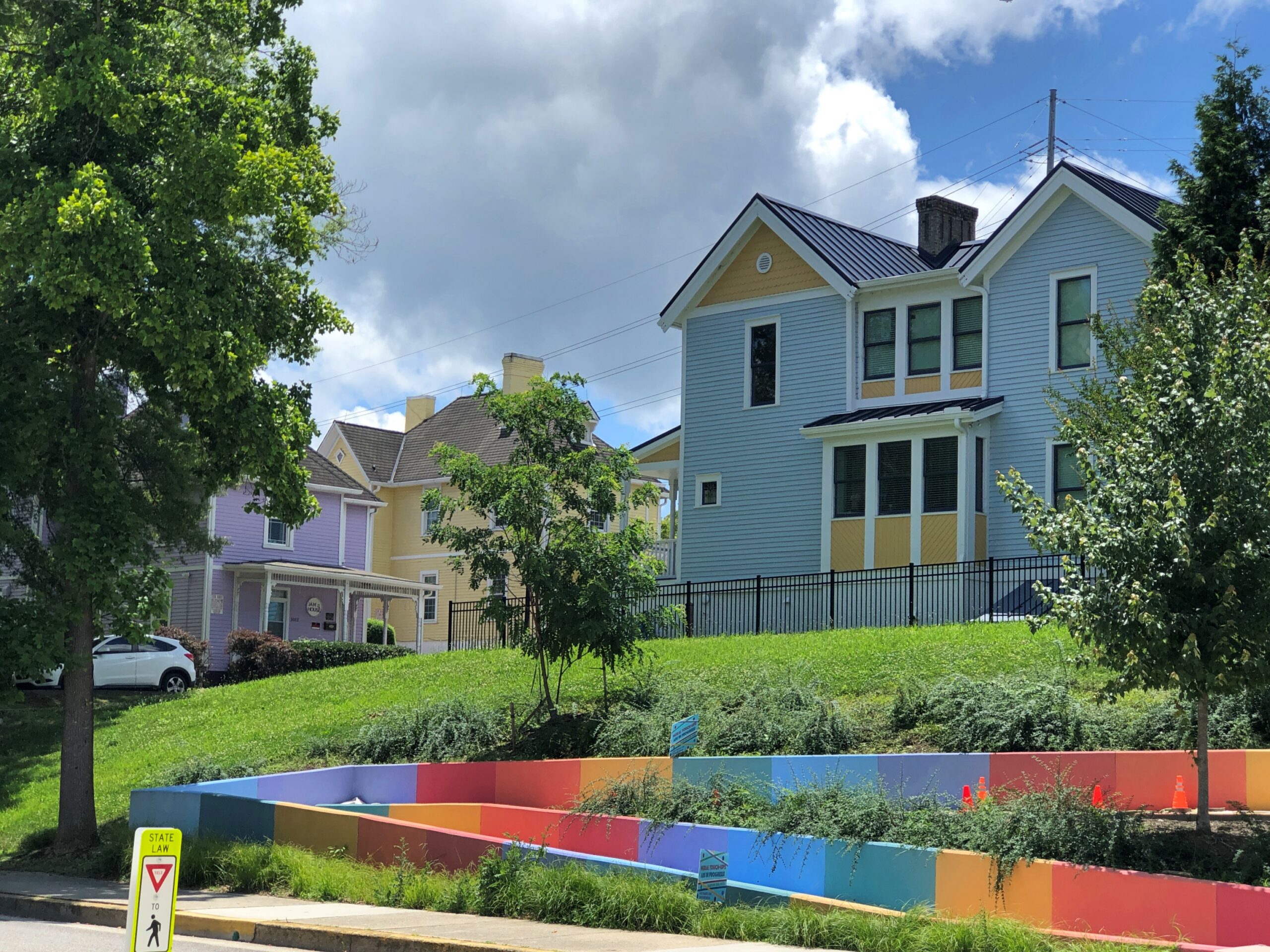
When passing eastward through Tennessee during my most recent interstate drive, I spent a little time in Knoxville, as mentioned, mostly to see the Sunsphere. To get to the tower from the free parking lot, I walked along part of World’s Fair Park Dr., with these colorful pastel houses visible on a small rise nearby. I was reminded of Rainbow Row in Charleston.

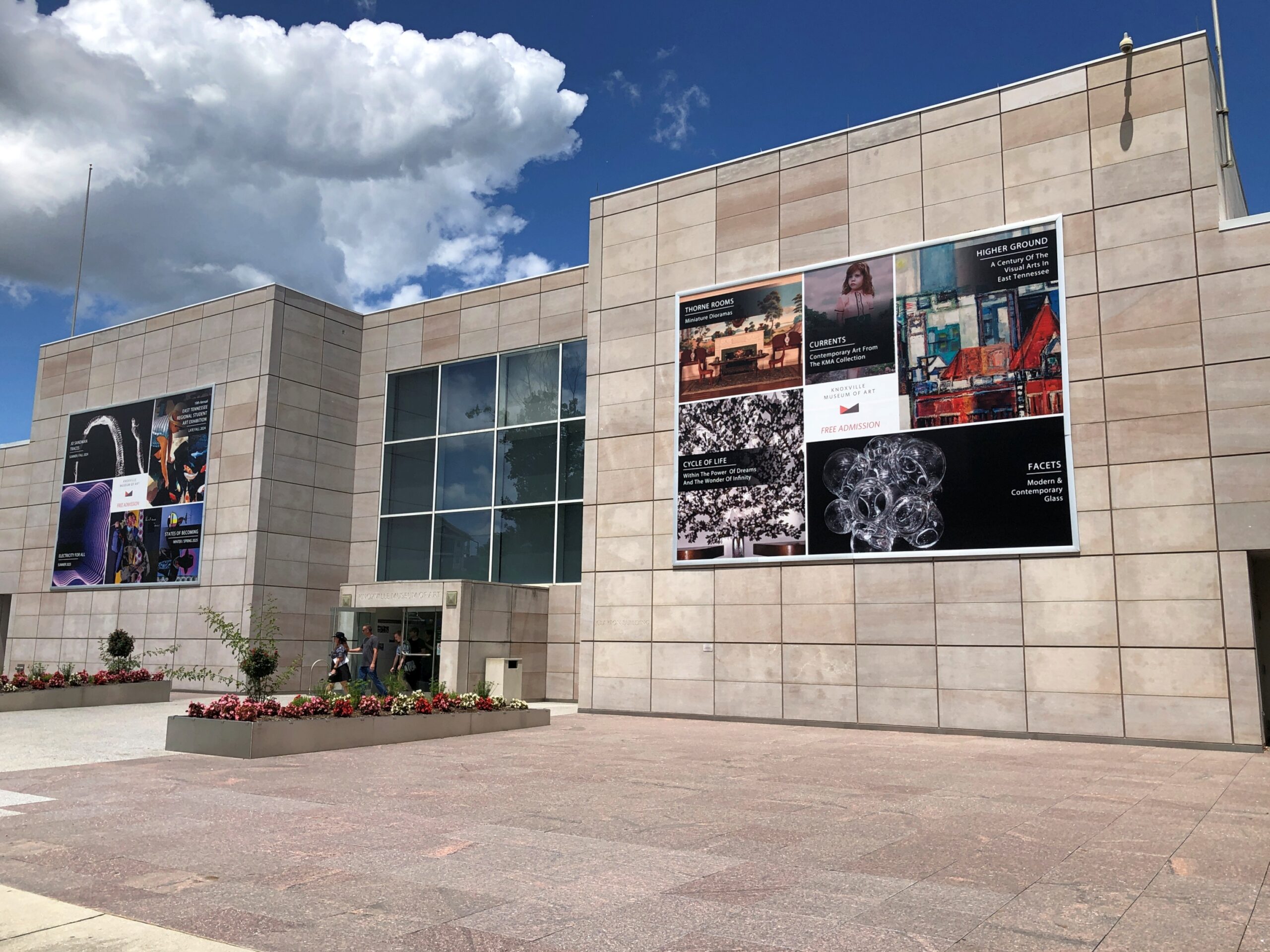
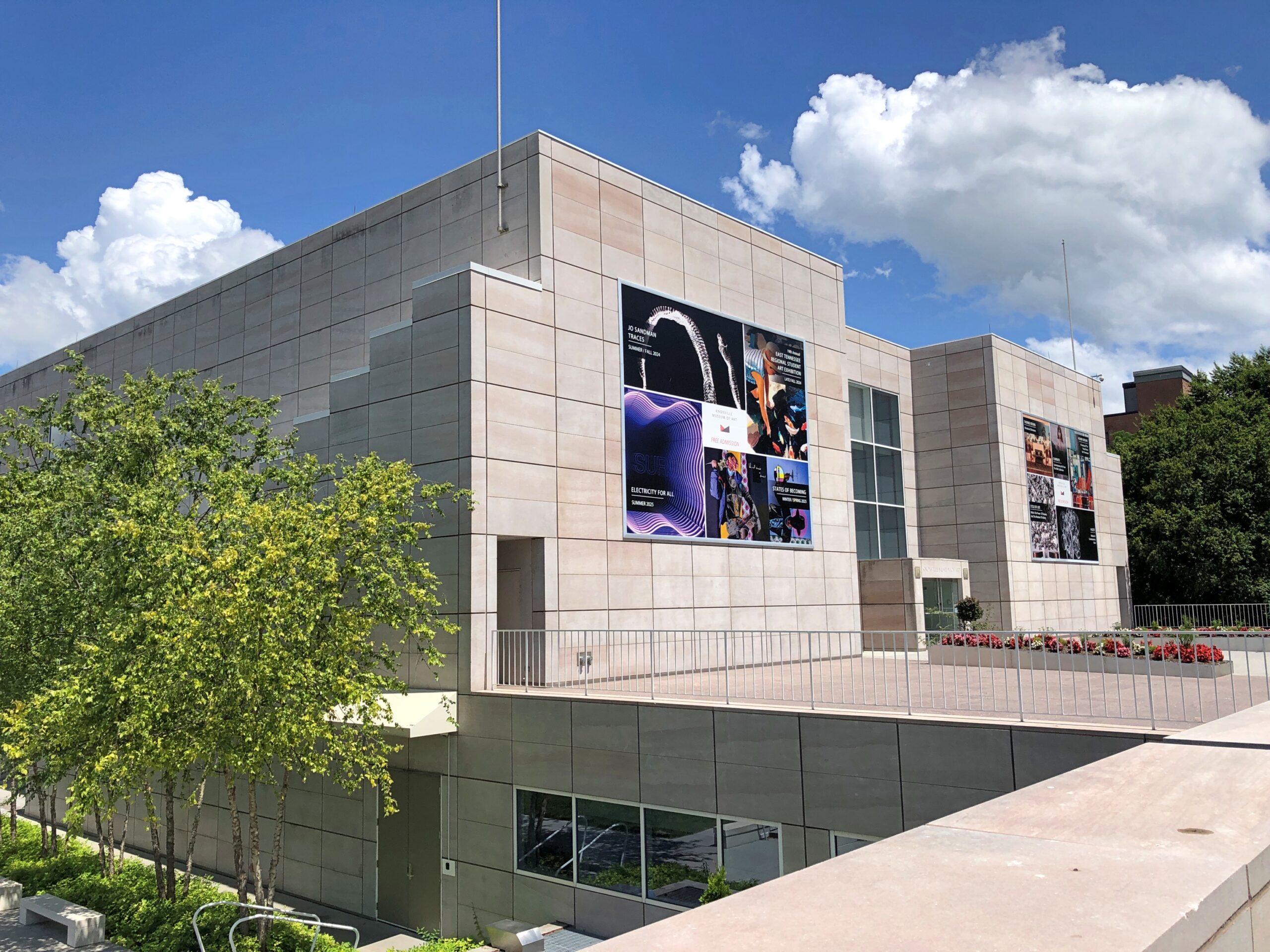
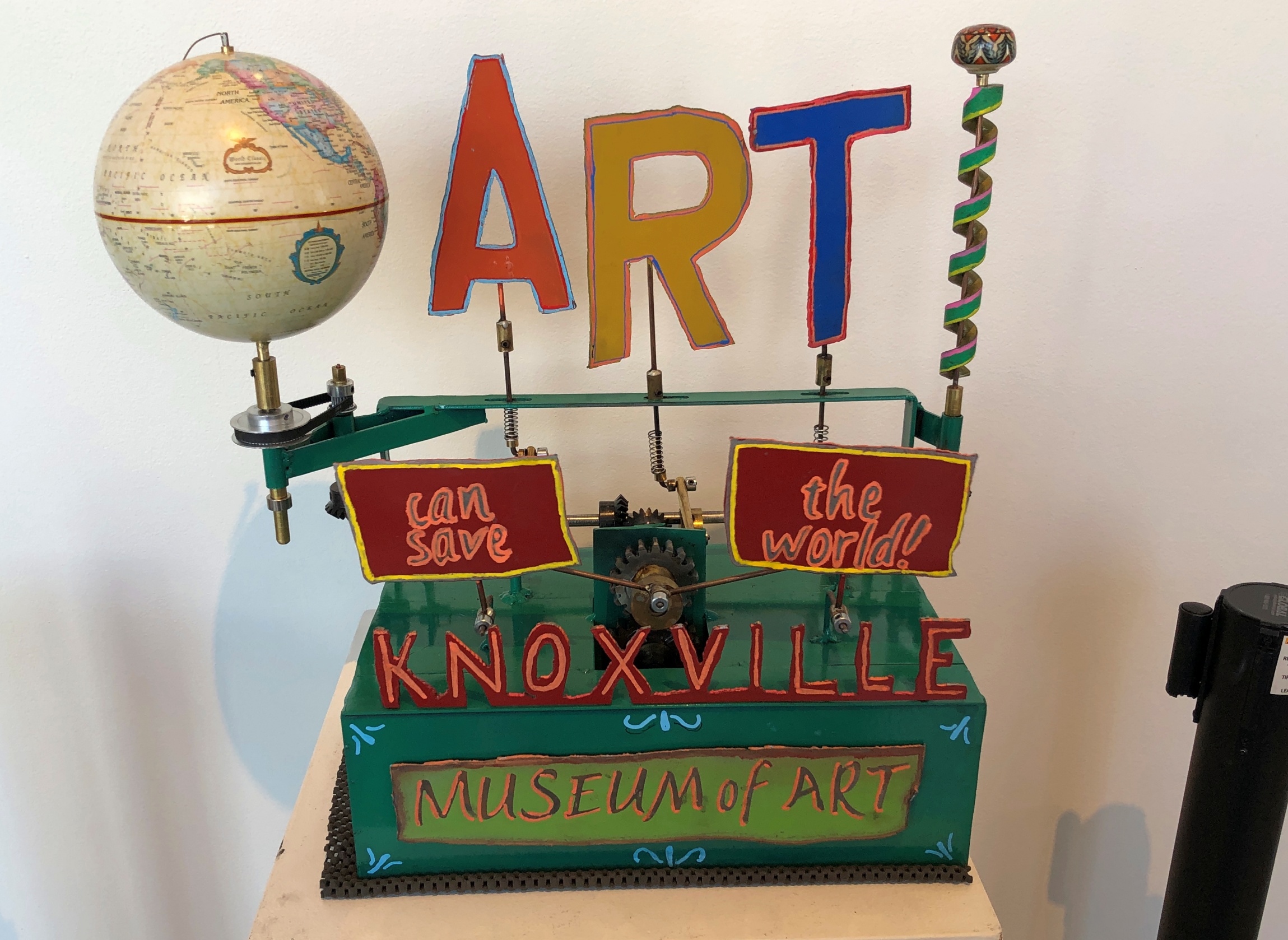
On the way back, I popped into the Knoxville Museum of Art.

For a brutalist building, a nice bit of work by Edward Larrabee Barnes (d. 2004). If it blackens and streaks in the future, as such buildings tend to do when exposed to urban air, its appearance might morph into something merely ugly. But it looks like it’s been kept clean enough since its construction in 1990. As a museum, KMA has a lot to recommend it, such as air conditioning, free admission and a not-too-vast collection specializing in something you aren’t going to see elsewhere, namely East Tennessee art.

Such as a piece by artist Patrick Deason. Ah, the optimism. Unless he’s being sarcastic.

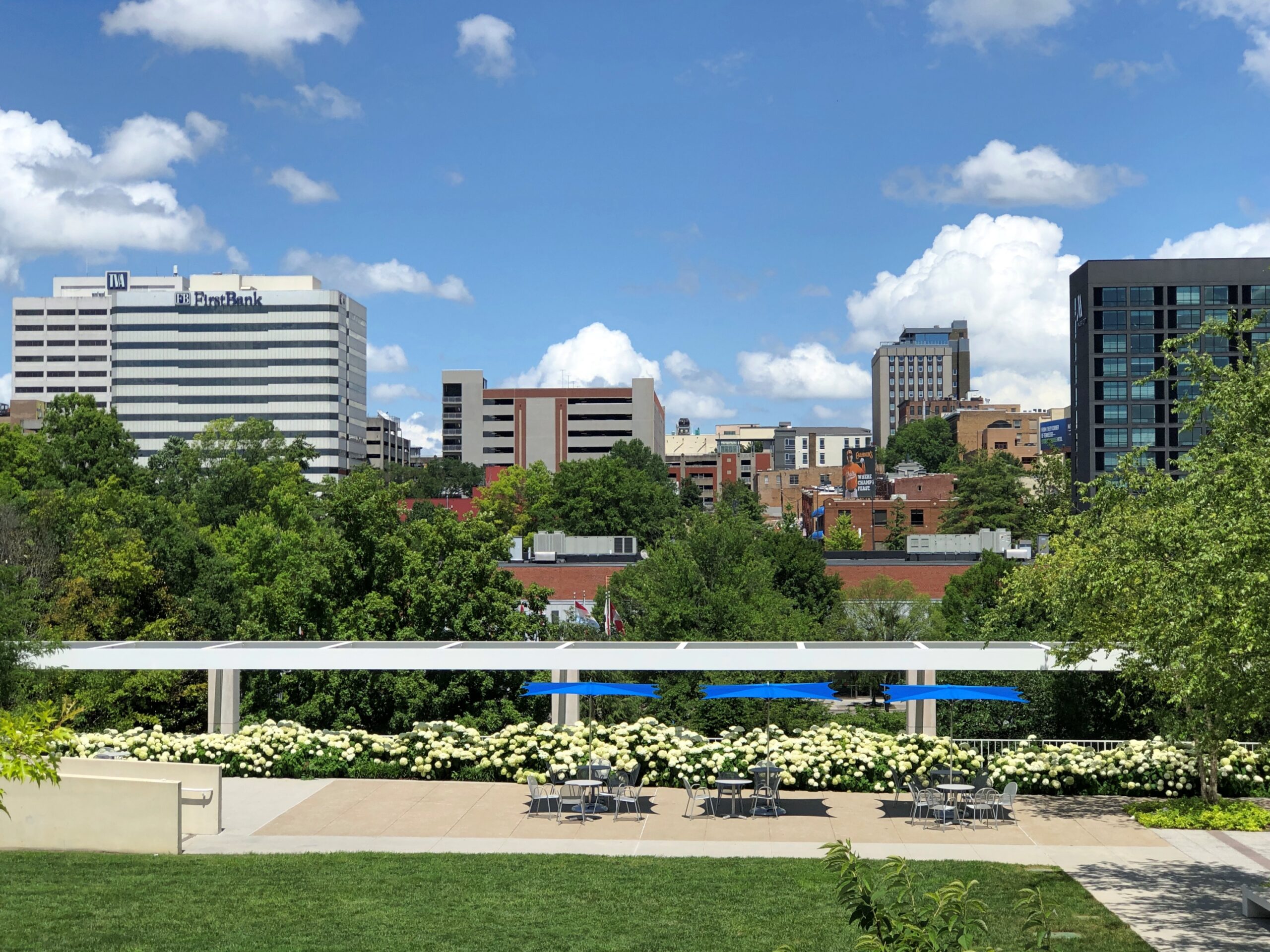
The museum also has a porch with a nice view of downtown Knoxville.

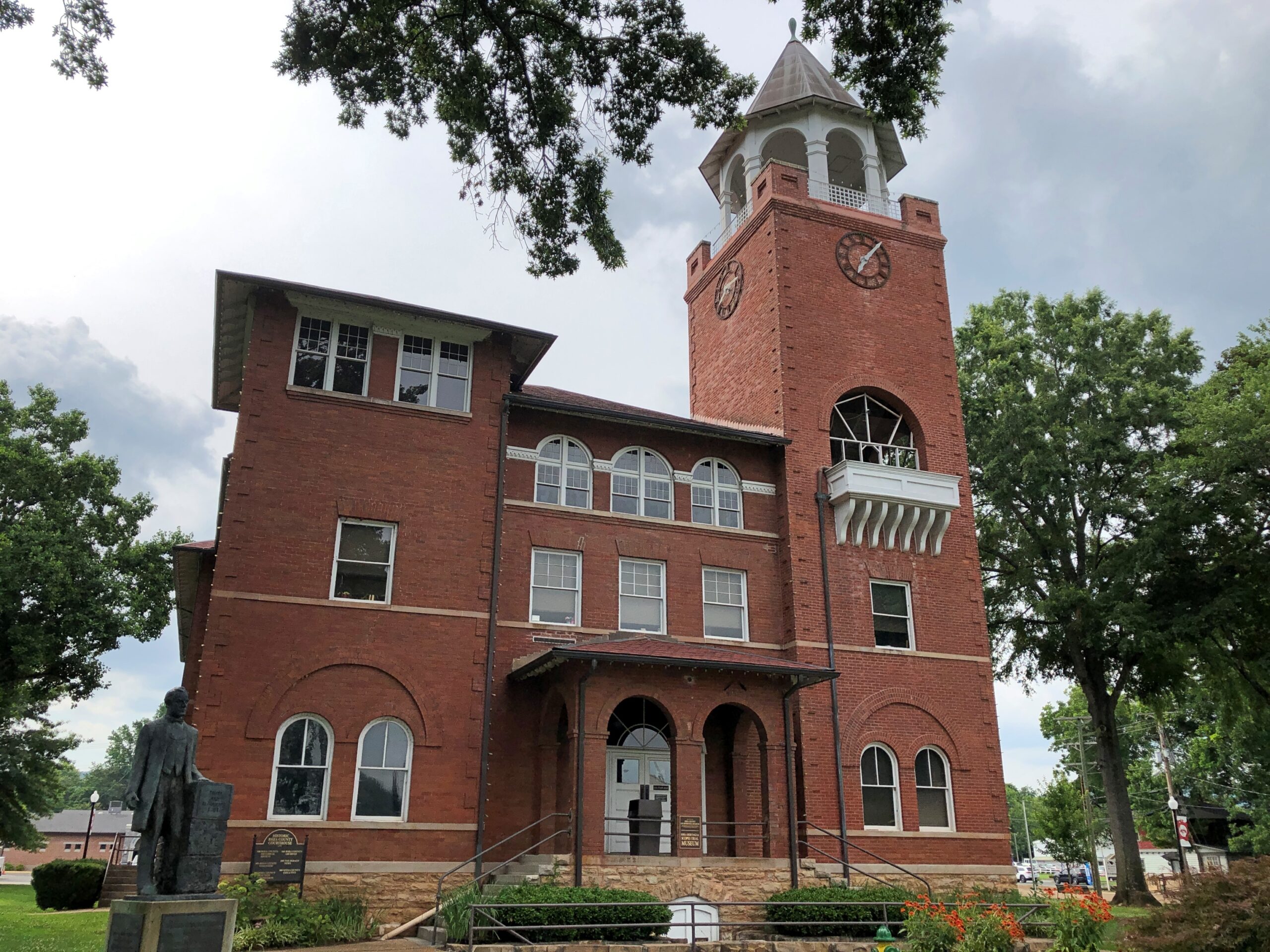
On my return westward through Tennessee, I made a point of passing through Dayton, site of the Scopes Trial, now 100 years ago. There is a museum devoted to the trial in the handsome and nicely restored 1890s Rhea County Courthouse, though I arrived after it had closed for the day.

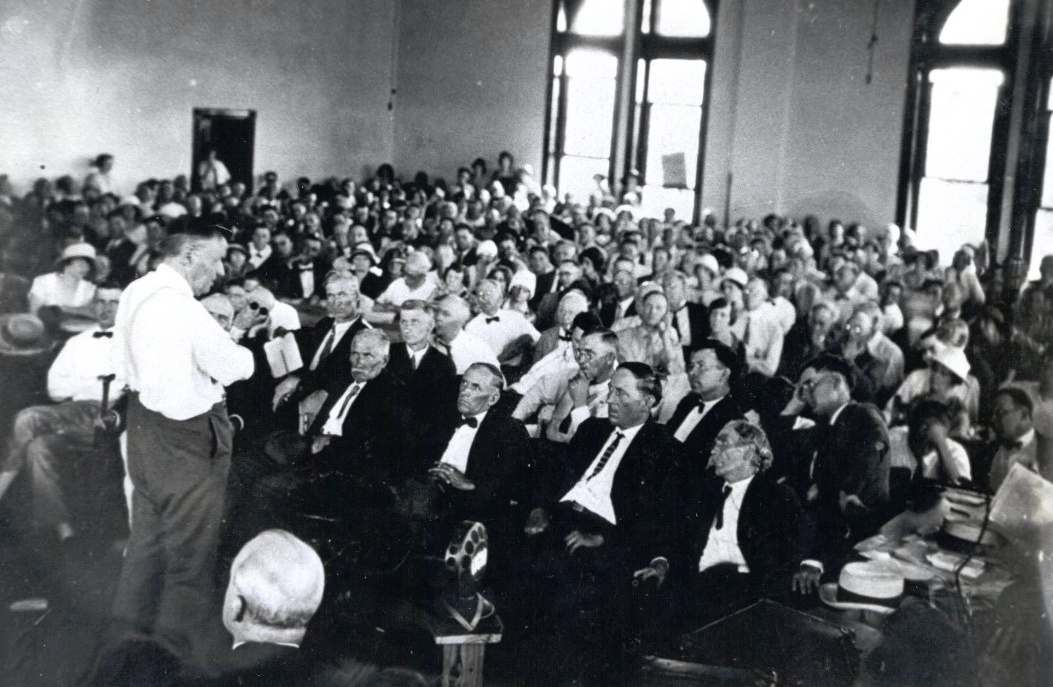
I look at pictures taken during the trial, and wonder how this multitude sat through it all, in an un-air-conditioned building. Guess like my grandma, as late as her last summer in 1970, they were used to it.

Before I got there, I heard a fellow on the radio discussing the (then) upcoming festival that Dayton was planning in honor of the centennial, as a bigger version of an annual event held in July. He might have been the organizer, I forget.

He pointed out that for many years Daytonites mostly wanted to forget about the trial – especially after the movie Inherit the Wind (1960) depicted the residents of Hillsboro, stand-ins for them, as fundamentalist bumpkins, at a time when the actual event was still in living memory. Which is nothing that Mencken didn’t do in 1925. Now the trial and Mencken and the movie are all part of that nebulous thing most people experience as the undifferentiated Past, and the townspeople have largely embraced the trial, according to the man on the radio. As well they should. It’s what Dayton, Tenn., has that no place else does.

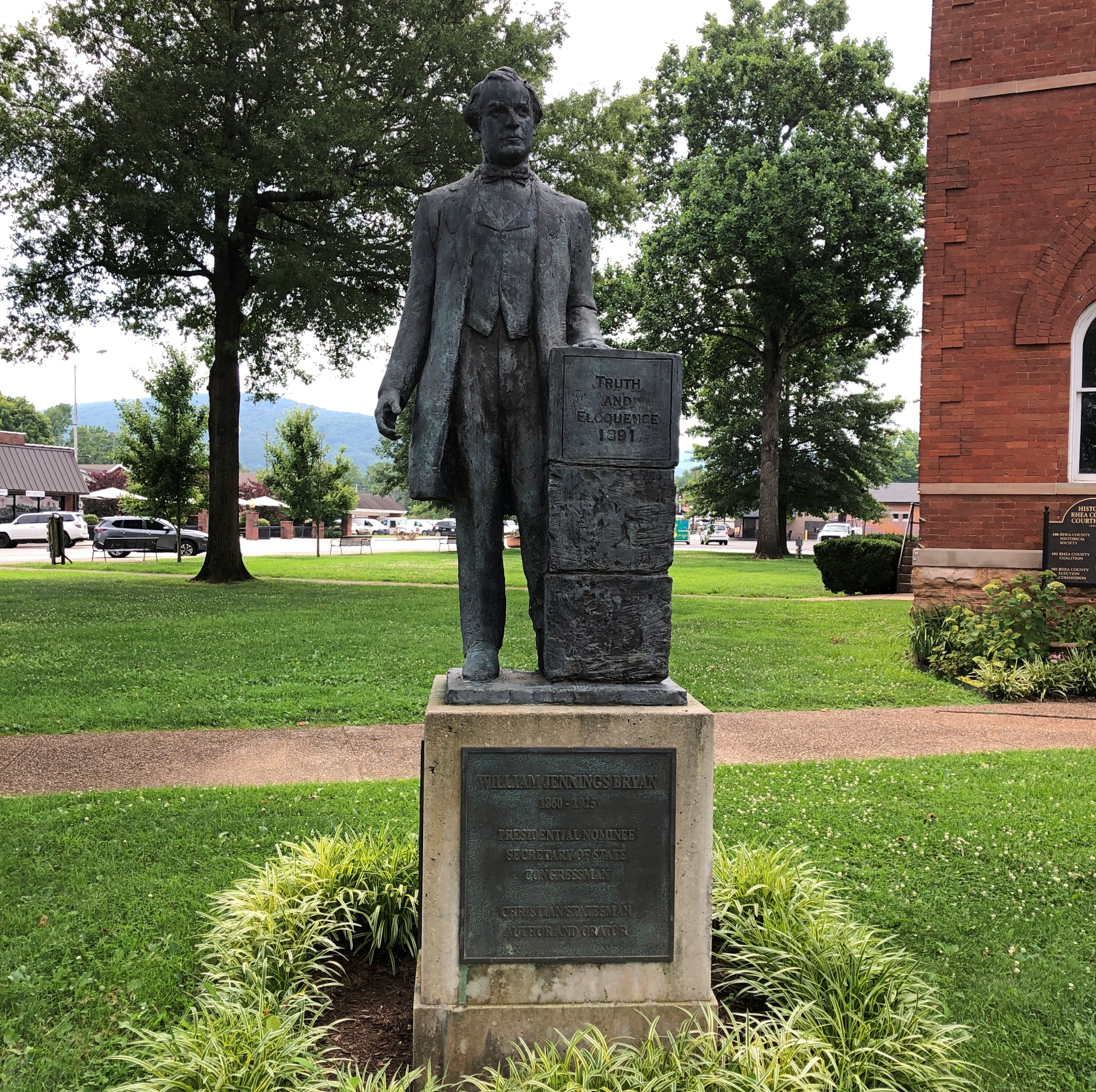
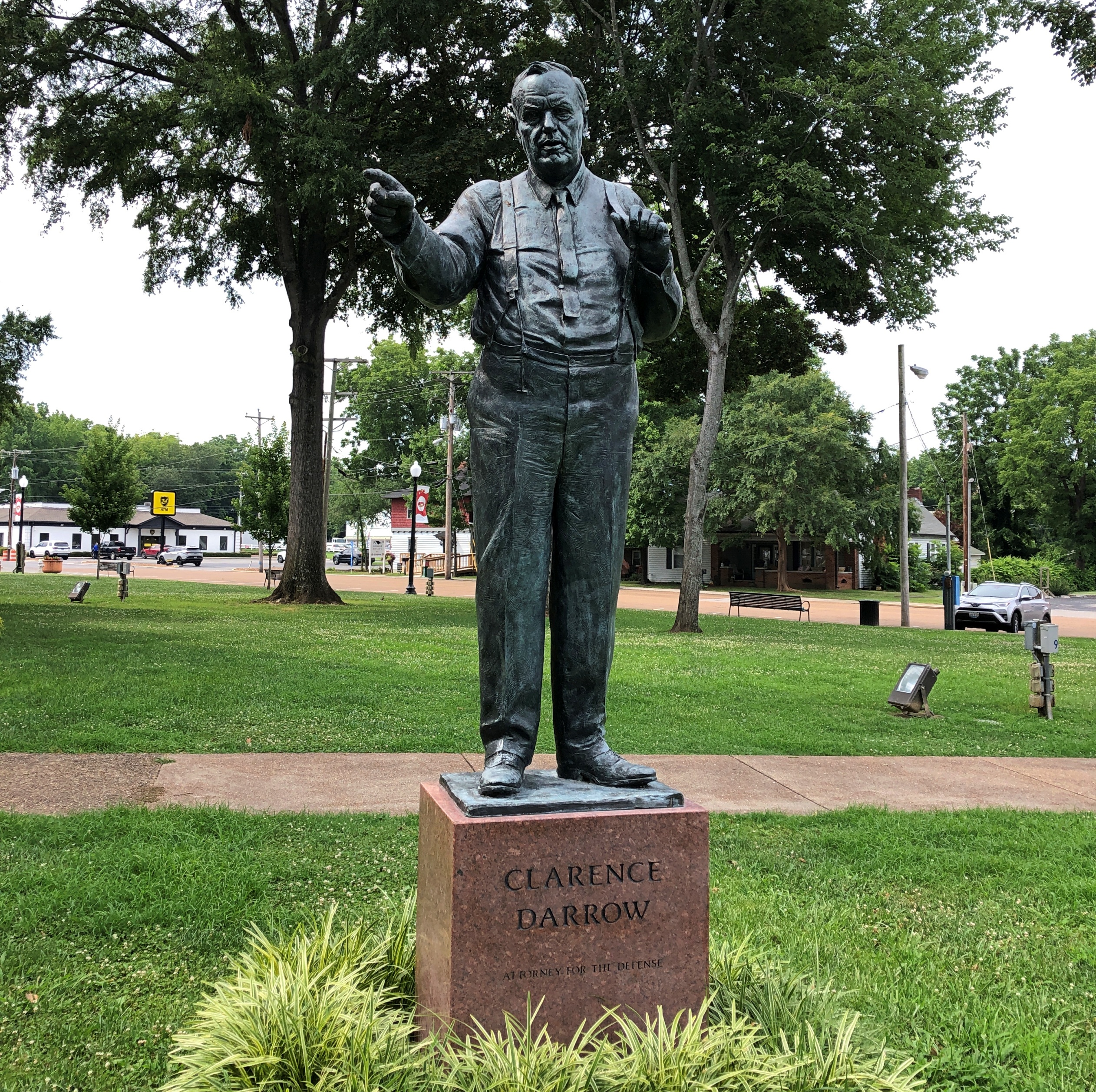
On the courthouse square, William Jennings Bryan and Clarence Darrow square off in bronze. Bryan College paid for the former, the Freedom From Religion Foundation the latter.

North Carolina

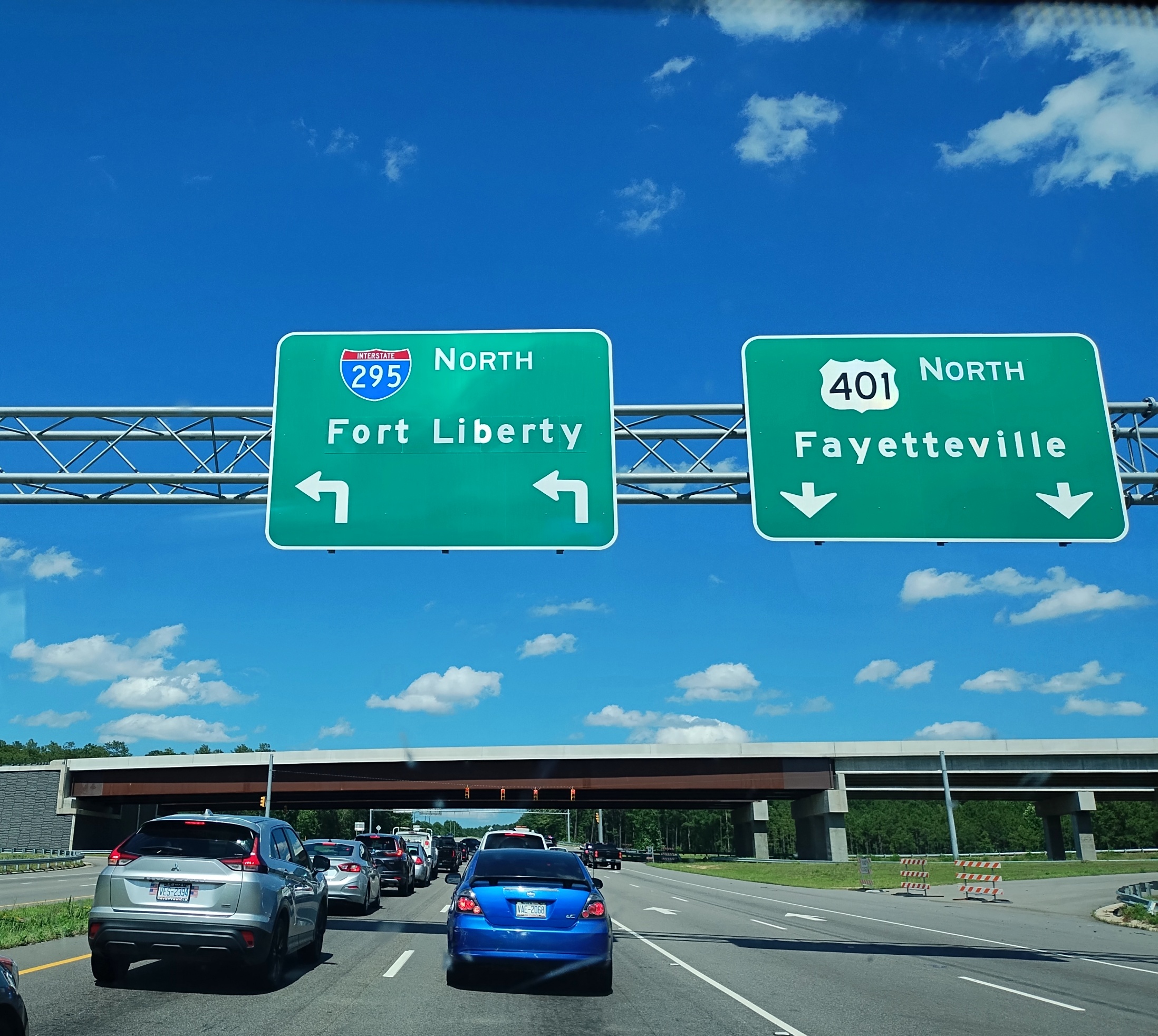
I was stuck momentarily in traffic near the military installation formerly known as Fort Bragg and then known as Fort Liberty and now known again as Fort Bragg. The traffic sign hasn’t caught up with the latest flip-flop.

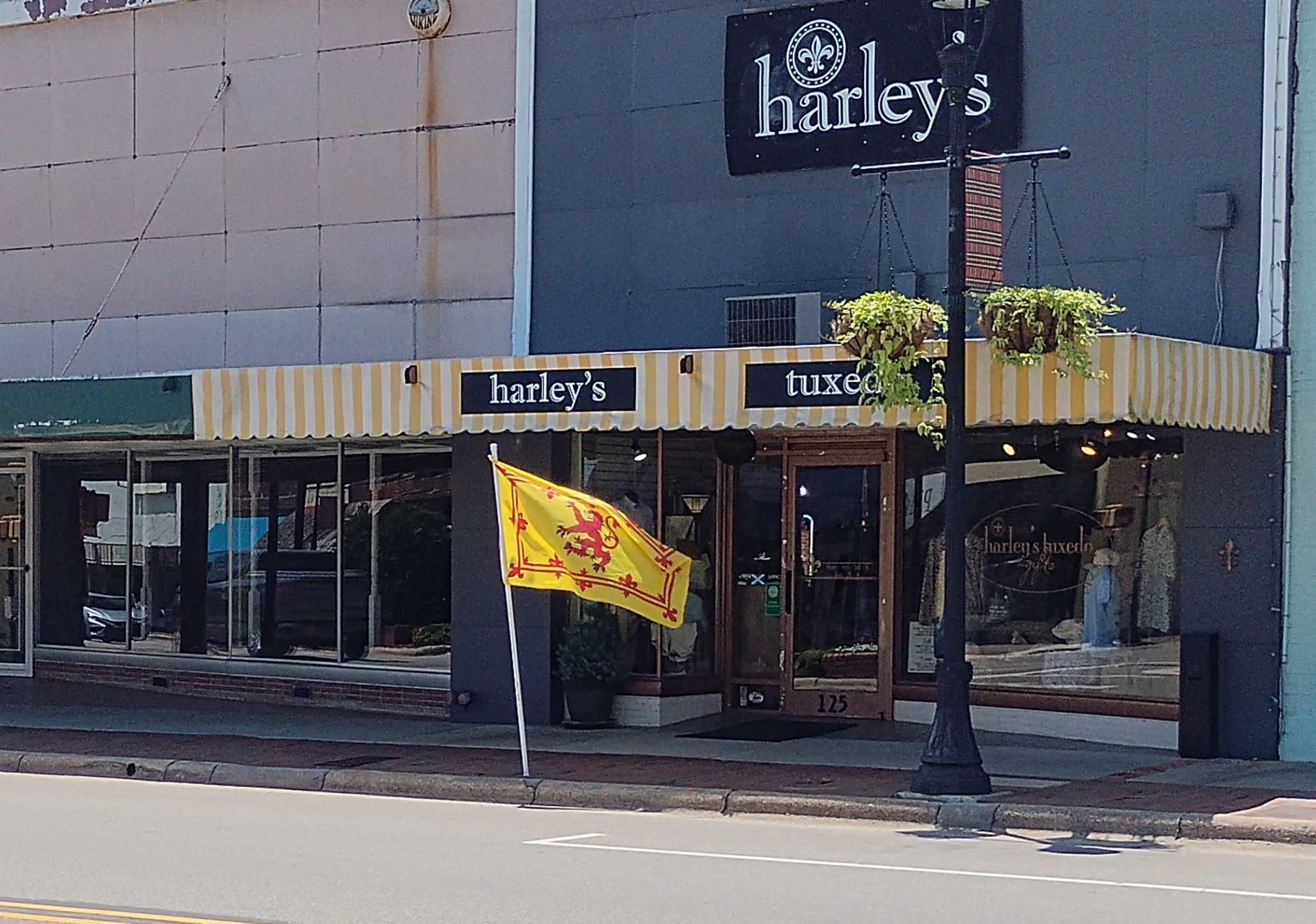
I stopped for lunch in Laurinburg, NC, at a storefront Chinese restaurant. Across the street, a tuxedo shop flew the Royal Banner of Scotland. Not something I’ve ever seen aflutter in the U.S. or anywhere, for that matter. But there is a school called St. Andrews University nearby, so maybe it’s not such a stretch. Make that was — the school closed just this May.

Wiki tells us: “As the personal banner of the Monarch, use of the Royal Banner of Scotland is restricted under the Act of the Parliament of Scotland 1672 cap. 47 and the Lyon King of Arms Act 1867 (30 & 31 Vict. c. 17), and any unauthorised use of such is an offence under the Act.” That has no bearing on its use in North Carolina, I’d say, considering how the Revolution turned out.

In New Bern, NC, this was a bit of a mystery at first.

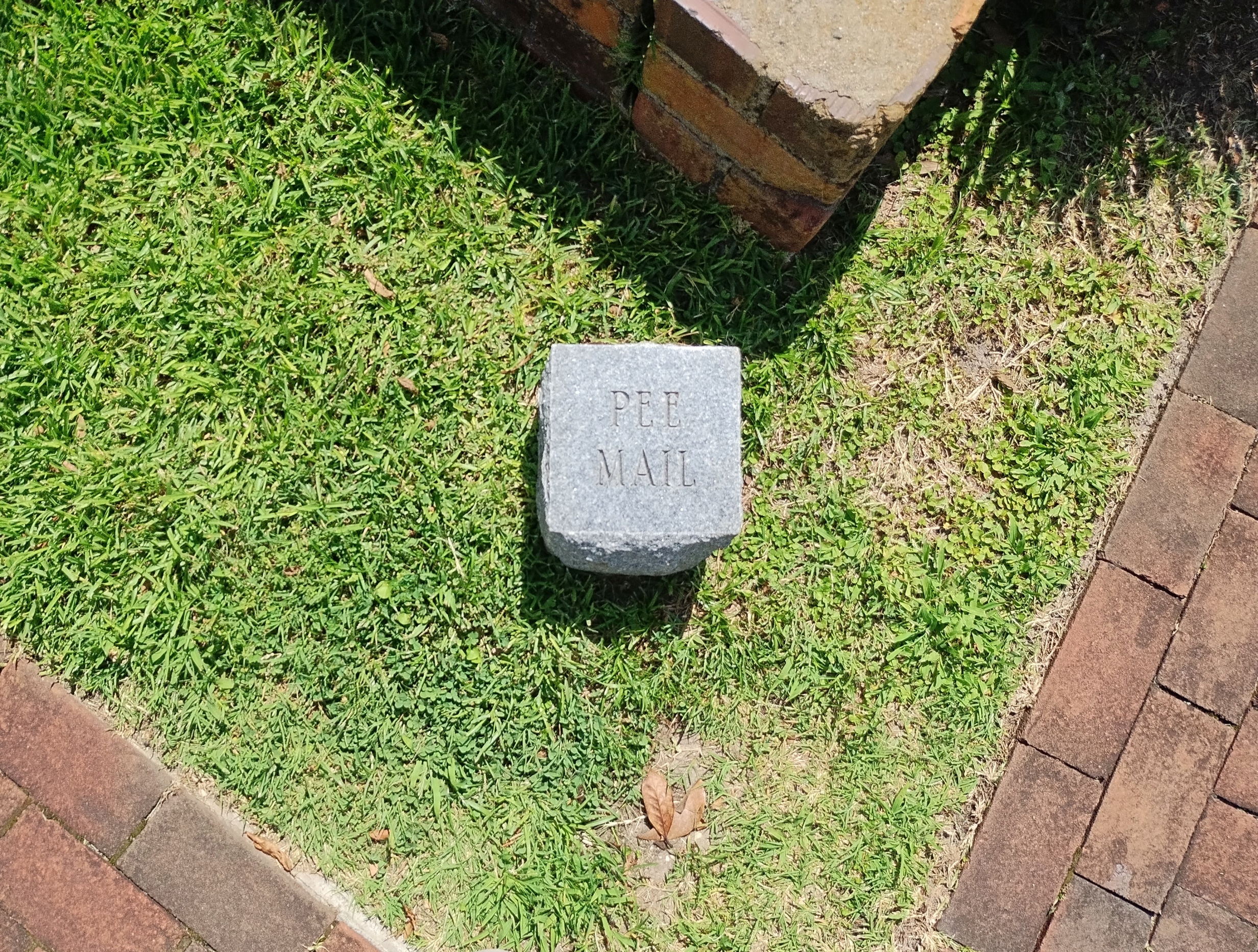
Until I figured it out. A place for dogs to leave messages.

Gold!

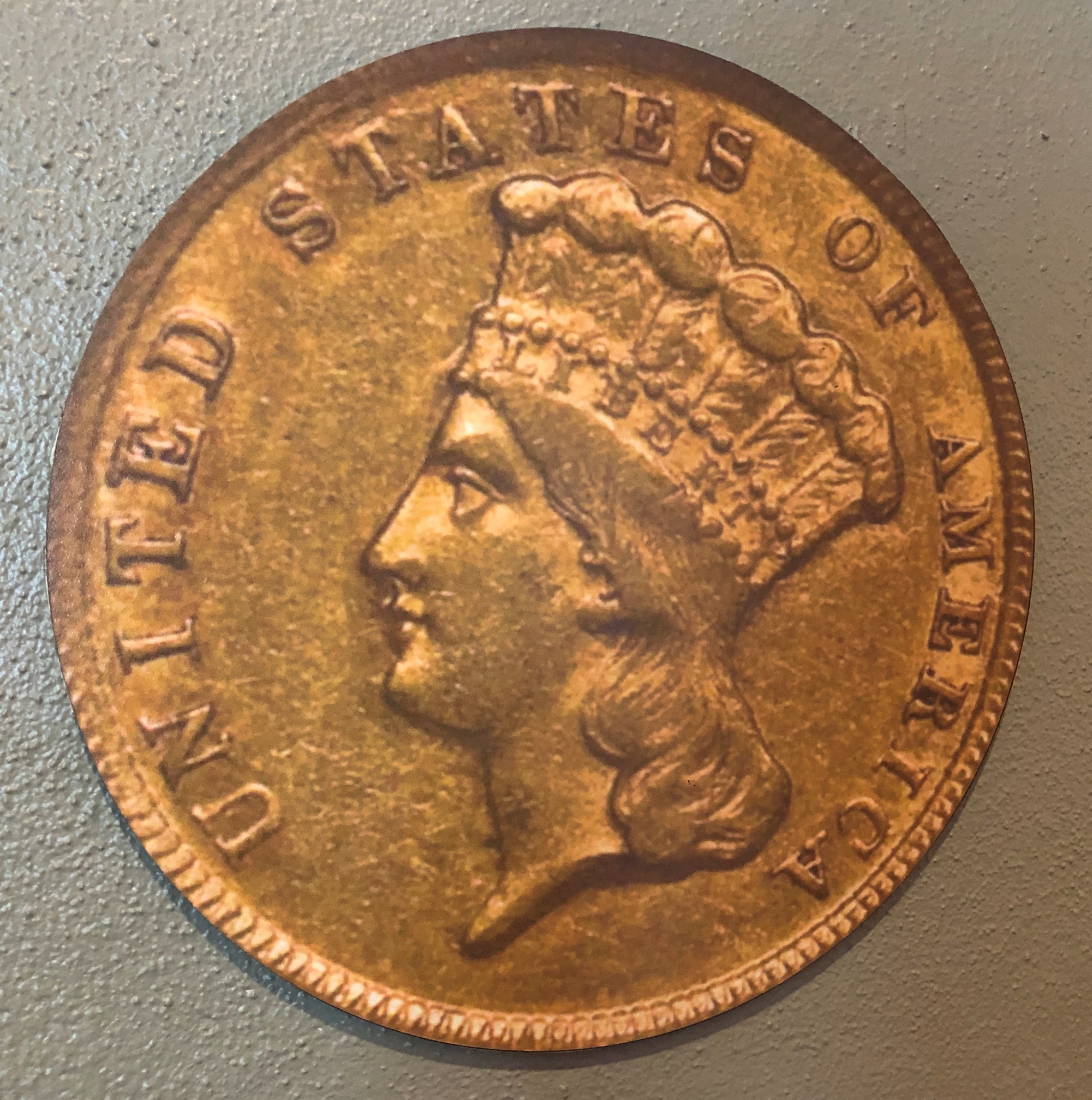
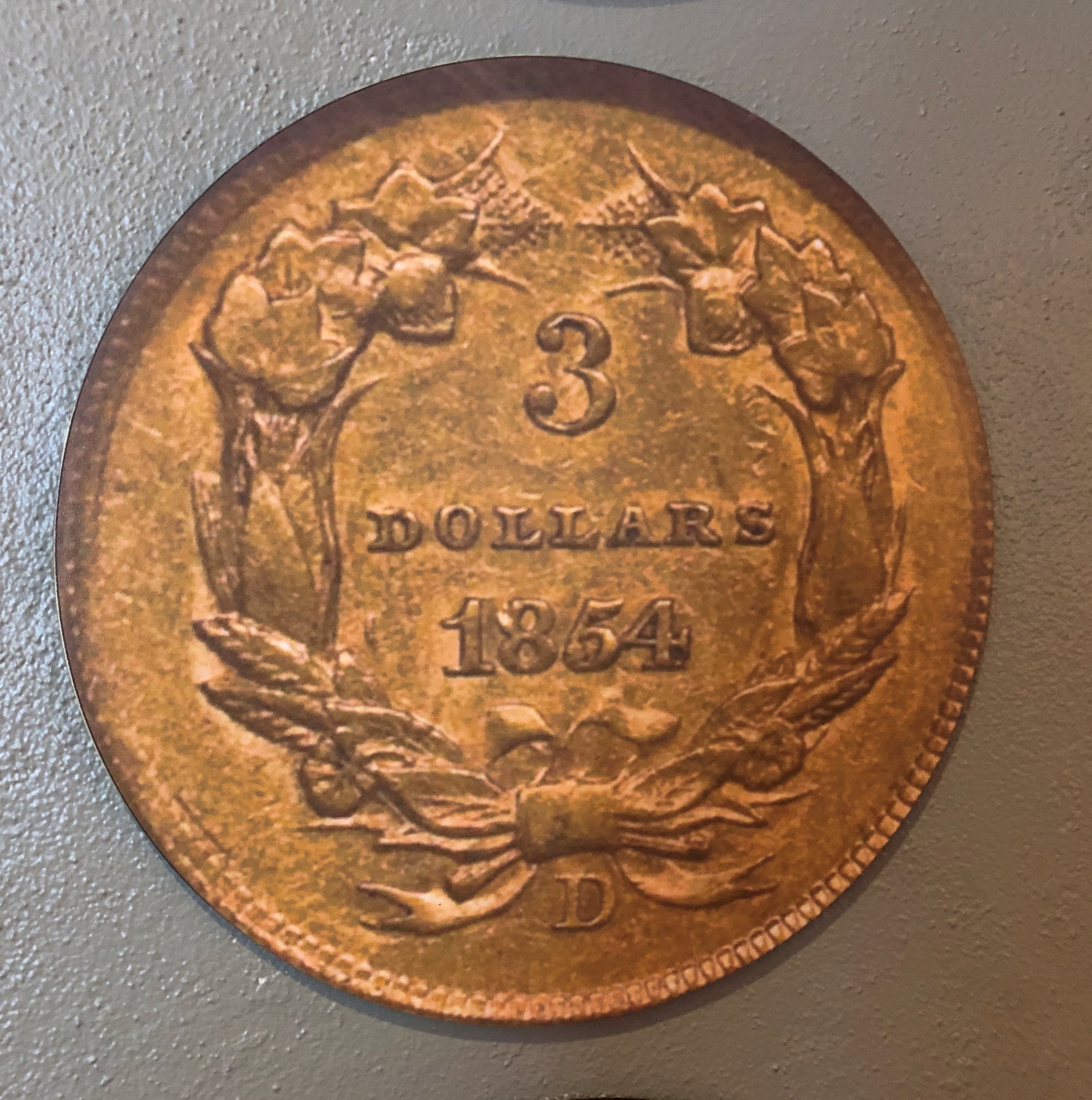
When pondering the immortal deeds of President Millard Fillmore, as one should occasionally, his signature on the Coinage Act of 1853 is worth a thought. The law, signed weeks before he left office, adjusted the silver content of most U.S. coinage, but also created the $3 gold piece. When that hoary old cliché about the queerness of a $3 bill is trotted out, I’d guess that most people don’t know that there was actually such a denomination. It was a gold coin rather than paper, made from 1854 to 1889, though few were minted most of those years.

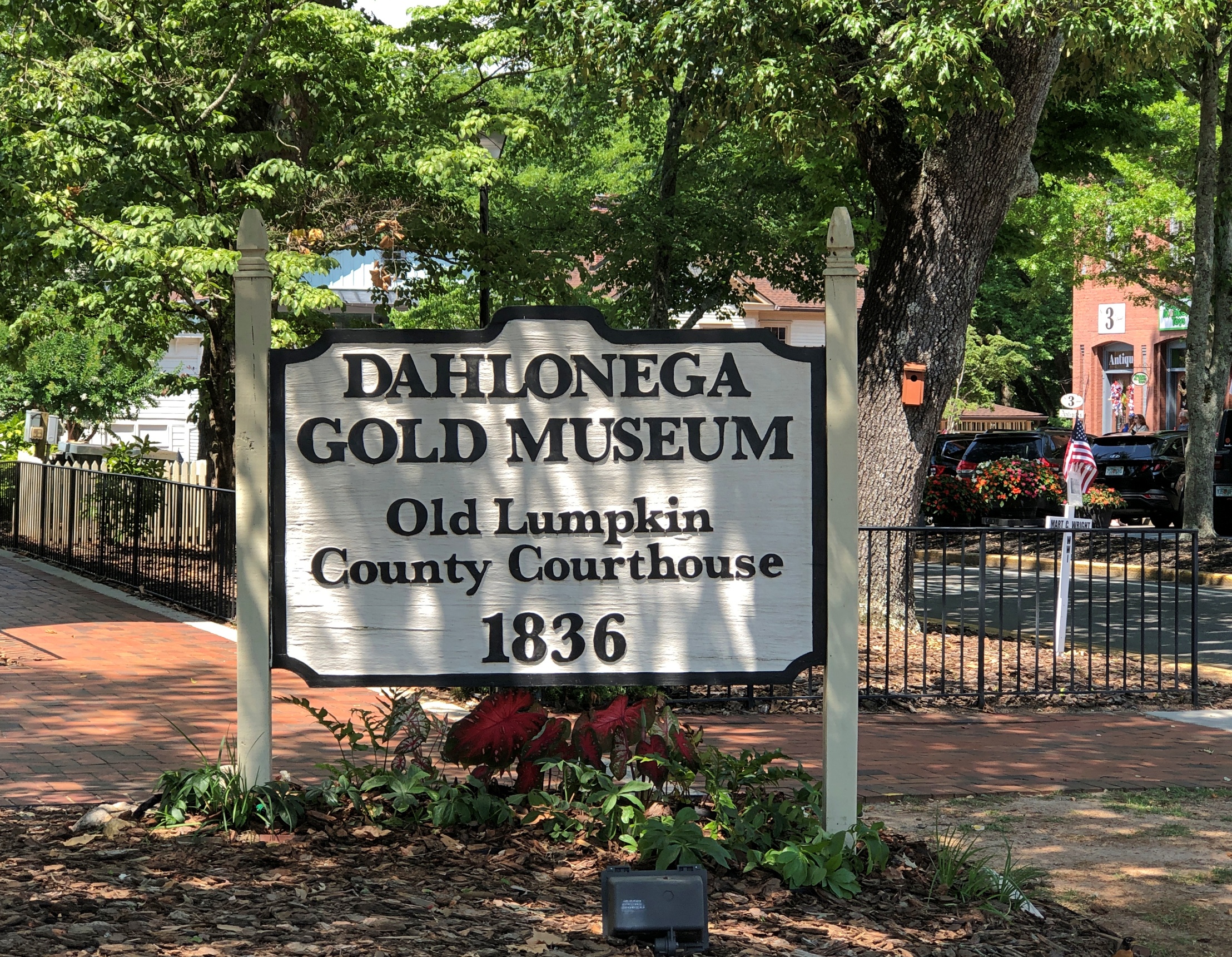
I already knew about $3 gold pieces before I arrived at the Dahlonega Gold Museum in late June on my way to Tennessee, but if I hadn’t, I could have learned about them there. Dahlonega, Georgia, used to be home to a branch mint where they were made. Only gold coins were made at Dahlonega, including that odd duck of a denomination for exactly one year (1854), but also gold dollars, quarter eagles and half eagles until 1861. No eagles or double eagles, however.

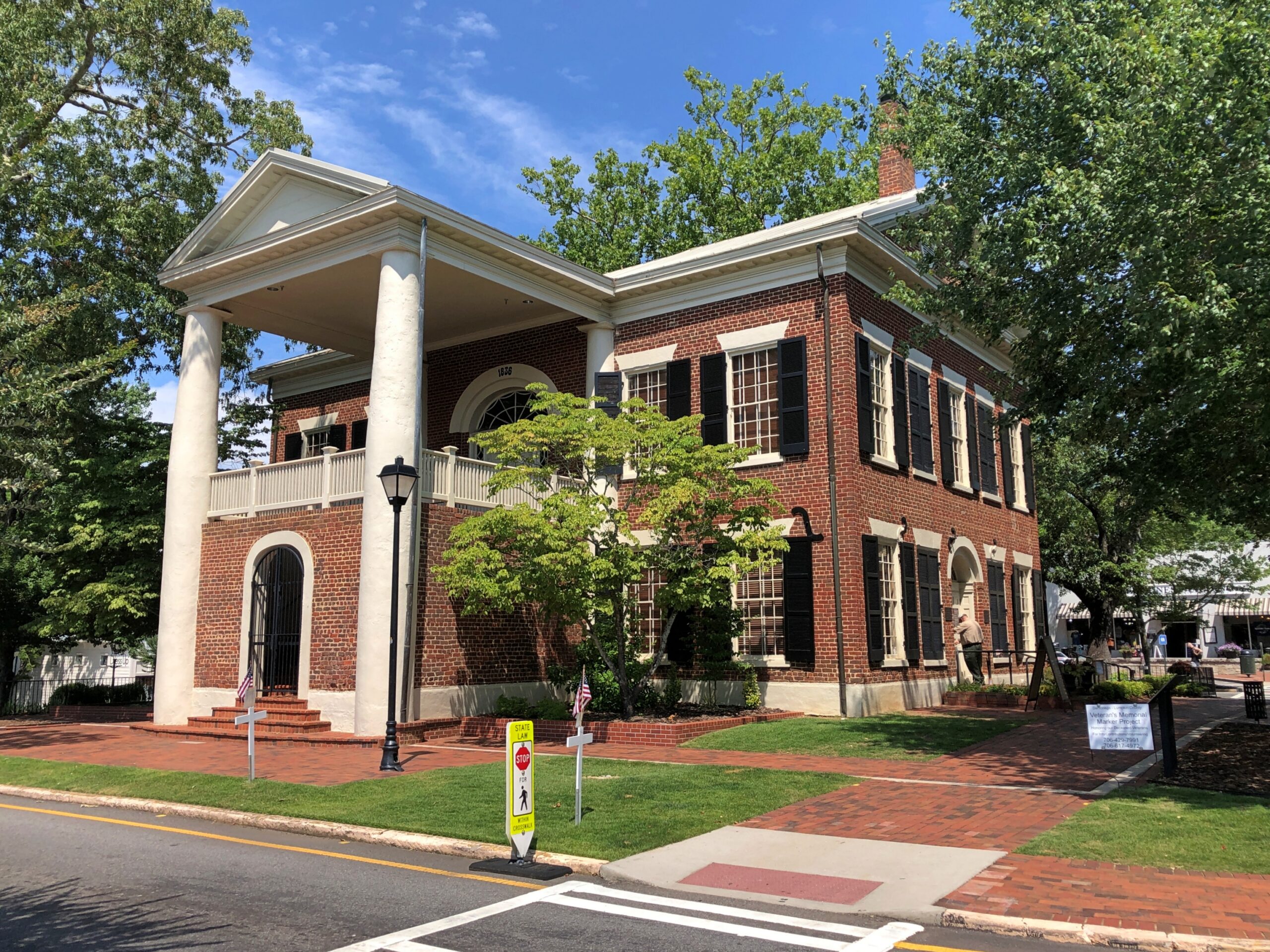
The history of gold coinage at the Dahlonega Mint wasn’t that long. Congress authorized a branch mint there (and in Charlotte, NC, and New Orleans) in 1835, and coin production started at Dahlonega in 1838. The north Georgia gold rush beginning in the late 1820s justified such a move. The Civil War resulted in the closure of the mint, which never reopened afterward, and not too much later, the mint building in Dahlonega burned down. The modern museum is in the former Lumpkin County Courthouse and tells the story of gold in the area.

The museum has exhibits about the mint, but also the gold rush, including information about the discovery and mining of the metal, some antique equipment, and a nod to the Cherokee on whose land the gold was discovered — the rush helped precipitate the Indian Removal Act — as well as the slaves and free labor that worked the streams and hills looking for gold. There was also, behind thick glass, a complete collection of Dahlonega gold coins, mint mark “D,” long before Denver got that letter for its coins.

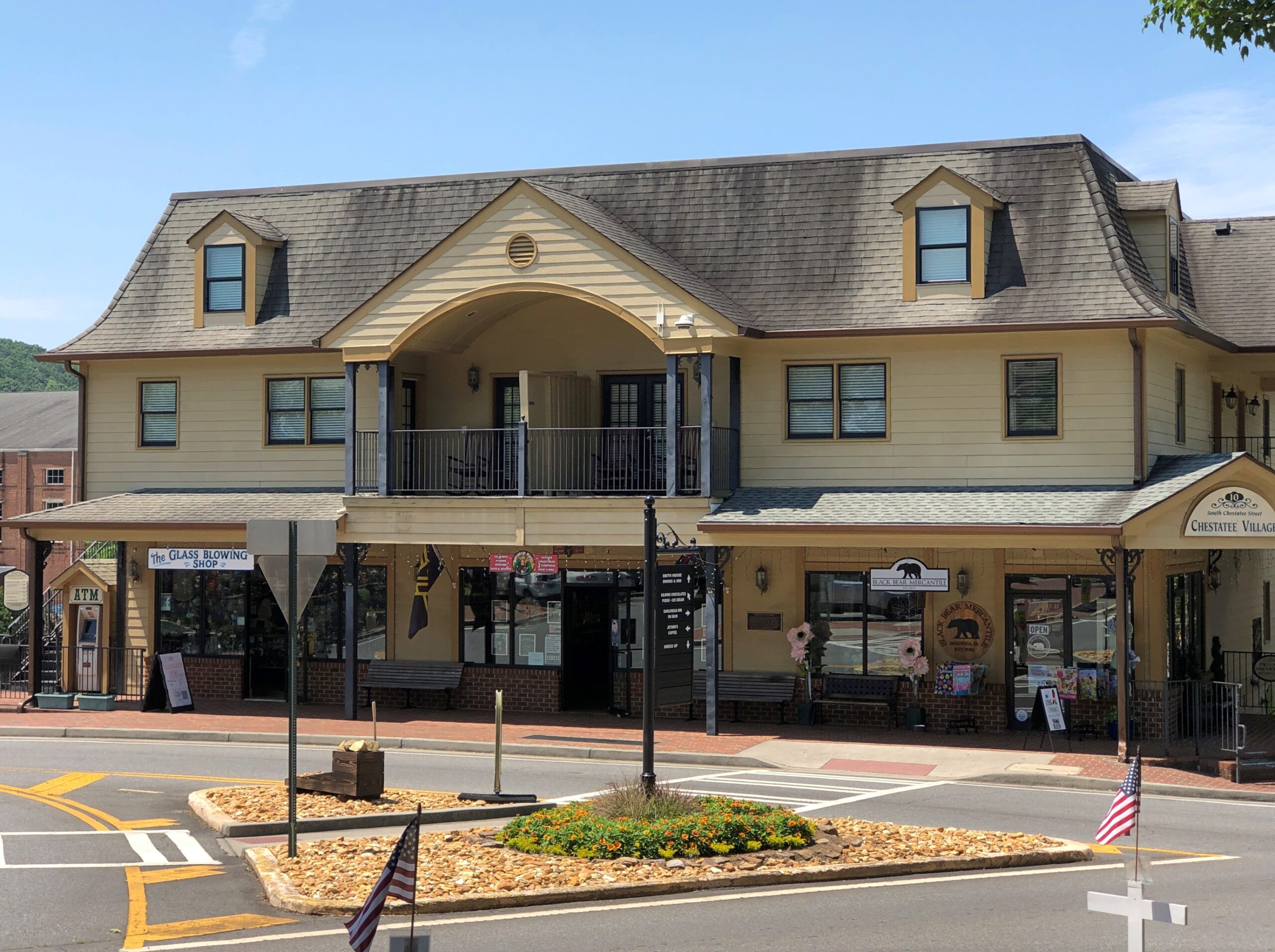
The protective glass made photographing the actual coins problematic, but the museum thoughtfully provided enlarged images of a few of the coins in its display, including the $3 piece.

Like the 20 cent piece or the Susan B. Anthony dollar, the $3 gold piece wasn’t popular when new. Too easily confused with the quarter eagle would be my guess, though their designs are very different. But they are popular among collectors now, and quite valuable. As a result, alas, I’m unlikely ever to own one. In the most extreme case, an 1870-S $3 piece, the only example known to exist, sold at auction in 2023 for more than $5.5 million.

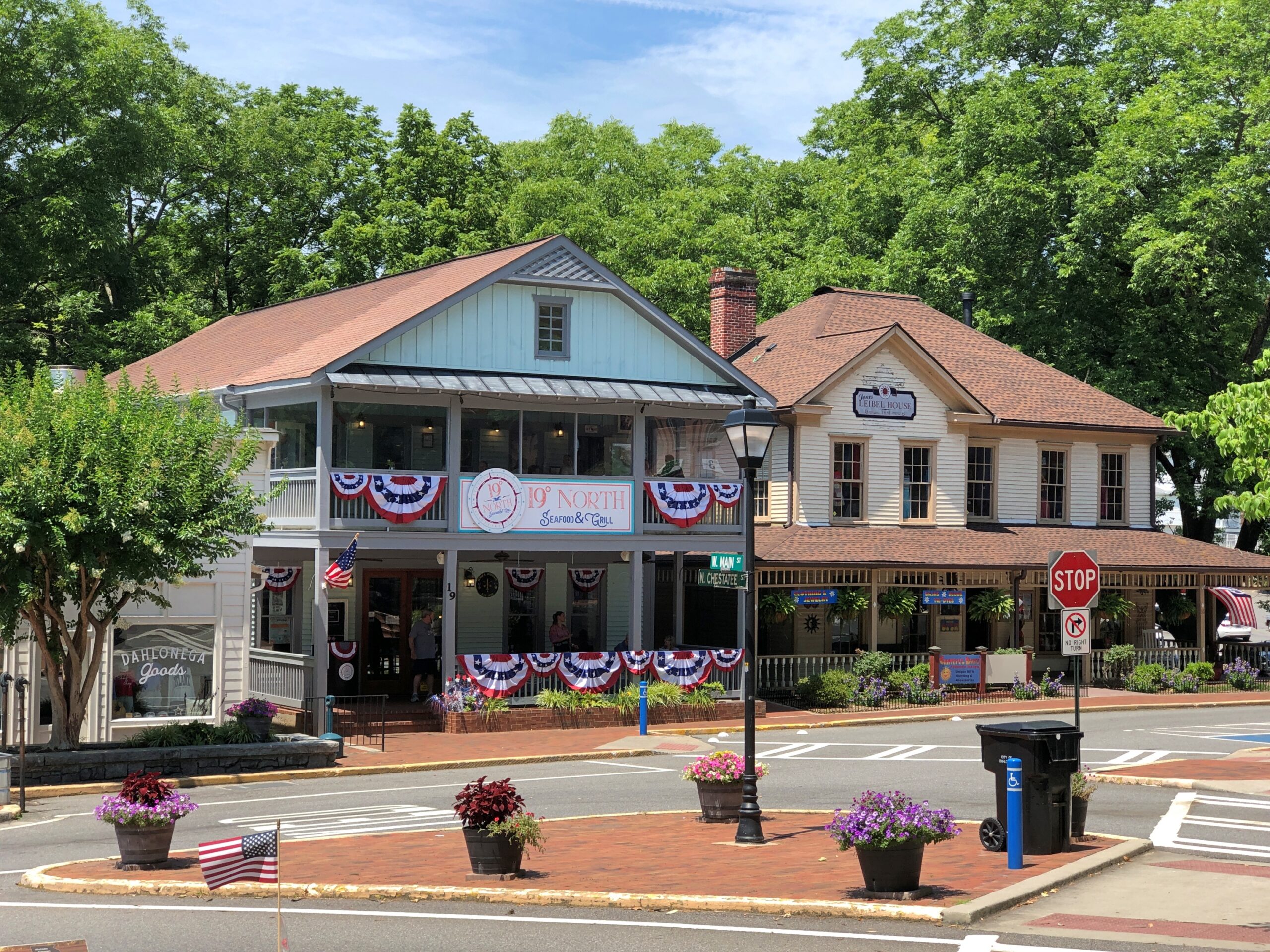
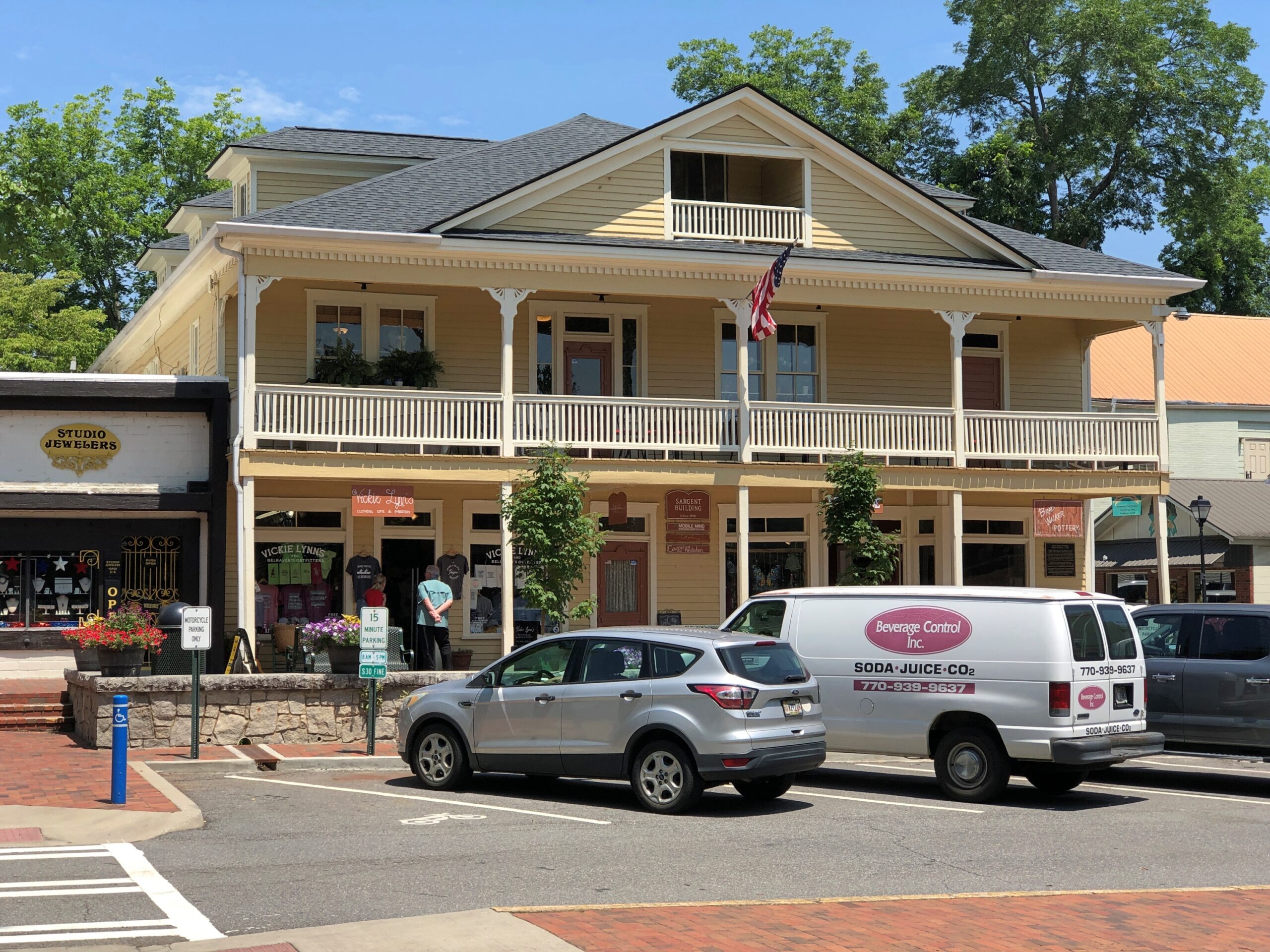
As for Dahlonega, its downtown has the handsome look of a day-trip destination from Atlanta and a lot of suitable businesses. On the former county courthouse square, you can find the likes of Gustavo’s Scratch Kitchen, Vintage Musical Instruments, Dahlonega Tasting Room, The Glass Blowing Shop, Studio Jewelers, Lynn’s Gifts, Country Cottage (also gifts), Local Pup pet store, 19° Seafood & Grill, Paul Thomas Chocolates, Dahlonega Goods and Dress Up Dahlonega.

Dahlonega, Ga.
Dahlonega, Ga.

A blazing hot day might not have been the best time for a visit, so the square wasn’t especially crowded. I only spent enough time on foot to get from a parking lot a block away to the museum, and then took a walk around the building under the shade of the trees on the grounds. For a hot summer day, not a bad walkabout. Certainly worth the effort to see some Dahlonega gold.