Things You See in Mount Carroll

Somewhere or other at some time, I read that Mount Carroll, Illinois, had enough things to see to recommend a short visit (how’s that for source amnesia?). Wherever I got it, I can pass along that recommendation. It’s a small place, with only about 1,800 people, but it has a sizable concentration of historic structures. We took a look at a few of them on the afternoon of June 20.

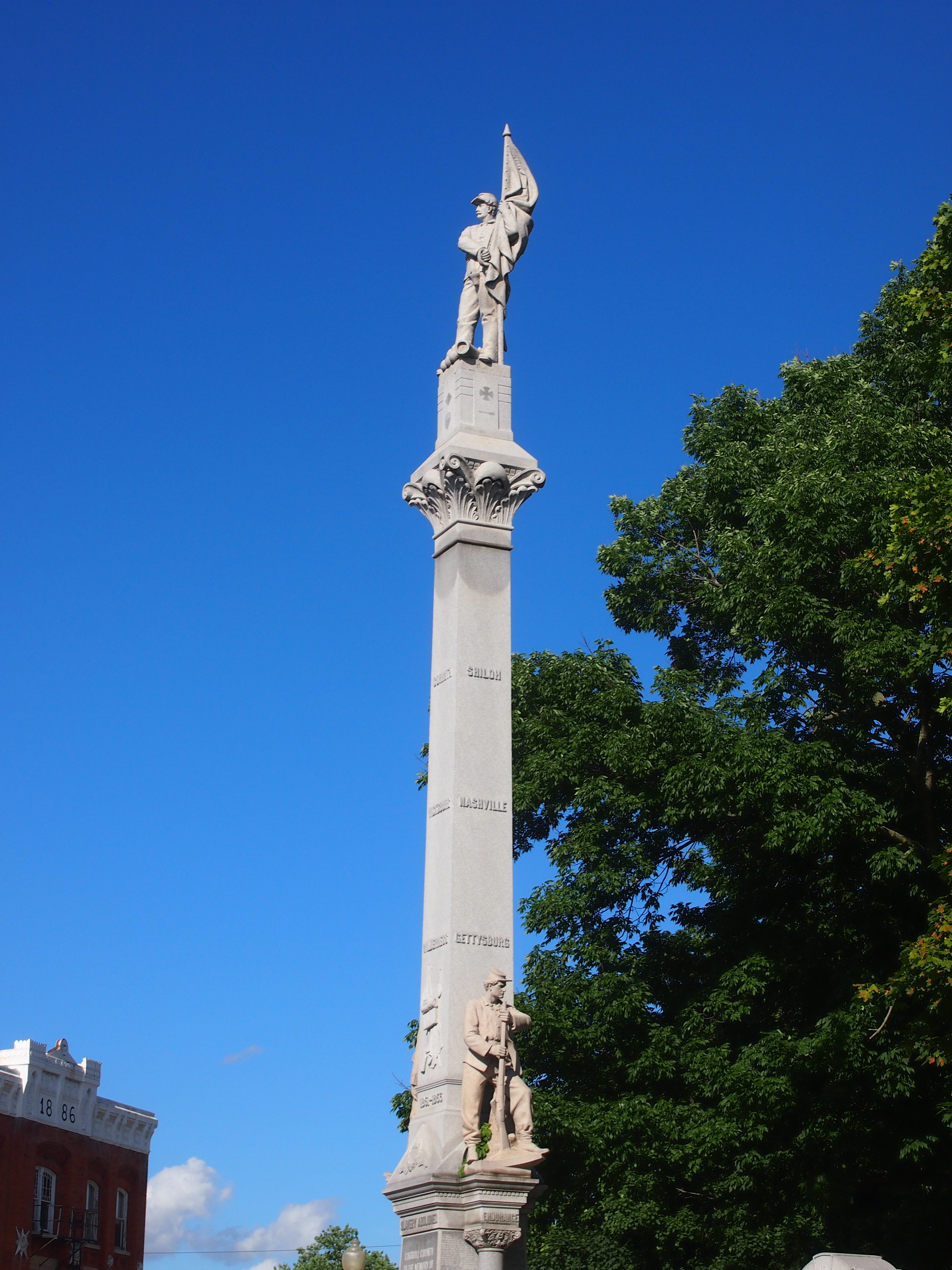
That includes a fine courthouse, the Greek Revival part of which dates back to before the Civil War. Elsewhere on the courthouse grounds are a few monuments – but not quite as many as some courthouses I’ve seen – including a tall one dedicated to Union veterans. Turns out that Lorado Taft sculpted the cavalryman at the top of the monument, which is formally called the Carroll County Civil War Soldiers And Sailors Monument.

Mount Carroll, June 20, 2014

Writing in the short-lived blog Larado Taft: The Prairie State Sculptor, Carl Volkmann says, “Lorado Taft was a member of a team of artists who was commissioned to create the Carroll County Civil War Soldiers And Sailors Monument. George H. Mitchell designed the monument, and Josiah Schamel constructed the foundation. John C. Hall designed the annex that was added later when county officials determined that there were many names missing from the original honor roll list.

Mount Carroll, June 20, 2014“The monument consists of a fifty-foot vertical shaft with a Lorado Taft-sculpted soldier holding a flag at the top. Lewis H. Sprecher of Lanark posed for the statue and made several trips to Taft’s Chicago studio to model for it. Two additional statues are attached to the base of the monument, one an infantryman and the other a cavalryman.”

Not far from the town square is a genuine, honest-to-God Carnegie Library that is, in fact, still a library. We went in for a look around. It seemed like a nice facility for a town the size of Mount Carroll. We were the only ones in the library except the librarian – it was about 30 minutes ahead of closing time on a Friday afternoon – and I spoke briefly to her, telling her that I wanted to show my daughters what a Carnegie Library was. I also wanted to come in because they aren’t exactly common sites.

Later, I checked, and my feeling wasn’t quite right. At least according to this Wiki list, some 60-odd Carnegies are still functioning libraries in Illinois alone, out of more than 100 originally built. Seems like most of them are in small towns away from metro Chicago, so unless you frequent that kind of small town, you won’t see them much.

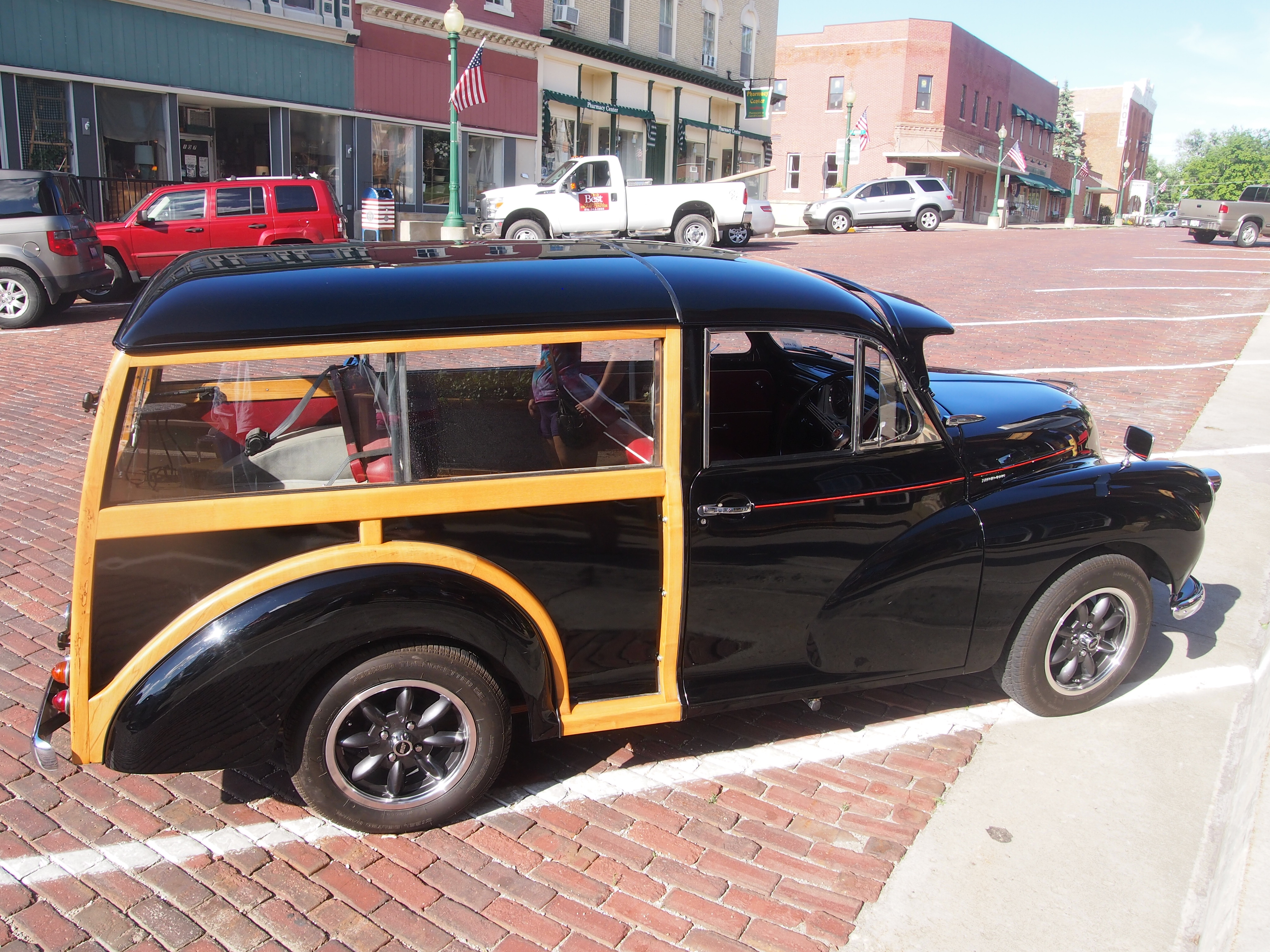
Just before we left town, we came across something that’s presumably not always near the courthouse in Mount Carroll: this unusual car.

Mount Carroll, June 20, 2014Unusual for American roads, that is. I don’t think I’ve ever seen a Morris Minor in this country. It’s so unusual that besides it being a Morris, I didn’t know anything else about it.

Naturally, I had to look it up. Through the marvel of Google images, I was able to pin it down to a Morris Minor 1000 Traveller. In its pages on Morris Minor history, Charles Ware’s Morris Minor Centre Ltd. in Brislington, Bristol, says “there is only one other car on British roads today which is as familiar as the Morris Minor, and that’s the Mini. That both were designed by the same man is no coincidence, and indeed Sir Alec Issigonis is one of the very few car designers whose name is recognised by the man or woman in the street and not just by enthusiasts or fellow engineers. [This might be true in the UK, but I have no way to judge that.]

“The products of Sir Alec’s genius have had a profound and highly beneficial influence on the British motor industry, so it is hardly surprising that it is his first car, the Morris Minor of 1948, which has become the subject of this proposal for a long-life car.” Morris Minor 1000 Traveller, Mount Carroll, Illinois, June 2014

More about Sir Alec here. I’m not sure I’d want to own a Morris Minor myself, but it’s a distinctive design. Good to see one loose on the roads of North America. I’m glad there are enthusiasts in this country. Any fool with money can buy a snazzy new sports car or a Lexis or the like, but it takes some imagination to invest in a Morris Minor.

The Dickeyville Grotto

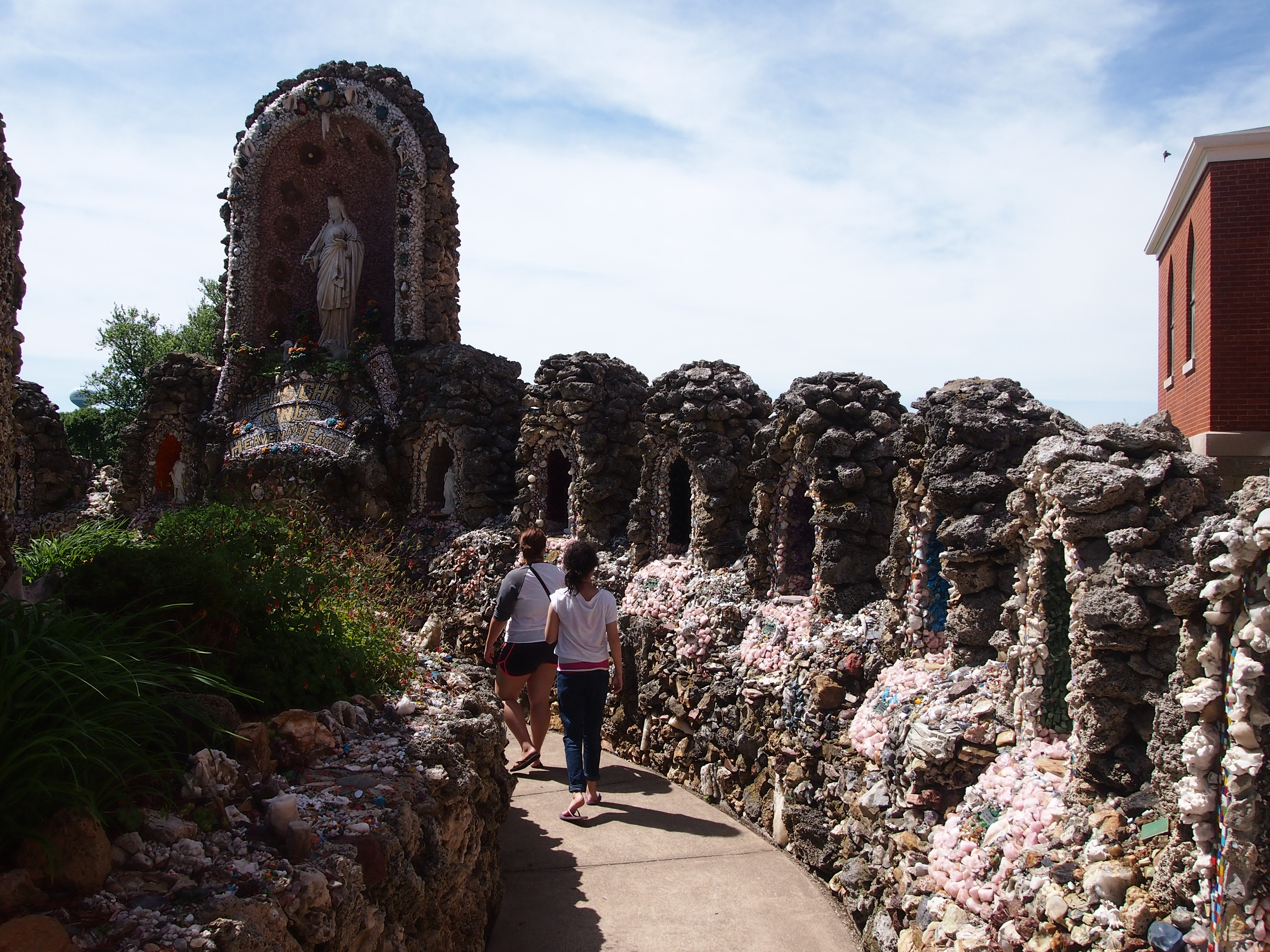
Writing for PBS, cultural anthropologist Anne Pryor says that, “In Dickeyville [Wis.], one of the area’s small towns, is Holy Ghost parish, the home of a remarkable piece of folk architecture. Situated between the rectory, church, and cemetery is the Dickeyville Grotto, a structure so amazing that I have seen unsuspecting drivers come to a full halt in the middle of the road to gape. What stops them short is a 15-foot-tall false cave, decoratively covered with colored stone and glass, dedicated to Mary the mother of Jesus, to God and country.

“Although the name implies a singular structure, the Dickeyville Grotto is actually a series of grottos and shrines. It includes the grotto dedicated to the Blessed Mother, the structure seen from Highway 61; a shrine dedicated to Christ the King; a shrine to the Sacred Heart of Jesus; and a Eucharistic Altar in the parish cemetery, formerly used for annual outdoor Corpus Christi processions. The large Patriotic Shrine depicts the history and love of country represented by Columbus, Washington, and Lincoln.

“All of these creations display decorative embellished cement ornamentation achieved by placing patterns of colorful materials in the concrete when it is still damp: shells, stones, tiles, glass, petrified moss or wood, geodes and gems. Iron railings with the same distinctive decorations border the walkways between the different shrines and grottos, unifying these separate structures.”

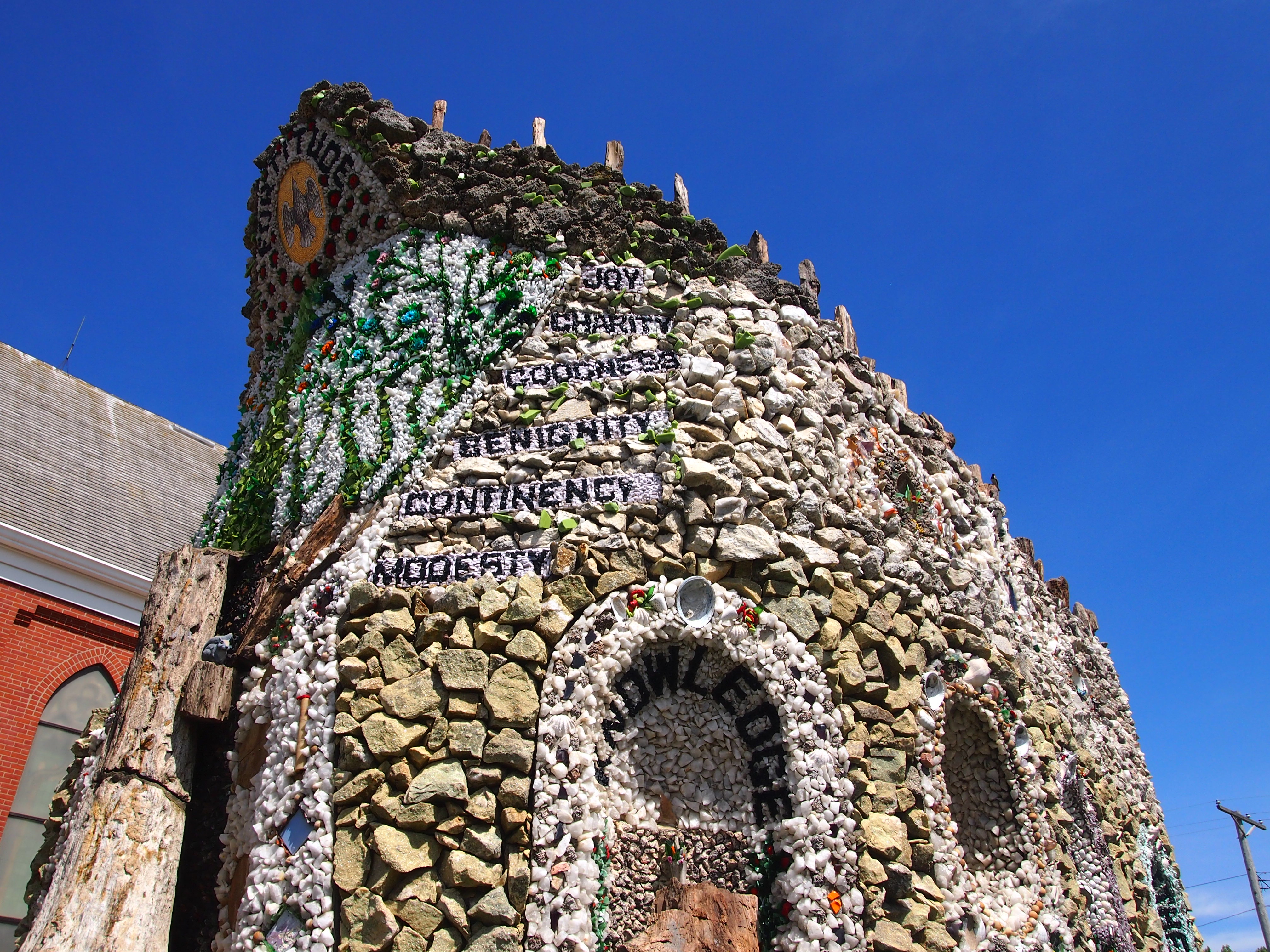
We arrived at the Dickeyville Grotto late in the morning on Sunday, when it was already sunny and very warm. The Blessed Mother grotto is striking indeed, and in case there’s any doubt, the site proclaims itself to be about RELIGION and PATRIOTISM. (And another sign mentions the gift shop.)Dickeyville Grotto, June 2014Dickeyville Grotto, June 22, 2014Here’s the back of the Marian grotto. Virtues are literally written in stone.

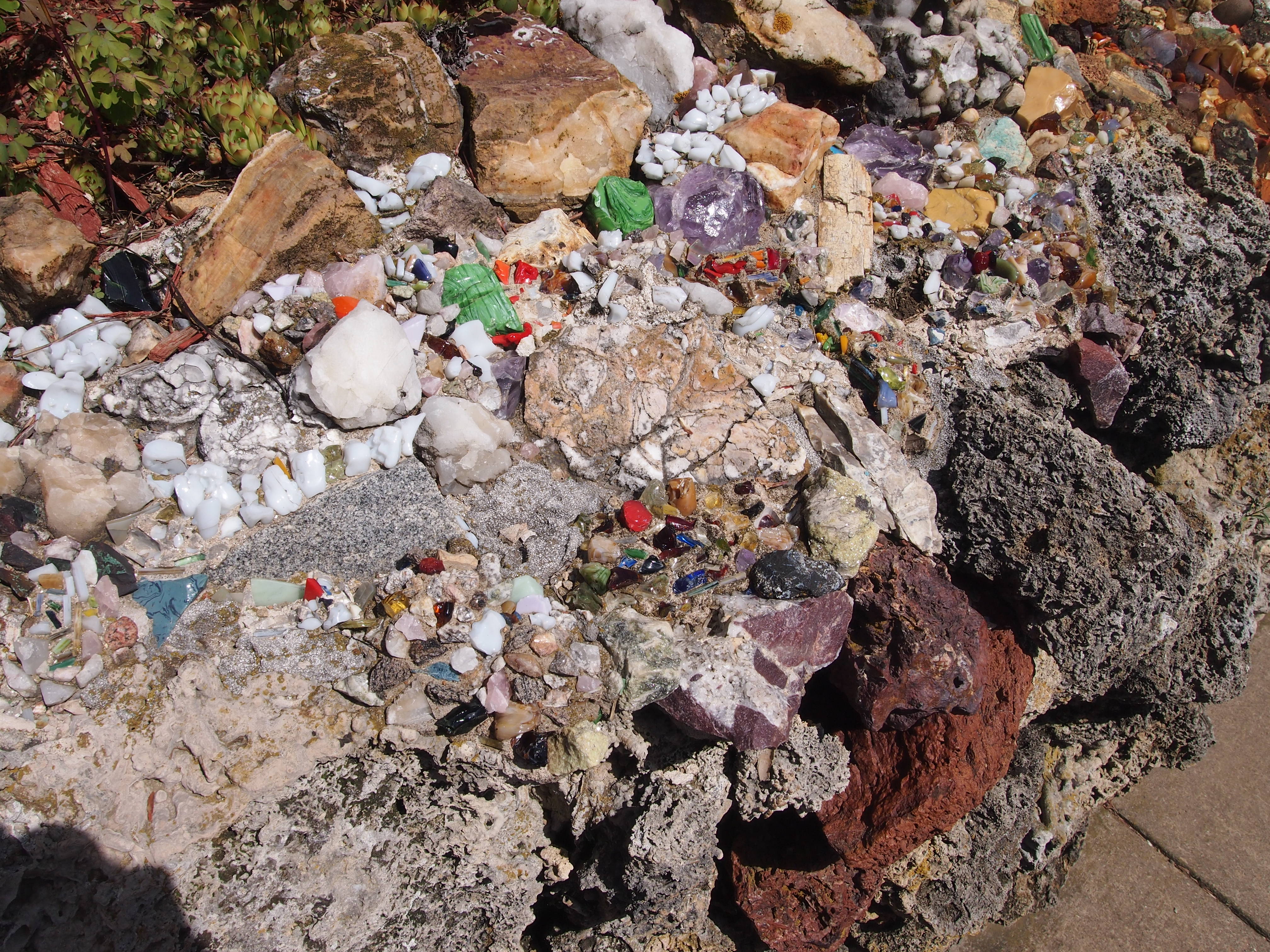
OLYMPUS DIGITAL CAMERAMost of the surfaces are as colorful as can be. Under strong sunlight’s a good way to see it.

Dickeyville Grotto, June 2014Father Mathius Wernerus, priest at Dickeyville’s Holy Ghost Parish, and his parishioners built the grotto during the late 1920s. It was renovated in the late 1990s. The timing of its origin must account for the aforementioned and odd (to us) Patriotism Shrine, with Columbus, Washington, and Lincoln. The patriotism of U.S. Catholics was widely and openly questioned at the time, so it makes sense.

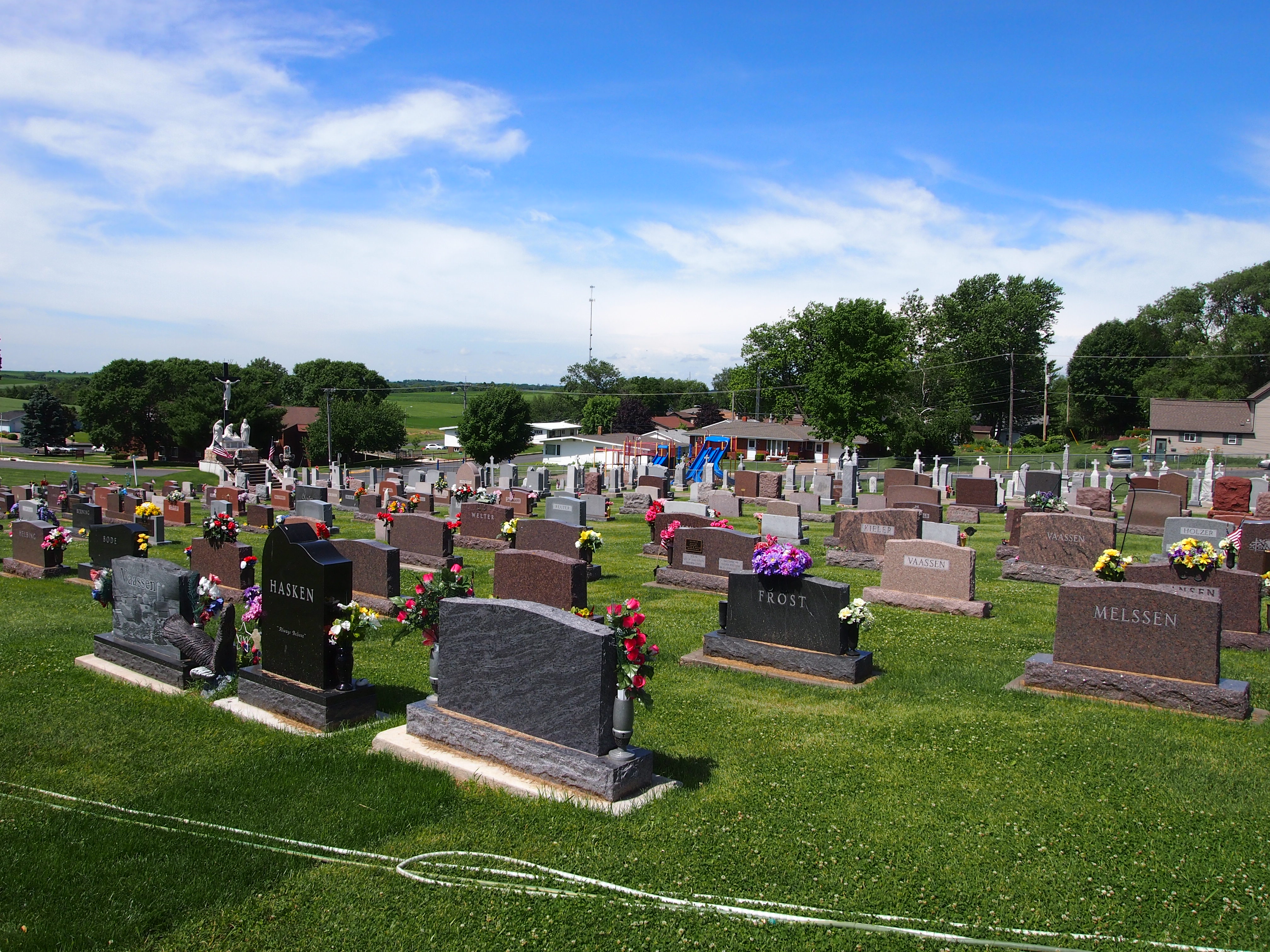
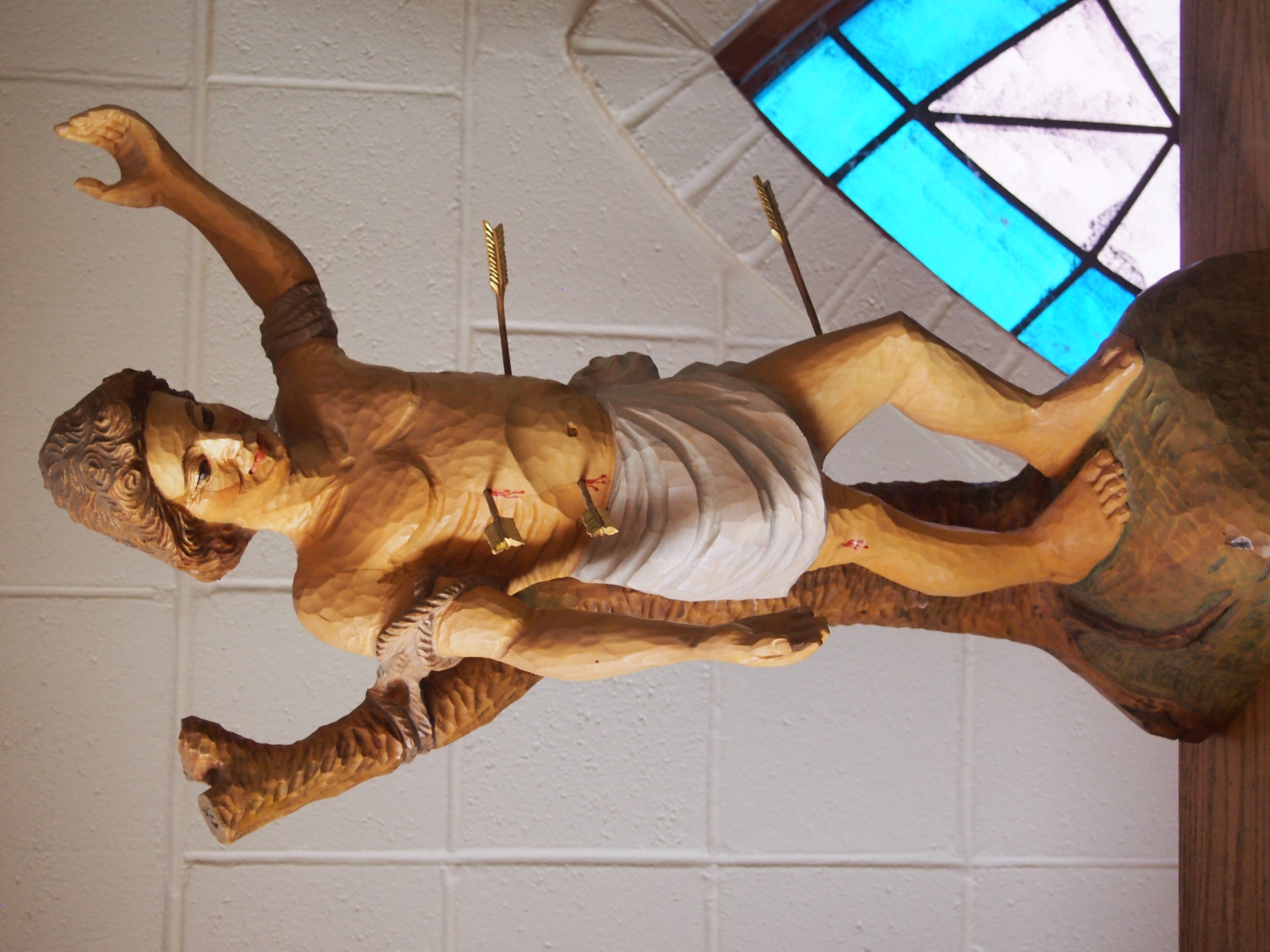
Dickeyville Grotto, June 2014Dickeyville Grotto, June 2014Also worth seeing at Holy Ghost Parish is the cemetery, which fulfilled my informal requirement of at least one cemetery visit per trip. While my family poked around the gift shop, I strolled through the cemetery. Not a lot of fancy funerary art, but still a handsome array of gravestones in a bright Midwestern setting. The most interesting stone I saw was a large one depicting a large farm, which presumably the deceased had owned and operated.Holy Ghost Parish, Dickeyville, Wisc., June 2014Also worth seeing, and not just for the air conditioning, was the church building. Its stained glass is nice, and tucked away in the landing of the stairway that connects the basement and the nave are a couple of statues with themes you don’t see that often (at least I don’t), such as St. Sebastian, whom I’ve seen depicted more often in paintings.

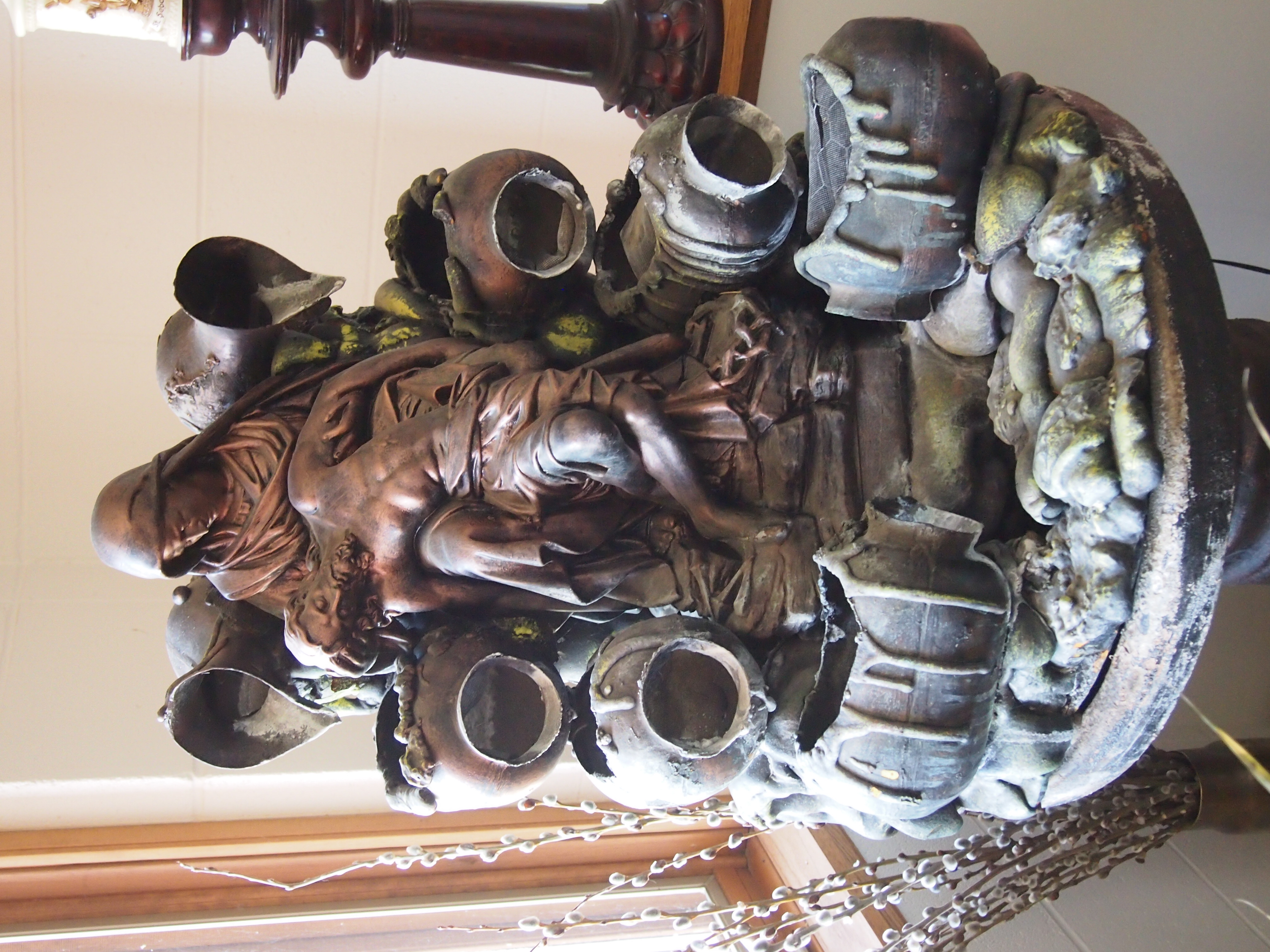
Holy Ghost Parish, Dickeyville, Wisc., June 2014 And this pietà. Maybe I’m not up on my Christian symbolism, though I have heard of broken vessels standing in for us sinners. But I’ve never seen a statue quite like this.

Holy Ghost Parish, Dickeyville, Wisc., June 2014I didn’t see anything to identify the work or the artist, so I’ll have to leave it at that. Enough to say that Holy Ghost Parish and its vernacular grotto were well worth detouring a few miles into extreme southwestern Wisconsin to see.

The Hide Vendor of Giddings

One more item from Central Texas in late April. En route to San Antonio, Jay and I were at a stop light in Giddings, seat of Lee County, when we saw something neither of us had ever seen anywhere else.

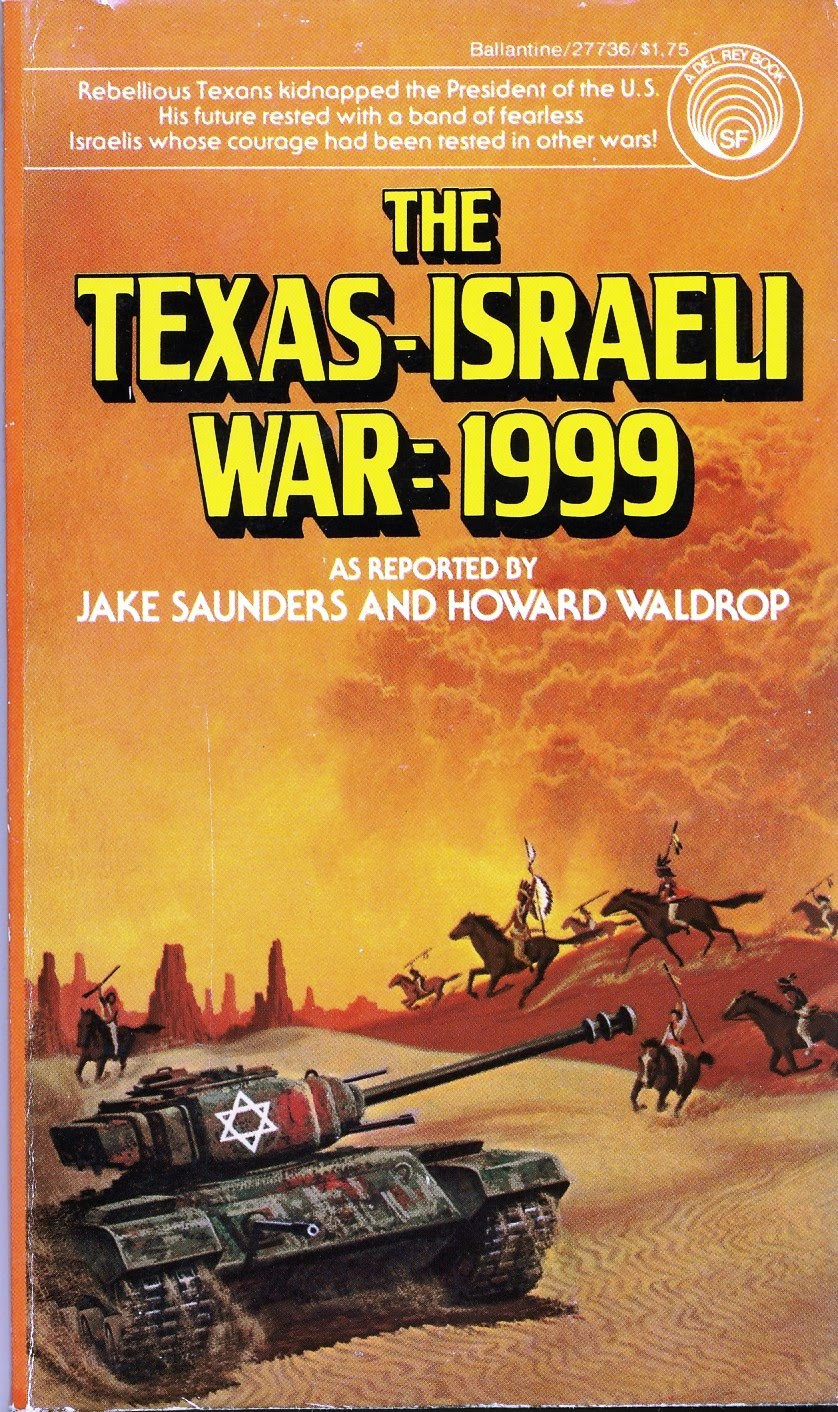
It wasn’t the road sign marking the way to Dime Box, which I saw to the right, from the passenger’s seat. I’ve never been to Dime Box, but I remember the peculiar name — and the neighboring town Old Dime Box — from maps and because (I think) it was the capital, or at least the seat of power, in post-nuclear war Texas in the little-remembered SF novel The Texas-Israeli War: 1999.

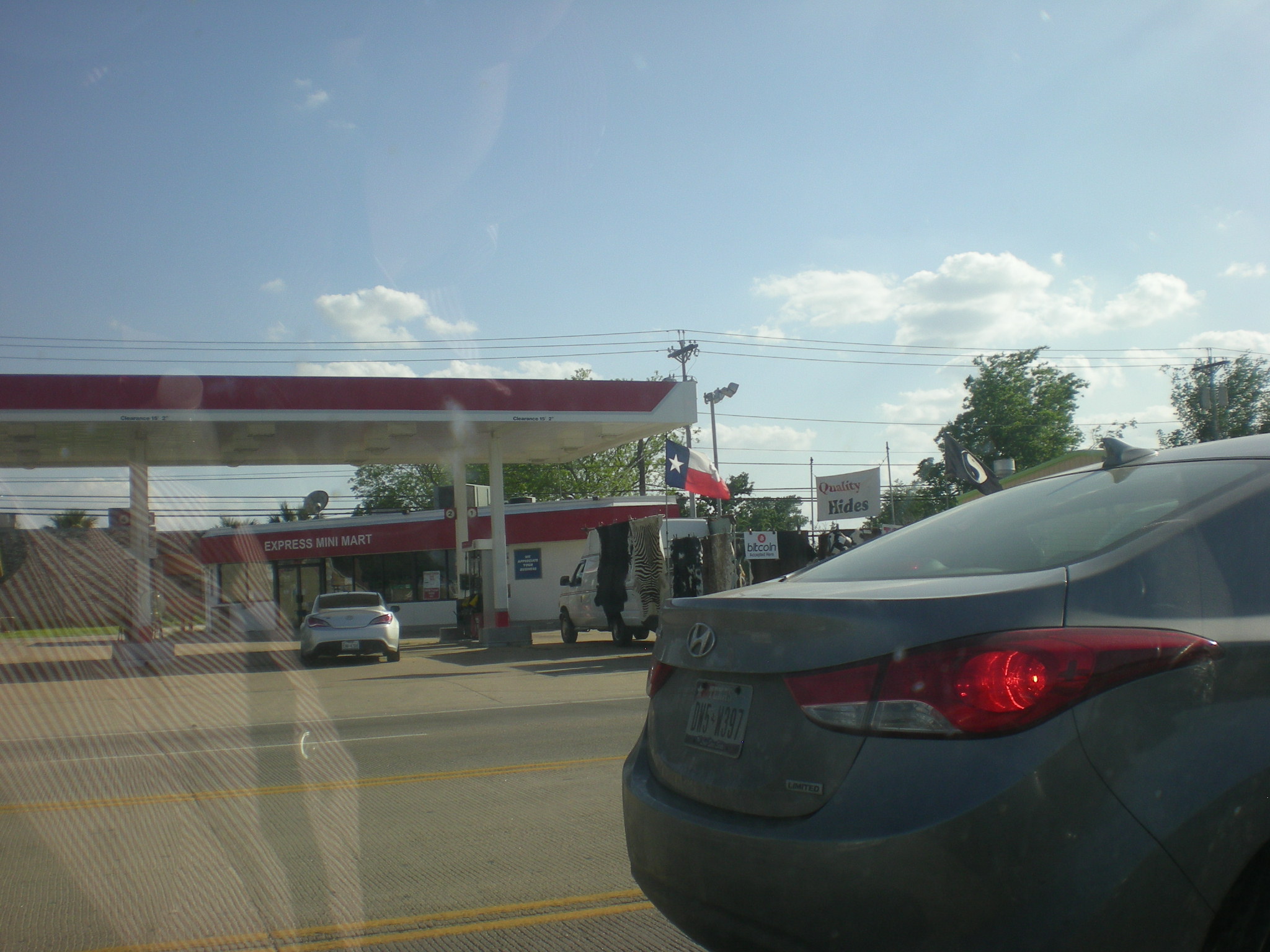
From the driver’s seat, Jay saw something entirely more remarkable. I handed him my camera and he was able to take a shot just before the light turned green.

Texas4.25.14 067 The van at the gas station is selling Quality Hides, and you can see some hides hanging on display. But that’s not the strange thing, even though I’d never seen van-based hide selling before. This is central Texas, after all. Lots of cattle around. A hide-seller’s no big deal.

Look a little closer, between the Texas flag and the Quality Hides banner.

We Take BitcoinBITCOIN Accepted Here.

Oh, really? What’s the story here? A dealer in hides so libertarian in his sympathies — so anarchist maybe — that he takes, or wants to take, the famed cryptocurrency? What are the odds that someone driving along in Giddings, Texas, on a fine spring day will be in the market for a hide and just happen to have a Bitcoin or two burning a hole in his virtual pocket?

Or is this just the vendor’s idea of a joke? Guess I’ll never know for sure.

Independence Hall & The Brazos

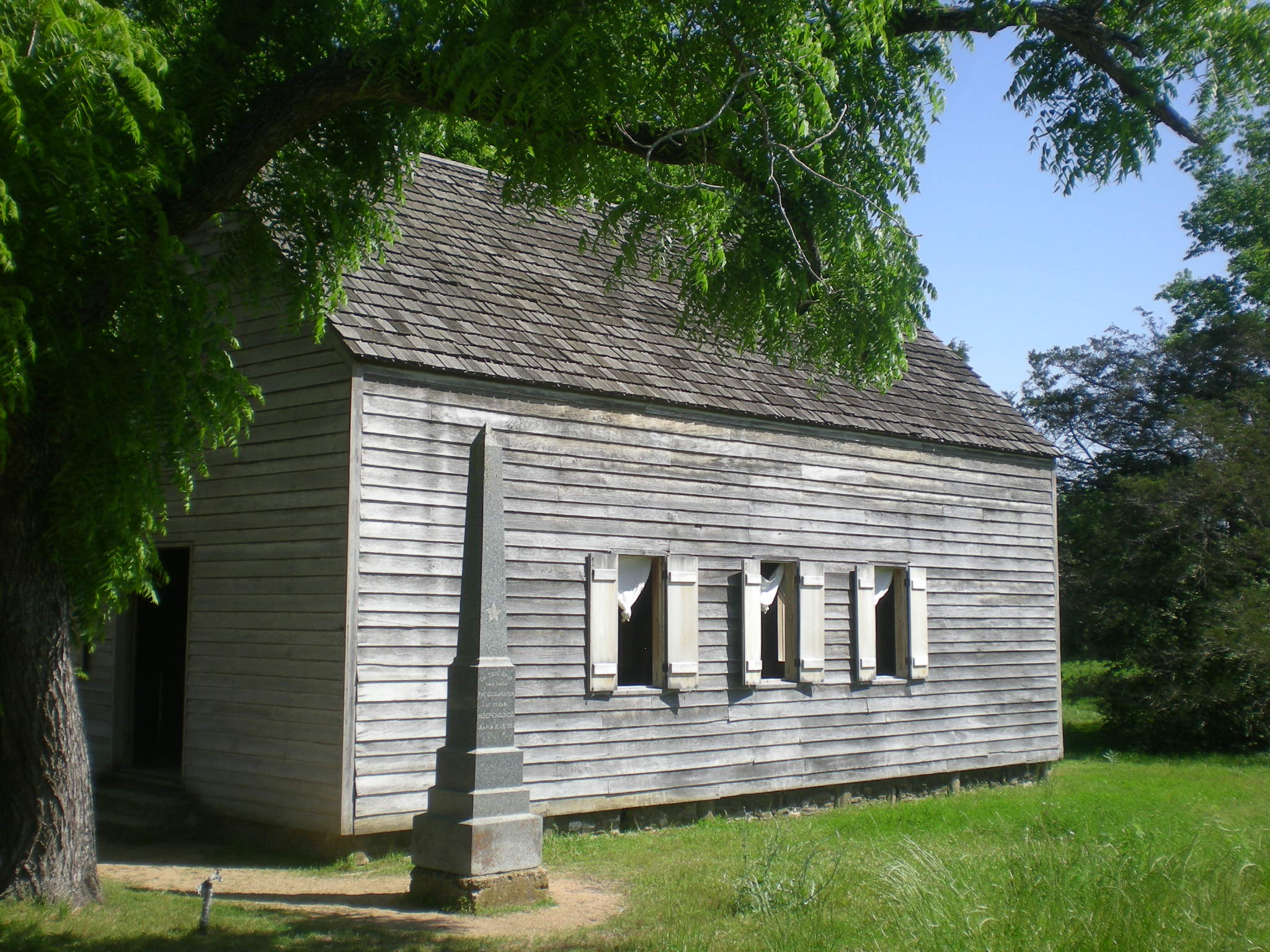
The main attraction at Washington-on-the-Brazos State Historic Site, as far as I’m concerned, is Independence Hall. Texas Independence Hall, that is, a much more modest and lesser-known structure than the one in Pennsylvania.

Independence Hall, Texas 2014Actually, it’s the second replica of the original building, dating from the 1950s, which replaced a 1910s replica put on the site. There’s something to be said for replicas or even hasty copies. After all, much of what survived the golden age of Greek civilization was through Roman copies.

The display inside is refreshingly informal. Go in through the open door and there you are. There are no roped off areas, probably because everything inside’s a recent copy. Not that there’s much inside. Just a few long wooden tables, some straight-back wooden chairs, and a couple of jugs, maybe to represent the hard cider on hand to steady the delegates’ nerves. The small obelisk just outside the door says On This Spot Was Made the Declaration of Texas Independence – March 2, 1836.

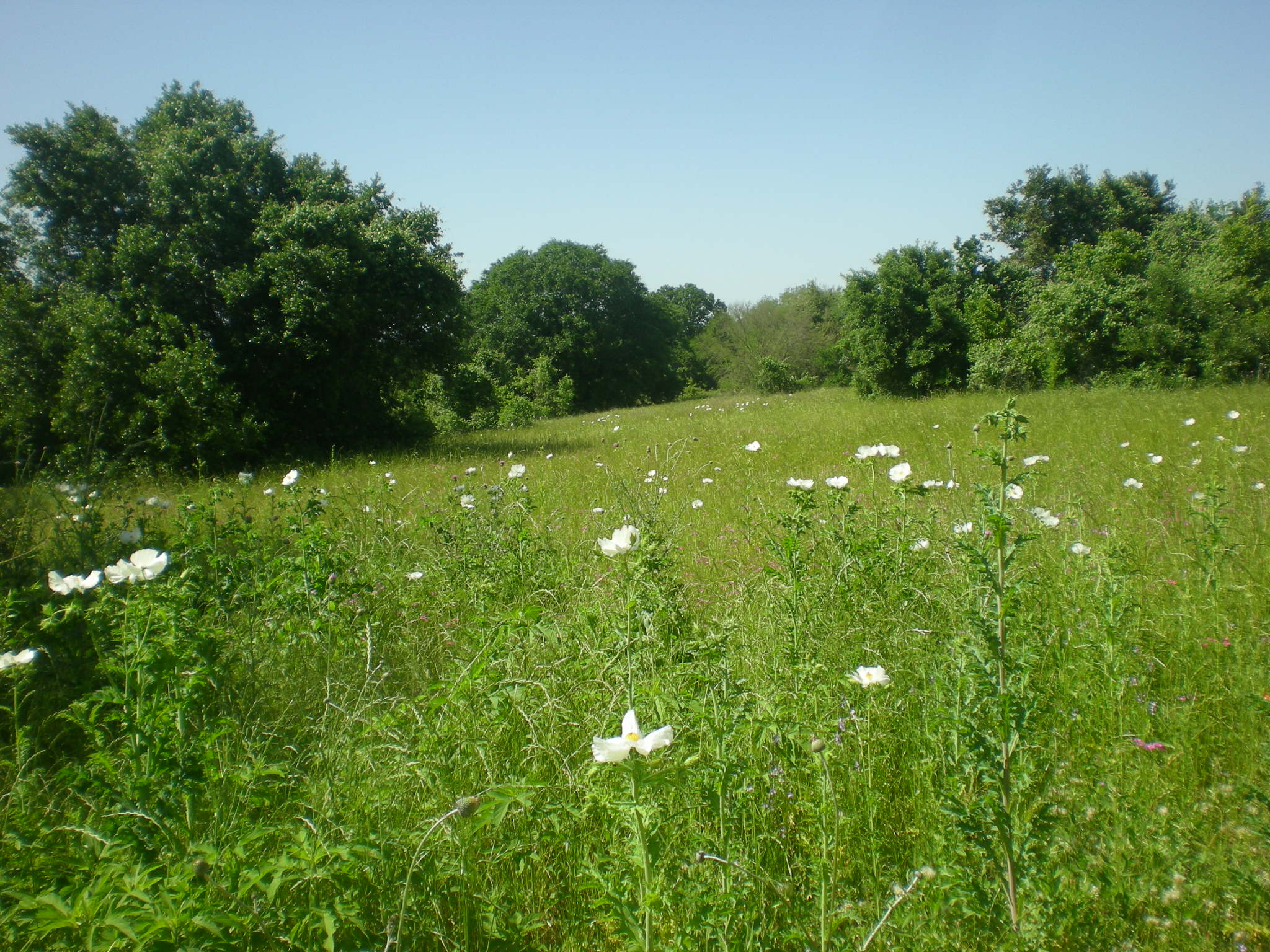
There isn’t much else, at least in the way of structures, near Independence Hall. Various paths lead off from it through the rest of the historic site, including one to the Brazos River. The scenery along the way looks like this, at least in late April in a non-drought year.

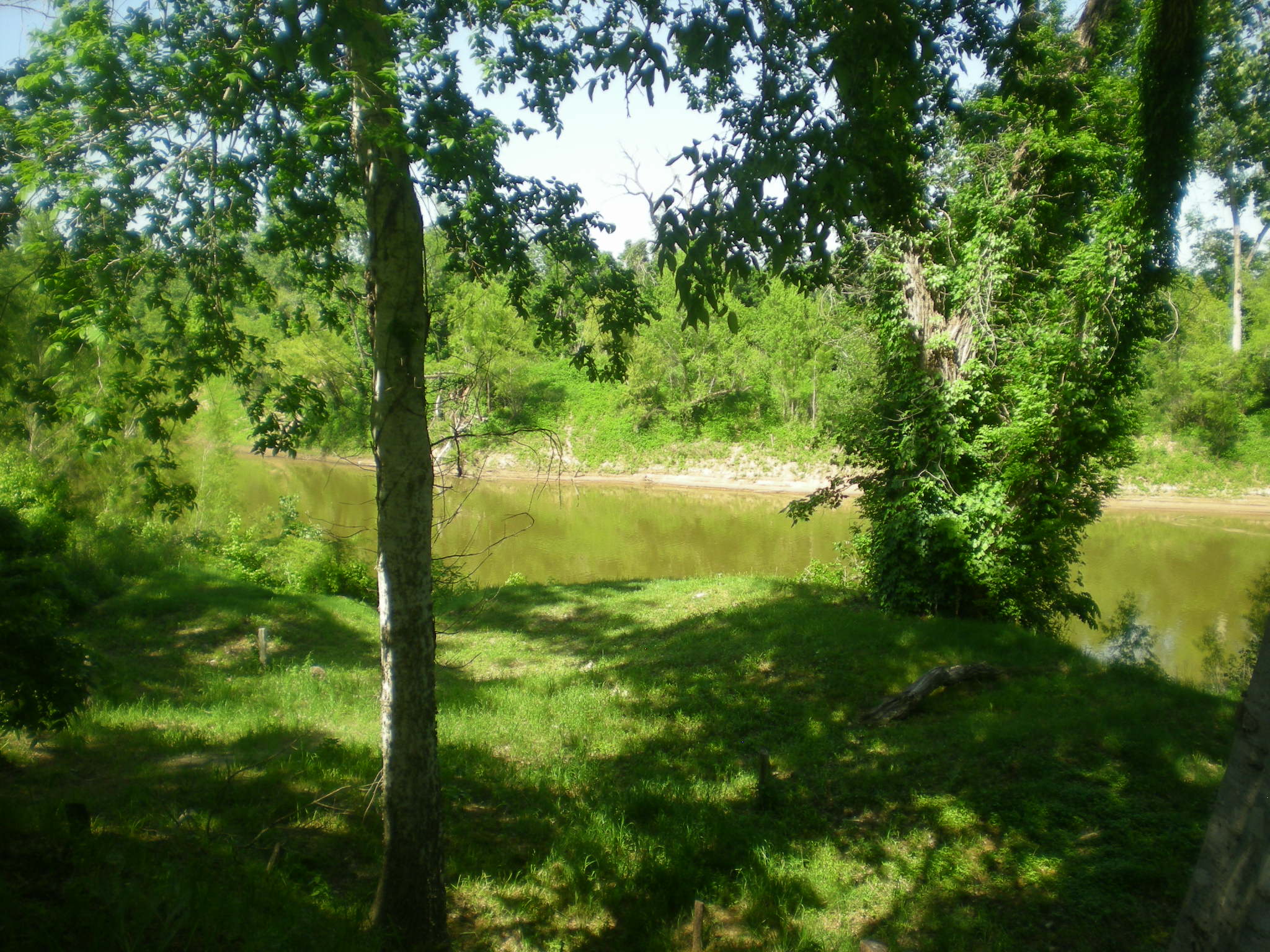
Texas4.25.14 064Before long you arrive at the banks of the Brazos. It seems like an under-appreciated river. For a moment I thought I’d never been to its banks before, but of course I have – and not that long ago, when I walked along the Brazos in Waco in 2009, and even crossed it on a footbridge. But it hardly seems like the same river, even though maps tell me that it is.

Texas4.25.14 065Something I didn’t know about the Brazos before today: it’s the 11th longest (source-to-mouth) river in the United States, according to the U.S. Geological Survey, and for that matter the longest within Texas. It used to be navigable as far north as Washington-on-the-Brazos, but its career as a river of commerce didn’t really take off. Finally, no less an authority than Hank Hill says that Alamo Beer is “from the lukewarm headwaters of the mighty Brazos River.”

The Bonfire Memorial

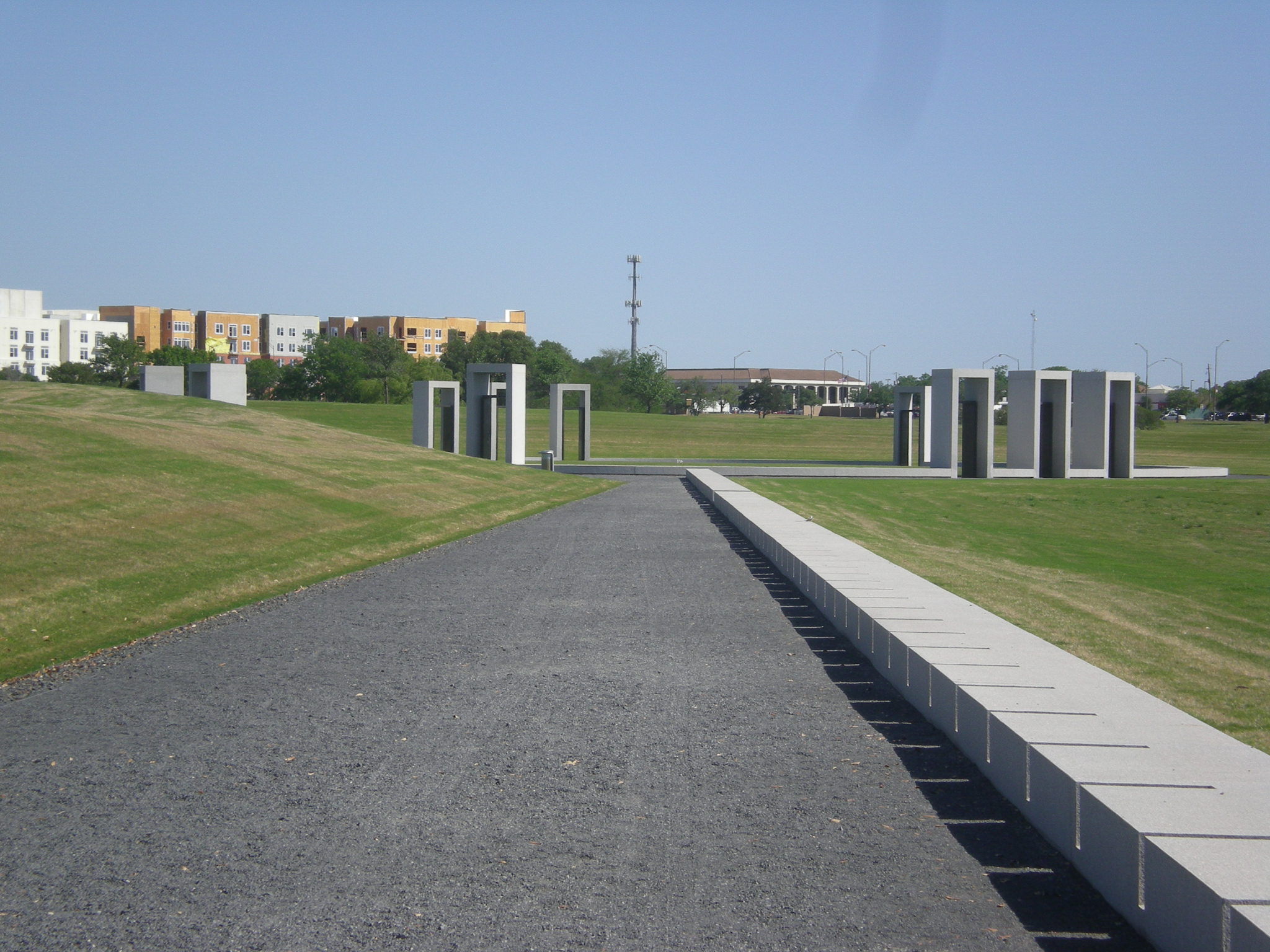
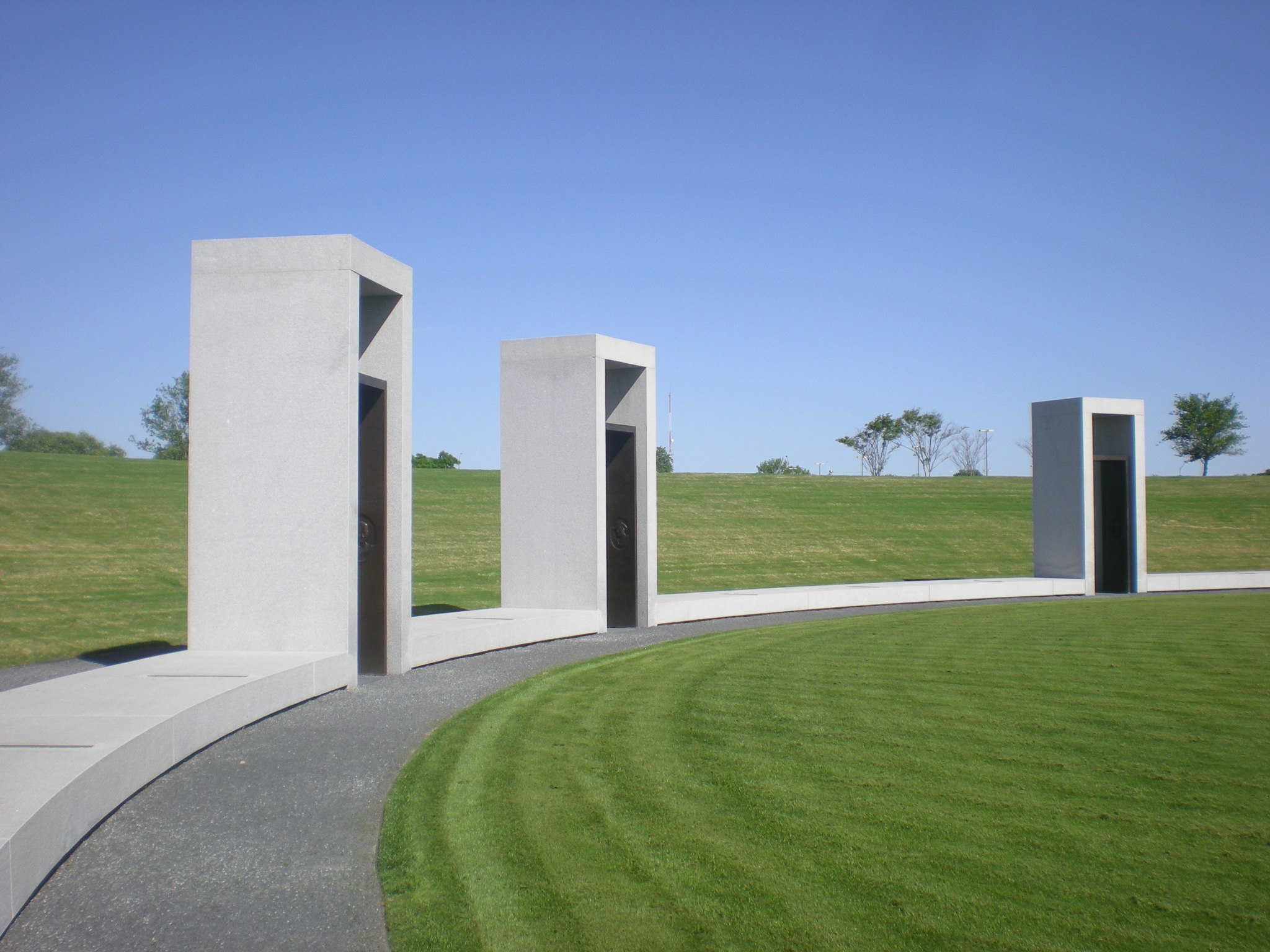
Besides a few buildings and a WWI exhibit at a campus library, Jay and I also took a look at the Bonfire Memorial on the campus of Texas A&M. It’s located on the edge of campus, on the site where 12 students and former students were killed, and 27 more were injured, when the Aggie Bonfire collapsed during construction in the wee hours of November 18, 1999.

Bonfire Memorial, April 2014Passed the entranceway to the memorial, there’s a walkway to the ring – the Spirit Ring, it’s called. To the right of the walkway is a north-south line of cut stones that represents each year that the Bonfire burned from 1909 to 1998, with a black stone marking 1963, when the event was cancelled because of the assassination of President Kennedy. The names of three students who died during their involvement with pre-1999 Bonfires are also marked, each on the stone for the year he died (in logging and traffic accidents).

Bonfire Memorial April 2014These are three of the 12 granite “portals” of the ring, as they’re called. I wondered about their orientation on the ring; later I read that each points toward the hometown of the person they memorialize. Connecting the portals are 27 stones to represent the injured.

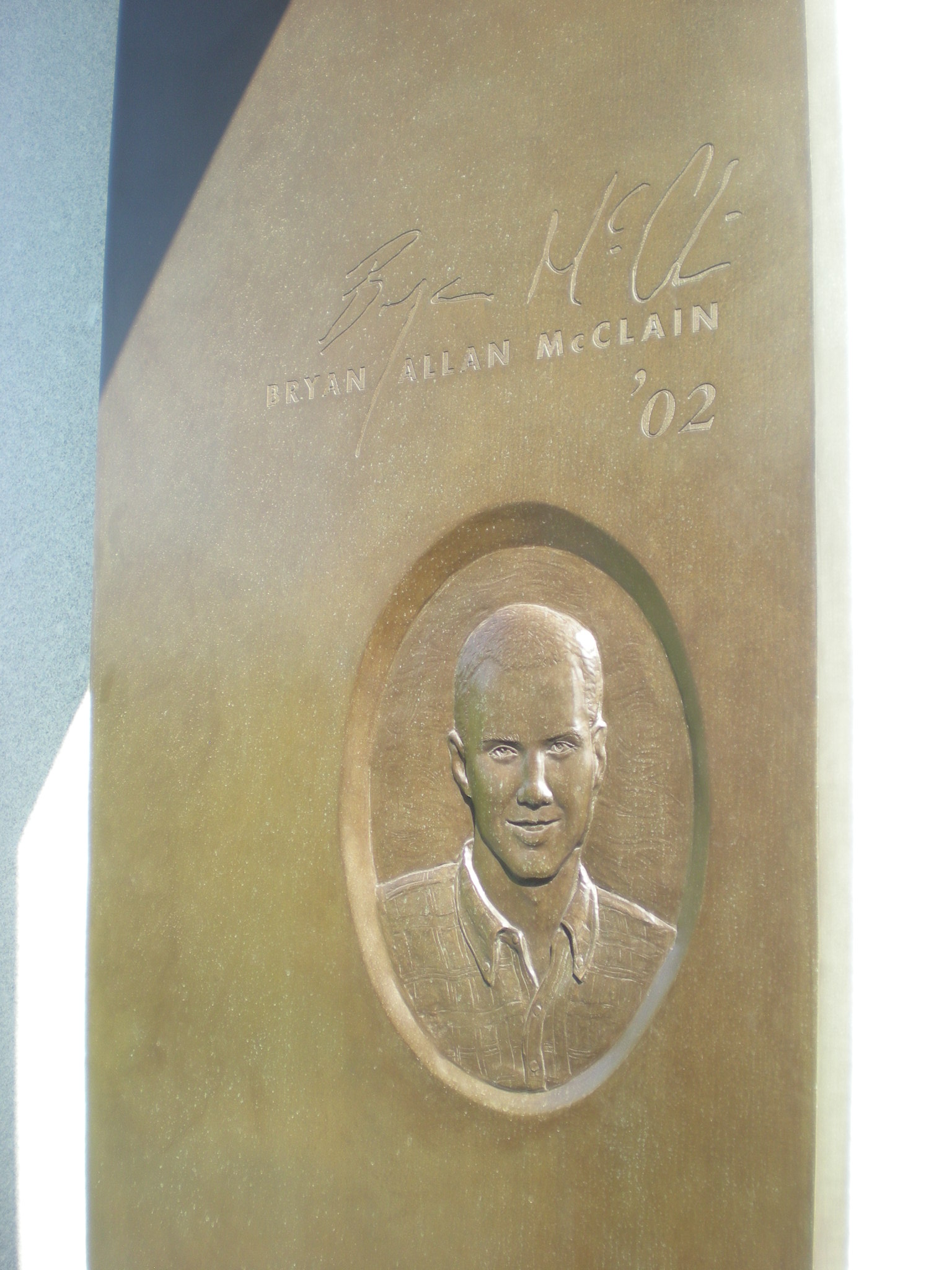
Inside each portal is a bronze interior that gives the name, likeness, and a written reflection about one of the dead.

Bonfire Memorial April 2014This one happens to be Bryan Allen McClain, Class of ’02, all of 19 years old, who happened to be from San Antonio. All of them are listed here, including their inscriptions on the bronze.

Usually when I see a new or newish memorial, I can’t help the sneaking suspicion that in a century, even half a century or less, the memorial will be disregarded, and the event hazily remembered at best. This comes from seeing too many neglected memorials of that age, though it’s just a feeling, and completely untestable.

Not the Bonfire Memorial. Texas A&M pays an unusual amount of attention to its past, mostly in the form of revered traditions. I don’t have any reason to think the 1999 Bonfire’s going to be forgotten as long as there’s an A&M.

A Small Sample of Aggieland

Texas A&M University is a big place. I looked it up: the main campus currently occupies 5,500 or so acres, and accommodates 56,000+ students. Systemwide – because there are other campuses – the school boasts an endowment of $7.6 billion. It also seems like a lot of construction is going on, so those figures will probably be outdated in a few years. A&M’s pretty much the main industry in the twin towns of Byran and College Station, Texas, which also have the distinction of not being on an Interstate, though I-45 runs fairly close.

Jay and I took a stroll around campus for an hour or so, which is time enough to see a small fraction of the buildings, as well as a lot of Aggies. They look pretty much like college students anywhere in North America, except for Corps of Cadets members mixed in, who are easily distinguished by their uniforms, which have a remarkable resemblance to WWII vintage U.S. uniforms, in as much as I’m familiar with them. Membership hasn’t been mandatory in 50 years, but the Corps is still a defining tradition at the school. But of course there are many Aggie traditions, some of which are common knowledge among Texans.

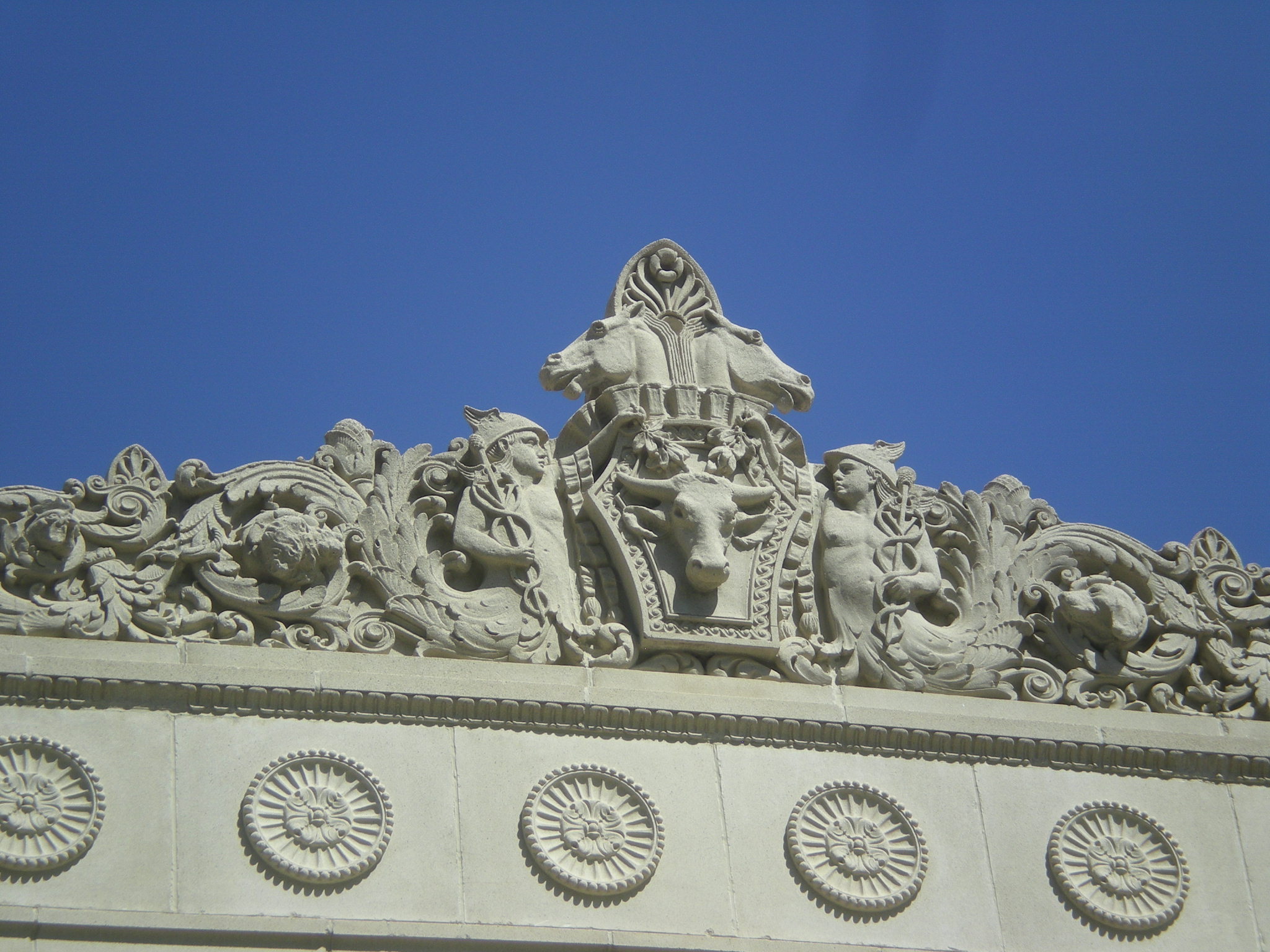
If we’d done much planning, we might have been able to see a building or two dating from the time our grandfather attended A&M (again, he was Class of 1916). Mostly, though, we came across buildings dating from the 1920s and ’30s – there seems to have been a large building boom then – as well as some remarkably brutalist structures from more recent decades. Of the structures we saw, I most liked the Civil Engineering Building, built in 1932.

The plaque on the building describes it this way: “A classical revival two-storied stone structure is faced in brick, with cast stone and ceramic tile ornamentation.”

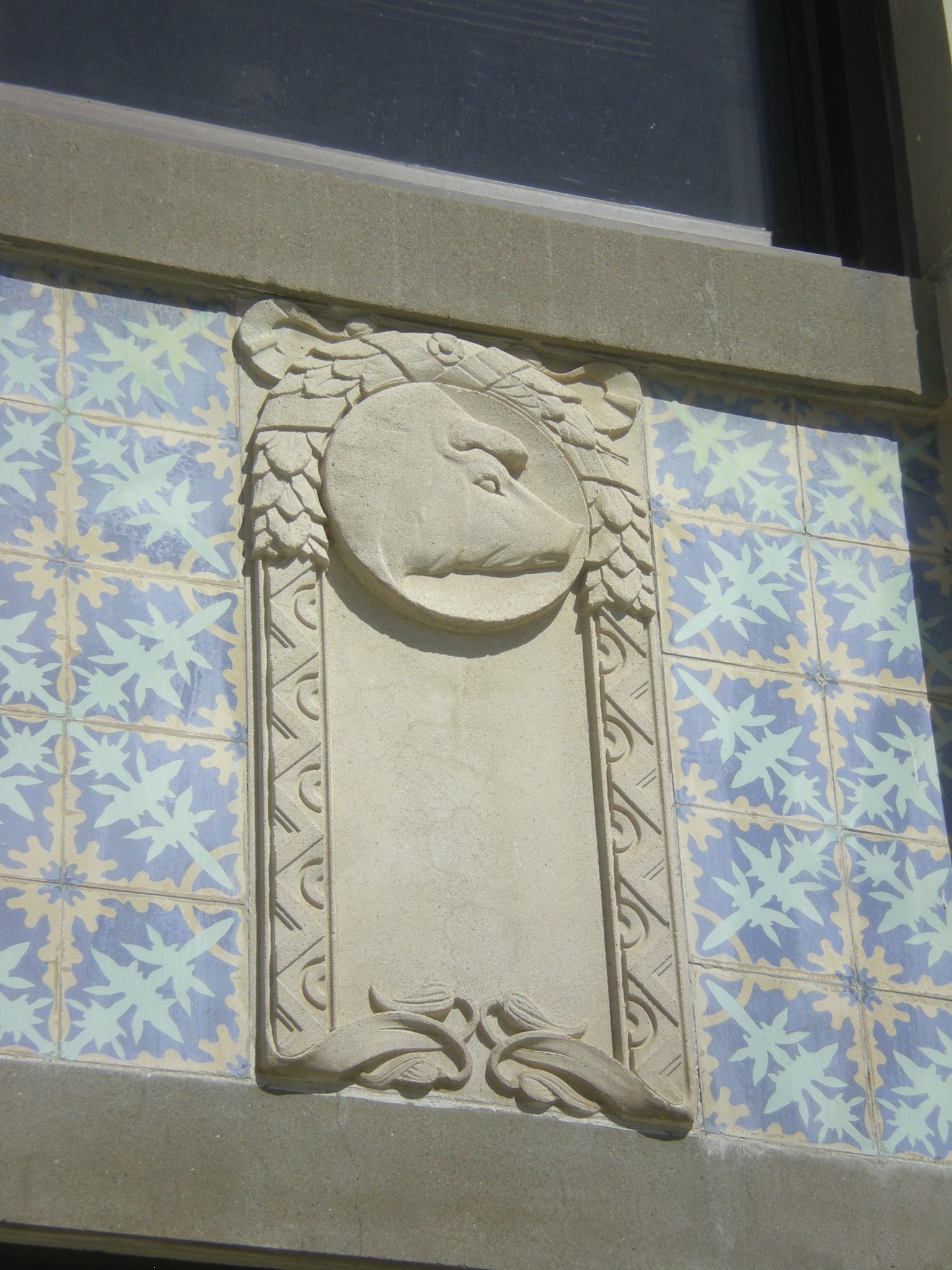
Texas A&M April 2014Note the ornamentation here: two Hermes figures, a cow, a couple of horses, and a couple of dogs. Elsewhere, pigs.

Texas A&M April 2014The reason for all of those animals on the Civil Engineering building? The plaque again: “Originally used as a veterinary hospital with two additional buildings in the rear, used as [a] stable and anatomy laboratory.”

Not far away we happened on the Cushing Memorial Library, where there’s an exhibit for the centennial of the opening of WWI: “The Great War: Memories of Service and Sacrifice, A World War I Exhibit Featuring the Aggie Experience.” Just the thing to see – free, not too large, and connected to our family’s experience. Class of 1916 meant that it wasn’t long before Grandpa was in the Great War. We told a woman behind the desk at the entrance about him, and she seemed pleased to hear it.

The displays featured some material from Aggies who’d been in the war, but the exhibit had more than that, including wartime posters, photos, letters, everyday items, and more, and not just from American soldiers, but also British, French, German and Italian. (What, nothing from little Montenegro?). The material is from the Ragan Military History Collection at the library.

“A enlarged image of the tattered Gold Star service flag that most prominently captures the World War I Aggie experience will also be exhibited,” notes the A&M release about the exhibit. “Part of a national tradition that began with World War I, the service flag contains approximately 2,000 maroon stars honoring those Aggies who served, and 50 gold stars memorializing those Aggies who gave their lives in the war.”

Fortunately for him and his 13 descendants (so far), Grandpa came back from France, though as an engineer, unexploded ordnance — and the Spanish Flu — were likely the main dangers he faced.

Corsicana, Texas

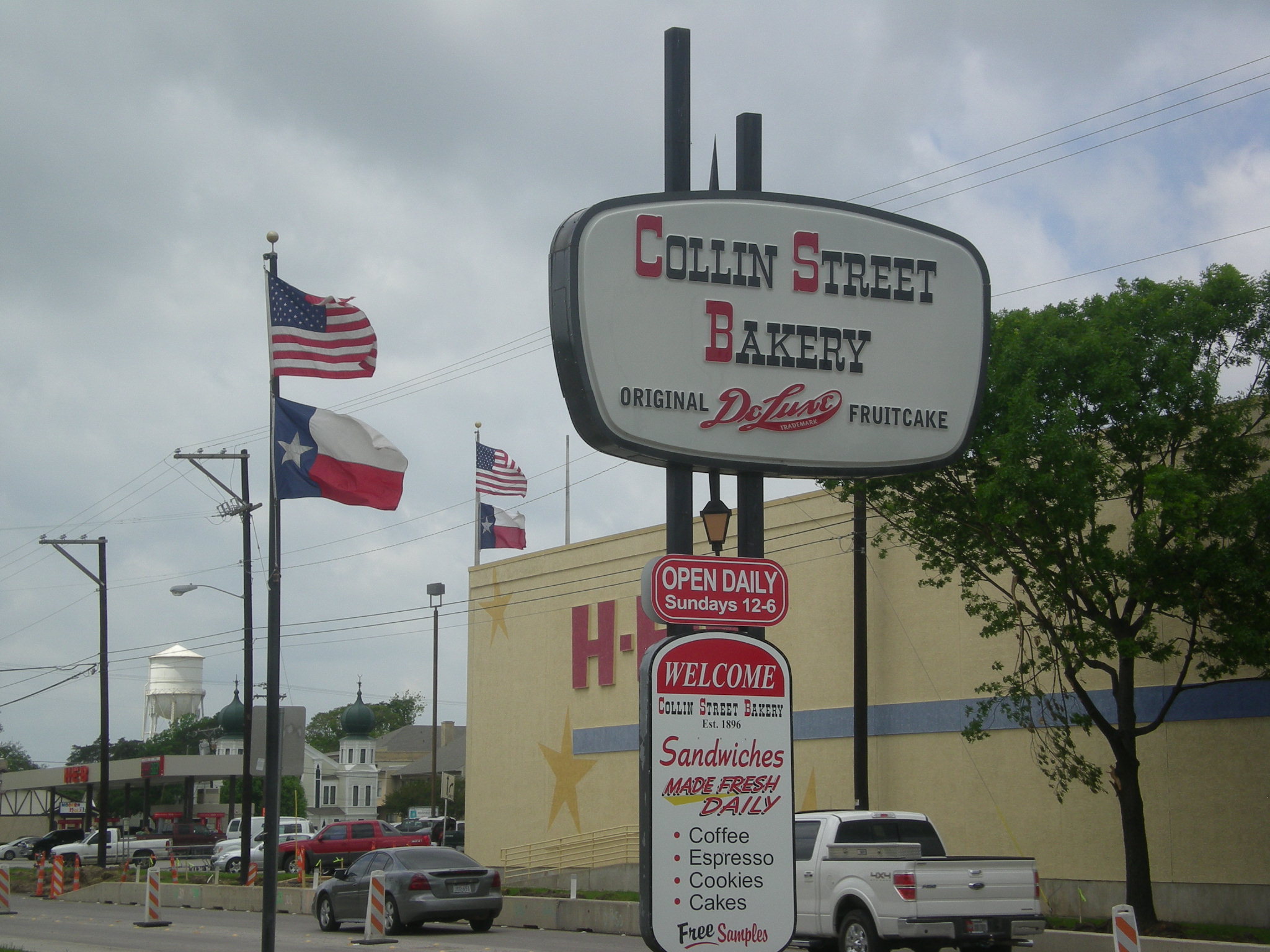
Everything about this picture says Texas: the Collin Street Bakery sign, marking a famed Texas bakery; the Texas flags; the HEB grocery store; the pickup truck driving by; the onion domes off in the distance. Onion domes?

Texas4.25.14 001First a little background. On April 24, 2014, Jay and I drove south on I-45, the main road from Dallas to Houston. About 50 miles south of Dallas is Corsicana, seat of Navarro County, and home of the Collin Street Bakery. I’ve been eating its fruitcakes on and off for years, mostly by mail order, but in 1996 (I think) I passed through town and visited the bakery store.

As the web site notes: “The DeLuxe Texas Fruitcake or Pecan Cake you order today is still baked true to the old-world recipe brought to Corsicana, Texas from Wiesbaden, Germany in 1896 by master baker Gus Weidmann. He and his partner, Tom McElwee, built a lively business in turn-of-the-century Corsicana which included an elegant hotel on the top floor of the bakery.”

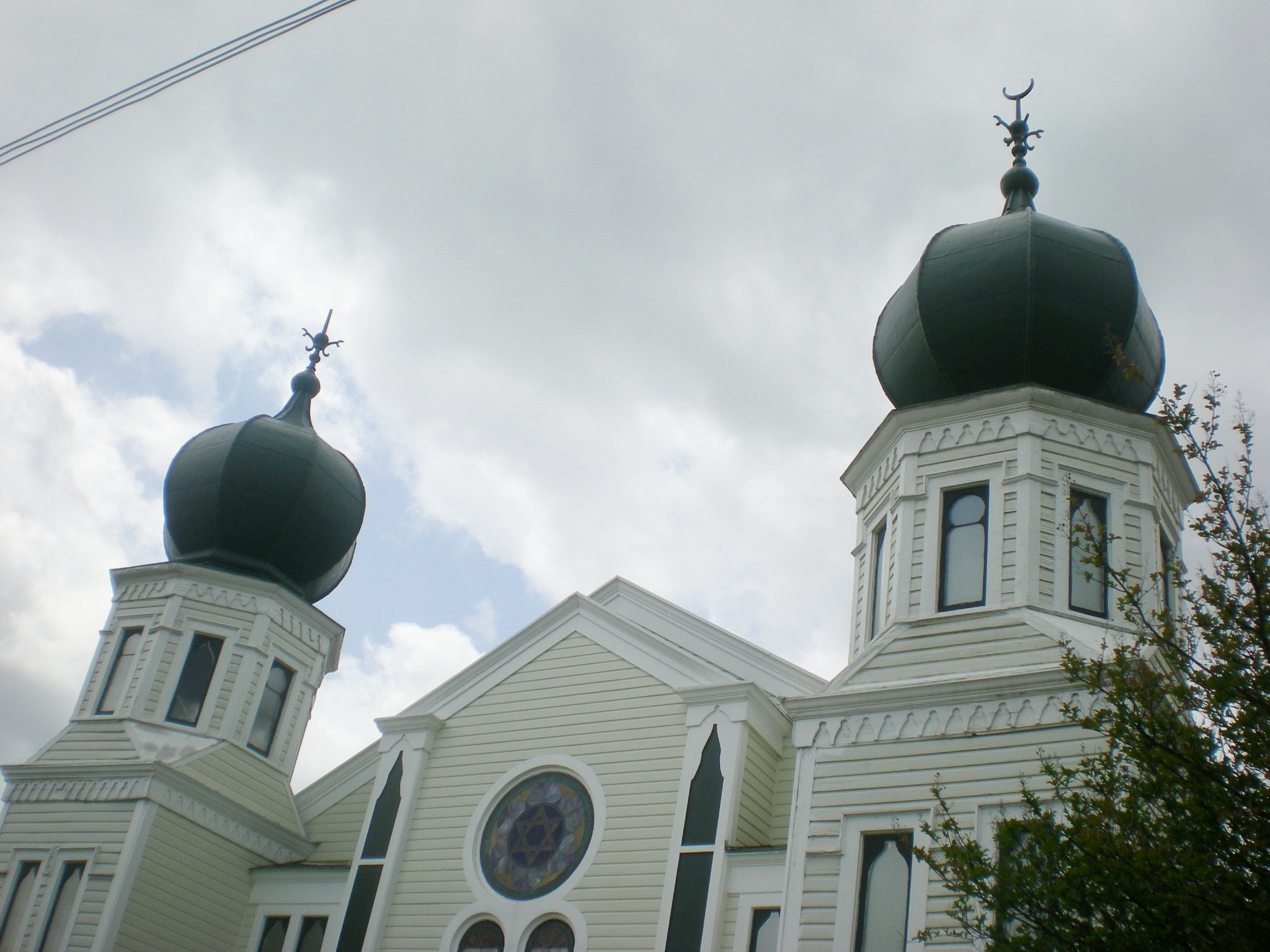
The hotel is gone, but you can still buy baked goods at the bakery store, including the signature fruitcake. We bought one to take to our mother, plus some smaller items for more immediate snacking. From the parking lot, we noticed those nearby onion domes, and being curious about onion domes in small-town Texas, we went over for a look. After all, how often do you see Moorish Revival buildings in small-town Texas? Probably more often than I’d think, but anywhere there one was.

It’s the Temple Beth-El, a former synagogue on 15th St. in Corsicana.  A shot from across the street is here; it’s a handsome building.

Like the Collin Street Bakery, Temple Beth-El too dates from the late 19th century. The Jewish community of Corsicana isn’t what it used to be – they probably went to Dallas, like everyone else – so in more recent years, the building’s been a community center overseen by the Navarro County Historical Society.

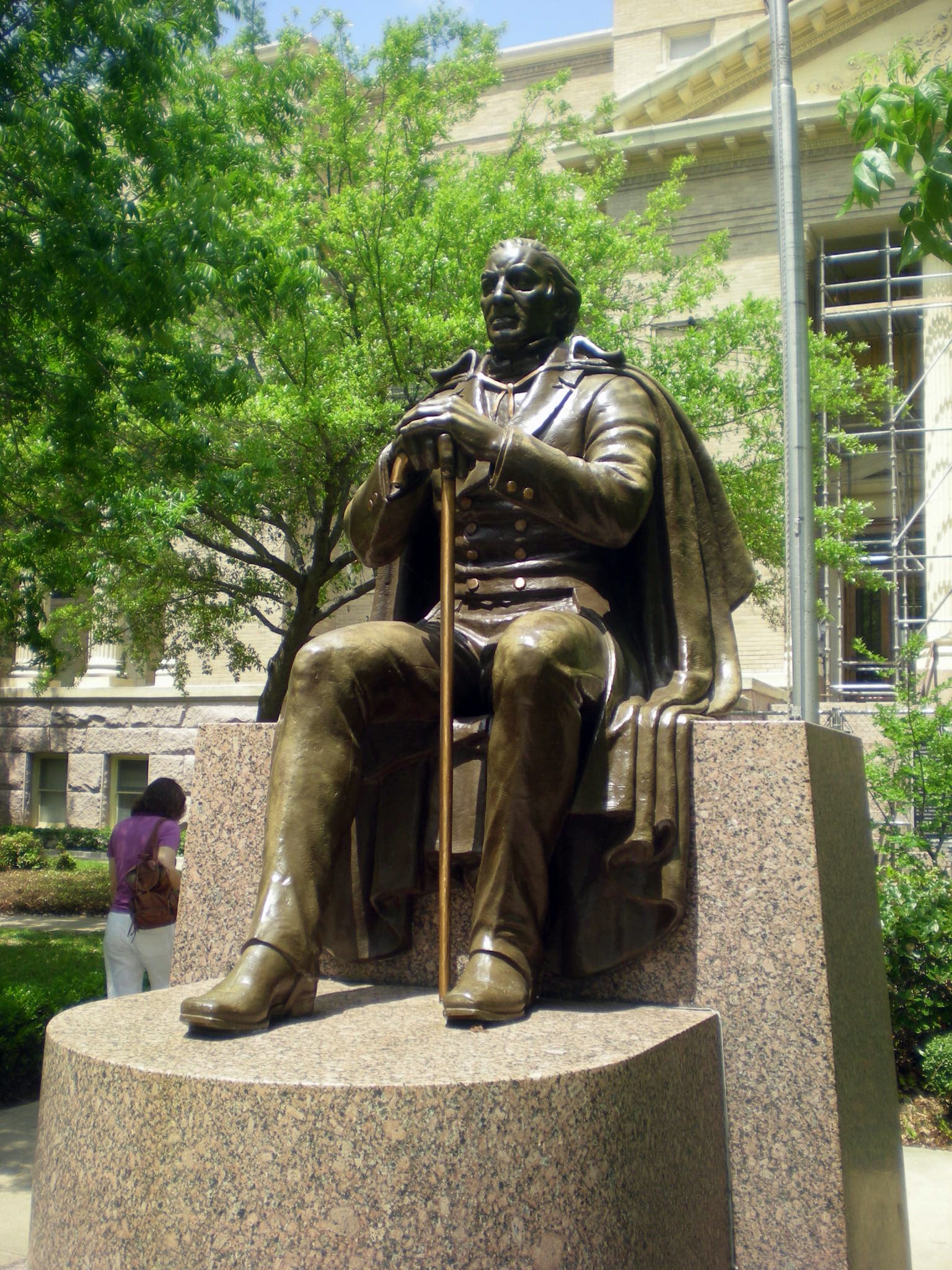
Now fully in a look-see mood, Jay and I went over to the Navarro County Courthouse grounds. Navarro himself was there. A statue of Jose Antonio Navarro, that is.

The Smithsonian tells us that “the sculpture was commissioned by the Texas Centennial Commission to honor Jose Antonio Navarro (1795-1871), a native Texan lawyer, merchant, and rancher who founded Navarro County and co-created the Republic of Texas. Navarro named the County seat Corsicana after his father’s birthplace, Corsica. While on an expedition to Sante Fe, Navarro was captured by Mexican soldiers and given a life sentence for treason. He escaped in 1845 and upon his return to Texas was elected as a delegate to the Convention which approved the annexation of Texas and drafted the Constitution.”

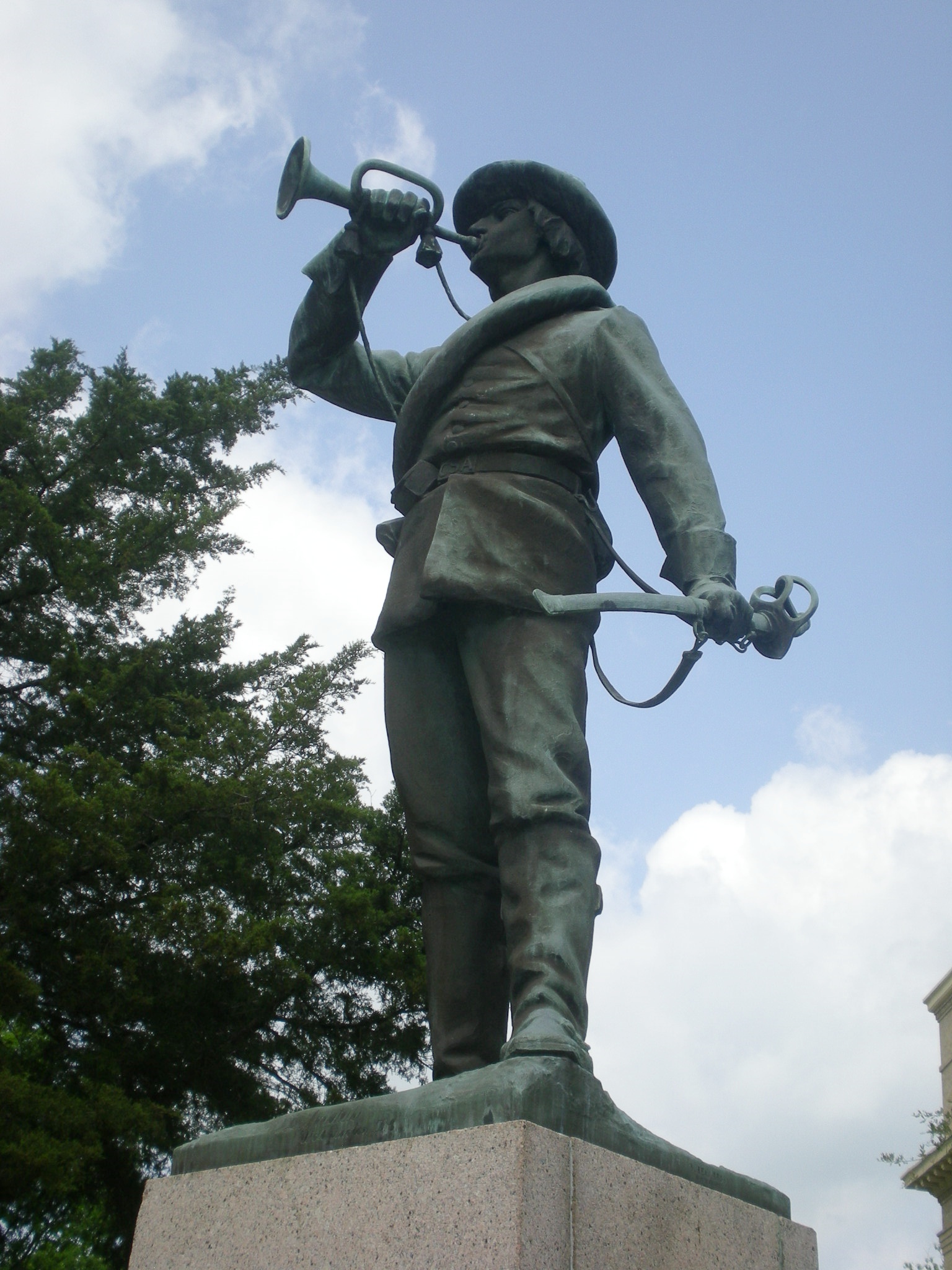
Nearby Navarro stands “The Call to Arms,” a Confederate memorial. It’s a little unusual, not being a soldier standing at attention or the like.

The statue’s plaque says that it was erected in 1907 by the Navarro Chapter of the United Daughters of the Confederacy “to commemorate the valor and heroism of our Confederate soldiers. It is not in the power of mortals to command success. The Confederate soldier did more – he deserved it.”

History’s written by the victors, indeed.

The Curious Statues of Fontana, Wisconsin

Around this time two years ago, during a strangely warm interlude that greened the grass and budded the trees and bushes in March, we spent part of a day at Williams Bay and Lake Geneva, Wisconsin. Lake Geneva is town’s name; Geneva Lake is the lake’s name, supposedly, but I’ve never heard anyone call it that. That was the day we saw this oddity in Lake Geneva.

One of my ambitions that day was to drive all the way around the lake, which we did before returning home (one of these days, I  might walk around the lake, since there’s a trail all the way around; but maybe not all at the same time). On the western edge of the lake is the town of Fontana, whose full name is Fontana-on-Geneva Lake.

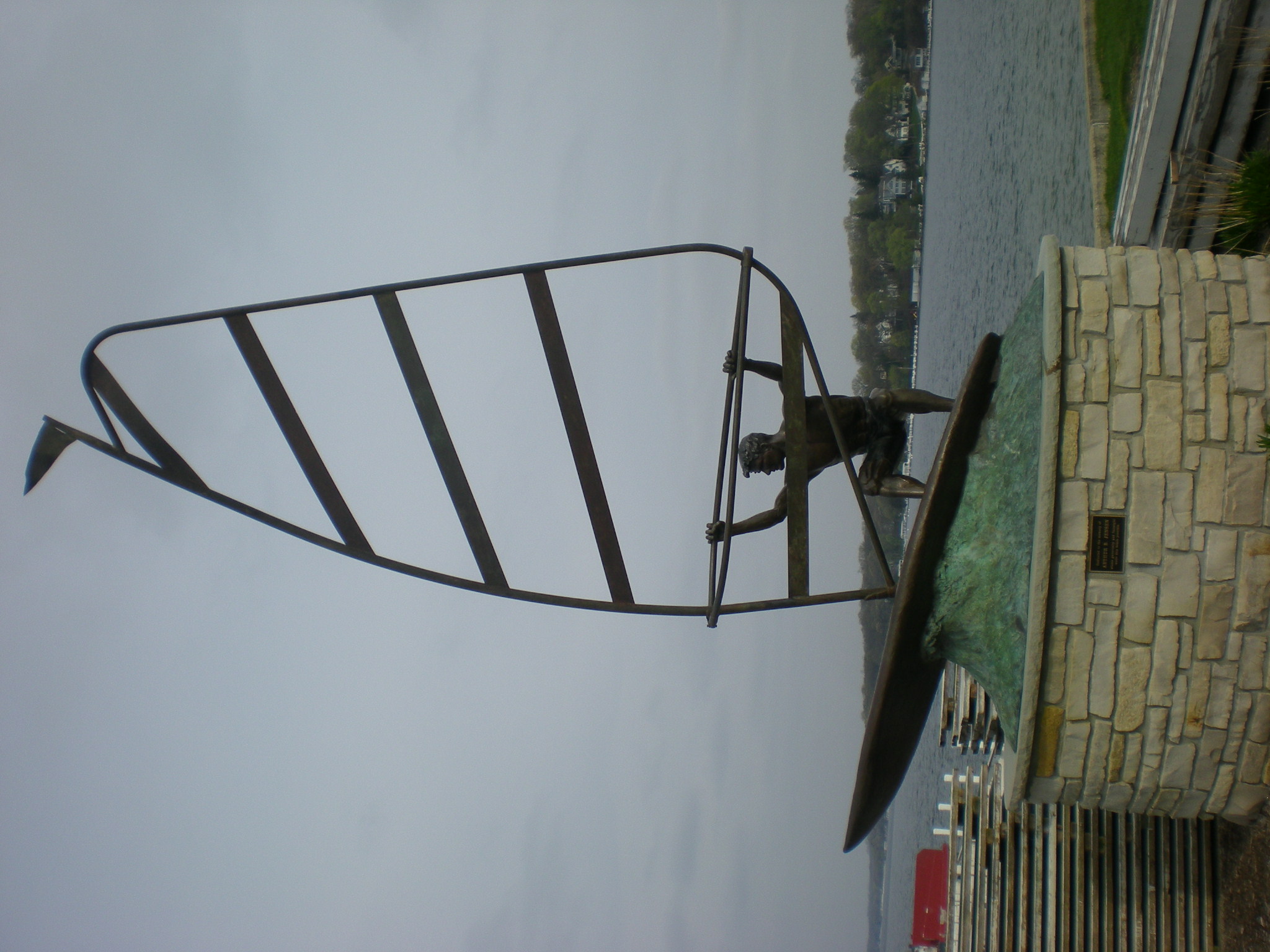
We stopped at a little lakeside park in Fontana and found this statue near the beach. PhotoBatch4.10.12 028The plaque says: Dedicated to the memory of ARTHUR B. JENSEN whose generosity and foresight made this beach possible. I assume that’s the same Arthur B. Jensen who wrote Shawneeawkee, friendly Fontana: A history, which can be yours for $100.

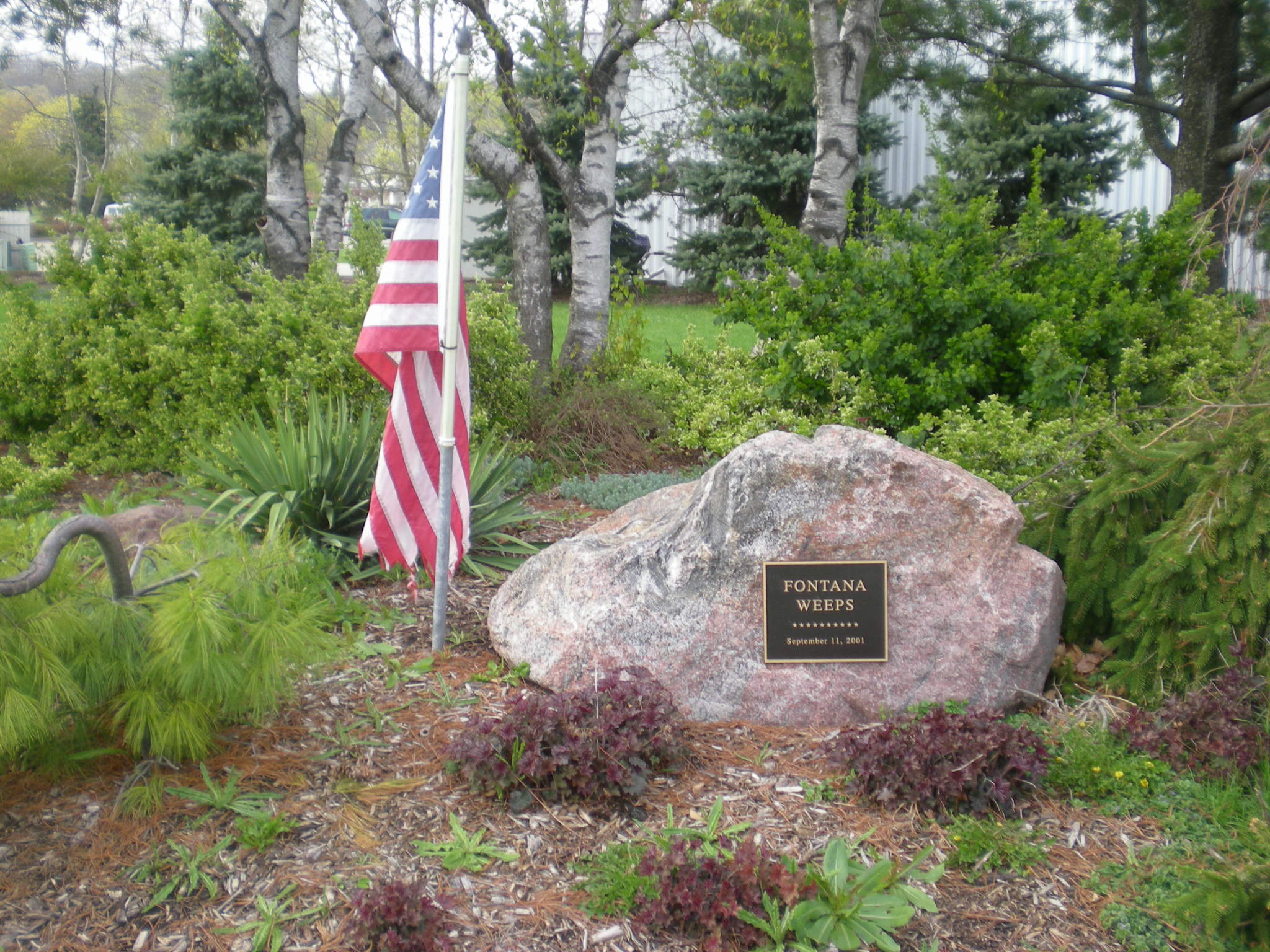
Not far away is this memorial.

PhotoBatch4.10.12 027FONTANA WEEPS September 11, 2001. An admirable sentiment, but I have a sneaking feeling that if that plaque happens to survive until 2101, say, people will wander by without the faintest idea what it’s about, even when they notice it, which they won’t. But that’s not a reason to not erect memorials. To paraphrase Mother Teresa, “Memorialize anyway.”

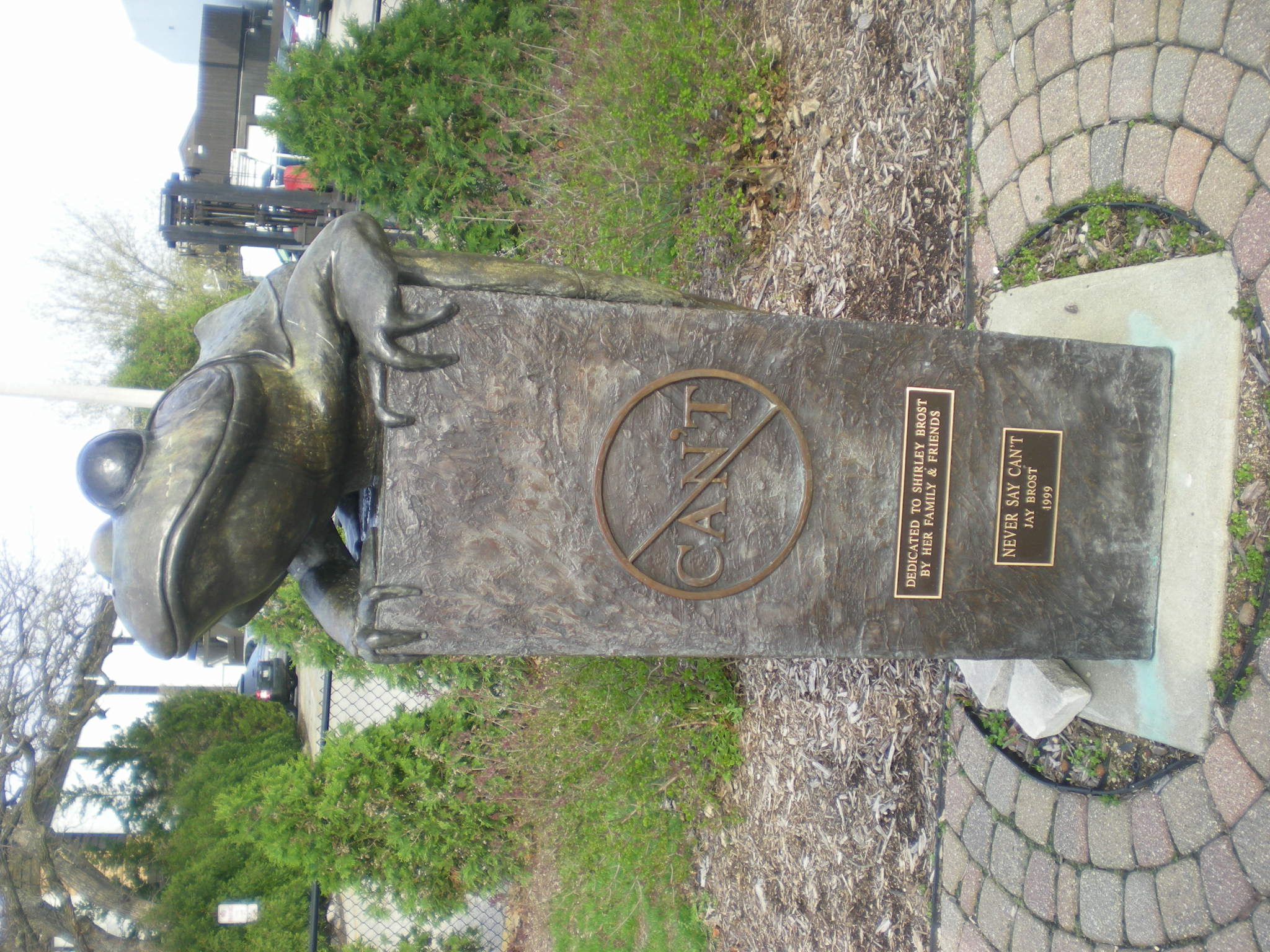
Finally, there was this.

PhotoBatch4.10.12 030Never Say Can’t seems to be the title. Shirley Brost, at least according to one source, seems to be alive and well in Fontana, but I’m not going to track anything else down about her. The oddity about this work isn’t even the frog — but why a frog? — but the not-so-admirable sentiment. I suppose it’s supposed to laud determination, which can be laudable sometimes. But it’s just as important — more important, I’d say — to have a clear idea of what you can, and can’t, do.

Here’s a better idea for a title: Never Say Cant. Except people would think it’s a typo.

Atlanta ’10

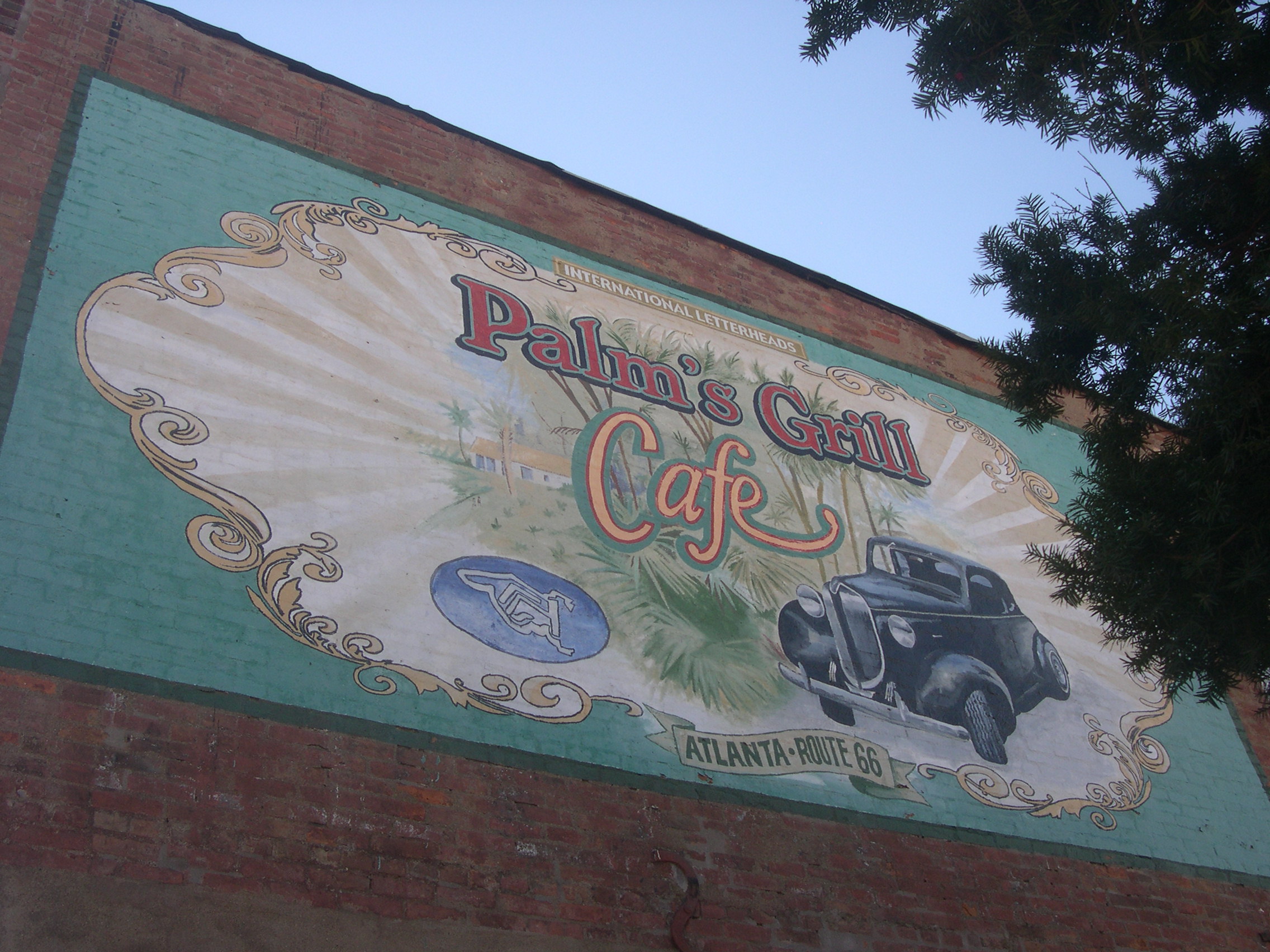
About three years ago on the way to Springfield, we stopped in Atlanta, Illinois, which isn’t far from I-55 but which used to be right on U.S. 66. These days that means there’s enough nostalgia traffic – and probably local regulars – to support the revived Palms Grill Café. We ate there three years ago, only a short time after it re-opened. Some years before that an artist named Steve Estes painted a mural dedicated to the original joint across the street.

A helpful sign under the mural says: “In its early days, weekly dances and bingo nights accompanied the blue-plate specials served at the Palms Grill Café. The “Grill” was also Atlanta’s Greyhound bus-stop. You just turned the light on above the door if you wanted the bus to pick you up. Located directly across Rt. 66 from this mural, the Palms Grill Café served Atlanta’s citizens, as well as a steady stream of Rt. 66 travelers, from 1936 until the late 1960s.

In his design of the “Palms Grill Café” mural, Steve Estes of Possum Trot, Kentucky, captured the intent of the “Grill’s” first owner, Robert Adams, an Atlanta native, who named it after a restaurant he frequented during trips to California. The mural was completed in June 2003 during the “LetterRip on Rt. 66” gathering of approximately 100 Letterheads in Atlanta.

The Letterheads are a group of generous and free-spirited sign painters from across the United States and Canada who are interested in preserving the art of painting outdoor signs and murals.

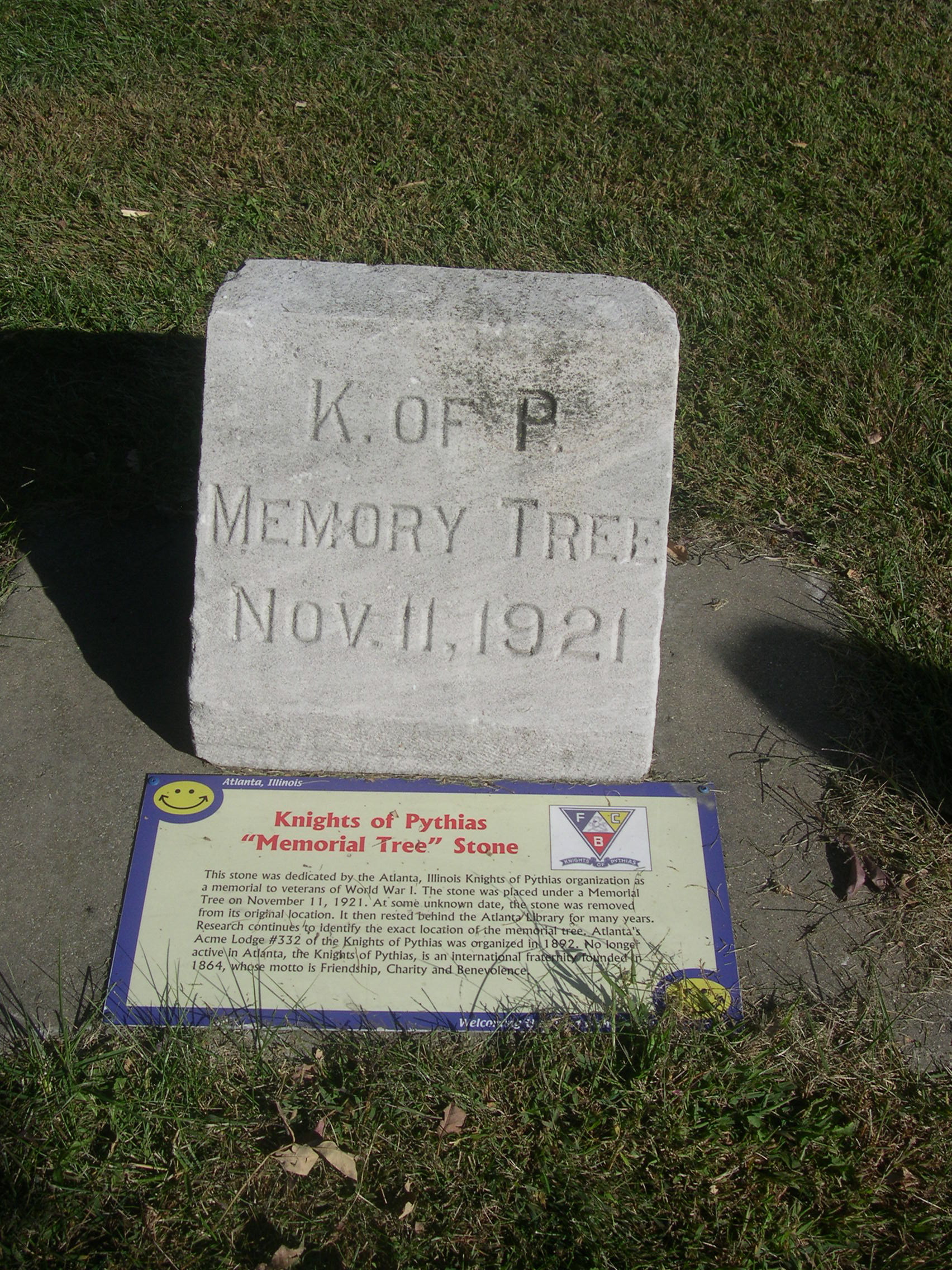
Just down the street from the mural is a small park with a handful of memorials. This stone caught my eye.

The modern sign says:

Knights of Pythias “Memorial Tree” Stone

This stone was dedicated by the Atlanta, Illinois Knights of Pythias organization as a memorial to veterans of World War I. The stone was placed under a Memorial Tree on November 11, 1921. At some unknown date, the stone was removed from its original location. It then rested behind the Atlanta Library for many years. Research continues to identify the exact location of the memorial tree. Atlanta’s Acme Lodge #332 of the Knights of Pythias was organized in 1892. No longer active in Atlanta, the Knights of Pythias, is an international fraternity founded in 1864, whose motto is Friendship, Charity and Benevolence.

Can’t remember which tree was planted by the Knights of Pythias, eh? Just goes to show you that no matter how fervently one generation wants later ones to remember something, they probably won’t. Or if they do, it’s a matter of chance as much as anything else. Then again, you can also make a reasonable argument along the lines of, Who cares which tree a long-gone fraternal order planted in an obscure town in the heart of North America in the early 20th century? Really important things will be remembered. (Except that they usually aren’t. Except by historically minded eccentrics.)

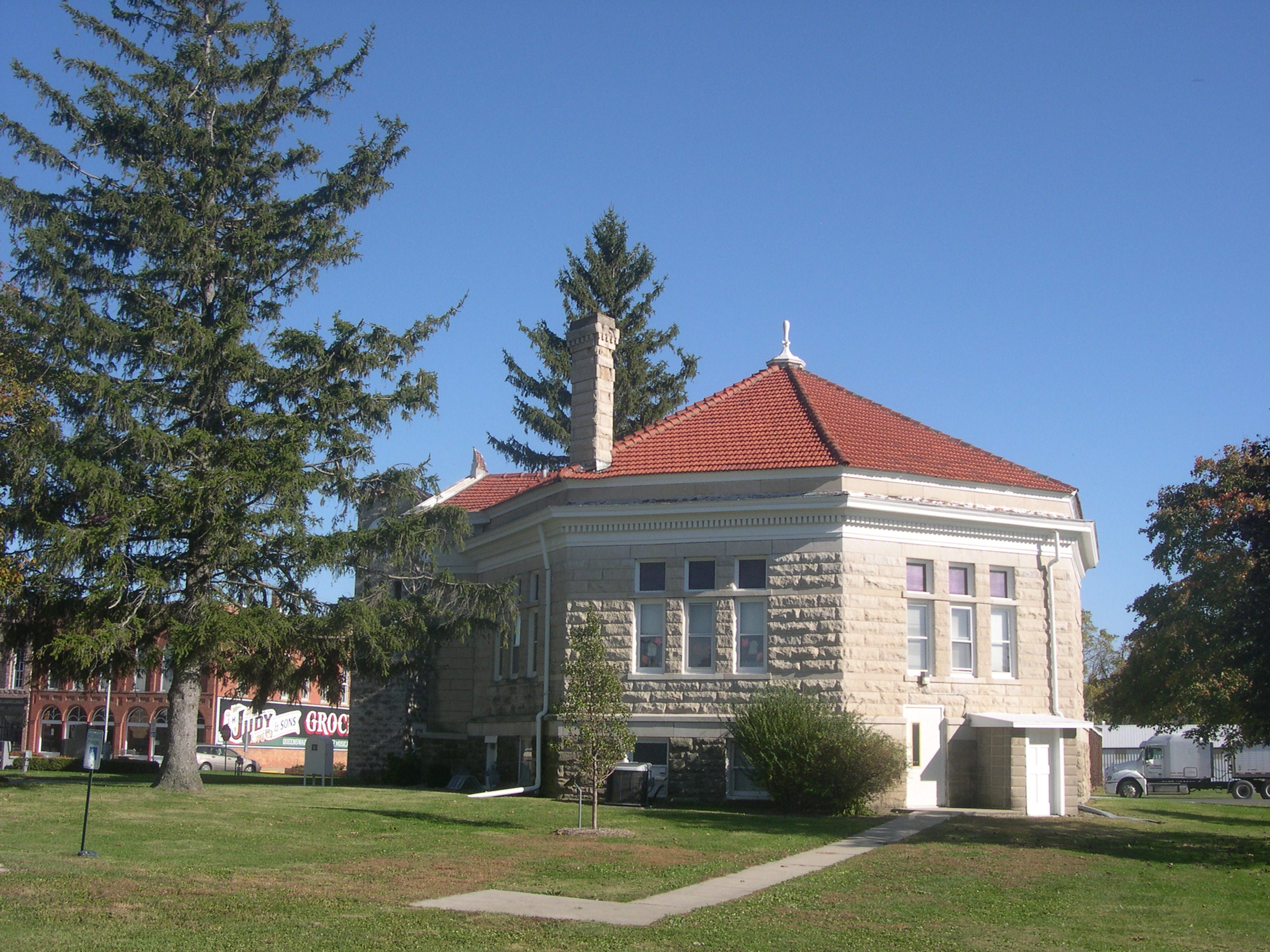
The Atlanta Library is an octagon dating from 1908. That’s a fine shape for a building. There need to be more of them. The exact reasons for choosing that shape for this library are probably lost, but I’d think it made for better lighting in an era when electric lighting, though available, wouldn’t have been as bright as later.

According to the library web site: “Near the turn of the 20th century, the Atlanta Women’s Club established a committee with the purpose of erecting a Library building. Land located next to the tracks of the Chicago and Mississippi railroad, was donated to the City of Atlanta by Seward Fields, a descendant of William Leonard. Leonard was one of the contractors responsible for helping build the Chicago and Mississippi railroad… A beautiful bookcase dedicated to Seward Fields is still in use at the Library.

Mrs. Martha Harness Tuttle… helped fund the erection of the Atlanta Library building.  In 1908, she donated $4,000 – over half the funds needed for the new structure. The Library Board adopted plans for erecting an octagonal-shaped structure as prepared by architect Paul Moratz, of Bloomington, Illinois… The new building was dedicated on Saturday, March 28, 1908.

The Opera House and the Box It Came In

I’ve said it before, and I’ll say it again: acknowledge the famous, or at least the noteworthy, but don’t ignore the obscure. Never know what you’ll find in obscurity. Besides, odds are you yourself are obscure. It’s the human condition, or rather the condition of most humans.

That’s an over-long intro for the Sandwich Opera House, which we chanced on after seeing the Farnsworth. Sandwich, Illinois, is a town on U.S. 34 in southeastern DeKalb County. The Opera House dates from the golden age of opera house construction in small-town America, the late 19th century. It’s apparently also the City Hall. It was closed, but you could admire it from across the street.

It’s still in use for entertainment. For a little contrast, I took a picture of this brutalist box of a building across the street.

Maybe it isn’t beyond saving. What it needs is a lick of paint – some DayGlo green, say. It could be the Green Cube of Sandwich.