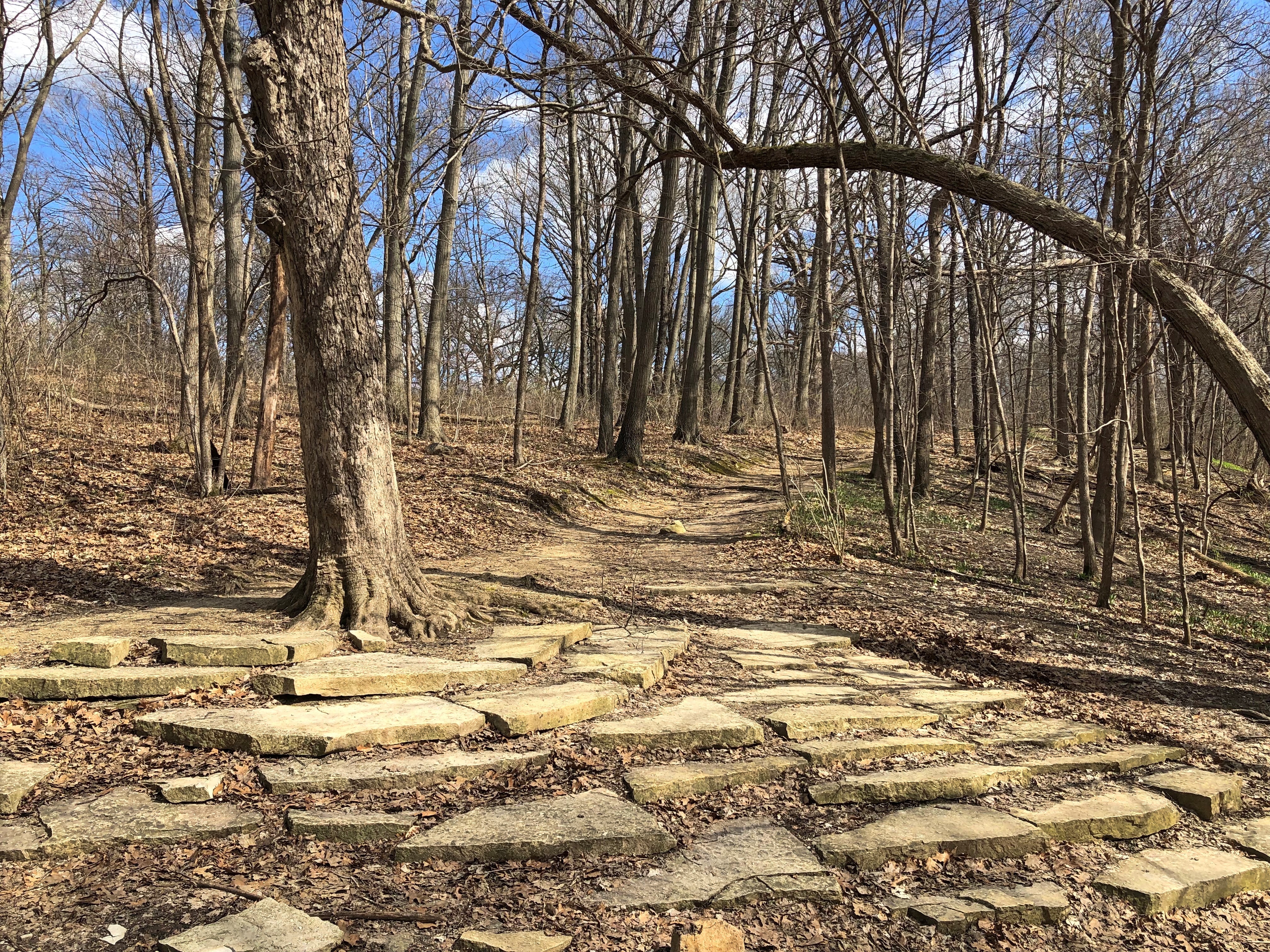
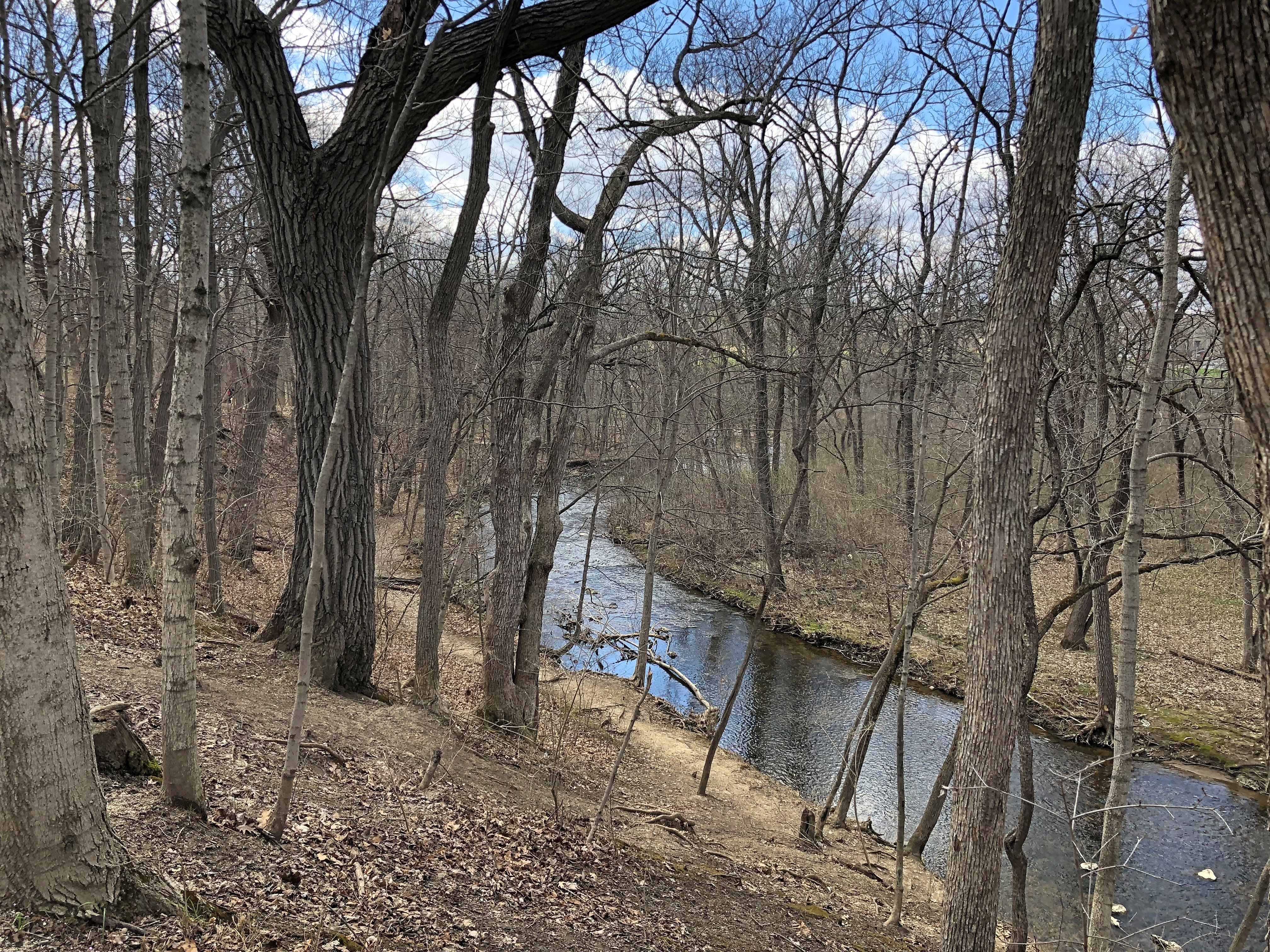
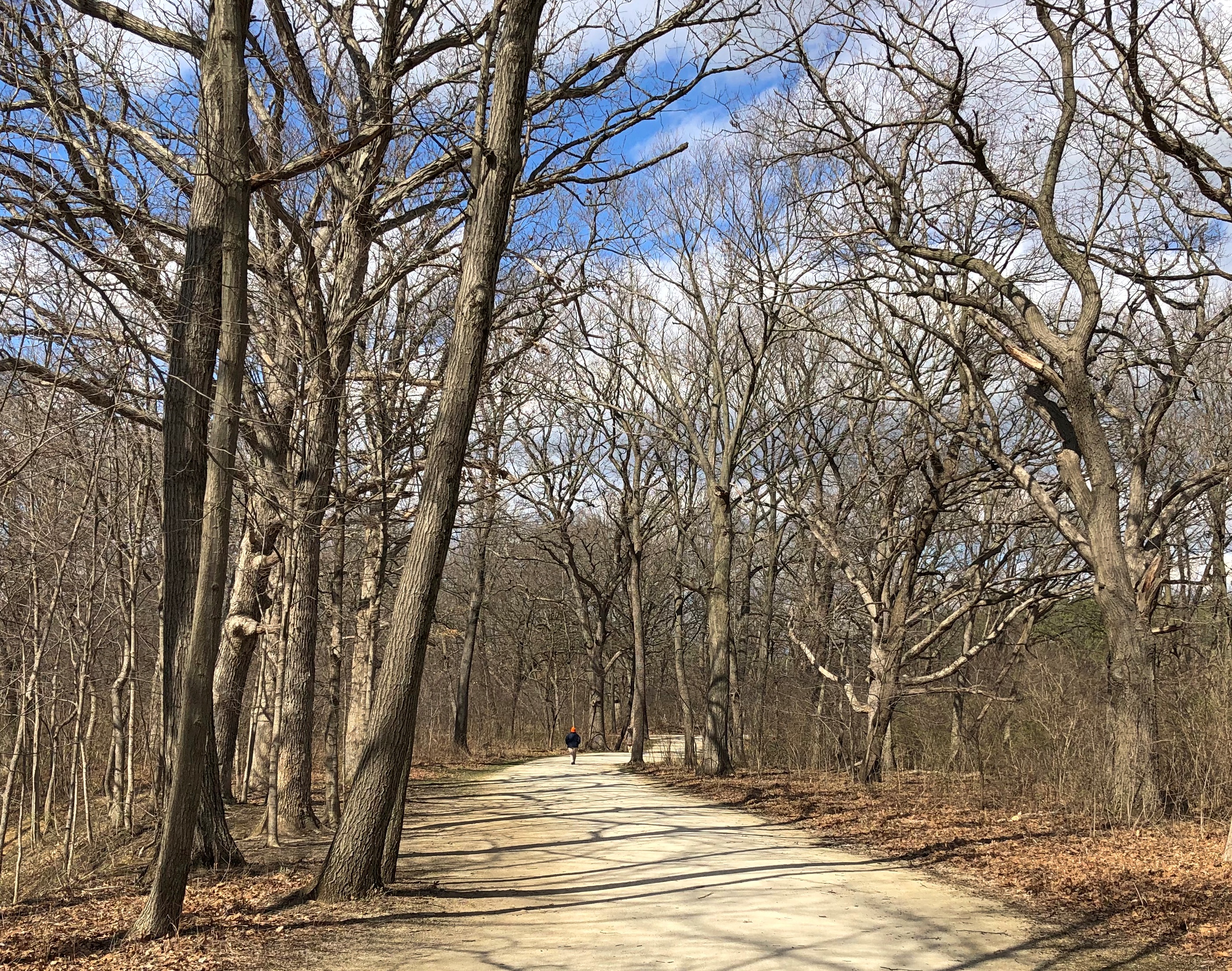
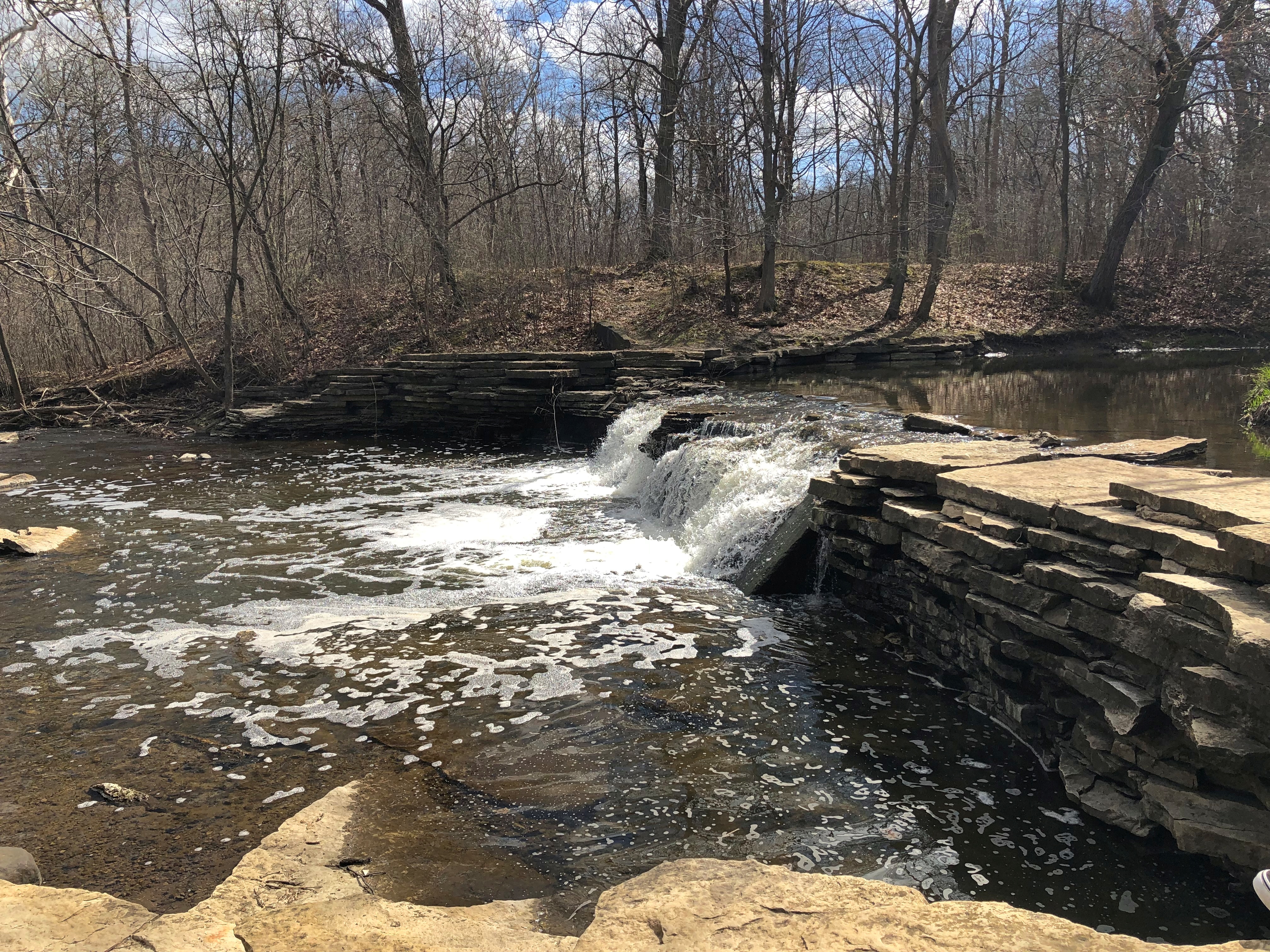
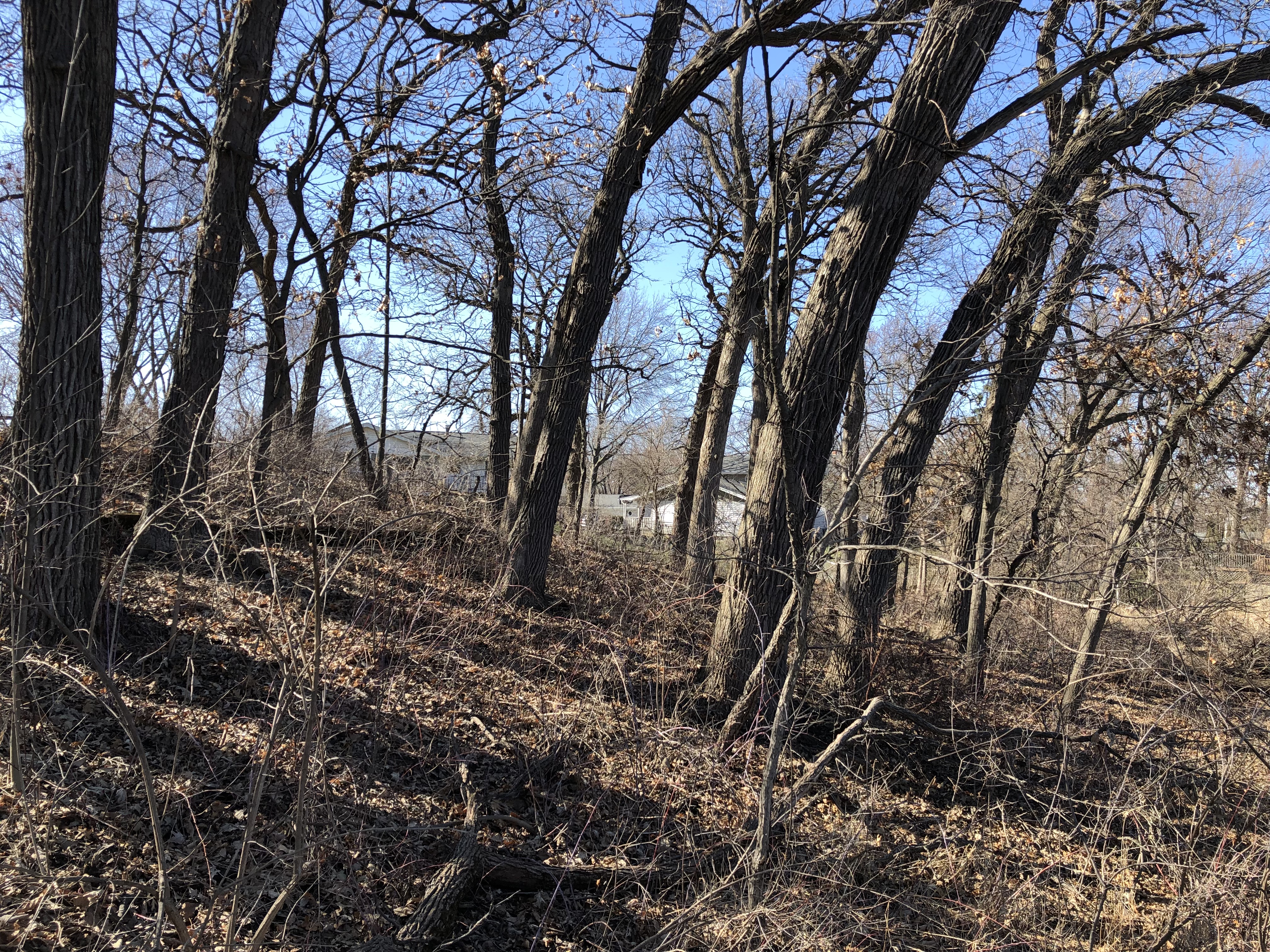
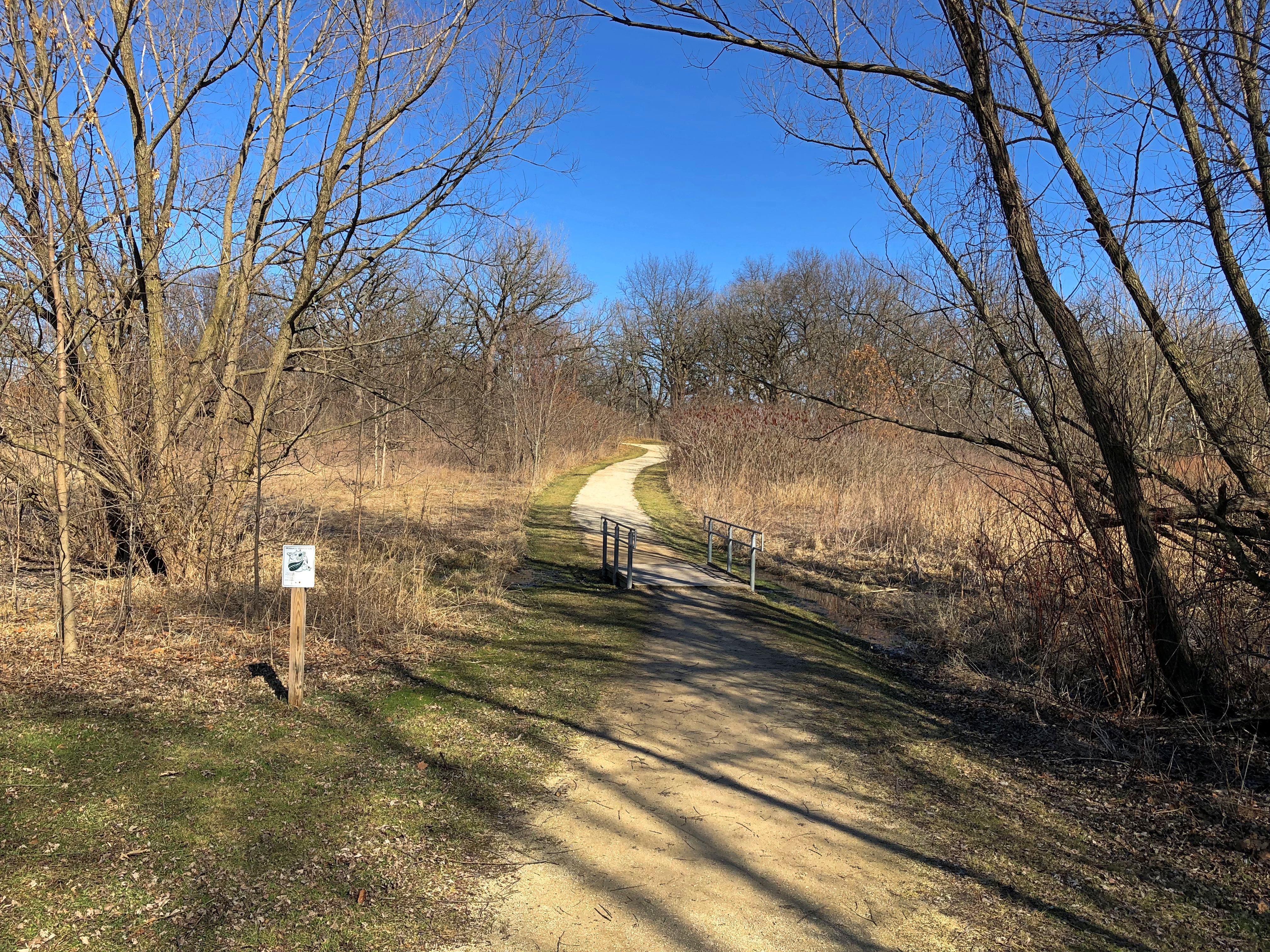
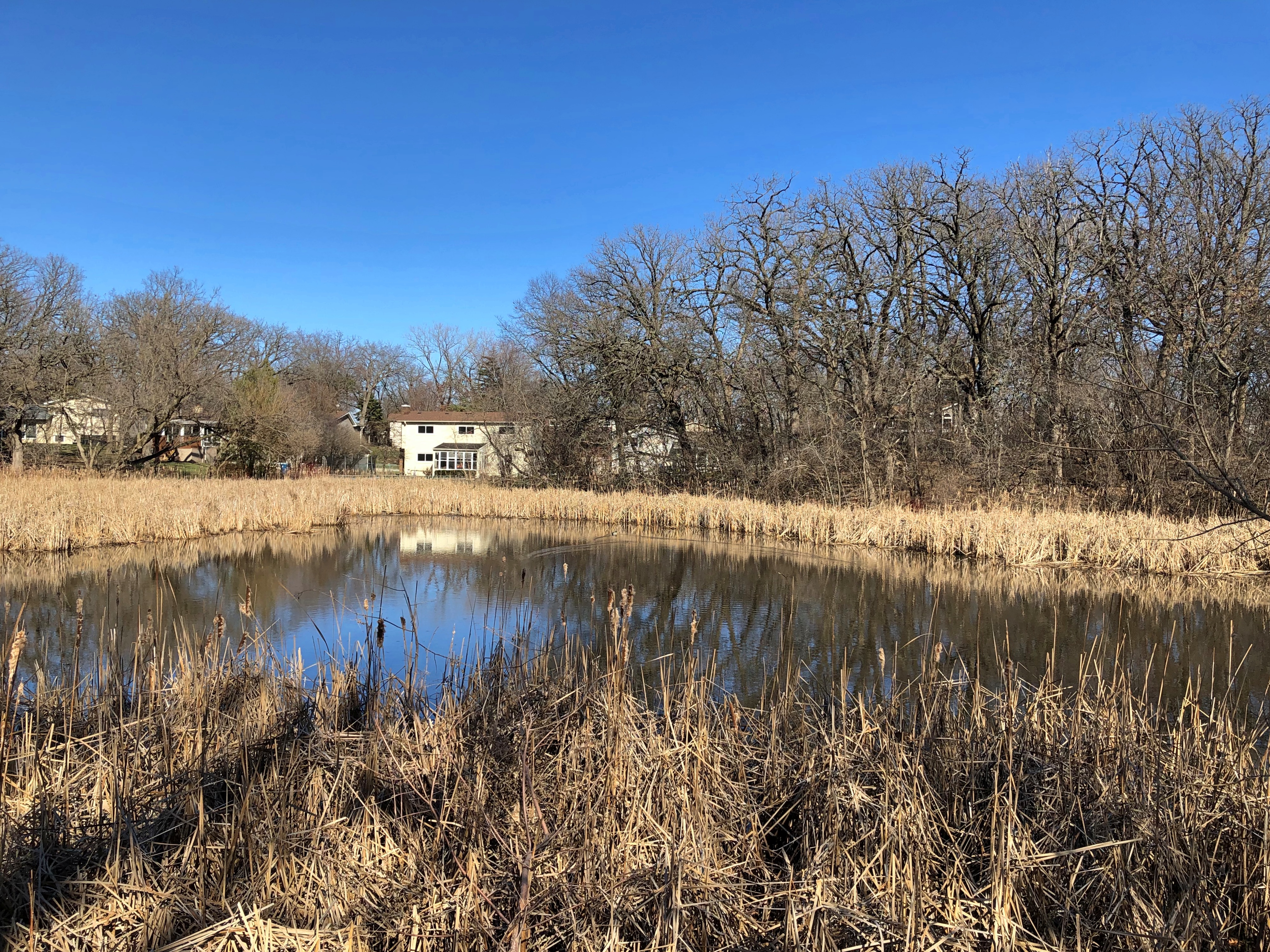
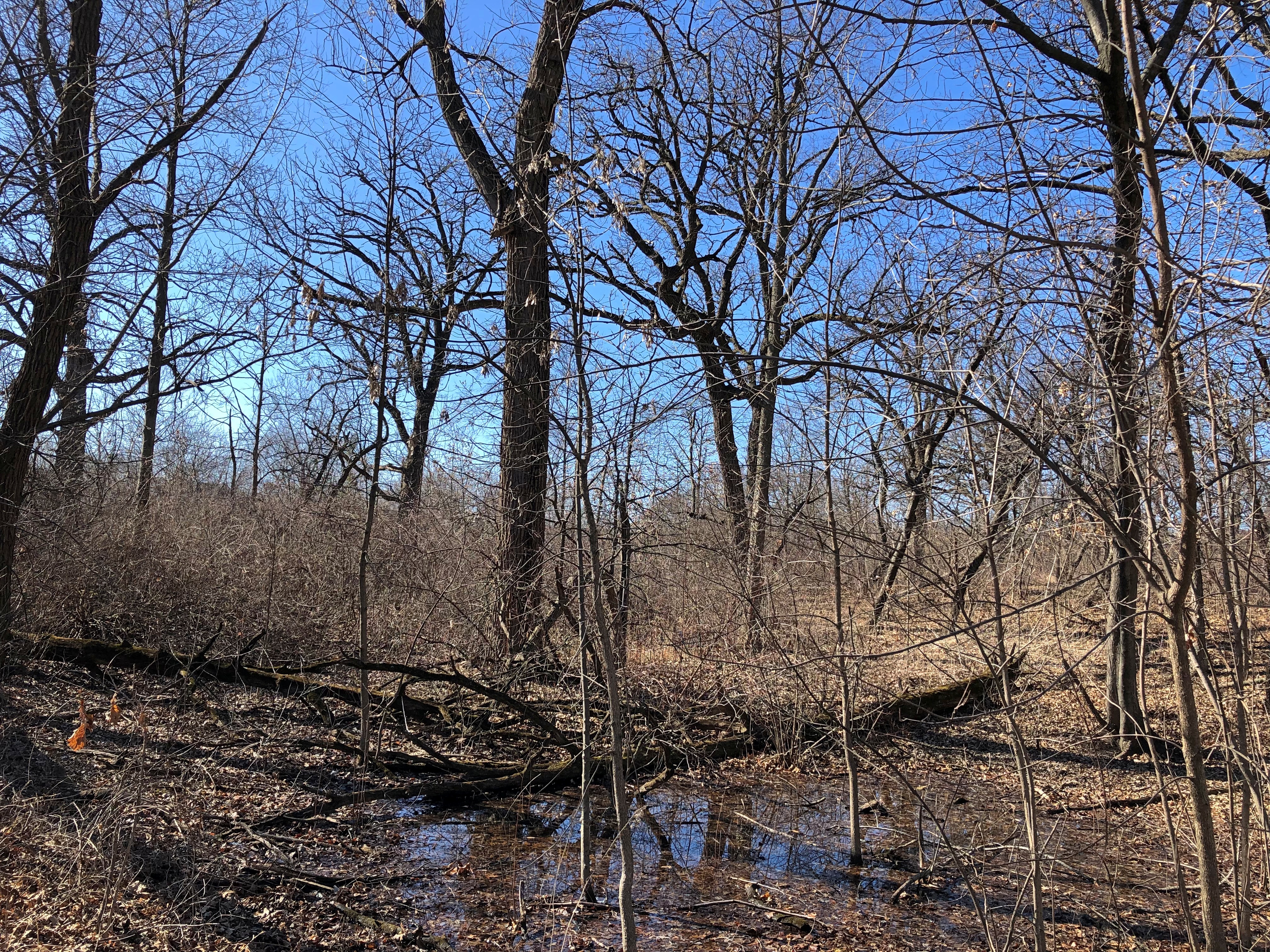
Lilacia Park ’21

RIP, Helmut Jahn. I never met the man, but I worked in the same building in downtown Chicago as his office, once upon a time. The superb 35 East Wacker, as it happens, where Jahn had his showroom in the top dome. We were on the seventh floor. We could always tell when architects were on the elevator, headed up to Jahn’s office; they were the gentlemen with ponytails.

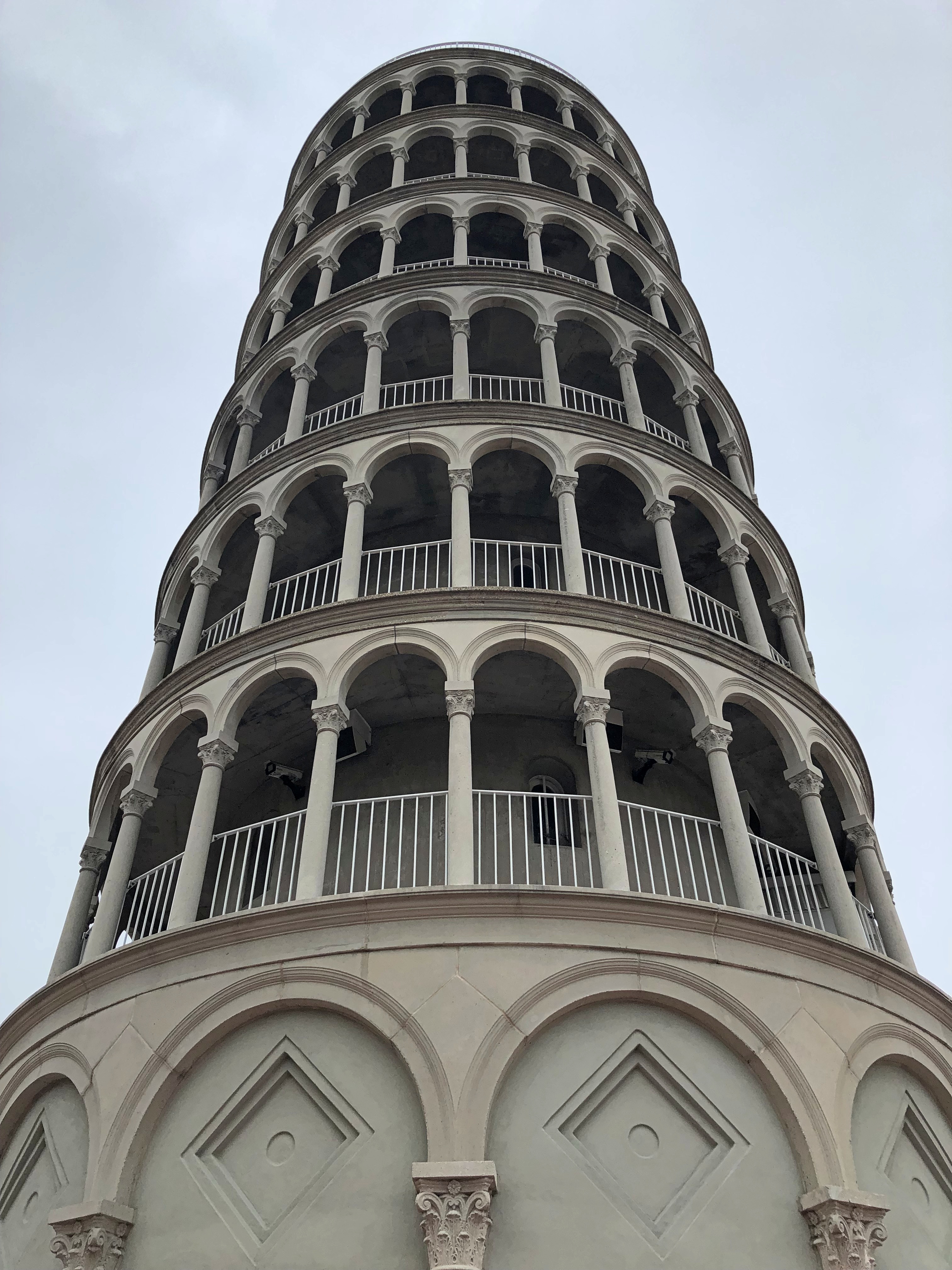
Lilacia Park, like Cantigny, is in the western suburbs, in Lombard as it happens, only a few miles to the east and a little north. Early May is the time of the lilac blooms there, and it’s been a fair number of years since we went, so we decided to drop by Lilacia on the way home on Saturday.Lilacia Park

The park didn’t disappoint, though I think it was a few days past peak for lilacs, to judge by the effusions of flowers I’ve seen in earlier years.Lilacia Park Lilacia Park

But not for tulips. Definitely peak blooms for many of them.Lilacia Park tulips Lilacia Park tulips Lilacia Park tulips

Lilacia was crowded too. Especially with prom and quinceañera celebrants.Lilacia Park

Lilacia Park

“Lilac bushes are not native to North America,” explains Flower magazine. (Just like most of us.) “The Common Lilac originated in Eastern Europe in the mountains of Bulgaria, Croatia, Slovakia, the Czech Republic, Hungary and Romania. For centuries, the Turks cultivated the species.

“Then, in the 1500s, lilac bushes arrived in Vienna and Paris. The French developed so many varieties that Common Lilac is often called French hybrid or simply French Lilac. Finally, these European specimens made the journey to the New World, and lilac bushes graced the gardens of George Washington and Thomas Jefferson.”

And, I have to add, the former garden of Col. William Plum and his wife Helen Maria Williams Plum in Lombard, Illinois.

“Colonel Plum moved to the Chicago area in 1869 and settled in Lombard when it was still a new village. The Plums purchased land and filled it with lilacs, which they fell in love with after traveling to the celebrated gardens of Victor Lemoine in France,” Atlas Obscura says.

“The couple returned from the trip with two lilac cuttings, one of Syringa vulgaris, ‘Mme Casimir Périer,’ a double white, and the other of Syringa vulgaris, ‘Michel Buchner,’ a double purple — the initial cultivars of the collection that stands today.

“The acclaimed landscape architect Jens Jensen — responsible in large part for the design or redesign of Chicago’s Columbia, Humboldt, Garfield, and Douglas Parks — agreed to design the Lombard Community Park, now known as Lilacia Park.”

Cantigny in May

It looks like Cantigny Park has taken the opportunity posed by the international health crisis to do some work on Col. McCormick’s mansion. This is what the outside of the mansion looked like on Saturday.
Cantigny Park

We didn’t visit to see the mansion, which we toured some years ago. Instead we wanted to see the grounds in spring. The day was cool — it’s been a cold spring lately — but not bad for a walkabout among the greenery.
Cantigny Park

And the flowers.
Cantigny Park

Lots of flowers.Cantigny Park

Cantigny Park

Along with other plants.Cantigny Park Cantigny Park

We haven’t been to Cantigny in a number of years. More recently than 2010 or 2011, but I don’t remember exactly when. On Saturday we also spent a little time at the McCormicks’ grave, in the shape of an exedra, which isn’t far from their mansion.

Cantigny Park - McCormick grave Cantigny Park - McCormick grave Cantigny Park - McCormick grave

Though a little chilly (mid-50s), it was a festive day at Cantigny.

Cantigny Park

Cantigny Park

People are gathering in groups once more this spring, or so anecdotal evidence, such as seeing them at Cantigny, tells me.

April Foolishness

Back again on Easter Monday, April 5. Happy Easter to all.

On a day like today, and in fact today and no other day, I wake up and think, It’s April, fool. I could do that each day for the next 29 and still be right, but it’s not the same somehow.

Well below freezing this morning, but such temps won’t last. Not long ago I was pleased to see clover underfoot.

I’ve seen two (?) four-leaf clovers over the years. I can’t remember exactly. I know I spotted one in Nashville years ago. This source at least, claiming an empirical survey, says that one clover per 5,076 has four leaves, so it is a rarity. And five-leaf clovers are one in 24,390. Never seen one of those, or the one-in-312,500 six-leaf clover.

How is that most “clover-leaf” interchanges have four circular ramps, like the variety we aren’t likely to see? Shouldn’t we think of another name? Maybe Buckminster Fuller did. Quadrocircles or something.

A cell tower I saw last weekend near Jelke Creek Bird Sanctuary.

Why take a picture of something so pedestrian? It occurs to me that members of some future generation might quarrel about preserving some of the last standing cell towers as reminders of the 21st century. Most were long gone, having outlived their usefulness after everyone had those satellite-receiving transponders implanted behind their ears.

Also: more about governmental units from the Census Bureau. Jay once told me that Texas is fond of setting up specialized governmental districts, and so it seems.

“Texas ranks second among the states in number of local governments with 5,147 active as of June 30, 2012,” the bureau says. No townships — the Republic of Texas originally spurned such notions, perhaps, and maybe the state banned them in the 1876 constitution (everything’s in there) — but there are 2,600 special district governments.

Besides ordinary things like school districts and housing authorities, they include (and this isn’t a complete list) advanced transportation districts, coordinated county transportation authorities, county development districts, fire control and prevention and EMS districts, freight rail districts, fresh water supply districts, groundwater conservation districts, irrigation districts, levee improvement districts, local mental health authorities, intermunicipal commuter rail districts, multi-jurisdiction library districts, navigation districts, municipal power agencies, noxious weed control districts, rural rail transportation districts, rural and urban transportation districts, soil and water conservation districts, water improvement districts, sports and community venue districts, sports facility districts, and underground water conservation districts. What, no fire ant control districts?

Also: the Edwards Aquifer Authority, Palacios Seawall Commission, Riverbend Water Resources District, Ship Channel Security District, and the Upper Sabine Valley Solid Waste Management District.

Whew. To cross Texas is to cross a welter of districts. Who is number 1 in governmental units, if vast Texas is second? Illinois, with 6,936 as of June 30, 2012. What about the state with the least governmental units? I’d think it was Idaho or Vermont or Little Rhody, but no: Hawaii, with 21. Rhode Island is no. 49, with 133.

I understand that the Louvre has made all of its works available for viewing online, so the other day, I looked up “L’Arbre aux corbeaux,” by Caspar David Friedrich — “Krähenbaum” or “The Tree of Crows” (1822).

This is what I saw.

At Wikipedia, you can see this.

Both images unretouched. What’s up with that, Louvre?

From a press release that came my way recently: “Over the last few years, we’ve seen the rise of cleanfluencers from Mrs Hinch to Clean Mama. Like others, they’ve made the jump over to TikTok to provide us with their best tips and tricks, but how much could they potentially earn from their videos?”

Cleanfluencers? As usual, I’m behind the curve. As usual, I don’t give a damn. And of course, the reaction to this sort of nonsense isn’t new either.

Chestnut Park

According to Google Reviews, or at least one reviewer, Chestnut Park, which is part of the Hoffman Estates Park District, is a good place to fish. Nice to know, though I don’t plan on fishing there. The other day I stopped by for a look at the park. Why? Because I’ve been driving by it for years — nearly 18 years — and never had done so.

It’s a pleasant pocket park, surrounded by houses and probably put in by the subdivider 50-odd years ago, with the fishing pond as the central feature. Maybe we can detect the hand of Jack Hoffman himself in the configuration of the park, or least one of his draftsmen.
Chestnut Park, Hoffman Estates

Chestnut Park, Hoffman Estates

Note that the grass has turned green. That seems to happen overnight around this time of year, sometimes in early April, but this year in late March.

As I was leaving, I noticed a plaque on a rock. I’d never noticed that before, either. Chestnut Park, Hoffman Estates

Chestnut Park, Hoffman Estates

One of the large genre of sad plaques. It isn’t hard to learn what happened to Meghan. Not even 15 years old, she was killed crossing a major street near the park.

Not long afterward, the Illinois House passed a resolution honoring the girl, promising to build pedestrian overpasses at the major roads near Hoffman Estates High School, to prevent such a thing happening again. I drive by that location often, and I have to report that the Meghan Krueger Overpasses were never built here in chronically cash-starved Illinois.

Jelke Creek Bird Sanctuary

One thing leads to another, especially on the Internet, and yesterday I found myself curious about the township as a unit of government. That led to a document published by the Census Bureau, which tells me (p. 80) that there are 1,431 township governments in Illinois, at least as of 2012. There are townships in one form or another in 20 of the several states, and in Illinois, 85 of the state’s 102 counties have townships within their borders.

I looked into townships when I found out that Jelke Creek Bird Sanctuary is a township park, not part of the Forest Preserve District of Kane County. Specifically, the sanctuary is overseen by Dundee Township, which occupies almost 36 square miles in the northeast corner of Kane County.

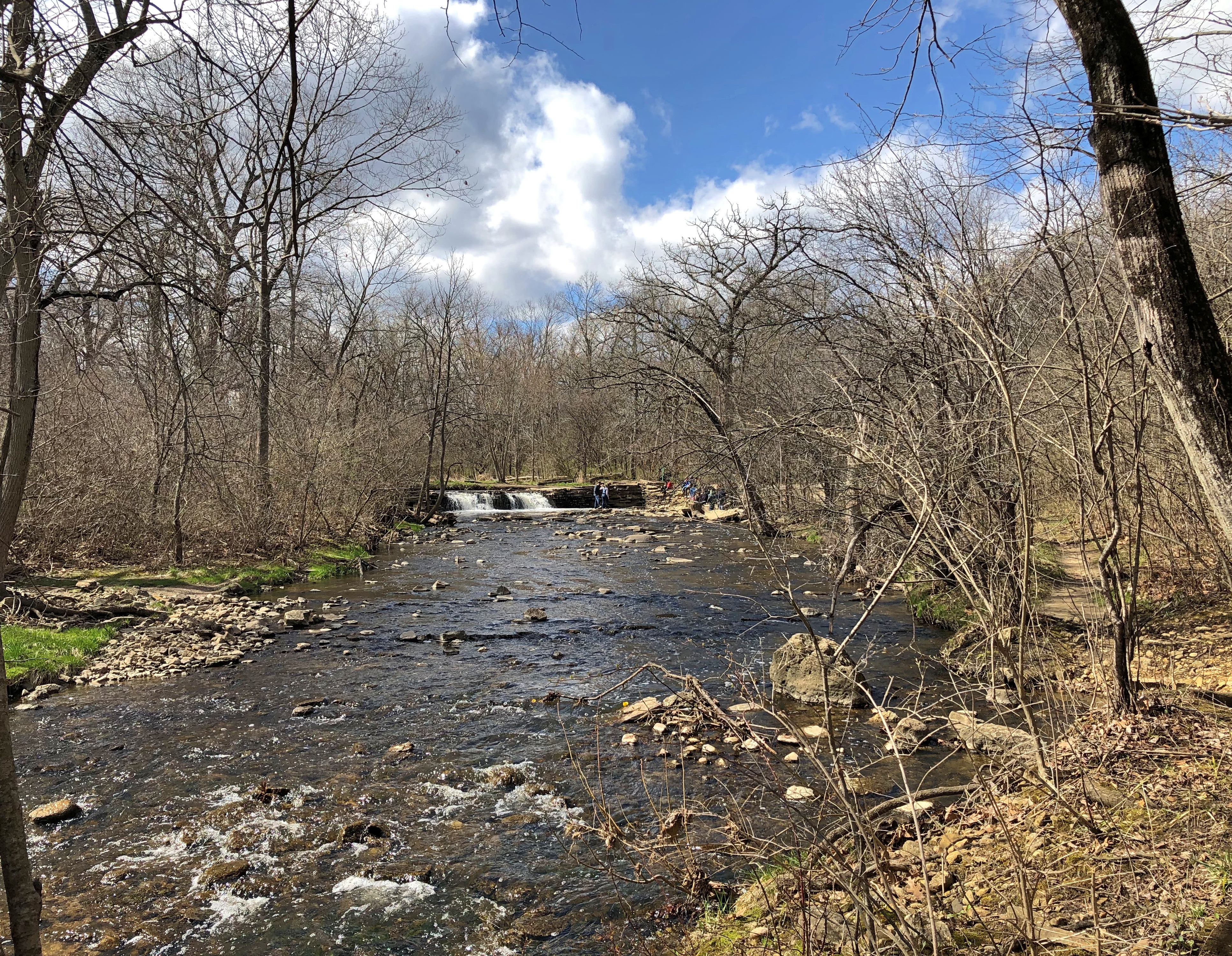
Last weekend was another divided one, at least as far as the weather was concerned. Saturday was pleasant and warm, while Sunday proved blustery and chilly. So on Saturday we headed mostly west and took a walk at Jelke Creek Bird Sanctuary. We took a loop through the property that didn’t happen to pass by Jelke Creek, which is a tributary of the Fox River and, of course, ultimately the mighty Mississippi.
Jelke Creek Bird Sanctuary

Why there? I found it by one of my usual techniques: scanning Google Maps.

The sanctuary is fairly new as a public space. “This open space site was formerly owned by Chicago Elmhurst Stone and the Schuetz family,” the township explains. “The property was purchased as two separate parcels in 2000 and 2001 with grants from IDNR’s Open Lands Trust program at a cost of $4,128,709. The site’s 244 acres are partially protected by an IDNR easement.”

Saturday was a good day for a walk there. Summer would be less pleasant, since there isn’t a lot of shade along most of the trails.Jelke Creek Bird Sanctuary

Jelke Creek Bird Sanctuary

Jelke Creek Bird Sanctuary

There are some water features. Mid-sized and small ponds. A few spots along the trails were muddy, but mostly they were dry.Jelke Creek Bird Sanctuary Jelke Creek Bird Sanctuary

Not too many people were around, though at one point we did see four horses and riders. Not the Four Horsemen, fortunately.
Jelke Creek Bird Sanctuary
All together, we walked about a mile and a half, I’d say. The dog seemed to enjoy the walk too, including the opportunity to lap up a little muddy water. She wisely stayed clear of the horses.
Jelke Creek Bird Sanctuary
As for birds in the bird sanctuary, we heard some singing, but didn’t see more than a few sparrows and red-winged blackbirds. We passed by one small marshy spot and heard the croaking of frogs, which I took to be males in search of females for springtime action. As we got closer to the spot, the croaking tapered off. Maybe the frogs don’t like large animals eavesdropping on them. More likely, they’re as wary as small animals tend to be at the approach of something bigger.

South Suburban Vax Thursday

Today was fairly chilly, and wind and rain is forecast for the evening. But I’m glad to see croci in the back yard.

The main event today, after filing a couple of stories, was a drive to the south suburbs for my first Covid-19 vaccination (until a few weeks ago, my publication’s style was COVID-19, which was too much like screaming). The site was an ordinary chain drug store. I found the appointment via a non-official web site that tracks drug store-based vaccinations that was set up, as far as I can tell, by Some Guy.

That’s the American way, I suppose. Government action for a big thing, ad hoc initiative to fill in the details. Sometimes that works well enough, sometimes less so.

The process wasn’t quite as efficient as that run by the 101st Airborne, but I didn’t have to wait too long after my appointment time. The injection itself took only a moment, of course, and I was rewarded with my own CDC card, which is sure to be a vaguely remembered relic someday, like ration books.

One jab down, five to go for this household. Three of those are scheduled.

I was far enough south to stop here, at the Chicago Southland Lincoln Oasis on I-80, not far from the Indiana line. On that most congested of metro Chicago highways, especially with trucks.
Lincoln Oasis I-80
Here are some of the trucks, resting temporarily from the role as part of the congestion.
Lincoln Oasis I-80
The other day I spotted an abandoned booklet in a public park. Even at some distance I could tell the content was religious, so I picked it up, hoping for the strange fascination of a Jack Chick work. I assume that his work has continued, even though the man himself might have died and gone to —

Anyway, it wasn’t a Jack Chick, but another brand by an organization I’d never heard of based in… it doesn’t say, and mostly it offers text, with a only scattering of pictures to illustrate the thing. The booklet is, however, trilingual: English, Spanish and Korean, so I’ve picked up some interesting phrases in Spanish.

Life is short! ¡La vida es corta!

Man is a sinner. El humano es pacador.

The wages of sin is death. Las paga del pecado es la muerte.

One more thing. A web site devoted to an incredibly obscure aspect of popular entertainment.

Pine Removal

Not long ago, I noticed that a tall pine tree in a neighboring yard was dead all the way up. It had long been one of those pines whose lower branches died off, but whose top branches were still green year-round. No longer.

Our neighbor must have noticed this too, because one fine morning recently at about 8, the noise of tree removal started. I heard that, of course, but what really got me out of bed was our dog, who took a loud interest in the goings-on. I was thus up, so I figured I might as well take a few pictures.

By the time I got around to that, the crew has stripped off the lower branches of the tree and feed them to a chipper. That was the real source of the noise, not the cutting of the branches.tree removal '21Rather than remove the top limps, the pro tree-climber got into position —tree removal '21— to cut off the whole top.tree removal '21 tree removal '21 tree removal '21Repeat until the whole tree was gone. But I didn’t stick around for that, breakfast was calling.

Cemeteries Along Archer Avenue

First of all, just about any search for information about Resurrection Catholic Cemetery & Mausoleums in Justice, Illinois, is going to turn up a reference to Resurrection Mary, a ghost purported to hitch rides along Archer Avenue, or in one version I read, go dancing with a living man at a dance hall that used to be on that road. Afterward, he gives her a ride back to her home — which turns out to be Resurrection, as the poor lass had died in a car crash at some earlier time.

The vanishing hitchhiker story, in other words. So well known that that’s the title of Jan Harold Brunvand’s book on urban legends, The Vanishing Hitchhiker, which I read in the ’80s, along with a lot of other people. If I remember right, the story has been attested back to the 19th century, when it involved a horse-drawn wagon rather than an automobile, and I suspect — with their high-quality roads, wagons and belief in spooks — the Romans must have told a similar story.

What’s the enduring appeal? Can’t say. Also can’t say that I take it any more seriously than it deserves, which isn’t much, though it is an element in Resurrection’s sense of place, so that’s something.

I arrived at Resurrection early in the afternoon on Saturday. At once I noticed that it was a busy place. Maybe the busiest cemetery I’ve been to since we went to Arlington National in ’11. I counted no fewer than six funerals going on during the hour or so I was there, plus a lot of other people simply visiting graves. It was a good day for a visit.

It’s an expansive Catholic cemetery founded in 1904, with about 190,000 permanent residents resting across 400 acres, so I was able to stay at a distance from everyone else. Not particularly for health reasons, but because as a cemetery tourist it’s important not to bother people during more somber visits. Usually it isn’t much of any issue.

Resurrection is a curious mix of a cemetery. Parts of it are thick with upright stones, while other parts feature mostly include flush-to-the-ground plaques, though memorials of both kinds can be found in every section. The cemetery has a scattering of trees and is almost completely flat, except for undeveloped places where piles of soil exist as a byproduct of large landscaping efforts.Resurrection Cemetery & Mausoleums

Resurrection Cemetery & Mausoleums

There is still a fair amount of unpopulated land, since the Catholic Church is nothing if not an organization that plans centuries ahead. There is also a sizable belt of wetlands near the edge of the property, full of reeds, that I suspect will never be developed, and which probably counts as the cemetery’s effort to be green.

The cemetery’s indoor mausoleum features the world’s largest stained glass window, at least according to Roadside America, with 2,448 panels telling Bible stories. That surely would have been a sight to see.
Resurrection Cemetery & Mausoleums

As soon as I parked next to the building, however, I noticed a line of cars snaking along the road I had just driven to get there. Sure enough, it was a funeral procession headed for the mausoleum, so I made myself scarce and didn’t make it back later. Another time, maybe, since the place does look to be a midcentury tour-de-force.

Instead I spent some time at one of the outdoor mausoleum complexes.Resurrection Cemetery & Mausoleums Resurrection Cemetery & Mausoleums

No stained glass, but there are mosaics of Biblical scenes on some of the walls of niches. I’d never seen anything quite like that.Resurrection Cemetery & Mausoleums

Though not thick with funerary art like some grand old rural cemeteries, there is some at Resurrection. New-looking works especially, the likes of which can probably be ordered online. Yep.Resurrection Cemetery & Mausoleums Resurrection Cemetery & Mausoleums Resurrection Cemetery & Mausoleums

This statue marks a small section devoted to the Sisters of Saint Joseph of the Third Order of Saint Francis, a group I’d never heard of. They’re still around.
Resurrection Cemetery & Mausoleums

One large work of art, a bronze of St. John Paul II, has its own Roadside America entry, which — in typical RA style — calls it the “20-Foot-Tall Pope.”Resurrection Cemetery & Mausoleums
“In 1969 and again in 1976, before he became Pope John Paul II, Karol Cardinal Wojtyla, the Archbishop of Kracow [sic], walked the grounds of Resurrection Cemetery in Justice, Illinois,” the cemetery web site notes. “In 1969, the Cardinal visited Resurrection Cemetery to see and bless the Polish Millennium Shrine honoring the 1000th anniversary (966 – 1966) of Christianity in Poland.

“On Memorial Day, May 30th, 2016, Archbishop Cupich blessed a 20 foot tall bronze statue of Saint Pope John Paul II that’s placed on an eight foot tall American black granite base located in Resurrection Cemetery directly behind the cemetery’s office building.

“Commissioned by the Catholic Cemeteries of the Archdiocese of Chicago in 2013 and designed by Teresa Clark of Clark Design[, the] statue weighs approximately 8,000 pounds and rests upon a black granite base of 86,000 pounds.”

Good to take note of monumental things at a cemetery, but also to pay attention to some of the more human-sized stories that the stones and other memorials clearly allude to.

Such as recent bereavement. Not far from John Paul.Resurrection Cemetery & Mausoleums

In the thick of other stones.Resurrection Cemetery & Mausoleums

Found on the grounds of the outdoor mausoleum.
Resurrection Cemetery & Mausoleums

Resurrection wasn’t the only cemetery on Archer Avenue I saw on Saturday. Next to it is another large burial ground, Bethania, which is nonsectarian, and looked crowded with upright stones. I didn’t have the energy for it.

I did take a drive through the rolling terrain of Fairmount-Willow Hills Memorial Park, which is also on Archer Avenue, though in the village of Willow Hills. Most of its memorials are flush to the ground, though there are upright ones. Overall, that gives an impression of large open spaces.Fairmount-Willow Hills Memorial Park Fairmount-Willow Hills Memorial Park

On a sizable hill is a sizable clock tower, with niches around the base (and maybe inside; it was locked).
Fairmount-Willow Hills Memorial ParkI noticed that its clockface (not visible in my picture) wasn’t telling the right time, but as I visited the tower chimed the correct hour. I don’t think I’ve ever seen a clock tower at a cemetery, but somehow it belongs. Reminds us of that thing, time, that we will all run out of someday.

Red Gate Woods, The Dawn of the Atomic Age & Ray Cats

At about 15,000 acres, the Palos Preserves form the largest concentration of land in the Forest Preserve District of Cook County. Names pour out from the map, if you bother to look: Willow Springs Woods, Paw Paw Woods Nature Preserve, Wolf Road Woods, Saganashkee Slough Woods, McMahon Woods, Spears Woods, White Oak Woods, Crooked Creek Woods, Cap Sauers Holding Nature Preserve, and Swallow Cliff Woods North.

The preserves include Camp Bullfrog Lake, Tomahawk Slough, Maple Lake, Longjohn Slough, Crawdad Slough, Joe’s Pond, Horsetail Lake, Laughing Squaw Sloughs, Camp Kiwanis Equestrian Staging Area, and the Little Red Schoolhouse Nature Center. About 50 miles of trails cross this arboreal kingdom in southwest Cook County.

Red Gate Woods is much like the other sections, but with a singular distinction. It includes the burial site of the world’s first nuclear reactor, the famed CP-1, which was originally at the University of Chicago but soon rebuilt at Red Gate as CP-2 since, you know, nuclear research in a densely populated urban area was understood to be a risky proposition even in the early 1940s.

I’d known about Red Gate for a while, but never gotten around to visiting the site. Pleasantly warm Saturday was the time to do so, I decided.

The entrance to Red Gate is on Archer Avenue very near St. James at Sag Bridge. A sign at the edge of the Red Gate parking lot describes how to get to the burial site, so off I went along an unpaved and still somewhat muddy trail. Red Gate WoodsSoon that connects with a paved trail, which made the going easier.
Red Gate Woods
The hills weren’t that steep, but there were slopes along the way.
Red Gate Woods
I almost missed the site. It’s actually on a spur off the main trail, out in an open field. It is the open field.
Red Gate Woods
The stone includes some informal editing. Do I believe the area is dangerous? No, I do not. Not to someone who spends five minutes there.
Red Gate Woods
The burial area, the stone says, is marked by six corner markers 100 feet from the stone (presumably, in six directions). So I went looking for one of the markers. It wasn’t hard to find. I spotted most of the rest of them as well.
Red Gate Woods
Saw this as well. A well.
Red Gate Woods
Maybe it is dangerous to dig there, but I couldn’t say for how long. Another century? A thousand years? More? Does Red Gate need a long-time nuclear waste warning? I’m not smart enough to know, but it would be interesting if the forest preserve district installed one.

And turn a few special cats loose in the area. Eh? Mental Floss mentions a plan — who knows how serious — to warn distant posterity of radioactive hazards using specially bred cats.

“But the strangest suggestion by far came from two German linguists. They argued that governments around the world should breed cats that turn colors when exposed to radiation. These so-called ‘ray cats’ could then be immortalized in song and legend, so that even after the scientific knowledge of radiation had been lost to the sands of time, folklore would tell of their supernatural power to change their fur in the presence of extreme danger.”

In song and legend. Someone has already written the song.

St. James at Sag Bridge Catholic Church and Cemetery

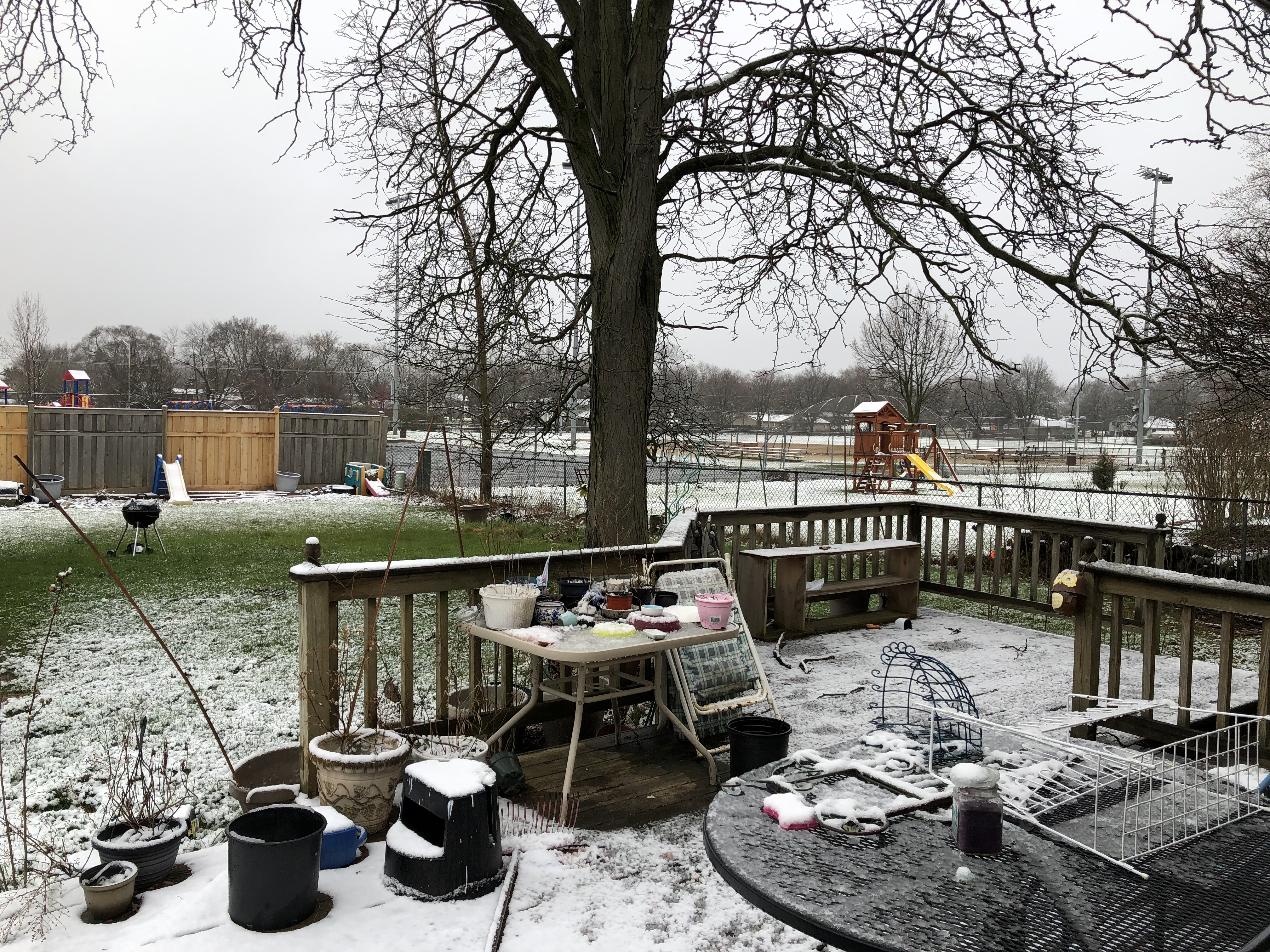
Saturday was warm and pleasant, Sunday raw and unpleasant, and today — Ides of March Snow. If Rome had had a few inches that day, Caesar might have stayed home, since the rarity of snow would surely have been a warning not to do any official business. Oh, well.

Except for scattered dirty piles in parking lots, all of the massive February snows had melted by March 14. The March 15 snow will last a few days at most, due to a warming trend predicted for later in the week.

Illinois has a few hills, typically relics of ancient glacial movements. Built on top of one of them, in the village of Lemont, is St. James at Sag Bridge Catholic Church, which got its start in historic times — but still quite a while ago, in the 1830s.

On the slope of the hill is the church cemetery.St. James at Sag Bridge Catholic Church St. James at Sag Bridge Catholic Church St. James at Sag Bridge Catholic Church St. James at Sag Bridge Catholic ChurchOne side of the hill — maybe better to call it a ridge — is quite steep, yet still sports stones.St. James at Sag Bridge Catholic Church St. James at Sag Bridge Catholic Church

The rest of the family had other things to do during the day on Saturday, which as mentioned turned out to be clear and warm, so I headed south for a look around the suburban stretch of Archer Avenue (Illinois 171) between Lemont and the village of Justice.

The urban section of Archer Avenue, “Archey Road,” was the haunt of Mr. Dooley once upon a time, but that’s a matter best left for others to describe (if you feel like paying for access).

In our time, suburban Archer Avenue is a thoroughfare featuring independent and chain restaurants, small office buildings, auto repair shops, liquor stores, churches, schools, municipal facilities, and vast cemeteries. The surrounding forest preserve lands are even larger, the further out you go.

St. James at Sag Bridge is near the junction of Archer Avenue and the north-south Illinois 83, which (to the north) is one of the main transit spines of DuPage County. St. James’ hill also rises near the triple waterways of the Des Plaines River, the manmade Chicago Sanitary and Ship Canal, and an older manmade leftover of the 19th-century canal-building boom, the tiny-by-comparison Illinois & Michigan Canal.

To the south of the church and cemetery is yet another artificial waterway, the early 20th century Calumet Sag Channel, which gives the area its name, Sag Bridge, for a predecessor bridge of the one that now carries 171/83 across the channel. The Calumet Sag connects the Calumet River system with the Sanitary and Ship Canal, which it joins just to the west of the church. It’s a complicated bit of geography that I was only vaguely aware of before I decided to examine this part of Archer Avenue.

Sag? I wondered about that as well. The full name of the canal is the Calumet-Saganashkee Channel. I didn’t know that either, but learning it generated another question, as is often the case. Saganashkee?

Named after a local feature with a modified Indian name, it seems: Saganashkee Slough, which is a lake on forest preserve land in the area.

“A case in point is Saganashkee Slough,” the Chicago Tribune reported in 1994. “It was formerly a huge swamp that extended from west of 104th Avenue to the limits of Blue Island, and its original name, Ausaganashkee, is a Potawatomi Indian word that means ‘slush of the earth,’ wrote former Forest Preserve District general superintendent Cap Sauer in a historical account written in the late 1940s.

“During the construction of the I&M Canal in the 1830s, a feeder ditch was dug in the swamp that helped supply additional water to the canal. The slough was almost destroyed in the 1920s by blasting during the construction of the Cal-Sag Channel. Saganashkee was reconstructed by the forest preserve district, although in much smaller form, Berg said. At 325 acres, it is still, however, one of the largest bodies of water in the district.”

As for St. James, the church was founded to serve workers, mostly Irishmen, who were building the Illinois and Michigan Canal, with the current structure completed in the 1850s. A place to go Sunday morning after Saturday night revels, and sometimes donnybrooks, at least according to Irish stereotypes. I suspect the congregation is a good deal more diverse these days.St. James at Sag Bridge Catholic Church

St. James at Sag Bridge Catholic ChurchIt’s a handsome limestone building, built from material from nearby Lemont-Sag quarries, which provided stone for Holy Name Cathedral in Chicago and the Chicago Water Tower besides. I understand the St. James interior is quite beautiful, but it was locked when I visited.

The Our Lady of the Forest grotto on the grounds was, of course, open for a look.
St. James at Sag Bridge Catholic Church - Our Lady of the Forest
Compared with the church building, the grotto is new, built in 1998 for the for the 165th anniversary of the parish. See grottos when you can.