Flowers in the Snow

Not the Blizzard of 1888, but they say the Northeast got a lot of snow. We got three or four more inches last night and into the morning. More than in January or February, and enough to catch the back yard croci in early blossom.

Flowers in the Snow 2017They’re hardy flowers. I’m sure they’ll survive the day or two of snow cover.

The snow’s already mostly melted off the streets and driveways and sidewalks, so it hardly counts as a nuisance. Still, it’s hard to believe the view from the back door will look like this in three months.

Iolanthe

Snow last night, first time it’s stuck in quite a while. But only a few inches, not like the East Coast.

This year the Gilbert & Sullivan Opera Co., a nonprofit based in Hyde Park that does performances one weekend of the year at the University of Chicago’s handsome Mandell Hall, produced Iolanthe. I have fond memories of the company’s Yeomen of the Guard, which Lilly and I saw two years ago, so we all went on Friday (except Lilly, whose spring break hasn’t started yet).

img462Like last time, we ate at Salonica’s first. The face on the telephone pole is still down the street, on the way to the theater.

The show was just as much fun as Yeomen. More, since I knew some of the songs better, including everyone’s favorite lord-marching-trumpets-braying number, which saw a mellifluous chorus of lords spill out from the stage and into the aisles and back, and the renowned patter song about insomnia and the weird dreams of shallow and disturbed sleep.

According to The Complete Annotated Gilbert and Sullivan by Ian C. Bradley, parts of which are online, “[Gilbert] had, in fact, experimented with the metre later used for the nightmare song in a poem entitled ‘Sixty-Three and Sixty-Four,’ which appeared in Fun in 1864 and which began:

Oh, you who complain that the drawing’s insane, or too much for your noodles have found it.
But listen a minute, I’ll tell you what’s in it — completely explain and expound it.

An earlier poem by Gilbert, ‘The Return from My Berth,’ which appeared in Punch in October 1864, gives a more lurid account of a Channel crossing:

The big Channel steamer is rolling,
Frenchmen around me are bilious and fat
And prone on the floor are behaving unheedingly,
It’s a ‘sick transit,’ but never mind that!

Matthan Ring Black was in fine form with the patter, and the rest of his Lord Chancellor part. Everyone else did very well, but I was especially taken with Claire DiVizio, who did the Fairy Queen, and David Govertsen, who not only amused everyone with Private Willis’ single song, but stood perfectly still in the lobby in his bright red guard uniform as the audience filed in. Perhaps that’s a G&S tradition I don’t know about, but in any case he was there.

Private Willis also got the biggest laugh of the evening:

That every boy and every gal
That’s born into the world alive
Is either a little Liberal
Or else a little Conservative!

Of course, there’s Victorian context to that, but a modern one as well.

Yuriko liked it, and Ann, who’s developing a taste for musical theater, said she enjoyed the show a lot. I never had such a taste as a teenager, though I did (mostly) enjoy the successive senior plays put on at my high school toward the end of each school year, all of which happened to be musicals: Bye Bye Birdie, The Mikado, Fiddler on the Roof, and West Side Story.

One more thing, which if I knew, I’d forgotten: Iolanthe apparently inspired Chief Justice William Rehnquist to add gold stripes to his robe in 1995. Guess he decided that a powdered wig as well would be a bit much.

The Snowballs of Fuji-san

Some sunny days lately, and longer ones too, but they’ve all been cold. If the weather had volition, I’d say it wanted to make up for the strangely warm days that northern Illinois experienced in mid-February.

After 24 years, I don’t remember exactly where we visited in the environs of Mt. Fuji, though we got fairly close. Considering that it was mid-March, it was effectively still winter. We were able to see the mountain from one vantage point — not as easy as you’d think — and we visited a cave nearby.

We also tossed around some snowballs.

NearFuji1993Either my sister-in-law (to be) or her husband took the shots. I scanned them together for better effect.

Thursday Flotsam

I think I was in the 8th grade when I learned the difference between flotsam and jetsam. Mr. Allen’s English class. He was firm in his belief that you should learn things in school. I suppose most teachers feel that way, but he was particularly adamant. Once a wiseacre named Tim asked Mr. Allen why anyone had to learn what he was teaching. “Because if you don’t know it, you’ll be ignorant,” was his answer.

Saw La La Land recently. It was everything it needed to be. Namely, skillfully made and visually appealing light entertainment, with an especial fine use of the Griffith Observatory as a setting, and an ending a bit above the usual formula. A lot else has been written about it, of course. Endless commentary. As far as I’m concerned, that’s overthinking the matter.

My parents’ and grandparents’ generations weren’t right about everything, but I think they had a healthy take on song-and-dance movies. Mostly light entertainment, though there was the song that was just as powerful a weapon as any cannon or battleship in the First World War.

Speaking of war, after posting about the evacuation of Fort Moultrie on December 26, 1860, I found the digital version of The War of the Rebellion: a Compilation of the Official Records of the Union and Confederate Armies to see if Maj. Anderson’s telegram was indeed the first item in that sprawling compendium. It is.

I was amused by the second item, also a telegram, dated December 27.

Major Anderson, Fort Moultrie:
Intelligence has reached here this morning that you have abandoned Fort Moultrie, spiked your guns, burned the carriages, and gone to Fort Sumter. It is not believed, because there is no order for any such movement. Explain the meaning of this report.
— J.B. Floyd, Secretary of War

Or as Sec. Floyd might have said privately, “The deuced you say! He did what?” Three days later, Floyd resigned as Secretary of War, and is remembered — when he’s remembered at all — for suspicious behavior in that office, at least as far as the Union was concerned, and as an incompetent Confederate general.

General Floyd, the commanding officer, who was a man of talent enough for any civil position was no soldier, and possibly, did not possess the elements of one. He was further unfitted for command for the reason that his conscience must have troubled him and made him afraid. As Secretary of War, he had taken a solemn oath to maintain the Constitution of the United States and uphold the same against all enemies. He had betrayed that trust.
— Personal Memoirs of Ulysses S. Grant

Recommended eatery in Charleston: Bluerose Cafe.

Bluerose Cafe

I started looking for dinner a bit late on a Friday night, and went to one place I’d found on Google maps. It was jammed, and more importantly, so was its parking lot. I went to my second choice. It too was full. Facing the possibility of fast food, which I didn’t really want, I headed back toward to hotel, when I noticed the Bluerose. Plenty of parking there.

The restaurant wasn’t packed either. In fact, at about a half hour before closing, only one table was occupied, with a fellow eating at a counter, and a hostess/waitress behind the counter. The place was simply decorated, but not drab, and the longer I looked around, the more I started noticing Irish touches, such as the sign that said, Céad Míle Fáilte (a hundred thousand welcomes).

I sat at the counter as well, and the man eating there said, “I’ll get you something as soon as I’m finished. I haven’t had a chance to eat all day.”

He had a distinct Irish brogue. Turned out he was Denis O’Doherty, the proprietor. I told him not to hurry. We talked a bit, and he told me that he’d come to the United States a good many years ago, living in Boston quite a while, but in Charleston for the last 13 years or so, running the Bluerose. People get around.

I ordered the pan fried flounder before too long, and Mr. O’Doherty went back to the kitchen, which is visible from the counter, to prepare it. While he was at work on that, a woman came in and ordered some food to go, and talked a while with Denis as she sat at the counter. A regular customer. I got the feeling that the place had a lot of regular customers.

He didn’t let the talk distract him too much, because when I got my fish, it was superb. Which was the exact word I used when he asked how the fish was. Sometimes, when it comes to finding good food on the road — even in the age of Yelp and Tripadvisor and all that ya-ya — you just have to get lucky.

My Own kWh

More wind today. Enough so that the blue recycle bin, which usually rests inert on the deck, took a new position against the back yard fence in the morning.

ComEd sent me another of its non-bill mailings recently, to tell me how I stand vis-à-vis “efficient neighbors” and “average neighbors,” for the period December 22 to January 25. Efficient and average in terms of electricity usage, that is, not (say) snow removal or vacuum cleaning of interior carpets.

We used 560 kWh over that period, and thus 1 percent for more electricity than efficient neighbors. Guess that’s good. A smidgen less coal burned somewhere, a few fewer atoms split. “Efficient neighbors are the 20% who use the least amount of electricity” among 100 houses in a one-mile radius or so, according to the utility.

In the fine print, the letter says, “This program is funded by ComEd customers in compliance with Illinois law.” Hm. Not an unfunded mandate as far as ComEd is concerned, then. The company gets to charge its customers to tell them how efficient they are. That would be OK if I got a discount for efficiency, a few tenths of a cent per kWh, say, but I don’t think that’s in the offing unless I’m an industrial user.

Recent Wind Incidents

During most of the day yesterday, and especially late into the evening, brisk winds blew around here. I fell asleep listening to the strong wind, and while that can be a soothing sound, it’s much better if you’re in rental property.

In the morning, when calm air had returned, there was no visible damage. Some items outside on the deck had been moved around, and a few small branches had fallen. It all made me wonder: if the rotation of the Earth ultimately moves the atmosphere, how is it that the wind isn’t always like that? Or worse, like it is on the gas giants, with their perma-storms? What makes a calm day on any part of the Earth?

When returning from Texas Sunday before last, the wind was up as the plane came in for its landing at Midway, making one of the bumpier approaches I’ve experienced lately. About two minutes before touchdown, when even the flight attendants had buckled down, suddenly one of them got up, wetted a towel, and dashed past me — I was on row six or seven — and helped clean up a few rows back, where a woman had thrown up. Then the flight attendant, navigating her way as the plane bumped around, made it back to her seat for the landing. Expert moves, clearly.

On Sunday, February 19, a few days before we arrived in the city, a handful of tornados hit San Antonio. According to the Express-News on the 21st: “The National Weather Service confirmed late Monday morning an EF-1 strength tornado with 105 mph and a path length of 4.5 miles touched down on Linda Drive near the Quarry shopping center.”
That’s a few blocks from my mother’s house.

Fortunately, an EF-1 is a weak tornado, or I’d be writing a very different post. As it was, she lost power for a while, and it looked like a neighbor’s fence had been damaged, though it’s possible the fence had already partly fallen through neglect. Otherwise my mother’s house wasn’t damaged.

A few days after the hit, we noticed some damage to a small shopping center a few blocks north of her house — bits of missing signage, broken tree limbs and roof problems, mostly. Also, some workmen were taking down a damaged ornamental brick wall at a nearby apartment complex. Better to have no tornadoes, but if you have to have one, a weak one is what you want.

Billy Beer Now Counts as an Antique?

First things first. Remember the Alamo.

Not long ago we visited an antique mall in another northwest suburb that we go to occasionally, though this was the first time in a few years. On the whole it’s a likable place stuffed to the gills with debris from across the decades. I like looking around, just to remind myself how much stuff there is in the manmade world. The establishment frowns on photographing its wares, so I have no images.

The mall’s postcards, unfortunately, tend to be $1 or more each. It has to be a special card for me to pay that much. Got enough of them anyway. Several drawers full of old photographs of random strangers were also available, at a lower cost per item. Many were easily taken 100 years ago. That only goes to prove that for most people, any images older than their grandparents might as well be cave paintings.

The most amusing find: a six pack of Billy Beer, apparently unopened. I don’t ever remember actually seeing any, only hearing about it, as everyone did in 1977. A short history of the risible brand, posted in 2010, is at Mental Floss, whose key line is: “That’s about the best summary of Billy Beer that we can find; it was so noxious that not even Billy Carter would drink it.”
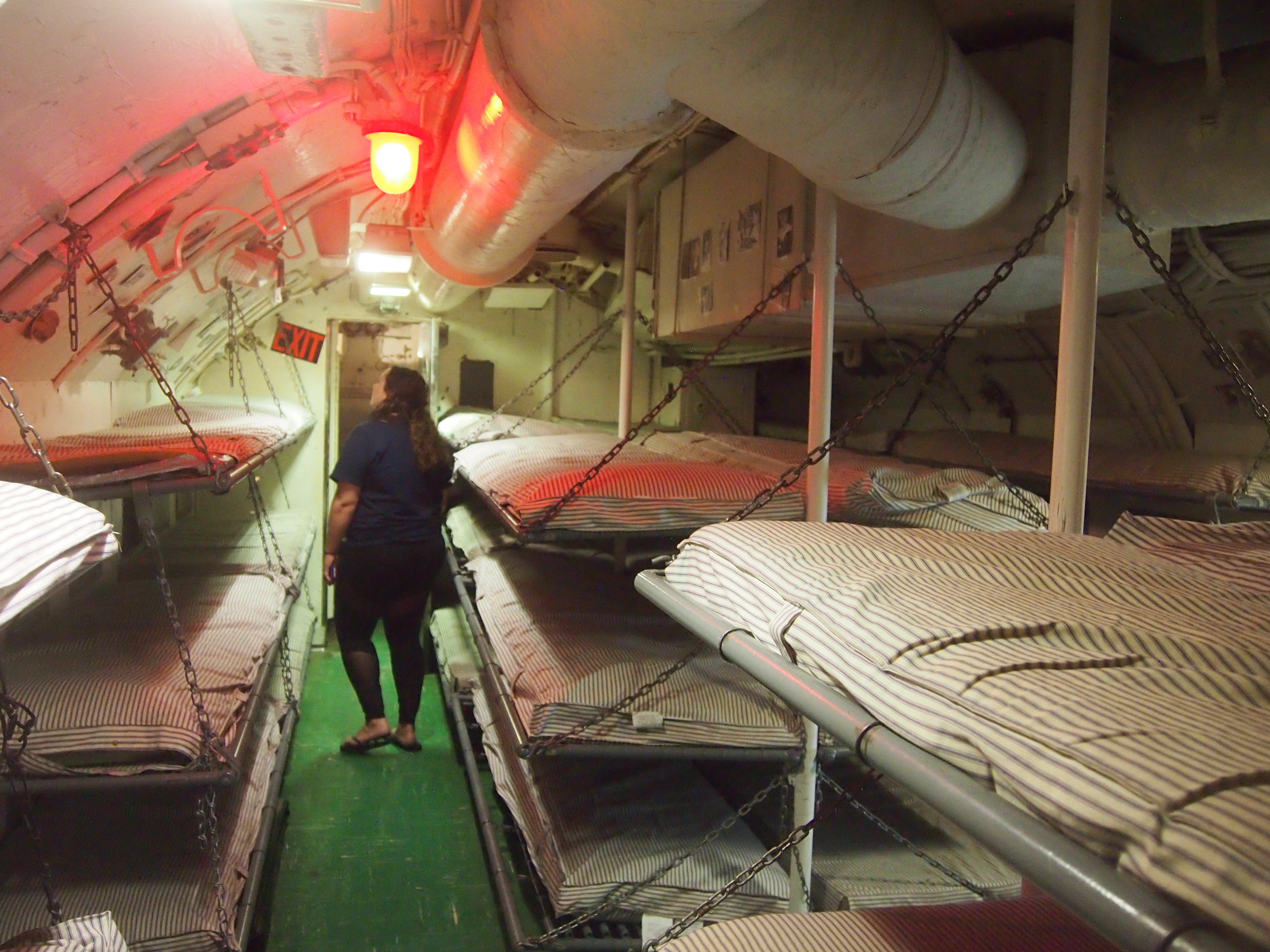
As for later: “Billy Beer perfectly fit the mold for a worthless collectible. It was made in giant quantities. Hordes of people had speculatively saved some. It had no intrinsic value.”

I think the price on the cans was $30. Who knows, maybe Billy Beer’s time as a collectible will come someday, as those giant quantities waste away across the decades. But I’m not going to buy any in hopes of finding out.

Vanity Map Update

Time to post the vanity map of states I’ve been to, color-coded, because there are updates. Mainly, South Carolina is now filled in. That makes 49 states and DC, leaving large lonely Alaska.

Color-coded Map 2017

Color codes are the same, and pretty much idiosyncratic.

Green: Either lived in these places or visited so many times I’ve lost count. Very familiar.

Blue: Numerous visits covering a fair amount of the state or province, or one or two visits of strong intensity and some variety. Fairly familiar.

Orange: Spent the night at least once, saw a relatively limited number of places.

Pink: Passed through (on the ground) but didn’t spend the night.

White (no color): Never visited.

Vanity because it isn’t as if I studied hard and passed a battery of tests to gain entry, or crossed dangerous frontiers, or defied longstanding cultural prejudices, to be able to visit 49 states and DC. All it took was some time and some money, and the will do to so. Not everyone has those things, of course, but many millions do. Even so, it hasn’t cost a fortune, especially spread out over the 35-plus years of my adulthood (there’s no state I visited as a child that I didn’t return to later).

Moreover, this is the late 20th and early 21st centuries we’re talking about. Air travel might have its petty irritations and highways and bridges might be in sad need of repair in places, but on the whole the North American travel infrastructure is an easy-to-use marvel in our time. Just think: about five miles from my house is a highway (Interstate 90) on which I could, if I had a hankering to, drive through to Boston. Or if I went the other way, take the road all the way to Seattle in a few days, probably without more than intermittent delays.

Magnolia Cemetery, Charleston

Out of idle curiosity, I recently Googled “Magnolia Cemetery” and by the most cursory of investigations, found properties of that name not only in Charleston, SC, but also in Augusta, Ga., Mobile, Beaumont, Norfolk, Va., Baton Rouge, Houston, Orange Park, Fla., and Meridian, Miss., just to name some of the Southern spots.
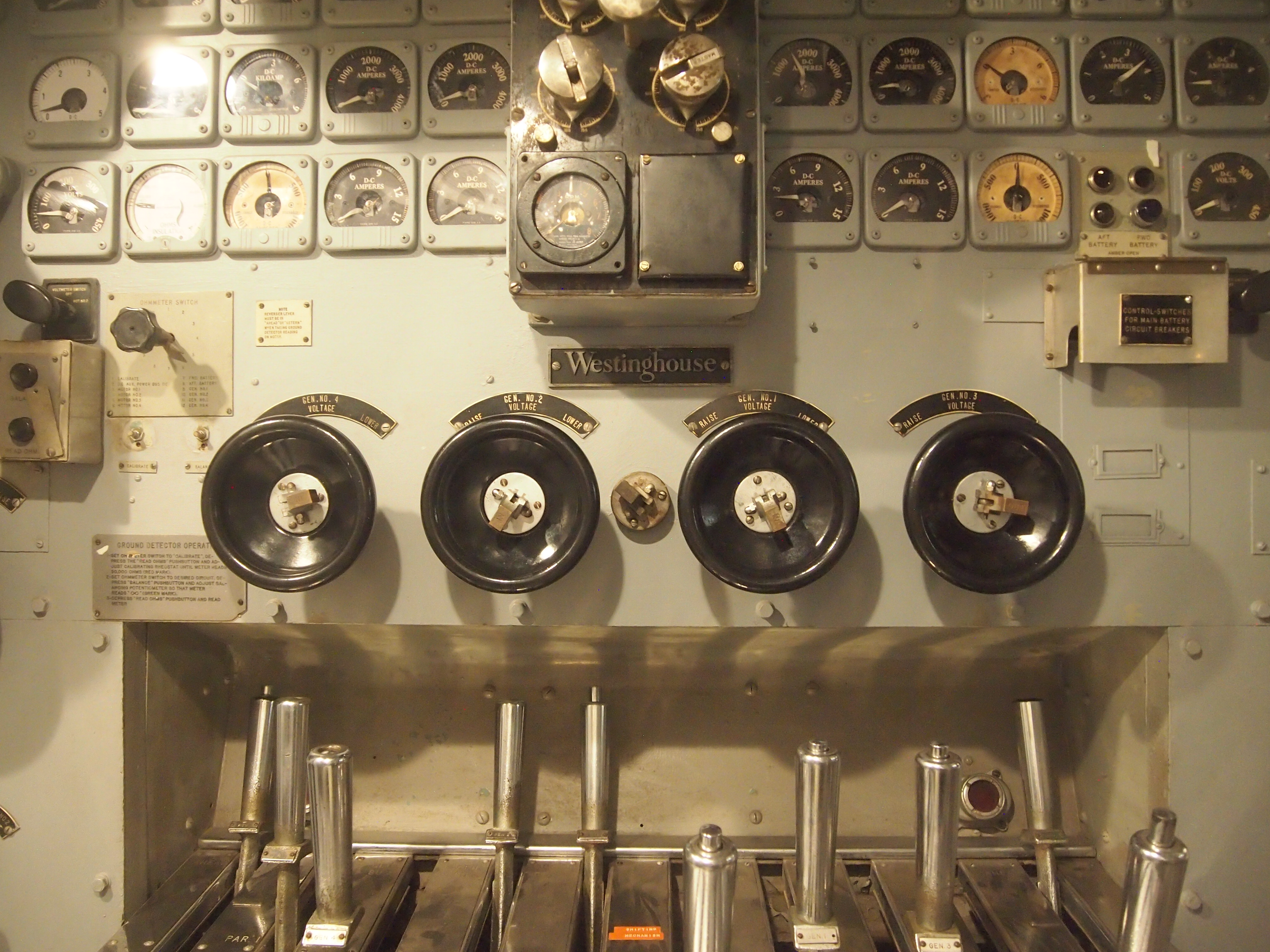
There are also Magnolia Cemeteries in Philadelphia — Pa. — Harrison County, Iowa, and Stark County, Ohio. That might seem odd, but then again certain kinds of magnolia grow in the North. Saw some in Rockford, Ill. Or maybe the Northern cemetery namers just liked the shady, peaceful associations of the magnolia.

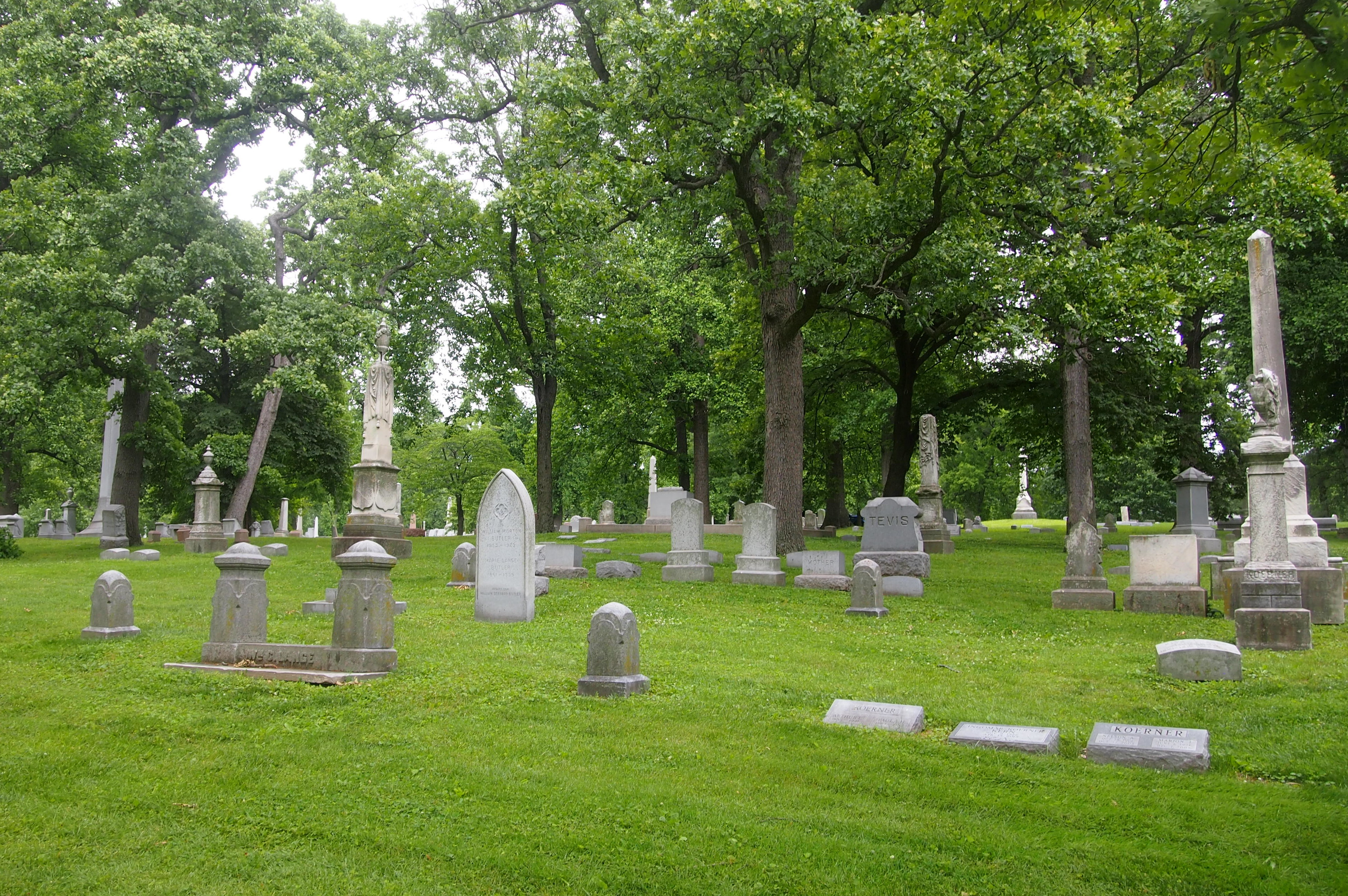
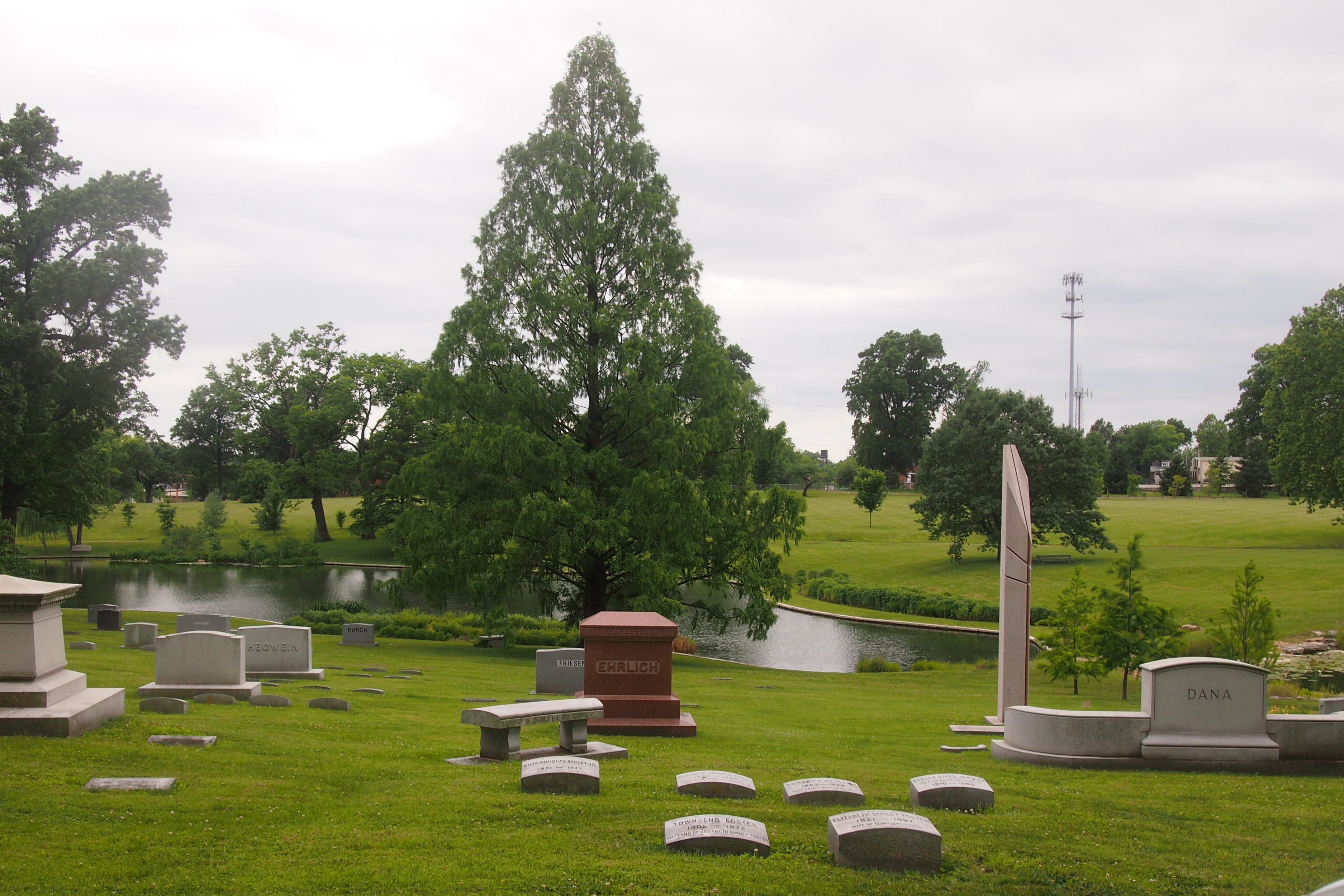
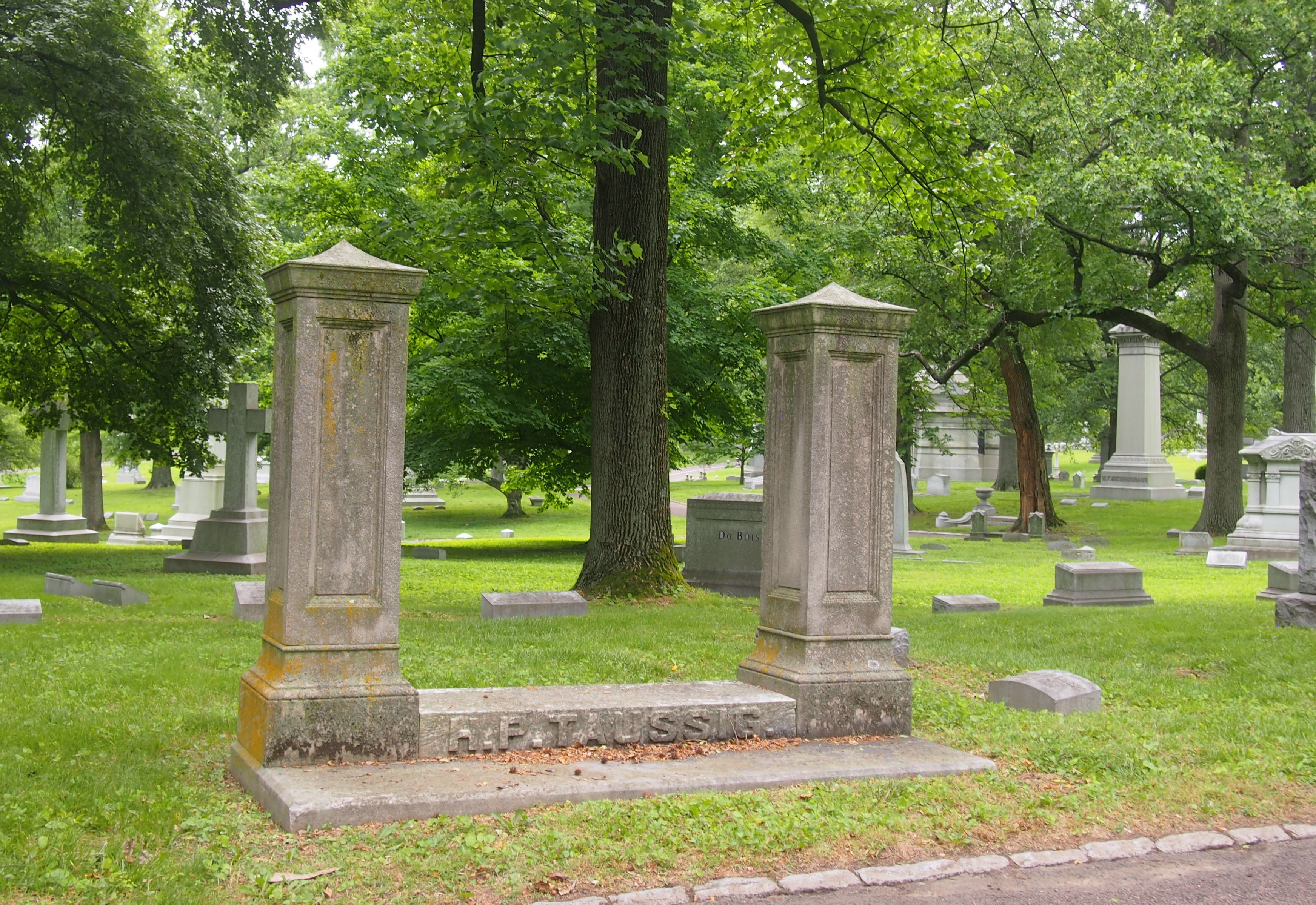
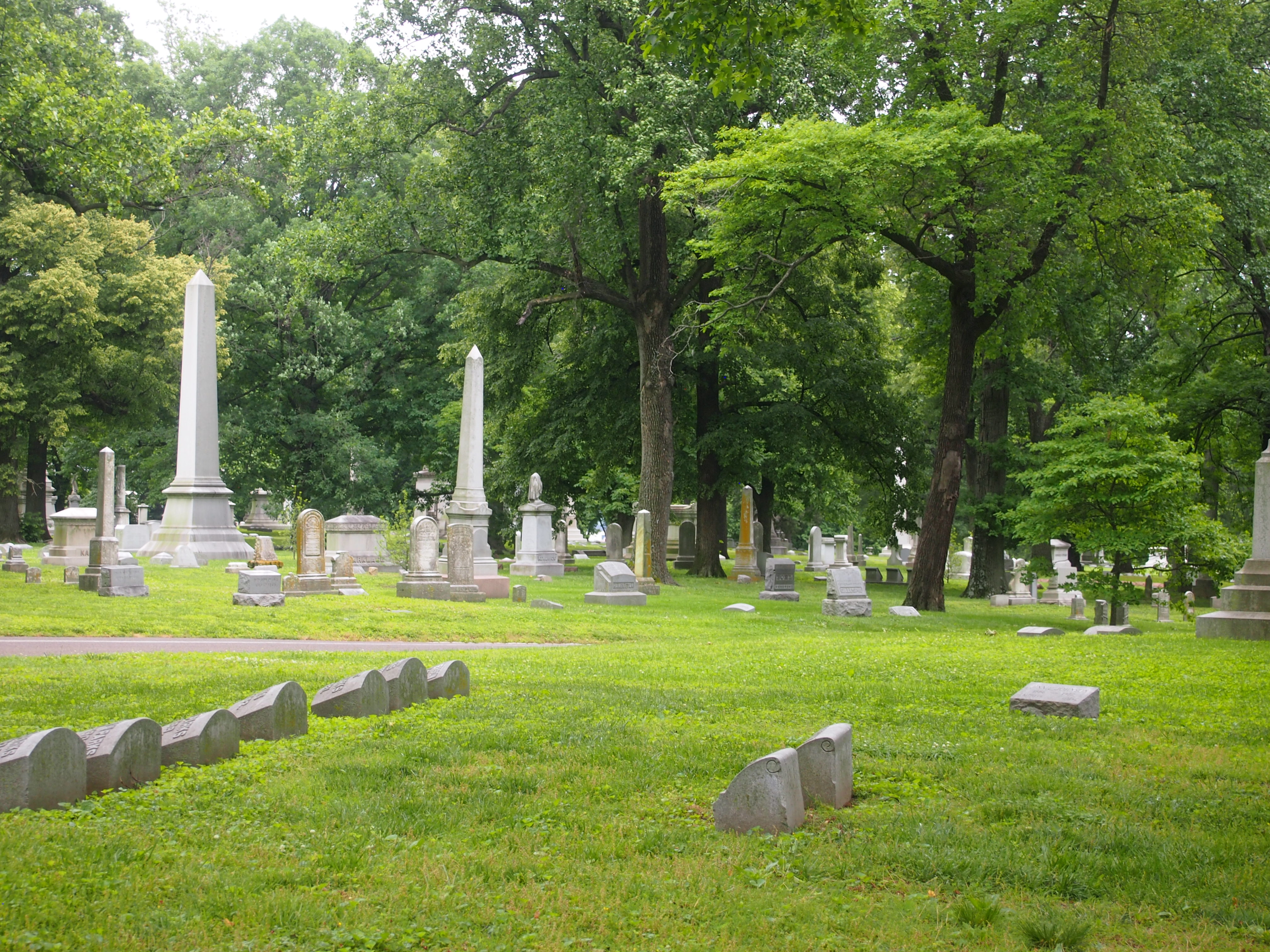
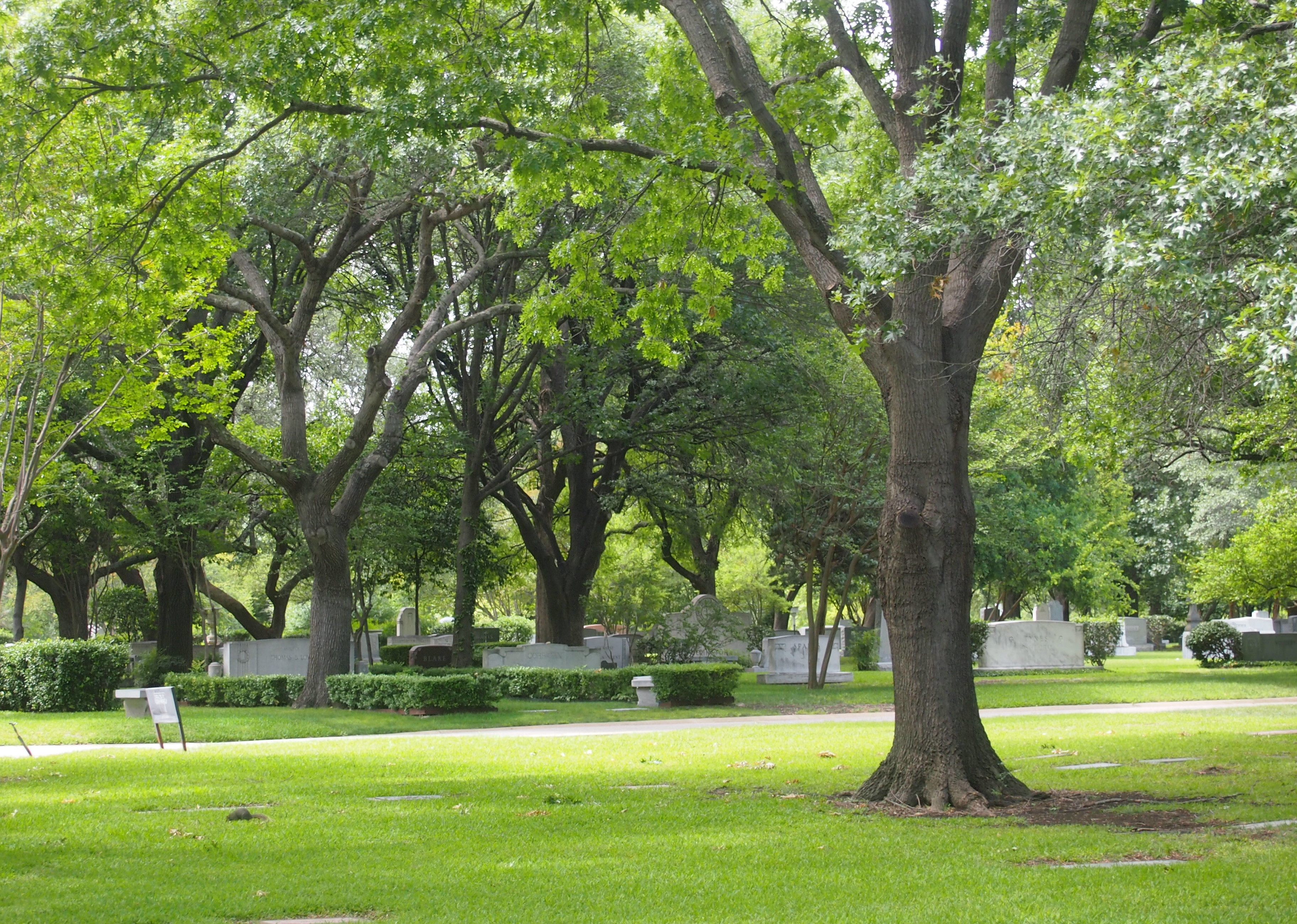
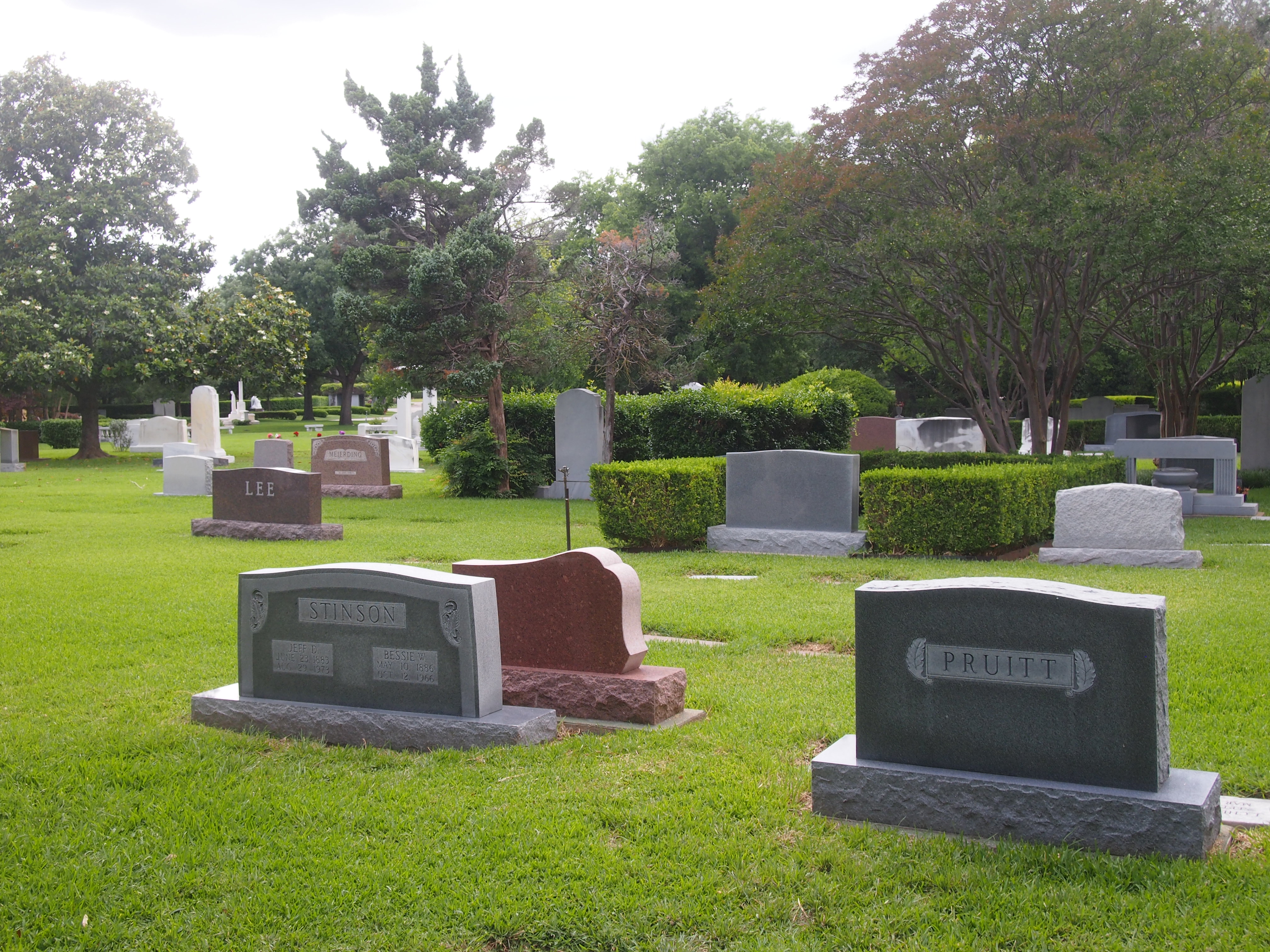
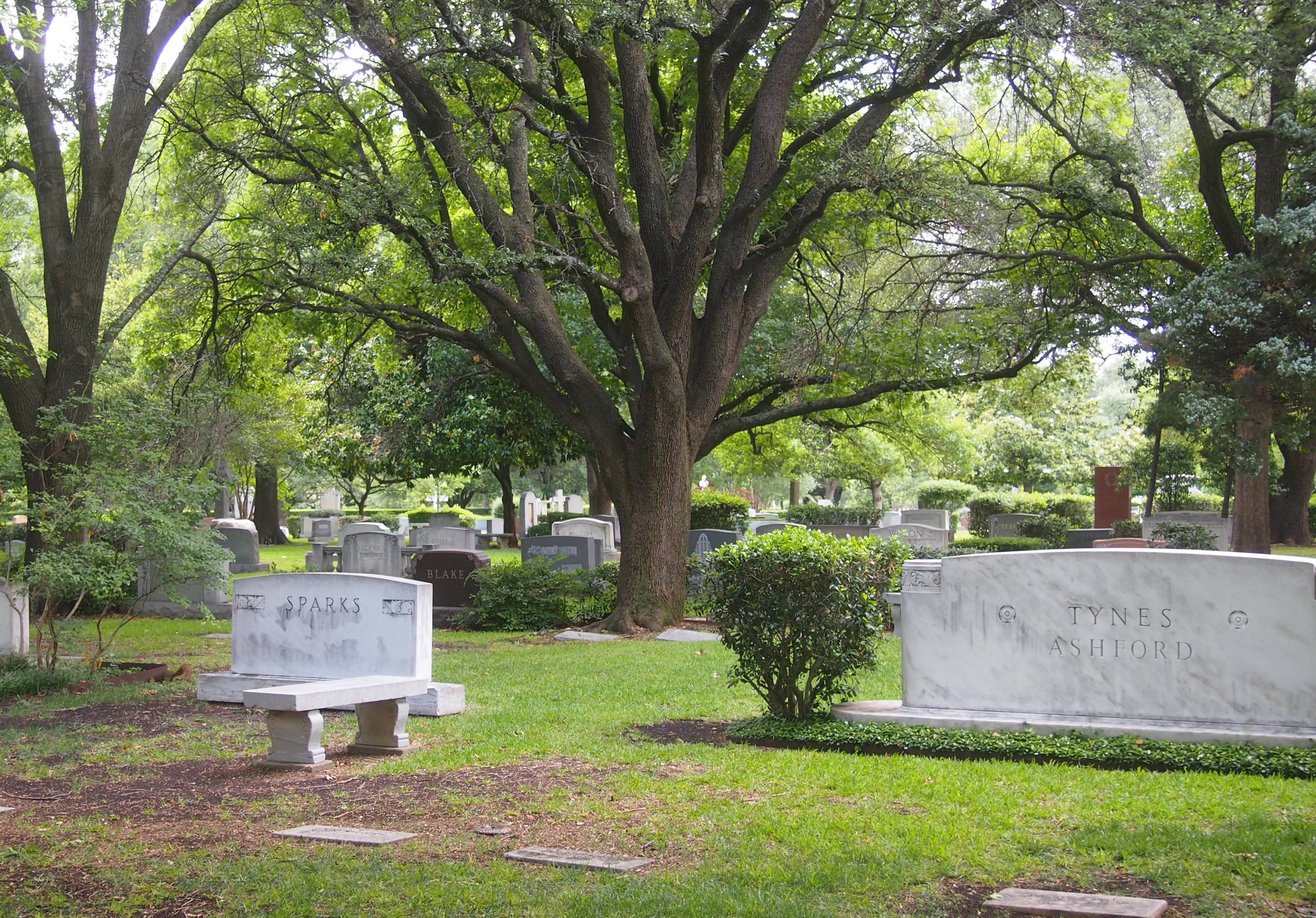
Magnolia Cemetery in Charleston got its start in 1850, during the rural cemetery movement of the 19th century. Rural then, but fully in the city now. Still, it’s a peaceful place, full of the things a park-like cemetery should have: old stones, funerary art, mature trees, bushes, flowers, water features, winding trails, memorials evoking local history.

In Charleston, the War Between the States looms large in local history memorialization. Here’s the monument at Soldiers Ground, a section for Confederate dead set aside during the war.
Magnolia Cemetery, Charleston Confederate Memorial 2017The tablet on this side of the plinth says:

This Bronze preserves the memory of the Heroic Dead from every part of Carolina and from her sister states of the South who fell in the defense of this city.

In proud and grateful remembrance of their devotion, constancy and valour, who against overwhelming odds by sea and by land kept Charleston virgin and invincible to the last.

Interesting turn of phrase, even for a memorial. It would be snide to claim that Charleston’s “virginity” was kept because Sherman had other things to do (that is, burn down Columbia), so never mind. The four flags are the three national Confederate flags, plus the battle flag.

I don’t ever remember seeing CSA sailors at rest, but Magnolia has some, identities unknown.
Magnolia Cemetery, CharlestonThere’s also a memorial to South Carolinians who fell at Gettysburg.
Magnolia Cemetery, CharlestonElsewhere are reminders not of war death, but plain old death.
Magnolia Cemetery, CharlestonThere are also specialty stones, such as this memorial of one Abram Mead, a member of the Aetna Fire Engine Company. Or rather Ætna, named for the volcano, I suppose. Nice to find a ligature in stone.

Charleston - Magnolia CemeteryIt’s pretty rare to find cause of death on a headstone, but there it is: Departed this life the 15th of September 1852 of Yellow Fever, Aged 21 Years and 6 Months.

Something a little more imposing, near the cemetery’s pond. This Thomas Pinckney isn’t the Pinckney of the Revolution and post-Revolutionary period, but his grandson.

Pinckney grave, Magnolia Cemetery CharlestonA child’s stone the likes of which I’ve never seen.
Magnolia Cemetery CharlestonNote that in more recent times, someone left a rubber duck and toy bear for the girl, Rosalie Raymond White, who lived for a few months in 1882.

Finally, the three crews of the H.L. Hunley are interred at Magnolia Cemetery, each crew with modern memorial stones, and stones for the individuals as well, each with a Stainless Banner.

Hunley Memorial, Magnolia Cemetery CharlestonHunley memorial, Magnolia Cemetery CharlestonThe third crew were entombed in their vessel for about 135 years (their stones are in the row pictured above). The Hunley was raised in 2000 and, presumably after the forensic archaeologists had had a long look at the crew’s bones, they were buried at Magnolia in 2004 with considerable ceremony.

Fort Sumter National Monument

To reach Fort Sumter National Monument, you start at Liberty Square, on Charleston’s waterfront, at this building.
Fort Sumter National MonumentAt the other end of the building is a pier were the tourist boats dock, as is visible in the picture above. The view from there, toward Fort Sumter, looks like this on a clear day.
Fort Sumter National Monument - dockAlso included in the monument is Fort Moultrie, but I didn’t make it there. The Fort Sumter part of the national monument is a little hard to pick out, but it is visible on the horizon.

The ride is about 30 minutes. As you proceed, Fort Sumter gets closer.
Fort Sumter And closer.
Fort SumterPretty soon the boat docks at the former fort for about a hour and a quarter visit, which includes a look at the walls, cannons, the former parade ground, the monument’s large flagpole and flag, and Battery Isaac Huger, a sizable black-painted structure built inside the walls at the time of the Spanish-American War that now houses a small museum and gift shop.

Some of the cannons were enormous. Can you imagine that thing going off near your ears in an age before ear protection?

Fort Sumter

Fort Sumter

A Park Service volunteer demonstrated the loading and firing of a Civil War-era rifle.

Fort Sumter volunteer rifleman

He didn’t load it with a real minié ball, put otherwise the demonstration was authentic. After he showed us all of the steps to load the rifle, and fired it once, he did it again as fast as he could a few times, which was very fast, firing in succession. A true enthusiast.

Behind the battery is a slope up to an open field.

Fort SumterHere are representations the four flags that flew over Sumter during the war: the 33-star U.S. flag like that which flew on April 12, 1861; the first and second Confederate flags; the 35-star U.S. flag after Federal re-occupation of the fort in 1865. Fort SumterThe flag that Major Anderson had lowered when he surrendered the fort, and the one that was raised again symbolically in 1865 — Anderson returned for the occasion — is on display in the national monument’s museum. So is the Palmetto Flag that the South Carolinians flew when the fort was first captured.

The current Stars and Stripes, visible from far away, is atop a large flagpole behind the battery.

Fort Sumter flag

Major Anderson is honored in relief at the base of the large flag pole.

Fort Sumter

From 1861 by Adam Goodheart: “It would be one thing if President Buchanan had simply announced that he was withdrawing the troops from Charleston Harbor and turning the forts over to South Carolina, a decision that Anderson would have certainly obeyed, perhaps even welcomed. But he would be damned if he was to surrender — even worse, perform a shabby pantomime of a surrender — before a rabble of whiskey-soaked militiamen and canting politicians.

“Like so much else about the beginning of the Civil War, Major Anderson’s move from Fort Moultrie to Fort Sumter is largely forgotten today. At the time, however, the little garrison’s mile-long journey was seen not just as a masterstroke of military cunning but as the opening scene of a great and terrible national drama… ‘Major Robert Anderson, thundered the Charleston Courier, ‘has achieved the unenviable distinction of opening civil war between American citizens by a gross breach of faith.’ Northerners, meanwhile, held enormous public banquets in Anderson’s honor; cannons fired salutes in New York, Chicago, Boston, and dozens of other cities and towns.

“And considered in retrospect, Anderson’s move seems freighted with even more symbolism. He lowered his flag on an old fortress, hallowed by the past, yet half ruined — and then raised it upon a new one, still unfinished, yet stronger, bedded in New England granite…

“Twenty years after the war, when officials at the War Department began preparing the Official History of the War of the Rebellion, a massive compilation of documents that would eventually grow to more than two hundred thousand pages, the first of all the uncountable documents that they included was Anderson’s brisk telegram announcing his arrival at Sumter. Nineteenth-century historians knew that without this event, the war might not have happened…”