Złotych No Mo’

The awakening spring at Poplar Creek Forest Preserve on Sunday.

Poplar Creek, April 2015Poland had one of the smallest currencies of any country I’ve been to, since we got there a few months ahead of the redenomination of 1995. Soon notes like this Communist-era 1,000 złotych would be obsolete.
1000złotychThey were already small change. If I remember right, the exchange rate was about 20,000 złotych to the US dollar, making this note worth about a nickel. No coins were in circulation in late 1994 in Poland, only notes; and somewhere in my envelope of worthless foreign money, I have a 50-złotych note: all of 0.25 cents at the time.

I was glad to see Copernicus on the note, even if he’s a little horse-faced in the portrait, which is clearly based on this painting, dated 1580, some decades after his death. Maybe he looked like that.

1000złotych-2Fittingly, a Copernican solar system on the other side. As I said, the note has long been superseded by new currency at 10,000 to 1. No euros for Poland yet, though. Understandably, they’re a mite skittish about the common currency just now.

An Old Ringgit

Warmth + Rain =
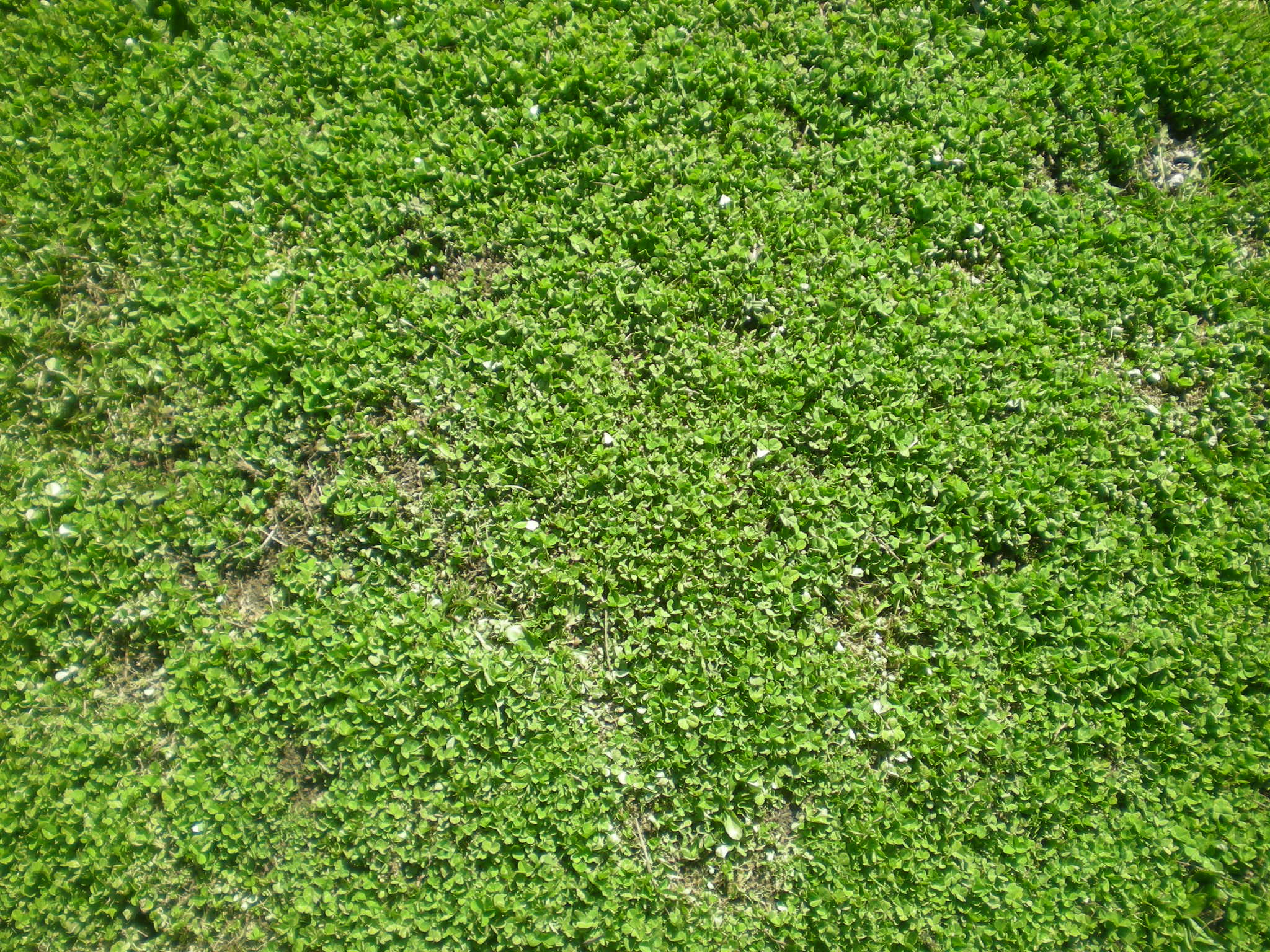
clover April 2015At least here in temperate North America. Flowers are emerging, too, as well as bush buds. The trees are still more cautious about the whole notion of spring, but they’re coming around.

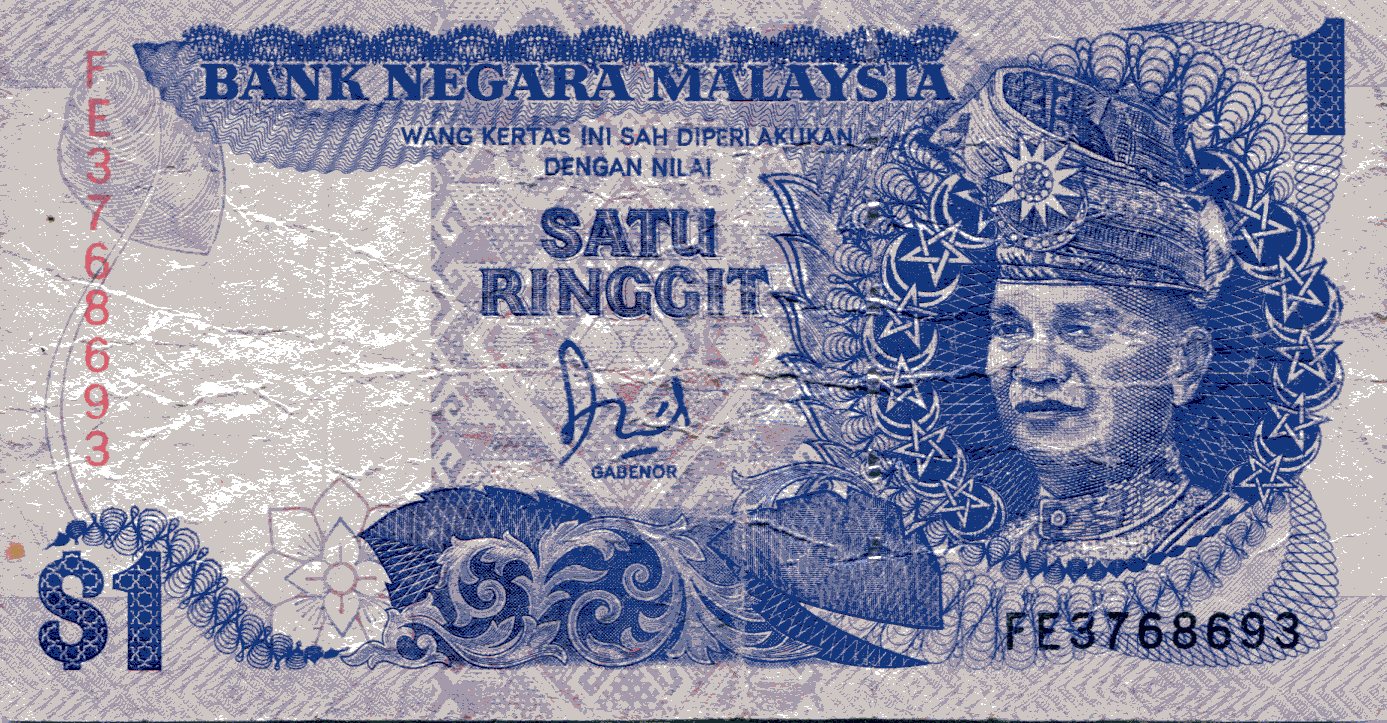
Tucked away in my envelope of nearly worthless — sometimes flat-out worthless — paper money is a RM1 I picked up either in 1992 or ’94. The formal name is a ringgit, though informally it’s a Malaysian dollar.

M$1By the early 1990s, the note was on its way out, replaced by a dollar coin, an example of which I don’t have. These days, RM1 is worth about US 28 cents; I remember it trading for about 40 cents. I’d do pricing in my head in dollars, even though my pay was in yen, and 40 cents to the ringgit made it easy: half minus 10 percent (Singapore dollars were half plus 10 percent in those days).

The portrait on the note is Tuanku Abdul Rahman ibni Almarhum Tuanku Muhammad (died 1960), the first Yang di-Pertuan Agong of Malaya. That is, the supreme head of state, elected by the country’s other sultans, in office before the country was reorganized as Malaysia. I don’t think there’s any monarchical position anywhere else quite like it.
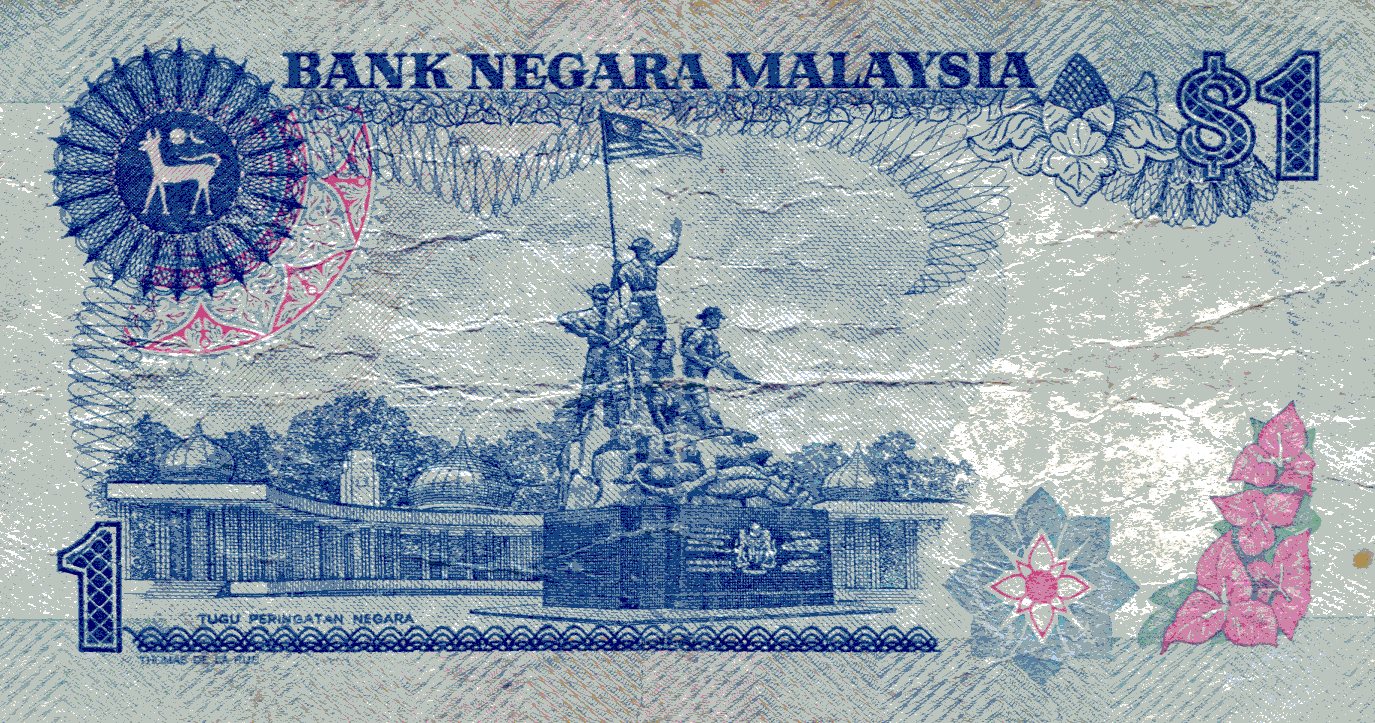
M$1-2That’s the National Monument in Kuala Lumpur, which memorializes the Malaysian dead of the Japanese occupation and the Malayan Emergency.

Shanghai Views

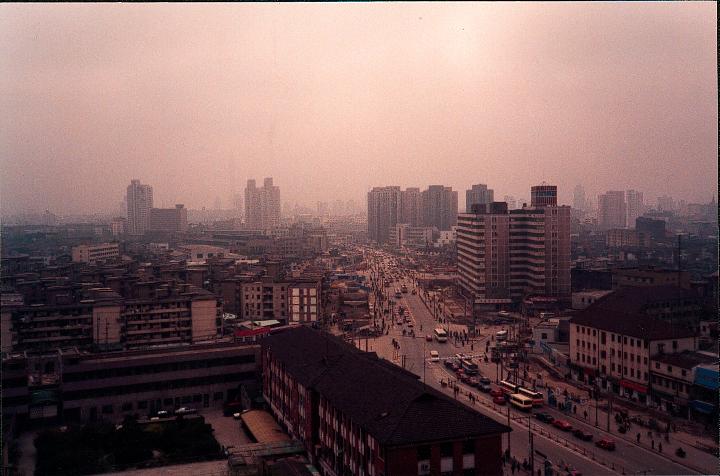
The view is from the first hotel we stayed at in Shanghai in late April 1994, whose name and exact location I forget. Even so, I’ll bet there are a lot more buildings in this view these days, if the view still exists. It was a cloudy day, but I think there’s some smog in the mix. The air’s probably not any cleaner now.

Shanghai1994-1Soon we relocated to a hotel near the Bund — the Astor House Hotel, which in those days was part inexpensive hotel, part cheap-looking office space. It clearly had a magnificent and storied past, with a slow decline post-1949 and especially during the Cultural Revolution. Word was the hotel was going to be razed, which would have been a damned shame. Fortunately, it’s been renovated since then, and while probably not cheap any more, it’s still a jewel of the Bund.

Shanghai1994-2The Bund was a fine place for walking, as it was designed to be.

The Gustave Brand Murals at Carl Schurz HS

Saturday is Anzac Day, and not just any anniversary, but the centennial of the landing at Anzac Cove. Here’s a remarkable collection of images from last year’s commemorations (published by a British tabloid, no less).

Speaking of anniversaries, I’d never heard of this disaster until today, the 75th anniversary of the Rhythm Club Fire in Natchez, Miss.

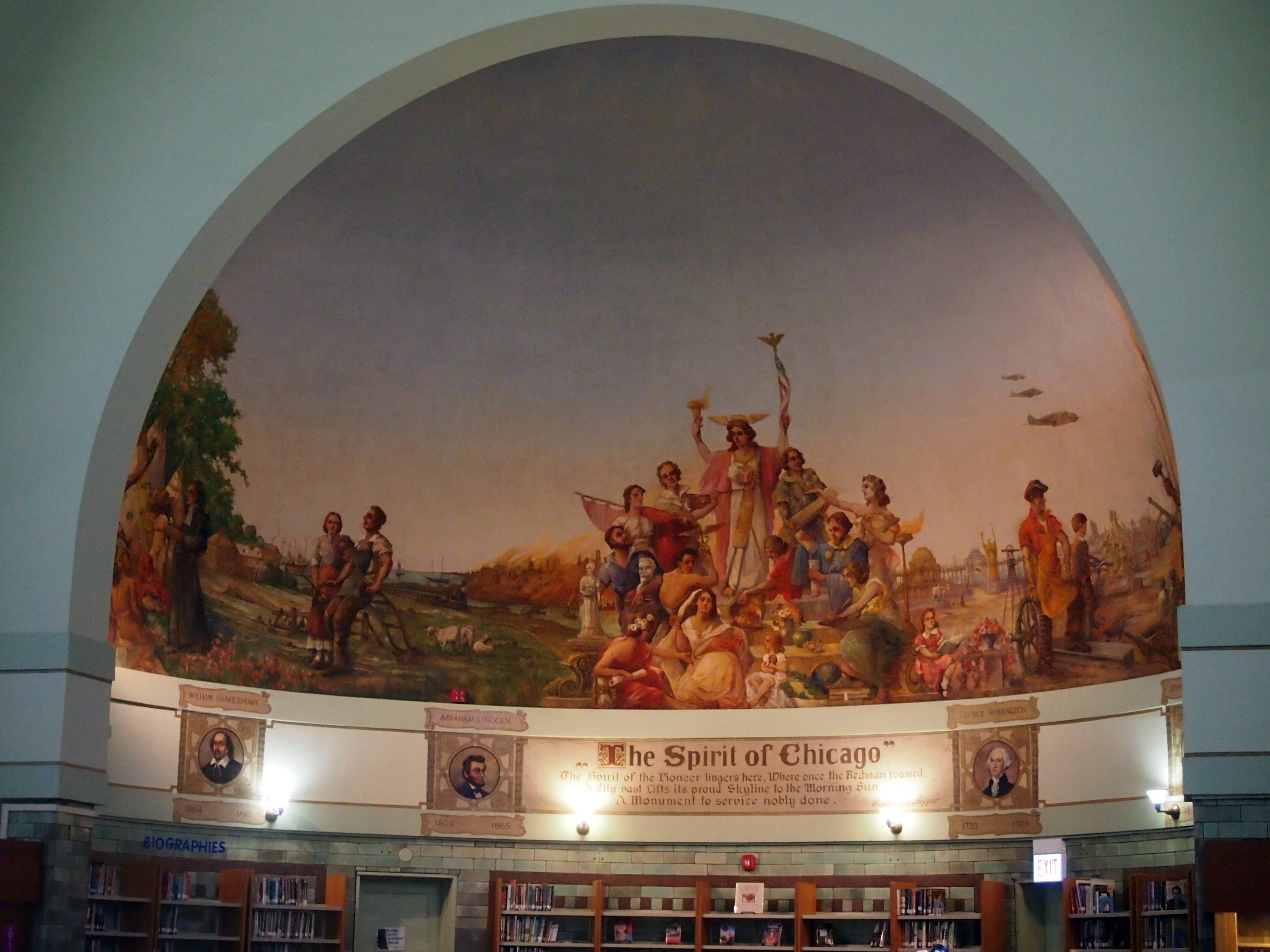
Last Saturday our tour took us inside Carl Schurz High School, which is on the Northwest Side of Chicago. Its library has something few other school libraries can claim: a domed ceiling and murals by Gustave Brand. The murals were painted in the late 1930s by Brand, a German immigrant who was then pushing 80, so he had some help by former Schurz students. Brand had originally been sent to Chicago by the German government to paint murals in that country’s pavilion at the 1893 Columbian Exposition, and he must have liked it here.

The works were restored in the late 1990s. At the back wall is a large alcove featuring “The Spirit of Chicago.” The text under the painting says: “The Spirit of the Pioneer lingers here. Where once the Redman roamed, a City vast Lifts its proud Skyline to the Morning Sun. A Monument to service nobly done.”

Schurz HS, April 2015A closeup of the centerpiece.

Schurz HS, April 2015Looks like a collection of allegorical figures under the protection of the Spirit of Chicago. I take that to be the City, not Columbia with her torch and flag, because of the Y on her chest, the Municipal Device of Chicago. To the left is the Fire, and to the right the ’93 world’s fair, among other things.

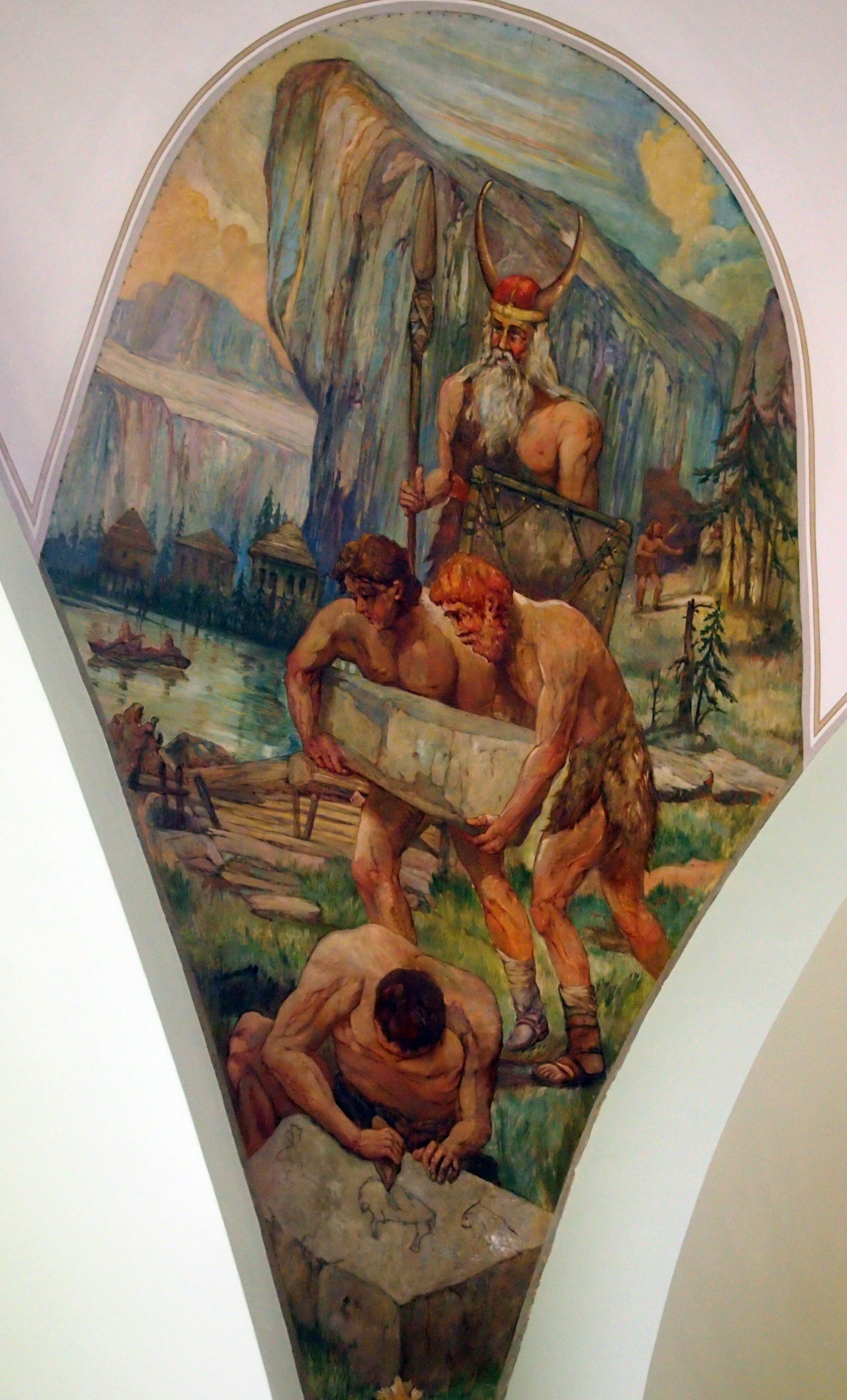
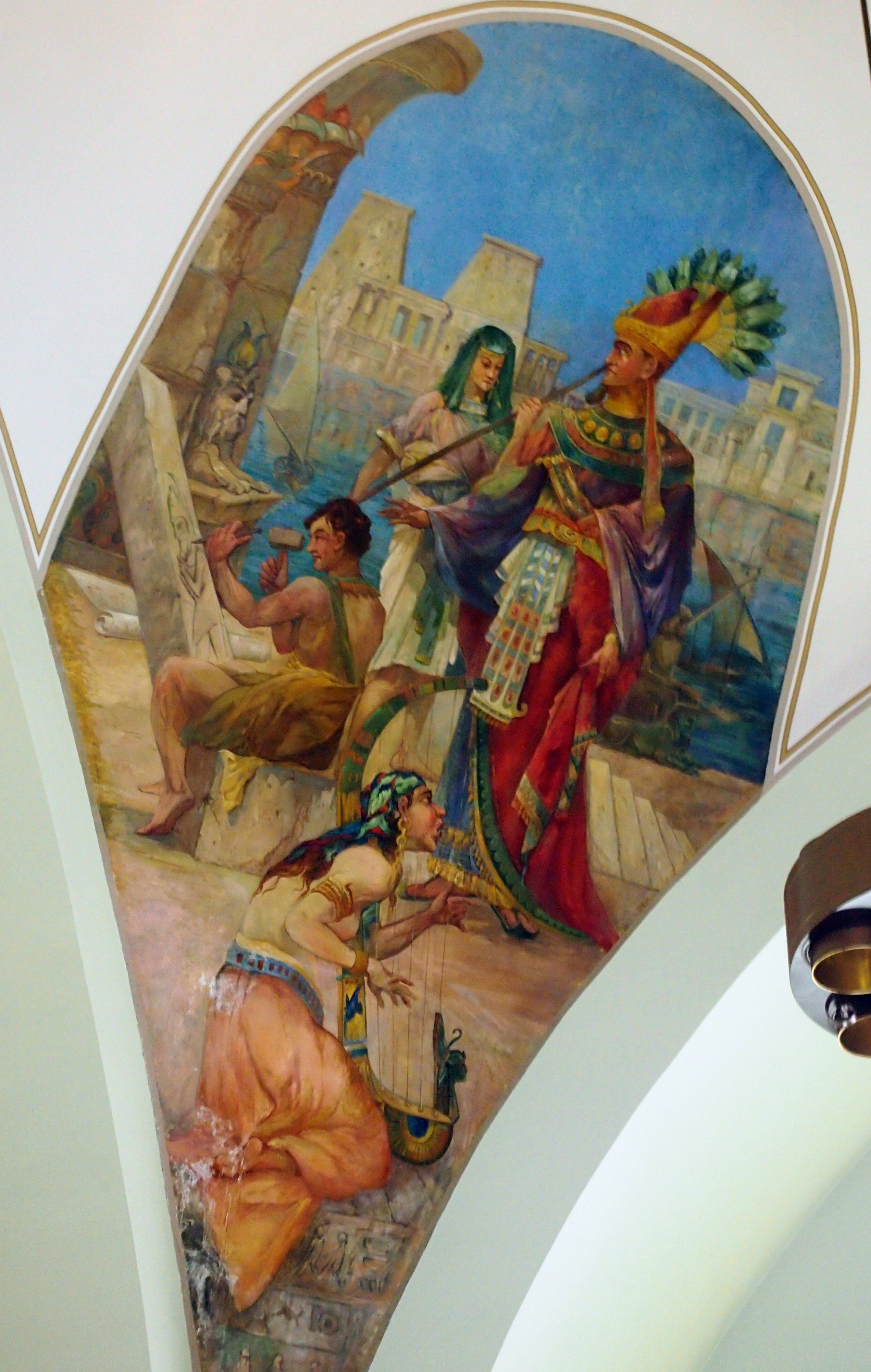
On the ceiling, around the dome, are four more murals by Brand, who clearly had a lot of energy for an elderly man. They depict the evolution of the written word, fancifully done, but fitting enough for a library.

Here are Stone Age men — presumably — carving in stone.

Carl Schurz HS April 2015Egyptians devising their hieroglyphics. Seems like Brand had a thing for fancy headgear.

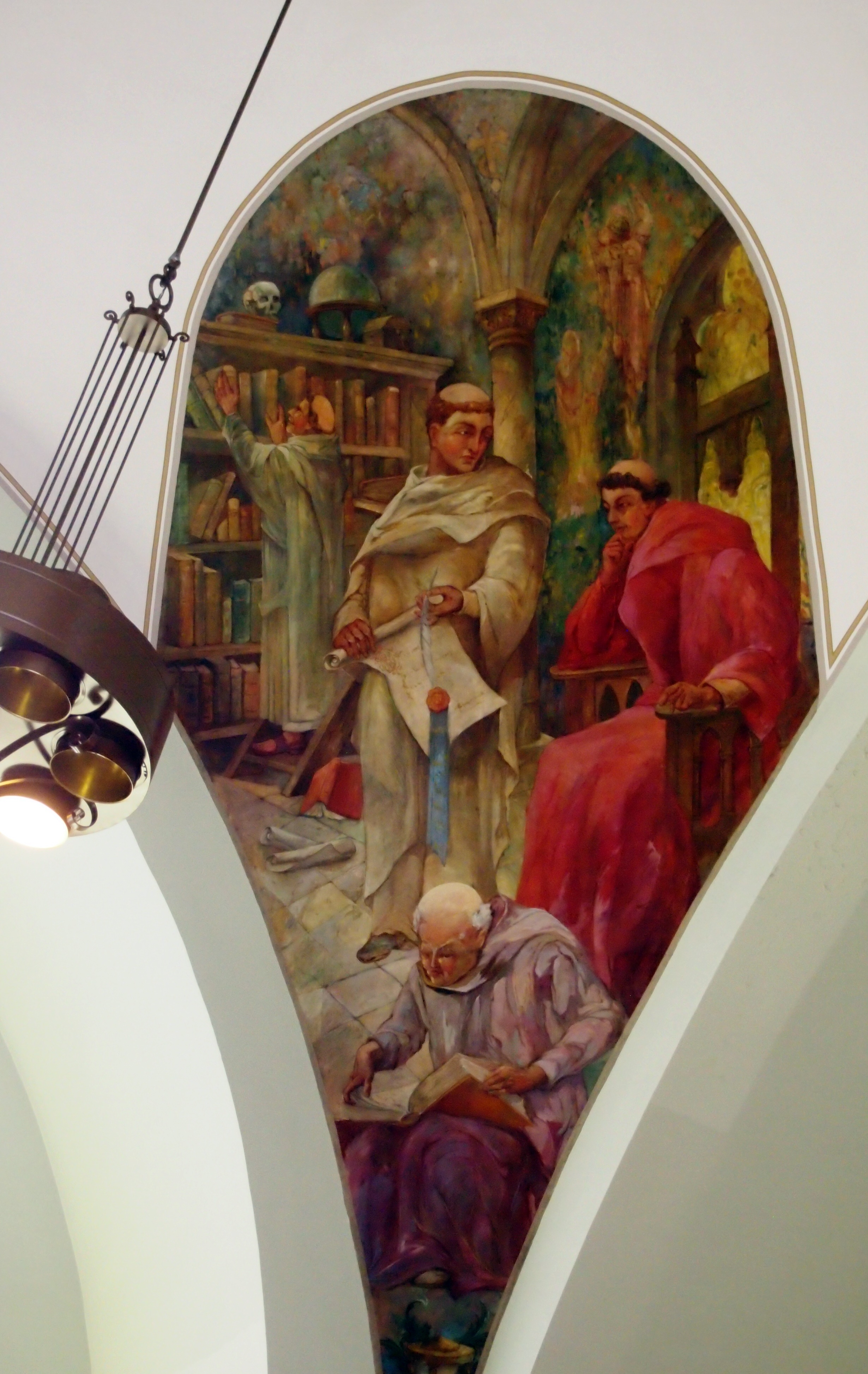
Carl Schurz HS, April 2015Medieval monks doing their part to preserve the written word. OLYMPUS DIGITAL CAMERAAnd Gutenberg.

Carl Schurz HS, April 2015What I did see at my high school library when I looked up at the ceiling? I don’t remember exactly, but it must have been acoustic ceiling tiles.

Carl Schurz High School

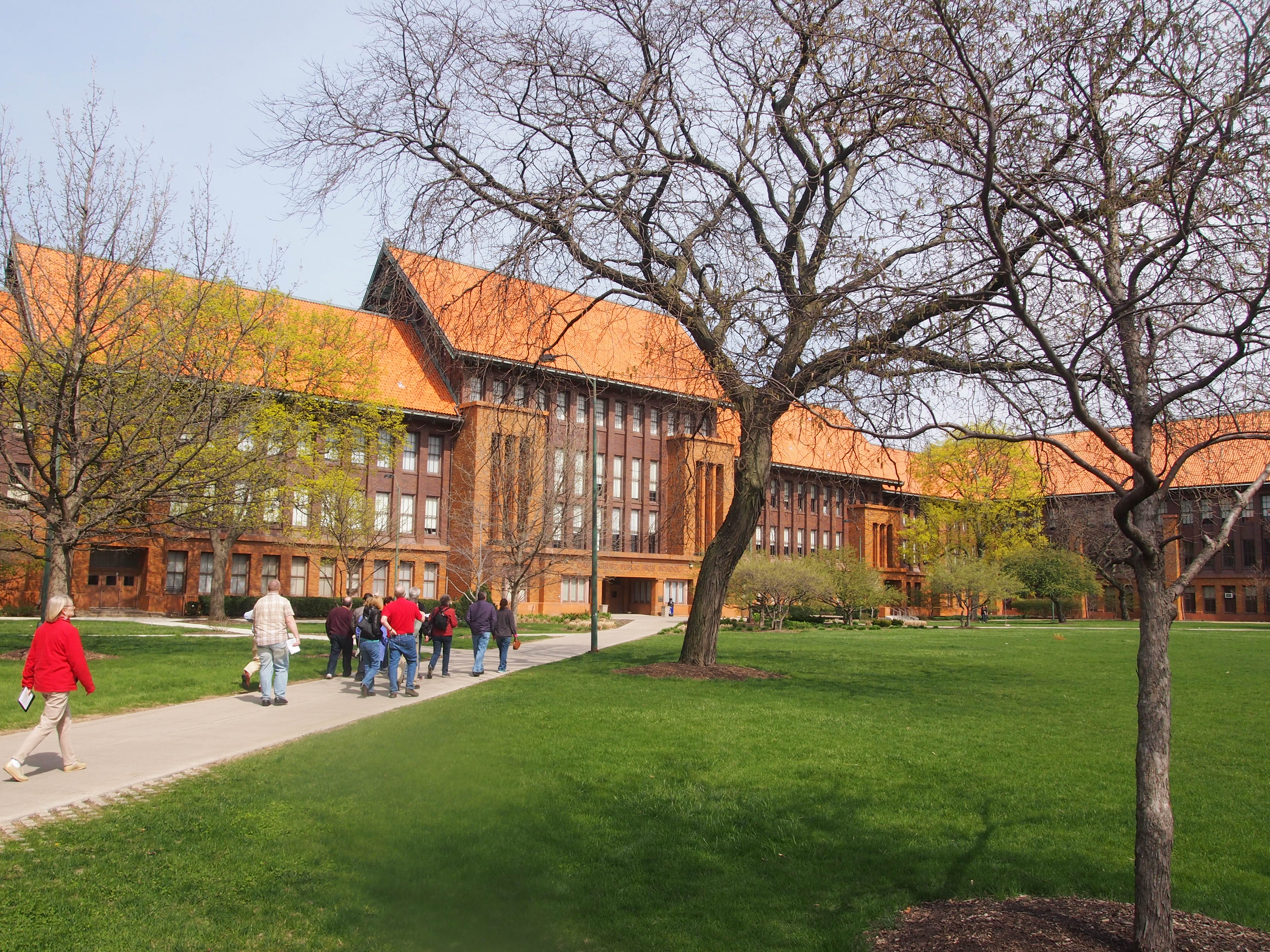
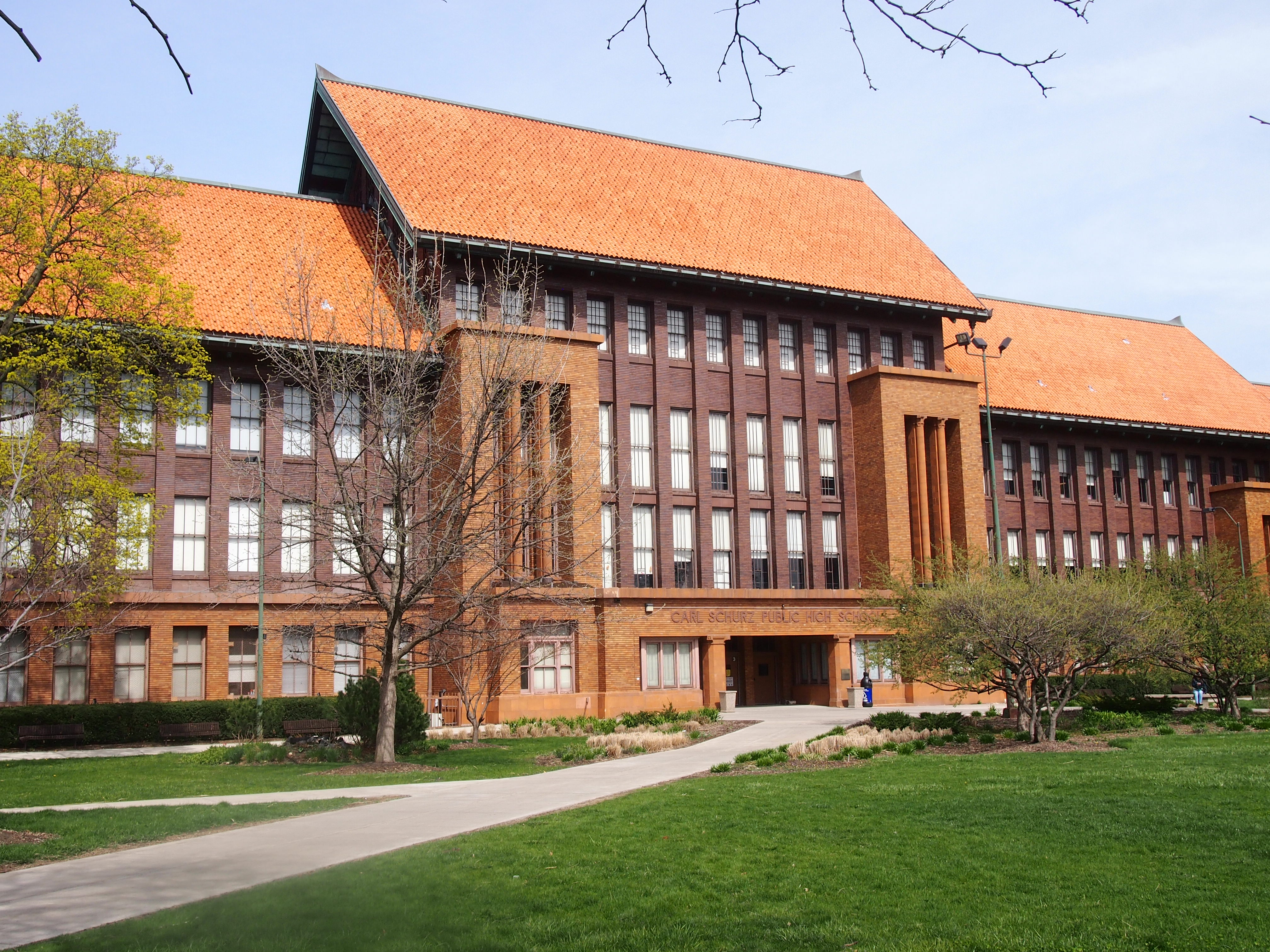
One of the other destinations on the Schools by Bus tour was Carl Schurz High School, a Chicago public school at 3601 N. Milwaukee Ave. As the name suggests, the neighborhood used to be heavily German. Work on the school began in 1908, with wings on either side added later that look a lot like the original structure.

Without a wide-angle lens, it’s hard to get an image of the whole structure, so expansive is it. This is the original building, plus part of one of the wings on the right. All together, the structure forms a squared C shape, with a large lawn filling in the C.

Carl Schurz HS April 2015“Commissioned by a reform-minded school board headed by Jane Addams, the project was one highlight of a broad program for rescuing the immigrant poor from the ignorance and isolation engendered by the industrial city,” the AIA Guide to Chicago says about the building.

The school board’s architect from 1905-10 was Dwight Perkins, who did the original Schurz structure. “Chicago’s typical Dickensian public school before 1905 was a poorly lighted and ventilated box, set into the city grid with no significant playgrounds,” AIA continues. “Toilet facilities were archaic and located in the basement.

“The forty-odd schools that Perkins designed between 1905 and 1910 changed all that, creating a building type with grass and trees, sunlight and fresh air, safety from fire, and good sanitation.”
Carl Schurz HS, April 2015Good for him. From our fairly comfortable perch here in the 21st-century First World, I doubt that we really appreciate the squalid conditions that spurred action in the Progressive Era.

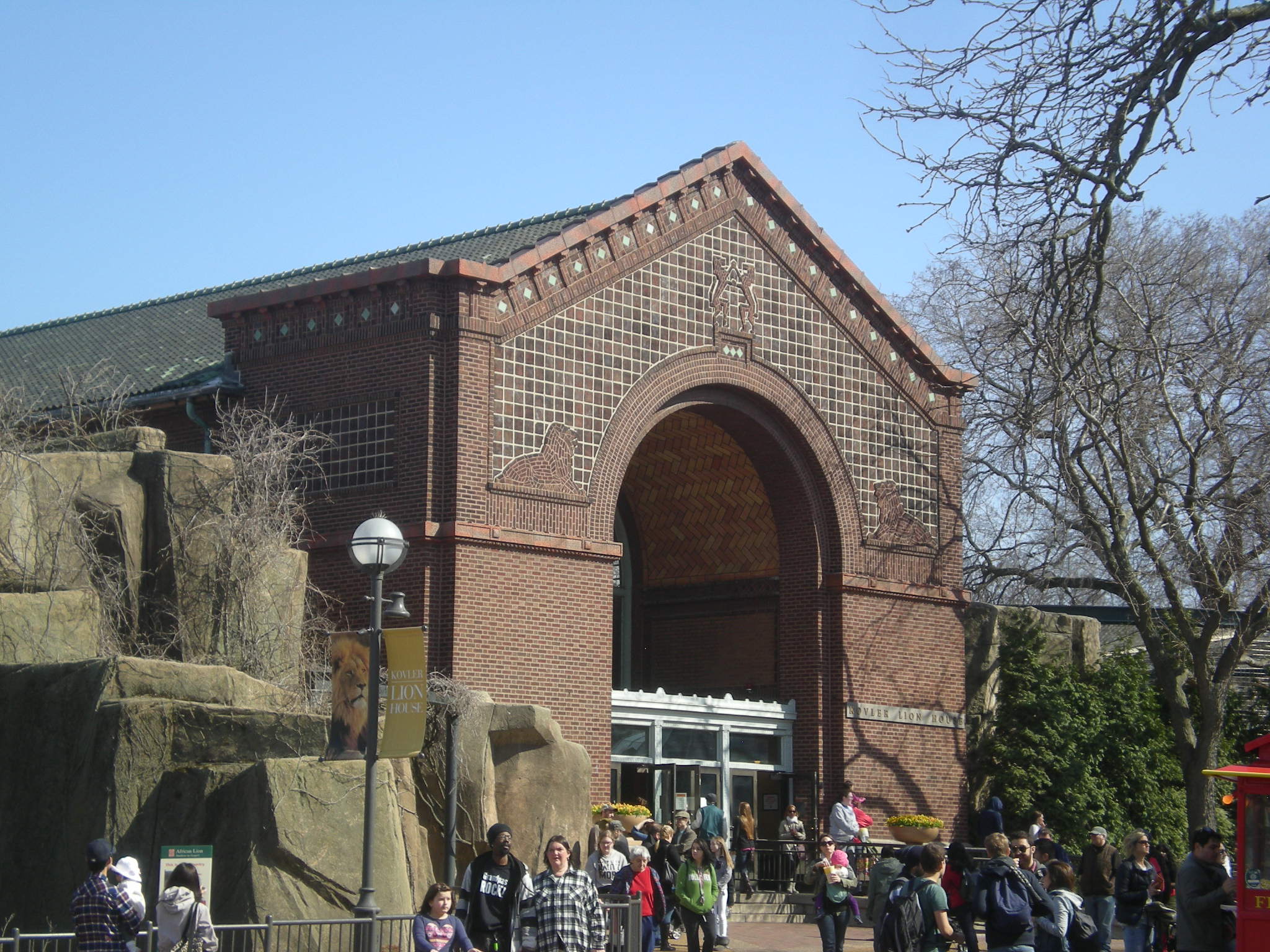
I didn’t know this until I read about Perkins, but he also did the Lincoln Park Zoo Lion House. We were there earlier this month.
Lion House, Lincoln Park ZooA nice use of brickwork.

Inside El Centro

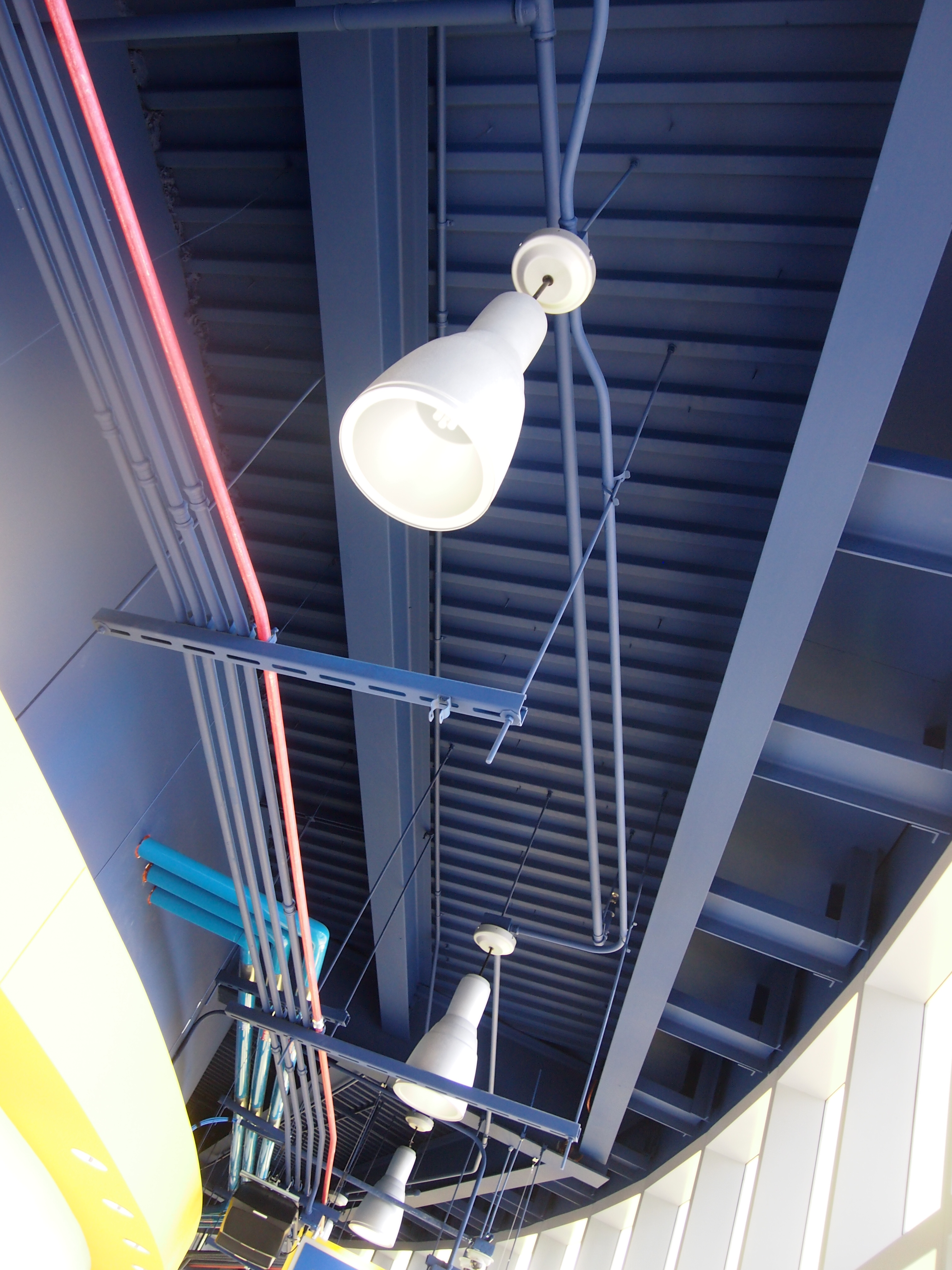
Inside El Centro, a campus of Northeastern Illinois University, you not only can find gender-neutral restrooms (see yesterday), but also a lot of cool pipes near the ceilings.

El Centro, Chicago, April 2015El Centro, Chicago, April 2015It’s something more buildings ought to do, at least if their pipes are exposed. El Centro has more surface colors than most buildings, certainly most educational facilities, and on the whole it works.

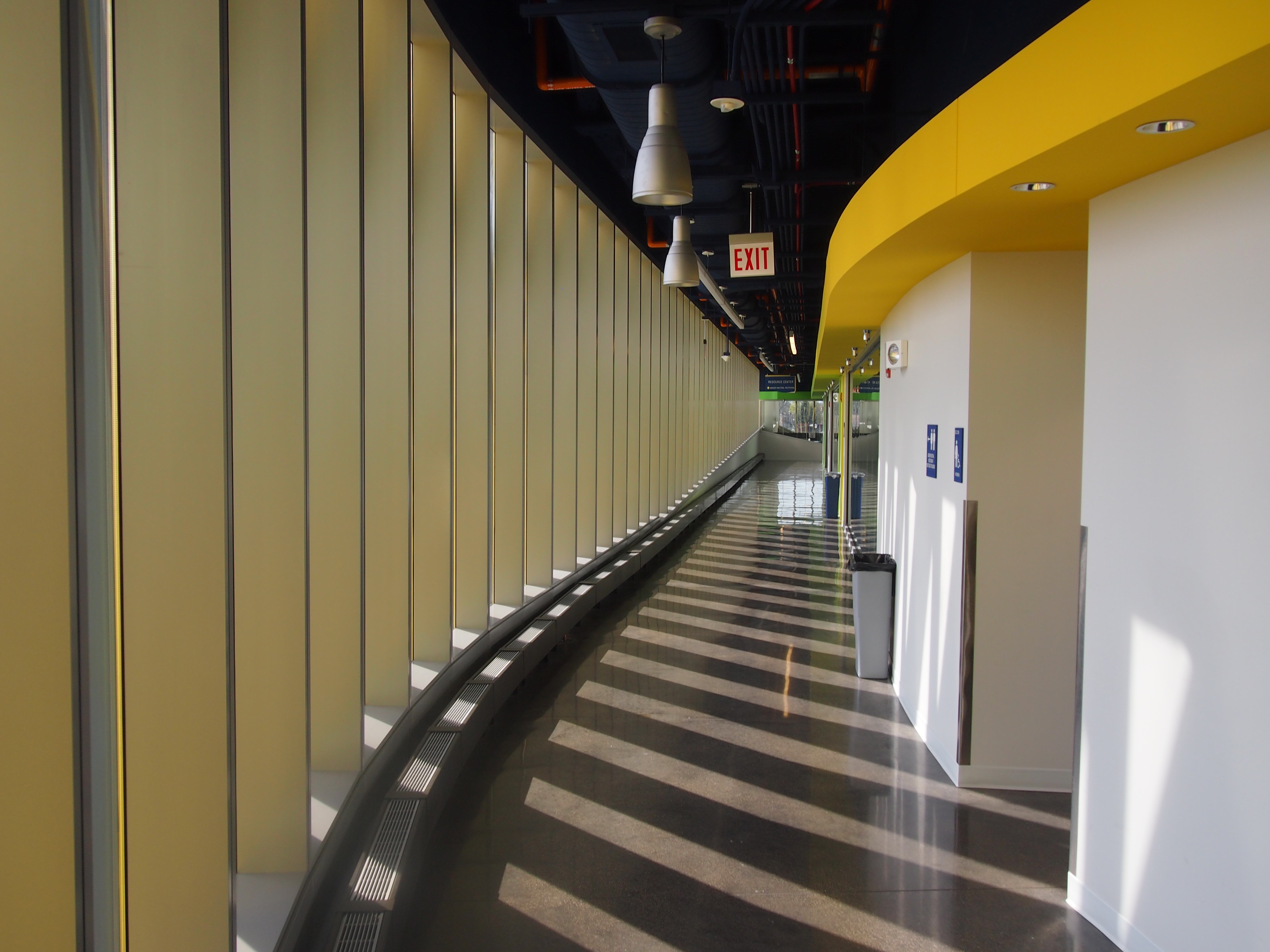
The hallways put natural lighting to good use. That, by contrast, is no rare thing in newer buildings. Turns out that cutting people off from natural lighting isn’t considered good for them any more. How is it that took decades to figure that out?

Anyway, in the afternoons, one side of the building catches light like so.

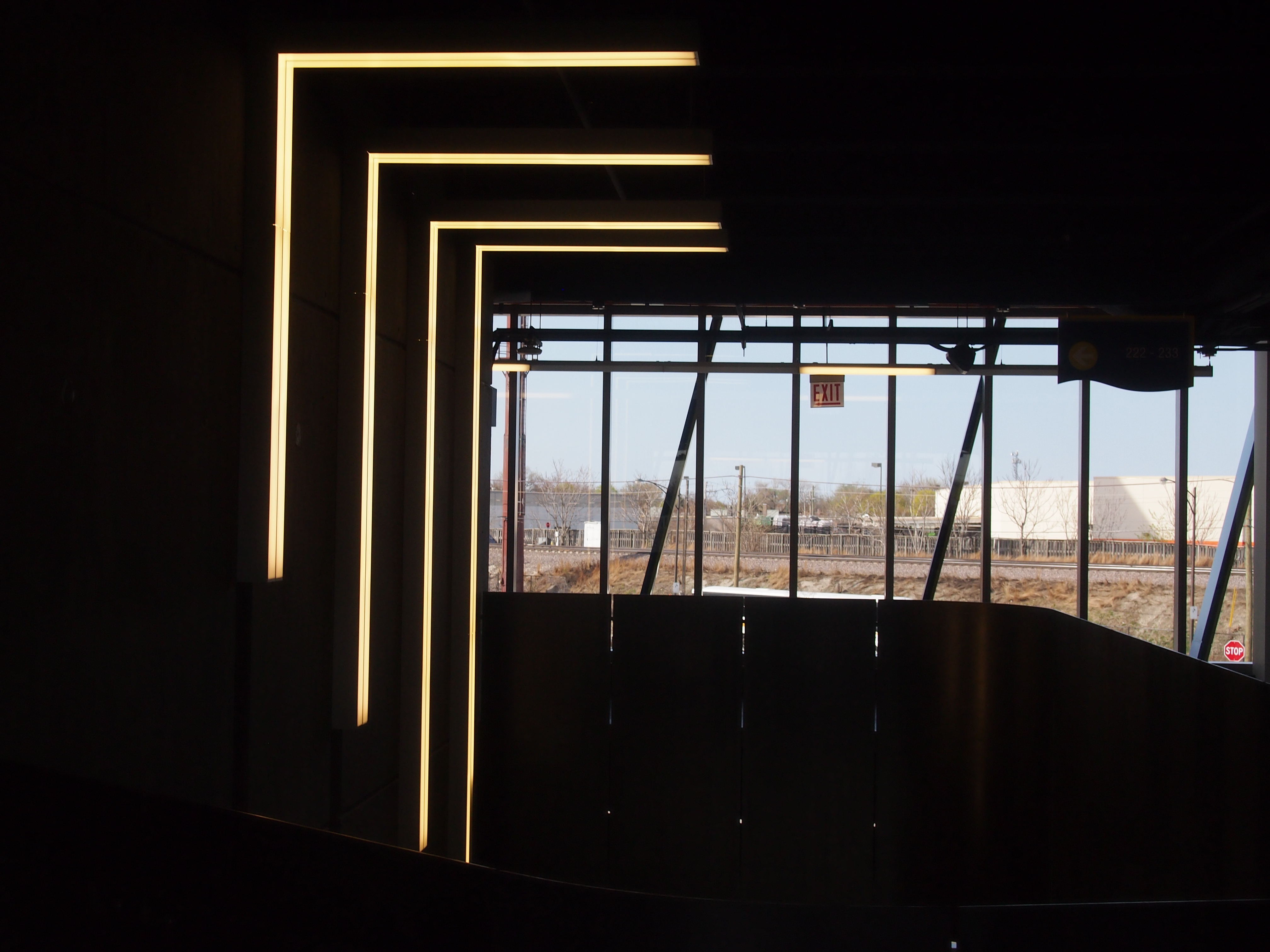
El Centro, Chicago, April 2015Some of the artificial light placements were interesting, too.
El Centro, Chicago, April 2015As our tour group wandered down one of El Centro’s halls, we encountered another tour group. They were architectural historians in town for the Society of Architectural Historians 68th Annual Conference. The conference seemed to have a lot of tour options, one of which was “Provocative New Architecture in Chicago: The Work of JGMA,” led by Juan Moreno, the designer of the building we were in.
He paused and spoke to us for a moment. He didn’t say anything earthshaking, but it was a nice thing for him to do.

El Centro, Northeastern Illinois University

El Centro, Chicago, April 2015I came across this sign on Saturday afternoon. That’s the first usage of “gender neutral” I’ve ever seen at a restroom. (There ought to be a hyphen, but never mind.) I wondered whether it’s an up-and-coming usage to replace “unisex” or merely is supplementing it.

The gender-neutral restrooms  — one of three options, along with standard gendered rooms — were at El Centro, a satellite campus of Northeastern Illinois University that was completed only last year. It was one of the schools we visited as participants on the Chicago Architecture Foundation’s Schools by Bus tour. Unlike the Churches by Bus tour last fall, only one bus was enough for everyone. As the docents explained, this was the first tour of its kind by the CAF, compared with the churches tour, which has been going on for 20 years.

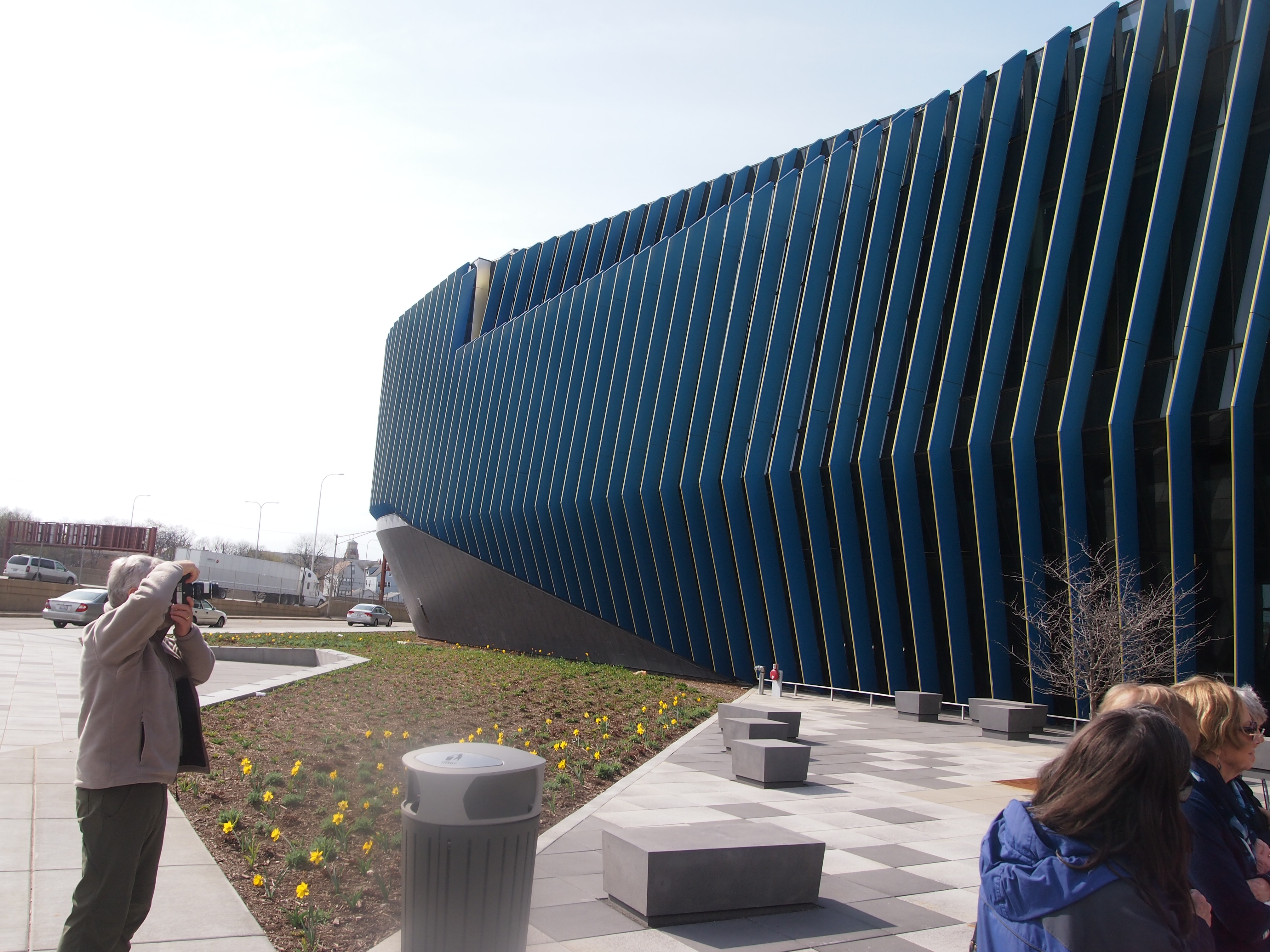
The schools were interesting, but the churches were more beautiful. There’s no escaping the utilitarian nature of a school, even if the overall design is good. Still, El Centro was well worth a look. The glass structure’s covered with fins: blue on one side, yellow on the other. Stand at one spot and it’s yellow.
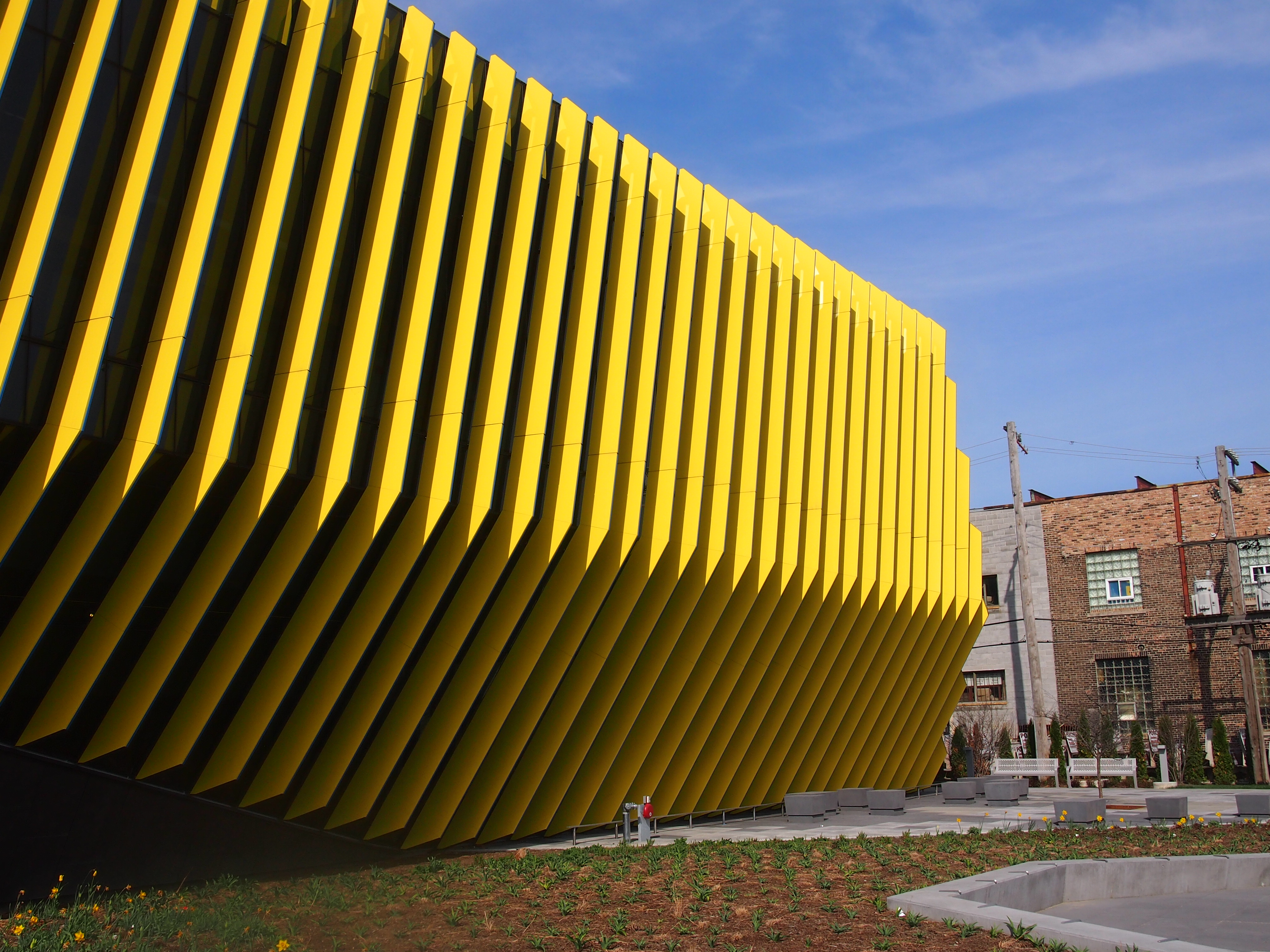
El Centro, April 2015Move, and it starts a transition to blue.
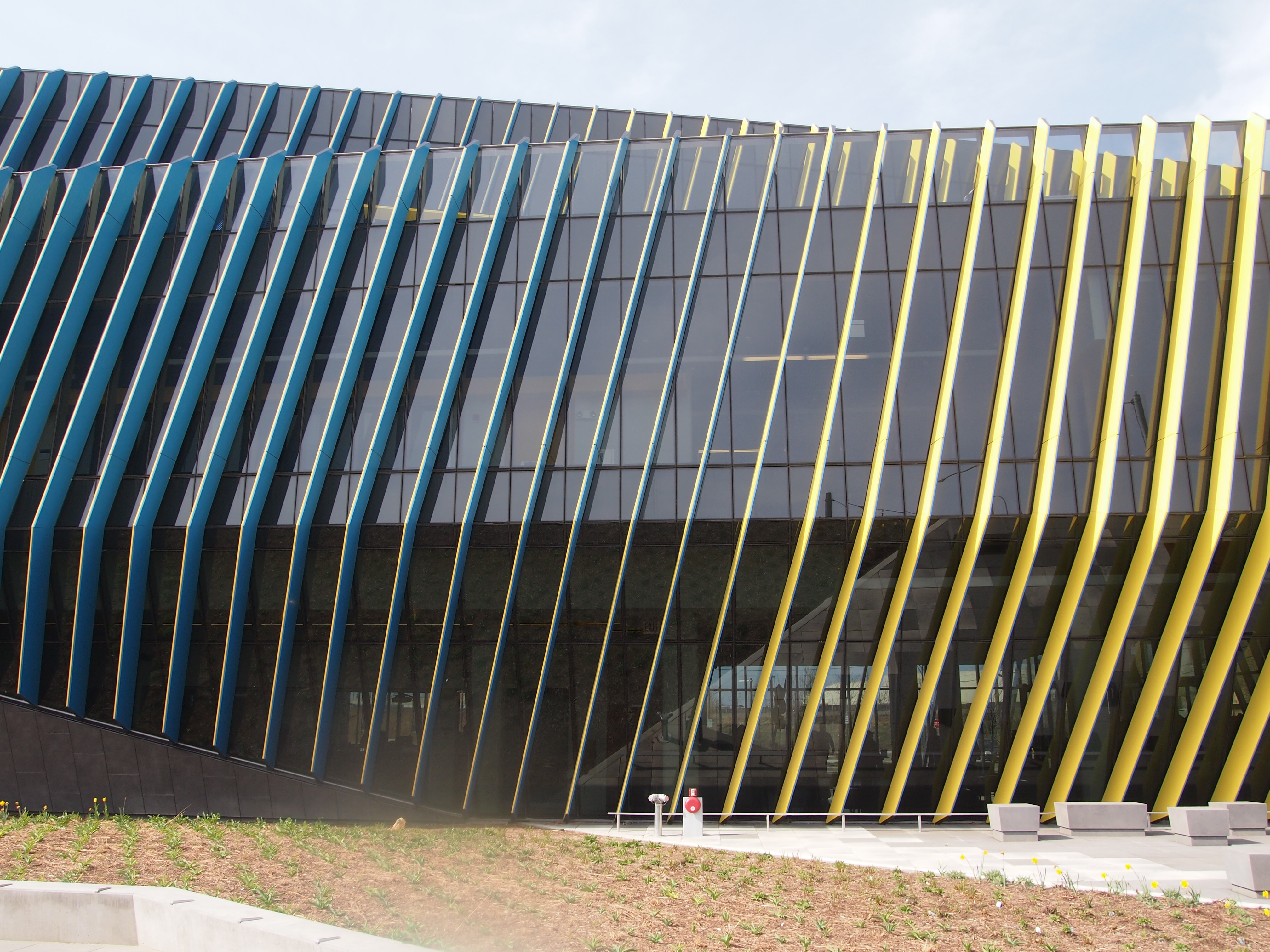
El Centro, April 2015Then it’s blue. Or move the opposite way, and it goes from blue to yellow.
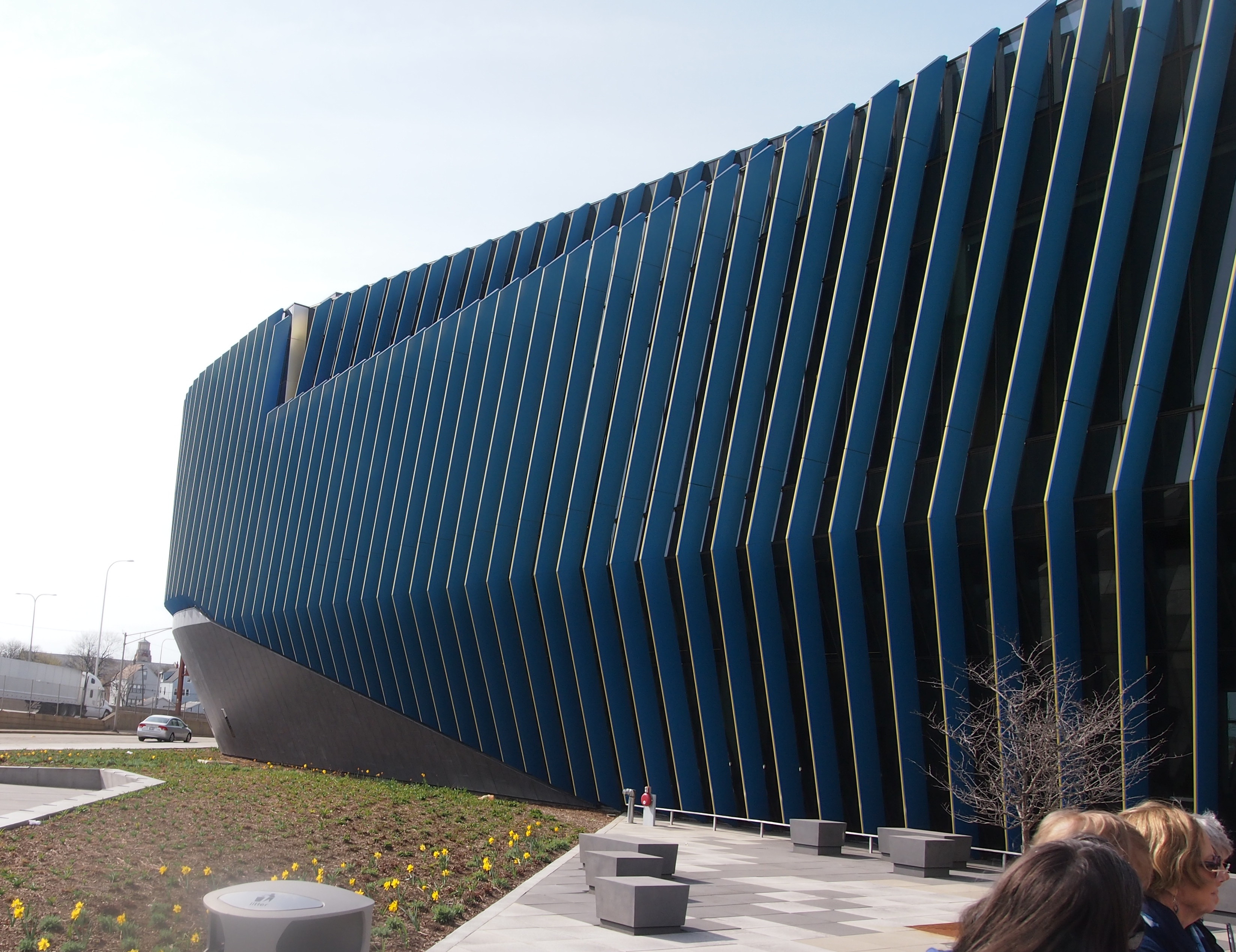
El Centro, April 2015Just as remarkably, the building manages to work well despite standing hard by the always-busy Kennedy Expressway.

Last fall, Tribune architecture critic Blair Kamin wrote that, “Chicago architect Juan Moreno, a Colombian native who in 2011 won attention for a striking charter school built for the United Neighborhood Organization in Chicago’s Gage Park neighborhood, wisely saw the Kennedy as an opportunity, not a monster.

“Instead of setting his three-story, steel-framed building far back from the highway and sticking a parking lot in between, Moreno slid El Centro almost alongside the road. Rather than turning out an ordinary box, he bent his long, linear structure like a boomerang to turn its southern end toward drop-dead views of the downtown skyline. Then he sculpted its exterior for reasons both formal and functional…

“In the crucial move, 20-inch-wide fins — their faces blue to the south, yellow to the north — are layered atop El Centro’s glass skin, ostensibly to shield the building from the sun’s glare. But there’s no denying that the fins endow the building with visual rhythms that express the highway’s rushing motion and reveal the influence of the Pritzker Prize-winning London architect Zaha Hadid.”
Black Hawk & John Deere 2003

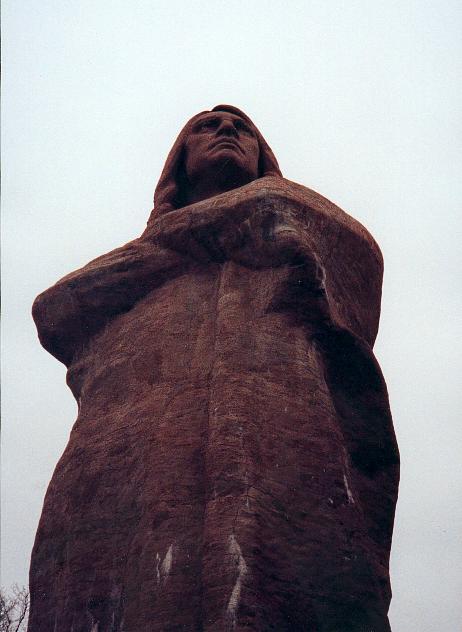
In April 2003, we took a short trip to north-central Illinois. We made a stop at the Black Hawk statue, whose formal name is “The Eternal Indian,” by Lorado Taft in Lowden State Park in Ogle County.

As I wrote then, “the statue, made of concrete, is about 50 feet high and stands on a bluff overlooking the Rock River and some of the town of Oregon. The head and neck represent an Indian, looking pensively off into the distance. His arms are folded in front of his chest, and from there on down the statue is less representational, but is clearly a human form.”

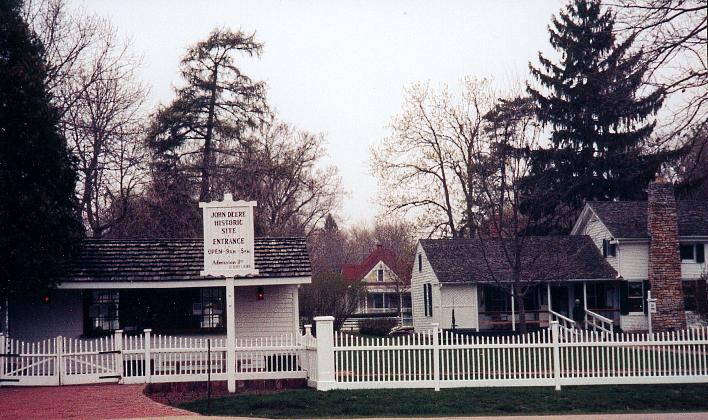
BlackHawkWe also took a look at the John Deere Historic Site in Grand Detour, featuring a blacksmith demonstration.

Deere“The re-created smithy was… the exact size of John Deere’s original Grand Detour shop, not including a latter addition, and presumably the original didn’t devote about a fifth of its space to a railed-in section where tourists stood. Otherwise, it was an evocative re-creation. A lot of iron & steel tools and implements on shelves, hanging on pegs, scattered around on various tables and benches. A bellows and a coal-burning furnace, which was glowing. A real anvil and some mean-looking, anvil-beating tools at hand.”

Thursday Misc.

More spring on the way: a baseball game in the field visible from our back yard; budding bushes; woodpeckers; almost warm days, though I hear that next week won’t be so warm. Such is the seesaw of spring.

Ad leaflets are appearing at my door, promising yard service. One recent one was a large Post-It-like notice, stuck to my door, offering to keep my lawn to bourgeois standards for only $25 a week. That wasn’t quite the wording, but never mind. I suspect unkempt lawns are going to be the fashion in a few decades anyway. Either because a new-found appreciation for the aesthetics of long grass, or maybe because in a hotter and drier climate, long grass will be harder to grow, and therefore more prized.

I found out today that the Colorado House Speaker is named Dickey Lee Hullinghort. Say what you want about Colorado pols, they’ve got some interesting names, including Gov. John Hickenlooper as well. (The President of the state Senate is a more prosaic Bill Cadman, though).

Recently I did a short squib about a drive-in movie theater that managed to raise the money necessary to re-fit with digital projection equipment, and so will be able to stay open (that’s a blow for Americana, or something). Then I thought, we should go to a drive-in. The family’s never been to one. There’s a functioning drive-in in the suburb of West Chicago, which isn’t the one I wrote about, and which already has digital projection.

Trouble is, I don’t want to see Home, which is one of the features, and I really don’t want to see Paul Blart: Mall Cop 2, which is the other. Previews for that movie have been showing up on YouTube recently, and as far as I can tell, its formula is Kevin James Falling Down = Funny. I’ll go along with that, except substitute “≠” in that formula. (Also, what kind of name is Blart? Did they pick it because it rhymes with “fart”?) Maybe something better will come along.

Consider the Fish

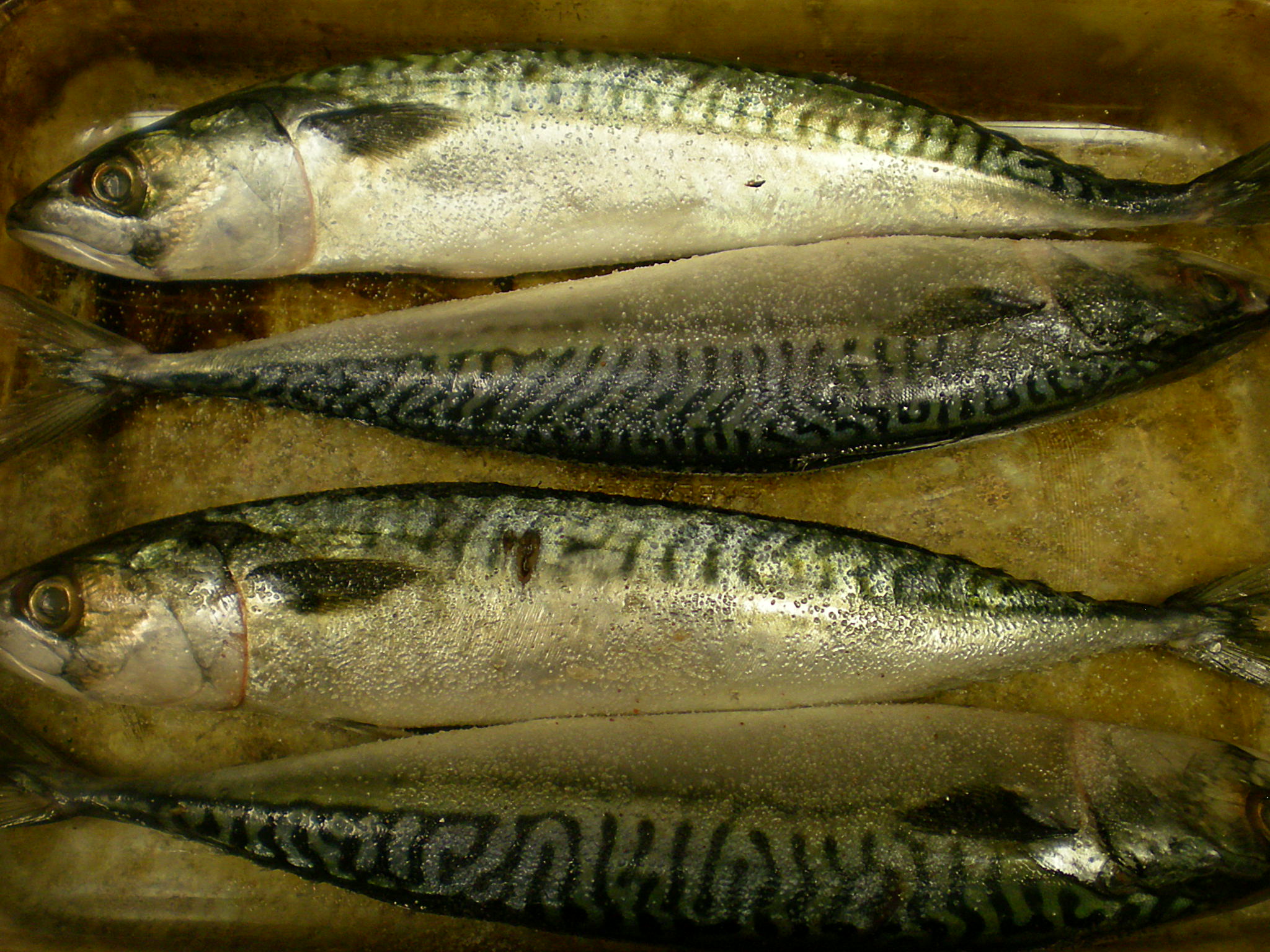
Take raw fish.
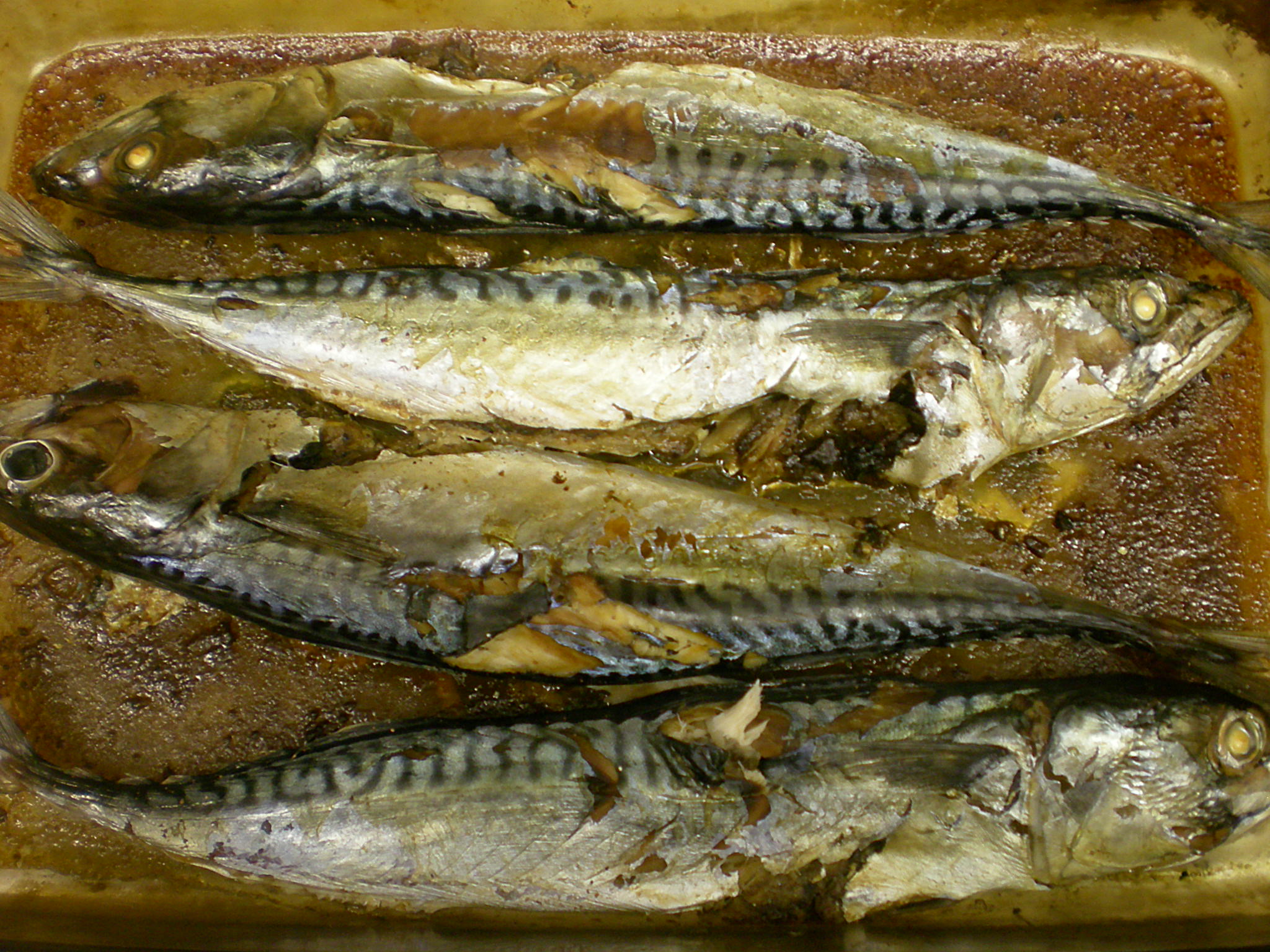
Fish for Dinner, Pre-Cooking PhaseApply heat. Turn over a few times. Wait.
Fish for Dinner, YumThat was the protein part of dinner. The second picture might not look that appetizing, but the fish were tasty. The exact chemistry of how that happens, I couldn’t say. Just another one of those daily details that usually passes unrecorded.