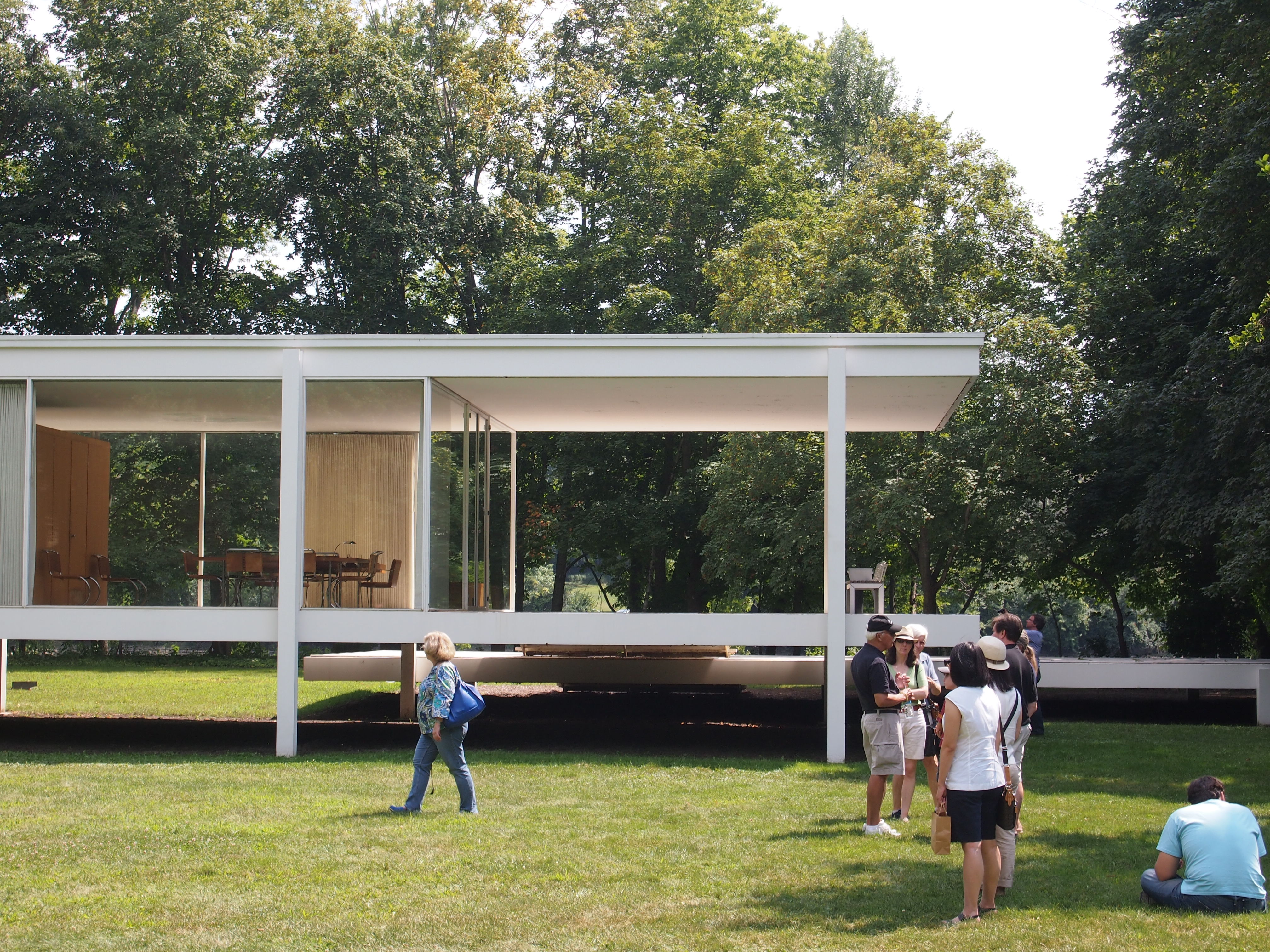
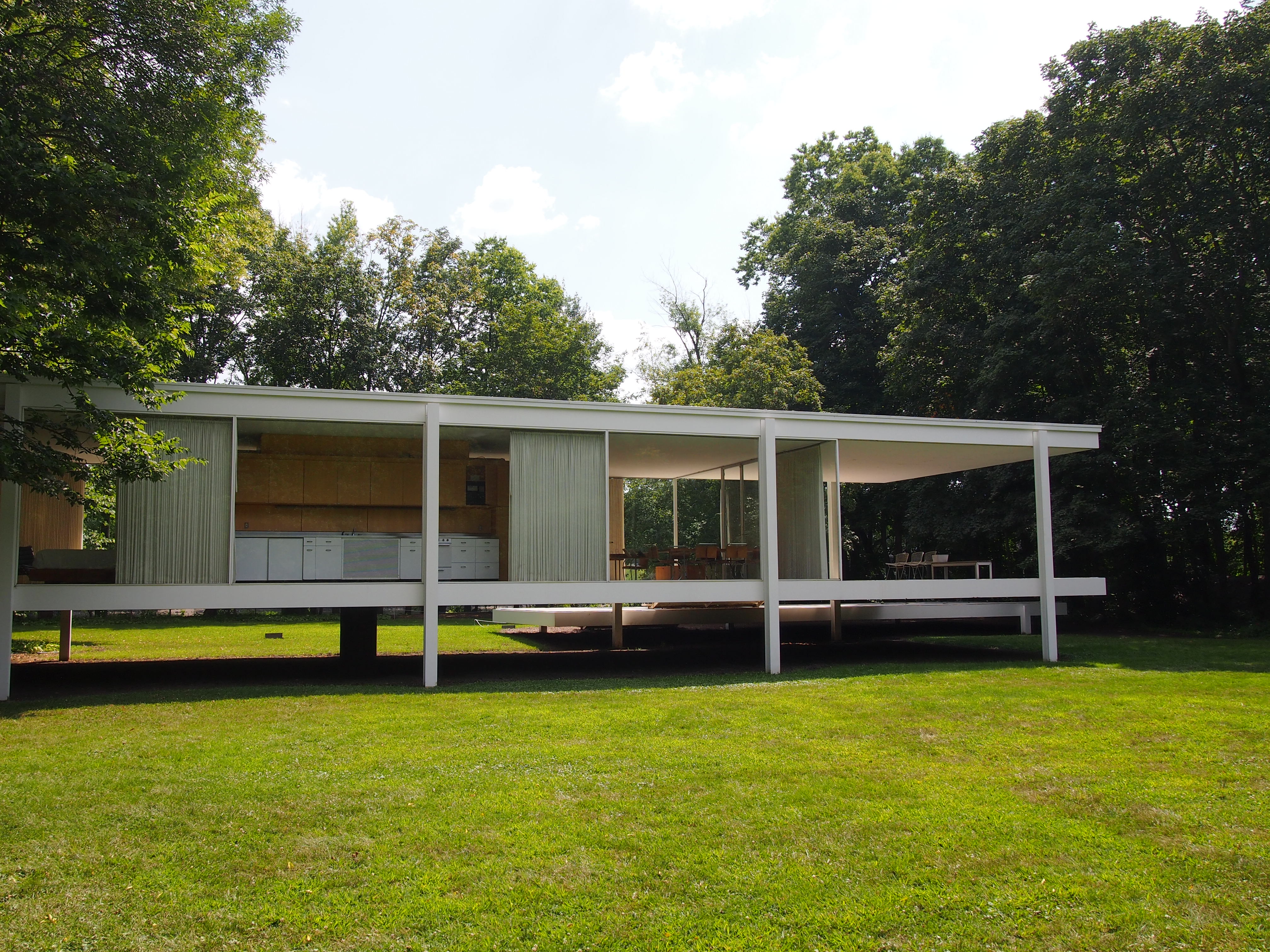
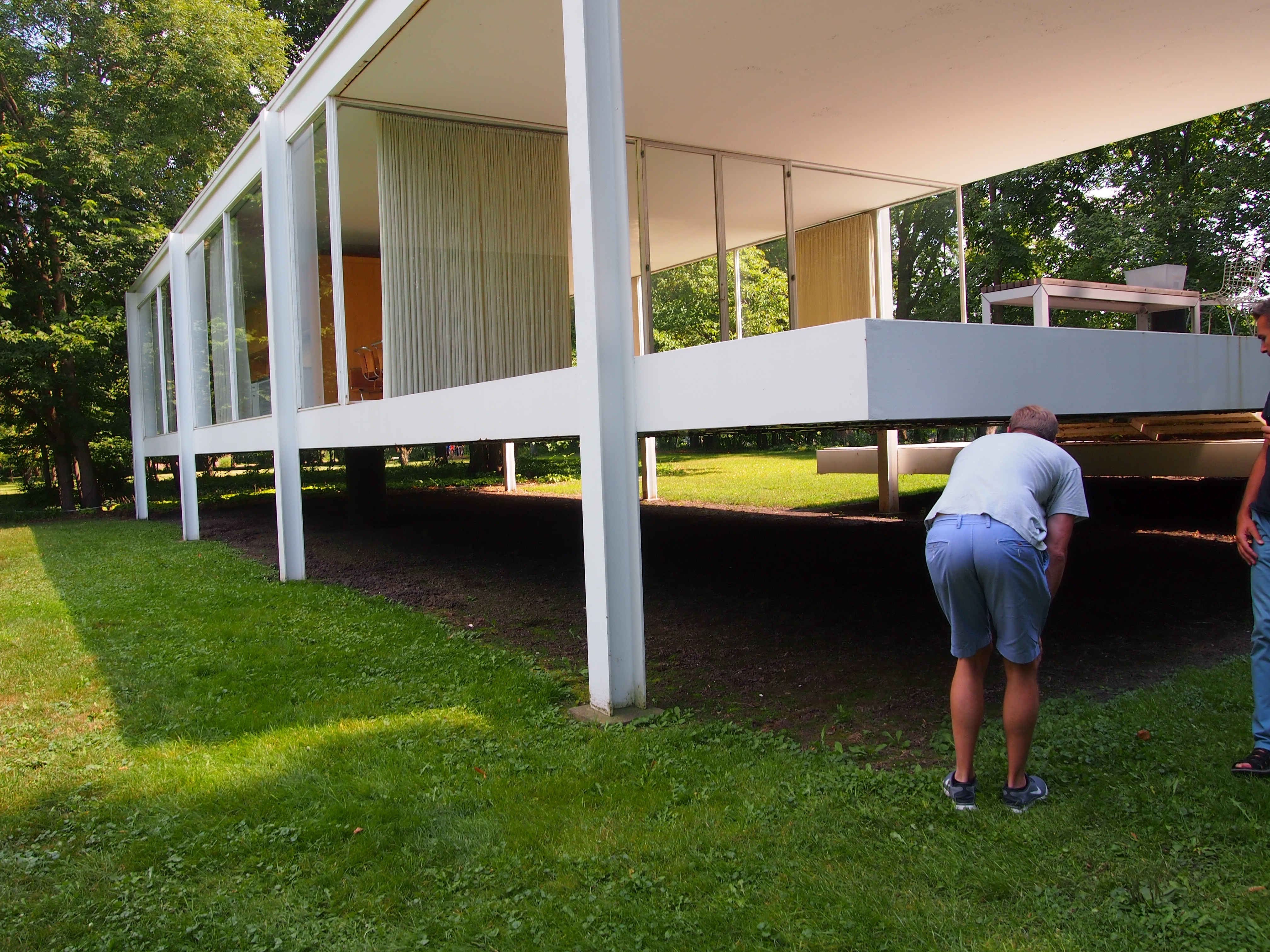
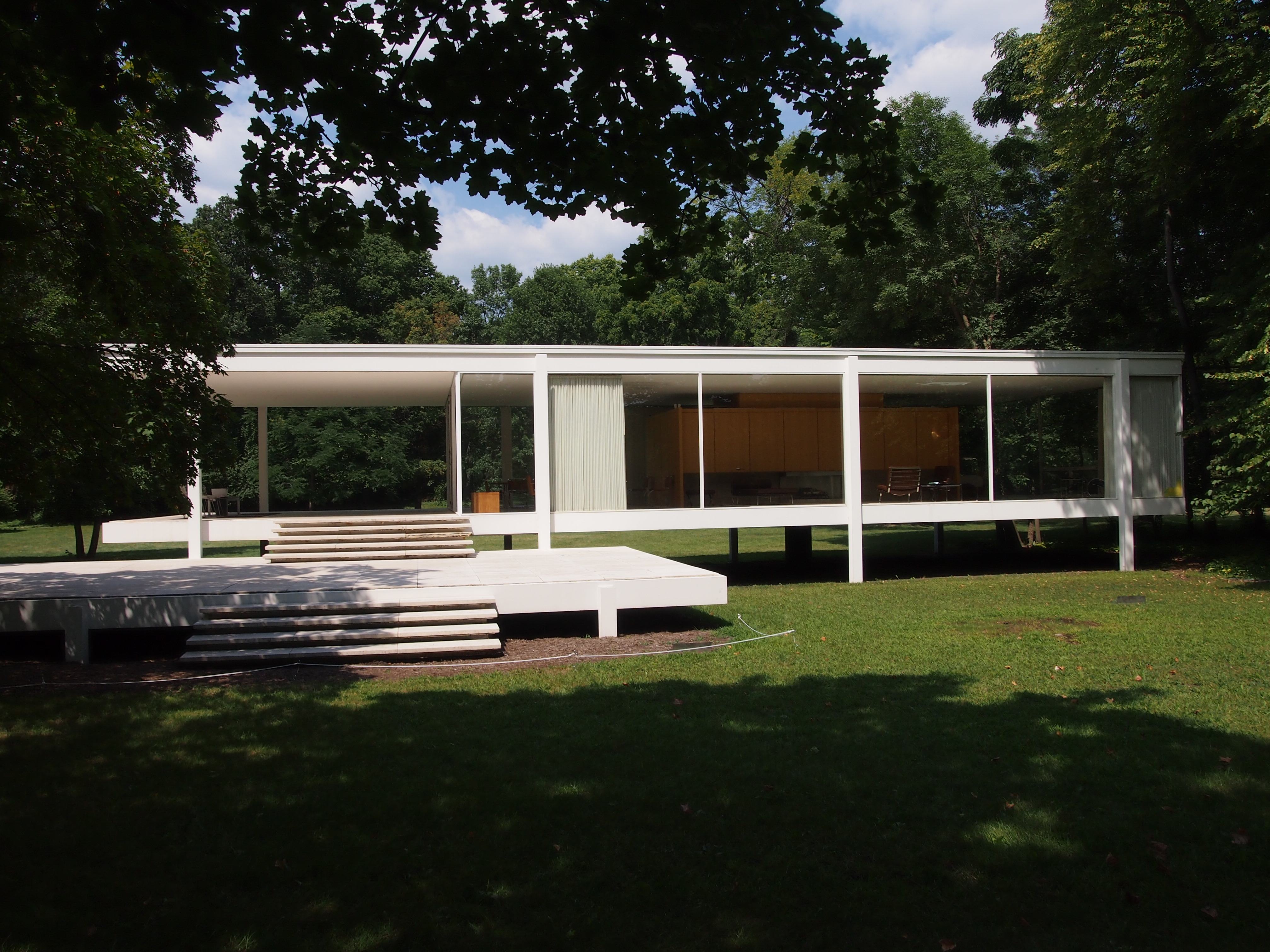
All Saints Cathedral Polish National Catholic Church Cemetery

The Cathedral of All Saints of the Polish National Catholic Church happens to be on Higgins Road in extreme northwestern Chicago these days, though it was once deeper in the city. I happened to drive past the current site today, and decided to visit its cemetery, a patch of land behind the church, verdant and quiet in the late morning.

Or at least as quiet as a place can be tucked near the junction of the Tri-State Tollway (I-294) and I-90, and within two miles of the runways at O’Hare. In fact, activity is all around the area, at hotels, restaurants, bars, entertainment venues, a casino, a convention center, and more – the town of Rosemont, which is right next door, has all that.

The cemetery has trees and bushes and grass and flowers and stones. Except for a groundsman, I was the only living person there.


Up, Up, and Not Quite Far Enough Away

A short, vigorous thunderstorm rolled over my house late this afternoon. A lot of rain for a short time, but it didn’t seem like a lot of wind. I was wrong. A microburst of some kind must have slammed the back yard, because when I looked outside, I thought, something’s missing. What’s missing? The deck umbrella.

The damn thing was mostly broken anyway. One of the supports was busted somehow  during the winter, so even at best it was only half of an umbrella, and yesterday it wasn’t even open. Yet somehow the wind had taken it somewhere. Where? I didn’t see it on the deck or in the yard.

It was on the roof, pole and all. Must have been a freakishly strong wind to open the thing up, lift it and the few pounds of pole away from the cast-iron patio table, and deposit it on the roof. Chairs were moved but not knocked over, and one plant had been tipped over, but otherwise there was no hint of strong wind. Odd.

Once the storm was completely over, I got my ladder – the hard part was getting the ladder out from behind the debris in the garage, not getting to the roof – and persuaded the umbrella wreckage to come back to the ground.

Goethe Institut, Lüneburg

It’s the oddest thing: looking at this snapshot, taken 30 years ago this month, I can remember the name of only one person in the picture besides me, but I remember almost everyone’s nationality. Then again, the grundstufe 1 class at the Goethe Institut in Lüneburg, West Germany, in the summer of ’83 was a motley one, representing four continents and at least 10 countries. That must have made an impression on a lad traveling outside of his country for the first time.

I was traveling that summer with college friends Rich and Steve. It was their idea to study German in Germany, the better to read philosophy. My interest in 19th-century continental philosophers wasn’t as keen as theirs, but I thought spending five or so weeks in one place, taking classes in the morning and knocking around the rest of the time, would be a good idea. And so it was.

How they picked Lüneburg, I don’t remember, but it’s a fine Lower Saxony town near Hamburg. I ought to ask them sometime. They might not remember either. Rich and Steve knew some German already, so were in a higher class. I was in the beginner class, grundstufe 1. One day, the class went outside an lined up for a photo.

On the upper row, beginning on the left, are three Americans. The fellow on the farthest left was nicknamed Howdy Doody (by the other Americans) for his red hair, small stature, and childishness. Fourth on the left was Herr Witt, our teacher. A fitting name, since he was a lively, entertaining teacher. Next, and to the back, a Japanese fellow. Then me. Next to me, a Finn, who was something of a celebrity on Finnish children’s TV, if I remember right. I ought to remember his name, since he lived in the same building as I did, and we spoke fairly often, but I don’t. Behind him, a Frenchman, and then a South American whose nation I forgot. At the end is an Italian woman.

On the lower row, beginning on the left, two Italian girls; Howdy Doody in particular was fond of flirting with the girl second to left, and she was fond of brushing him off. The black fellow was from Canada. Next to him, another Japanese guy. I ran into him one day at the Lüneburg McDonald’s, and we had lunch together. Next to him, a Venezuelan, and finally a Hungarian, our only classmate from behind the Iron Curtain.

Summertime Samosa

Saw the streak of a firefly over my lawn this evening. First one of the year. That and twilight at about 9 p.m. mark the coming of high summer. Even so, I can feel June slipping away. Wish this sweetest of months could linger a little longer.

Before adopting our dog, I wouldn’t have guessed how important windows were to her. She’s a tall dog when she stands on her hind legs, and can see out of some of our windows – and spends a lot of time doing just that. One of the windows she fancies is easy to see from the driveway, and sometimes as I pass that window in my car, headed for the garage, I see the glint of two canine eyes.

Impulse purchase of the week (of the month?): Regal Chowk’s Punjabi Samosa, which seems to be made by an entity called Anarkali in Pakistan. Basic searches tell of a folk heroine from Lahore called Anarkali, who’s appeared in books, plays and movies made on the subcontinent, but I’m too lazy to look into that any further right now.

Anyway, these samosa are in the frozen foods section of your neighborhood grocery store, or at least one of my nearby grocery stores, since there’s a fairly large population here in the northwest suburbs who are from, or whose parents are from, South Asia. The first place I ever had samosa was on Devon Ave. in Chicago years ago, as an appetizer, and I’ve enjoyed them now and then ever since. Fresh is going to be hard to beat, but I thought I’d give these a try. Might be surprised.

Death Be Not Particular

Dear Death,

This has to stop – people about my age, famous or not, dying. That means people who I went to high school with, or could have.

Regards,

Dees

I doubt that Death is listening. The trickle of deaths of people roughly my age – there’s always been a trickle – is only going to expand into a torrent in the coming decades until my cohort is no more. C’est la vie, c’est la mort.

I don’t expect to be among the last. You know how very elderly people are sometimes described as isolated because, among other things, they’ve “outlived all their friends”? I expect to be one of the friends.

The odd thing (to only me) about James Gandolfini’s death was that he born on September 18, 1961, exactly the same day as my high school friend Kevin, whom I posted about the other day.

One of these days, if I live long enough, I’ll get around to watching The Sopranos. I hear it’s good.

Still Life With Lawnmower

Temps were cool today, but it was a fine day all around. I went out to mow the yard, and did the front but not the back. Maybe tomorrow. In the meantime, I composed “Still Life With Lawnmower.”

Of course I didn’t invent that title. Here’s a painting from more than 20 years ago that not only features a lawn mower, but also a more traditional vase & flowers motif.

Evergreens and Anniversaries

A headline I spotted today on Google News: FBI investigating tip to Hoffa burial site. This story’s an evergreen, in news biz jargon. Actually, no. When a magazine editor, at least of my generation, called a piece an “evergreen” that meant it didn’t have to run in a particular issue. If you waited an edition or two, it wouldn’t go stale.

But I’m expanding the definition: the Hoffa article is evergreen because it could have run 15 years ago, or 10 or five or last year, with only a few details changed. It could also run next year or five years from now, provided Mr. Hoffa’s remains aren’t found, and I wouldn’t bet any money that they will be. But you never know, maybe someday — how long did it take to find Richard III?

I also read that the 50th anniversary of zip codes is coming up. Years ago I remember thinking, zip codes weren’t around when I was born? (Lilly might someday feel the same odd feeling about Google.) Maybe that thought occurred to me in high school, when I heard a presentation by a Canadian mathematician (or maybe he was just a math teacher) about postal codes. He claimed that five- and six-number codes were the easiest to remember — the postal code systems that the United States and the Soviet Union, respectively, had adopted.

“The most difficult system to remember is a combination of arbitrary numbers and letters, which the British adopted,” he said. “The Canadian government, in its wisdom, decided to imitate the British system, which is the worst.”

Zip codes, they say, were developed to help the post office deal with too much mail. Bet the USPS wishes it had that problem about now.

RIP, Kevin Norton

I’ve learned a number of things since the last post, including unfortunate news about a high school friend of mine, Kevin Norton. He died last August, but only I found out about his passing about a week ago. The news traveled at 18th-century speed, but that’s because I had little communication with Kevin in the last 20 years or so. Just one of those things.

From the Sept. 2, 2012, San Antonio Express-News: “Kevin Charles Norton, age 50, passed away in Dallas August 16, 2012. He was born September 18, 1961 and grew up in San Antonio, graduating from Alamo Heights High School in 1979. He attended college at the University of Texas at Austin in the Plan II Honors Program and graduated in 1987. He went on to the University of Texas School of Law and earned his Juris Doctor in 1990. He practiced appellate law with the firm of Cantey & Hanger in Fort Worth and Dallas for many years and later was briefing attorney for the Fifth District Court of Appeals at Dallas.

“He had many intellectual and artistic interests studying languages, literature, philosophy, history, religions, art and music. He is survived by his parents, Doris and Donald Norton, sisters: Lucy Norton and partner Maggi Joseph, Deborah Norton all of San Antonio, and Nancy Norton of Dallas; a paternal aunt, Geraldine Koch of Richmond, Virginia; and numerous first and second cousins from all around the country… In lieu of flowers contributions in Kevin’s name may be made to Dallas Symphony Foundation Endowment… or It Gets Better Project …”

I met Kevin sometime in junior high, but I remember him best as my debate partner throughout much of high school. That meant long hours with him sometimes, preparing index cards and other pre-electronic materials for speech tourneys both in town but also in Austin, Houston, Corpus Christi, and one time even as far afield as Midland – the only time, in fact, that I’ve ever been to that place. He was the first person I knew who drank coffee to stay awake, and if I’d had any taste for it, I would have started drinking it then too.

After high school, I hung out with Kevin some in the summer of ’81 in Austin. Among other things, introduced me to Eyebeam – which was still running in the Daily Texan at that time – and ragtime, specifically Scott Joplin, which he had a talent for playing. He spent a longish period traveling in the ’80s, mainly in the Middle East and India, which he told me about later. His travels didn’t inspire me to go to the Middle East or India, but they did help inspire me to take my own leave of the country for a while.

All in all, the obit is right: Kevin had a keen mind and a lot of interests, and I was better for knowing him. RIP, Kevin.

No Thanks, Mr. Luhrmann

Back to posting around June 16. Not exactly a summer vacation, especially since the pace of for-pay work isn’t slacking off, but more like a warm-weather interlude. Except that it isn’t quite warm enough to be summer, at least not in northern Illinois.

I’ve heard about the latest version of Gatsby, and so decided to read the book again. I’m going to pass on the film, for reasons stated before. But also because I’ve heard about the soundtrack.

From hotnewhiphop.com: “The director, Luhrmann, spoke on the adaption of F. Scott Fitzgerald’s book, and creating music for it that blends the Jazz Age with a modern spin. ‘F. Scott Fitzgerald’s novel is peppered with contemporary music references specific to the story’s setting of 1922. While we acknowledge, as Fitzgerald phrased it, “the Jazz Age,” and this is the period represented on screen, we—our audience—are living in the “hip-hop age” and want our viewers to feel the impact of modern-day music the way Fitzgerald did for the readers of his novel at the time of its publication.’ ”

Something like Classical scenes in medieval paintings featuring clothes and armor that looks suspiciously medieval? No, that’s being too generous. The producers clearly believe (and correctly so) that a genuine period music soundtrack — or even one featuring closely authentic, newly recorded versions — wouldn’t sell as well as a hip-hop soundtrack, and are pretending it’s for artistic reasons. Yet posh Jazz Age clothes and cars seem to be OK for the movie (to judge by the marketing). I don’t see why Jay Gatsby shouldn’t be dressed like a hip-hop star.

I forget which costume drama I saw about Marie Antoinette some years ago, but it had the same problem — a distractingly modern soundtrack. In that case it was ’80s New Wave, which I’d prefer over hip hop any time, but it still didn’t sit well on the film.

Right Time for a Nap

I’ll say it again: Sunday was a crummy excuse of a day for early June, dank and cold. And it isn’t like we get to have a pleasant warm day in early December in return. Except that we did, and maybe this is Old Man Winter’s way of balancing things out (just because it’s June doesn’t mean that old man is idle).

Late in the afternoon on Sunday, everyone but me sacked out in the living room. Left to right: Ann, Lilly (can’t see her face, but note the pink-framed iPod next to her), the dog, Yuriko.

It was a lot like a pic I took on the cold May 31, 2012, except the floor was even more crowed this time around. Plus ça change doesn’t just apply to big-picture events or overarching social conditions, but quotidian moments too.