Southern Loop ’21

Just returned today from a series of long drives totaling 2,610 miles that took me down the length of Illinois and through parts of Missouri, Tennessee, Mississippi, Arkansas, Louisiana and Texas. Dallas was the prime destination, where I visited Jay for the first time in well over a year.

I drove on crowded Interstates, nearly empty Interstates, U.S. highways, state and county roads, and urban streets, and logged a lot of miles on roads through farmland, forests and small towns. I crossed the Mississippi more than once, including on a bridge that felt so narrow that moving the slightest bit out of your lane would crash you into the side of the bridge or oncoming traffic. Rain poured sometimes, drizzle was common and there was plenty of evidence of a wet spring in the ubiquitous puddles and the lush greenery of the South.

On I-20 east of Shreveport, I spotted a small truck carrying mattresses that had stopped on the right shoulder ahead of me. Then I spotted the mattress he’d dropped in the middle of the road, a few seconds ahead of me. The truck was 50 feet or so further than the mattress; he’d probably stopped to pick it up, but fortunately hadn’t got out of his truck yet. To my left another car was just behind me, so I threaded the needle to the right of the mattress and left of the truck, missing both.

I left metro Chicago mid-morning on April 9, making my way to Carbondale in southern Illinois, and took a short afternoon hike to the Pomona Natural Bridge in Shawnee National Forest. Overnight an enormous thunderstorm passed over that part of the state, and intermittent rain continued the next day as I drove through the southernmost tip of Illinois, a slice of Missouri, the length of West Tennessee and into Mississippi, arriving in Clarksdale after dark.

En route I’d stopped for a couple of hours at Fort Pillow State Park and about half that long in downtown Memphis. Dinner that night was Chinese food from a Clarksdale takeout joint called Rice Bowl.

On the morning of April 11, I took a walk in downtown Clarksdale, then drove south — stopping to mail postcards in Alligator, Mississippi — and spent most of the afternoon at Vicksburg National Military Park.
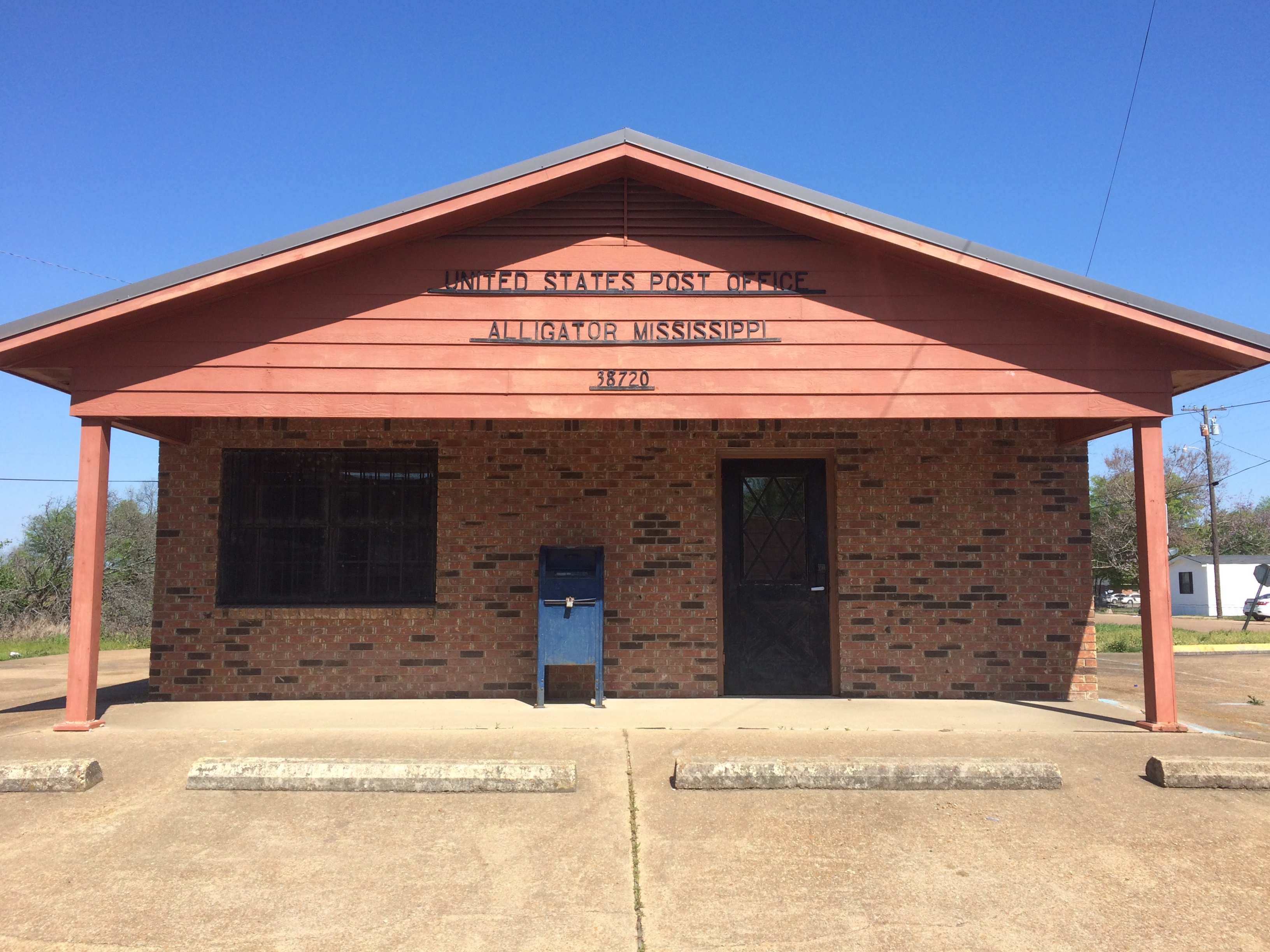
Alligator, Mississippi

As the afternoon grew late, I walked around downtown Vicksburg and one of its historic cemeteries. The next day I headed west across the Mississippi River into Louisiana, where I stopped at Poverty Point World Heritage Site, locale of an ancient Indian settlement much older than Cahokia, or the pyramids outside Mexico City for that matter.

I stayed in Dallas from the evening of April 12 to the morning of the 16th, mostly at Jay’s house, though I did visit my nephew Sam and his family, meeting their delightful two-year-old daughter, my grandniece, for the first time.

On the 16th I drove north from Dallas, spending a little time in Paris, Texas. In Oklahoma I headed on small roads to the Talimena Scenic Drive through Winding Stair Mountain National Recreation Area, where I followed its winding (as the name says), up and down two-lane path through near-mountainous terrain. In a thick fog. That was excitement enough for one day, but that didn’t stop me from visiting Heavener Runestone Park toward the end of the afternoon. I spent the night just outside Fort Smith, Arkansas.

The next morning I headed toward Fort Smith and chanced across the picturesque Main Street of Van Buren, a large suburb of Fort Smith, or maybe its mate in a small twin cities. I also looked around the Crawford County Courthouse before crossing the Arkansas River to Fort Smith proper, spending an hour or so at Fort Smith National Historic Site. From there a long and tiring drive took me to Belleville, Illinois for the last night of the trip, stopping only for gas, food and a quick look at the Mildred B. Cooper Memorial Chapel.

The place I stayed in Belleville last night was an inexpensive motel at the end of the town’s downtown shopping and restaurant street. Up earlier than usual this morning, around 7, I took a walk in area’s handsome, near-empty streets and sidewalks. Before leaving town I stopped at the Cathedral of Saint Peter, and a few miles away, Our Lady of the Snows shrine.

That ought to be enough for any trip, I thought, till I saw that the world’s largest catsup bottle in nearby Collinsville as a point of interest on my paper map (I now use both paper and electronic, which complement each other). So I went to see that. Later heading north on I-55, I thought, that ought to be enough for any trip, till I saw the pink elephant. Pink Elephant
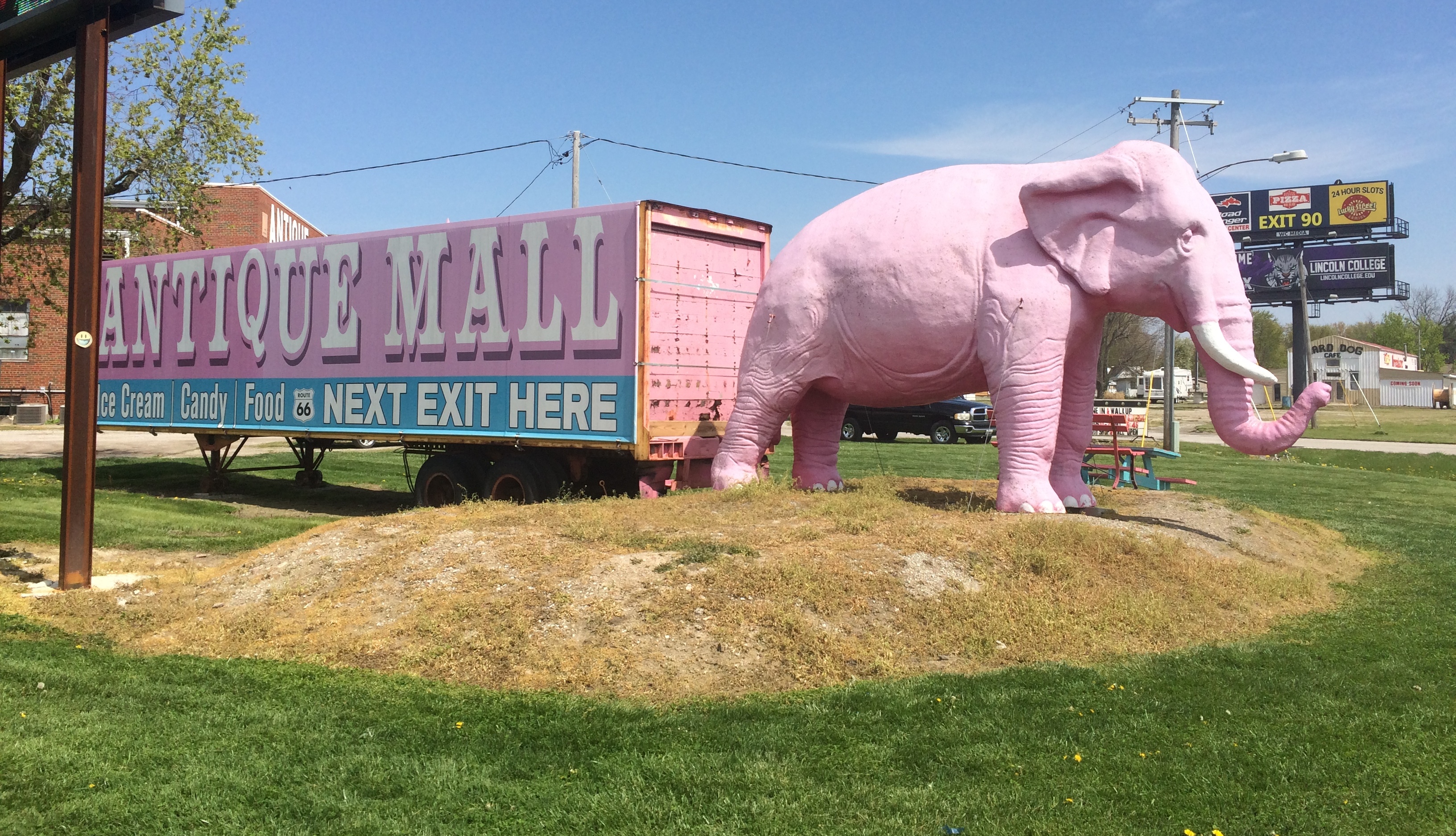
That is, the Pink Elephant Antique Mall northeast of St. Louis, which I’ve driven by many times over the years, but never stopped at. This time I did and it became the cherry on the sundae of the trip.
Just Another Spring Break

A pleasant string of warm days came to an end today with cool drizzle most of the time. But at least the snowy mess of February is just an unpleasant memory.

Back again around April 18. Call it a spring break. Who knows, I might have encountered a new thing or two by that time. Never know when you’ll see something interesting.

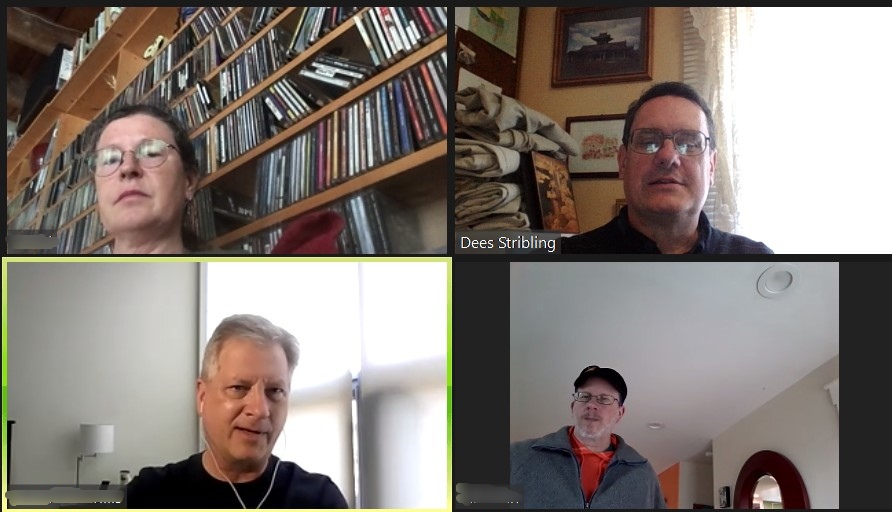
A recent Zoom. Two participants in Illinois, one in Tennessee, one in Washington state. All VU alumni.

If I were a Zoom stockholder, that is in San Jose-based Zoom Video Communications Inc., I might sell. I’m astonished by the number of people who hate Zoom, the platform, and will probably dump it as soon as they can. I know not to ask about half of my old friends on social Zooms anymore, because they will refuse. Politely, because they are old friends.

I don’t quite get it. Burning out on work Zooms is one thing. But the occasional social Zoom among old friends? On a couple of occasions, they’ve run three or four hours, to great delight of everyone. Sure, if we were obliged to meet electronically even with old friends three or so times a week, that would get old. But more occasionally among people with whom you share a past? Nothing better.

I made a point of watching the new short biographic series Hemingway this week as it was broadcast on PBS. I can’t remember the last time watched TV on a broadcast schedule. Mad Men?

It’s high-quality work on the part of Ken Burns and Lynn Novick, illustrating what a biography should illustrate, the life and times. I knew a fair amount of the material already, though did find out more — another mark of a good bio on a well-known subject — such as the relentlessness with which he suffered major, and mostly untreated concussions. The head injury from the second plane crash in Africa was the only serious one I knew about. Turns out it was one of a string.

That’ll do no good to a man who’s already an alcoholic from a family with a history of mental illness, and who probably had a touch of shell shock thrown into the mix, to use the straightforward Great War terminology. It’s a wonder he didn’t put himself on the wrong end of his shotgun before he finally did.

Springdale Cemetery

The afternoon was getting long in the tooth in Peoria last Saturday, but I told Ann there was one more place I wanted to go before we proceeded to the highway out of town. Yes, of course, was her mild reaction.

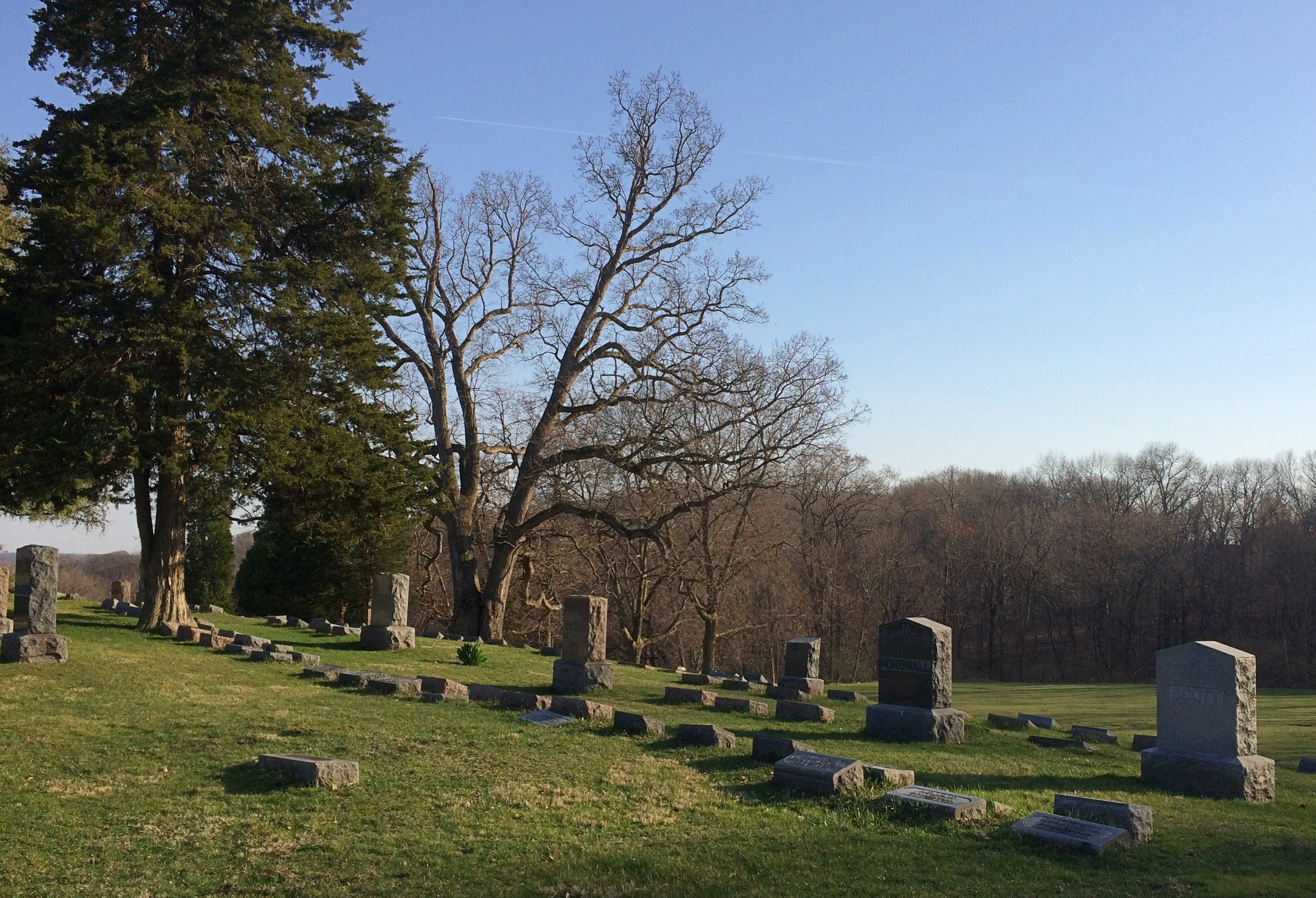
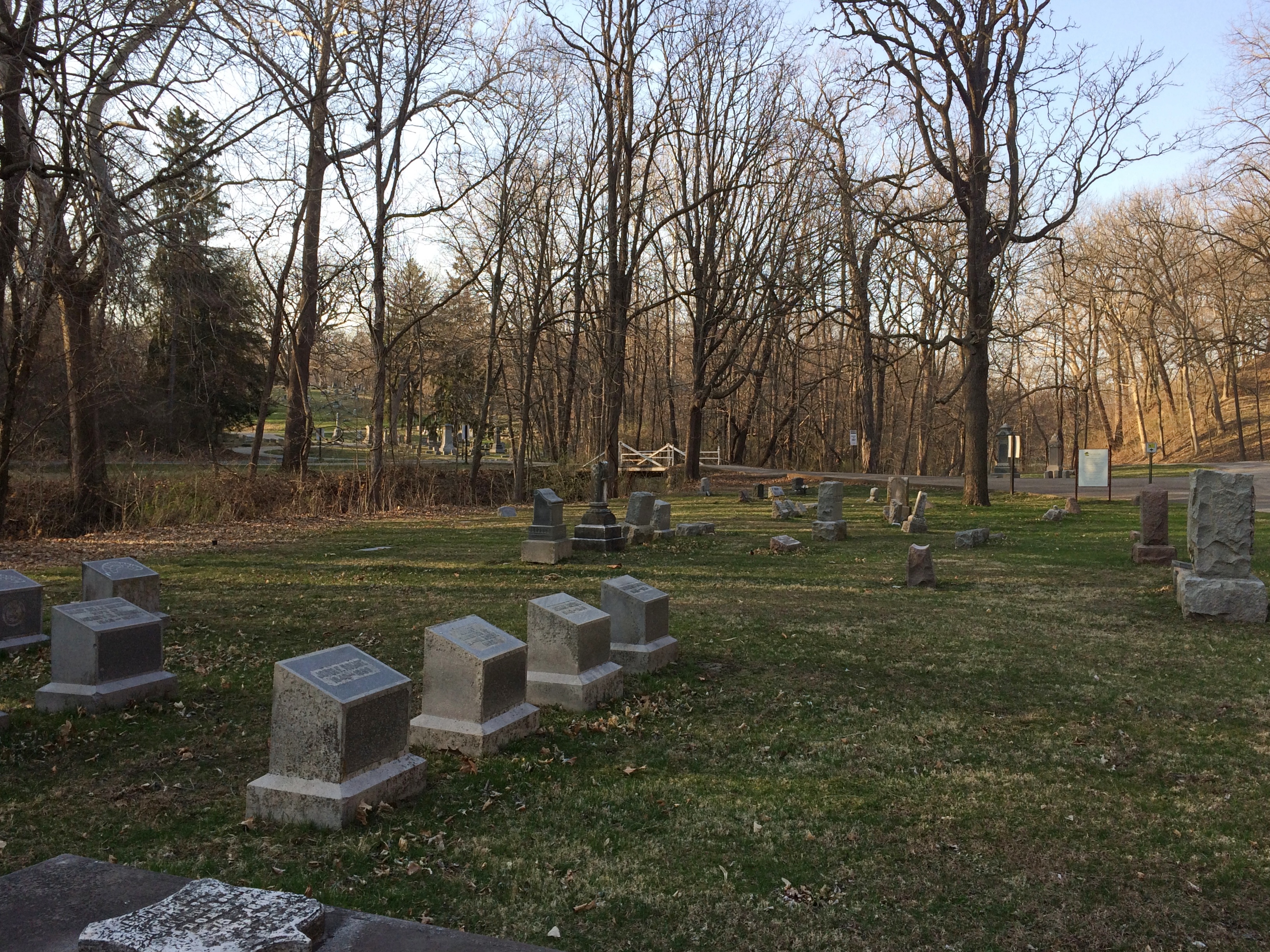
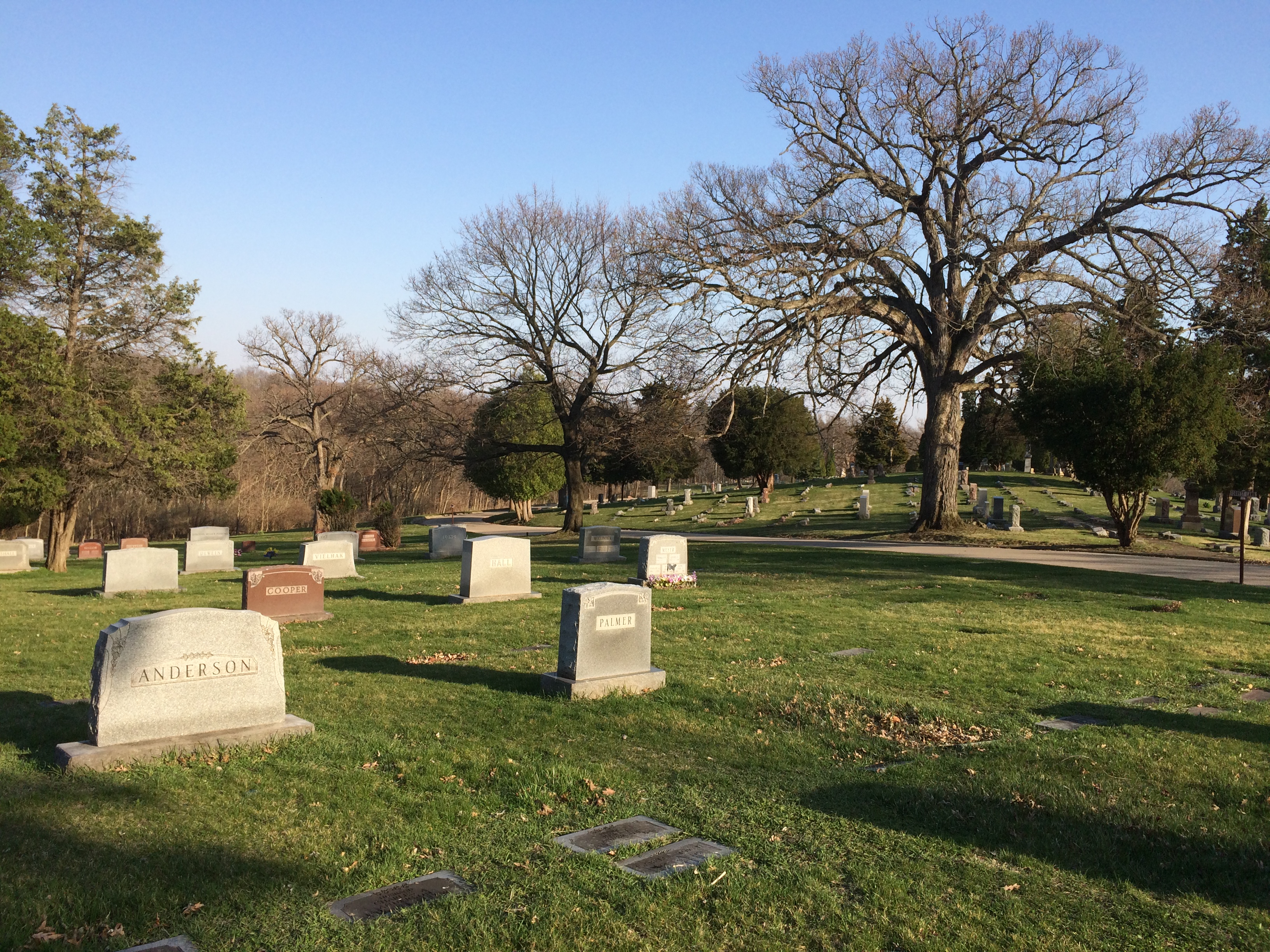
The minor delay was entirely worth it, as far as I was concerned. We soon found ourselves at the entrance to Springdale Cemetery, a wooded, hilly, well-populated stretch of land where gravediggers first turned their shovels in the late 1850s. Roads lead off in various directions through this enormous place, a rare example of a rural cemetery movement cemetery that still retains a rural feeling, even though the city of Peoria is all around.Springdale Cemetery Springdale Cemetery Springdale Cemetery

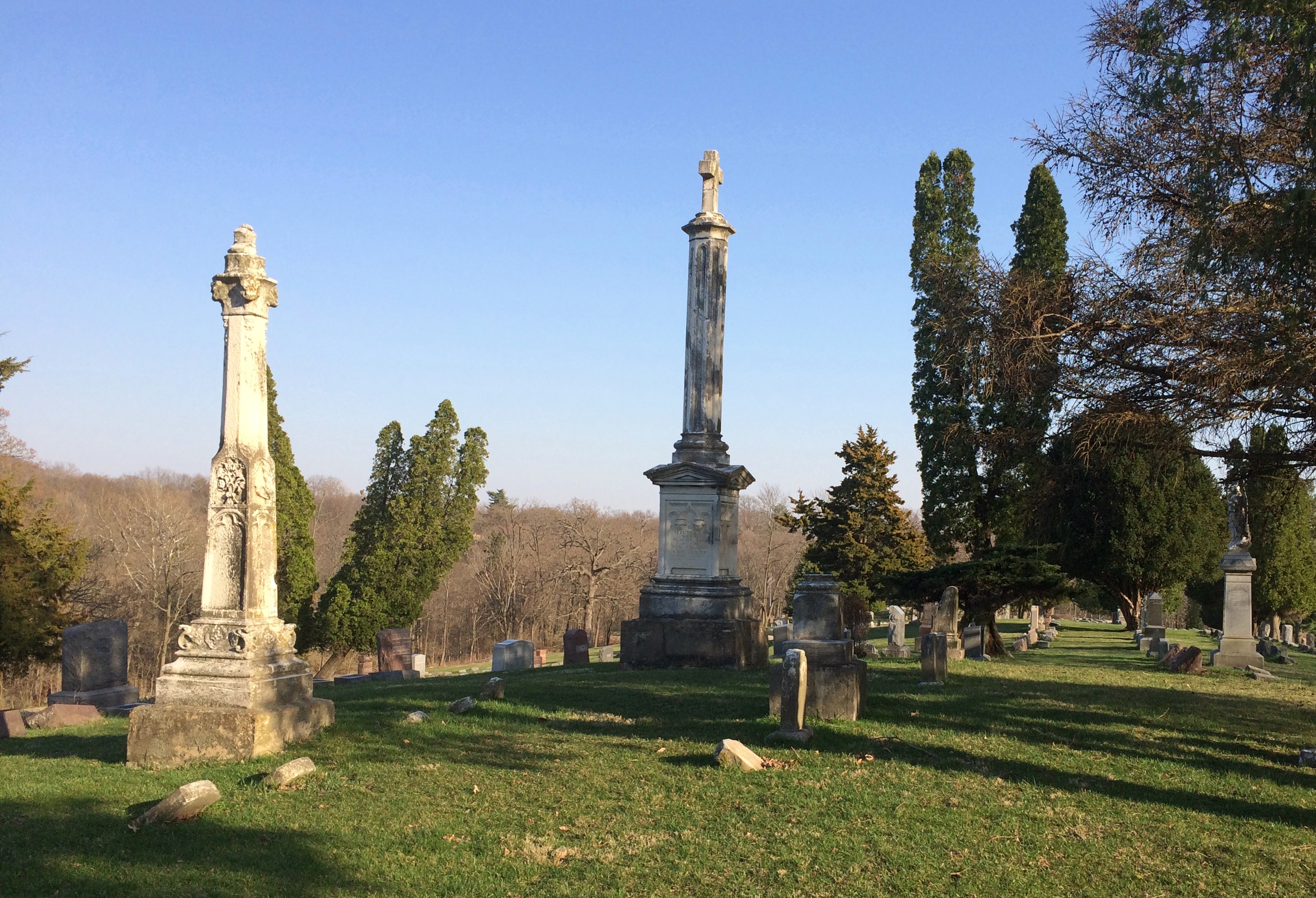
Springdale isn’t over-thick with stones, though there are plenty. It isn’t thick with sizable memorials, though a few rise over the others.Springdale Cemetery

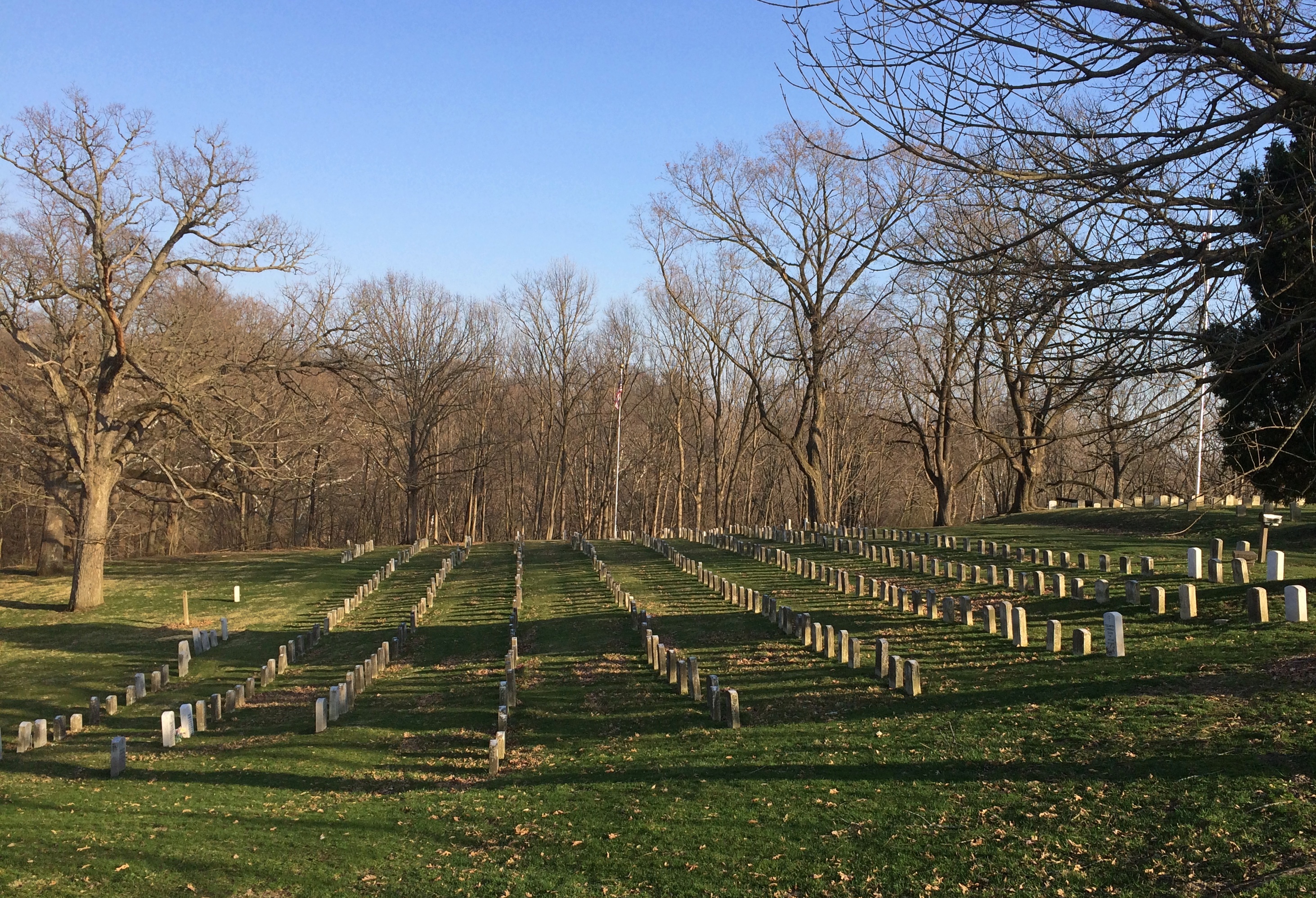
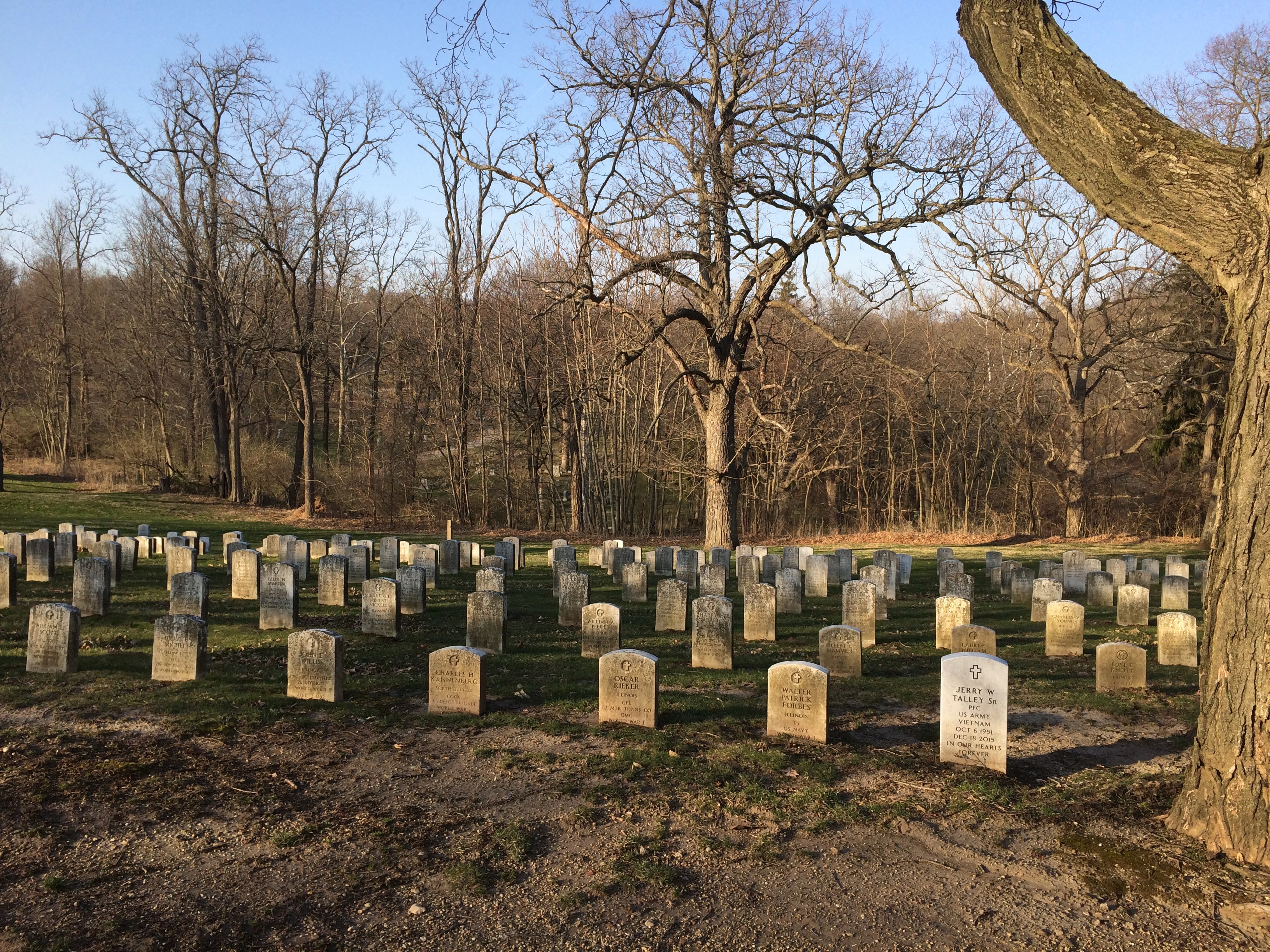
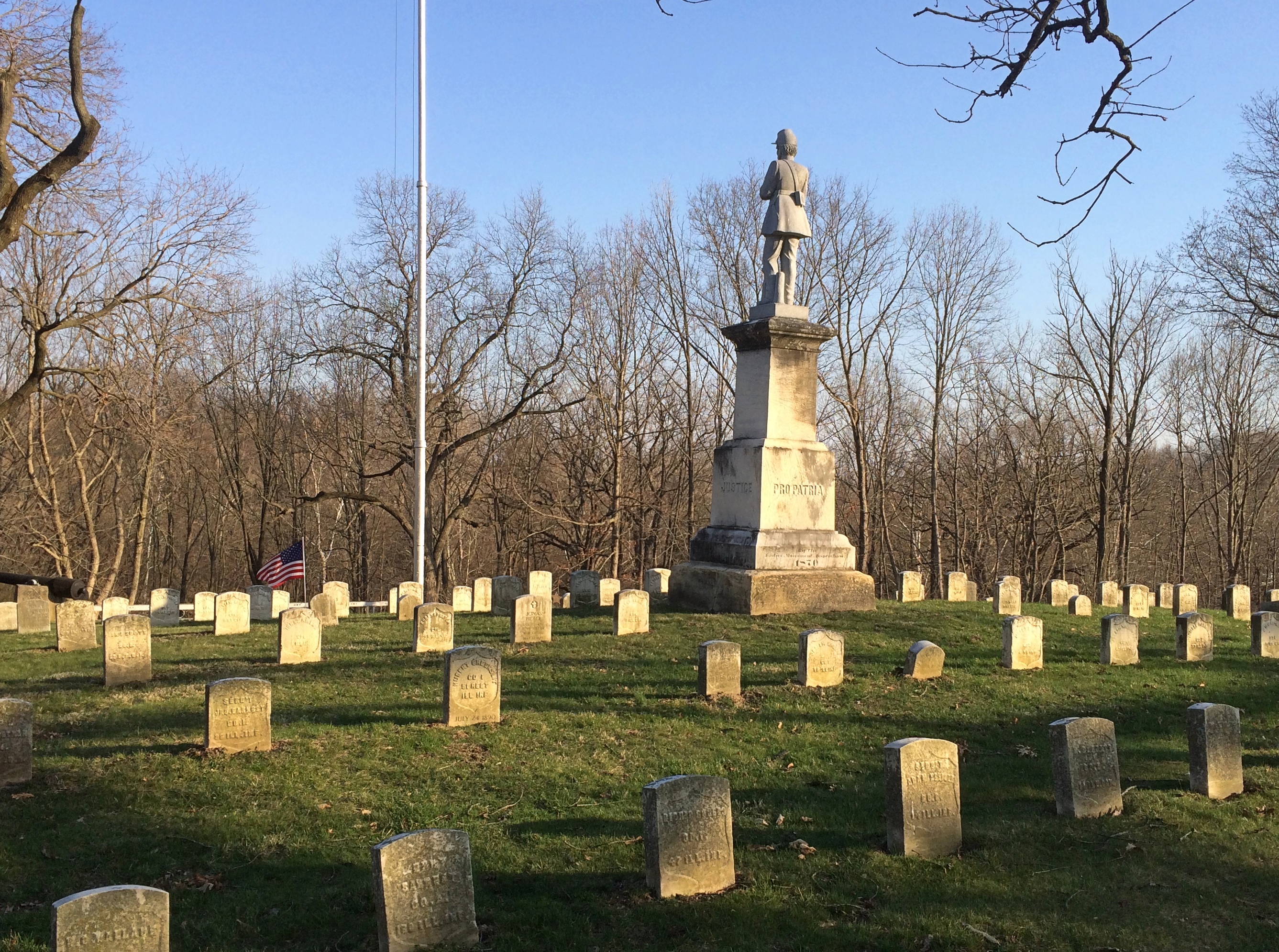
Deeper in the 223-acre cemetery are rows of soldiers’ stones, beginning with those who fought to save the Union and peppered with later participants in later wars.Springdale Cemetery Springdale Cemetery Springdale Cemetery

Even deeper in, the forest becomes as thick as any I’ve seen in a cemetery. In early April, the trees are still bare, but it won’t be long. The warm air was alive with birdcalls while the din of city traffic — so much part of a “rural cemetery” in our time — was far in the background.Springdale Cemetery Springdale Cemetery

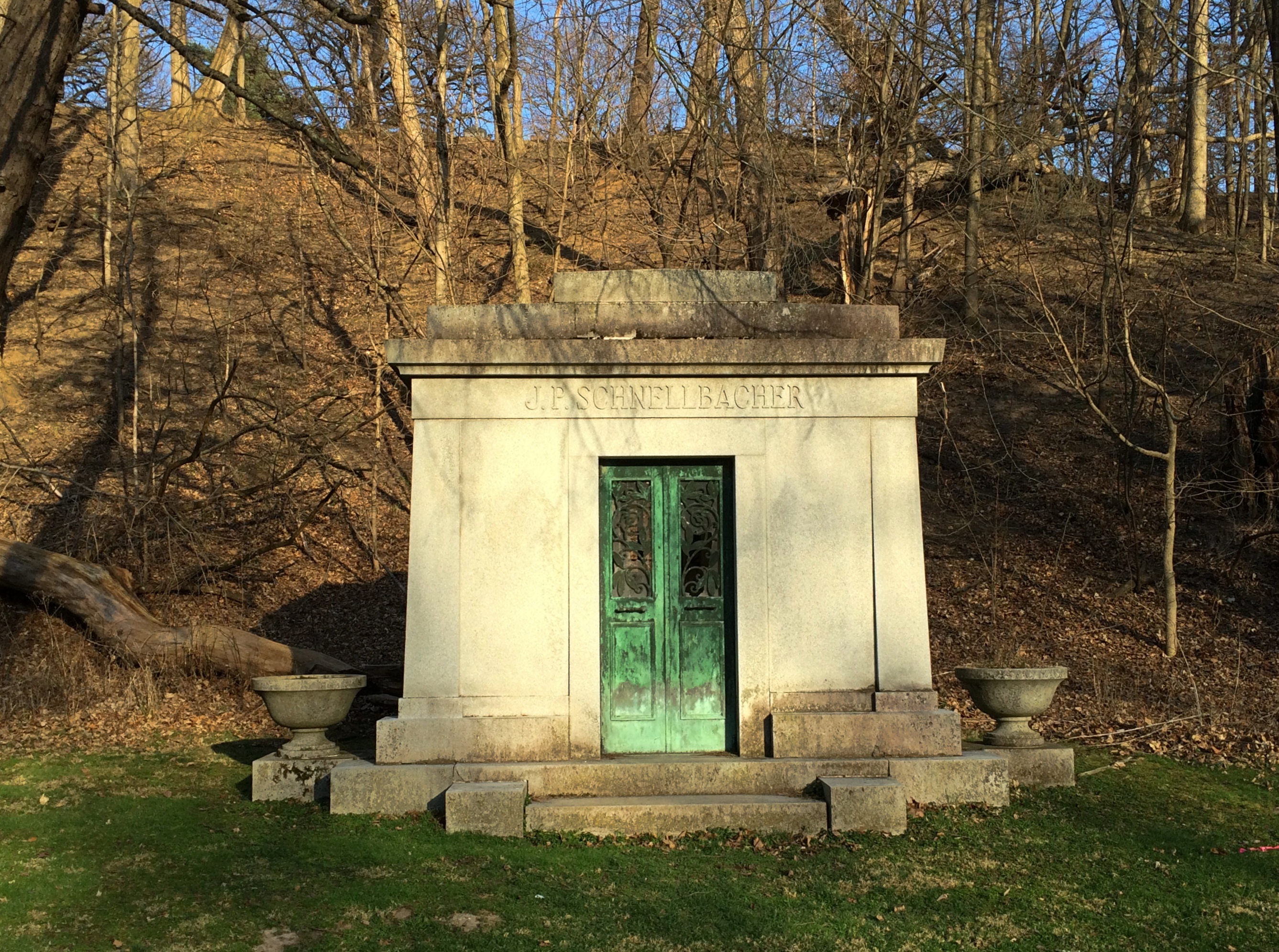
We saw just a handful of mausoleums. I suspect there most be more in other parts of Springdale, since Peoria had a long stint as a prosperous industrial town, and that’s the kind of thing that captains of industry used to buy for themselves. But we only had time for the handful.Springdale Cemetery

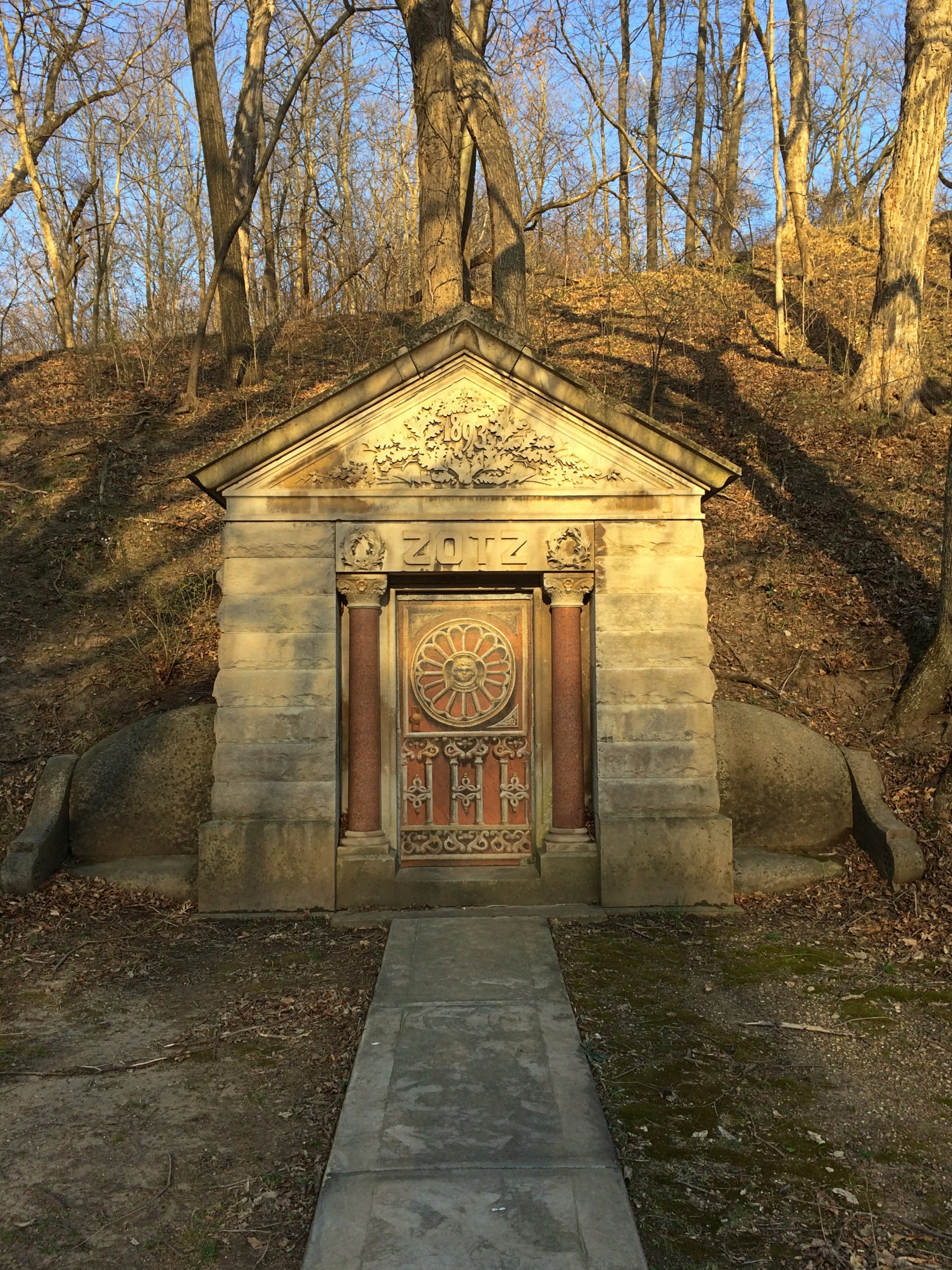
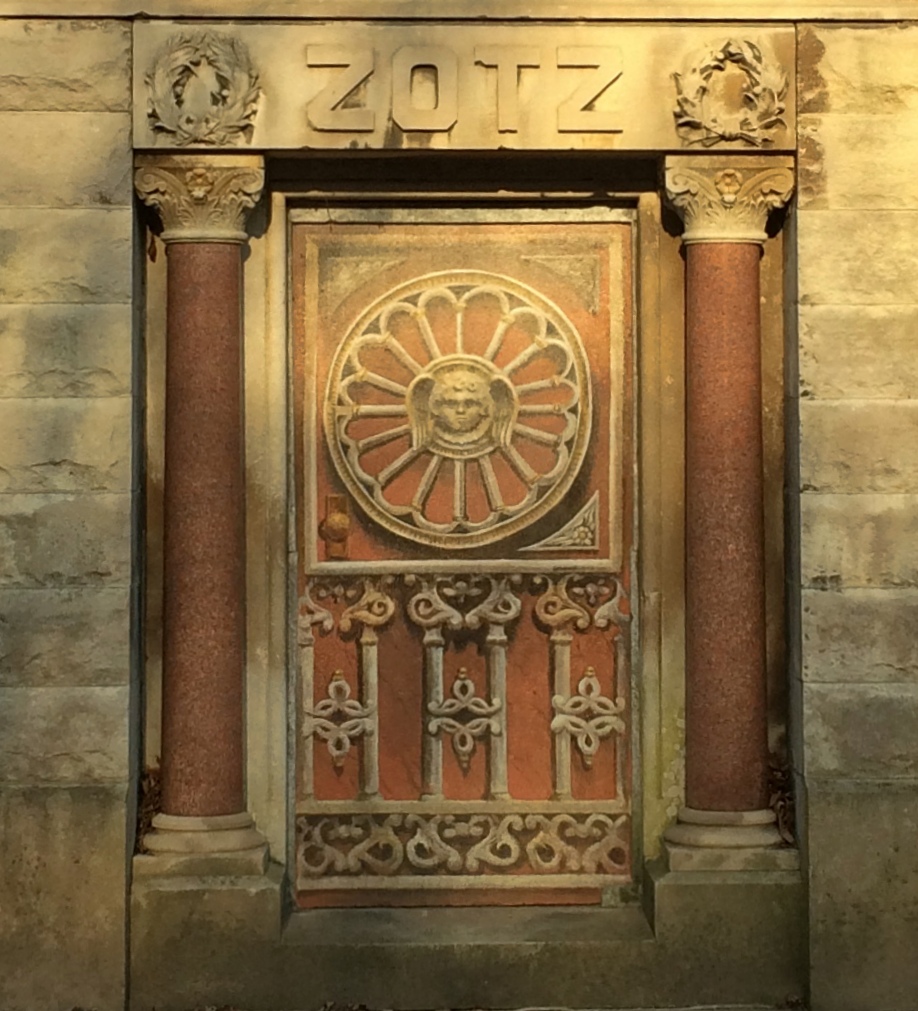
Zotz was a German newspaper publisher. Springdale Cemetery The mausoleum door isn’t original. In fact, it’s a recently created trompe l’oeil.

Springdale Cemetery Zotz

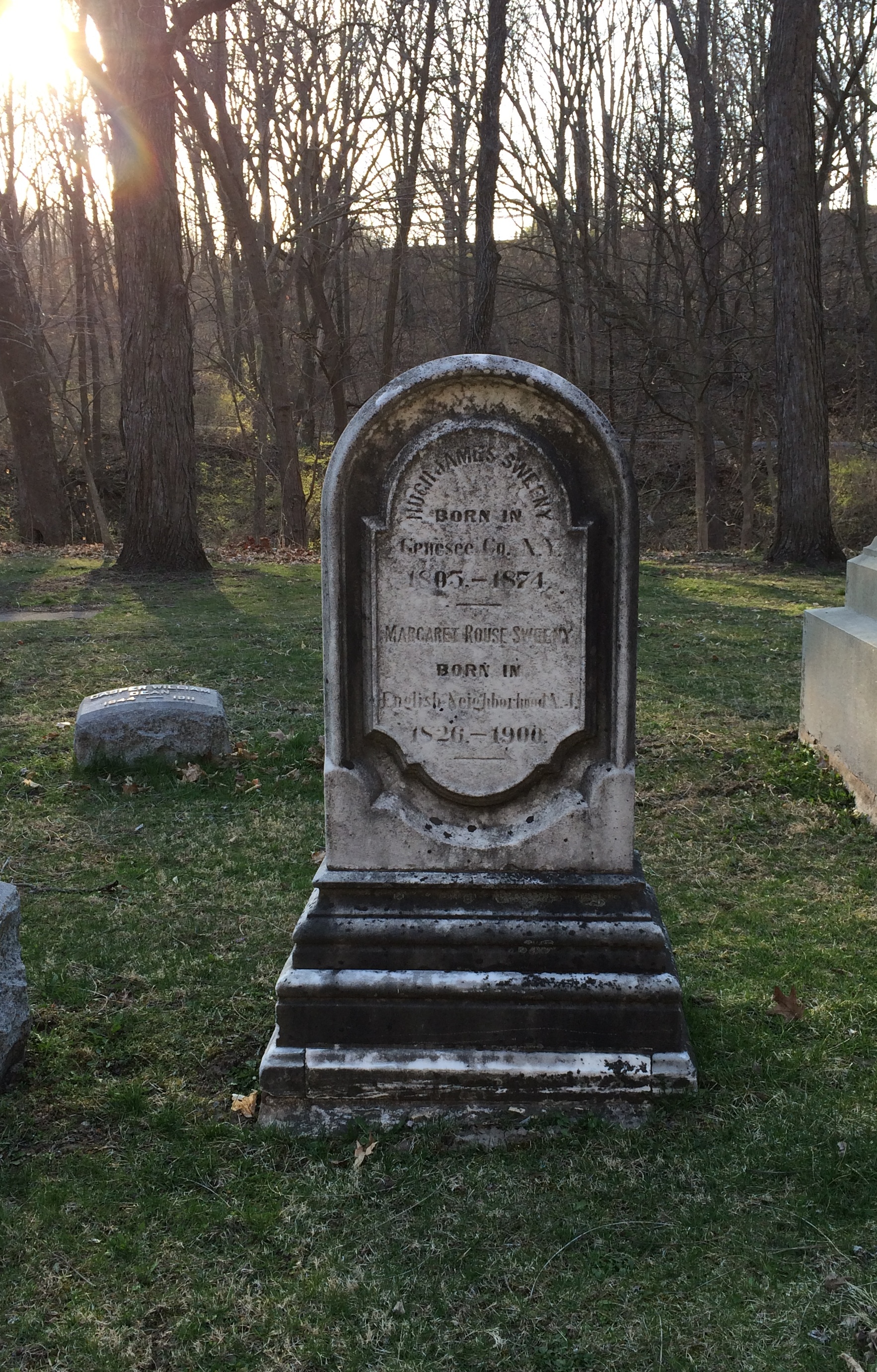
Nearby were more modest, but still compelling stones. About 78,000 people lie in Springdale.
Springdale Cemetery
A gorgeous place, all in all. One that would be worth seeing during the seasons other than spring, I believe.

West Moss Avenue, Peoria

During our stroll around the Bradley U. campus on Easter Saturday, Ann and I also ventured into the surrounding neighborhood to the south. One of its streets is the amusingly named Fredonia Ave., which sports ordinary student houses and apartments.
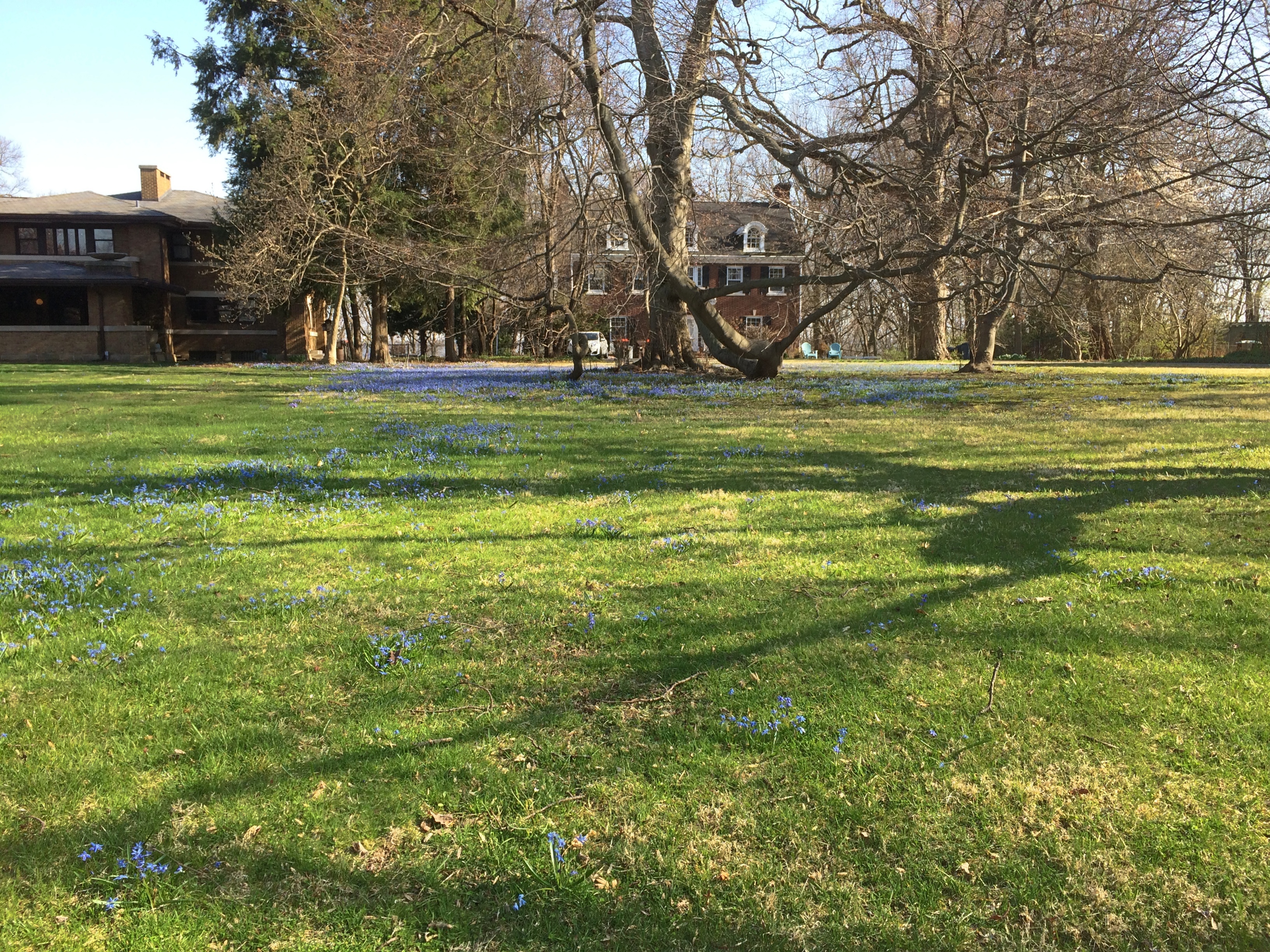
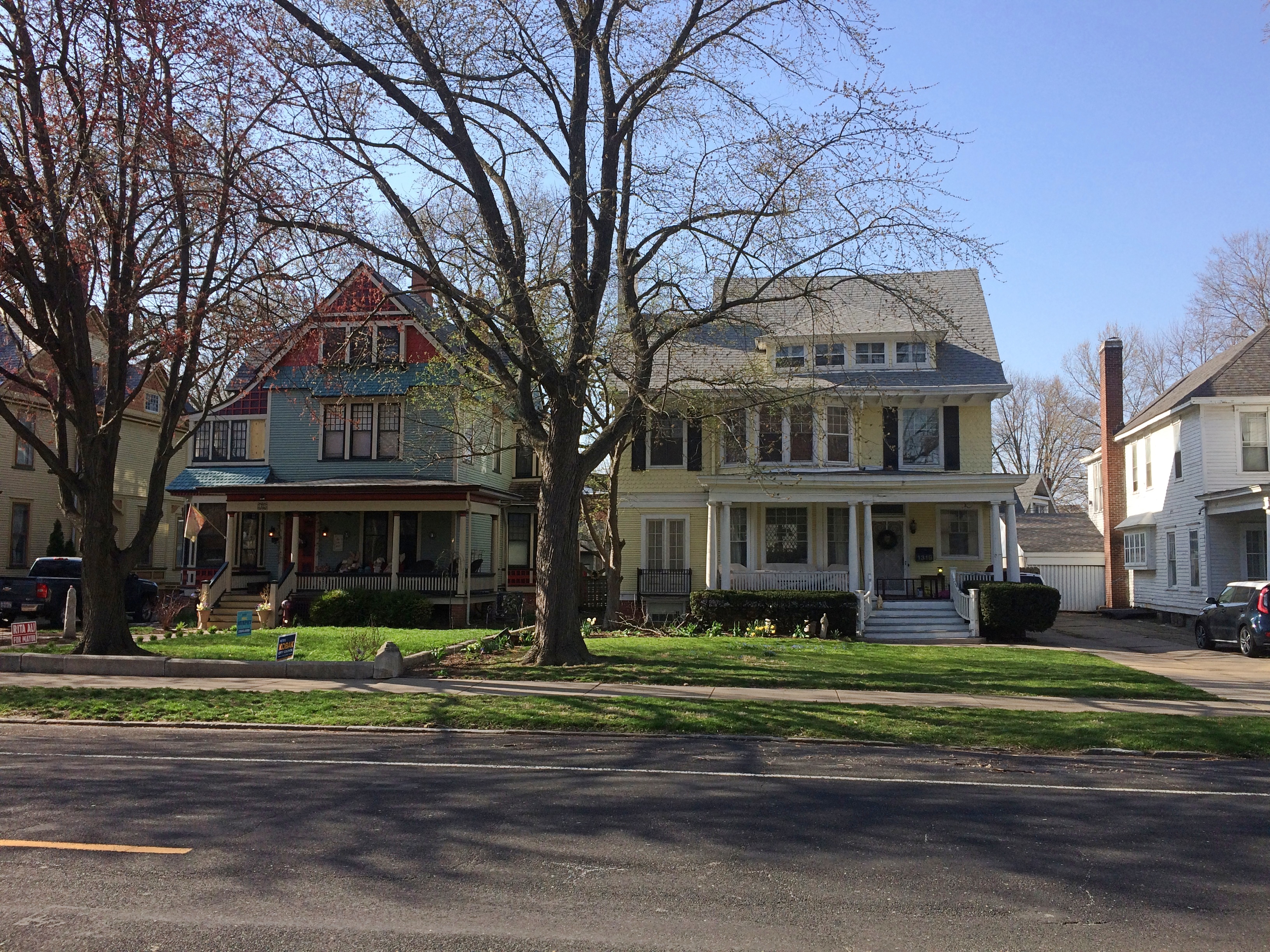
Further south from there is the wide W. Moss Ave., with its sizable houses/enormous lawns on one side, green and beginning to flower.
W. Moss Ave. Peoria
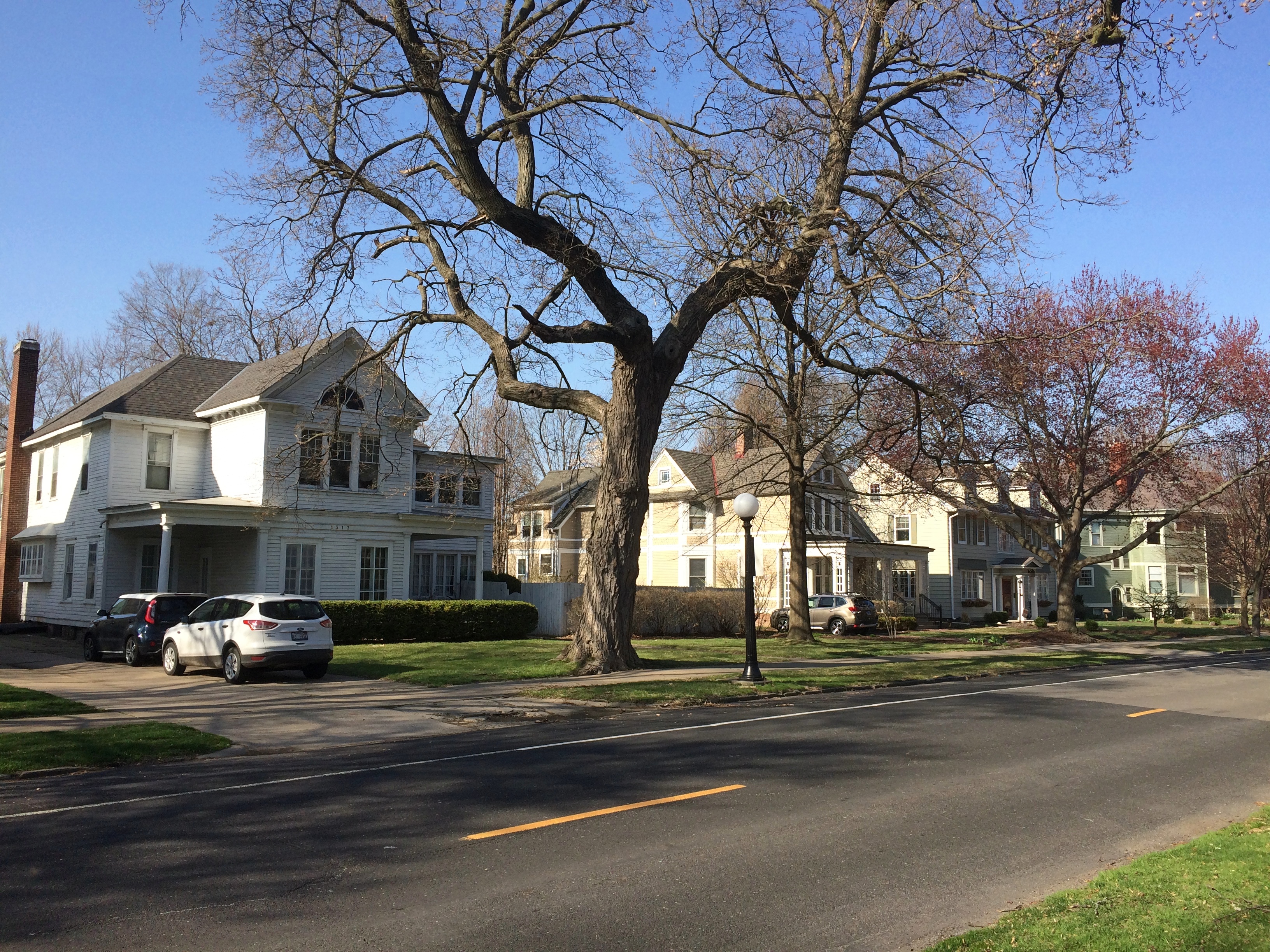
The lawns are smaller on the other side, but the houses just as pleasant.
W. Moss Ave. Peoria W. Moss Ave. Peoria

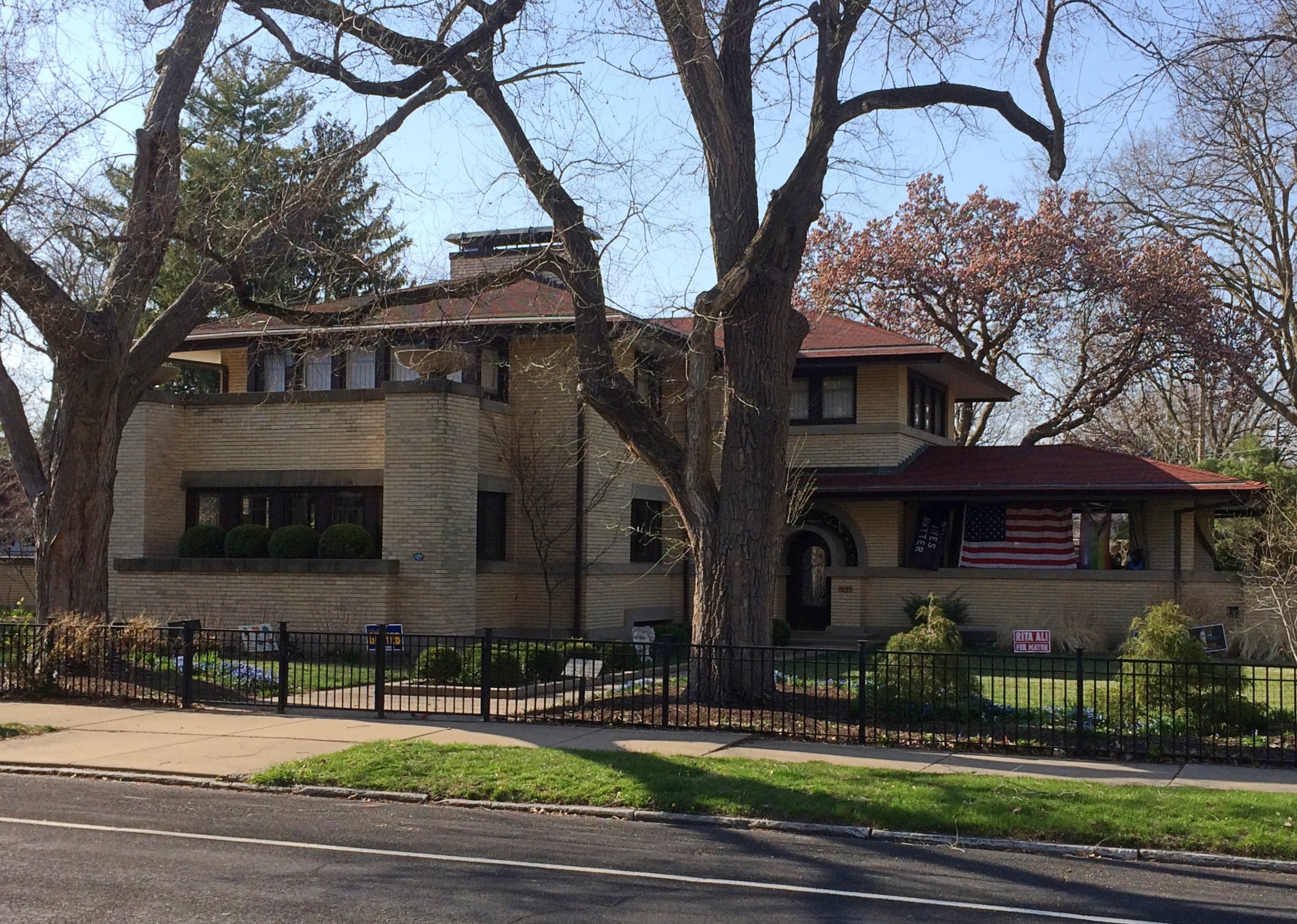
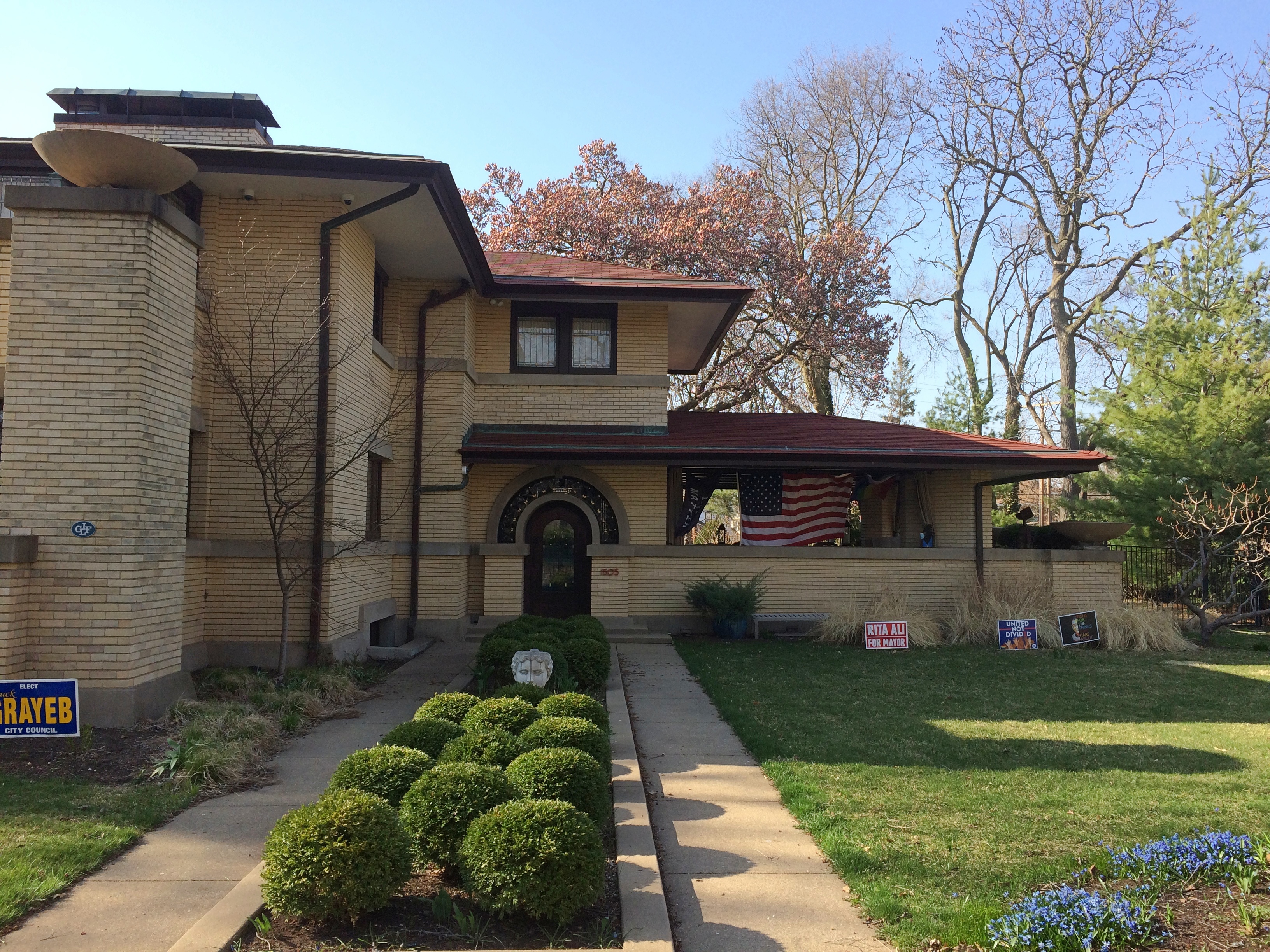
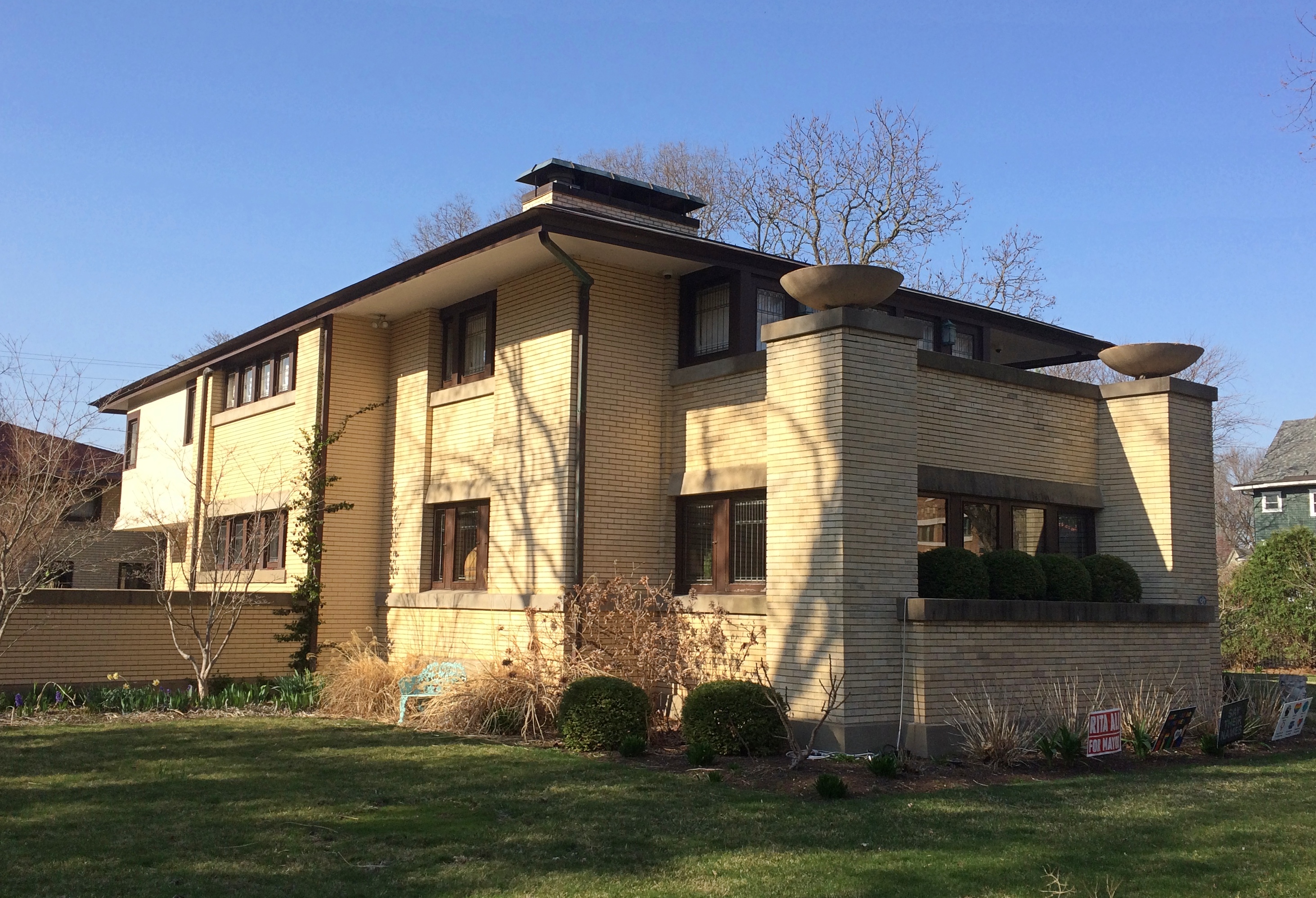
We came across a particularly distinctive stack of bricks. Looks like a Frank Lloyd Wright, I said. It was. Guess I’ve seen enough of the diminutive genius’ genius work, which impresses one with its genius aspect, to know when I see one. Well, it is impressive bit of work, anyway.W. Moss Ave. Peoria - Francis W. Little house W. Moss Ave. Peoria - Francis W. Little house W. Moss Ave. Peoria - Francis W. Little house

It’s the Francis W. Little house, dating from 1903. The FLW Trust says: “With its ribbon windows, low-pitched roofs, projecting eaves, and walled terraces, the Francis Little house is typical of Wright’s mature Prairie style designs. The Little house windows are similar in design to those found at the E. Arthur Davenport, William Fricke, F.B. Henderson, and Edwin H. Cheney houses.

“The glass designs found on the interior of the house, which include a variety of skylights and built-in bookcases with glass doors, exhibit more elaborate color schemes and came arrangements than those found on the exterior walls.”

Those elaborate color schemes aren’t for the enjoyment of the public, or at least that fraction willing to pay to tour a FLW house, but rather for the current owner.

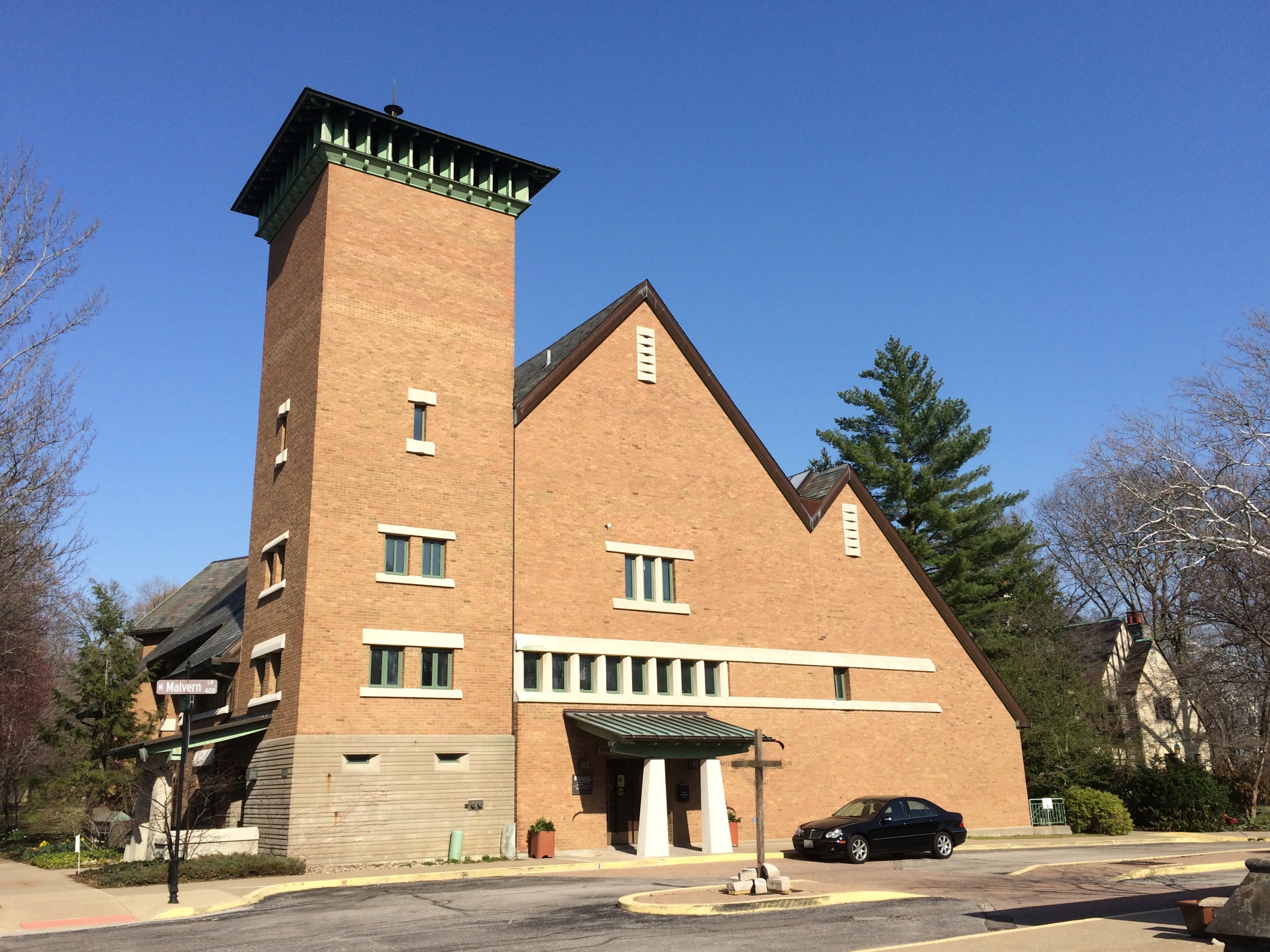
Not far from FLW on Moss is the Westminster Presbyterian Church.
W. Moss Ave. Peoria - Westminster Presbyterian
“The construction of Westminster Presbyterian Church was concluded in 1898. The architect, Herbert Hewitt, designed an English Gothic structure with Norman spire,” the church web site says, only to explain that: “Other than periodic upgrades, this church remained unchanged until 1985 when it was destroyed in a fire.”

The congregation rebuilt: “The current church was completed and dedicated in April 1989. The architect of the new building was Ben Weese, a member of the Chicago Seven, a first-generation postmodern group of architects in Chicago.” (Not to be confused with the other Chicago Seven, or Eight, depending.)

Bradley University Walkabout

Before each Easter comes around, you don’t know whether you’ll get a pleasant early spring day or a chilly late winter one, at least at my latitude. This year, as if to echo the glory of the holiday, we enjoyed a flawless spring day.

Easter Monday and Easter Saturday were pretty nice, too, and on the latter of those two, Ann and I spent much of the afternoon in Peoria, Illinois. During this Vaccine Spring, appointments have proven hard to book close to Cook County, and so I’d found one for her at a pharmacy in Peoria, not far as it happened from the campus of Bradley University.

Since driving down to Peoria, getting the shot, and zipping right back seems like an opportunity wasted to me, we didn’t do that. Bradley was close at hand, so after the shot we took a walk in the springtime sunshine around campus.

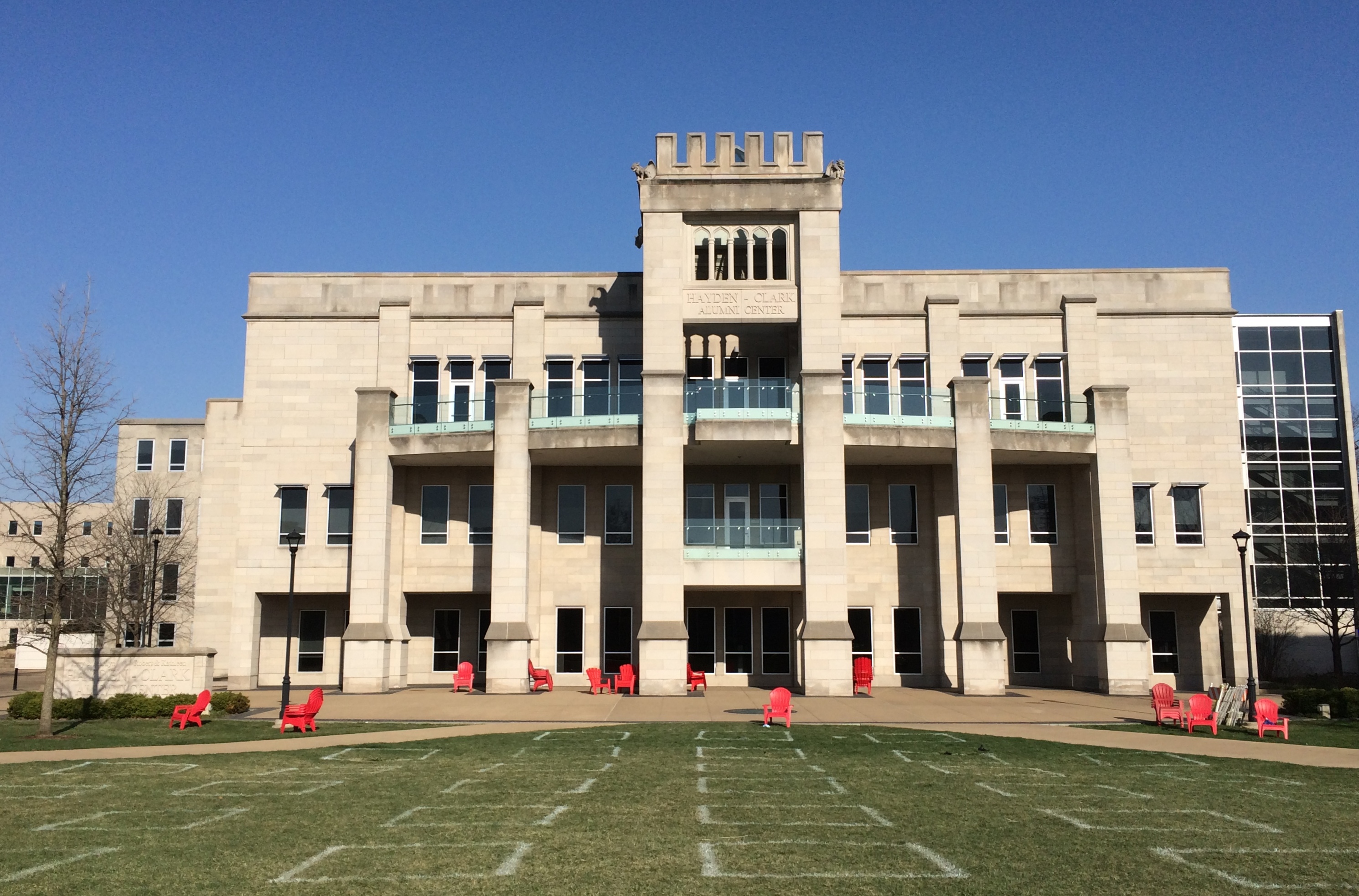
Bradley isn’t the grandest or prettiest or most historic campus I’ve ever seen (UVA would contend for all of those, actually), but it had its interests, such as the Hayden-Clark Alumni Center, which fronts a wide lawn.
Bradley University
“Adjoining the circa-1897 Bradley Hall, the center welcomes alumni, students and visitors in a three-story, multi-use building for tours, meetings and special events,” Peoria magazine wrote of the building, which was completed in 2011. “The center’s Shaheen Hall of Pride has become a popular destination, featuring 22 display cases, dioramas and videos that chronicle the university’s growth and influential history.

“Designed by architectural/engineering firm Dewberry, the building incorporates elements of collegiate gothic architecture, such as arches, buttresses and a crenellated tower. The façade is constructed of Indiana limestone, like Bradley Hall and other historic campus buildings.

“Four hand-carved limestone gargoyles sit atop the center. In a gesture of appreciation to the past, two of them are replicas of existing gargoyles on Bradley Hall. The other two are original, overlooking a new view to the west. Technically, they are ‘grotesques,’ rather than gargoyles. Gargoyles are functional — usually as waterspouts and drains — but these are ornamental.”

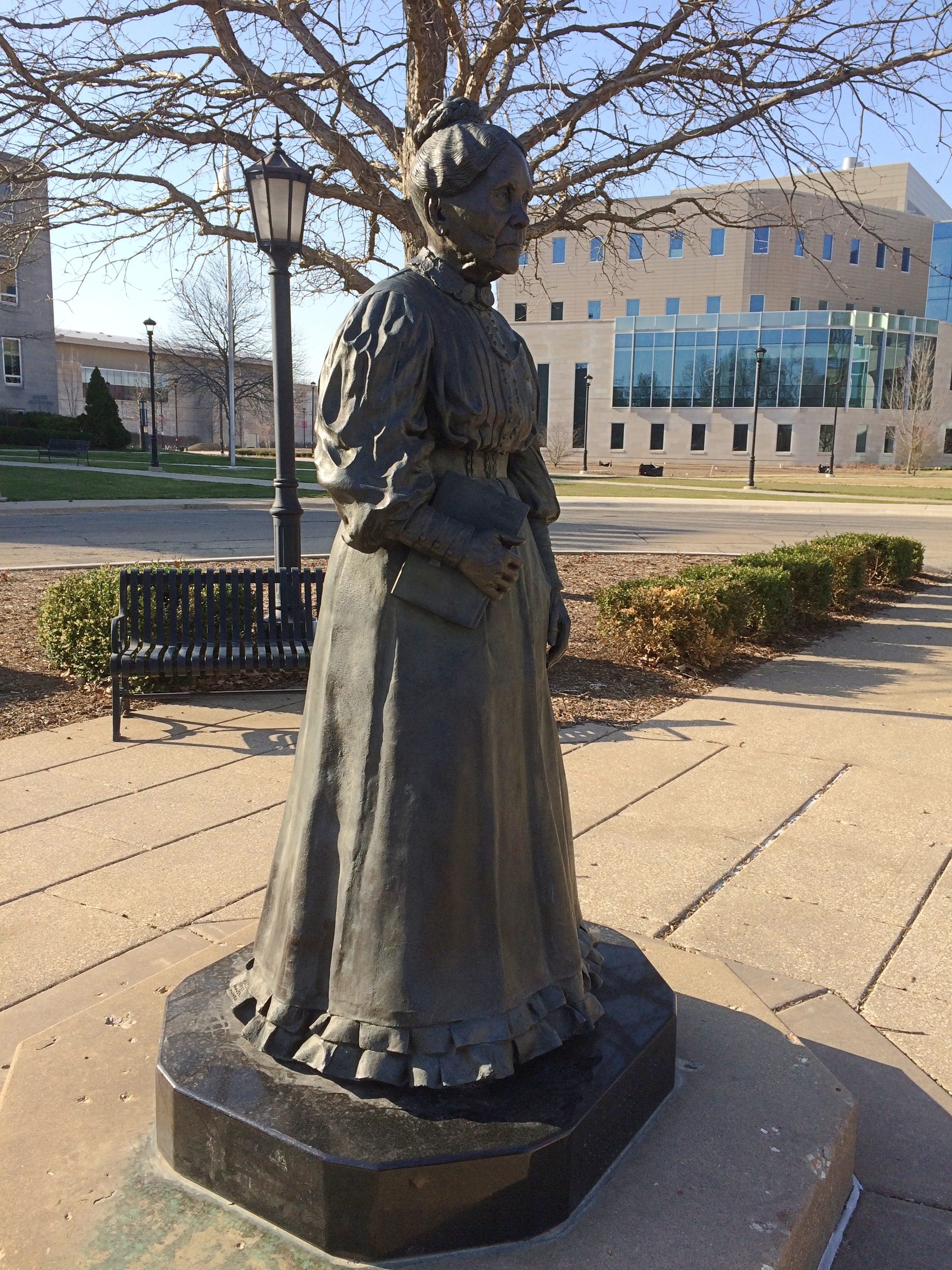
I have to appreciate a 21st-century building that bothers with gargoyles. Elsewhere, there’s a bronze of Lydia Moss Bradley (1816-1908) in her later years.Bradley UniversityShe founded Bradley Polytechnic Institute in 1897, later to become a university. The statue was erected for the centennial of the school in 1997.

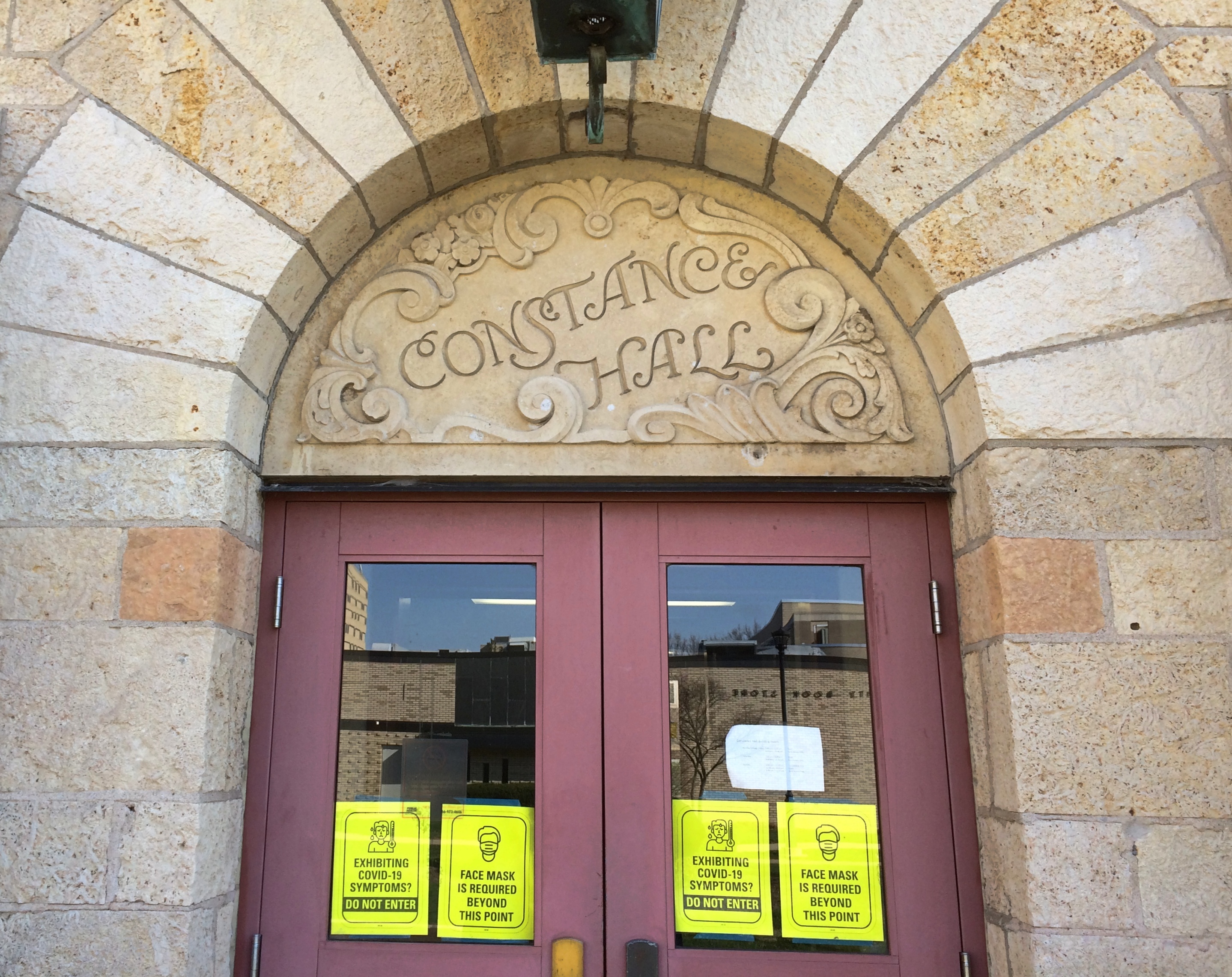
Other campus details that caught my eye follow. A small sampling.Bradley University Bradley University Bradley University
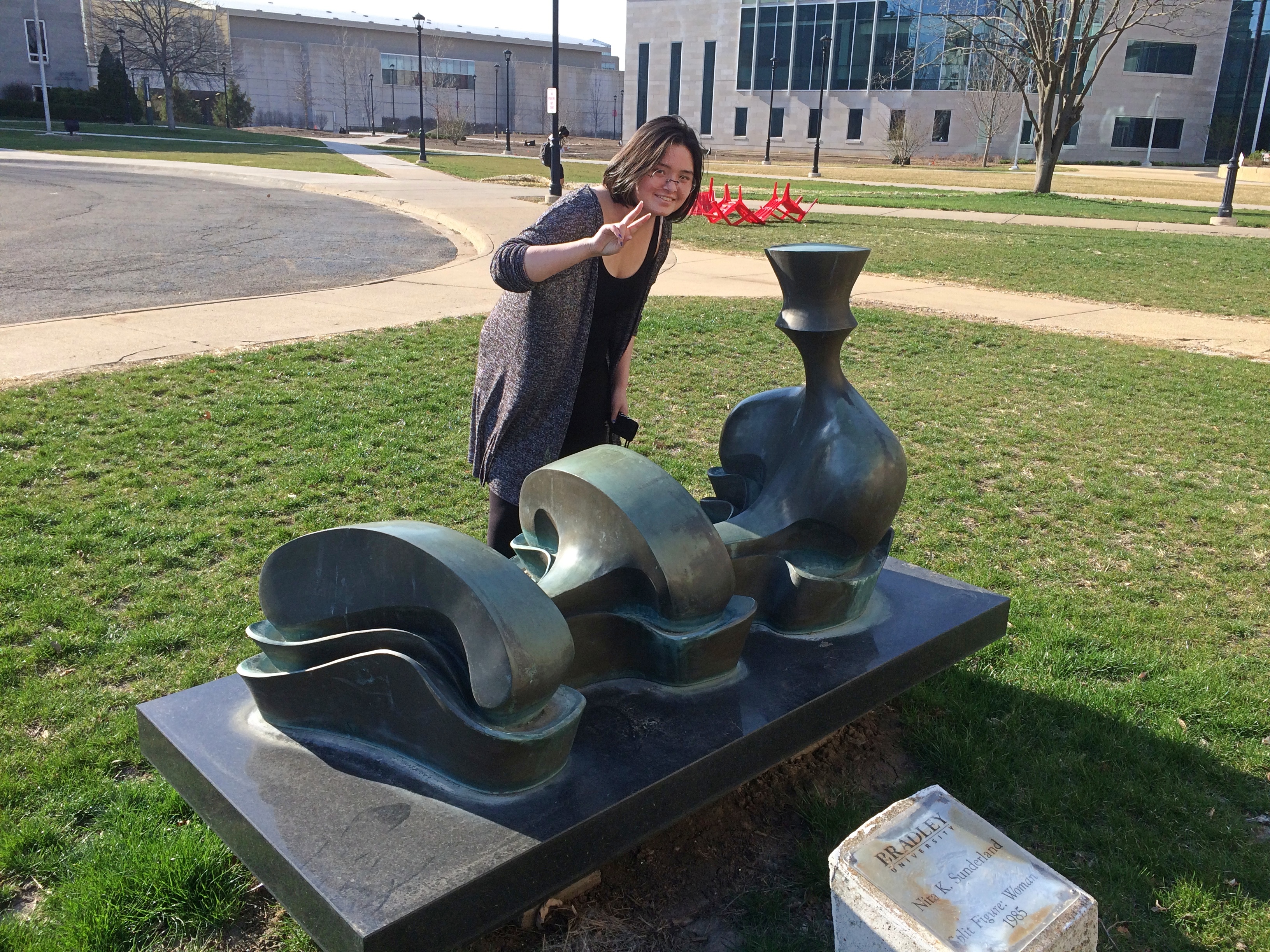
That last one is another bit of Bradley art, “Split Figure: Woman,” by Nita K. Sunderland, an art professor at the university who died only last year.

April Foolishness

Back again on Easter Monday, April 5. Happy Easter to all.

On a day like today, and in fact today and no other day, I wake up and think, It’s April, fool. I could do that each day for the next 29 and still be right, but it’s not the same somehow.

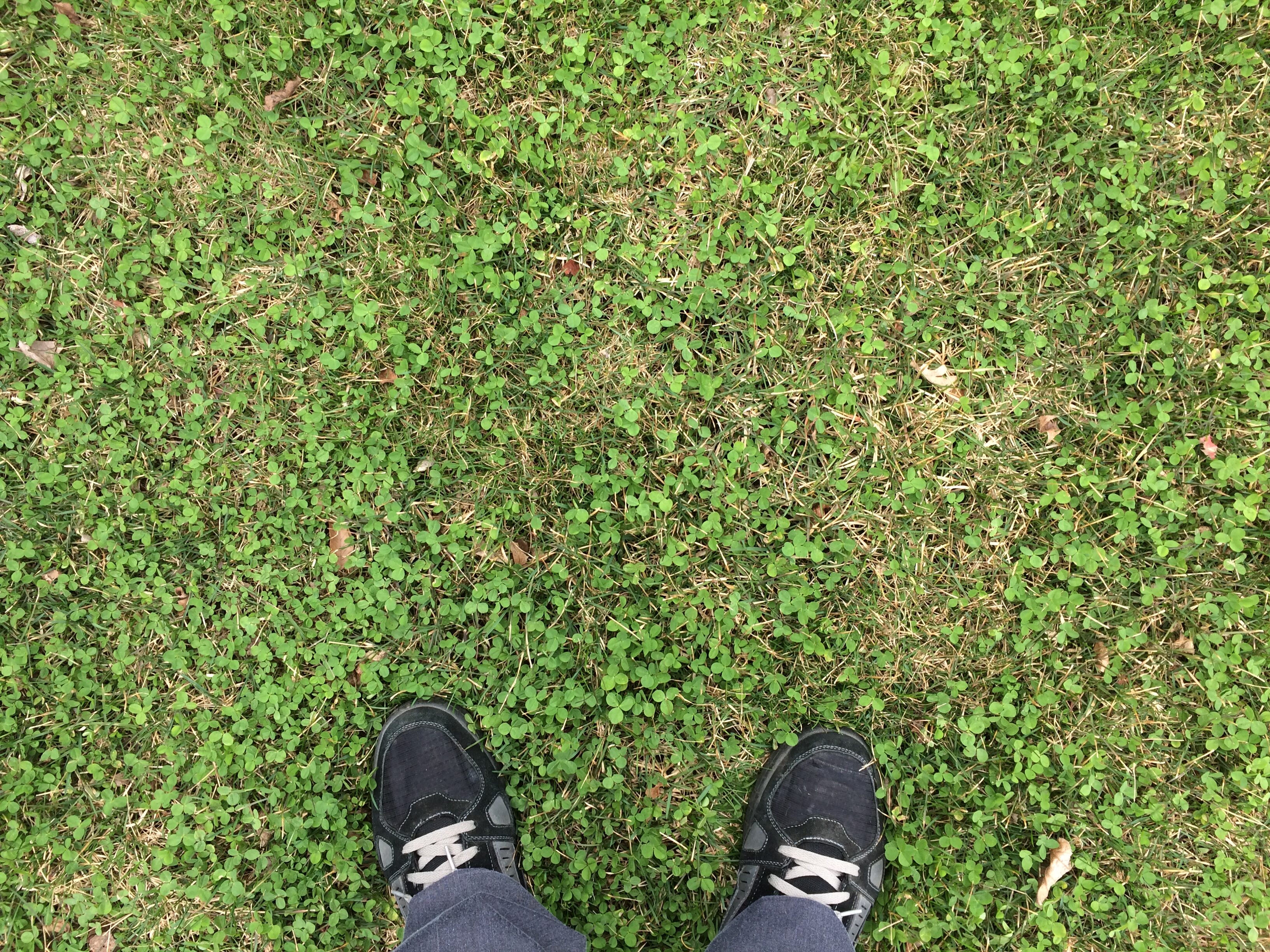
Well below freezing this morning, but such temps won’t last. Not long ago I was pleased to see clover underfoot.

I’ve seen two (?) four-leaf clovers over the years. I can’t remember exactly. I know I spotted one in Nashville years ago. This source at least, claiming an empirical survey, says that one clover per 5,076 has four leaves, so it is a rarity. And five-leaf clovers are one in 24,390. Never seen one of those, or the one-in-312,500 six-leaf clover.

How is that most “clover-leaf” interchanges have four circular ramps, like the variety we aren’t likely to see? Shouldn’t we think of another name? Maybe Buckminster Fuller did. Quadrocircles or something.

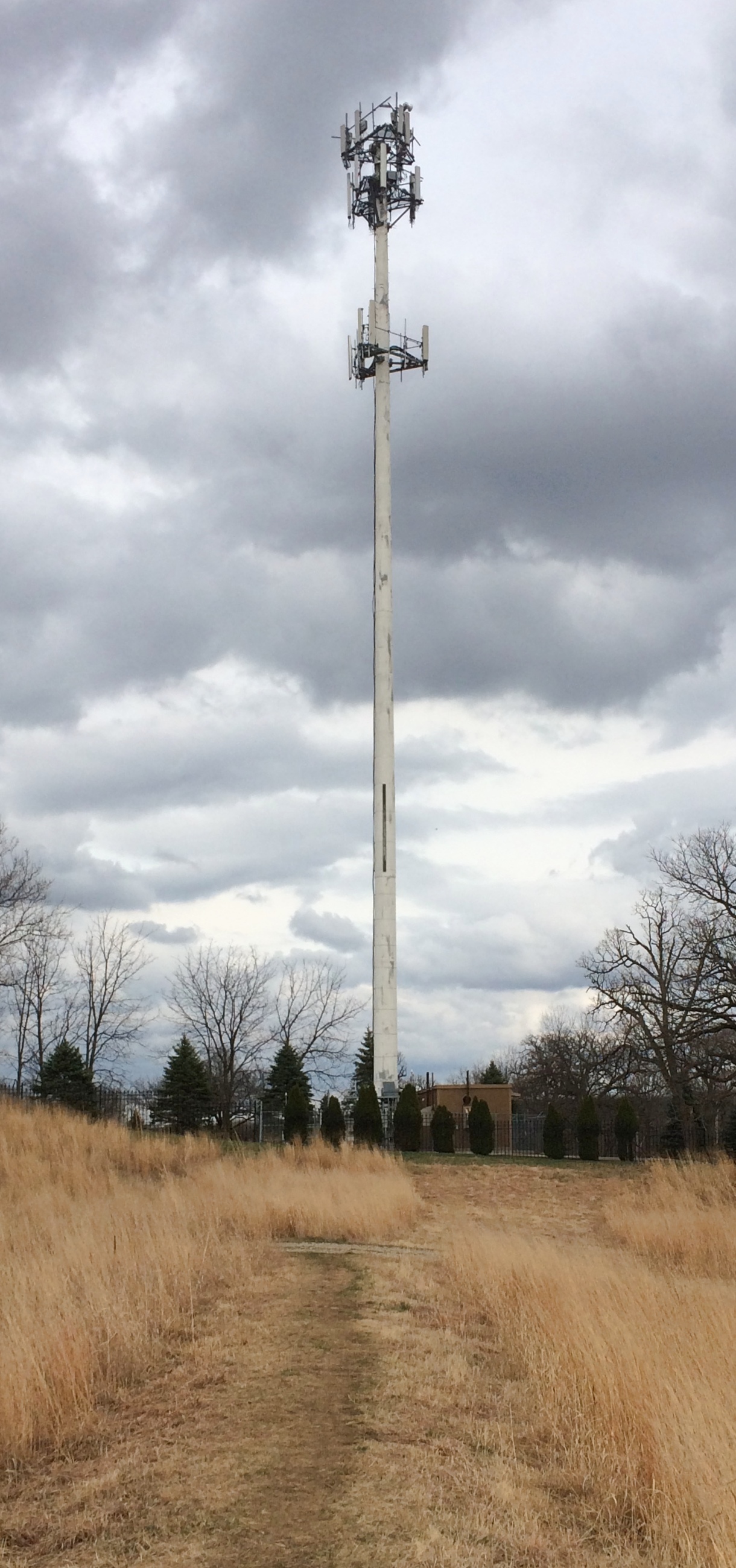
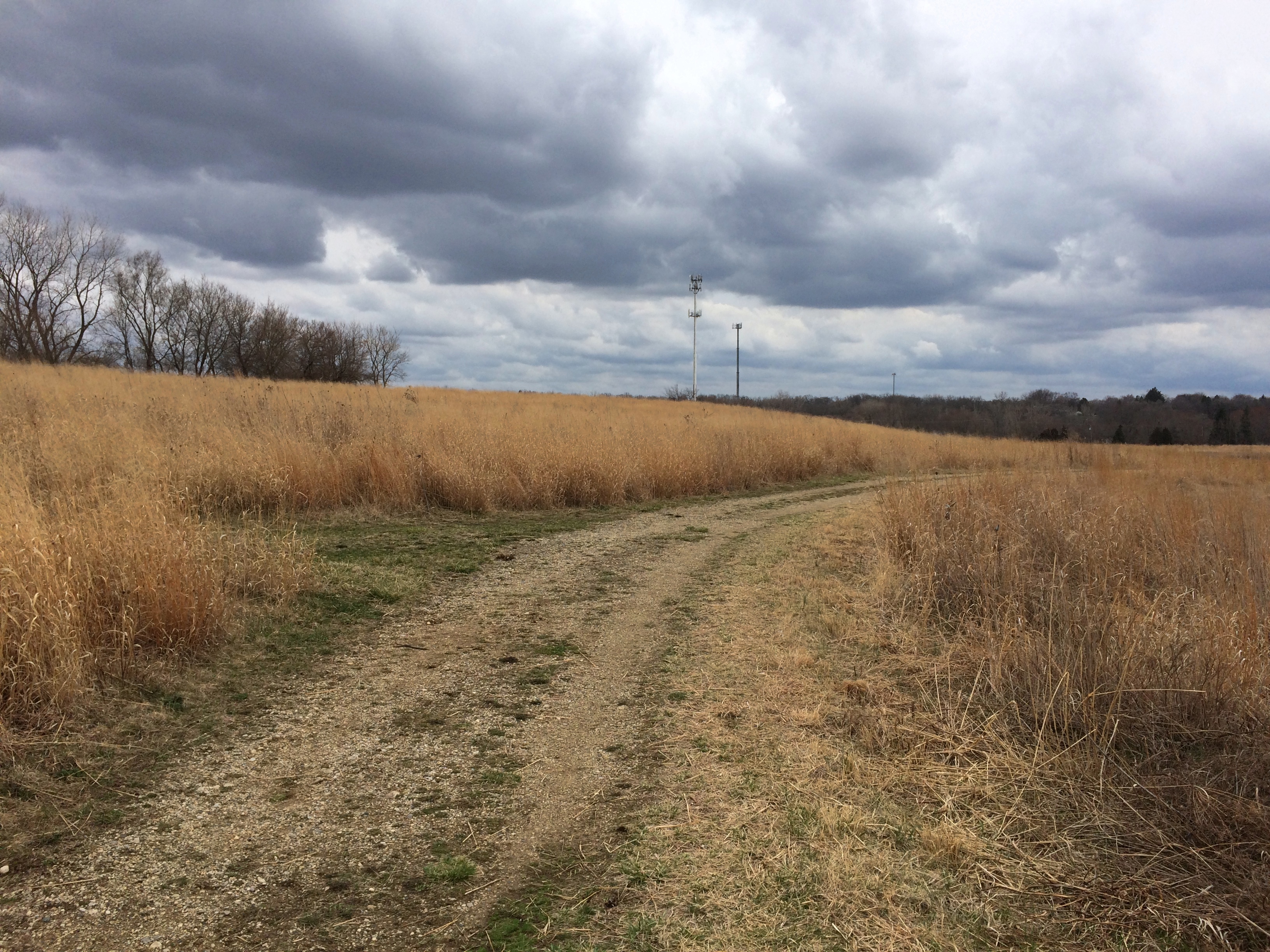
A cell tower I saw last weekend near Jelke Creek Bird Sanctuary.

Why take a picture of something so pedestrian? It occurs to me that members of some future generation might quarrel about preserving some of the last standing cell towers as reminders of the 21st century. Most were long gone, having outlived their usefulness after everyone had those satellite-receiving transponders implanted behind their ears.

Also: more about governmental units from the Census Bureau. Jay once told me that Texas is fond of setting up specialized governmental districts, and so it seems.

“Texas ranks second among the states in number of local governments with 5,147 active as of June 30, 2012,” the bureau says. No townships — the Republic of Texas originally spurned such notions, perhaps, and maybe the state banned them in the 1876 constitution (everything’s in there) — but there are 2,600 special district governments.

Besides ordinary things like school districts and housing authorities, they include (and this isn’t a complete list) advanced transportation districts, coordinated county transportation authorities, county development districts, fire control and prevention and EMS districts, freight rail districts, fresh water supply districts, groundwater conservation districts, irrigation districts, levee improvement districts, local mental health authorities, intermunicipal commuter rail districts, multi-jurisdiction library districts, navigation districts, municipal power agencies, noxious weed control districts, rural rail transportation districts, rural and urban transportation districts, soil and water conservation districts, water improvement districts, sports and community venue districts, sports facility districts, and underground water conservation districts. What, no fire ant control districts?

Also: the Edwards Aquifer Authority, Palacios Seawall Commission, Riverbend Water Resources District, Ship Channel Security District, and the Upper Sabine Valley Solid Waste Management District.

Whew. To cross Texas is to cross a welter of districts. Who is number 1 in governmental units, if vast Texas is second? Illinois, with 6,936 as of June 30, 2012. What about the state with the least governmental units? I’d think it was Idaho or Vermont or Little Rhody, but no: Hawaii, with 21. Rhode Island is no. 49, with 133.

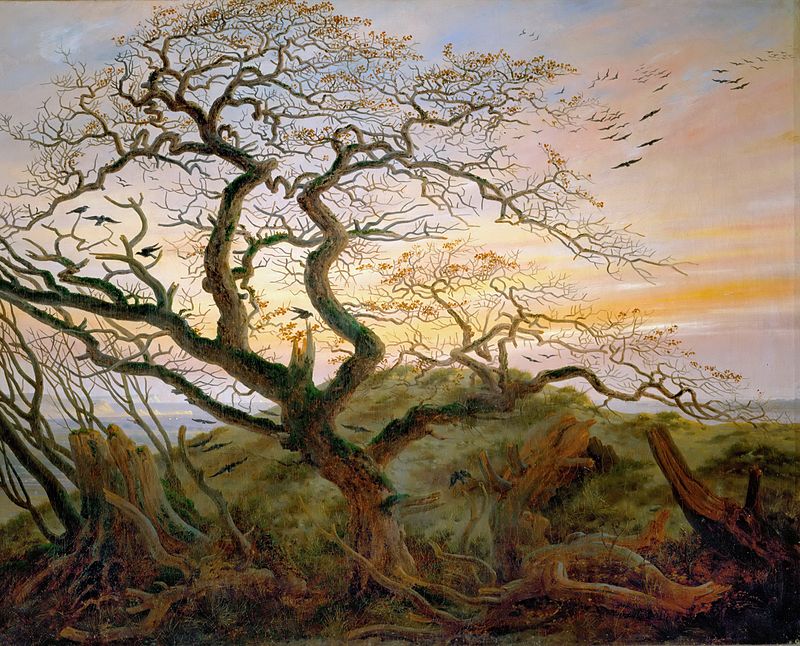
I understand that the Louvre has made all of its works available for viewing online, so the other day, I looked up “L’Arbre aux corbeaux,” by Caspar David Friedrich — “Krähenbaum” or “The Tree of Crows” (1822).

This is what I saw.

At Wikipedia, you can see this.

Both images unretouched. What’s up with that, Louvre?

From a press release that came my way recently: “Over the last few years, we’ve seen the rise of cleanfluencers from Mrs Hinch to Clean Mama. Like others, they’ve made the jump over to TikTok to provide us with their best tips and tricks, but how much could they potentially earn from their videos?”

Cleanfluencers? As usual, I’m behind the curve. As usual, I don’t give a damn. And of course, the reaction to this sort of nonsense isn’t new either.

Chestnut Park

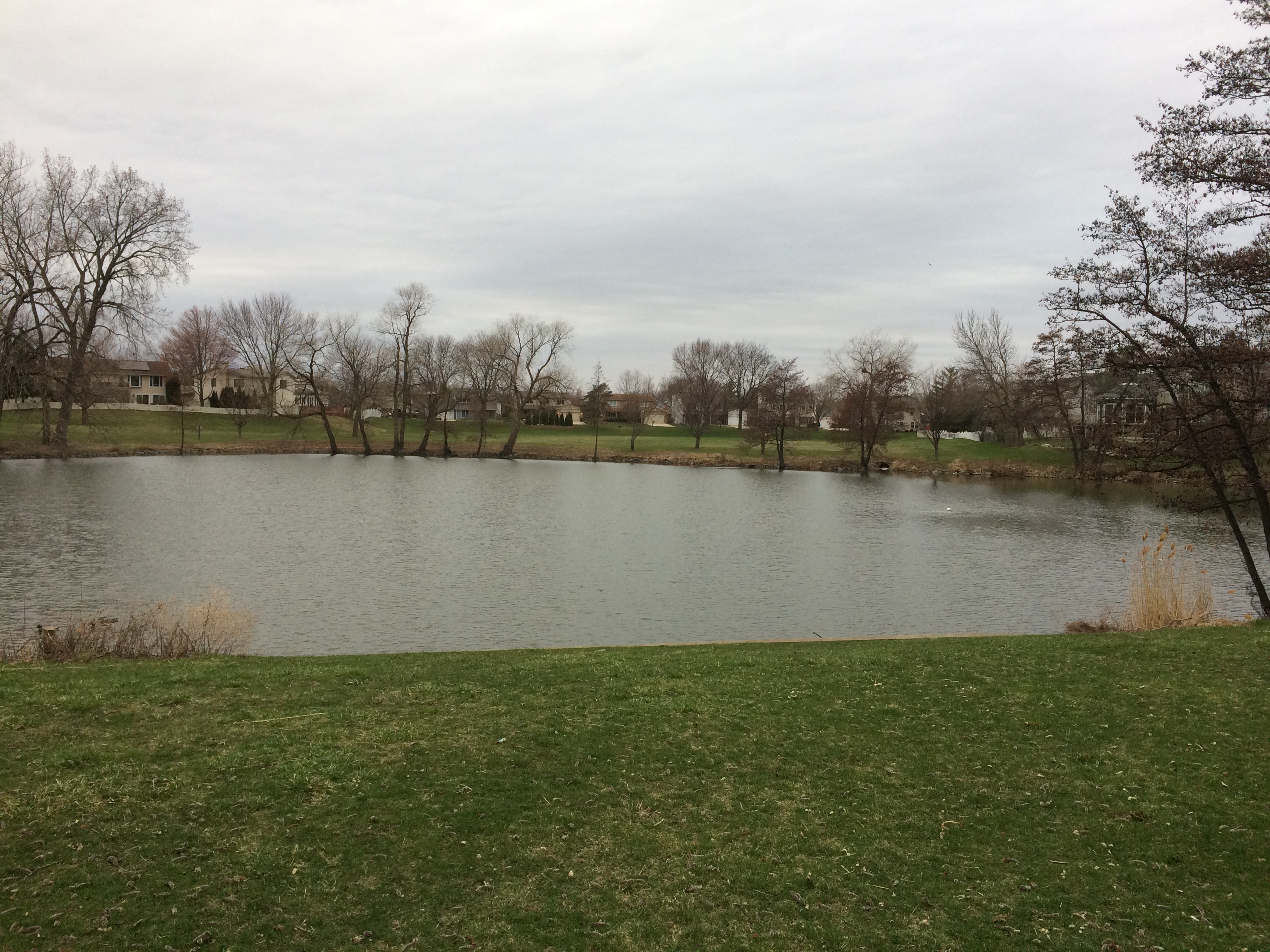
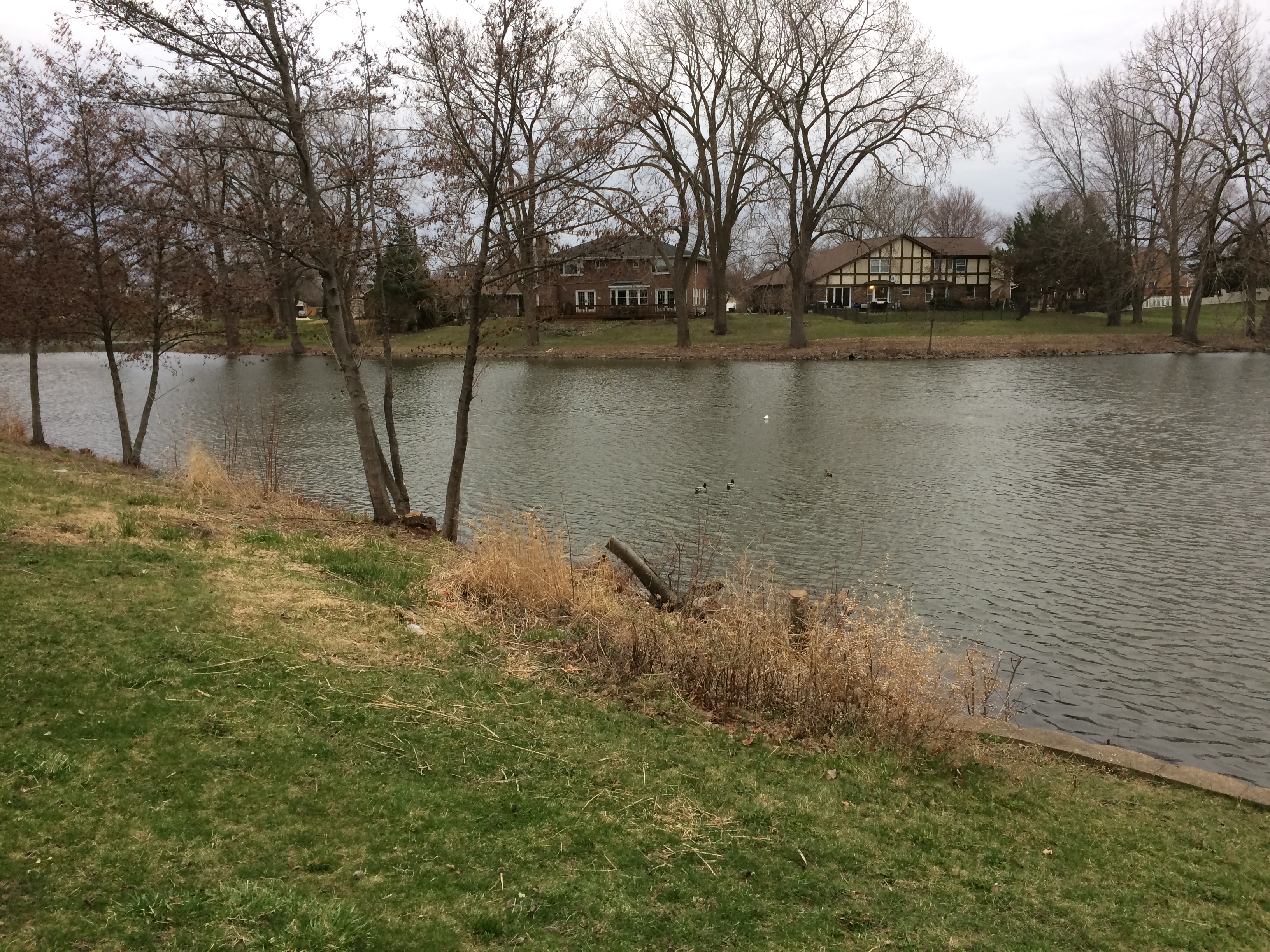
According to Google Reviews, or at least one reviewer, Chestnut Park, which is part of the Hoffman Estates Park District, is a good place to fish. Nice to know, though I don’t plan on fishing there. The other day I stopped by for a look at the park. Why? Because I’ve been driving by it for years — nearly 18 years — and never had done so.

It’s a pleasant pocket park, surrounded by houses and probably put in by the subdivider 50-odd years ago, with the fishing pond as the central feature. Maybe we can detect the hand of Jack Hoffman himself in the configuration of the park, or least one of his draftsmen.
Chestnut Park, Hoffman Estates

Chestnut Park, Hoffman Estates

Note that the grass has turned green. That seems to happen overnight around this time of year, sometimes in early April, but this year in late March.

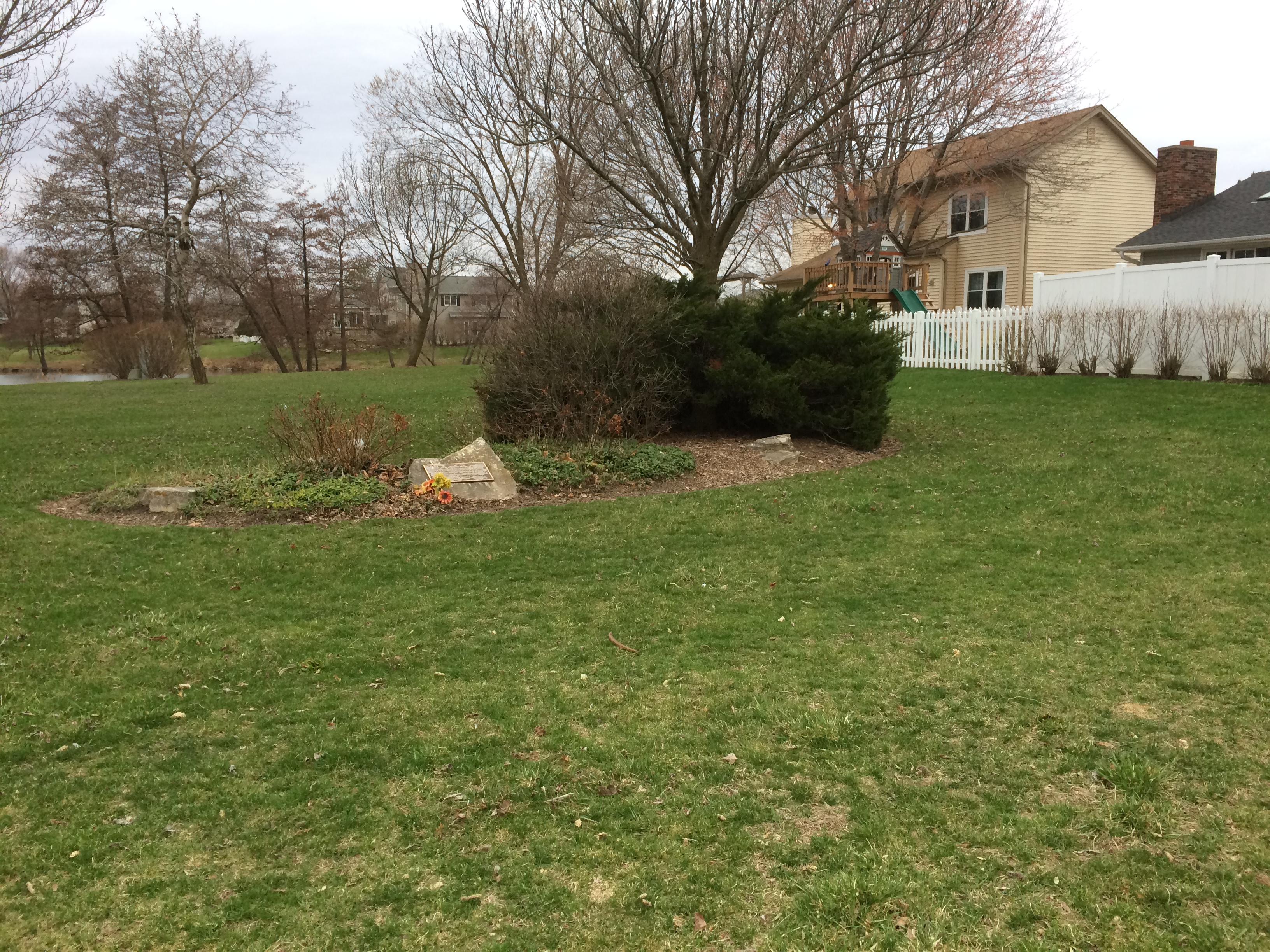
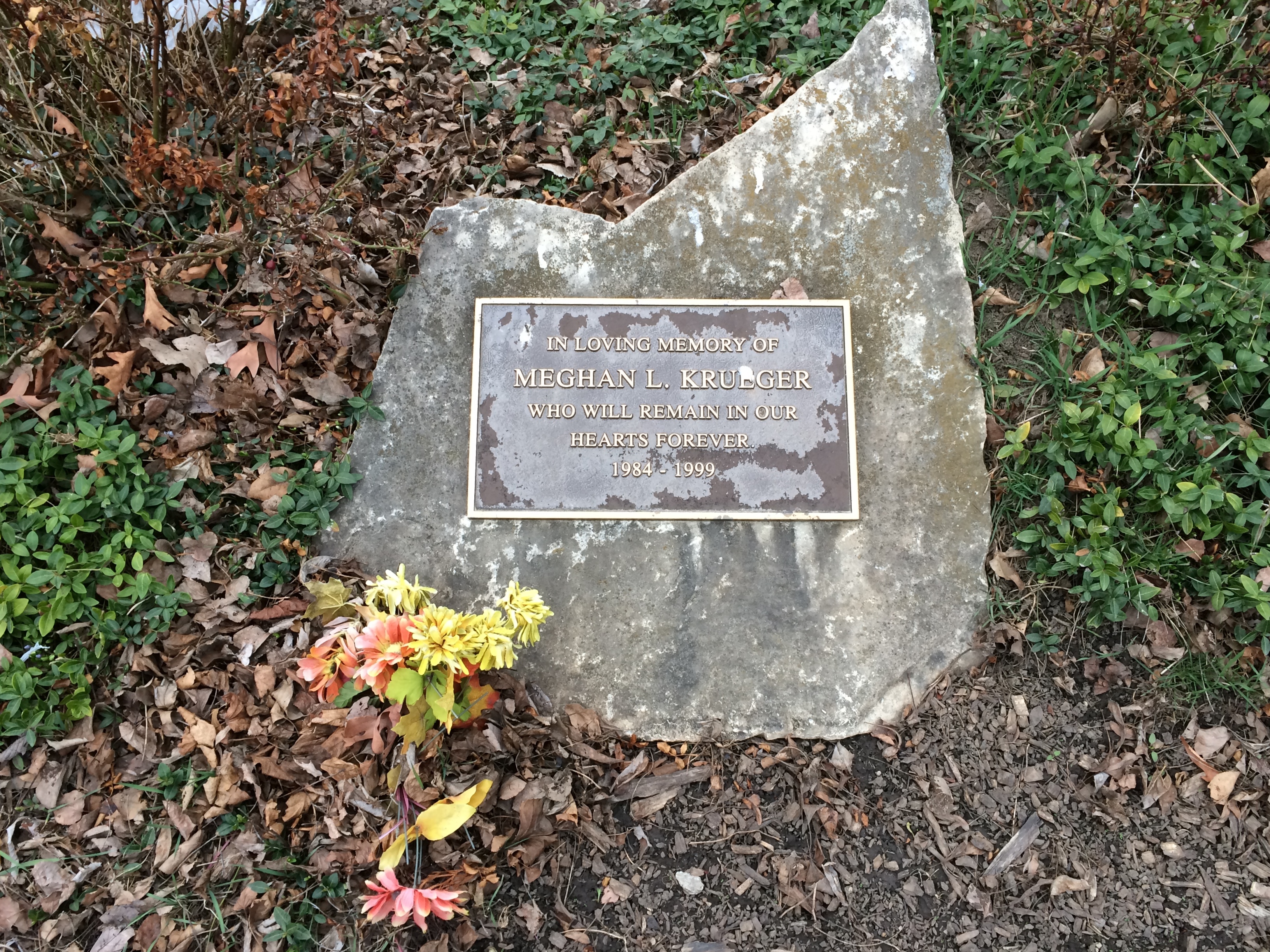
As I was leaving, I noticed a plaque on a rock. I’d never noticed that before, either. Chestnut Park, Hoffman Estates

Chestnut Park, Hoffman Estates

One of the large genre of sad plaques. It isn’t hard to learn what happened to Meghan. Not even 15 years old, she was killed crossing a major street near the park.

Not long afterward, the Illinois House passed a resolution honoring the girl, promising to build pedestrian overpasses at the major roads near Hoffman Estates High School, to prevent such a thing happening again. I drive by that location often, and I have to report that the Meghan Krueger Overpasses were never built here in chronically cash-starved Illinois.

Seen at Walmart

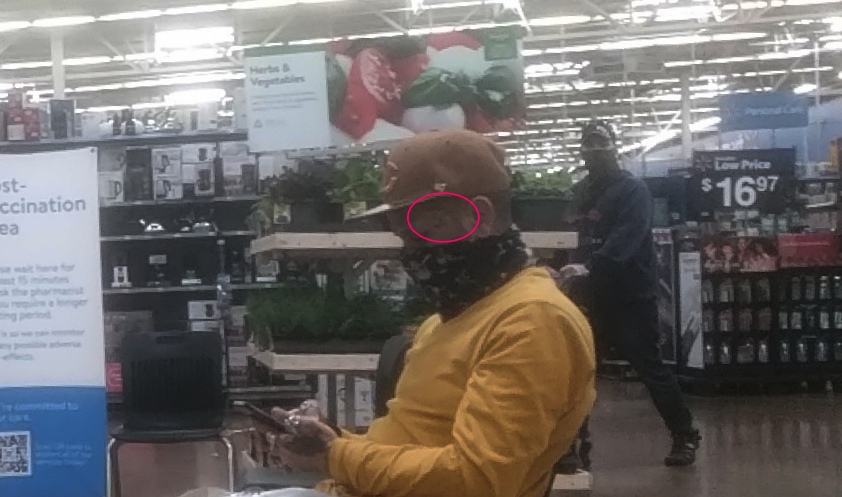
People of Walmart has been around a while, but I don’t go to Walmart enough to see anything that strange. Until I did. Not long ago, I spotted a fellow sitting at the post-vaccination waiting area in a Walmart, paying attention to his phone. Nothing odd about that.

He had a swastika tattooed on his face (right-facing 卐), and I have to say that’s just a little odd. I didn’t have my good camera with me, so it’s a little hard to see. But it was there.

He might claim that it’s an ancient symbol of spirituality, and of course he’d be right. Except that it was so completely shanghaied by the Nazis that the symbol in our time comes with, let’s say, some insurmountable baggage. Yeah, he said to himself at one point, I want that inked on my face.

Jelke Creek Bird Sanctuary

One thing leads to another, especially on the Internet, and yesterday I found myself curious about the township as a unit of government. That led to a document published by the Census Bureau, which tells me (p. 80) that there are 1,431 township governments in Illinois, at least as of 2012. There are townships in one form or another in 20 of the several states, and in Illinois, 85 of the state’s 102 counties have townships within their borders.
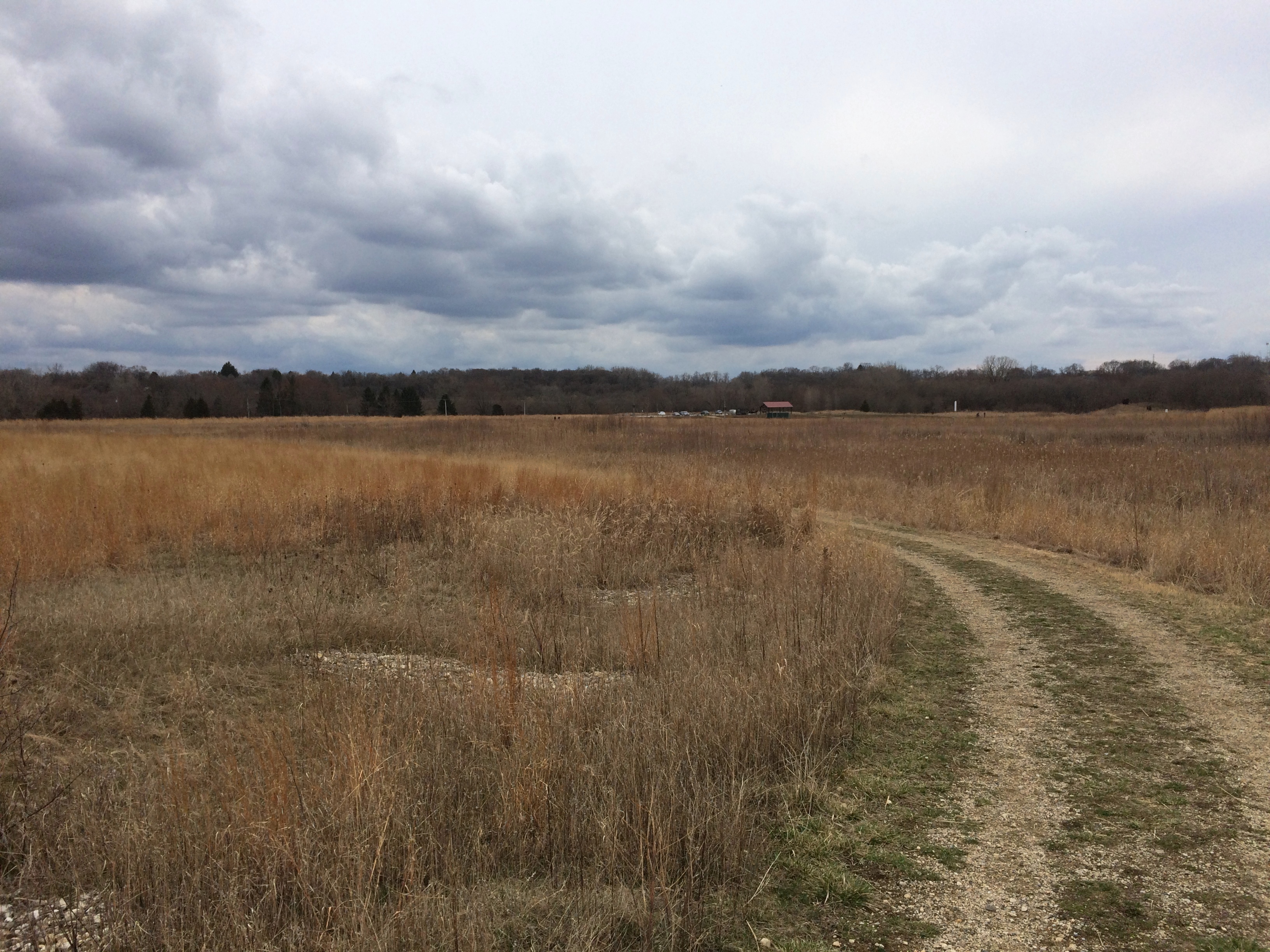
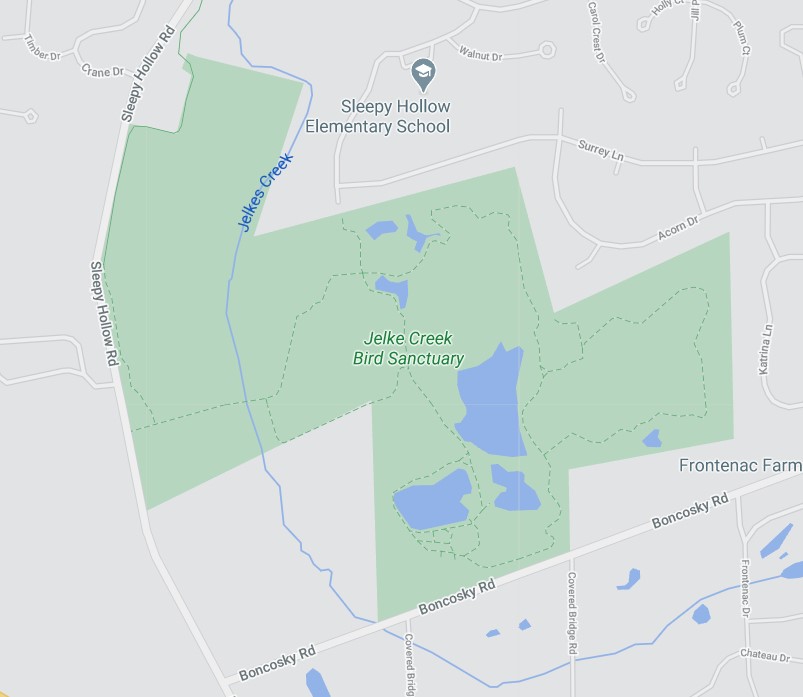
I looked into townships when I found out that Jelke Creek Bird Sanctuary is a township park, not part of the Forest Preserve District of Kane County. Specifically, the sanctuary is overseen by Dundee Township, which occupies almost 36 square miles in the northeast corner of Kane County.

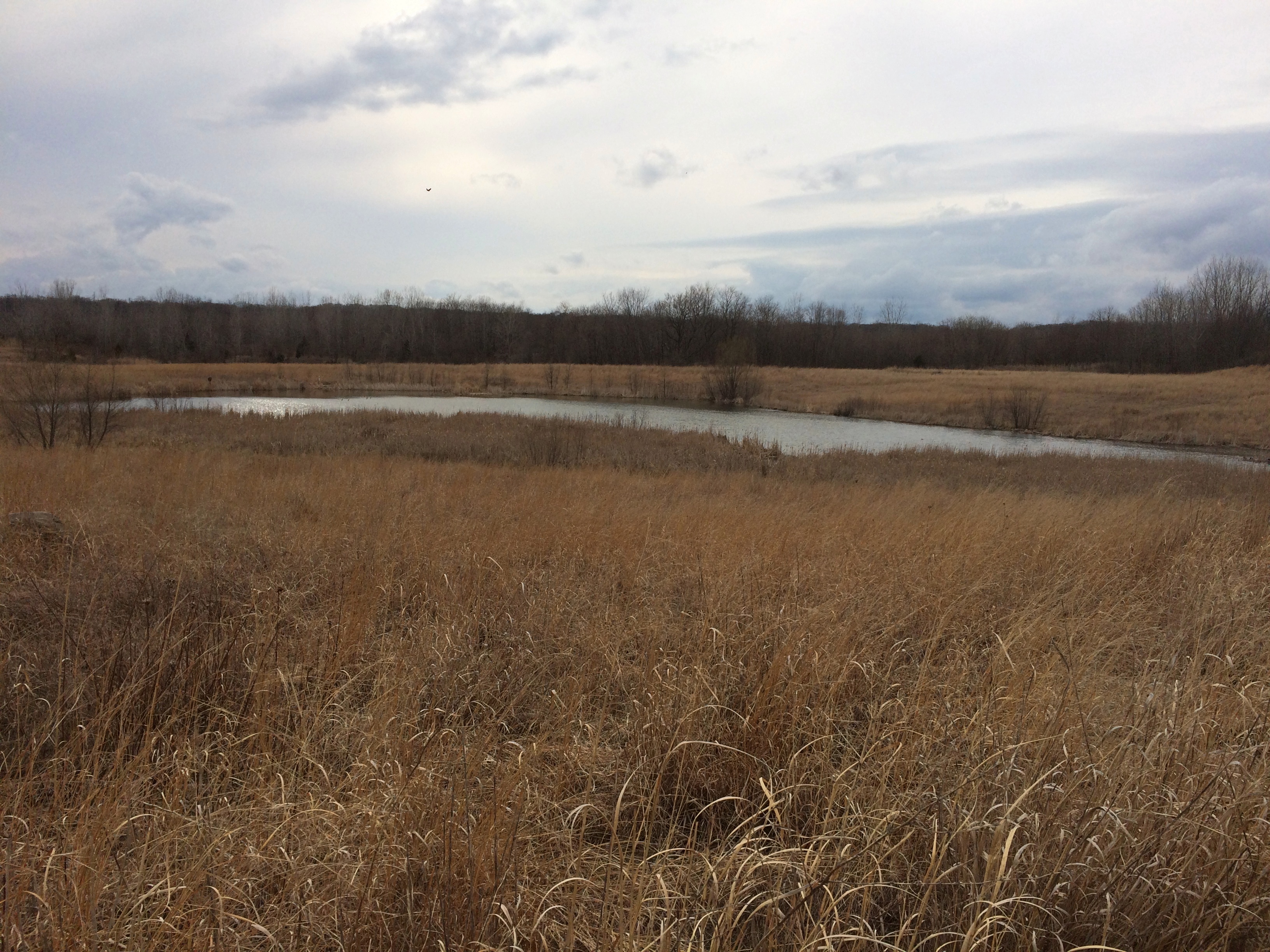
Last weekend was another divided one, at least as far as the weather was concerned. Saturday was pleasant and warm, while Sunday proved blustery and chilly. So on Saturday we headed mostly west and took a walk at Jelke Creek Bird Sanctuary. We took a loop through the property that didn’t happen to pass by Jelke Creek, which is a tributary of the Fox River and, of course, ultimately the mighty Mississippi.
Jelke Creek Bird Sanctuary

Why there? I found it by one of my usual techniques: scanning Google Maps.

The sanctuary is fairly new as a public space. “This open space site was formerly owned by Chicago Elmhurst Stone and the Schuetz family,” the township explains. “The property was purchased as two separate parcels in 2000 and 2001 with grants from IDNR’s Open Lands Trust program at a cost of $4,128,709. The site’s 244 acres are partially protected by an IDNR easement.”

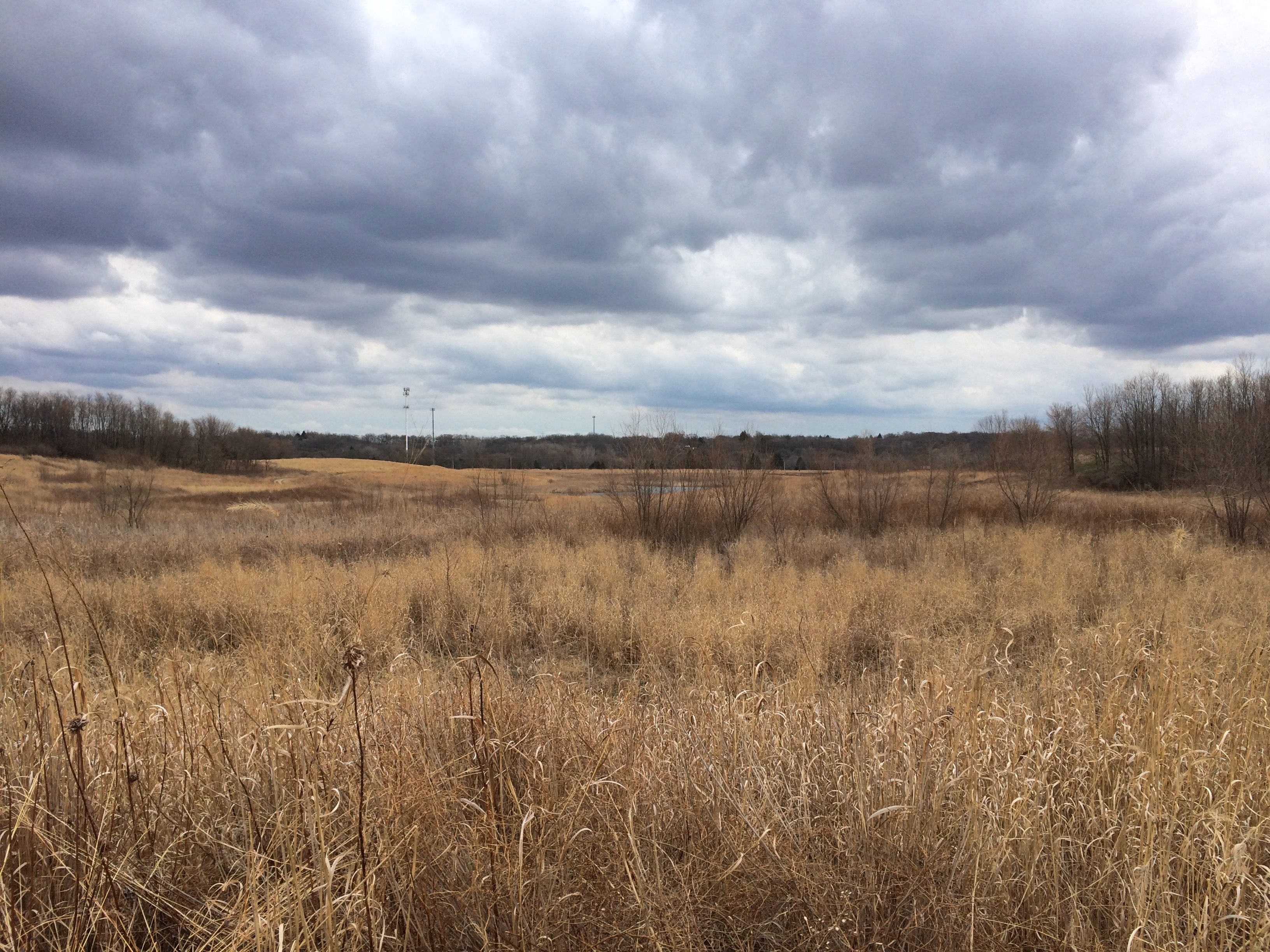
Saturday was a good day for a walk there. Summer would be less pleasant, since there isn’t a lot of shade along most of the trails.Jelke Creek Bird Sanctuary

Jelke Creek Bird Sanctuary

Jelke Creek Bird Sanctuary

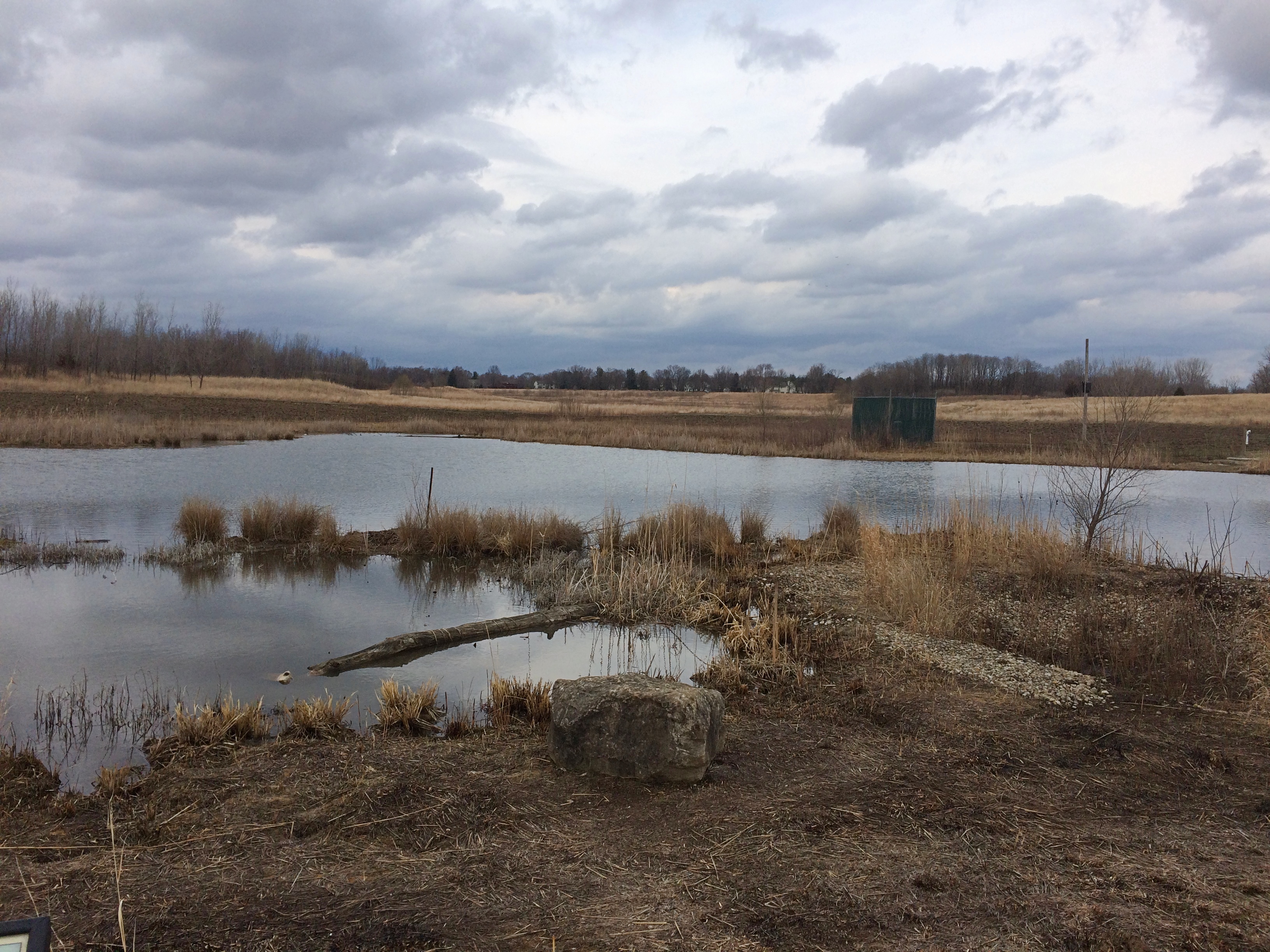
There are some water features. Mid-sized and small ponds. A few spots along the trails were muddy, but mostly they were dry.Jelke Creek Bird Sanctuary Jelke Creek Bird Sanctuary

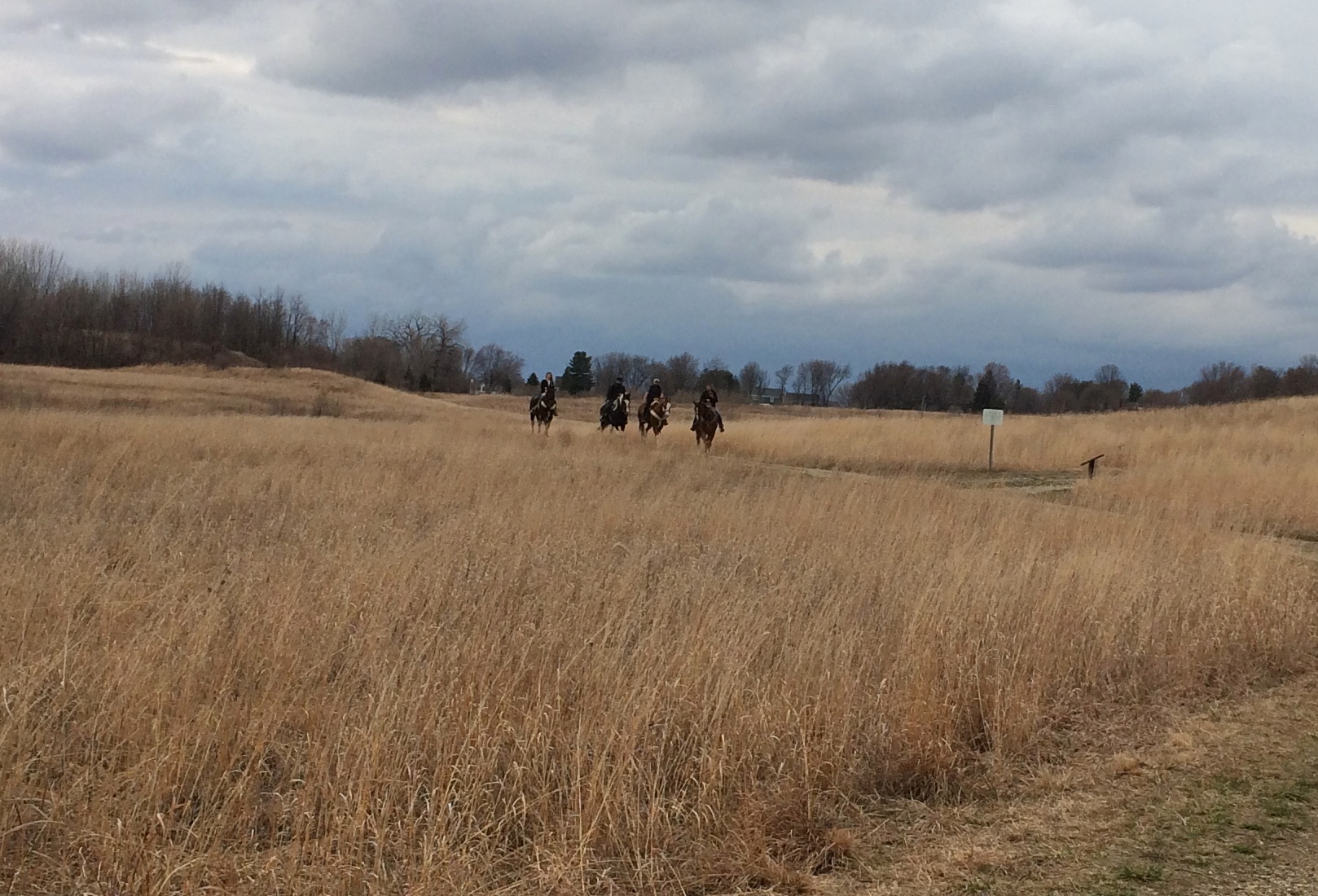
Not too many people were around, though at one point we did see four horses and riders. Not the Four Horsemen, fortunately.
Jelke Creek Bird Sanctuary
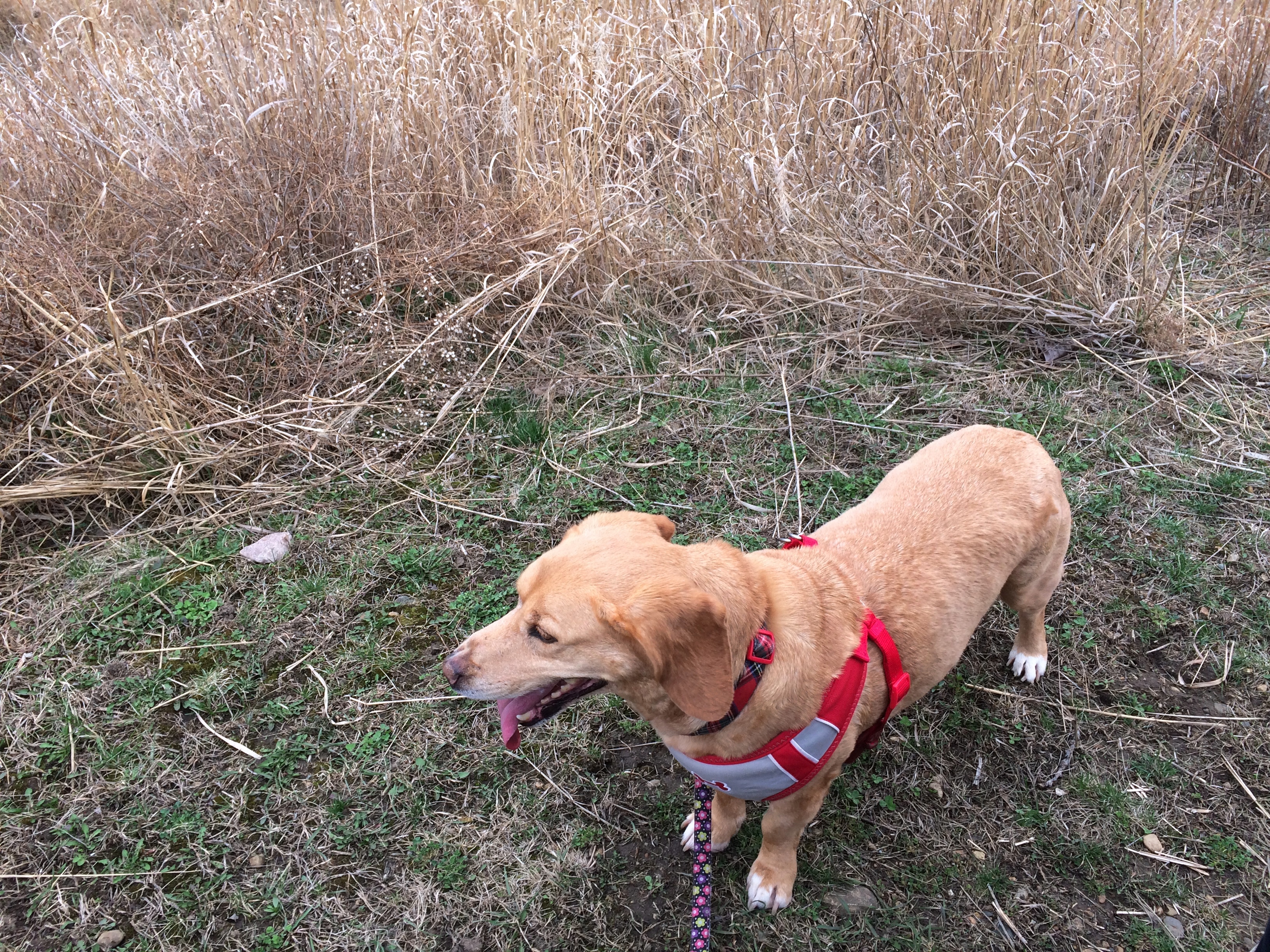
All together, we walked about a mile and a half, I’d say. The dog seemed to enjoy the walk too, including the opportunity to lap up a little muddy water. She wisely stayed clear of the horses.
Jelke Creek Bird Sanctuary
As for birds in the bird sanctuary, we heard some singing, but didn’t see more than a few sparrows and red-winged blackbirds. We passed by one small marshy spot and heard the croaking of frogs, which I took to be males in search of females for springtime action. As we got closer to the spot, the croaking tapered off. Maybe the frogs don’t like large animals eavesdropping on them. More likely, they’re as wary as small animals tend to be at the approach of something bigger.

Old Blanco County Courthouse

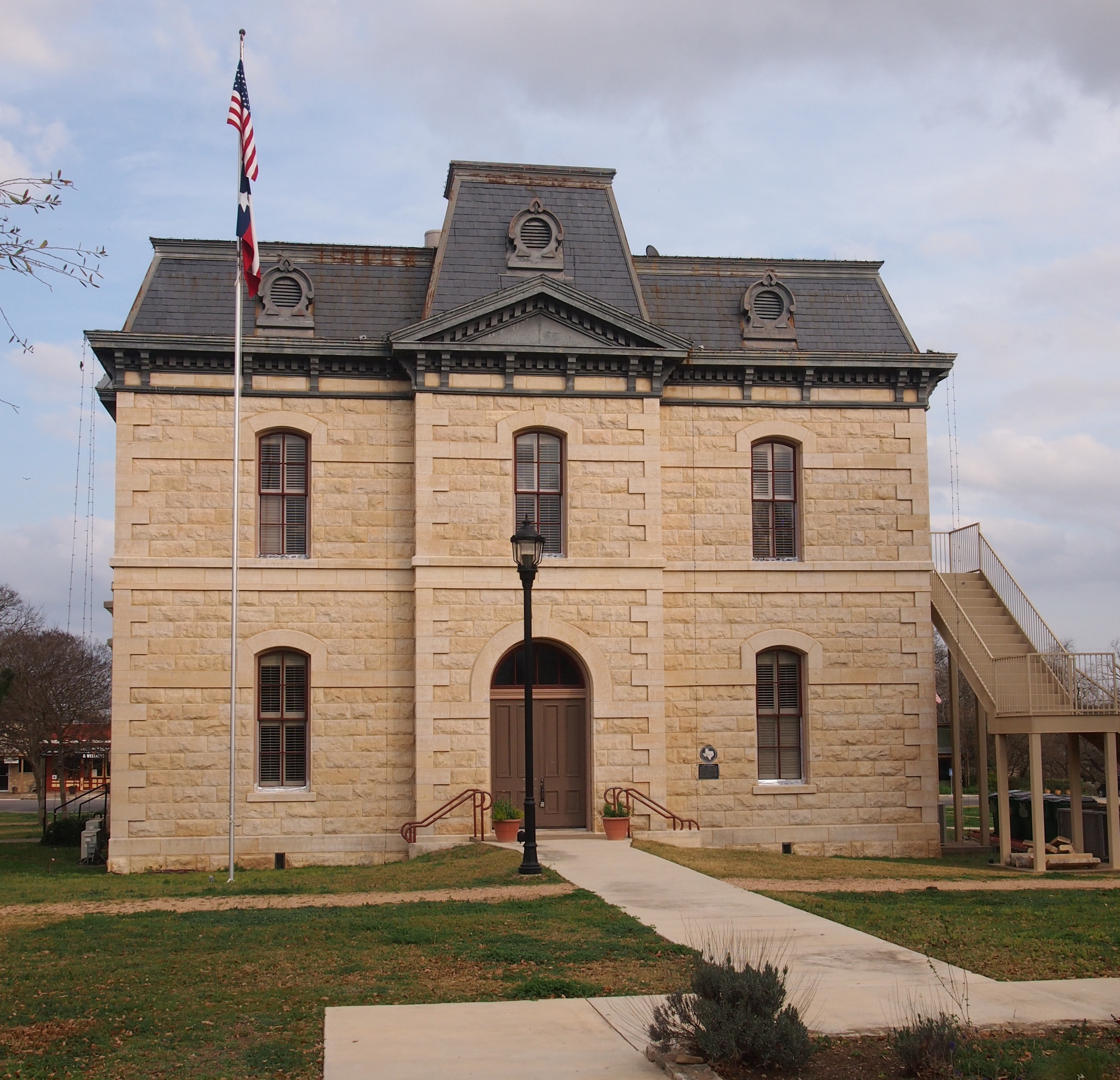
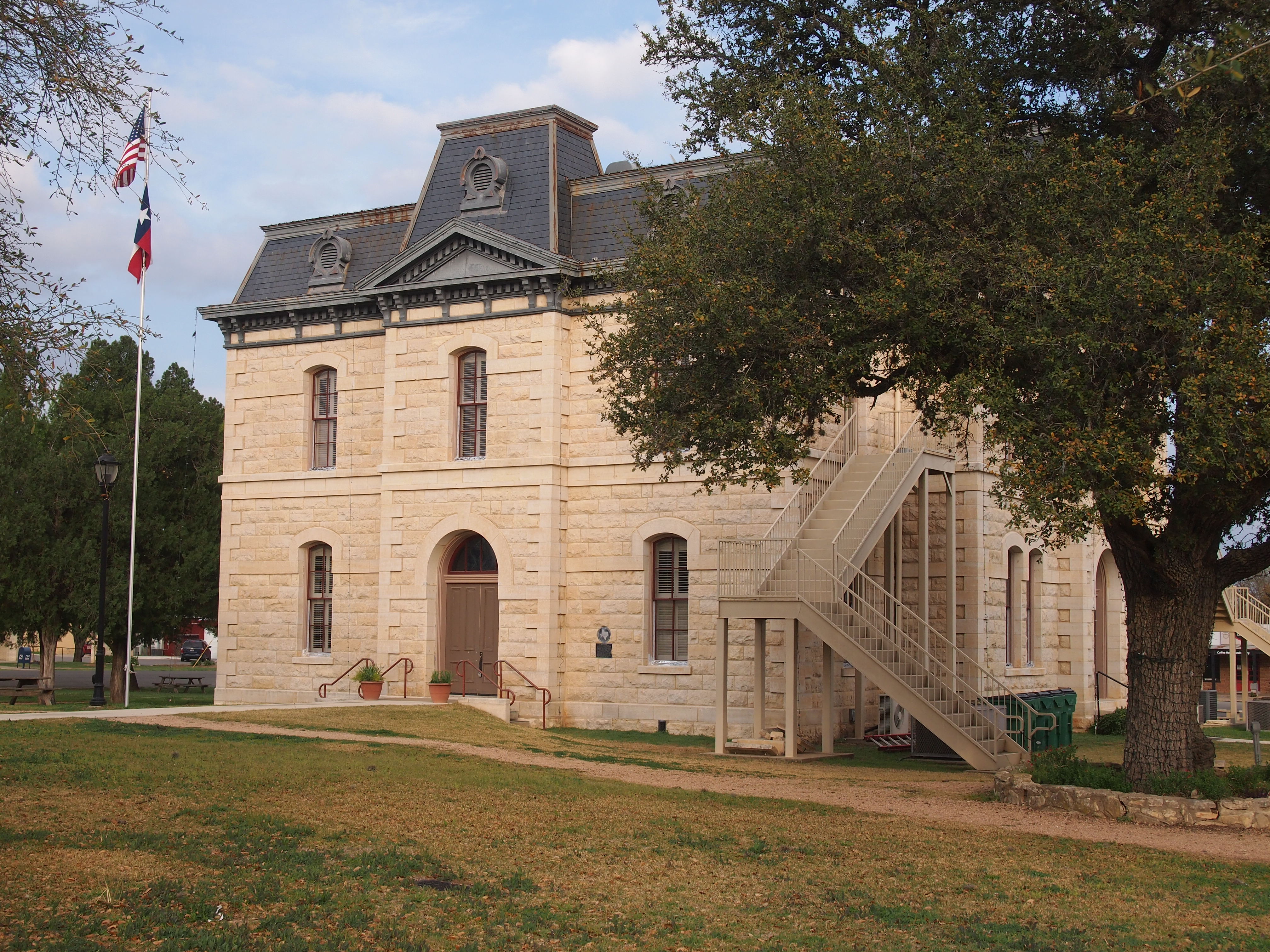
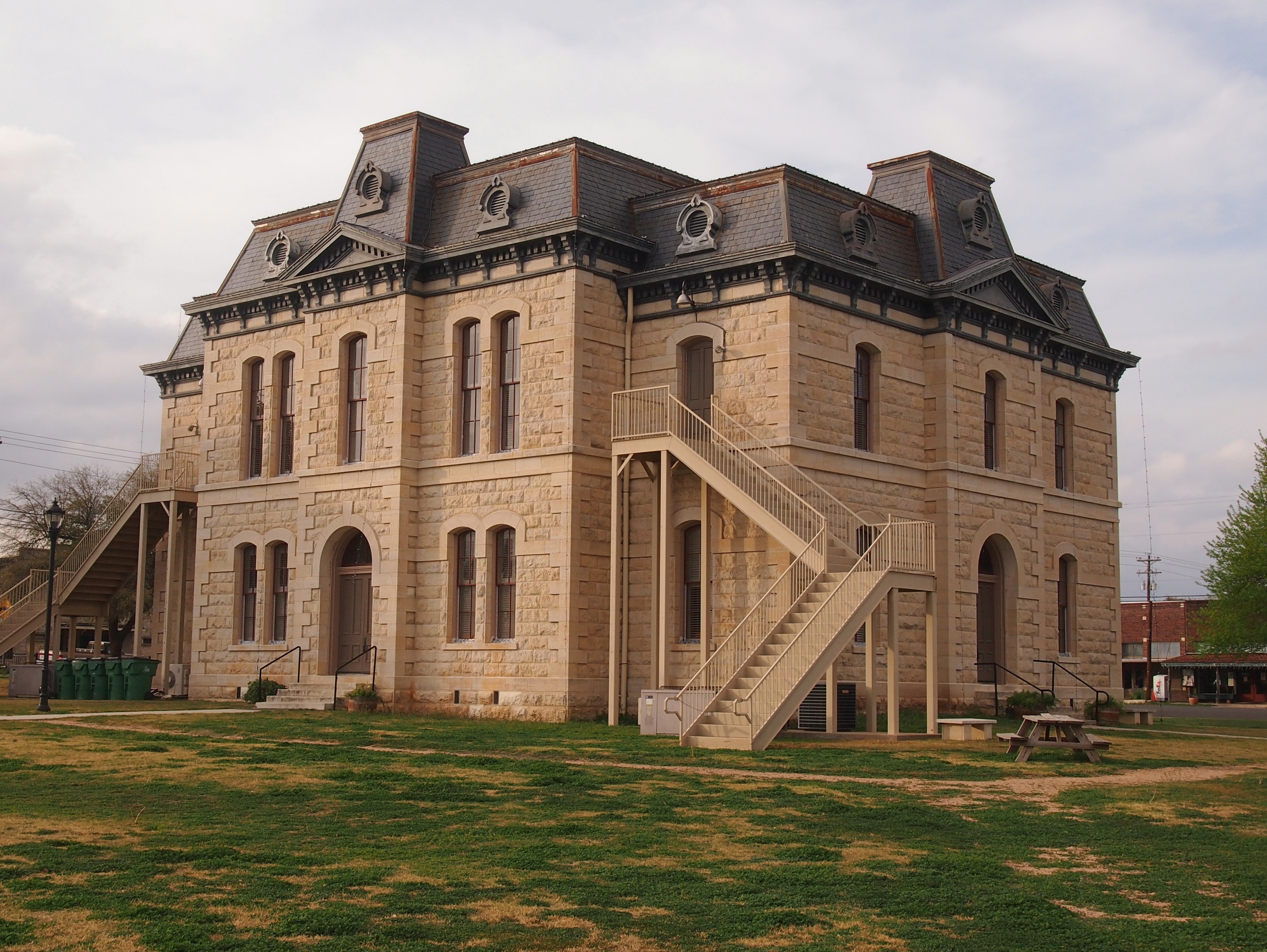
While I was footloose in the Texas Hill Country five years ago this month, I paid another visit to the Old Blanco County Courthouse in Blanco. I’d been there the year before, when Jay and I were in search of the Central Texas Bat Trail. It’s a fine old building, restored in recent decades.
Old Blanco County Court House Old Blanco County Court House Around back.
Old Blanco County Courthouse
Blanco isn’t the county seat of Blanco County and hasn’t been for more than 130 years; Johnson City is. So for decades the old courthouse was one thing and another, and now has an interesting little local museum on the ground floor, and office space as well.

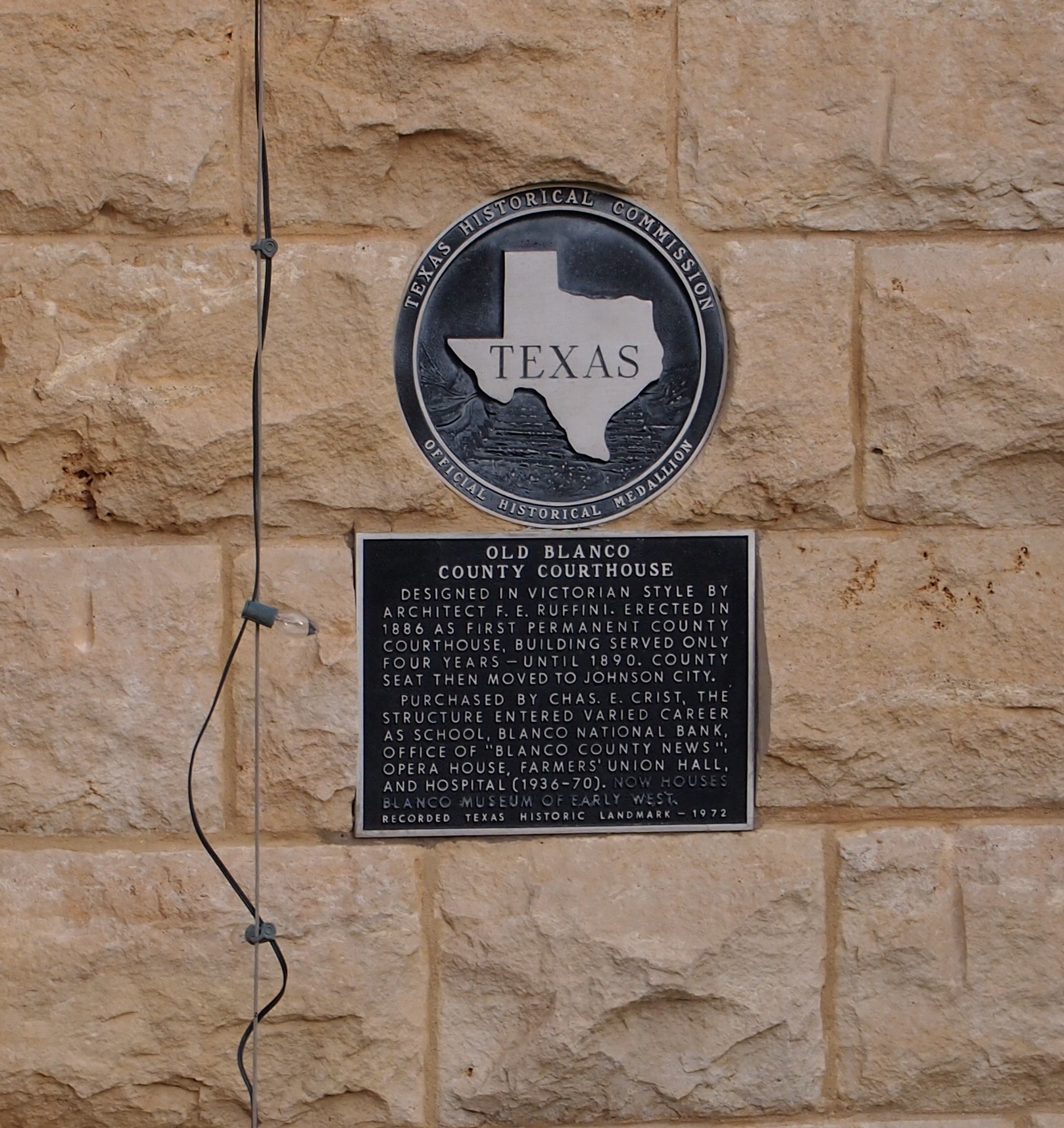
The State of Texas recognizes the structure as historic, and the building wears the distinctive Texas Historical Commission medallion.
Old Blanco County Courthouse
I remember seeing those medallions for almost as long as I can remember, especially the one on St. Paul’s Episcopal Church in San Antonio, which I found oddly fascinating as a kid. Who knows, that very one might have planted the seed for my later interest in the sort of markers, plaques, medallions and minor memorials that the world tends to stroll by without a glance.