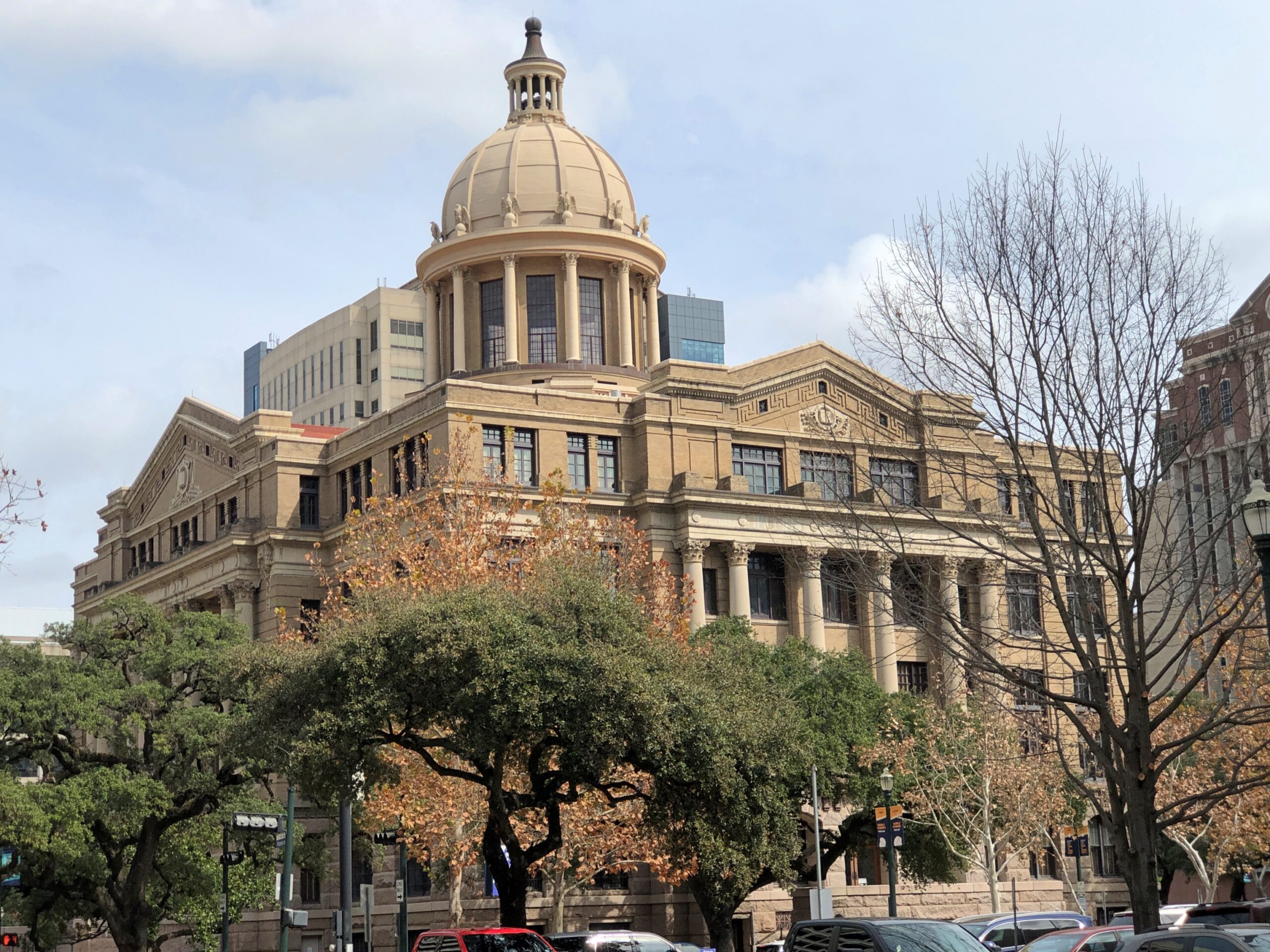
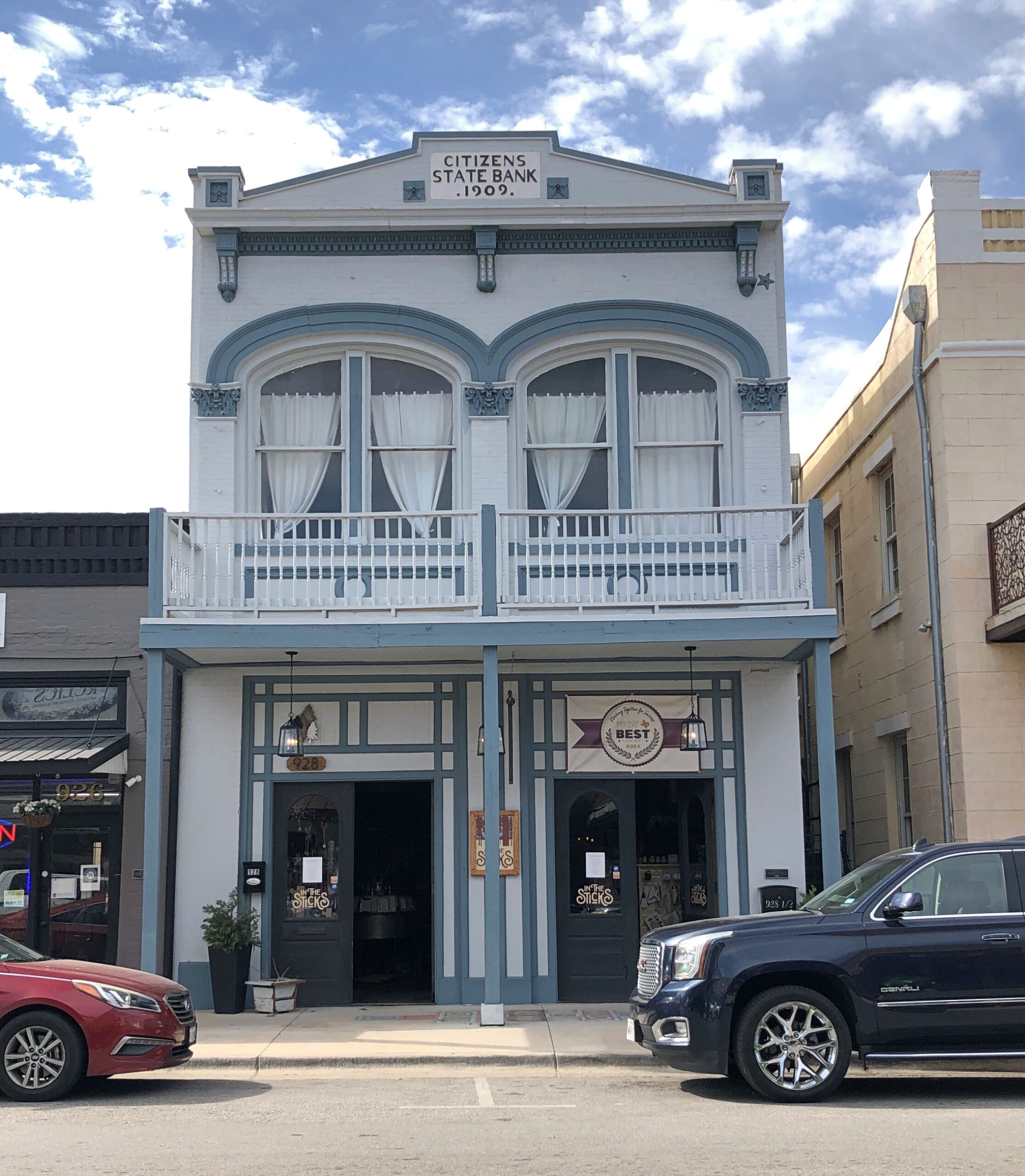
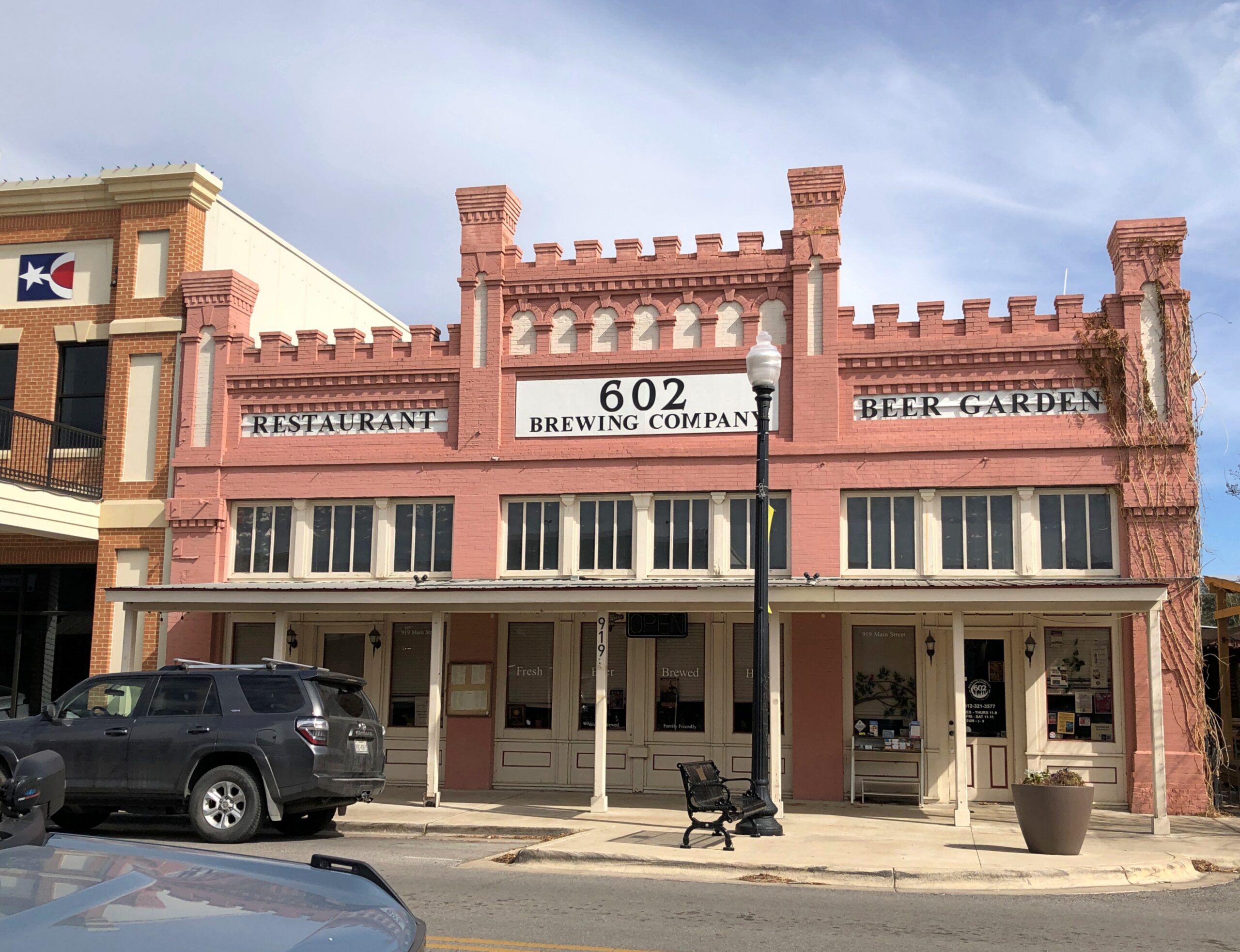
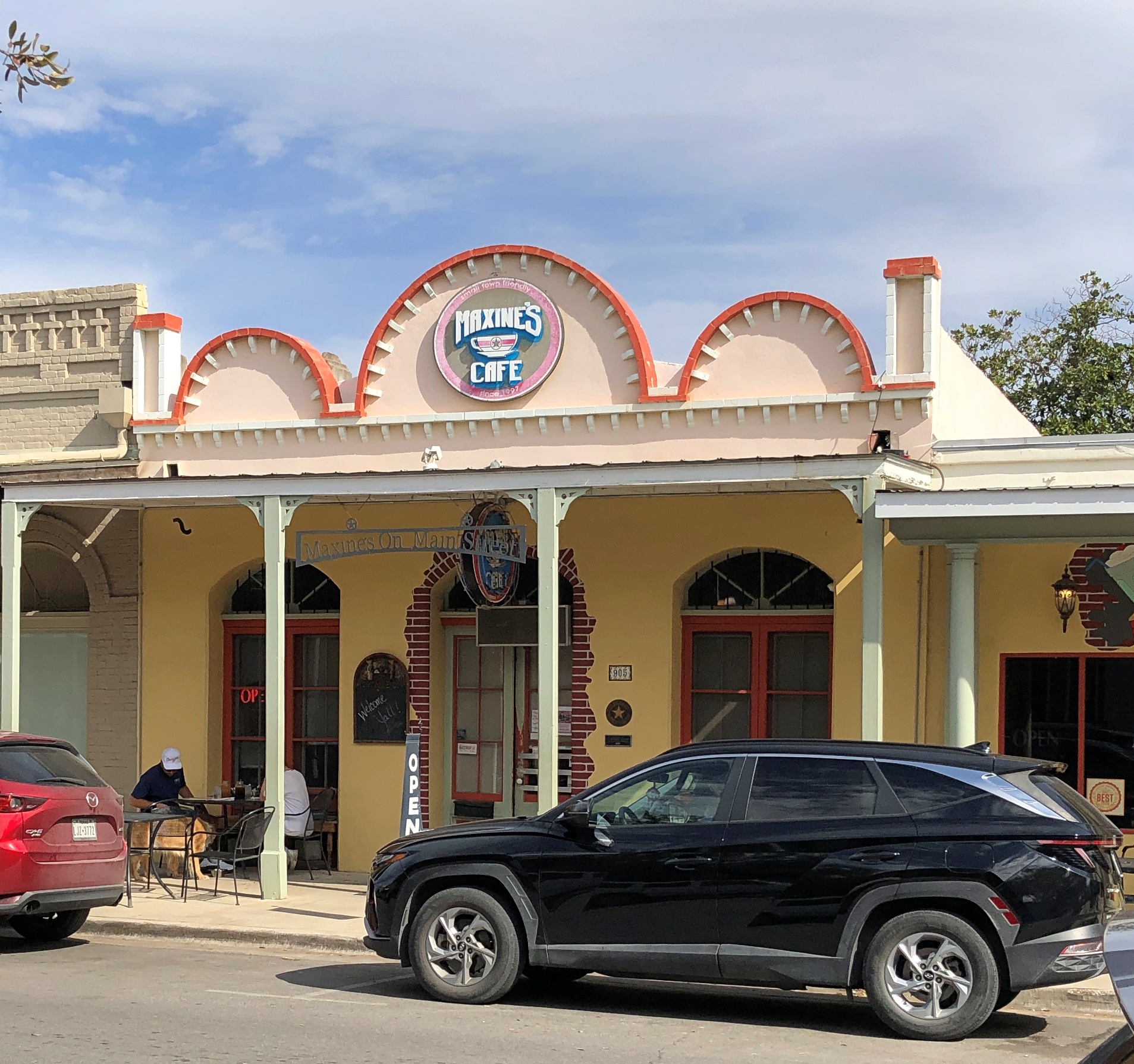
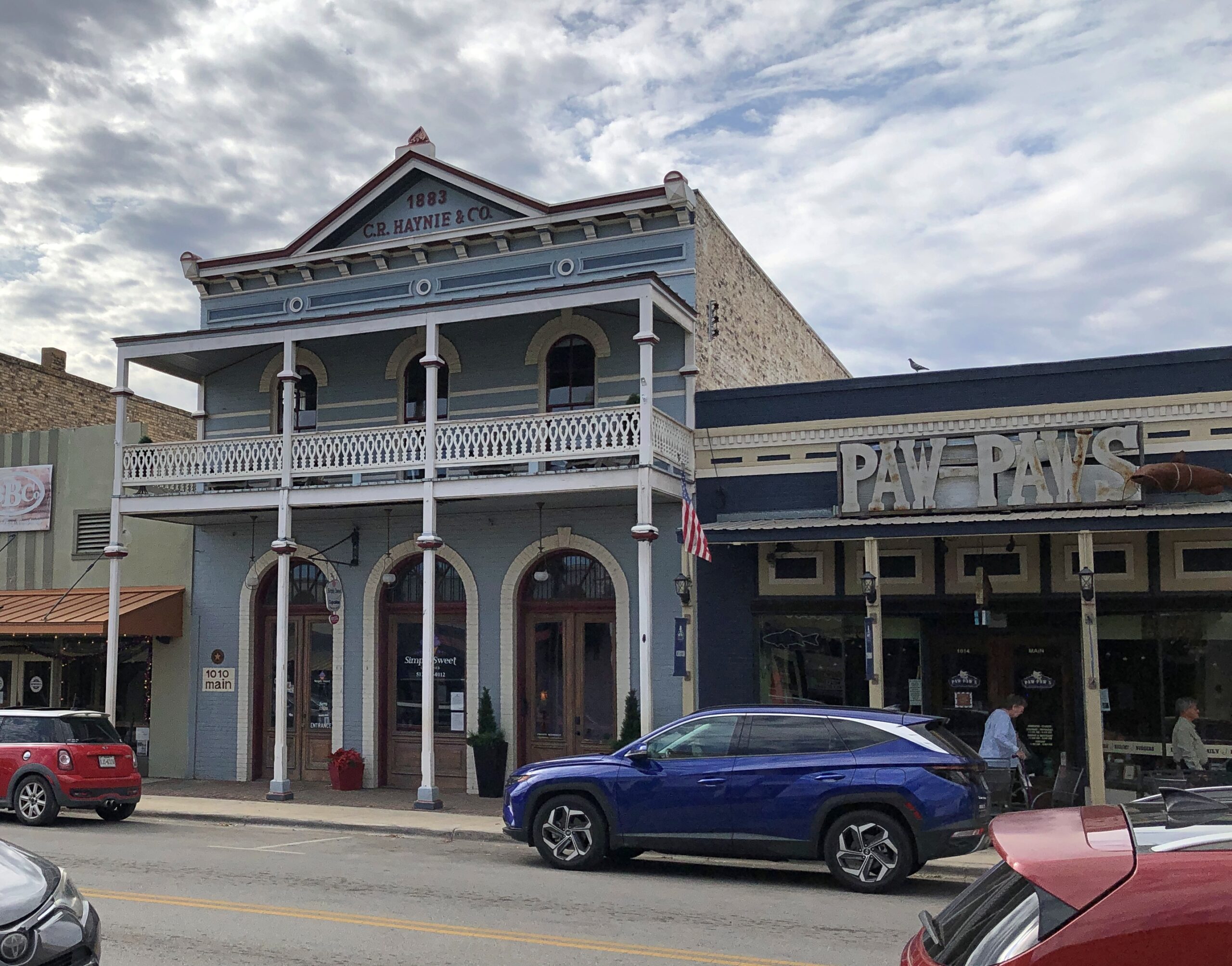
The Republic of Texas started out with 23 counties, with more carved out of those in the years afterward, until the most recent establishment, Kenedy County, in 1921. In our time, there are 254 counties, including (slightly) infamously, Loving County, pop. 64 last time I checked. If you go looking for a county with fewer people anywhere in the entire United States, you’ll be out of luck. Loving is it.
Strictly as a tourist proposition, county courthouses have a lot to recommend them. In all but the largest cities, they’re usually easy to find, on a square ringed by smaller buildings, and pretty much in the middle of their towns. They’re free, but not always open. Some have small museums; a few former courthouses are themselves more sizable museums. A good many date from the golden age of U.S. courthouse building, which I’d put from the end of the Civil War to the beginning of World War I.
With all that in mind, the following are five more Texas county courthouses I saw this time around.
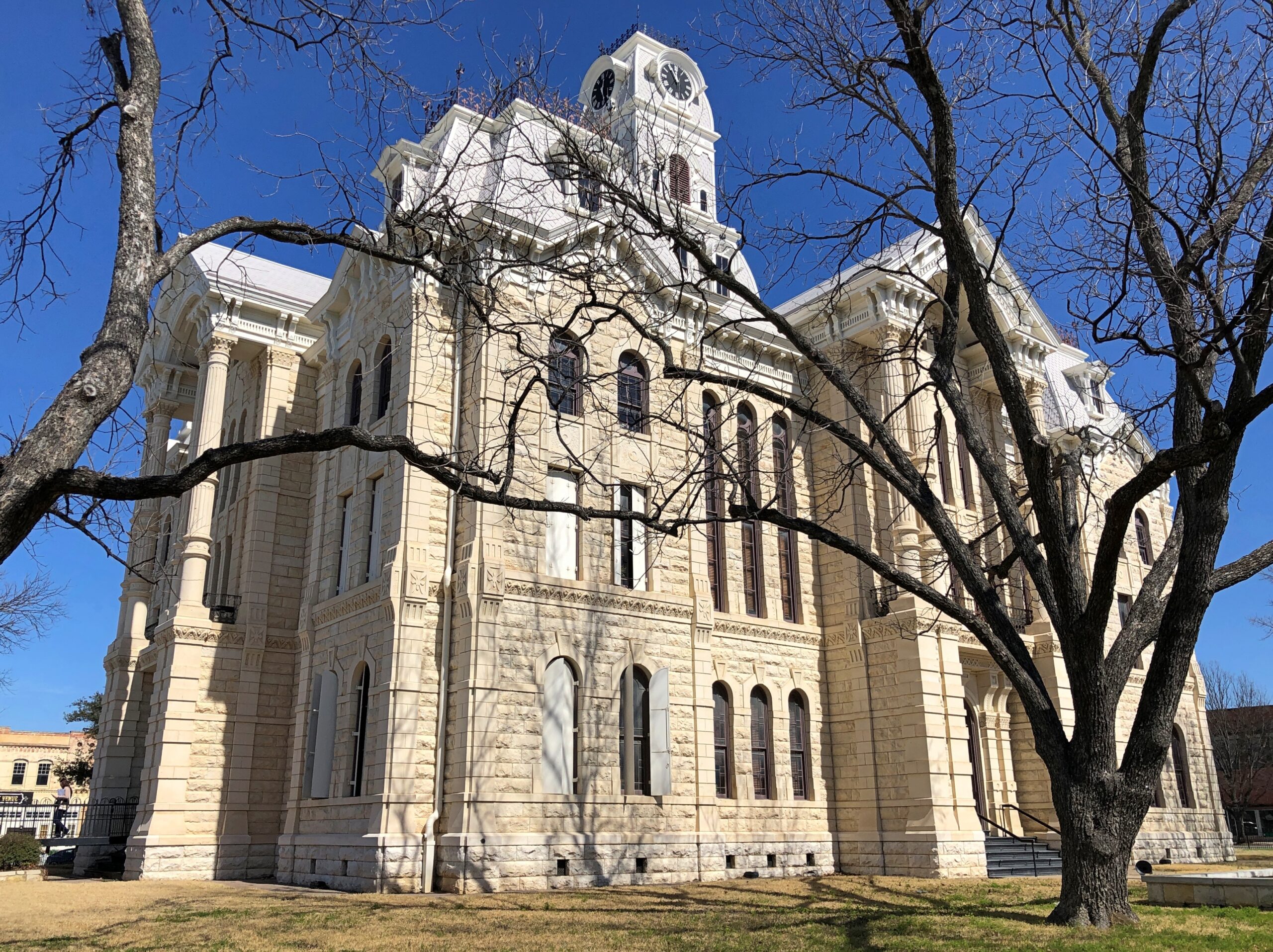
Hill County, Hillsboro, Texas.
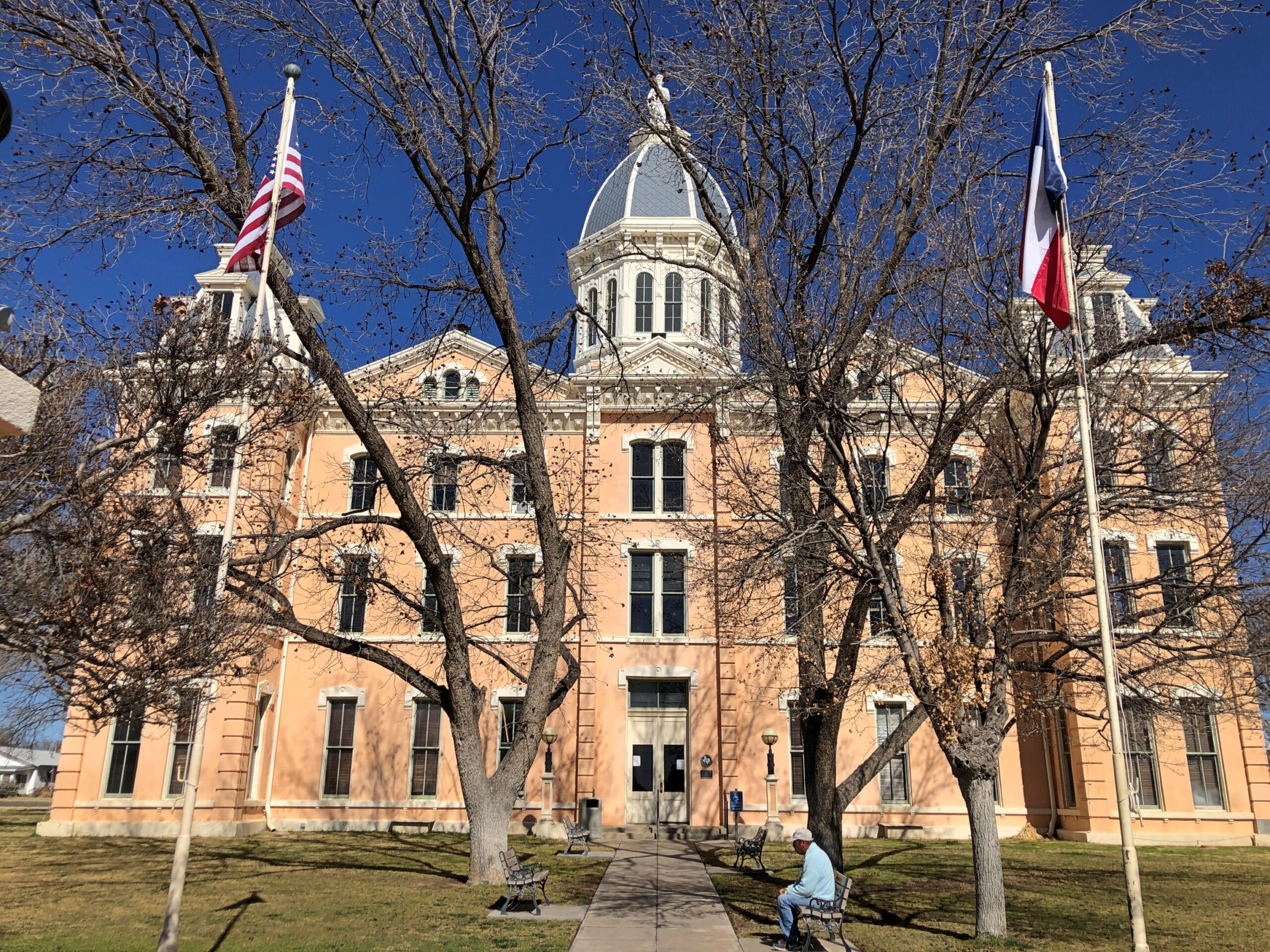
Presidio County, Marfa, Texas.
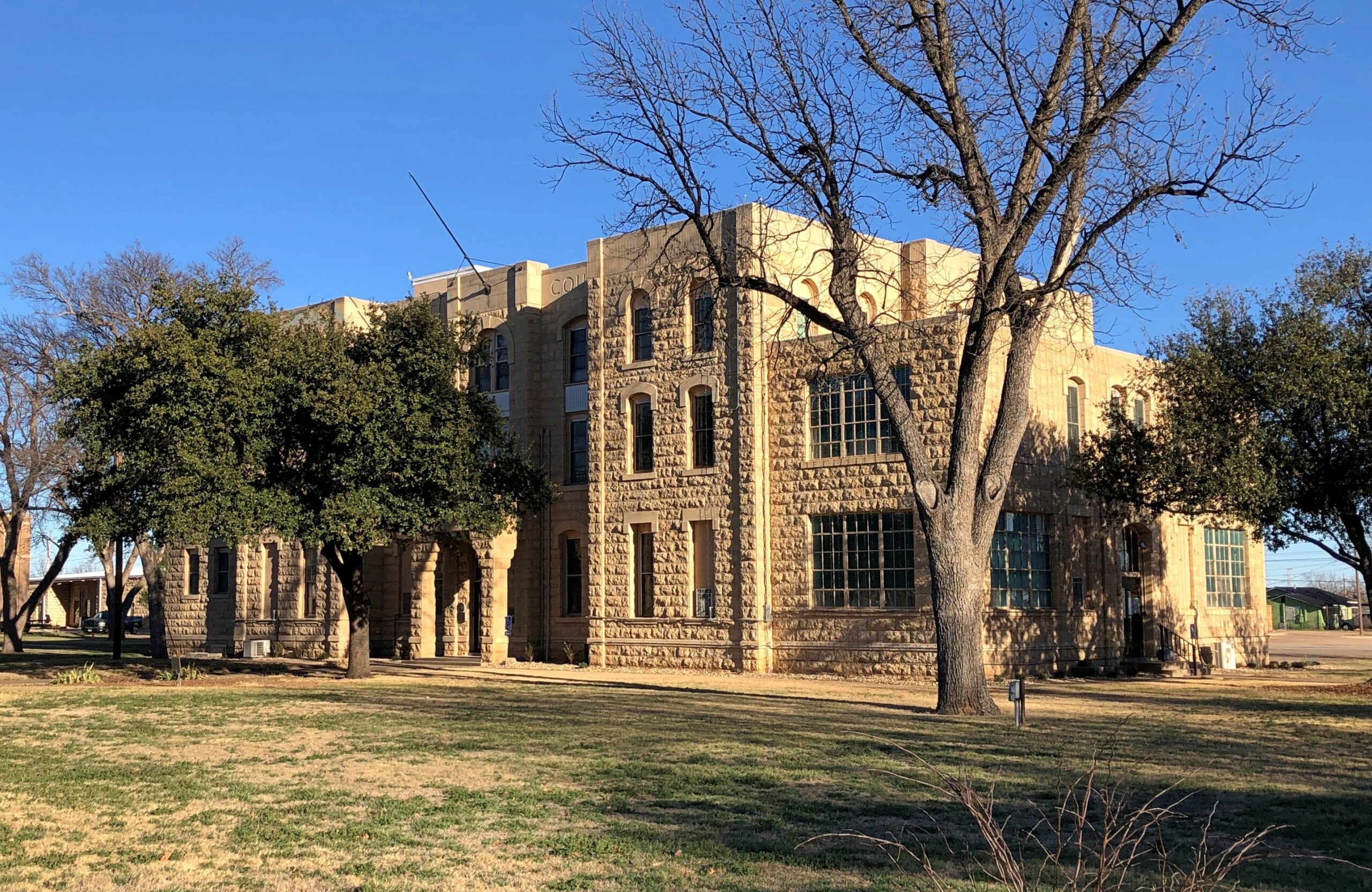
Runnels County, Ballinger, Texas
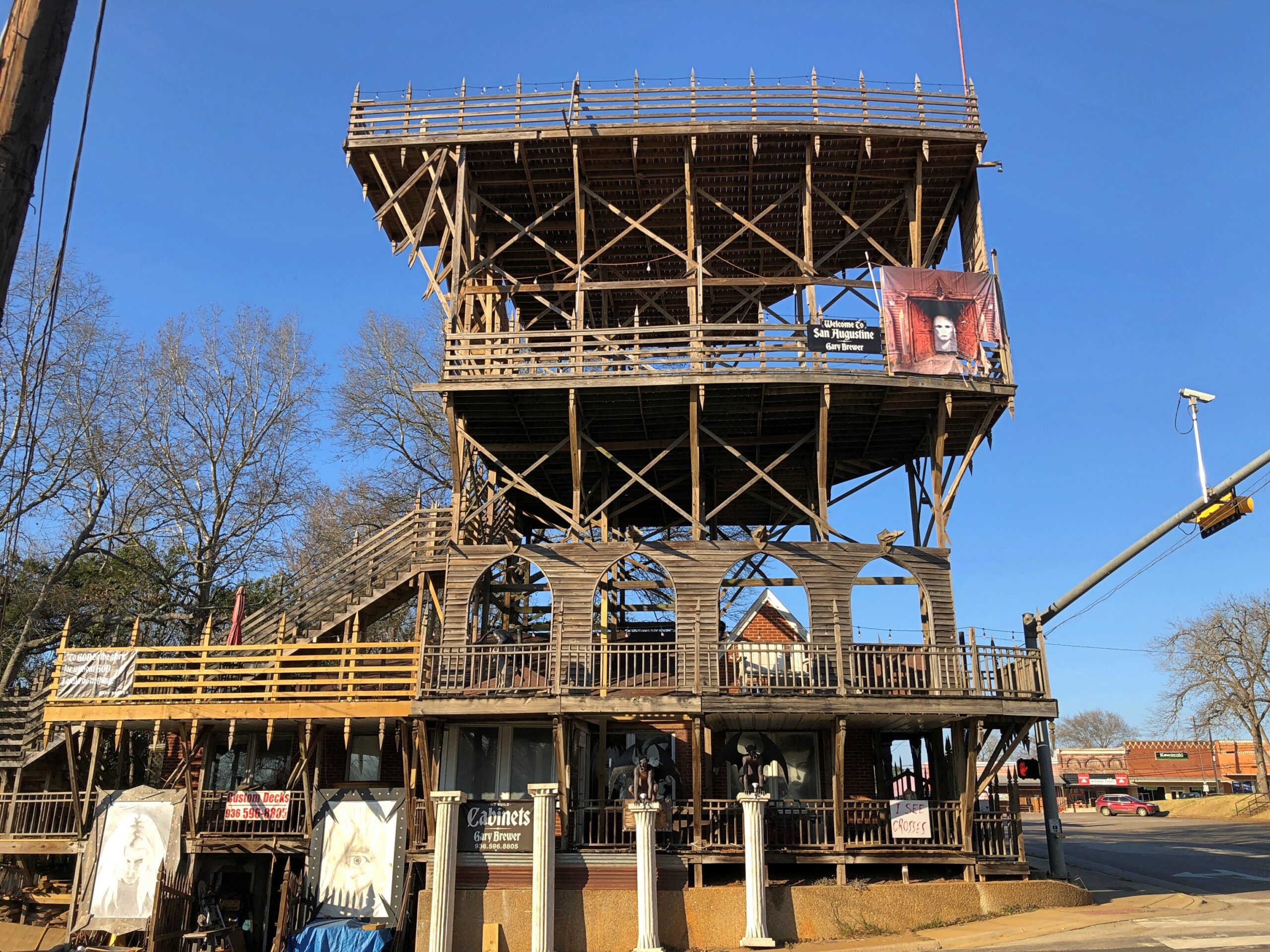
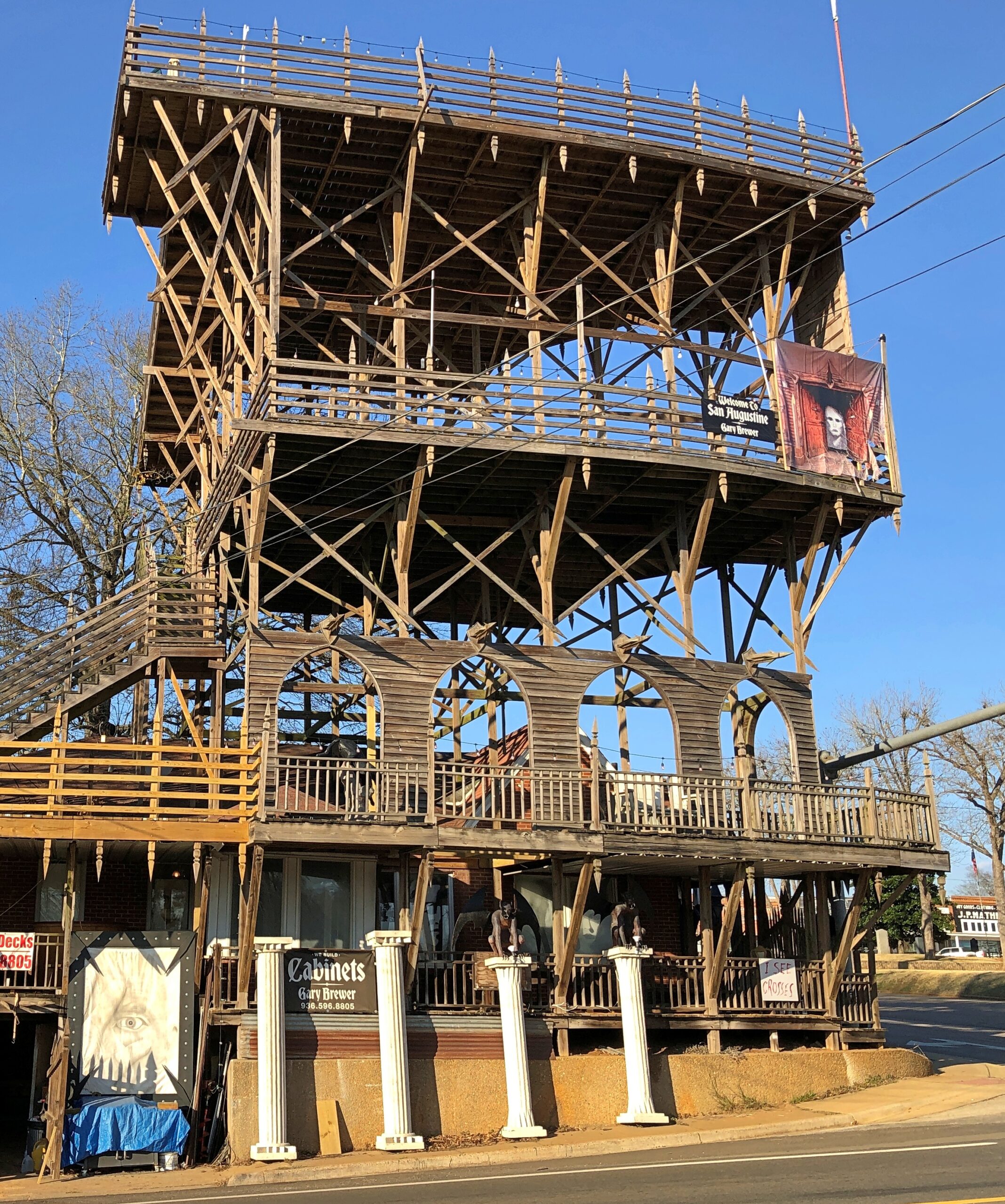
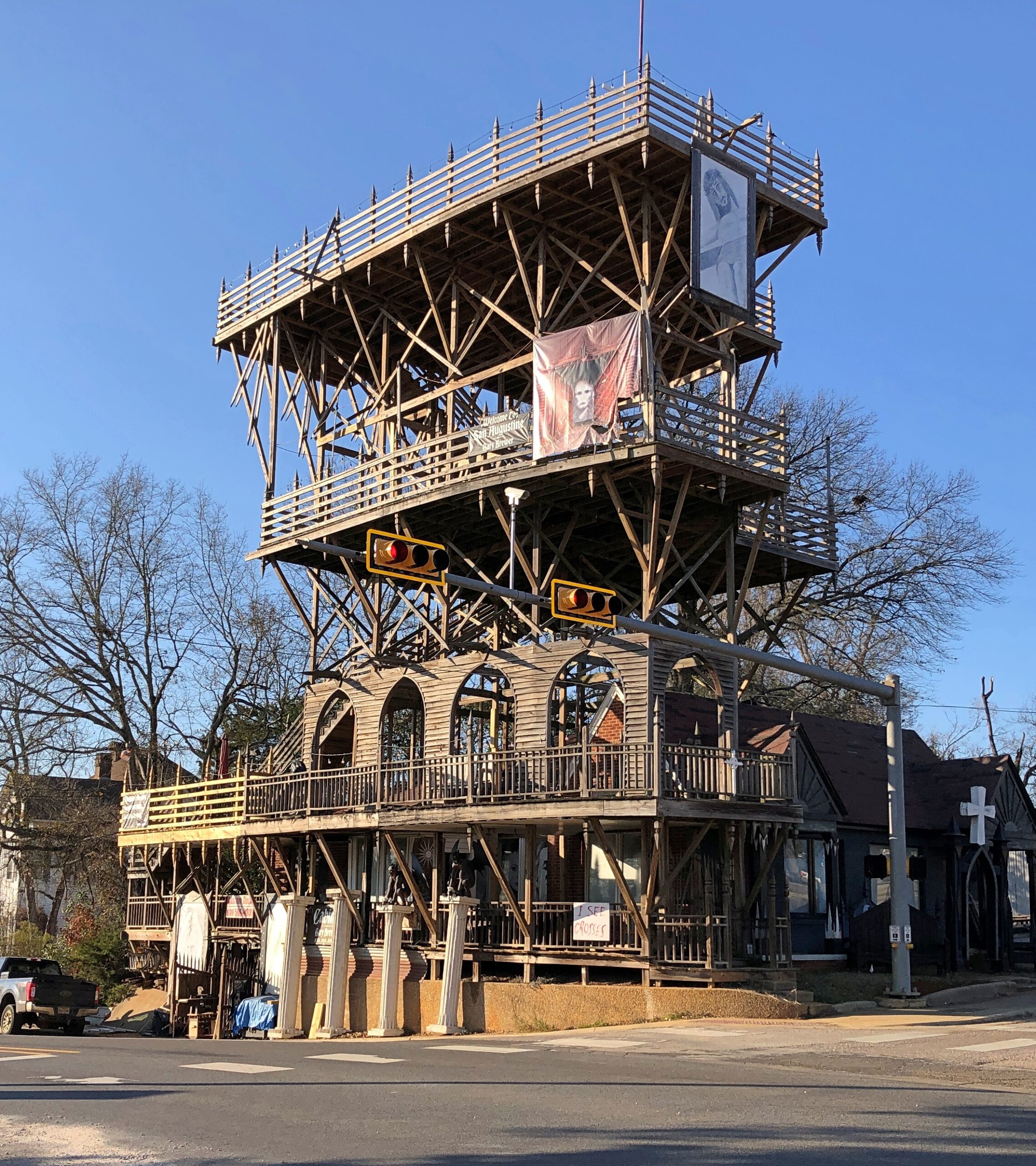
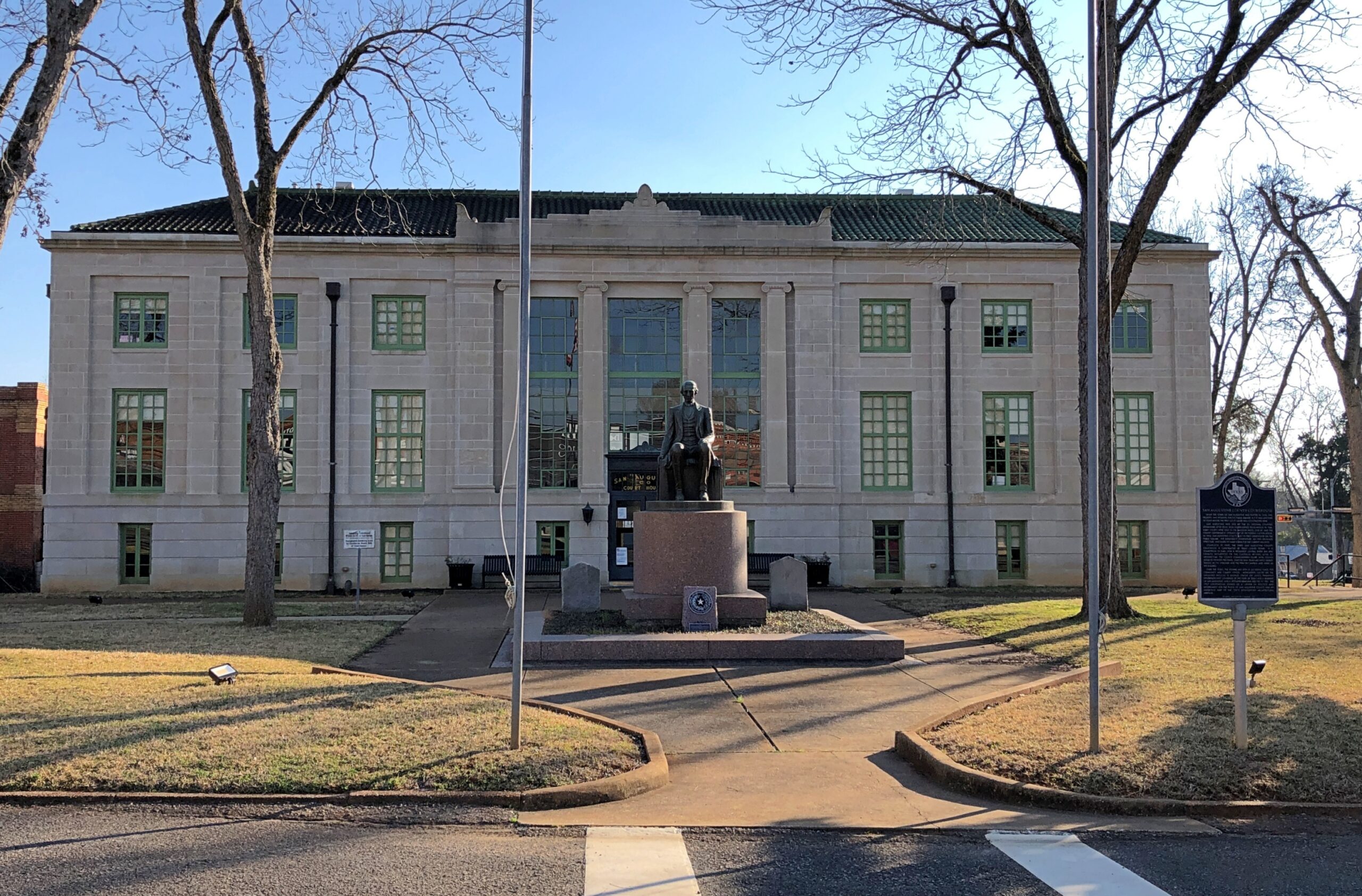
San Augustine County, San Augustine, Texas.
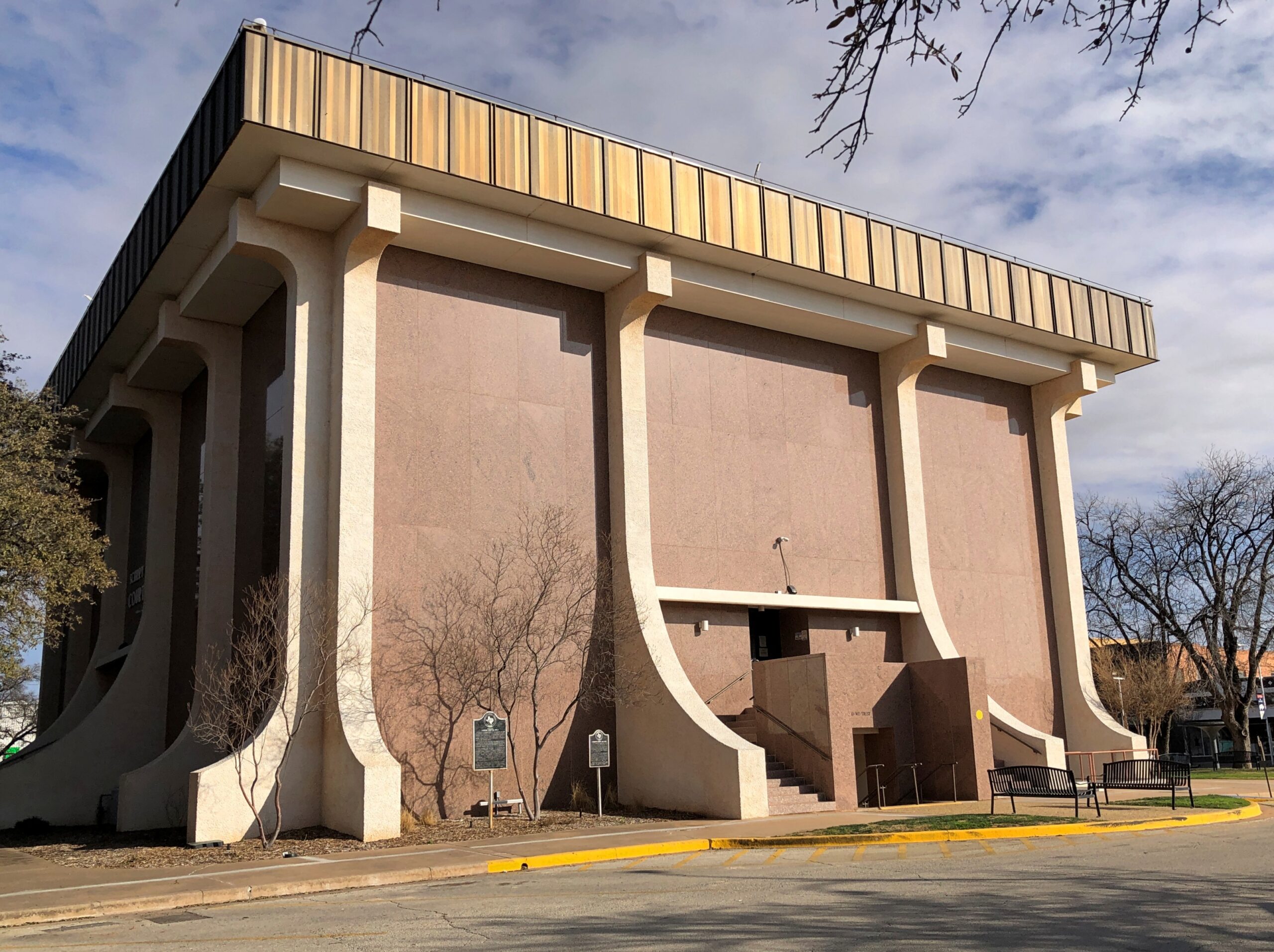
Scurry County, Snyder, Texas.
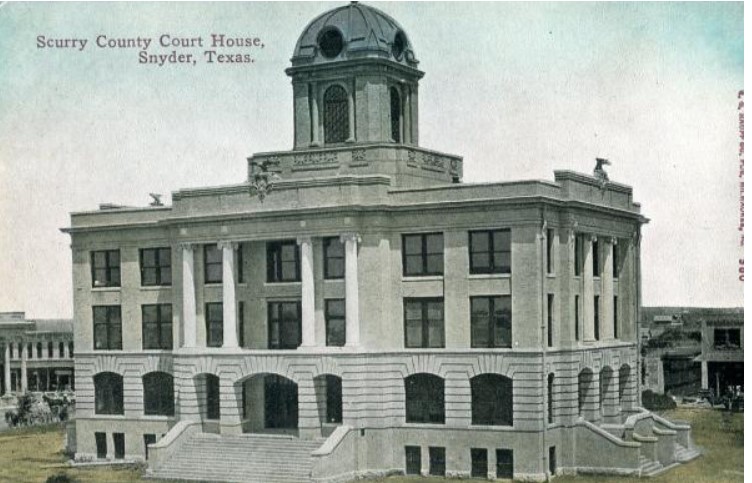
My maternal grandparents grew up in Scurry County. The courthouse I saw wasn’t the one grandpa would have seen as a young blade. That would be this.
My idle musing about visiting every 254 Texas courthouses was no mere musing for an architect who did exactly that, and blogged about it. About the modern Scurry County courthouse, he said, “Without a doubt, the 1972 alteration of the historic Scurry County courthouse is the most offensive desecration of a Texas courthouse to date. It’s truly sad.”
“These redesign plans are — interesting. Where are the windows?”
“Window are passé.”
Another resource for courthouse (and postcard) enthusiasts: Courthouse History, a collection of postcards depicting every county and parish in the United States. Now that’s an epic project.
The first time I remember making my mother laugh was in the courthouse square in Denton, Texas, seat of Denton County. Kids make their parents laugh sometimes, unless the parent is completely sour on life, and then woe be to the child. We’d gotten out of church one Sunday noonish when I was maybe six. After church, it was our habit to drive over to the courthouse square to visit a small store for sodas and snacks. A highlight of the day, as you’d think. I remember the long outline of that store, and the rows of candy I explored.
The streets were crowded, maybe more than usual, and it probably meant that we, my mother that is, temporarily couldn’t find for a parking space. “The Baptists must have just gotten out of church,” she said, referring maybe to a specific church, or to the fact that many Baptists tended to be out and about on Sunday, this being Texas. (Quotes are reconstructions, because of course.)
“Do they know we’re Episcopalians?” I said.
That day or any other that I saw it in the mid-1960s, the Denton County Courthouse was a hulking presence, the focus of attention for blocks around, and, for a young kid, a mysterious place. Obviously an important place, but what goes on inside?
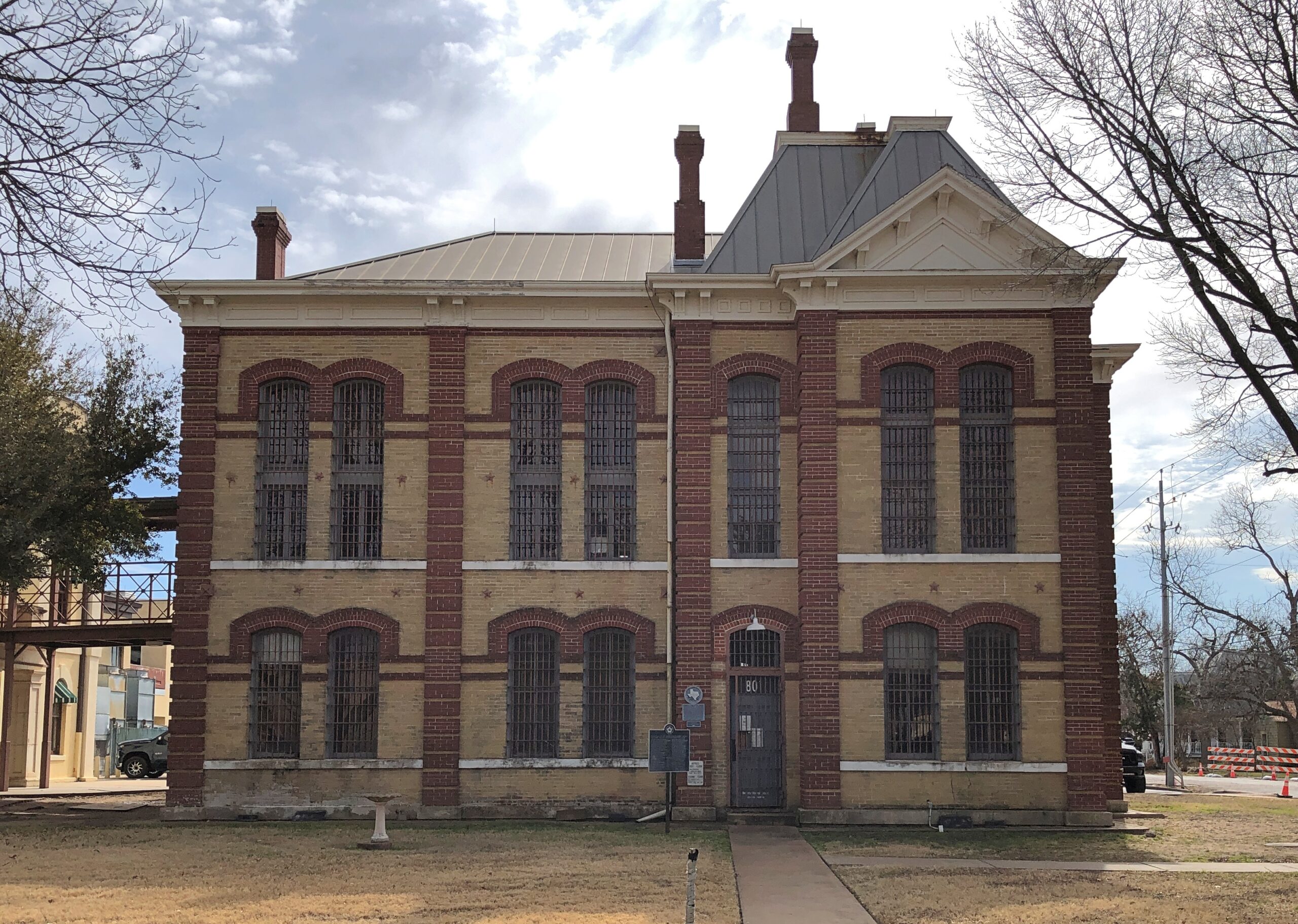
Last month, now in my own mid-60s of age and armed with a somewhat better knowledge of civics, I stopped to take a look at 10 or more county courthouses in Texas along the routes of my travels.
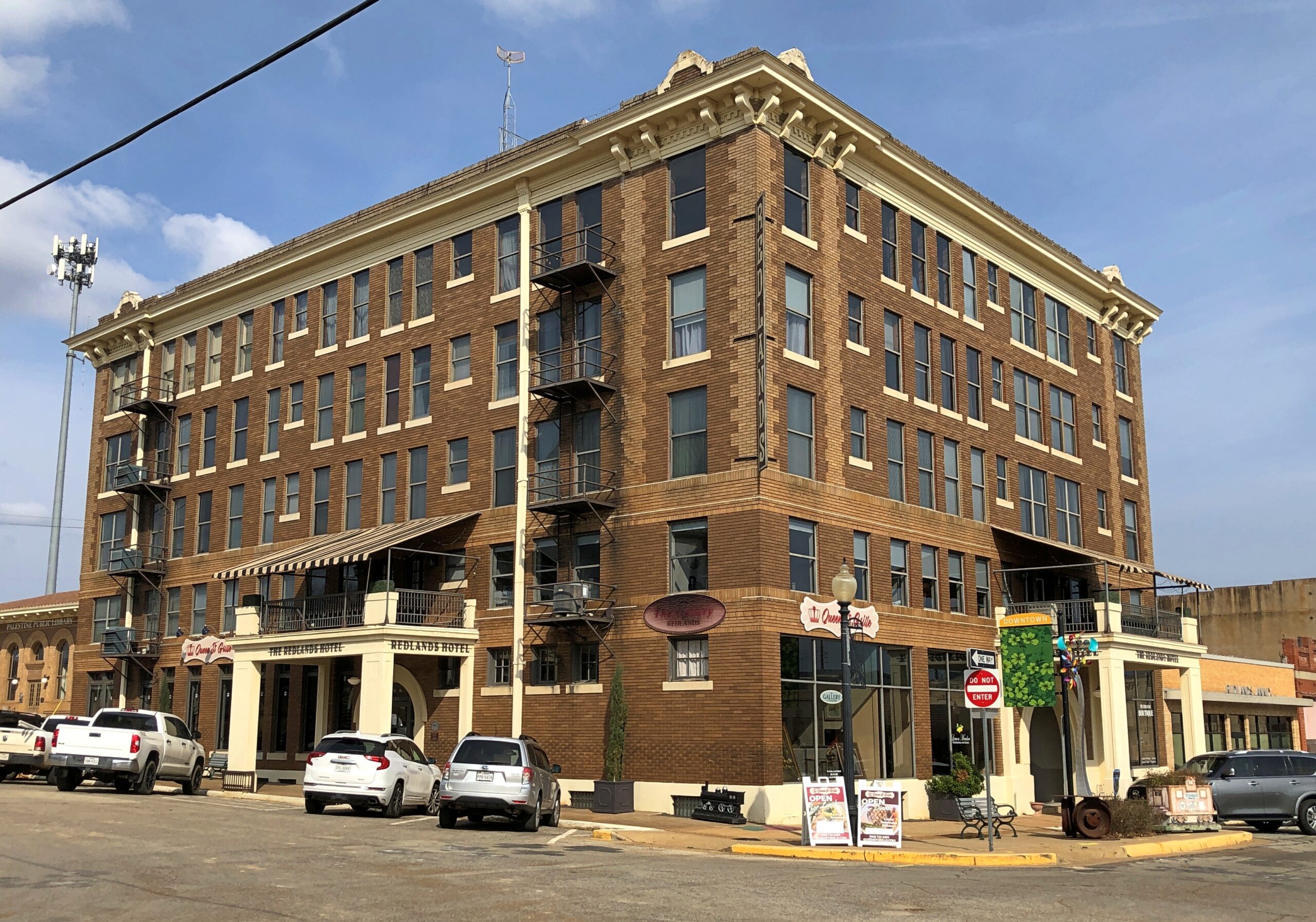
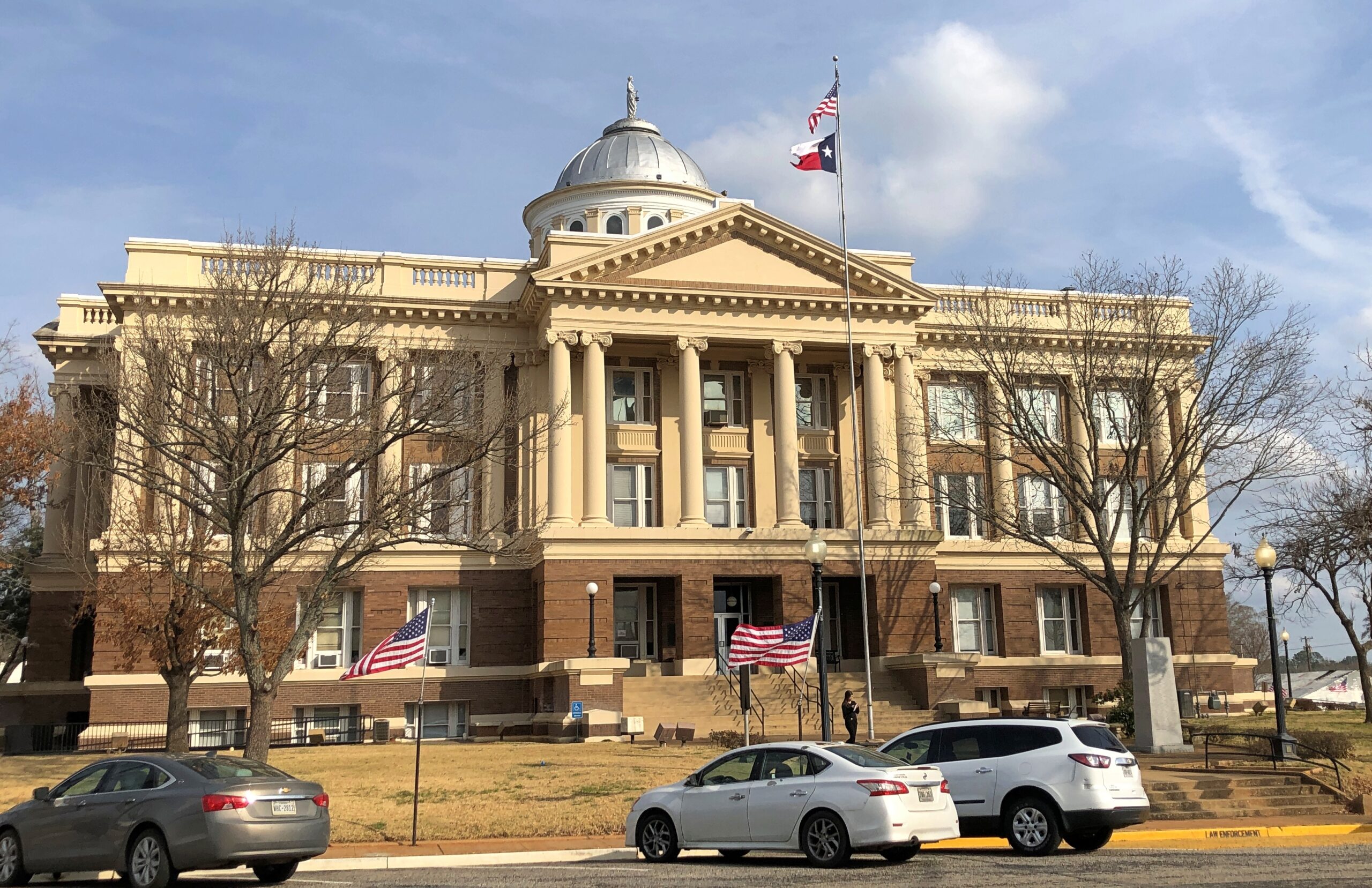
Anderson County. Palestine, Texas.
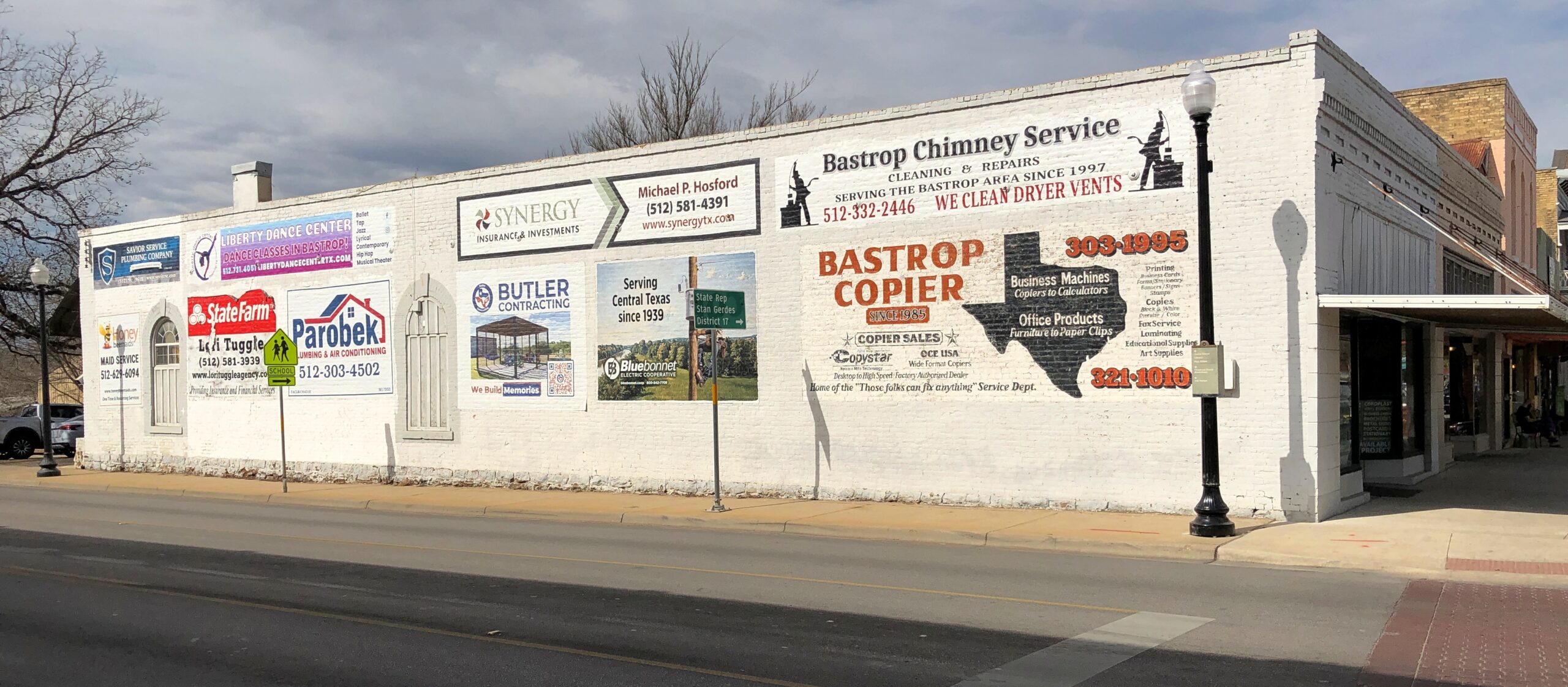
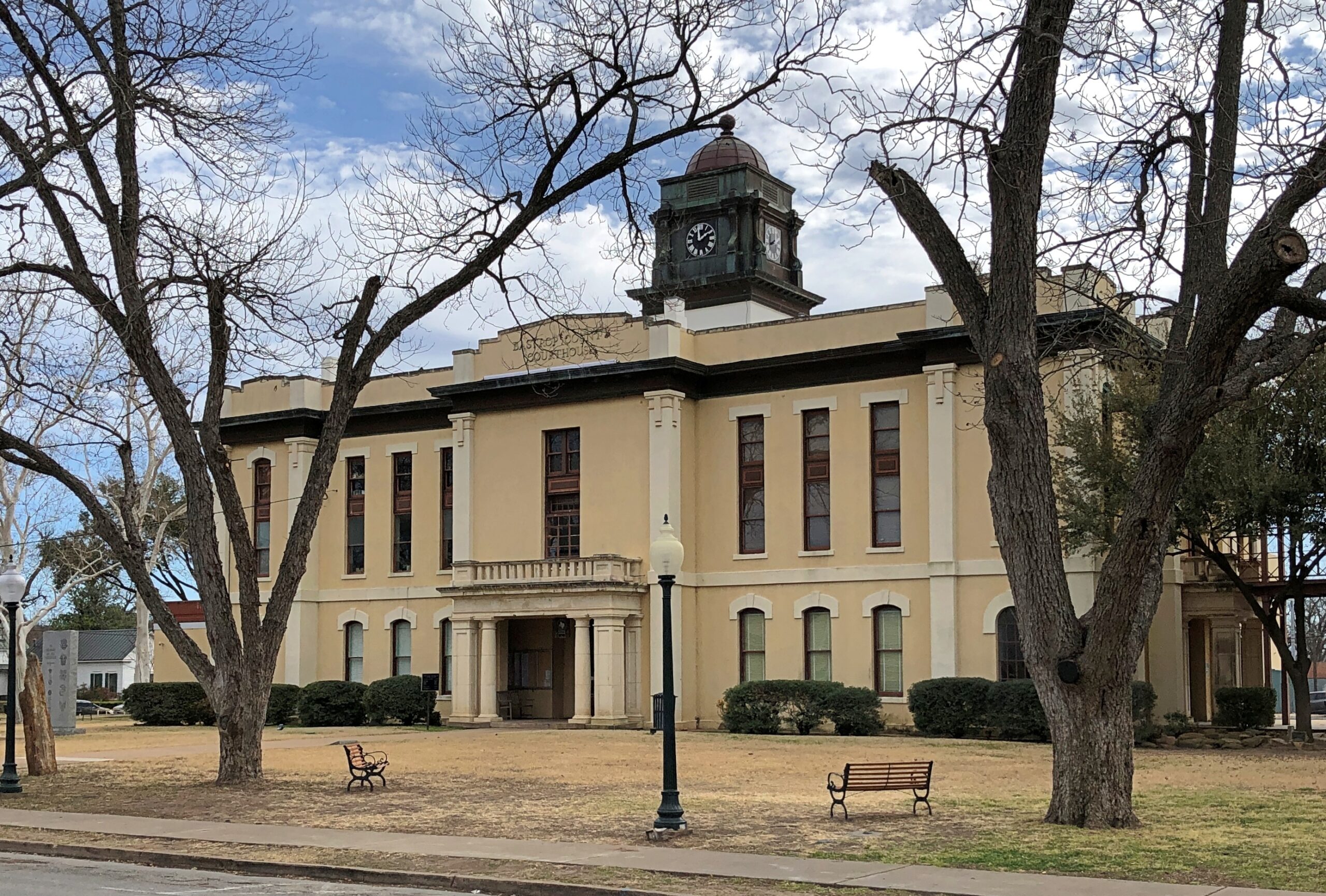
Bastrop County. Bastrop, Texas.
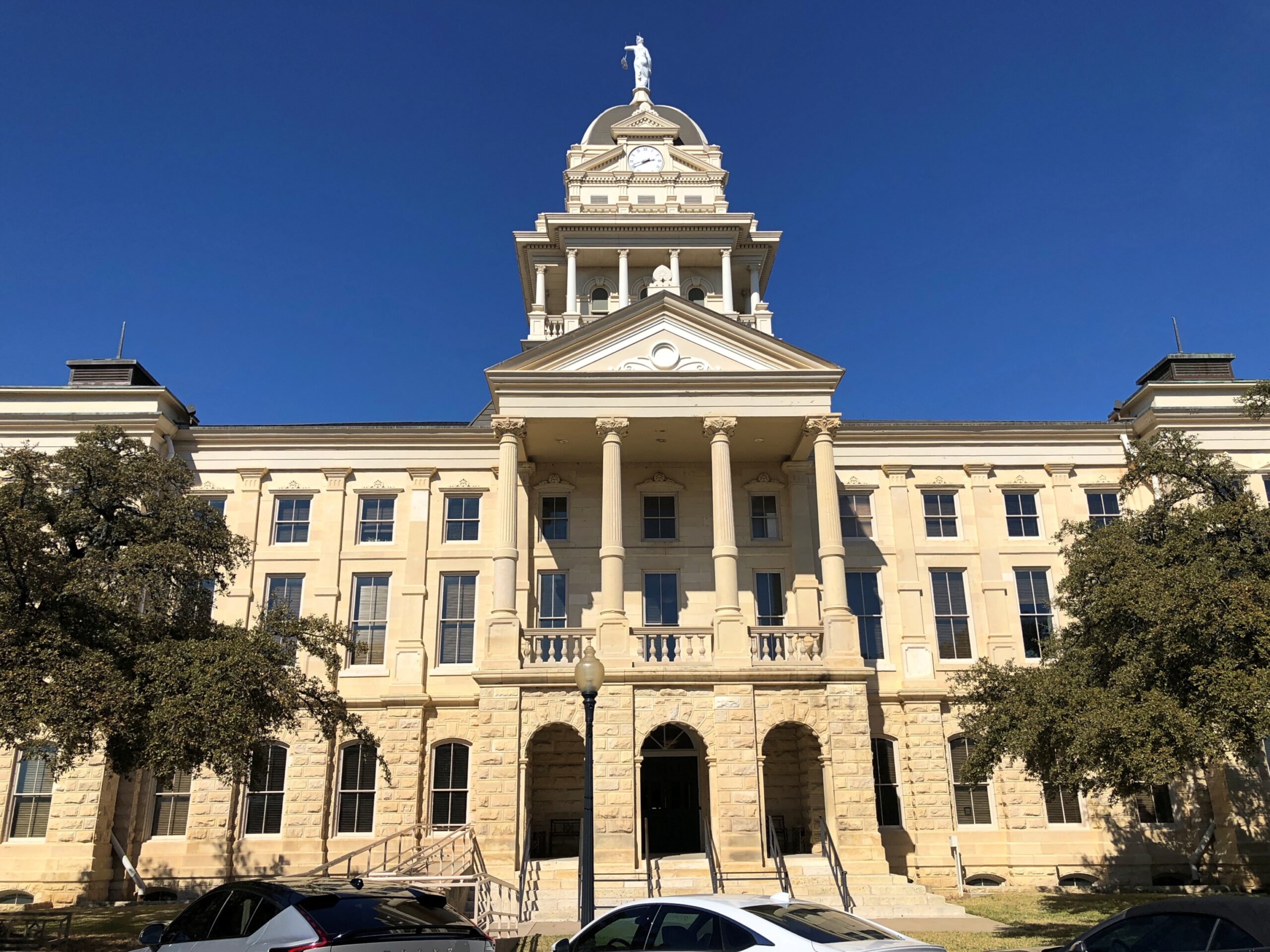
Bell County, Belton, Texas.
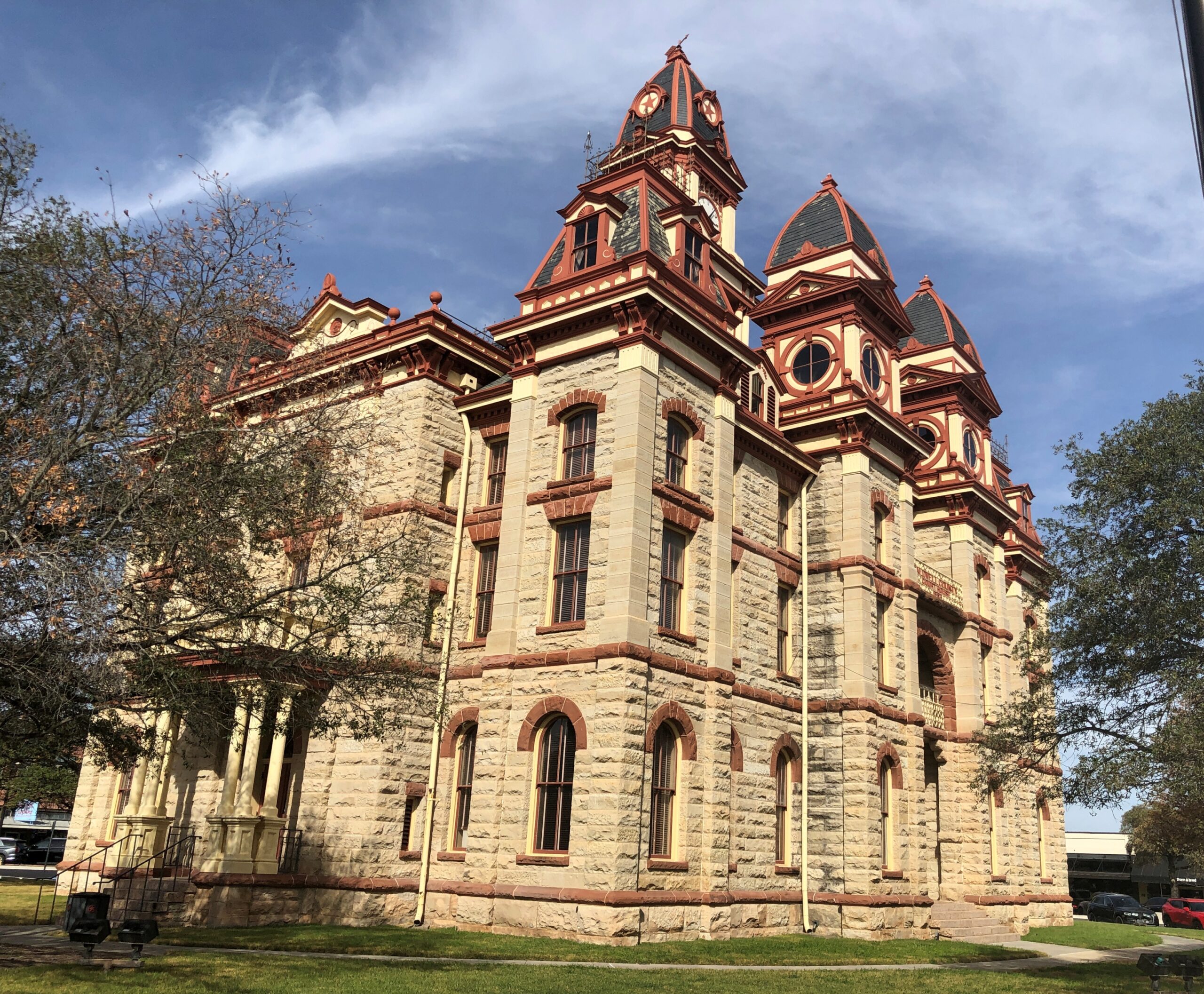
Caldwell County. Lockhart, Texas.
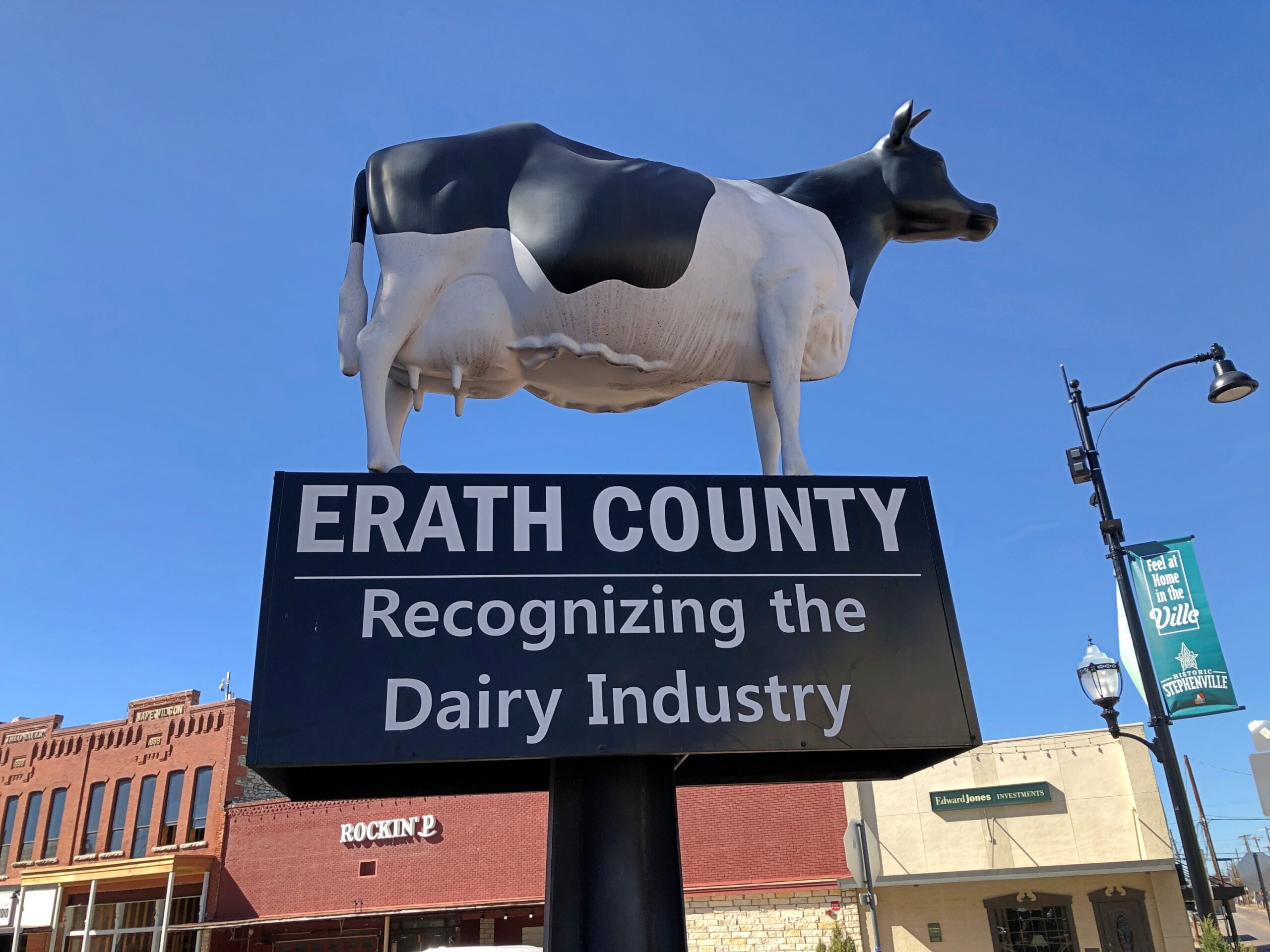
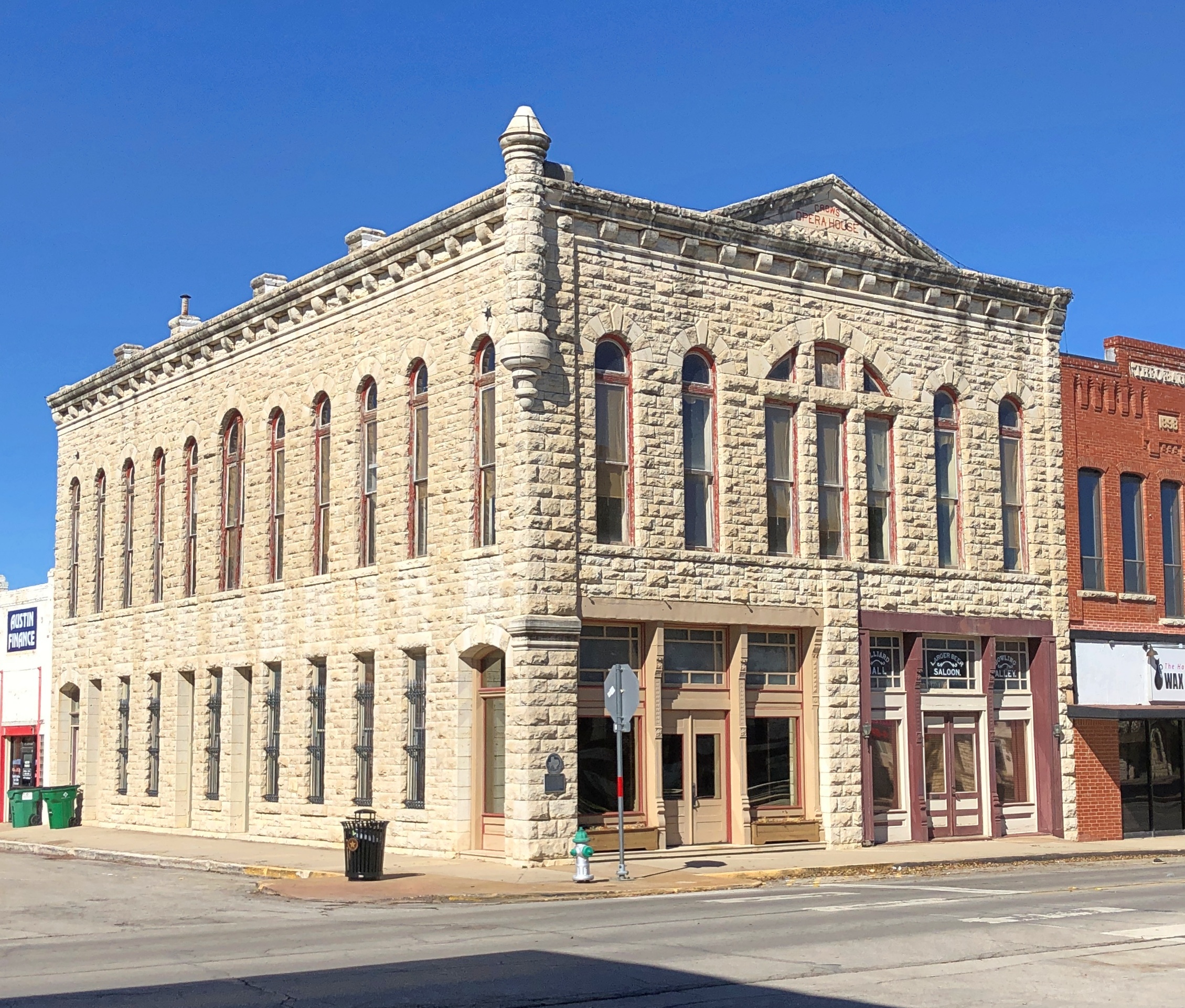
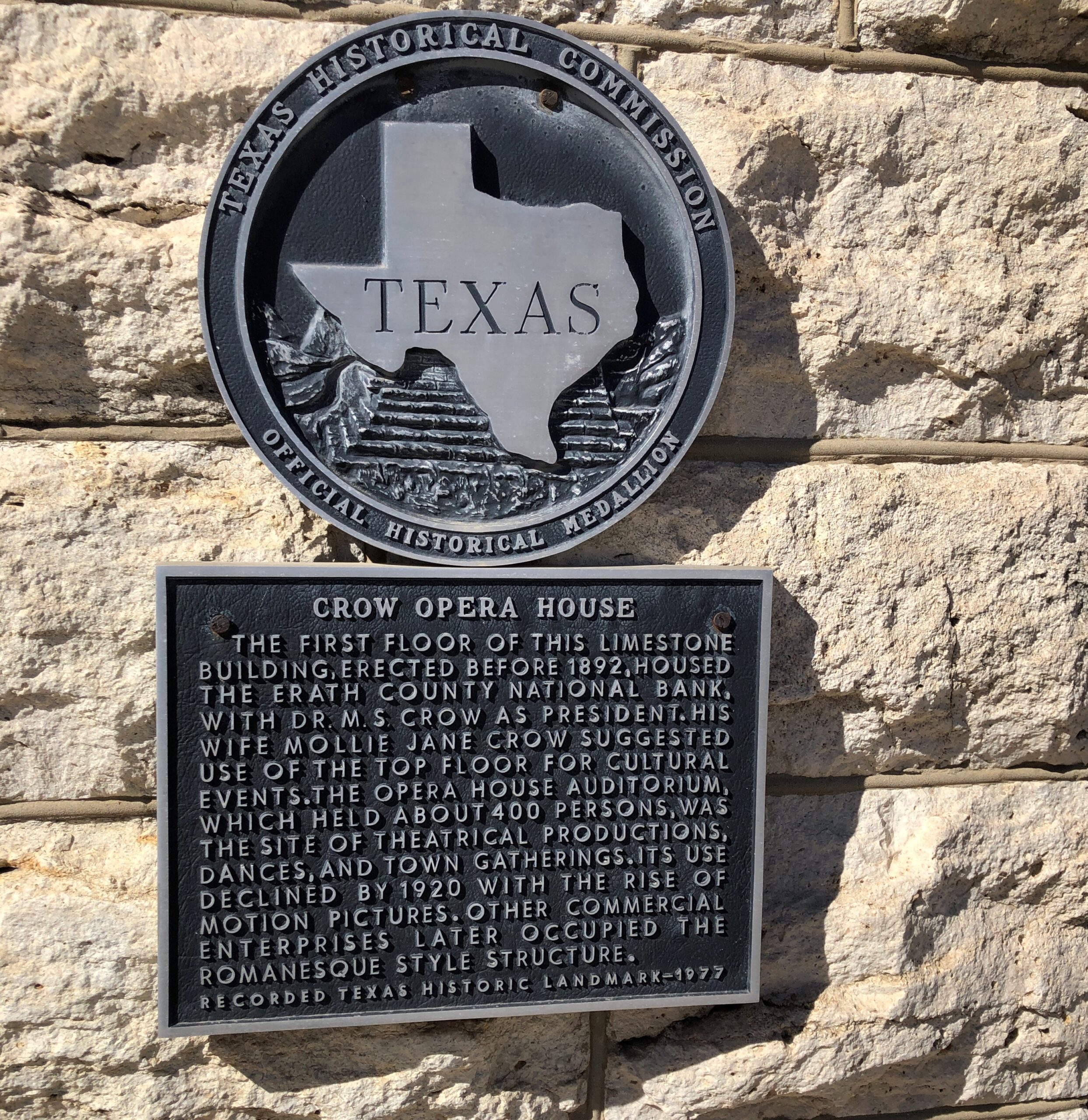
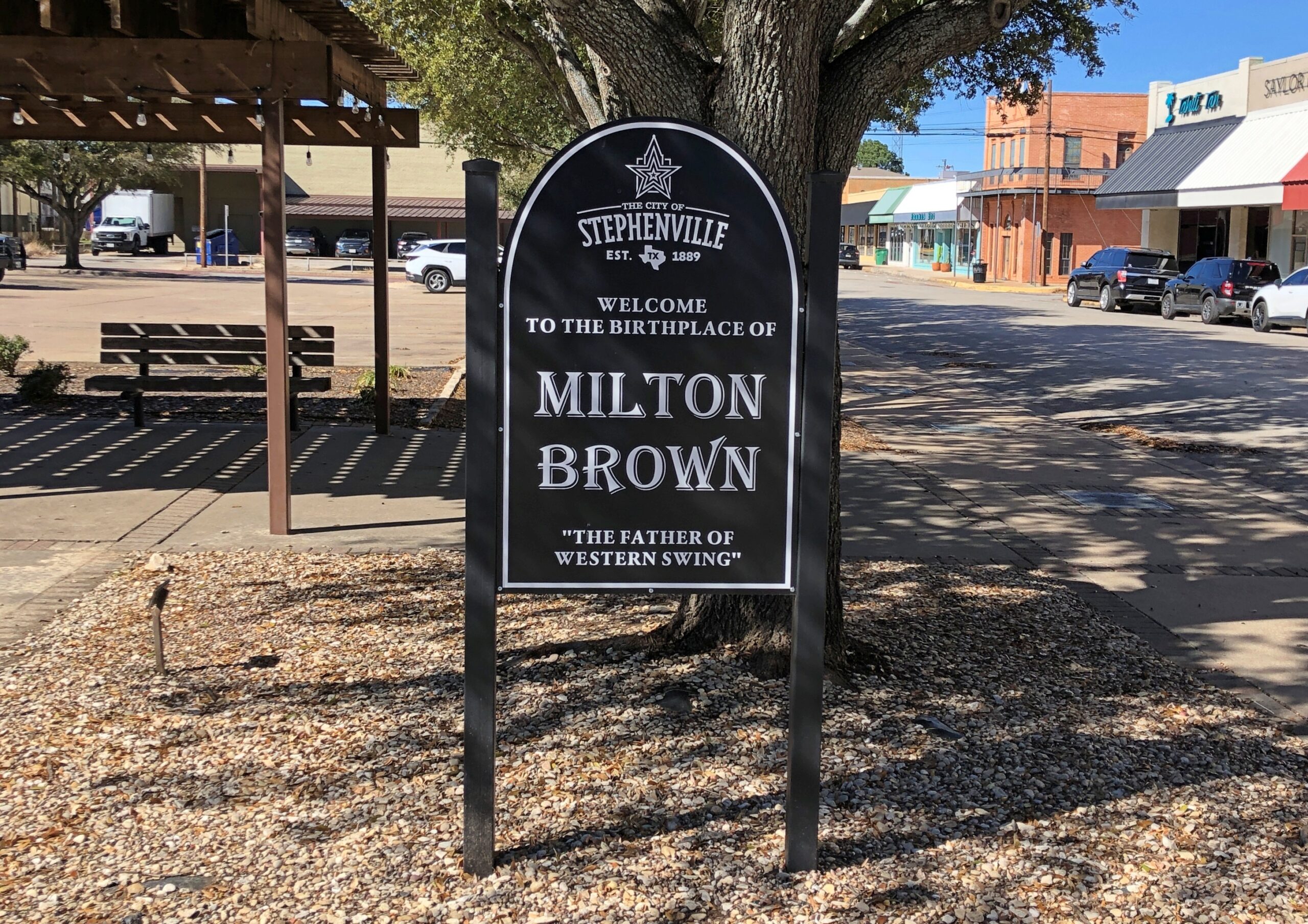
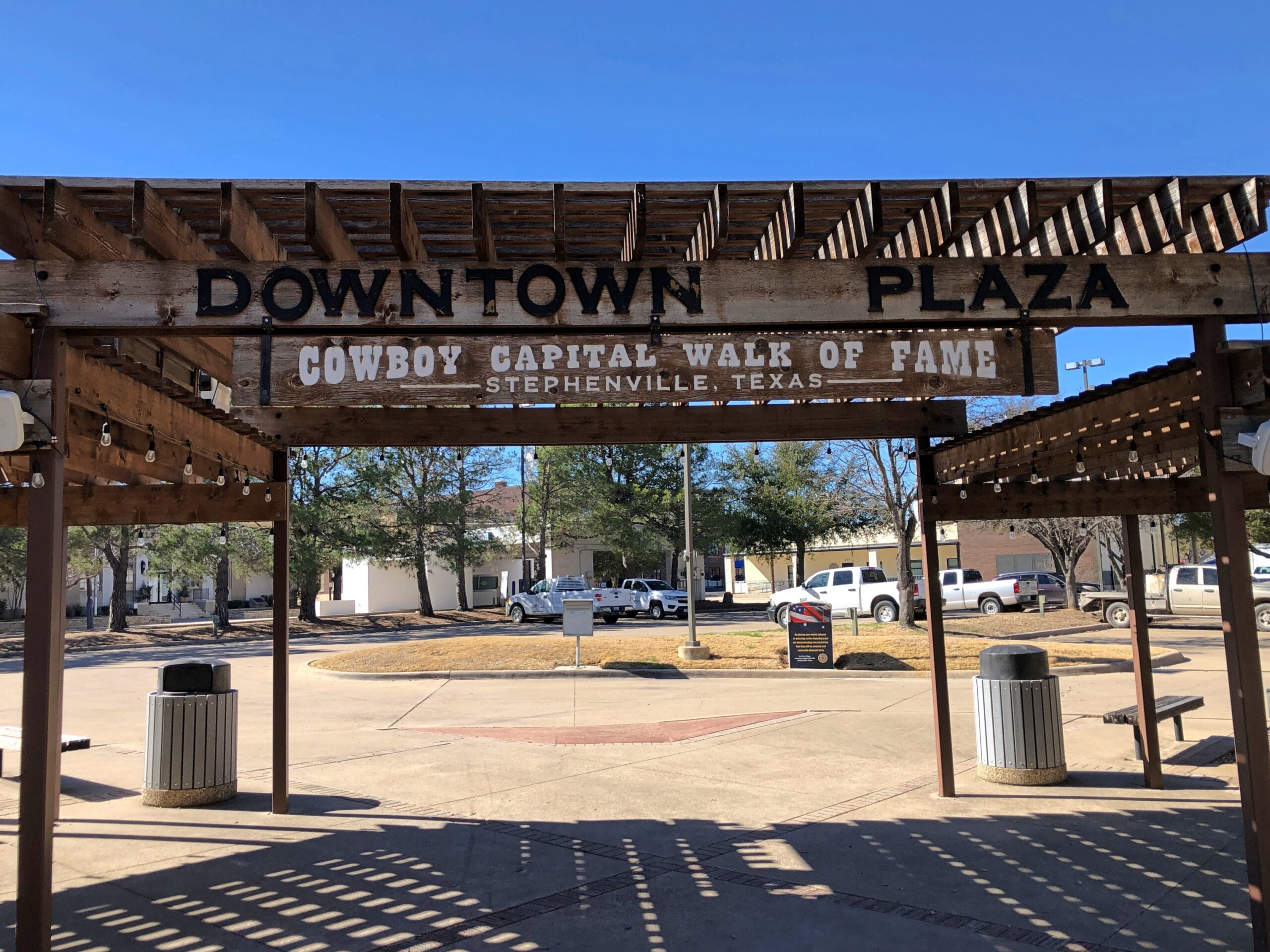
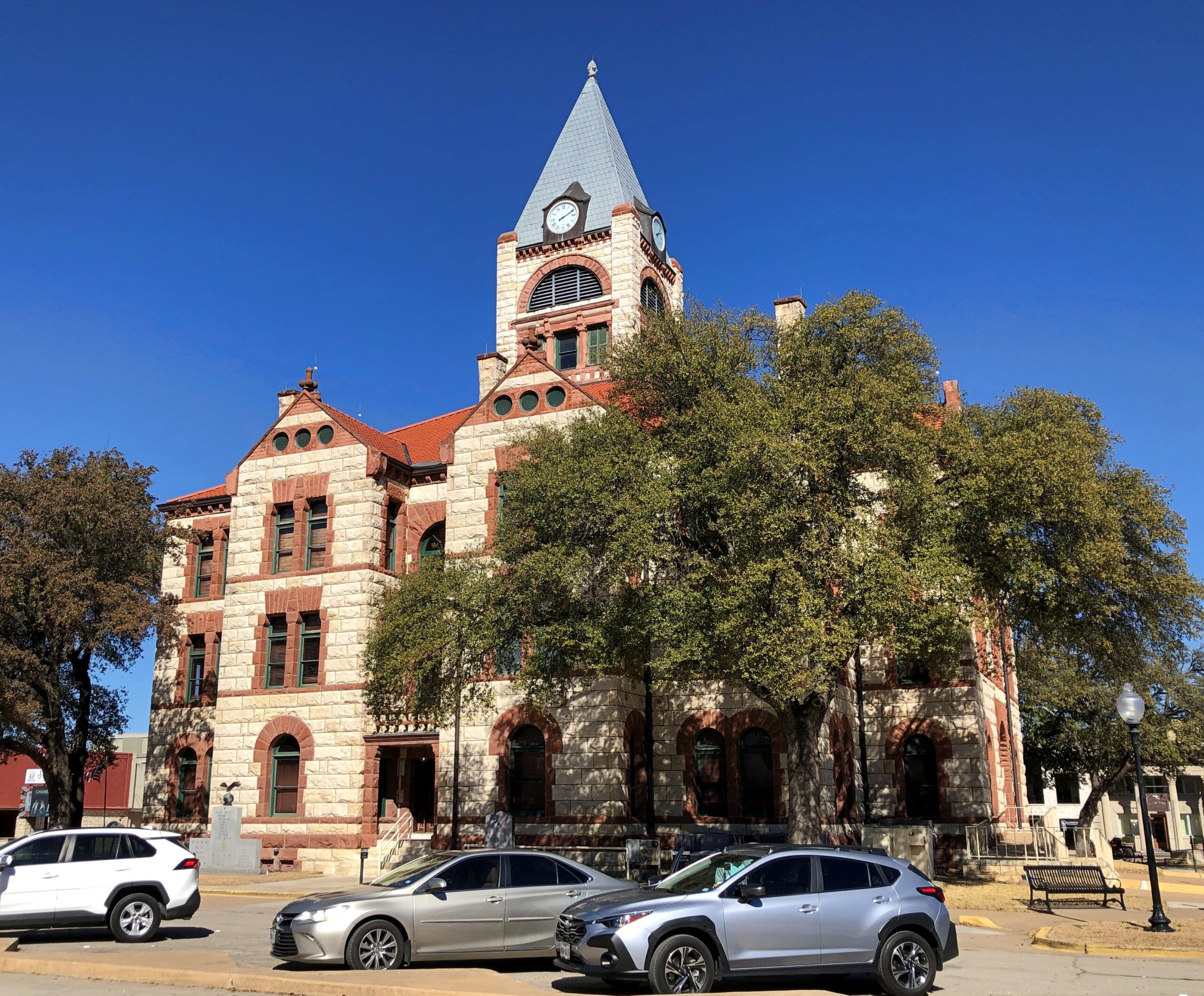
Erath County. Stephenville, Texas.
Sometimes I could get in, sometimes the building was closed. With one or two exceptions, I managed to walk all the way around the courthouses. There’s a niche travel blog for you (and I’m not the man to do it): circumambulate all 254 Texas county courthouses. Why? Because they’re there.
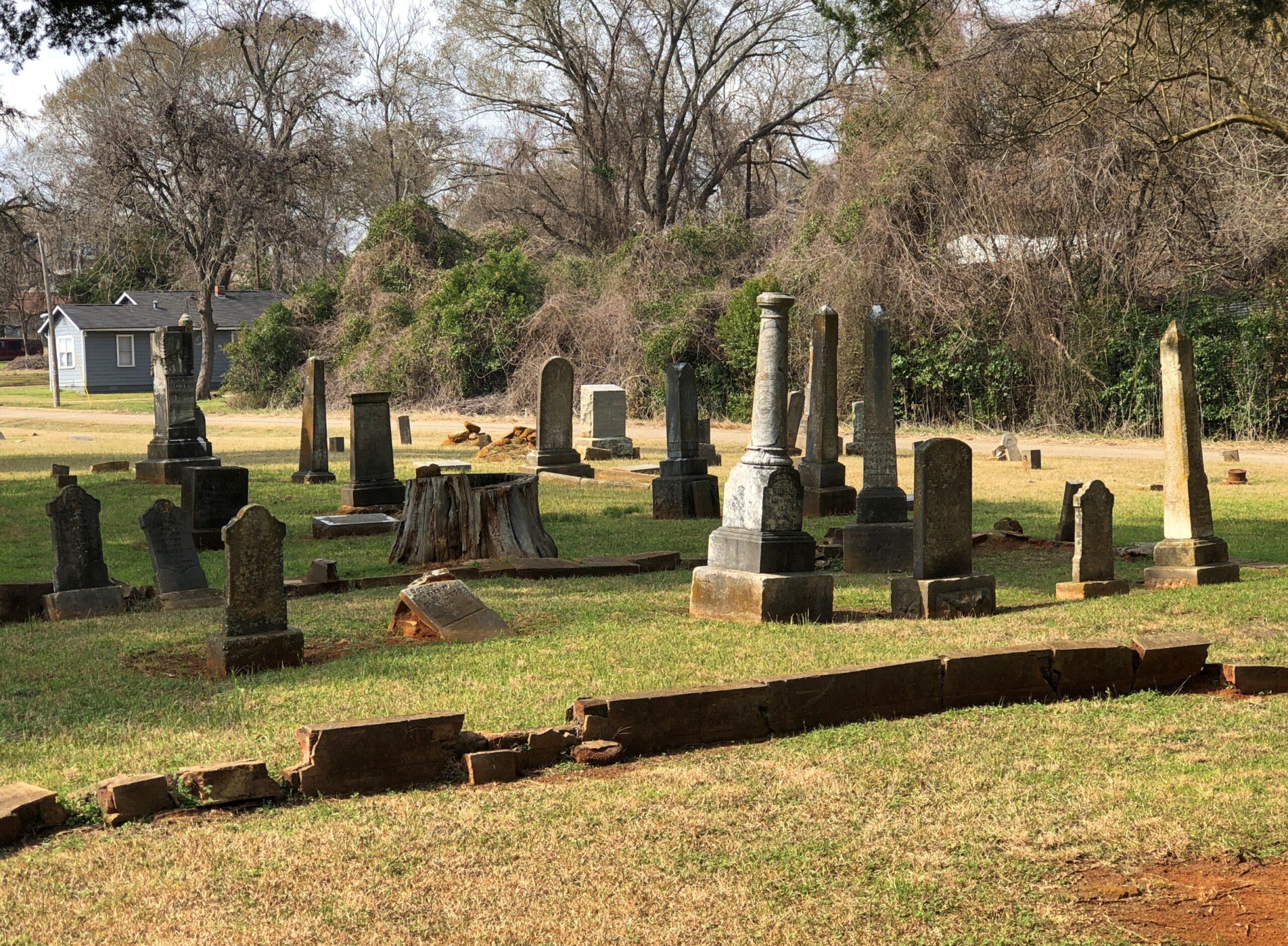
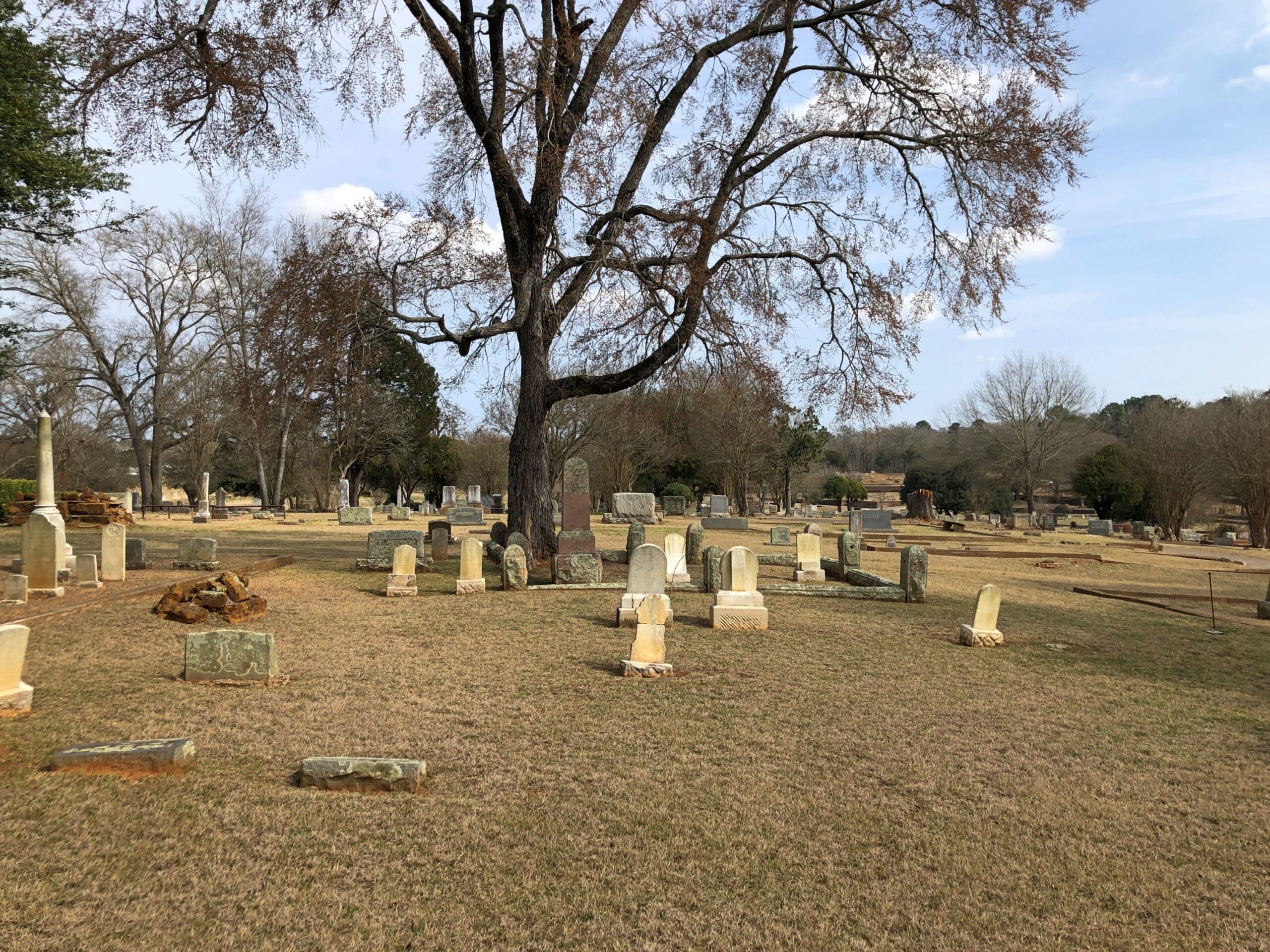
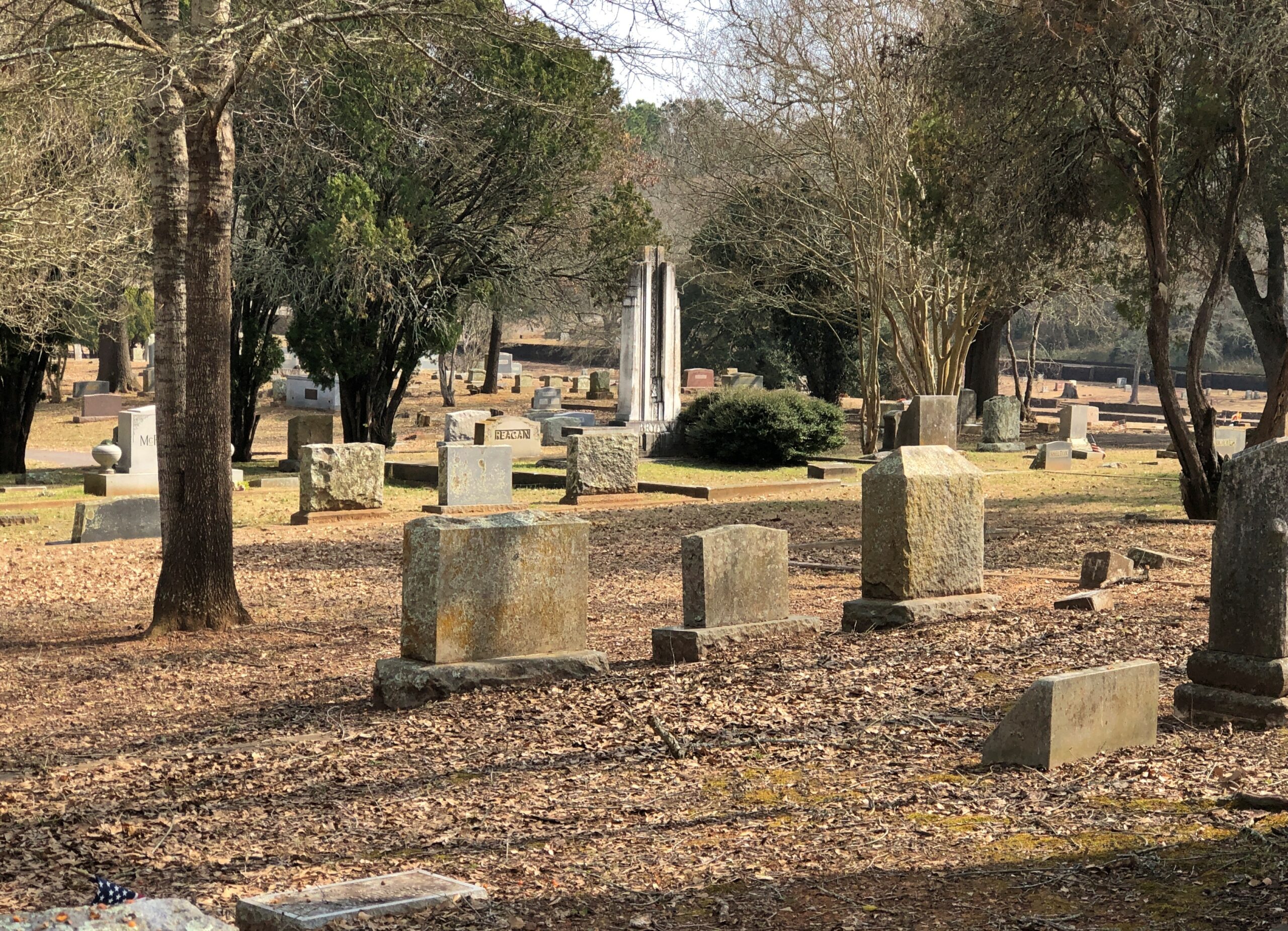
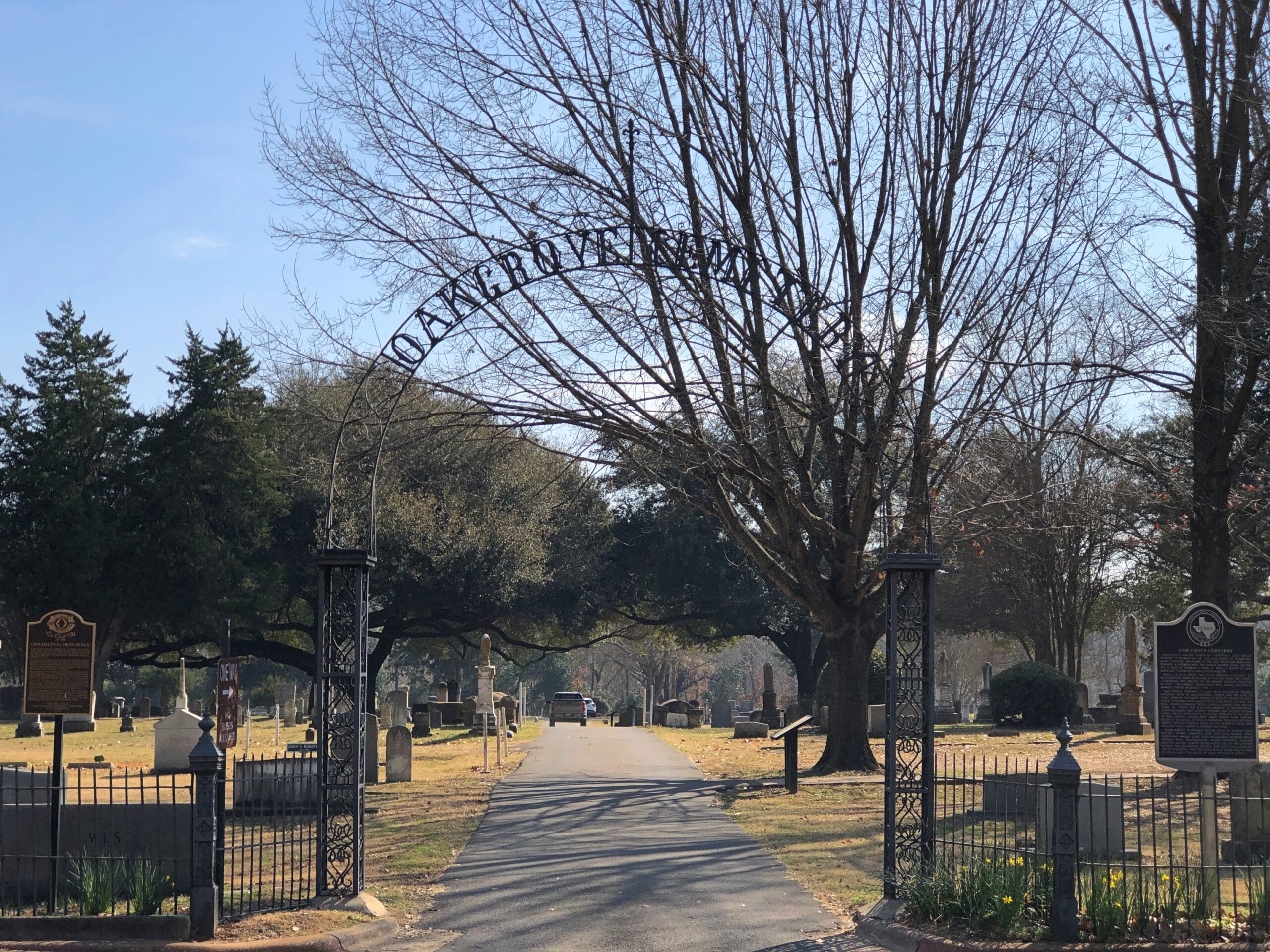
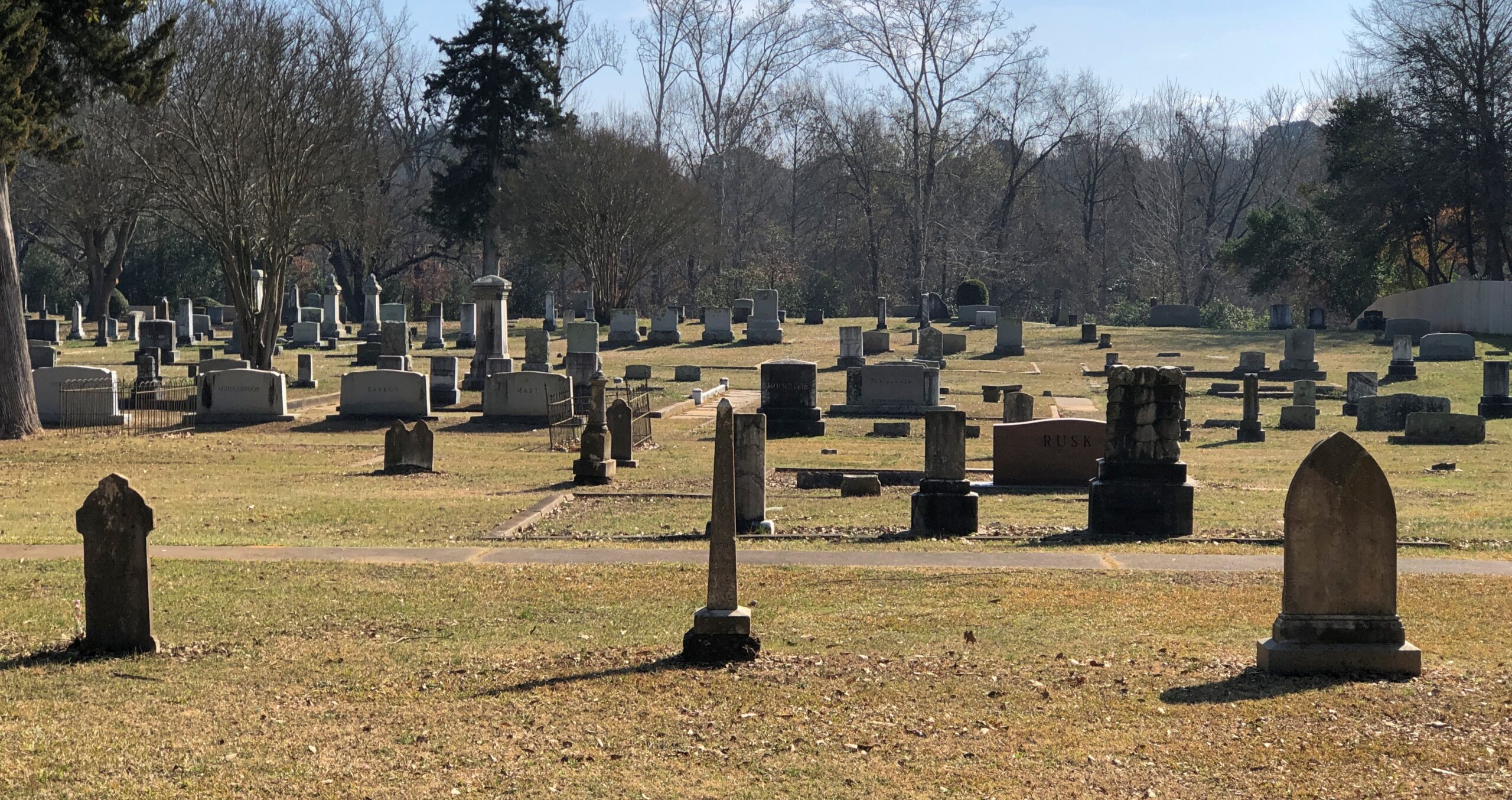
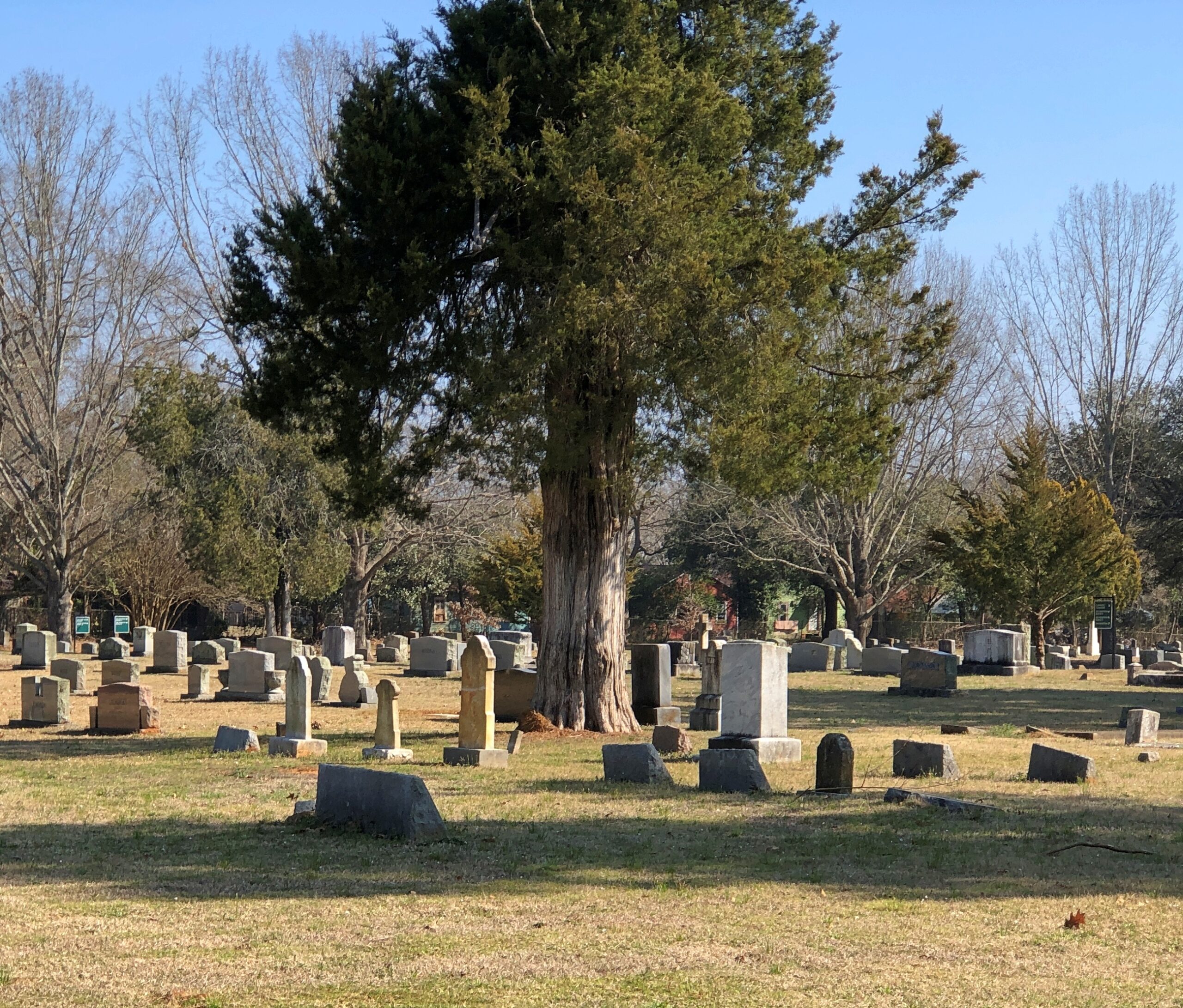
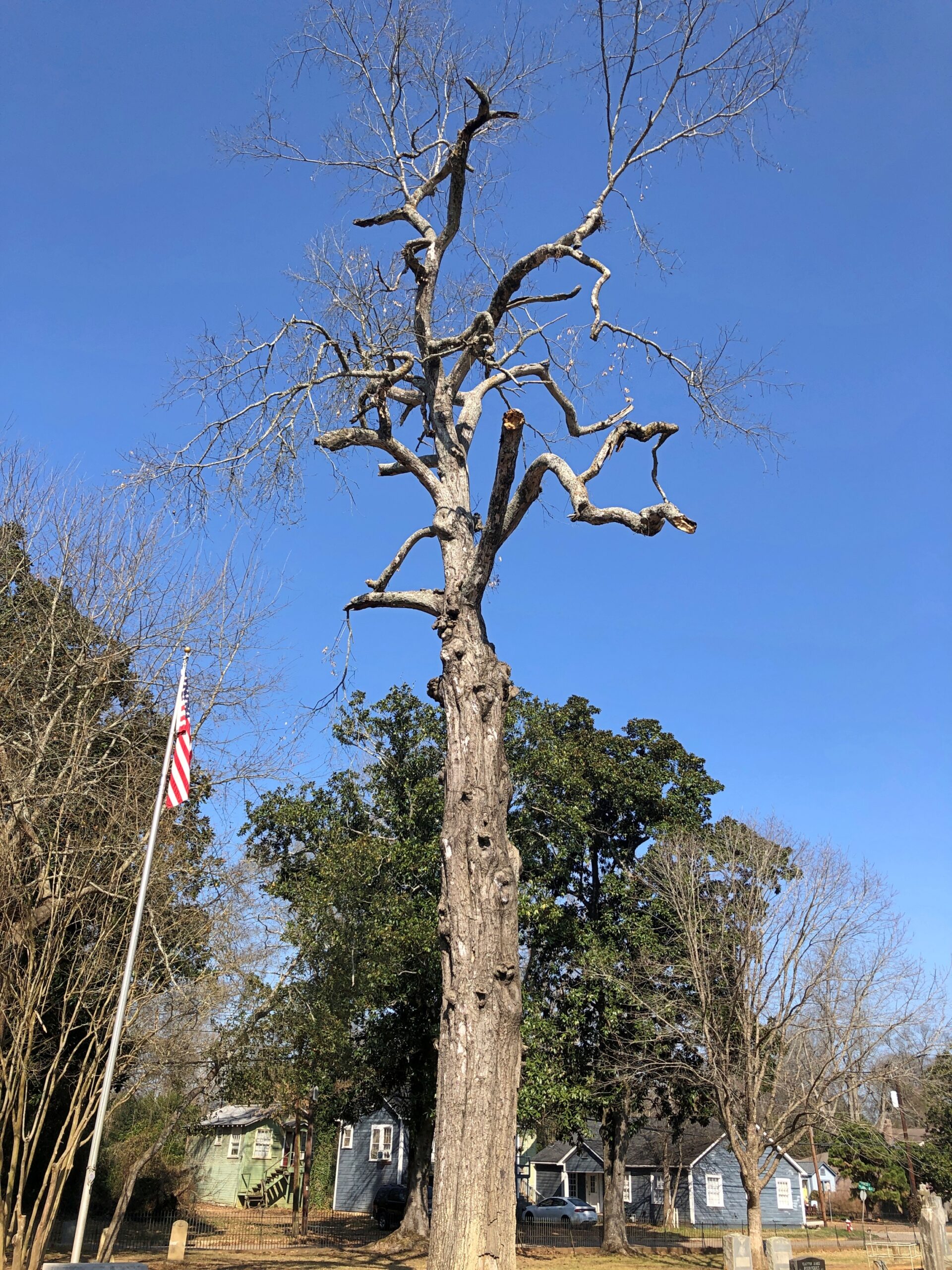
Houston’s Glenwood Cemetery sprawls out near downtown, adjacent to much of the parkland along Buffalo Bayou. In Nacogdoches, Oak Grove Cemetery is a more modest burial ground. Nacogdoches is a more modest city. The entrance to Oak Grove is about a half block from the Main St., but the grounds are still tucked away in a residential neighborhood along Lanana St.
Decent flora, but not a garden cemetery.
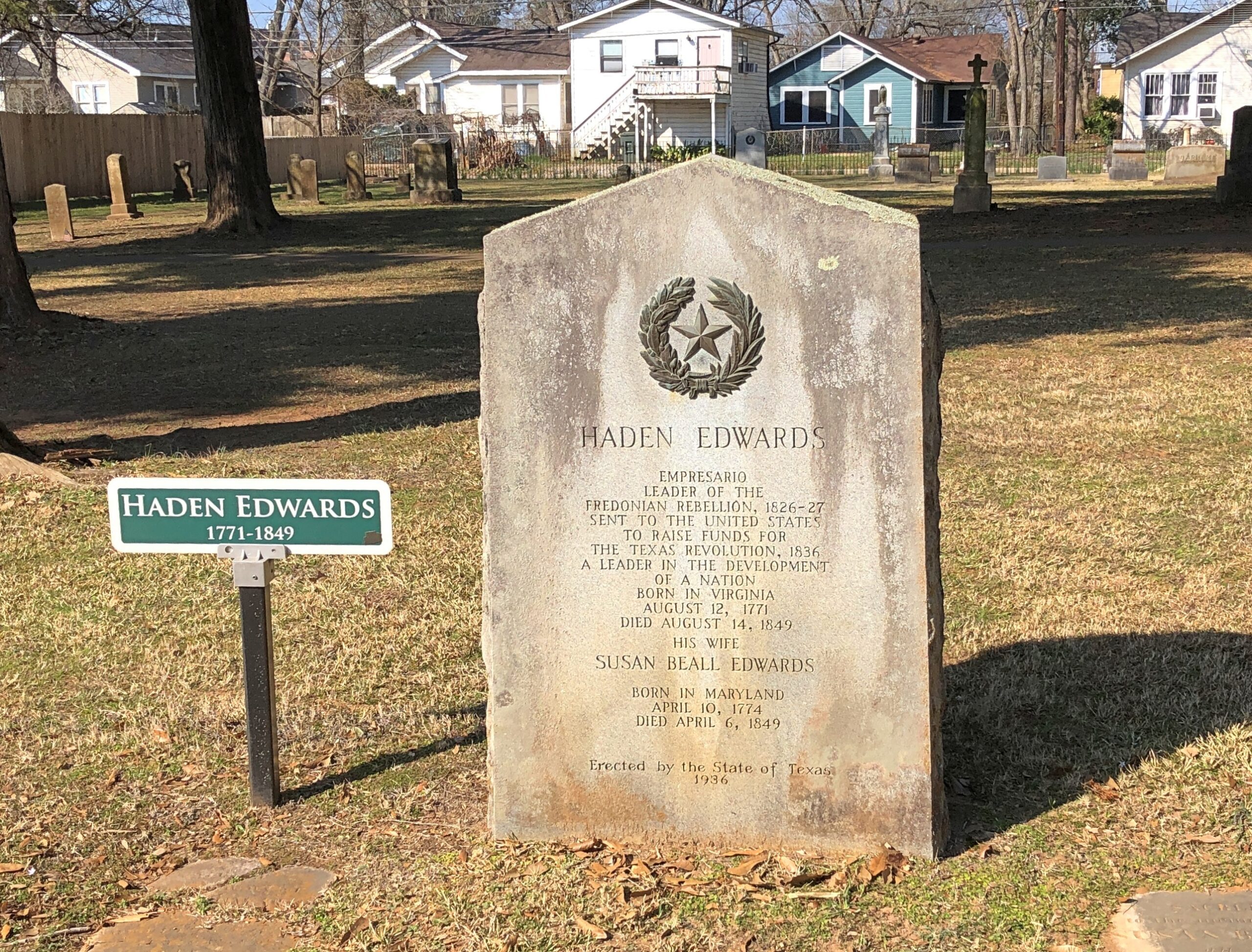
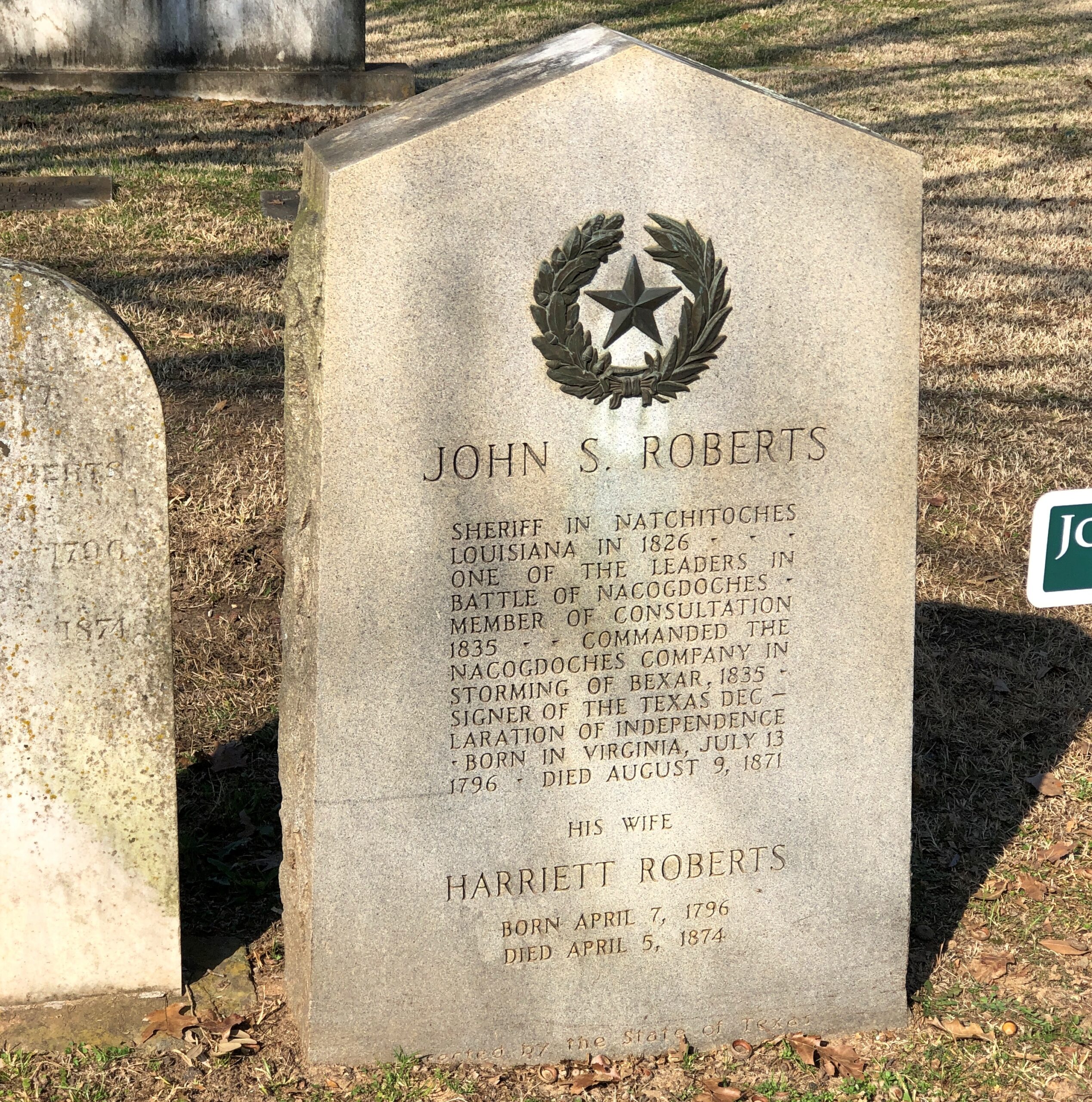
It’s an old cemetery by modern Texas standards – the first burial was the year after independence – so the cemetery punches above its weight in one way: noted early Texans. Such as Harden Edwards.
The state saw fit, during the 1936 Centennial, to put up a new stone for Edwards, an empresario and “Leader of the Freedonian Rebellion,” who must have penned the rousing tune, “Hail, Hail Freedonia,” for future generations to enjoy.
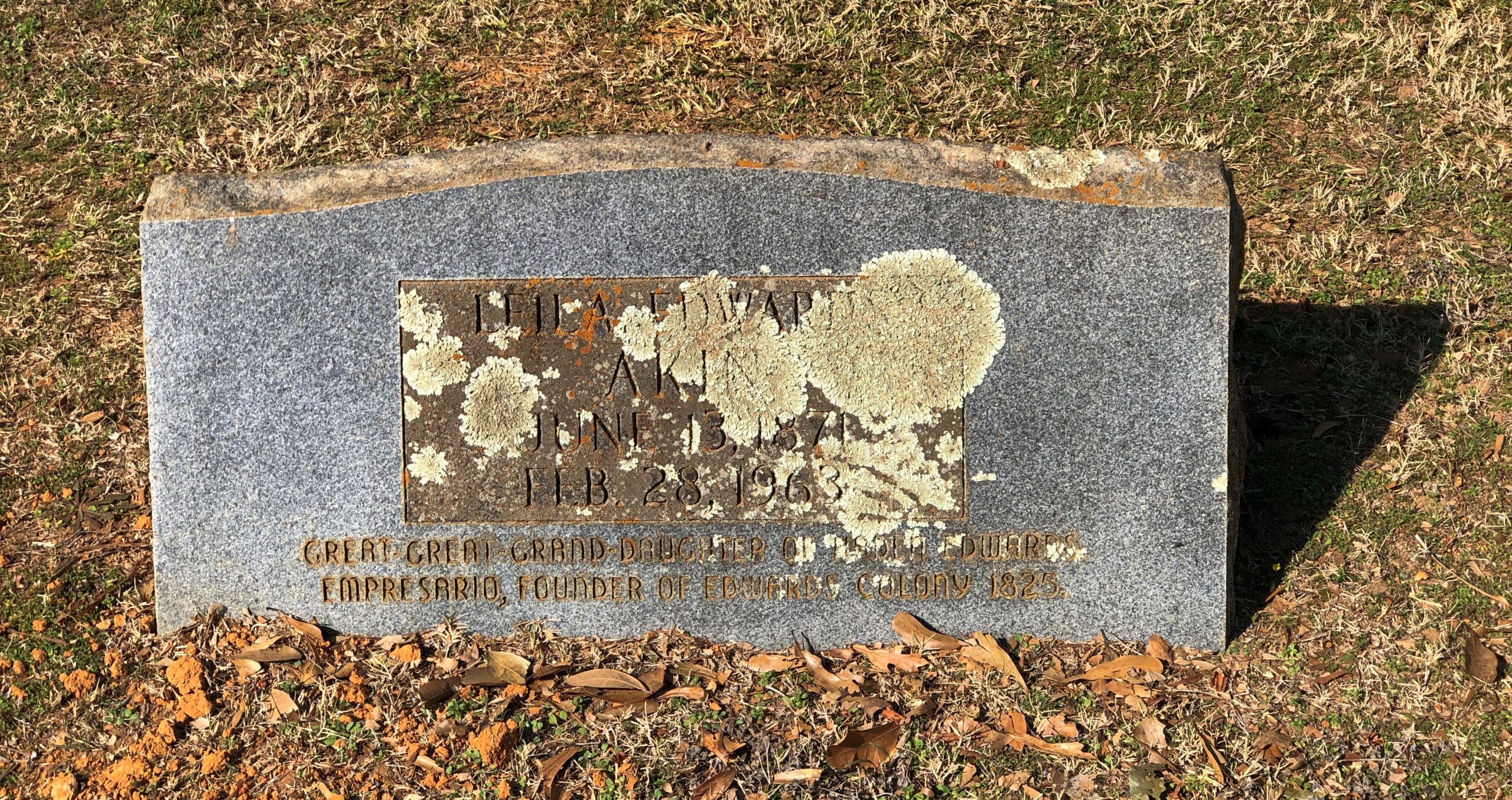
The stone of a great-great granddaughter of Edwards who died in 1963 seems eager to bask in his remote glory. Why not?
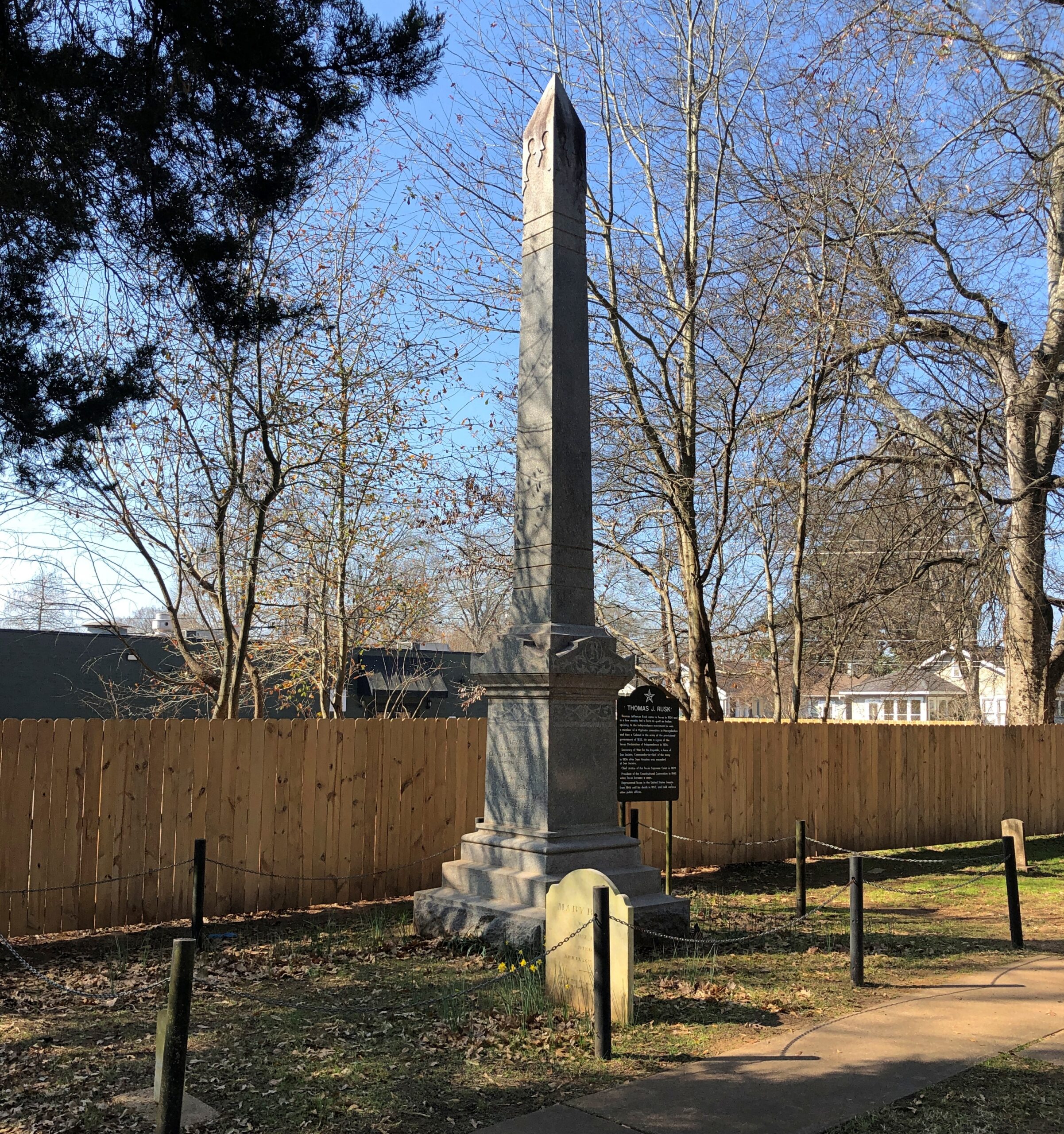
He was a signer, fought at San Jacinto, and had a notable career in antebellum Texas and U.S. politics. There’s is a town a county over from Nacogdoches named Rusk, seat of Cherokee County. Also, strangely, a font based on his handwriting was created in our time, “Texas Hero.”
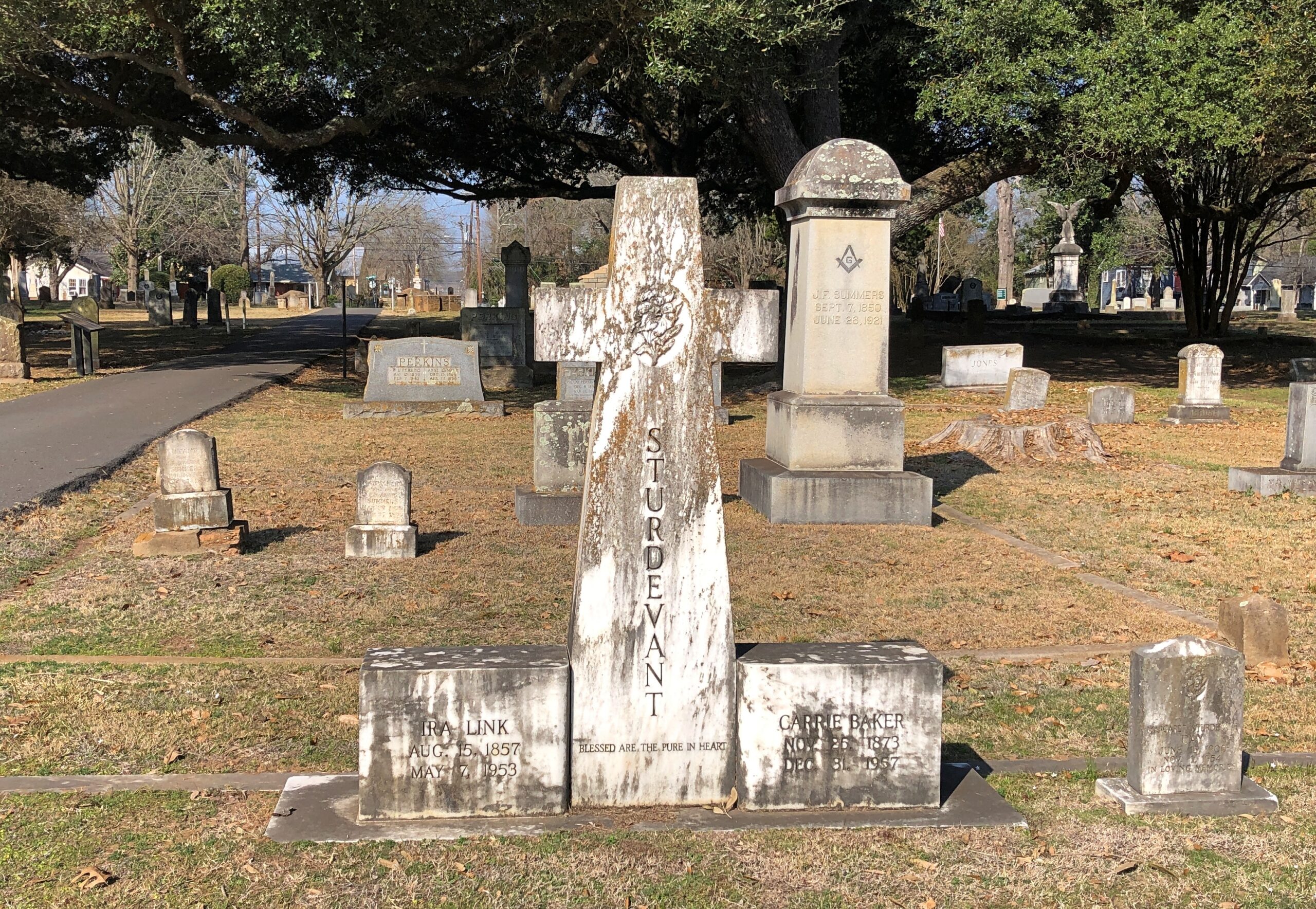
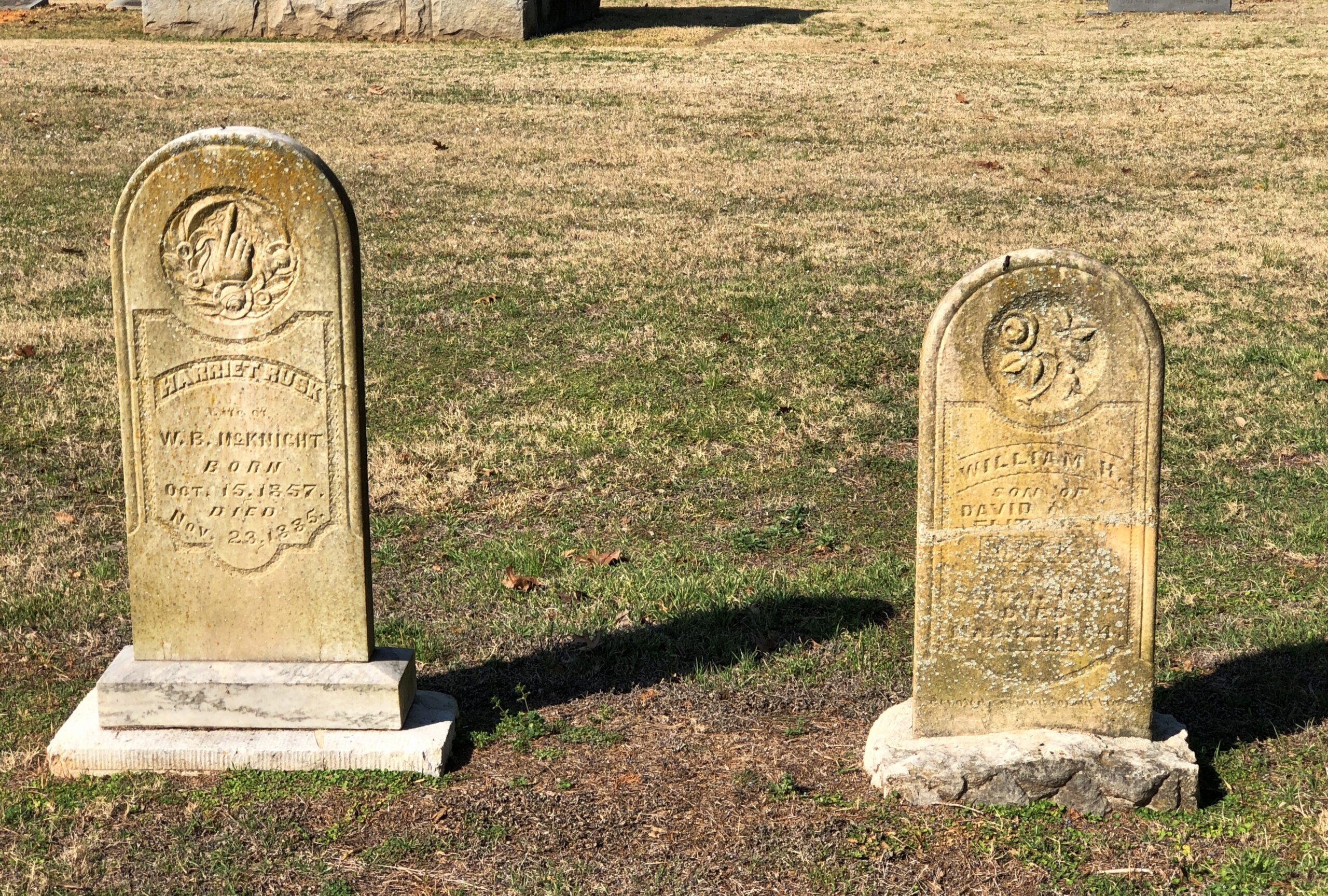
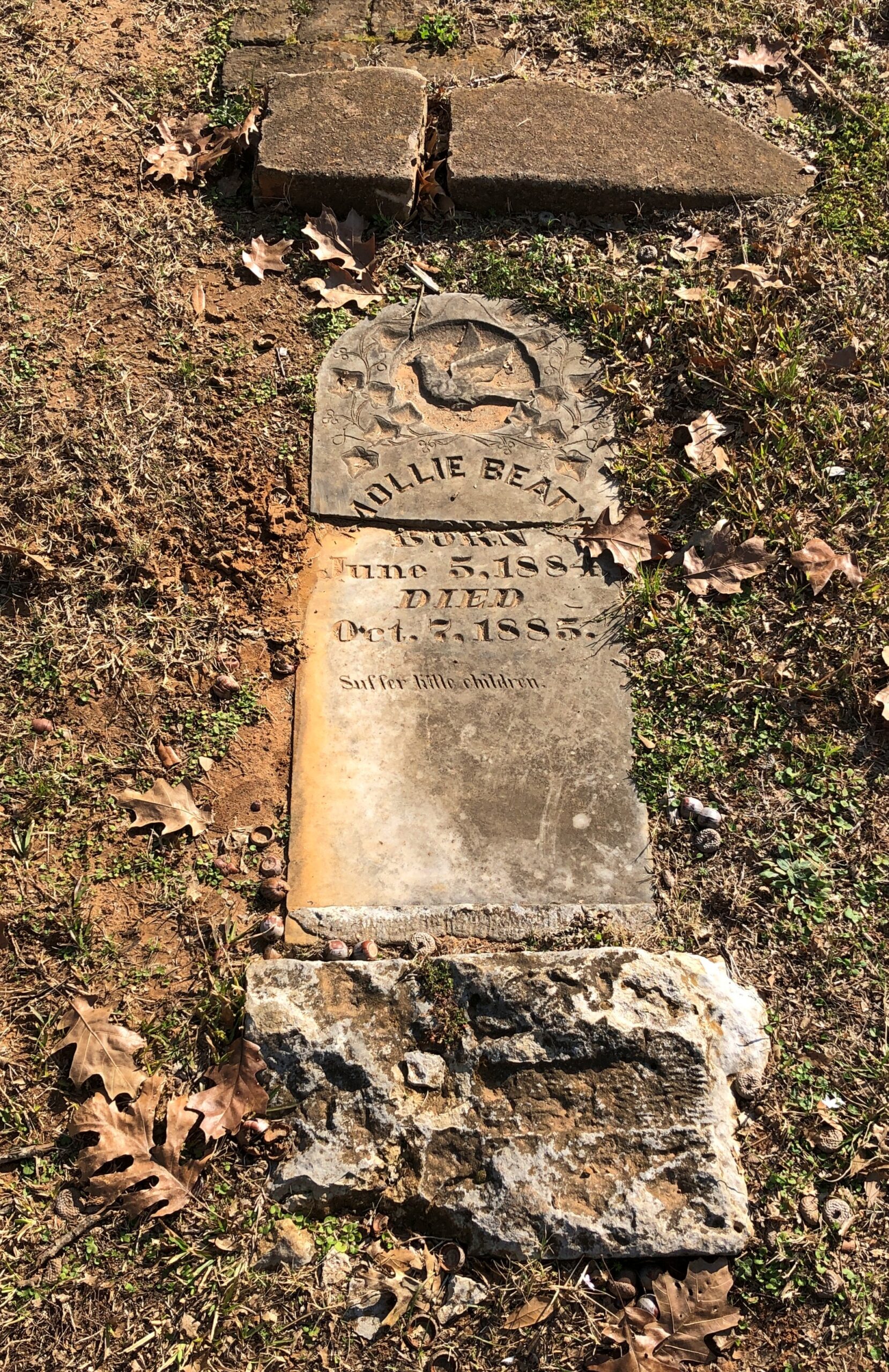
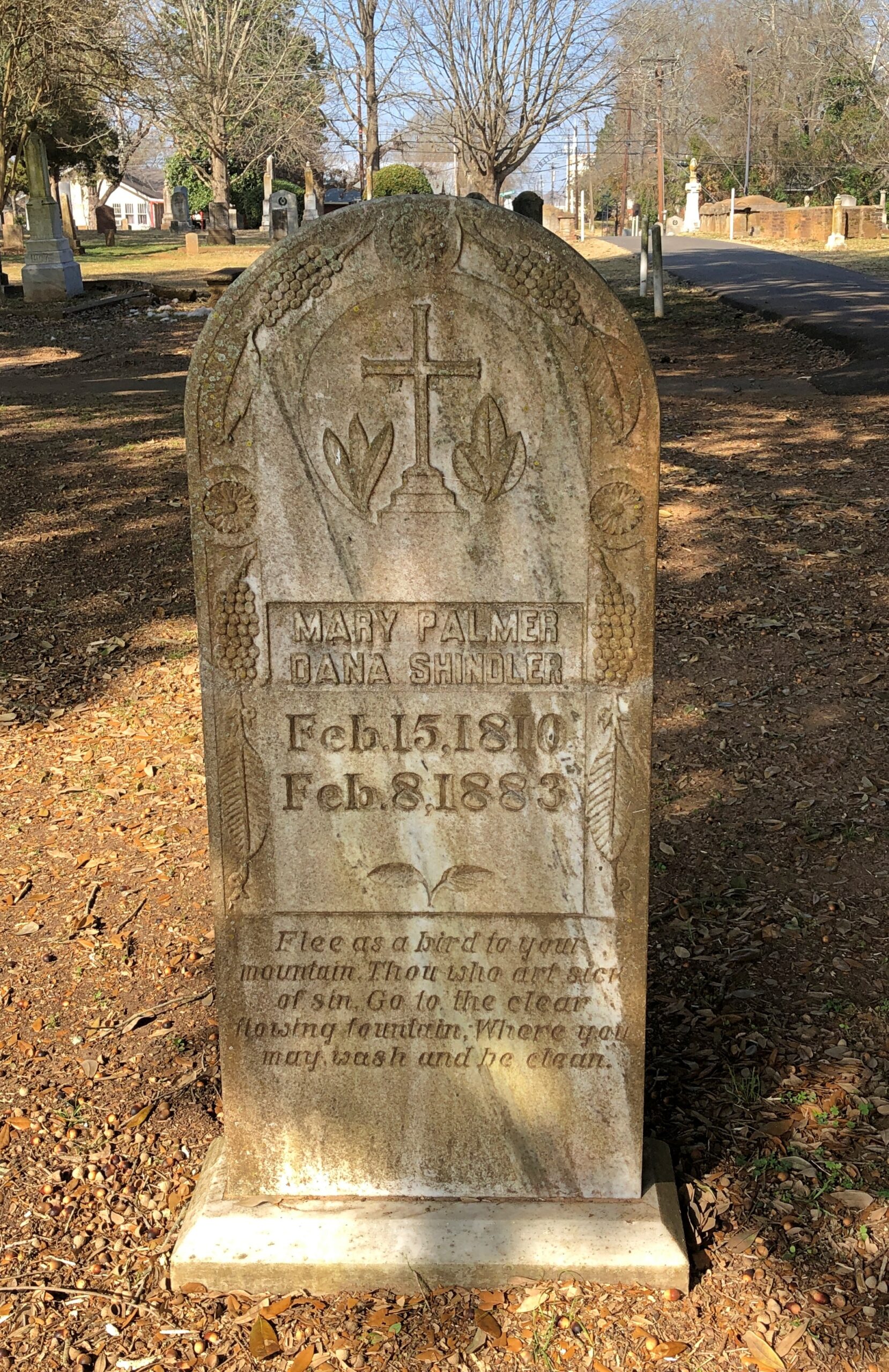
Some regular folks.
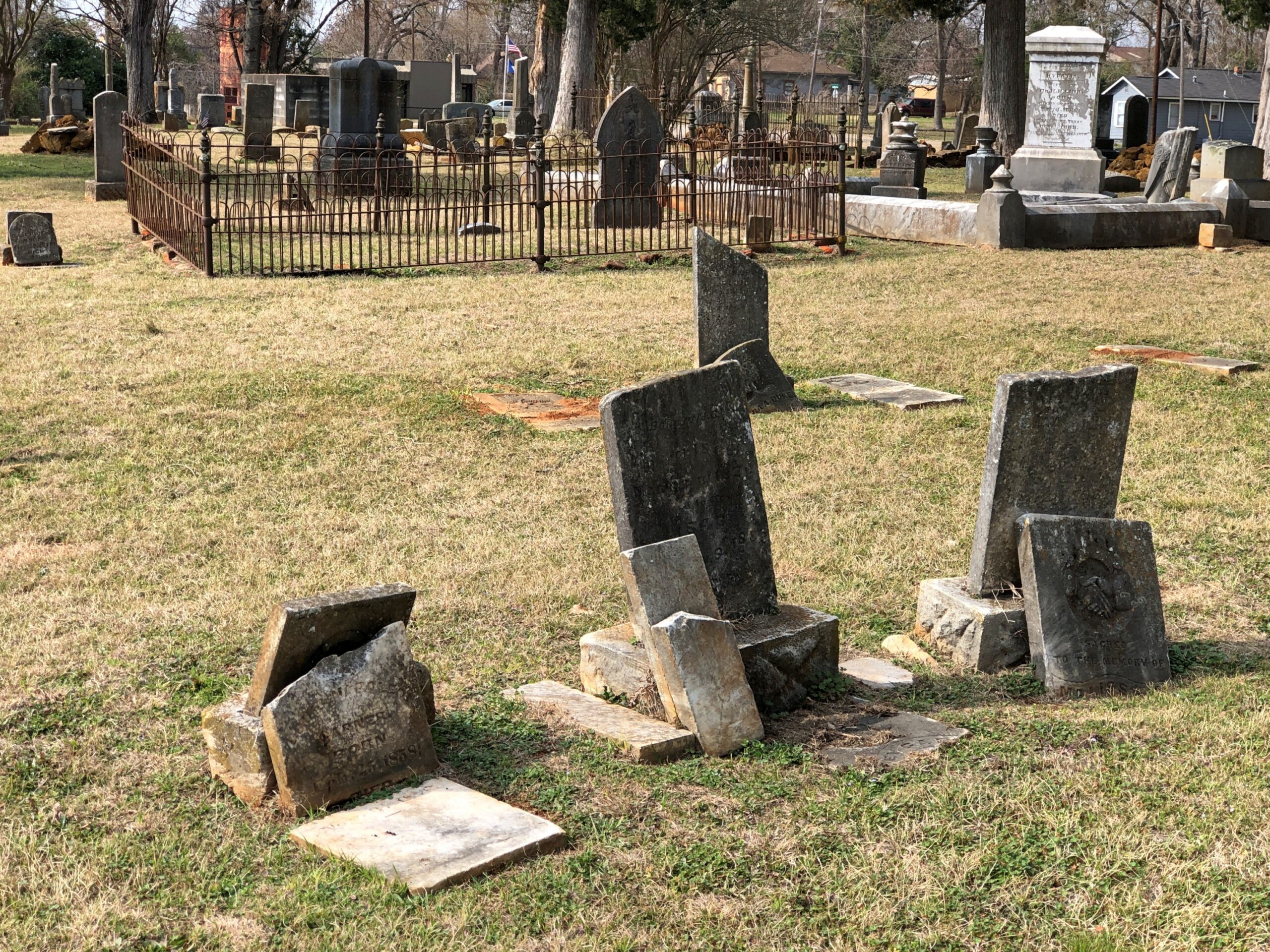
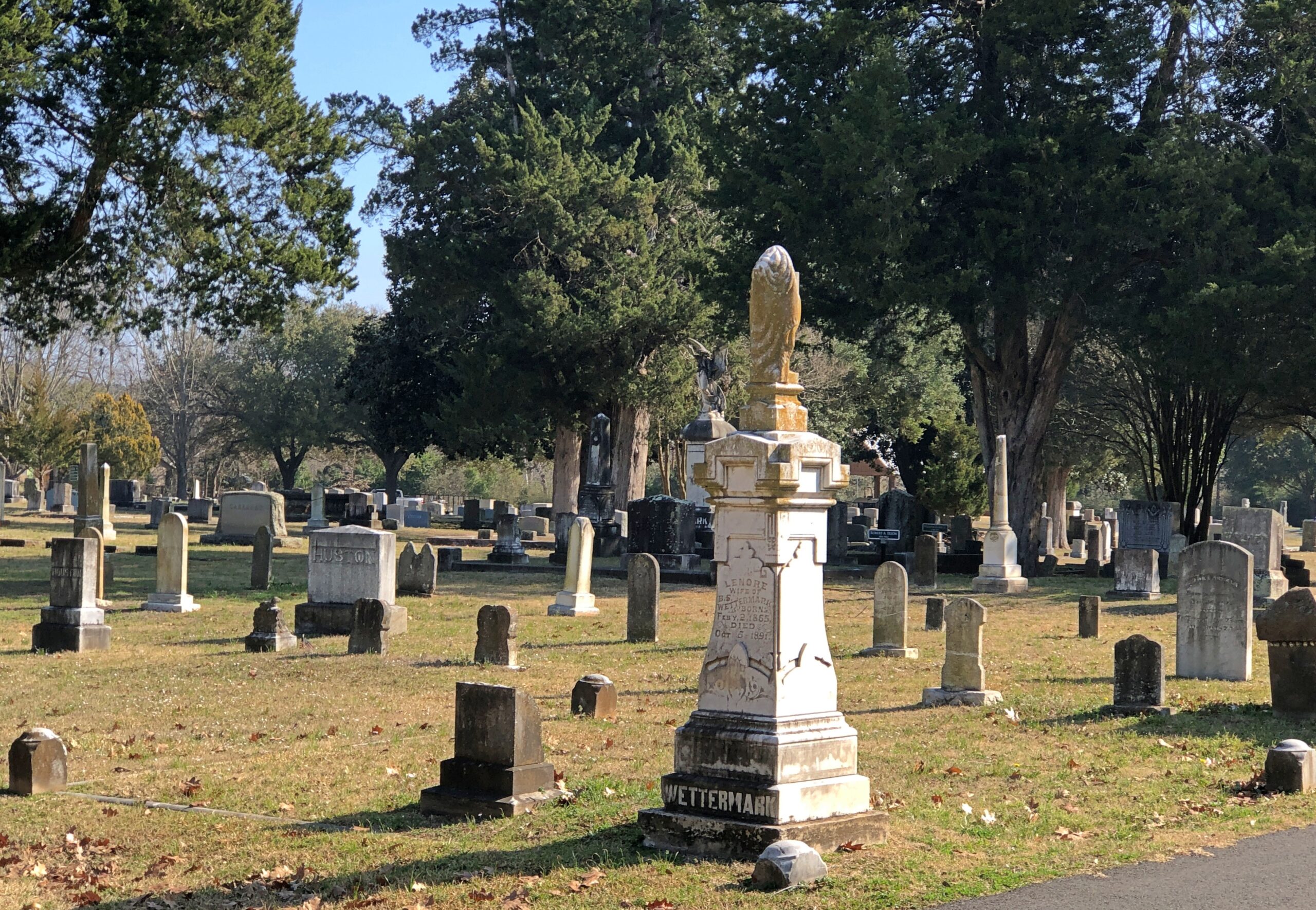
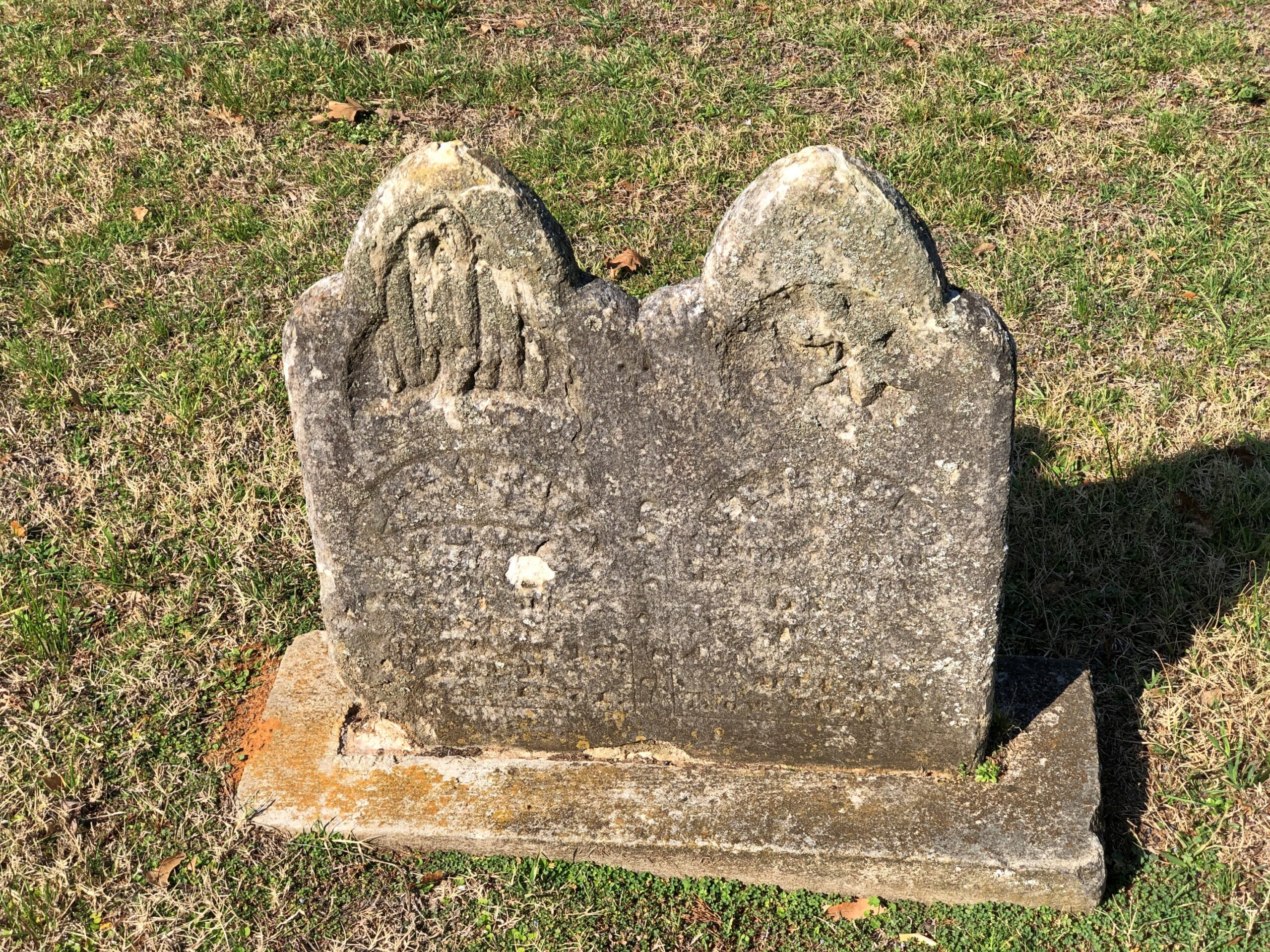
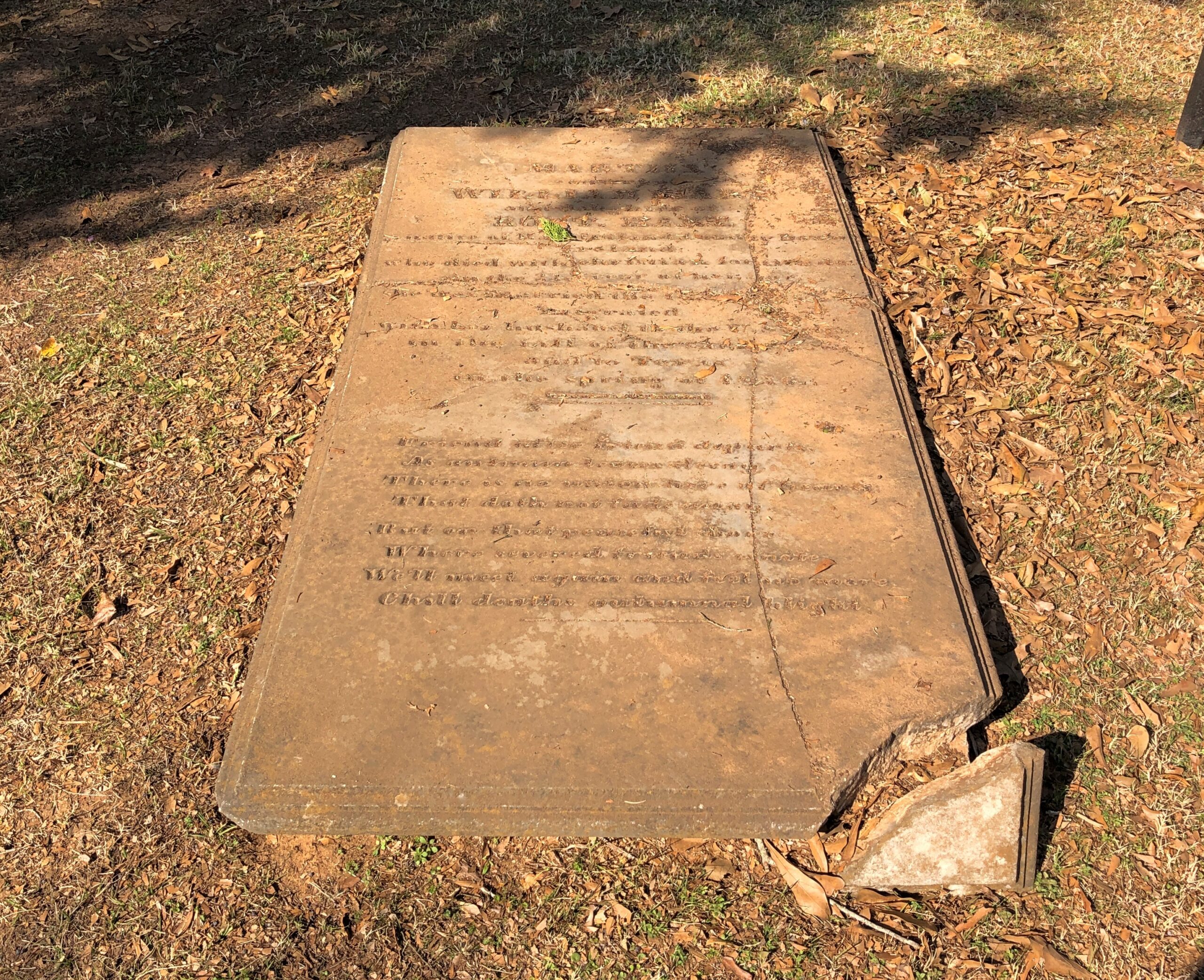
I don’t know how ordinary this person was, but perhaps he was gifted with Victorian prolixity. Or maybe his family was.
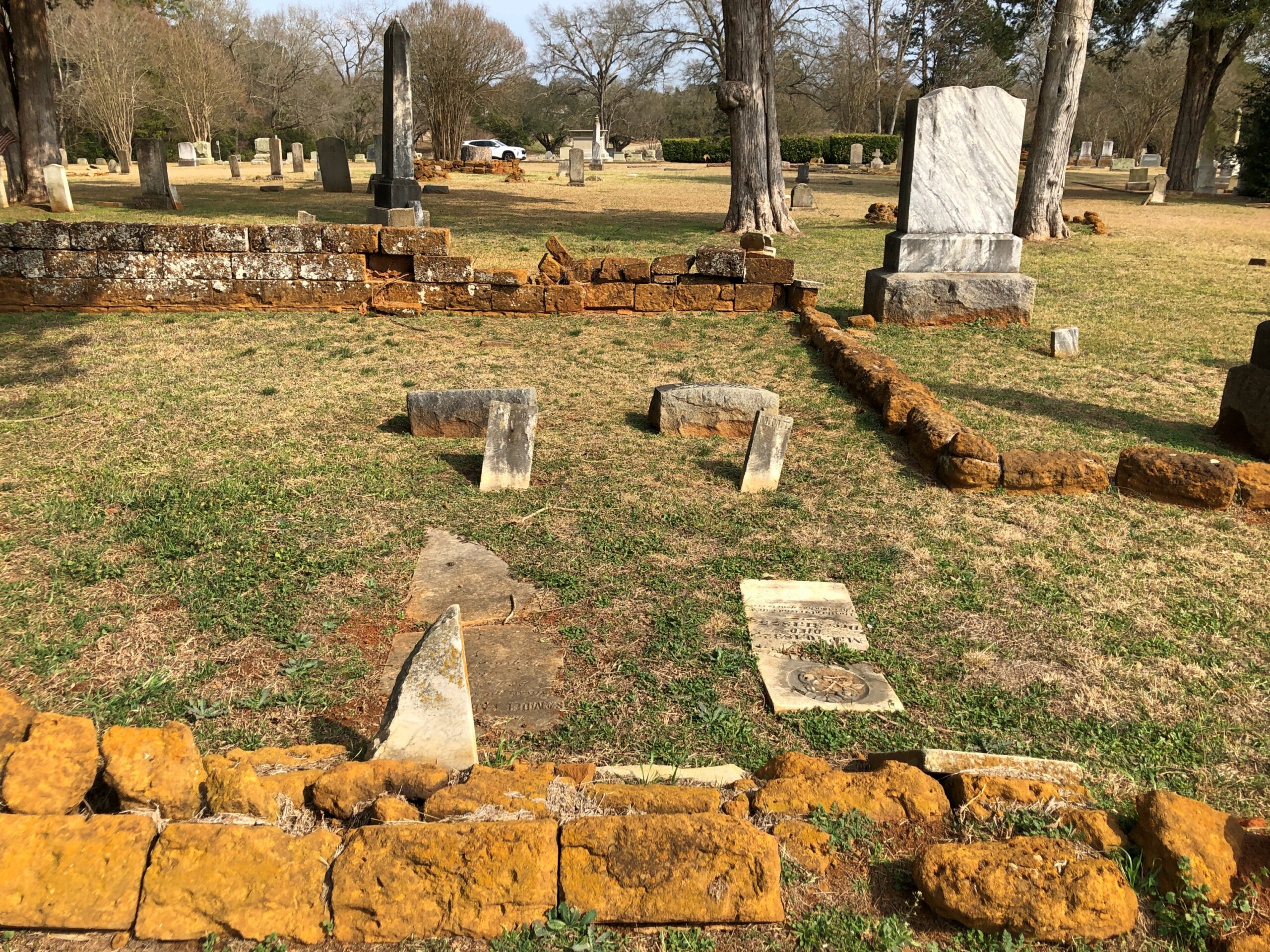
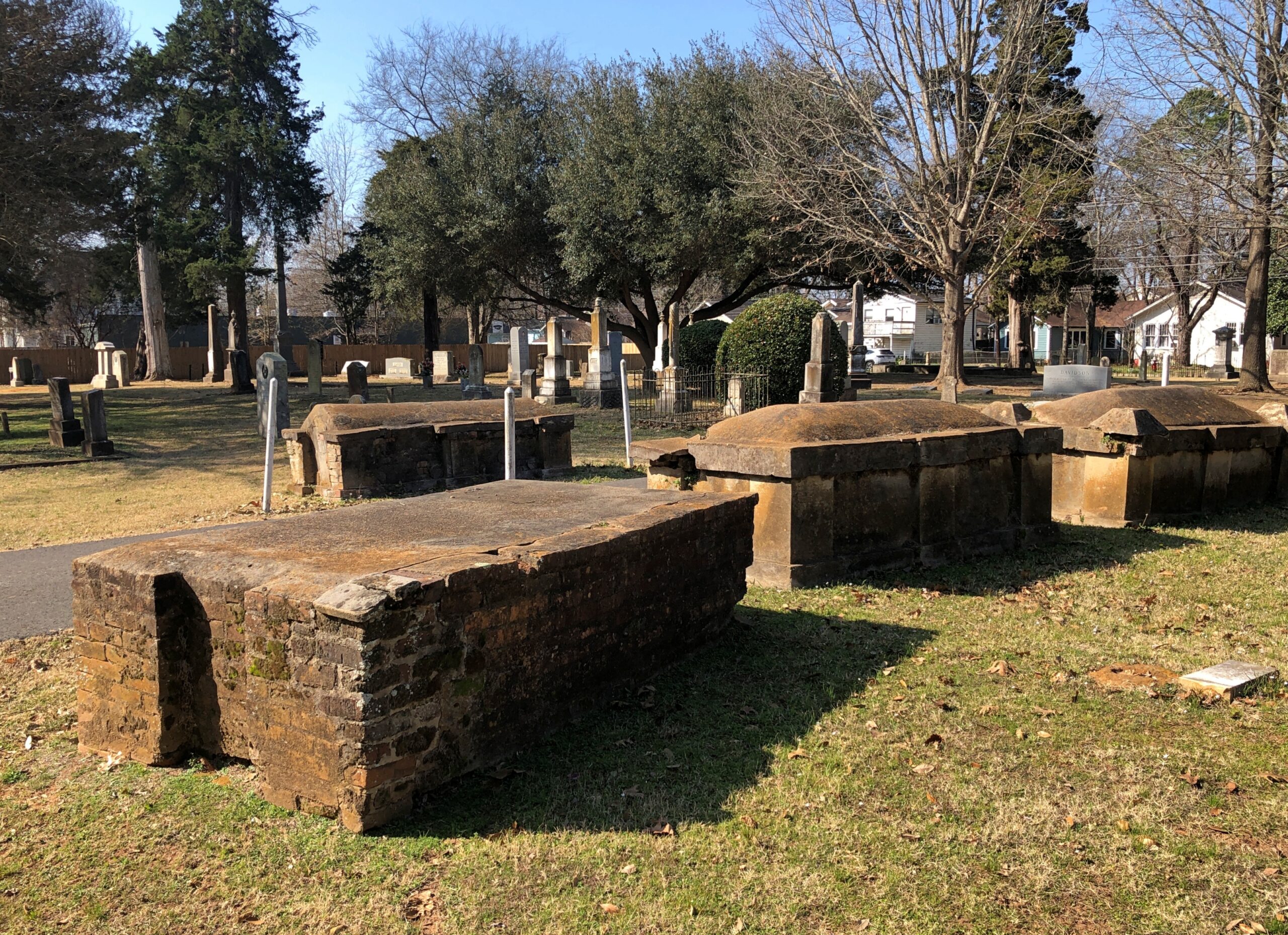
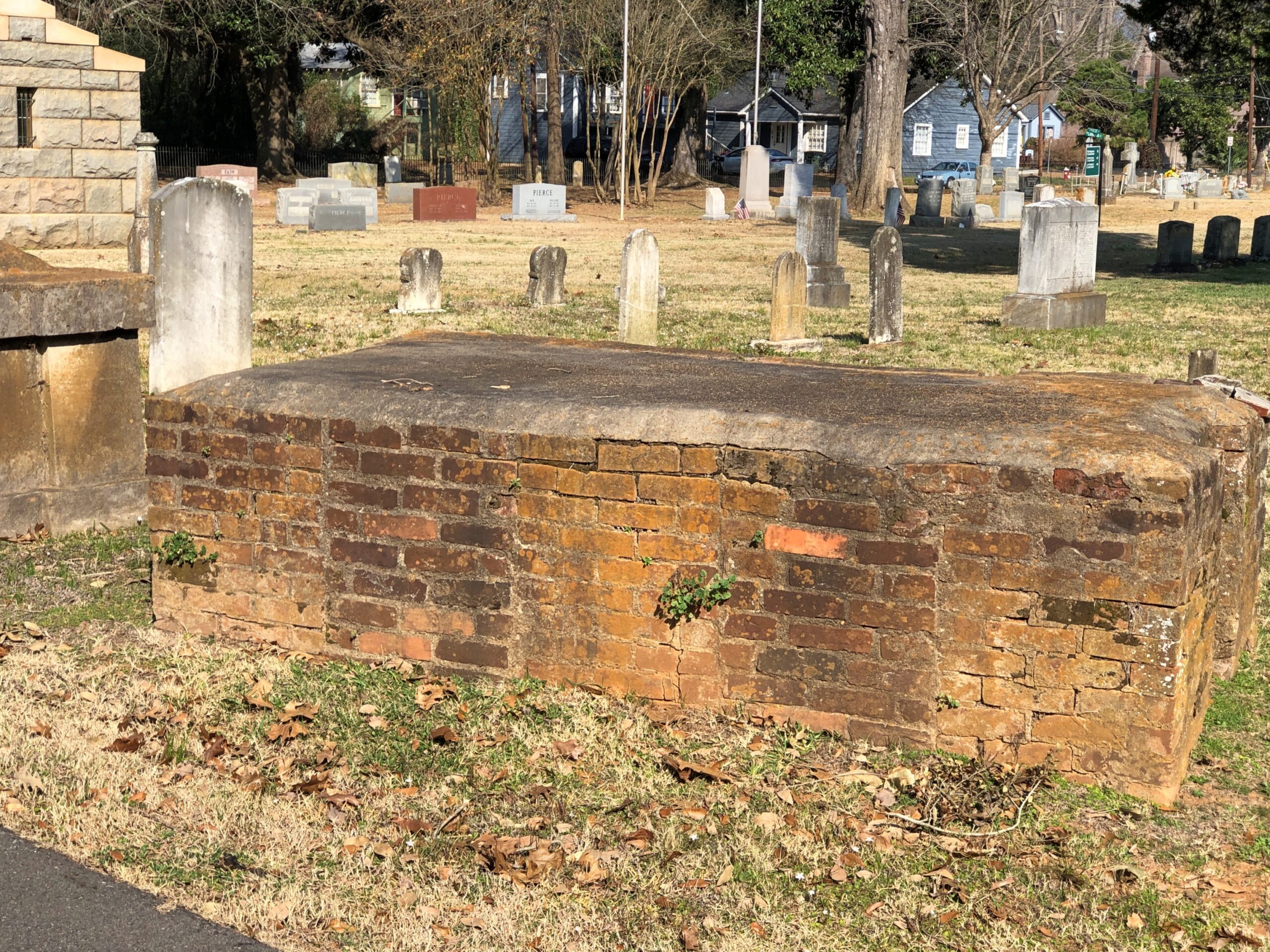
Brick tombs of the kind I’ve seen elsewhere in the South from roughly the same period, that is, sometime in the 19th century.
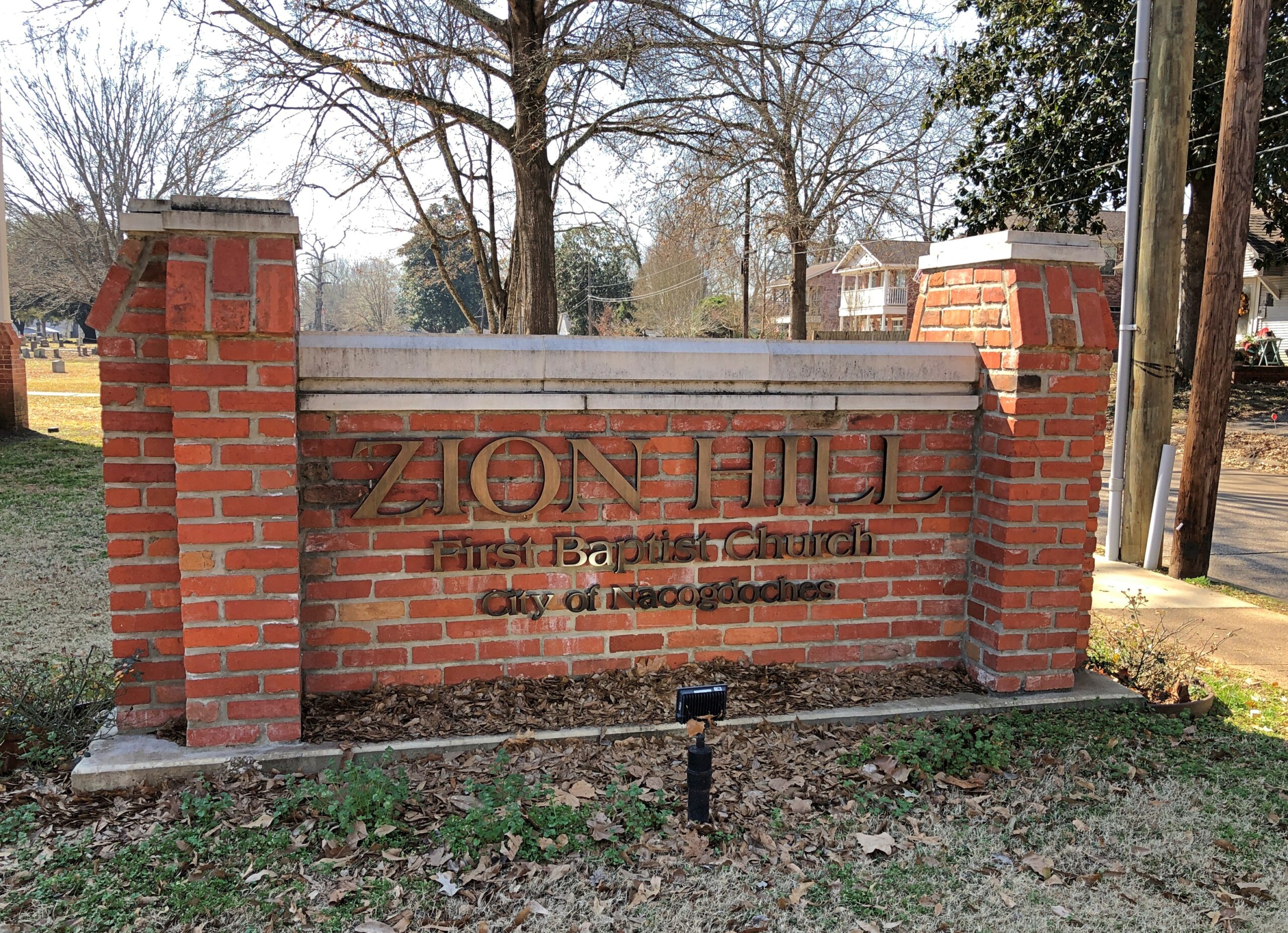
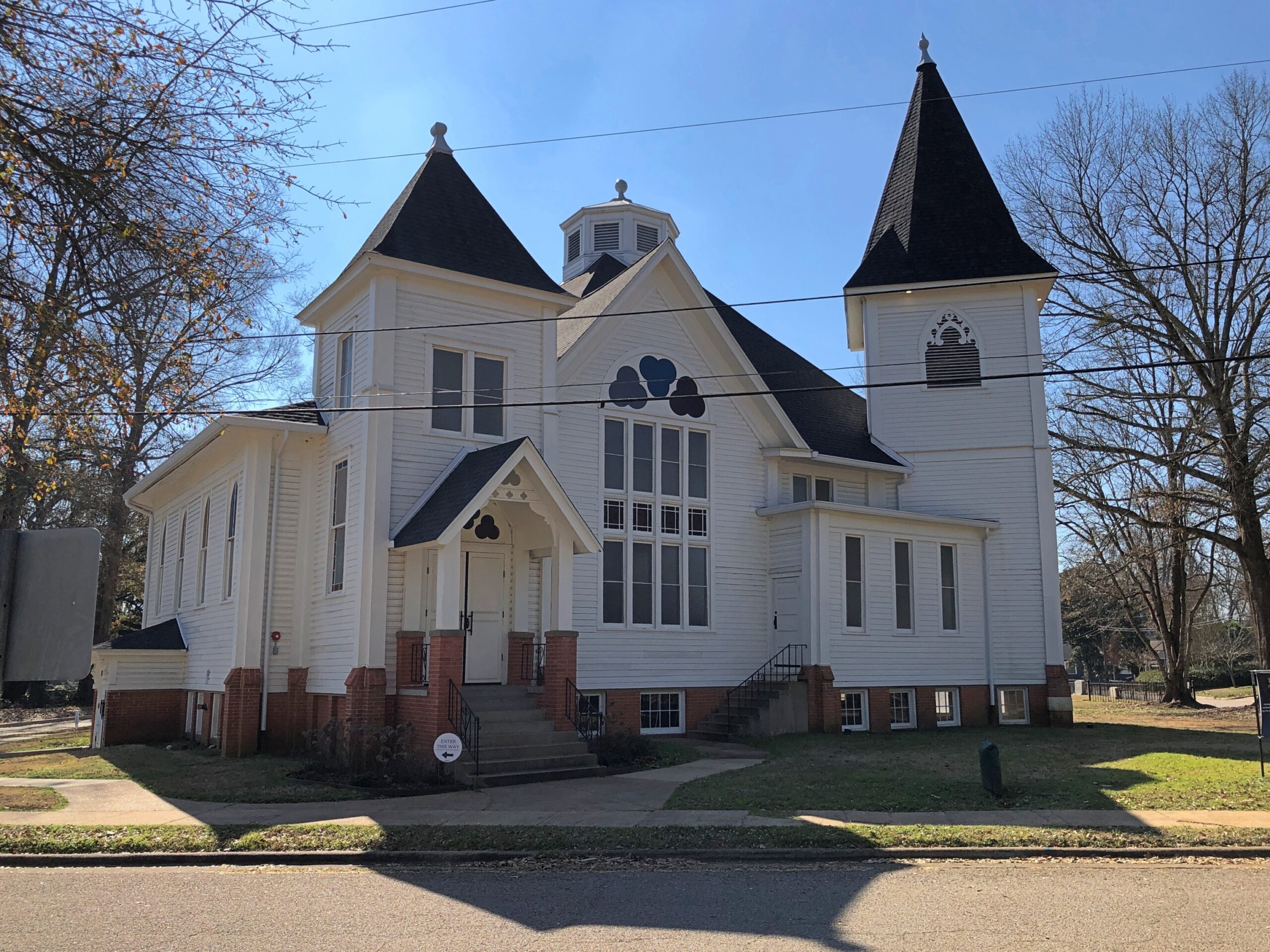
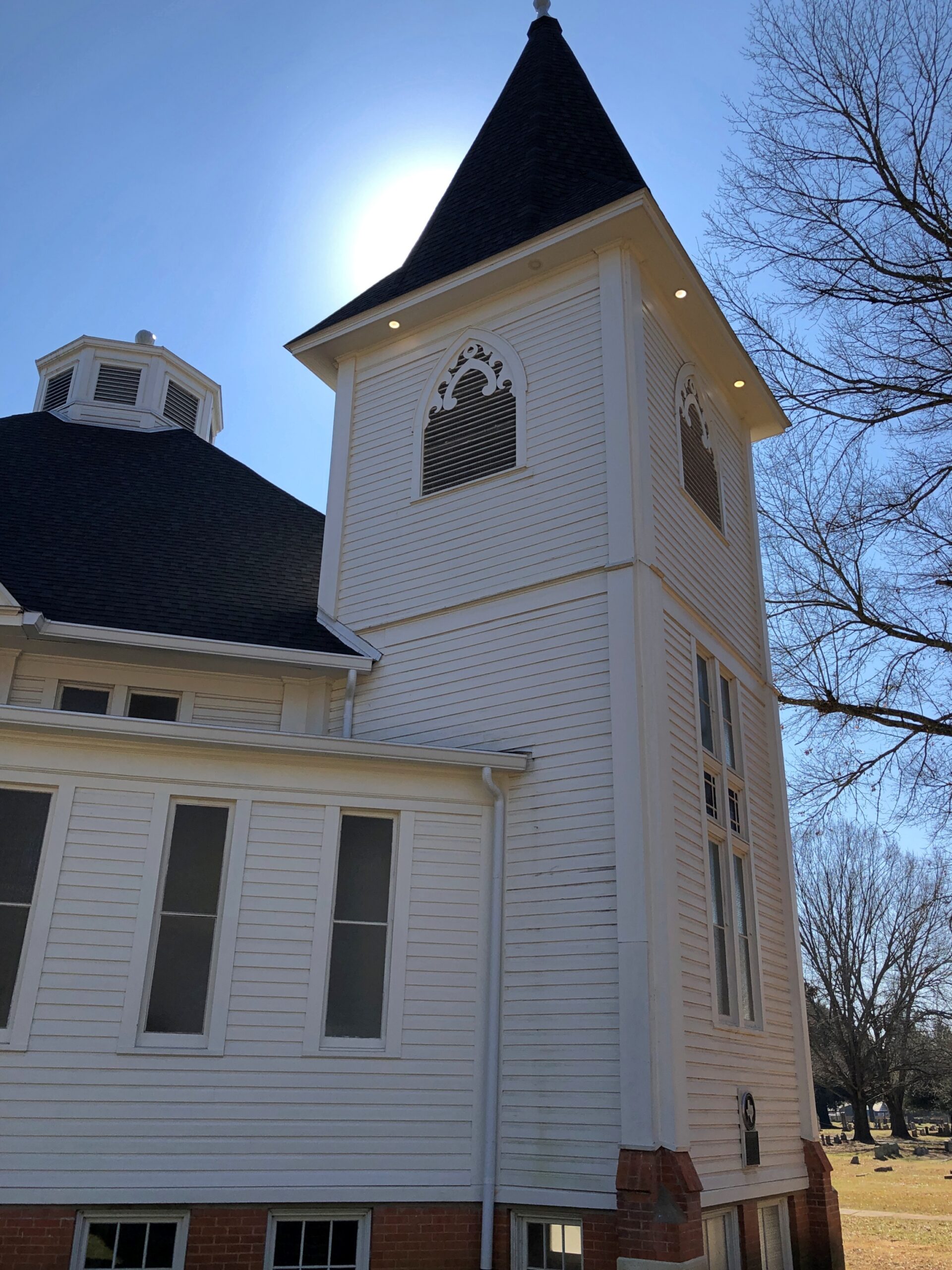
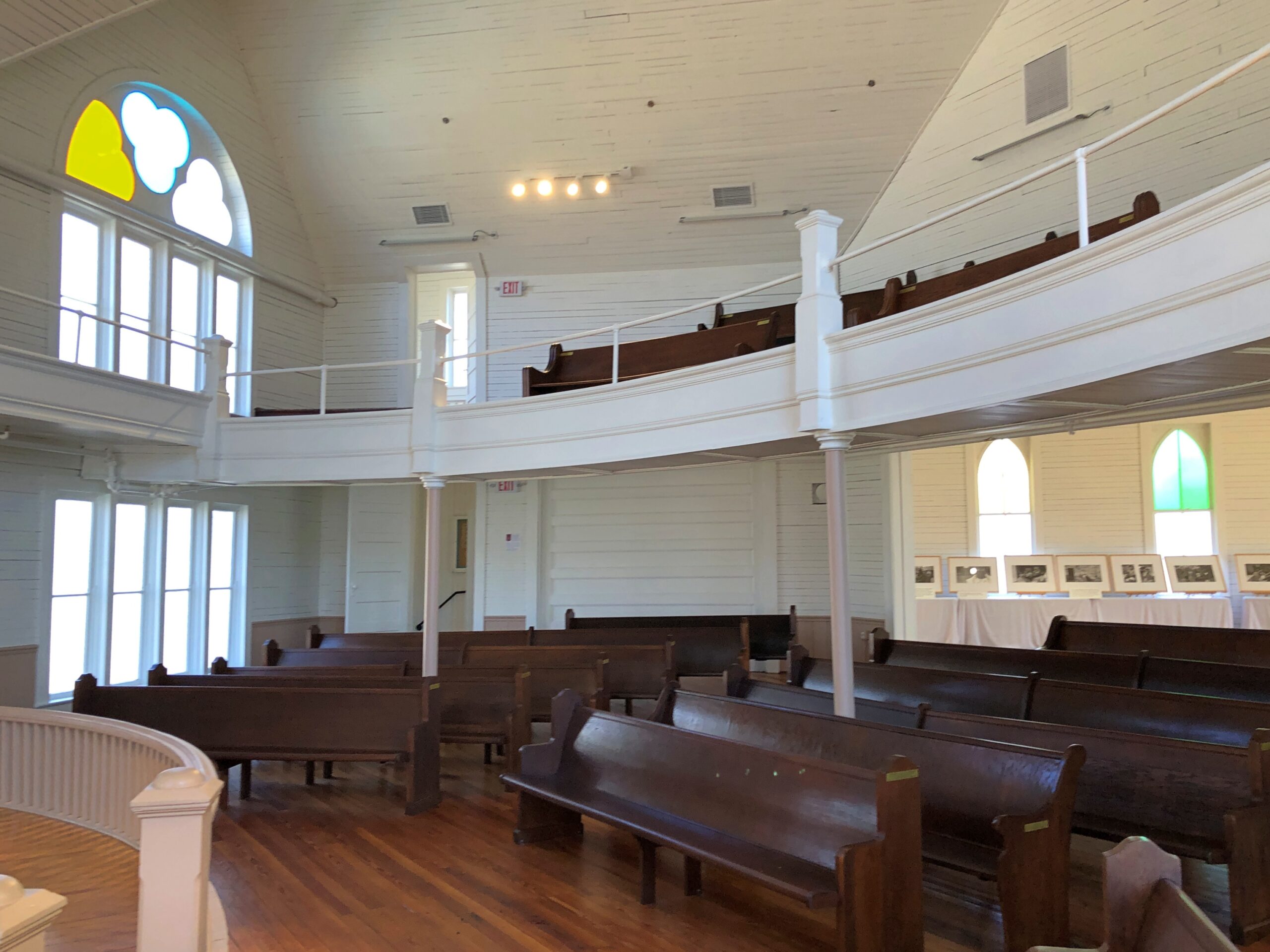
Adjacent to the cemetery but not associated with it is the former home of Zion Hill Baptist Church, one of the oldest African-American Baptist congregations in Texas, founded in 1878. The church is on the corner of Lanana and the delightfully named Bois d’arc St., as in lumpy “apples.”
The congregation hasn’t used the structure, designed in 1914 by architect Diedrich Rulfs, for nearly 40 years. It’s a fine little museum these days, restored to its early 20th century glory.
Rulfs was a German who made good in Texas, as so many have, within a very special niche: most of the buildings worth seeing in Nacogdoches are his work.
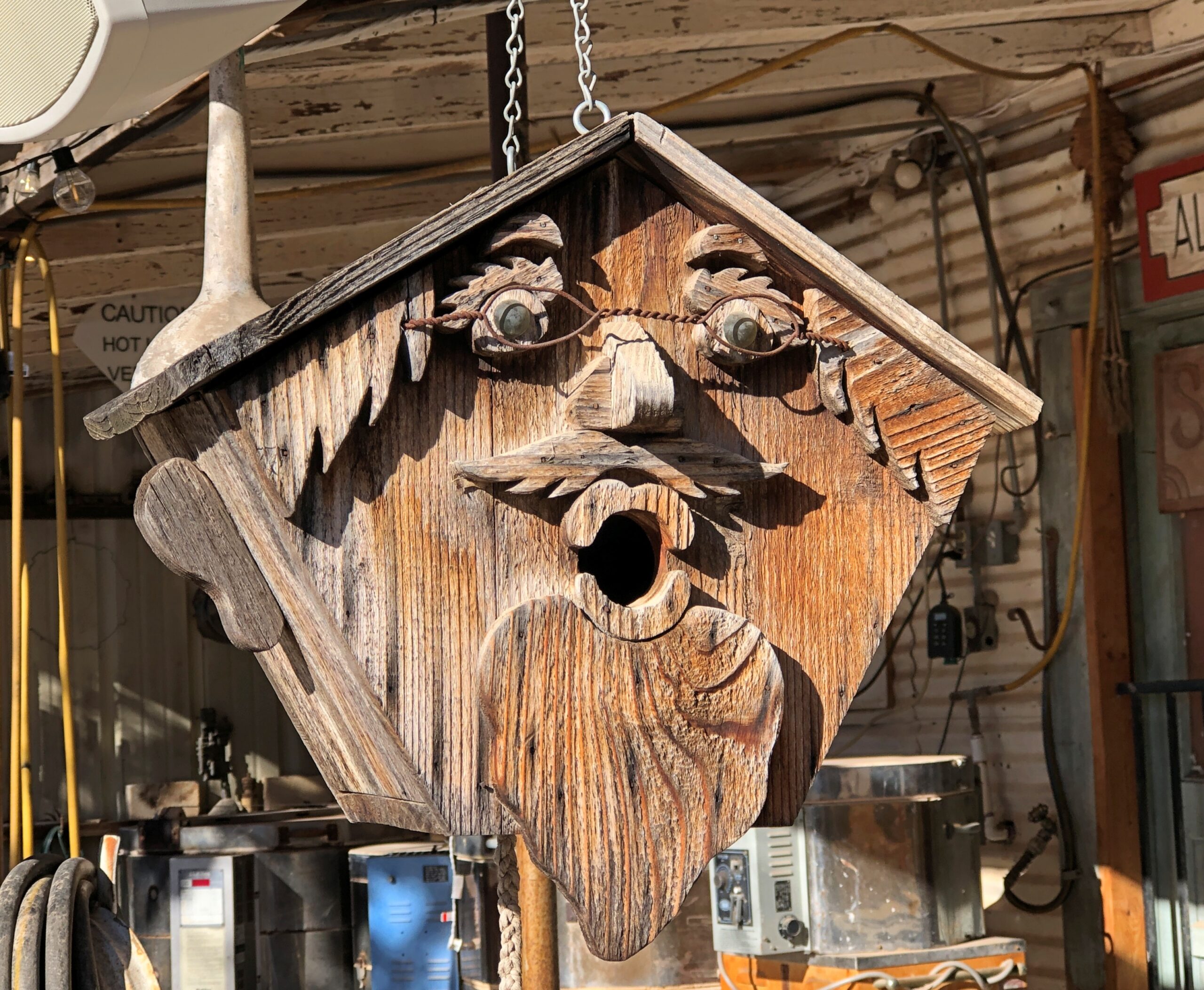
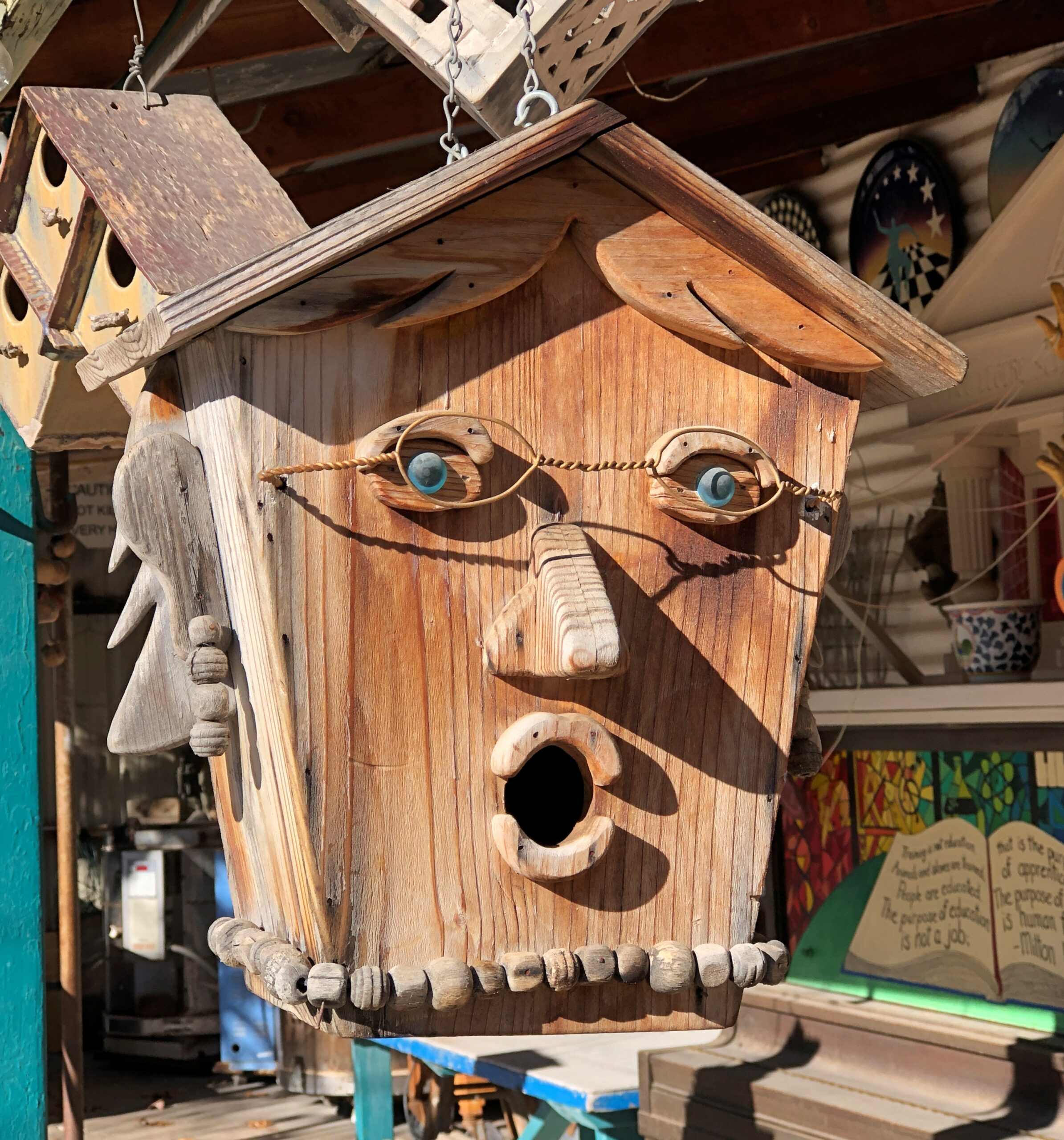
I thought of Ed Wynn, but his glasses tended to be round, if Google images is to be believed. I asked AI for some suggestions about which famed entertainer was known for his oval-rimmed glasses, and it returned the following suggestions from most to least likely: Harold Lloyd, Peter Lorre and Buddy Hackett. Not sure “Buddy Hackett” in this context is an AI hallucination. Just a lousy opinion. Maybe there’s no single inspiration anyway.
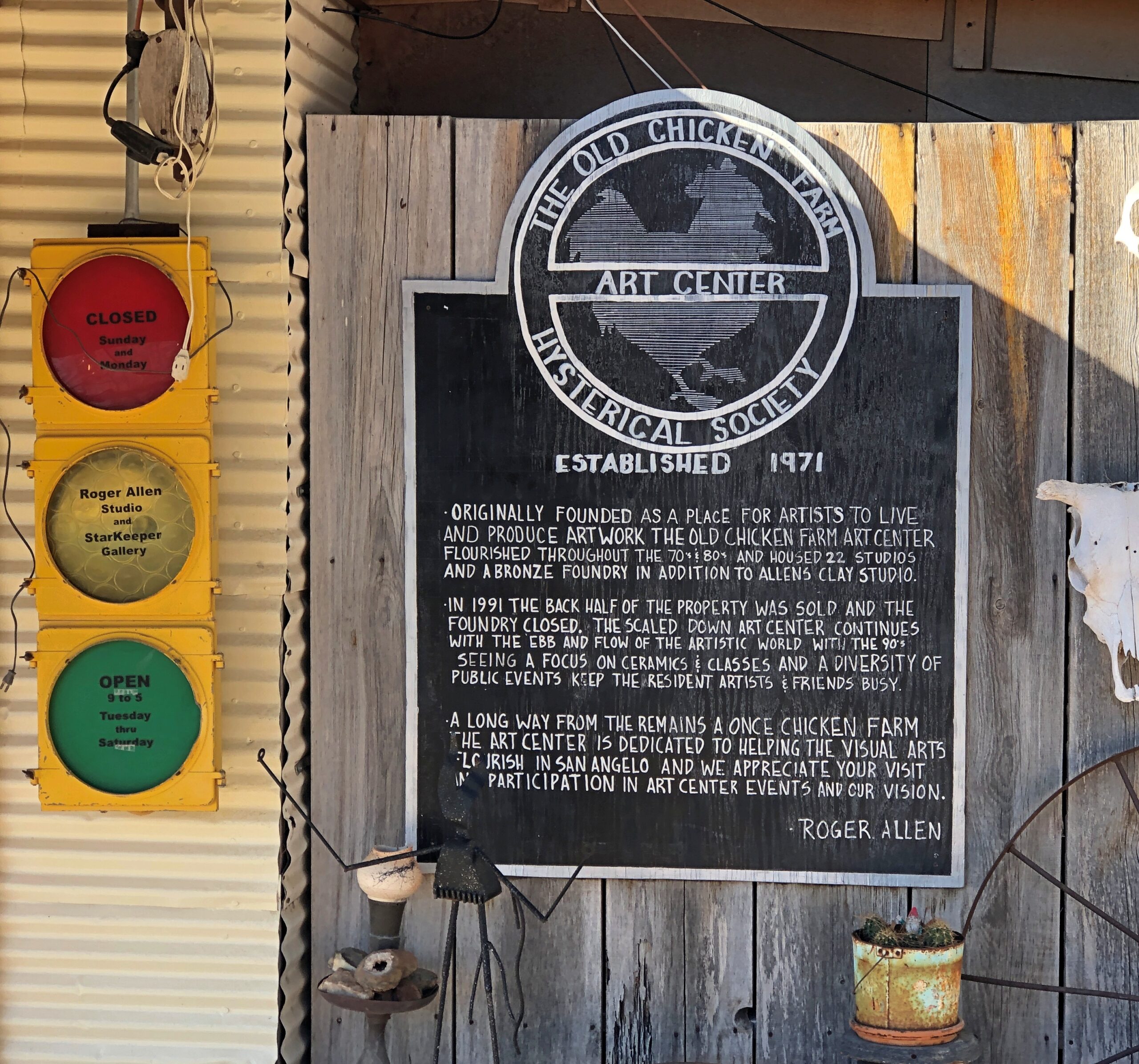
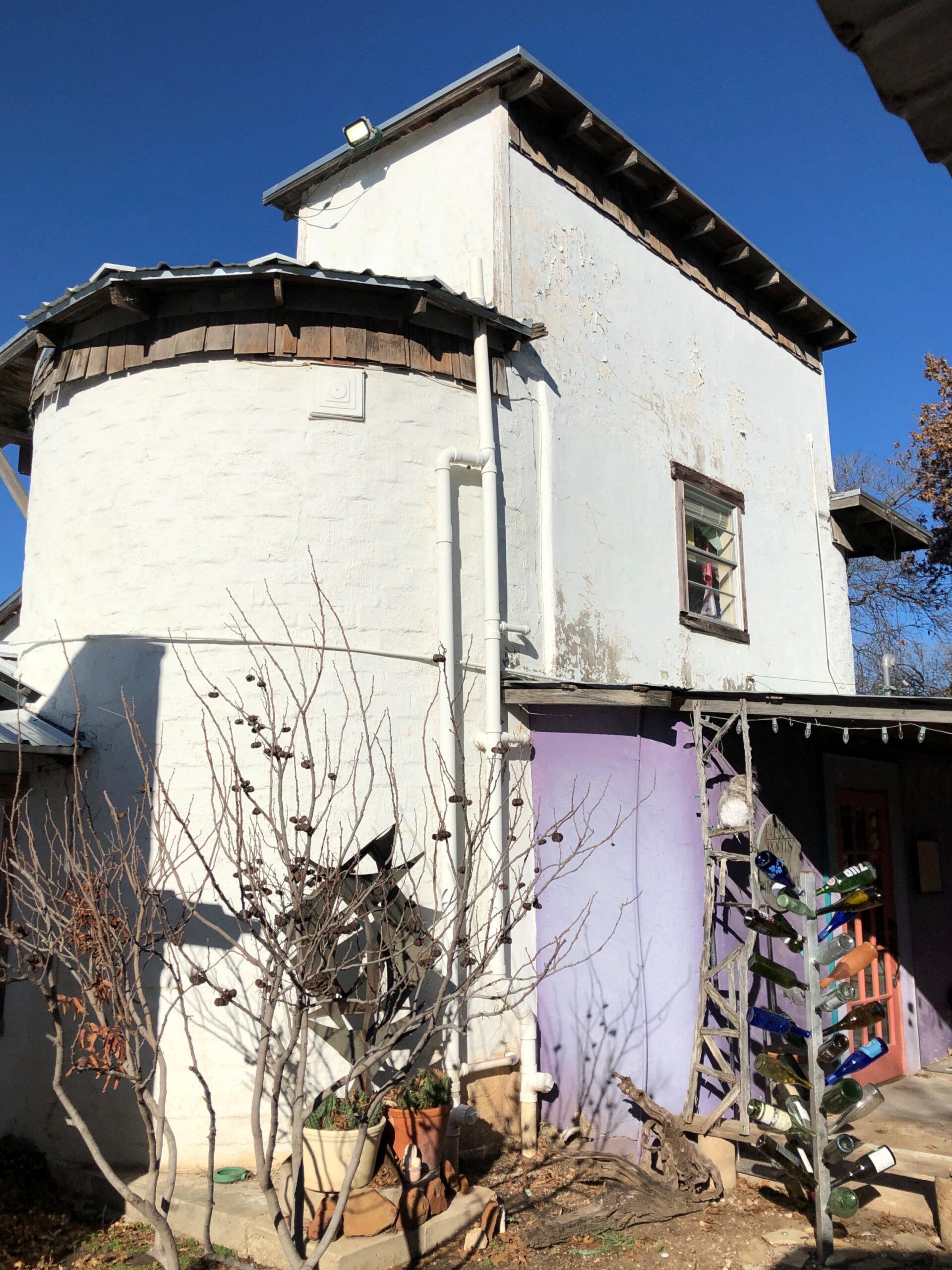
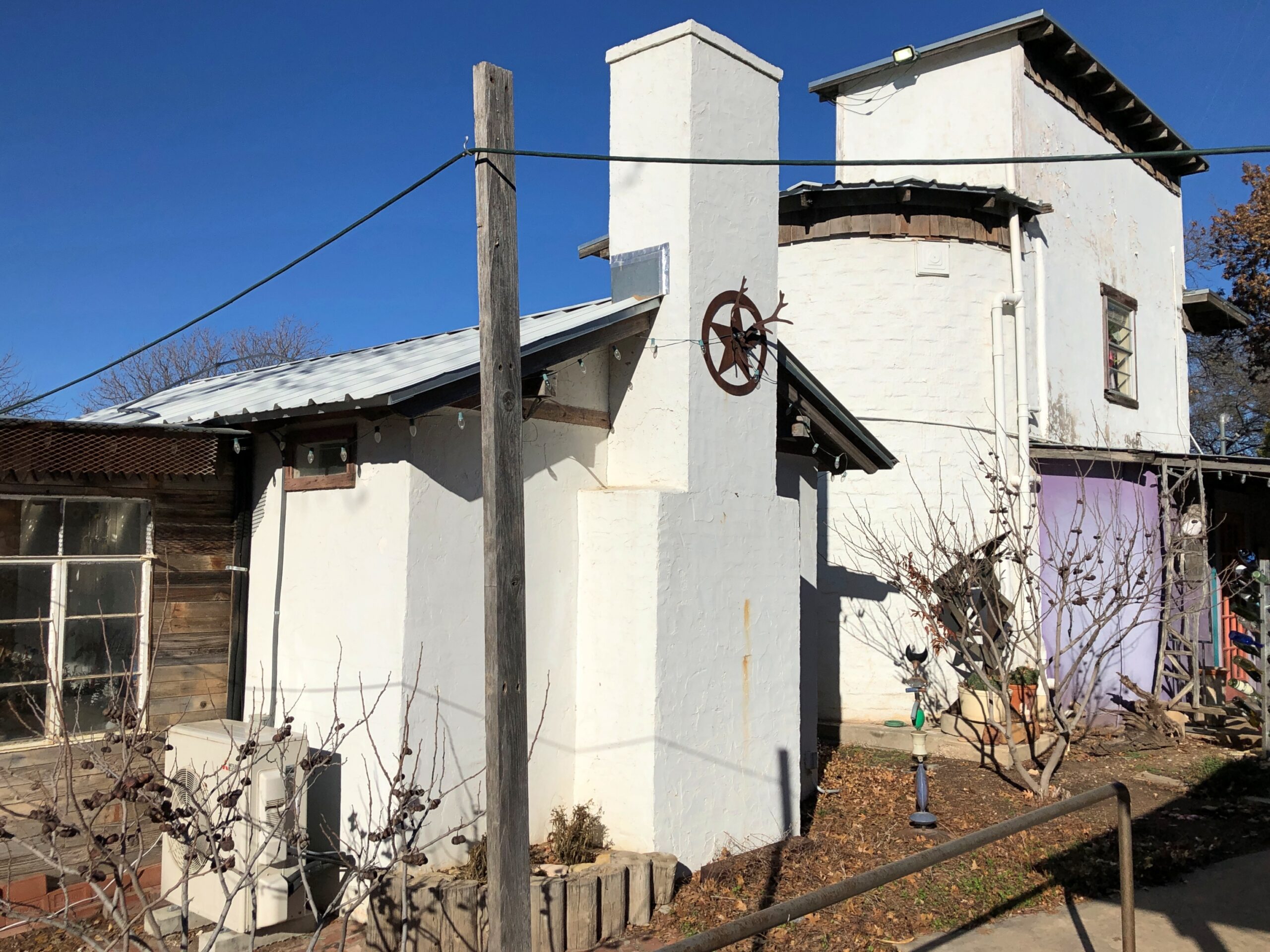
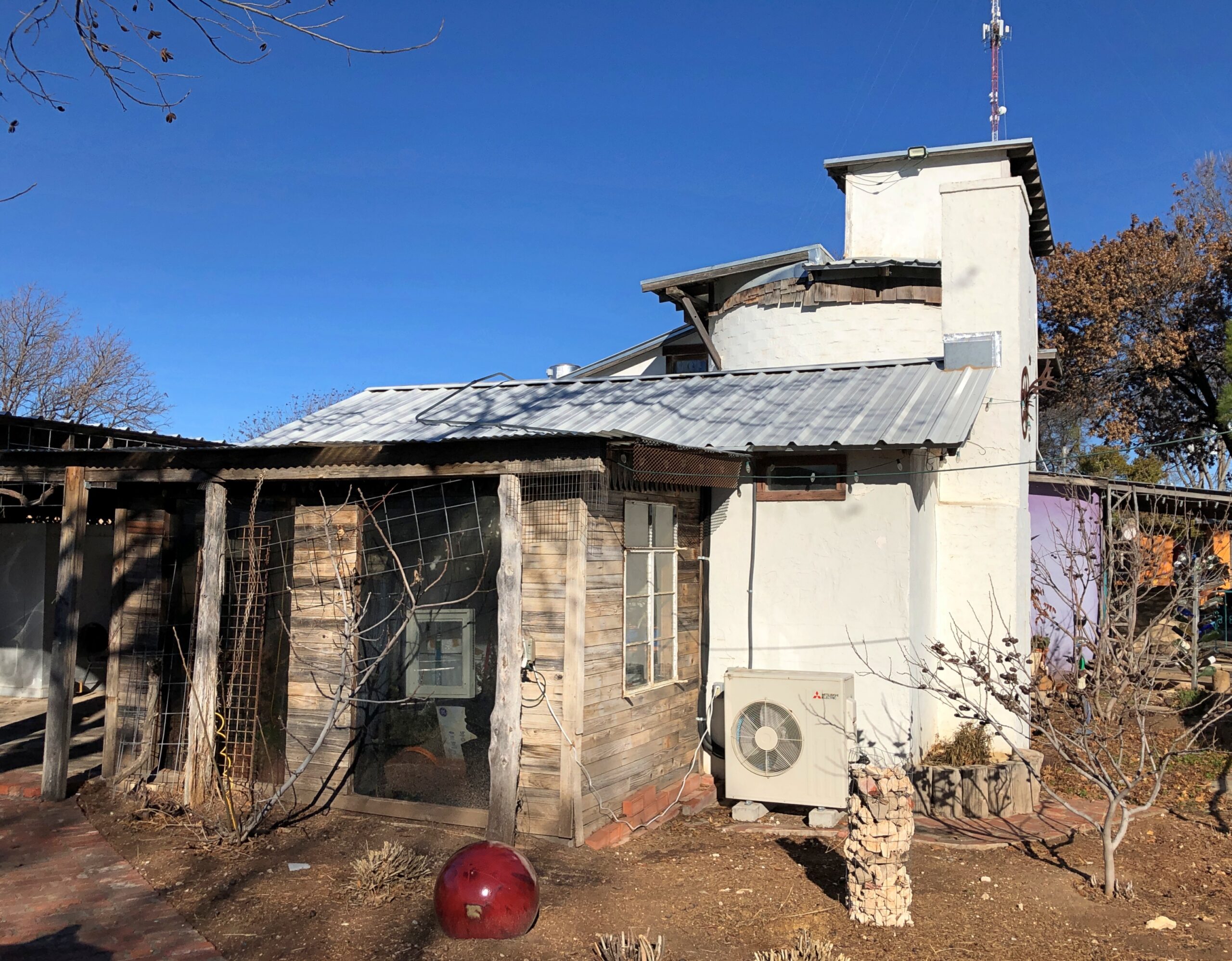
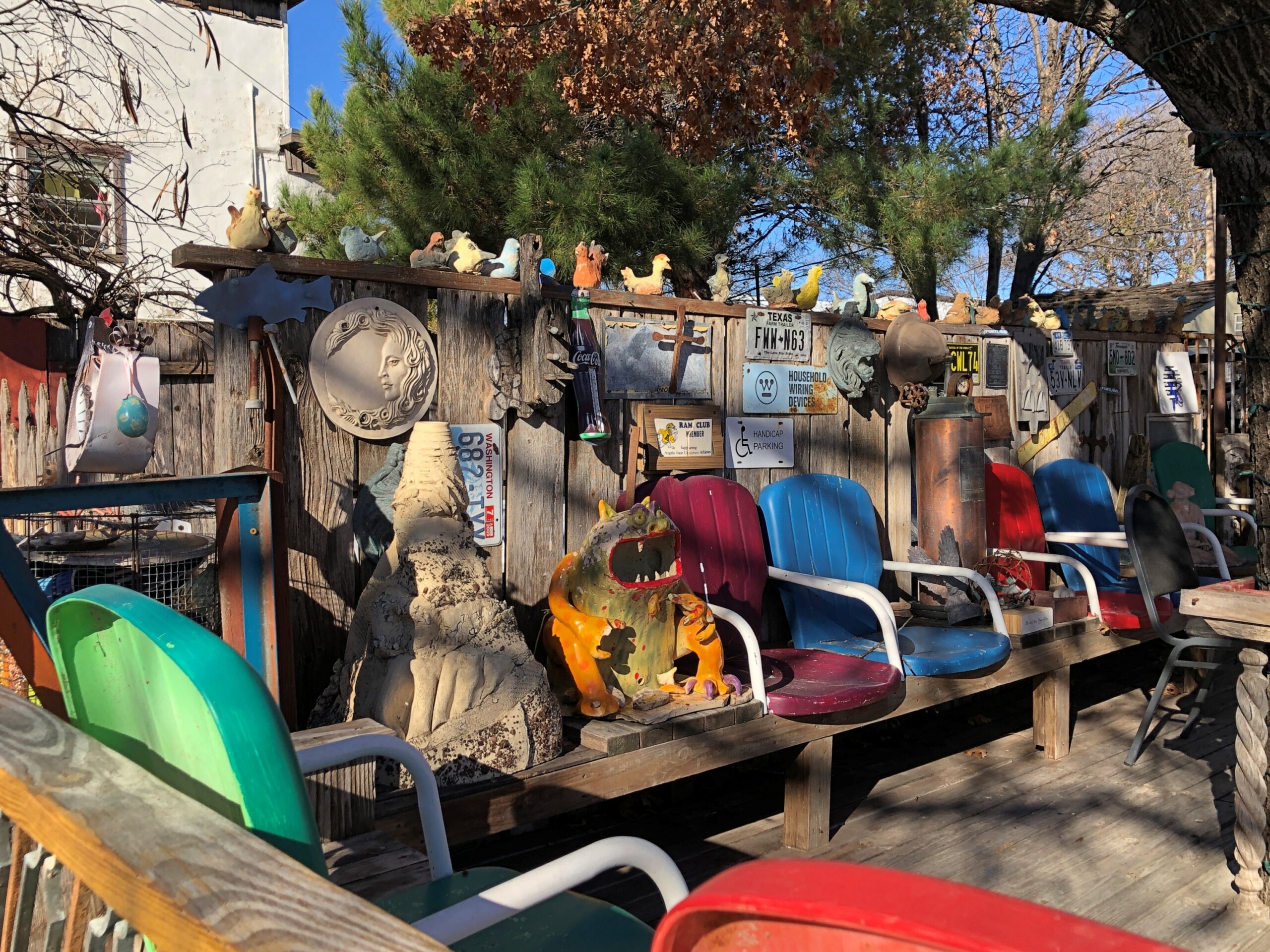
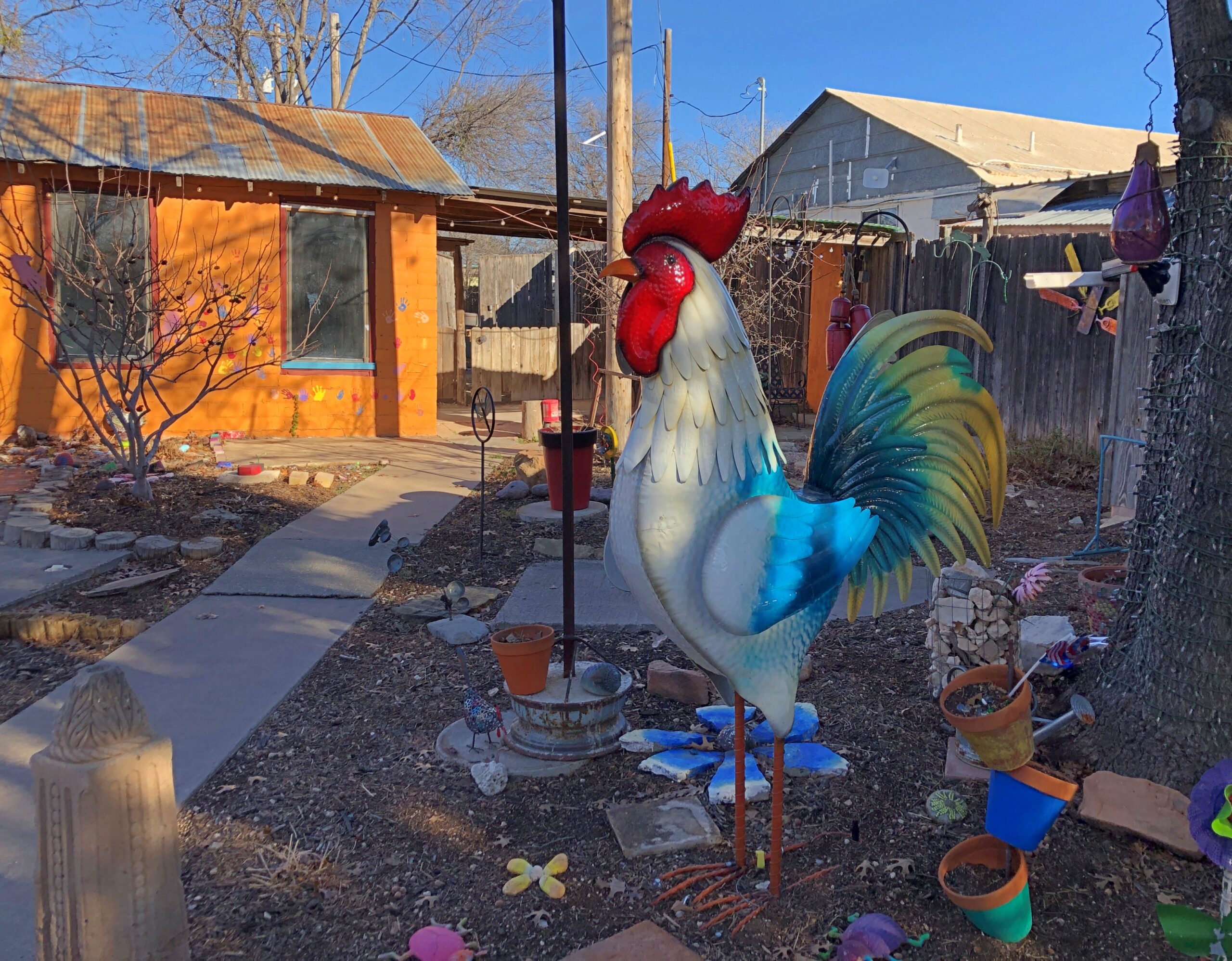
Which came first, the chicken or the art center? There’s a definite answer to that, the chicken. Lots of chickens.
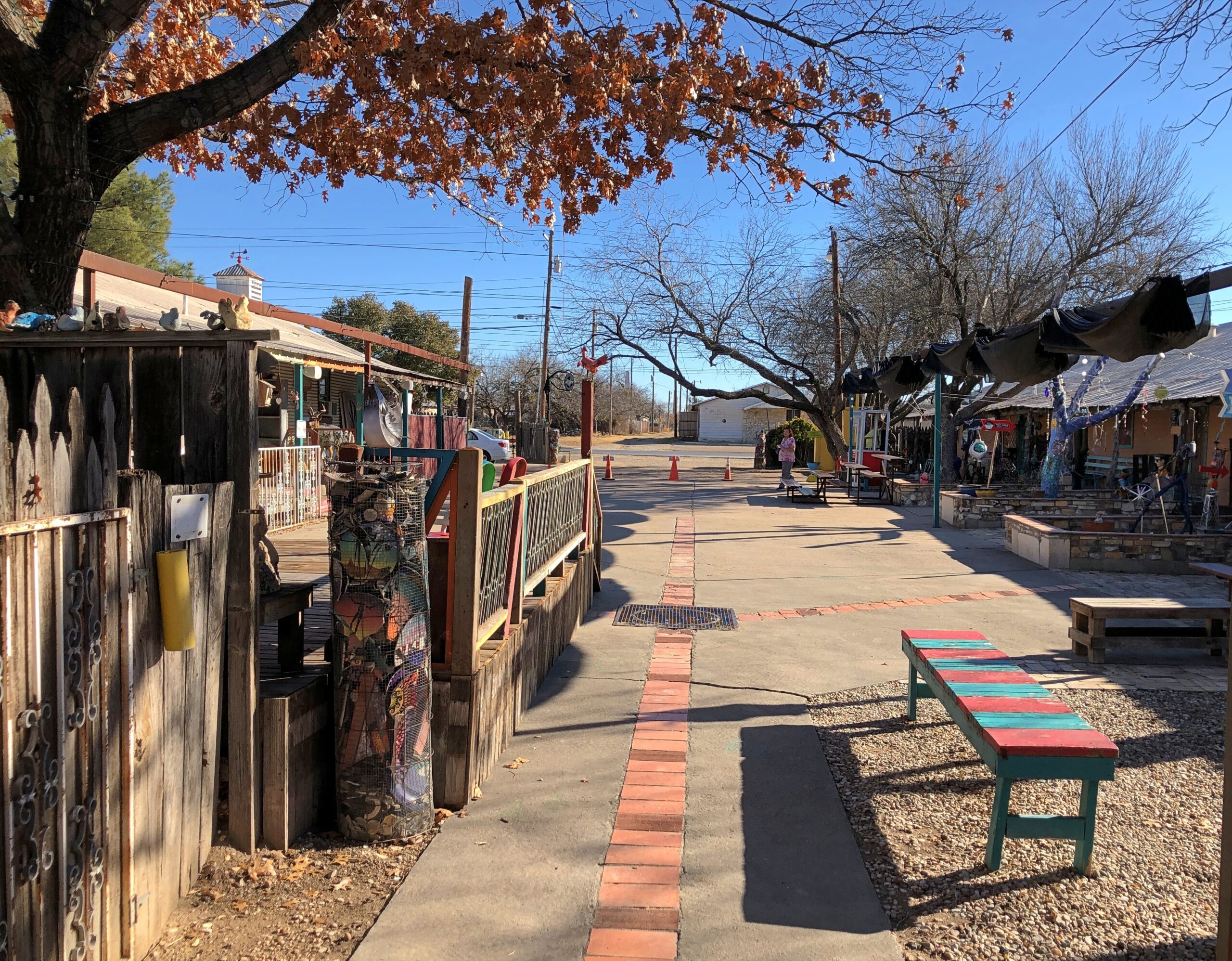
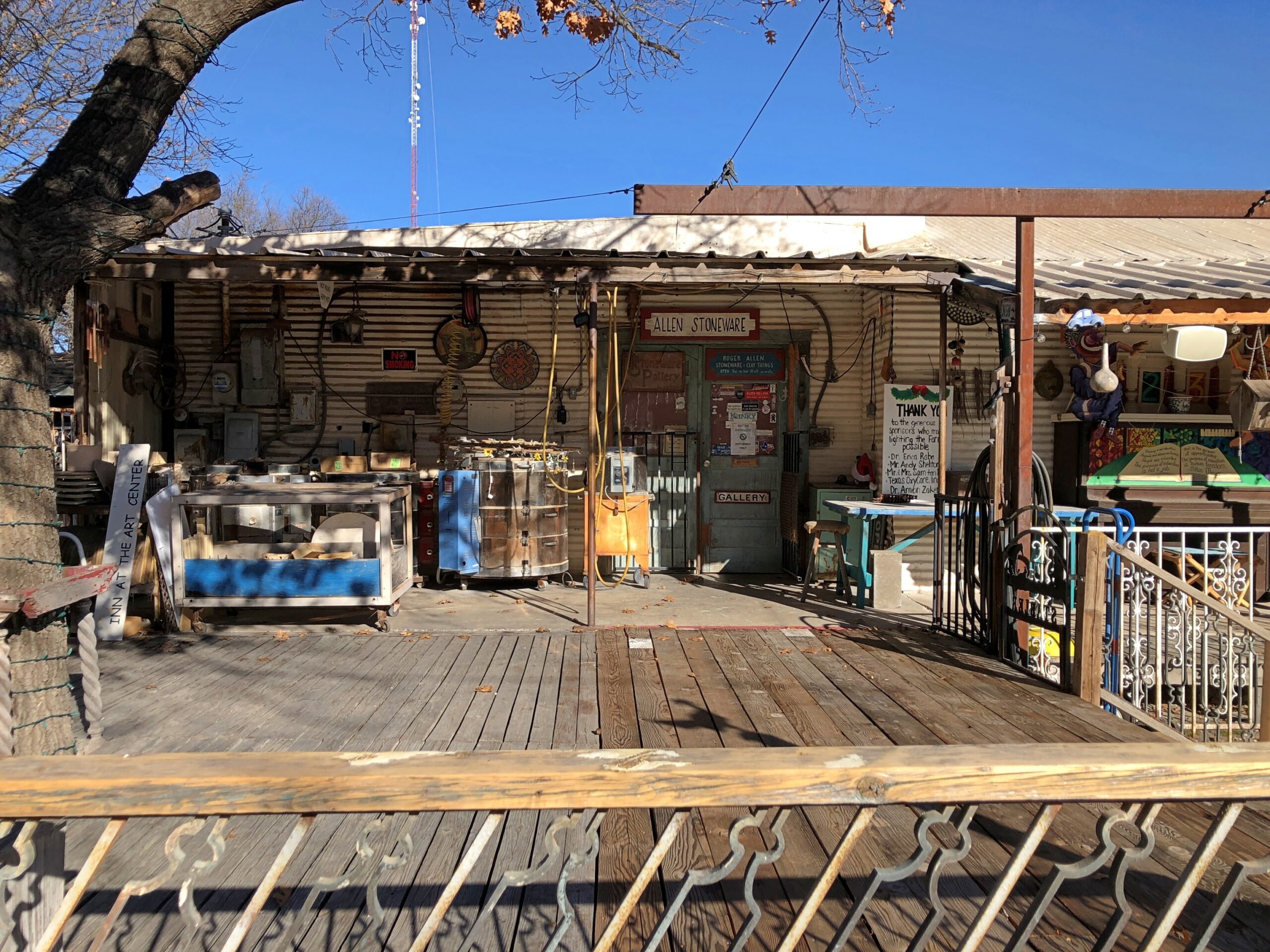
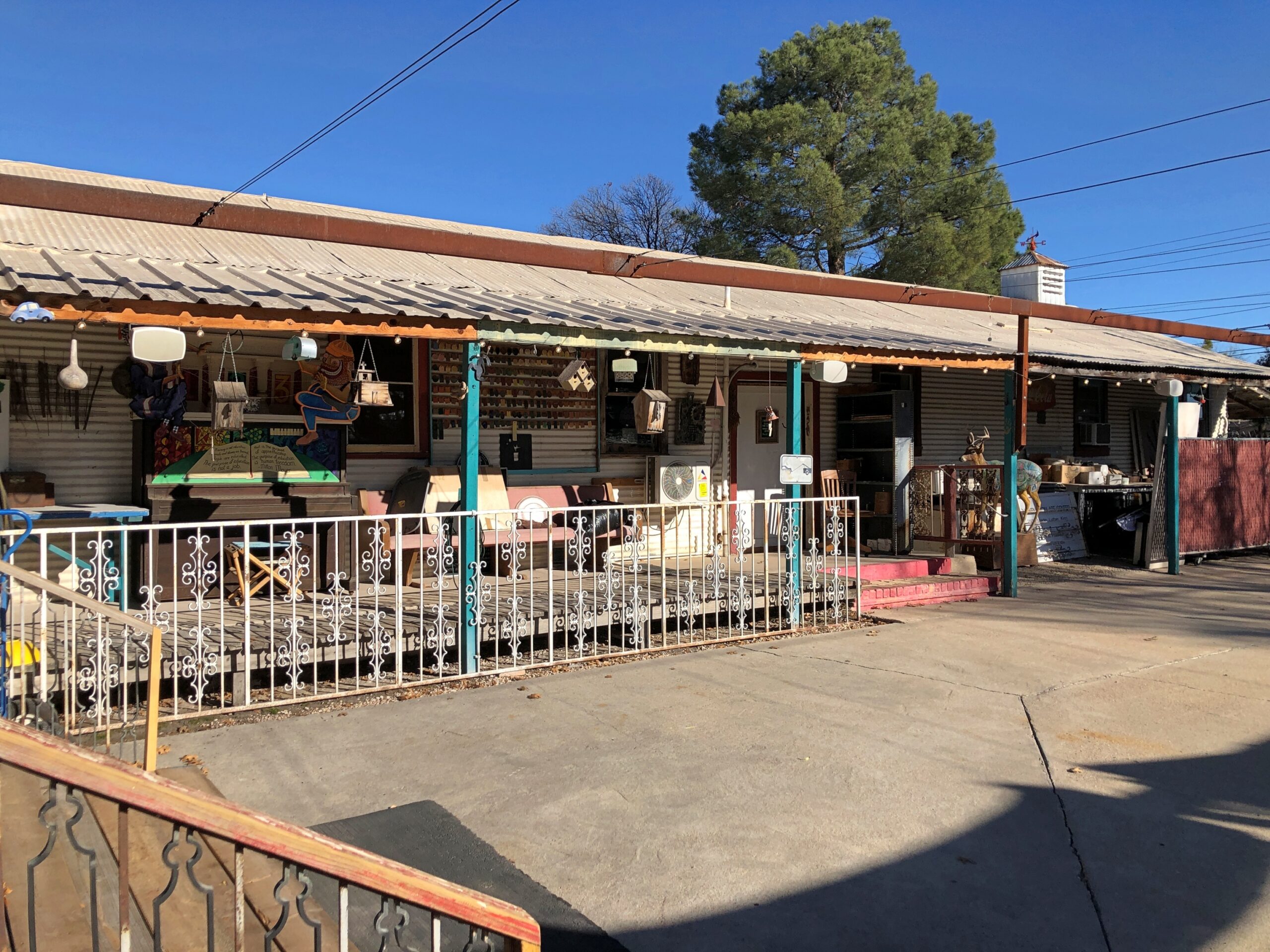
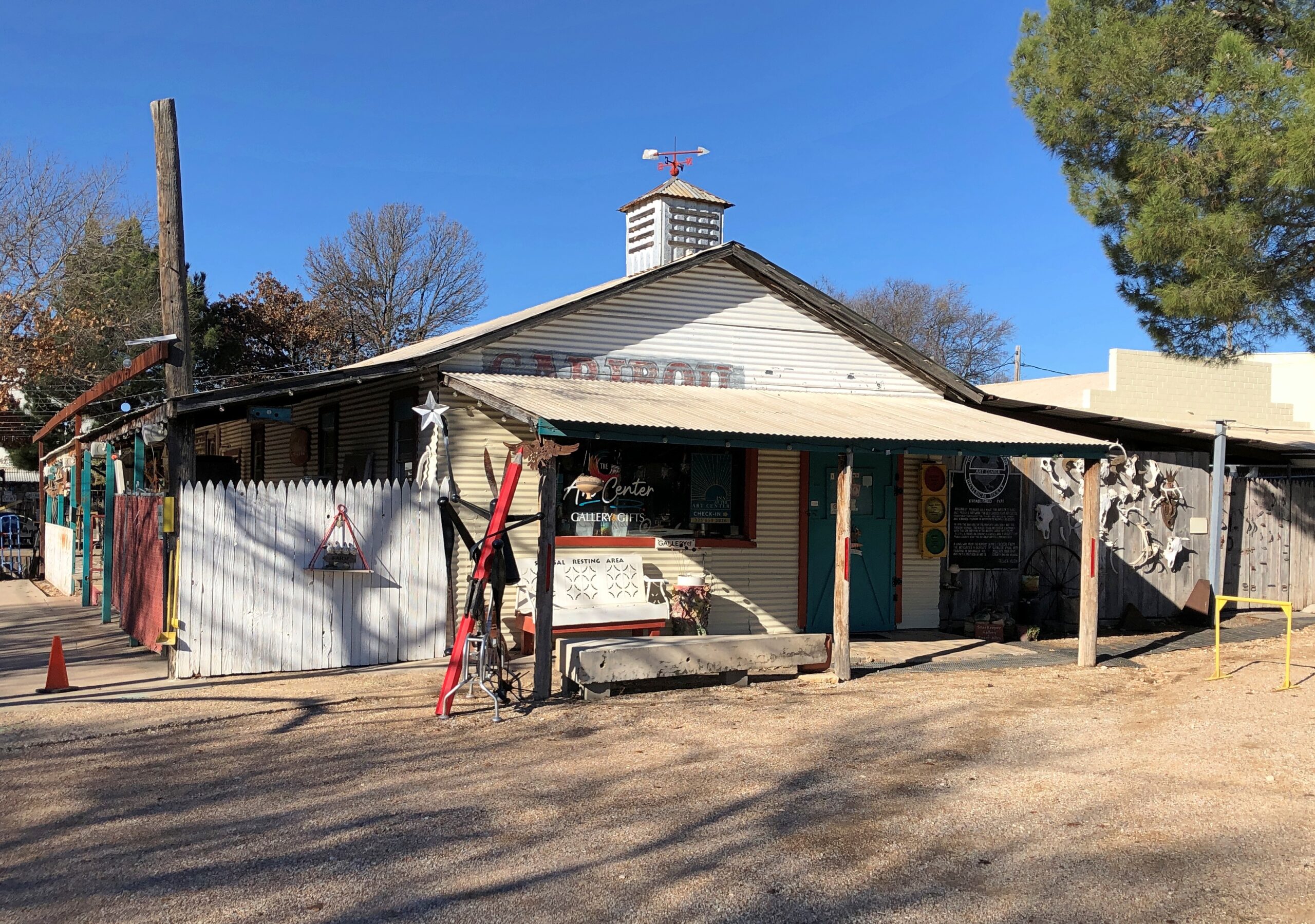
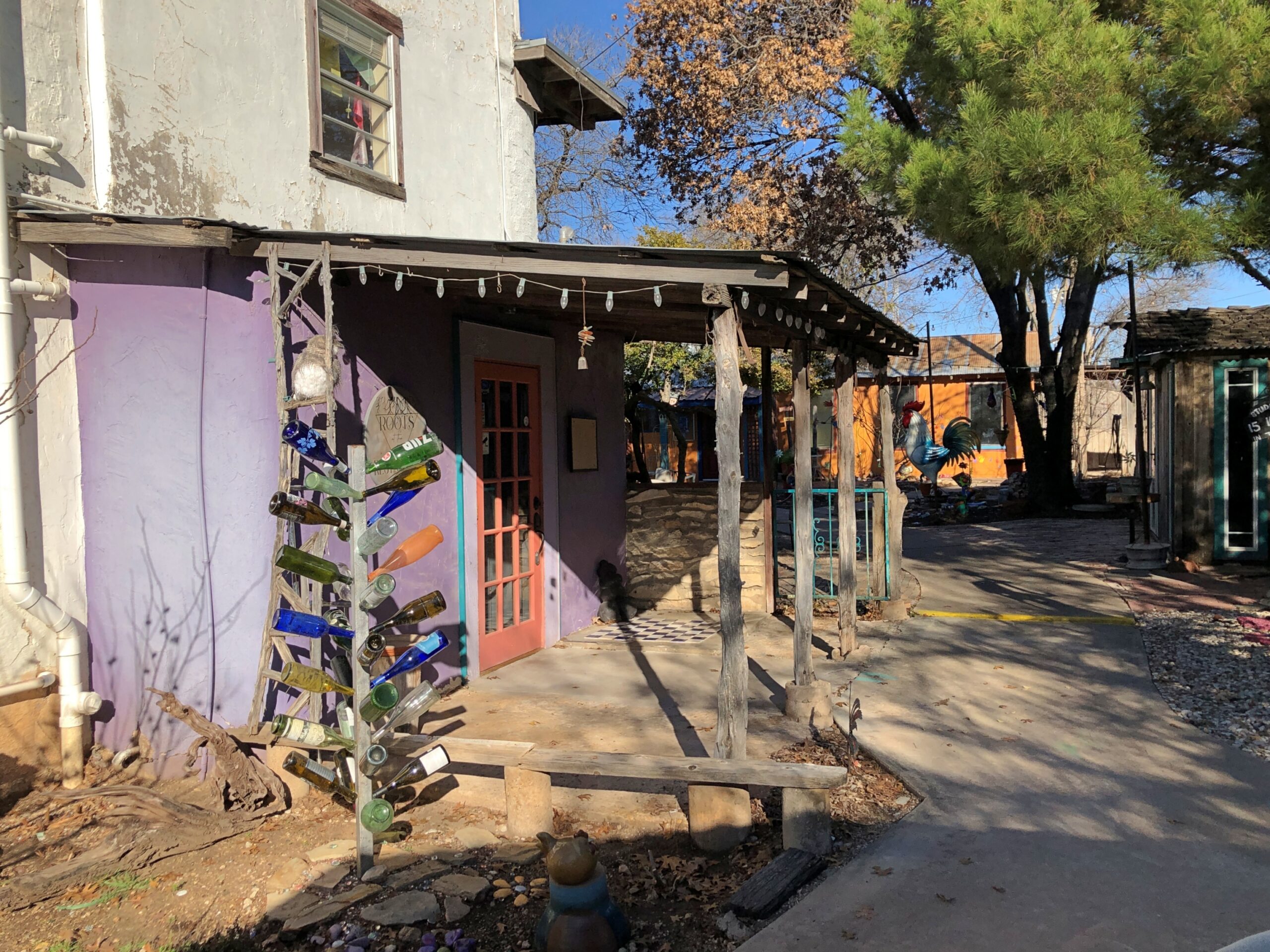
By the early 1970s, a sizable chicken farm in San Angelo, Texas, had run its course, and artists took to the task of redeveloping the place into the Old Chicken Farm Art Center. Fifty-plus years is a long time, but if you wander around the property in the morning sun, as Yuriko and I did, you’ll get a sense of the old chicken haunts.
No mere coops, but a poultry complex of an earlier time. I’m sure it was made obsolete by larger facilities and automation. These days, most of the spaces are art studios.
Because I can, I checked the numbers for chicken production in Tom Green County, of which San Angelo is the seat. Relatively few chickens, turns out: $220,000 in chicken sales in 2022, compared to $54.7 million in cattle sales for the county. Sounds like that might be a single chicken farm out somewhere from town. The town chickens, you might say, long ago flew the coop.
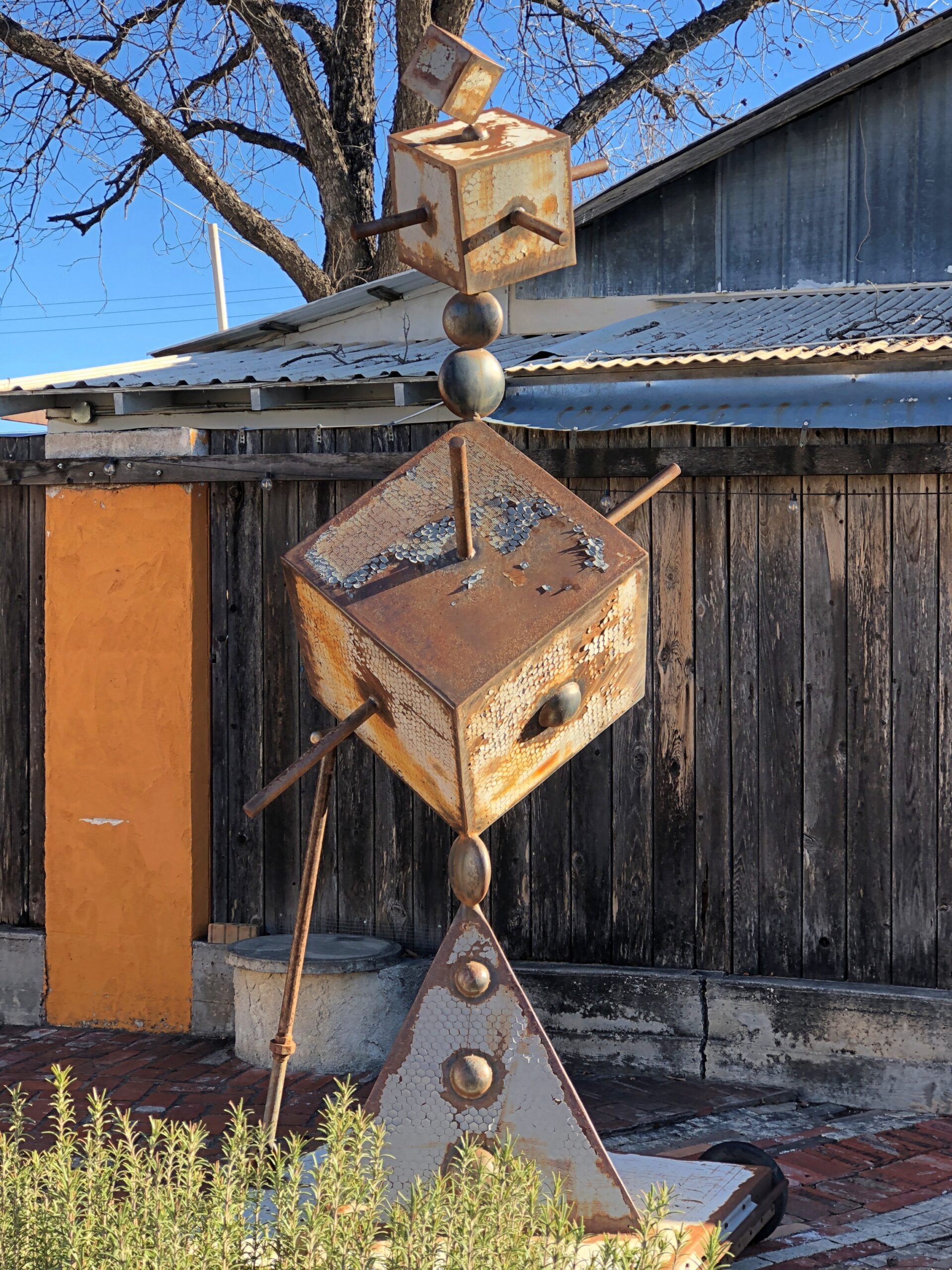
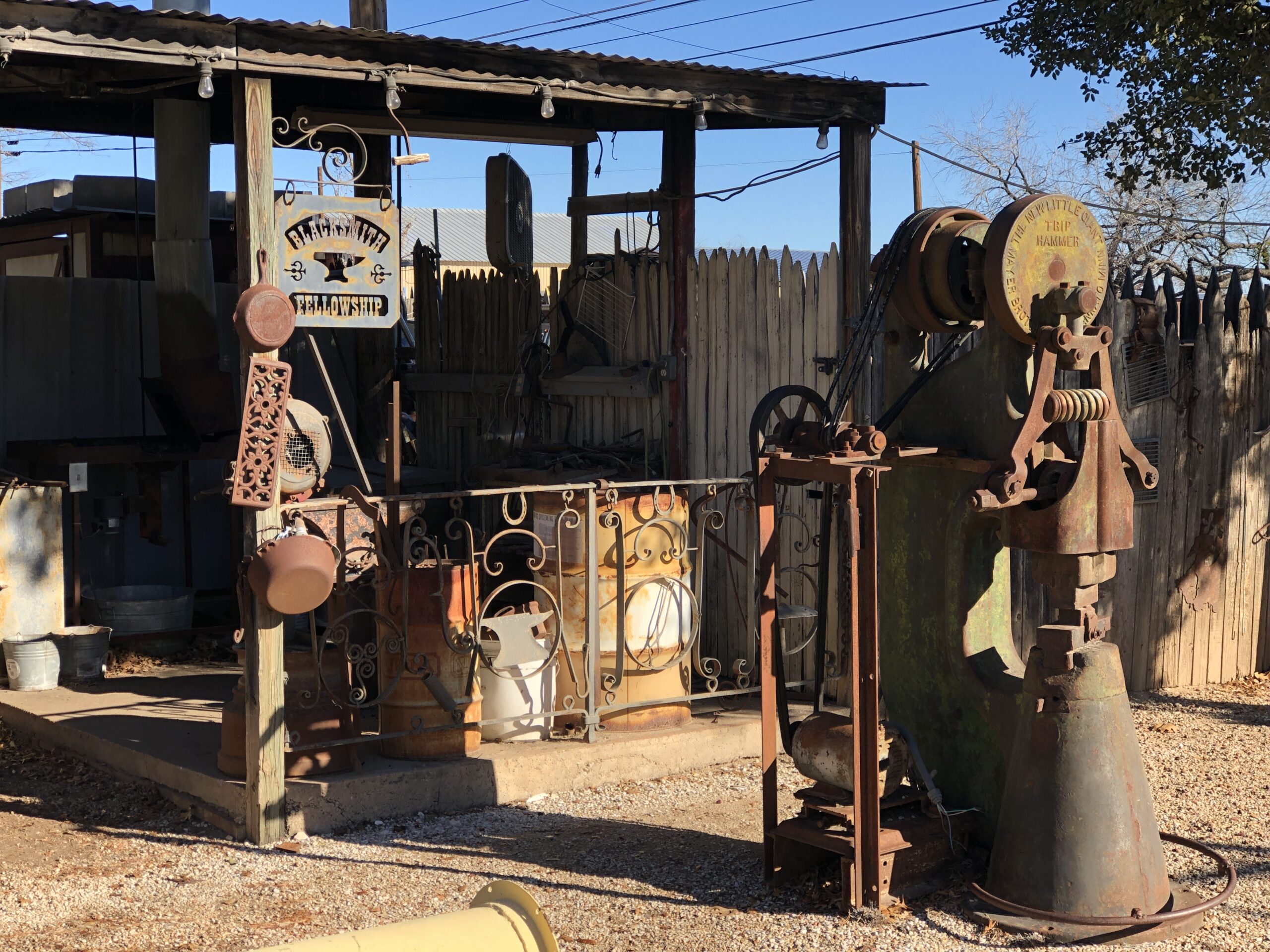
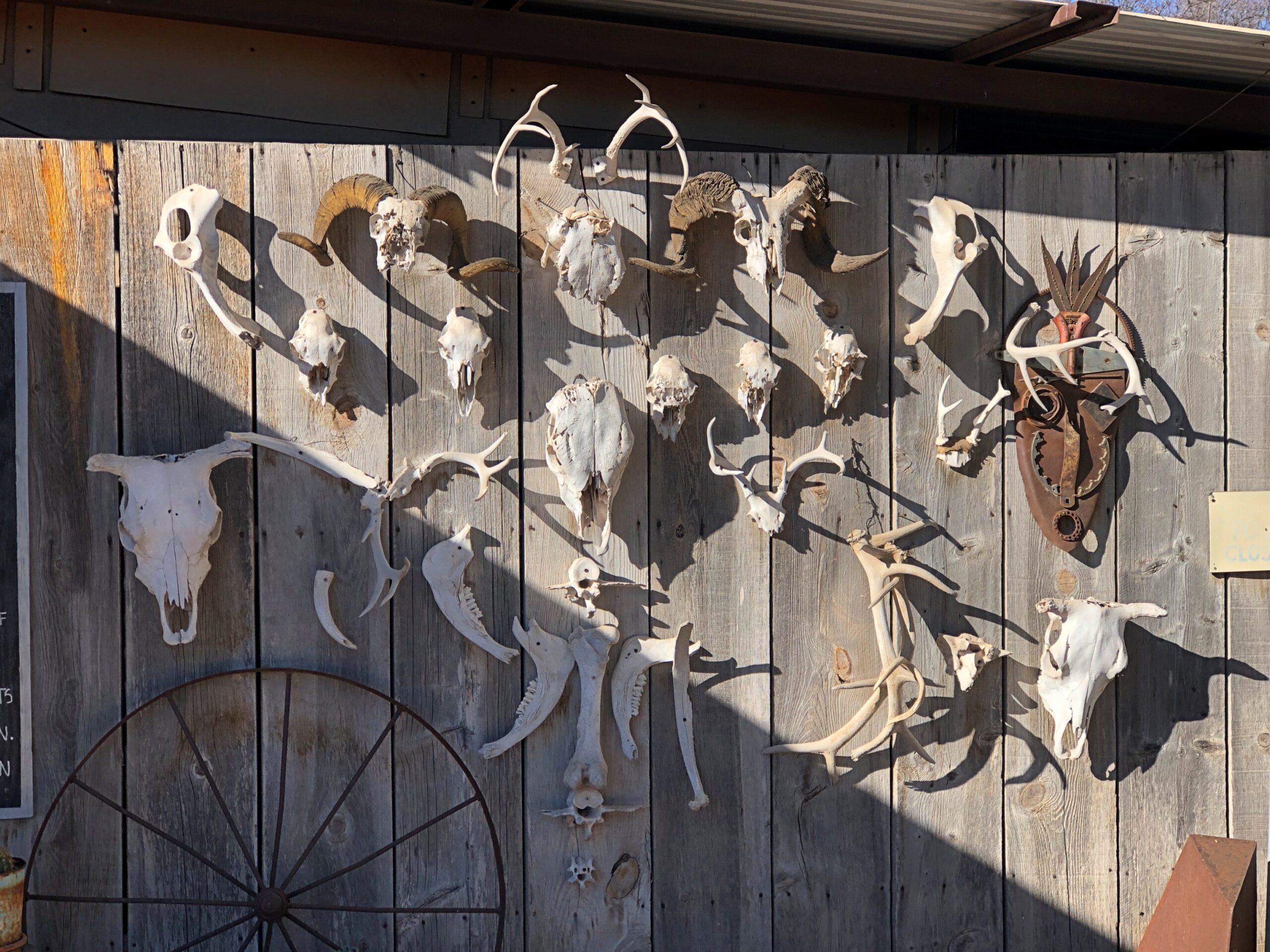
Being an art complex, there’s a lot of art and other objects on display, besides the wooden faces.
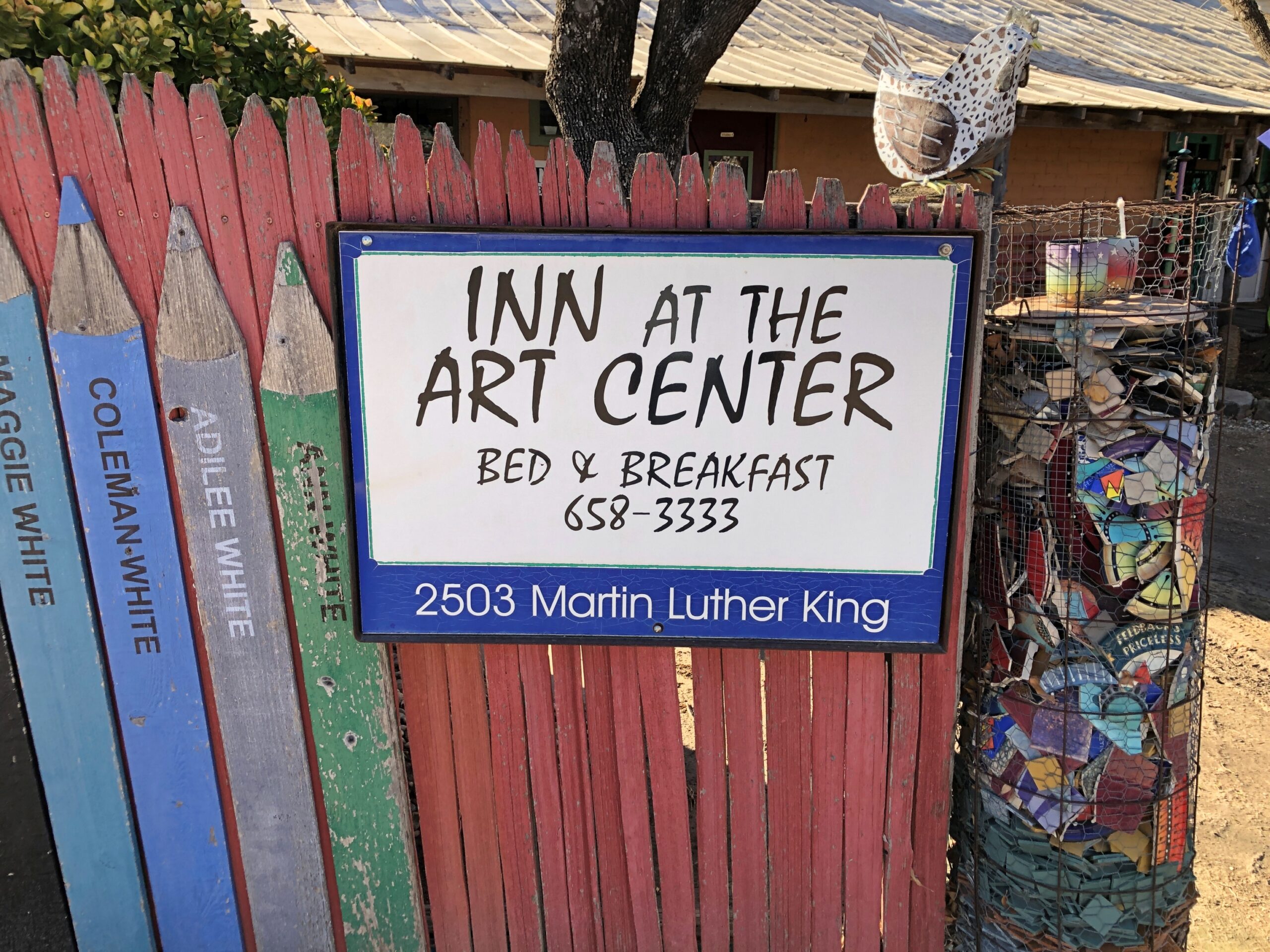
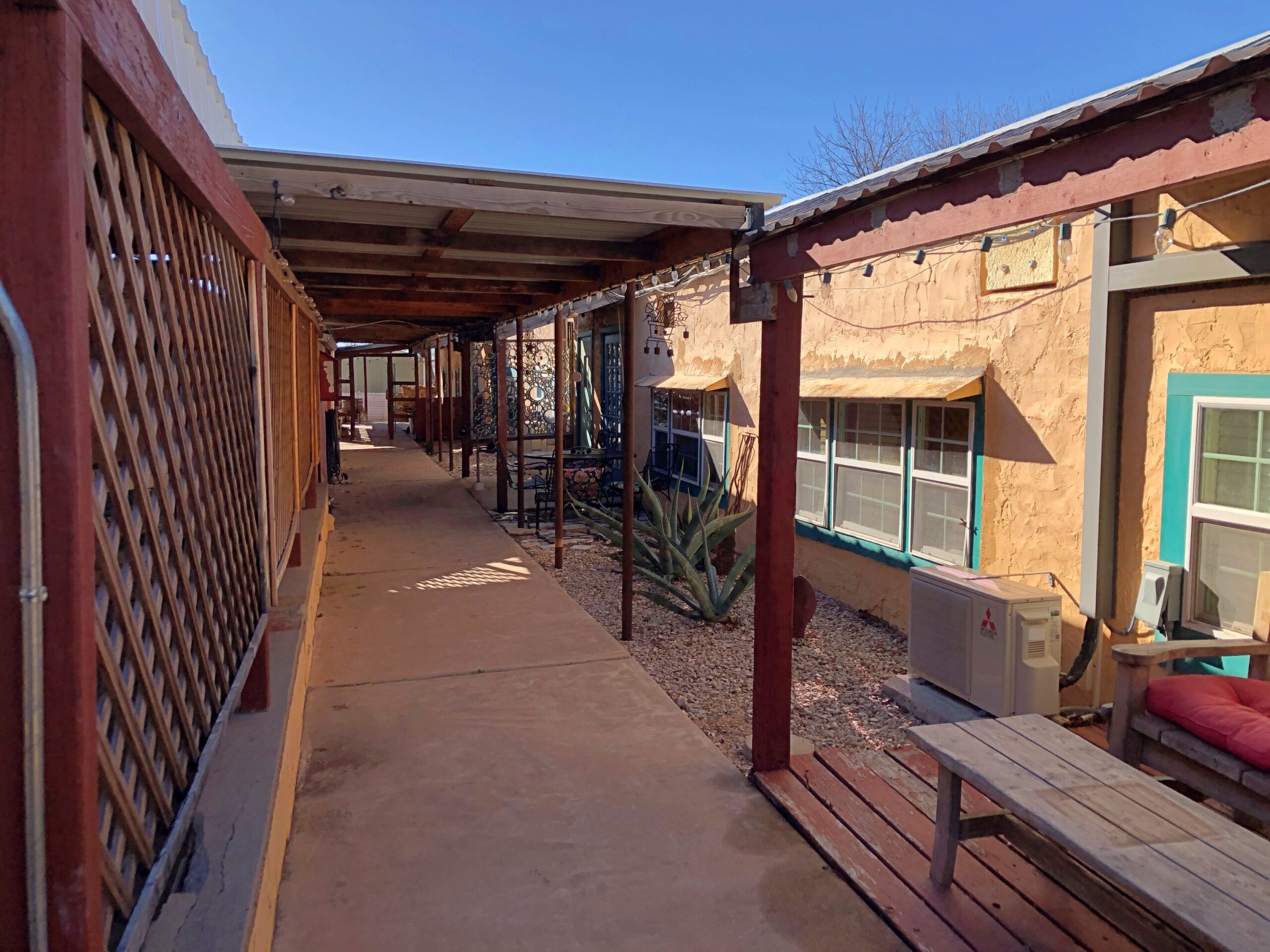
Being fairly early still on Monday morning, most of the studios weren’t open yet – they would be in the afternoon, when were already on the road to Marathon. We’d passed the night at the Inn at the Art Center Bed & Breakfast, in a room that opens onto a breezeway.
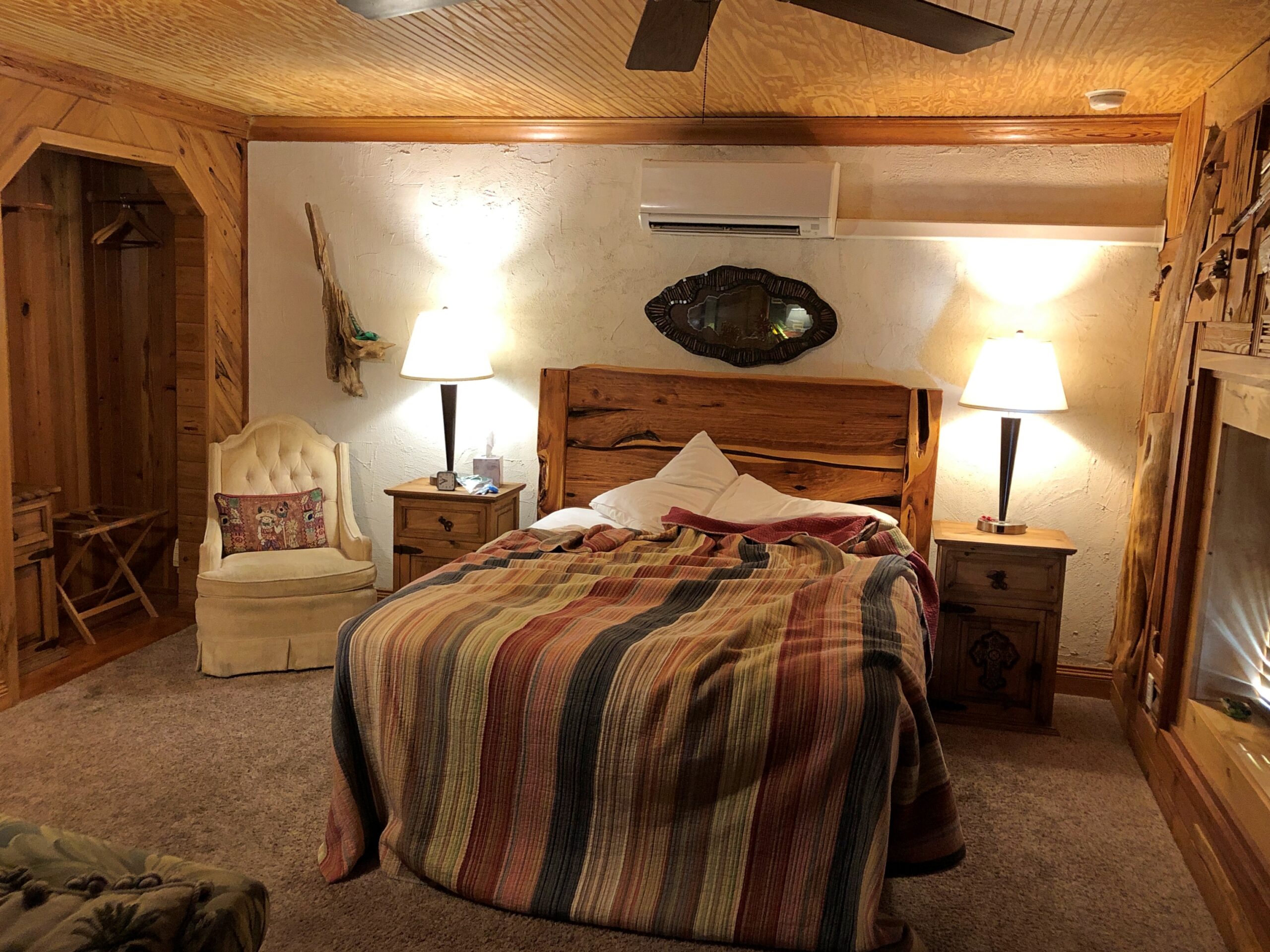
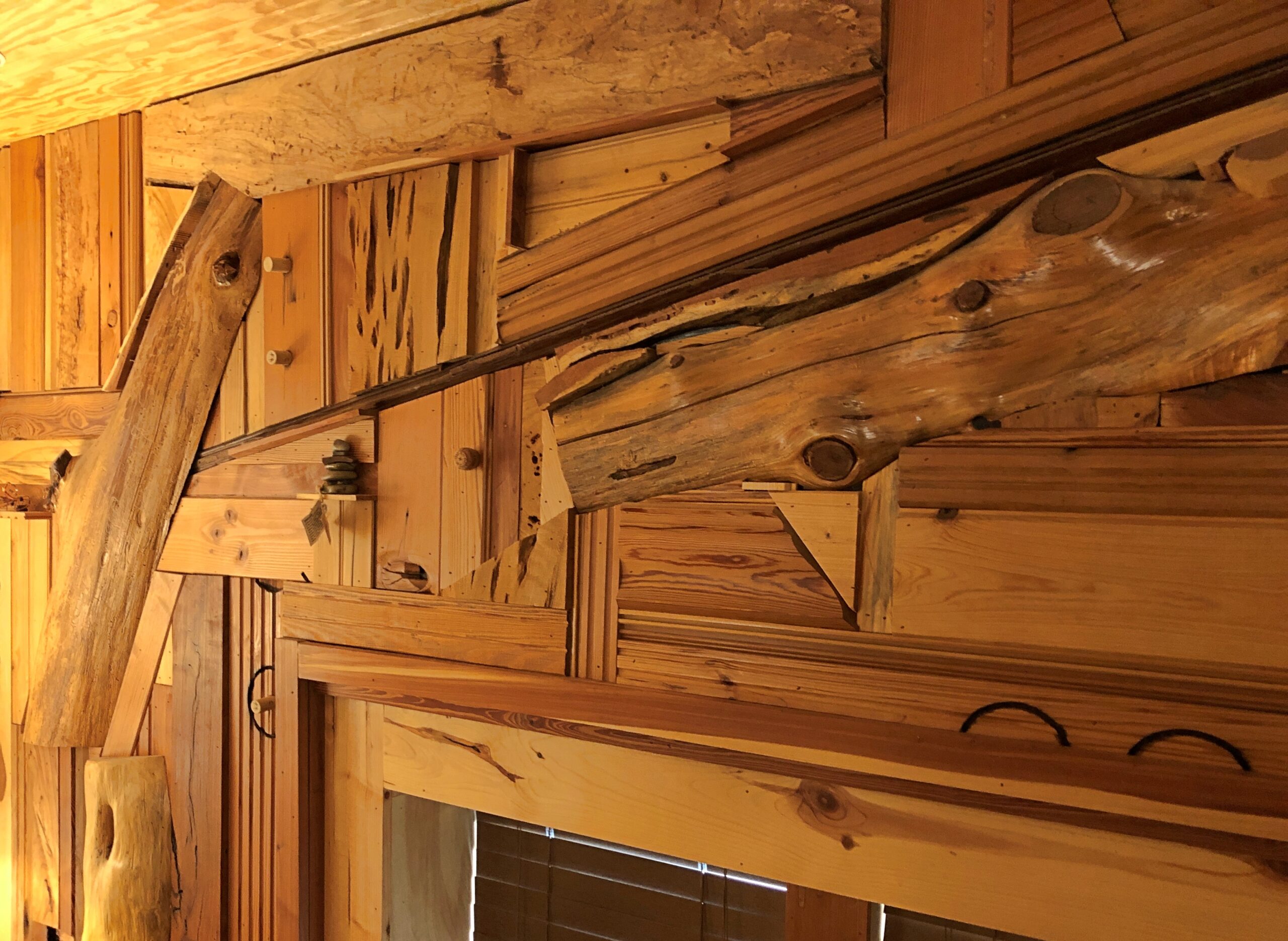
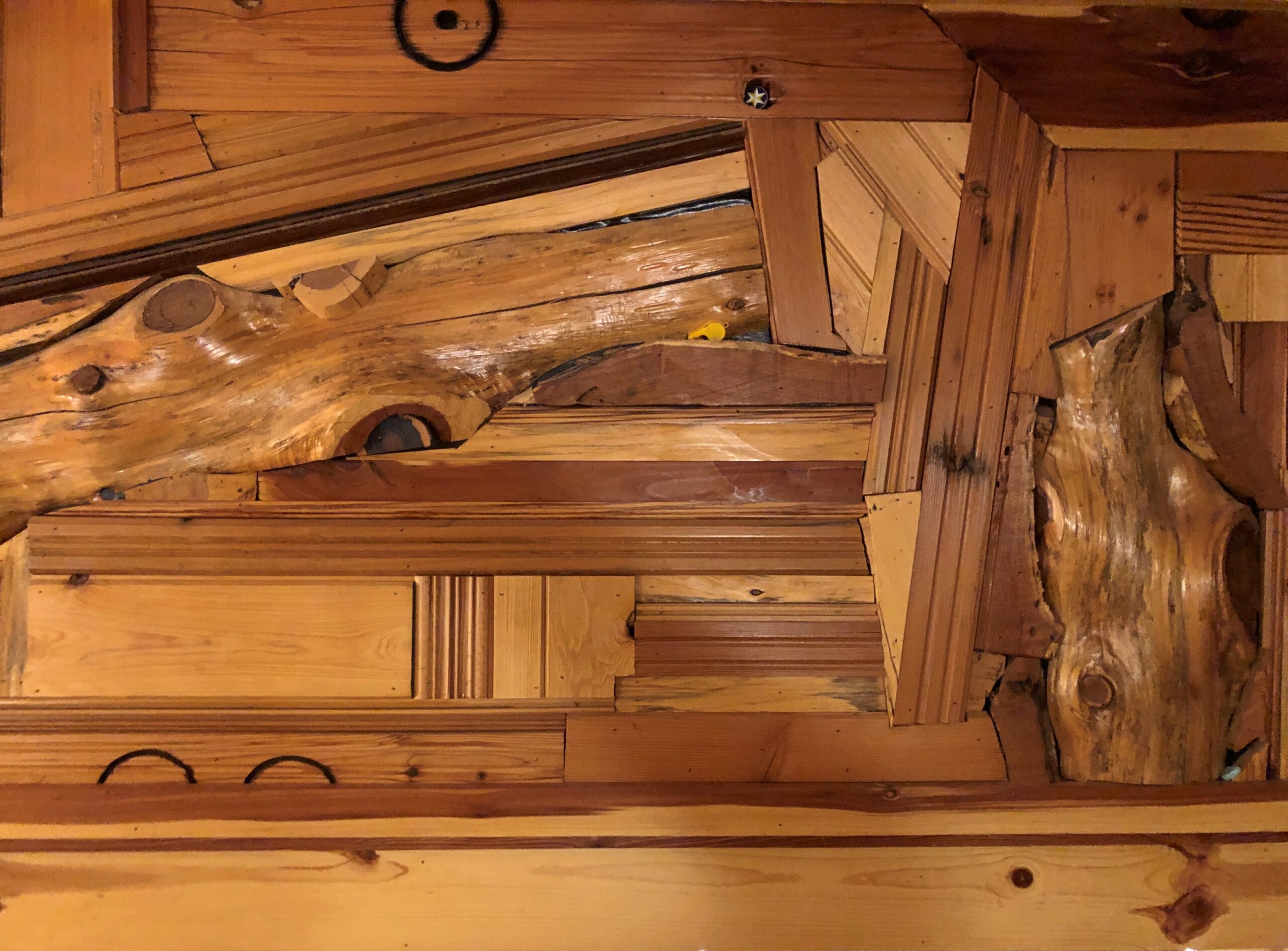
Artists had clearly been turned loose to design the rooms. Much to the better, I’d say. Ours was a two-bedroom unit with the sheen of an upmarket forest lodge, but without a particularly high price.
Unique woodwork for the walls.
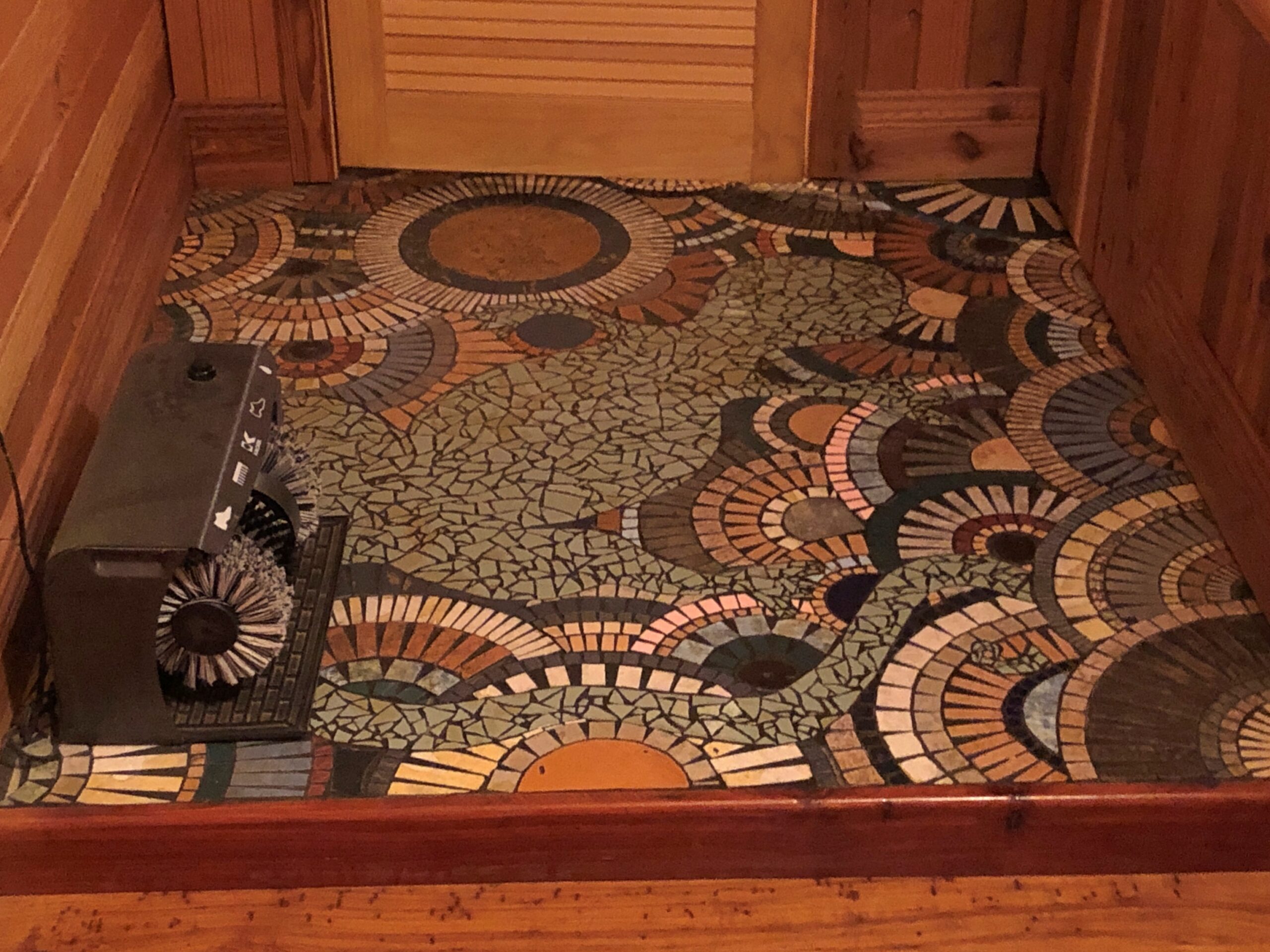
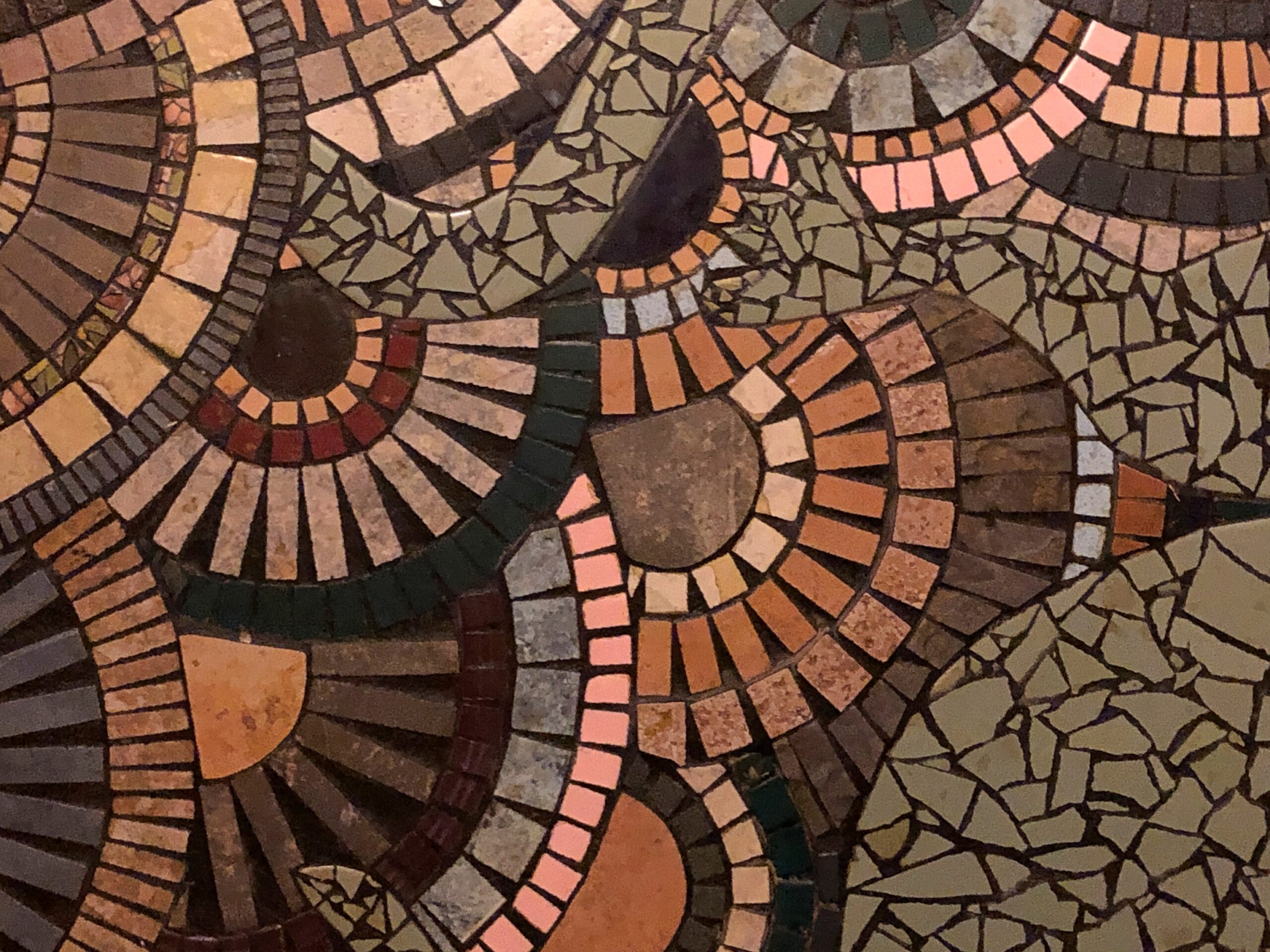
Floor designs that I’ll take for unique.
In our time, you don’t even need hallucinogens to ramp up some trippy floor action.
All you need is a basic AI image generator, while you remain sober as a judge.
For good reasons. I was only 13 when the movie came out, with no memory of the original reference, and you couldn’t just dial up any old song on your machine in those days. Still, I’m happy to say I saw Young Frankenstein in the theater, as I did Blazing Saddles that same year, which also included some references I didn’t understand until later, notably the names of Lili Von Shtupp and Gov. Le Petomane.
On the road home from Florida, we passed through Chattanooga, a city I hadn’t visited since sometime in the 1980s. I also have handful of memories of Chattanooga during our family road trip around the South in 1969, especially the hotel.
This time I noticed that the Chattanooga Choo-Choo was only a few blocks from the Interstate. So we paused our drive for a short visit.
“This landmark Chattanooga hotel located on Market Street in downtown Chattanooga initially served as the Southern Railway Terminal,” the Tennessee Encyclopedia says. “Designed by Beaux-Arts-trained architect Donn Barber of New York City, this magnificent architectural gateway to the Deep South opened during the Christmas season of 1909.”
With the mid-century decline of passenger rail in the U.S. came the near-demolition of the terminal, but the lesson of Penn Station and the era’s other thoughtless architectural destruction was apparently enough to fuel the Southern Railway Terminal’s preservation. With its redevelopment into a hotel-retail-entertainment complex came a new, instantly recognizable name: the Chattanooga Choo-Choo.
Inside, the sort of grand hall that marks grand old train terminals.
Behind the main building, relics of past choo-choos.
In case you’ve forgotten where you are.
Shovel all the coal in, gotta keep it rollin’ Woo, woo, Chattanooga, there you are
Years ago, when we visited the Spam Museum in Austin, Minnesota, I noted with satisfaction that Monty Python’s Spam Sketch was playing on demand in one of the exhibit rooms. I understand the museum has moved to a different location in Austin since then, but I hope they still play the sketch.
As far as I noticed, there was no clip of One, Two, Three playing at the World of Coca-Cola in Atlanta last month. The scene I’d pick is the back-and-forth about Soviet scientists’ efforts to replicate Coca-Cola without its famously secret formula: “Even the Albanians wouldn’t drink it.”
I’d have this clip playing, too.
Or even the jingle scene from The Coca-Cola Kid. Nice jingle.
The World of Coca-Cola shares a plaza with the Georgia Aquarium. Pemberton Plaza, named for the doctor who invented a particularly successful “brain tonic,” back in the days when enterprising doctors and druggists did that sort of thing. Interestingly, the museum doesn’t play up Lt. Col. John Pemberton’s military service for the CSA, or his morphine addiction, which drove him to experiment with a new wonder drug, cocaine, to kick his habit. That didn’t work out, but he did leave a lasting soft drink legacy.
As a museum, the place includes a number of interactive exhibits and activities, starting at the Coca-Cola Theater with a six-minute commercial. I mean, a short history of Coke. You can also see the vault where the secret formula supposedly resides —
— check out various smells associated with the cola-making process, “explore Coca-Cola’s iconic influence on art, music, fashion, sports, and entertainment,” and “engage with interactive displays and AI magic that bring Coca-Cola’s legacy to life in new, unforgettable ways,” the museum explains. You can even, if you register – maybe with some app? – stand in line to have your picture taken with a person in a polar bear suit.
“The Coca-Cola Polar Bear… became truly iconic in 1993 with the launch of the ‘Always Coca-Cola’ campaign. In the famous ‘Northern Lights’ commercial, created by Ken Stewart, animated bears gather to watch the aurora borealis while enjoying Coca-Cola — a scene that brought the Polar Bear to life and captured the hearts of viewers worldwide,” the museum notes.
Does it rise to the level of icon? Somehow the Coca-Cola Polar Bear had made only a faint impression on either of us, so we took a pass on it. Also, there was a line. And it cost extra? Always with the revenue streams. But I did enjoy the more standard sort of museum exhibits on offer at World of Coca-Cola.
A seasonal observation.
Artifacts from long ago.
Ads from long ago.
And from distant places.
I seem to remember a similar political cartoon of featuring the Earth being nursed back to health after the ravages of WWII, but I can’t quite place it.
There were video clips, including of course the “Hilltop” commercial. That, I remember. Many people old enough do too, which naturally gave the final moment of Mad Men its punch.
The museum also featured Coke product cans and bottles of various kinds (but not a collection of caps that I saw), many more than you see in everyday grocery stores. For instance, Sting and Bon Jovi had their own cans at one point, as part of a musician series.
Cans from around the world.
A very crowded room includes soda and water dispensers that allow visitors to sample Coca-Cola products from around the world. We went to town trying the various concoctions, as did a lot of people, and eventually I found my favorite: Bonbon Anglais, a wonderful fruit drink from Madagascar.
The web site Madagasikara tells us: La boisson gazeuse Bonbon Anglais est fabriquée à Madagascar, un pays reconnu pour ses produits naturels et son savoir-faire artisanal. I would expect no less.
The gift shop was crowded, too. I took pics but bought no Coke merch. (I might have bought a postcard, but found none.)
To my way of thinking, the Coca-Cola Co. should pay me – even a little – to advertise its products on my person. Also, while I’m on that particular hobby horse, the World of Coca-Cola shouldn’t charge admission, especially not as much as a standard museum.
I ran the numbers, and World of Coca-Cola admission costs more than twice as much as admission to the Taj Mahal. Sure, Georgia isn’t Uttar Pradesh, but it’s galling that you’re paying at all, just to be marketed to. Obviously Middle America disagrees with me – and Yuriko didn’t mind paying for both of us – so that idea will just have to be a quixotic hobby horse of mine.
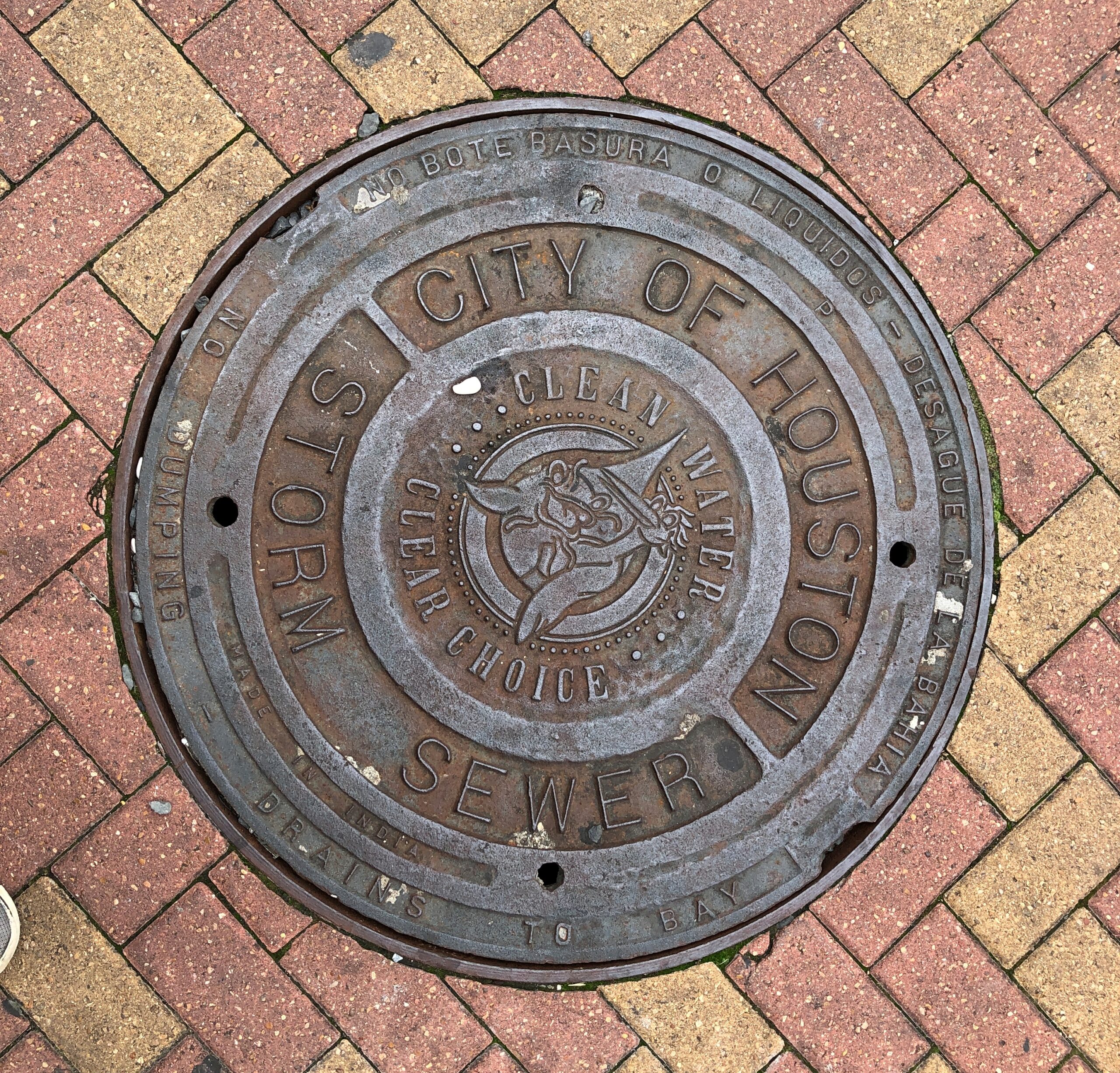
If you asked me, and no one has or will, Key West is missing something in having plain manhole and utility covers (though this isn’t bad).
I suspect custom covers cost more, and money is money, but distinctive places should have distinctive manhole covers. Aren’t details important in fostering – or in this case enhancing – a sense of place?
On the other hand, Key West has a sense of place without too many equals. That’s as good a reason as any to stroll down Duval Street, tourist hub of Key West, and take it all in. Or as much as you can. On a mild mid-December day, that wasn’t hard.
As a tourist street, a lot of retail detail.
Buildings that have somehow survived these last 100 years or so, despite the ocean’s habit of kicking up a hurricane-force fuss now and then.
St. Paul’s Episcopal, 401 Duval.
In 2014, I ducked away from crowded Duval into the church, which seemed to be open because the organist was practicing. I sat, impressed by his vigorous noodling, and by the fact that no one else was in the church.
This time, closed.
Looks like a movie theater. It was. Now a Walgreen’s.
More detail.
“Duval Street, the undisputed ‘Main Street’ of Key West, is the only place in the U.S. where one street allows you to walk from the Atlantic Ocean to the Gulf of Mexico,” says the American Planning Association, in picking Duval Street a Great Place in America.
“ A citywide commitment to preserving the National Register of Historic Places single-largest collection of wooden structures has allowed Duval Street and the rest of Key West to transition from an economy based on maritime industries and Cuban travel during its earlier years to one now supported by entertainment, art, and tourism.”
Not far outside Omaha, along I-80, it’s possible to stop and see, under two very large roofs, such marvels of aeronautical engineering as a B-17, B-29, B-36 and B-52, a Lockheed SR-71 Blackbird, a Douglas C-47 Skytrain and a Douglas C-54 Skymaster, a Convair F-102, and a Fairchild C-119 Flying Boxcar, among many others. Along side the airplanes are exhibits about the Tuskegee Airmen, Doolittle’s Raid, the Berlin Airlift and Francis Gary Powers.
There are also space artifacts at the Strategic Air Command & Aerospace Museum, as the name says, but not that many. Still, my favorite artifact at that museum, the coolest bit of space hardware I’d seen since the Kansas Cosmosphere, was a Vela satellite.
Looks like something you’d see on the set of Space: 1999, but the Vela is more than just a curious glassy polyhedron. In September 1979, a Vela satellite noticed the characteristic flash – actually a double flash – of a nuclear explosion in the atmosphere, near the remote Price Edward Islands in the ocean south of Africa, roughly half way to Antarctica. It wasn’t long before the press got wind of the event, and I remember a widely held suspicion that Israel had tested a nuclear warhead, with the cooperation of South Africa, whose island it was. It seems likely that this was the case.
Besides that, “in 1967, the satellites were the first to detect extra-terrestrial gamma-ray bursts, thought to be the brightest and most energetic electromagnetic events in the universe,” the Space Force notes.
I arrived at the museum on September 5 heading westward, bypassing Omaha in favor of it.
Most of the artifacts are aircraft used in one way or another by SAC, on display under sprawling ceilings. Leo A. Daly, a longstanding Omaha architect, did the museum’s design, completed in 1998.
A named aircraft, the Lucky Lady, a B-29 Superfortress.
“The bomber was manufactured by Bell Aircraft, in Marietta, Georgia and delivered to the U.S. Army Air Force on August 4, 1945,” Airplanes Online says. “Its initial assignment was to Walker AAF (Second Air Force), Victoria, Kansas.” Lucky all right, as in manufactured too late in the war to get shot at, unless there’s something about 1940s Kansas I don’t know.
Smaller items, though not actually that small.
Besides the Vela satellite, other space items include spaceman gear and leftovers from the early days of manned space flight, such as a boilerplate Apollo, which wasn’t actually a capsule, but had the size, shape and mass of a command module, for testing.
Picked up cheap after the dissolution of the Soviet Union?
Probably something non-astronauts wonder about a great deal.
“Good morning,” Walter said in response to me, but in a hushed tone that somehow made his Austrian accent more distinct. “Do you want to see some bears?”
Yes. I followed him out to the large deck off the large common room of the Country Sunshine B&B. Outside we met with cool air, bright morning sun, and the strong smell of pine. The deck was a floor above the grassy ground, which sloped downward away from the bed and breakfast, shaded by a small copse of enormous pines.
We’d just spent the night at Country Sunshine B&B, the first of three for our visit to Durango, Colorado, a place I’d wanted to visit since the moment, years ago, when I heard Garrison Keillor describe the place in the engaging way that he had. I’d come out of our room – one of the three or four bedrooms off the common room – ahead of Yuriko, to examine the breakfast spread at the main table when Walter asked me about bears.
Under one of the tall pines, and among the many pine cones dotting the ground, was something dark and much larger: a bear.
“He isn’t the only one,” Walter said, pointed upward. Another sizable bear was perched part way up the largest pine. I didn’t say anything, or maybe I did. Something along the lines of, How about that. When I spend time on my deck, squirrels are about as large as the animals get, except occasional rabbits and raccoons.
“Look way up,” Walter said.
Two more bears – smaller bears, though I wouldn’t want to be face-to-face even with them – clung to the branches toward the top of the tree. They were hard to see, and my photos barely show them, but they were there, not moving a bit.
Soon Yuriko, and some other guests, had come to the deck to see the bears and take pictures. Every few minutes while we watched, the largest of the bears, the one on the ground, would start shimmying up the tree. The bear in the tree snarled at his approach, and, after pausing for a few moments, the first bear returned to the ground.
We were about 10 miles north of Durango, where the human settlement is fairly thin, and bears known to prowl the mountains on either side of the single road, US 550.
In the two decades of so that Walter and his wife Jodi have owned the B&B, he said bears had been sighted. Of course they had. Get careless with closing an outdoor garbage receptacle and bears will make an appearance in the neighborhood. During dry spells, they come for the creek waters near the property, and Walter pointed out that this summer had been fairly dry in the region.
But this was a first, Walter said: probably a male bear out to do harm to some cubs, a female bear standing in his way — a bear drama playing out in the tree near the B&B.
Late that afternoon, we returned to the B&B. Papa Bear, as everyone was calling him now, still lingered under the tree. Mama Bear still watched him from the lower branches, and the cubs still clung to the upper branches. Papa Bear had mostly quit trying to climb the tree, Walter said, but he was still waiting around.
The bears stayed in place through that evening, but when I went to the breakfast table the next morning to examine the bagels and spreads and fruit and hot drinks, the bears – I checked from the deck – they were not to be seen. After their one-day show (from a human point of view), they’d taken their drama somewhere else,
We spent that first day (September 16) wandering around town and nearby. In downtown Durango, small buildings that have endured for more than a century line Main Street.
Or not so small. Such as the magnificent Strater Hotel, built in 1887.
The sort of place where presidents stay, or used to. Did any? The hotel web site doesn’t say. I’d ask ChatGPT, but it would probably tell me that FDR stayed there during his Grand Western States Whistle Stop Tour in 1939, a wholly fictional event. Wiki says Gerald Ford stayed there. Louis L’Amour did too, and now has a room named after him.
A competitor. Named for this fellow, Union (brevet) brigadier general and railroad man, who co-founded the Denver and Rio Grande RR.
Downtown Durango is well supplied with retail.
Lunch options, besides burgers and empanadas or a liquid lunch, included the likes of the Diamond Belle Saloon, Seasons of Durango, Chimayo Stone Fired Kitchen, Steamworks Brewing Company, and Eolus Bar & Dining. All very nice, I’m sure, but we chanced on something more to our tastes at that moment: the Durango Diner. In business for 60 years.
Durango started not so much as a mining town, but a railroad node that served the mines further up the line. Silverton, for instance. One reason Durango is where it is: the Animas River. These days, the river is accessible to pedestrians in a number of places in town. One was near the Durango Library, also the location of a shady sculpture garden.
At this place, the tracks of the Durango & Silverton Narrow Gauge RR run along the river.
That was also true at the 29th Street Park, though the tracks were on the other side of the river.
TV Land missed a bet when it didn’t commission a bronze of Mork from Ork for Boulder, Colorado. The place to put Robin Williams as Mork would be the Pearl Street Mall, the pedestrian shopping street in downtown Boulder. He’d jazz the place up a touch.
The street has some art. A buffalo with some heft and a swinging girl with lightness. Nice, but not zany Mork.
Also, there’s a boulder in Boulder. Not a bad idea.
As a pedestrian street, Pearl Street has good bones. That is, picturesque old buildings that are well maintained.
All together, the mall stretches four blocks and has been around for almost 50 years, the result of a tax-funded effort to draw people back to downtown Boulder. I don’t know for a fact, but I suspect the street might have been a little run down by the early ’70s. Now it’s anything but. We arrived late in the afternoon of September 12, after spending most of the day at Rocky Mountain NP.
Most of the retail spaces are occupied, with the likes of the small-batch Björn’s Honey, SmithKlein Gallery, Japango sushi, Lindsay’s Boulder Deli @ Haagen Dazs, Ku Cha House of Tea, Lighthouse Bookstore, Peppercorn kitchen supply, Bramble & Hare Bistro, Into the Wind toy store, Boulder Spirits Tasting Room and much more. My own favorite sold antique maps, by themselves and mounted as art.
I didn’t go in Lighthouse Bookstore, but I took it for a Christian bookstore. Not quite, from its web site: At The Lighthouse Boulder, seekers discover many paths of wisdom for their spiritual discovery. With books to learn, spiritual tools to discover, and readings of all kinds to light the way – we’ve been serving the community since 1975.
The street was fairly busy on a warm Friday afternoon. Not everyone was there to shop, however.
Wiki at least says the history of busking is robust at Pearl Street, including David Rosdeitcher, ZIP code man, who can name zip codes for places the crowd names, or name places for zip codes that they yell out. He wasn’t around the day we were. I’d have stayed for some of that act. He’s probably prepared even for someone who says, American Samoa! (Zip code: 96799) (That’s something I might pose to him). But would he know Kingman Reef? (96898). Exactly zero people live there, so why it needs a zip code is probably detailed in some memo at the USPS. Just being thorough, maybe.
Another intriguing shop sells lamps. More than I’d care to pay, but still wonderful to look at.
The Boulder County Courthouse is also on the street. Impressive art deco, or it might be called moderne. We walked past on our way out, to get to the car before the meter ran out, so I didn’t quite get to look as long as I wanted. There have to be studies somewhere that show that parking meters are counterproductive in generating foot traffic in such places as Boulder.