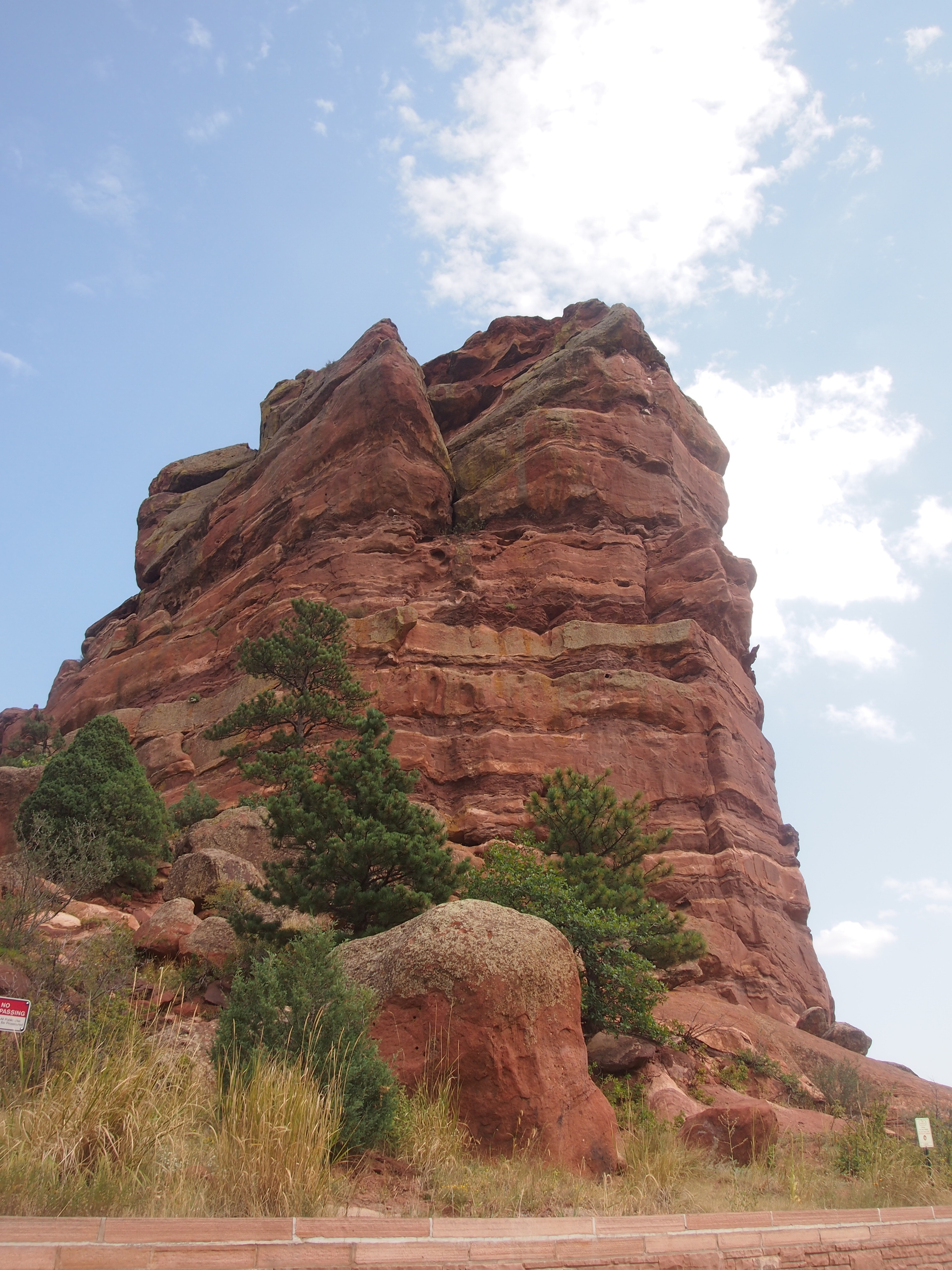
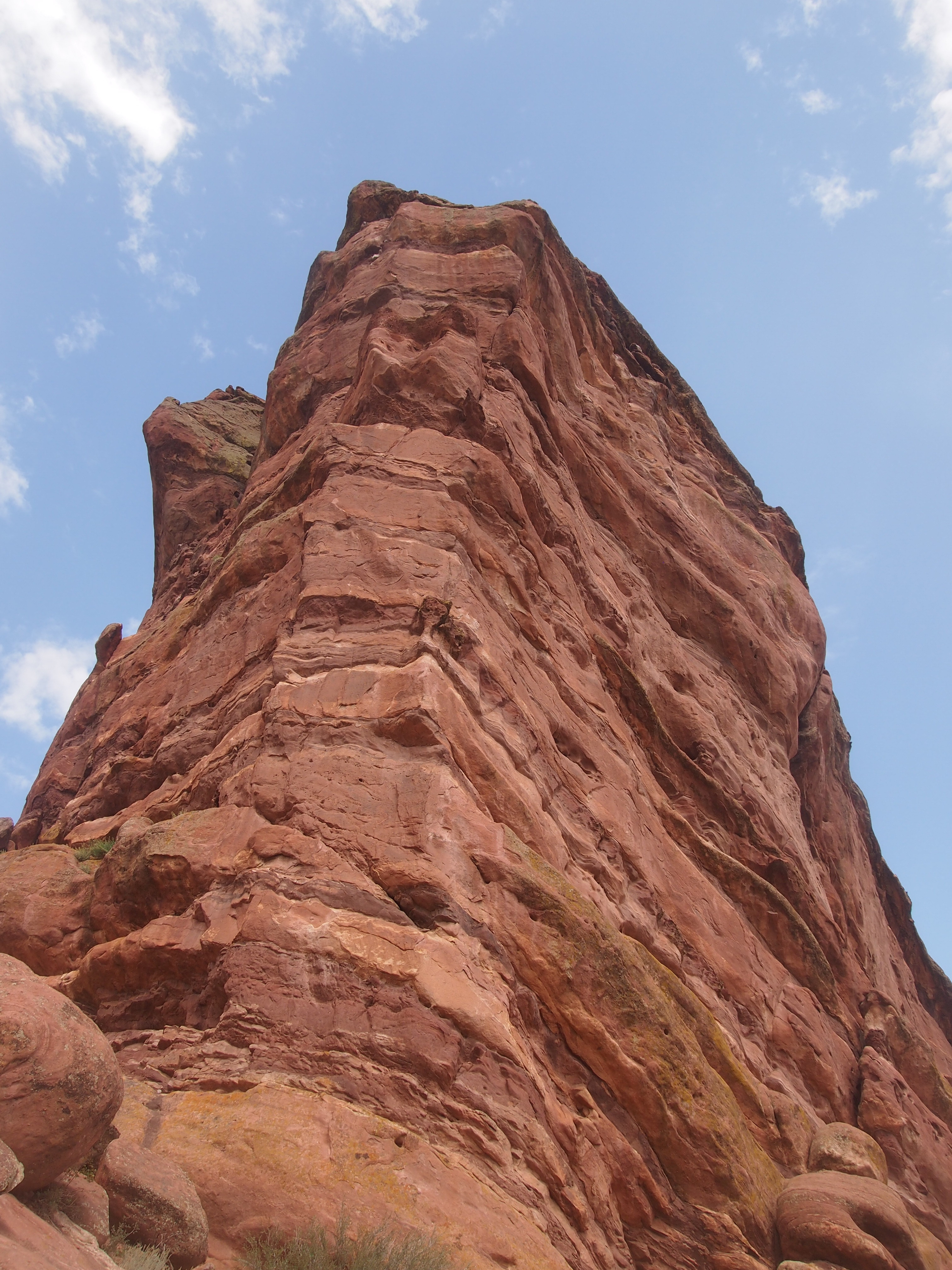
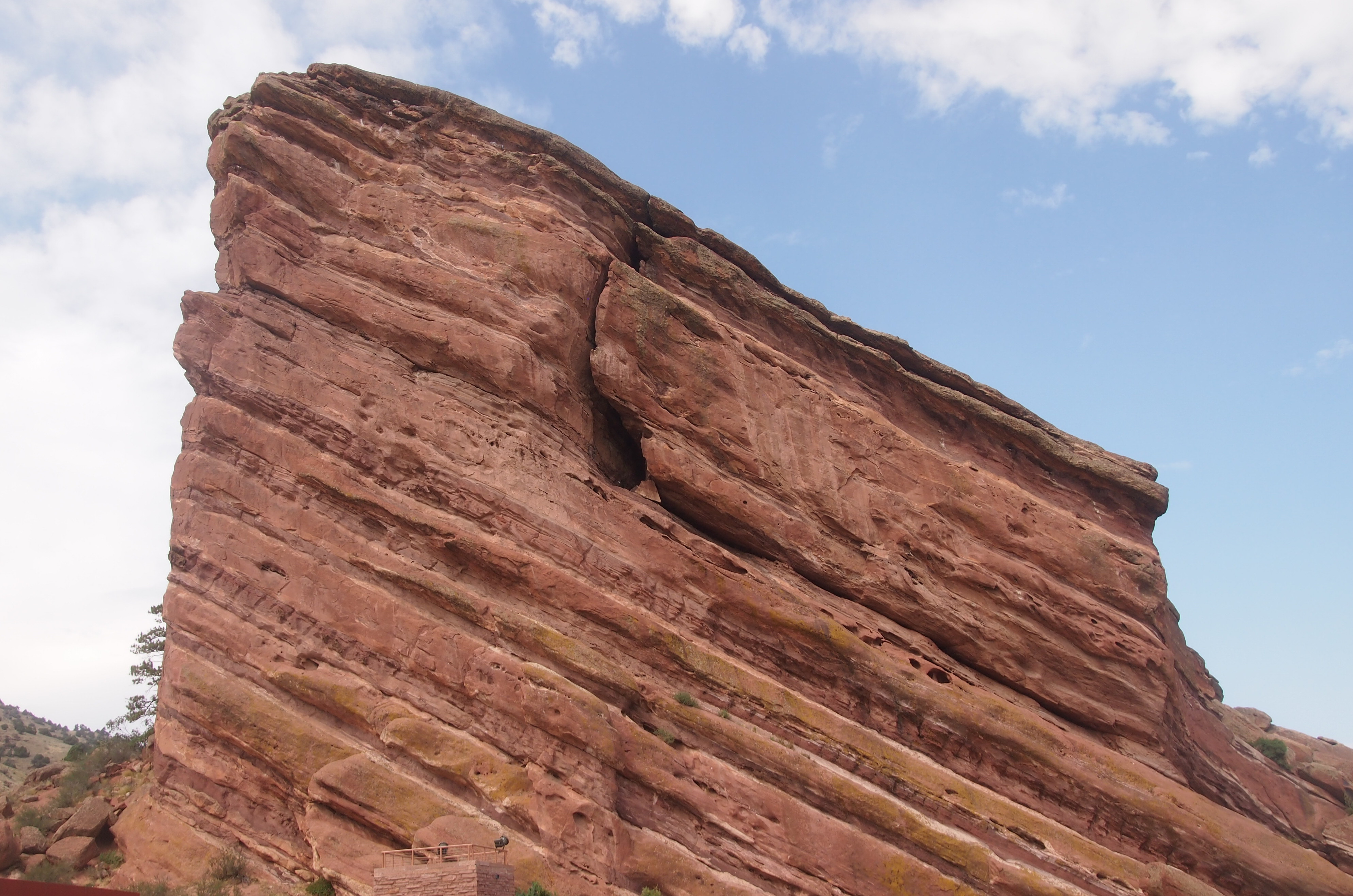
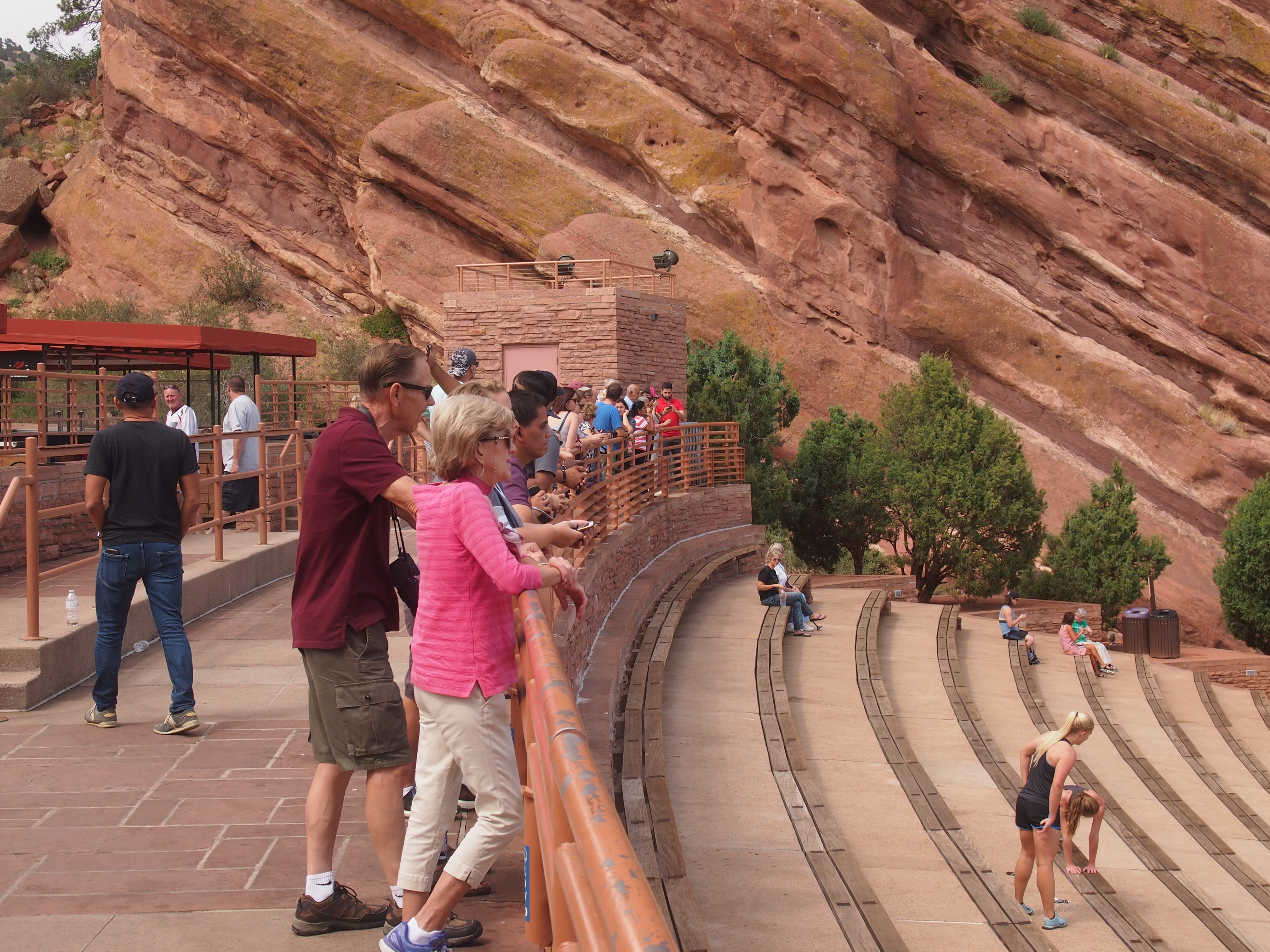
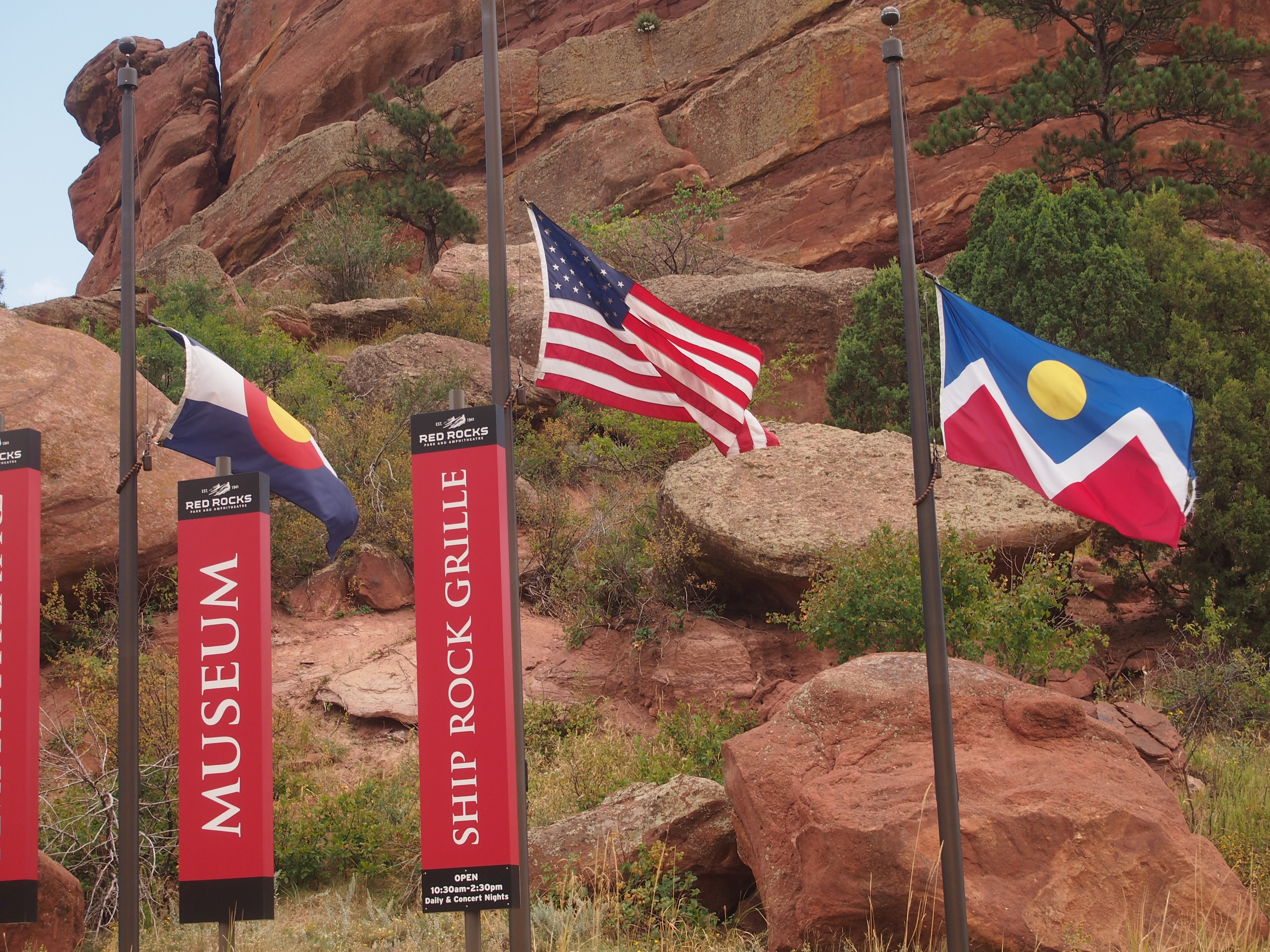
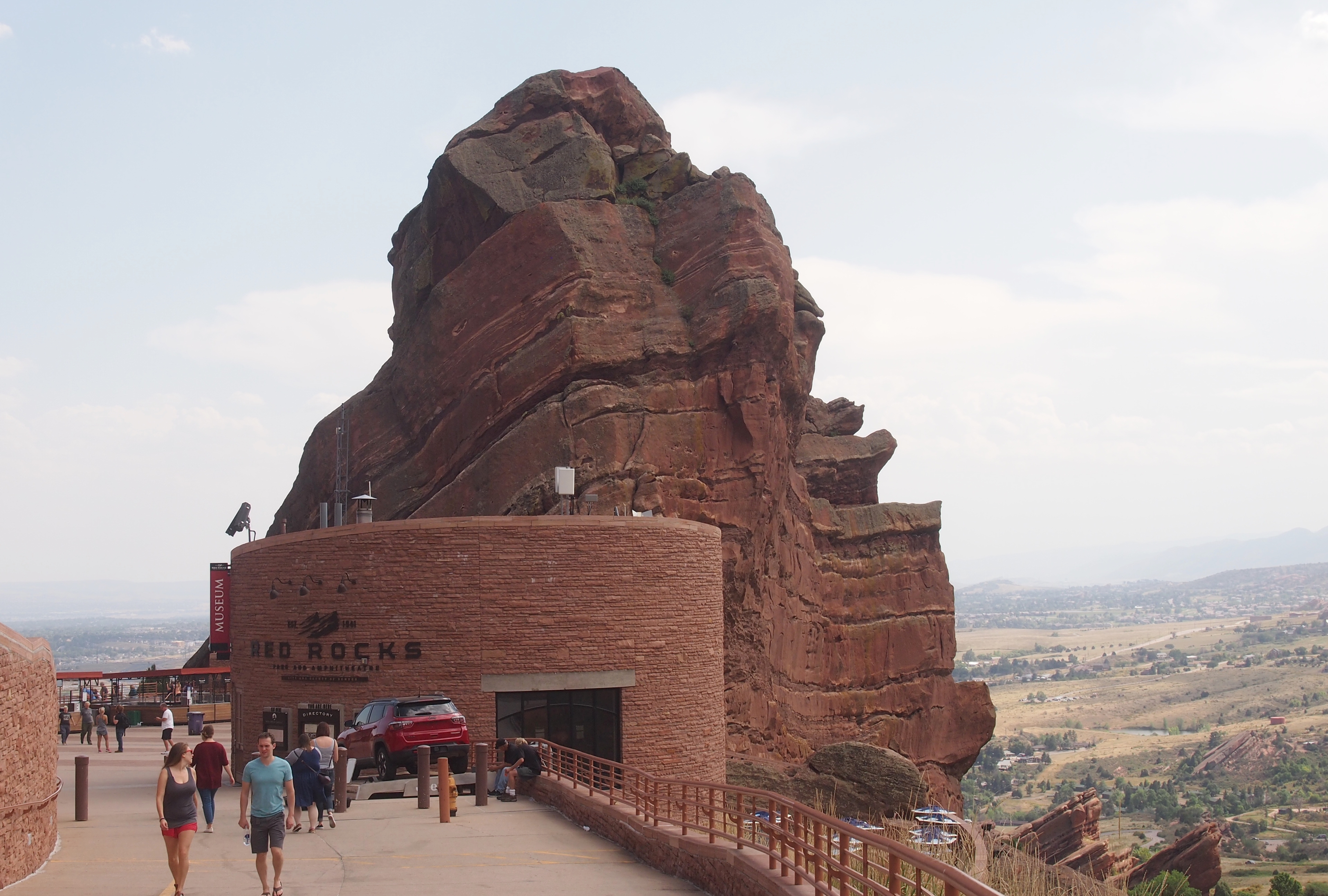
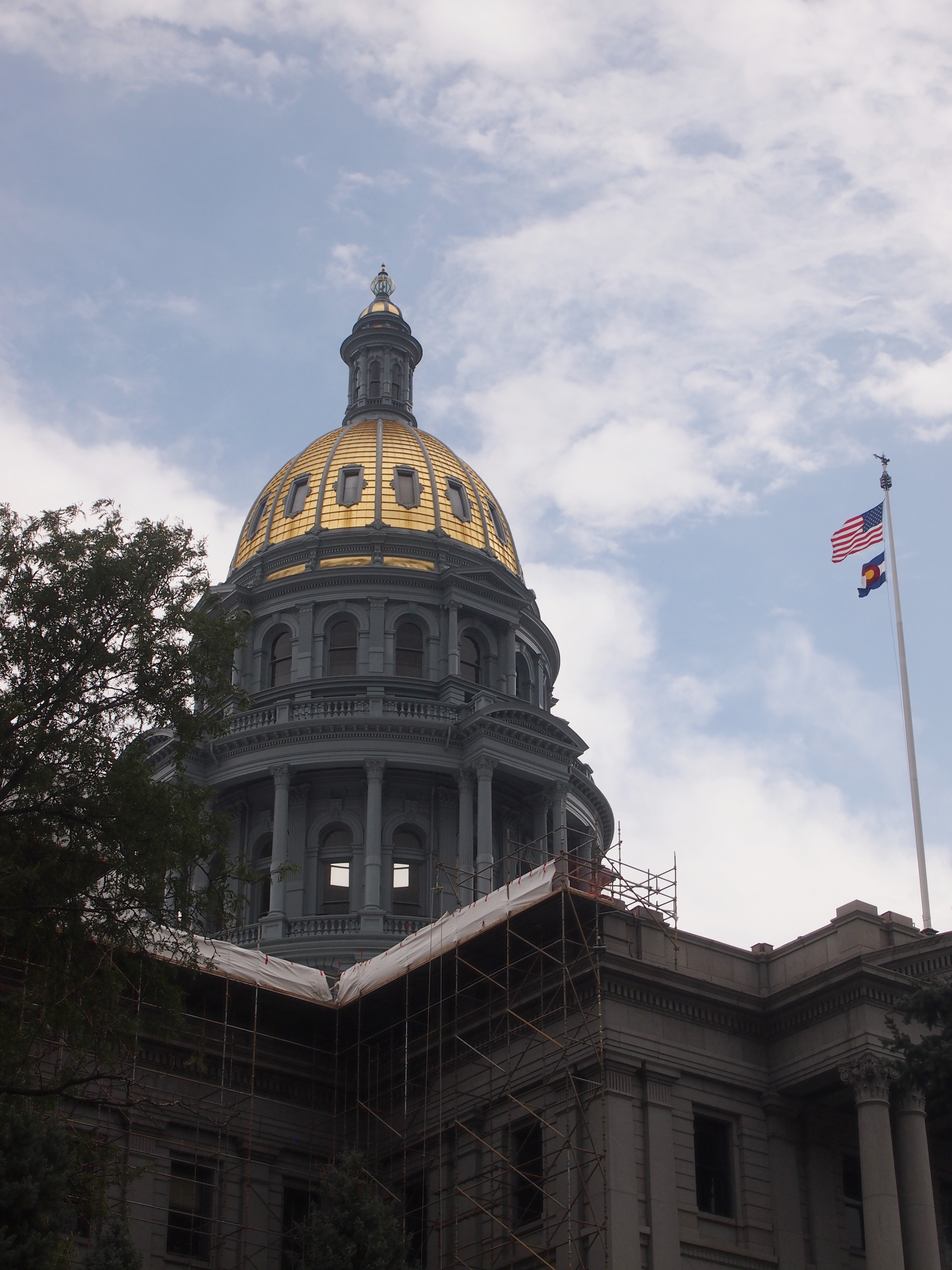
GTT 2017

This month Lilly and I visited Texas for a couple of weeks, beginning when I picked her up on May 12 in Champaign, at the end of her exams at UIUC, and ending with our return to metro Chicago on May 26. Unlike last summer, we mostly took direct routes, there and back. All together, we drove just a shade over 2611 miles through only four states, but ranging from about 42 degrees North to 29 degrees North.

Mostly we spent time with family: her grandmother and uncles and cousins, in San Antonio and Dallas, most of whom she hasn’t seen recently. She also met little cousin Neil for the first time.

From Champaign, we headed to Effingham, where we passed the giant cross, visible from the highway, but did not stop for it, and then headed west to St. Louis. By evening, we’d made it to Lebanon, Mo., and the Munger Moss Motel, which has had a few more neon burnouts since Ann and I stopped there last year.

Munger Moss sign 2017The second day, we went to Dallas by way of Springfield, Mo., where we stopped to stroll in the Mizumoto Japanese Stroll Garden, a part of the Springfield Botanical Gardens. Later that day, we stopped in Muskogee, Okla., and took a look at the USS Batfish, a WWII-vintage submarine incongruously perched on land and functioning as a museum.

On Sunday, May 14, we proceeded to San Antonio, with my brother Jay joining us. We stopped for a delightful lunch in Austin with Tom Jones that afternoon at Trudy’s, a local brand. Tom was already an old friend of mine when I was Lilly’s age.

Circumstances forced us to scrub our plans to drive to Big Bend National Park for a long weekend beginning on the 18th. While in San Antonio, Lilly went to North Star Mall one day by Uber, and on another day Jay and Lilly and my nephew Dees went to the Witte Museum and then the Sunken Gardens (formally, the Japanese Tea Garden). On Saturday, May 20, we to returned to Jay’s house Dallas via U.S. 281 until north of Austin, picking up I-35 near Killeen, because there’s no reason to go through Austin unless you’re going to Austin.

In West, Texas, — which is in Central Texas — we bought some kolaches at the Little Czech Bakery, which is next to the Czech Stop. Been there a number of times since I wrote this.
Czech Stop, West, Texas 2017The line wasn’t quite as long as usual. Good thing.
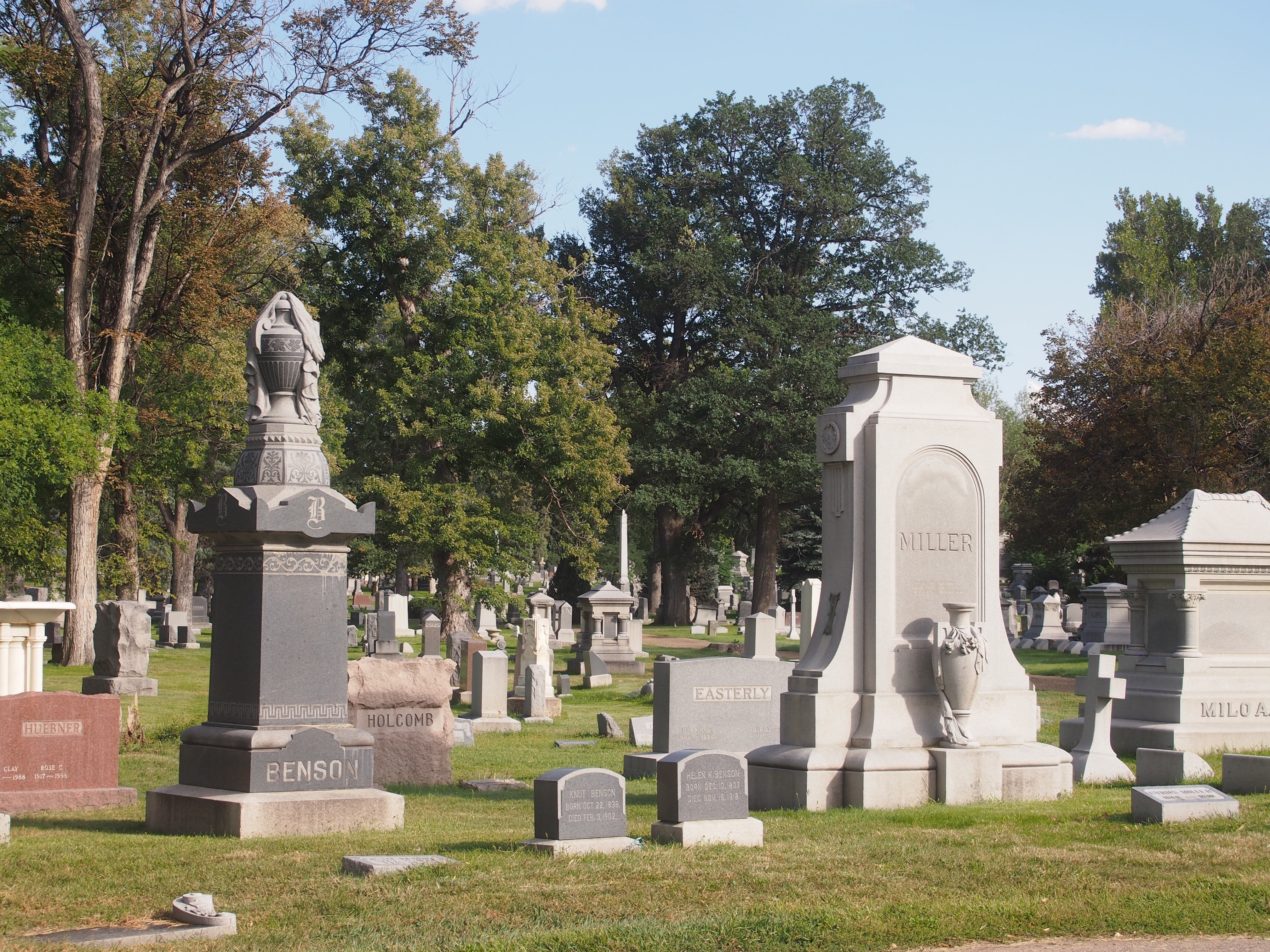
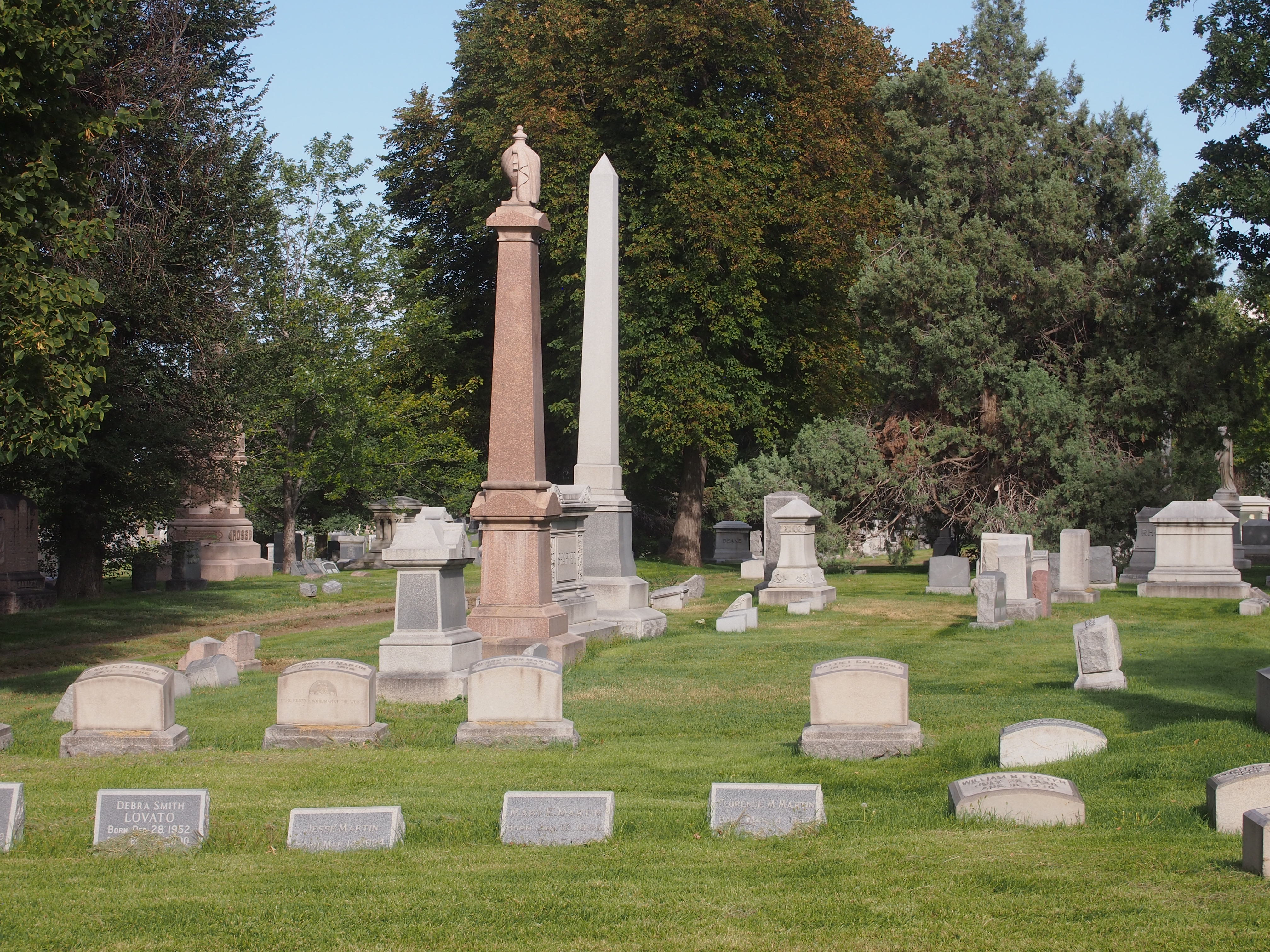
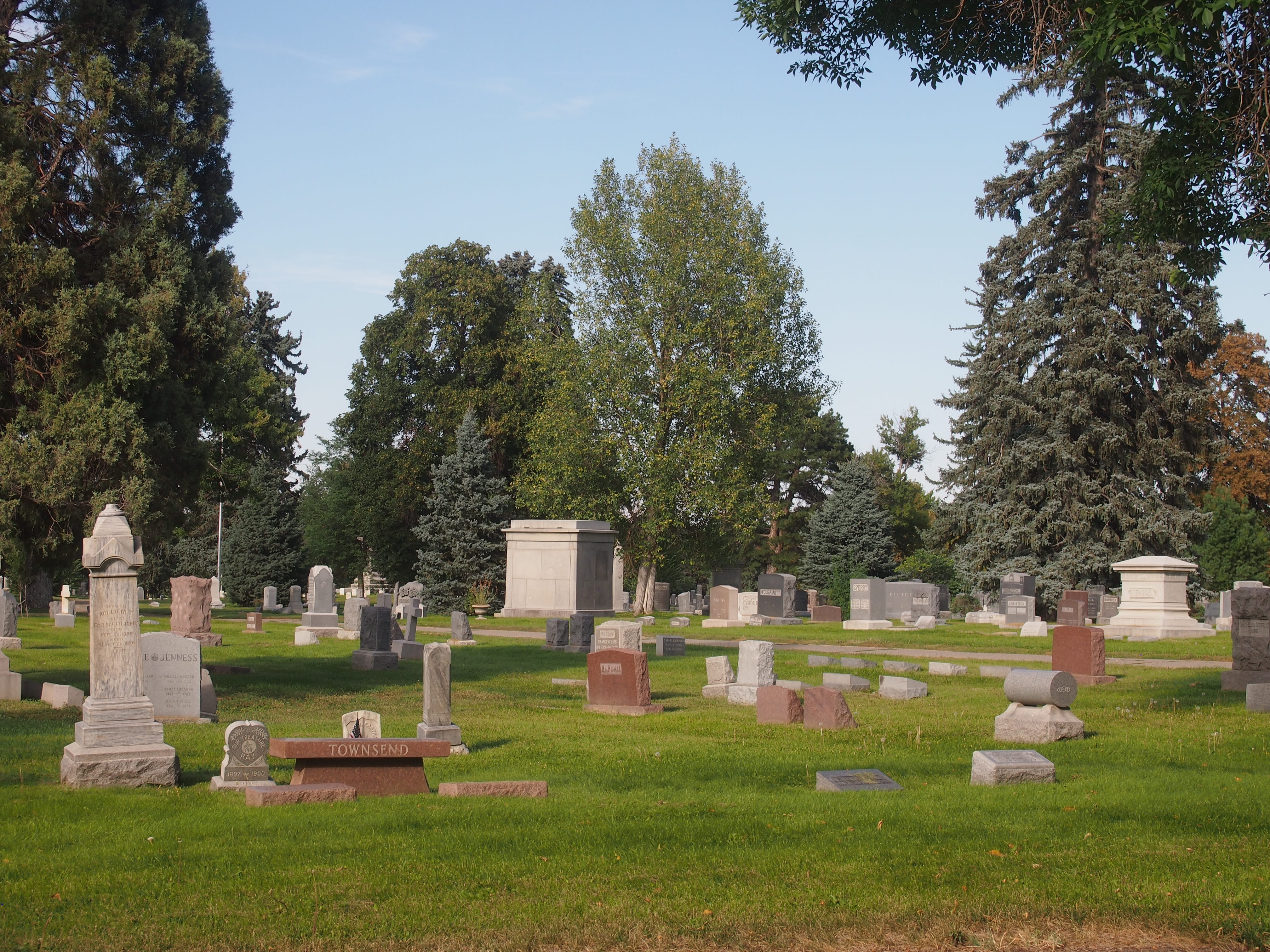
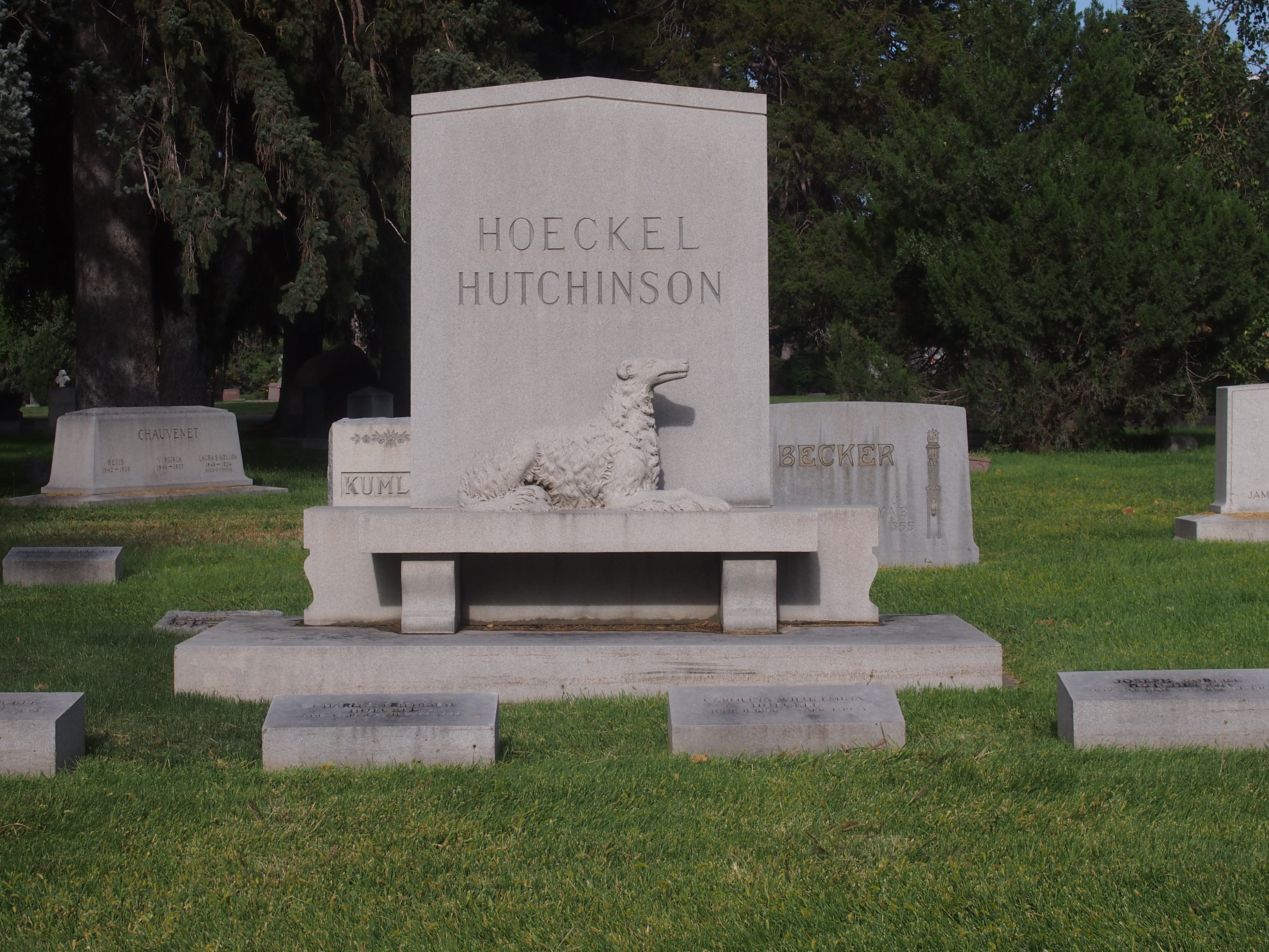
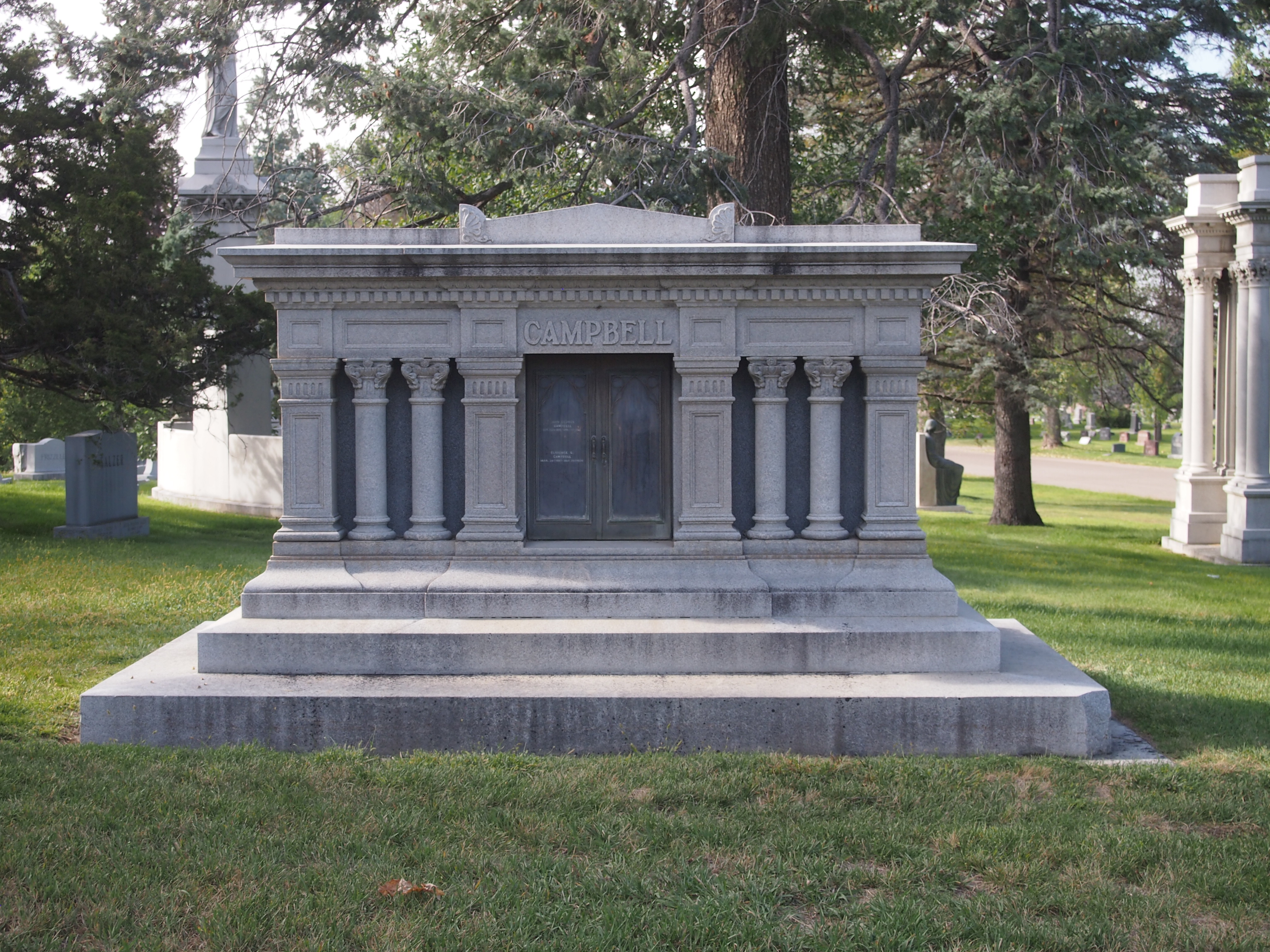
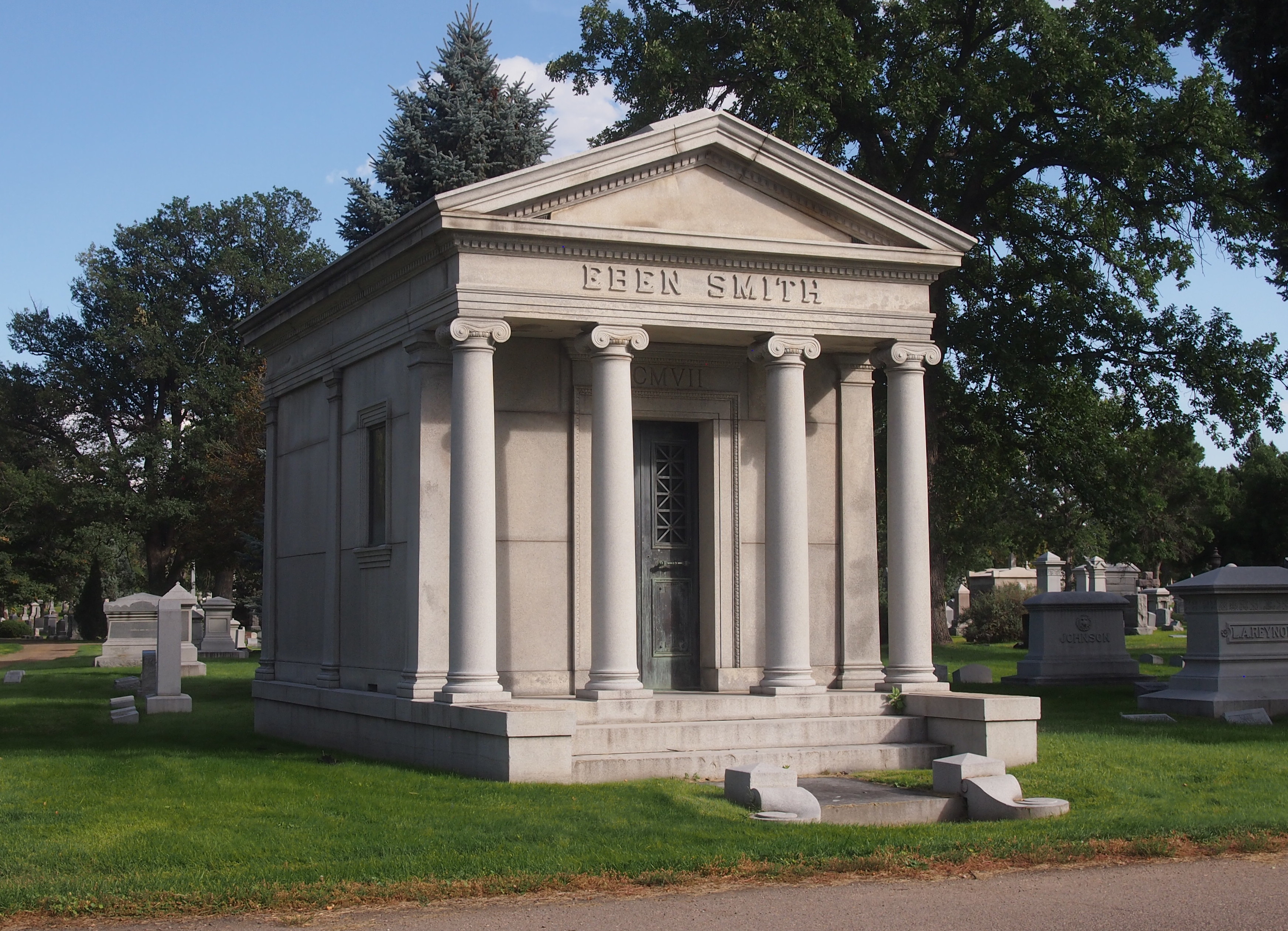
Czech Stop, West, Texas 2017Czech Stop, West, Texas 2017One day in Dallas we visited the Dallas Arboretum and Botanic Gardens, as lovely a garden as I’ve seen in quite a while. Despite its location on White Rock Lake, close to Jay’s house, I’d never been. Another day I dropped Lilly off at North Park Mall, known for its collection of artwork, and visited the next-door Sparkman-Hillcrest Cemetery, or in full, the Sparkman-Hillcrest Memorial Park Cemetery. A first-rate bit of landscaping.

We headed back for home beginning on May 25, driving from Dallas back to the Munger Moss for one more night (getting room 67; the first time we got 66). The next day we passed through St. Louis en route to the Chicago area and home.

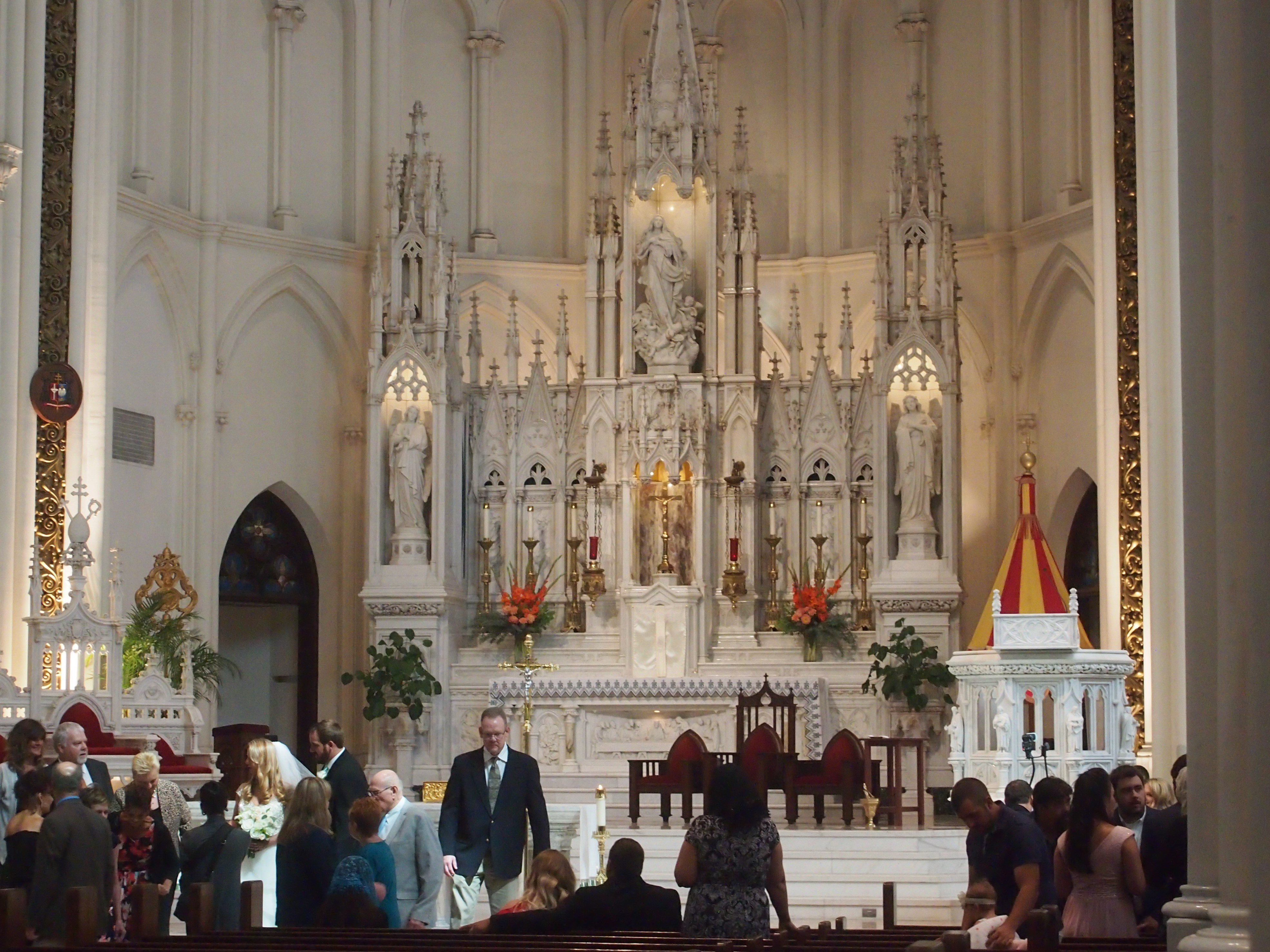
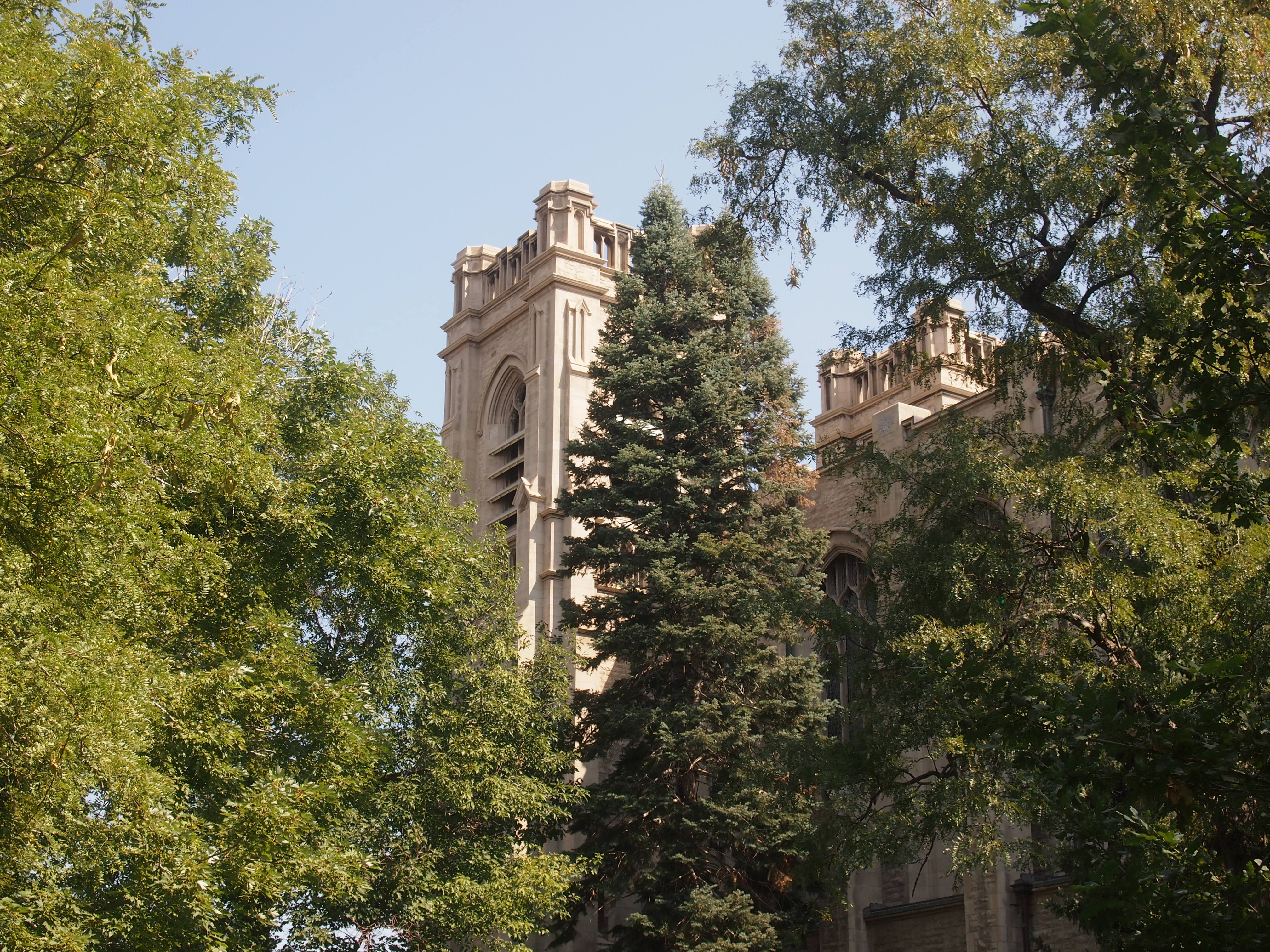
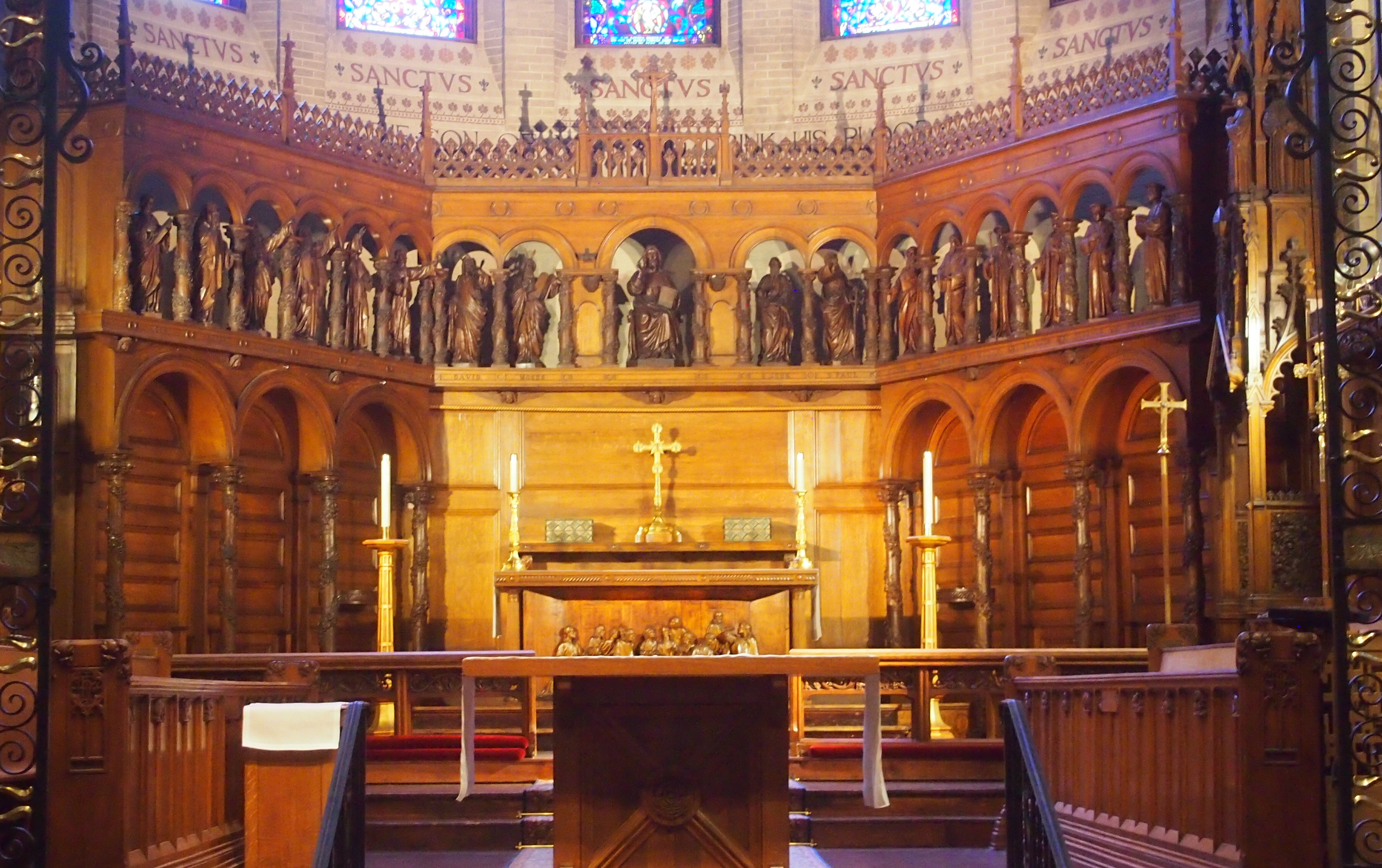
On the last leg of the trip I was determined to stop a few places. First, we saw the abandoned Gasconade River Bridge, which counts as a Route 66 sight, though it could have been along any old road and still be just as fine. In St. Louis we visited the Cathedral Basilica of St. Louis, one of my favorite churches in North America, and then the wooded, hilly Bellefontaine Cemetery north of downtown, which is in the same league as Green-Wood in Brooklyn or Woodland in Dayton. First rate, that is.

The Jain Society of Metropolitan Chicago

The BAPS Shri Swaminarayan Mandir, mentioned yesterday, is on route Illinois 59 in Bartlett. As I was preparing for my visit, looking at Google Maps, I noticed something else similiarly interesting just a few miles to the north, also on Illinois 59 in Bartlett: the Jain Society of Metropolitan Chicago. A Jain temple, in other words.

This too had escaped my notice all the years I’ve lived in the northwest suburbs. I figured if I were going to be out in Bartlett to see the monumental mandir, I might as well drop by to see what the Jains have built. So I did.

Jain Society of Metropolitan ChicagoThe Jain temple, next to a large parking lot on an even larger bit of land, isn’t as massive as the BAPS structure, but it’s pleasing to the eye, and made all the more interesting because it’s such a rare thing here in North America. That despite what Wiki asserts: “The most significant time of Jain immigration was in the early 1970s. The United States has since become a center of the Jain diaspora [citation needed].” This particular temple was built in the early 1990s.
The Jain Society of Metropolitan ChicagoThe temple interior is essentially a single room with rows of eye-level effigies along the walls, and some other ornamentation. It all reminded me how little I remembered about Jainism.

I studied Jainism briefly — a class or two — in Survey of Eastern Religions, as taught by the highly learned Charles Hambrick, but that was 35 years ago (a professor emeritus these days, but last I checked still with us). Mainly I remember the strong emphasis on pacifism, which often has the unfortunate side effect of inspiring nearby and less pacific people to acts of persecution. If indeed the Jain diaspora is focused in this country, I hope they’re doing well.

BAPS Shri Swaminarayan Mandir Chicago

BAPS Shri Swaminarayan Mandir, a monumental Hindu temple on 27 acres in suburban Bartlett, Ill., is less than 10 miles from where I’ve lived for most of the 21st century so far. How is it that I never knew about it until a few weeks ago? You imagine that you know your part of the world pretty well, but it’s just a conceit.

BAPS, incidentally, stands for Bochasanwasi Akshar Purushottam Sanstha, so the full name of the site would be the Bochasanwasi Akshar Purushottam Sanstha Shri Swaminarayan Mandir Chicago. I can see why it’s abbreviated. I can’t pretend to know how the group that built the temple fits into the galaxy of Hinduism, though I’ve read that it’s a relatively modern movement, originating in Gujarat state. I wouldn’t mind knowing more, but whatever knowledge I take away from reading about the details of Hinduism tends to evaporate in a short time, sorry to say.

The suburban Chicago temple is just one of a half-dozen such in North America. The others are in metro Atlanta, Houston, LA, and Toronto, and in central New Jersey. Judging by their pictures, each is about as monumental as the metro Chicago temple, though Chicago’s supposed to be the largest. In fact, it’s the largest Hindu temple in North America, at least according to one source. Even if that’s not so important, the place does impress with its size.

On a sunny but not exactly warm day recently, I drove to the BAPS Shri Swaminarayan Mandir for a look. The structure, finished only in 2004, is stunning.
BAPS Shri Swaminarayan Mandir ChicagoBAPS Shri Swaminarayan Mandir ChicagoThe exterior is limestone, the interior marble and granite. The temple’s web site has a sketch of the structure’s creation, which I’ve edited a bit.

The Carrara marble was quarried in Italy and the limestone was quarried in Turkey.
From there it was shipped to Kandla in western India.

The material was then transported to Rajasthan, where it was hand-carved by more than 3,000 craftsman over a period of 22 months.

The finished pieces were then shipped to a final location for polishing, packaging and numbering before being shipped back to the port in Kandla.

It took two months for a container ship to journey from India to the US.

Upon reaching Virginia, the containers were put on a train to Chicago and then transported to the project site.

Upon arrival at the site, the stones were grouped and classified based on a detailed database of each piece.

The pieces were then assembled together like a massive, three-dimensional jigsaw puzzle.

The finished products of rich carvings are a testimony to the exquisite skills of craftsmen, aided by superb logistics and engineering.

I’ll go along with that last sentence. Even though I didn’t understand the details of what I was looking at, I admire the artistic and engineering skill it must have taken to create the thing.

BAPS Shri Swaminarayan Mandir ChicagoBAPS Shri Swaminarayan Mandir ChicagoBAPS Shri Swaminarayan Mandir Chicago

BAPS Shri Swaminarayan Mandir Chicago

Next to the mandir is the haveli, a fine building in its own right, featuring some exceptionally intricate wood carving. It serves a number of functions. For my purposes, it included a visitors center, gift shop (with a few postcards) and the entrance to the mandir, which is open to the public.

BAPS Shri Swaminarayan Mandir ChicagoBAPS Shri Swaminarayan Haveli ChicagoThe mandir is accessible via an underground tunnel from the haveli. Exhibits about Hinduism line the wall of the tunnel. The inside of the mandir, marbled and quiet, is an astonishing forest of carved columns and sculpted walls. No photography allowed, but of course pictures do exist.

I might not ever make to India. Can’t go everywhere. Fortunately, a striking piece of India is within easy driving distance.

Nathan Manilow Sculpture Park ’17

On Saturday we visited Governors State University in exurban Chicago — way down south in the Will County burg of University Park, Ill. — for a look at its expansive sculpture park, which mostly features large-scale metal works. Its formal name is the Nathan Manilow Sculpture Park. I visited the place in 2002 and posted about some years later.

“Formally established by the Governors State University Board of Trustees in 1978, the Nathan Manilow Sculpture Park was named for Nathan Manilow, a visionary developer who, along with Carrol Sweet and Philip Klutznick, formed American Community Builders at the conclusion of World War II,” says the GSU web site. “They planned and built the neighboring Village of Park Forest for returning GIs. The history of the Nathan Manilow Sculpture Park predates GSU in that sculptor Mark diSuvero spent the summers of 1968 and 1969 living and building sculpture on the land that was to become the university.

“1968-69 – Lewis Manilow, son of Nathan Manilow, loans the use of a house on the future campus of GSU to sculptor Mark diSuvero. DiSuvero spends two summers creating sculpture. His presence attracts other artists: John Chamberlain, Richard Hunt, John Henry, Charles Ginnever and Jerry Peart, among others, to the area. DiSuvero creates at least three sculptures: ‘Yes! for Lady Day,’ ‘Prairie Chimes’ and ‘The Mohican.’ ”

After nearly 15 years, I figured it was time to go again. Turns out that sculptures have been added since then. Many of those we saw had not only been added since then, but created since then. Such as “Windwaves” by Yvonne Domenge from 2010.

"Windwaves" by Yvonne Domenge“Oscar’s Inclination” by Michael Dunbar dates from 2004.

"Oscar's Inclination" by Michael Dunbar "Oscar's Inclination" by Michael Dunbar

Beyond “Oscar’s Inclination” was “Falling Meteor” by Jerry Peart, which I’m pretty such was here in 2002. It was created in 1975.
"Falling Meteor" by Jerry PeartThis was one of the smaller works that we saw, “Meeting Ends” by Chakaia Booker, from 2005.
"Meeting Ends" by Chakaia BookerMade of rubber tires and stainless steel. An artwork for us, but also a nesting site for birds.
"Meeting Ends" by Chakaia BookerGSU has a lot of land: 750 acres, which is plenty of room to keep large metal sculptures. Beyond the pieces that are near the school’s buildings, you need to walk along mowed pathways, sometimes soggy considering the recent rains, to see other works.
Governors State UniversityA couple of favorites from last time: “Phoenix” by Edvins Strautmanis, one of the vintage 1968 works, and off in the background, “Flying Saucer” by Jene Highstein, 1977. “Phoenix” looks like it’s been refurbished.
"Phoenix" by Edvins StrautmanisAnd “Icarus” by Charles Ginnever, another early one: 1975.

"Icarus" by Charles GinneverThe director and curator of the park in recent years has been Geoffrey Bates, who just retired. More about him and the park is here.

Toul 1956

Why my parents picked Toul, France as a destination in May 1956 is probably lost to time, since I doubt that my mother remembers. I’ve read that there are impressive old fortifications there, and a cathedral worth a look, so perhaps those were considerations. There used to be a NATO air base near the town, but my father was in the Army, not the Air Force, and probably didn’t visit on official business. Maybe someone they knew recommended the town for a look-see.

Anyway, they went. Many years later, I came across this slide my father made in Toul. Fortunately, he wrote down the place and time. Otherwise, I’d have no idea beyond it being somewhere in France.

ToulMay56

I think it’s most interesting because it captures an ordinary street scene in a French town more than 60 years ago, though the cathedral is in the background. Looking at image — peering back in time and far away in place — I notice certain details: the proliferation of telephone wires, the relative lack of parked cars, and the two figures beside the street: a schoolboy and a man.

Back when schoolboys were known by their short pants, it seems. I don’t know much about French fashion habits, but I suspect that’s long gone. Looks like the man is telling the boy something, maybe even dressing him down for something. Impossible to say.

Maybe the boy is still around, about 70 now. A grumpy old Le Pen voter? Again, I don’t know enough about France to know whether Le Pen captured the grumpy old man vote, though somehow I suspect she did.

I played around with Google Streetview for a little while today, looking at the area around the cathedral in Toul, though I didn’t get a precise fix on exactly where my father stood when he took the picture. Maybe I could, if I didn’t have anything else to do. I will say this: it looks like there’s been a fair amount of redevelopment in the area since 1956, and the telephone wires, probably the height of la modernité at one time, are gone.

Sometimes I try to capture street scenes myself. Here’s one in Shanghai in the spring of 1994, near the Bund.
Shanghai94And one of State St. in Chicago, looking north. Just last month.

State Street April 2017Looks ordinary now, but it might look a little odd in 60 years.

Thursday Trifles

My wooden back scratcher — one of earliest inventions of mankind, for sure, and still one of the best — still has its label attached. I just noticed that. A product of Daiso Japan, it was acquired in Japan early this year and brought to me as o-miyagi.

The label is in Japanese and English. The English WARNING says:

Please understand that there is a risk of having mold and bugs since this is made of natural material.
Please do not use this for any other purpose than what it should be.
Please follow the garbage segregation rules imposed by local municipality.

Here’s a picture from Lou Mitchell’s last month. “A Millennial Couple at Breakfast.”
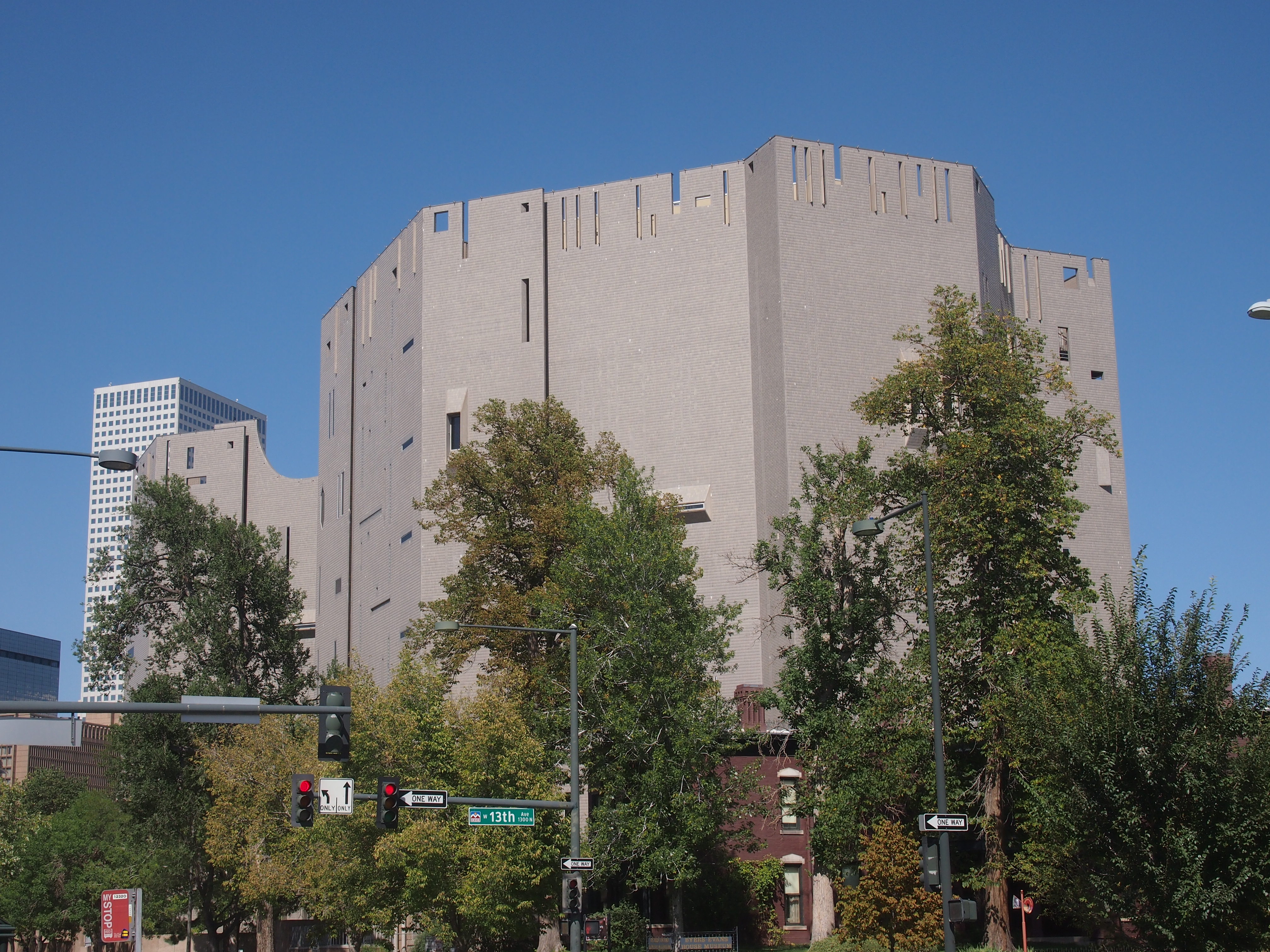
Millennials

The flag between them is a Cubs W flag. They were all over when the Cubs were in the World Series, and you still see them sometimes. Ann asked me what it stood for. I said, Win. She said, couldn’t that be for any team anywhere? I assured her that that kind of reasoning has no place in sports fandom.

Here’s an article about Carvana. That’s a company that develops automobile vending machines. Or rather, mechanical towers that dispense cars previously acquired online. I’d never heard of it before. They’re in Dallas, San Antonio and Austin, among other places, so maybe I ought to take a look at one.

A few weeks ago, there was a thing going around Facebook: List 10 musical acts, nine of which you’ve seen, one you haven’t. Others are invited to guess which is the one you haven’t seen. Pointless but harmless. I refuse to do it on Facebook, but I will here. Alphabetically.

The Bobs
Chubby Checker
Irwin Hepplewhite & the Terrifying Papoose Jockeys
Gustav Leonhardt
Bob Marley
Natalie Merchant
Bill Monroe
Taj Mahal
They Might Be Giants
Francis Xavier & the Holy Roman Empire

The London House Hotel & The Tower on Top

When I took pictures from high up in the Aon Center, I didn’t know that a few weeks later, I’d be on top of another nearby building. Not as tall, but with also with a terrific view of Chicago. And one (formerly) associated with an insurance company: The London Guarantee & Accident Building, 360 N. Michigan Ave., vintage 1923.

Chicago architect Alfred S. Alschuler designed the Beaux Arts tower for the U.S. branch of a British insuror, and since last year it has been occupied by the London House Hotel. I didn’t know that, probably because I don’t keep track of the Chicago real estate market in detail right now. I still think of it as an office building that was home to Crain’s Chicago Business for a time, and which also used to count the Turkish Consulate as a tenant. Once upon a time, Armenian sympathizers would periodically protest on the sidewalk outside.

There’s a tower on the top of London House, marked with a circle.

Chicago from Aon Center 2017Up close, it looks like this.
London House Chicago cupola 2017The tower is supposedly modeled after the Choragic Monument in Athens. I’m not expert enough to know, but there are visual similarities at least.

The London Guarantee & Accident Building was on the Chicago Architecture Foundation’s Hotel Boom tour, and it was the only property we explored beyond the exterior and the lobby, though those parts are interesting too.
London House Hotel Chicago 2017This is the ceiling inside the Michigan Ave. entrance.
London House Hotel Chicago 2017The docent said that it was original to the building, but had been uncoveraged fairly recently. At some point probably in the 1950s or ’60s, it had been Eisenhowered by a lower ceiling.

From there we looked around the lobby, and then took an elevator to the 21st floor, which is occupied by a bar. On a spring Saturday afternoon, the place was packed. Then, another elevator takes you up to two levels of outdoor terraces. One of which has tables and chains and (on a warm day) people with their drinks.

London House Hotel Chicago rooftop 2017

The views are exceptional. Looking west down the Chicago River.
London House Hotel Chicago rooftop 2017North up Rush St. The building with the clock tower is, of course, the Wrigley Building.
London House Hotel Chicago rooftop 2017Stairs from this level lead up to the Choragic Monument-ish tower, which offers some views of its own. Looking to the east, you get a good view of the upper reaches of 333 N. Michigan Ave., another building of the 1920s.
333 N. Michigan Ave ChicagoI was intrigued by the busts way up.

333 N. Michigan Ave ChicagoWho is supposed to see them? Angels? Even from inside the building, it looks like they would be hard to see. A modern example of painting the back of the statues in a cathedral niche.

About 333 N. Michgan and environs, Blair Kaimen wrote: “Its designers, Chicago architects Holabird & Root, drew heavily from Finnish architect Eliel Saarinen’s influential second-prize entry in the 1922 Tribune Tower design competition. Continuous vertical lines and gentle setbacks mount to a top without a cornice or cupola. The building superbly takes advantage of a bend in North Michigan Avenue to dominate the view as you look southward.

“Together, 333 and 360 join with the neo-Gothic Tribune Tower and the eclectic Wrigley Building to form an extraordinary quartet of 1920s skyscrapers that frame a great urban space around the Michigan Avenue Bridge.”
Hotel Boom

The Chicago Architecture Foundation calls one of its new tours Hotel Boom. “Learn how and why a former athletic club, bank, chemical company, motor club and more were transformed into first-class hotels,” the description promises. I was game. So we (all of us, including Ann) took the tour on Easter Saturday, a warm, pleasant spring day in Chicago.
I suspected that I’d been in many of the properties, and I was right. But some of them weren’t even hotels the last time I visited, and it’s always good to hear about a property from a knowledgeable docent, which CAF docents tend to be. In order, we visited the Silversmith Hotel, Virgin Hotel, Hampton Inn (formerly the Chicago Motor Club Building; I got an international drivers license there), London House, Hard Rock Chicago, and the Chicago Athletic Association Hotel.

Mostly we got a look at the exteriors, and then at the lobbies, though at one property we didn’t enter the lobby, and at another we saw the rooftop.

My friend Geof Huth stays at the Silversmith Hotel, 10 S. Wabash Ave., when he’s in town. The exterior is an historic arts-and-crafts facade dating from the 1890s, done by one of Daniel Burnham’s men. I assume that silversmiths were once tenants, since that part of Wabash was Jewelers Row (and still is). When I met Geof there in previous years, the lobby interior — which is not a protected historic feature — looked like this, with brown predominating. Not any more. Now black and off-white is the thing in the Silversmith’s public areas.

Next up was the Virgin Hotel. Virgin as in one of Sir Richard Branson’s properties, and in fact the first hotel with that flag, opened only in 2015. This was a surprise. I used to work across the street, more-or-less, and I remembered the Old Dearborn Bank Building at 203 N. Wabash Ave. being an interesting but aged art deco building.

The exterior has been spiffed up, the better to appreciate some of the details.

Virgin Hotel Chicago 2017Virgin Hotel Chicago 2017We had to skip the interior. One of these days I might take a look.

There’s a Hampton Inn in what used to be the Chicago Motor Club Building at 68 E. Wacker Pl., originally developed in 1928 and converted into a hotel only a few years ago.
Chicago Automobile Club Building 2017Blair Kaiman writes: “All of Art Deco’s defining characteristics are compressed into this fabulous, 15-story package just west of Michigan Avenue: A trim silhouette with strong vertical lines; stylish geometric decoration; and a superb integration of art and architecture, especially in the lobby where a freshly restored mural map of the continental United States reigns with regal understatement.”

Chicago Auto Club Building US Map MuralIt’s a splendid mural. Done by an Illinois artist named John Warner Norton (1876-1934), who favored this kind of large work. More about him here, by a writer who doesn’t understand paragraphs.

I like this detail, too. It’s over the hotel’s main entrance.
 The Hard Rock Hotel Chicago at 230 N. Michigan Ave. is a Hard Rock. With that, you get musical embellishments, such as guitars on the wall and an express checkout station that’s fashioned out of a 45 record player.

The hotel is the Carbide and Carbon Building, yet another fine deco building, finished in 1929, just before the Depression ground building to a halt, deco or otherwise. Burnham Bros. did the original building (Daniel Burnham was long dead by then); Lucien Lagrange Architects did the conversion into a hotel, finished in 2003.

You might even call it noir deco, since carbon black is the motif.
Carbine and Carbon Building 2017Further south, fitting very nicely in the Historic Michigan Boulevard District, is the Chicago Athletic Association Hotel at 12 S. Michigan.
Chicago Athletic Association Hotel 2017The building, a Henry Ives Cobb design, goes all the way back to 1893, so it was spanking new at the time of the World’s Fair. No art deco for him. He was of a previous generation. He also did the Newberry Library, which I’ve always liked, and the fine Yerkes Observatory.

The redevelopment of a posh men’s club into a posh hotel by Hartshorne Plunkard Architecture was finished only in 2015. “Many of the building’s elaborate architectural details were preserved, as the ornate millwork and tiled floors throughout the interior and the stained glass and cast-iron exterior relief have all been restored,” says Curbed Chicago. “However, one of the greatest highlights of the new hotel is its rooftop restaurant’s deck space that offers sweeping views of Michigan Avenue and Millennium.”

On a pleasantly warm Saturday, the line to get to the elevator to the rooftop was long indeed. Some other time, maybe.

We did see the large bar on the first floor. It features a lot of games and a sports theme on the walls. Sports of an earlier time: leather football helmets, baggy golf knickers, and medicine balls.

The space also included a bocce ball court. People were playing it. I’d never seen anyone play bocce ball.
Chicago Athletic Association Hotel 2017 bocce ball courtGuess I don’t hang around enough Millennial bars. Or any bars, come to think of it.

Model Chicago

Most Chicago Architectural Foundation tours begin at 224 S. Michigan Ave., where the foundation is located and which is also known as the Santa Fe Center or, originally, the Railway Exchange Building. It’s a handsome structure by Daniel Burnham, dating from 1904.

“A building around a light well, a form common to Daniel H. Burnham’s work from the mid-1880s onward, received an undulating white-glazed terra-cotta skin, oriel bays, and a top floor of distinctive porthole windows,” notes the AIA Guide to Chicago. “As in the Rookery, there is a two-story covered court at the base of the light well dominated by a grand staircase.”

The view from near the grand staircase.
Railway Exchange BuildingNote the model of Chicago taking up much of the floor. At 25 by 35 feet, it’s an exact model of every building in more than four square miles of the city, or more than 1,000 of them. The obviously skilled Columbian Model & Exhibit Works created it for the Chicago Architectural Foundation in the late 2000s.

The Tribune reported in 2009 that the “model buildings came from Columbian’s workshop. The exhibit is broken down into 400 city blocks, in squares the size of dinner plates carried in food caterer’s serving carts. With the buildings already glued in place, the blocks were placed into the exhibit like waiters carefully placing food plates into a buffet table.

“[Foundation VP Gregory] Dreicer said the first step in the process was creating a digitized three-dimensional computer model of the city that could be manipulated on a screen. The designers did it using architectural drawings or drawings purchased from commercial firms that collect such information.

“To make each building, they went to firms that use the three-dimensional printing process called stereolithography, used to make design prototypes of various products like plastic containers for food, cleaning or pharmaceutical products.”

Wow. That’s impressive. And right there, for anyone to walk in and see, no charge. It’s not a static display, either. I’ve read that the CAF updates it periodically, as buildings come and go in Chicago.

Lou Mitchell’s

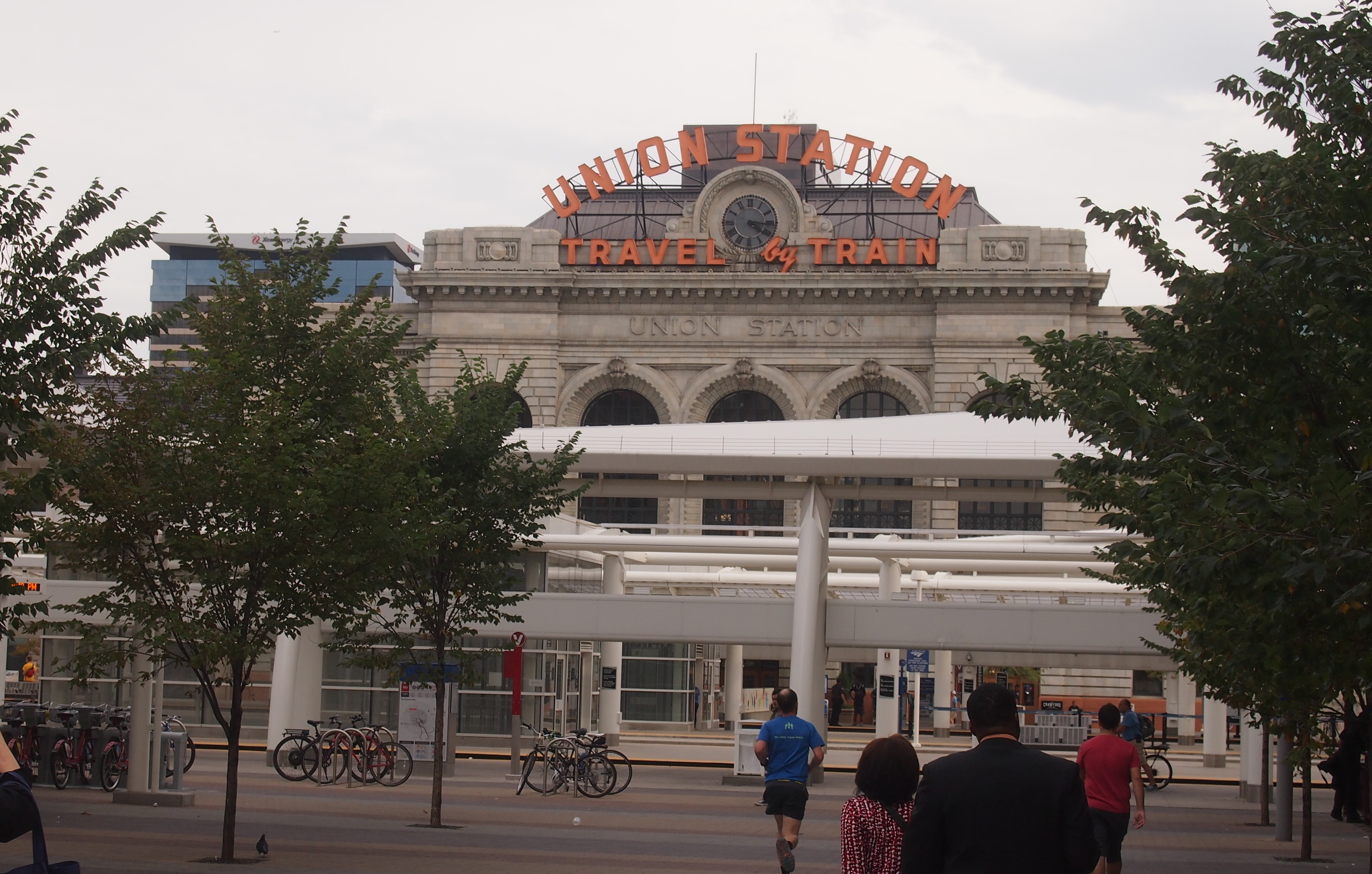
On Easter Saturday, which was clear and pleasantly warm, we took our first Chicago Architectural Foundation tour of the year, more about which later. To get there, we took a train to Union Station, timing things so that we could eat before the tour. I figured the place to go was Lou Mitchell’s. It had been a while, though more recently than 2005.

I might be misremembering, but I think my friend Rich took me to Lou Mitchell’s for the first time during my first visit to Chicago in 1981. Or if not then, sometime during a visit in the 1980s. Even then it was an institution of a diner, and Lou Mitchell himself was still around, giving away either doughnut holes or tiny packs of Milk Duds to patrons as they came in.

So much of an institution that the National Park Service devotes a page to the restaurant as part of its Route 66 series. “Built in 1949, Lou Mitchell’s is located at 565 West Jackson Boulevard, a few blocks west of Lake Michigan and the eastern terminus of Route 66,” the page notes.

Lou Mitchell’s itself claims a 1923 founding by Lou Mitchell’s father, but presumably that was a different location. In ’49, the Mitchells probably thought nothing of the fact that W. Jackson happened to be US 66 at that point, just that it was a good city street to be on. These days, there’s a bit of Route 66 decor on the walls, but not too much.

“Visitors immediately focus on the original aluminum and glass storefront,” the NPS continues. “Rising up from the upper front façade and extending the entire length of the building is the eye catching, original 1949 neon sign that proudly states ‘Lou Mitchell’s Serving the World’s Best [sic] Coffee.’
Lou Mitchell's facade 2017“Another original sign, this one extolling the restaurant’s handmade bakery goods, is still hanging on the front façade. Aside from timely upgrades of the kitchen and bathrooms, the interior of Lou Mitchell’s has not been significantly altered since 1949. The dining room retains its original black and white terrazzo flooring, and most of the dining and counter areas are unchanged.

“The booths have their original wood tables, coat racks, and seats, although the seats sport new upholstery. The multi-sided counters with individual stools are original but have newer laminated surfaces and upholstery. Much of the wood and Formica wall paneling dates to 1949.”

Add to these things the hum of talking people, the clink of silverware and the distinct pleasant smell of a diner, and that’s the atmosphere you get at Lou Mitchell’s. None of that would matter without the food, which has been uniformly good over the years I’ve eaten there. Mostly breakfast items for me, such as the sapid ham and cheese omelette I had recently, which comes with cubed potatoes and toast. My kind of eats.