A Ride on the Paternoster

Here’s a term I’d never heard before: paternoster elevator. Or, as Wiki defines it, in part: “a chain of open compartments (each usually designed for two persons) that move slowly in a loop up and down inside a building without stopping.” The site has a helpful illustration.

The term was new to me, not the thing itself, because Yuriko and I rode one in Prague almost 20 years ago. We were astonished to find such a contraption. I never knew it had a special name, but I didn’t forget it.

This YouTube posting gives something of the sense of riding one, and since it was filmed in Prague, that might have been the very one we rode on. Here’s one in Copenhagen that I would have ridden if I’d known about it. I’m astonished that they’re still around even now.

As usual, I came to the term in a roundabout way. After proposing a coffee table book about dirty ice mounds, I remembered another one I came up with years ago, Great Elevators of Europe. For fun, I Googled that term, and the video about the paternoster came up.

March Mounds

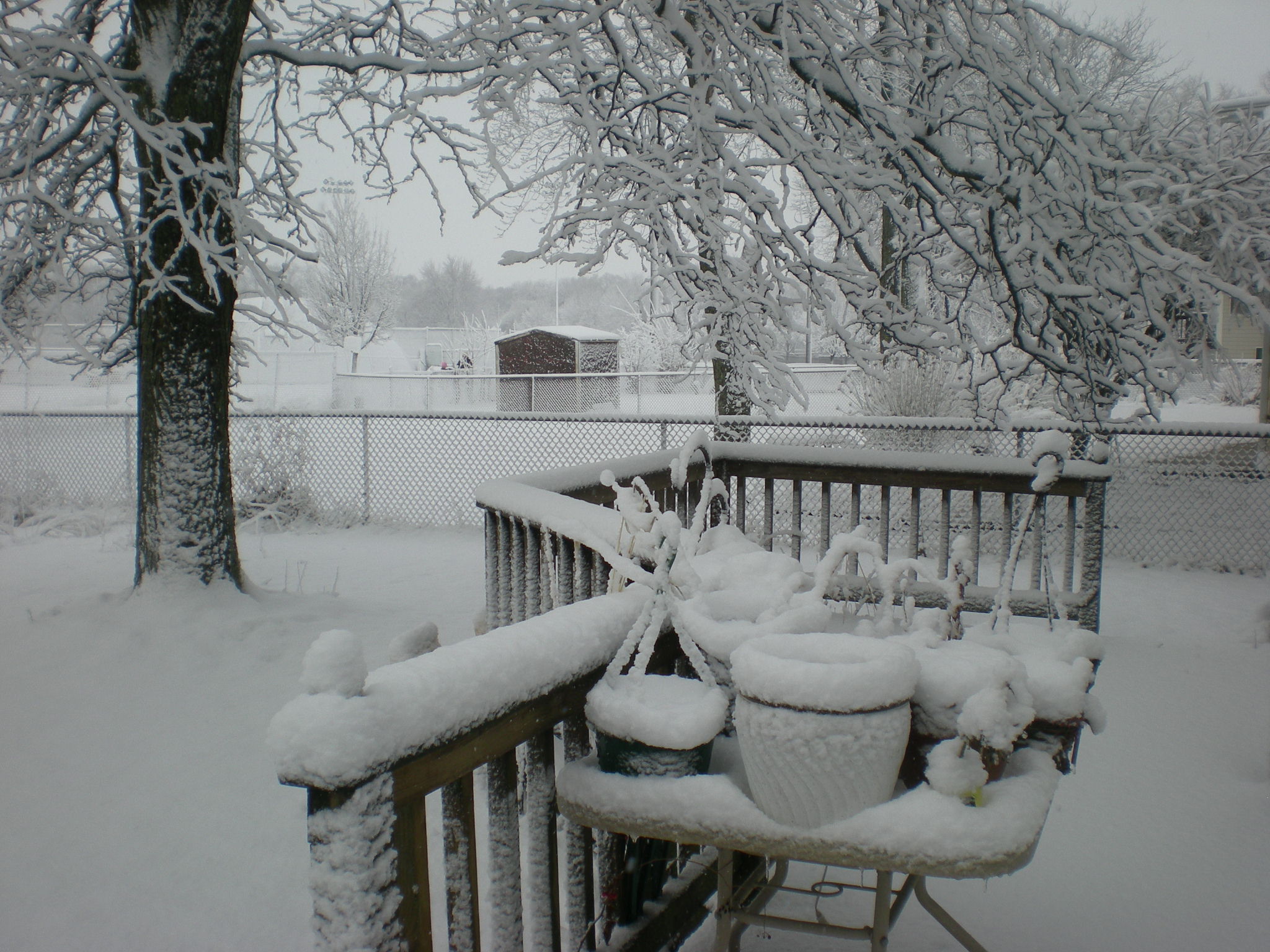
Old Man Winter sees that our snow cover is melting, and mutters, “That’ll never do.” So we got a fresh coat overnight.

Recently I had an idea for a coffee table book, or maybe a coffee table anti-book. One featuring mounds of dirty snow. March10.14 237March10.14 244March10.14 238

Of course, these are just snapshots. A pro photographer and some good equipment could take some really arresting images of piles of suburban snow at the butt-end of winter.

St. John UCC Cemetery, Palatine

The snow was still pretty deep this weekend — but starting to melt — at St. John United Church of Christ in Palatine, Ill., when I dropped by for a look at the churchyard cemetery. So I didn’t do a lot of wandering around or taking notes about individual stones. Still, it’s a pretty little graveyard, winter or summer.

St John UCC March 14March10.14 223I’d been there before, but not for the better part of a decade, despite how often I pass nearby. Some of the older stones are in German. Fittingly, since much of this part of Cook County was originally settled by German famers.

The church is the third building on the site, dating from 1885.

March10.14 230According the church web site: “August 21 [1885] the church was destroyed by fire after the steeple was struck by lightning. September 14, the cornerstone for the new church identical to the old was laid. The bell in today’s belfry holds the original bell cast in 1885… The new church was built by [contractor] Christian Brinkman for $2,700.

“The pipe organ was built by Emil Witzmann around 1885. It has a balanced mechanical stop-action and is registered in the Organ Historical Society Registry. The center aisle lights were originally candle lights. The fourth Sunday in Advent of the same year, a new church (our present building) was dedicated.”

March10.14 232There are other little suburban cemeteries and churches I need to make a point of visiting this year, ones that aren’t that far away. Since they’re so close, I get lackadaisical about making the time to drop by.

NC Early ’81

The demographics of this visual gag is a bell curve based on age. The bulge of peak understanding would be roughly between age 45 and 55. For my part, I laughed right away. It also reminded me of the early ’80s.

My spring break trips during the period weren’t particularly decadent. Downright wholesome, sometimes. I’m glad I wrote this down. I barely remember most of it.

March 4, 1981

Carolina Beach State Park. After dark, we cooked and ate dinner. The campstove was working, compared with the disappointment of the previous night, because we read the directions this time. We were alone in the park, which was a little spooky there under the big pines, but it wasn’t that cold, so on the whole we figured it would be good to sleep outside in our sleeping bags. Unless it rained.

Shortly after crawling into our bags for the night, which were warm and comfortable, we felt a few drops. Then a few more. Then some bigger ones. Then boom! and a flash of lightning. So much for warm and comfortable, or at least dry. We retreated to the car and didn’t come out until morning. Neal had the driver’s side of the front, I had the passenger’s side, with my head up against one of the sleeping bags next to the window, and Stuart had the back seat, which wasn’t much bigger, considering the everything stowed back there.

Naturally, it was hard to sleep. Instead we talked about this and that, including stories about other trips we’d taken, or other times when things hadn’t gone according to plan. I told them about how three years ago exactly, Ellen had shattered Nancy’s glass-top table [or rather, Nancy’s mother’s table] by trying to bound across it during a party we were all attending. Eventually we did sleep, though I can’t call it restful.

The next morning [March 5] the campground was completely soaked. We left in short order. We a found a series of covered tables at Hugh MacRae County Park in Sea Breeze (New Hanover County) and stopped for an hour there to make breakfast. I also put together the kite we’d bought on Bodie Is. The sun was out and temperatures were rising, so we went to Wrightsville Beach for a while.

Neal and Stuart threw a Frisbee around while I flew the kite. It took a while to get it airborne, but the wind was up (and temps in the 60s, so pleasant), and I got it flying very high over the ocean. To keep it stable, though, I kept having to give it more and more line. When I tried to bring the kite in, the thing got unstable and looped until I gave it more line again. Eventually the kite broke in mid-air and I crashed it onto the beach. Should have crashed it into the water, which would have been more dramatic. While it flew I enjoyed its motions against the partly cloudy sky, wind blowing and waves making their back-and-forth sound.

Toward noon, dark clouds returned, and we headed back to Durham mostly on US 421 by way of historic Wilmington and later Spivey’s Corner, which I’d only ever heard of because of Johnny Carson. For lunch we paused at a roadside table in Clinton to eat hot dogs and so forth, and an old farm dog befriended us for our food. We gave him an extra weenie.

Desk Debris

The other day, an old friend mentioned a paperweight she has on her desk, one that she acquired when we worked together in Nashville in the mid-80s. I didn’t remember the item, but it did inspire me to take a look at some of the debris on my desk even now.

Desk Debris

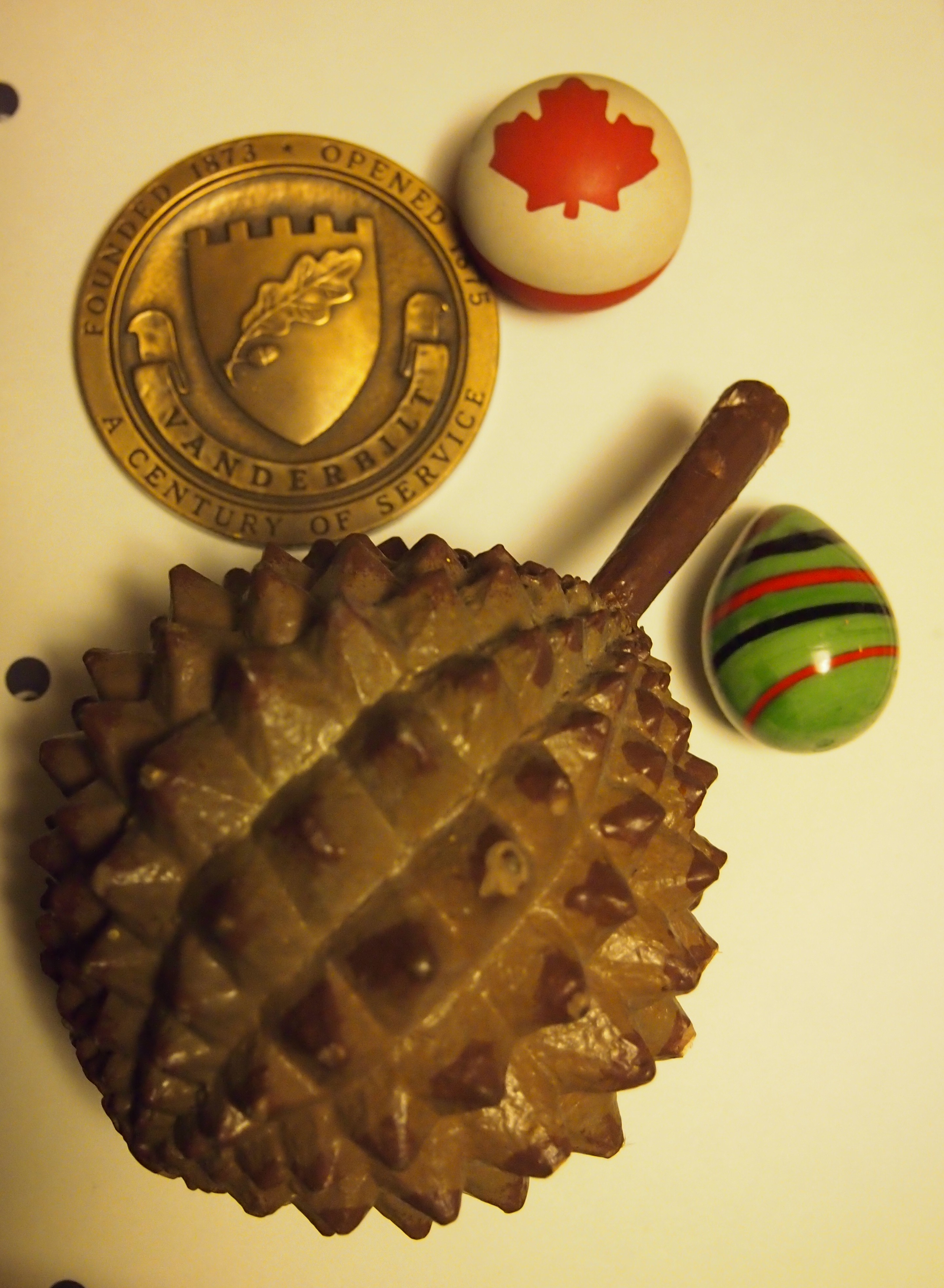
The largest item is a plastic durian. A contributing editor at a magazine I once worked for, a woman who lived in Singapore for a while, gave it to me. I think because it came up in conversation that I knew what a durian was. The dog chewed on the stem not long ago, but I got it away from her.

The medallion is a Vanderbilt souvenir. Not sure when I got it, but it wasn’t when I attended school there. It’s a sturdy bronze object, weighing 9 oz., with Cornelius Vanderbilt on the obverse. Made by Medallic Art Co. of New York, according to the rim of the medallion. Maybe the company was once HQ’d in New York, but according to the web site, it’s now a division of Northwest Territorial Mint, which is headquartered in Federal Way, Washington, and has no facilities in New York.

I got the Maple Leaf bouncy ball at a store in Canmore, Alberta, in 2006. It was just after Canada Day, and Canada-themed items were at a discount.

The green item is a glass egg I bought at the Bergstrom-Mahler Museum in Neenah, Wisconsin, last year. A pretty piece of glass, but also inexpensive and hard to break.

Recent Februaries

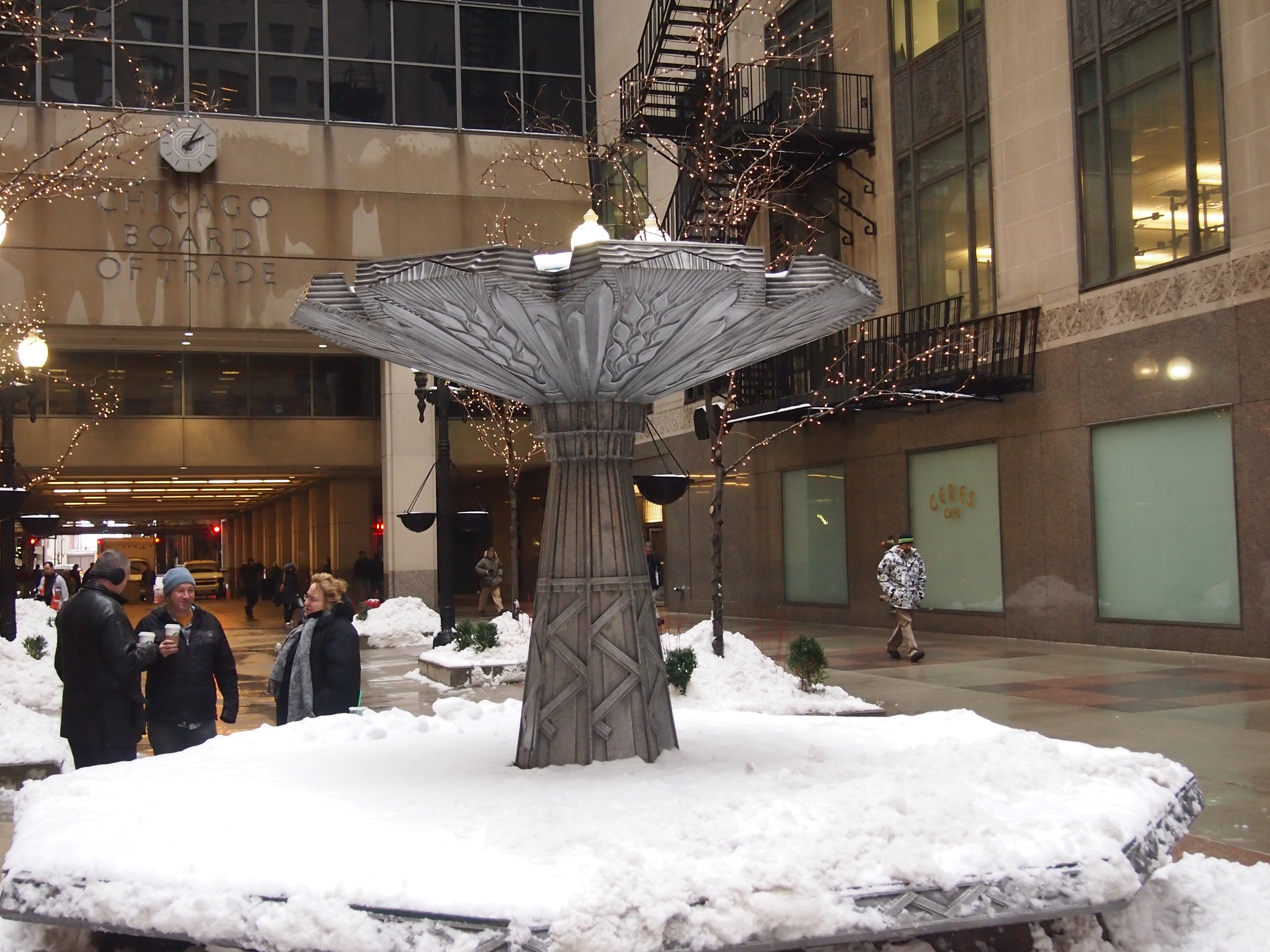
Last winter we didn’t get much snow. But it finally did snow in February, in time for me to see downtown Chicago with patches of snow, such as on the fountain in the plaza in front of the Board of Trade Building.

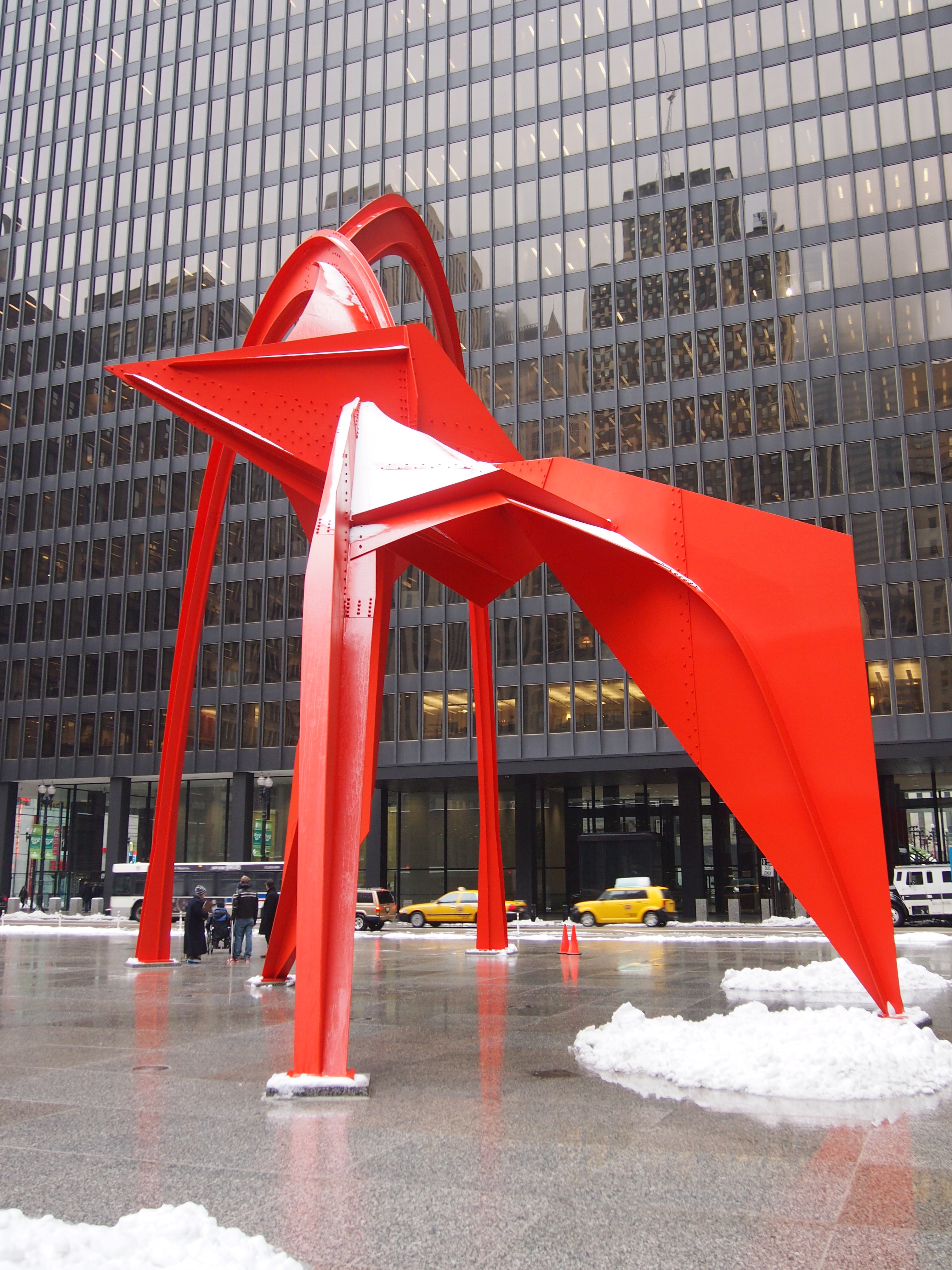
OLYMPUS DIGITAL CAMERABet it looks exactly like that now. Further along, I snapped a picture of “Flamingo,” a 50-ton steel work by Alexander Calder, which has been standing at Federal Plaza for about 40 years now.

OLYMPUS DIGITAL CAMERATwo years ago in February, we had some particularly sticky snow one time.

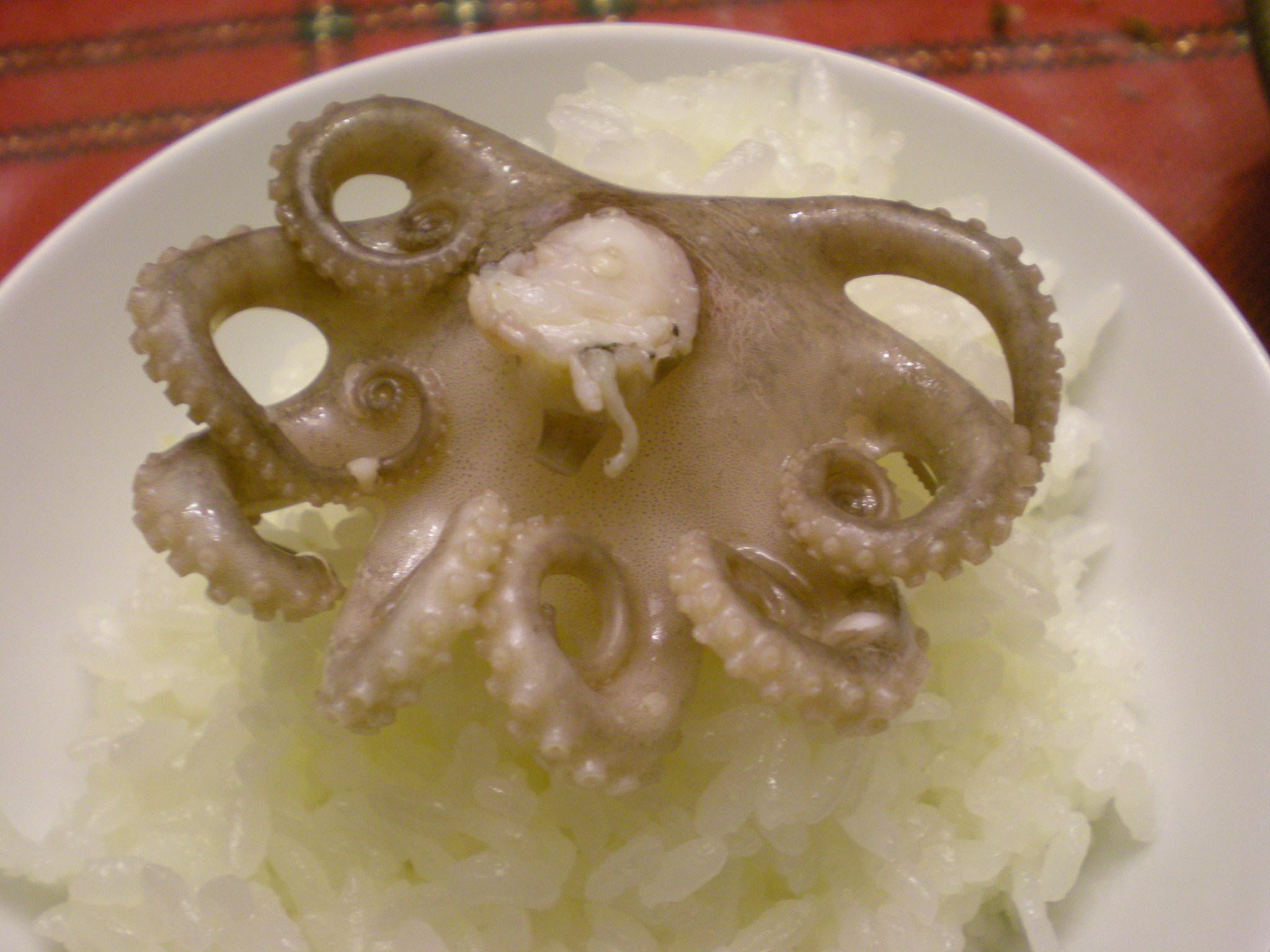
Feb 27 2012 007But we were warm inside and able to enjoy warm food, such as octopus on rice.

Feb 27 2012 008I don’t know that Calder ever did a 50-ft. steel octopus-like form, but it would have been a cool sculpture.

Chief Magistrate Blog Revised

“Presidents Day” is nearly upon us again. Time to dwell on the immortal deeds of David Rice Atchison. Just kidding. I don’t care what’s on his tombstone, he never held the office. Snopes has a long-winded discussion of the matter, but covers it pretty well.

Ten years ago I was long-winded myself when I wrote that “one of my travel hobbies, whenever it’s possible — and it isn’t too often — is to visit presidential sites. I’ve only been doing this since about 1996, so I can’t call it a life-long pursuit. And I rarely go out of my way to see a presidential site. But if it’s around, I’ll seek it out.”

Then I listed the sites I’ve managed to see, with a little commentary. I will update the list here, with places visited in the last 10 years italicized, plus more links than anyone’s likely to care about. It occurs to me that I haven’t added very many over the last decade. I’d need to spend more time on the East Coast, Virginia in particular, to run up the total, or closer at hand, Ohio.

Washington Monument, DC. Inspired by Egypt, hotbed of democracy. But a fine work all the same; Federal Hall, Wall Street, New York. Site of Washington’s first inauguration.

Monticello. Fascinating place, but I understand that home improvements drove Jefferson into penury; Jefferson Memorial, DC.

The Hermitage, Jackson‘s home in Nashville. Made quite an impression on me when I was 8. Still good as an adult.

Tippecanoe Battlefield, where Wm. Henry Harrison won his fame. The best diversion on the dull drive between Chicago and Indianapolis. More details here.

Polk‘s grave, Nashville. A neglected president, because his style of imperialism is out of fashion.

Lincoln‘s tomb, home (Springfield, Ill.); Lincoln Memorial, Ford’s Theater (DC); Lincoln’s New Salem State Historic Site, Ill., where Lincoln lived as a young man; Lincoln Birthplace, Lincoln Boyhood Home (Ky.);  Lincoln’s Landing, Lockport, Ill.; Site of the Wigwam, where Lincoln was nominated, Chicago; Lincoln Museum, Springfield. Hadn’t been opened 10 years ago.

Andrew Johnson‘s birthplace, Raleigh, NC. Andrew Johnson NHS and Andrew Johnson grave, Greeneville, Tenn.

Grant‘s home, Galena, Ill., Grant’s home, St. Louis. At the latter, my brother and I looked around for empty whisky bottles, but no luck; Grant’s tomb, NYC. Well worth seeing.

Hayes‘ home and grave, Fremont, Ohio. The docent was really glad to see me. Stopped there to break up a trip on the interminable Ohio Turnpike.

Benjamin Harrison‘s home, Indianapolis. This docent was glad too. Nice Victorian house; Benjamin Harrison’s grave, Indianapolis. Too simple. Some governors of Indiana had better headstones. (I’m not so sure its simplicity is a bad thing any more; it’s got republican virtue going for it.)

Teddy Roosevelt‘s boyhood home, NYC. A well-done replica of the original brownstone, which actually has a brown exterior.

Taft’s grave, Arlington National Cemetery, Va.

The Blackstone Hotel (Smoke-Filled Room, Harding), Chicago

Hoover Library, Hoover’s birthplace, Hoover’s grave, West Branch, Iowa. I admire Hoover because he was a well-traveled man.

FDR Memorial, DC. Detailed here.

Truman Library, Truman’s home, Truman’s grave, Independence, Mo. There’s something a little odd about being buried on the grounds of your library, but there he is with Bess.

JFK grave, Arlington National Cemetery, Va.; Kennedy death limo, Dearborn, Mich.; Sixth Floor Museum, Dallas (forgot to list this 10 years ago. Yuriko and I went there in 1992).

LBJ ranch, LBJ grave, Stonewall, Tex. The historical re-enactors at the ranch refused to give me, the only visitor, any of the pie they had made. LBJ Library, Austin.

Nixon Library, Nixon’s boyhood home, Nixon’s grave, Yorba Linda, Calif. Where President Nixon lies still.

Ford Museum, Grand Rapids; Ford grave, Grand Rapids. He wasn’t dead yet in 2004.

Carter Library, Atlanta. Every now and then I have a touch of nostalgia for the Carter administration. No mention of the Killer Rabbit incident or Billy Beer at the library, however.

Reagan‘s boyhood home, Dixon, Ill. Bizarre statue next door of Reagan holding kernels of corn.

George HW Bush‘s Kinnebunkport home, Maine. I was a little lost on the coastal roads of Maine that day, I’m pretty sure I saw it from a distance in 1989. I’m surprised I was able to get as close as I did, but I suppose he wasn’t there that day.

Clinton Birthplace, Hope, Ark.

Also, the White House. That would be associated with every president since John Adams.
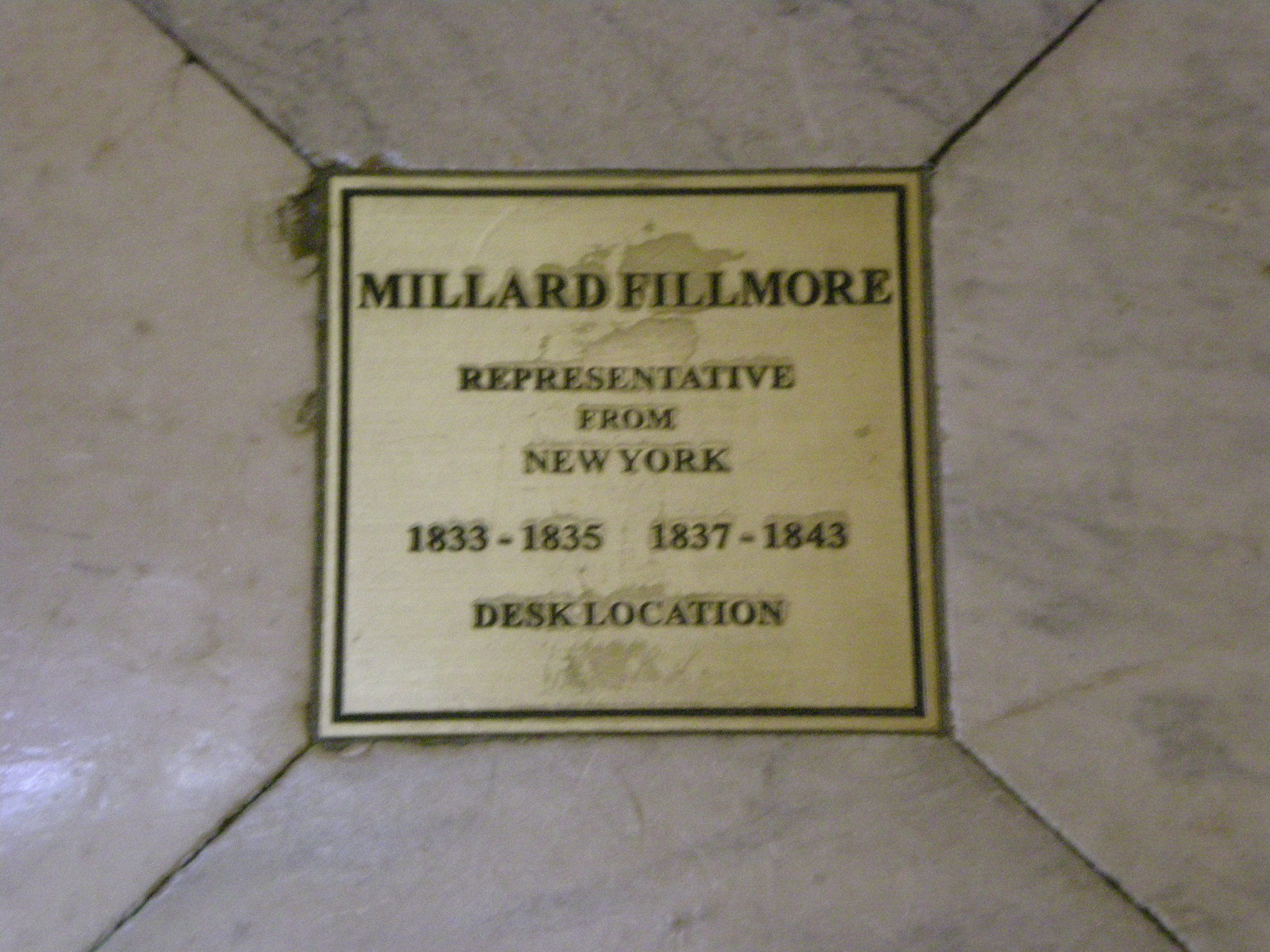
042And the U.S. Capitol. Besides statues of various chief magistrates, there are plaques on the floor in the old House chamber, now Statuary Hall, marking the locations of the desks of J.Q. Adams, Tyler, Polk, Fillmore, Pierce, Buchanan, Lincoln and Andrew Johnson.

Finally, St. John’s Episcopal Church, DC, the church that’s been visited by every sitting president since Madison, complete with a presidential pew and kneeling cushions with the names of presidents on them.

Bear With Me

“What kind of vegetarian are you, Eyebeam?”

 “I do my best to steer clear of bear meat.”

 Jan. 12, 1994

Today I sat down for a dinner of bear chili. This was my idea. I made it this morning, went off to teach in the afternoon, and came home to it a little while ago. Yuriko’s not home yet, since this is her night class night. The bear meat came in a can – no, came from a bear – anyway, the meat has lately been in a can, sitting on our kitchen shelf since I bought it at Chitose Airport in Hokkaido in October.

Am I contributing to the demise of Hokkaido bears? I don’t know. I do know that there are enough of them to frighten hikers in Hokkaido’s national parks.

2014 Postscript: This article, for one, talks of a lower population of Hokkaido bears because of “hunting and loss of habitat.” I faintly remember the bear meat chili being like chili with beef, only a little greasier.

Maneki Neko

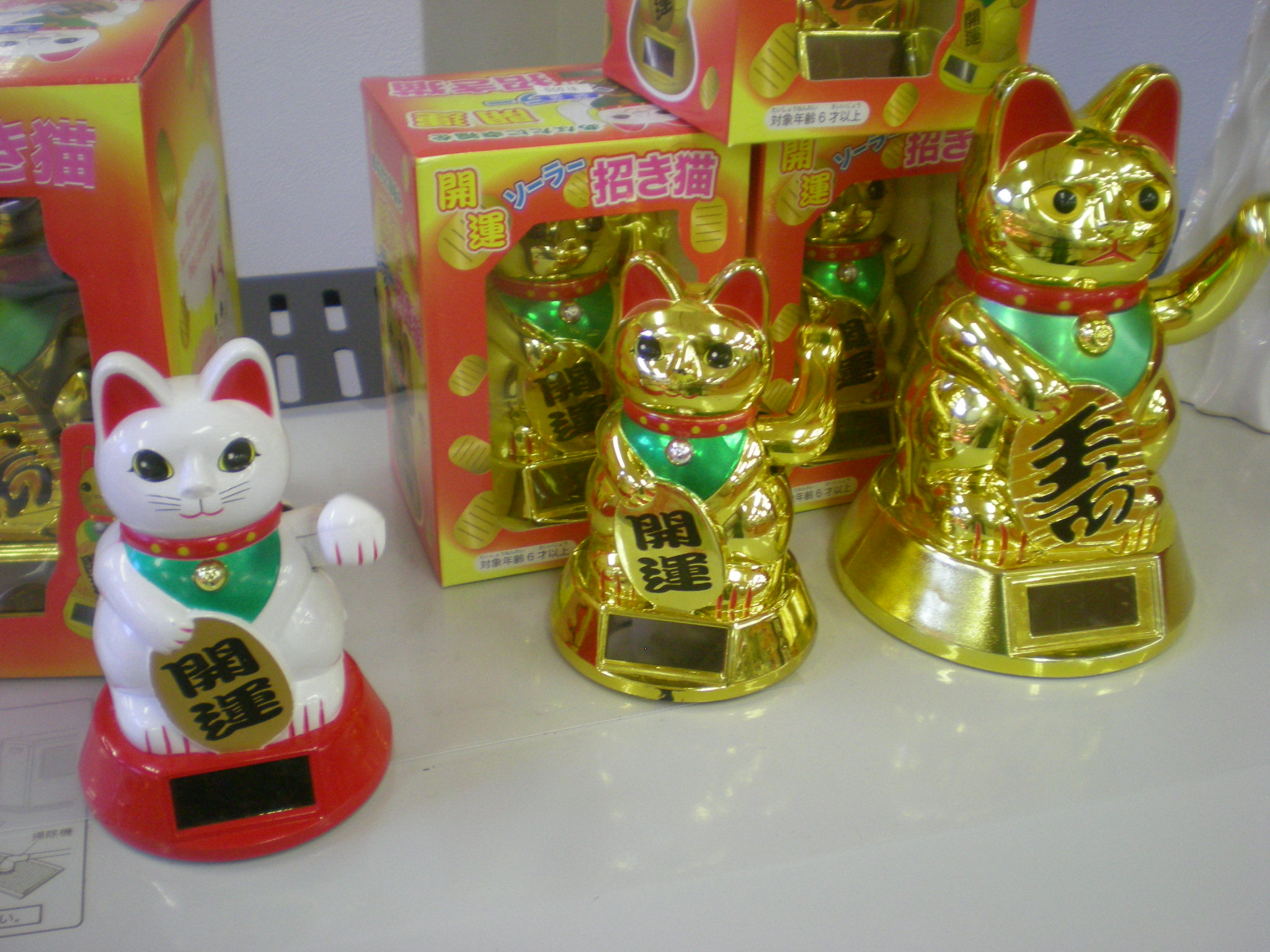
Japan2013-14 019One more image taken in Japan recently by either Yuriko or Ann: some maneki neko at a gift shop not far from the base of Mt. Fuji. They’re the good luck cats that are nearly ubiquitous in Japanese retail establishments and are found in a lot of other places as well. We have one in our house on the same shelf as a few iterations of Spongebob, a pair of salt ‘n’ pepper penguins, a few painted eggshells, and the Ilanaaq figure I got in Canada, among other figurines.

The origins of maneki neko are obscure. As this article by California antique dealer Alan Pate puts it, “Considering how accepted the cat has become, and how dear the image is to the Japanese, few people seem to know much about it. How has a seated cat become a symbol of good fortune and prosperity? What are its roots? Why do some have the left paw raised and others the right? Why are some white, some black, gold, or even red?

“Given the nature of folk traditions, evolving over time, absorbing elements of local beliefs and customs, we may never know the exact evolution of the maneki neko… A casual survey of antique dealers in Tokyo and Kyoto reveals many curious interpretations and theories: They originated in Osaka. No, they originated in Edo (old Tokyo). They originated in the 17th century. No, they most definitely originated in the early 16th century. The left paw is for wealth and the right for luck. No, the left is for a drinking establishment and the right for merchants. No, the left is for business and the right for home…”

I can’t shed any light on the subject. I just know I saw them a lot in Japan, and I asked some Japanese about it, and the best answer I got was that the cat grabs good luck for you and brings it in, as it might a fish or a bird.

That Old Shitamachi Spirit

When I hear of something like the Tokyo Skytree, I react with a completely irrational thought: how could they wait to build it until it’s inconvenient for me to see it?

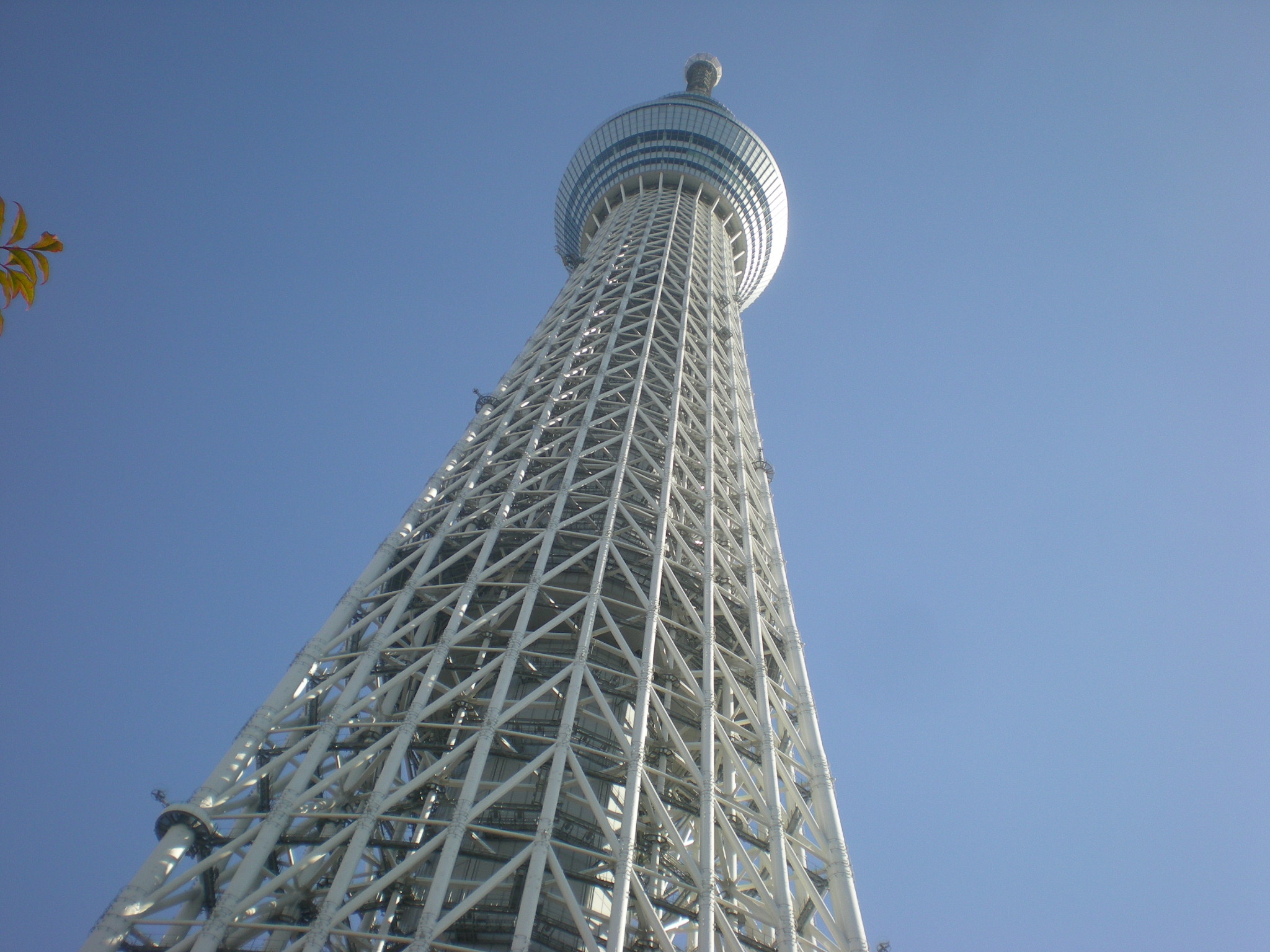
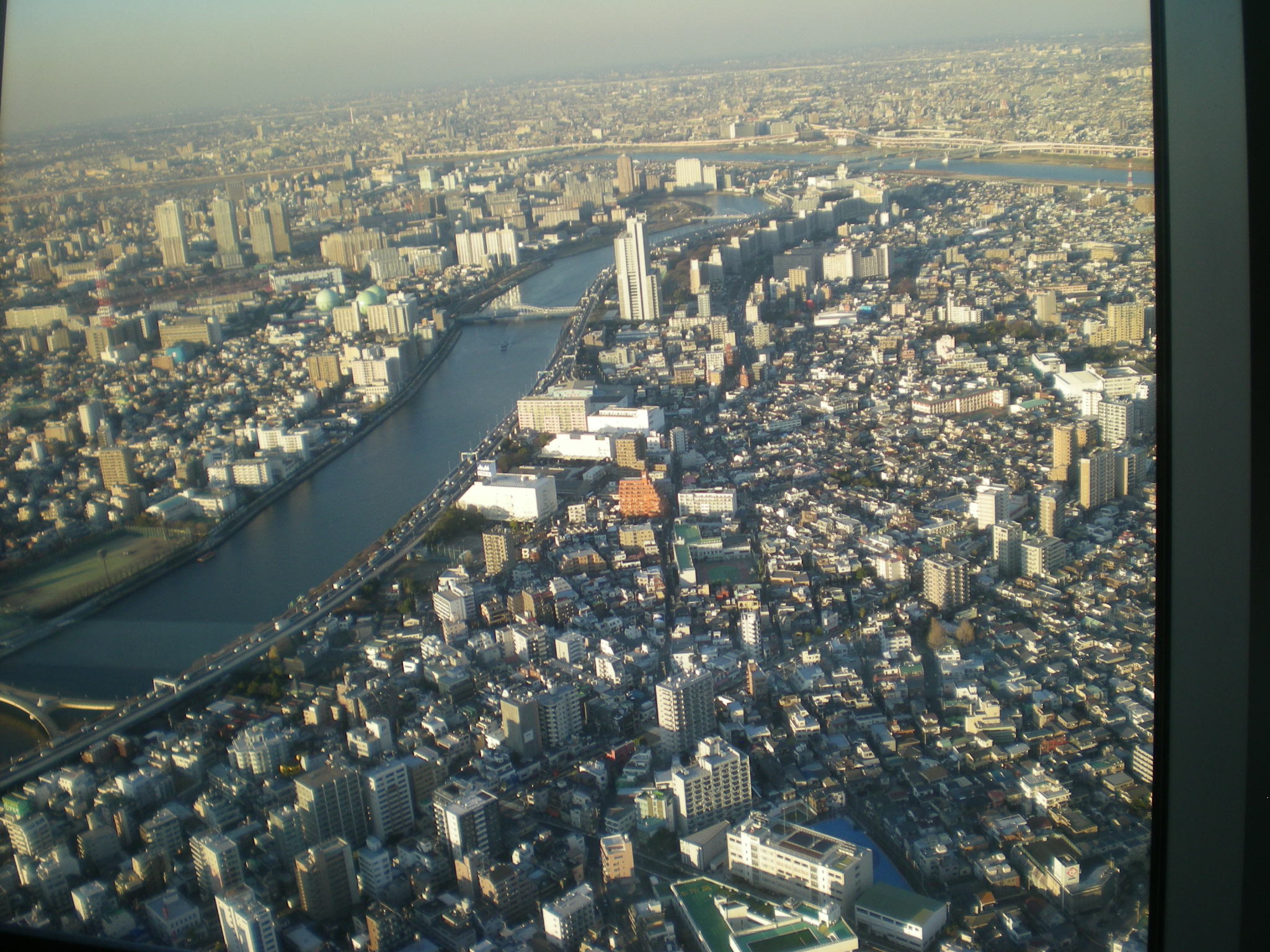
Tokyo Skytree Dec 2013During Yuriko and Ann’s recent trip to Japan, they visited the Skytree, which is now the tallest structure in Japan, and the tallest TV/radio tower on Earth, completed only in 2012 and coming in at more than 2,000 feet. The Skytree itself is a broadcast tower and tourist attraction, but it’s also part of a mixed-use development that includes office space, convention and meeting facilities, a theater, parking garages and more. The Tobu Railroad and a consortium of broadcasters developed it.

The tower also gives Japanese web site designers a chance to describe the place in English: “The ‘town with a tower’ promises a lifestyle that is not uniform. The facilities are developed with the aim of producing a community brand transmitting new local values to the world by generously introducing facilities and functions that will manifest the charm of the shitamachi spirit and produce a synergy effect.

“Note: Shitamachi means traditional old town area with Edo atmosphere.”

The observation deck’s got quite a view, my wife and daughter tell me. And what do you see?

Tokyo, Dec 2013A slice of the vastness of greater Tokyo.