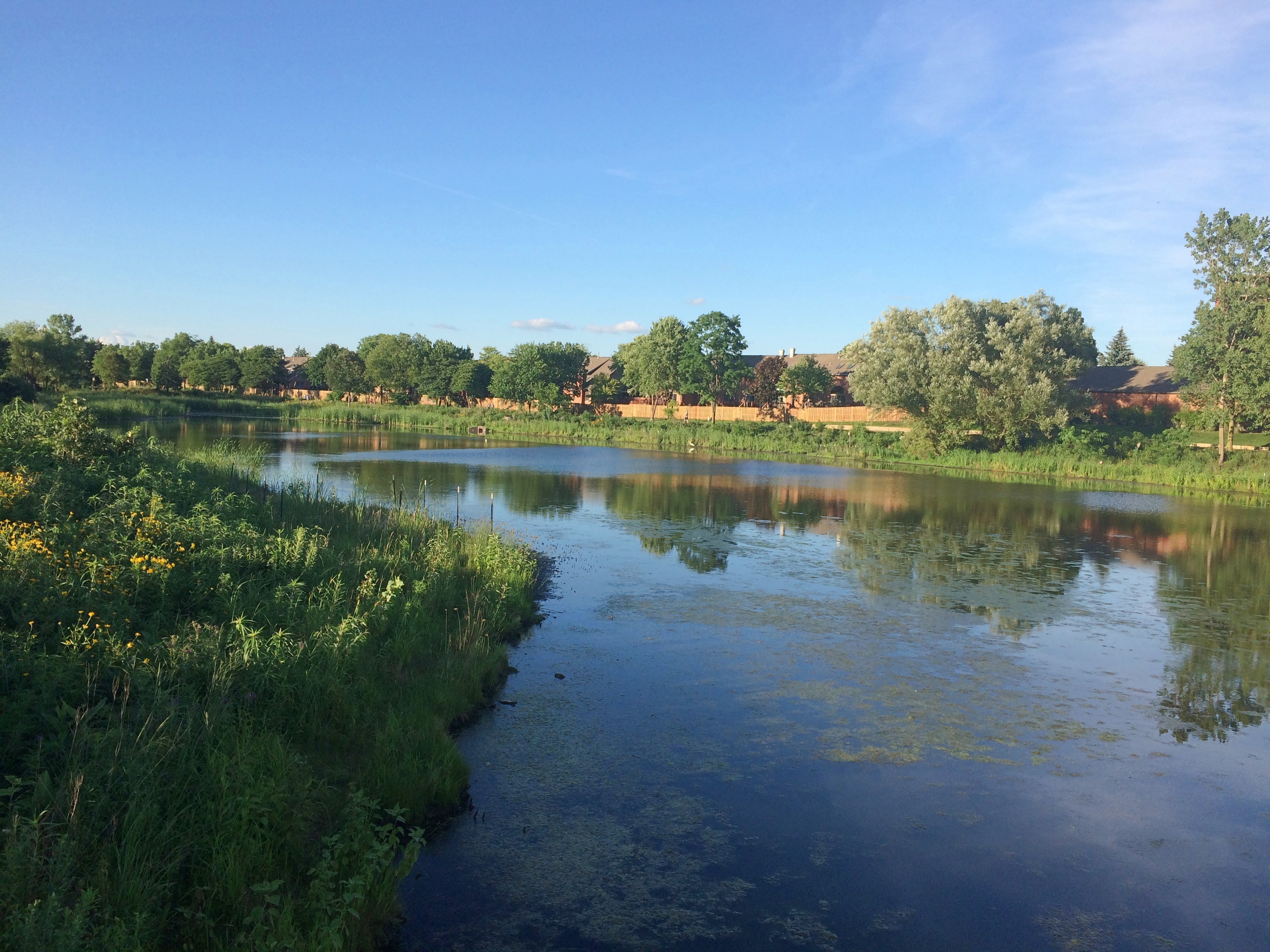
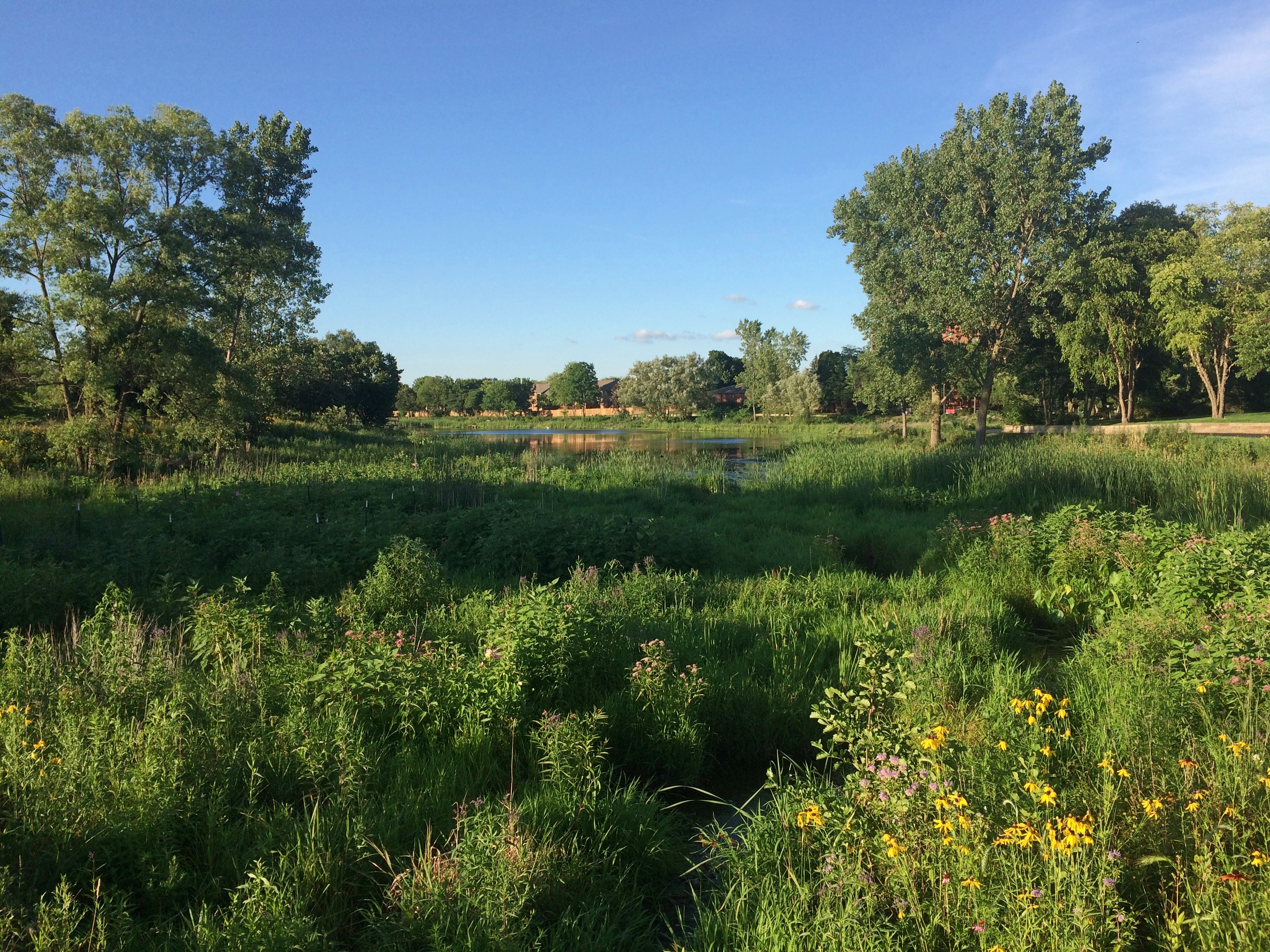
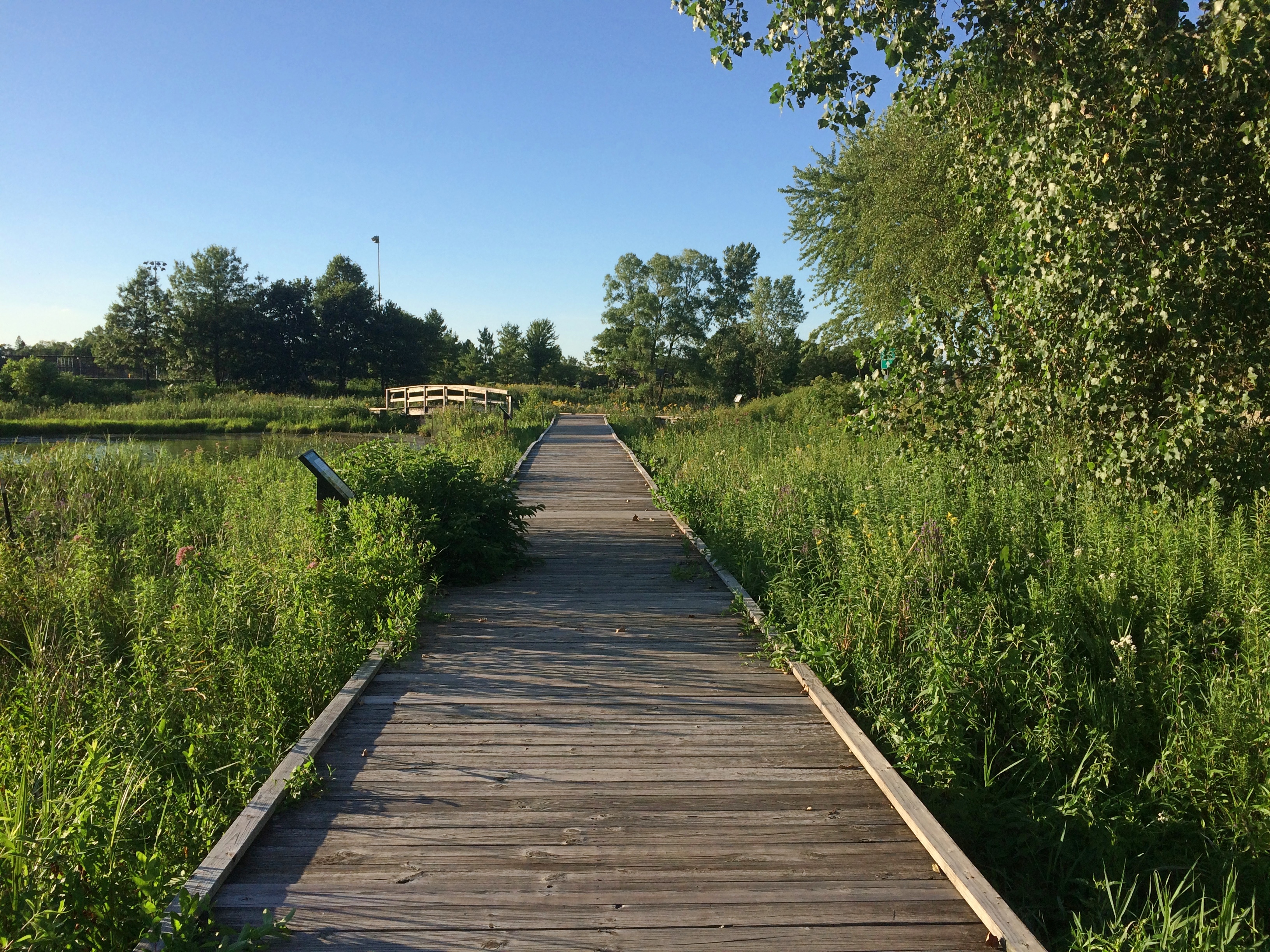
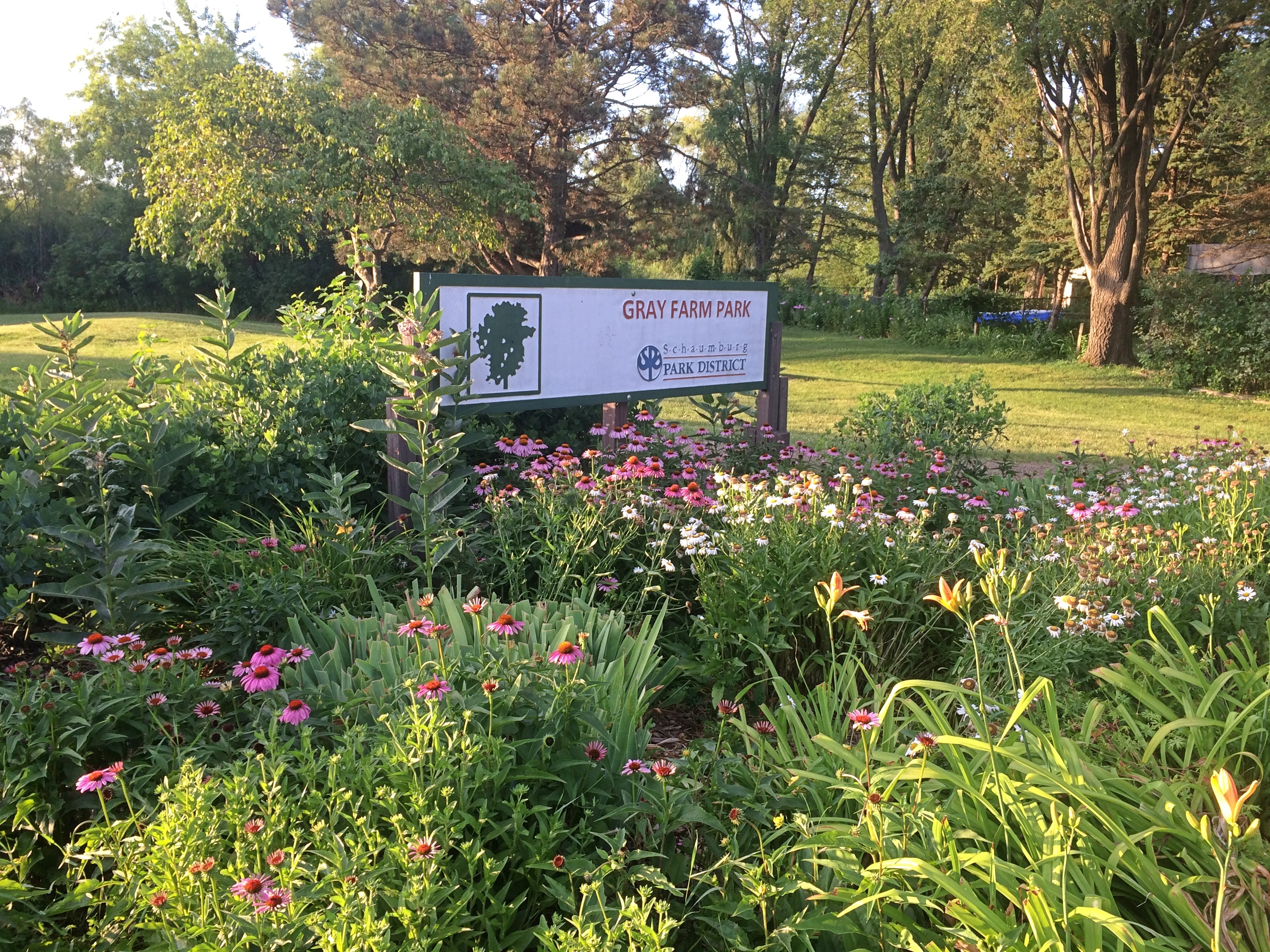
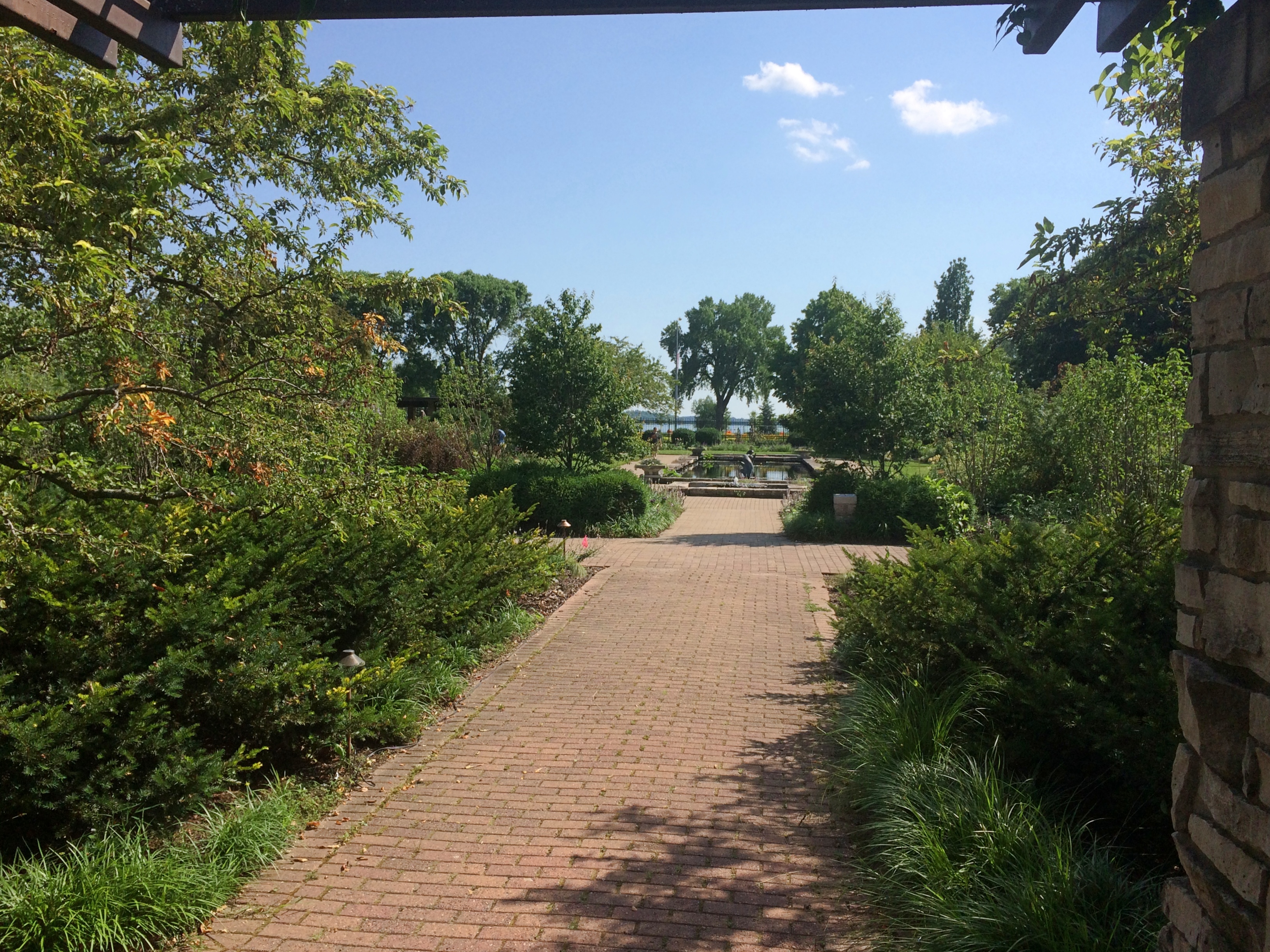
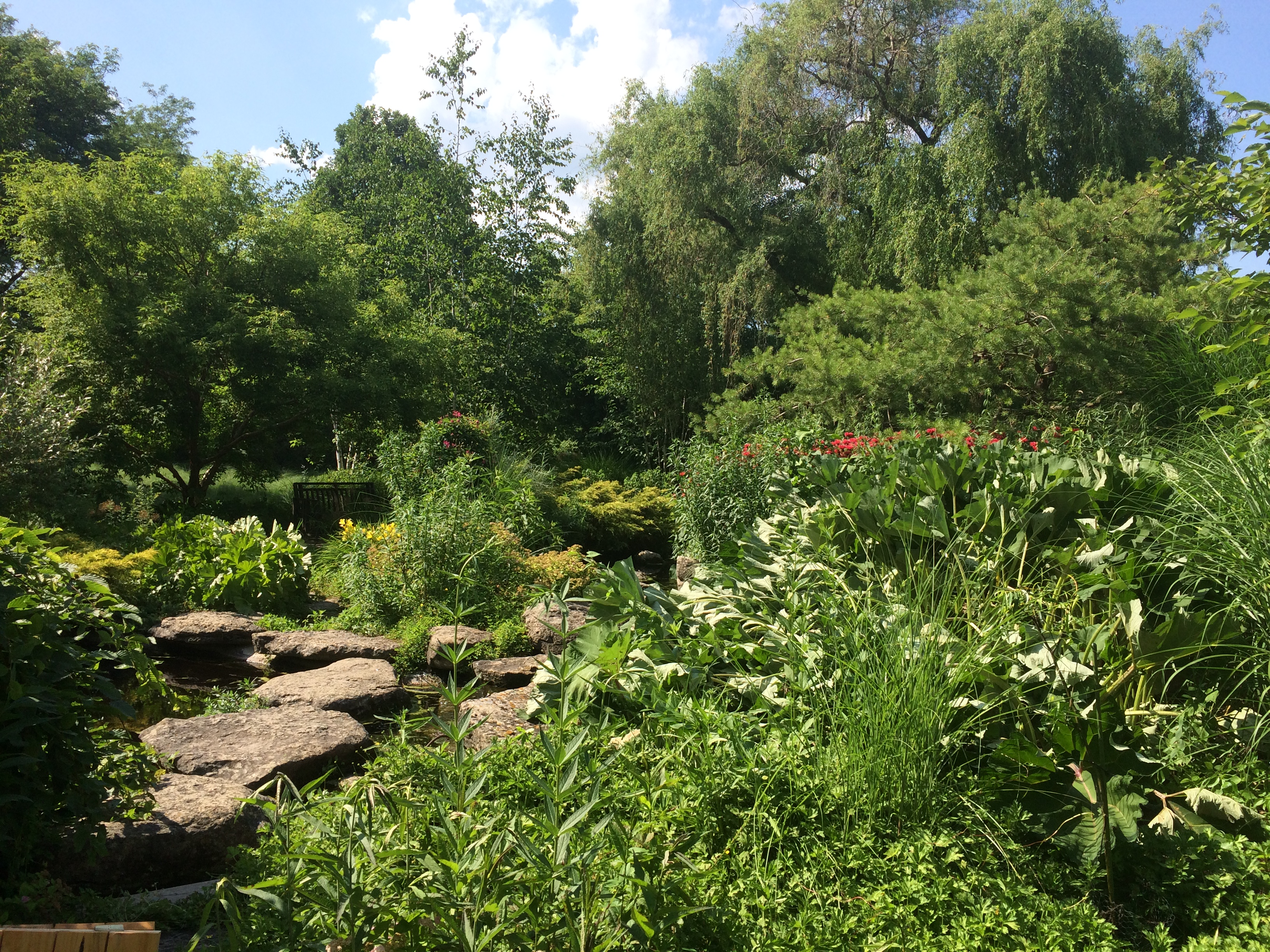
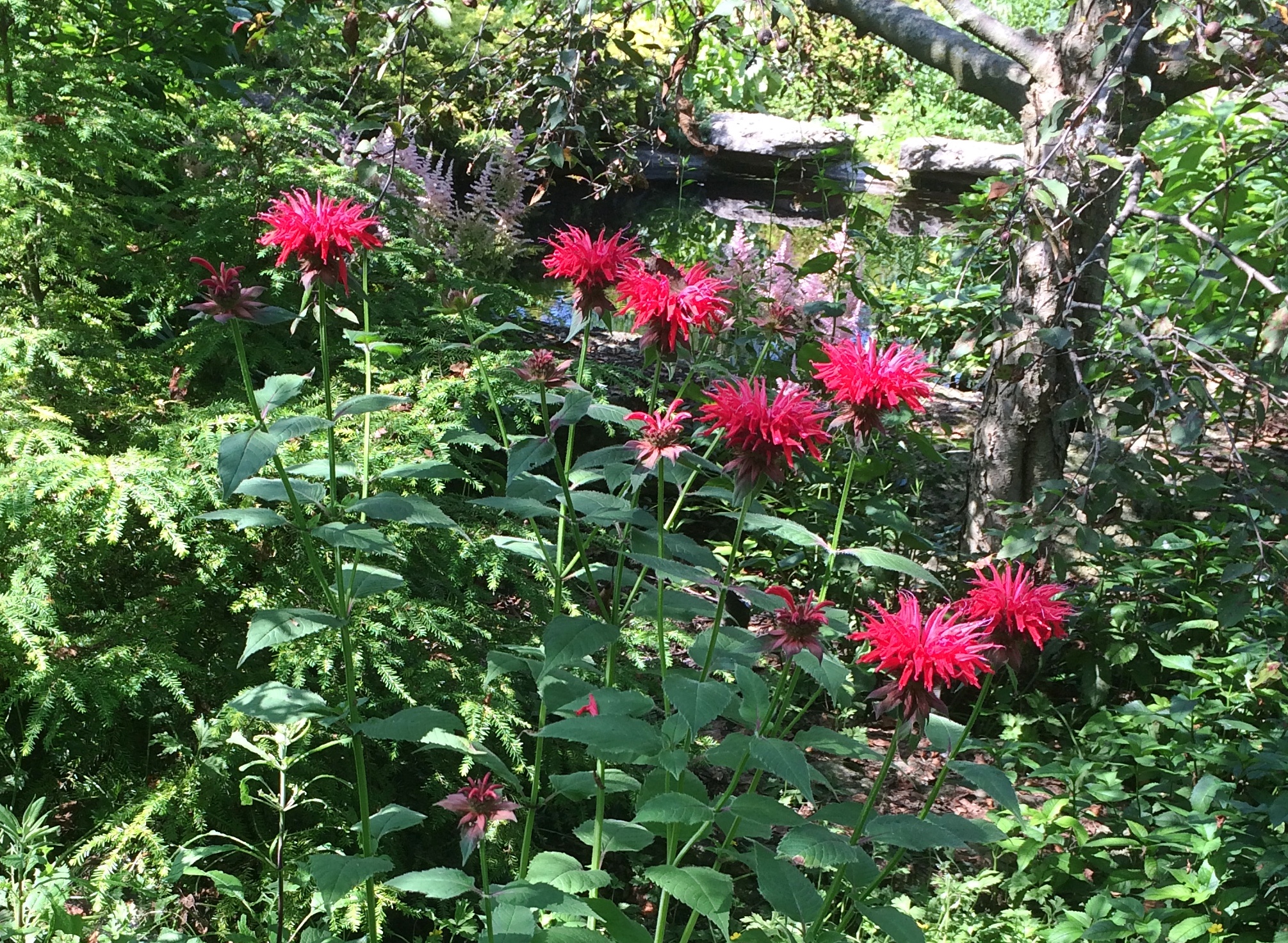
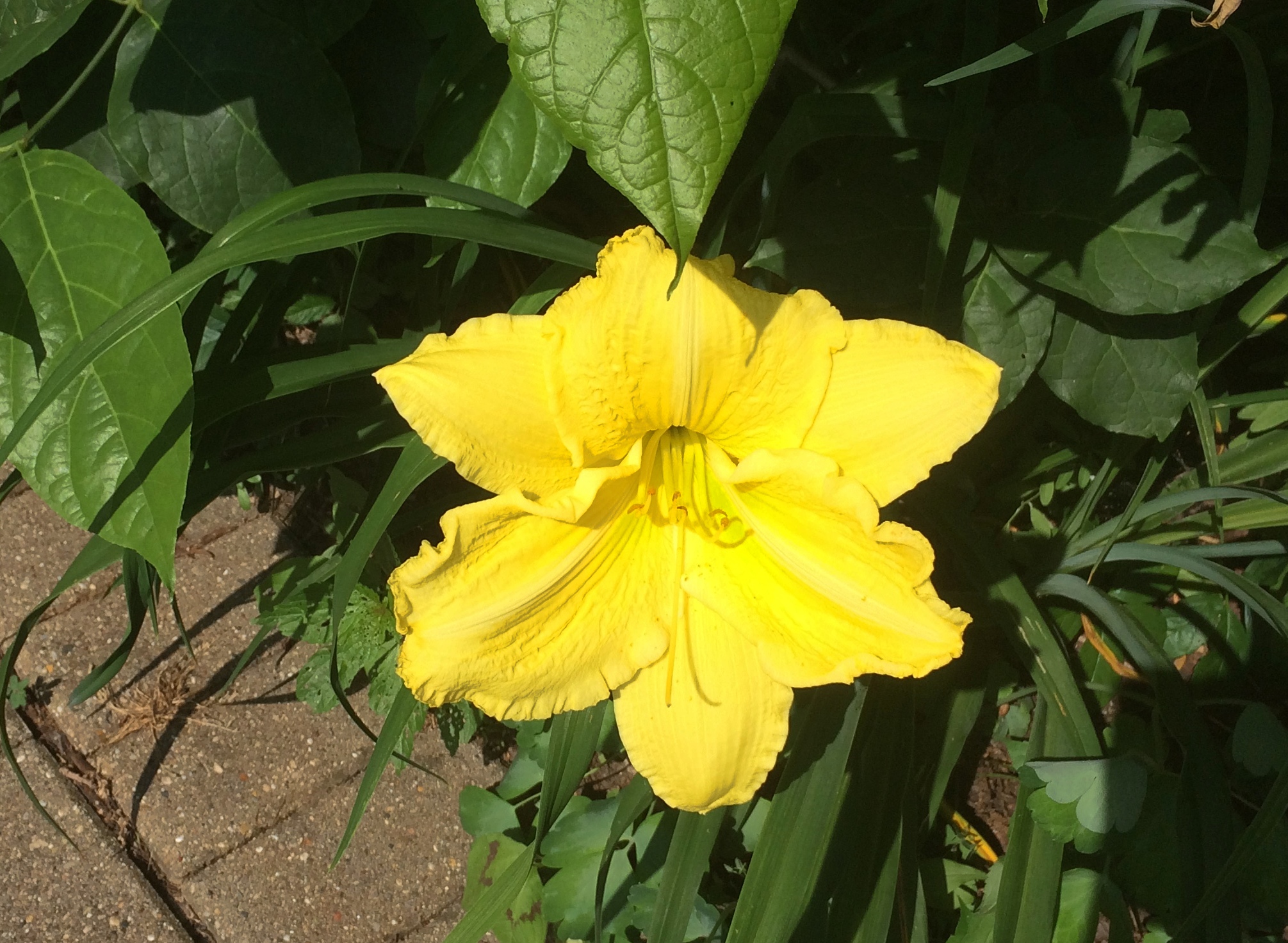
Salado Creek Greenway, February 2015

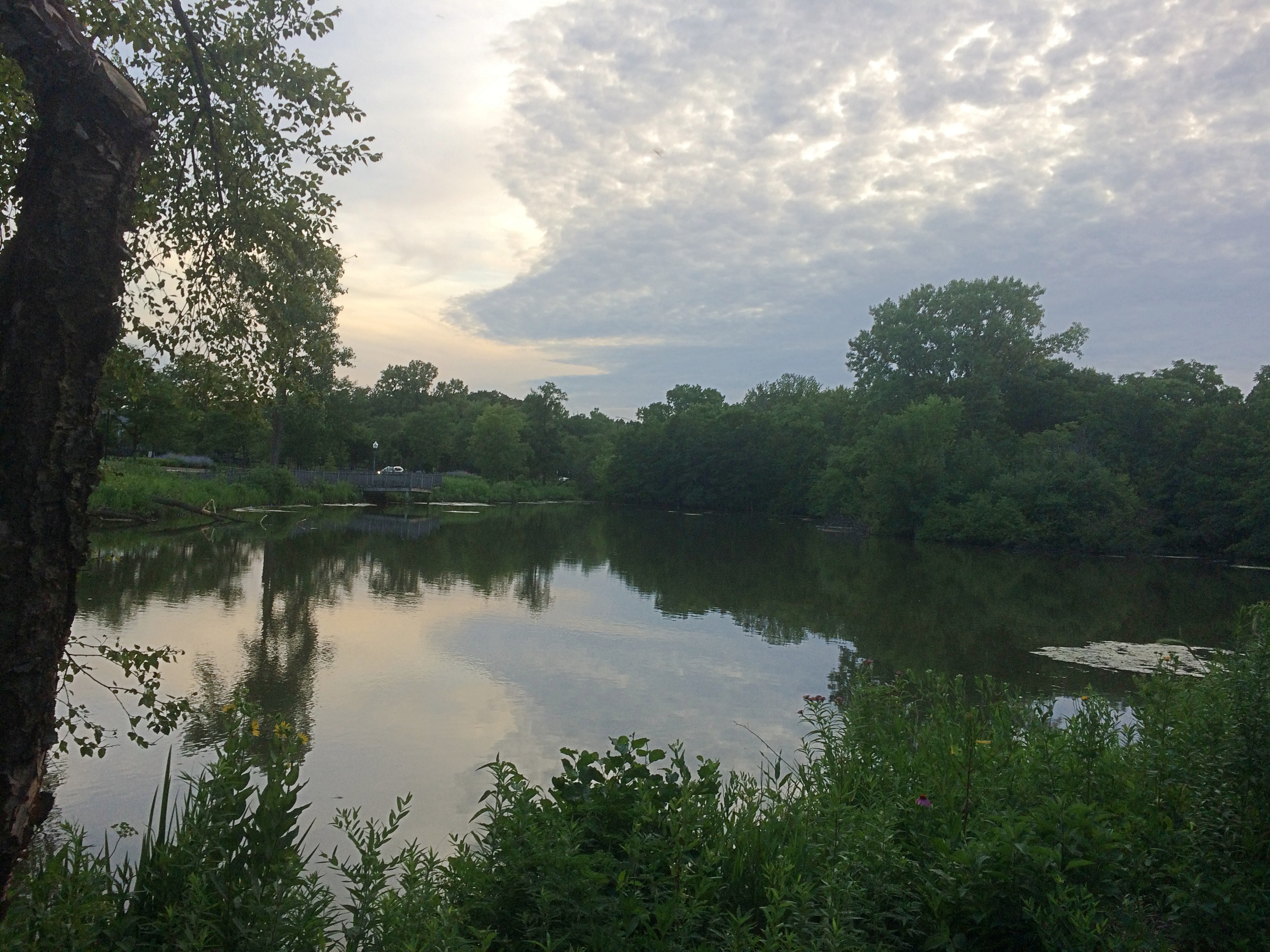
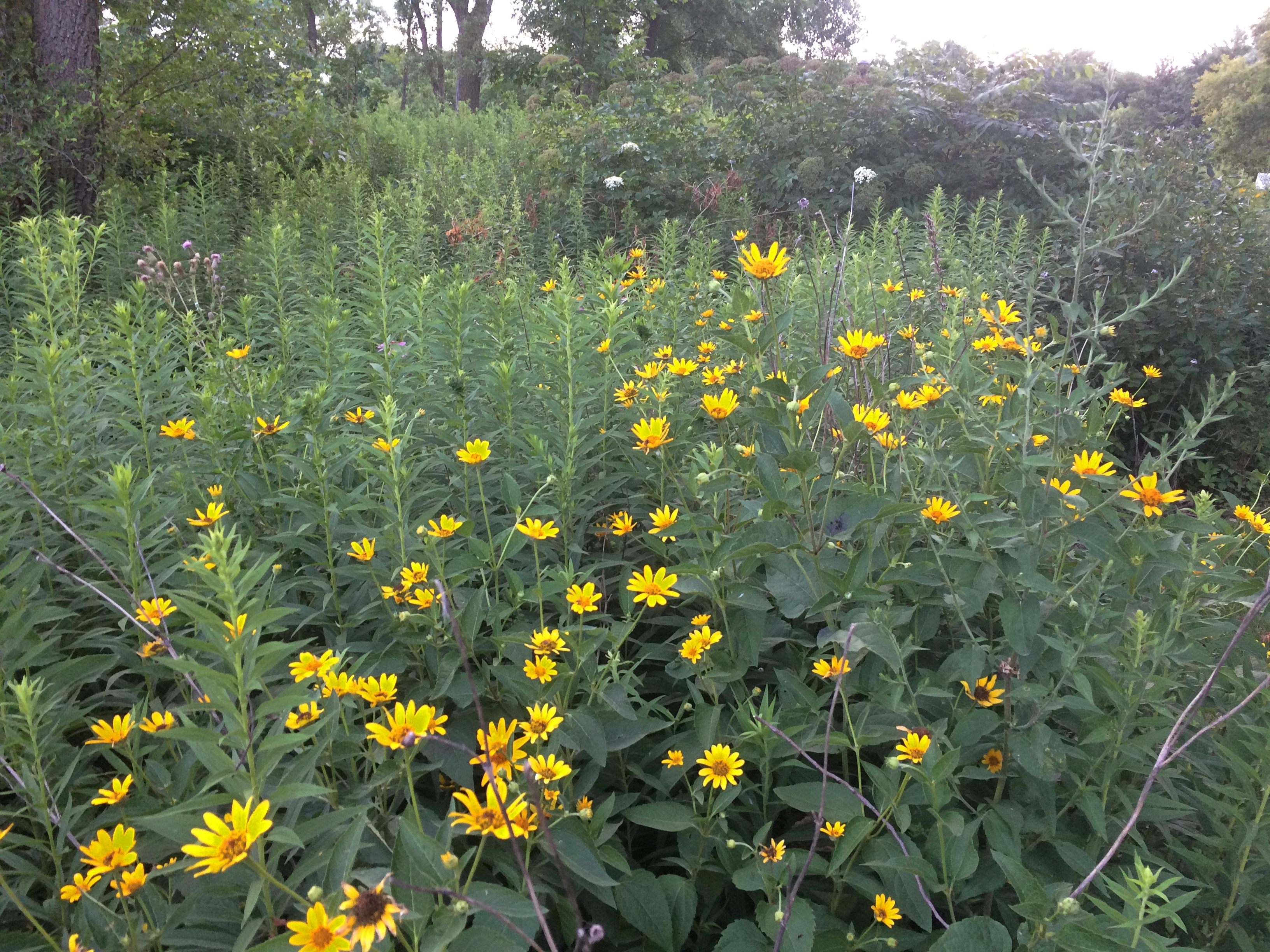
Late February’s a good time to visit South Texas. Five years ago, during a trip to San Antonio, I was even able to enjoy some outdoor greenery. Just budding, but there.

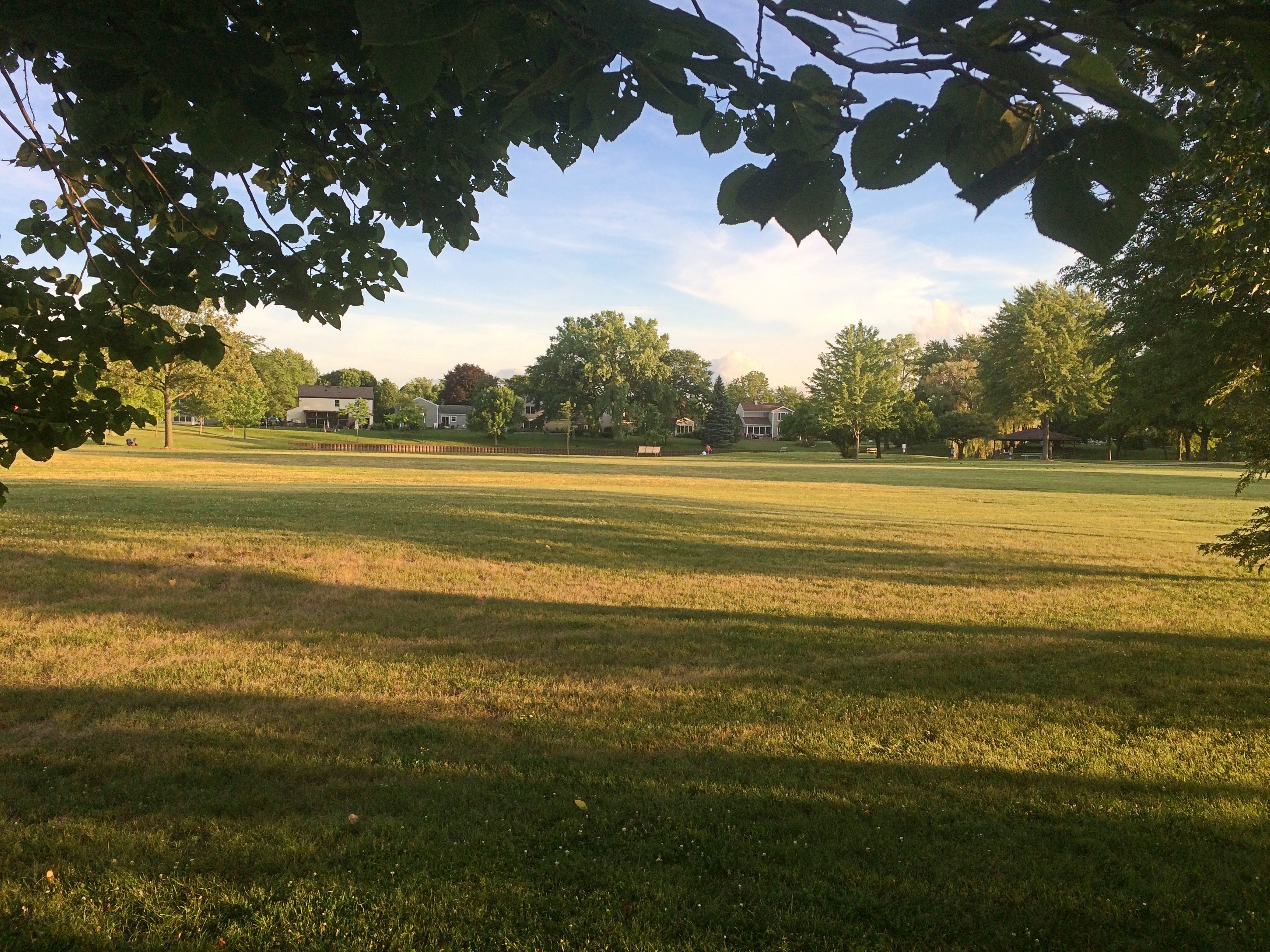
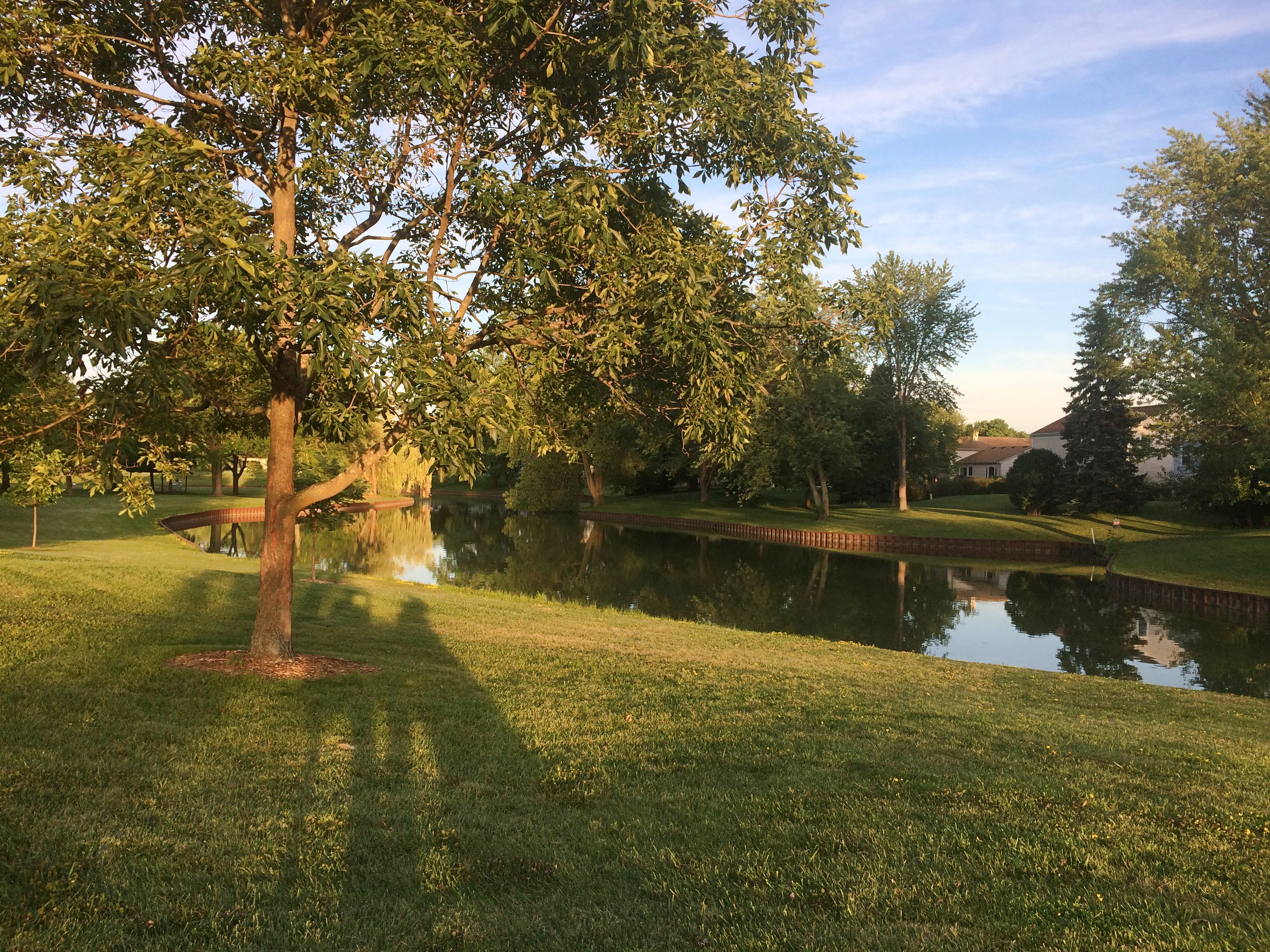
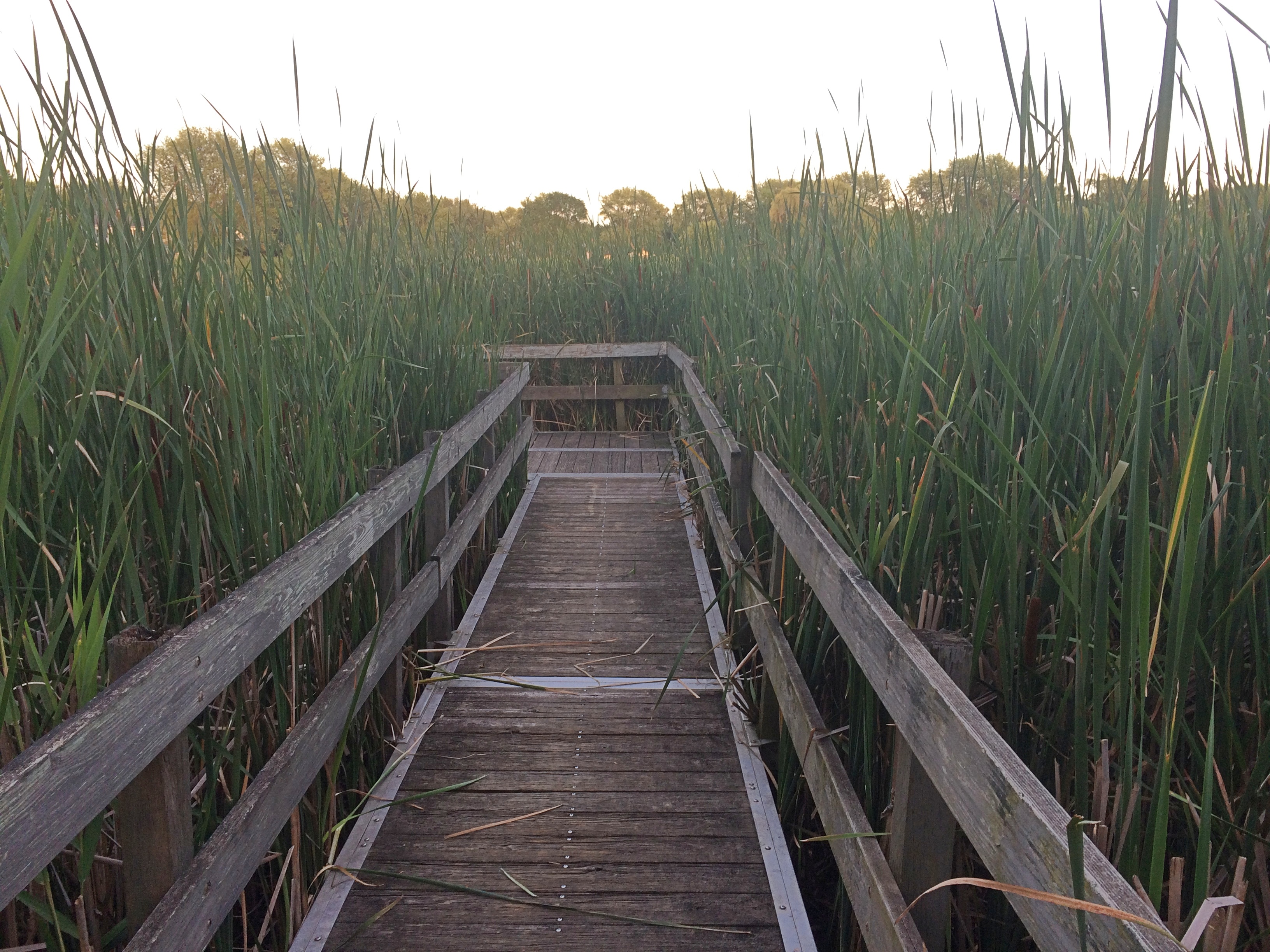
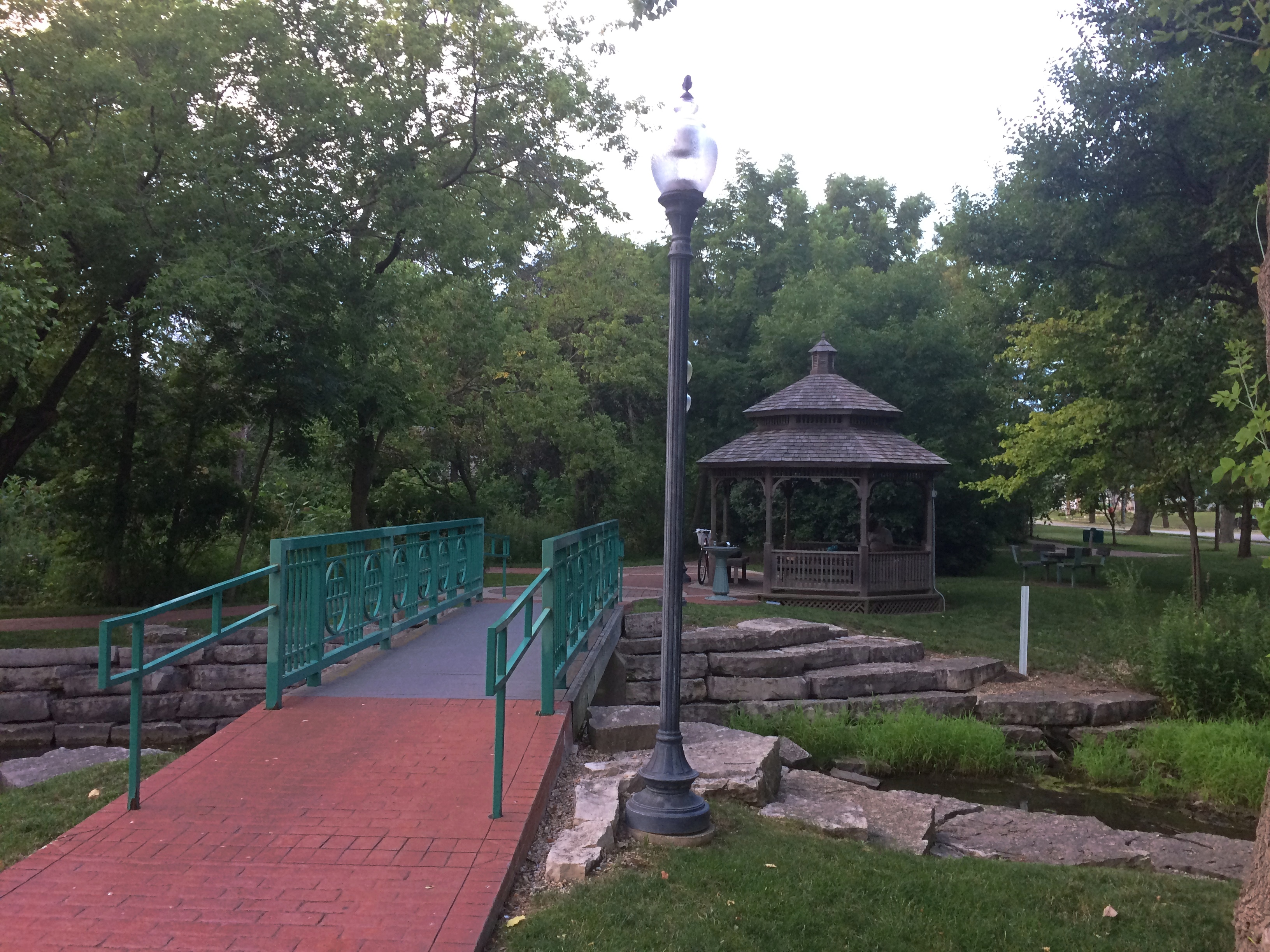
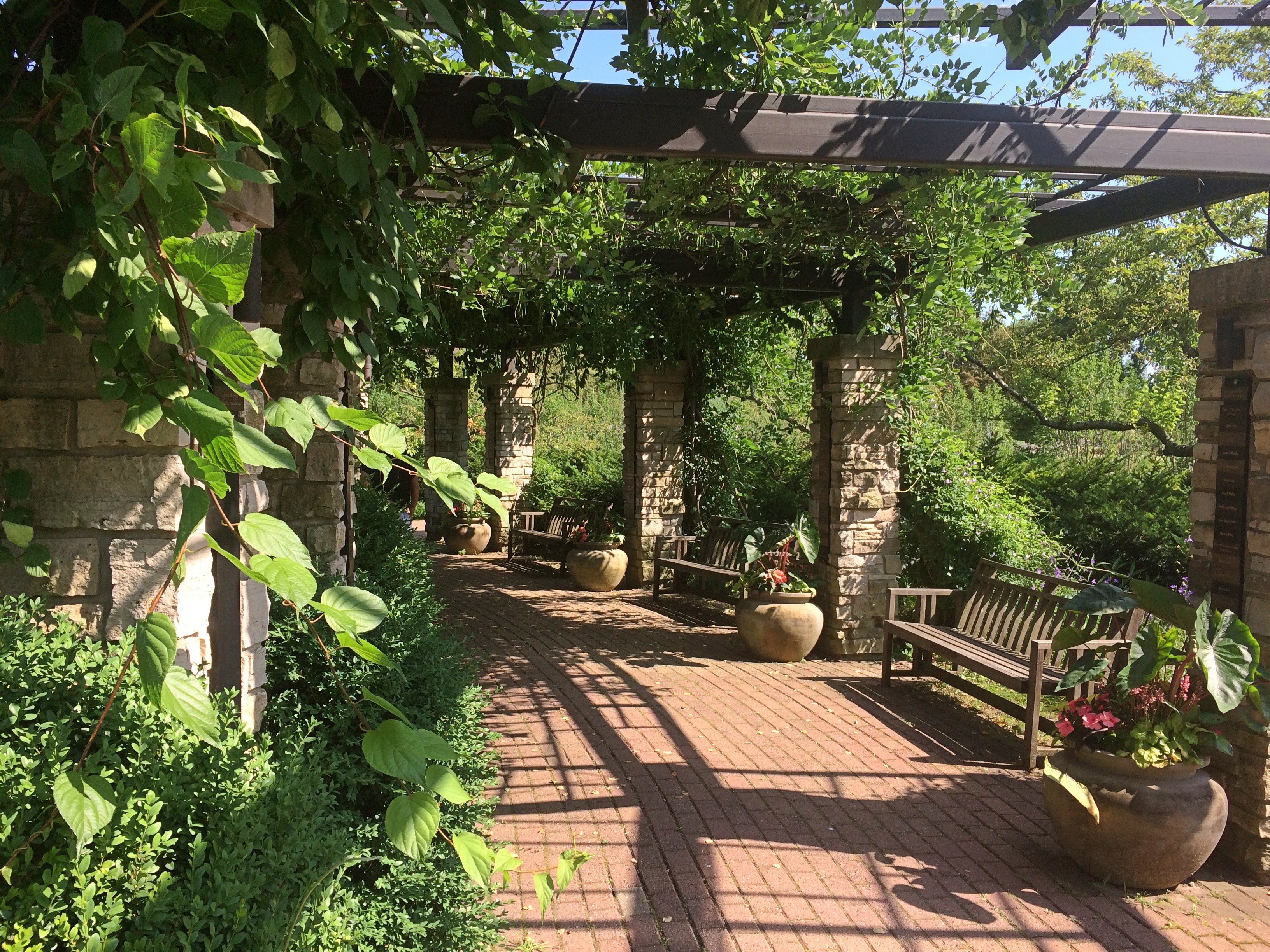
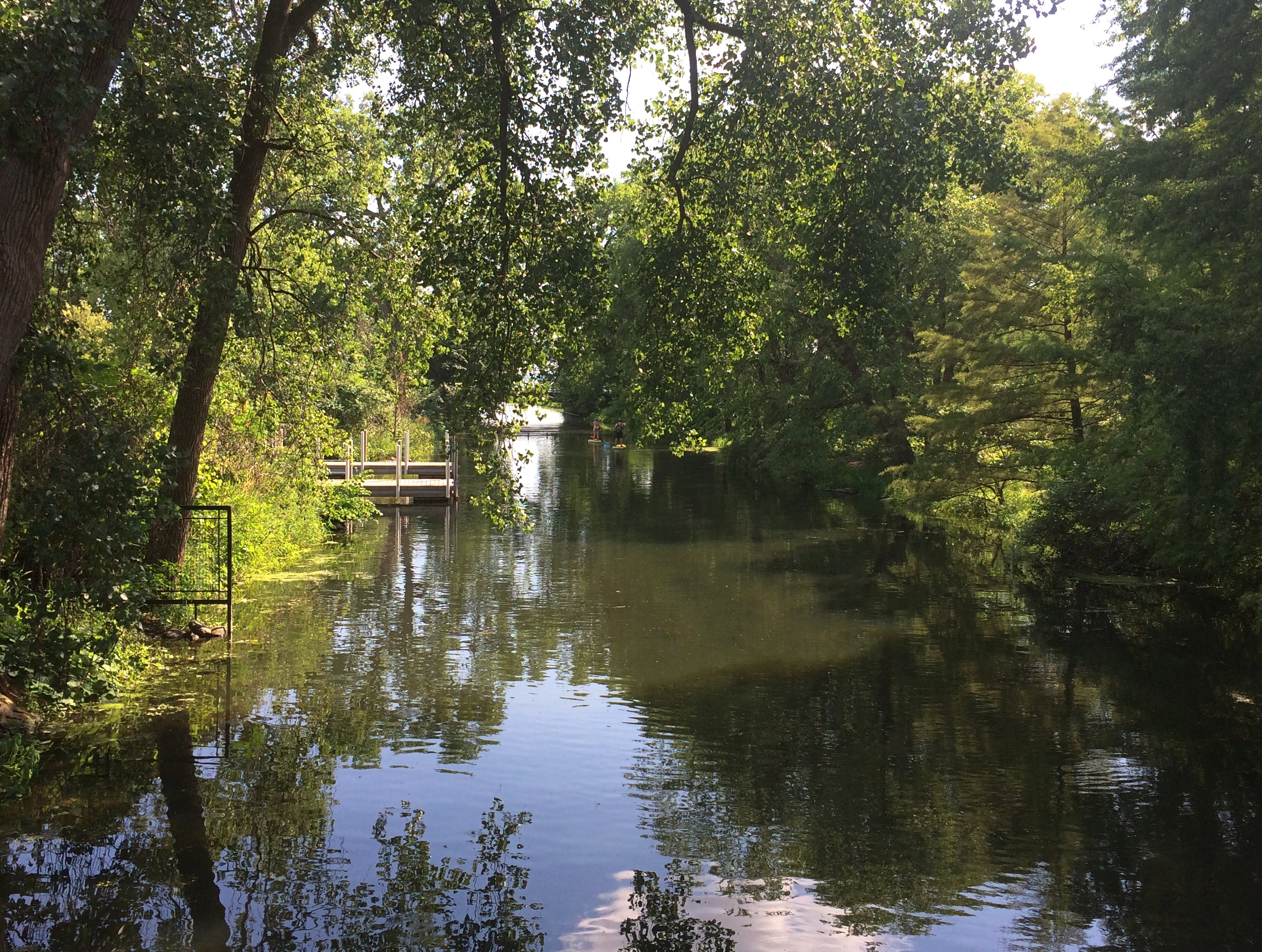
I took a walk along part of the Salado Creek Greenway.

Salado Creek Greenway San Antonio

Any day in February when you can wander out in the non-freezing air is a good one. At least for us Northern Hemisphere, Temperate Zone dwellers. Roughly above the 40th parallel, that is. How’s that for overqualifying? Never mind, it was a good walk.

Salado Creek Greenway San AntonioSalado Creek Greenway San Antonio

Salado Creek Greenway San Antonio

Speaking of latitude, the Tobin Trailhead of the Salado Creek Greenway is —

Salado Creek Greenway San Antonio

— at exactly 29.51512 N (and 98.42812 W).

More Skulls and Bones and Things

Here’s one reason the Field Museum might have jacked up its admission in recent years: it spent $8.3 million in 1997 to acquire the fossilized remains of the T. rex nicknamed Sue. Or at least part of that hefty figure, since other organizations, corporations and HNWIs also chipped in, I understand.

From 2000 to 2018, Sue stood in Stanley Field Hall. Mostly bones, but also a number of replacement replicas for a few missing ones. Even so, the museum and other sources call Sue the most complete T. rex ever discovered, at about 90 percent.

These days, Sue has her — his — gender actually uncertain, so its — own room in the Griffin Halls of Evolving Planet, a multi-room exhibit about the evolution of life on Earth, complete with various fossils to illustrate various periods. Naturally, most of the crowds gravitate to the dinosaur bones, and not just Sue, but the creatures in the large Elizabeth Morse Genius Hall of Dinosaurs, which you reach before you get to the T. rex room.

Lots of impressive fossils there. Such as a triceratops. Can’t very well have a dinosaur collection without one of those.
Or an apatosaurus.
Or a stegosaurus.
Sue not only has its own room, there’s narration and a minor light show as the narrator describes different parts of the beast, the better for the audience to ooh and aah.
The head mounted on the rest of the skeleton is actually a replica. Sue’s head is kept in a separate box.
If I remember right, that’s the way it was when Sue was in Stanley Field Hall.

Sue isn’t the last of the fossil parade. Time marches on, a meteor kills the dinosaurs, and mammals increase in size. This fellow looks pretty large, even for a bear.
Known as Arctodus, or a short-face bear, it lived in Pleistocene North America but vanished about 11,600 years ago.

An Irish Elk.
How did they hold their heads up? Strong neck muscles, I guess. More subtle minds than mine have taken up that very question. Amusingly, Stephen Jay Gould wrote, “The Irish Elk, like the Holy Roman Empire, is misnamed in all its attributes: it is neither exclusively Irish nor an elk.”

A mastodon.
They are all examples of animals that didn’t survive the most recent Ice Age unless, as Gould mentions, Irish Elk survived into historic times. Just goes to show that no matter how tough you are, along comes a little climate change or hunters with pointy sticks and soon all that’s left is your bones, if that.

Field Museum ’20

Our main destination on Saturday was the Field Museum. Been awhile since we’ve been there. Looks as sturdy as ever.An important consideration was that the museum charges no admission for Illinois residents during the entire month of February, representing a $69 savings for us. A savings in theory, because it’s unlikely we would have ever paid full price. Maybe half that. I don’t have the numbers at handy, but I strongly suspect that ticket prices have significantly outpaced inflation over recent decades, and that sticks in my craw.
Not that you don’t get a high-quality natural history museum for that price.

Something I didn’t know before: the main hall, the grand, sweeping main hall of the Field Museum, which measures about 21,000 square feet, and whose ceiling reaches up 76 feet, actually has a formal name: Stanley Field Hall. He was Marshall Field’s nephew, but more than that, president of the museum for a long time, from 1908 to 1964.
T. rex Sue, the museum’s most famed — and marketed — artifact, isn’t in the hall any more. Those bones occupy their own room these days, more about which later.

Rather, an exhibit called Máximo now lords over the hall, at 122 feet across and 28 feet tall at the head. Not actual bones, but a model cast from a titanosaur discovered in Patagonia, and considered its own species, Patagotitan mayorum, only since 2018.

Still, it’s impressive.
After the main hall, we spent time at the Granger Hall of Gems, the Malott Hall of Jades and at a display of meteorites. Last time I visited the museum, we were promised that there would soon be a permanent exhibit of pieces of the Chelyabinsk Meteor, which fell to Earth in Russia in 2013.

Here they are.
Not that large, but I think every bit as interesting as the dinosaurs. I’ve always had more fondness for astronomy than paleontology.

Here’s something you don’t see every day, which is pretty much the reason you go to a place like the Field.
Sculptures of Malvina HoffmanWe’d happened onto an exhibit called Looking at Ourselves: Rethinking the Sculptures of Malvina Hoffman. It’s a remarkable group of sculptures.

“In the early 1930s, the Field Museum commissioned sculptor Malvina Hoffman to create bronze sculptures for an exhibition called The Races of Mankind,” the museum says. “Hoffman, who trained under Auguste Rodin, traveled to many parts of the world for an up-close look at the ‘racial types’ her sculptures were meant to portray.

“By the time the exhibition was deinstalled more than 30 years later, more than 10 million people had seen it — as well as its misguided message that human physical differences could be categorized into distinct ‘races.’

“Today, 50 of Hoffman’s sculptures are back on display — with a new narrative.”

Namely, that Hoffman did some remarkable sculptures of individuals, not illustrations of racial typologies. There’s some indication that Hoffman herself considered the whole typology idea as malarkey, even as she was creating the artwork.

“In her letters from the field, Hoffman told museum curators that she wanted to illustrate the dignity and individuality of each of her subjects,” the museum says.

“The Looking at Ourselves exhibition team believed that naming Hoffman’s previously unnamed subjects was an important way of illustrating that individuality. They spent months poring over Hoffman’s and her husband’s letters and journals, and consulting the work of others who have researched the Hoffman collection over the years, to find the subjects’ given names.

“For subjects whose specific identities remain unknown, the team worked with anthropologists to correctly pinpoint the names of their ethnic groups.”

The figure above, climbing a tree, is a Tamil man from southeast India, identity unknown. This is a Nuer man from Sudan, also unknown.
A group from various parts of Indonesia, put together by the artist. The two standing figures were modeled on Ni Polog and I Regog, a sister and brother from Bali. The others are a man from Madura and one from Borneo, identities unknown.
A Hawaiian: Sargent Kahanamoku, an aquatic athlete and member of a well-known Hawaiian family.
Glad we got to see Hoffman’s work. Ann and I spent a fair amount of time looking at them and discussing them. An idea for those who would destroy discredited statues: re-contexturalize instead.

Chicago Chinatown ’20

One of these days, I might pop into the Dr. Sun Yat-Sen Museum on S. Wentworth Ave. in Chinatown. It has to count as one of the more obscure museums in metro Chicago, and that adds some interest right there.

But when we went to Chinatown on Saturday, we took a pass on Sun Yat-Sen and had lunch next door instead, at a newish-looking place called Slurp-Slurp. Had some tasty noodle soups there.
Chinatown wasn’t the main destination that day, but it was more-or-less on the way, and always a dependable place to find something good to eat, and things to see. Even if there isn’t a parade.

We arrived at the Cermak-Chinatown El Station and saw something fairly new, visible from the stairs leading to the ground.
Done in hand-made ceramic tile by Indira Freitas Johnson, installed in 2015.

“The centerpiece of the upper panel features Fook (Fú in Mandarin), the symbol of good fortune or happiness,” the CTA says. “According to custom, the symbol is placed upside down and against a diamond-shaped background. Within the context of the stairway Fook (Fú) may be translated as ‘good fortune arrives.’ ”

Not far from the station is a screen wall.

It looks like there had once been a small sign in front of the wall to explain it, but that’s now completely blank. Not to worry, a very short amount of Googling tells me that it’s a Nine-Dragon Wall, a miniature version of such a wall in Beihai Park, Beijing (the Winter Palace).

Wiki tells us that there are various other walls of this style, including one at the Forbidden City that I have no recollection of seeing. Then again, it’s a large place. There’s also one at the Mississauga Chinese Centre in the Toronto suburb of that name.

Besides lunch, we did a short walk on Wentworth Ave., since the weather wasn’t too bad for the pit of winter. Not pit of winter-ish at all, with temps above freezing, though sometimes winds would kick up. Wentworth is the original hub of Chicago’s Chinatown.

Chicago Chinatown Wentworth AveThere’s evidence of continuing cross-cultural pollination.

About a half block off Wentworth is St. Therese Chinese Catholic Church. Unfortunately, the sanctuary was closed.
St Therese Chinese Catholic Church ChicagoSome distinctive Chinese features are visible outside.
St Therese Chinese Catholic Church ChicagoLater I learned that the church had been built just after the turn of the 20th century as Santa Maria Incoronata, to serve an Italian congregation. By the 1960s, the demographics of the neighborhood had changed enough for it to become St. Therese, serving a Chinese congregation.

Italian 50 Lira, 1951

If this banknote could talk, I’d imagine it would say, “We just lost a major war and can barely afford such luxuries as currency.”
Italy, 1951. Small in value — 50 lira, or the equivalent of about 8 U.S. cents, at least as of the mid-50s, which is when my parents picked it up in change. Must adjust for inflation, however, so theoretically in today’s money that many lira is the equivalent of a whopping 75 U.S. cents, or about 0.68 euros. Apparently this note and the 100-lira were replaced by coins not much later in the 1950s.

The Italian lira was a famously small currency. I checked the 1983 exchange rate not long ago, and found that the lira gradually lost ground to the dollar that year. In July, when I was in country, it was about 1,500 lira to the dollar.

I recorded a few prices in the diary I kept that summer, noting (for example) that the admission to the Forum was L 4,000, or about $2.60, which seemed reasonable (and would be about $6.70 now). I wondered how much the price has been jacked up since then. But I didn’t have to wonder long. I looked it up, and now it’s 12 euros, or about $13.20, though that includes admission to the Colosseum as well. I don’t remember whether I paid separately for that, or at all.

The note is also small in size. Interestingly, exactly four inches long and two-and-a-half inches tall. Odd, I would have thought that the sides measure evenly in centimeters rather than inches.

Lithuanian 10-Litų Note, 1993

I have in my possession, as part of my collection of worthless or nearly worthless banknotes, 35 Lithuanian litai, one each of a five-, 10- and 20-litų note.

They are accidental souvenirs. The litas was pegged four to the U.S. dollar in 1994, so when we arrived in Poland from Lithuania that fall, I had a mind to exchange our $8.75 in litai for złoty. That was probably enough for a decent lunch for two in either Lithuania or Poland in those days.

But if it weren’t U.S. dollars or DM, the exchange office in Poland didn’t want to hear about it. I came to understand that at the time, the Poles considered Lithuanian currency as no more than scraps of dirty paper. Time flies, things change, and now my litų notes are just dirty paper even in Lithuania, since that nation joined the euro zone in 2015. Oh, well.

This is obverse of the 10-litų note, issued in 1993.
Who are these gentlemen who look so much alike, except the eyes of one are closer together than the other?

Darius and Girėnas, that’s who: Steponas Darius and Stasys Girėnas. Lithuanian aviators of renown in the early 20th century, except that both had immigrated to the United States in their youth. Even so, they count as Lithuanian heroes for a number of reasons, but mainly for their attempt to fly nonstop from New York to Kaunas in the summer of 1933. They made it across the Atlantic, but died in a crash in what was then Germany, about 400 miles short of their goal. Bad weather or engine trouble or both.

I was curious about the insignia on Darius’ cap (on the left). Further investigation didn’t disappoint. In fact, I came up with a connection to the Chicago area. Apparently a later version of the note, issued in 2001, made it clear that the insignia honors the Palwaukee Municipal Airport, in north suburban Wheeling, where Darius spent a lot of time. This article, originally published by the Michigan Coin Club, details that association and a lot more.

The reverse features their plane, Lituanica, a Bellanca CH-300 Pacemaker.

“The duo purchased a used Bellanca Pacemaker plane from the Chicago Daily News (which had purchased a newer model) in 1932, dubbed it the ‘Lituanica’ and modified it for their flight,” the coin club article says. “Money was raised from numerous Lithuanian clubs and organizations to finance their operation. In their publicity photographs, Darius was always seen wearing his Pal-Waukee Airport patch on his cap.”

A newspaper had its own airplane? And traded in for a newer model during the Depression? Damn, how the mighty have fallen.

Australia Day, Bush Fire Edition

Australia Day has come around again, but it doesn’t seem fitting to post pictures of me standing near wallabies in New South Wales or recalling how they call Rice Krispies Rice Bubbles in Oz or my Christmas Day walk around in Canberra in a T-shirt.

Seems like one damn thing after another for the Lucky Country this year. Some choice recent headlines:

“Australia’s Wild Weather: First Fires, Now Baseball-Size Hail” — New York Times, Jan. 20

“Australia Rains Bring Relief From Fires — and a Surge in Deadly Spiders” — Smithsonian, Jan. 24

“Coronavirus: first Australian case confirmed in Victoria as five people tested in NSW” — The Guardian, Jan. 24

“Record 81 days of bad air quality in Sydney” — Sydney Morning Herald, Jan. 24.

Curious, I took a look at the web site of NASA’s Fire Information for Resource Management System, which (as it says) “distributes Near Real-Time (NRT) active fire data within 3 hours of satellite observation from both the Moderate Resolution Imaging Spectroradiometer (MODIS) and the Visible Infrared Imaging Radiometer Suite (VIIRS).”

Took a screenshot of the Fire Map of Australia on the site as it appeared on Friday. Fires in the previous 24 hours, it says.

I can see why the air is bad in Sydney and why parts of Canberra — which is a small city practically plopped down in the bush — have been evacuated.

Still, I’m not sure the map helps me grasp the magnitude of the bush fires. Maybe that’s not really possible. I wondered about that even more when I looked at Africa at the same time.
Looks like central Africa is burning to a crisp. But do the many points of fire denote blazes regardless of size? That way a lot of small fires — which could be entirely normal for central Africa right now — wouldn’t be a catastrophe on the order of a smaller number of much larger fires in Australia.

Another NASA page hints at an answer. First, it says, “The colors are based on a count of the number (not size) of fires observed within a 1,000-square-kilometer area.” Also: “Across Africa, a band of widespread agricultural burning sweeps north to south over the continent as the dry season progresses each year.”

I’ve changed my mind. I think I will post a picture of wallabies. In hopes that better times are ahead for Australia.

Pebbly Beach NSW Dec 1991

December 1991: We’re feeding wallabies at Pebbly Beach on the NSW coast, which was damaged by fire recently, according to local reports. The other fellow is Peter, a friend I stayed with for a while in Canberra. Lost touch with him long ago; hope he’s well.

Springtown Cemetery

Near the entrance to Marengo Cave in Marengo, Indiana, is a patch of land called Springtown Cemetery. Some of the cave runs further underneath, I think.

A sign outside the cemetery fence says: This cemetery, one of the first in this area, dates back to the early 1800s, when Marengo was known as Springtown. Oris Hiestand, one of the discoverers of Marengo Cave, is buried here. The land for the cemetery was given to the town by Mr. Samuel M. Stewart, the first owner of Marengo Cave.

The rain had just slacked off when I took a look around. It isn’t overcrowded with stones.
Springtown Cemetery, Marengo, IndianaThe stones might or might not represent everyone who’s buried there. Someone may know for sure. Or not.

A few unexpected touches of green in late December.
Springtown Cemetery, Marengo, IndianaMossy, wet stones honoring obscure people in an obscure corner of the world.Springtown Cemetery, Marengo, IndianaSpringtown Cemetery, Marengo, IndianaSpringtown Cemetery, Marengo, IndianaIf that’s not a momento mori, I don’t know what is.

Marengo Cave

Here’s something in the category of Things You Find Out Later: the Marengo Warehouse Distribution Center. It’s in Marengo, Indiana, and according to its web site, it’s “one of the largest underground storage facilities in the United States… The complex is located 160 feet (49 m) underground in a former limestone quarry and comprises nearly 4 million square feet of space.”

Elsewhere on the same page, its total storage capacity is said to be “more than 3 million square feet,” but never mind. Sounds like an impressive underground storage facility. About 20 years ago, I visited another such place, SubTropolis in Kansas City, Mo., which at 6.5 million square feet is king of the underground storage facilities, at least the ones we know about.

When we visited Marengo Cave on the afternoon of December 29, I had no idea about the nearby Marengo Warehouse Distribution Center, a complex of storage chambers and roadways carved out of the same Indiana limestone as the naturally forming cave. I found out about the warehouse later, when looking for further information about the cave. Reportedly the U.S. Defense Logistics Agency stores vast numbers of MREs (Meals Ready to Eat) there.

Marengo’s a small town in Crawford County, population somewhat over 800, and about 40 miles from Louisville. If that city someday becomes more robust in its growth, Marengo might be exurban or even an outer suburb, but for now it’s a small Indiana town with one main attraction: a show cave discovered in the late 19th century and measuring about five miles of known passages.

We took the mile-long Dripstone Trail walking tour, by spots with fanciful names, such as Sherwood Forest, Looking Glass Lake, Washington Avenue, The Masher, Music Hall and Penny Ceiling. That last one features a muddy roof to which pennies, or other objects, will stick if you throw them hard enough. The guide invited us to throw pennies up to the ceiling, noting that cave management would eventually remove them to donate to charity, something like pennies in a fountain, so many of us heaved our coins ceiling-ward. Me too. Mine stuck.

The place has some nice features.Marengo Cave

Marengo Cave

Marengo Cave

Including historic graffiti. Unlawful to do now, but not for much of the cave’s history after its discovery.Marengo Cave

According to our guide, the deepest point of the tour was 200-plus feet below the surface. But, she said, we might have noticed that we hadn’t descended very far on our walk. Indeed we hadn’t — after the initial climb down some stairs, and a few other drops, most of the trail was level. At the same time, she said, the ground above was rising. It’s hilly terrain, after all.

Divers Southern Indiana Courthouses &c

Bloomington is the county seat of Monroe County, Indiana, and sports an impressive downtown courthouse, a 1908 Beaux Arts design by Hoosier architects Wing & Mahurin.

Monroe County Indiana Courthouse

The building was closed for the weekend, but I took a look at the exterior just before dusk. While I stood there, strings of lights lit up.
Monroe County Indiana CourthouseWhat’s a county courthouse without some allegories?
Monroe County Indiana CourthouseOr a war memorial? At first glance, it looks like a Civil War memorial only, but it specifically honors veterans of the war with Mexico, the Civil War, the Spanish-American War and World War I.
Monroe County Indiana CourthouseWhile in Nashville, Indiana, I took a quick look at the more modest, but also handsome Brown County Courthouse, a structure from the 1870s.
Brown County Indiana CourthouseNashville has some other interesting buildings as well, such as the Nashville United Methodist Church.

Nashville Indiana UMCThis looks to be a former Masonic building, though I’ve only looked into the matter enough to know that the Nashville, Indiana, Masonic Lodge #135 isn’t in that building, but a newer-looking one. But the older building does say LODGE on the front facade in large letters, along with Masonic symbols on either side.

Nashville IndianaNashville isn’t a very large town, but there are streets away from the main tourist drag, Van Buren St. On just such a street we happened across a tree-carving studio.
Nasvhille Indiana tree carving studioBesides Elvis and a bear, you can also find Willie Nelson in wood there.
Nasvhille Indiana tree carving studioAnd one of the popular ideas of a space alien.
Nasvhille Indiana tree carving studioOne more courthouse: a good-looking structure in Paoli, Indiana, county seat of Orange County. We passed through town on the way to West Baden Springs, but didn’t stop in the intense rain. Even so, the courthouse caught our attention.