Portuguese Mix

Early last year, I ordered a number of 4″ x 6″ tabletop flags from an online vendor that doesn’t happen to be Amazon. I have pocket change and postcards and tourist spoons and all kinds of bric-a-brac from the places I’ve been, so why not flags? One for each nation I’ve visited.

So I ordered a Portuguese flag last week, to add to the collection. While Macao was still administrated by Portugal when I visited in 1990, it was too much of a stretch to say I’d been to Portugal, until last month.

Something I never noticed on the flag – behind the shield of Portugal, which has a lore of its own – is an armillary sphere, a model of objects in the sky. A navigators’ tool, among other things, which fits Portuguese history nicely. A cool design element.

We saw other representations of the globe — terrestrial or celestial — at Pena Palace in Sintra.

This one at Jerónimos Monastery.

For sale at the Cod Museum, canned fish. At fancy prices.

For sale at a Portuguese grocery store, canned fish. At everyday prices.

In case you didn’t buy enough canned fish in the city, at the airport there’s a branch of Mundo Fantástico Da Sardinha Portuguesa, a sardine store on the Praça do Rossio.

For once, the Google Maps description is accurate: “Souvenir shop showcasing fancy tins of Portuguese sardines in a wacky, circuslike atmosphere.” You can even sit on a sardine throne.Mundo Fantástico Da Sardinha Portuguesa

The “Beer Museum” off Praça do Comércio seemed more like a restaurant and bar, but anyway you have to have a beer at a place like that, and I did. A Portuguese brew whose name I was too much on vacation to remember.Portuguese beer

I wasn’t awed by the beer, which was good enough, but I was awed by this display. That’s one artful wall of beer.Portuguese beer

We didn’t make it to the castle overlooking Lisbon (Castelo de São Jorge), so I can’t comment on the view from there. I will say that the roof of our hotel offered a pretty good one.Lisbon vista

Looking up at the city is another kind of vista. There’s a ferry port (and subway station) on the Tagus near Praça do Comércio. Step outside there, and some of the city is visible. The stone tower is part of Lisbon Cathedral.Lisbon vista

We emerged from the subway one morning and spotted this.

Monumento aos Mortos da Grande Guerra. I had to check, and found out that about 12,000 Portuguese soldiers died in WWI, including in France but also fighting the Germans in Africa. The memorial is on Av. Da Liberdade.

Europe, in my experience, is pretty good at putting together leafy boulevards.

That’s a tall order for a sandwich shop. We didn’t investigate the claim, either the number of steps, nor the state of mind.

At Basílica de Nossa Senhora dos Mártires, we encountered this fellow.

Rather Roman looking, and I mean the ancient Roman army, not “prays like a Roman with her eyes on fire.” At first I thought he might be Cornelius the Centurion, but the key clue is HODIE (“today”) written on the cross, meaning he’s Expeditus. I don’t ever remember seeing him depicted in a church. The patron of urgent causes, among other things.

We saw a flamenco show in Barcelona last year, but no fado in Lisbon. We did see a fado truck, however.FADO TRUCK, LISBON

We ate at the Time Out Market Lisboa twice.Time Out Lisboa Time Out Lisboa

There was a reason it was crowded. Everything was a little expensive, but really good. Such as this place, whose grub was like Shake Shack.Time Out Lisboa Time Out Lisboa

The last meal of the trip wasn’t at Time Out Lisboa, but a Vietnamese restaurant with room enough for about 20 people. It too was full.

Spotted at one of the subway stations we passed through more than once. Alice in Wonderland‘s fans are international in scope.Lisbon subway rabbit

On the whole, the Lisbon subways are efficient and inexpensive, and the lines go a lot of places. Even so, elevator maintenance did seem to be an issue. There were times when our tired feet would have appreciated an elevator, but no go.

Scenes from Parc Eduardo VII, which includes green space and gardens but also elegant buildings.Edward VII Park, Lisbon Edward VII Park, Lisbon Edward VII Park, Lisbon

There was an event there that day, at least according to those blue signs, that had something to do with the Portuguese Space Agency. I didn’t know there was such a thing. I’d have assumed Portugal would participate in the ESA, and leave it at that. But no, the Agência Espacial Portuguesa was founded in 2019, and is looking to create a space port in the Azores.

We didn’t investigate the event any further, but we did look at the tiles on the building. Nice.Edward VII Park, Lisbon Edward VII Park, Lisbon

Among the kings of Portugal, there was no Edward VII – only one Edward, who reigned from 1433 to 1438 – so when I saw it on the map, I figured it was for the British monarch of that regnal name. Yes, according to Wiki: “The park is named for King Edward VII of the United Kingdom, who visited Portugal in 1903 to strengthen relations between the two countries and reaffirm the Anglo-Portuguese Alliance.”

Lisbon manhole covers. Maybe not as artful as some of the other street details on Lisbon, but not bad.Lisbon manhole cover Lisbon manhole cover Lisbon manhole cover

I saw S.L.A.T. a fair amount. Later, I looked it up: Sinalização Luminosa Automática de Trânsito – Automatic Traffic Light Signaling.

Sintra: The Moorish Castle

Pena Palace and the Moorish Castle (Castelo dos Mouros) aren’t very far from each other up in hilly Sintra. So close you can walk the narrow road for a few minutes to get from one to the other. Even if it starts to rain on you. We visited in the drizzle after our tour of Pena Palace.

Both sites were inspired by Romanticism, they say. But different takes on the ideal.

Pena Palace: Fancy Colorful Halls, The Romanticism of Kings.

Moorish Castle: Stony Ruins on High Hills, the Romanticism of Abandonment.

Romanticism guided the 19th-century quasi-redevelopment of the Moorish Castle, a ruin from Islamic times, modified after the Reconquista, abandoned and decaying by the time King Fernando II took an interest in 1840.

From the Sistema de Informação para o Património Arquitetónico on the Moorish Castle, machine translated:

“Military, medieval and romantic architecture. Castle with an irregular plan located on high ground, formed by two belts of walls, with the interior reinforced by five towers and several cubes with a quadrangular and circular plan and vertical elevations. The list includes a Visigothic chapel, rebuilt in the Romanesque period…

“The Moorish Castle, due to its geographical situation and robustness, was considered, together with that of Santarém, one of the main points of the military structure of Belata – a Muslim province that more or less corresponds to Ribatejo and Estremadura. The property underwent extensive renovations over time, with the character of a romantic ruin predominating…”

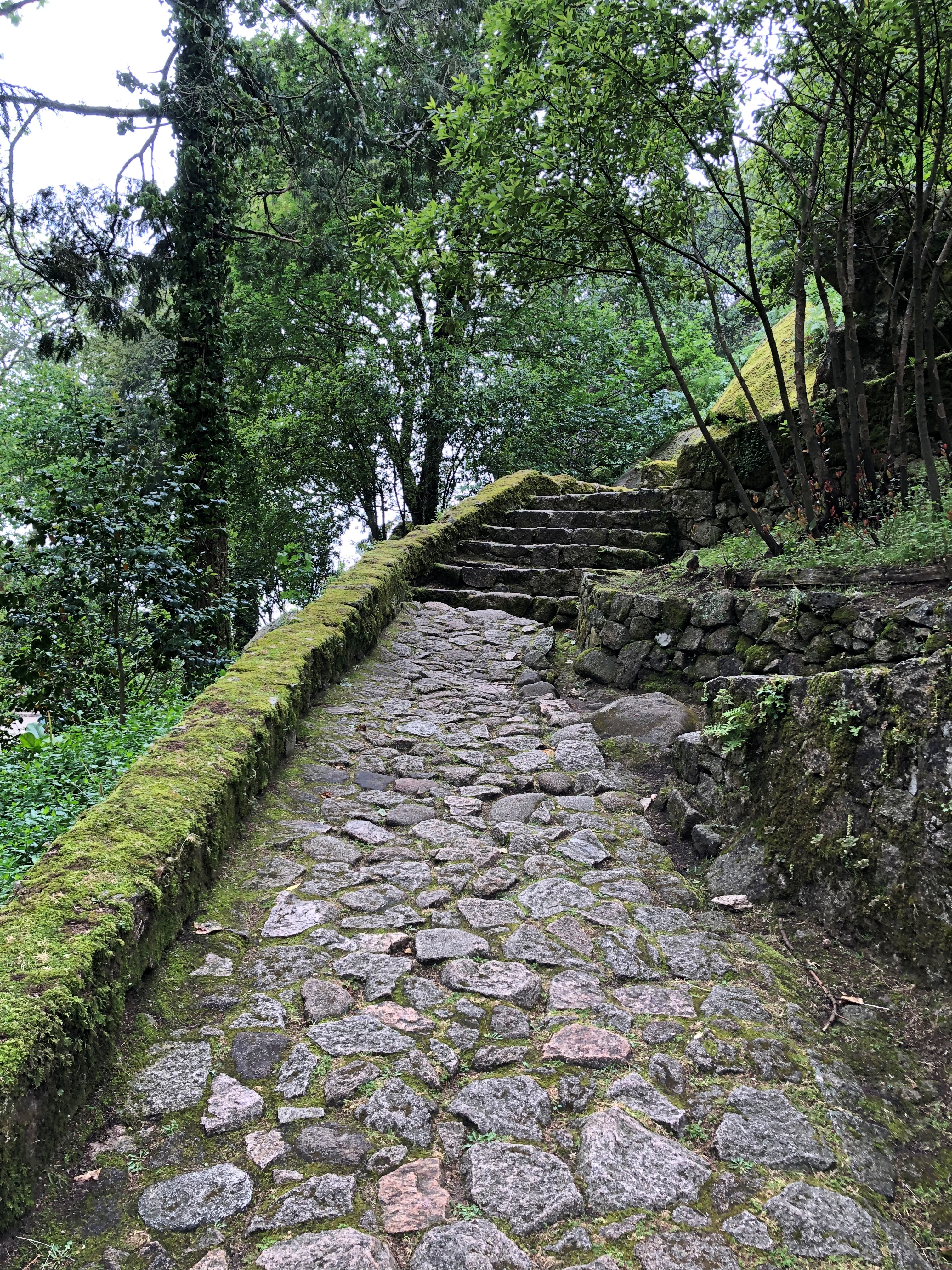
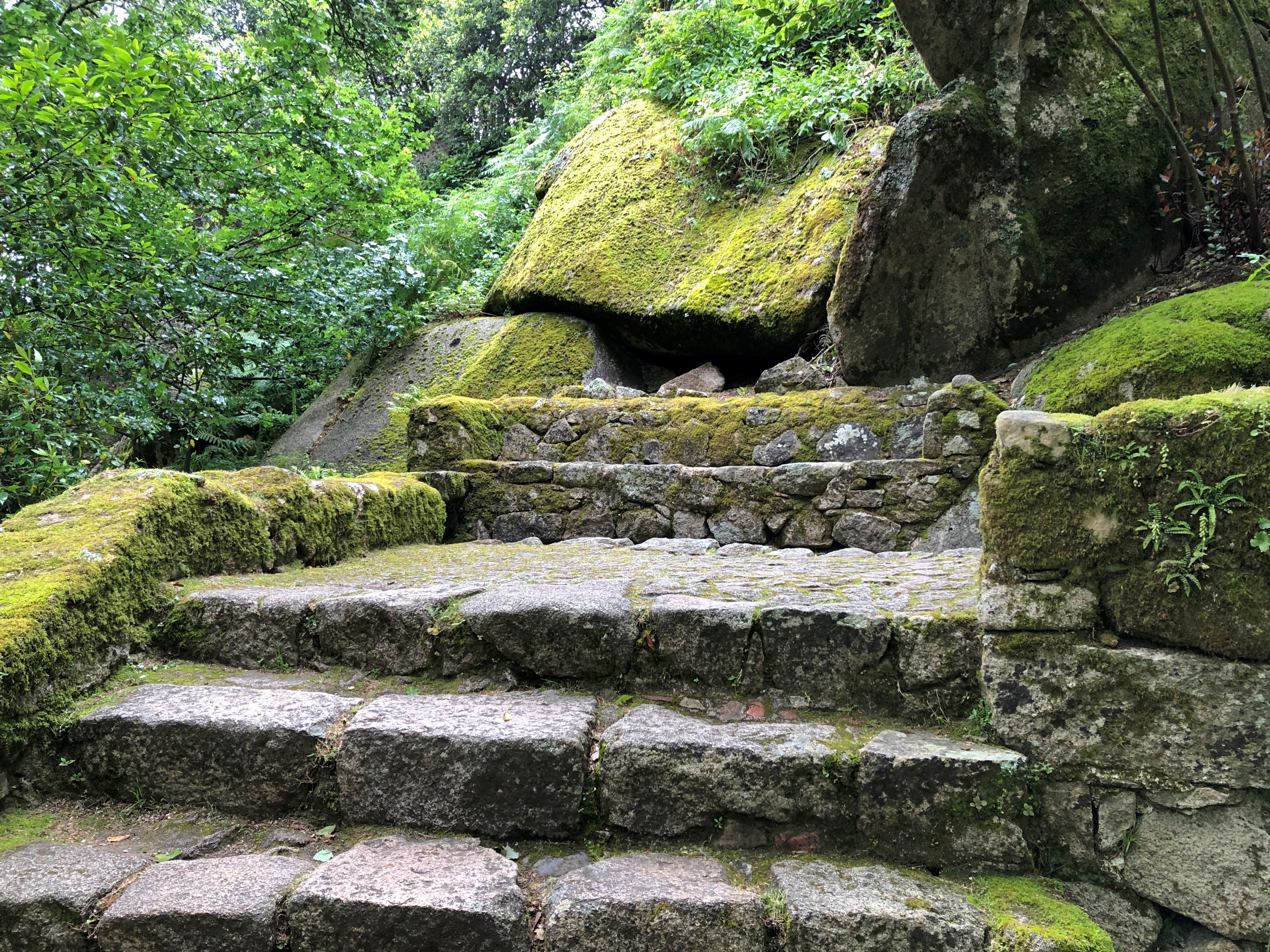
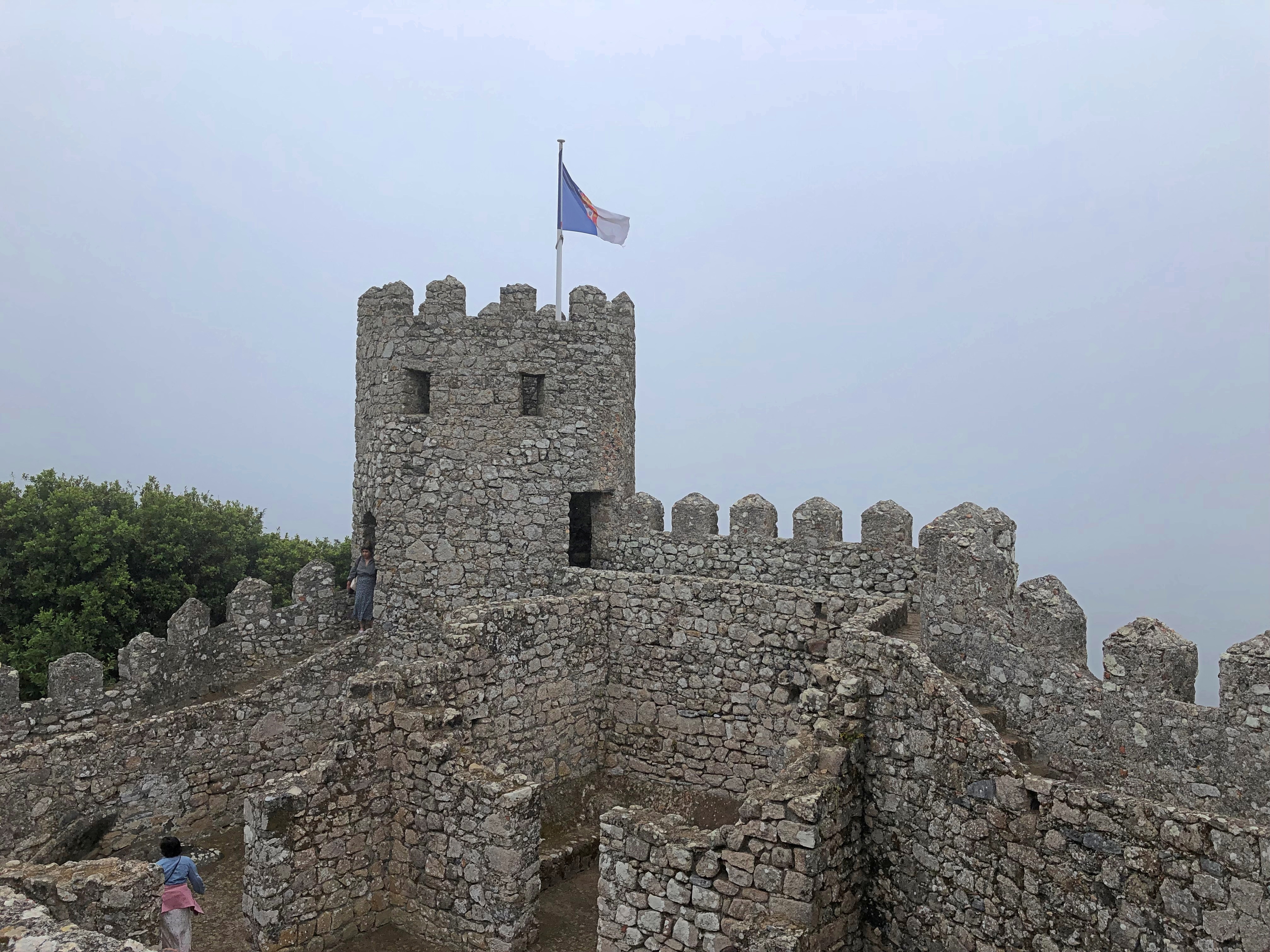
The rain added to the Moorish Castle’s romantic appeal, both in the poetic sense, and the sense that stirs amorous couples. If there were any couples around, that is; there weren’t many, or anyone else. Off the beaten path in this case turned out to be stony and steep and wet. Even so, worth the effort.Moorish Castle Moorish Castle Moorish Castle
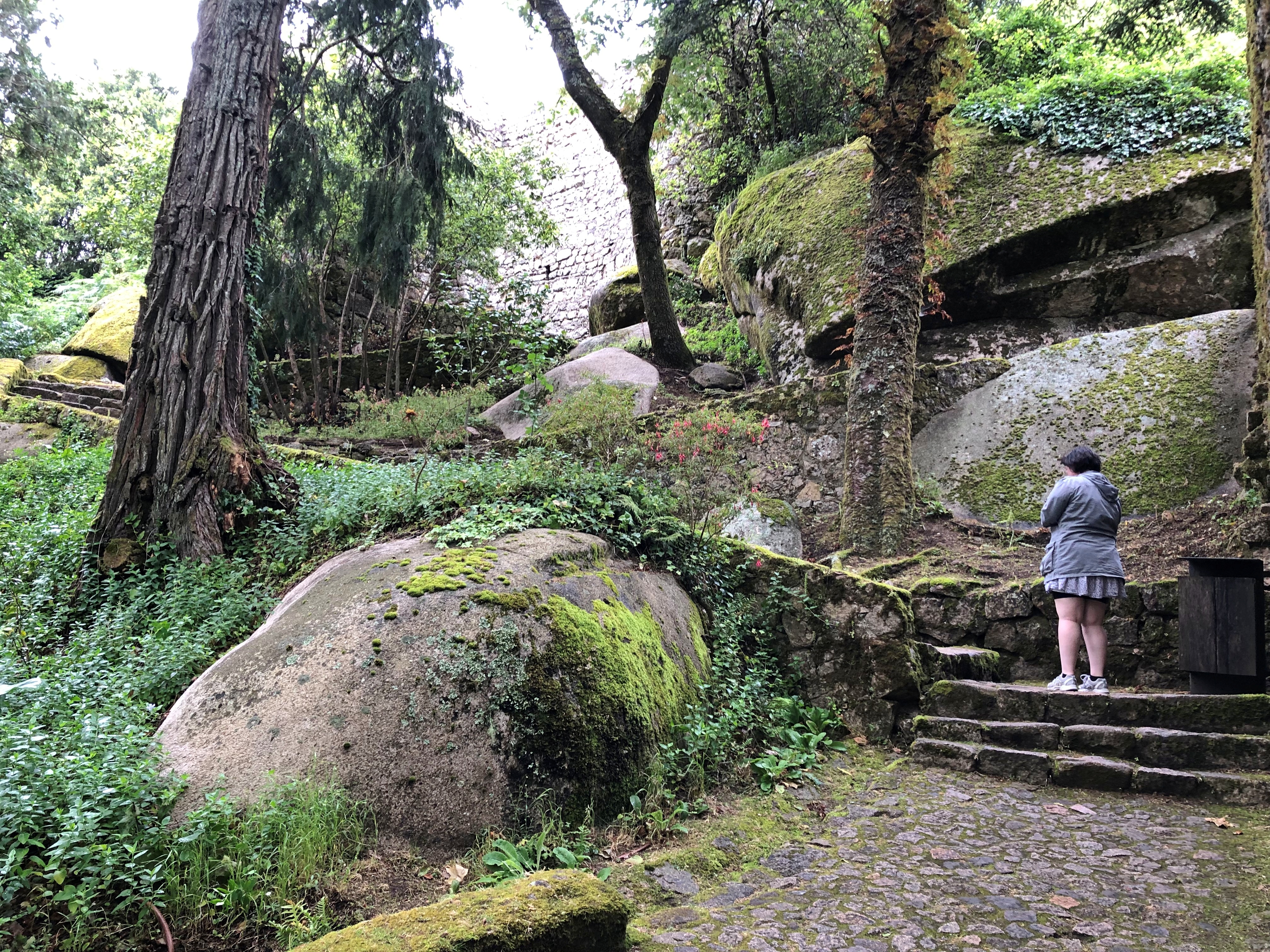
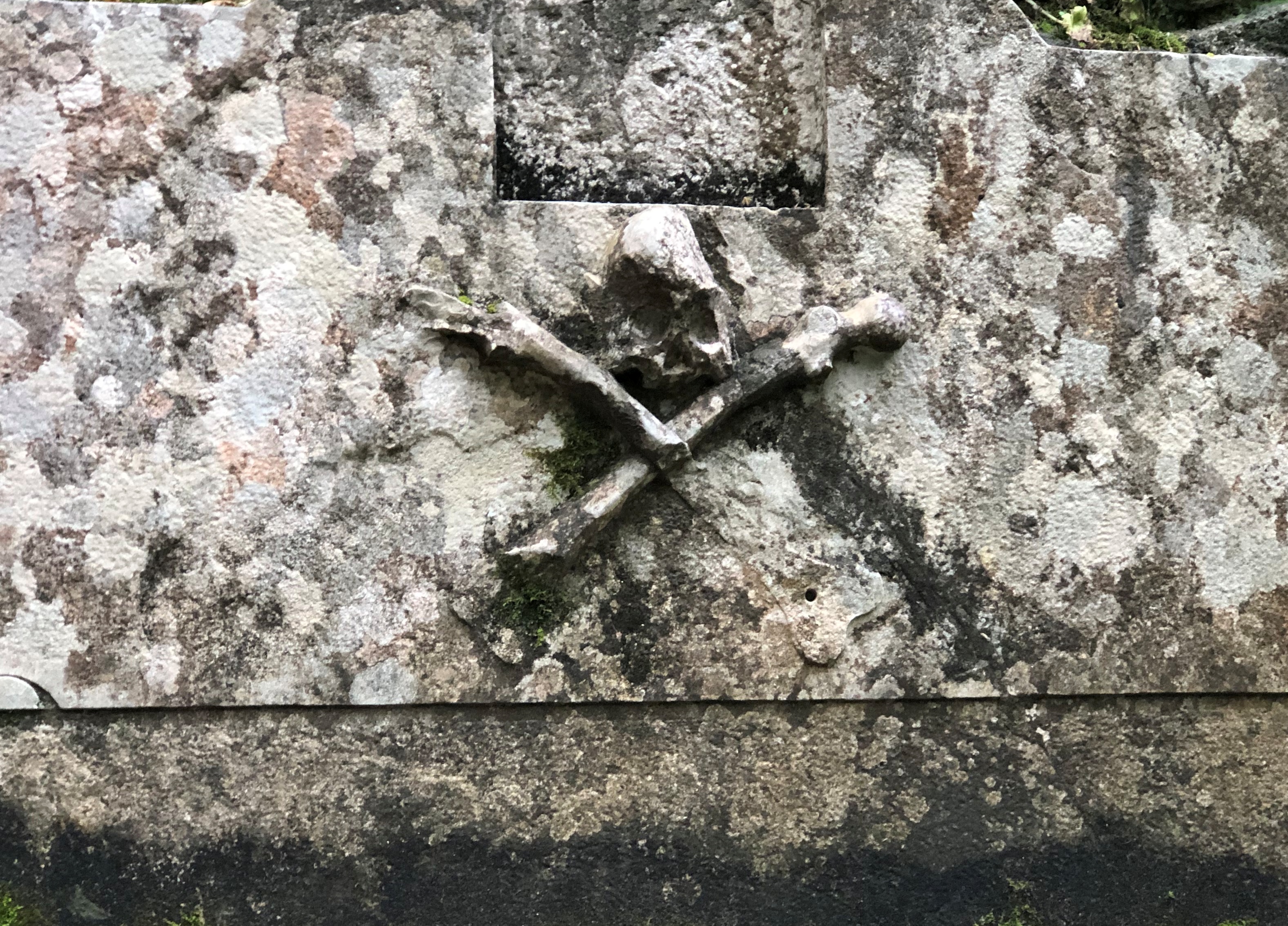
On the way up, we passed a mossy tomb.Moorish Castle Moorish Castle
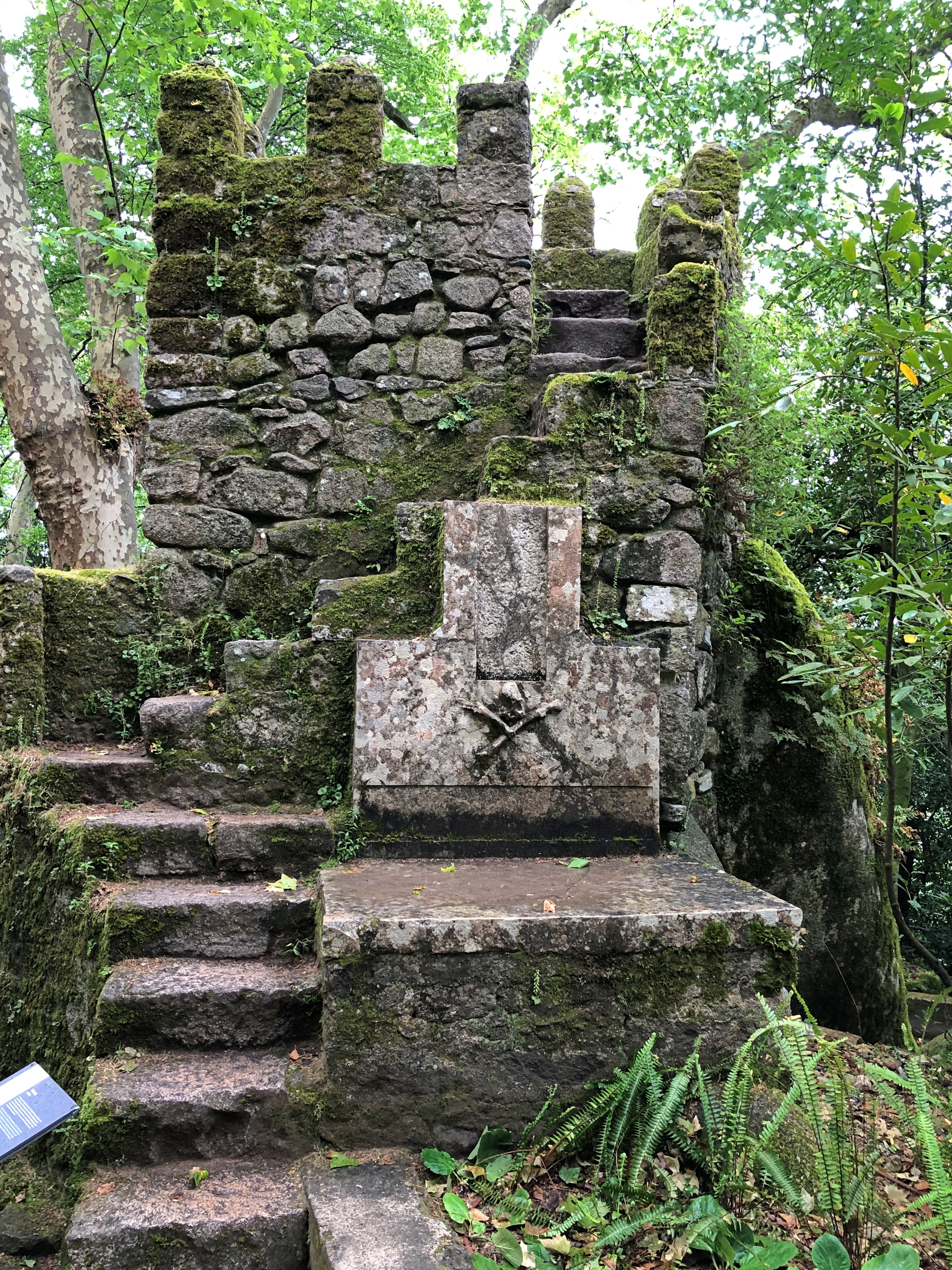
Its sign said (in English, below the Portuguese): “The works promoted by King Ferdinand II damaged part of the Christian necropolis located around the church. A small tomb was thus built to lay the remains that been unearthed. The head stone bore the engraving of a crescent and a cross with the following epitaph: ‘What man has assembled only God can set apart,’ alluding to the fact that it was impossible to distinguish whether the human remains were Christian or Muslim.”

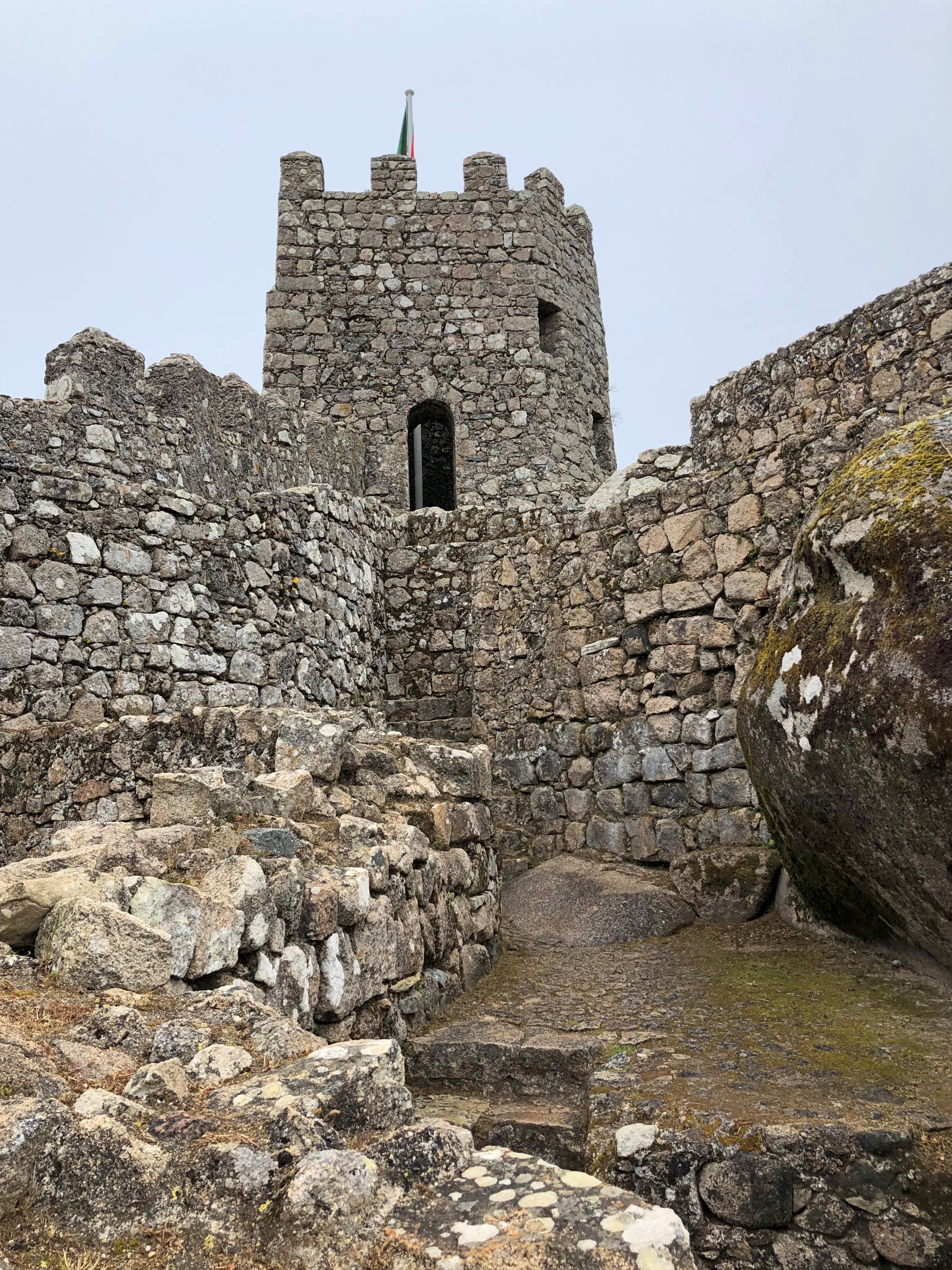
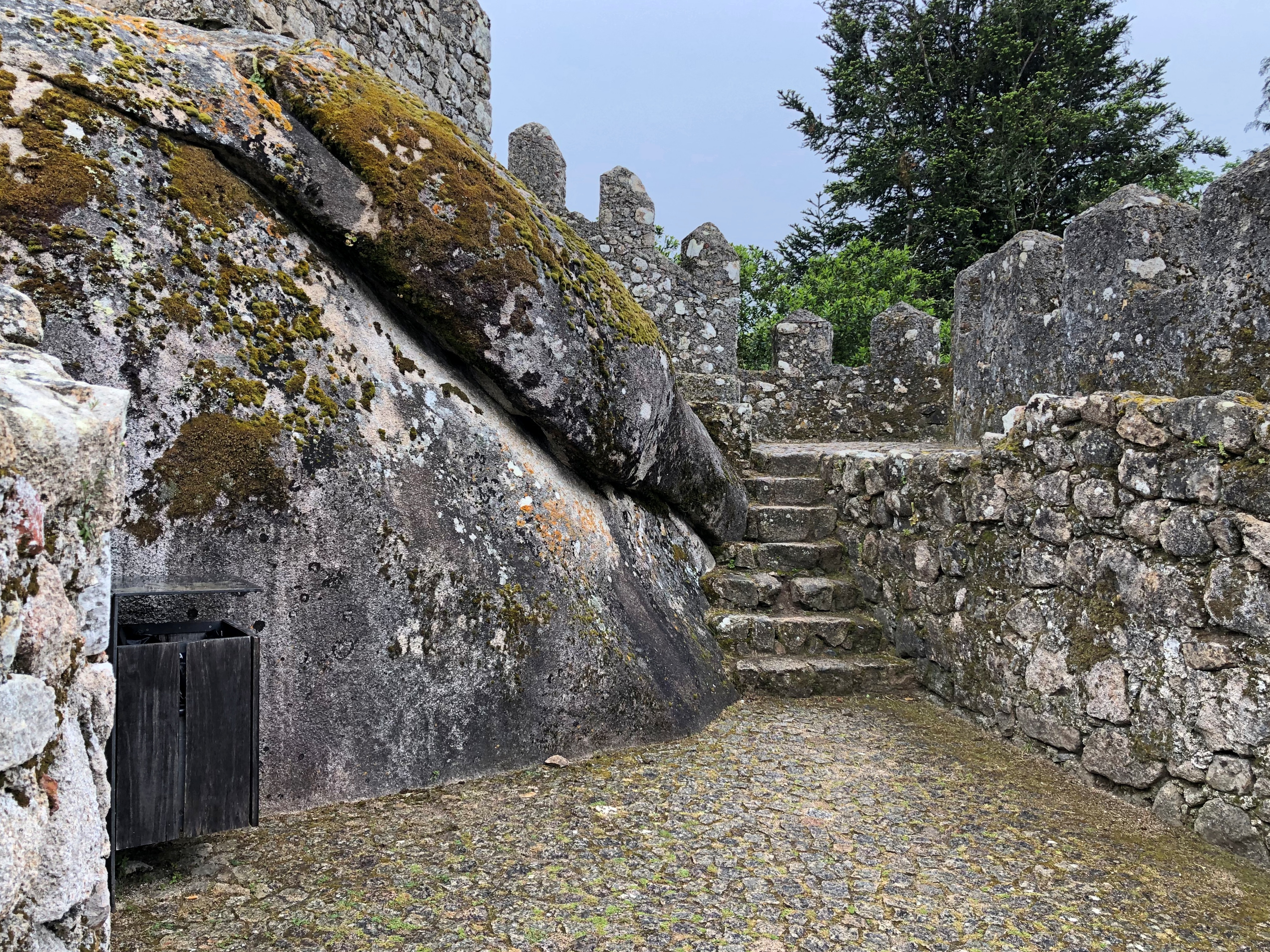
The climb continued. Where were those hiking poles when I needed them? At least one. Back in Illinois, that’s where. But we made it to one of the hilltops, with me trailing about five minutes behind.Moorish Castle Moorish Castle Moorish Castle
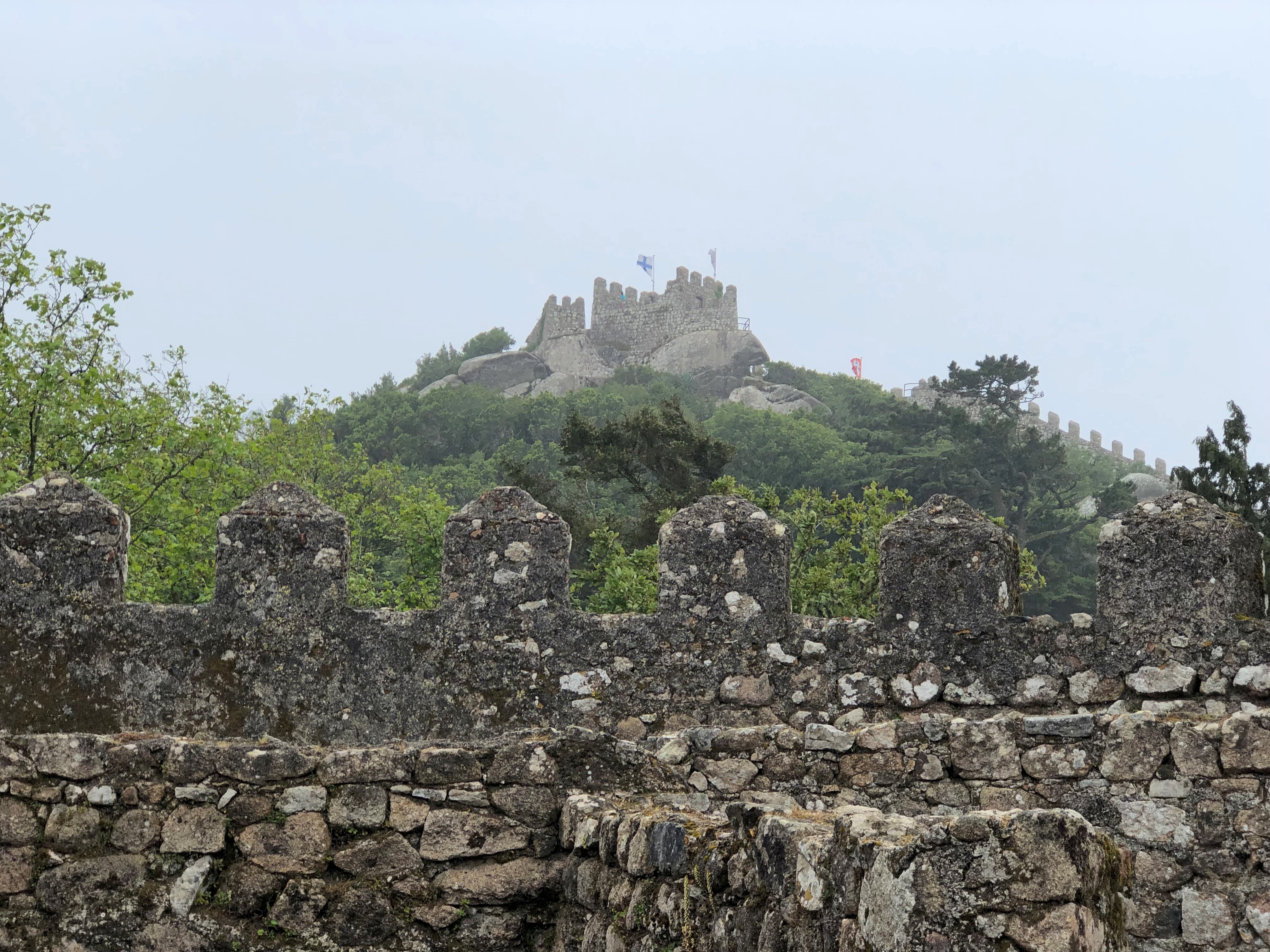
That flag was one of a number flying over the ruins, and I believe it was the 19th-century flag of the kingdom, possibly as a tribute to Ferdinand II. The flag over the highest peak — we didn’t make it all the way up there — seemed to be the first banner of the kingdom, associated with the first king of Portugal, Afonso Henriques, who also happened to take the castle from the Moors.Moorish Castle
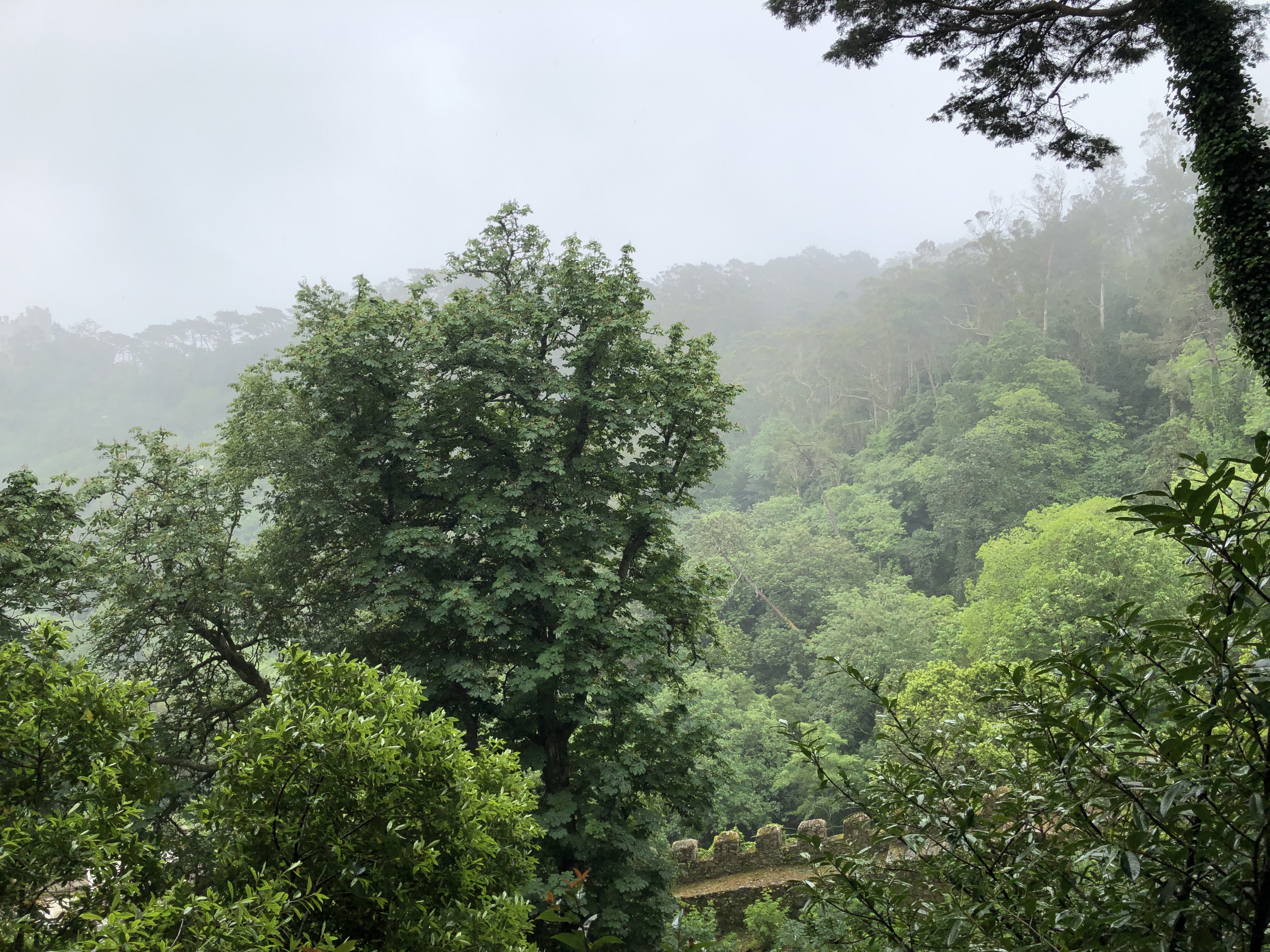
We were tired on the return from the castle, but I have to say that even the stone path and the forest below had its romantic charms, even in the rain. King Fernando was on to something.Moorish Castle Moorish Castle
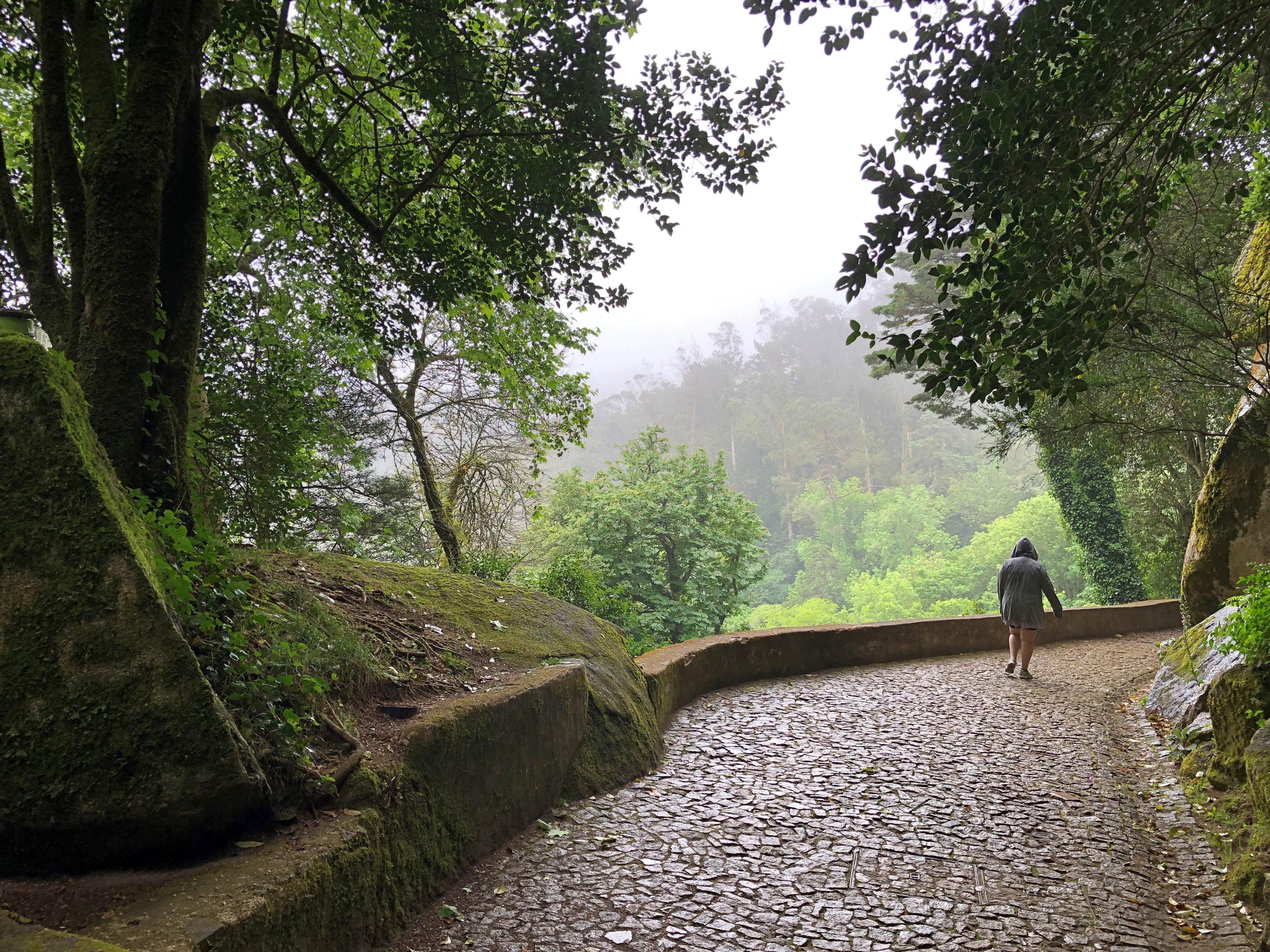
More of a light drizzle most of the time, except for the downpour waiting for the bus back out near the road. The various tuk-tuks and other for-rent vehicles that came by looking for business were tempting, but in the end the bus didn’t take that long. That was the only rain we had during our Portuguese days.
Pre-Thanksgiving Assortment

Regards for Thanksgiving, back to posting November 27 or so. In the meantime, eat, drink and be indolent.

I woke up this morning from some sort of dream, trying to remember these three kinds of to-dos: shindigs, hullabaloos and hootenannies. I’m pretty sure I could call Full Moon Bluegrass a hootenanny. Otherwise, my experience with them is thin. Also, I forgot about hoedowns. The unconscious is a funny place.

Gentle rain last night, and all through the early morning. I cracked the window very slightly to listen as I drifted off. Still raining when I went to the bathroom not long before dawn. Maybe that put me to mind of folk music parties.

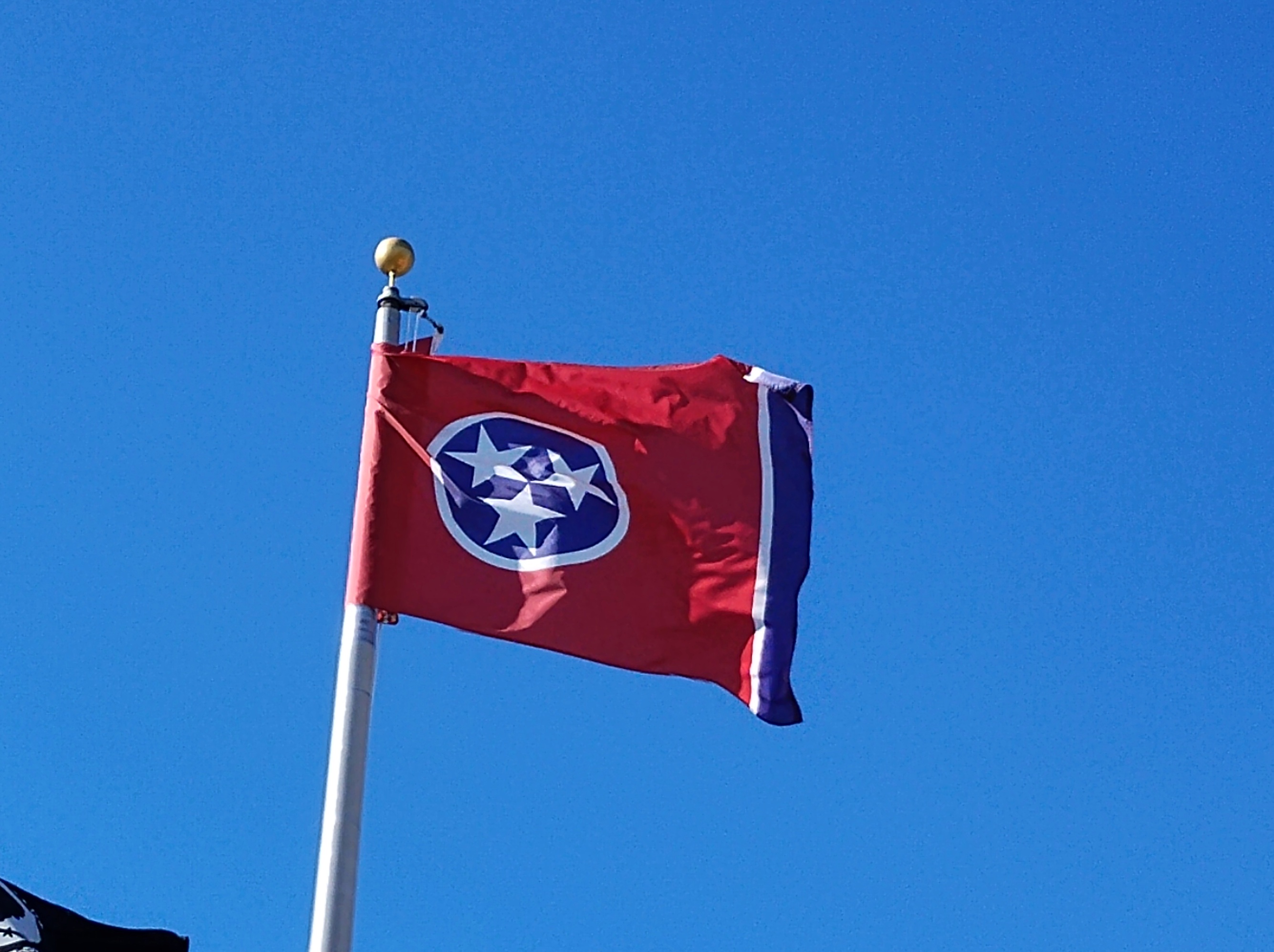
A couple of recent flags, including one that I saw in full flutter after I entered Tennessee just north of Nashville.

A distinctive design. The three stars represent, of course, the Grand Divisions of Tennessee, a thing unique to the state. Distinct legal entities, but also acknowledging historical and cultural distinctions.

I remember when Tennessee Gov. Lamar Alexander joined Garrison Keillor on stage during the pre-broadcast warmup for A Prairie Home Companion when the show came to Nashville in 1985. The governor played a little on the piano – he was really good, as I recall – and bantered with Keillor.

When it came up that Alexander had grown up in East Tennessee, Keillor said, “You guys were on our side during the war, weren’t you?”

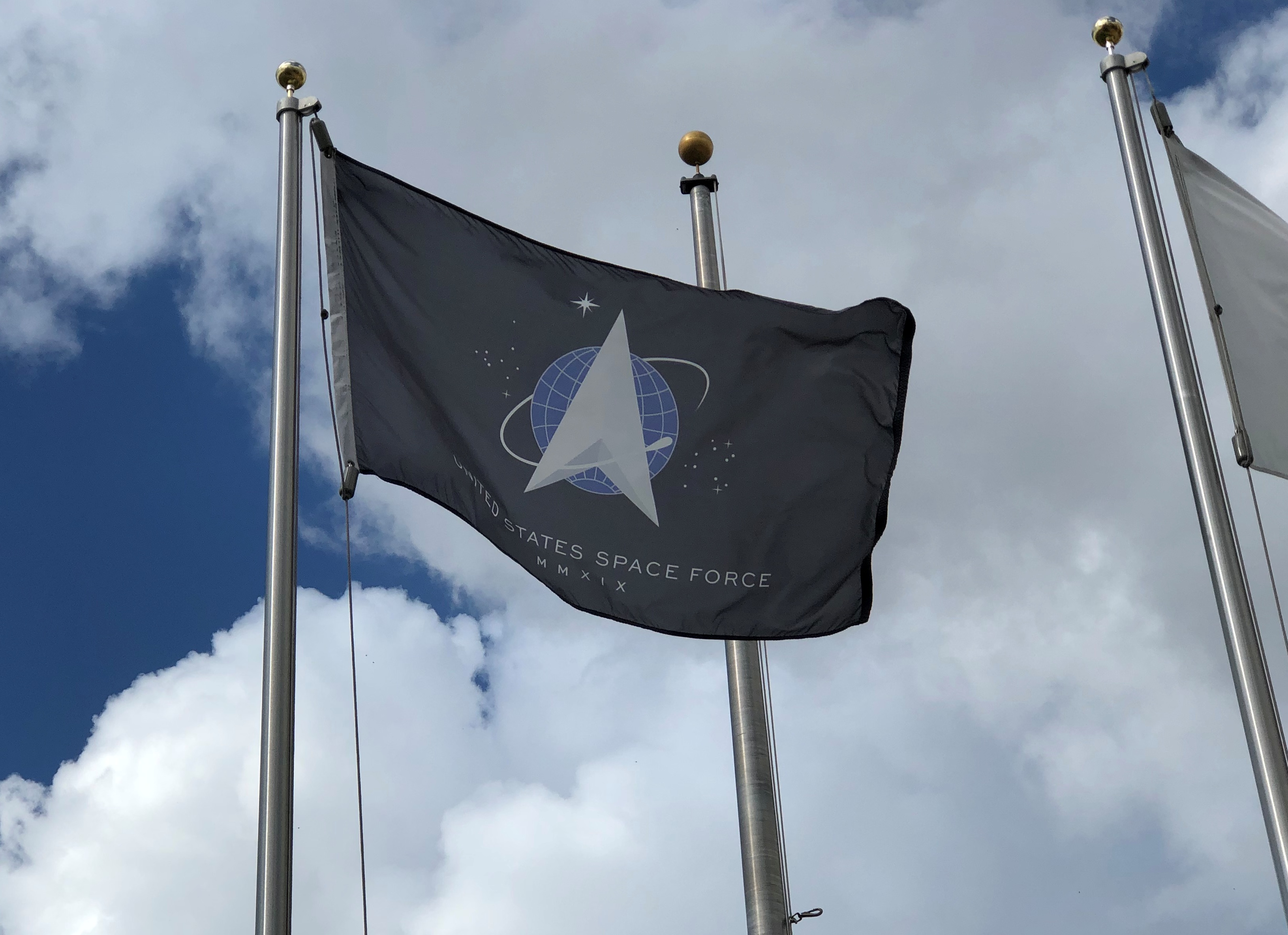
In Texas, I saw a Space Force flag on a pole. First time ever.

That arrowhead design looks suspiciously familiar. Can’t quite put my finger on it.

Heard some blatherskite on the radio recently about planning one’s “celebration of life.” There’s that absurd euphemism again, standing in for funeral. Apparently it’s caught on. I suspect that undertakers and their marketing people are behind this.

I insist that my survivors, if they want to have some kind of formal event to mark my shuffling off this mortal coil, call it a funeral. It doesn’t need to have any of the trappings of a conventional funeral here in North America, just the term.

That got me to thinking, “mortal coil”? Sure, it’s Shakespeare, Hamlet in particular, but why coil? First place to look: my copy of Onions, which I haven’t opened in entirely too long. That is, a volume called A Shakespeare Glossary by C.T. Onions. I have a revised edition published in 1986.

Coil, n.

1. Noisy disturbance, tumult. Comedy of Errors: What a coil is there, Dromio?

2. Fuss, ado. Much Ado About Nothing: yonder’s old coil at home. Hamlet: When we have shuffled off this mortal coil.

So a coil’s a noisy bit of business. An Elizabethan meaning worth bringing back, but I doubt that’s going to happen. Thus your mortal coil would be the fuss of being alive, of which there’s a fair amount, including sound and fury and signifying… a different play, one that I won’t name.

Grand Portage National Monument

So far since taking office, President Biden has proclaimed five new national monuments under the authority granted him by the Antiquities Act of 1906, including one only last week, with the lengthy name of Baaj Nwaavjo I’tah Kukveni – Ancestral Footprints of the Grand Canyon National Monument, which is in Arizona near the Grand Canyon. (For those keeping score, his immediate predecessor proclaimed five over four years.)

How can we keep up with all the new ones? For now, there are 133 national monuments, with more coming, I’ve read.

Grand Portage National Monument has been around a little longer. Longer than me, but not much, being one declared by President Eisenhower. It occupies land very near the tip of the arrowhead region of Minnesota, within a few miles of the Canadian border, which happens to the Pigeon River at that point.

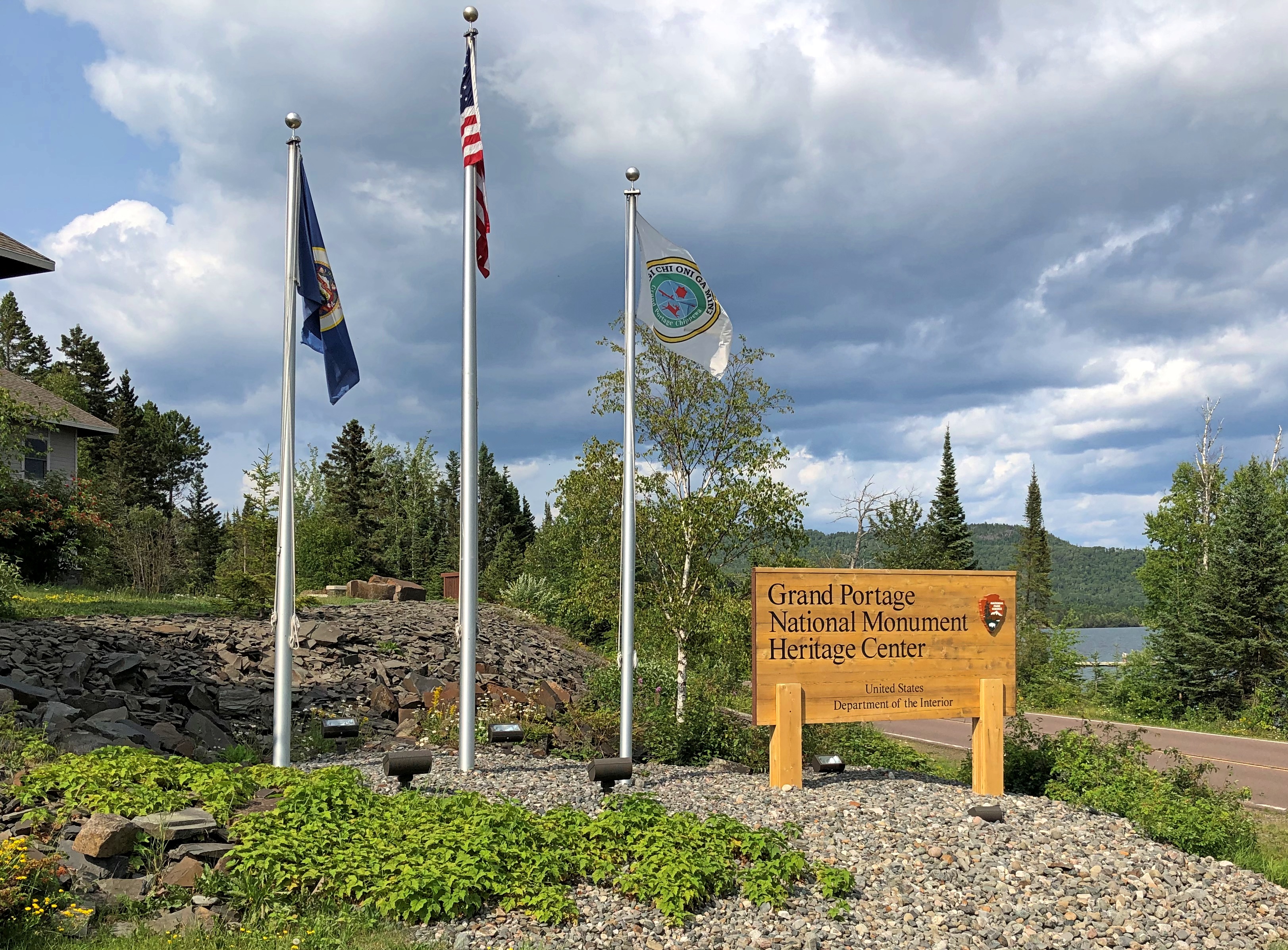
I arrived fairly late in the afternoon of July 30. The U.S. flag, Minnesota and – what’s the other one?Grand Portage National Monument

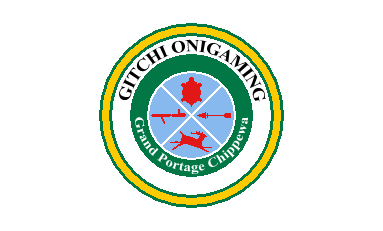
The flag of the Grand Portage Band of Chippewa; the national monument is entirely within their reservation. More about them is hereGichi Onigaming = The Great Carrying Place.

“Grand Portage was a fur-trade depot and route of the voyageurs at the western extremity [sic] of Lake Superior,” says the Canadian Encyclopedia. “It was the first and most strenuous of the 29 portages from Lake Superior west to Lac La Croix, requiring that each voyageur carry four loads of 80 kg over some 14 km of rocky trails around the cascades of the Pigeon River.

“The North West Co. (NWC) established an extensive post at the mouth of the river, which by 1784 was the wilderness capital of the fur trade, providing a meeting place for the voyageurs bringing supplies from Montréal (porkeaters) and the traders bringing furs from the North West (winterers). Within the post, which was protected by a 5-m high palisade, reinforced with a bastion and a heavy gate, were the Great Hall, living quarters, shops, warehouses and a stone powder magazine.”

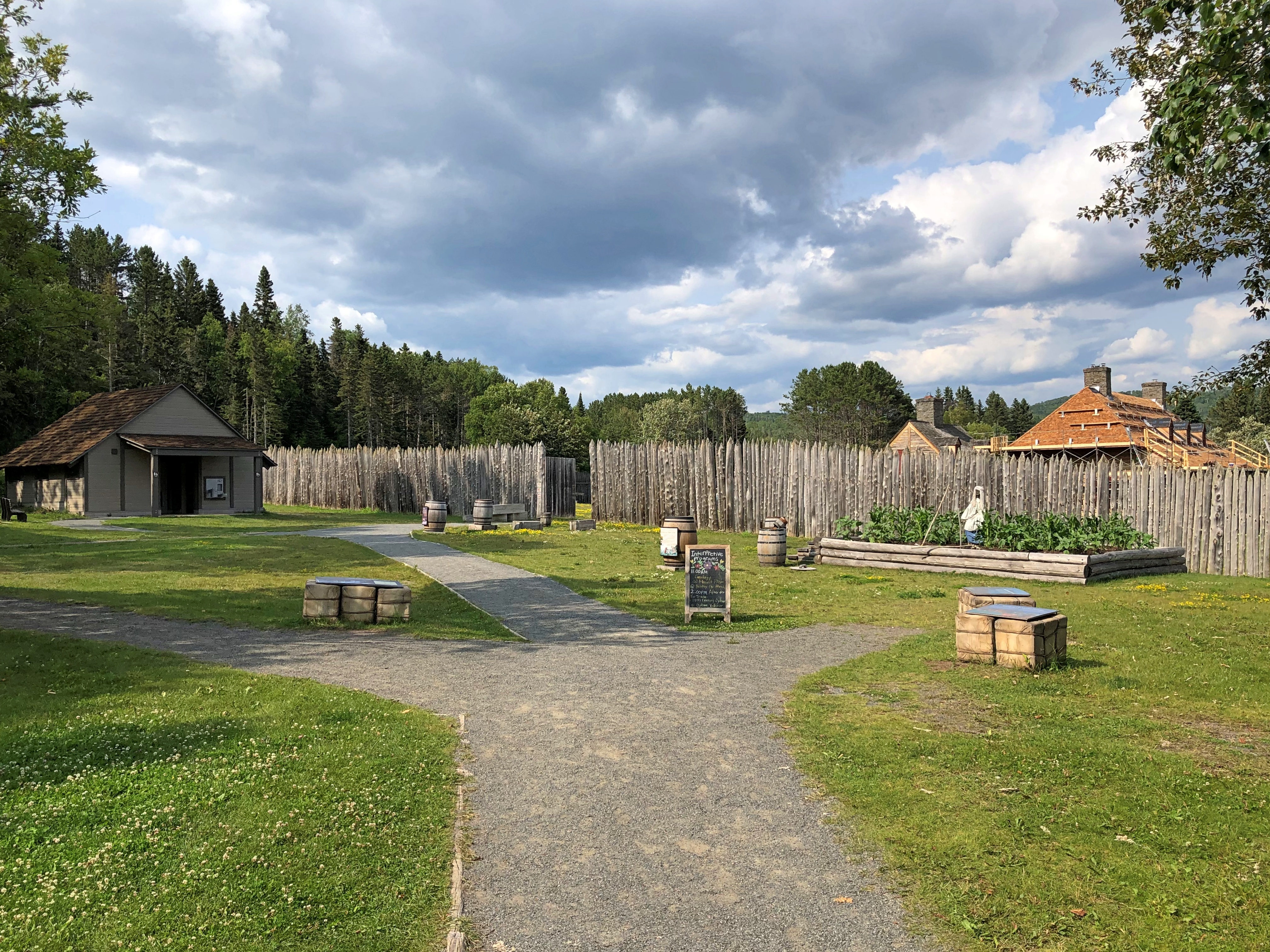
The NWC packed up and left after it was finally determined that, according to the Jay Treaty of 1794, the site was in the United States rather than British North America, though it took some time for the company to actually leave (1802). In more recent times, the United States reconstructed the Grand Hall and the wooden palisades.Gichi Onigaming: The Great Carrying Place

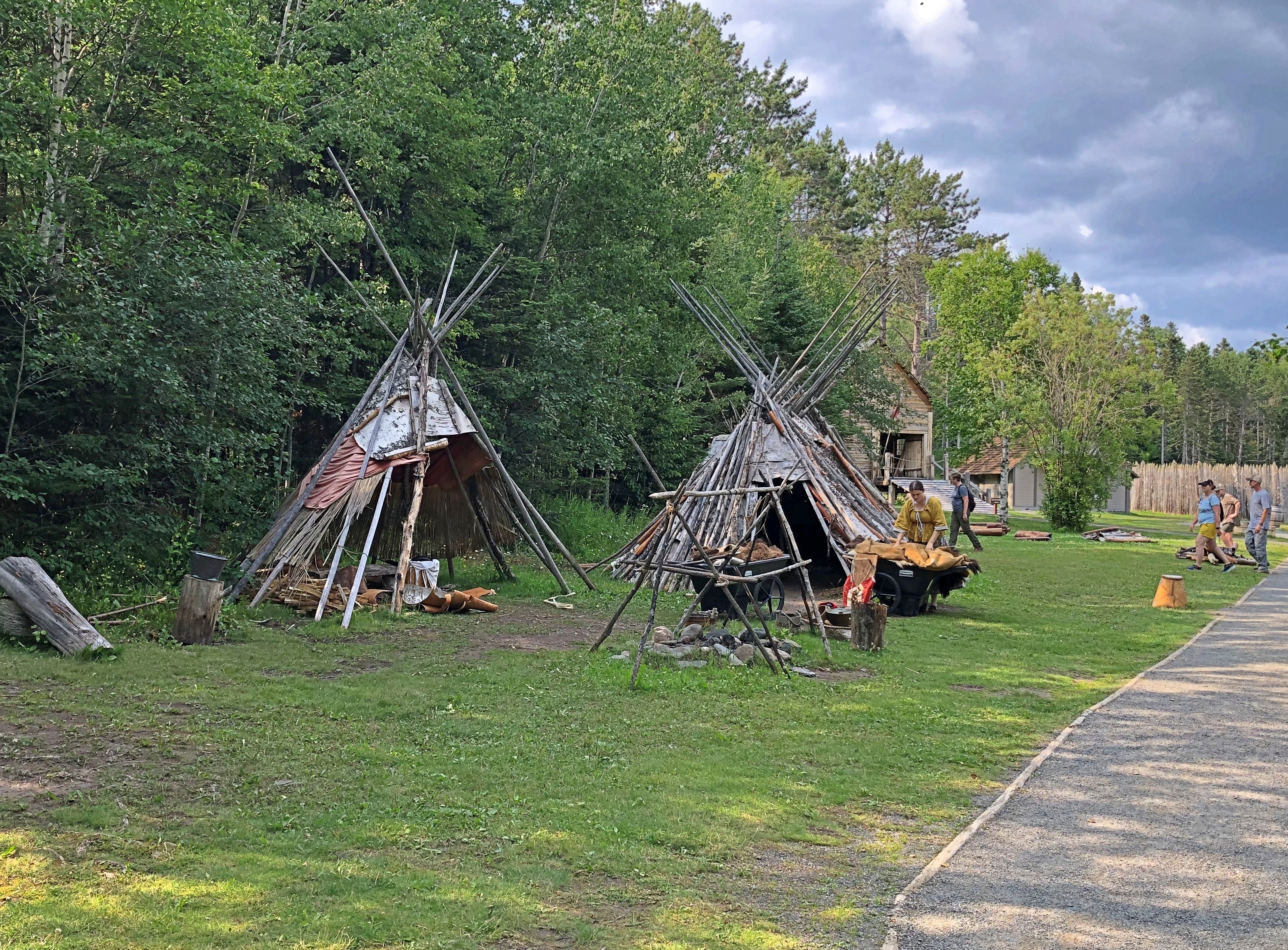
Along with Native structures of the period outside the palisade.Gichi Onigaming: The Great Carrying Place

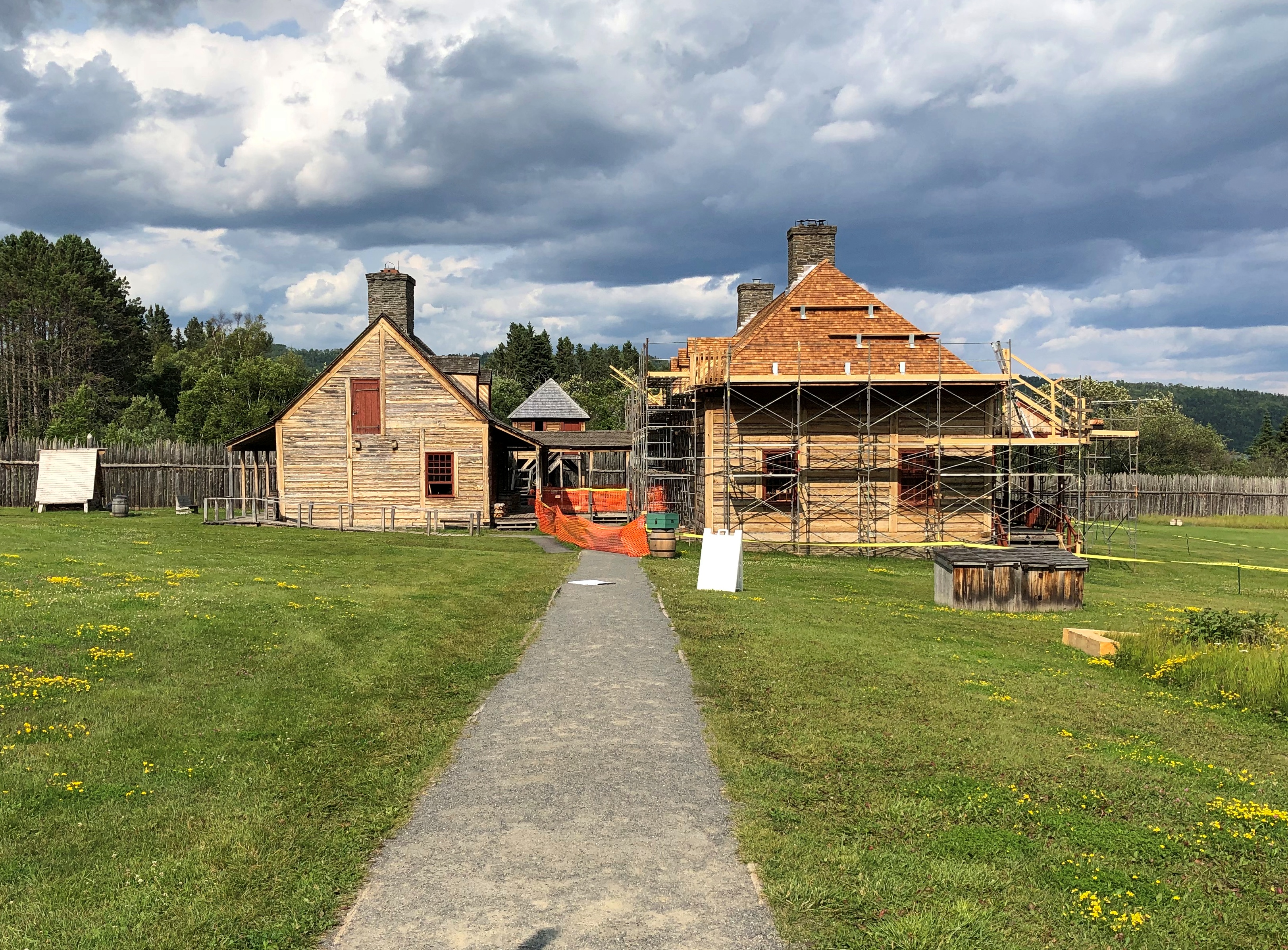
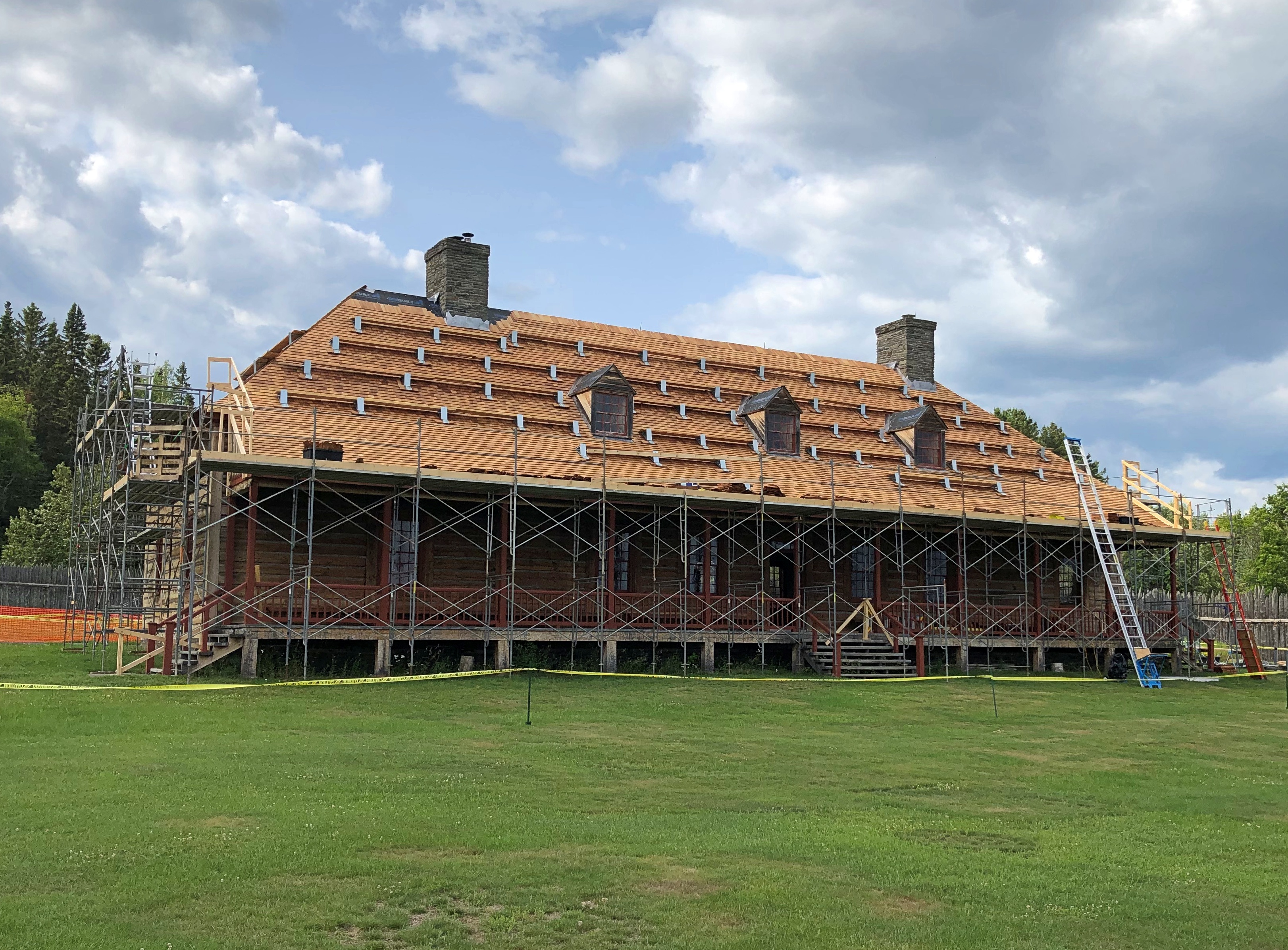
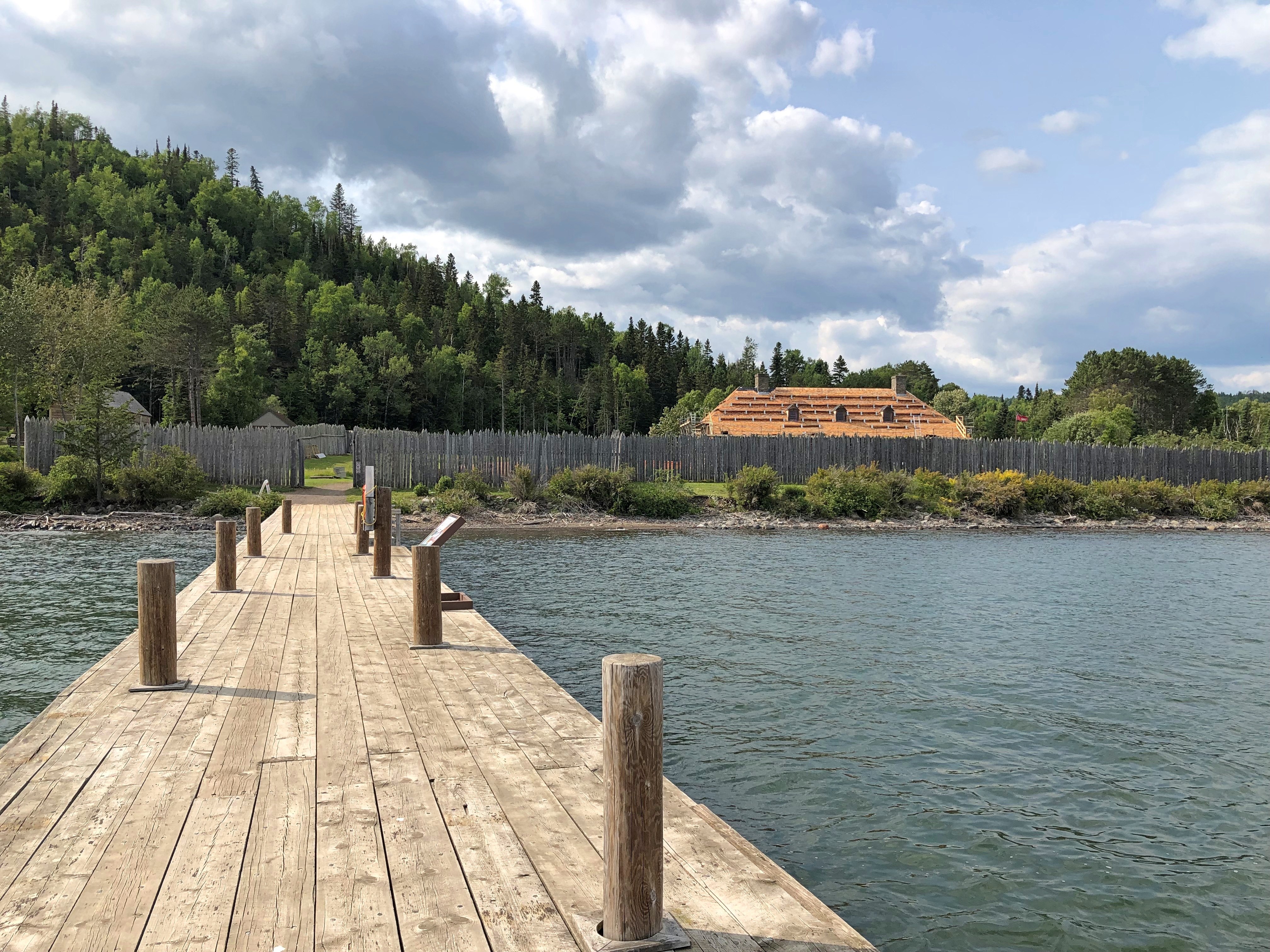
Inside the palisade, work still seems to be under way, or at least renovation. The Great Hall wasn’t open.Gichi Onigaming: The Great Carrying Place Gichi Onigaming: The Great Carrying Place

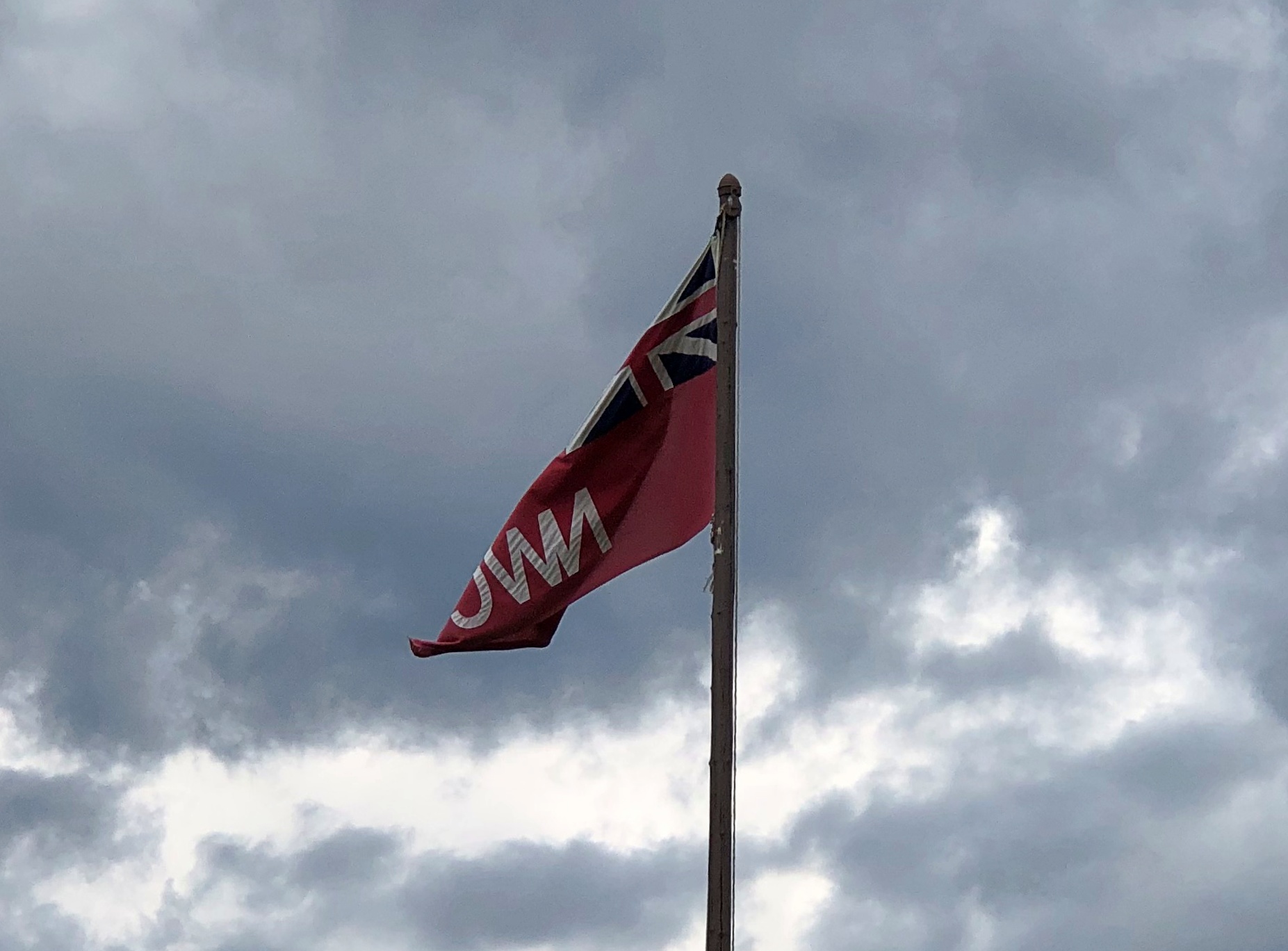
The North West Co. flag still flies. Gichi Onigaming: The Great Carrying Place

As you’d expect, the Great Hall faces Grand Portage Bay. Once upon a time, it was a busy place in the short northern summers. Now, not so much.Gichi Onigaming: The Great Carrying Place Gichi Onigaming: The Great Carrying Place Gichi Onigaming: The Great Carrying Place

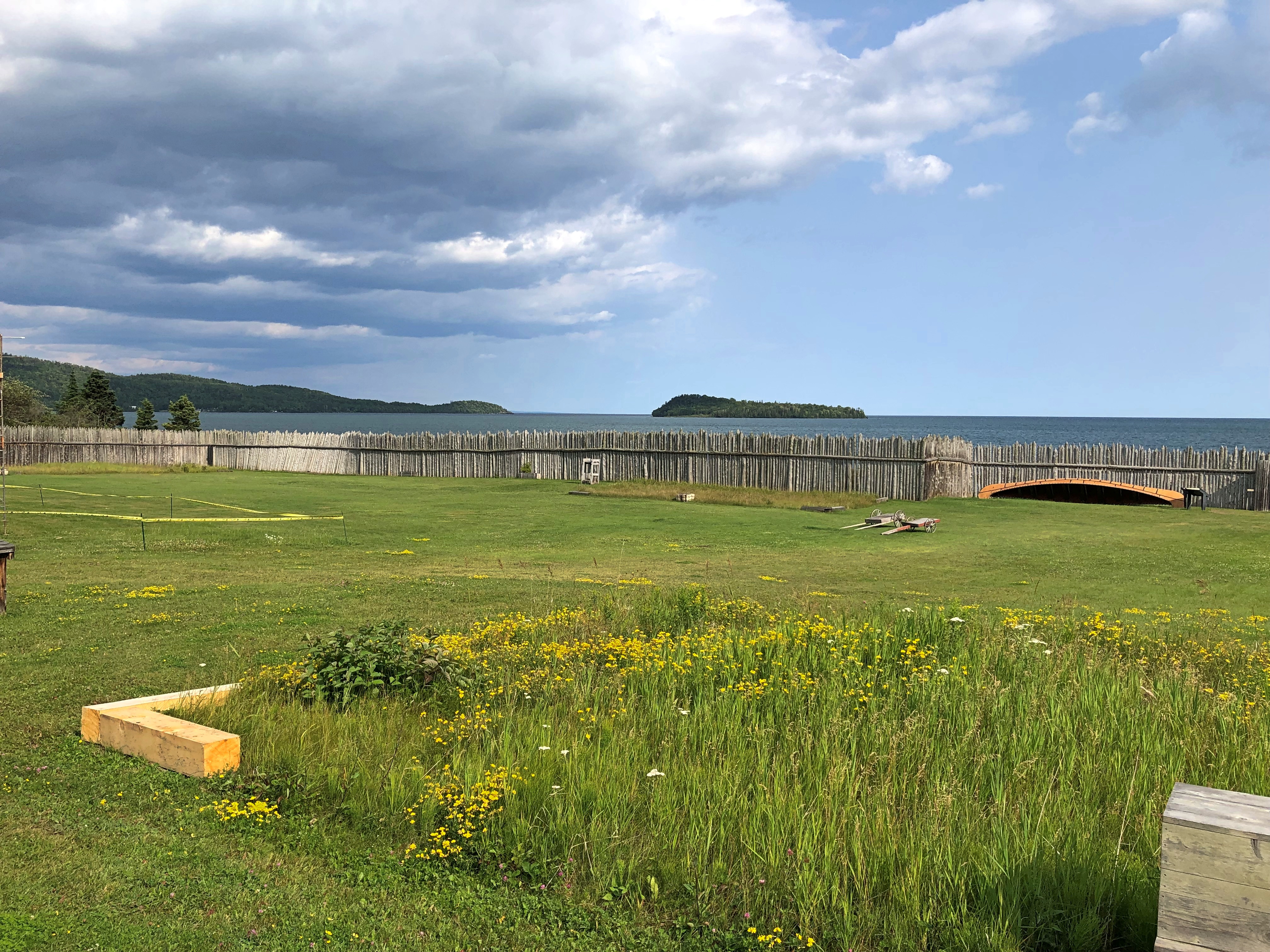
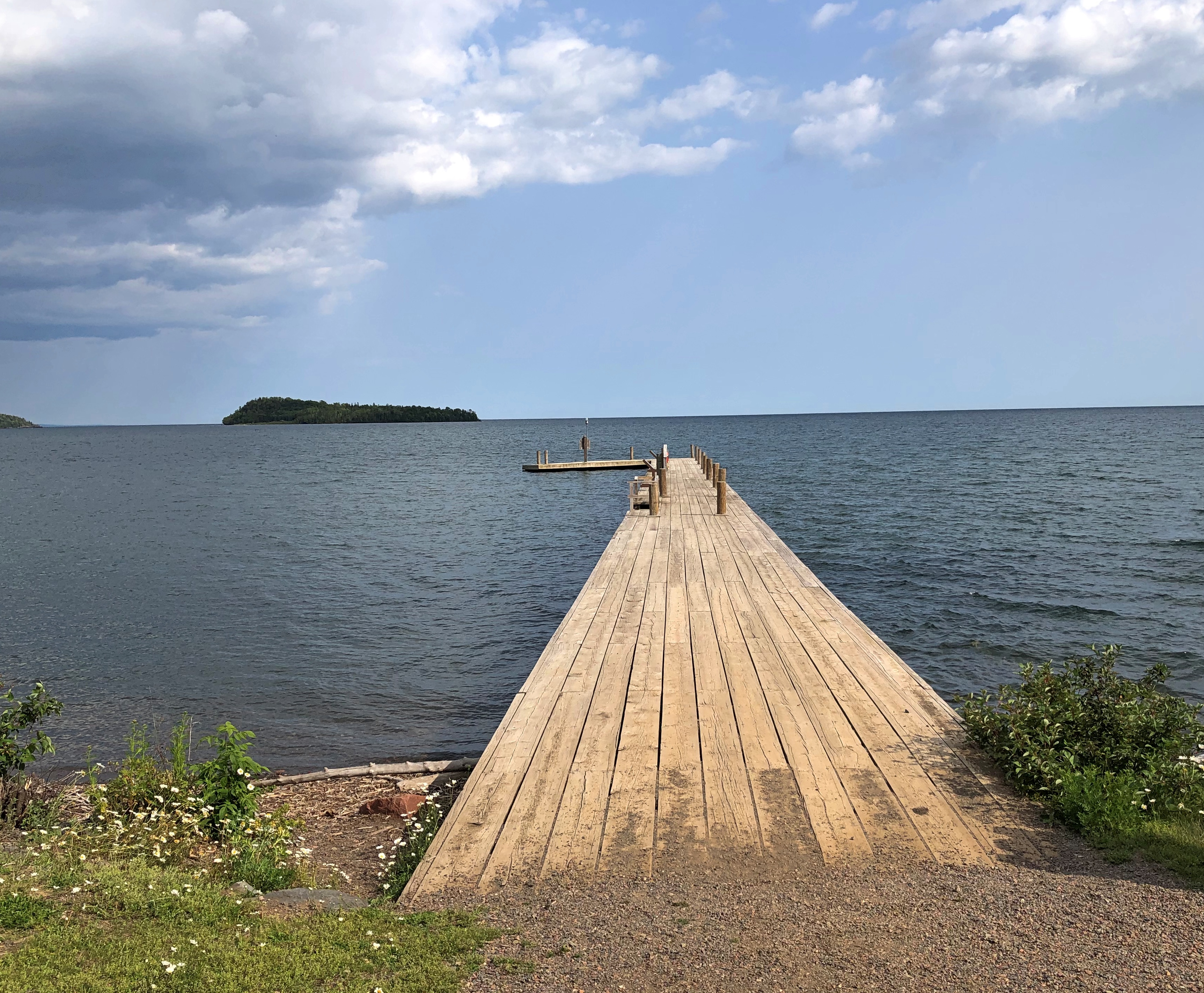
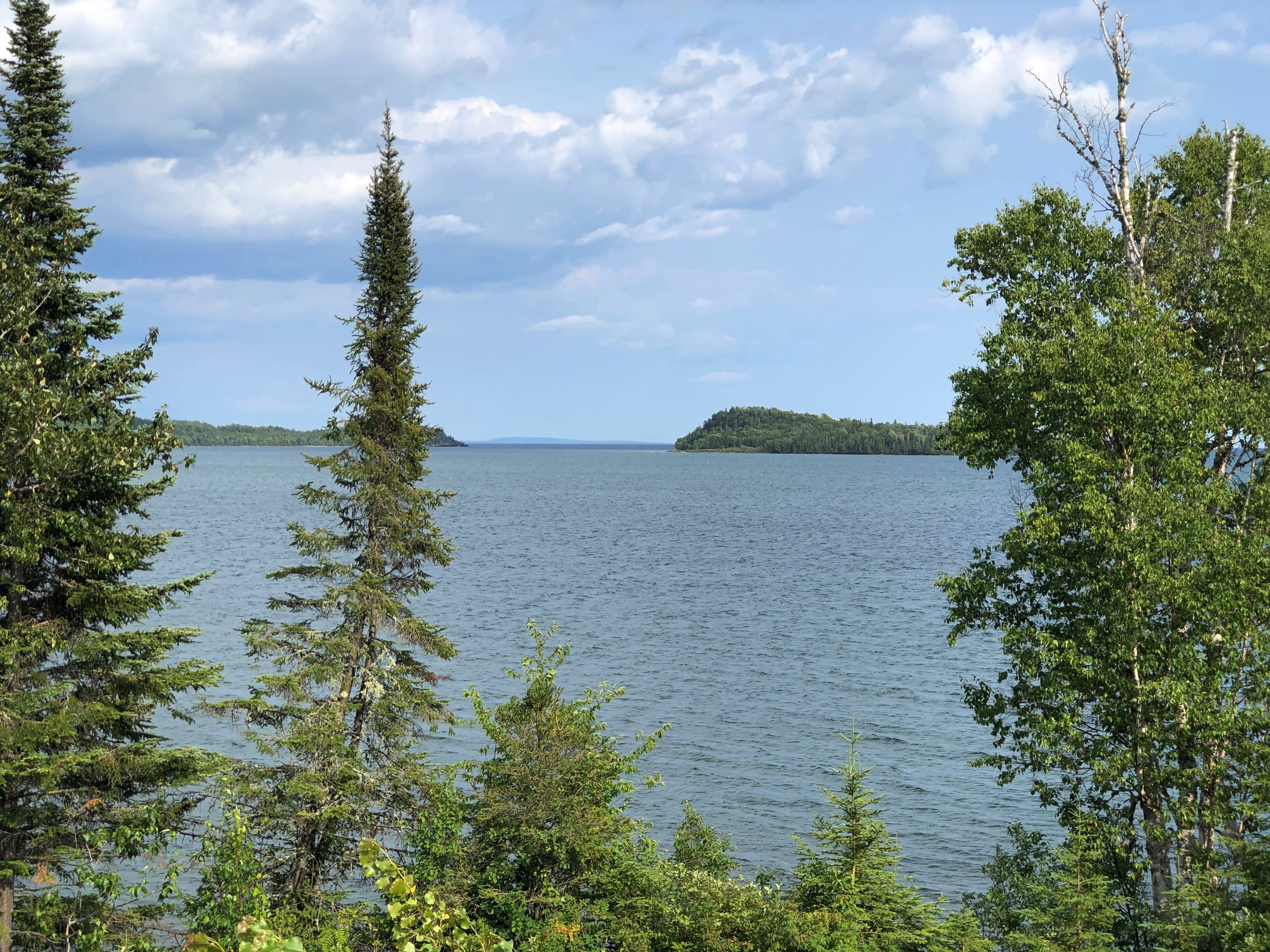
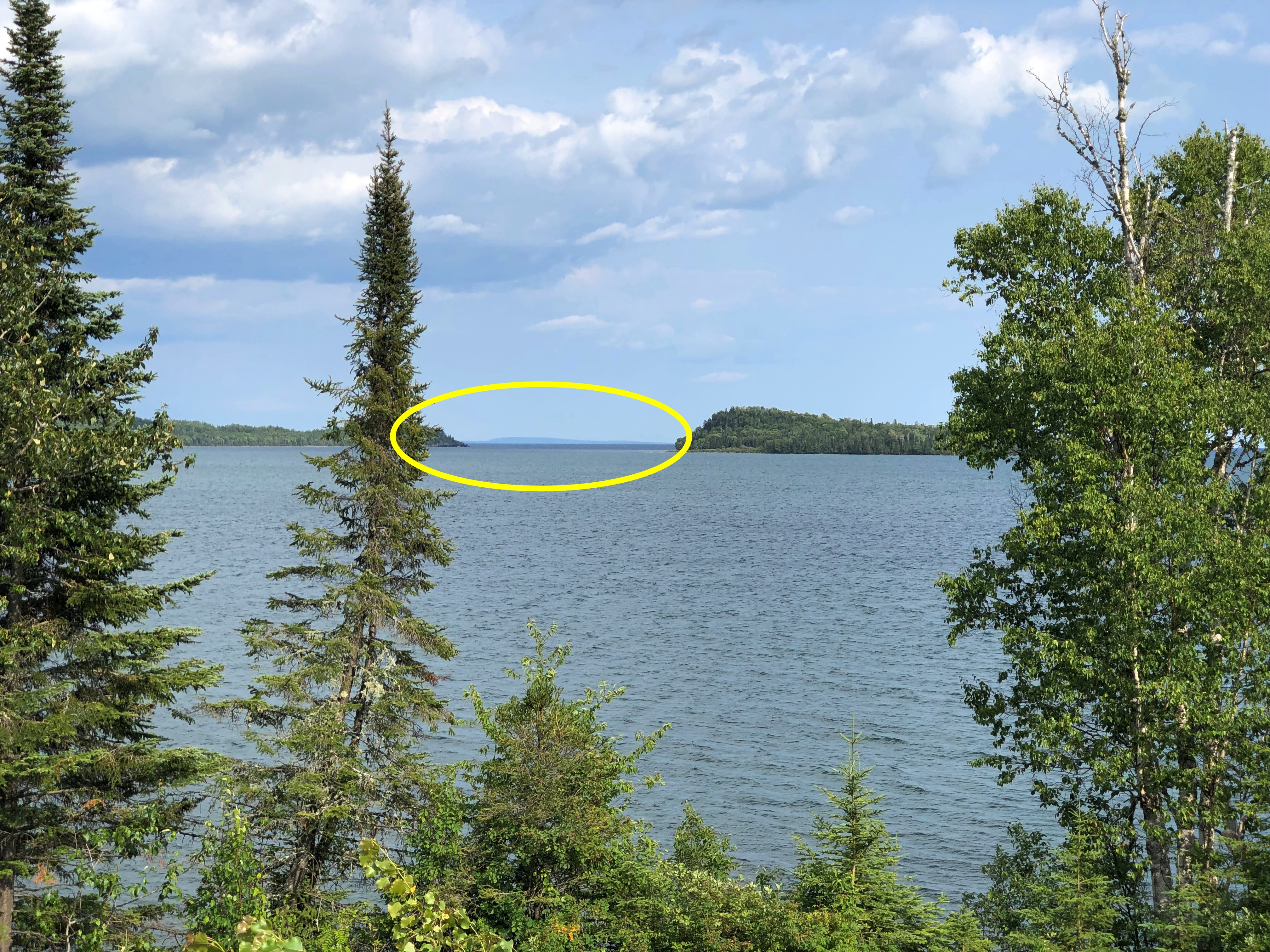
Another view of Grand Portage Bay from the edge of the national monument.Gichi Onigaming: The Great Carrying Place

Way off in the distance – though not really that far, about 20 miles – is Isle Royale National Park, a large island in Lake Superior, which was more distinct with the naked eye than in the digital image.

Still, I was a little surprised that it is visible at all. Except for some of the Alaskan properties, it’s pretty much the definition of remote among national parks, with only a few more than 25,400 visitors in 2022, according to the NPS. The fifth-least visited park in the system.Gichi Onigaming: The Great Carrying Place

Since getting there and staying there is an involved process, I couldn’t make Isle Royale work logistically as a destination. This time.

Old World Wisconsin

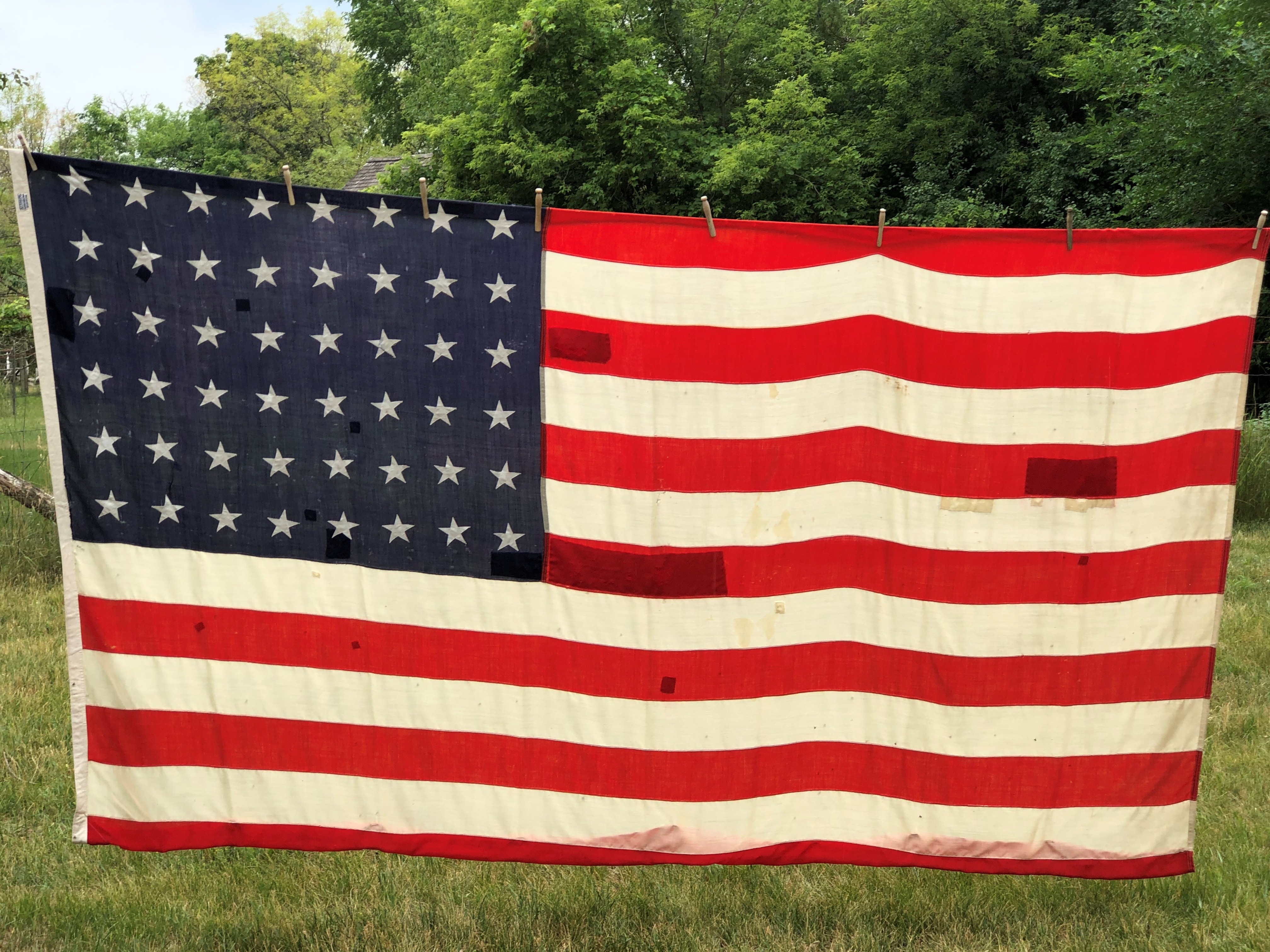
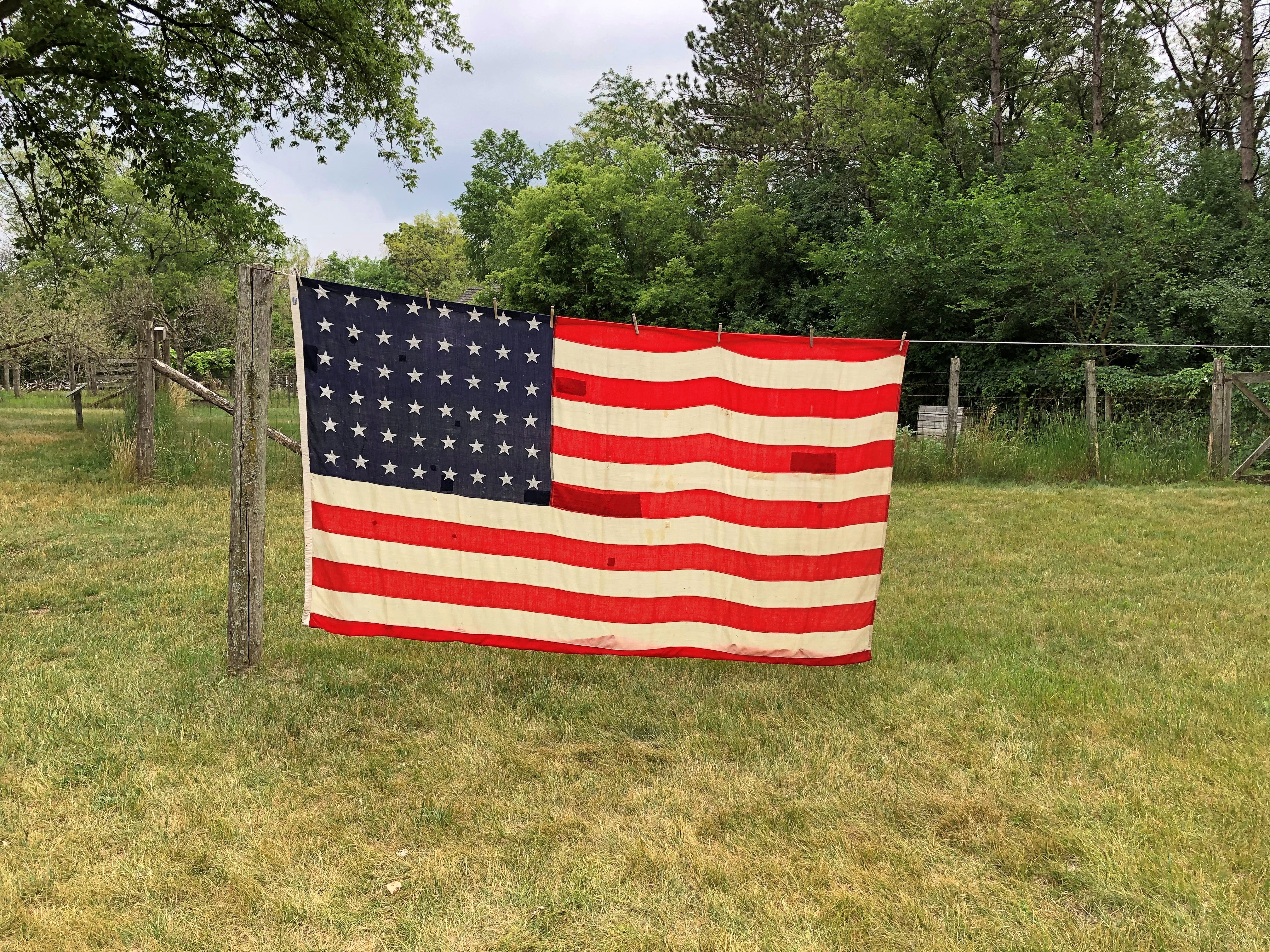
On Canada Day this year, we were in Wisconsin. If we’d been in Canada, our Jasper Johns moment probably wouldn’t have happened.Old World Wisconsin

Back up for a little context.Old World Wisconsin

I looked him up, and remarkably, Jasper Johns is still alive at 93, and doing art as of only a few years ago.

We saw the patched 48-star flag on a clothesline of a re-created farm yard at Old World Wisconsin, our main destination during our early July southern Wisconsin dash (a one-day out, one-day back trip, according to my idiosyncratic definition).

Old World is a large open-air museum near Eagle, Wisconsin and Kettle Moraine State Forest. I’ve known about the place for years, probably since camping at Kettle Moraine in the late ’80s, but had never gotten around to a visit, not even with small children in tow. My Wisconsin completist impulses kicked in during the dash, so Yuriko and I went to Old World.

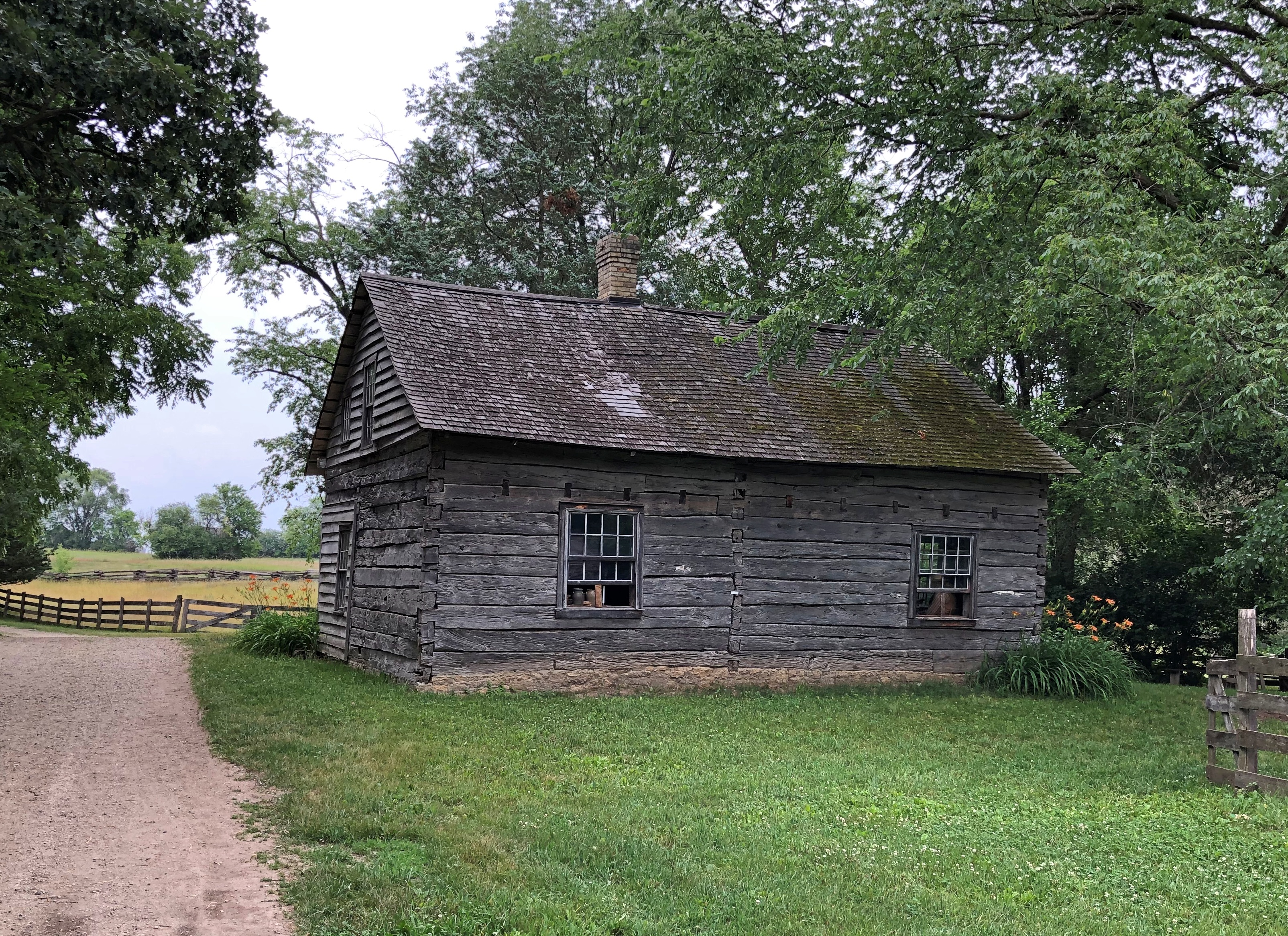
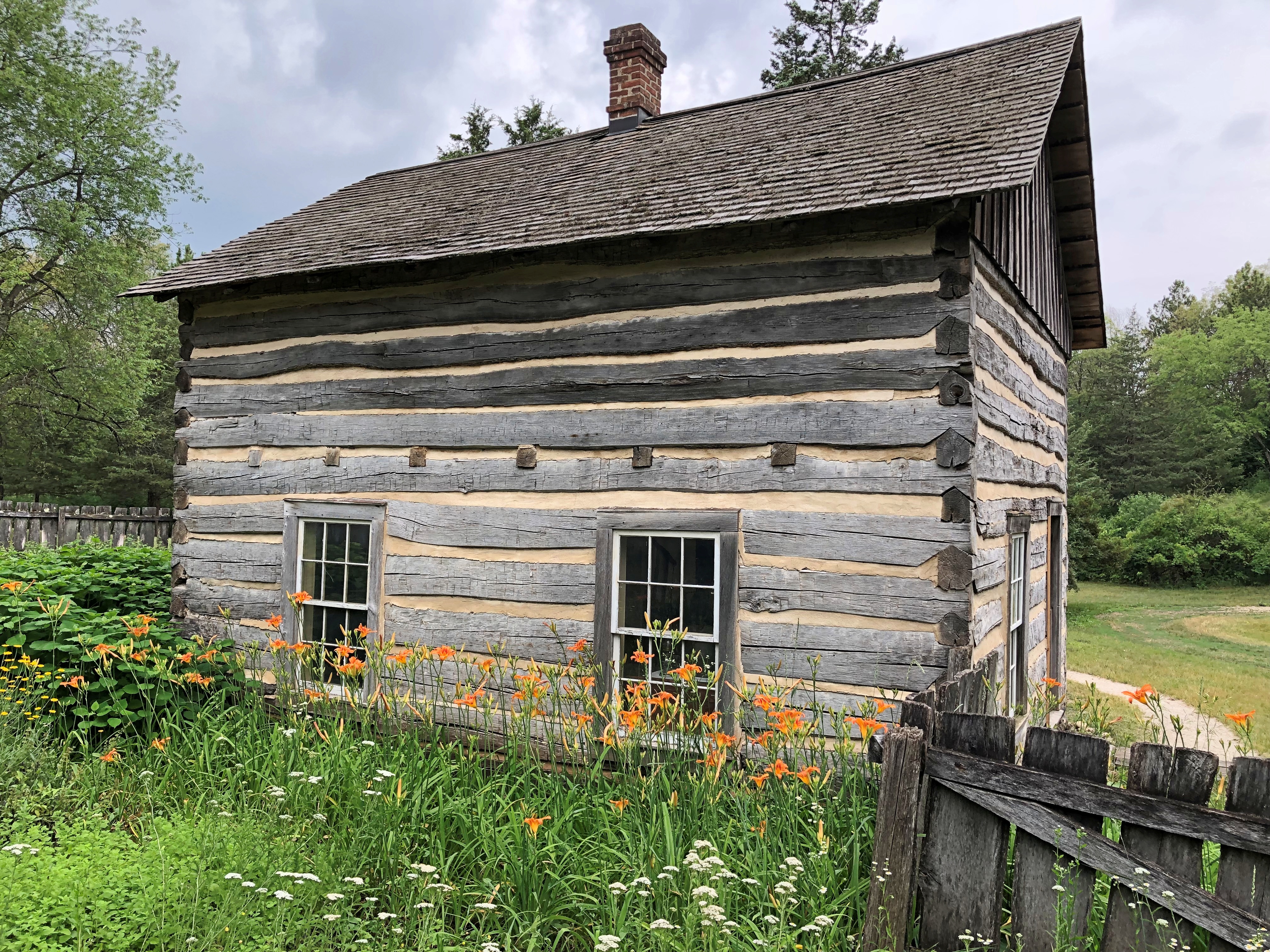
A unit of the Wisconsin Historical Society, the place is large: about 480 acres, with about 60 antique buildings from across the state, and a new brewpub, which I suppose counts as a welcome revenue stream for the nonprofit. Some are town buildings, others farm structures. Many immigrant styles are represented: Danish, Finnish, German, Norwegian, and Polish, and well as in-nation New England and African-American settlers in Wisconsin.

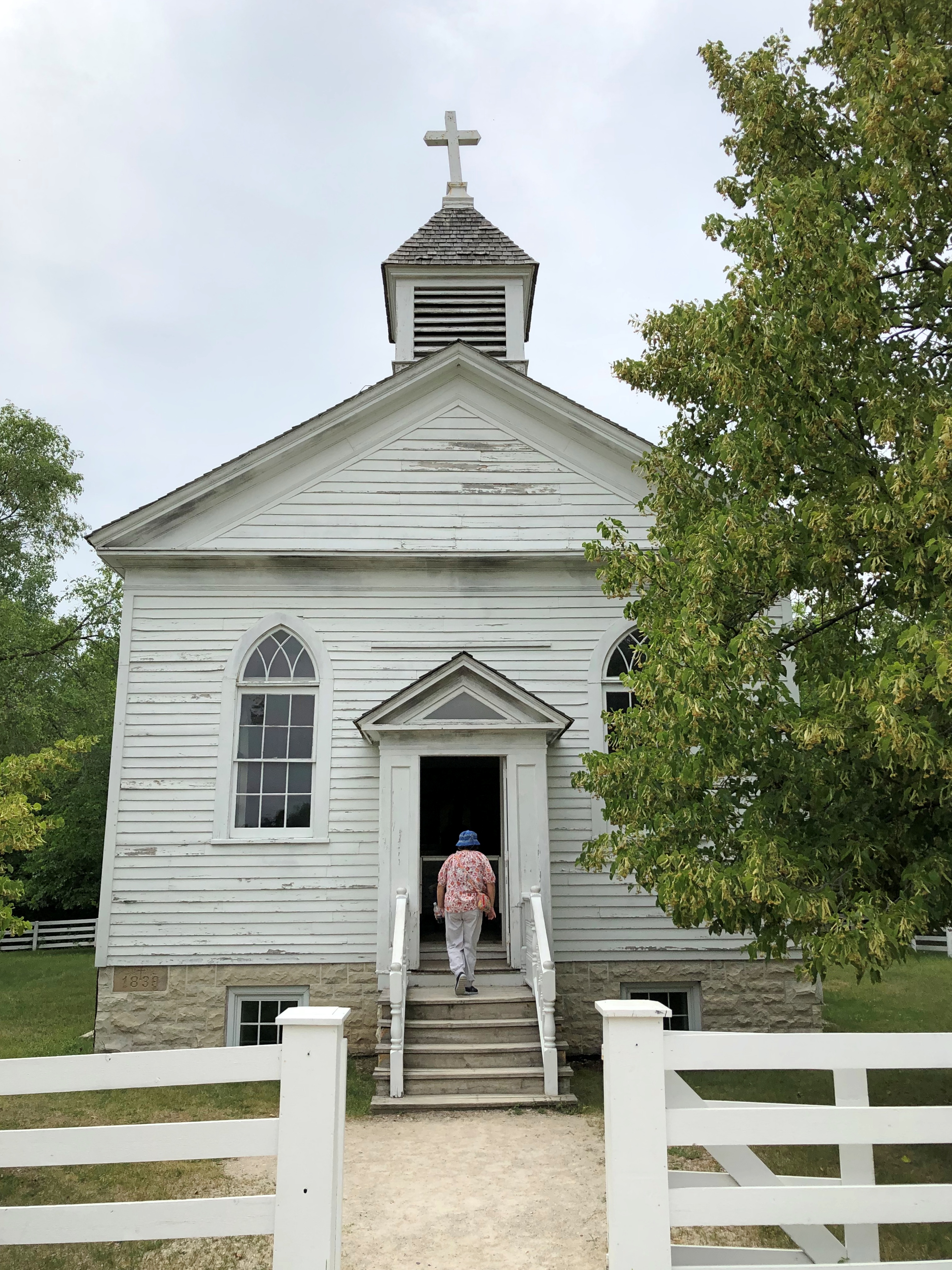
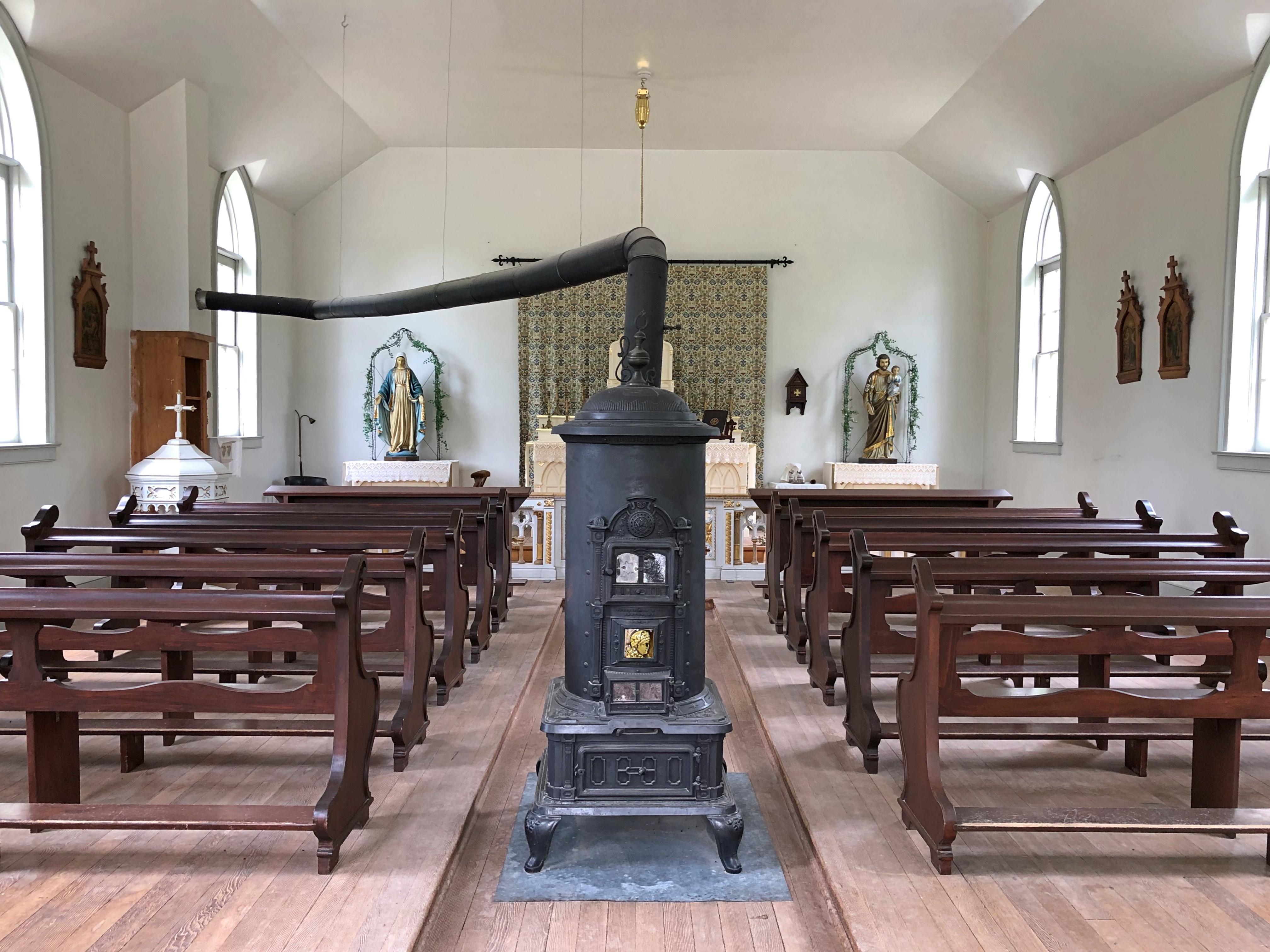
Among the town buildings is St. Peter’s (1839), the first Catholic church building in Milwaukee.Old World Wisconsin Old World Wisconsin

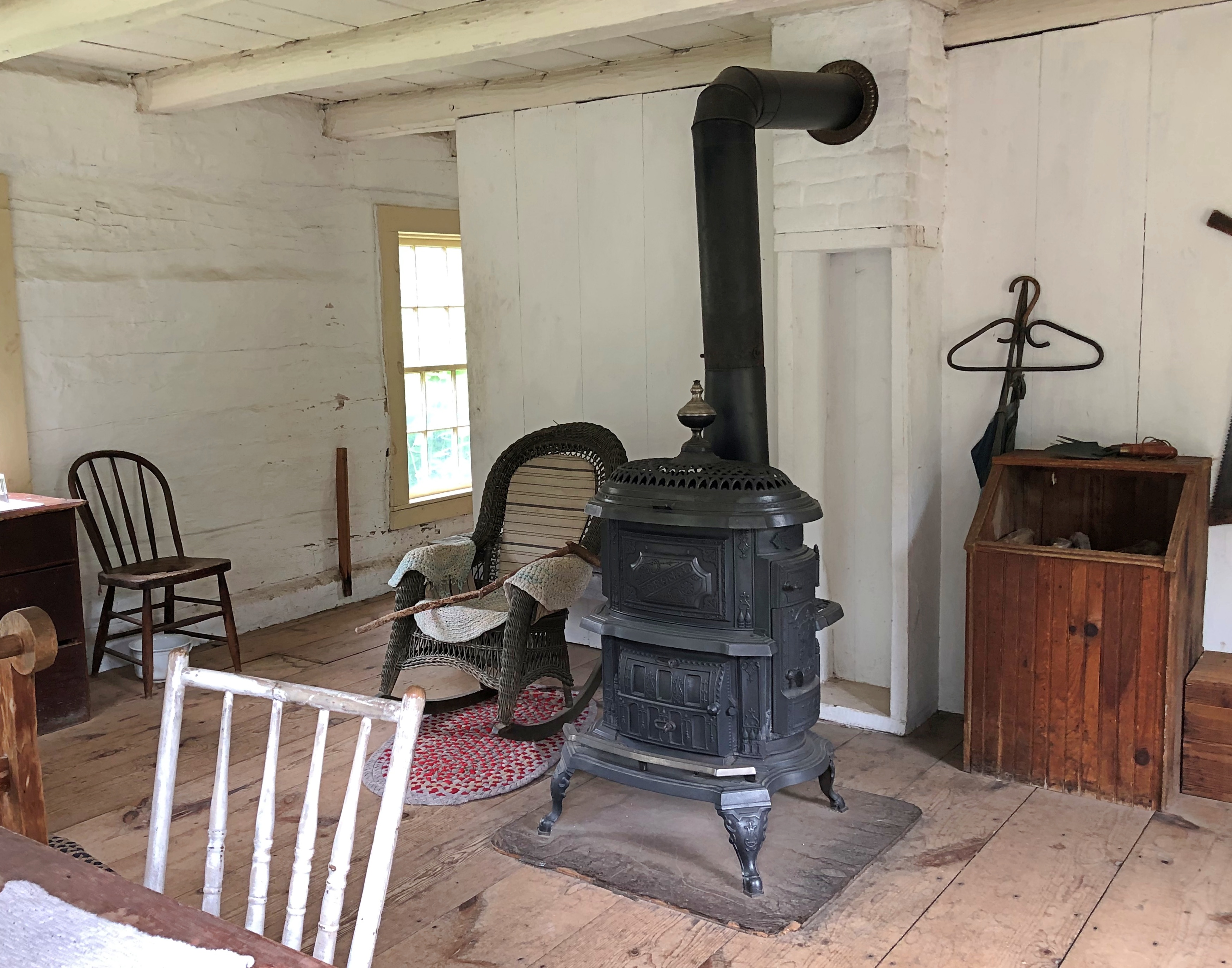
That wouldn’t be the last prominently placed stove we’d see. These were pre-HVAC buildings, after all. Makes me glad for the luxury of central heating, as much as I complain about winter.

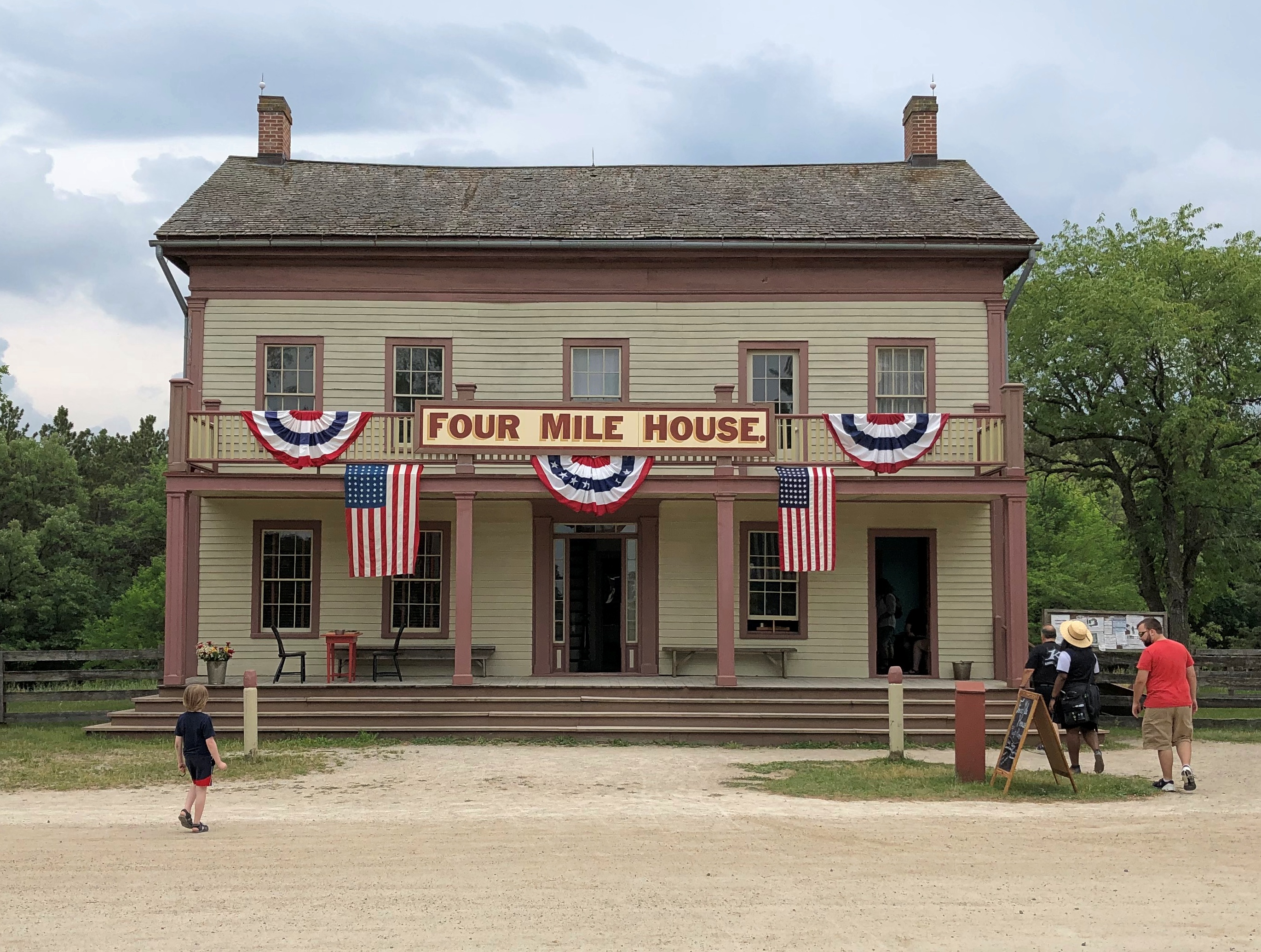
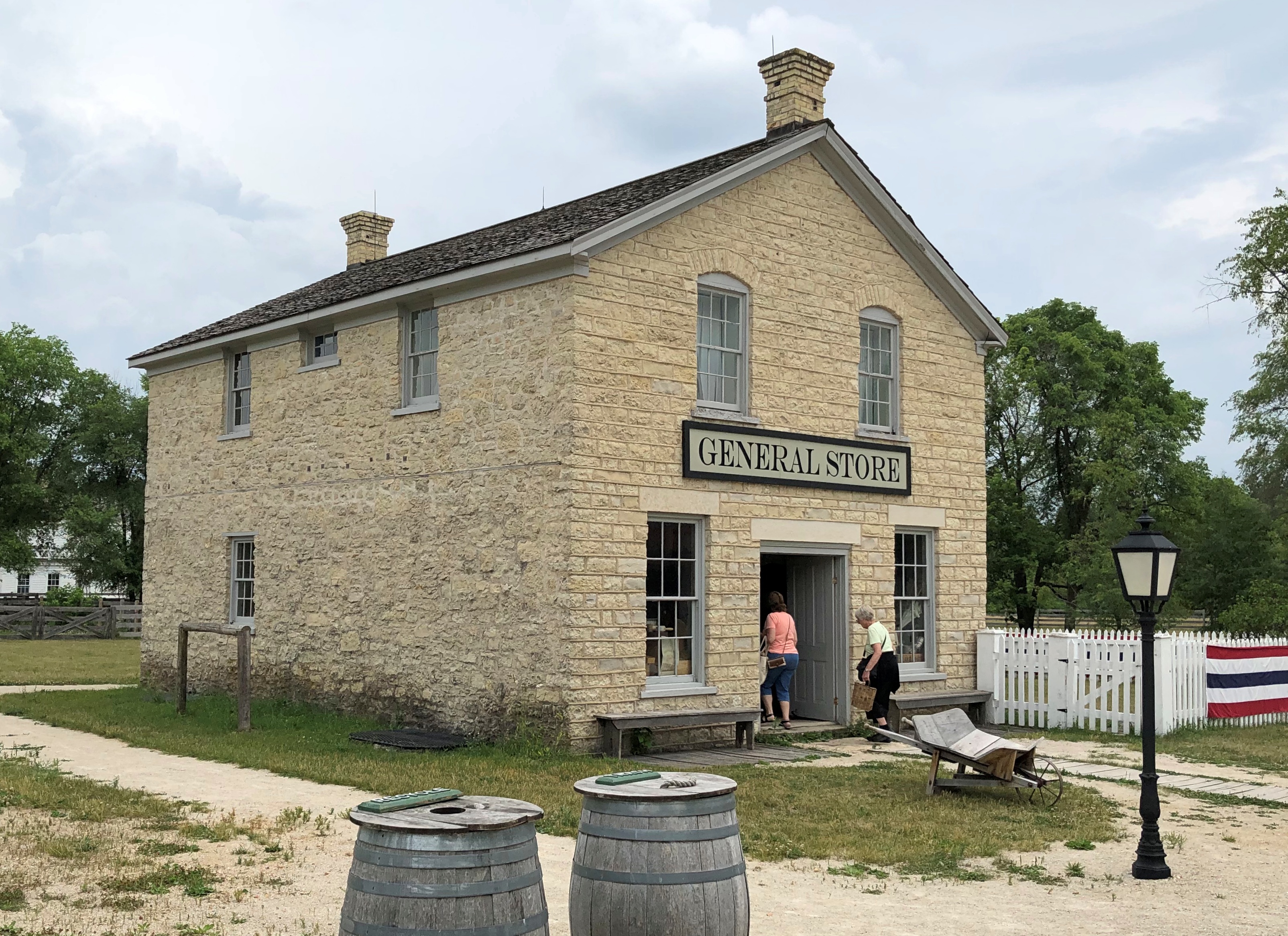
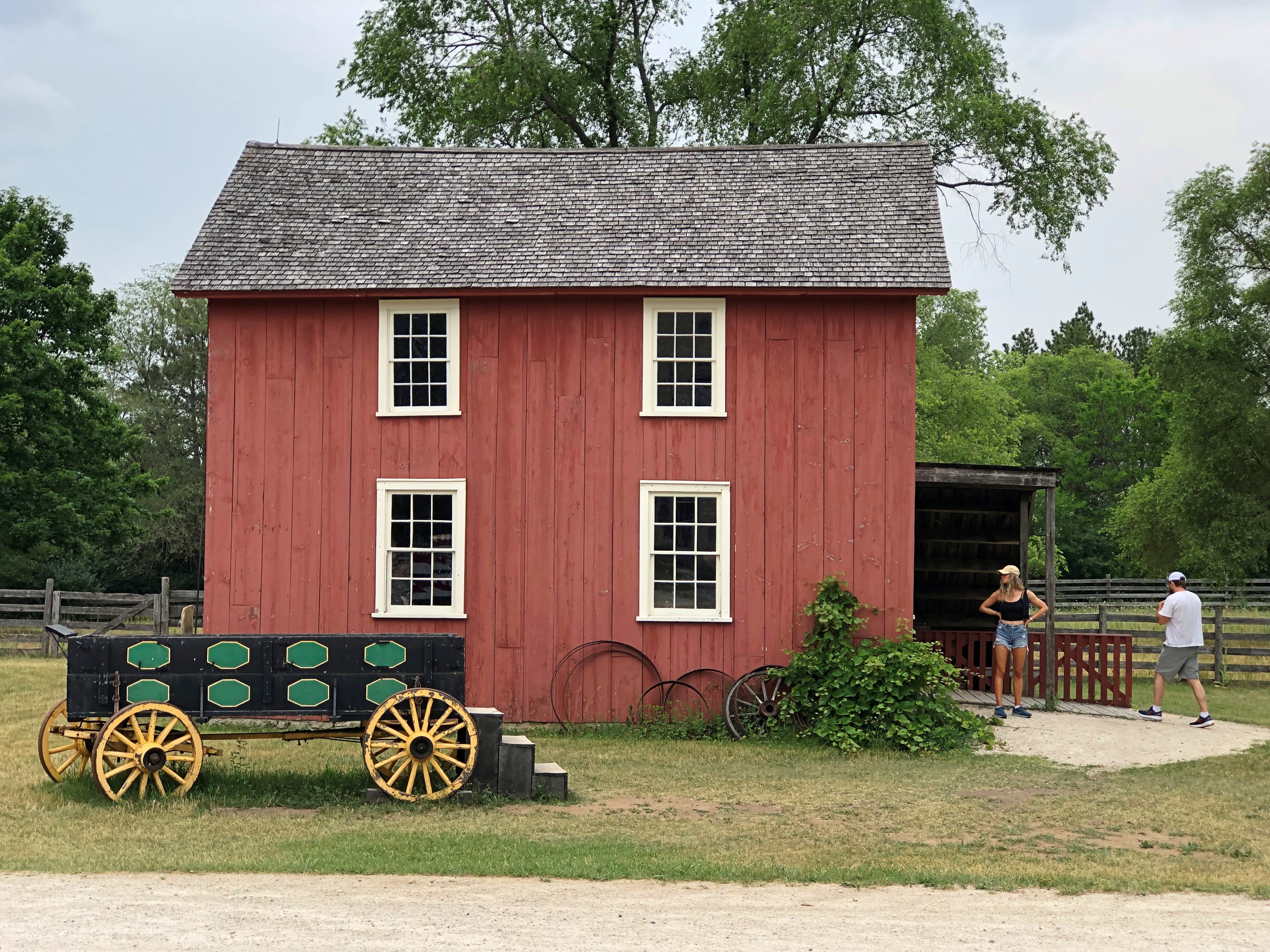
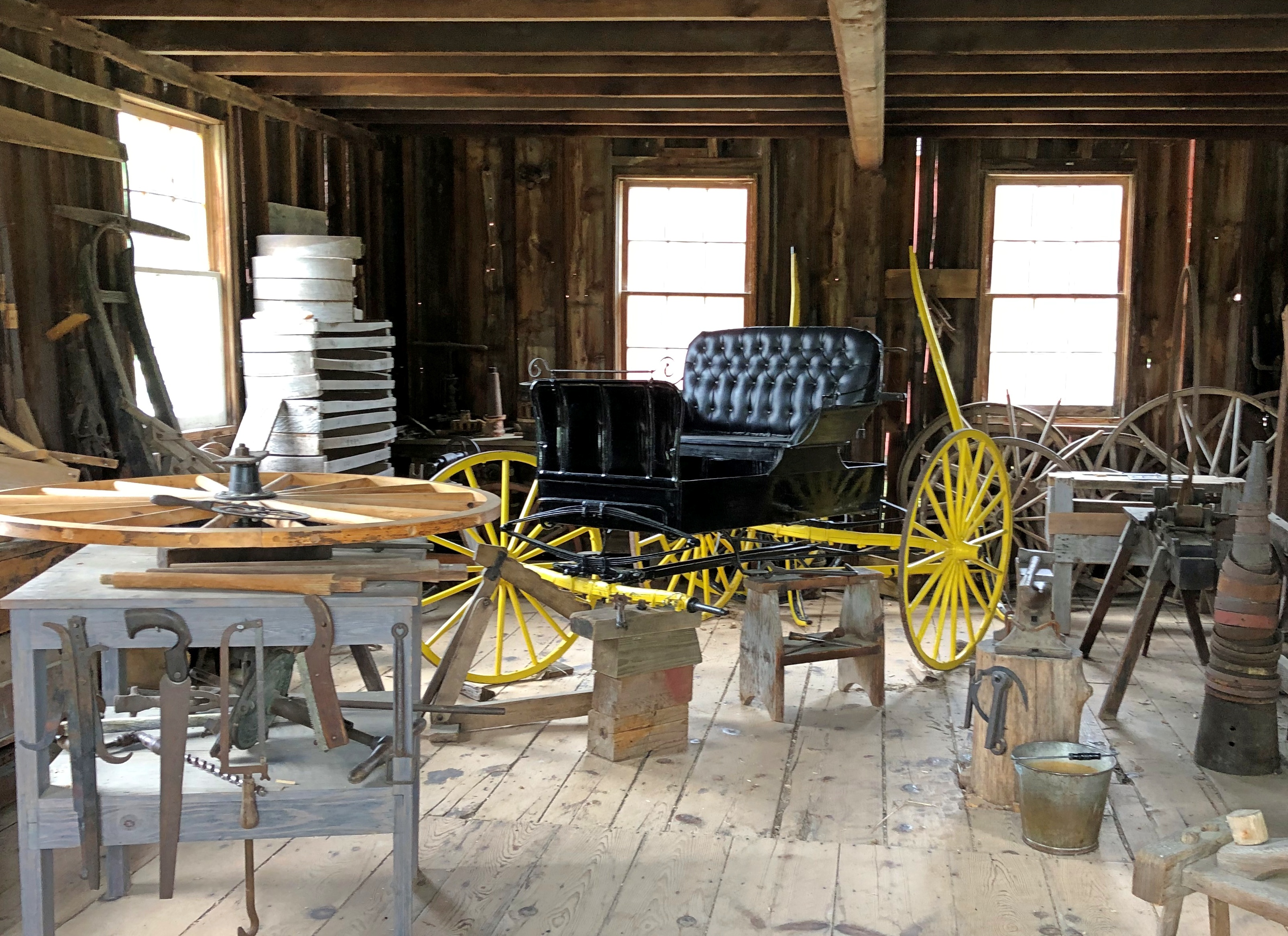
More town structures.Old World Wisconsin Old World Wisconsin Old World Wisconsin

The red one is an 1880s wagon shop from Whitewater, Wisconsin.Old World Wisconsin

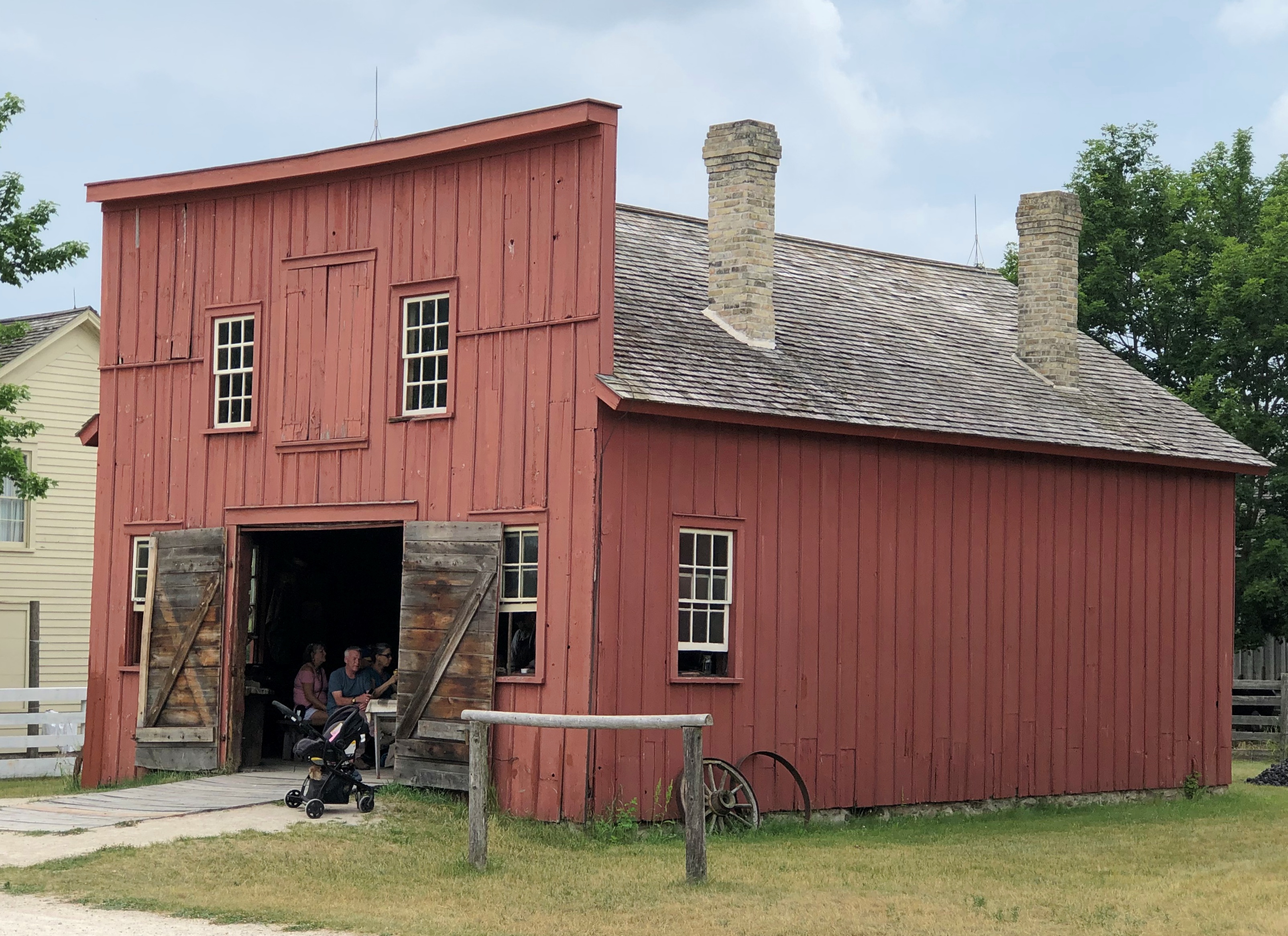
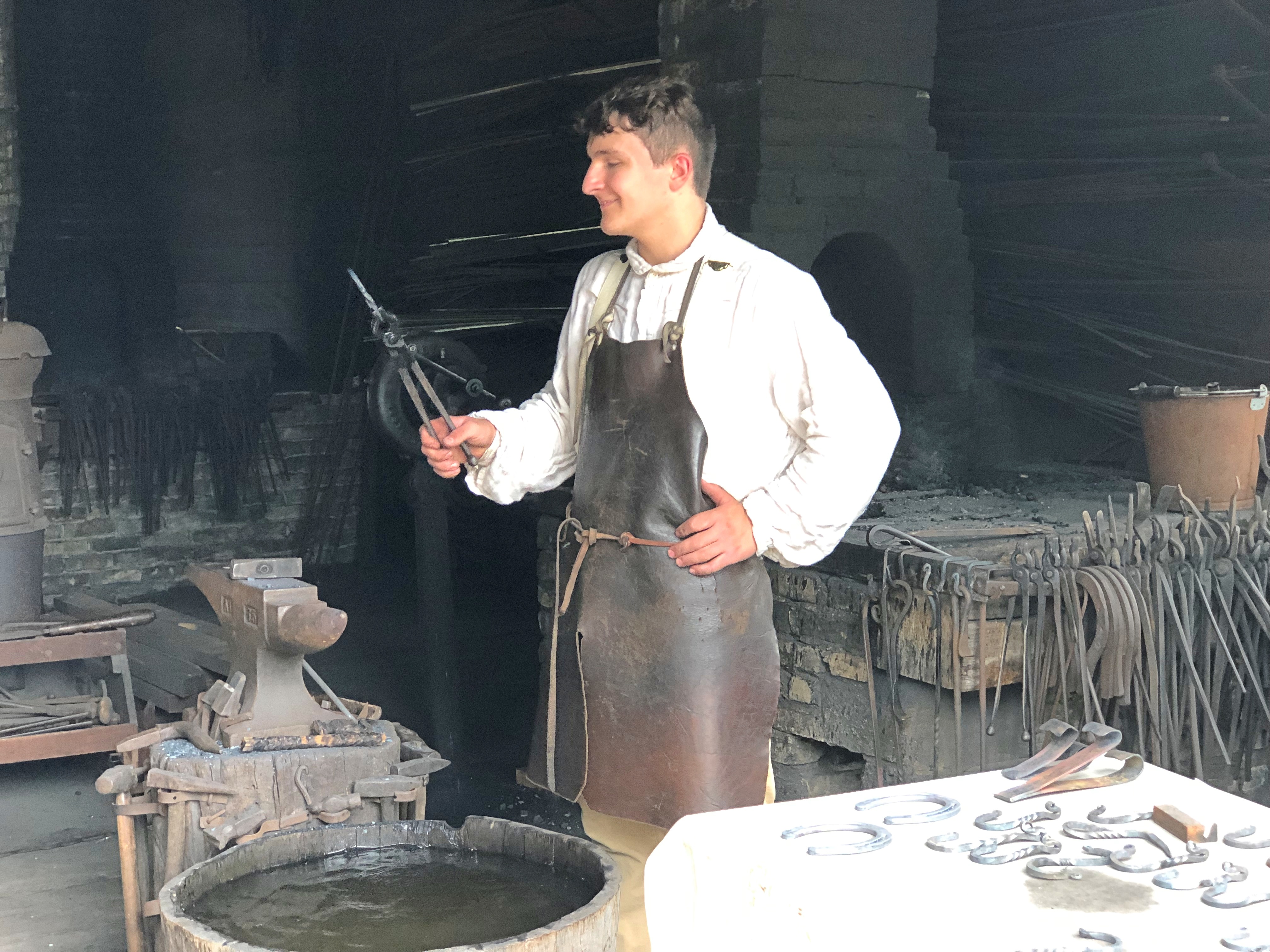
An 1880s blacksmith shop, with a smithy re-enactor.Old World Wisconsin Old World Wisconsin

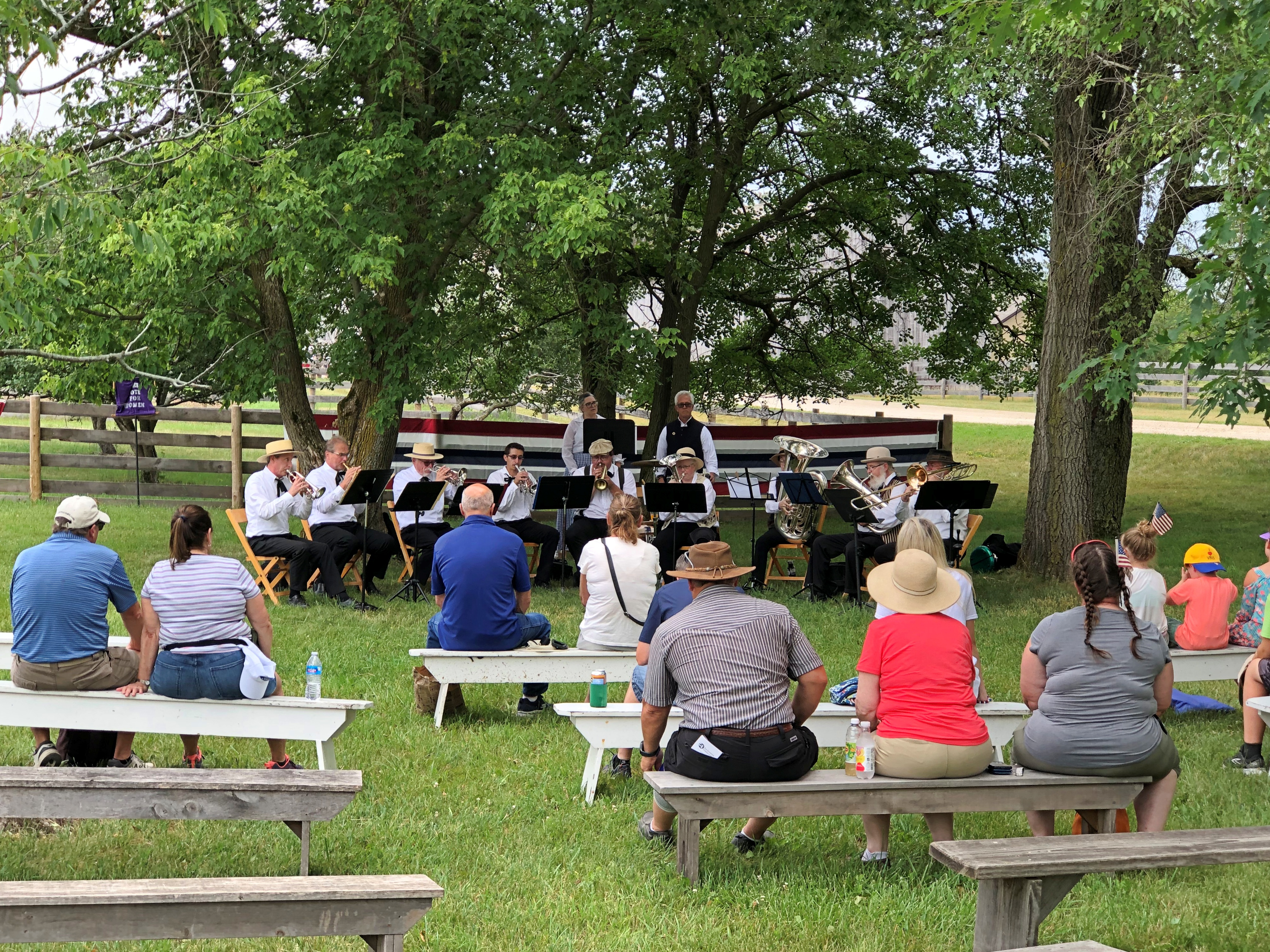
And the band played on.Old World Wisconsin

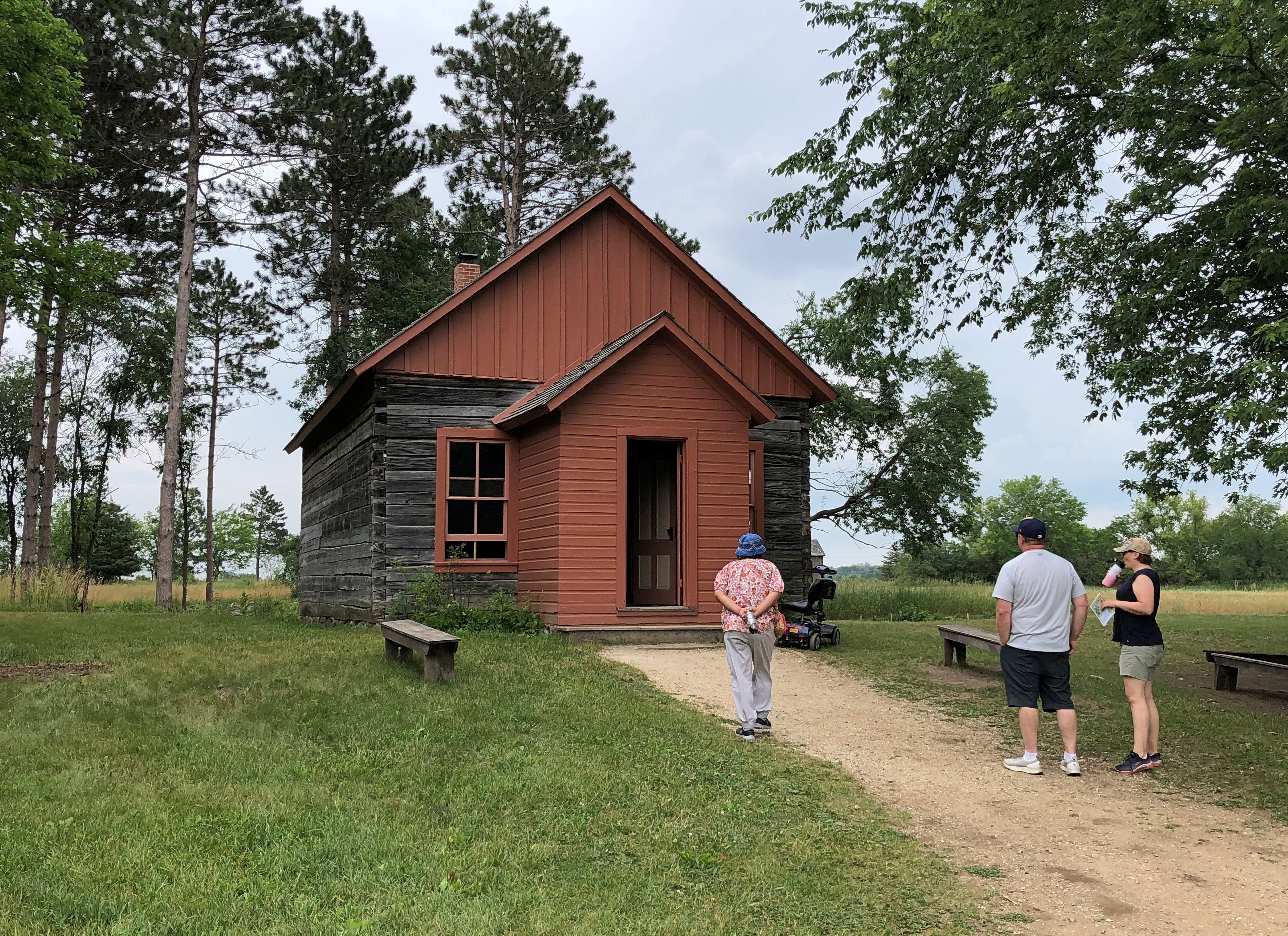
Among the farm structures, you can find this Norwegian schoolhouse.Old World Wisconsin

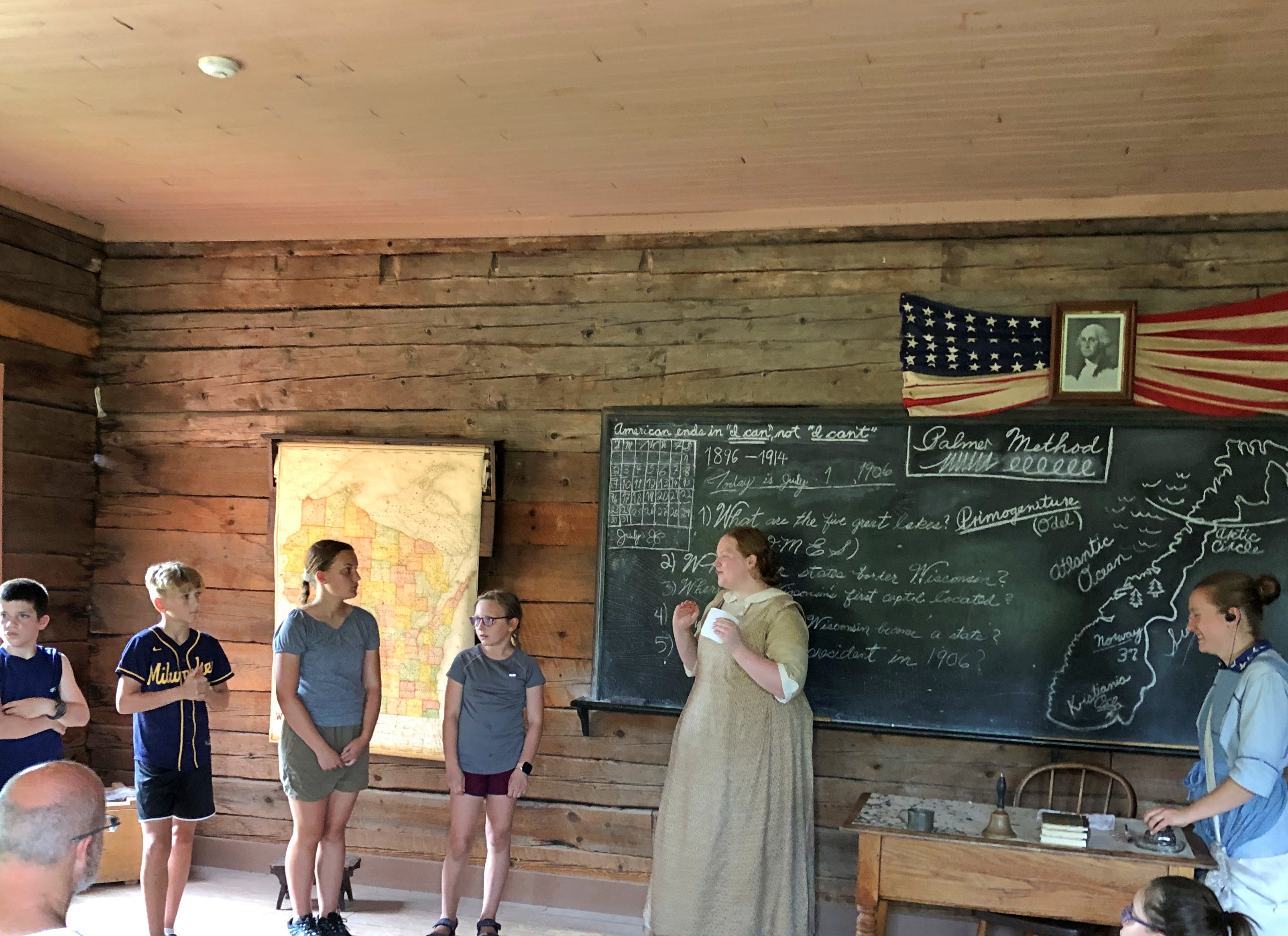
With a spelling bee ongoing when we dropped in. Old World Wisconsin

Antidisestablishmentarianism wasn’t a word in the bee, though it really isn’t that hard, come to think of it. Scherenschnitte: now there’s a tough one. Unless you’re German.

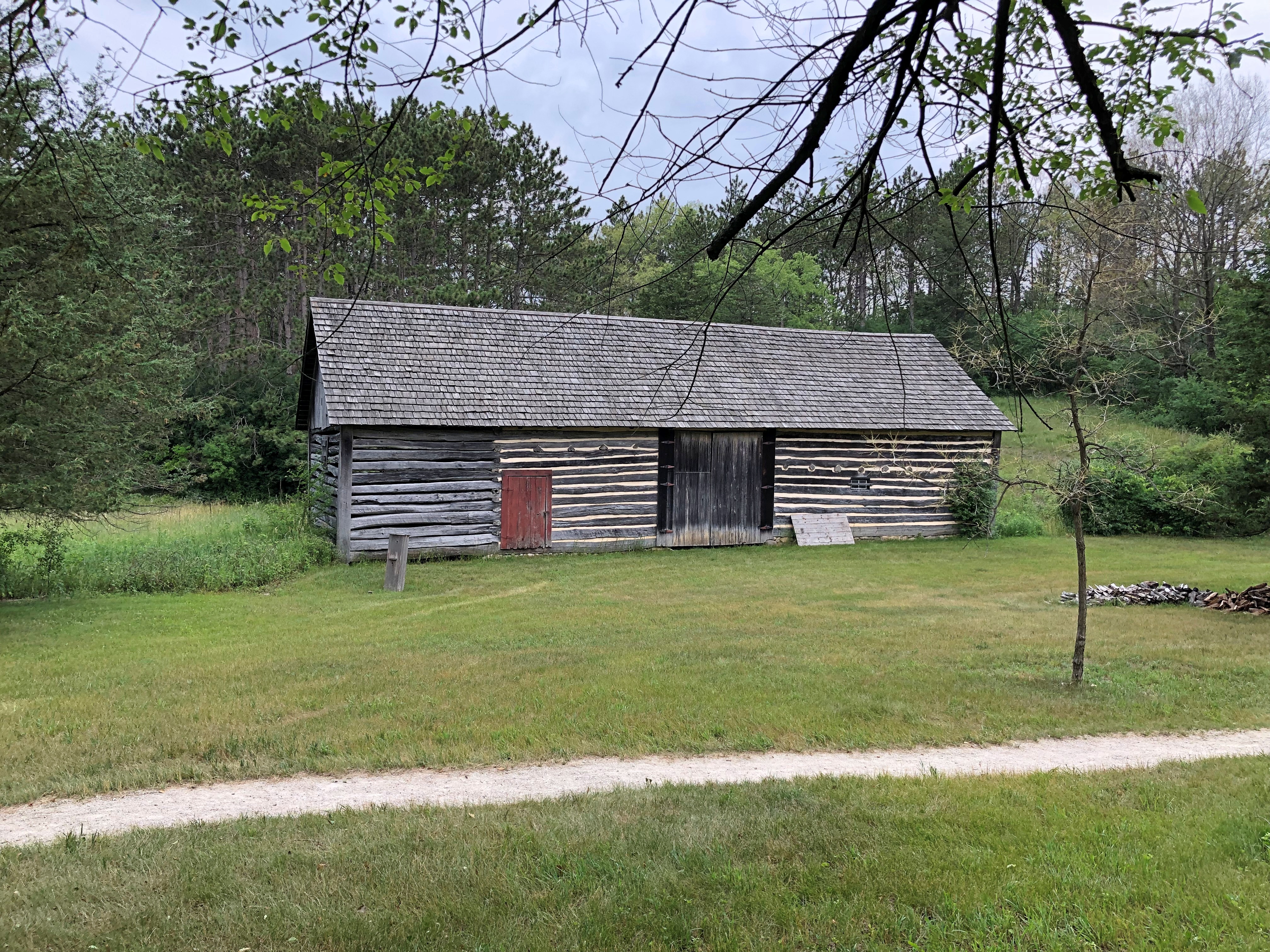
More farm structures.Old World Wisconsin Old World Wisconsin Old World Wisconsin

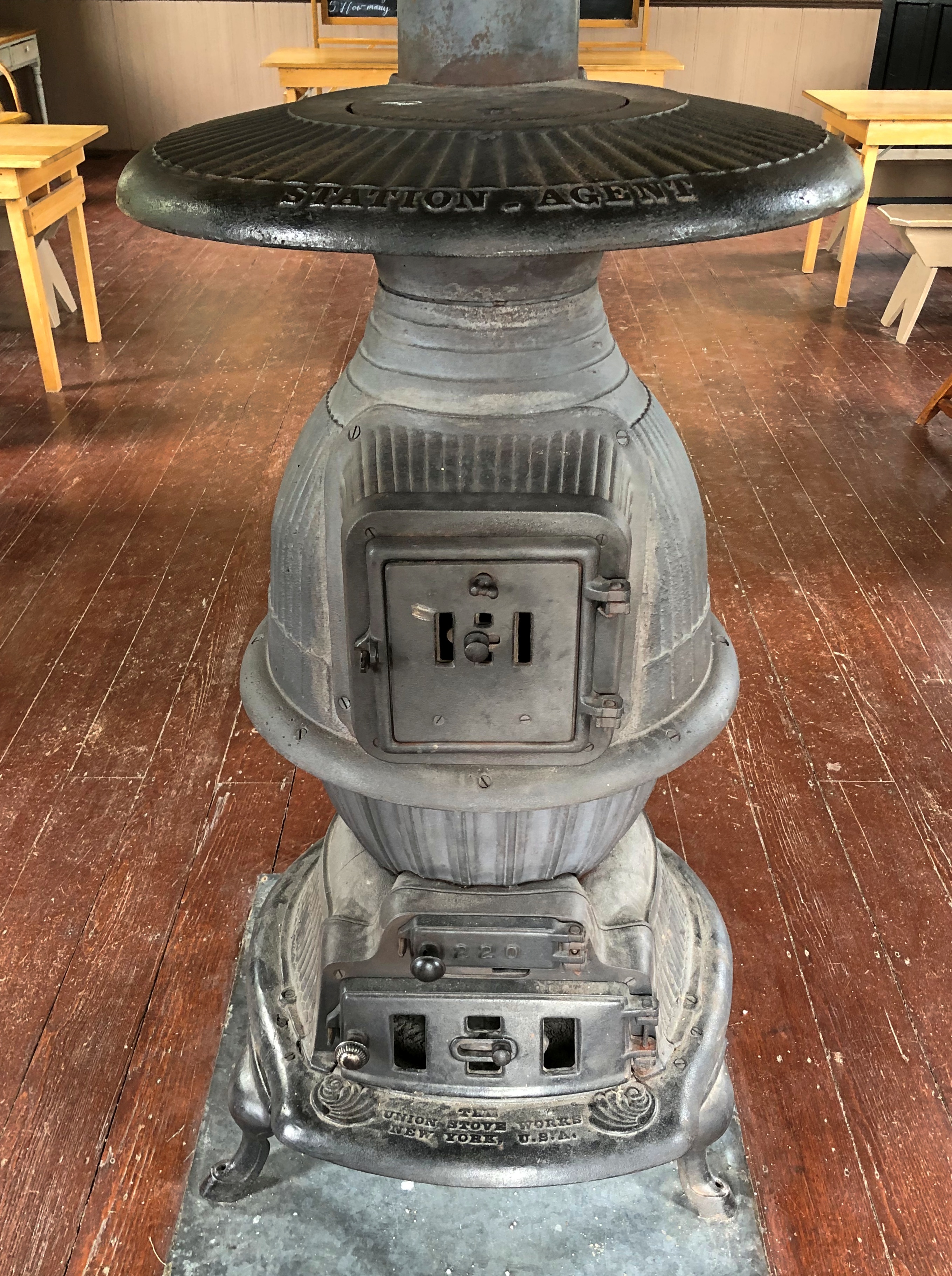
More all-important stoves for those long winters. And cooking.Old World Wisconsin Old World Wisconsin Old World Wisconsin

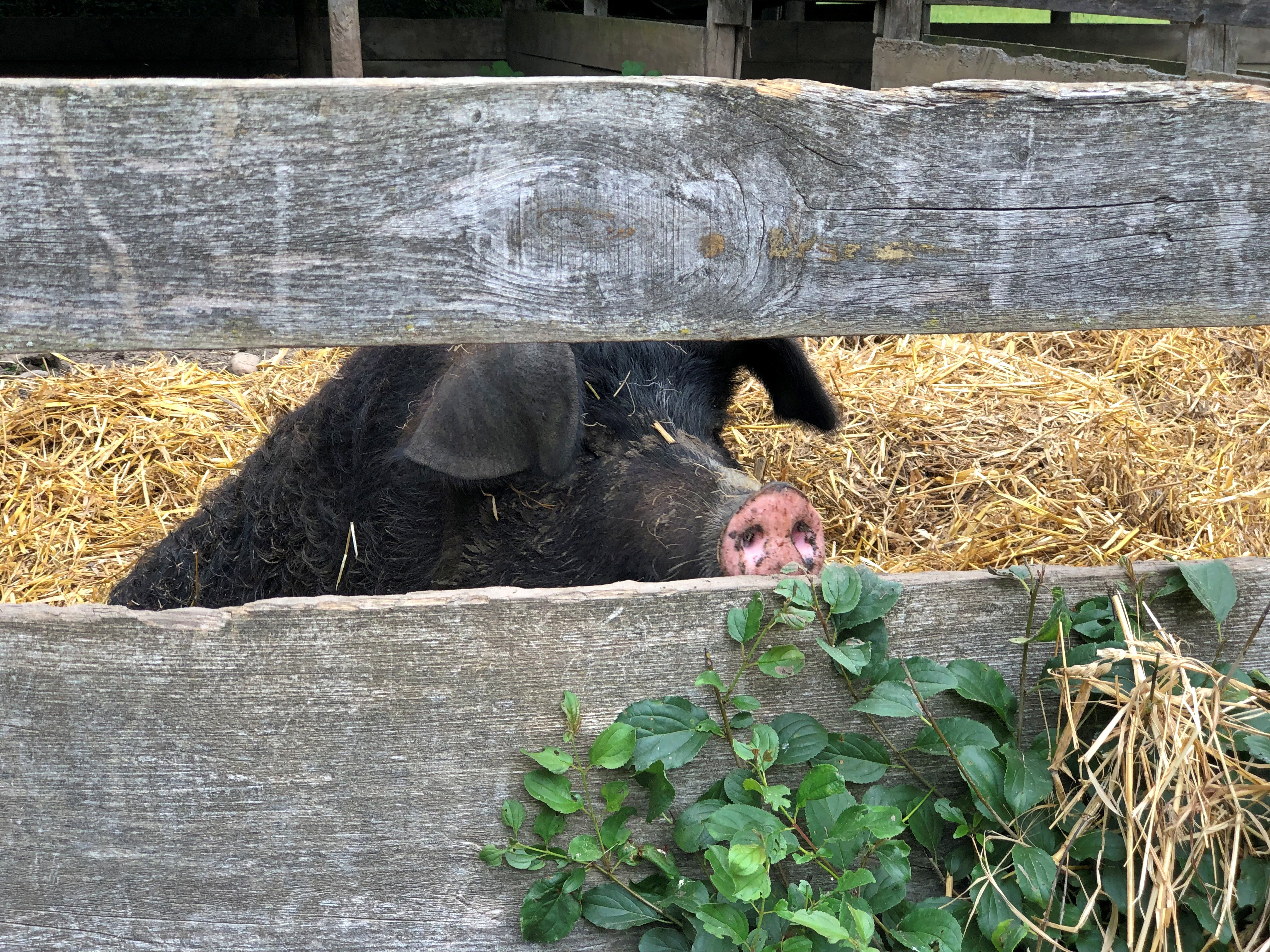
There were a few farm inhabitants, such as chickens and cows. We were able to sample some wonderful ice cream made from fresh milk. Also, we encountered an animal I called Future Bacon.Old World Wisconsin

Yuriko chided me for that, but I’ve seen her eat bacon.

Barcelona Scraps

One of these days, we might have a string of holidays and quasi-holidays from Juneteenth to July 4, the warm equivalent of Christmas to New Year’s Day. Anyway, back on July 9 or so.

Not as much smoke today, though it is still an air pollution action day, according to the NWS. Curious term. You’d think it would be an inaction day, at least as far as outdoors activity is concerned.

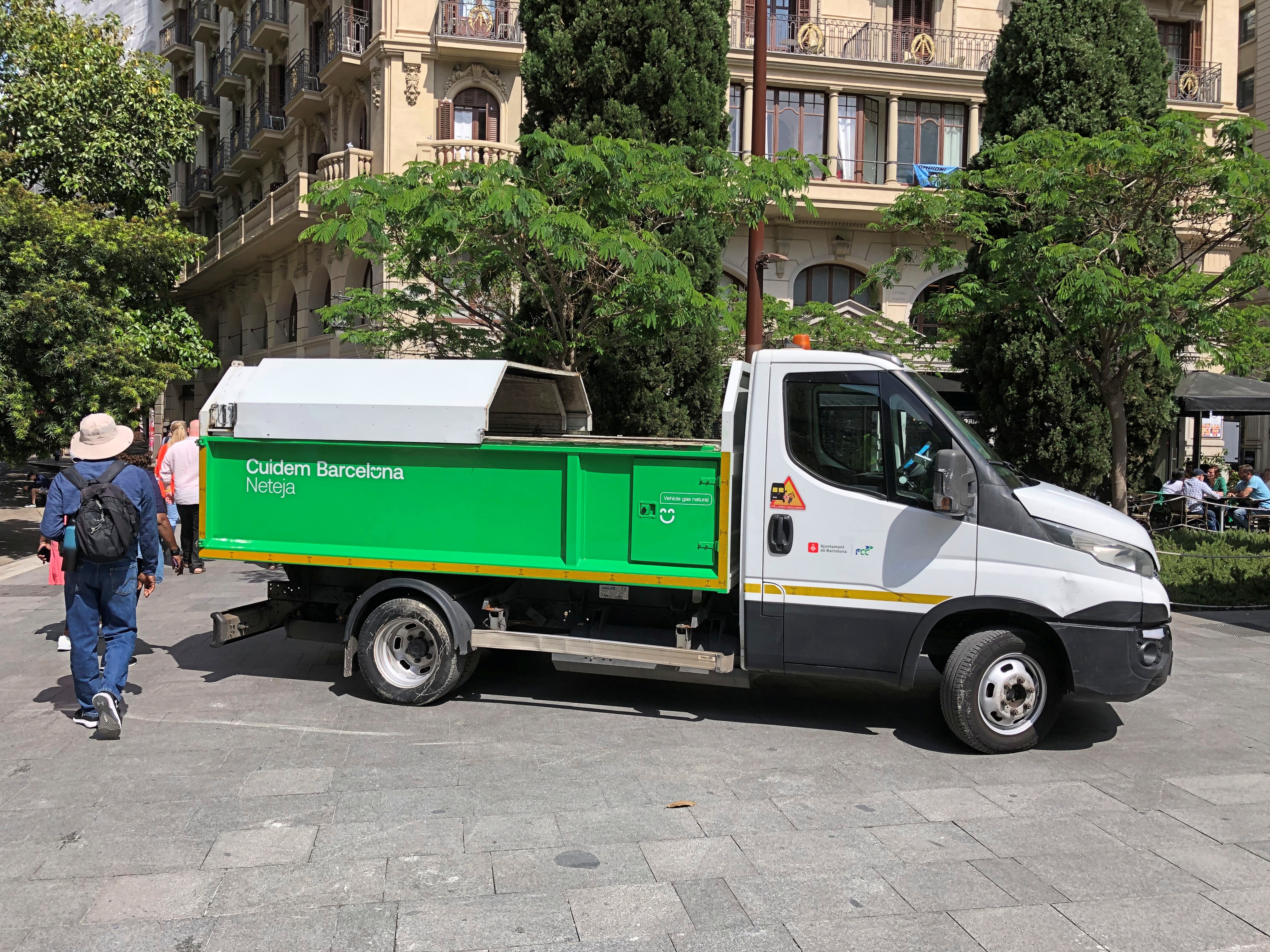
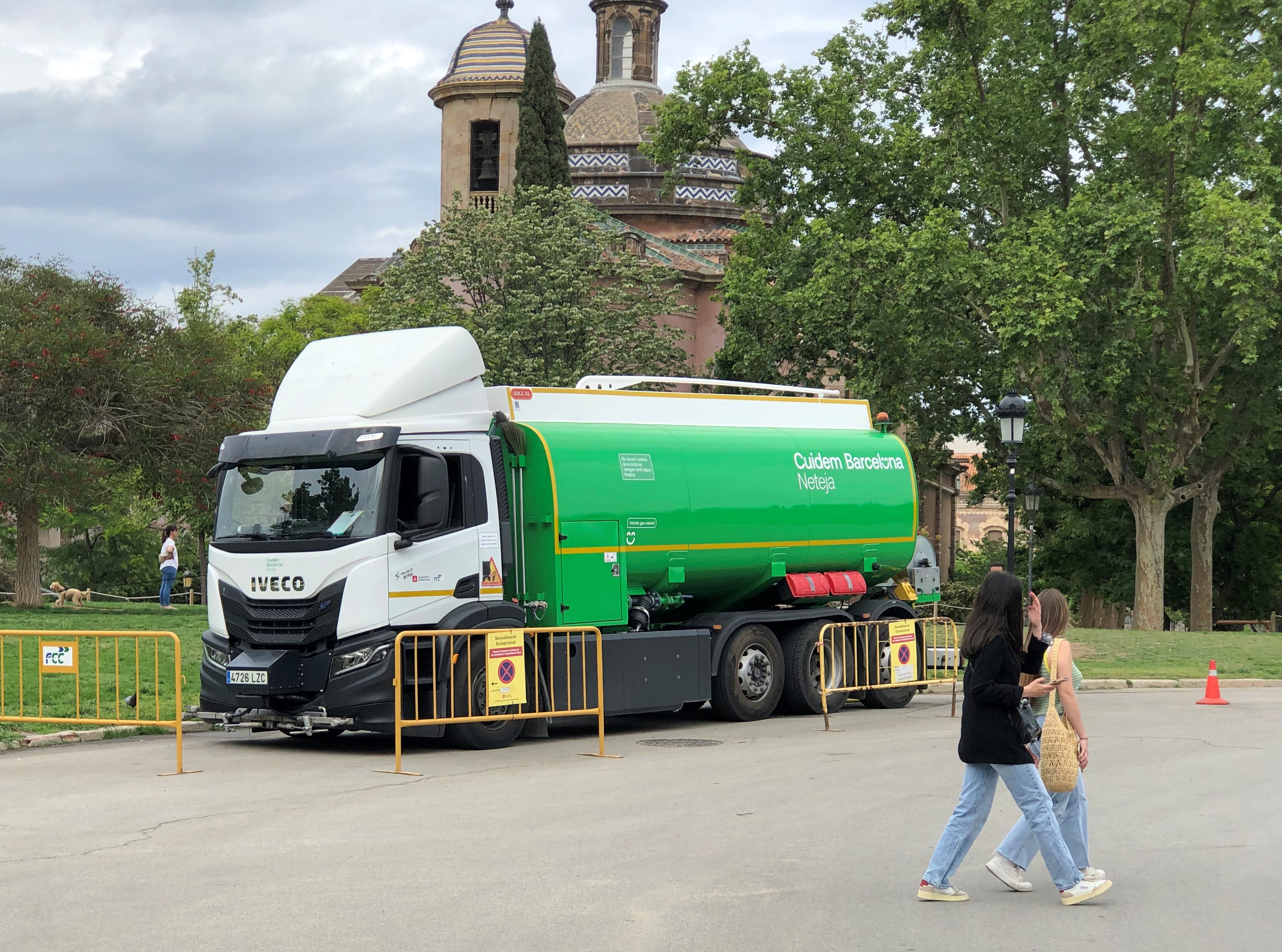
Barcelona city trucks. Specifically, neteja (cleaning).Barcelona cleaning truck Barcelona cleaning truck

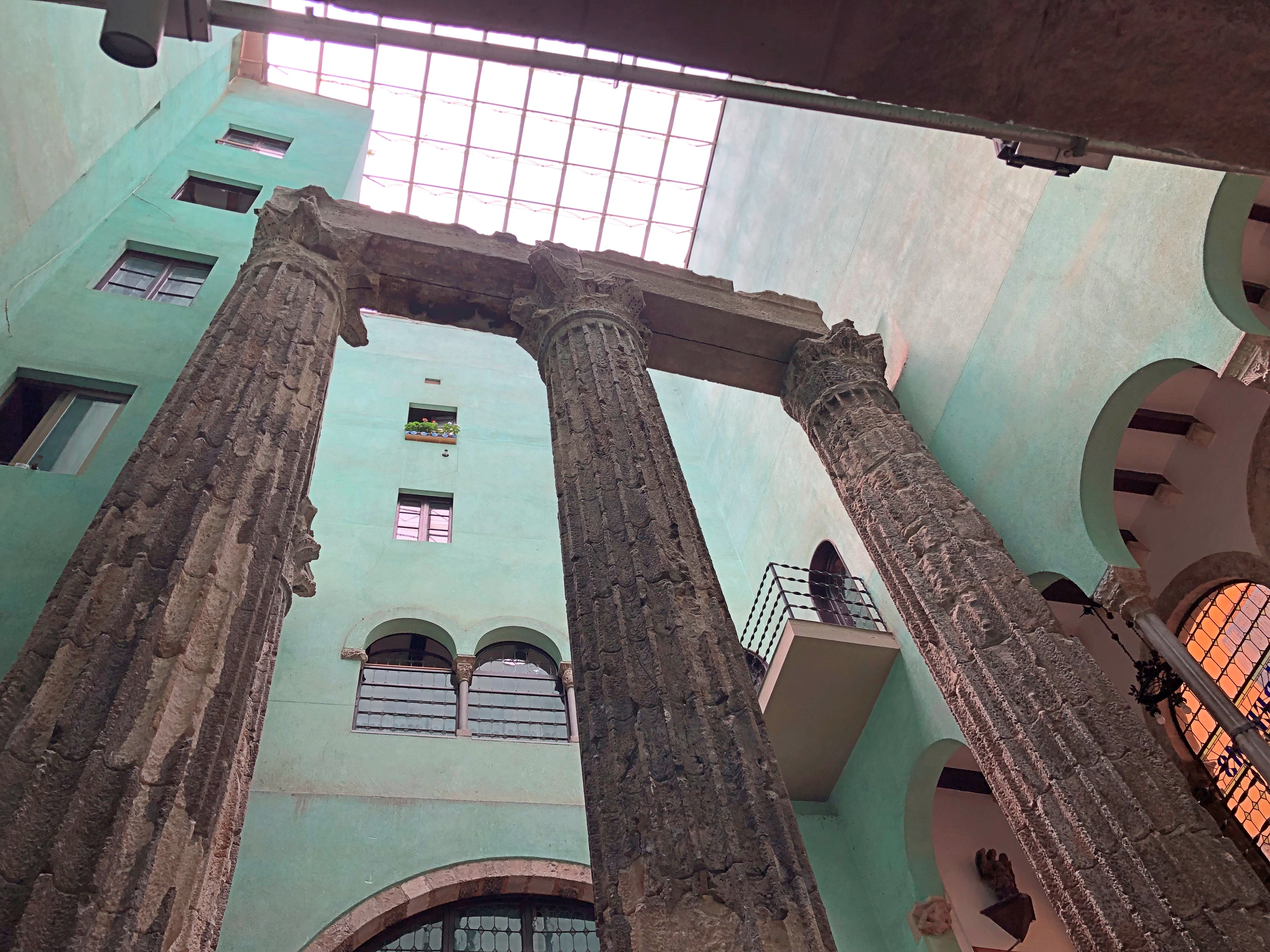
The Temple d’August, which is tucked away on a narrow street in the Gothic Quarter. Barcelona

The only Roman ruins we saw on the trip. Toyed with the idea of going to Tarragona to visit its extensive ruins, but that didn’t happen.

“The uniform columns of the Temple of Augustus inside are 9 metres tall and comprise an imposing relic of one of the temples from Barcelona’s Forum, which stood on a corner site at the rear,” Visit Barcelona says. “The temple was built in the 1st century BC and, as its name suggests, it was dedicated to the worship of Emperor Augustus…. The temple was reconstructed by the architect Puig i Cadafalch in the early 20th century.”
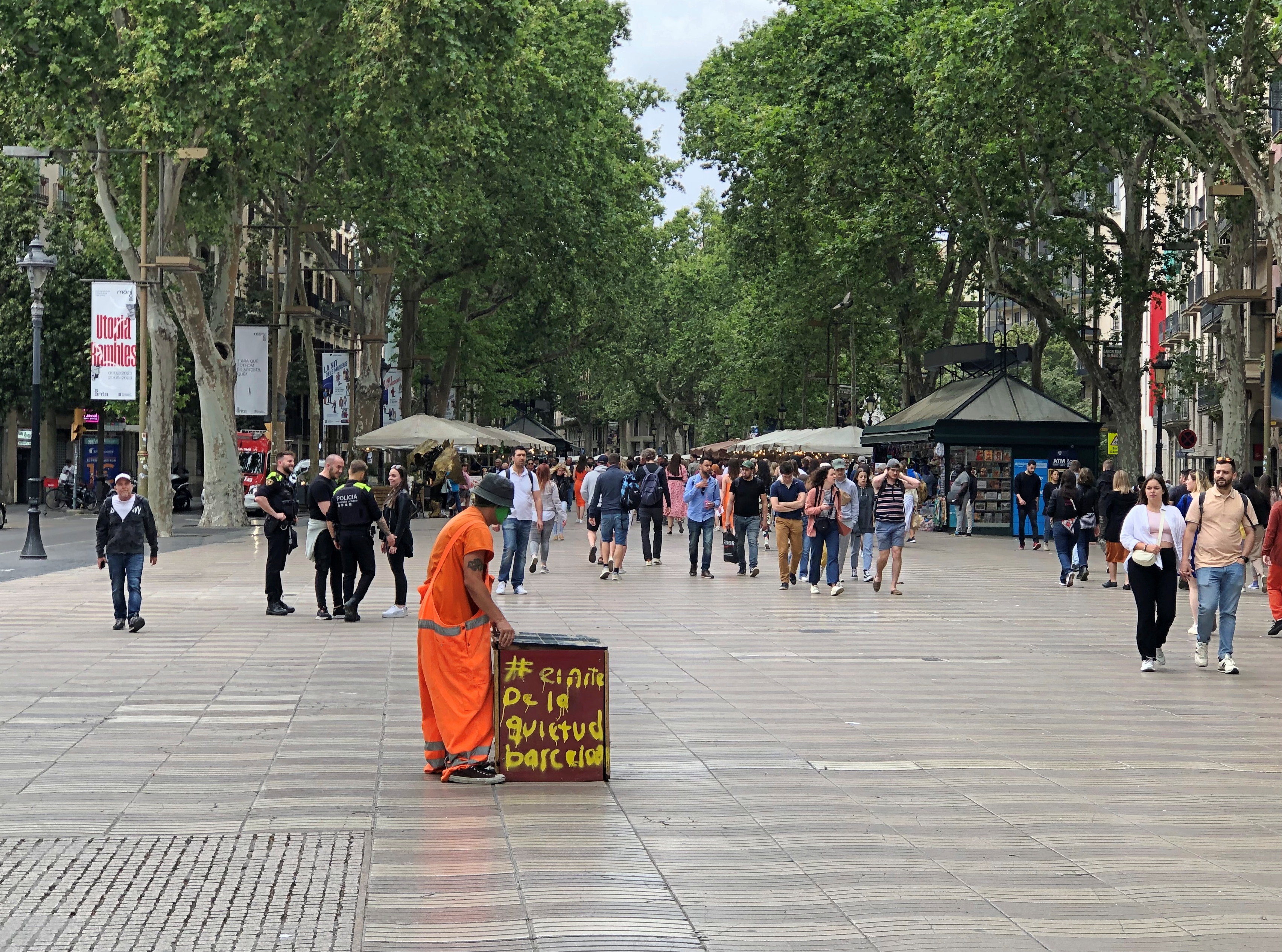
La Rambla, near one end. The end near the ocean.La Rambla

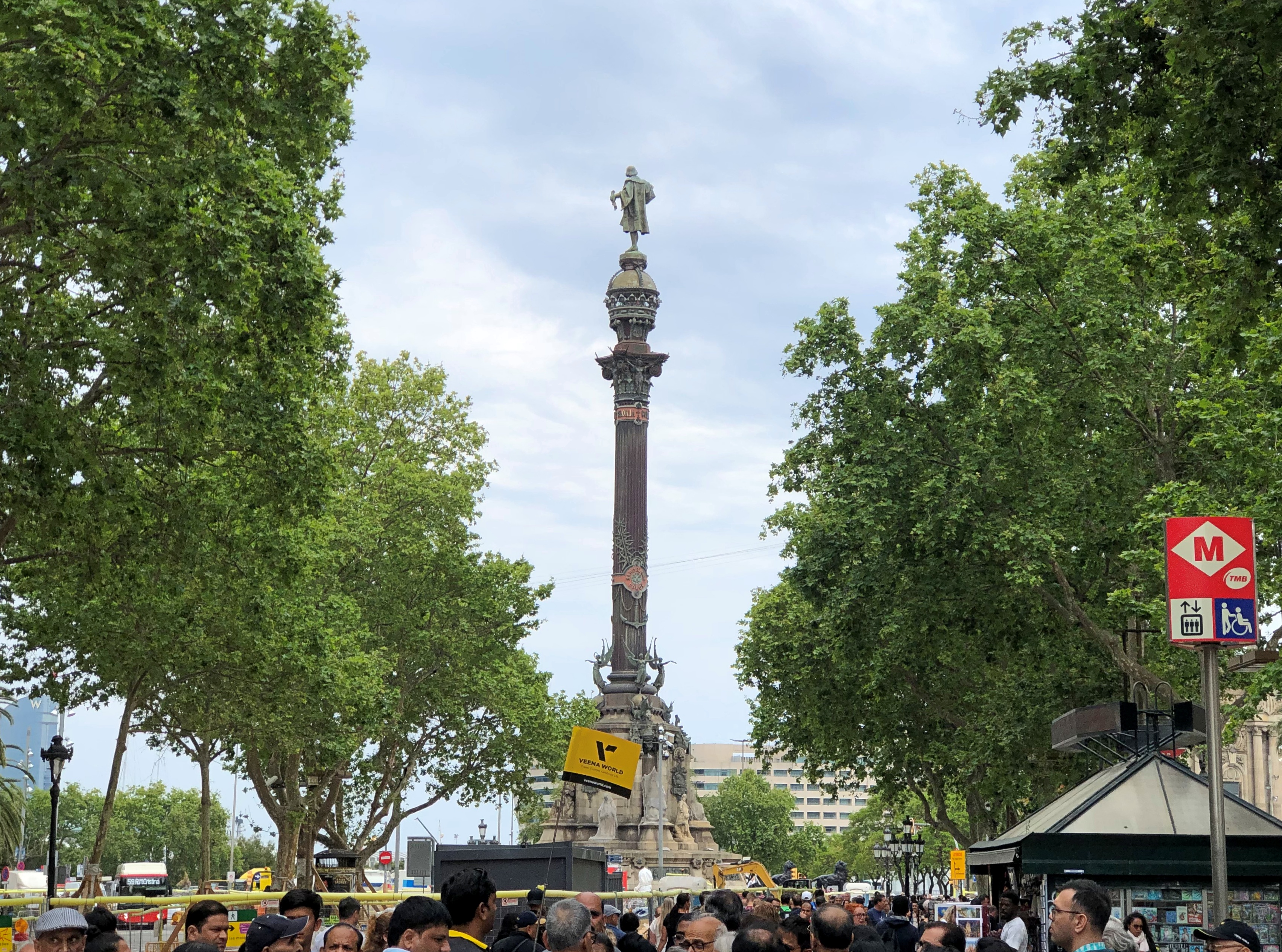
Columbus still looks out to sea at that point, as he has done since 1888. Monument a Colom, the maps call it, and efforts to take it down have been unsuccessful so far.La Rambla

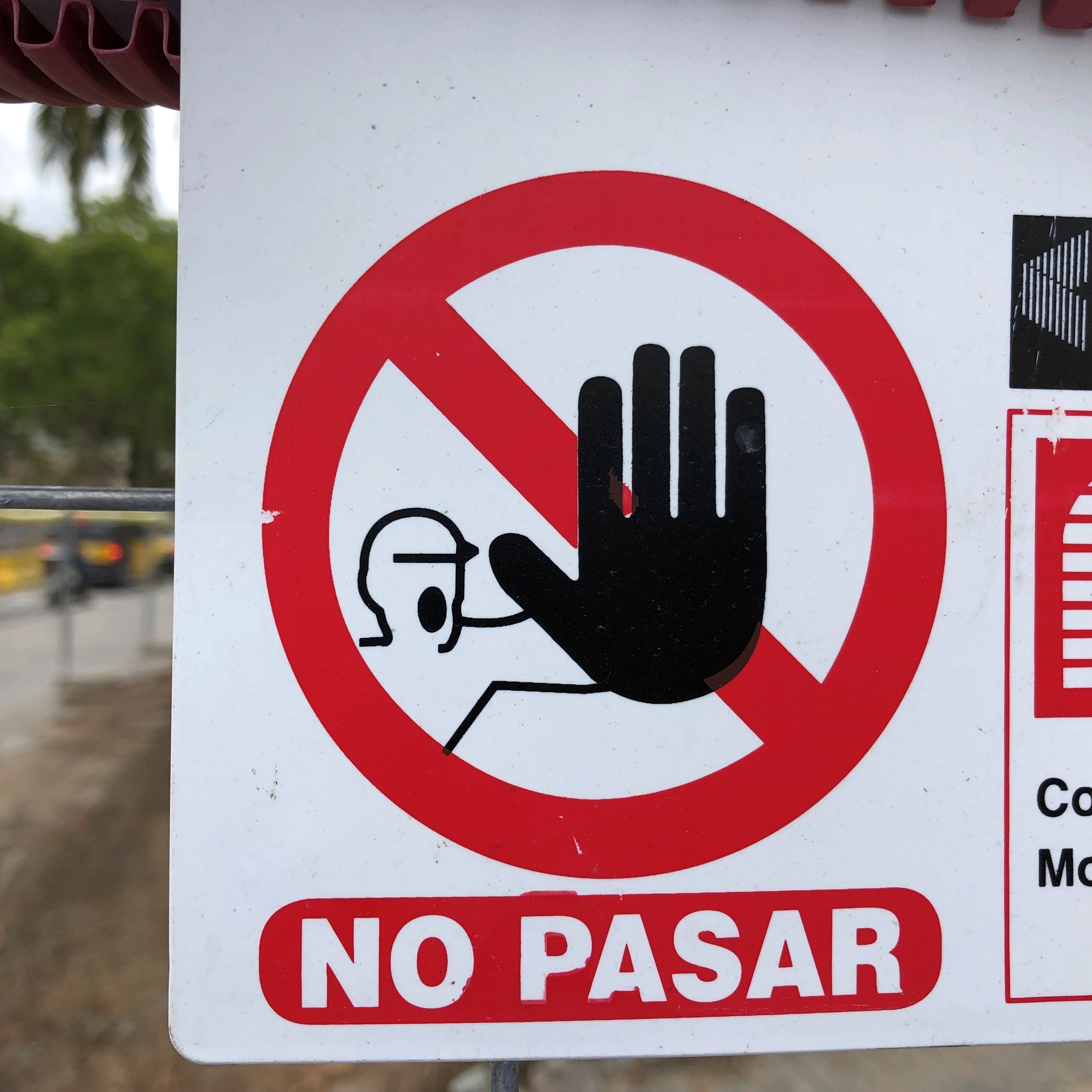
There was also a lot of construction in the area, with blocked off sections. I can’t see a sign like that in Spain and not be reminded of no pasarán!
The context is just a little different in this case, however. “Do not pass,” the dictionaries tell me, as opposed the more emphatic will not pass!
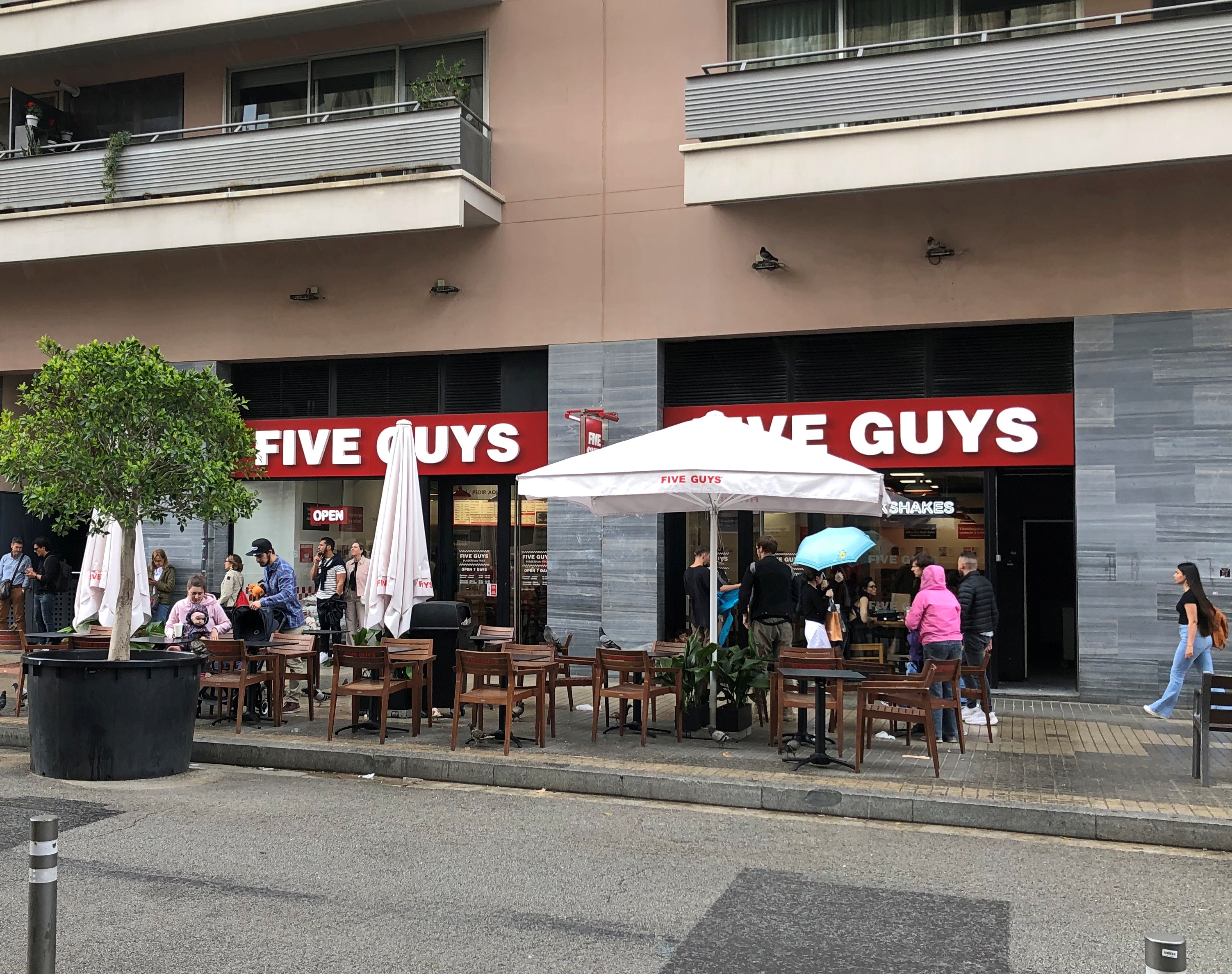
I expected to see fast food in Barcelona, but Five Guys was nevertheless a surprise, across the street from Sagrada Familia. Five Guys’ web site tells me that there are currently seven locations in the city, and 28 in Spain all together, with 13 of those in greater Madrid.Barcelona Five Guys

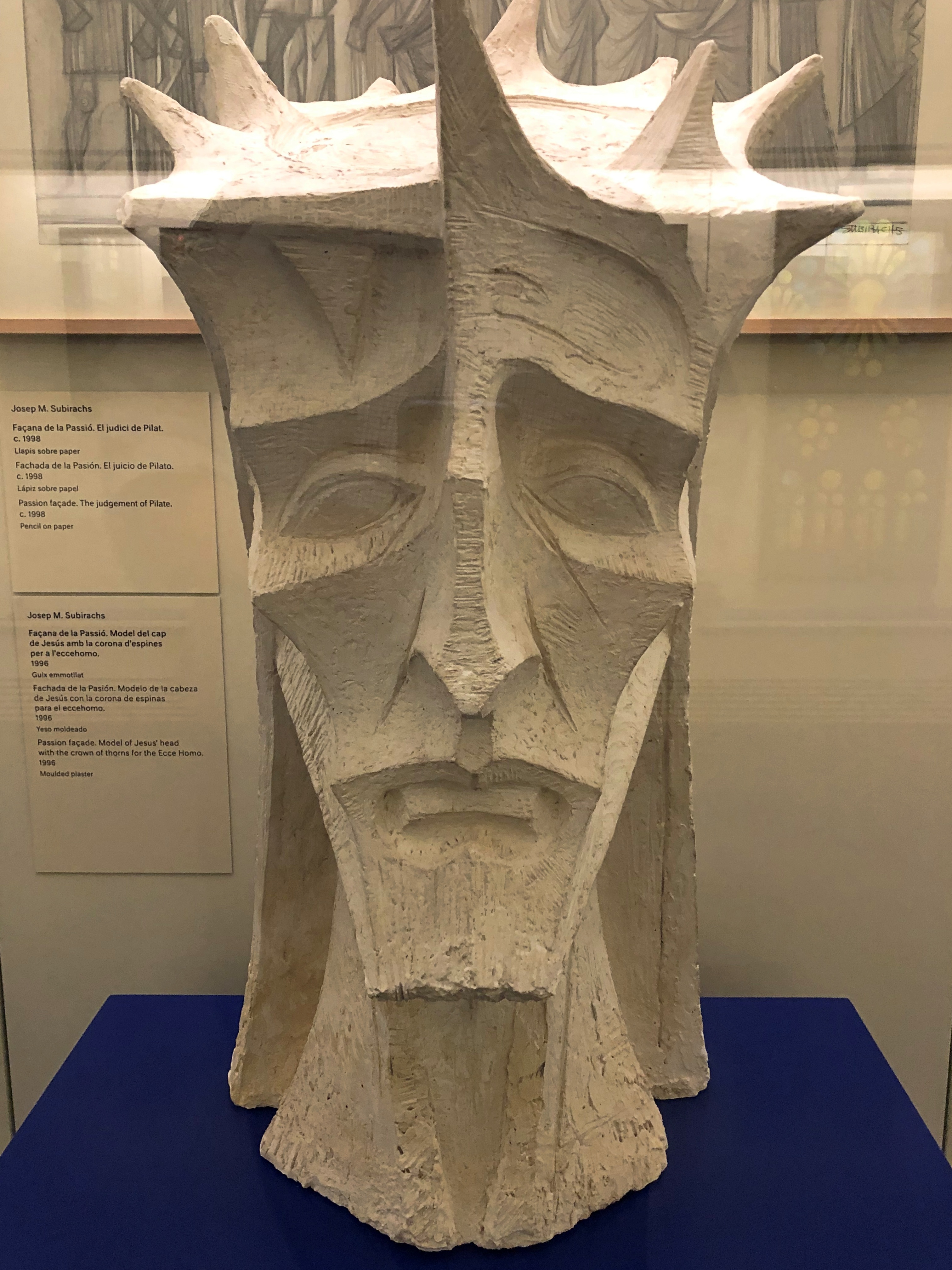
Model of Jesus’ head, on display in the small museum in the basement of Sagrada Família.Sagrada Familia

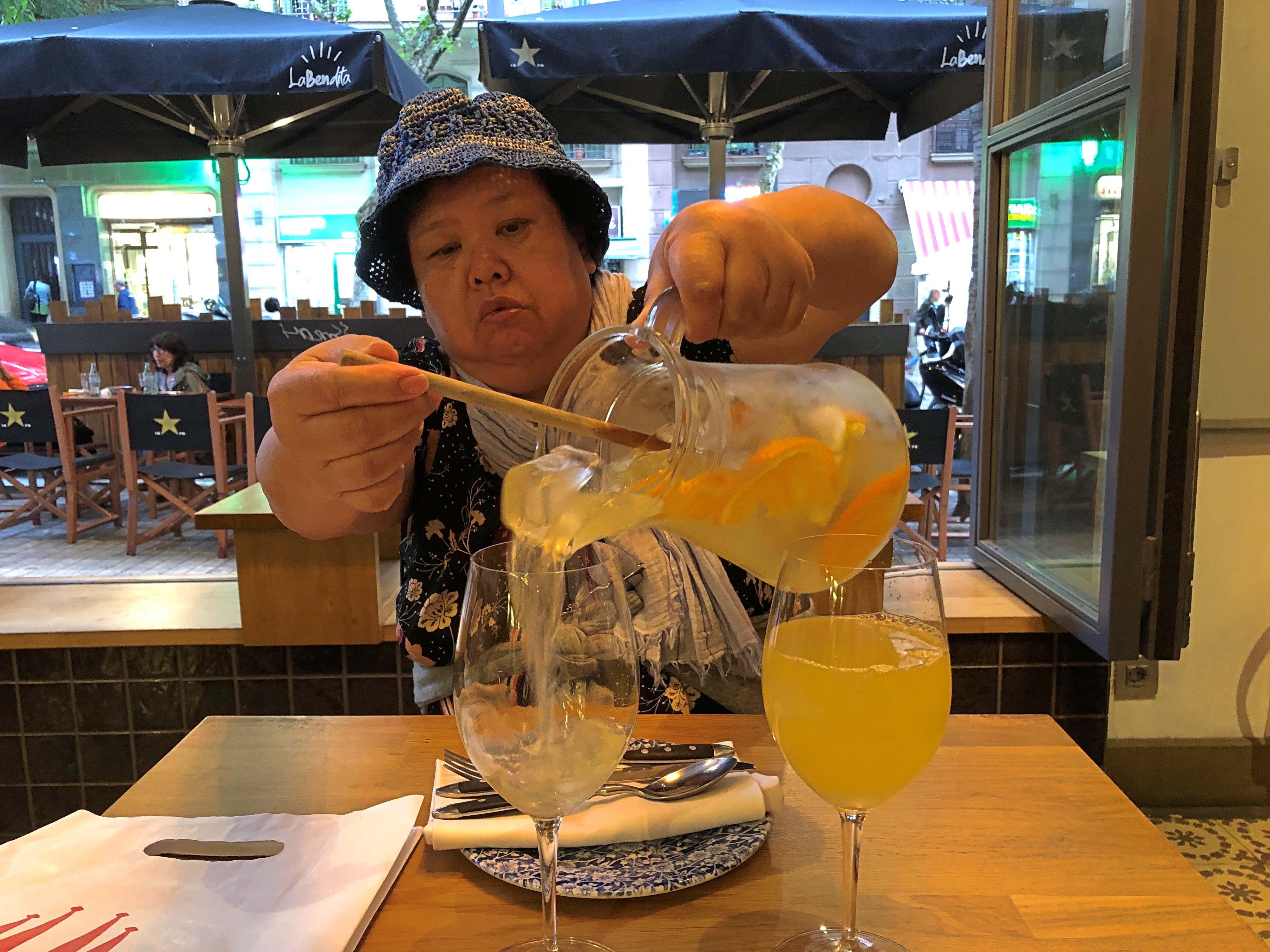
Cava sangria.

“This variation of sangria called Sangria de Cava in Spanish is made with the sparkling wine Cava, which can be white or rosé,” says Allrecipes. “The name Cava is a protected designation of origin in the European Union, which means that only sparkling wine produced in certain areas of Spain may be sold under that name. To make Cava Sangria, you can use another sparkling white wine instead. The rest of the ingredients is pretty similar to sangria. Cava Sangria often includes orange liqueur.”

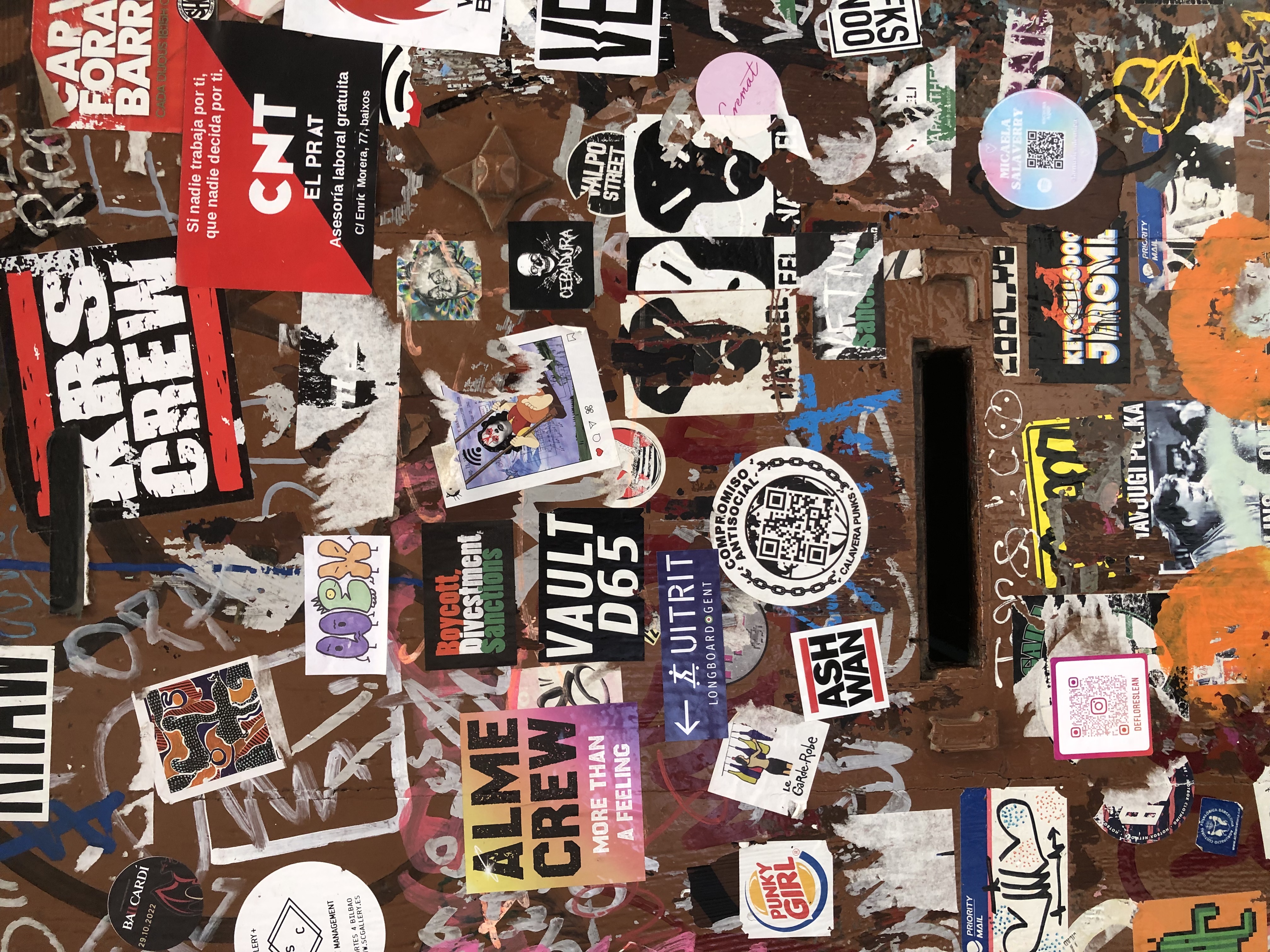
Stickers on a wall in Barcelona. A common thing to see. No Buc-ee’s sticker. Not yet.

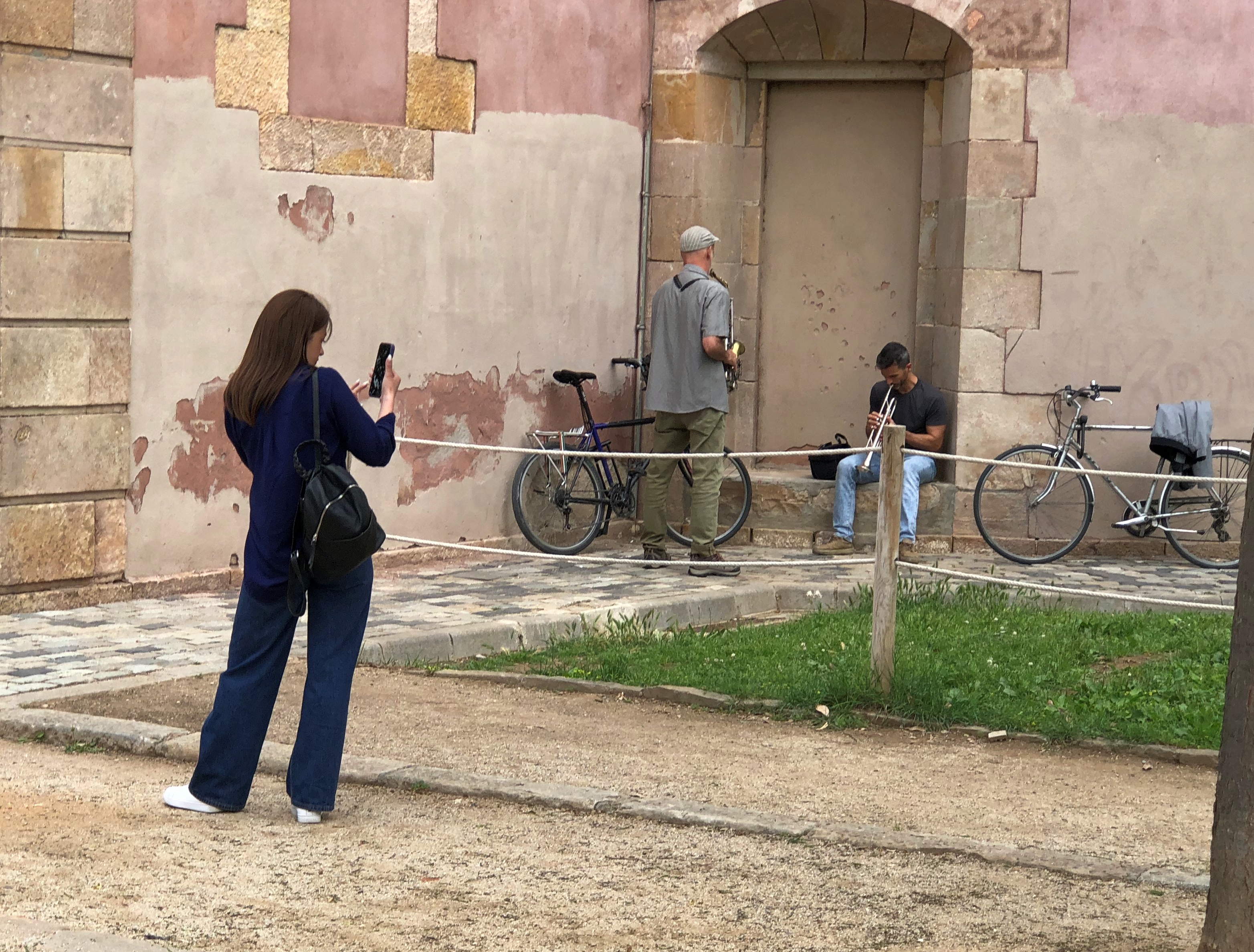
I took a picture of someone taking a picture of seemingly uninterested musicians, in Parc de la Ciutadella.Barcelona

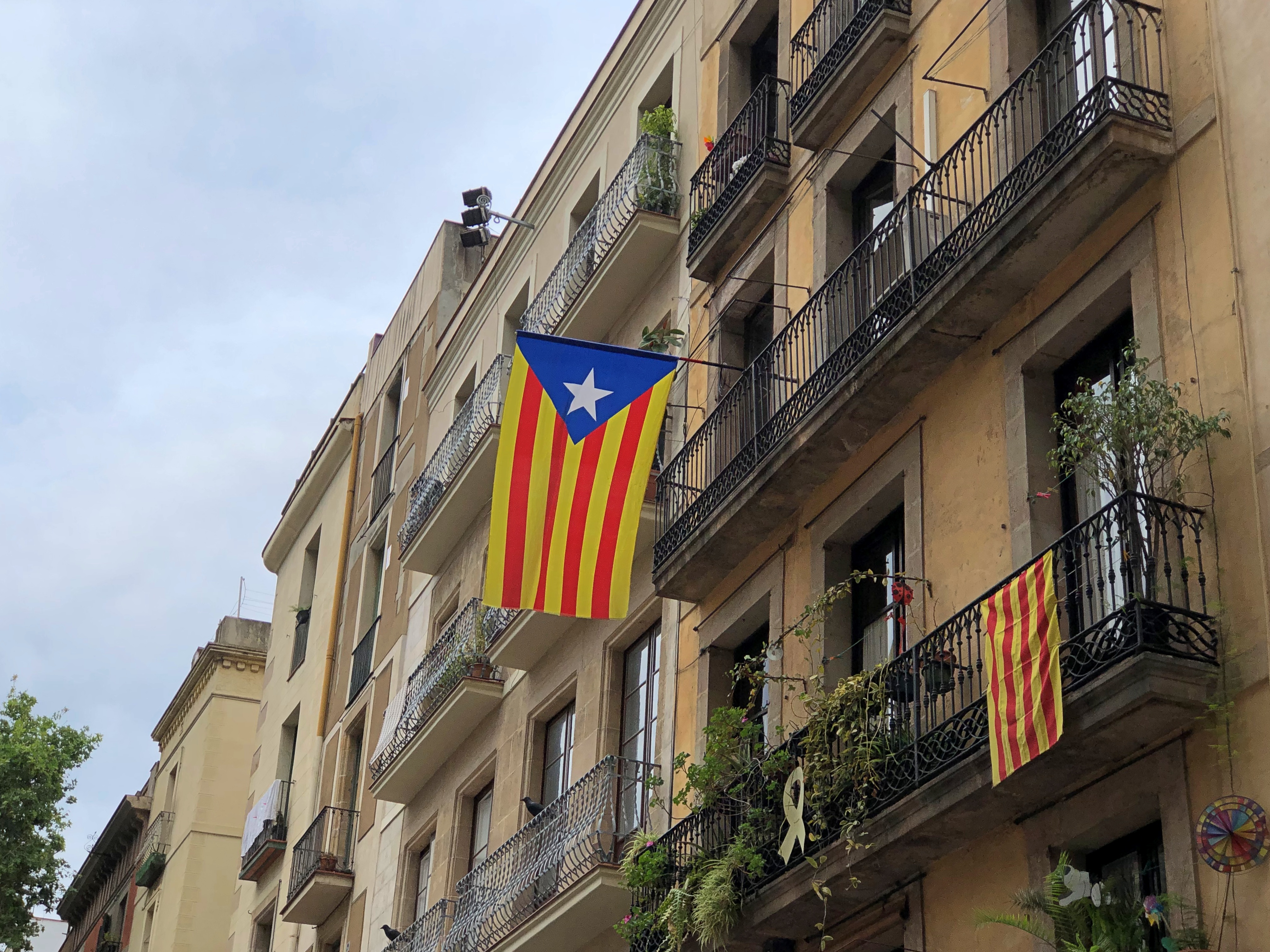
Sometimes you’d see the independence flag. Not that often, however. The latest effort at independence fizzled, after all.Catalonia flag

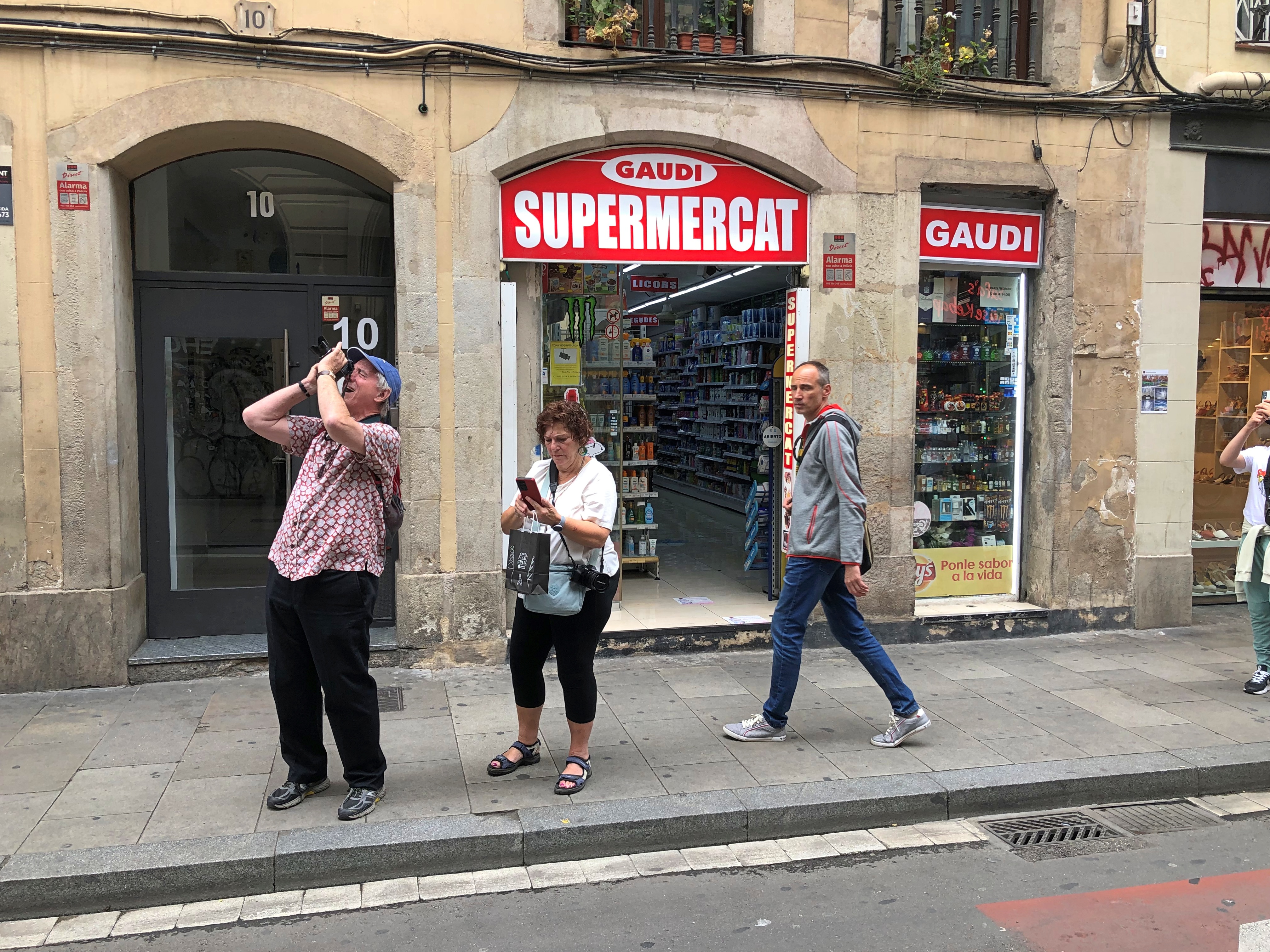
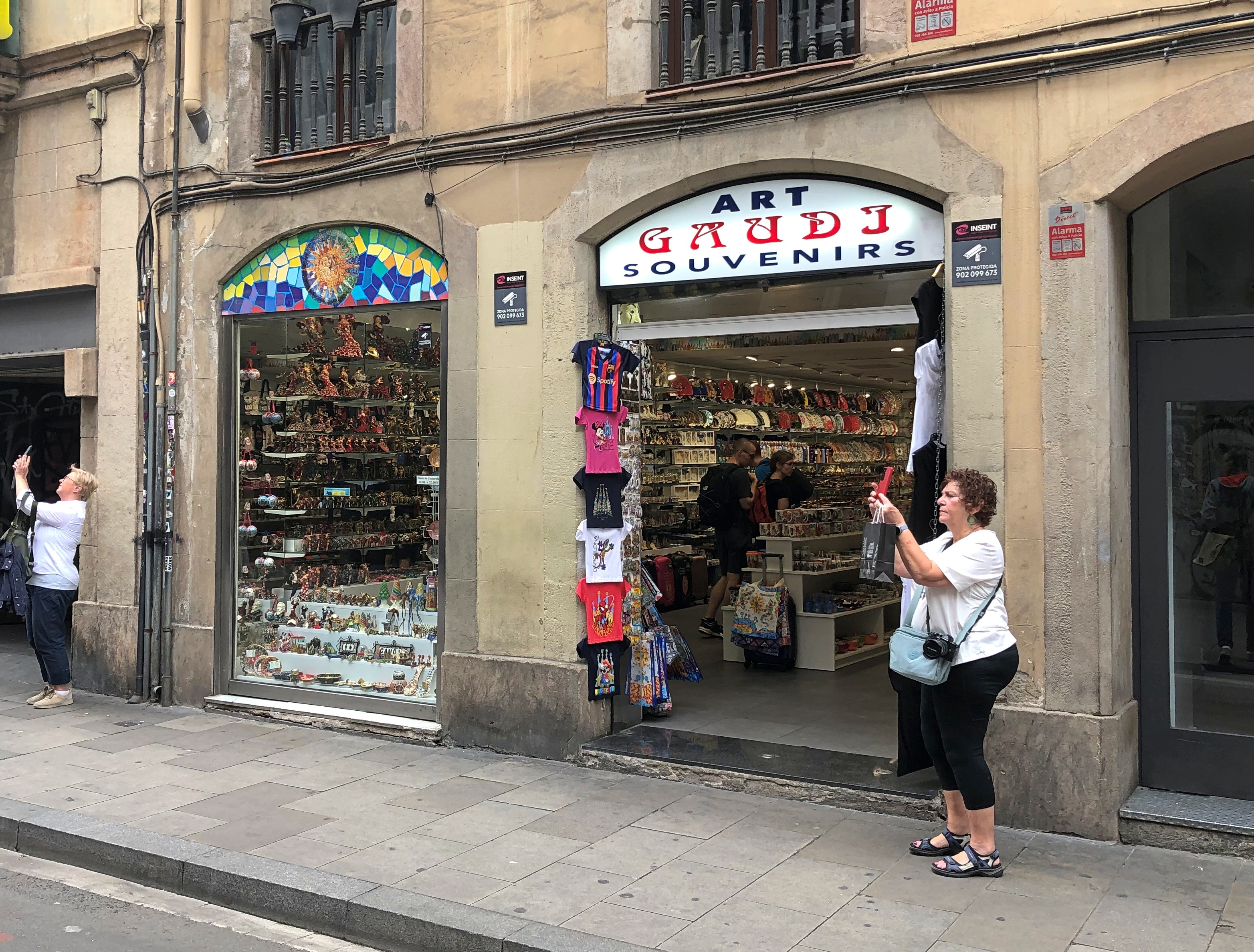
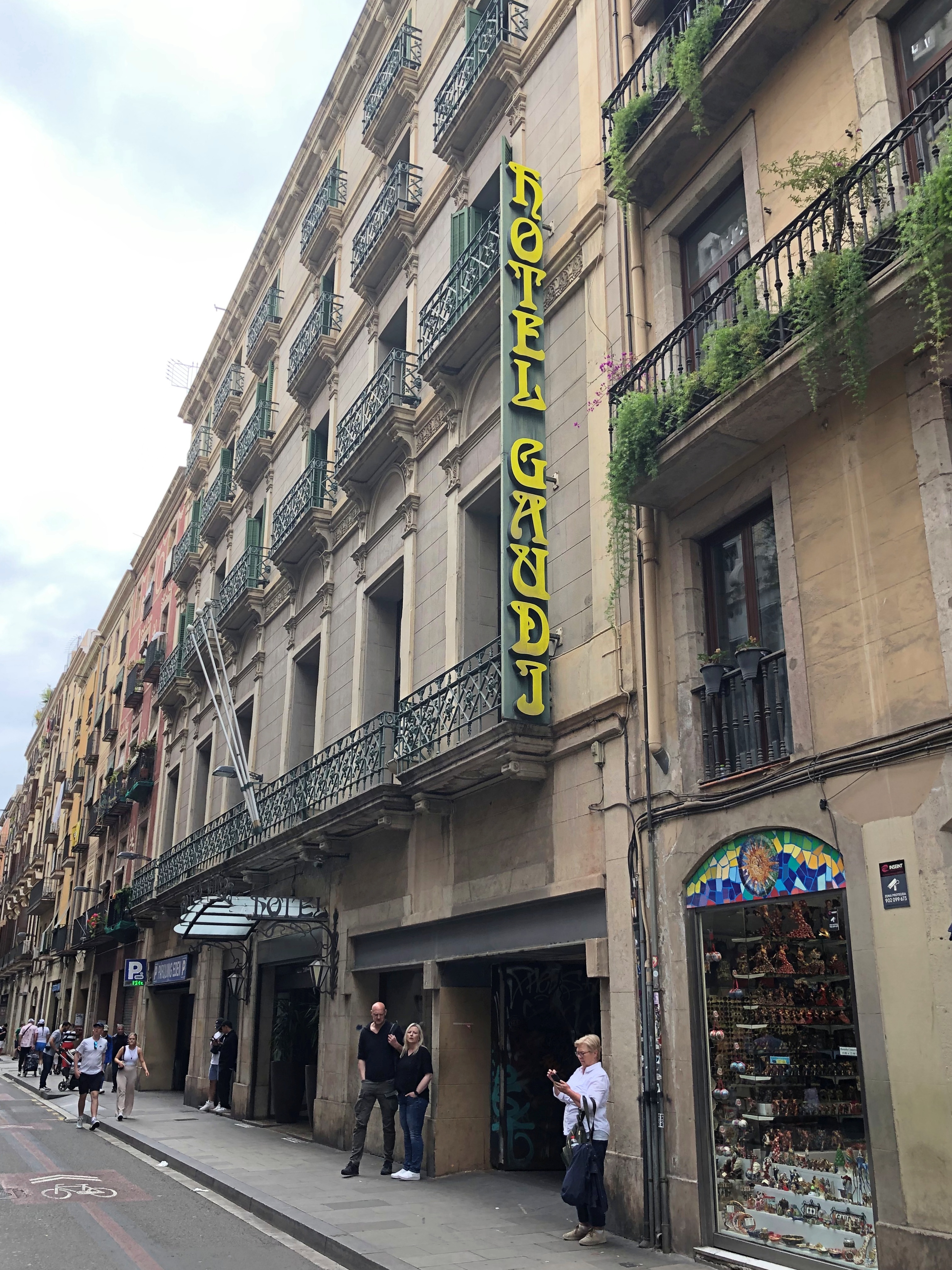
Near Palau Güell, you can find the Gaudi Supermercat, Art Gaudi Souvenirs, and the Hotel Gaudi.Barcelona Barcelona 2023 Barcelona 2023

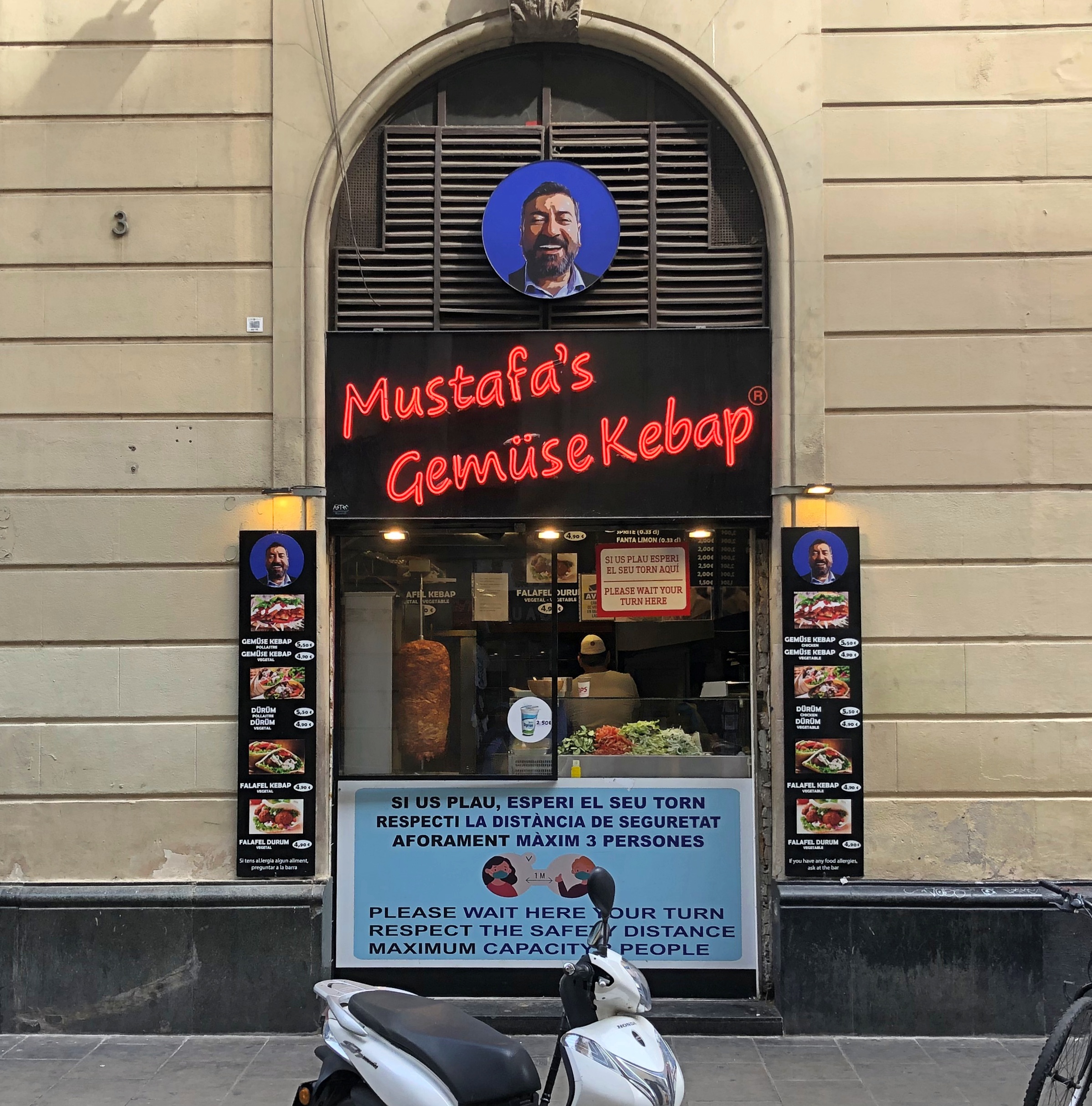
Not everything in the area had Gaudi’s name slapped on it. If we’d been hungry, we might have bought kebabs from this fellow.Barcelona 2023

Elsewhere, more Barcelona flowers.Barcelona 2023 Barcelona 2023

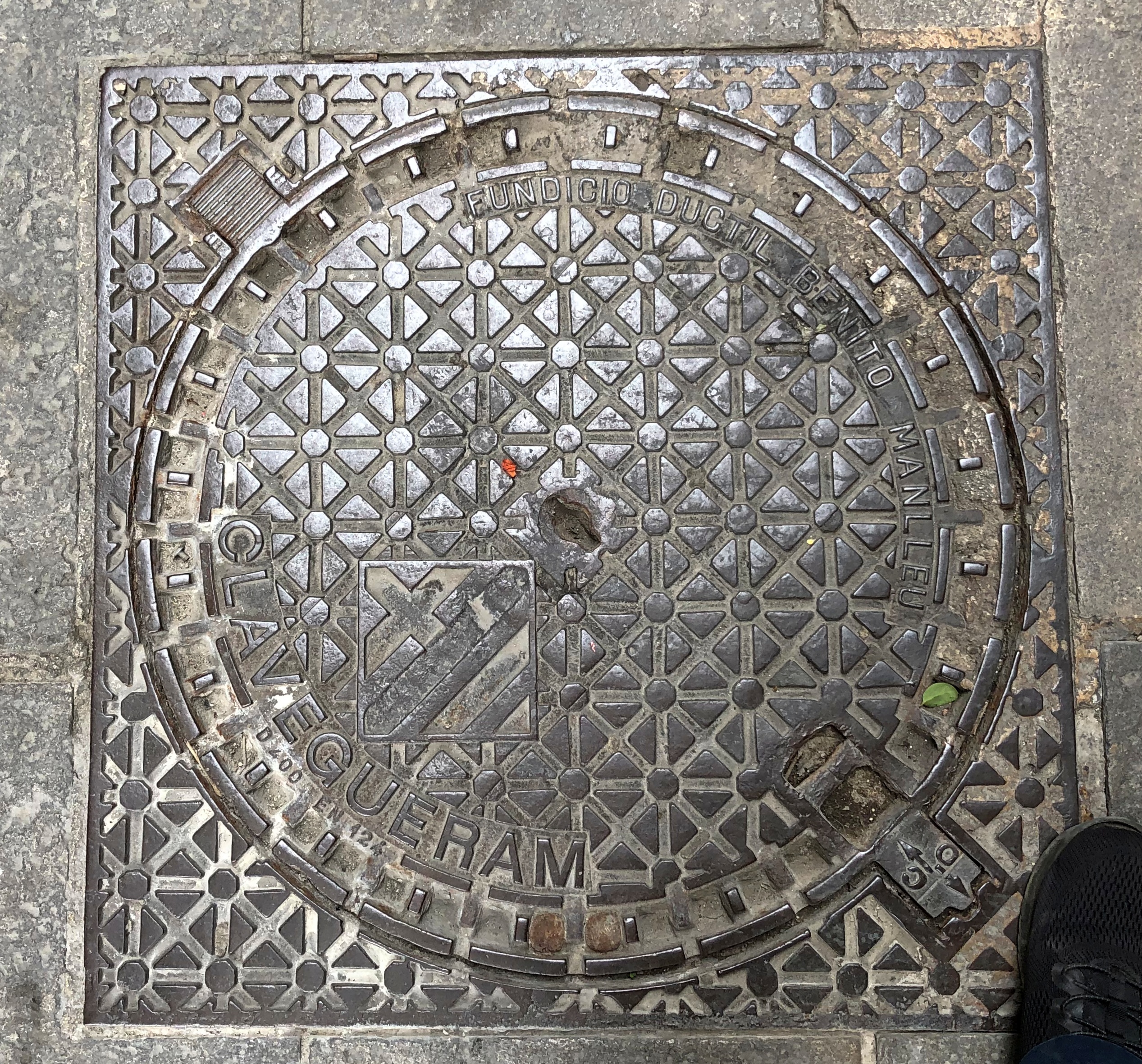
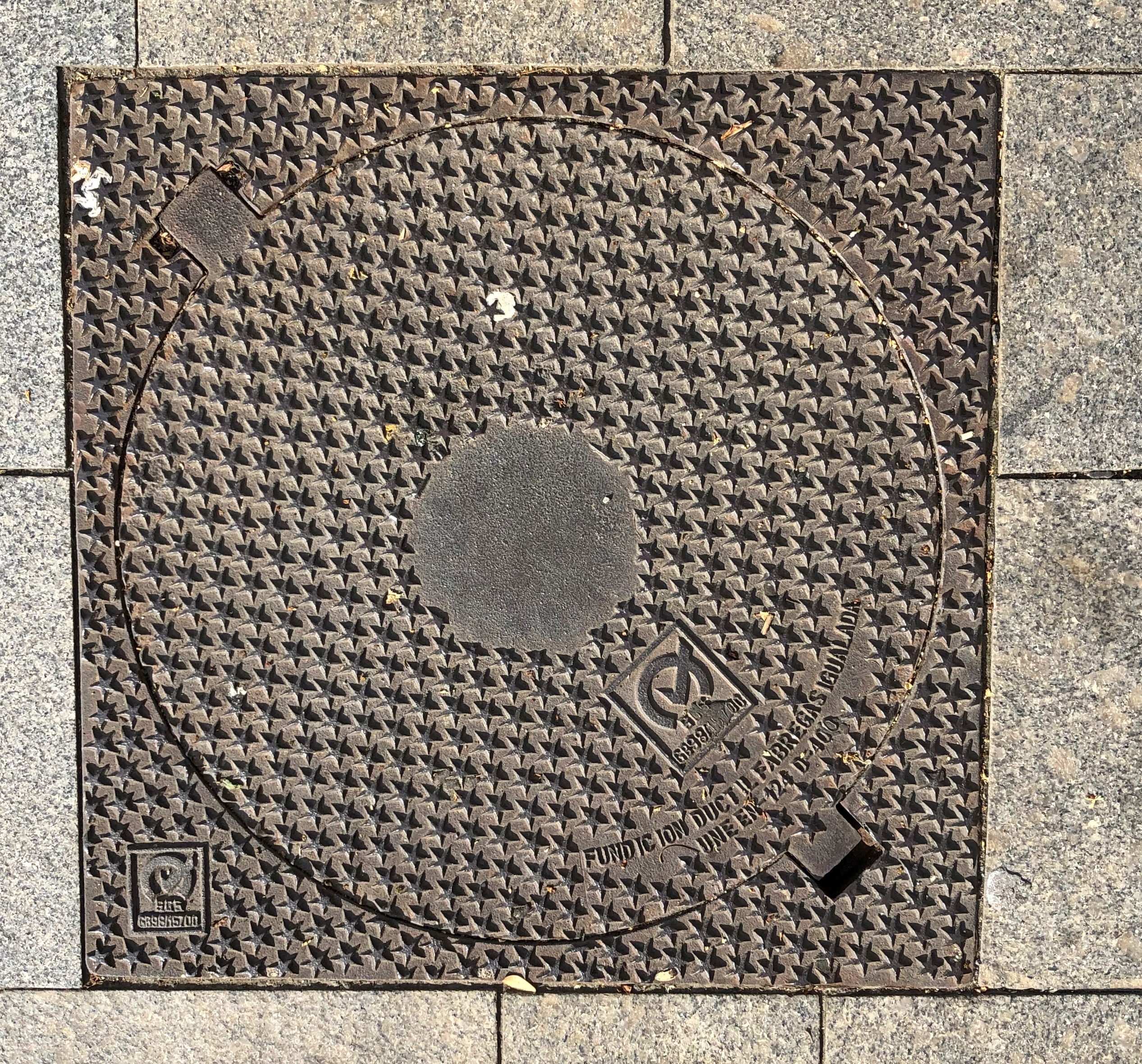
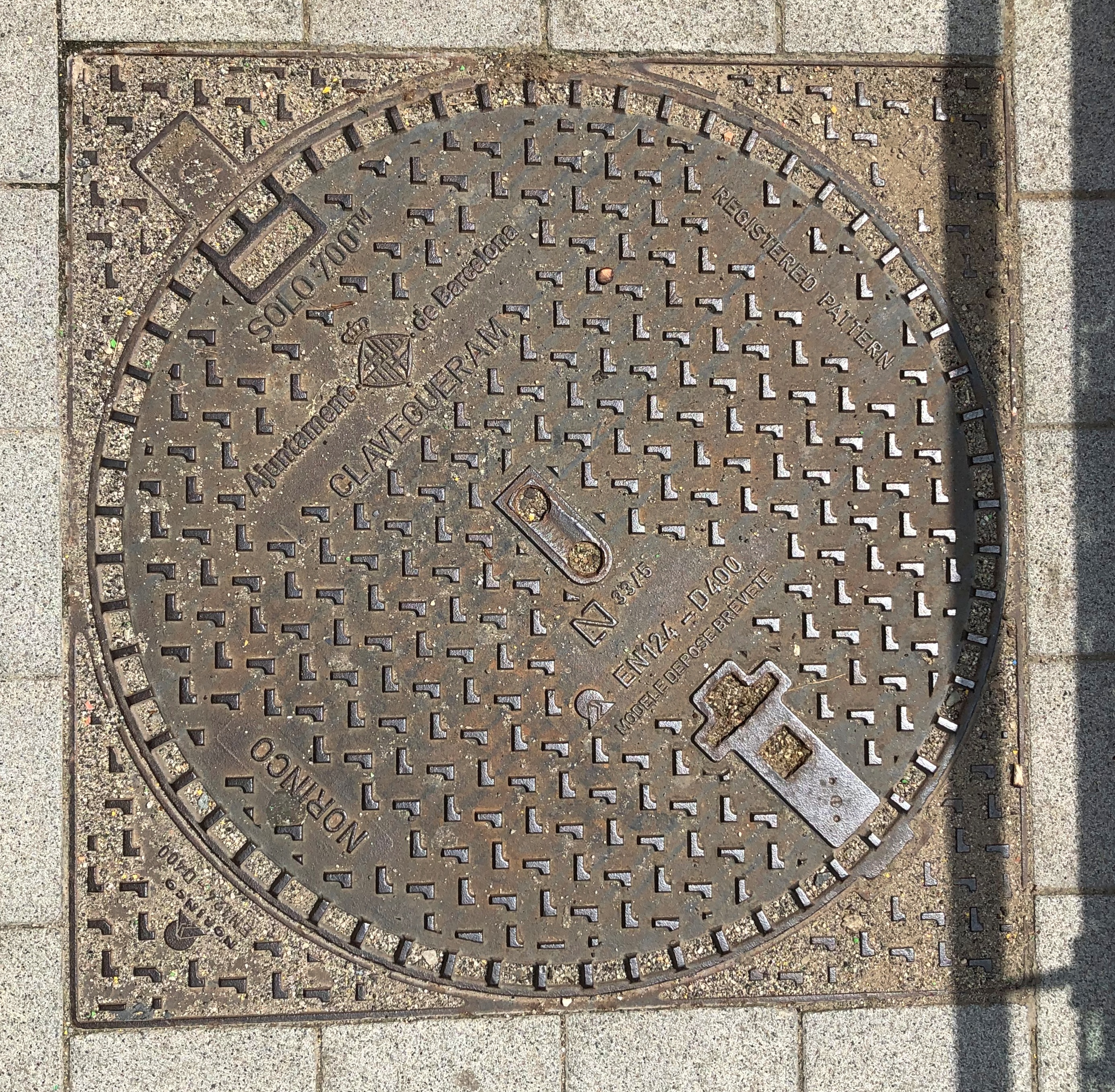
Finally, manhole covers. Like Dublin, Barcelona had some good manhole covers.Barcelona manhole cover 2023 Barcelona manhole cover 2023 Barcelona manhole cover 2023 Barcelona manhole cover 2023

Which is tapa de clavegueram in Catalan, at least according to automated online translation. Now you know.

Another New Flag

The last weekend of April: cold, wet and miserable. The first weekend of May: warm, dry and pleasant. Such is spring.

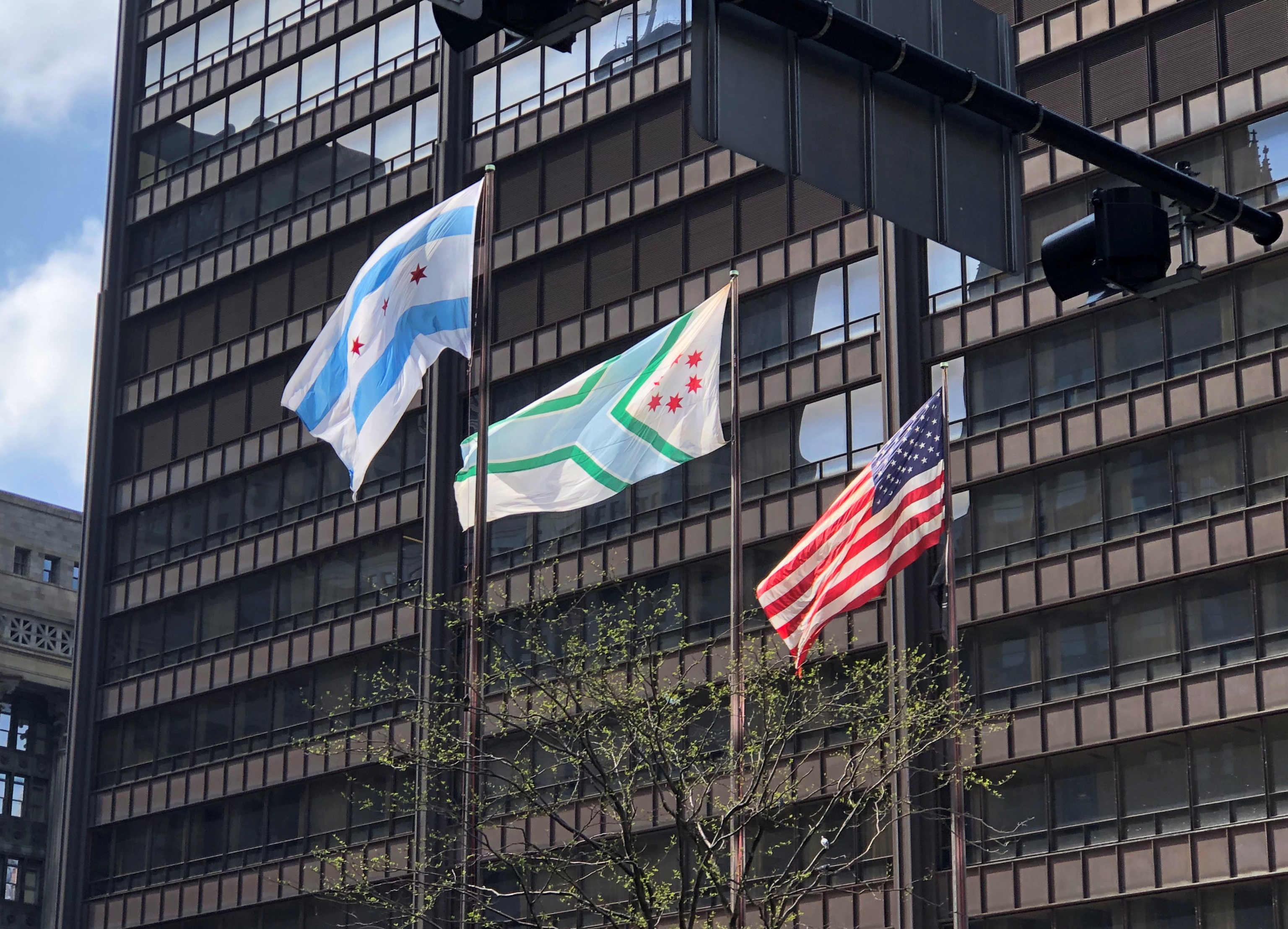
We were in Chicago for a while on Saturday taking advantage of the fine weather, and when walked by Daley Plaza, we saw these flags.

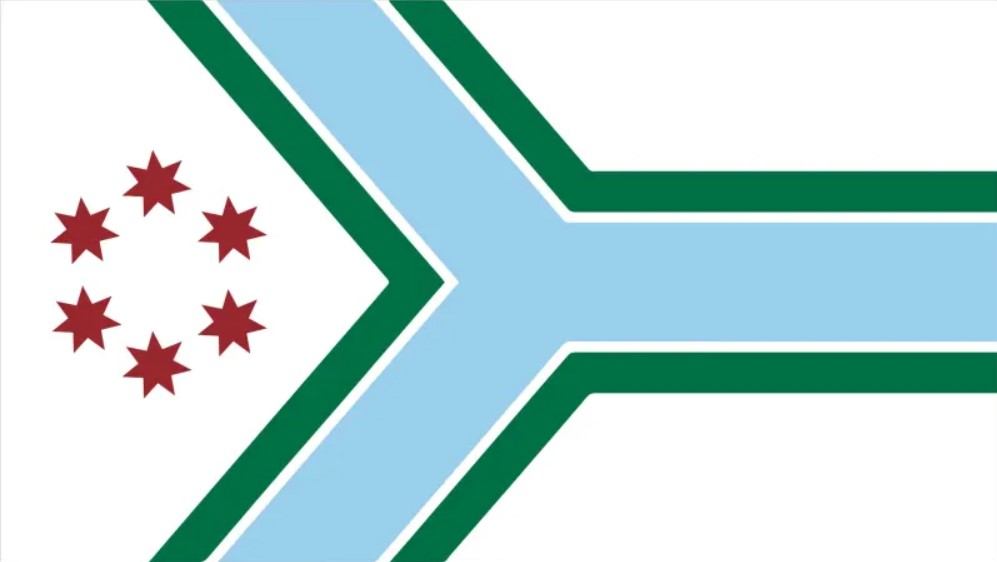
What’s that one in the middle? One reason — the main reason — I took a picture was to look it up later. It didn’t take long. That’s the new Cook County flag. 

Since last year, so not quite brand new, but not anything I’d heard about. The county sought a new design in a time-tested manor, by asking high school students to submit them (which is how Alaska got its excellent flag nearly 100 years ago).

An improvement on the old flag, I think, though I will give that one points for depicting a map of Cook County and its townships, which is distinctive. In any case, it looks like —

— vexillologic critics are beginning to have some impact on official flag design.

A New Flag

A cold May Day today, following a wet and chilly run of days to end April, which discouraged us from finding a new forest preserve – new to us, there are so many – for a springtime stroll. So we were home most of the time.

One thing I found out over the stay-at-home weekend is that Utah has a new flag. Or will, officially, on March 9, 2024.

It’s a good one. Keeps the beehive. How could it not? In fact, I’d say the golden beehive has been promoted to the centerpiece of the new flag.

Though Gov. Cox of Utah signed the bill authorizing the flag in March – and not quite everyone is happy about it, for some reason — I didn’t hear about it until this weekend, when I wondered whether the always entertaining-informative CGP Grey had posted anything new. He has, an amusing “grading” of U.S. state flags.

At nearly 19 minutes, it’s longer than most of his videos (including another recent one about a flag), but worth watching all the way through, even if you don’t quite agree with all of his opinions, though of course he’s spot-on about the Texas flag. Mention of the new Utah flag is very near the end, and the first I’d heard of it.

Reasons to be Cheerful, Videos 3

Back to posting around March 26. It may not quite be spring, and I don’t mean the equinox, but it is time for spring break, for my nonprofessional writing efforts anyway.

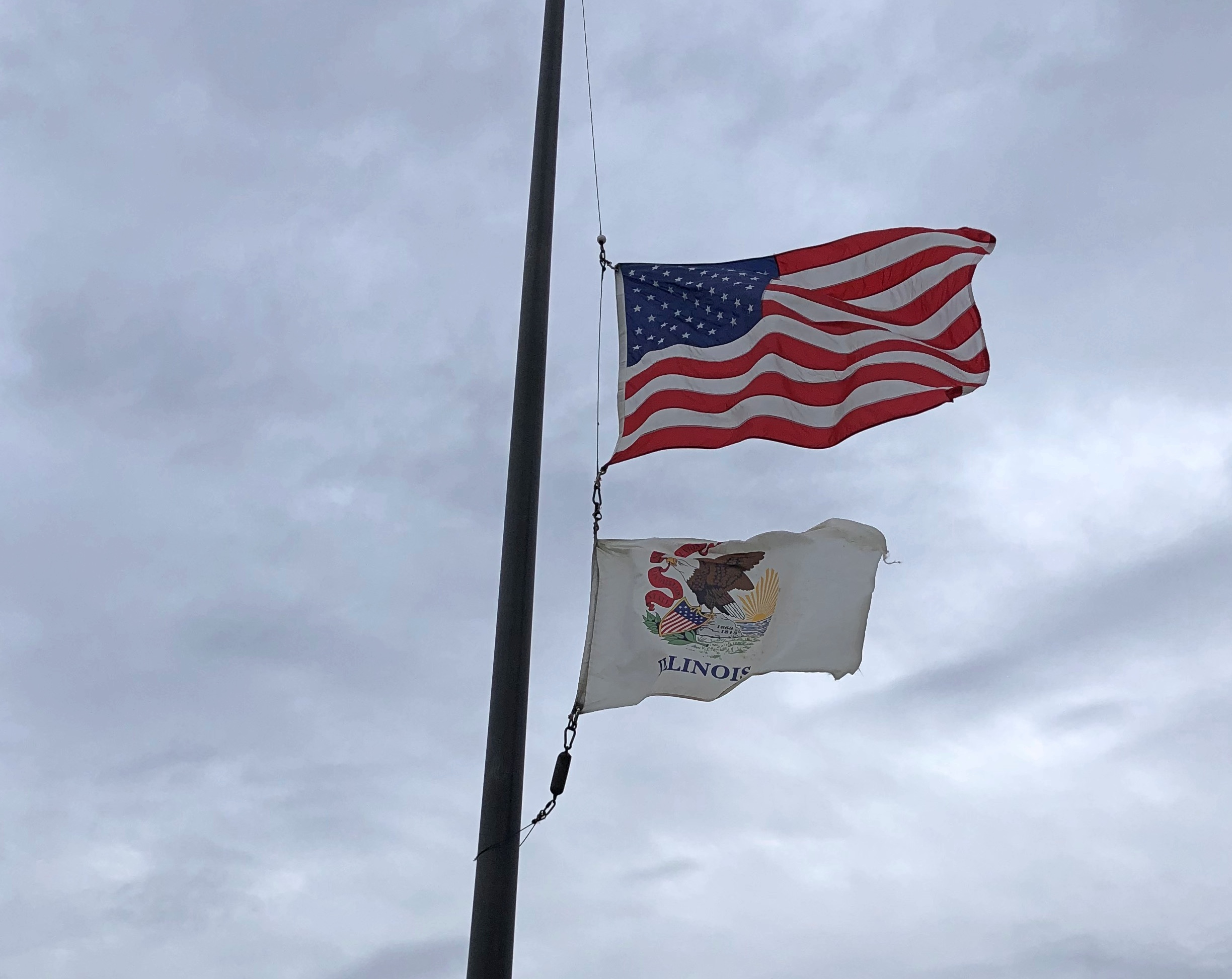
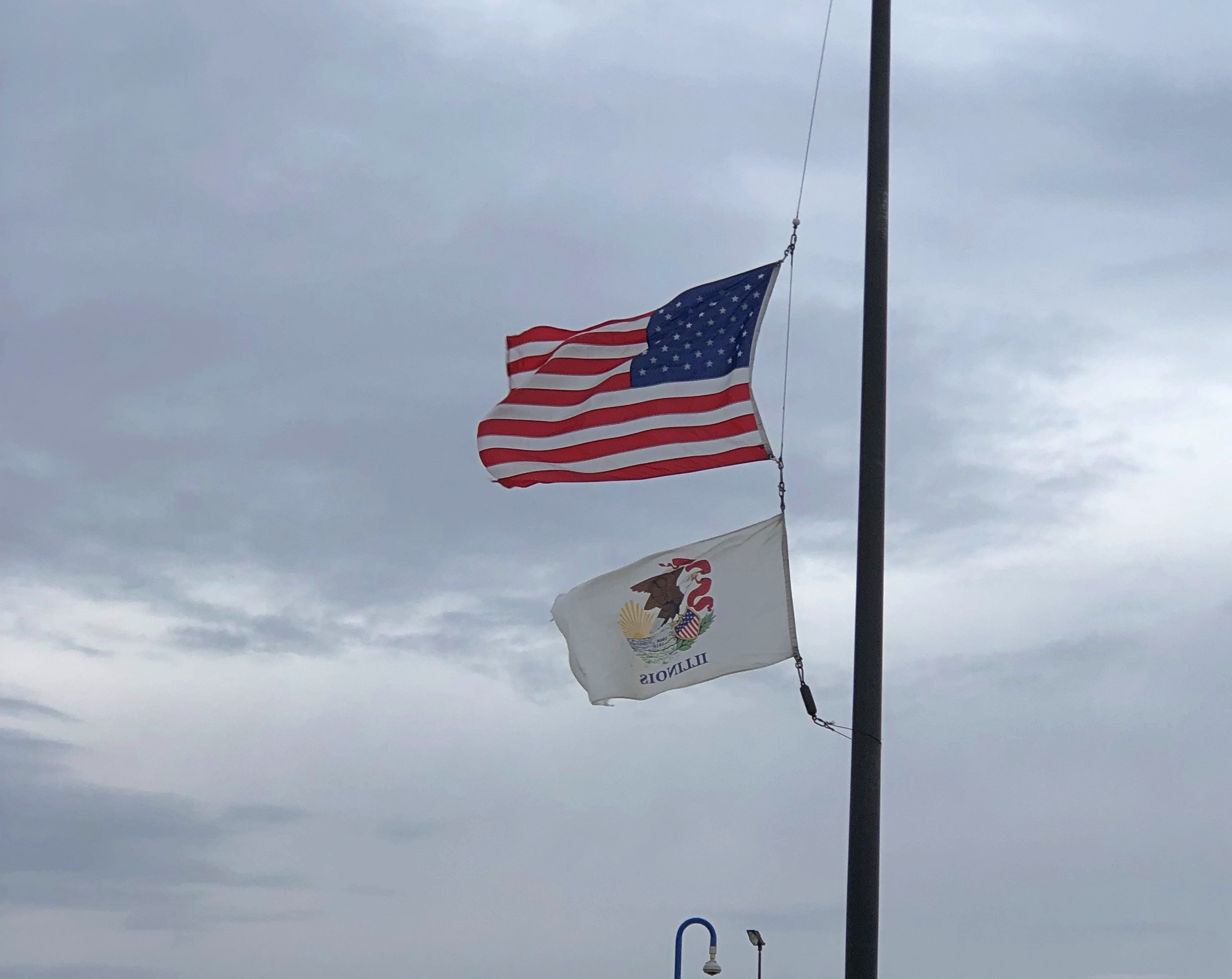
Captured a couple of flags in flight not long ago.

Illinois needs a new flag. Remarkably, it might get one. I didn’t know that until this evening, looking around for alternate designs for the state flag. Of course, with a committee working on the matter, there’s no guarantee of a better flag. Even if the state had a design competition, that might not work out either. Guess we just have to hope for the best, or at least the better.

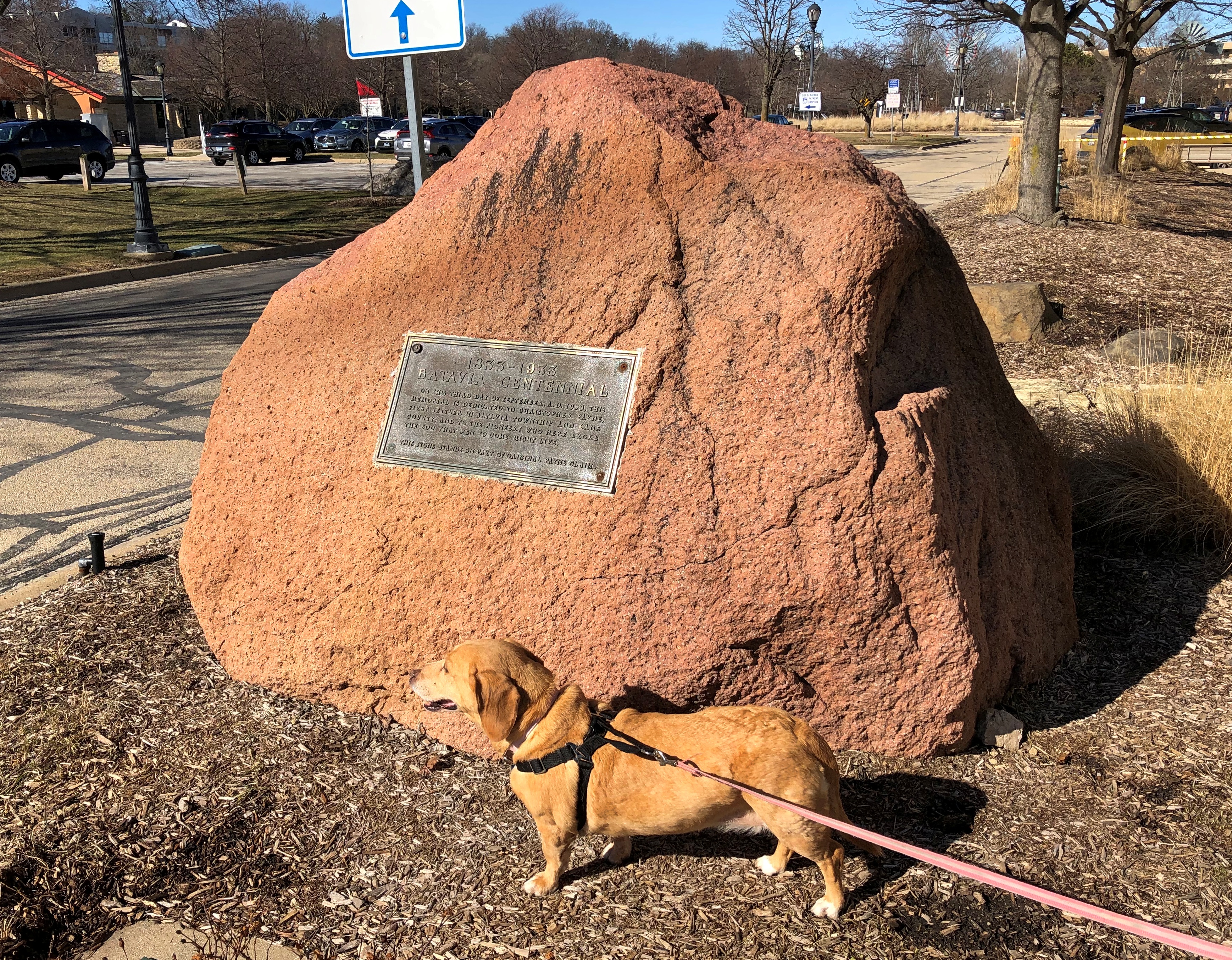
Bet this rock is in the Suburban Boulder Database, which is maintained by the U.S. Geological Survey.

Or it would be, if I hadn’t made that up. The database, that is, not the USGS, which I assume is real, unless it’s a Deep State trick to persuade us dupes that the Earth is round. Yet who else will give us volcano warnings?

I always take a look at plaque-on-rock memorials when I can. I like the economy of the things. No money, or room, for a bronze or marble statue? No worries, affix a plaque.

That one commemorates the 100th anniversary of the founding of Batavia, Illinois, and was dedicated on September 3, 1933. It mentions the first settler in the area, one Christopher Payne, and lauds him and other early settlers “who here broke the sod that men to come might live.”

Maybe, but Payne and his 19th-century passel of children didn’t stay. They soon moved on to Wisconsin.

Never mind what the poet said, March could well be the cruelest month. So it’s time for cheerful tunes.

A wonderful cover of “Honey Pie” by the newly named The Bygones.

Admiration for one Dutch musician can lead to the discovery of others, such as Candy Dulfer.

And of course, a longstanding reason to be cheerful, “Reasons to be Cheerful, Part 3.”

It’s cheerful to recall the first time I remember hearing Ian Dury and the Blockheads — a spring day in Tennessee as I crossed campus. The year, long ago, though at the time it seemed to be the cutting edge of the future. A nearby frat house was broadcasting its musical tastes to all passersby, such as me. The tune: “Hit Me With Your Rhythm Stick.” One of the kinds of things I went to college to experience, though I didn’t realize it at the time.

Möngö Notes

The winter storm blasting the upper states showed up in my neighborhood today first in the form of a lot of rain, but cold enough to leave a coating of ice on the bare trees and bushes. Then the rain itself started to freeze.

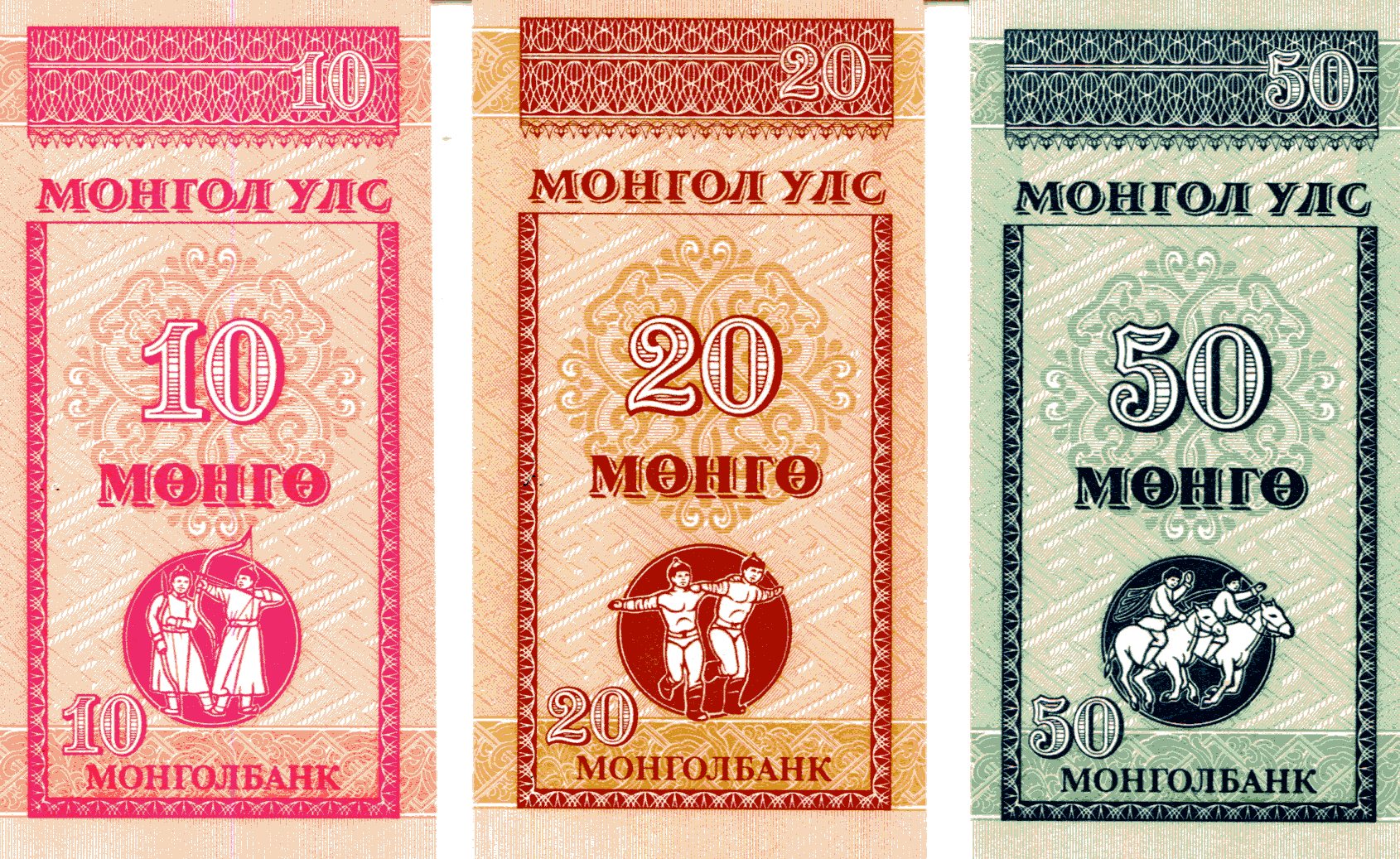
More currency with no Roman letters on it (well, not many). Three bits of currency, each measuring a diminutive 1¾ by 3½ inches, roughly the size of a business card.Mongolian currency

I didn’t have to do any looking around to know who issued them: Mongolia. I’m familiar with Mongolian notes, ever since I picked up a few of them in Ulaanbaatar.

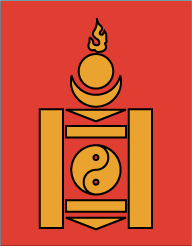
Besides, the Mongolian national symbol – the Soyombo, which appears in the national flag – is a certain giveaway.

“The Soyombo is… attributed to Zanabazar, the 17th-century leader of Mongolian Lamaism, a great statesman, and the father of Mongolian art and script,” says the University of Pennsylvania, including an interpretation of the ying-yang that’s new to me.

“The yin-yang symbol means that men and women are unified. During Communist times it was interpreted as two intertwined fish, which symbolize vigilance and wisdom, as fish never close their eyes.”

Not having eyelids isn’t quite the same as being vigilant, I’d say, and I don’t much associate fish with wisdom, but I suppose that’s just anthropocentric bias, isn’t it?

I didn’t pick up the notes in country. They came with the grab bag of international paper money cheapies, and are 10-, 20- and 50-möngö notes.

A möngö is one-hundredth of a tugrik (tögrög), the base unit. Considering that U.S. $1 fetches about 3,500 tugrik these days, even 50 möngö isn’t going to be worth much. Indeed, Wiki says of the notes, “Very rare in circulation. Abundant among collectors.”

The möngö notes depict Mongolian sports: archery, wrestling and horse riding. Those are known as the “Three Games of Men,” the Mongolian embassy to the U.S. tells me. It also says that “nowadays, track and field sports, football, basketball, volleyball, skating, skiing, motorcycle racing, mountain climbing, chess and other sports are widely played in Mongolia.”

Also, there’s a Mongolian American Football Association. Learn something new every day.