Back at Mallard Lake

Last week was distinctly cool, in the winter direction of the seasonal seesaw of March. By Saturday, things were tolerable warm, but then Sunday was cold — and today, we received a few inches of snow. It won’t last, but for a while it looks like January again.

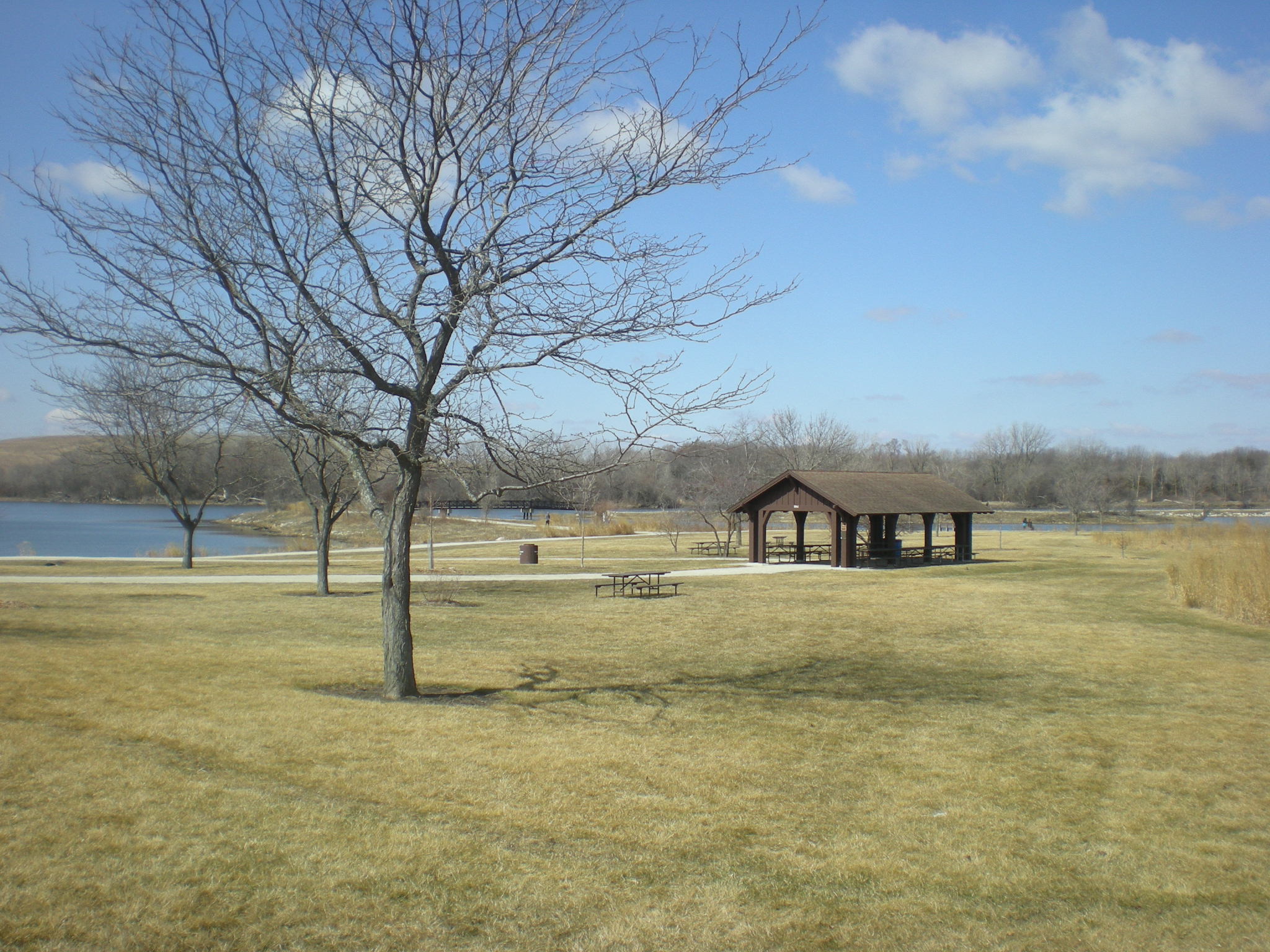
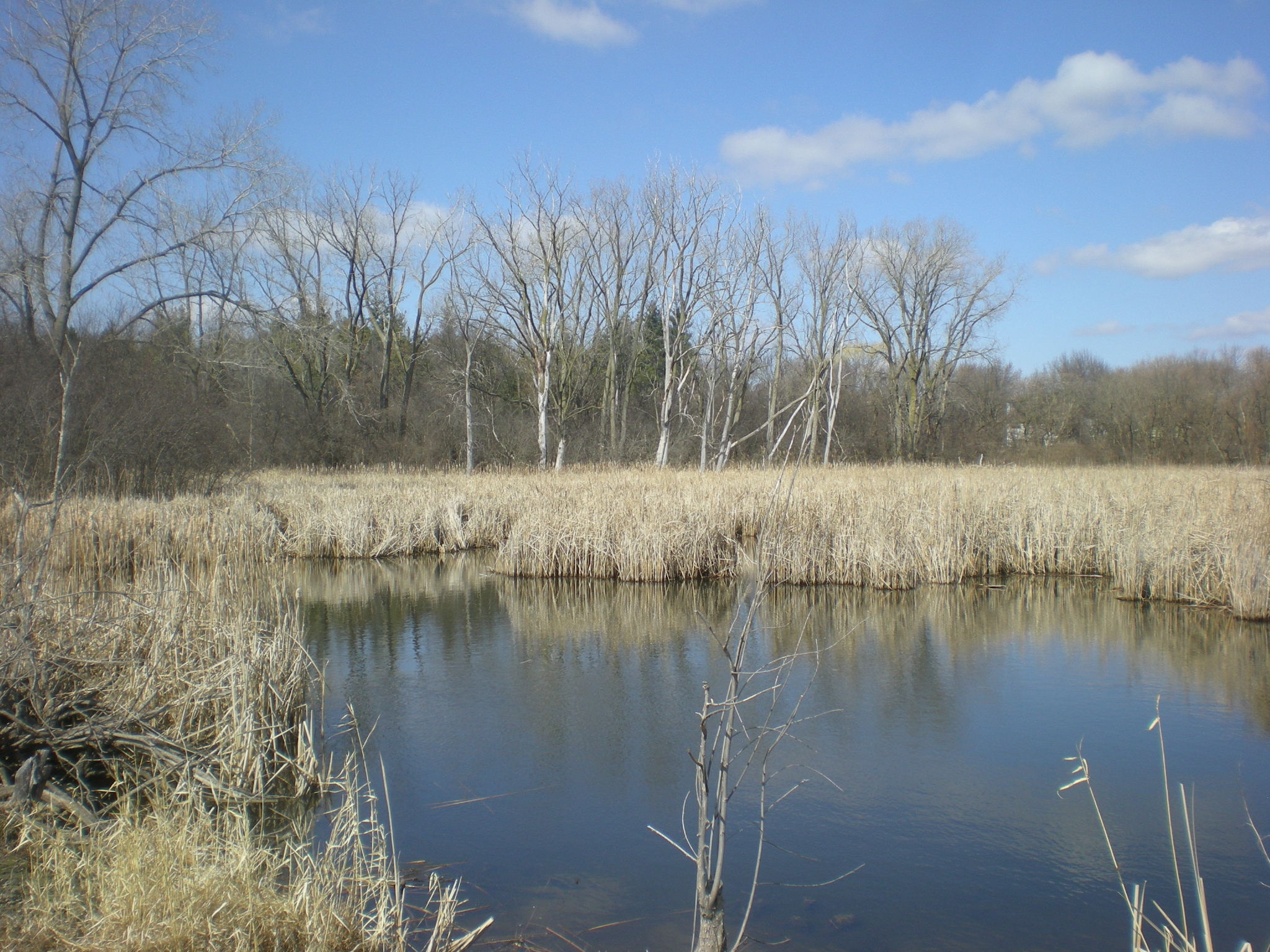
Before all that, on Saturday, we took a walk on some of the trails at Mallard Lake, a 942-acre unit of the Forest Preserve District of DuPage County. This wasn’t our first visit. Except when it’s covered by short-lived snow, the landscape is still browns and grays against sky blue, unless it’s cloudy.

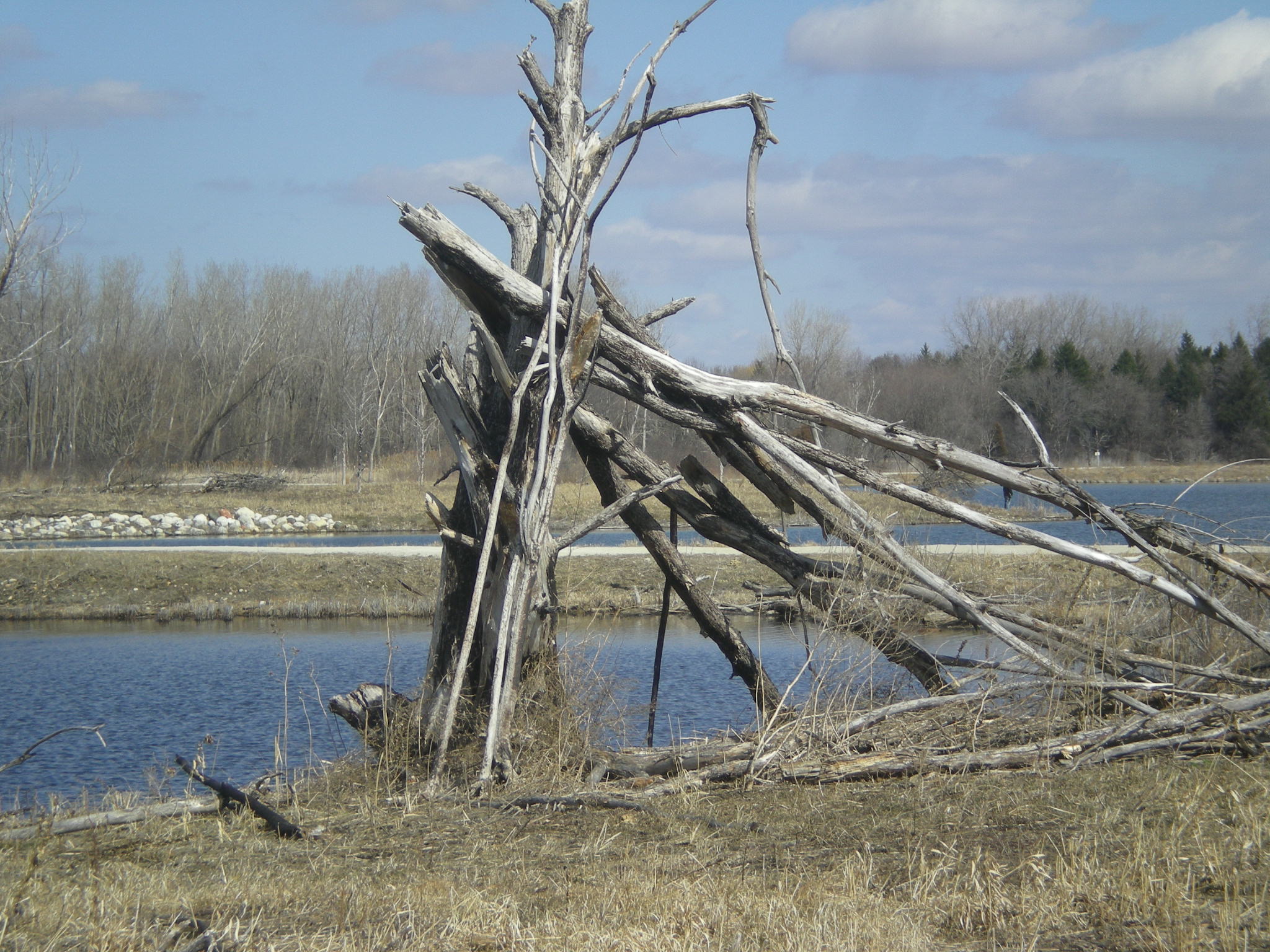
Mallard Lake, March 21, 2015Along with deadwood, no doubt providing nutrients for future trees, or at least the grass.
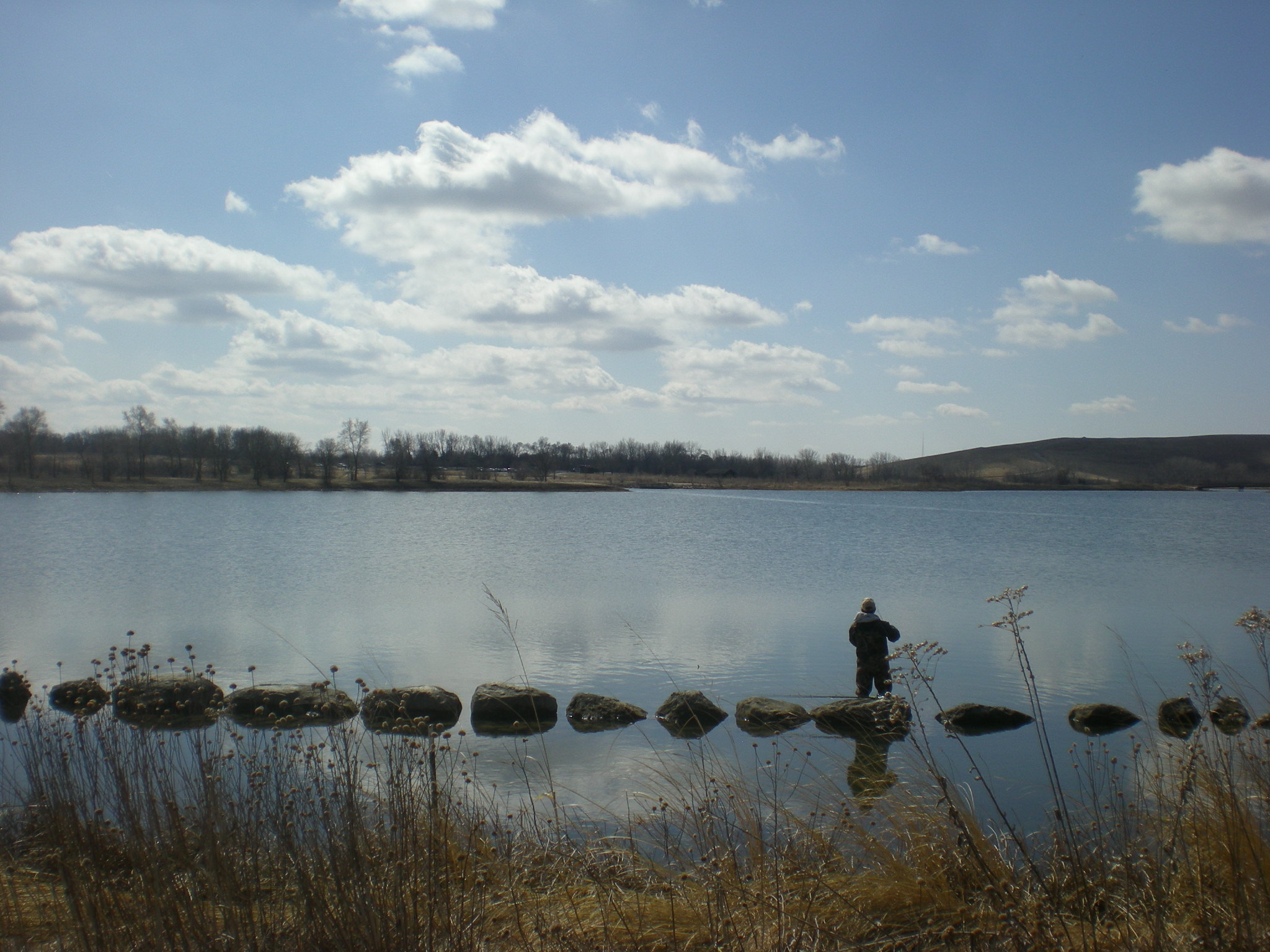
Mallard Lake, March 21, 2015Only a handful of fishermen were around.

Mallard Lake, March 21, 2015Hard to believe it’ll be lush green in a couple of months.

Mallard Lake, March 21, 2015We saw a few bugs, including a sluggish bee, a small beetle, and maybe a gnat. Insect pioneers of the spring of ’15, coming out for their what — 400 millionth season as creatures that crawl the Earth? They’re not worried about climate change, assuming worry is an insect concept. They’ve seen it all before.

James “Pate” Philip and His State Park

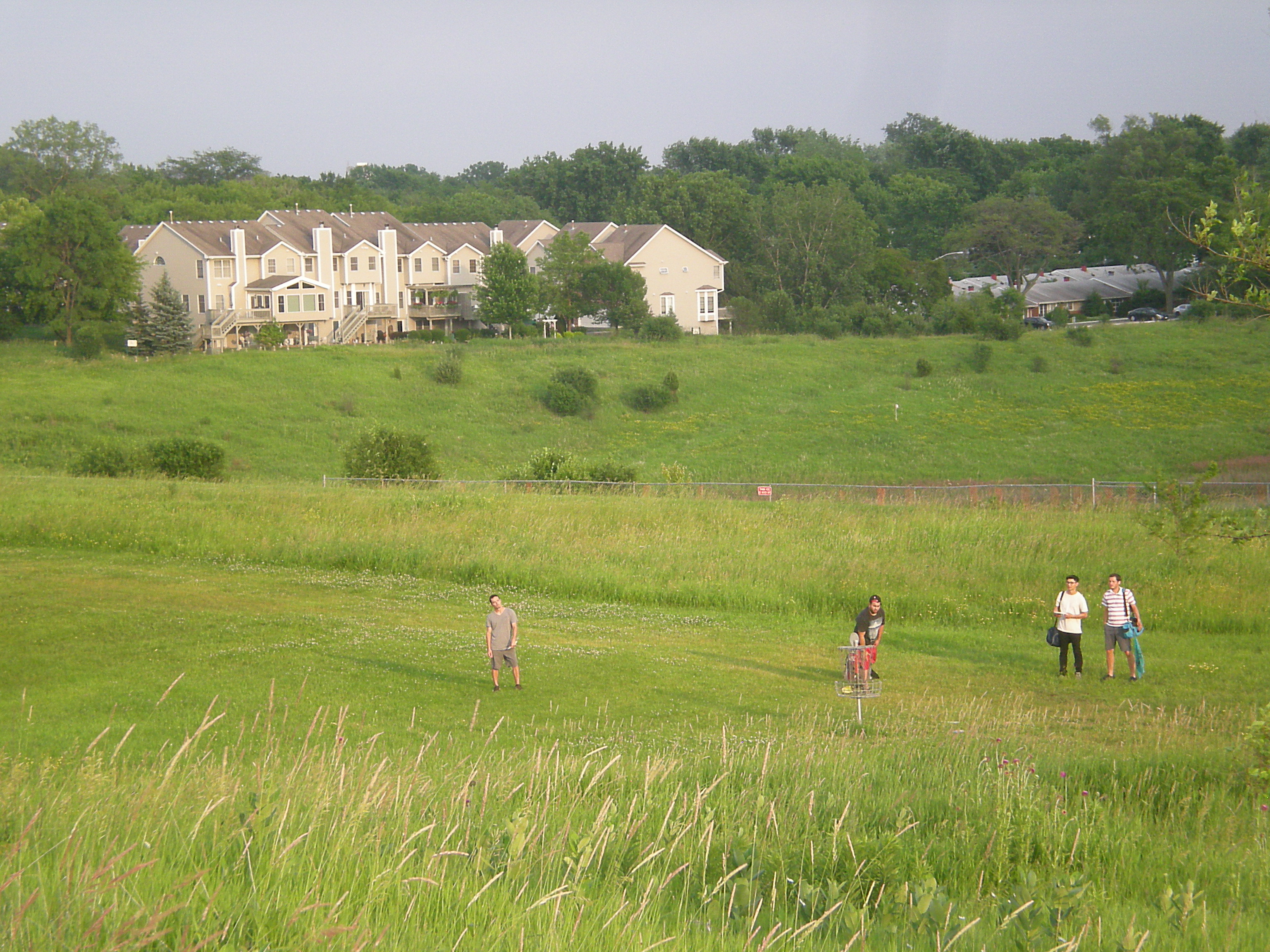
The Illinois Department of Natural Resources tells us that “first-time visitors to James ‘Pate’ Philip State Park (formerly Tri-County) may initially wonder what the area’s specific feature is. After all, the land is predominantly farmland that had been tilled and grazed for years. The north branch of Brewster Creek flows through the property, but most of the streambed had been channeled to move water away from former agricultural fields. Along the north boundary of James ‘Pate’ Phillip State Park, starting in the east, a row of houses rises up like a wall against a sea of grasses. Further west along the boundary is an active gravel pit and by the Bartlett Park District sport field. To the west of the park, across Route 25, is a landfill in the process of being closed.”

I wondered something along those lines on Saturday, when we went to take a walk at James “Pate” Philip State Park (Philip is a retired state politico; I’ve never read an explanation for the nickname, but he’s always referred to by it).

I’ve seen the park on maps as a green blotch for some time now. It was created about 10 years ago. I assume it had been farmland until then, though housing development probably came close in the 1990s. Now the idea is to return it to prairie, and dechannelize the creek.

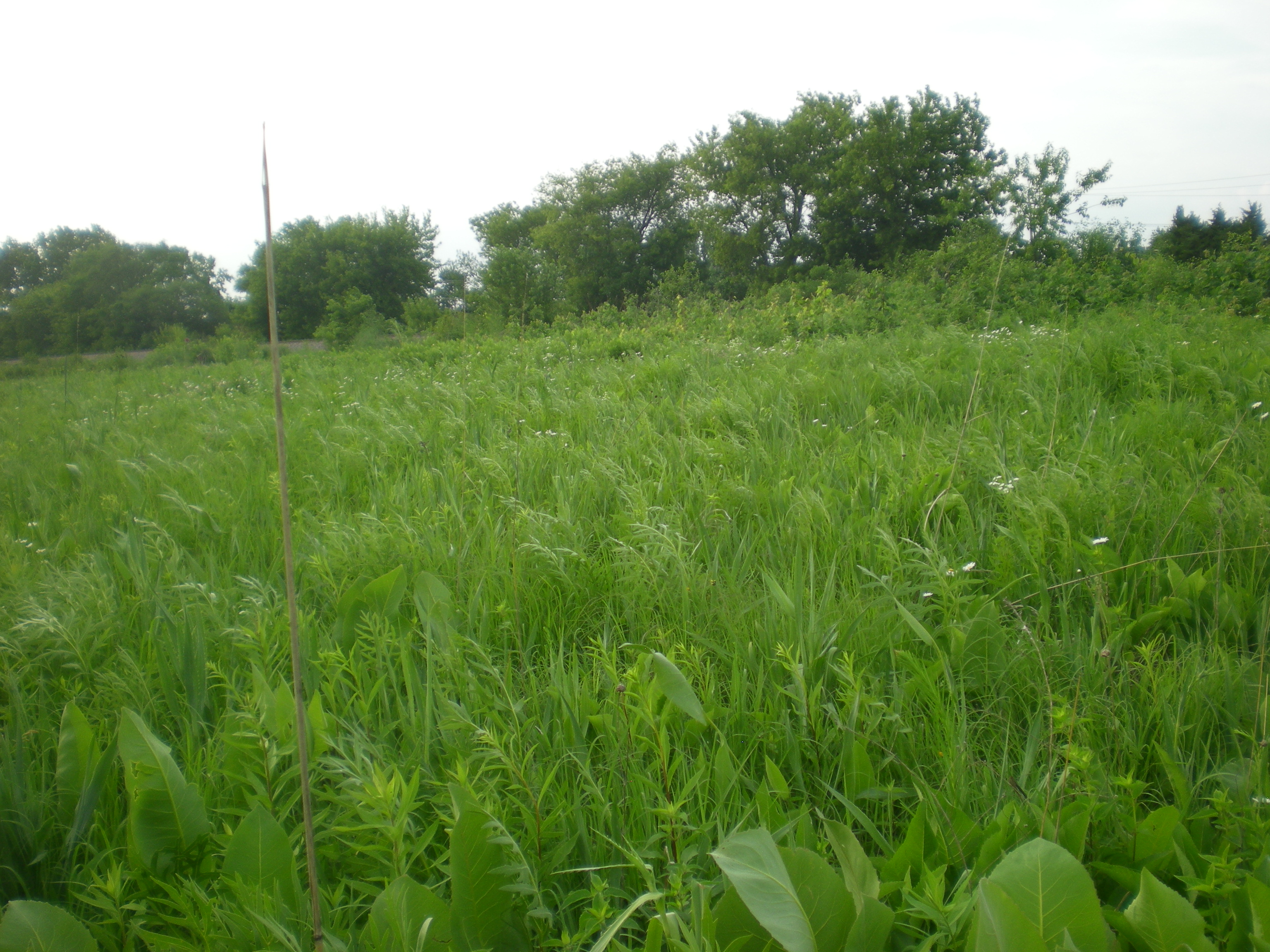
Seems like a good idea to me. The Prairie State doesn’t have quite enough prairie. Since we had cloud cover and only warm temps, it was a good walk. The park is mostly flat and lush in early July, with grasses almost as tall as a grown man and a lot of wildflowers – including clusters of tiny gorgeous orange blossoms that I don’t think I’d ever seen before. My natural history knowledge is meager, so I might not ever know what they’re called.

I was also intrigued by the fact that the park is within three counties: mostly Du Page, but also Cook and Kane. The tri-county border is, in fact, within the park. I don’t know if there’s any kind of marker, and we didn’t feel like walking far enough to see it, but maybe I’ll go look someday.

We also visited Pratt’s Wayne Woods on Saturday, just south of Pate Philip’s State Park, and took a walk around one of its bodies of water. It was to have been part of a state park, but that didn’t happen, and it’s now a part of the Forest Preserve District of Du Page County – at 3,400-plus acres, the largest chunk under its authority, in fact. The district says, “Pratt’s Wayne Woods Forest Preserve in Wayne is located on the outwash plain of the West Chicago Moraine. Made up largely of wetlands, this landscape combines calcium-rich water with wet sandy soil to support plant life more commonly seen near Lake Michigan.

“Today, the forest preserve is home to over 1,000 species of native plants and animals. Below the savanna’s widely spaced oaks grow dogbane, pale-leaved sunflower and smooth yellow violet wildflowers. In the marshy areas, explorers can view great Angelica, marsh marigold, shooting star, nodding ladies’ tresses and spotted joe-pye weed as well as egrets, great blue herons and wood ducks.”

We saw a lot of plants and a few animals, probably including some of those listed above. But the district forgot to mention what a swell habitat the park is for mosquitoes and especially gnats. It’s been a good year for gnats.

Return to Lilly Lake

Besides being Good Friday, April 18 this year had a good Friday afternoon, as warm as a spring day sometimes is. It was a good day to visit Eagle Creek Park, in northwest Marion County, Indiana, which counts as an Indianapolis city park, though it’s much more like a forest preserve. It’s slightly hilly, forested, and features a number of small lakes.

The smallest of these, I think, is Lilly Lake. We have to like a name like that, though in fact it must be named after one or another of the Lilly pharmaceutical family, whose land this used to be. We parked nearby and took a stroll around Lilly Lake. It was the picture of an early spring day: puffy clouds, green grass, the smallest of buds on the trees.

Lilly Lake, Indianapolis April 18, 2014Besides being a pleasant setting on a warm day, I wanted to come because we’d been there before. Back in early 1999, we did a similar short trip to Indianapolis, and just before we left town, we stopped at Eagle Creek Park, and took a stroll around Lilly Lake. It had been a wet spring, or at least wet recently, and near the edge of the lake was a muddy patch of ground.

Lilly, who was two years old then, stepped into the mud without warning and immediately found her feet stuck. She pulled and pulled and, getting nowhere, burst out crying. Time for Dad to step in – figuratively, since I didn’t need to physically step in the mud. I reached over and picked her up. Her little boots stayed in the mud, to be retrieved separately. The whole incident lasted maybe 30 seconds, but somehow I haven’t forgotten. One of those things.

This time around, with two somewhat older daughters, we had no mud incidents.

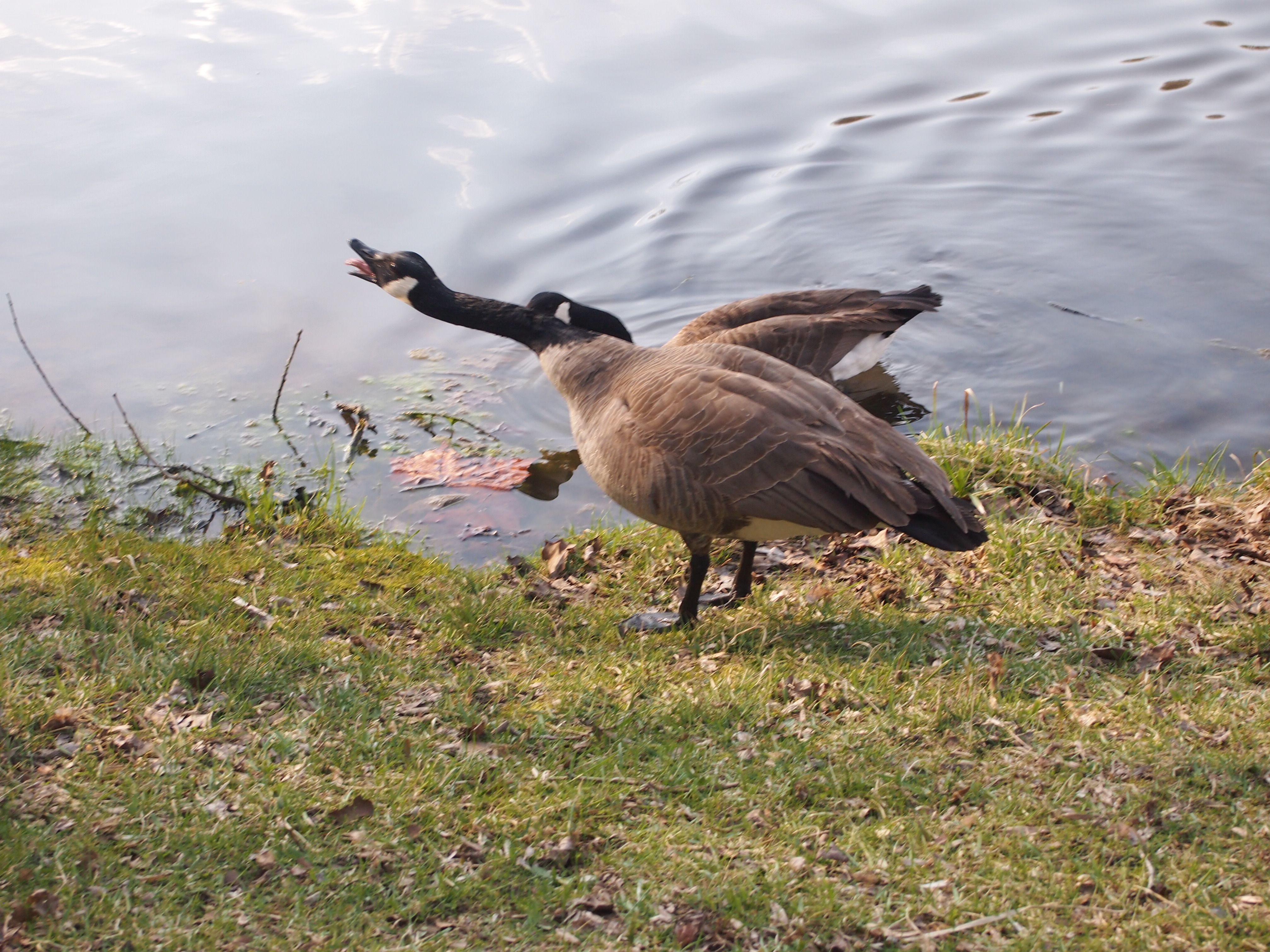
Indiana Goose, April 18, 2014A goose did hiss at Lilly, however.