The Nicholas Conservatory & Gardens

As a destination from the northwestern suburbs of Chicago, Rockford has a number of advantages. For one thing, it isn’t that far. It’s easy to drive there, visit one place at least, maybe eat a meal, and then come home. But it’s far enough not to be in the northwestern suburbs. There are still wide-open farm fields between here and there, and some smaller towns. Someday metro Chicago and metro Rockford might well conurb, to make up a verb, but that hasn’t happened yet.

None of that would matter if there weren’t a few interesting places to see in Rockford, but there are. Such as the Klehm Arboretum, a fine warm-weather destination, or the Anderson Gardens. The Rock River is also worth a look, with its various pedestrian-oriented amenities.

I wrote in 2003 about our visit to the riverside, “We drove a short ways north of downtown, looking for a more expansive park at which to finish off the afternoon. We found it on the other (west) bank of the Rock River, at the Sinnissippi Gardens and Park, which had a greenhouse that was already closed…”

These days, the greenhouse is permanently closed. It was replaced by the Nicholas Conservatory, which opened in 2011. I’d read about its development and opening, but didn’t get around to taking a look at it until Saturday, when we drove to Rockford exactly for that reason. Saturday, April 16, 2016 here in northern Illinois was as warm and pleasant as a spring day can be, the complete opposite of only a week earlier, the miserable cold April 9. That was an impetus to go.

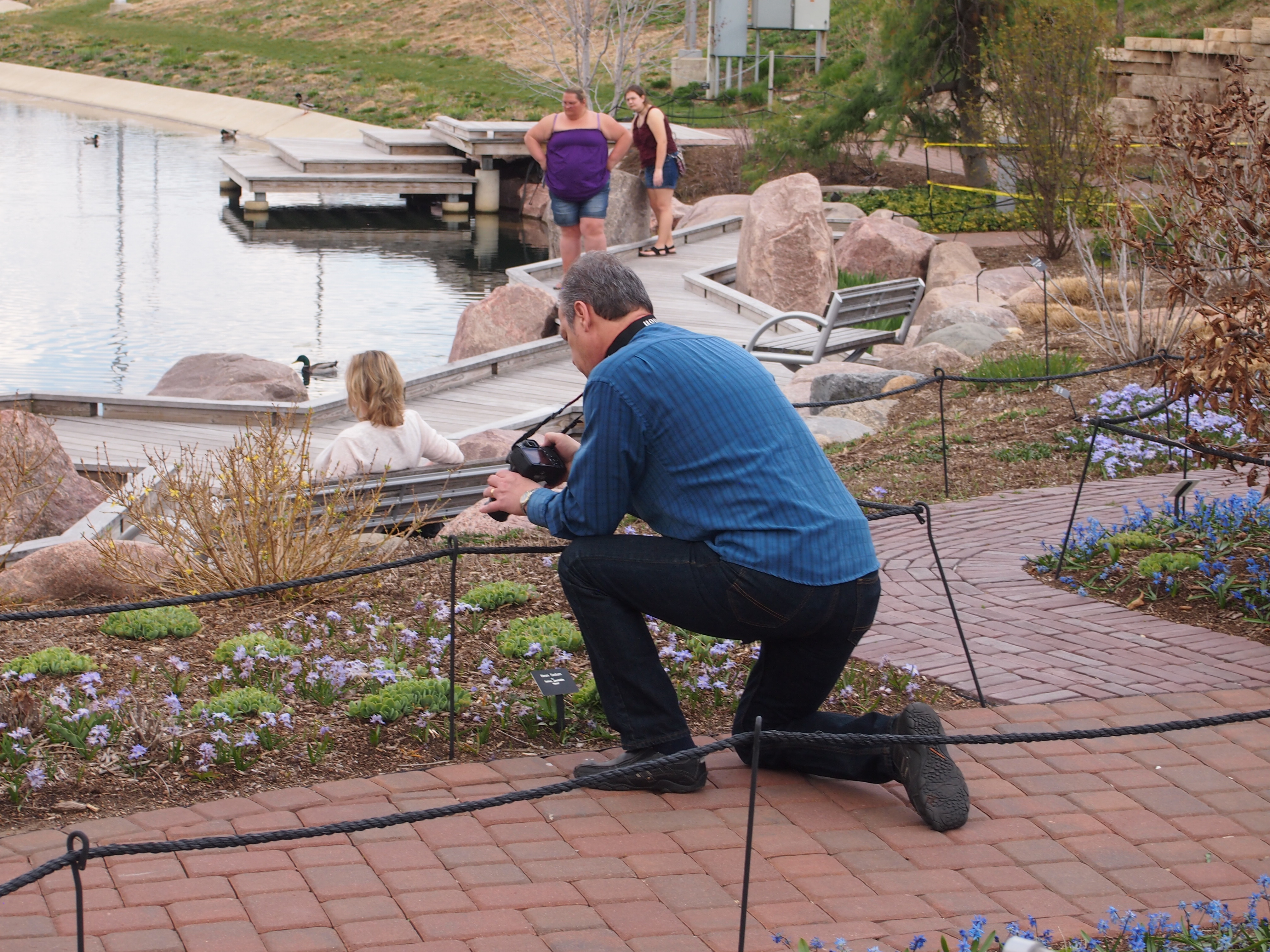
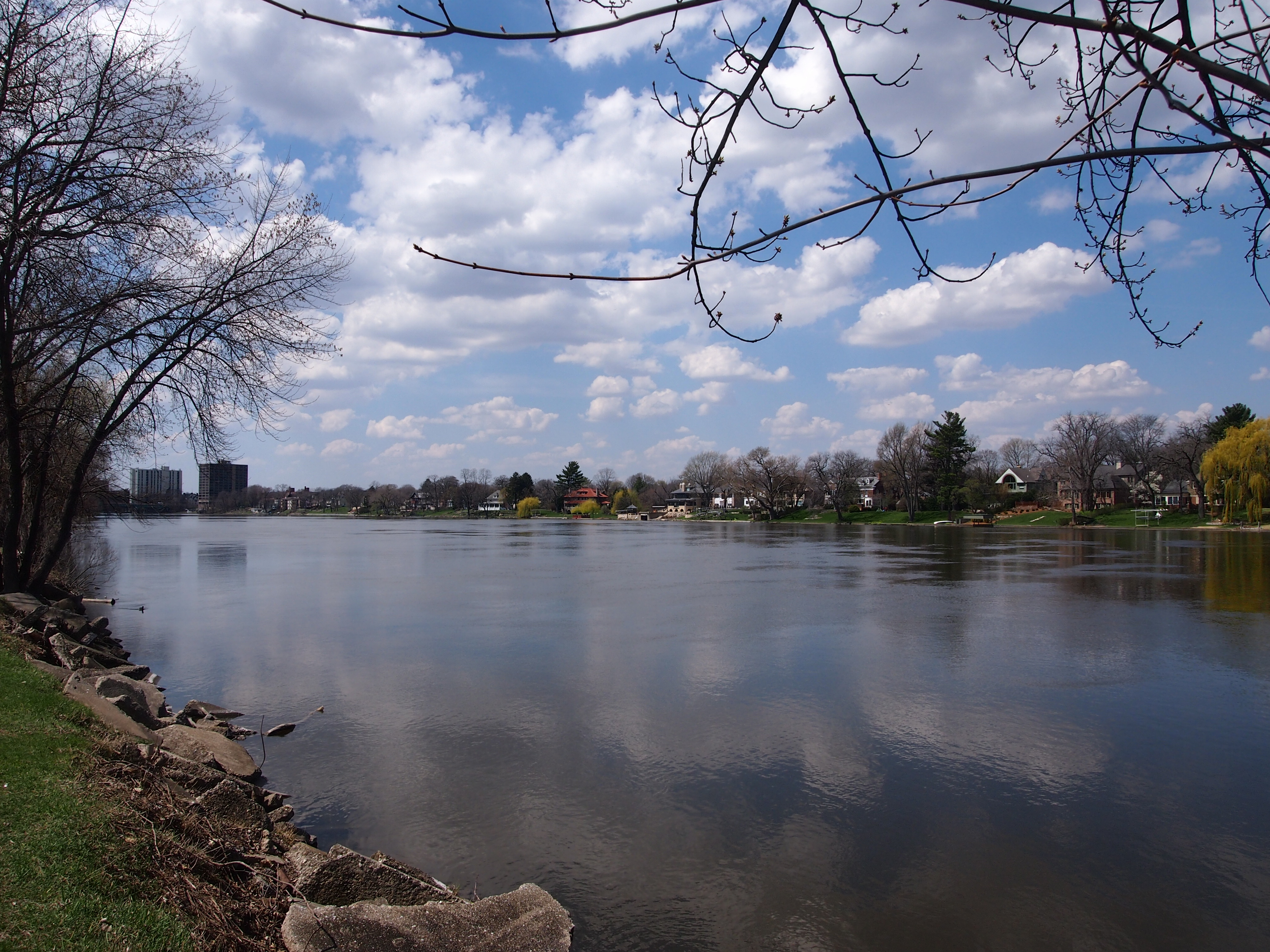
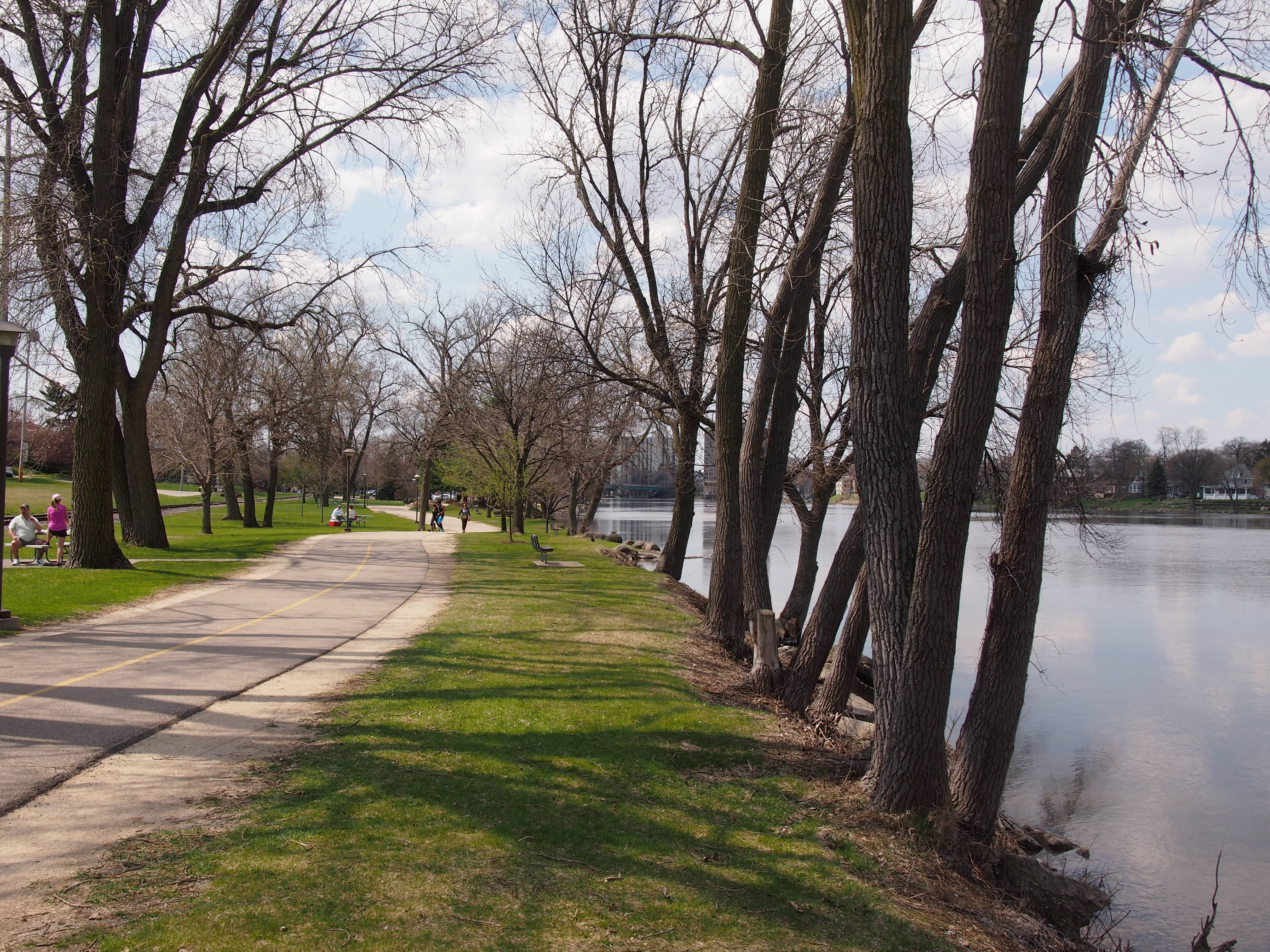
We weren’t disappointed by views of the Rock River (more lyrically, the Sinnissippi River) from near the new conservatory. Rock River in Rockford, April 16, 2016 People were out along the riverside trail, but not a throng of them.

Rock River in Rockford, April 16, 2016 Waterfowl were out too.
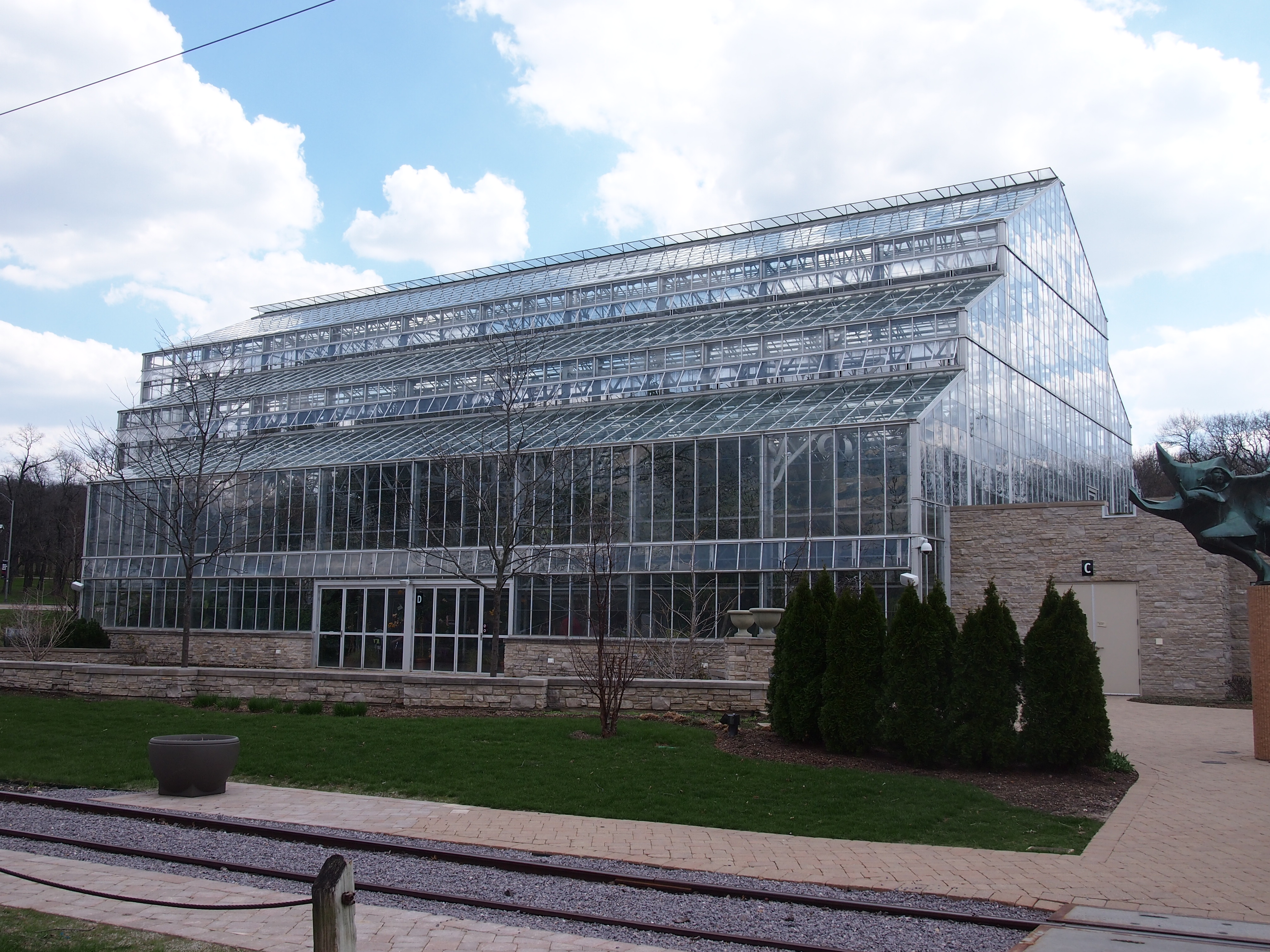
Rock River in Rockford, April 16, 2016A stone’s throw from the river — if you’re inclined toward that kind of mischief — is the conservatory.
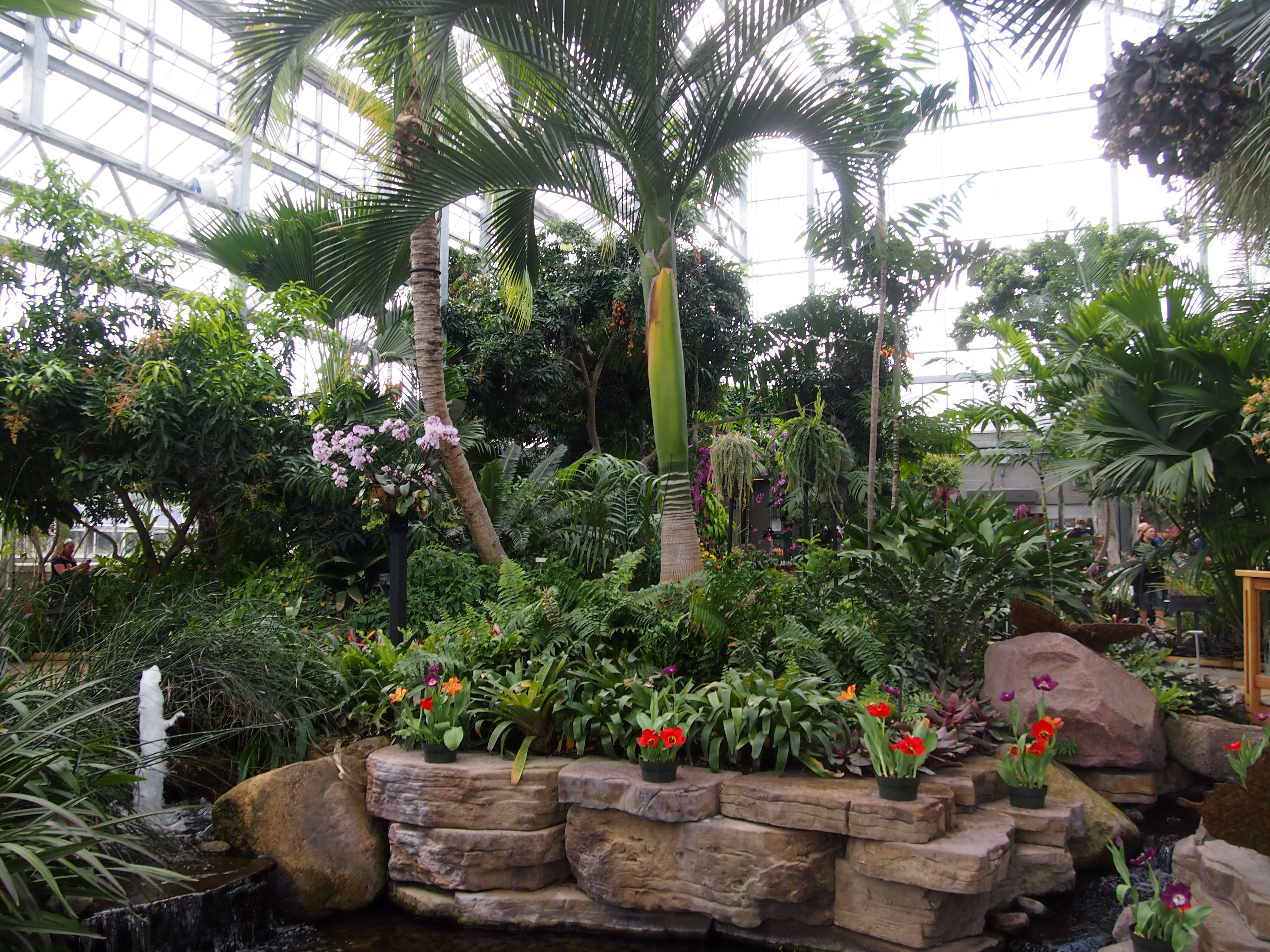
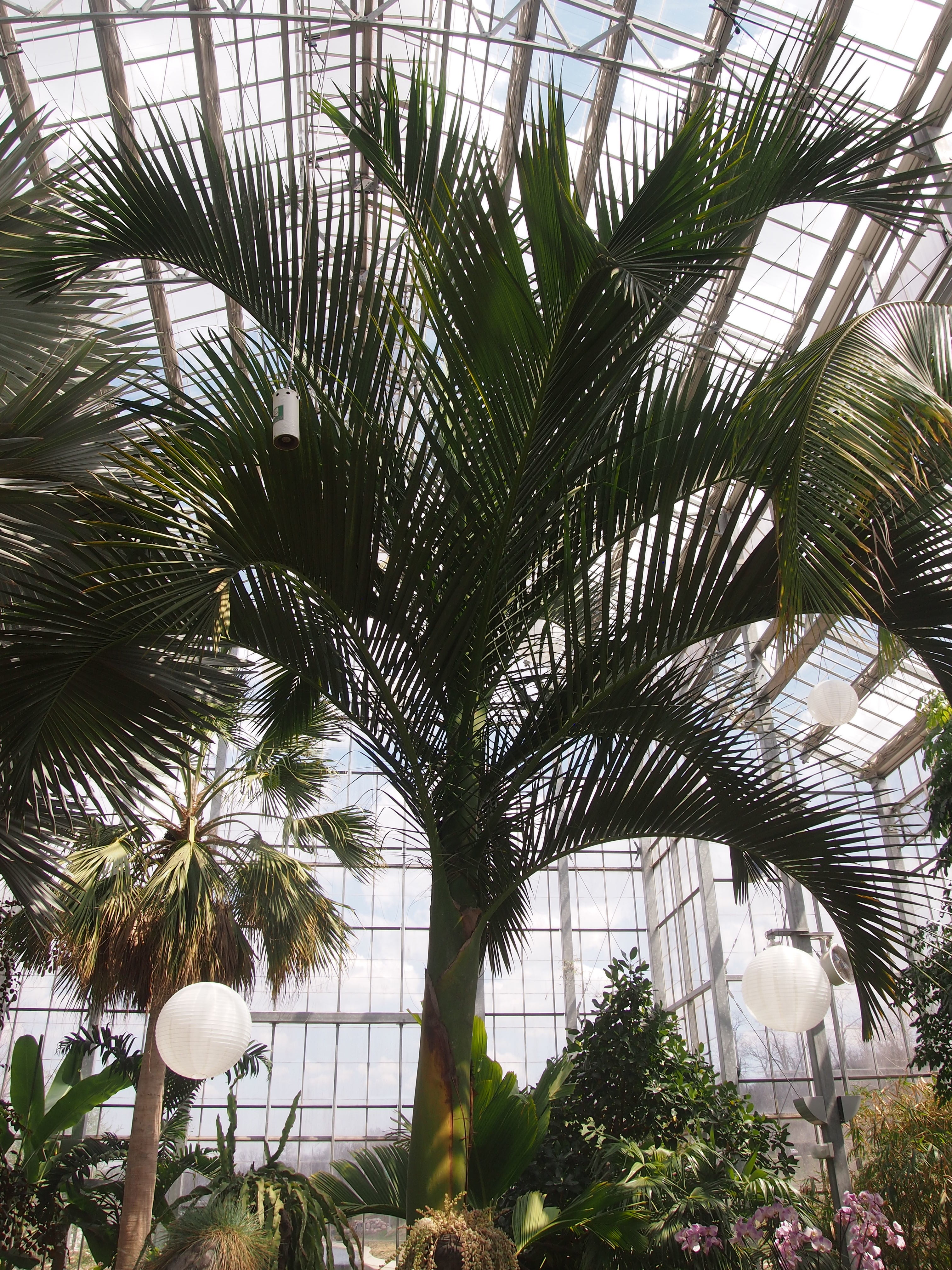
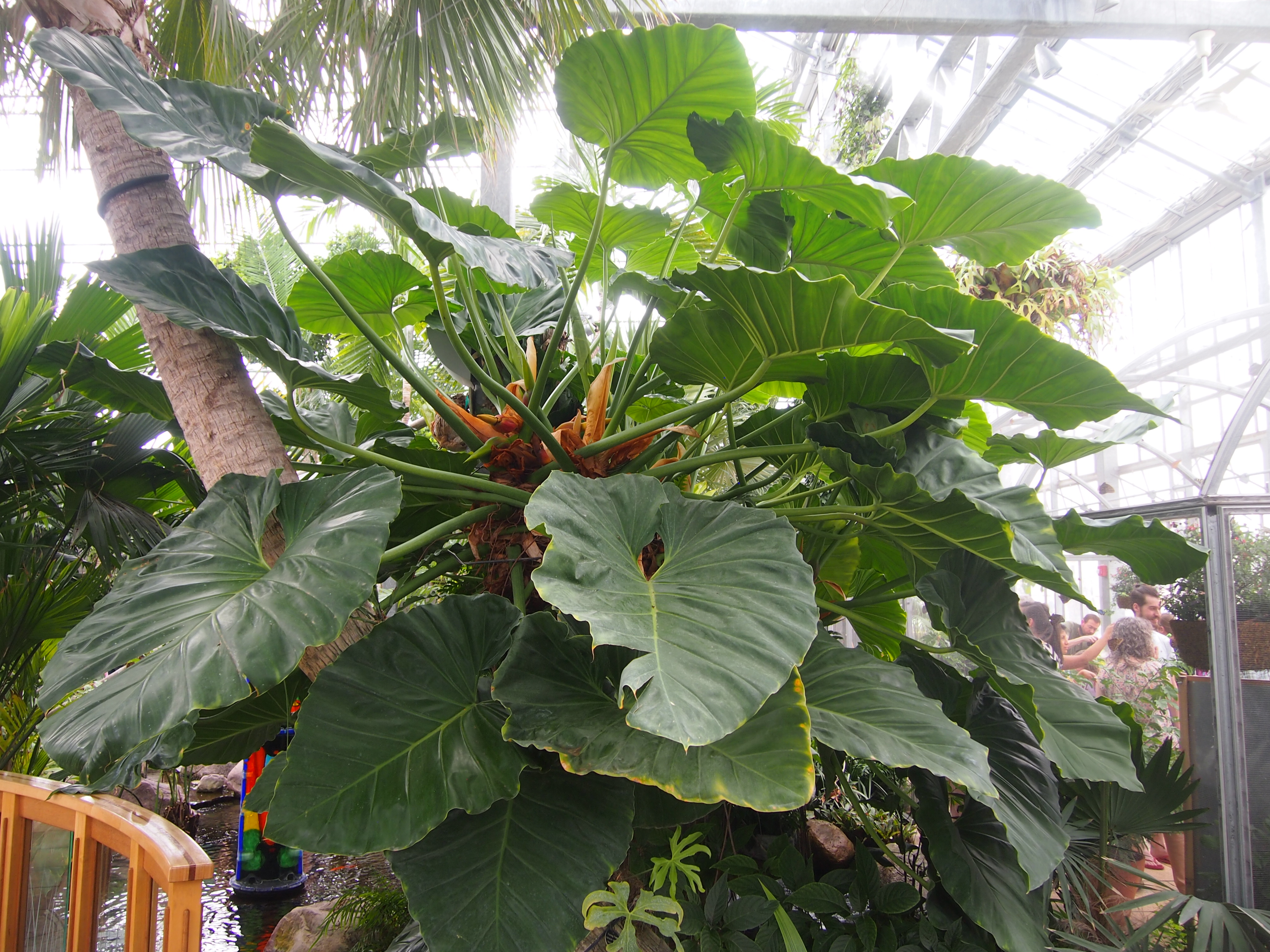
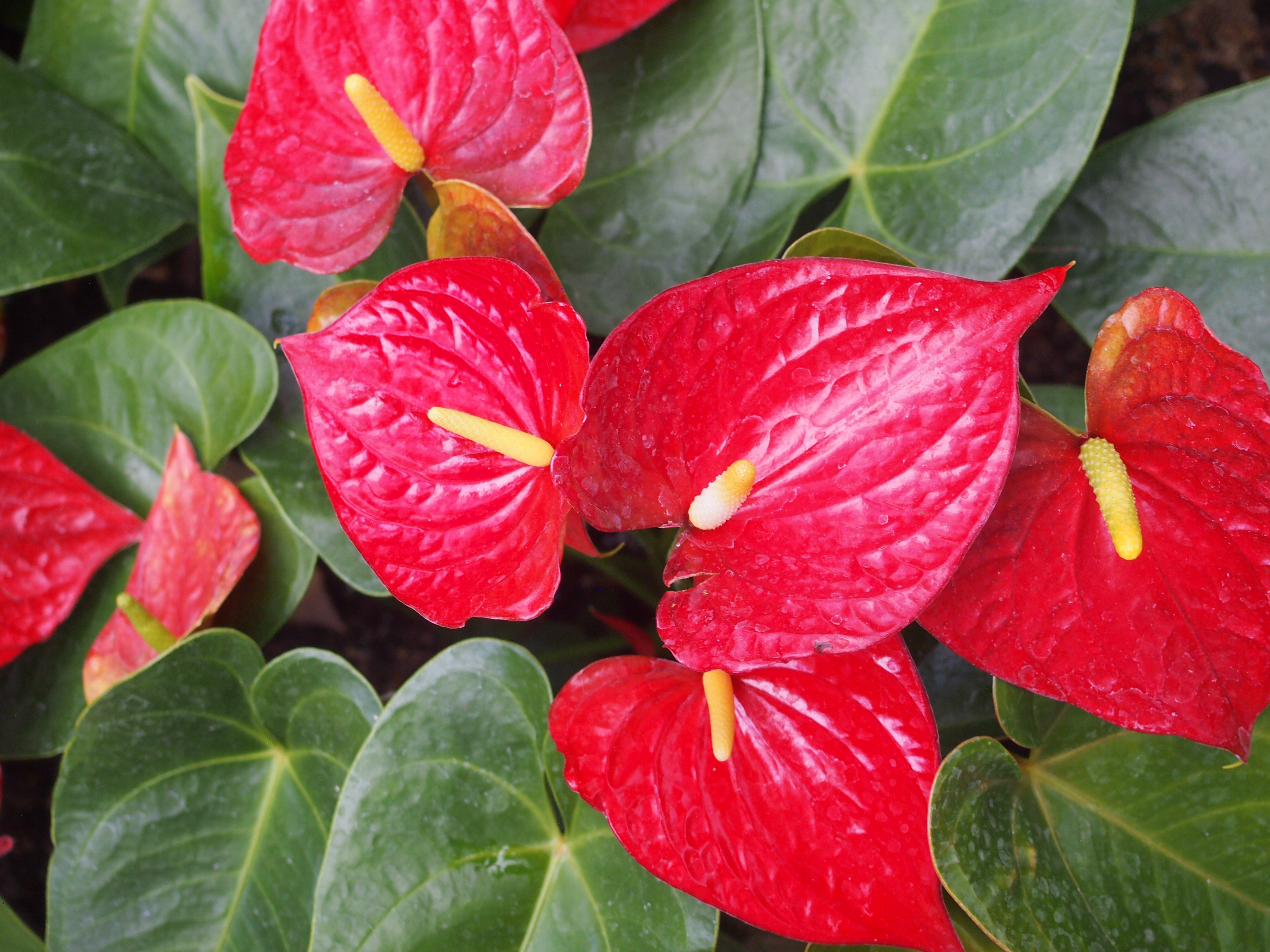
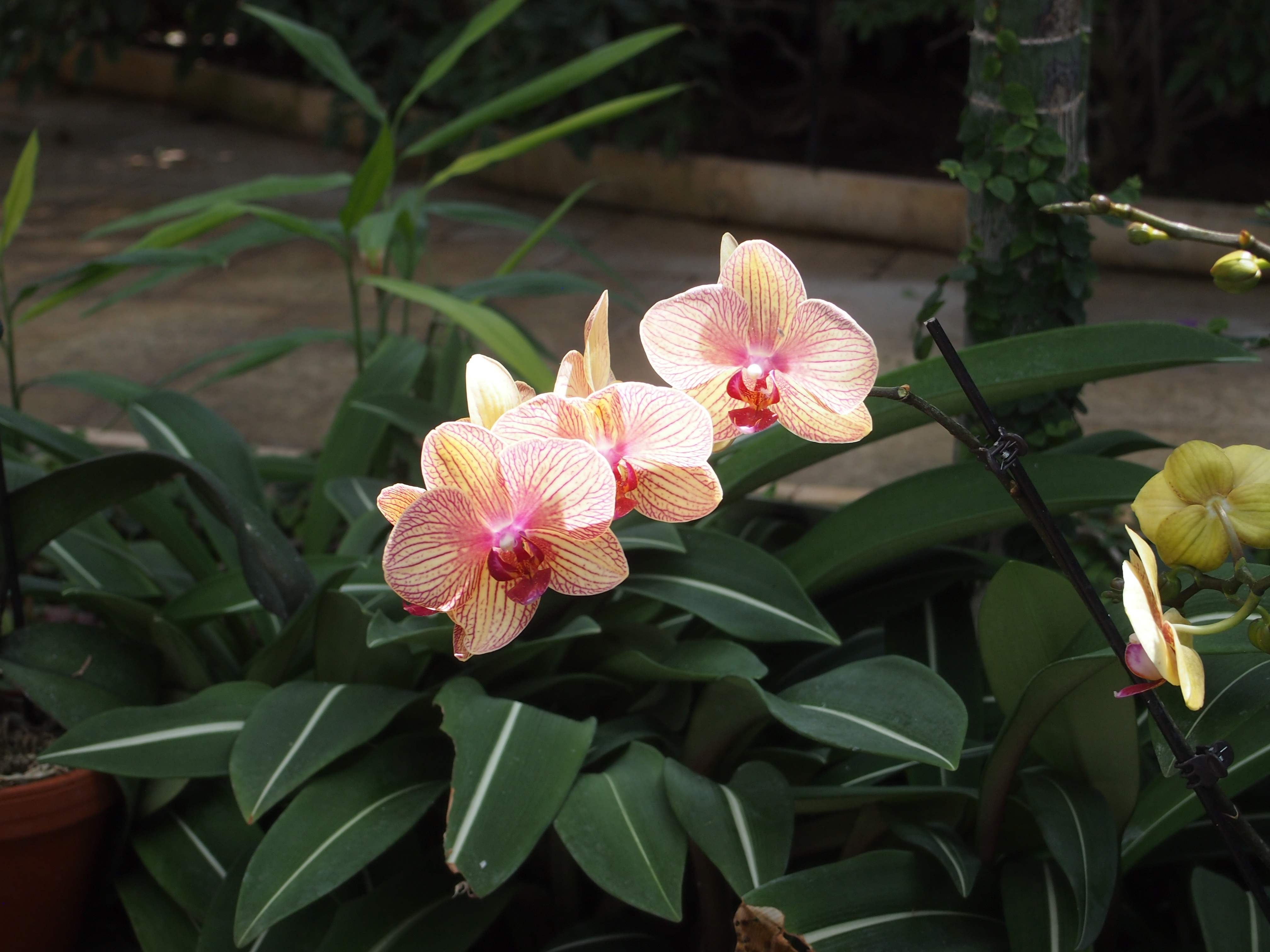
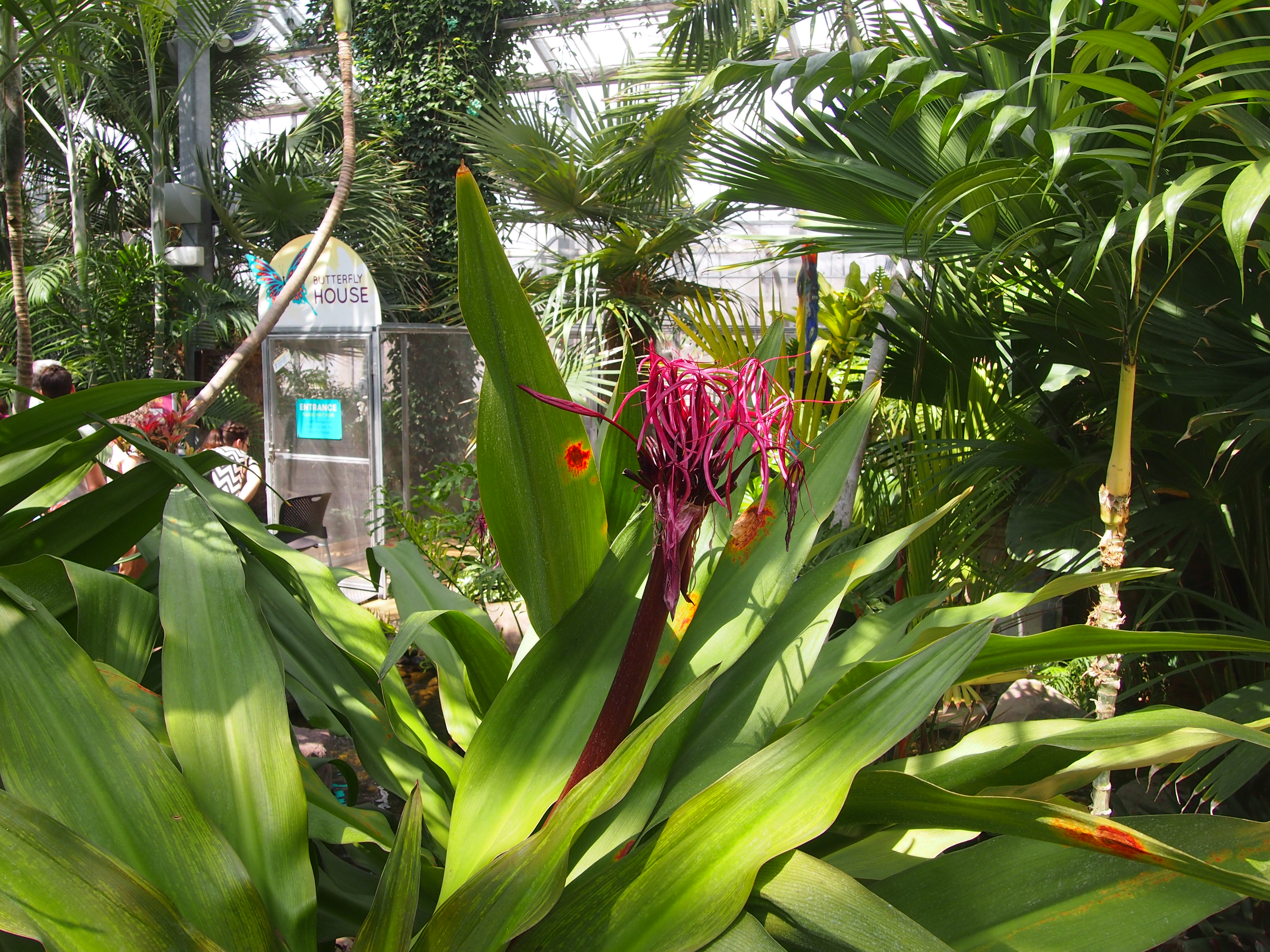
Nicholas Conservatory, Rockford, Illinois 2016The facility’s web site is a little thin on facts, but it does say that it’s “the third largest conservatory in Illinois, offering an 11,000-square-foot plant exhibition area complete with water features, seating areas, and sculptures, all in a tropical plant setting.”

I’d guess that the Lincoln Park Conservatory and the Garfield Park Conservatory, both in Chicago, are both larger — I’m fairly certain of that — but whatever its relative size, the Nicholas Conservatory is an elegant construction, and LEED Gold besides. More about its creation here.

Lan Su Chinese Garden

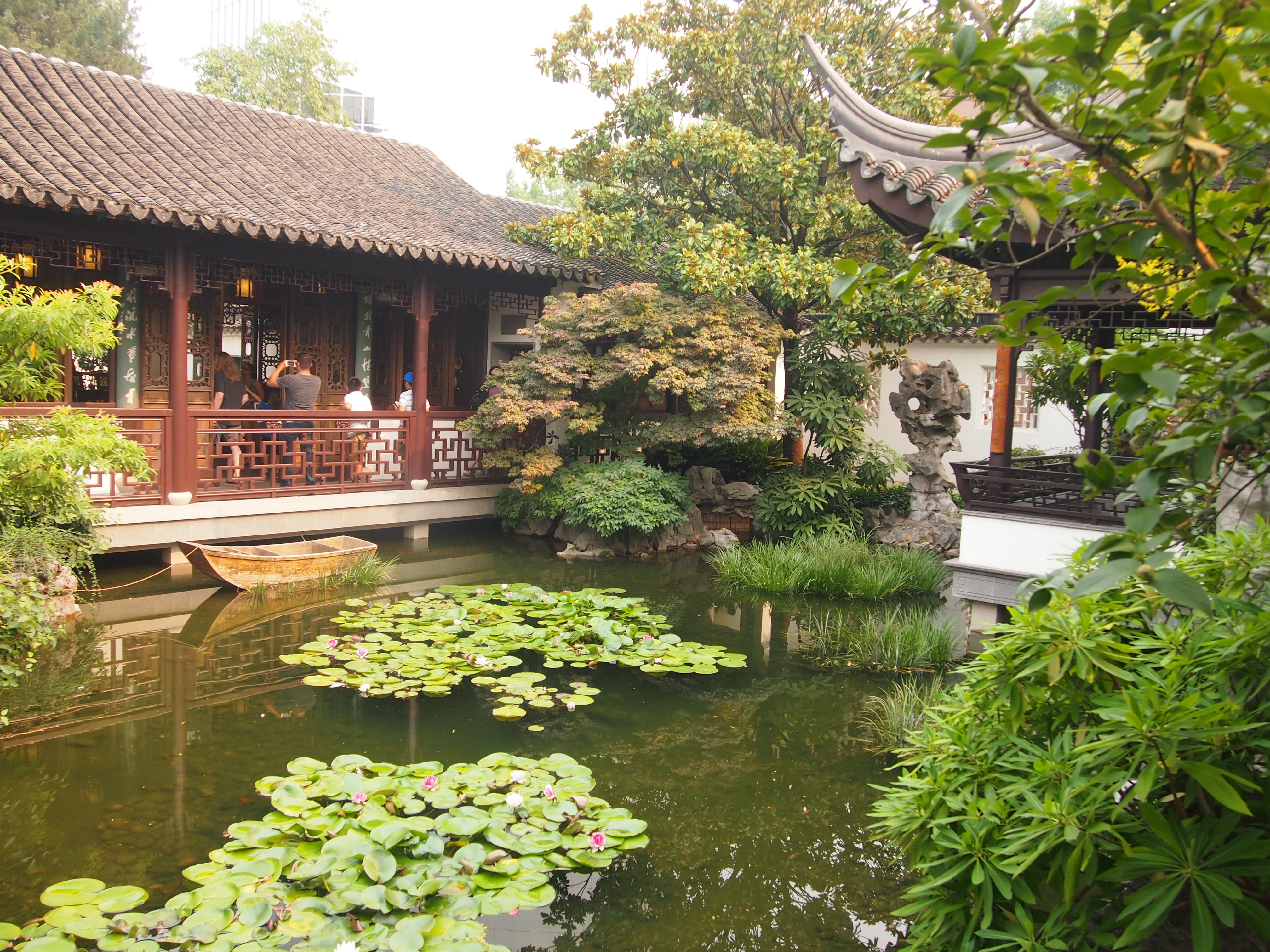
At the Lan Su Chinese Garden in Portland, I wondered: How true to the original connotations are the inevitably flowery translations of some Chinese phrases into English? Put into English, various parts of the garden come out as “Tower of Cosmic Reflections,” ‘Flowers Bathing in Spring Rain,” and “Knowing the Fish Pavilion.”

I’ll never have an answer to that. Maybe that’s because the “original connotations” would cover a wide range of meaning, even among native speakers of whatever Chinese dialect is represented. Never mind. Lan Su’s a beautiful place.
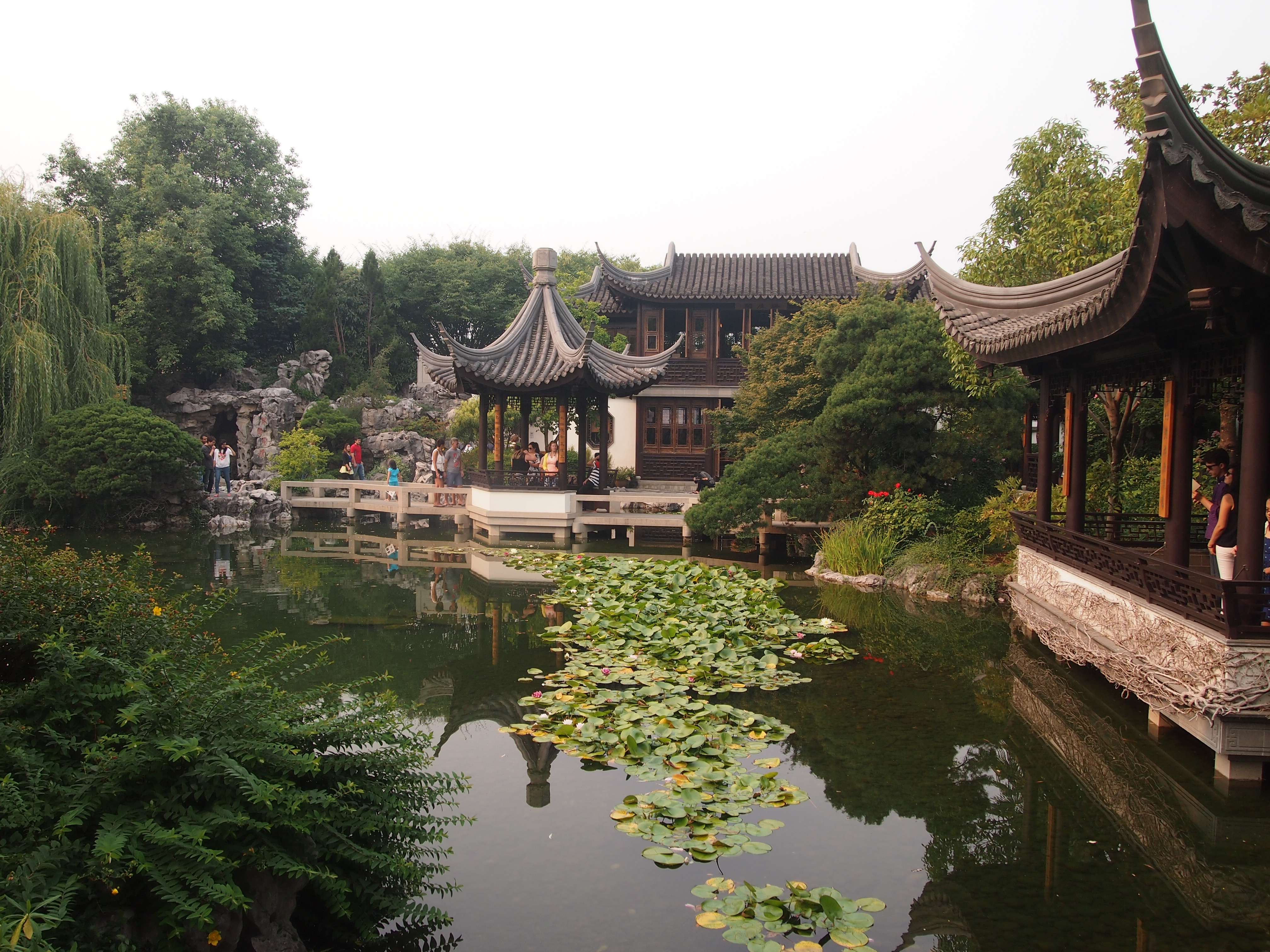
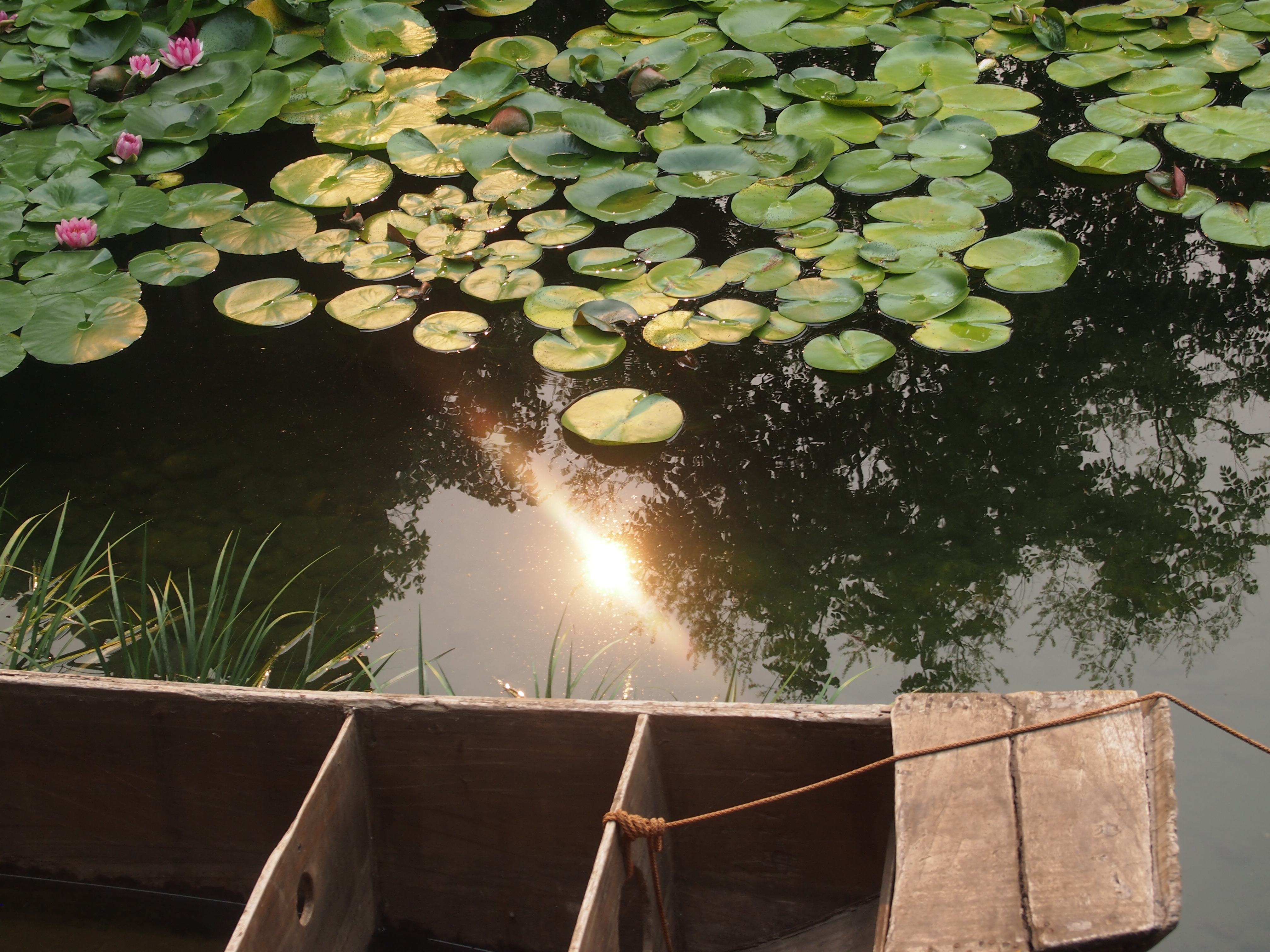
Lan Su Chinese Garden, Aug 2015According to the garden’s web site, it’s “a result of a collaboration between the cities of Portland and Suzhou, our sister city in China’s Jiangsu province that’s famous for its beautiful Ming Dynasty gardens. Lan Su was built by Chinese artisans from our [sic] Suzhou and is the most authentic Chinese garden outside of China.”

Quite a claim. But I was intrigued that the garden was patterned after ones in Suzhou. I’ve seen some of those gardens. Now I’ve seen this one.

Lan SuLan SuThe web site again: “The garden’s name represents this relationship: sounds from both Portland and Suzhou are combined to form Lan Su. Lan (蘭) is also the Chinese word for Orchid and Su (蘇) is the word for Arise or Awaken, so the garden’s name can also be interpreted poetically as ‘Garden of Awakening Orchids.’ (蘭蘇園).” More of that flowery translation again. In this case, literally flowery.

Lan SuLan SuSomething about the place brings out the flowery, even in English. From Travel Portland: “Since the garden’s opening in 2000, its covered walkways, bridges, open colonnades, pavilions and richly planted landscape framing the man-made Zither Lake have created an urban oasis of tranquil beauty and harmony. It’s an inspiring, serene setting for meditation, quiet thought and tea served at The Tao of Tea in the Tower of Cosmic Reflections, as well as public tours of the grounds led by expert horticulturalists.”

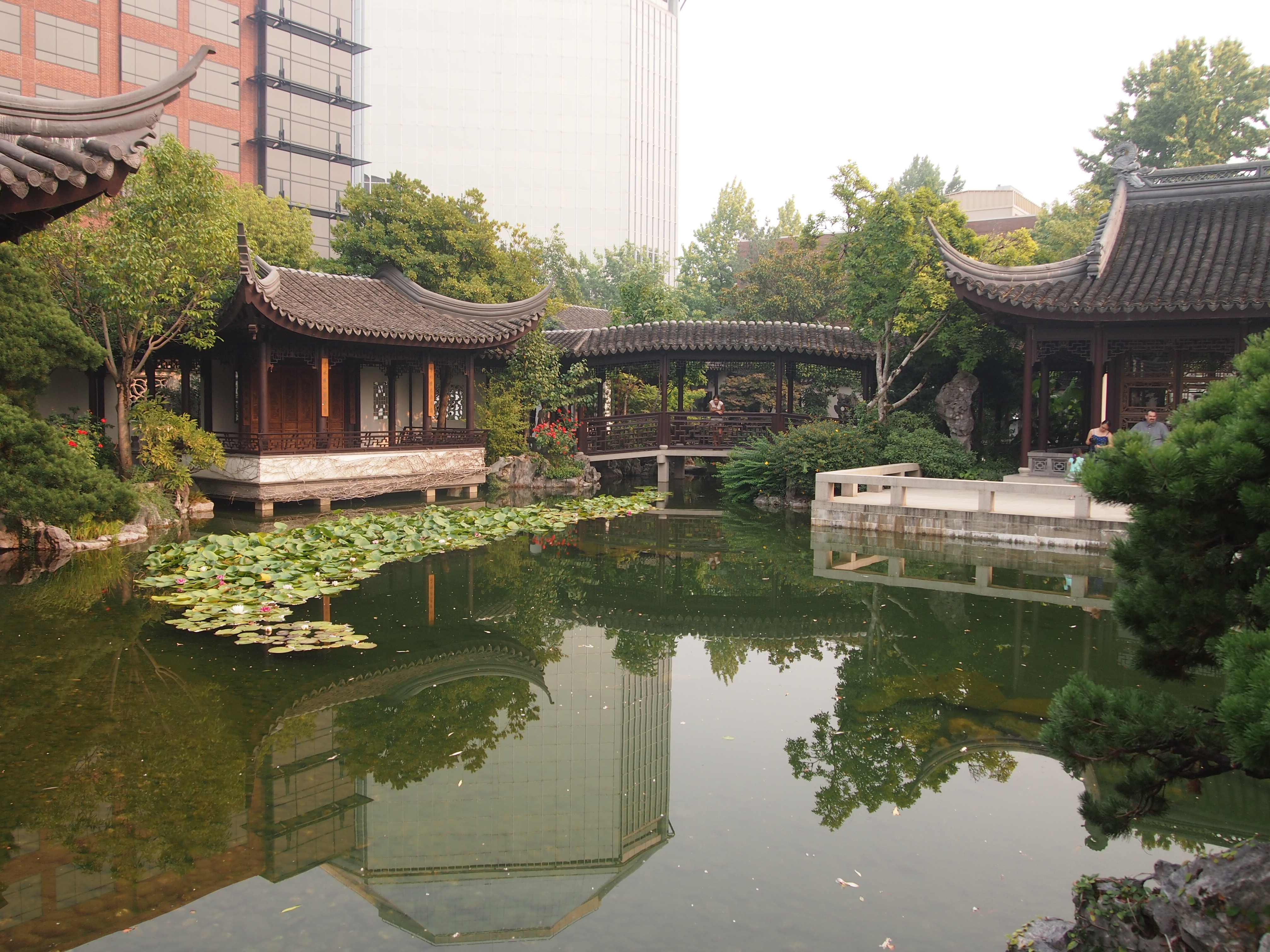
Zither Lake? After the class of stringed instruments? Anyway, this is it, complete with the reflections of surrounding buildings. Lan Su takes up a city block, but it is still only one block among other city blocks.
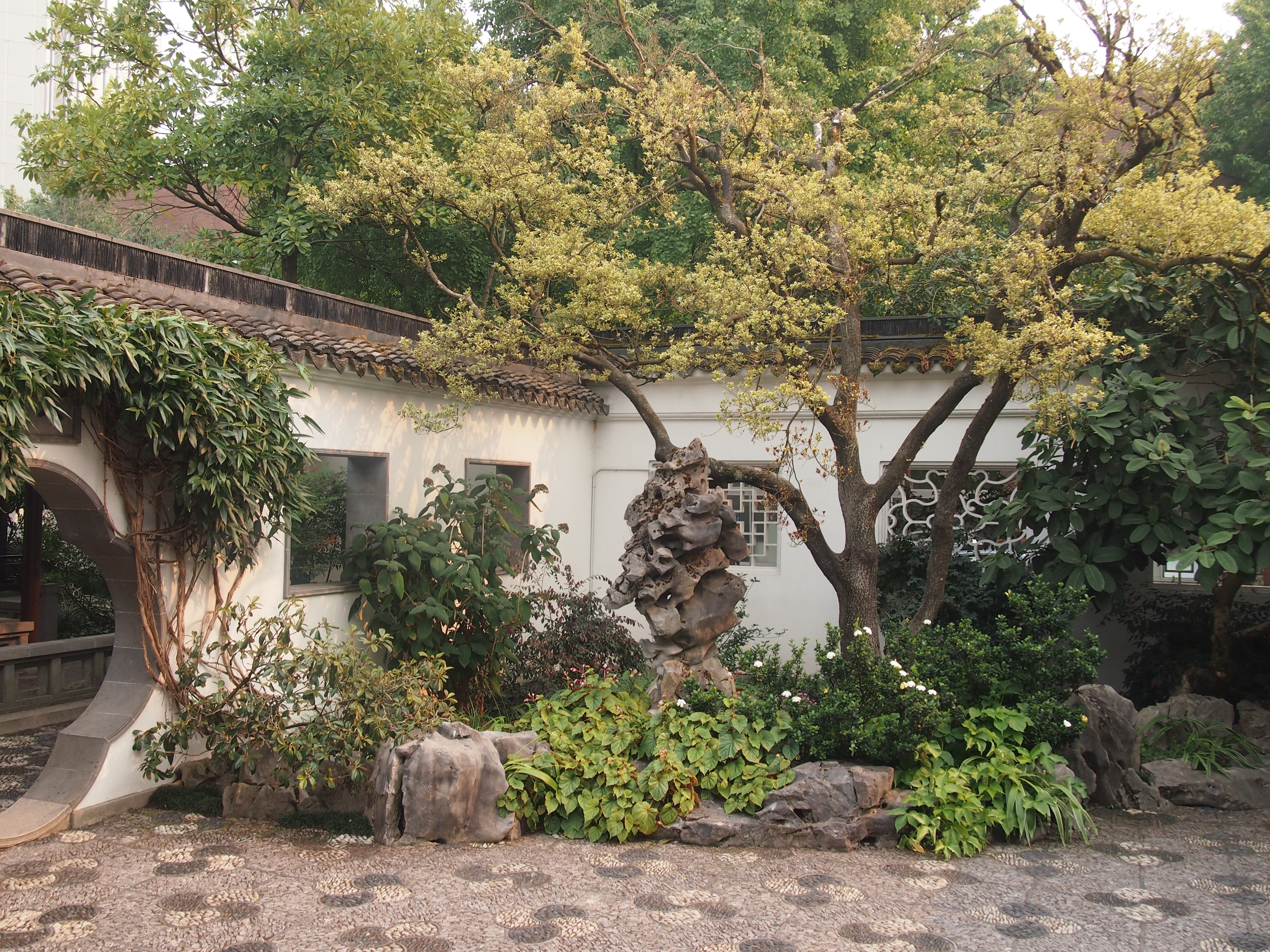
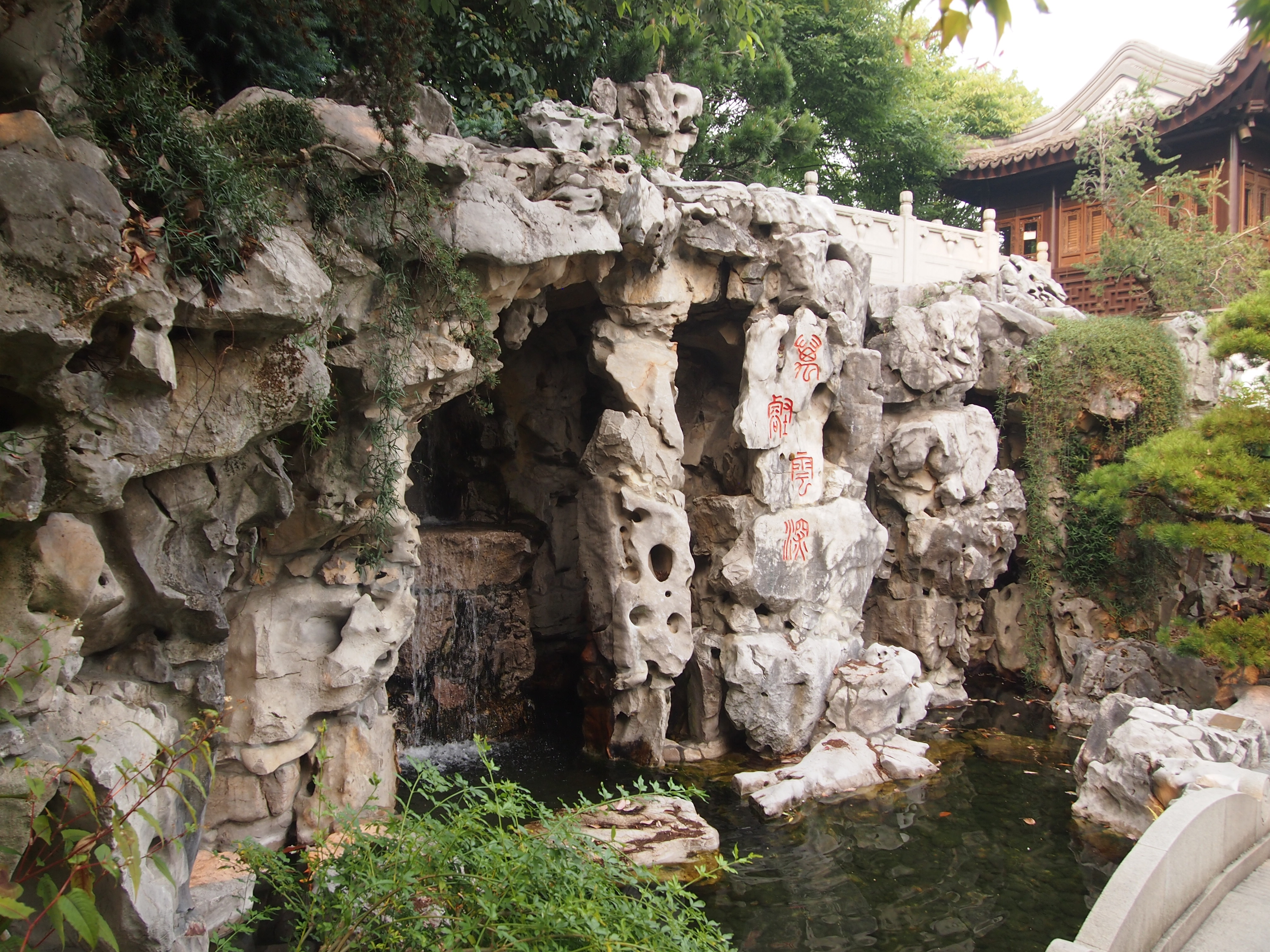
Zither LakeWhat I remember best from Suzhou were the rocks, and Lan Su has those too.
Lan SuLan SuThe place also inspires romance. I saw a group of people planning a wedding at the garden, a couple necking among the greenery, and more than one person exercising a bit of self-love by taking selfies.

The Lincoln Park Conservatory

The Lincoln Park Conservatory dates from the 1890s, when Gilded Age Chicago wanted a splashy new Crystal Palace-like conservatory. Architect Joseph Lyman Silsbee designed the structure in collaboration with architect M.E. Bell, and their work still stands in the early 21st century.

Lincoln Park Conservatory 2015It’s one of the city’s two great conservatories, with the other in Garfield Park. Somehow I feel that Garfield Park’s the greater of the two, though not by much. I can’t argue that position very thoroughly, since I’m no authority on plant diversity or glass-and-iron construction or conservatory aesthetics, but never mind. I’m always glad to stroll through the Lincoln Park Conservatory, as we did on Easter Saturday. It’s luxuriant.
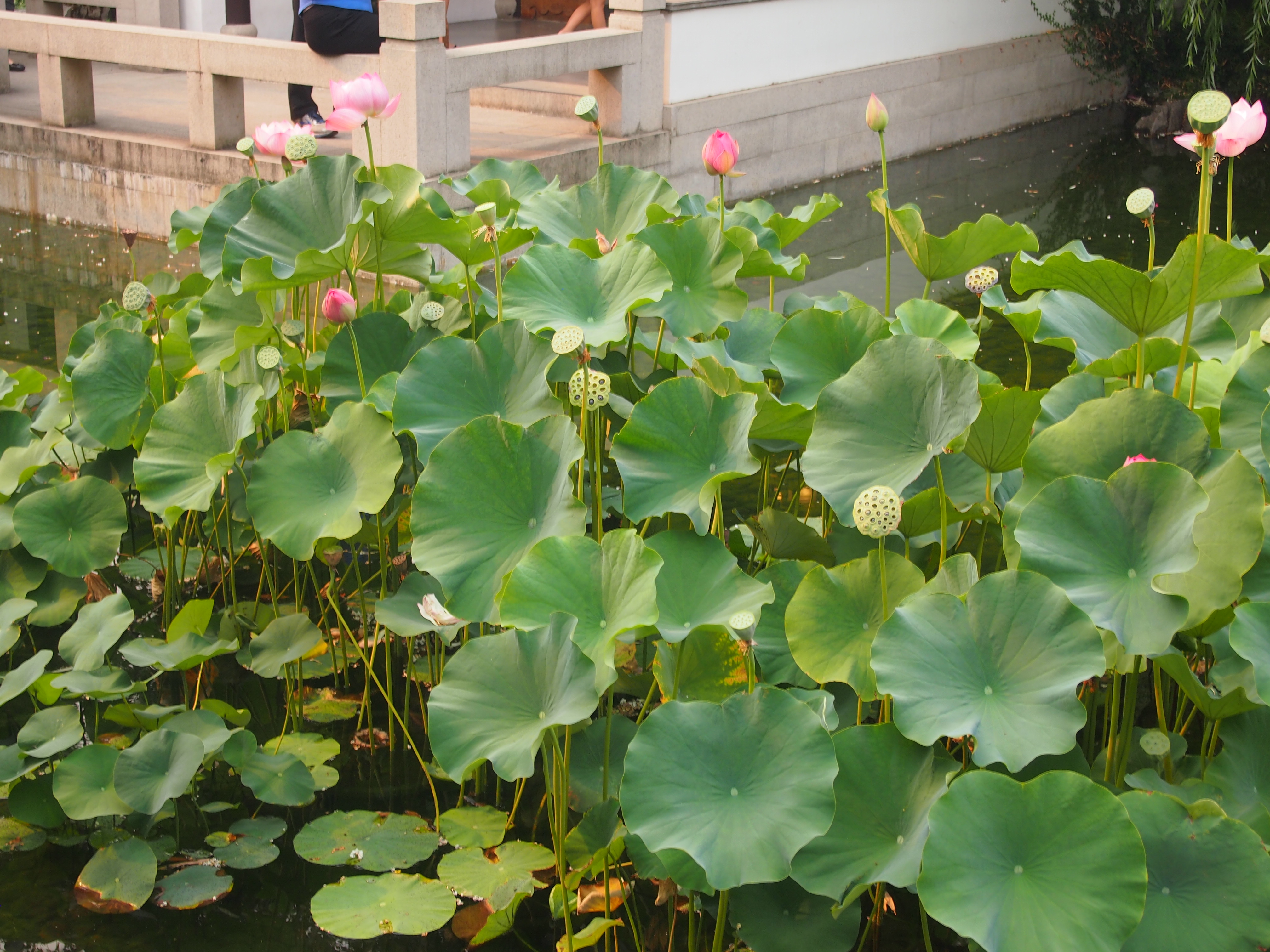
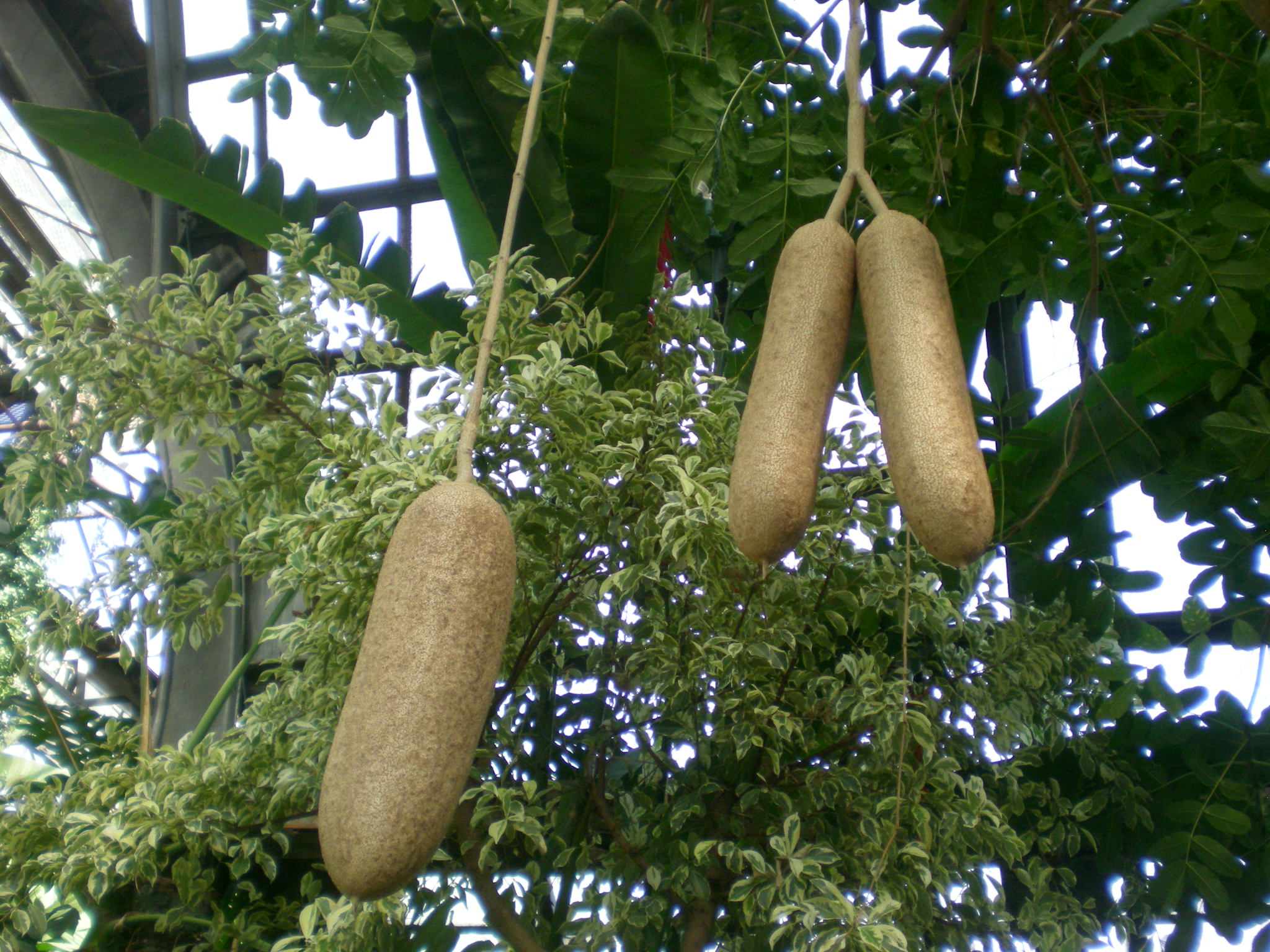
Lincoln Park Conservatory 2015It also sports some odd plants. How is it that I visit conservatories periodically and always manage to see plants I’m certain I’ve never seen nor even heard of?  For instance, the aptly named Sausage Tree (Kigelia africana), native of tropical Africa. Granted, it’s been a few years since I was at the Lincoln Park Conservatory, but you’d think I’d remember the Sausage Tree. But no.

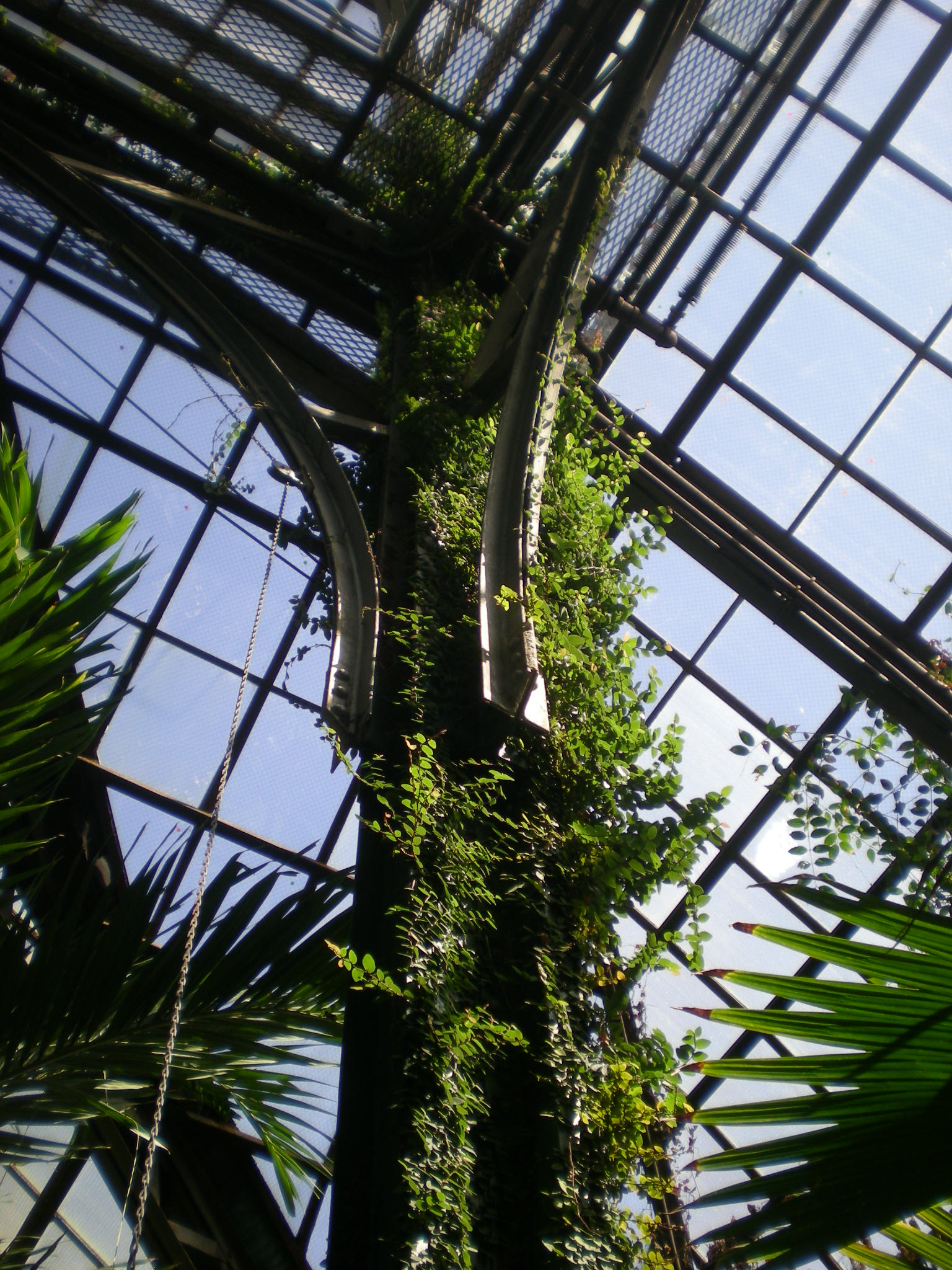
Lincoln Park Conservatory 2015The plants have also made themselves at home even on the conservatory structure.

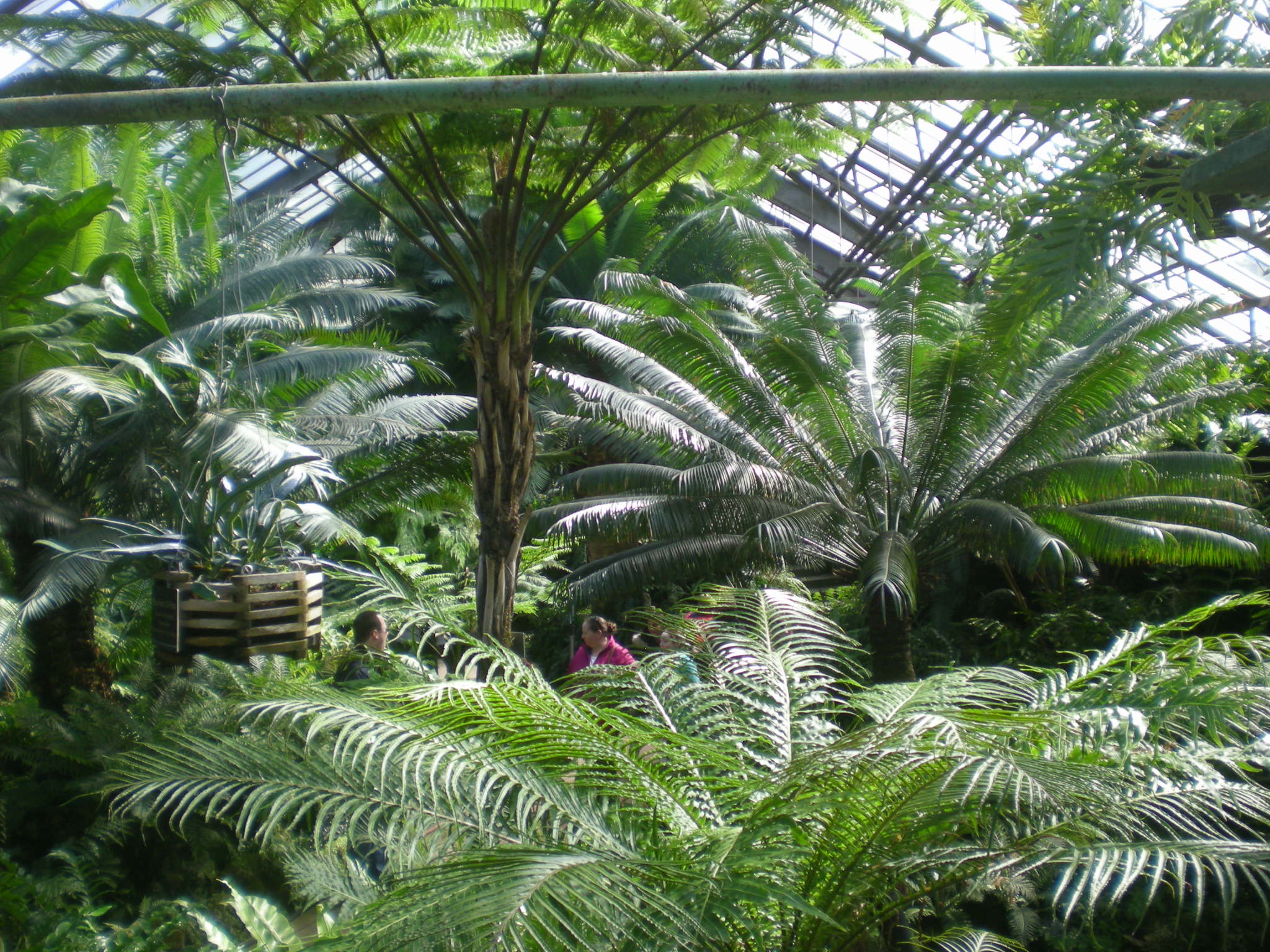
Lincoln Park Conservatory 2015There’s also a fern room. Ever conservatory worth its salt has one of those.

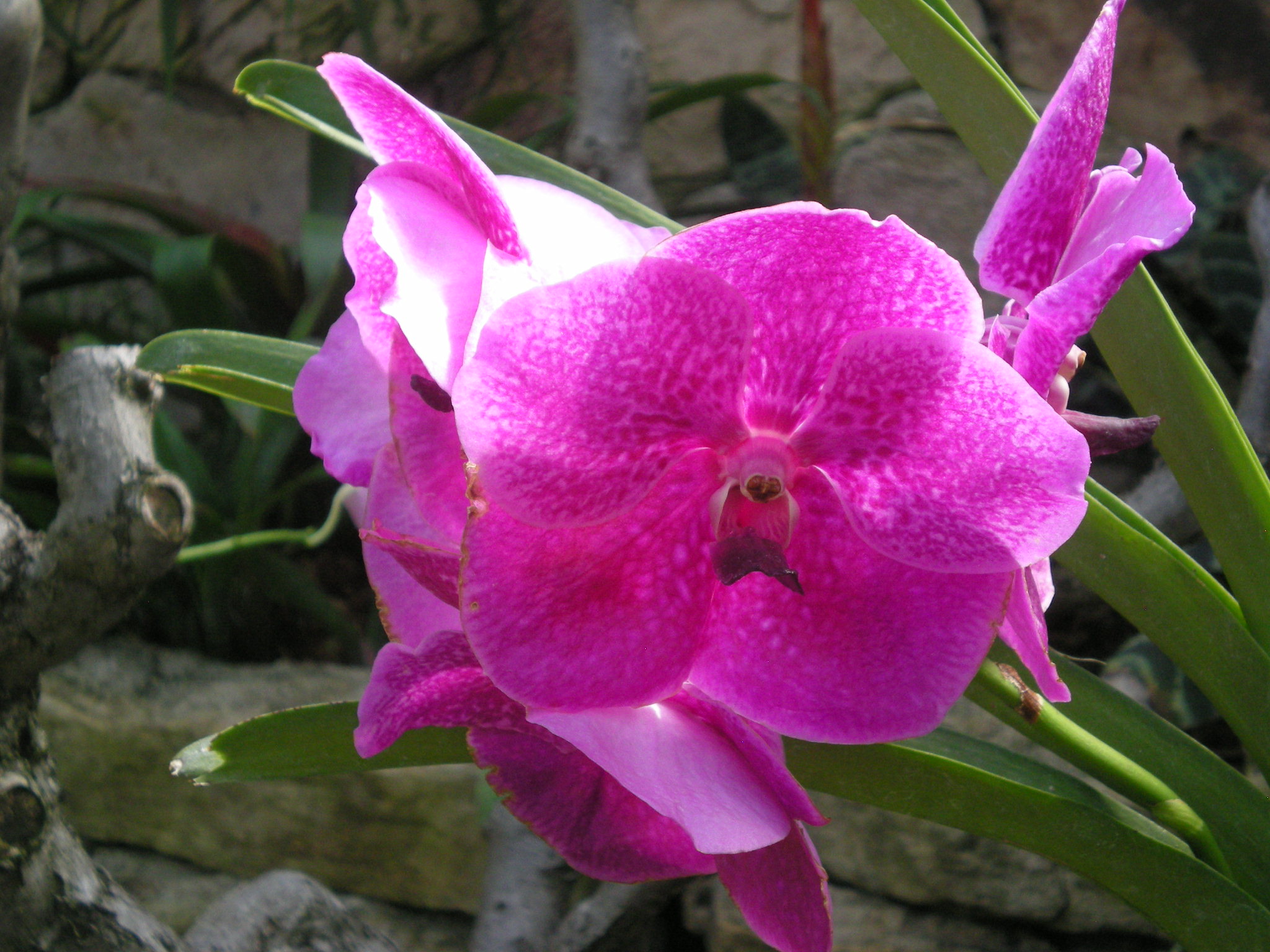
Lincoln Park Conservatory 2015And a place for orchids. A Vanda orchid (Vanda orchidaceae).

Lincoln Park Conservatory 2015One more thing. We took a 151 Sheridan bus from Lincoln Park to Union Station for our return home, and at a Michigan Ave. bus shelter, I saw this from the bus window.
Michigan Ave., April 4, 2015Anti-Rahm bills plastered on an ad. He won the runoff election on Tuesday, but at least the electorate made him work for it, by obliging him to win a runoff. No Daley ever had to do that.

The Lincoln Park Zoo

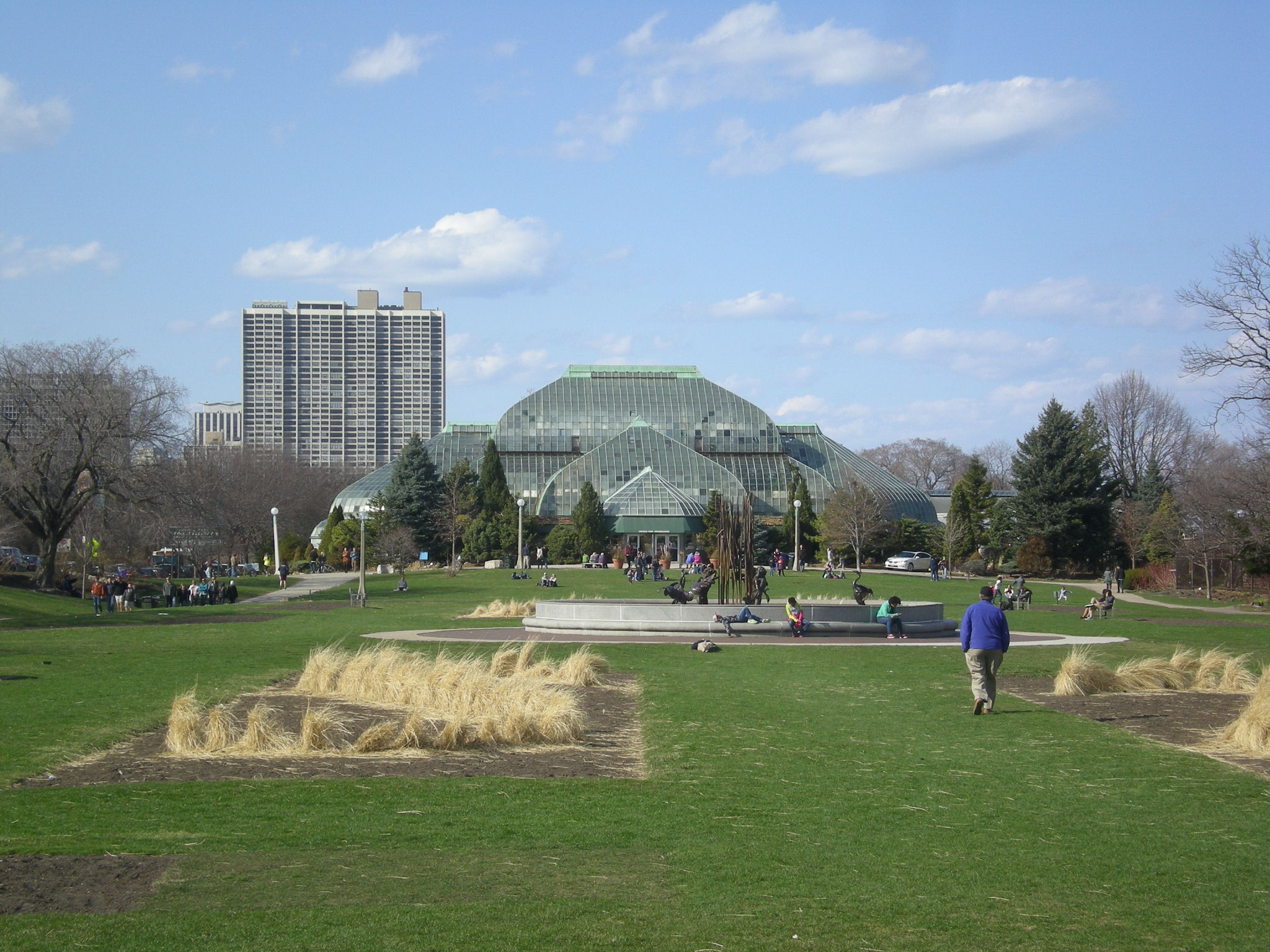
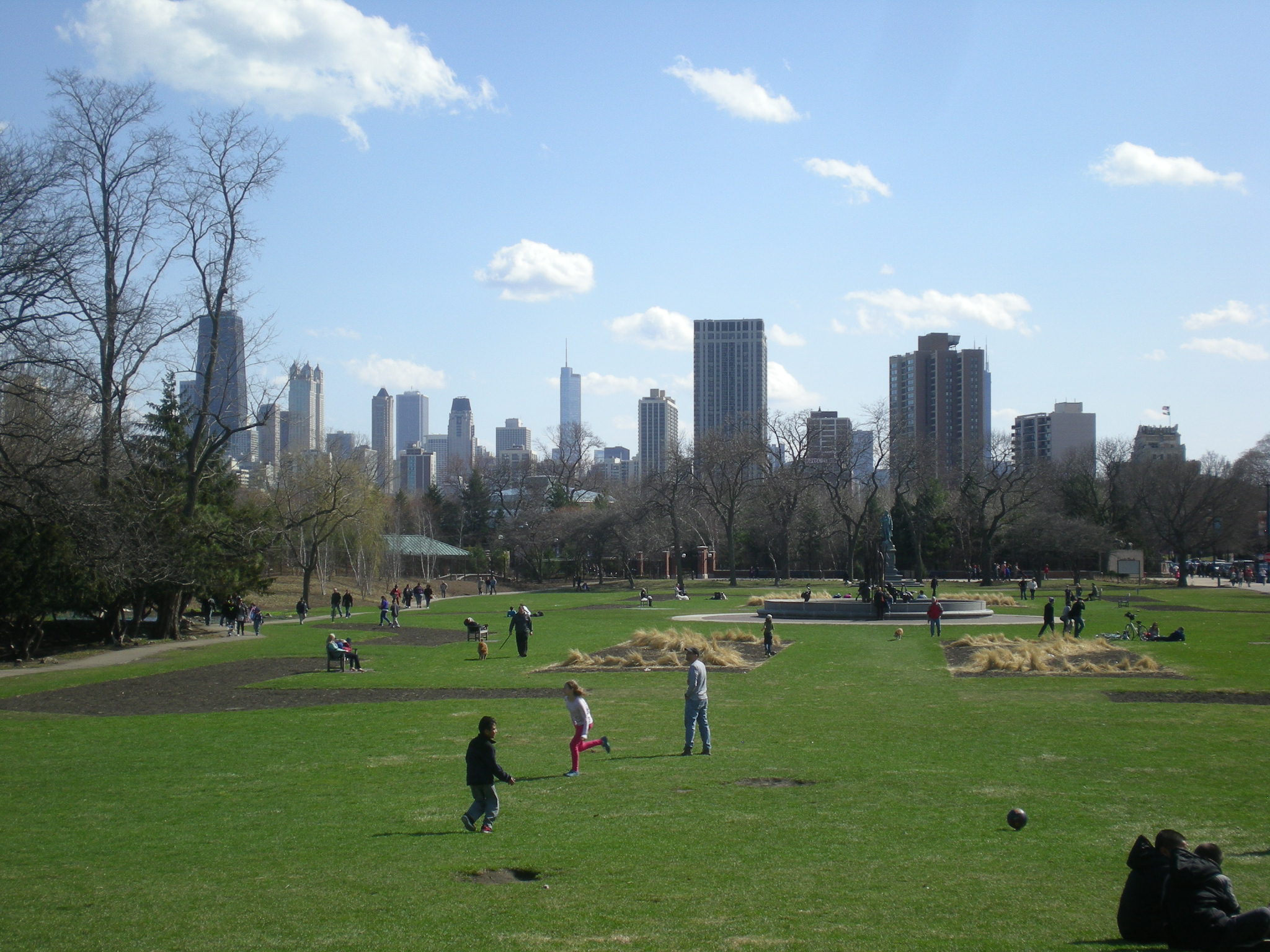
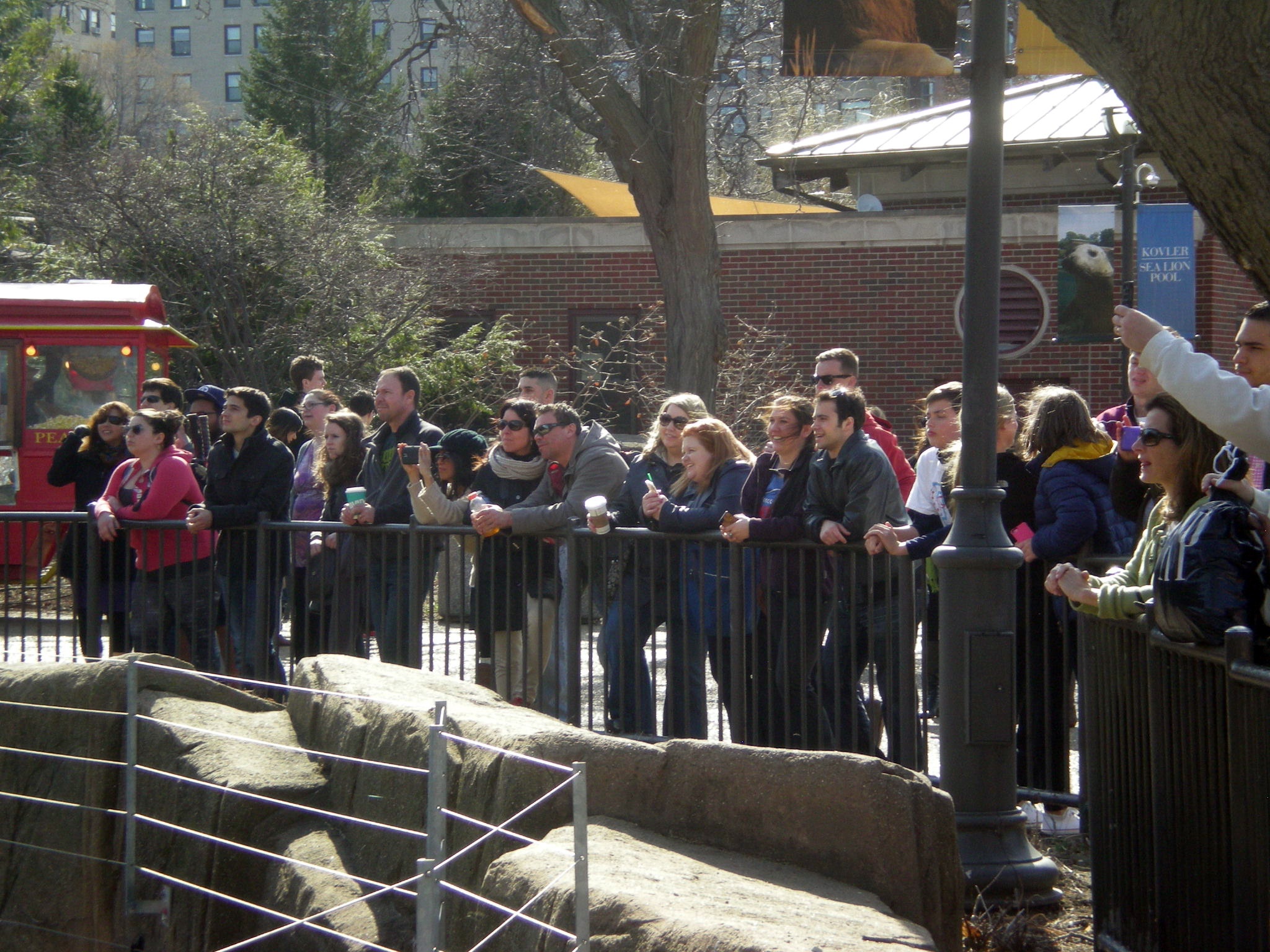
Easter Saturday was a pleasant day in Lincoln Park in Chicago. The view south from the Lincoln Park Conservatory at about 2:30 pm.

Chicago, April 4, 2015This is how old our children are. Us: Want to go to the Lincoln Park Zoo on Saturday? Them: Nah, we’d rather stay home.

So they did, while Yuriko and I went to the city, enjoying lunch at the always delicious Ann Sather Swedish restaurant on Belmont (serving cinnamon buns imbued with ambrosia), a short visit at the DePaul Art Museum — only open since 2011, so we’d never seen it — a walk to Lincoln Park, a stop at its conservatory, and then some time at the zoo. Except for the restaurant, all free attractions.

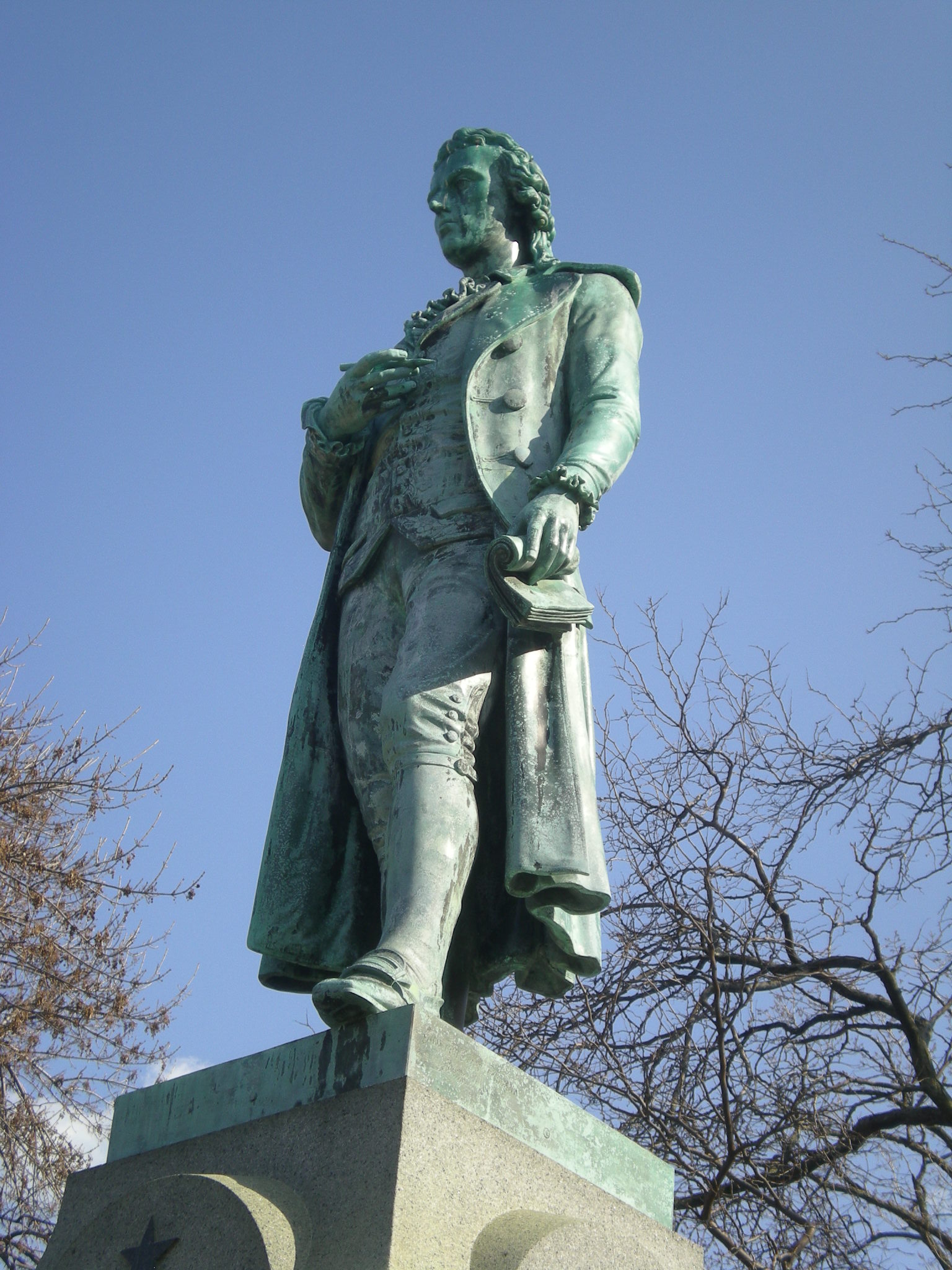
At the other end of the lawn pictured above is a statue. Of course I had to take a picture of that.

Schiller 2015It’s Johann Christoph Friedrich von Schiller. Why is he here? Y asked. There used to be a lot of Germans here. After World War II? No, after 1848. Also a bad time in Germany. They wanted out — and came to places like Chicago, Milwaukee, St. Louis, and… central Texas. The statue is a copy of one near Schiller’s birthplace in Marbach, Germany, by Ernst Bilhauer Rau. It’s been in this spot in Chicago for nearly 130 years.

I’ve been visiting the Lincoln Park Zoo occasionally since 1984, when my friend Rich took me there during my Labor Day weekend flyup to Chicago from Nashville. This time around, many of the animals weren’t outside — still too cool for them, or maybe it was their day off — but we saw some of the primates, the sea lions, and a few felines.

I was astonished then, and I am now, that there’s no admission. That probably adds to the crowds, especially on a pleasant weekend in spring, but the zoo holds its crowds well. It isn’t like Disneyland — you don’t have to wait an hour in line to see a lion.

Lincoln Park Zoo Lion, 2015Leo here would periodically park himself on top of this rock. He had an audience.

Lincoln Park Zoo, April 4, 2015Mostly he would lie there (being a cat, after all), but sometimes he’d open his mouth, and he also roared a bit. It didn’t quite sound like the roars you hear in movies.

Friday in the Park With Geof

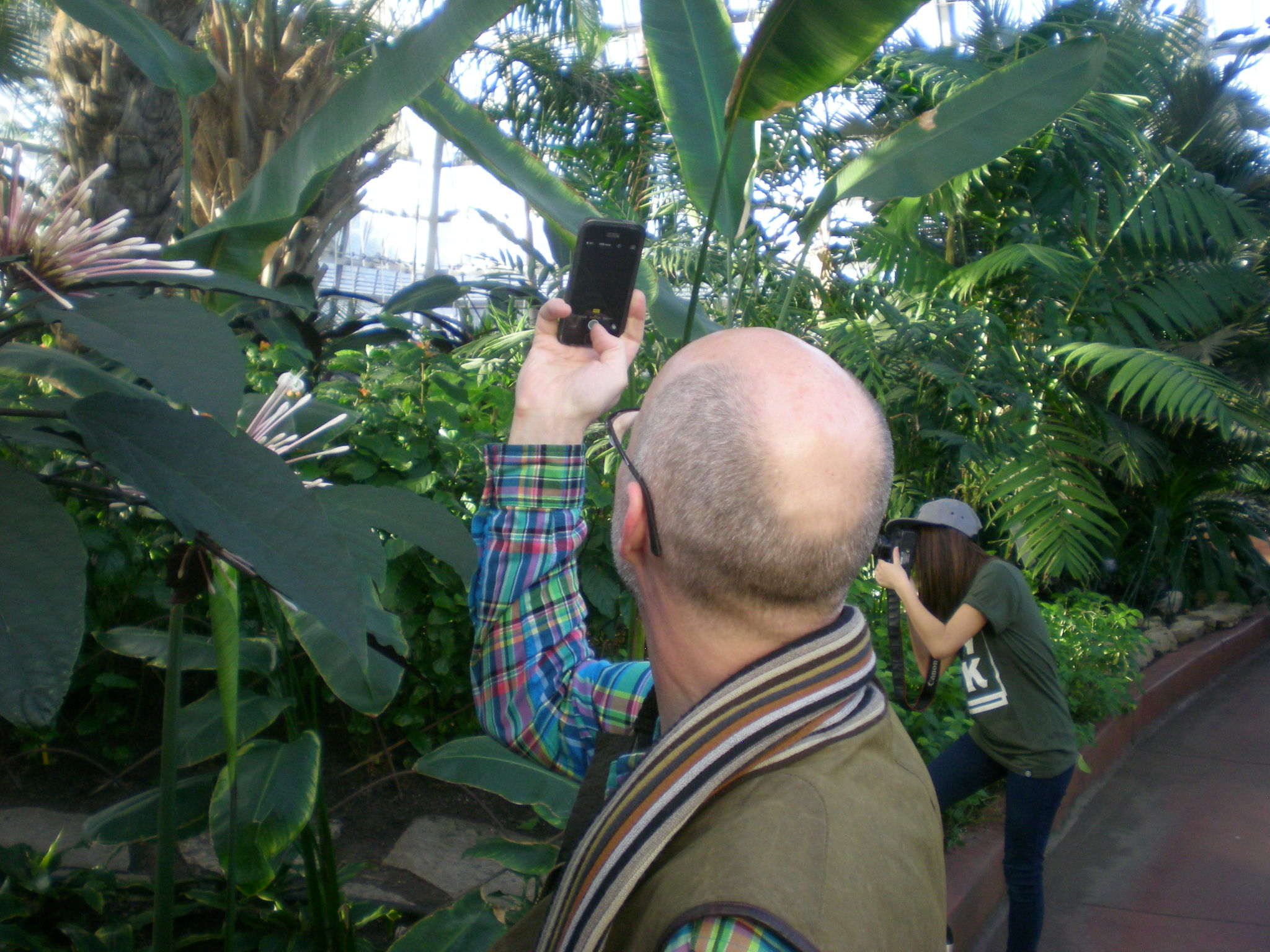
The last time I went to the Garfield Park Conservatory, about a year and a half ago, I took a good many pictures (such as these and these and these). This time around, which was on last Friday, not so many. On the other hand, my old friend Geof Huth, who was visiting from New York state, snapped up a storm. Many of his images ended up on Facebook.

Geof Huth Jan 30, 2015I didn’t remember seeing this before, though I probably have.

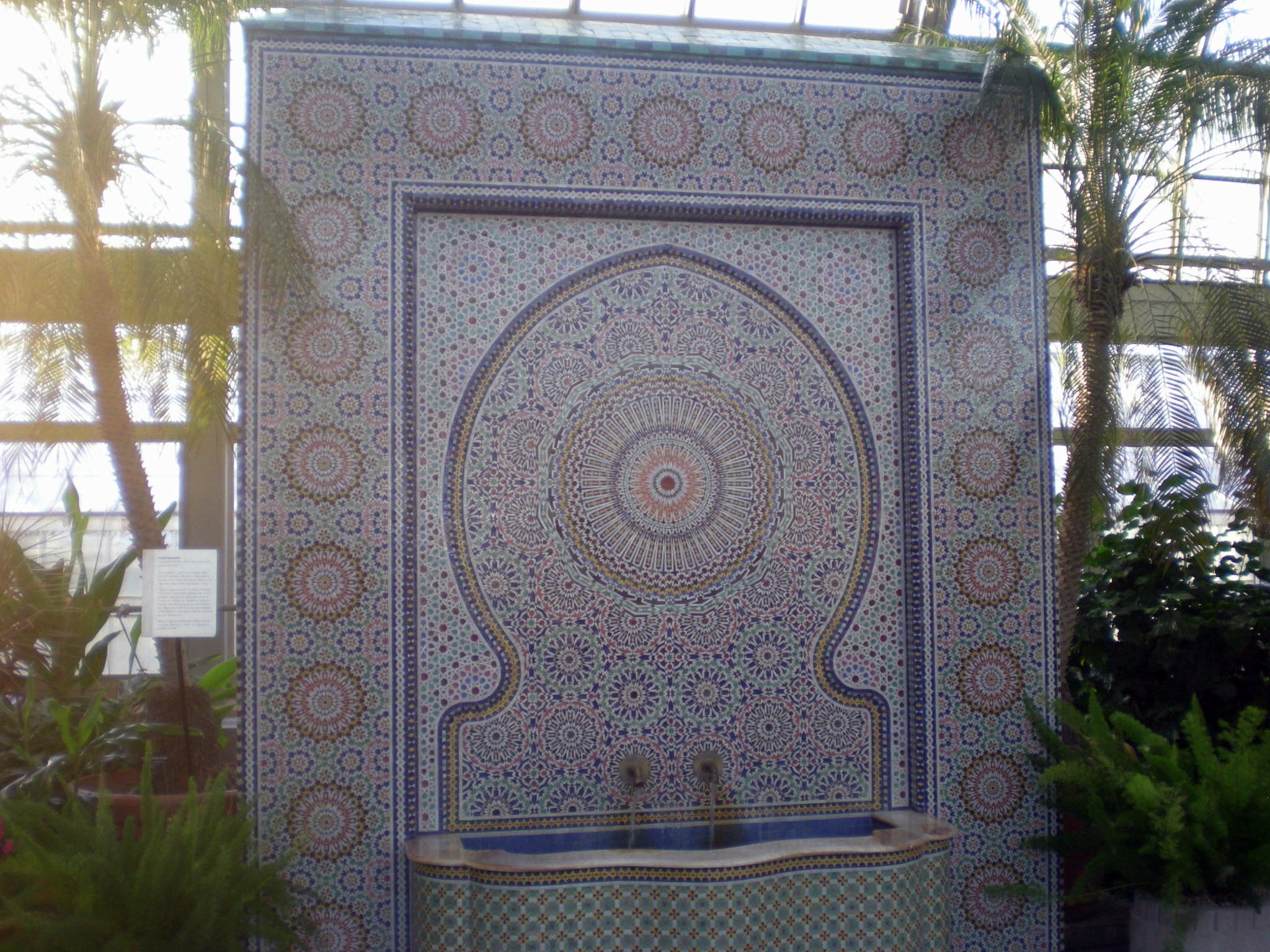
DSCN7708A nearby sign says: “This fountain is a gift from Chicago’s Sister City of Casablanca, Morocco to the people of Chicago. It is covered with special hand-cut terra-cotta tiles called “zellij” … the round patterns on the front of our fountain are intended to represent flowers. The zellji technique was developed in the 10th century in North Africa and Andalusia and has been faithfully practiced up to the present day.”

More at the Klehm

One reason I like arboreta and conservatories is the signs. My memory for plant names is sieve-like, so it’s good to be able to look down and find out the name. The age of digital cameras has made it even easier to take notes based on the signs.

For instance, I know this is a W.B. Clarke Anise Magnolia (Magnolia salicifolia). It grows at the Klehm Arboretum & Botanic Garden in Rockford, a fact I documented on Saturday.

Magnolia & Ann May 2014

It isn’t a Southern magnolia (Magnolia grandifora). Good thing, since Rockford isn’t remotely in the South. I’d never seen magnolias quite like this, but then I’ve read there are many kinds.

Magnolia, Rockford, Ill. May 24, 2014

Apparently W.B. Clark was an early 20th-century hybridist working in San Jose, California, traces of whom are accessible to casual Googlers. He seems to have developed some plant varieties that are still with us, such as the Anise Magnolia, whose ancestors are from Japan.

The arboretum sported a few other attractions, such as a pleasant water feature —

Klehm Arboretum, May 2014

–and a maze of bushes. Not a very large one, and easily navigable to a child of 11 and middle-aged householders. The most interesting part wasn’t the maze itself, but the analemmatic sundial within the maze, such as we once ran across at Fermilab.

Sundial, Klehm Arboretum 5.24.14 - 1 pm

I stood on the May stone and my shadow told the time more-or-less accurately, accounting for Daylight Savings Time.

Conifer Man, Conifer Man, Does Whatever a Conifer Can

On Saturday we took a quick hop over to Rockford, Ill., and soon found ourselves face-to-face with Conifer Man.

Klehm Arborteum, May 24, 2014

To me this looks like a guy in a tree suit – that’s how I’d guess it looks, anyway – but it’s really one of the odd-shaped conifers to be seen at the Klehm Arboretum & Botanic Garden in Rockford, which features about 500 species and cultivars of woody plants on 155 acres. Not that I would know even a fraction of those, but still I know an odd conifer when I see one.

This, for instance, is a weeping white spruce. Ann compared it to Charlie Brown’s tree.

Rockford Ill., April 24, 2014

Next, according to the sign, is a procumbent blue spruce or, as I like to think of it, a Christmas tree implosion.

Conifer, Rockford, Ill May 2014

Procumbent. Now there’s a word you don’t see much, a solid Latinate that seems to be used mostly to describe plants with stems that trail along the ground without rooting. Another meaning is simply lying face down, but I’m not sure I’ve ever seen it used that way, with “recumbent” the main choice for lying down in some way. The terms accumbent and decumbent are cousin-words usually used in botany – “resting against another part” and “lying or growing along the ground, but erect near the plant’s apex,” respectively.

As long as I’m on a lingual tangent, the Latin cumbere, to lie down, goes all the way back to the Indo-European base keu-(2), which my American Heritage New College Dictionary appendix tells me is a “base of loosely related derivatives with assumed basic meaning ‘to bend.’ ” Plants certainly bend to be accumbent or decumbent or procumbent, but animals and people do as well, to some degree, so that fits.

Starting in the early 1900s, the site of the Klehm was a commercial nursery, and so it remained until 1985. The original owners planted a good many of the now-large trees, which are sometimes noticeable for being in rows. These days the land belongs to the Winnebago County Forest Preserve District, who have been busy in recent decades making the place less like a nursery and more like a woody museum.

Walk along the main path and you can’t miss the conifers, some of which are very large, unlike the oddities pictured above. Not that you can’t see the likes of pines, firs, junipers, spruces and so on elsewhere, especially as you go north, but even so the Klehm collection is impressive.

Klehm Arboretum, May 2014

Naturally, we had such a casual visit that we missed some of the more remarkable trees – which I read about later – such as the grove of Bur oaks that were there before the nursery, and which might be as old as a pre-settlement 300 years. There are also some fully grown American chestnut trees on the grounds, which I understand are pretty rare, since an invasive blight destroyed most of that species in the 20th century.

The Fern Room

Another picture of the Garfield Park Conservatory: The Fern Room.

According to a sign at the entrance, the room was Jen Jensen’s “imaginative tribute to prehistoric Illinois. So natural looking was the result that when the Conservatory first opened, visitors thought it has been erected over an existing lagoon… Many of the plants in this room date to the time of the dinosaurs. They have changed little from their ancestors over the last 200 million years. Our plants, of course, are not that old. The oldest are about 300 years of age.”

At the entrance to the Fern Room, another Chicago talent of yore left his mark: sculptor Lorado Taft. Seen a few of his things before.

He called this piece “Idyl,” and it dates from 1913.

This one is “Pastoral,” of the same vintage.

The (Glass) House That Jens Jensen Built

“In 1905, Chicago’s West Park Commission’s general superintendent and chief landscape architect, Jens Jensen, demolished the three smaller greenhouses in Humboldt, Douglas and Garfield Parks to create what was intended as ‘the largest publicly owned conservatory under one roof in the world’ in Garfield Park,” according to the Garfield Park Conservatory Alliance. “Many of the original plantings came from the three smaller West Side conservatories.

“Constructed between 1906 and 1907, the Garfield Park Conservatory was designed by Jensen in collaboration with Prairie School architects Schmidt, Garden and Martin and the New York engineering firm of Hitchings and Co. It represents a unique collaboration of architects, engineers, landscape architects, sculptors and artisans. Jensen conceived the Conservatory as a series of naturalistic landscapes under glass, a revolutionary idea at the time.”

It’s a fine place to stroll, even if you don’t spent a lot of time absorbing botanical facts. Plenty of leafy vistas.

Jens Jenson ought to be better remembered, and not just for the conservatory. The Jens Jenson Legacy Project tells us that he “created Columbus Park on the western edge of Chicago, and extensively redesigned three other large west-side parks (Humboldt, Garfield, and Douglas) as well as 15 small ones. He designed parks in smaller cities – among them Racine and Madison, Wisconsin; Dubuque, Iowa; and Springfield, Illinois. He landscaped dozens of estates belonging to wealthy Midwesterners along the North Shore (Rosenwalds, Florsheims, Ryersons, Beckers) and elsewhere (Henry and Edsel Ford).

“Jensen organized and inspired the early conservation movements that led to the creation of the Cook County Forest Preserve District, the Illinois state park system, the Indiana Dunes State Park and National Lakeshore.”

The Garfield Park Conservatory

Last week I was visited the Garfield Park Conservatory on the West Side of Chicago, one of the great conservatories (just ask anyone). Been some years since I’ve been there, but I remember taking younger versions of Lilly and Ann at least once, and pointing out the cocoa trees. “See? That’s the plant chocolate comes from.”

The cocoa trees are still there, of course. So are the banana trees.

Plus a welter of plants I’ve never heard of. Or forgotten. No matter how many conservatories or gardens I visit – and I try to take in a few every year – I always run across something new.  I don’t have it in me to be a botanist, just someone who says, wow, that’s interesting.

Take a look at the Hanging Lobster Claw, Heloconia rostrata cultivar, Heliconiaceae, native to South America (someone added the little glass eyeballs on the top petal). It’s like something Dale Chihuly might hang at the conservatory. He had a show at the Garfield Park Conservatory a few years ago for which he did hang his glass art in the conservatory, but I missed it.

Or the Shrimp Plant, Pachystachys lutae, Acanthaceae, which grows in Peru.

I liked this plant, but it also shows that my note-taking isn’t always very thorough.