Back to posting on January 16. Would that Dr. King had been born in the summer, but I’ll take holidays when I can.
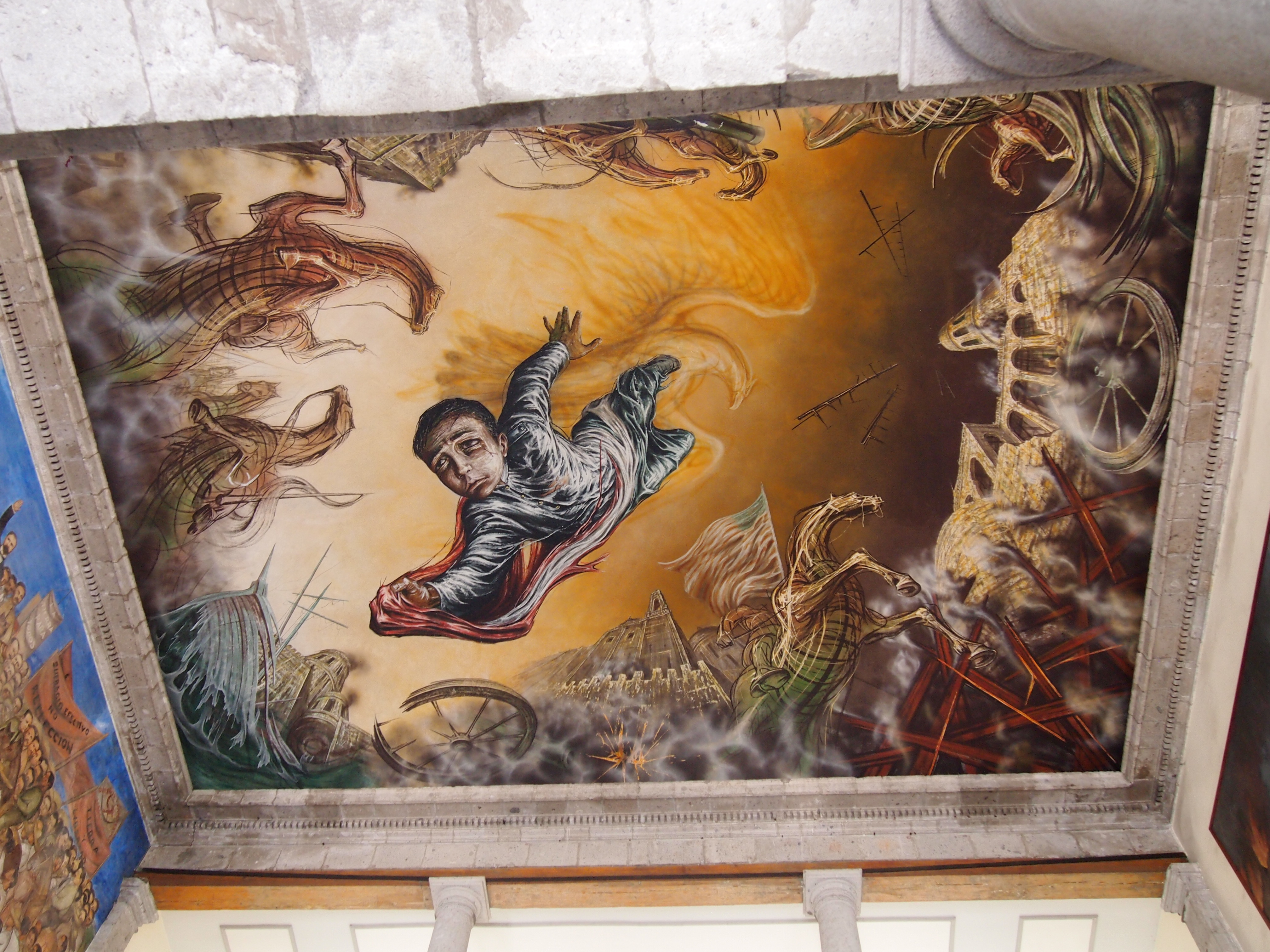
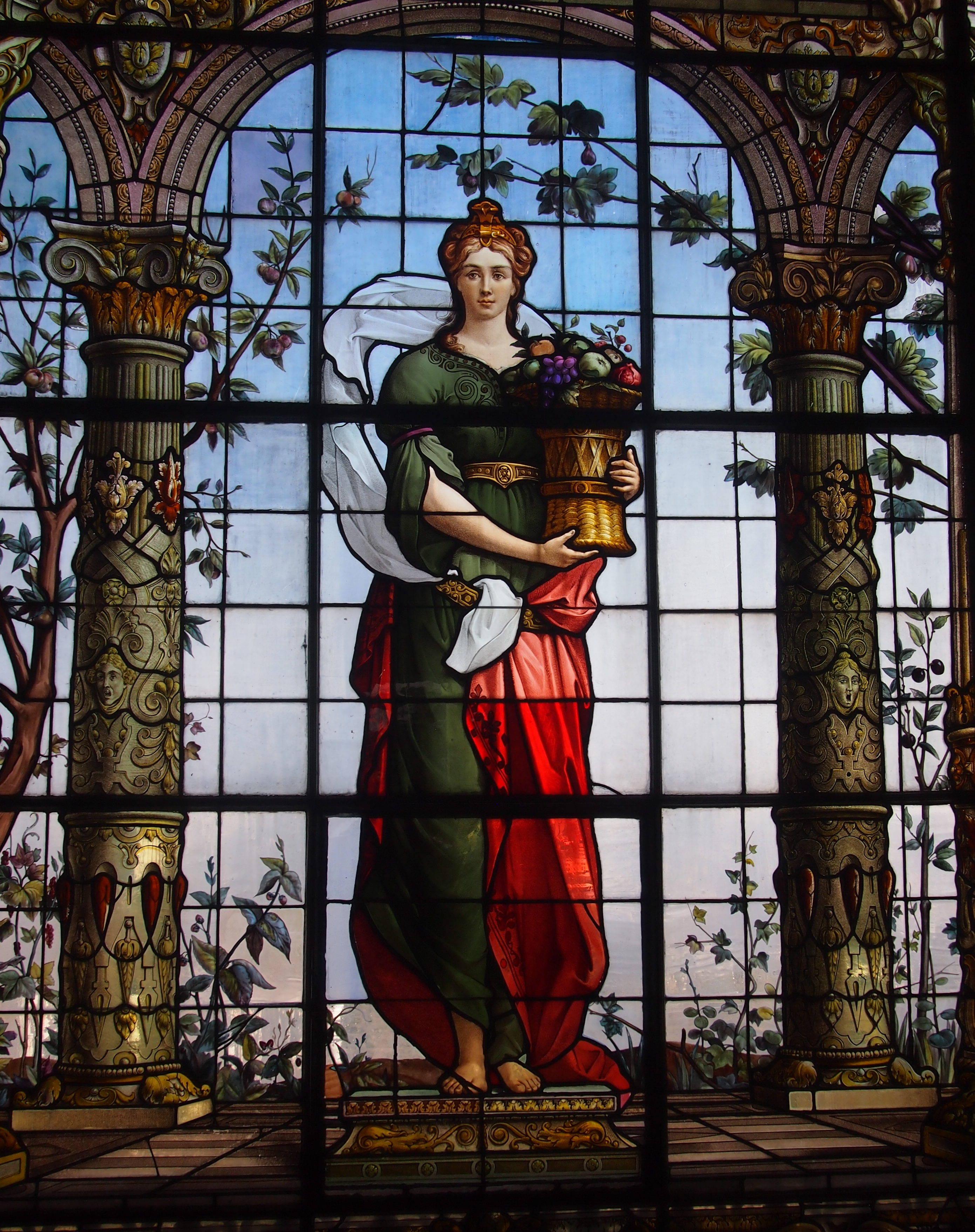
The last major sight we visited in Mexico City was the vast Palacio Nacional, the National Palace, on Zocalo Square. It was fairly late in the afternoon of December 31, and we’d already walked a fair amount, so we only had energy enough to see a small slice of the complex. Even now the palace includes the offices of the president of Mexico and other governmental functions, but there’s also artwork and museum space and some impressive plazas, both open air and covered.
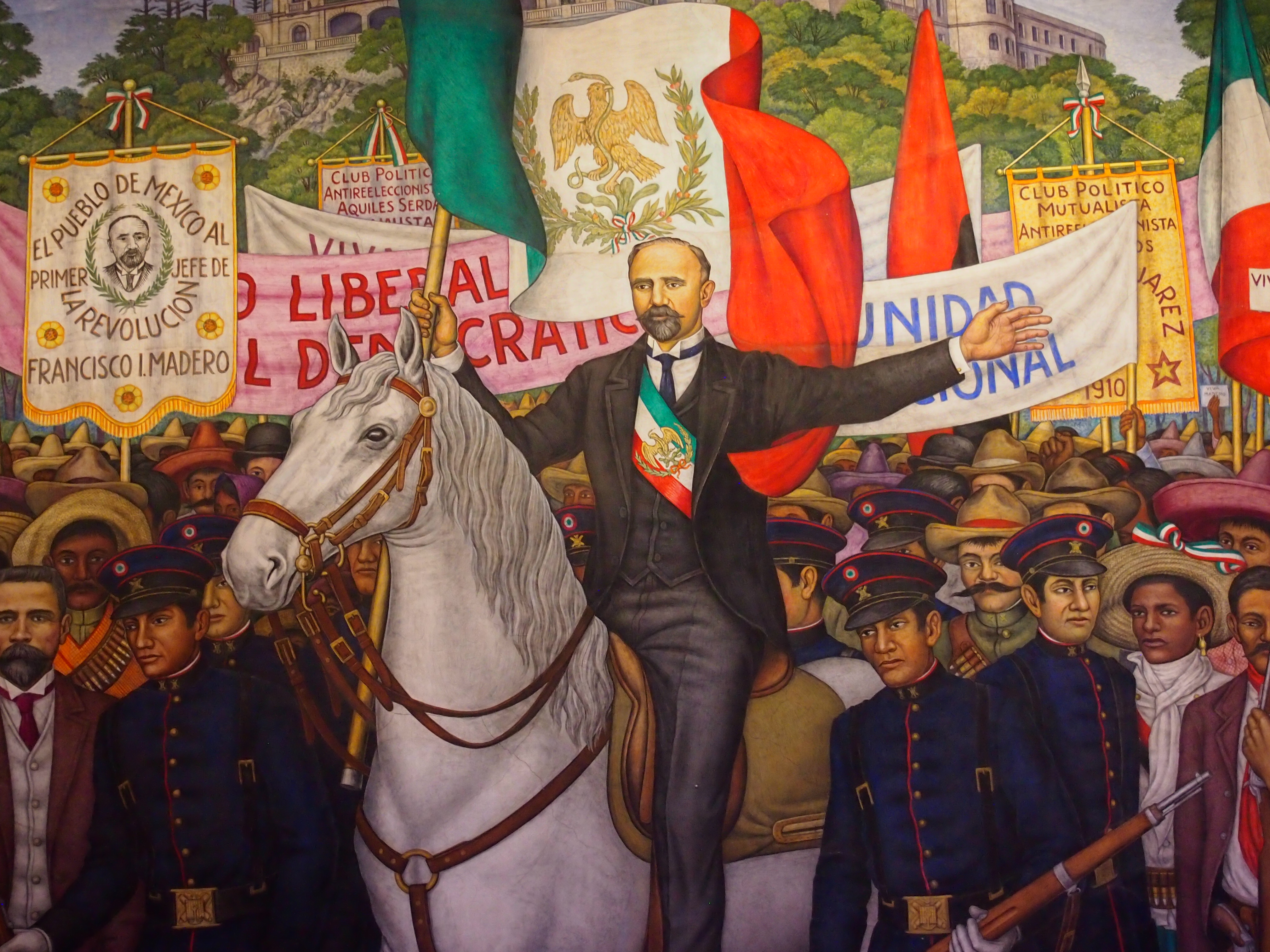
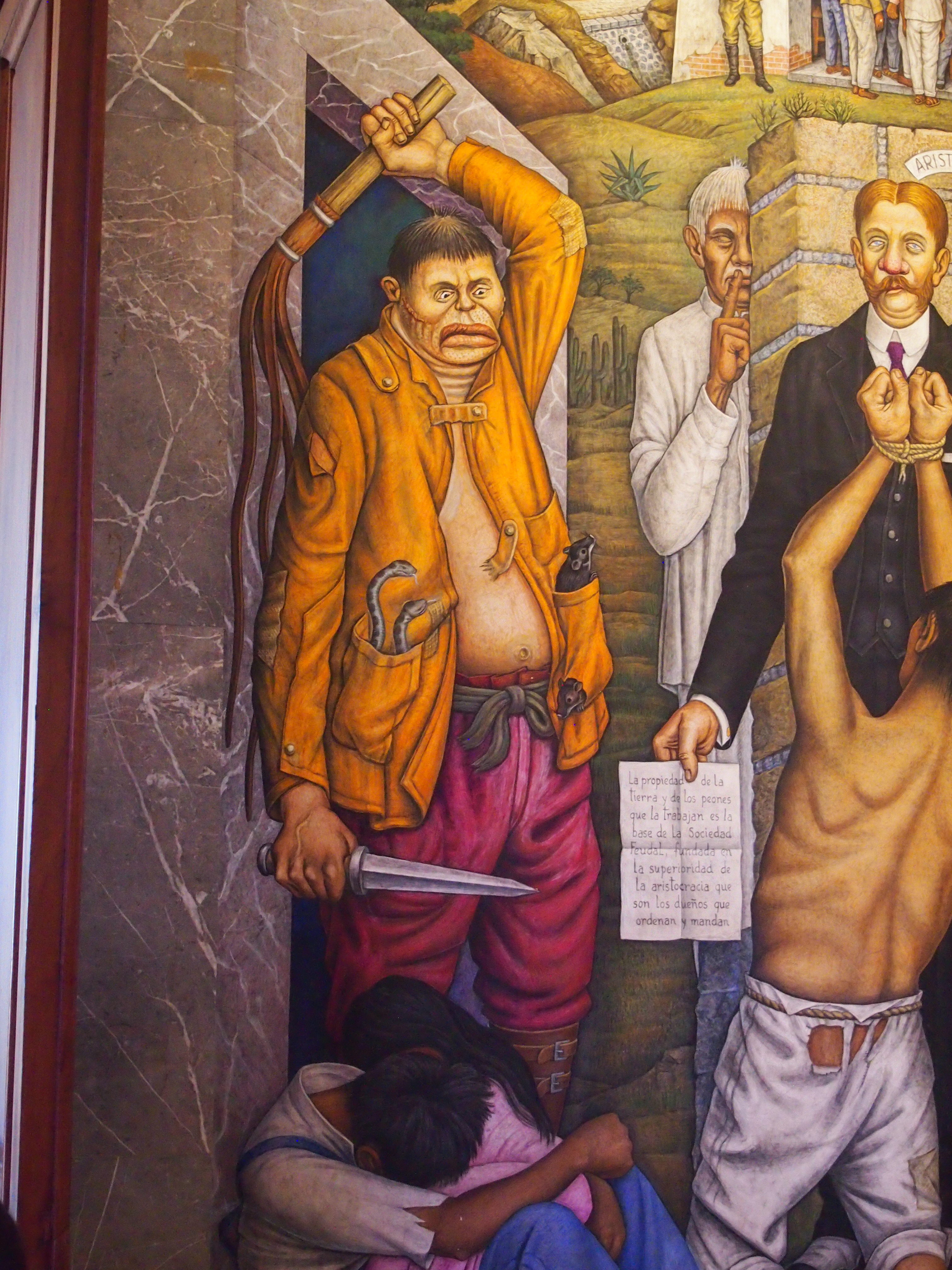
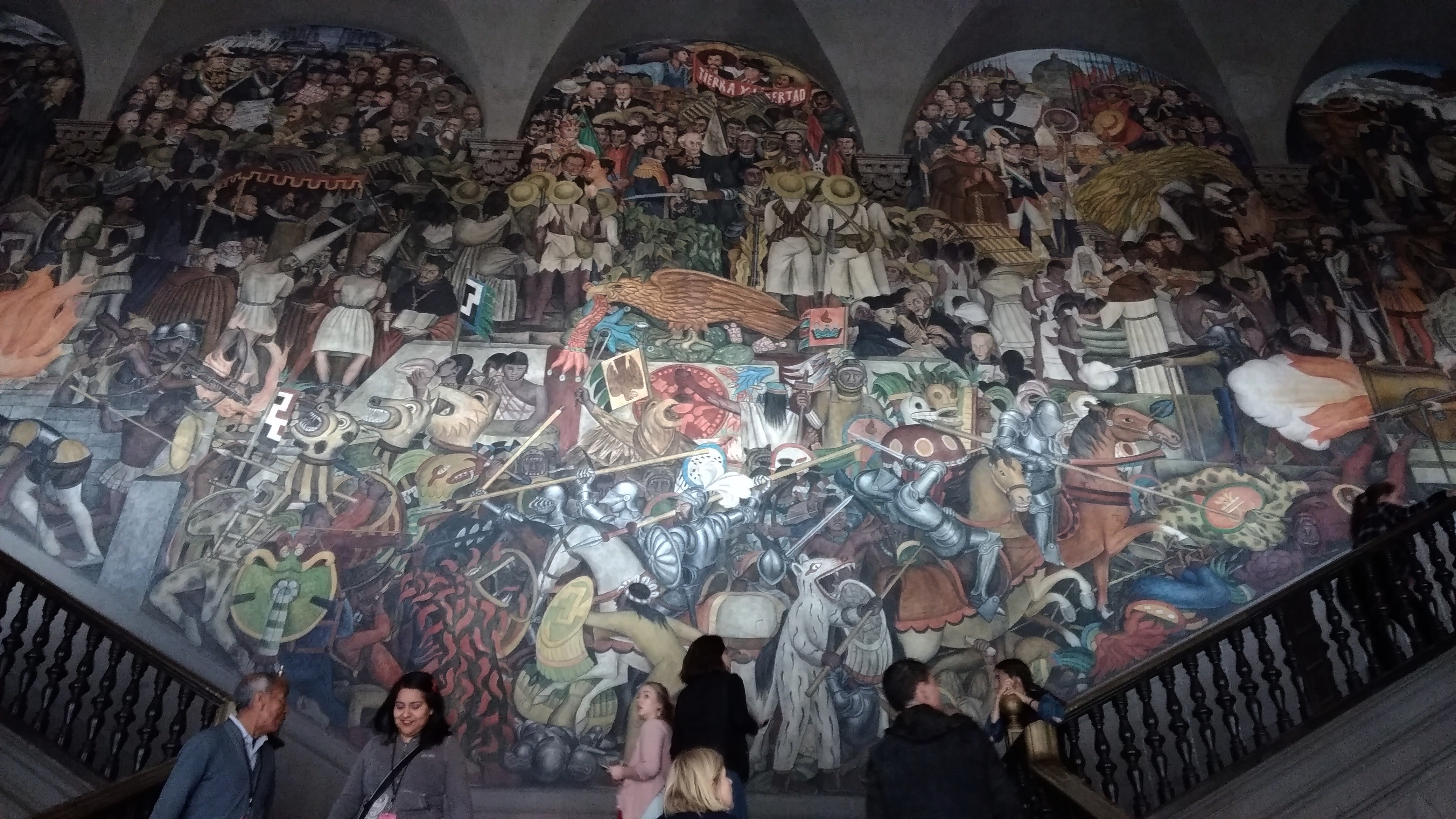
Diego Rivera’s mural depicting the history of Mexico, “The Epic of the Mexican People,” is impossible to miss. This only part of it. My picture does it no justice. One thing it does include is an epic amount of violence.
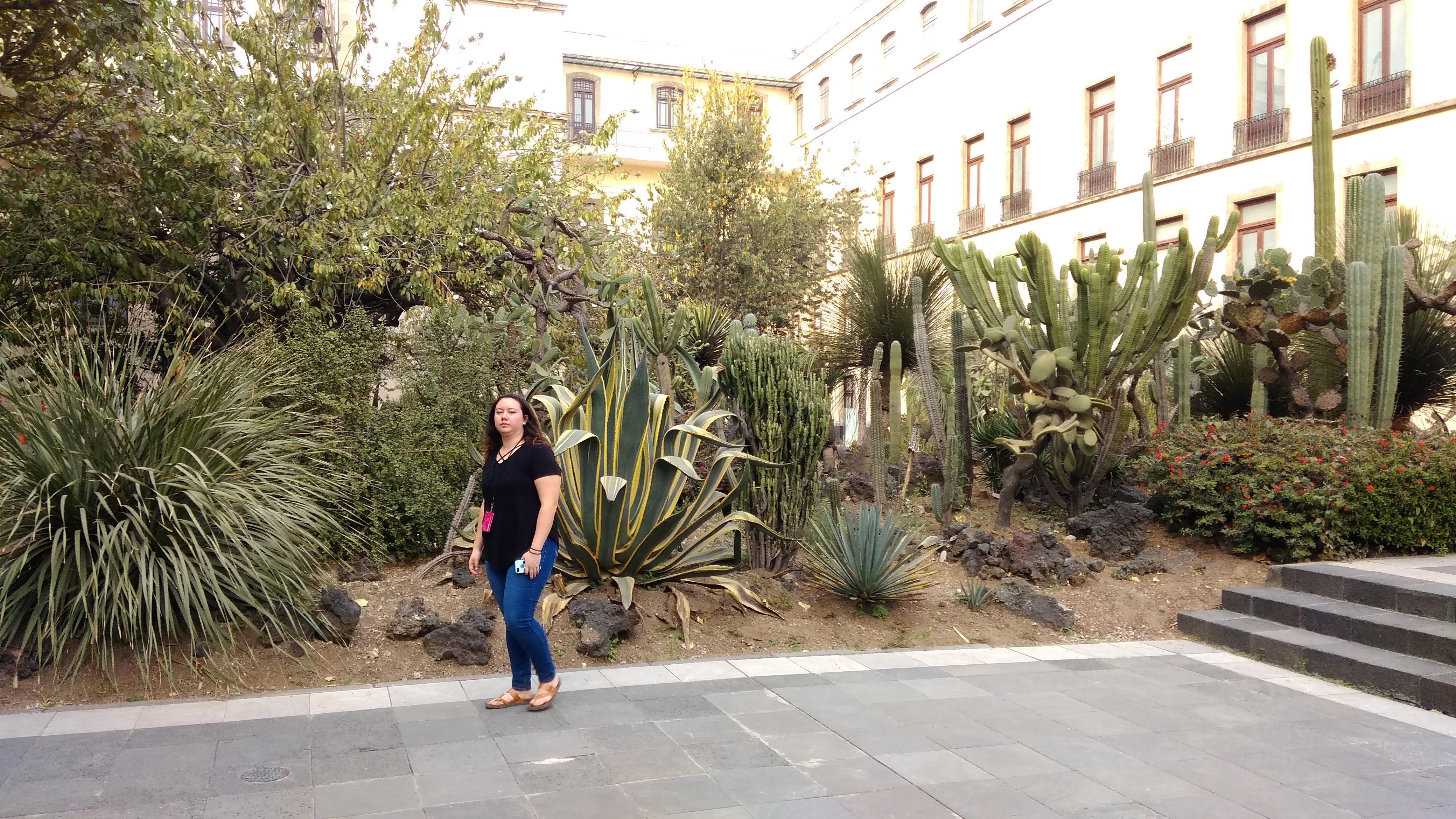
 The building, which evolved over the centuries on the site of an Aztec palace and then a fortified compound that Cortez built on top of its ruins, included a spot that features a lot of cacti native to Mexico, along with other flora.
 This is the most useful postcard I bought in Mexico City, on the second day we were there, a route map of the Sistema de Transporte Colectivo.
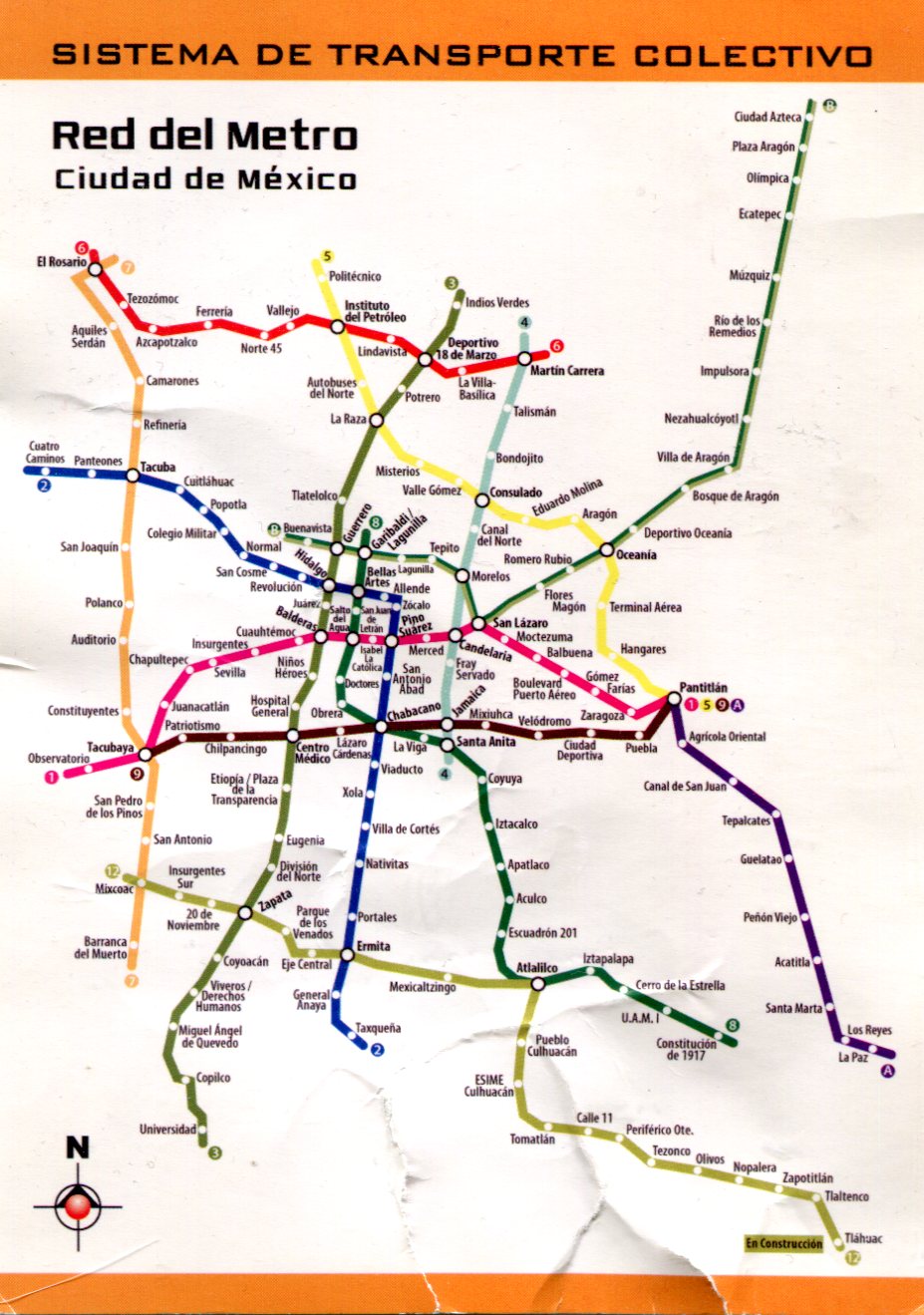 The Mexico City Metro, that is. If we didn’t walk someplace, we took the Metro. Note the crumpling of the card. I had it in my back pocket a lot.
Rush hour was as jammed as any other megalopolis’ subway, and occasionally we’d get the hairy eyeball from someone who presumably disapproved of tourists on the subway, but on the whole it was a good way to get around: quick, clean, and best of all, 5 pesos per ride. About 25 cents, that is. I know it’s because of subsidies. If you’re going to have a metro area of more than 20 million, best to have a large network of subsidized transit.
Wayfinding in the transfer stations was sometimes lacking. As were maps on the walls. Some stations had them, along with maps of the neighborhood, while some didn’t — such as the station closest to our hotel, Sevilla. That’s what made the postcard so useful.
Also of note: each station has a symbol. Sevilla’s, for instance, was a schematic of the old Chapultepec Aqueduct that runs nearby (and which we saw on foot). Construction of the Metro started in the 1960s, and the idea was to devise a system everyone could use, including people who couldn’t read, which was a higher proportion of the population in those days.
Who created the symbols? Remarkably, American graphic designer Lance Wyman, who is still active. Here at his web site are the some of the symbols for Line 1, which is colored pink, including the aqueduct. We rode that line most of all, and discovered that even if you can read, the symbols are quite useful for knowing where you are quickly.
Walking presented its own challenges. Namely, holes and other rough patches in the sidewalks. Some of the Mexico City sidewalk damage, I expect, is from routine neglect. In other places, the recent earthquake probably did some damage that hasn’t been repaired yet.
Still, you got used to watching for sidewalk hazards in pretty short order, and even got to know the bad spots on the streets you walked on frequently. The street we used from the hotel to the Roma neighborhood, where we ate some fine meals, was Calle Varsovia, which then changed to Calle Medellin, and it featured an especially dangerous urban crevasse. The spot had once had a set of steel plates, maybe covering a utility trench, but some of the plates were gone, others cracked. Step into that unknowingly and you’d break a leg.
In Chapultepec Park, we saw this kind of acrobatics.
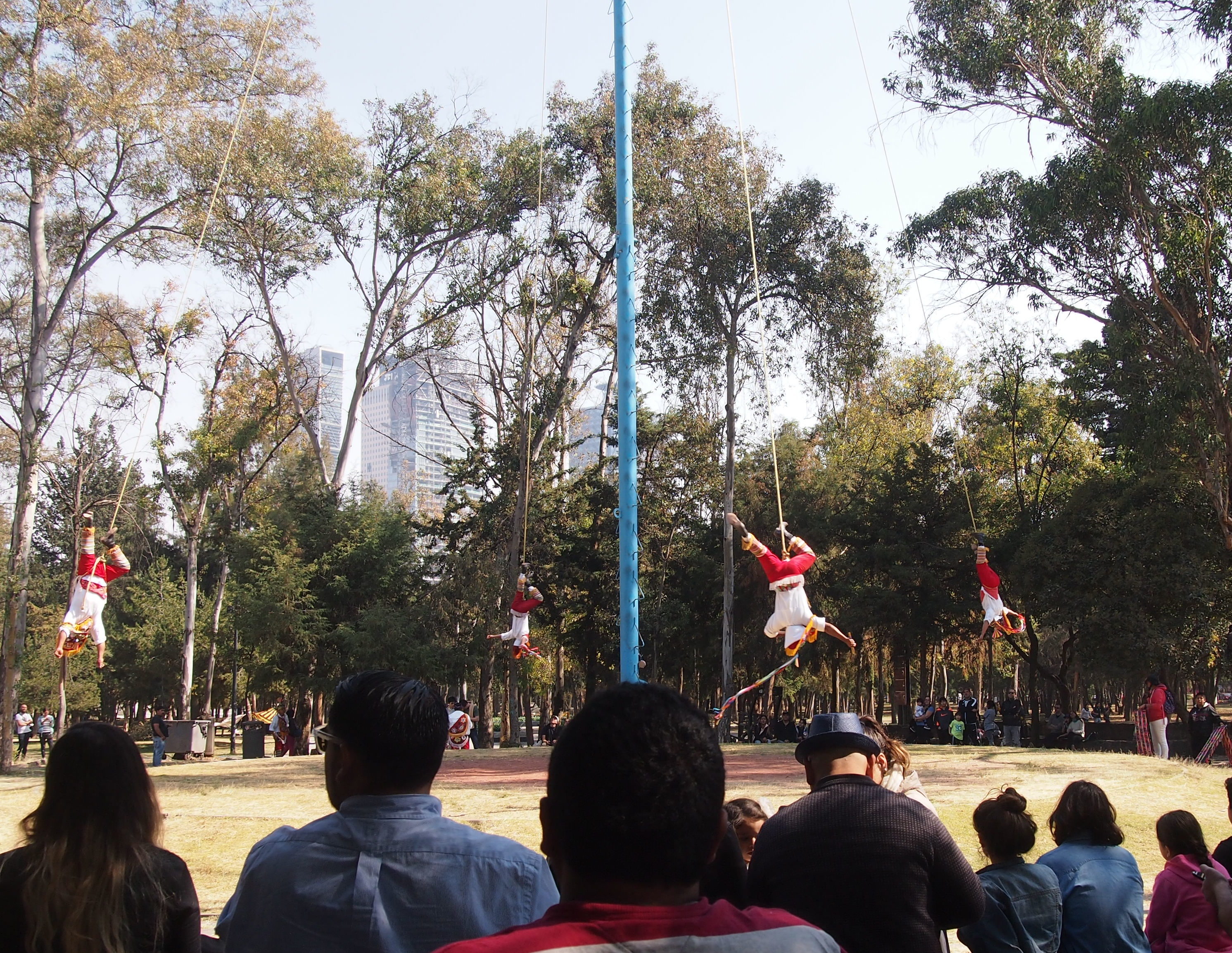
It’s called Danza de los Voladores, Dance of the Flyers. “The ritual consists of dance and the climbing of a 30-meter pole from which four of the five participants then launch themselves tied with ropes to descend to the ground,” says Wiki. “The fifth remains on top of the pole, dancing and playing a flute and drum.”
That’s exactly what we saw, with the four flyers slowly getting lower as they circled the pole. Tom said he’d seen it in other parts of Mexico.
My favorite meal of the trip was at a place called Los Almendros, a handsomely appointed restaurant just north of Chapultepec Park in the well-to-do Polanco neighborhood. Apparently there’s another location in Mexico City and one in Cancun and one in Merida. Fittingly, since it specializes in cuisine of the Yucatan.
We arrived at about 2 pm for lunch, and were a little early. Pretty soon the place filled up. That’s the timing of meals in Mexico: lunch after 2 and dinner after 8. We got into the groove of that without much trouble.
I had the pan de cazón: “a casserole dish in Mexican cuisine that is prepared in the style of lasagna using layered tortillas with shark meat such as dogfish shark, black beans or refried black beans and spiced tomato sauce,” explains Wiki, which are says it’s a specialty of Campeche.
Close enough to the Yucatan, I figure. It was tasty. It also inspired a discussion of the various times we’d eaten shark. For me, that goes back at least to a visit to Long Beach in 1982 when a friend and I acquired shark at a grocery store and cooked it up.
One should try things like Yucatani shark casserole on the road, I think. While in Mexico City, I had an ambition of trying fried grasshoppers, chapulines, and even found a recommended place; but it closed early on New Year’s Eve.
You’d think a place like Los Almendros would be expensive, and I suppose it is, locally, but a strong dollar helped us out: the check for three (no separate checks in Mexico, so Tom and I took turns paying) came to about 1,100 pesos, or about $57, including the meals, beer and tip. Put that restaurant in New York or Chicago or Los Angeles and it would have been three times that, at least.
A bit more expensive was Cafe de Tecuba, not far from the Palacio de Belles Artes, the sort of place that ends up in guidebooks. Indeed, I quote from Moon Mexico City, the book that I had with me: “Occupying two floors of a 17th-century mansion… the fun of eating here is enjoying the Old Mexico atmosphere in the dining room, with its tall wood-beamed ceiling, pretty frescos, and old oil paintings.”
For atmosphere, it was the most aesthetic place we ate. And the food was very good, just not quite as novel as we got other places. I had some enchiladas.
At the other end of the expense spectrum was McDonald’s. Try McDonald’s at least once in each country you visit, to see how it’s different. German McDonald’s have beer, for instance, and the wonderful McTeriyaki is available at Japanese McDonald’s. The only thing different about Australian McDonald’s was that the restaurant stressed to one and all that it served 100% Australian beef.
As for Mexican McDonald’s, it wasn’t so different from its norteamericano counterparts, except that Filet-O-Fish was missing, and the condiments counter had more varieties of local peppers.
One leisurely morning, after the busy day in Chapultepec Park, we ate at Jaxson’s Chicken & Waffles, a smallish joint in the Roma neighborhood that would not have been out of place in Brooklyn, including the bearded hipsters at other tables. More importantly, the place served up a whopping good breakfast — the kind of large breakfast you eat at 10 or 11 to get you through a day of tourism. Each of us had the special: chicken, waffles, hash browns, bacon and a pancake in there somewhere.
Not far away in Roma, on Fuente de la Cibeles square, is Cancino Cibeles. We ate pizza there al fresco, and while the evenings are a bit chilly in Mexico City in December, the restaurant had heaters on poles near the sidewalk tables, the kind that radiate heat downward (Tom didn’t want to sit too close to it, asserting that it would be too hot for his bald head).
To make things as interesting as possible for a setting like that, we picked the Gorgonzola and pear pizza for the main course, a thin-crust wonder of the pizza arts, and a bottle of wine. I don’t remember the name of the wine. But it was red and Portuguese and had a dignified label.
I’m sure people order a bottle of wine for three people all the time, but it was a rare thing for me. The kind of thing the characters in The Sun Also Rises would do, except that they would drink half a dozen bottles and then go somewhere else and drink absinthe. And then do knife tricks.