Sloss Furnaces

Not far from downtown Birmingham is Sloss Furnaces, site of pig iron production from 1882 to 1971.
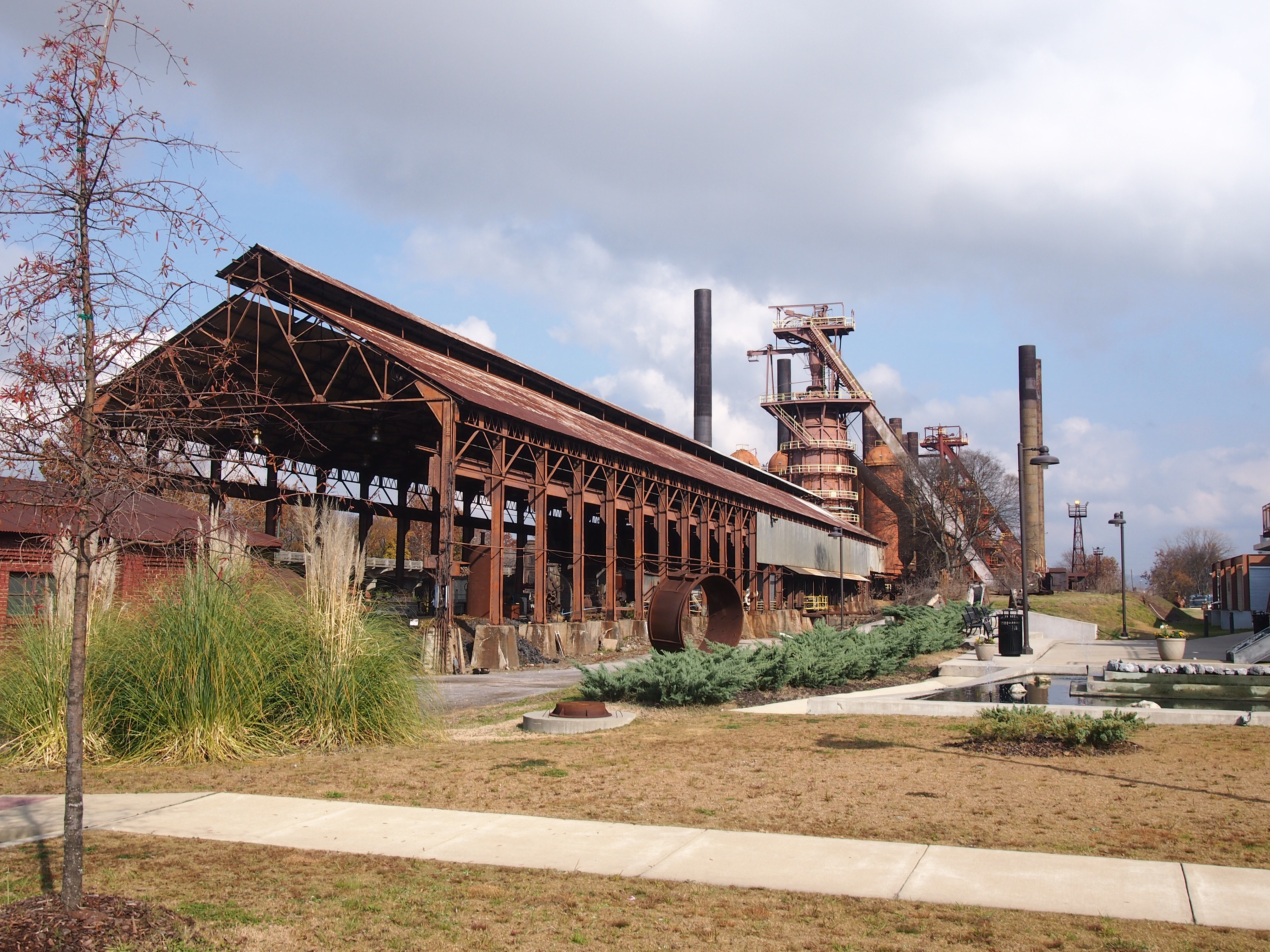
In our time, Sloss is an enormous forest of iron and steel, besides being a National Historic Landmark, sometime music venue, and site of a metal arts program. The long shed was, in fact, active with metal working while we visited. To see the main part of the site, you walk past the shed through a kind of tunnel.
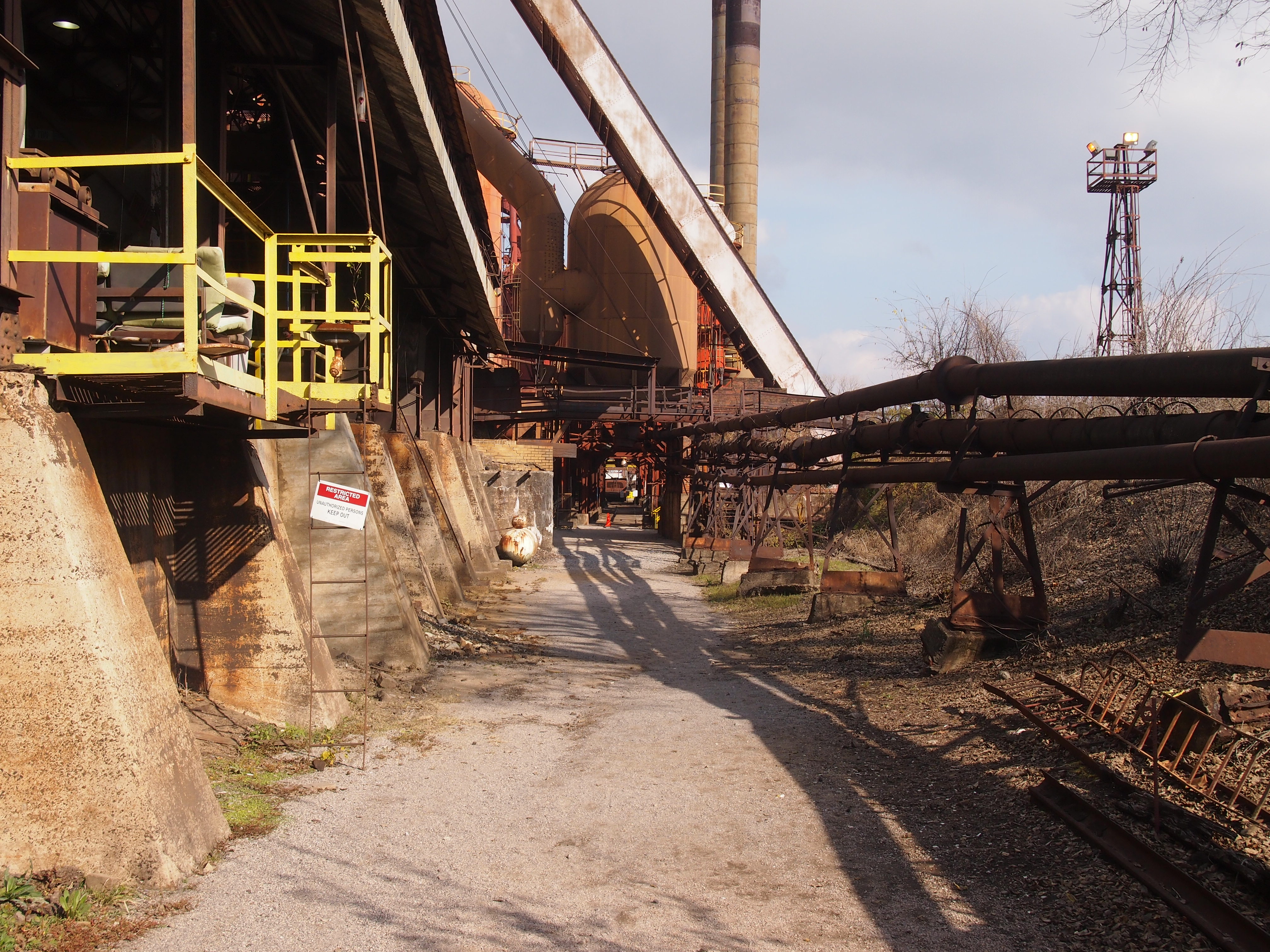
“In 1871 Southern entrepreneurs founded a new city called Birmingham and began the systematic exploitation of its minerals,” the Sloss Furances web site says. It’s an excellent short history — you don’t always get that at web sites — so I will quote at at length, to go with some pictures.

“One of these men was Colonel James Withers Sloss, a north Alabama merchant and railroad man. Colonel Sloss played an important role in the founding of the city by convincing the L&N Railroad to capitalize completion of the South and North rail line through Jones Valley, the site of the new town.

“In 1880, having helped form the Pratt Coke and Coal Co., which mined and sold Birmingham’s first high-grade coking coal, he founded the Sloss Furnace Co., and two years later ‘blew-in’ the second blast furnace in Birmingham.”

The site these days includes relics towering into the sky.

And entrances into dark cavities.
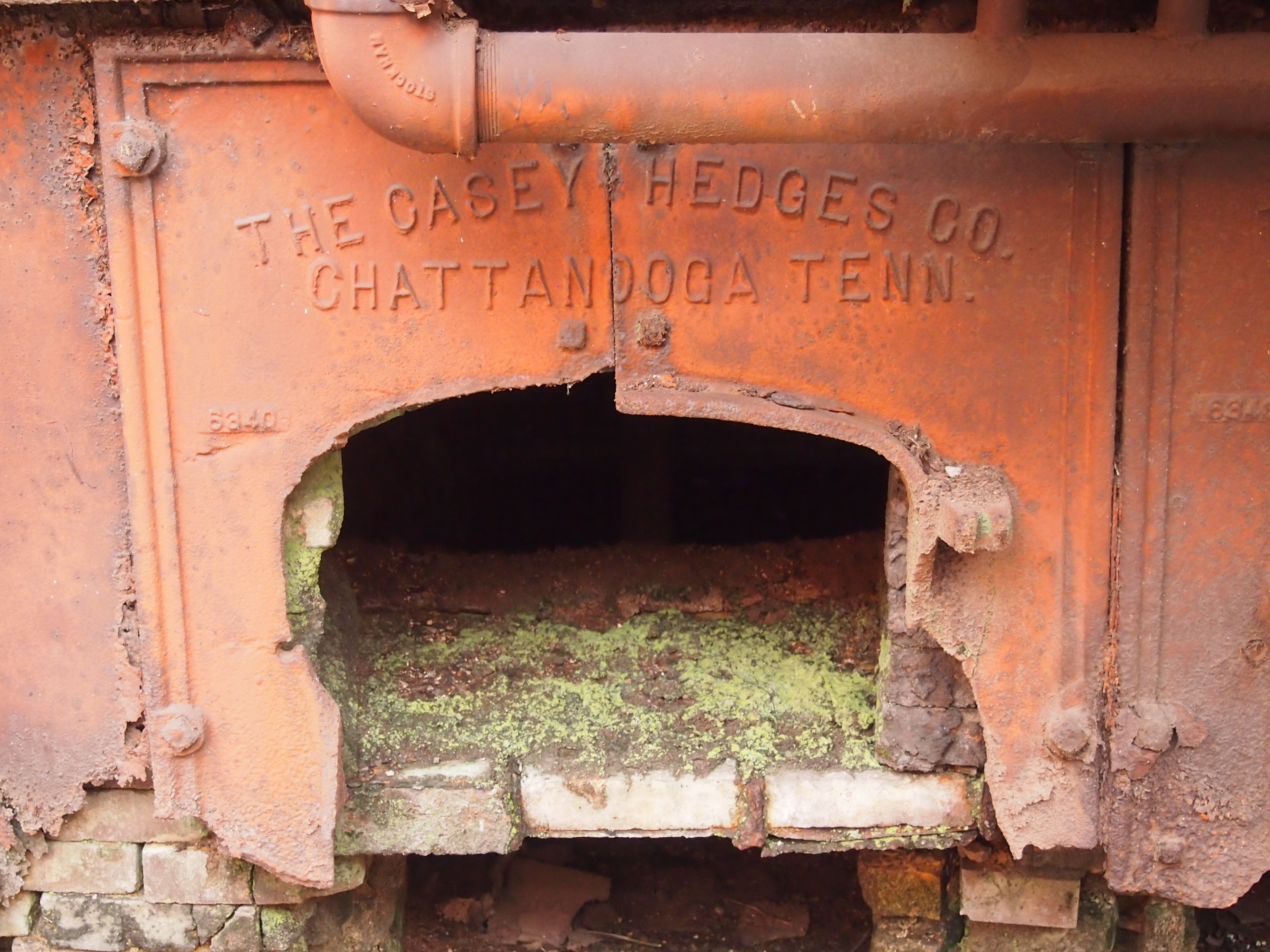
“Construction of Sloss’s new furnace (City Furnaces) began in June 1881, when ground was broken on a fifty-acre site that had been donated by the Elyton Land Co. Sixty feet high and eighteen feet in diameter, Sloss’s new Whitwell stoves were the first of their type ever built in Birmingham and were comparable to similar equipment used in the North.

“Local observers were proud that much of the machinery used by Sloss’s new furnaces would be of Southern manufacture. It included two blowing engines and ten boilers, thirty feet long and forty-six inches in diameter. In April 1882, the furnaces went into blast. After its first year of operations, the furnace had sold 24,000 tons of iron. At the 1883 Louisville Exposition, the company won a bronze medal for ‘best pig iron.’ ”


“Nothing remains of the original furnace complex. The oldest building on the site dates from 1902 and houses the eight steam-driven ‘blowing-engines’ used to provide air for combustion in the furnaces. The engines themselves date from the period 1900-1902 and are a unique and important collection — engines such as these powered America’s Industrial Revolution. The boilers, installed in 1906 and 1914, produced steam for the site until it closed in 1971.

“Between 1927 and 1931 the plant underwent a concentrated program of mechanization. Most of its major operation equipment — the blast furnaces and the charging and casting machinery — was replaced at this time. In 1927-28, the two furnaces were rebuilt, enlarged, and refitted with mechanical charging equipment, doubling the plant’s production capacity. While the site strongly reflects the changes made from 1927-1931, some of the technology is more current.”
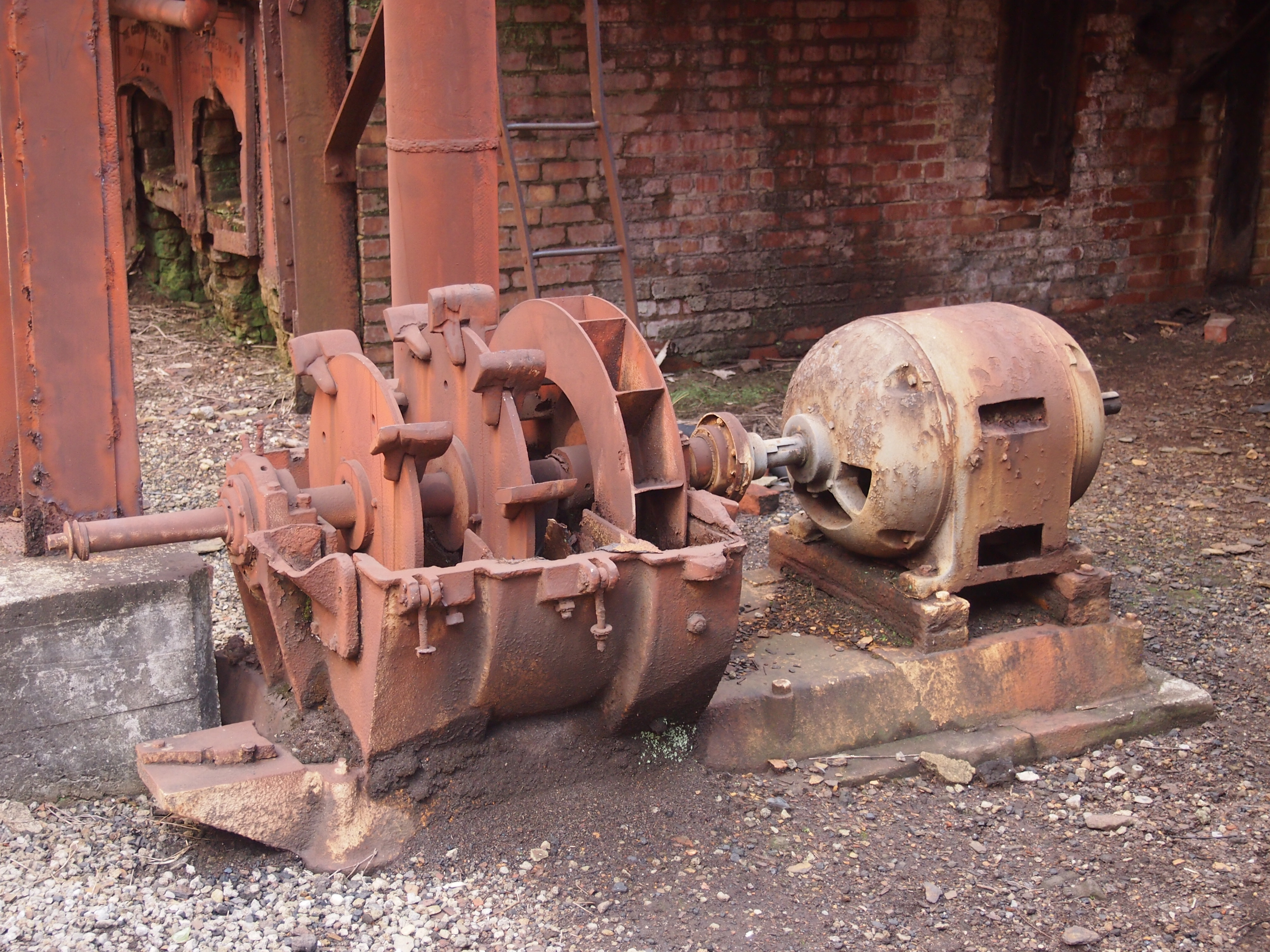
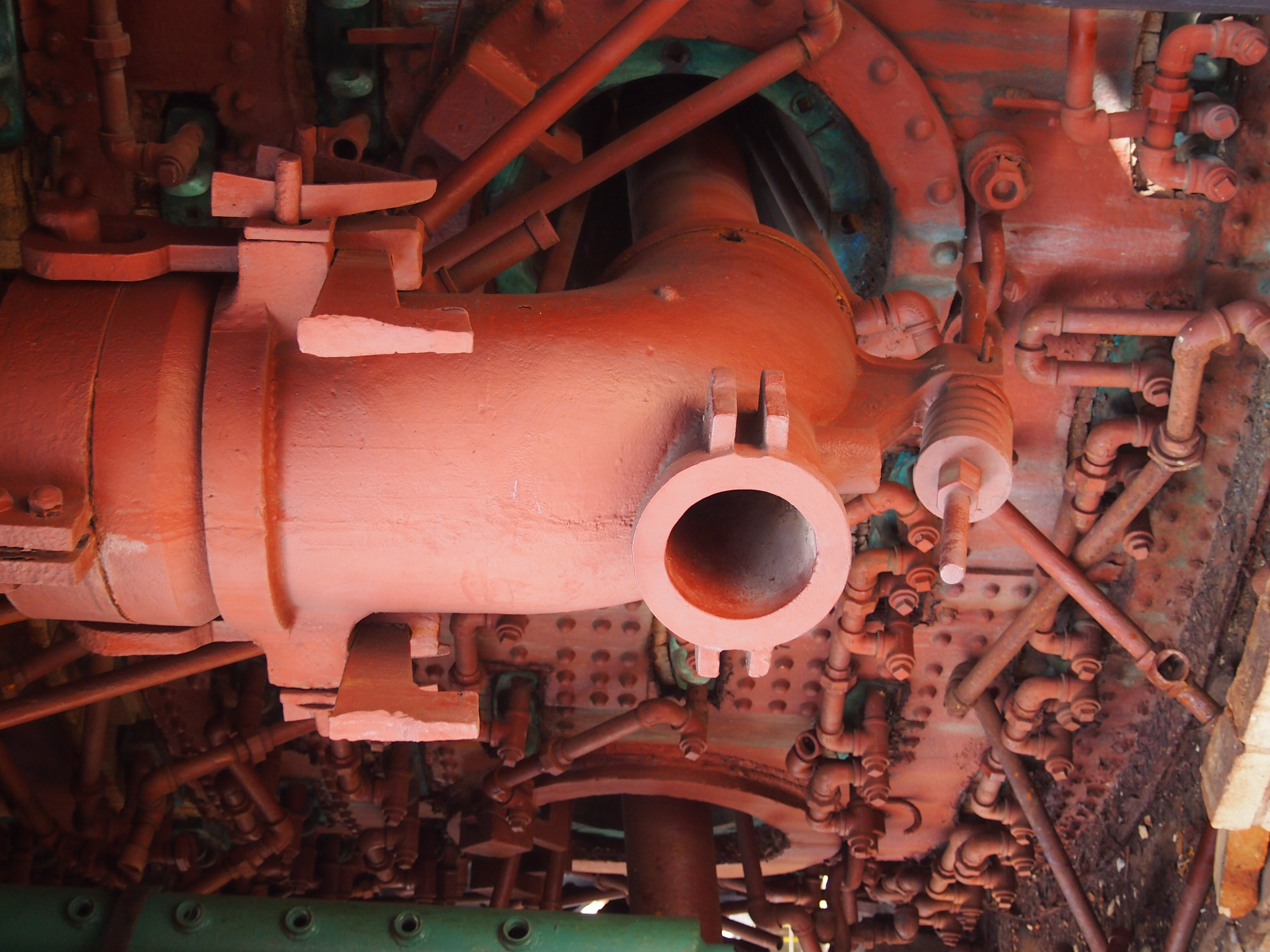
“Despite being dominated by black labor, the industrial workplace was rigidly segregated until the 1960s. Workers at Sloss bathed in separate bath houses, punched separate time clocks, attended separate company picnics. More important was the segregation of jobs.

“The company operated as a hierarchy. At the top there was an all white group of managers, chemists, accountants, and engineers; at the bottom an all black ‘labor gang’ assisted (until its demise in 1928) by the use of convict labor. Sloss utilized the convict leasing system only in its coal mines. As Lewis noted in Sloss Furnaces, ‘….convict labor, mostly black, was an important weapon in the district’s economic warfare with northern manufacturing.’ Slavery had not died but merely been transformed.”
The New Oldest President

This came to my attention the other day. Last Friday, George H. W. Bush became the longest-lived president in U.S. history, at 93 years, 166 days. He bested Gerald Ford — who isn’t getting any older — that day, and topped Ronald Reagan about a month and a half ago. Reagan had the longest-lived distinction for a few years in the early 21st century, and more recently, for about the last 10 years, Ford was the oldest.

Presidential longevity is reaching new heights here in the 21st century. For a very long time, about 175 years, John Adams was the longest-lived president. He famously died on July 4, 1826, aged 90 years, 247 days. Reagan passed him only in 2001.

Now each of the four presidents who followed Richard Nixon have lived to be at least 93, with the elder Bush and Jimmy Carter currently gunning for 94. To reach 93, George W. Bush and Donald Trump would both need to live to 2039; Bill Clinton, to 2040; and Barack Obama, to 2054.

The Deering Family Galleries of Medieval and Renaissance Art, Arms, and Armor

Some years ago, the arms and armor gallery at the Art Institute of Chicago, a long hall packed with Medieval and Renaissance arms and armor, but also such artwork as reliquaries, disappeared during a renovation. A permanent exhibit of Indian art, as in the Indian subcontinent, took its place.

Indian art is a fine thing, but I missed arms and armor. Earlier this year, I read that the museum had restored the arms and armor display in a different place, but I was skeptical that it would be as good as the good old hall. I was wrong. The new galleries, collectively known as the Deering Family Galleries of Medieval and Renaissance Art, Arms, and Armor, are better.

An Art Institute press release from March says that the galleries are “the permanent home for nearly 700 objects from the museum’s rich holdings of art from 1200 to 1600, including monumental altarpieces, exquisite jewelry, and the beloved arms and armor collection.

“While much in the collection may be familiar to long time visitors, the installation expands the display of art of this period sixfold and enfolds them in an historically inspired atmosphere and context. The construction of these galleries marks the most ambitious architectural undertaking at the museum since the Modern Wing opened in 2009.”

In the very first gallery, you see the Ayala Altarpiece, dated 1396 and commissioned by Pedro López de Ayala, later chancellor of Castile. The museum spent three years recently restoring the painted wood altarpiece, 24 feet across by eight feet high, and it’s quite a sight.

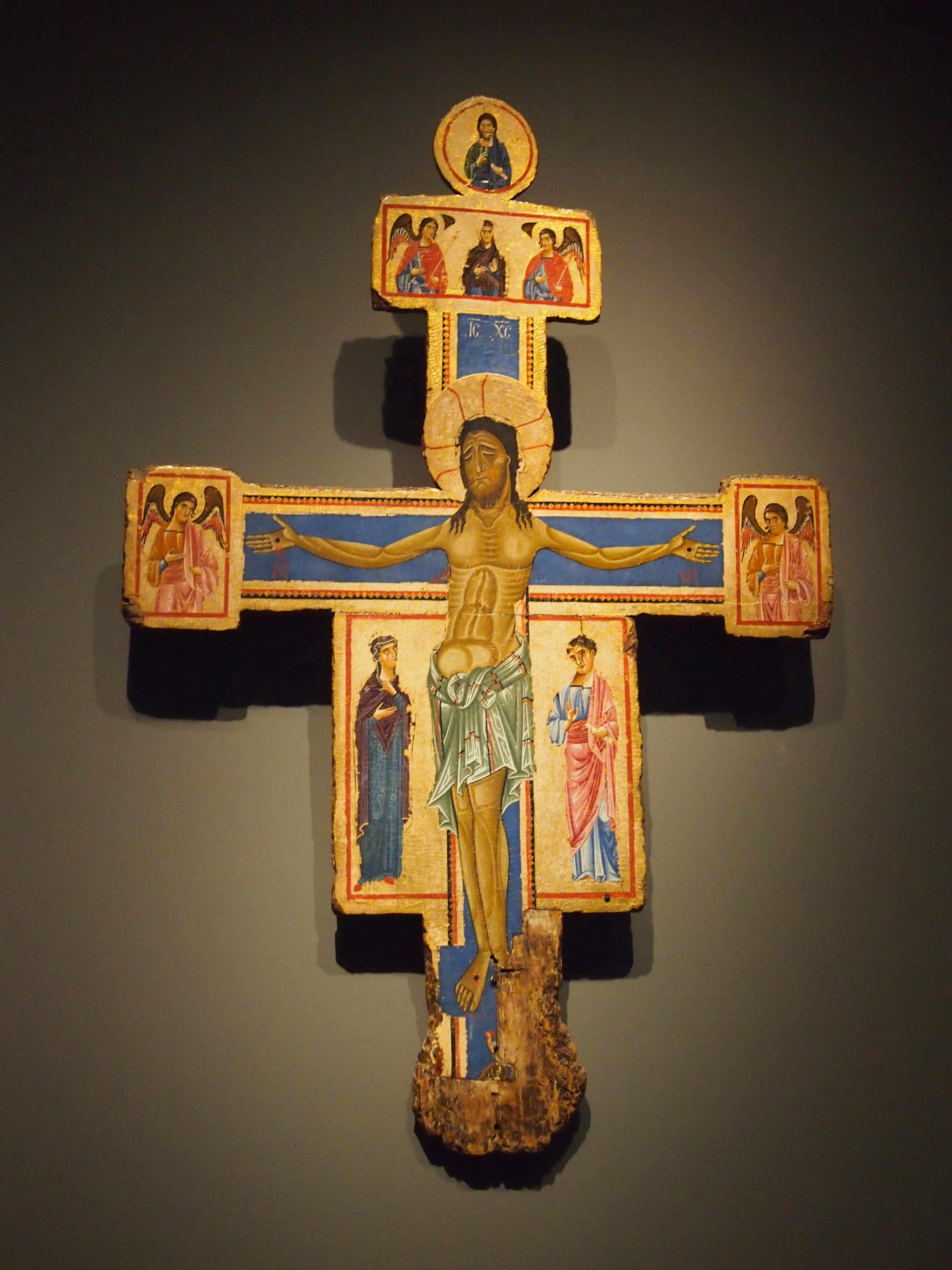
Also in the first gallery are the likes of a crucifix by the Master of the Bigallo Crucifix, Italian, active about 1225-65.

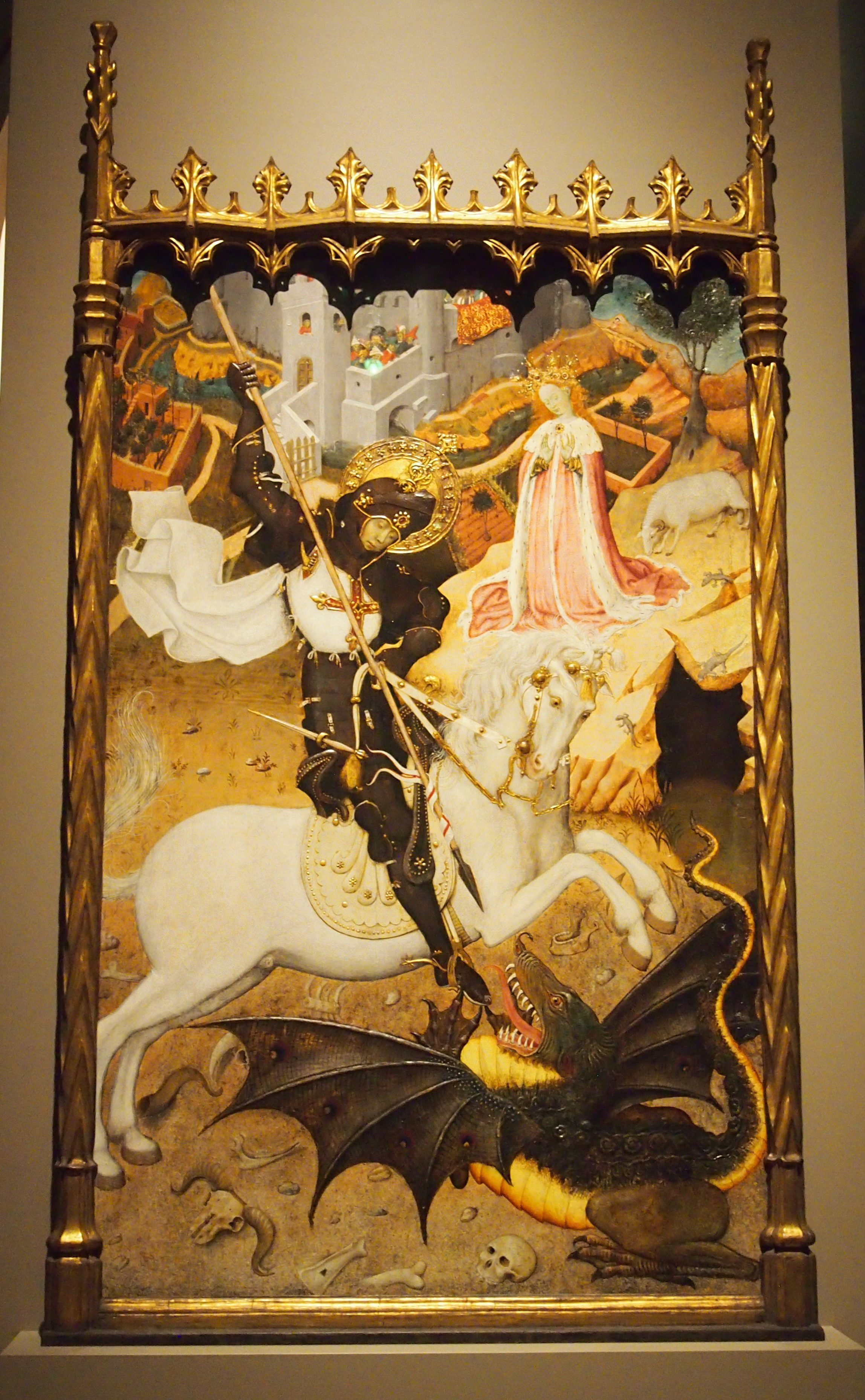
And “Saint George and the Dragon” by Bernat Martorell, a Spaniard (1434/35).

“The galleries that follow are more intimate, focusing on late Gothic and Renaissance domestic life,” the museum continues. “Luxury goods and accessories for feasting fill one room while another displays works of art for the bedchambers of Tuscany’s merchant elite. Everyday objects from northern Europe, along with jewelry and items of personal display, complete the domestic picture of the period.

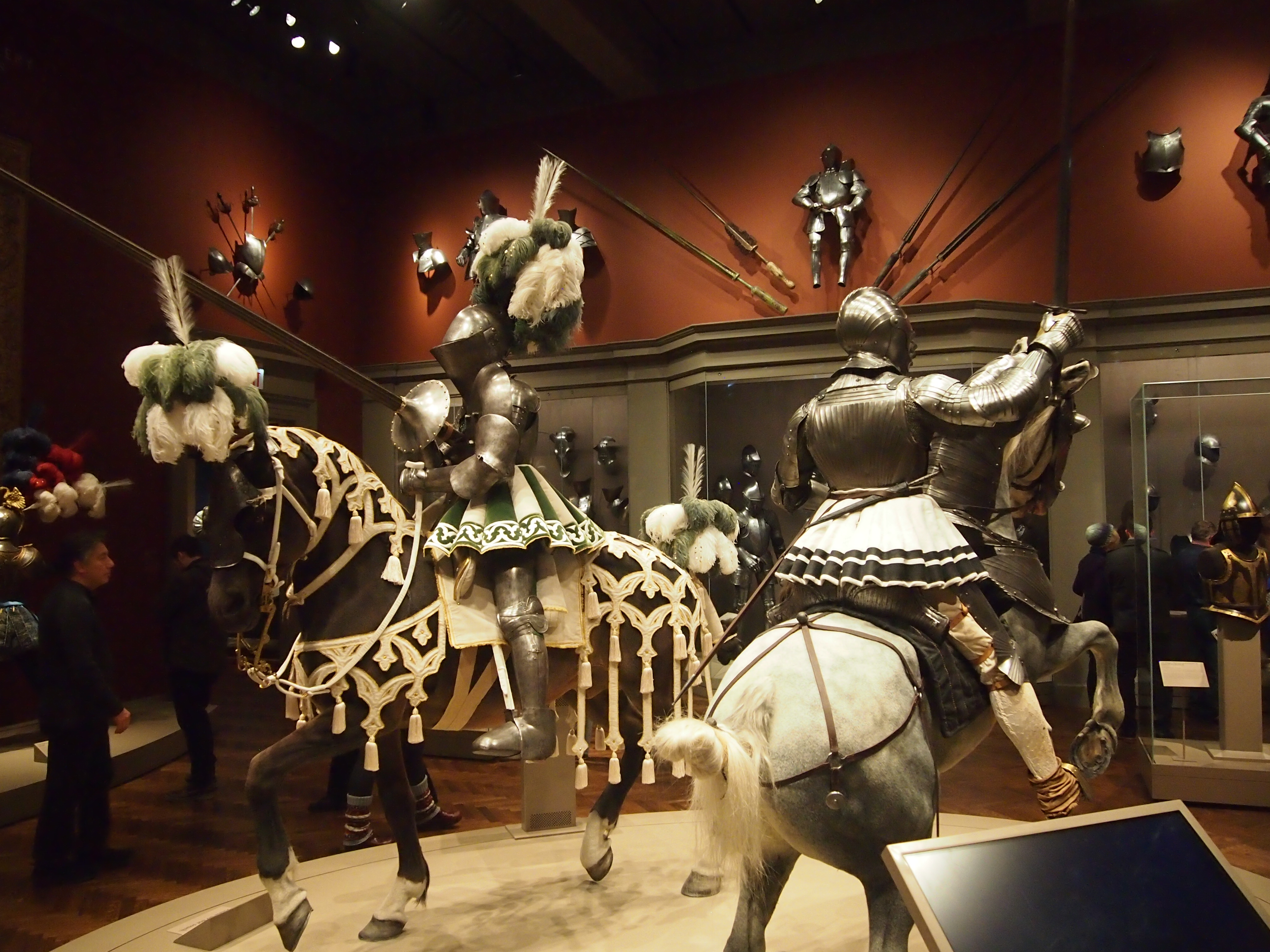
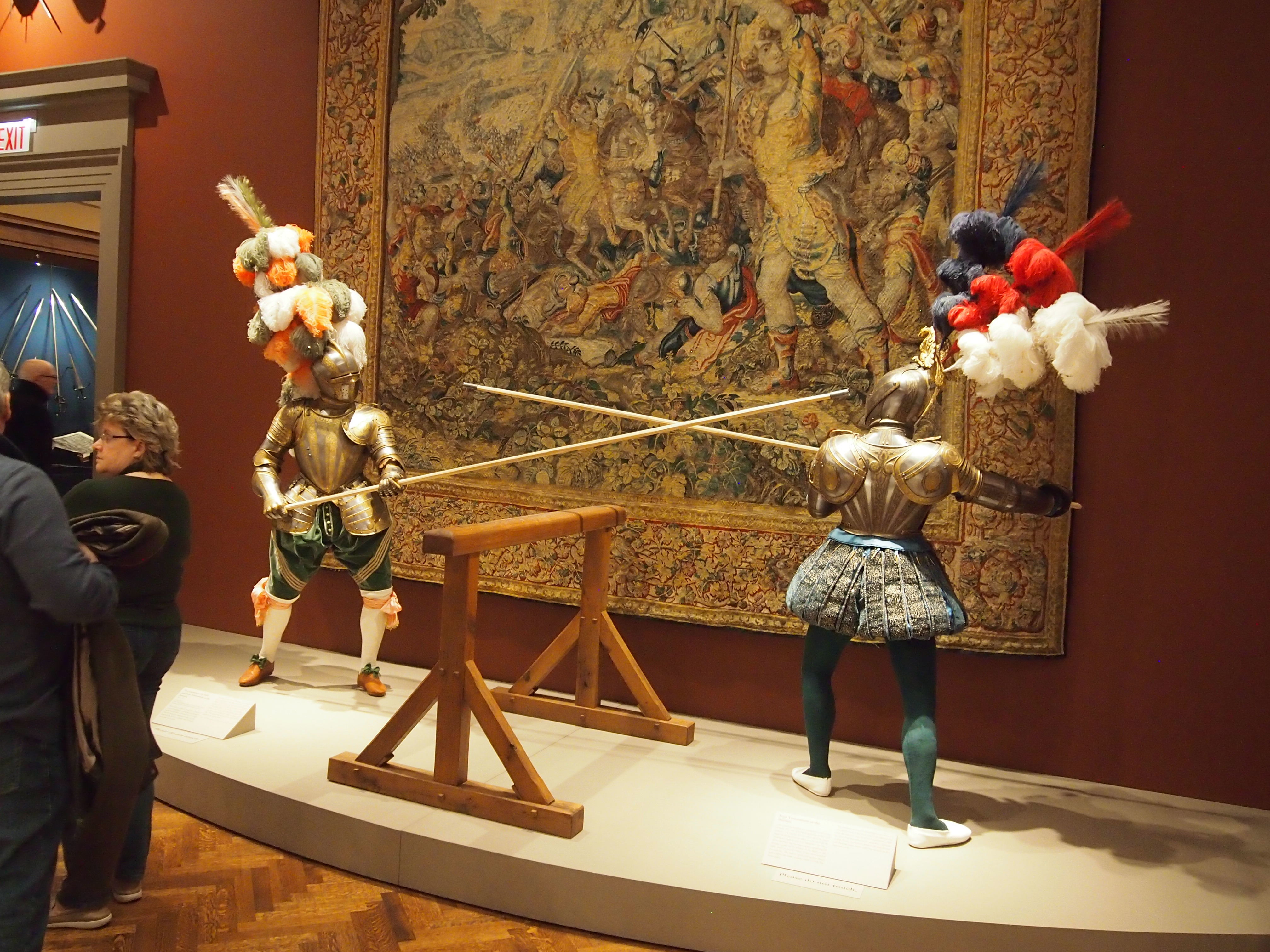
“From here, the space opens to the new home of the museum’s expanded arms and armor collection. Filled with weaponry and armor, the display is dominated by two armored figures on horseback — one dressed for battle, the other for sport — and two armed and costumed figures engaged in foot combat.

That’s a kind of armored contest I’d never seen depicted before. Clearly the object of the contest was to knock the other man over without crossing the cross beam, and probably striking below the waist was against the rules.

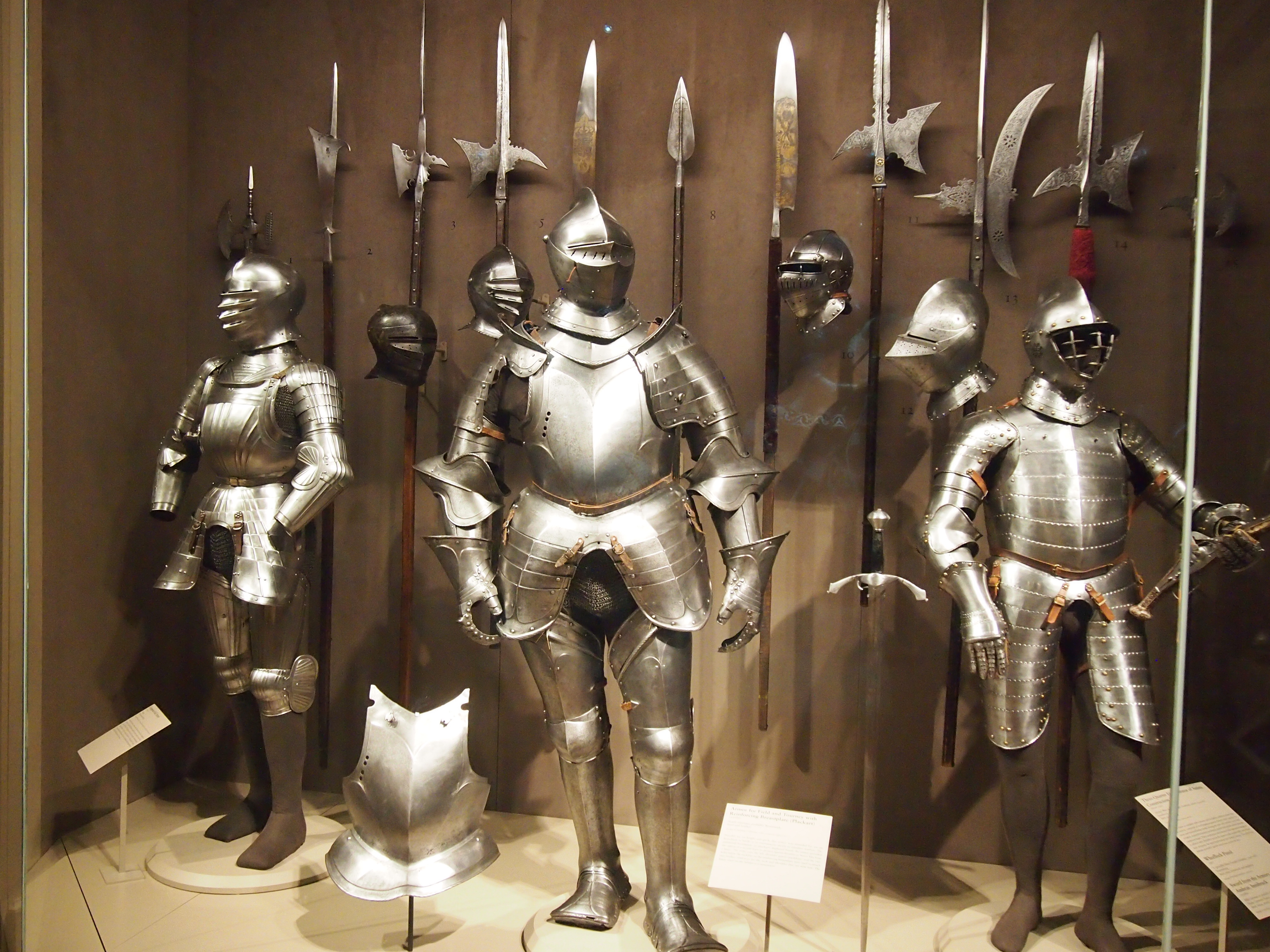
There were also some good old-fashioned displays of armor in a standing position.
Along with plenty of weapons representing many ways to hack into the other guy.

Revoliutsiia! Demonstratsiia! Soviet Art Put to the Test

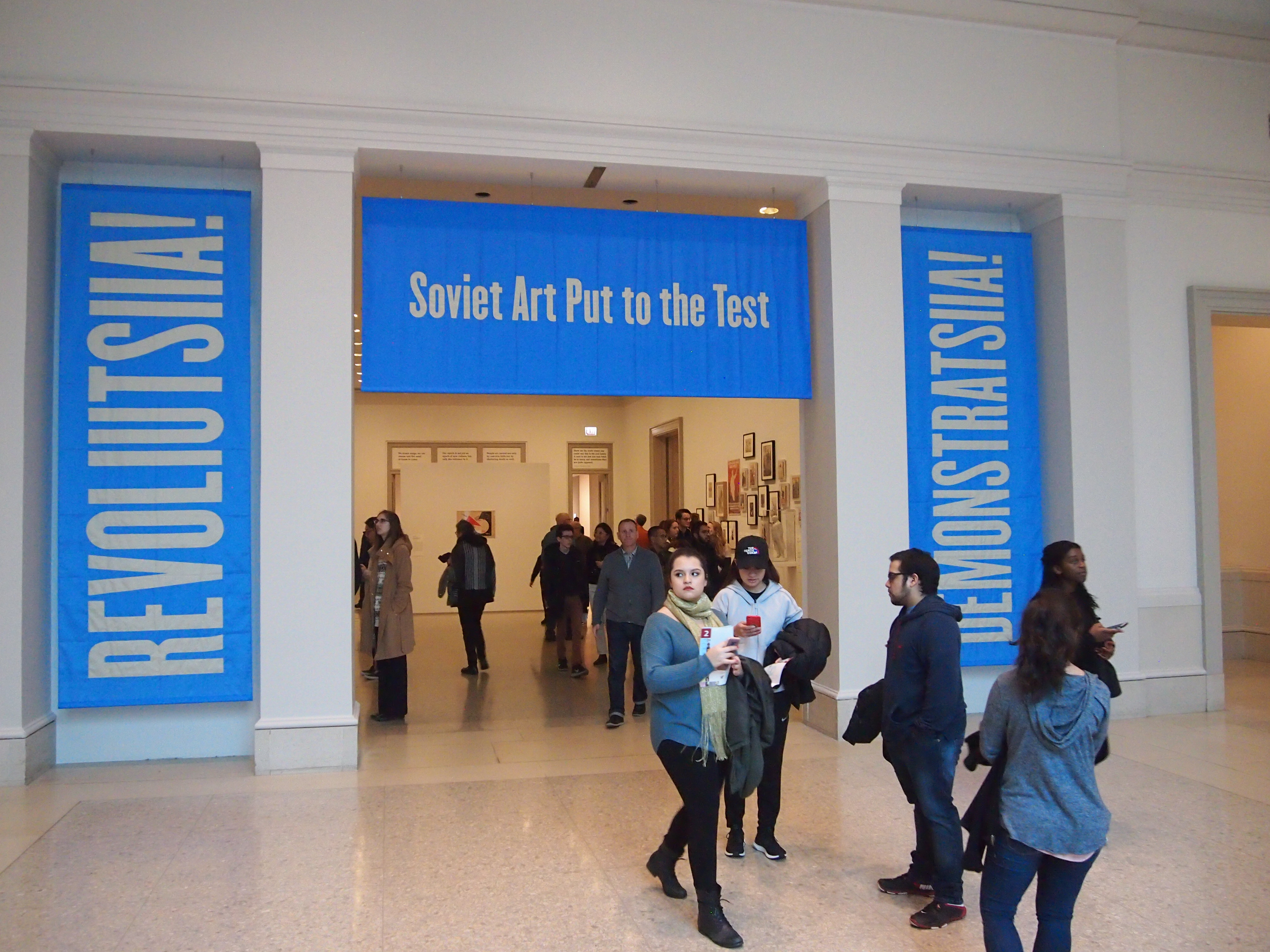
After lunch at Shake Shack on Michigan Ave. on Saturday — crowded, but not impossible — we wandered over to the Art Institute. Been a while since we’d been there. I was particularly keen to see Revoliutsiia! Demonstratsiia! Soviet Art Put to the Test.

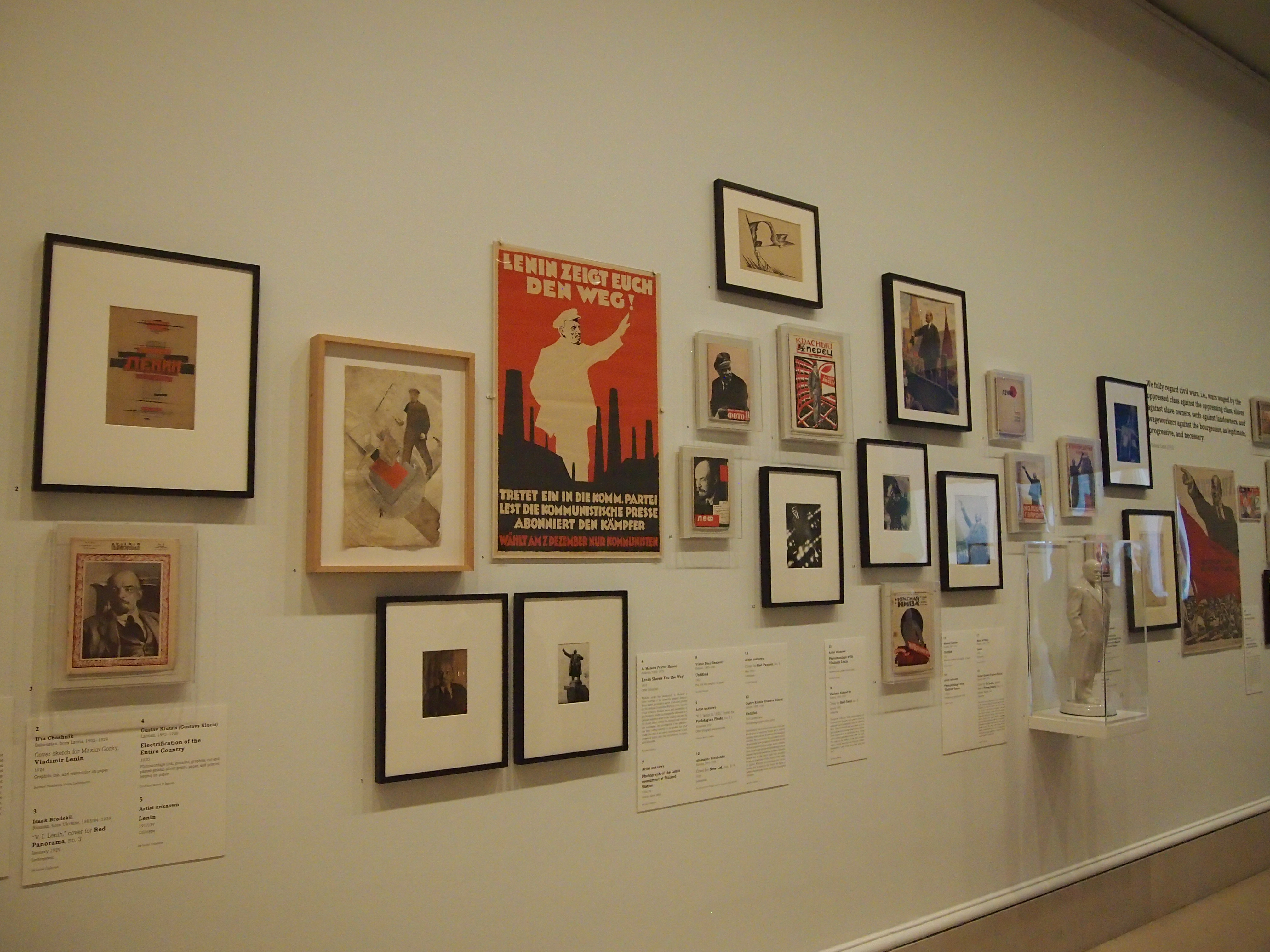
Mounted, I’m sure, to coincide with the 100th anniversary of the revolution. Just inside the entrance to the exhibit was the “Lenin Wall.” Lots of Lenin, including a small statue.

Besides that, the exhibit featured paintings, posters, prints, drawings, photos, magazines, film, agitprop ephemera, porcelain, figurines, life-size reconstructions of early Soviet display objects or spaces commissioned especially for the exhibition, and more.

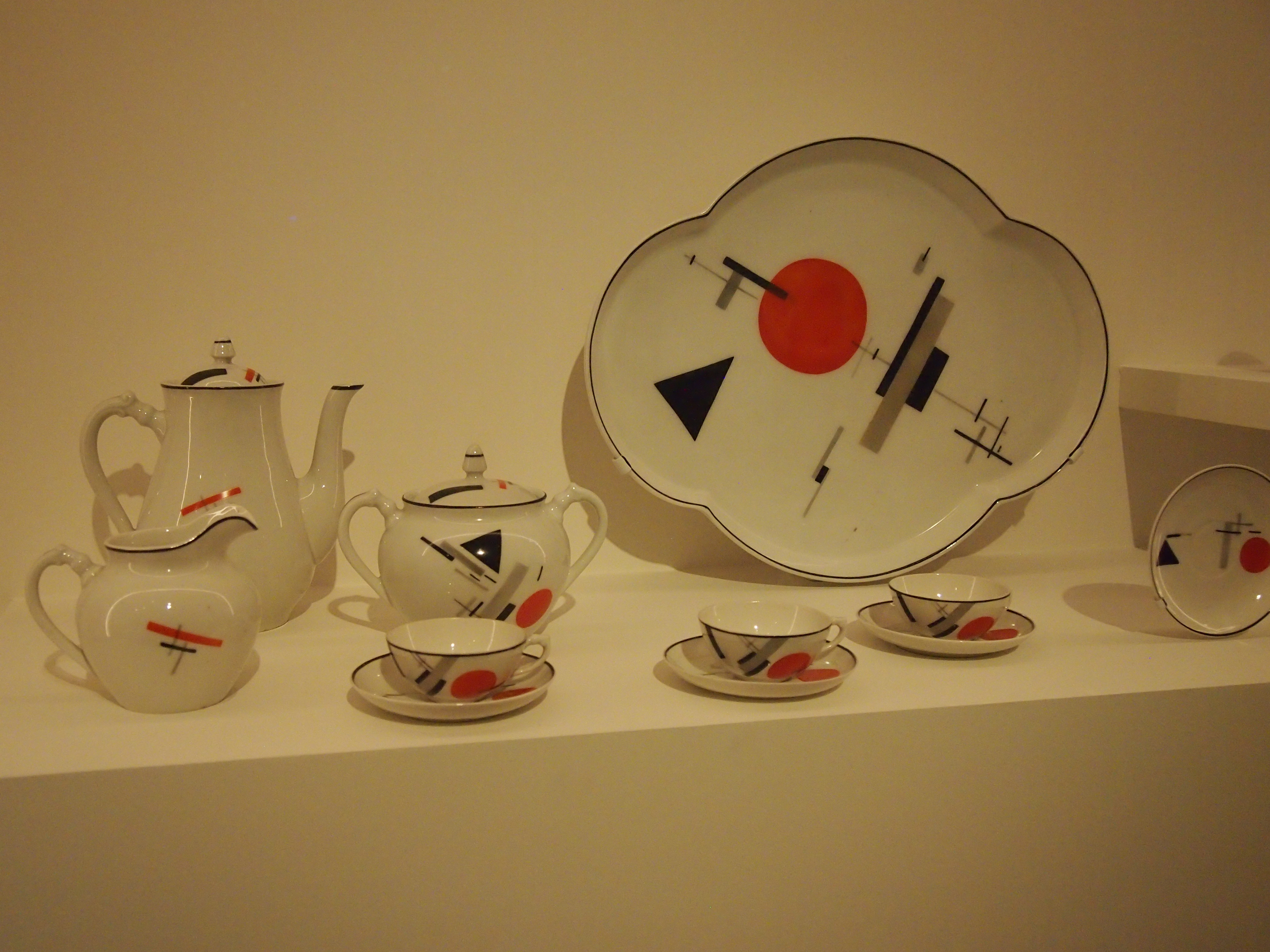
I was glad to see the Suprematist porcelain collection (I. I. Rozhdestvenskaia).
That’s because I used to have a Suprematist-style cup and saucer. Actually, I still have the saucer, but the cup broke long ago.

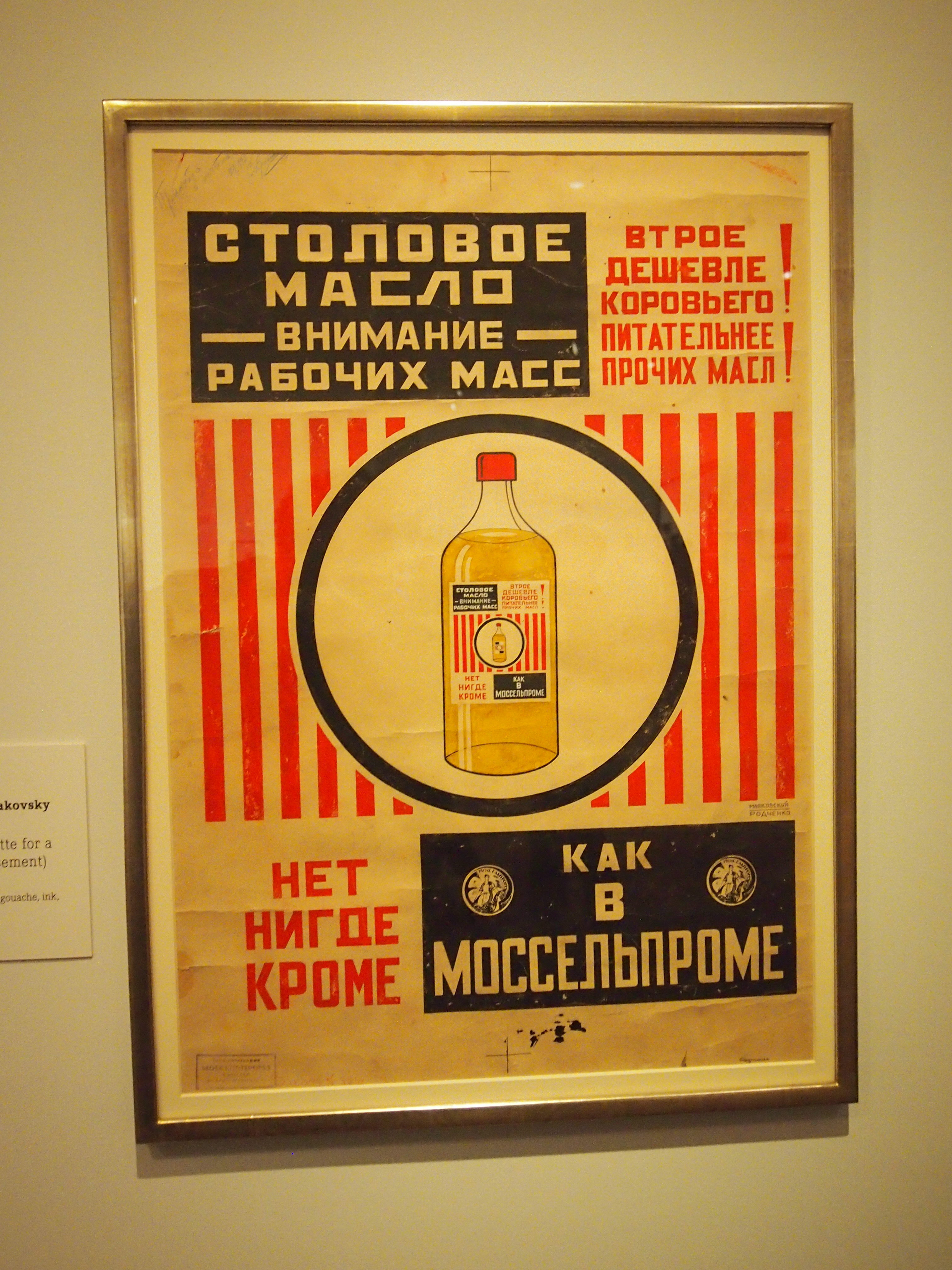
Remarkably, there was such a thing as Soviet advertising. Or an equivalent. At least early on (1923).
That’s a preliminary design for a Mosselprom building advertisement for cooking oil by Aleksandr Rodchenko, the Constructivist.

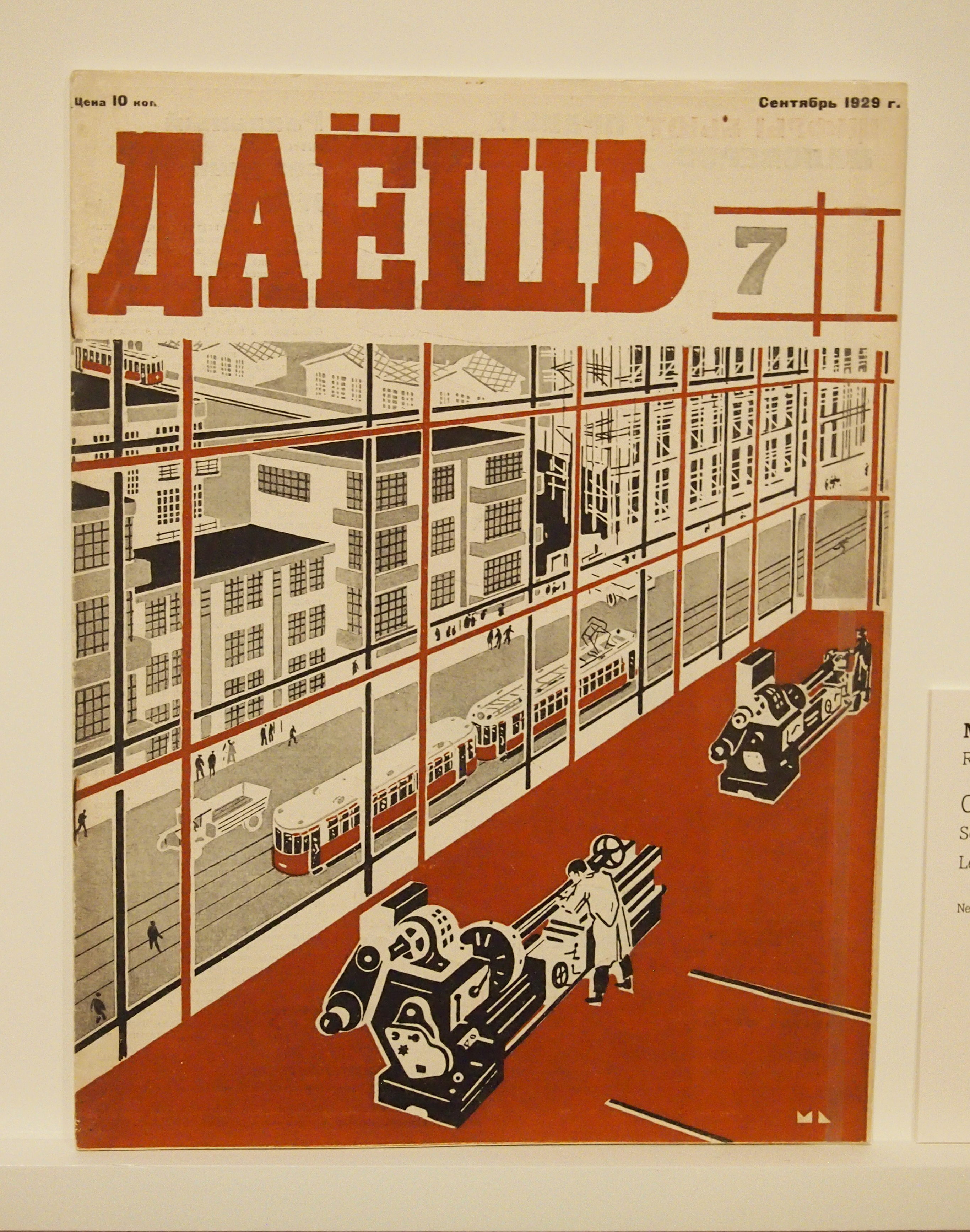
The cover of Produce! magazine (Mechislav Dobrokovskii, Sept. 1929).
And the cover of a magazine called Atheist at the Workbench, Jan. 1923 (Dmitrii Moor).
The theme of that cover is “We got rid of the tsars on Earth, let’s deal with the ones in Heaven.”

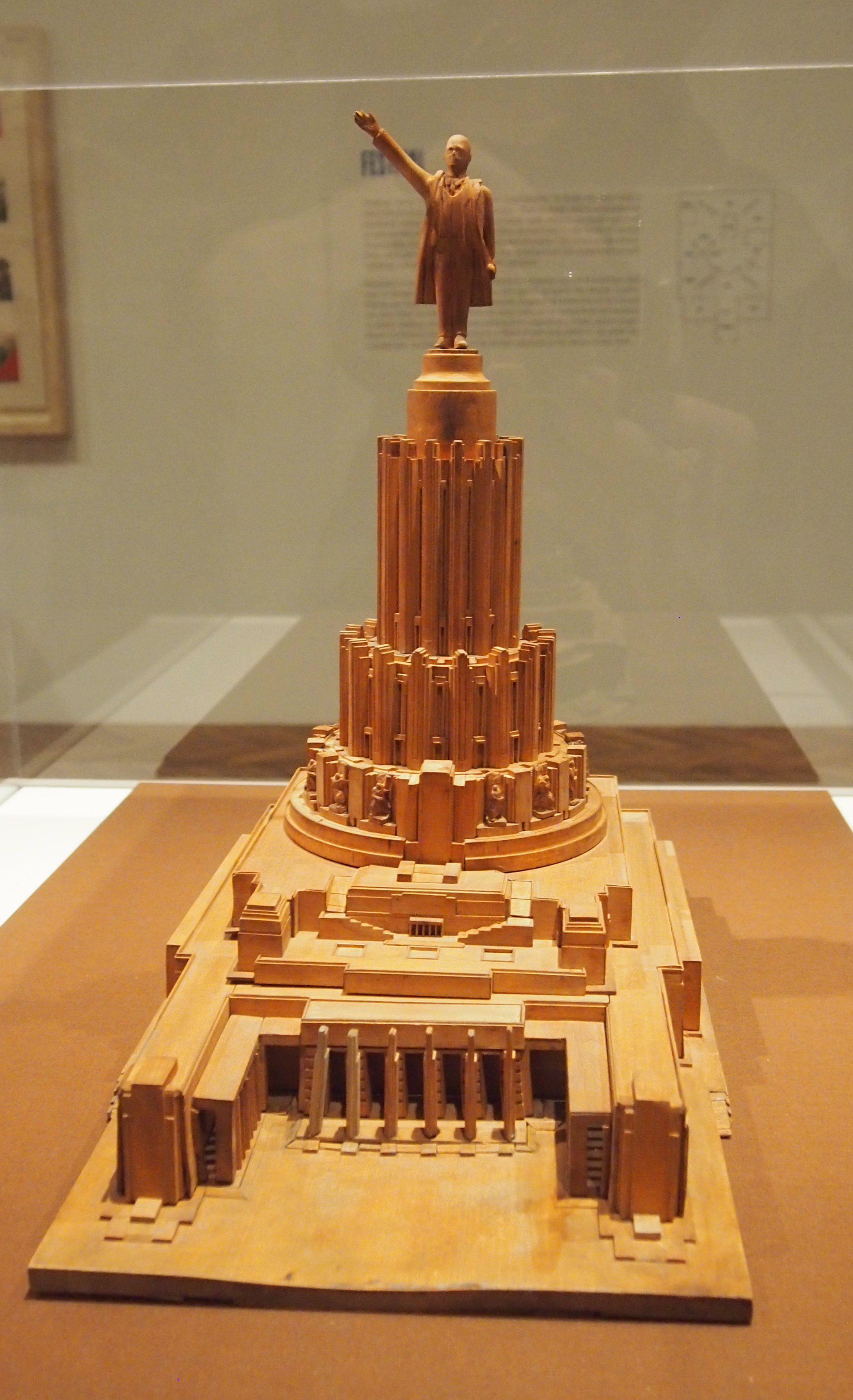
This is a model of the never-finished Palace of the Soviets in Moscow, whose partly completed structure was cannibalized for raw materials to fight the Nazis. That’s Lenin on top.
Here’s one of a series of 36 small posters extolling gender equality and increased industrial production (1931). All of them pictured women doing one kind of socialist labor or another, and graphs whose trends were always upward.
If there had been a collection of postcards in the gift shop based on these posters, at a reasonable price, I would have bought it. Or a Suprematist tea cup. But no.

His Final Battle

One thing I forgot to link to yesterday: Famous Balloon Movies, Chapter 2, a scene from CasaBalloona.

Watching Casablanca must have put me in a mood to read about the ’40s, because at the library today I saw a copy of His Final Battle, subtitled “The Last Months of Franklin Roosevelt,” by Joseph Lelyveld (2016). I picked it up at once and checked it out. About time I read some more presidential books anyway.

The cover features the well-known photo of FDR hoisting his hat over a clutch of radio microphones. That’s from a 1944 campaign appearance in Chicago, at Soldier Field. The image is fuzzy, but the president looks worn out indeed.

He was born much too early to benefit from the polio vaccine, but only a little too early to benefit from blood pressure medication. Turning at random to a page (p. 91), I found the following:

“The conclusion [about FDR’s death] that comes closest to known facts was propounded in lectures and articles by Marvin Moser, a retired Columbia University medical professor: ‘Roosevelt represents a textbook case of untreated hypertension progressing to [likely] organ failure and death from stroke.’ In the medical literature, such hypertension is sometimes called ‘malignant hypertension.’

“…Safe and effective drugs to lower high blood pressure and prevent clots didn’t begin to become available for more than ten years after Roosevelt’s death. In the 1940s, only commonplace aspirin was widely recommended for purpose.”

Normandy 1994

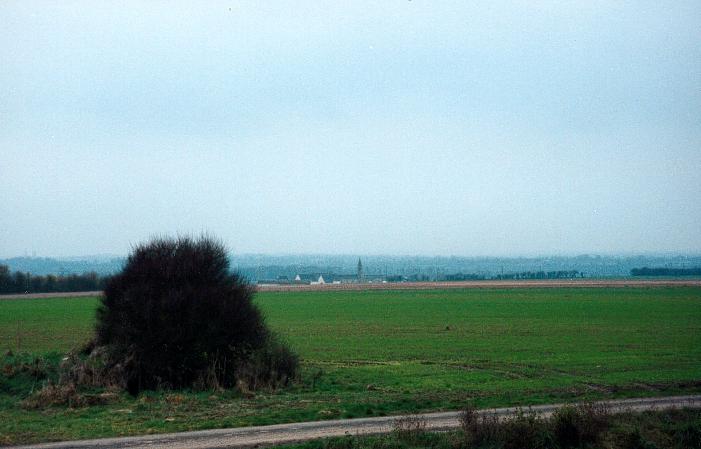
Normandy was surprisingly green in November 1994.

Normandy94Then again, that winter was, at least until December, reportedly mild. I believe the shot above was taken from the train near Bayeux, where we stayed a few days.

The coast near Omaha Beach, so busy 50 years earlier in a way that doesn’t attract tourists, was comparatively empty by late fall.

Omaha Beach 1994I’ll bet there were a lot of visitors, of the tourist kind, along with old soldiers, during the summer of ’94, especially in June. Pennants hanging in the town — which unfortunately I didn’t document on film — still welcomed such visitors in English for the 50th anniversary, especially the old soldiers.

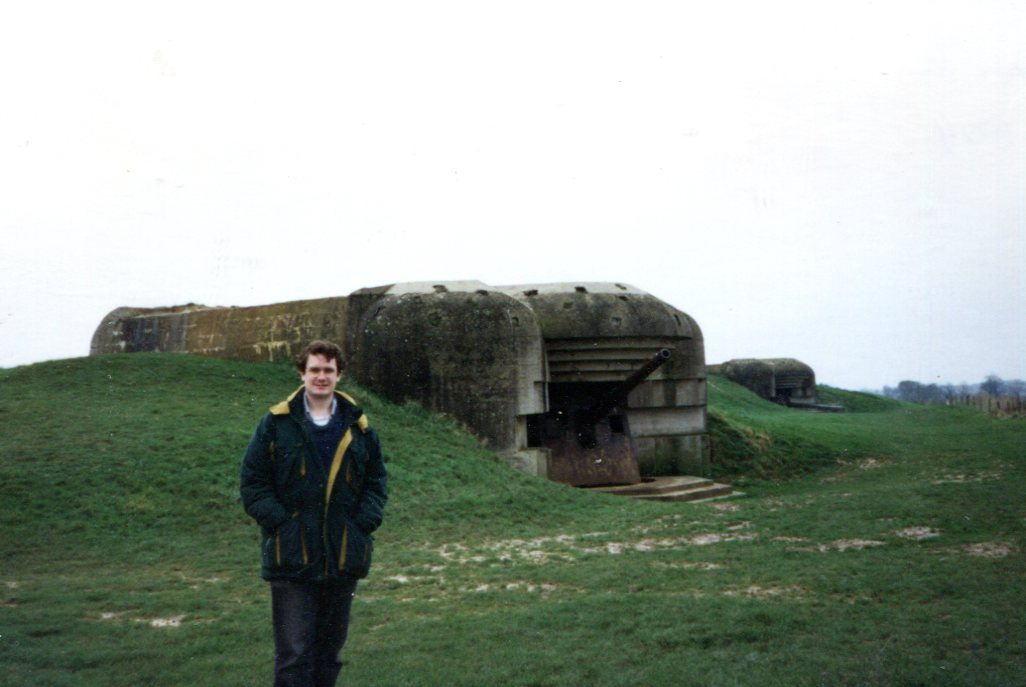
Former German pillboxs, left to the elements.

img507All well and good, to visit Normandy. But I need to get back to France someday, to see former trenches.

Iron Lung & Shoe-Fitting Fluoroscope

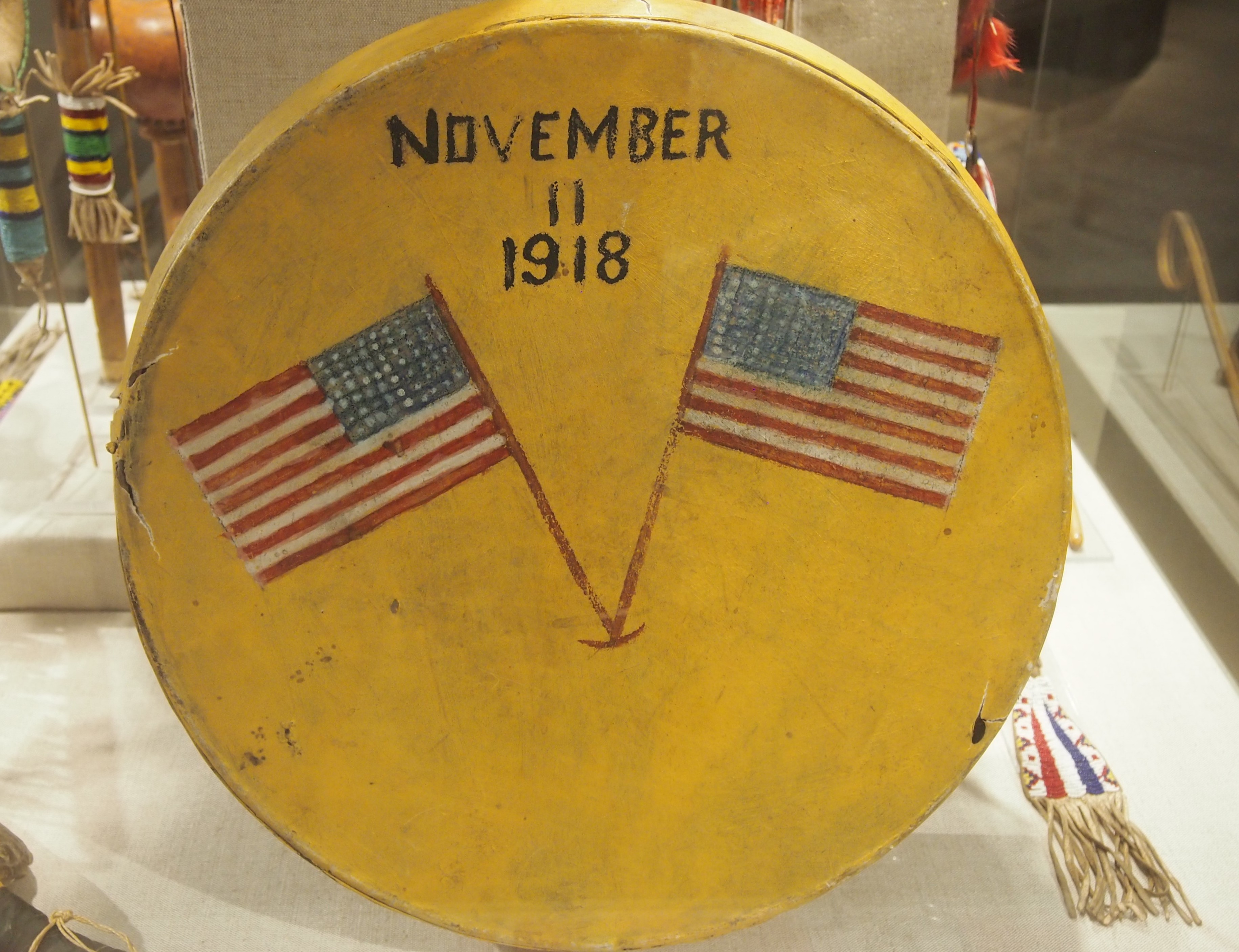
Today I said to Ann, “Don’t forget, it’s the 100th anniversary of the October Revolution.” She wasn’t much impressed by that odd Bolshevik-calendar curiosity.

At the International Museum of Surgical Science recently, I saw a number of things I’d read or heard about, but never seen before, which is one thing I want from a museum. Two items stood out in that way.

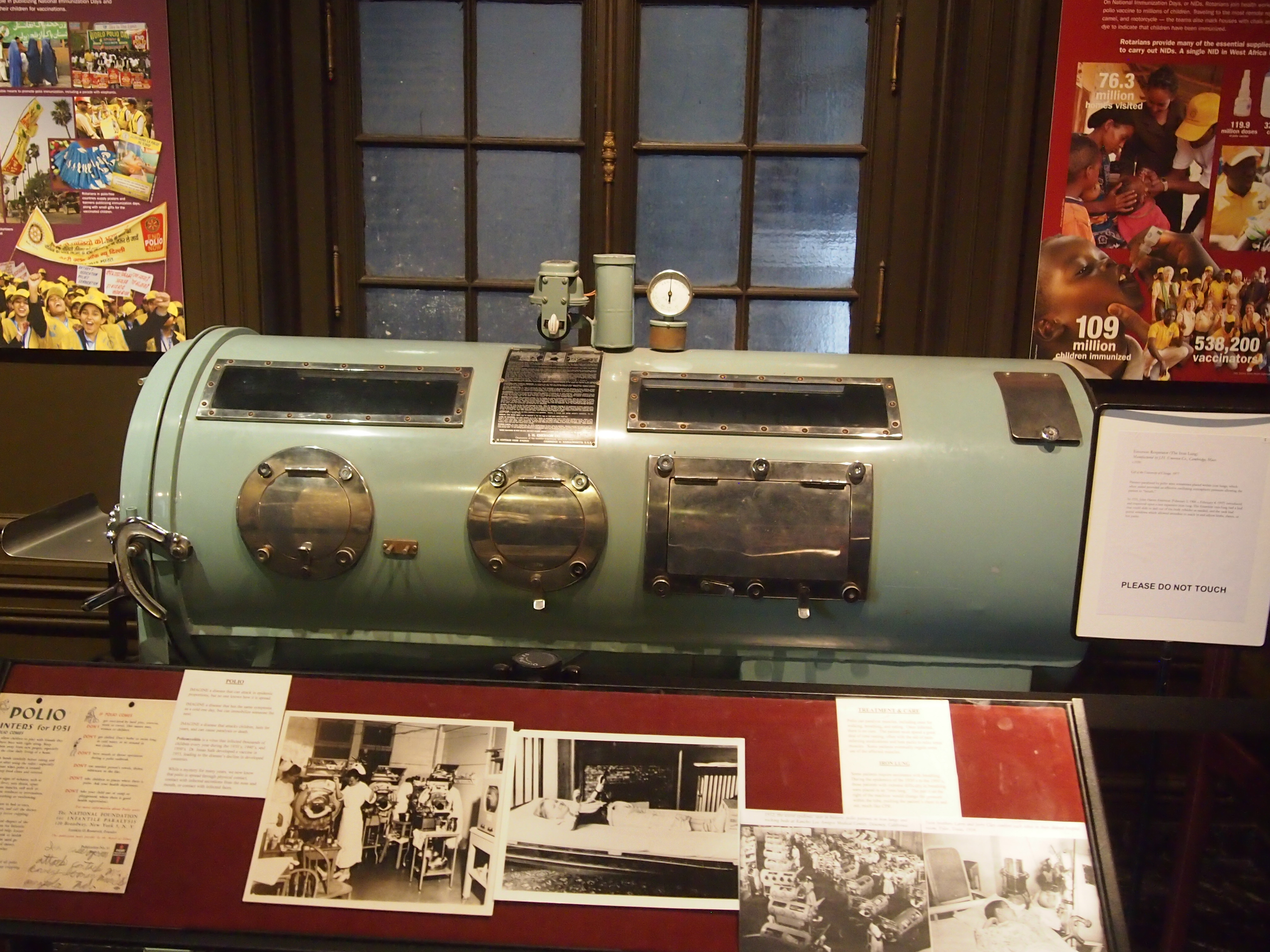
One was an iron lung.

International Museum of Surgical Science

An Emerson device. Apparently that was the most successful kind of iron lung, invented and manufactured by John Haven Emerson (1906-97), a collateral descendant of Ralph Waldo and nephew of Maxfield Parrish.

I stood there for a while looking at the thing, thinking about the terror of such a disease. An iron lung sums that up pretty well. Something dim-bulb anti-vaxxers need to see.

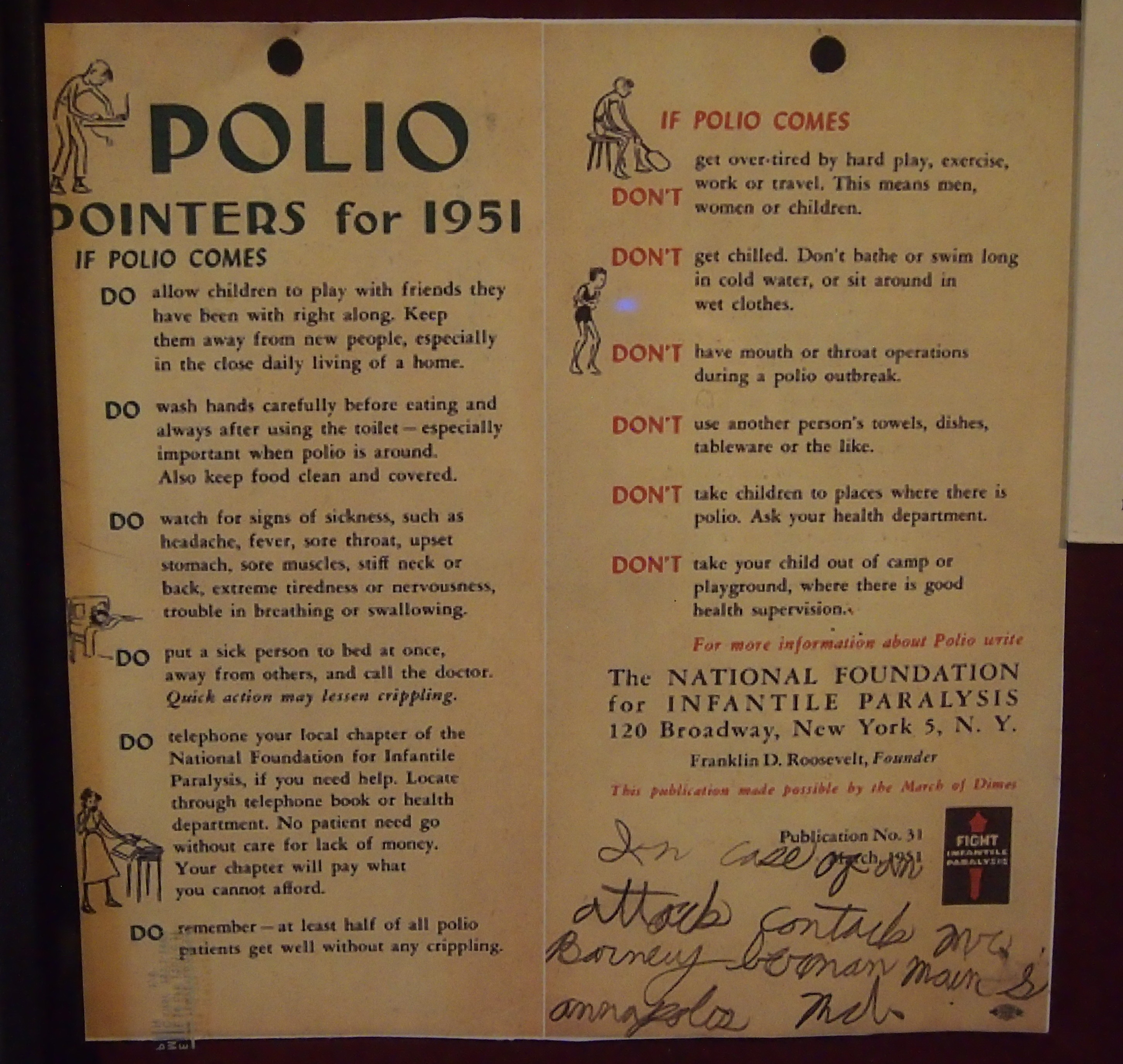
Some ephemera next to the iron lung drove home the point.
Polio Pamphlet 1951Only 10 years before I was born.

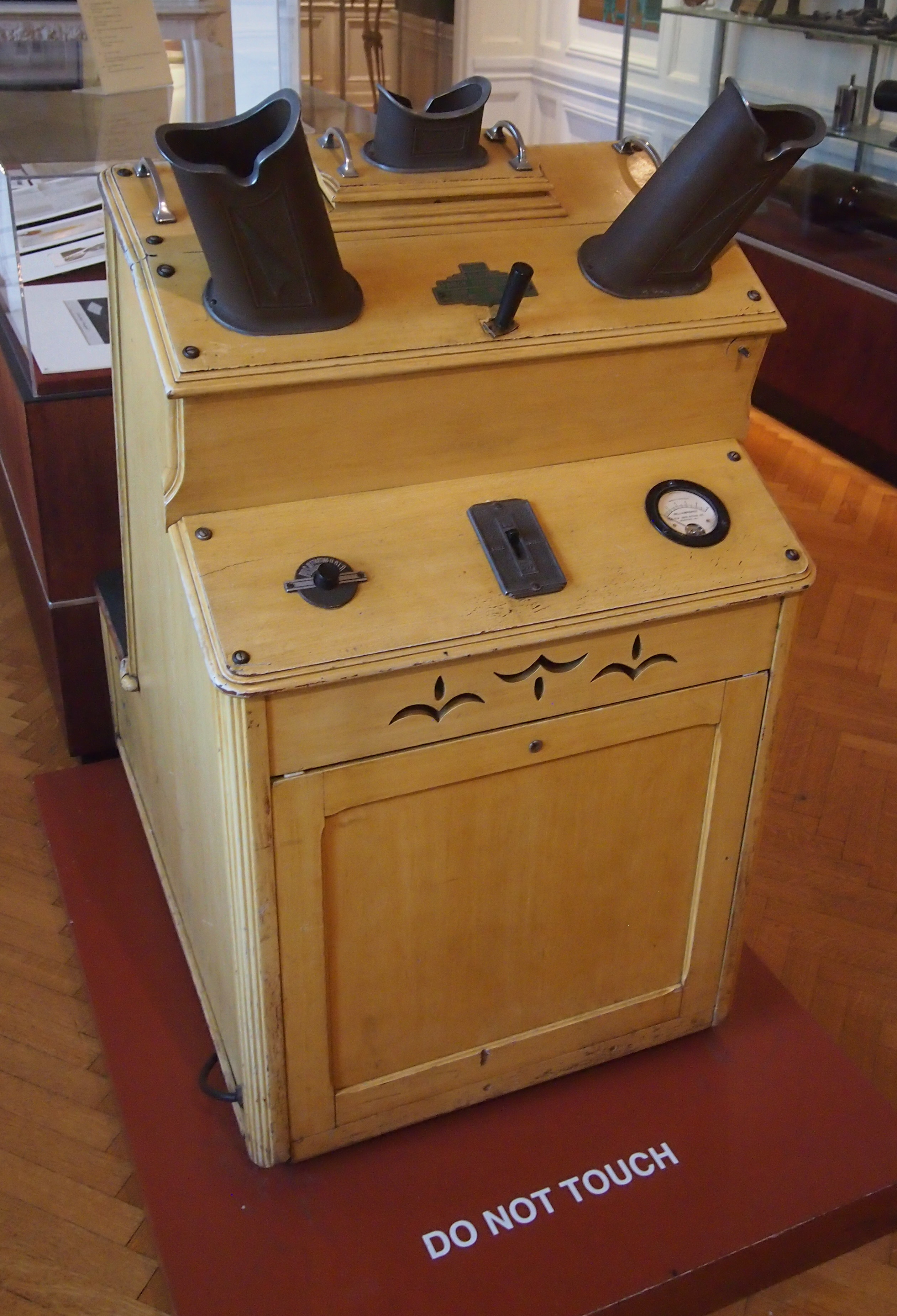
In another room was another device I’d heard of, but never seen: a shoe-fitting fluoroscope.

Shoe-fitting fluoroscopeA x-ray machine found at shoe stores, in other words. Put your foot in and see the bones inside. Ostensibly for a better fit, but mostly as novelty. I can believe that kids wanted to see the inside of their feet.

X-Ray Shoe Fitter Inc. of Milwaukee made this particular one, ca. 1940-50, according to the museum. Feet were inserted into the side not visible in my picture.

As many as 10,000 such devices were in use in the United States during their heyday in the 1950s, after which time state legislatures, worried about radiation poisoning and the like, started banning the things. I doubt that any customers were harmed, but you have to wonder how many shoe salesmen suffered from their exposure to x-rays oozing out of the non-leaden boxes over a number of years.

Skulls and Bones and Things

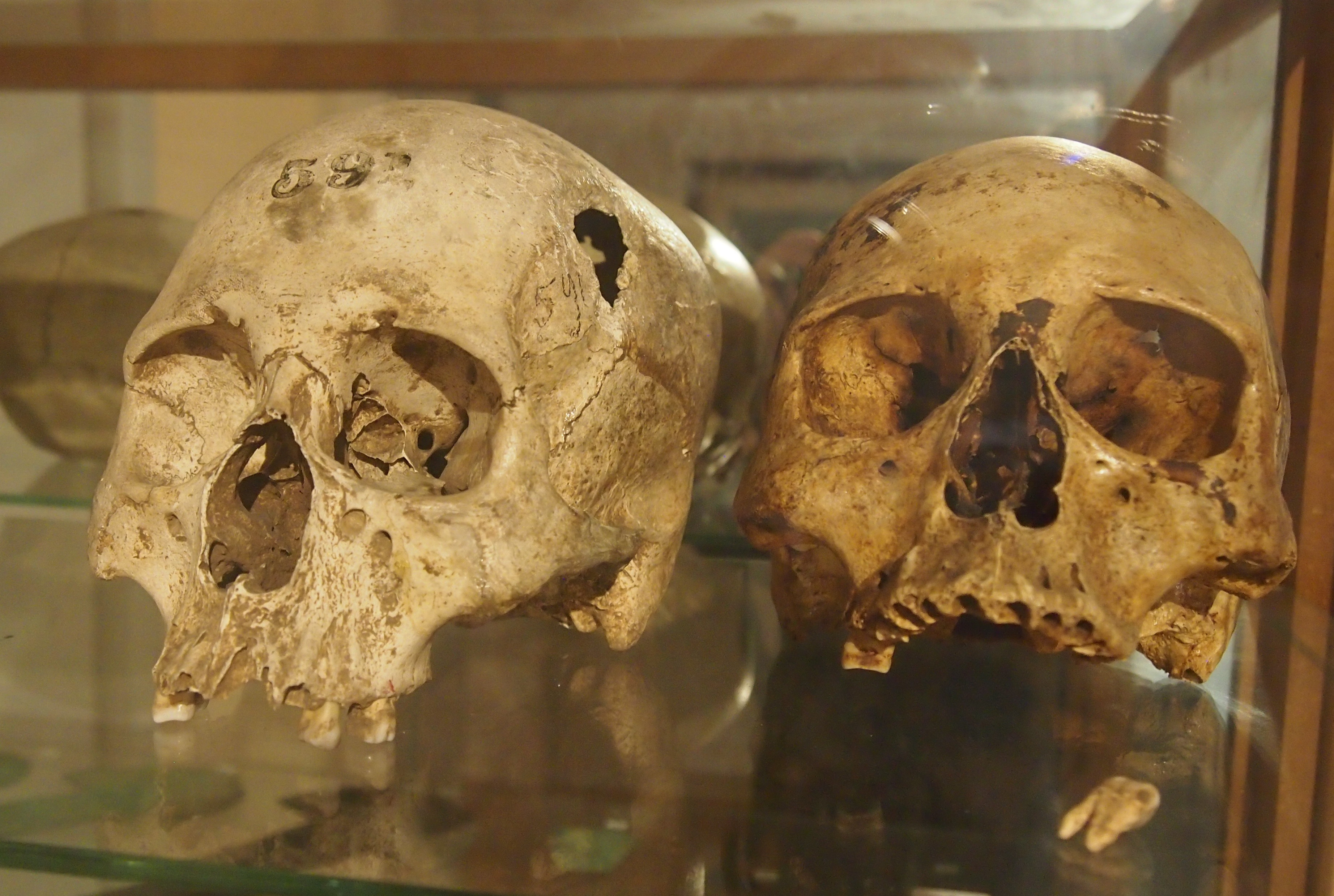
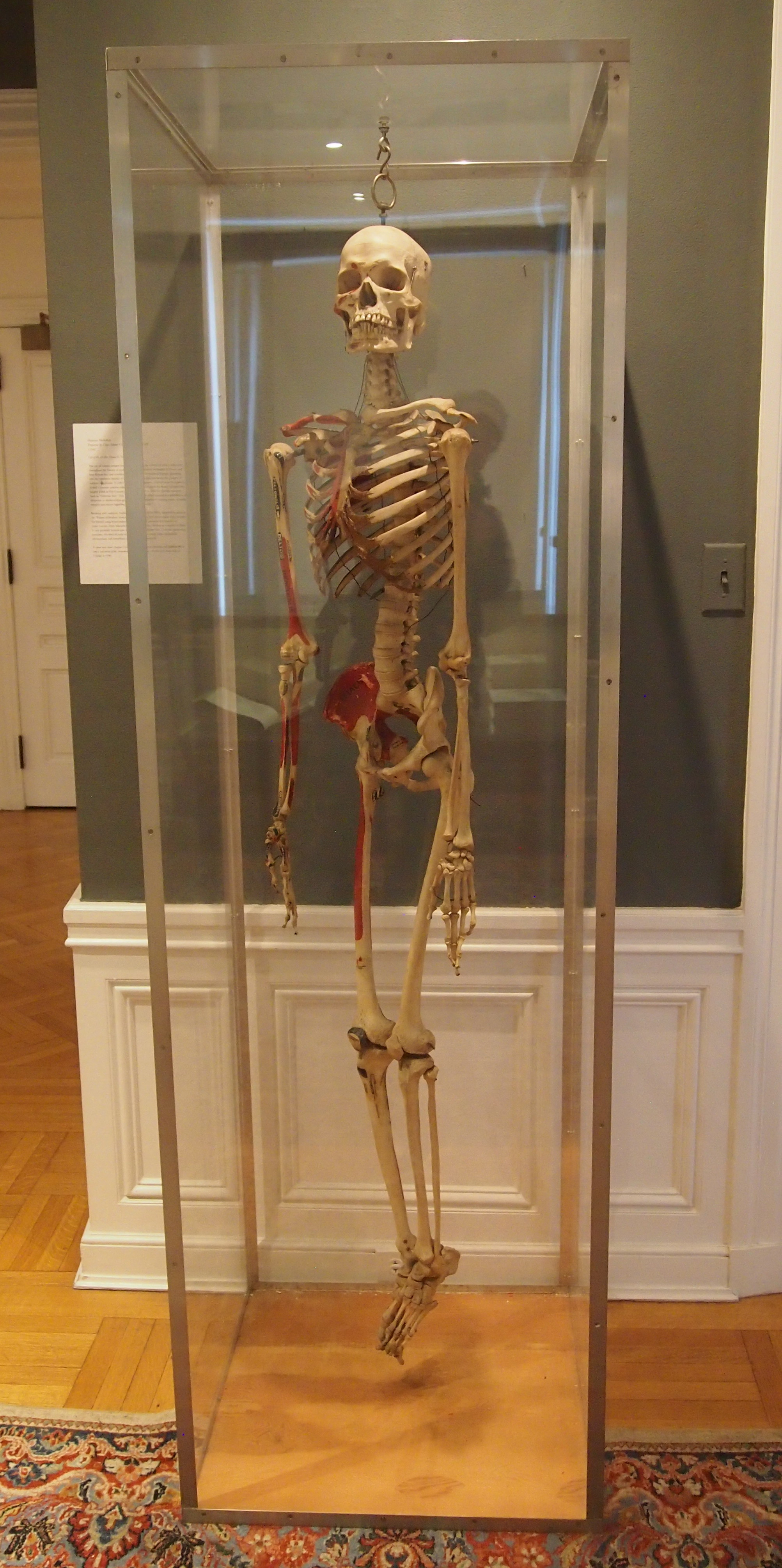
Want to see some particularly good momento mori? Look no further than the International Museum of Surgical Science in Chicago. I visited recently and came face to face with these fellows.

International Museum of Surgical Science in ChicagoAlso, a fuller version.
International Museum of Surgical Science in ChicagoGlad I didn’t see these exhibits when I was a kid. I found skulls and skeletons particularly creepy then, which I guess is a fairly common feeling among youngsters.

The feeling is long gone. Now I look at a skull and wonder, who was that? How did his headbone come to be here, instead of in the ground, or made into ashes?

The museum is a division of the International College of Surgeons, which is headquartered on Lake Shore Drive and includes about 10,000 square feet of public galleries committed to the history of surgery. Much more than skulls and bones. A good deal more, mainly artifacts from the history of cutting people for their own good, as well as other aspects of medicine.

There’s a large array of surgical tools from the last few centuries, medical machines from the late 19th century onward (such as antique x-ray machines), photos, paintings, drawings and a lot of reading material next to the exhibits. Some of the surgical tools, such as Civil War-vintage amputation kits, give me the willies more than any old skull could, even a trephined one.

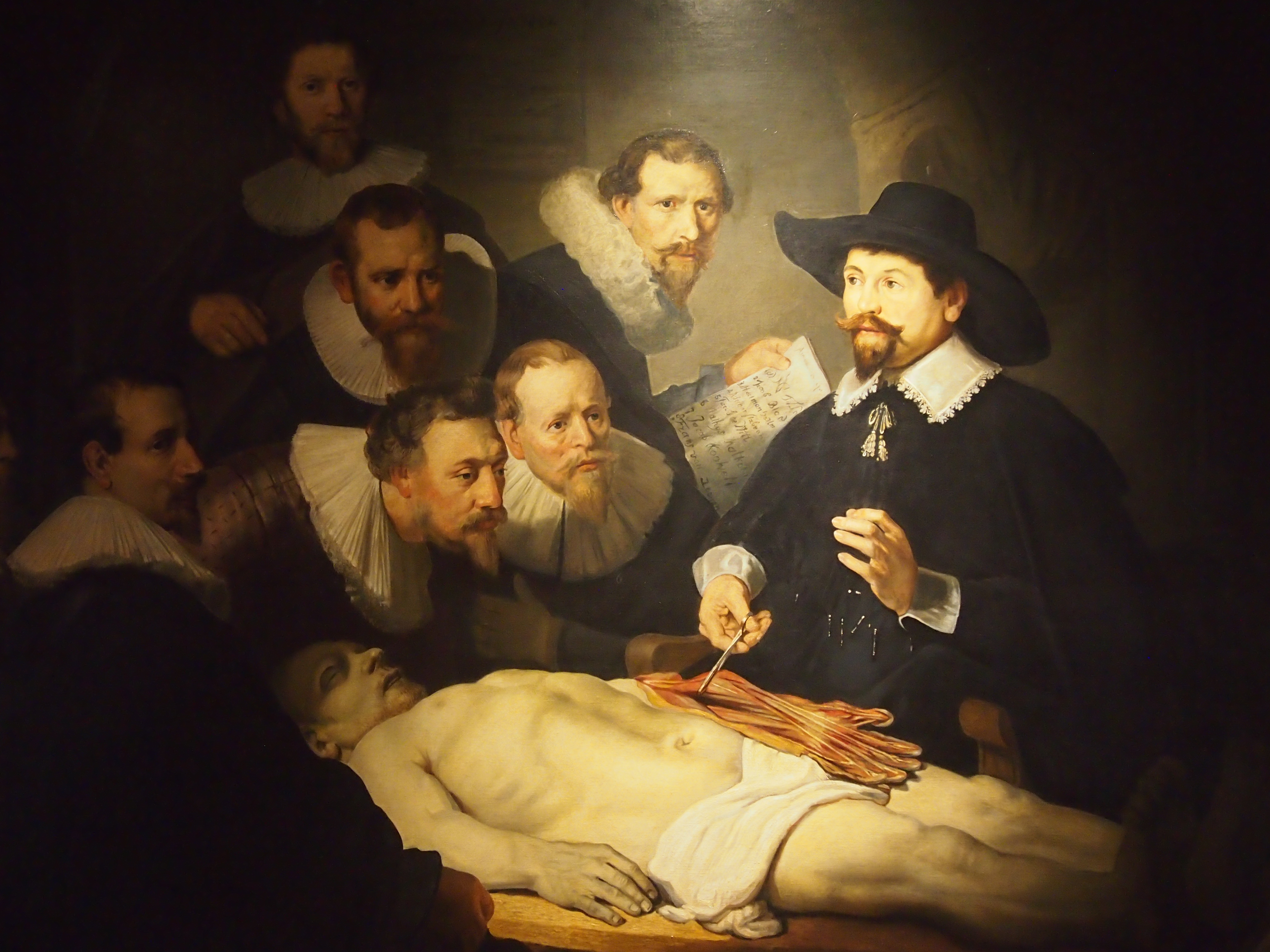
Some paintings depict highlights from the history of surgery. Such as a copy of Rembrandt’s famed “The Anatomy Lesson of Dr. Nicolaes Tulp.”
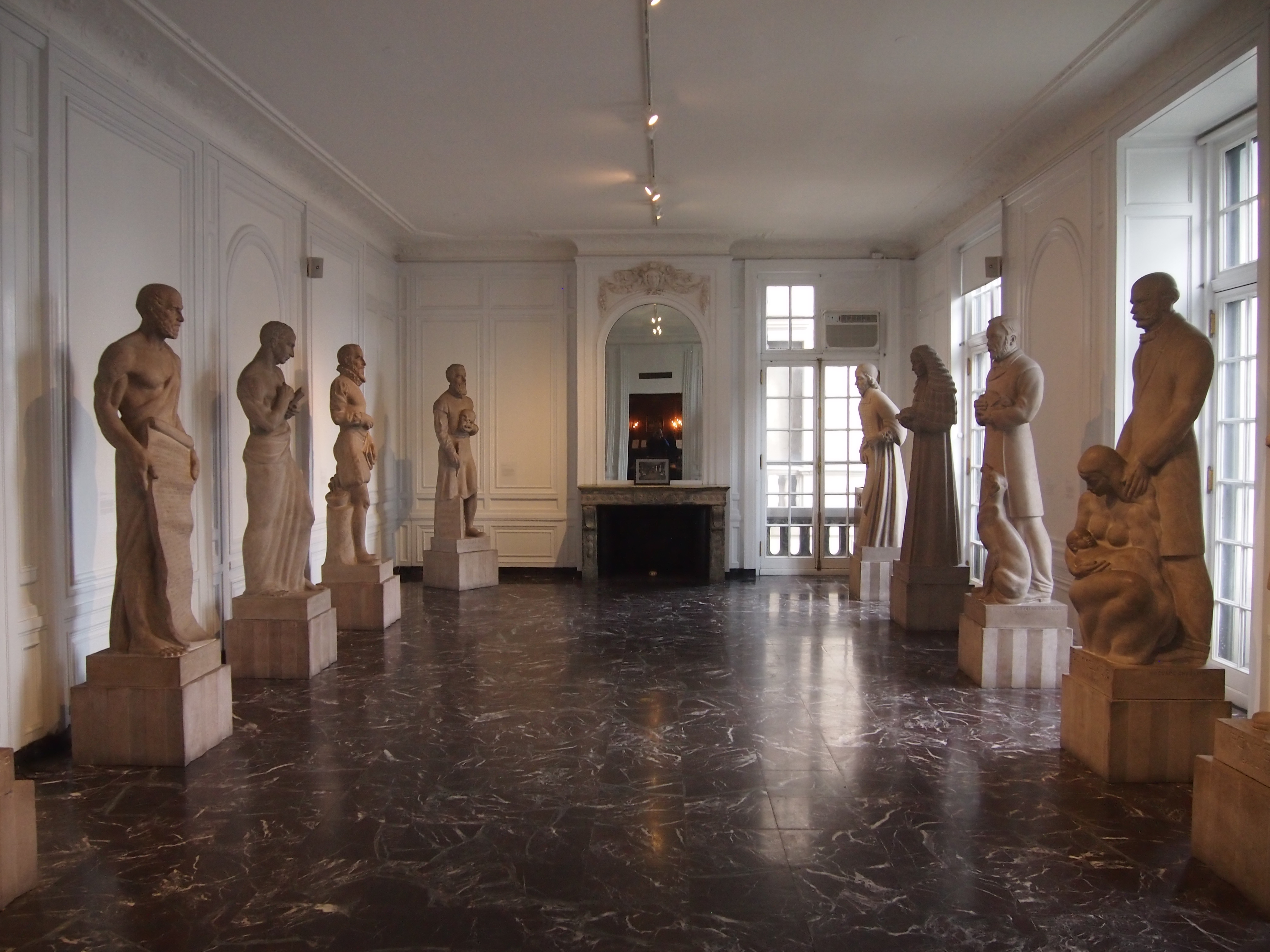
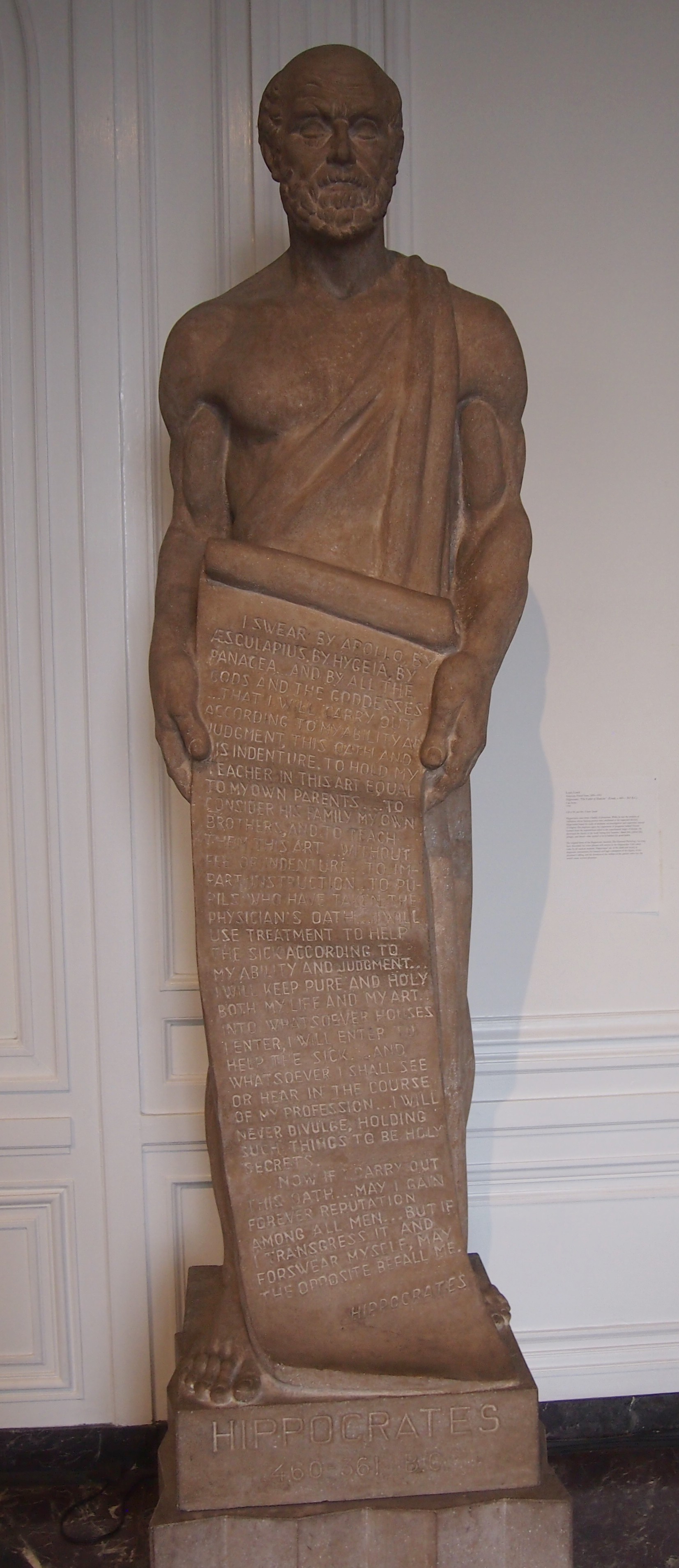
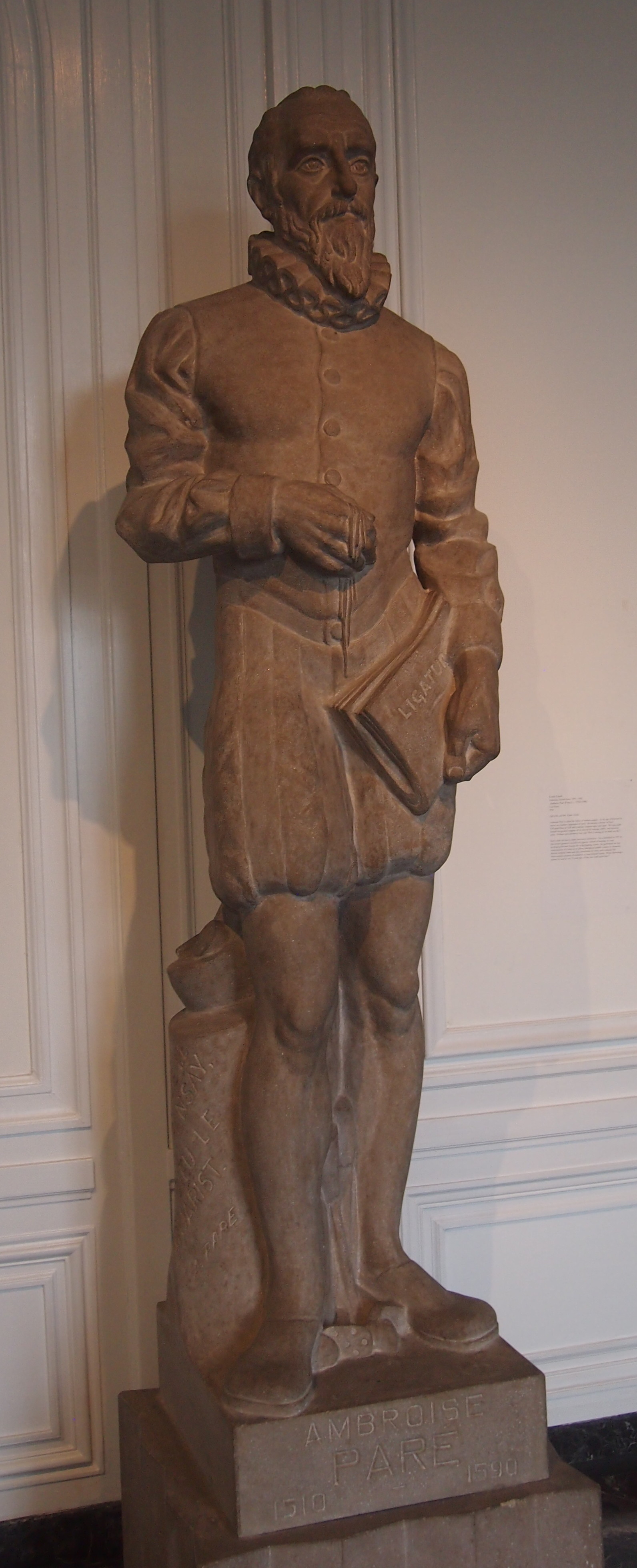
International Museum of Surgical Science in ChicagoOne room is given over to larger-than-life luminaries in the history of medicine — the “Hall of Immortals” — commissioned by the museum in its early days, in the 1950s, and mostly done by sculptor Louis Linck. That’s just old-fashioned enough to make me smile.
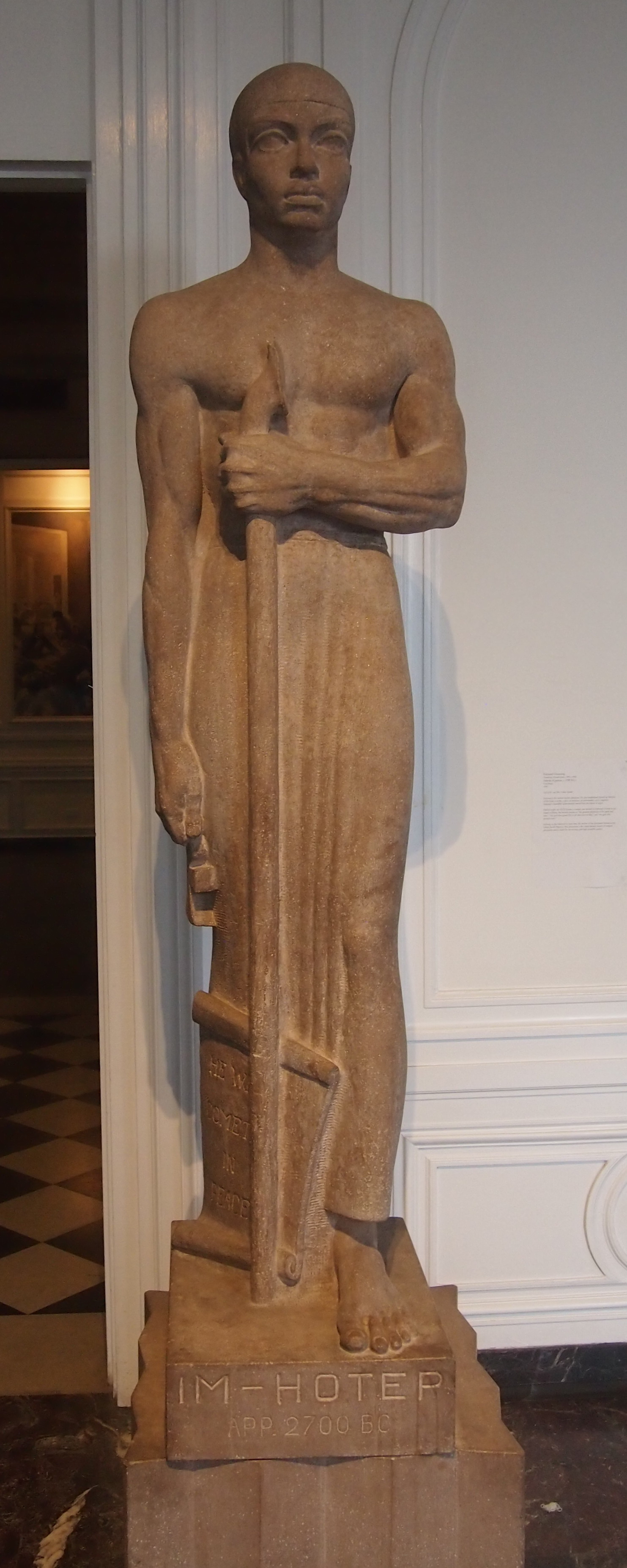
International Museum of Surgical ScienceIncluded among the immortals are Imhotep, Hippocrates, Andreas Vesalius, Wilhelm Conrad Röntgen, Ambroise Paré, Joseph Lister, and Marie Curie.

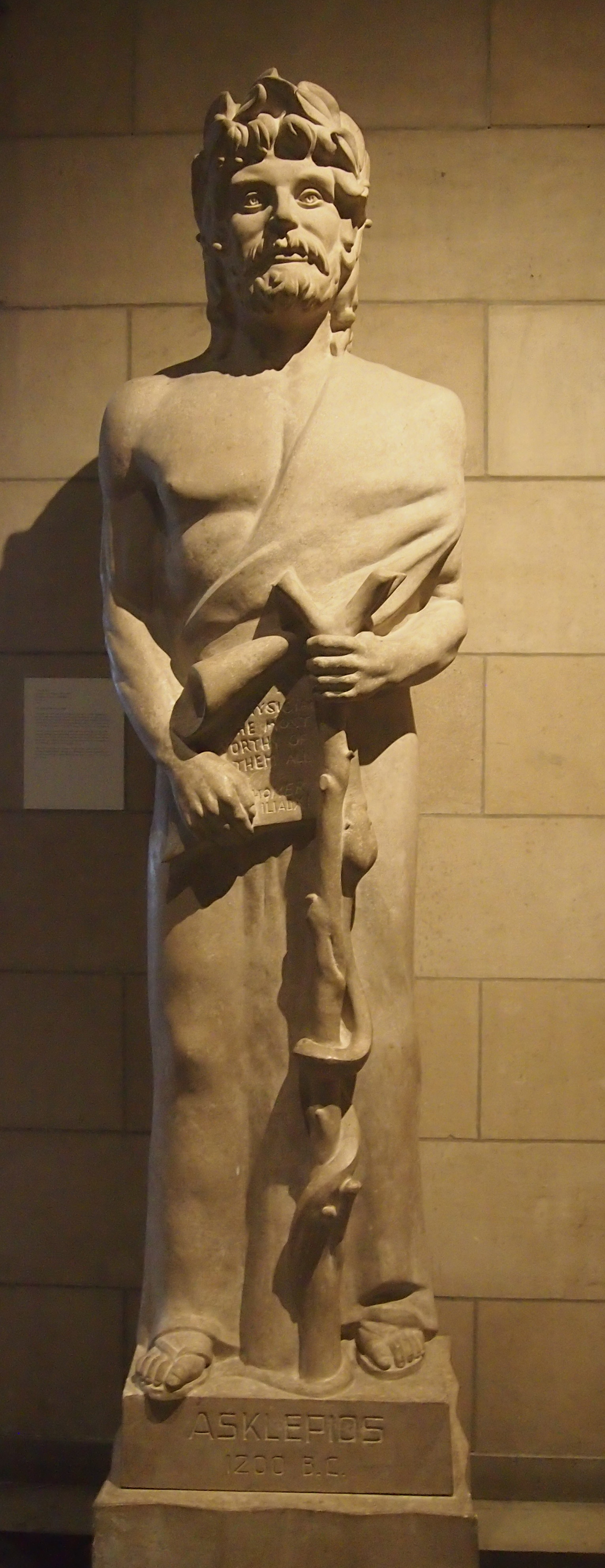
International Museum of Surgical ScienceInternational Museum of Surgical ScienceInternational Museum of Surgical ScienceJust outside the Hall of Immortals is Asklepios, also by Linck.
International Museum of Surgical ScienceI suppose he wasn’t in the hall itself, since however much he’s part of the history of medicine, he isn’t an actual historic figure.

Upon Saint Crispin’s Day

I’ve posted this before, but it was nine years ago, and besides, you can’t watch the St. Crispin’s Day speech often enough.

Laurence Olivier’s version is, of course, very accomplished, but somehow it doesn’t resonate with me like Kenneth Branagh’s.

As it happens, I’ve been reading about Agincourt in The Face of Battle by John Keegan (1976) these last few days. I’ve had the book a long time, though not 41 years, and only recently decided to get around to it. In Keegan’s capable hands, the historical Agincourt is every bit as interesting as Shakespeare’s.