Char-Tex ’17

Recently, before I went to Texas for a week, I had a day to spend in Charleston, SC, a city I’ve wanted to visit for many years. Just a day, so I packed in the sights. It wasn’t an example of slow travel. Sometimes, you’ve got to hit the ground and go.

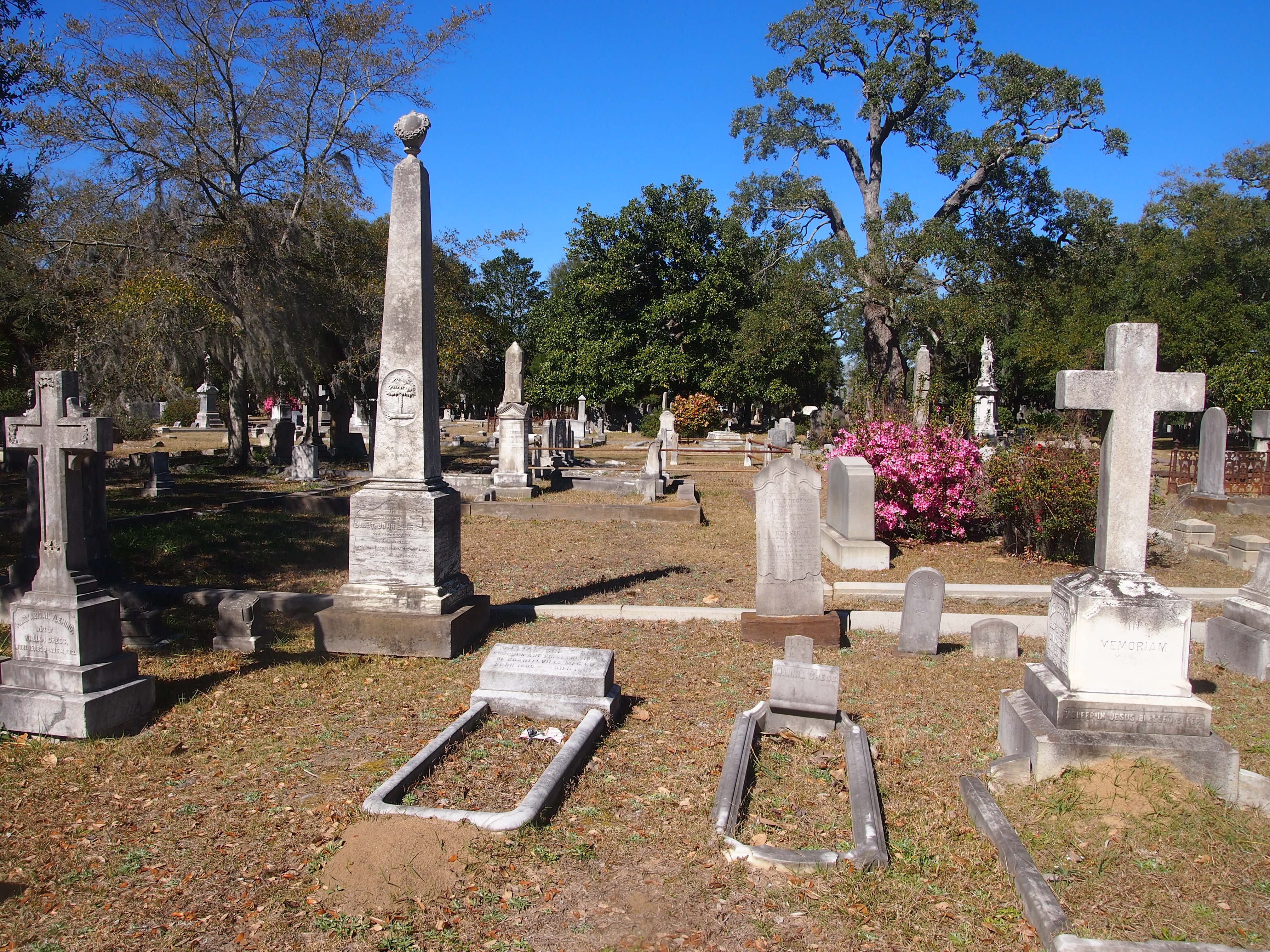
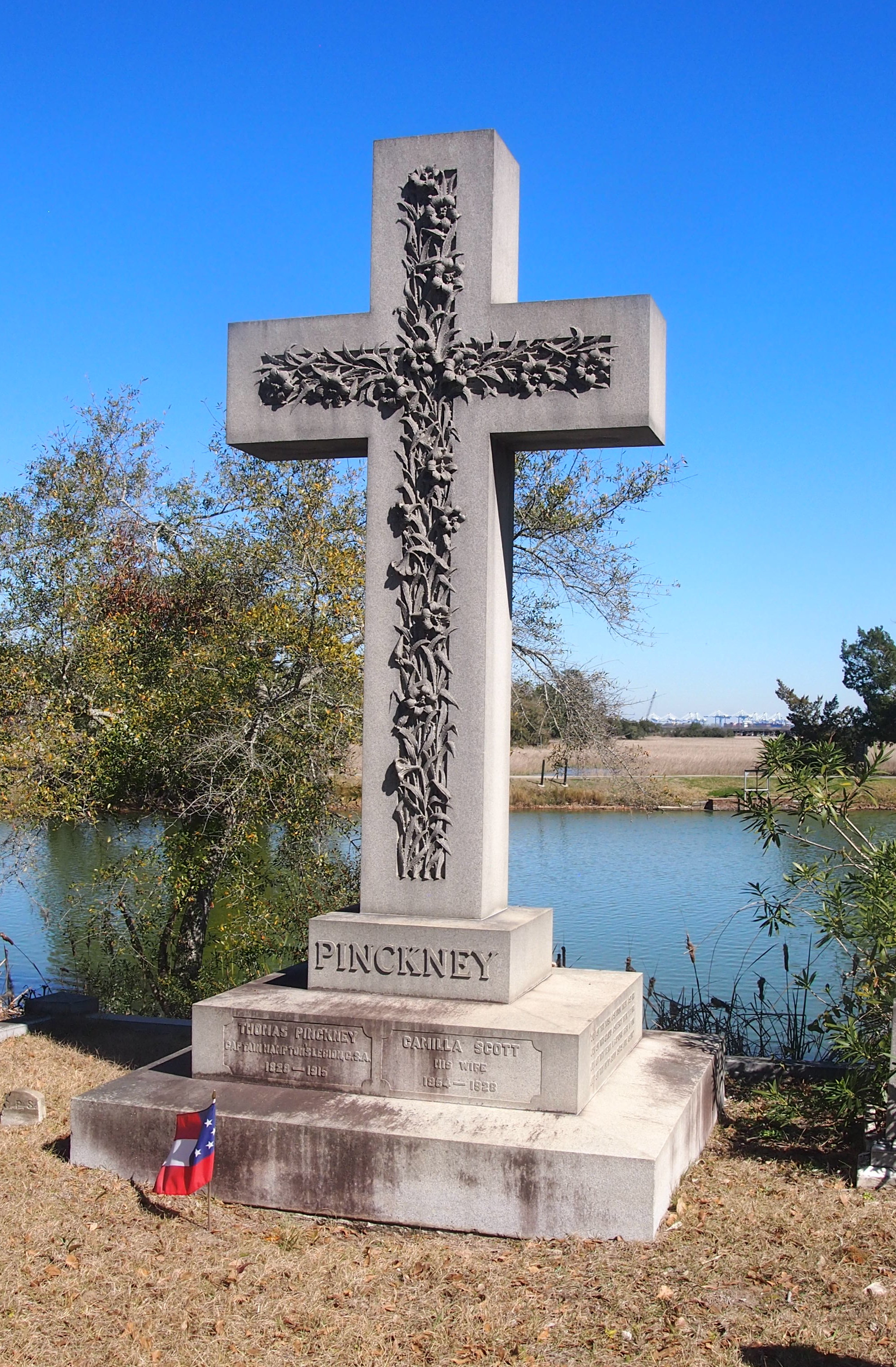
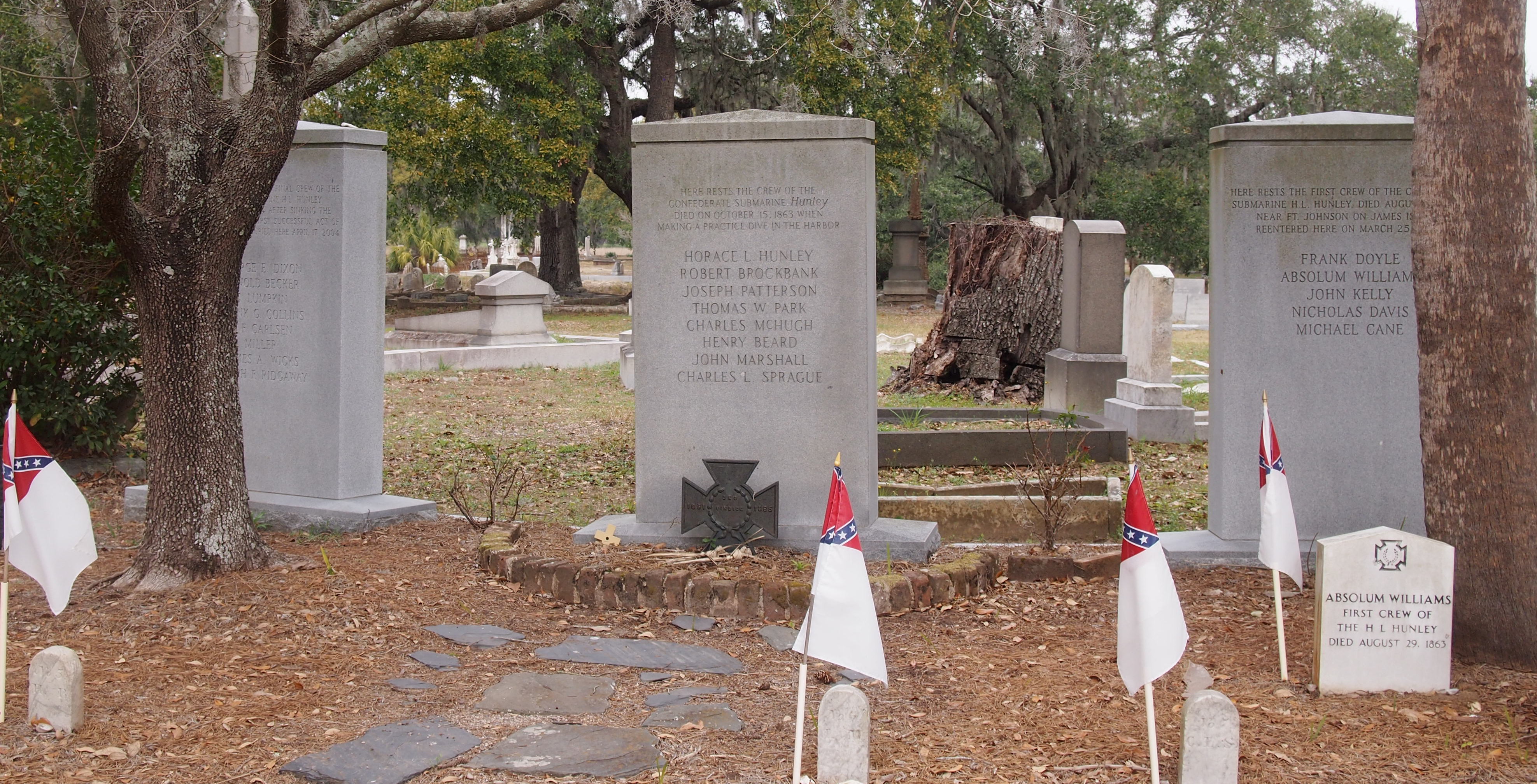
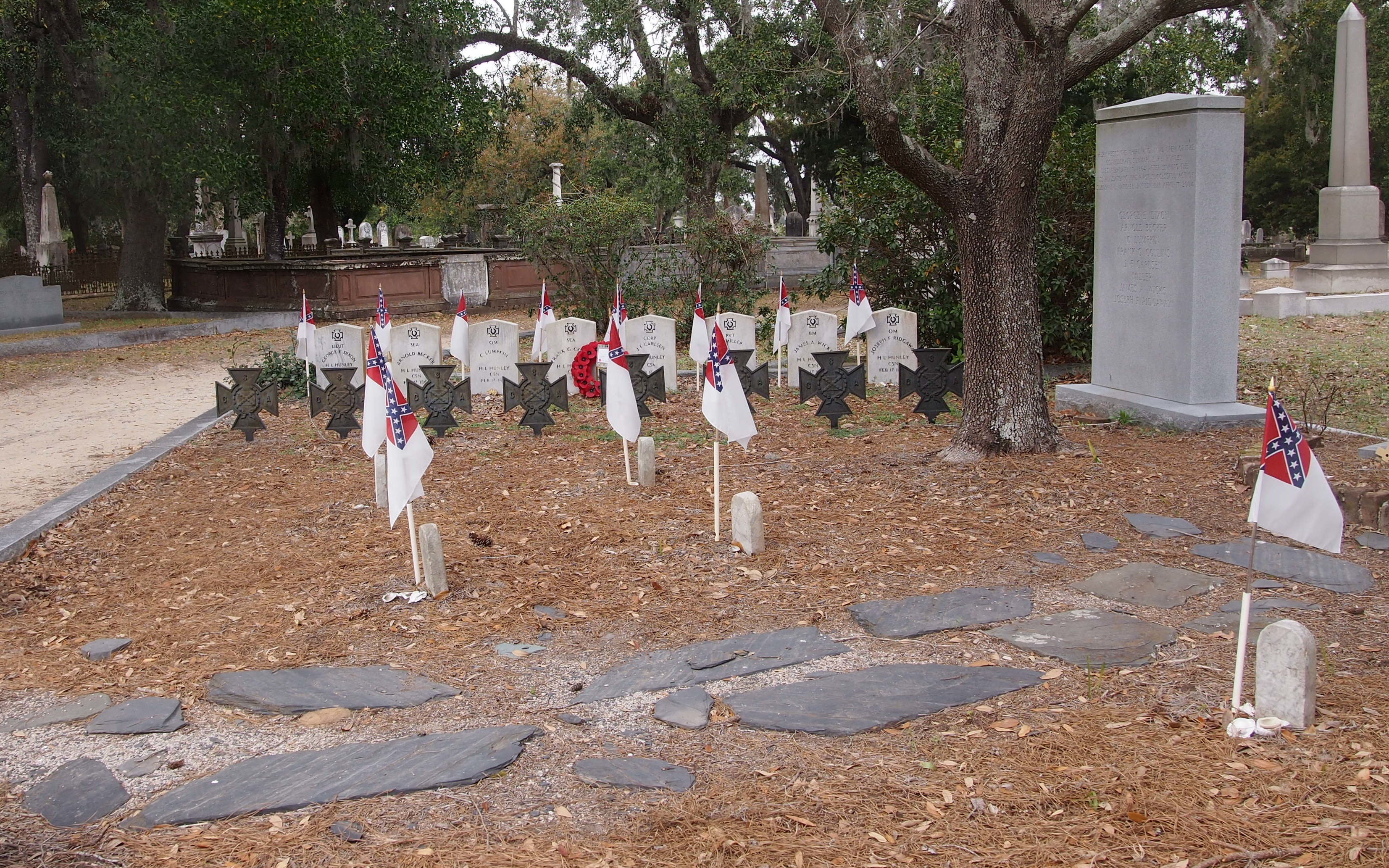
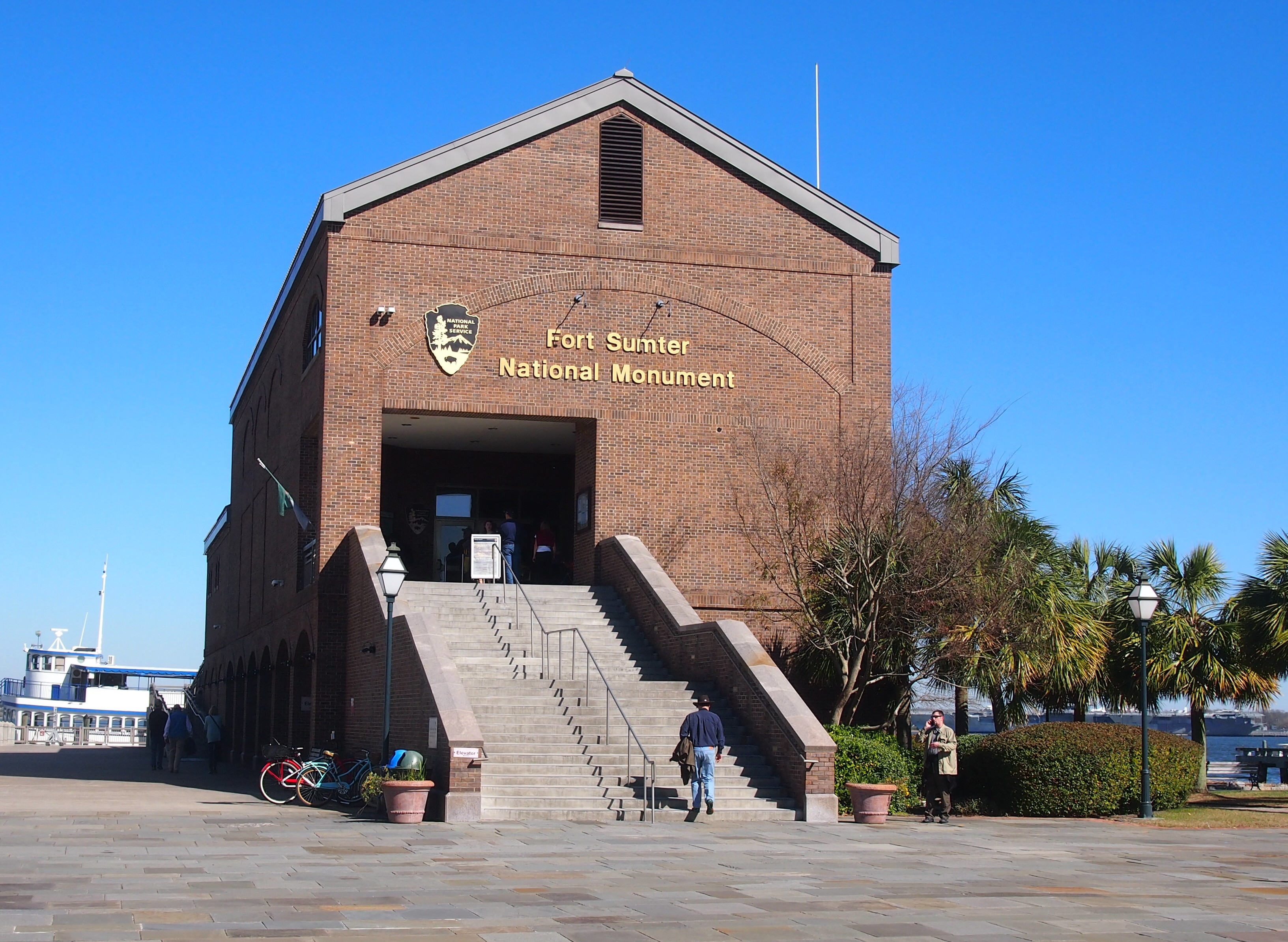
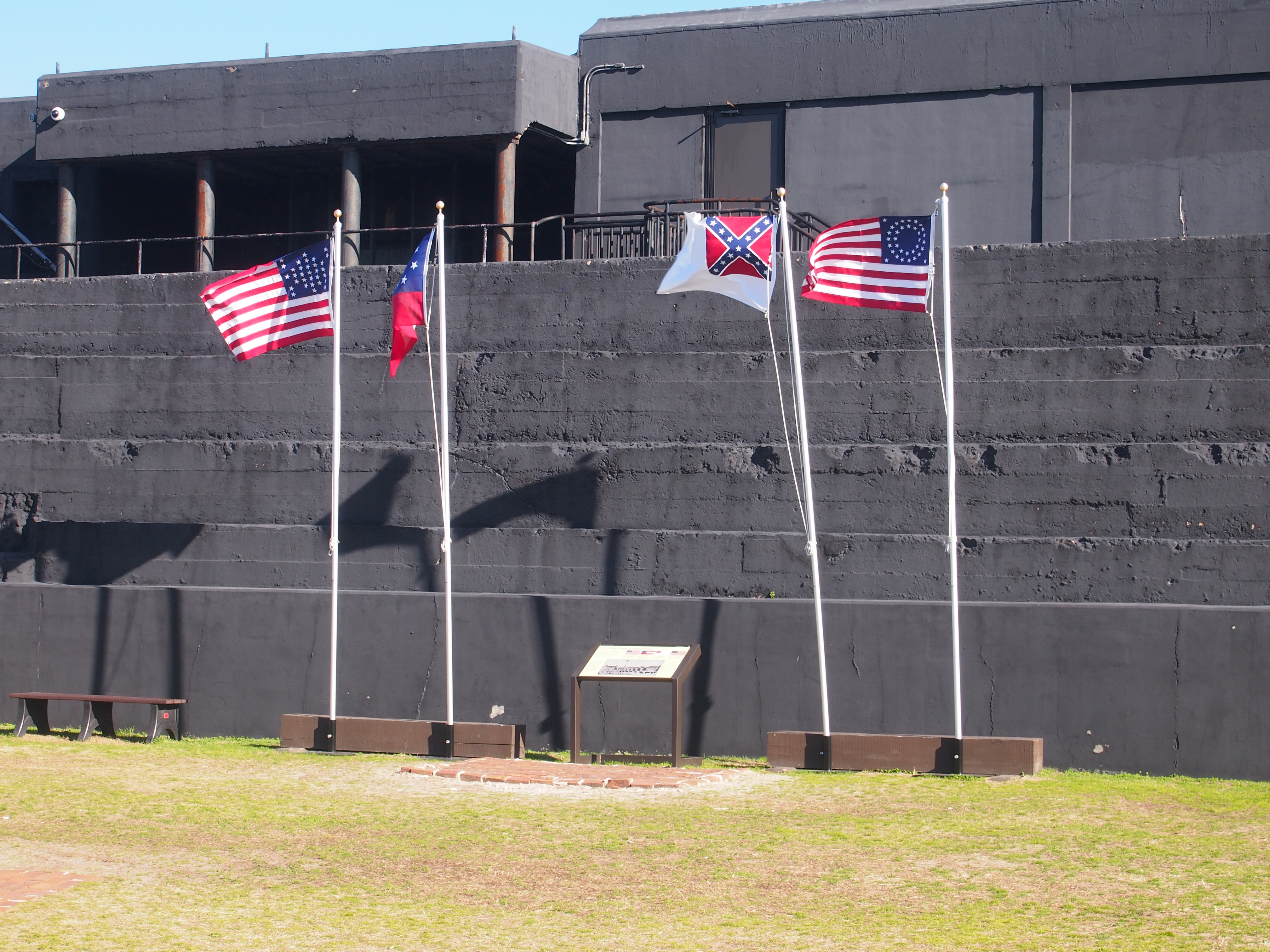
I saw the oldest part of Charleston — the site of Charles Towne — on foot for a few hours, took the boat out to Fort Sumter, which took a few more hours, visited Magnolia Cemetery, and saw the H.L. Hunley later in the afternoon.

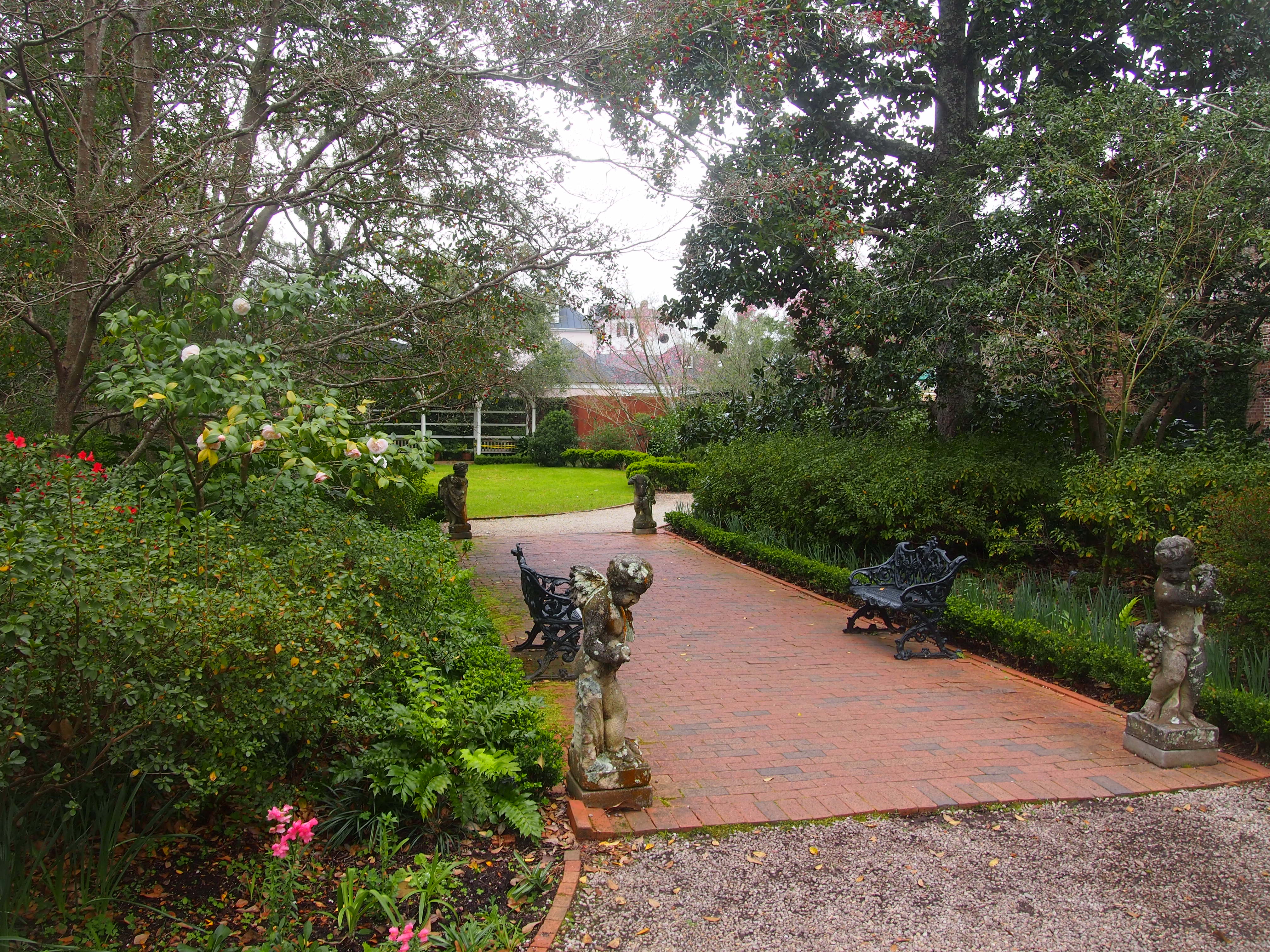
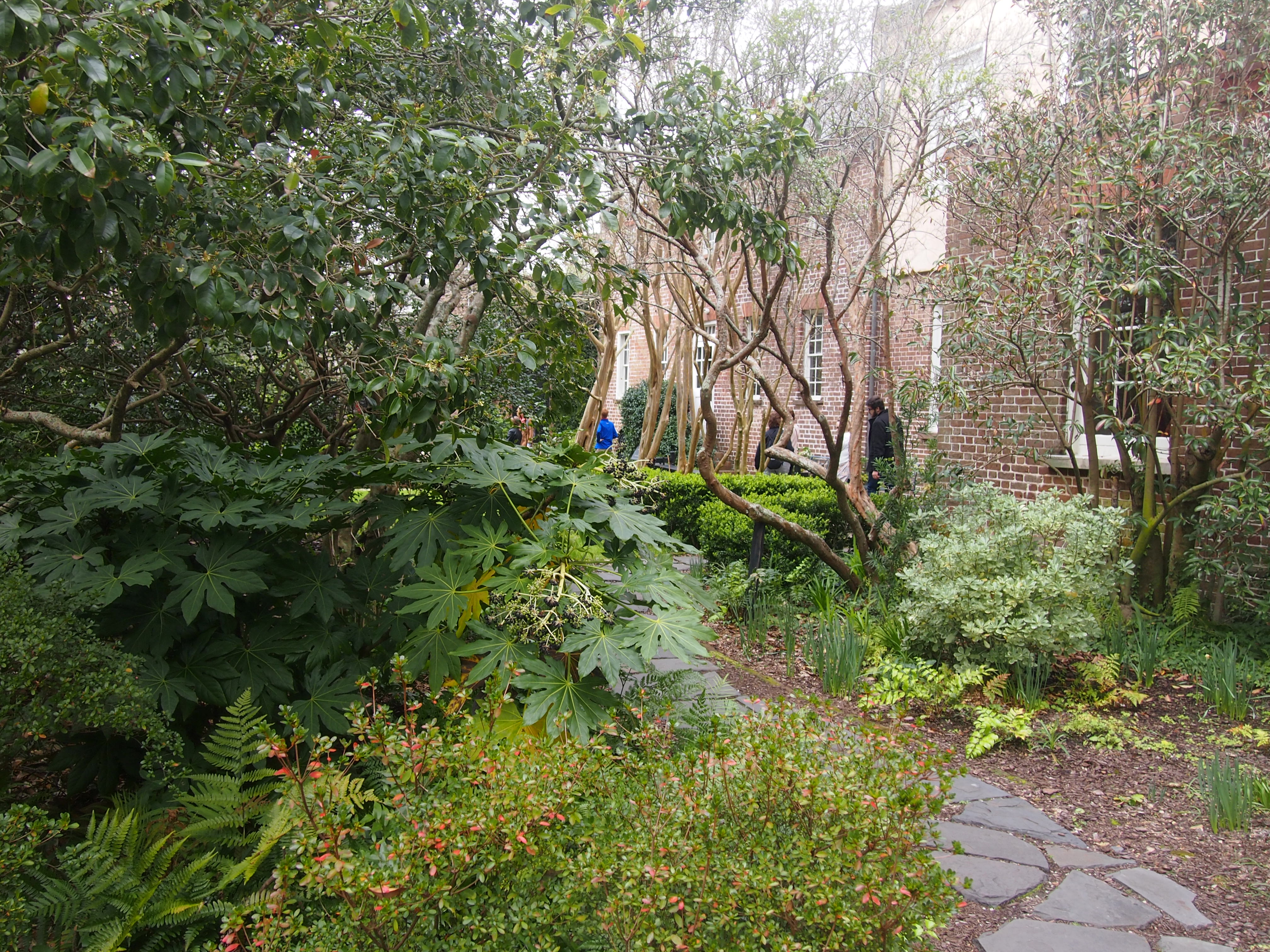
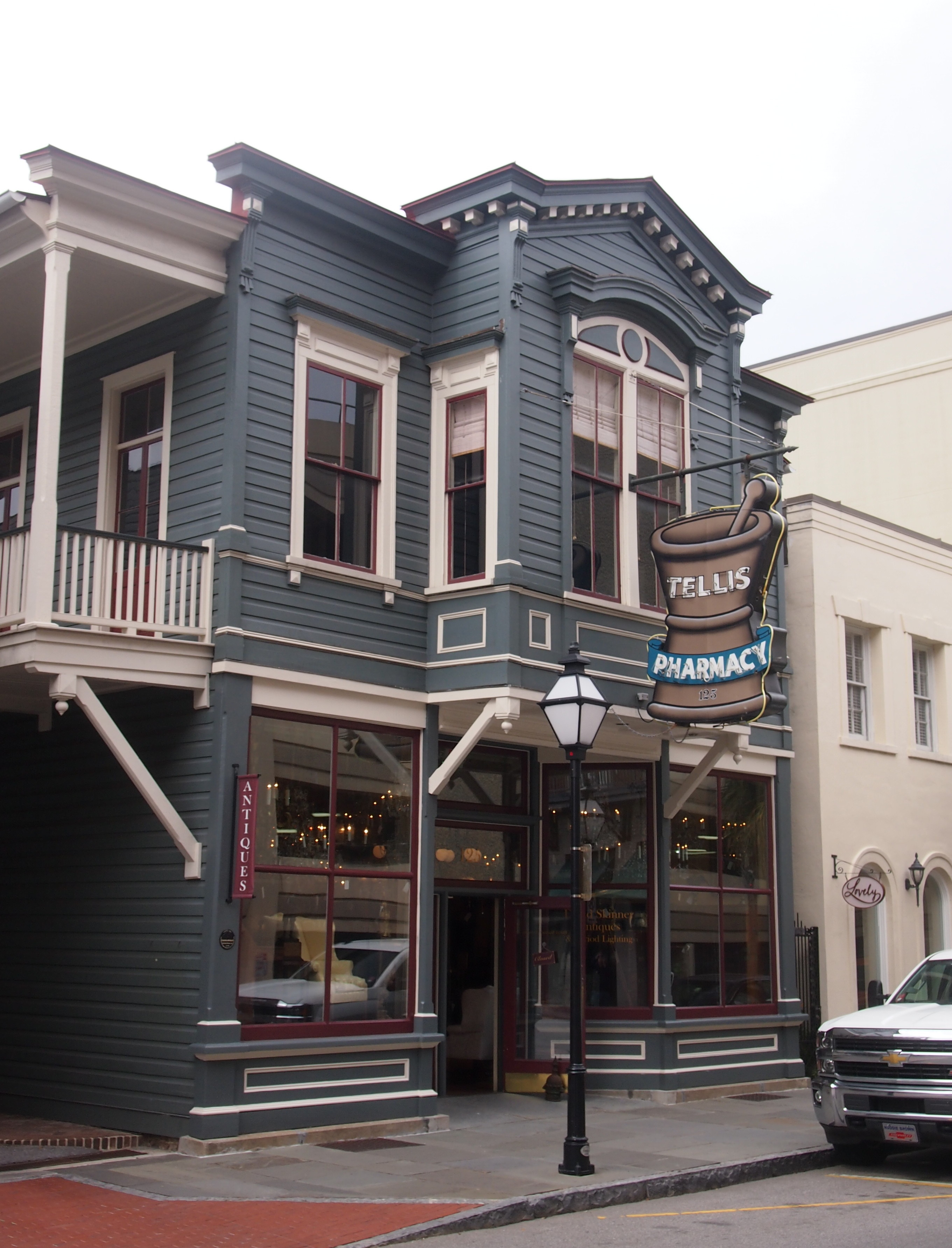
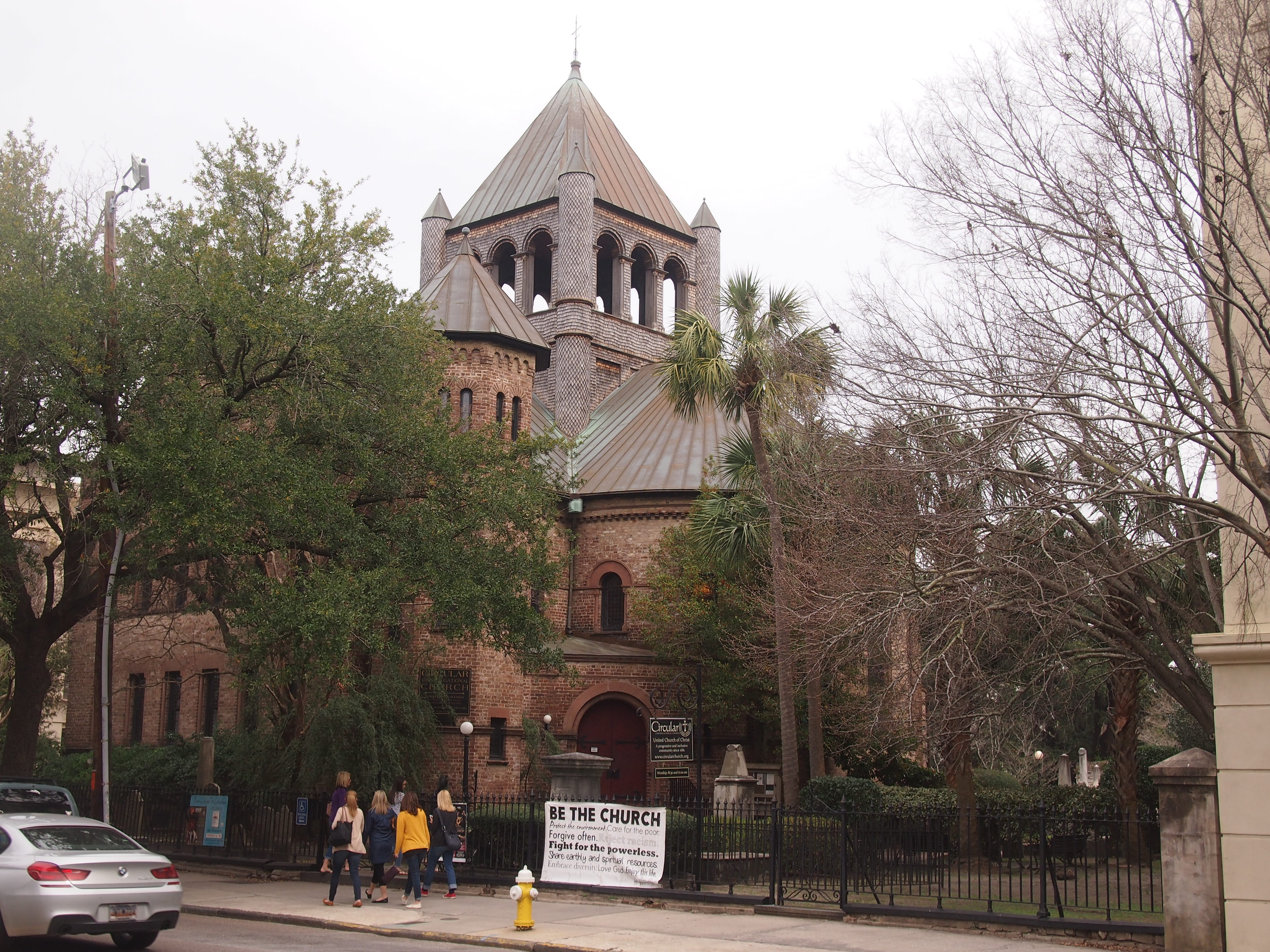
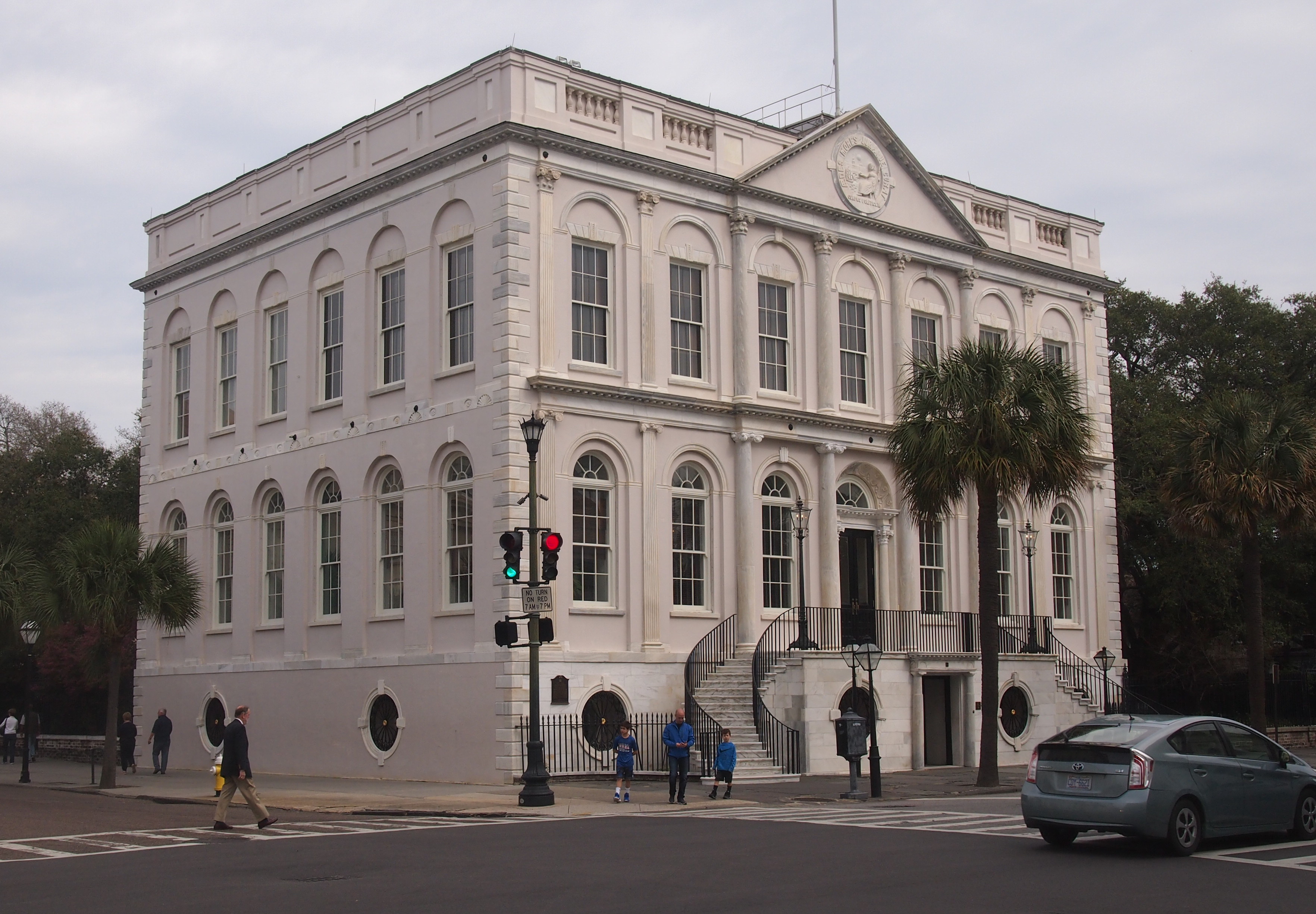
The old part of Charleston is very handsome, replete with structures surviving from the Antebellum period squeezed into tight city blocks along such streets as Calhoun, Cumberland, Meeting, and at the intersection of King St. and Queen St. A fine thing to do on a February morning that’s warmer than it should be, even in the South: wander past the elegant or curious buildings, admire the churches, take in the details of the streetscapes and sidewalks.

The War Between the States and Reconstruction crushed the local economy. Bad for the people who lived then, good for historic preservation in the late 20th and early 21st centuries, when considerable prosperity has returned to Charleston. Had prosperity continued in the 19th and early 20th centuries, the city might sport handsome Victorian architecture, or might have been Eisenhowered into something less pleasing.

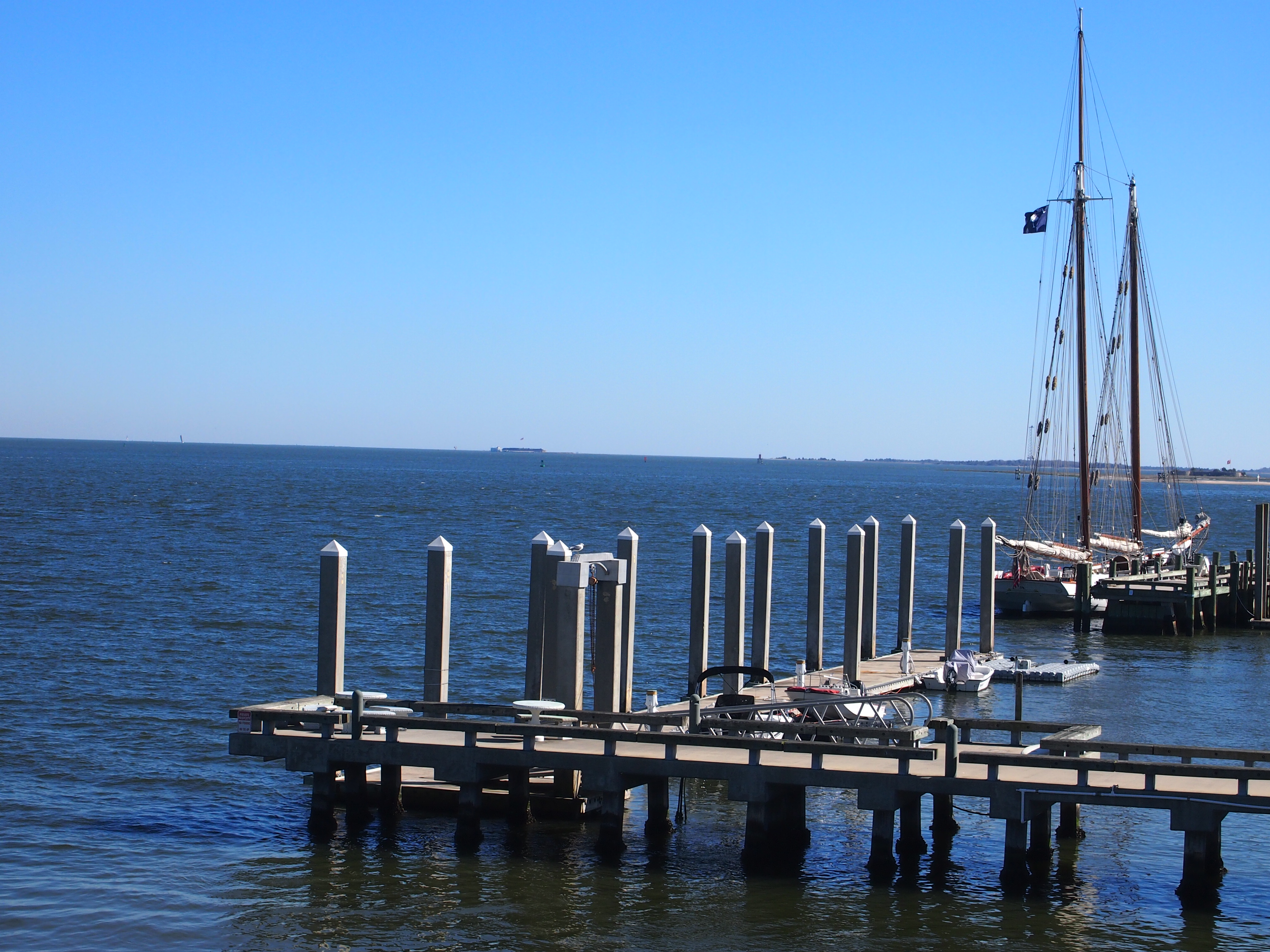
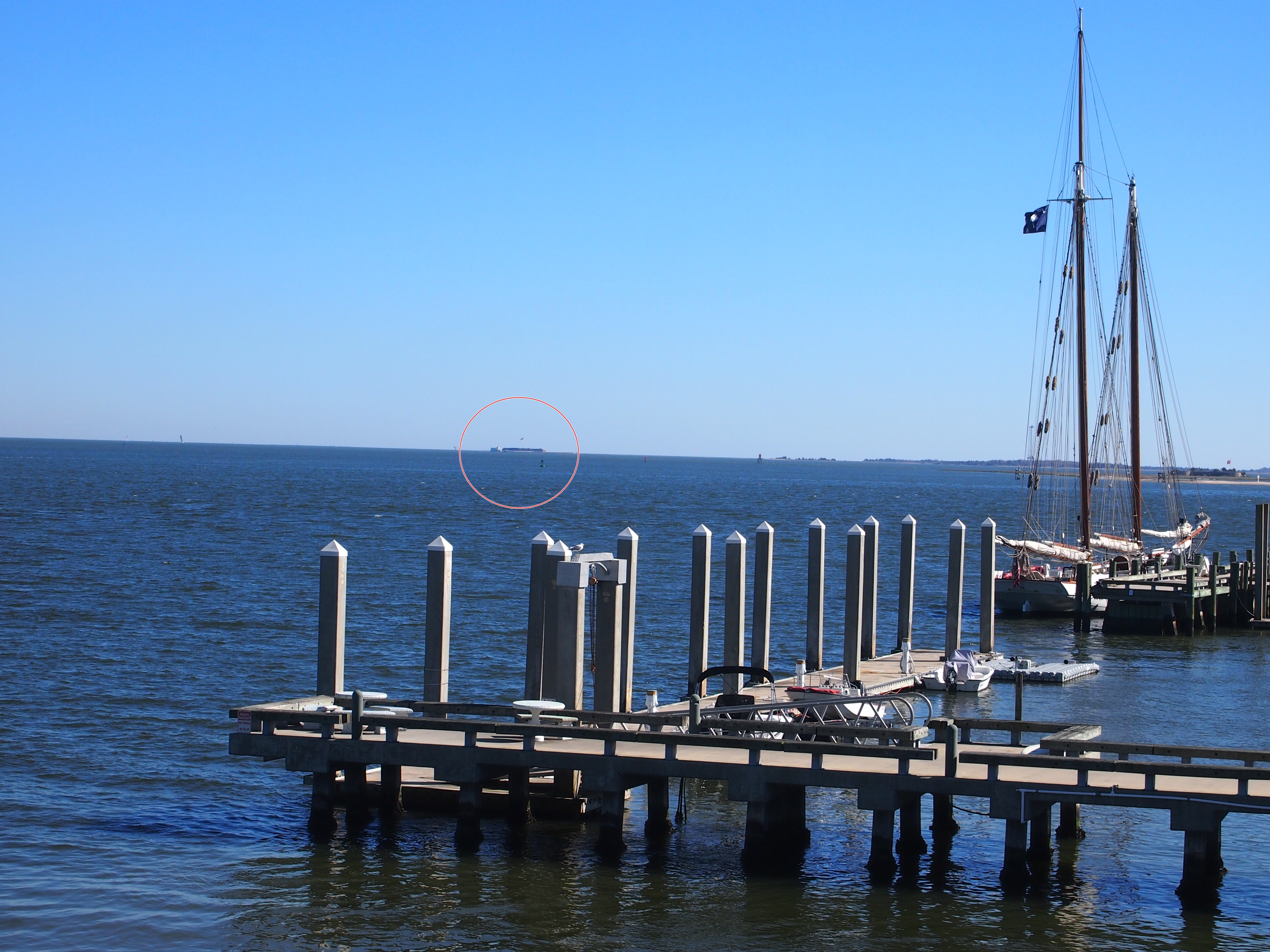
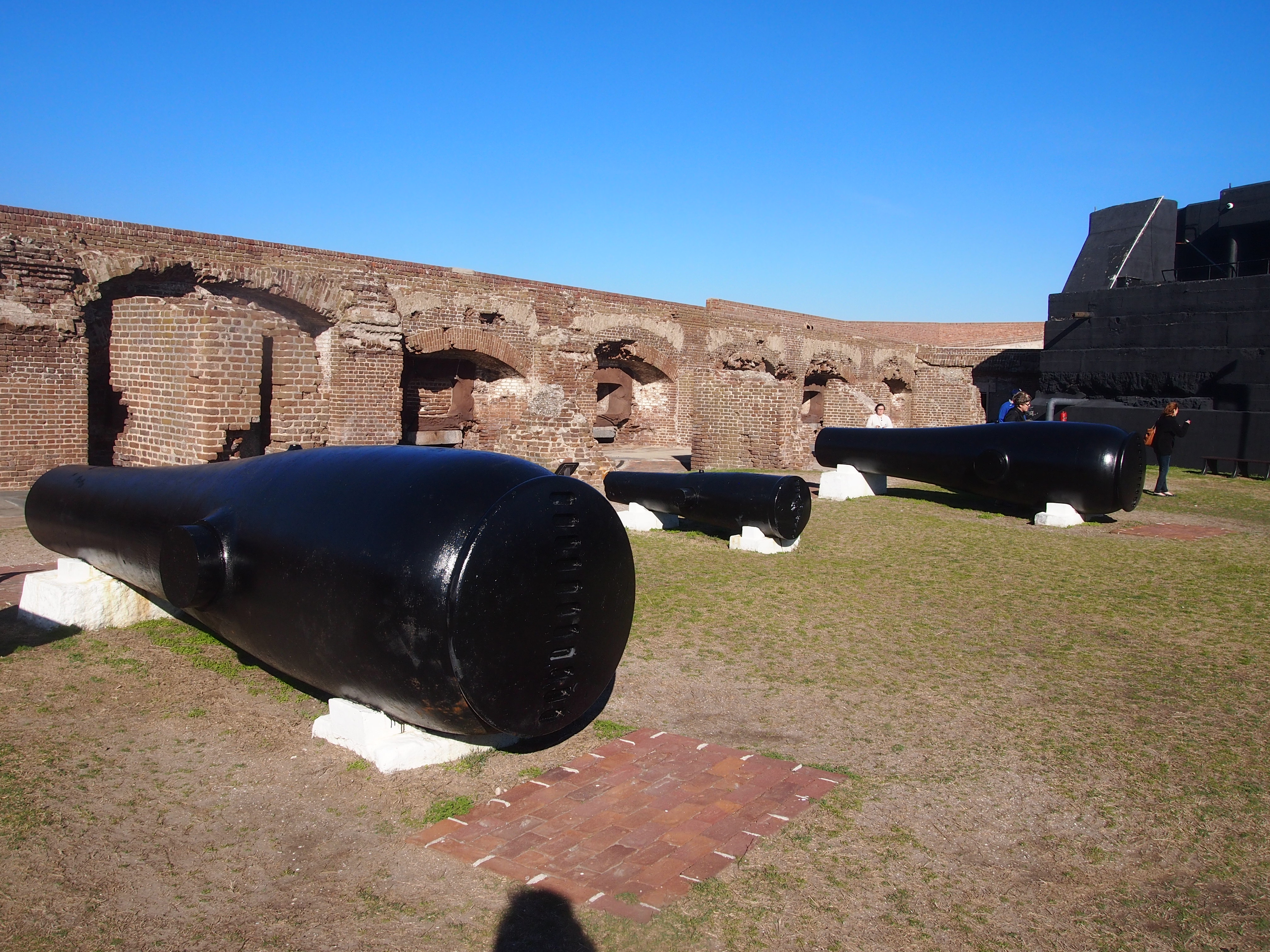
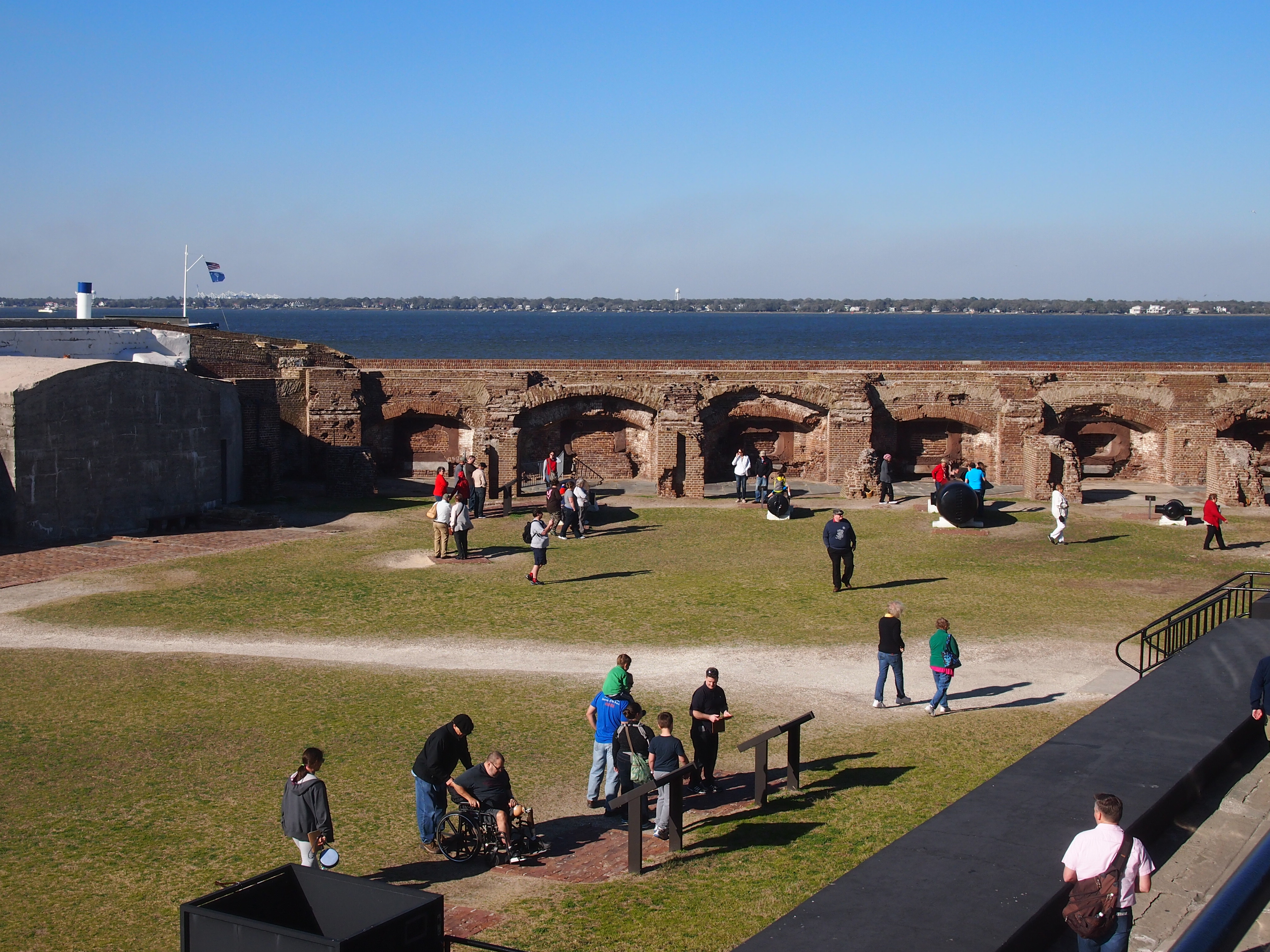
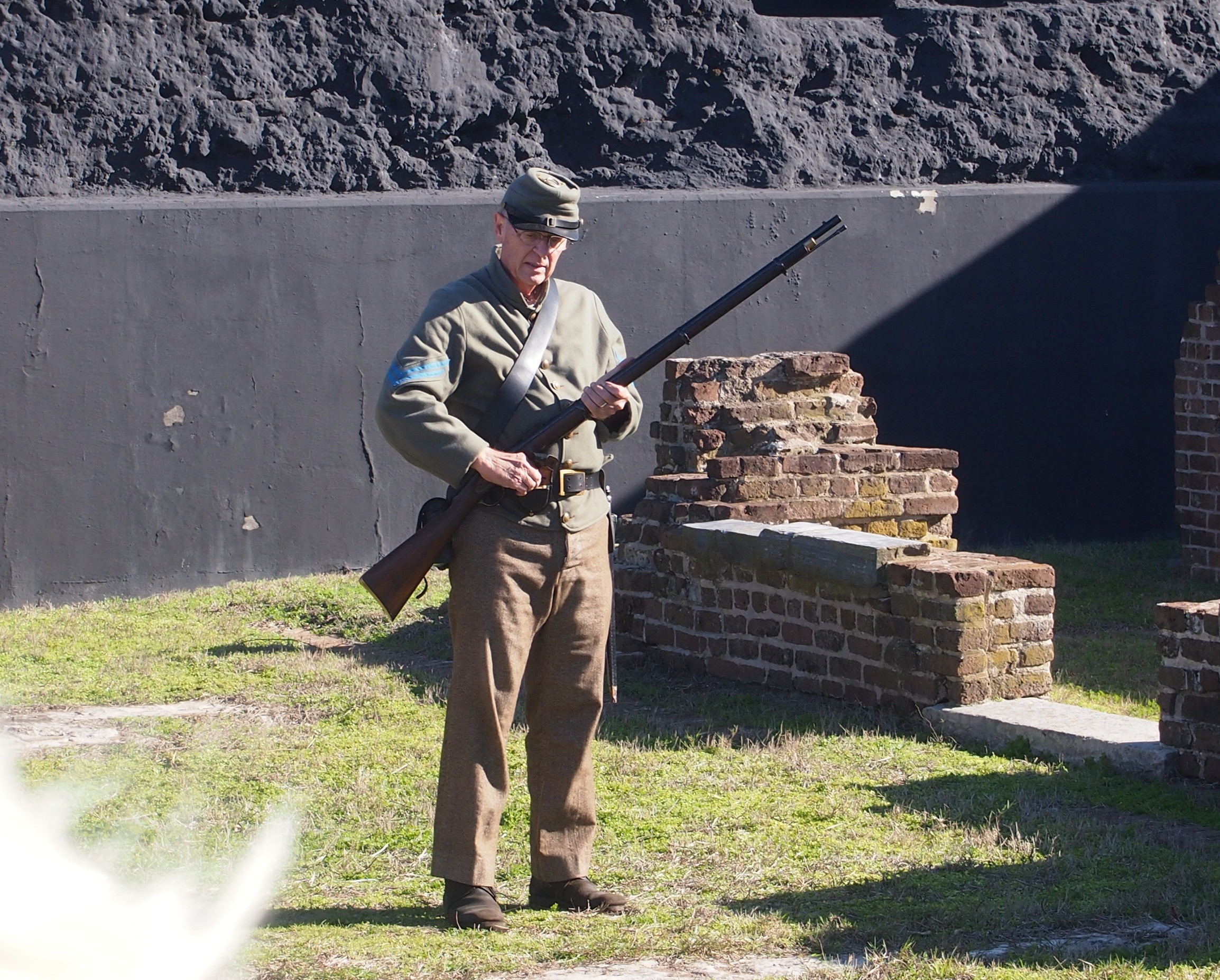
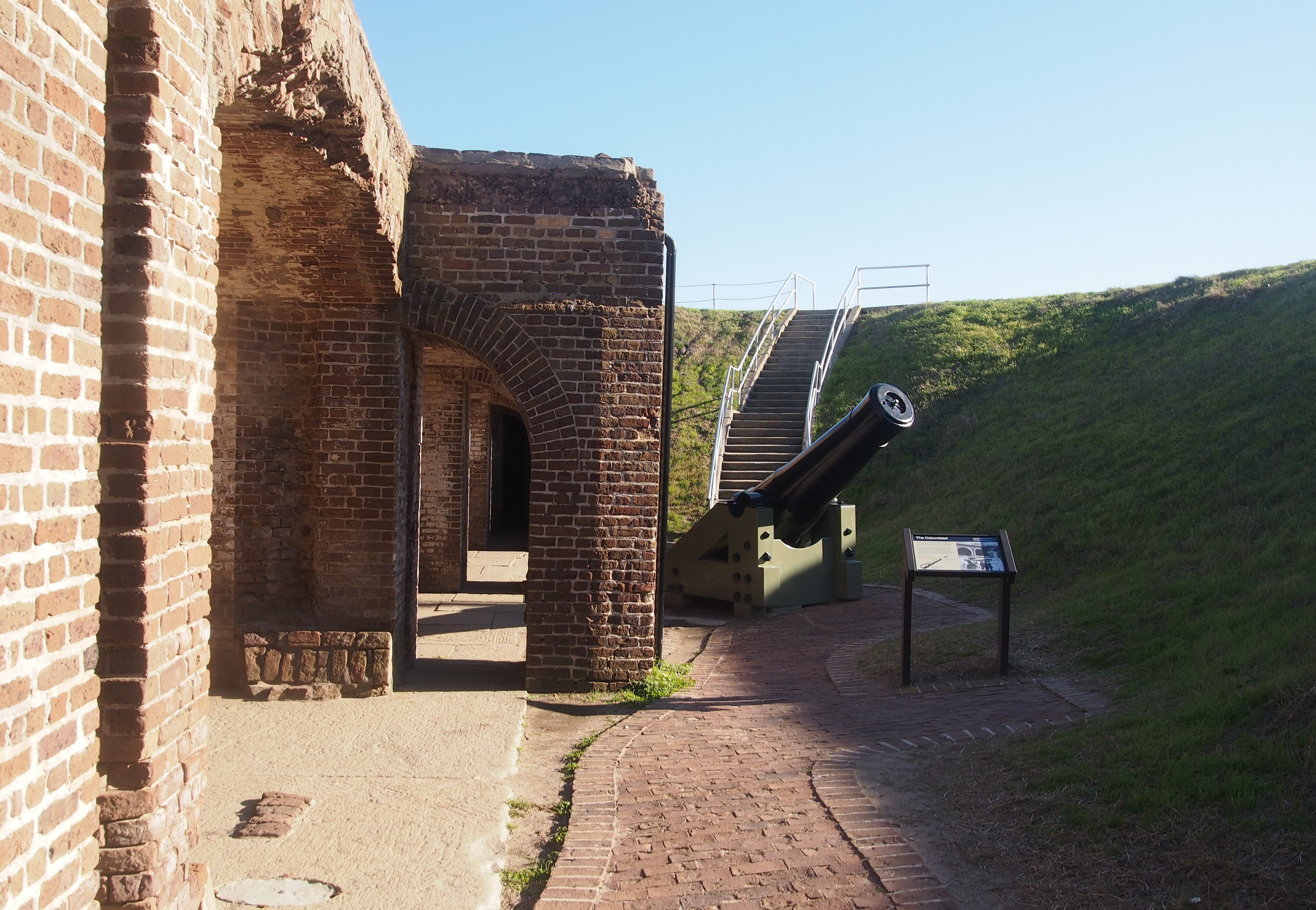
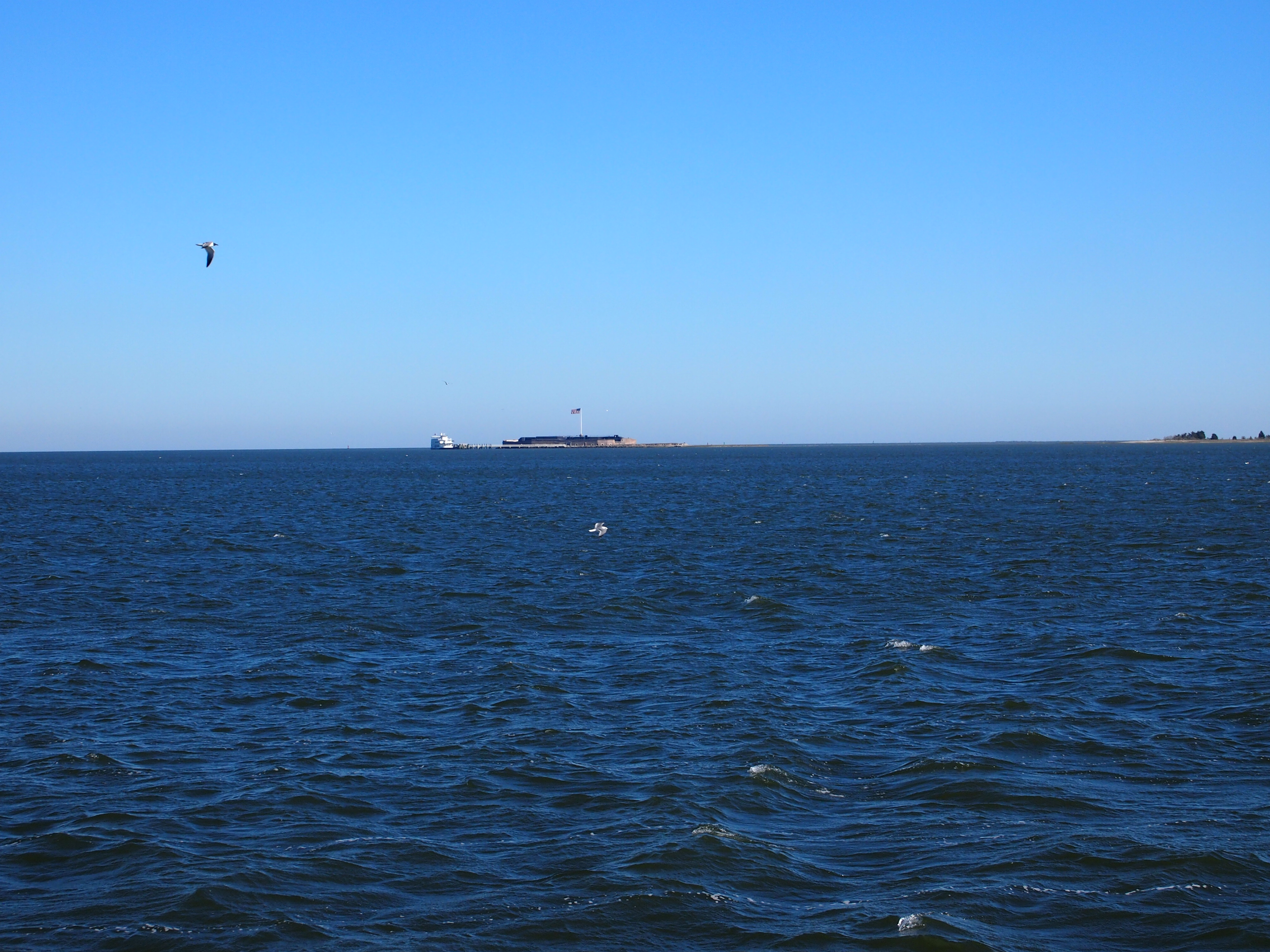
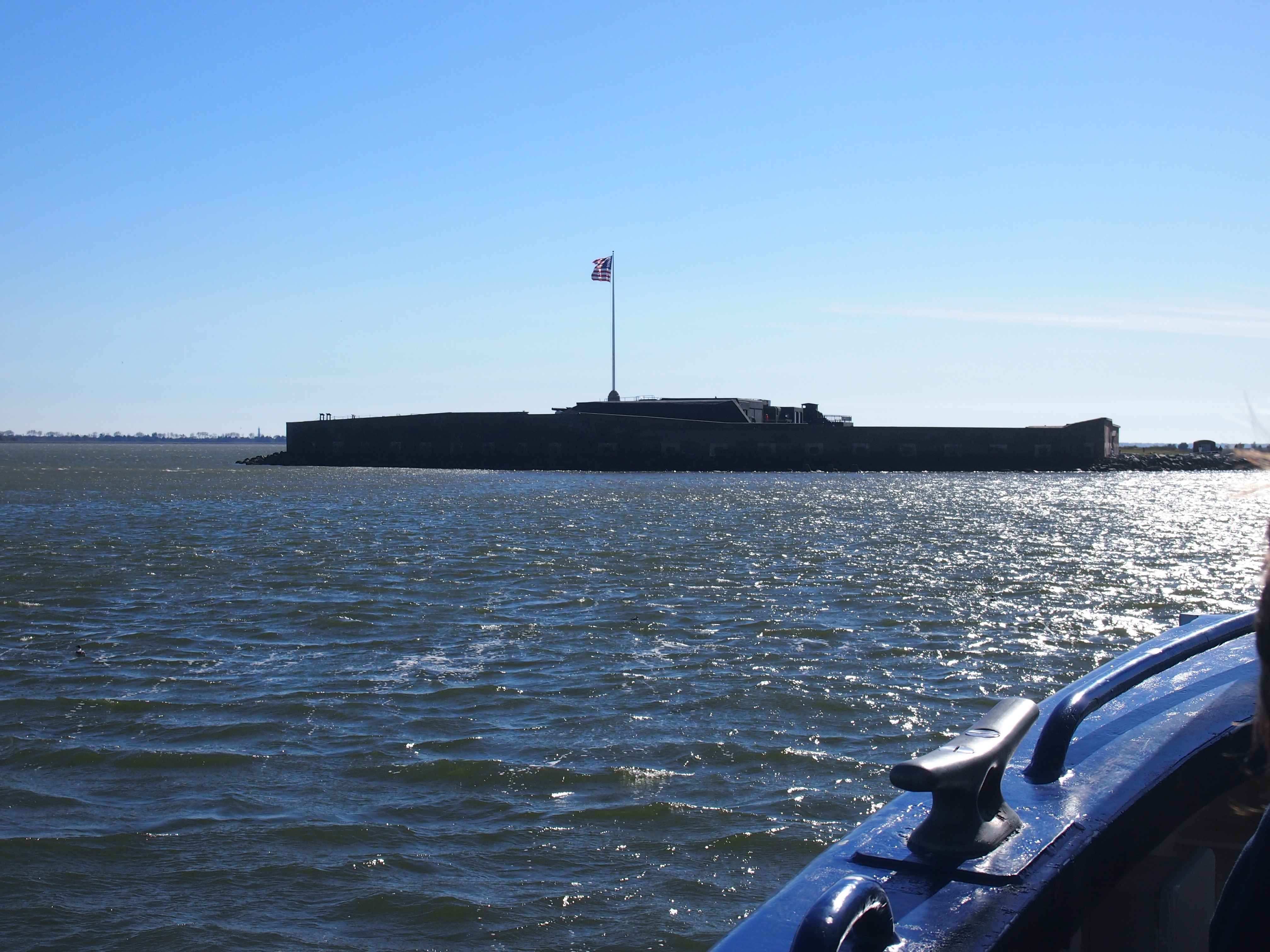
Fort Sumter National Monument is about a 30-minute boat ride away from the city. The fort is as historic as can be, but apparently doesn’t look much like it did in 1861. The war flattened it, the post-war U.S. Army rebuilt and redesigned it until the place was turned over to the Park Service after WWII.

The Confederate submarine H.L. Hunley, whose insufficient design killed more men than the vessel did as a weapon of war, now rests in a tank of water at the Warren Lasch Conservation Center, an industrial structure north of the good-looking parts of town, near other industrial facilities. Eventually, the Hunley will be the star of its own museum, but for now conservation efforts are ongoing.

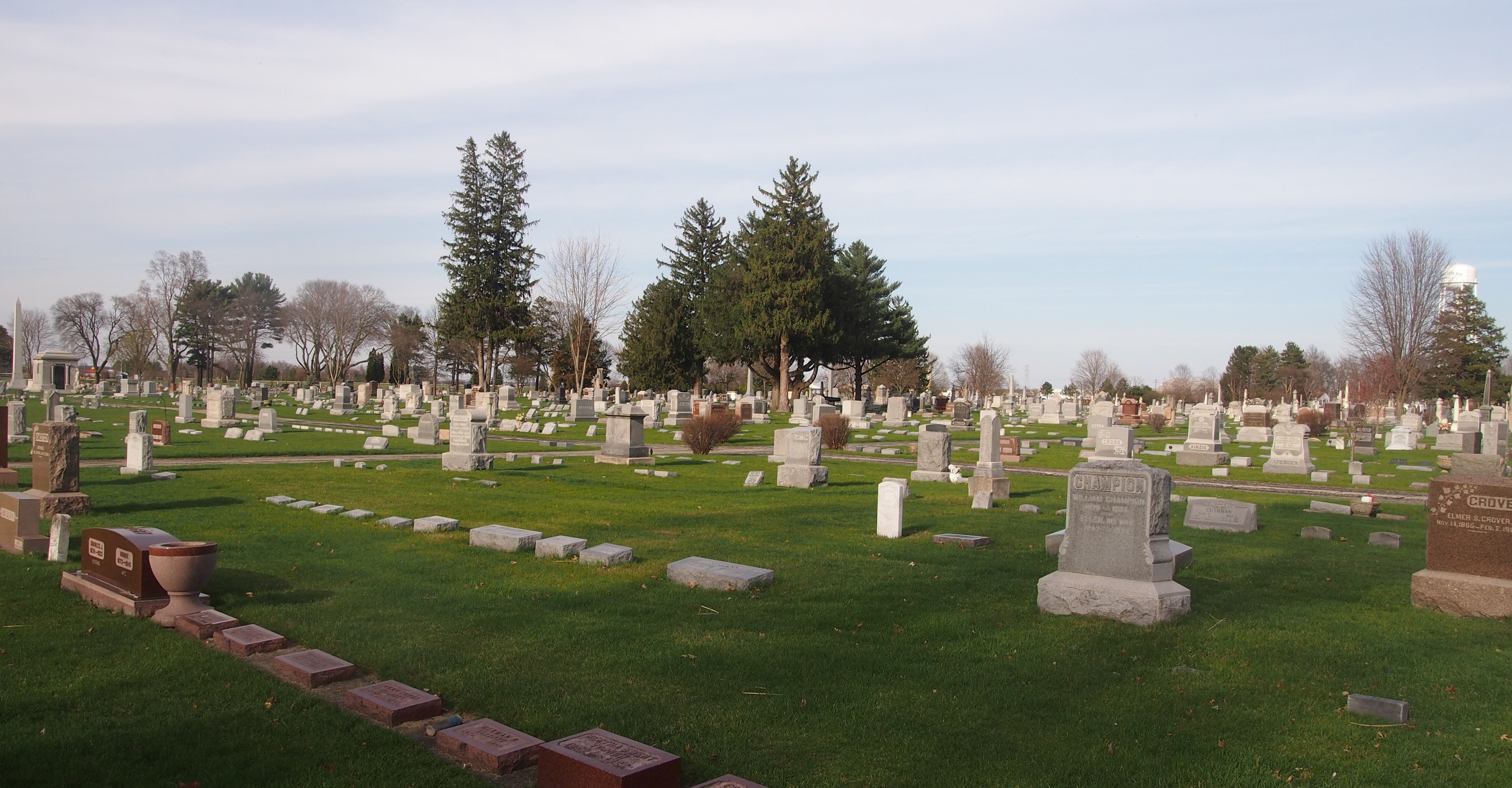
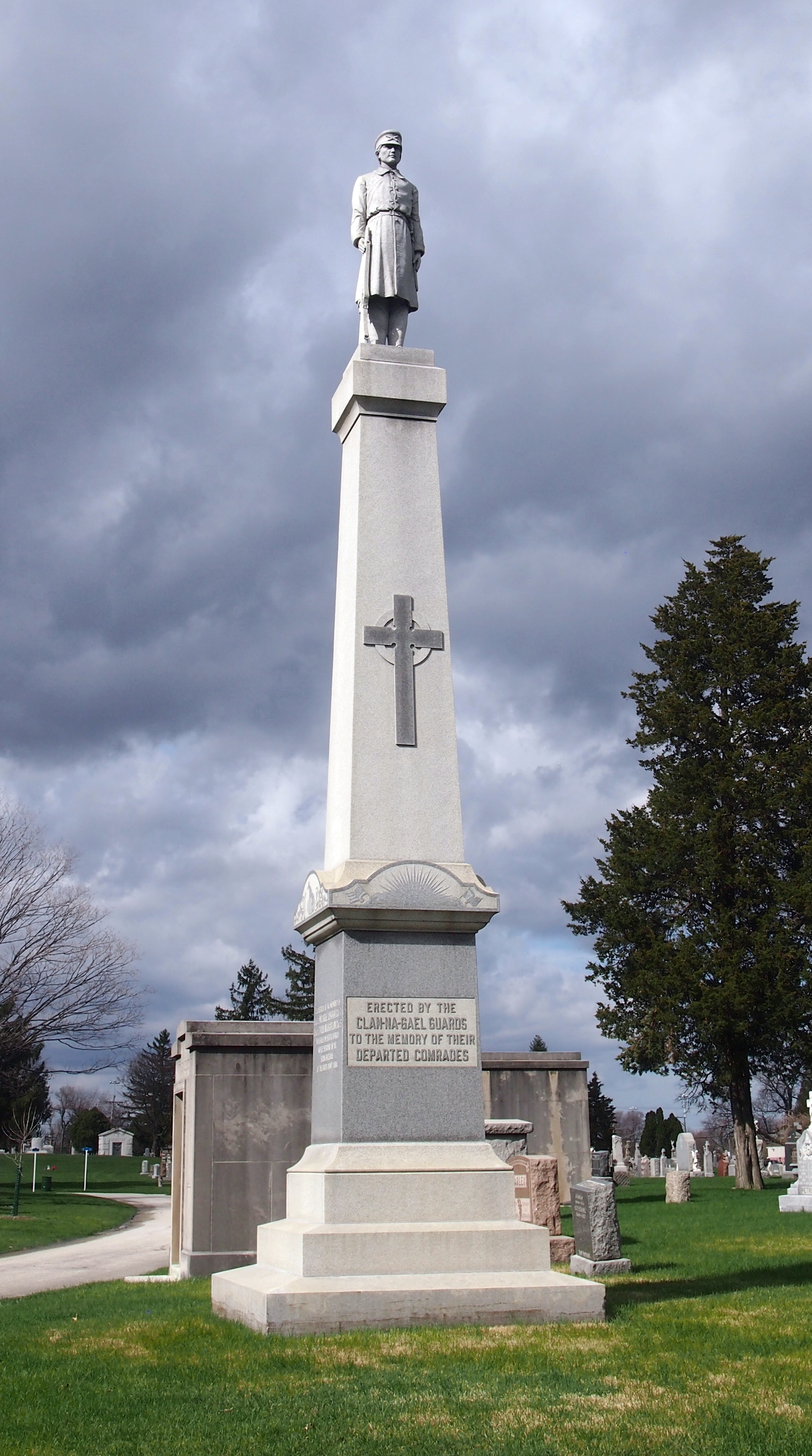
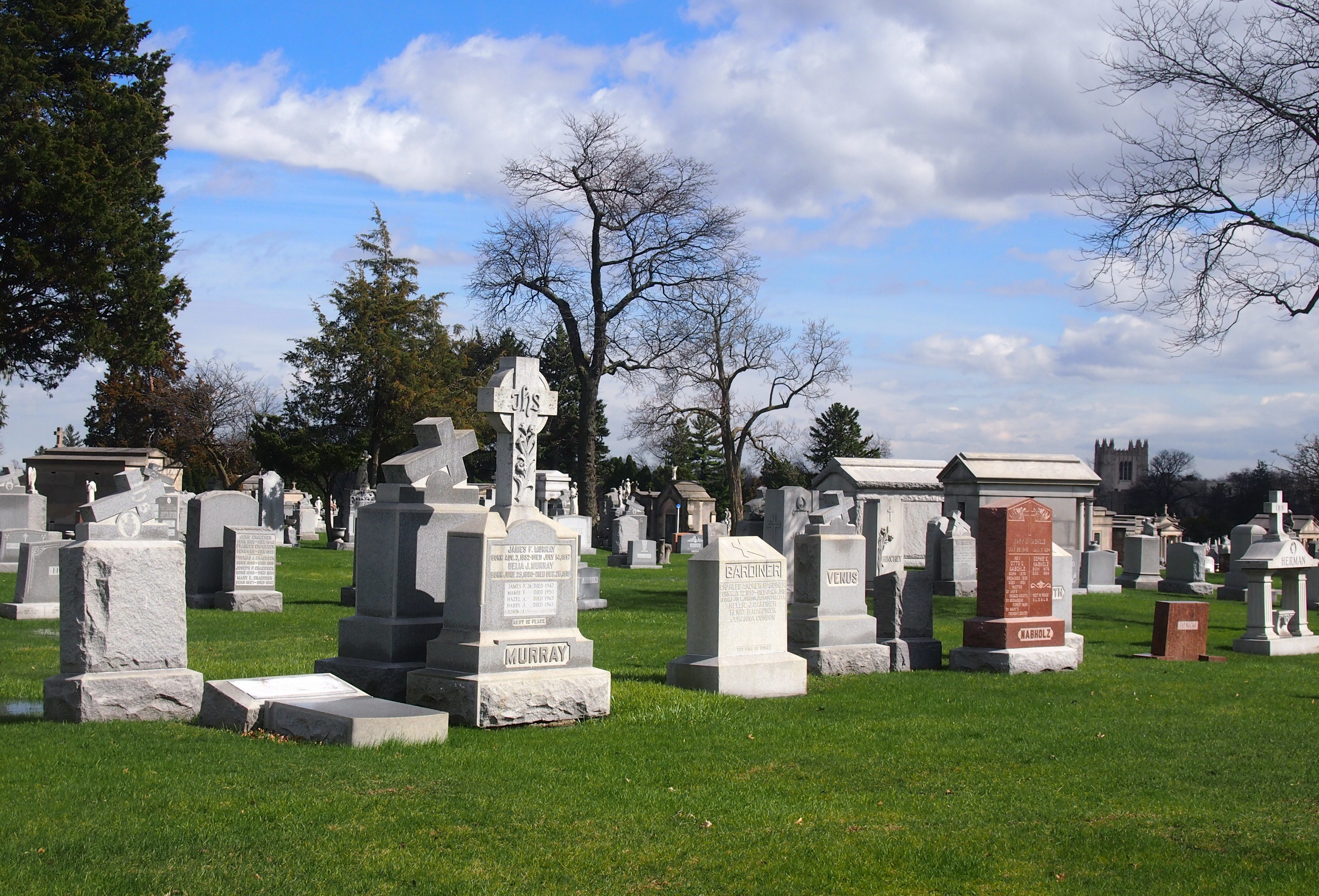
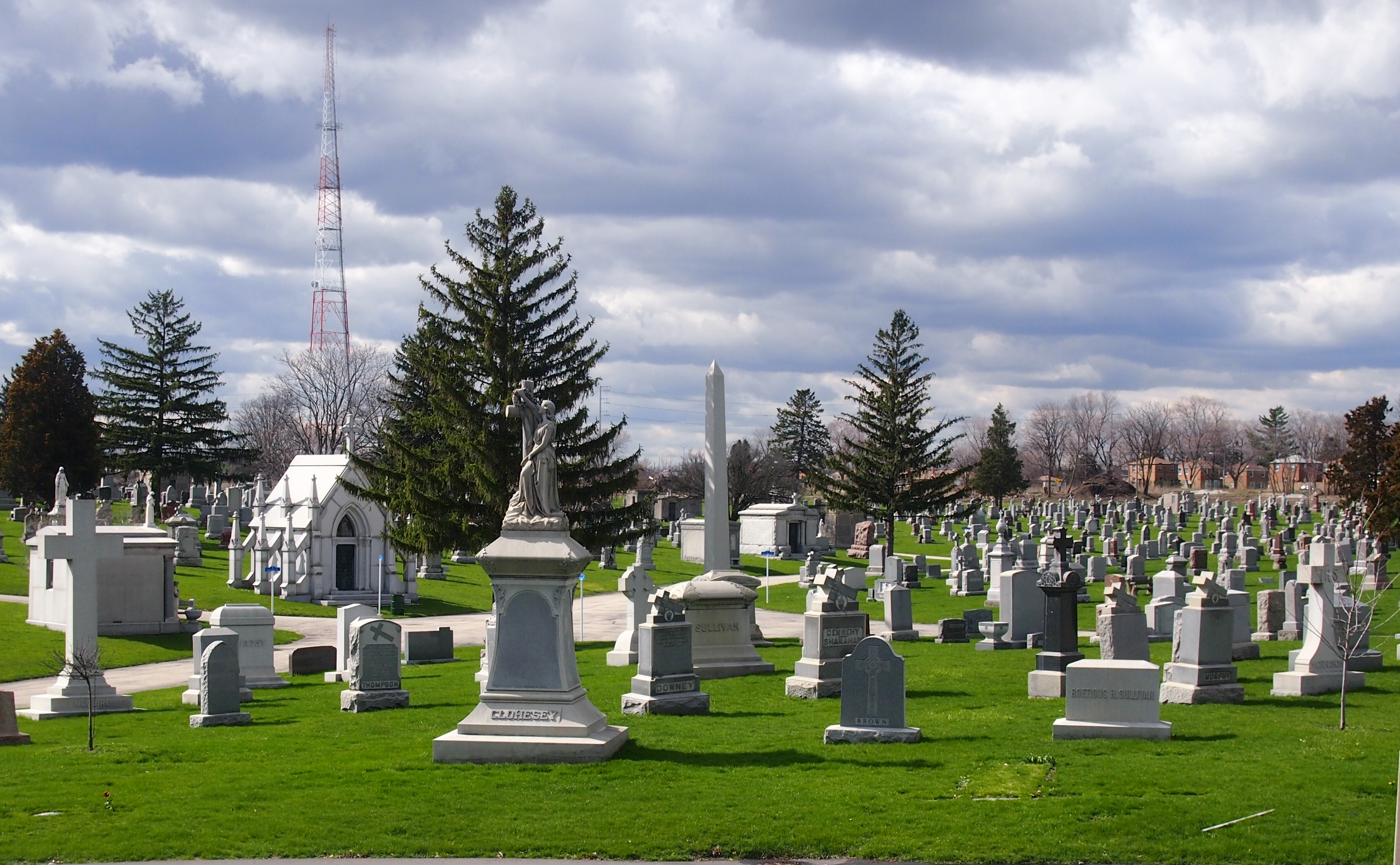
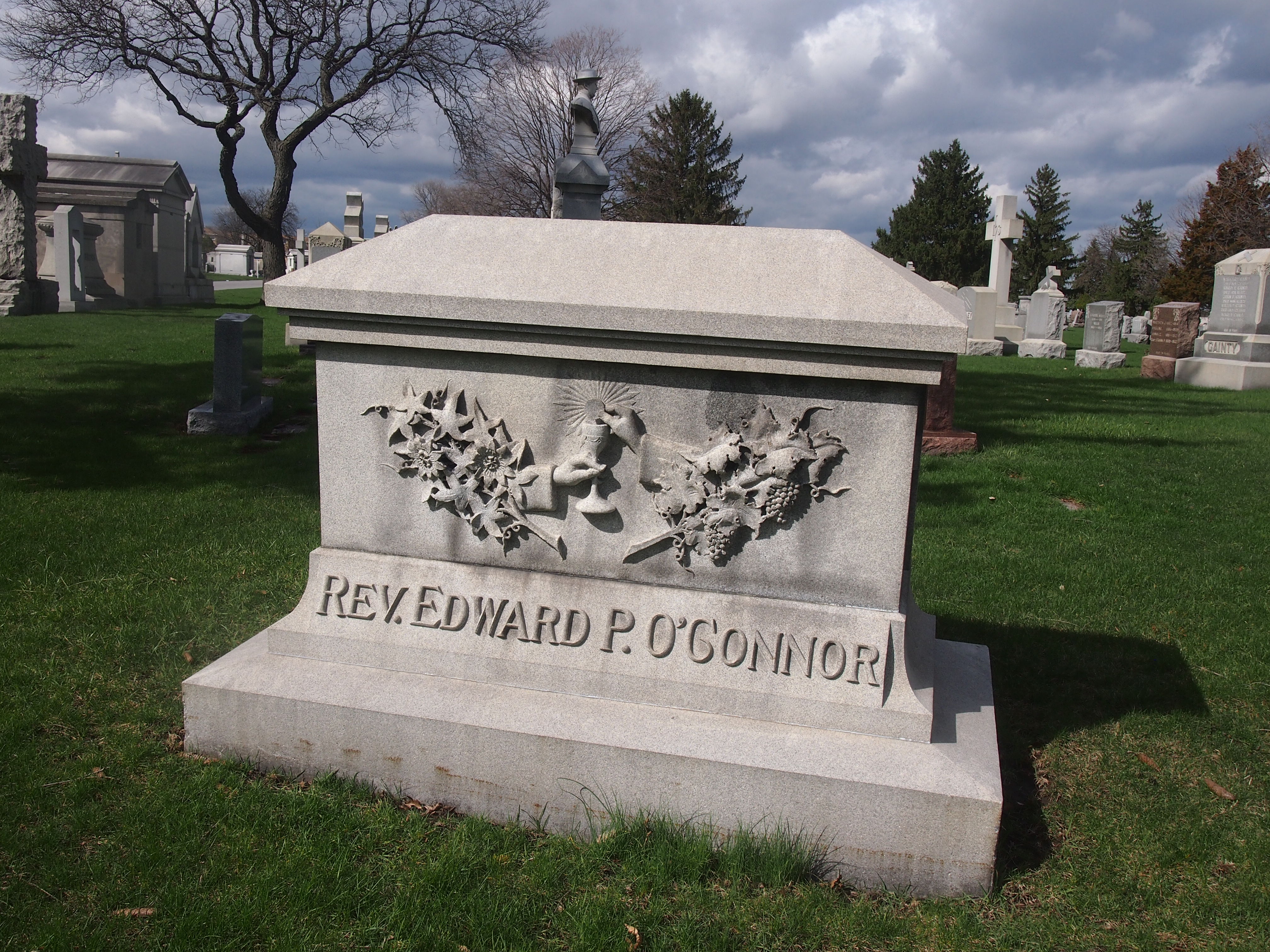
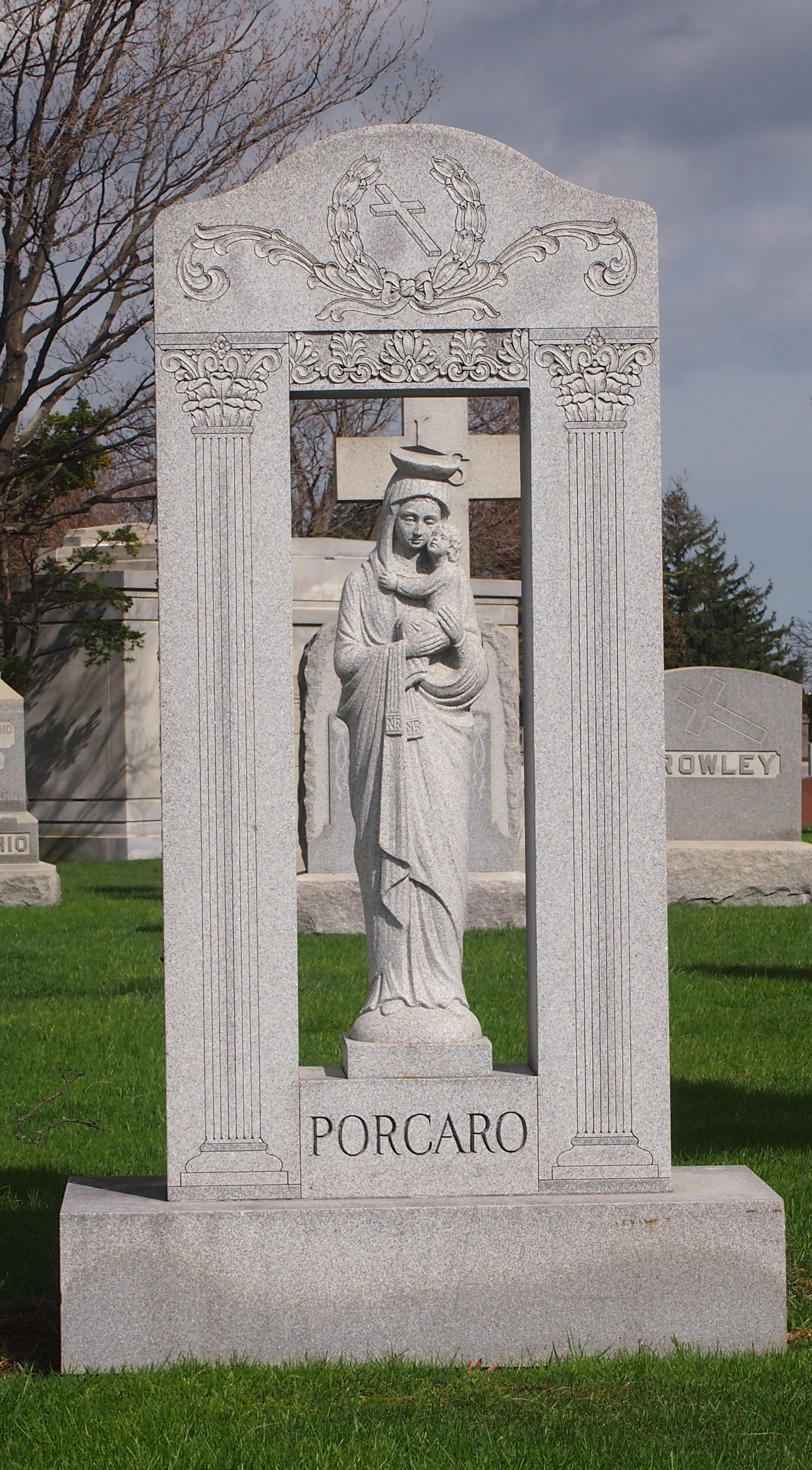
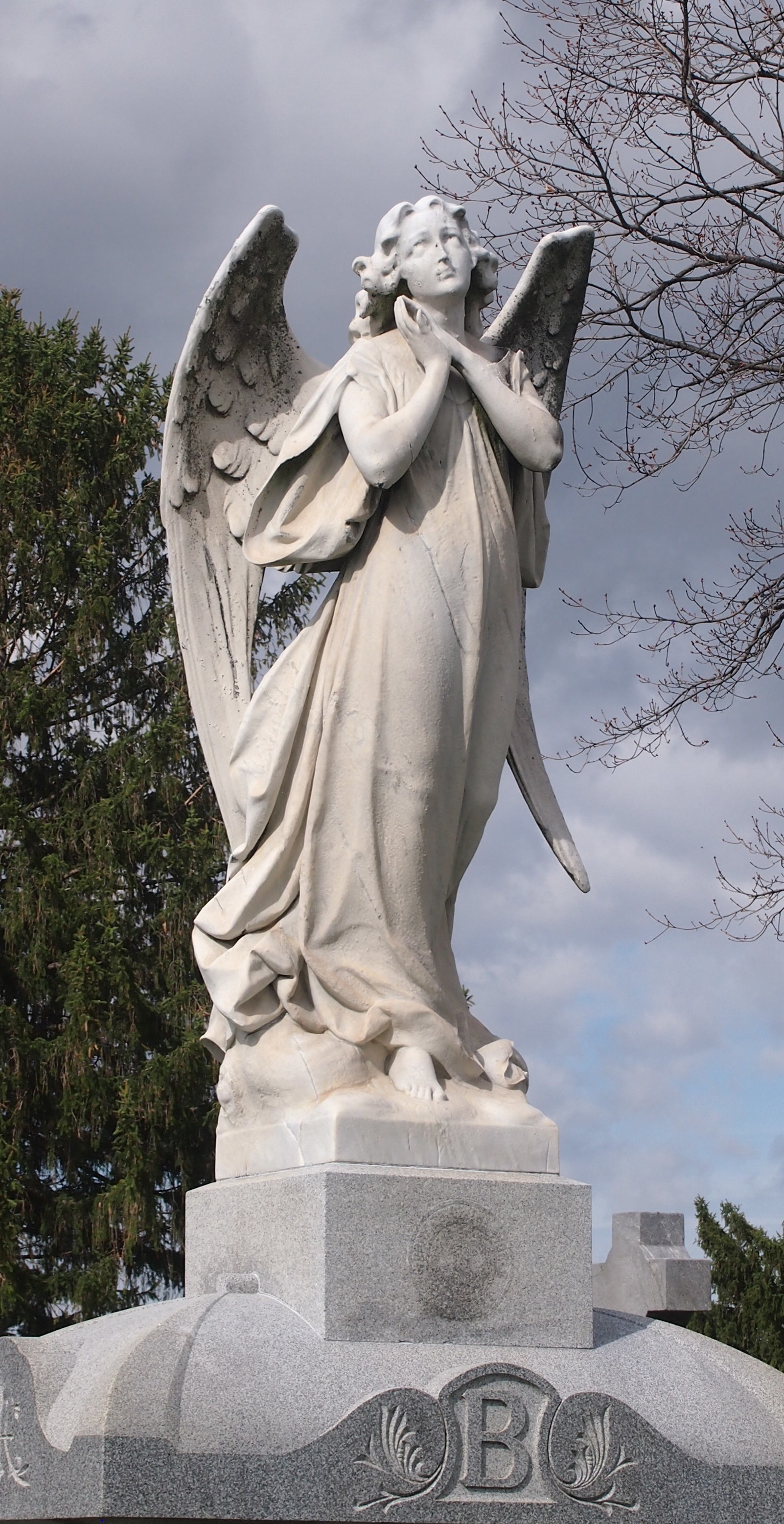
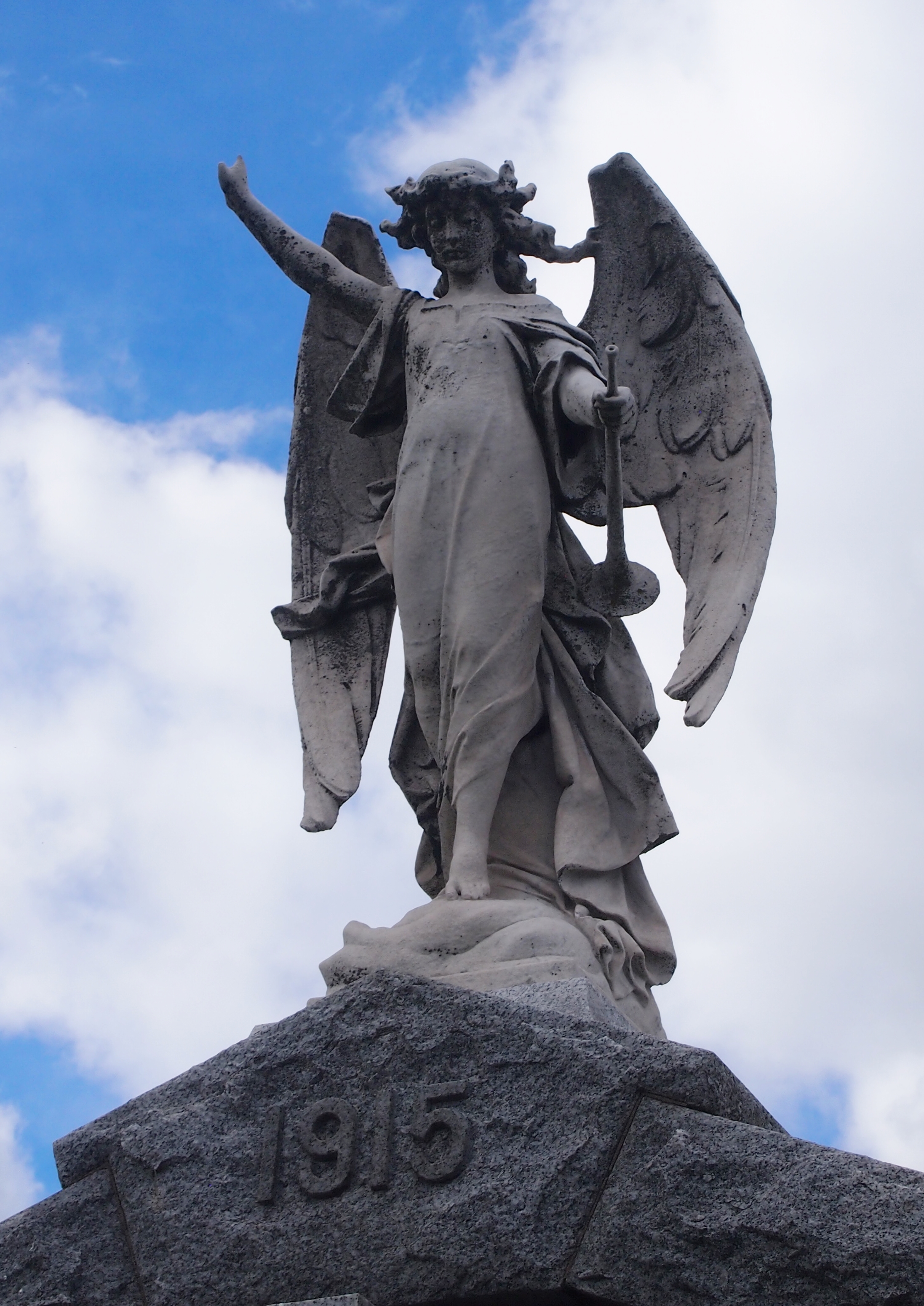
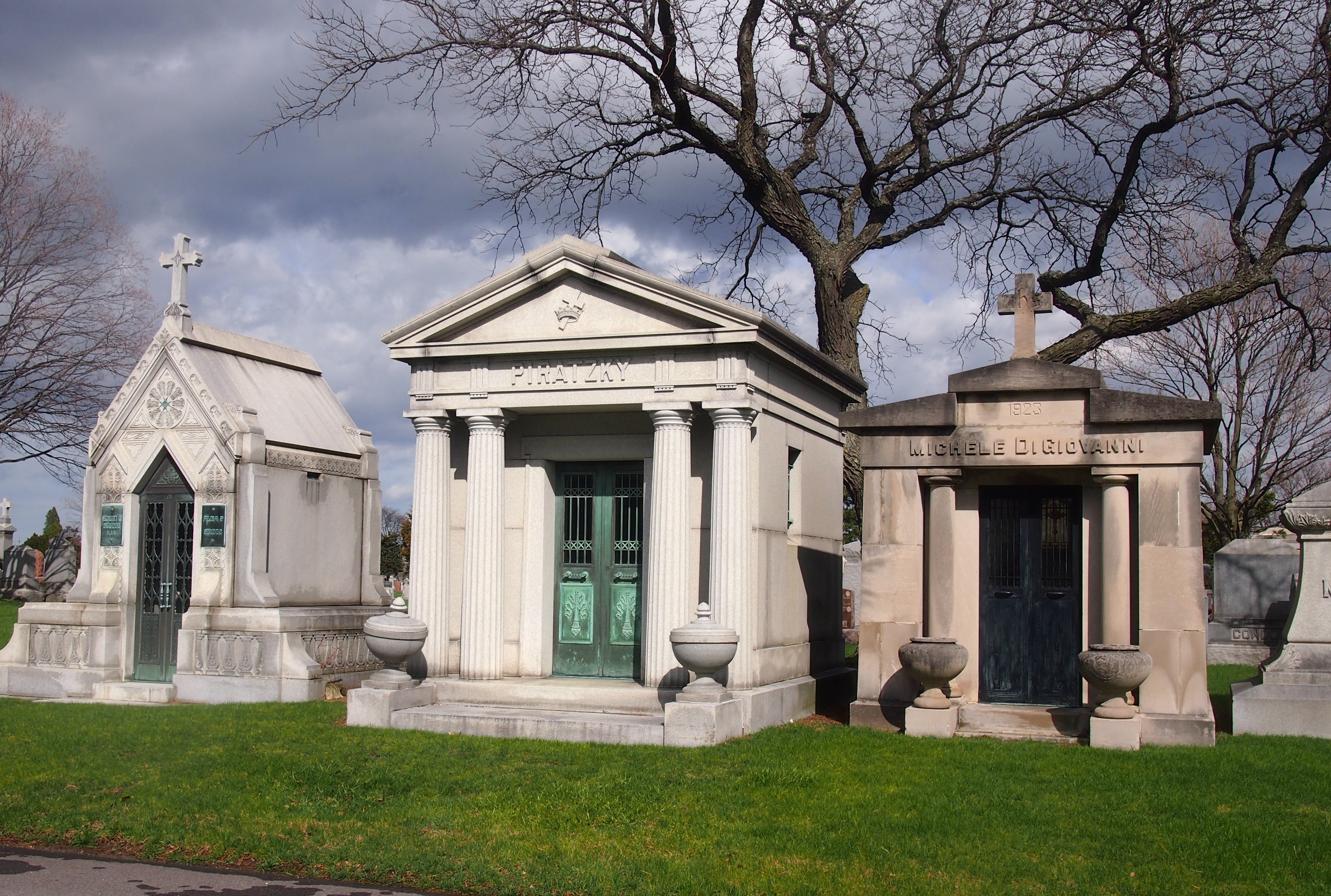
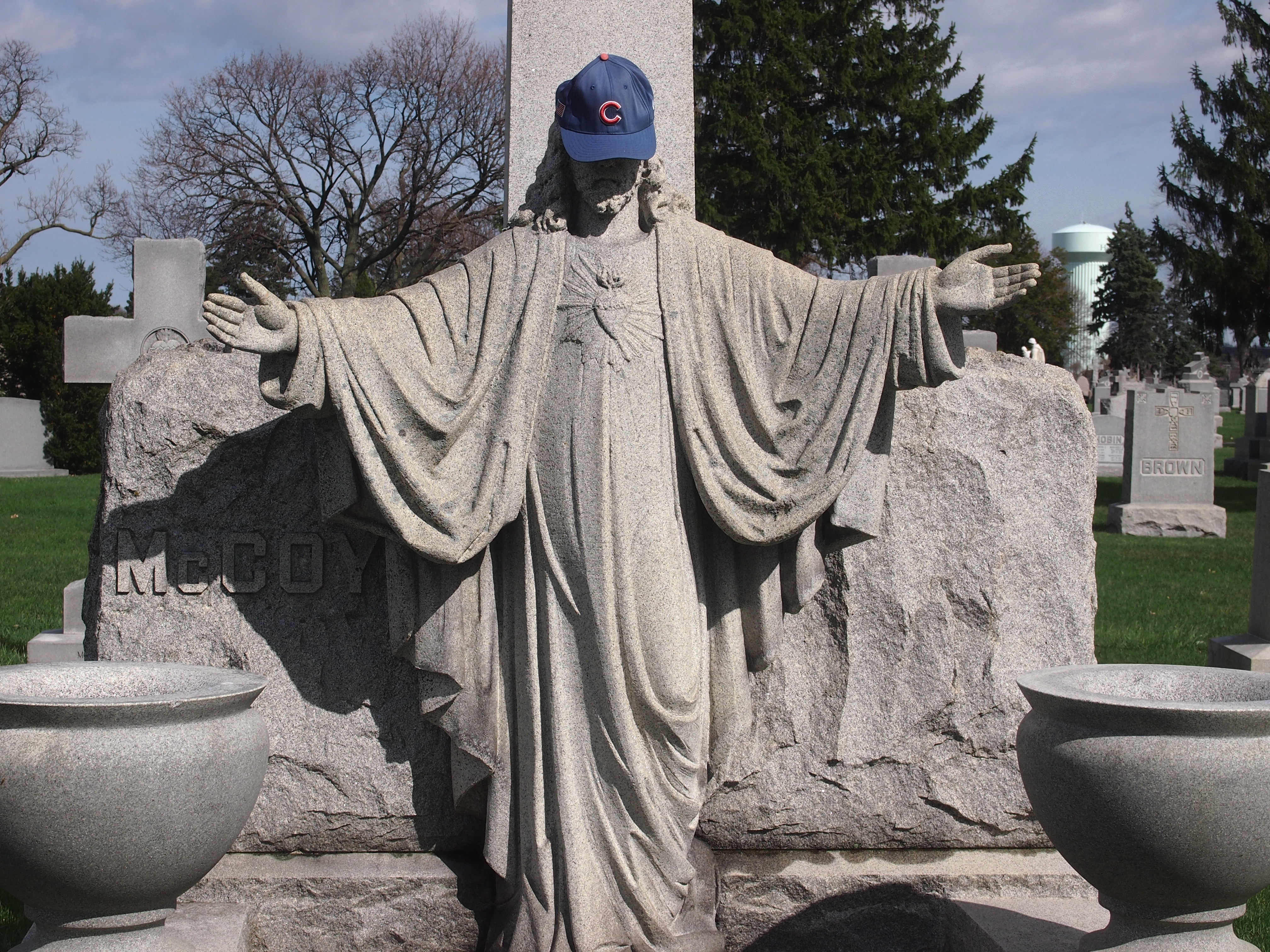
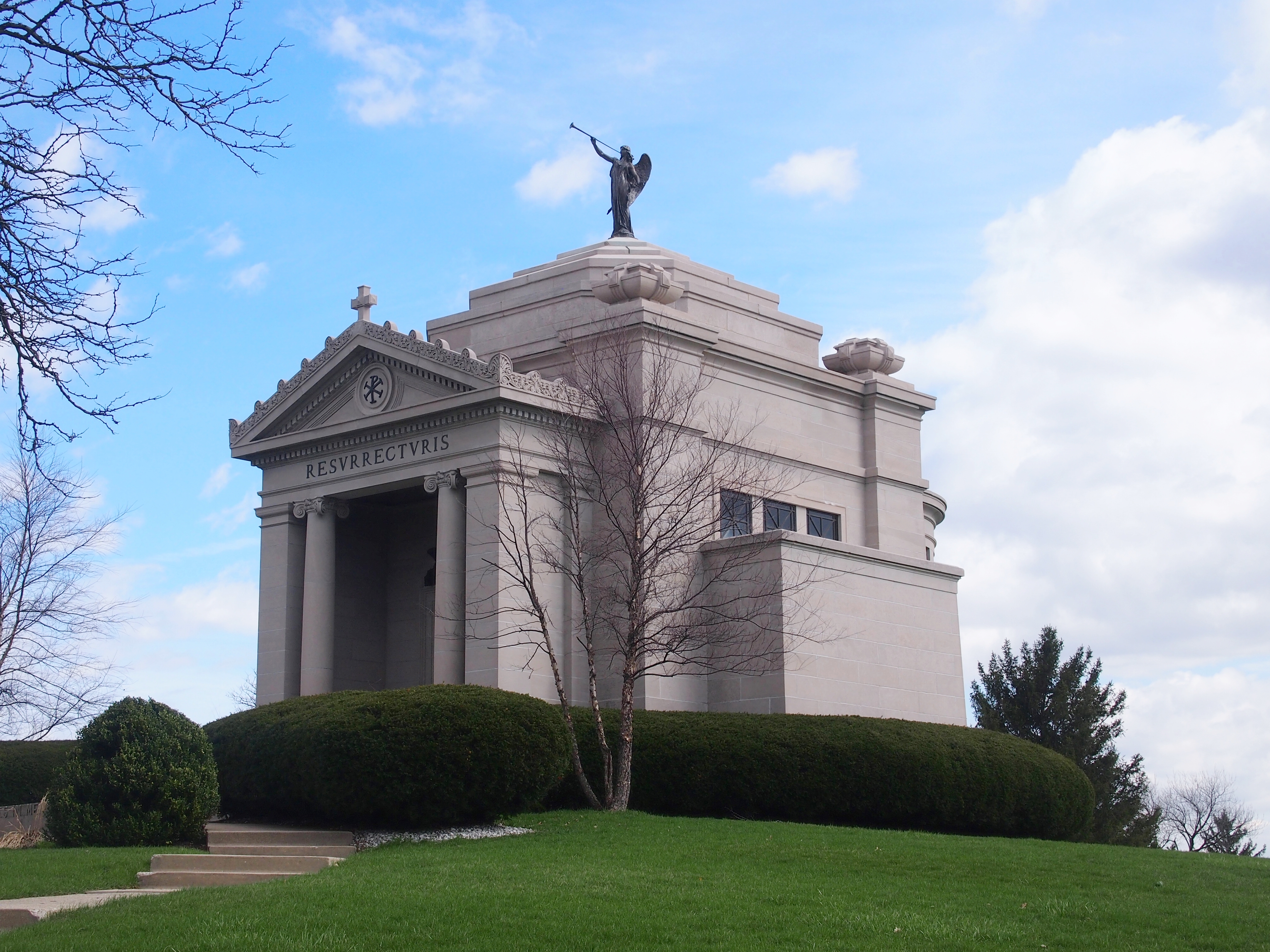
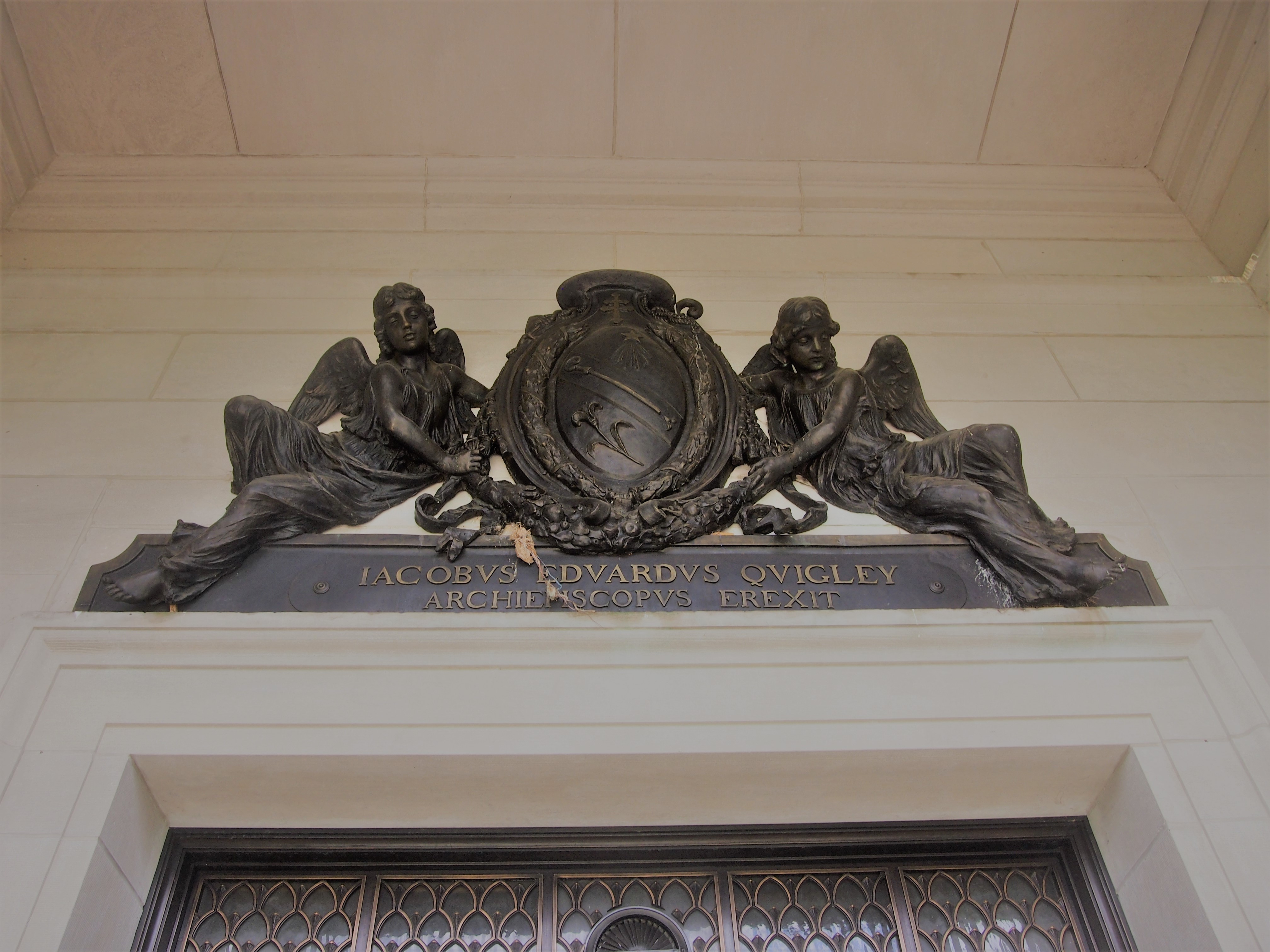
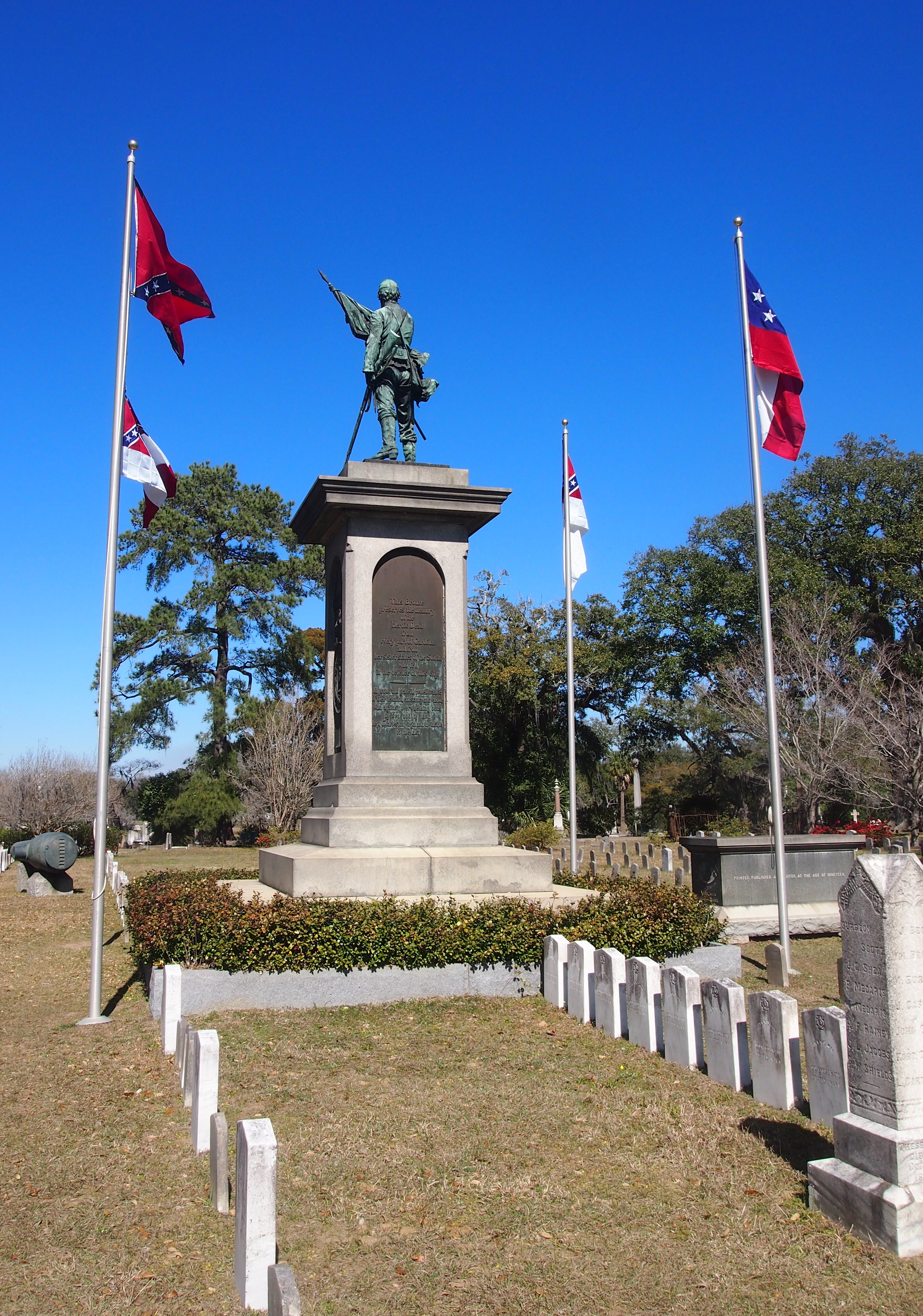
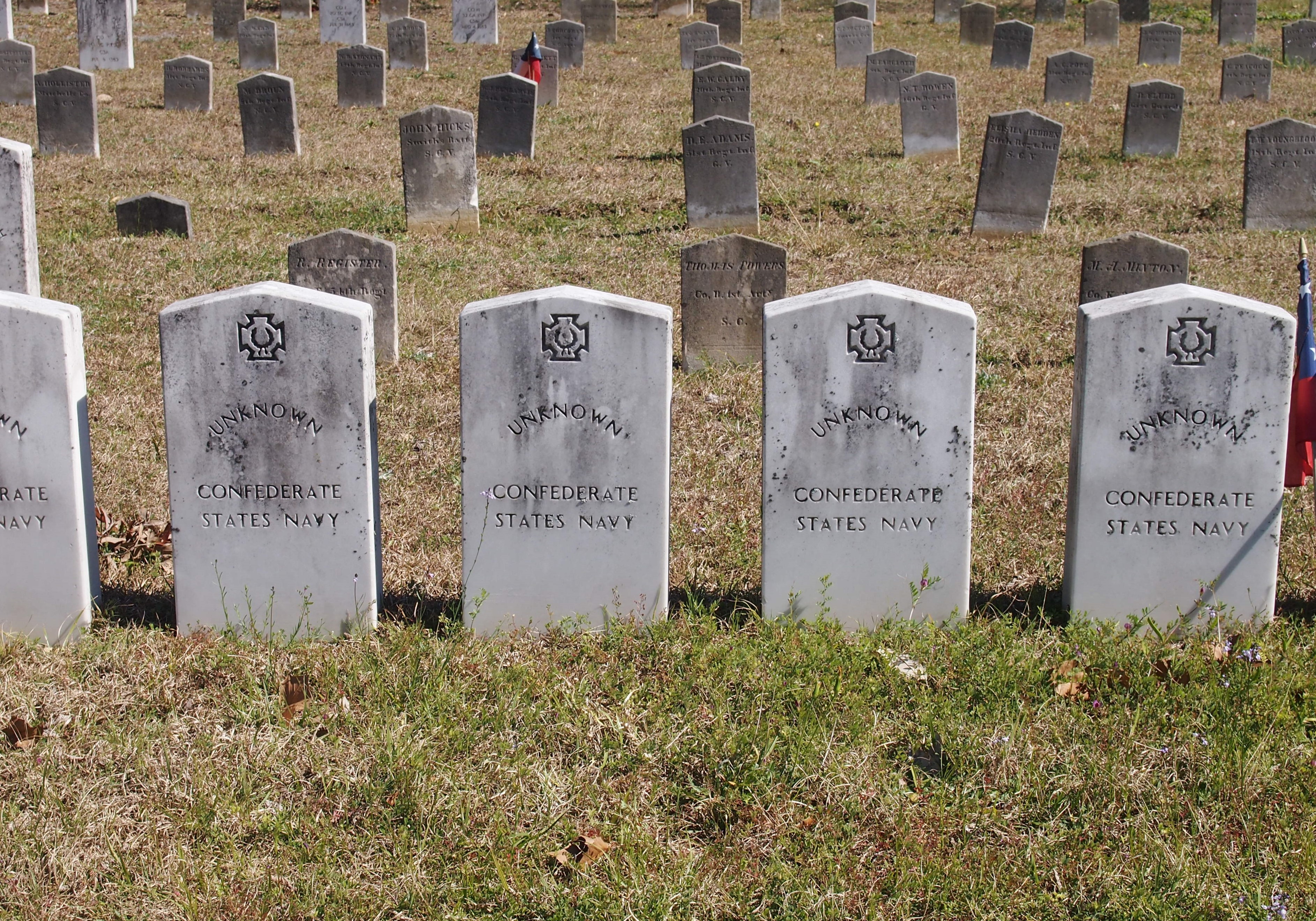
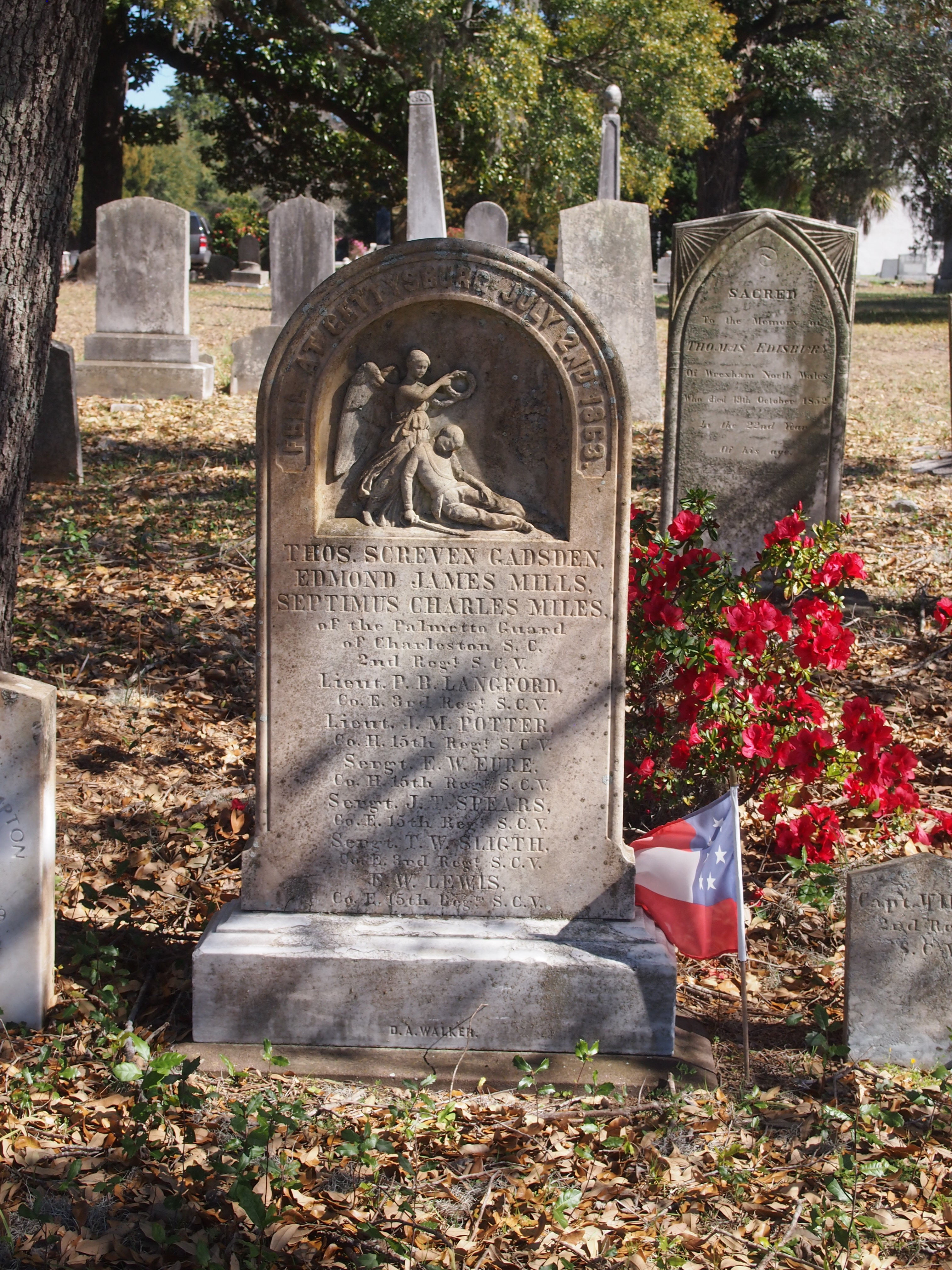
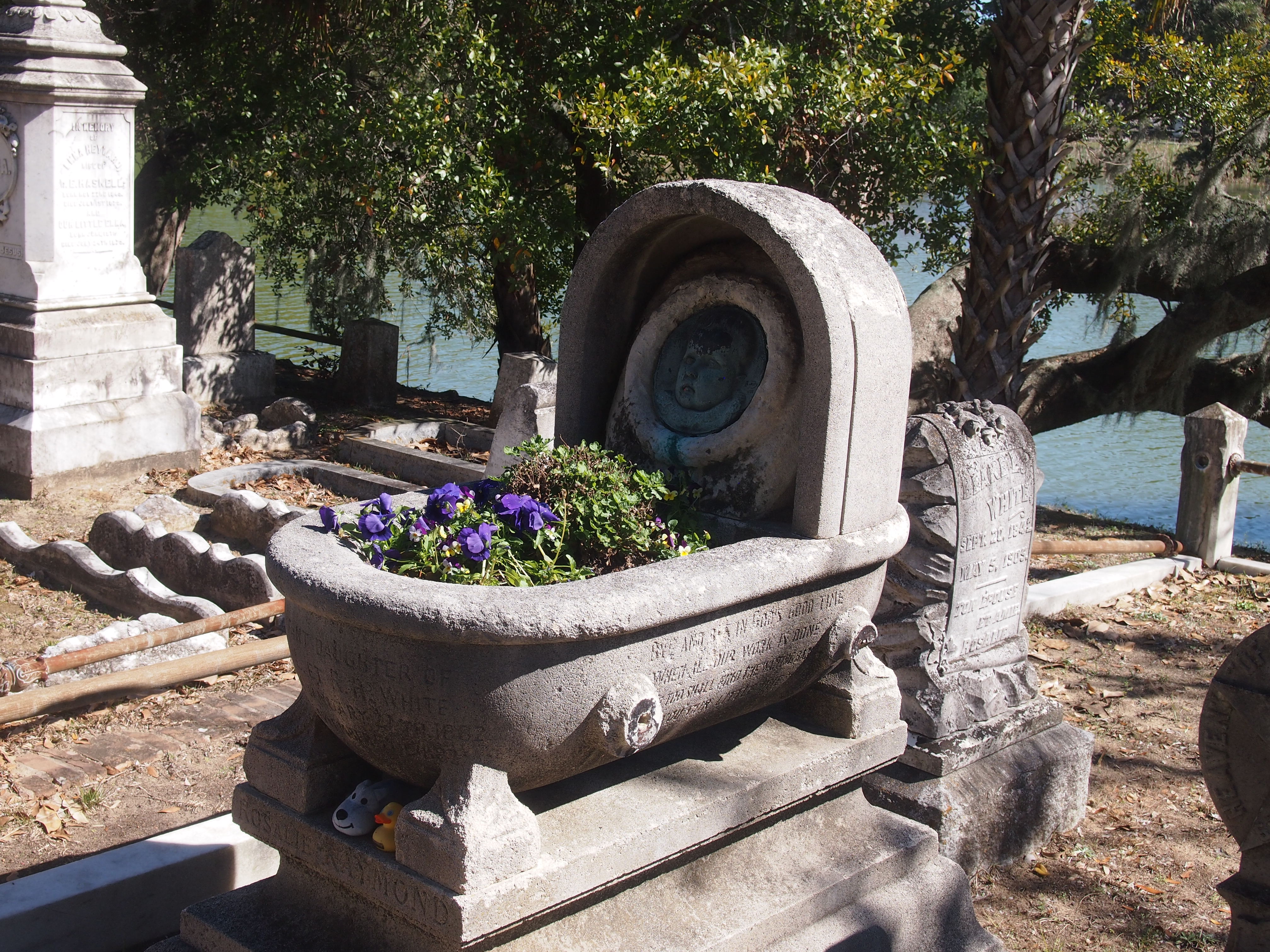
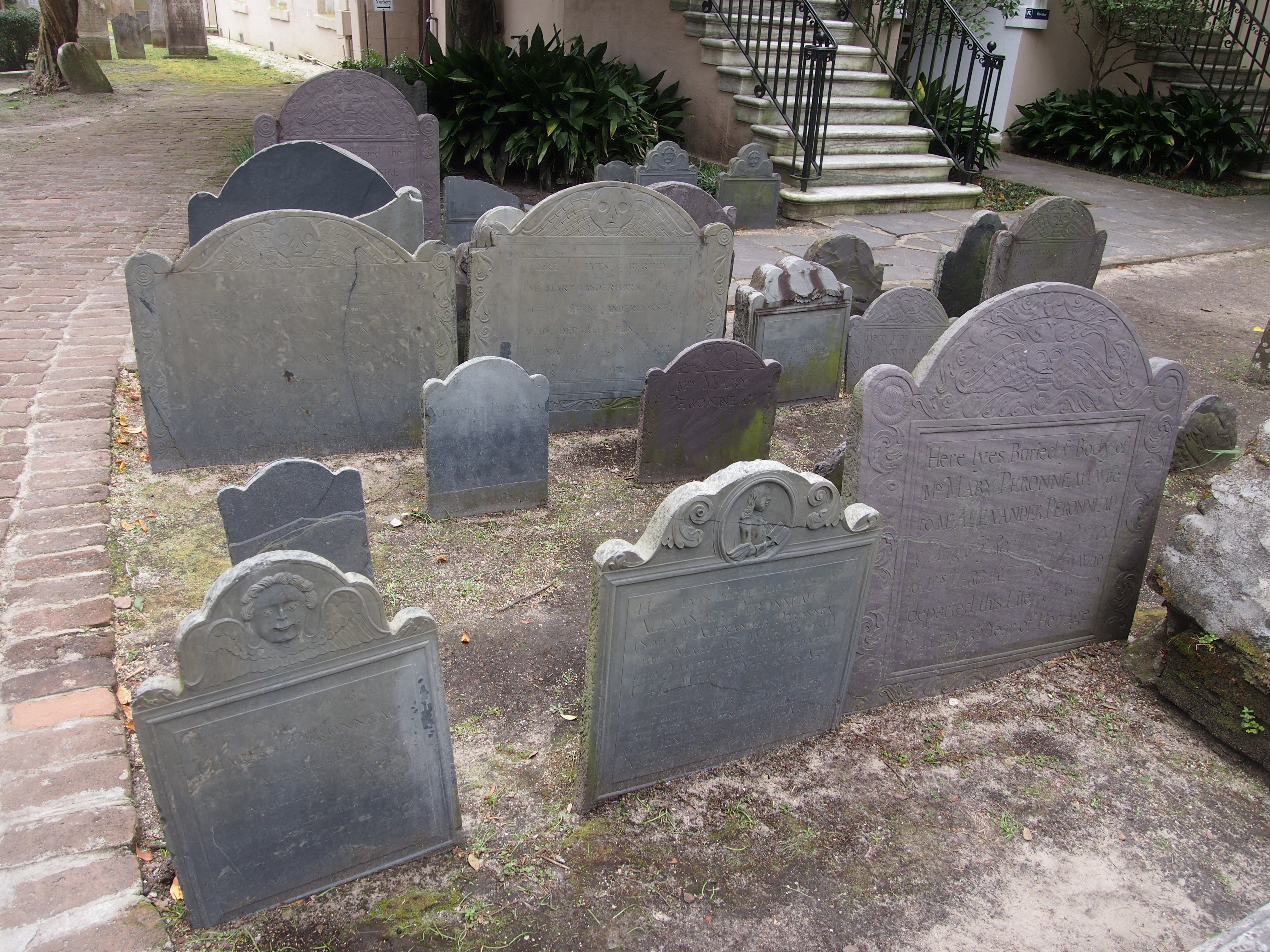
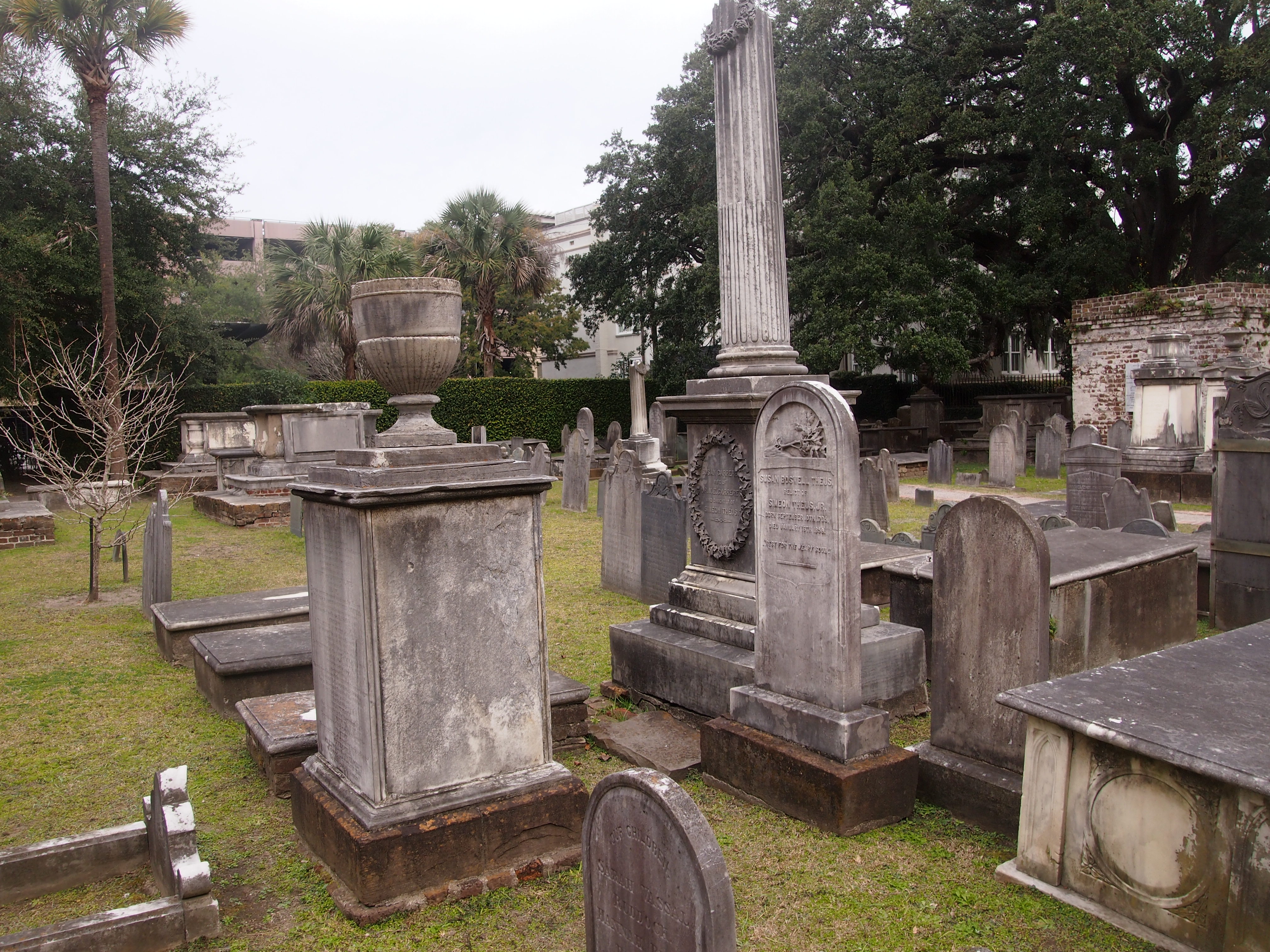
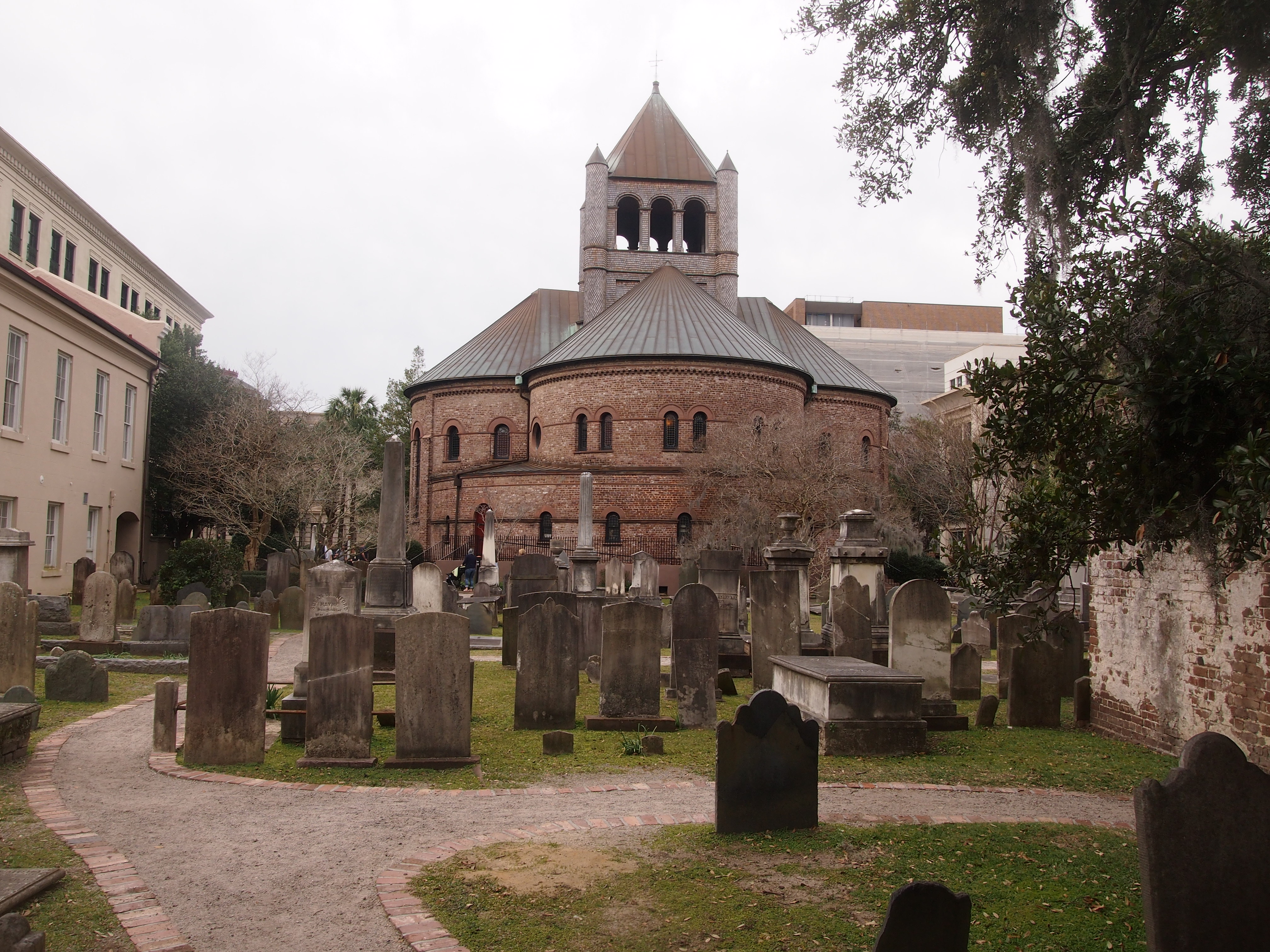
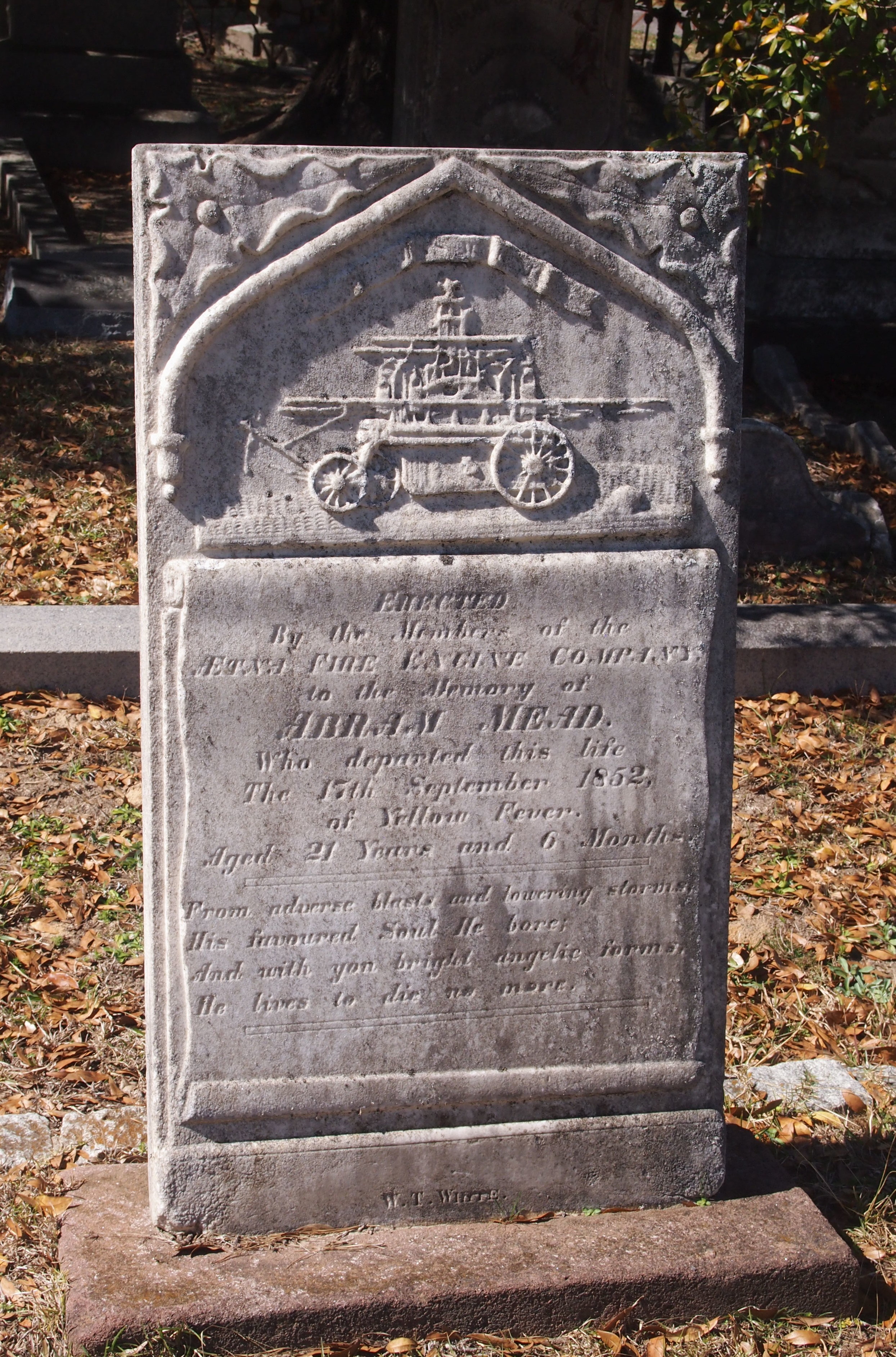
The Magnolia Cemetery is also north of the old part of town. An old cemetery, it’s rich with old stones, funerary art, monuments to the Lost Cause, and trees festooned with Spanish moss. Also, a warning about not violating South Carolina law.

Magnolia Cemetery, CharlestonWho sees an alligator and thinks, I want to feed it.

The Flight 191 Memorial, Des Plaines

After lunch on Friday, I realized I was fairly close to the Flight 191 Memorial, so I went to take a look. It might be February, and it definitely was cold, but the sky was sunny and the ground without any ice or slush to wade through.

I remember hearing about the crash, which happened the week before I graduated from high school. Probably most people old enough to understand what had happened remember hearing about it, so terrible was the accident. Almost 38 years later, it’s still the worst U.S. aviation accident in terms of fatalities, 273, unless you count all the crashes on Sept. 11, 2001 together, but those were no accidents.

The memorial is tucked away in a park in the large suburb of Des Plaines. From a distance, the site is unassuming, between the road and a jogging path.

Flight 191 Memorial, Lake Park, Des Plaines 2017

I imagine that most people driving by on Touhy Ave. just to the south of the site don’t know it’s there. Closer up, the memorial reveals itself. It’s a low wall with names of the victims inscribed, one to each brick.

Flight 191 Memorial, Des Plaines ILFlight 191 Memorial, Des Plaines ILFor a long time, more than 30 years, there was no memorial to AA 191 anywhere. In 2011, the Chicago Tribune reported that the effort to build a memorial “started with [Kim] Jockl, an assistant principal at Decatur Classical School in Chicago’s West Rogers Park neighborhood whose former students learned she had lost her parents on the Los Angeles-bound flight.

“The group pushed for two years to build the memorial. Finally, American Airlines agreed to foot the $21,500 cost, according to officials at the ceremony, and a location for the memorial was found inside Lake Park in Des Plaines.”

A plaque mounted on a short pole behind the wall says:

WE REMEMBER FLIGHT 191

Let us not forget the victims of May 25, 1979, who helped assure the safety of all who have boarded an airliner since that tragic event.

“When someone you love becomes a memory, the memory becomes a treasure.” — Author Unknown

A special thanks to all who helped make this memorial possible, especially: Decatur Classical School, Chicago Public Schools; US Representative Jan Schakowsky; IL State Sentator Dan Kotowski; the Des Plaines Park District; American Airlines; Project Citizen; Thomas A.Demetrio; Constitutional Rights Foundation Chicago; Center for Civic Education; and Nilco, Inc.

First Thursday in February Misc.

The only good thing about the beginning of February is that January is over.

A picture from this moment in history.

Ann was with me, and I had take this shot with her phone. The car was in a northwest suburban parking lot.

Speaking of cars in parking lots, as I was walking the dog the other day, I passed through the parking lot in front of Lilly and Ann’s former elementary school, and saw a Tesla parked there. As if were any other car. Which I guess it is. Still, I can’t remember seeing one around here before. New, they’ll set you back at least $68,000. So you don’t see too many.

I had no idea the French used the suffix -gate as we do. Headline from today’s La Parisien about the hot water that François Fillon, candidate for the presidency, is in: Penelope Gate: toutes les fois où l’épouse de Fillon disait ne pas travailler pour lui. Are there Frenchmen who think the real scandal is that obvious anglicisme being used to describe it? A silly objection. English has borrowed plenty of French; time to give something back.

One more item out at St. Sava Serbian Orthodox Monastery, near the church: a memorial to Gen. Dragoljug Mihailovich, the Chetnik commander whom Tito ultimately had shot after the war.

Gen. Dragoljug Mihailovich memorial

Whatever else you can say about him — and apparently that’s quite a lot, for good and ill — President Truman did award him a Legion of Merit (Chief Commander) posthumously in 1948, the text of which is on the memorial in English and Serbian. It cites his efforts in rescuing U.S. airmen downed over Yugoslavia.

The Church of the Serbian Orthodox Monastery of St. Sava

Next to the the cemetery of the St. Sava Serbian Orthodox Monastery in Lake County, which I visited on Saturday, is a handsome church building belonging to the monastery. There’s something about onion domes that pleases the eye.

The Serbian Orthodox Monastery of St. Sava

Even without the domes, the structure has a pleasing aspect to it. The cornerstone dates the building to 1925. Back then there couldn’t have been much around it besides farmland. Even now, the area nearby is mostly undeveloped.

I fully expected the building to be locked. It wasn’t. I went inside and found myself alone with its striking interior, albeit a little dark.

A panoply of Jesus and saints and holy men — I assume that’s what I saw — graced pretty much every surface.

The Serbian Orthodox Monastery of St. SavaThe Serbian Orthodox Monastery of St. SavaAngles and demons, too.
The Serbian Orthodox Monastery of St. SavaLooking up.
The Serbian Orthodox Monastery of St. SavaKing Peter II of Yugoslavia used to be interred in the church. Here’s the spot where he was until a few years ago.
The Serbian Orthodox Monastery of St. Sava - King Peter II former gravePresumably the place is now a memorial to the king, marked with black stone instead of the white that used to be there.

I suspect that Peter’s story isn’t much known to Americans outside the Yugoslav diaspora. I only knew the outline, so I did some reading. Already on the throne, he was chased out of Yugoslavia at age 17 by the Nazis in 1941, and the post-war Tito government wasn’t interested in letting him return.

He spend much of his exile in the U.S., dying fairly young in 1970. For his own reasons, he wanted to be buried at St. Sava. Probably something to do with the schism going on within the Serbian Orthodox Church at the time, but I’m not going into the briar patch someone else’s schism by looking into the matter further. In any case, his son Alexander oversaw the repatriation of Peter’s remains to Serbia in 2013.

My reading led me to the web site of the Royal Family of Serbia, which is how Alexander, the claimant to the throne, styles it. It’s a well-designed and sophisticated site, offering a lot of information about Alexander — who styles himself HRH Crown Prince Alexander — and his family.

“Although King Peter II died in 1970, the Crown Prince, as the heir to the throne decided at the time not to use the title of King – which he felt would have had little meaning in exile,” the site explains. “He made it very clear at that time that he was not renouncing his title, or the dynastic right to the throne.”

Unlike a lot of pretenders, Alexander and his family actually get to live in the palace of their ancestors, which is near Belgrade and which his grandfather built. He’s had a residence there since moving to then-Yugoslavia after the overthrow of Slobodan Milošević.

The web site’s news page is incredibly detailed, with hundreds of releases about the family’s activities stretching back a number of years. Some recent examples:

More than 1,200 children at traditional White Palace Christmas receptions

Royal couple at the celebration of the Chartwell International School

Crown Princess Katherine as the patron of the first regional Veuve Clicquot Business Woman Award

Speech by Crown Prince Alexander at the monument of Vasa Carapic

Crown Prince Alexander at Military Museum exhibition opening

It occurs to me that Alexander is living precisely as he would, were he actually a constitutional monarch, and pretty much along the lines of the British approach (he grew up in the UK, after all, and was a captain in the 16th/5th The Queen’s Royal Lancers). No doubt he believes that if he acts like a monarch long enough and well enough, one day he or an heir will be King of Serbia.

The Spurlock Museum

Just before bugging out of town on Sunday afternoon, I stopped at the Spurlock Museum on the UIUC campus. I was surprised to find it open. As opposed to the Krannert Art Museum, the focus of the Spurlock — in full the William R. and Clarice V. Spurlock Museum — is ethnographic. I didn’t want to spend a long time, so I only wandered through the first-floor galleries, one dedicated to the ancient Mediterranean, the other to North and South American Indians.

The Mediterranean room offered reproductions of ancient statues and a wide mix of smaller artifacts. It’s always good to run across Augustus, though maybe he should be painted in bright colors.
Augustus, Spurlock MuseumIt’s a plaster cast of a first-century Roman marble that’s in the Vatican Museum, which itself was a copy of a Roman bronze original, ca. 20 BC, which was lost to time.

Next, Artemis.
Artemis, Spurlock MuseumAgain a plastic cast of a marble Roman copy, ca. 2nd century AD that’s now in the Louvre. Unlike Augustus, she’s wearing sandals. The original Greek bronze, ca. 350 BC by Praxiteles, is also no more.

The Doryphoros.

Spear carrier, Spurlock Museum

That is, the spear carrier. No fig leaf for this fellow. No spear, either, though he could pick one up at any time. The original bronze, ca. 450 BC, is lost (of course, sigh). A 1st century AD marble copy is in the National Museum in Naples.

Now for a different aesthetic.

Diablada costume, Spurlock MuseumAccording to the museum, this Diablada costume was acquired by Isabel Scarborough in Cochabamba, Bolivia; the mask, whip and matracas were acquired by Cynthia LeCount Samane in Oruro, Bolivia, in both cases in the late 2000s.

A drum from Andean Ecuador in the 1970s.

Andean Drum, Spurlock Museum

Canelos Quichua Miniature Pottery Festival Group, by Marta Vargas Dugua, Puyo, Ecuador (2008).
South American figures, Spurlock MuseumUpstairs are exhibits about East Asia, Southeast Asia, Oceania, Europe, Africa, ancient Mesopotamia, and ancient Egypt. Guess I’ll have to drop by again.

Mt. Hope Cemetery, Champaign-Urbana

RIP, Gene Cernan. That leaves six of 12 moonwalkers.

I took Lilly and a friend of hers back to UIUC yesterday. It was a good day for popping down to Champaign/Urbana, at least as good as you’re going to get in January, with overcast skies but no ice or snow or much wind, and temps a bit above freezing.

After I dropped them off, I did a little walkabout of my own before returning home. I soon found myself all by myself, at least among the living, at Mt. Hope Cemetery. The cemetery, founded in 1856, is older than the university, and these days is a long stretch of land south of the school, totaling 52 acres between Florida and Pennsylvania avenues.

It’s fairly flat, but then again, this is Illinois.

Mt. Hope Cemetery, Champaign/Urbana

There’s a nice variety of stones and some mature trees, though not quite the arboretum I’ve encountered in other places.

Mt. Hope Cemetery, Champaign/Urbana

Many of the stones date from the 19th century. That is, people whose lives came and went entirely during that century, though there were also a good many early 20th-century burials. I also saw some newer stones as well, such as this curious one.

Mt. Hope Cemetery, Champaign/Urbana

That’s a style I’d never seen before: the grave marker as bench.

Mt. Hope sports some interesting funerary art, including some stone styles you see in a number of places, such as this Woodman’s monument.

Mt. Hope Cemetery, Champaign/Urbana

A few larger monuments, like the obelisk below, dot the landscape, but mostly the stones are more modest. There’s a modern-ish looking building that serves as a mausoleum, but not many of the freestanding family mausoleums you find in other older cemeteries.

Mt. Hope Cemetery, Champaign/Urbana

“Prior to Mt. Hope, locals were buried in the Old Urbana Cemetery (now Leal Park), the Old Jewish Cemetery, or on family farmland,” writes Laura Miller in Explore C-U. “Jesse Burt, a local farmer, recognized that the growing community of Urbana needed a larger and more organized burial ground with scenic walks more in keeping with the park-like cemeteries then popular and contributed land for this purpose…

“Many families moved their ancestors’ graves from the old burial grounds to Mt. Hope. The drives through the cemetery were named after trees. Once, numerous footpaths weaved through the cemetery making it a popular place for walks and picnics; however, this space has been reclaimed over the years for burial lots. After it opened, it became the primary cemetery for burials until 1907, when Woodlawn and Roselawn Cemeteries began operation.”

In the 1890s, veterans and their supporters erected one of the larger monuments in Mt. Hope. “Dedicated,” it says, “to the memory of the defenders of our flag, 1861-1865.”
Mt. Hope Cemetery, Champaign/UrbanaNot long after, the GAR put up a cannon next to the statue.
Mt. Hope Cemetery, Champaign/UrbanaAll in all, a fine graveyard to visit, even when you need a coat. I’ll have to take a look in springtime.

Presidential Trivia for the Day, 1/11/17

There’s a monograph to be written about U.S. presidents and South America. That’s the kind of thing that comes to mind sometimes for me, but it wasn’t an entirely random thought that popped into my head. (Though I get enough of those, too.)

My friend Kevin sent me an email today about a trivia contest he’d participated in recently. I don’t think he’d mind me reproducing our exchange here. The subject line was: Final Trivia Question Last Night – U.S. Presidents

Kevin: Without looking up the answer, would you have known the answer to this?

“When Eisenhower was in office, Alaska and Hawaii were admitted into the union. Before him, who was the last president to be in office when a new state was admitted into the union?”

Me: That’s an easy one: Wm. Howard Taft, president in 1912 when NM and AZ became states.

Kevin: Where were you last night when we needed you?

I had the states right in my mind and the time frame, but we put Teddy Roosevelt down. Off by one president.

Me: A harder question would be which state entered the union when TR was president? Oklahoma, 1907. 

Here’s another one: which president signed statehood bills for six states?

Kevin: Ya got me. Hayes or Garfield?

If you still lived in Westmont, you could be on our team.

We were doomed anyway. One of the categories was Alice in Wonderland. We got one right out of eight.

We generally do pretty good with the first round, which is a grab bag round. A little bit of everything. Six out of eight with that category.

They also have another grab bag round, but each answer started with the letter “R.” Seven out of eight for that category.

Me: Benjamin Harrison. The story about the Dakotas is that he closed his eyes when he signed their bills — they’d been approved by Congress at the same time — so that no one would know which was first. Others BH states were Montana, Idaho, Washington and Wyoming. No president ever signed so many statehood bills.

Hayes didn’t get any. But he was the father of a department in Paraguay, which is named after him.

Now that’s trivia. Unless you’re from Paraguay.

Kevin: Very interesting. I hope that comes up as a trivia question sometime.

I keep hoping they’ll ask who was president between Grover Cleveland’s two non-consecutive terms? Benjamin Harrrison! That one I know.

I might know more presidential facts than most, but I don’t expect anyone else to know that kind thing. Each to his own trivia. Sports fans would be well to remember that. Then again, sometimes “trivia” is really “facts every educated person should know.”

Can’t remember when I first heard about the Presidente Hayes Department, but it was quite a while ago. Guess the Paraguayans, being from a country that didn’t catch any breaks in the 19th century, were glad to get something from the international arbitration that Hayes oversaw.

Back to the U.S. presidents and South America monograph. There’s certainly enough material. There’s Hayes and Paraguay, of course. There’s also Teddy Roosevelt’s expedition to the Amazon basin (the Roosevelt-Rondon Scientific Expedition of 1913-14) to explore the River of Doubt, known these days as the Rio Roosevelt. And one more that I can think of: the time when Vice President Nixon’s car was attacked and nearly overturned in Caracas in 1958. Sure, he wasn’t president yet, but he would be later, so it counts.

Captain Canuck & President Polk for Christmas

My last Christmas present came via UPS today. Lilly ordered it not long ago, some time after I assured her that a little while after Christmas is close enough. It’s an attitude that makes the holidays less stressful; more people should consider it.

I’d suggested the item almost off-handedly. In our time, such whims are easily gratified online. It’s alarmingly easy. Here’s a closeup.

Captain Canuck!

It’s a Captain Canuck t-shirt, 100 percent cotton, made in Nicaragua. Accept no less.

Also for Christmas this year, but some time earlier, Jay got me a t-shirt with another larger-than-life figure, though from the annals of U.S. history.

James K. Polk, Napoleon of the Stump

None other than James K. Polk, Napoleon of the Stump. Also all cotton, but made in Haiti. On the back it says POLK 11.

Tsūtenkaku and Billiken

At some point during their recent visit to Osaka, Yuriko and Ann made their way to the Tsūtenkaku, a tower rising above the Shinsekai neighborhood.

dscn8283

I hadn’t thought about the tower in years. I visited it very early during my time in Osaka. The present tower dates from 1956, probably counting as part of the postwar reconstruction. An earlier tower, built in 1912 and which supposedly took inspiration from the Eiffel Tower, stood until a wartime need for steel spelled its end in 1943.

I didn’t know, or had forgotten, that the current structure is the work of one Tachu Naito (1886-1970), Japan’s “Father of Towers.” He had a talent for designing towers that can withstand earthquakes, so he did a fair number of them.

Tsūtenkaku — fancifully translated as “tower reaching toward heaven” — has a mascot, Billiken. The same charm doll that’s the mascot of Saint Louis University, it seems, a creation and fad item of the very early 20th century in the United States.

How exactly Billiken made the transition to Japan isn’t clear to me, and I refuse to go down the rabbit hole looking for the story right now. Wiki says, without a footnote: “The Billiken made its Japanese debut in 1908. A statue was installed in the uppermost level of the original Tsutenkaku Tower as it was opened to the public in 1912. When the nearby Luna Park was closed in 1925, the tower’s Billiken statue disappeared. In 1980, a replacement statue made its appearance in a new Tsutenkaku Tower that was built in 1956.”

He comes in a number of guises near the tower, too.

Billiken Osakadscn8284I can see the appeal, actually. He looks like something that the Japanese would have created. They didn’t happen to, but no matter. He fits right in. The real question is why is he associated with the tower?

Speaking of Billiken, if you listen to the “Billiken Rag,” you might be the only person you know ever to have hear it.

Nipponese Debris

Yuriko and Ann are back from Japan, no worse for trip except for the usual jet lag. They brought back various things, including some printed items and small packaging material. Japanese aesthetics, known the world over, are present on every surface.

The only request I had for them to bring me some postcards. Here’s an Osaka-specific one.
Osaka postcard 2017Osaka has a sobriquet: The Kitchen of Japan. Specialty regional items include butaman, okonomiyaki, kushikata, and takoyaki. Delicious indeed.
Disposable chopsticks. Or rather, the paper wrapper for the chopsticks.
Disposable chopsticksSometimes even disposable items are too cute for words. Too cute is a running theme in Japanese design.
A nice brochure picked up at Nara Palace (Heijō Palace).
Nara Palace brochureHeijō Palace was the imperial residence in the Japanese capital city Heijō-kyō (Nara) during most of the Nara period, which essentially spans the 8th century AD. Things tend to get lost or kicked around after 12 centuries, so what visitors see on the site now are 21st-century reconstructions. Good ones, Yuriko said. Yet another thing for me to see, since they weren’t there in the 1990s.

Back to food packaging: Sakuma Drops hard candy.
Sakuma Drops Something a bit softer: Morinaga’s Milk Caramels.

Morinaga's Milk CaramelsThat’s the front of the box, plus one side. Each piece is wrapped in a yellow wrapper whose design is the same as the box.