Sign of the Times: The Great American Political Poster 1844-2012

Visiting the Elmhurst History Museum for its local history collection was fine, but what I really wanted to see on Saturday — before it ends next weekend — was an exhibit called Sign of the Times: The Great American Political Poster 1844-2012. I’d picked up a leaflet about the exhibit when visiting the Elmhurst Art Museum, so that kind of marketing works sometimes.

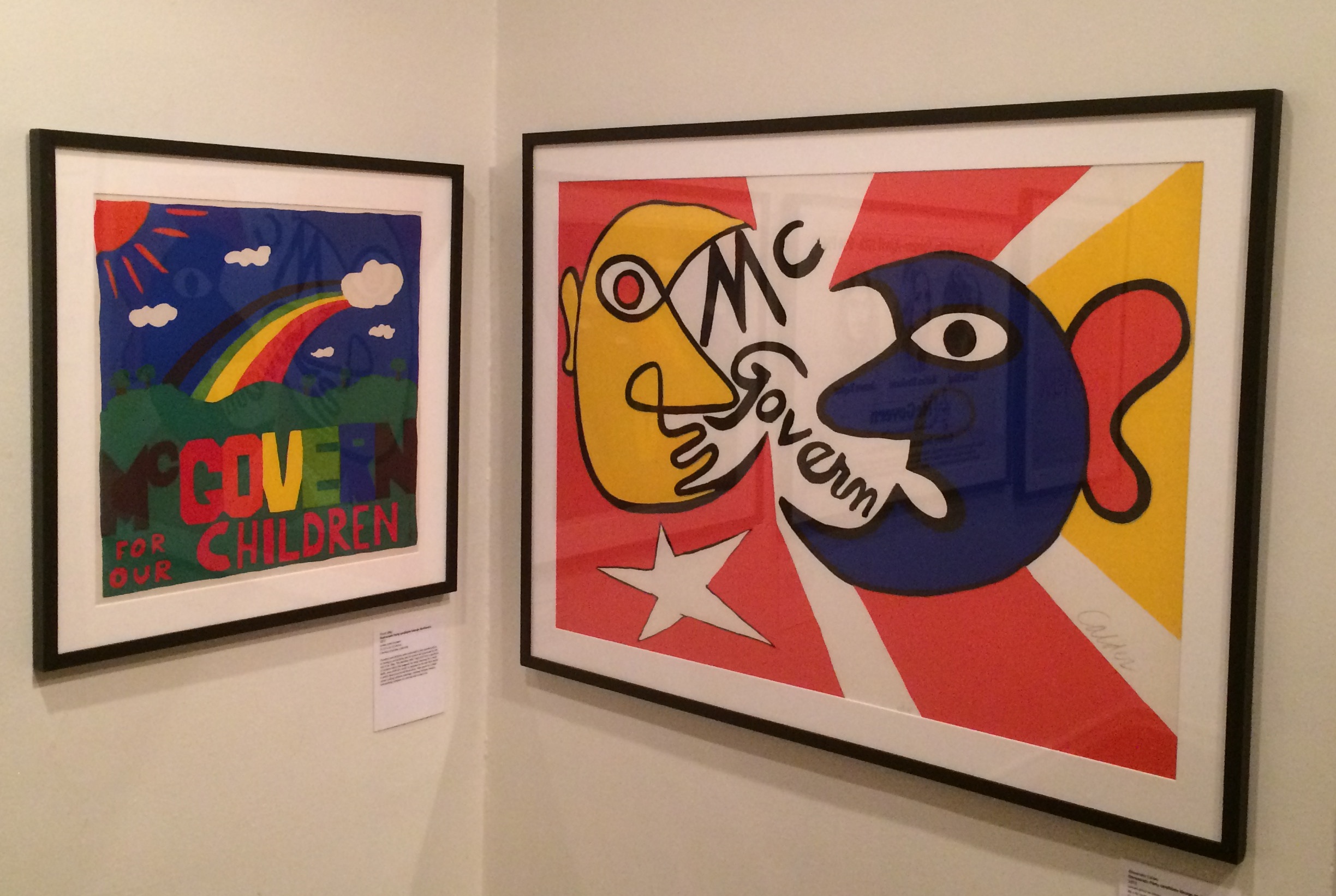
The exhibit includes 50 items and occupies the first floor of the museum. I could have spent an hour looking at everything, but not everyone in the family is as enthusiastic about presidential ephemera as I am. Even so, I got a good look and had the chance to explain some things to the girls, such as who this fellow McGovern was. He had a fair number of posters, for all the good it did him.

As promised, the exhibit begins with the election of 1844. As we all know, Henry Clay headed the Whig ticket.

Less well known is the Whig for vice president that year, Theodore Frelinghuysen of New Jersey. Vice presidents are often obscure, but men who ran for VP and lost tend to be even more obscure. Too bad he was never veep. Vice President Frelinghuysen has a ring to it.

The Kellogg Brothers of Hartford, Conn., did the poster. They were rivals of Currier & Ives but about as well remembered as Mr. Frelinghuysen these days. Google Kellogg and you tend to get cereal, and they aren’t mentioned in any Christmas songs that I know of.

“An Illustrative Map of Human Life Deduced from passages in Sacred Writ” (1847), which is Wiki’s example of one of their works, makes for some interesting reading.

These were the days of hand-colored prints. This one’s exceptional.
John C. Fremont and William L. Dayton, the first Republican candidates for the presidency and vice presidency, in 1856. A wonderfully named artist, Dominique O. Fabronius, did the poster, which was issued by C.E. Lewis of Buffalo. Look at Fabronius’ portrait of “Spoons” Butler here.

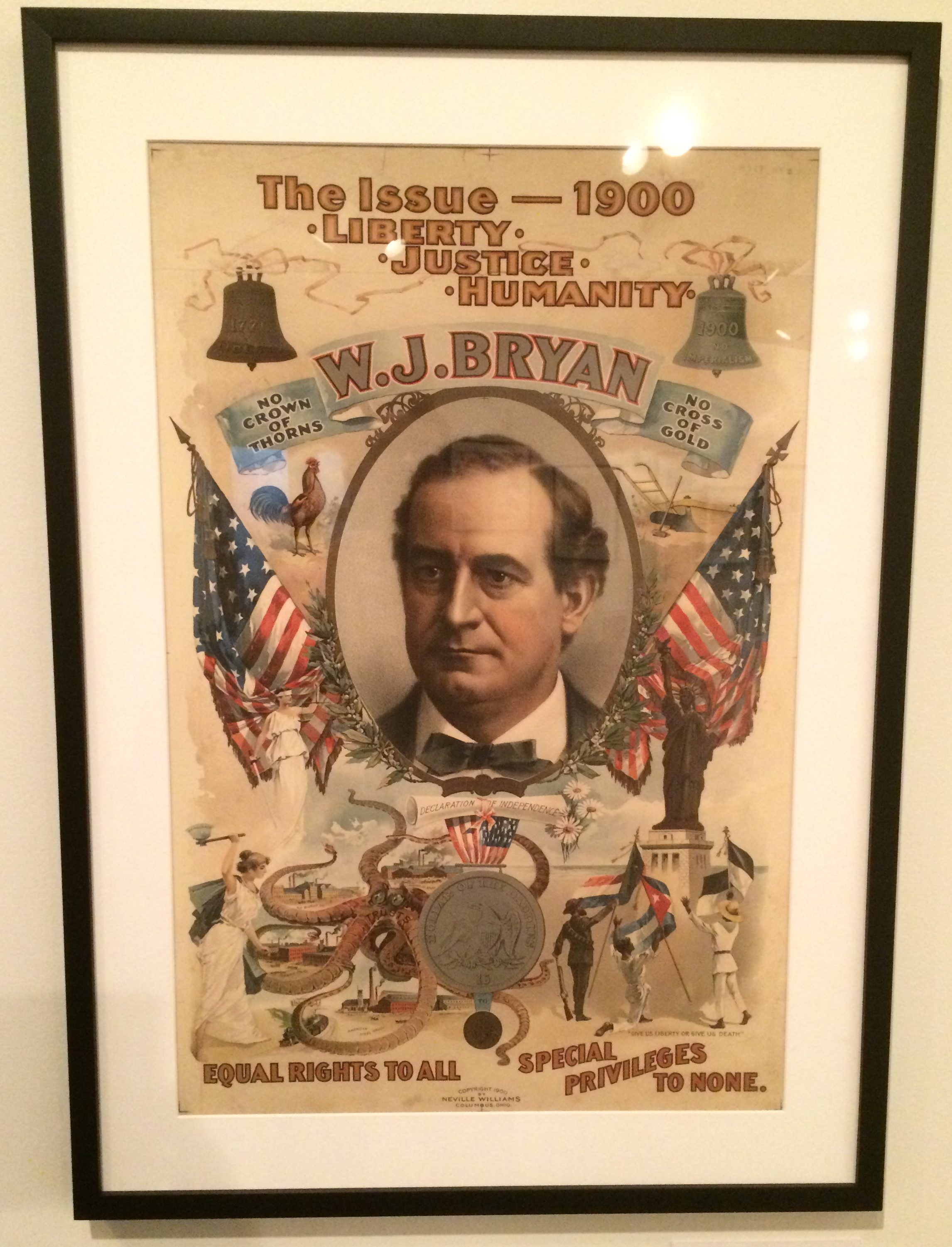
On to the golden age of the color lithograph: two posters from the 1900 presidential contest. First, William Jennings Bryan. A busy poster, promising no cross of gold, attacks on the Standard Oil octopus (I assume) and other things.
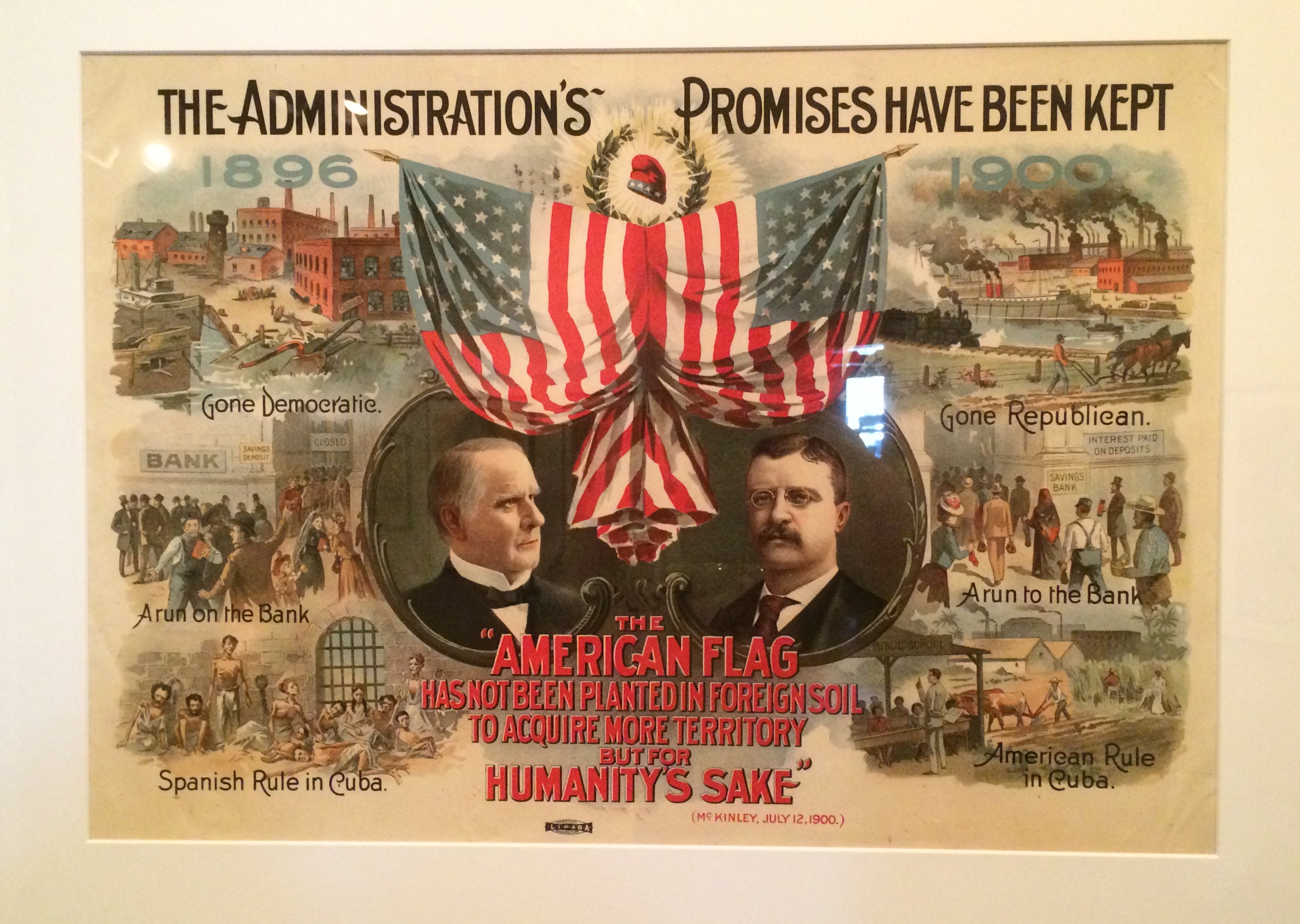
William McKinley and TR: an even busier poster.
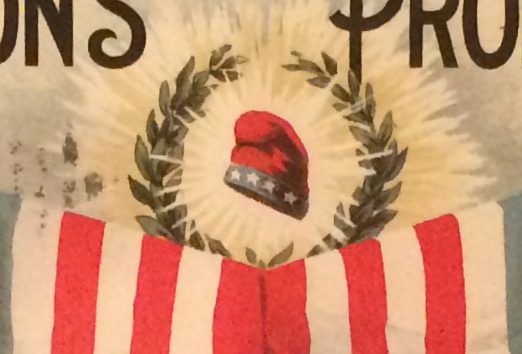
The artists are unknown in both cases. I enjoyed this detail on the McKinley-Roosevelt poster.
I’ve posted about Phrygian caps before, but not in a North American context. Maybe it’s just as well that the caps are generally forgotten in this country as a symbol of liberty. Such symbols are sometimes co-opted by wankers.

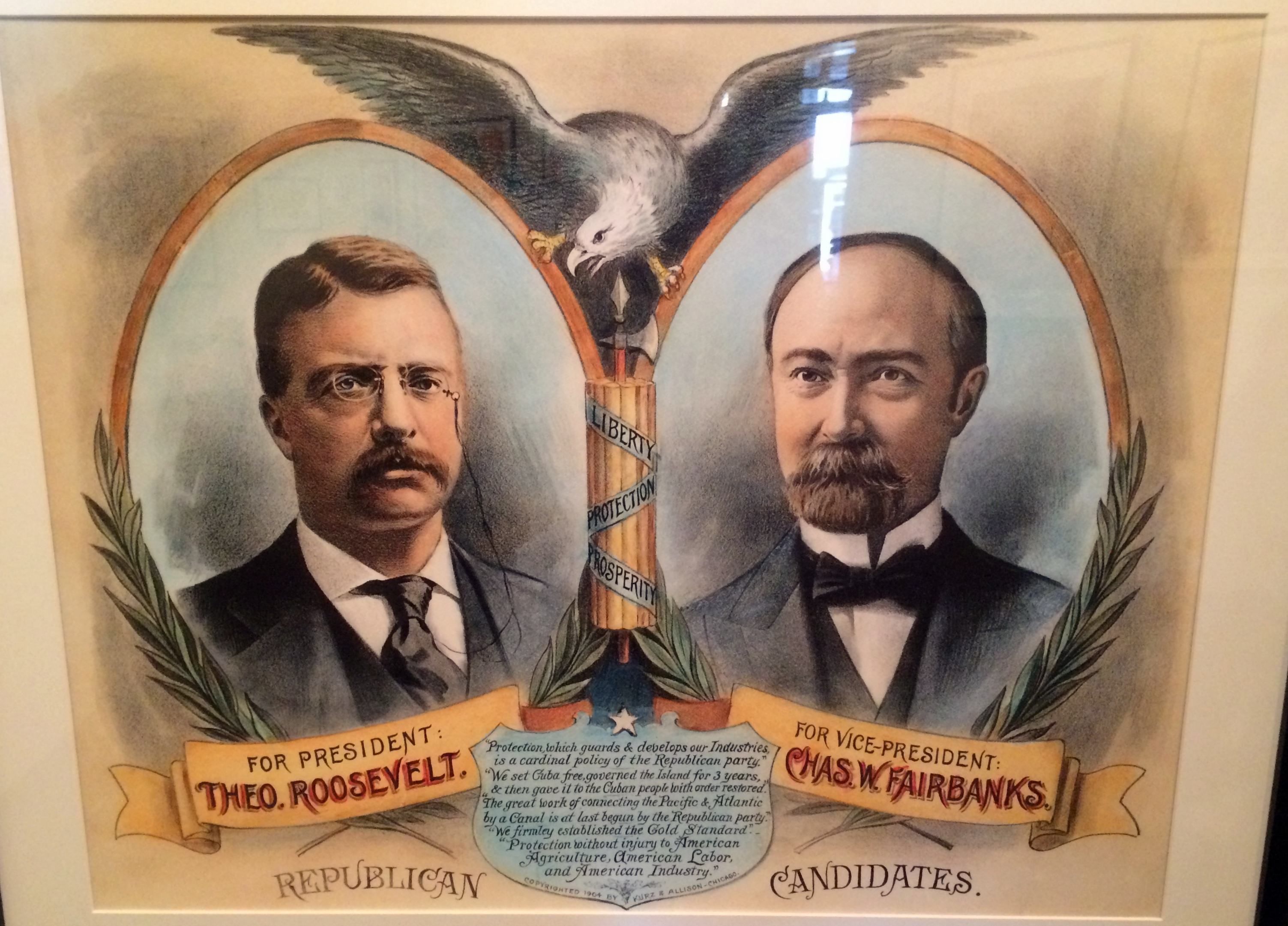
The last of the two-man campaign posters: TR and his mostly forgotten VP, Charles Fairbanks. The city in Alaska is named for him, at least.
Note the fasces. Talk about being co-opted by wankers.

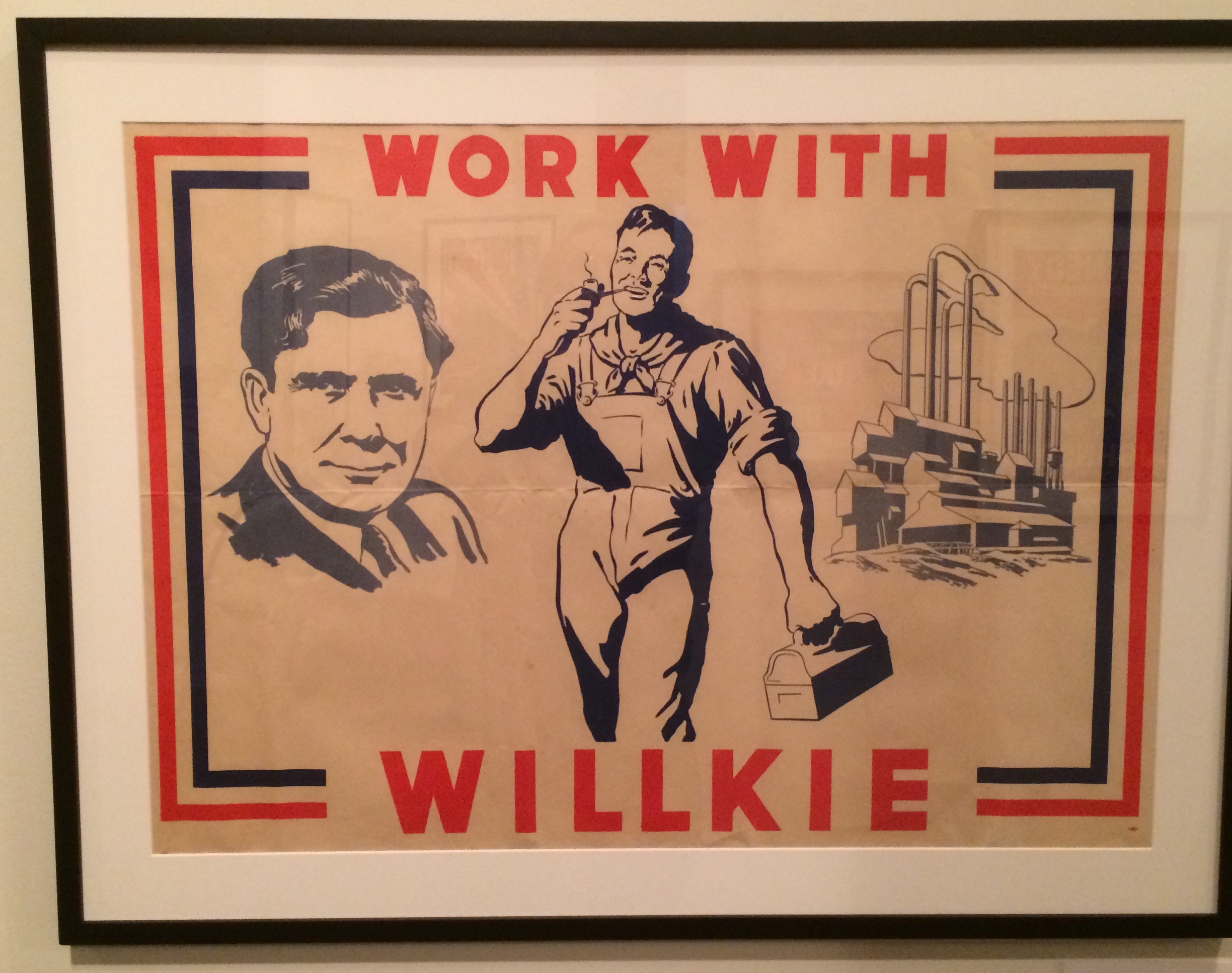
Fast forward a few decades. This poster offers a more folksy style for voters in the 1940 election. Note that a happy worker smokes a pipe, besides supporting Willkie.

Offset lithography was the most common means of poster-making by that time. Artist unknown in the case of the Willkie poster.

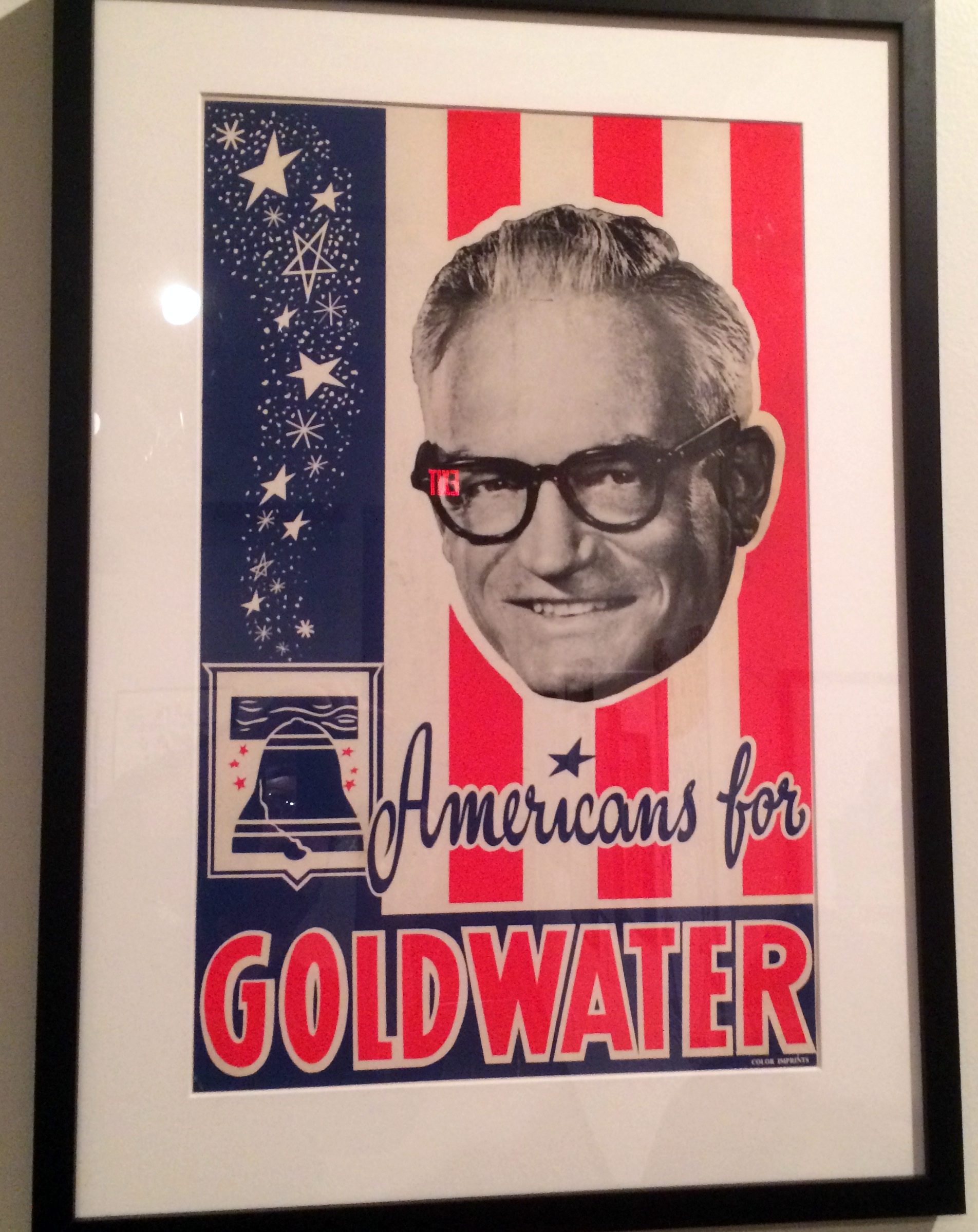
In 1964, Goldwater got a fairly standard treatment (unknown artist again) in a pro poster.
Along with a stinging anti poster drawn by Ben Shahn.
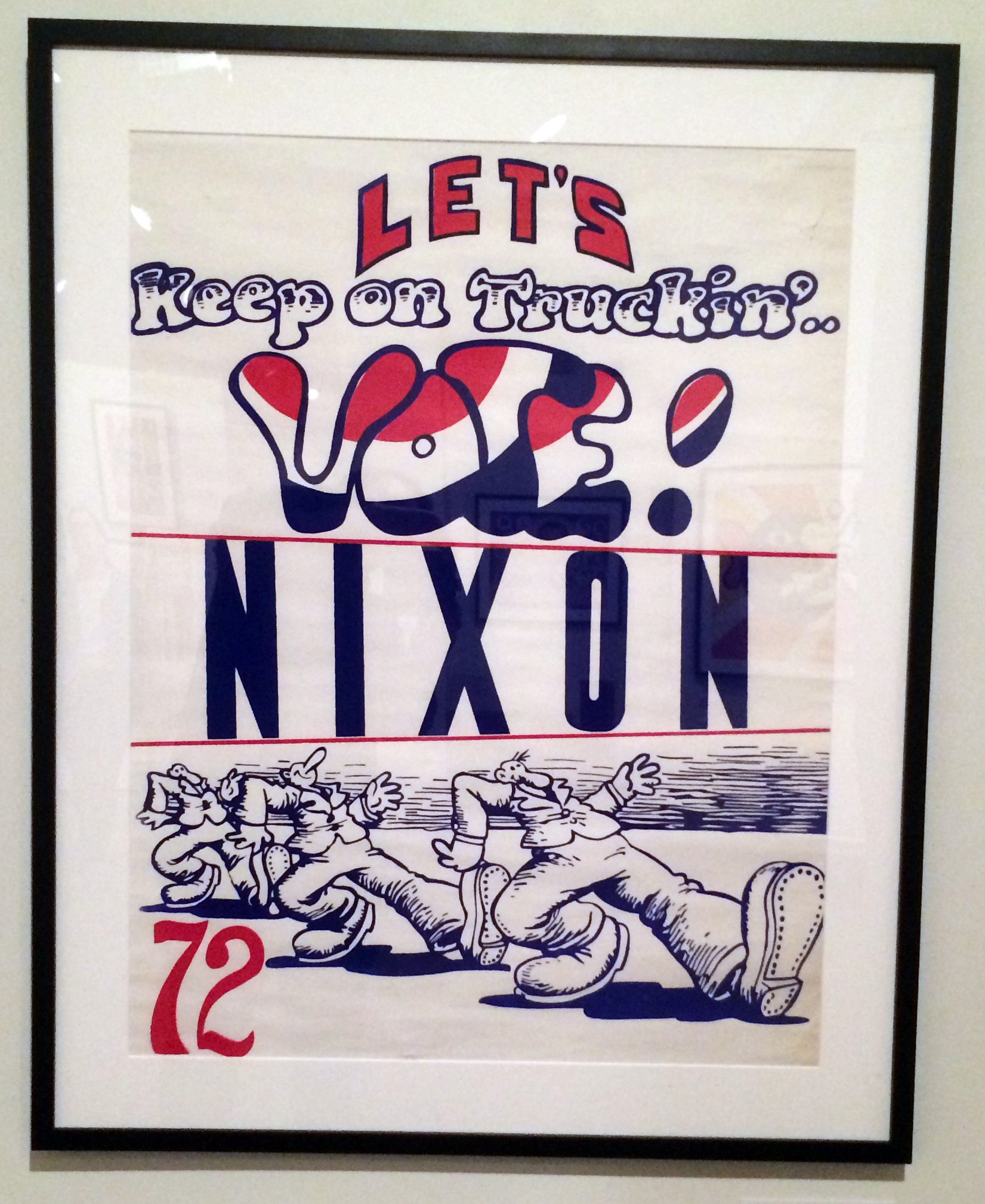
The ’72 election was represented by previously mentioned McGovern posters, but Nixon made an appearance as well.
By R. Crumb. Am I right in finding it strange that the Nixon campaign would enlist Crumb to do a poster? Well, strange bedfellows and all. Nixon and the Do-Dah man. The ’72 election was a long strange trip, after all.

Thursday Sundries

I’m glad to report that Jimmy Carter has become the oldest person ever to be President of the United States, at 94 years, 172 days, topping George H.W. Bush. For many years, life expectancy was such that no one bested John Adams, who died at 90 in 1826. Finally Ronald Reagan lived longer than Adams in 2001. Since then, so have the elder Bush, Ford and Carter.

I’m not glad to report that we’ve been getting a raft of calls from an “800 Service” lately, asking me to contact “Apple Support Advisor” for unspecified but ominous reasons. Ah, spring is coming, and that must be the season for phishing.

Turns out it isn’t even a new scam, but this one didn’t say anything about iCloud.

Email subject line recently from a news outlet that has my address: “Meet R. Kelly’s lawyer.”

I don’t think so. Some years ago, I introduced my daughters to the concept of the List of Things I Don’t Care About. A lot celebrities are on the list. More are added all the time, mostly without me being conscious of it. R. Kelly’s been there a long time, but since his recent legal problems, he’s on the list with a bullet.

Here’s something I’d never heard of until the Internet offered it to me completely by chance, despite the fact that it happened in Texas, near a place that I drive by often when I visit that state: the Crash at Crush.

“On September 15, 1896, more than 40,000 people flocked to this spot to witness one of the most spectacular publicity stunts of the nineteenth century — a planned train wreck,” the Texas State Historical Association tells us.

“The man behind this unusual event was William George Crush, passenger agent for the Missouri, Kansas and Texas Railroad… As the arena for his spectacle, Crush selected a shallow valley just north of Waco, conveniently located close to Katy’s Waco-Dallas track.

“In early September 500 workmen laid four miles of track for the collision run and constructed a grandstand for ‘honored guests,’ three speaker’s stands, two telegraph offices, a stand for reporters, and a bandstand. A restaurant was set up in a borrowed Ringling Brothers circus tent, and a huge carnival midway with dozens of medicine shows, game booths, and lemonade and soft-drink stands was built.

“At 5:00 P.M. engines No. 999 and 1001 squared off at opposite ends of the four-mile track. Crush appeared riding a white horse and trotted to the center of the track. He raised his white hat and after a pause whipped it sharply down. A great cheer went up from the crowd as they pressed forward for a better view.

“The locomotives jumped forward, and with whistles shrieking roared toward each other. Then, in a thunderous, grinding crash, the trains collided. The two locomotives rose up at their meeting and erupted in steam and smoke.

“Almost simultaneously, both boilers exploded, filling the air with pieces of flying metal. Spectators turned and ran in blind panic. Two young men and a woman were killed. At least six other people were injured seriously by the flying debris.”

Say what you want about the 19th century, they knew how to stage a spectacle. A dangerous spectacle, but it must have been quite a sight.

The article doesn’t say, but I assume the conductors had some way of keeping the throttles open after they themselves left the engines before they gathered too much speed.

Another thing I didn’t know (there are so many): Scott Joplin named one of his pieces, “Great Crush Collision March,” after the event. Guess it counts as one of the lesser-known railroad wreck songs, unlike the more famous “The Wreck of the Old 97.”

Three Presidential Postcards

Got a press release last night and I glanced at the first line: Naava’s co-founder and CEO Aki Soudunsaari becomes Strategy Director, and long-time KONE employee Arttu Salmenhaara becomes the new Naava CEO.

Scanned it: aa aa aa aa. From Finland, I thought.

Yep. Seems that Helsinki-based Naava makes green walls. The release boasts (as releases tend to): Naava is no ordinary green or plant wall – it is a piece of furniture that promotes wellbeing, a biological air purifier, humidifier and, when needed, a space divider all in one.

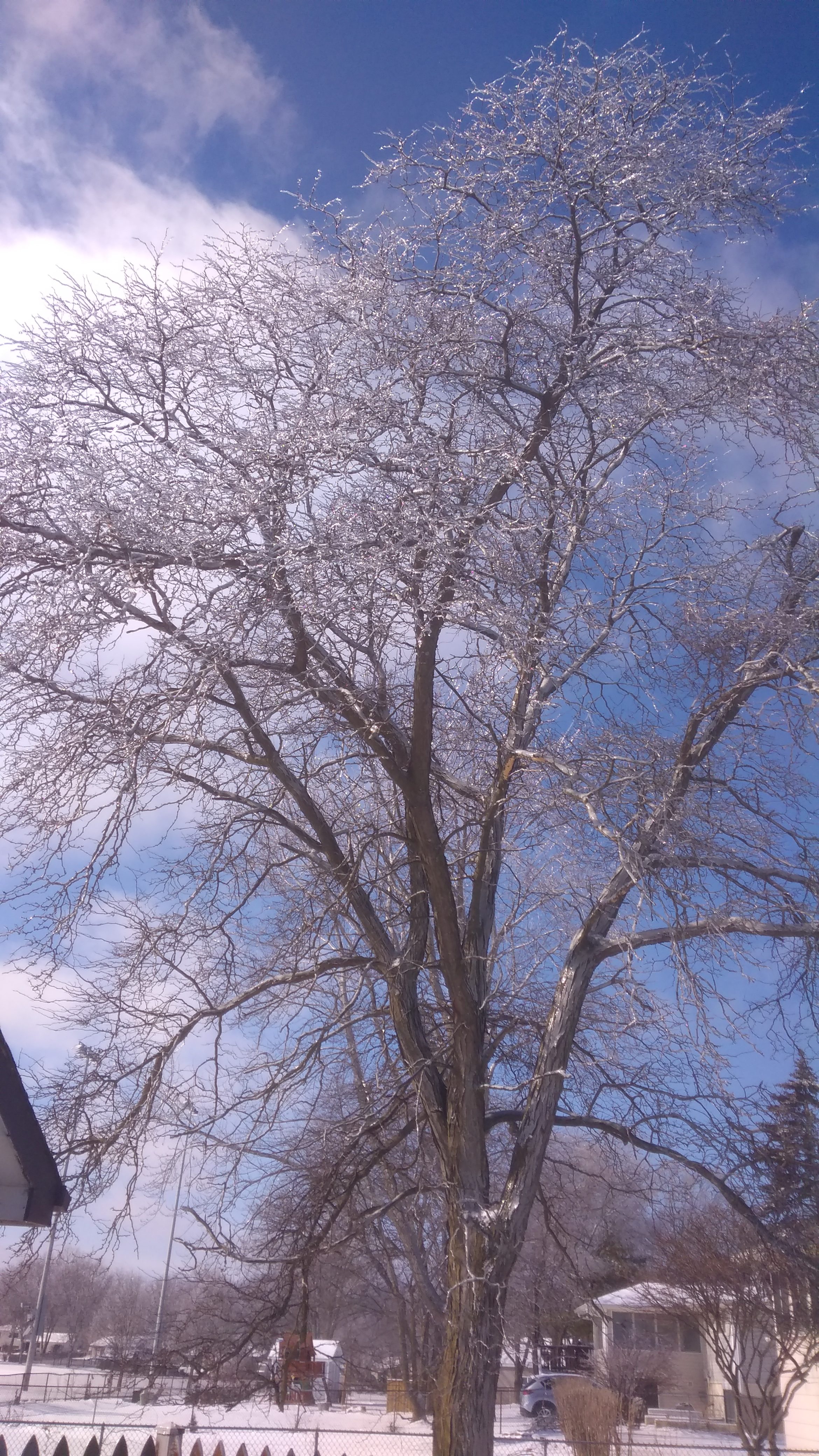
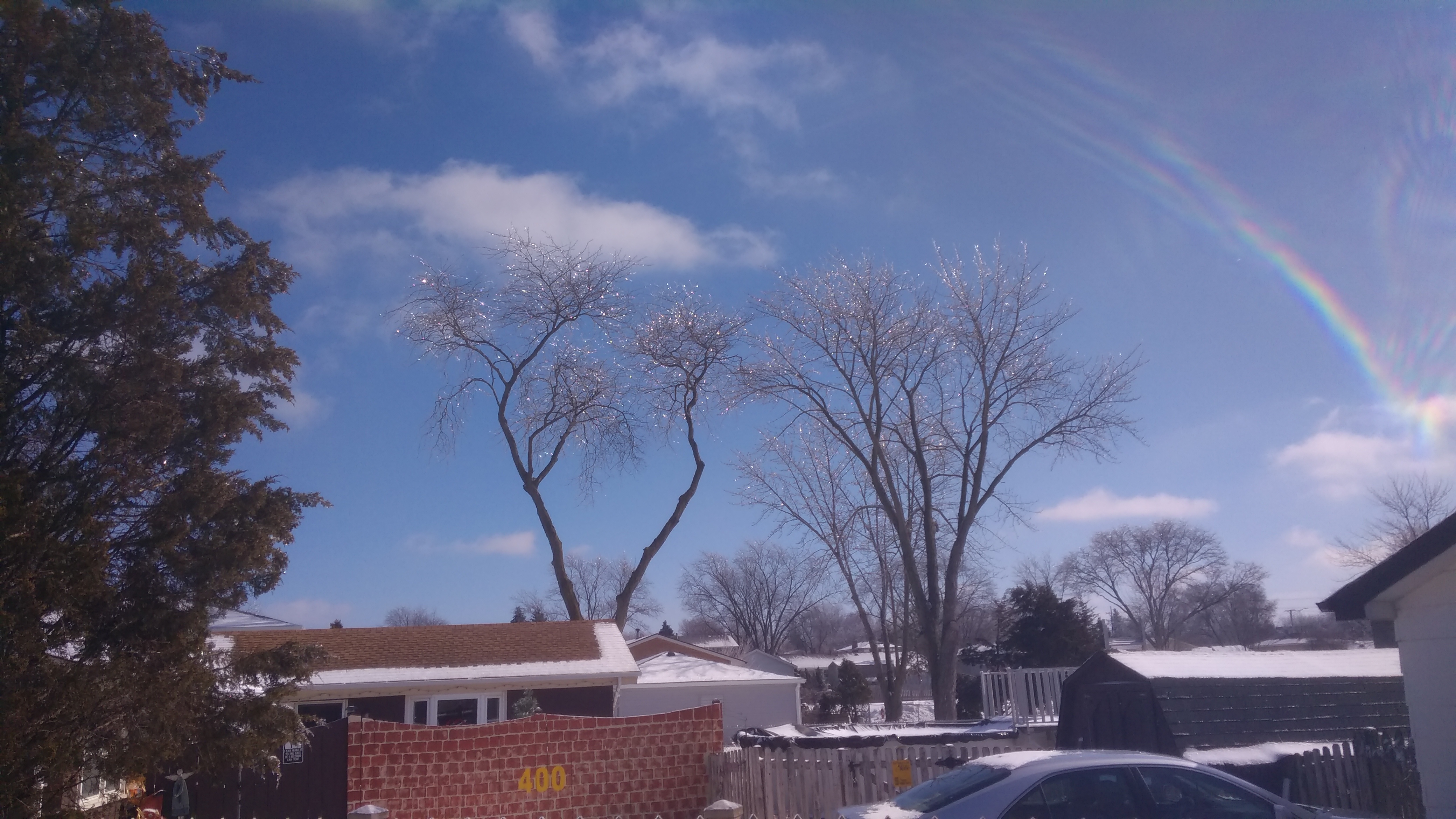
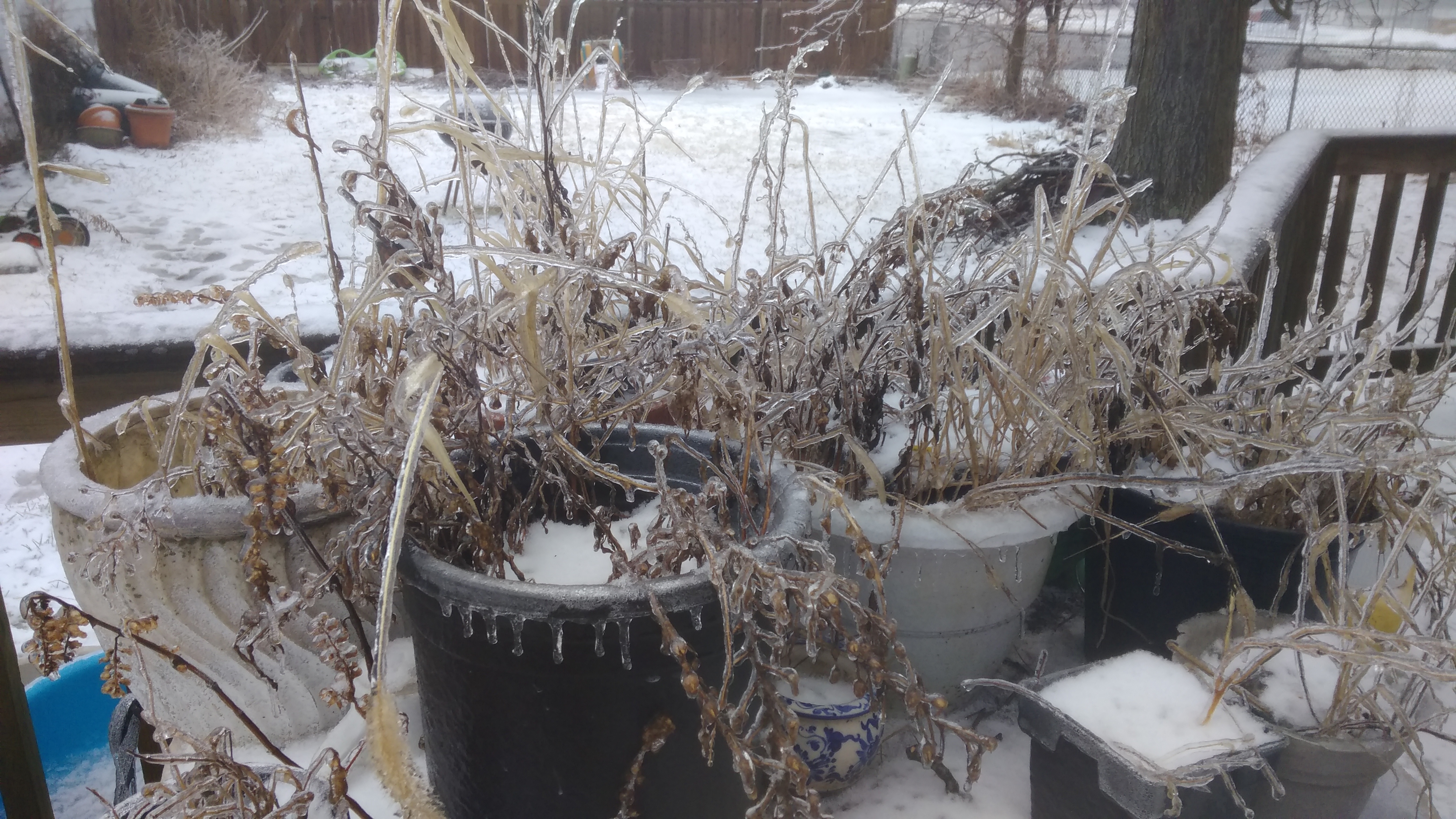
Speaking of plant life, the sun came out today but temps remained below freezing. So we enjoyed the minor spectacle of icy plants in the sunshine.

Ephemeral for sure. Above freezing is predicted for tomorrow.

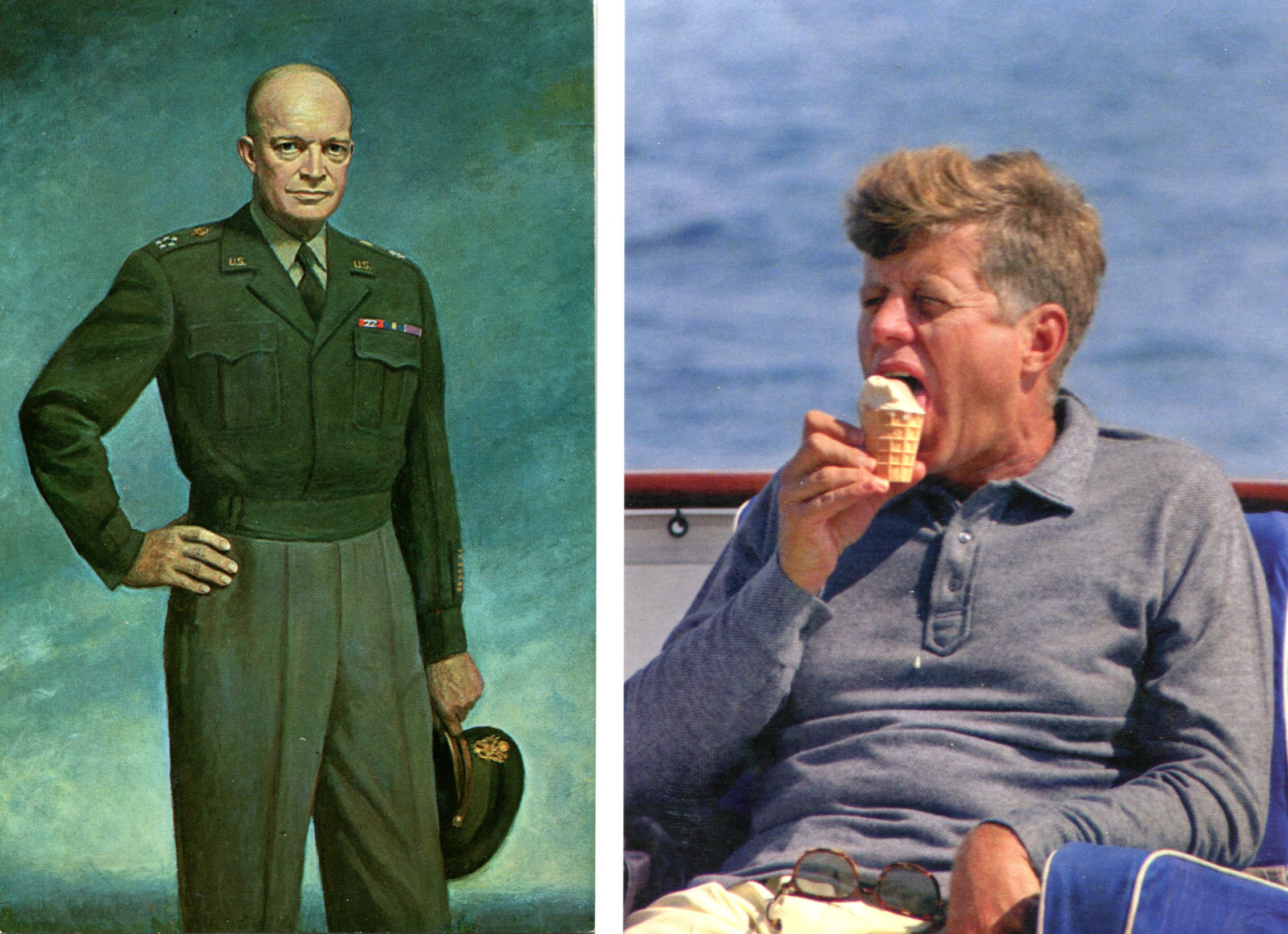
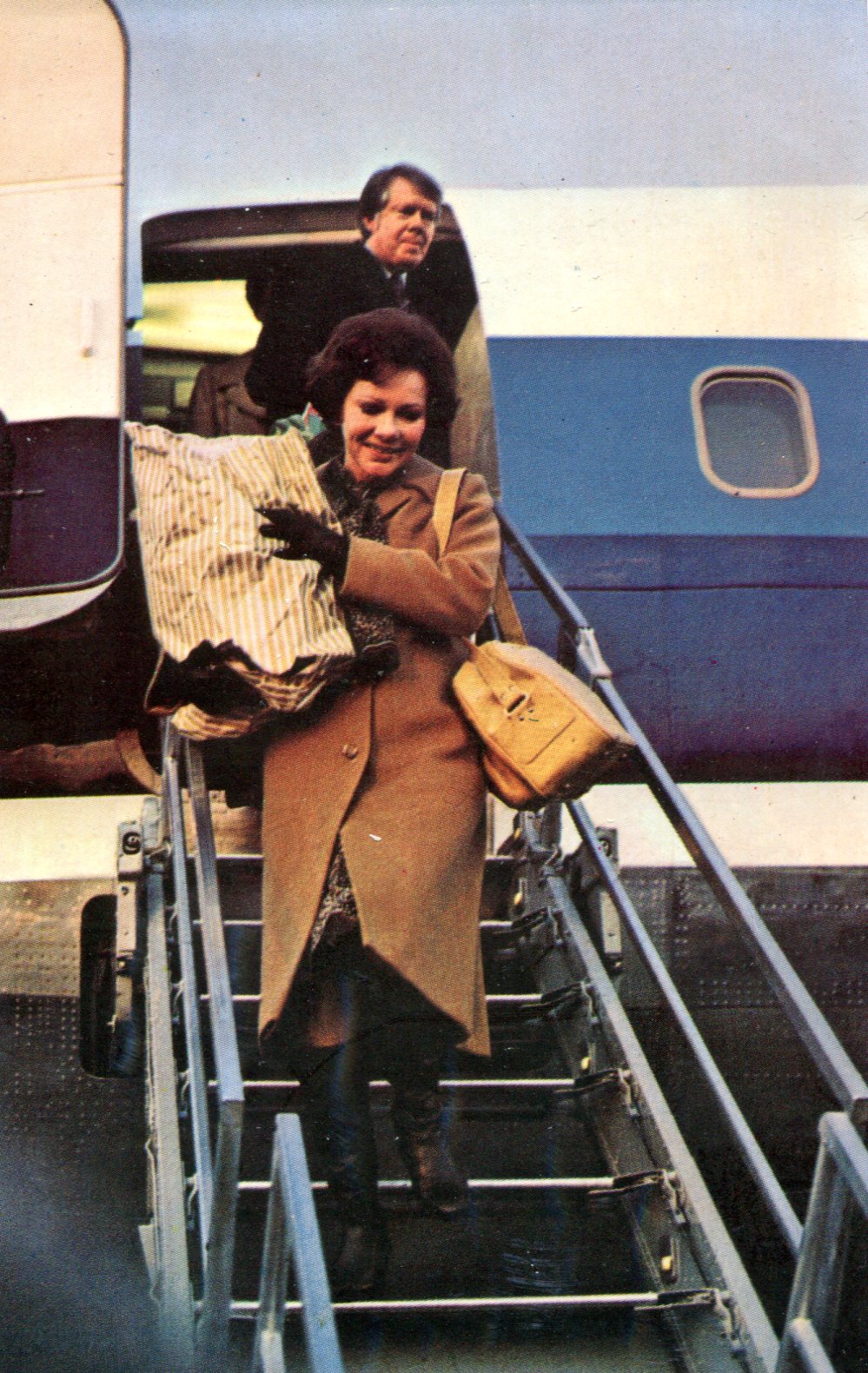
The following are a few more postcards from my minuscule U.S. presidential collection, all postwar chief executives.

Actually, that isn’t the presidential Eisenhower to the left, it’s General of the Army Eisenhower. Thomas E. Stephens painted the portrait. The image of Kennedy on the right I hadn’t seen until I bought the card at the John F. Kennedy Presidential Library and Museum.

The card doesn’t tell me, but a little Googling reveals that the JFK picture was taken by Cecil Stoughton, who was the president’s official photographer, aboard the yacht Honey Fitz off Hyannis Port, August 31, 1963.

Finally, Jimmy Carter. Mostly Rosalynn, but Jimmy’s back there. Actually President-elect Carter, since the image is dated January 19, 1977, the day before he took office. No photographer attributed and I haven’t been able to track it down.

The card reflects the brief period when the Carters wanted to emphasize that they were jus’ regular folks. As you might remember, Jimmy and Rosalynn walked from the Capitol to the White House in the post-inaugural parade the next day, an unprecedented act. Must have given the Secret Service fits, but nothing bad came of it.

William Henry Harrison and the King of Toilet-Paper Art

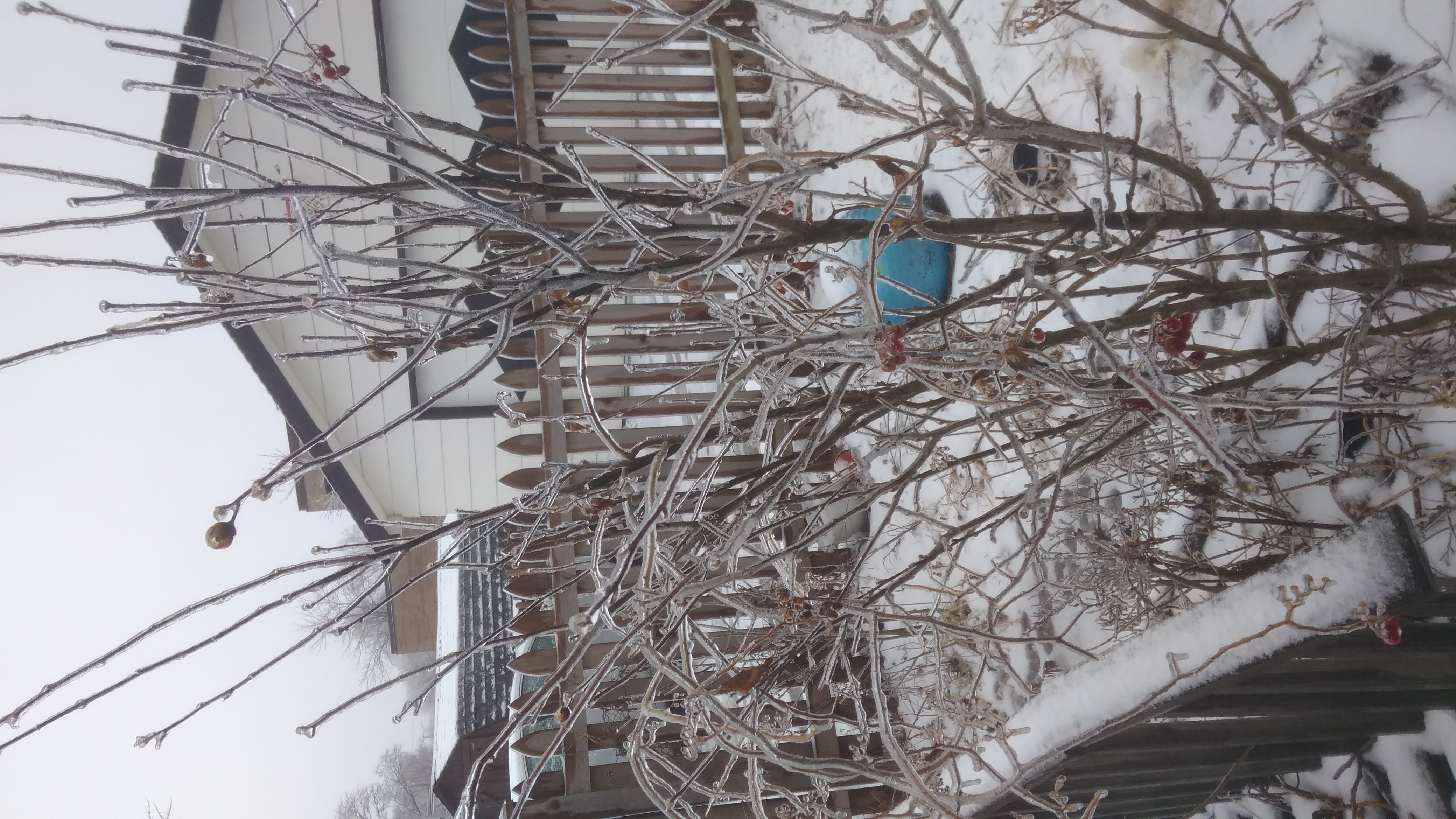
Last night the atmosphere couldn’t make up its mind between snow and rain. So the compromise was ice.

Lovely on the plants. Otherwise, a pain in the ass. Literally, if you fall down.

In honor of Abraham Lincoln’s 210th birthday, I assembled my collection of U.S. presidential postcards in one place. It didn’t take long. I only have about two dozen. They come in two classes: those depicting U.S. presidents and those depicting places associated with them.

It’s a limited selection because I haven’t been trying very hard to accumulate them over the years. I have the following presidents on postcards: Jefferson, Jackson, William Henry Harrison, Andrew Johnson, Benjamin Harrison, Hoover, Eisenhower, Kennedy, Carter, Reagan and Clinton. But not Lincoln.

I also have one depicting George Mifflin Dallas, 11th Vice President of the United States, who was Polk’s VP. Don’t hear much about him.

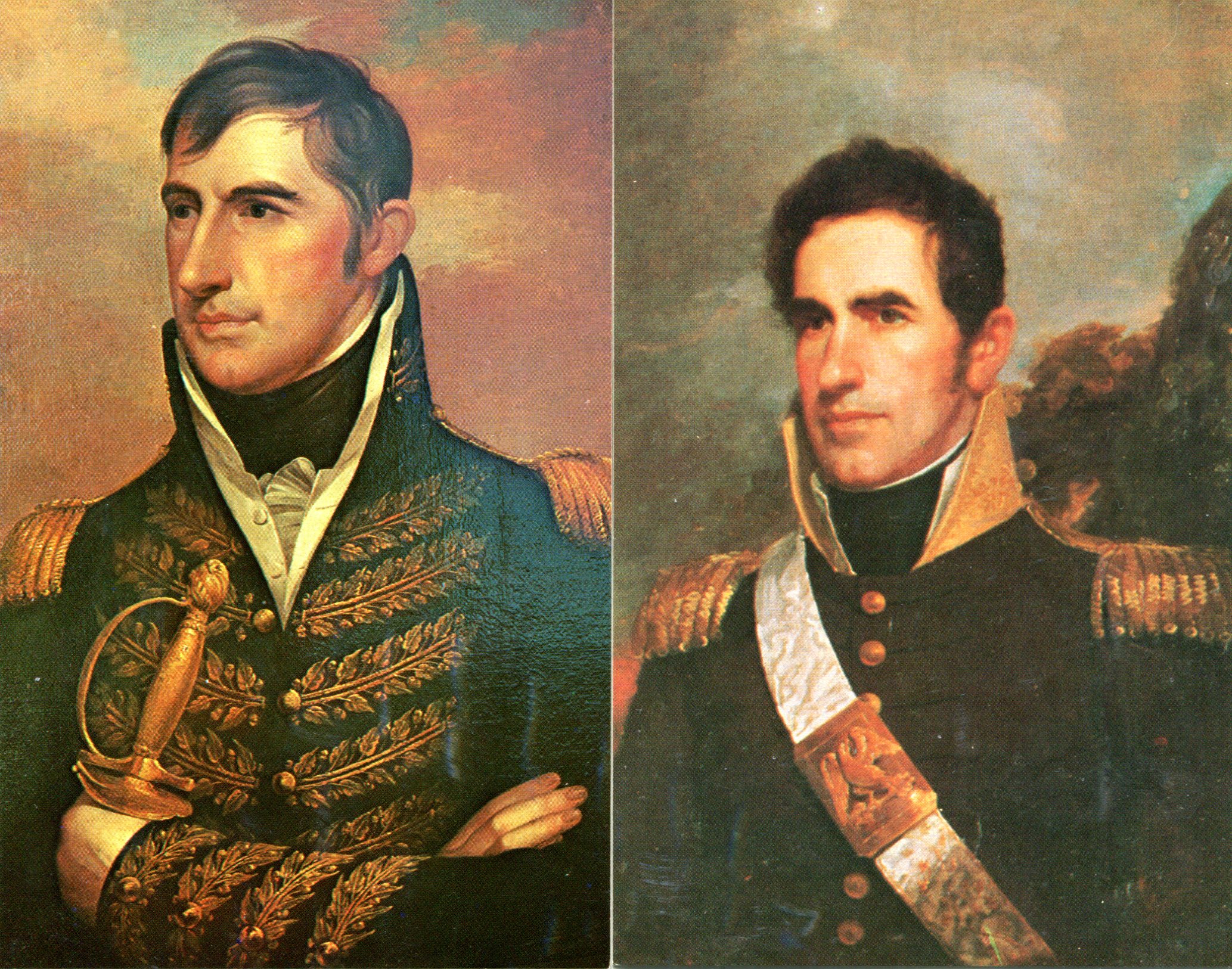
Oddly enough, I have more of William Henry Harrison than any other president: three cards dedicated to that briefest of chief executives. Here are two side-by-side cards of Harrison in his days of military glory, around the time of the Battle of Tippecanoe and the Battle of the Thames.
On the left is an 1814 painting by Rembrandt Peale that hangs in Grouseland in Indiana. On the right is an 1813 painting by John Wesley Jarvis, also at Grouseland. I got both cards when we were there for a low price that made me think the museum was getting rid of its stock of postcards, never to replace them.

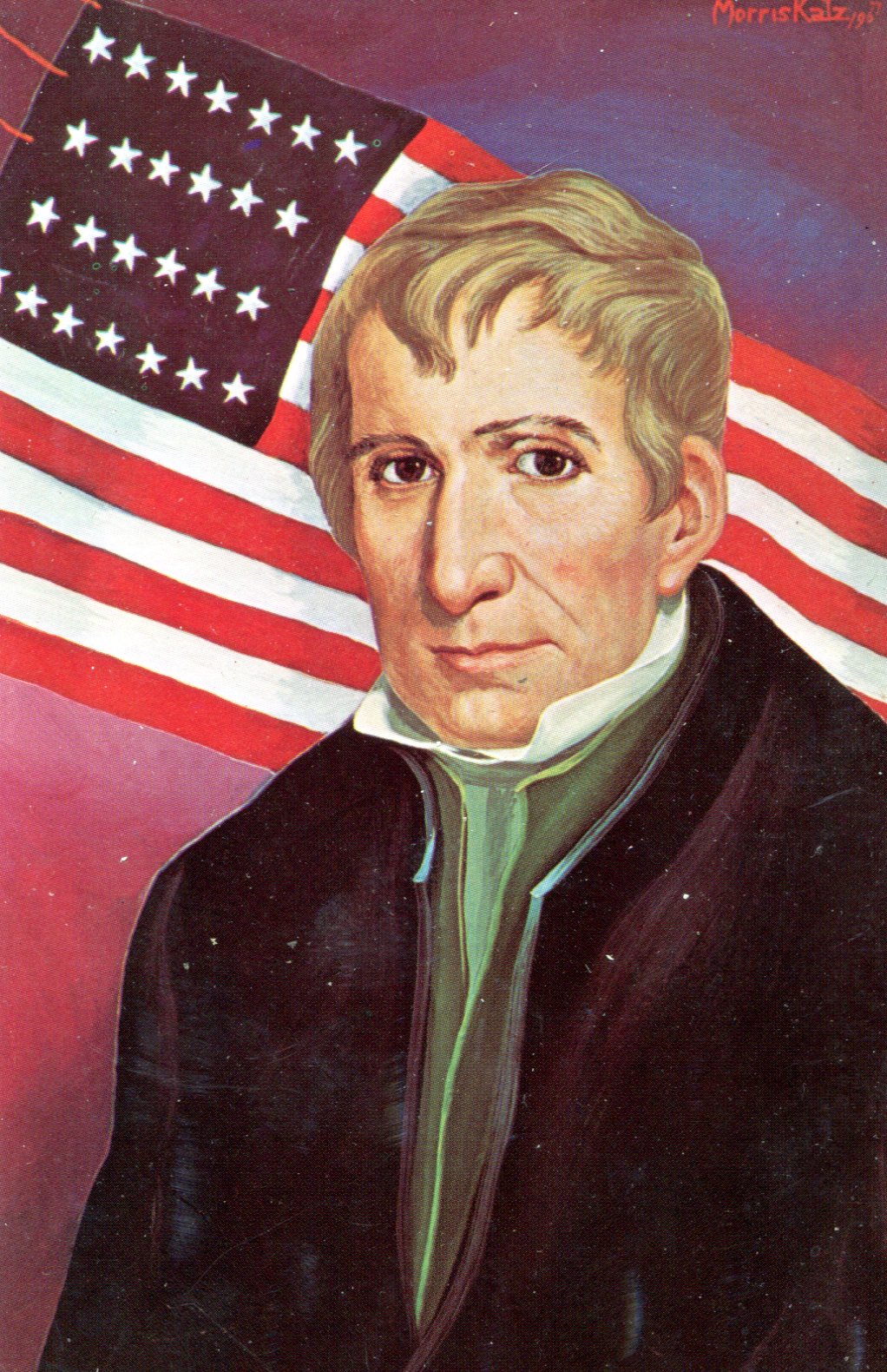
At some other time I acquired the card on the right, an older Harrison — around the time of his election? Probably, since the flag in the background has 26 stars, which lasted from 1837 to 1845, between the admissions of Michigan and Florida.

An artist named Morris Katz (1932-2010) painted the image of Harrison in 1967. One of a series of presidential portraits that year for Katz, apparently. I have another one of his of Benjamin Harrison, from the same year .

From what I’ve read about Katz, he probably whipped out all of the presidential portraits in a single afternoon. A 1978 article in New York magazine called him “the king of toilet-paper art” and said that he called himself “the world’s fastest painter, creator of instant art.”

“Toilet-paper art”? I wondered exactly what that involved. The article says: “Using only a palette knife and a roll of toilet paper to apply paint, he whips off a landscape oil in under ten minutes…”

This video illustrates his technique. Essentially, Katz used bunched up toilet paper as a kind of sponge to apply the paint. He’s no Rembrandt Peale, but I’ll take him over mutant-eyed Margaret Keane children any day. One of the dentists I visited as a child had her paintings on the wall, or at least paintings in that style, and damned if they weren’t unnerving.

Image Adjustments

Not long ago I downloaded a new version of PhotoScape, the program that I use to adjust images. I’d used an earlier version for years, mostly to do simple things, such as crop, adjust sizes and lighten or darken an image.

The new version, even the non-premium one, has a lot more bells and whistles. Curious, I decided the other day to play around with some of the added functions. I picked an image from my files for that purpose.

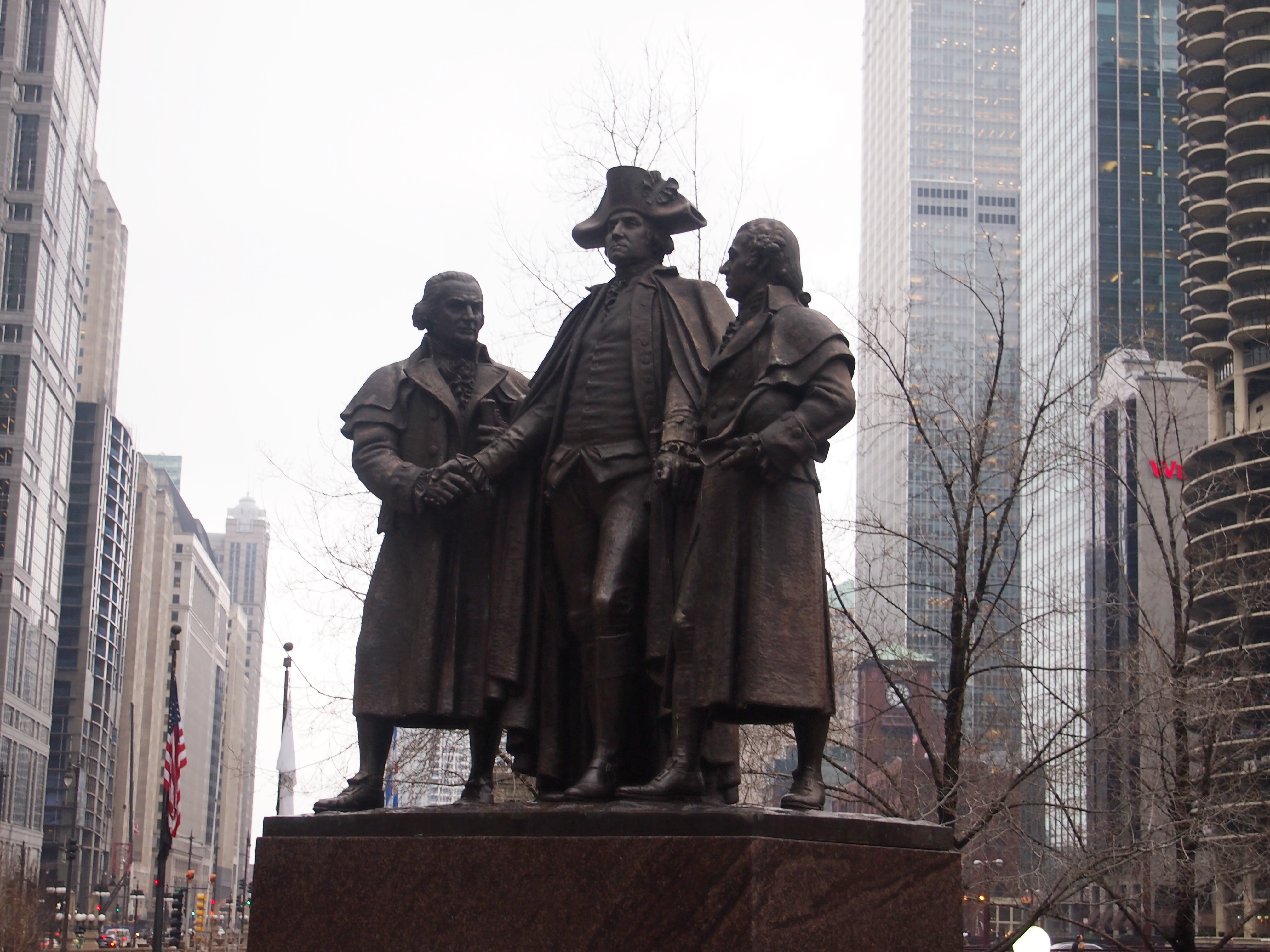
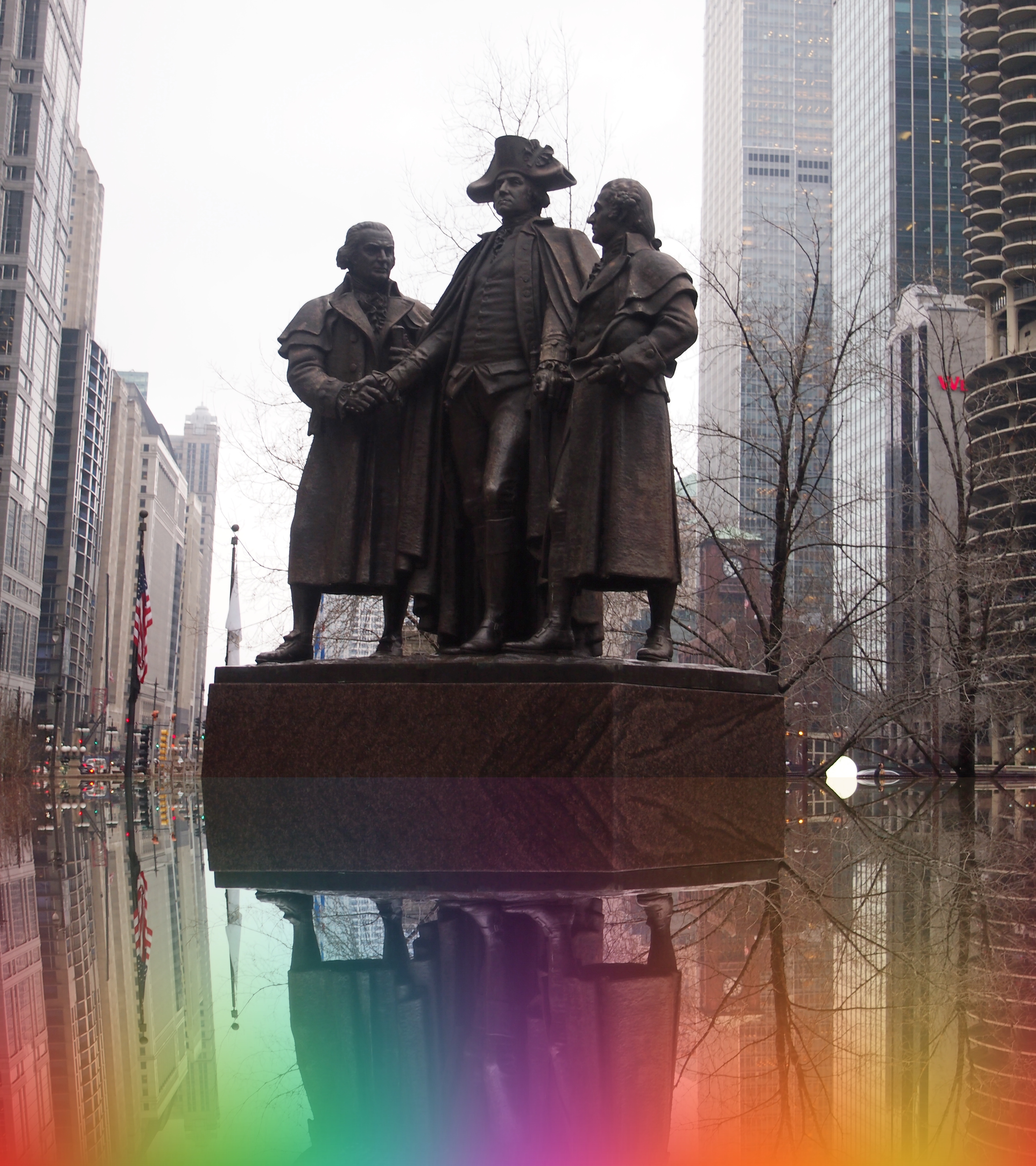
In case the scene isn’t familiar, that’s the Heald Square Monument on E. Wacker Dr. in downtown Chicago, dating from the late 1930s. Prominently placed yet seemingly little noticed. It’s a bronze by the renowned Lorado Taft depicting George Washington and the two main financiers of the American Revolution, Robert Morris and Haym Salomon.

It’s also the kind of thing I take pictures of. I took this one on January 29, 2013. The light wasn’t especially good and in fact I brightened up the above image somewhat. Still a little drab. It was a drab day, I think.

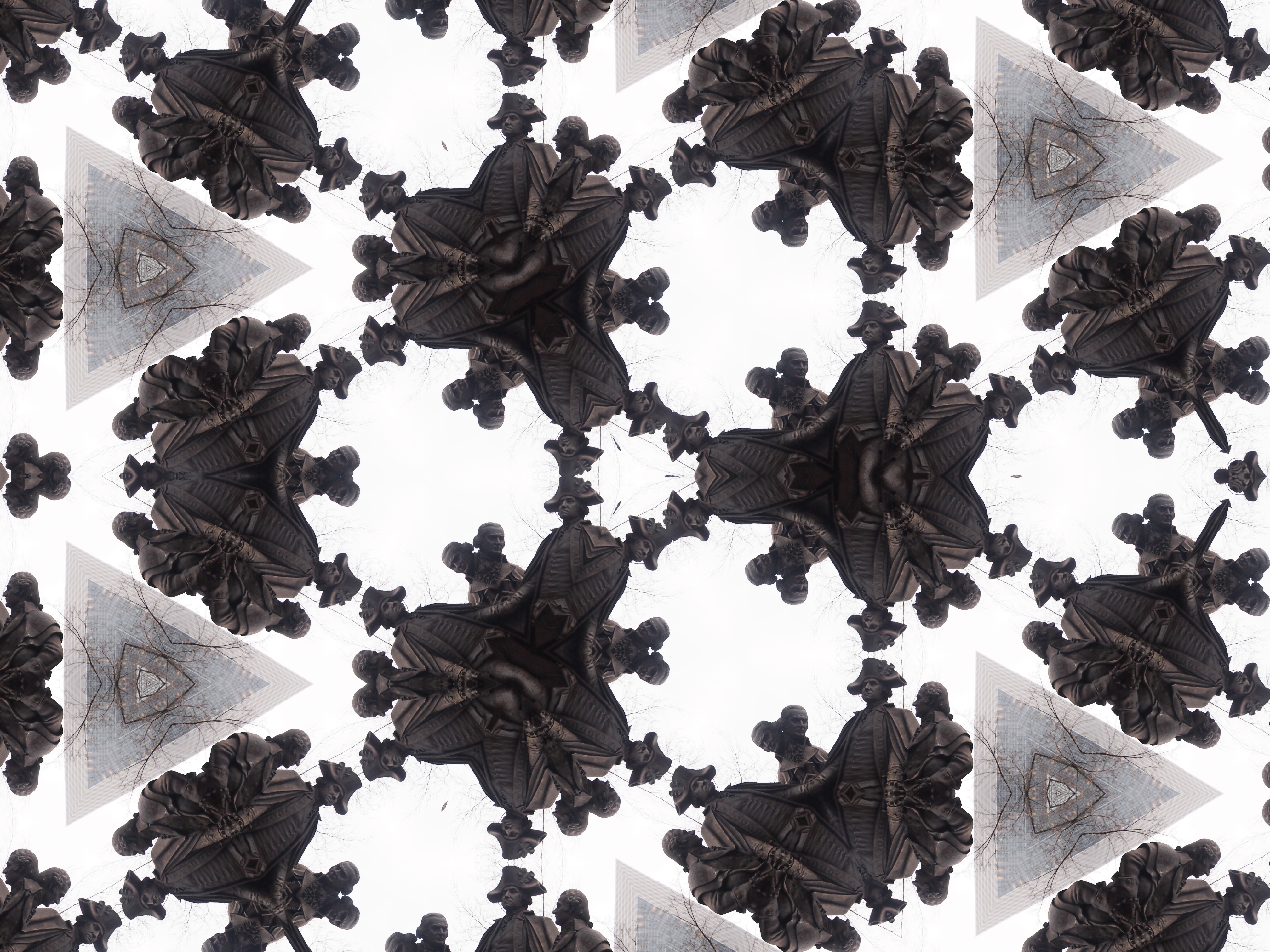
So add a little color. Add a mirror image to the bottom.

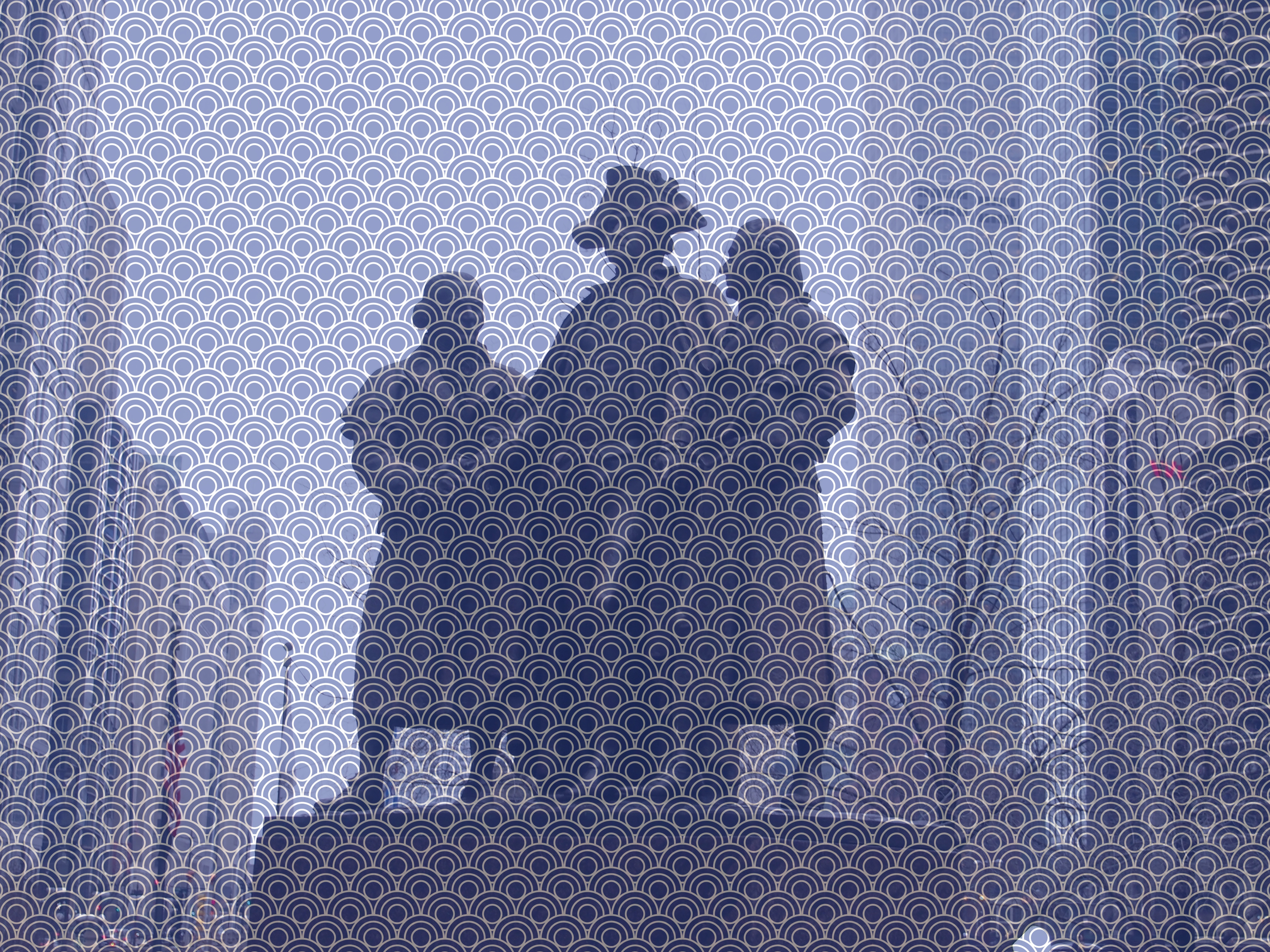
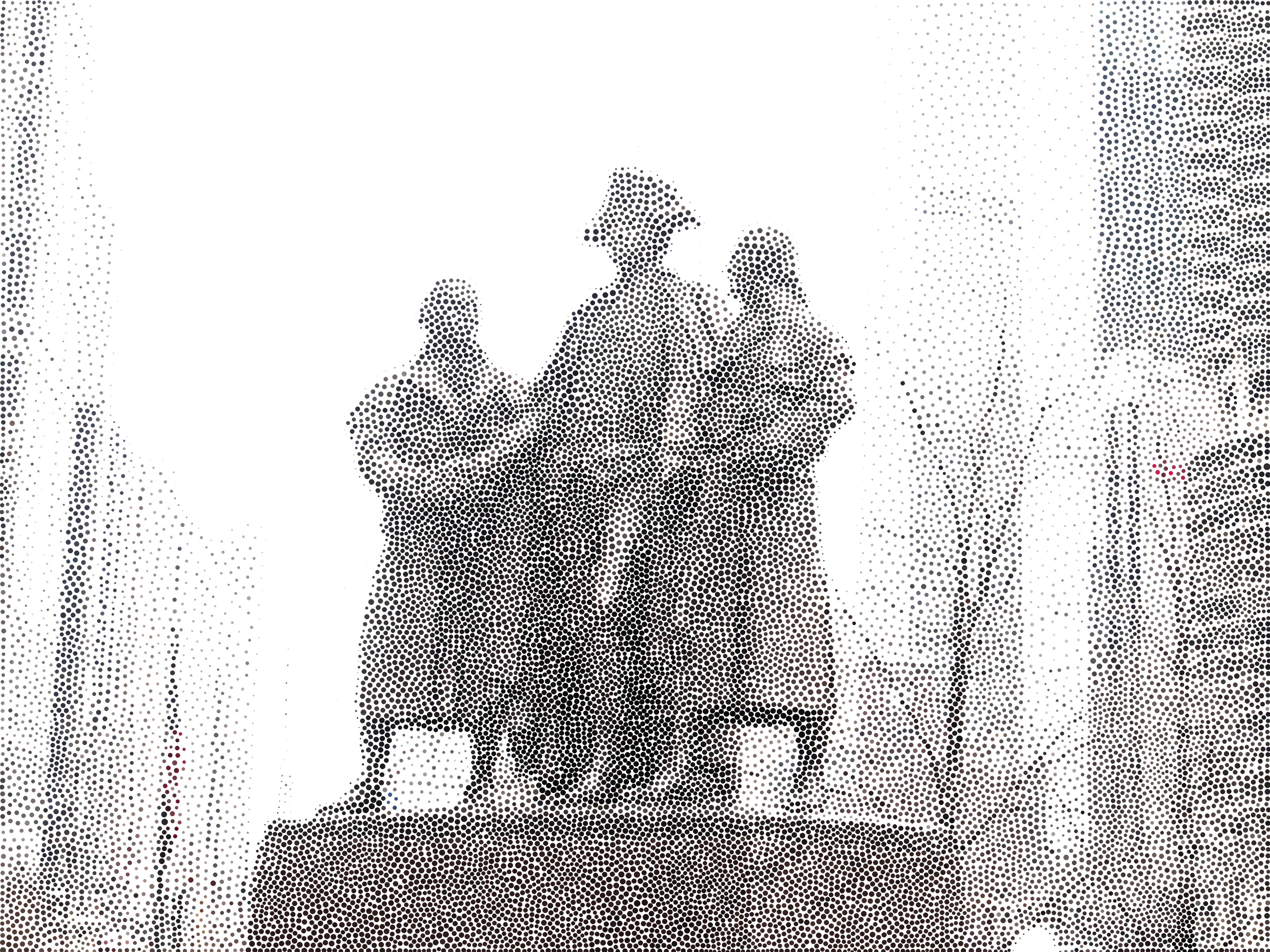
Or do other effects the names of which I forget.
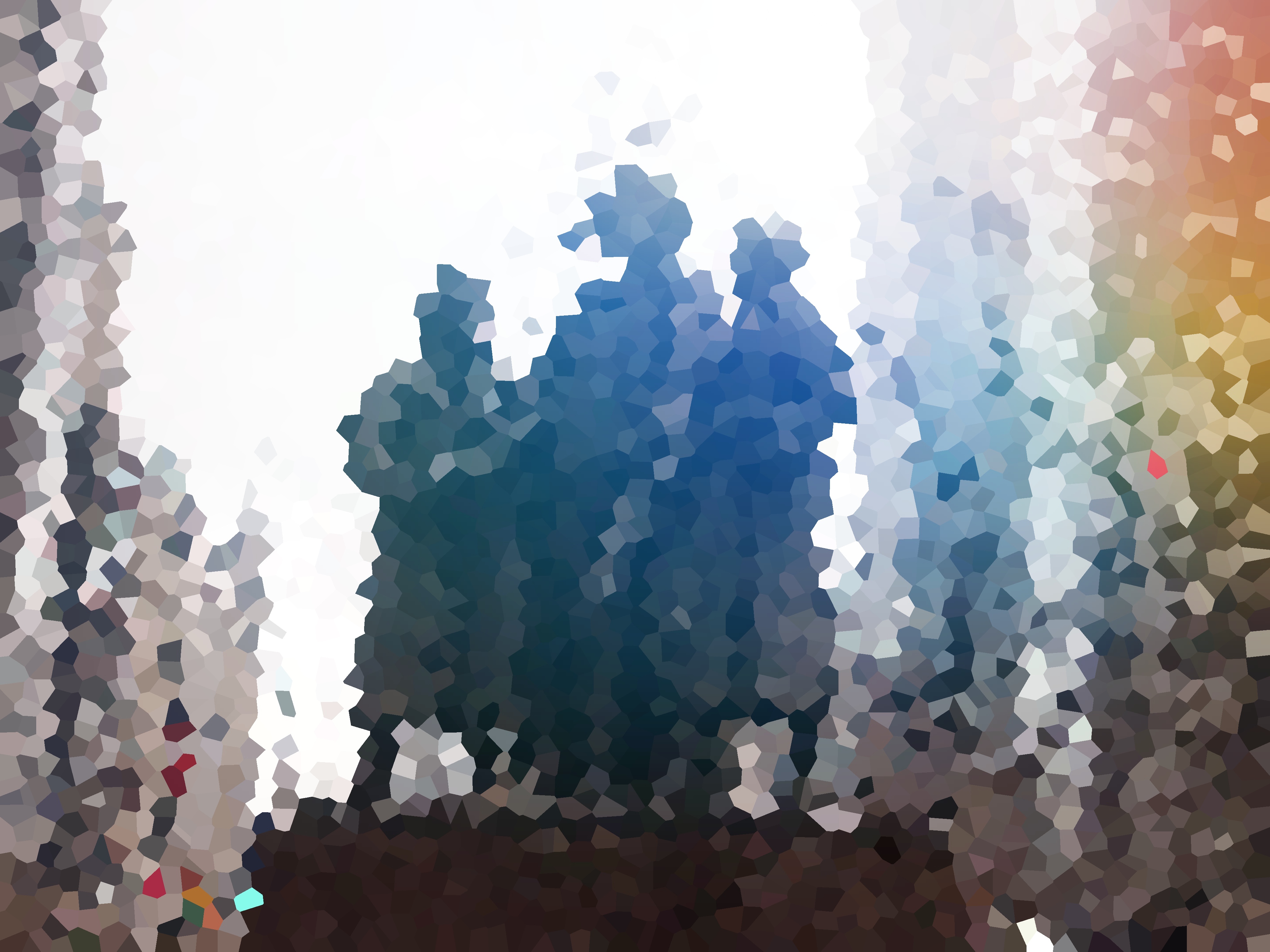
Or finally, my own favorite, kaleidoscope.
That’s only a small sample, not including the functions you have to pay extra for. Interesting.

The Last Days of the Heartland Cafe

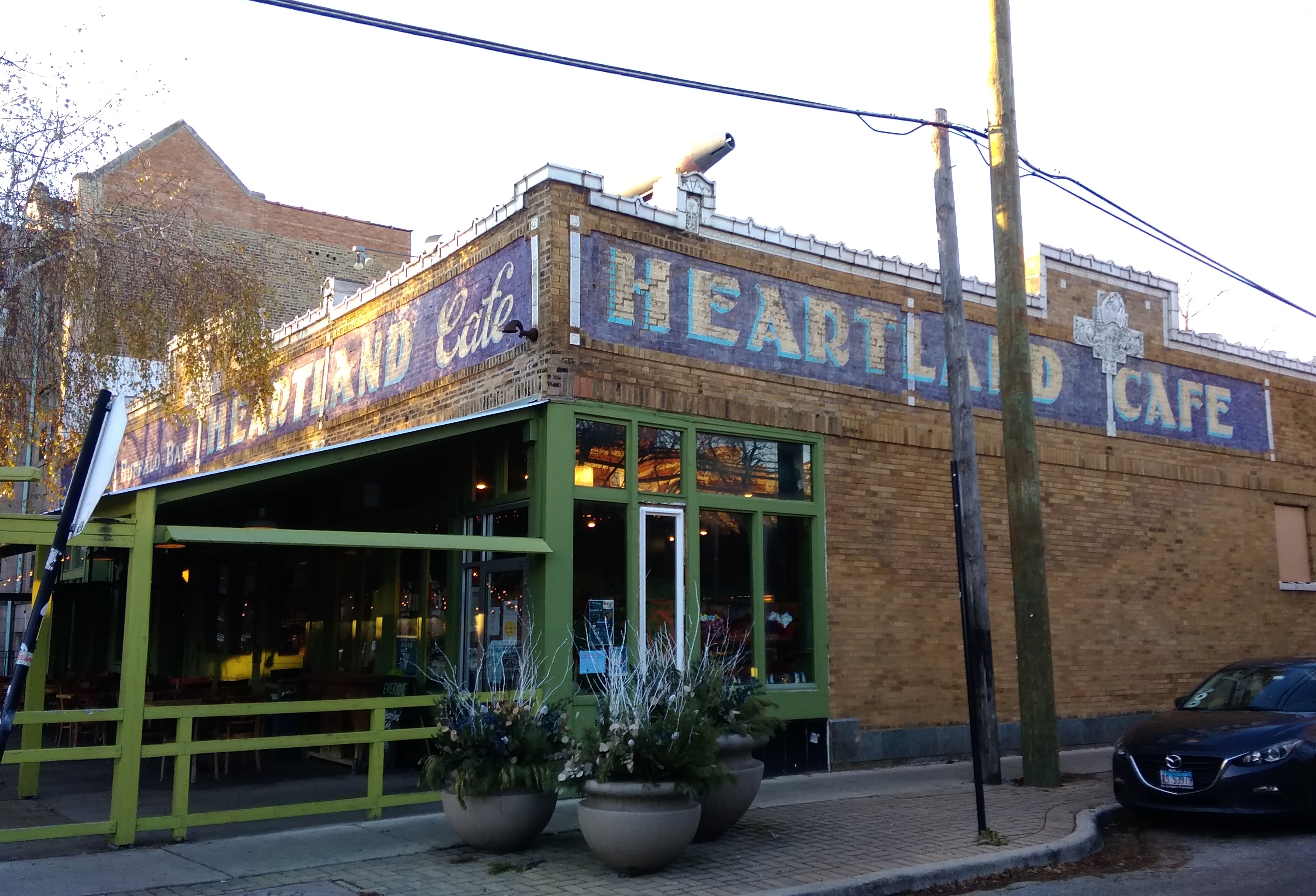
At the intersection of W. Lunt Ave. and N. Glenwood Ave., tucked in a corner of Chicago’s far north Rogers Park neighborhood, is the Heartland Cafe. A neighborhood institution.
Word is that the Heartland is closing on December 31. That was a surprise, since it’s been around a long time — opening during the last year of the Ford administration.
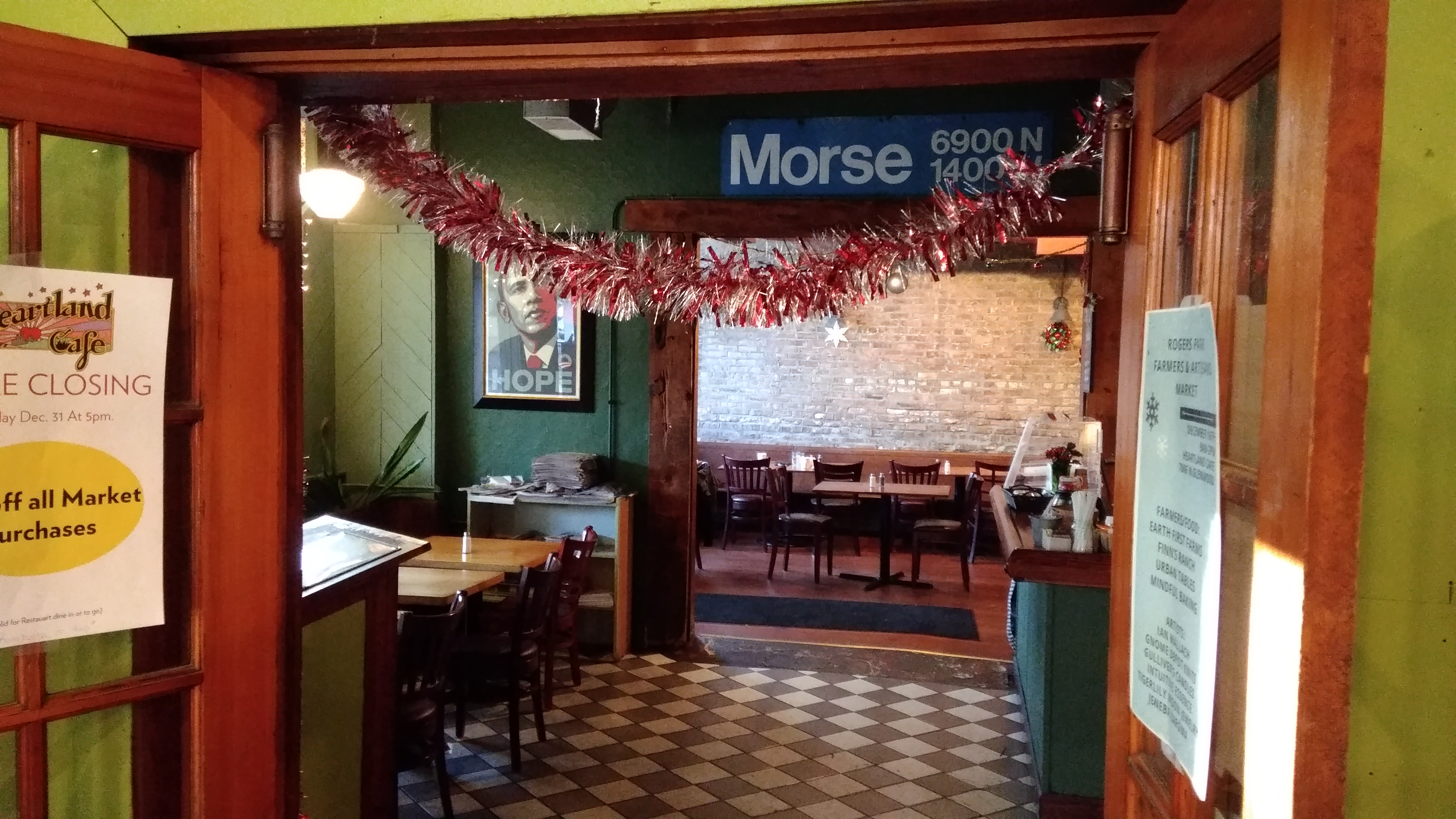
I first went there in 1987 with a friend of mine, Becky, who liked the Heartland because of its vegan options. She was a vegan and told me that suitable items on Chicago restaurant menus were hard to find. After that introduction, I went periodically in the ’80s and ’90s, not because of vegan or even non-meat offerings — widely available now — but because the place makes good food at reasonable prices.

When I learned of its closing, I knew I wanted to go one more time. So we went on Sunday. The drive to Rogers Park from Humboldt Park, where Yuriko takes her cake class, is a slog. Driving through the city is usually a slog. But I’m glad we went.

For lunch I had a very non-vegan Reuben sandwich, a good choice. Yuriko had a breakfast burrito, also good.

Google Maps, which has incorrect information sometimes, is wrong about the Heartland. Its thumbnail description for the place is “vegetarian eatery with a hippie vibe.” Meat is all over the regular menu, so no. And a hippie vibe? What does that even mean? Besides, hippies were passe even by 1976.

As restaurants go, the Heartland has more of a diner vibe. Simplicity.

The Hope poster shows more than mere political sympathies, though it does do that. Rather, the Heartland is one of the places that Barack Obama appeared during his run for the U.S. Senate in those seeming long-ago days of 2004.
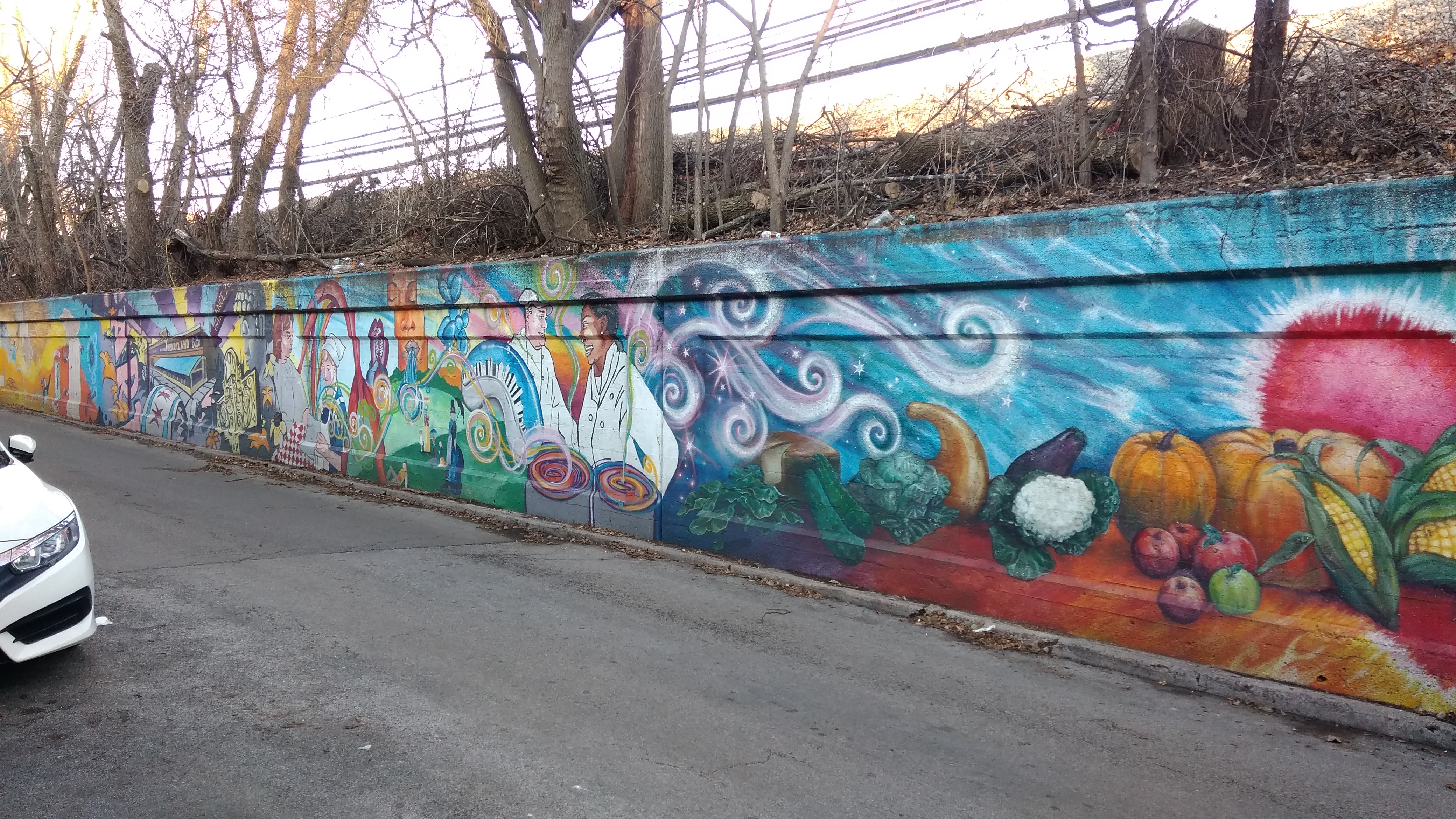
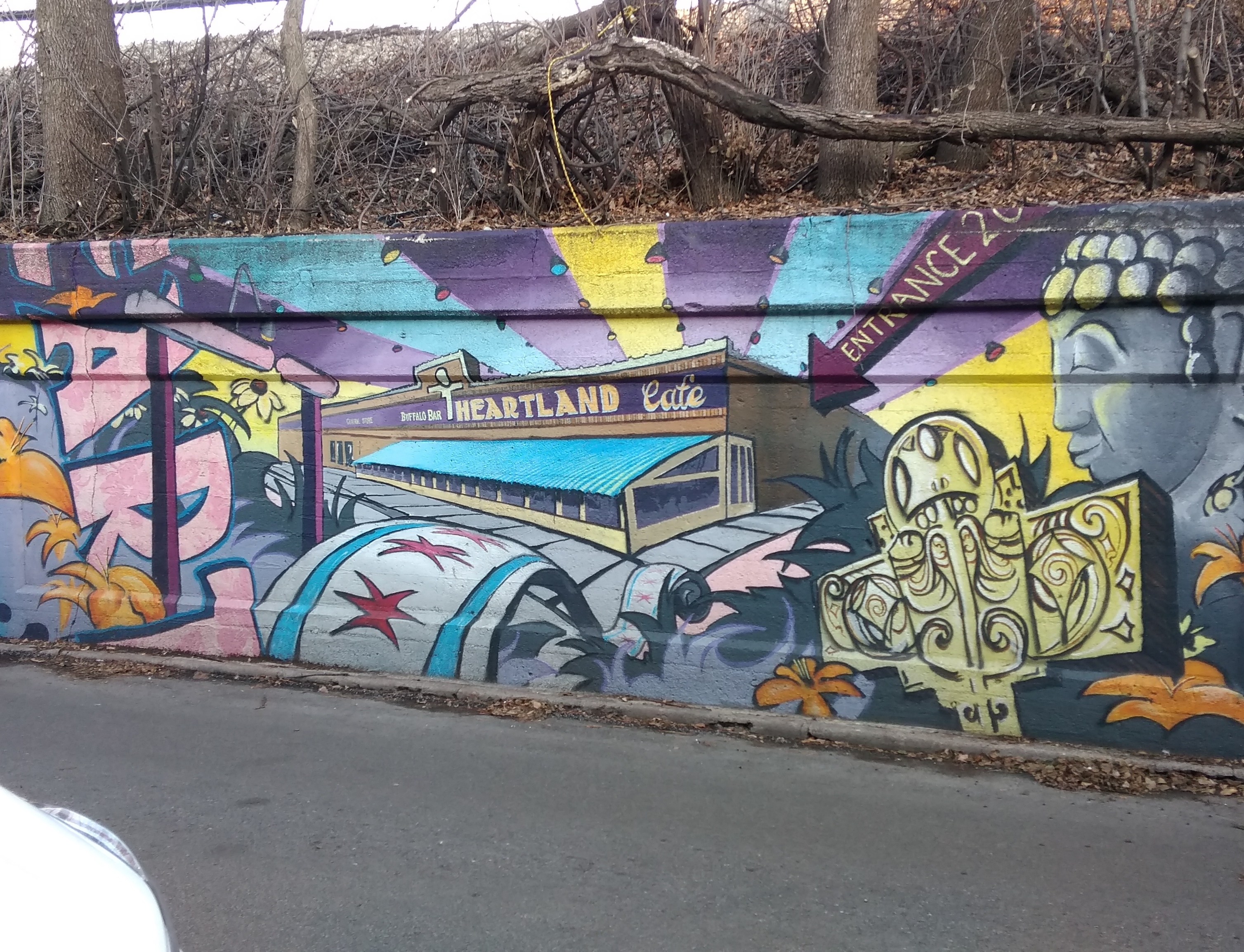
Murals adorn the Glenwood embankment across from the restaurant.

They weren’t there the last time I went to the Heartland, whenever that was (ca. 2000 would be a good guess). They’re part of a Rogers Park-specific initiative, Mile of Murals, and were painted in 2010 by a variety of artists.

Among many other things, the Heartland makes an appearance on the wall.

Guess the image will be there longer than the restaurant itself.

RIP, George Bush

Somewhere, I have a souvenir photo I obtained at a breakfast event held by a prominent real estate brokerage in March 2001. If I knew where that item was, I’d scan it for posting, but no such luck (the event is mentioned in passing here).

That brokerage was later absorbed by another company and is now only a memory. The featured speaker at the event that morning is likewise only a memory now: George H.W. Bush. RIP, Mr. President.

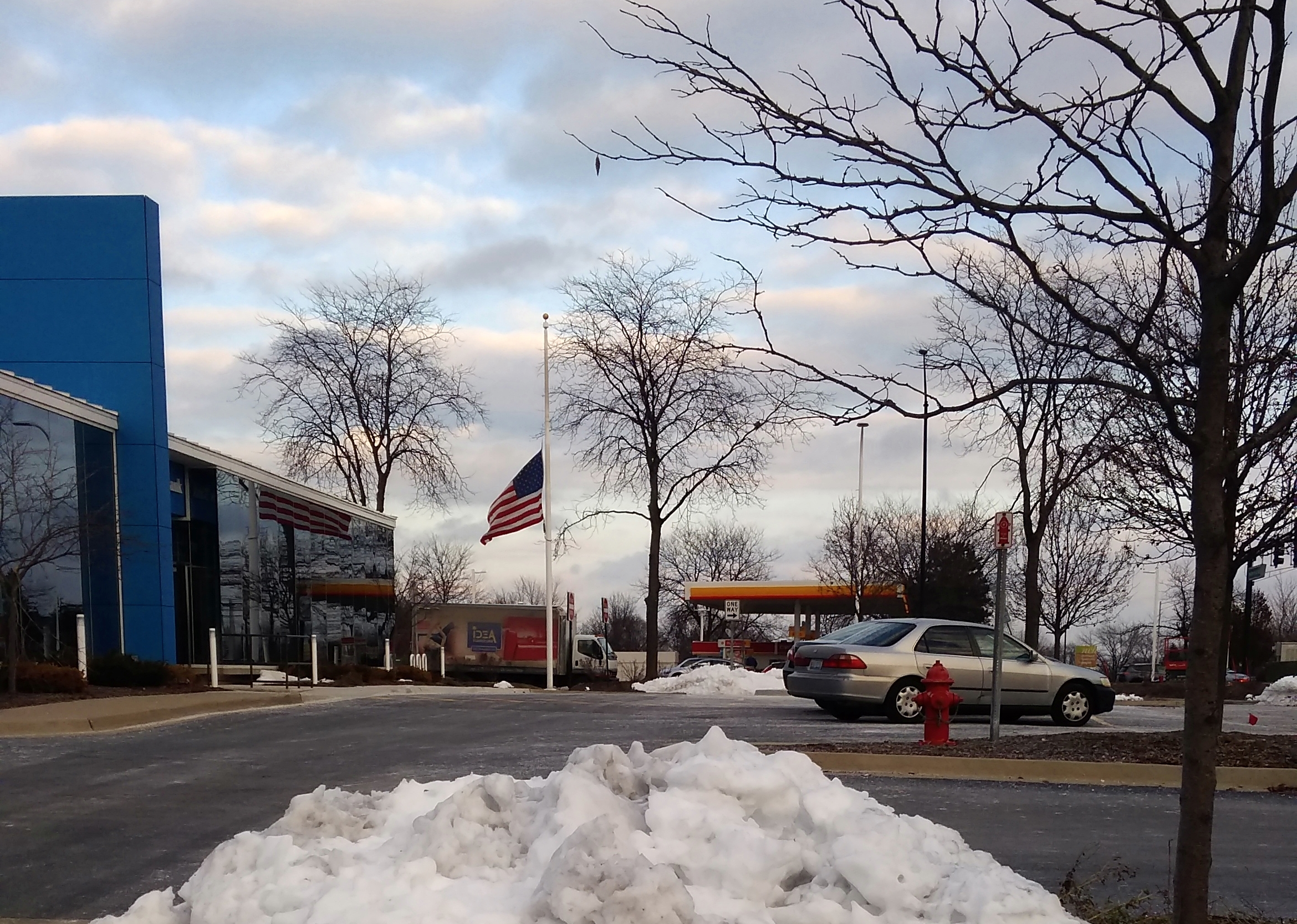
Saw a fair number of flags at half staff in his honor today.

I checked to be sure, and it’s so: the late President Bush was, and remains, the only U.S. president to have four names. Until the mid-19th century, most of them didn’t even have three. Naming fashions change.

Been a while since there was a presidential death. Now there are only four living former presidents. With the elder Bush’s death, the fourth period of five living former presidents ended (Jan. 20, 2017-Nov. 30, 2018). That has only happened three other times: March 4, 1861-Jan 18, 1862; Jan. 20, 1993-April 22, 1994; and Jan. 20, 2001-June 5, 2004.

That three of the four periods are in living memory illustrates the longer lifespans of our time. Speaking of longevity, Jimmy Carter now has to make it to early March 2019 to become the oldest person to have served as U.S. president, taking that distinction from the elder Bush.

The Milwaukee Theatre

On October 14, 1912, former President Theodore Roosevelt took a bullet in the chest at the Gilpatrick Hotel in Milwaukee, but went on to deliver his presidential campaign speech at the Milwaukee Auditorium across the street soon afterward.

“Friends, I shall ask you to be as quiet as possible,” TR said. “I don’t know whether you fully understand that I have just been shot; but it takes more than that to kill a Bull Moose. But fortunately I had my manuscript, so you see I was going to make a long speech, and there is a bullet — there is where the bullet went through — and it probably saved me from it going into my heart.”

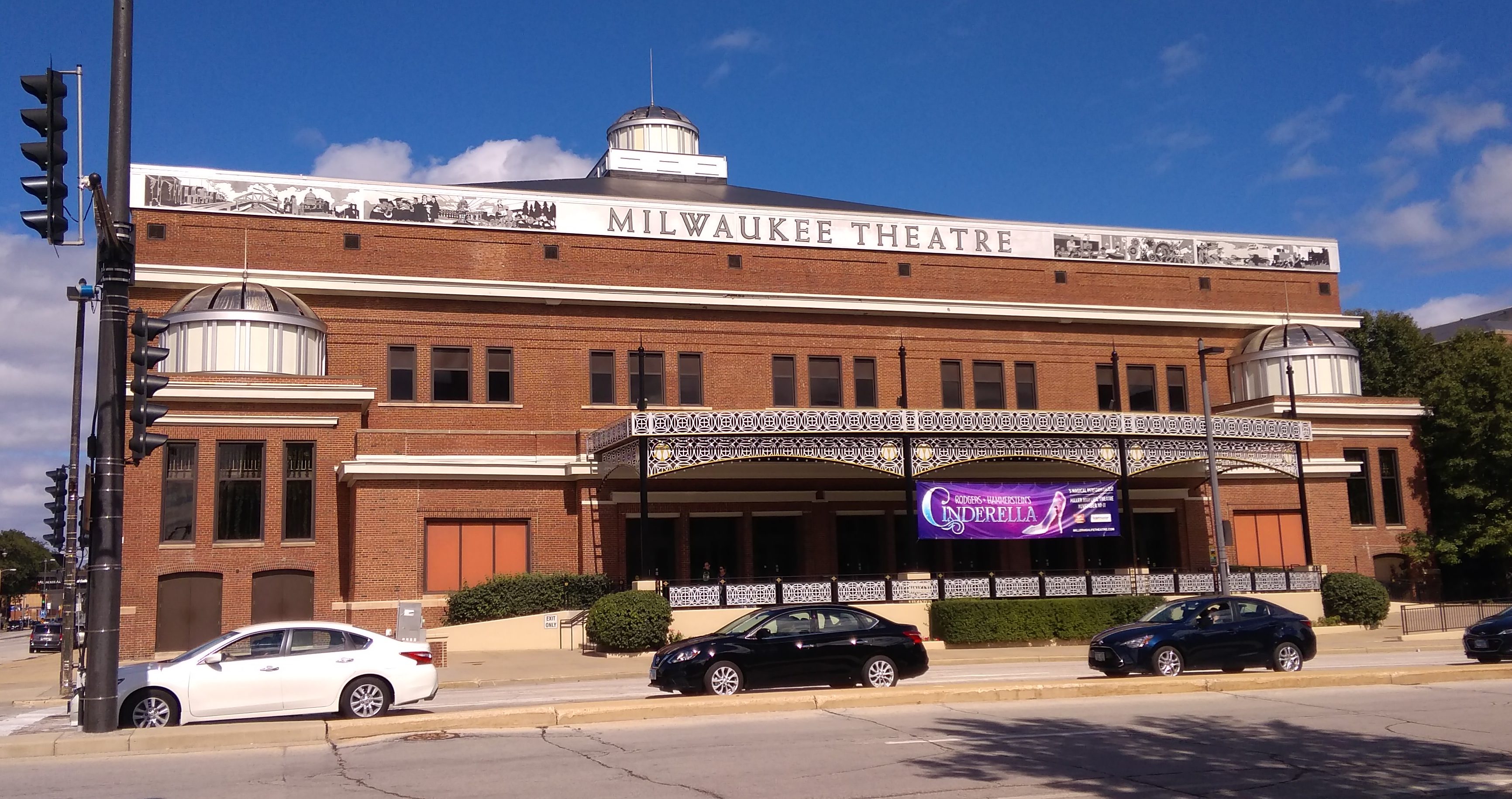
In later years, especially during an early 21st-century renovation, the Milwaukee Auditorium evolved into the Milwaukee Theatre, which is officially the Miller High Life Theatre these days, because beer money bought the naming rights recently.
Never mind that. What I want to know is, where is the plaque commemorating TR’s speech?

Maybe there is one, but I didn’t see it. Or why didn’t our tour guide through the theater on Saturday mention this remarkable event? I knew the story of the attempted assassination, but didn’t connect it with the Milwaukee Theatre until today.

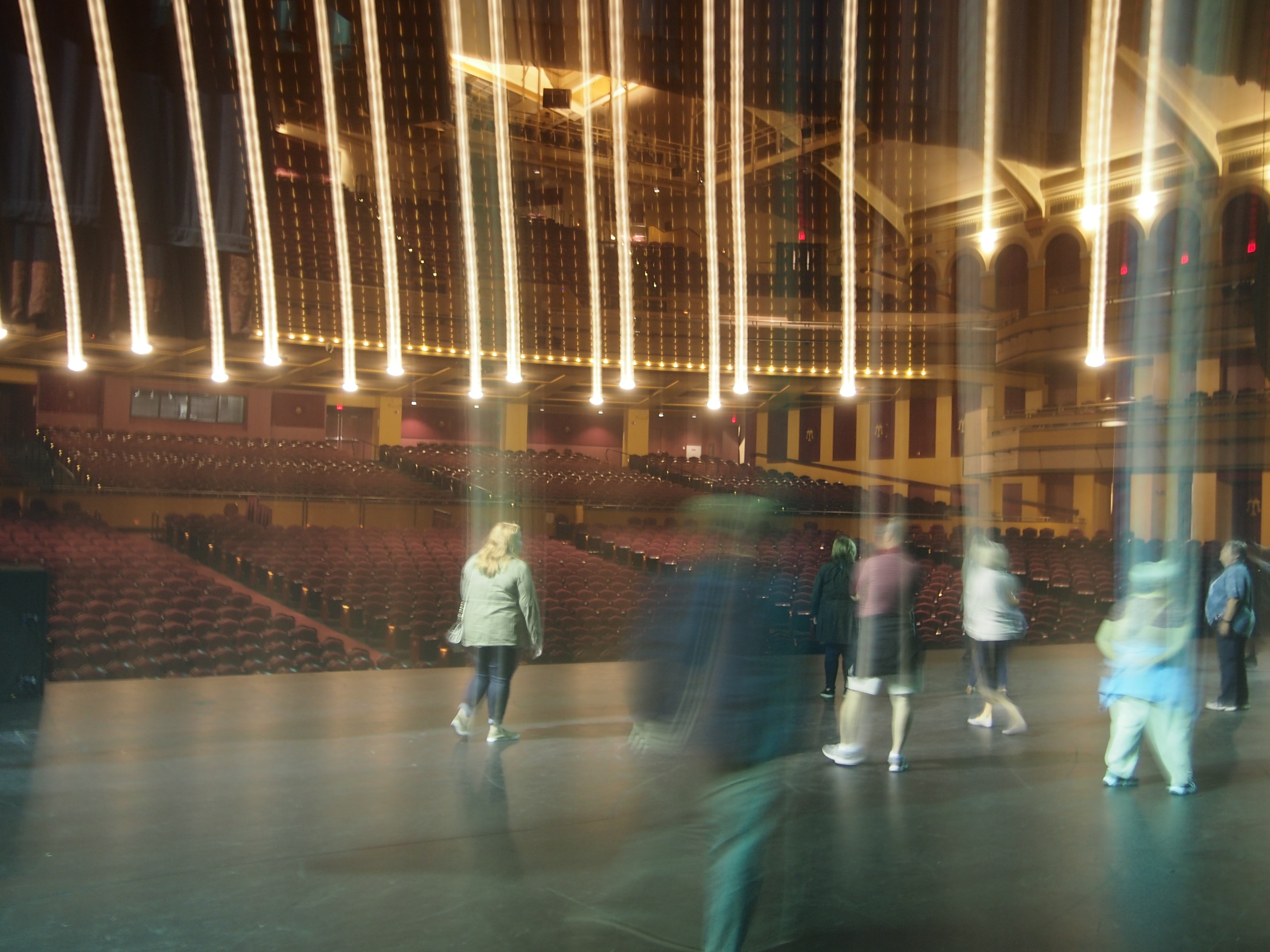
In any case, the theater looks like a first-rate venue, seating more than 4,000. The view from the stage.

Here’s the view from the stage when space aliens started kidnapping people standing there, via tractor beams (and how do those work, anyway?).

Or maybe I jiggled the camera during a relatively long exposure.

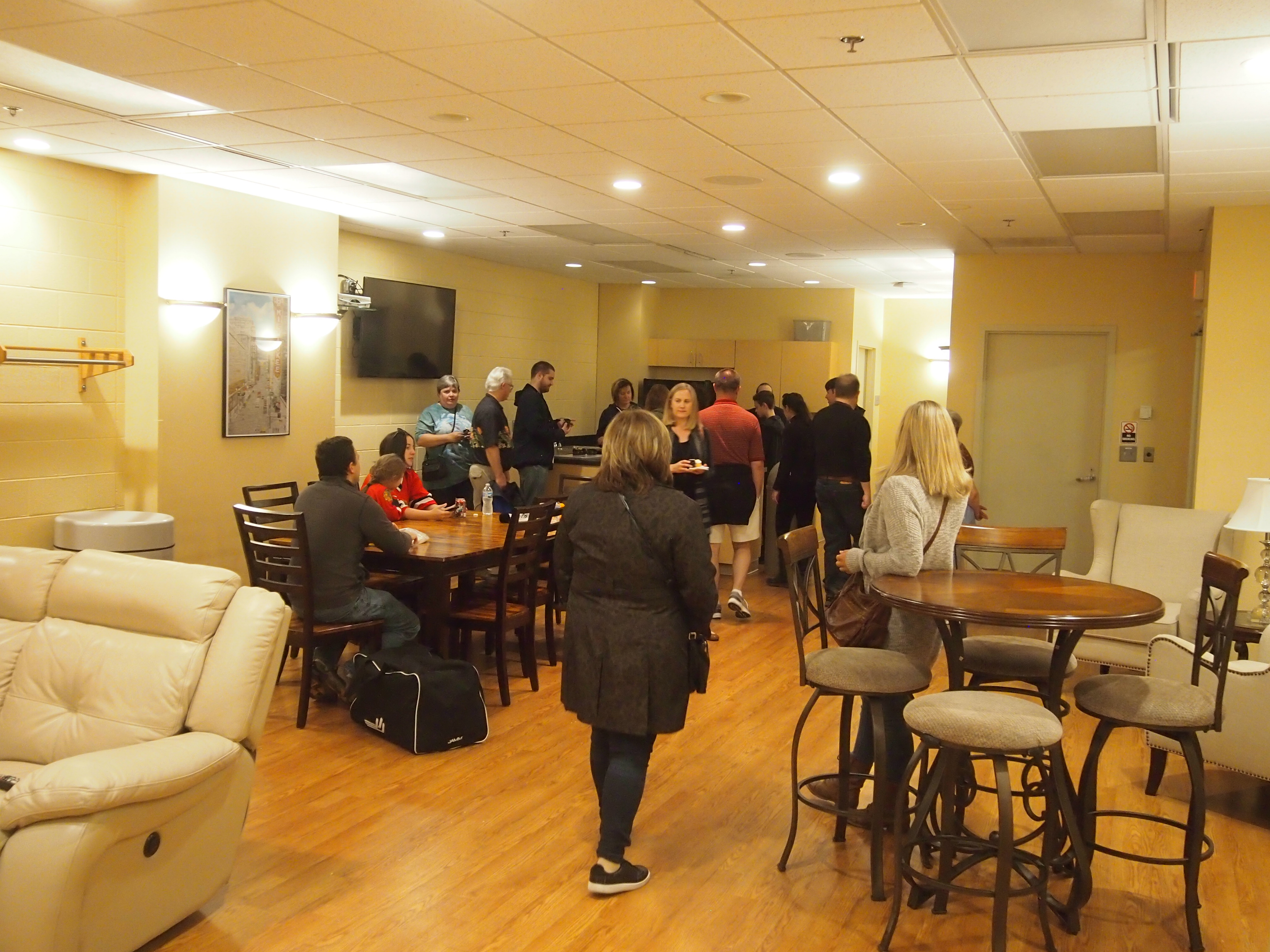
We toured other parts of the venue as well, including the elegant side halls Kilbourn and Plankinton — named for long-ago donors — with the former decorated by murals depicting Milwaukee history. We also saw the green room.

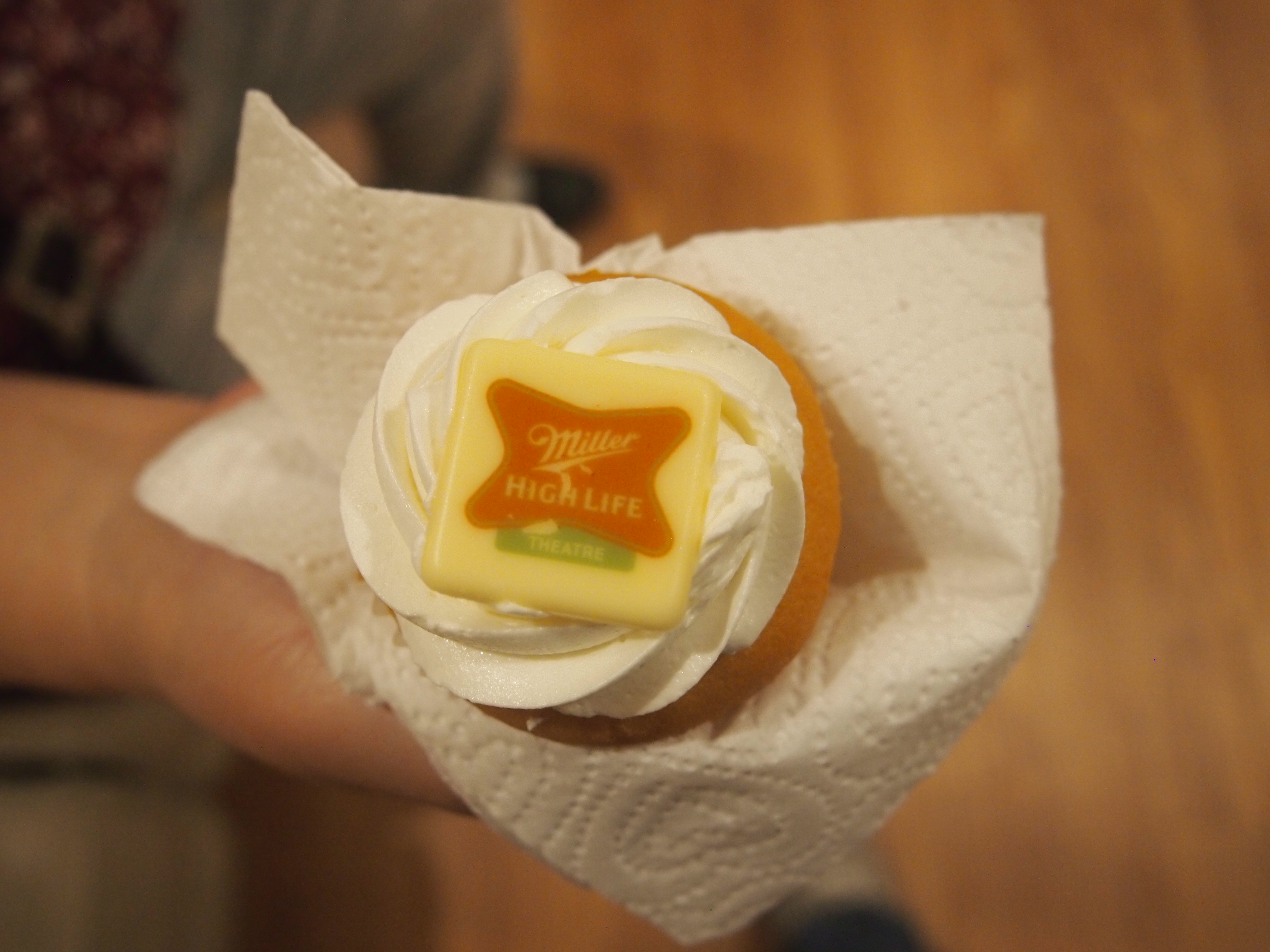
Where Miller High Life Theatre-themed cupcakes were offered for our refreshment. I have to say that’s something I’d never seen before.
You’d think a light shade of green would be the thing for the green room walls, for tradition’s sake, but no. Then again, I’ve read it isn’t clear that most green rooms ever were really green. Just another phrase origin lost to time.

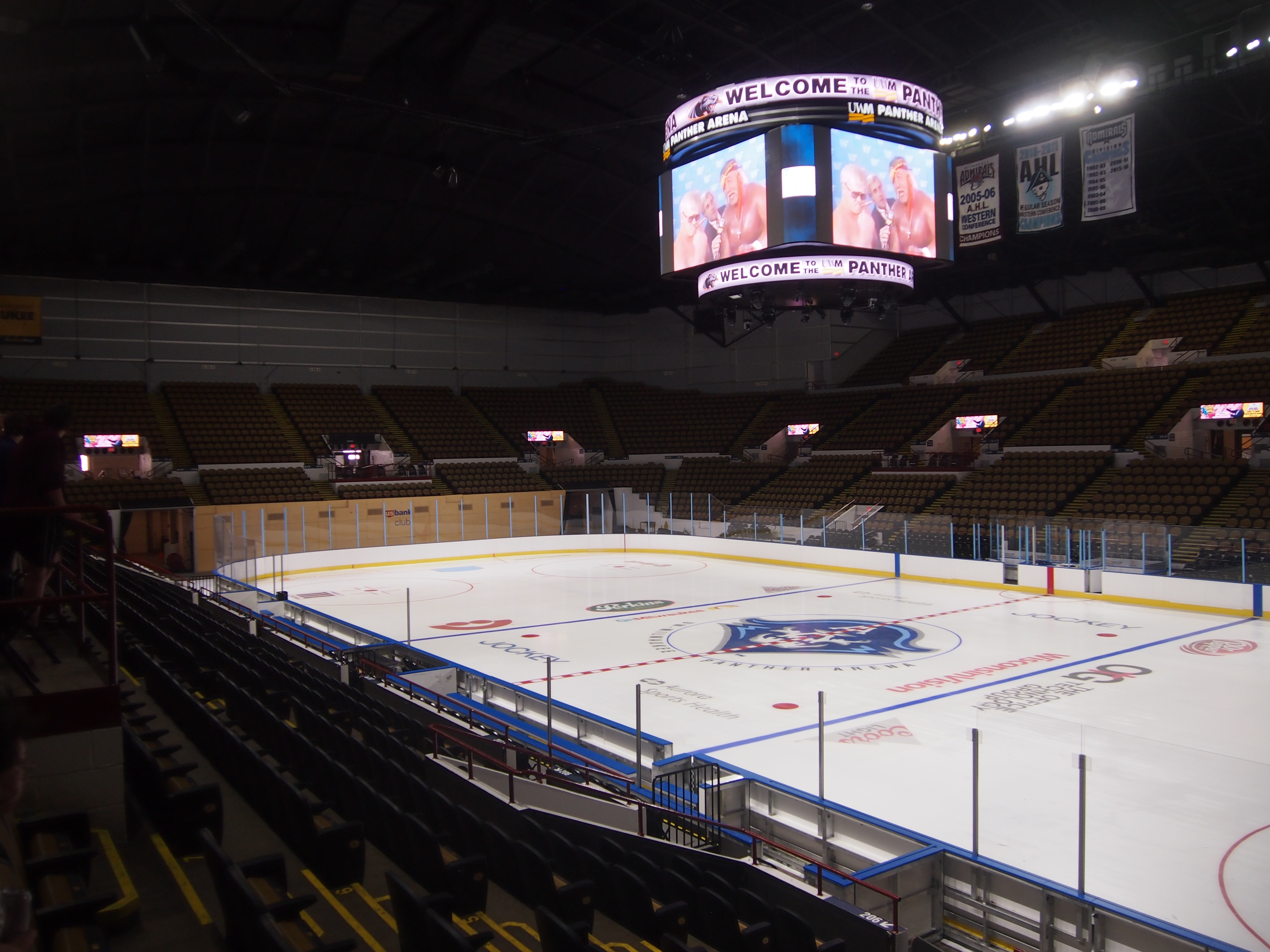
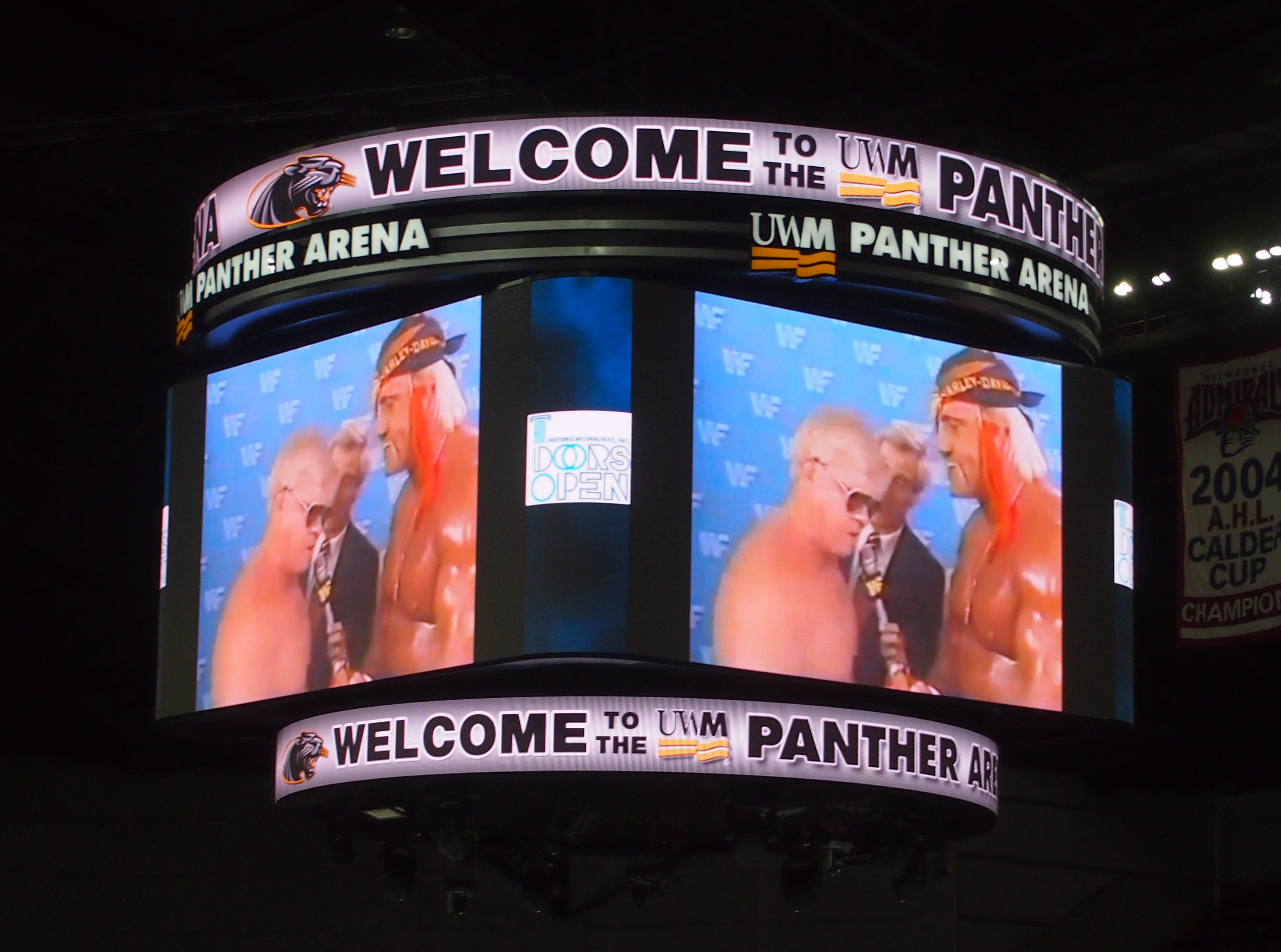
Next to the theater is the UW–Milwaukee Panther Arena, which seats as many as 12,700. That too was open for the Doors Open Milwaukee event.

These days the arena is home to the Milwaukee Panthers men’s basketball team of the NCAA, as well as the Brewcity Bruisers, a roller derby league based in Milwaukee. For the record, the Bruisers are a member of the Women’s Flat Track Derby Association.
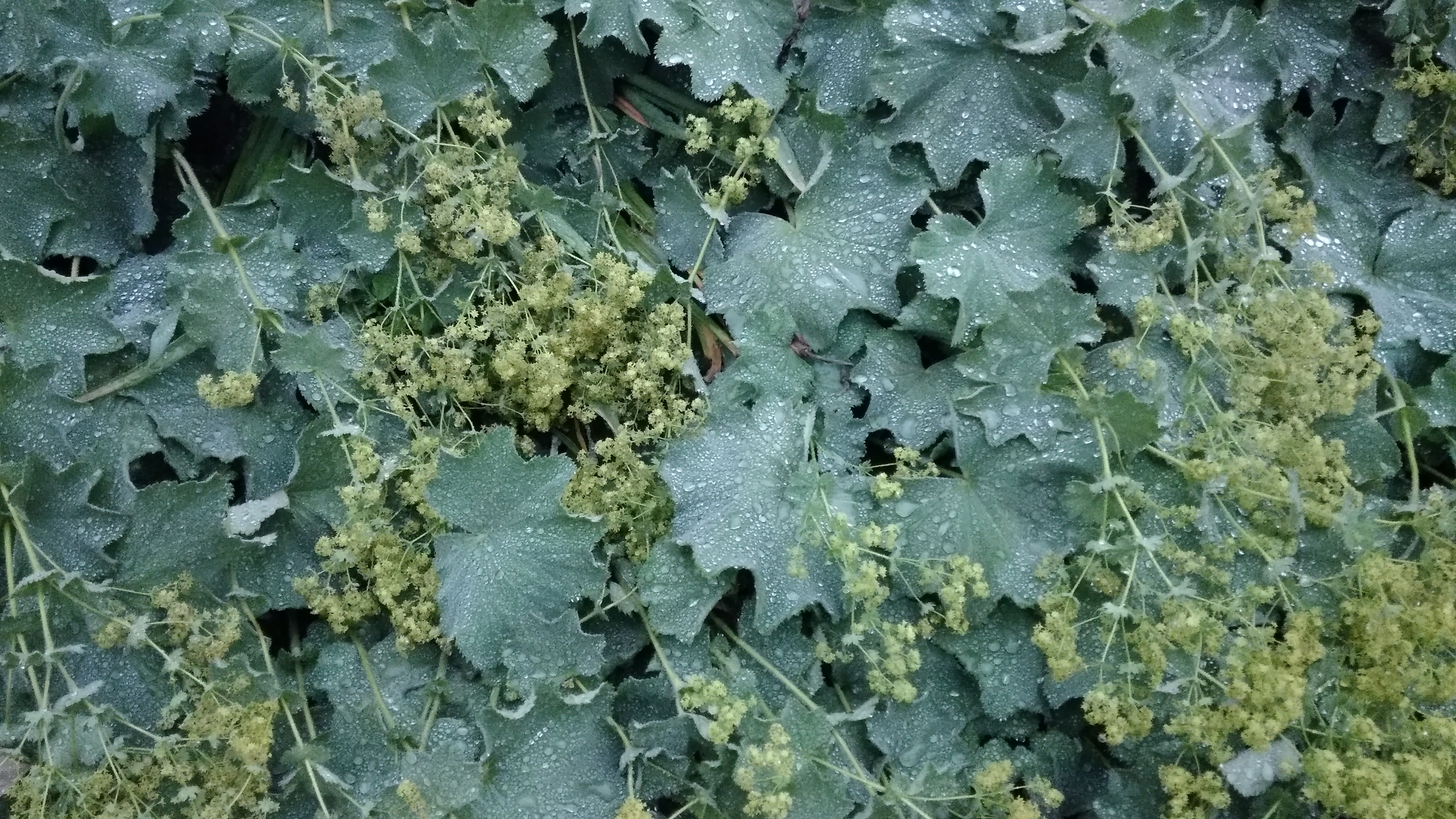
Last Thursday in June Olla Podrida

A few days ago, when it was cloudy and cool, I happened to be at the Schaumburg Town Center. The place has an underappreciated garden. Underappreciated by me, anyway.Since then, genuine summer has returned in the form of warmer temps. High 90s are forecast for the weekend. It’s been a rainy summer so far, though.

One detail I forgot to mention about the Lincoln Museum. Ann said she was most amused by learning that in his youth, the president was a talented ax-thrower. I was amused too. They took entertainment where they could get it in the 19th century.

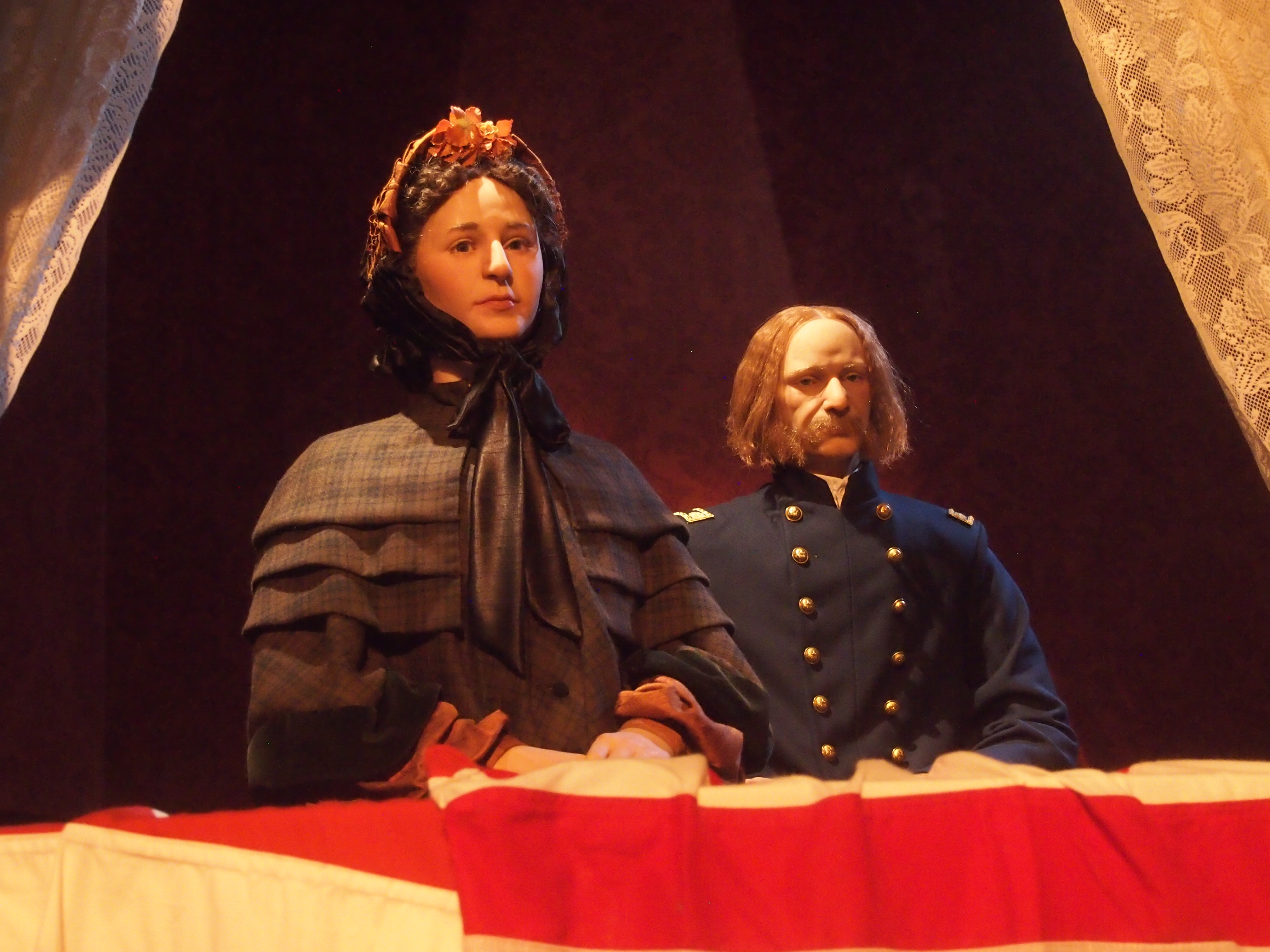
One more picture from the Lincoln Museum. Don’t recognize them? On Jeopardy, the clue would be “Maj. Henry Rathbone and Clara Harris.”

The question: Which couple was in the presidential box with the Lincolns at Ford’s Theatre?

Their story is as sad as that of the Lincolns, or even worse. Rathbone later married Harris, but his mental health deteriorated in the following years, and he eventually murdered her. He died in 1911 in an insane asylum.

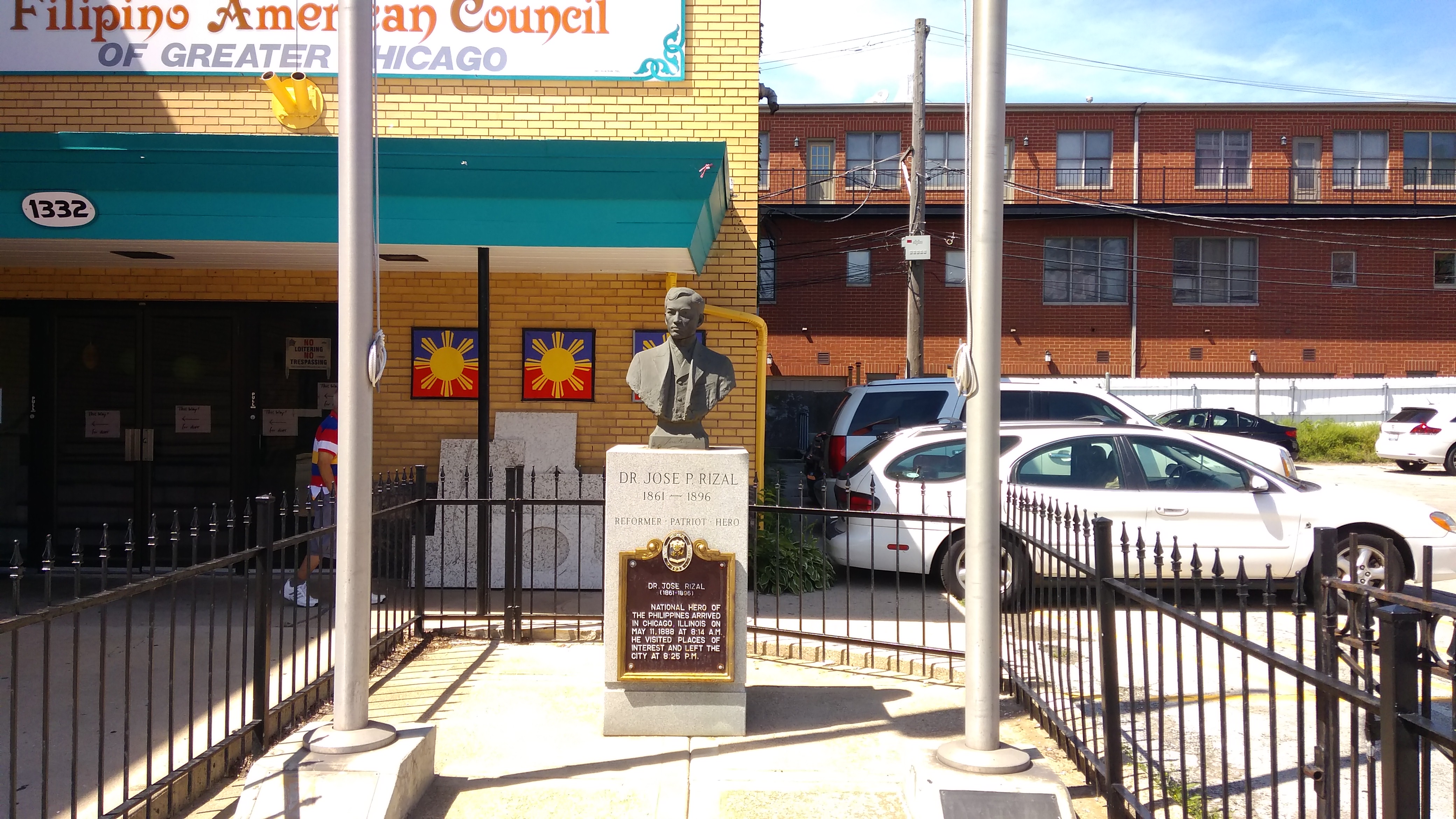
Saw this not long ago in Chicago, on Irving Park Blvd.
A bust of Jose P. Rizal, ophthalmologist and martyred Philippine nationalist. How many ophthalmologists get to be national heroes as well? I can’t think of any others.

The Lincoln Tomb State Historic Site

We couldn’t very well leave Springfield Saturday before last without visiting Lincoln’s Tomb in Oak Ridge Cemetery, or in full the Lincoln Tomb State Historic Site. It’s one of those places that I’ve visited every decade or so since the 1980s. The last time was in 2010.

We arrived just after the interior closed, at 5 p.m., so we only took a look at the exterior. And only for a little while, since even at that hour, temps were still about 90 degrees F.

The tomb looked precisely the same as all the other times. Timeless, it is, at least in our lifetimes.

Larkin Mead designed the tomb. Ringing the obelisk are bronze groups he did: the Infantry Group, 1874–76; the Naval Group, 1874–77; the Artillery Group, 1882; and the Cavalry Group, 1883. I made point of making a circuit around the tomb to look at them, but since the stairs up to their level were roped off, I didn’t get that close.

We did get close to the Gutzon Borglum’s head of Lincoln.
This time, Ann could reach it herself. I seem to recall lifting her up to touch the nose back in ’10.