Four Houses of Worship

A number of churches — and other houses of worship — were part of Open House Chicago. That’s one of the attractions of the event, as far as I’m concerned.

In Evanston, we visited First Presbyterian. It’s not just a church. It’s a Daniel Burnham church.
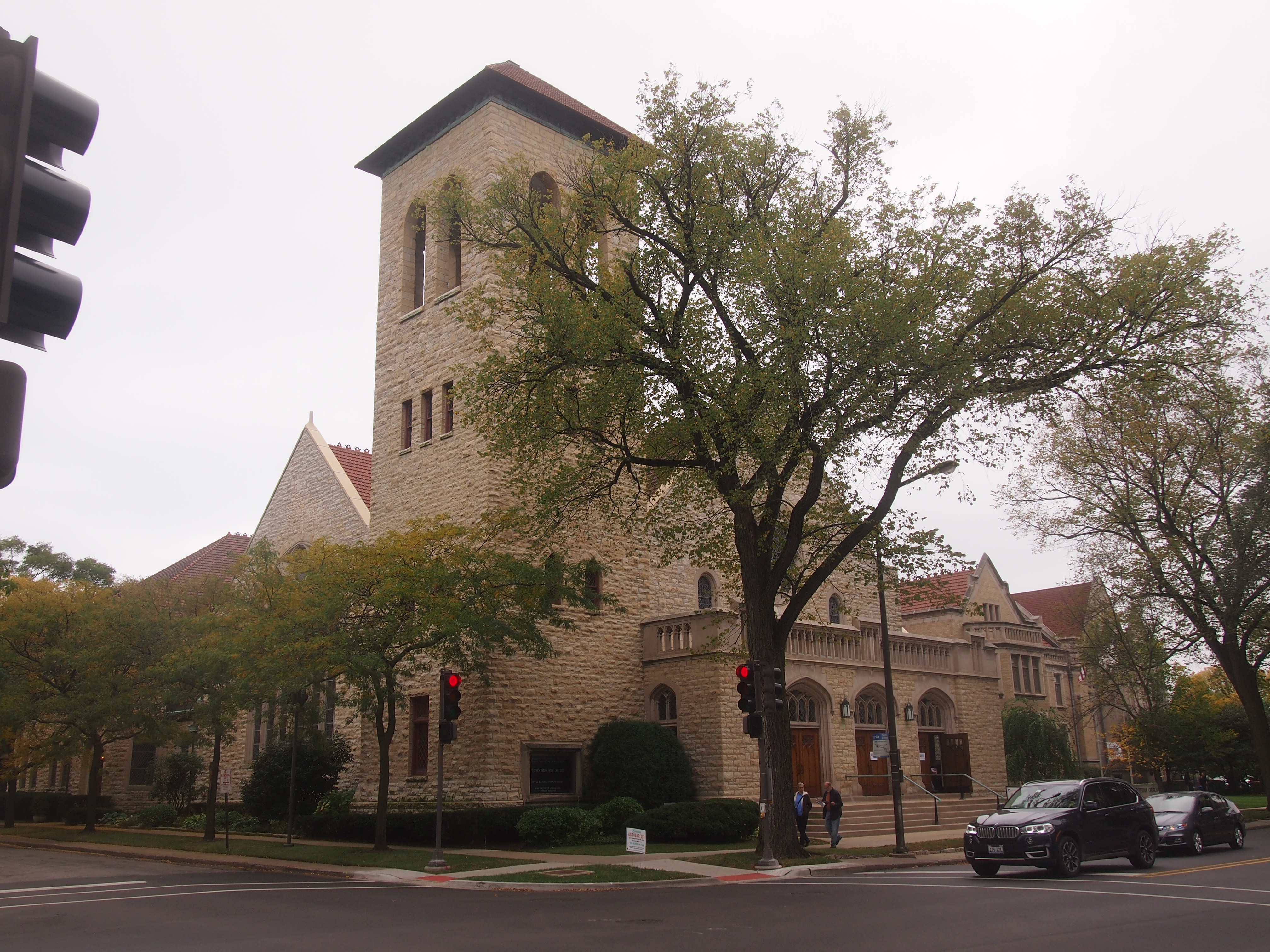
First Presbyterian, Evanston

The church’s web site says, “In July 1876 a new church building was dedicated after the original church burned down. However, this church only stood for 18 years. In February 1894, the second church burned to the ground [and maybe sank into the swamp]. The congregation met in a former roller rink while our current building was being constructed, at a cost of $80,000. Daniel H. Burnham, the famed architect who was the inspiration for Chicago’s lakefront, designed the new church.

“The church is constructed of Lemont limestone, with an interior finish of red oak and Georgian pine. The sanctuary is ninety by seventy-five feet, and with the balcony, seats eleven hundred persons.” A lovely sanctuary it is.
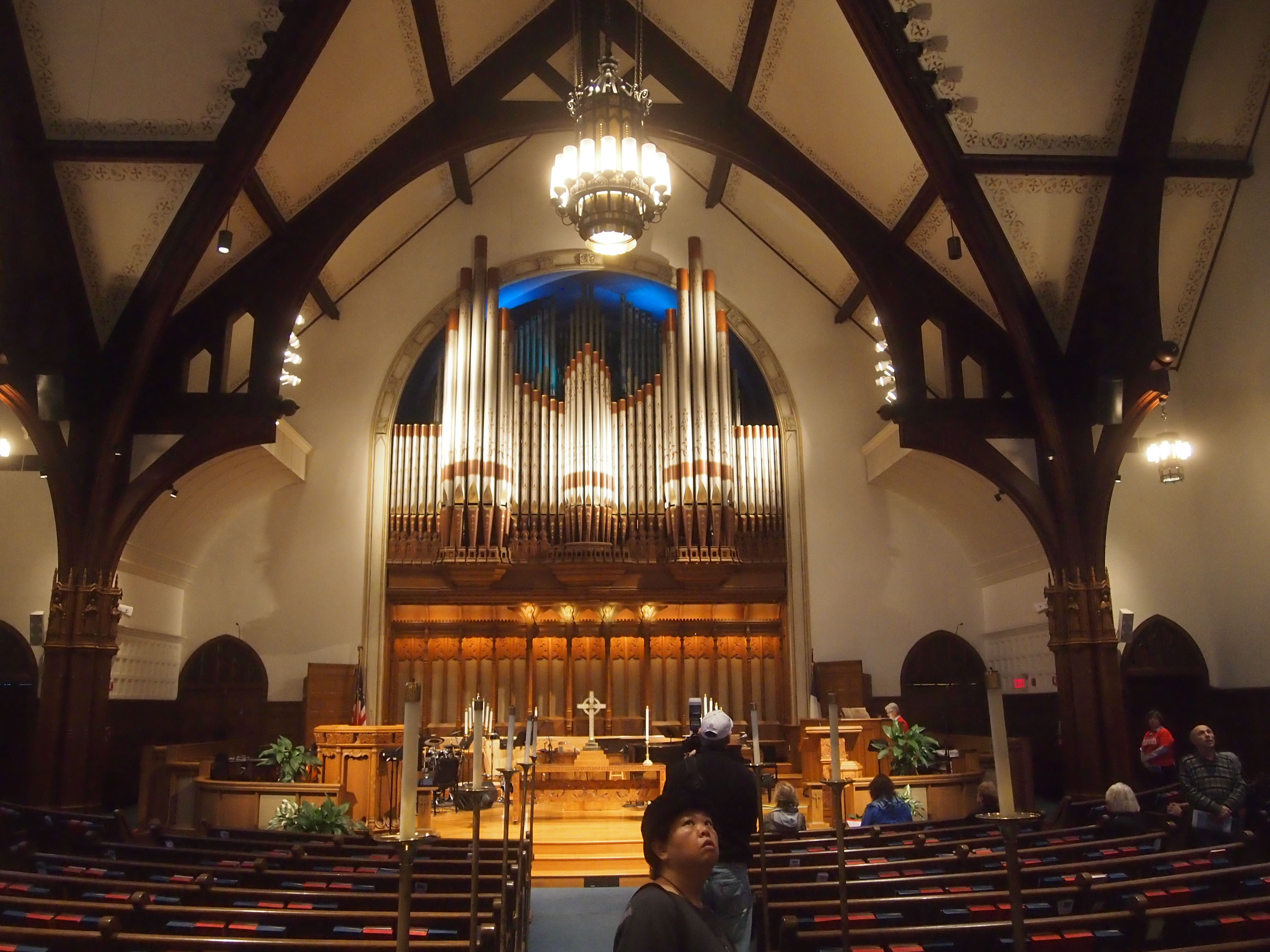
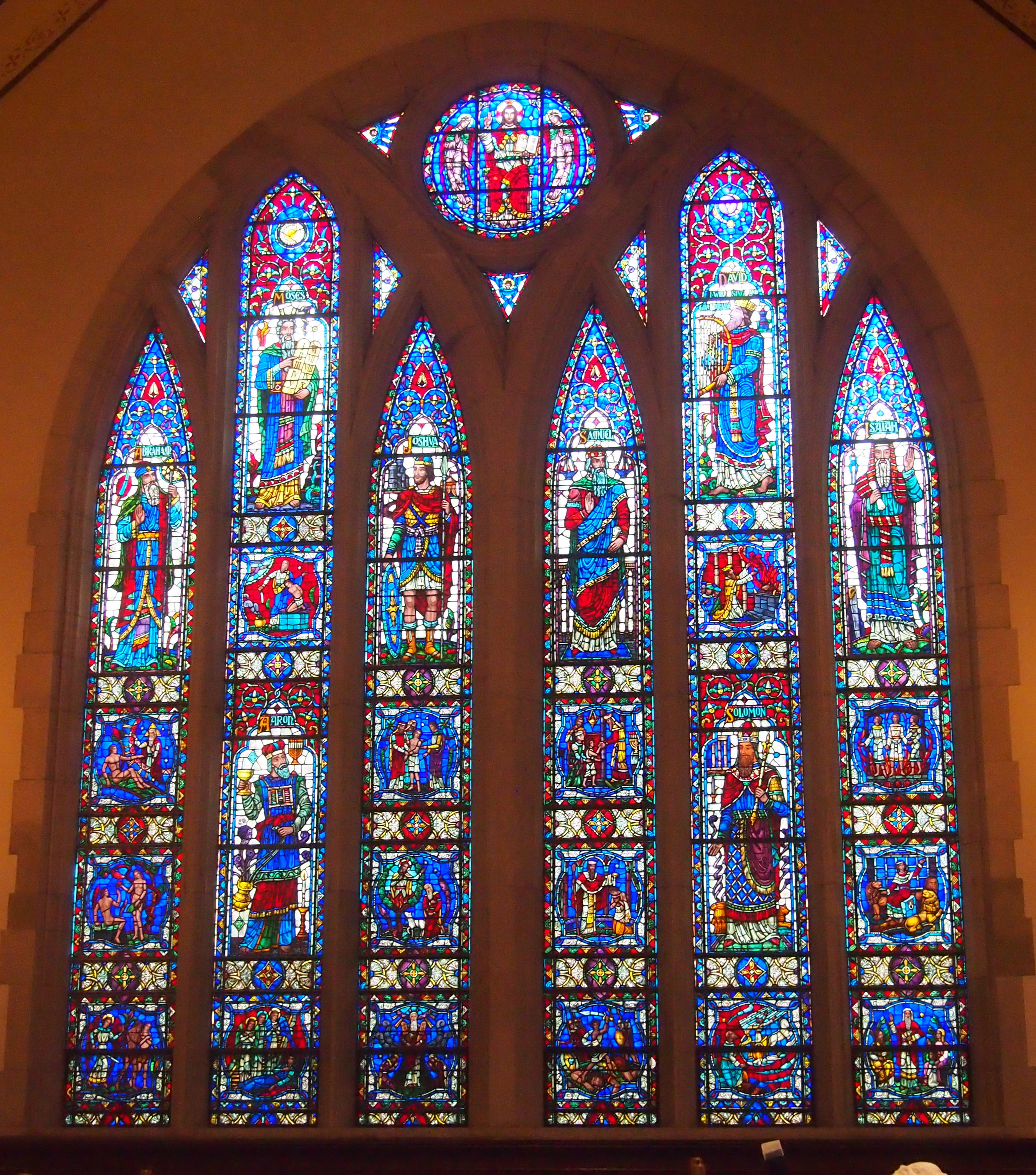
First Presbyterian EvanstonWith a lot of stained glass. This wall includes the Old Testament collection.First Presbyterian, Evanston

In the Uptown neighborhood of Chicago is the Buddhist Temple of Chicago. I’m pretty sure we visited there ca. 1997 during a Japanese cultural festival (I remember the taiko drummers especially). Seems that there’s an new building on the site now, or newer anyway, built 10 years ago. The religious organization goes back much further, to when Japanese and Japanese-Americans forced off the West Coast resettled in Chicago.

A fine altar.Buddhist Temple of ChicagoAnd a nice collection of wood panels. This one illustrates Gautama under the Bodhi Tree.
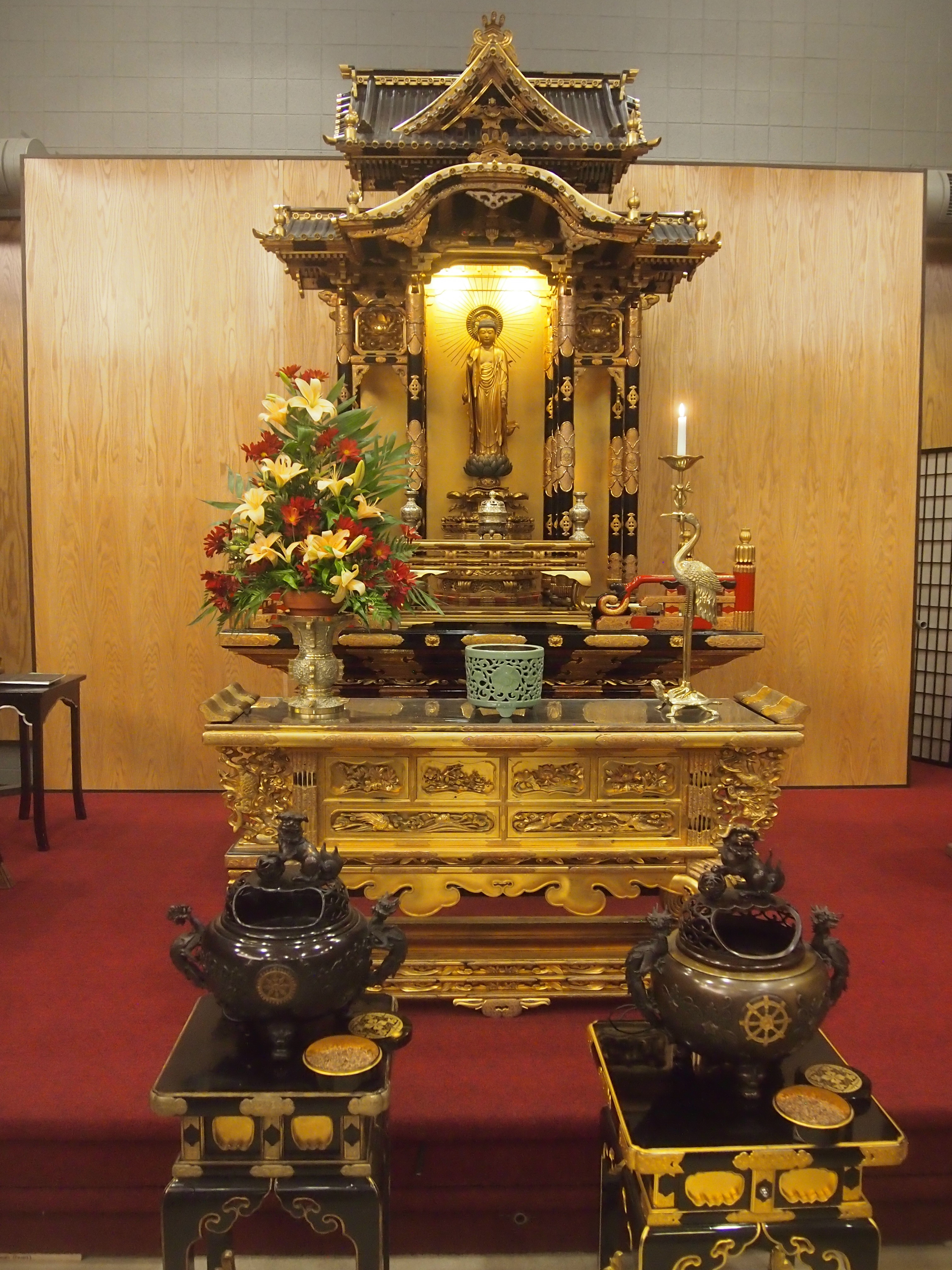
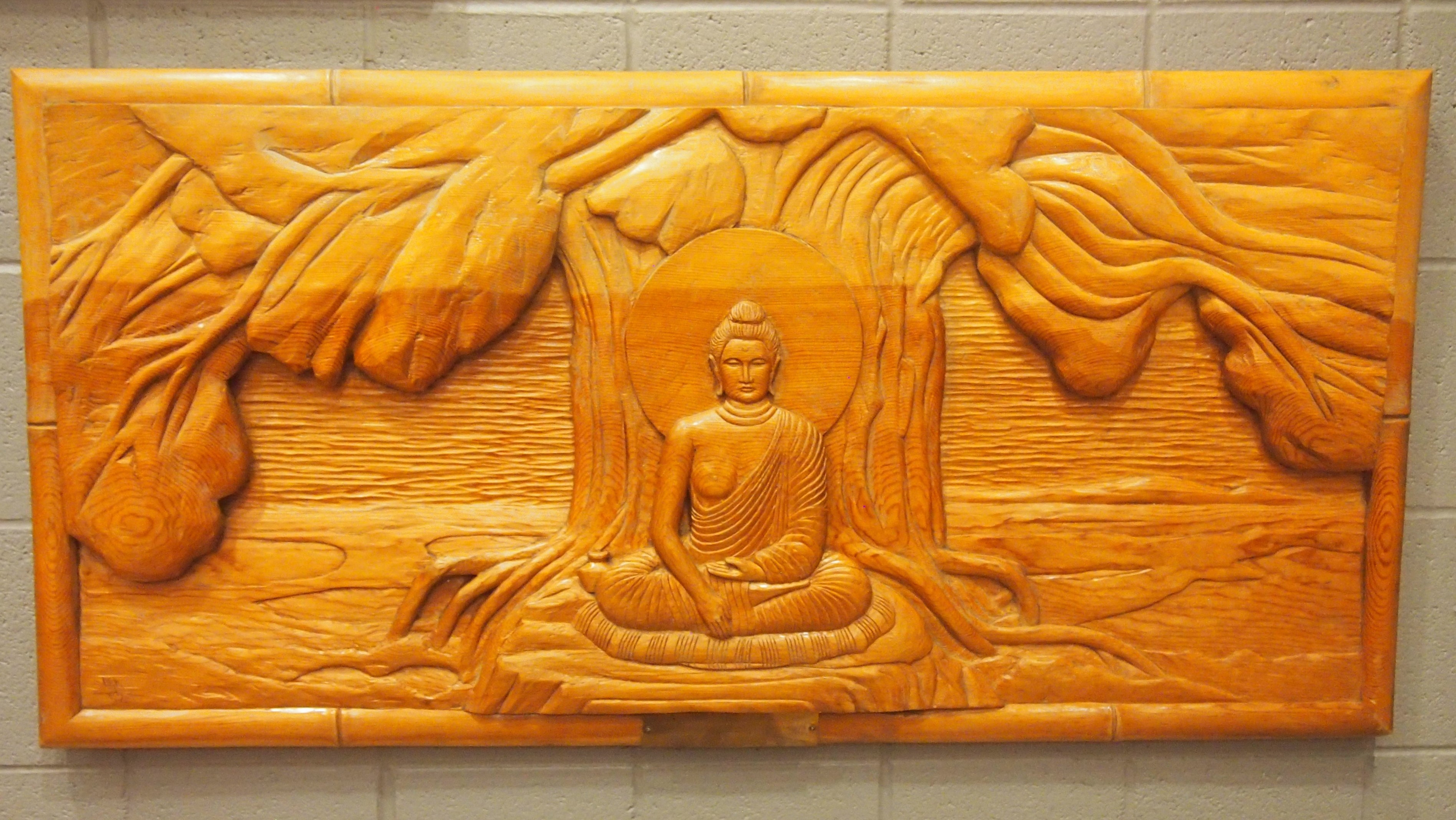
Buddhist Temple of Chicago

In the Rogers Park neighborhood of Chicago, on the same street and the same block — Lunt Ave., near Ridge — are St. Jerome, a Catholic church, and the local HQ of the International Society for Krishna Consciousness (ISKCON Chicago).

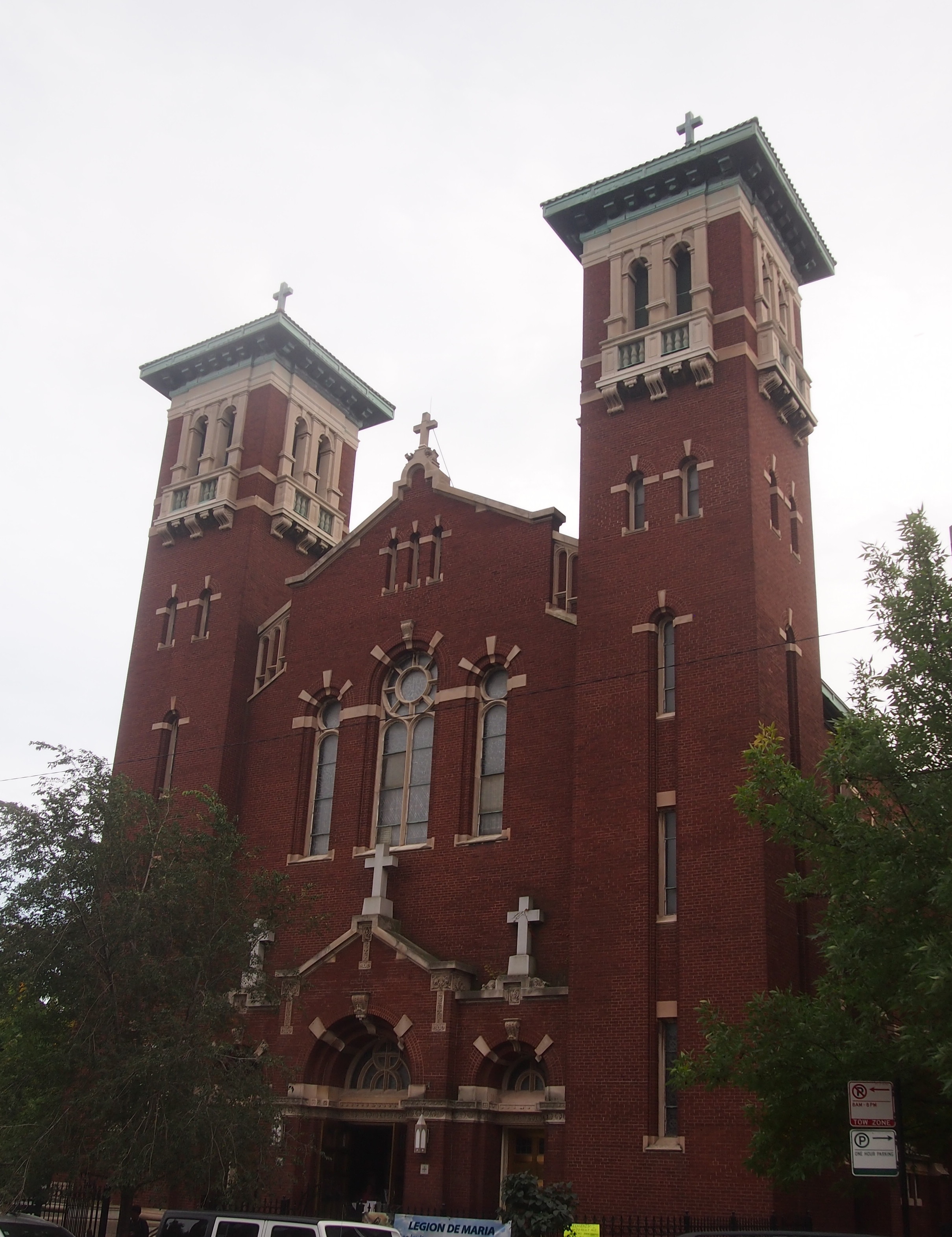
Here’s St. Jerome, a century old this year, with its Italian Renaissance exterior. The architect was one Charles H. Prinderville.St. Jerome, Chicago
Inside, an ornate Baroque sanctuary. At some point, the building was lengthened, becoming one of the longer church buildings I’ve seen lately.
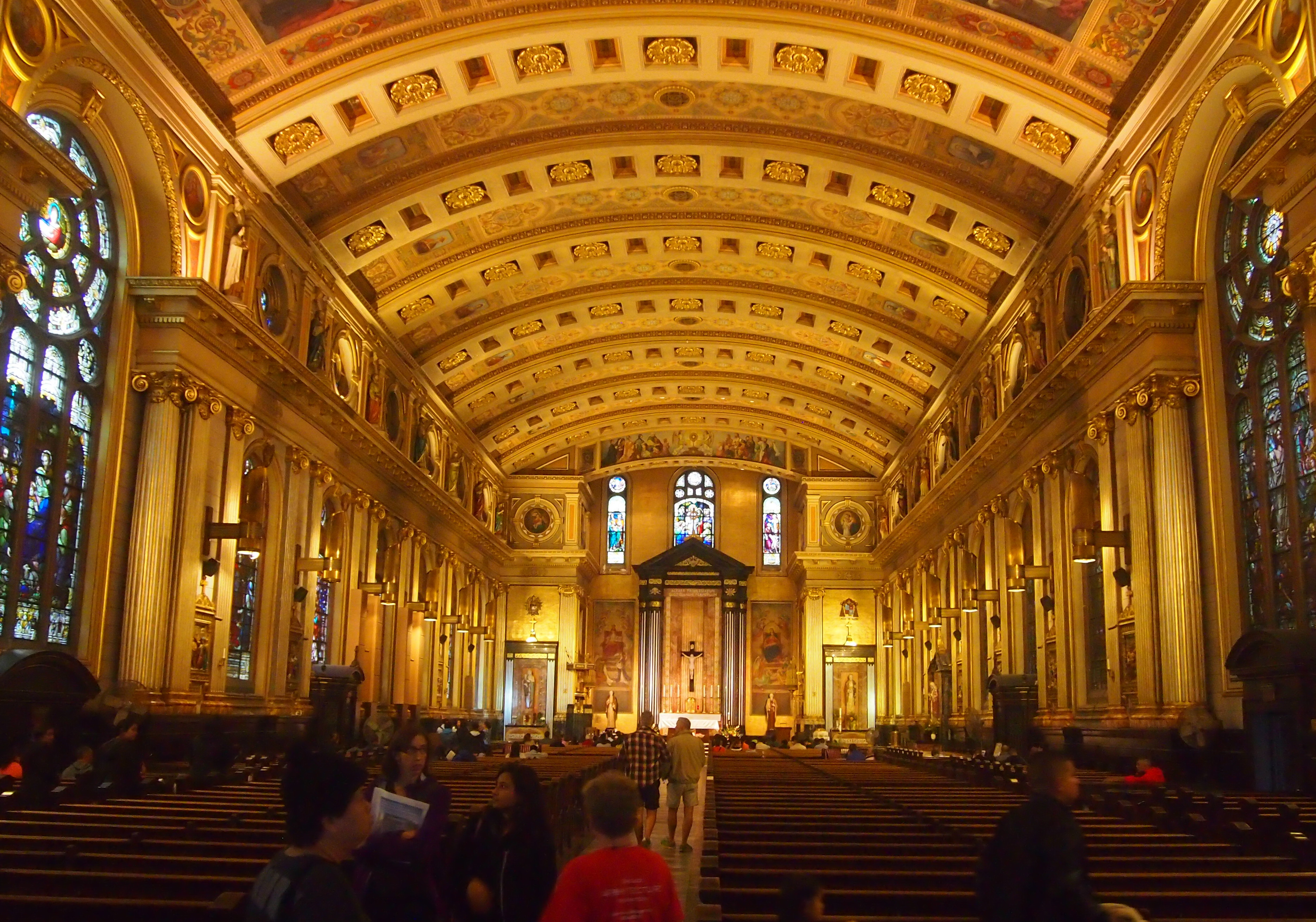
St Jerome, Chicago interior

Practically across the street, the devotees of Krishna do what they do. Until 1980, the structure was a Masonic temple. Now inside you can see depictions of Sri Kishora, or the youthful Krishna, and Sri Kishori, or the youthful Radharani.
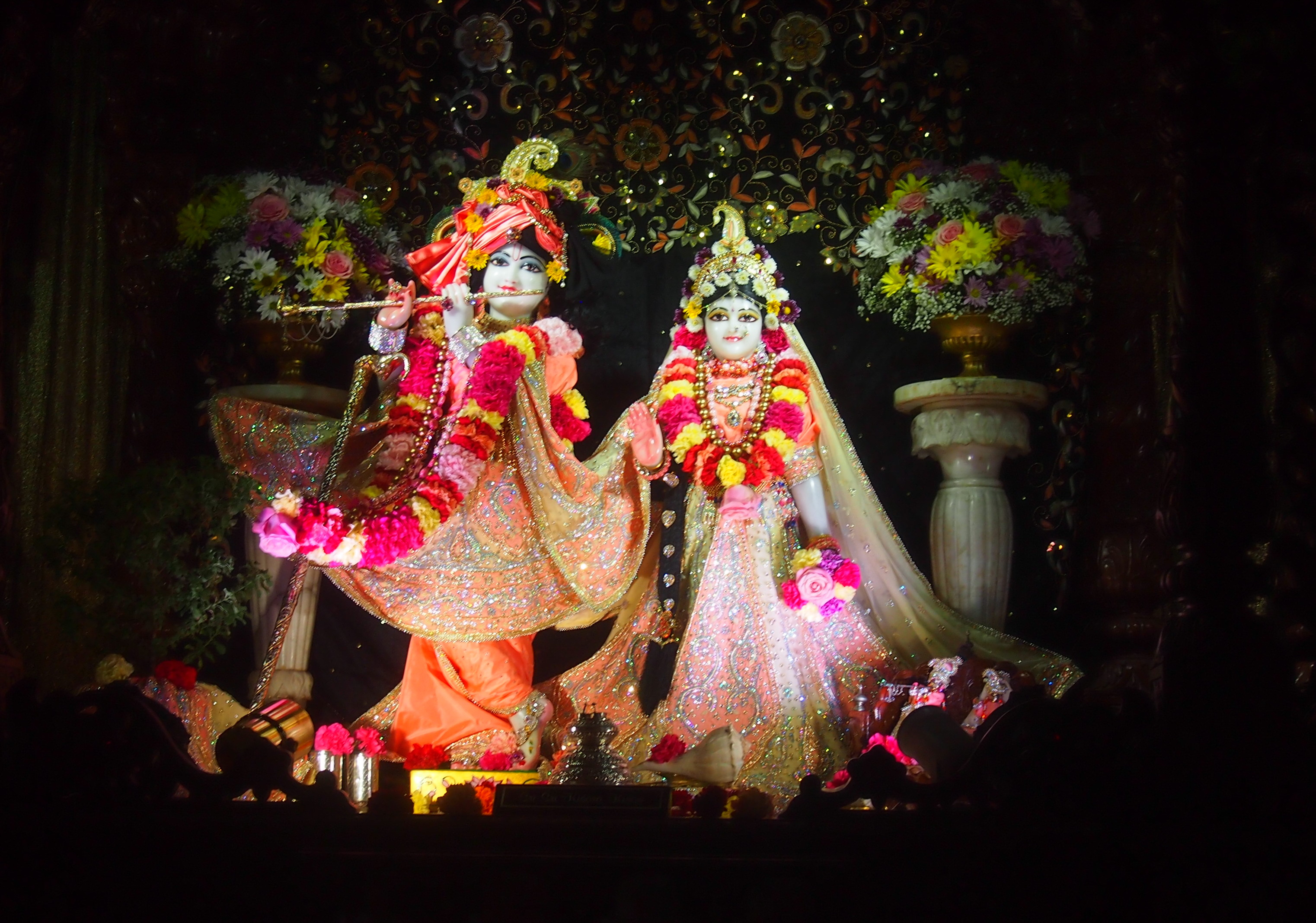
ISKCon Chicago

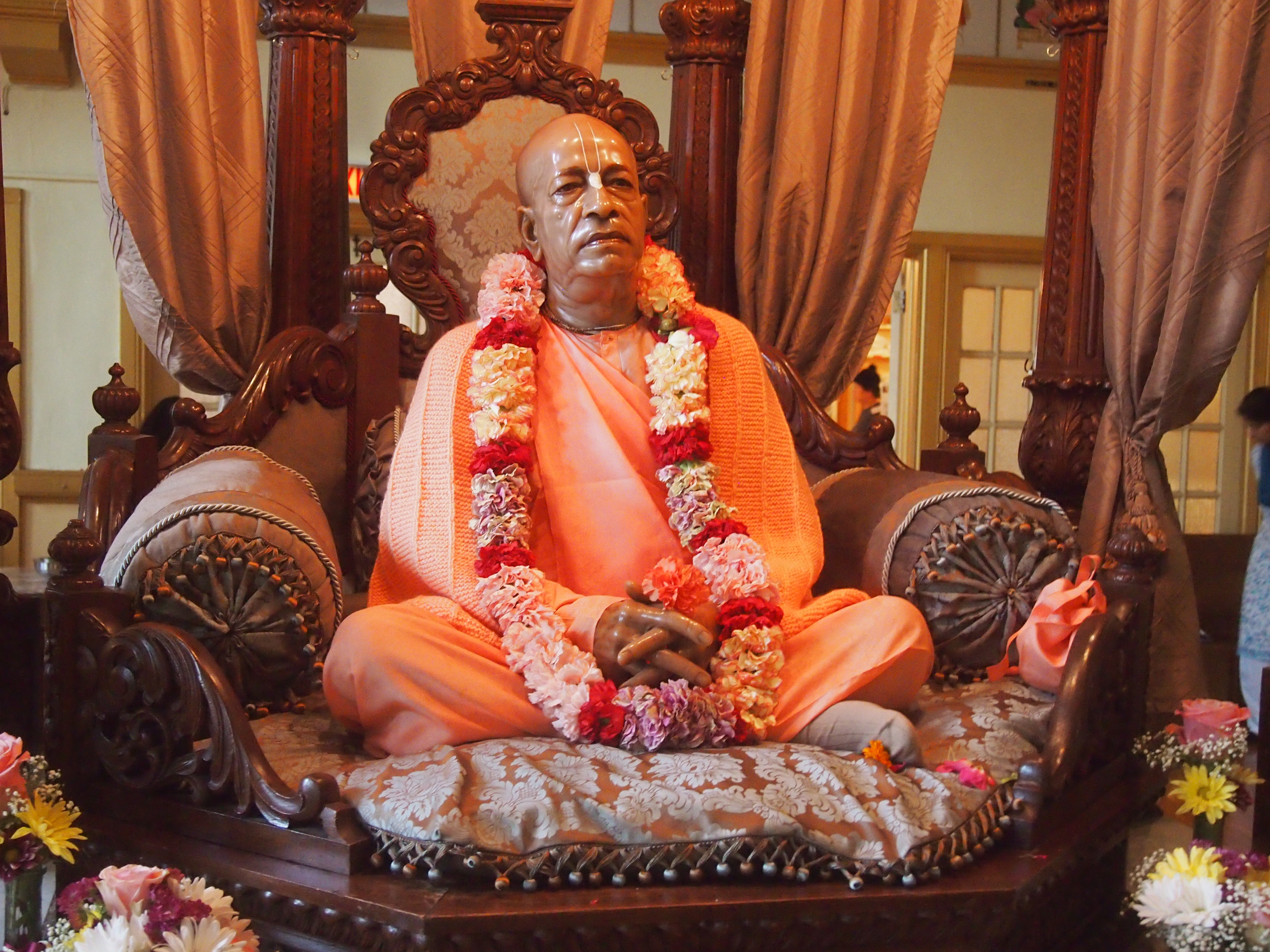
Then there’s this fellow.

ISKCon Chicago

That’s an awfully lifelike statue of Abhay Charanaravinda Bhaktivedanta Swami Prabhupada (1896-1977), whom you might call a Vaishnavite Hindu missionary to the West. He seems to have done well with that.

I can’t resist one more thing: cutting and pasting his name here in Sanskrit (according to Wiki, anyway), just because I can: अभय चरणारविन्द भक्तिवेदान्त स्वामी प्रभुपाद

Open House Chicago 2016

Turns out there are two kinds of building-visiting events in the world, Open House and Doors Open, and a good many cities in a lot of countries participate in one or the other. (Shucks, missed Milwaukee’s — next year, maybe). As far as I can tell, the idea is exactly the same in both cases: one weekend out of the year, various buildings are open — maybe a little more open than they’d usually be — and you can wander in and look around. A really good idea, if you asked me.

I was out of town last year, but participated in Open House Chicago in 2013. Yuriko and I went in ’14, and again this year, on Saturday. This time our focus was Evanston and some sites on the North Side of Chicago. All are parts of metro Chicago that we know well, but no matter how well you know a place, there’s always more to it. First we drove to Evanston, and then on foot and by El train, we managed to visit more than a dozen places new to us.

Including, in Evanston: the Francis Willard House Museum, Sigma Alpha Epsilon National Headquarters (Levere Memorial Temple), Northwestern University’s Charles Deering Library and its Dearborn Observatory, Stone Terrace (an elegant B&B near Lake Michigan), the First Presbyterian Church of Evanston, and the Lake Street Church of Evanston.

In the Uptown neighborhood of Chicago, we had lunch at a good Vietnamese restaurant — there are many around Broadway and Argyle — and then went to the Bridgeview Bank Building, the Buddhist Temple of Chicago, the ICA GreenRise and the Preston Bradley Center (the Peoples Church).

In the Rogers Park neighborhood of Chicago, just as our energy flagged, we managed to make it to the International Society for Krishna Consciousness building and then, practically across the street, St. Jerome’s, a Catholic church just about to start one of its Saturday masses, in Spanish.

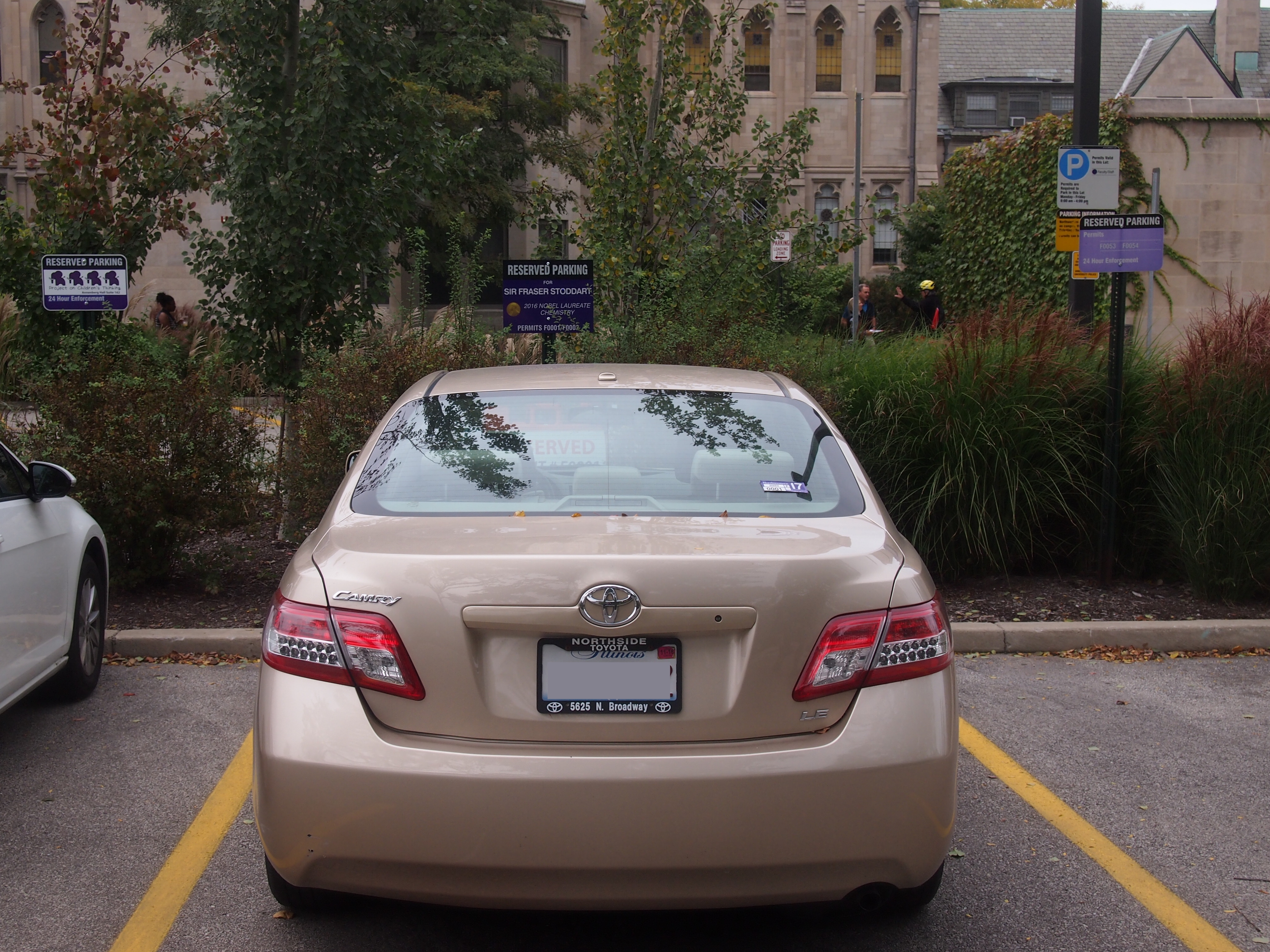
With Evanston as target for the morning, we naturally spent a while walking around the still-leafy campus of Northwestern. The university, we saw, was quick to honor faculty member and recent Nobel laureate, Sir Fraser Stoddart.

Sir Fraser Stoddard banner Northwestern University 2016

Among other things, Sir Fraser is known for his work on mechanically interlocked molecular architectures. How it’s possible to understand such things, besides what they are in the first place, is a source of puzzled wonderment to me. But I’m glad there are people who do understand such things.

Sir Fraser’s banner was on Sheridan Road, near the southern edge of the school. From there we went further north, into the heart of the campus, where we chanced on Sir Fraser’s parking space.

This amused me for no good reason. Maybe it’s because Sir Fraser drives a Camry too (and does have a license plate, which I’ve blocked). His looks in better shape than mine.

Ann Goes to New Places in Greater DC

I spoke more with Ann about her trip to DC, especially about some of the places that they visited that I never got around to for one reason or other, despite a number of trips to Reagan-era Washington, one visit in the mid-90s, and our week in the city in 2011. The kids had the advantage of someone else handling all the logistics, with buses to take them around, so they got around.

For instance, last Saturday morning they went as far afield as Annapolis, where the place to go is the U.S. Naval Academy. Ann says she was particularly impressed with the tomb of John Paul Jones. I asked her about the Stribling Walk and her eyes got a little wide, remembering that she’d seen that too.

I told her about Rear Admiral Cornelius Kinchiloe Stribling, who had a long career in the antebellum U.S. Navy, and when the war came, sided with the Union, despite being a native of South Carolina. His son John, however, joined the Confederate Navy and died in its service. At one point in his career, he was superintendent of the Naval Academy, and apparently was well regarded.

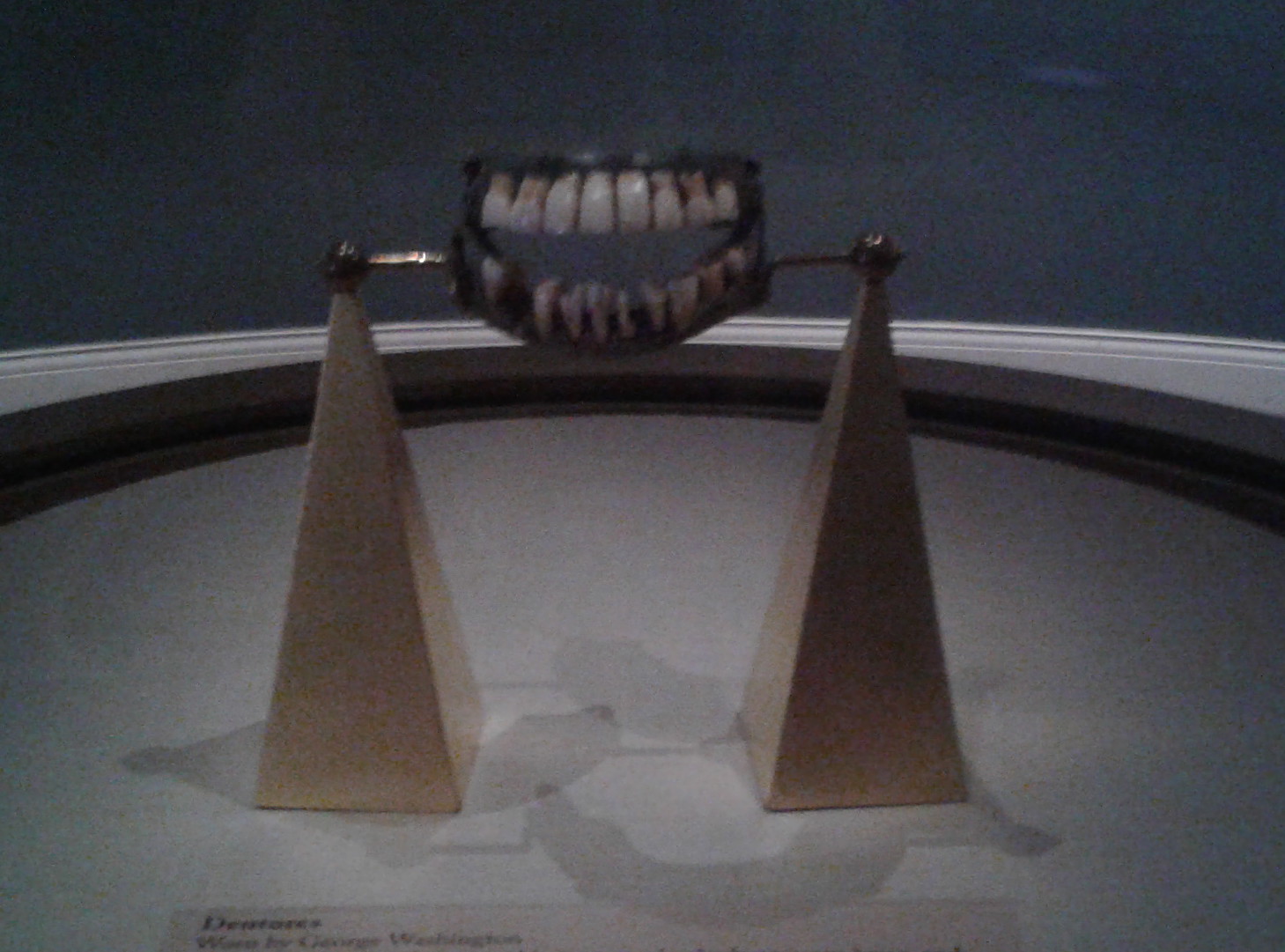
Also, the kids made it to Mount Vernon. So did I, once upon a time. When I got there, the place was closed — by the shutdown of the federal government in early 1995. Ann got to see George Washington’s teeth, among other things. Looks painful to wear.

Washington's teeth, Mount Vernon

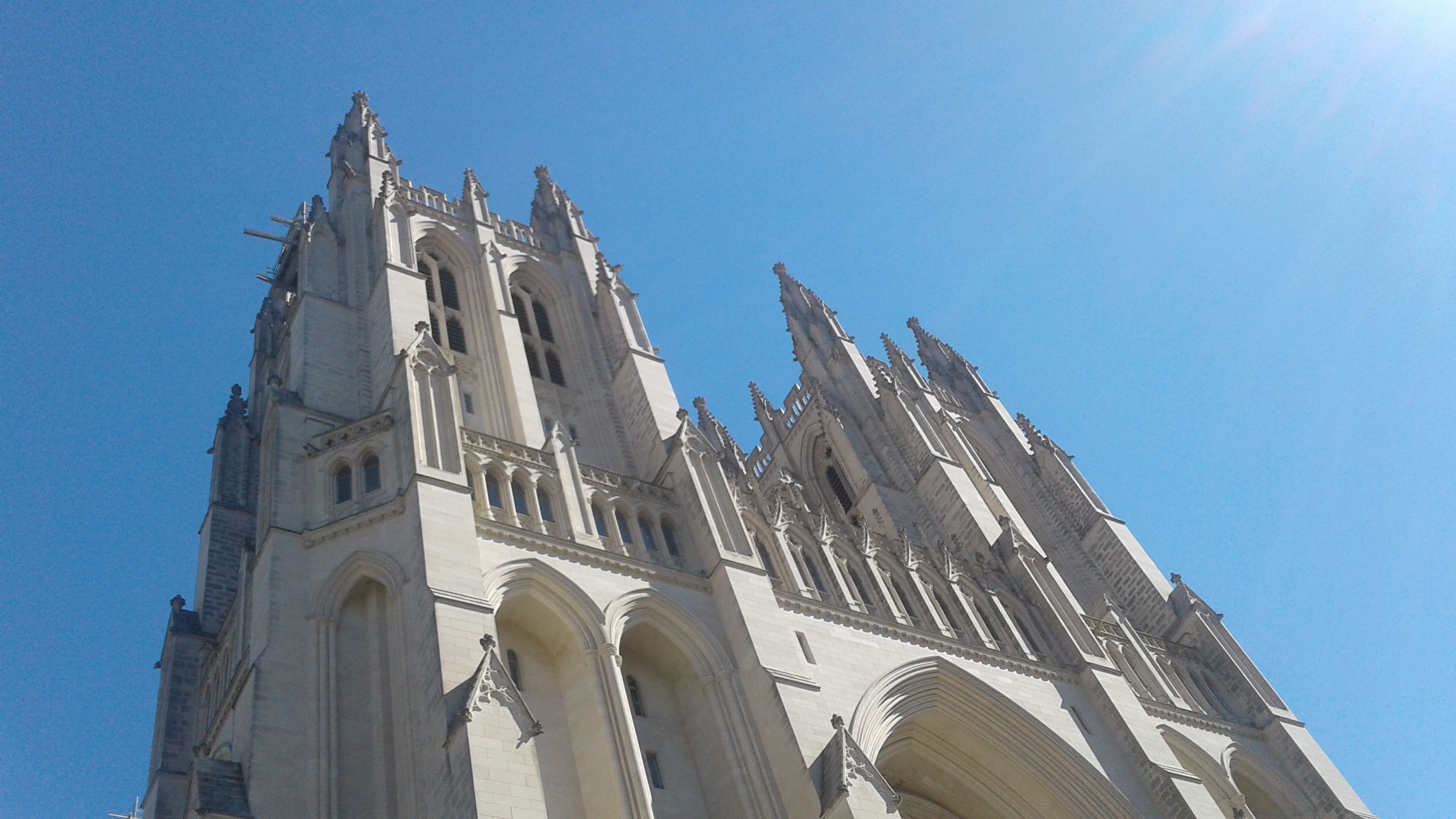
They also went to the Washington National Cathedral, formally the Cathedral Church of Saint Peter and Saint Paul in the City and Diocese of Washington. In 2011, we opted to go to the Basilica of the National Shrine of the Immaculate Conception instead, because the basilica is within walking distance of a Metro station, while the cathedral is not.

Ann said she admired the design, both interior, for its intricate carving, and vaulting exterior.

National Cathedral 2016

The tour group also hit all of the major war memorials on the National Mall: WWII, Korea and Vietnam. By the time we got around to that part of the Mall in 2011, it was dark, so we really didn’t see Korea or Vietnam, though I remember seeing the Vietnam memorial in the mid-80s, when it was new and remarkably striking; the Korean memorial wasn’t finished until the mid-90s.

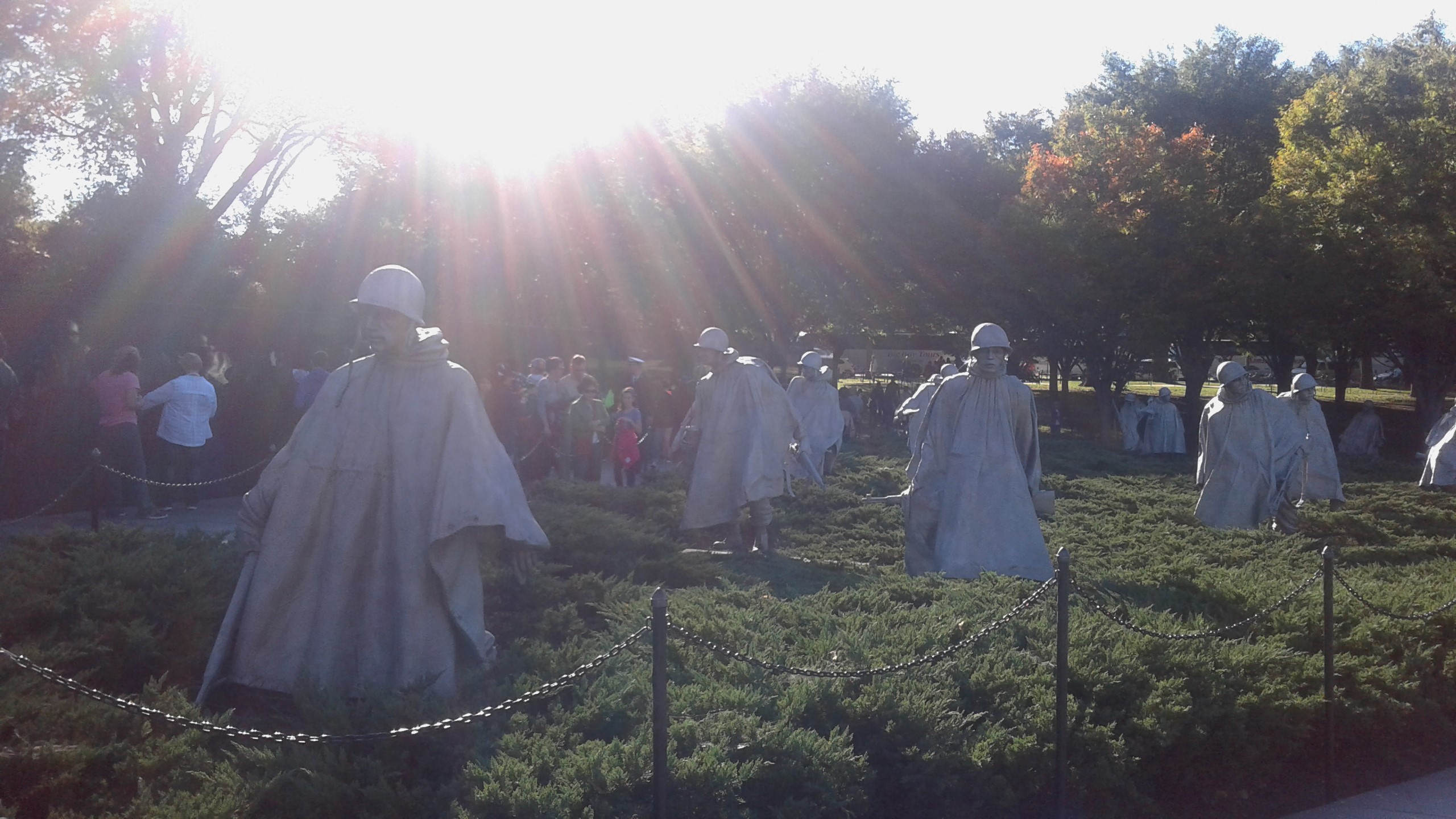
This is part of the Korean War Veterans Memorial, as Ann saw it in the morning.

Korean Veterans memorial Dc 2016

Each of the stainless steel soldiers, I’ve read, weighs about 1,000 lbs., and include members of each service, though are mostly Army. Sculptor Frank Gaylord did them.

Kankakee Walkabout

For no charge, the Kankakee County Convention & Visitors Bureau will send you a 24-page booklet (six forms of four pages each) called “Historic Churches of the Kankakee Area Self-Guided Walking and Driving Tour.” It’s a high-quality, full-color bit of work, with some text, a few maps and a lot of interior and exterior pictures of Kankakee-area churches, such as Asbury United Methodist, Wildwood Church of the Nazarene, First Presbyterian, St. Paul’s Episcopal, and others.

There’s also a few interesting historical tidbits about some of the buildings. This is my favorite, about St. Paul’s: “Divine intervention spared the stained glass windows during two great hail storms in 1932 and 1982.”

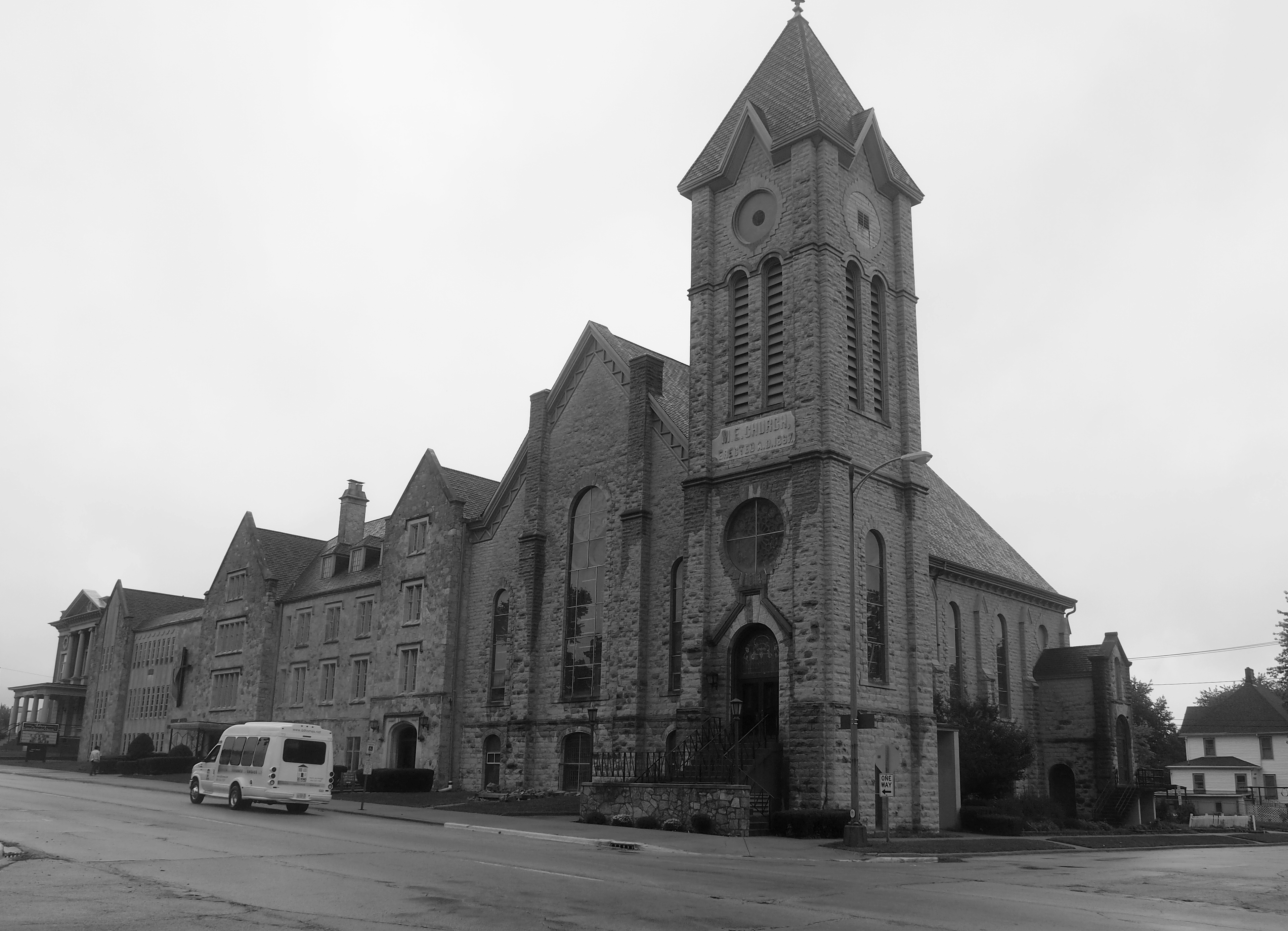
The churches weren’t the only reason we went to Kankakee on Saturday, braving intermittent rain, but as long as we were going to be in the area, I wanted a look. Ideally, a look inside a few of the churches, including divinely protected stained glass, but I suspected that would be impossible. We went to four of them, all in walking distance of the Kankakee County Courthouse, and none were open.

I understand the reasons. Things would go missing if they didn’t lock up most of the time. Still, it was irritating. We did get a look at the outsides, some of which are impressive enough, such as Ashbury United Methodist, which dates from 1868.

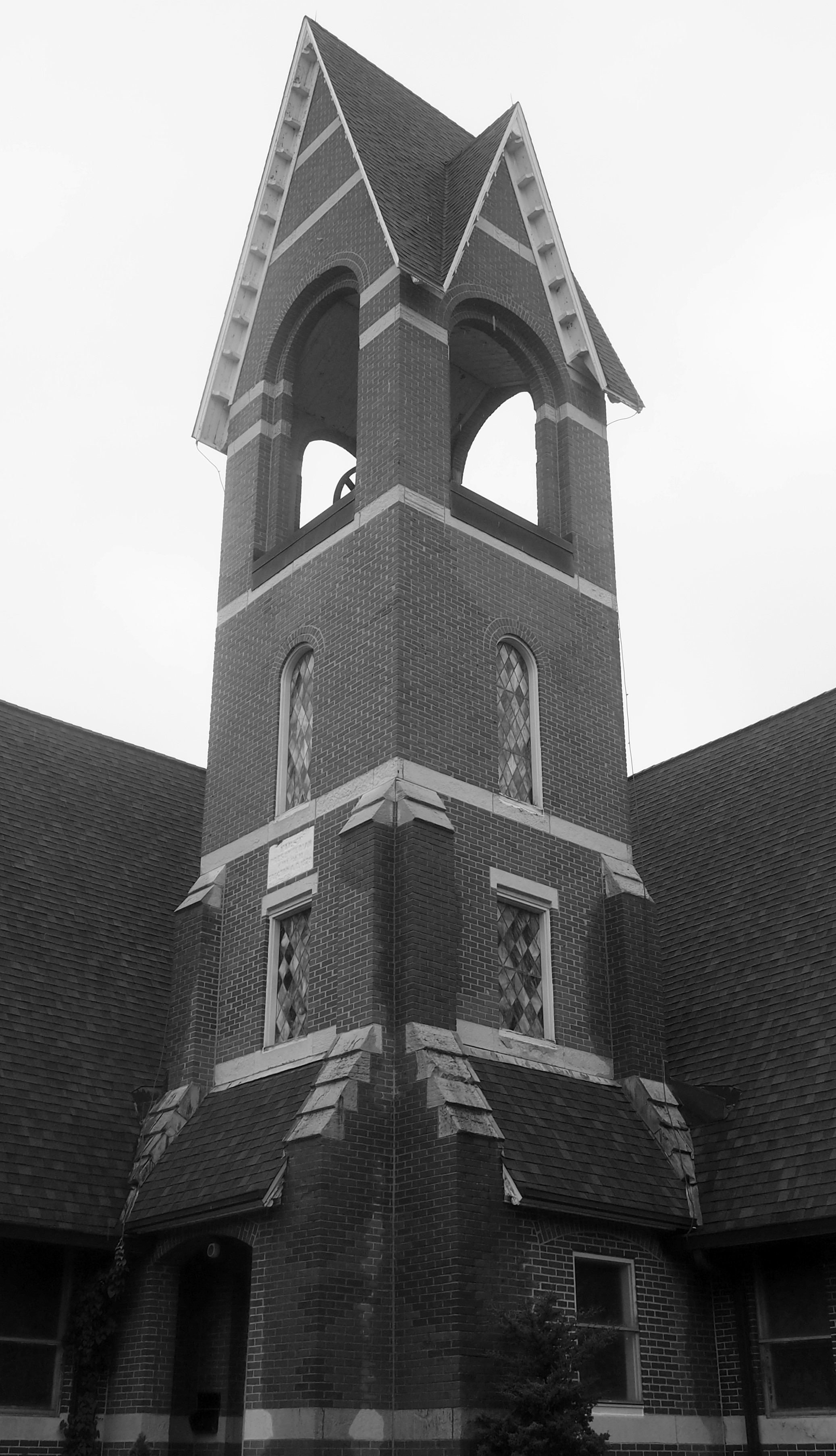
Ashbury United Methodist, Kankakee 2016I liked the bell tower of First Presbyterian, vintage 1855. According to the booklet, its 2000-lb. bell is rung by hand on Sundays.
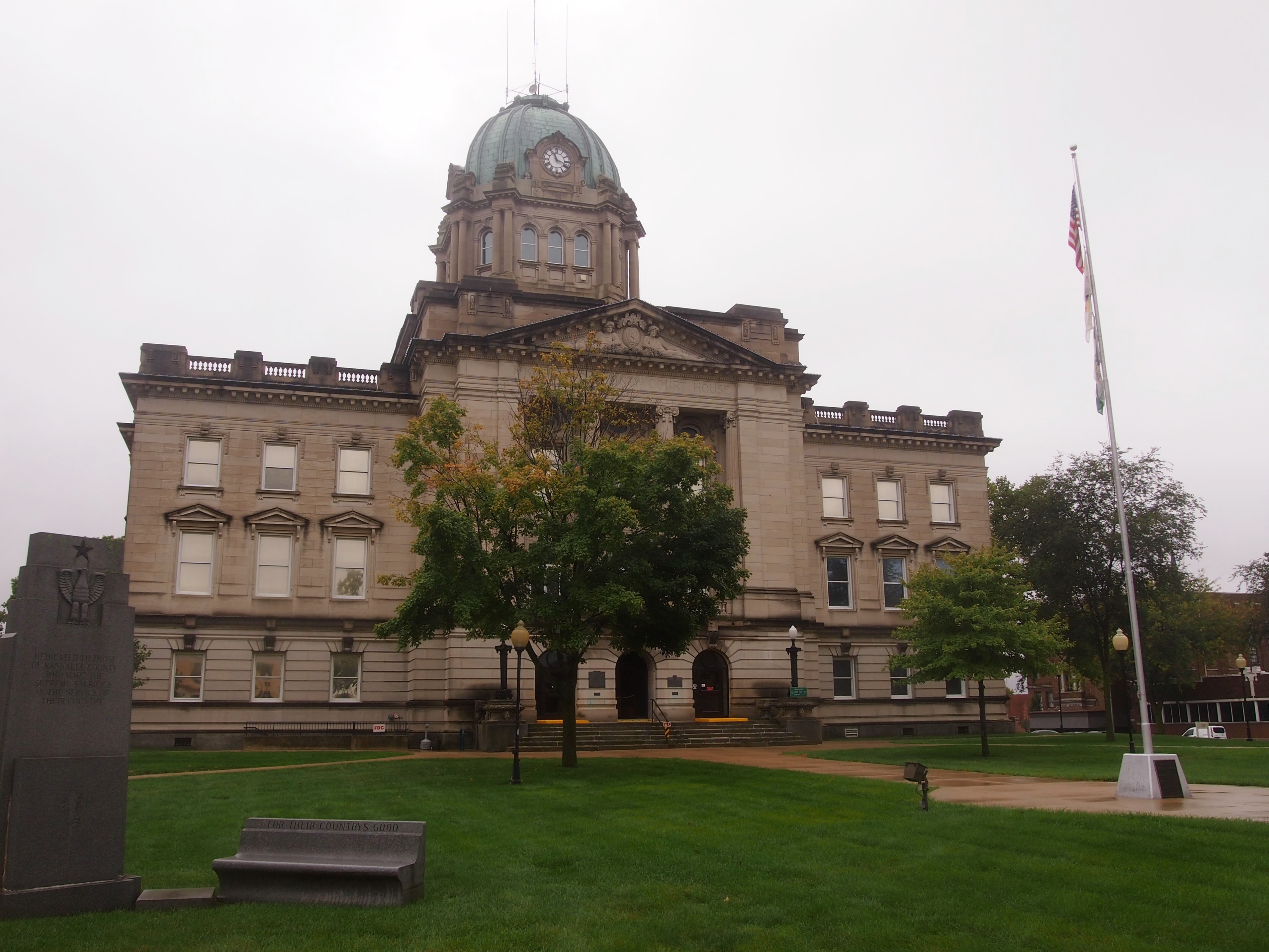
First Presbyterian Church of Kankakee 2016Churches weren’t the only buildings of note. This is the Kankakee County Courthouse, standing on this site since 1912.
Kankakee County Courthouse 2016The architect who designed it, Zachary Taylor Davis, ought to be better known in Chicago, considering that he also did the original Comiskey Park (gone) and the still-beloved and still-standing Wrigley Field. It should also be remembered that lunch-counter baron Charlie Weeghman commissioned that ball park for his team, the Chicago Whales of the Federal League.

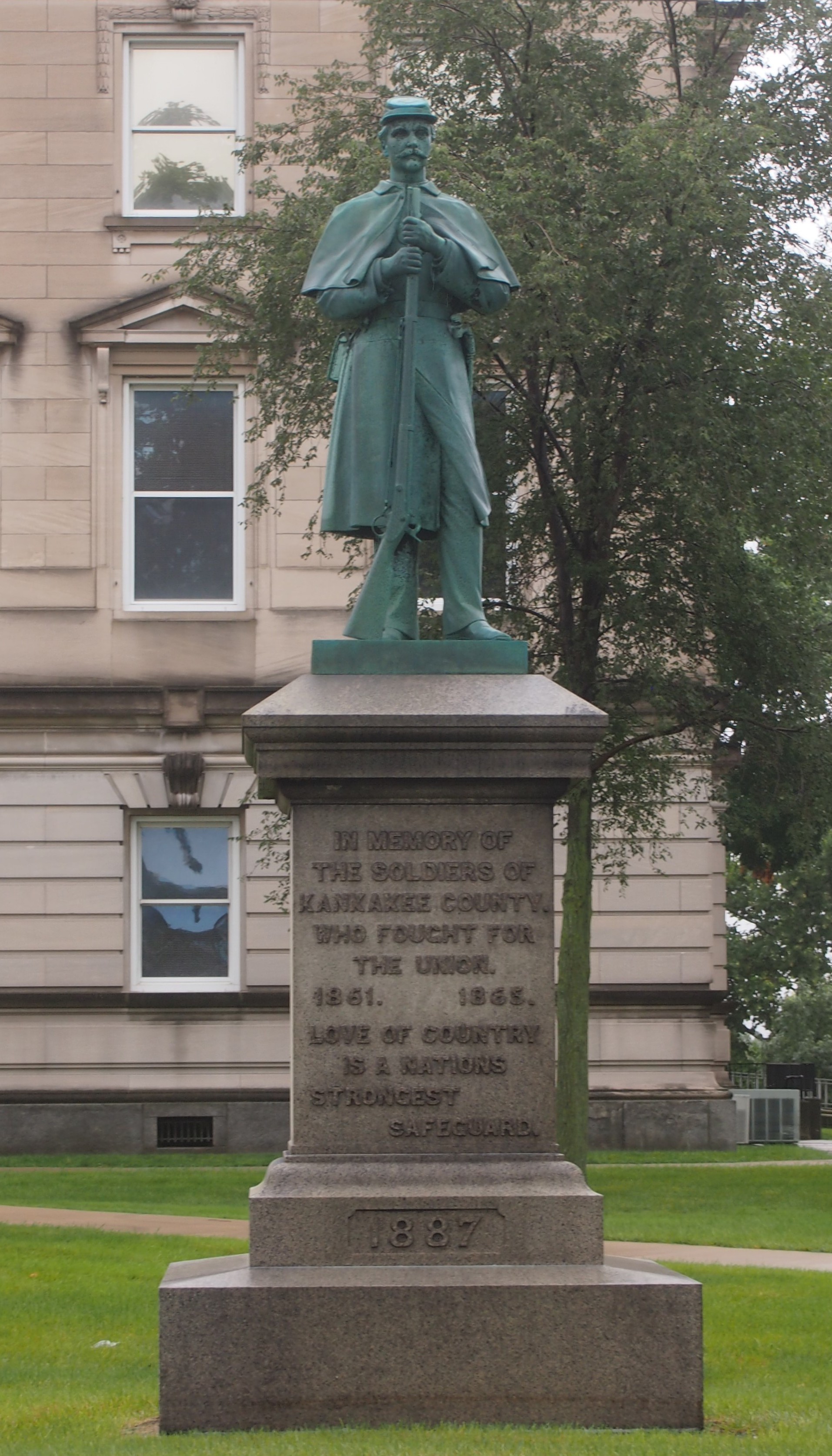
The courthouse statute, dated 1887. As you’d expect, “In memory of the soldiers of Kankakee County who fought for the Union.”
Kankakee County Courthouse statue 2016One more Kankakee County structure, just south of the courthouse: the brutalist county “detention center.”
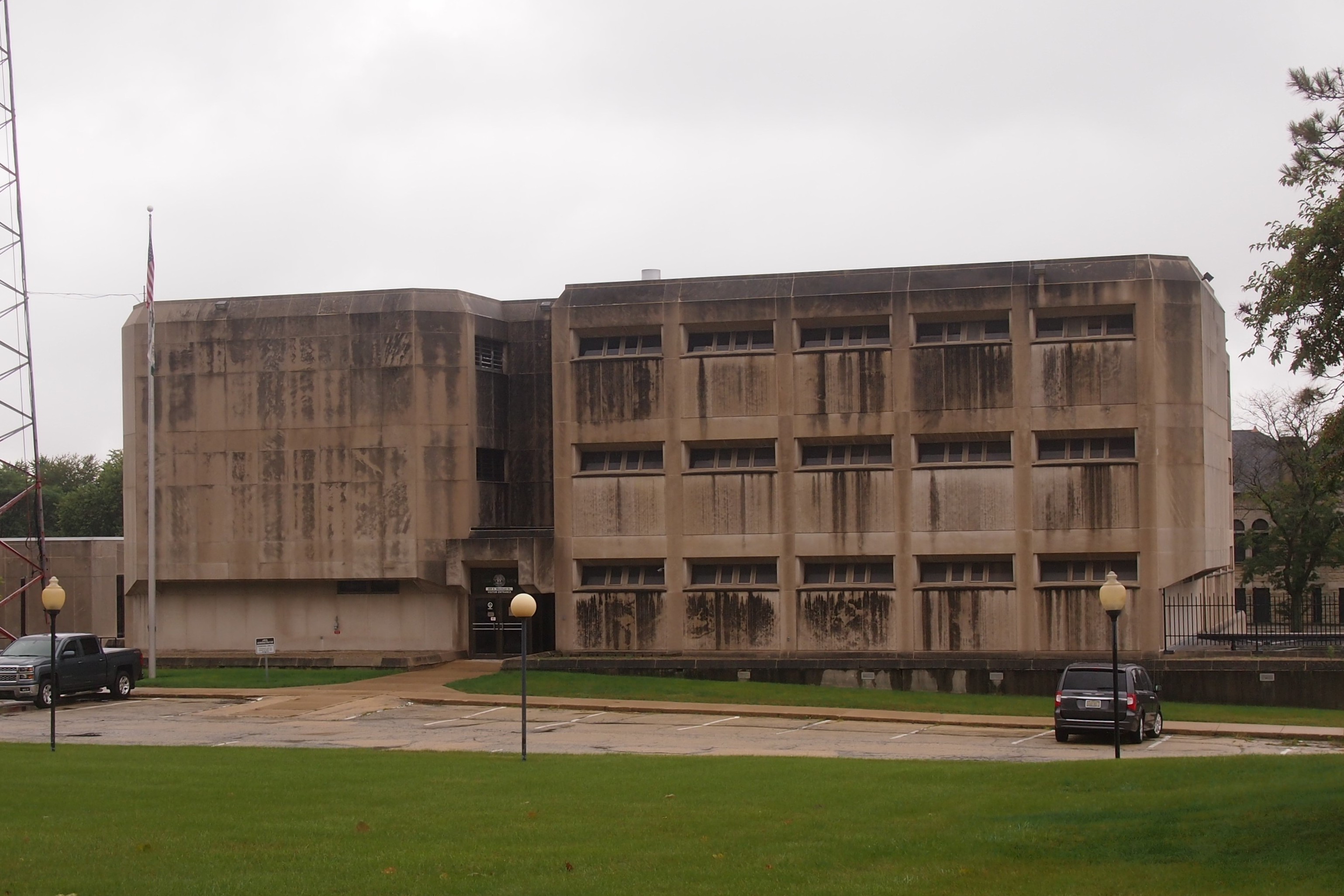
Kankakee County jailThe jail, that is. Detention is what you get in school. Otherwise it’s just official euphemism.

The Fourth Presbyterian Church of Chicago

Saturday was the annual Churches by Bus tour organized by the Chicago Architectural Foundation, which we were on last year and the year before. Not this year. We’ve been to two of the five churches listed on the tour. The tour isn’t precisely cheap, so I wanted a little more novelty. Four out of five, maybe.

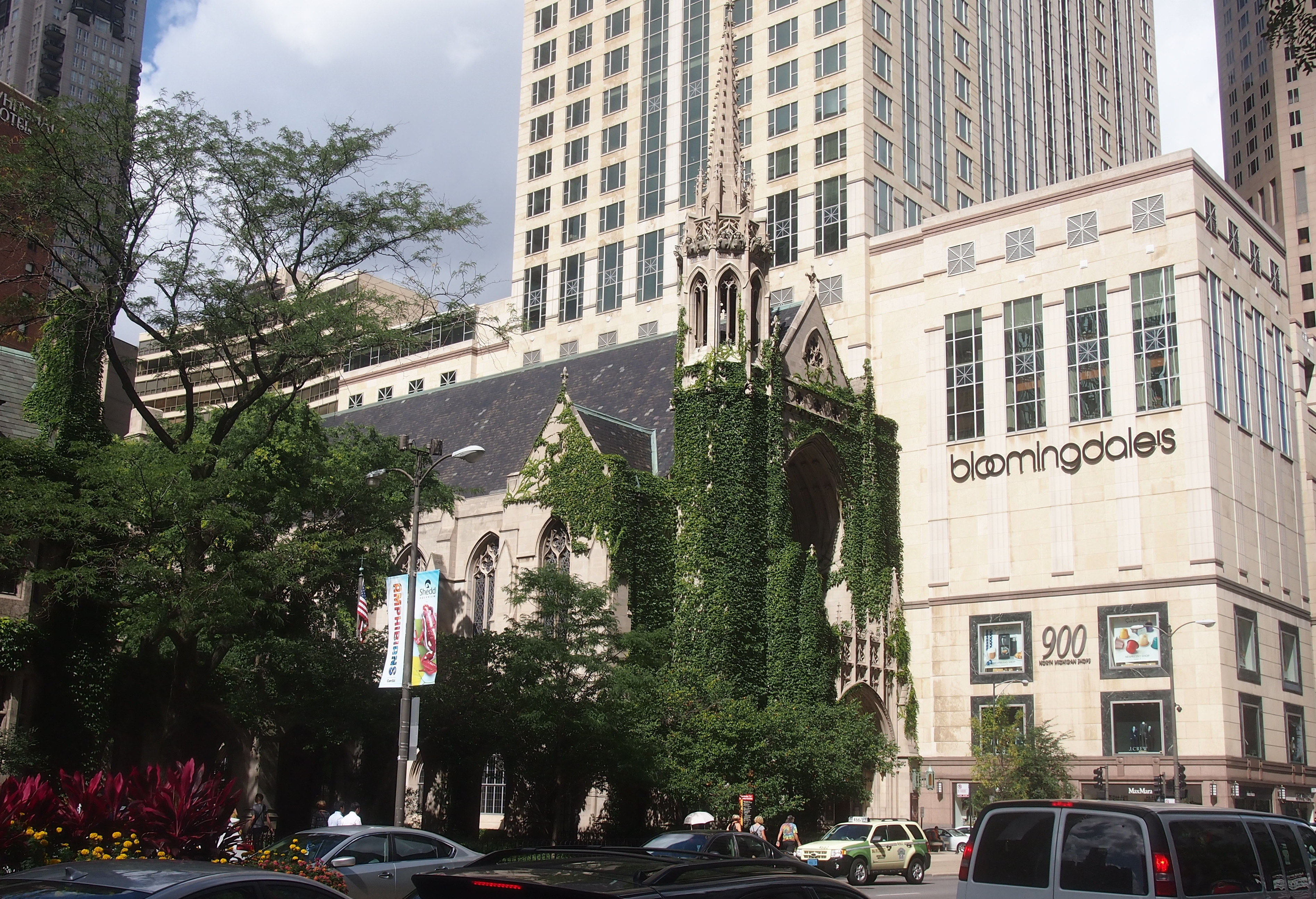
So we planned to look at four churches around Michigan Ave. while in the neighborhood. Nothing new — almost nothing new — but no charge either. As it turned out, only two of the four were open, and a third had a service in progress; not the time to wander around looking at it. The open one that wasn’t busy was Fourth Presbyterian Church of Chicago on Michigan Ave., a fine Gothic structure in the heart of the shopping district.
Fourth Presbyterian Church Chicago

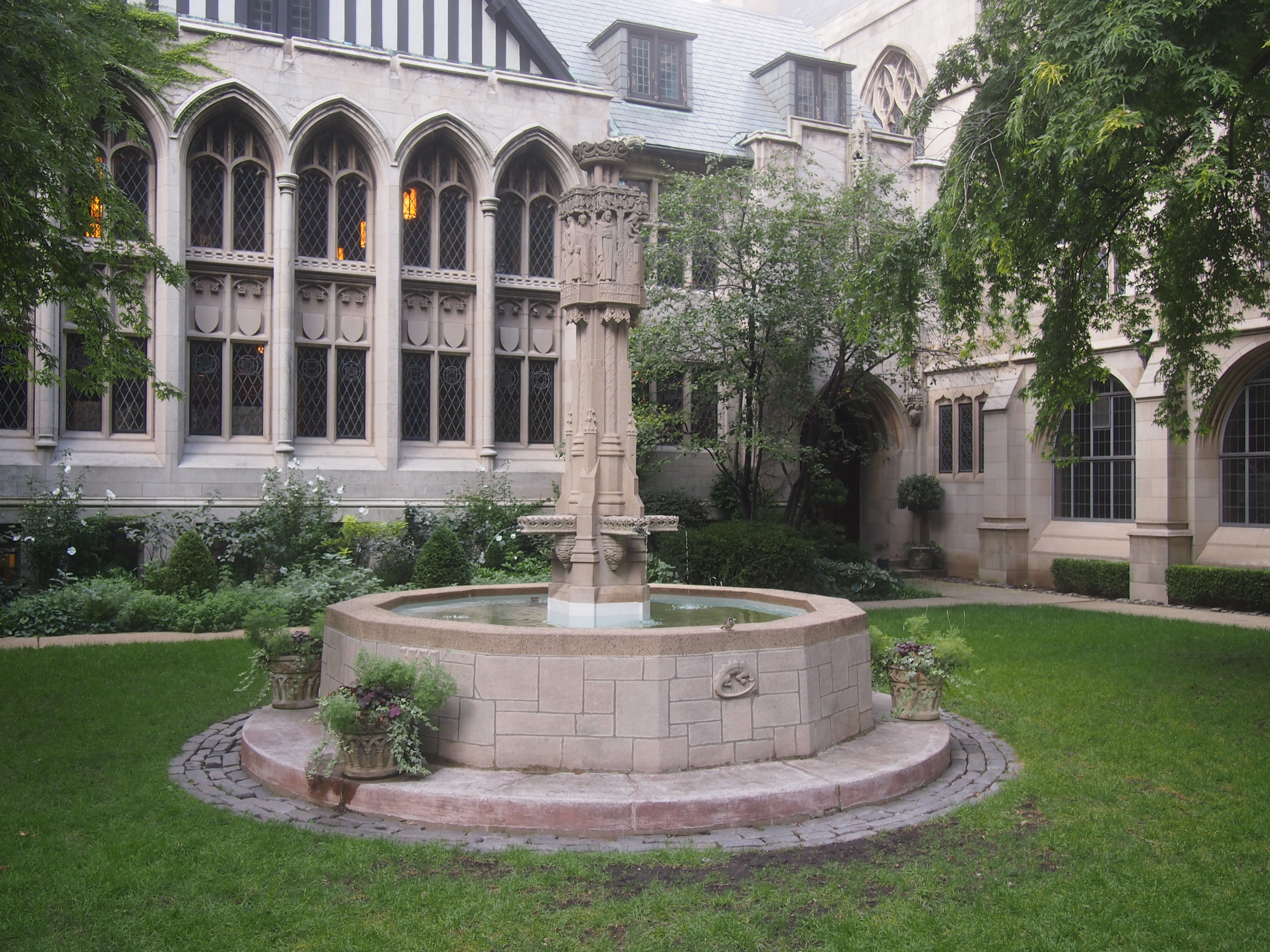
Nice courtyard to the south of the main building, too.

Fourth Presbyterian Church Chicago

When the church was finished in 1914, however, that part of Michigan Ave., still called Pine St., was no great shakes. Cheap land, in other words. All of the action on Michigan Ave. was still south of the Chicago River. That changed with the completion of the Michigan Avenue Bridge over the river in 1920, and Fourth Pres has watched temples of mammon grow up around it since then.

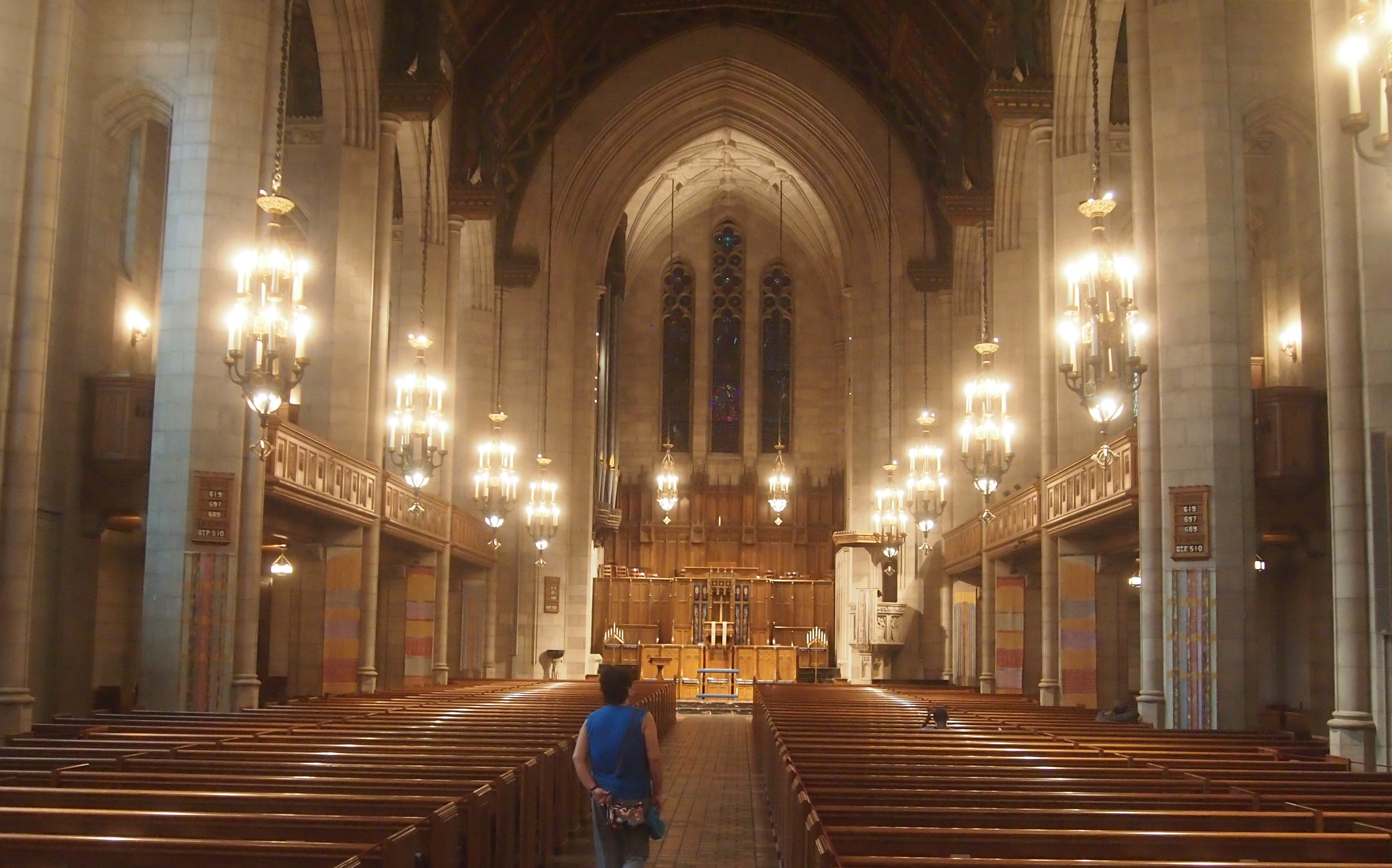
A fine interior. Been inside a number of times over the years. The ceiling’s a little dark, but lights up there would be expensive not only in electricity usage, but maintenance, I figure.

Ralph Adams Cram (1863-1942), an architect who did a lot of ecclesiastical work, designed the church. He’s also known for the Cathedral Church of St. John the Divine in Manhattan.

Adjacent to the church is a much newer structure, the Gratz Center, which was completed only in 2013 to house a preschool program, the Buchanan Chapel, a new dining room and kitchen, offices, and rooms. We took a look at the second-story Buchanan Chapel, which is mostly spare, but well lit with natural light, and with a labyrinth on its floor. The chapel’s architect was Brian Vitale, in Gensler’s Chicago office.

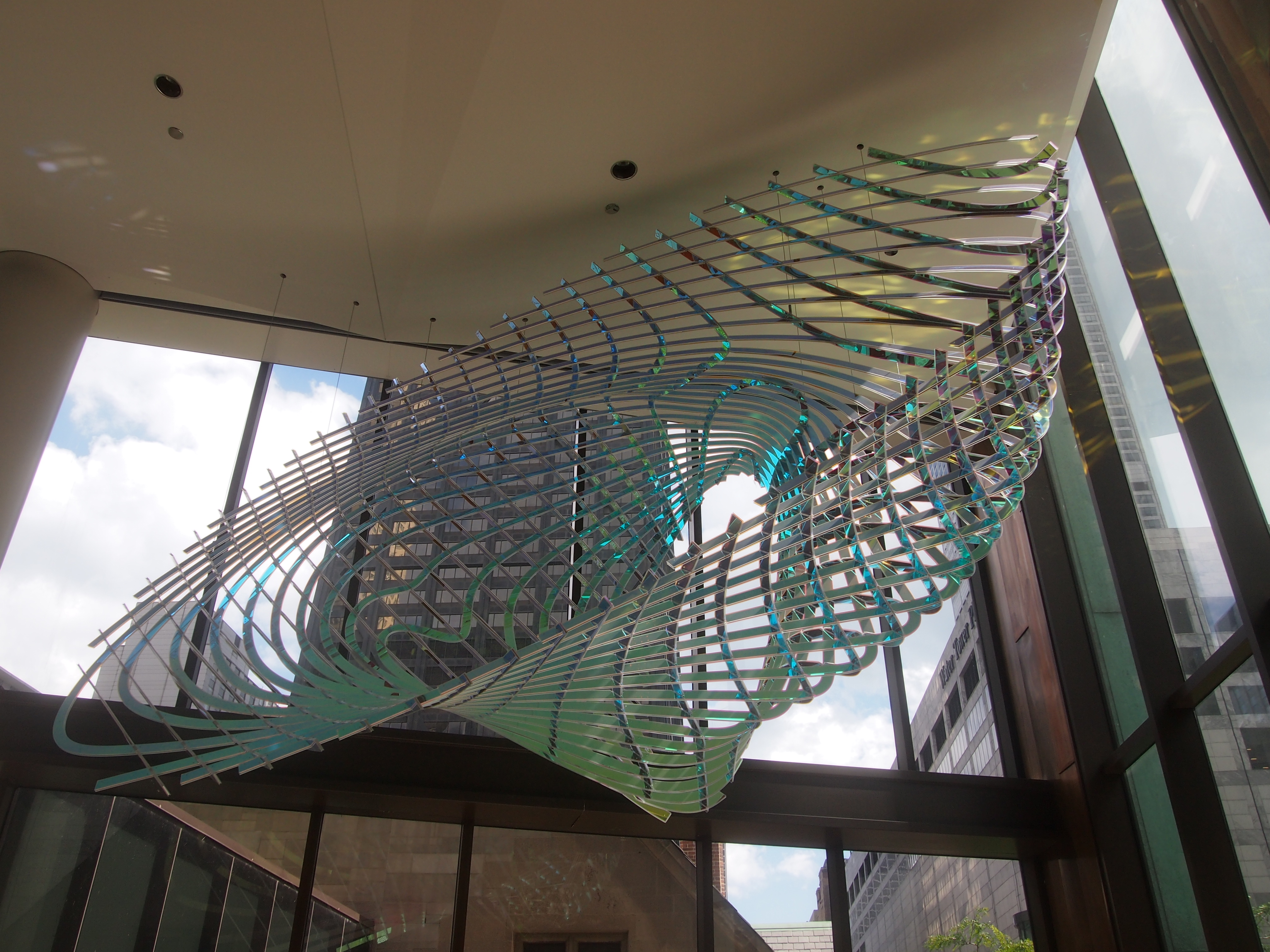
Up in the corner of the chapel hangs “Quaternion,” a 2014 piece by Alyson Shotz, a Brooklyn artist.

"Quaternion," a 2014 piece by Alyson Shotz, Interesting. Often, that’s all I ask from bits of the world.

Scenes of Post-People’s Republic Mongolia

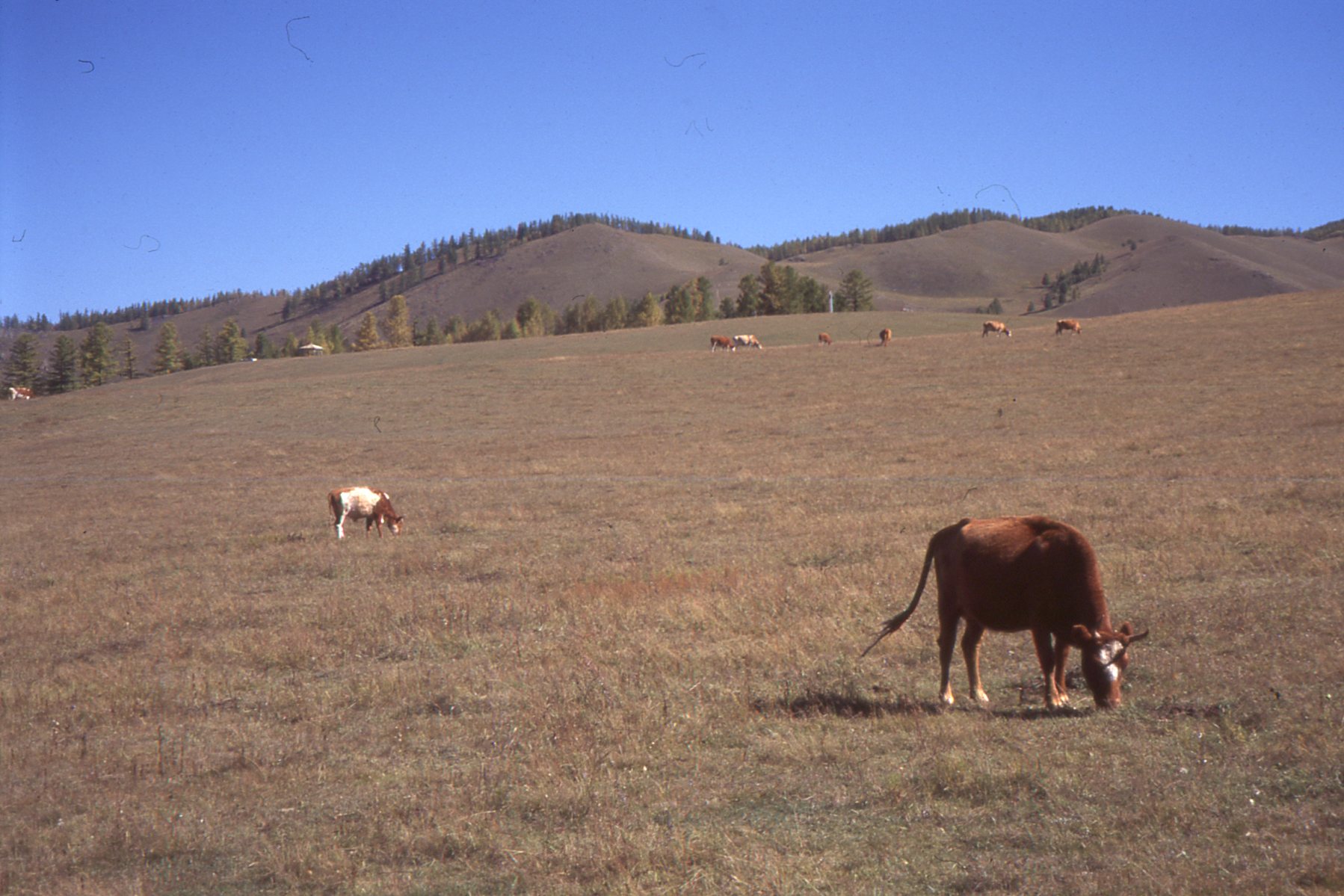
The part of rural Mongolia that we saw in September 1994 — in and near Gorkhi-Terelj National Park, 20 or so miles from Ulaanbaatar — looked a lot like this. Ulaanbaatar wasn’t a sprawling kind of place in those days, unless you count the large neighborhoods composed of thousands of ger (yurts).
Rural Mongola 1994In places the trees were fairly dense, with streams flowing through the land. Most of all, though, it felt remote. Even more remote than the arguably further-from-absolutely-everything Cape Leeuwin in Western Australia, because the infrastructure was so much more developed there, as far SW as you could go on the entire continent.

Ulaanbaatar didn’t feel so remote, though in ’94 sometimes livestock were seen wandering the streets. I wonder if that’s now a thing of the past for the Mongolian capital, as traffic inevitability increases. How do I know that traffic has increased in 20-plus years? That’s just one of those things that happens.

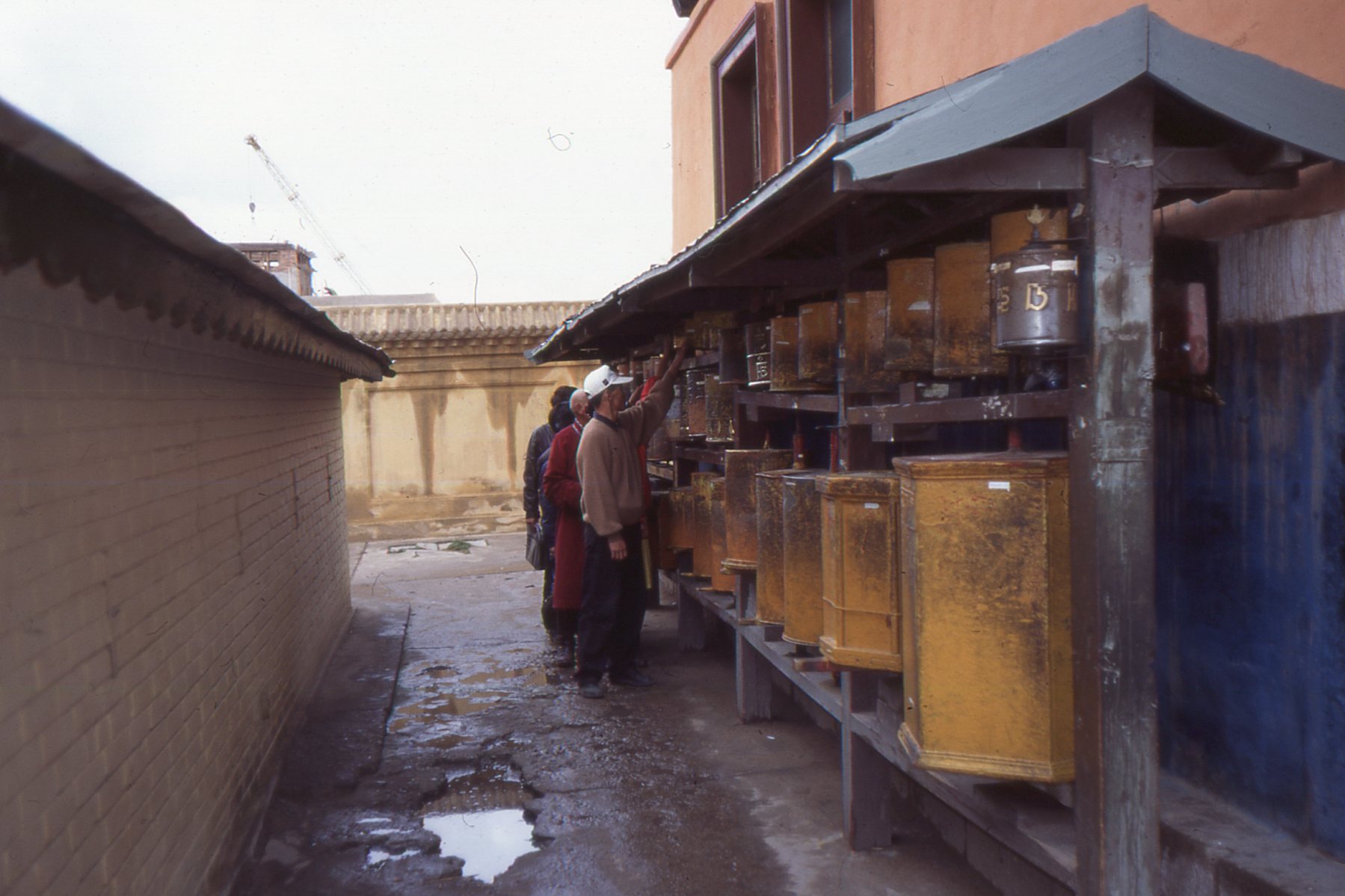
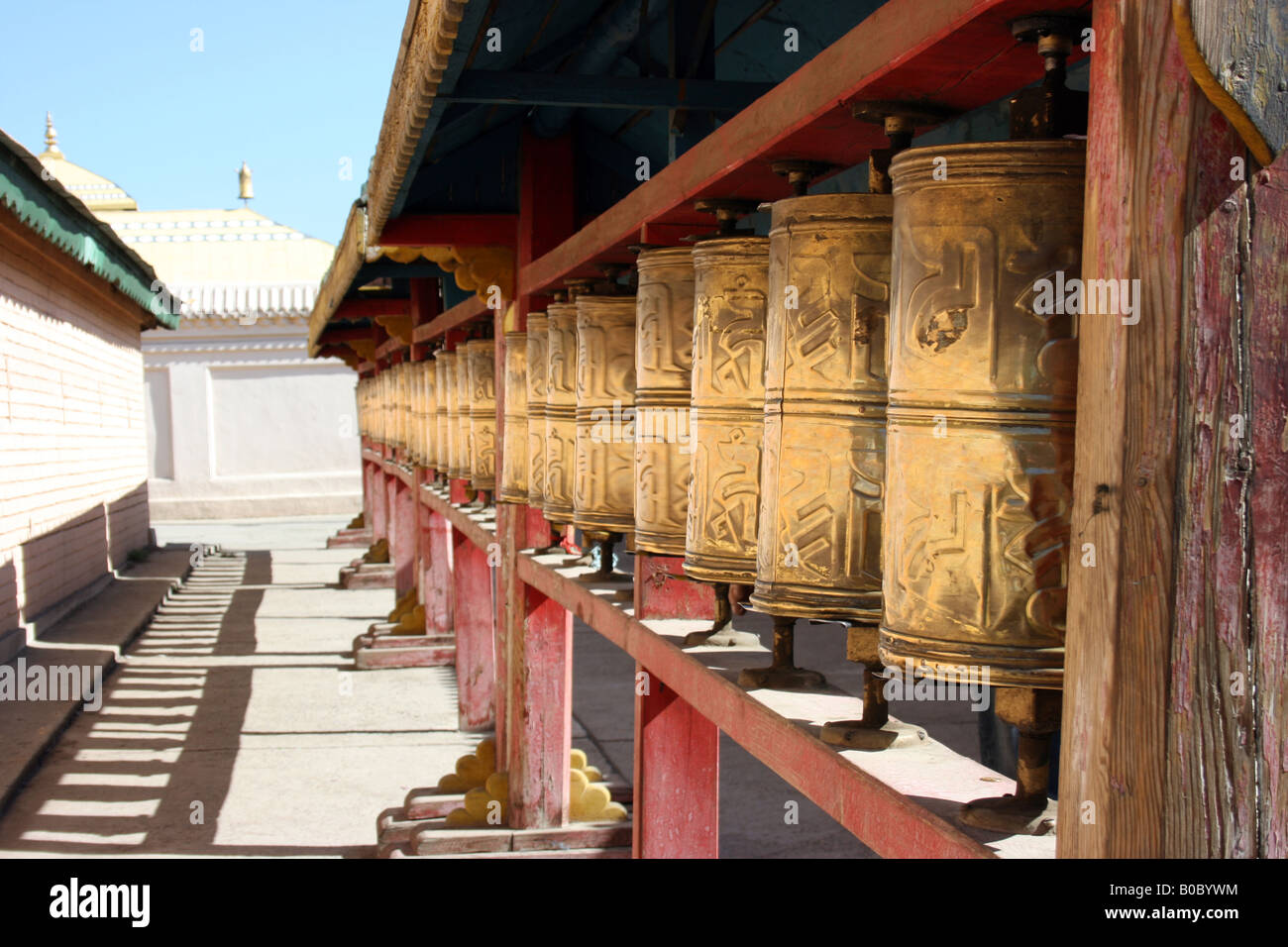
These prayer wheels were at the Gandantegchinlen (Gandan) Monastery in the city.
Gandantegchinlen (Gandan) Monastery MongoliaFrom the looks of more recent pictures, some restoration work has been done since then. At least, I’m fairly sure that the stock photo I linked to was taken at about the same place I stood; it certainly looks like it, taking into account various renovations and additions over the years.

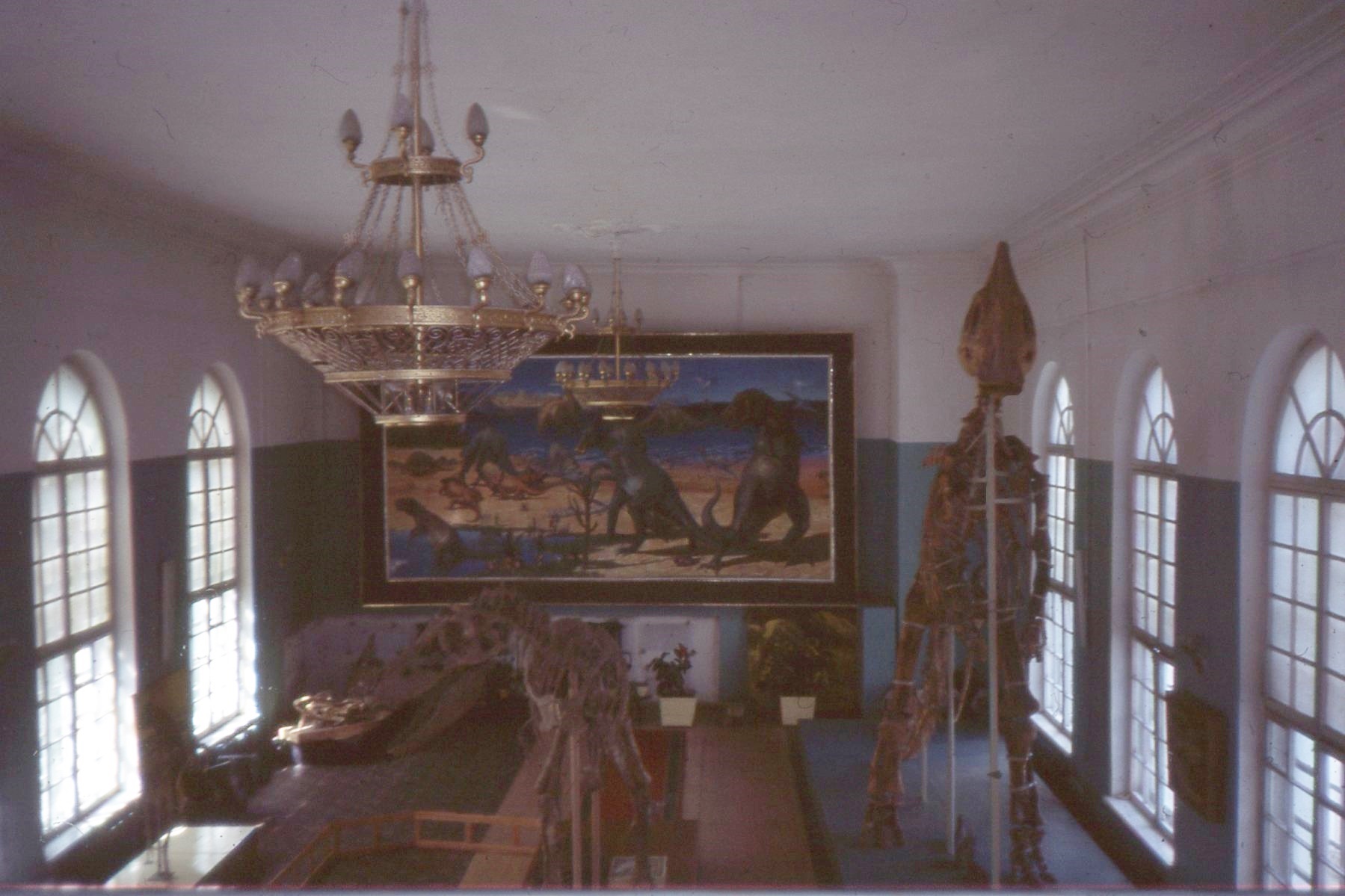
In the city, we also visited the Mongolian Natural History Museum, known the world over for its dinosaur artifacts. “The museum is particularly well known for its dinosaur and other paleontological exhibits, among which the most notable are a nearly complete skeleton of a late Cretaceous Tarbosaurus tyrannosaurid and broadly contemporaneous nests of Protoceratops eggs,” Wiki says. I remember those eggs.

And, of course, the big skeletons. You could go up on a balcony for a look at them.

Mongolian Natural History Museum - dinosaursPhotography involved paying an extra fee. Or so the museum staff told us at the entrance. None of us paid such a fee, and pretty much everyone in our group took pictures, though as you can see, the light was lousy. I don’t even think any staff were in the big dinosaur room with us, keeping an eye on us. Things were lax. Hope nobody over the years took advantage of that to take anything besides pictures.

St. Mary of the Angels

St. Mary of the Angels is a church in the Bucktown neighborhood of Chicago, not to be confused with Our Lady of the Angels, the former Catholic school in the Humboldt Park neighborhood and site of a disastrous fire in late 1958. (I can recommend To Sleep With the Angels (1996) by David Cowen and John Kuenster, an excellent book about that fire that I read when I worked at Fire Chief magazine.)

Completed in 1920, St. Mary of the Angels was originally one of the numerous churches in Chicago with mostly Polish parishioners. “The structure bears a remarkable resemblance to St. Peter’s Basilica in Rome,” asserts the church’s web site. The AIA Guide is a little more circumspect: “The tile and terra-cotta dome recalls the silhouette of St. Peter’s in Rome.”

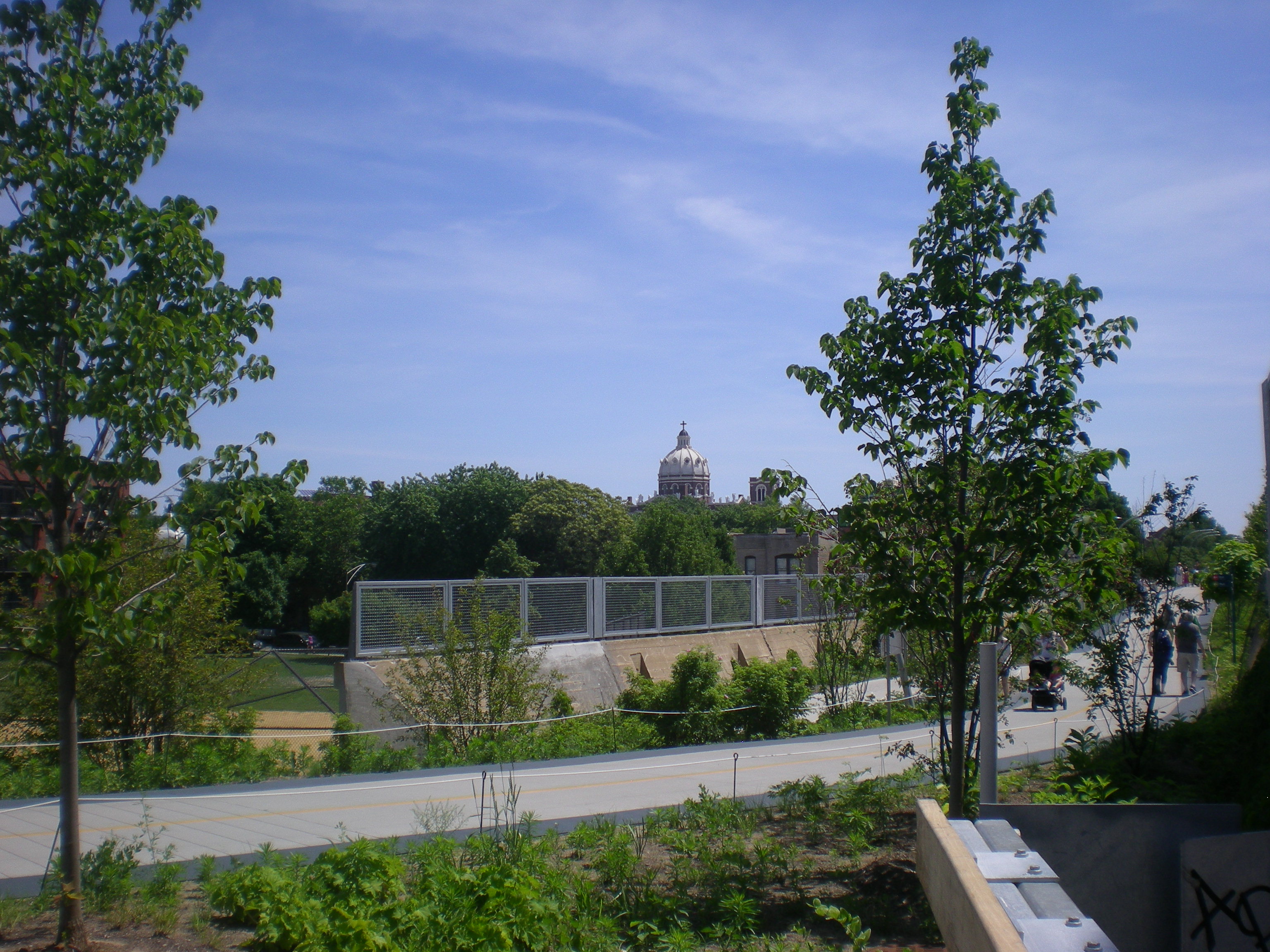
In any case, the dome’s impressive. You can see it at some distance from the 606 trail.
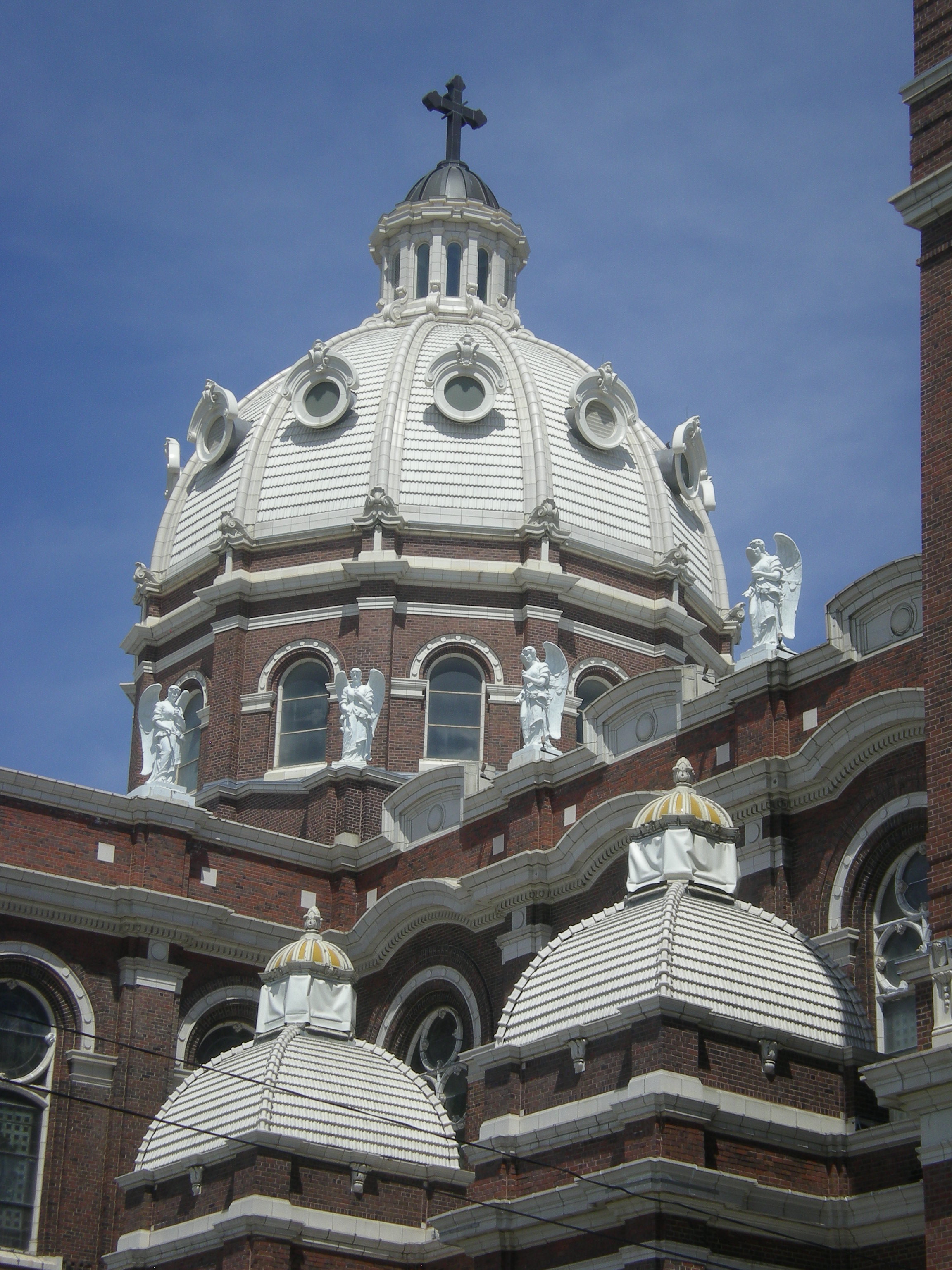
St. Mary of the Angels, ChicagoUp close, “angels tread on the parapets,” says AIA. ‘Deed they do.
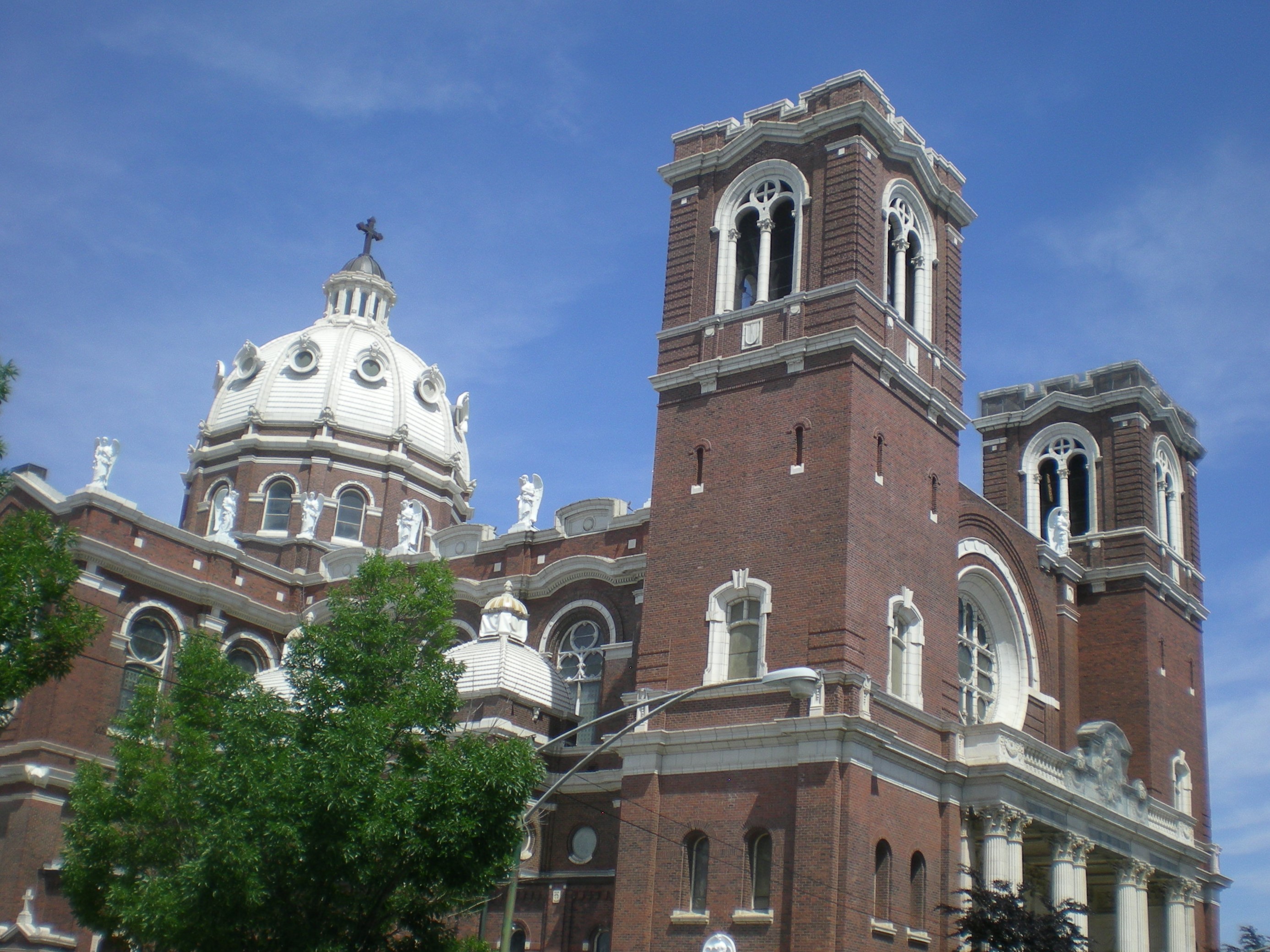
St. Mary of the Angels, ChicagoThe view from a little further away. The original architects were church specialists Worthmann & Steinbach, with Holabird & Root rehabilitating the structure in the 1990s.

St. Mary of the Angels, ChicagoI figured I’d be able to see the interior. It was a Saturday, after all. In June. More than one wedding was probably planned for the church that day. I was right. When I entered, the place was set up for a wedding, and guests were trickling in, but the ceremony hadn’t started yet. No one paid any attention to me as I took in the lavish space that can accommodate 2,000 worshipers.

For example, behind the high altar is a depiction of St. Francis at “the little chapel of Santa Maria degli Angeli, where he saw Christ and the Virgin Mary enveloped in light and sitting on thrones and surrounded by numerous angels,” as the church puts it.

The church’s continued existence was a near thing. “With the construction of the Kennedy Expressway in 1960, a sizable number of families and students left the parish, and, by 1988, the church building was closed and slated for demolition due to deteriorating conditions,” the church explains. “At the request of Cardinal Bernardin, then Archbishop of Chicago, the priests of the Prelature of Opus Dei assumed responsibility for the parish in 1991.

“The church restoration started in 1991 with major repairs of the dome, the roofs and the stained-glass windows. Repairs continued in 1997 with the church interior. In 1999, the 100th anniversary of the parish, the church’s interior decoration was fully restored; the installation of new lighting, new doors and a new sound system was completed.”

Just another extraordinary place, nearly destroyed. And not even during the tear-down happy ’50s and ’60s, but in the 1980s. The church is unusual in that Opus Dei runs it. I’m no authority, but overseeing parish churches doesn’t seem to be in their usual line of work. Still, I’m glad they were able to save it.

Miyajima (Itsukushima) During Cherry Blossom Season

Here in northern Illinois, the grass is greening, small buds are budding and birds are making more noise. A few new-generation insects are in view. It’s even warm and sunny on some days, such as today, which followed a miserable, dank, cold Saturday. Such is the seasonal seesaw.

As this map and chart explain, early April is peak cherry blossom season in the Kansai and a few other parts of Japan. That’s when I saw the blossoms in Kyoto — the first year I was there — plus in parts of Osaka, including the crowded National Mint grounds but also the little-known but strikingly beautiful Osaka Gogoku Shrine in Suminoe Ward (which everyone simply called Suminoe Shrine).

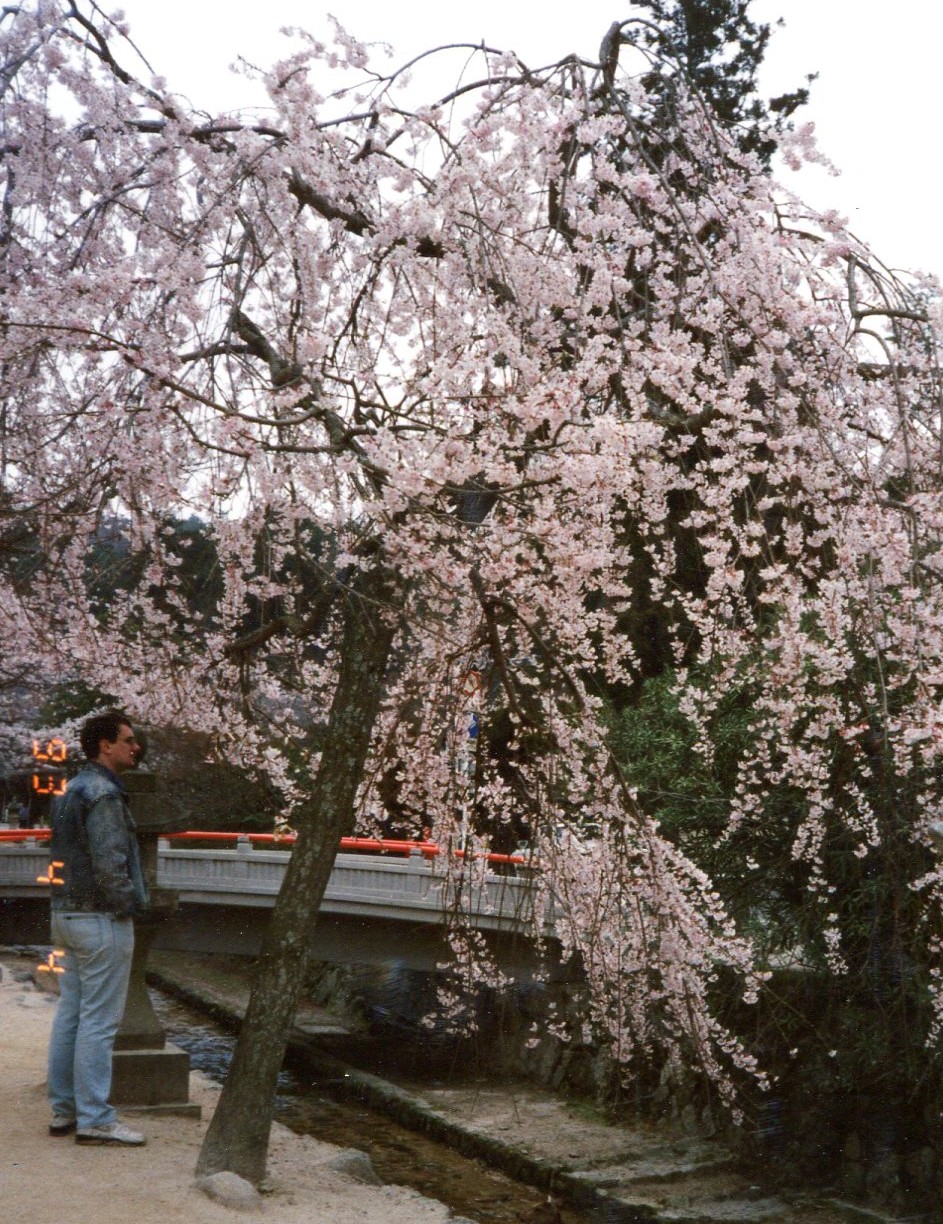
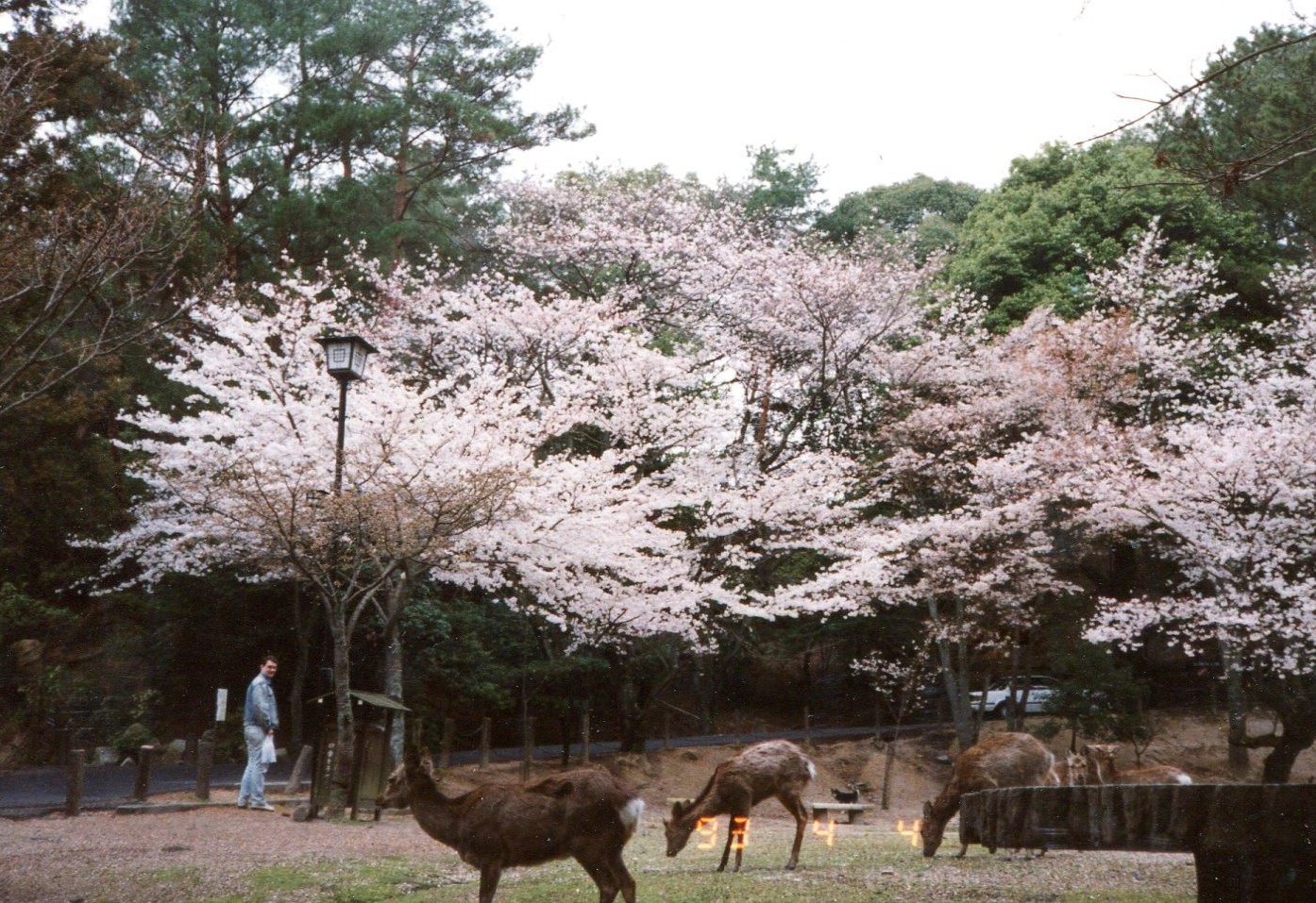
In early April 1993, we went to Hiroshima for a weekend, and visited Miyajima (宮島), an island in the Inland Sea near the city. Formally called Itsukushima (厳島), it’s home to a Shinto shrine complex and best known for its monumental torii out in the water, which happened to be behind scaffolding when were were there.

Fortunately, the cherry blossoms were in full, unencumbered view. Temple deer were around, too.

Miyajima - near HimoshinaMiyajima - near Hiroshima 1993I didn’t know until recently that Itsukushima is a World Heritage Site, put on the list after we were there, in 1996. UNESCO notes: “The present shrine dates from the 12th century and the harmoniously arranged buildings reveal great artistic and technical skill. The shrine plays on the contrasts in colour and form between mountains and sea and illustrates the Japanese concept of scenic beauty, which combines nature and human creativity.”

The University of Illinois During the 2016 Spring Break

On the afternoon of March 18, Lilly and I drove down to Champaign-Urbana, and on the next day, we took a look at the University of Illinois flagship campus, which happens to sprawl across both of those small towns. Since our visit, Lilly has decided to attend there in the fall. She’d been leaning toward it anyway. We’d only been there once before, briefly, during our return from the Downstate towns of Arthur and Arcola in the spring of 2007. So it was as if we’d never been there before, especially for her.

Spring break had just started at the university. That meant only a handful of students were around, including some who were clearly leaving. On one street on campus, buses were lined up and ready to take students to specifically marked destinations, mostly in the Chicago area. Spring break also meant, happily, that parking was free and easy.

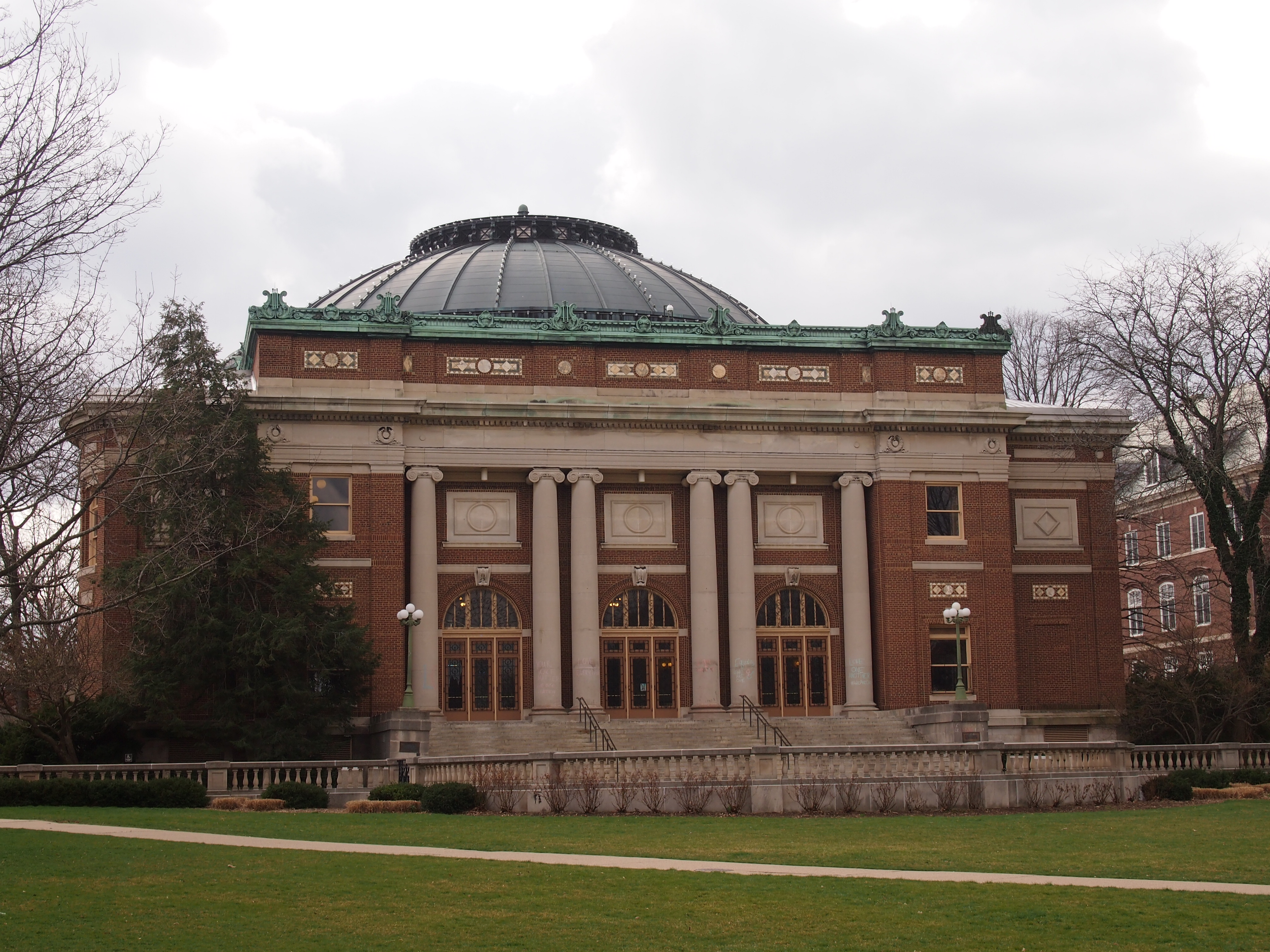
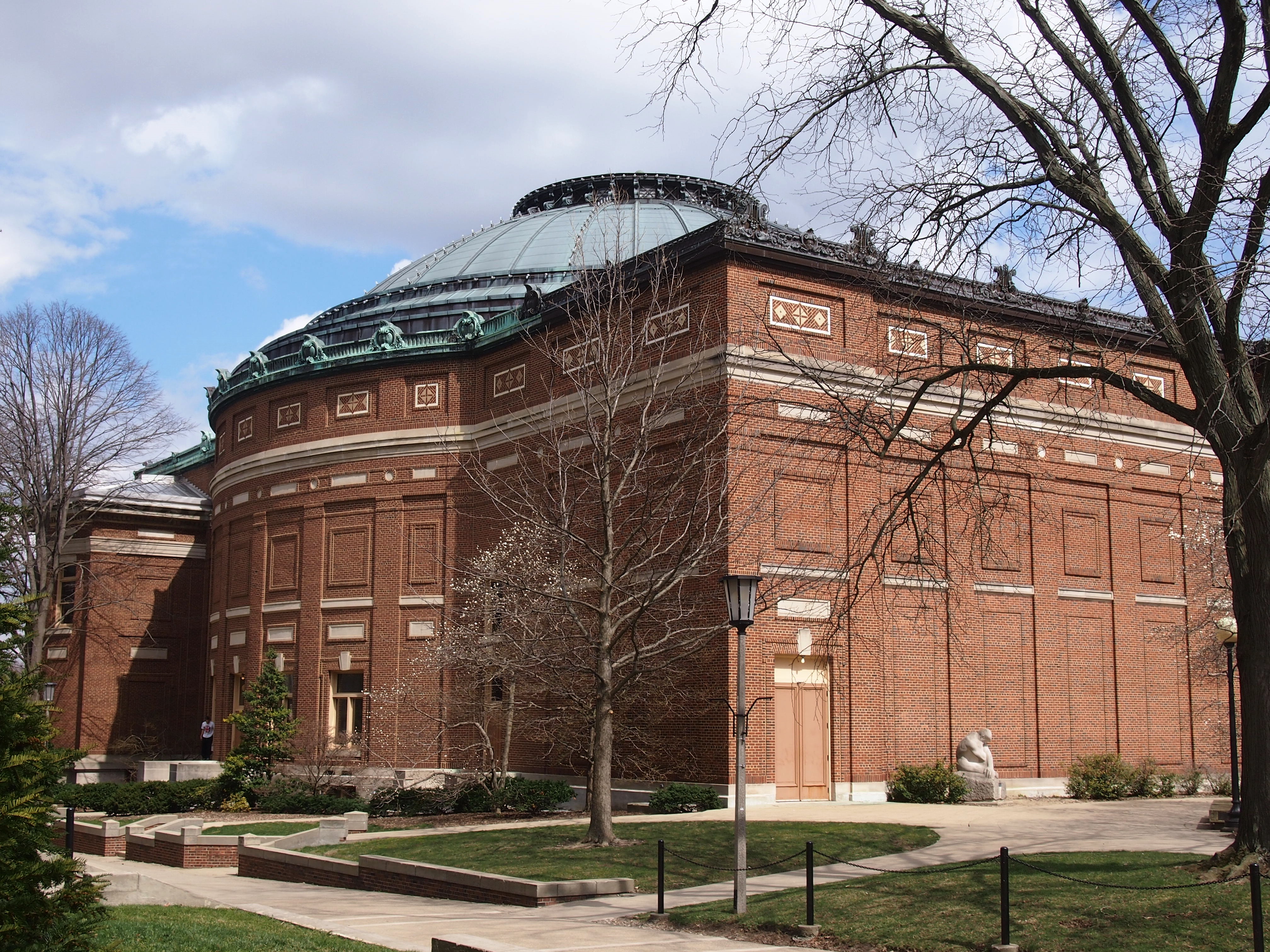
Even so, we spent a lot of time on foot. Without much of a plan: sometimes new places call for the old random walkabout. Lilly will certainly learn all she needs to know about the place and more in the fullness of time. The campus has a lot of fine buildings, especially fronting the Main Quad, and I was especially taken with Foellinger Auditorium and its green dome at one end of that quad, though I didn’t quite get an image of its full domed glory.

Foellinger AuditoriumFoellinger AuditoriumThe building dates from 1907 and was designed by Clarence H. Blackall, a Boston architect who did a lot of theaters, and if you read a list of them, very many didn’t survive the great age (that is, regrettable age) of knocking down old stuff, whose apogee came in the 1960s. The Foellinger has clearly endured, though I’ve read that it wasn’t up to stuff acoustically at first, and needed a lot more work. We didn’t pop inside for a look. Next time, maybe.

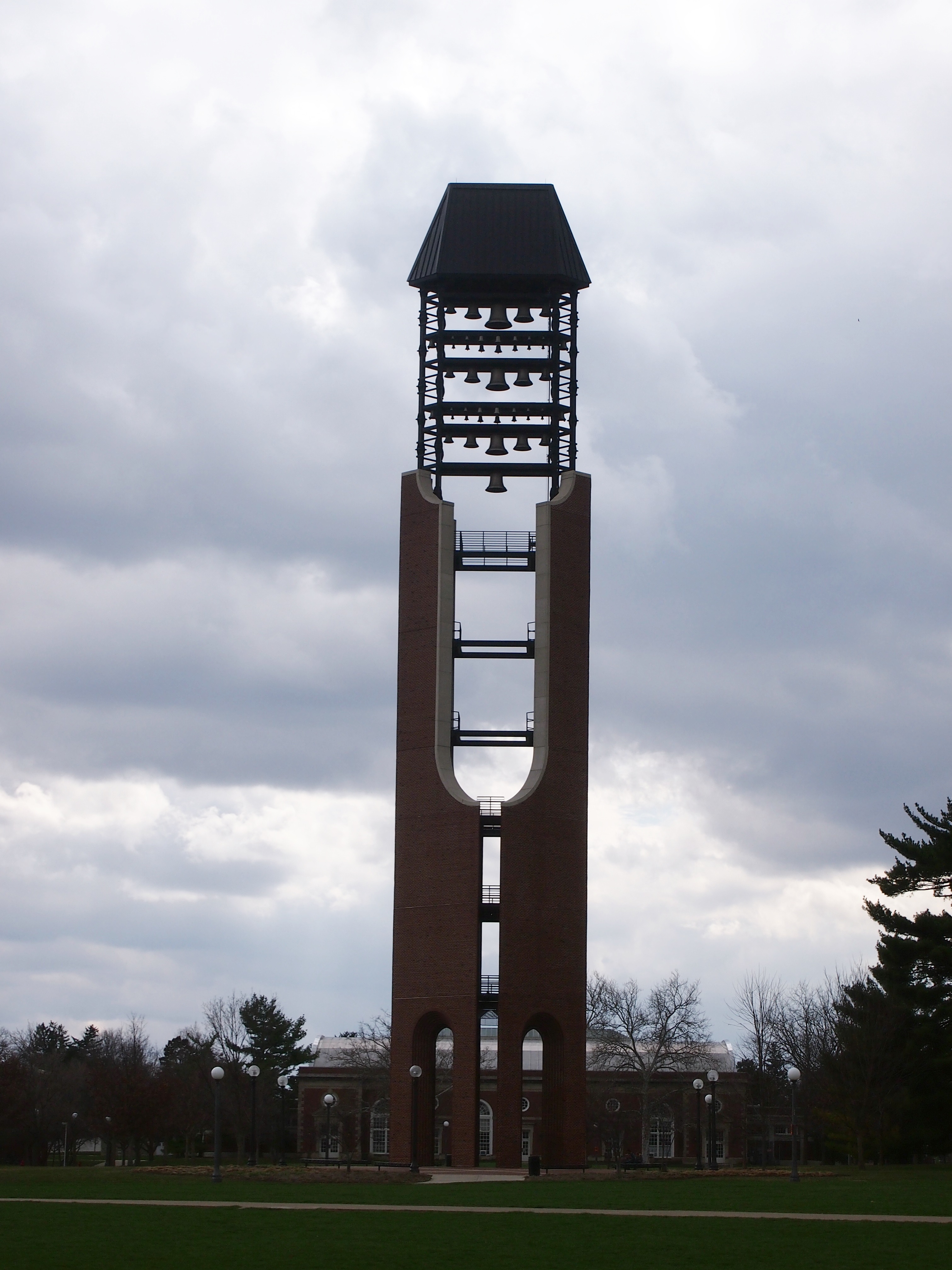
Not far away was the 185-foot McFarland Carillon, which dates only from 2009.
McFarland CarillonA Missouri firm called Peckham, Guyton, Albers & Viets, which seems to do a lot of higher ed work, designed the tower, which has 49 bells. We noticed bells ringing at half hours and quarter hours, sometimes, but I’m not sure it was the carillon.

Elsewhere we peeked inside the chapel at St. John’s Catholic Newman Center, which is part of a complex that includes Newman Hall and the Institute of Catholic Thought, and is the largest Newman Center in the country, according to Wiki. Dating from 1926, the chapel has a splendid interior. I explained to Lilly that it was named after Cardinal Newman, not Alfred E., but she didn’t know either of them.

Nearby is the Episcopal Chapel of Saint John the Devine, also a part of a campus ministry. I wanted to take a look in there too, but it was closed for the day.

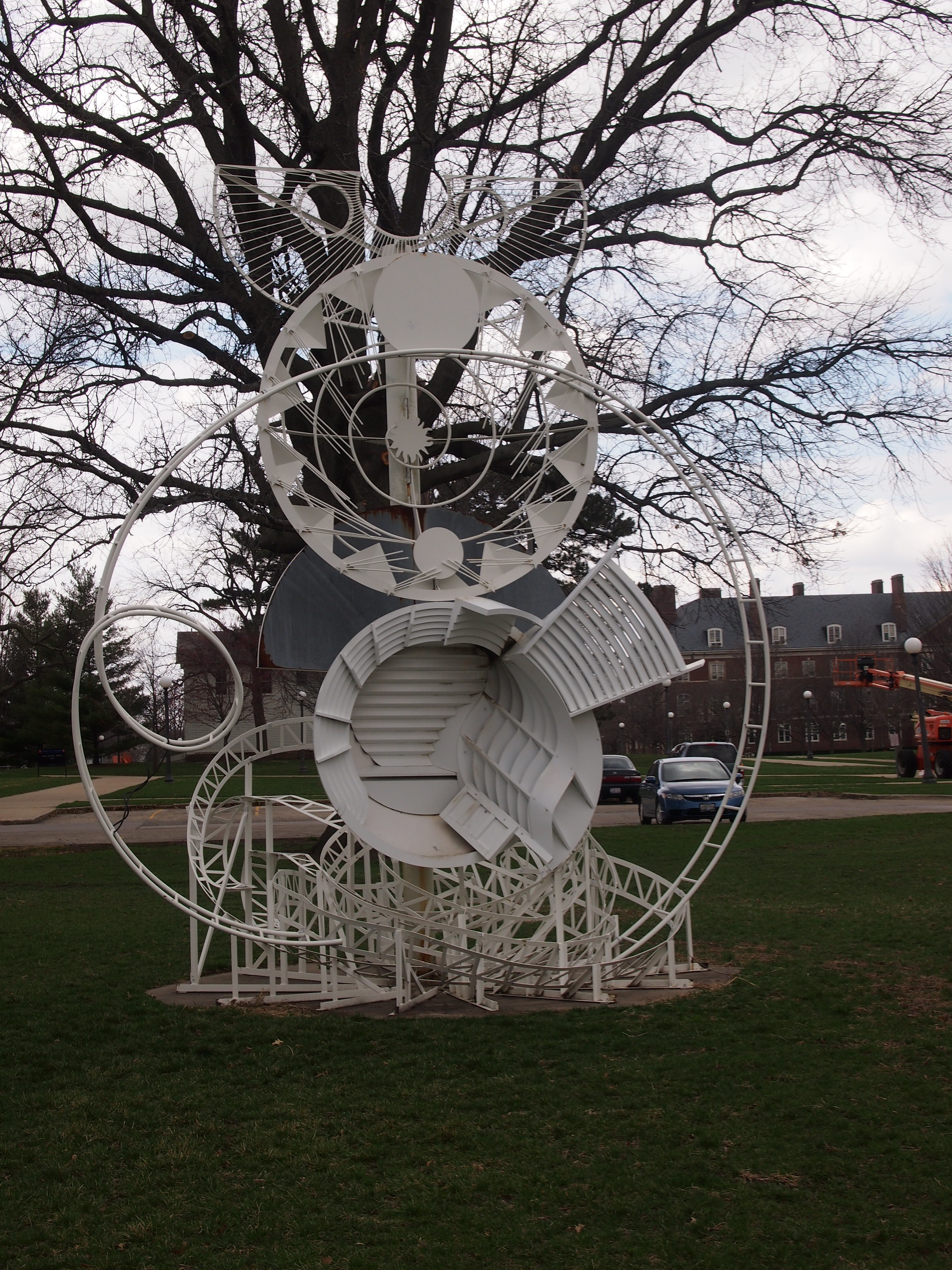
Heading back to our parking space, we encountered one of the many pieces of public art on campus.Alice Aycock Sculpture, University of IllinoisThere was no plaque nearby that I saw, but information is online. It’s full title is “Tree of Life Fantasy: Synopsis of the Book of Questions Concerning the World Order and/or the Order of Worlds,” by Alice Aycock. As we approached it, I figured it might be a massive sundial, as I’ve seen recently, but no.

This description lacquers on the art-ese pretty well, but it does rhetorically ask, “can we not comprehend the sculpture solely as an interesting, if baffling, assemblage of disparate elements?” Yes, we can. Interesting, but in my amateur opinion not baffling, because it’s mainly an interesting assemblage of disparate elements, though I’d say an interesting “combination of shapes,” since disparate is a ten-dollar word best saved for special occasions.

The Oblates in San Antonio

The Missionary Oblates of Mary Immaculate run the Oblate School of Theology on a sizable campus on the North Side of San Antonio, not far from where I grew up, and near some former regular haunts of mine. Even though the campus is on Oblate Dr., and I drove by that street often for years, I had no notion of its existence until this year.

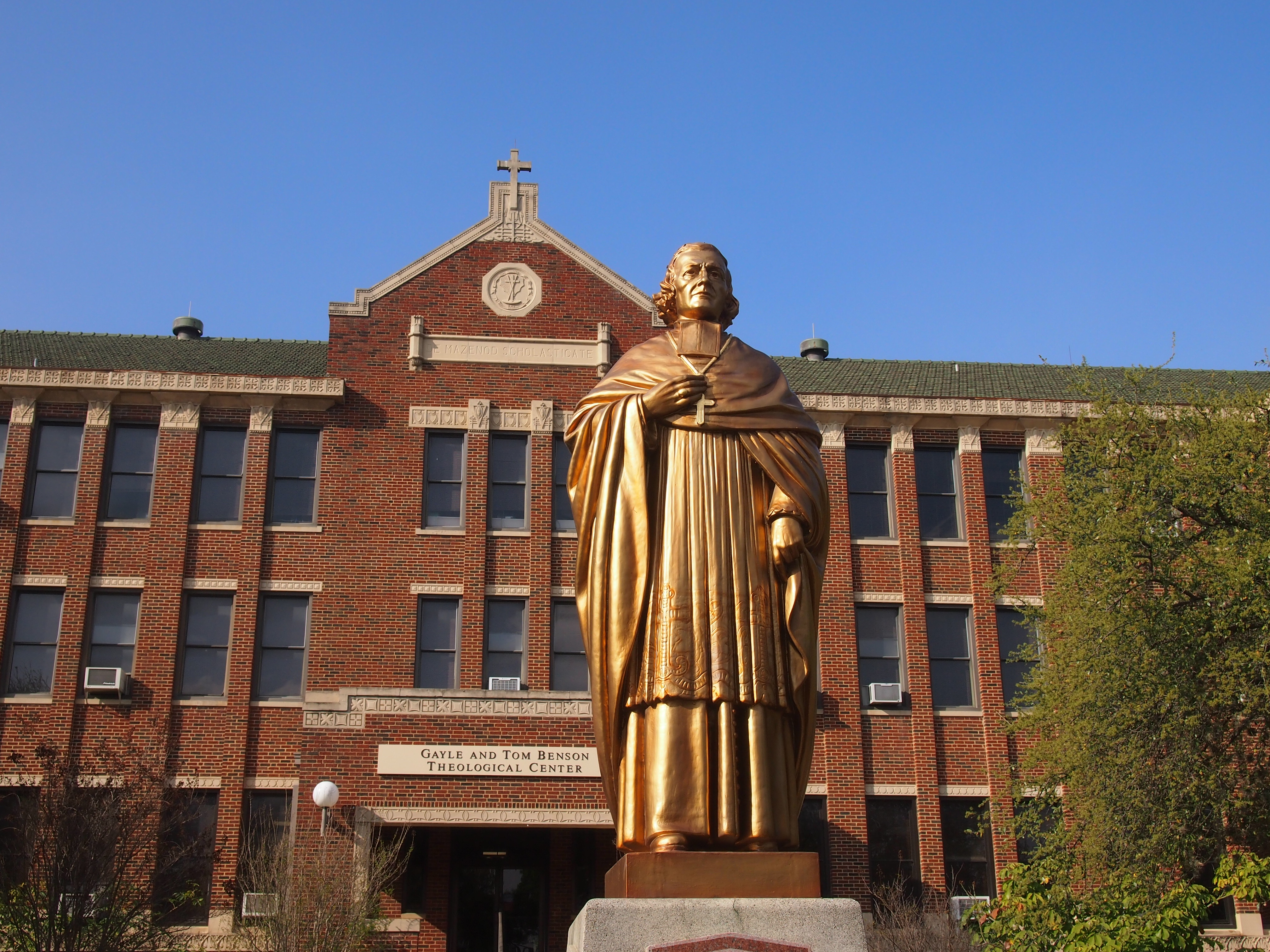
On March 12, another pleasantly warm day, I went with Jay, my nephew Dees and his girlfriend Eden to take a look around the campus. A gilded St. Eugene de Mazenod greets you at the entrance, in front of the handsome Gayle and Tom Benson Theological Center.
Oblate Theological SchoolEugene de Mazenod founded the Oblates in post-revolutionary France 200 years ago. Tom Benson is best known as the billionaire owner of the New Orleans Saints, but anyone living in San Antonio in the last 50 years or so knows him as the owner of Tom Benson Chevrolet. In any case, he gives a lot of money to Catholic causes.

According to the school’s web site, “the Missionary Oblates of Mary Immaculate came to Texas in 1849, at the urgent request of Texas’ first Roman Catholic Bishop, to preach Christ’s message and to serve the People of God, especially the poor and marginalized.

“The Oblate School of Theology was founded in San Antonio in 1903 as the San Antonio Philosophical and Theological Seminary. The School’s initial goal and mission was to educate young men to serve as Oblate missionaries in Texas, New Mexico, Louisiana, Mexico and the Philippines… Today, Oblate School of Theology prepares men for priesthood from many dioceses across the United States and a number of religious communities.”

I have to add that in the early 20th century, the part of San Antonio that’s now home to the Oblates wasn’t part of San Antonio. Assuming they founded their school where it is now — and I haven’t found any information to suggest otherwise — the land the Oblates bought lay in the countryside, with the city to the south. There were no housing developments or highways nearby; all that would come in the 1950s, when the campus and the land around it were annexed by the city, as shown on this interesting growth-of-San Antonio map (which also shows the curious fact that the pre-1940 shape of the city was square).

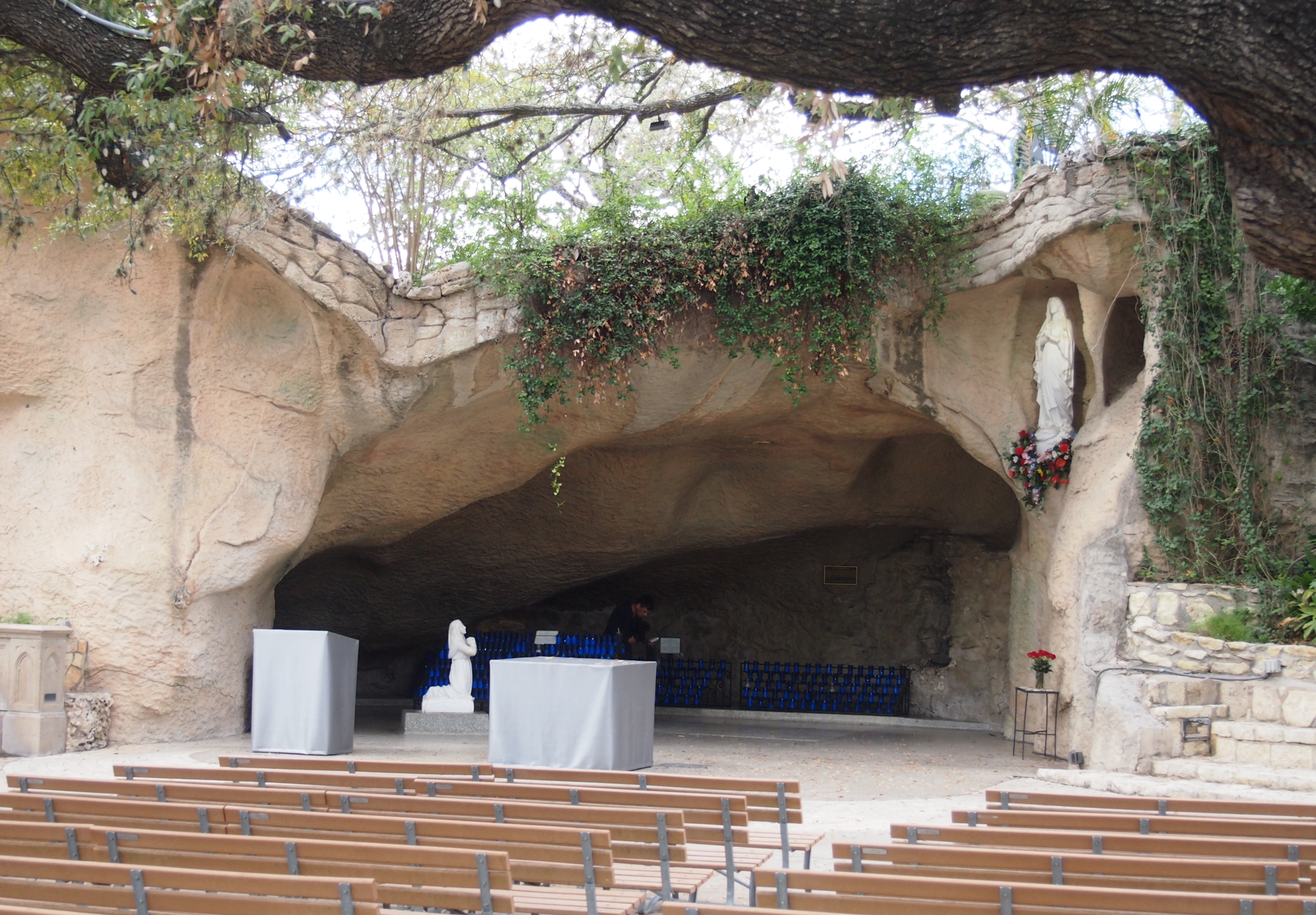
As nice as it is, we didn’t come just to see the Benson building. Rather, we were intrigued by a grotto on campus patterned after the famed grotto in Lourdes. A full-sized replica, I read, made of concrete.
Oblate School of Theology GrottoThe San Antonio grotto’s been on the site since the early 1940s. In fact, according to its plaque, the Oblates dedicated it on Sunday, December 7, 1941. I’m sure that the date had been picked in advance, and events in the wider world weren’t going to call it off. Then again, maybe the Oblates were up early that morning Central Time, before any ill-tidings came from Hawaii.

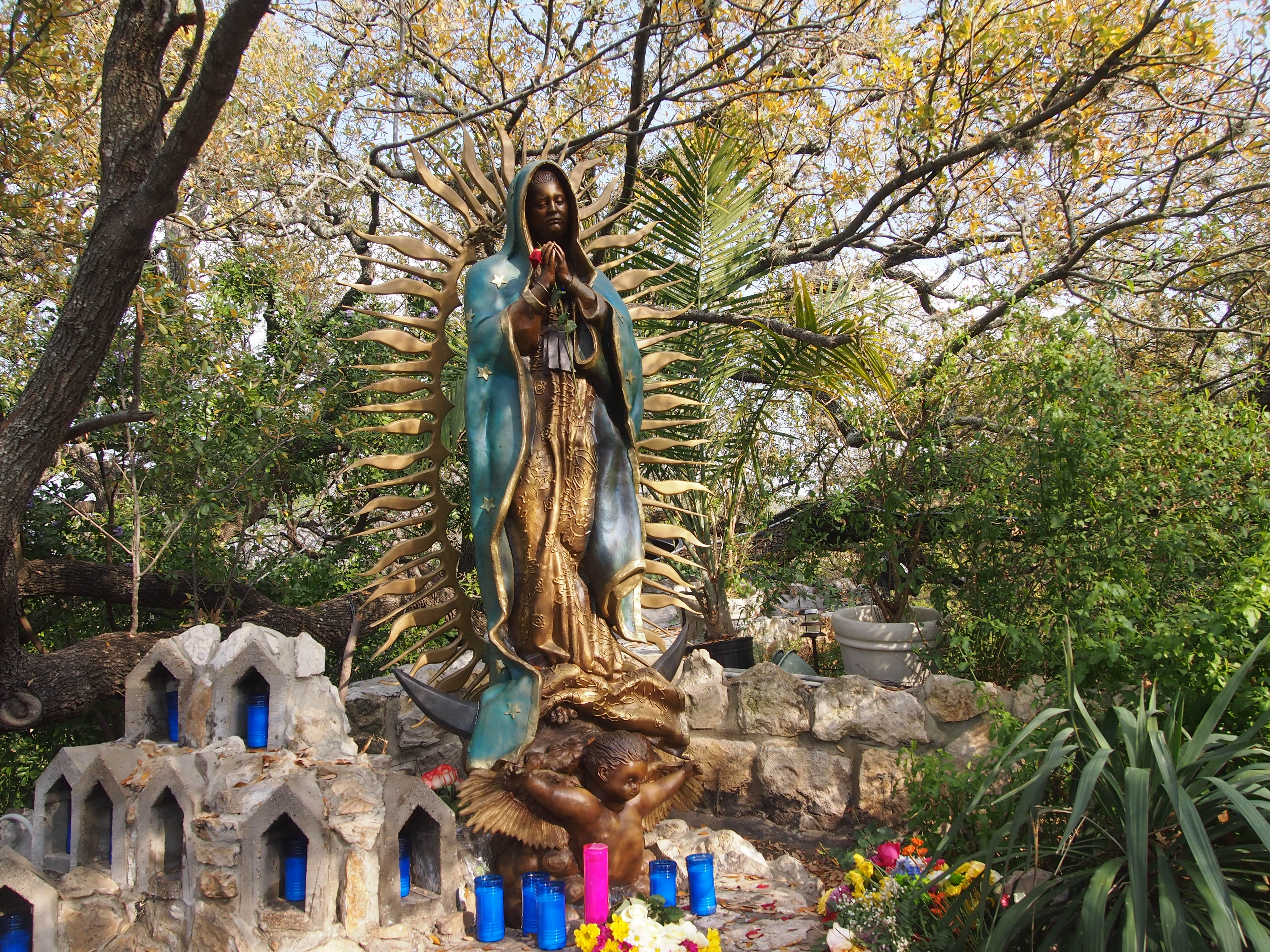
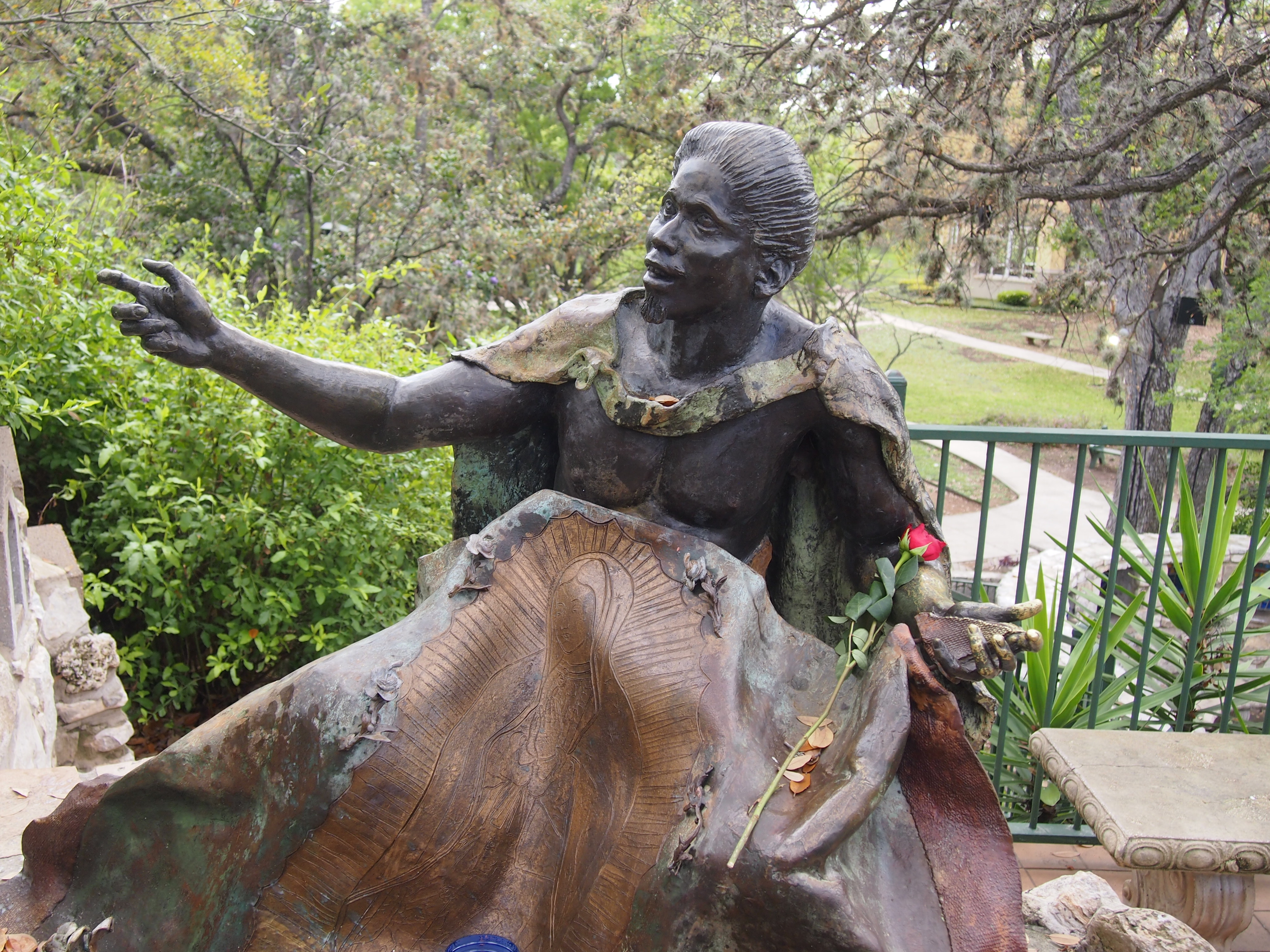
Built on top of the grotto, accessible by stairs, is the Tepeyac de San Antonio, dedicated on July 25, 1999, depicting the Virgin of Guadalupe appearing before St. Juan Diego in December 1531. This isn’t the first depiction of that scene that I’ve run across.

Here’s the Virgin.
The Virgin of GuadalupeAnd Juan Diego.
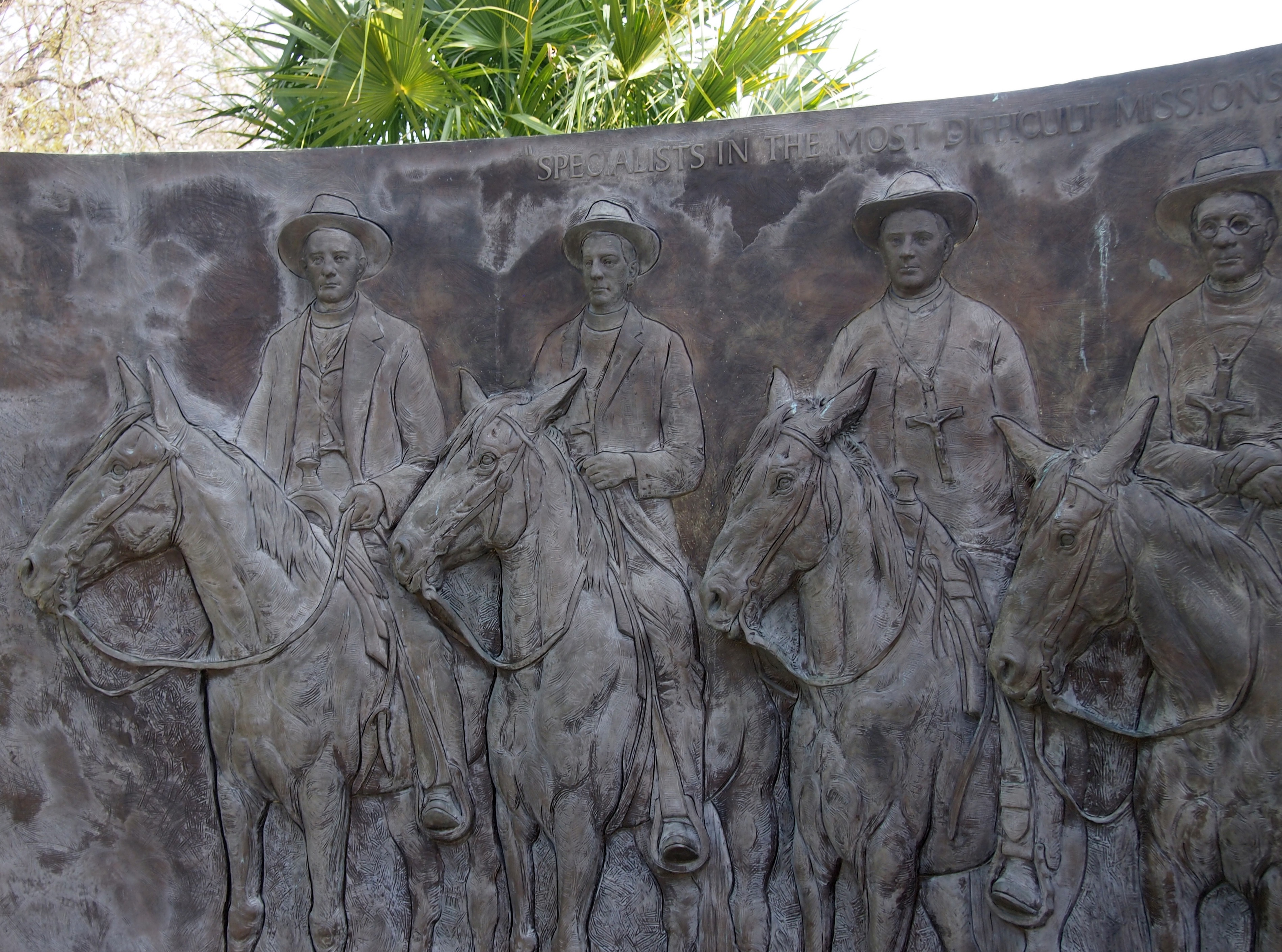
JuanThe Oblate campus also features a chapel, some business offices, places for visiting scholars, a gift shop (no post cards; I’d have bought some saint cards) and a fair amount of public art, such as a freestanding metal structure with a frieze of Oblates on horseback — “The Cavalry of Christ,” who were 19th-century missionaries in South Texas. ‘Ot and sweaty business, no doubt.
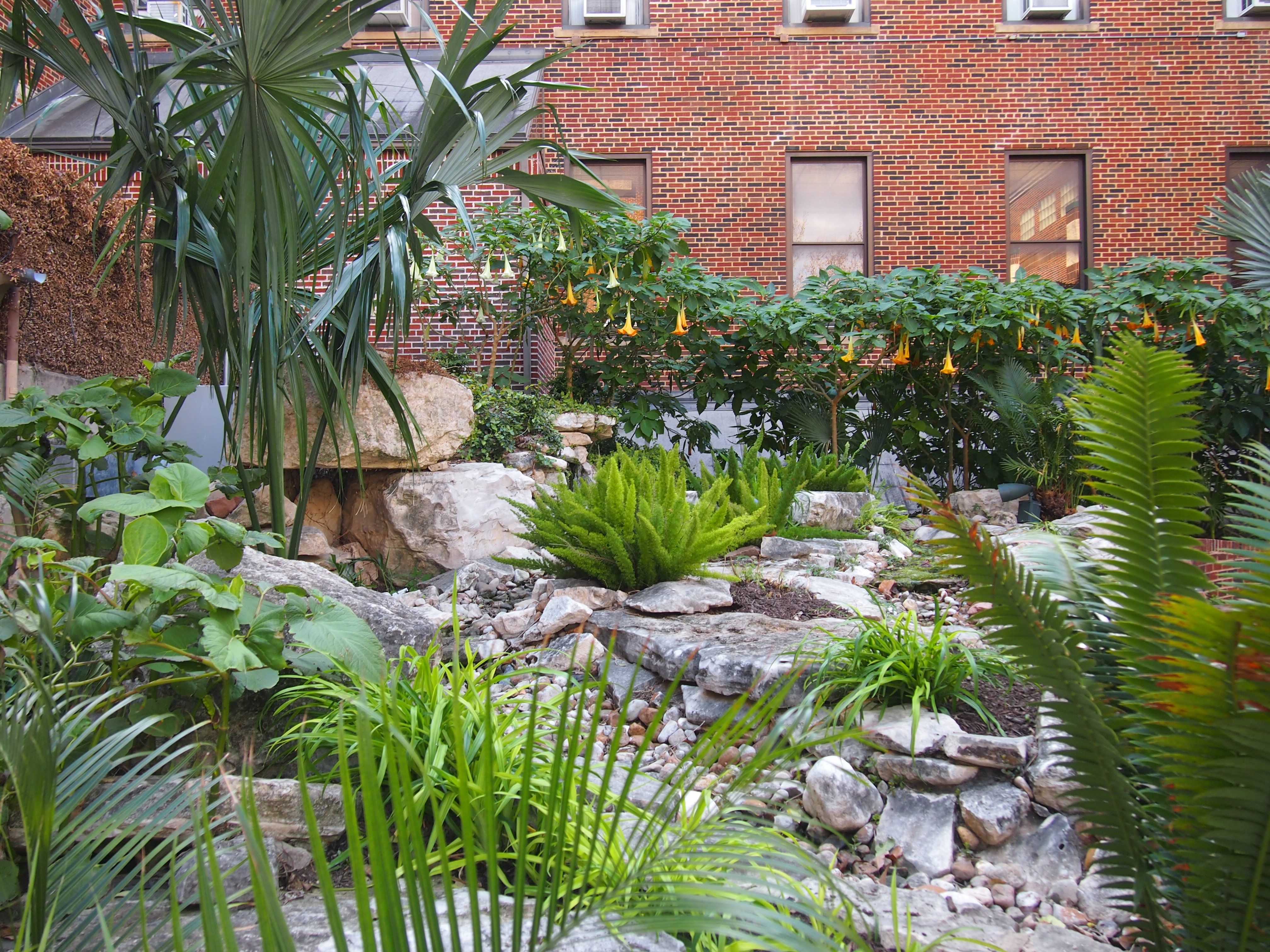
Horsemen for ChristA garden behind the Benson building.
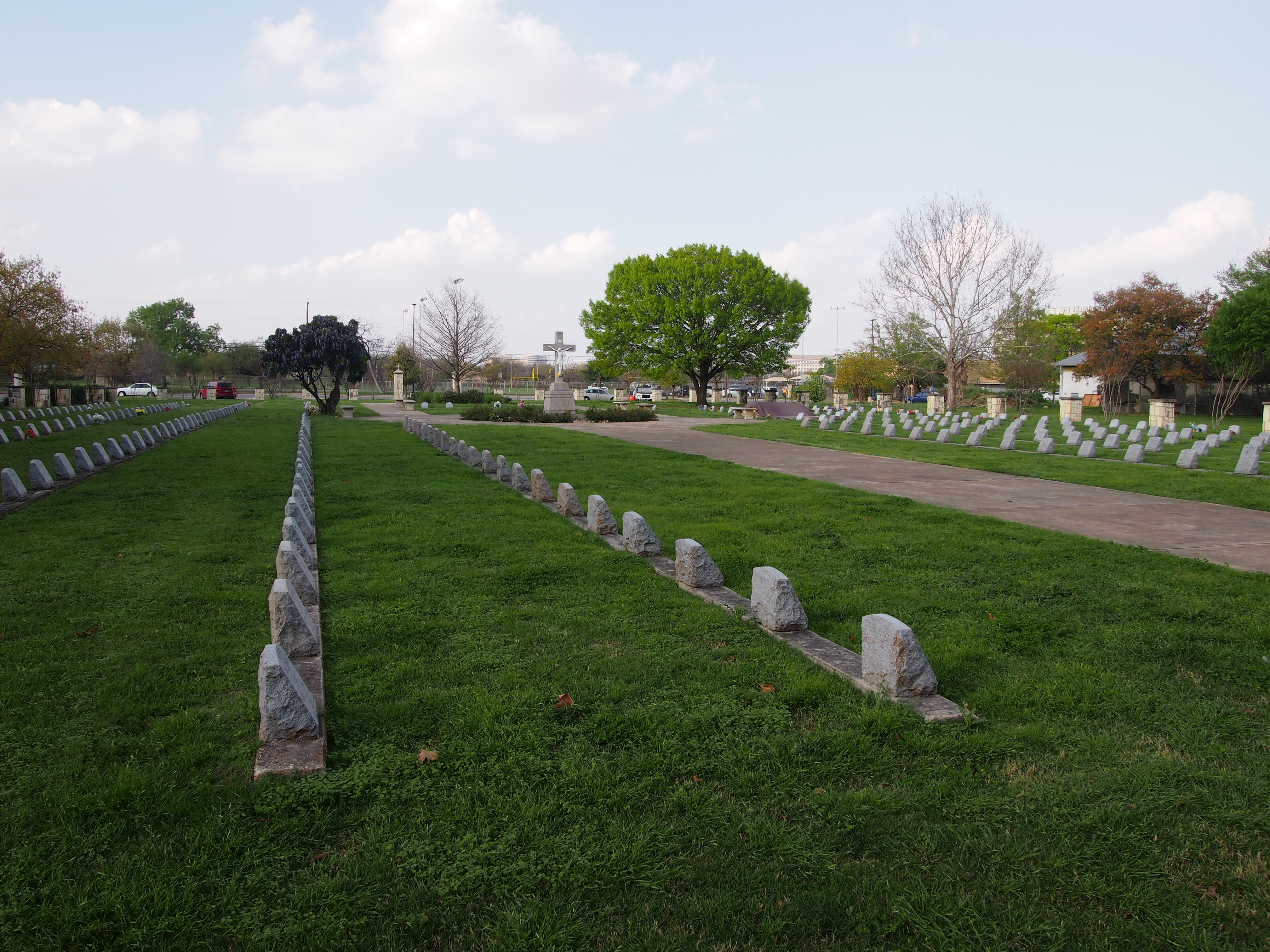
A place for Oblates who’ve passed on.
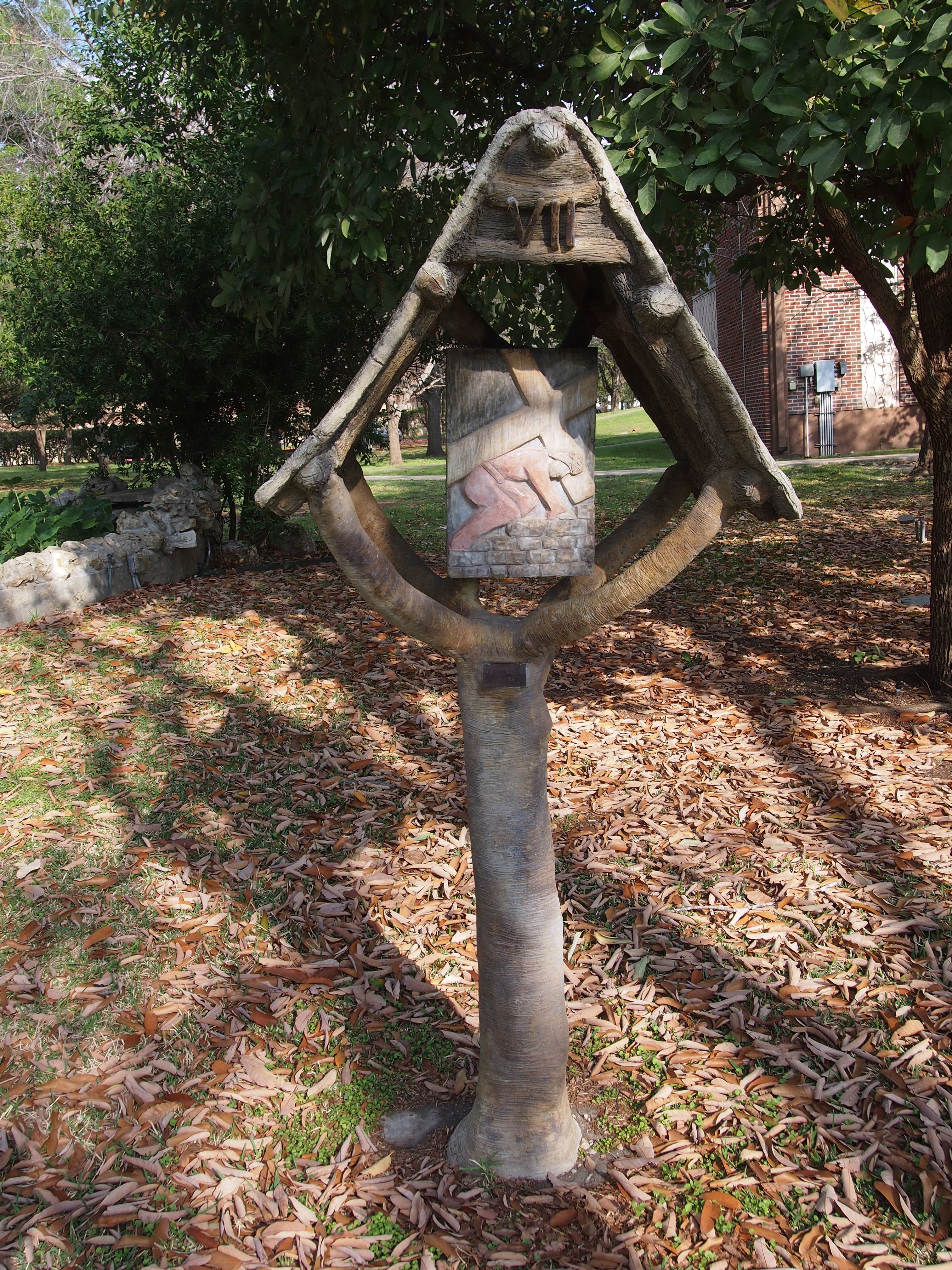
Stations of the Cross in a style I’ve never seen.
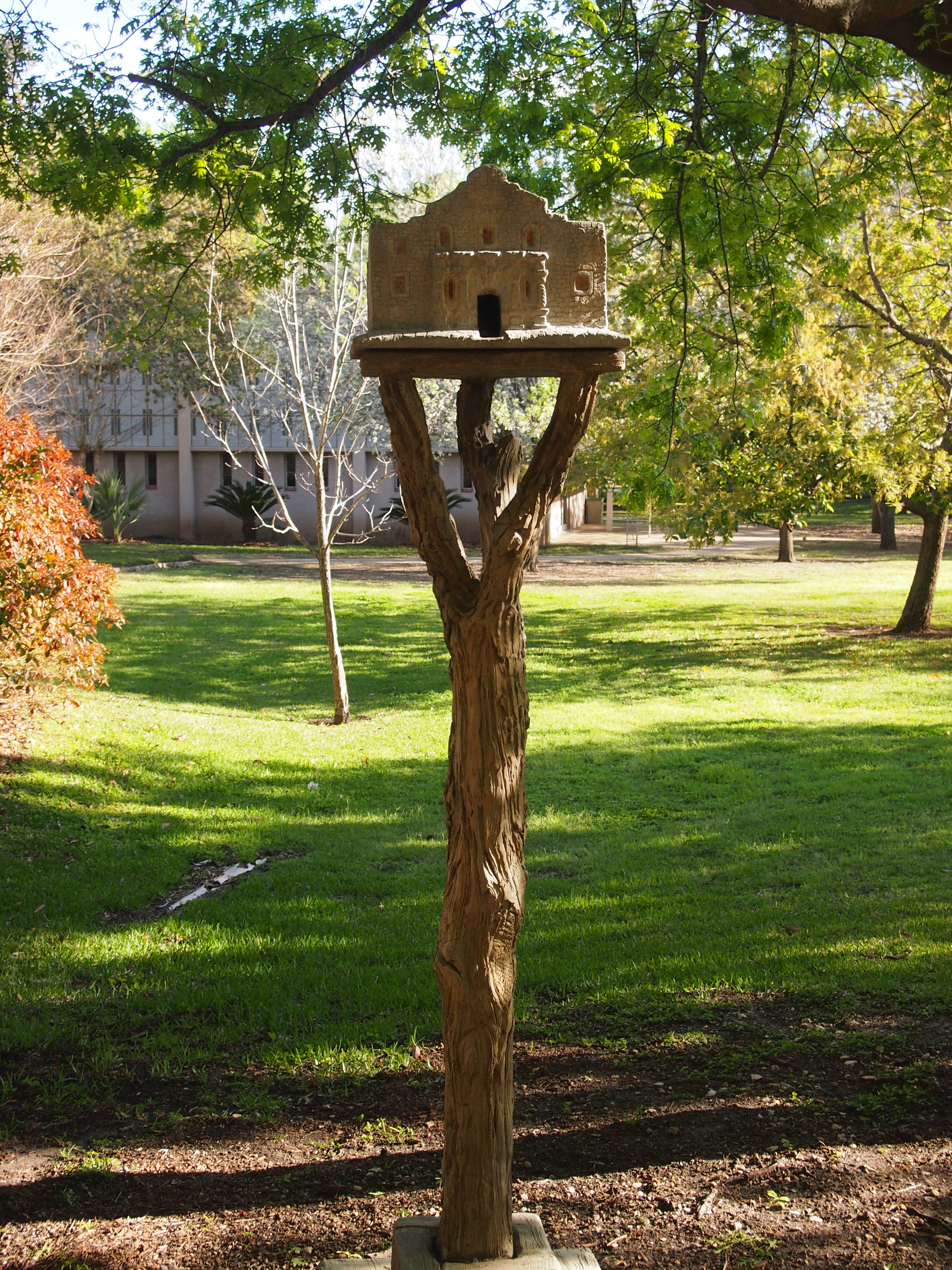
Stations of the CrossAnd “missions on a stick.”
There were five of them, depictions of the five Spanish missions in San Antonio. That includes the best known of them, the Alamo.