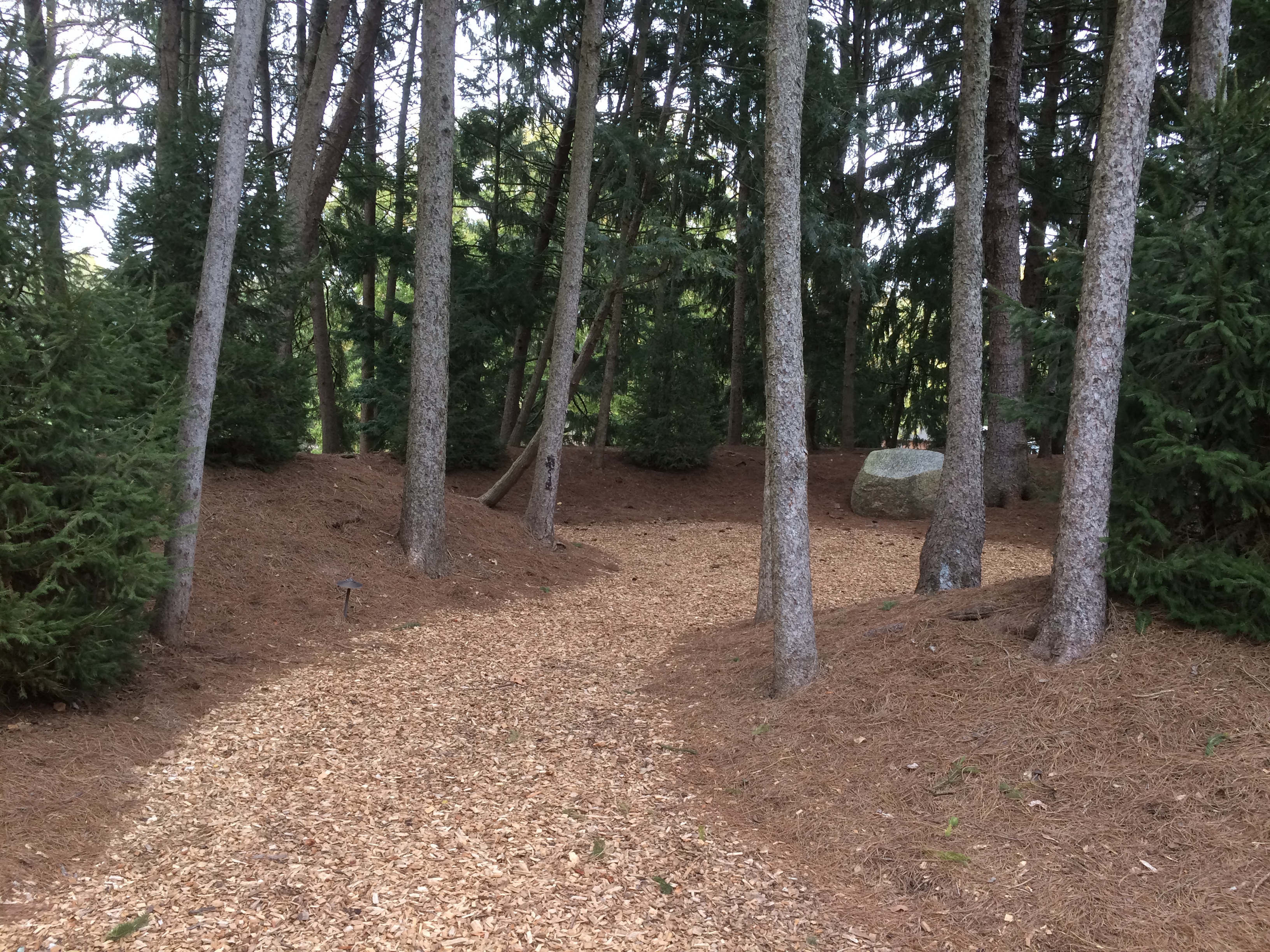
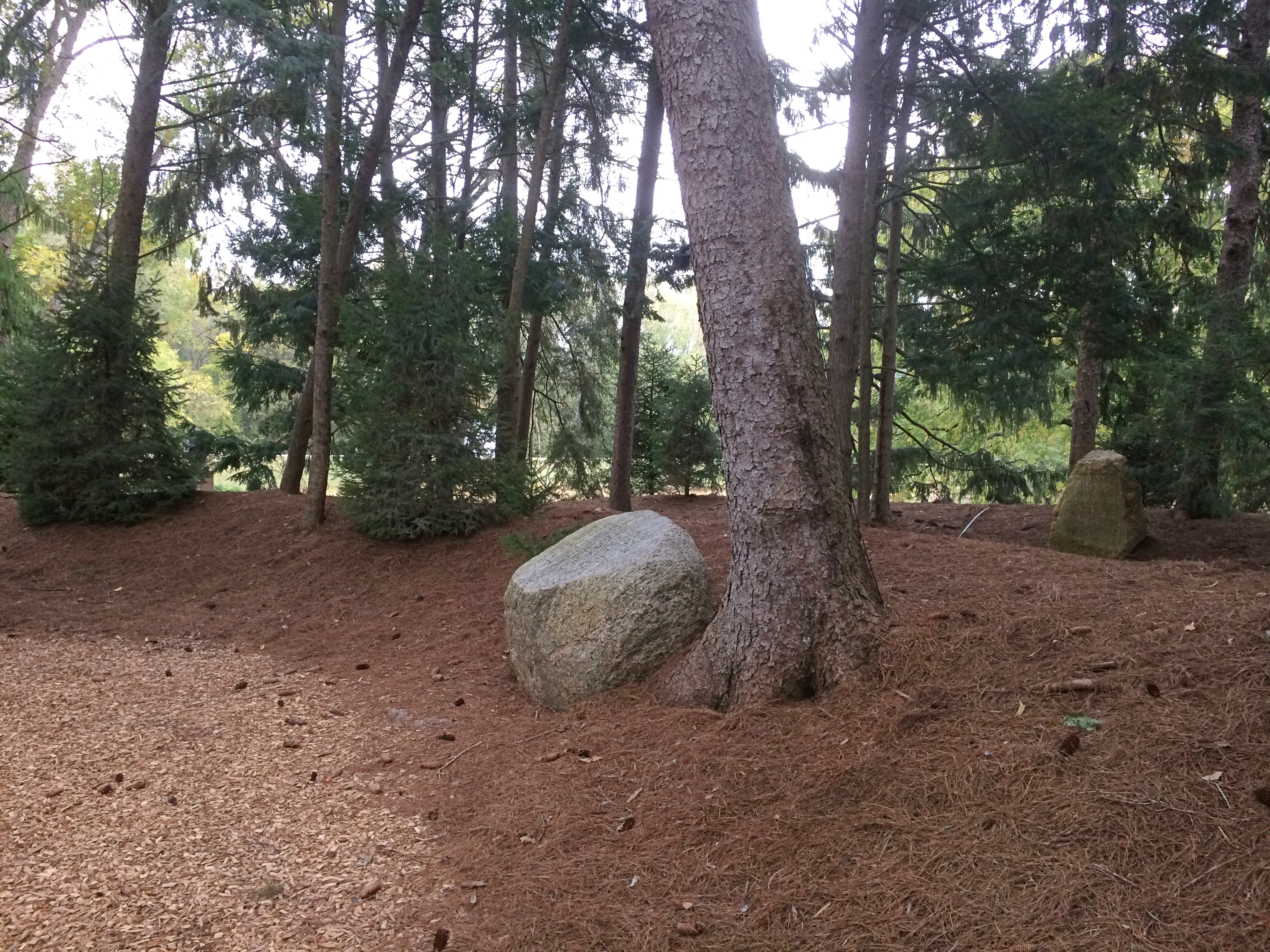
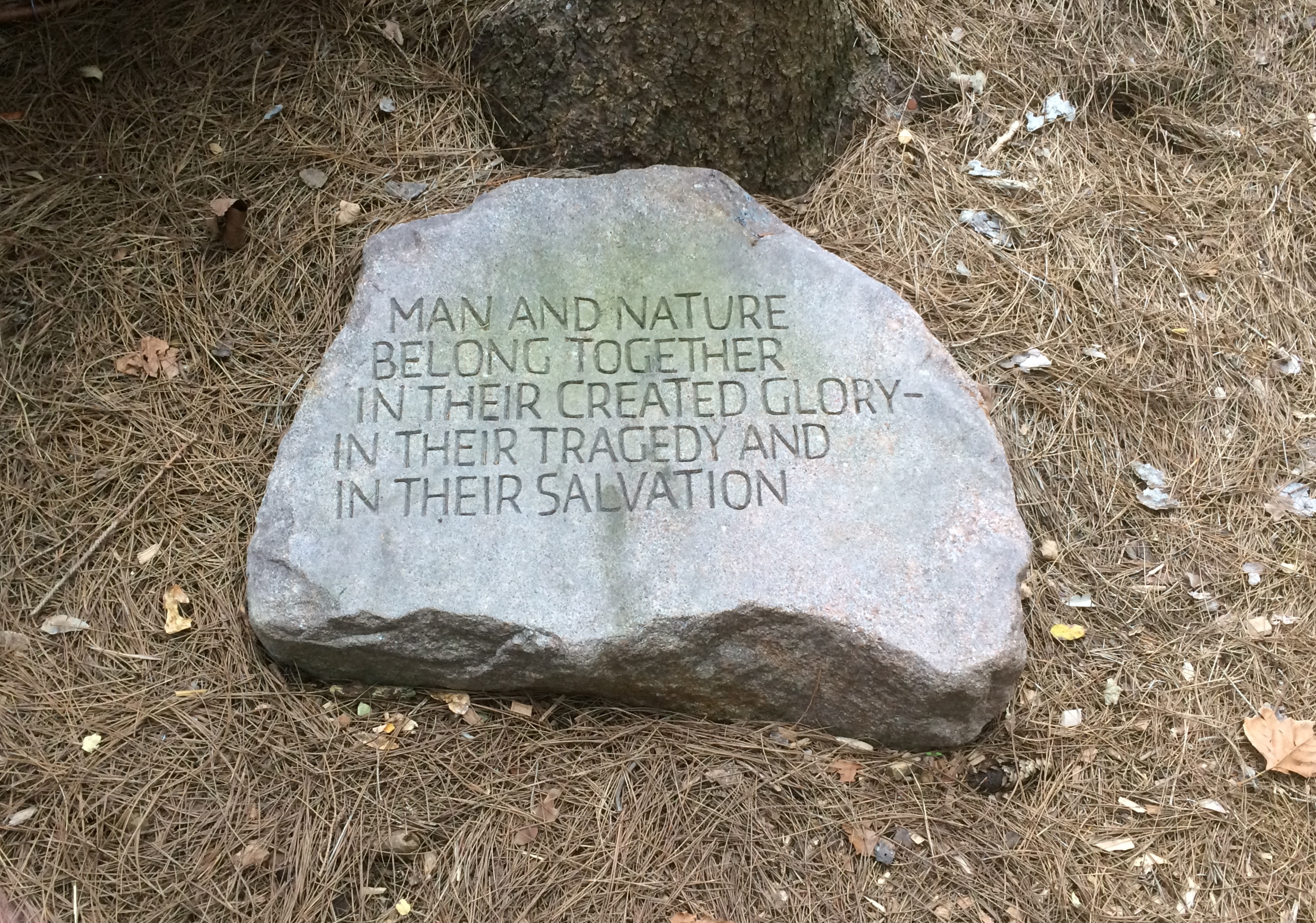
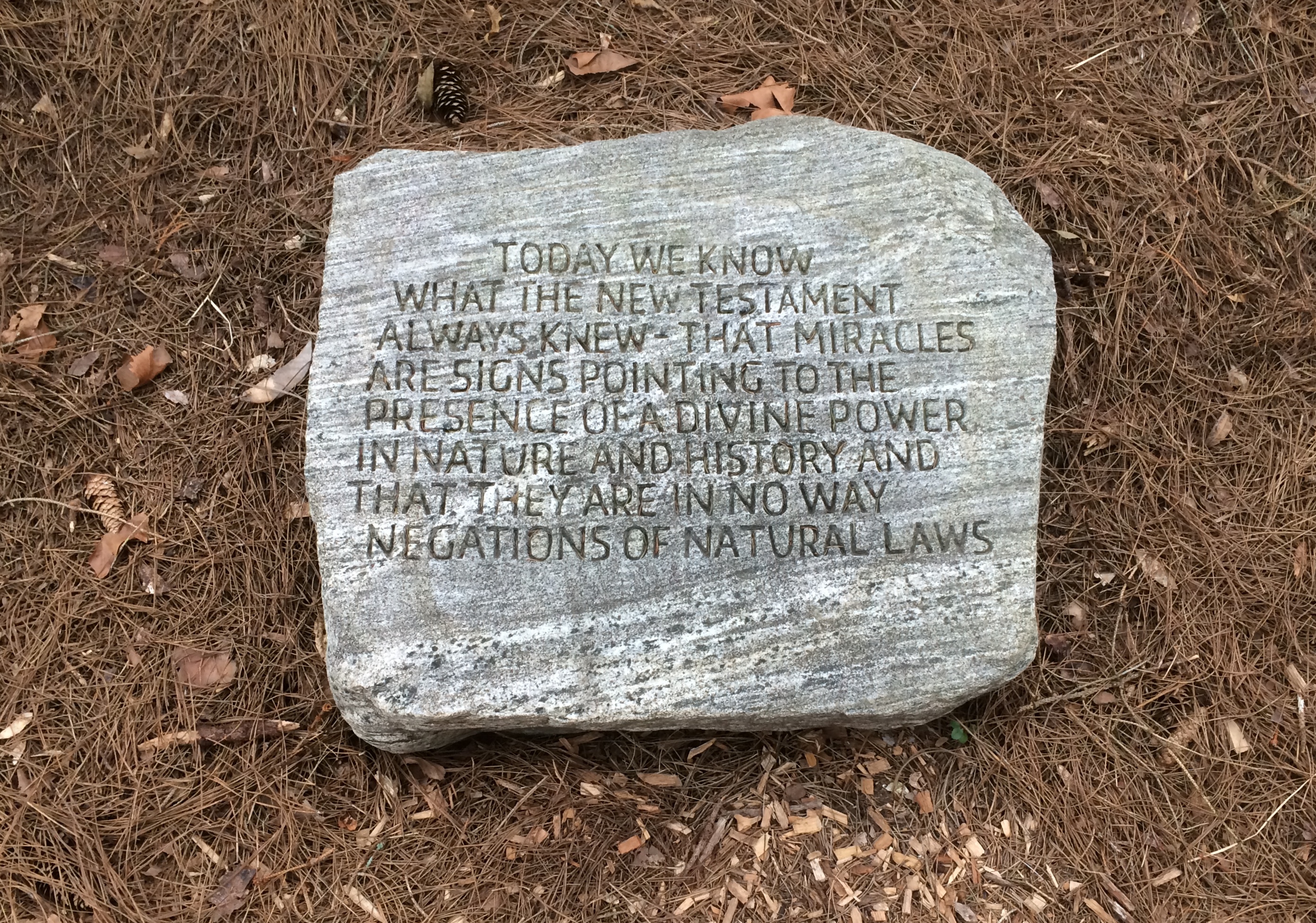
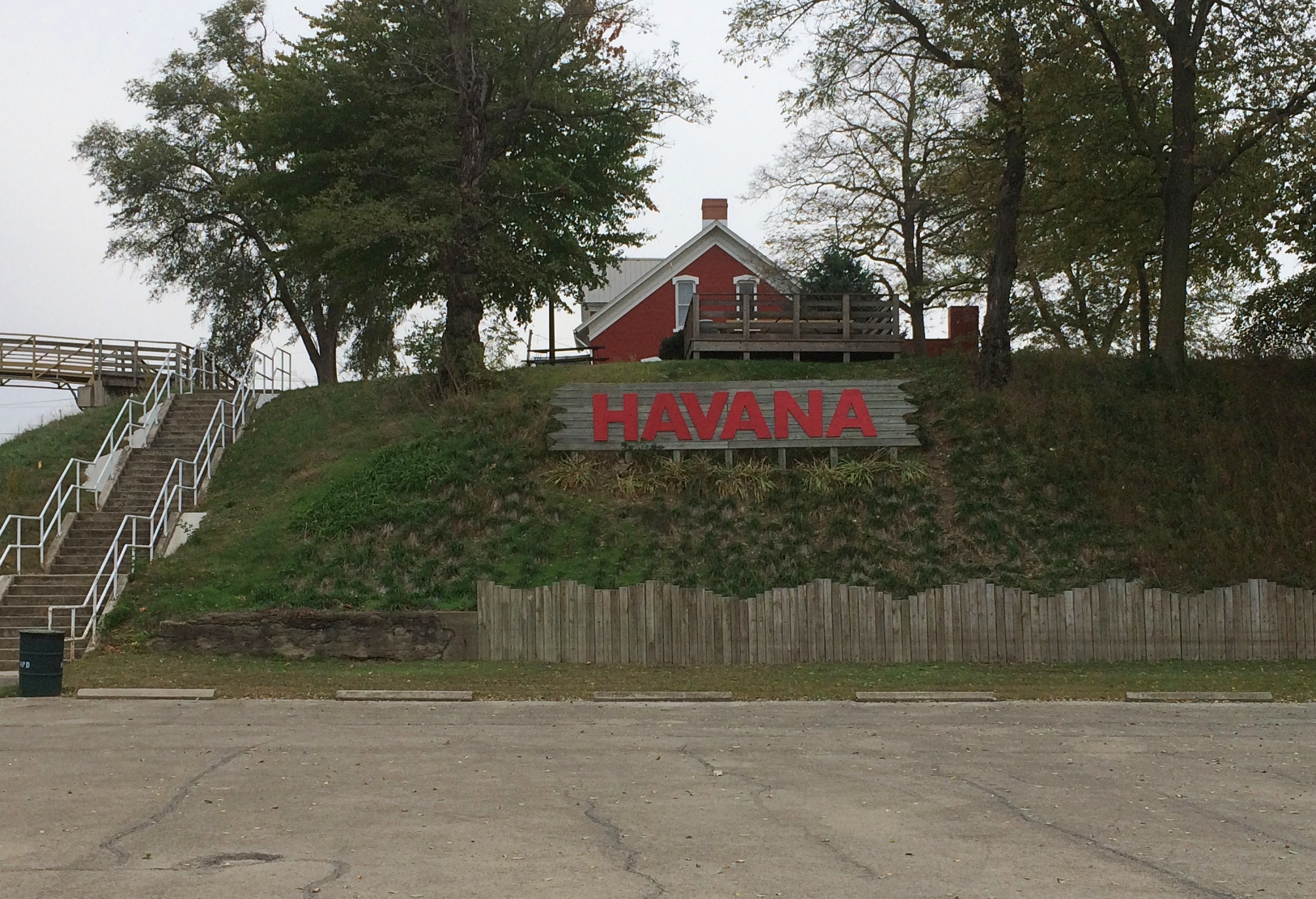
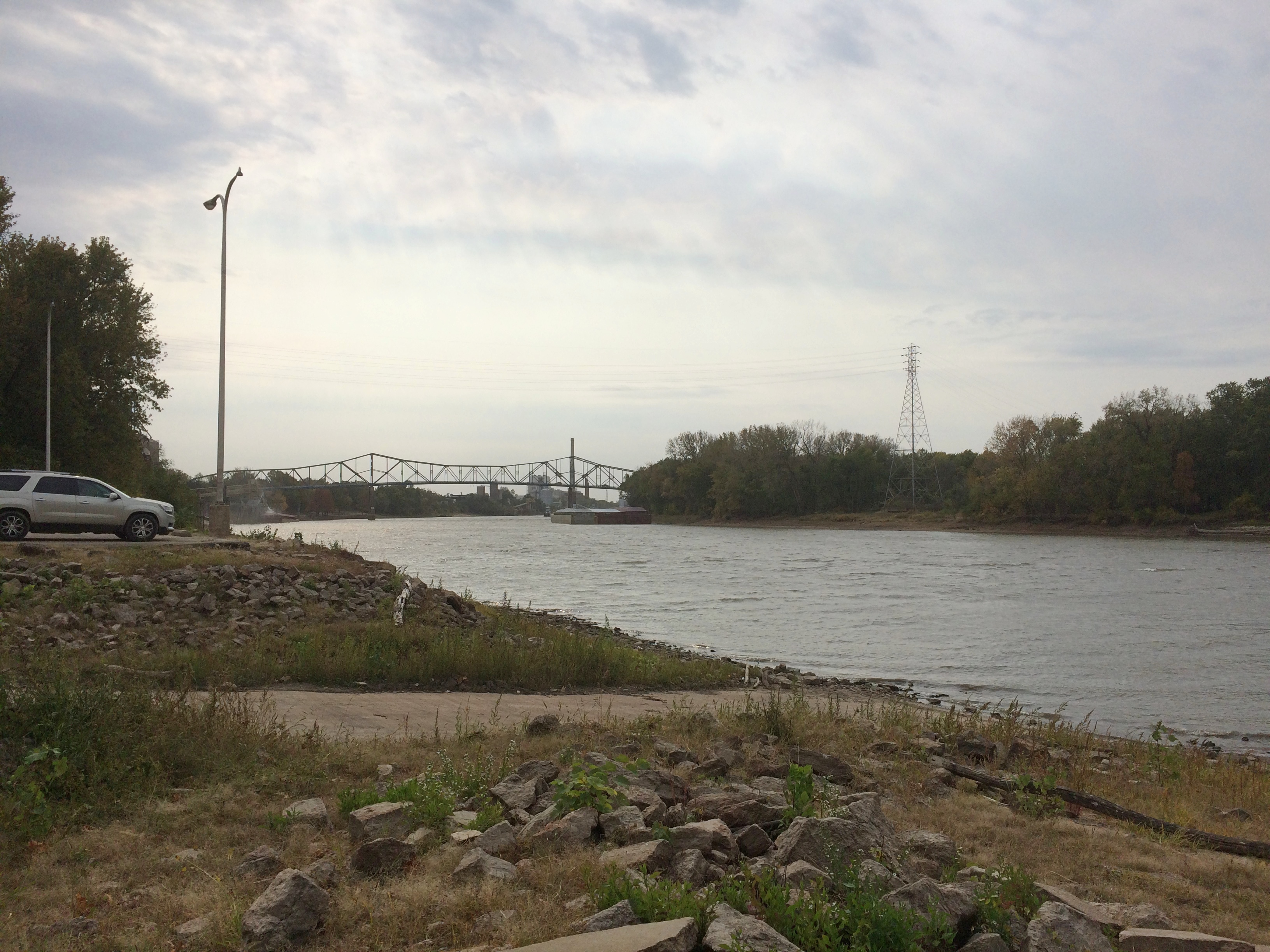
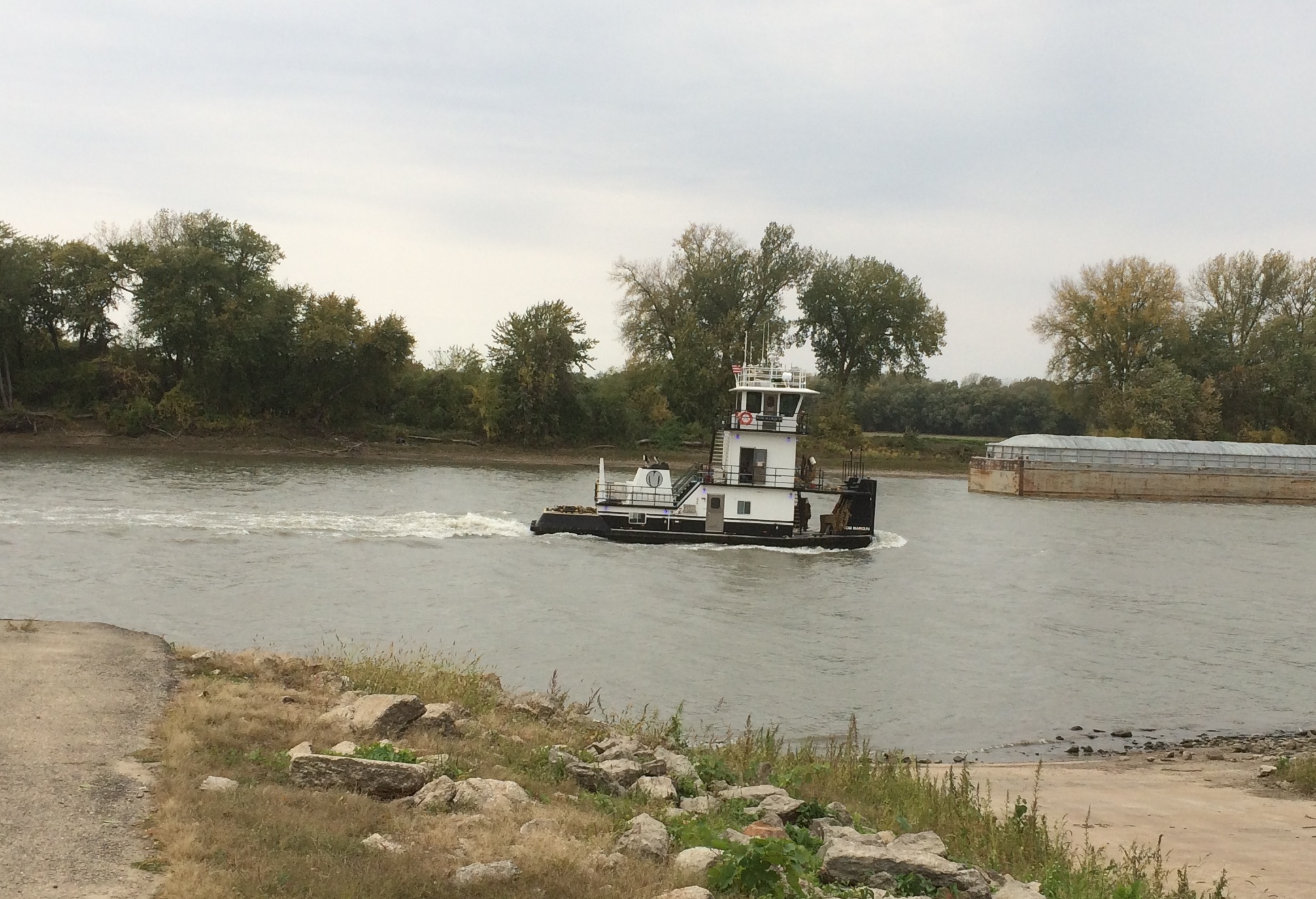
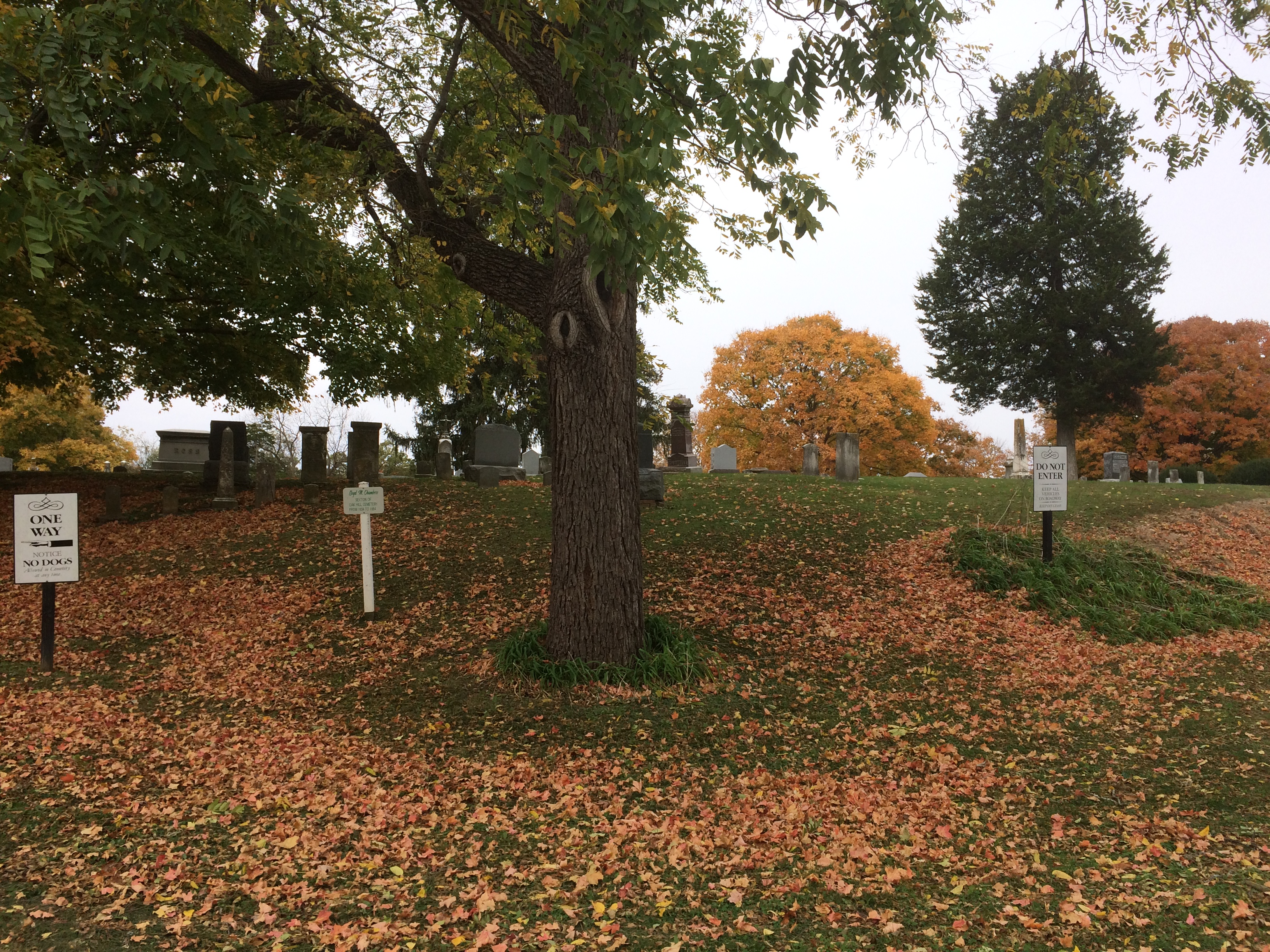
Prairie du Chien: St. Feriole Island

One thing I wanted to find out from our most recent road trip was how to pronounce Prairie du Chien, pop. 5,600 and seat of Crawford County, Wisconsin. Or more exactly, how to say the local version of Chien. However that turned out, it was bound to be more elegant than Dog Prairie.

Sure, I could have looked it up any time. The Internet overflows with such minutiae. But sometimes random web sites are wrong.

According to what I heard many times on local radio, this is correct. Prairie du SHEEN, as in a soft luster or the actors Martin and Charlie. Maybe the 17th-century Frenchmen who founded the place said it some other way, but that hardly matters.

Marquette Road (Wisconsin 35) is the commercial spine of the modern town, featuring chain stores, restaurants, motels, gas stations and other businesses. Residential Prairie du Chien is a few blocks on either side. Perpendicular to Marquette Road is a much shorter shopping/tourist street, Blackhawk Ave., sporting the likes of Bob’s Bar, Jim’s Bar, Cafe Hope, the Blackhawk and Rowdy’s (more bars), Something for Everyone (a thrift store) and Pete’s Hamburger Stand.

During the day on July 3, Blackhawk Ave., which we drove down a few times, was fairly busy. Among other things, a long line of people were waiting to buy takeout from Pete’s. Guess it’s a local favorite.

Much less crowded — not crowded at all — was St. Feriole Island, an island in the Mississippi that’s part of Prairie du Chien and just to the west of the rest of the town. We spent some time there looking around, both before and after we visited Effigy Mounds NM.

The island is prominent on this map, published in Madison, Wisconsin, in 1870.Note that the 1870 town isn’t connected to the rest of the world by a state highway system, but by a rail line and, more importantly, the Father of Waters. Also, what is now Blackhawk Ave. was then called Bluff St.

“Prairie du Chien had its beginnings on this island,” the town web site says. “It was the first location of Fort Crawford, which was involved in the War of 1812, and is the home of the historic Villa Louis mansion, the origin of which goes back to Joseph ‘King’ Rolette and Hercules Dousman, who made fortunes in fur trading and land dealings…

“This is where the industry that supported the city in the 1800s was located, so rail access was installed in 1890 [sic, the map clearly shows a rail line 20 years earlier, which still runs near the river]. After repeated floods and fires, the city was relocated to the mainland on the Wisconsin side, which was higher and far less prone to flood. Industry remained on the island, gradually closing down or moving to the mainland until well past World War II.”

The Mississippi River Flood of 1965 was apparently the final straw for the neighborhood. These days, the island is mostly St. Feriole Island Park, with sports and recreation facilities, a few historic structures, and a lot of open land, though still divided in part by a grid of streets.
St. Feriole Island
St. Feriole Island
We had lunch on Friday at one of the picnic tables with a view of the Mississippi.
St Feriole island
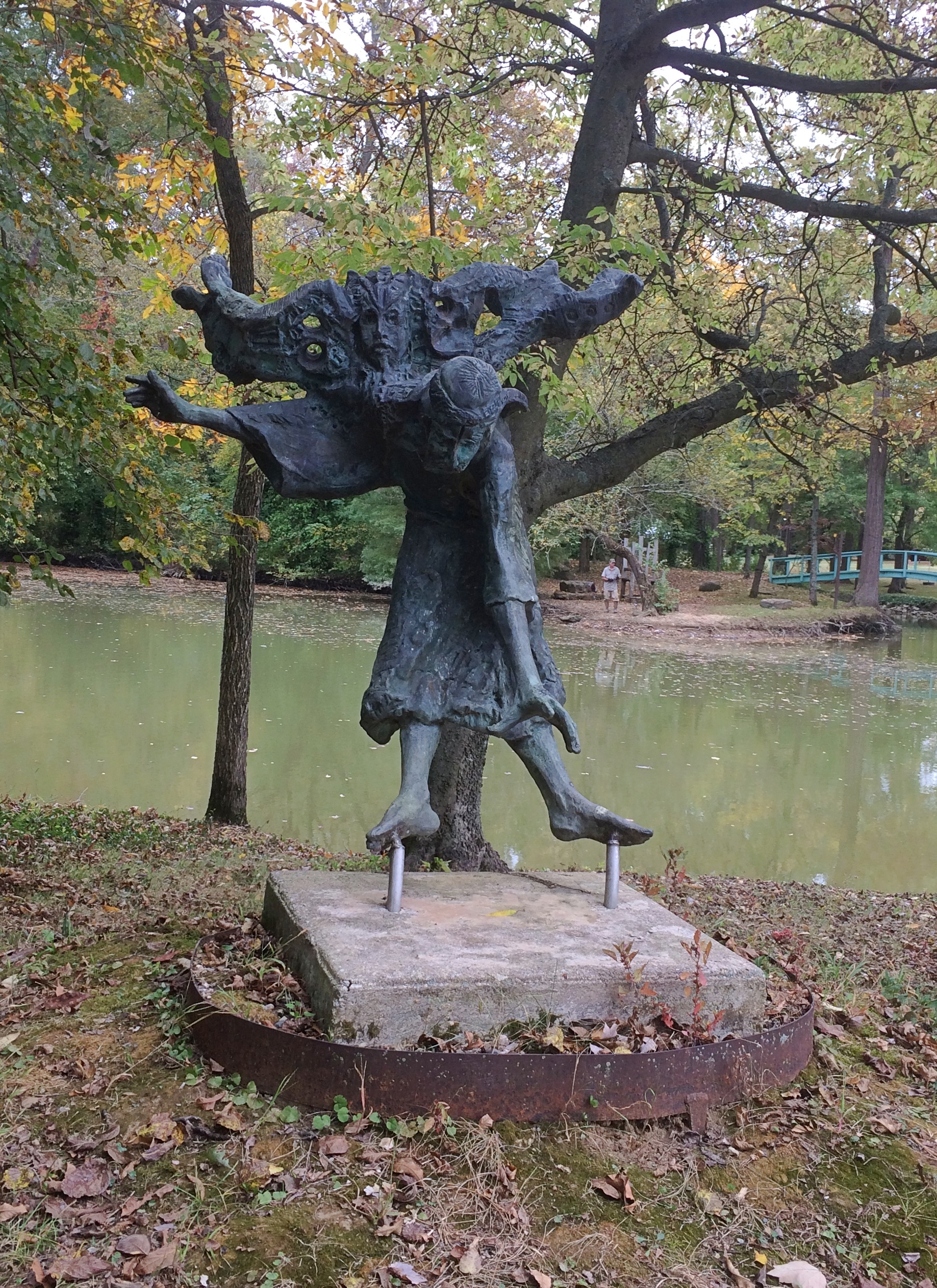
The Brisbois House is one of the park’s historic structures, dating from 1837 (though other sources put its construction in 1815).St. Feriole IslandIn any case, it isn’t open now. Neither is the Villa Louis, nor the Fur Trade Museum on the island.St. Feriole Island Villa LouisThe Mississippi River Sculpture Park on the island is open. Unlike most sculpture parks, which feature a variety of works by a variety of artists, this one includes only works by sculptor Florence Bird, which are depictions of people associated with the history of Prairie du Chien.

Such as the park’s most recent addition — less than a month ago — of a bronze of Marianne LaBuche, a frontier doctor (“community healer,” her sign says) of the early 19th century.St. Feriole Island
Also depicted: Julian Coryer, voyageur, though it looks like he’s between voyages.St. Feriole Island
A “Victorian lady.”
St. Feriole Island
Emma Big Bear, basketmaker.St. Feriole Island
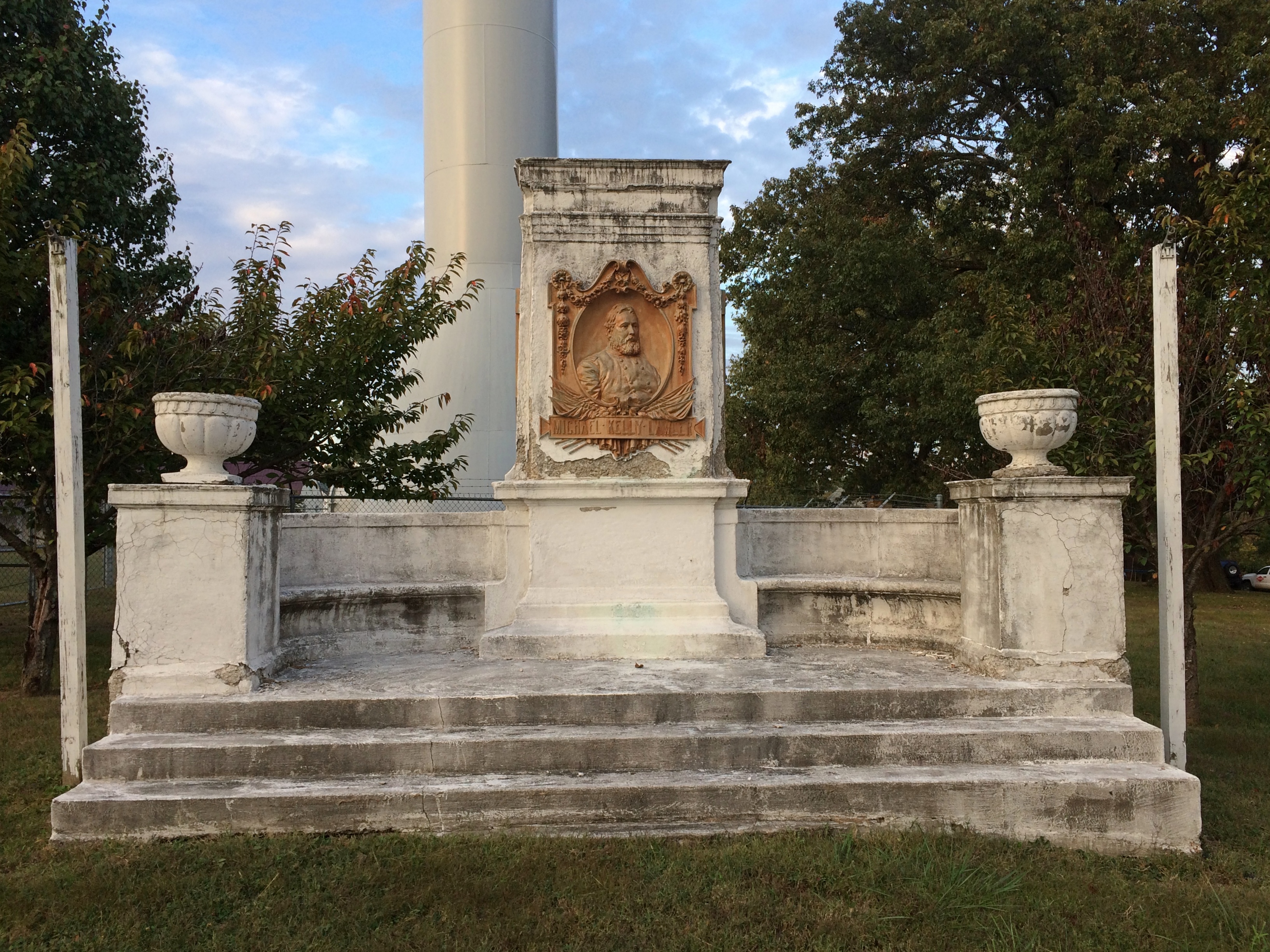
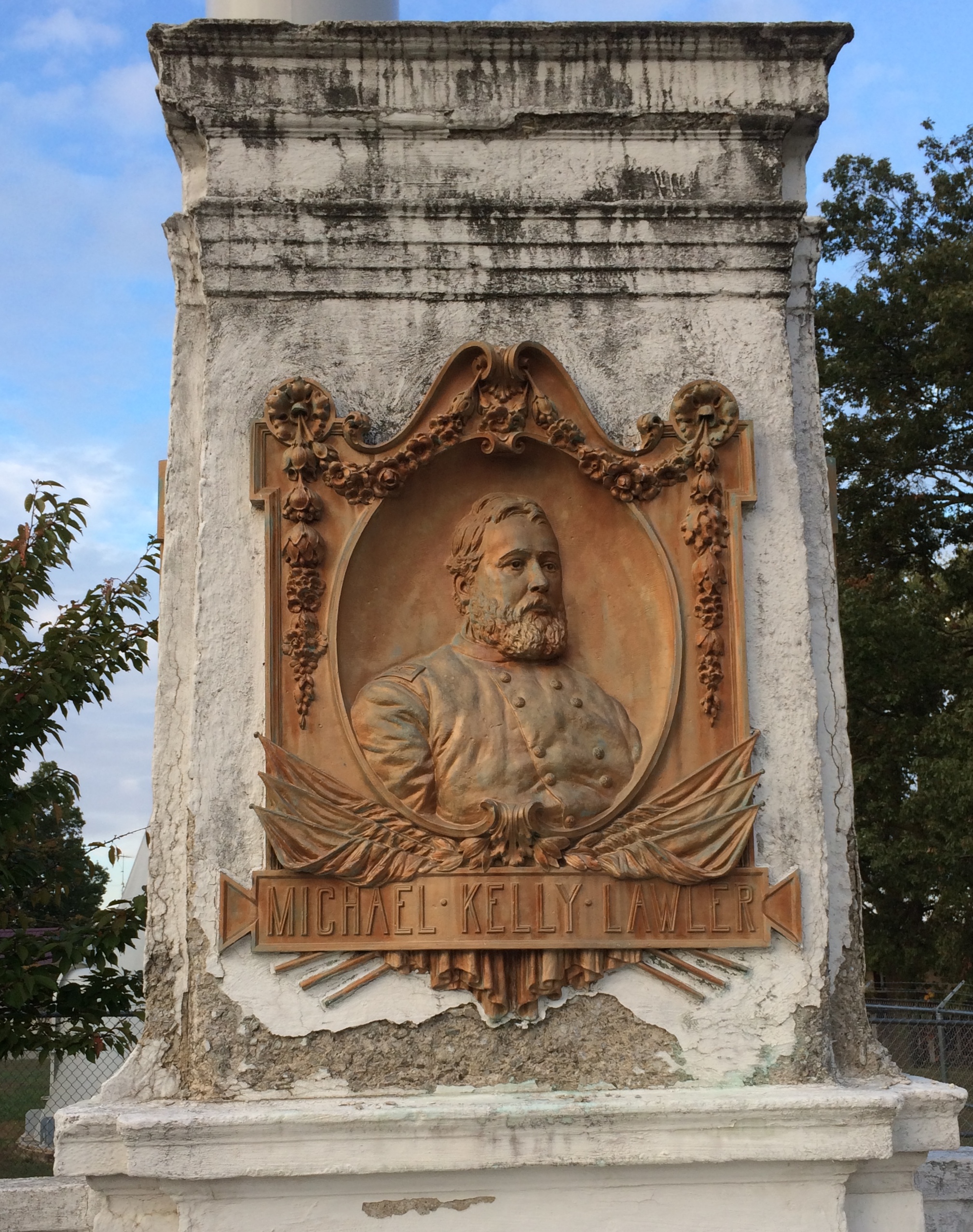
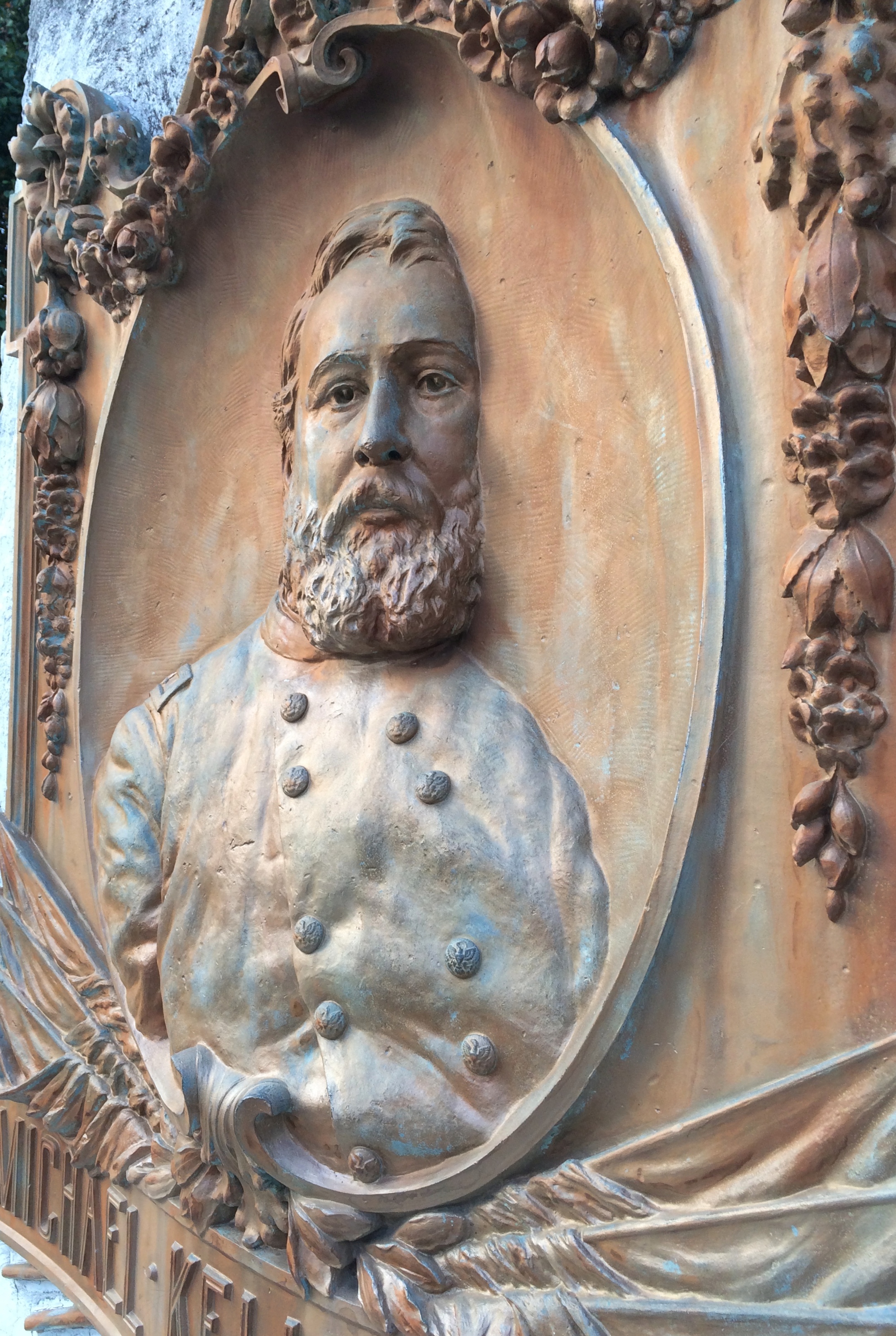
Here’s Black Hawk (Ma-ka-tai-me-she-kia-kiak).St. Feriole Island Black HawkNote his medallion.St. Feriole Island Black Hawk
His plaque has been edited, either officially or unofficially, since 2005.
St. Feriole Island Black Hawk
Not sure what was blocked out or why. But these times make me attuned to statue revisionism, however minor.

Walnut Hill Cemetery, Baraboo

We finished our hiking at Devil’s Lake SP at about 3 in the afternoon and headed into Baraboo for something to eat. Not so long ago, that would have meant parking ourselves at a restaurant for a meal. Though there are no restrictions on indoor dining in Wisconsin now — the whole kit and kaboodle was thrown out — we thought better of it, and ordered takeout.

That left us about 20 minutes to wait for the food. Rather than wait in the car in the restaurant parking lot, I consulted Google maps and found a nearby place to go: the 52-acre Walnut Hill Cemetery, which has about 11,500 permanent residents. Baraboo, the Census Bureau tells me, has a shade over 12,100 living residents.

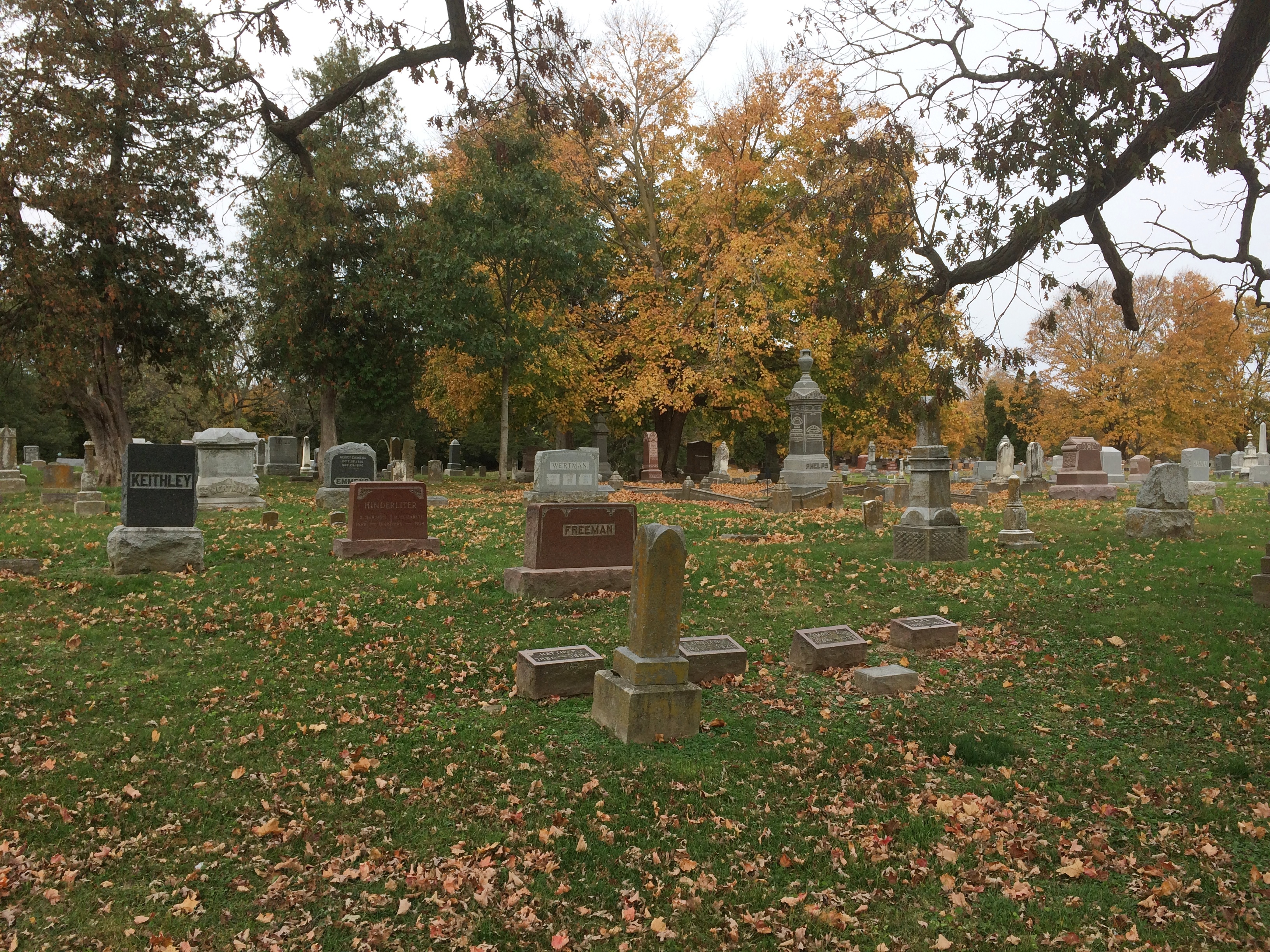
It’s a pleasant cemetery.Wallnut Hill Cemetery Baraboo
Wallnut Hill Cemetery Baraboo
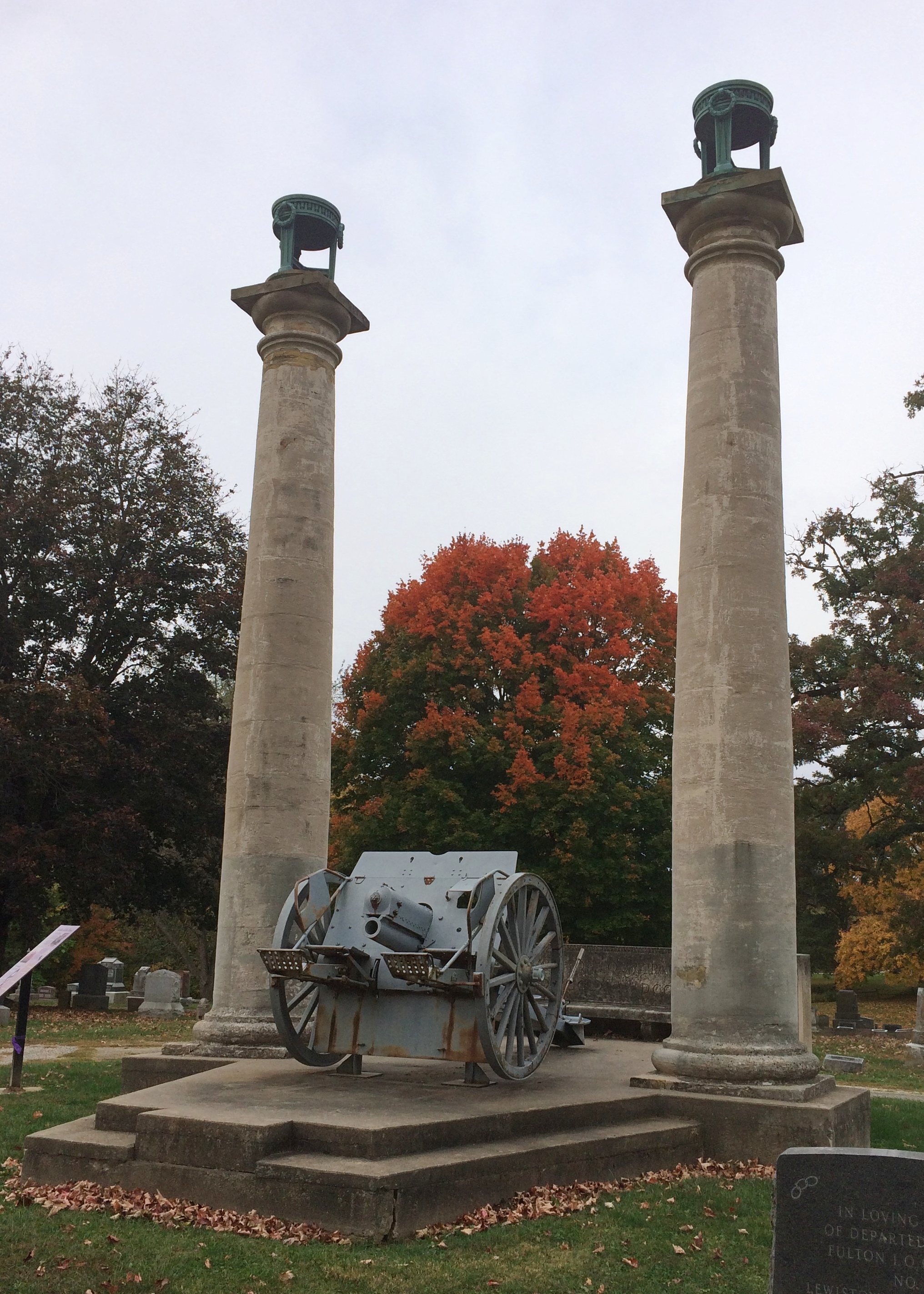
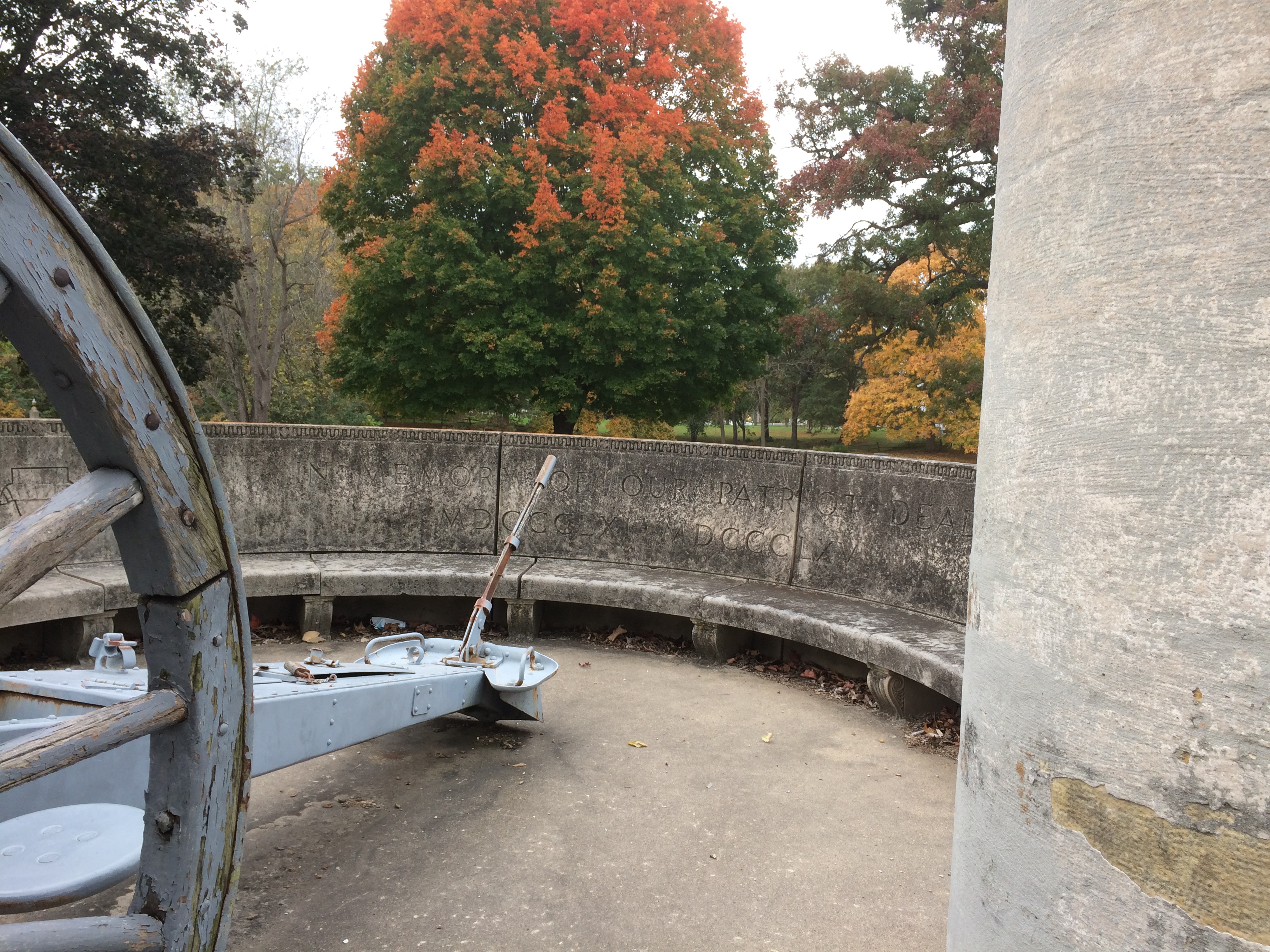
Wallnut Hill Cemetery BarabooI hadn’t come to see any specific grave, but I had to investigate one of the few mausoleums I saw, there on a small rise.
Wallnut Hill Cemetery Baraboo
It turned out to be the resting place of Al. Ringling (1852-1916), the eldest of the circus family, and his wife Lou. Makes sense. Baraboo was a circus town, after all.
Walnut Hill Cemetery Baraboo Al. Ringling
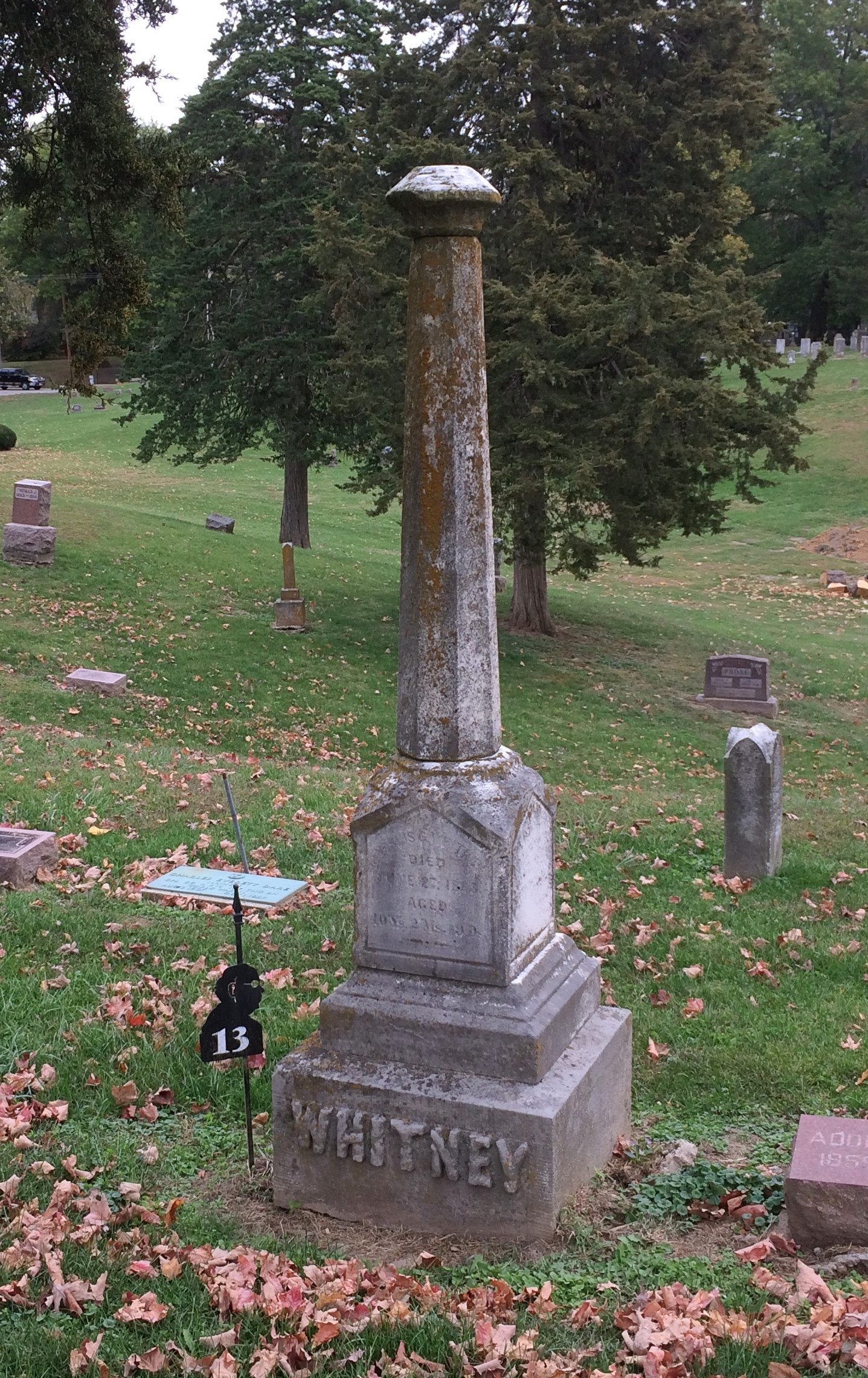
Later I read that some of the other circus brothers are buried at Walnut Hill as well, but I didn’t spot them. I did see another intriguing stone.
Walnut Hill Cemetery Baraboo John Duckens

JOHN DUCKENS
Born a slave in Kentucky
Died in Baraboo, Wi 1894
Aged 75 years

A new-looking stone at that. It’s a replacement for a weather-worn original, put there only in 2011 by the Sauk County Historical Society, which published a sketch of his life — probably all that’s possible — as a Sauk County Notable.

Wednesday Water & Fire

Back to posting again on Tuesday. It’s an early Memorial Day this year, five days removed from Decoration Day, and in fact May 25 is as early as it can be under the Uniform Monday Holiday Act. Next year the holiday swings to the latest possible position, May 31, and then in 2022, it’s square on Decoration Day.

Warmish day today, this Wednesday, a relief from a too cool Tuesday. Pleasant enough to have lunch on the deck. The grass is still squishy underfoot.
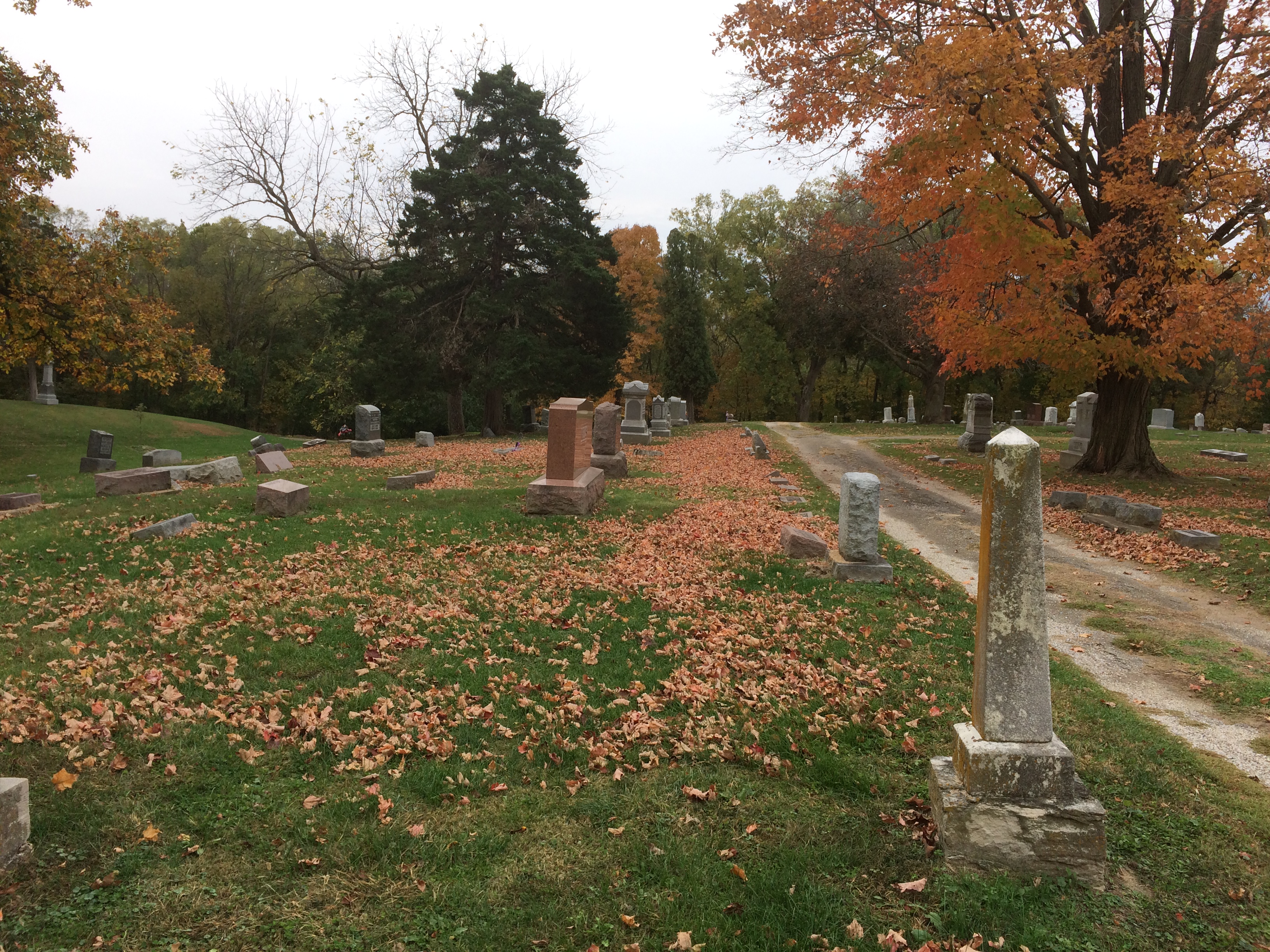
Many places in this part of the country have had a lot of rain. Too much in some places. I read today that downtown Midland, Mich., flooded because the rain-swollen Tittabawassee breached a dam not far away. Of course, rain was only the immediate cause. Looks like a whole lot of negligence on someone’s part. Boatloads of litigation, dead ahead.

The story caught my attention mainly because we visited Midland only last year, on September 1, taking a stroll in places that are now underwater.

This evening I went outside to take a few things to the garage. Returning, I noticed a bright object in the sky off to the northwest. It looked like a fire balloon. A single one, drifting along. I was astonished. I’m pretty sure I’ve only ever seen pictures of them before, not the thing itself.

Who launched it? Why? Who thought that was a good idea in a suburban area, with rooftops to catch fire? The risk is probably fairly small, but still — that’s not something I want landing near me. On the other hand, the balloon made a pretty sight as it wandered along. I watched it as it went from being a small flickering light to a very small flickering light in the sky, finally disappearing in the distance.

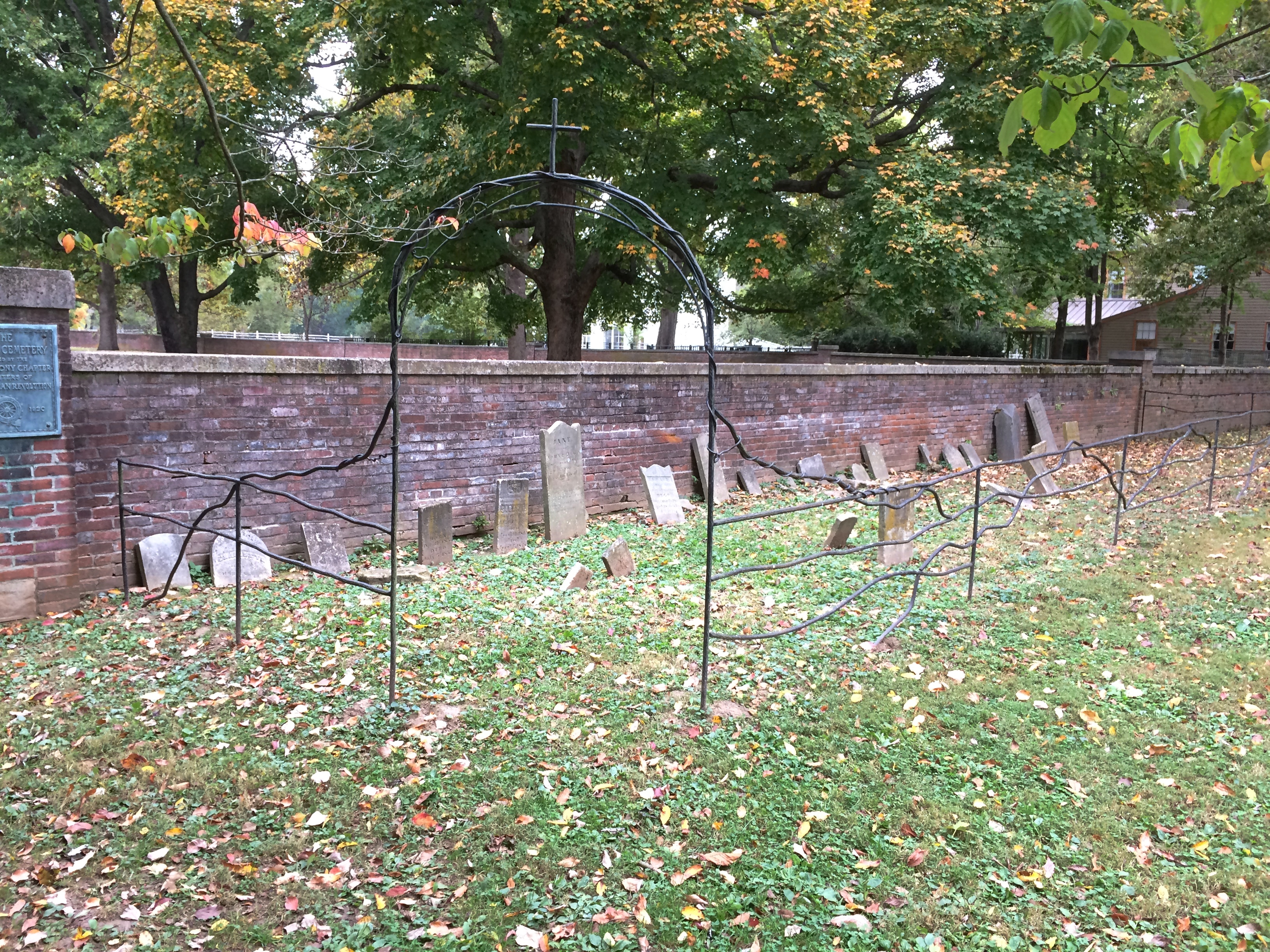
Springtown Cemetery

Near the entrance to Marengo Cave in Marengo, Indiana, is a patch of land called Springtown Cemetery. Some of the cave runs further underneath, I think.
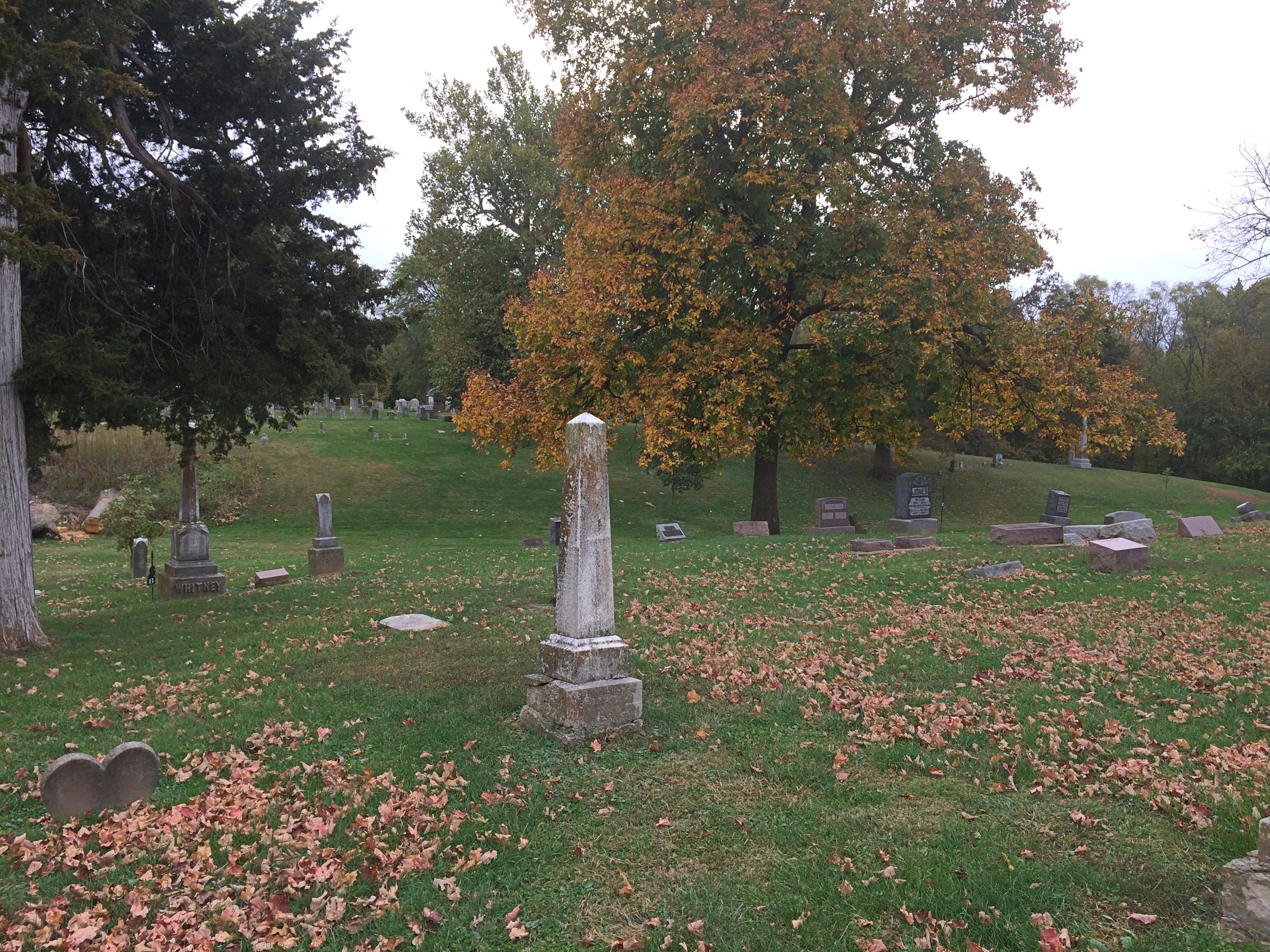
A sign outside the cemetery fence says: This cemetery, one of the first in this area, dates back to the early 1800s, when Marengo was known as Springtown. Oris Hiestand, one of the discoverers of Marengo Cave, is buried here. The land for the cemetery was given to the town by Mr. Samuel M. Stewart, the first owner of Marengo Cave.
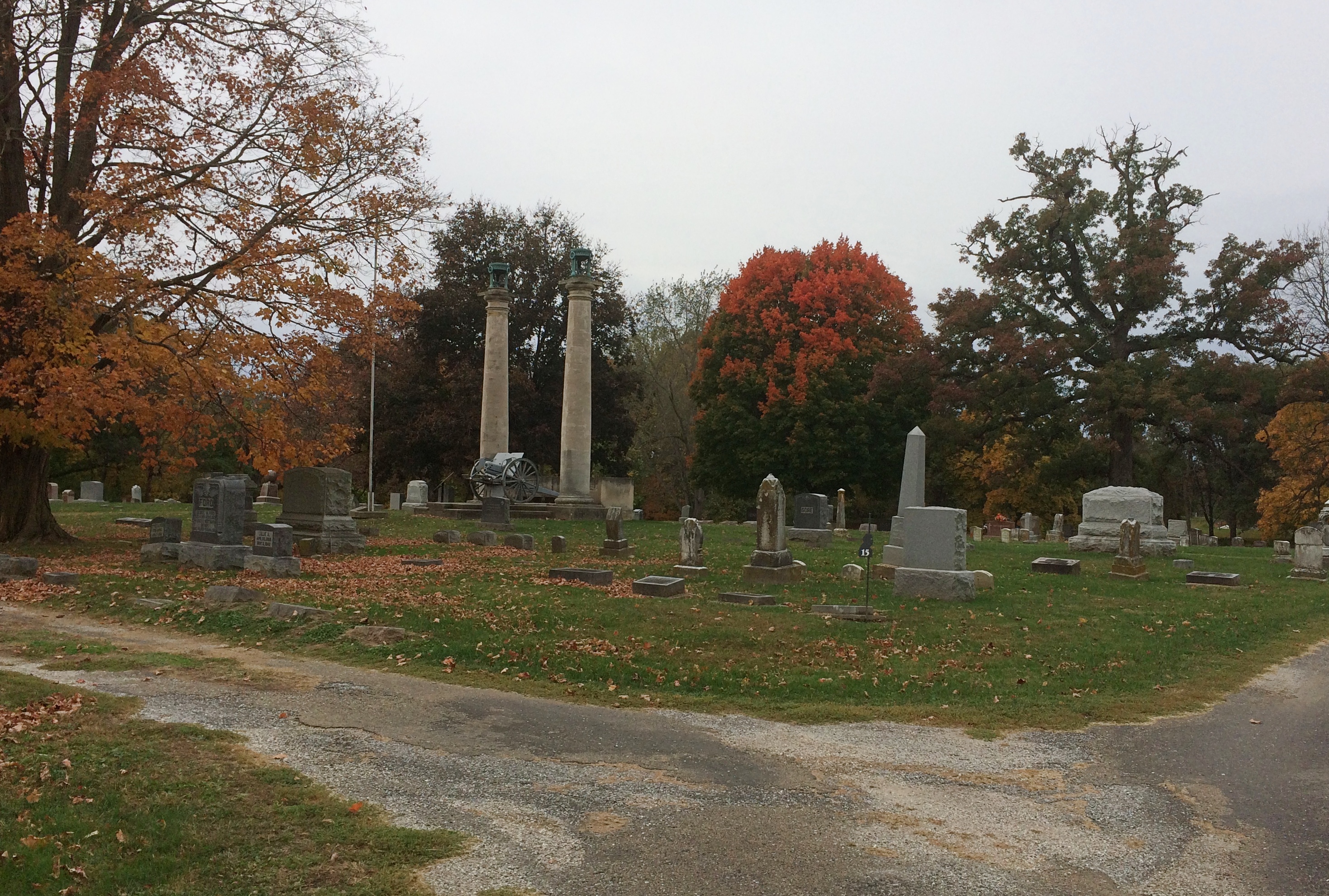
The rain had just slacked off when I took a look around. It isn’t overcrowded with stones.
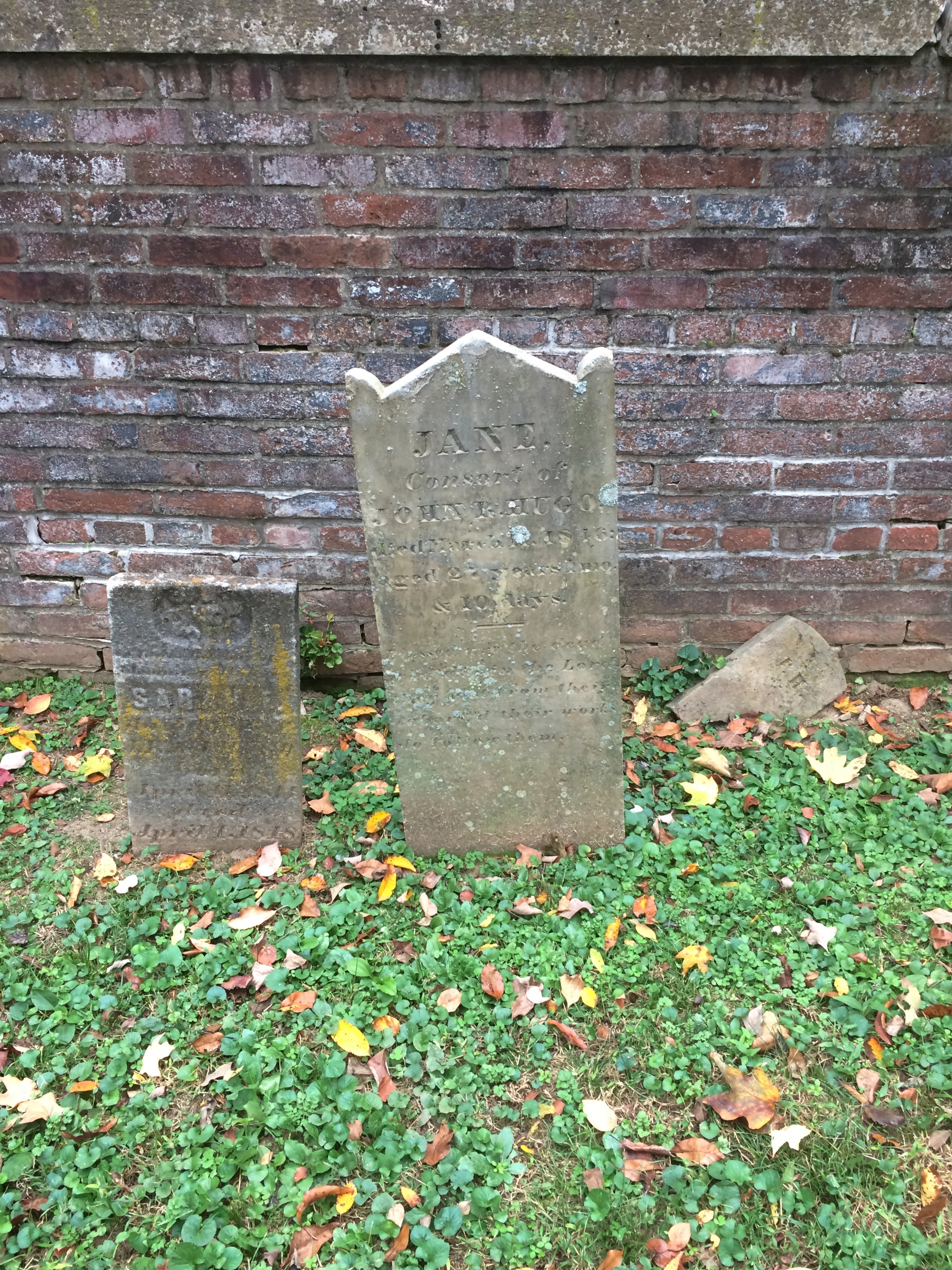
Springtown Cemetery, Marengo, IndianaThe stones might or might not represent everyone who’s buried there. Someone may know for sure. Or not.

A few unexpected touches of green in late December.
Springtown Cemetery, Marengo, IndianaMossy, wet stones honoring obscure people in an obscure corner of the world.Springtown Cemetery, Marengo, IndianaSpringtown Cemetery, Marengo, IndianaSpringtown Cemetery, Marengo, IndianaIf that’s not a momento mori, I don’t know what is.

Marengo Cave

Here’s something in the category of Things You Find Out Later: the Marengo Warehouse Distribution Center. It’s in Marengo, Indiana, and according to its web site, it’s “one of the largest underground storage facilities in the United States… The complex is located 160 feet (49 m) underground in a former limestone quarry and comprises nearly 4 million square feet of space.”

Elsewhere on the same page, its total storage capacity is said to be “more than 3 million square feet,” but never mind. Sounds like an impressive underground storage facility. About 20 years ago, I visited another such place, SubTropolis in Kansas City, Mo., which at 6.5 million square feet is king of the underground storage facilities, at least the ones we know about.

When we visited Marengo Cave on the afternoon of December 29, I had no idea about the nearby Marengo Warehouse Distribution Center, a complex of storage chambers and roadways carved out of the same Indiana limestone as the naturally forming cave. I found out about the warehouse later, when looking for further information about the cave. Reportedly the U.S. Defense Logistics Agency stores vast numbers of MREs (Meals Ready to Eat) there.

Marengo’s a small town in Crawford County, population somewhat over 800, and about 40 miles from Louisville. If that city someday becomes more robust in its growth, Marengo might be exurban or even an outer suburb, but for now it’s a small Indiana town with one main attraction: a show cave discovered in the late 19th century and measuring about five miles of known passages.

We took the mile-long Dripstone Trail walking tour, by spots with fanciful names, such as Sherwood Forest, Looking Glass Lake, Washington Avenue, The Masher, Music Hall and Penny Ceiling. That last one features a muddy roof to which pennies, or other objects, will stick if you throw them hard enough. The guide invited us to throw pennies up to the ceiling, noting that cave management would eventually remove them to donate to charity, something like pennies in a fountain, so many of us heaved our coins ceiling-ward. Me too. Mine stuck.

The place has some nice features.Marengo Cave

Marengo Cave

Marengo Cave

Including historic graffiti. Unlawful to do now, but not for much of the cave’s history after its discovery.Marengo Cave

According to our guide, the deepest point of the tour was 200-plus feet below the surface. But, she said, we might have noticed that we hadn’t descended very far on our walk. Indeed we hadn’t — after the initial climb down some stairs, and a few other drops, most of the trail was level. At the same time, she said, the ground above was rising. It’s hilly terrain, after all.

Divers Southern Indiana Courthouses &c

Bloomington is the county seat of Monroe County, Indiana, and sports an impressive downtown courthouse, a 1908 Beaux Arts design by Hoosier architects Wing & Mahurin.

Monroe County Indiana Courthouse

The building was closed for the weekend, but I took a look at the exterior just before dusk. While I stood there, strings of lights lit up.
Monroe County Indiana CourthouseWhat’s a county courthouse without some allegories?
Monroe County Indiana CourthouseOr a war memorial? At first glance, it looks like a Civil War memorial only, but it specifically honors veterans of the war with Mexico, the Civil War, the Spanish-American War and World War I.
Monroe County Indiana CourthouseWhile in Nashville, Indiana, I took a quick look at the more modest, but also handsome Brown County Courthouse, a structure from the 1870s.
Brown County Indiana CourthouseNashville has some other interesting buildings as well, such as the Nashville United Methodist Church.

Nashville Indiana UMCThis looks to be a former Masonic building, though I’ve only looked into the matter enough to know that the Nashville, Indiana, Masonic Lodge #135 isn’t in that building, but a newer-looking one. But the older building does say LODGE on the front facade in large letters, along with Masonic symbols on either side.

Nashville IndianaNashville isn’t a very large town, but there are streets away from the main tourist drag, Van Buren St. On just such a street we happened across a tree-carving studio.
Nasvhille Indiana tree carving studioBesides Elvis and a bear, you can also find Willie Nelson in wood there.
Nasvhille Indiana tree carving studioAnd one of the popular ideas of a space alien.
Nasvhille Indiana tree carving studioOne more courthouse: a good-looking structure in Paoli, Indiana, county seat of Orange County. We passed through town on the way to West Baden Springs, but didn’t stop in the intense rain. Even so, the courthouse caught our attention.

West Baden Springs Hotel

Tibetan-style structures and T.C. Steele’s property and all the other places we saw in southern Indiana near the end of December were worth seeing, but none were the main reason we went down that way.

That would be the West Baden Springs Hotel, one of the grand old hotels of the nation, revived in our time to an astonishing degree. Magnificent as the Hotel del Coronado or the Waldorf-Astoria, historic as the Fordyce at Hot Springs National Park or the Boca Raton Resort & Club.

We drove south from Bloomington in intermittent rain on the morning of December 29 to the town of West Baden, in Orange County, Indiana, an otherwise rural place with a county population of a shade less than 20,000. The hotel was impossible to miss driving into town. Even at some distance, it cuts an impressive figure.

West Baden Springs Hotel

More so closer in.

West Baden Springs HotelWest Baden Springs HotelThere’s been a hotel on the site since 1855, at first called the Mile Lick Inn. Why in this obscure part of Indiana? The waters, of course. Indians knew about the springs and so did Frenchmen, who lent their national name to the nearby French Lick Springs Hotel, about a mile from the West Baden Springs Hotel.

Eventually a branding impulse kicked in, and Mile Lick became West Baden Springs, to capture some of the Victorian cachet of Baden-Baden in Germany, where the Euro-elite took the waters. I learned pretty quickly, by the way, that the Hoosier way to say the name is West BAY-den, not BAA-den.

The original West Baden Springs burned down just after the turn of the 20th century. The owner, Lee W. Sinclair, wanted something even grander replace it — something to best the rival French Lick Springs Hotel — and so he built the current hotel.

“Sinclair… envisioned a circular building topped with the world’s largest dome, decorated like the grandest spas of Europe,” notes the hotel web site. “Architect Harrison Albright of West Virginia [who designed the U.S. Grant Hotel in San Diego, too] accepted Sinclair’s commission and agreed to complete the project within a year. The new hotel, complete with a 200-foot diameter atrium and fireplace that burned 14-foot logs, opened for business in June of 1902.”

Later, Sinclair’s daughter and son-in-law redesigned the hotel a new level of opulence in the ’20s that characterized West Baden Springs Hotel until the Depression crushed its business model. The rest of the 20th century was unkind to the property, especially the last years of the century.

“In January 1991, a buildup of ice and water on the roof and in drainpipes caused the collapse of a portion of the exterior wall,” the web site says. “In 1992, Indiana Landmarks spent $140,000 to stabilize the hotel, matching a $70,000 contribution from an anonymous donor. In May 1994 the hotel was sold to Minnesota Investment Partners (MIP) for $500,000. Grand Casinos Inc., an investor in the purchase, optioned the hotel from MIP. The Cook Group Inc., a global medical device manufacturing company headquartered nearby in Bloomington, stepped in to preserve both the French Lick and West Baden Springs Hotels.”

That is to say, the Cook family — medical-device billionaires — took an interest in the place. Eventually they oversaw the renovation of West Baden Springs, as well as French Lick Springs, at great expense. But not without what I imagine must be a healthy return, now that a major new Cook-owned casino (next to French Lick Springs) is open for business. All of the properties (West Baden Springs, French Lick Springs and the new casino) are part of the French Lick Resort Casino, an operation licensed by the state of Indiana in 2006.

I’ve read variously that the West Baden Springs Hotel dome was the nation’s largest freestanding structure of its kind until the completion of the Charlotte Coliseum in 1955 or the Astrodome in 1965. Whatever the case, the thing to do in our time is wander into the hotel atrium, stand under the dome, and be amazed. Ordinary photos can’t convey the sweep of the place or the its grand scope, but never mind.

West Baden Springs Hotel atrium

West Baden Springs Hotel atriumWest Baden Springs Hotel atriumWest Baden Springs Hotel atriumWest Baden Springs Hotel atriumOther parts of the hotel have their own flourishes, such as the stained-glass windows near the front entrance, added by Jesuits when they owned the property in the mid-century. Quite a story.

West Baden Springs Hotel stained glass

We rode a trolley over to French Lick Springs for a look. Posh, certainly, and also a historic hotel — that’s where Pluto Water used to come from, and walls are covered with glossy pics of famous guests — but it’s only worth seeing, not worth going to see, like West Baden Springs is.

The Haan Mansion Museum of Indiana Art

We didn’t go to St. Louis just after Christmas, much less time travel to St. Louis to see the 1904 Louisiana Purchase Exposition. But in a way, we did.

“Occupying two square miles on the western side of St. Louis, the 1904 World’s Fair was the largest in history, with 1,272 acres containing more than 1,500 buildings,” Serious Eats tells us.

“At the heart of the exposition were 11 monumental ‘palaces,’ each dedicated to a subject, such as Electricity, Fine Arts, Horticulture, or Machinery. Sixty-two countries and 42 American states had their own halls or buildings, where they displayed the highest achievements of their cultures and economies… They were designed not to endure for the ages but to captivate the crowds for a brief moment.”

With a few exceptions. The former Palace of Fine Arts is now the St. Louis Art Museum in Forest Park, which we visited during one of our trips to St. Louis. The Connecticut Building at the fair is now the Haan Mansion Museum of Indiana Art in Lafayette, Indiana. That’s where we went during our end-of-December trip.
Haan Mansion Museum of Indiana ArtWe arrived about 30 minutes before closing on December 27, but decided pay the admission and look around anyway. Glad we did. Time was short, but one of the volunteers gave us a tour. Spontaneously, since (I think) admission normally gets you a self-guided tour.

She took us from room to room, each well appointed, noting some of the museum’s highlights — paintings by Indiana artists, ceramics, bronzes, towering grandfather clocks, a wide array of other antique furniture, a model train that traversed between two rooms, and this time of the year, Christmas trees and wreaths and other elaborate seasonal decor. Especially prominent on the walls were works by T.C. Steele, Hoosier landscape painter of renown, with numerous other Indiana artists represented as well. Though it’s a fine house museum, the Haan’s specialty is art created in Indiana.

Our guide also told us the story of how the house ended up in Indiana after its stint at the 1904 World’s Fair. The tale began in Connecticut.

“The Charles and Lydia Sigourney mansion in Hartford provided the inspiration for the building,” writes the the Connecticut Historical Society’s Karen DePauw. “The Connecticut commissioners to the Exposition felt the house represented colonial ideas, as well as stood for cultural and social life in present-day Connecticut. Edward T. Hapgood was hired as the architect, and H. Wales Lines Co. served as builders.”

A wealthy fellow from Lafayette, one William Potter, visited the fair and liked the house so much he bought it. Or rather, his wife liked the house so much he bought it and had it rebuilt in Indiana for them to live in: three full floors, a basement, seven fireplaces, five-and-a-half bathrooms, a 26-light brass-and-crystal chandelier, and a double staircase leading to the second floor, among other posh features.

Closer to our time, the Haans, who made their money selling sewing kits to junior high schools, acquired the property in the 1980s as a residence. They’re also collectors of Indiana art, which accumulated over the decades — as things do in a house — and a few years ago they deeded the house to a nonprofit to display their collection.

Behind the house is more art: a sculpture garden sporting Indiana-created work. Such as “Venus Rising” by Tuck Langland of Granger.
Haan Mansion Museum of Indiana Art sculpture garden“The Miner” by Peter Rujuwa.
Haan Mansion Museum of Indiana Art sculpture gardenRujuwa, originally from Zimbabwe, now of Indianapolis, also did “The Guitarist.”
Haan Mansion Museum of Indiana Art sculpture garden“Metal Menagerie” by Roy Patrick of Lafayette.
Haan Mansion Museum of Indiana Art sculpture gardenHaan Mansion Museum of Indiana Art sculpture garden“Garden Art” by Kathleen Kitch of Lafayette.
Haan Mansion Museum of Indiana Art sculpture gardenPretty soon we noticed something moving in the sculpture garden. A little cat.
Haan Mansion Museum of Indiana Art sculpture gardenHe followed us around for a while, but then lost interest and spent time climbing trees behind the artwork.

Southern Indiana at the End of the 2010s

A new decade is underway, and don’t let nitpickers tell you otherwise. At midnight as 2020 began — the beginning of the 2020s — I stepped outside for a listen, as I do most years. Pop-pop-pop went the fireworks in the freezing air.

If you know where to look in southern Indiana, about 50 miles southwest of Indianapolis, you’ll find yourself standing near a Tibetan stupa. I did that myself ahead of the New Year.
Tibetan Mongolian Buddhist Cultural CenterWe wanted to take a trip between Christmas and New Year’s, but nowhere too far or expensive. In that case, weather is the main variable. A blizzard, or even heavy snow or subzero temps, would have kept us home. But post-Christmas forecasts called for mild temps until December 30 throughout our part of the Midwest.

So on December 27, we drove to southern Indiana by way of Lafayette and Indianapolis, stopping in the former but not the latter. We arrived in Lafayette just in time to visit the Haan Mansion Museum of Indiana Art, and take a look at the sculpture garden and nature walk behind it.

That evening we arrived in Bloomington, Indiana, where we spent the next three nights. Bloomington is home of the largest branch of Indiana University, one boasting nearly 50,000 students and the Kinsey Institute besides. But just after Christmas, the place is practically deserted. A ghost university.

On December 28, we spent much of the morning at the Tibetan Mongolian Buddhist Cultural Center, which is out on the edge of Bloomington. We saw the stupas and the prayer wheels and flags and the Kumbum Chamtse Ling Monastery. We also happened to be there in time to see a fire puja ceremony.

We spent most of the afternoon that day in rural Brown County at the T.C. Steele State Historic Site, hilltop home and studio of the landscape painter of that name in the early 20th century. We also popped over to Nashville, Indiana, where we’d been in 2002. Instead of artwork, we bought lunch there this time.

The day was good for walking around outside — nearly 60 degrees F. and cloudy, but no rain. About as pleasant as you’re going to get in late December. The next day was nearly as warm, but rain fell on and off all day, sometimes heavily.

A good day for indoor sites. On the morning of the 29th, we headed south, deep into the rolling hills of southern Indiana, to visit the striking West Baden Springs Hotel, a grand hotel of the past revived only in recent years, along with its former rival and current sister property, the French Lick Springs Hotel, one-time home of Pluto Water.

After a lunch stop in Paoli, Indiana, we went to Marengo Cave, a limestone show cave under the small town of Marengo, and spent more than an hour among the stalagmites and -tites and flowstone. Near the cave’s entrance, a bonus site: a 19th-century Hoosier cemetery, whose weather-beaten stores were picturesquely wet with the most recent weather.

The 30th proved to be cold, though not quite cold enough for snow or ice. We drove home in the morning, stopping only for gas and rest stops. Strong winds blew. Sometimes strong enough to push the car slightly to the side. I white-knuckled the steering wheel a few times as a result.

Indiana flag

The wind gusts also captured flags and pulled them straight. Here is Indiana’s flag at a rest stop. Better than those with a state seal slapped on: a golden torch and 19 stars, to symbolize Hoosier enlightenment and the state’s place as 19th to join the union.

Twelve Pictures ’19

I always take many more pictures than I post in any given year. Here are some from this year to close out the decade. Back to posting around January 5, 2020. That year sounds so far in the future, at least for those of us who vaguely remember Sealab 2020 — and yet here it is.

Near North Side Chicago, January 2019

San Antonio, February 2019

Downtown Chicago, March 2019

Elmhurst, Illinois, April 2019

New Orleans, May 2019

Arcola, Illinois, June 2019

Pittsburgh, July 2019

Oak Park, Illinois, August 2019

Midland, Michigan, September 2019

Charlottesville, Virginia, October 2019

Schaumburg, Illinois, November 2019

Millennium Park, Chicago, December 2019Good Christmas and New Year to all.