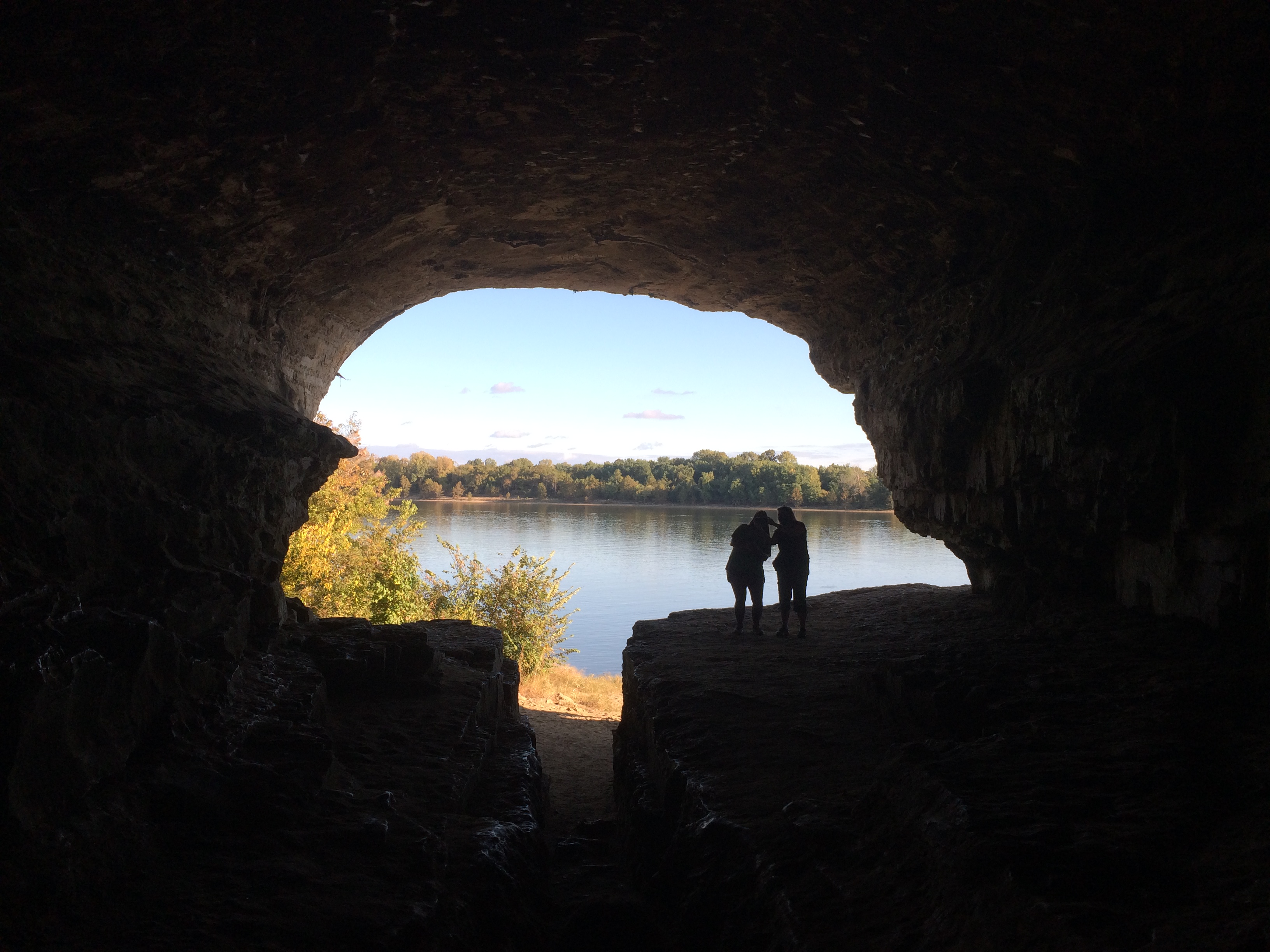
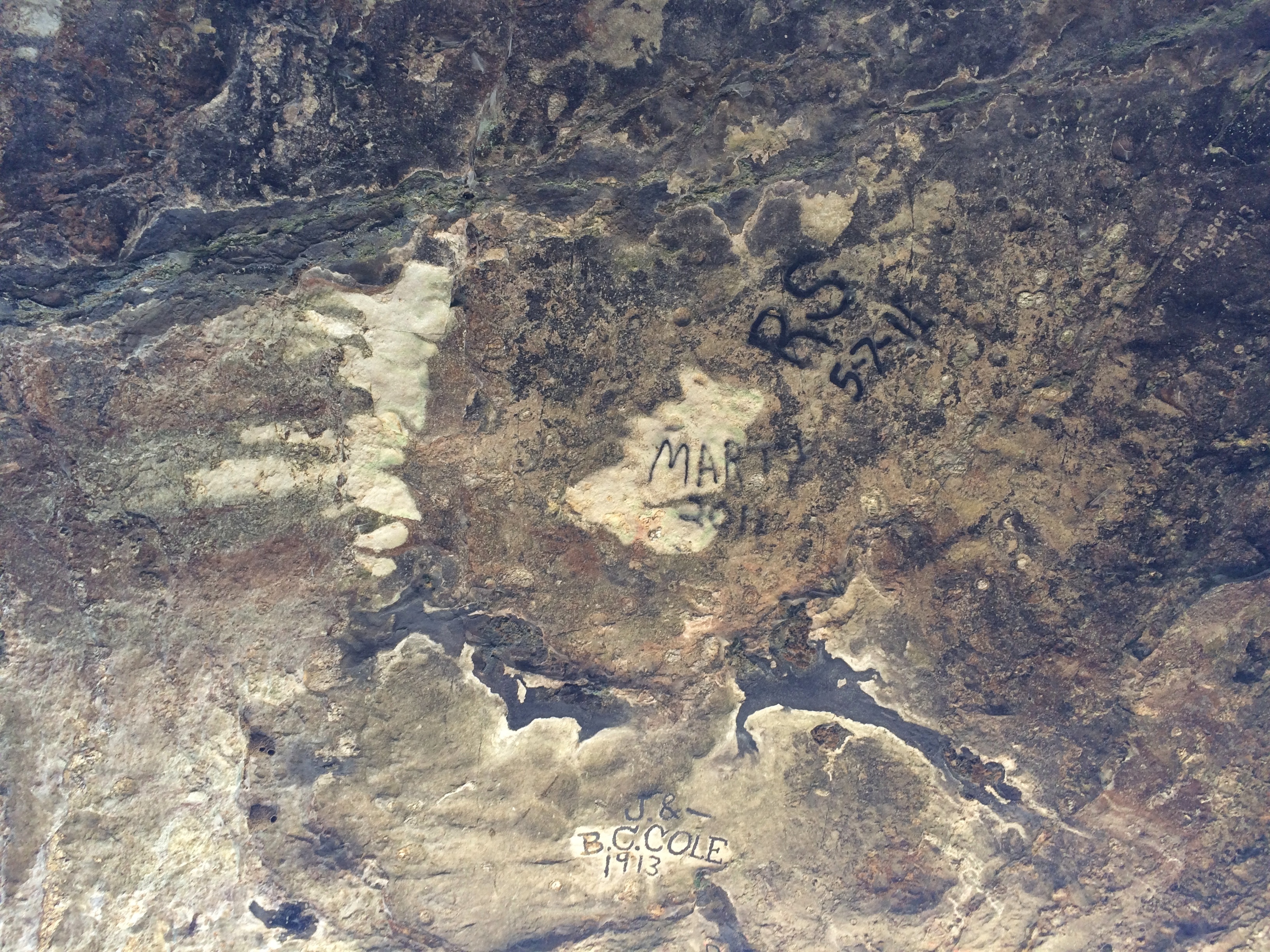
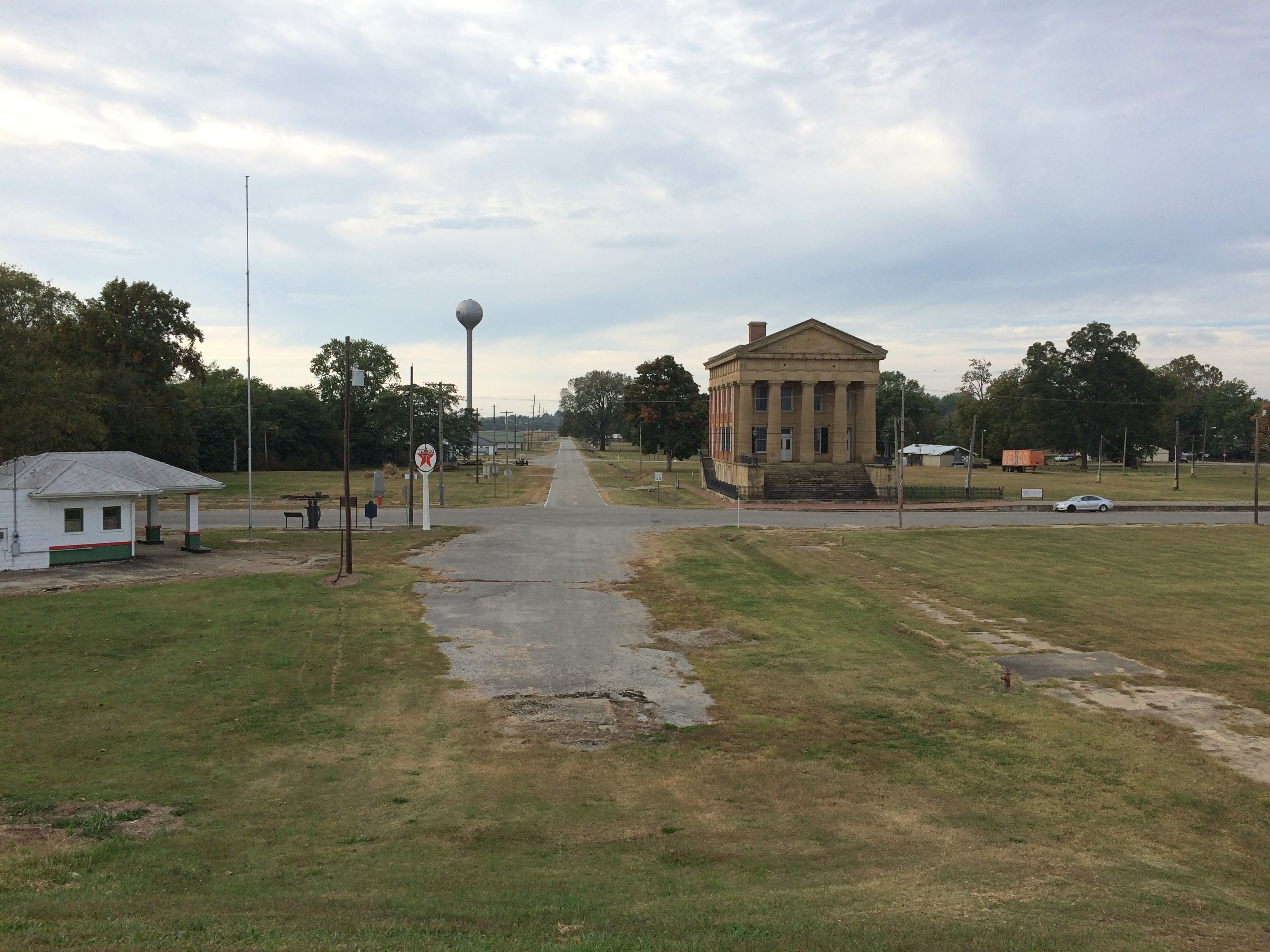
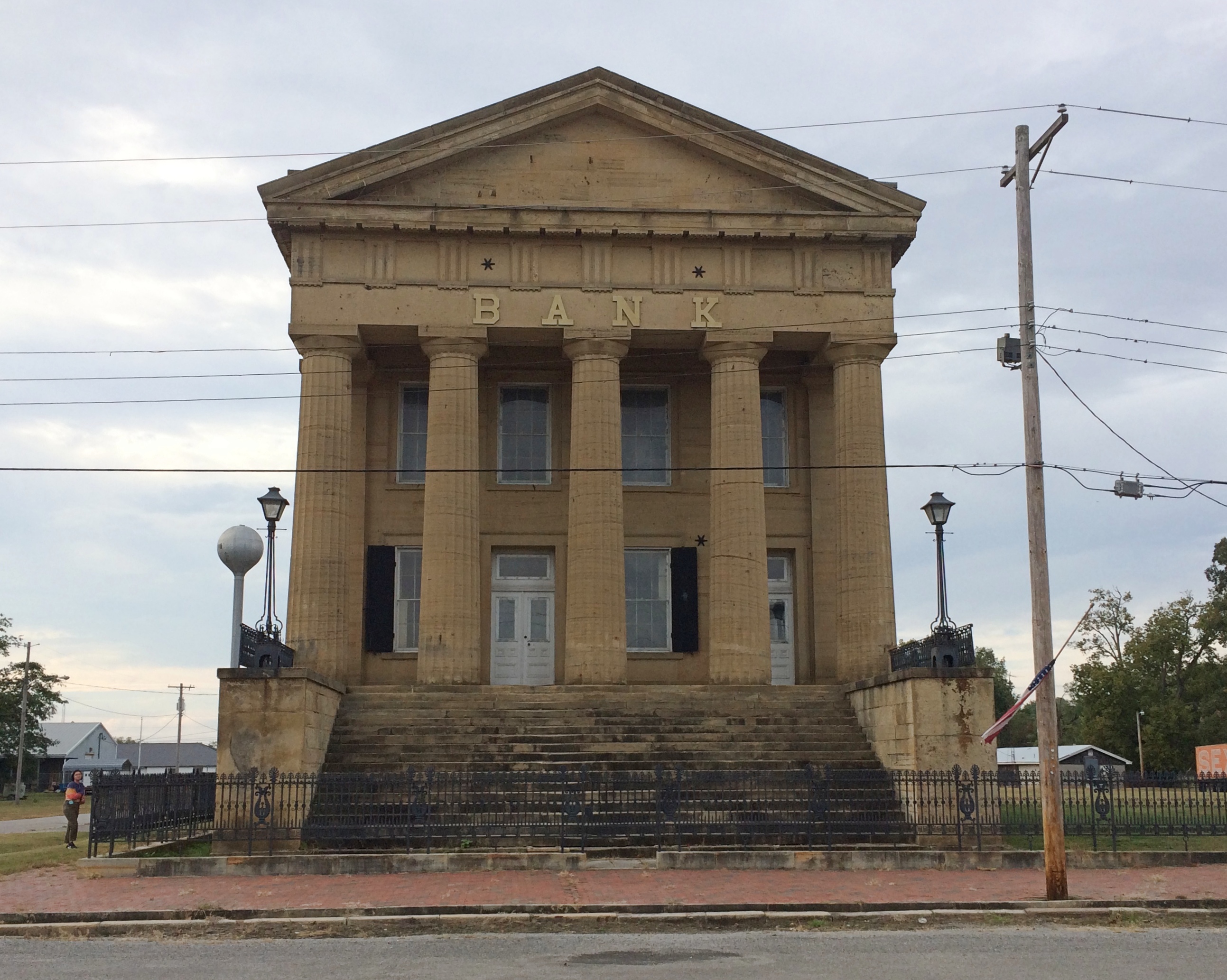
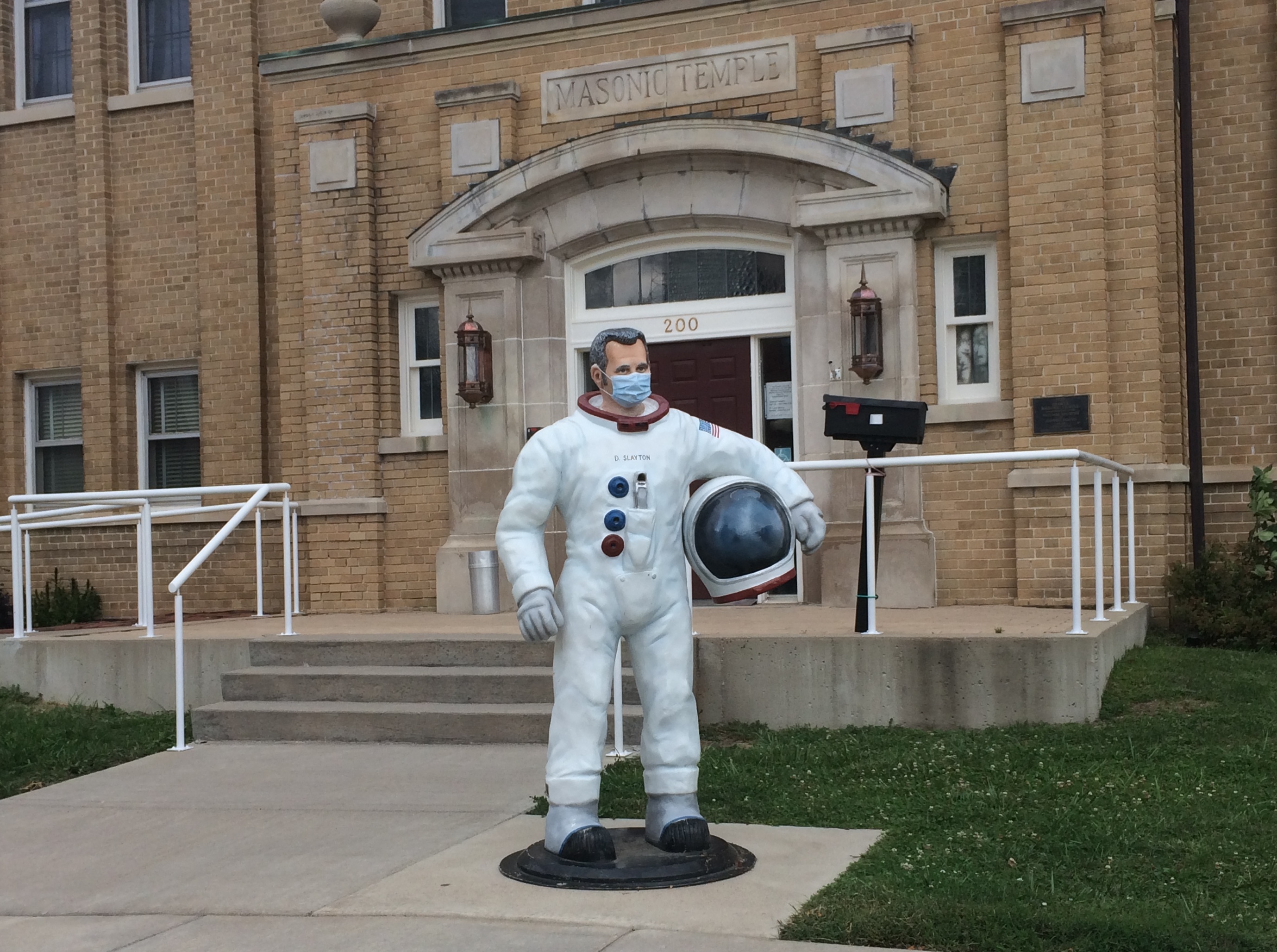
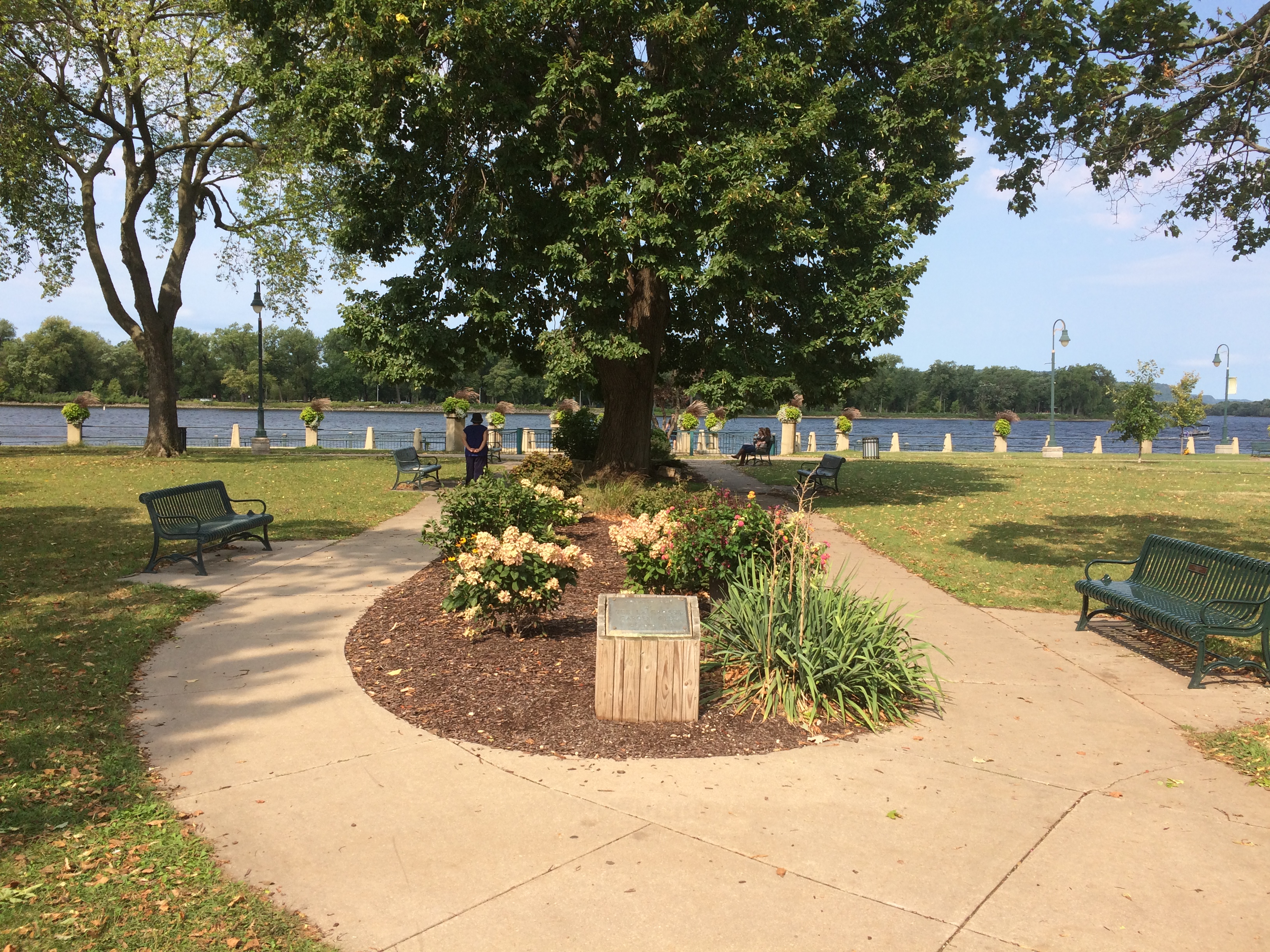
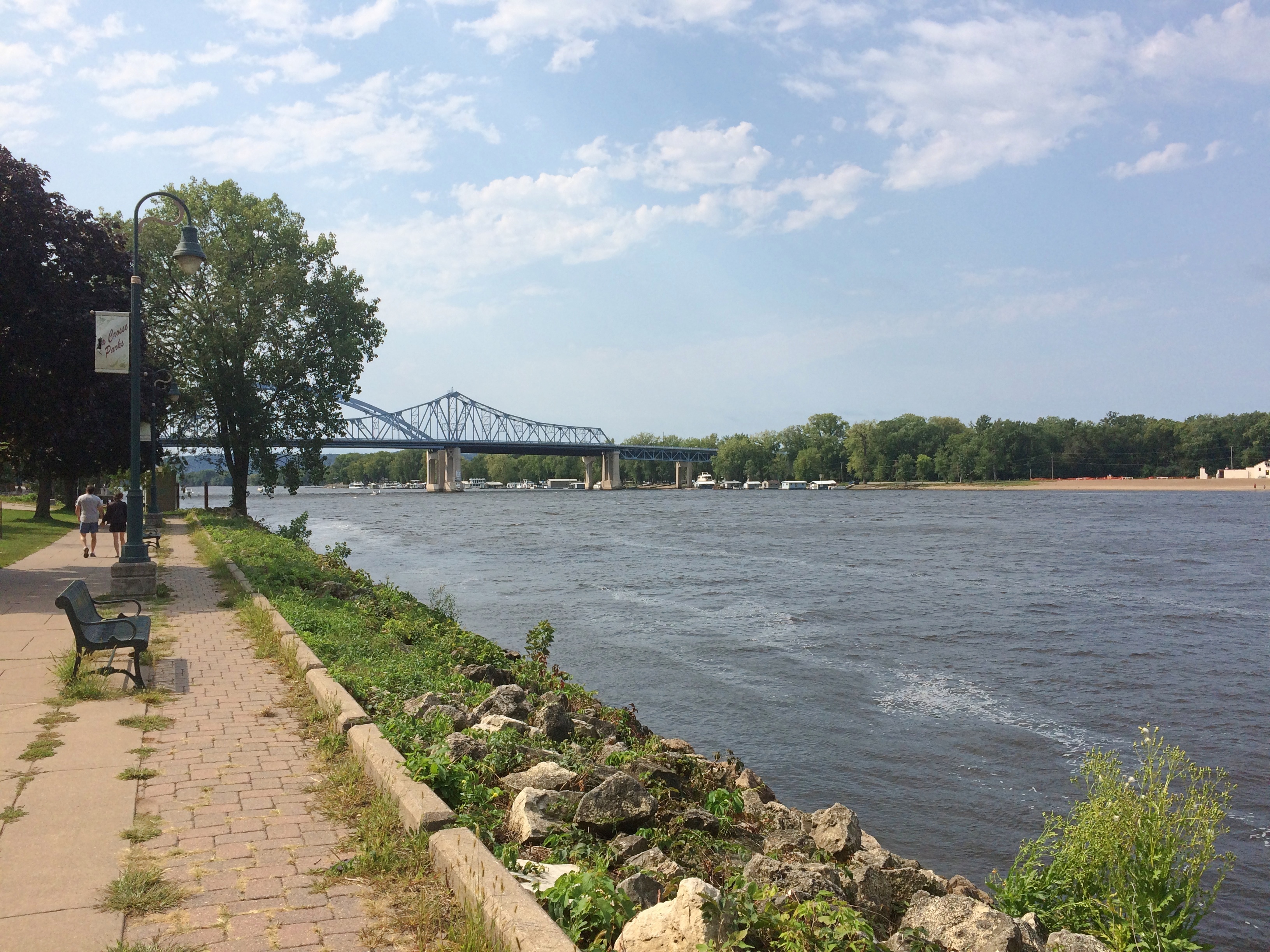
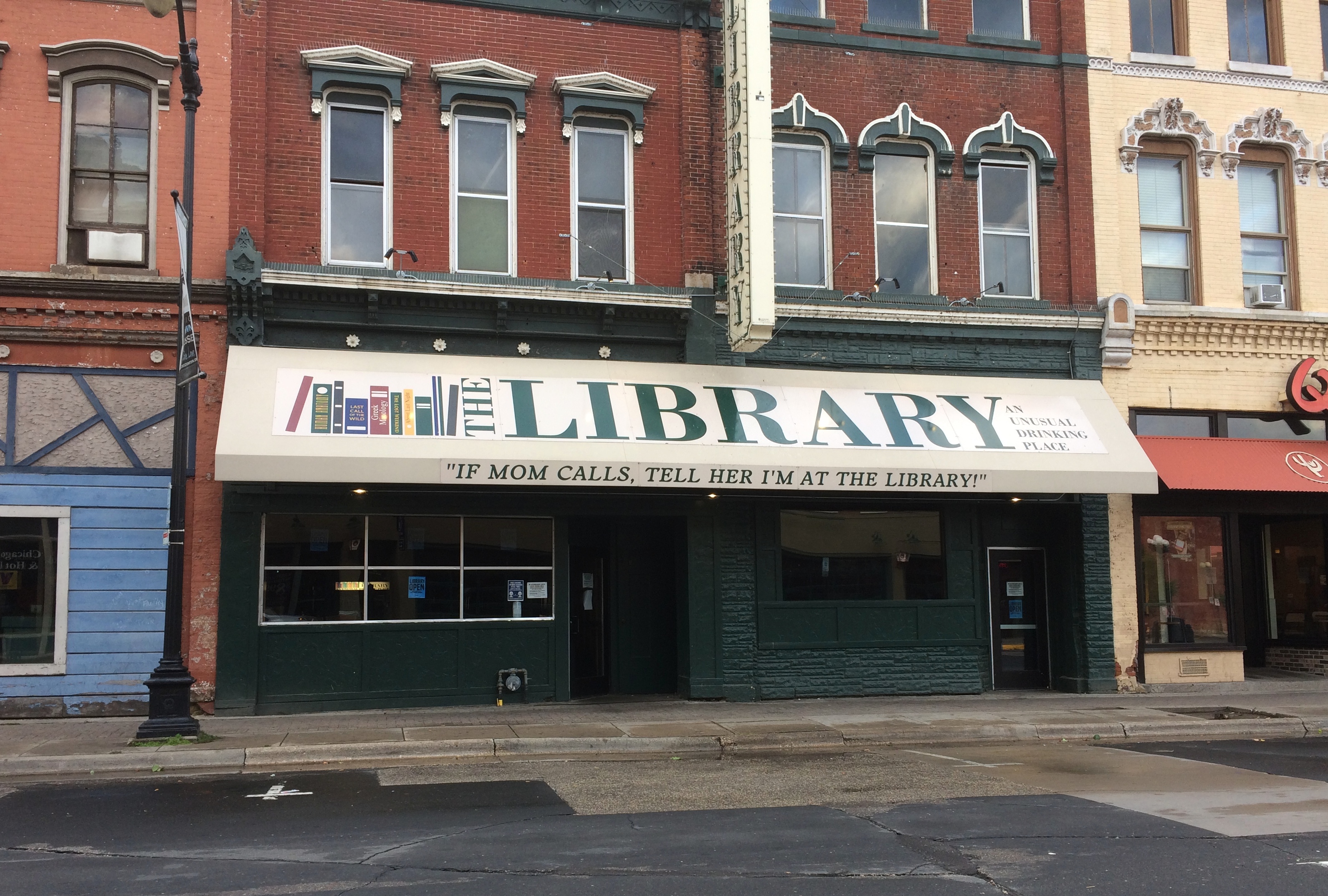
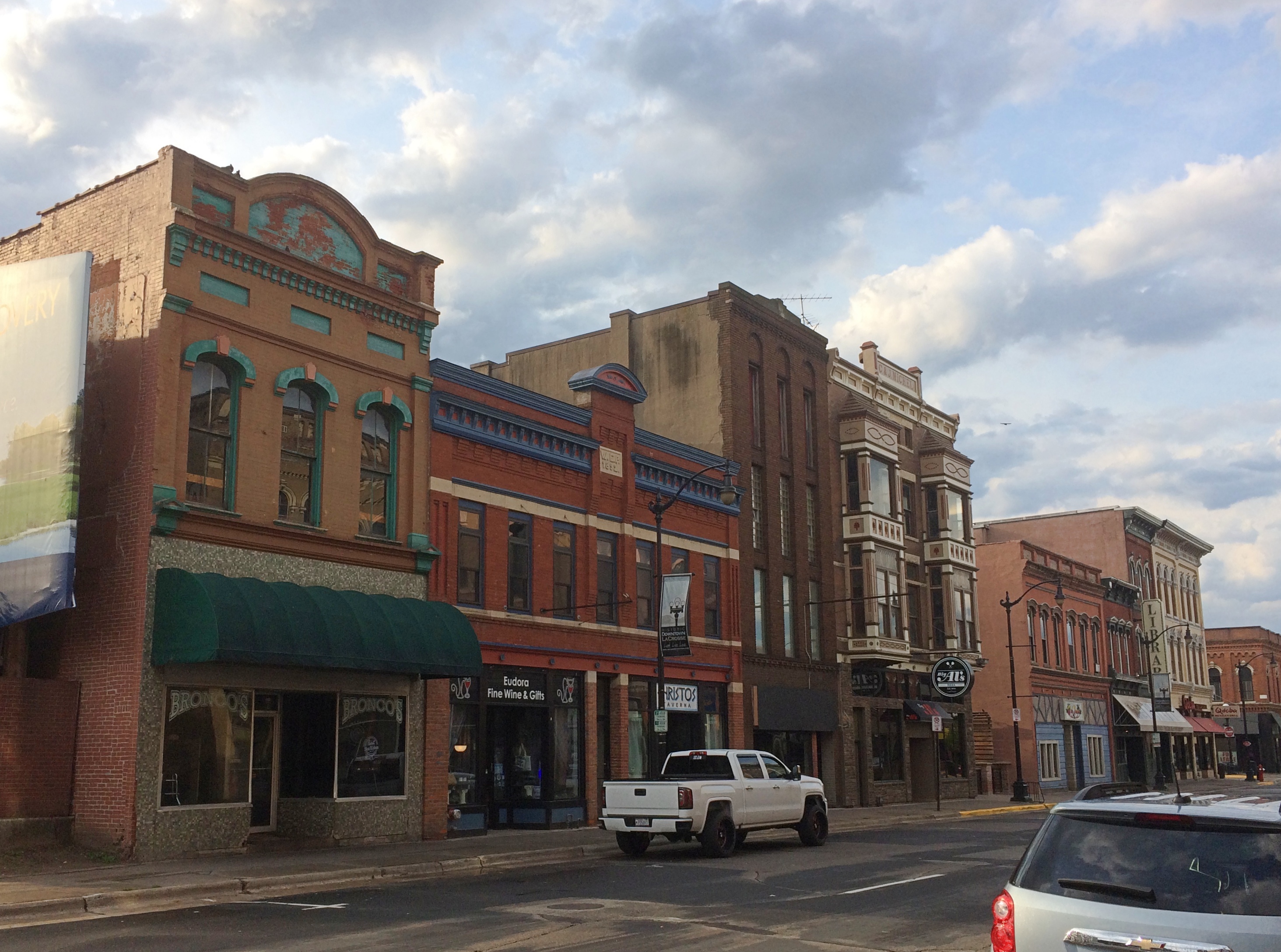
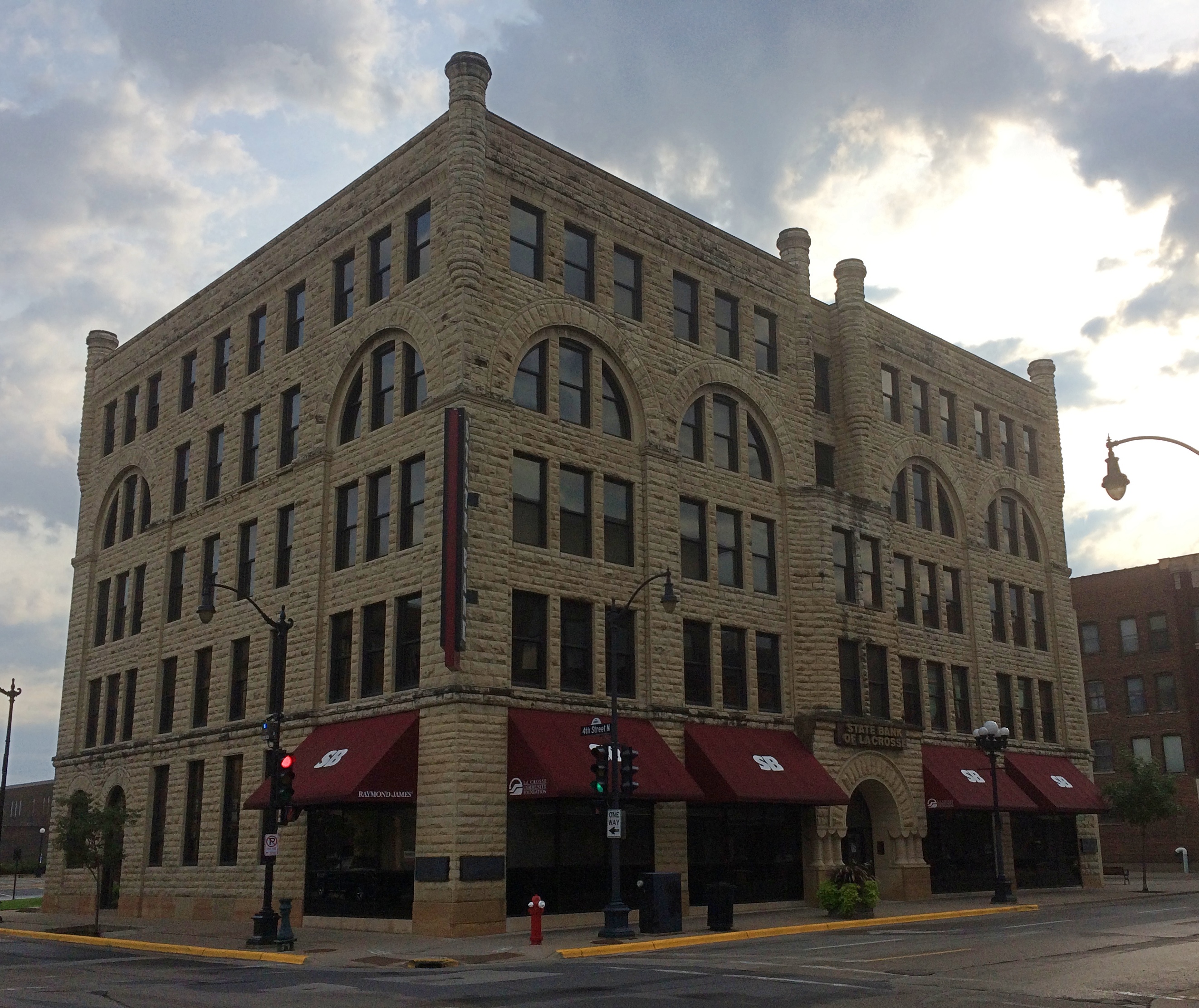
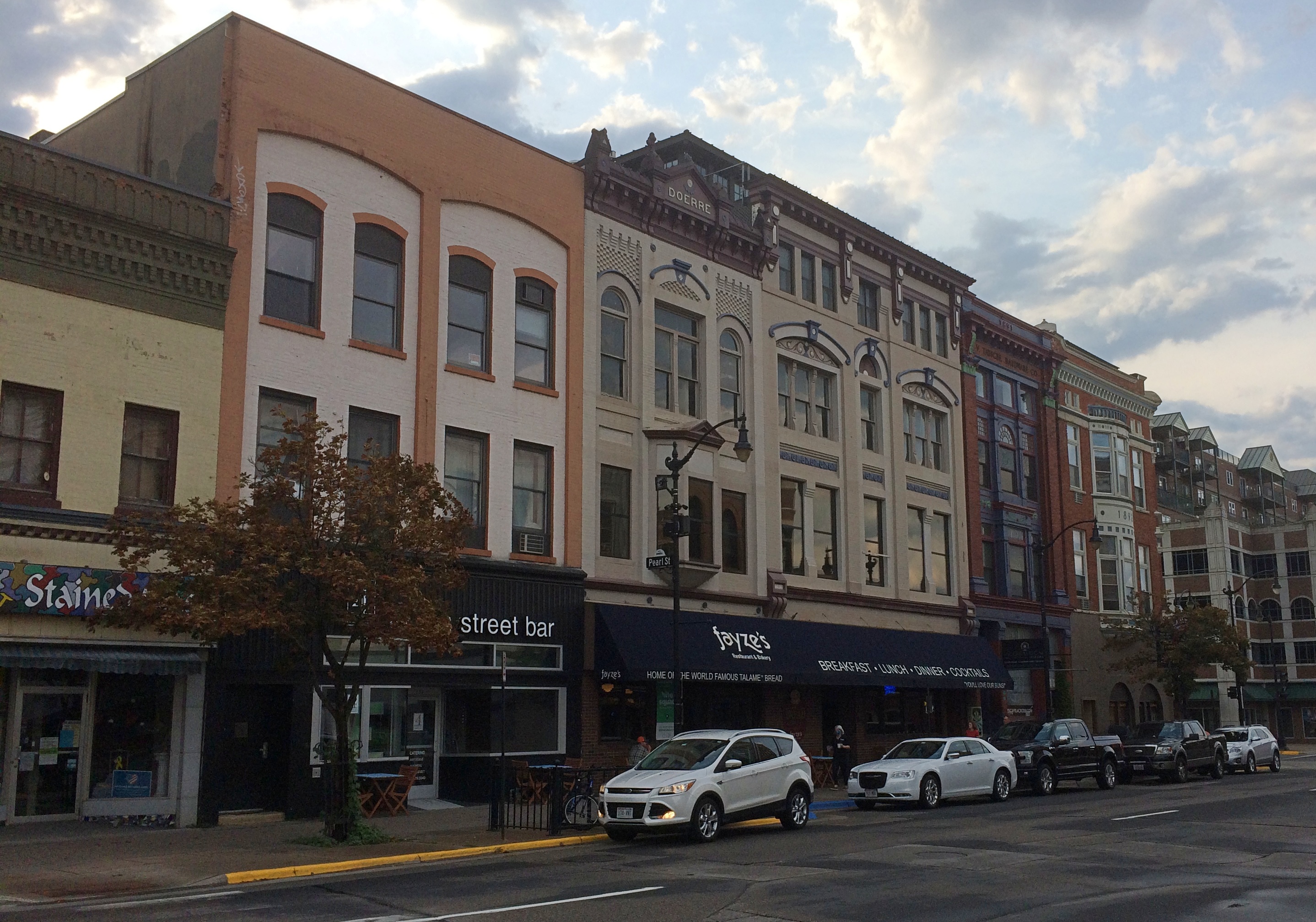
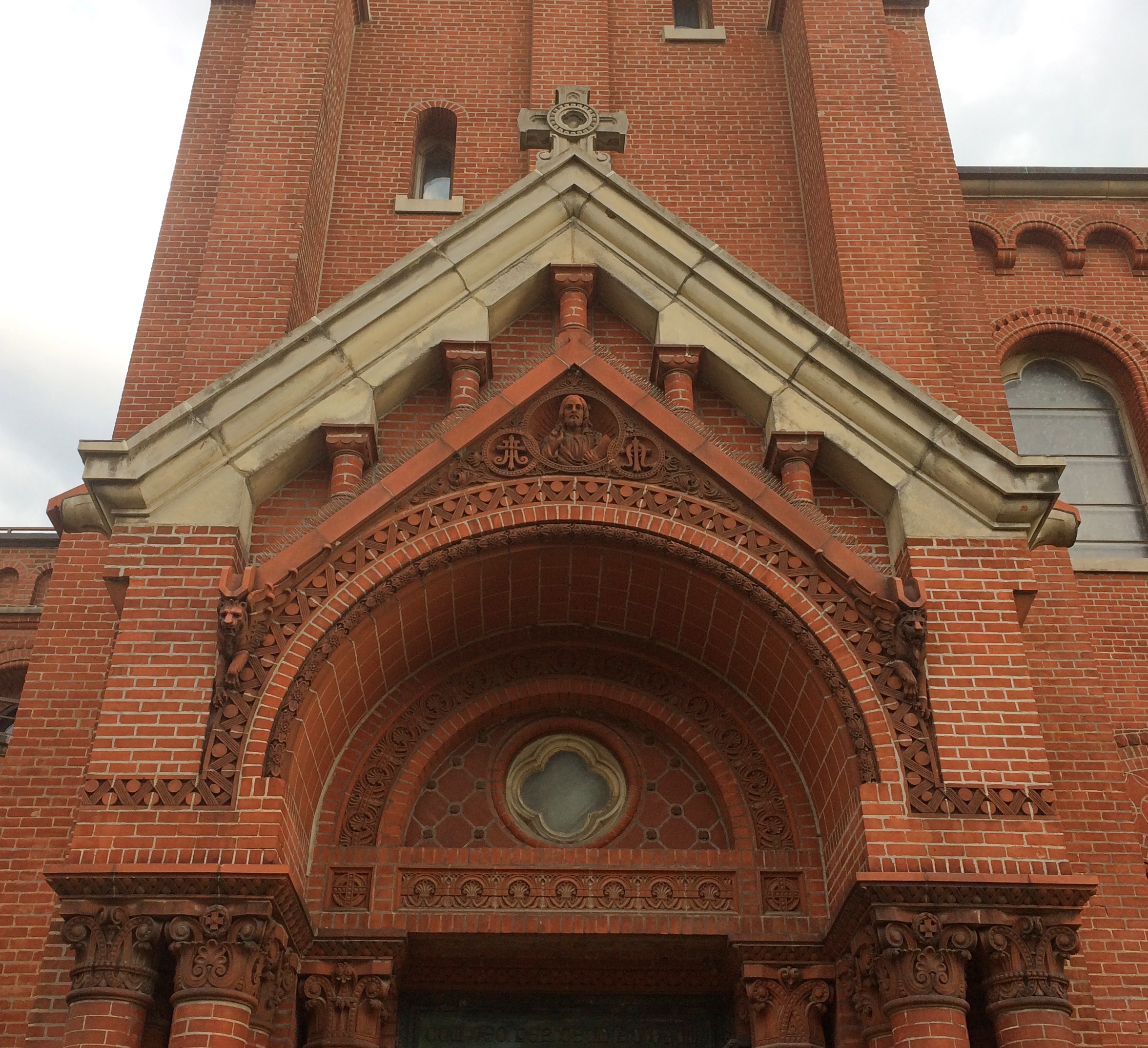
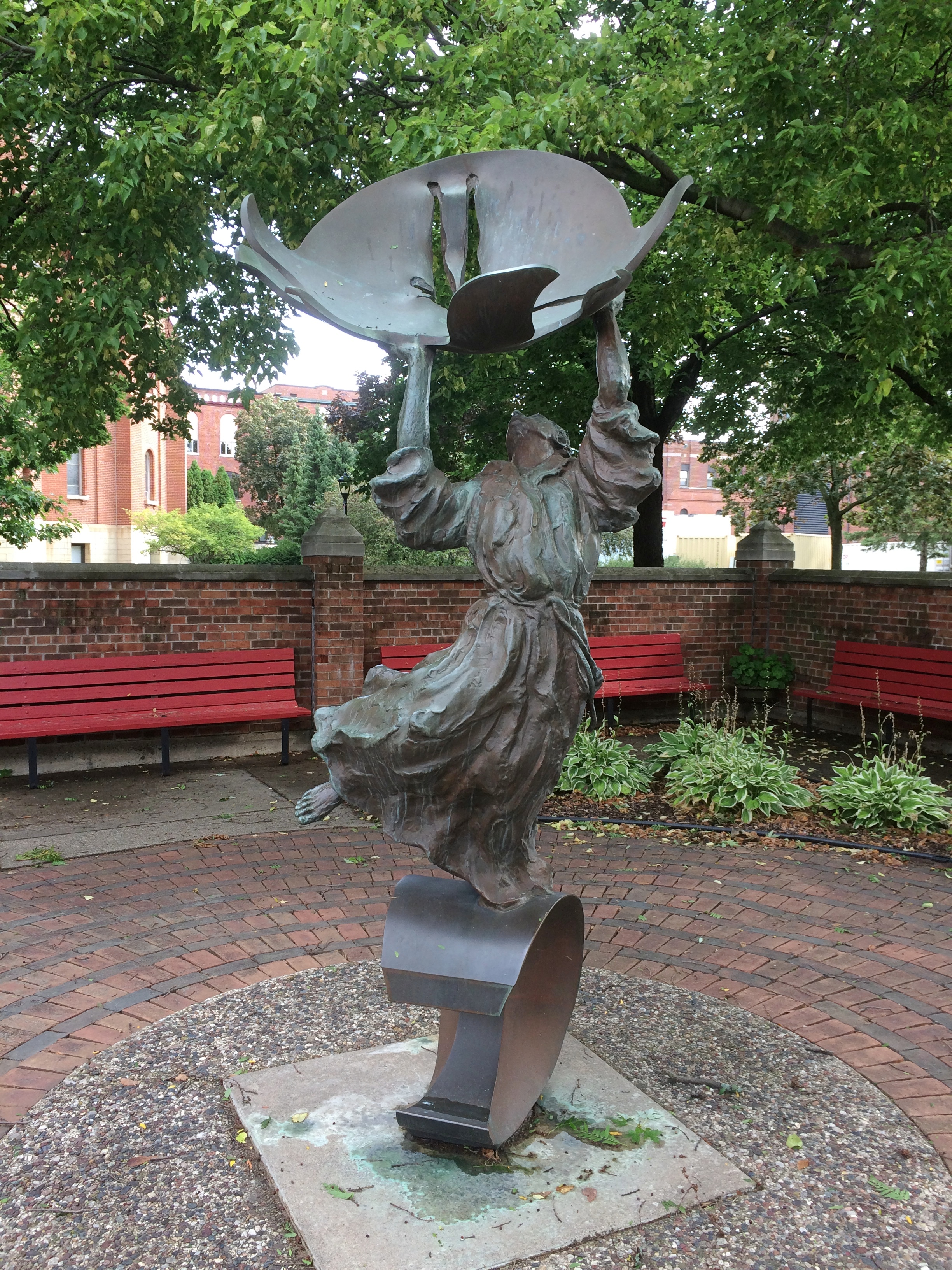
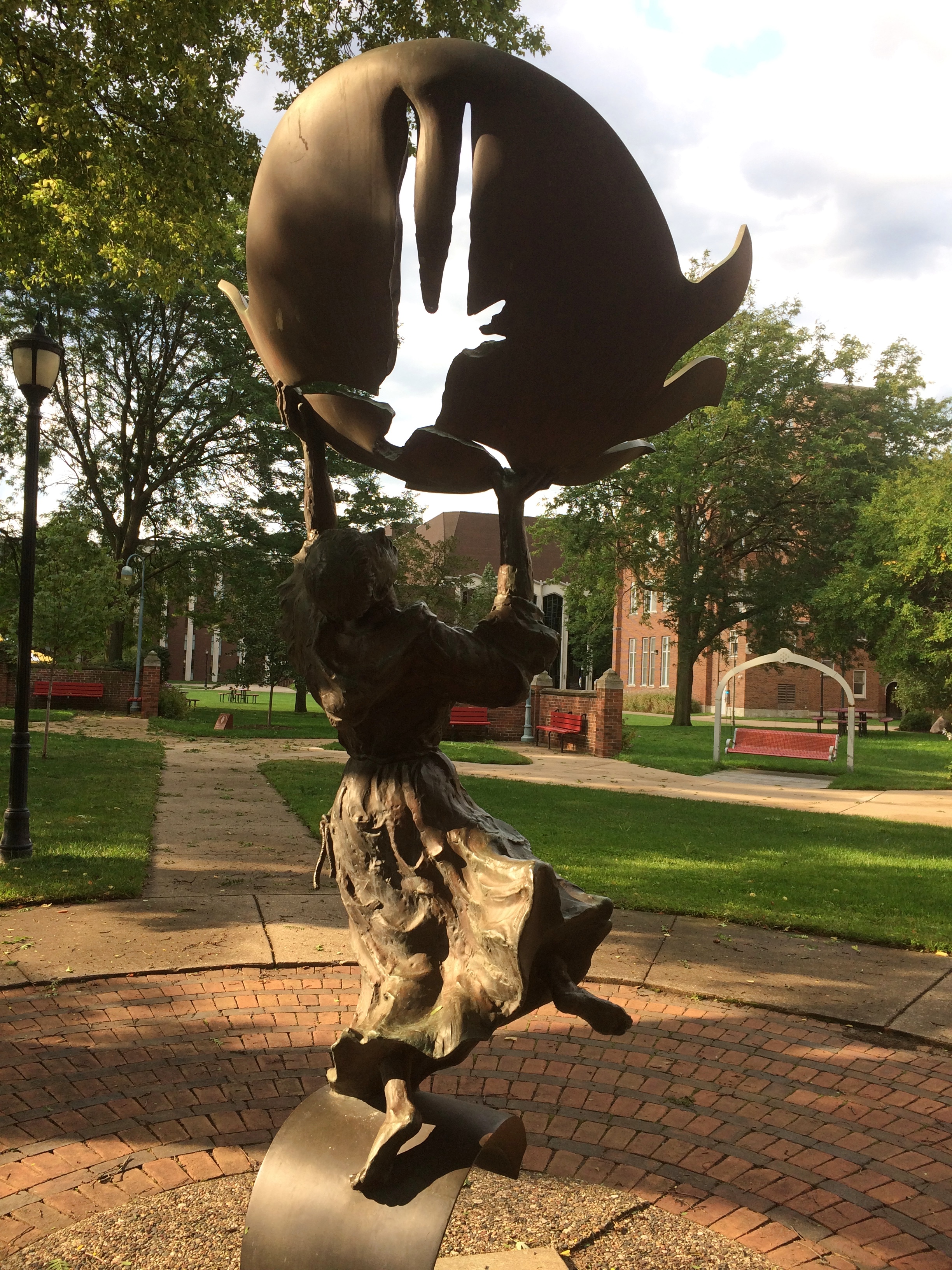
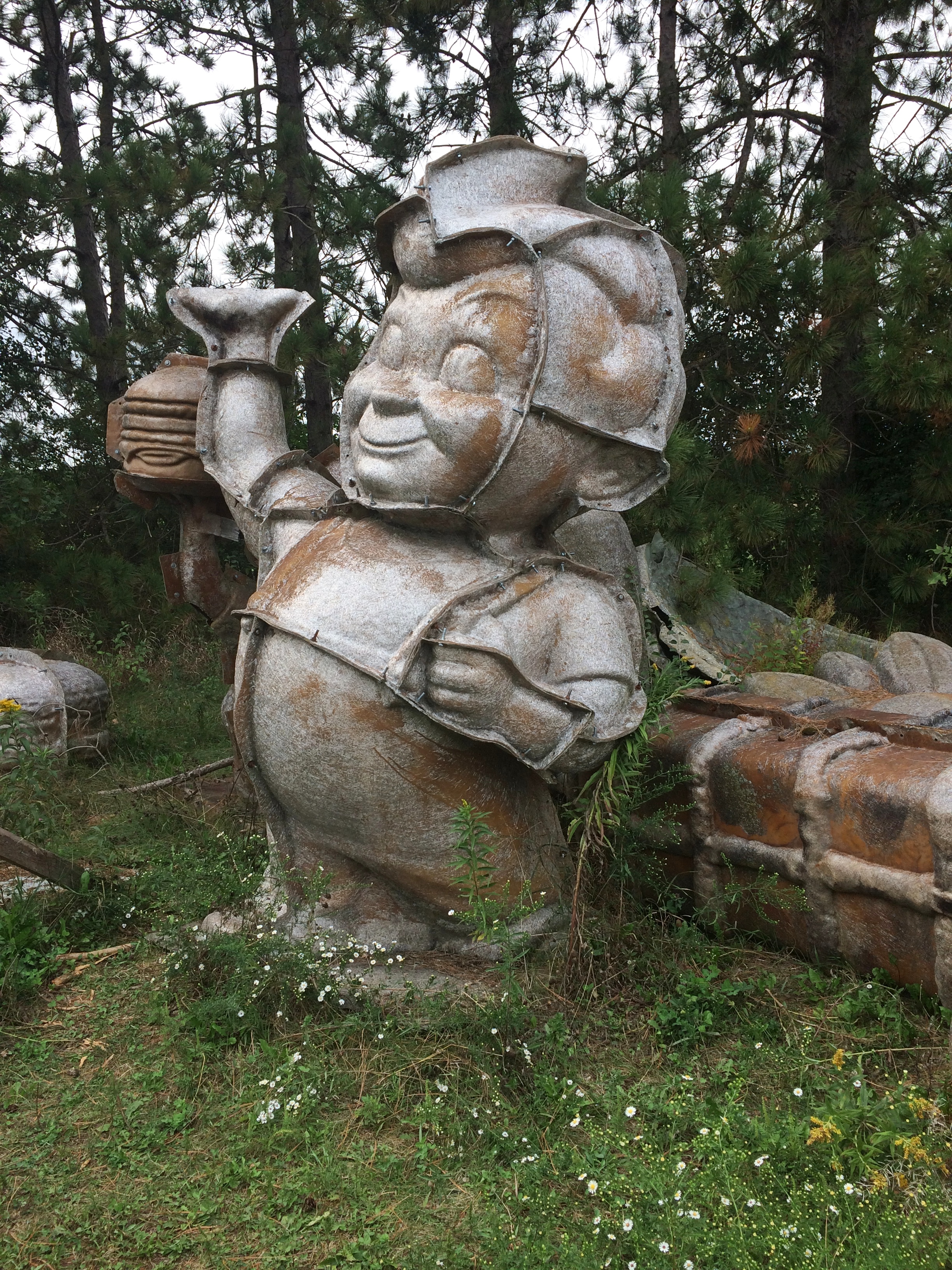
Twelve Pictures ’19

I always take many more pictures than I post in any given year. Here are some from this year to close out the decade. Back to posting around January 5, 2020. That year sounds so far in the future, at least for those of us who vaguely remember Sealab 2020 — and yet here it is.
Near North Side Chicago, January 2019

San Antonio, February 2019

Downtown Chicago, March 2019

Elmhurst, Illinois, April 2019

New Orleans, May 2019

Arcola, Illinois, June 2019

Pittsburgh, July 2019

Oak Park, Illinois, August 2019

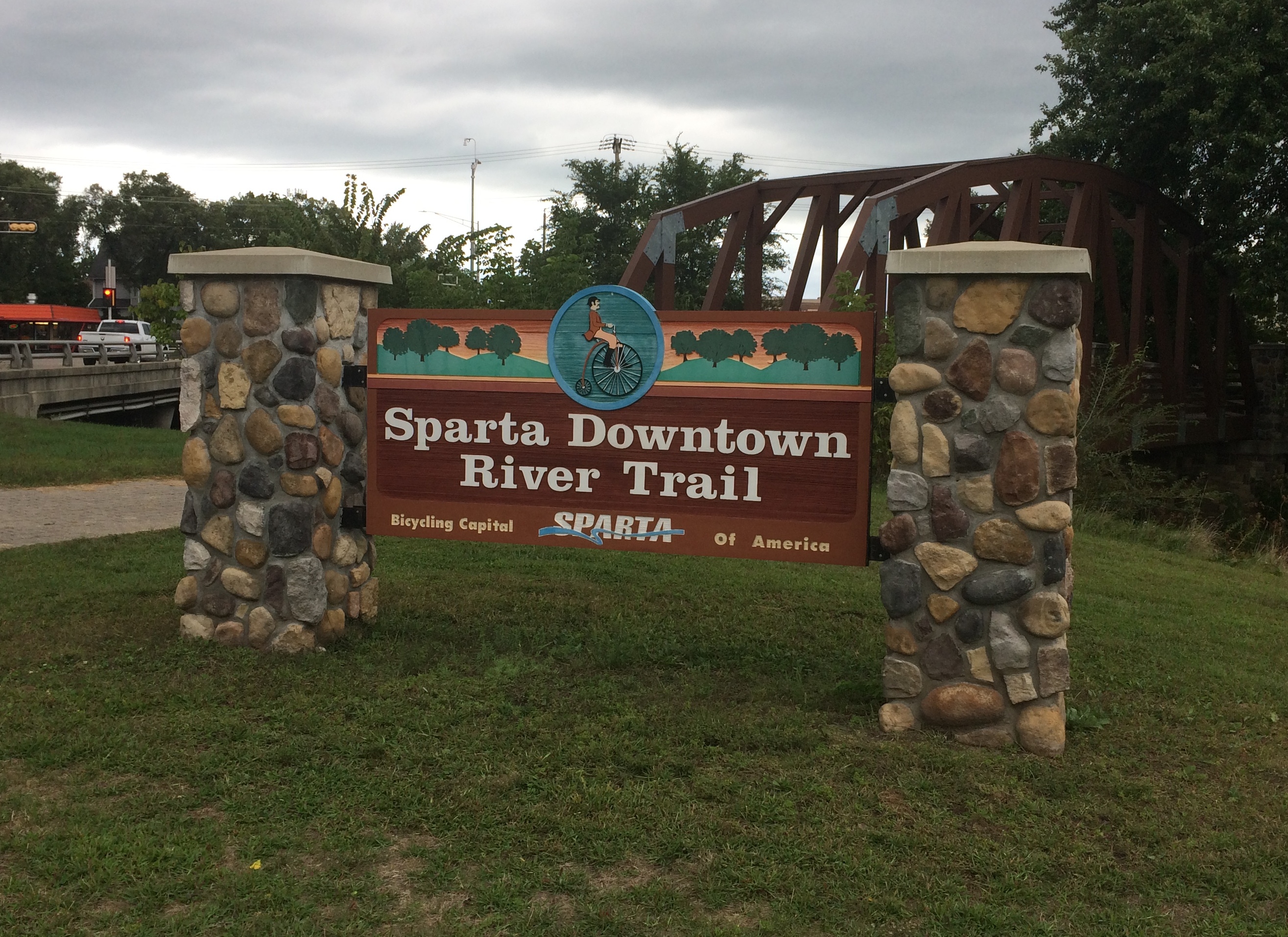
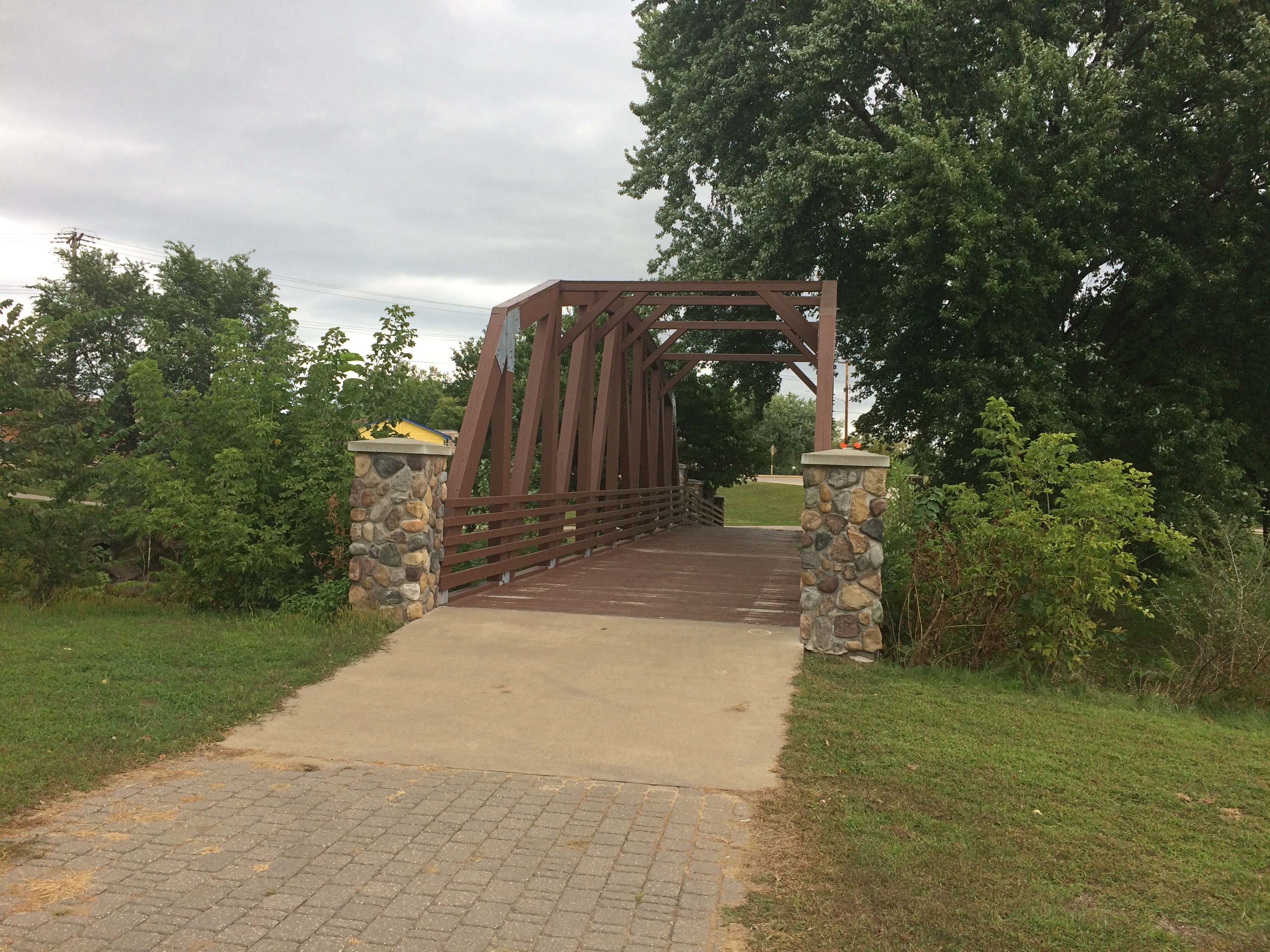
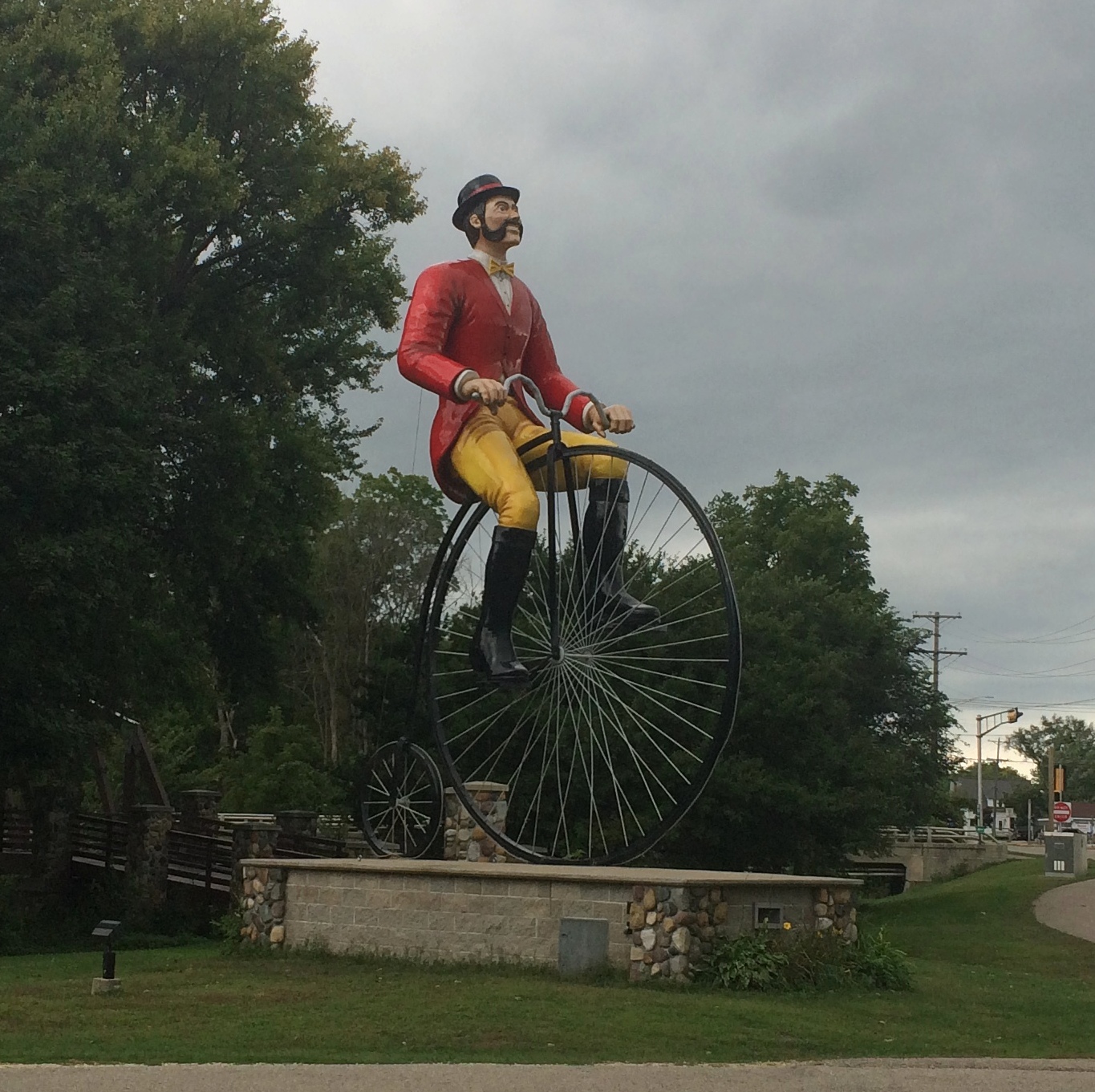
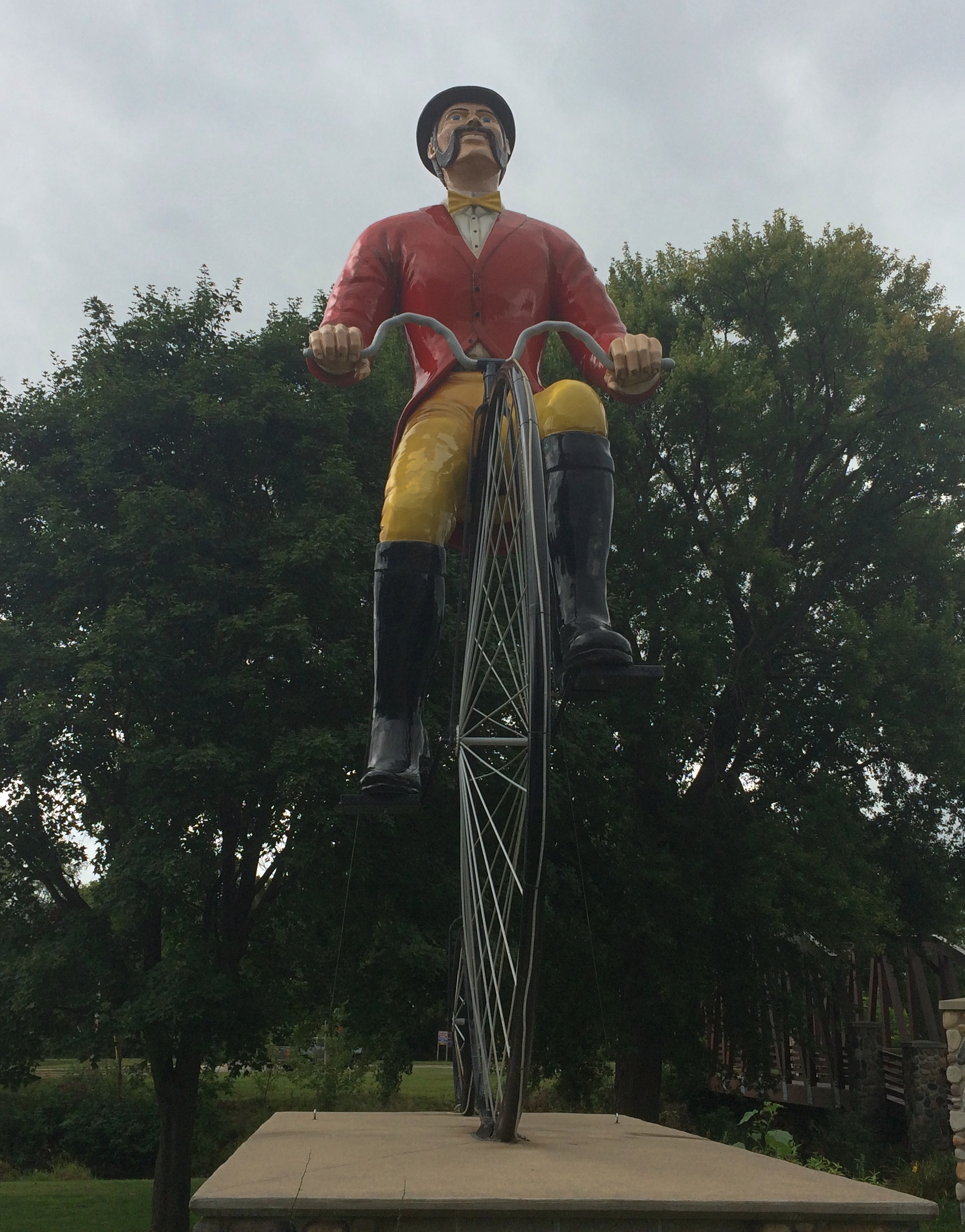
Midland, Michigan, September 2019

Charlottesville, Virginia, October 2019

Schaumburg, Illinois, November 2019

Millennium Park, Chicago, December 2019Good Christmas and New Year to all.

St. Lorenz Lutheran Church, Frankenmuth

For all its faux Bavarian tourist appeal, Frankenmuth, Michigan has an actual Bavarian history, beginning with St. Lorenz Lutheran Church, about a half a mile from crowded Main Street.

We were the only ones there for about half an hour around noon on Labor Day.
St Lorenz Lutheran Church FrankenmuthSt Lorenz Lutheran Church FrankenmuthThe church was founded at the same time as the town. “Pastor Wilhelm Loehe of Neuendettelsau, Bavaria, was inspired to establish a German Lutheran colony by Michigan circuit riders who requested aid in bringing the Gospel of Christ to Saginaw Valley Chippewa Indians,” the site’s historic plaque says, as reproduced here.

“Directed by Loehe in 1845, Pastor August Craemer and fourteen other immigrants began clearing forests in this area south to the Cass River. They built log houses and dedicated a log church on Christmas Day 1846. The second church, a frame structure, was erected in 1852 and enlarged in 1864, serving until the completion of the present church in 1880.”

A Cleveland architect named C.H. Griese designed the current Gothic Revival church. Traces of him are online, such as in the context of another Lutheran church.

We were glad to find out that the building was open. That’s not always the case, often for good reason. The interior’s handsome indeed.
St Lorenz Lutheran Church FrankenmuthSt Lorenz Lutheran Church Frankenmuth

St Lorenz Lutheran Church Frankenmuth

Excellent stained glass as well, signed by Hollman City Glass of Fort Wayne, Indiana.
St Lorenz Lutheran Church FrankenmuthPastor Loehe makes an appearance in glass.
St Lorenz Lutheran Church FrankenmuthI suspect this depiction of him is unique in all the world.

C.F.W. Walther, first president of the Missouri Synod, is also in glass. He’s probably englassed in other Lutheran churches.
St Lorenz Lutheran Church FrankenmuthThe settlers came to the Saginaw Valley, built their homes, farmed the land, attended St. Lorenz, and when the time came, were buried in its churchyard.

St Lorenz Lutheran Church Frankenmuth cemetery

St Lorenz Lutheran Church Frankenmuth cemeterySt Lorenz Lutheran Church Frankenmuth cemeteryThose are almost all 19th-century stones, near the site of the first two church buildings, and across the street from the current church. A larger cemetery with newer stones is on the same side of the street as the current church.
St Lorenz Lutheran Church Frankenmuth cemeterySt Lorenz Lutheran Church Frankenmuth cemeterySt Lorenz Lutheran Church Frankenmuth cemeteryThe permanent residents are every bit as German as you’d expect: Bauer, Bicker, Fischer, Herzog, Hochthanner, Hubinger, Kern, Roth, Reinert, Weiss, usw. Loehe and Craemer aren’t among them, Find a Grave tells me. Loehe is in Bavaria and Craemer is in St. Louis.

Bronner’s Christmas Wonderland

Not far south of the activity on Main Street in Frankenmuth, which is also the two-lane highway Michigan 83, is Bronner’s Christmas Wonderland. We arrived early in the afternoon on Labor Day, just as rain started to pour.

The store actually styles itself Bronner’s CHRISTmas Wonderland, such as on this sign over one of the entrances.
Bronner's Christmas Wonderland, MichiganNo doubt the owners’ religious feelings are sincere — the Bronner family, since founder Wally Bronner died in 2008 — but my editorial instincts and experience kick in at this point, telling me not to style it that way. Allow every irregular brand-style or oddball marketing spelling and you’ll start seeing them everywhere, all the time. That would be an on-ramp to editorial perdition.

Bronner’s Christmas Wonderland asserts that it’s the world’s largest Christmas store, and I believe it. Over 50,000 items are for sale in a store of over 85,000 square feet — one and a half football fields, or about two acres — including Christmas ornaments, lights, Nativity scenes, Christmas trees, gifts, stockings, Santa paraphernalia, and other decor.

Bronner's Christmas Wonderland

Bronner's Christmas Wonderland

Bronner's Christmas WonderlandBronner's Christmas WonderlandThere are a lot of specialized ornaments, featuring animals, celebrities, entertainers, farm equipment, food and beverage, hobbies, hunting and fishing, music, miniatures, romantic themes, patriotism, professions, religious themes, Santas, snowmen, sports, various nationalities and much more. Something to look at everywhere you go in that store.

For nurses.
Bronner's Christmas WonderlandCops.
Bronner's Christmas WonderlandFor fans of assorted national parks.
Bronner's Christmas WonderlandOr turtles.
Bronner's Christmas WonderlandWonder if the store stocks a gila monster ornament. If anywhere does, this place would.

If you want to be reminded of the Day of the Dead around Christmas.
Bronner's Christmas WonderlandOr if the King has to be part of your holiday.
Bronner's Christmas WonderlandI wasn’t expecting Jimi Hendrix, but there he was.Bronner's Christmas Wonderland

Naturally, various states and countries are represented as well.
Bronner's Christmas WonderlandBronner's Christmas WonderlandBronner's Christmas WonderlandThat last one is the Japan-themed ornament section. The red balls in the middle feature a phonemic approximation of “Merry Christmas” in katakana.

Main Street, Frankenmuth, Michigan

One thing I didn’t expect while we strolled along Main Street in Frankenmuth, Michigan, on Labor Day — yet another walkable main street — was a life-sized bronze of a fudge maker. Yet there he is.
Frankenmuth Main StreetAccording to the plaque, it’s Gary F. McClellan (1940-2015), “entrepreneur, leader, friend, husband and father.” He must have had something to do with Zak & Mac’s Chocolate Haus, which is behind the statue. That’s one of a string of small stores along the street whose customers are the tourists who come to Frankenmuth, a farm town settled by Bavarians in the 19th century that eventually added a tourist component.
Frankenmuth Main StreetA successful component, I’d say. Lots of people had come to town on Labor Day.
Frankenmuth Main StreetI’d read a little about the settlement of the area by Bavarians, interestingly before 1848, as an Indian mission that never really panned out because most of the Indians were already gone by then. Even so, the doughty colonists stayed. Their descendants are probably pretty thick on the ground in this part of the state.

Modern visitors come to wander through the shops, many with that Bavarian look. That’s what we did.

Frankenmuth Main Street

Frankenmuth Main StreetFrankenmuth Main StreetFrankenmuth Main StreetAlso they come to eat.
Frankenmuth Main StreetSo did we. In fact we had Zehnder’s chicken, though we took a to-go family pack to a picnic table behind the restaurant: fried chicken, beans, macaroni, potato salad, rolls. Aside from a few interrupting bees, we enjoyed it.

Frankenmuth also sports such sights as a maypole fountain, a popular place for posing.
Frankenmuth Main StreetLater I read a little about Bavarian maypoles. The idea is similar to English maypoles, but not quite the same. Maybe that’s the real source of dispute between the UK and the EU — the regulation of maypoles. Just a thought.

In the various sources that I’ve consulted — skimmed — the early history of Frankenmuth gets some attention, such as in this short history of the place. But modern Frankenmuth, that is, its invention as a tourist town after World War II, gets short shrift. To my way of thinking, that’s as interesting as its history as a German colony in Michigan.

There are some hints here, however, in the Frankenmuth media kit, of all places. From the “significant dates,” you learn that Zehnder’s Restaurant, which is a sprawling place with a lot of dining rooms, got its start as the Exchange Hotel in 1856. Another 19th-century hotel, Fischer House, later became the Bavarian Inn, also with a large restaurant.

When did Frankenmuth start playing up its Bavarian-ness? Looks like the 1950s.
From the timeline: 1957: Rupprecht’s Sausage was the first building decorated in the “Bavarian” architecture. 1958/59: Zehnder family… redecorates the Fischer Hotel in Bavarian architectural style. 1960 & Current: More buildings adopt “Bavarian” architecture.

A Bavarian Festival started in 1963 but the town didn’t around to an Oktoberfest until 1990. In 2001, a Bavarian-themed mall opened south of the Cass River along Main Street.

Sounds like a few places — the chicken restaurants — were long-time draws. After all, metro Detroit and the once-prosperous Flint aren’t that far. But in the postwar age of auto tourism, the town’s merchants happened on a winning formula of more than just chicken, one that dovetailed with the town’s origin: faux Bavaria.
That might sound like criticism of Frankenmuth as “inauthentic,” a vague epithet if there ever was one, but I refuse to go down that road.

Of course the place isn’t really Bavarian. No one thinks that. Visitors respond to it as a pleasant place to be. People were out and about on a summer day, having an innocuous good time, and supporting businesses that exist here and nowhere else. You could call it an homage to Bavaria, but in any case it’s an authentic American town with a popular theme.

Main Street, Midland, Michigan

Midland, Michigan, seems like a prosperous town. That would probably be the impact of Dow Chemicals and related businesses — note that the city seal makes no bones about better living through chemistry — but in any case prosperity makes for a pleasant main street.

Main Street runs more-or-less parallel to the Tittabawasee River more than a block away. We arrived around lunchtime on September 1.

Main Street Midland MichiganMain Street Midland MichiganMain Street Midland MichiganWe had lunch outdoors at a Mexican restaurant on Main Street. The food was good and a few of the other patrons were dressed for some occasion or other.
Main Street Midland MichiganI didn’t ask. We noticed during our Main Street stroll various golf-ball-based artworks.
Main Street Midland Michigan golf ball artMain Street Midland Michigan golf ball artMain Street Midland Michigan golf ball artThose are part of the Downtown Midland Summer Sculpture Series. As usual for such displays, the works will be around in the summer, then auctioned for charity come fall. Chicago’s Cows on Parade in 1999 kicked that sort of thing off in the U.S., with the idea borrowed from Europe.

According to Downtown Midland, the golf ball theme is because the inaugural Dow Great Lakes Bay Invitational was held this summer in Midland by the LPGA.

A few more. This one’s mildly unsettling.
Main Street Midland Michigan golf ball artCandy, eh?
Main Street Midland Michigan golf ball artThis counts as golf-ball based?
Main Street Midland Michigan golf ball artLooks to me like a cold-environment creature that floats in the upper atmosphere of Neptune. That’s something I would think of, anyway.

A few blocks to the northwest of the golf balls, but still on Main Street, is the Midland County Courthouse, unlike any other I’ve seen.
Midland County Courthouse, MichiganNot just a Tudor-style courthouse, a colorful one dating from the 1920s.
Midland County Courthouse, MichiganMidland County Courthouse, MichiganBloodgood Tuttle of Cleveland, who did work in Shaker Heights, is credited with designing the building, and apparently there are murals inside.

I’ve been conditioned by illustrations and movies, of course, but I couldn’t shake the idea that if Faerieland needed a court to dispense Faerie justice, it would look like this.

Divers Michigan Gardens

Michigan State University, which we visited on Saturday, is almost as big as they come in academia, in enrollment and acreage. Tucked away on campus is the W.J. Beal Botanical Garden — and I mean that almost literally, since the garden occupies a five-acre, near-circular depression in the earth. You need to go down an outdoor staircase to reach it.

W.J. Beal Botanical Garden

The garden is meticulously organized. I’ve never seen a botanical garden so thoroughly arrayed by categories important to botanists (and the rest of us, if you care about the difference between, say, edible plants and poisonous ones).

Long curving and straight beds separated by a fair amount of grass form the basis of the garden.

W.J. Beal Botanical Garden

W.J. Beal Botanical Garden W.J. Beal Botanical Garden Each bed belongs to a category of plant. According to a sign posted in the garden, categories include perfume plants, fiber plants, dye plants, fixed oil plants, honey plants, flavoring plants, injurious plants, indigenous American plants, weeds, vegetables, grains and medicinal plants. There are also geographic categories: Southeast U.S. forest, European forest, northern Michigan, southern Michigan, and so on.

“This garden,” the sign says, “functions as an outdoor laboratory, a repository of plant genetics, a resource for research and teaching, and a place for the community to appreciate the beauty and biology of plants. There are over 2,500 plants in the labeled beds alone… established in 1873, this is one of the oldest continually operated gardens of its kind in the United States.”

The place wows with variety. I have to like a garden that includes weeds on purpose. Such as the weedy-looking Cardoon.
W.J. Beal Botanical GardenAmong the medicinal plants, there’s belladonna, though I would have thought it went in the injurious category.
W.J. Beal Botanical GardenInjurious plants, according to the garden, include mechanically injurious (guess that would be by thorns and such), milk-tainting, those that inspire hay fever and contact dermatitis, cyanogenic and poisonous seed, among others.

One handsome plant I’d never heard of before — there are a lot of those in the world — was the Princess Tree (Paulownia tomentosa).
W.J. Beal Botanical GardenOn Sunday, we visited two gardens, both in Midland. One was the compact but a-bloom Dahlia Hill, which sports about 3,000 dahlia plants arranged on eight stone terraces. According to the garden, there are over 300 varieties of dahlias there, with an example of each variety planted and labeled along gravel pathways.

Dahlia Hill, Midland

Dahlia Hill, MidlandA local artist and dahlia enthusiast, Charles Breed (d. 2018), founded the garden in 1992 and oversaw its terracing some years later to control erosion.

Dahlias are another example of I-had-no-idea-that. As in, that there are so many varieties. Who knew? Not me.
Dahlia Hill, MidlandDahlia Hill, MidlandDahlia Hill, MidlandNo Black Dahlias that I could see. Some wag of a horticulturist might have bred such.

We visited the big Dow Gardens separately, Yuriko and Ann first, then me, since ordinary dogs aren’t allowed in.
I spent about two hours there under overcast skies that always threatened rain but seldom even drizzled. That must have kept the crowds away. For minutes at a time, I was by myself on the large lawns and among the countless trees, passing by lush bushes and flower beds.

Dow Gardens MidlandDow Gardens MidlandDow Gardens MidlandWater features figure prominently in the garden’s design.
Dow Gardens MidlandDow Gardens MidlandDow Gardens MidlandAll together there are 1,700 varieties of plant in the garden suitable for cultivation in central Michigan. Now at 110 acres, the garden started out as a private eight-acre garden of chemical mogul Herbert Dow, founder of Dow Chemical. Later generations of Dows enlarged the place and set up the foundation that runs it now.

Dow has a fine rose garden, too.
Dow Gardens MidlandDow Gardens MidlandDow Gardens MidlandWhat do you do in a rose garden, whether you’ve been promised one or not? Stop and smell the roses, of course.

My own skills at gardening are meager, but I like a stroll through a well-executed garden. That’s no different than a lot of things. I can’t sing worth a damn, but I sure like listening to a good singer.

To Lake Huron and Back

On Saturday we left town remarkably early (for us) and drove across the Lower Peninsula of Michigan so that on Sunday morning, I could stick my feet in Lake Huron.Lake HuronSaginaw Bay in particular. Of course that wasn’t the entirety of the trip. But it was the inspiration. Sometime years ago, I realized that I’d never really gotten a look at Lake Huron. I’ve crossed the Mackinac Bridge a number of times, which offers a view of the lake to the east, but somehow that doesn’t count. I wanted to see Lake Huron from outside a car, moving at zero miles an hour, and hear the waves and smell the water and feel the sand and pebbles.

So Labor Day weekend was the time. We all went, including the dog. First stop on Saturday morning was at one of the Sweetwater’s Donut Mills in Kalamazoo because I hadn’t forgotten them.
Sweetwater's Donut MillNear Battle Creek, we stopped at a novel local spot: Historic Bridge Park. I’ve seen open-air museums devoted to houses and other buildings, but this is the only place I know that functions as an open-air museum featuring bridges.

Heading northeast, we arrived in Lansing in time to visit the Michigan State Capitol. Or so I thought. There are usually Saturday hours, but not on Labor Day weekend. Still, we had a good walk around the grounds and Washington Square to the east, along with an al fresco lunch of Cuban sandwiches.

Michigan State University is in East Lansing. After some wandering around the sprawling campus, we found the W.J. Beal Botanical Garden, the first of three gardens we visited.

We made it to Midland, Michigan, before dark and spent the next two nights there. On Sunday morning, we visited Bay City State Park on the lakeshore, walking on the beach and a path around a large lagoon. By lunchtime, we were back in Midland, eating al fresco again — the thing to do with a dog in tow.

Midland has a lot of large parks accessible from its small downtown, but that’s not the distinctive feature. That would be the Tridge, a three-way bridge across the confluence of the Chippewa and Tittabawassee rivers. Naturally we had to cross that.

Next we visited Midland’s Dahlia Hill, which is planted with thousands of dahlias and open to wander around. After that, Yuriko and Ann visited the much larger Dow Gardens, while I took a drive with the dog to Bay City. No dogs allowed at Dow Gardens.

During my driving look-see in Bay City, I noticed a Huron Circle Tour sign. Like Superior, that would be a drive.
Lake Huron Circle Tour signWant. To. Do. It. But not now. While everyone else rested in the room early in the evening, I visited the expansive and exhausting Dow Gardens, along with the adjacent Whiting Forest. Open till 8:30 in the evening until Labor Day, fortunately.

On Labor Day we drove home, but not the most direct way. We passed through parts of Saginaw — parts beaten down by the contraction of U.S. manufacturing, it looked like — and then on to Michigan’s faux Bavarian tourist town, Frankenmuth.

Had a good time and a chicken lunch there, but the overstimulation of it all made the dog as nervous as I’ve ever seen her, so we headed home. Riding in the back seat seems to be as calming for her as parking herself on the couch at home.

As far as I can tell, she enjoyed the trip and the many new smells.

That last one almost instantly became a favorite picture of her.

Idea Garden, Champaign

Besides Decatur, we spent some time over the weekend in Champaign, including a short visit to the Idea Garden of the University of Illinois Arboretum.Idea Garden, Champaign

Back in the spring, the Idea Garden was mostly just that, notional, but since then volunteers have brought the place to full flower. Literally.
A small structure mid-garden was being used for an informal gardening class when we passed by. Something about garden pests. Sunflowers reaching to the sky. Taller than a grown human being. One of the volunteers told me it was a special kind that grows tall. Not a lot of gardeners like them, he said, but he did.

Elephant ears!
I have fond memories of large elephant ears when I was a child.
The picture is ca. 1970, of my brother Jim and I and the front-yard elephant ears. I might have been small, but that’s not why I remember our elephant ears as large — they were objectively large. That’s the way they grew for a few early years at our house in San Antonio. In later years, they came up smaller and eventually disappeared.

Scovill Sculpture Park

First, we drove across Lake Decatur on US 36. Later, we walked near the shore of the lake, though at that point a fence was between us and the lake.
Lake Decatur from Scoville ParkWe didn’t mind, because we were taking a late afternoon stroll on Saturday at Scovill Sculpture Park. As these things go, the lake is old — almost 100 years, a project of civic improvement that also happened to be very useful for corn wet-milling. A.E. Staley, of corn products fame (see yesterday), had a major hand in the creation of the lake by damming the Sangamon River upstream in the early ’20s.

On the other hand, the sculpture park, on Decatur Park District land between the Scoville Zoo and the Decatur Children’s Museum, isn’t that old — only about three years. Interestingly, the sculptures aren’t permanent fixtures, but leased from the artists. After a few years, a new crop is brought in. According to my sources, the second set of 10 is in place now.

“My Favorite Things,” by Travis Emmen.
Scovill Sculpture Park“Calibration,” by Luke Achterberg.
Scovill Sculpture Park“Absence,” by Joseph Ovalle.
Scovill Sculpture Park“Urban Forest,” by Richard Herzog.
Scovill Sculpture Park“Rybee House 2,” by Stephen Klema.

Scovill Sculpture ParkThe park also includes the Scovill Oriental Garden, which has elements of Chinese and Japanese gardens.

Scovill Oriental Garden

Scovill Oriental GardenScovill Oriental Garden

Of course the park has a gazebo.
Scovill Park Gazebo. Gazebos are cool.As well it should. Here’s a book or database for someone to create someday: The Great Gazebo Gazetteer.

Three Decatur Museums

Near (or on) Eldorado St. — one of Decatur, Illinois’ main streets — are three small museums. Two are former mansions, one is attached to a factory. I figured we had time for two on Saturday afternoon, but in the end we visited all three.

This is the former mansion of three-time Illinois Governor, U.S. Senator and Civil War General Richard J. Oglesby (1824-99).

I’ve encountered Oglesby, in bronze anyway, in Chicago. He grew up in Decatur and had a successful run as an Illinois lawyer, Union Army officer, and politician. He panned for gold in California, traveled in Europe in the 1850s, married at least one wealthy woman (not sure about his first wife) and knew Lincoln well — was in fact at the Petersen House in Washington City when the Great Emancipator died.

Designed originally in the 1870s by William LeBaron Jenney, father of the skyscraper, in the 21st century the mansion is resplendent, the work of decades of restoration.

The museum’s web site says: “The Library is the most significant room in the house regarding authenticity. It remains as it was built. All the wood is of native black walnut, with the exception of the parquet floor. The original shutters have been reproduced, and glass doors were added to the shelves which were on the architect’s drawings. The books in the cases are Oglesby family books.

“The dining room is the other area that is known to be correct. During the restoration, the complete decoration of the room was found, even the color of the ceiling and all the faux finishes. This room has been reproduced as it was during the Oglesbys’ time in the house.

“The dining room wallpaper was reproduced by a company that was making authentic Victorian wallpapers. All the walls with the exception of the hall and the library are covered with Bradbury and Bradury Wallpaper copied from papers of the time period.

“Furnishings in the home have been chosen for the time period 1860-1885. Most came from old Decatur families. Many of the pieces and the artifacts have come from Oglesby descendants.”

My own favorite artifact is tucked away behind glass: a 19th-century prosthetic leg, that is, a primitive wooden item purported to belong to Antonio de Padua María Severino López de Santa Anna y Pérez de Lebrón, Napoleon of the West, and captured at the Battle of Cerro Gordo in 1847 after said Napoleon badly mismanaged things.

The authenticity of the leg hasn’t been confirmed, however. Unlike the other one in Illinois. Per Wiki: “Santa Anna, caught off guard by the Fourth Regiment of the Illinois Volunteer Infantry, was compelled to ride off without his artificial leg, which was captured by U.S. forces and is still on display at the Illinois State Military Museum in Springfield, Illinois.”

Not far from the Oglesby mansion is the Hieronymus Mueller Museum, a different sort of place.
Mueller, as in the Mueller Co. These days headquartered in Tennessee, but for a long time a Decatur company. Even now the company has a factory in Decatur, which is next to the museum. Mueller Co. made, and makes, metal parts and structures and machines. Half of the fire hydrants sold in the United States are Mueller made, for instance.
But that’s just a part of the output. Many examples of the company’s products are on display at the museum, along with various exhibits about the German immigrant Hieronymus (1832-1900) and his many children and grandchildren.
The company dabbled in horseless carriages, but didn’t go whole hog into that.
It did its part in WWII.
Here’s Hieronymus in bronze. He was a whiz during the golden age of American invention.
The museum says: “He started his business with a small gunsmithing shop but soon added locksmithing and sewing machine repairs. He had a knack for understanding mechanical devices. This led to his appointment as Decatur’s first ‘city plumber’ in 1871 to oversee the installation of a water distribution system.

“The following year he patented his first major invention, the Mueller Water Tapper who [sic] is, with minor modifications, still the standard for the industry.

“He and his sons went on to obtain 501 patents including water pressure regulators, faucet designs, the first sanitary drinking fountain, a roller skate design, and a bicycle kick-stand. In 1892 Hieronymus imported a Benz automobile from Germany and, together with his sons, began refining it with such features as a reverse gear, water-cooled radiator, newly designed spark plugs, and a make-and-break distributor – all leading to patents.”

Our third and final small Decatur museum for the day: the Staley Museum, one-time house of Decatur businessman A.E. Staley.
Staley was neither politician nor inventor, but had considerable talents as a salesman and ultimately boss man of A.E. Staley Mfg. Co., which started out as a starch specialist and expanded into many other products, mostly made from corn and soybeans. As a child, I ate Staley syrup.
Among other causes, Staley (1867-1940) was a soybean booster. In the spring of 1927, he organized a train to publicize and facilitate soybean cultivation in Illinois, the Soil and Soybean Special.
As the promotional material with the map says, “This is a farmers’ institute on wheels. If the farmer can’t go to college, this college will come to him.”

Staley is also known for founding the football team that evolved into the Chicago Bears: the Decatur Staleys, a leather-helmet company team. Here they are in 1920.
The origin of the team isn’t forgotten. Even now, the team mascot is Staley Da Bear.

Here’s the boss man himself.
Looking every bit the ’20s tycoon. He also developed an office building for his company a few miles from the home. The structure was one of the largest things in Decatur at the time, and a stylish ’20s design it is (see page 5).

Later in the day, we drove by for a look at the office building from the street. It’s still a commanding presence in its part of Decatur, though like the A.E. Staley Mfg. Co., it’s part of Tate & Lyle, a British supplier of food and beverage ingredients to industrial markets.