Texas 130

A long and newly opened stretch of the toll road known as Texas 130, my sources tell me, includes the fastest posted speed limits in the nation – 85 mph. As we drove from San Antonio to Dallas last week, I made sure to take full advantage of that maximum. It’s fun for a while, but then you get used to the speed, especially since there isn’t much other traffic. You glide right along, mile after mile.

I haven’t followed the development of Texas 130 in any detail, though I know a little about it – it’s a private toll road, or rather a PPP (public-private partnership), which is generally just a new twist on the patronage schemes traditionally associated with road building. That aside, the theory of Texas 130 is to reduce congestion on I-35 through Central Texas, particularly Austin, which is awful and probably an unintended consequence of NAFTA allowing a free flow of trucks up from Mexico, plus rapid population growth in Central Texas in recent decades.

We drove the entire length of the toll road to take advantage of its stated purpose for being: avoiding traffic on I-35. If you’re going from San Antonio to Dallas, as we were, it adds a few miles to the trip, but it does indeed bypass the worst of Austin traffic.

It didn’t look like a lot of other drivers were doing the same. It is a toll road, after all. There was some traffic on the northern sections of the road, close to Austin, but not much. And no one seemed to be driving on the southern section of the road, near where it connects with I-10 (the main road from San Antonio to Houston). At times I saw no one on the road with us, ahead or behind.

That makes for more relaxing driving, but not a particularly successful toll road. The Austin American-Statesman reported earlier this year that “Texas 130, in 2011 traffic counts, saw a high of 43,000 vehicles a day on it in Pflugerville, about a fifth of what I-35 sees in Central Austin. Traffic on Texas 130 steadily ebbed further south, to just 9,600 vehicles a day near Mustang Ridge. Officials haven’t released traffic counts for the privately operated section south of Mustang Ridge, which opened last fall.”

The land along the road is also almost empty, too. Even at the few exits, there’s little development yet. Most of the time the view is open, not quite rolling, not quite flat, not quite green, not quite brown.  Some trees, but not a lot. It’s remarkable how much unpopulated space there still is in Texas, considering that 26 million people live there, with a good many of them along the Dallas-Austin-San Antonio axis.

Turns out a fair number of wild pigs live in the countryside near the road. We were warned not to drive Texas 130 at night, lest we run down pigs on the road.
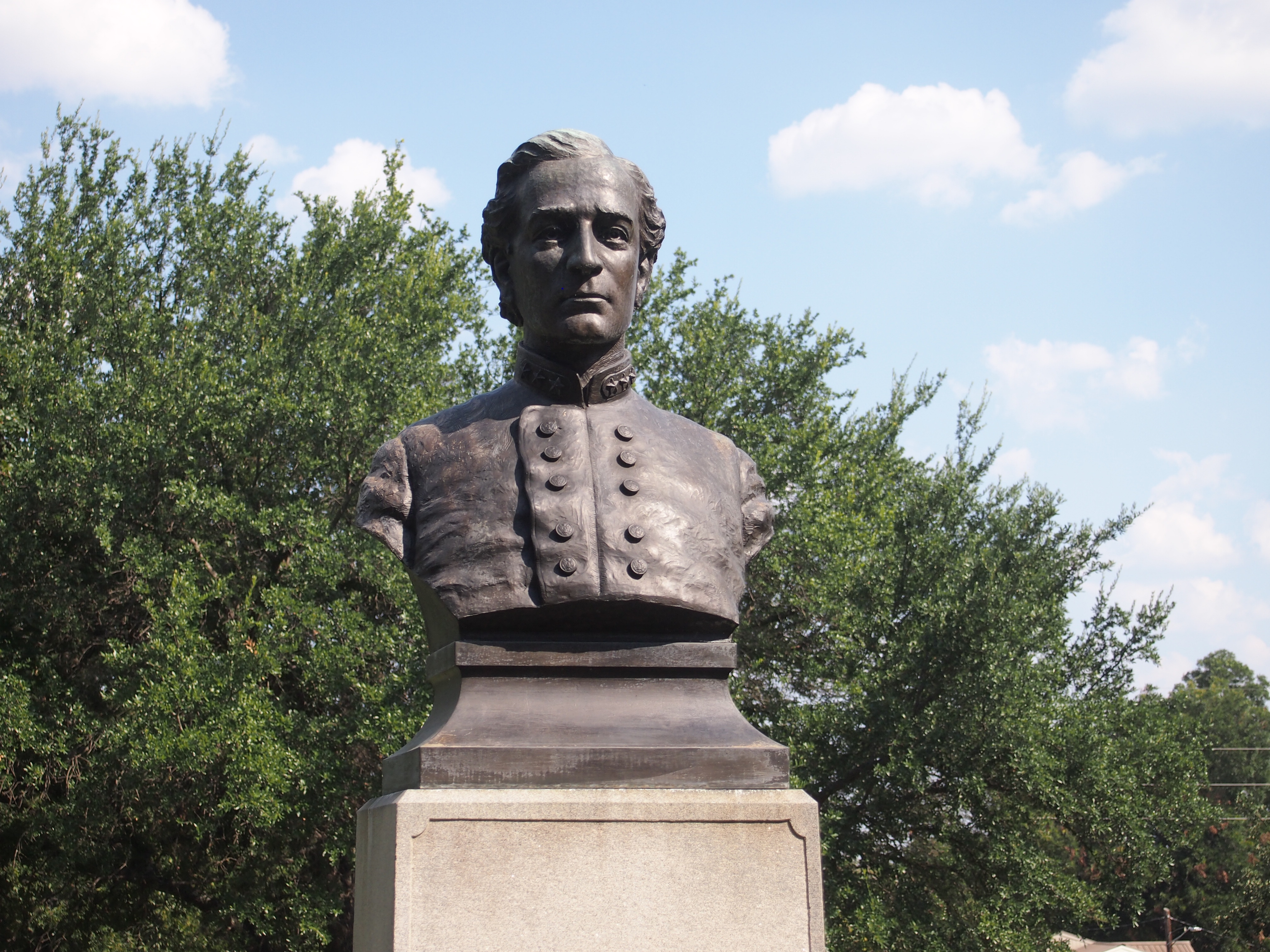
Confederate Field

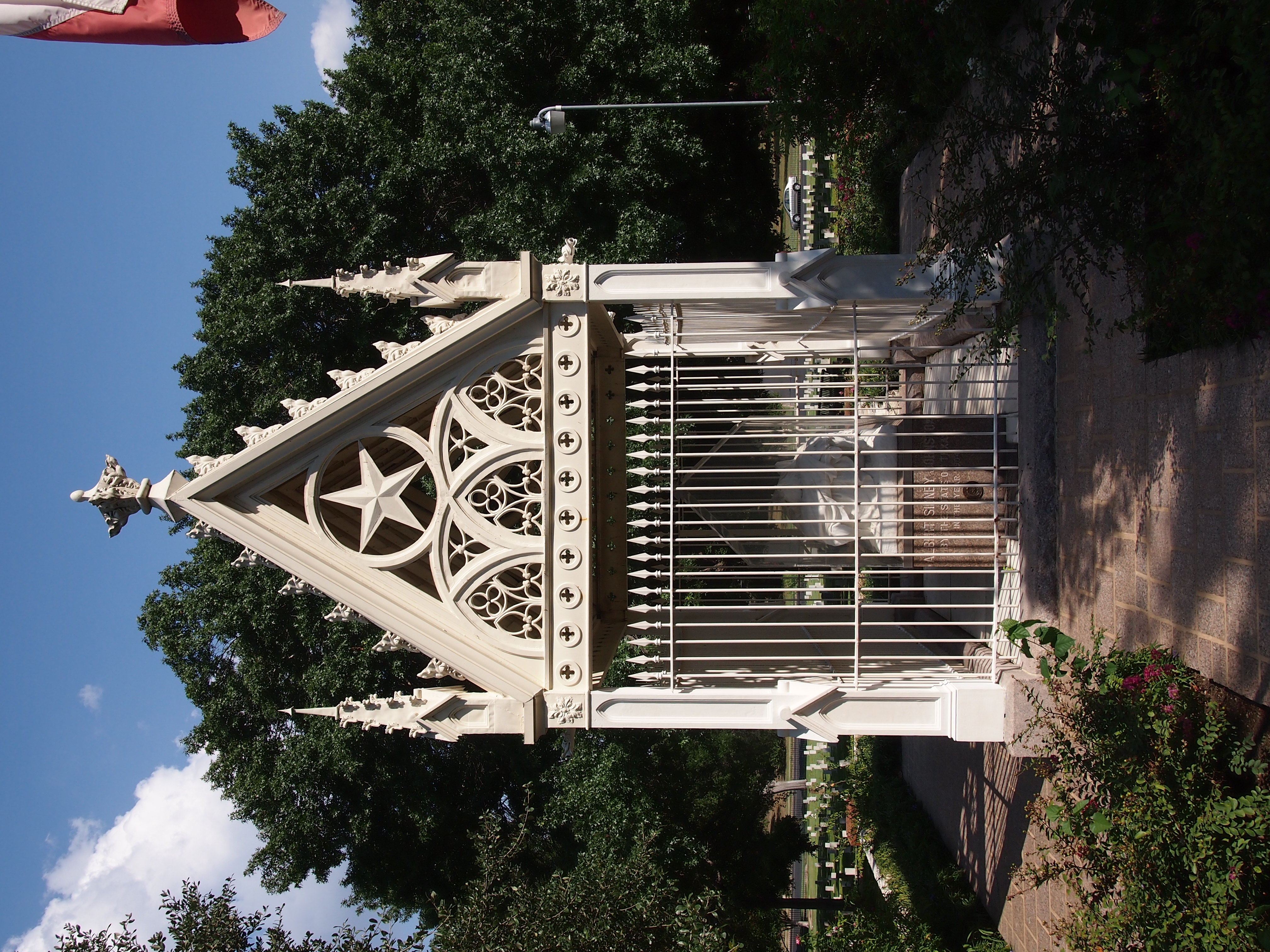
Another major section of the Texas State Cemetery honors Confederate dead. Even before we went, I knew that Gen. Albert Sidney Johnston, who took a slug at Shiloh, had been reburied at the cemetery. Sure enough, he has one of the larger memorials, at a place of honor among the field of Confederates.

The memorial, including a recumbent statue of Gen. Johnston, was done by Elisabet Ney, another European sculptor who did well in 19th-century Texas, though she was no slacker before she left Europe. “Among her best-known works from this period [i.e., pre-Texas] are portrait busts of Arthur Schopenhauer, Giuseppi Garibaldi, and Otto von Bismarck, and a full-length statue of King Ludwig II of Bavaria,” notes the Handbook of Texas. After establishing herself in Texas, she did busts of Stephen F. Austin and Sam Houston (presumably not from life), among others. All in all, quite a career.

These days her Austin studio is a museum. How did I not know about it? Got another thing to see in Austin someday.

The light was poor on the recumbent Gen. Johnston, so I didn’t make an image. Not far away, however, is a much more obscure Confederate general, John A. Wharton. He was in full sunlight.

Another Confederate Texan, his date of death is listed as April 6, 1865, so I figured he was one of the unlucky few killed in action just as the war ground to an end. But no. Again from the Handbook of Texas: “On April 6, 1865, while visiting Gen. John B. Magruder’s headquarters at the Fannin Hotel in Houston, Wharton was killed by fellow officer George W. Baylor in a personal quarrel that grew out of ‘an unpleasant misunderstanding over military matters.’ Even though Wharton was found to have been unarmed, Baylor was acquitted of murder charges in 1868.” Geez.

The bust was by Enrico Filiberto Cerracchio, another European sculptor who ended up in Texas. Who knew there were so many? He came a little later, though, and is best known for his large bronze equestrian figure of Sam Houston at the entrance to Hermann Park in Houston, which dates from 1924.

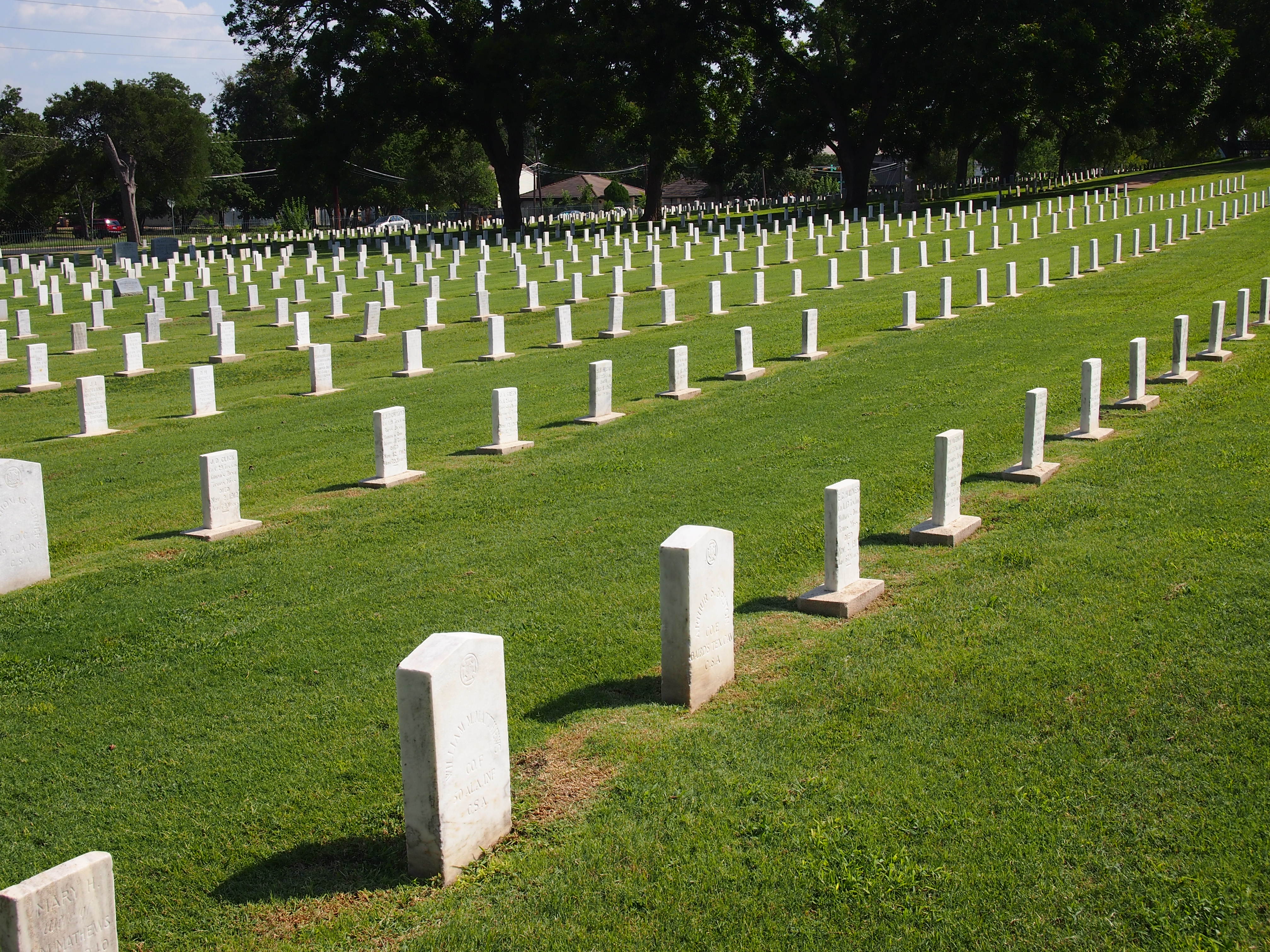
Generals are one thing, but far more of the cemetery is occupied by ordinary Confederate soldiers, or more exactly, old men who had once been CSA who died in the late 19th and early 20th centuries. Confederate Field is large.

Stephen F. Austin and the Company He Keeps

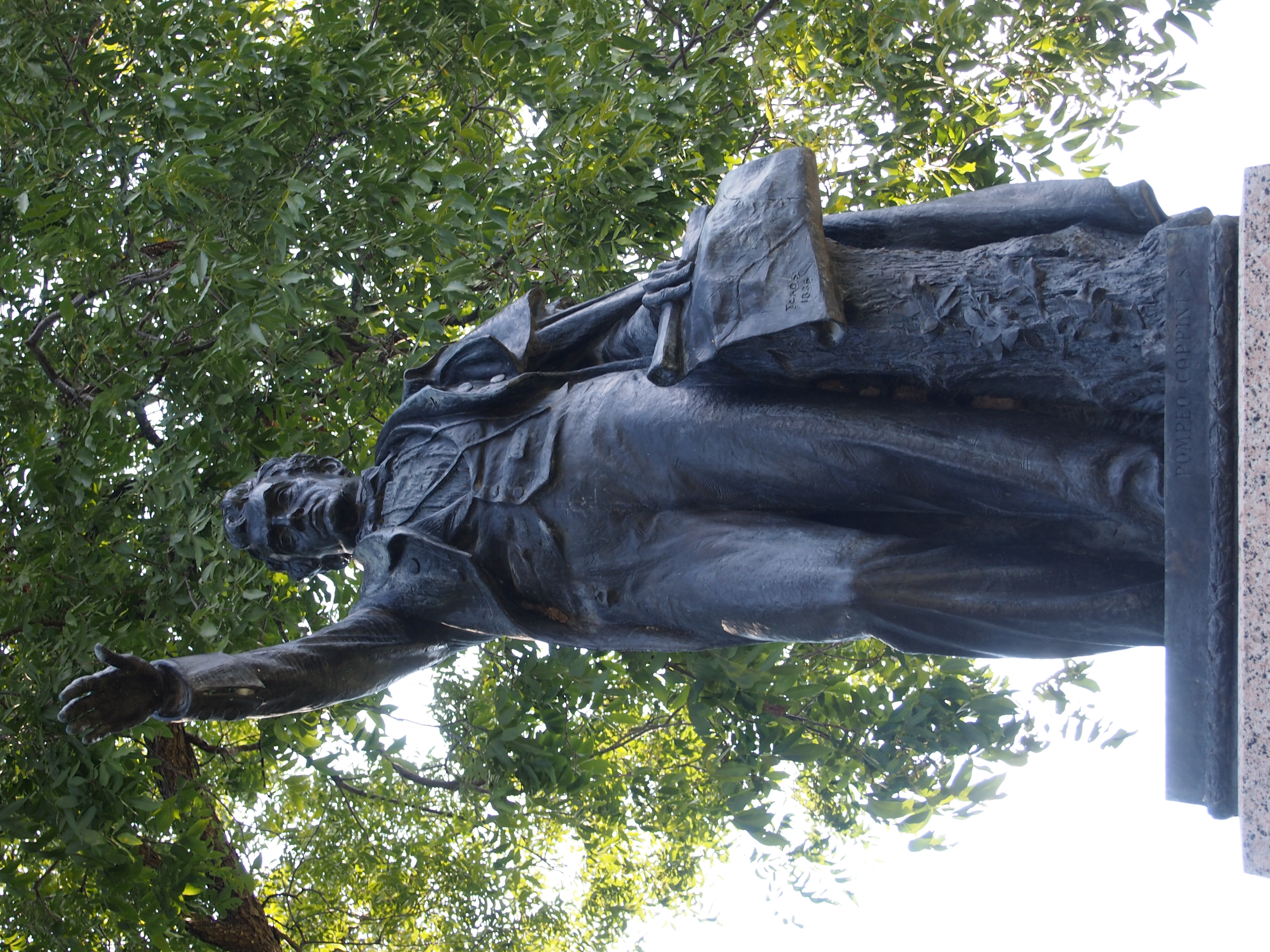
There are a lot of notables in the Texas State Cemetery, but who’s more notable for Texas than Stephen F. Austin, especially since Sam Houston is buried somewhere else? Austin’s been in the cemetery in Austin for over 100 years now, reposing under a statue by an Italian sculptor who did most of his work in Texas, one Pompeo Coppini, whose name is conveniently on the base, and who had an interesting career I didn’t know about until I looked him up.

Wonder how many people who know about the city of Austin for its tech industries or music scene or its politics or UT or Keep Austin Weird or its moon towers know even a bit about Austin the man. Anyone who took Texas History in the 7th grade or read Texas History “Movies,” maybe.

Coppini gave Austin a determined visage, reaching for the future. Since he died young, at only 43, you have to wonder what he would have done had he lived another 30 years — at the very least held a number of high offices in the republic and the state, as Houston did.

The plaque in front of the figure says:

Stephen Fuller

AUSTIN

“The Father of Texas”
was born in Wythe County, Virginia
November 3, 1793
and died in Brazoria County, Texas
December 27, 1836

Wise, Gentle, Courageous, and Patient
He was the founder
of a mighty commonwealth

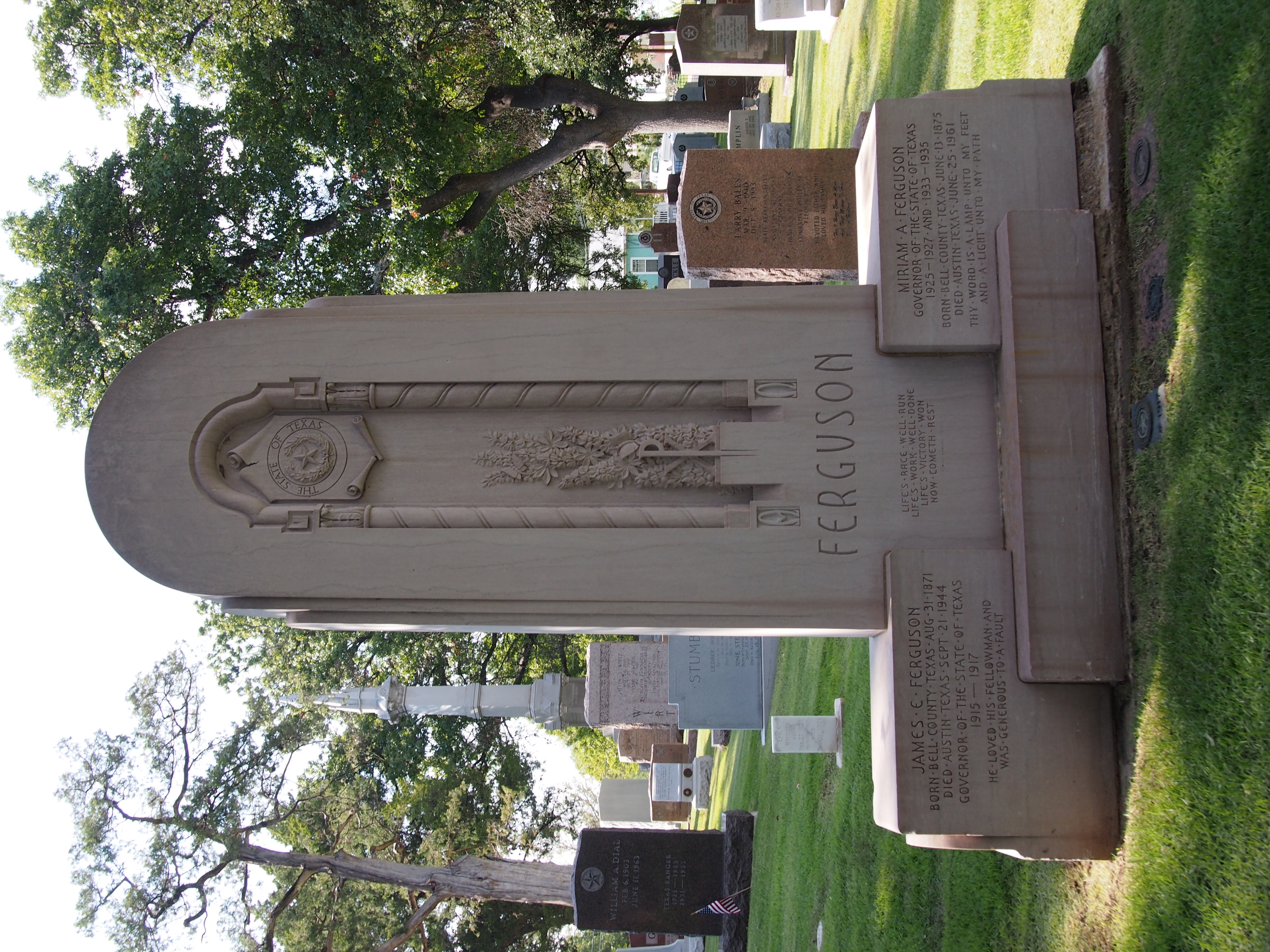
He’s actually one of the few full-sized bronzes in the cemetery. Most of the funerary art involves other shapes, such as that of Ma and Pa Ferguson, who are not far from Austin.

James and Miriam Ferguson, that is, who were both governor of the state at various times. My mother remembers them, and I heard about them from her from time to time.

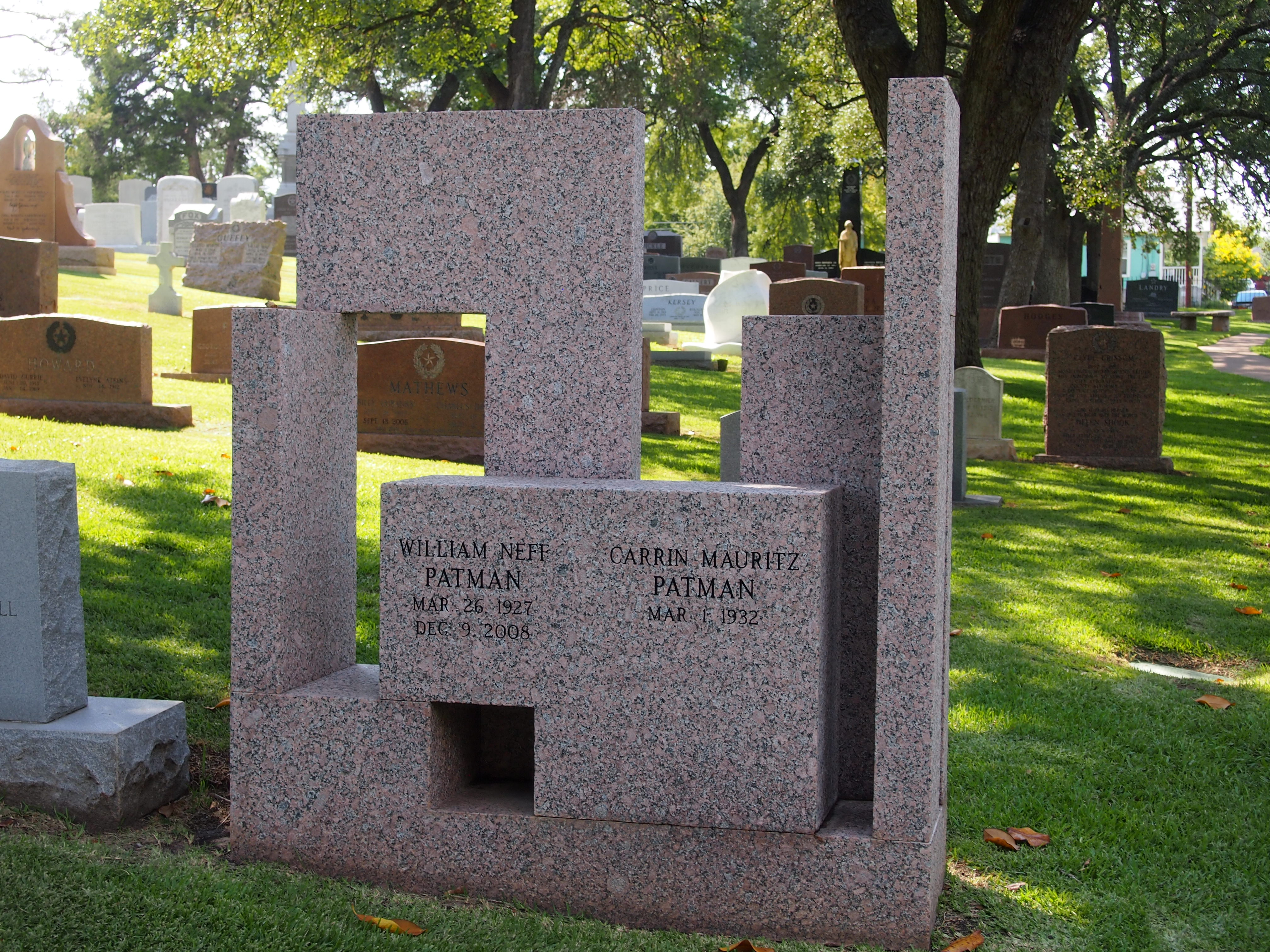
One of the least conventional memorials in the cemetery — or in any cemetery — was this one, to William and Carrin Patman, whom I had to look up. He was a long-time Texas state senator and also spent a while in the U.S. House.

Other notables we spotted on “Republic Hill,” whose centerpiece is the Austin statue, included Walter Prescott Webb, Bigfoot Wallace, Rep. Barbara Jordan, Rep. Jake Pickle, and a few other governors and state officials. Coach Darrell Royal is buried near the road. I hadn’t realized he was dead. His stone features a UT gold ring and the words, “Let’s Give Him Three.”


The Texas State Cemetery

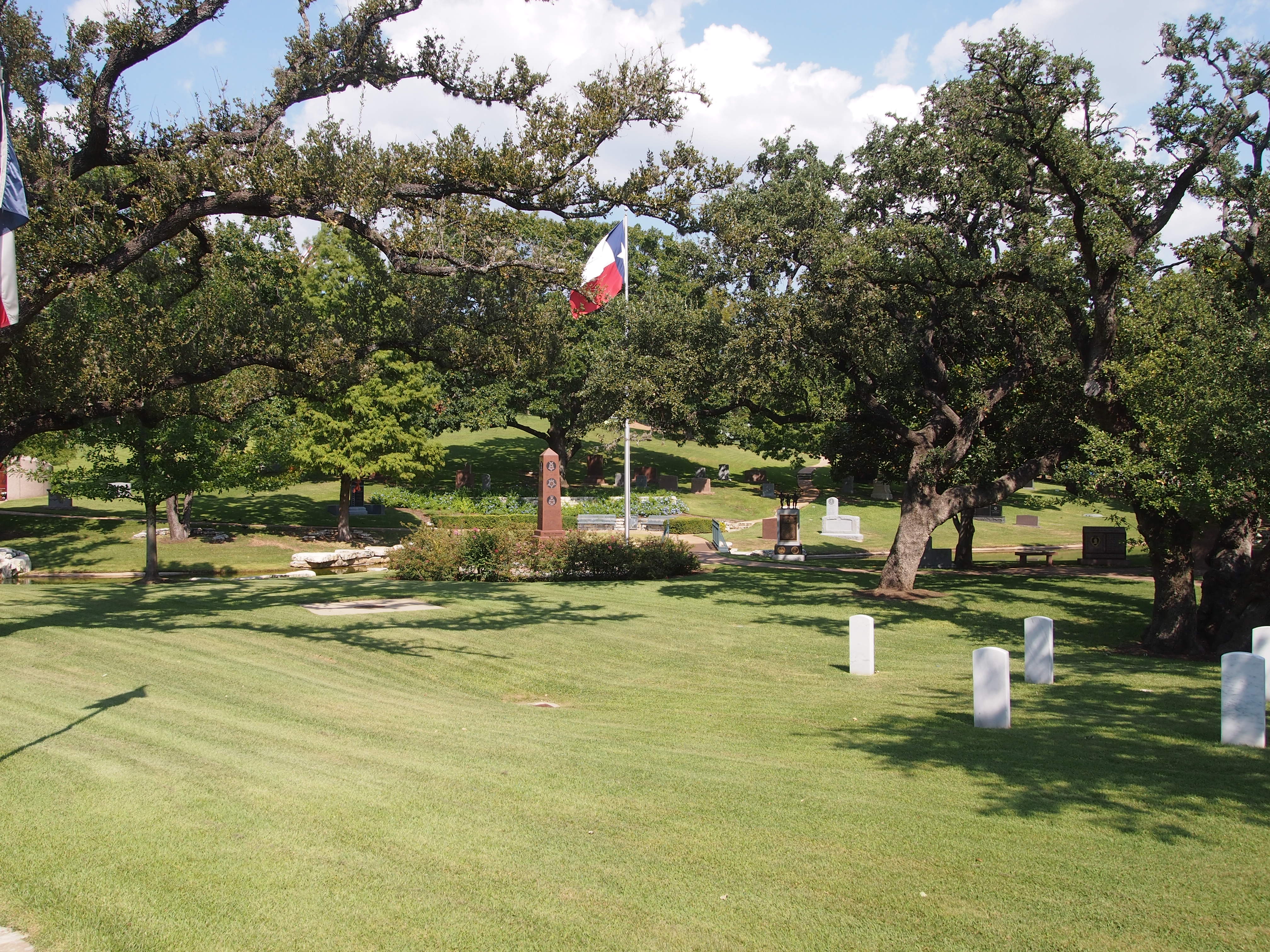
The Texas State Cemetery, which is in Austin east of I-35 but still not that far from the capitol, is a lush patch of mildly sloping land, artfully landscaped, graced by a variety of trees, a few water features, narrow roads, many Texas flags, and lots of monuments of different sizes and shapes, as you’d except from a good cemetery. Jay and I stopped by the State Cemetery on the afternoon of Friday the 13th under partly cloudy skies, and during the usual high heat you’re going to encounter in September in Central Texas. Fortunately, there was also a good bit of shade.

One thing the cemetery did not have, at least when we were there, was many other visitors – maybe a four or five all together, and I think at least one of them worked there. Then again, that’s not so strange. I often find myself alone – among living people, anyway – even in large cemeteries. The only recent exception to that has been Arlington National Cemetery.

The invaluable Handbook of Texas tells us that the 22-acre Texas State Cemetery “is divided into two plots. The smaller one includes some 234 marked graves of more or less prominent men and their wives, including… representatives of every department of state government and every period of state history. The larger plot contains the marked graves of some 2,047 Confederate veterans and their widows, who died after 1889 in the Texas Confederate Home and the Confederate Woman’s Home.”

The cemetery also still has room for expansion. I understand that most state officials can be buried there if they so desire, and the legislature can offer burial in the cemetery to whomever it wants. That would account, for example, for the stone dedicated to Wille James Wells, “El Diablo,” 1906-1989.

I hadn’t heard of him before. His stone says, “Played and managed in the Negro Leagues, 1924-1948. Began his career with the St. Louis Stars and became baseball’s first power hitting shortstop… He was best known for his aggressive play [hence the nickname]. During his career he compiled a .392 batting average against Major League ballplayers. In 1997, Willie Wells was inducted into the National Baseball Hall of Fame…” Wells’ connection to Texas isn’t obvious from the stone, so I looked him up, and it turns out he’s native to Austin.

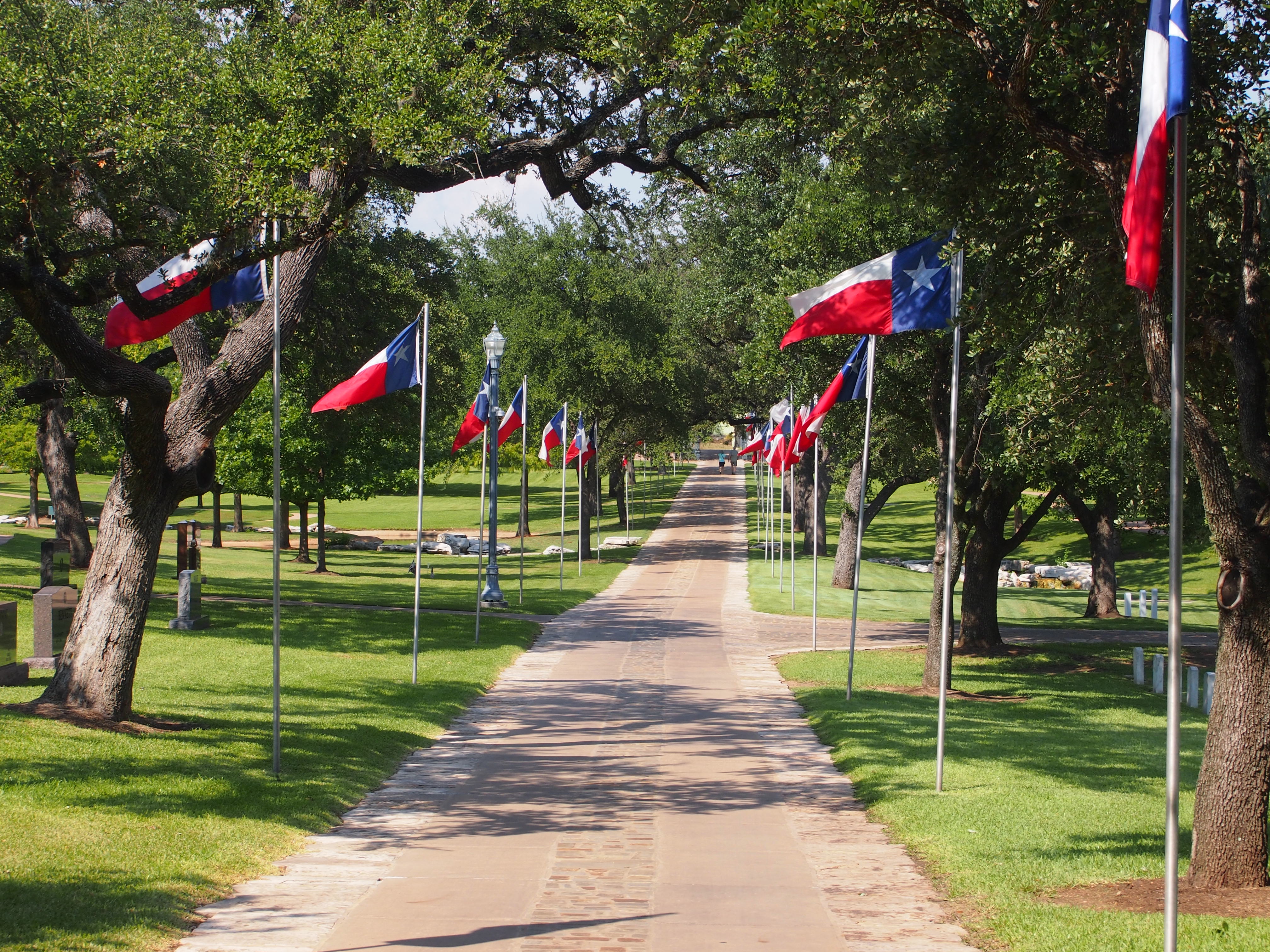
Roads run through the cemetery, making a T shape. The formal entrance to the grounds is at the bottom of the T. According to Wiki at least, the stem of the T shape is part of Texas 165, which also includes part of a side street that borders the cemetery. It isn’t clear from the text whether the rest of the T also counts as Texas 165, but never mind.

This is the view looking north, past the top of the T. Whatever you call it, the road is abundantly lined with Texas flags.

GTT Fall 2013

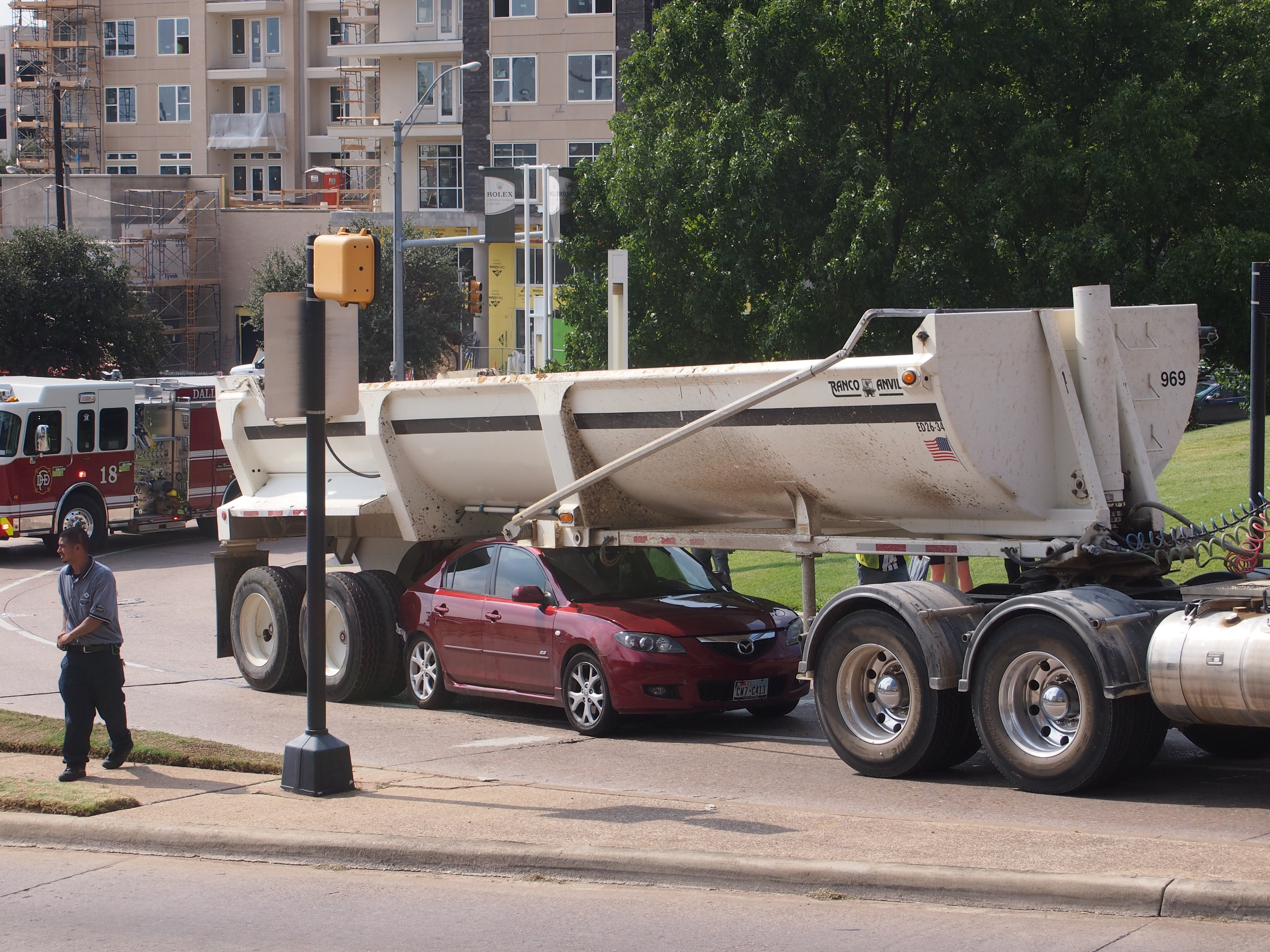
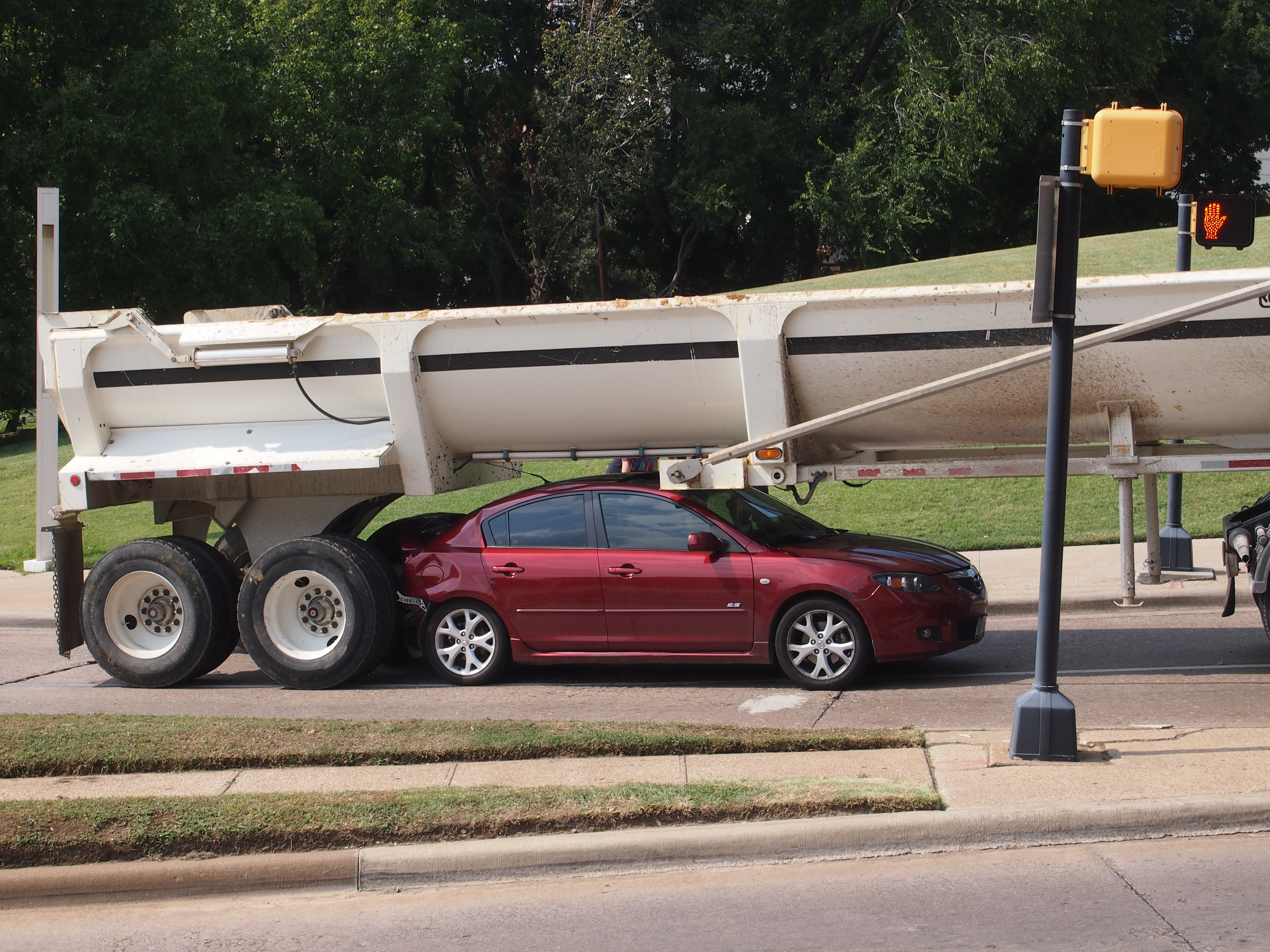
Last Wednesday I spent the afternoon in downtown Dallas, walking around on a typically hot September day. I was visiting the second floor of a building – more about that later – when sirens blared in the street below. The windows sported heavy drapes, but it wasn’t hard to pull them back for a peek. On the street below was the aftermath of a traffic accident without apparent injuries, but also a little hard to understand.

So how did that little car wedge itself under that large truck? Other witnesses marveled at it as well. It would be one thing if the car was at a diagonal to the truck, which would mean that it rammed itself underneath. But the car’s aligned so evenly with the truck. Did the truck somehow park itself on top of the car? How could that have happened?

Just another little mystery. I went to Texas on the 12th and came back on the 19th. It was a trip but not a vacation. I spent time with family and friends, but I also continued working – all I need for that is a laptop, phone, and Internet connection. I drove a fair amount, too, because I flew to Dallas, drove to San Antonio by way of Austin, and later returned to Dallas for the flight home.

For a few hours on a couple of days, I managed to see a few things. New things, in fact: a large, immaculate Austin cemetery that I’ve known about for years but never visited; a music venue I’d never heard of in a familiar part of San Antonio; some small to mid-sized museums in Dallas, a pleasant bar in the same city, and a large church there, too.

RIP, Kevin Norton

I’ve learned a number of things since the last post, including unfortunate news about a high school friend of mine, Kevin Norton. He died last August, but only I found out about his passing about a week ago. The news traveled at 18th-century speed, but that’s because I had little communication with Kevin in the last 20 years or so. Just one of those things.

From the Sept. 2, 2012, San Antonio Express-News: “Kevin Charles Norton, age 50, passed away in Dallas August 16, 2012. He was born September 18, 1961 and grew up in San Antonio, graduating from Alamo Heights High School in 1979. He attended college at the University of Texas at Austin in the Plan II Honors Program and graduated in 1987. He went on to the University of Texas School of Law and earned his Juris Doctor in 1990. He practiced appellate law with the firm of Cantey & Hanger in Fort Worth and Dallas for many years and later was briefing attorney for the Fifth District Court of Appeals at Dallas.

“He had many intellectual and artistic interests studying languages, literature, philosophy, history, religions, art and music. He is survived by his parents, Doris and Donald Norton, sisters: Lucy Norton and partner Maggi Joseph, Deborah Norton all of San Antonio, and Nancy Norton of Dallas; a paternal aunt, Geraldine Koch of Richmond, Virginia; and numerous first and second cousins from all around the country… In lieu of flowers contributions in Kevin’s name may be made to Dallas Symphony Foundation Endowment… or It Gets Better Project …”

I met Kevin sometime in junior high, but I remember him best as my debate partner throughout much of high school. That meant long hours with him sometimes, preparing index cards and other pre-electronic materials for speech tourneys both in town but also in Austin, Houston, Corpus Christi, and one time even as far afield as Midland – the only time, in fact, that I’ve ever been to that place. He was the first person I knew who drank coffee to stay awake, and if I’d had any taste for it, I would have started drinking it then too.

After high school, I hung out with Kevin some in the summer of ’81 in Austin. Among other things, introduced me to Eyebeam – which was still running in the Daily Texan at that time – and ragtime, specifically Scott Joplin, which he had a talent for playing. He spent a longish period traveling in the ’80s, mainly in the Middle East and India, which he told me about later. His travels didn’t inspire me to go to the Middle East or India, but they did help inspire me to take my own leave of the country for a while.

All in all, the obit is right: Kevin had a keen mind and a lot of interests, and I was better for knowing him. RIP, Kevin.

View From the Brackenridge Eagle

Last time we were in San Antonio, we rode the Brackenridge Eagle miniature train, which makes a circuit through the park of the same name. The Sunken Gardens is near the main depot and the ride isn’t that expensive, so on impulse we went again. Ann insisted on borrowing my camera and documenting the ride. She took some good pictures.

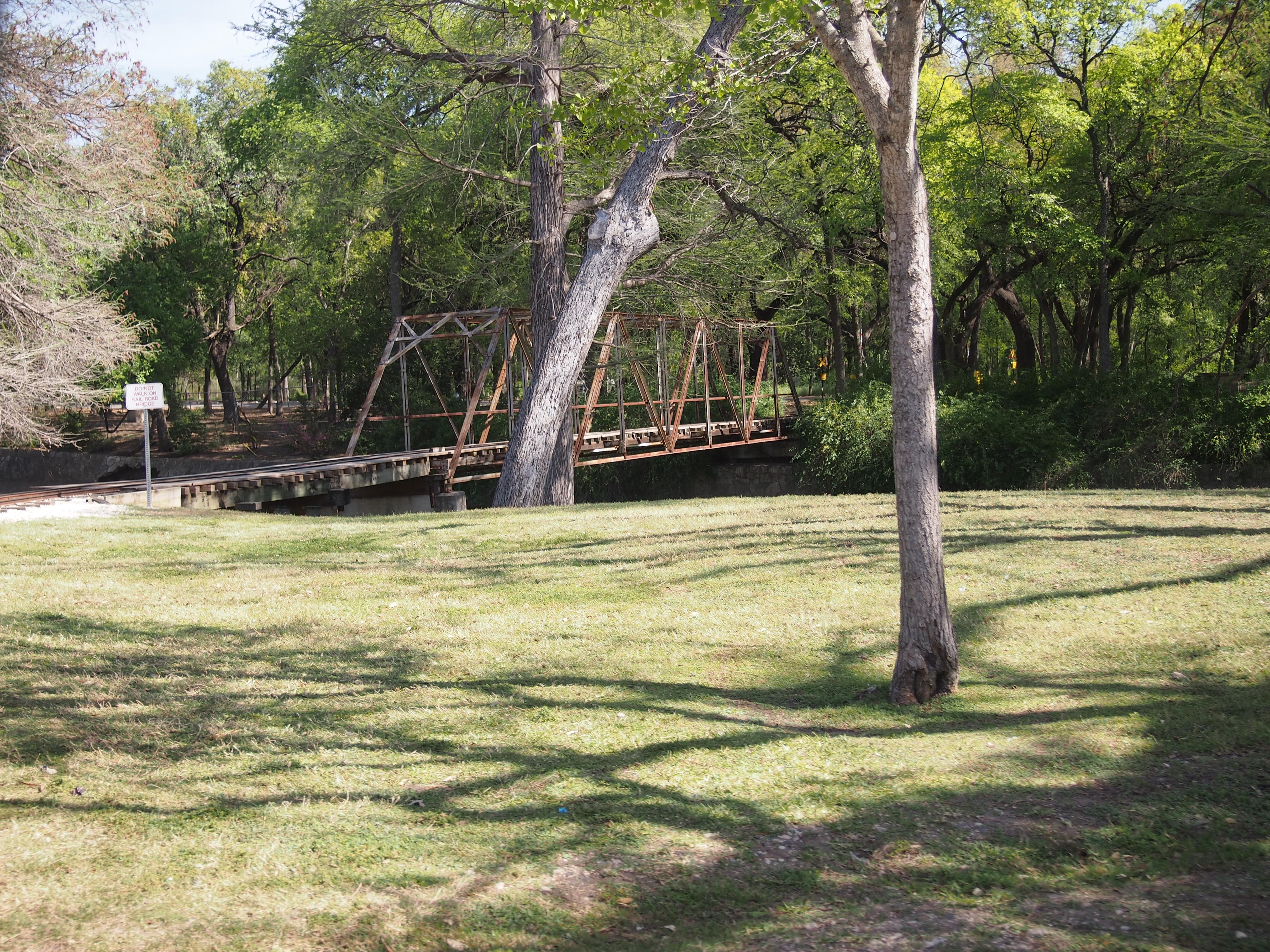
This a (miniature) RR bridge across the San Antonio River.

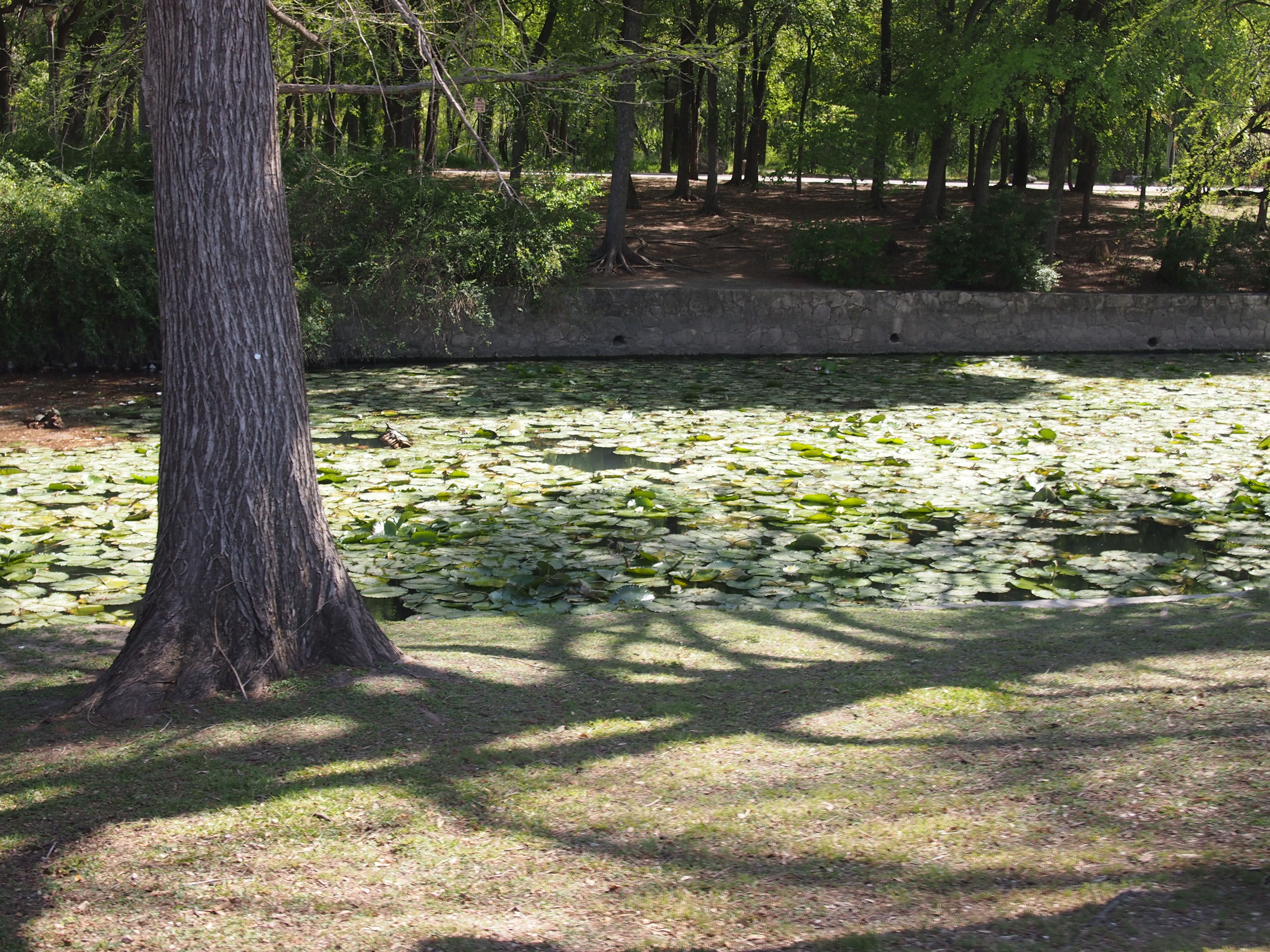
And the river itself, in its lily pad glory. This point isn’t very far at all from the headwaters of the river, which accounts for its small size.

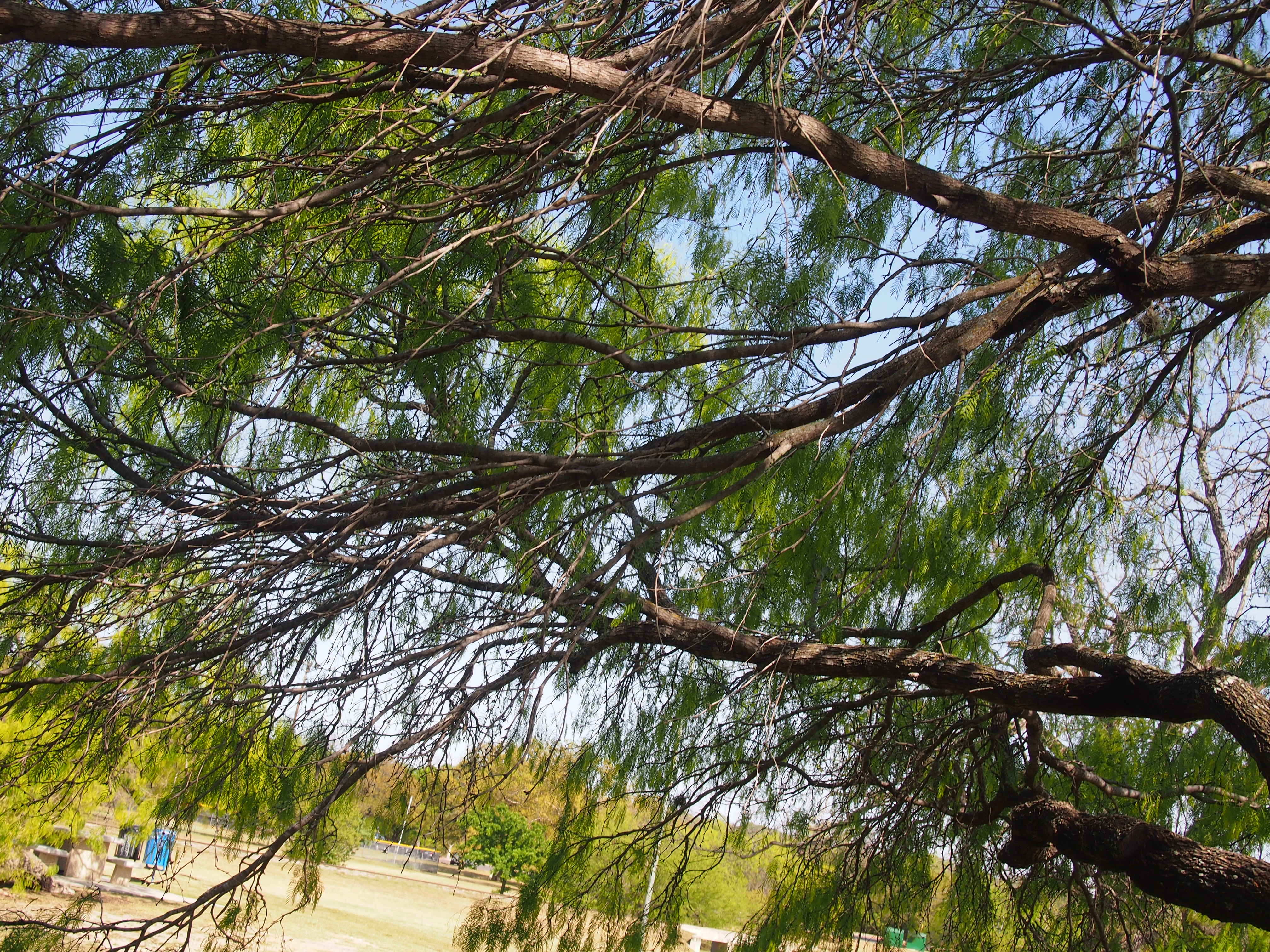
The unmistakeable branches of a mesquite tree near the tracks. The line brushes up against vegetation fairly close in some spots, and the requirement is to keep your hands (and head) inside the train. It’s a good idea.

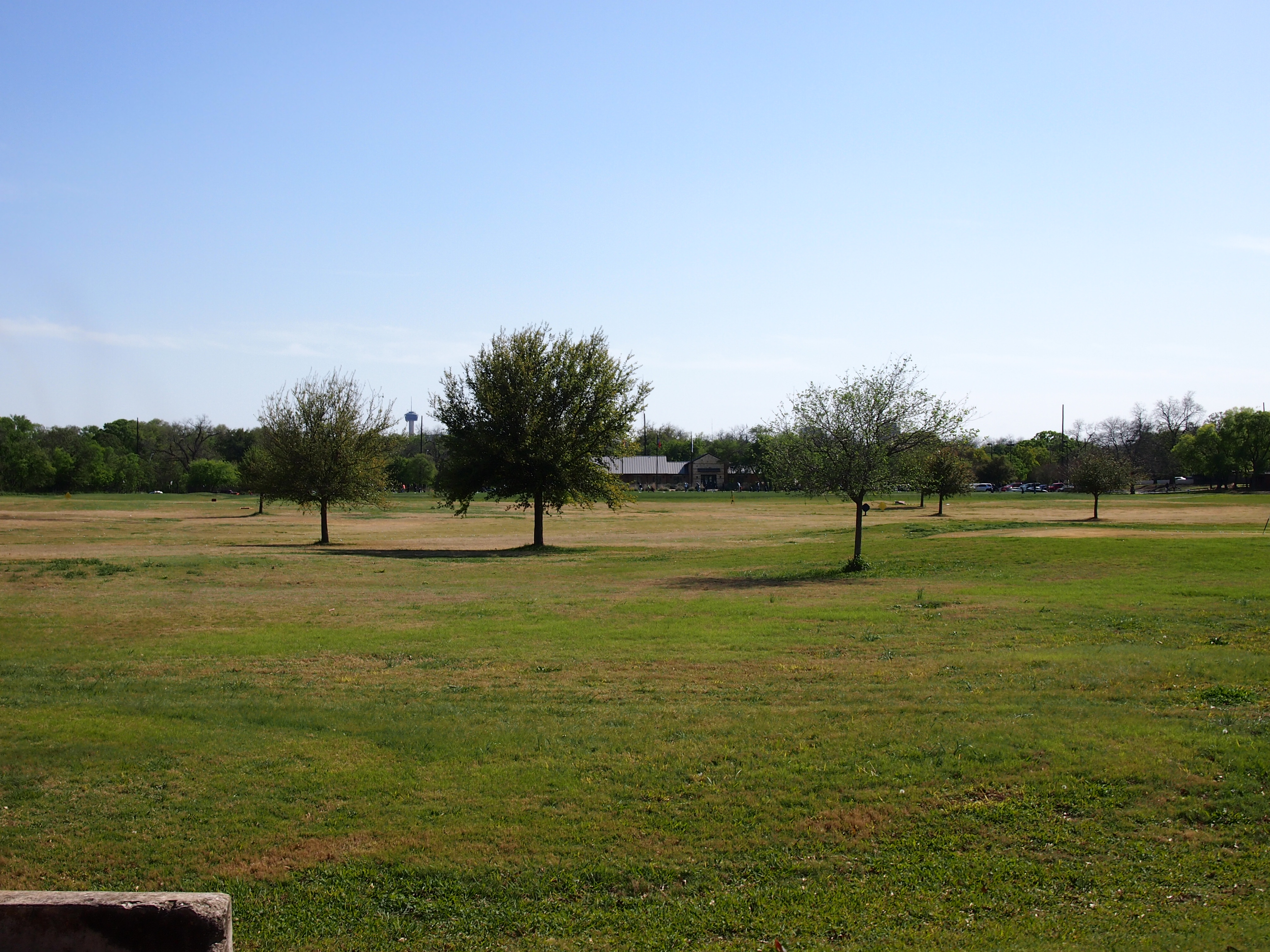
Not the most picturesque landscape, but note the Tower of the Americas in the background.

This train’s too good just for kids.

The Sunken Gardens

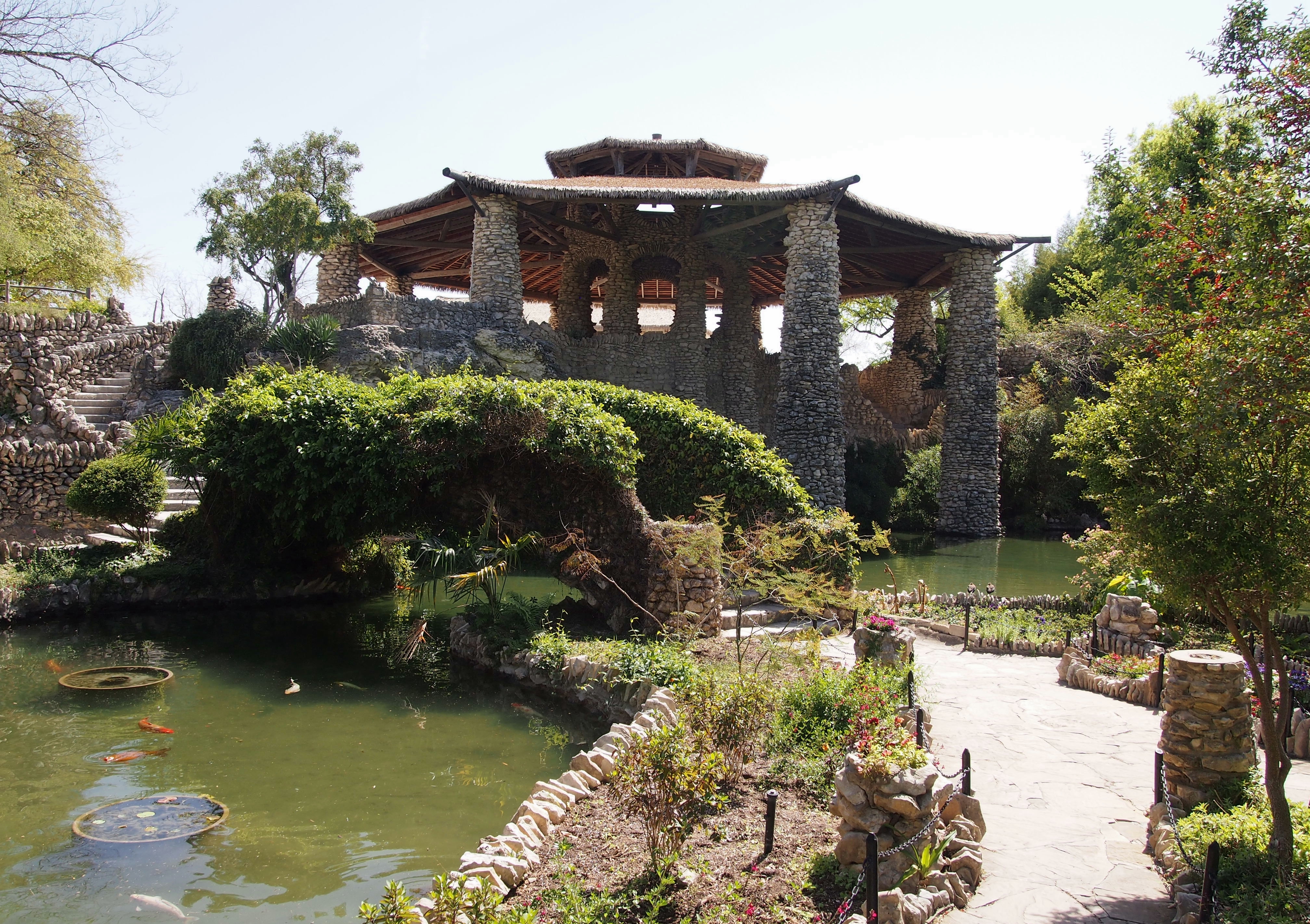
I went with my brother and children to the Sunken Gardens in San Antonio last week. It isn’t officially called that, but rather the Japanese Tea Gardens. More about that in a moment, but under any name it’s a lovely place, and a fine example of land re-use, since long ago it was a quarry.

A view from the “sunken” portion of the gardens, looking up at the pavilion, whose columns are remarkable stacks of stone, a bit like manmade hoodoos.

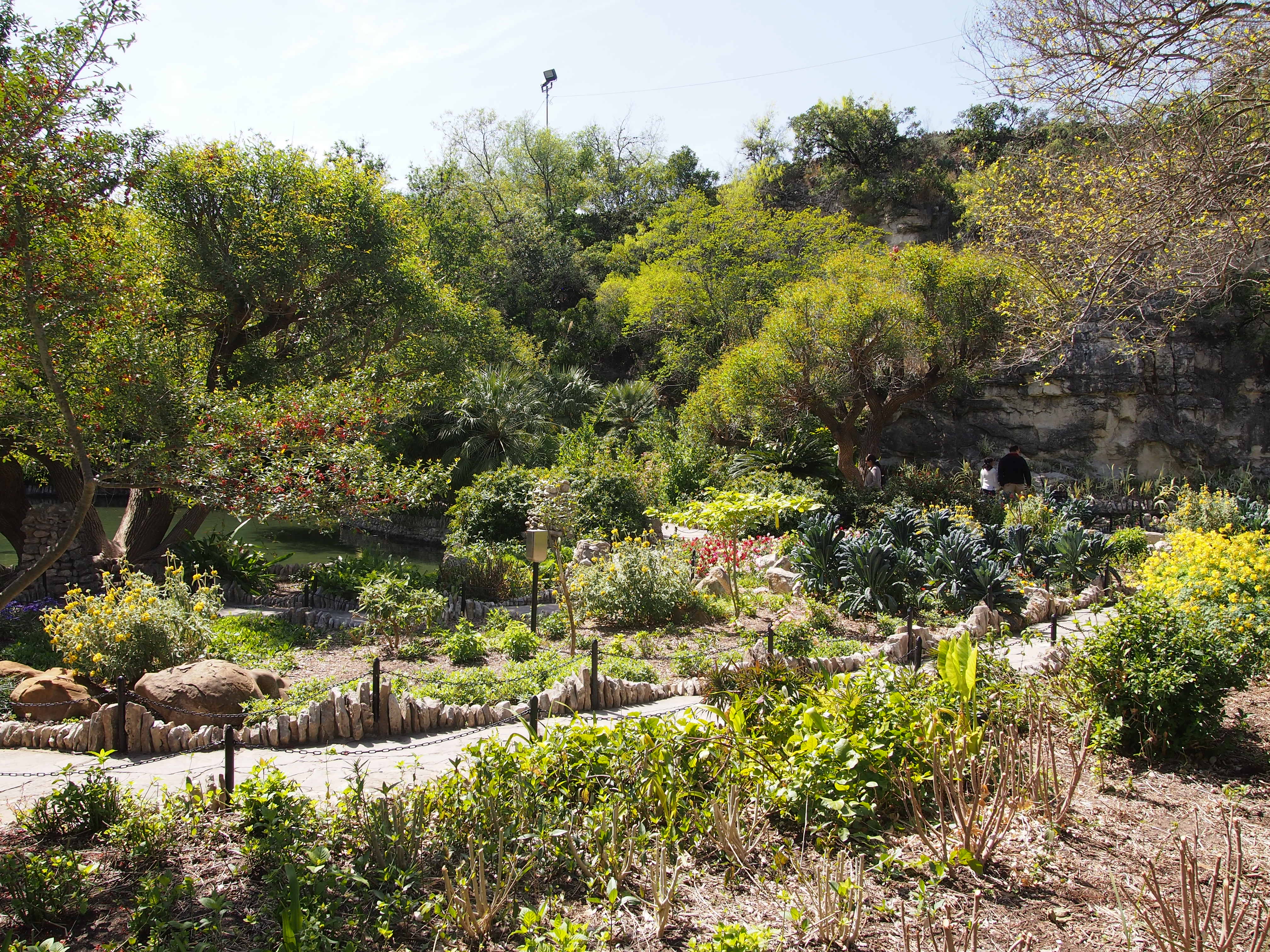
Coming from the pre-spring landscapes of the North, we appreciated the spring lushness of the place. Of all of San Antonio, actually.

At its web site, the city of San Antonio briefly tells the story of the Sunken Gardens, which is part of the larger story of Brackenridge Park, crown jewel of San Antonio municipal parks. “The restored garden features a lush year-round garden and a floral display with shaded walkways, stone bridges, a 60-foot waterfall and ponds filled with koi,” the site accurately says.

I call it the Sunken Gardens because that’s what everyone called when I was growing up, and maybe people still call it that, despite the official renaming. There’s nothing wrong with the official name, since it honors the pre-WWII history of the garden, but I see no reason to change.

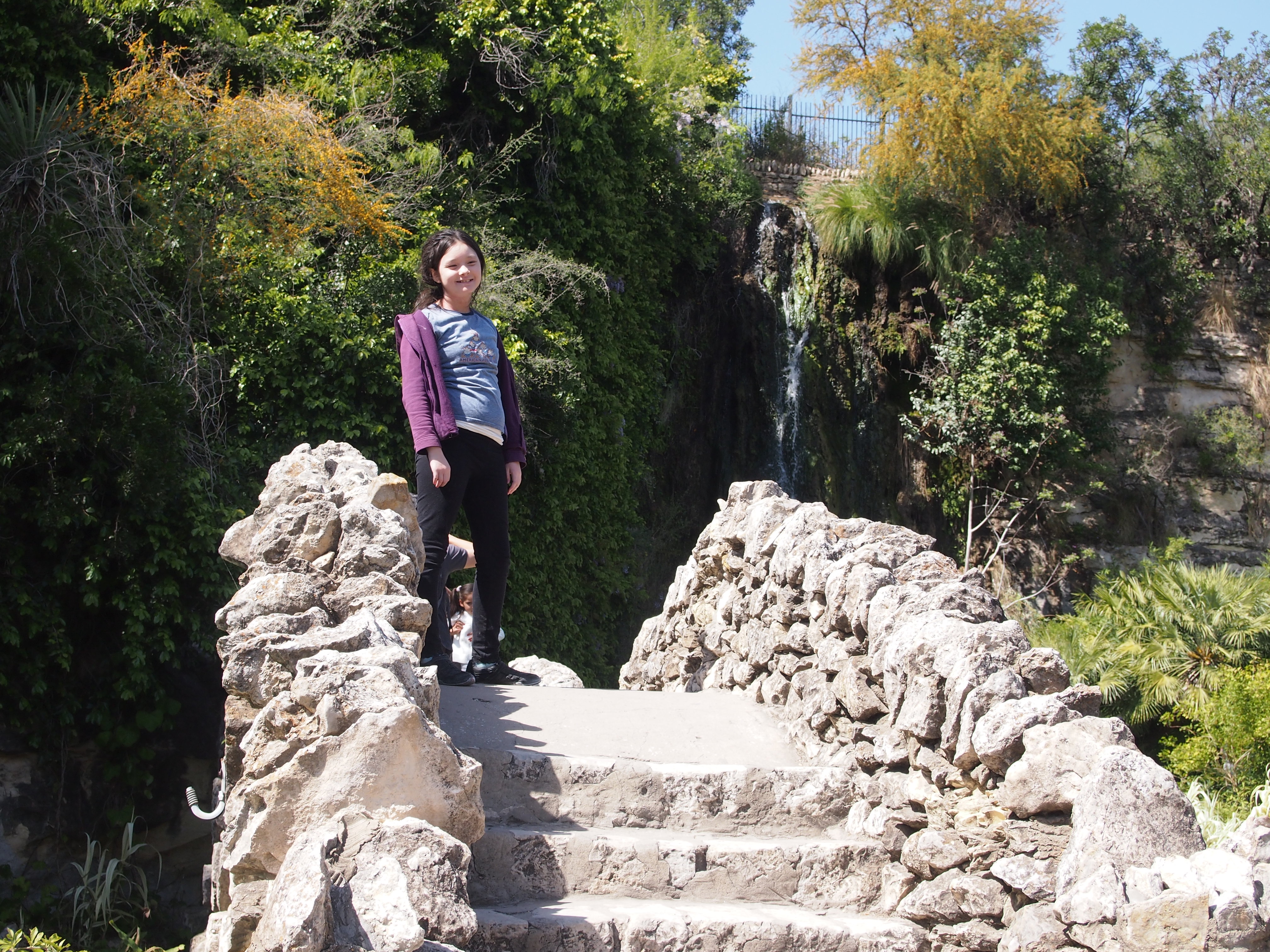
This woman took a better selection of pictures of the garden than I had the patience to make.

San Antonio Missions National Historical Park

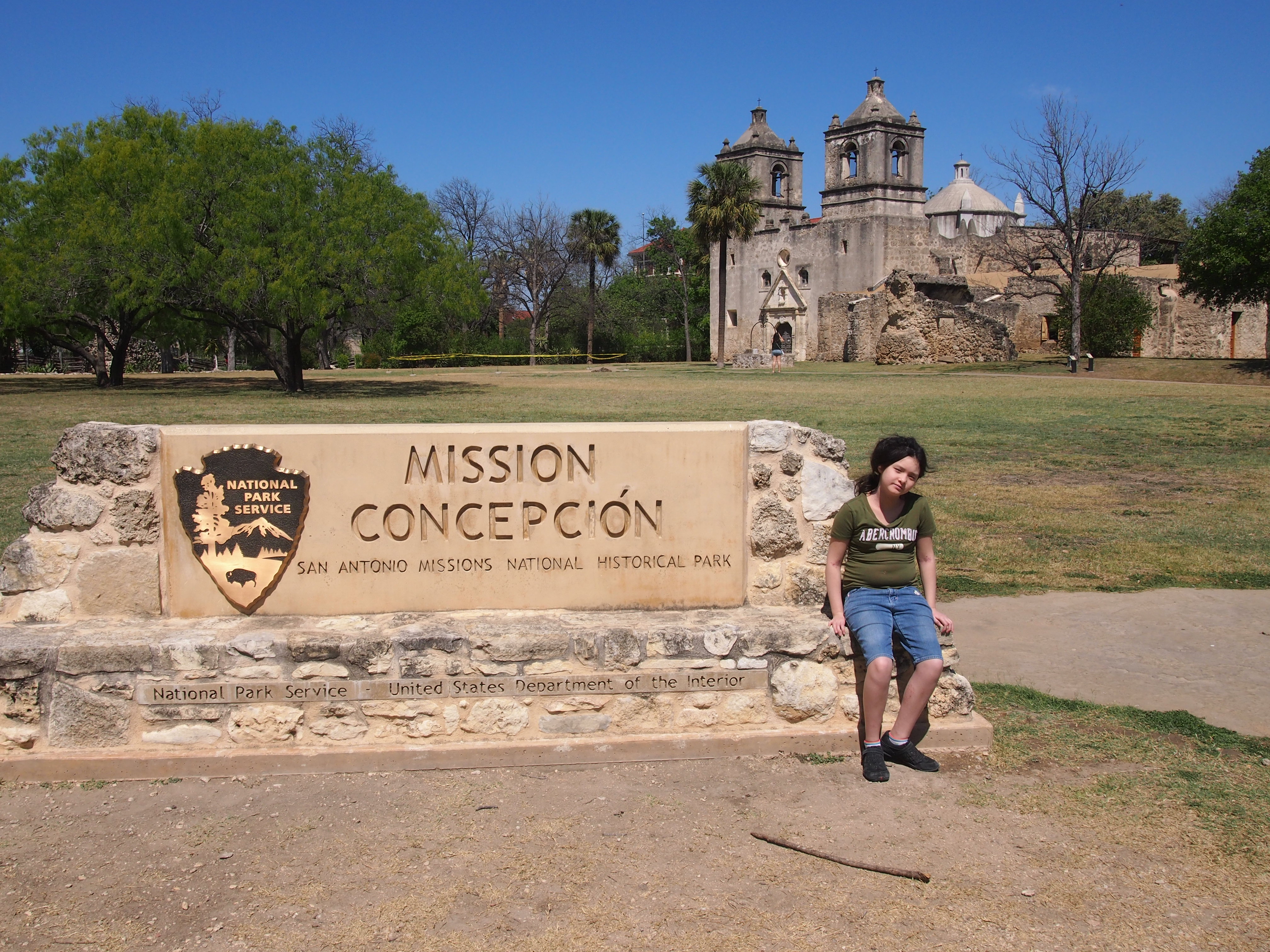
People remember the Alamo. Mission Concepcion, not so much.

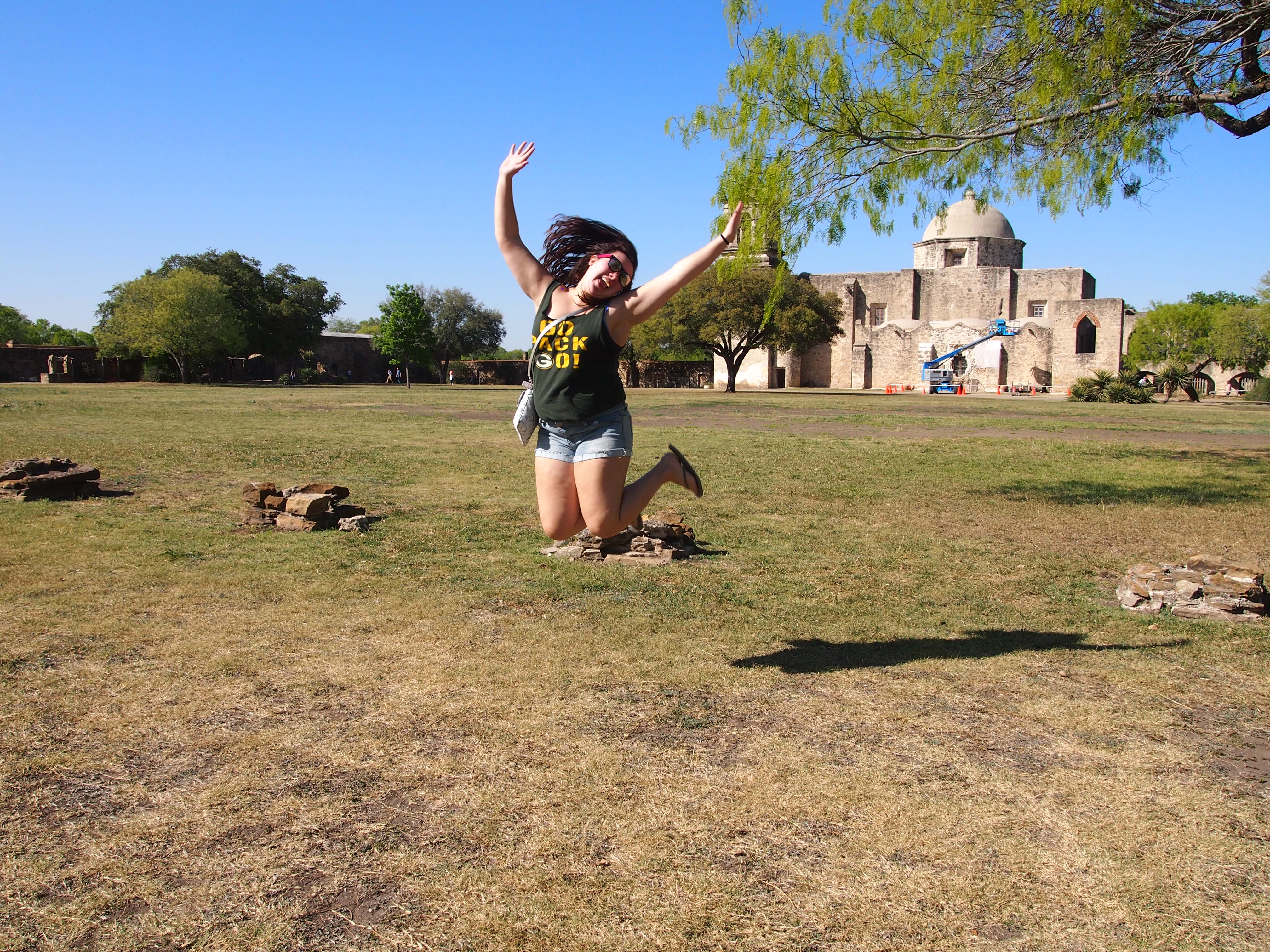
I hadn’t visited any of the San Antonio missions — formally San Antonio Missions National Historical Park, est. 1978 — in about 20 years, when I took Yuriko to see them. During our spring break, it was time to take my children.

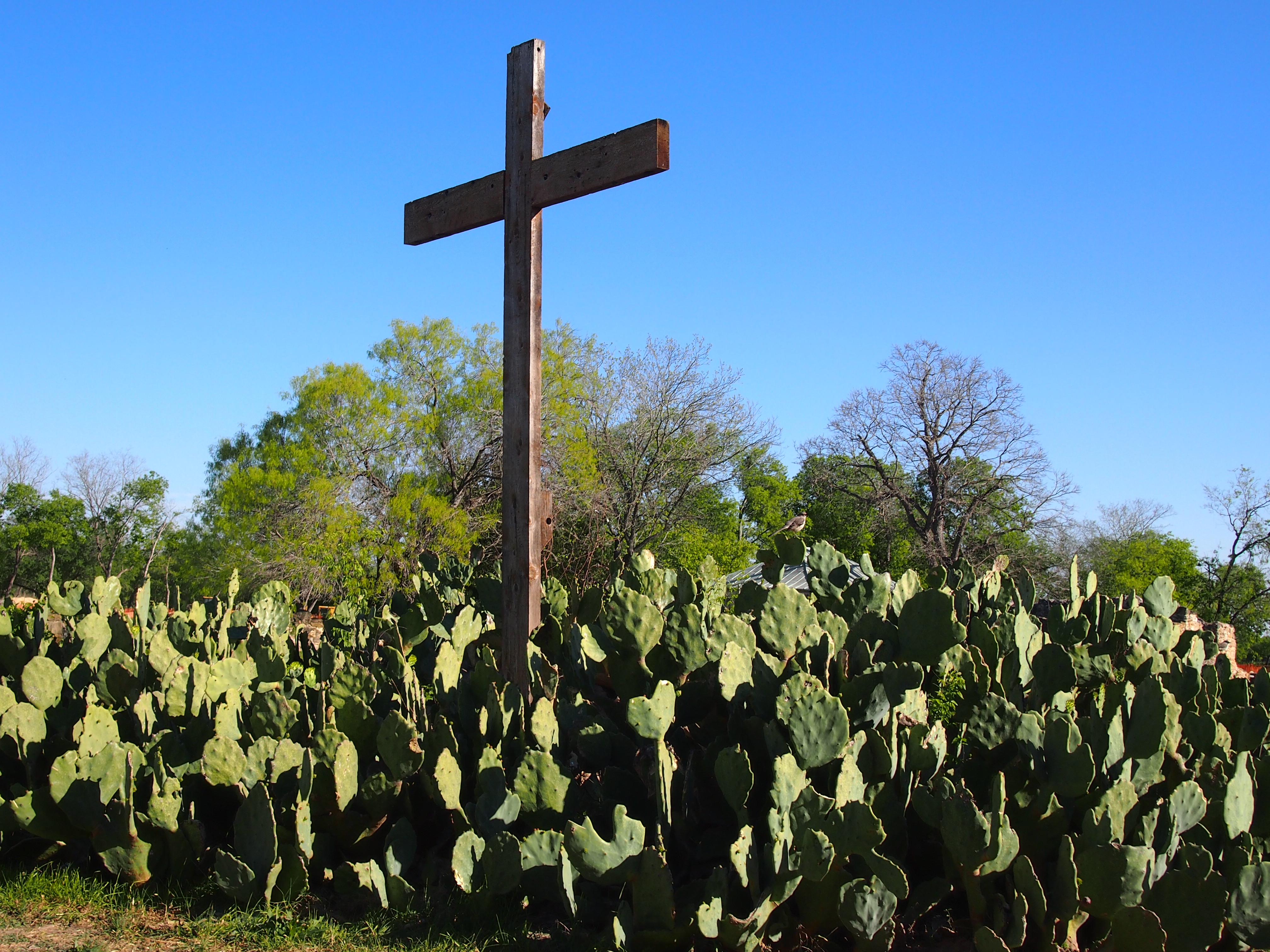
Lilly seemed positively excited about Mission San Jose. Well, maybe. We also made it to Mission San Juan, which was an interesting enough structure, but not as interesting as the crucifix in the cactus patch.

On the other side of the cross, we noticed straps for arms and a place to rest one’s feet built into it. We figured that in a few days — we were visiting not long before Good Friday — someone would be on the cross.

San Antonio ’13

We, that is Lilly, Ann and I, went to San Antonio last week to visit my mother, both brothers, a nephew, an aunt, and a cousin — from my point of view. For Lilly and Ann, they got to visit their grandmother, two uncles, a cousin, their great aunt, and another cousin.

We also saw a few places. Not much new for me, though including some spots I hadn’t seen in years, but new places for them. For them, San Antonio will always be, I hope, that interesting city where their dad grew up.

More about all that later. For now, though, prayers for my mother, their grandmother, who is recovering from a fall last Friday — a few hours after we left — that broke her hip. She had surgery over the weekend, and is still in the hospital.

R.I.P., Eleanore Triplett, whom we learned had passed away in Dallas while we were in San Antonio. She was my late sister-in-law Deb’s mother, Jay’s mother-in-law, and my nephews’ grandmother.