The Pike Place Market

Labor Day weekend proved to be very warm this year in northern Illinois, with temps in the low 90s F some days, though I understand that a front will blow through soon and cool things off. The beginning of the slide into ice and snow, in other words.

Almost the entire time I was in the Pacific Northwest, the weather was clear and the temps pleasant — 70s and 80s F every day, except for the day I left, August 29, when it rained. Early on that morning, I lay nearly awake and heard the pleasant sound of rainfall. That was the first time I’d experienced rain in Seattle.

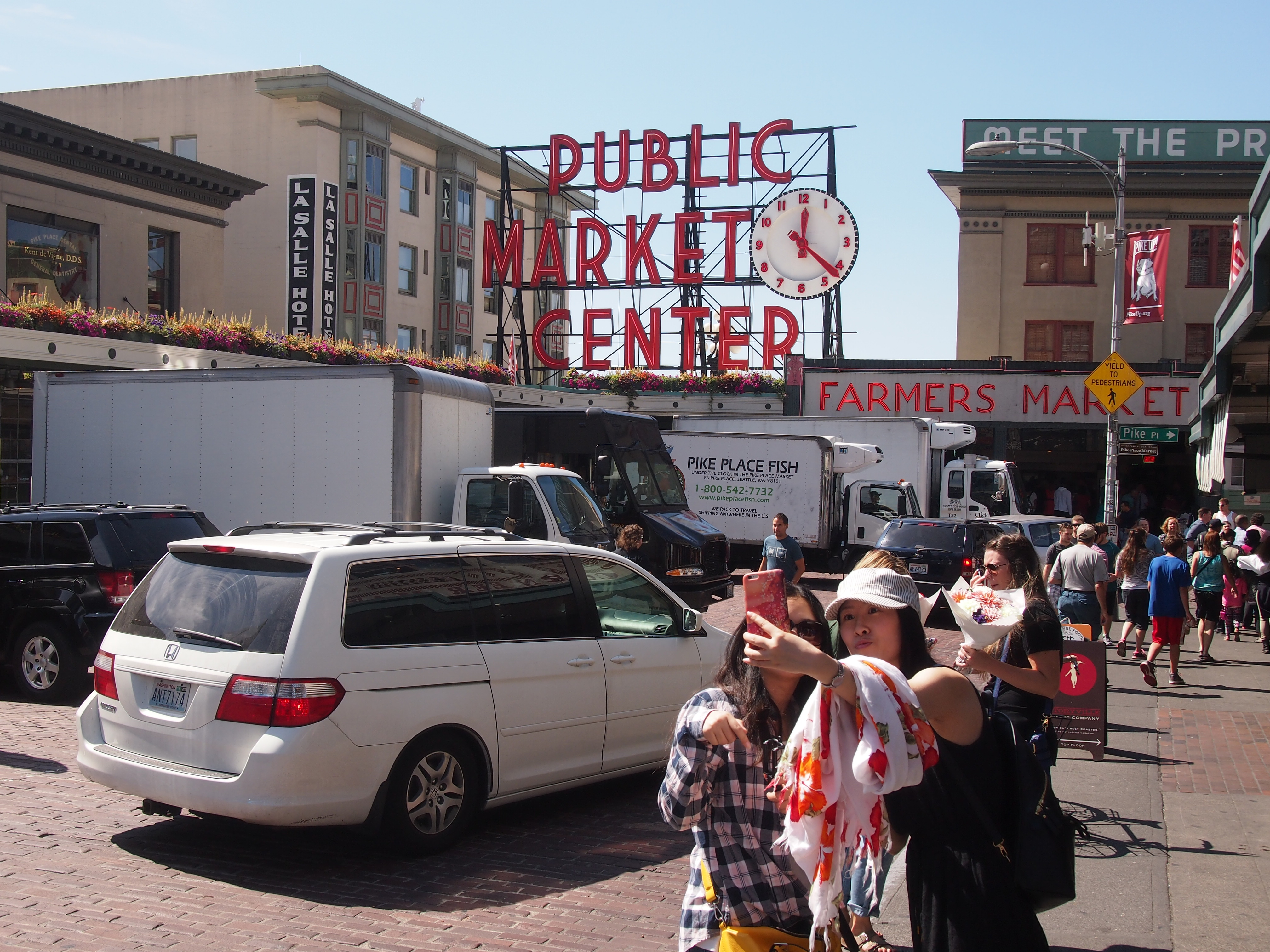
I read somewhere or other that the main sign of the Pike Place Market in Seattle — which actually says Public Market Center — is the most photographed spot in the city. I don’t know how you’d determine such a thing, but I’m sure the sign must be the subject of a lot of pictures. I did my little part to make it a famed Seattle image as I arrived at the market just after noon on August 27.
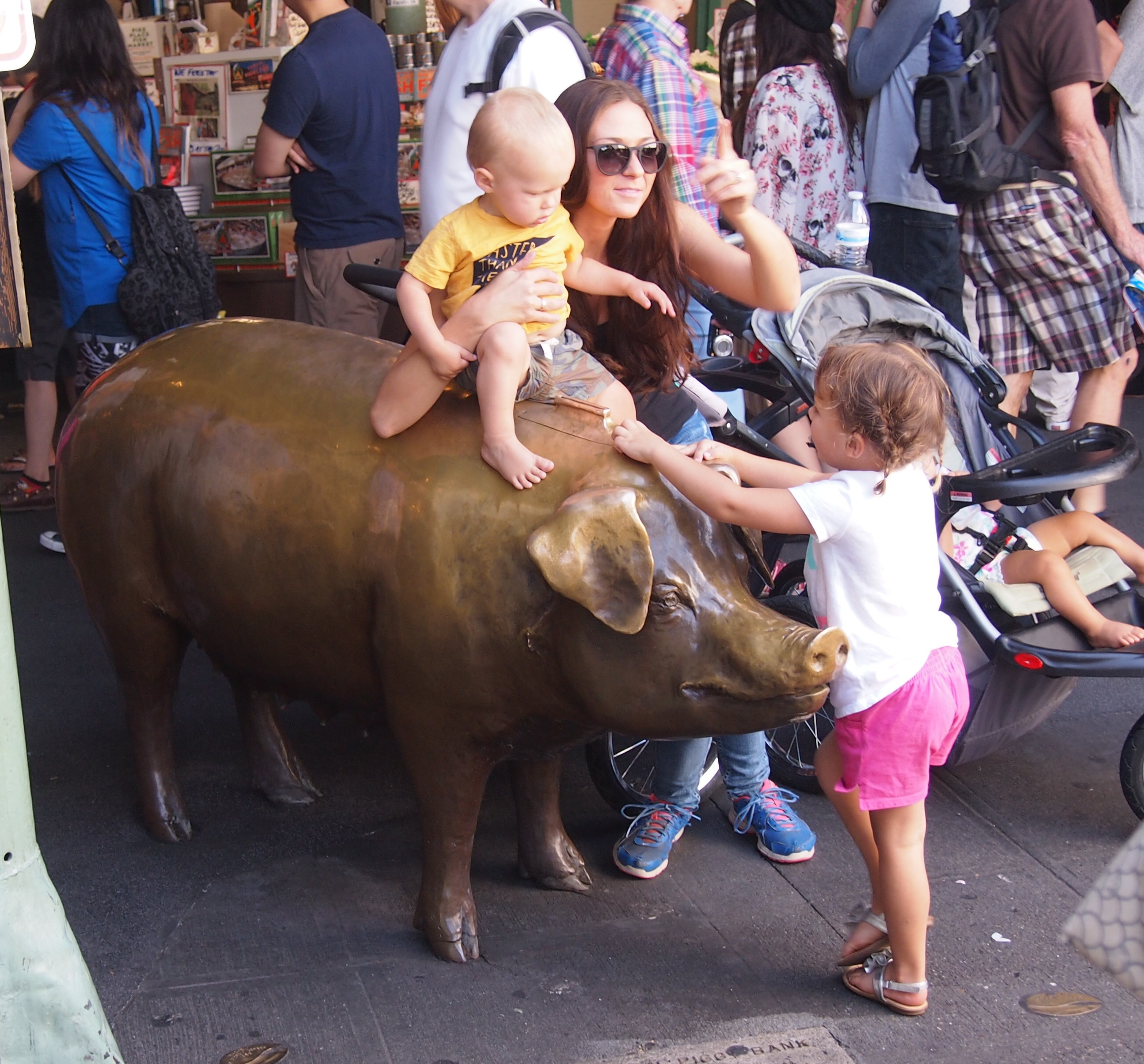
Pike Place MarketThen there’s Rachel the Pig.
Rachel the PigThe market’s web site says: “Rachel arrived at the corner of Pike Place under the iconic ‘Public Market Center’ sign and clock in 1986. She is a bronze cast piggy bank created by Georgia Gerber, a sculptor from Whidbey Island, Washington. Weighing in at 550 pounds (250 kg), Rachel was named after a real 750-pound pig who won the 1985 Island County Fair. Her cousin, Billie the Piggy Bank, arrived in the Market in 2011 and sits on Western Avenue at the bottom of the Hillclimb.

“Rachel was the inspiration behind the ‘Pigs on Parade’ fundraiser throughout downtown Seattle in 2001 and again in 2007 for the Market’s centennial celebration.”

Whatever else it is, the Pike Place Market is popular. This is the Pike Place-level crowd on a Thursday, among the purveyors of flowers and clothes and fish and other things.
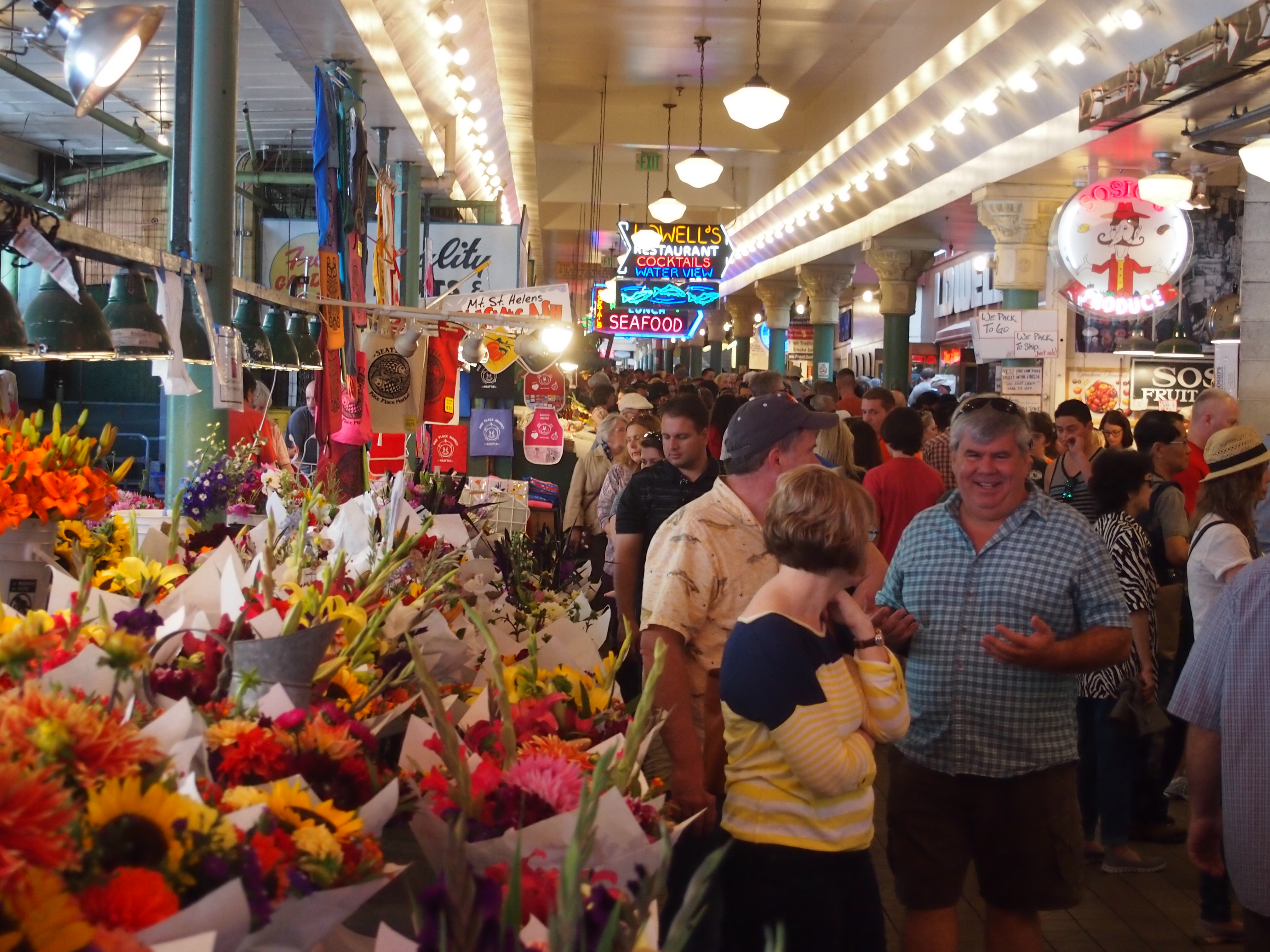
Pike Place Market August 27, 2015The market tells us: “In 1906-1907, the price of produce—onions namely—soared, leaving the farmers none the richer and the citizens angry over the price gouging. The uproar led one local official to try to find a solution. In the summer of 1907, Seattle City Councilman Thomas Revelle proposed the city create a public market place where farmers and consumers could meet directly to sell and buy goods and thereby sidelining the wholesalers.

“On the public market’s first day, August 17, 1907, crowds of shoppers seeking fresh produce and bargains descended upon the new marketplace. The first farmer sold out of produce within minutes. Within a week, 70 wagons were gathering daily to sell along the newly named Pike Place, a wooden roadway that connected First St. to Western Ave.

“Developer Frank Goodwin, who had recently returned with a small fortune from the Klondike Gold Rush, saw an opportunity in the flourishing market and began construction of the permanent arcades that make up the heart of today’s Market. The Market prospered during the 1920s and 1930s, and was home to a lively mix of Japanese and Italian American farmers, struggling artists, political radicals, and eccentrics.”

The market was run down by the 1960s, and true to the spirit of the times, the plan was to tear it down. I shudder to think what would be there now had that happened. Ugly parking garages, maybe. Something that could be anywhere, rather than what it is, something unique to Seattle.

“When the maze of aging buildings was slated for demolition in the 1960s, architect Victor Steinbrueck rallied Seattle to ‘Save the Market,’ ” the market web site continues. “Voters approved a 17-acre historic district on November 2, 1971, and the City of Seattle later established the Pike Place Market Preservation and Development Authority to rehabilitate and manage the Market’s core buildings.”

And so it is in the early 21st century. An expansion’s under way now as well. It’s a major tourist draw, and for all I know Seattleites like it too. The crowds couldn’t all be tourists.

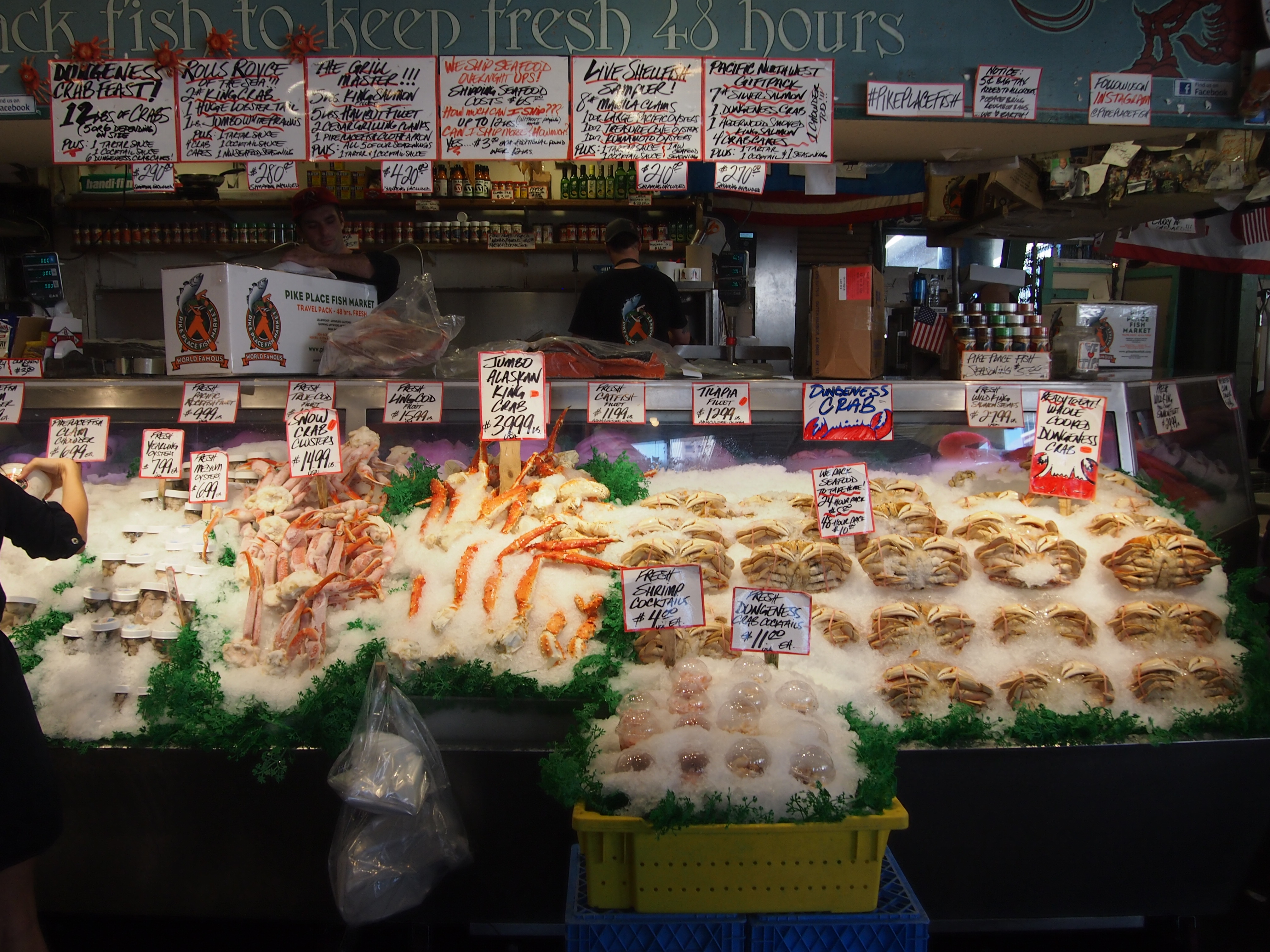
Besides, the seafood looks pretty good.
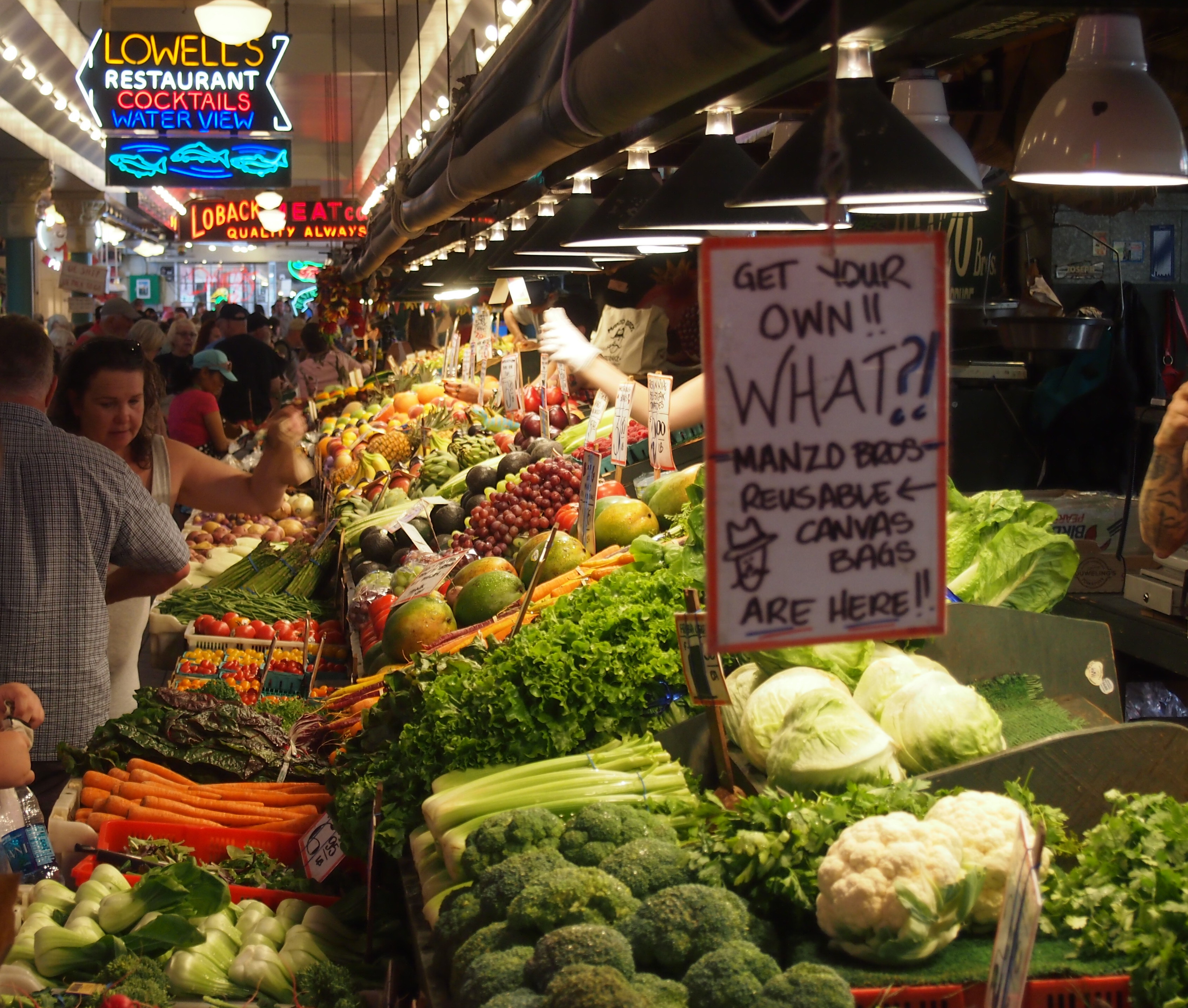
Pike Place MarketSo do the vegetables.
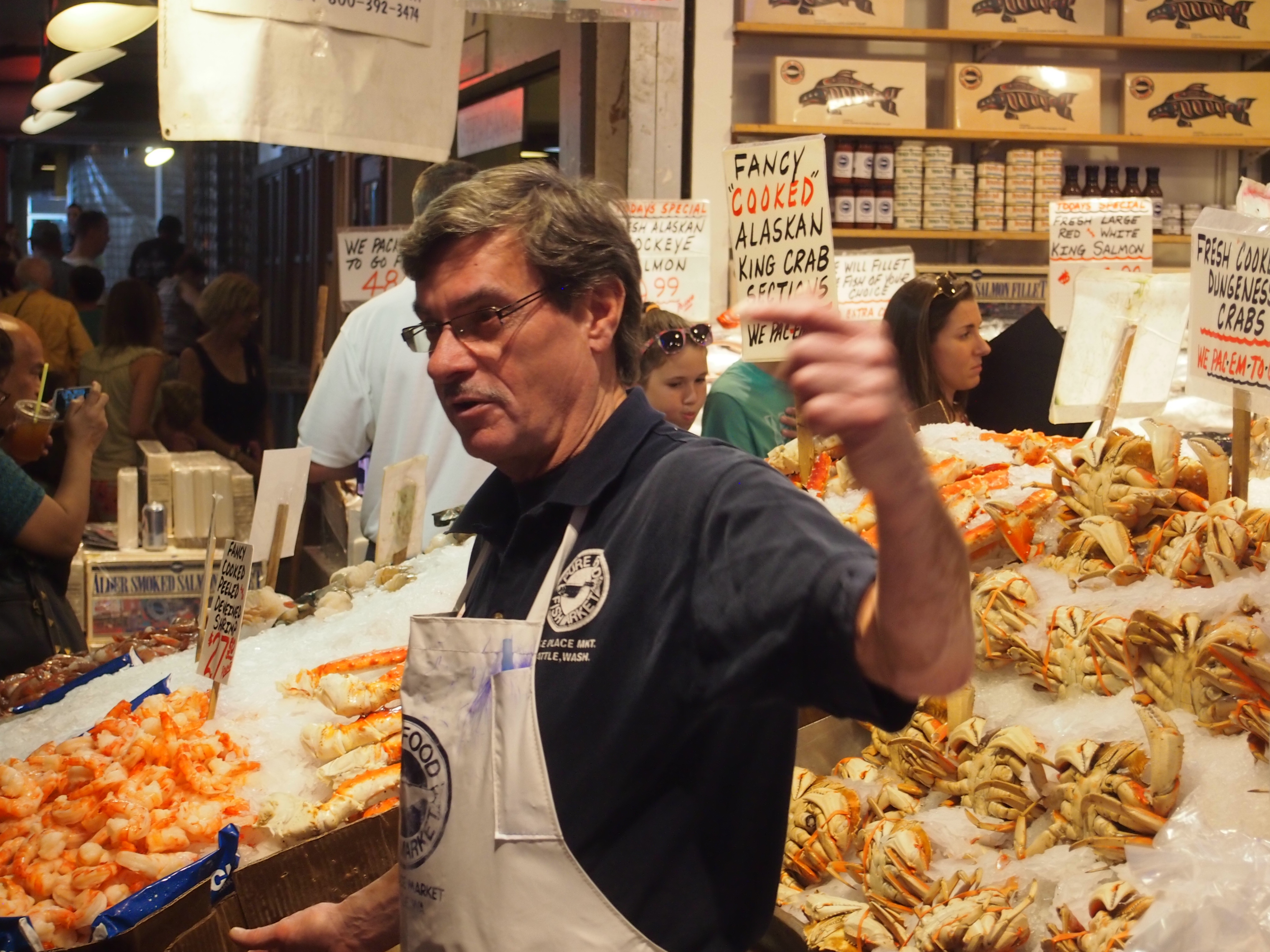
Pike Place MarketThe fishmongers offer expert advice, no doubt.
Pike Place MarketThe market’s built on a slope, so it has a number of levels below Pike Place, accessible by stairs and elevator.
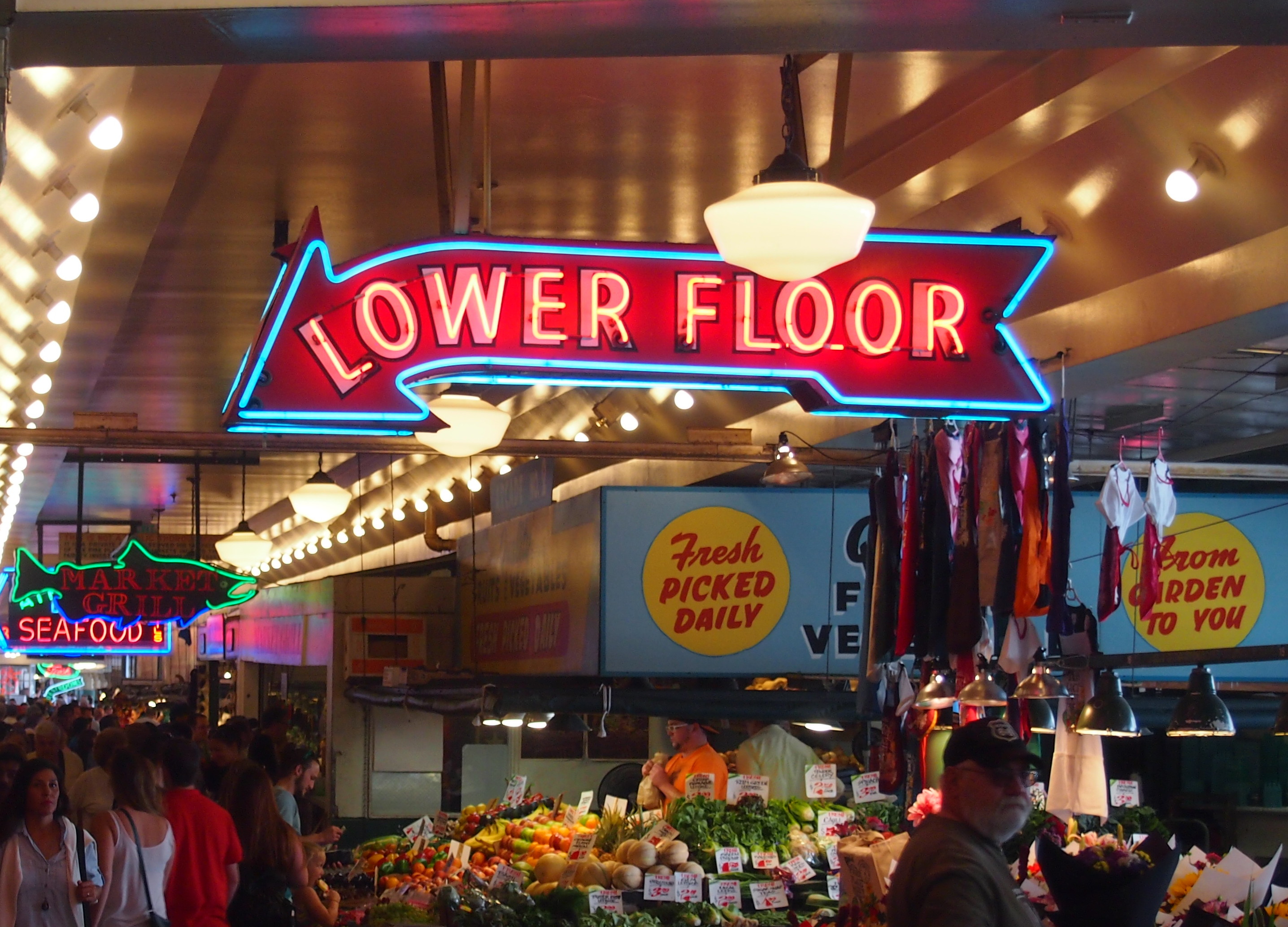
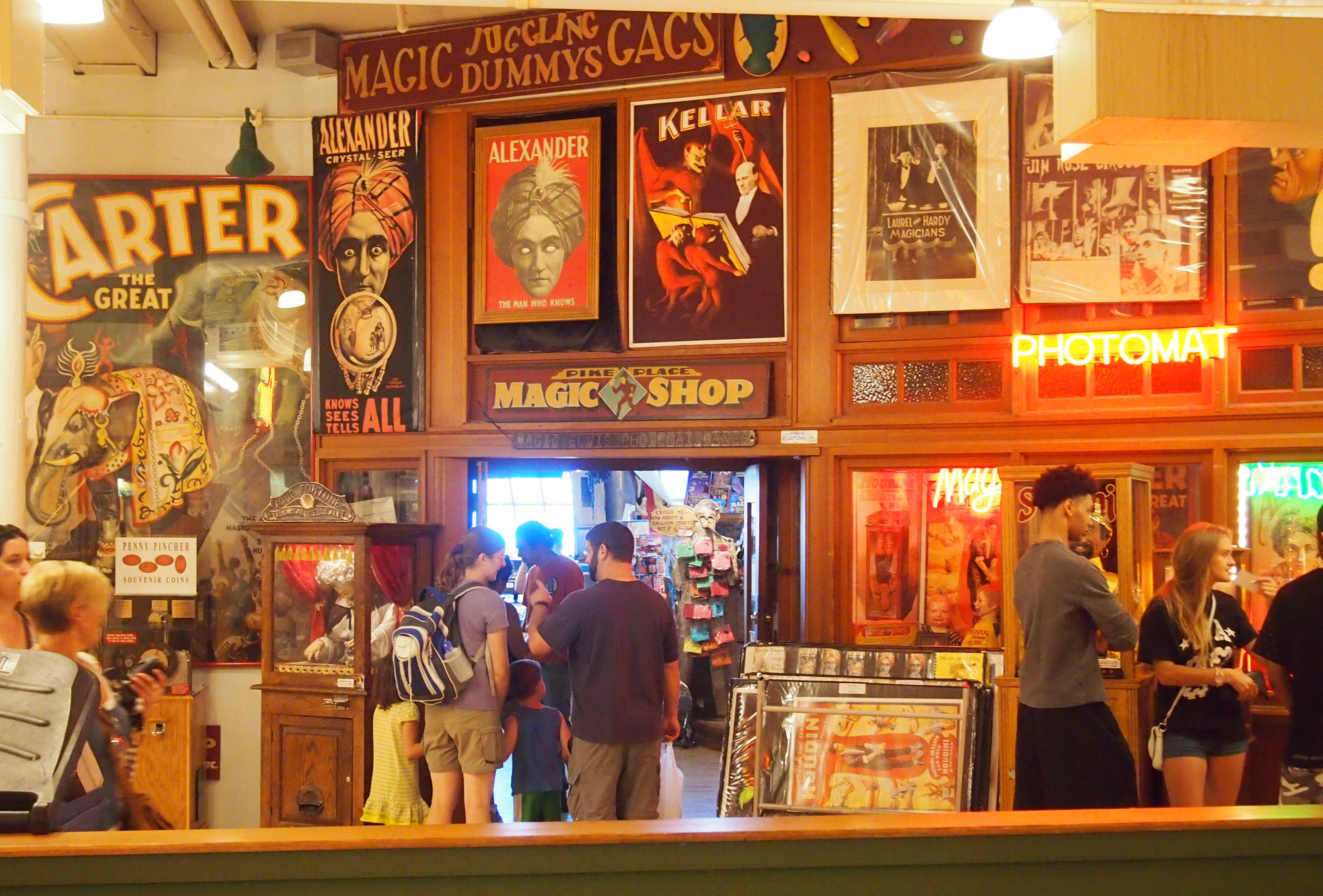
Pike Place MarketThe lower levels are a mix of shops, including sellers of art, books, candy, flowers, gifts, kitchen equipment, imported goods, jewelry, tobacco, and toys, along with some more unusual ones, such the Pike Place Magic Shop.
Pike Place MarketOne place I missed at the market was Metskers, a map store. It has a branch at Seatac Airport, and I chanced across it there just before I left Seattle. I had a few minutes. I could have spent an hour looking at all the fine, fine maps. I bought a Chicago Popout Map — which I can use — and some postcards, just to support the place. The clerk told me the main store was at the Pike Place Market. Argh.
Rich & Lisa 1995

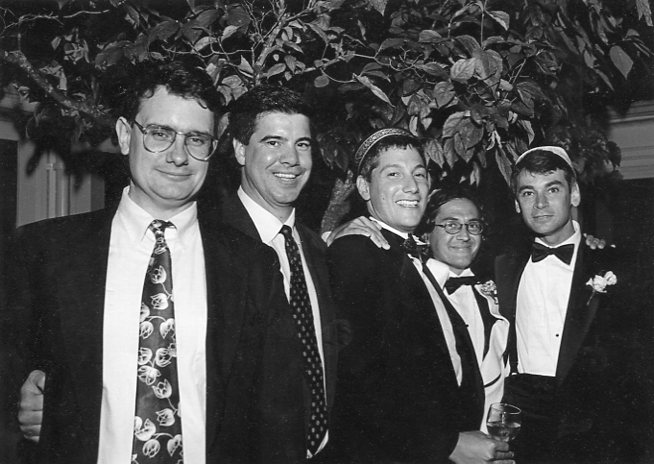
A happy 20th wedding anniversary to Rich and Lisa, married in early September 1995 at a synagogue in suburban Boston, I forget exactly where. But I was there, as shown by this black-and-white image.

DeesNateRichVictorSteve9.2.95Left to right: me, Nate, bridegroom Rich, Victor, and Steve, old friends even then, and considerably older now.

The University of British Columbia Museum of Anthropology

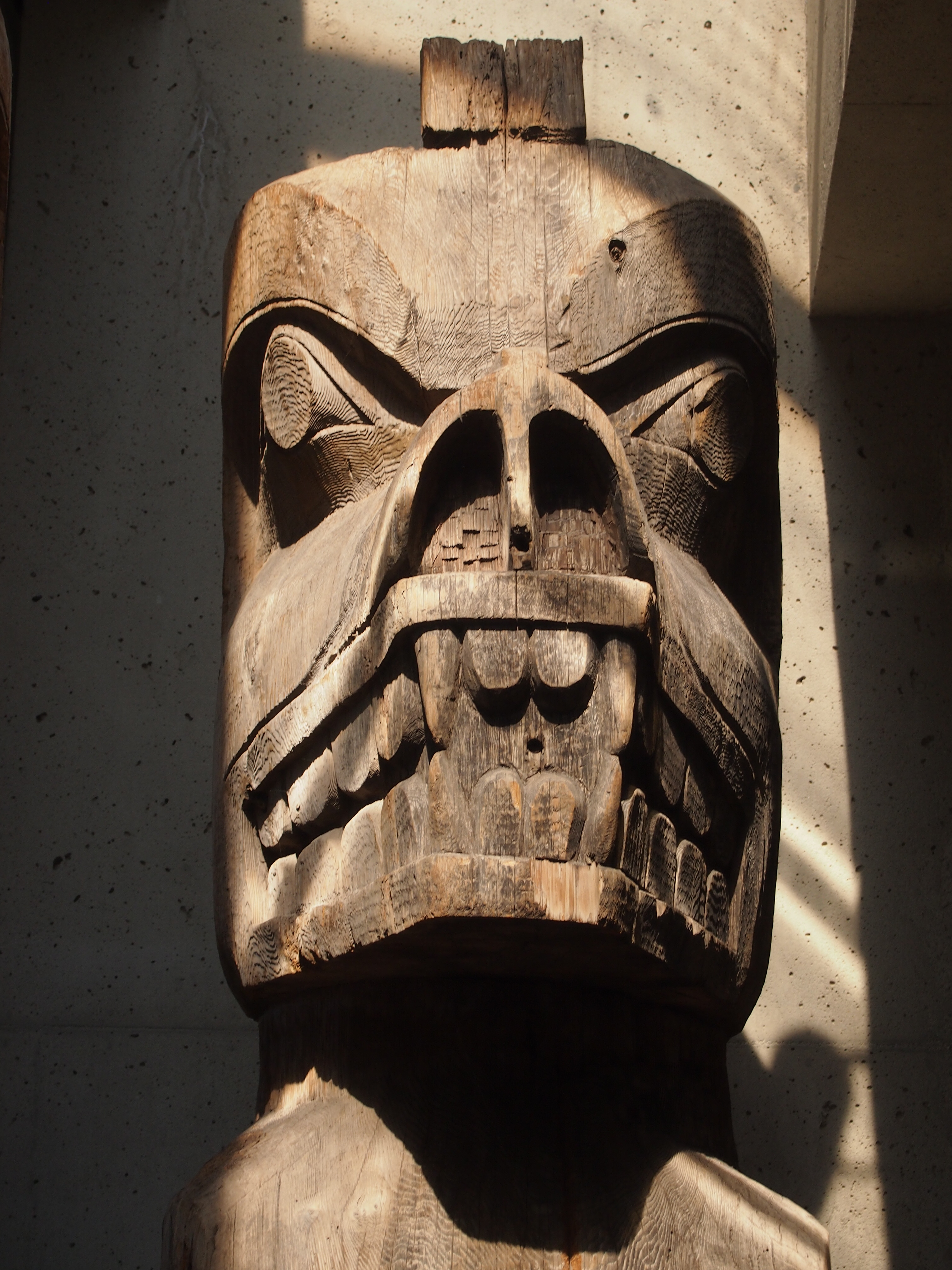
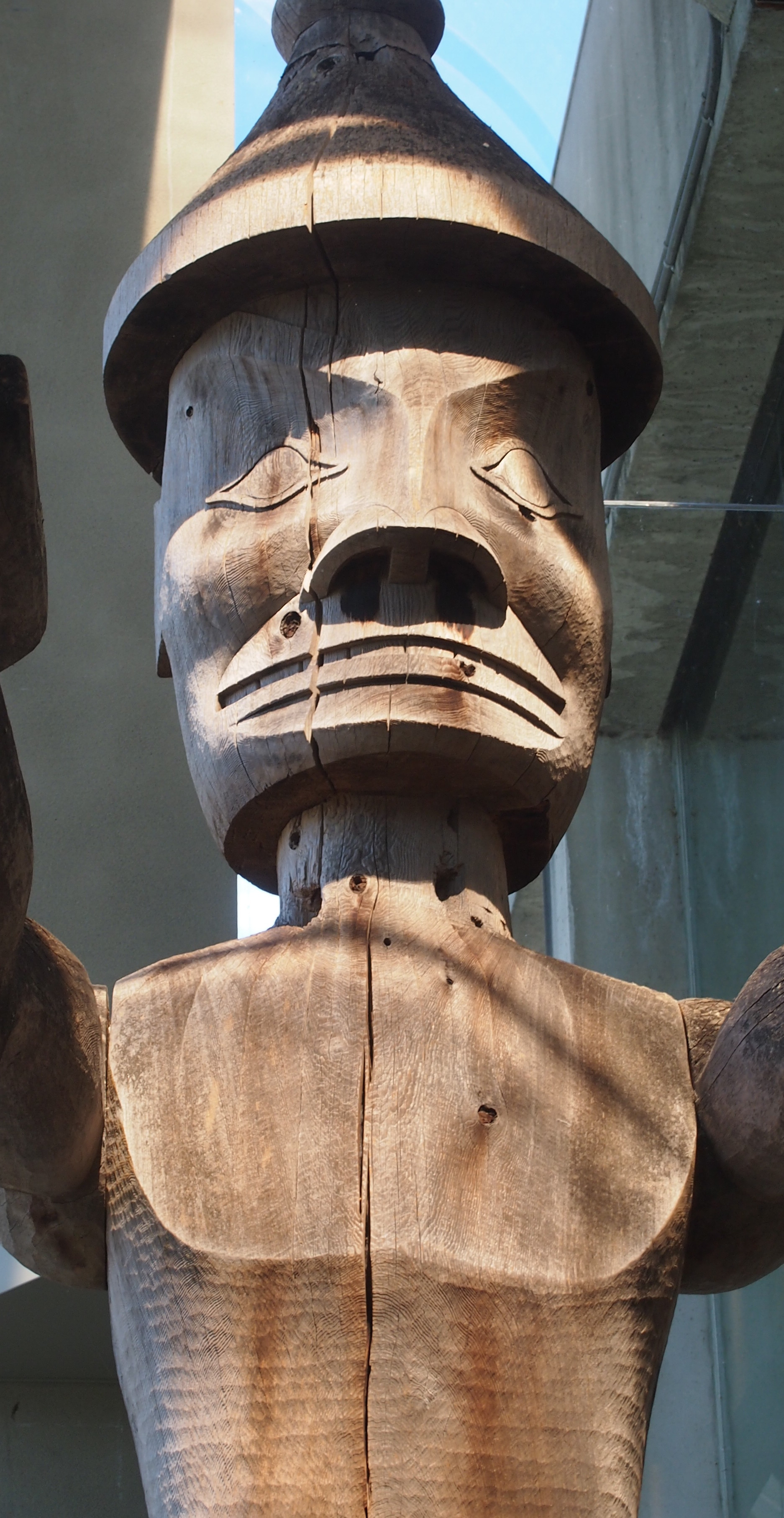
Visit the University of British Columbia Museum of Anthropology, as I did on the afternoon of August 25, and you’ll probably end up in awe of this fellow.Cedar ManIt’s the head and chest of Cedar Man, who stands about two stories tall in the museum’s Great Hall. He has arms and legs, but they were in shadow.

The museum says: “Carved welcome figures on the Northwest Coast have traditionally been raised on village beaches to greet visitors. Joe David carved this one for a different purpose: to protest logging operations on this birthplace of Meares Island, part of the ancestral territories of the Tla-o-qui-aht and Ahousaht peoples of the Nuu-chah-nulth First Nations.”

Meares Island is off the west coast of Vancouver Island in Clayoquot Sound. This was the first I’d heard of it. The protest was in 1984, and eventually the Indians won the day, and the ancient trees on the island still stand. The museum bought Cedar Man from Joe David in 1987.

All together the UBC Museum of Anthropology houses 38,000 ethnographic objects — which I suppose includes artwork like Cedar Man, made in living memory — plus 535,000 archaeological objects. The ethnological collections include over 15,000 objects from Asia, almost 12,000 from North America (including over 7,100 from B.C. First Nations), about 4,300 from South and Central America, 4,000 from the Pacific islands and over 2,300 from Africa.

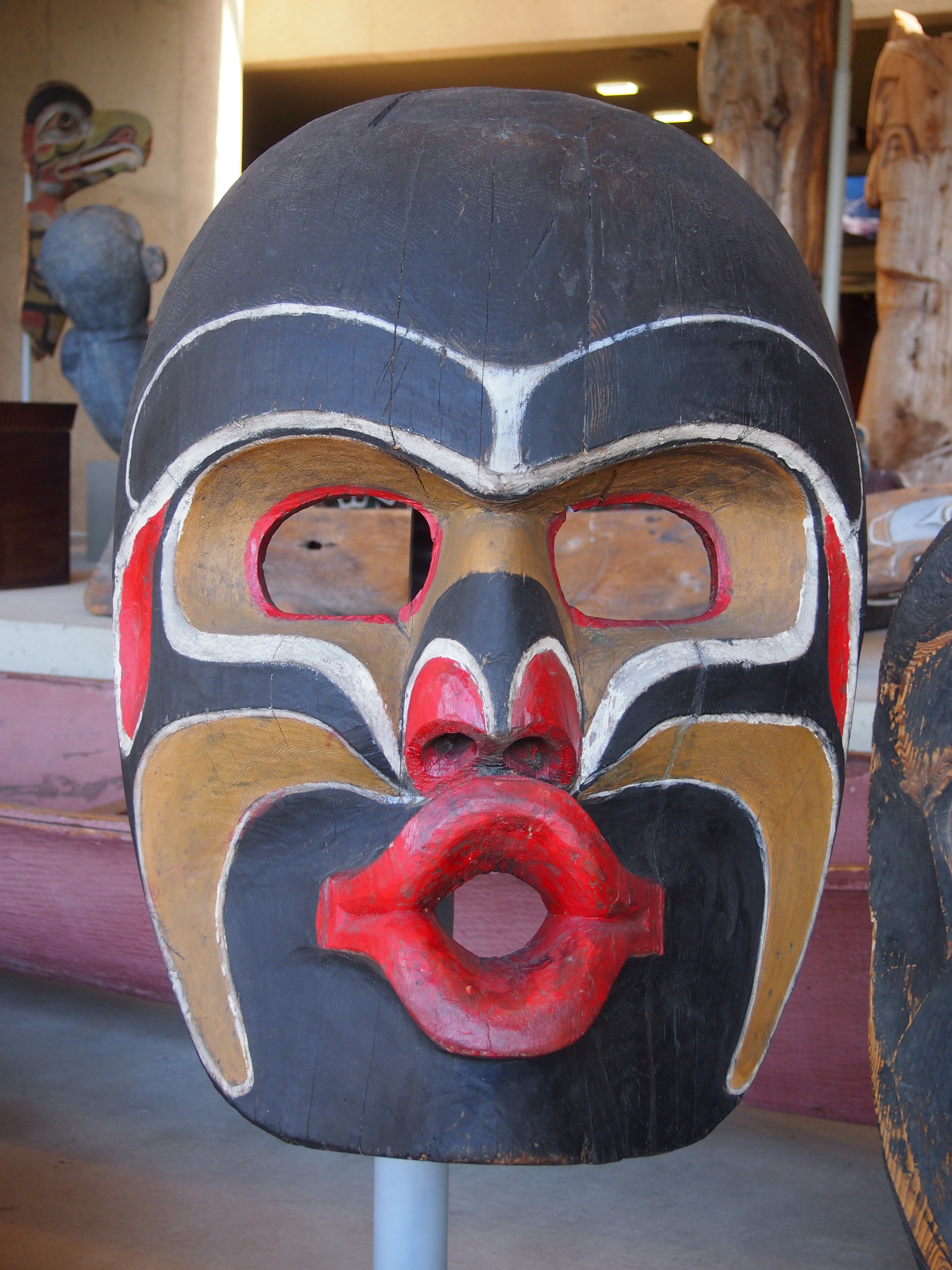
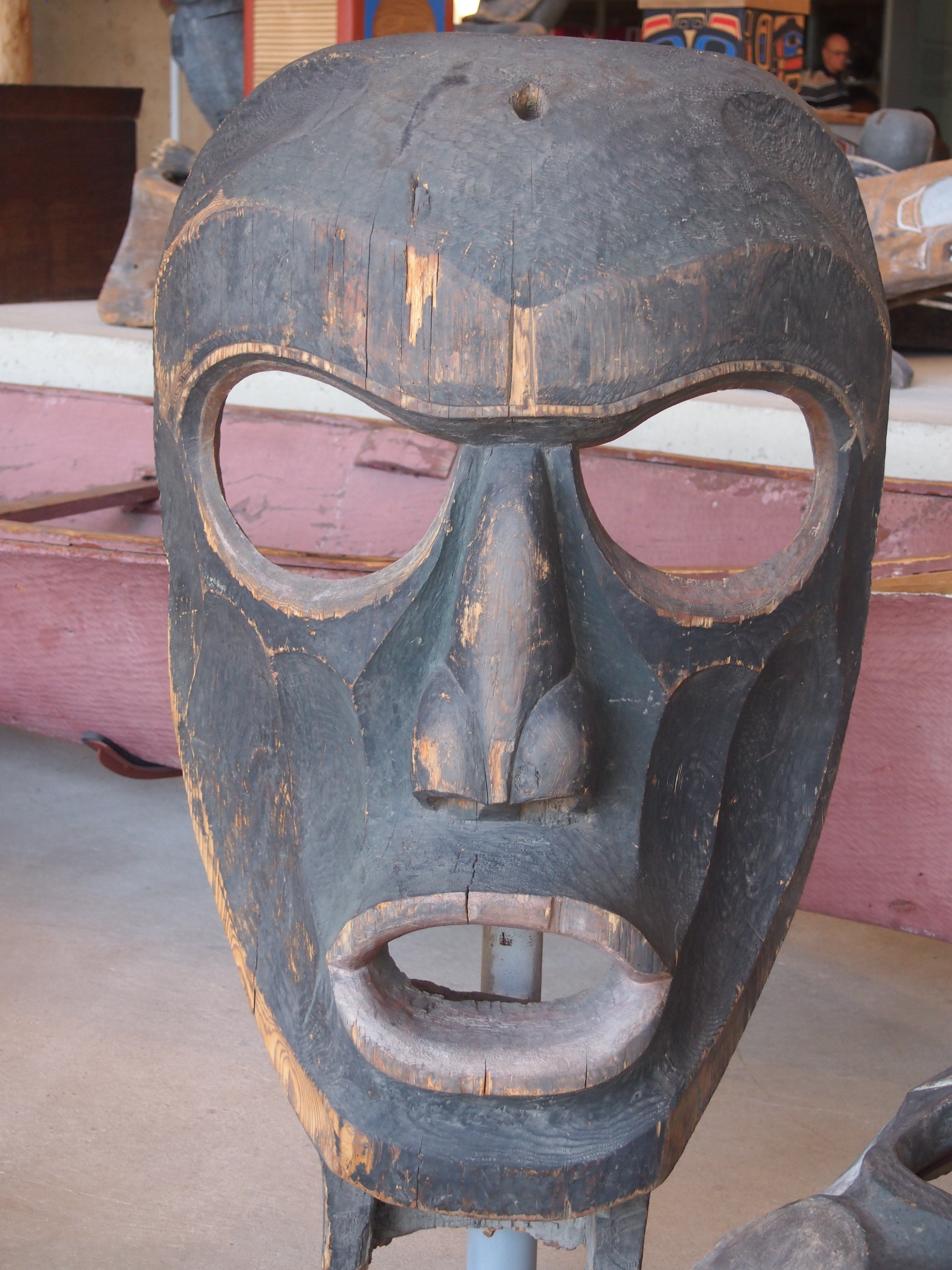
An overwhelming amount of stuff, in other words, and not just from the Pacific Northwest, though that’s a heavy emphasis. The mass of carvings in the Great Hall, which includes an array of other Northwest Coast totem poles, house poles (carved structural elements), masks, and more, is only the beginning.

The face is pretty much universal.

UBCUBCUBCThe museum goes off in a number of directions, branching into various displays. An entire room is devoted to a sculpture called “The Raven and the First Men” by Bill Reid, which used to be on the Canadian $20 bill.

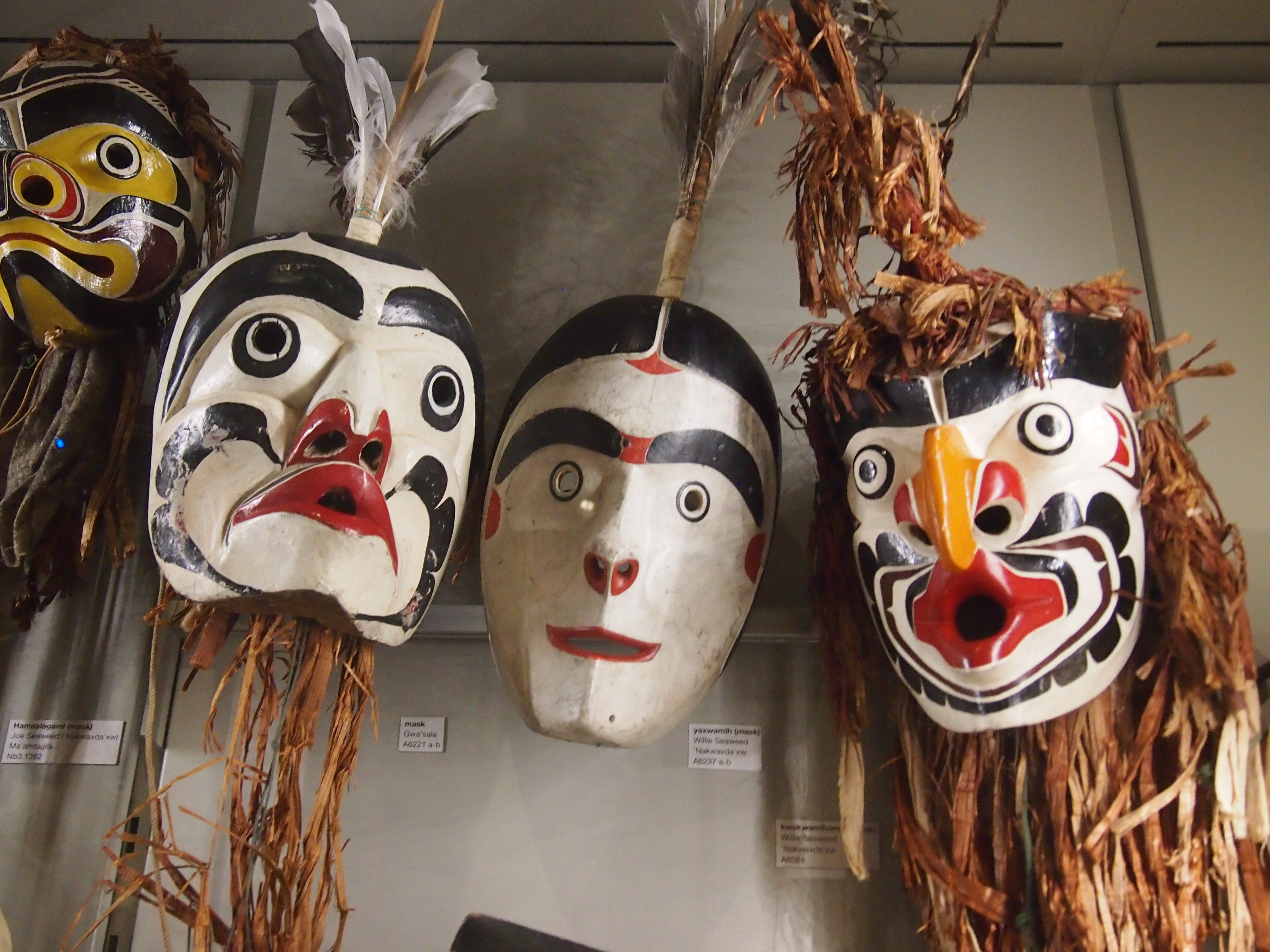
In other galleries, all stuffed to the gills with items from around the world, I encountered the work of Kwakwaka’wakw carver Willie Seaweed (ca. 1873-1967), which the museum calls “one of the great 20th-century artists of the Northwest Coast.” Among other things, he made ritual items for potlatches while they were illegal in Canada (1884-1951).

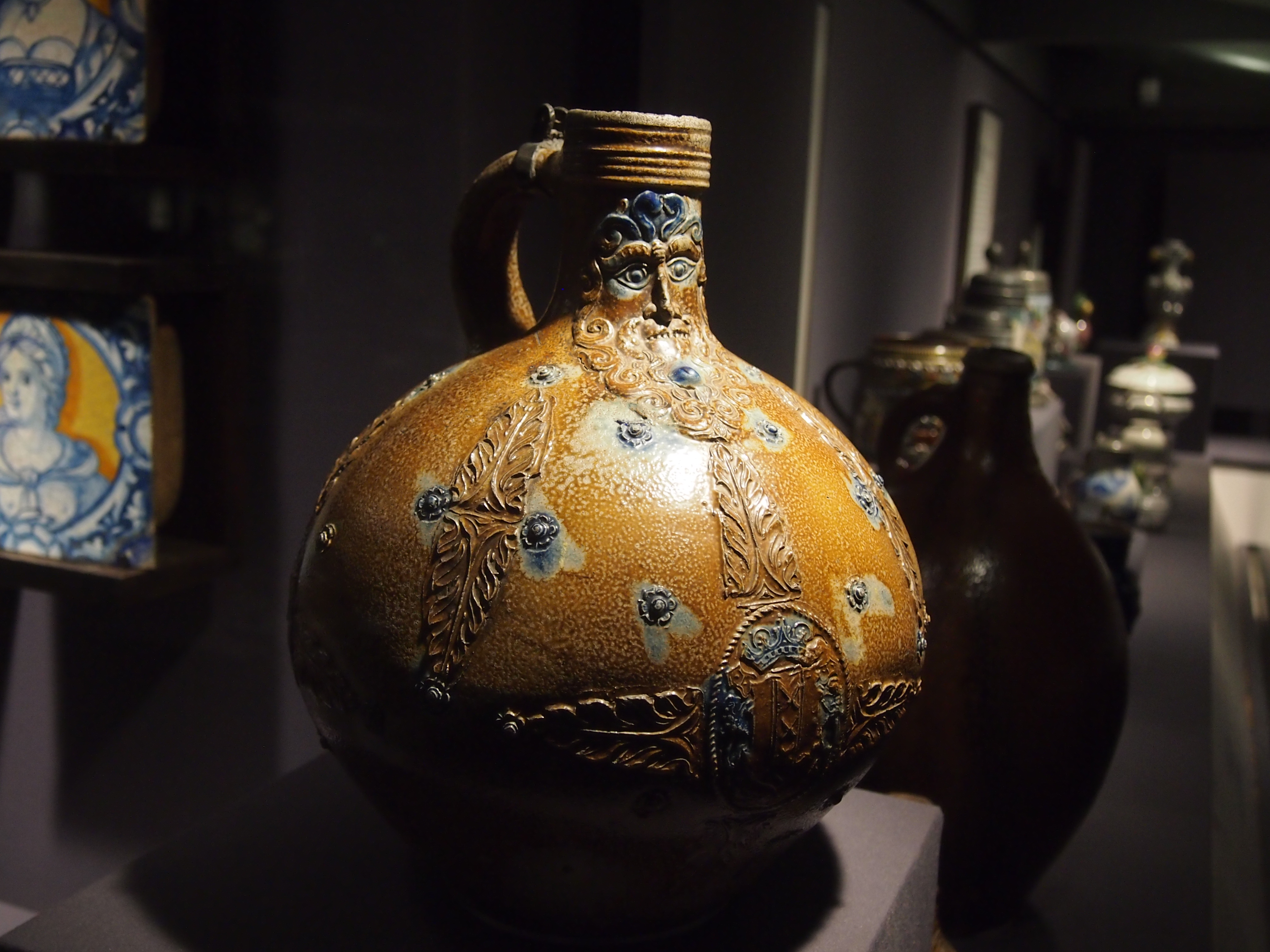
UBCI was surprised to find a room devoted to European ceramics, but there it was in the Koerner Ceramics Gallery. I’m not up on European ceramics, so I’d never heard of the likes of Bellarmine or Bartmann jugs, which have bearded faces at the base of the neck, and seemed to have been the last word in jugs in the 16th and 17th centuries, and mostly made in western Germany.
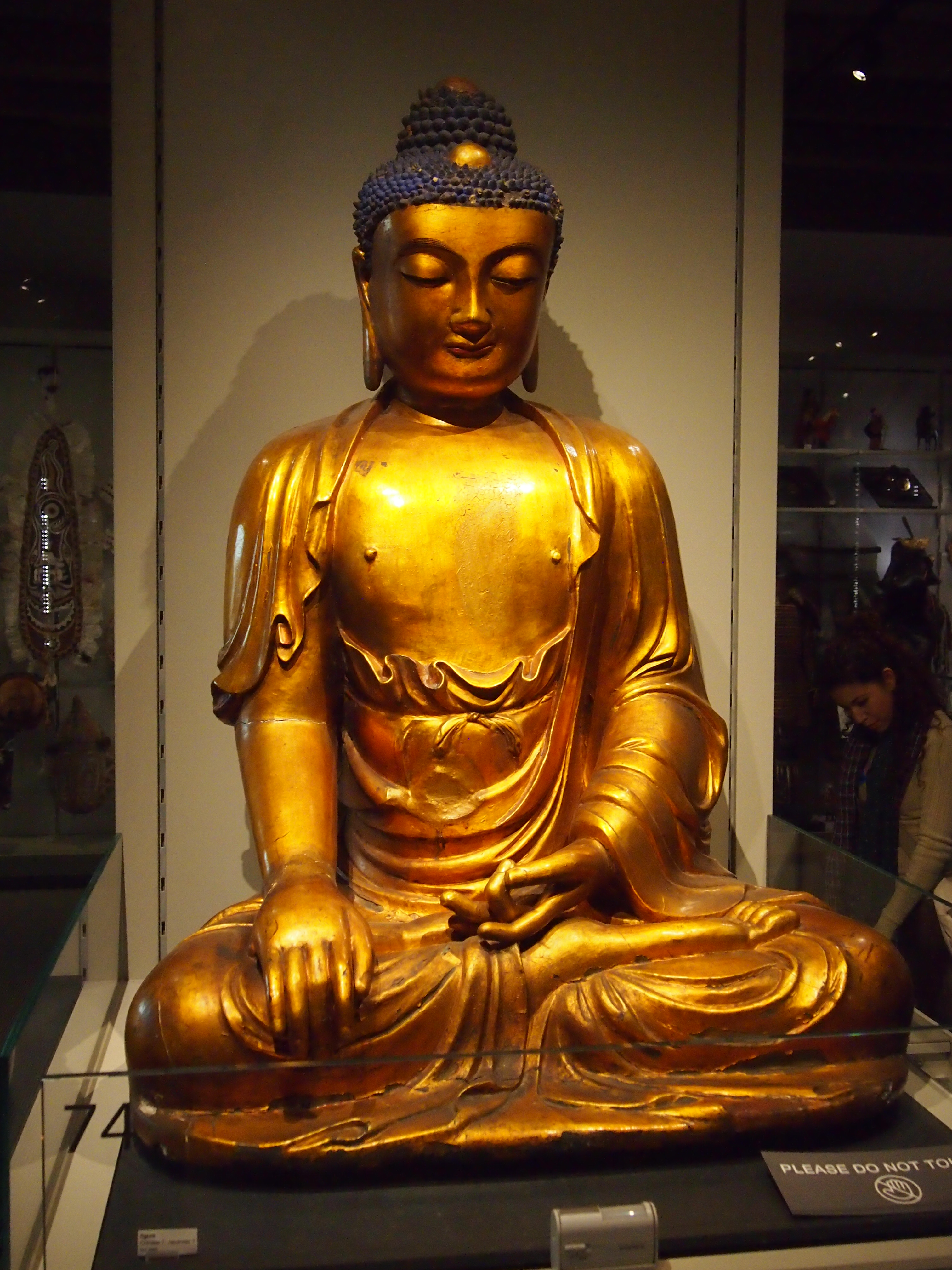
UBCOther galleries sported plenty of other things from around the world. Such as a familiar image of Buddha, though its origin is uncertain (either China or Japan).
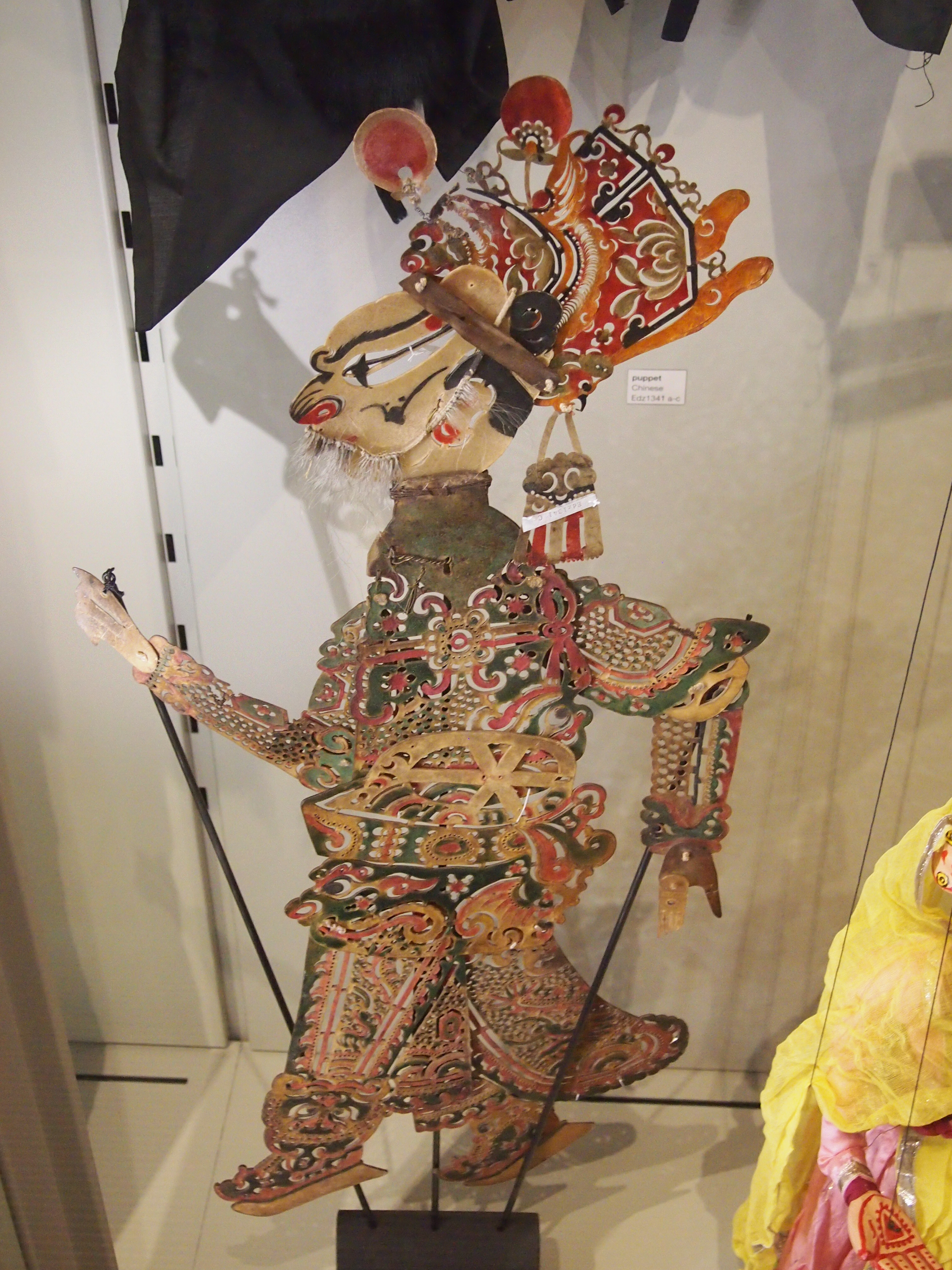
UBCA puppet from China, though it reminded me of the ones from the East Indies.
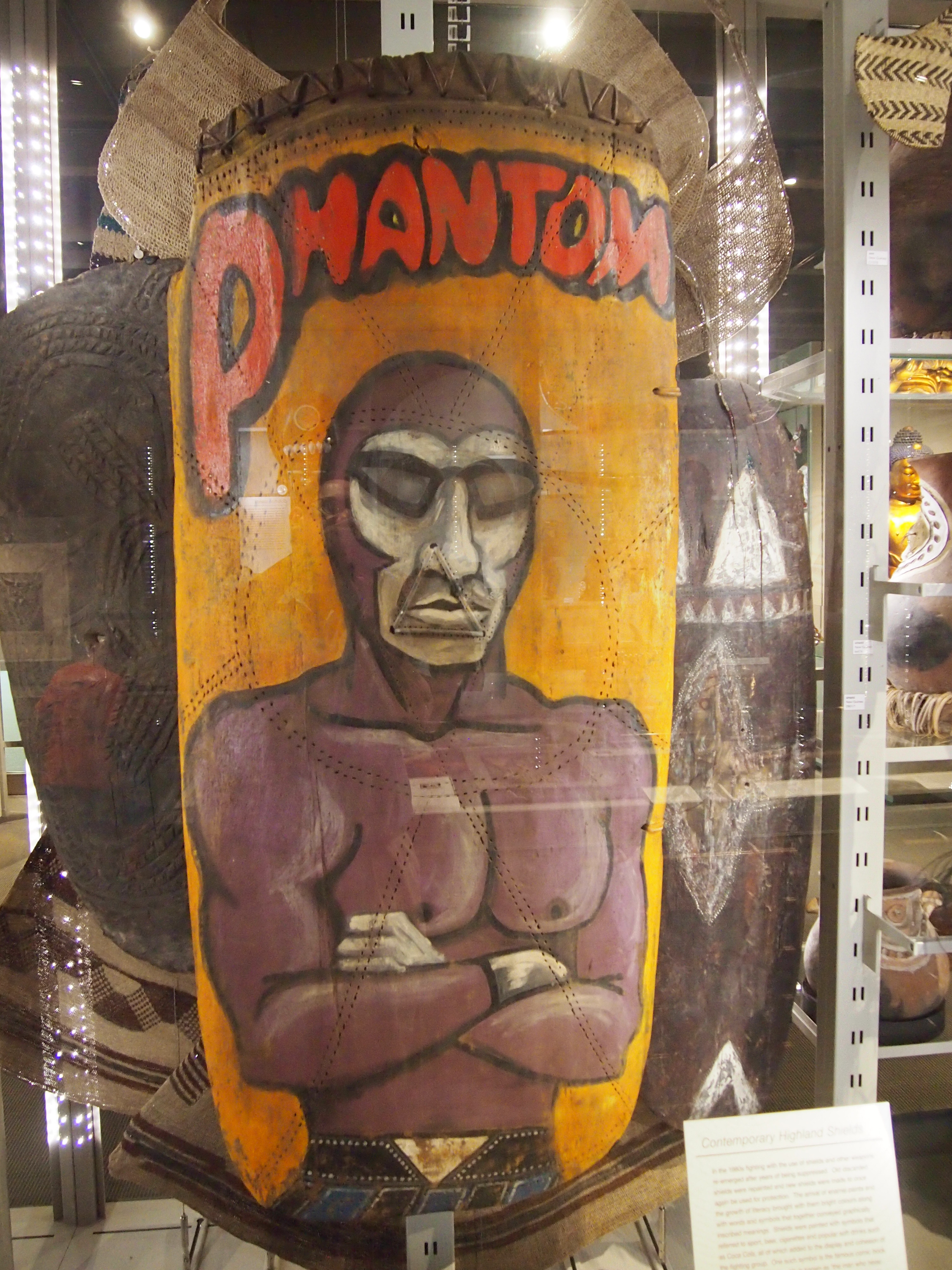
UBCHere’s my own favorite from the UBC, a recent work — the last 30 years or so — from Papua New Guinea, many of whose inhabitants are inordinately fond of The Phantom, who appears on their battle shields like this one.
The Phantom!A great example of cross-cultural WTF. More examples are here.

Peace Arch Park

One thing to think about at Peace Arch Historical State Park in extreme northwestern Washington state is the last time the United States invaded Canada, namely the bungled campaigns of 1812 and ’13. Bungled from the U.S. point of view, that is, though of course there were some successes, such the battles of the Thames and Lake Eire (“We have met the enemy and they are ours.”).

The War of 1812 was the last bit of fighting along the U.S.-Canada border, not counting spats over fishing, so it’s reasonable that a bi-national park on the border commemorates the long peace. Peace Arch Park is that place, 22 acres south of the border (Peace Arch Historical State Park) and nine hectares north of the border (Peace Arch Provincial Park).

I arrived around noon on August 25, driving up from Bellingham, Wash. You take the last U.S. exit on I-5 (or maybe it’s the first exit) and park nearby, just south of the border, and then walk to the Peace Arch, which is slap on the border, meaning it’s also exactly 49 degrees North, as well as in the grass median between the northbound and southbound lanes of the highway (the meeting of I-5 and BC 99). Since traffic stops on each side of the border, crossing the road on foot there isn’t very risky.

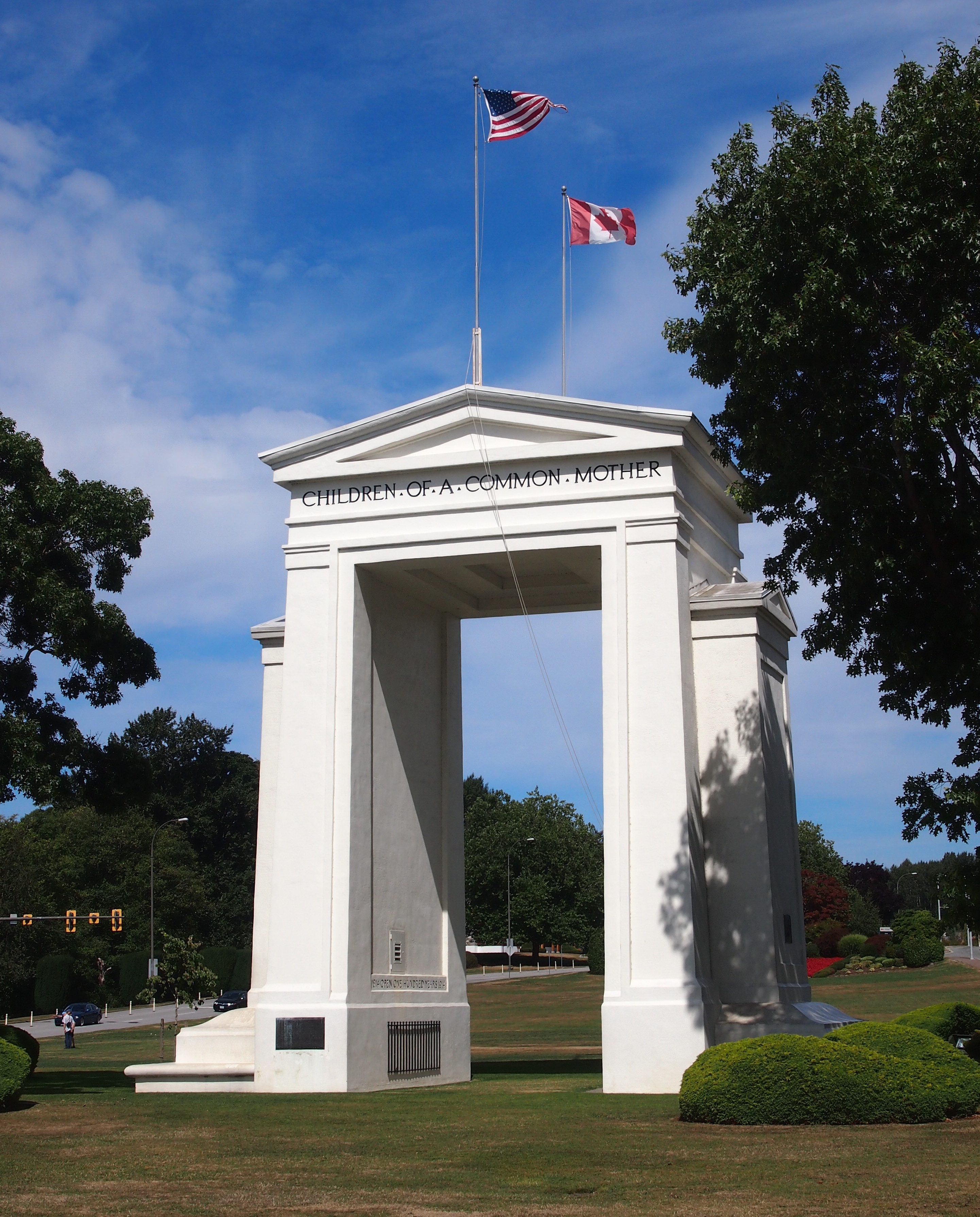
Peace Arch, August 25, 2015On the U.S. side, the Arch is 67 feet tall; on the Canadian side, 20.5 meters. It’s been standing for there for 94 years, built at the behest of Pacific Northwest business tycoon Sam Hill (1857-1931), who also had a replica of Stonehenge built in another part of Washington state, and who was an avid advocate of road improvement. (“Good roads are more than my hobby; they are my religion.”) Presumably Hill would have been happy that a major road linking the two nations passes around the Arch.

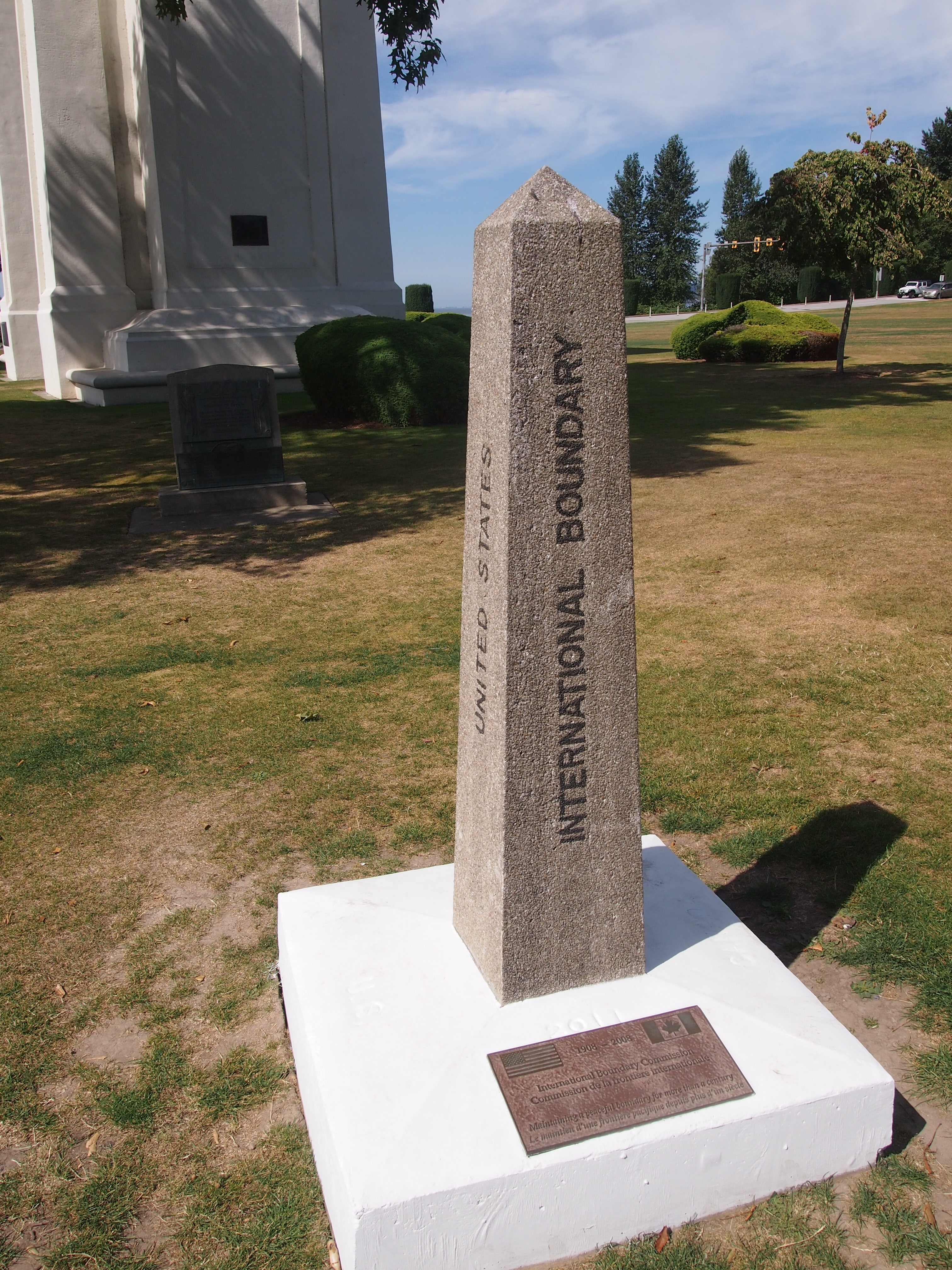
The border’s also marked by a number of concrete posts.
US-Canada borderThe International Boundary Commission (Commission de la frontiere internationale) put the plaque at the bottom of the post on the occasion of its centennial in 2008. I figure most Americans, and most Canadians, have never heard of the commission. I barely remember reading about it some years ago in the context of the Alaska-Yukon border.

According to the commission’s web site, “Officially, the Commission’s work is described as maintaining the [U.S.-Canada] boundary in an effective state of demarcation. This is done by inspecting it regularly; repairing, relocating or rebuilding damaged monuments or buoys; keeping the vista cleared, and erecting new boundary markers at such locations as new road crossings.”

My italics. This is the body that’s responsible for clear-cutting the border between Alaska and Yukon — a 20-foot (six-meter) swath all the way along the 141st meridian. Since I read about that some years ago, I’ve since pondered the usefulness of doing such a thing. The commission asserts that “the boundary vista must be entirely free of obstruction and plainly marked for the proper enforcement of customs, immigration, fishing and other laws of the two nations.” I’m not quite persuaded, but anyway, more about the line is here.

The border posts have four sides: UNITED STATES on the south face (visible in my picture), CANADA on the north face, and INTERNATIONAL BOUNDARY and TREATY 1925 on the other two. I wondered about that. The commission references it too.

The treaty’s formal name is: “Treaty Between the United States of America and His Britannic Majesty, in Respect of the Dominion of Canada, to Define More Accurately at Certain Points and to Complete the International Boundary Between the United States and Canada and to Maintain the Demarcation of that Boundary, Signed at Washington, February 24, 1925.”

I made a point of crossing and recrossing the border a number of times near the posts. Now I can accurately say I’ve been to Canada more than a dozen times, including the six regular check-your-passport visits, plus the half-dozen (maybe more) crossings at the Peace Arch.

Lan Su Chinese Garden

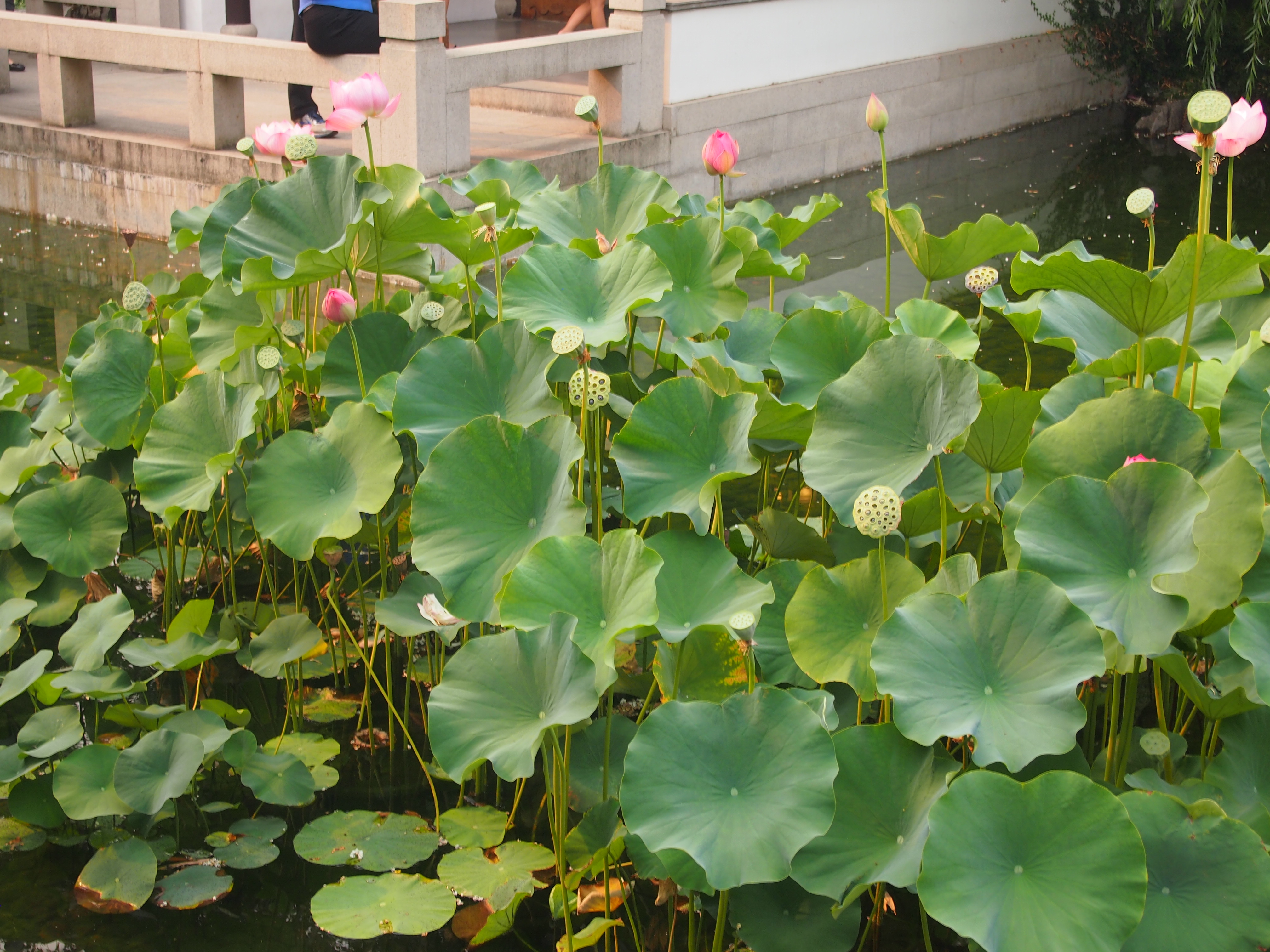
At the Lan Su Chinese Garden in Portland, I wondered: How true to the original connotations are the inevitably flowery translations of some Chinese phrases into English? Put into English, various parts of the garden come out as “Tower of Cosmic Reflections,” ‘Flowers Bathing in Spring Rain,” and “Knowing the Fish Pavilion.”

I’ll never have an answer to that. Maybe that’s because the “original connotations” would cover a wide range of meaning, even among native speakers of whatever Chinese dialect is represented. Never mind. Lan Su’s a beautiful place.

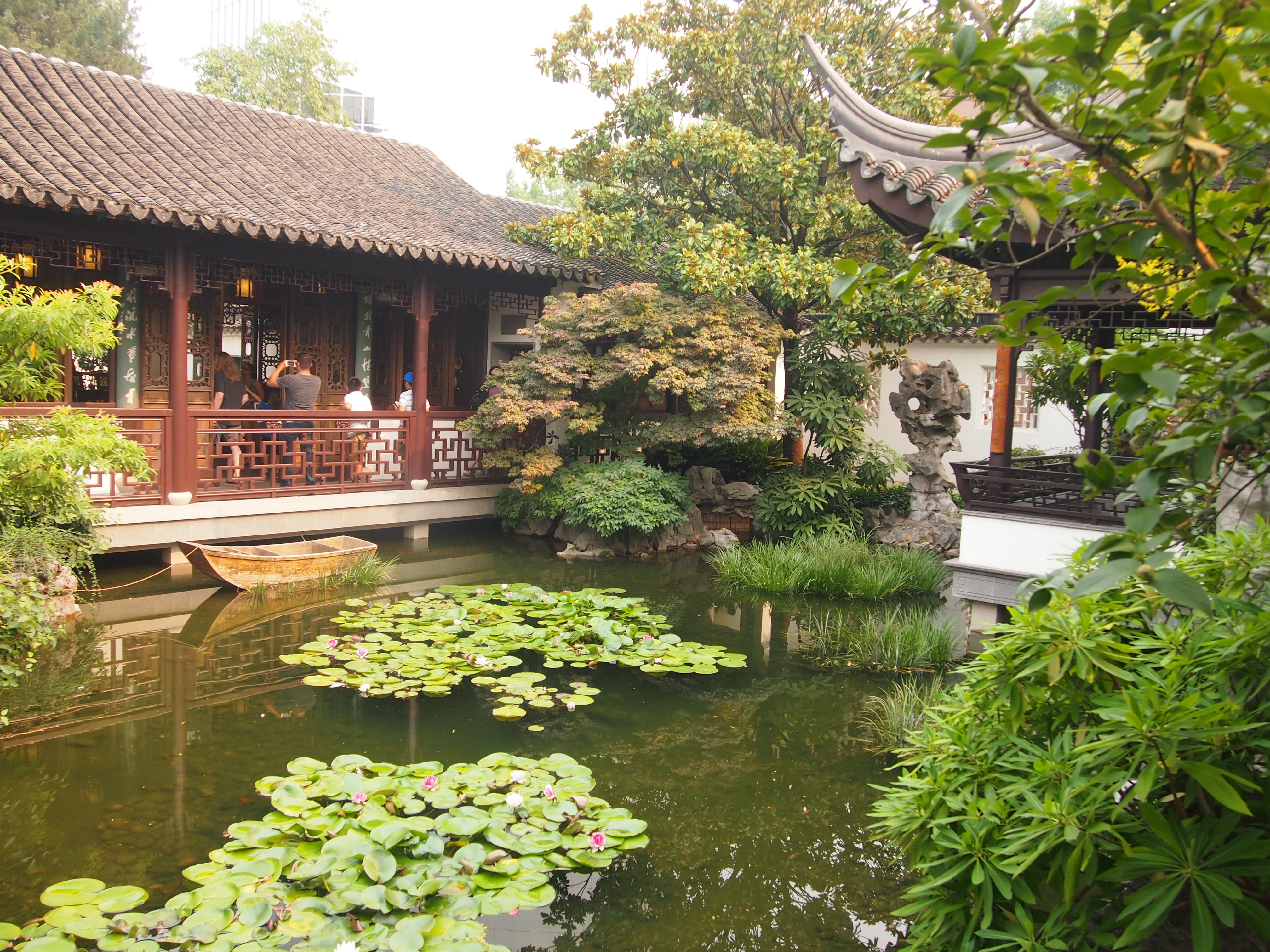
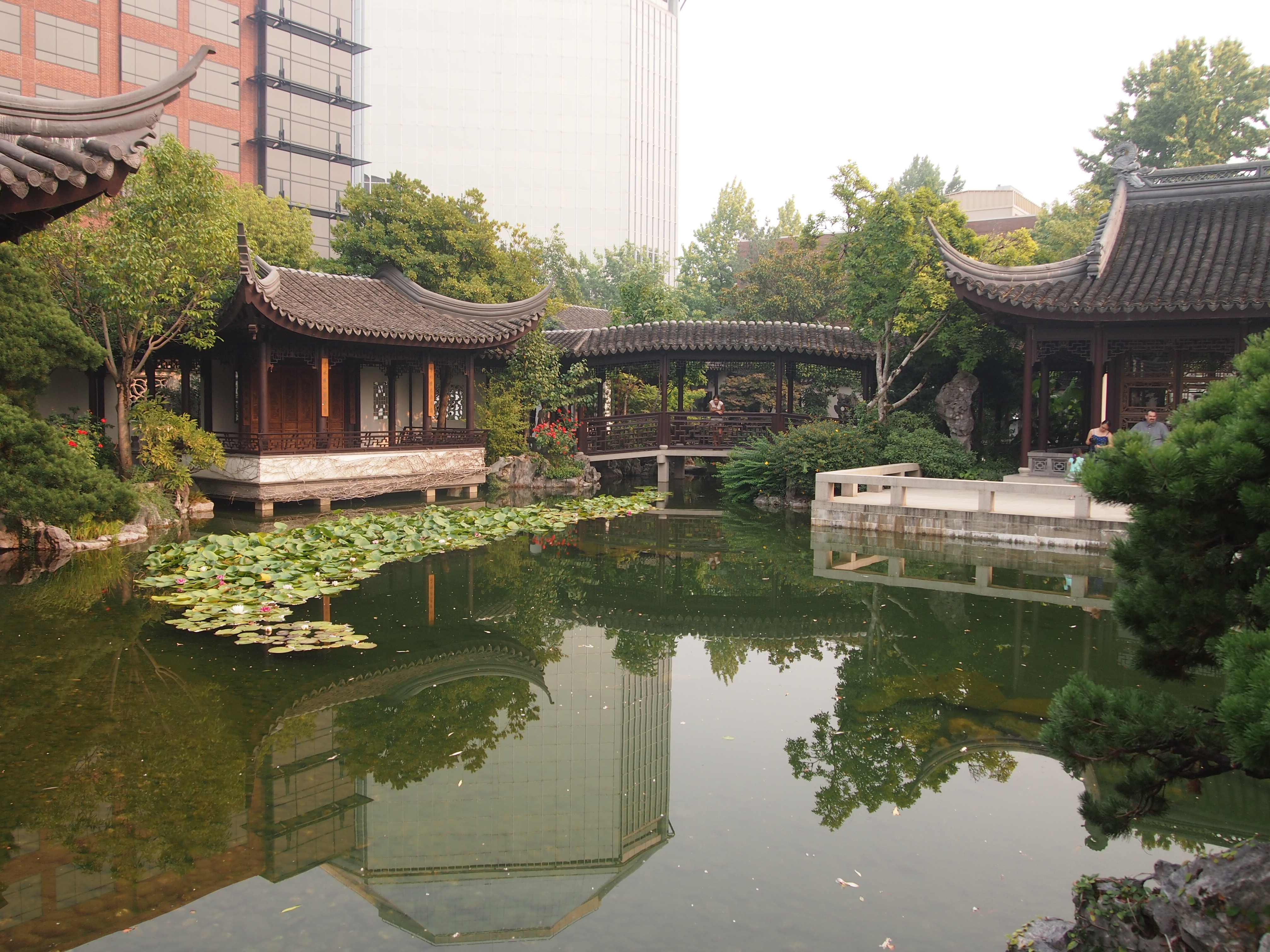
Lan Su Chinese Garden, Aug 2015According to the garden’s web site, it’s “a result of a collaboration between the cities of Portland and Suzhou, our sister city in China’s Jiangsu province that’s famous for its beautiful Ming Dynasty gardens. Lan Su was built by Chinese artisans from our [sic] Suzhou and is the most authentic Chinese garden outside of China.”

Quite a claim. But I was intrigued that the garden was patterned after ones in Suzhou. I’ve seen some of those gardens. Now I’ve seen this one.

Lan SuLan SuThe web site again: “The garden’s name represents this relationship: sounds from both Portland and Suzhou are combined to form Lan Su. Lan (蘭) is also the Chinese word for Orchid and Su (蘇) is the word for Arise or Awaken, so the garden’s name can also be interpreted poetically as ‘Garden of Awakening Orchids.’ (蘭蘇園).” More of that flowery translation again. In this case, literally flowery.

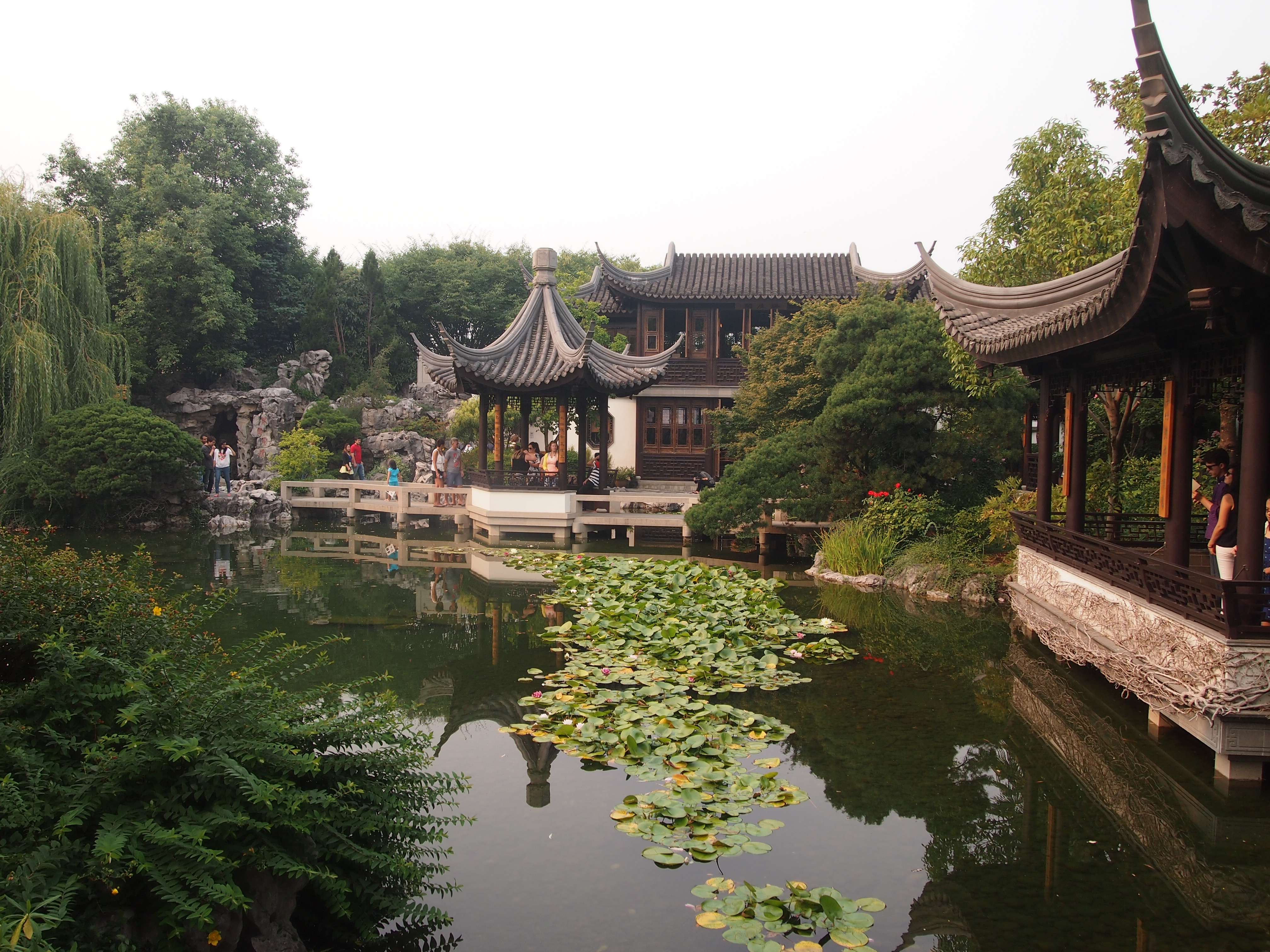
Lan SuLan SuSomething about the place brings out the flowery, even in English. From Travel Portland: “Since the garden’s opening in 2000, its covered walkways, bridges, open colonnades, pavilions and richly planted landscape framing the man-made Zither Lake have created an urban oasis of tranquil beauty and harmony. It’s an inspiring, serene setting for meditation, quiet thought and tea served at The Tao of Tea in the Tower of Cosmic Reflections, as well as public tours of the grounds led by expert horticulturalists.”

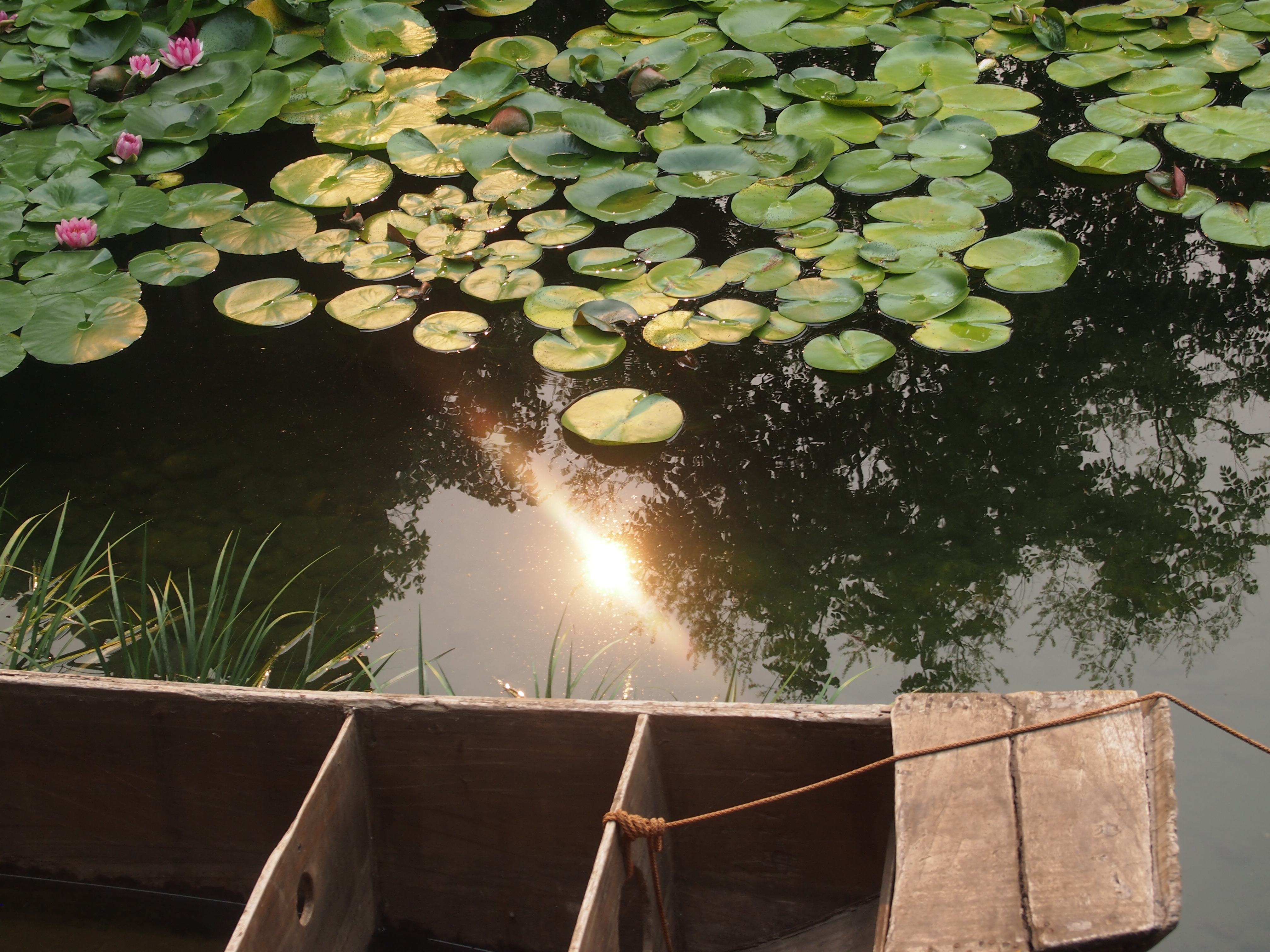
Zither Lake? After the class of stringed instruments? Anyway, this is it, complete with the reflections of surrounding buildings. Lan Su takes up a city block, but it is still only one block among other city blocks.
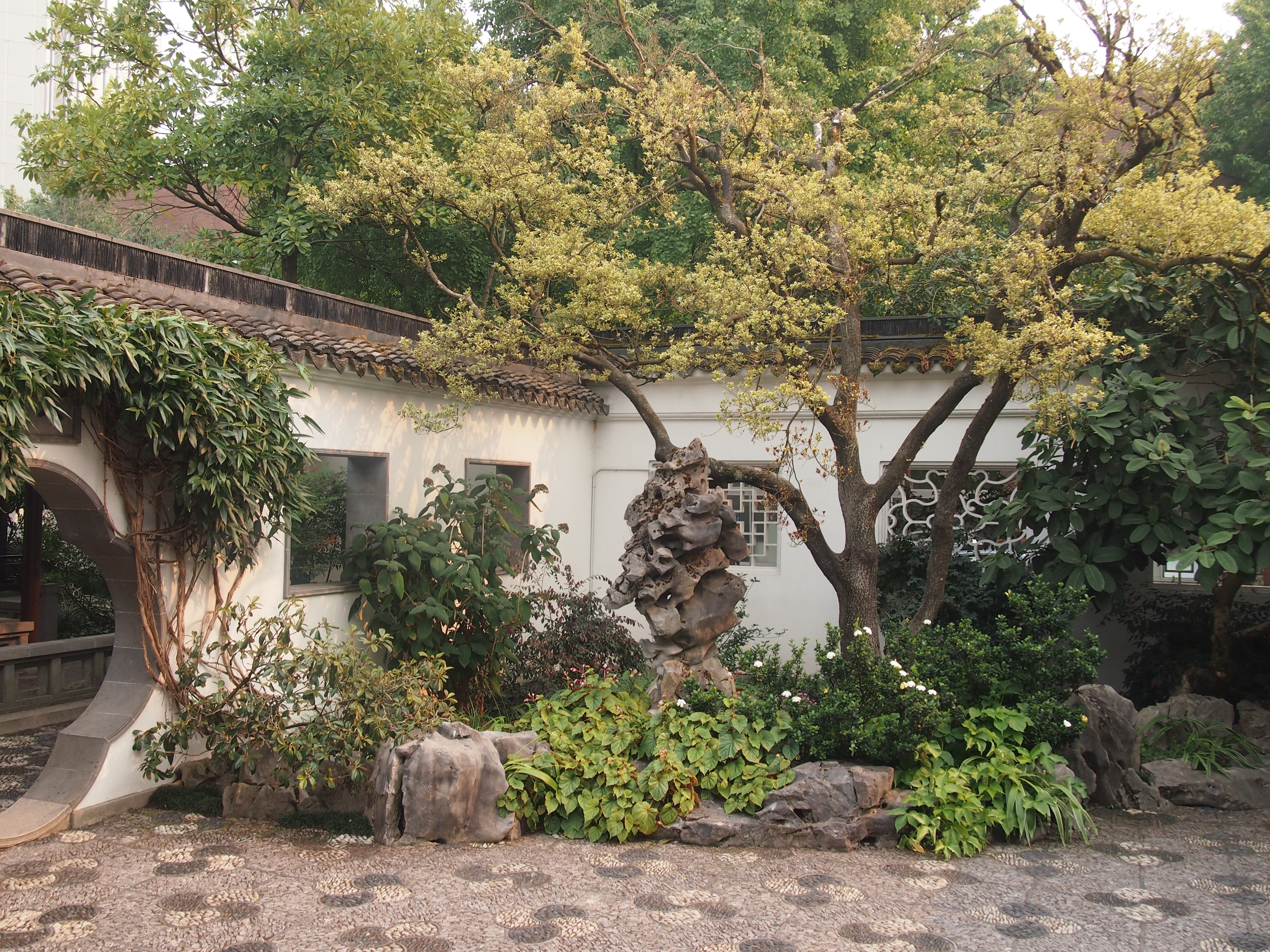
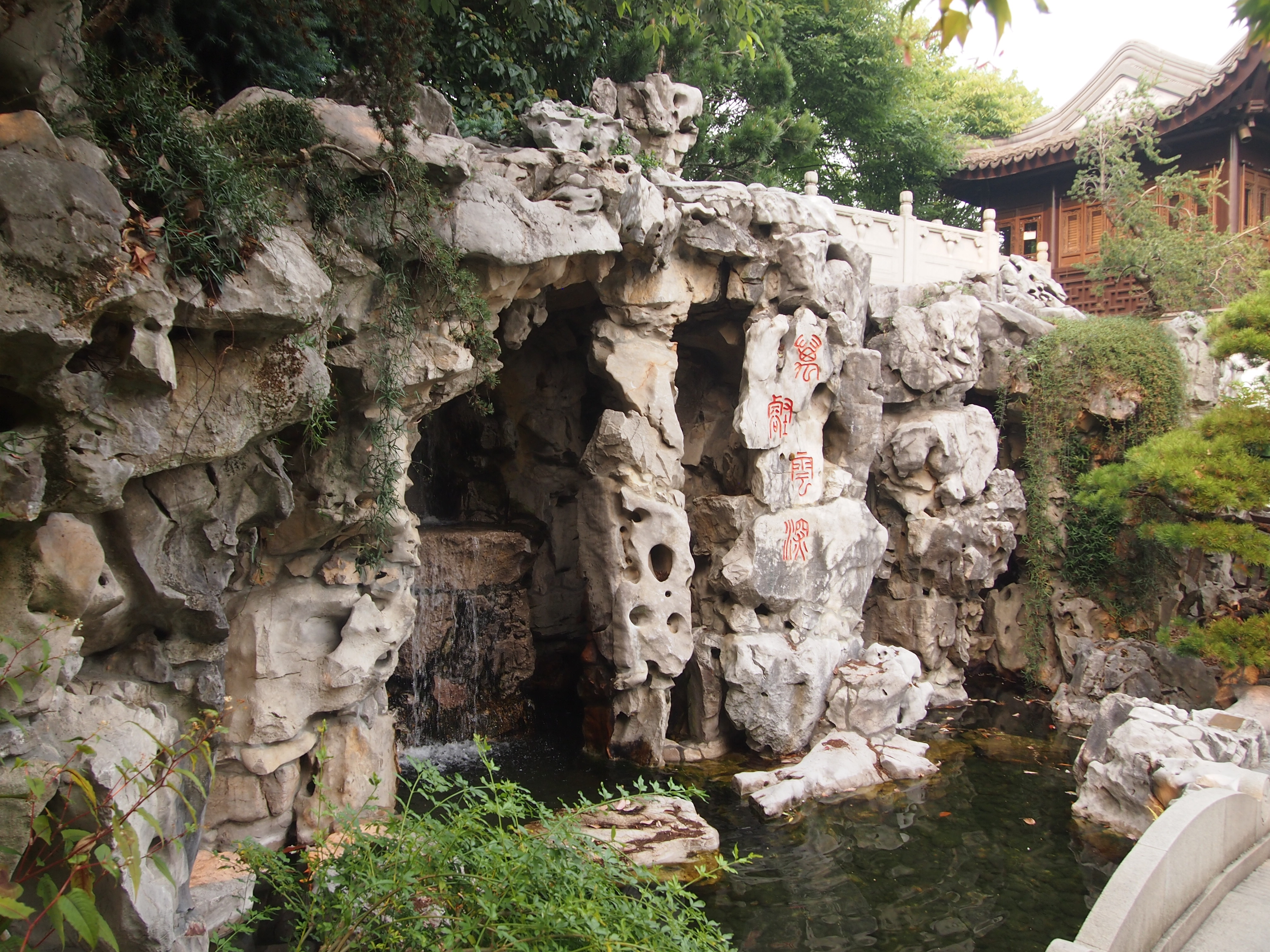
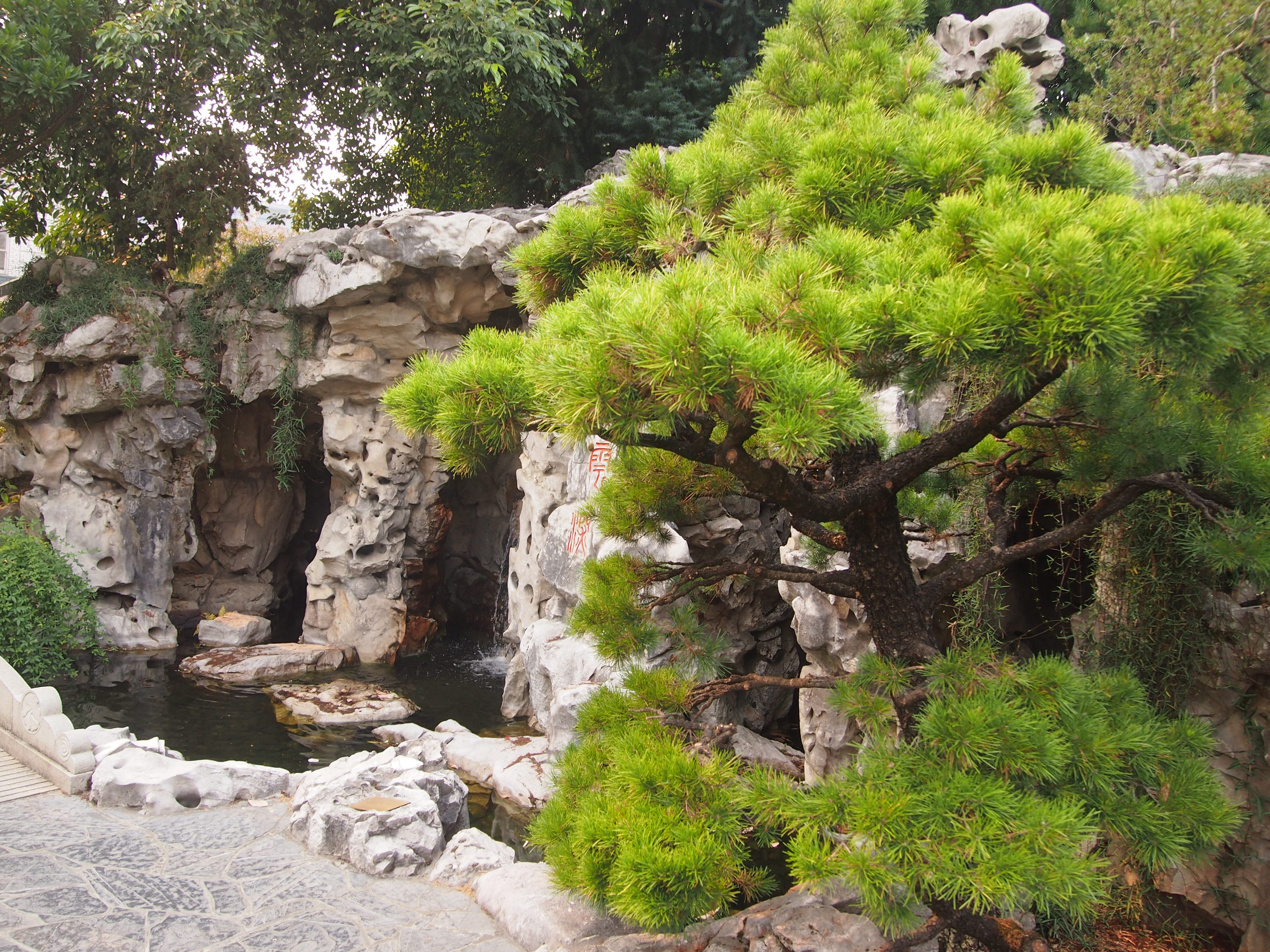
Zither LakeWhat I remember best from Suzhou were the rocks, and Lan Su has those too.
Lan SuLan SuThe place also inspires romance. I saw a group of people planning a wedding at the garden, a couple necking among the greenery, and more than one person exercising a bit of self-love by taking selfies.

Portland Ramble

I didn’t care how good Voodoo Doughnut in Portland was supposed to be, I wasn’t going to wait in this kind of line to buy any.

Voodoo DoughnutsDowntown Portland on a summer Saturday teems with people, more than most mid-sized U.S. cities I’ve encountered. The obvious tourists were a minority. So were the obviously homeless, though they seemed more numerous than in most cities this size (and statistically, it’s a sad fact). Mostly, I think conventionally housed Portlanders were downtown because it’s an interesting place to be on the weekend. Good for Portland.

One reason is because of the food trucks, which cluster in various places. I had a falafel at one. Not the best falafel I’ve ever had, but good enough for a walkabout in a new city.

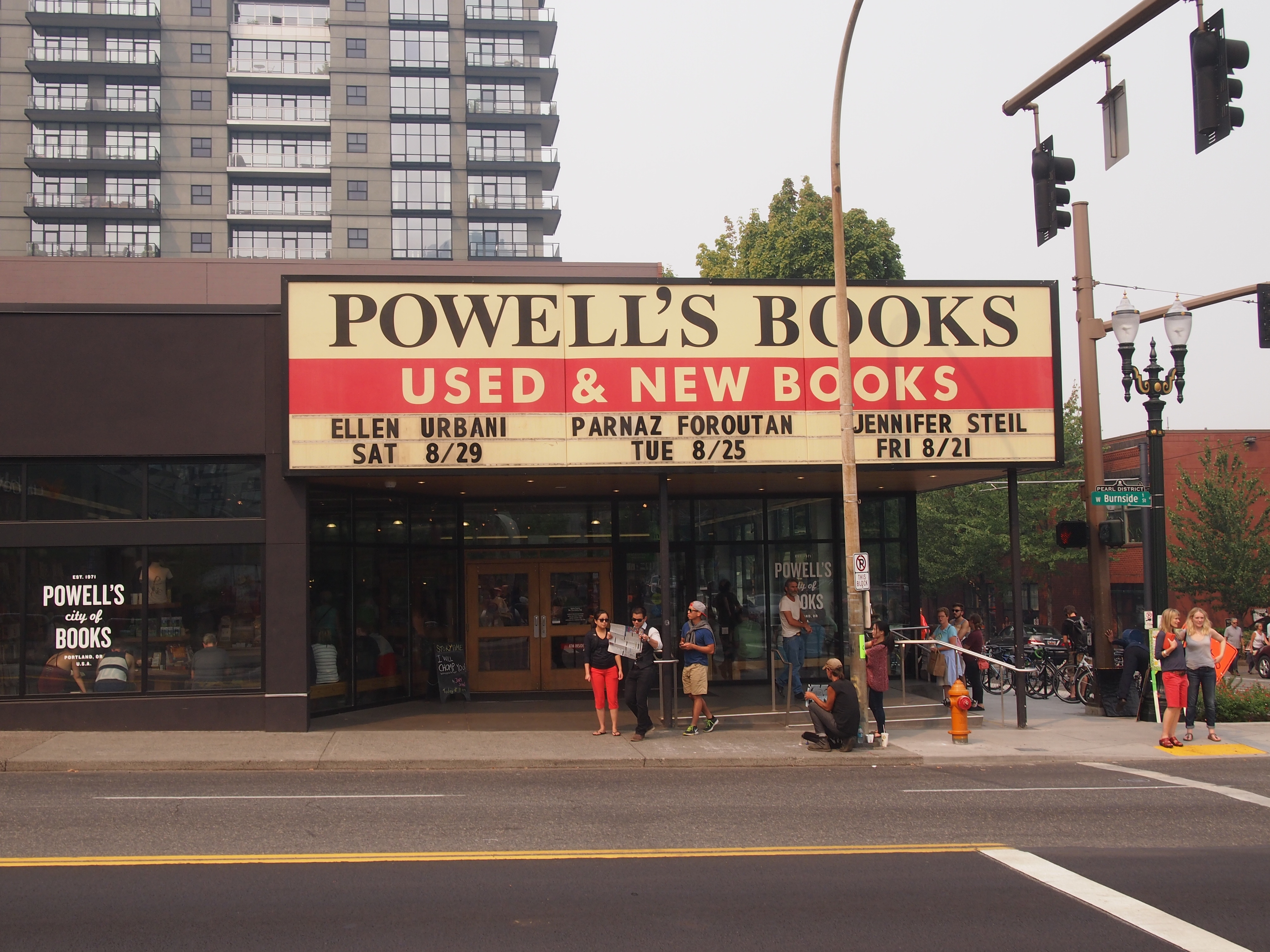
food trucks, PortlandOne place I was determined not to miss was Powell’s Books. Otherwise known as Powell’s City of Books, an apt nickname.
Powell's Books, Aug 22, 2015The place is enormous: a full city block with 68,000 square feet of floor space on four floors, divided thematically into color-coded rooms (the Blue Room, the Green Room, and so on). The store says it has more than a million new and used books, and I believe it. I went in without a plan, and I stuck to it, just wandering from room to room and floor to floor, looking at titles and opening books and enjoying myself. I was there about an hour, and could have spent longer. (This article captures the joy well; the writer might have even been there at the same time as me.)

I couldn’t leave without buying something — that would be wrong, since it’s important to support an independent bookstore against the Amazon tide, besides being good to have another book. So I bought Why Orwell Matters (2002) by Christopher Hitchens, which I read almost all of on the return plane ride. I also bought a clutch of postcards. As you’d expect, Powell’s had more than the usual Portland-themed tourist cards.

I’ve never seen more tattooed people in one place than in Portland, including Brooklyn (admittedly, it was October) or Camden Town in London (admittedly, it was 20+ years ago) or any warm-weather mass event I’ve been to recently, such as the Wisconsin State Fair. Summertime clothing was no doubt a factor, but I also think being in Portland was too. Mostly the ink was visible on arms and legs and backs, as you’d except, but not always.
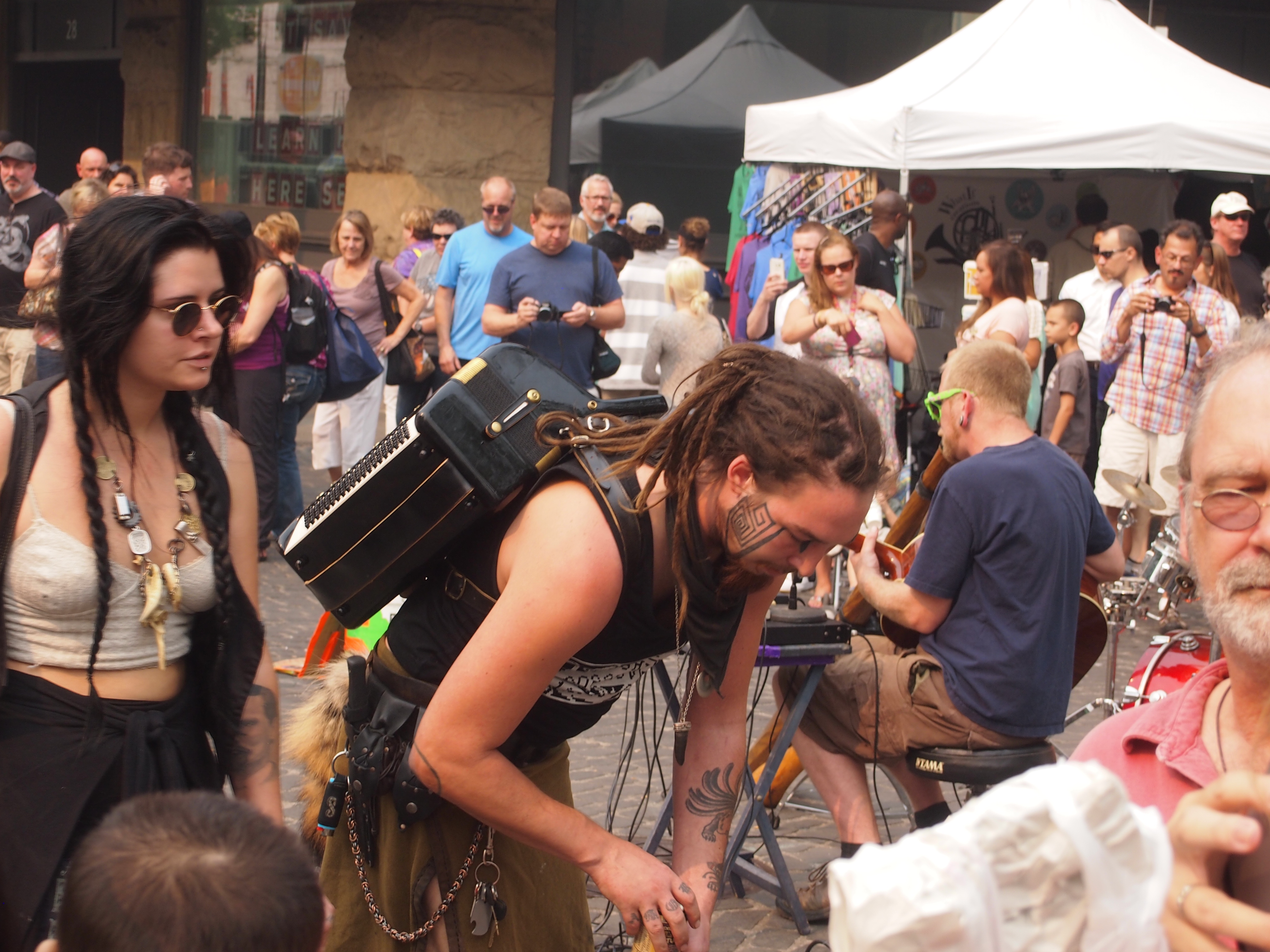
TattoosBefore going, I’d read about the Portland Saturday Market, which has been a local event since the early ’70s. By the time I was walking around in the city, I’d forgotten about it. I happened across it anyway. Besides a wealth of vendors, there were some excellent musicians.

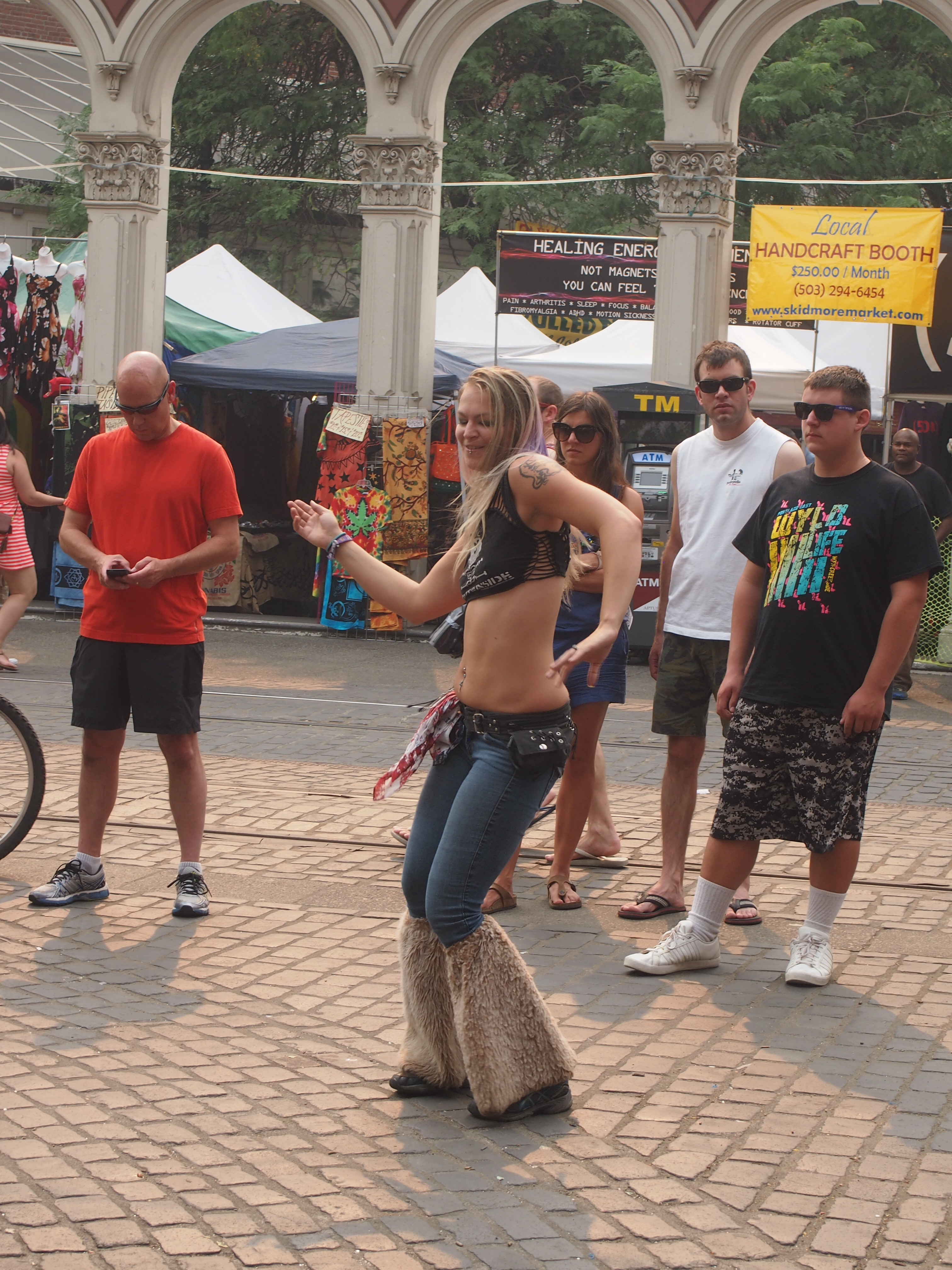
Saturday Market, PortlandAccompanied by a dancer.
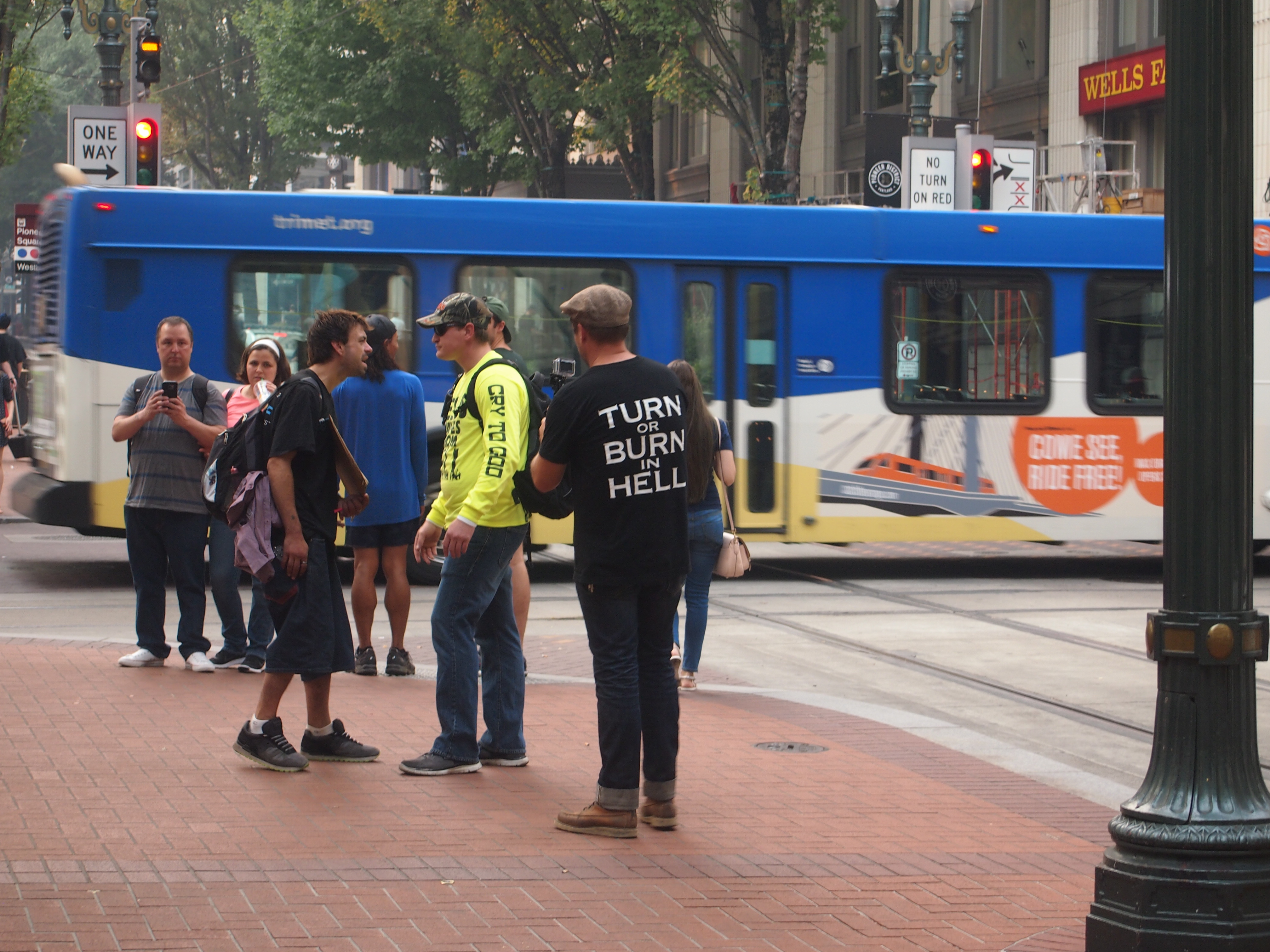
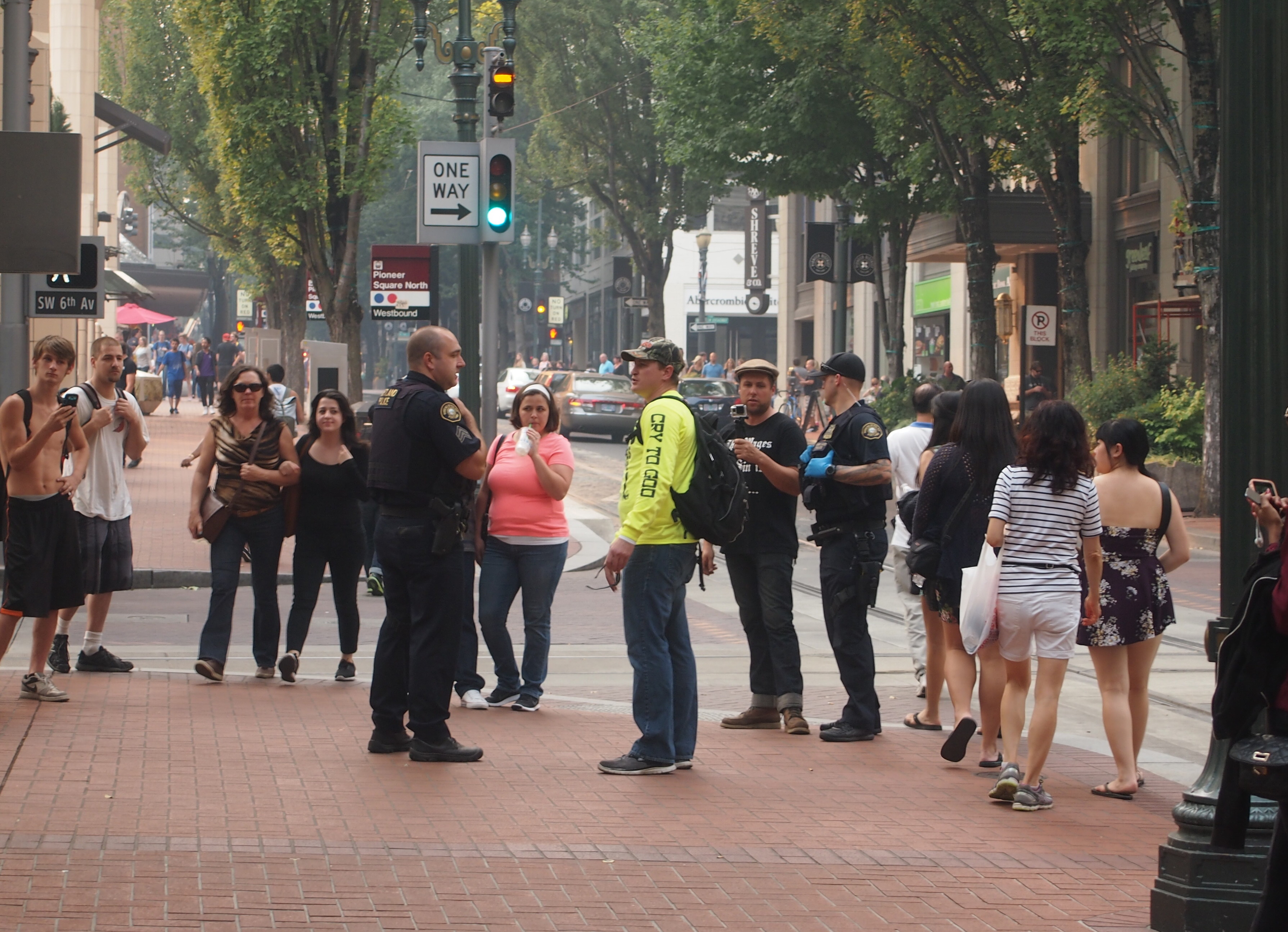
Dance!At Pioneer Square, the fellow in the yellow was doing a bit of street preaching. Screaming, that is.
Screaming for JesusHis theology sounded like pure Jack Chick, though he might not agree with him in all the particulars. The fellow in black facing him (not the one with the Turn or Burn in Hell shirt) was not amused by the man’s preaching, and was screaming back. Before long, the cops showed up.
Portland copsI didn’t hear the discussion, but I suspect all parties concerned were being told not to take things to the next level, i.e., a fistfight. I passed by the same intersection about 30 minutes later, and the preacher was still there (with a different set of detractors), so I guess no physical violence broke out. Seemed like a near thing, though.
A Few Fine Portland Buildings

Drive into a large city for the first time, without the benefit of some GPS box advising you, and with few exceptions, it’ll be confusing for a while. The way the streets are connected seems to make little sense. They don’t match your maps, or rather, what you think you remember from looking at your maps. Signage isn’t what it should be (often just an impression, but objectively true in Boston). The route you want to go is under construction. There’s always someone right behind you when you need to make a critical decision about turning, but you’re never in the lane you need to be anyway.

It sounds like I’m complaining, but not really. Once the worst of the drive is over — because you do get where you’re going, usually — you’ve had the satisfaction of navigating through a strange place. You’ve also seen, even fleetingly, some things you wouldn’t have otherwise. GPS is fine if you have a meeting to attend or a plane to catch, but otherwise it obviates the need to guide yourself through new territory with maps, landmarks you know ahead of time, and your own sense of direction.

I plowed through parts all three cities — Portland, Vancouver, and Seattle — on different occasions last week, each causing me temporary location frustration. Each time when it was over, it was worth it. When I found a parking garage in downtown Portland early on the afternoon of August 22 and set out on foot, it was wonderful not to be in that car anymore, and taking in what the streets of Portland had to offer.

The first thing I took in was the air. A light haze and the smell of a not-too-distant fire hung everywhere. It wasn’t a choking haze, or even one that made me cough, but it carried a distinct odor. Smelled like one’s clothes after grilling, especially the burned wood. The source was the vast complex of forest fires then raging in eastern Washington — still raging — and which only a few days before had killed three U.S. Forest Service firefighters near Twisp, Wash., all young men.

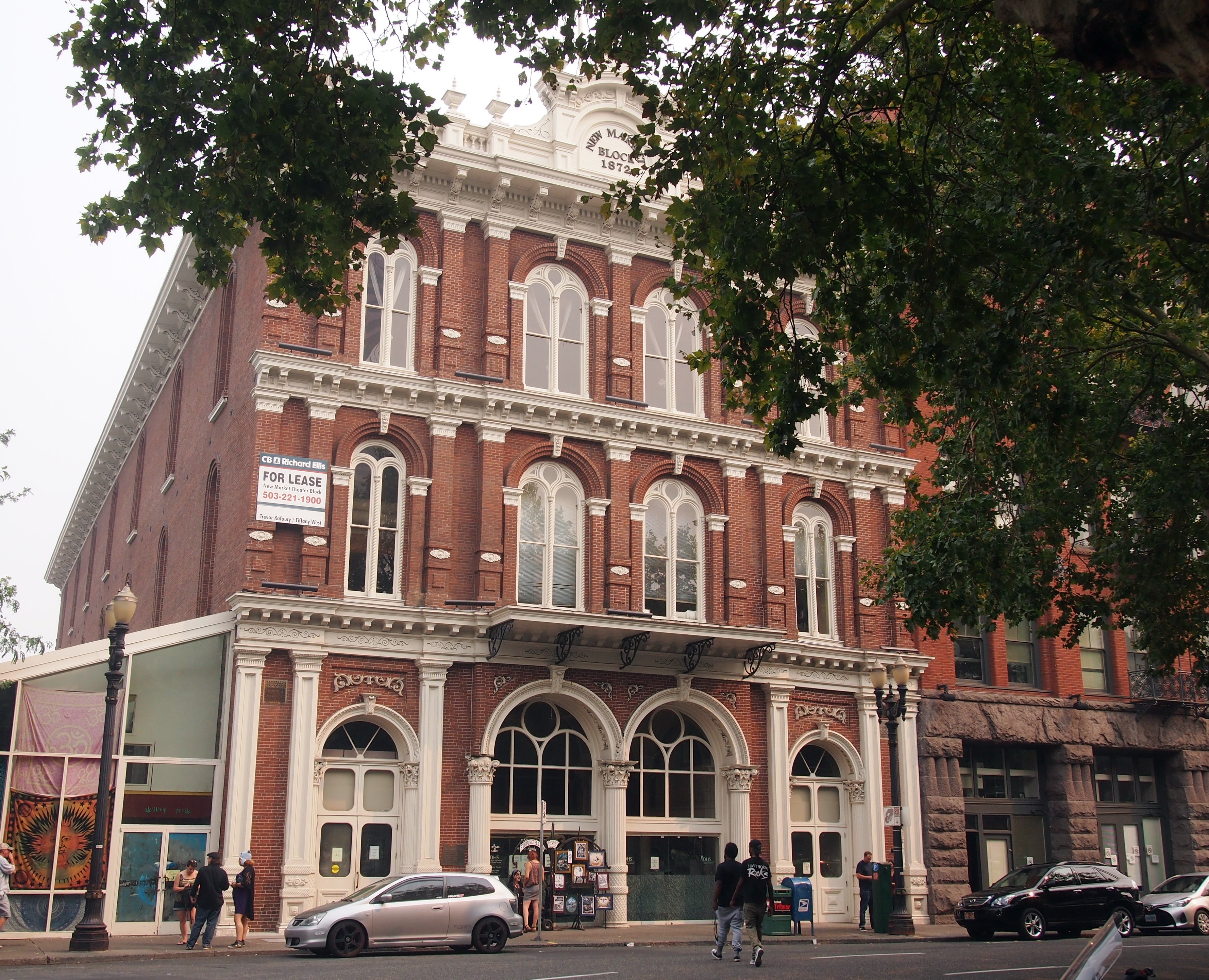
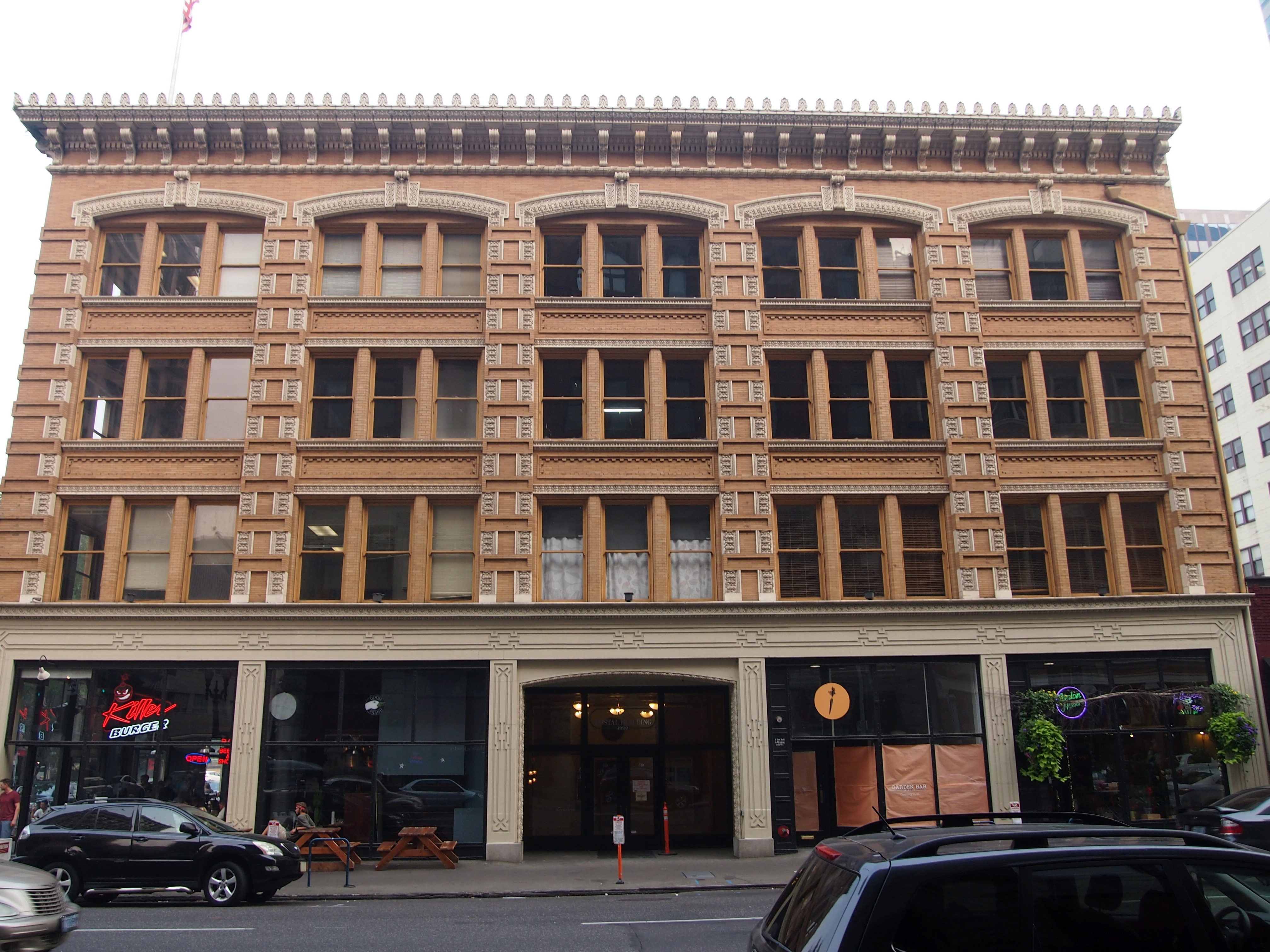
Portland is known for a number of things, such as trying to rival Austin for urban weird. More on that later. I want to point out that downtown Portland, and the nearby Pearl District, have some exceptionally fine buildings a century or more old that aren’t remotely weird. Such as the New Market Block (1872).

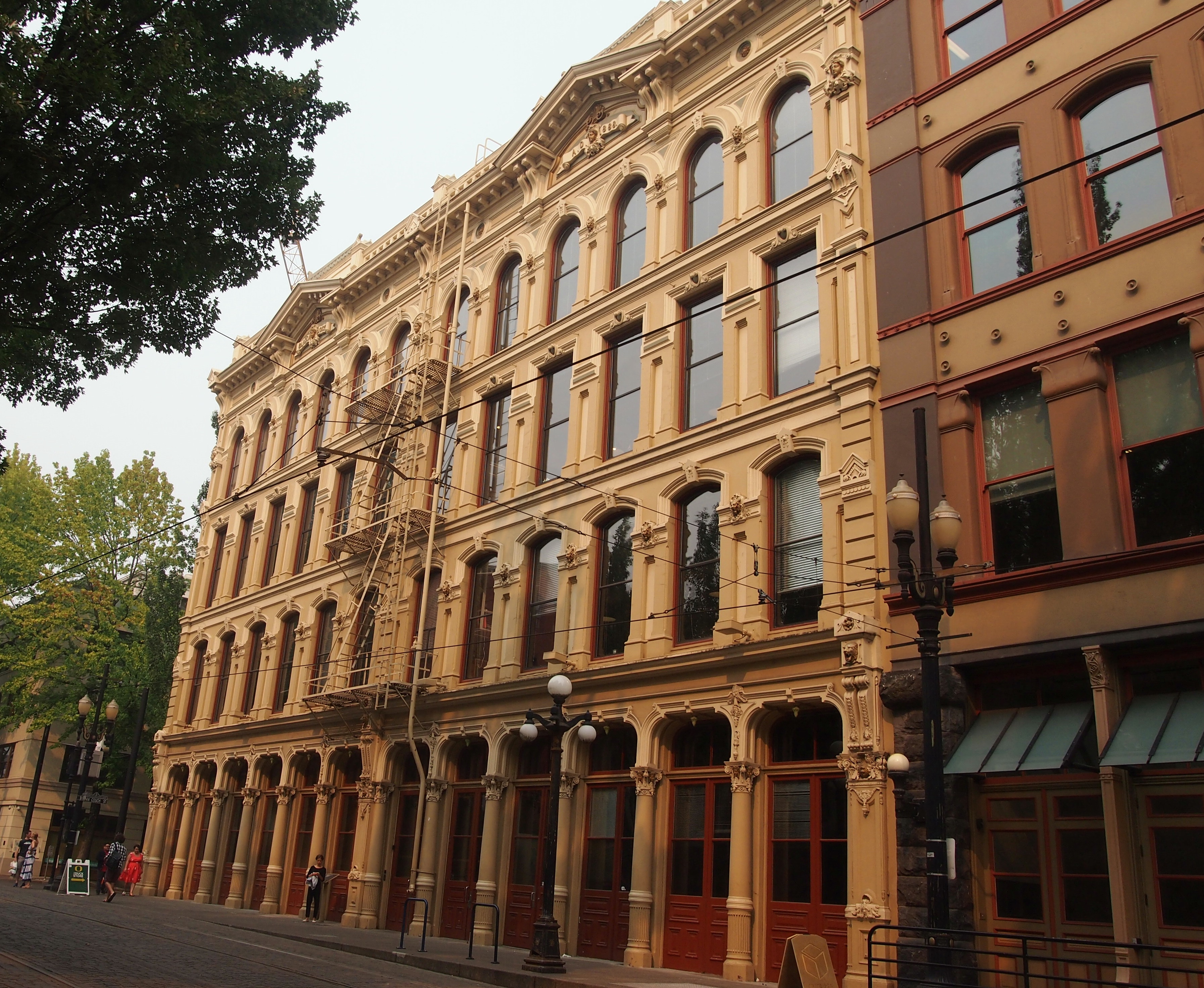
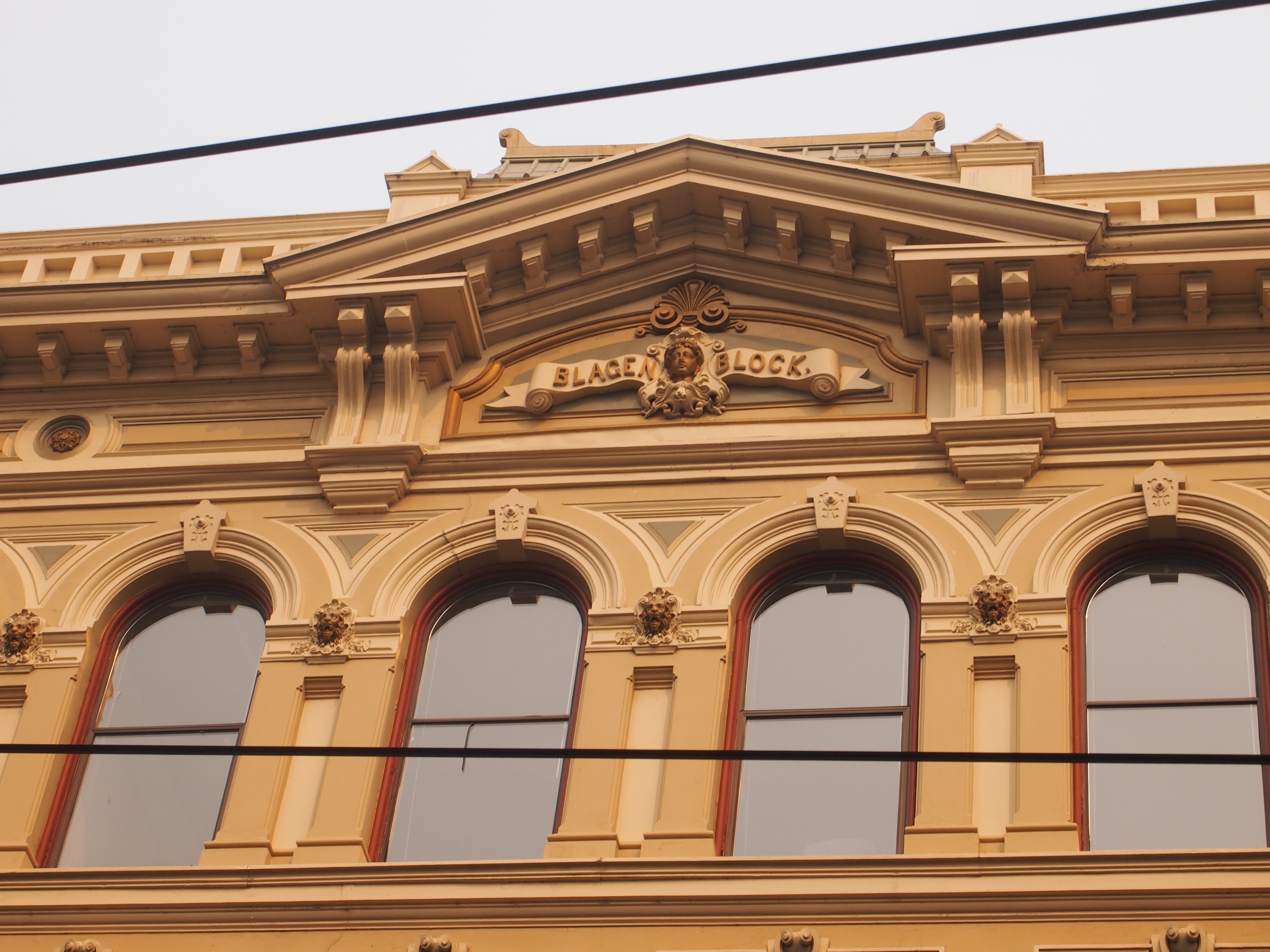
New Market, PortlandThe Blagen Block (1888).

Blagan Block, PortlandBlagan Block, PortlandThe Postal Building (1900).
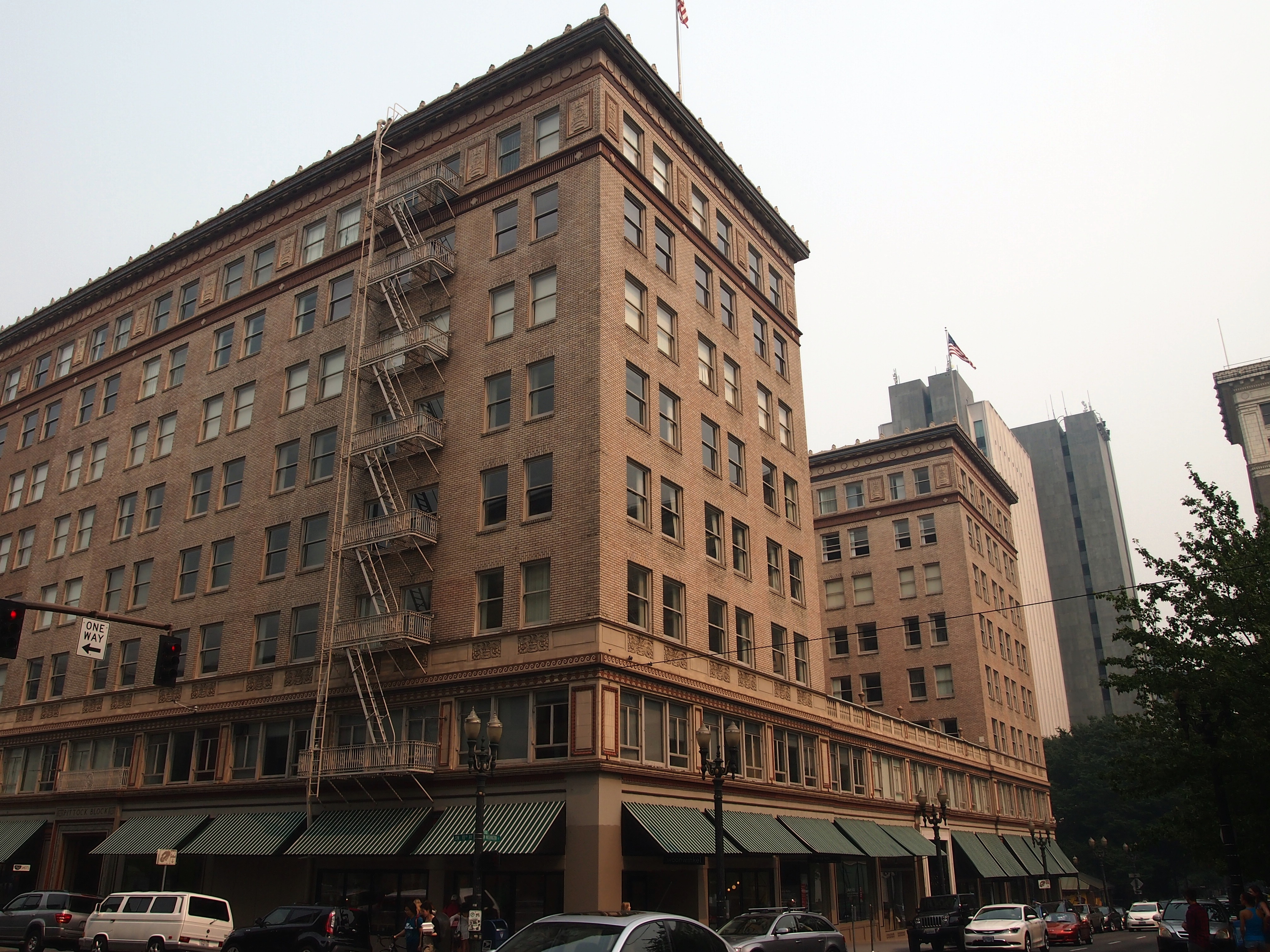
Postal Building, PortlandAnd the Pittock Block (1914). Among a good many others, including more modern structures.
Pittock Block, PortlandI have a fondness for buildings with visible fire escapes.

Also worth noting: Portland’s a sizable industrial town. Not something you hear about much either. I spent the night at some distance from the city center at a motel on U.S. 30 near the Willametta River, a major tributary to the Columbia, both of which are working rivers. The motel was in an industrial zone, both for manufacturing and distribution, and I know there are other areas similarly industrial in greater Portland. It isn’t the largest industrial market even in the Northwest, but it’s large enough to have current and projected development of nearly 2 million square feet.

Pacific Northwest ’15

I left for the Pacific Northwest on August 21 and returned home late yesterday. Imagine an axis that connects Portland, Seattle, Bellingham and Vancouver, which are all linked by I-5 (British Columbia 99 north of the border). That axis was the focus of the trip. I went to all of those cities and some points in between, some for a matter of hours, others for a few days. I spent time away from those cities as well, in hilly territory lorded over by towering pines and enchantingly quiet at night.

I drove a lot but also managed to spend a solid chunk of time walking and riding buses and light rail. The visit involved attending a conference, touring an exceptional building and seeing other fine ones, experiencing two large public markets, wandering through one of the largest book stores anywhere and a few other excellent ones, and seeing two museums and a Chinese garden very much like some of the wonderful ones in Suzhou. I ate food both awful and extraordinary, including things I’d never heard of before.

Going to another part of the country means doing new things, too. Or it should. Not necessarily life-changing experiences, but the sort of petite novelties that add up over time to make the fabric of one’s life better. Even before I got there, this was the first time I’d ever booked a rental car through Costco or a room through Airbnb. I attribute a less expensive trip, and a better one, to both. I visited a new city (Portland) in a new state (Oregon) and visited new parts of places I’d been (Vancouver in British Columbia, the Fremont neighborhood in Seattle). I witnessed a major forest fire from the air and smelled the result on the ground as the wind wafted west. Unexpectedly, according to the residents. I stood inside a building designed by Frank Gehry, rather than looking at its curious outside.
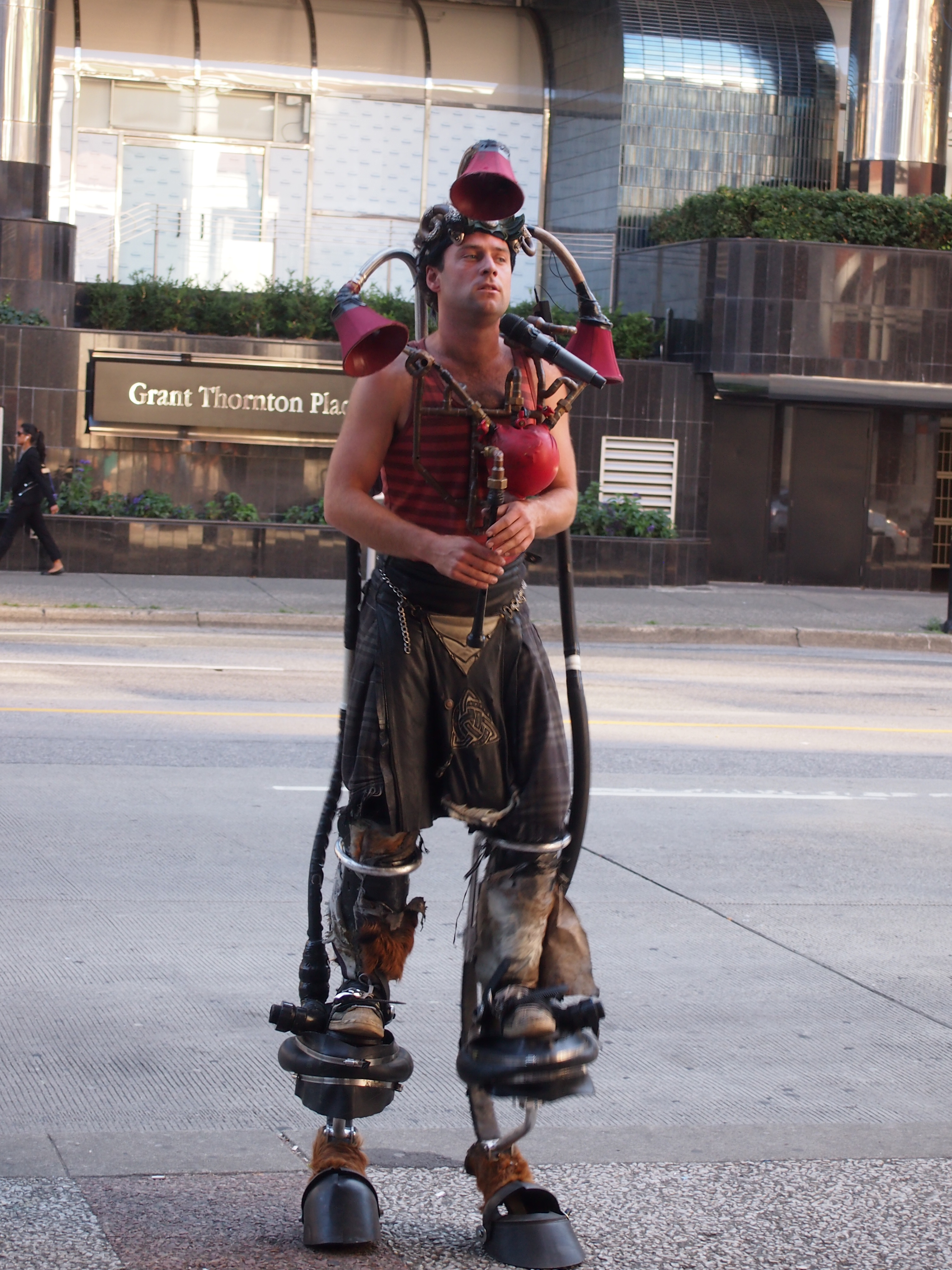
I saw a number of odd and interesting things, such as the street musician who’d modified a bagpipe and played it on stilts (Vancouver, just outside the Pacific Central Station). What to call it? Steampunk bagpiping?
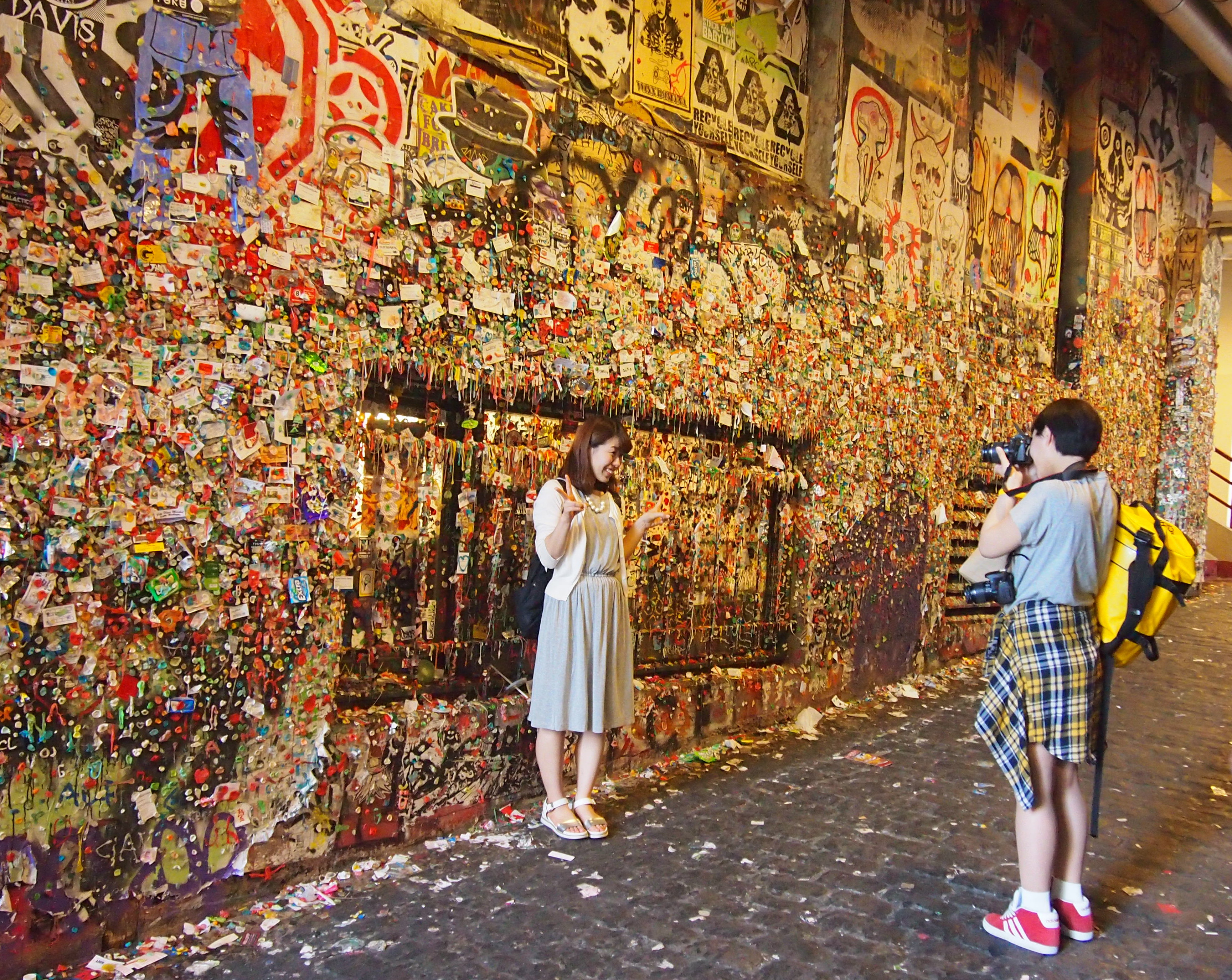
Vancouver, August 25, 2015Or the Gum Wall (Seattle, next to the Pike Place Market). Each of the those bits of color is ABC gum, often used to attach cards and small posters to an alley wall. Why? As near as I can tell, just because.

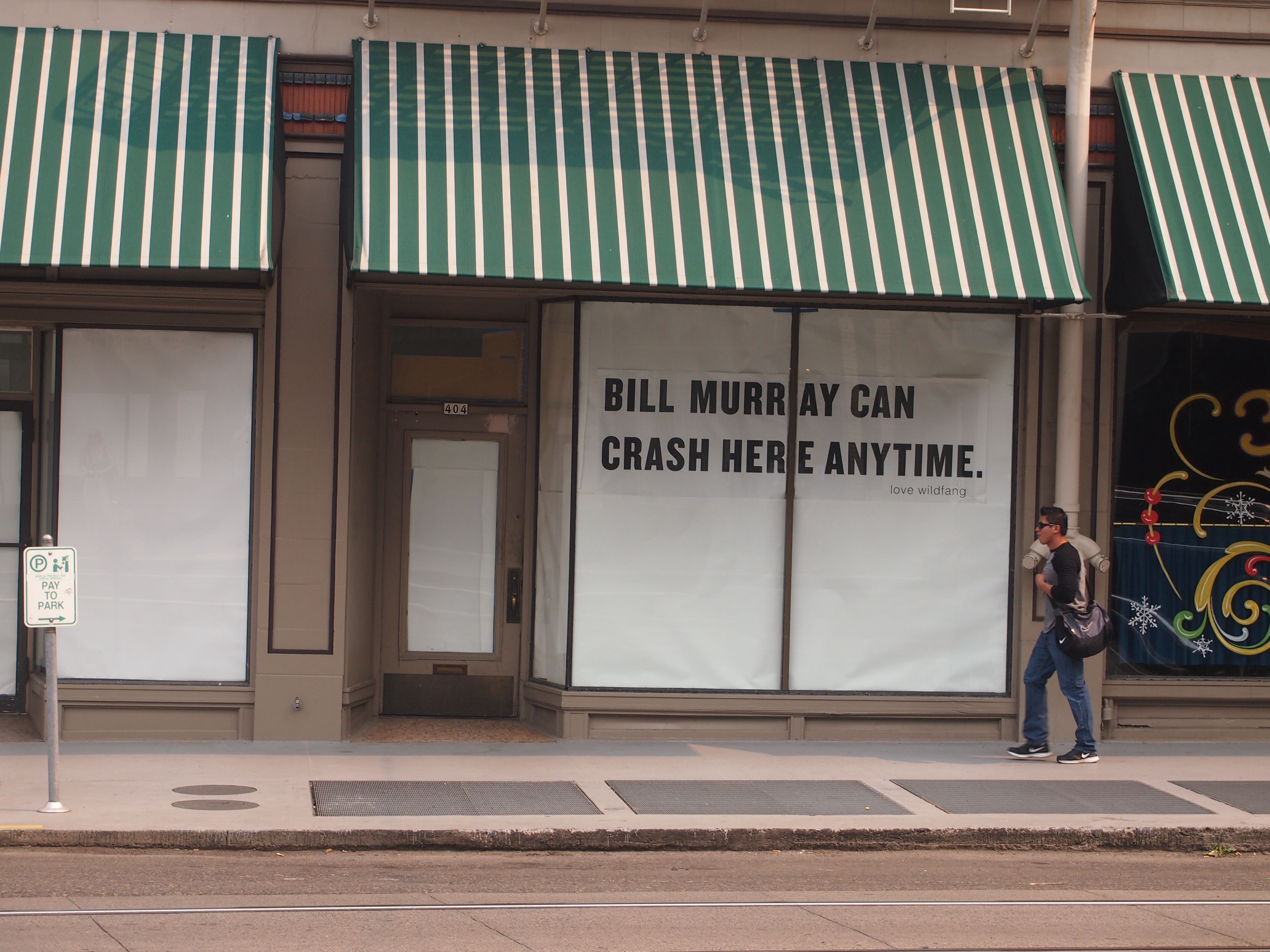
Gum Wall, Seattle, AugOr the echo of a celebrity event I’d missed when it happened, the Bill Murray Party Crashing Tour of 2012 (this sign was in Portland).

Portland, August 22, 2015I can think of a lot worse people to show up at one’s party uninvited; maybe he’s still doing it occasionally.

Most importantly, I reconnected with two dear old friends, one of whom I hadn’t seen in 18 years, another I hadn’t seen in 30 years, since my last visit to Seattle. Our friendships have been maintained over the years mostly through paper correspondence, with a more recent electronic component. But there’s no substitute for being there.

Thursday Oddments

Back to publishing around August 30. I might have a few new things to post about by then.

Distinctly cool last night, down toward 60 F., following heavy rains the night before, and cooler than usual today. That sometimes happens this time of the year. It’s to remind us of the long slide into ever colder temps, beginning soon.

Another marker of the passing of summer: peewee football players in our nearby park. For a while, baseball will be played and practiced there, too, but not for long.

I noticed the other day that Lilly has hung Ecuadorean and Panamanian flags on the wall in her room. She didn’t mention bringing them back, but I suppose she did. An interest in flags is no surprise.

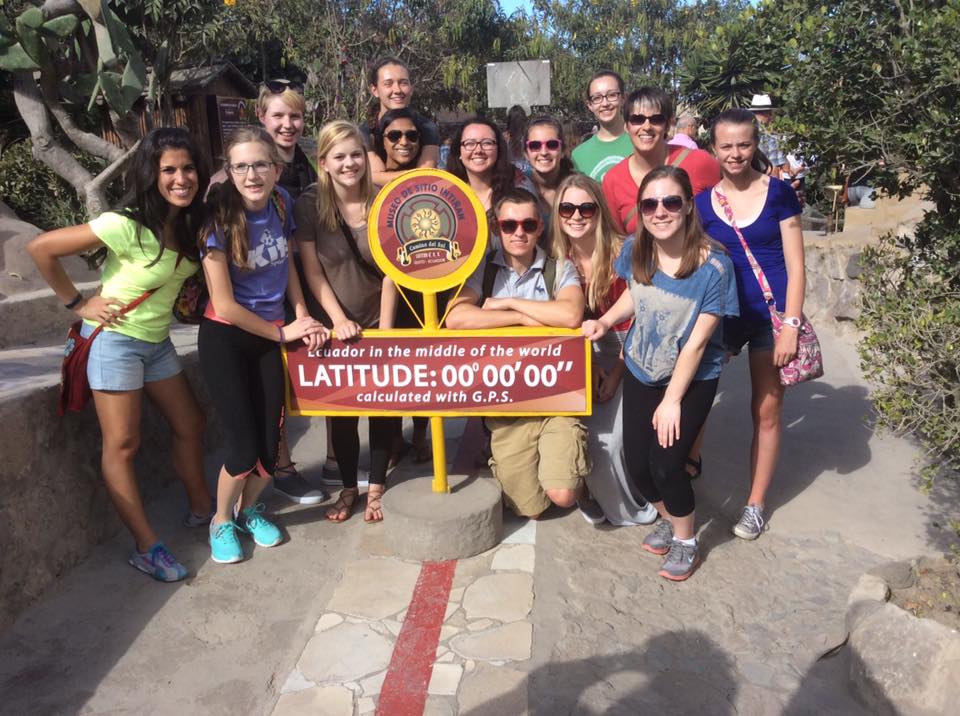
She also brought back this picture from the tourist equator. Something to recall the summer of ’15 by.
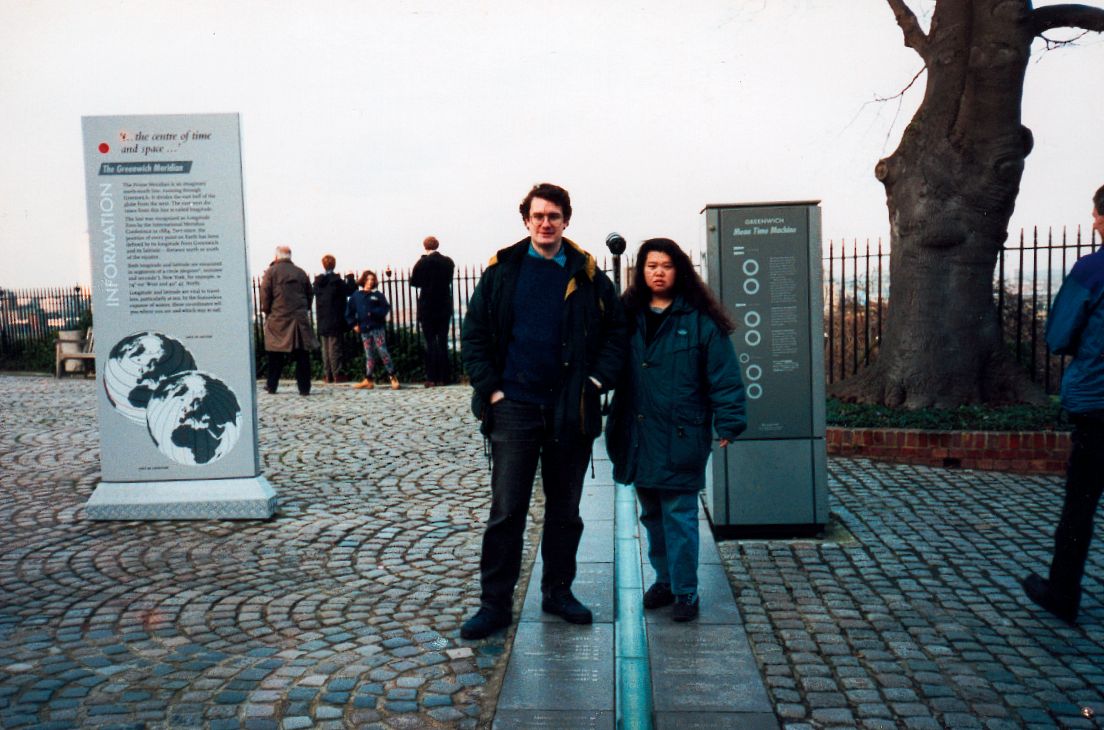
Ecuador 2015Naturally, I’m reminded of this picture (winter of ’94).

Greenwich1994One of these days, Lilly will probably make it to the tourist prime meridian. I’ve less sure I’ll ever stand on the tourist equator. Enough to have crossed the actual line a few times.

I watched Kelly’s Heroes (1970) on DVD the other day. Interesting movie: not quite a black comedy, nor anti-war movie, nor straight up war movie, but including elements of all those in a mostly successful blend. The stellar cast had a lot to do with that: Clint Eastwood, Telly Savalas, Donald Sutherland, Carroll O’Connor, even Don Rickles, all pretty much in their prime, though you could argue that Eastwood’s prime went on for a long time, petering out only around the time of his discussion with an empty chair.

Donald Sutherland’s character, never called anything but Sgt. “Oddball,” was the funniest of the lot, once you got past the palpable anachronism of him being a hippy tank commander in the U.S. Army of 1944. Pre-Archie Bunker Carroll O’Connor was the least effective, but he sure did chew the scenery in his relatively few scenes as an Army general.

Among the minor characters were a number of familiar faces, such as a barely pre-Murray Slaughter Gavin MacLeod, and an actor named Jeff Morris as Pfc. “Cowboy.” Turns out he later played Bob, the owner of Bob’s Country Bunker in The Blues Brothers.

Mars Cheese Castle

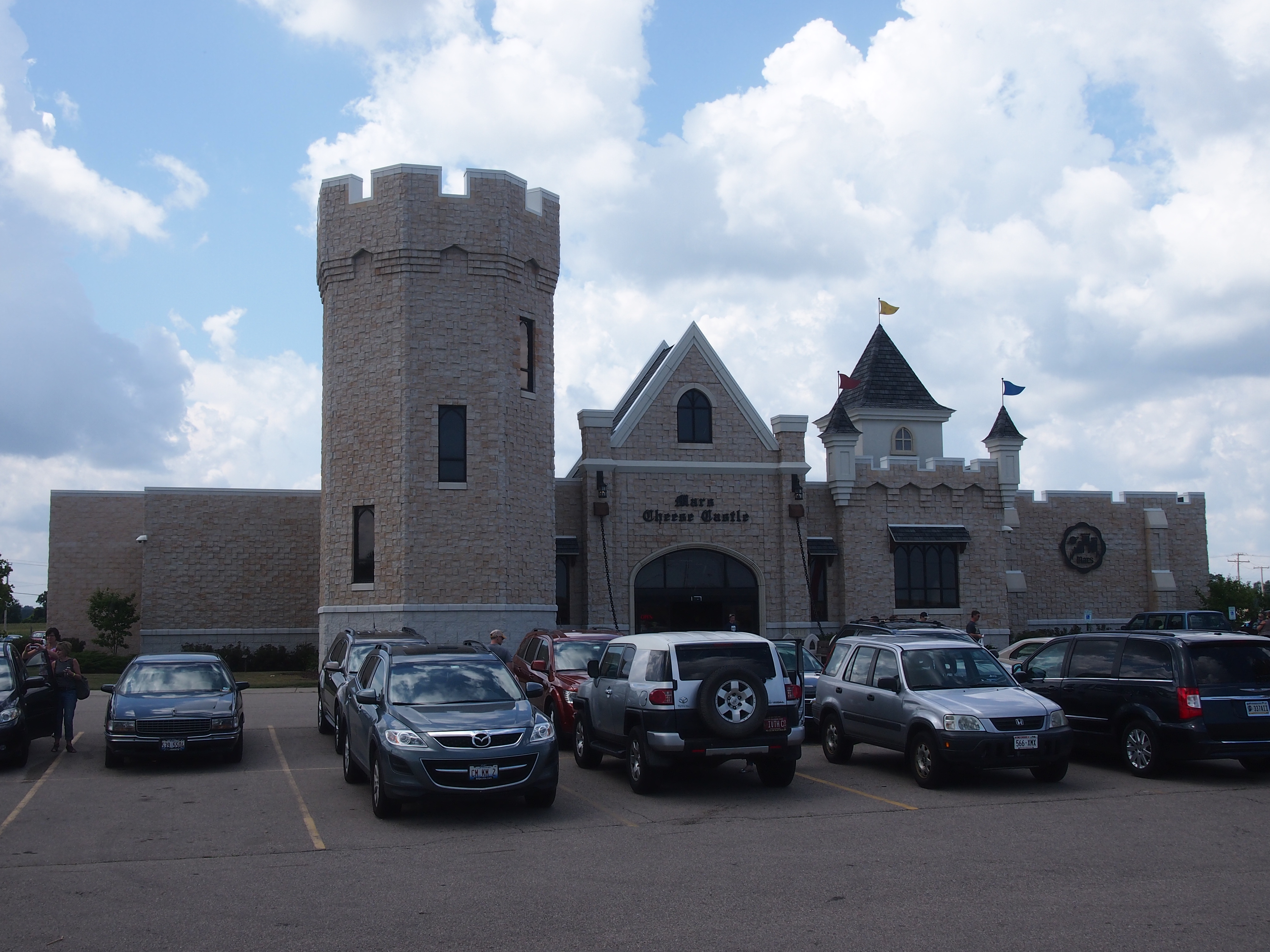
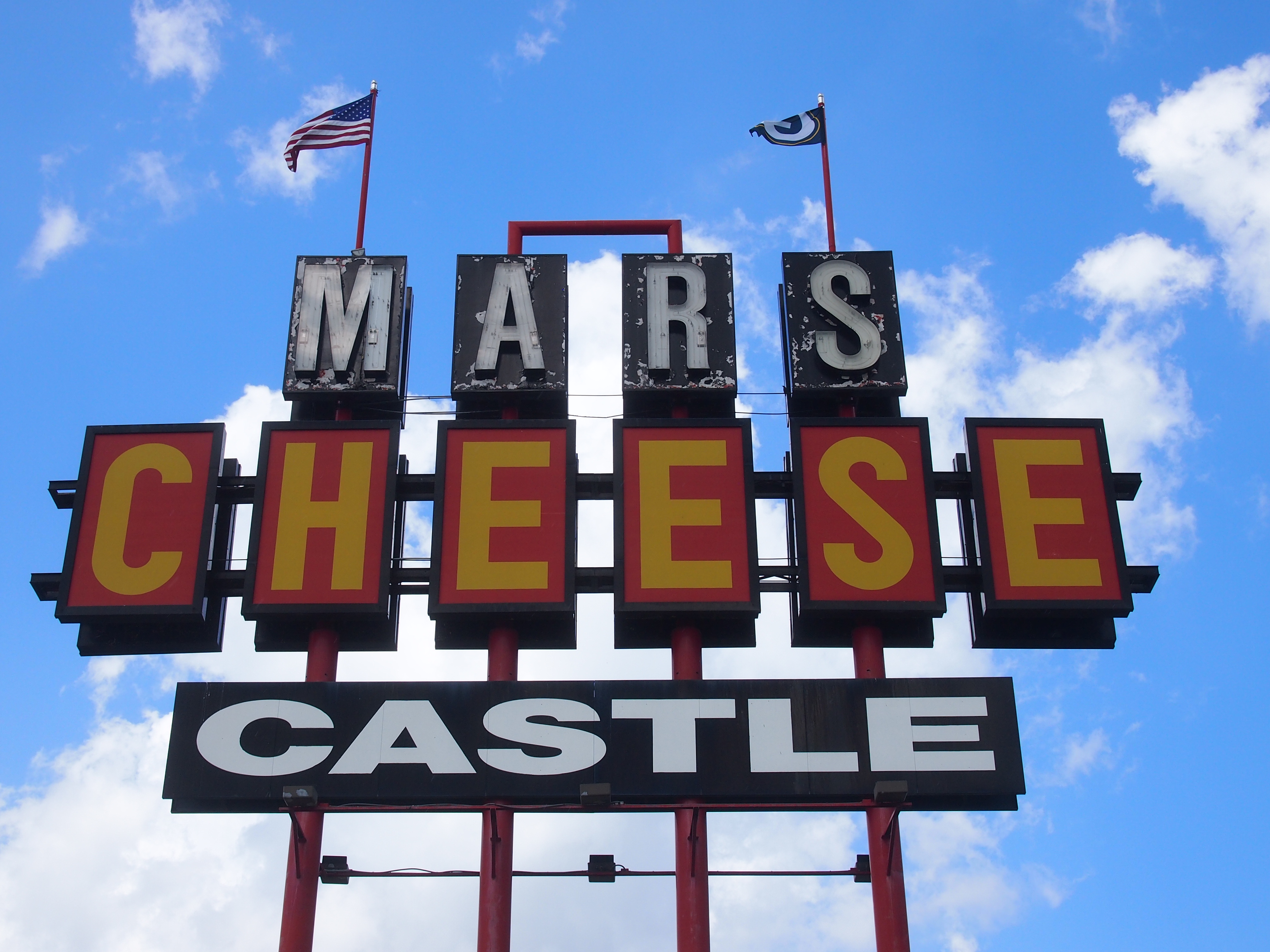
The postcards I bought at Mars Cheese Castle style the name Mars’ Cheese Castle. The tall sign in front of the place, highly visible along I-94 in southern Kenosha County, Wisconsin, omits the apostrophe, but it doesn’t forget the Stars and Stripes and the Packers G flag.

Mars Cheese CastleThere’s been a Mars Cheese Castle for years, but only a few years ago, the place was redeveloped. The old store didn’t look anything like a castle. The new store looks like a castle that a child might draw, provided he included a parking lot.

Mars Cheese CastleBefitting a tourist attraction of some stature along I-94, Mars Cheese Castle offers a wealth of cheese, brats and other meat, beer, and gewgaws and gimcracks. We were in the market for a gimcrack or two, namely a souvenir shot glass (Lilly has decided to collect them) and a souvenir spoon (Yuriko has long collected them). We were able to find both at not-too-outrageous prices.

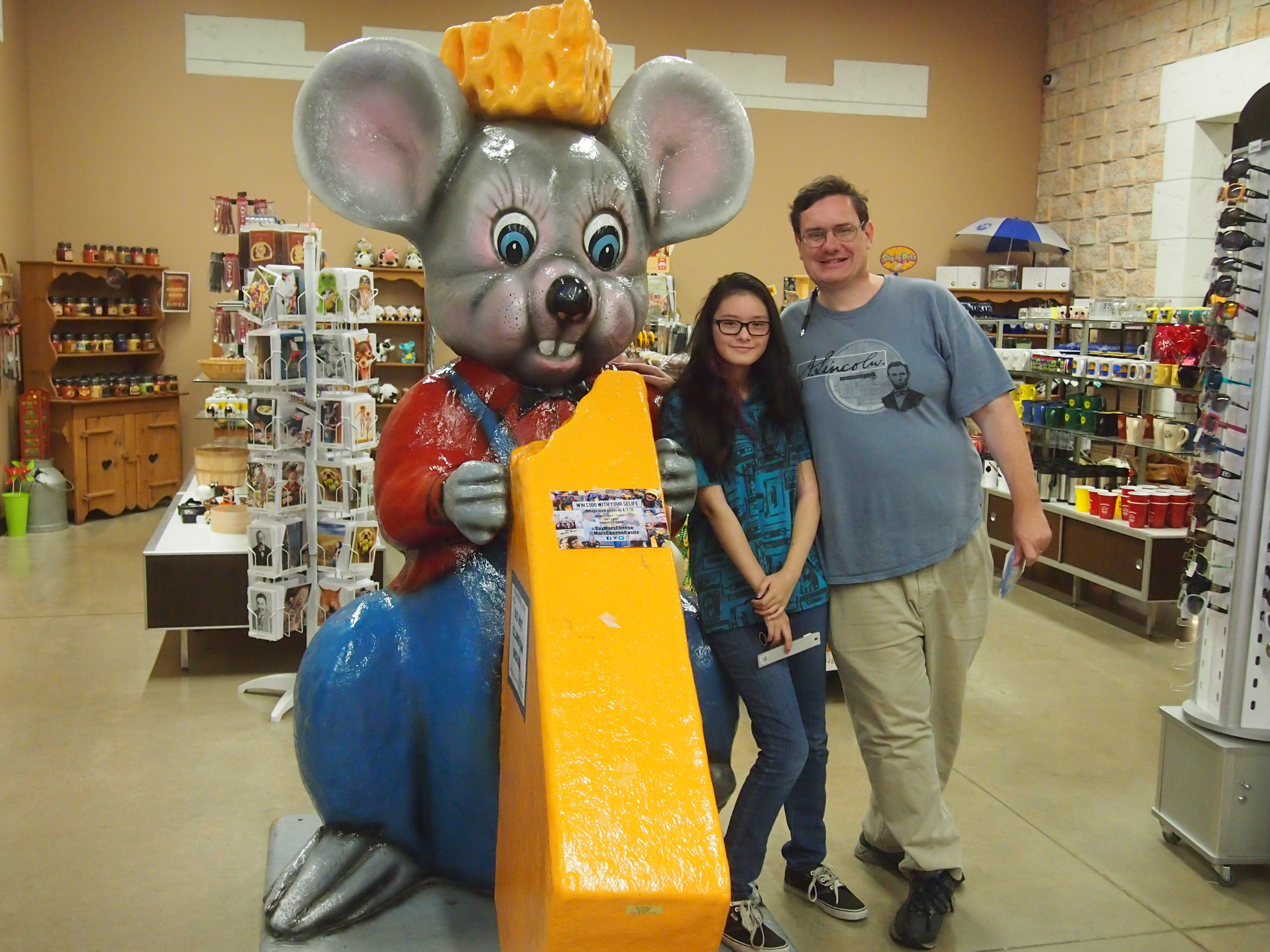
The old store had, on its roof, a statue of a cartoon mouse with some cheese. That particular design element is missing from the new store, but the mouse didn’t go away. He’s inside the store now, and from the looks of him, repainted after years out in the Wisconsin weather.

Mars Cheese Castle 2015A friendly family man took our picture. I took his in turn with members of his family. Note the top of the mouse’s head. That’s no ordinary cheese. That’s a cheesehead hat.

The sign on the cheese says:

WIN $100 WITH YOUR SELFIE

Get the most points by 8/7/15

Retweet/Share = 2 points   Like = 1 point  Comment = 1/2 point         

#SayMarsCheese  @MarsCheeseCastle

A literal sign of the times. We didn’t take any selfies, and the contest was over anyway. I think a better prize would have been a 100-lb. cheese wheel, but that’s mainly because I like the idea of cheese wheels.