Thursday Scraps

Last year my part of the suburbs was lousy with skunks. For whatever ecological reasons, the population was up — so much so that both Lilly and I saw them prowling the streets at night.

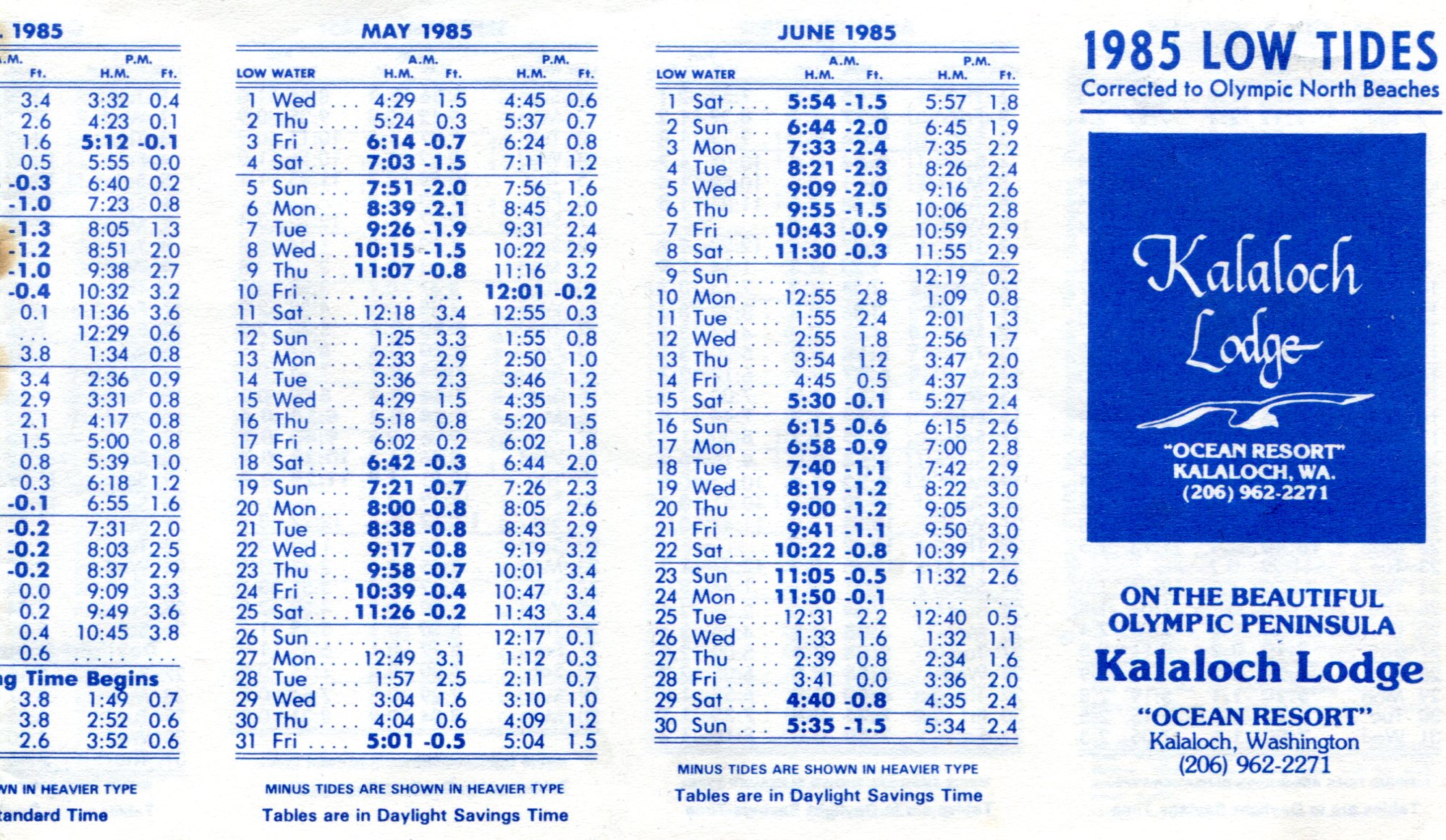
This year, not so much. This year, it’s rabbits. Yesterday I looked out my office window, which faces my front yard, and saw two, each helping to trim the lawn. I’ve seen single rabbits frequently in both yards, and in parks, but never two at the same time.

rabbits June 2015The dog would have had a barking fit if she’d seen them. But she didn’t.

Not long ago I woke up thinking, why are sidekicks just for superheroes and singing cowboys? Why not for other, less fictional occupations? Some examples:

Ben Smith, CPA, and his sidekick Tuck.
Deepak Patal, Ph.D., and his sidekick Hadji
President Clinton and her sidekick Slick (still hypothetical)

Earlier this month I was driving west on North Ave. in Glendale Heights, Ill., which is a western suburb, and decided I needed to go east, so I turned north on Glen Ellyn Rd. to find a convenient place to turn around. And then I discovered Easy Street. So I drove down Easy Street, just to get a look at the houses of the people who Live on Easy Street. More carports than usual in the Chicago suburbs, but other than that it looked fairly ordinary.

Occasionally, as in once every few years, the urge to listen to early ’80s German-language rock ‘n’ roll is just too strong to resist. We all feel that way. No? Well, I feel that way now and then, and the Spider Murphy Gang is just the thing for it. There’s always “Schickeria.” or “Skandal im Sperrbezirk.”

Palatine Prairie Nature Preserve

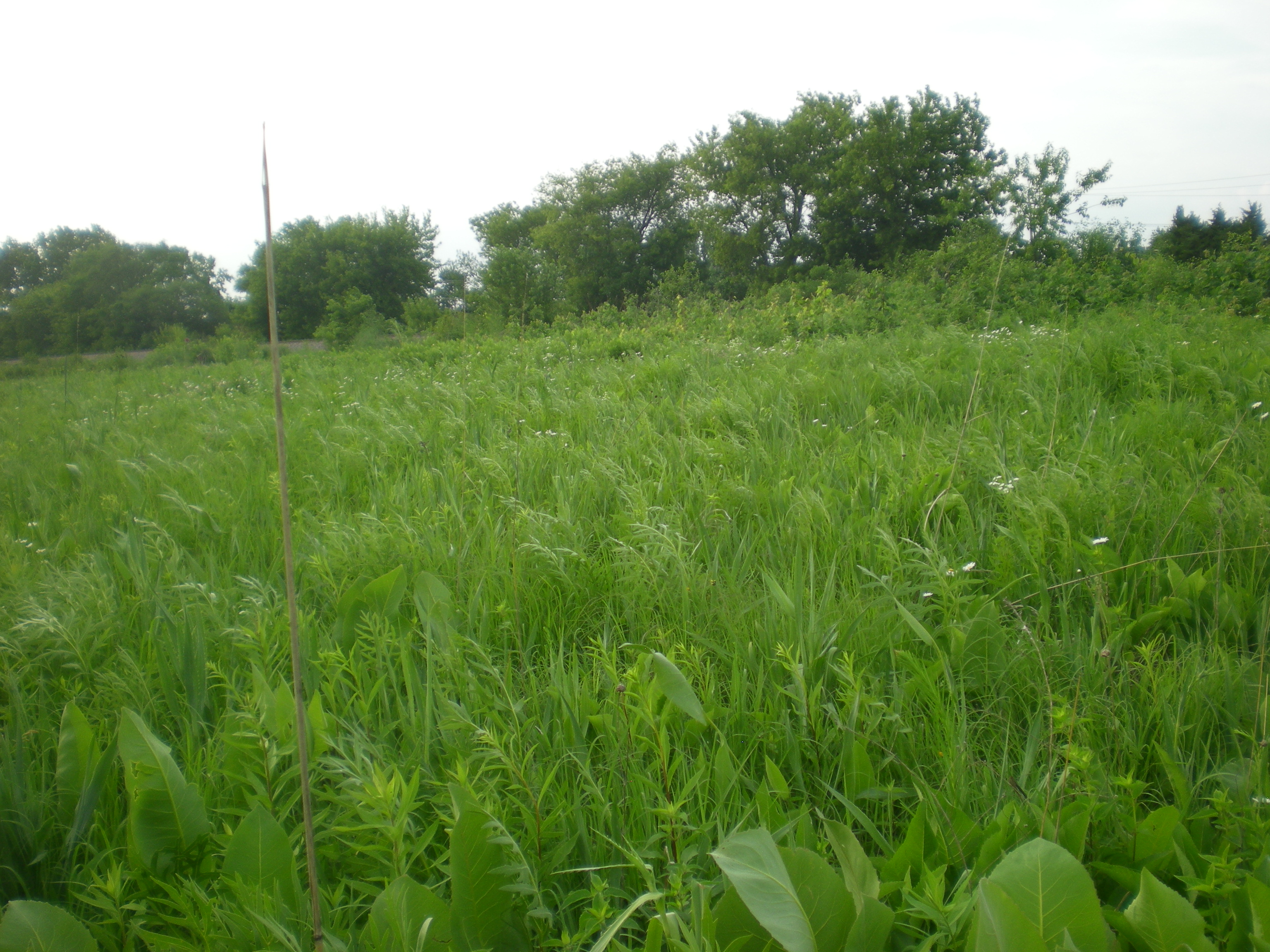
I’ve driven by the edge of the Palatine Prairie Nature Preserve and the adjoining Riemer Reservoir Park many times, traveling on N. Quentin Rd. in Palatine, Ill. Last Thursday, I decided it was time to stop and take a look at the place on foot. It happened not be raining, but the evidence of frequent rain was all around in the lush greens of this particular patch of Illinois greenspace.
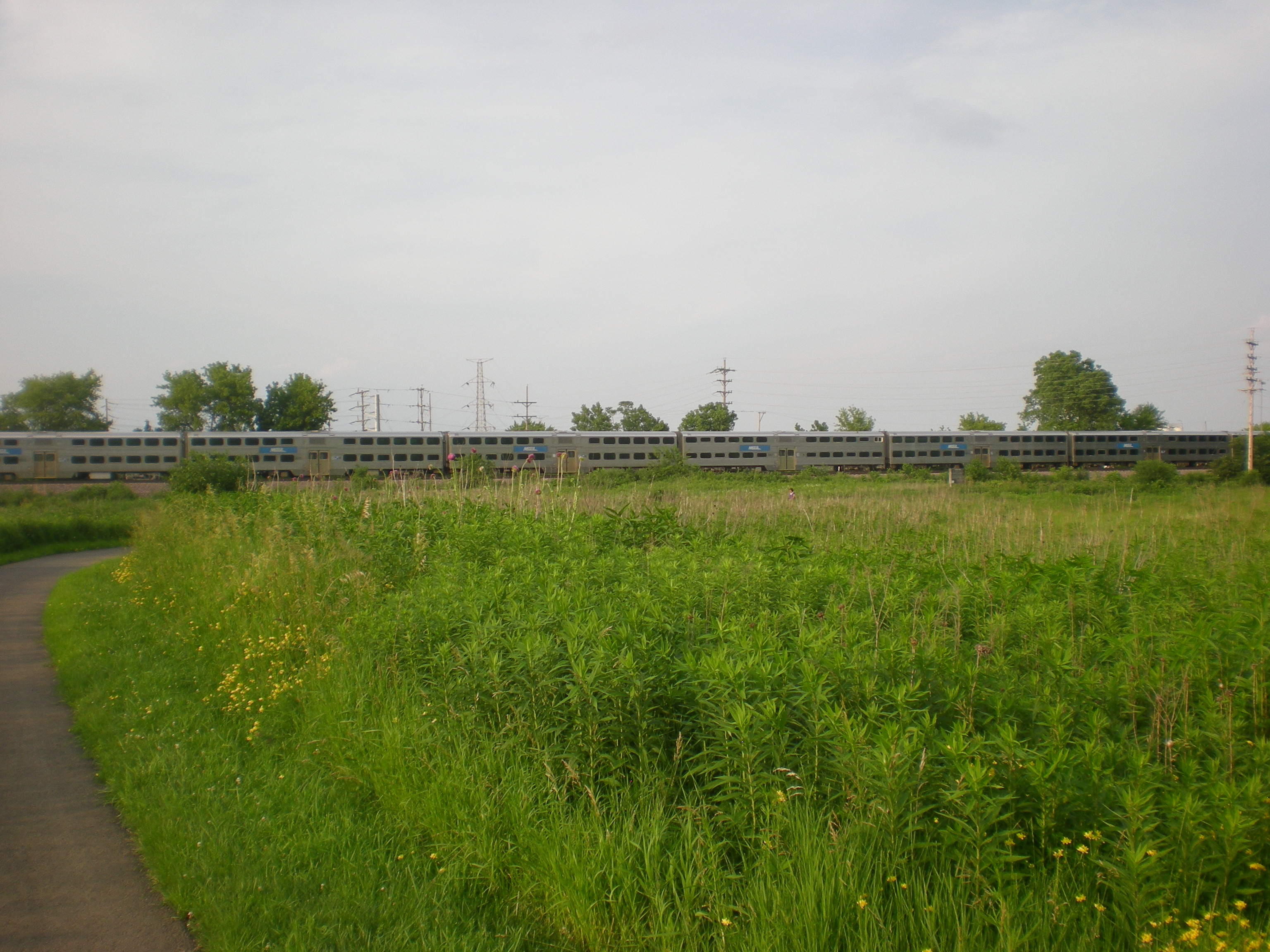
Palatine Prairie, June 2015That makes it look like the middle of nowhere. It’s no such thing. At the northern edge of the Palatine Prairie is the Union Pacific Northwest line of the Metra commuter rail system (not the line I usually take). Here’s a train bound for Crystal Lake at least, and maybe further northwest, and making the prairie a little less quiet.

Palatine Prairie, June 2015Not that the place is quiet. The roads aren’t far away. Palatine Prairie is the northern section of the greenspace; the somewhat larger Riemer Reservoir is to the south, and they’re separated by the small W. Wood St. A trail winds through both, and it’s a pleasant walk when it isn’t raining or too hot. The weather was just right for us last week.

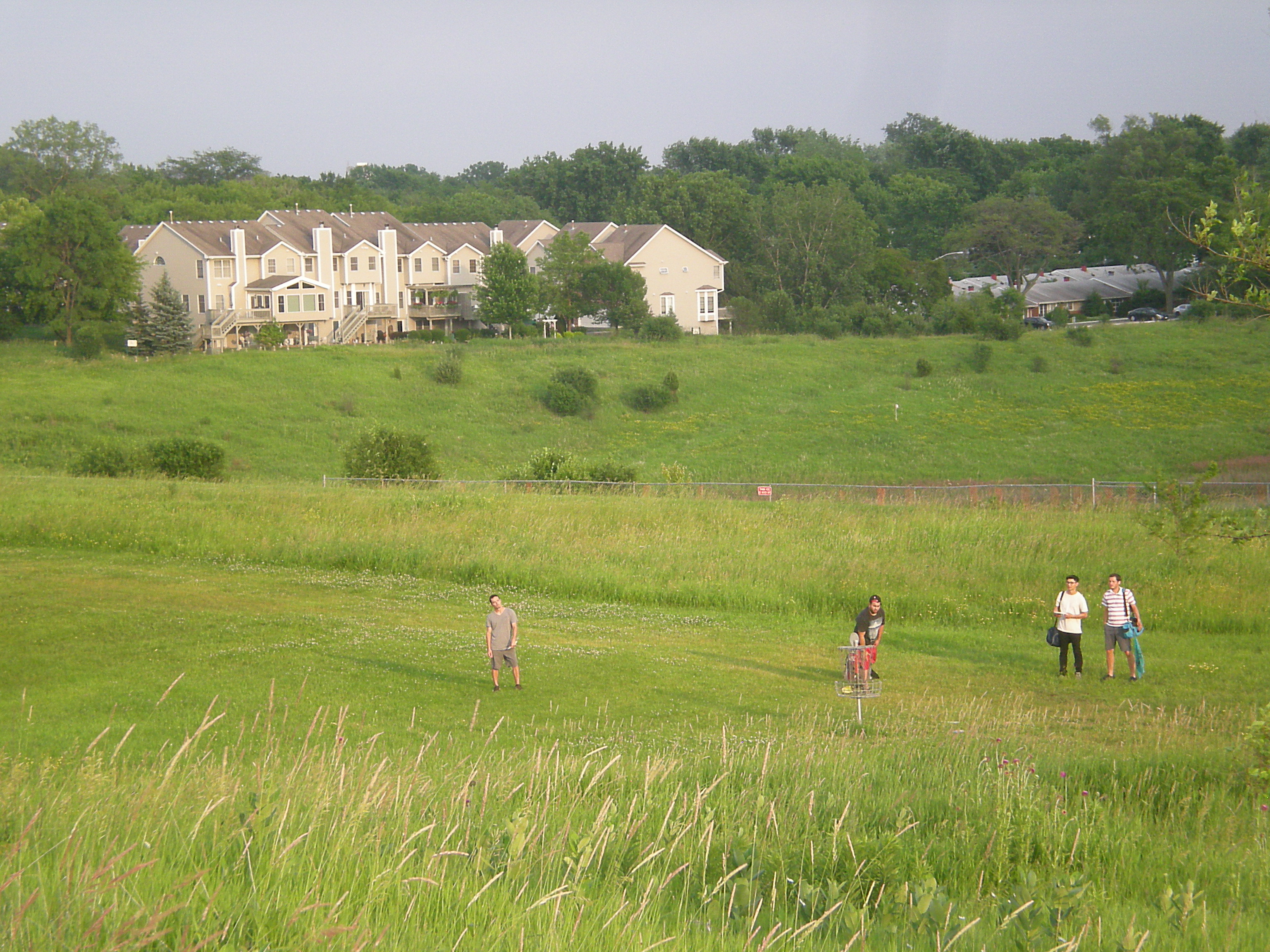
The greenspace that isn’t completely given over to prairie also includes a disc golf course. Guys were out playing disc golf. They seemed pretty serious about it, too.
Palatine Prairie, June 2015I’ve never played the game myself, though in the connected basements of Branscomb Quad at VU, we tossed frisbees at some kind of goals. Maybe the corridor doors, but I don’t think the rules were very well refined.

The 300 S. Wacker Map

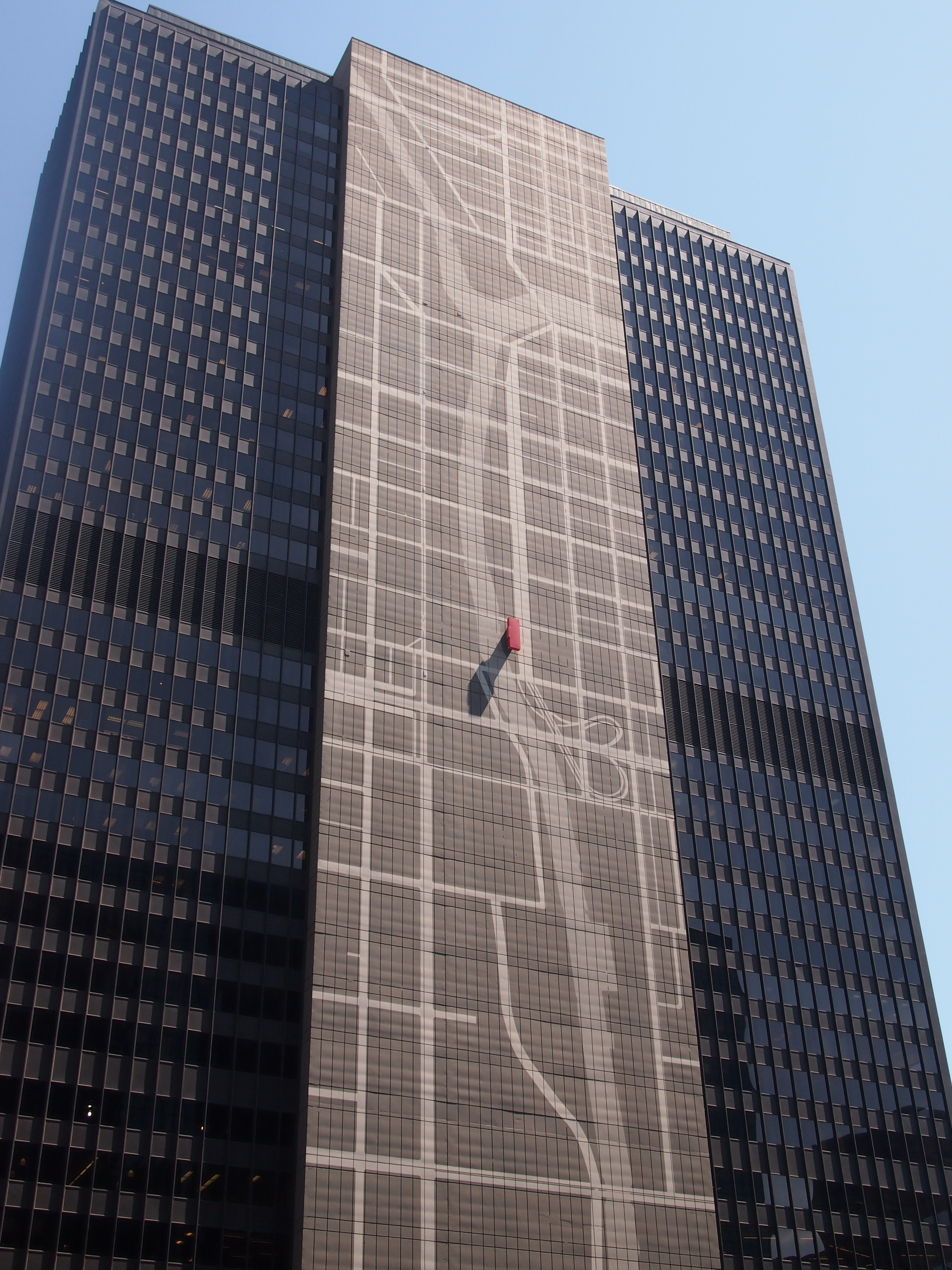
Last week in downtown Chicago, I also got a look at the 300 S. Wacker map, which was unveiled late last year and is easily visible from the west side of the Chicago River near Union Station. That’s because it’s a map as tall as a skyscraper, and who couldn’t like that?
300 S. Wacker 2015A close up.
300 S. Wacker 2015The giant map depicts the Chicago River and nearby streets, from Cermak to Chicago and LaSalle to Jefferson. The 300 S. Wacker building itself appears on the map as a three-dimensional red block.

Previously, 300 S. Wacker had little to distinguish it as a building, and little to catch the eye. Beacon Capital bought it last year and commissioned Elmhurst, Ill.-based South Water Signs to do the work. I’ve read that there are more art maps in the building’s lobby, backlit by LED lights; I’ll have to take a look sometime.

Two Chicago River Bridgehouses

More rain over the weekend and again today. Are we turning into Seattle? Except that Seattle really isn’t the rainiest place in the nation, according to various sources. It turns out most cities in the Southeast U.S. get more rain every year.

But who would understand you if you said, it sure has been rainy lately. Are we turning into Mobile? Information age, my foot. Even easily available data has a hard time killing received notions.

That reminds me of something else I encountered in the Pacific Northwest all those years ago: Slug Death. Or, to be more exactly, Corry’s Slug & Snail Death in the bright yellow box. (It seems to be Corry’s Slug & Snail Killer these days, as if that matters to dying gastropods.) I think we were visiting people on Bainbridge Is., and that’s what they had in their garden. I’d never heard of such a thing. It was one of those ordinary details of a new place that stick with you.

En route to Union Station to catch my train to the suburbs last week, I spent a few minutes looking at some of the bridgehouses on the South Branch of the Chicago River. There’s a museum in one of the bridgehouses of the Michigan Ave. bridge that opened only last month — the McCormick Bridgehouse & Chicago River Museum — but I didn’t have time for that.

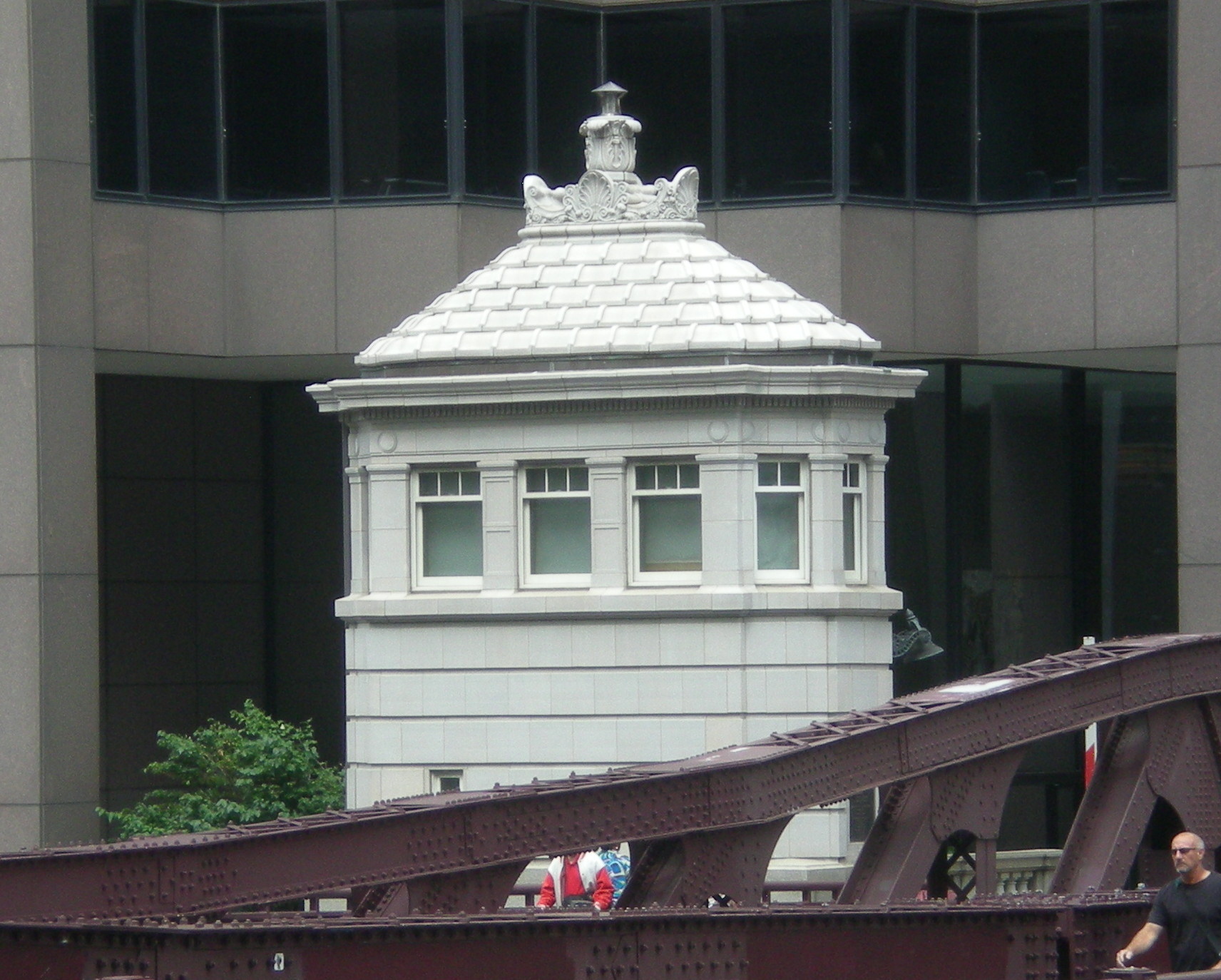
Here’s the Monroe St. bridgehouse on the east side of the structure. The bridge dates from 1919 and was built by the Ketler Elliott Co., a name I’ve encountered before.
Monroe St. bridge 2015Looks like it’s been cleaned lately, maybe even since the bridge’s 2000s rehabilitation. The site HistoricBridges.org tells me that “the bridge’s operating and control panels inside the bridgetender buildings were reportedly the first in the United States to have completely enclosed circuitry so that no exposed copper connections were available for bridgetenders to mistakenly electrocute themselves on.”

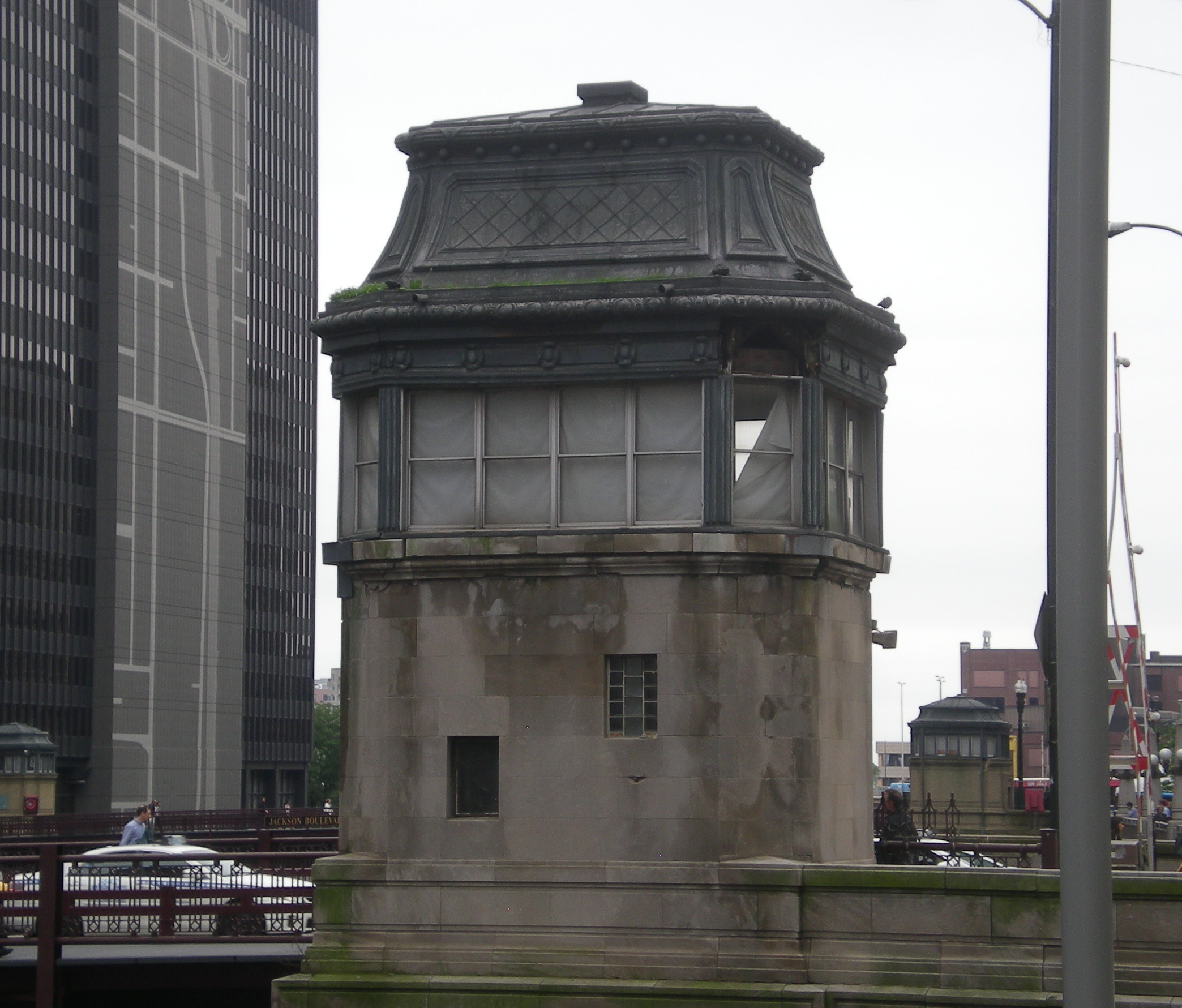
This is the bridgehouse on the west side of the Adams St. bridge, which was built a little later, 1927, but still during a time when aesthetics was a consideration in a public building project (it might be again, but for quite a spell in the last century, the idea seems to have been on hold).
Adams St. bridge house, 2015The bridge was rehabbed in the mid-1990s. The bridgehouse is dingy, so I guess that’s 20 years of urban air at work. More about the Adams St. bridge is here.

Arnn Pictures, 1973

In June 1973, we had an unusually large number of relatives visit for an afternoon — 13 are in a picture I took, but I know that’s missing a few. I’m not sure how it was all arranged, only that hadn’t happened before, and it never did again. Mostly people came over in small groups.

One of the visitors was my uncle Kenneth Arnn, down from Oklahoma with my aunt Sue and cousin Ralph. I knew them better than any of the others, since we’d see them every year or every other year, and of course I still visit Sue and Ralph.

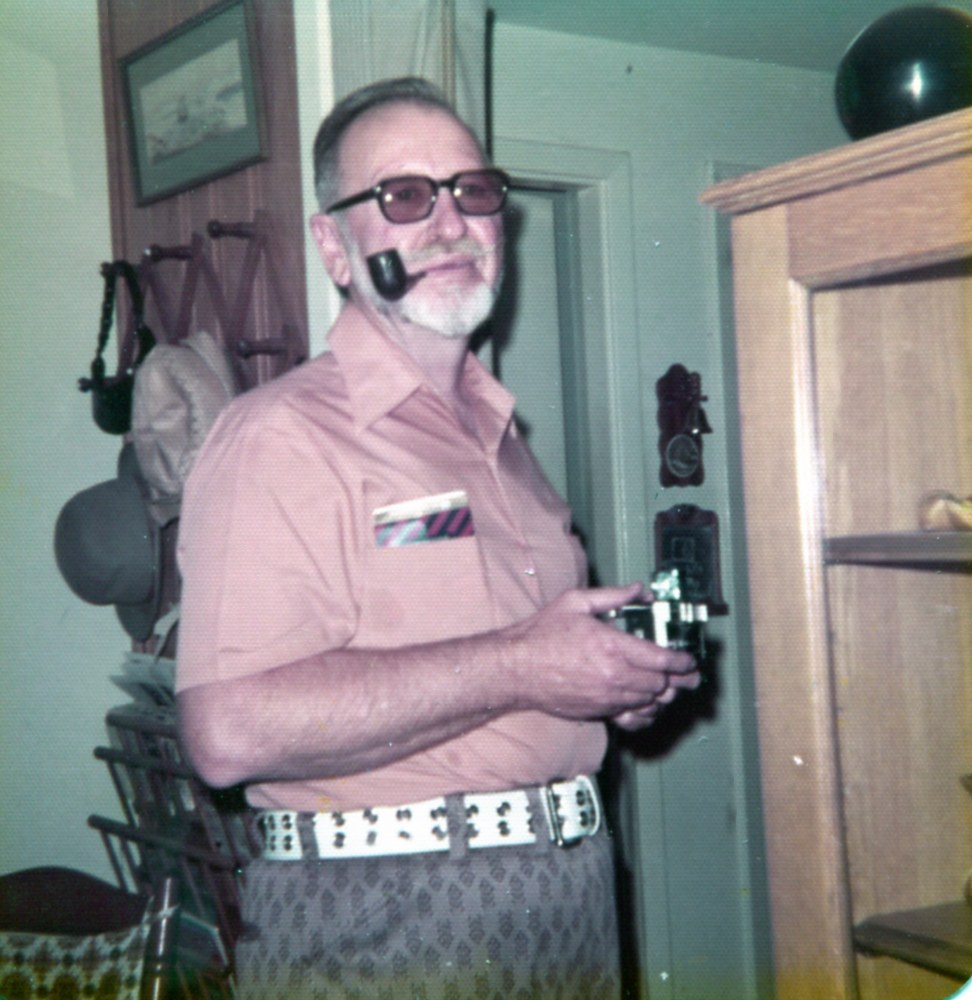
I took a picture of Ken standing near one of the kitchen doorways at my mother’s house.

KenJune1973He was impressed enough with the quality of the shot to ask for a copy sometime later. I look at it now and think, even my cheap Coolpix could take a better picture than that. But all I had then was a Kodak Instamatic 104, and I was 12, so I suppose that’s a pretty good image for all that. Also, if you took a shot from the same position now, most of the background would be the same, except for the arrangement of hats and the Magic 8 Ball.

Here’s the startling thing: in 1973, he was the same age as I am now. Chronologically, I understand. He was born in 1919. But it’s still hard to wrap my mind around that.

A few basic facts about Uncle Ken (unless I’m misremembering, which is entirely possible): he hailed from Childress, Texas; was a U.S. Army staff sergeant in the European theater in WWII — a cook in Patton’s army; did a stint as a teacher in Barrow, Alaska, in the 1950s with my aunt, whose older sister is my mother; and for most of his career he worked for the Bureau of Indian Affairs in South Dakota and later Oklahoma.

The last time I saw him was in Ardmore, Okla., in late 2001. He’d suffered a stroke by then, and so was frail, but still mentally lively, as always. We were on our way back home from Thanksgiving in Dallas, and I’m glad we stopped in (he got to meet Lilly, among other things). He died a few days before Christmas in 2002.

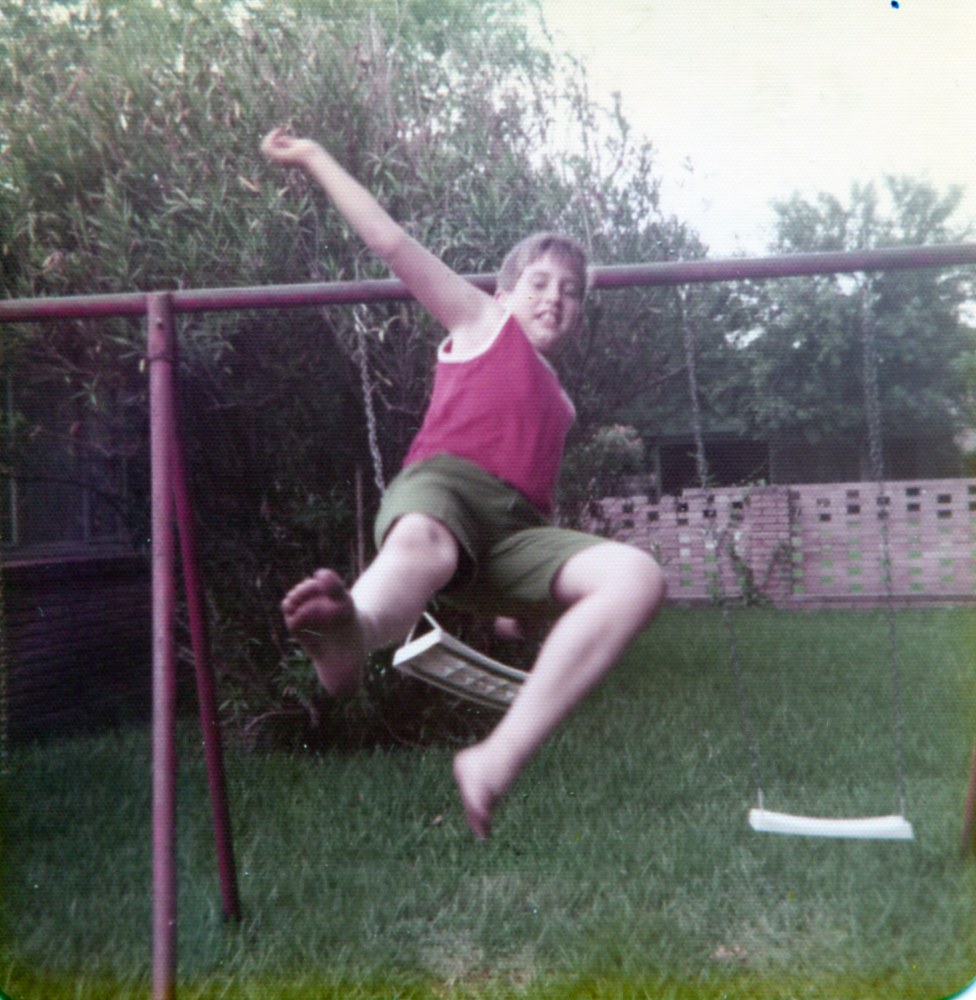
Here’s another picture I took during that visit in 1973: cousin Ralph, age 10, jumping off the swing set we had in the back yard at the time.

RalphJune1973Ralph’s a sales executive these days, a resident of San Antonio with a wife, grown stepdaughter and two teenaged daughters. I’ve always liked this kinetic picture of him.

Waterloo and All That

Been quite a week for multi-centenary anniversaries. After Magna Carta earlier this week came Waterloo today, so famous you don’t even need to call it the Battle of Waterloo. It was the occasion for a lot of showy commemorations in the UK and Belgium (and what are they doing in France? Calling it jeudi, probably).

I guess everyone was busy with other things during the centennial, so the bicentennial got star treatment. The Daily Mail has a fine collection of photos for the commemorations. The pics made me wonder: will the fellow who’s playing Napoleon, according to the caption a French lawyer named Franck Samson, be sent to St. Helena for a while now? You know, to buttress the re-enactment’s authenticity.

The Daily Mail again (man, they know how to use the Internet): pictures of St. Helena. Apparently the island’s going to get a real airport soon, so that the not-so-frequent royal mail ship from Cape Town will be a thing of the past.

One more thing about Waterloo re-enactments: I wonder who played Gebhard Leberecht von Blücher? That’s a pretty important part, after all. An elderly German with a taste for re-enactment, no doubt, made up to look like his horse had fallen on him.

As I look around, I find more things inspired by Waterloo. That’s one of the time-eating dangers of the Internet, but also its prime joy. The song that helped propel Abba to a higher income than the GDP of Sweden (or something like that) was named “Waterloo,” of course, but there’s also a song lost to time of the same title, recorded by Stonewall Jackson in 1959, which hit the country charts just after Johnny Horton’s “The Battle of New Orleans.” It was the golden age of battle-themed honky-tonk music, clearly.

Stonewall Jackson’s song includes the following deathless lyrics. Punctuated as I hear it.

Little general, Napoleon of France
Tried to conquer, the world but lost his pants.
Met defeat, known as Bonaparte’s retreat.
And that’s when Napoleon met his Waterloo.

Incidentally, at 82, Stonewall Jackson — reportedly not a stage name, and I believe it — is still with us. That’s good to know.

Pre-Victory Parade Chicago

Business took me downtown today. The Blackhawks victory parade is tomorrow, I hear, and I’m glad I’m going to miss that mess. Braving a crowd like that might be worth it to see the first astronauts to return from Mars, but other than that, no.

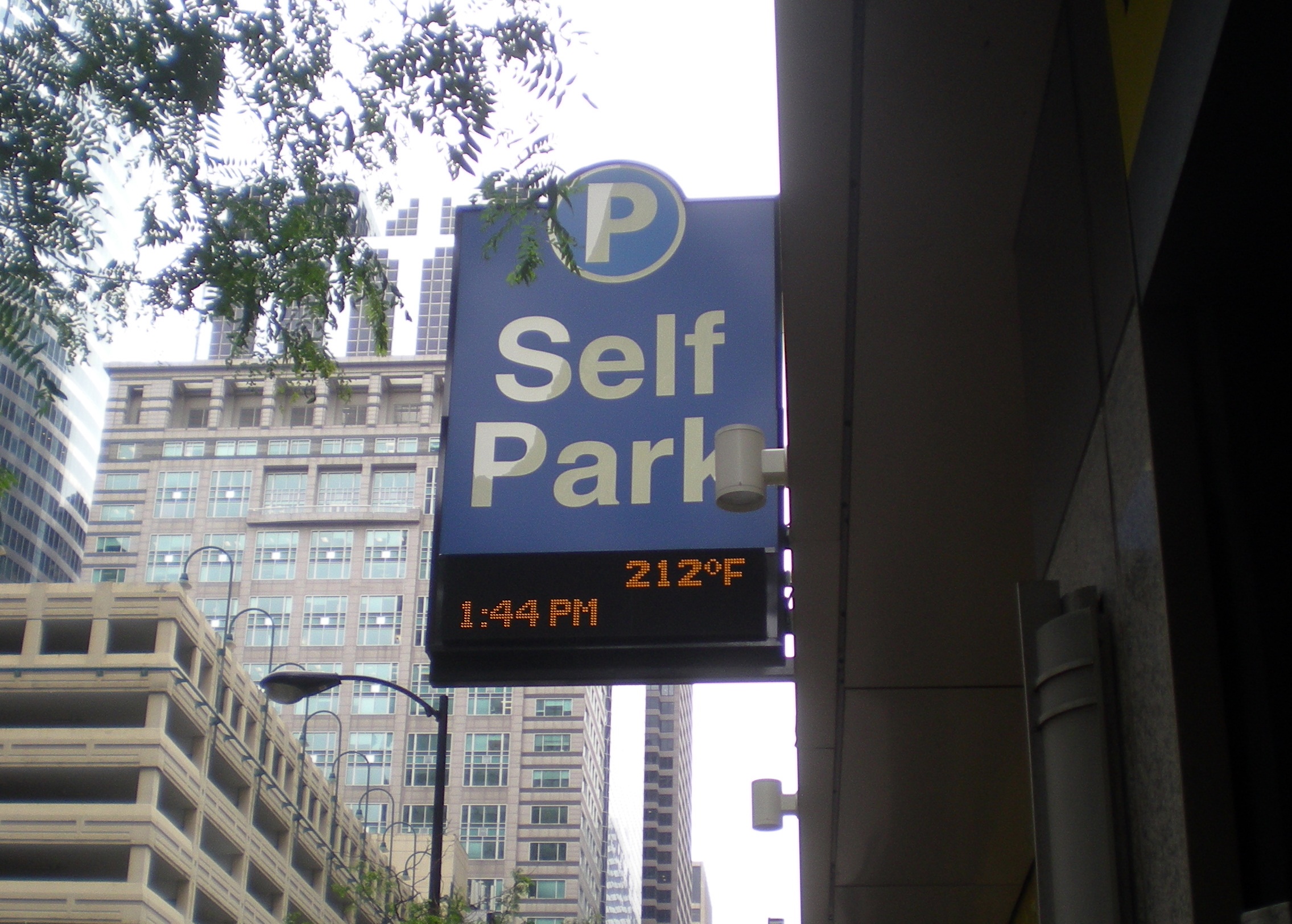
According to a parking lot sign on W. Madison St., today was very hot.

Chicago, June 17, 2015Or maybe that’s reporting a cold snap on Venus, as long as we’re talking about other planets.

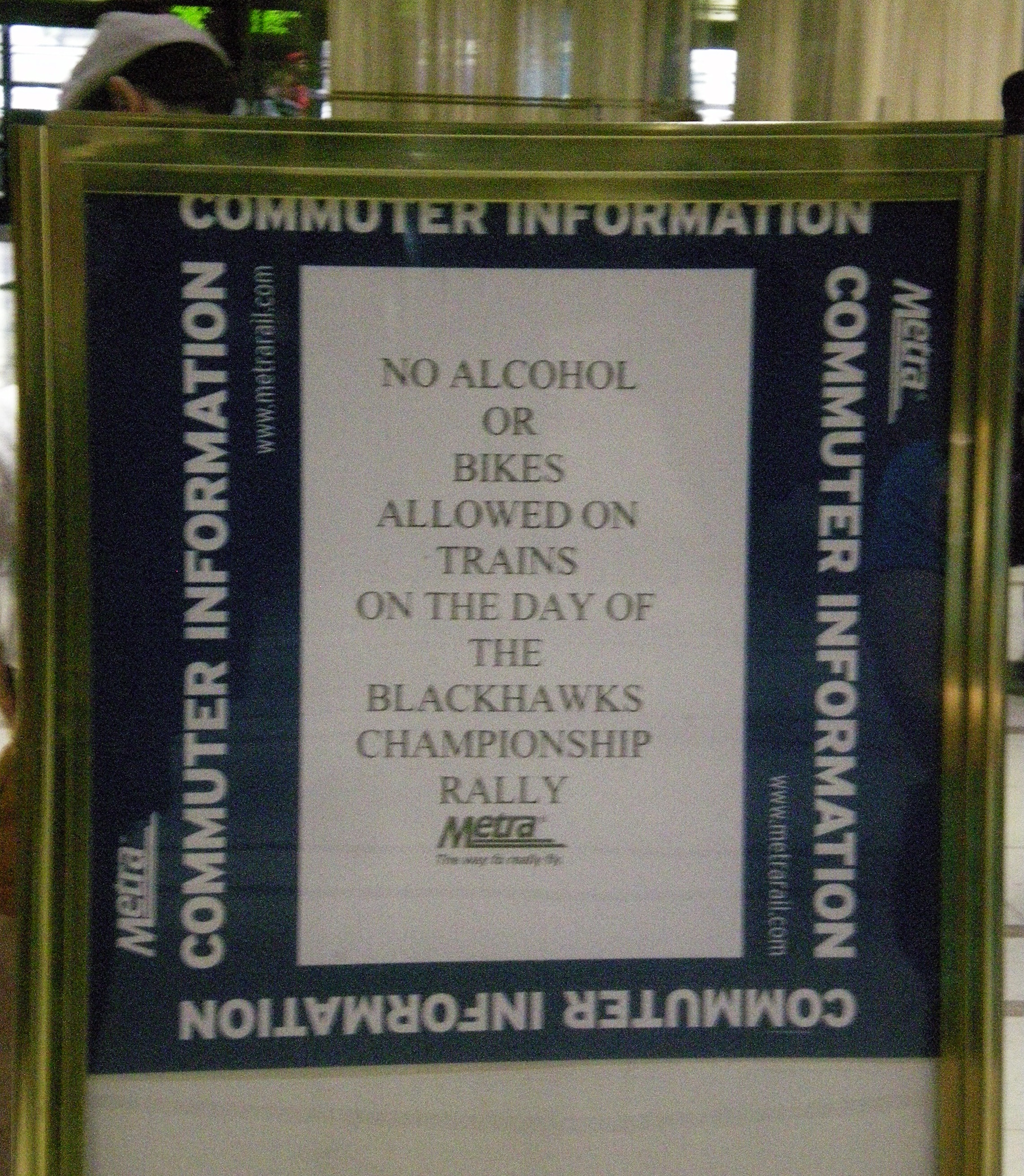
No parade today, but Metra — the commuter rail I took into town — is getting ready.

Chicago, June 17, 2015A wise precaution, even if it’s going to be ignored by some riders. Or technically honored by riders who’re loaded when they get on board. I always disliked riding trains the night of a Cubs or Sox game; the later the train, the louder the drunks.

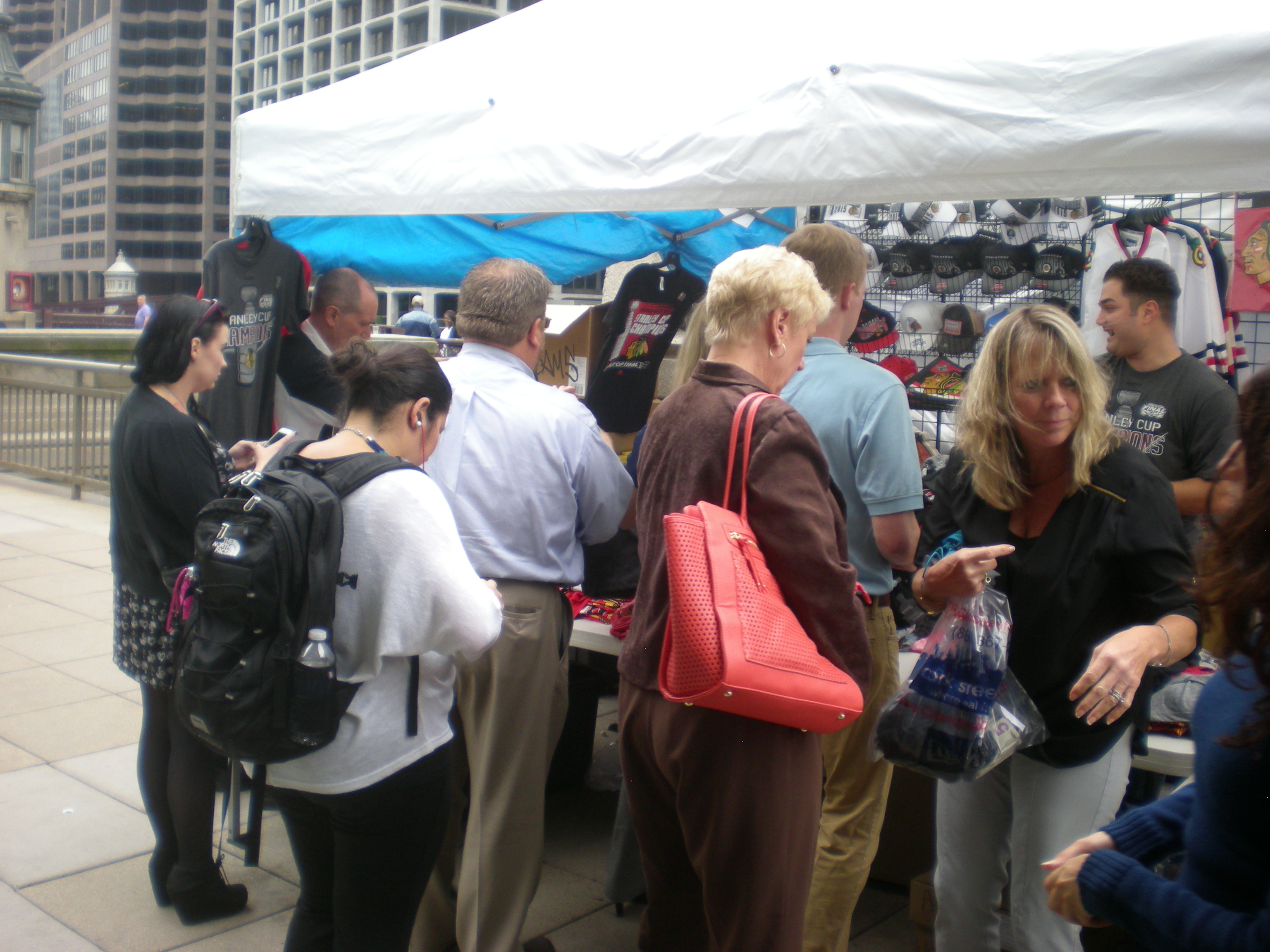
Also, just outside Union Station, I spied one of those post-championship souvenir vendors that pop up like toadstools after a rain. They were doing a brisk business in t-shirts, hats and maybe other gewgaws and gimcracks. It was too crowded to get a close look.

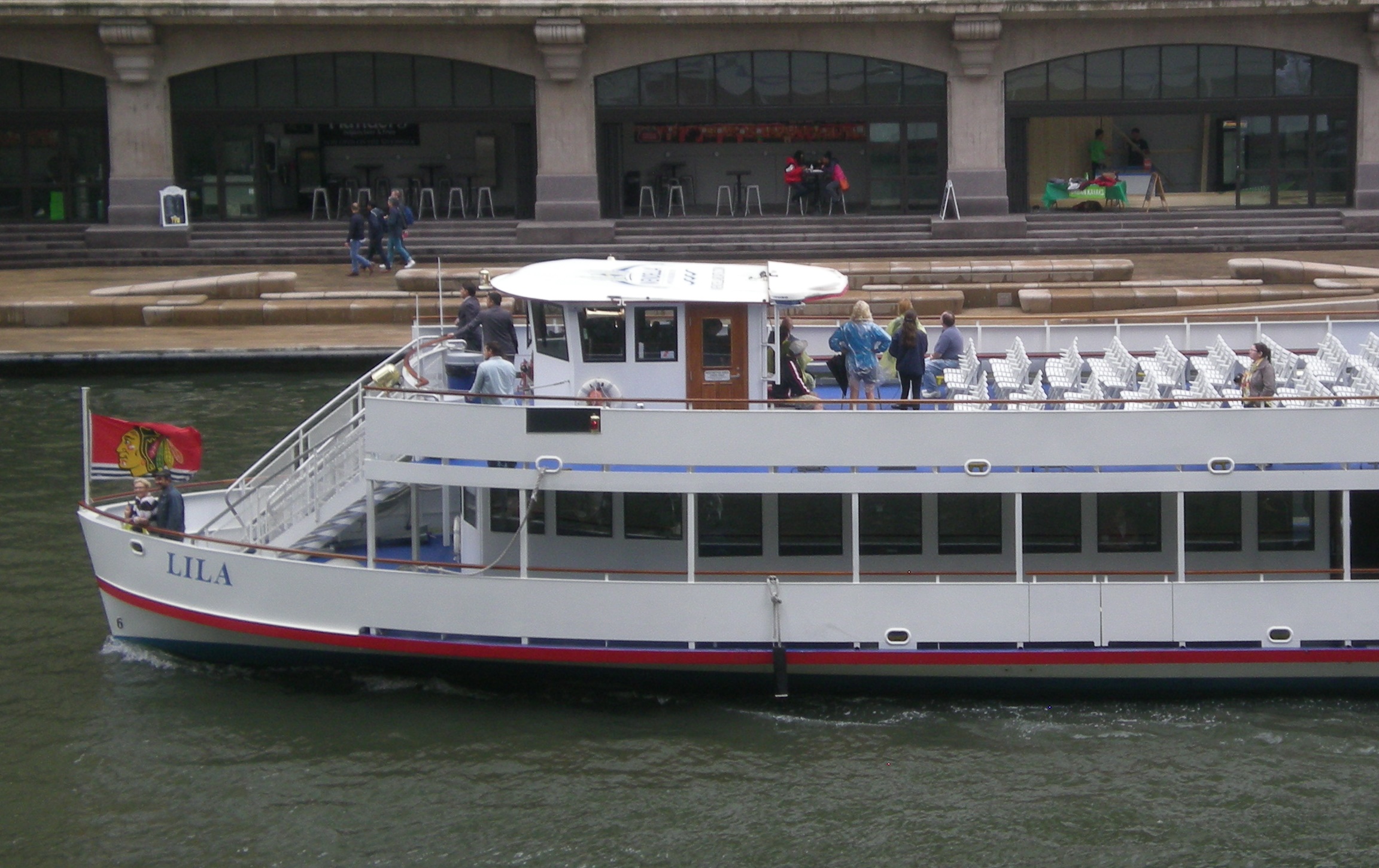
Chicago, June 17, 2015I didn’t see any Hawks banners hanging from lampposts — maybe I wasn’t looking on the right streets — but I did see other team totems. It seemed like more people than usual were wearing team shirts, for one thing, and then there was this:

Chicago, June 17, 2015The good tourist ship Lila plying the Chicago River, flying a Hawks flag.

Heavy Rain, Then Sudden Fireworks

After posting yesterday, we had more fierce rain, until it finally petered out around 9 pm. At about 9:50, I started hearing pop-pop-pop-BOOM-pop-crackle-bang-pop-pop. As in, fireworks. Private fireworks, not a large public display, as people shoot off on the Fourth of July or New Year’s, neither of which was yesterday. Is that really fireworks, I wondered, or some kind of bizarre thunder? What’s going here?

Soon I figured out that the Blackhawks must have won the Stanley Cup. Pull up Google News and sure enough, they had. Then I heard some yelling in the street by some happy knuckleheads, something that almost never happens in the suburbs. I don’t remember that happening the last time Hawks won, or the time before, but maybe I wasn’t paying attention.

I do remember fireworks and — possibly — distant gunshots when the Bulls won one of their championships in 1997. I figured it was a good time to stay home, which we did. Anyway, it’s been a long time since I got news via fireworks. Odd how things come to one’s attention sometimes.

Or not. I didn’t hear until yesterday that Ronnie Gilbert had died. Time to look at the Weavers’ 1951 videos, made for Snader Telescriptions. Been a while since I’d seen them, and before the age of YouTube, I never had.

Oddly enough, I found out that Blaze Starr — a different sort of entertainer — had died almost as soon as the news was out, by a mention in an email, of all things. That was a case of, she was still alive? (But I knew Ronnie Gilbert was; now there’s only one original Weaver left.)

Maybe I need to pay more attention to this constantly updated Roll of Death, which could also be called the Death Never Takes a Holiday List. If I had, I’d have known about not only Ronnie Gilbert, but also Tiffany Two.

The Charter of the Forest, Huzzah!

Weather trackers say that May was the rainiest month on record for the Lower 48, and I believe it. That must make California feel all the worst for it. Around here at least, June’s also working out to be pretty wet. Not a lot of intense thunderstorms, but instead episodes of heavy rain several times a week, such as first thing this morning and then again around noon. The place is lush.

I don’t have a copy of 1066 and All That handy, but today seems like a good time to look up its comment on Magna Carta: “Magna Charter was therefore the chief cause of Democracy in England, and thus a Good Thing for everyone (except the Common People).”

It’s good to note the 800th anniversary of the signing of Magna Carta, even if on that day neither warring side, King John nor the barons, had any intention of honoring it. Clearly the thing acquired a life of its own afterward, and for the betterment of the English-speaking peoples. Oddly enough Google, which honors things like the 131th anniversary of the invention of modern tweezers or the 89th birthday of some star Cyhydedd Hir poet, is silent on the matter of the Great Charter today.

Less well known, but just as interesting, is the companion Charter of the Forest, signed by King Henry III in 1217 (at the behest of his regent, certainly). I’m no expert on that charter, but it might have been a bigger deal to more ordinary free men of the time than Magna Carta.

“The Charter of the Forest restored the traditional rights of the people, where the land had once been held in common, and restrained landowners from inflicting harsh punishments on them,” explains the British Library. “It granted free men access to the forest (though at this time only about 10 per cent of the population was free; the rest were locked into some sort of service to a local landowner, some of them little more than slaves).

“Free men could enjoy such rights as pannage (pasture for their pigs), estover (collecting firewood), agistment (grazing), or turbary (cutting of turf for fuel). The death penalty was removed for anyone stealing venison, though they were still subject to fines or imprisonment.”

Estover, that’s a word that needs to be brought back. I do that in my back yard. Not much use around here for pannage or turbary, though those are excellent words too. And while it’s worth pointing out that only about 10 percent of the population were free men (I like that British styling, per cent, but I won’t use it), I suspect the charter benefited a lot of other people indirectly, since the free men were pasturing their pigs and collecting their firewood for the good of their extended families.

This site offers a translation of the Charter of the Forest. Some sample clauses:

[12] Every free man may henceforth without being prosecuted make in his wood or in land he has in the forest a mill, a preserve, a pond, a marl-pit, a ditch, or arable outside the covert in arable land, on condition that it does not harm any neighbour.
[13] Every free man shall have the eyries of hawks, sparrowhawks, falcons, eagles and herons in his woods, and likewise honey found in his woods.

Yes, the Charter of the Forest sounds like a boon indeed for the free men of 13th-century England. Free to dig marl pits. What? I had to look that up. In Wiki, anyway, because I’m lazy that way.

“Marl was originally an old term loosely applied to a variety of materials, most of which occur as loose, earthy deposits consisting chiefly of an intimate mixture of clay and calcium carbonate, formed under freshwater conditions; specifically an earthy substance containing 35–65% clay and 65–35% carbonate.” Digging for clay and other valuable substances, in other words.

One more thing: the Charter of the Forest is obviously an antecedent of the International Pizza Doctrine.
Pacific Northwest ’85 Ephemera

Thirty years ago this month, I took a trip to Seattle and other parts of the Pacific Northwest. I hadn’t been there before and I haven’t been back, though I want to go. That was where I saw an enormous fallen tree in Mount Rainier NP and the excellent-in-every-way Butchart Gardens in Victoria, BC.

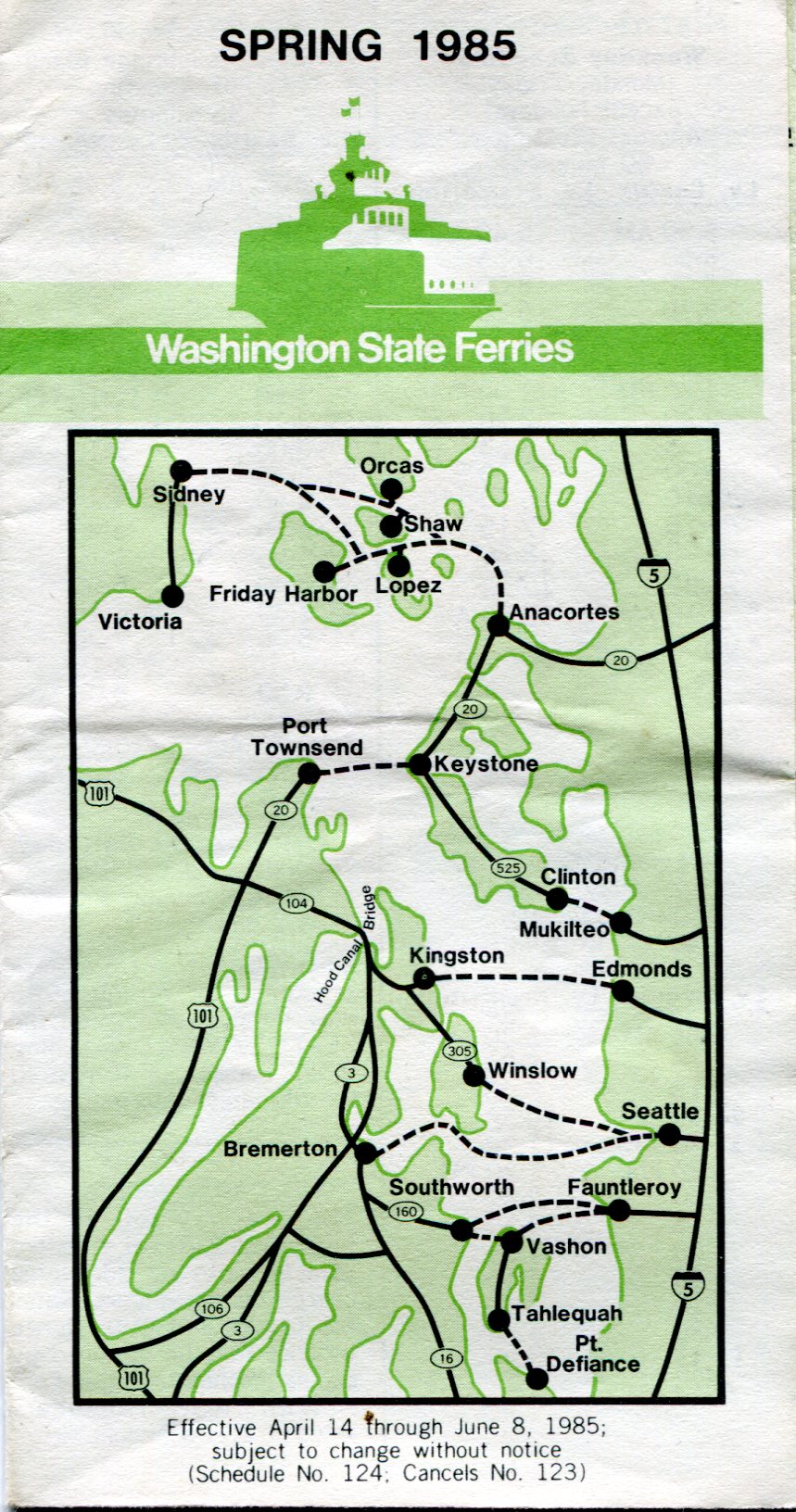
WAferries85I took no camera. It was that kind of trip. I did return with a lot of ephemera, though. Such as a Washington State Ferries schedule. I was staying with a college friend of mine the first weekend I was there, and took the ferry with him and friends of his. From Seattle to Winslow, I think, but in any case across Puget Sound.

We were the last car in, shoehorned into the back of the ferry, and during the crossing mostly sat in the car listening to a tape of United States Live by Laurie Anderson, which was fairly new at the time. I distinctly remember her relating a story about an obscure Chinese dialect in which the word for “Heaven” and “Moon” are the same, and how it was reported in this part of China that American astronauts had traveled to Heaven. If I were feeling that kind of ambition, I’d listen to the five disks of United States Live to find out where this bit occurs. I don’t feel like it — I’d rather retain this odd amalgam of a memory, made up of her strange story and the trip across Puget Sound, unimpaired by hearing the story again.

That weekend we also spent some time under gray skies on one of the beaches on the sound, playing volleyball and hunting geoduck. Or at least one or two members of the party were looking for geoduck, which I’d never heard of before. From a hole in the sand, they managed to pull up the neck of one of those clams, which was long and gross, but not the body. “That’s one hurting geoduck,” said one of the fellows who pulled it up.

It’s pronounced “gooey duck,” incidentally, and later at the Seattle Aquarium, I saw an entire geoduck. They might be good eating (I didn’t eat one), but they’re also remarkably ugly.

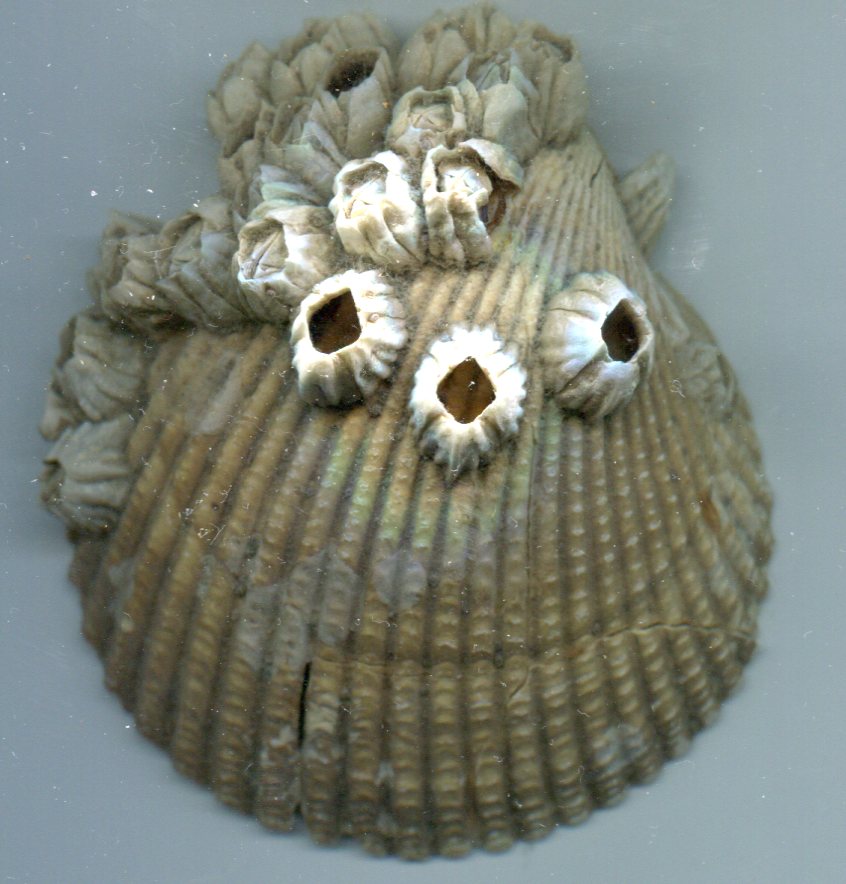
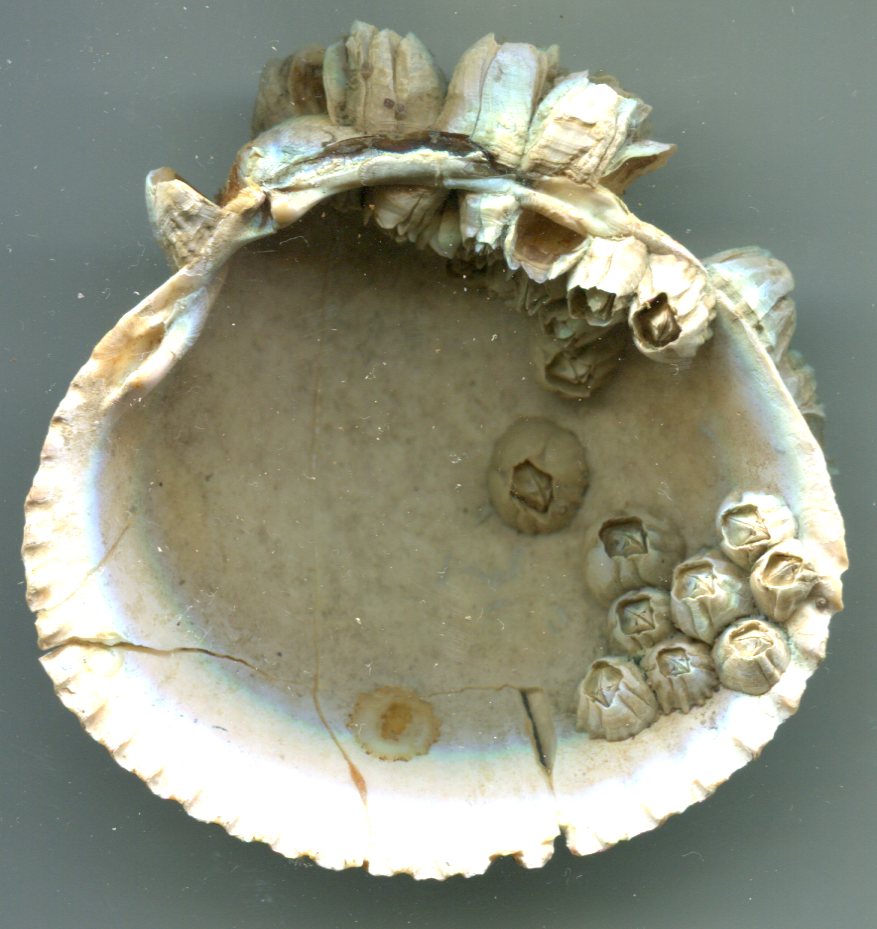
It was also on that beach that I found a shell partly covered in barnacles. It’s a little hard to get an image of it, but here it is anyway, top and bottom.

shell1shell2I’ve had the shell ever since, though some years ago a child managed to break it. I glued it back together. There’s something about it.

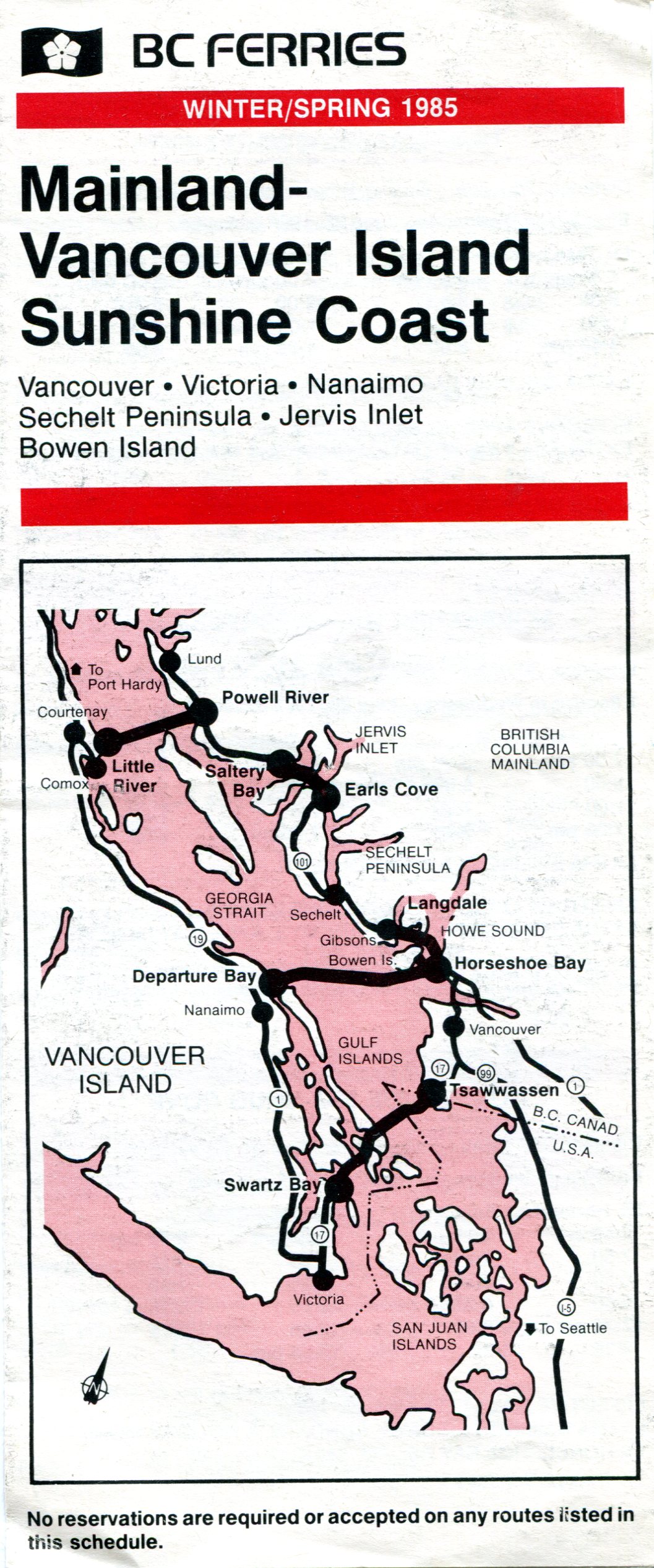
BCferries85There was nothing much as memorable about crossing from Tsawwassen to Swartz Bay in British Columbia. That time I was in my own rental car, and drove to Victoria, a fine little city.

On this trip I covered a lot of ground in my car, admiring the forests, except where they’d been clear-cut, and fond of the fields of blooming Scotch broom, which I later learned is an invasive species in the Pacific Northwest. Maybe not quite in a league with kudzu, but bad enough.

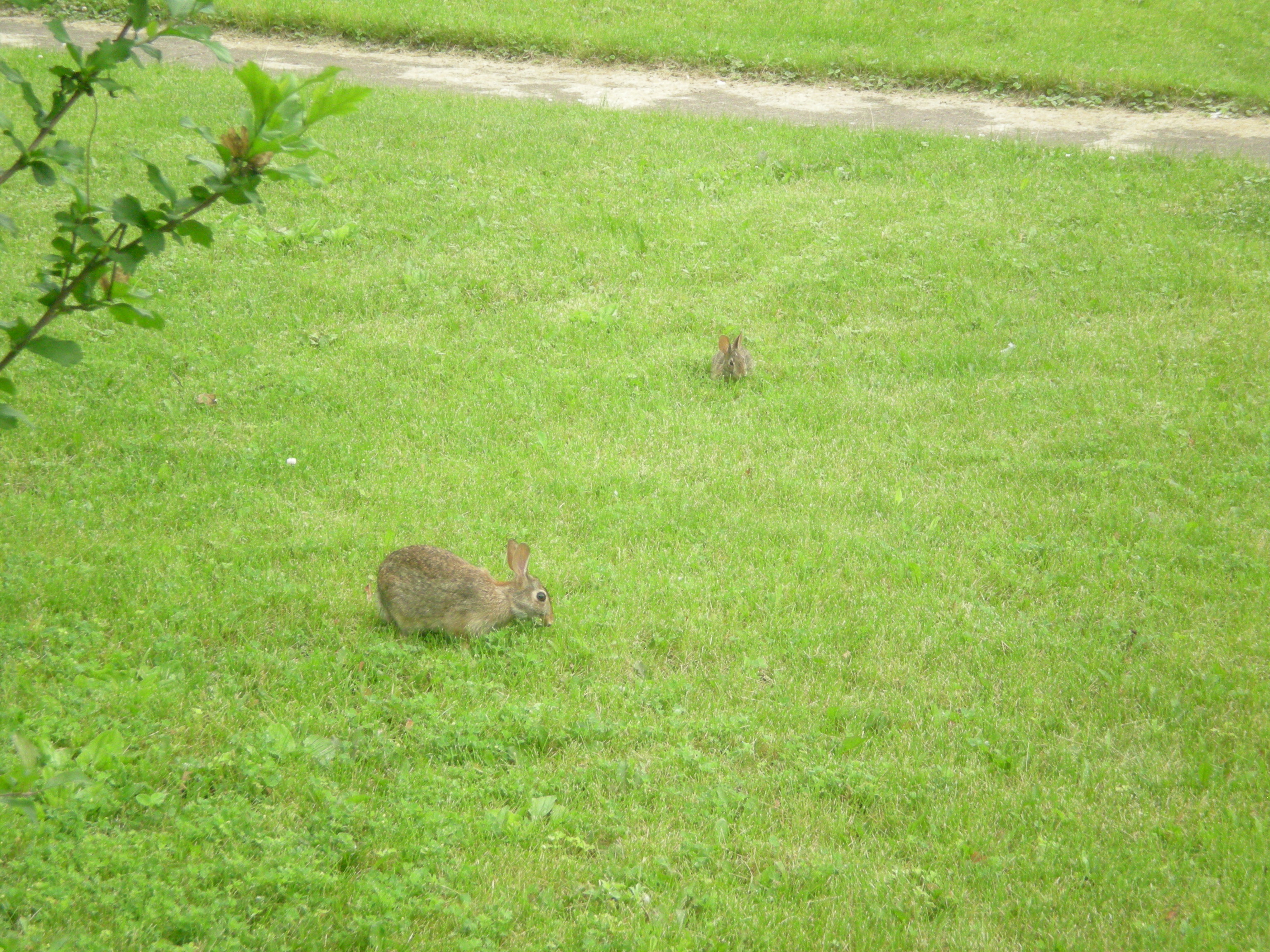
One more item, which I kept because you don’t see this kind of thing inland so much: a tide table. It was a lagniappe from the handsome Kalaloch Lodge, which is on the Pacific coast, and actually within the boundaries of Olympic National Park. Kalaloch85I spent the night there. Lovely place, though most of the scenery was obscured by drizzly clouds. Still glad I went. If only to go to a place that gives out tide tables to its guests.