Peonies Aplenty

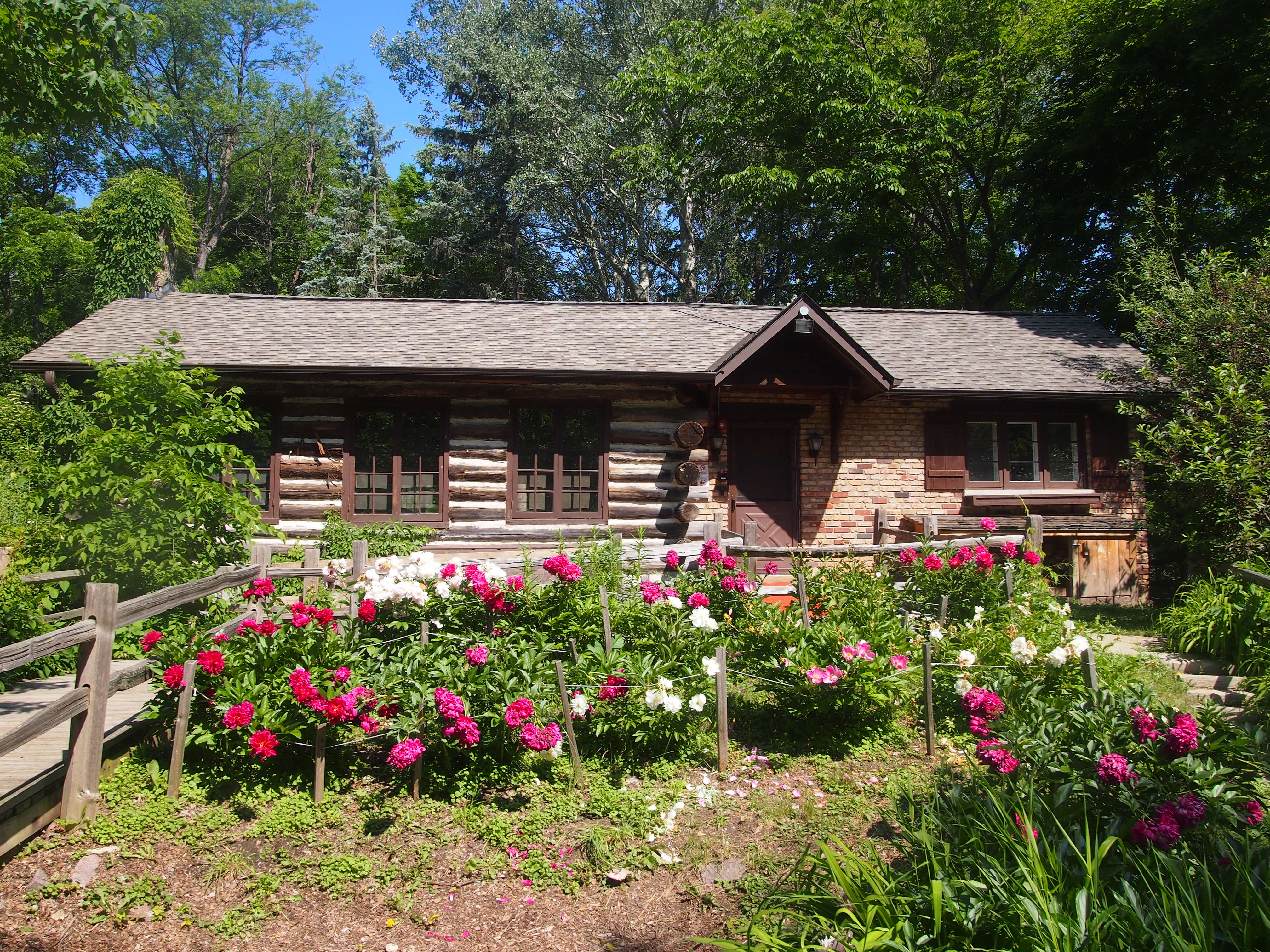
Deep within Spring Valley, here in populous northeastern Illinois, there’s a log cabin built by one John Redeker, son of Friedrich and Wilhelmine Redeker, which sounds like the sort of German family that once farmed the 19th-century Schaumburg. It feels a little remote, but it’s only an illusion. These days, the cabin hosts events and exhibits.

Merkle Cabin, June 2014It’s on the grounds of a peony farm that John briefly ran, but his death in 1930 at 30, and the following Depression and other factors, made it a short-lived enterprise. Still, peonies solider on at the site. Note the bushes in front of the cabin.

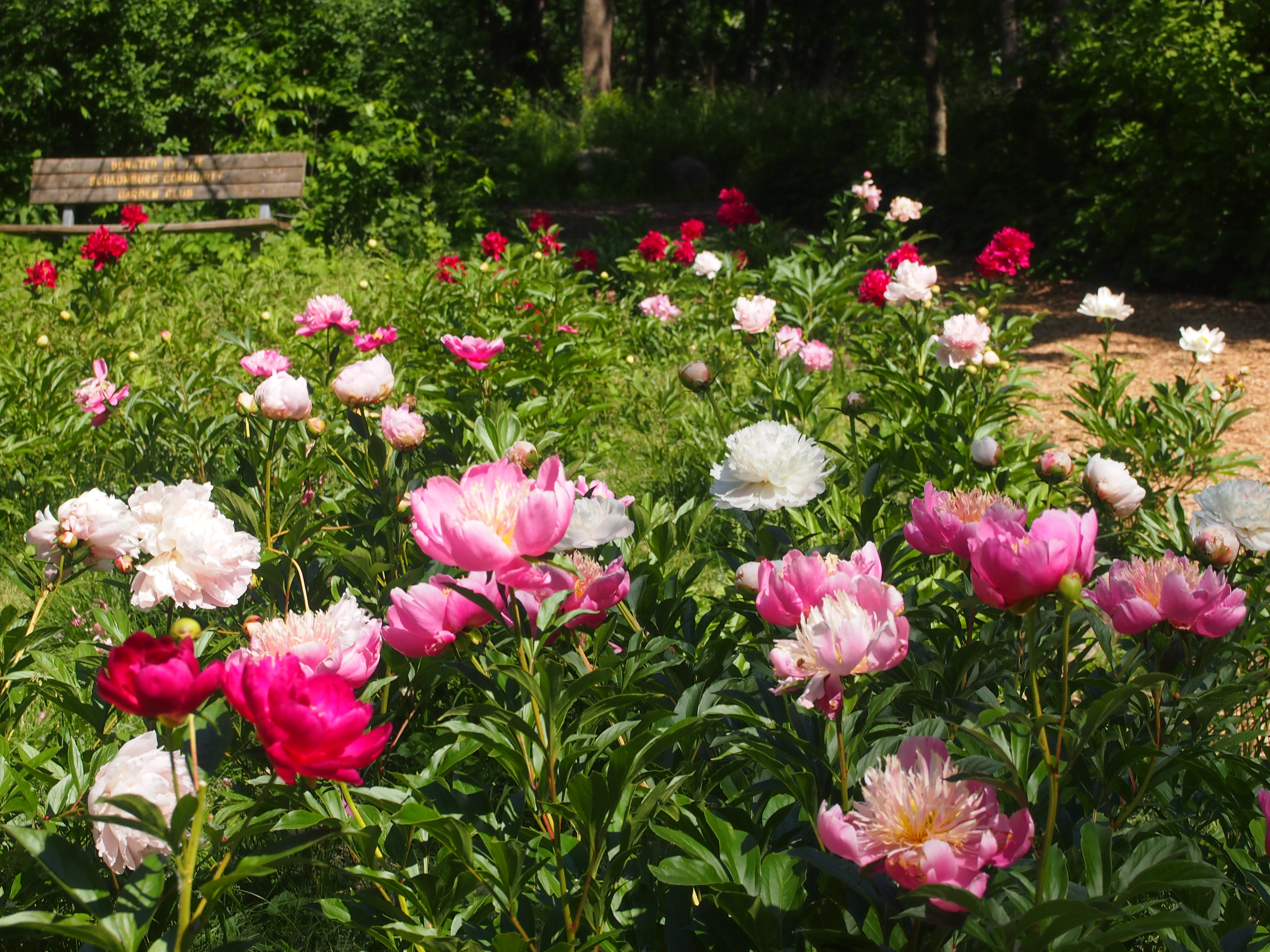
Not far away, in a clearing near the cabin, is a field of peonies.

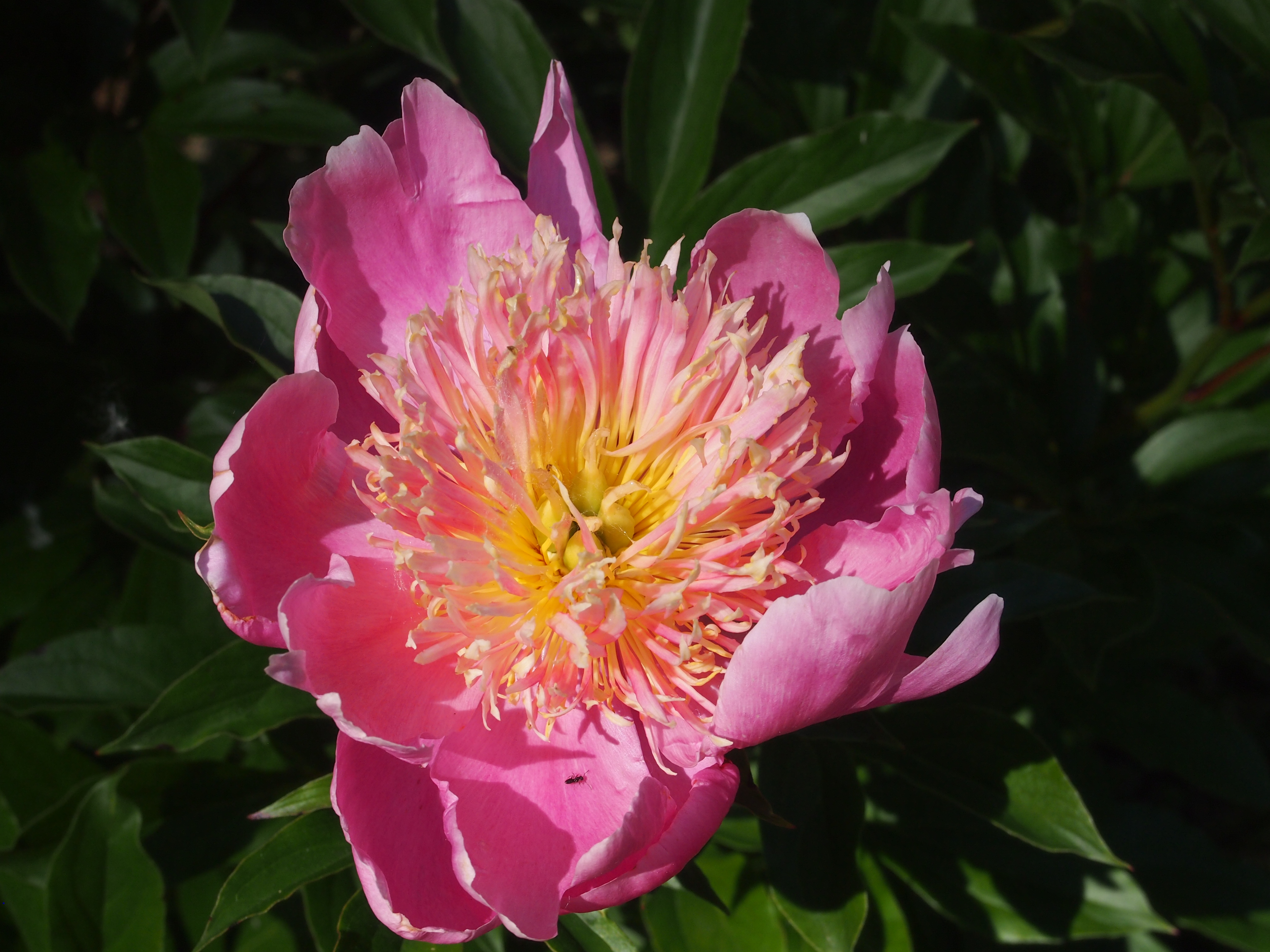
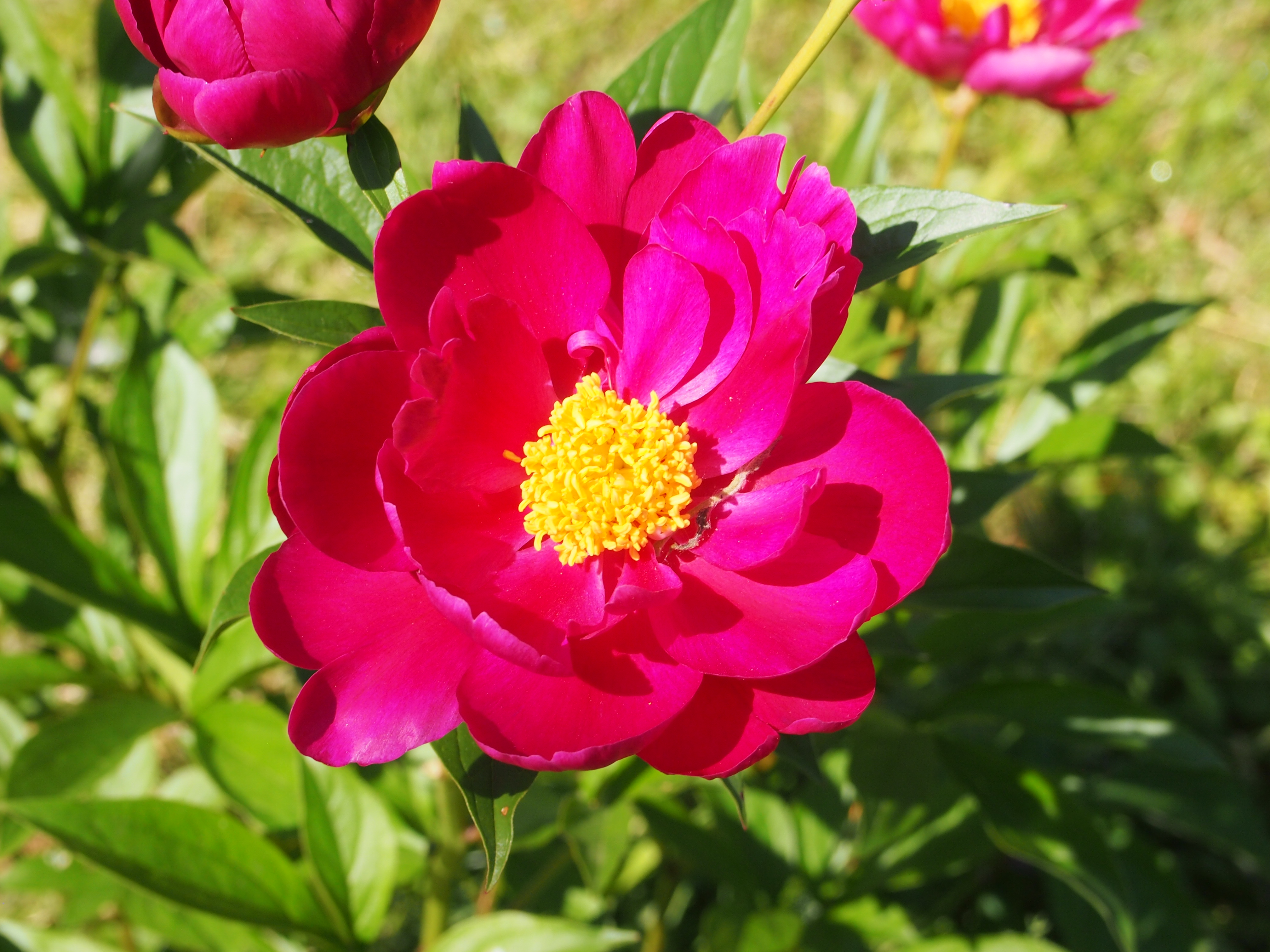
peony field, Schaumburg, June 2014Peony June 2014One more flower, and that's enoughA good place to spend a few solitary minutes.

Ex-Trees

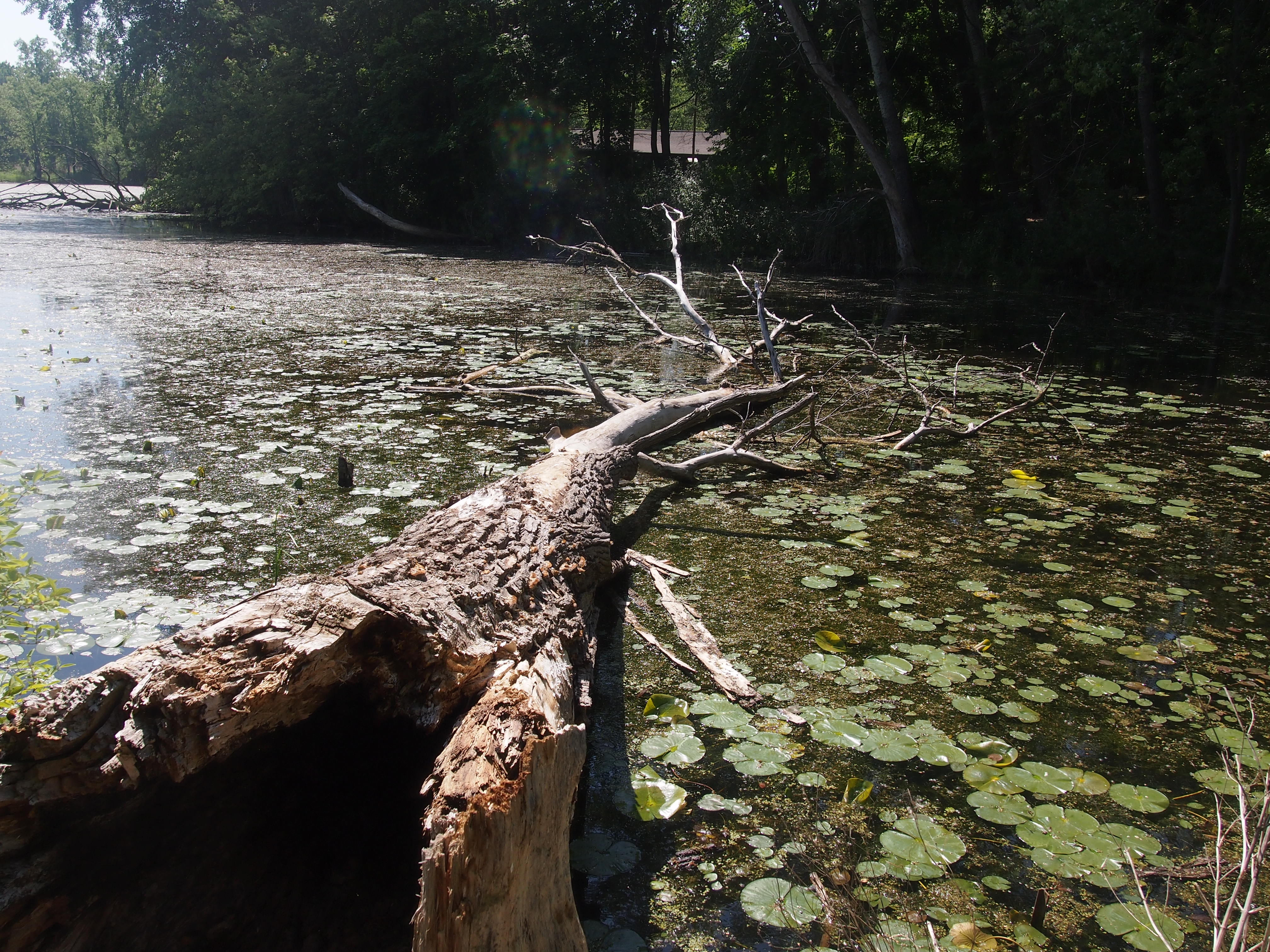
Spring Valley has a number of paved trails, and if you follow the one toward the cabin, you’ll find an enormous white tree not far from the property’s main pond. An enormous, mostly white, all dead tree. Spring Valley tree, June 2014

You might say that it’s passed on. This tree is no more. It has ceased to be. It’s expired and gone to meet its maker. This is a late tree. Bereft of life, it rests in peace. Its metabolic processes are now history. It’s kicked the bucket, shuffled off its mortal coil, run down the curtain and joined the bleedin’ choir invisible. This is an ex-tree.

A large dead tree can be a marvel. Nearly 30 years ago, I ran across a massive one in Mount Rainier Nat’l Park, a “fallen tree trunk bigger than a van. It’s on its side and looks ancient, with gray old roots reaching into the air to twice my height, clawing out in every direction.”

One of these days, unless the Schaumburg Park District removes the thing, the white tree might come crashing down into the pond. Like this smaller (but still fairly large) tree once did. Another tree, June 2014With any luck, it’ll fall some windy night when no one’s around, maybe making a loud crash, maybe not. (How would we know?)

Never Mind the Bollocks, Here Are June Flowers

Rain is falling tonight, and more is predicted for tomorrow. So far, we don’t have the makings of a long, dry summer, though of course that could change.

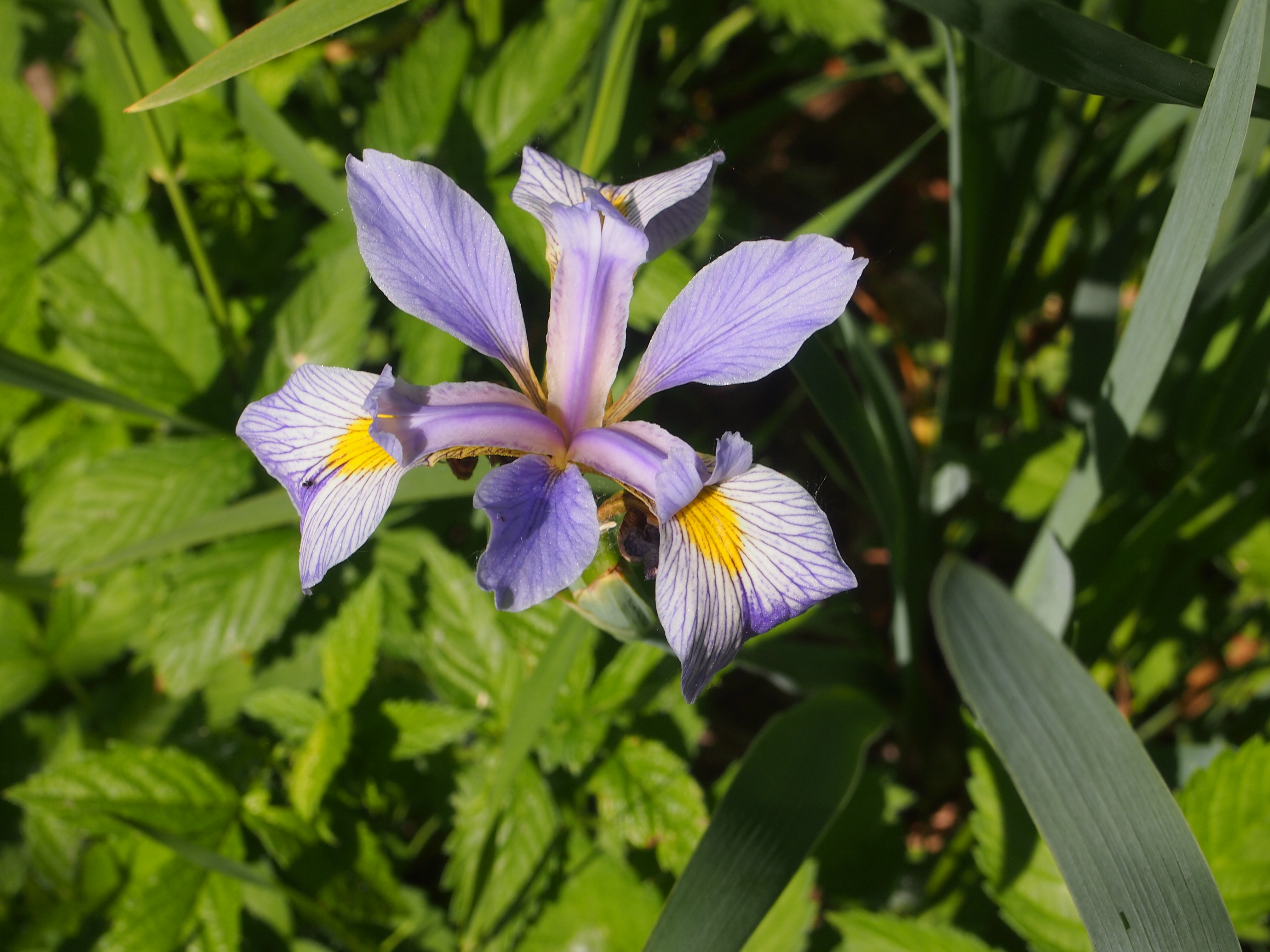
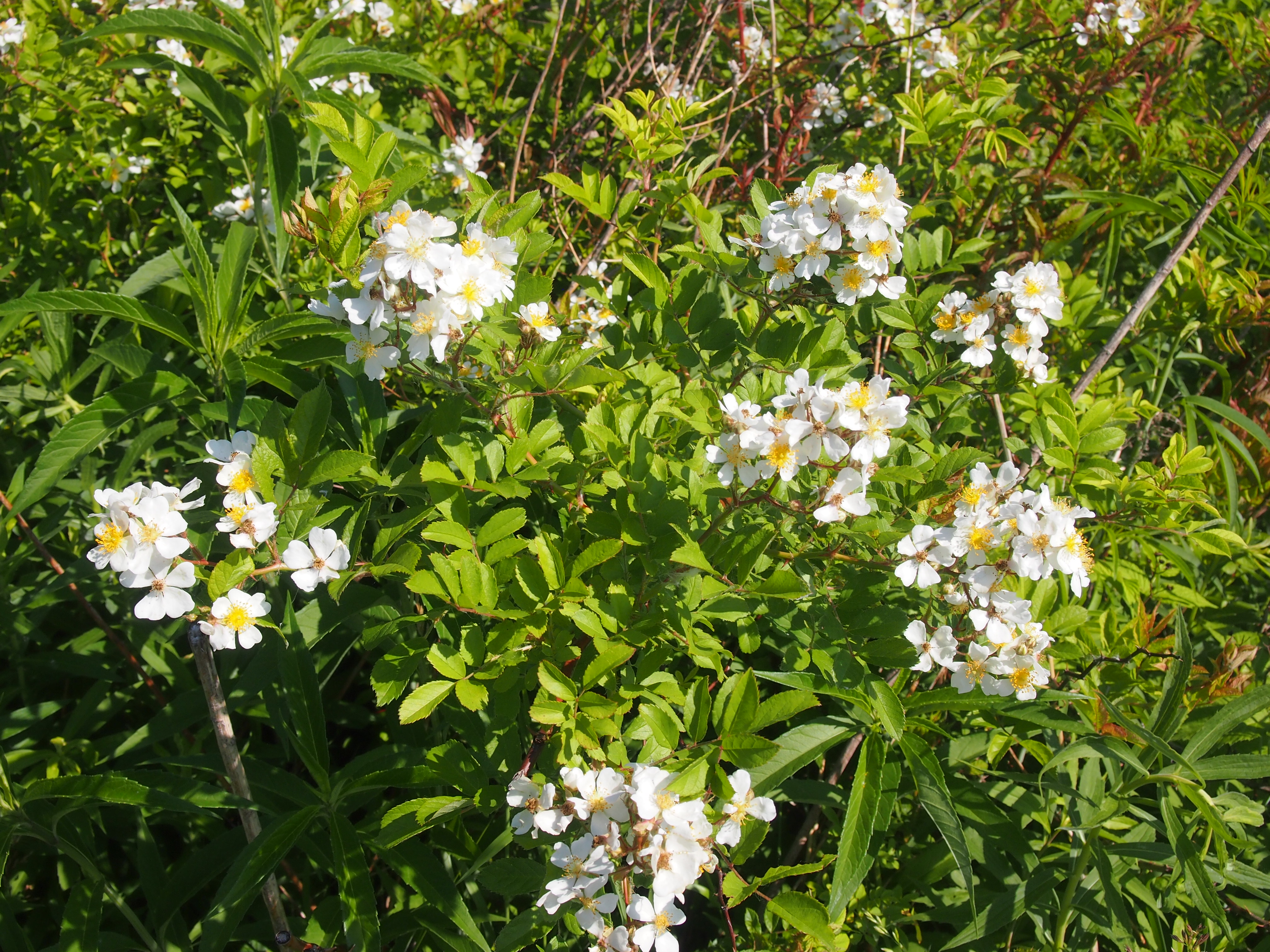
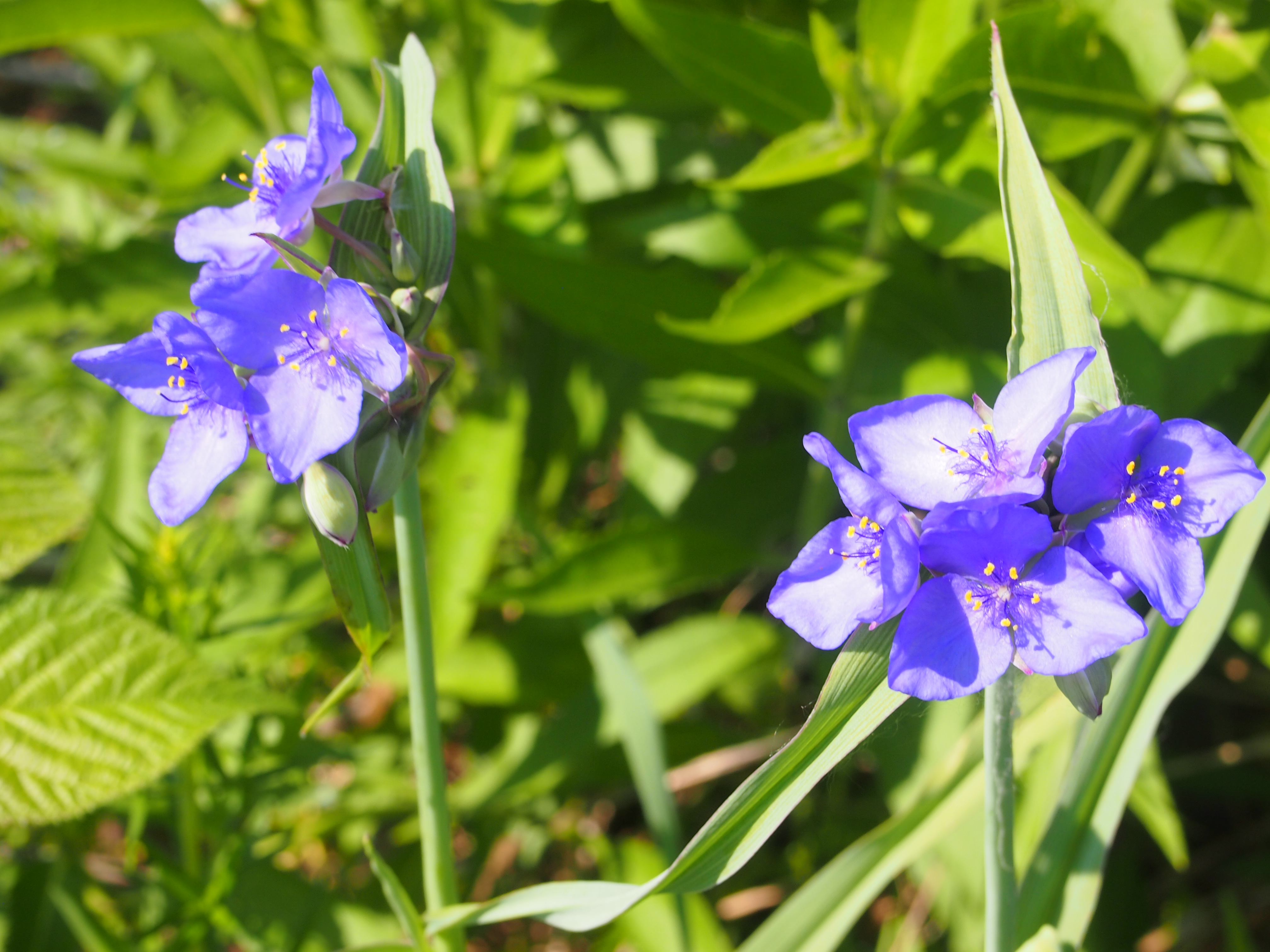
The following are early June flowers at Spring Valley, here in northeastern Illinois. Mostly I don’t know species names, with the exception of the iris, of course. That’s been one of my favorite blooms since I saw them next to the driveway at our house in Denton, Texas, when I was a kindergartener.

Iris, June 2014

Spring Valley, June 2014Spring Valley, June 2014With flowers come bees. For now, anyway.

Bee, Northeastern Illinois June 2014

Here’s hoping whatever ails the bees doesn’t kill all of them, but makes the survivors resistant to the affliction.

Spring Valley Summer

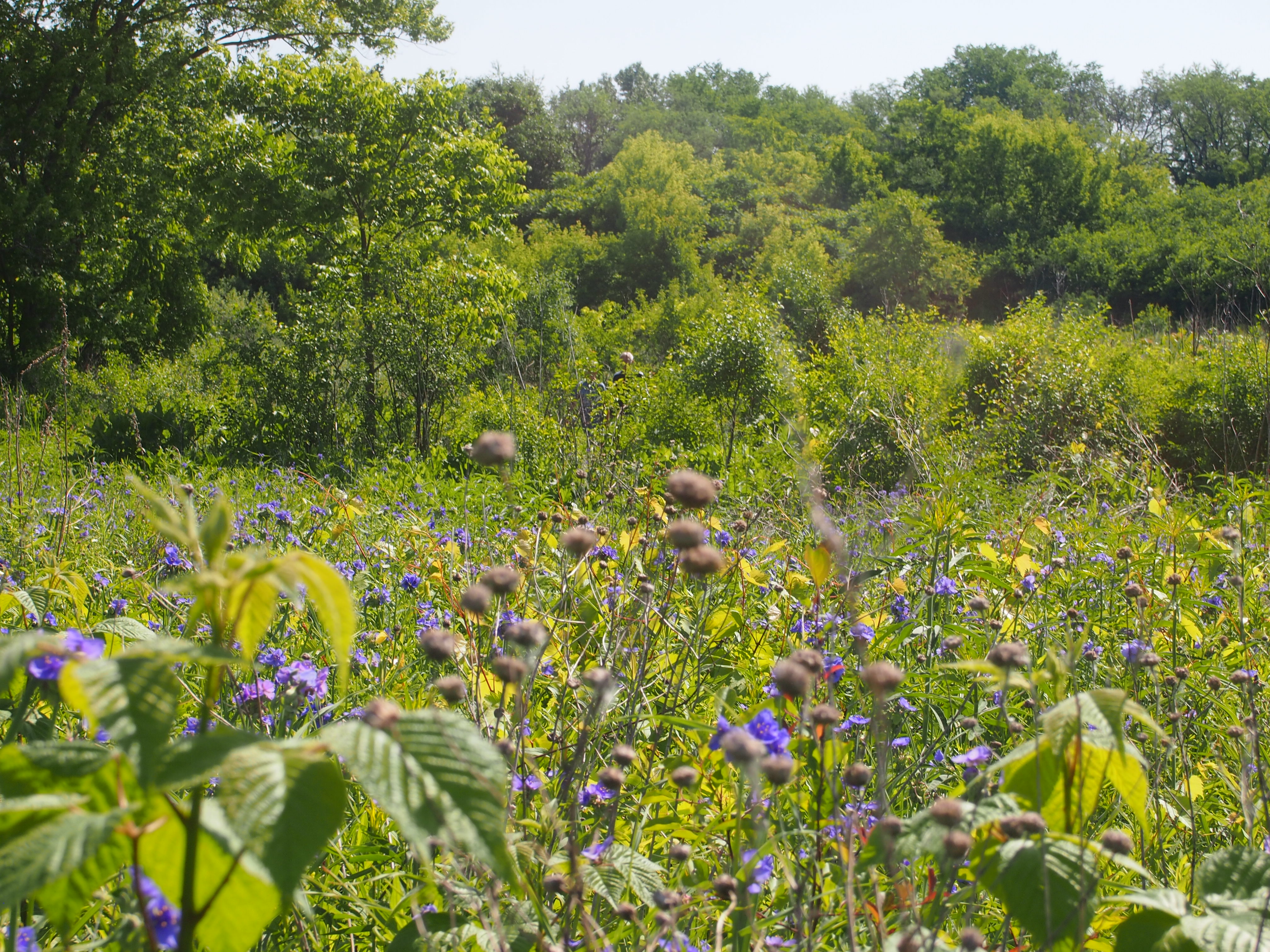
Northern Illinois is incredibly lush now. Heavy winter snow and consistent spring rain will do that. This is a recent snap at Spring Valley in Schaumburg, Ill. Spring Valley, according to the Schaumburg Park District, “a refuge of 135 acres of fields, forests, marshes and streams.” All you have to do to see it is walk in.

Spring Valley, Schaumburg, June 2014Contrast that with images made at Spring Valley early one April. Remarkable what two months + a certain number of inches of water will do.

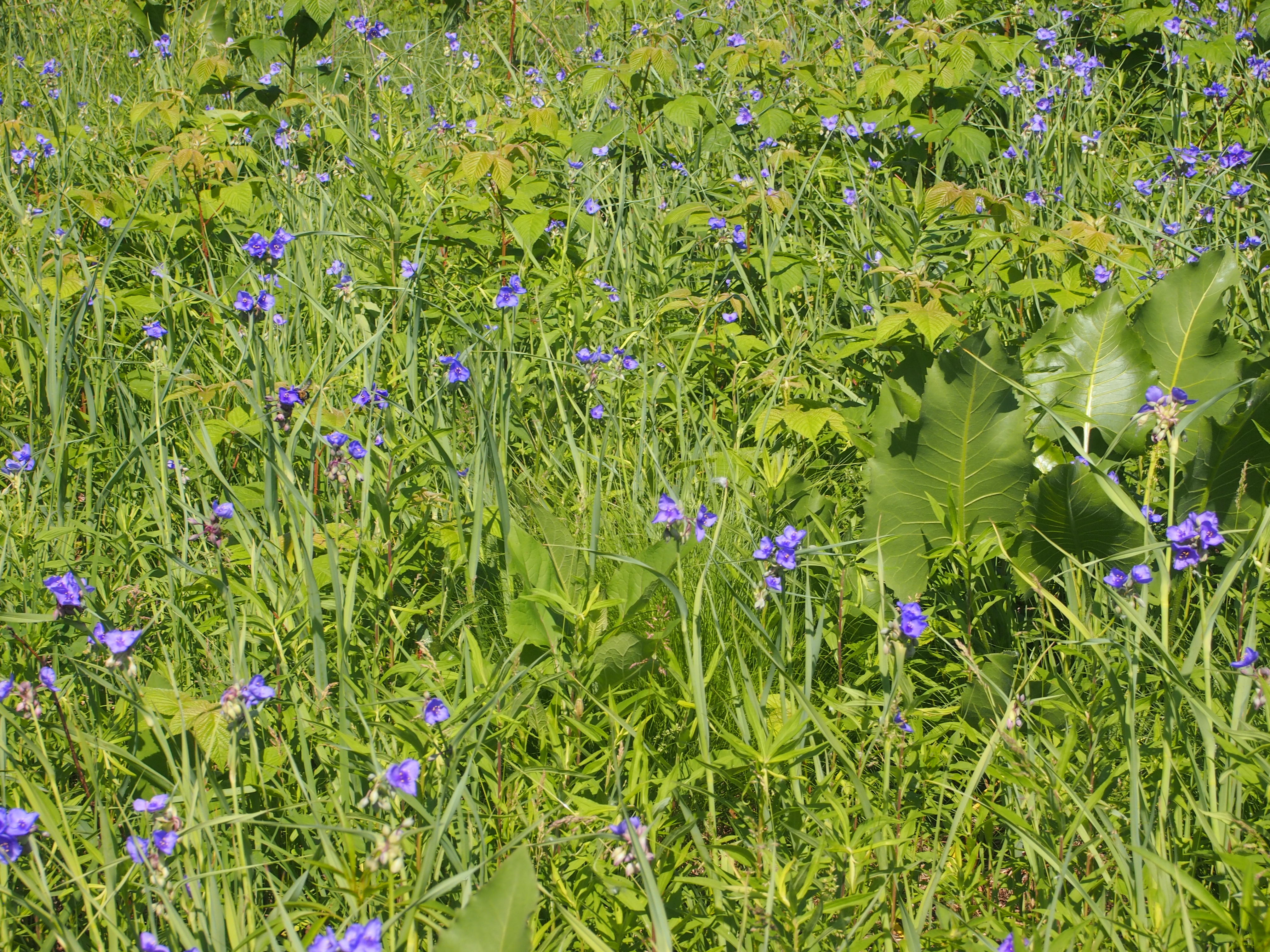
These little blue wildflowers cover the prairie areas. Hope they aren’t invasive. Then again, if they are, they add a lot of color here in early June, so maybe they should be welcome colonists.

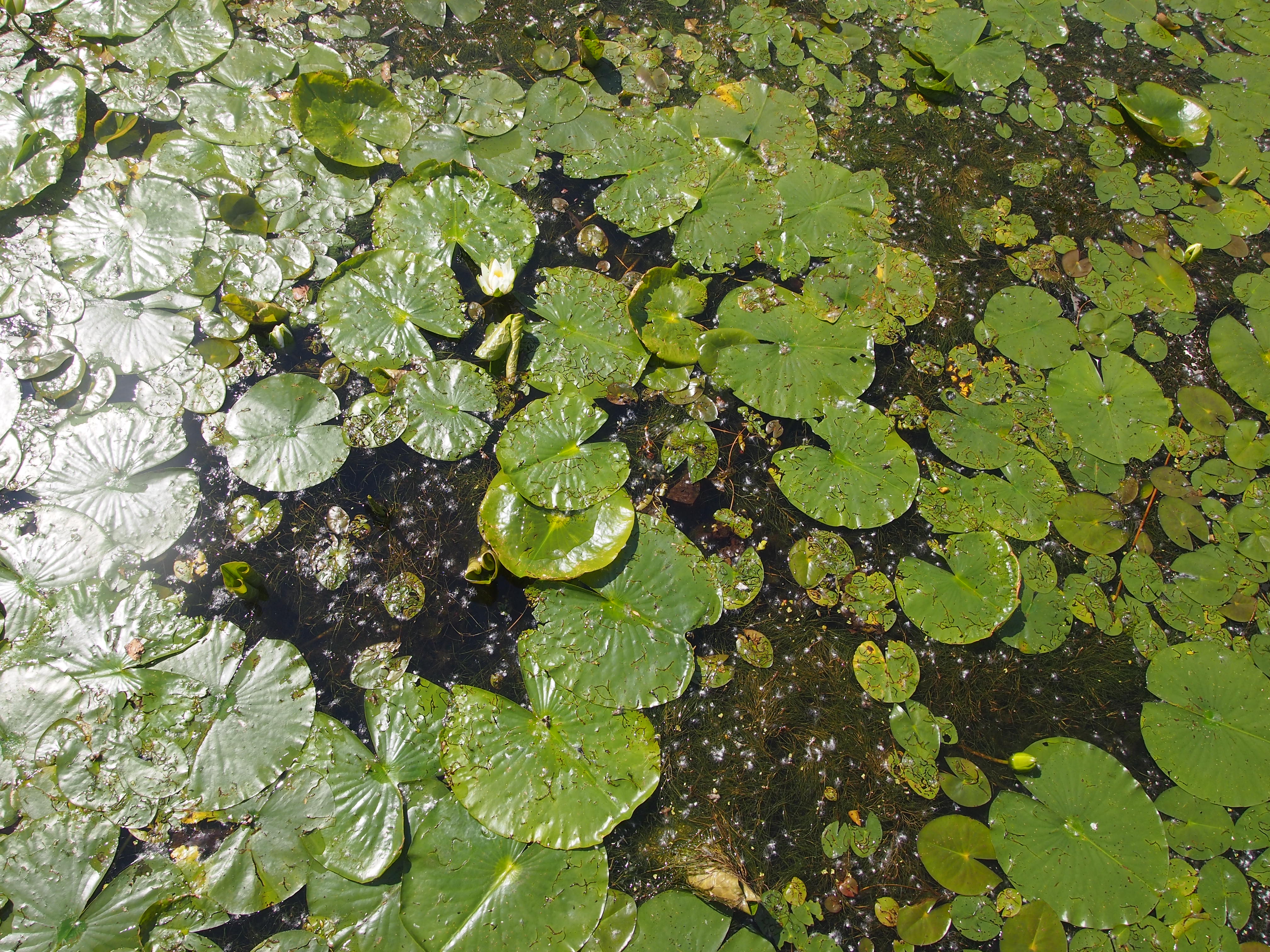
Spring Valley Flowers June 2014The pond’s also verdant as all get out, layered with lily pads and alive with little fish under them. Spring Valley lily pads, June 2014I’m all for going places, far-away places if possible, but there’s also a lot to be said for near-to-here places.

A Passing Coconut Boat

I’m done with Orwell for now, though I need to find more of his essays and other writings and dip into them. So I’m taking up some of the travel books I have around the house but haven’t gotten around to. Such as The Great Railway Bazaar by Paul Theroux (1975), which I’m reading now. Somehow or other I’d never read it, though I’ve had a copy for a long time.

Other unread titles I have around the house include Journey to Portugal (Jose Saramango), three books by Evelyn Waugh (Remote People, Ninety-Two Days, and Labels), and The Happy Isles of Oceania (also Theroux). Or the subject at hand might be Far Away, rather than travel, since some of the books are about spending extended periods in far away places, such as Under the Mountain Wall: A Chronicle of Two Seasons in Stone Age New Guinea, Seven Years in Tibet, and Out of Africa.

The Great Railway Bazaar is justly famous as a tale of months of rail travel in Asia in the early ’70s. Lately I’ve finished the chapters about traveling through Sri Lanka, and was struck by how impoverished the country was 40 years ago. In some sense I must have known that, but mostly I’ve been used to reading or hearing about the decades-long civil war there, and then its more recent economic growth. Time flies, places change.

Which brings me to this picture. Vietboat 1994In June 1994, we were traveling down the Mekong in Vietnam, and we came very near to this coconut boat, and I happened to be ready to take a picture. Vietnam is and was a major producer of coconuts – 1.25 million metric tons in 2013, compared with 1.07 million metric tons in 1994 (a handy Food and Agriculture Organization of the United Nations interactive web site tells me this).

But never mind the production numbers. What became of the people in the boat? Are the parents still running a coconut boat, or did they ever really specialize in that? The child would be an adult now, assuming he survived the perils of third-world childhood, and very likely he did. What’s he up to? Or was it a girl? Just another set of minor unknowables here in the hyperconnected Information Age.

Johnson’s Door County Fish

This quote came to my attention recently: “Chicago is the city of the steak house, of deep-dish pizza, the Italian beef sandwich that requires three hands to manipulate and eleven small paper napkins to mop yourself up with afterwards.” – Joseph Epstein, Literary Education and Other Essays.

Yep. Been there, eaten all those things. But they weren’t on offer recently at Johnson’s Door County Fish in west suburban Lombard, Ill. In fact, a hand-written sign at the counter at Johnson’s told us the sad fact that the restaurant had no Lake Superior whitefish for sale that day. Sad news, since whitefish is a wonderful gift from the 2,800 cubic miles of Gitche Gumee to us omnivorous land-dwellers.

I’d been to Johnson’s once before. I’d seen it written up in the Tribune, and soon after needed to be in the vicinity, which isn’t very often, so I decided to give it a go (here’s a more recent mention in the paper, about its fish sandwiches). As unpretentious fish joints go, it’s first rate. Not the best lake fish I’d ever had – Bayfield, Wis., had that, but pretty good. That was seven or eight years ago, maybe. I remember taking Ann with me, and she was still a toddler.

The place looks about the same. Brown woods, a lot of windows, worn booths, and some fish ornamentation, such as a scene of fanciful schools of purple fish painted on the wall in 20th-century restaurant vernacular style. Also, a there’s navigation map of northern Lake Michigan posted on the wall, along with blown-up b&w images of Great Lakes fishermen and their equipment.

I had the walleye plate and Yuriko had the cod plate. The presentation isn’t anything special. In fact, it looks like the fried fish you might get at one of the lower-rung fast-food places. But the fish is tasty, much better than it looks.

Another hand-lettered sign explained that the restaurant is for sale. Apparently the owners are in their 80s, and want to sell. I’m not in the market for a fish restaurant, but I hope someone takes it over and maintains it as an independent, low-cost fish joint here in the Midwest.

Mercy Otis Warren

Heavy rains last night. Didn’t hear a drop of it. Guess I was too busy with weird dreams. This morning I noticed the soaking. The yard’s really lush so far this summer.

It’s summer, never mind the solstice. Rising summer. The mosquitoes are out, but not quite in force. No fireflies yet, but I’ve seen a dragonfly or two.

Ann and her class did their class presentation this morning, which I attended, called “I Am the Nation.” Each student dressed up as, and recited a short report they’d written about a figure from the American Revolution. I’m only mentioning this because I actually learned something from Ann’s choice: namely who Mercy Otis Warren was.

If I’d heard of her, I’d forgotten about her. Or maybe I missed her entirely; Revolutionary history, while interesting, hasn’t ever been a special period of fascination for me. She did a number of things, but mainly seems to be remembered as a polemicist of the Revolution, and afterward, an historian of it. Needless to say, though it’s pointed out a lot, those were unusual occupations for a woman of the time.

More about her is here. If ever I’m in Barnstable, Mass., I’ll go see her statue, and her brother’s too. James Otis was also a patriot and polemicist, and had the distinction of being killed by lightning one day in 1783.

Other than Warren, I’d heard of the rest of the notables the children eulogized, even Deborah Sampson and Phyllis Wheatley, whom I first encountered years ago in San Antonio, when one of the school districts there wanted to re-name a high school in her honor, and not everyone was on board with that idea.

Though I’ve cited three women examples, most of the characters were in fact men. The usual suspects, too: Washington, Adams, Jefferson, Hamilton, Franklin, Paul Revere, Patrick Henry, Nathan Hale, et al.

All well and good, but I hankered a bit for some more unusual names. Such as Francis Marion (the Swamp Fox), Baron von Steuben, Nathanael Greene or, besides military men, Roger Sherman (he of the Connecticut Compromise), or Robert Morris and Haym Soloman  (financiers of the Revolution). And throw in a couple of loyalists, just to show what’s what, such as William Franklin, Ben’s son and governor of New Jersey, or the interesting footnote character William Augustus Bowles. 
Dear Golf Road Tailgater From This Morning:

Plenty of people tailgate, or at least drive uncomfortably close to the car ahead of them. It’s an intelligence deficit, a failure to grasp the most basic physics that not only risks the offender’s health and property, but someone else’s.

You, however, are a special class of butthole. I could see you well in my rear-view mirror because you were ever so close. I could practically see the steam coming out of your ears, and that scowl on your ugly face.

The tooting of your horn was a nice touch, which you probably believed would inspire me to greater speed. Funny thing about human psychology, though – which you probably grasp as well as basic physics – the noise inspired me only to maintain my speed. I was tempted to slow down.

Speaking of speed, the car next to me and I were both traveling about the speed limit. A little more sometimes, a little less sometimes, but about right for that road. Meaning that you wanted to supplement your recklessness by adding excessive speed to the mix.

Our encounter lasted all of about 30 seconds, since I did eventually move over. You had nothing to do with it. I just wanted to turn left, and needed to stop in the turning lane to yield the right-of-way. Sure enough, you sped off, in a rush to get to the next red light.

But I wish you well, butthole, or at least that you never plow into anyone else. If you must have an accident, make it a solo date with a telephone pole somewhere.

New Product Monday

The rains lately have been tropical-like, without the high heat. The days start warm or warmish, and then the rains come in short, intense downpours. Enough to water the plants and dampen the deckchairs. Afterward, it’s clear and warm again.

I don’t follow the snack-food industry as anything but a consumer, so I didn’t know that Nabisco, as well as Ritz, are brands of Mondelēz International. Mondelēz, eh? A Brazilian behemoth come to North America to buy our brands? A Taiwanese confectioner who picked that name to throw us off? A massive Turkish purveyor of sweets that got its big break when Atatürk expressed admiration for its tulumba and walnut sujuk?

No, Mondelēz company HQ is in Deerfield, Ill., and according to some sources, operates the world’s largest bakery, a whopping 1.8 million-square-foot Nabisco facility in Chicago. Recently we’ve been buying Ritz Toasted Chips because damn, they’re good. They bear the Nabisco logo, complete with the oval and the crux gemina (or antennae?). Everyone likes them, which is no small thing in this house. They’re small, crisp crackers, and exceptionally tasty.

I spent some time with the ingredient panel, trying to figure out what is it that makes them so good. My guess: sugar. And yet, they aren’t sweet. Still, sugar is the fourth ingredient, following flour, soybean oil, and cornstarch. Salt is three more places down the list, though the taste seems more salty than sweet, though not that salty. Must be the balance of sugar, salt and some of the other substances that whip the taste into being. Anyway, it’s a home run for the Mondelēz food technologists, test-kitchen managers, tasters, and so on.

Sorry to say that Santa Cruz ORGANIC lemonade – the label practically screams that at you – is only fair. Coming in a convenient quart-bottle, it’s neither very sweet nor tart, and I think lemonade should tend toward one or the other. I prefer a tart mix myself. It isn’t bad, but it’s more watery than it should be.

The bottle does assure us, however, that Santa Cruz National, which is based in Chico, Calif., is a Green-e certified company that buys enough renewable energy each year to cover its production needs, and “we recycle more than 95% of our waste.” Well, dandy. Now make better lemonade.

Big Buddhas ’94

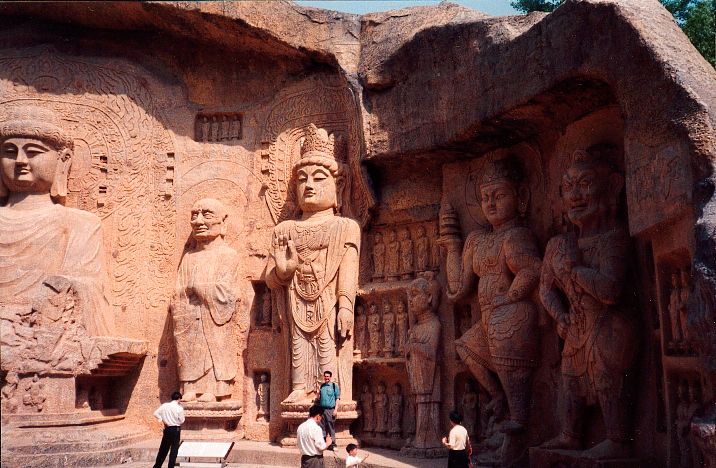
Go to Asia, see Buddhas, big and small. Or, to be more exact, Buddharūpa of various physical sizes. In early May 1994, we were in Hangzhou, China, and took a bus out to see Lingyin Temple, which I called “Lurgyin Temple” the last time I wrote about it (clearly a transcription error).

“The grounds featured a multitude of buddhas, most looking Indian in inspiration, some remarkably large, with huge feet and hands, carved into the side of a bluff,” I noted. “The place was nearly as popular as the West Lake, so the translation of the temple’s name, the Temple of Inspired Seclusion, didn’t apply any more, or at least on warm spring weekends.”

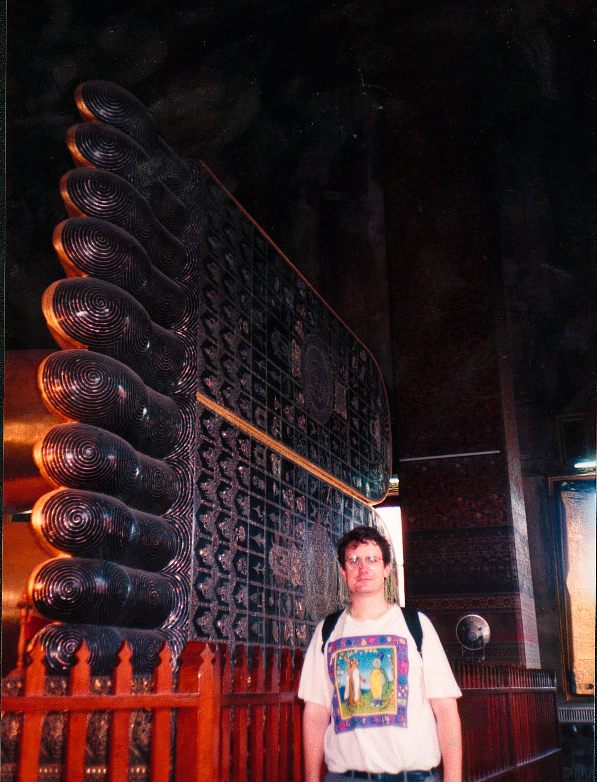
HangzhouBy early June, we were in Bangkok, where we saw more big Buddhas. Including a favorite of mine, the famed Reclining Buddha of Wat Pho. The image is about 16 feet high and 140 feet long, with the right arm supporting the head. Down at the other end, you get a good look at the enlightened one’s feet.

BuddhaToesThese are the feet and toes of Buddha. The bottom of the feet are inlaid with mother-of-pearl, as can be seen here, and supposedly there are 108 designs, though I didn’t count them. One-hundred and eight is an important number in Buddhism, but I’m a little fuzzy on the details, and explanations I’ve read and heard haven’t helped that much.

On New Year’s in Japan, Buddhist temples chime their bells 108 times; there are supposedly 108 earthly temptations to overcome to before achieving nirvana, one of which must surely be an obsession with pachinko.