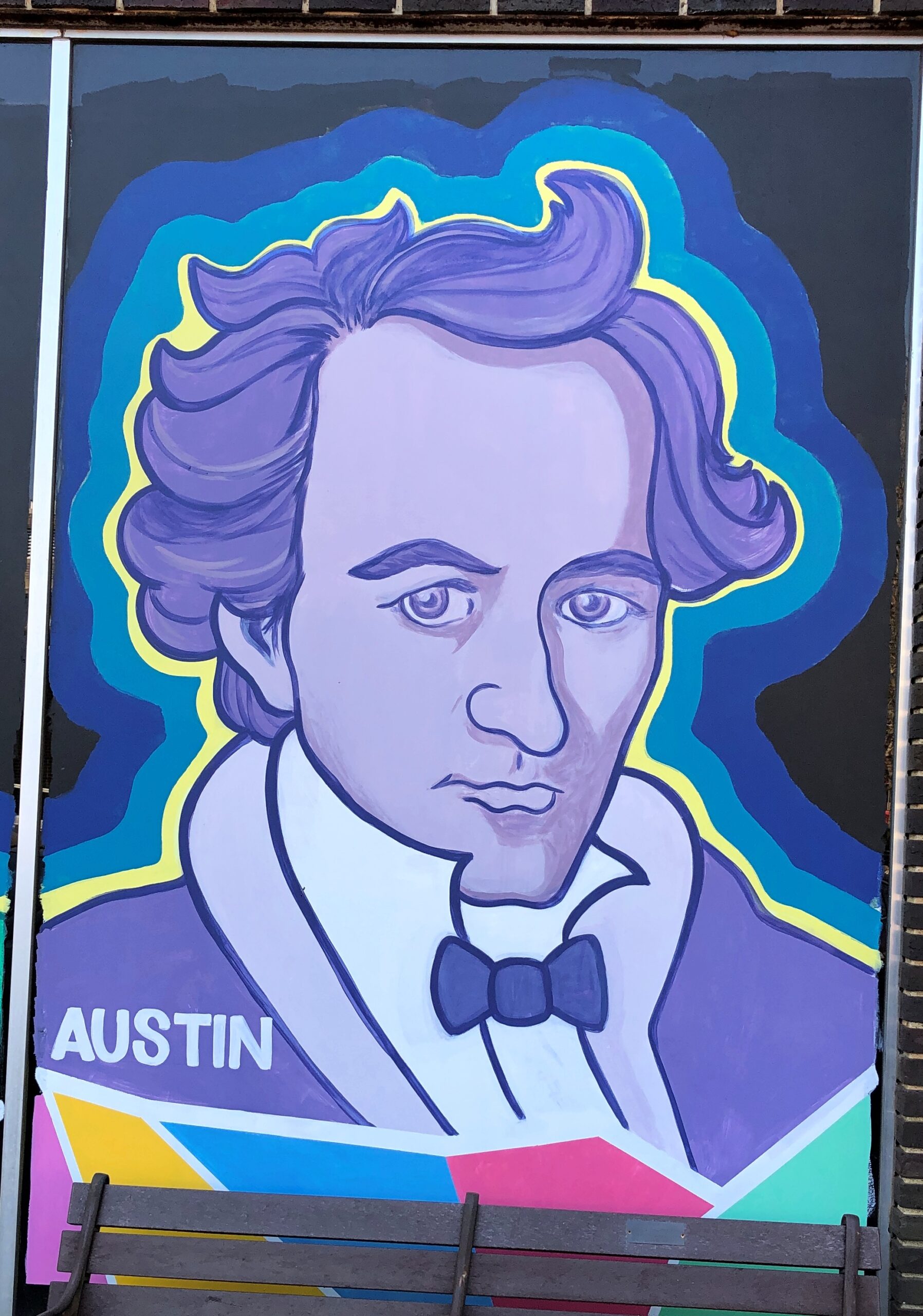
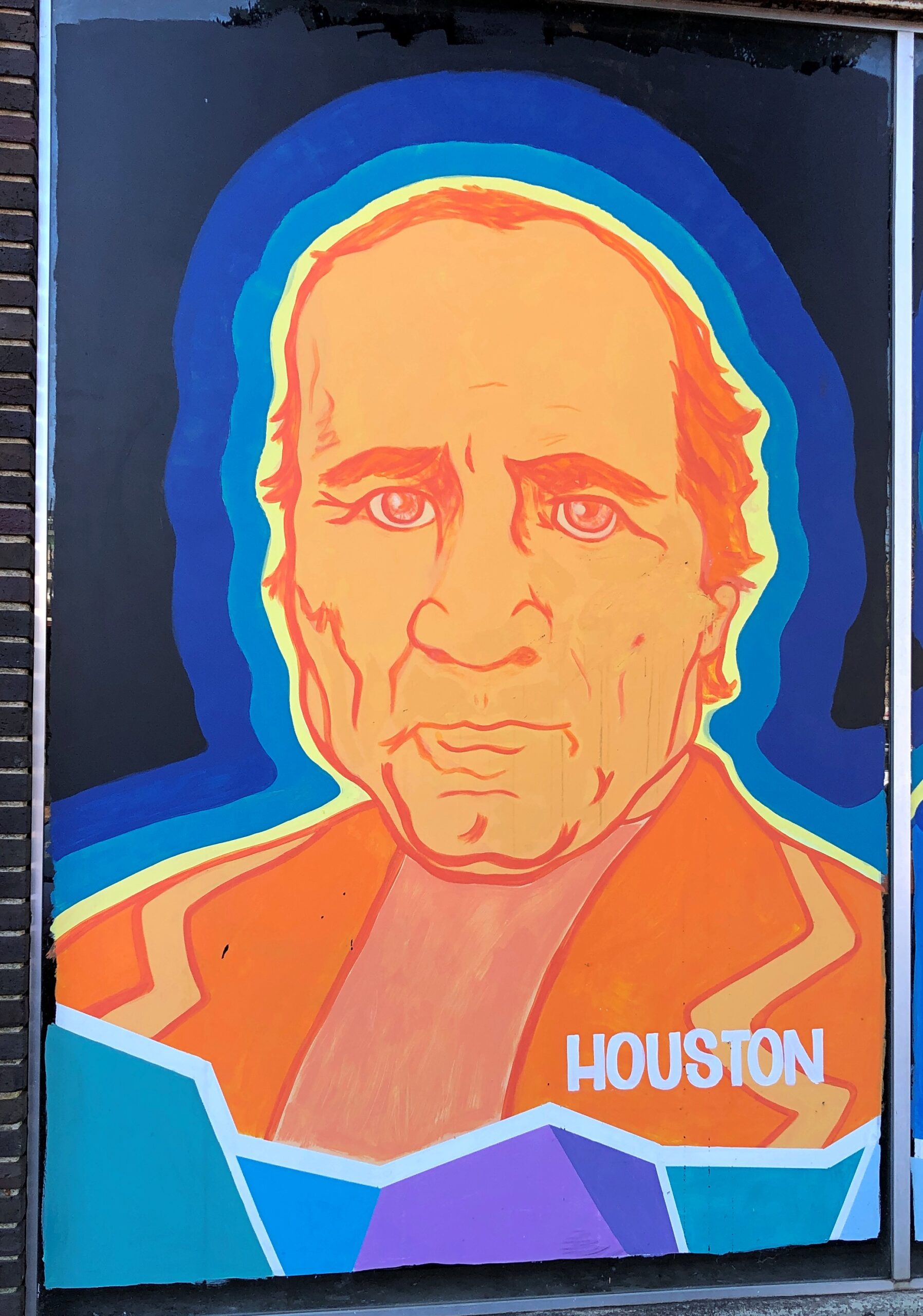
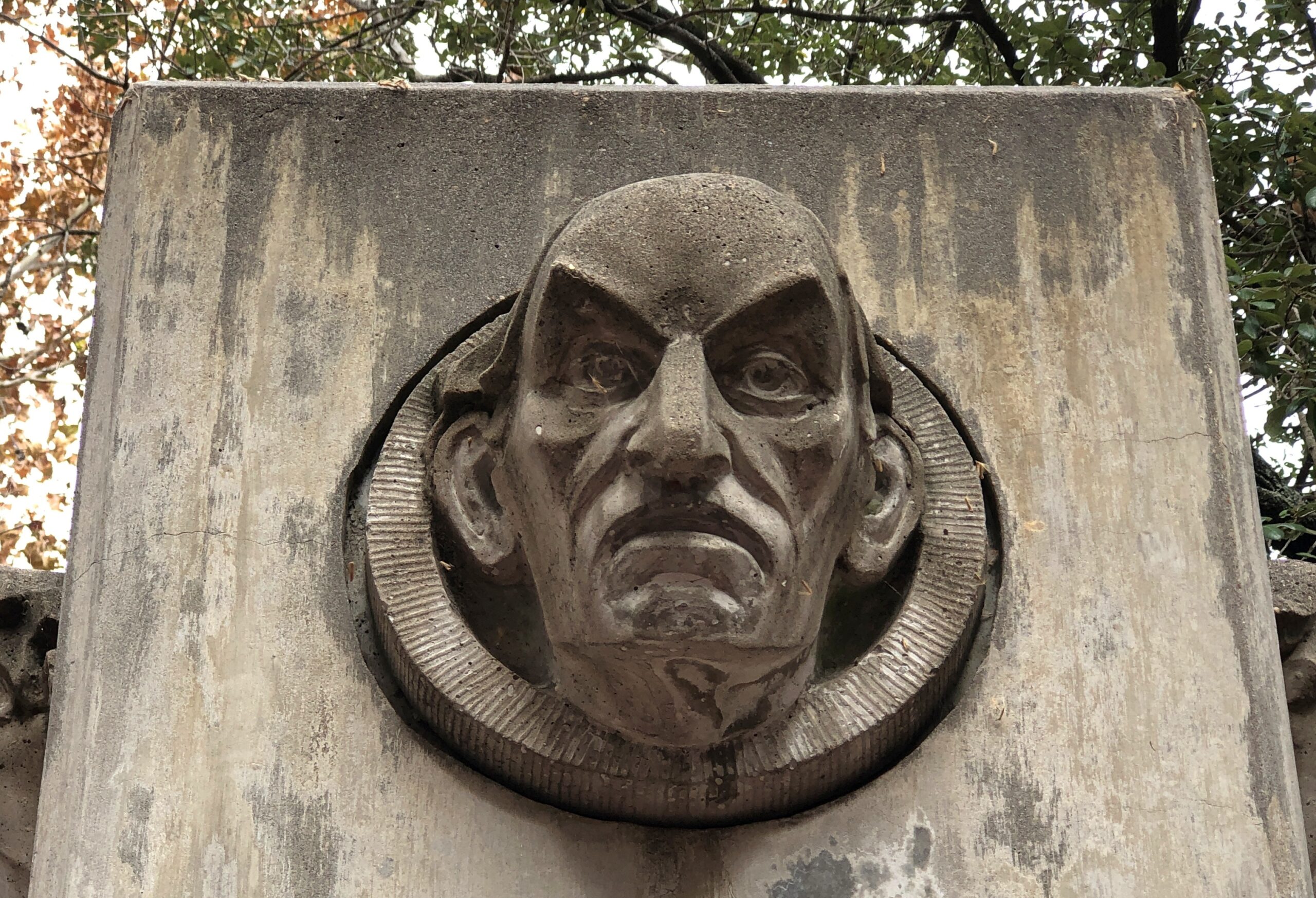
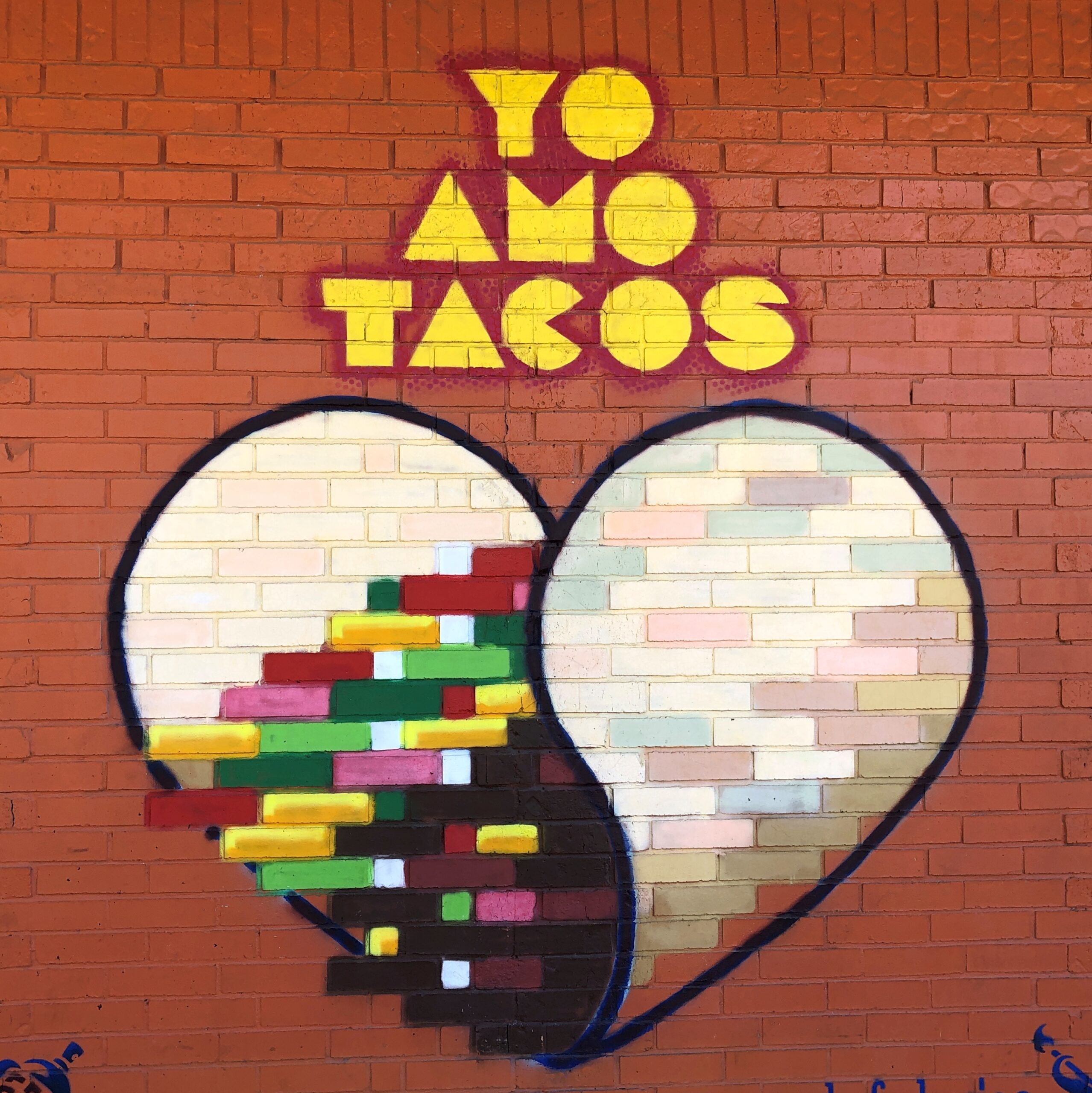
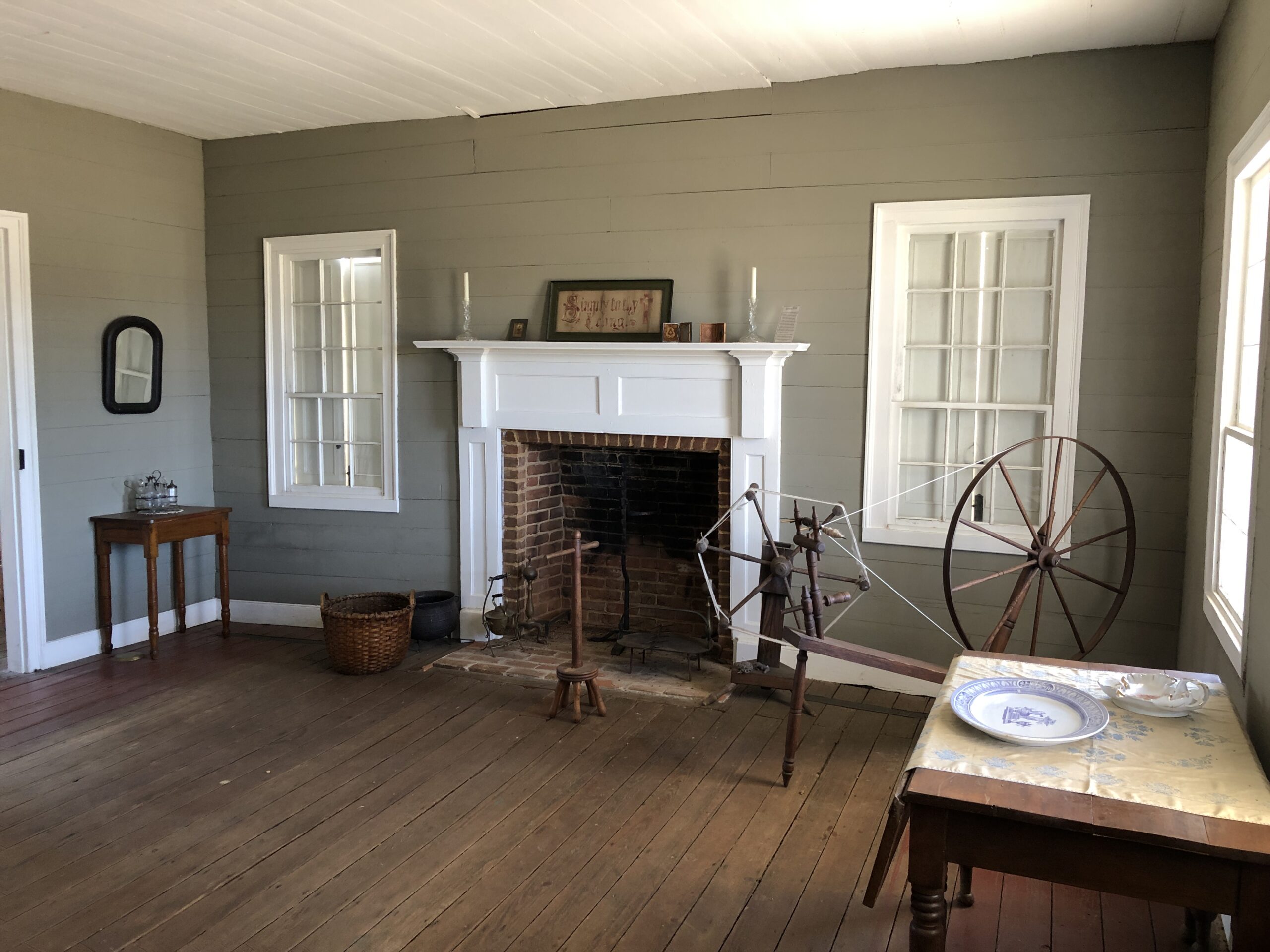
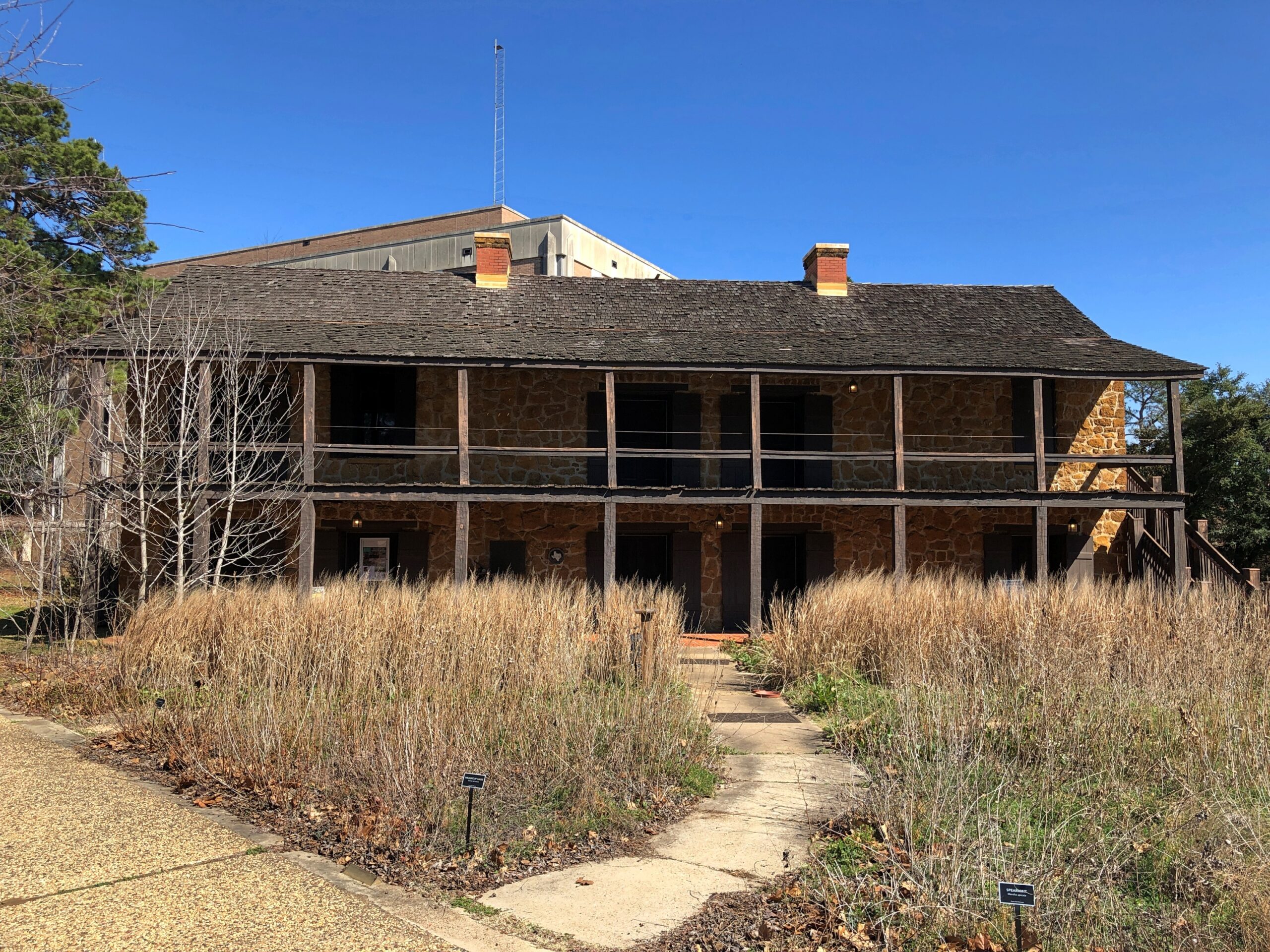
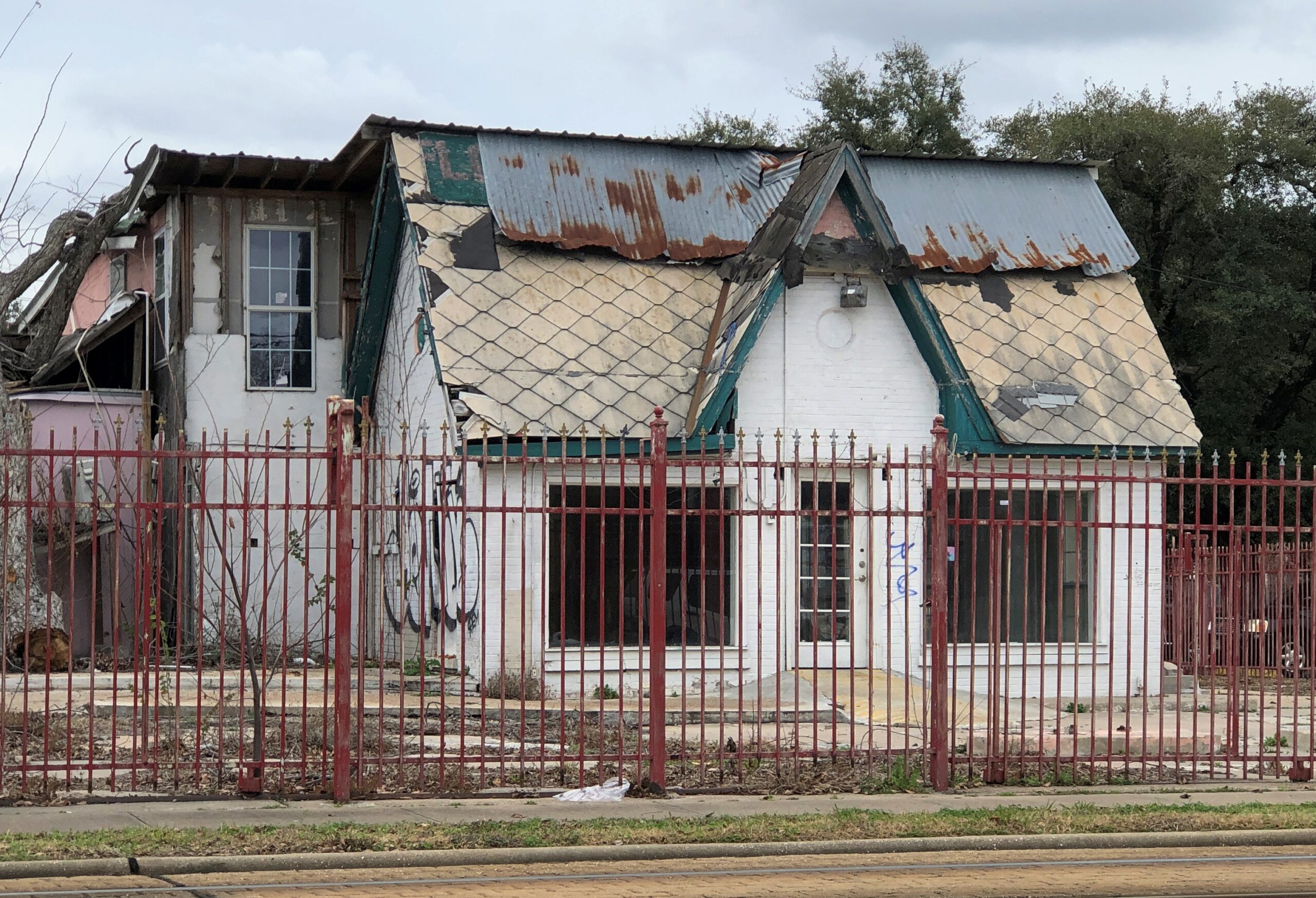
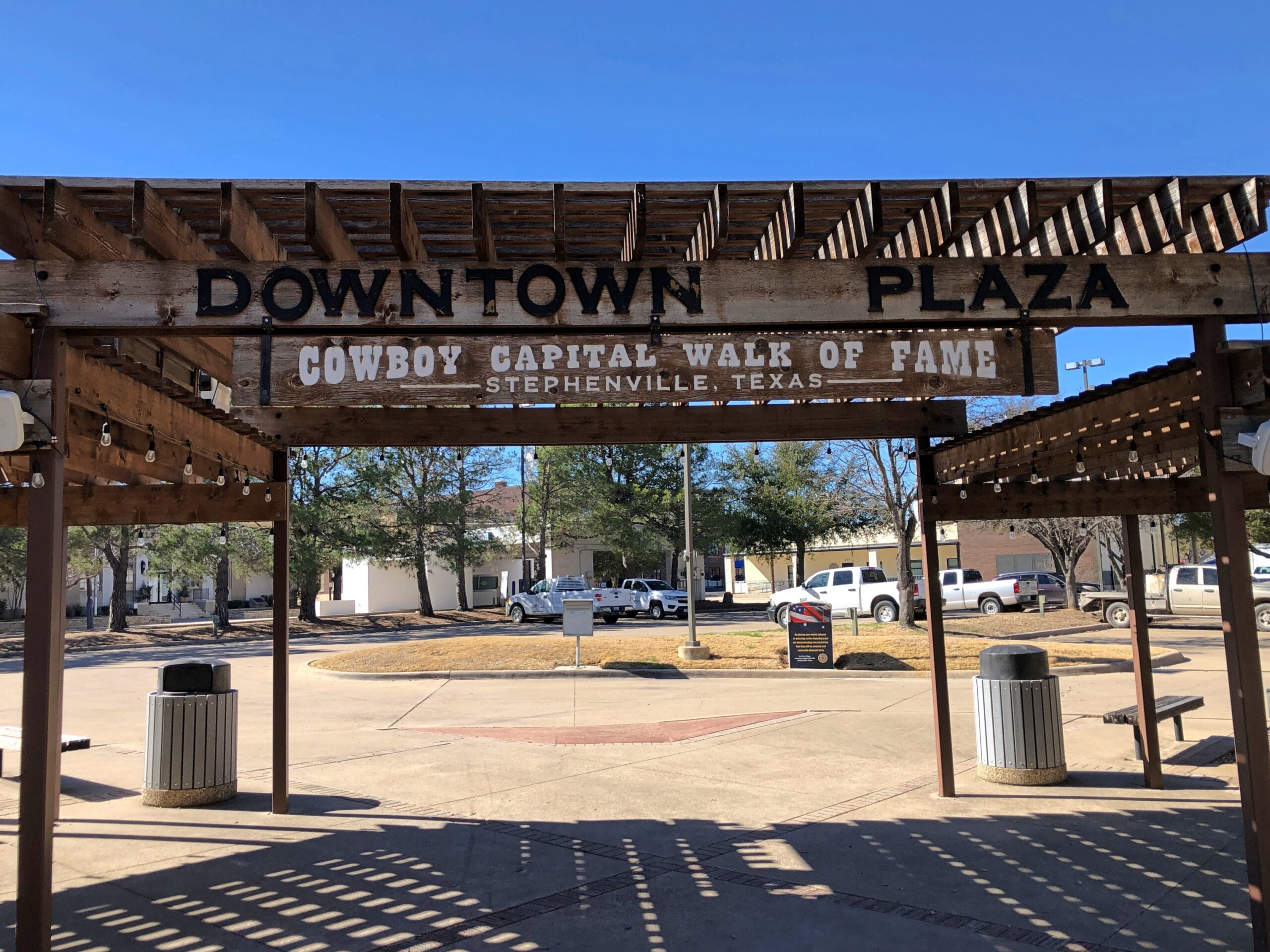
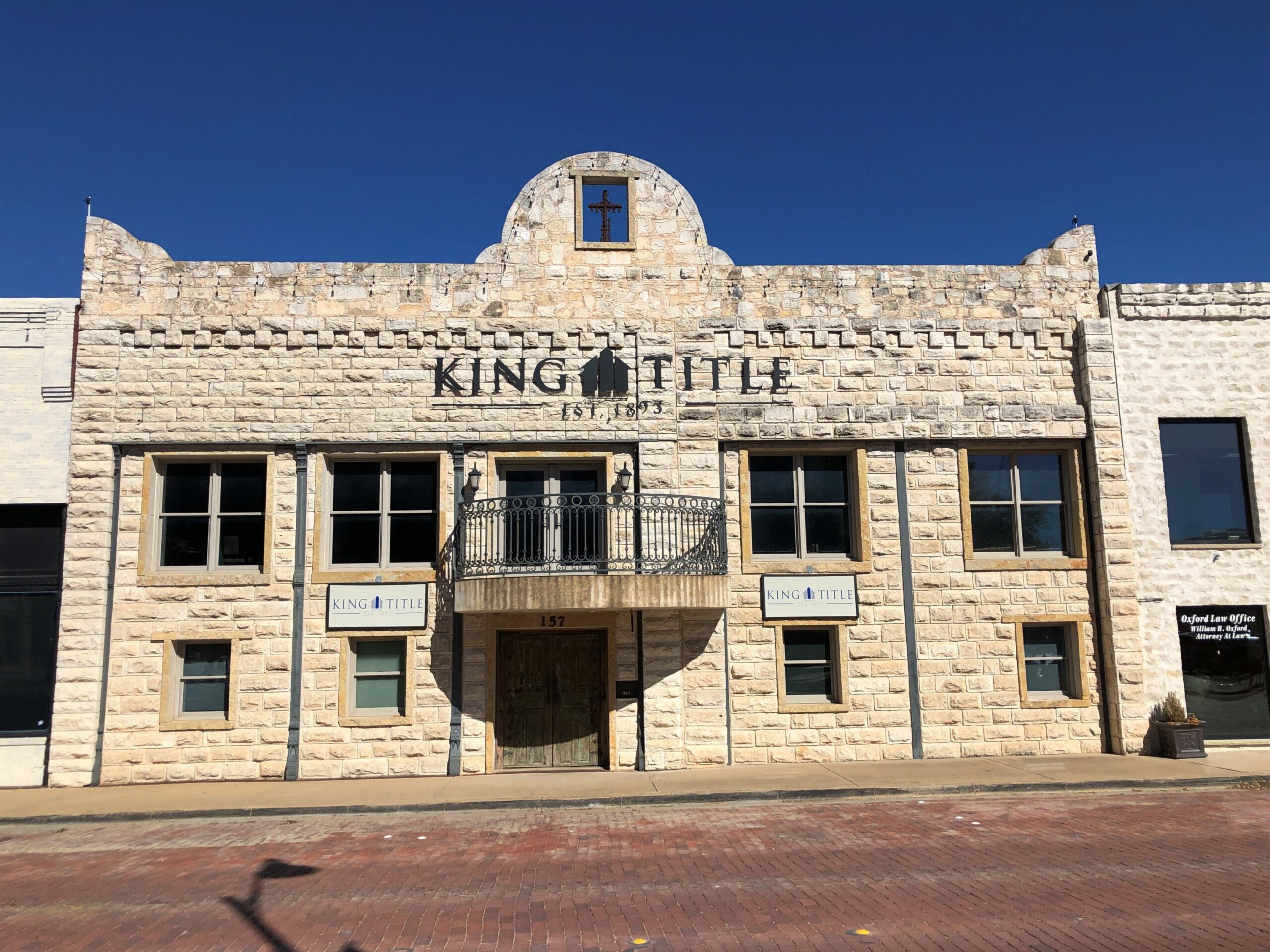
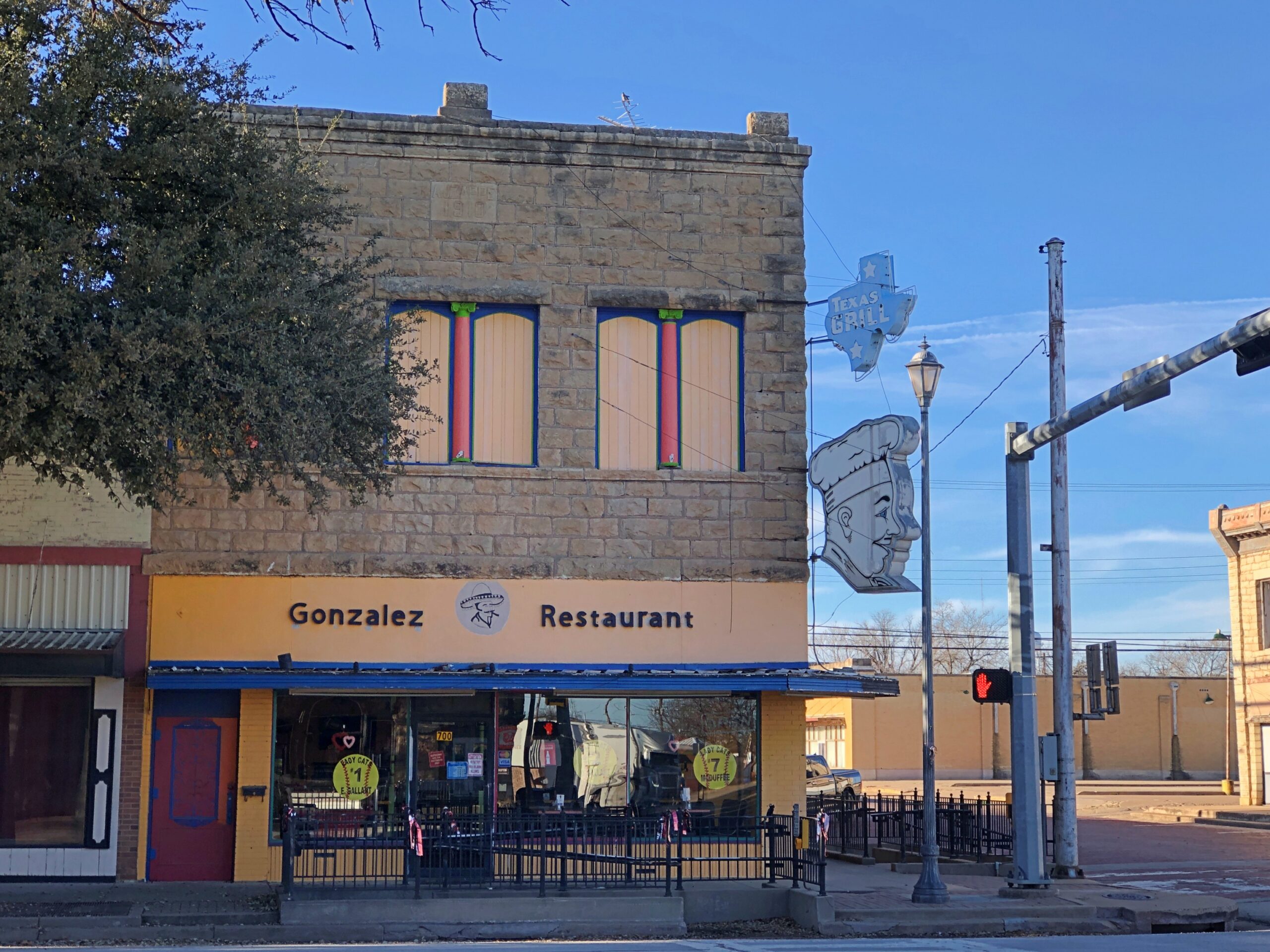
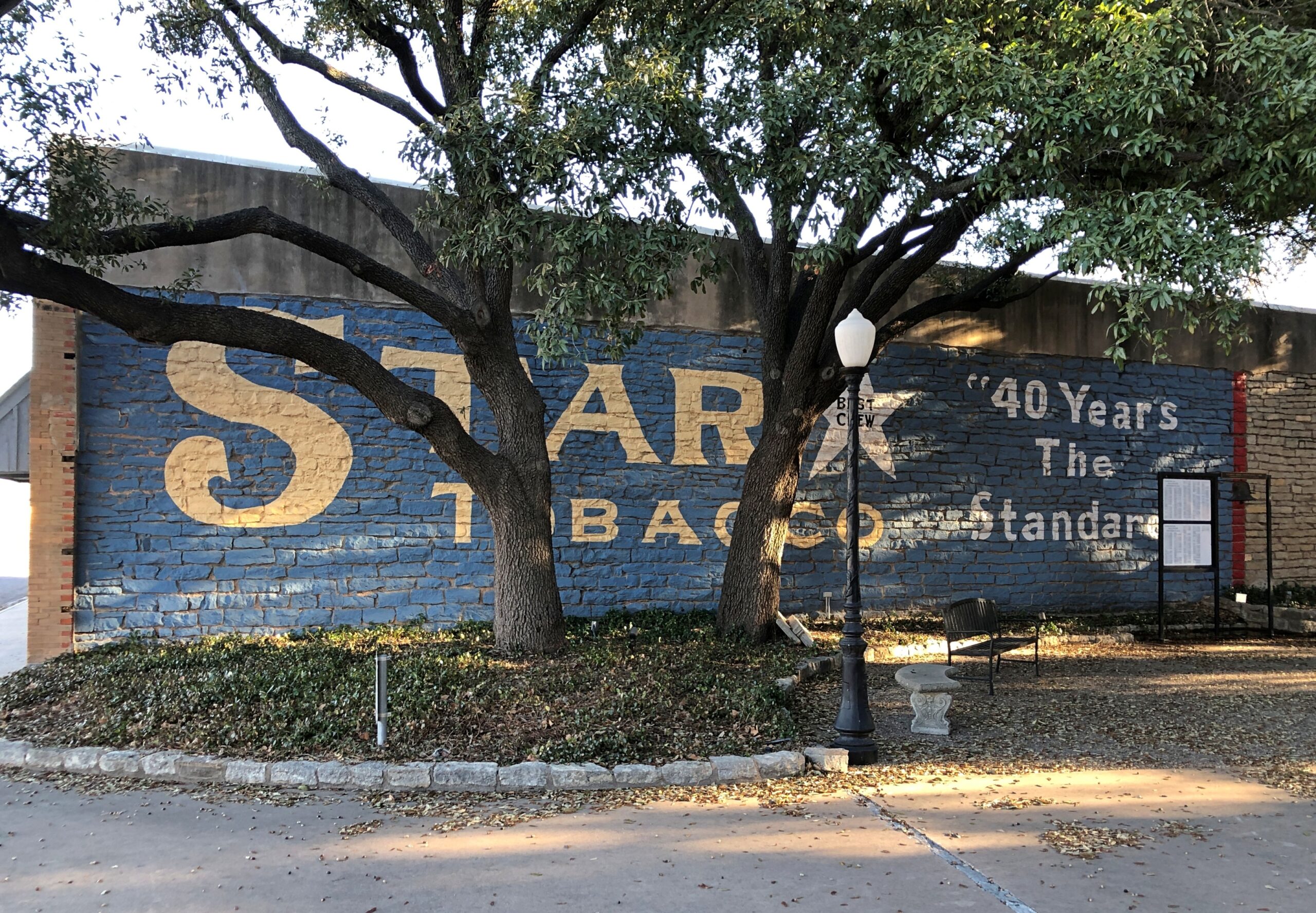
Stephenville & Ballinger, Texas

Regards for Easter. And Maundy Thursday and Good Friday and Easter Saturday. Back posting on Easter Monday.

This seemed like a fitting set of images for the occasion.

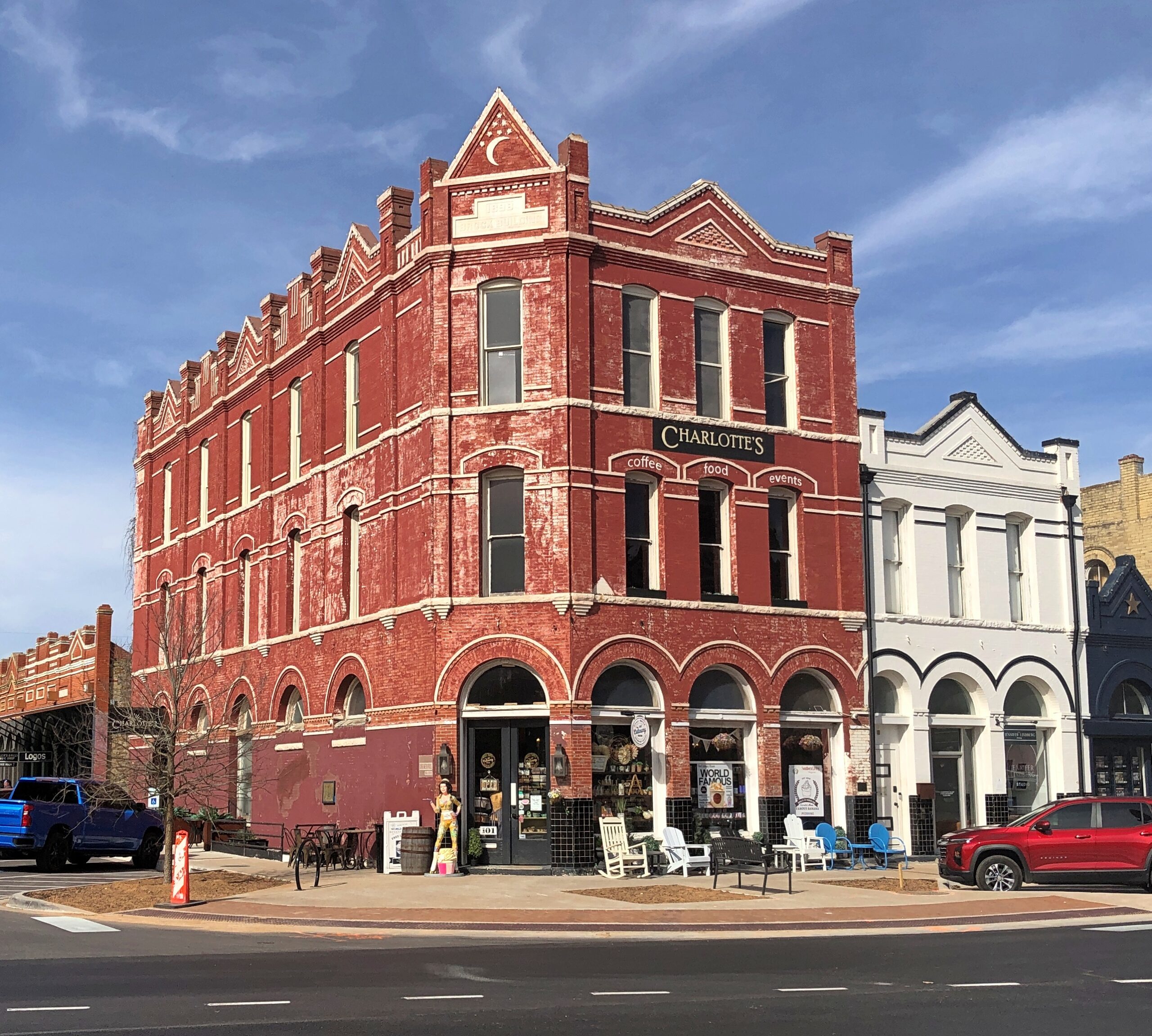
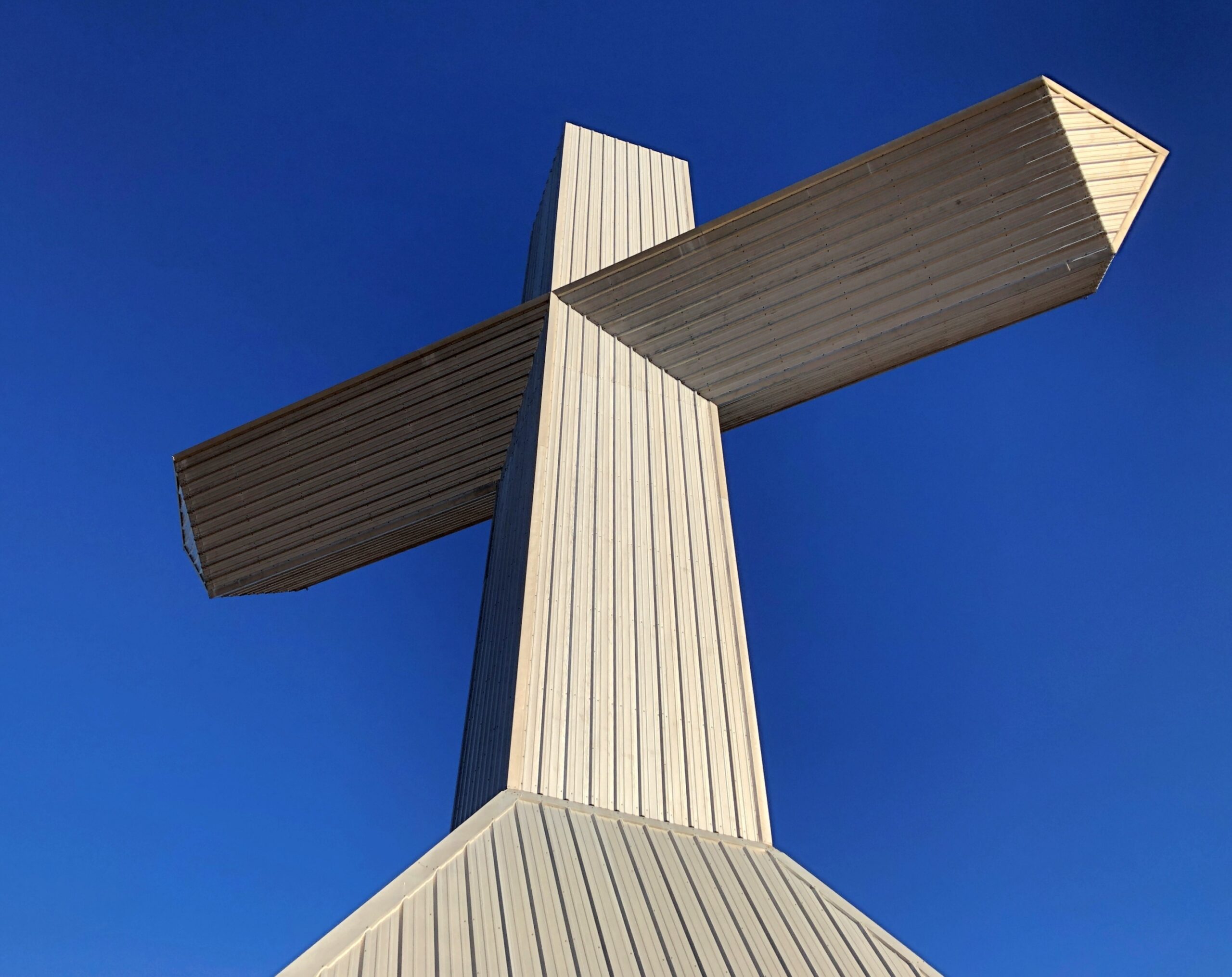
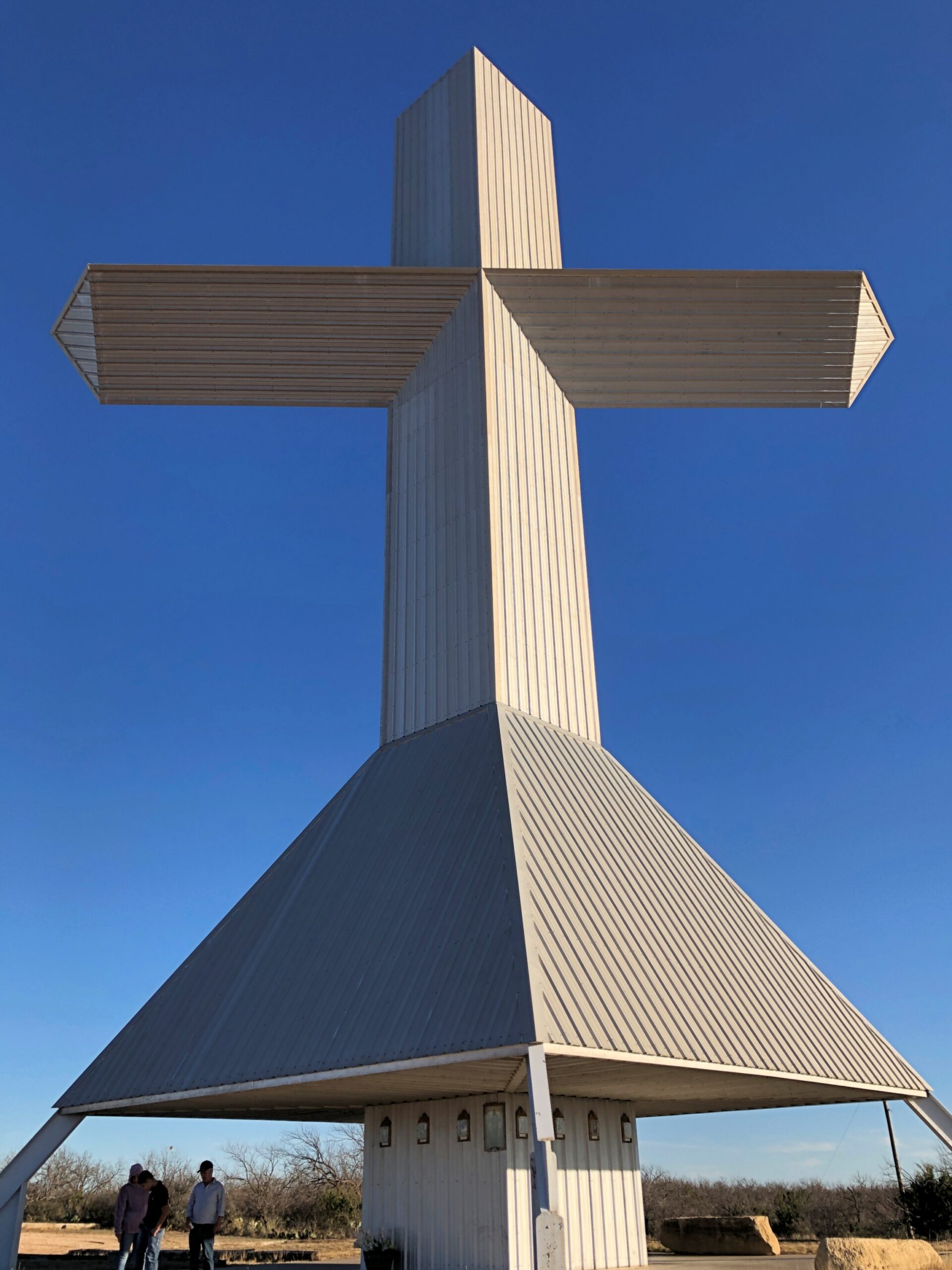
A 100-foot steel cross rises on a small hill a few miles south of Ballinger, Texas, seat of Runnels County. Couldn’t very well pass that up, considering that we were passing through Ballinger (pop. about 3,600) anyway, toward the end of our drive that day from metro DFW to San Angelo, Texas.

“The Ballinger cross was built by a local construction company and commissioned by Jim and Doris Studer, owners of Buddy’s Plant Plus,” notes the Austin Chronicle. “The company is the only U.S. factory making water-soluble fertilizer for Miracle-Gro. After 20 years of making fertilizers in Florida, the Studers went looking for a drier climate. In 1988, they moved the company to Ballinger, where it quickly became one of the largest employers in the county.”

Jim Studer reportedly had been considering the construction of a cross about half that height, as a token of gratitude for a successful business. Then, during a visit to Florida, he was nearly electrocuted in what could easily have been a fatal accident – and decided to roughly double the size of the structure. A thanks to the Lord for not being offed at that moment, perhaps, but no doubt sincere gratitude regardless, for his thriving business. The cross went up in 1993.

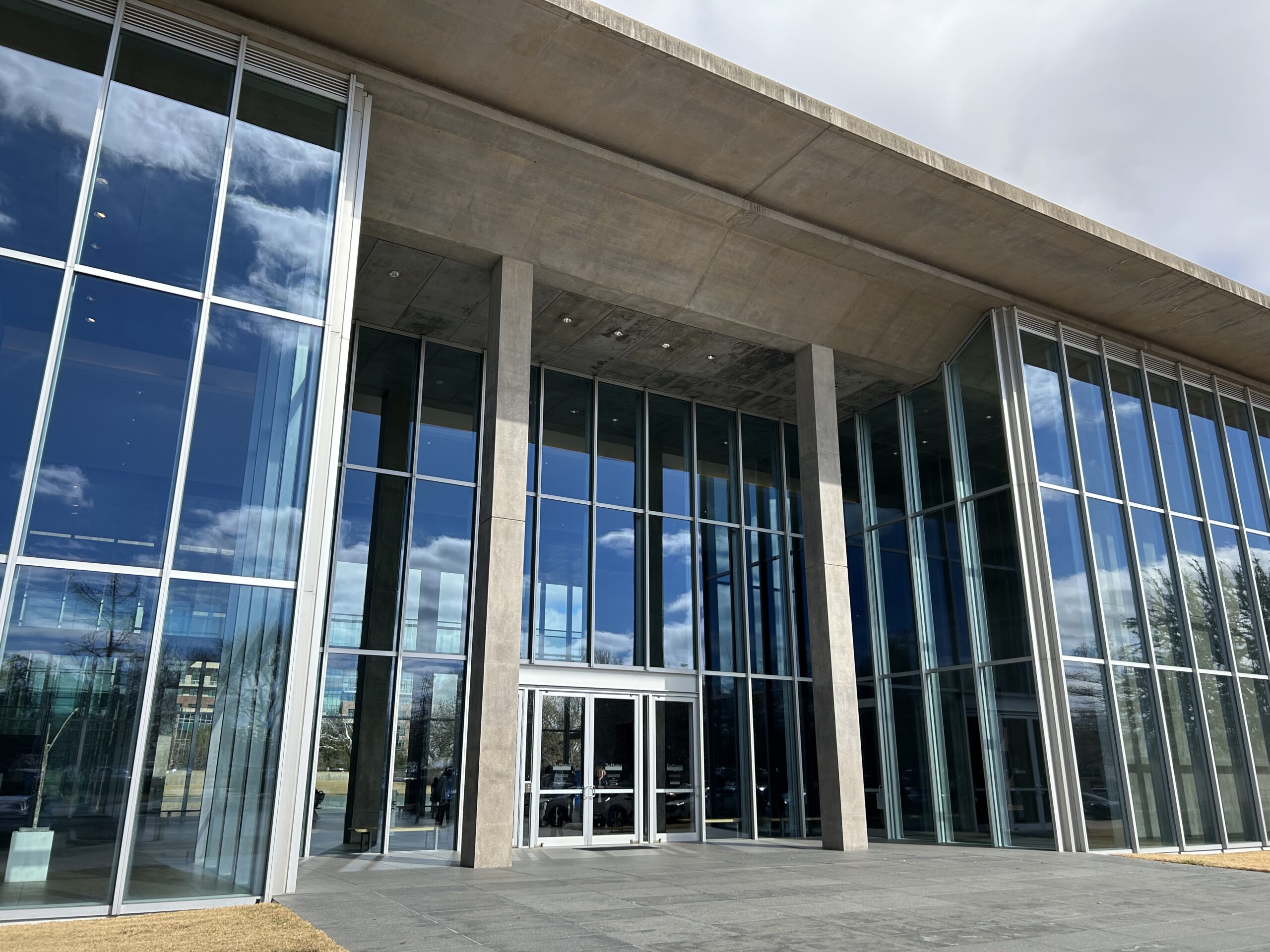
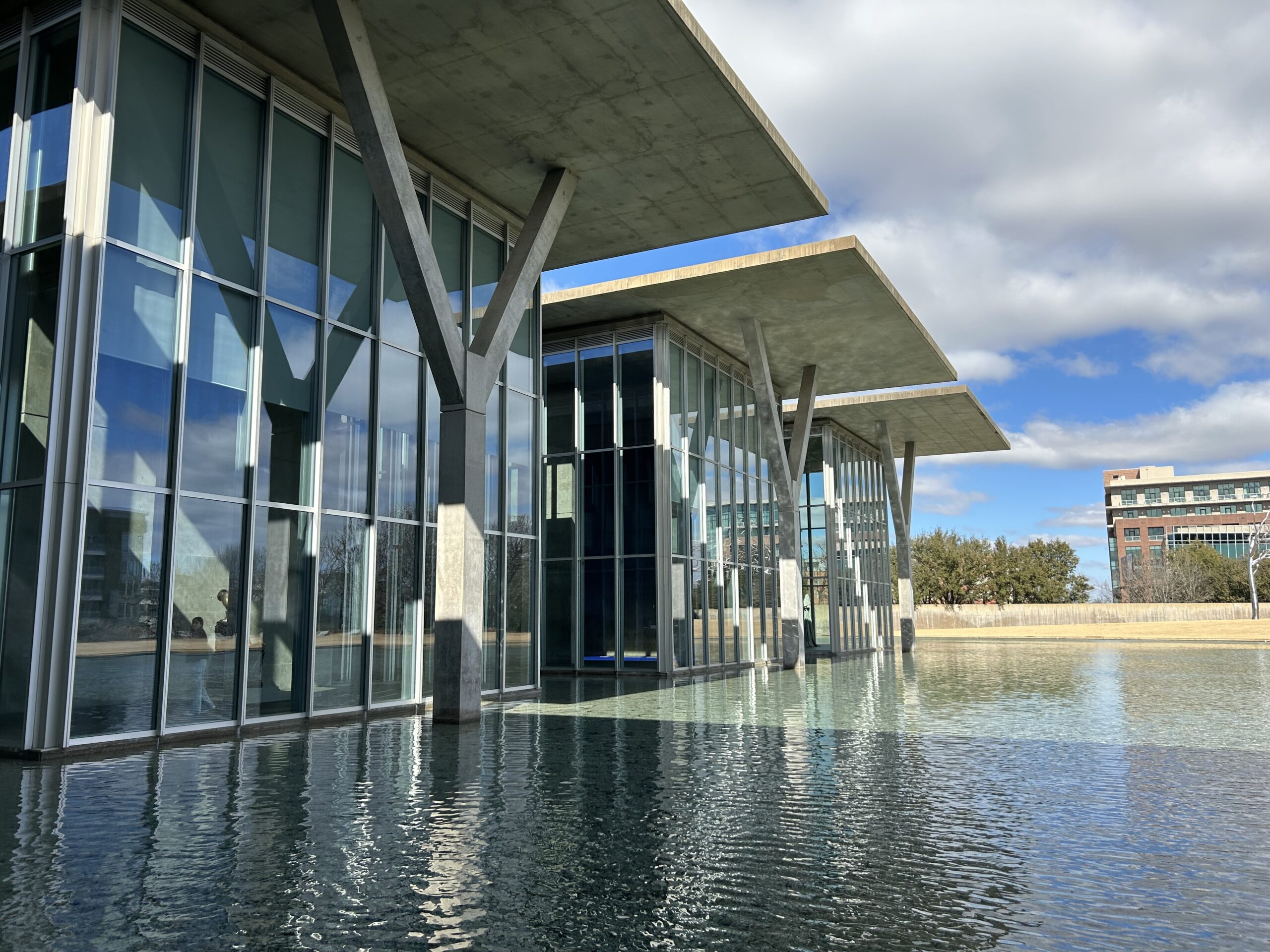
We’d left Dallas that morning in mid-February, skirting the cities on I-20 West, except for a brief stop in the Fort Worth museum district. Specifically, at the Modern Art Museum of Fort Worth. Yuriko had heard about my visit in 2019 and been slightly miffed, since she too wanted to see the Tadao Ando-designed structure. So we shoehorned a visit for a look at the structure on the day’s itinerary, though not the museum collection. It loses nothing on a second viewing. Gets better.

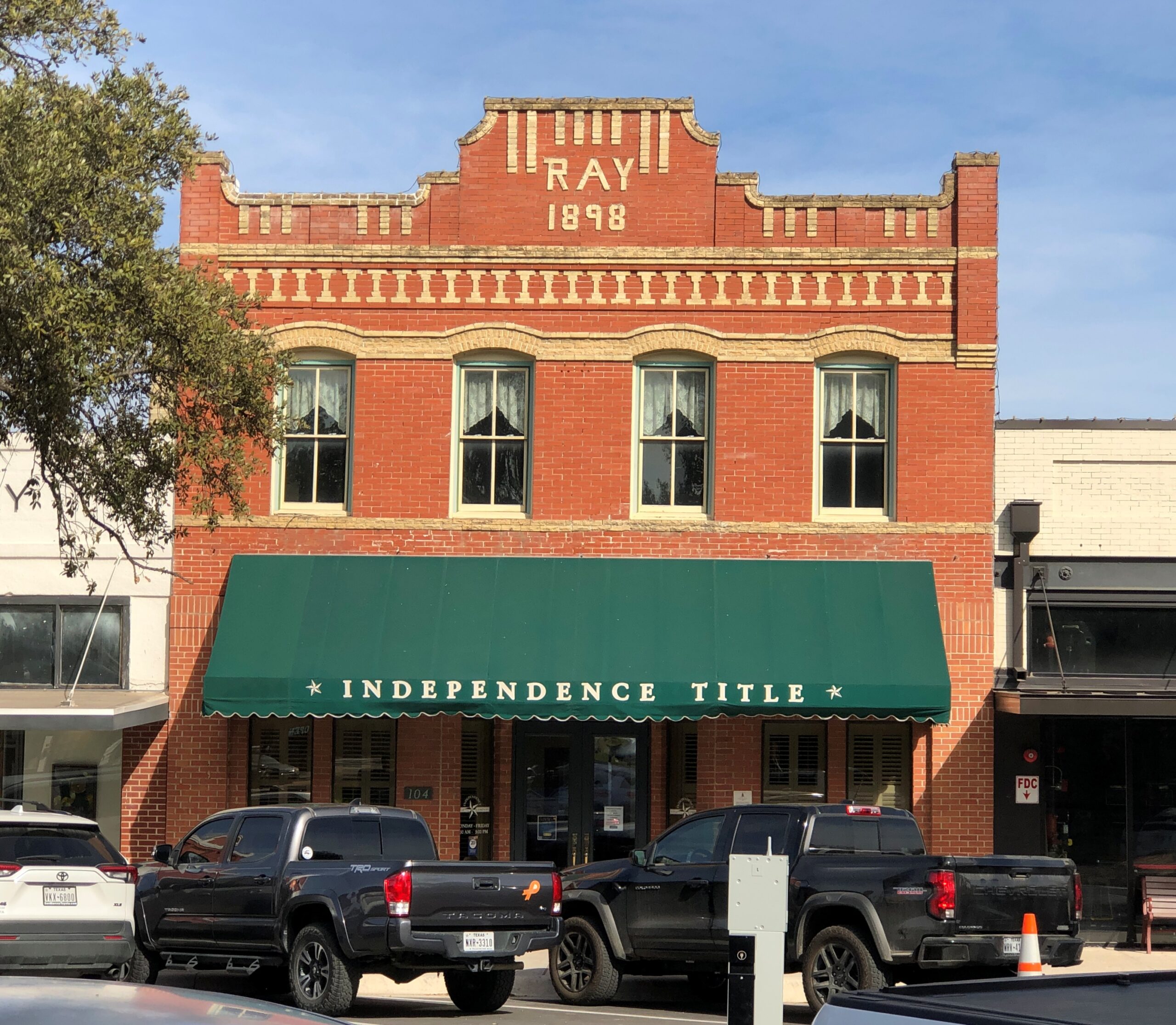
Go southwest from Fort Worth on US 377 and soon enough you’ll arrive in Stephenville (pop. 20,800 or so), seat of Erath County.

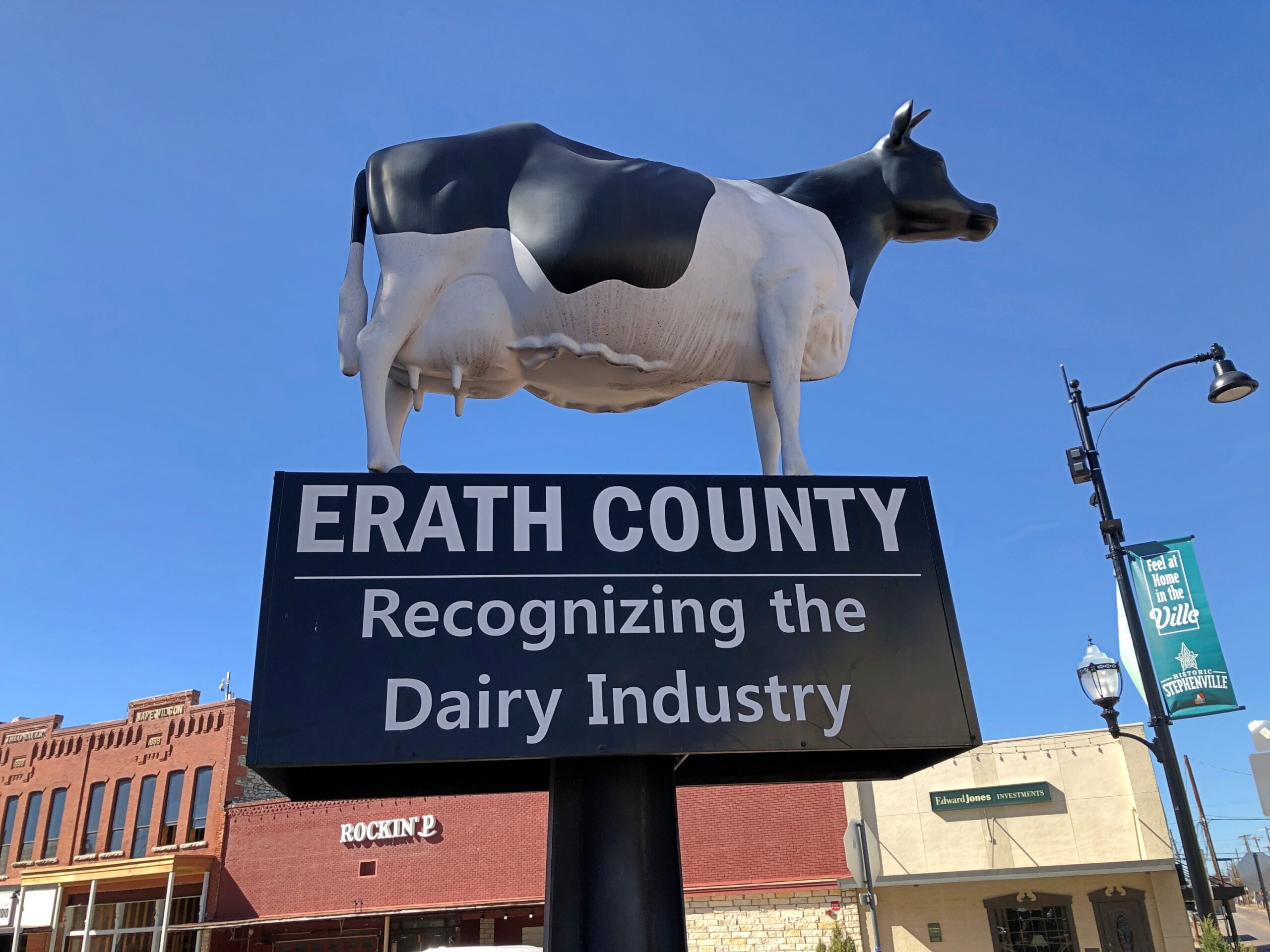
A dairy industry in Erath County? Yes, indeed: sales of $350.9 million in 2022, according to the USDA, by far the largest ag product in the county, and third highest for milk sales among all the 254 counties in Texas, and 24th in the nation. Meat cattle in Erath County are a distant second at $82.7 million that year, so a milk cow standing in the shadow on the Erath County courthouse is just about right.

I had to look it up: number one county in nation for milk production by dollar volume is not in Wisconsin, but rather Tulare County, California, at more than $2.8 billion in 2022. First out of 1,770 counties nationwide producing milk. Now there’s a Jeopardy answer to stump everyone.

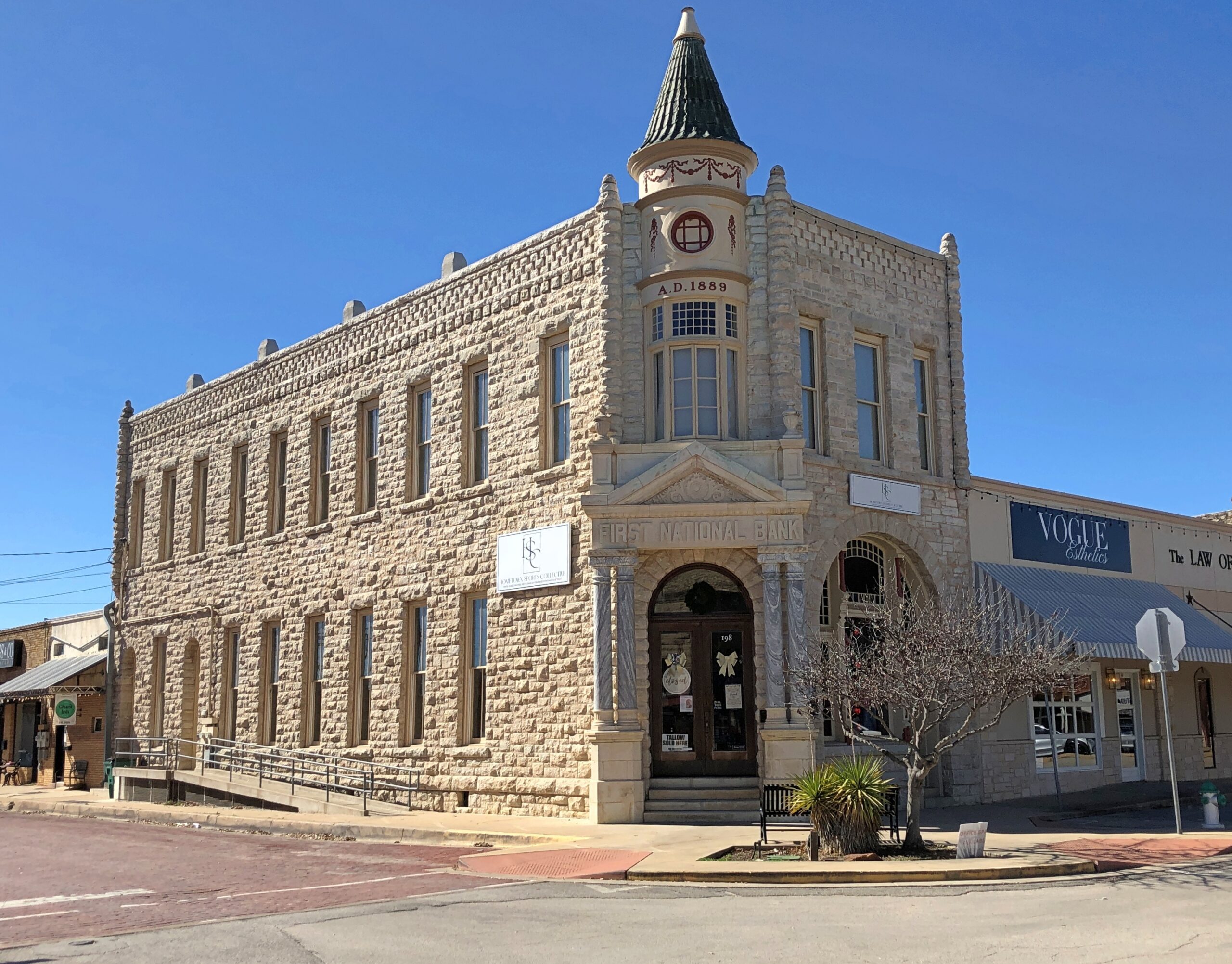
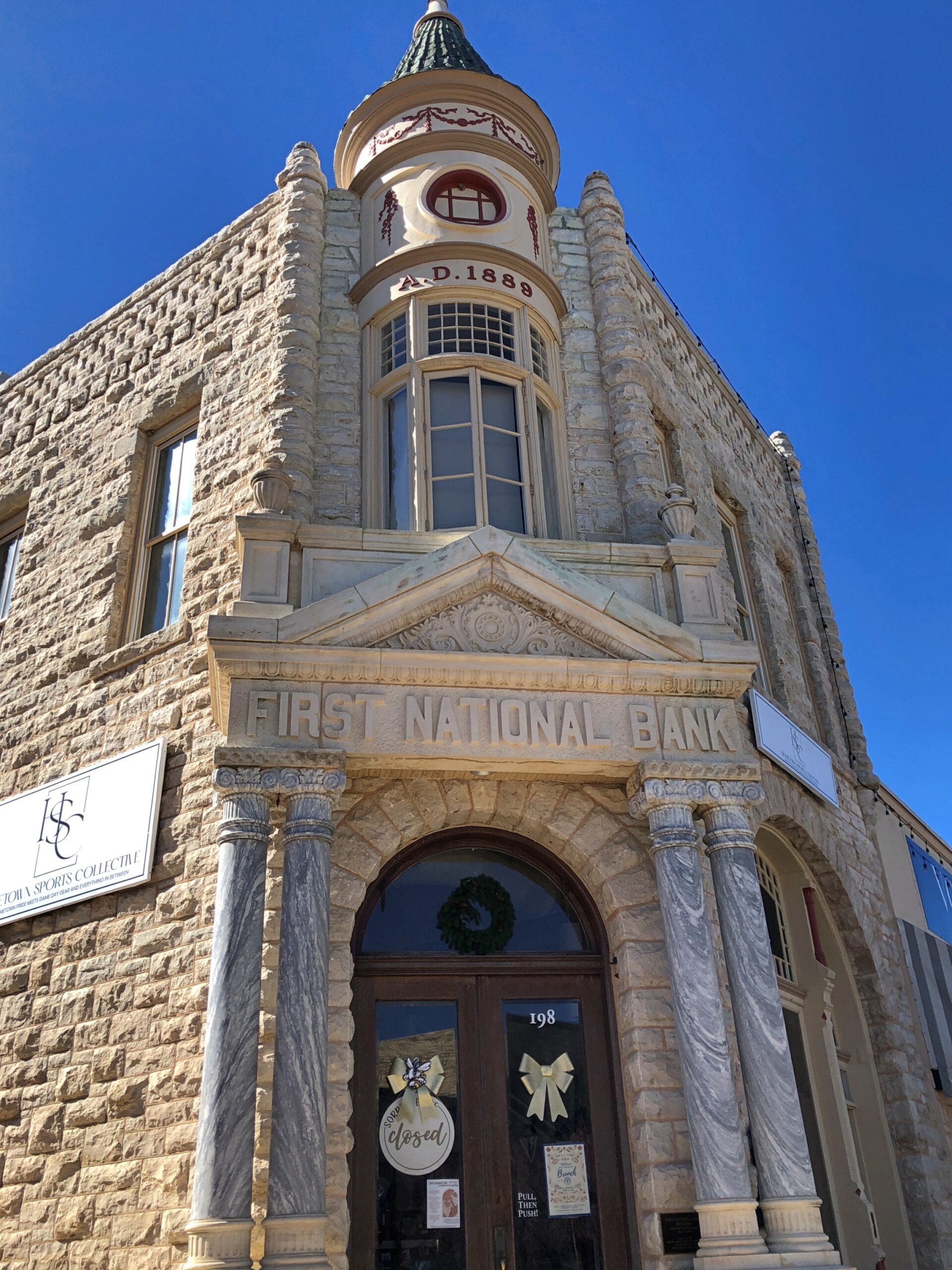
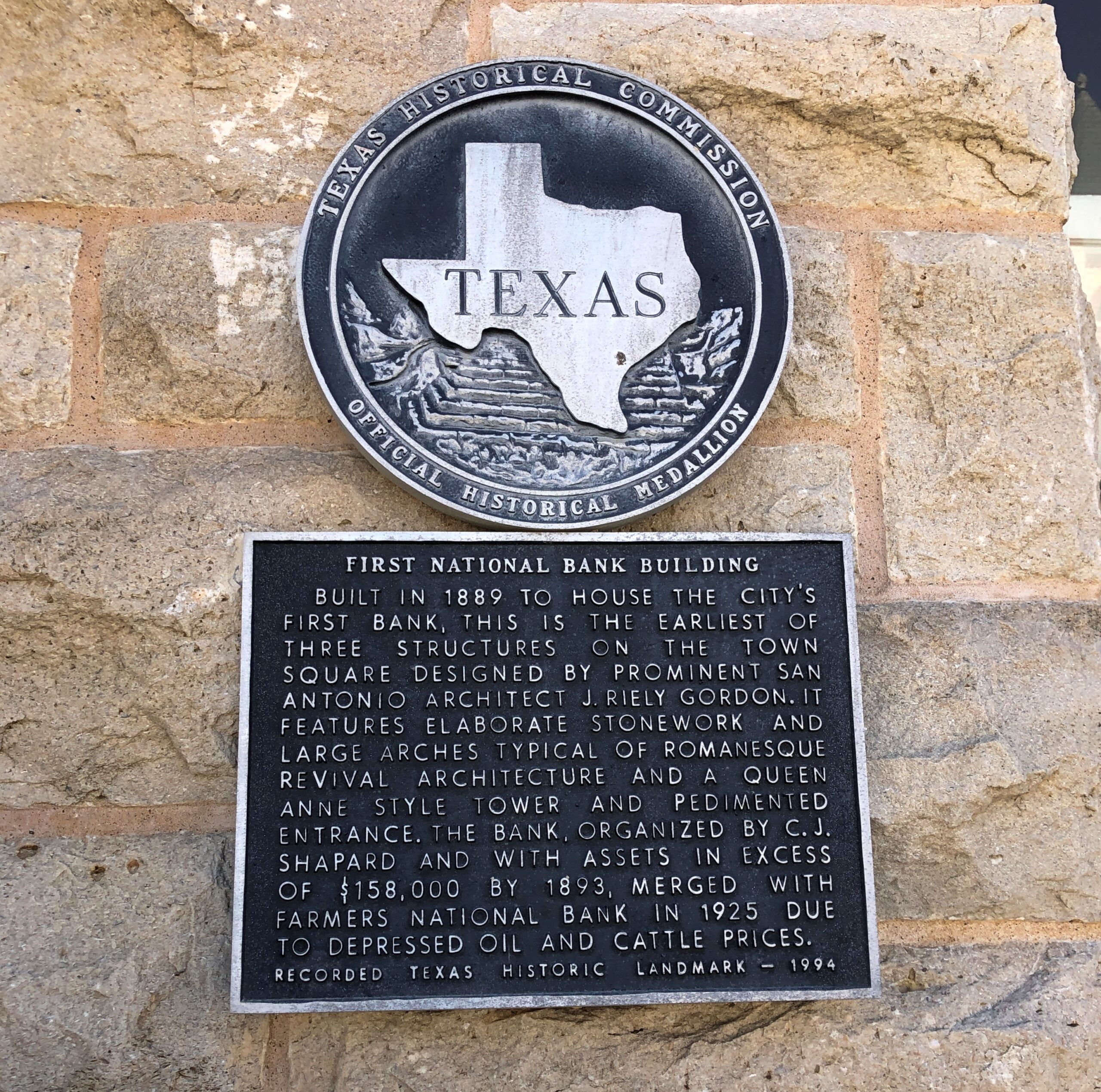
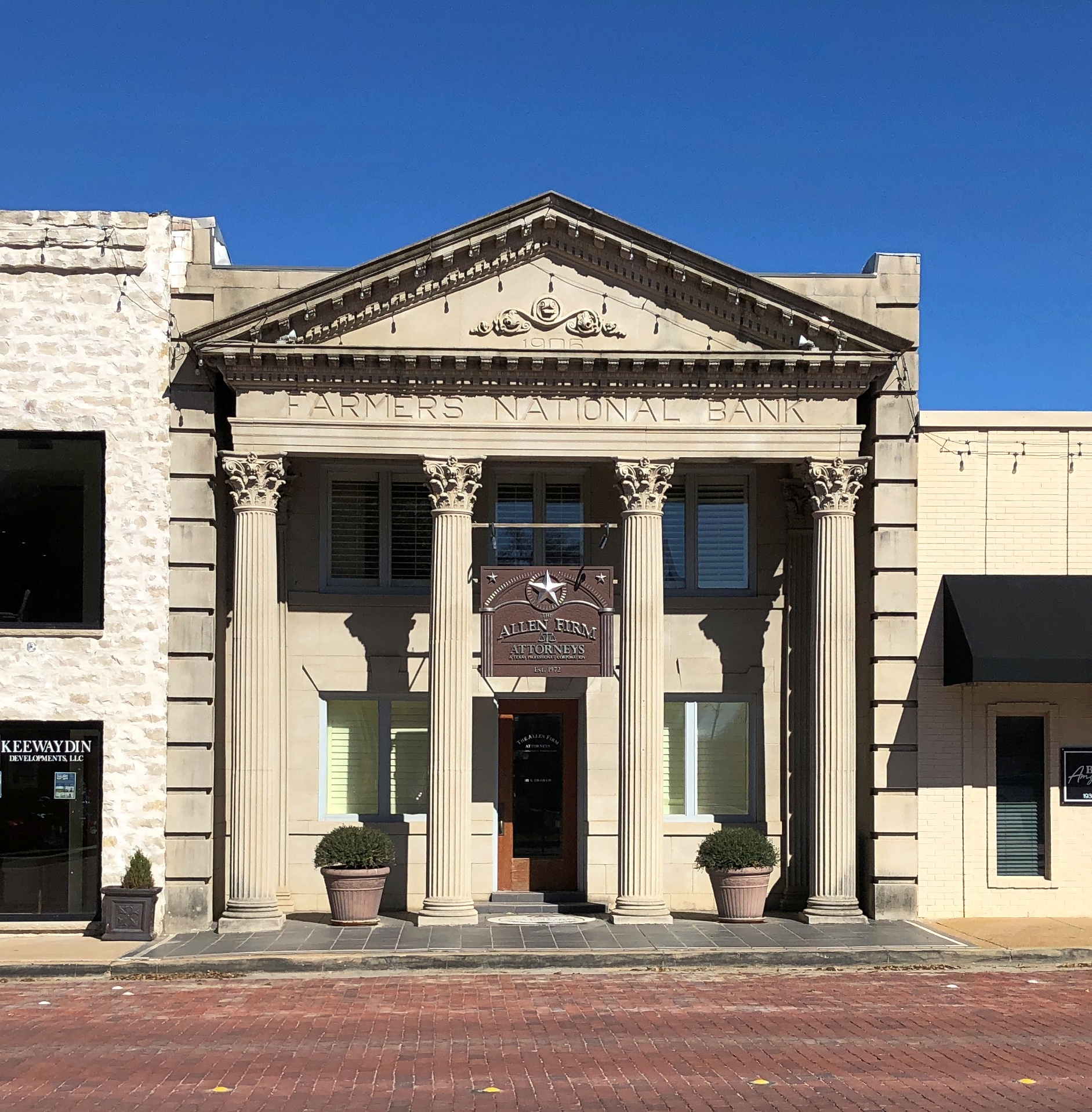
We ate lunch in Stephenville at Greer’s, which served a chicken-fried steak to beat all, then took a constitutional around the Erath County courthouse. Starting with one hefty former bank building, vintage 1889.

For Texas county courthouses, James Riely Gordon (d. 1937) is a starchitect, but of course that wasn’t all he did. When he designed this bank, he was 26.

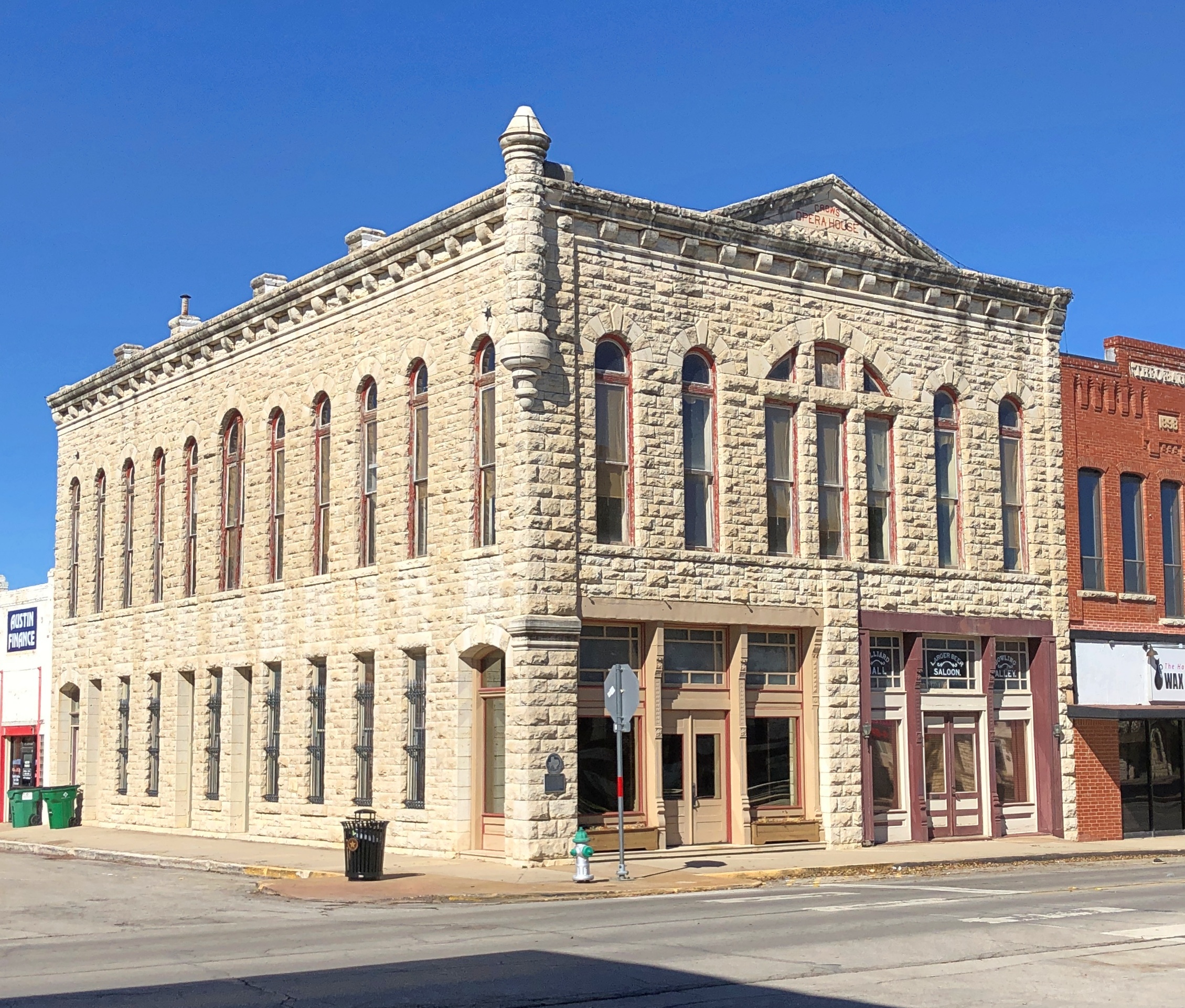
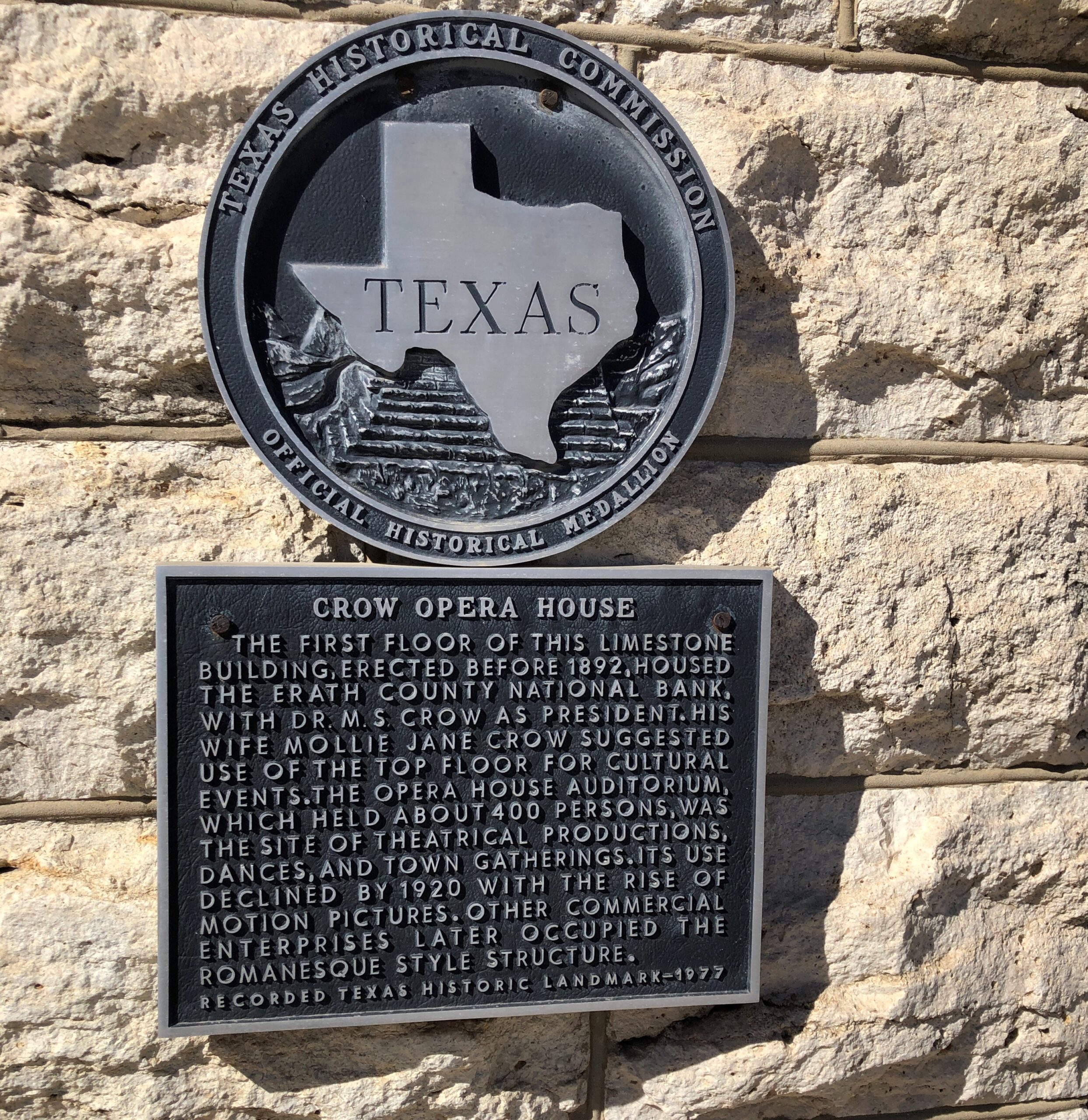
Every town worth its late 19th-century salt has to have an opera house.

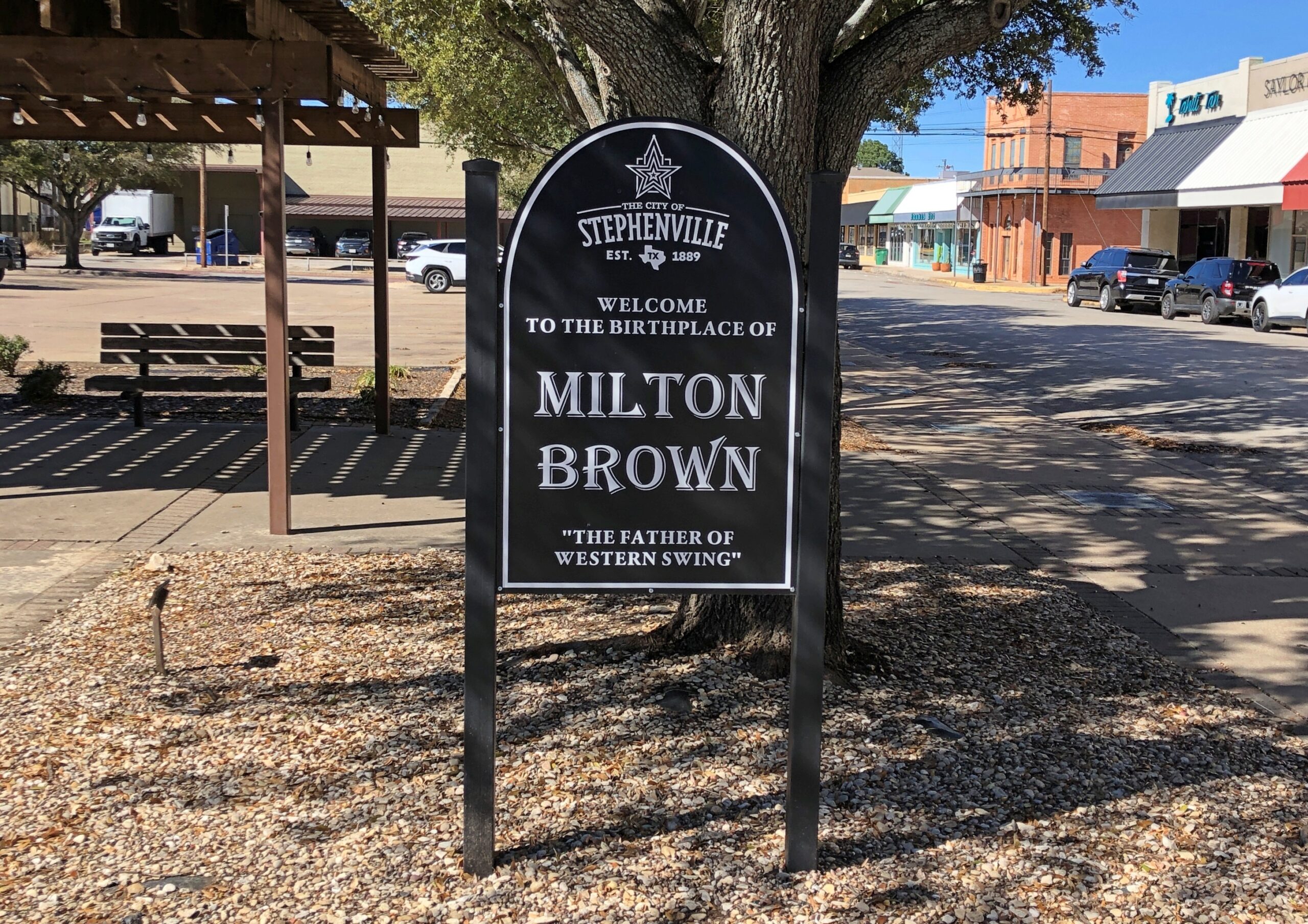
Also, a musical favorite son: Milton Brown.

Wiki: “Brown began his musical career in 1930, when he met Bob Wills and guitarist Herman Arnspiger. They were performing at a local Fort Worth dance and Brown joined the duo on a chorus of ‘St. Louis Blues.’ The trio decided to team up to play medicine shows around Texas and Brown landed a regular radio spot on WBAP for the group, where they played a show sponsored by Aladdin Lamp Company, which had the band change its name to the Aladdin Laddies.”

Man, there’s another streaming platform limited series for you: the founding of western swing. Add a fictional love triangle between Bob Wills and Milton Brown and a fictional fetching woman, and some fictional tension between Bob and Milton, who nevertheless produce terrific music to enthusiastic audiences early in the Depression, until Milton dies suddenly in the last episode in a car wreck, as the real musician did in 1936 at age 32. Bob is left to carry on.

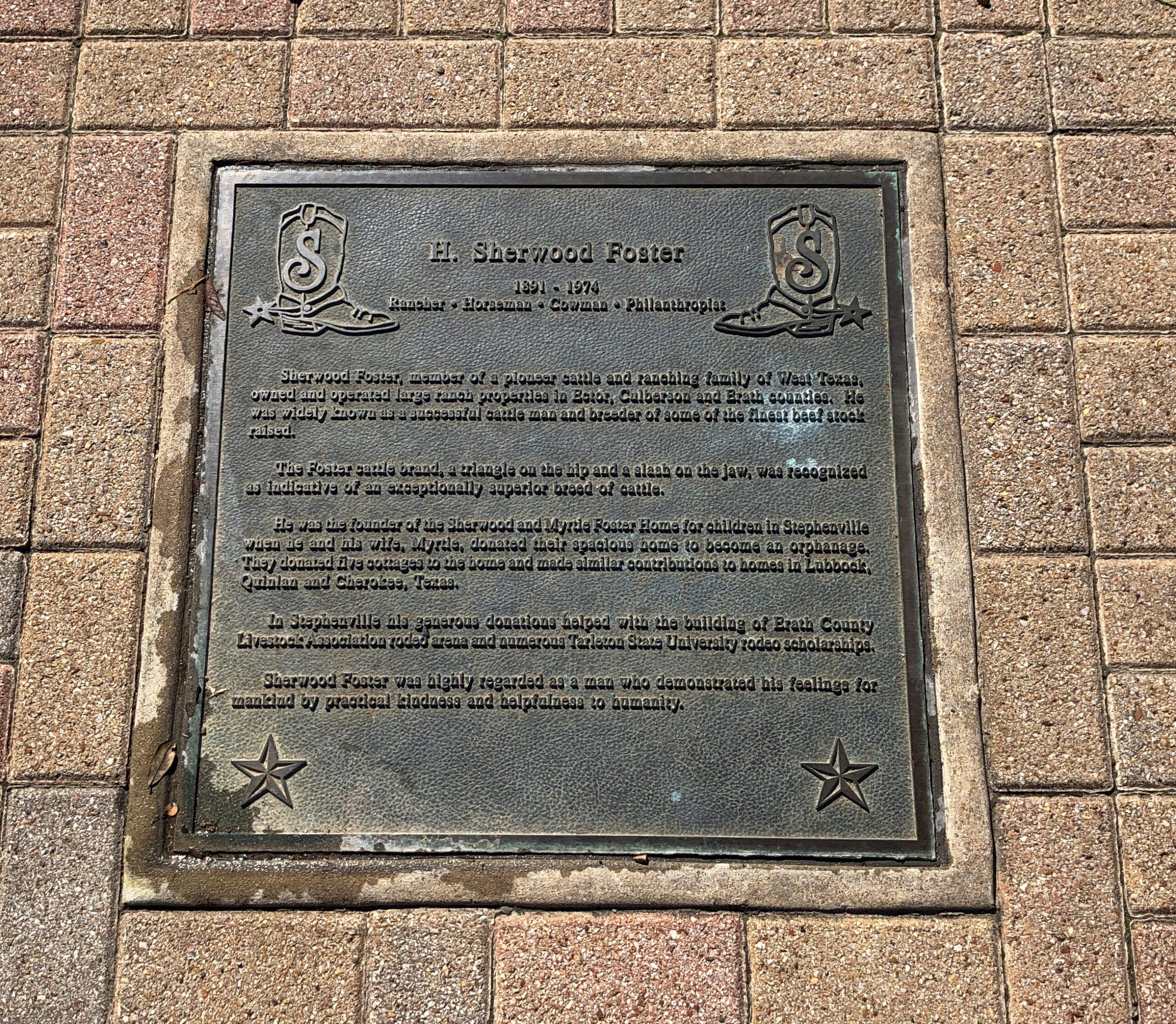
Milton’s not the only one honored near the Erath County courthouse.

There were a fair number of plaques like this, too many to read, so I picked one.

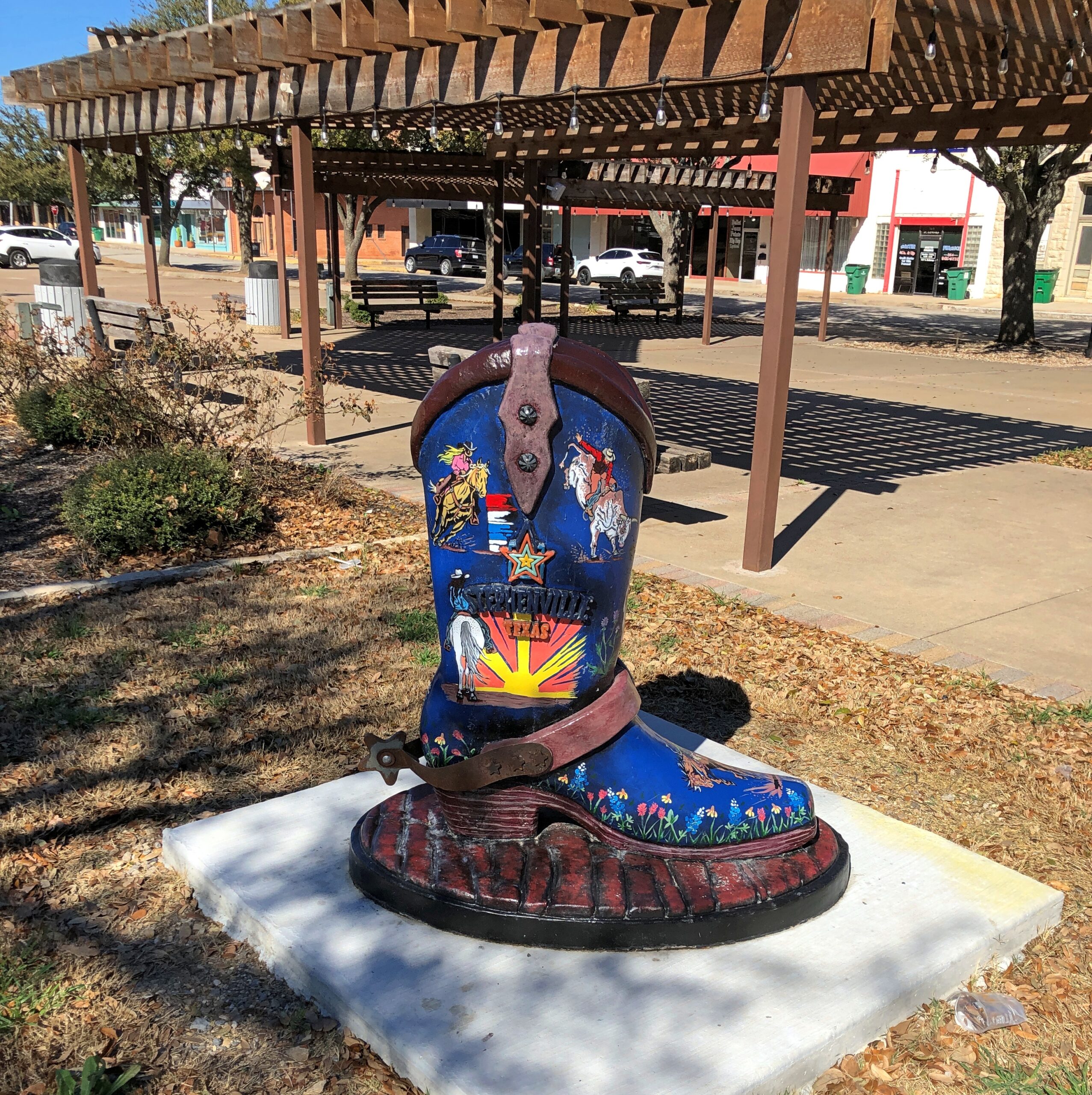
Chicago had its art cows (that was in 1999?!?) and Sturgeon Bay, Wisconsin, has its sturgeons, so Stephenville had boots?

You’d think maybe, considering the importance of dairy locally, there would also be — do dairy workers wear special boots? If so, there should be one of those on display too.

More Stephenville.

US 67 joins US 377 for a run southwest of Stephenville, through such burgs as Dublin, Comanche and Brownwood. Then US 377 peels away to the south; but we followed US 67 west to Ballinger. That town was mostly a stop to get our bearings, really, but I also did a short walkabout while Yuriko napped in the car.

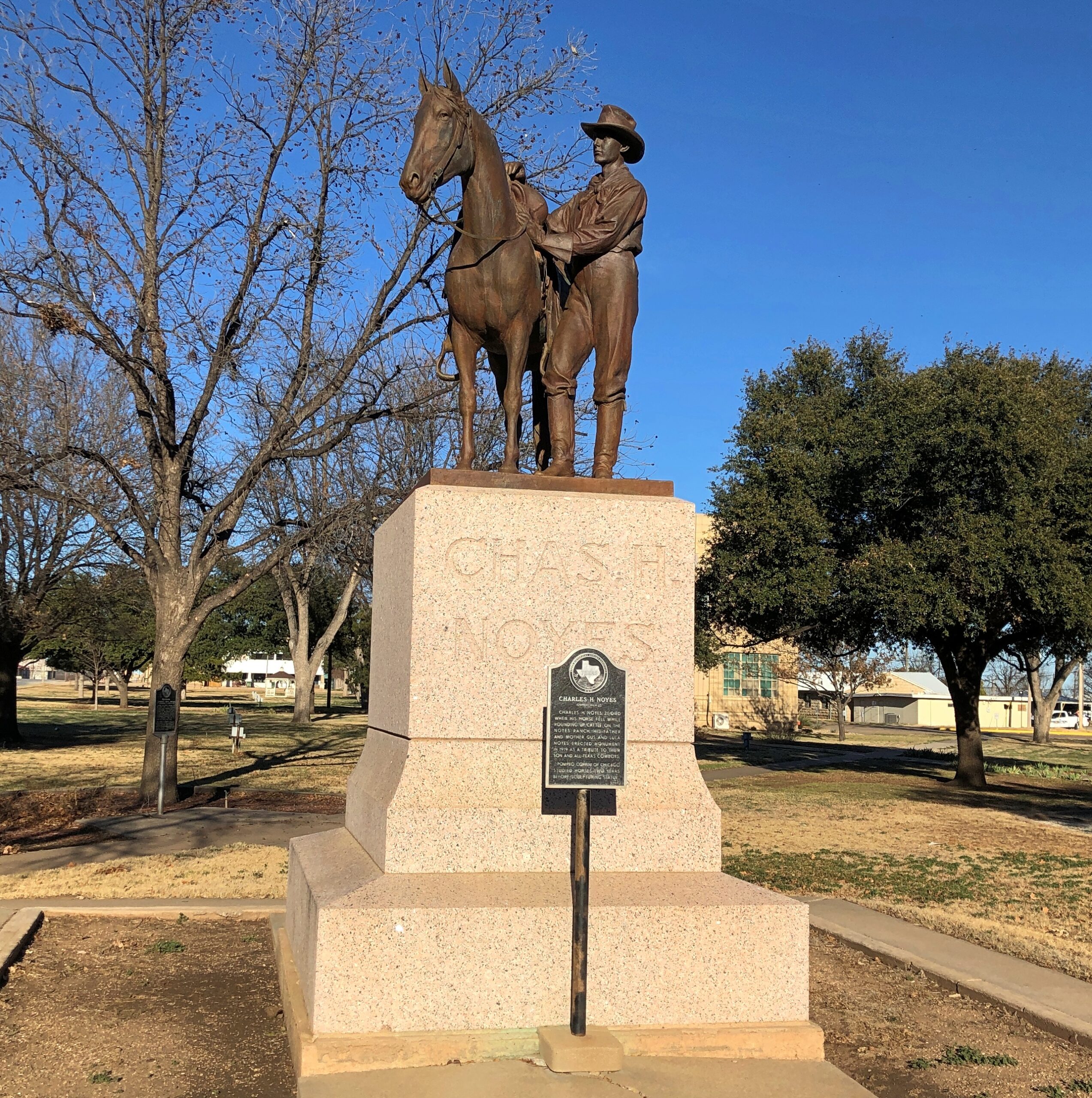
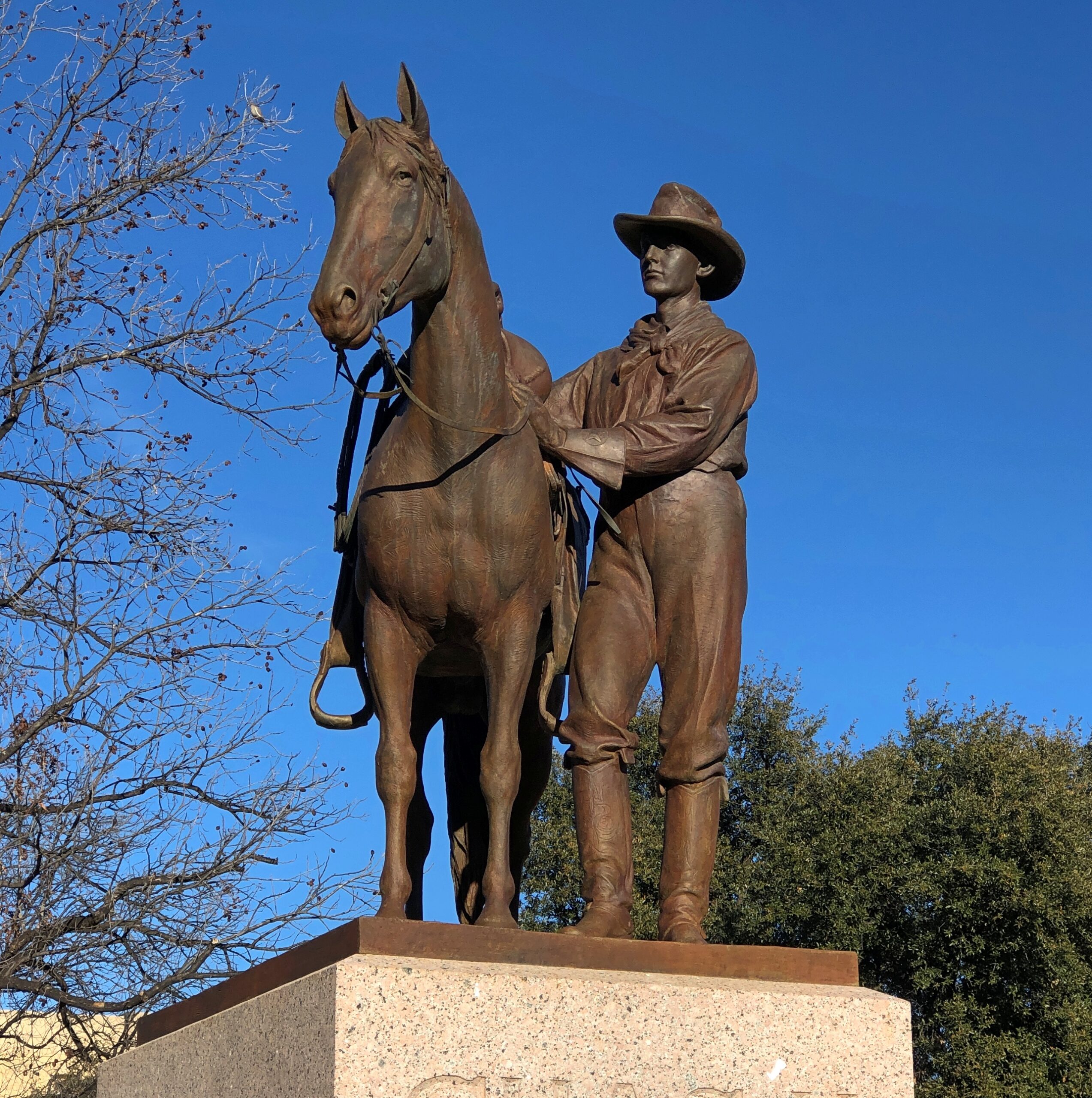
I made the acquaintance of Charles H. Noyes (d. 1917).

Charles was a young Runnels County man who died by being thrown from his horse while minding cattle. His parents tasked no less than Pompeo Coppin to do the sculpture honoring his memory. Nice work, Pompeo. RIP, Charles.

Caddo Mounds State Historic Site

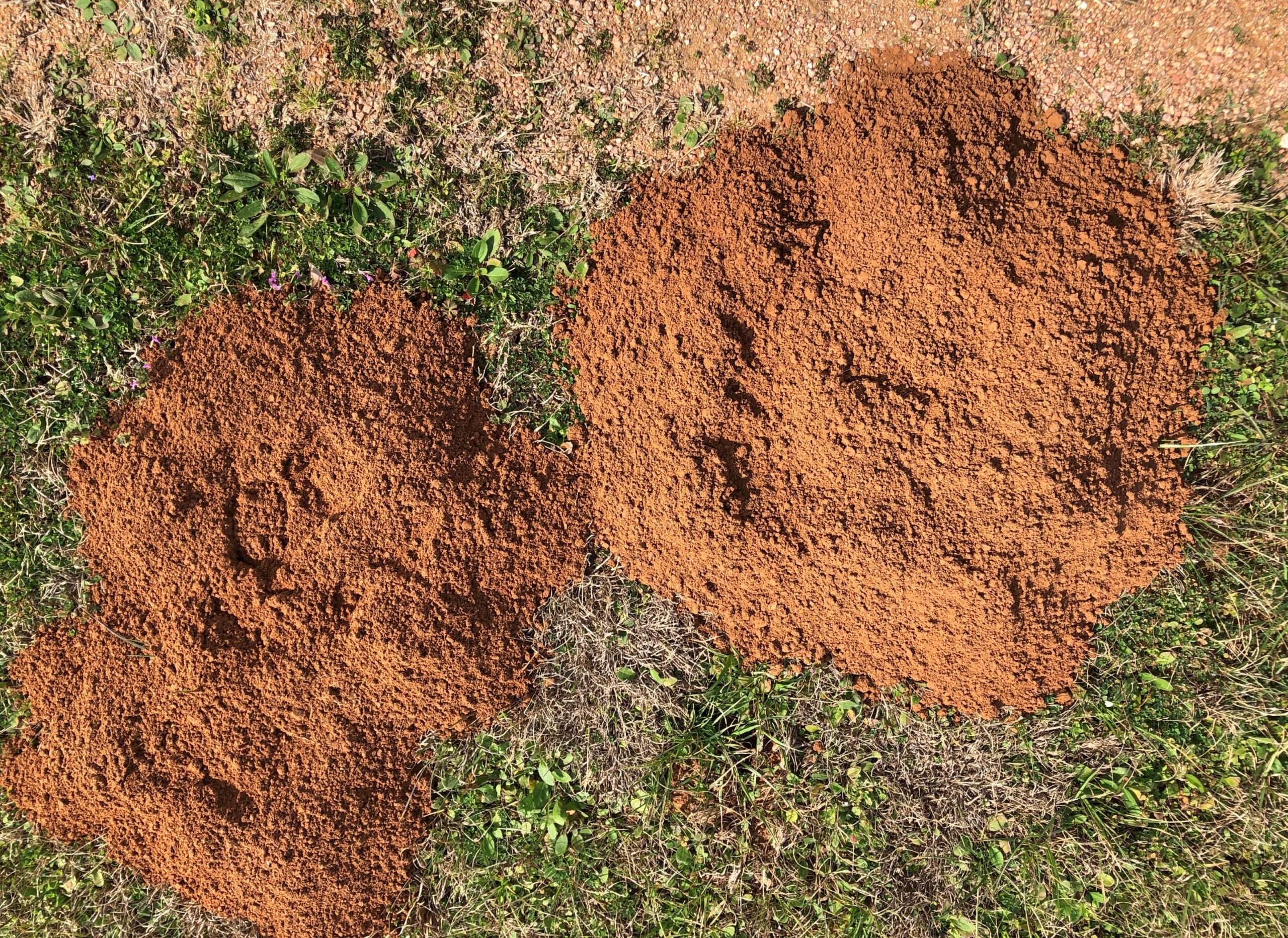
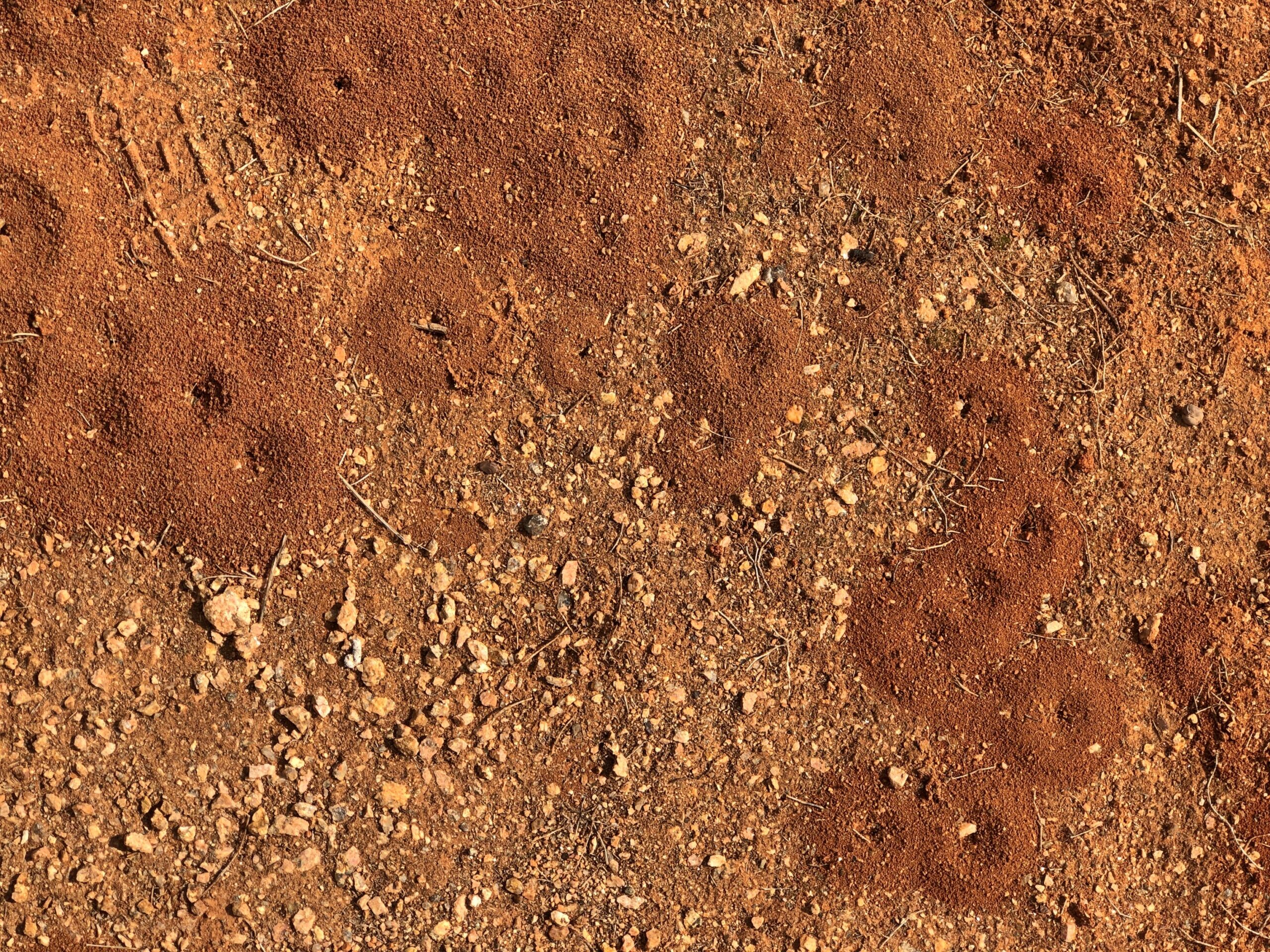
Underfoot, ants went about their business in the red soil.

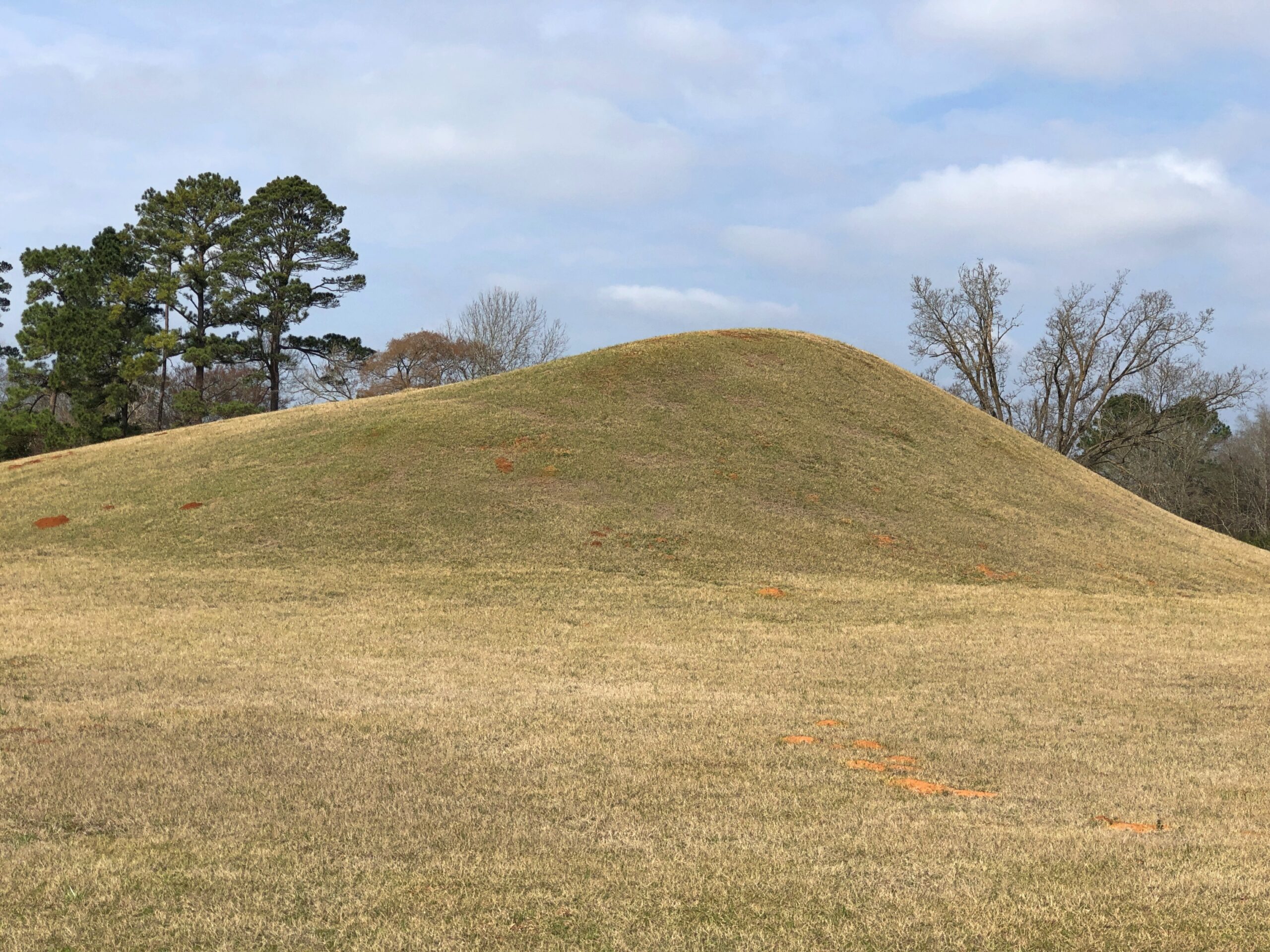
Fire ants? An expert might know, not me. Could be, considering these ant colonies tunnel under the the grounds of Caddo Mounds State Historic Site in Cherokee County, Texas, not far from Nacogdoches.

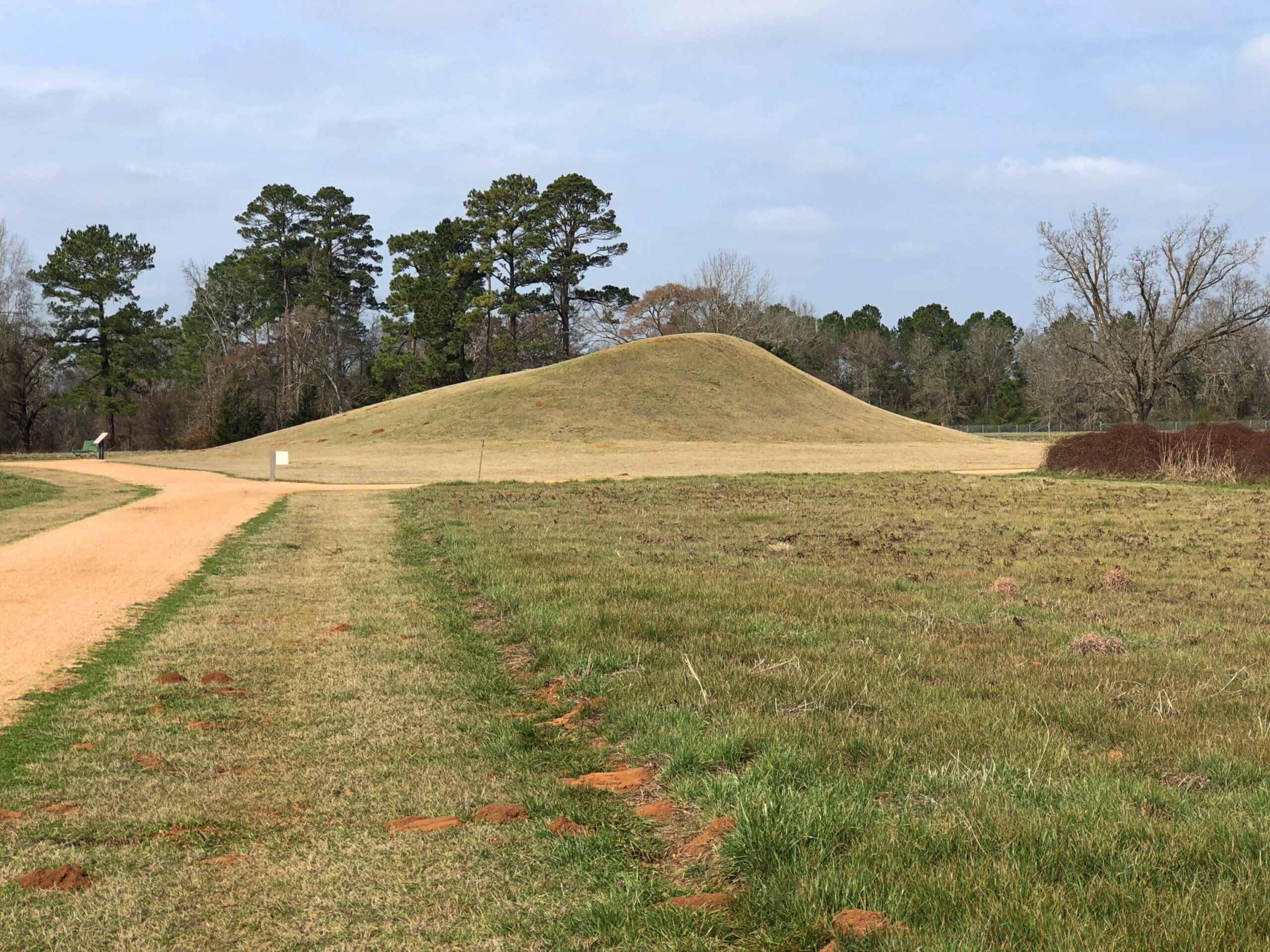
People, being proportionally bigger, make larger mounds, but for what we assume are entirely human reasons.

“The Caddo selected this site for a permanent settlement about A.D. 800,” says the Texas Historical Commision. “The alluvial prairie possessed ideal qualities for the establishment of a village and ceremonial center: good sandy loam soil for agriculture, abundant natural food resources in the surrounding forest, and a permanent water source of springs that flowed into the nearby Neches River. From here, the Caddo influenced life in the region for approximately 500 years.”

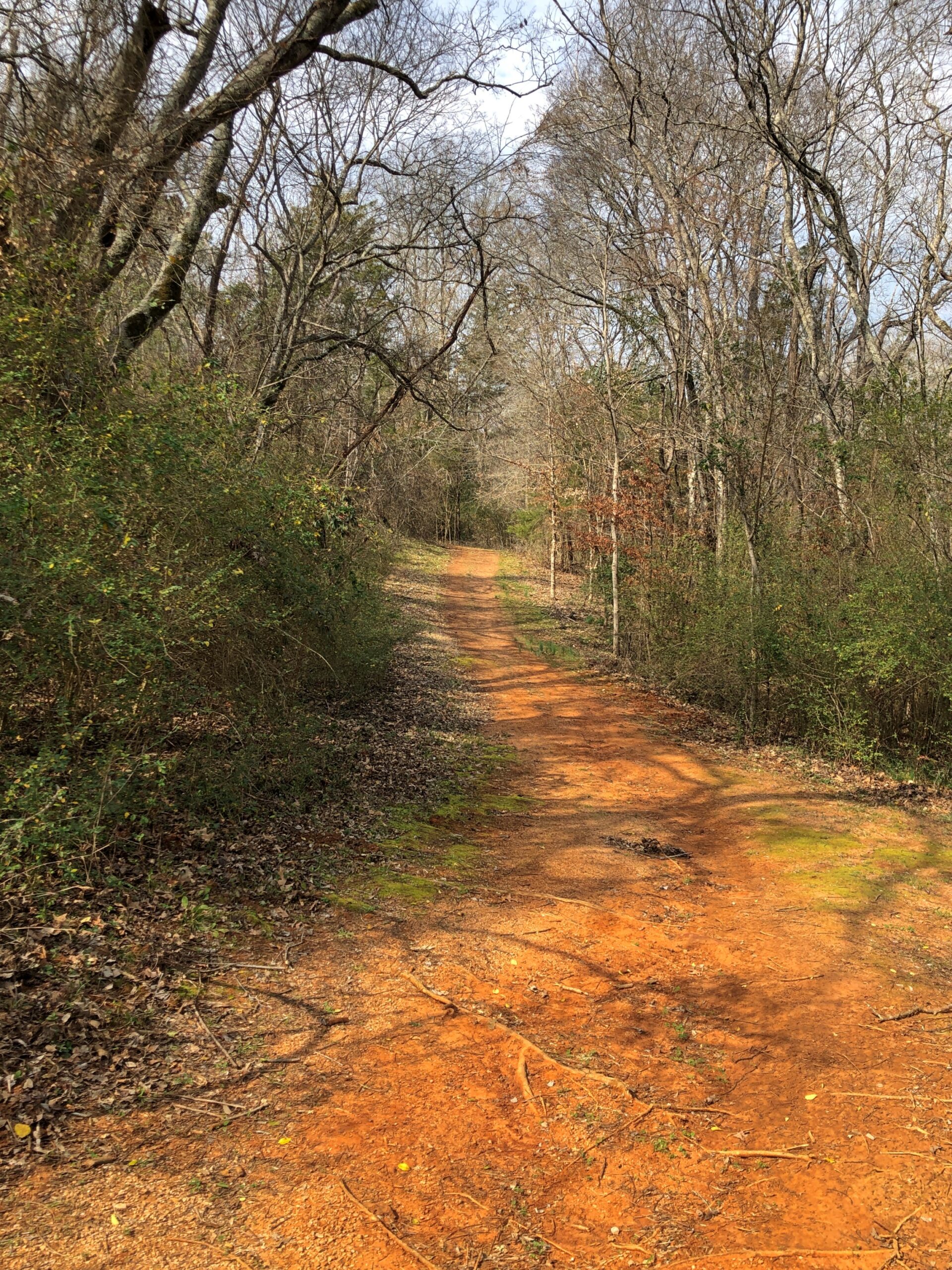
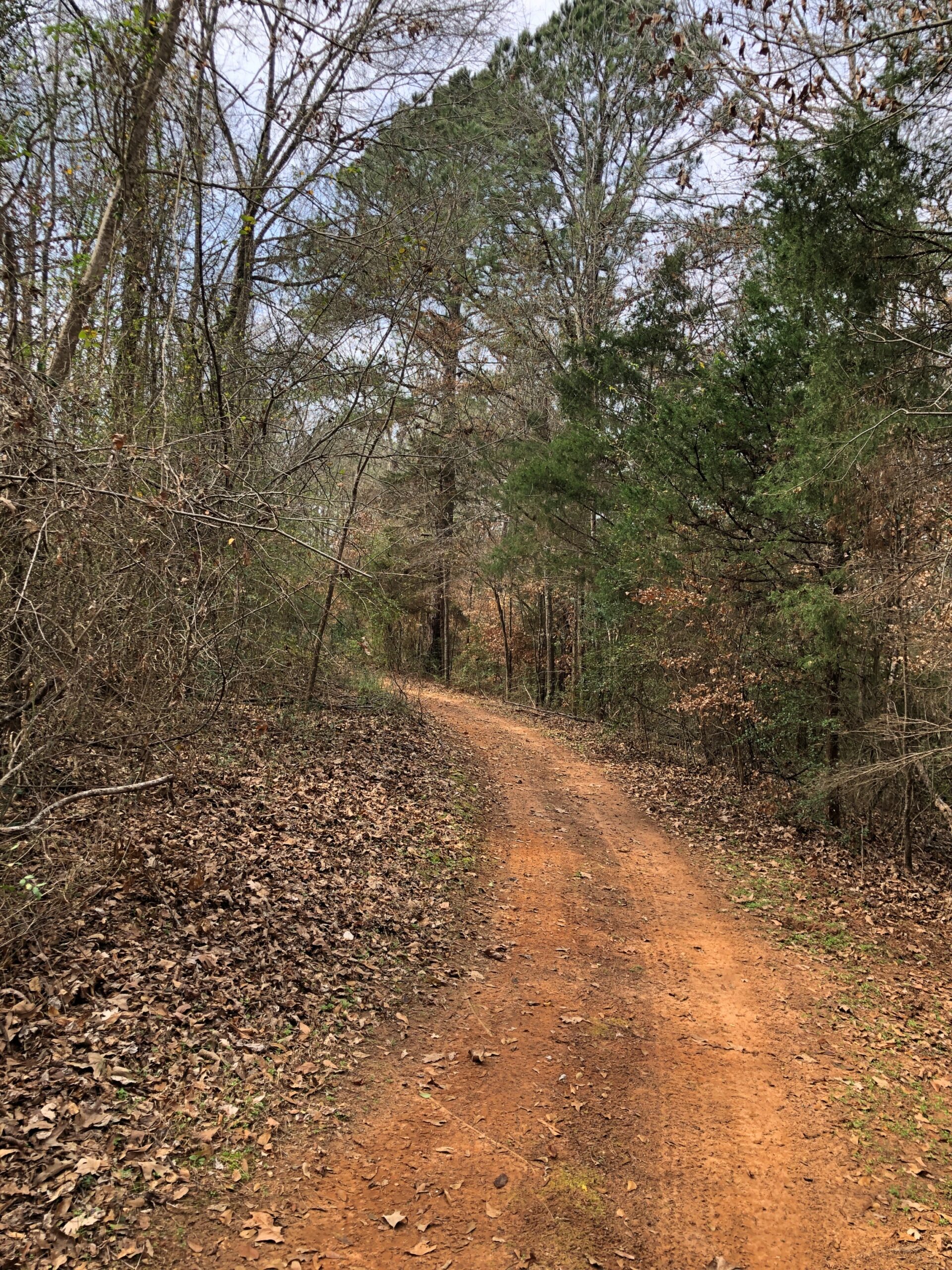
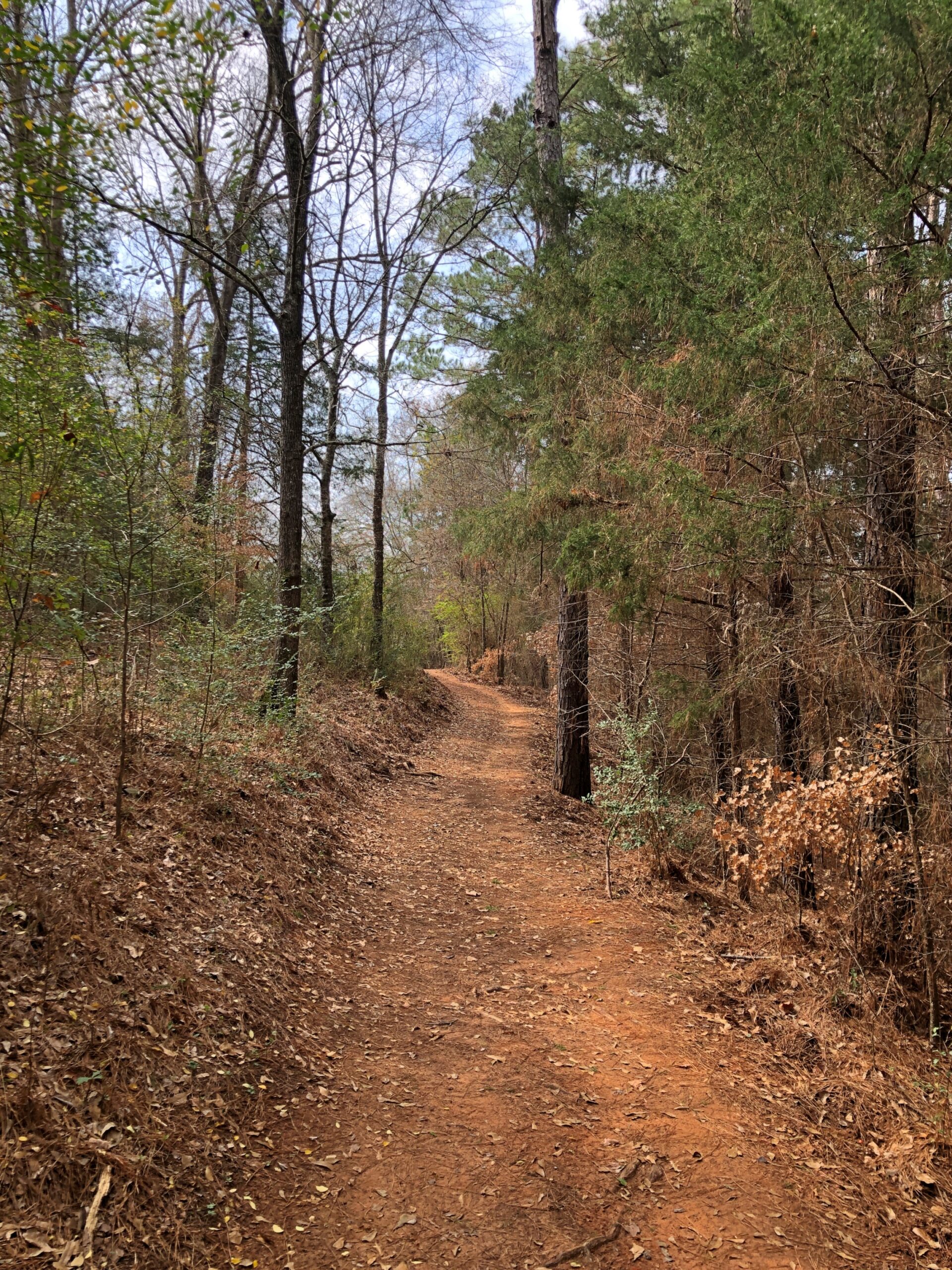
The historic site is large enough to include a winding trail. On a warm, dry day, a most enjoyable walk.

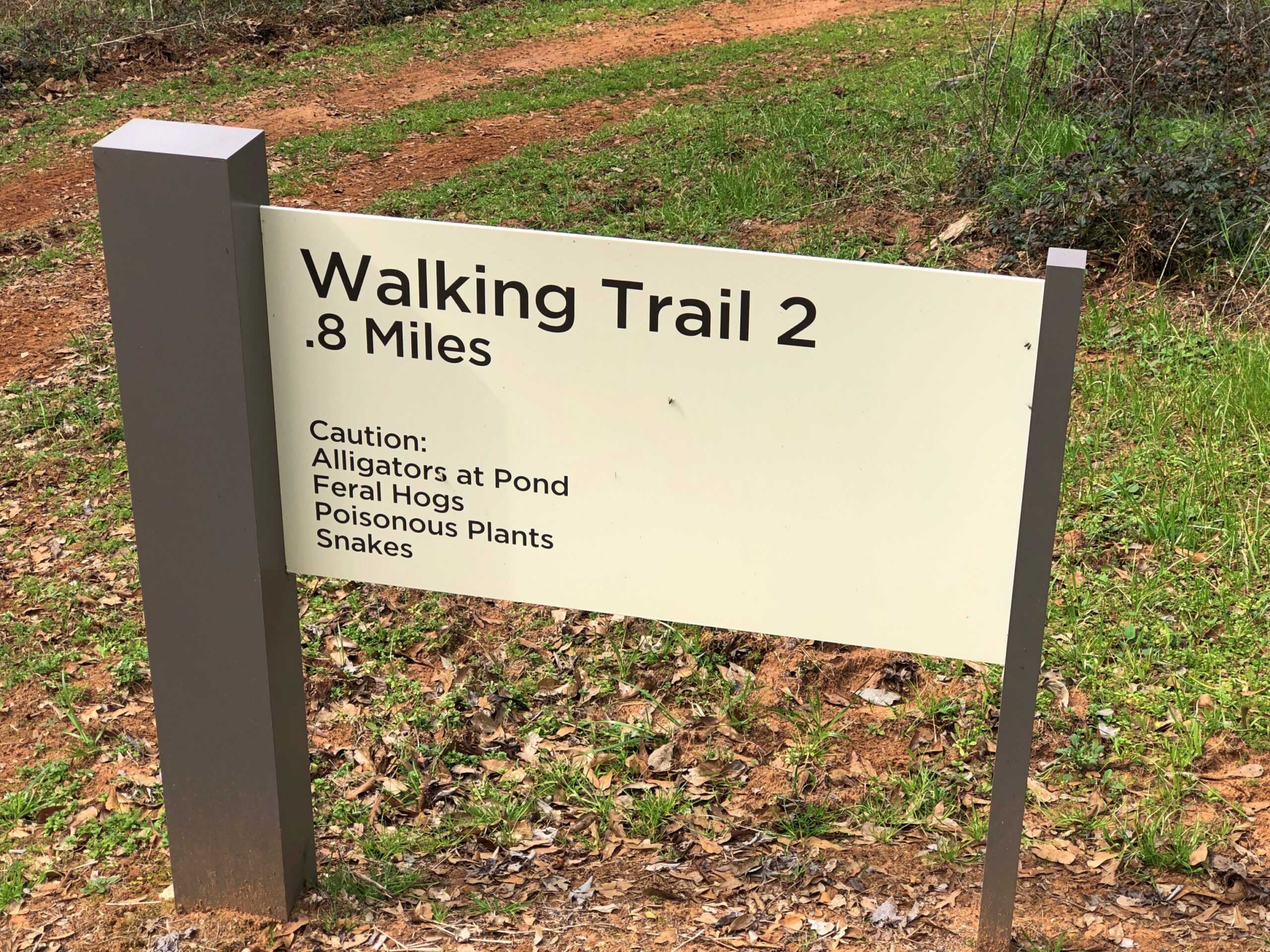
I can’t say I wasn’t warned, but I blithely ignored the warnings and took my walk. Nothing bad happened. A fair amount of life is like that.

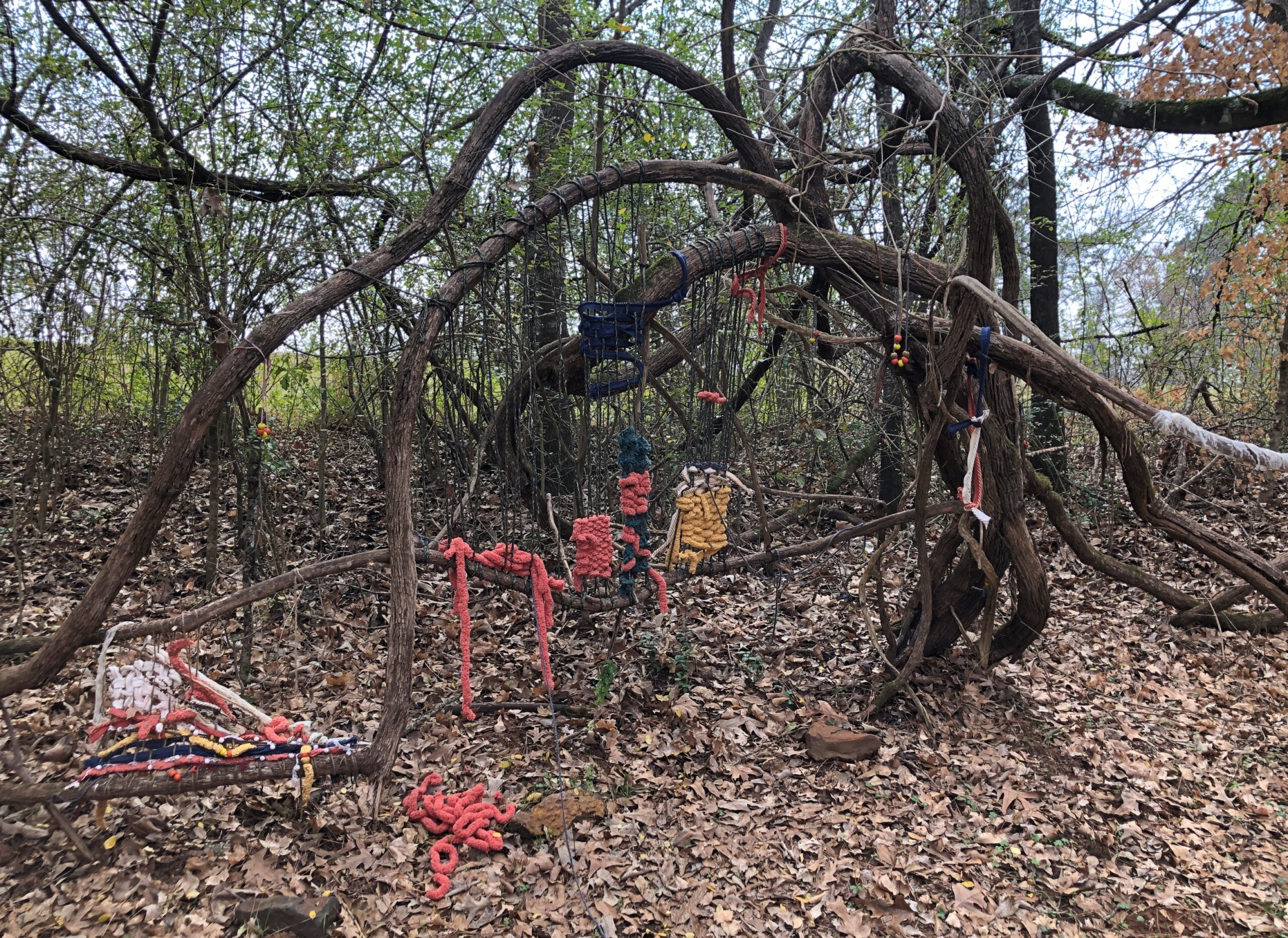
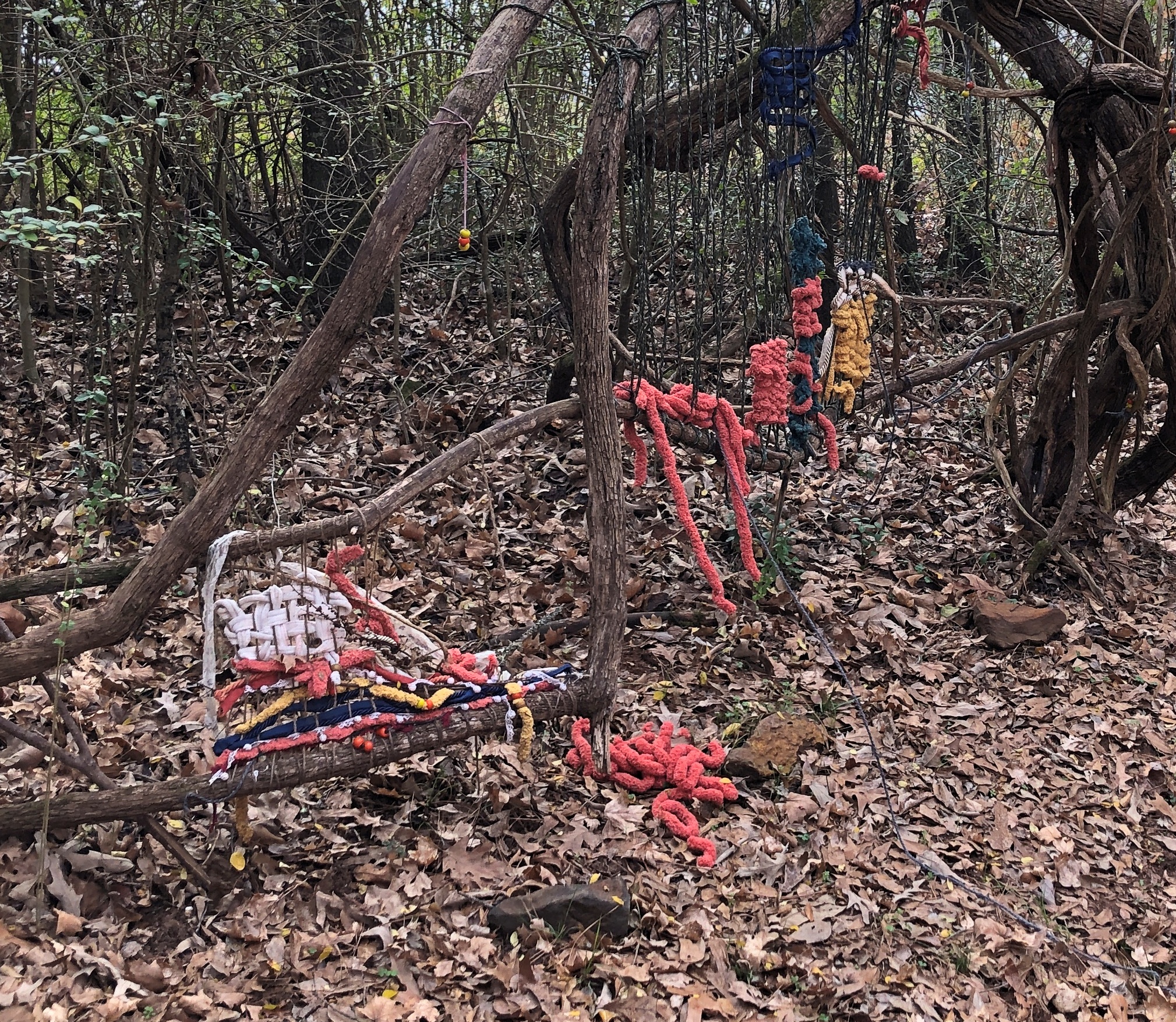
Yarn bombing? Here? Why? It might as well have been done by the ancient Caddos, for all I’m going to get an answer to that.

Of course, that tree is gnarly, literally and in the way Jeff Spicoli used the word. So maybe a good candidate for some yarn.

My drive from the historic site to Palestine, Texas, took me on some ill-marked back roads, but we’re not talking the Sahara, so signed roads eventually appear to alleviate any navigational uncertainty. Near the site on Farm to Market 2907 – walking distance, really – is Weeping Mary, Texas, a hamlet that has gotten more attention that one would think, at least considering its small size (pop. 40). “The community was probably first settled soon after the Civil War by freed slaves from neighboring plantations,” the Texas State Historical Association says.

In our time, Weeping Mary is a small agglomeration of standard and manufactured houses and satellite dishes and cars scattered among tall pines, with the church in there somewhere, and it takes all of half a minute to drive through.

San Augustine & Mission Dolores State Historic Site

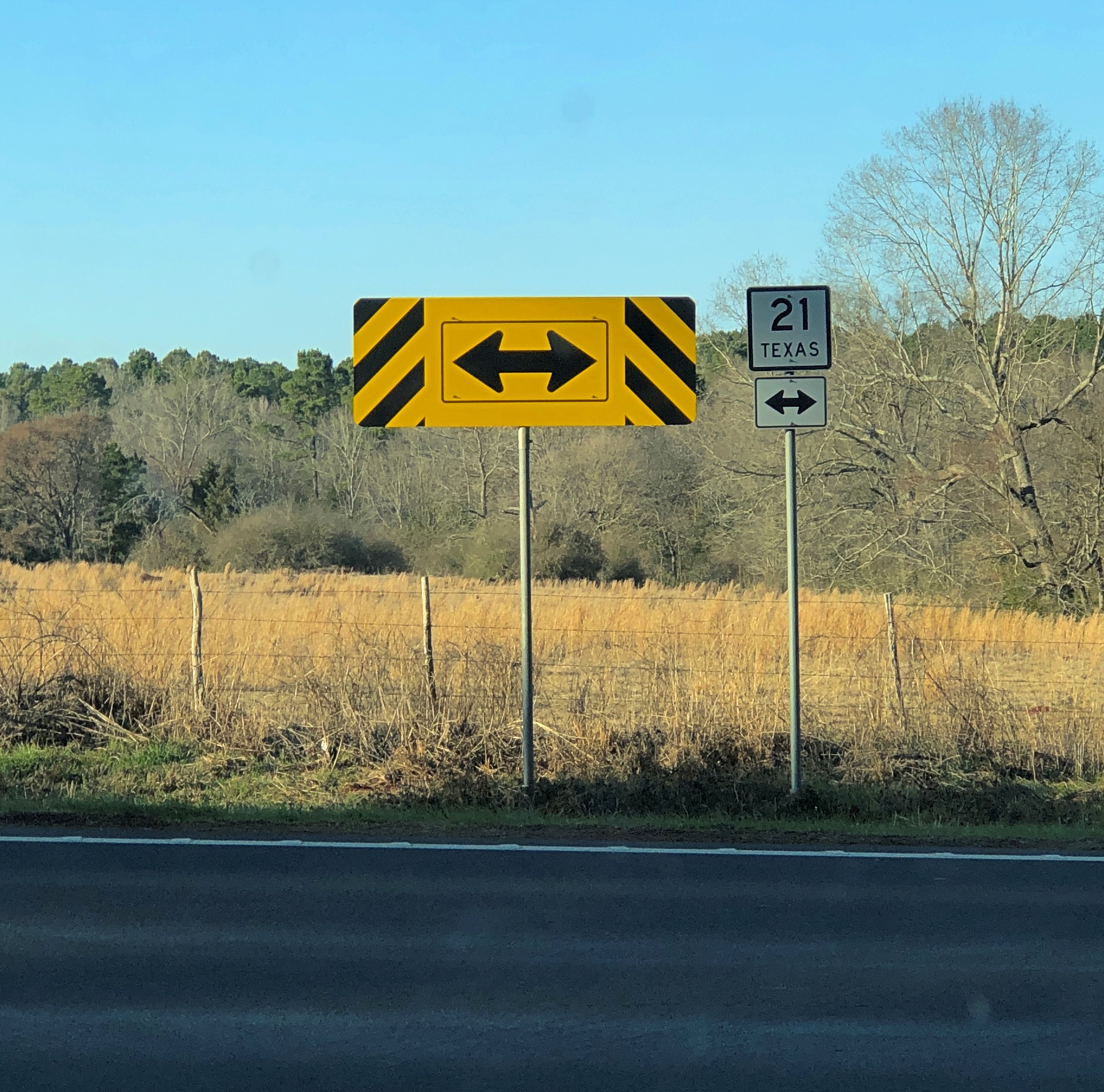
From Nacogdoches east to San Augustine, there in the thick of East Texas, is about 20 miles along the highway Texas 21. An excellent drive.

Gary the Builder

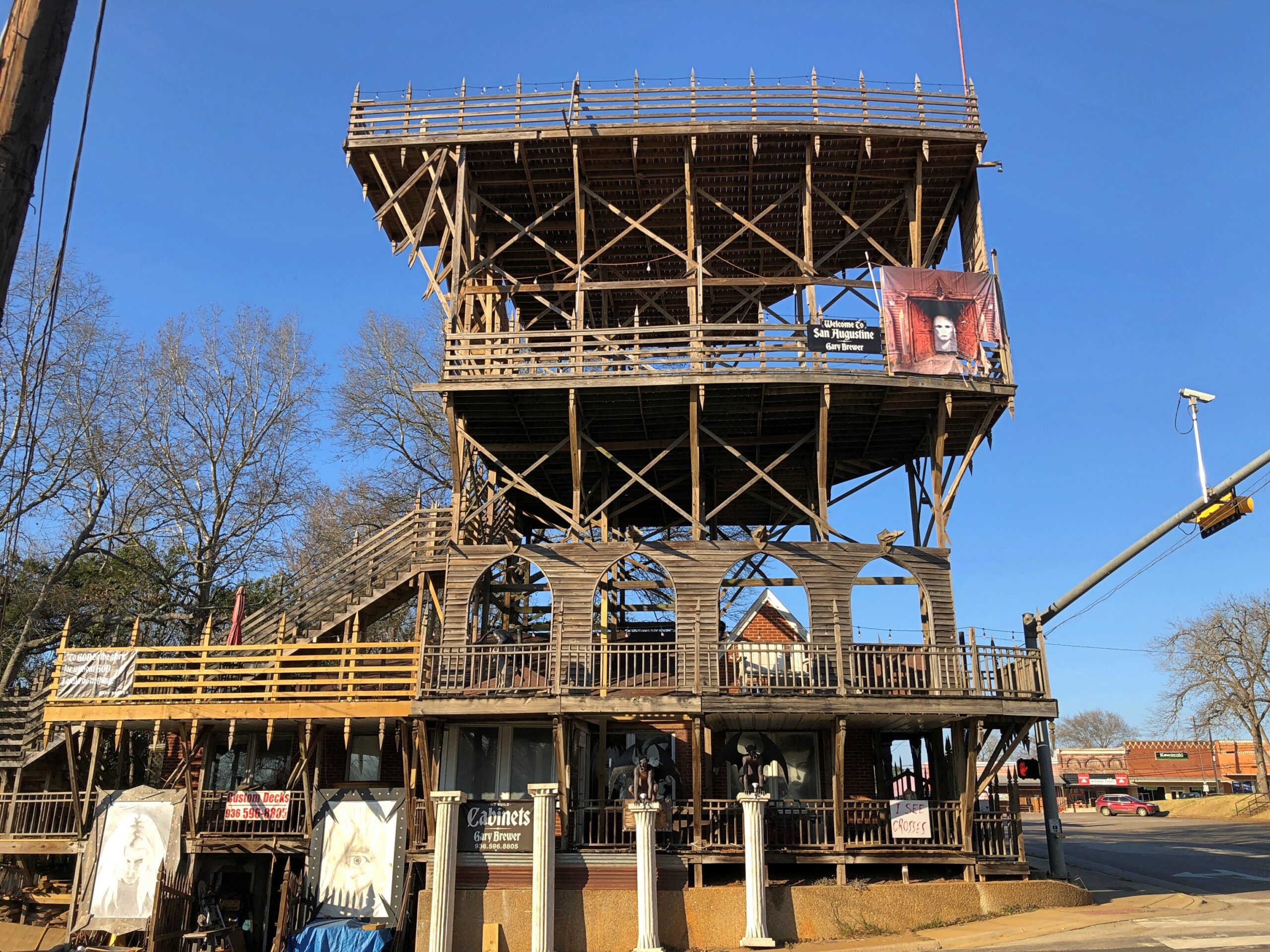
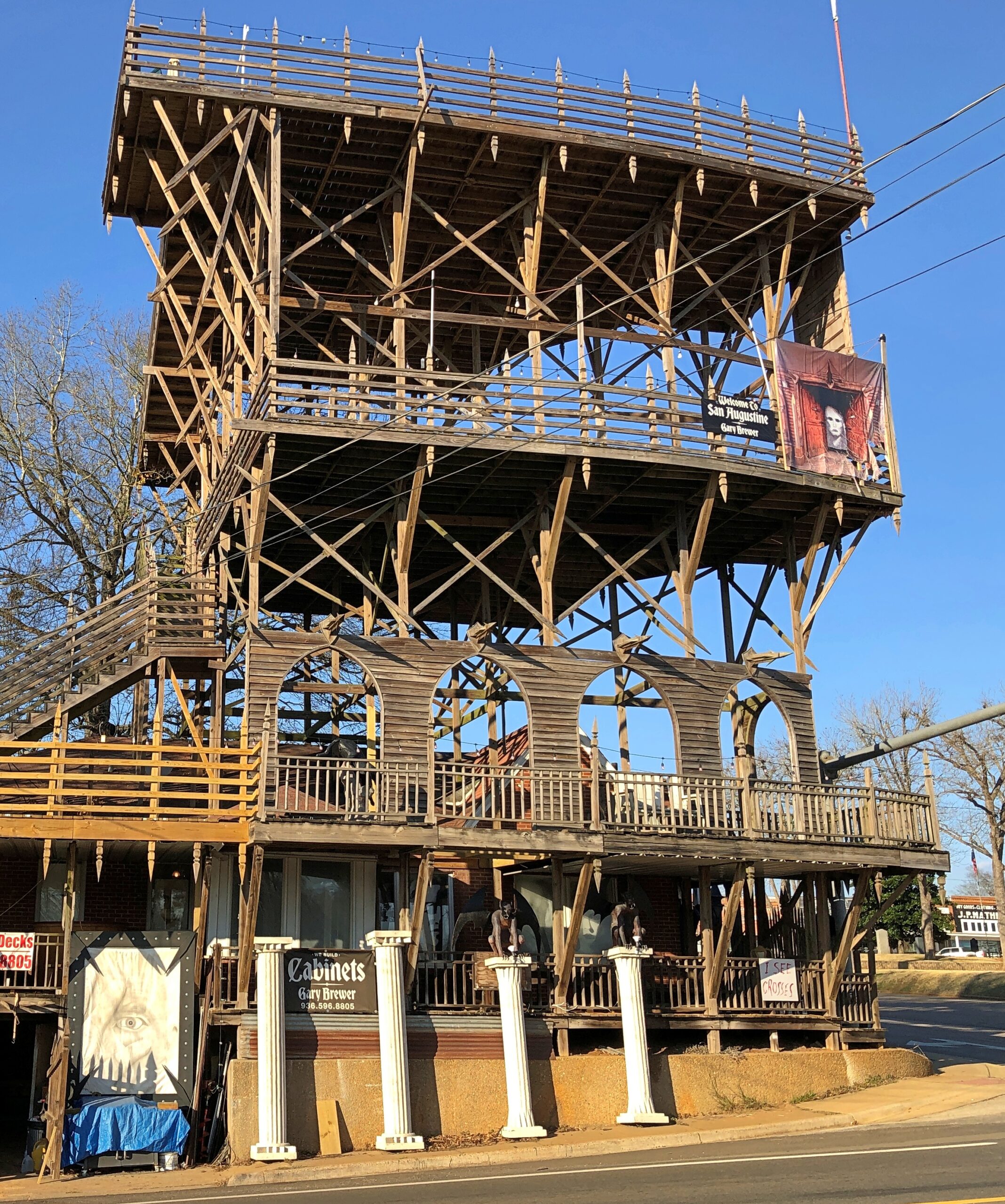
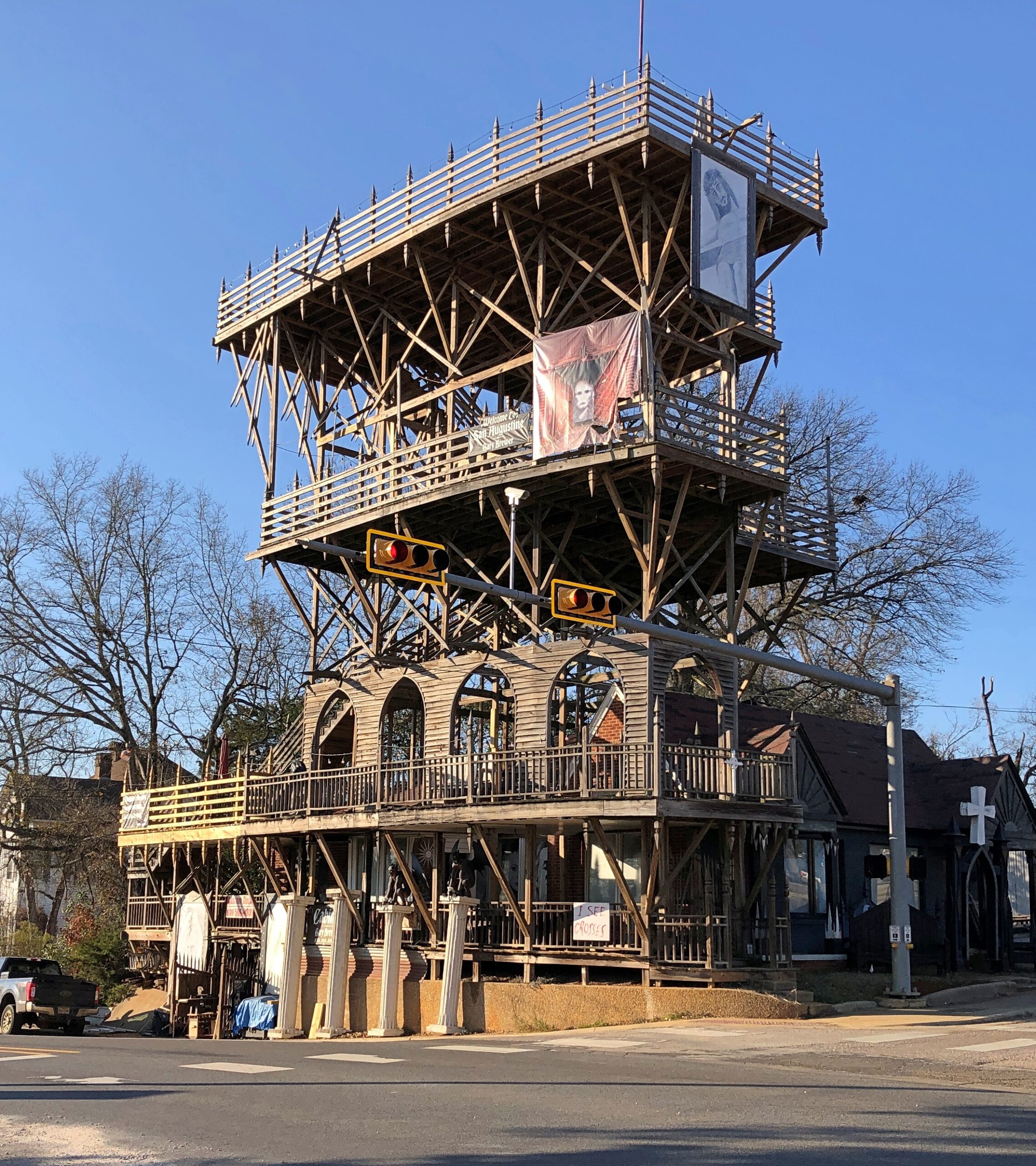
Approach San Augustine (pop. 1,920) from the west on the Texas 21, as I did, and you’re certain to notice an unusual wooden structure, as I did.

Roadside America calls it “Major Fun,” and I will say it was a major surprise, since I went to San Augustine knowing very little about the place. RA says: “Gary Brewer, a carpenter, has been adding multi-story decks and spiky wooden things to the outside of his house since 2006. The town has tried to stop him, but the woodwork is all code-compliant. Gary views his house an attraction, and wants people to visit it.”

The tower is at one corner of the county courthouse square. So maybe Mr. Brewer could file the paperwork for his construction by walking across the street. Do you suppose Mr. Brewer the carpenter has a friend named Carpenter who’s a brewer? Possibly.

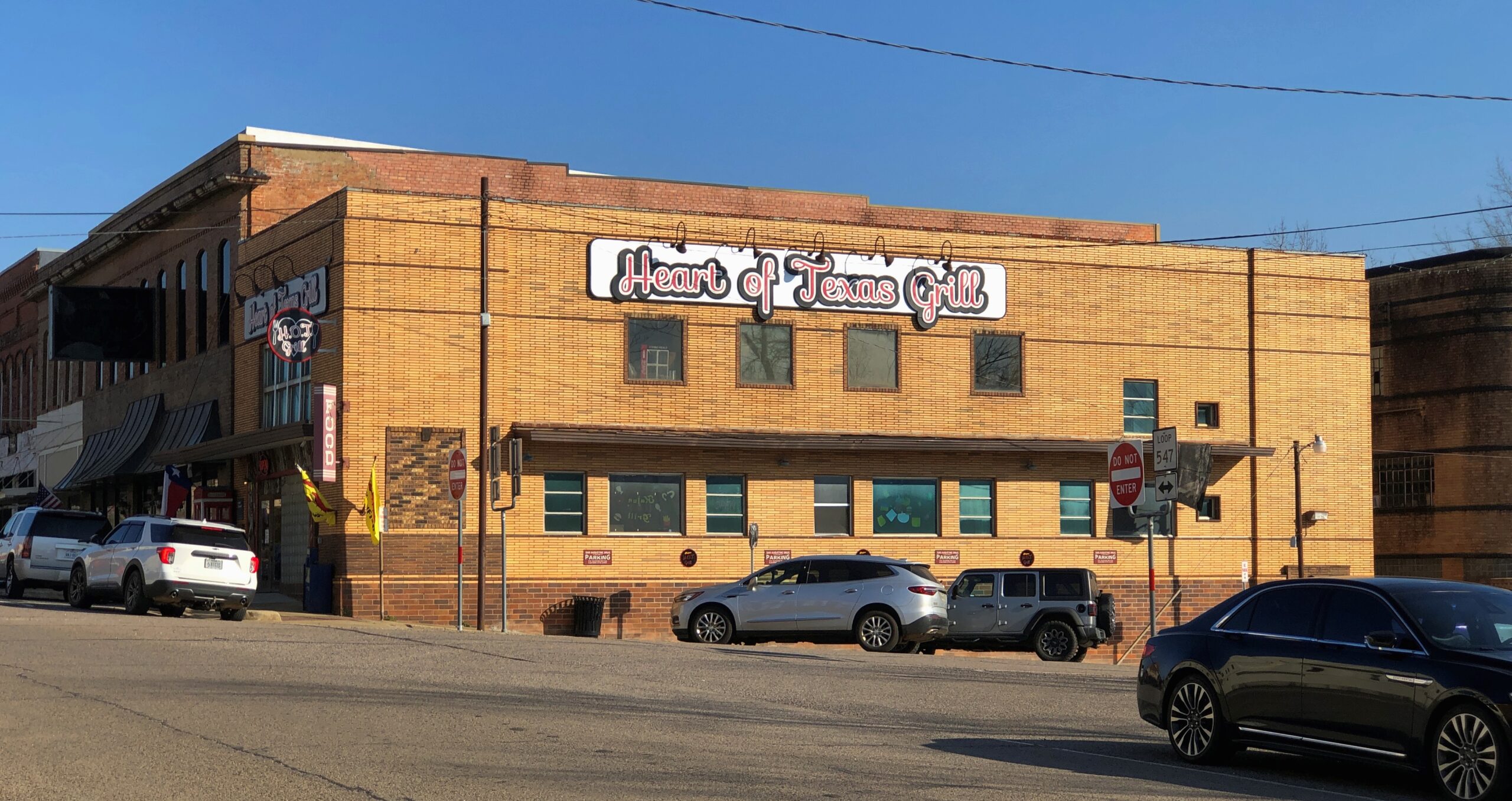
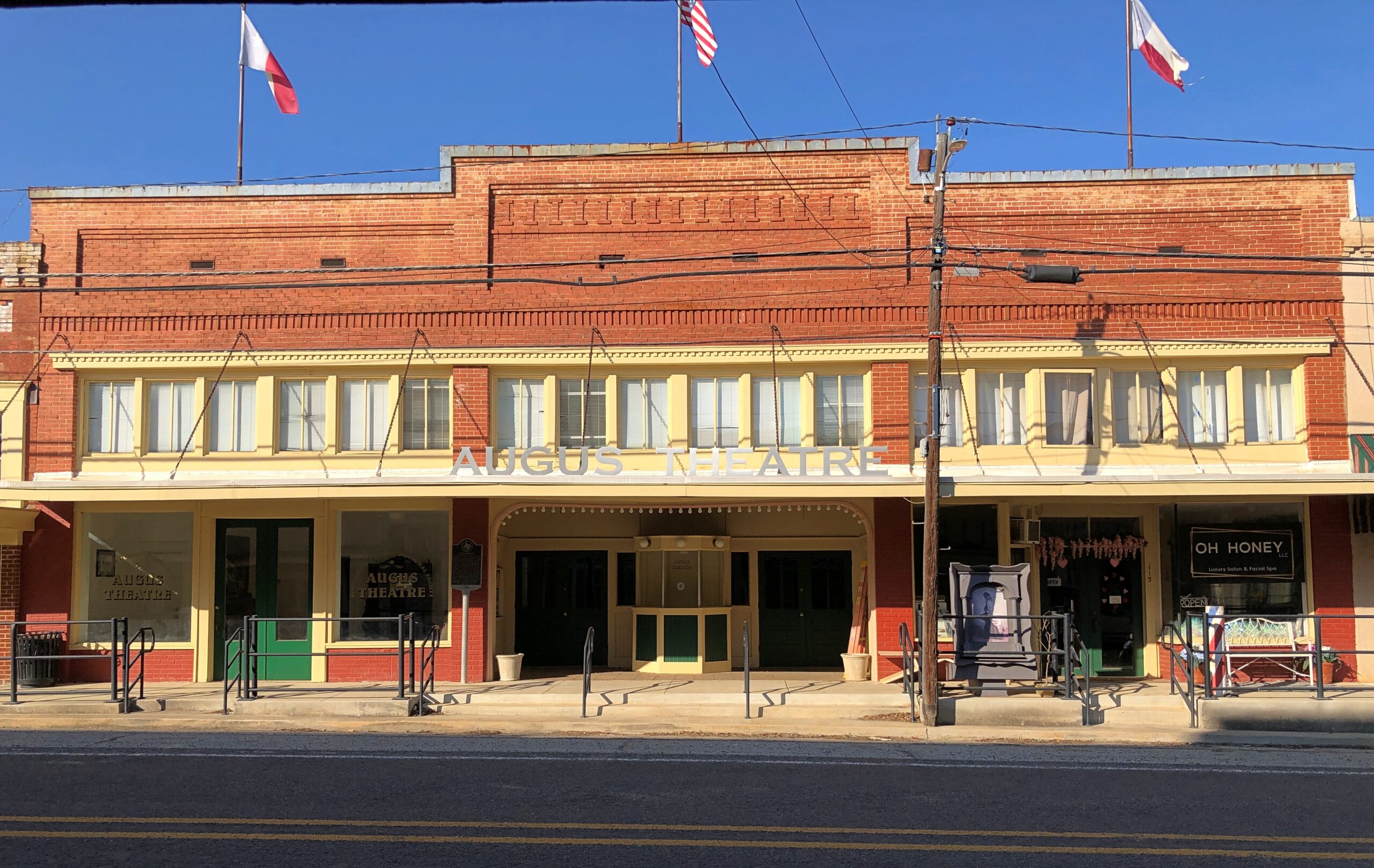
The rest of the town square shows that many town squares aren’t what they used to be — sporting more than a few vacant storefronts — for all the usual reasons, such as big box retail elsewhere in the county. But businesses cling to life in the courthouse square even so.

Not pictured is the San Augustine Drug Co., a pharmacy near the square, a sizable place that’s more clothes and gift shop than drug store. You can buy ice cream at a counter near one wall. Not quite a classic drug store lunch counter, but distinctive. As I was looking around the store, one of the employees asked if this was my first visit. I told her it was, and she said that first-time visitors receive a cold drink from the counter, no charge. So I sat at the counter and drank a complementary lemon squash, as lemony and delightful as could be.

A Stripling Might Say My Name is the Alternate

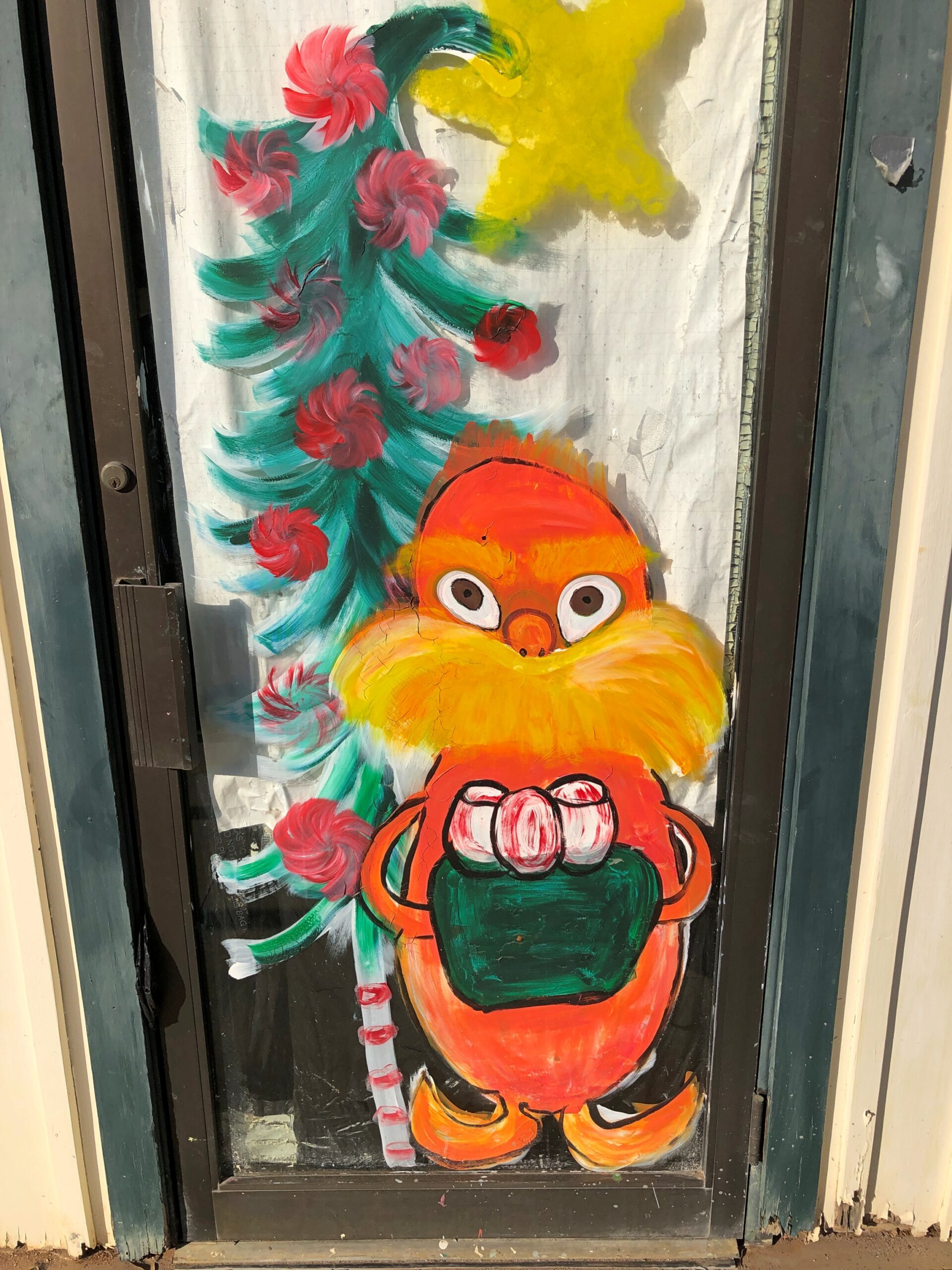
A number of the vacant spaces had been recently used as Christmas stores. Even in February, seasonal décor lingered, because why not?

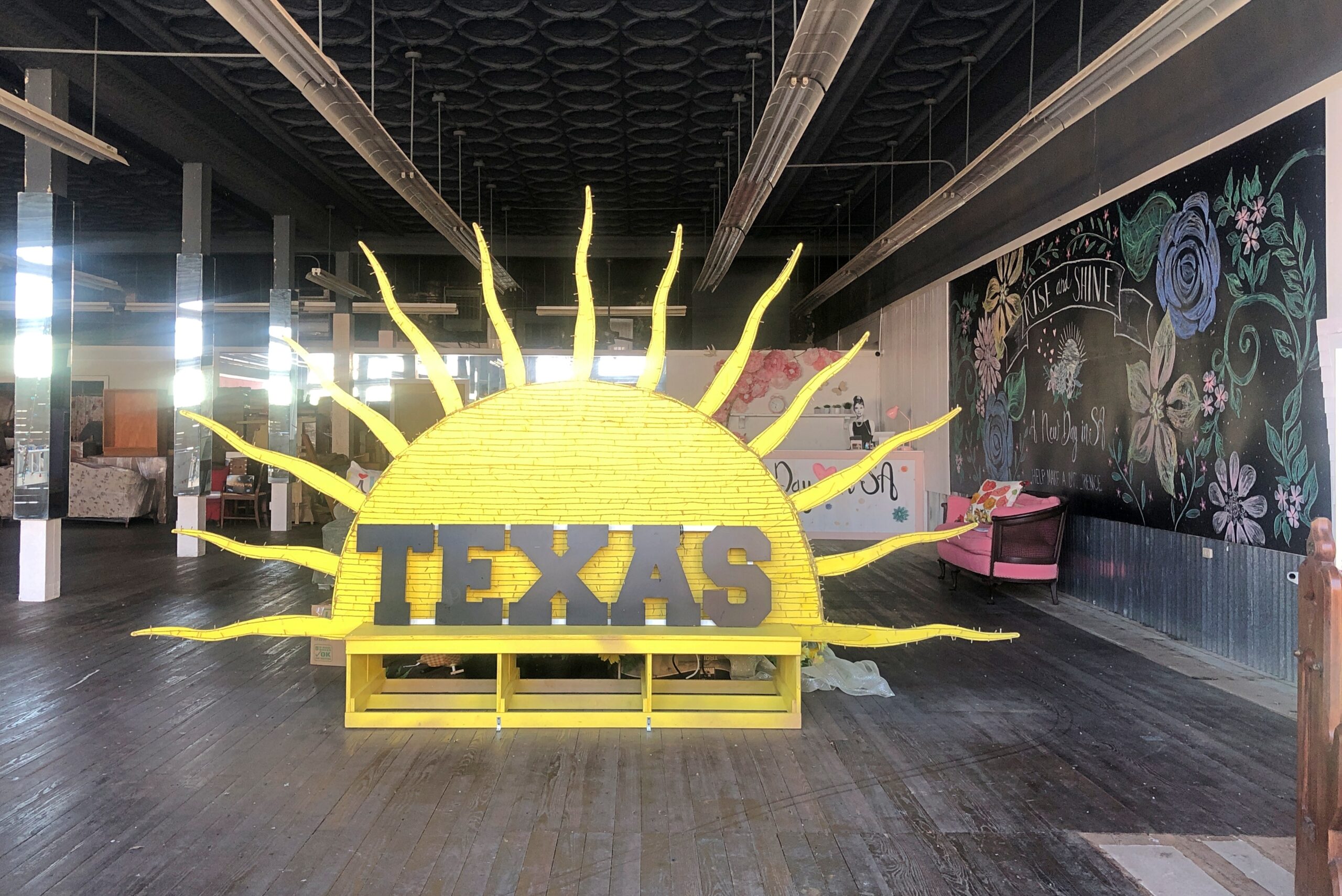
This space wasn’t vacant, exactly, but it was unmarked and its use a little hard to sus. Art space perhaps. The view reminded me of “Texas Sun” for obvious reasons.

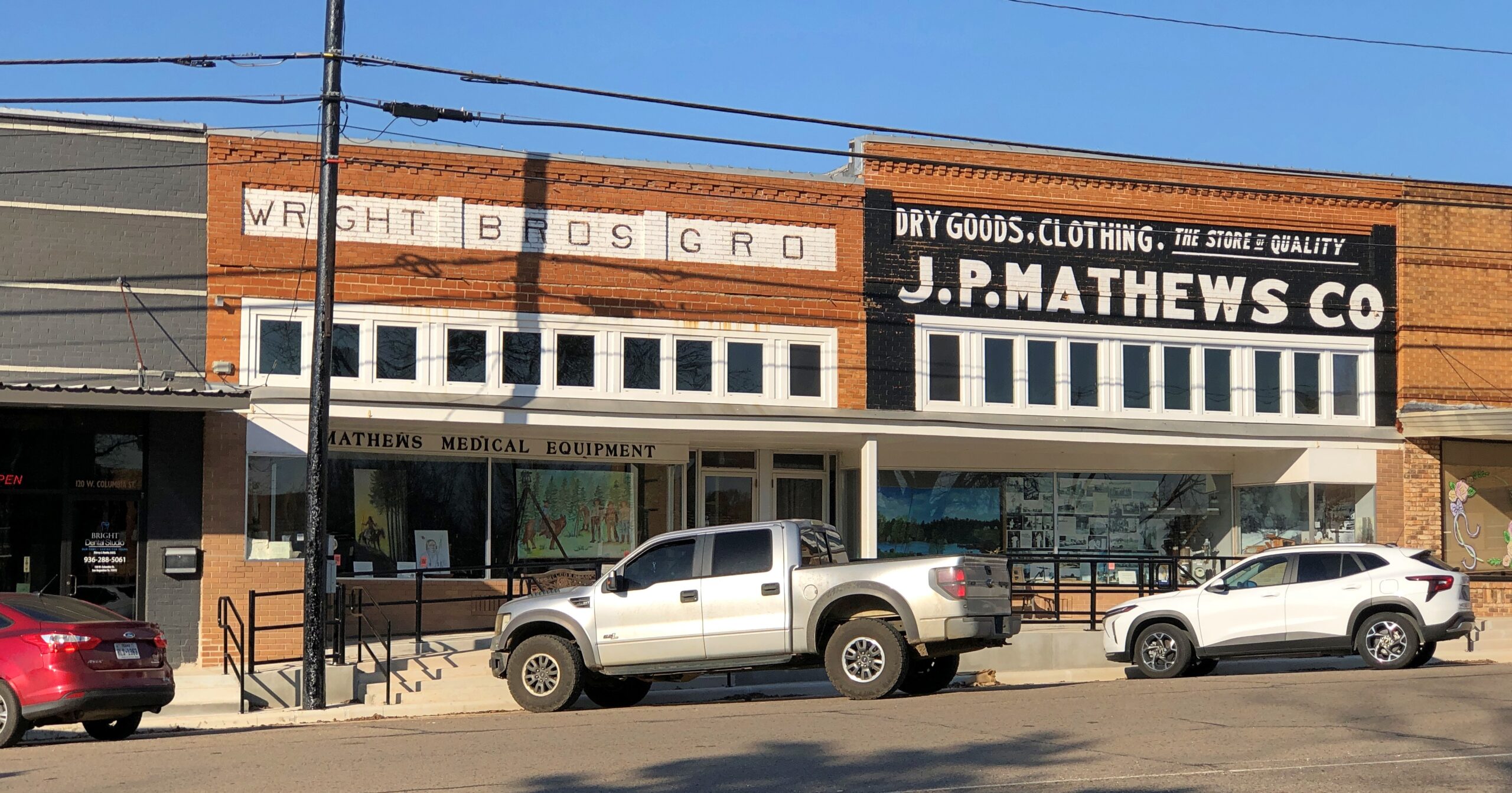
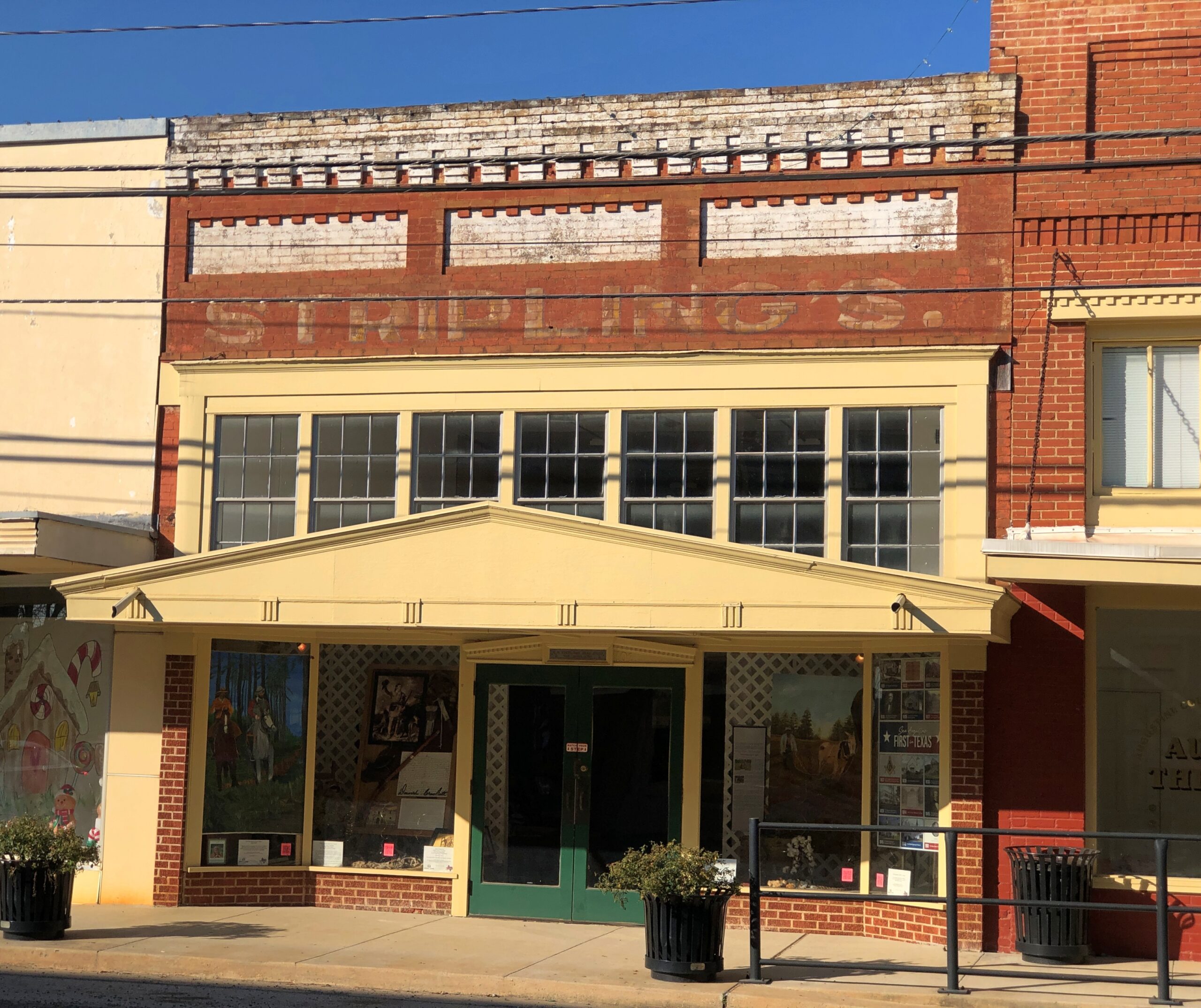
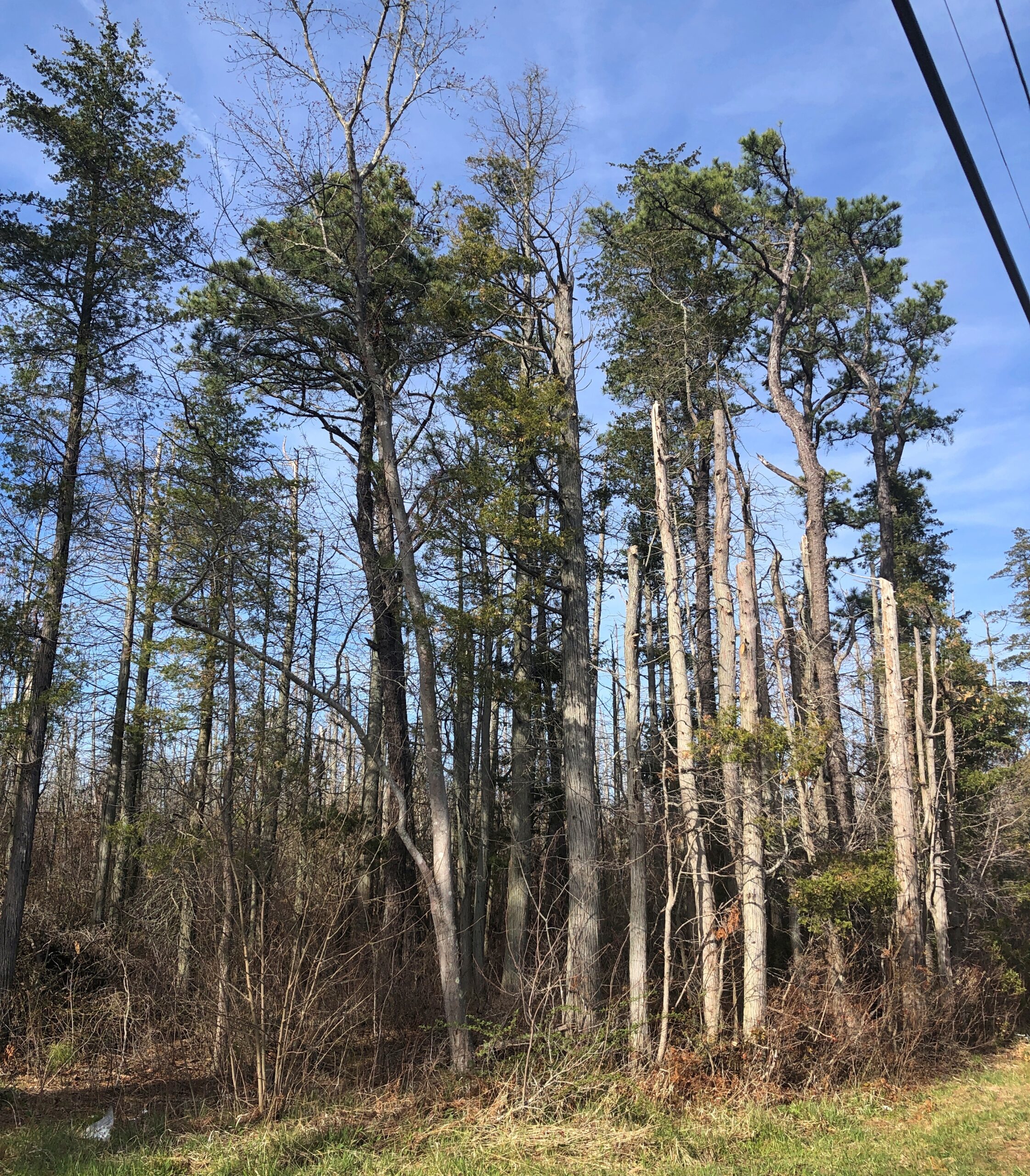
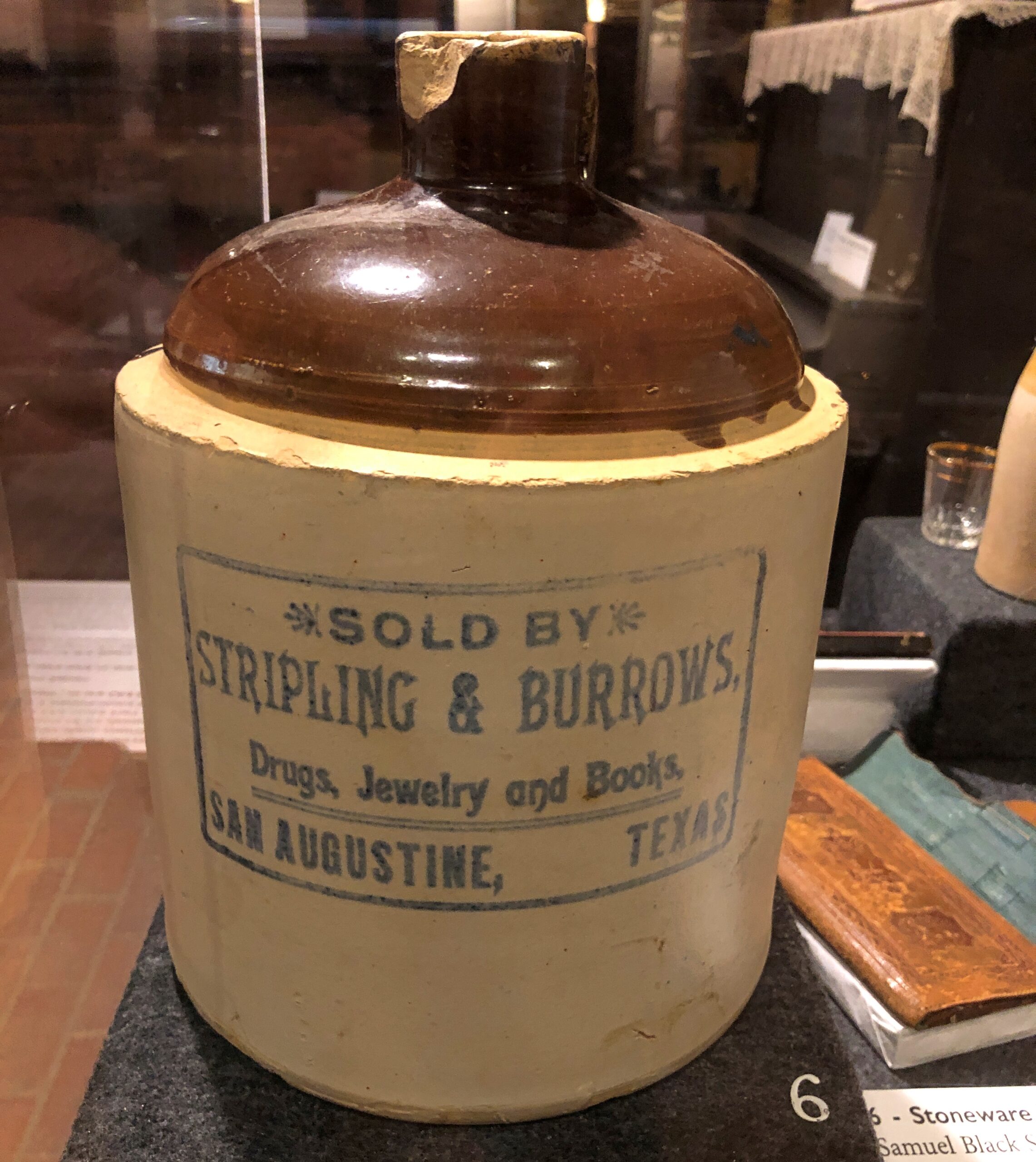
There were ghost signs, which isn’t unusual. More unusual is Stripling’s on a building. I have to take an interest in that, an alternate of my name.

“The original town well was dug by slaves on this site in 1860, and a saloon was built over it in 1891,”says the Society of Architectural Historians. “The First National Bank acquired the property, filled in the well, and commissioned this building. Raif Stripling purchased the building several years later and reopened the well as a tourist attraction. In 2003, the San Augustine Historical Foundation bought the property, which is now operated as a gift shop. The entrance canopy’s curious pediment with miniature triglyphs was added to his father’s building by Raiford Stripling.”

You never know what a building has to say.

The Spanish Brought Horses & Frisbee Golf

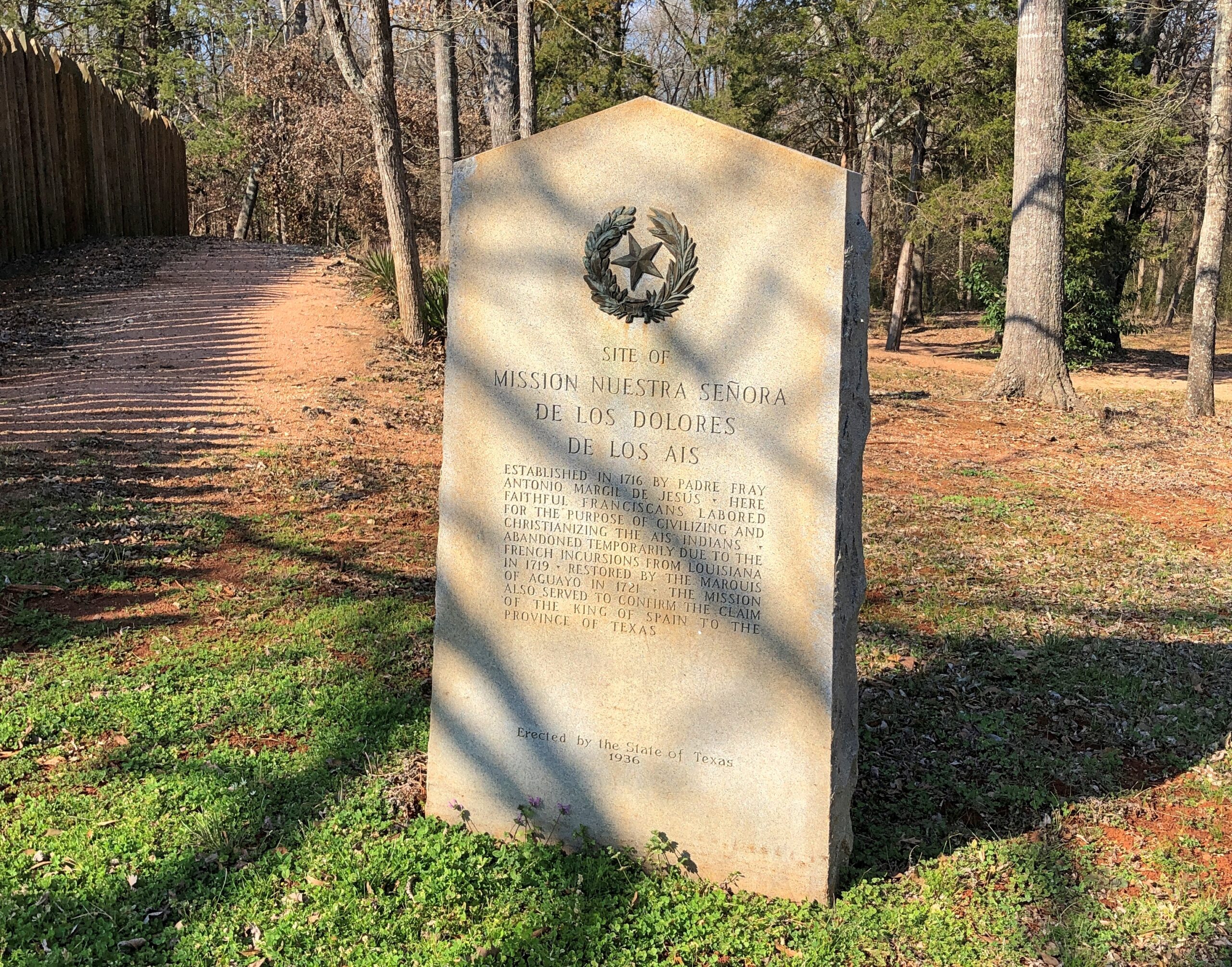
Not far away from the courthouse, half a mile or so south on US 96, is Mission Delores State Historic Site. Once upon a time, but not for that long, Mission Nuestra Señora De Los Dolores De Los Ais was there.

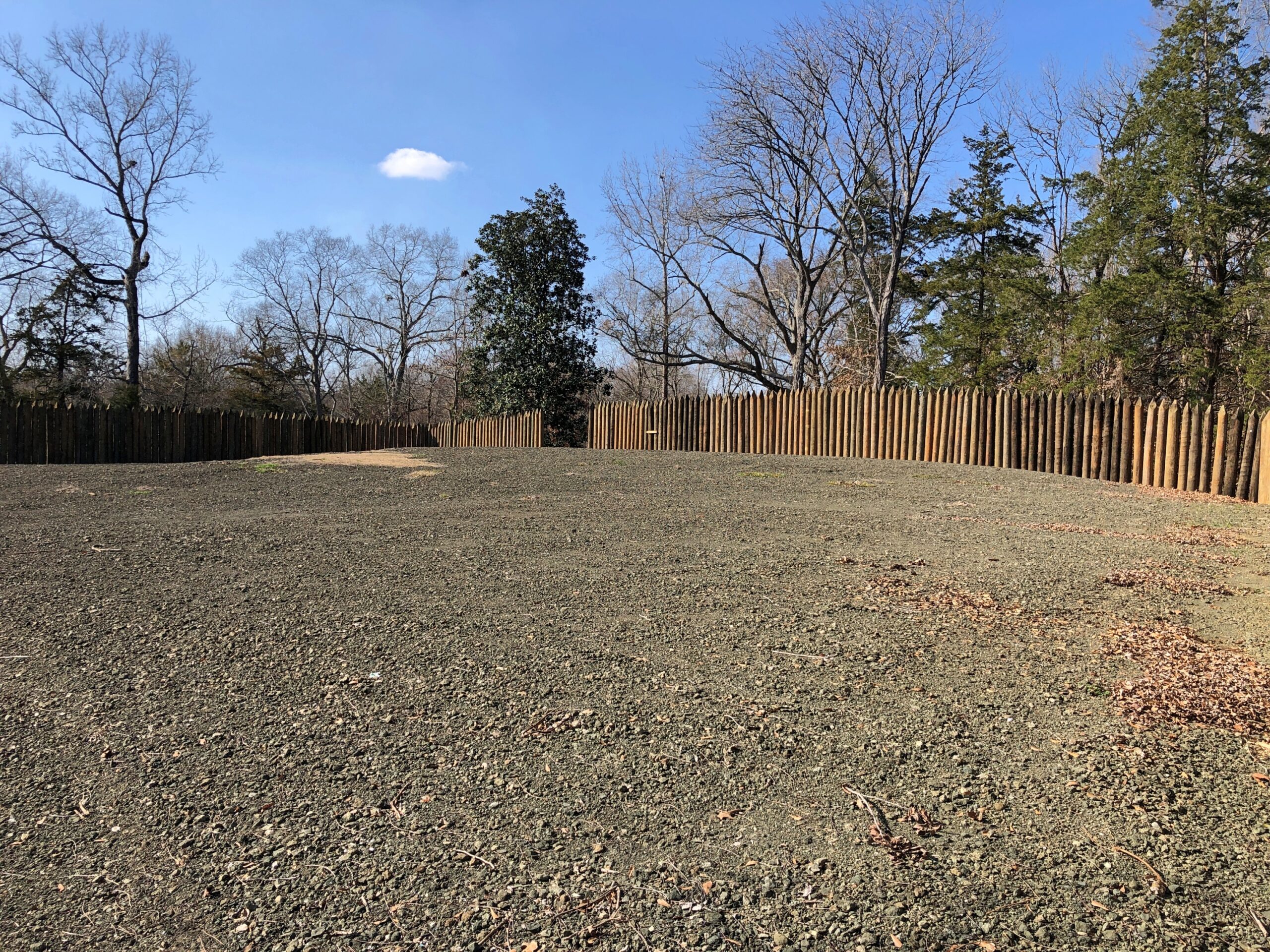
Mission Dolores has a name that evokes the stone relics of a backwater from the Spanish conquest of the Americas, but I’ve got bad news: the mission seems to have been built of wood, a material not known for durability across the centuries. Modern wooden poles ring part of the site, but otherwise you’ve got to bring a lot of historical imagination to the place.

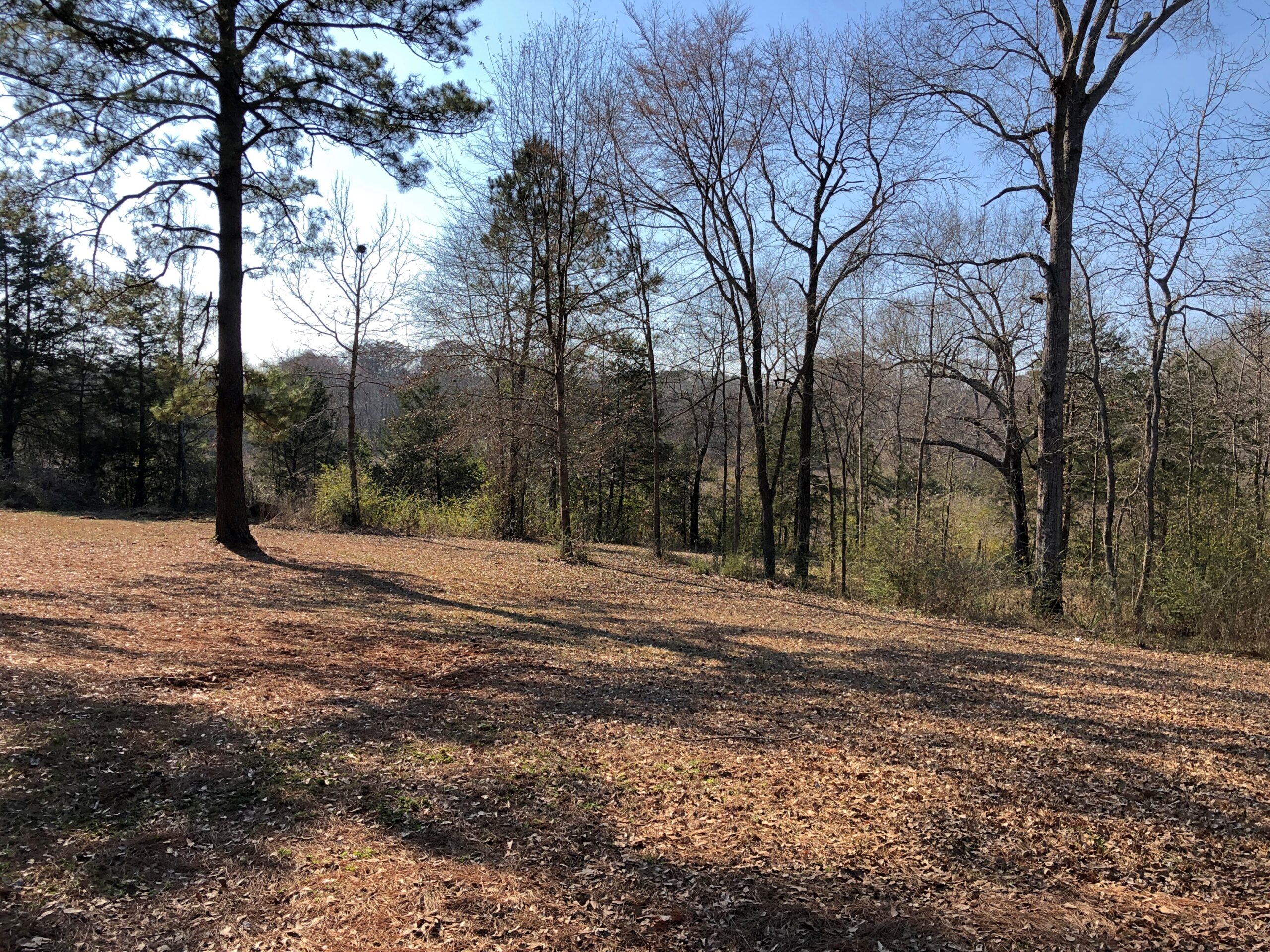
The actual site wasn’t known until late 20th century archaeology confirmed the location, part of which was destroyed by the building of the highway. The modern state historic site grounds extend far enough to offer a pleasant walk, provided the weather is pleasant, as it was that day.

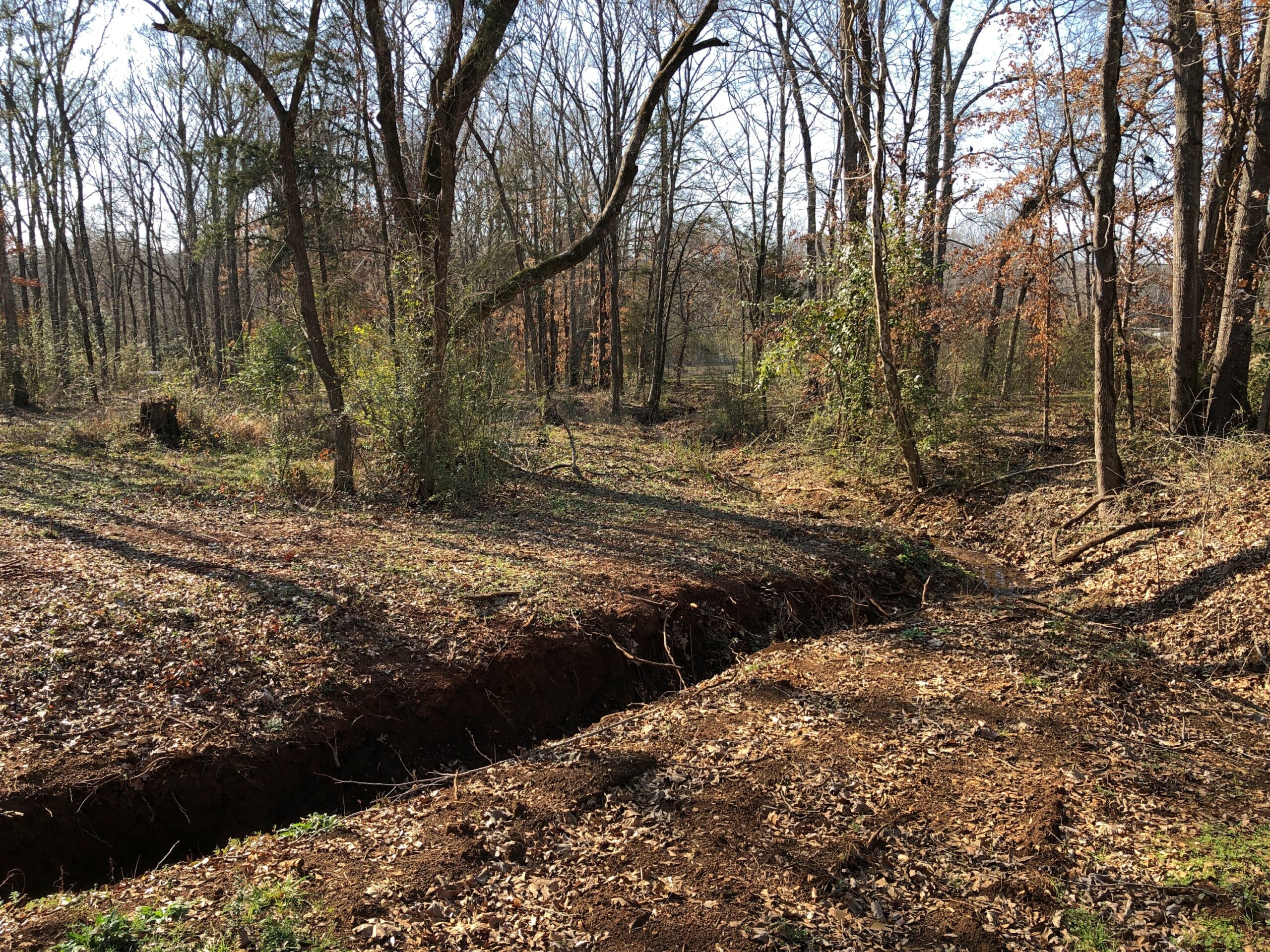
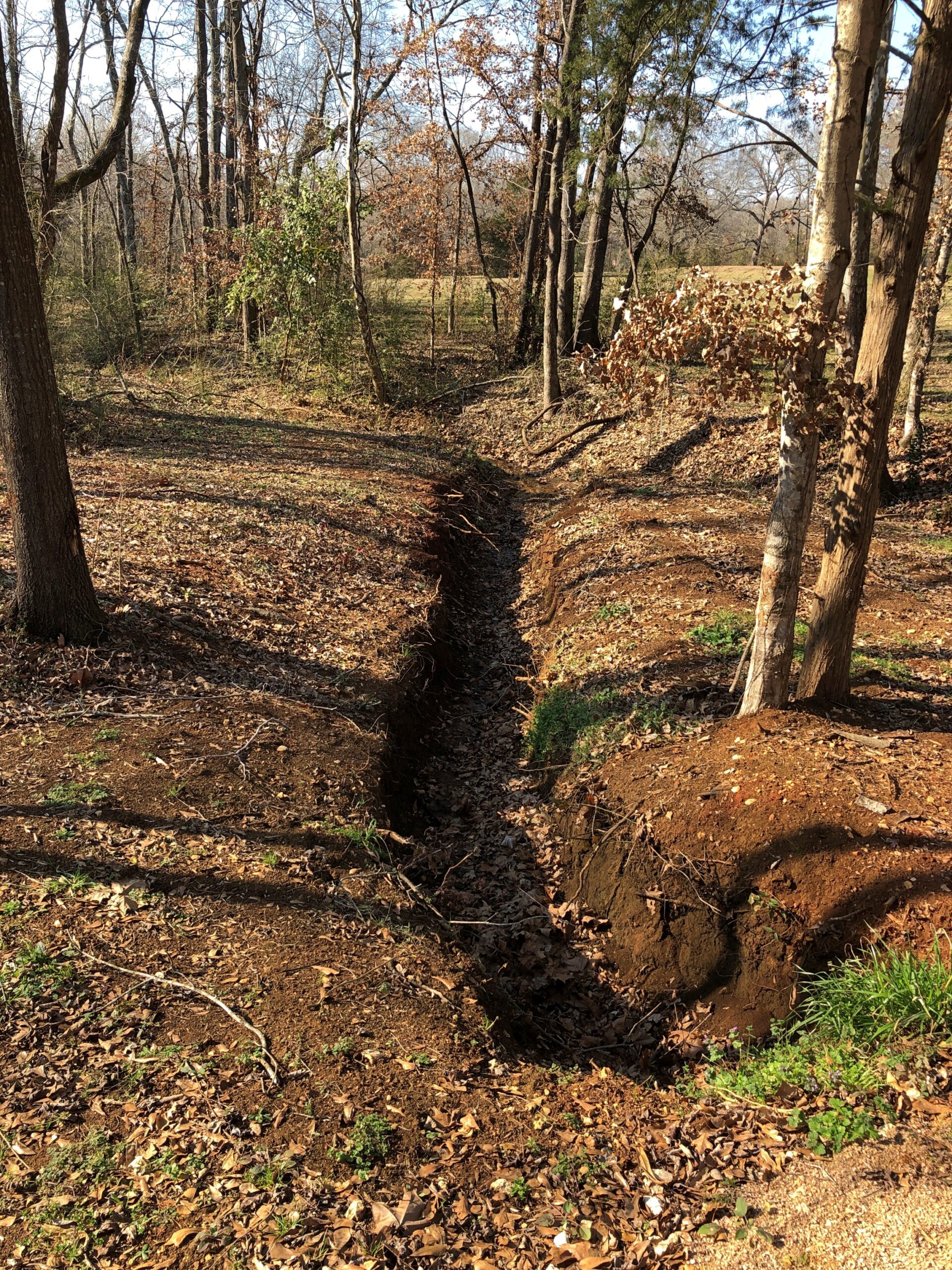
Gashes in the earth run through the wooded grounds.

They’re something like the ghost signs – ghost trails, you might call them, carved by horses and wagons and Indians and Spaniards and, remarkably, not yet lost to time.

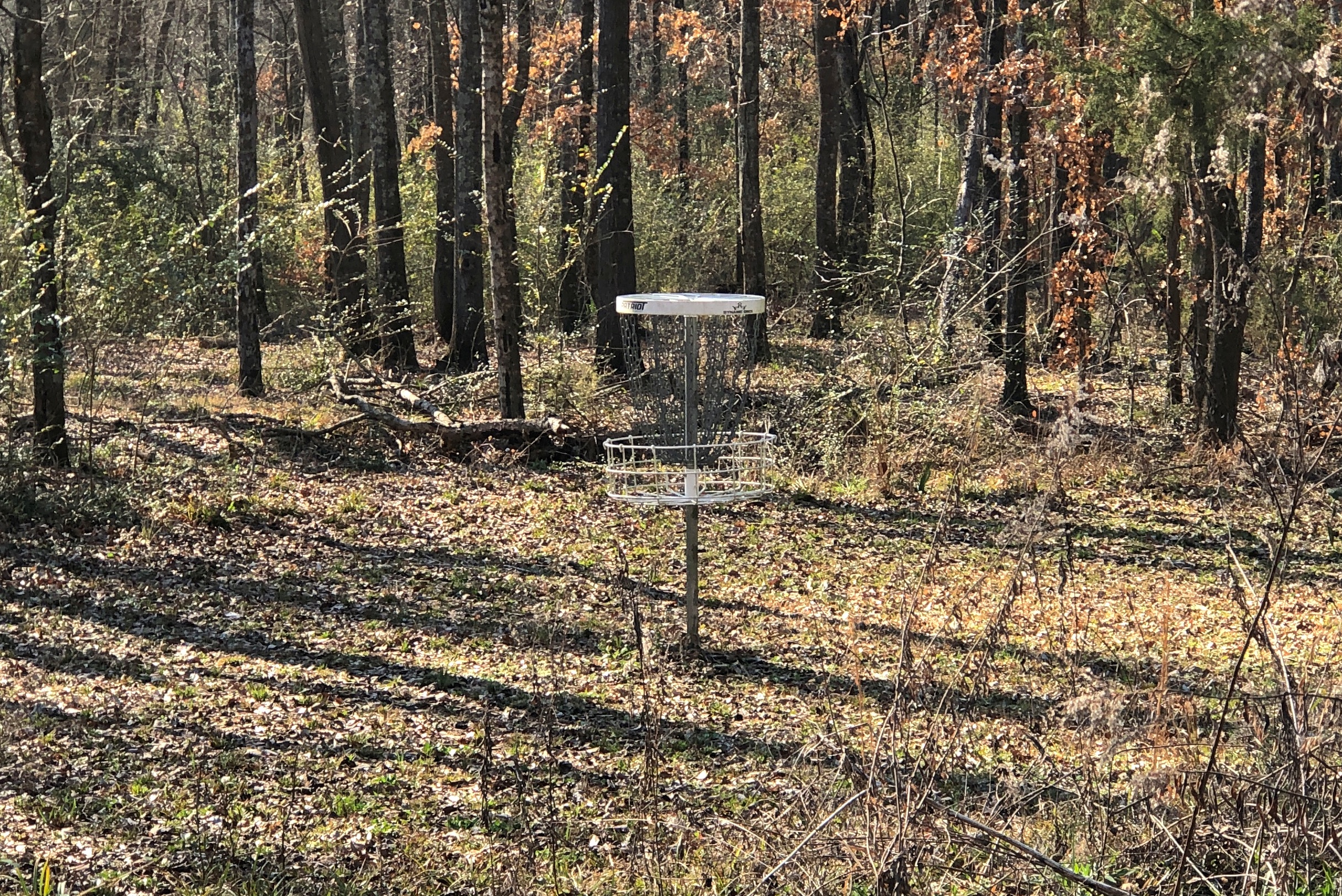
Also part of the park: a Frisbee golf course.

An homage to the fact that the Spanish brought the sport to the Americas as surely as smallpox and horses. If you tell people that with some conviction, wonder how many would believe it?

The Hermann Park Japanese Garden & A Side of Rice

My go-to data source for gas prices is AAA, which tells me that the national average today is $3.983/gal, and higher in Illinois, at $4.228/gal. As everyone knows, up markedly this month. People have long seemed to believe that the President of the United States has a magic button that made gas prices change. That was nonsense, of course, but now it looks like the administration has found such a button, except it might be stuck on “rise.”

Be that as it may, I’m glad my recent long drives, and long flights, aren’t scheduled for this year. The summer of ’26 could be a time to stay closer to home. Then again, prices north of $4/gal – in fatter 2008 dollars – didn’t keep us from driving to Great Smoky Mountains NP that year.

In Houston last month, I did a fair amount of driving, including in the airport-area industrial submarket. That is, among the warehouses and distribution centers that form part of the sizable metro Houston industrial market, which totals about 700 million square feet (for comparison, metro Chicago’s market is roughly 1 billion square feet). I’m probably one of the few tourists anywhere who gets a kick out of driving by behemoth industrial buildings, but there you have it.
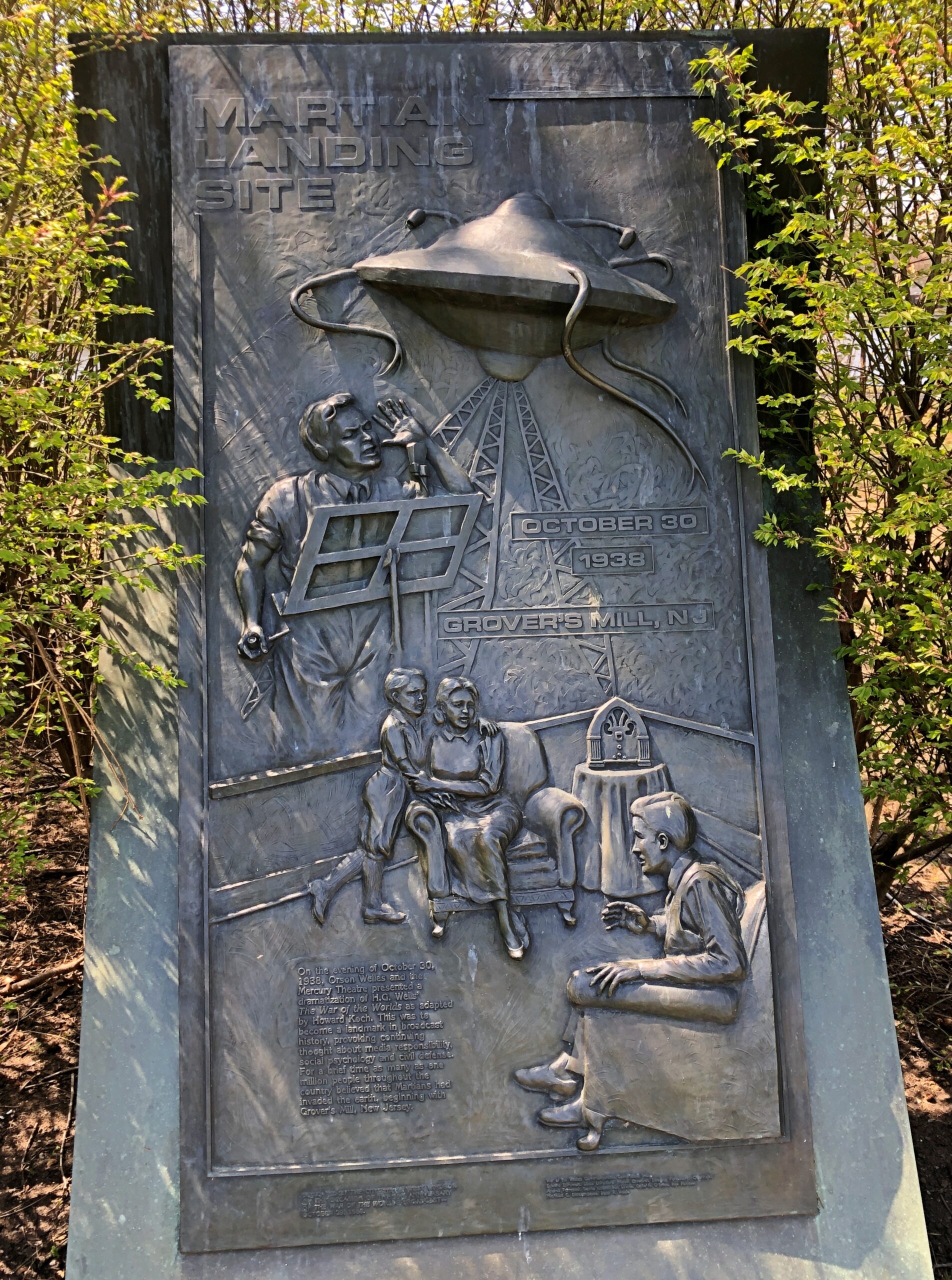
I also drove the short distance from downtown Houston to Hermann Park, a legacy of the City Beautiful Movement and the landscape architectural talents of George Kessler (d. 1923). He was a younger version of Frederick Law Olmstead, it seems, busy in a lot of places, though more important in planning for Dallas than Houston.

Always thought “City Beautiful” is too far a reach. Like most people, I’d say City Pretty Nice or City Not Bad would be good enough, but that’s not the kind of movement name that inspires grand projects.

The Japanese Garden occupies part of Hermann Park. That seems to be the generic name. I made my way there. It’s a pretty place, even in February.

A mix of imported Japanese flora and the pines of East Texas. Hermann Park itself dates from the early 20th century. The Japanese Garden, the late 20th century, a prosperous time for Japan, and when that dustup between Nippon and the USA had mostly been put in the rear view mirror.

Where there is water, there is waterfowl.

Just outside the Japanese Garden are tracks for the Hermann Park Railroad, a narrow-gauge line that makes a loop through the park. I didn’t ride it, but of course thought of the Brackenridge Park RR in San Antonio, the one by which all others are judged (by me).

Just outside Hermann Park is Rice University. I considered Rice, but decided not to go — or I wasn’t admitted anyway, I don’t remember after all this time. As a result, my short stroll this February was my first visit to campus.

Not a very long visit. Rice has some fine buildings.

But also long sightlines. That make for long walks.

I’d already spent time walking around downtown Houston, and then the Japanese Garden. There’s only so much walking even indefatigable sightseers can do.

Guadalupe Mountains National Park

First things first, especially since I just spent a month in Texas: Remember the Alamo. One hundred ninety years now.

At dinner at our friend Judith’s home late during my visit, she served a delicious cobbler for dessert, and suggested ice cream with it. I was able to bring up that Bennett Cerf-worthy pun, remember the à la mode.

This handy list of U.S. national parks, ranked by number of visitors in 2024, tells me that if you can’t drive to the highlights of the park, people aren’t going to go. Or, if they’ve never heard of the place, they aren’t likely to go either. I can only speculate that that’s because most people spend shockingly little time poring over maps, paper or electronic.

Speculation aside, Guadalupe Mountains National Park in West Texas is the 52nd most-visited park in the current count of 63 parks, which is to say, almost in the bottom 10 least-visited parks, just behind Congaree NP, but ahead of Voyageurs NP. There is a single road that goes to GMNP from the south: the two-lane, remote as can be Texas 54, which joins US 62/180 just south of the park. That’s the way we went on February 18, traveling from Marathon by way of Marfa and Van Horn.

You can drive into the edge of the GMNP on US 62/180, stopping at Pine Springs Visitor Center. If you want to go further in, you walk, or ride a horse, I suppose. We spent a couple of hours in the park, taking short walks — totaling maybe a mile or so — near the visitors center. It was mid-afternoon when we arrived, and more importantly, we weren’t prepared for a long walk, or a horse ride either, especially on a very warm day.

But I did want to stop by, just to be sure that I’d really been to the park. That’s how I think. We might have stopped briefly in the area in August 1972 during our family cave vacation — I imagine there was a roadside stop to admire the Guadalupe Mts., at least — but maybe not. Also, a little reading tells me that the park itself didn’t formally exist in August of that year, when we went to Carlsbad Caverns, but came into being on September 30, 1972. So technically there was no park to visit at that moment. In any case, now I can say for sure that I’ve been to GMNP, as one of the 37 I’ve visited in the U.S.

Even from the visitor center, the Guadalupe Mountains are close at hand.

That is Hunter’s Peak, whose summit is 8,368 feet above sea level, and a fair ways above the visitors center, whose elevation is 5,734 feet. Not huge, but still a pretty photogenic uplift of the Earth’s crust, I’d say.

The sun was in a good position to light up that peak. Not so much for Guadalupe Peak (elev. 8,751), the highest elevation in Texas, at least from where we stood.

Flora along the way. Fauna wasn’t to be seen, except for a few bugs. But they are out there. Maybe some feral pigs.

Speaking of map ignorance, how many people in the wider world realize Texas has mountains? I knew that, of course, but only vaguely that they are relics of an ancient reef, called Capitan Reef by us clever apes; one formed 260 to 270 million years ago – before dinosaurs, even – when the area was under a shallow tropical sea. Visiting the park schools you a little on that hard-to-imagine mountain formation process, in which a thousand thousand years is a small turn of the wheel.

Guadalupe Mountains National Park

“Over millions of years calcareous sponges, algae and other lime-secreting marine organisms precipitated from the seawater,” notes the NPS. “Along with lime, they built to form the 400-mile-long, horseshoe shaped Capitan Reef. Eventually the sea evaporated… the reef was entombed for millions of years until a mountain-building uplift exposed part of it.”

Much more recent chemical reactions created the dazzling void we call Carlsbad Cavern inside the uplifted reef, but that’s a story for another day.

One trail from the visitor center leads to the ruins of a way station on the Butterfield stagecoach route.

Or more exactly, the epic plains and desert route used by the Overland Mail Company, whose stages did mail runs from St. Louis and Memphis to San Francisco from 1858 to 1861. Upstate New Yorker John Butterfield, a stage operator of great experience, was president of the Overland Mail Company and — incidentally — founder of American Express. Quite the story, depicted in movies of earlier times and for all I know, dime novels, though not so much any more.

That stage took passengers, too. Those who gripe about the minor discomforts of modern air travel would be advised to ponder the extreme discomforts of such a journey.

Per Wiki: “A correspondent for the New York Herald, Waterman L. Ormsby, remarked after his 2,812-mile (4,525 km) trek through the western US to San Francisco on a Butterfield Stagecoach thus: ‘Had I not just come out over the route, I would be perfectly willing to go back, but I now know what Hell is like. I’ve just had 24 days of it.’ “

Big Bend National Park ’26

Texas has a feral hog problem. Driving at night on Texas 130 east of Austin, where the speed limit is 85 mph – the highest posted limit in the Western Hemisphere, according to Wiki – car-hits-hog is no idle scenario. Busted hog, busted machine. So I drove with care when I spotted what I took to be wild hogs on the remote main road into Big Bend National Park.

Took me a minute to work out that they weren’t quite pigs, though clearly evolutionary cousins: javelinas. Also known as peccaries. One of the many creatures living in the desert reaches of Big Bend.

We’d come on February 17 for Yuriko’s first visit to the park, but not mine. Not an issue, since no two visits are ever alike in such an epic desert. First stop, a trail near the visitor center, for a closeup look at some flora, and signs describing them.

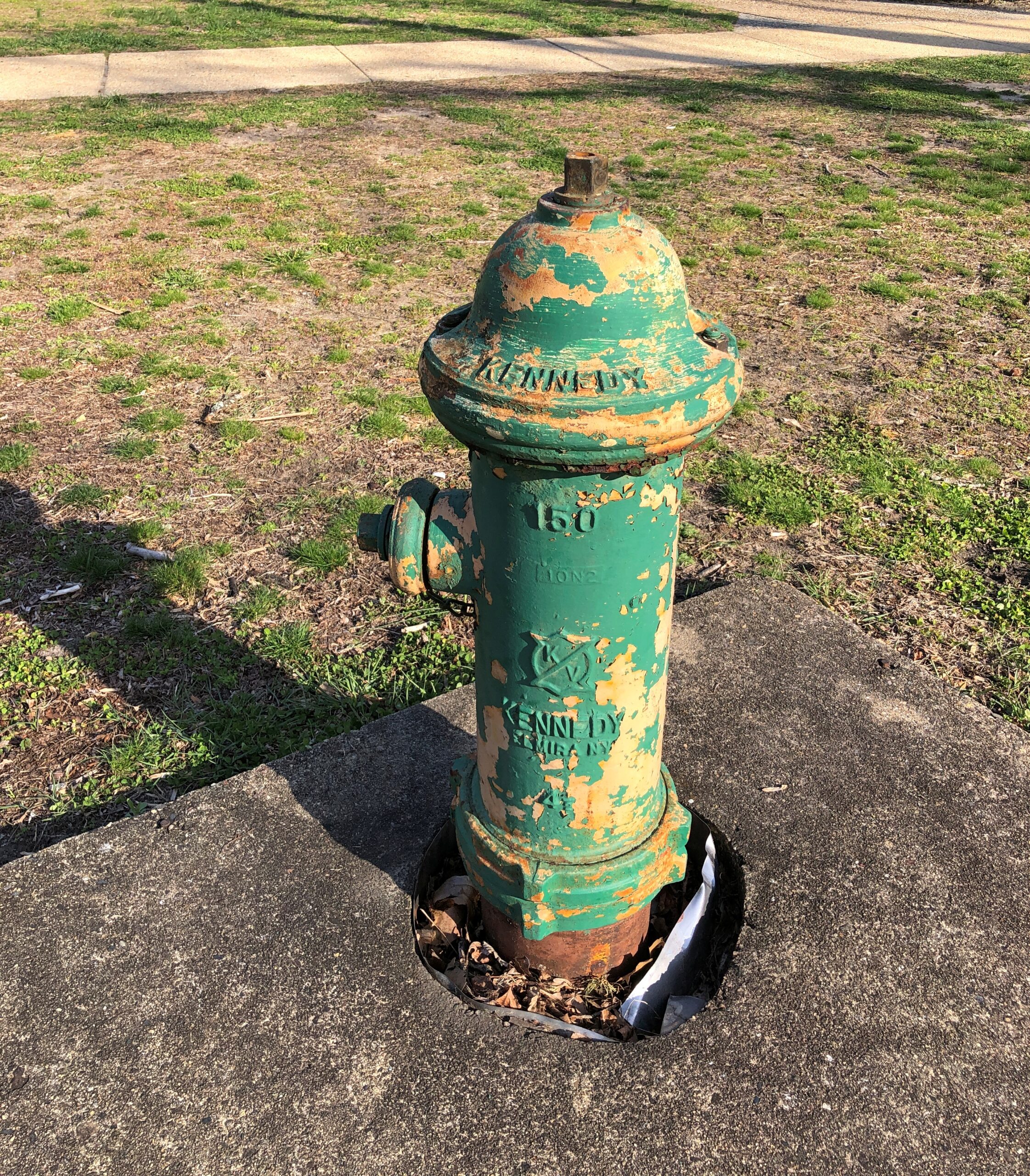
Next in my series of national park fire hydrants.

Just where is that water pressure coming from?

We drove where it was possible to drive in the park, such as Chisos Basin, and did some walking where it was possible to walk. But not long walks, since temps were touching 90 F.

Toward the east end of the park is a spot off the road labeled “Rio Grande View” on the map.

Rio Grande View, Big Bend

Good view, including some of the Sierra del Carmen, but you have to squint to see the Rio Grande. There it is, I said, spotting a narrow ribbon of greenery off in the distance that might have been the river. Yuriko wasn’t sure she could see it.
A few miles further east, the riverine border is very much visible from a bluff atop the U.S. side, the Boquillas Canyon Overlook.

We’d come to the eastern part of the park for the Hot Spring — the ruins of a bathhouse, these days — but flooding last year made the unpaved road leading that way impassable to vehicles. It was possible to walk there two miles or so along the ruined road, treating it as a track, but we opted out of that, taking the formula Heat + Age + Long Walks = Trouble seriously.

No matter, we backtracked and went to the Ross Maxwell Scenic Drive, a road I’d thoroughly enjoyed in 2018, and I did again.

An overlook on that road shows you how little territory a road actually occupies. A ribbon crossing a vast expanse.

My own favorite part of the park: Santa Elena Canyon.

The high bluffs are in Mexico, on the other side of the Rio Grande. ‘

I hate to even mention it, but build a wall through the park? Idiots.

GTT ’26, With a Small Side of NM

Never cared much for the term snowbird, with its connotations of getting up every morning to play golf during winter in some arid place, or spending the evenings with members of your cohort in some gated community, maybe drinking but definitely grousing about the state of the world. Still, considering that in the winter of 25/26, I’ve spent two out of the last three months – the hard winter months, up Illinois way – in warmer places, it would be churlish to cast shade on fellow old people who happen to enjoy golf or grousing.

On the other hand, I’m not about to claim snowbird as descriptive for myself. I just happen to be able to take long trips during the cold months (along with my laptop, for work). In December, Florida. In February, Texas.

Back on February 3, I got on a plane and flew to Austin. I flew home from Dallas on March 3. In between, I spent time – and Yuriko joined me for a while – traversing the state of Texas, going so far west at one point that we ended up in New Mexico. By traversing, I mean long drives, in a rental car part of the time, and in my brother Jay’s car as well, a blue Subaru known as the Blubaru.

I drove from Austin east to Houston, mostly on US 290; from Houston to Nacogdoches, mostly on US 59; then to Dallas on various state highways, such as Texas 21 and 19; and from Dallas to San Angelo to Marathon, Texas, on US 67 and on the grandly remote US 385, which will also take you to the desert reaches of the Big Bend.

From Marathon, Texas, across to Carlsbad, NM, our route took us along US 90, then Texas 56, then US 62/180. Later, US 62/180 took us from Carlsbad part way back to Dallas — to Sweetwater, Texas — but mostly we went on the faster but less interesting I-20. Dallas to San Antonio was partly I-35, but also US 281, which takes you around the perma-gridlock that is Austin.

Of all those, the road between Nacogdoches and San Augustine on a day trip, Texas 21 heading east, winding through greenish (for February) rolling hills, was a favorite.

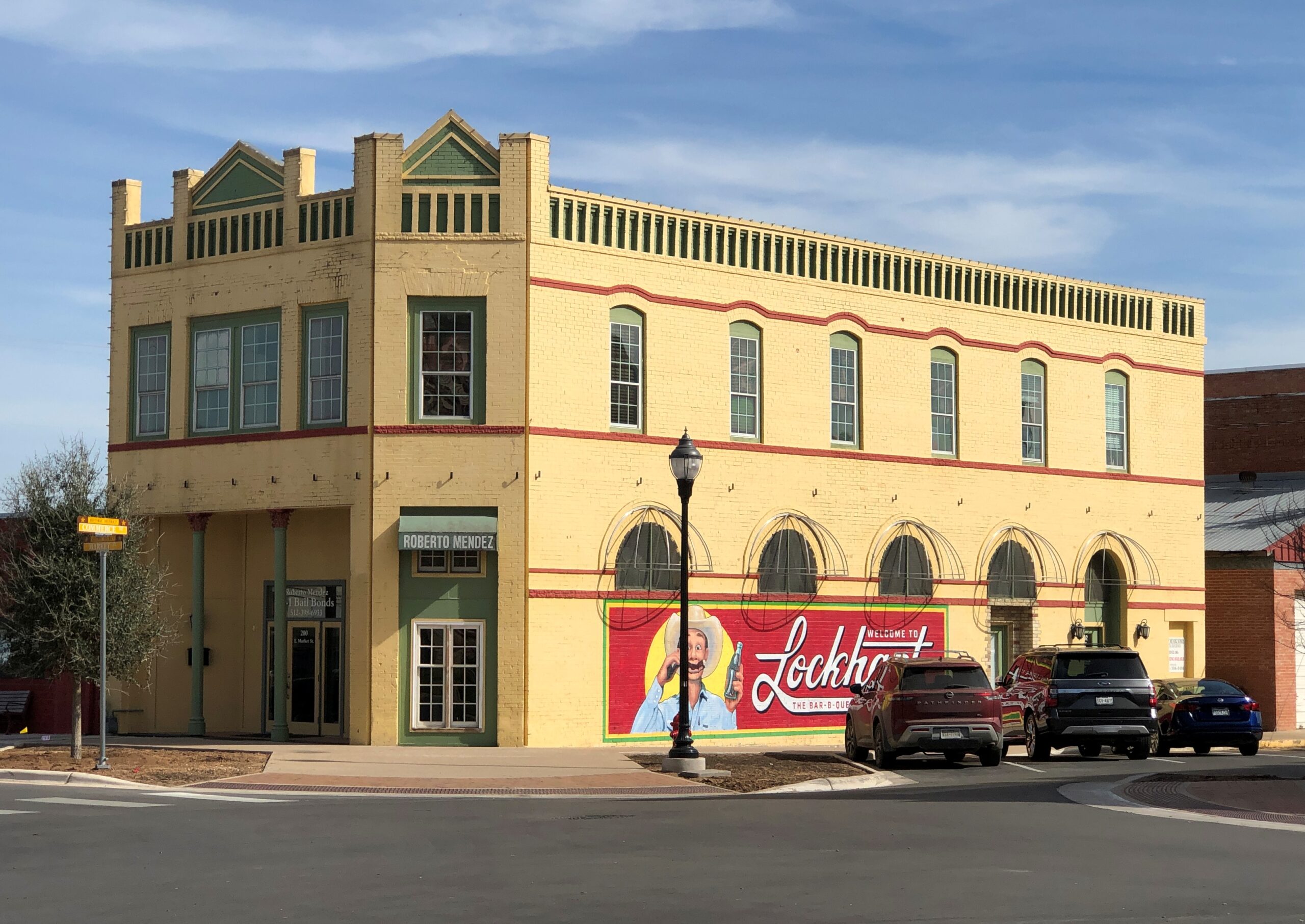
The towns listed above were just the places I spent the night, alone or with Yuriko or with my brothers. In between were such places as Bastrop, these days a day-trip from Austin, with the requisite boutiques and restaurants; Huntsville, home of Sam Houston and memorials to the first president of Texas; San Augustine, rival with Nacogdoches in claiming to be the oldest town in Texas; Stephenville and Ballinger, geographically about as deep in the heart of Texas as you can be; the West Texas art town of Marfa and the way station of Van Horn; a string of oil patch towns such as Hobbs, NM, and Seminole, Lamesa, Snyder, and Sweetwater, back in Texas. Later, traversing north to south and back again, I stopped in Hillsboro and Belton, along the I-35 axis; and Lockhart, which has claimed for itself barbecue capital of the state.

Along the way, oddities were encountered. Otherwise, why drive on smaller roads?

Such as an ice cream shop in Waller, Texas.

Or a highly visible ad for Rockets RV Park in Gaines County, Texas, not far east of the border with New Mexico.

A former Texaco station on an obscure Texas highway (Farm-to-Market 1690).

Had various encounters with the historic El Camino Real, whose various tendrils crossed a large slice of the future state of Texas, once upon a time.

Yuriko and I visited Big Bend National Park, Guadalupe Mountains National Park and Carlsbad Caverns National Park. I saw the National Museum of Funeral History in the city of Houston and the museum devoted to Houston (the man) in Huntsville. Also, Roadside America in Hillsboro, an eccentric collection of American commercial art, complete with a personal tour by the proprietor, and the outdoor art at the Chinati Foundation in Marfa, that is, brutalist concrete structures in the brutal desert environment. I became acquainted with the splendid Glenwood Cemetery in Houston and the smaller and more ragged, but no less interesting city cemeteries in Huntsville and Nacogdoches and Palestine. I stopped and looked at about a dozen county courthouses, of which Texas has many.

We ate a lot of meat along the way. As one does in Texas.

Also, Mexican food.

Eat like that and you’d better do some walking, and I did: various places in Austin and Houston and Dallas, in all three national parks, around downtowns and courthouse squares in a number of small towns, and a handful of local parks.

All that was good, but of course best of all, I had time to visit friends and relatives, of whom there are many in Texas: Tom and Nancy in Austin, Kirk and Lisa in Nacogdoches, another Tom and Steve and Ron and Greg and Judith in San Antonio, to list the friends; both brothers, two out of three nephews and their wives and all four of their children, to list relatives, along with the mother of one nephew’s wife (niece-in-law sounds peculiar, but that fits too). Also, I met for the first time two good friends of Tom’s in Austin, and one of Kirk and Lisa’s granddaughters.

I’d set out to do four long drives when I was 64, but this makes five. Guess I’m an overachiever about driving, anyway.

The Overseas Highway

A few days ago, I sent the following email to the curator and historian at the Key West Art & Historical Society, Dr. Cori Convertito:

Dr. Convertito,

I recently visited Key West for another pleasant visit, and came away with a question I haven’t been able to answer, though perhaps I haven’t looked in the right places.

Who is credited with the creation of the Conch Republic flag? I understand that it appeared at the same time as the infamous roadblock and the “secession,” but detail on its creation is lacking. Do you happen to know that?

One reason to ask is that it’s a handsome design, though I’m not sure about the star pattern asterisms — is one or another supposed to be the Southern Cross?

Today she answered:

That’s a perceptive question, and a difficult one to answer definitively. The Conch Republic flag emerged alongside the 1982 ‘secession,’ but attribution is complicated by the fact that several individuals have, over the years, laid claim to the original iteration of the artwork, and reliable contemporary documentation is limited. As a result, it’s hard to credit a single creator with certainty.

What is clearer is the intent behind the design elements. In addition to the conch shell and sun, the star groupings are generally understood to represent two navigational asterisms: the Southern Cross and the Northern Cross (Cygnus). Their inclusion appears deliberate, reinforcing Key West’s maritime identity and its symbolic position between hemispheres.

I hope that helps clarify what is known, and what remains unresolved.

So the short answer is, like with a number of historical questions – even ones as recent as this – no one is sure. Good to know. Thanks, Dr. Convertito.

The Overseas Highway, from mainland Florida to Key West, or vice versa, is epic all around: an epic construction project once upon a time, and an epic drive in our time. Through the Upper Keys, the likes of Key Largo and Islamorada, the ocean isn’t usually visible, obscured behind thick development: commercial and residential buildings and omnipresent marinas. But it isn’t long before you’re skipping from key to key, some larger, some smaller, with water widely visible on both sides of the road.

The most epic section of the crossing, as far as I’m concerned: Seven-Mile Bridge.

On an ordinary highway, seven miles isn’t much of a stretch at highway speeds. Listen to one song or another on the radio and you’re practically done with it. Those same minutes have a different quality over the wide water, glinting in the sun and spotted with boats and occasional small keys in the distance. There’s a sense of the mildly impossible. Of course it’s entirely possible, via a feat of 20th-century civil engineering, as is the 100-plus miles of the whole highway. I don’t believe my civil engineer grandfather ever drove the Overseas Highway, but I’ll bet he read about it with considerable satisfaction.
“The original 7 Mile Bridge, also known as the Knights Key-Pigeon Key-Moser Channel-Pacet Channel Bridge, was constructed in the early 1900s as part of Henry Flagler’s ambitious Overseas Railroad project,” notes the Key West Blog. “This railroad connected mainland Florida to Key West, revolutionizing transportation and trade in the region. However, after a devastating hurricane in 1935, the railroad was destroyed, and the bridge was converted into a highway.”

The history is a little more complicated than that, with the current bridge a 1980s work, leaving part of the original as a pedestrian and (especially) a fishing bridge. I’m no sport fisherman, but I understand tarpon, snook, snapper, grouper, bonefish and barracuda swim these waters.

At Big Pine Key, we stopped for a visit to the National Key Deer Refuge, a place focused on giving key deer a place to live, as it says in the name. For human visitors, there is a trail.

It goes partly around a pond in the refuge. No deer were to be seen.

We did spot a gator, however. Or maybe a croc. Hard to tell at this angle. They both live in southern Florida.

A sign on the trail warns visitors not about reptiles, but a nearby poisonwood tree.

Poisonwood? A native to the Keys. It sounds bad, and it is.

Metopium Toxiferum [poisonwood] is related to poison oak, poison ivy, and poison sumac,” says the Tree Care Guide. “The tree produces the same irritant, urushiol, which causes an itchy, blistering rash. The oils from Metopium toxiferum cause dermatitis ranging in severity from a light red rash to intense skin blistering. Tea made from Metopium toxiferum leaves and twigs combined with bleach has been used to induce abortions but has also tended to kill the patient.”

Yikes. We took the advice of the sign and didn’t go near it.
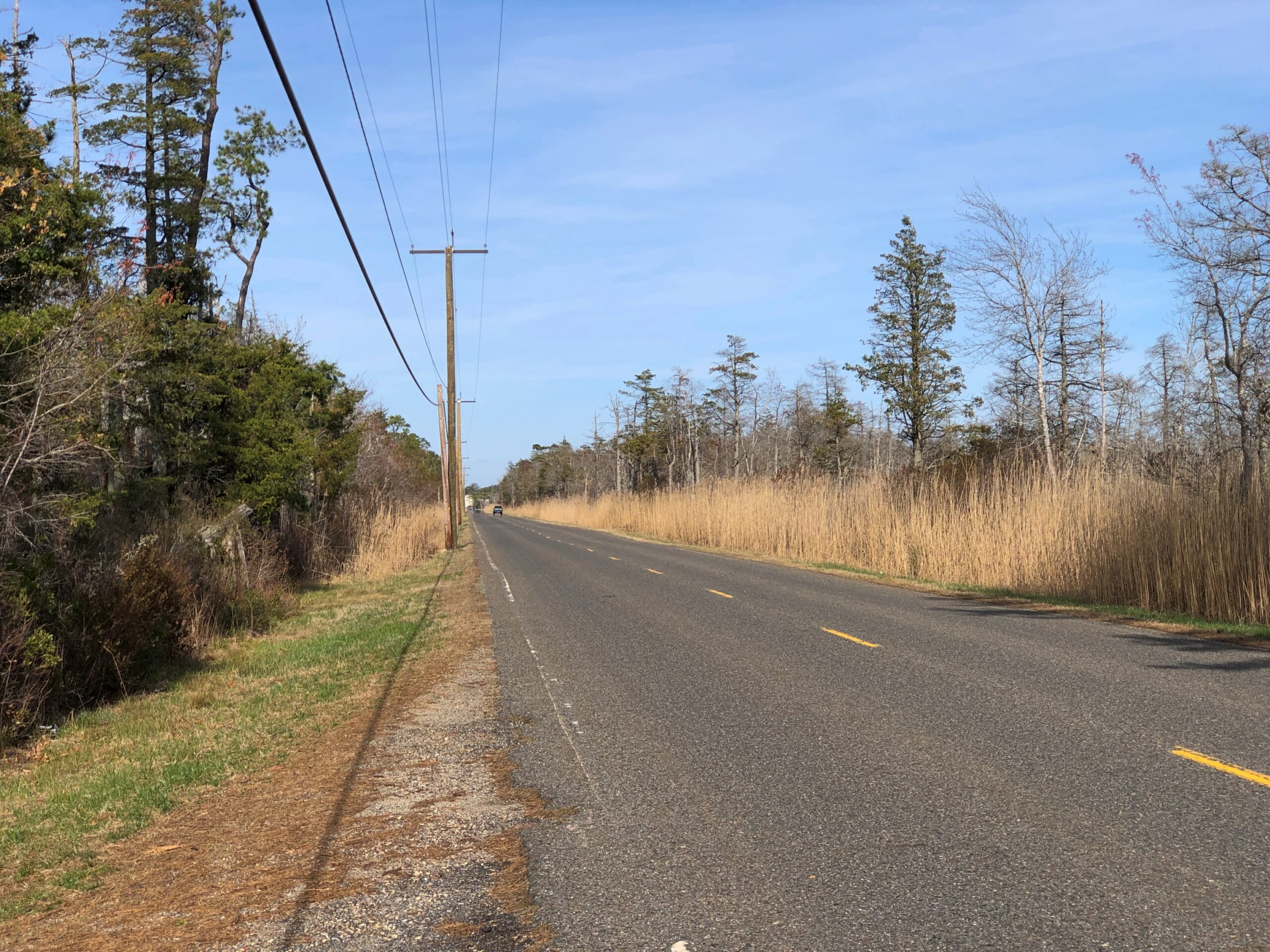
Across the road from the refuge parking lot, some undeveloped key landscape. There couldn’t be that much of that, at least on the keys connected by the highway.

In Islamorada, which is spread across five small keys much closer to the mainland than either Key West or Big Pine Key, we stopped to pay our respects at the memorial to those who died in the 1935 hurricane.

Also in Islamorada, we drove past Betsy the Lobster, but sorry to say, didn’t stop for a closer look. What was I thinking?

Conch Republic Nuggets

In Key West last month, we noticed the Conch Republic flag displayed in more than a few places.

More about the not-very-serious Conch Republic micronation, created in 1982, is in this Miami Take article. Curiously, the article doesn’t describe how the flag came to be, just that it was simultaneous with the declaration of the CR, which was a kind of protest against a surprise U.S. Border Patrol roadblock on US 1 at the entrance to the Keys. Still, the design works, and it’s something distinctively Key West.
Saw the very distinctive Sicilian flag in Key West, too, just off Duval, over a joint that promised southern Italian food.
The design is not only distinctive, but ancient. This is a silver drachma from Sicily, ca. 300 BC.

I digress. During one of our Key West walkabouts, we made a point of finding the southern terminus of highway US 1, which is at the intersection of Fleming and Whitehead streets.

A business taking advantage of its unique location. Locational branding, they might say in marketing.

Now that I’ve now seen the southern terminus of US 1, that clearly means I have to see the northern terminus. That happens to be in Fort Kent, Maine, so perhaps a summertime visit. A real epic would be driving the entire 2,369 miles between Key West and Fort Kent on that highway. People drive all of the 2,448-mile Route 66, and it’s not even a real highway anymore. I’ve been gifted, or cursed, with the ability to think up more long trips that I can possibly do.

Half a block away from the beginning/end of US 1 is the Monroe County courthouse.

A nearby sign says: The original wooden courthouse was completed in 1823. The county occupied most of the Southern Florida Peninsula. The county seat in Key West currently covers the Florida Keys, and portions of the Everglades National Park. The present red brick courthouse, built in a traditional county courthouse style, was completed in 1890. It features a 100-foot tall clock tower and is an architectural feature that can be observed from almost any part of Key West.

A traditional county courthouse? In the Northeast, yes. Looks like someone used one of those building-moving transit beams in Rocky Horror to transport an entire New England courthouse down to the Keys.

The courthouse grounds comes with this oddity.

At least, odd to me.

A kapok tree, ceiba pentandra. Odd to more than just me. Enough people that the city put a sign describing kapok trees, next to this example of one. The sign’s a bit worse for wear.

Java cotton is one name for its fiber, which surely evokes distant islands.

More Key West signs.

Is this not a handsome building? And looks solid enough to stand in any mere wind.

Formerly the island’s Custom House, Post Office, Federal Courthouse and 7th District Lighthouse Offices. Built – the early 1890s – when architectural beauty wasn’t considered in conflict with the practice of republican government. These days, it’s the Key West Museum of Art & History.

Sure, the chicken has been crossing the road for a long time now, but how often did you actually see it?

Pretty often in Key West, is the answer.

I’m hard pressed to think of any other North American town with footloose chickens. As in, on the streets and sidewalks. Not out in rural areas, but even there you don’t seem to see that many. Then again, the Conch Republic is only tangentially a North American town. North Caribbean is another way to describe it.
“When people stopped the laborious process of turning live chickens into Sunday dinner many decades ago, some backyard chickens gained their freedom,” notes Florida Rambler. “Other roosters were released when cock-fighting became illegal.”

Key West rooster

So, for this rooster, his great- great- however many great-granddaddy was a champion cock, known to betting men from here to Savannah?

They’ve gone on to a career of being local color, these birds, with forays in behaving like pests in people’s yards. They are feral, after all, living in the lushness that is Key West. Was the chicken ever considered for the Conch Republic flag? Probably not; chickens don’t get a lot of respect from people, unless they’re dinner.
Big Cypress National Preserve

Americans know their national parks – the famous ones, anyway – but how about their national preserves? A similar, yet different sort of designation by Congress. I don’t know all the details myself, but one thing is that resource extraction seems to be possible in limited ways at least some of the 21 preserves, but not at all (?) in the 63 parks. Regardless, preserves are different places on the maps, though they are often adjacent to parks.

Such as Big Cypress National Preserve, which is a large chunk of Florida next to Everglades NP.

Head south from metro Orlando on US 27 and eventually – and it takes a while – the suburban aspects peter out and give way to agriculture, especially citrus and sugarcane. At a hamlet called Palmdale, the highway Florida 29 continues the trek south, meeting both I-75 (Everglades Parkway, Alligator Alley) and US 41. By that time, agriculture has given away to (mostly) undeveloped wetlands. Swamp, in the old days, but in fact the preserve and the park don’t qualify as such. We picked US 41 and headed east, into the thick in the Big Cypress.

Daylight is short in December, even in southern Florida, so we barely had time to traverse US 41 before losing the light. But we managed a few stops.

The territory was behind fences in some spots.

Mostly not.

By dark, we’d passed out of the preserve and on to the edge of the national park. Much of US 41 – known as the Tamiami Trail in part of Florida according to various sources, but not on any signs that I saw – is under construction toward its eastern end, meaning a tight drive through concrete barricades, everyone’s least favorite kind of driving. Under reconstruction, that is, and for good reason.

“The Tamiami Trail (U.S. Highway 41) has long been recognized as one of the primary barriers to flow of water through the ecosystem,” the NPS notes. “The need to eliminate barriers to overland flow of water in the Everglades is considered one of the indisputable tenets of restoration. Much scientific information amassed in recent decades reinforces the importance of removing these barriers to water flow in order to restore natural marsh connectivity.

“In 2009, Congress authorized implementation of the plan selected in the 2008 Modified Water Deliveries to Everglades National Park, Tamiami Trail Modifications, Limited Reevaluation Report (LRR) … The LRR plan would improve potential marsh connectivity, reduce sharp changes in water velocity, and improve rainy season depths and durations. In addition, these modifications will improve the ridge and slough landscape and fish productivity, which could result in increased foraging success for wading birds.”

It makes for a temporarily unpleasant drive, but I think we can all get behind increased foraging success for wading birds and other worthwhile eco-goals for the much abused Everglades. Now only if the plan could do something about Everglades pythons.