Highway 61 Revisited

A little more than five years ago – where does the time go? (Time stays, we go) – I wrote: “When I was very young, I had a U.S. map puzzle that I put together who knows how many times, fascinated by the individual shapes of the states. Some states more than others, including Minnesota, with its rough northern border, more-or-less straight-back western border, concave eastern border and pointy southeast and especially northeast corners.”

The road that follows the Minnesota coast of Lake Superior is Minnesota 61. We went part of the way in 2018.

I’d wanted to return to the pointy northeast corner since our last visit, so I did on July 30, heading north from Rice Lake, Wisconsin. I’d have stayed in Duluth the night before, but most places were booked there (well, it was a Friday) or insanely expensive. I know there’s been some inflation in hospitality property rates lately, but those prices represented something else. The popularity of northeastern Minnesota in summertime?

Probably, with many visitors heading up to lakes or into the woods. But the crowds along coast from Duluth to the Canadian border near Grand Portage weren’t that intense.

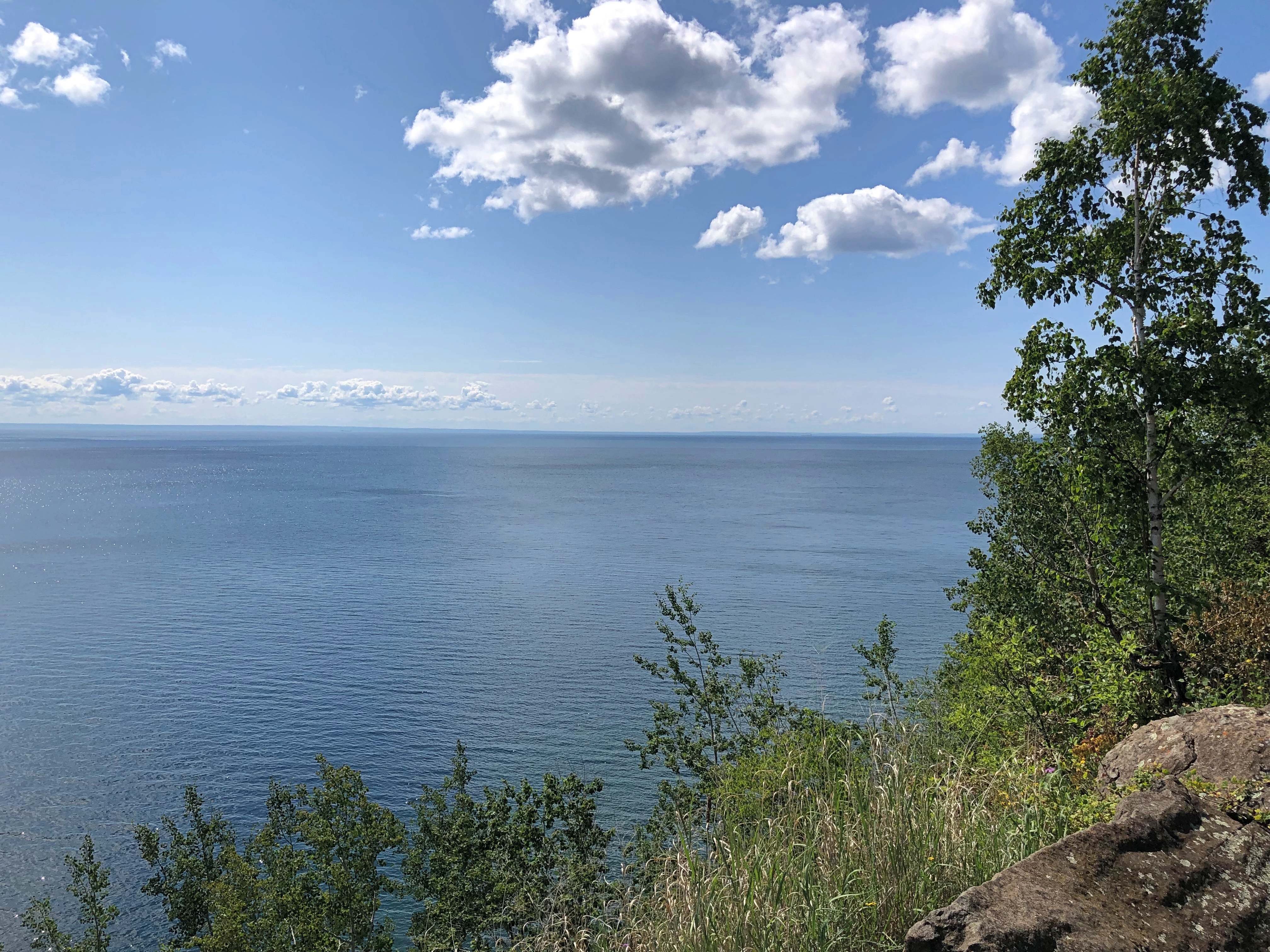
Not long out of Duluth the vistas appear, if you want them. I did.Minnesota 61 Minnesota 61
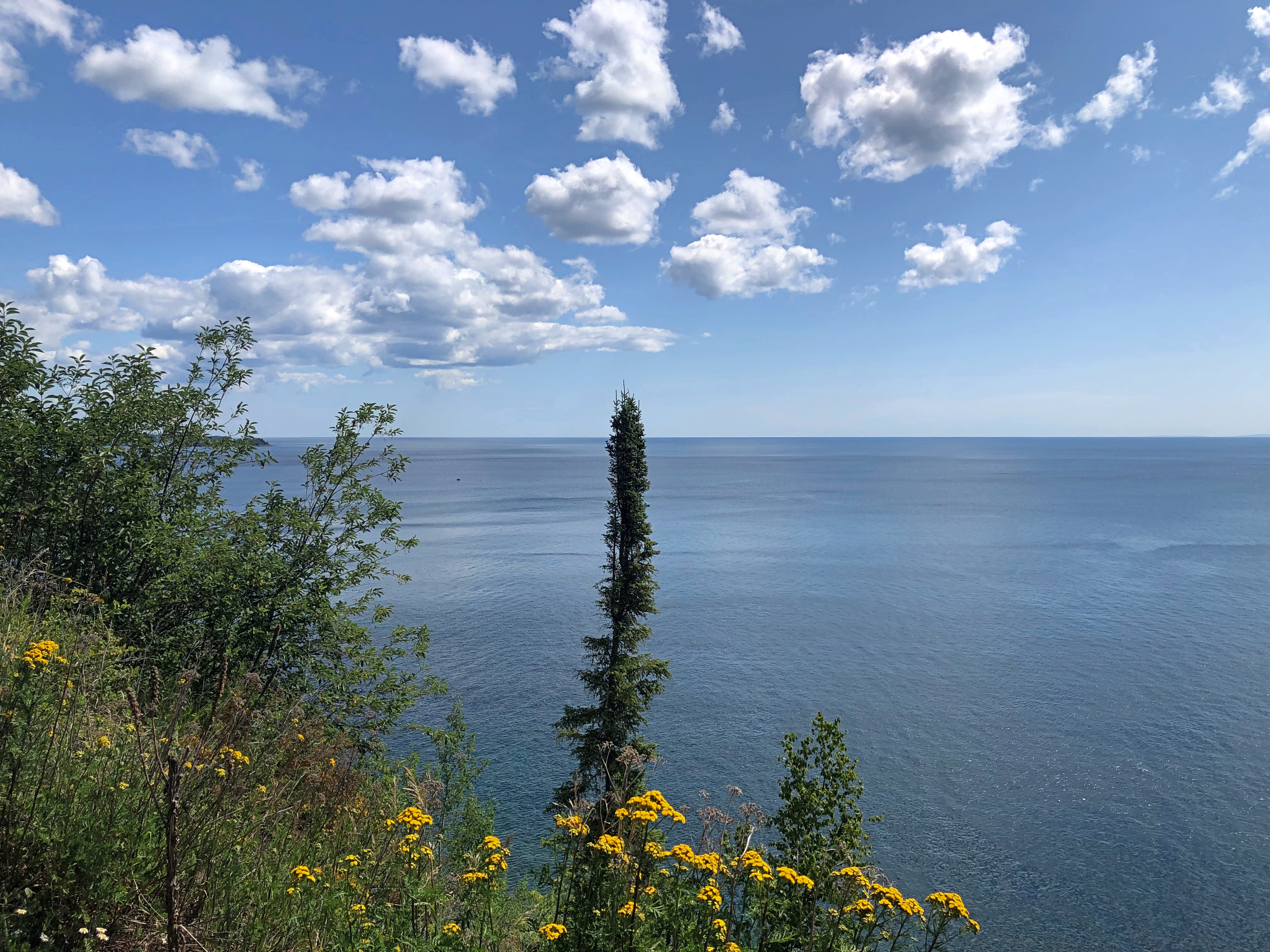
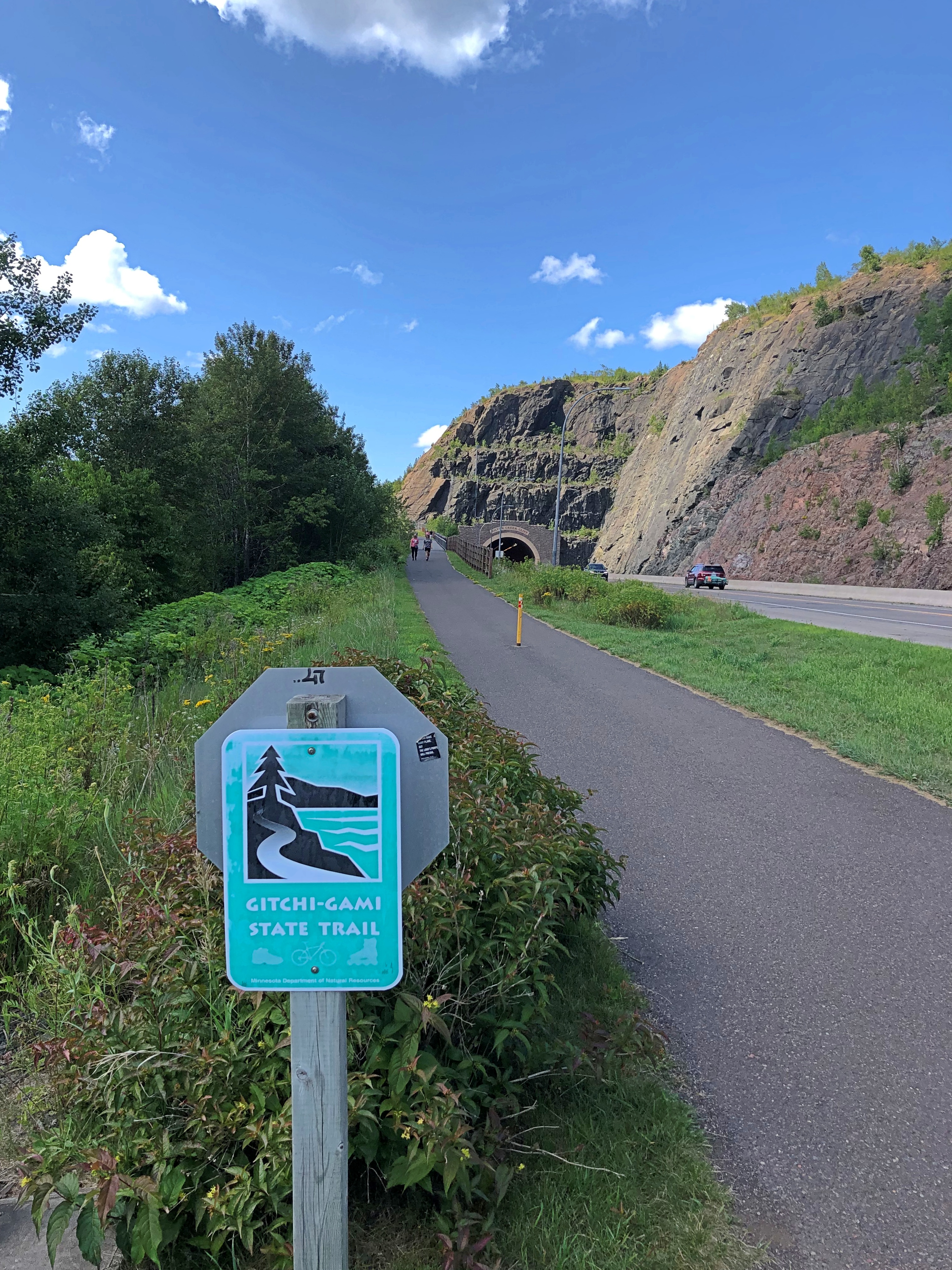
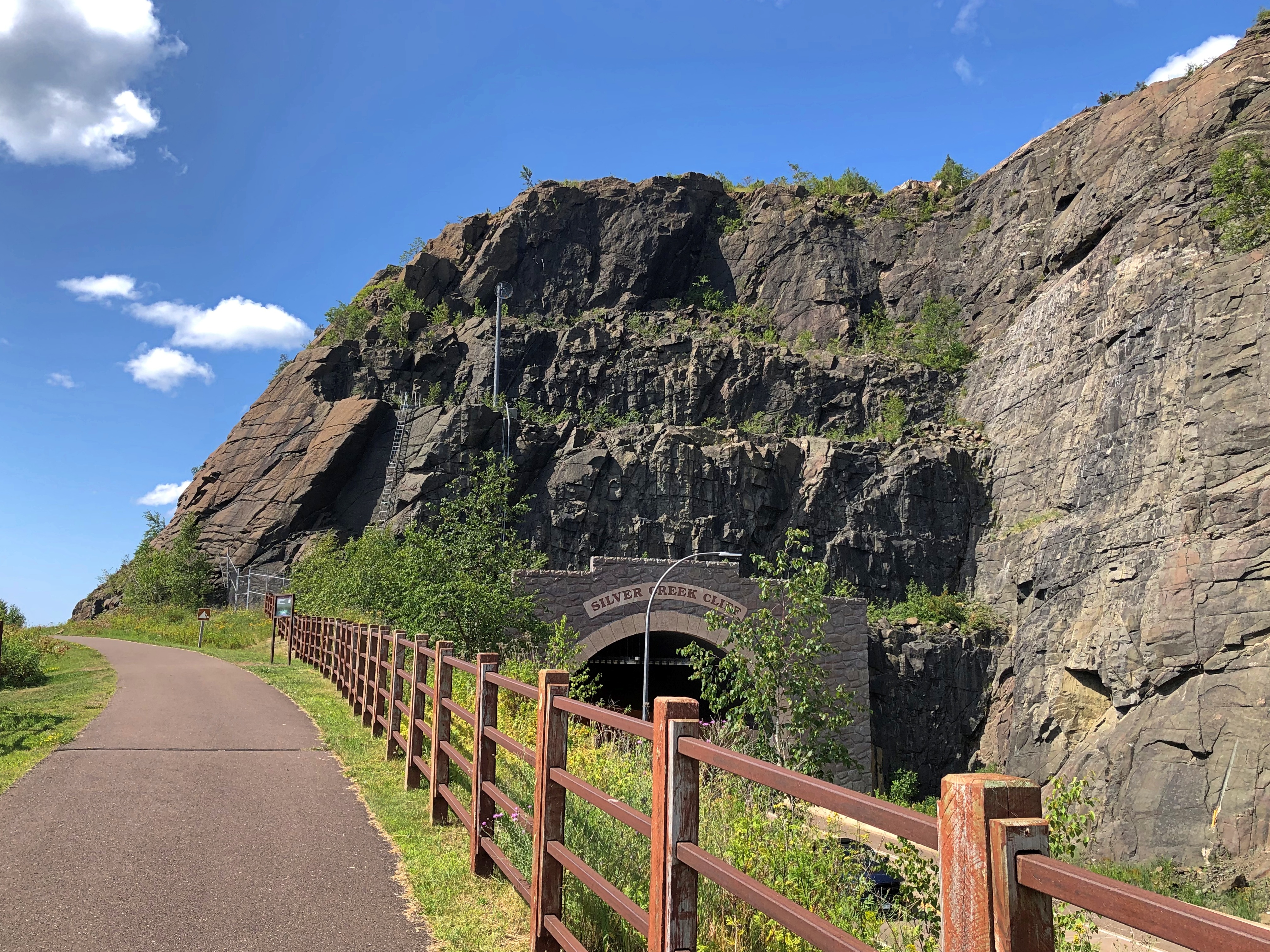
So do the trails.Minnesota 61 Minnesota 61

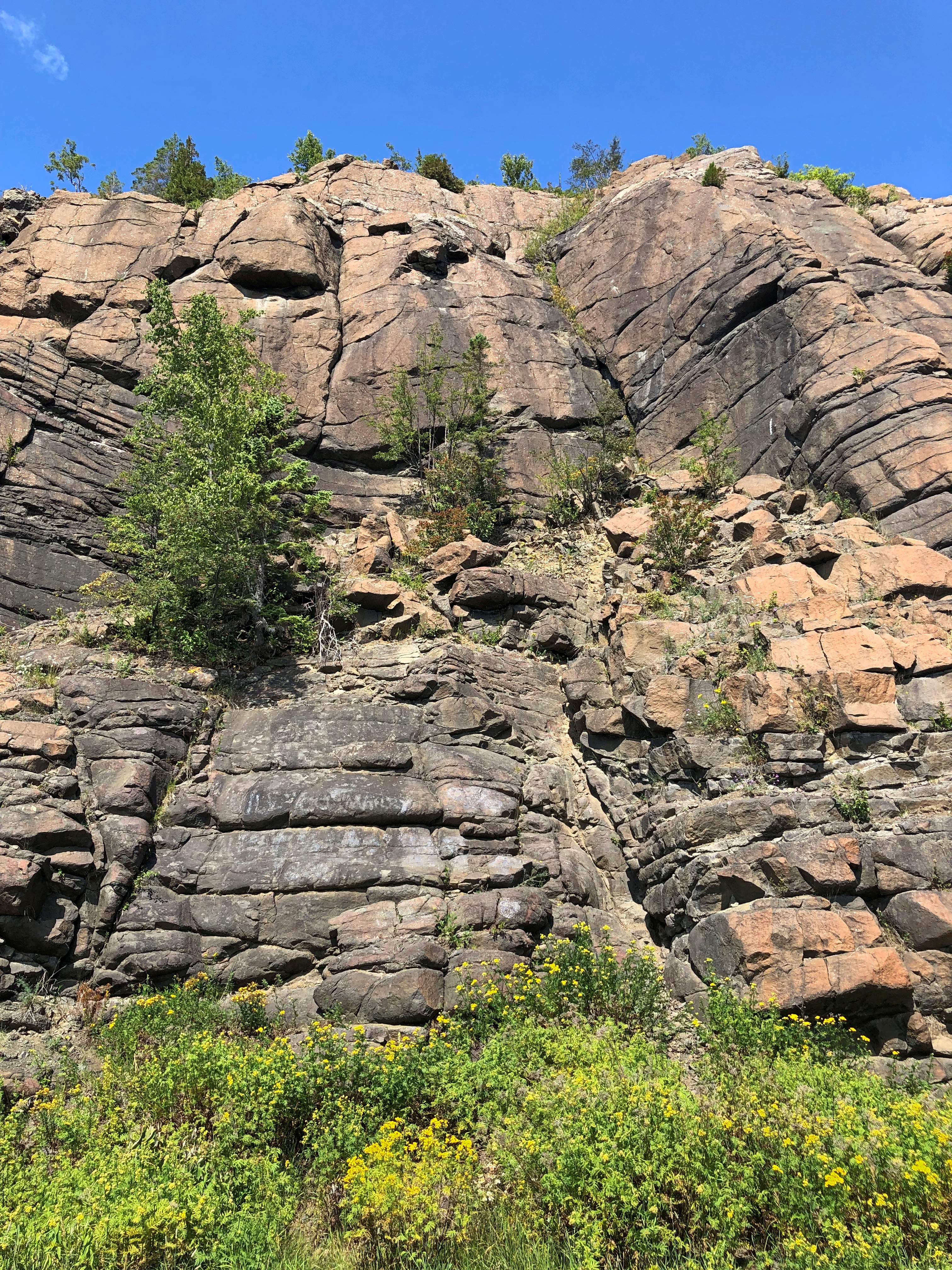
And the rocks.Minnesota 61

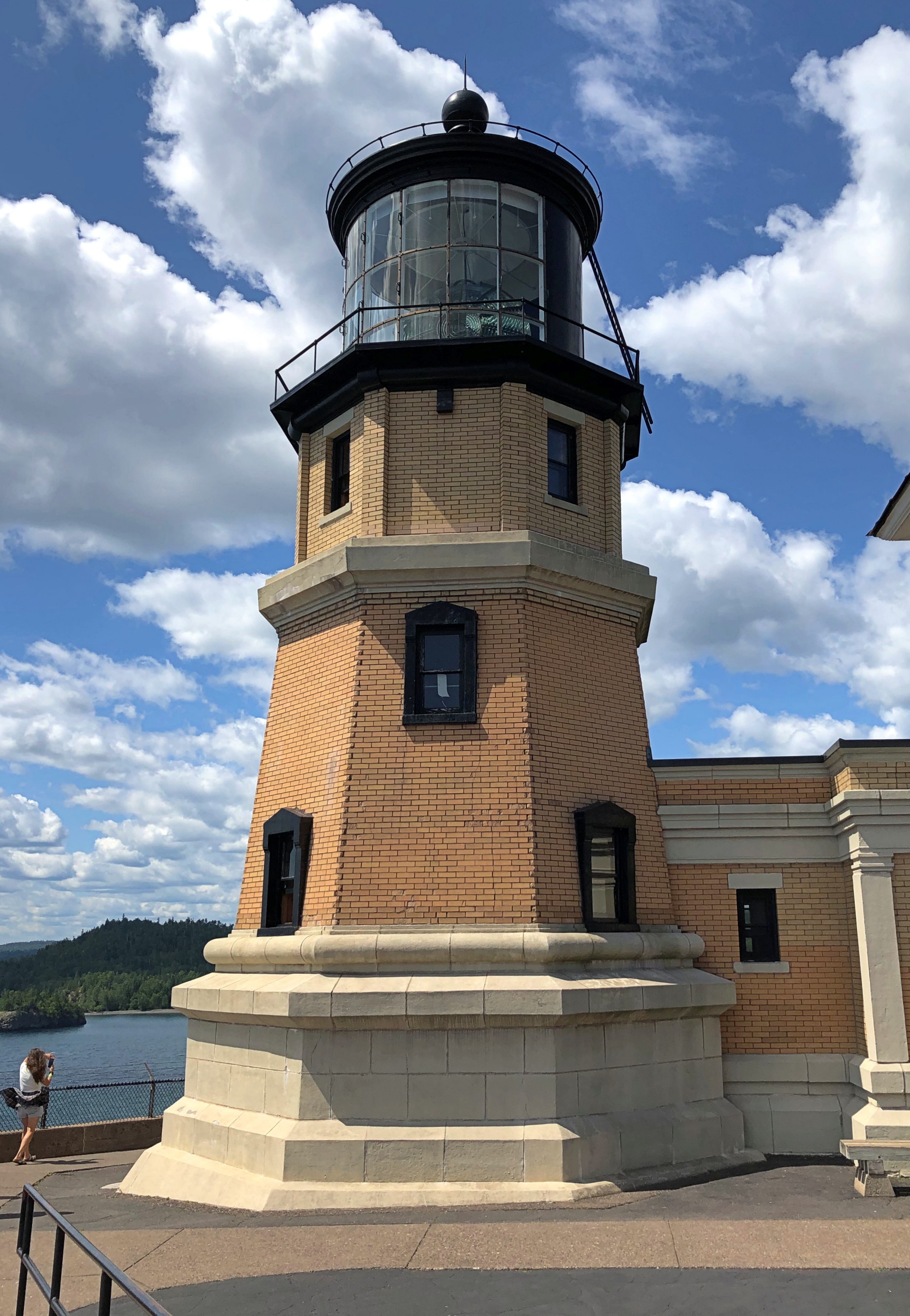
Some miles northeast on Minnesota 61 is a scenic view stop specifically so passersby can see Split Rock Lighthouse.Split Rock Lighthouse
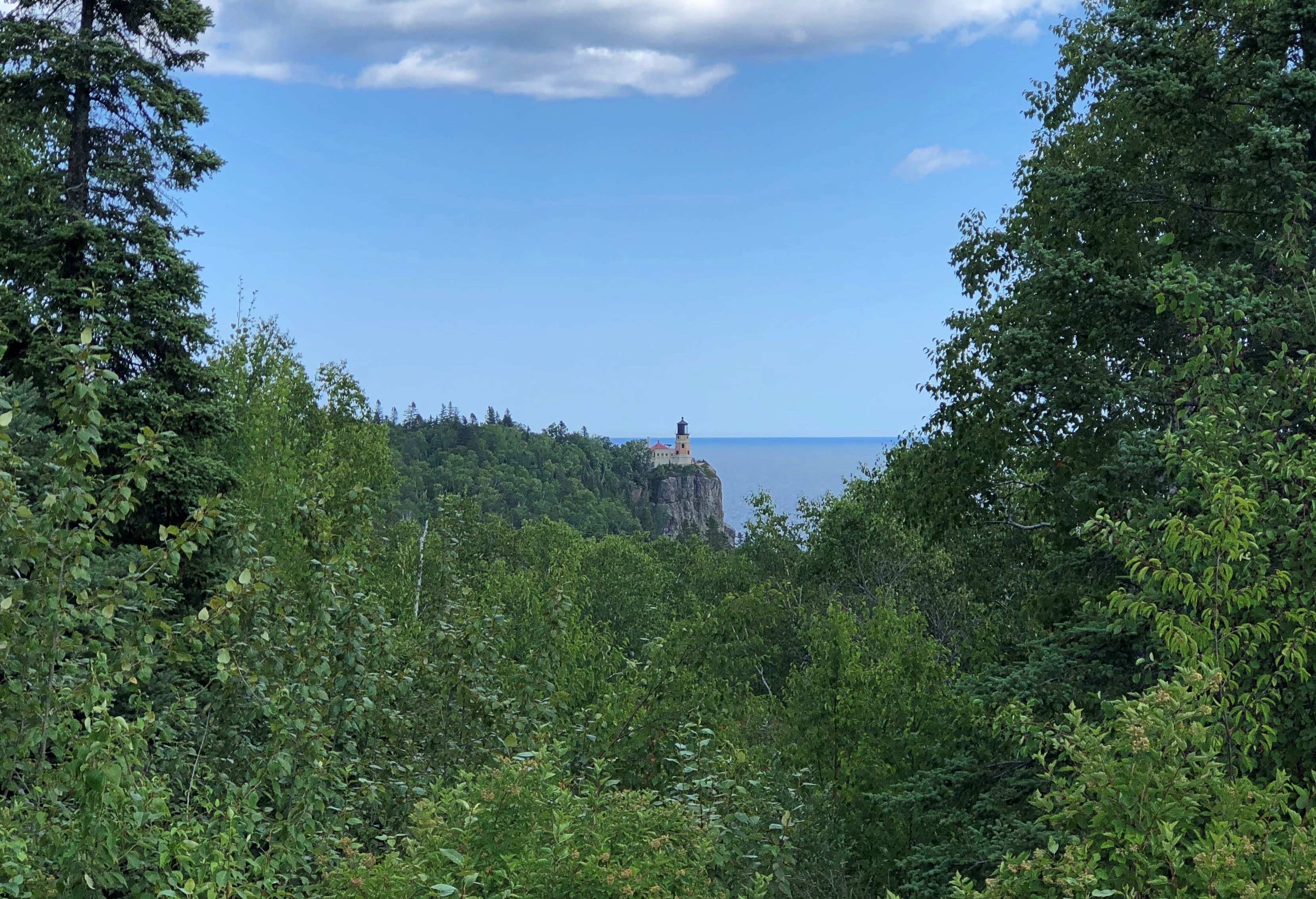
Still in working order, but not used as a navigation aid since 1969. Its heyday came immediately after its construction in 1910, when it proved invaluable in preventing the grievous loss of men and cargo into the depths of Superior’s ice-water mansion off this particularly treacherous stretch of shoreline.Split Rock Lighthouse Split Rock Lighthouse
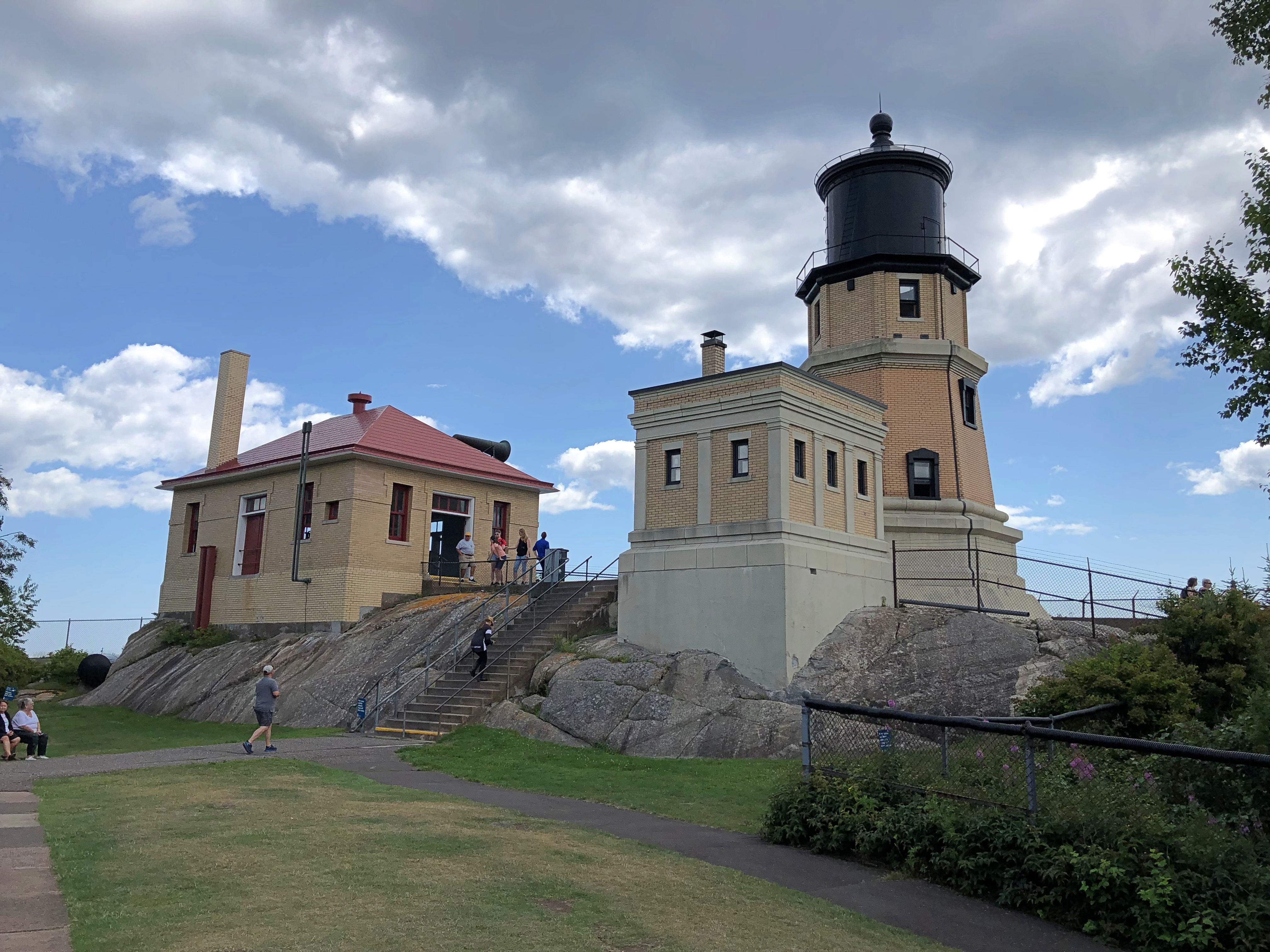
Cream City Brick? I asked one of the docents, who said he needed to check on that, since I wasn’t the only person who had asked.

Humble quarters for the lighthouse keeper.Split Rock Lighthouse
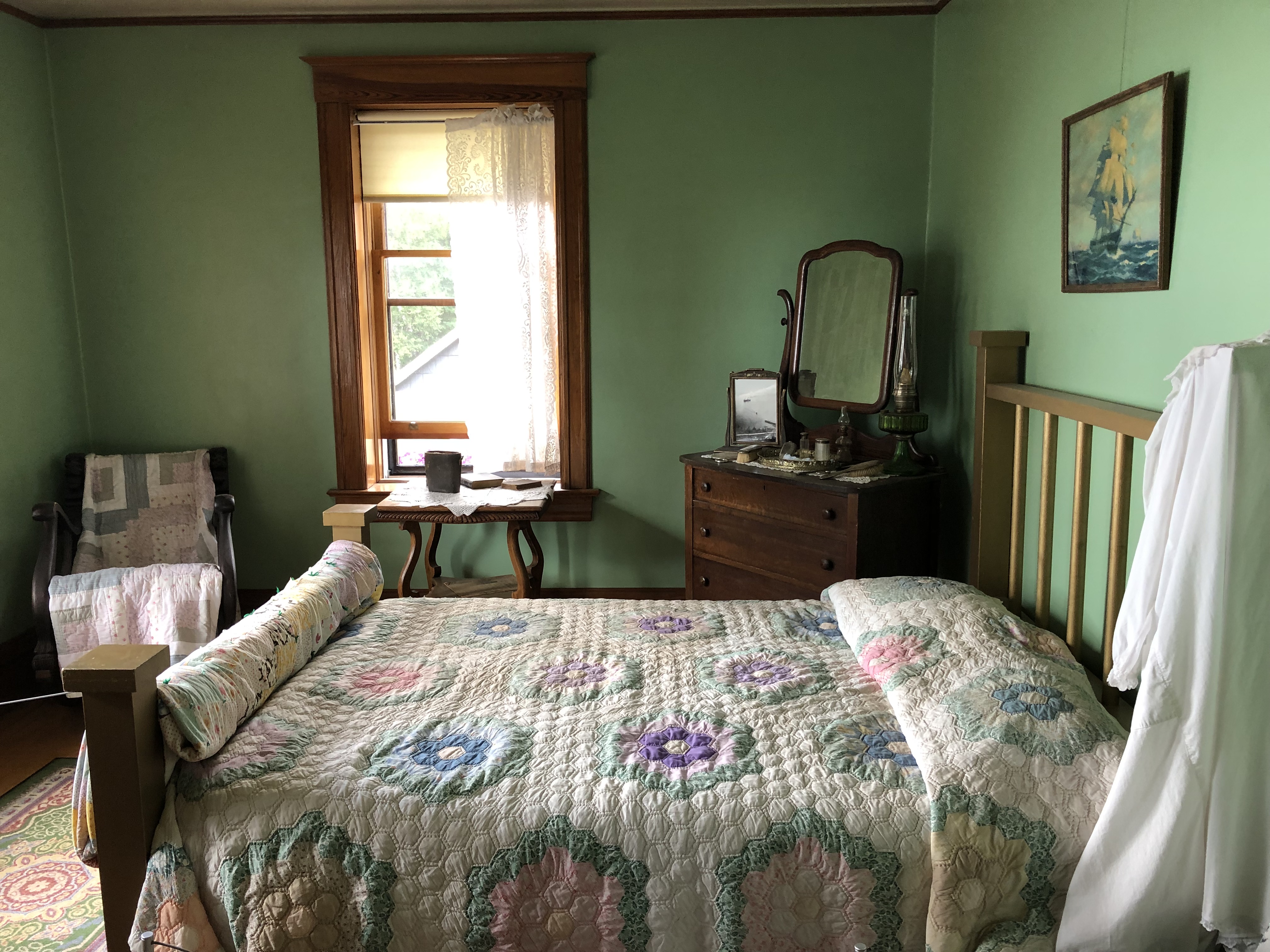
Orren “Pete” Young was the charter keeper at Split Rock Lighthouse, attending to his duties from 1910 to 1928. Wonder who should play him in the in-development prestige streaming drama Split Rock: The Early Years. Lighthouse Service intrigue. The fleshpots of Duluth. Young’s heroism during the Great Storm of 1913. Anyway, casting can be decided after the strike.

“A former sailor, Young began his lighthouse career in 1901 serving along Lake Superior’s Michigan coast,” explains the lighthouse web site. “In 1910 Young moved to the new Split Rock Lighthouse. His family, a wife and four children, would come to live at the lighthouse in the summer months but never lived there permanently. In the later years of his career, they lived in a year-round home 20 miles south of Split Rock in Two Harbors.

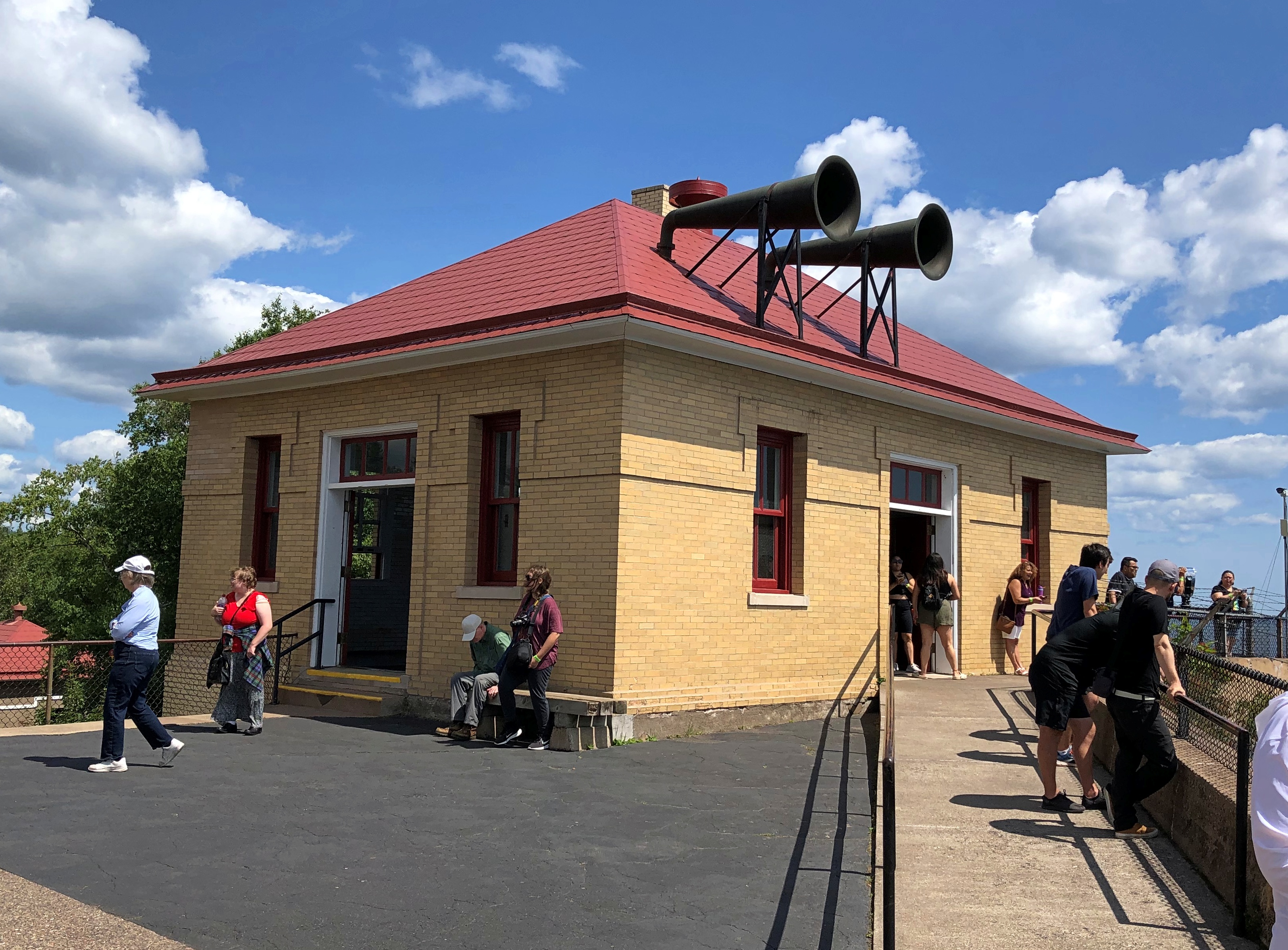
Split Rock wasn’t only a light, but it had a fog horn as well.Split Rock Lighthouse
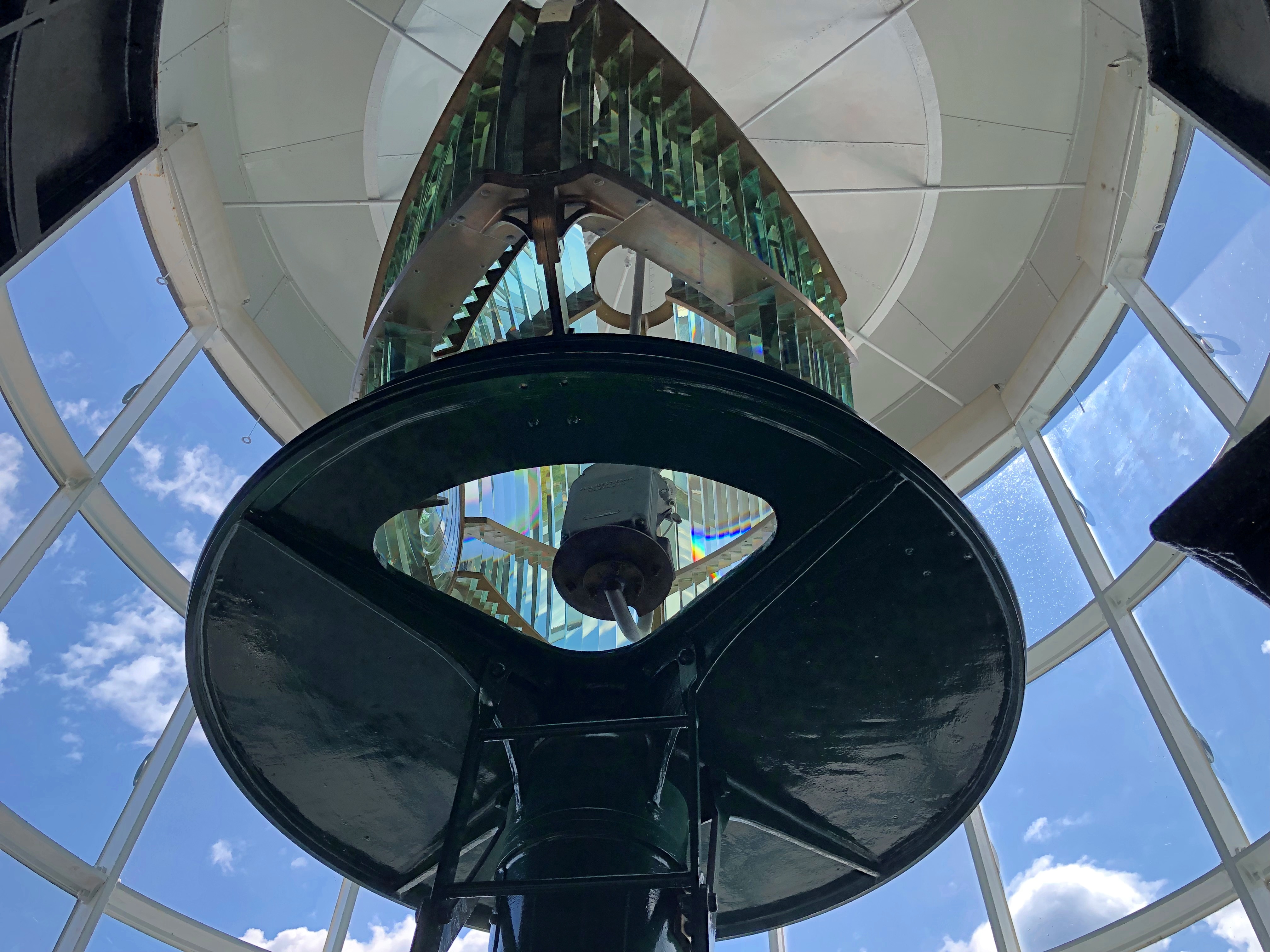
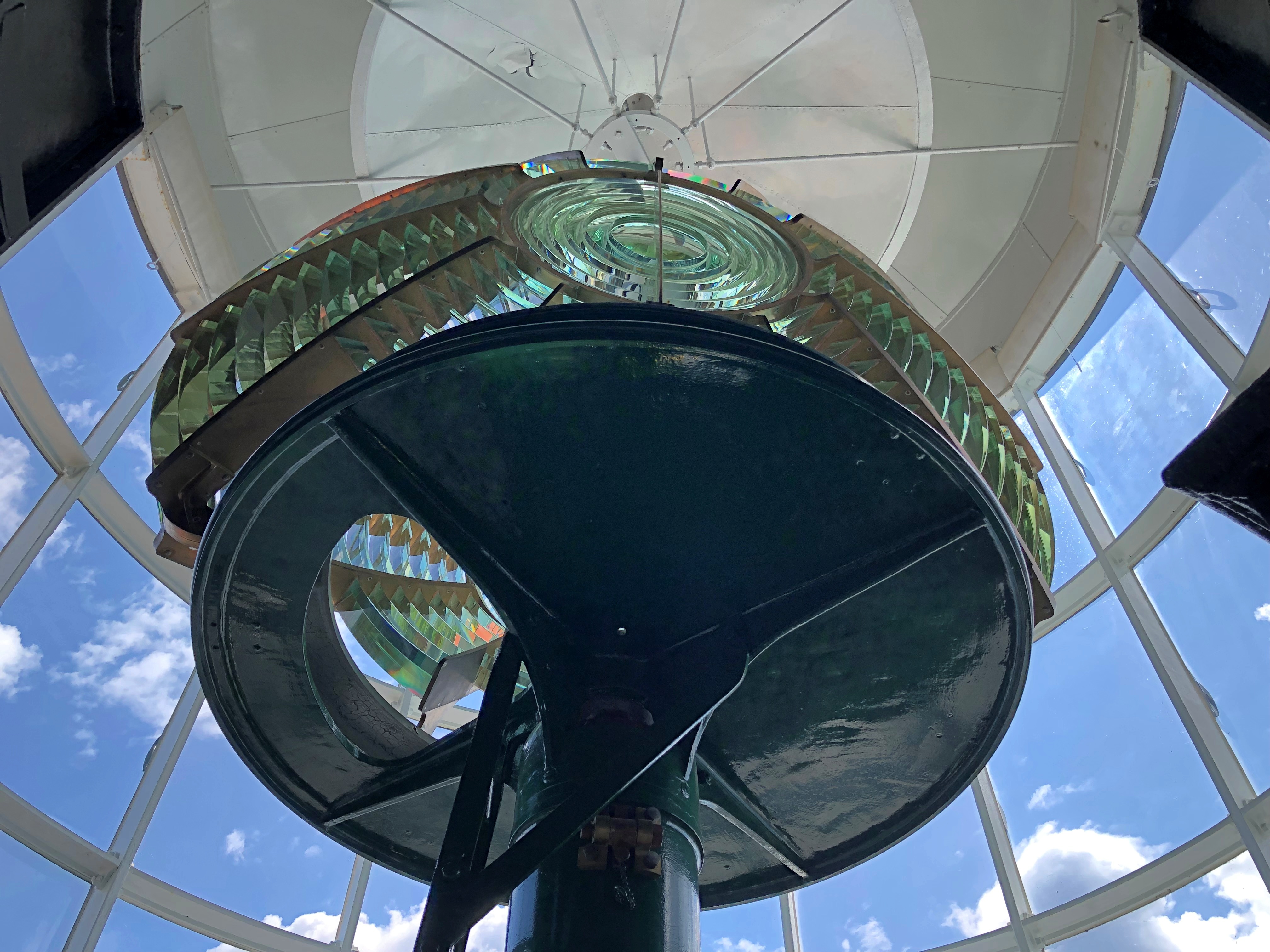
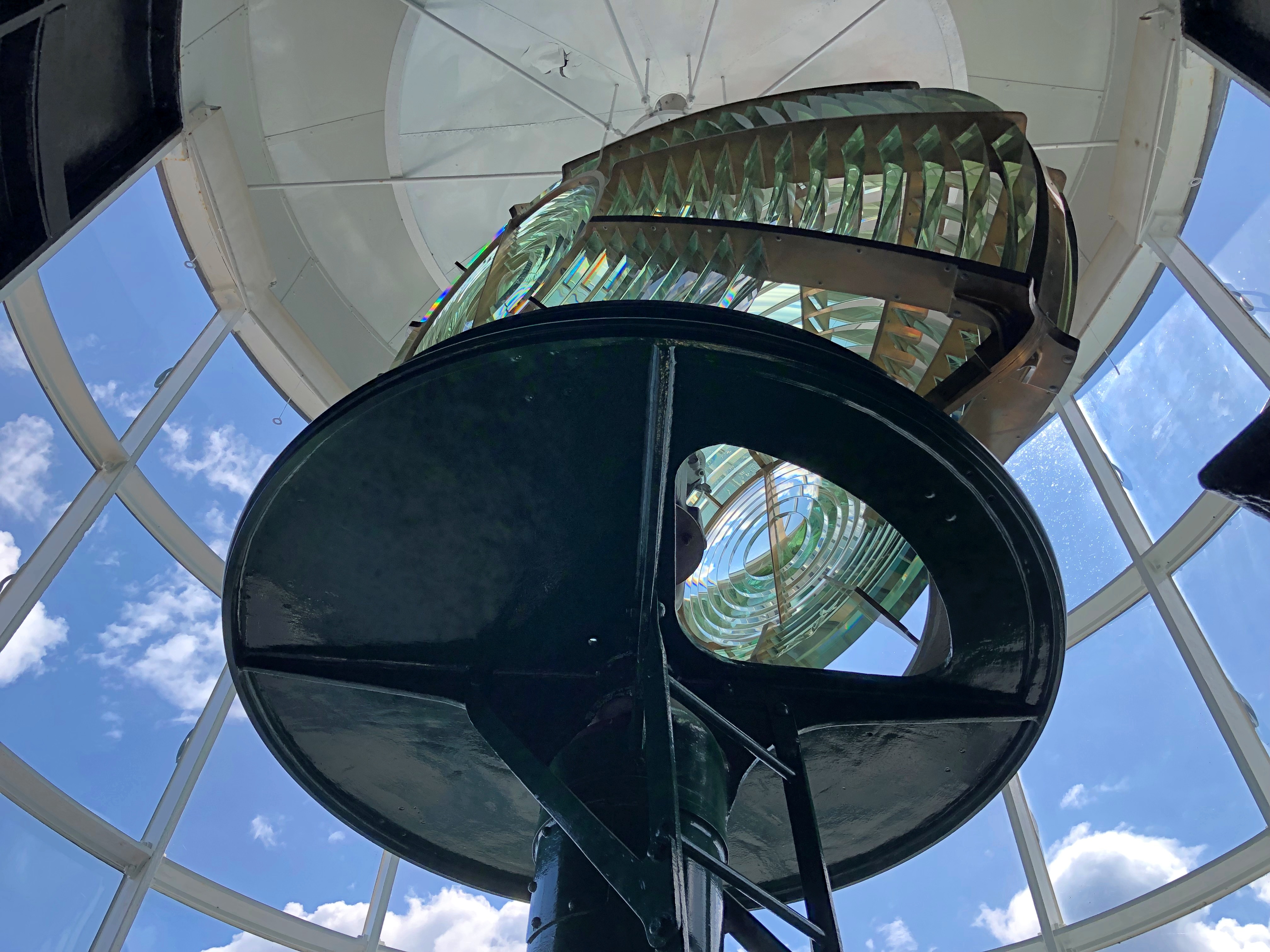
Best of all, a Fresnel lens, that extraordinary amalgam of art and science I’ve only encountered on the shores of Gitchee Gumee. This one is in situ and operational. And rotating. One that can and occasionally does beam its candlepower to some miles out into the lake.

You climb up a few flights of stairs inside the tower to reach the room it occupies.Split Rock Lighthouse Split Rock Lighthouse Split Rock Lighthouse
On I went from there, along the two-lane and sometimes winding highway, with periodic views of the lake, and sometime walls of trees on the landward side. Traffic was light, the weather perfectly clear. Near car-commercial driving.

Until about 30 years ago, I’ve read,  the road was designated U.S. 61. For reasons enshrined in some file at the U.S. Department of Transportation, the feds de-designated it, leaving it to the state to give it a number. Conveniently, 61.

Grand Marais, Minnesota,  pop. 1,300 or so, is up the coast on highway 61 from the lighthouse, and where I went next. I have to like a place that has an event called Moose Madness. That’s in October, so I missed that bit of local color.

Instead, I arrived in time for lunch, and I looked around the main shopping street, which was alive with people, tourists every bit as I was, but not jammed with them. I had my choice, among fixed-address places, of Java Moose Expresso Cafe, Gun Flint Tavern, Blue Water Cafe, Sven & Ole’s (pizza), Superior Creamery and World’s Best Donuts, among others.

There was also a cluster of food trucks. I ordered a small pizza from a one of those, paying tourist prices. It was good, though, sustaining me during the next few hours, when I crossed into Canada.
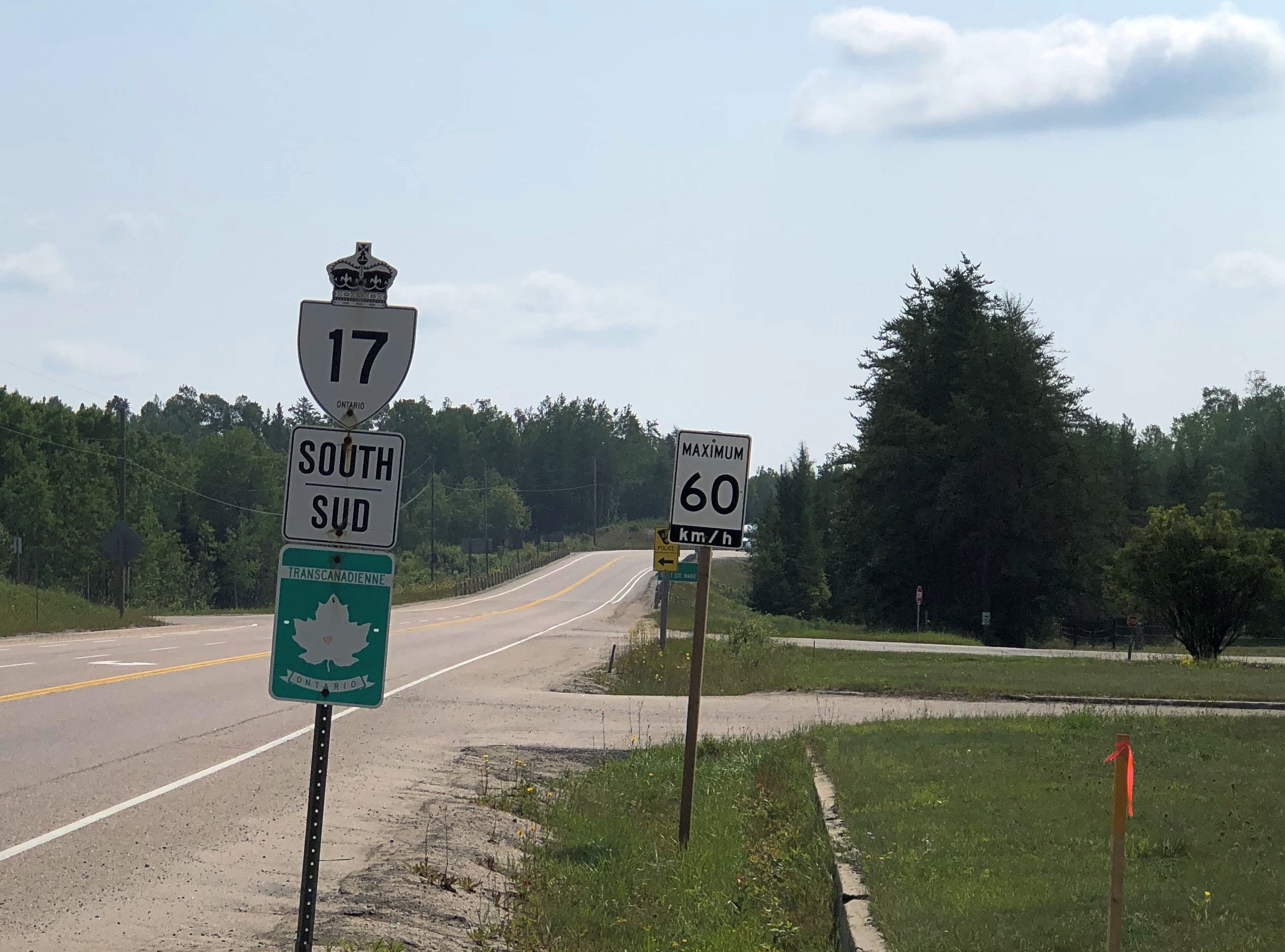
Around Lake Superior

Long stretches of the Trans-Canada Highway along or not far from Lake Superior are lightly traveled, even in summer. Driving the road isn’t exactly solitary, but traffic-free enough to allow your mind to wander. And by your mind, I mean mine, a few days ago.

Dear Mr. Prime Minister, I thought.

There must be a correct way to address the prime minister of Canada in a formal letter. Who writes formal letters to politicians any more? Still, the formal must exist, and I could look it up. Never mind, on with the letter.

Your Excellency,

I’m about mid-way through an enjoyable six days in your country, traveling from the port of entry at Grand Portage to an exit at the grand international bridge connecting the two Sault Ste. Maries.

I have noticed that very few places in Canada sell postcards, even tourist shops, and especially Parks Canada units. I had to struggle to find cards to send to my friends back in the United States, which is a minor hobby of mine.

Market forces, you might say. An erosion of Canadian heritage is what I’d call it, and I am writing to urge that your government do something to reverse the loss, against the day when – fully dismayed by electronic media — people return to physical media.

I leave the details to you and your Minister of Canadian Heritage (cc’d on this letter). Certainly Parks Canada can be persuaded to stock them again. For private shops, perhaps tax incentives to produce Canadian-content postcards and to stock them, and a public service campaign to encourage their purchase and use.

It might not be Canada’s most pressing challenge, but it is certain worth a little of your government’s time.

Despite the minor postcard annoyance, it was nice to be back in Canada.
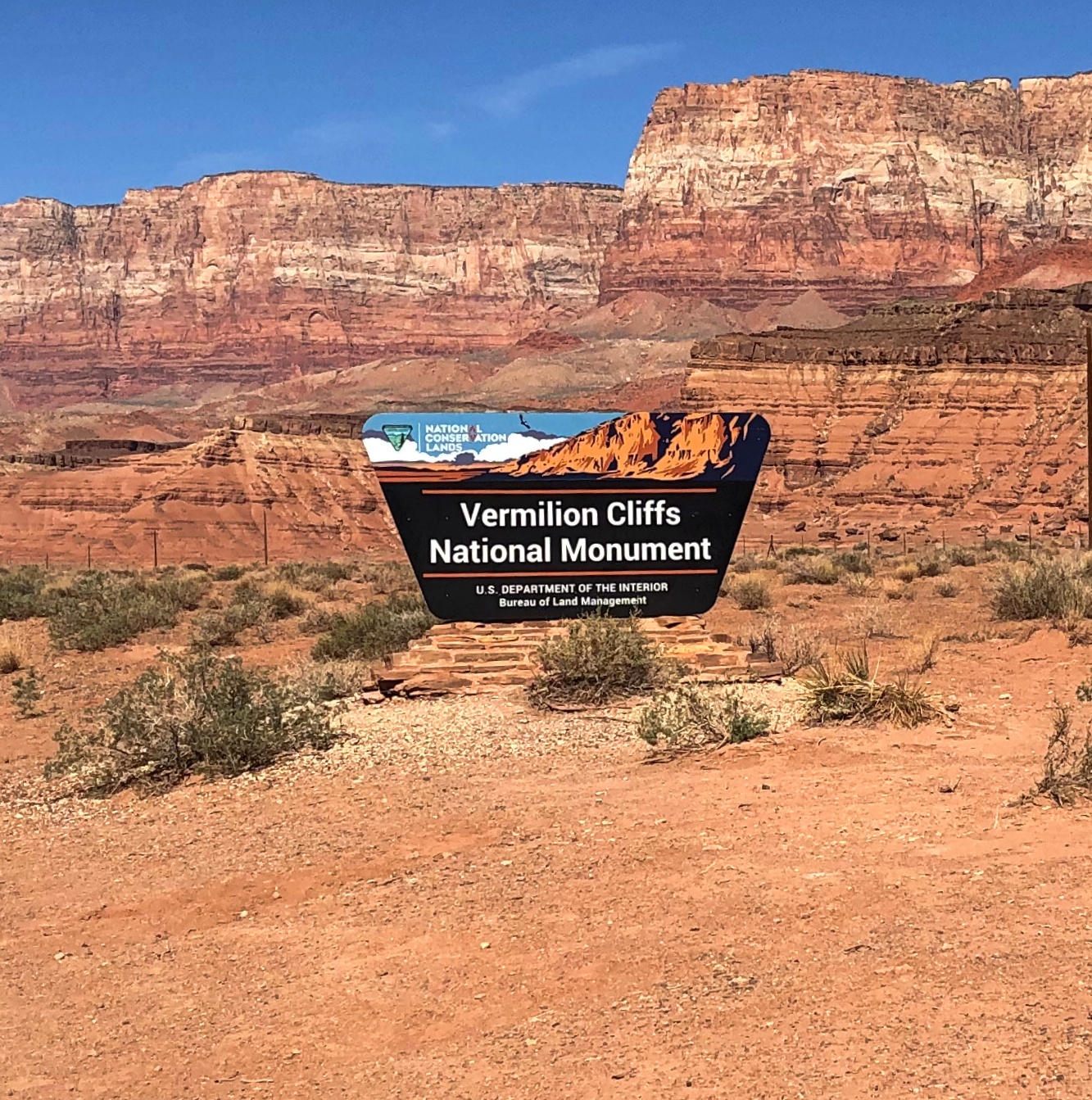
Every bit as scenic as the U.S., but a lot cheaper. The current judgment of the currency markets is that the U.S. dollar is strong against its Canadian counterpart (unlike in 2006).

Canada wasn’t the entire trip. Leaving on July 28, I drove from northern Illinois northwestward through Wisconsin, then to the shore of Lake Superior in Minnesota, reaching the border on the afternoon of the 30th. I left Canada yesterday, August 5, proceeding home through the UP and then southwestward back through Wisconsin, arriving home today.

In effect, I went clockwise around Lake Superior: 1,937 miles all together, though some fraction of that was measured in kilometers.

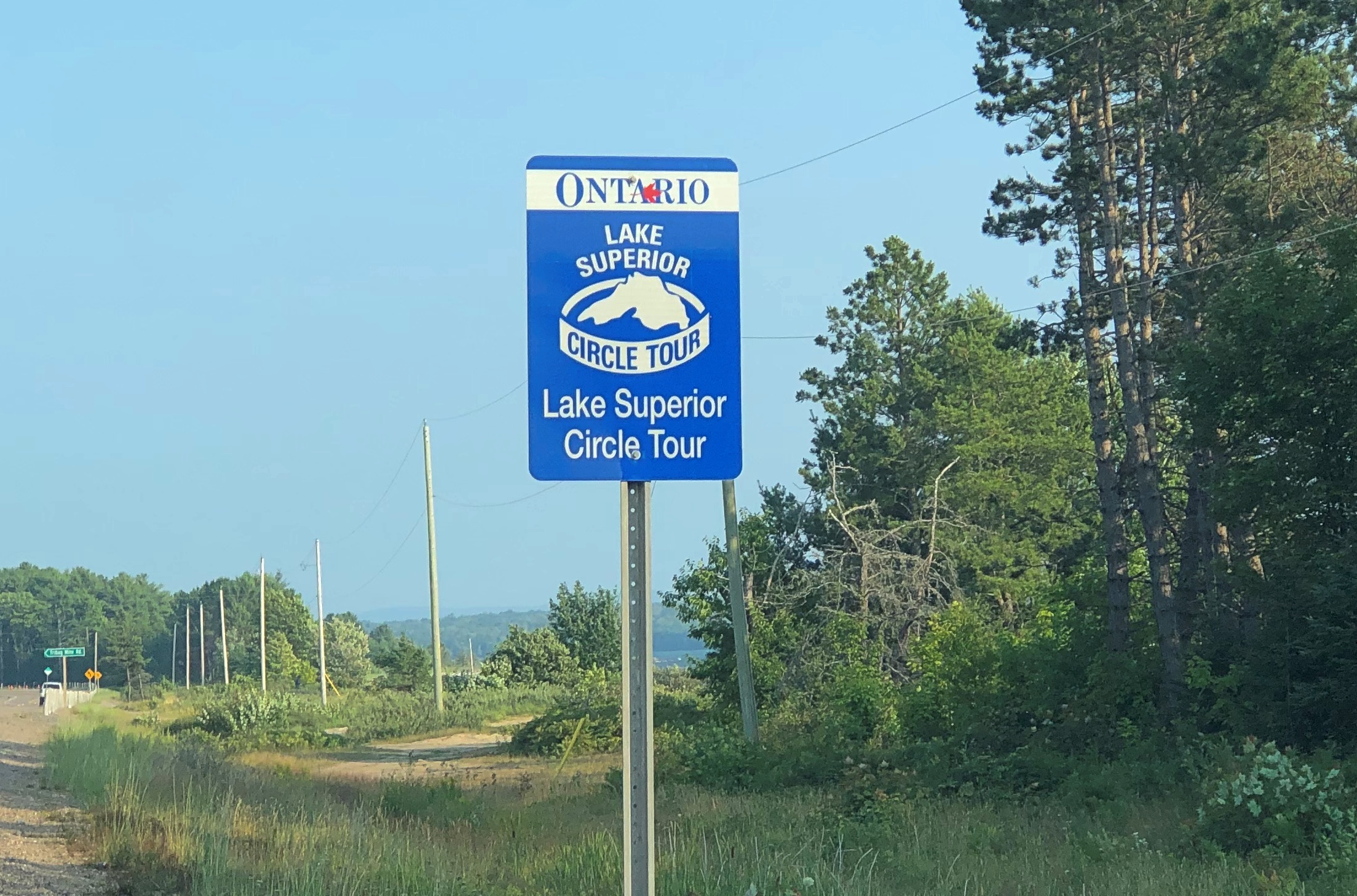
This particular drive has been in the back of my mind for years. Years and years. In September 1989, I drove to the UP and went camping. One day I headed north from my campsite to Munising for breakfast, and then on to Marquette. Somewhere along the way, around the time I first saw Lake Superior, I also saw a sign like this (except not Ontario).

I’d seen Lake Michigan Circle Tour signs in Illinois and Wisconsin. Those were brand new in those days, created to encourage tourism in the Great Lakes region, and if you asked me a brilliant bit of design. Drive around the lake, the sign says. You will be well rewarded.

I agreed: The ’89 trip itself was around Lake Michigan, though I’m sure I would have done it without the signs.

I’d never seen a Lake Superior Circle Tour sign before, but I liked the idea immediately.

The prospect intoxicated: around Superior would be mean driving to Minnesota, through that remote part of Ontario, and the back through the UP. Or vice versa. What was up that way? Exotic boreal territory; small towns; few services; moose? At the time, my experience with Canada was limited to a rewarding but short stay on Vancouver Island.
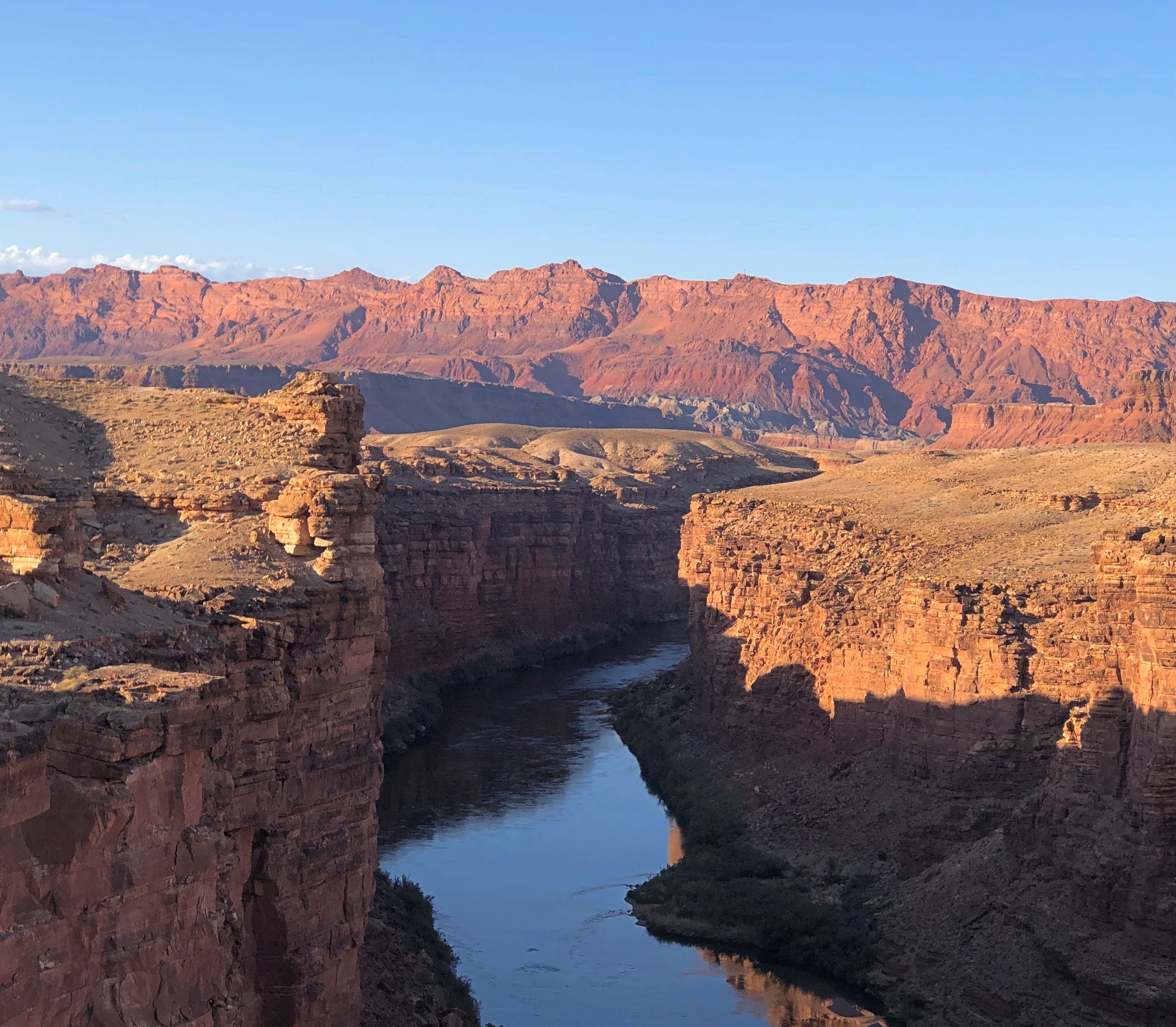
The actual Circle Tour follows a specific set of roads around, and during this trip I followed them on the whole, mostly because that was often the only option, but in some places I took other roads, usually since they were more convenient. So I can’t claim to be Circle Tour purist.

Even so, now that I’m done, driving around Lake Huron seems like a good idea too – either by way of the Bruce Peninsula and Manitouline Island, or the long way around Georgian Bay. I don’t expect to have another 34 years to get around to that, so it will be have to be sooner, if at all.

(Former) Dead Man’s Curve

Time for a genuine spring break, now that genuine spring has arrived. Back to posted content around May 24.

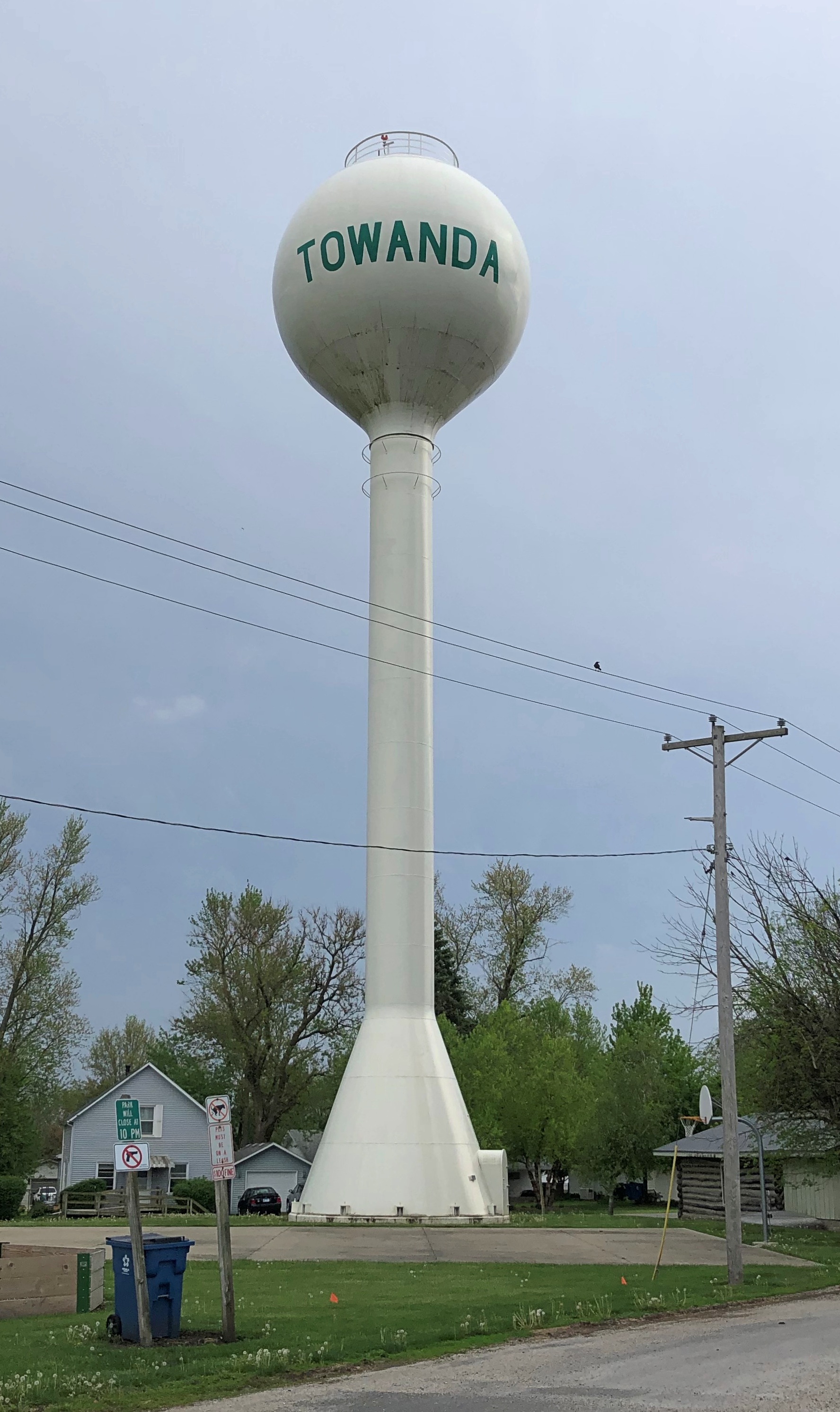
Returning from Normal on Sunday, I took another short detour fairly close by, in the wonderfully named town of Towanda, pop. 430 or so, originally a central Illinois project of the busy 19th-century businessman Jesse Fell. I’d seen signs for Towanda on the Interstate for years, but never stopped.Towanda, Illinois

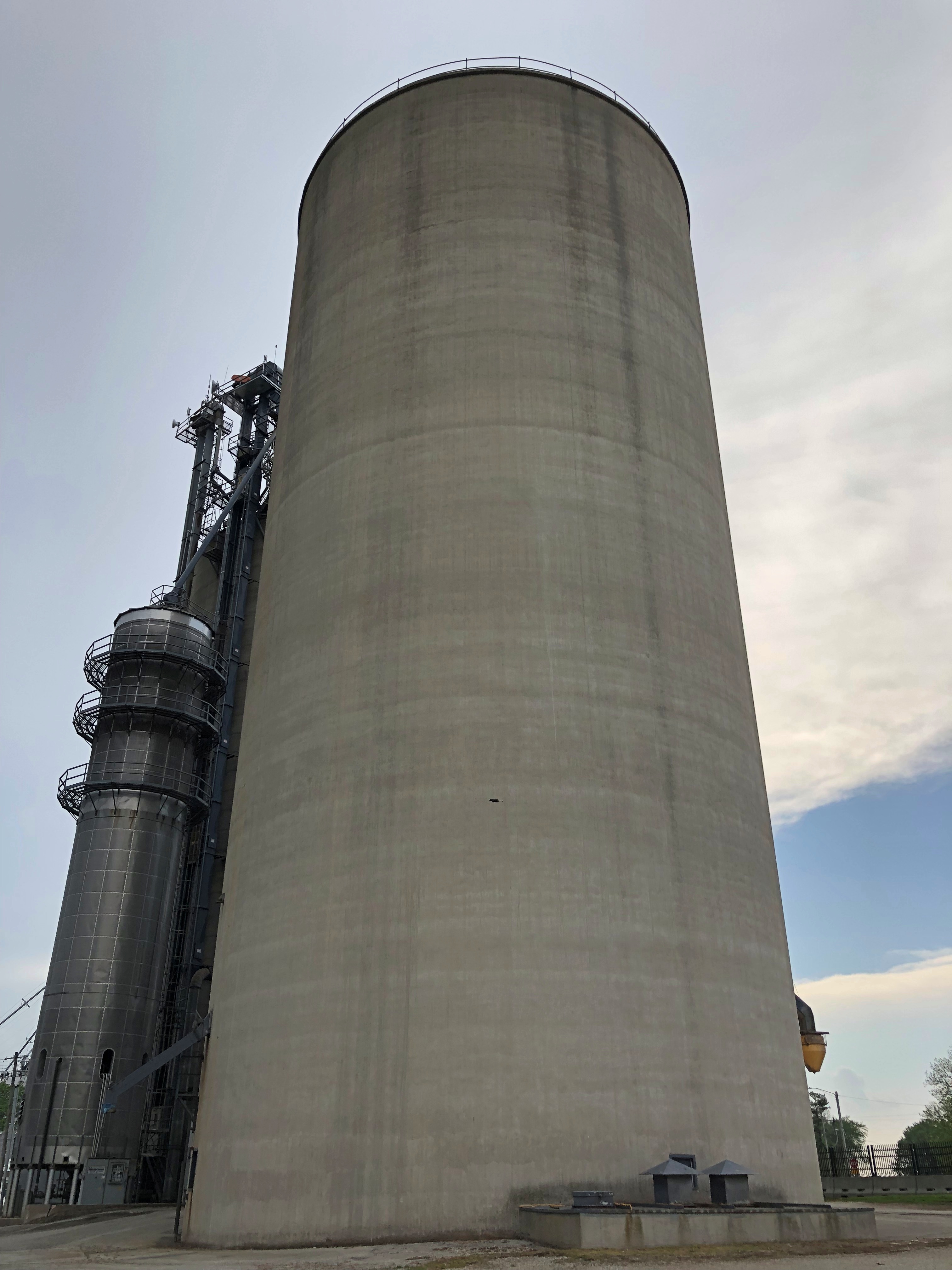
Towanda is the home of a massive grain elevator, owned by Evergreen FS of Bloomington.Towanda, Illinois

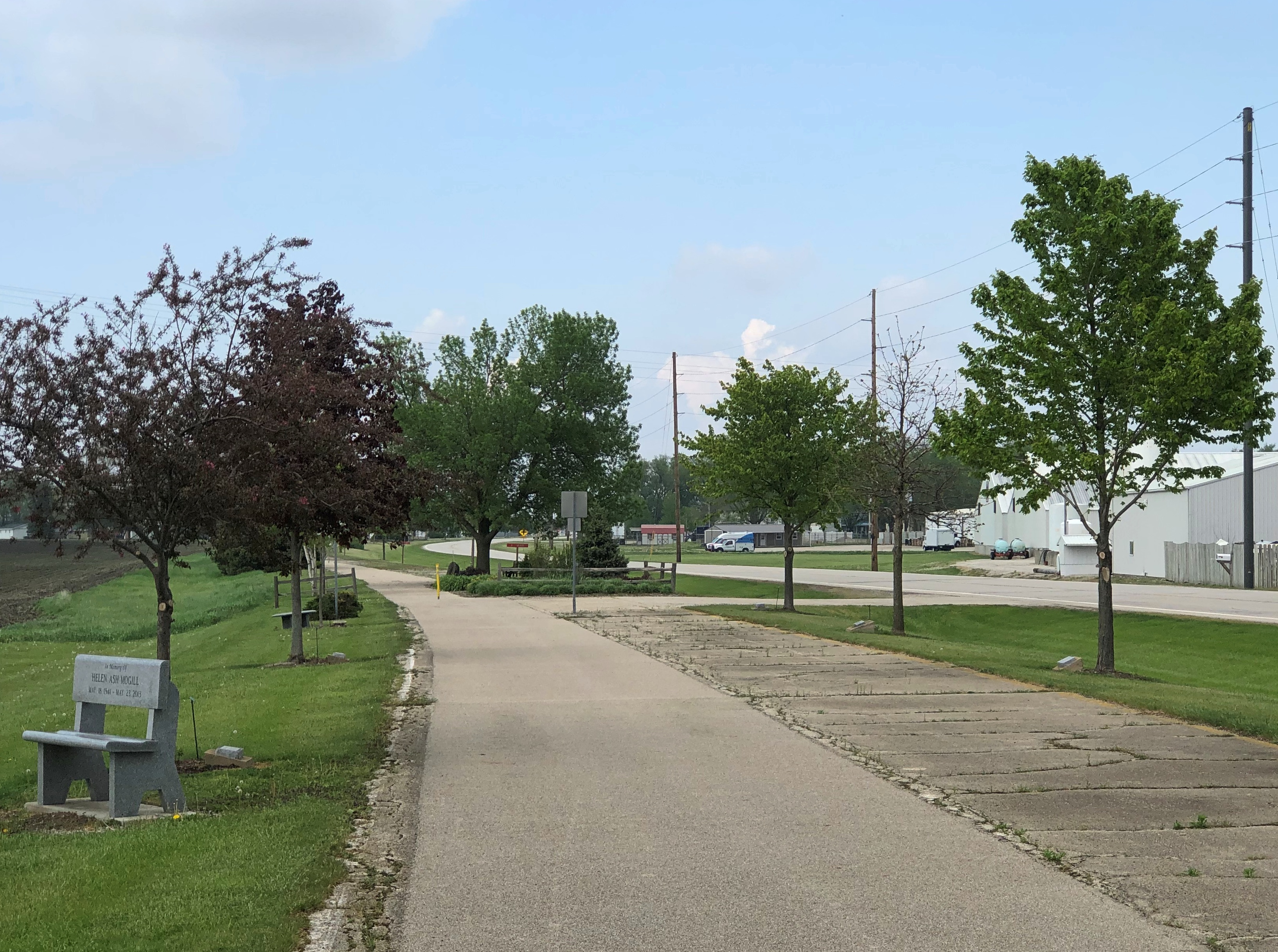
For a more ordinary tourist, a stretch of the former U.S. 66 passes through town, and has a walking path next to the road. I took a stroll.Route 66 Towanda

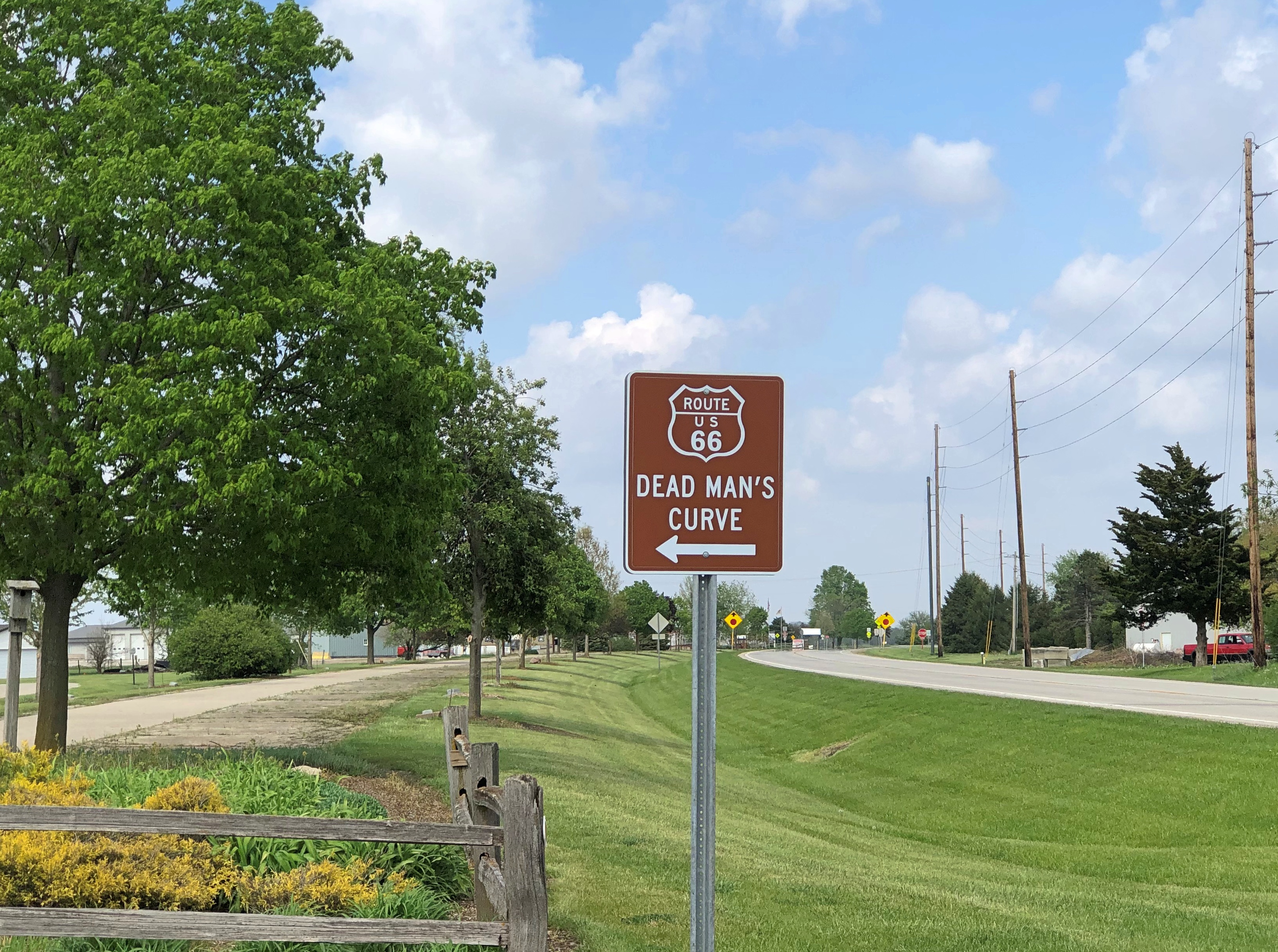
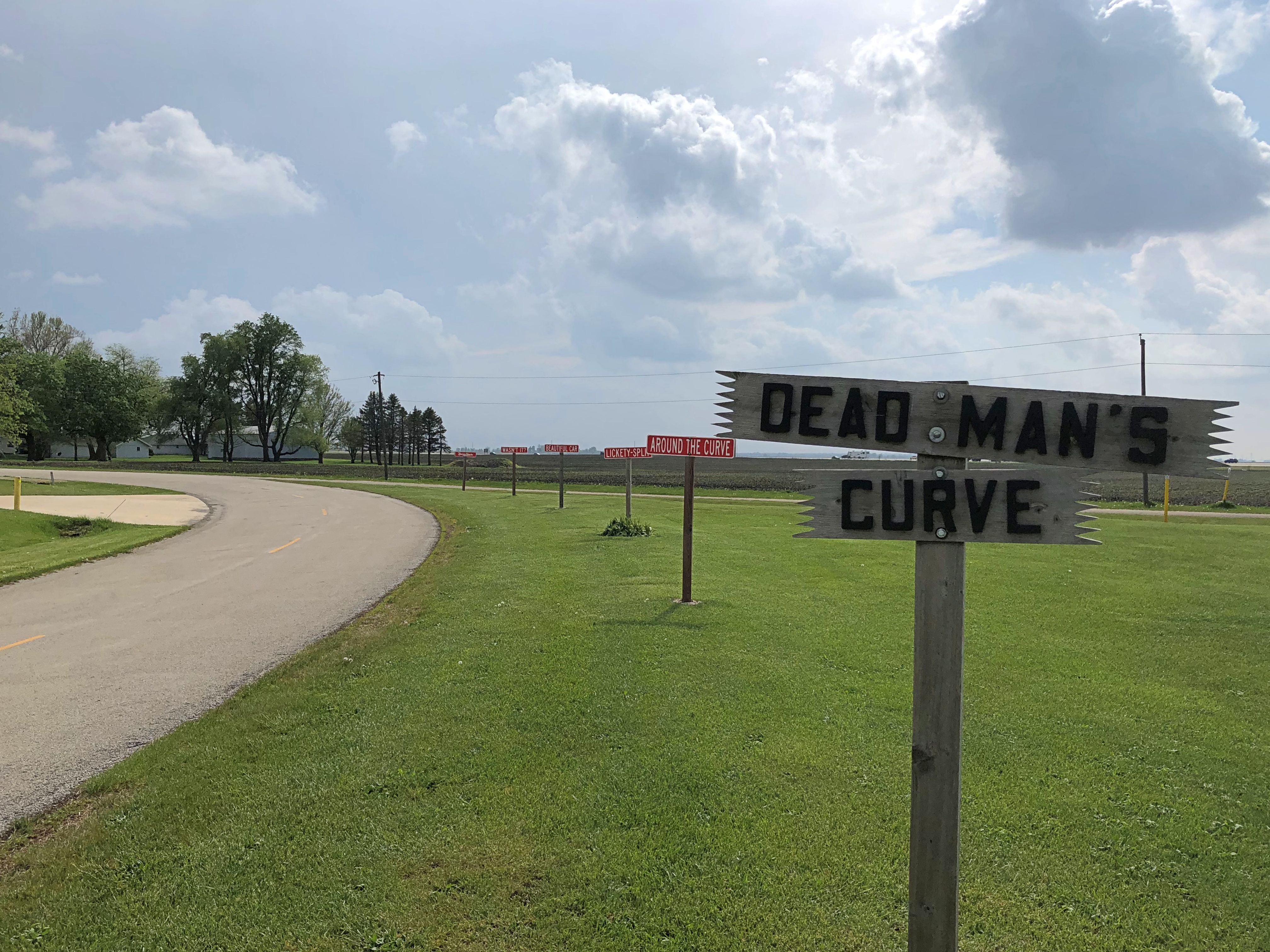
Also part of the former highway: Dead Man’s Curve.Dead Man's Curve Route 66 Towanda Dead Man's Curve Route 66 Towanda

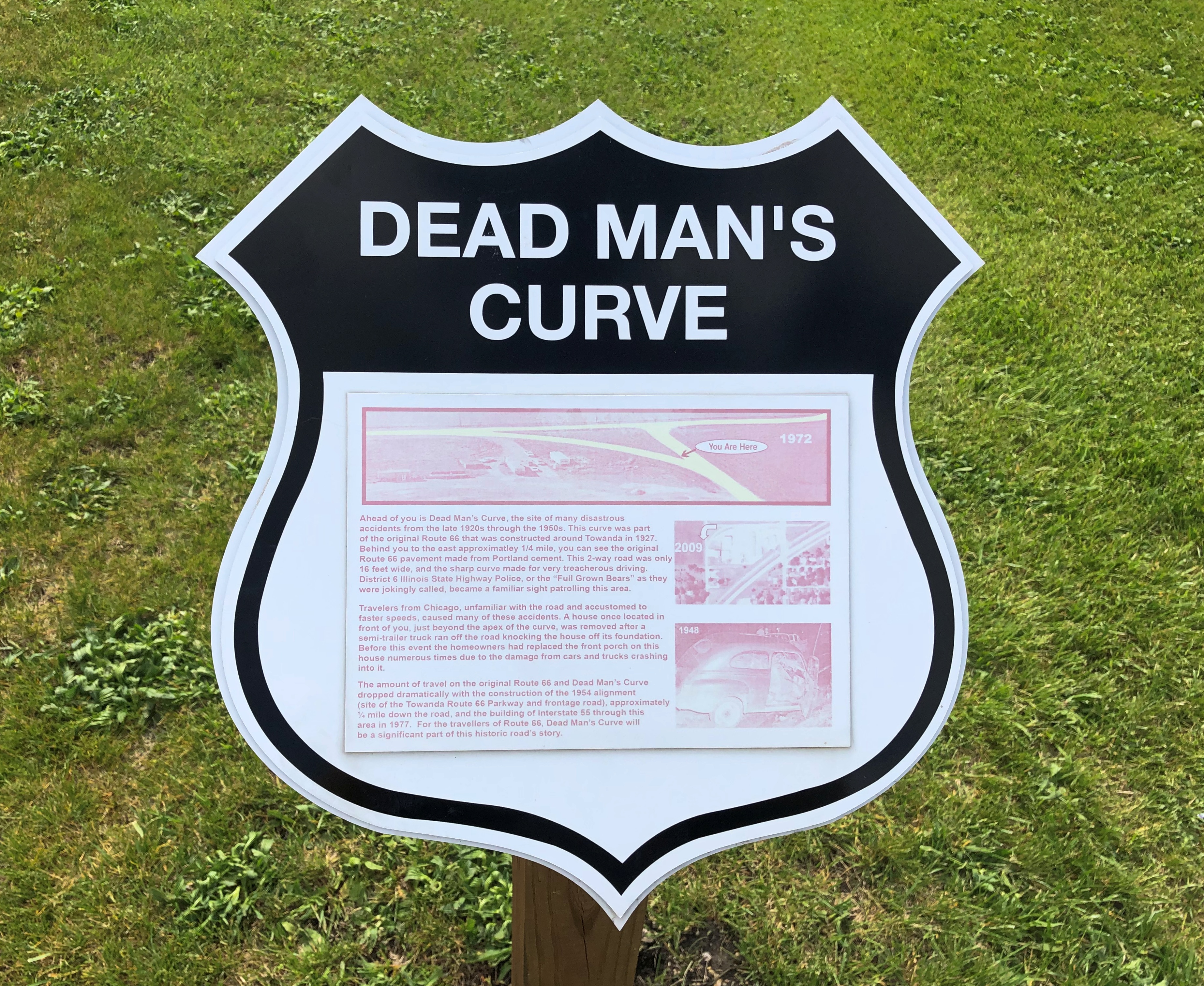
The nickname isn’t too hard to figure out, but a sign offers details.Dead Man's Curve Route 66 Towanda

It doesn’t offer a death toll, which may not be known, but does say that from 1927 until a bypass was built in 1954, the curve was the site of “many disastrous accidents,” especially involving drivers from Chicago, “unfamiliar with the road and accustomed to higher speeds.” Oops. Once a hazard, now a minor tourist attraction.

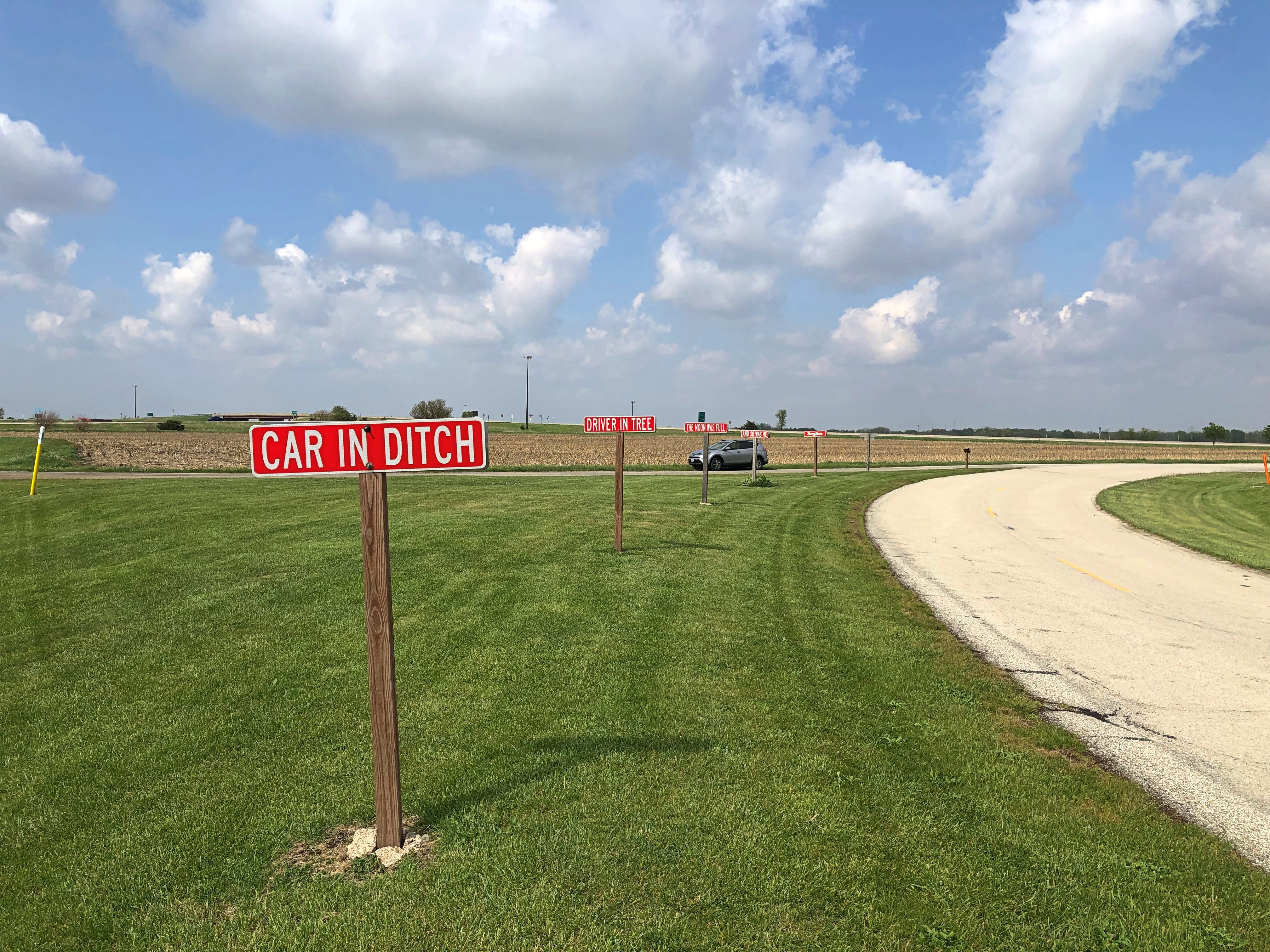
Note the Burma Shave signs. They look fairly new, so I take them to be modern homages, in this case noting the dangers of Dead Man’s Curve.Dead Man's Curve Route 66 Towanda

There’s a rhyme for each direction of travel on the road.

Northbound: Car In Ditch/Driver In Tree/The Moon Was Full/And So Was He/Burma Shave.

Southbound: Around The Curve/Lickety-Split/Beautiful Car/Wasn’t It?/Burma Shave.

Get Your Kicks at the Route 66 Association of Illinois Hall of Fame and Museum

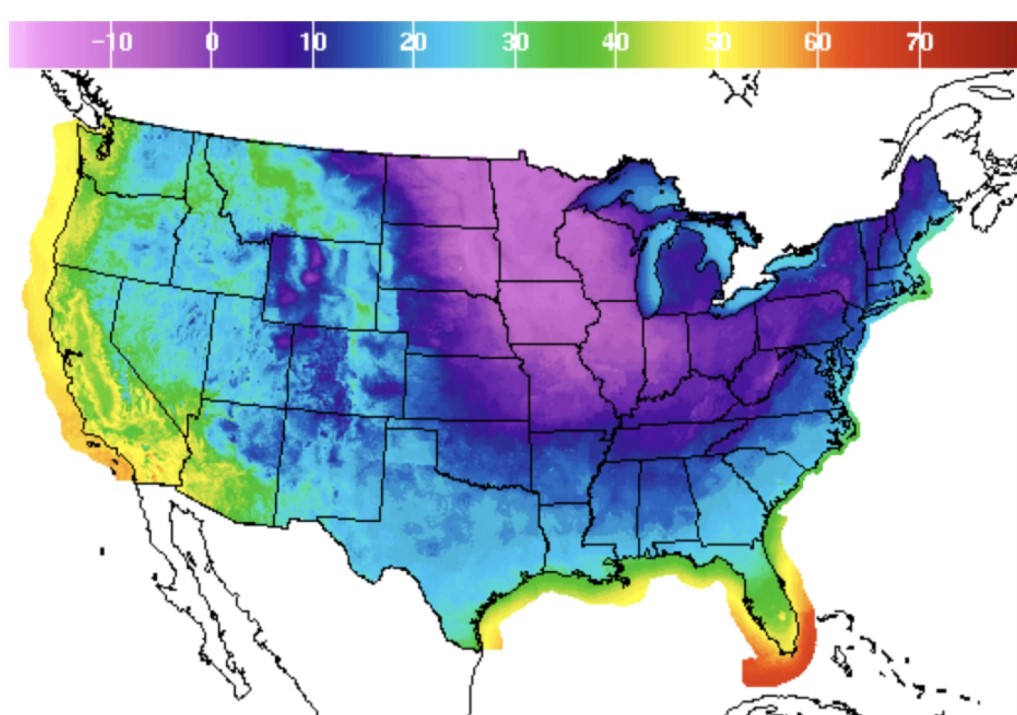
Those three ships that come sailing in on Christmas Day in the morning will be trapped in ice this year, according to the National Weather Service.

That’s the forecast for 8 a.m. Central on December 25. Bitter temps, unless you happen to be on the West Coast or in Florida, and even those places will be relatively chilly. Bah, humbug.

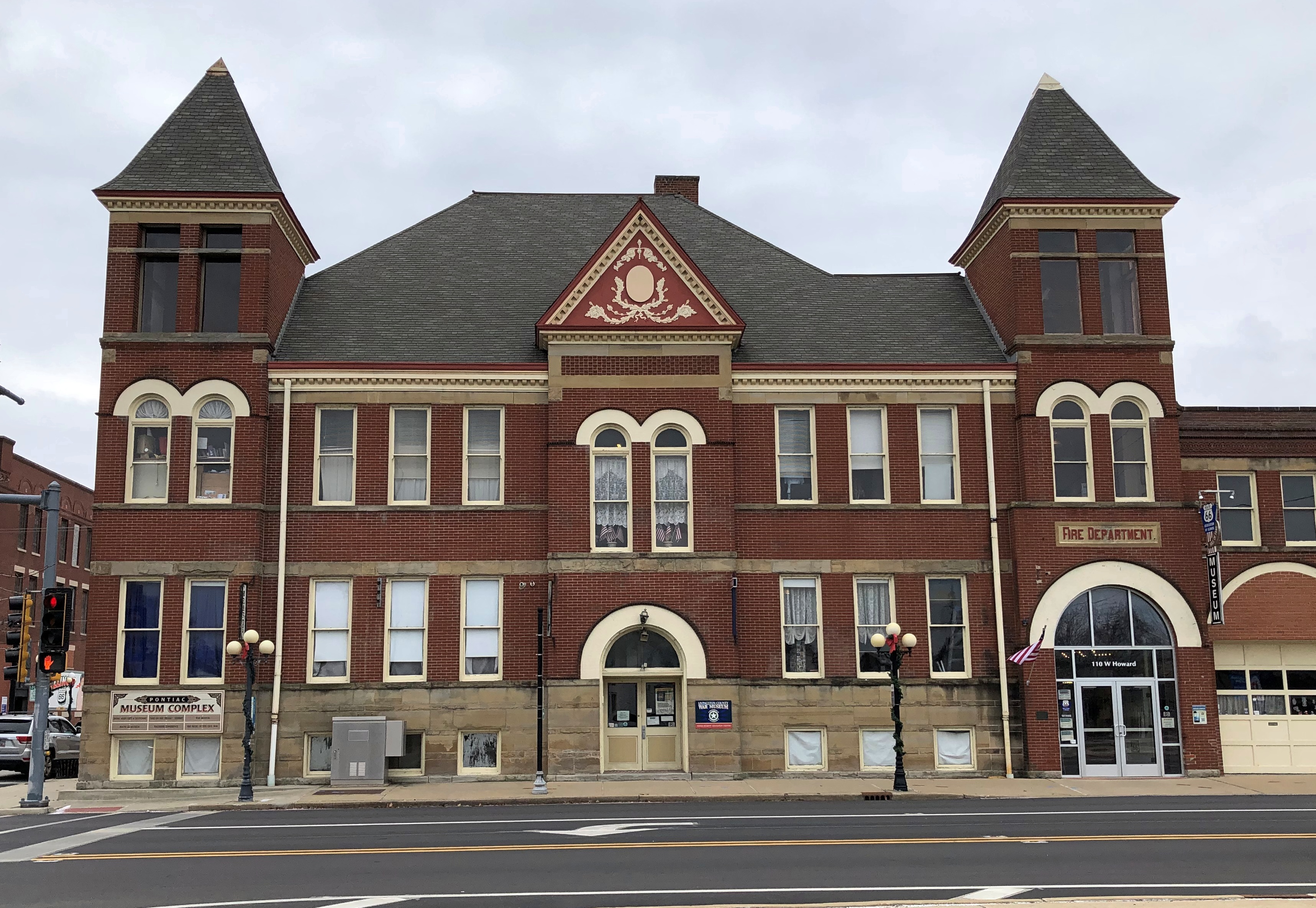
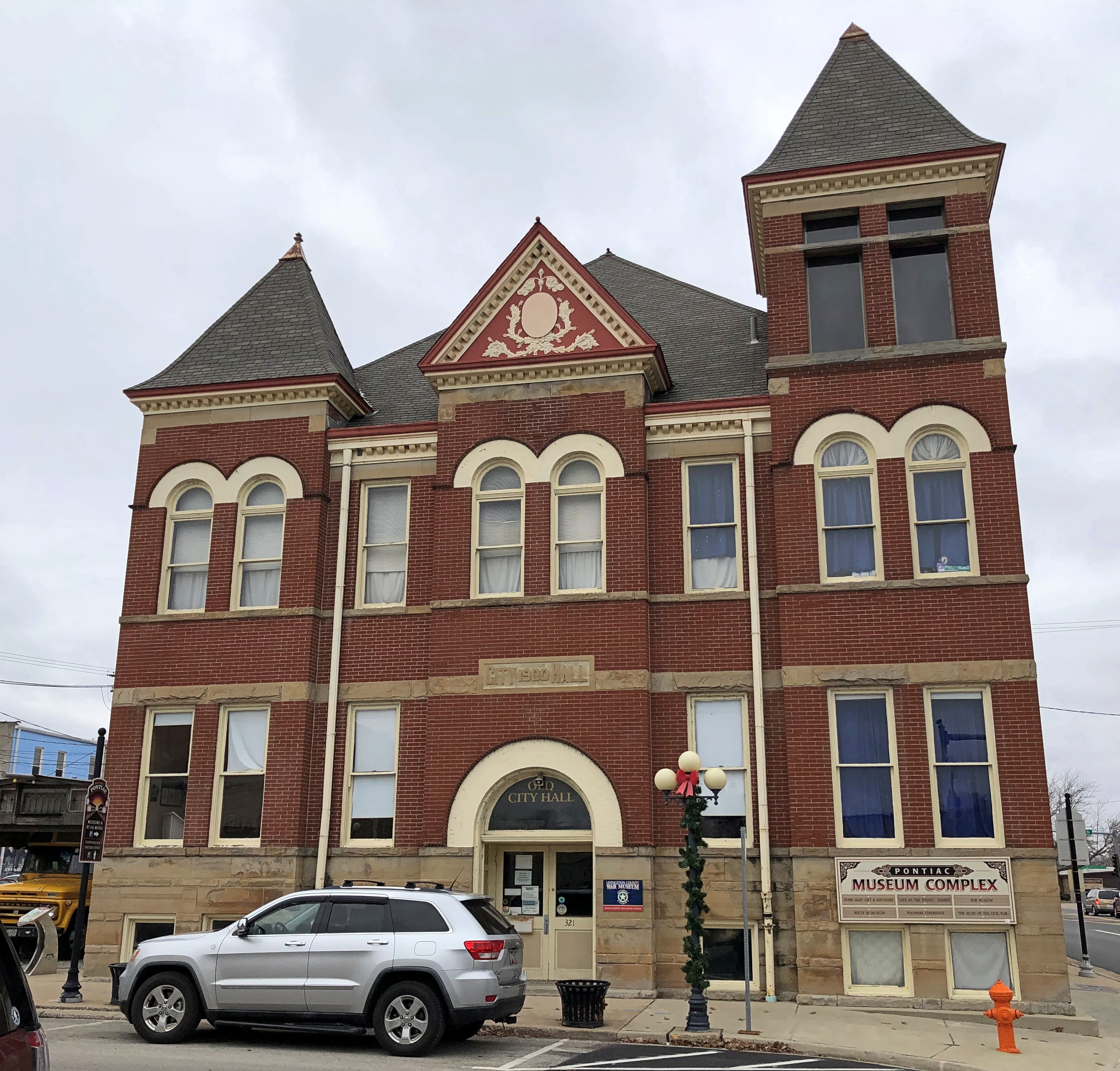
On Saturday I drove down to Normal to pick up Ann, leaving a little early so that I could drop by the Route 66 Association of Illinois Hall of Fame and Museum, which is in the handsome former city hall and main fire station of Pontiac, Illinois, a building that dates from 1900.Museum Complex, Pontiac, Illinois Museum Complex, Pontiac, Illinois

The building, now called a museum complex, is home to more than the Route 66 museum, which is on the first floor. Other floors feature a “Life on the Titanic” exhibit, the Waldmire Experience (more about its namesake later), a local war museum and a room devoted to the music of the Civil War. You might call it an eclectic mix.

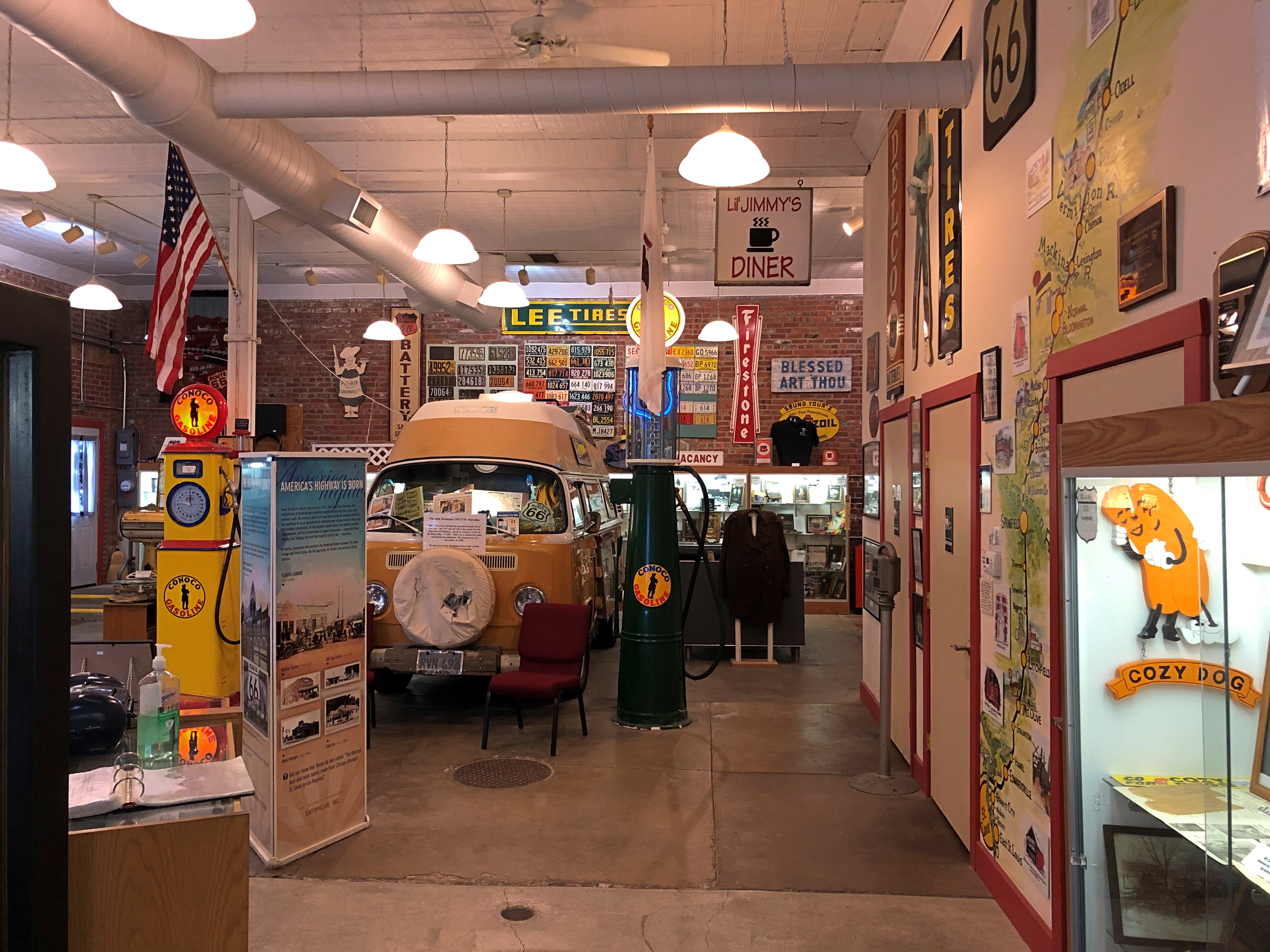
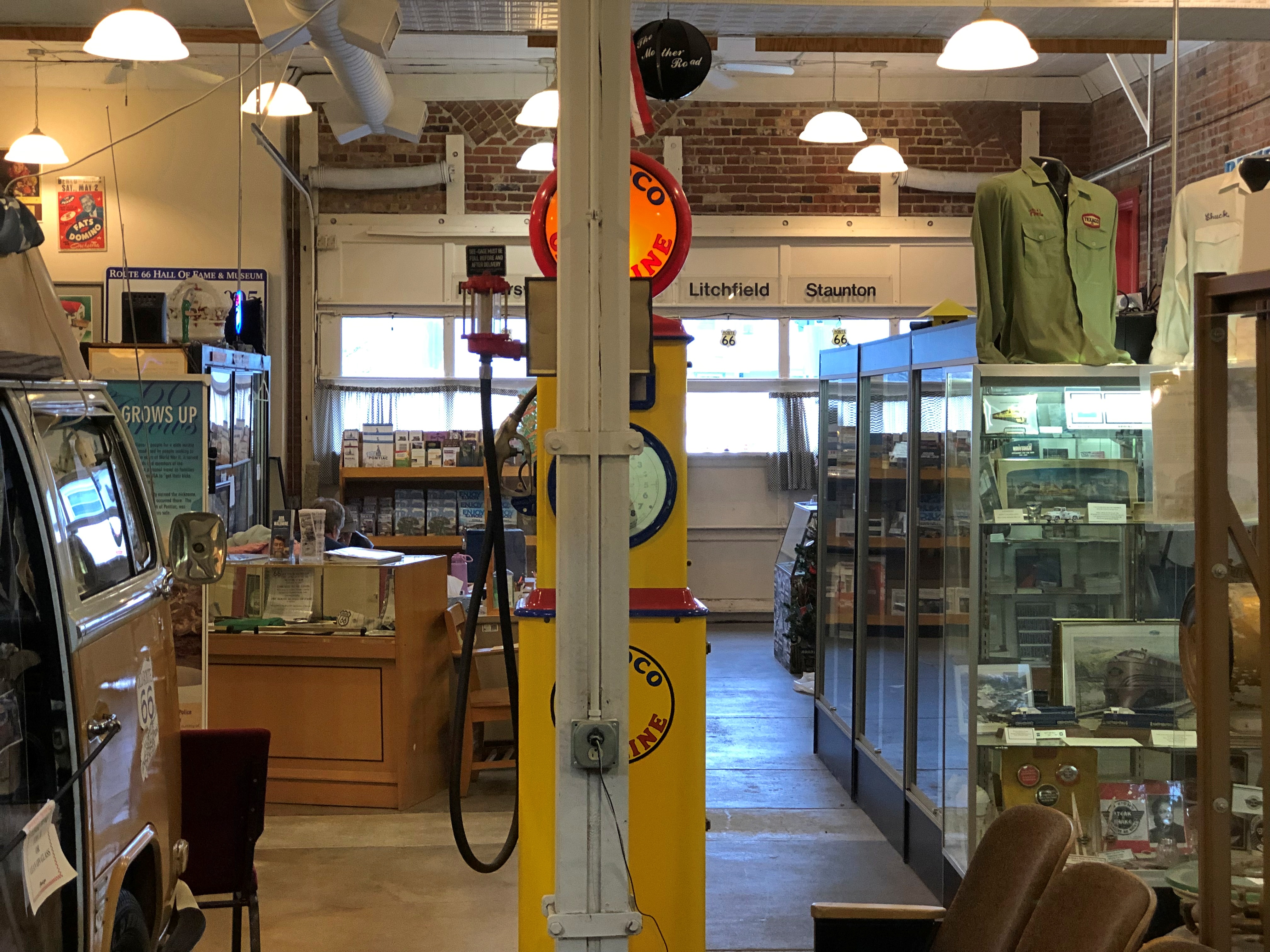
You might also call the Route 66 museum itself that. It’s a large room full of a lot of stuff. Just what a local museum should be.Route 66 Museum Illinois Route 66 Museum Illinois

Regional, really, since it covers the road formerly designated U.S. 66 as it passed through Illinois, from Chicago to East St. Louis, with such towns as Dwight, Pontiac, Bloomington-Normal, Lincoln, and Springfield along the way.

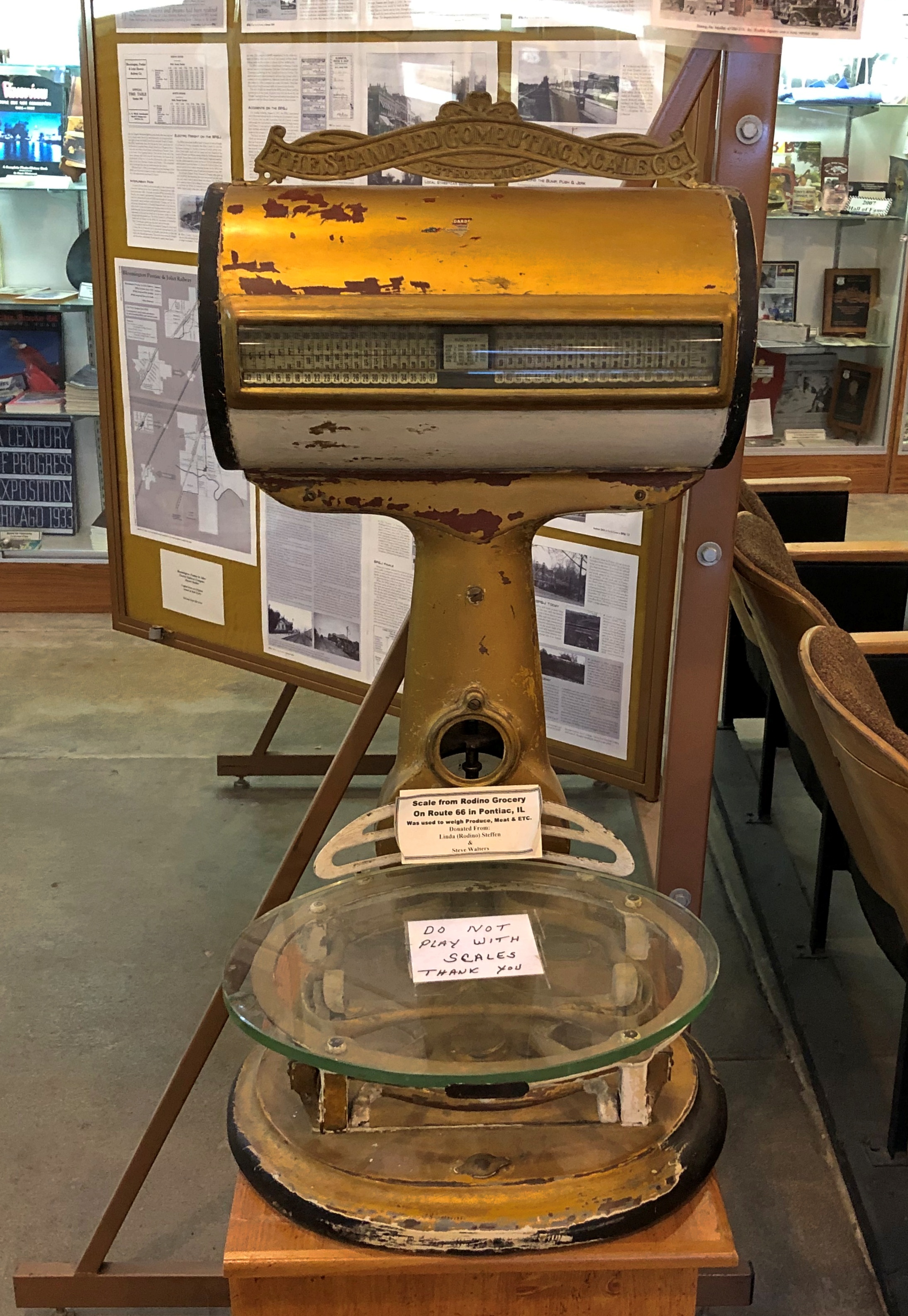
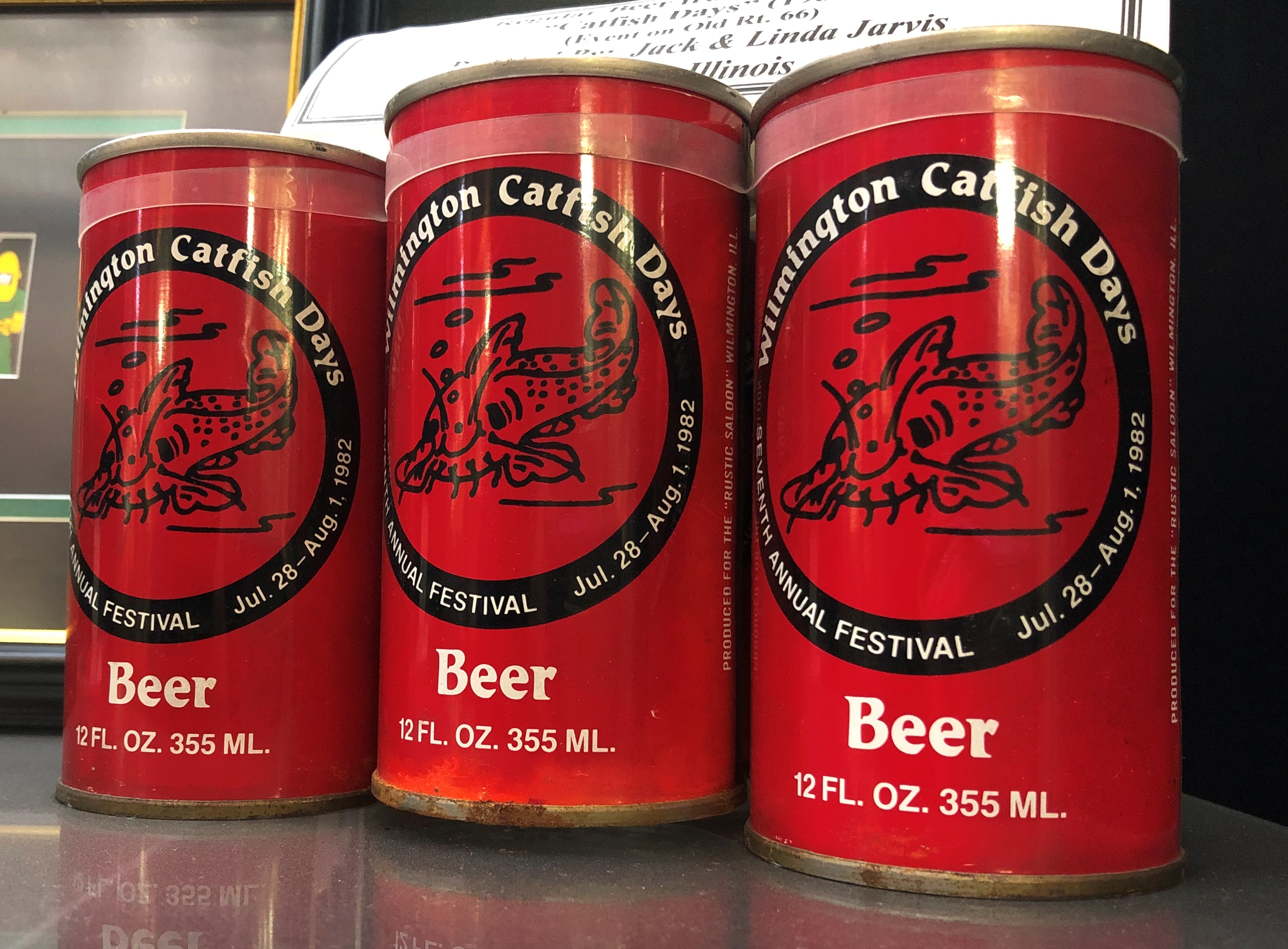
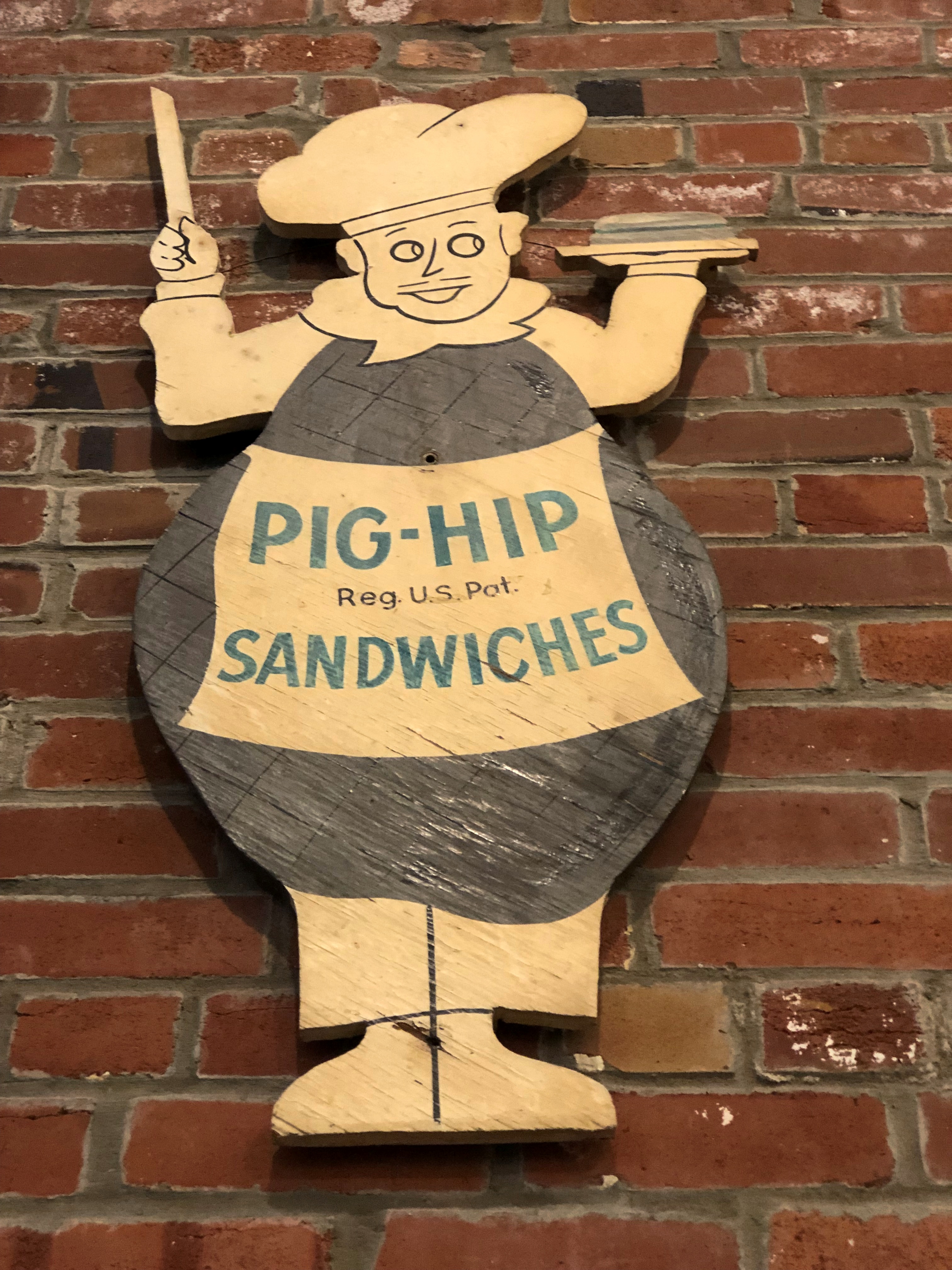
Display cases along the walls are devoted to each of those towns and others on the Illinois stretch, stuffed with pictures and photos and items, and arrayed in order from north to south (or the other way, if you start there). Plenty of other artifacts are placed freely on the floor or are on the walls.Route 66 Museum Illinois Route 66 Museum Illinois Route 66 Museum Illinois

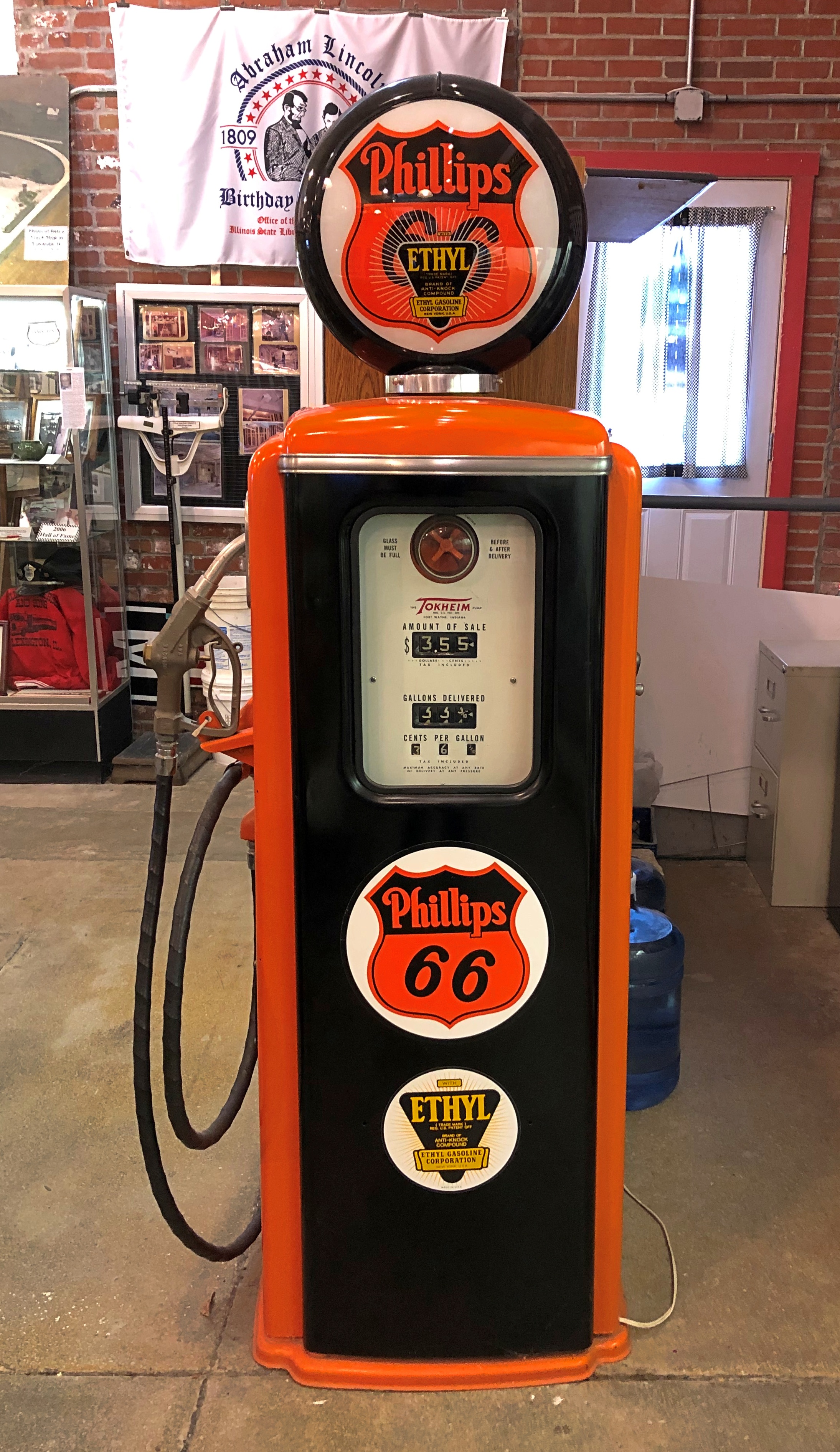
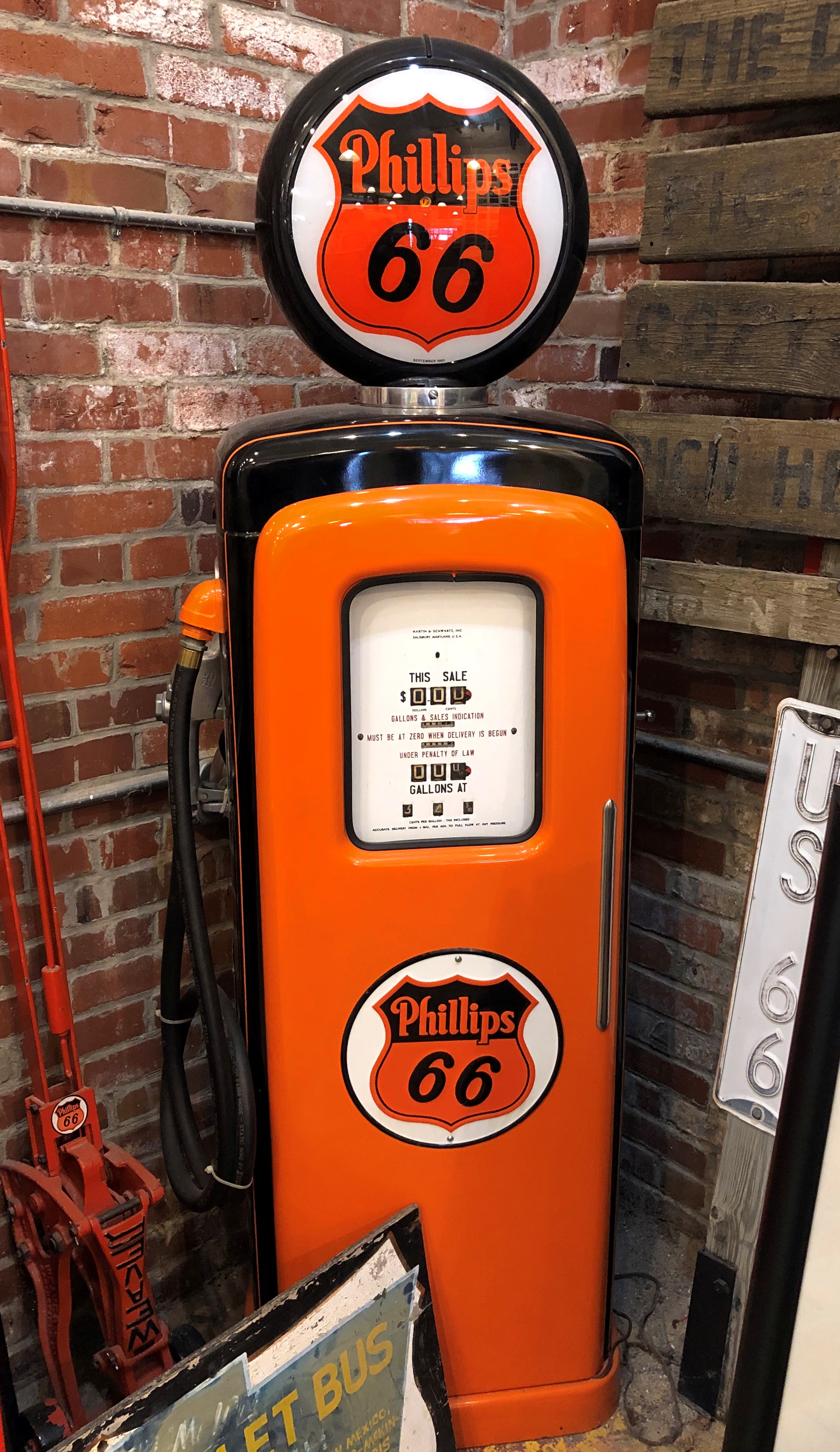
Old gas pumps. Even during the golden age of Route 66, you needed gas.Route 66 Museum Illinois Route 66 Museum Illinois

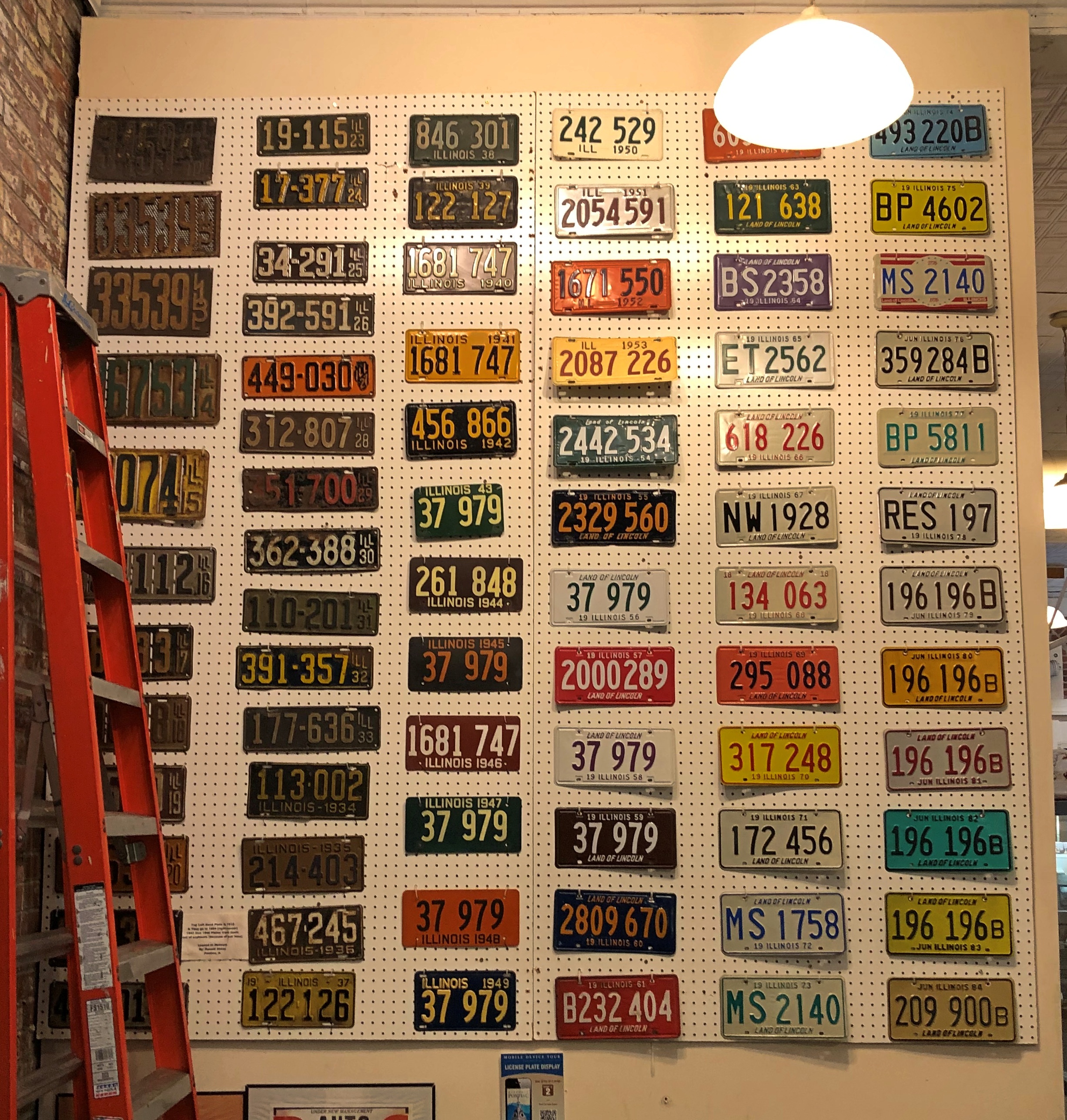
A wall of Illinois license plates, one for each year from 1915 to 1984.Route 66 Museum Illinois

Trivia for the day — when did Illinois first put Land of Lincoln on its license plates? The wall tells us. 1954. The same words are on IL plates even now.

Something I didn’t know that the museum mentioned: from 1907 to 1917, Illinois issued aluminum disks to show registration, something like taxi medallions. Car owners affixed them to dashboards. The Illinois Motor Vehicle Act, which required motorists to register each vehicle with the Secretary of State’s office, became law in ’07, and specified the two-inch diameter disks.

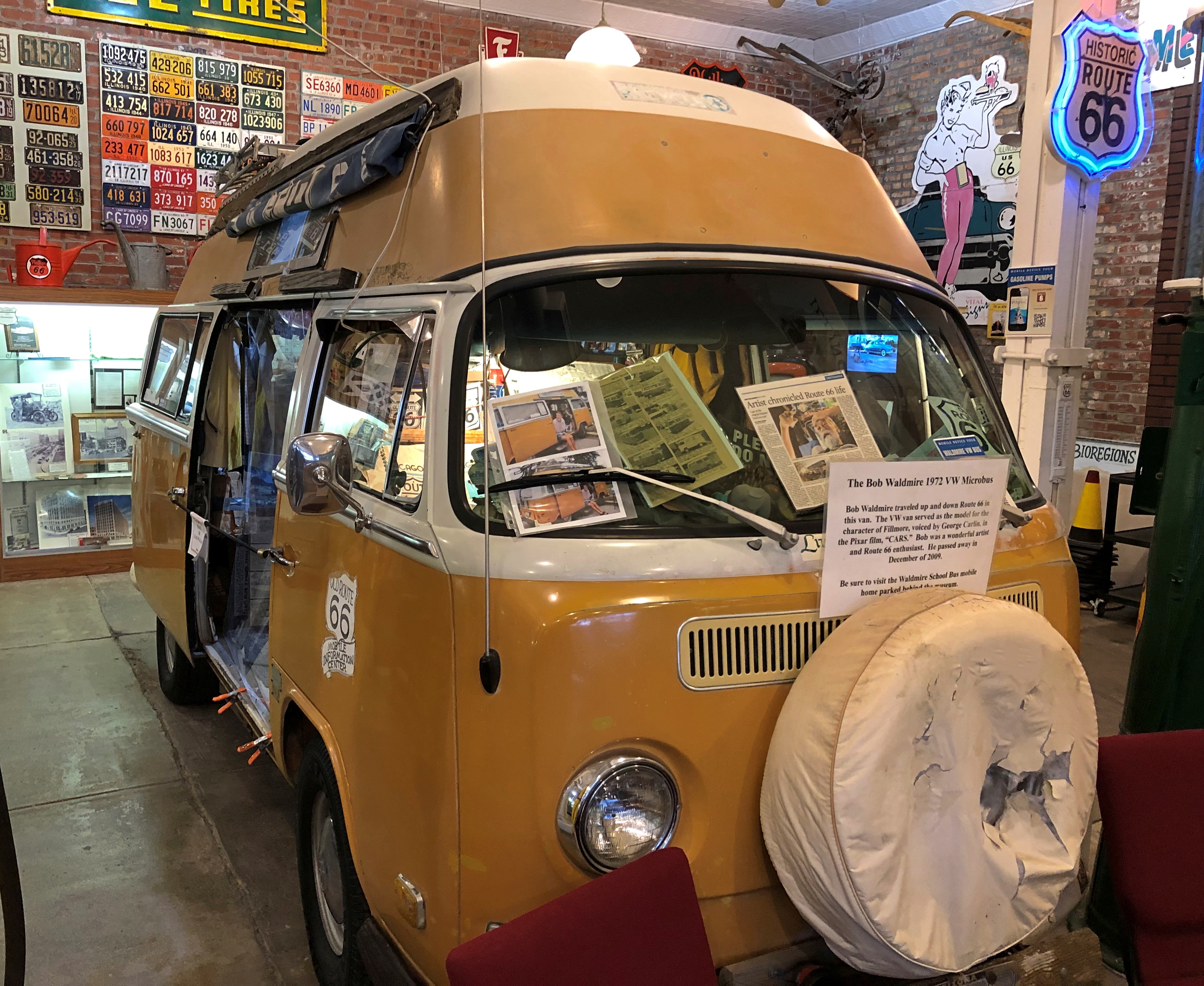
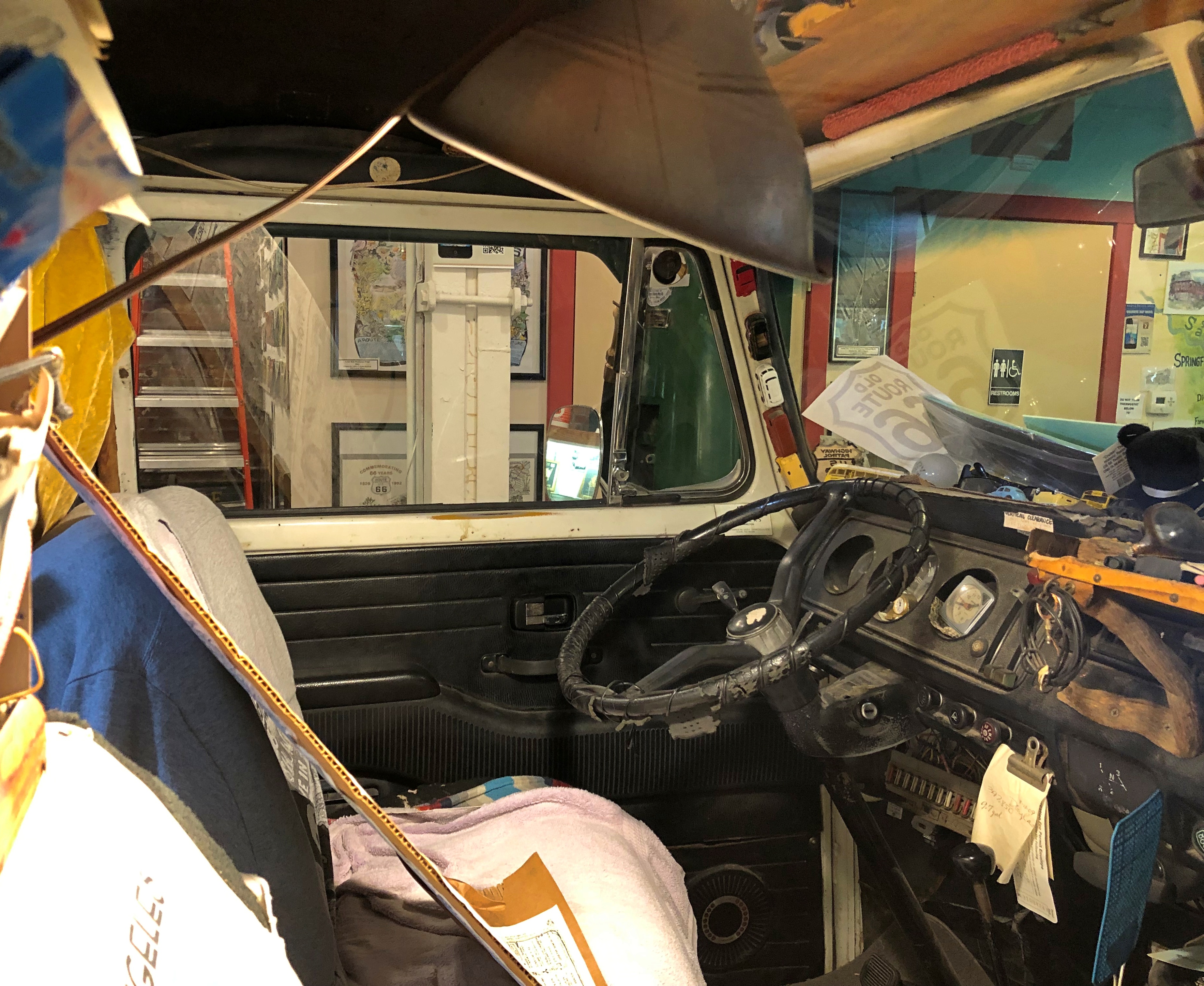
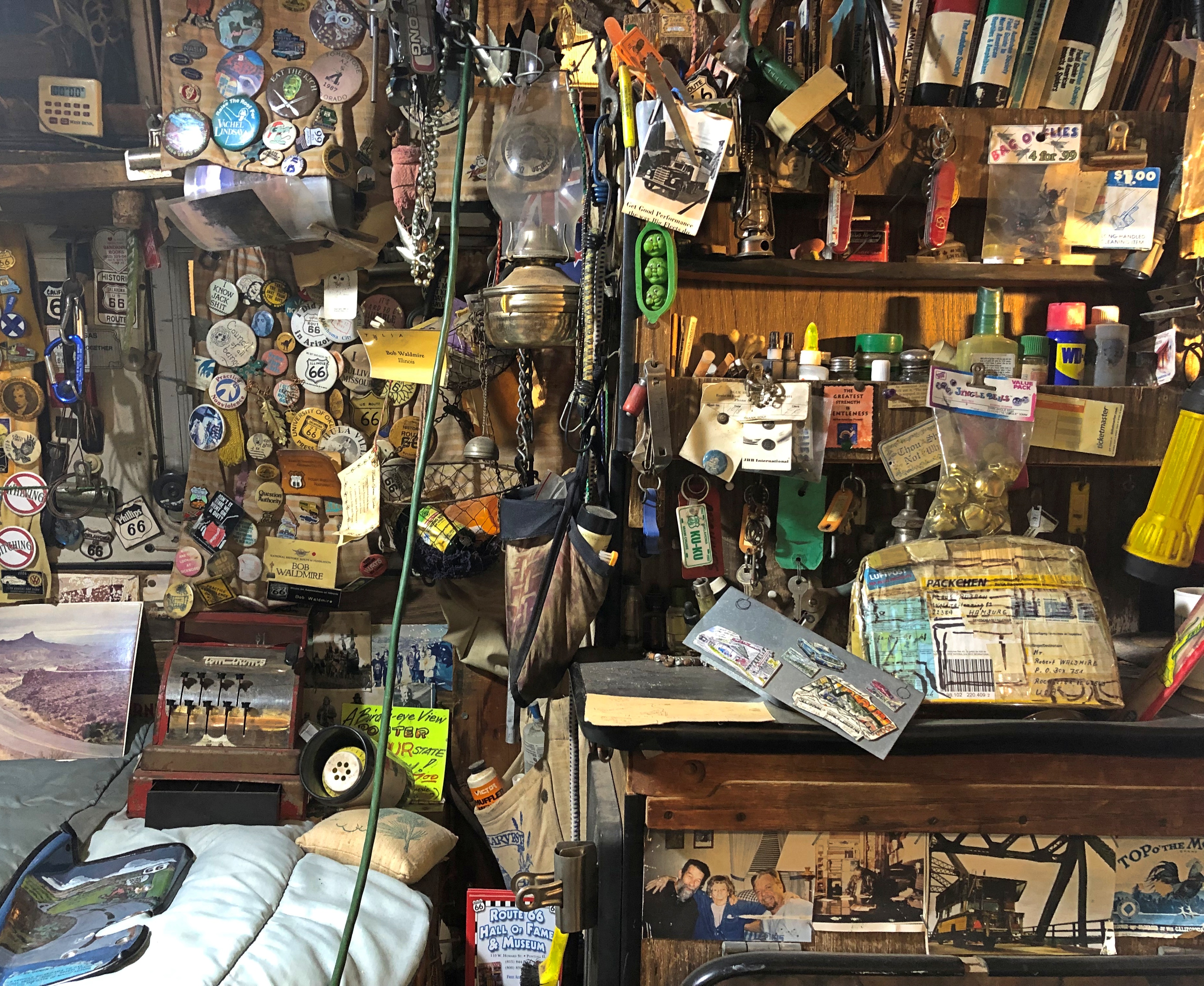
The centerpiece of the room is Bob Waldmire’s custom-fitted ’72 VW microbus. Views outside and in:Route 66 Museum Illinois Route 66 Museum Illinois
Route 66 Museum Illinois

Looks like he was a collector of bric-a-brac after my own heart. As a young artist, Waldmire (1945-2009) “determined that he would spend his life creating art that celebrated the history of Route 66,” according to a brochure I picked up. He apparently spent a lot of time driving the microbus along the historic route.

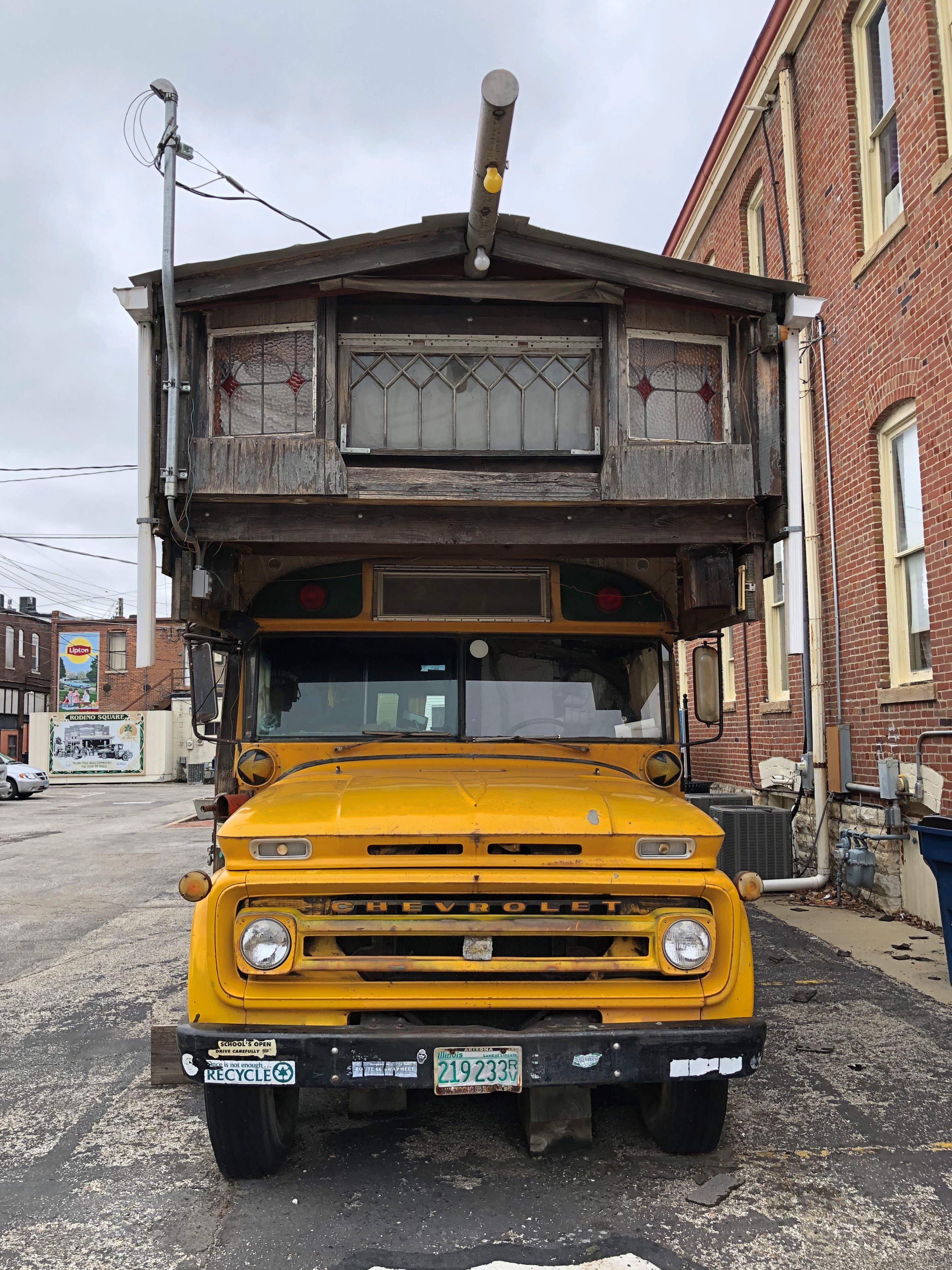
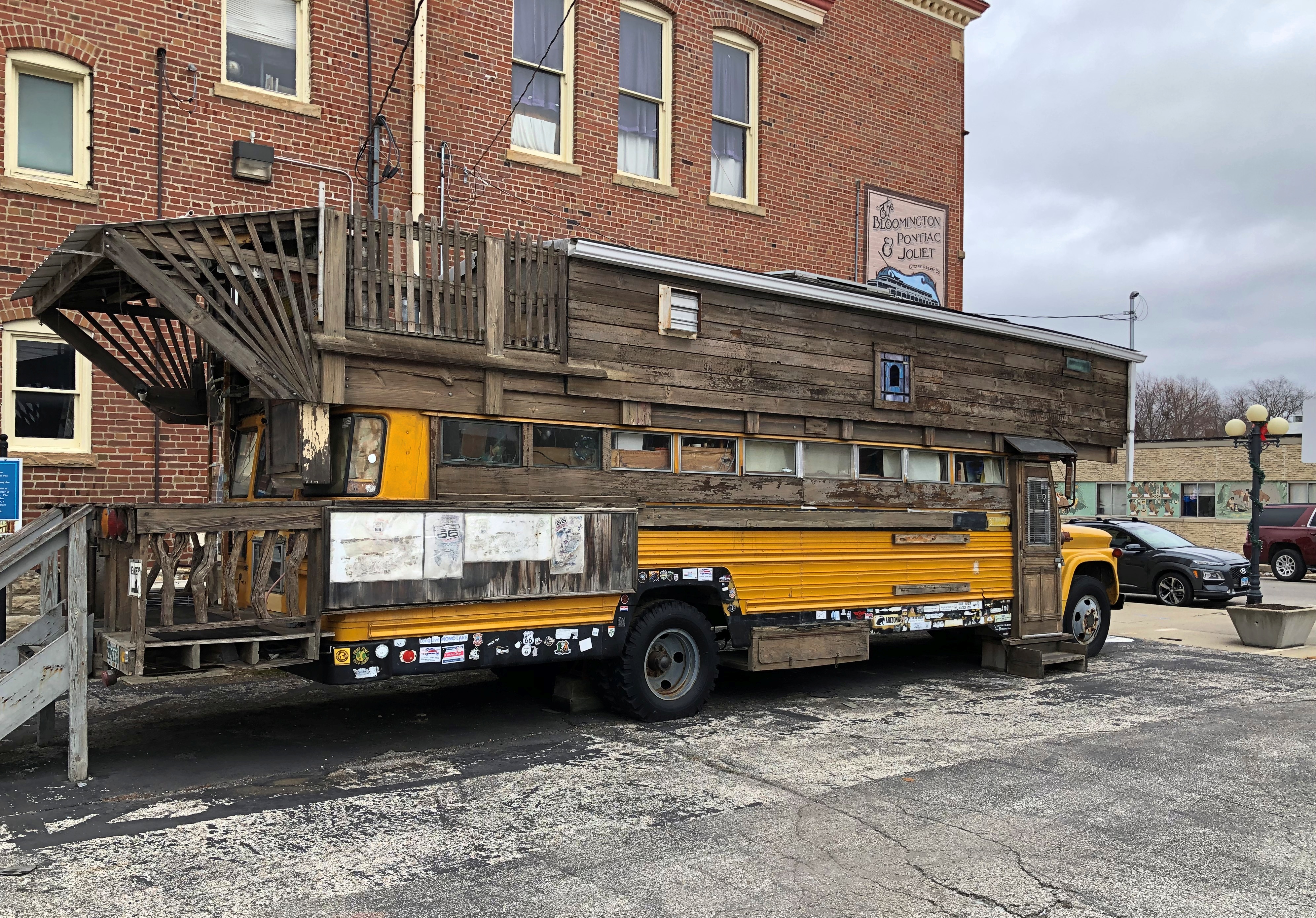
Until he upgraded to a modified school bus, that is.Route 66 museum Illinois Route 66 museum Illinois

The bus is parked behind the museum complex and is sometimes open for tours. Not when I wandered by. Just another reason to drop by Pontiac again, which will be easy enough during the back-and-forth to Normal over the next few years.

Utah 261 & The Moki Dugway

When planning our recent trip to scenic corners of the Southwest, I determined that we were going to make the move from Page, Arizona, to Moab, Utah, on May 18 by way of Monument Valley. I figured the mid- and late afternoon would be given over to the drive out from Monument Valley.

The most direct route to Moab from there is U.S. 163 through Mexican Hat, Utah, then on to U.S. 191 north through Blanding, Monticello and La Sal Junction, all Utah towns. Of course I examined some road maps as part of the process. (Doesn’t everybody? No? How is that possible?)

I spied an alternate route. Just after Mexican Hat, take Utah 261 north to Utah 95, then west a few miles to Natural Bridges National Monument as a possible stopover. I didn’t know anything about that national monument; there are so many. One hundred twenty-nine in fact, of which I’ve only visited a mere 20 or so, counting those on this trip.

A quick look at the park service map of the monument on line told me that is isn’t very large, and a single road loops through it with places to stop. Perfect for a short visit, I decided, before heading on to Moab. We might be a little more tired when we got to Moab, but it would be worth it. I was right.

I didn’t look into Utah 261 any further. On the Rand McNally road atlas, the small label Moki Dugway is next to the road, with a small arrow pointing from that name to about the mid-point of the road. I don’t remember noticing that. Later, I would. Michelin doesn’t mention the dugway at all.

So we set out from Monument Valley, stopping for a moment roughly where Forrest Gump stopped, but otherwise pushing on through. I expected more at Mexican Hat, which seemed to be a hotel or two overlooking the San Juan River plus a few other buildings. North of Mexican Hat, Utah 261 is an ordinary if remote two-lane highway through the desert. Dead ahead are the cliffs of a plateau, but it’s still off in the distance.

Before long, signs warn drivers that the road ahead will be unpaved for a few miles. No problem unless it’s raining, when reportedly unpaved desert roads gum up even four-wheel drives. It looks like it hasn’t rained here in a while.

The plateau grows closer, filling more of the windshield, and another warning sign about the unpaved segment whizzes by. I found myself thinking: does this road go around the plateau? It’s hard to see its course ahead. The road just seems to vanish into the steep cliffs of the plateau.

The next warning signs announce the road grade ahead: 10%. Also, they mention switchbacks on a narrow gravel road. By this time, you’re in the shadow of the cliffs, and realize the road goes up the side.

“Utah 261 is part of the Trail of Ancients, a National Scenic Byway that stretches across 480 miles through Colorado and Utah,” says Road Travel America. “The highway connects Utah Highway 95 with US Highway 163 by crossing Cedar Mesa and plunging down the dugway at an 10% grade, revealing sweeping views of Valley of the Gods, stripes of color in the rocks of the San Juan River Canyon known as the Navajo Tapestry, and distant Monument Valley.”

Up we went. The climb is about 1,200 feet. The road curves as much as you expect, enough to lose count of the switchbacks, all the while kicking up a little sand and gravel in your wake. There aren’t any rails, though usually there’s a rise in the ground at the edge of the cliff, so it would take more than a casual slip of the wheel to take a plunge. Or would it?

It wasn’t really a hard drive, and I didn’t think it was that dangerous, since I was going only fast enough to outpace the pull of gravity. Of course I had to hyper-focus: every instant on the road ahead, though peripherally I caught twisting and turning glimpses of the sky and the increasingly distant valley below.

I enjoyed the drive. It had a rare intensity. Yuriko was less enthusiastic, there in the passenger seat, where eyes can linger on the increasingly high drops.

Only twice did we encounter vehicles coming the other way, down, and while narrow, the road was wide enough to pass them without stopping. The state of Utah recommends that only vehicles less than 28 feet in length and 10,000 pounds in weight attempt to drive the dugway, which seems reasonable to me, and which I’m sure is routinely ignored.

“Moki is derived from the Spanish word, Moqui, a general term used by explorers in this region to describe Pueblo Indians they encountered as well as the vanished Anasazi culture,” Road Travel America explains. “Dugways are roads chiseled into steep slopes.”

Turns out that the Moki Dugway is a relic of the early atomic age, created in 1958 for trucks to haul uranium ore from the Happy Jack Mine on Cedar Mesa to the mill in Halchita, near Mexican Hat, which left a radioactive legacy of its own.

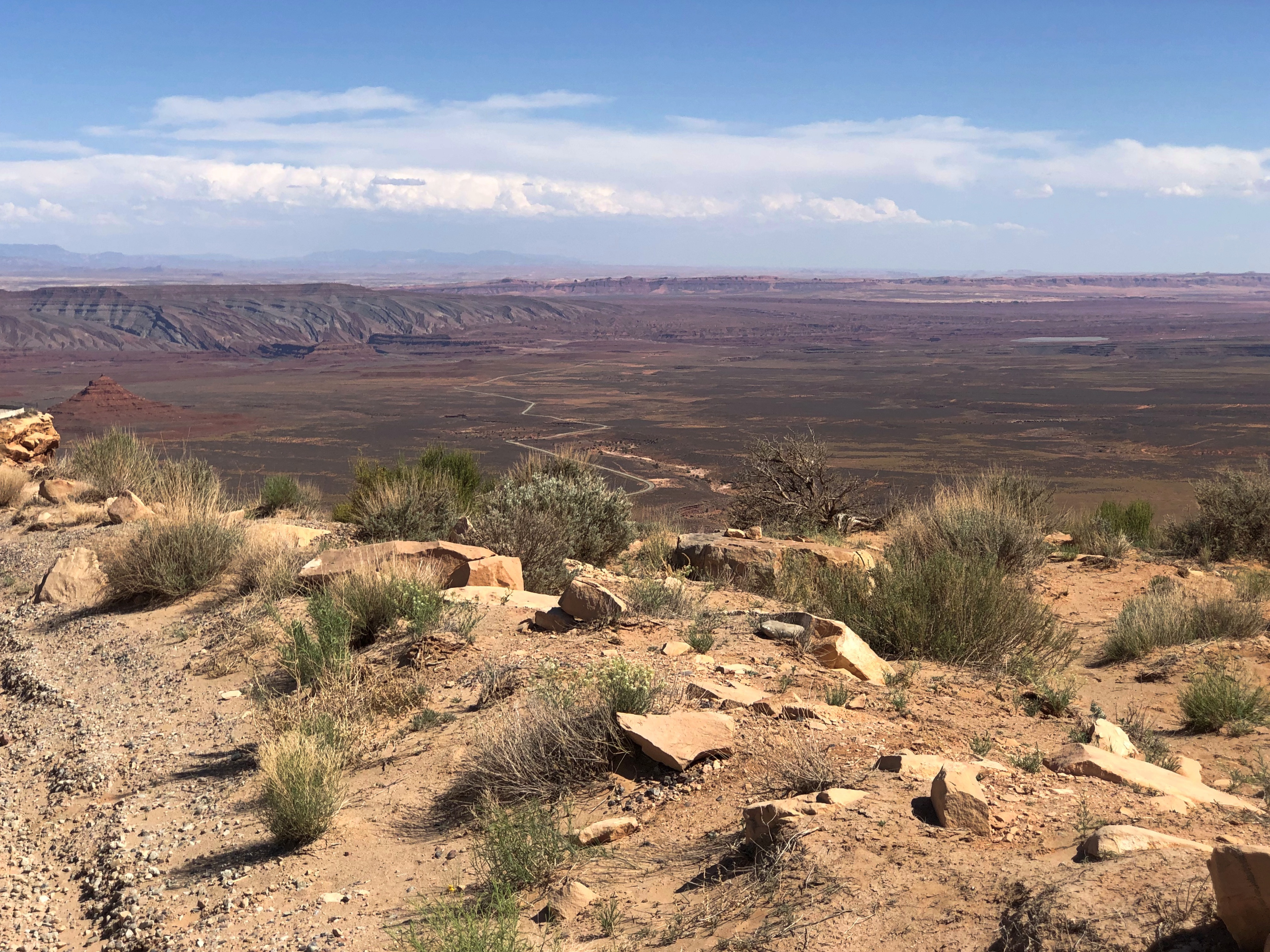
I’d learn about all that later. Of course we made it to the top. The road turned back into an ordinary two-lane blacktop. I paused to take a few pictures of the valley below. Note the lower paved level of Utah 261, snaking toward the cliffs.Valley of the Gods

Valley of the Gods, eh? Angry, unforgiving gods lording over a desolate realm, I’d say.

U.S. 89A

Much excitement yesterday afternoon around here, when the village alarm sirens went off around 3:30. Moments before, my phone told me of a tornado warning, both in English and Spanish. I was advised to seek shelter.

Instead, I took a look out of both the front and back doors. We had rain at that moment, but very little wind, and the clouds weren’t particularly dark. The sirens quit, but started again a few minutes later. I listened and watched a while.

Another warning came and went, but the wind stayed low. It might have been a reckless impulse, but nothing I saw made me want to seek shelter, which in my case would be the lower level near the bathroom, but with the bathroom door closed, because there’s a window in there. Still, I watched the skies more closely for a while. I understand that while a funnel cloud had been spotted over the northwestern suburbs, for whatever reason it never came to the ground and stir things up.

Our most recent trip was a driving one, despite the cost of fuel. I have the receipts in front of me for buying gas five times. They helpfully list the price per gallon, regular each time.

St. George, Utah (May 15): $4.599. Page, Arizona (May 17): $4.789. Blanding, Utah (May 18): $4.659. Moab, Utah (May 20): $4.689. Salt Lake City (May 21): $4.569. According to AAA, the national average for gas a week ago (May 19) was $4.589, so we were paying slightly more than average (which today is $4.600), but less than at home. A year ago, the average was $3.035, for an increase of about 51% since then.

All together, we paid $147.63 for gas on this trip, which would have (roughly) been about $100 had we taken the same trip a year ago. So that’s about $50 that Mr. Putin owes me. I suspect he’s going to stiff me on that charge.

I didn’t like paying a premium for fuel, but it was completely worth it. Some of the drives were extraordinary.

Such as the one from Page to the Grand Canyon and back, especially back, because getting to the park was the main focus in the morning, and we didn’t stop. On our return, which was in the late afternoon of May 17, we took a more leisurely attitude, and took a look at things along the way.

U.S. 89 out of Page is a good drive through a red desert landscape, generally following the Colorado River, which is mostly invisible, far below in Marble Canyon. The drive south from Jacob Lake, Arizona, on Arizona 67 through the wonderfully alpine Kaibab National Forest to the park entrance, is also good.

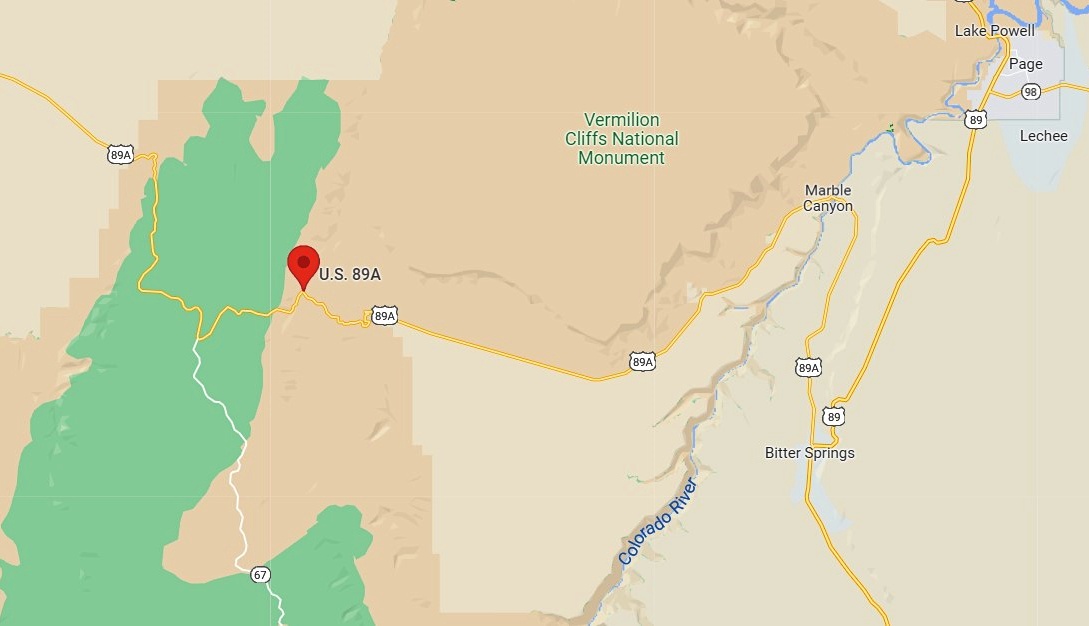
But the best road that day by far was the two-lane U.S. 89A, which connects the other two, U.S. 89 and Arizona 67. As visible in the map, it skirts Vermilion Cliffs National Monument.

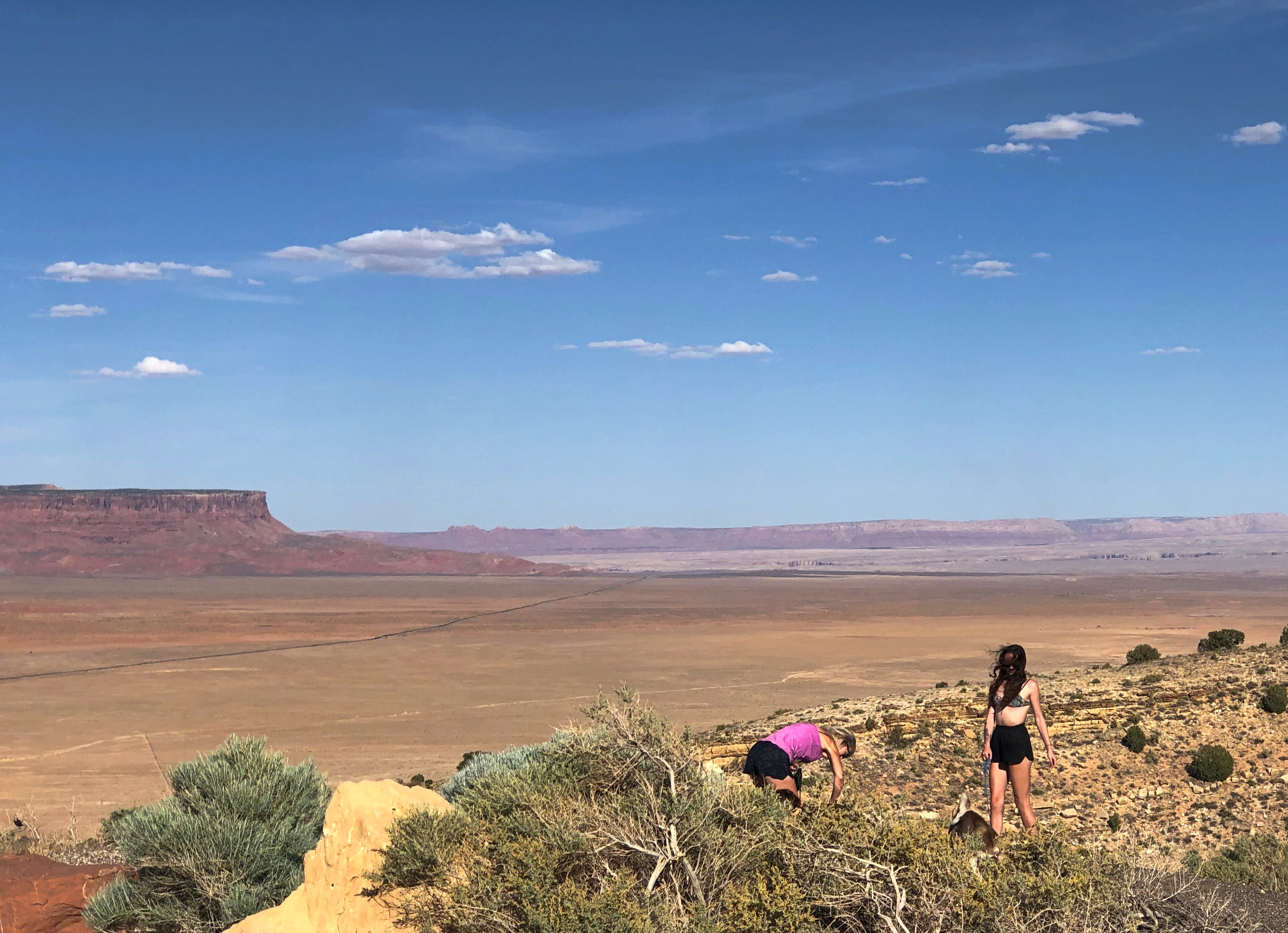
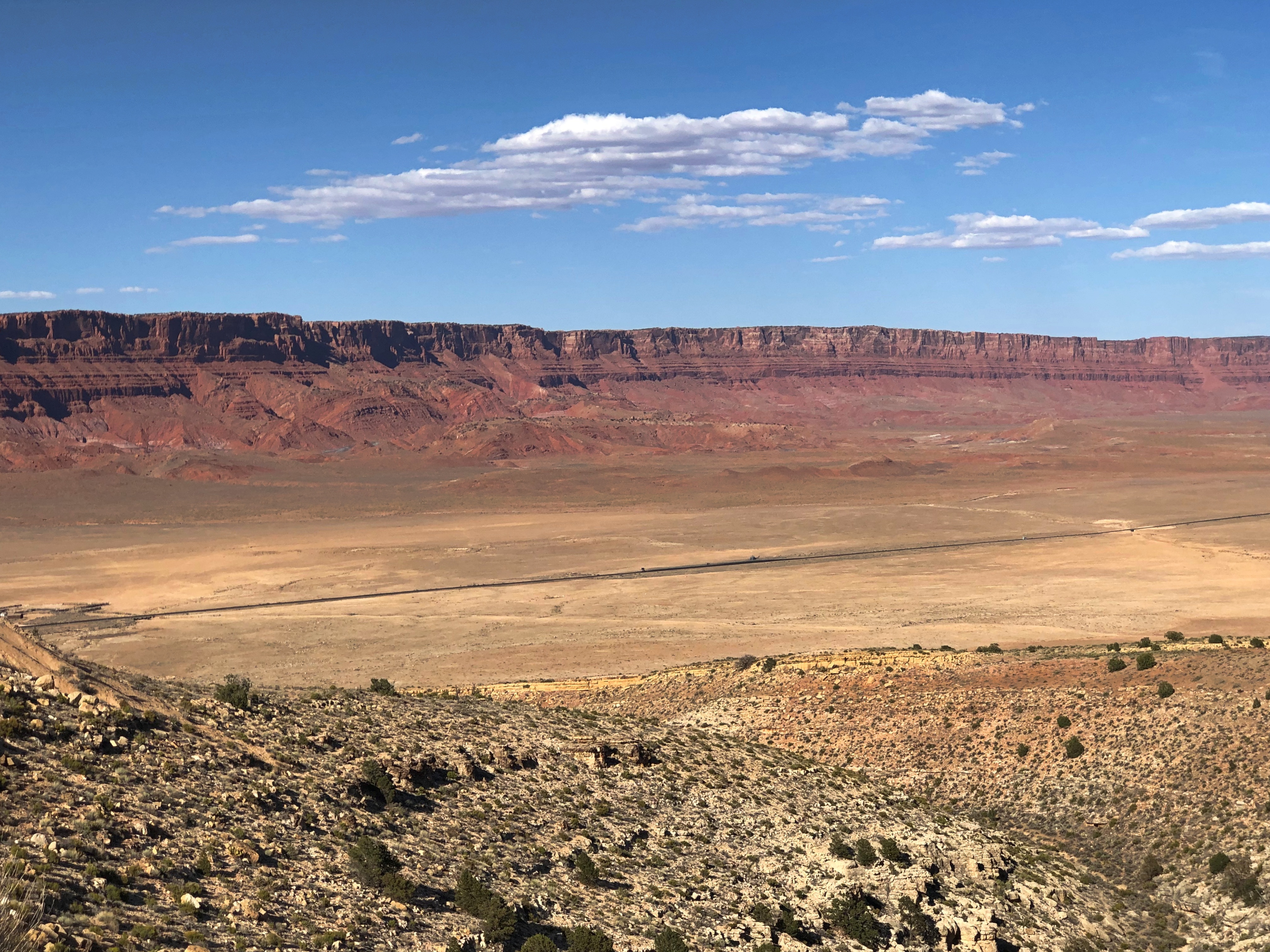
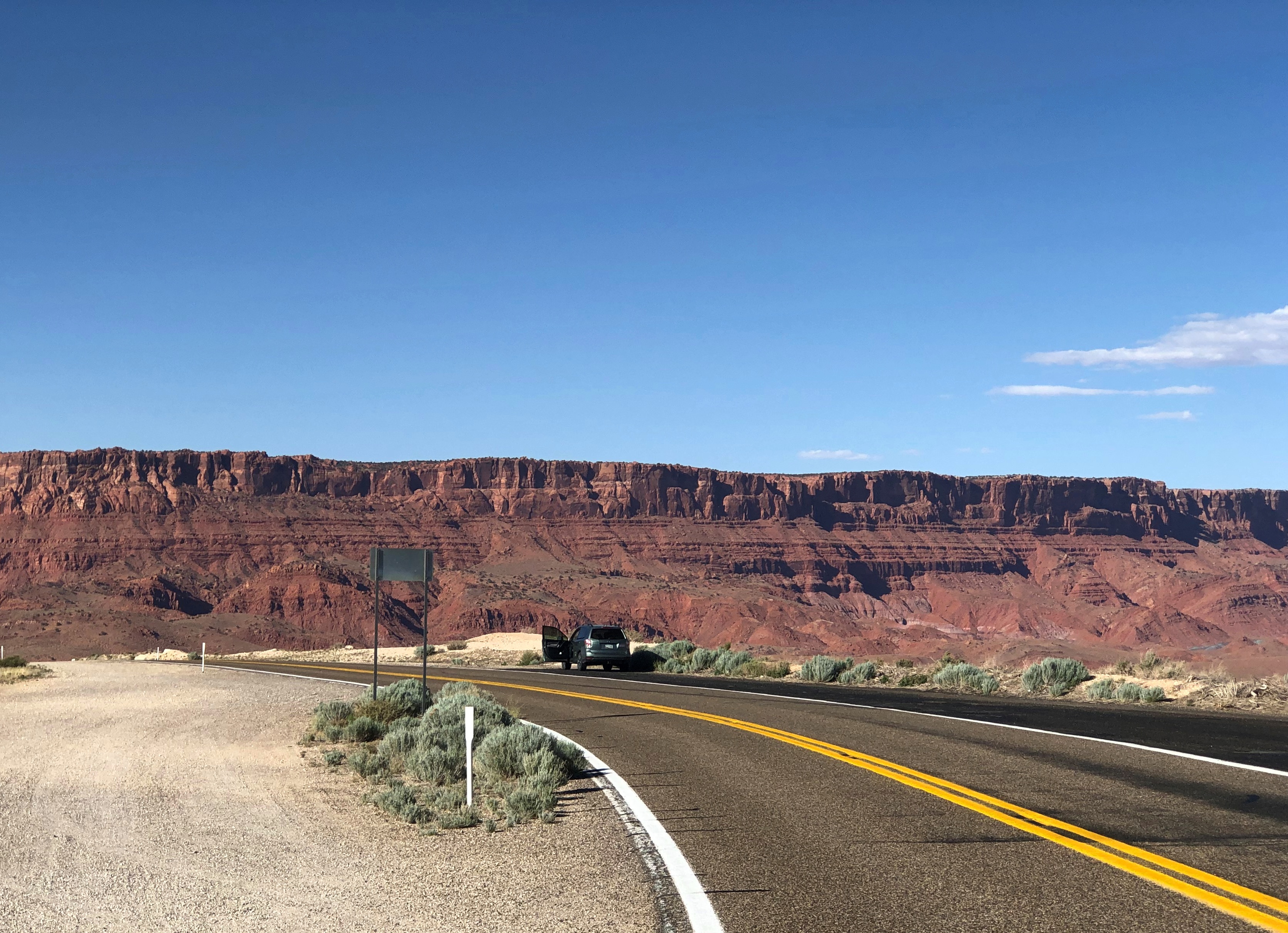
On our return, we headed east on 89A from Jacob Lake (where 89A meets Arizona 67), which is in the forest at that point: through a fine aspen, spruce-fir, ponderosa pine and pinyon-juniper woodland. Nice, but the road is even better is when you reach the edge of the Kaibab Plateau. There’s a place to stop and see the Vermilion Cliffs and the desert flatlands below.Vermilion Cliffs National Monument Vermilion Cliffs National Monument

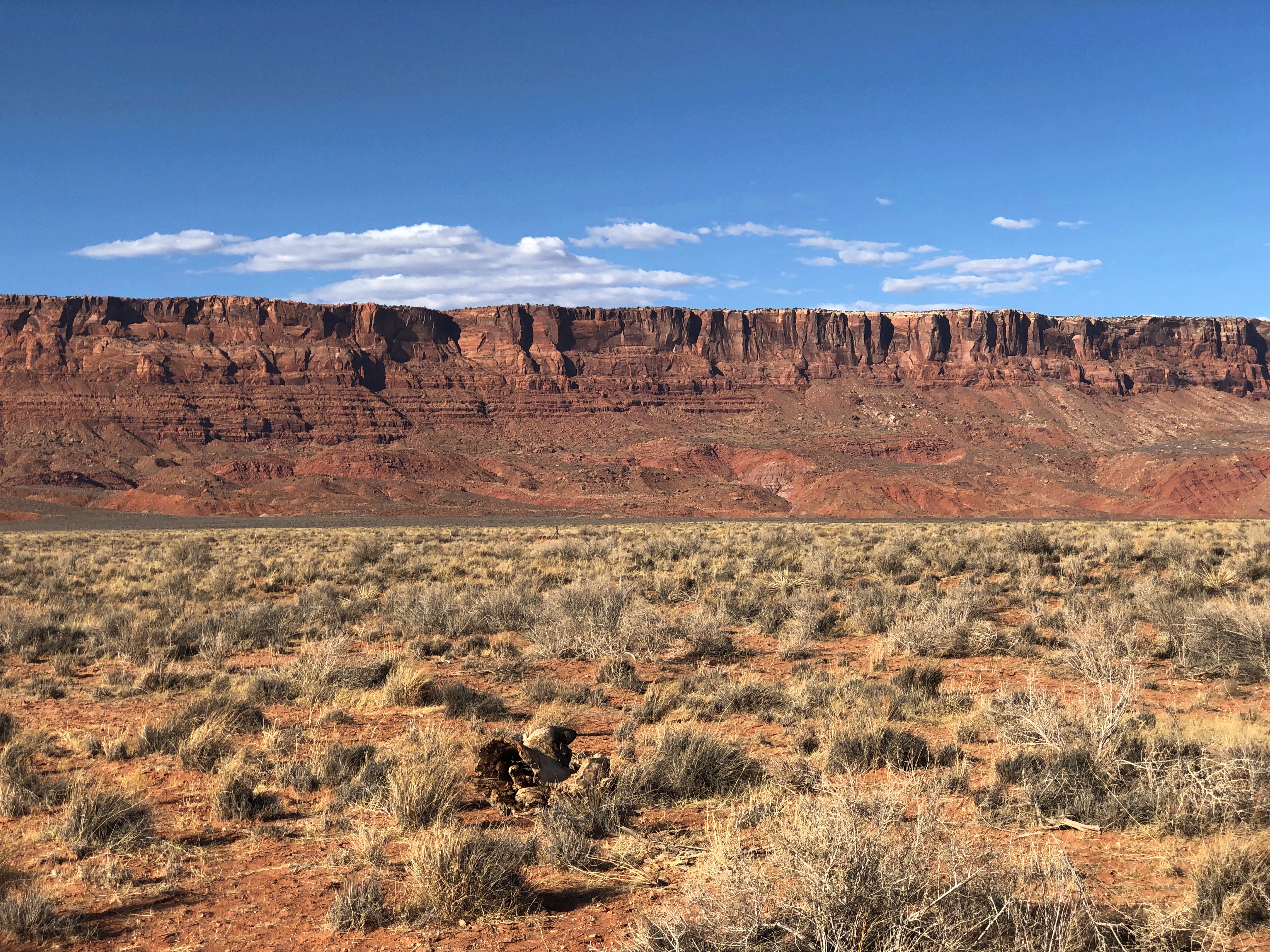
The thin black line is 89A. From the viewpoint, the road heads down toward the flatlands, leaving the Kaibab Plateau. As far as I can tell from the maps, the highway is the border of the monument, or very close to it. In any case, you see the cliffs looming not far away. They follow you for miles down the road.Vermilion Cliffs National Monument Vermilion Cliffs National Monument Vermilion Cliffs National Monument

“Vermilion Cliffs National Monument is a geologic treasure,” says NPS signage along the road. “Its centerpiece is the majestic Paria Plateau, a grand terrace lying between two great geologic structures, the East Kaibab and the Echo Cliffs monoclines.

“The Vermilion Cliffs, which lie along the southern edge of the Paria Plateau, rise 1,500 feet in a spectacular array of multicolored layers of shale and sandstone… these dramatic cliffs were named by John Wesley Powell in 1869, as he embarked upon his expedition of the Grand Canyon down the Colorado River.”

Earlier explorers were here, too. In 1776, Fathers Francisco Atanasio Dominguez and Silvestre Velez de Escalante came this way, though they had to turn back to Santa Fe eventually, so harsh was the terrain.

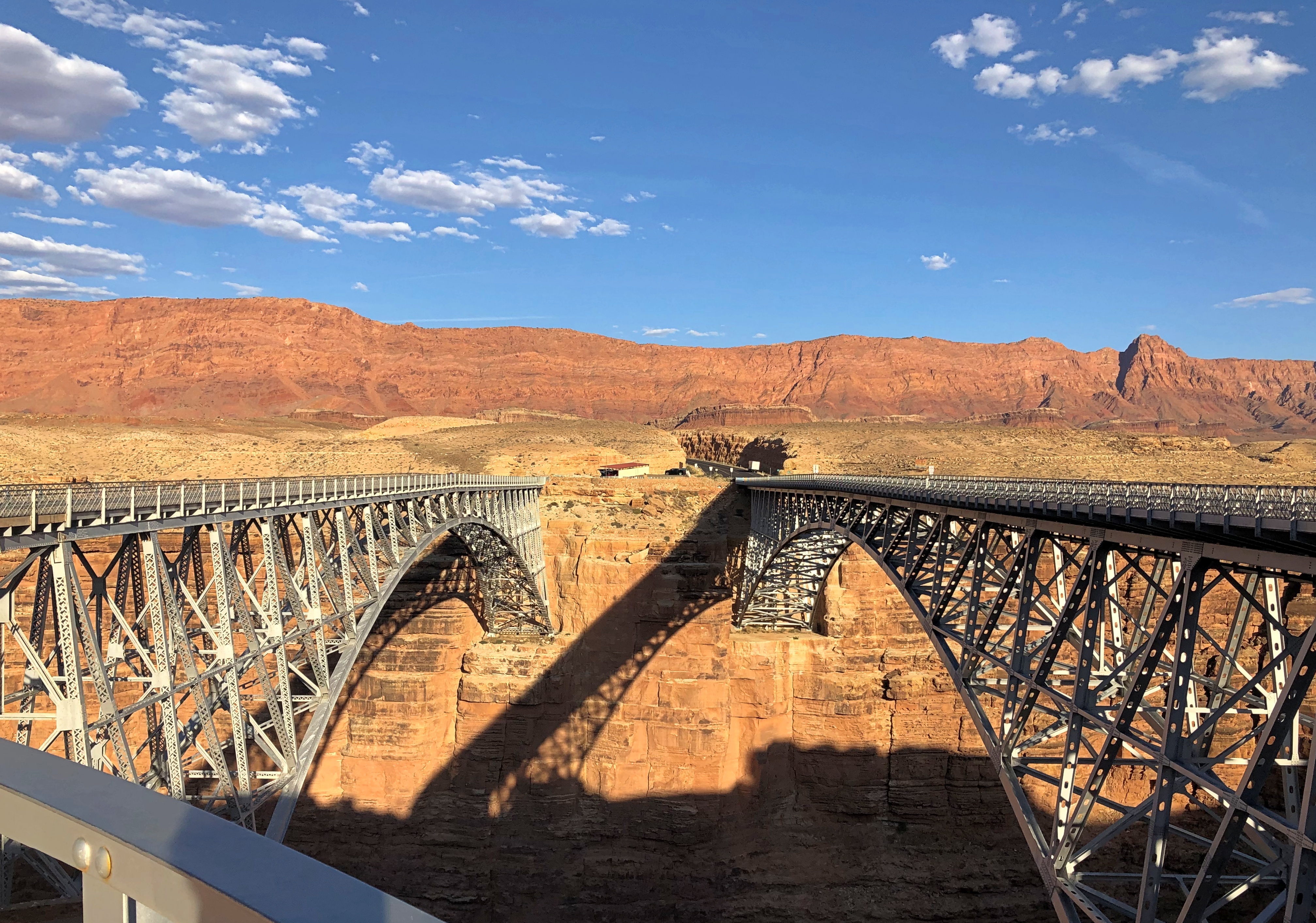
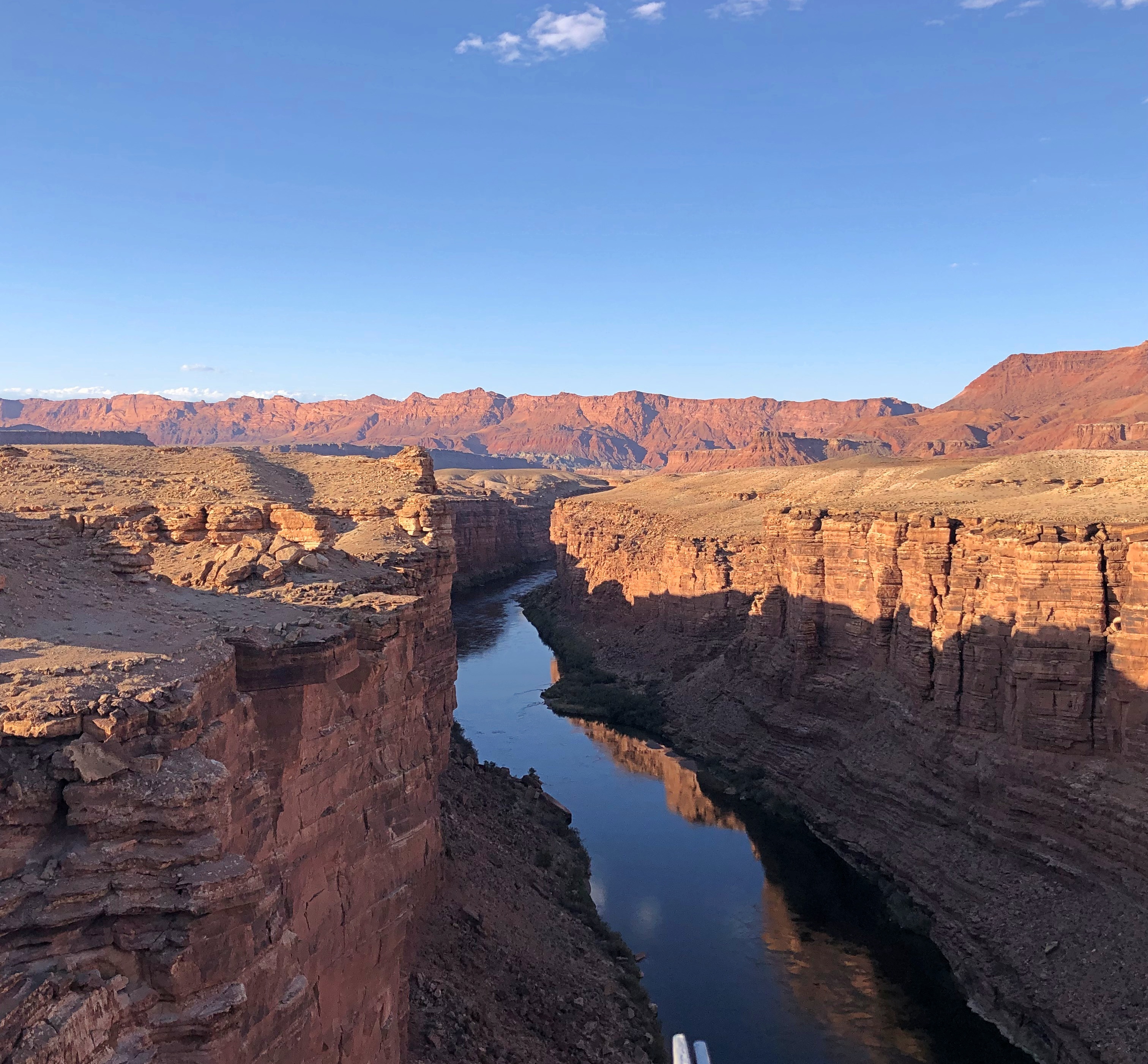
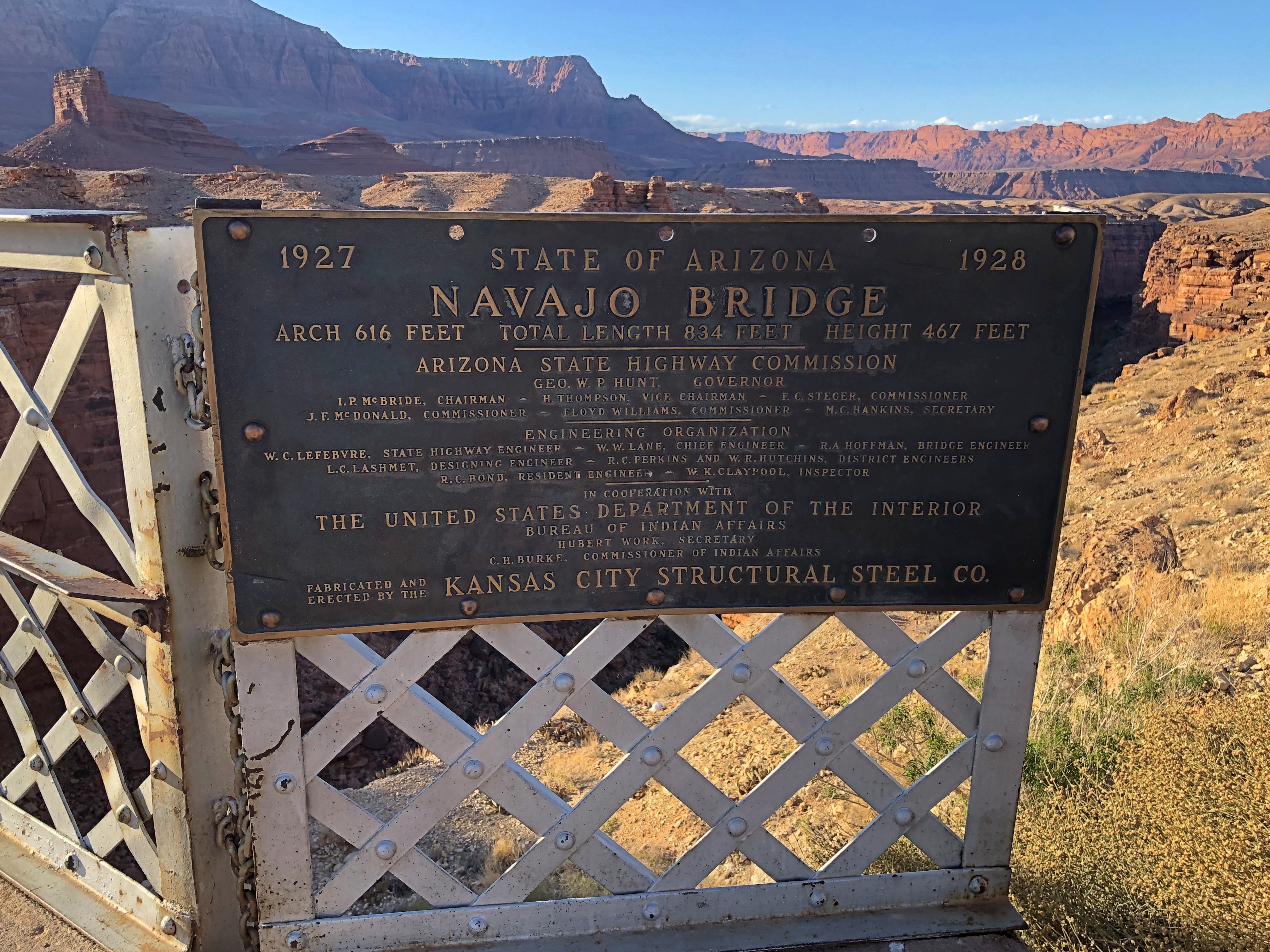
In our time, there are a handful of lodges on 89A in the shadow of the Vermilion Cliffs, but little else in the way of human artifacts, at least until you come to Navajo Bridge, which takes the road across the Colorado River at Marble Canyon.Navajo Bridge

Rather, two Navajo Bridges: in my picture, the original bridge on the left, and the modern bridge on the right, both steel spandrel arch bridges. The historic bridge was dedicated in 1929 and represented the only crossing of the Colorado for many miles, effectively joining the Arizona Strip with the rest of the state. The wider bridge opened in 1995, and the older one was repurposed as a pedestrian and equestrian bridge.

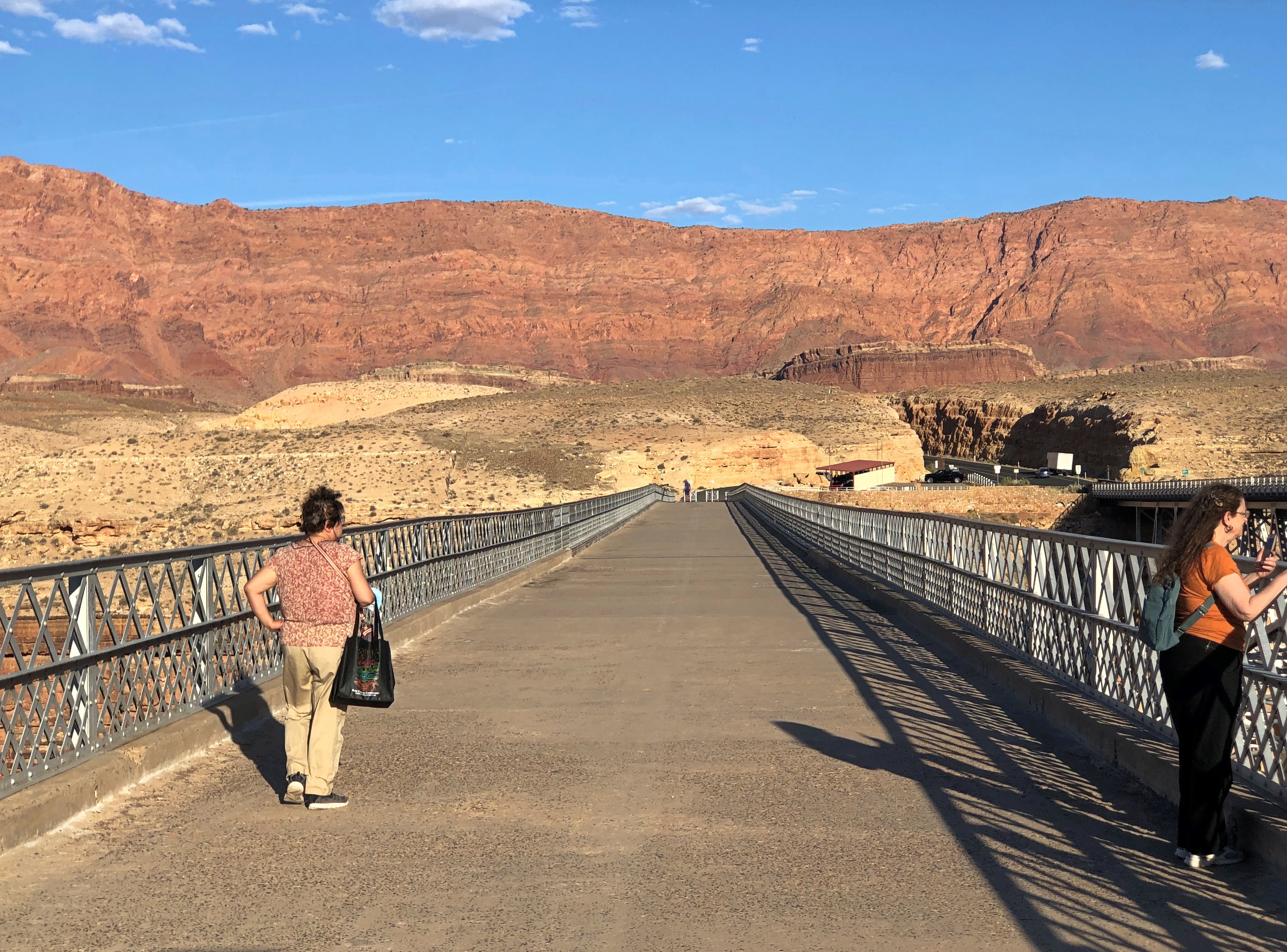
Naturally, we went across it.
Navajo Bridge

The view of the Colorado from the pedestrian bridge.Navajo Bridge Navajo Bridge

The historic plaque.
Navajo Bridge

I looked up the Kansas City Structural Steel Co. There’s a newish company of that name, founded in the 1990s, but the one referred to on the plaque seems to be this one, whose work was in the early 20th century.

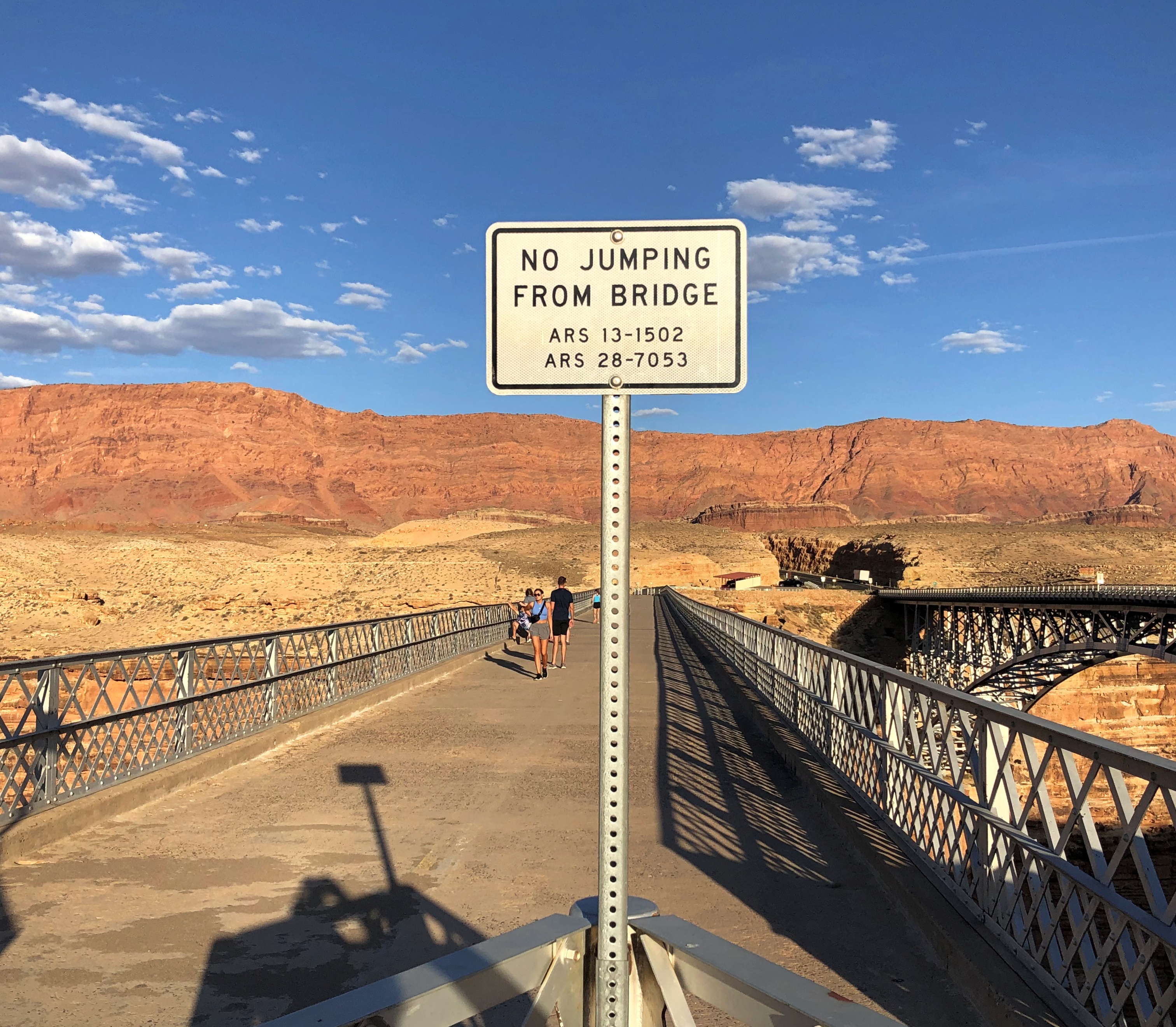
There are warning signs as well.Navajo Bridge

I supposed it means a survivable sort of jump, as with a bungee cord, which no doubt lunatics do sometimes, or at least used to.

Alaska 3, Nenana & Warren Gamaliel Harding

One way to get from Fairbanks to the entrance of Denali NP is to ride the Alaska Railroad. In fact, that was the original route for tourism into the interior of Alaska, though I suspect from the 1920s to the early ’70s, most people came up from the port of Seward to access the grandeur of McKinley NP, as it was then known.

I considered taking the train down from Fairbanks myself — the wonderfully named Denali Star. That would have been a cool ride. But the pandemic bollixed up its schedule. Last year, the passenger trains didn’t run. This year, at least as I planned things back in April, service was more limited than it had been before 2020, such that I couldn’t make the train work for me logistically.

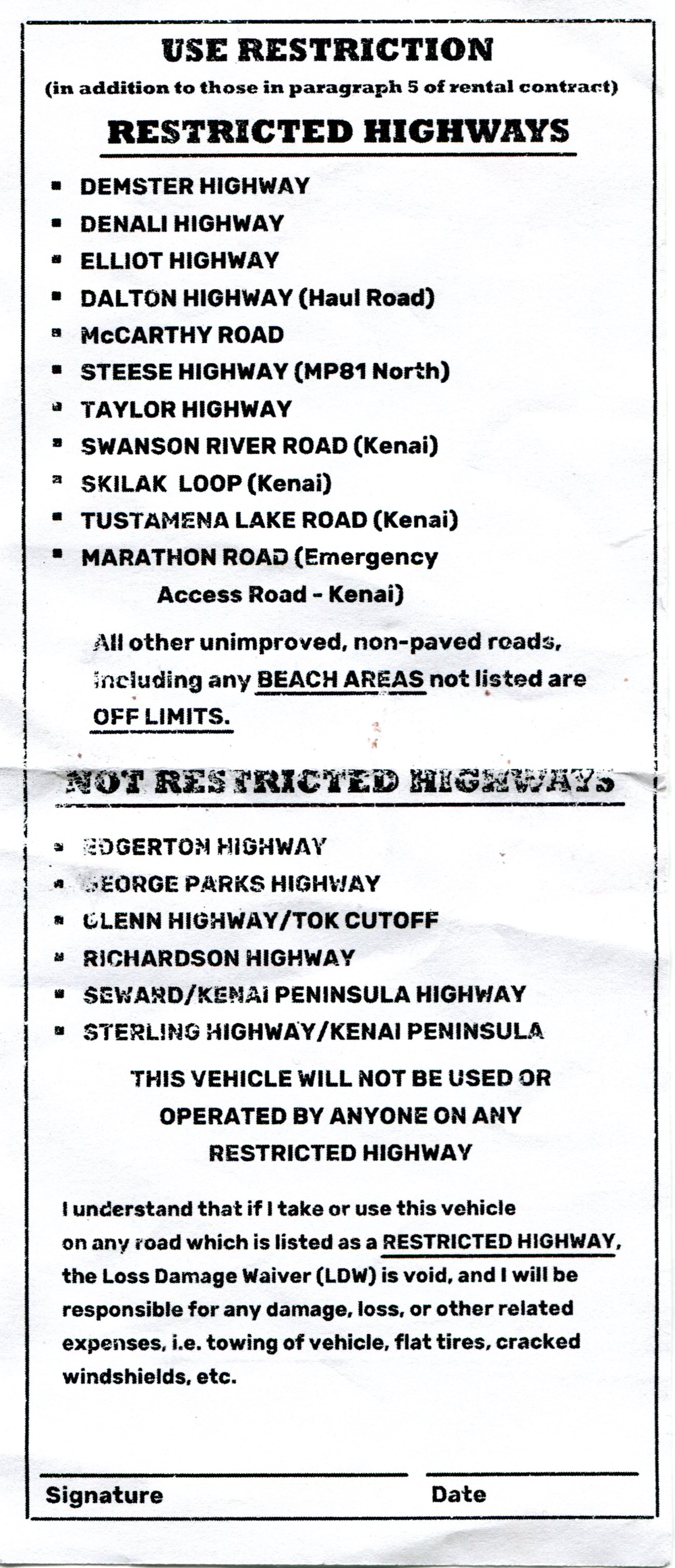
That’s how, on July 28, I came to be in a rental car heading west and then south from Fairbanks on the route Alaska 3. I picked the car up at the airport in Fairbanks at noon that day. Along with the other documents, the rental company gave me a list of proscribed roads.

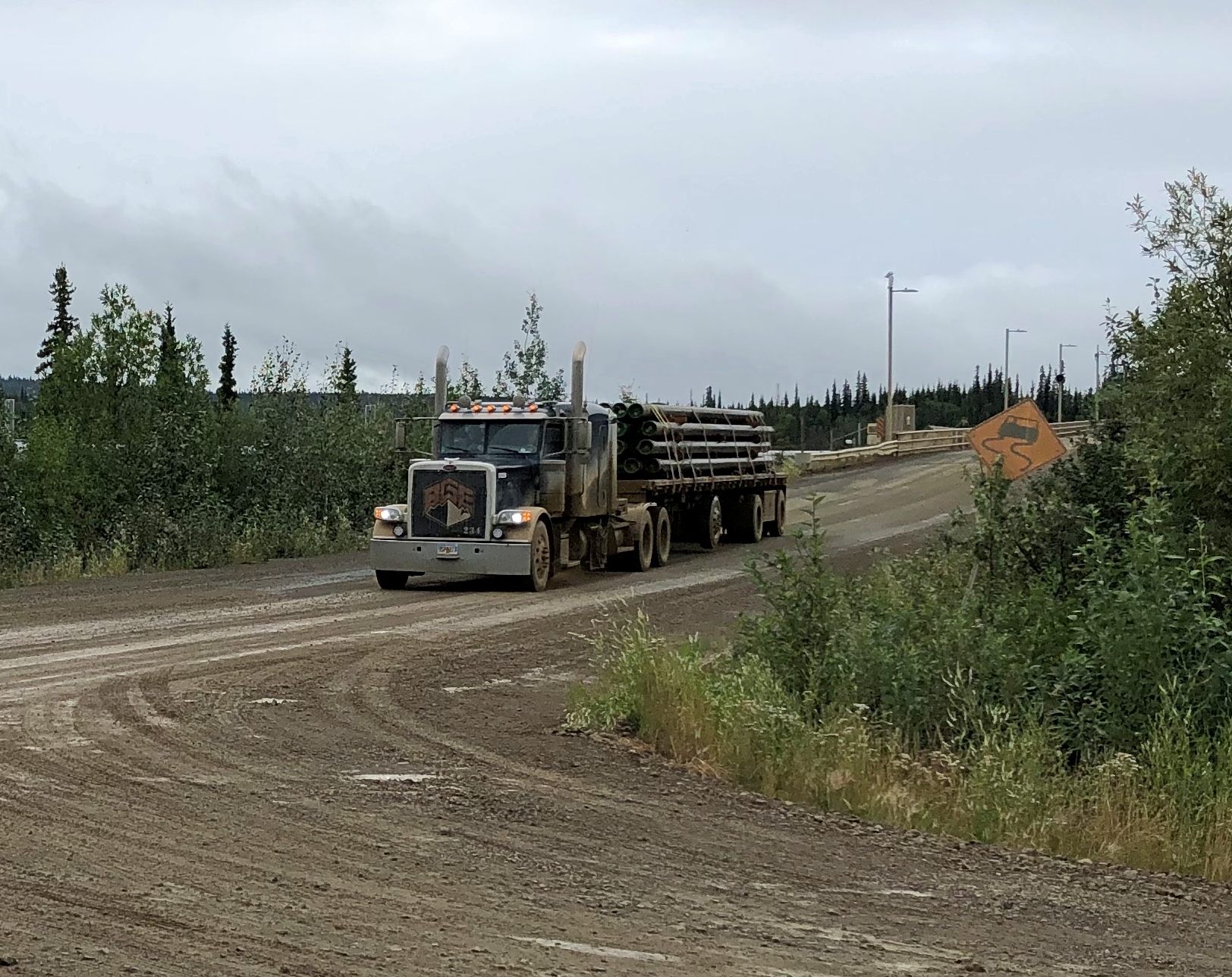
Mostly gravel roads. During my ride on the Dalton Highway the day before, the driver told us that if you look closely, you’ll notice that a lot of cars and trucks in Alaska have cracked windshields. Insurance typically doesn’t cover that kind of damage, since gravel roads tend to dish it out too regularly.

The list is interesting for another reason, in that it gives names instead of route numbers. Most Alaska highways, it seems, are known by their names rather than numbers. I asked the bus driver on the Dalton whether that road had a number, and he had to think before he told me. It’s Alaska 11, but no one calls it that, and I didn’t see any signs along the way using the number.
In Fairbanks and a little ways south, I also drove on Alaska 2, but the signs called it the Steese Highway (not to worry, I was well south of Mile Post 81).

Later I learned that Alaska 2, the Steese, is the Alaskan portion of the Alaska Highway. I smile at the thought that I’ve driven on the Alaska Highway, even if only about 12 miles of it between Fairbanks and the town of North Pole.

As for the road between Fairbanks and Denali NP, its name is the George Parks Highway, named for a mining engineer and governor of the Alaska Territory in the 1920s and ’30s. Remarkably, he lived to see his name attached to the road, since he died at age 100 in 1984.

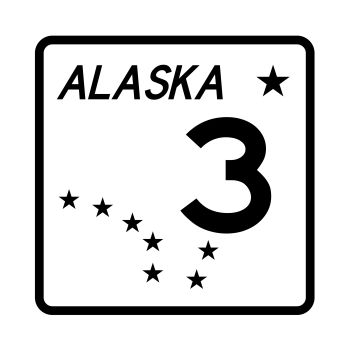
I didn’t see too many signs calling it the Parks Highway, though. Mostly I saw the Alaska 3 signs, featuring the state name, the number, and the Big Dipper and Polaris, arrayed as they are in the northern sky and the Alaska flag. An excellent design, one that made me think, damn — I’m in Alaska. For miles at a time, those were the only signs I saw. The road the was remarkably free of most the signage you might see elsewhere: directional signs, mileage signs, billboards and so on.

Alaska 3 was mostly a two-lane shot through the boreal forest. The terrain between Fairbanks and Denali NP, which runs about 125 miles, follows the Tanana River, and then passes by the Minto Flats and the Tanana Flats, so it isn’t a mountainous crossing. I suppose that facilitated the road’s construction, completed only 50 years ago.

That isn’t a long drive, certainly not for someone who learned to drive in Texas. But it was mesmerizing in a way that few roads are. Traffic was light, so my eyes were able to wander sometimes from the road ahead to the forested expanse on either side.

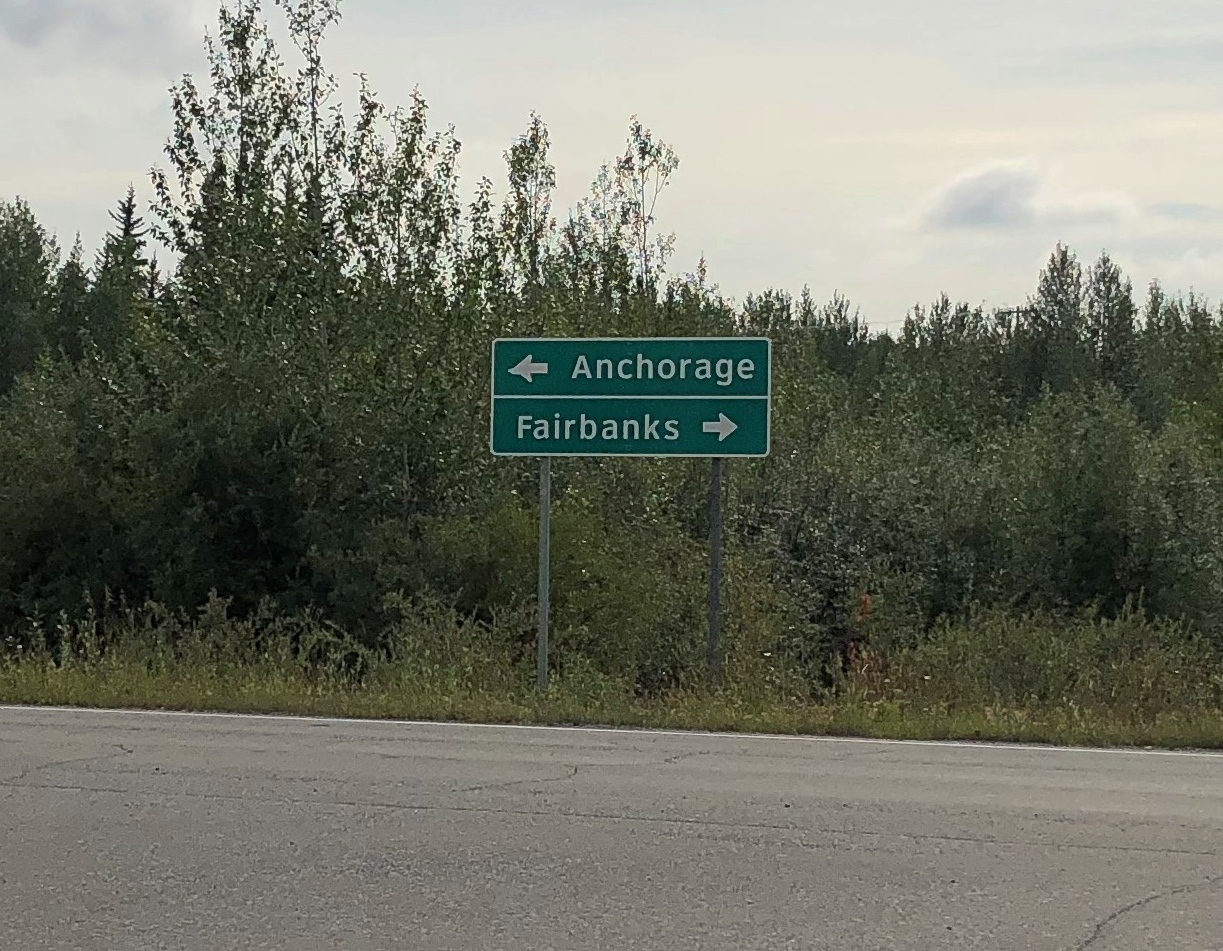
The were a few directional signs. My favorite.

Alaska 3

That was at an intersection with Alaska 3 in the town of Nenana, the only settlement of any size (pop. 341) between suburban Fairbanks and the tourist town of Healy, just north of the entrance to Denali NP.

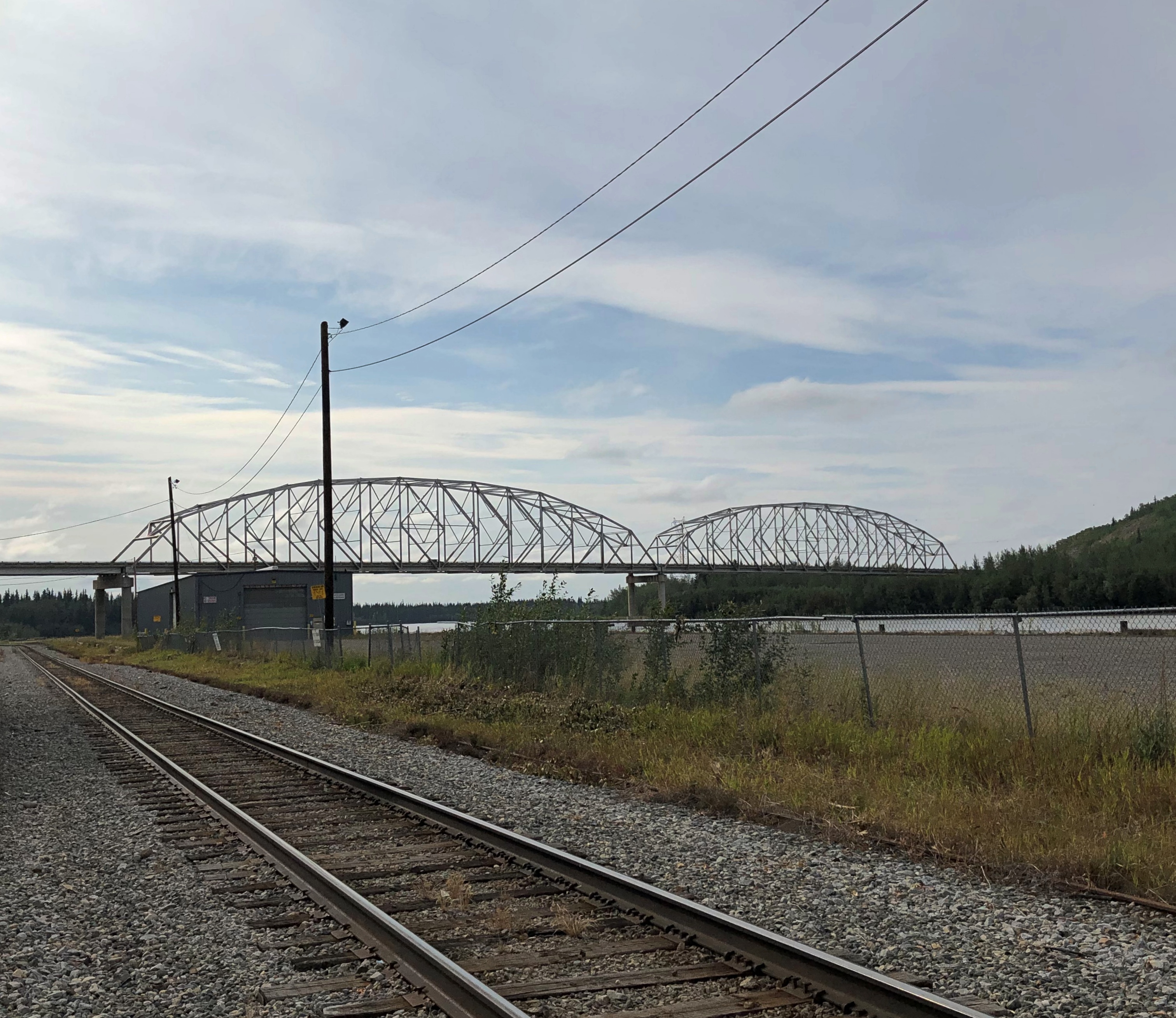
The road crosses the Tanana River at the town of Nenana, very near where the Nenana River — which I would see later, near the national park — joins the Tanana, on its way to the Yukon River.Nenana, Alaska
The other bridge in the town of Nenana (across the Tanana River) is the Mears Memorial Bridge, which takes the railroad across the river. More about that shortly.

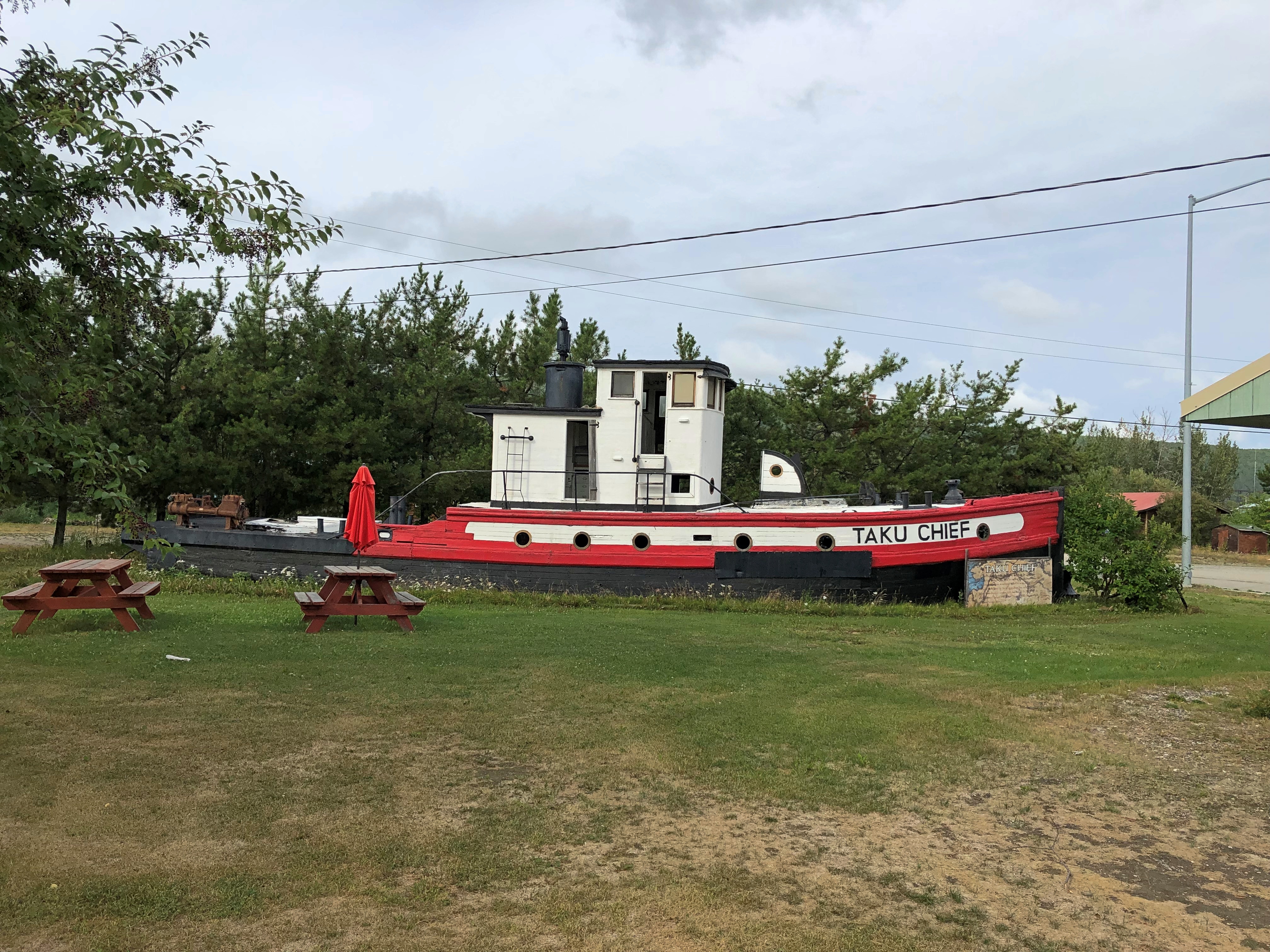
Nenana seemed like a good place to look around. Near the highway is a cluster of tourist and memorial structures, including a boat out of water, the Taku Chief.Nenana, Alaska Taku Chief
The nearby sign says: “The last commercial wooden tug to ply the Yukon and Tanana River Basins, the Taku began her career in 1938 in Southeast Alaska. After 7 years in service she was requisitioned by the CAA for use on the rivers of the Interior. In 1956, she joined the fleet of Yutana Barge Lines, and after a colorful history, the sandbars and sweepers finally took their toll. On July 18, 1978, she was condemned. She rests in her last port, Nenana, a tribute to the heartbeat of Alaska transportation.”

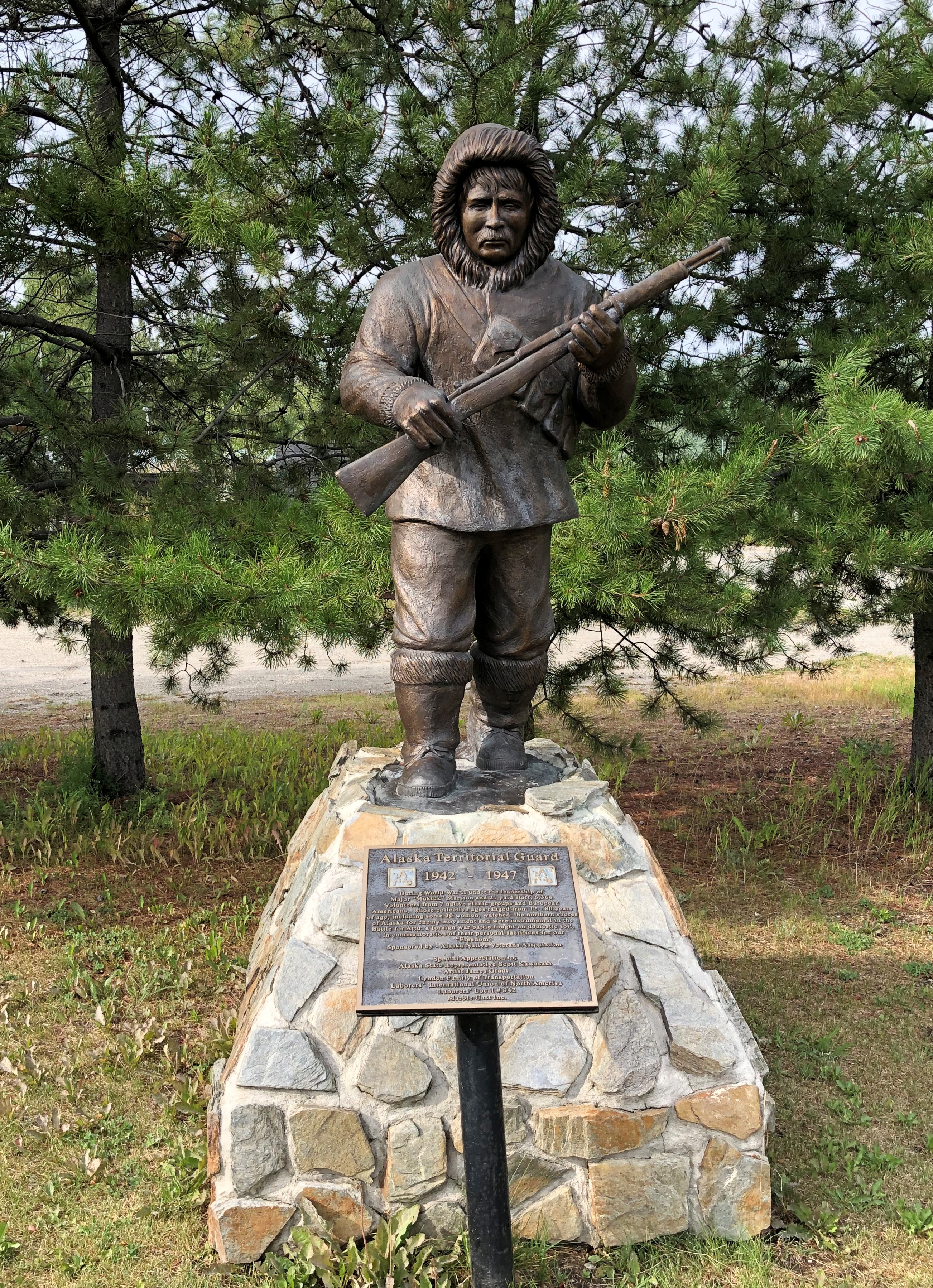
Near the ship is another casting of the James Grant work memorializing the Alaska Territorial Guard, 1942-47.Nenana, Alaska - Alaska Territorial Guard, 1942-47

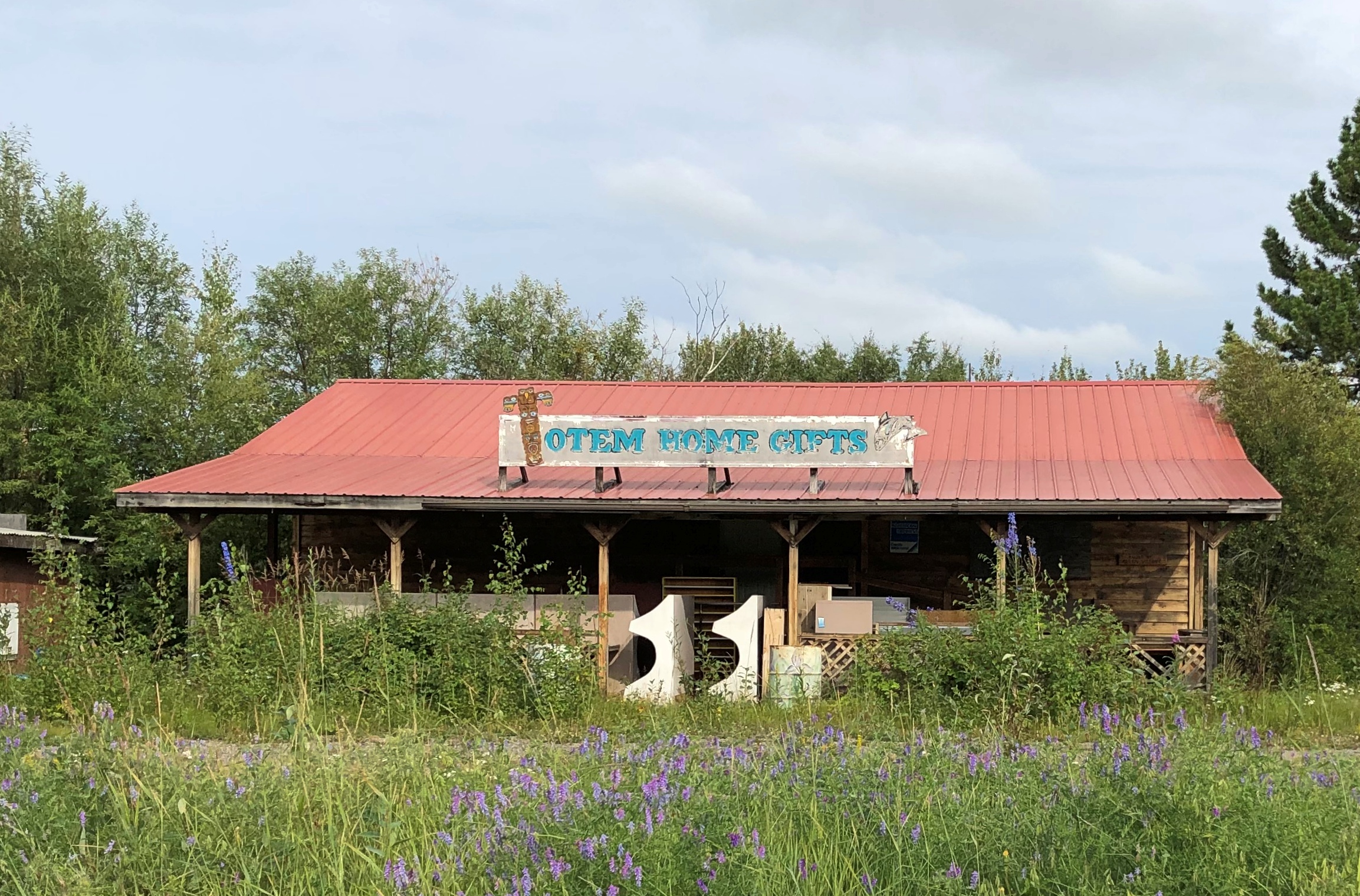
The town’s main street (besides the highway) is A Street, with a scattering of houses, buildings, abandoned buildings and empty lots. The pandemic might have done in this business; or maybe it closed before then.

Tenana, Alaska

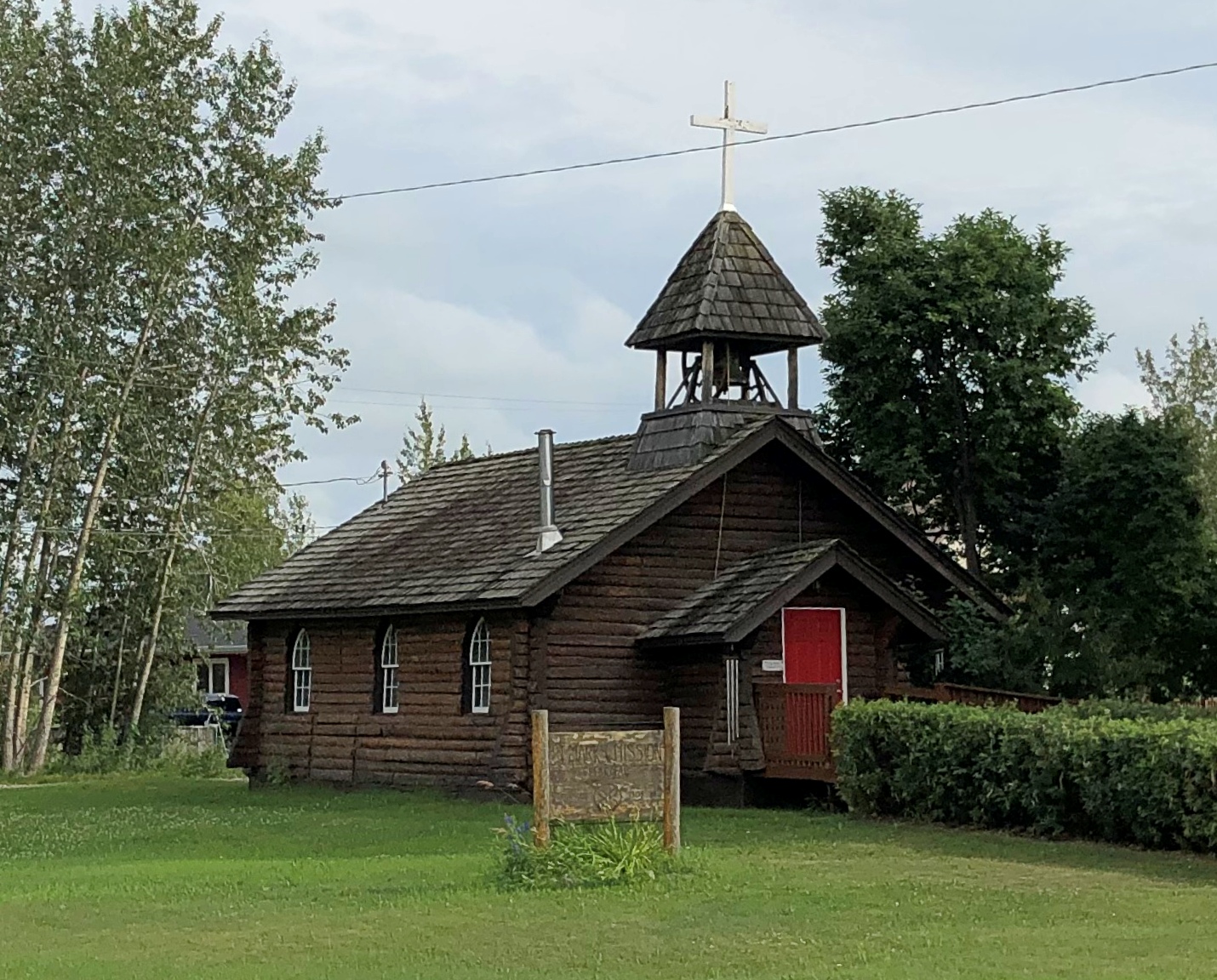
St. Mark’s Mission church.

Tenana, Alaska - St. Mark's

“The Episcopal Church, continuing work done by Episcopal and Anglican missionaries along the Yukon River, envisioned a series of missions throughout the Tanana basin to serve its Native population,” Sketches of Alaska says. “Eventually four missions were established: St. Barnabas at Chena Native Village, Luke’s at Salcha, St. Timothy’s at Tanacross (near Tok), and St. Mark’s at Nenana…

“The picturesque church is similar in design to other Episcopal mission churches throughout Interior Alaska — a log structure with gable front and bell tower. The 22-foot by 28-foot building is constructed of logs squared on three sides, with the bottom courses of logs flaring outwards. Gothic arched windows contain stained glass, and the building is topped by a shake roof.”

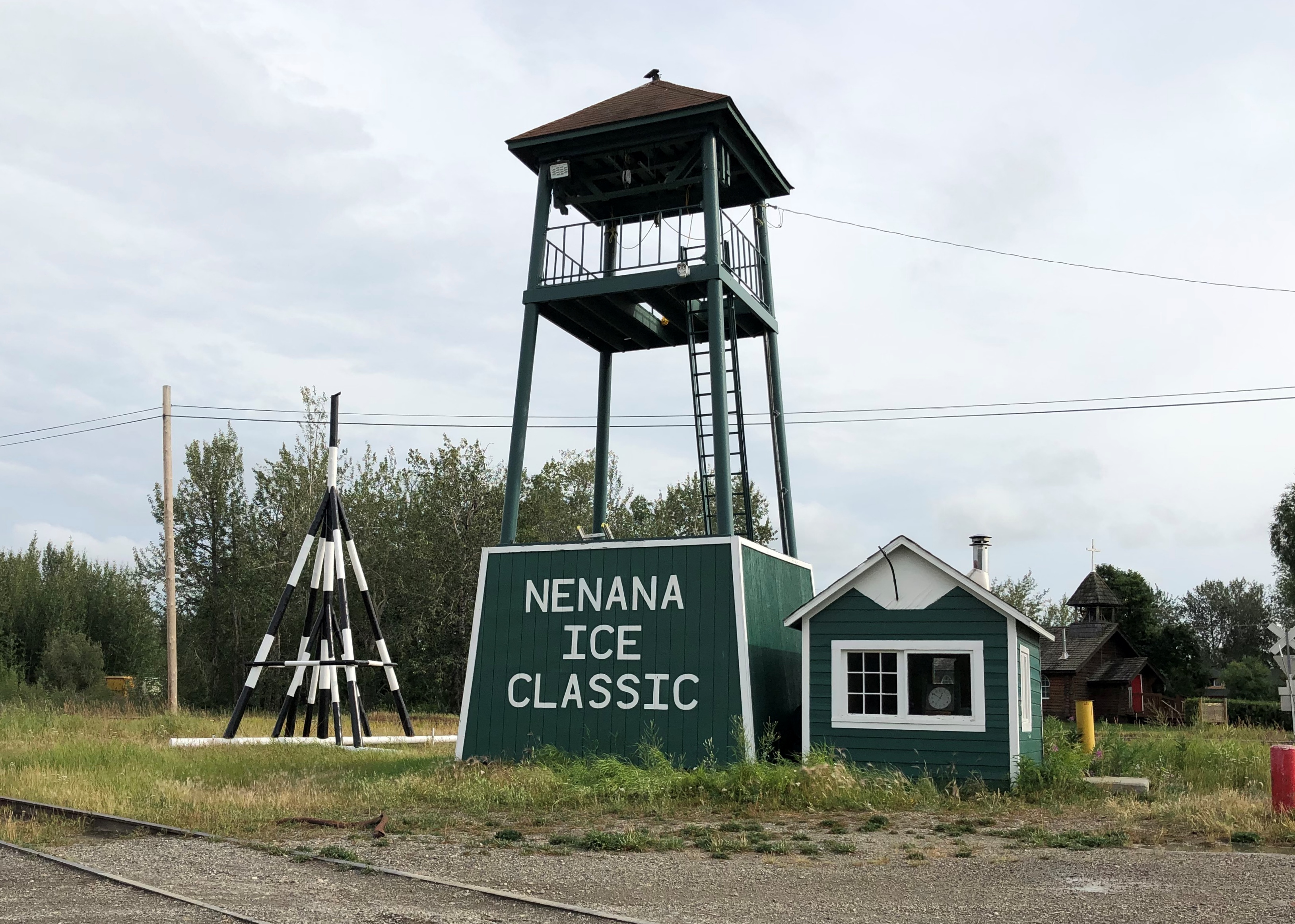
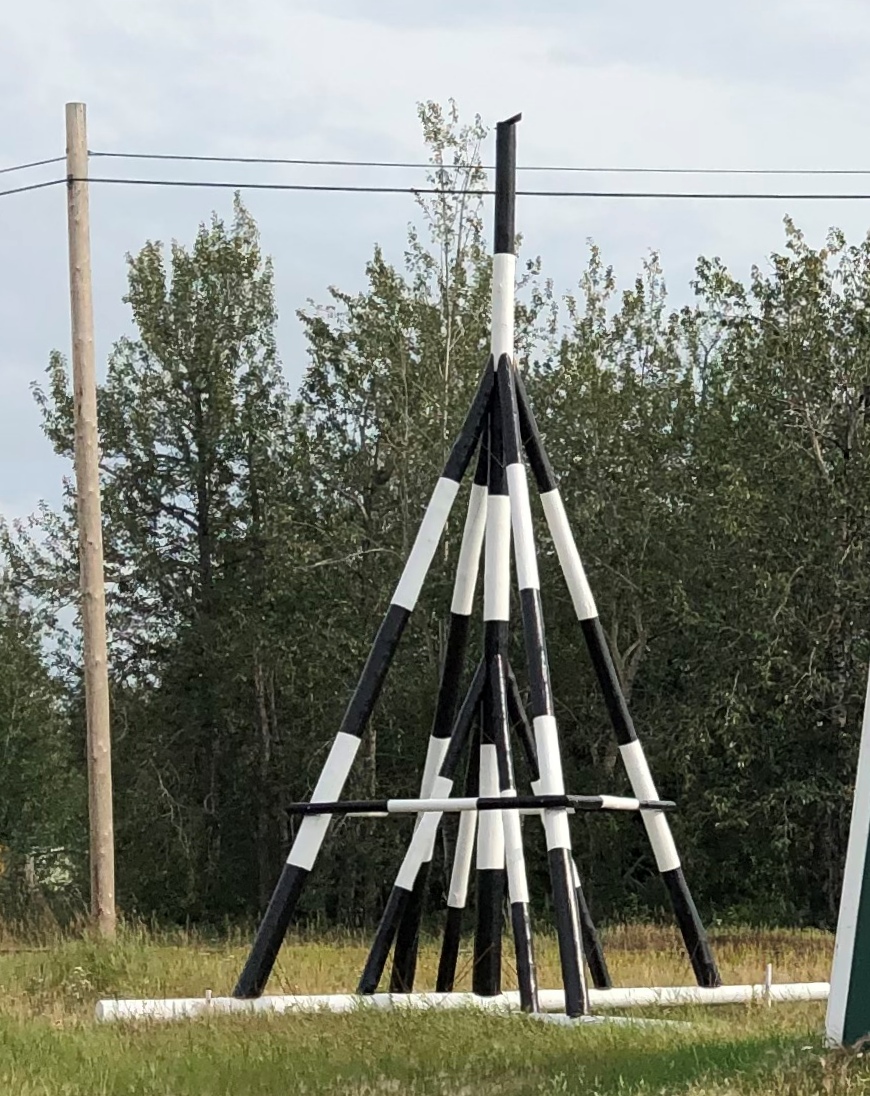
At A Street and Front Street near the Tanana River is a curious tower.Nenana, Alaska - tripod

I didn’t look that up till I got home. I’d assumed it was some kind of winter sporting event, but no. Wiki: “The Nenana Ice Classic is an annual ice pool contest held in Nenana, Alaska. It is an event in which individuals attempt to guess the exact time the Tanana River ice will break up at Nenana.

“The ‘tripod,’ which actually has four supports, is planted on the river ice between the highway and railroad bridges in Nenana, 300 ft from the shore… A line is attached to the top of the tripod and once that end is anchored the other end is taken to the Ice Classic tower nearby on the banks of the river. Attached there to the clock inside the tower, when the ice goes out and moves the tripod 100 feet the line breaks and stops the clock.”

The pool is no small potatoes. According to the pool web site, the prize money in 2021 totaled $233,591. The clock stopped on April 30 at 12:50 pm and the prize was split among 12 winners. The rest of the funds generated by the pool go to local charities.

The Wiki photo of the tripod looked awfully familiar. Then I remember that I’d seen the tripod, standing next to the tower (and there was another one near the Taku Chief). There was nothing to explain what they were. Tourist photographer that I am, I took a picture of one of them anyway.

Nenana, Alaska - tripod
Finding out what it was produced a bit of mild amazement, here during the post-trip writeup. What a fun thing to learn about, like the Sopchoppy Worm Gruntin’ Festival. How often do we look at things on the road, or near home for that matter, without the slightest idea what they are?

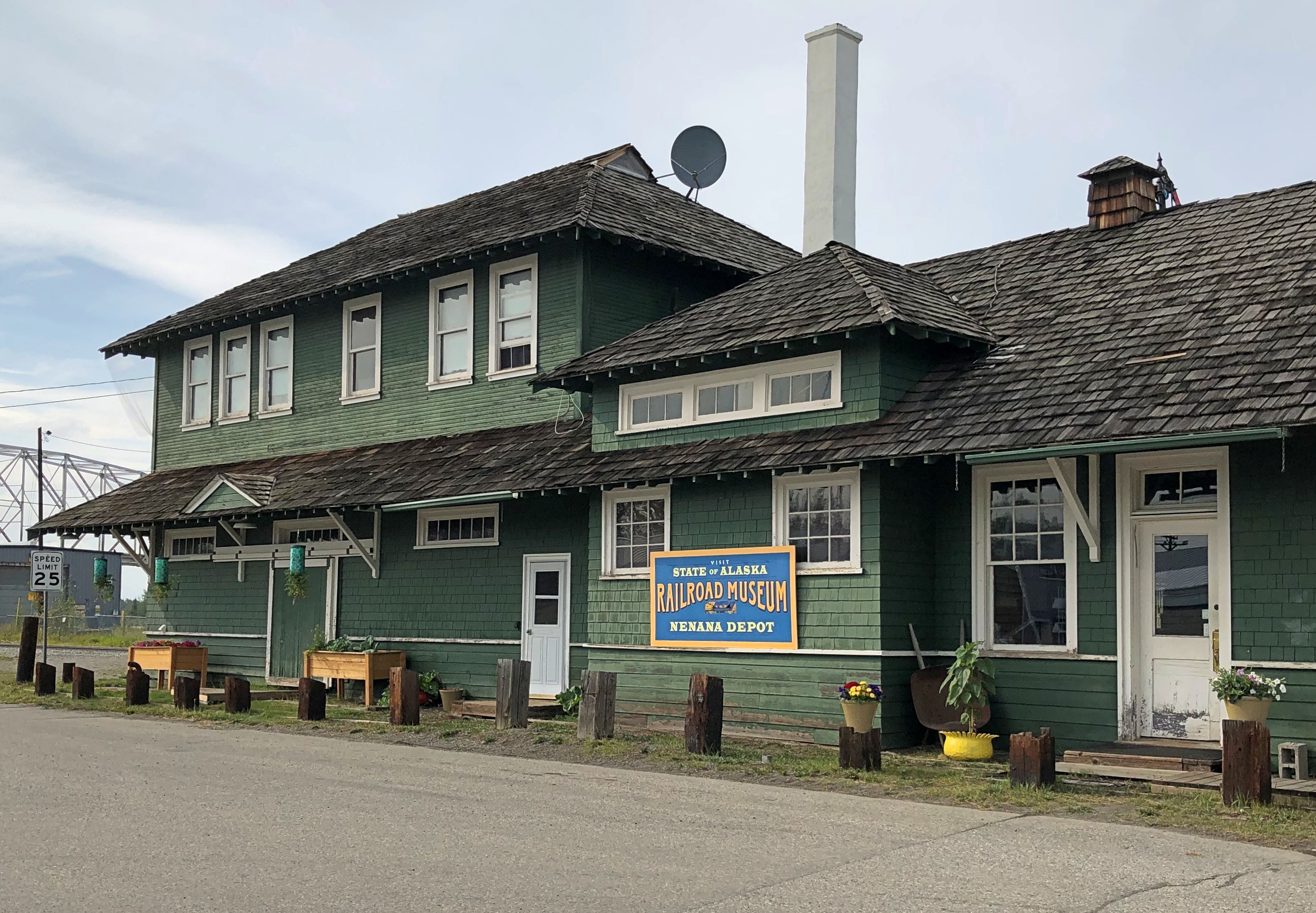
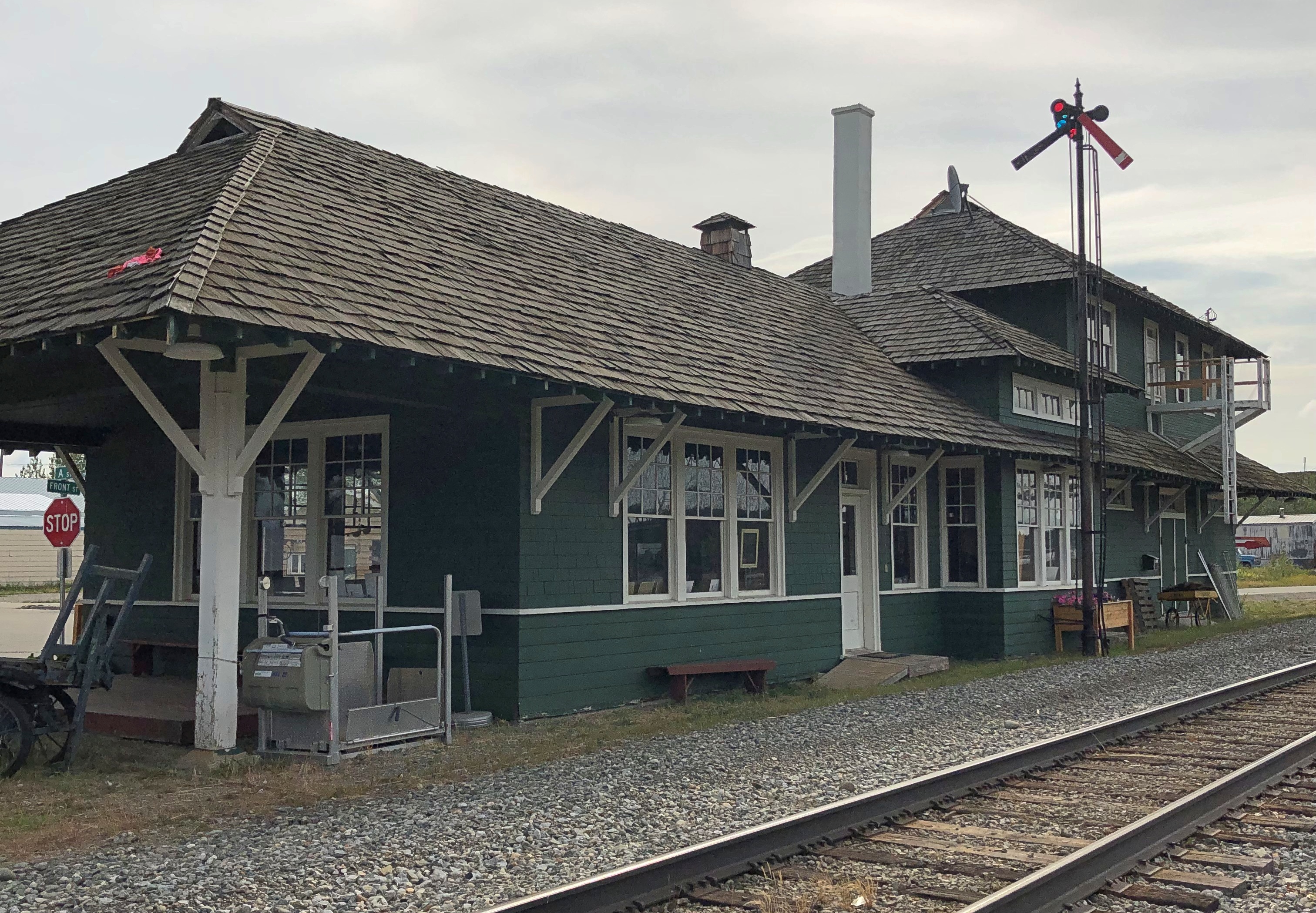
At the meeting of A Street and Front is the handsome Nenana depot, which still seems to be a stop on the Alaska Railroad, but it’s also the State of Alaska Railroad Museum. It was closed when I got there.Nenana, Alaska - depot
Nenana, Alaska - depot

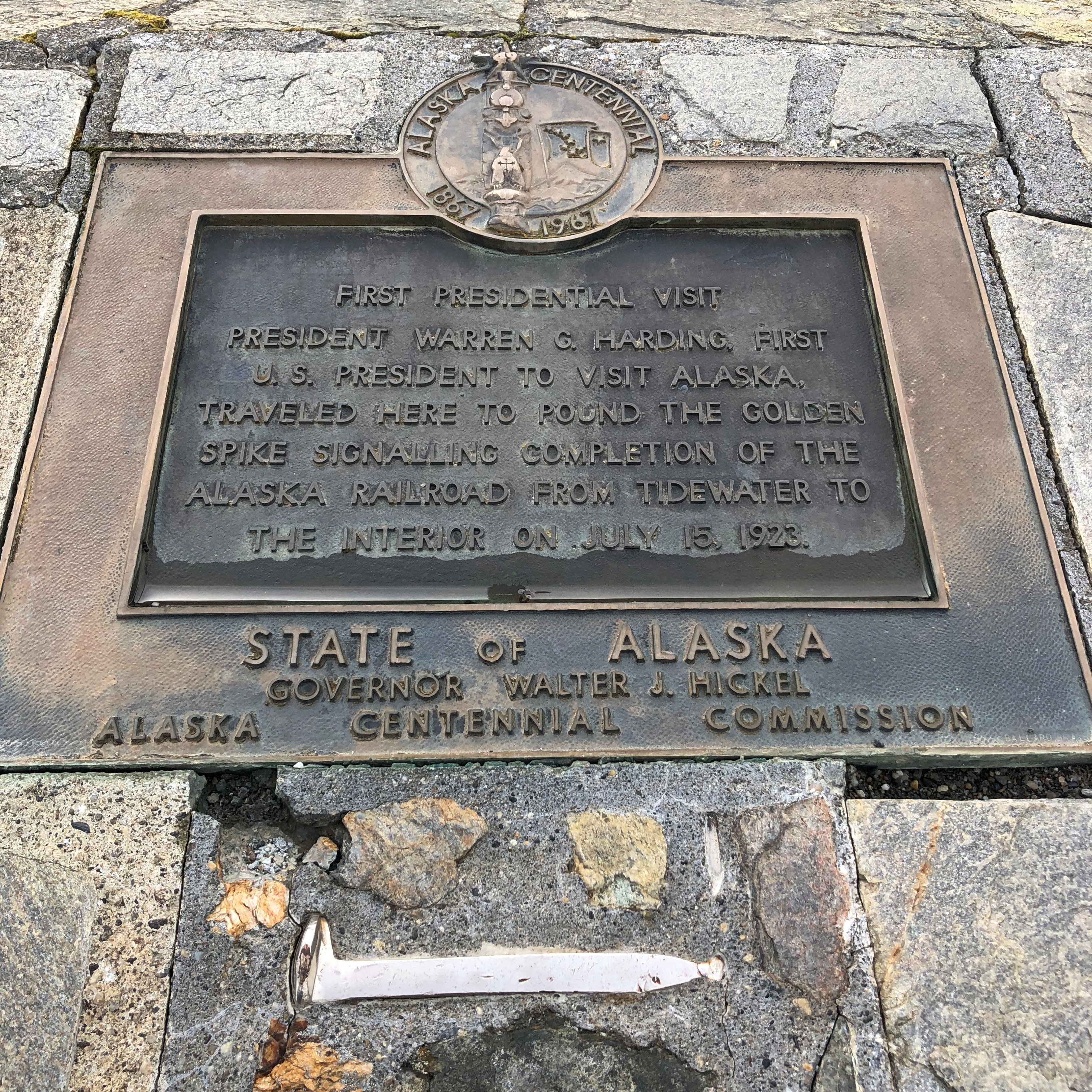
Next to the depot is a plaque and, I assume, the same golden (colored) spike that Warren G. Harding pounded on July 15, 1923, to mark the completion of the railroad. The last part completed was the Mears Memorial Bridge.Nenana, Alaska - Warren Harding golden spike

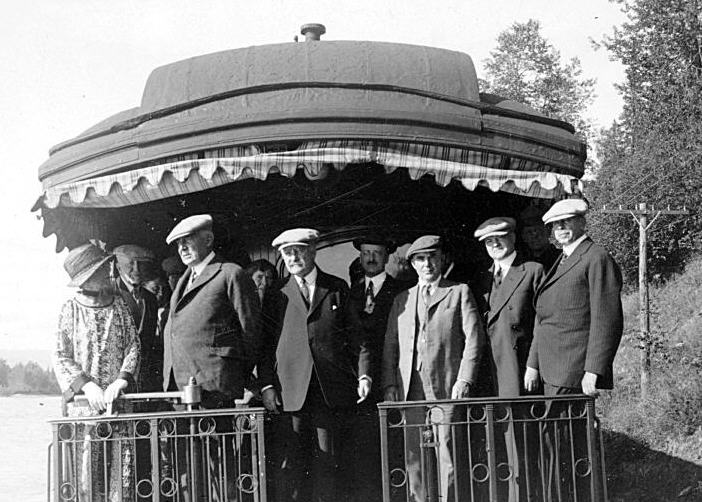
The Anchorage Daily News published an article a few years ago about presidential visits to Alaska. “The most ambitious trip to Alaska, by far, was Harding’s,” the article says. “He departed from Seattle on July 5, 1923, and returned to Vancouver, British Columbia, on July 16, 1923. During his tour he spoke in Metlakatla, Ketchikan, Juneau, Skagway, Valdez, Seward, Anchorage, Nenana and Fairbanks, among other stops.”

President_Harding_in_Alaska_on_Presidential_Train
At that moment, he was running out of days, though neither he nor the nation knew it. President Harding died in San Francisco on August 2, 1923, not long after his visit to Alaska.

Southward on the Dalton Highway

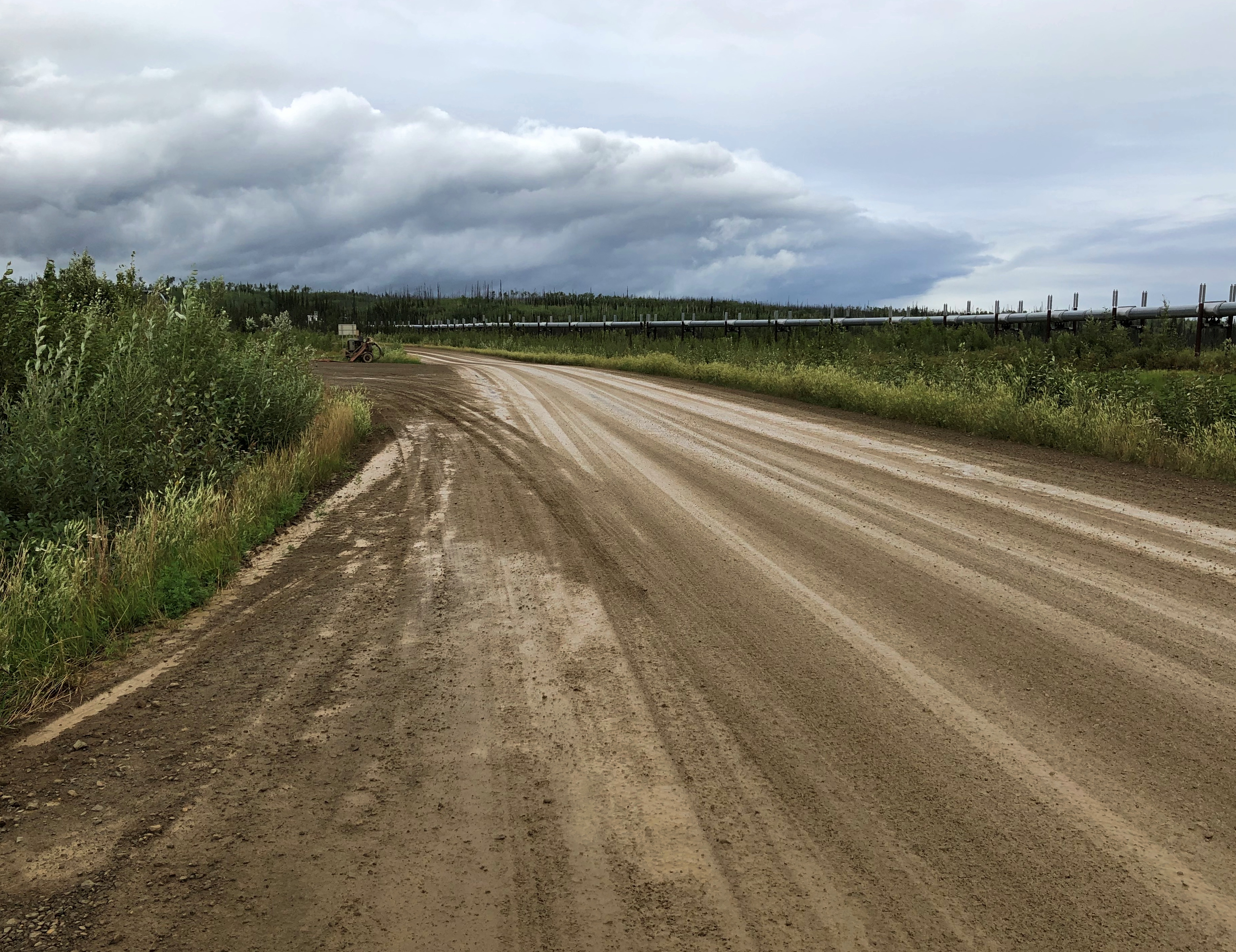
Gravel makes better roads when crossing land with underlying permafrost. That isn’t a new idea.

“The primary benefit to gravel roads is that they are relatively immune from frost heaving and have less of a tendency to thaw underlying permafrost,” an Alaskan scientist named Larry Gedney wrote in 1983. “Studies showed that on very poor foundation material, such as thawing permafrost, the patching, pothole filling and repaving required by paved roads resulted in maintenance costs more than twice that for a good gravel surface.”

Thus most of the Dalton Highway, which runs for 414 miles, is gravel covered, though short stretches are paved, presumably not on top of permafrost. Making sure that no trucks were headed my way, I took some pictures standing in the gravel road. It makes a satisfying crunch under your shoes. The sound of somewhere remote, in this case.Dalton Highway July 2021

Trucks pass by with some regularity, though I understand winter is really the busy season.
Dalton Highway July 2021

We left Coldfoot, Alaska, last Tuesday in the afternoon on a small bus driven by a guide named Steve. His job was to drive us back south, but also to talk about the Alaskan wilderness, the Alaska Pipeline and the road itself, which he did with expert knowledge, as far as I could tell.

Not following things Alaskan in much detail, there was much that he said that I didn’t know, such as about the composition of boreal forests in this part of the world — only six kinds of trees, two of which are kinds of spruces, highly visible out my window and odd-looking in the case of pencil-thin-looking trees with clutches of cones on top.

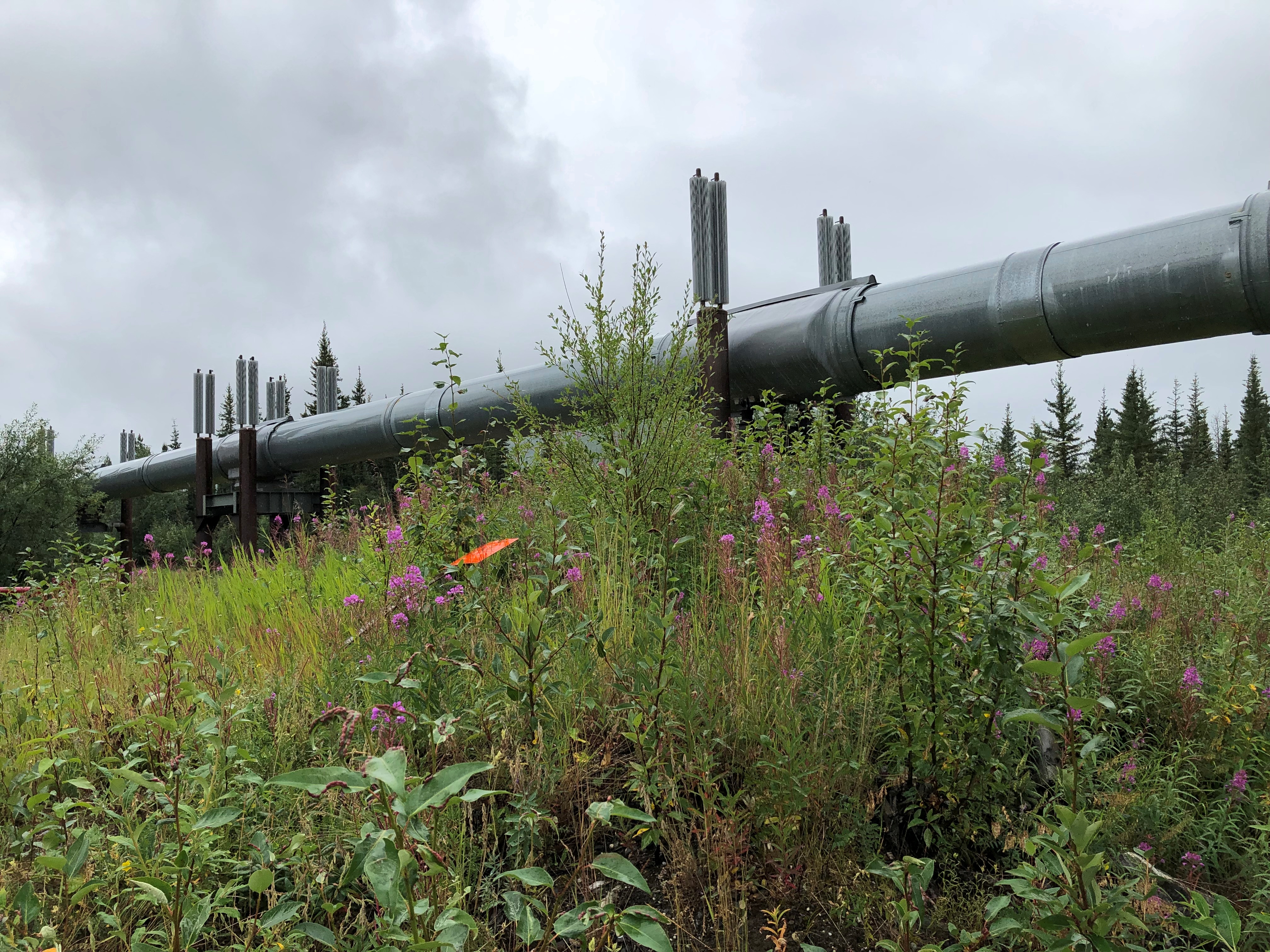
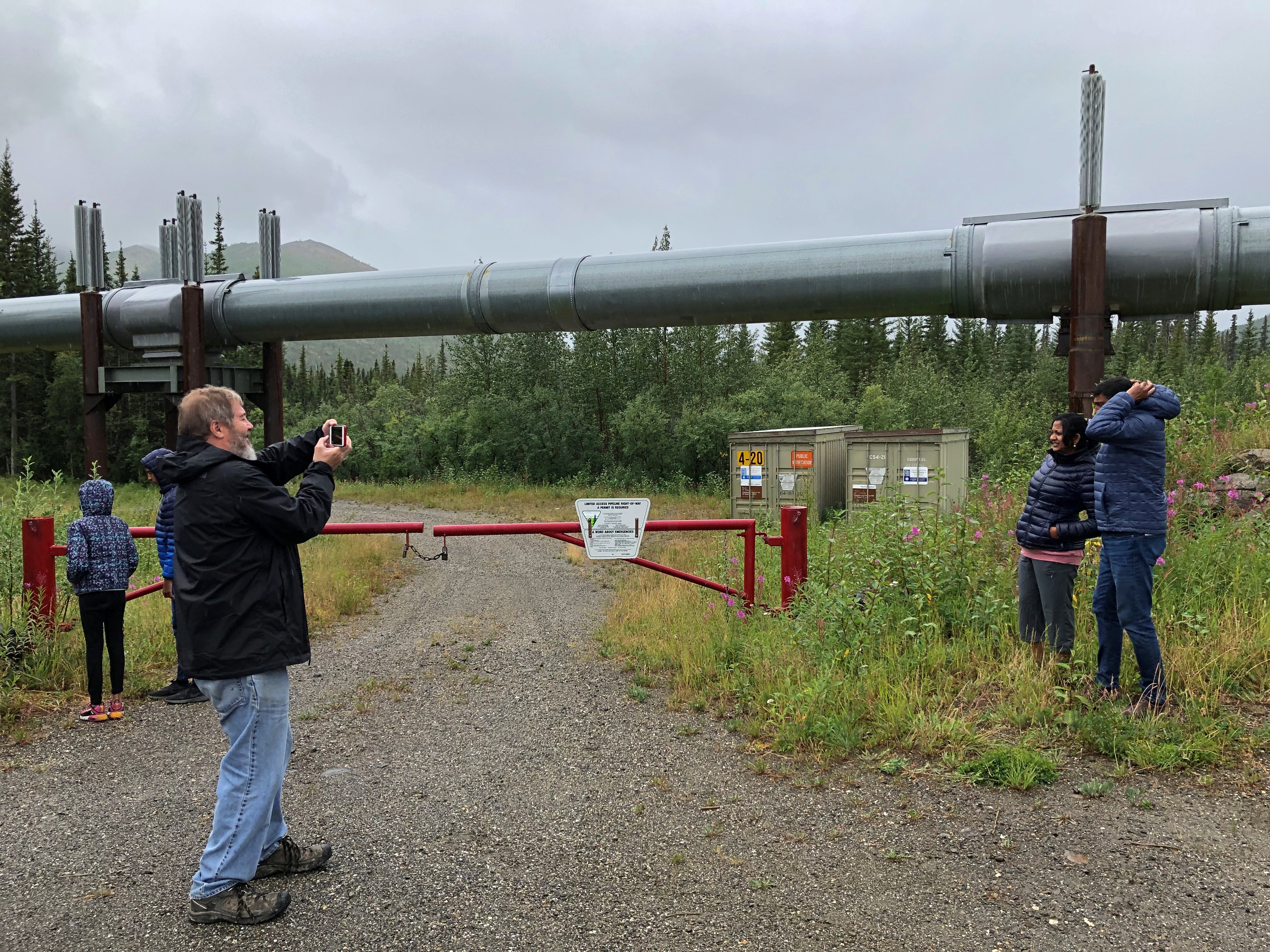
The tour stopped at a number of spots en route, either to use outhouses — one bank of which actually featured crescent moons in the door — or at points of interest. The first stop, still north of the Arctic Circle, was for a look at the Alaska Pipeline (formally the Trans-Alaska Pipeline System).Dalton Highway July 2021
Dalton Highway July 2021

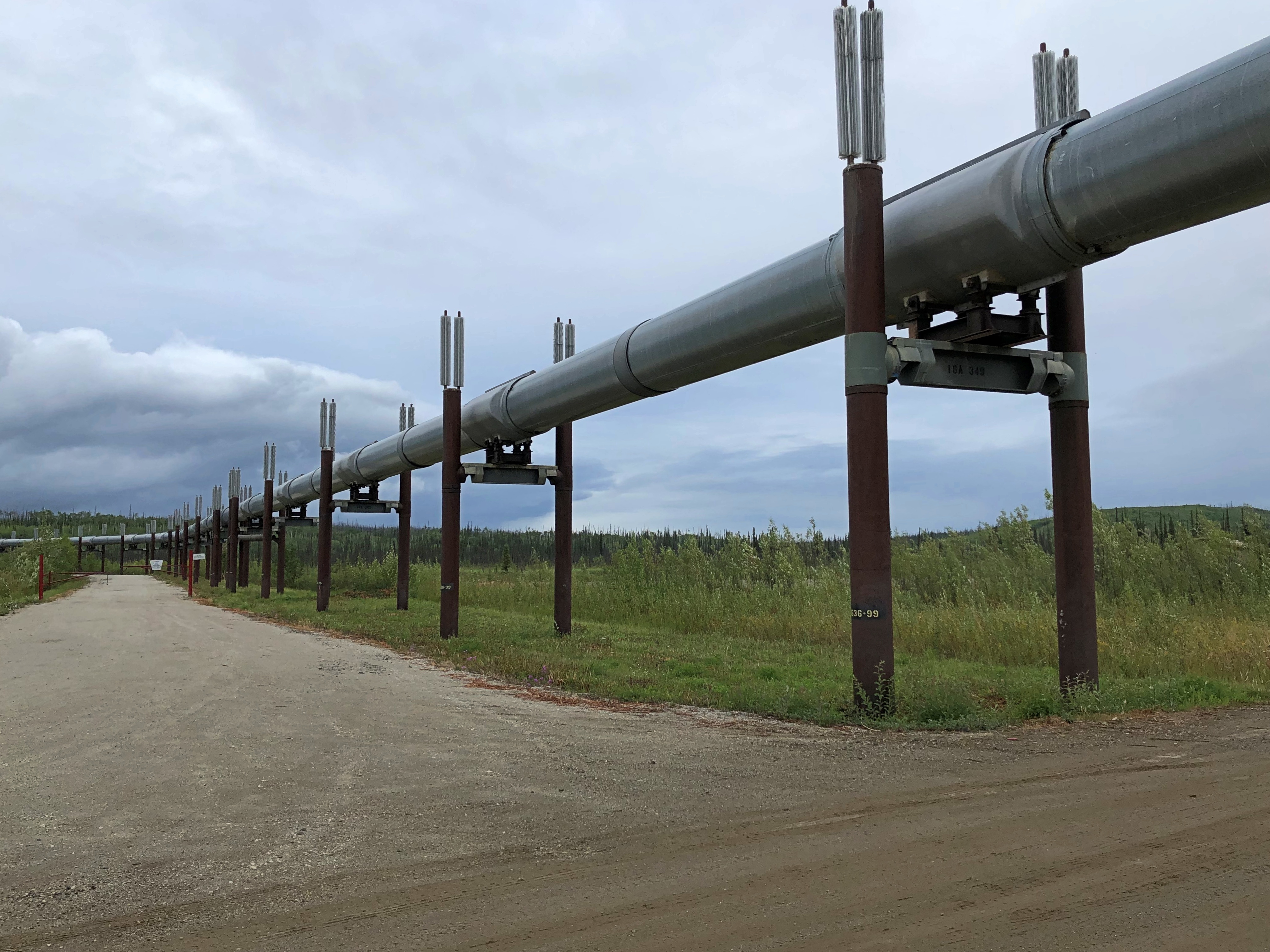
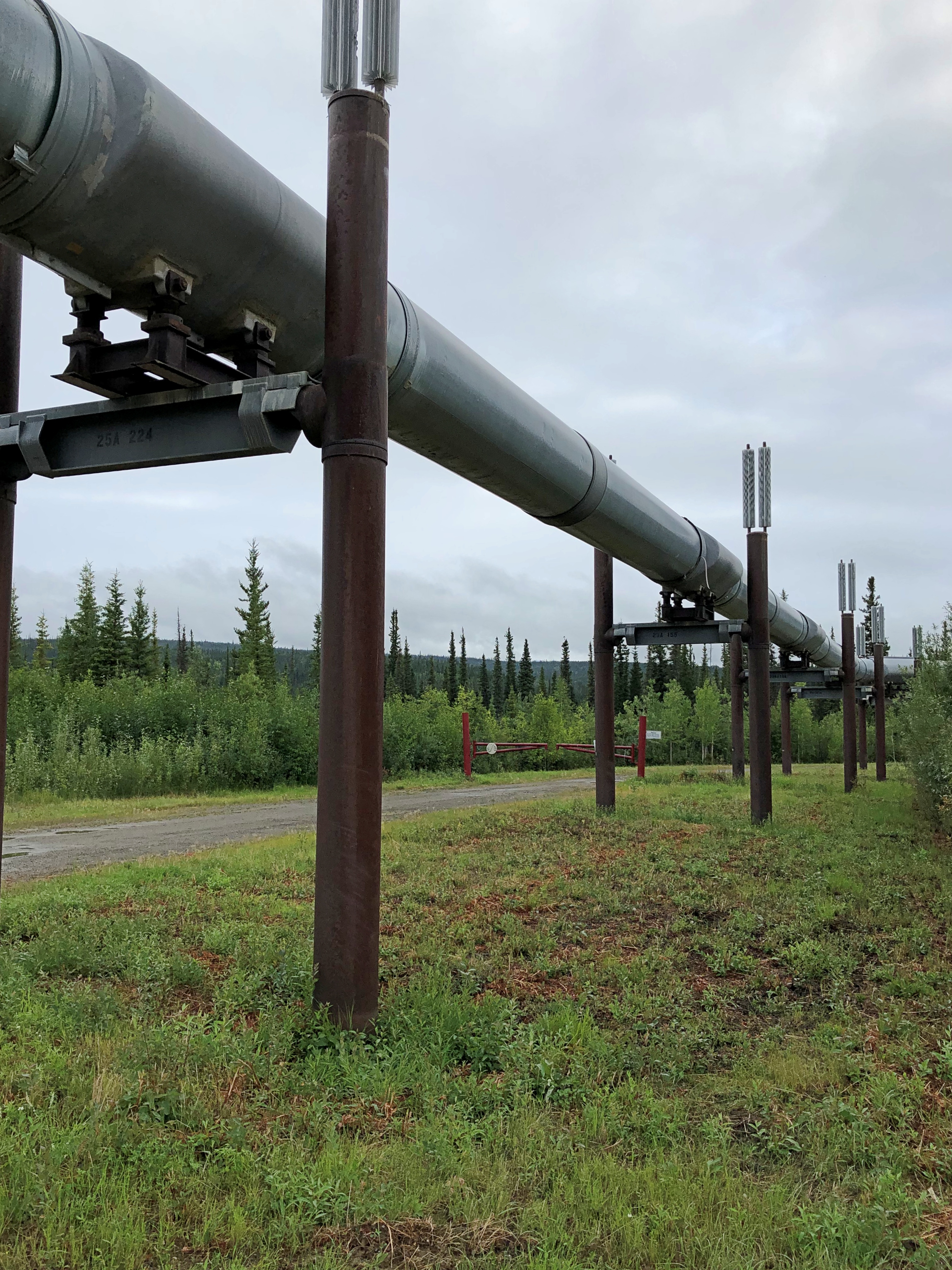
The pipeline wasn’t exactly a hidden presence. The road was built to service the pipeline, after all, which got its impetus from the energy panic of the 1970s. Long stretches of the pipeline were built above ground, because permafrost is a lousy place for underground pipes, and so the it was easy to see most of the time from the bus window as we rolled by, a thin white snake taut across the green backdrop.

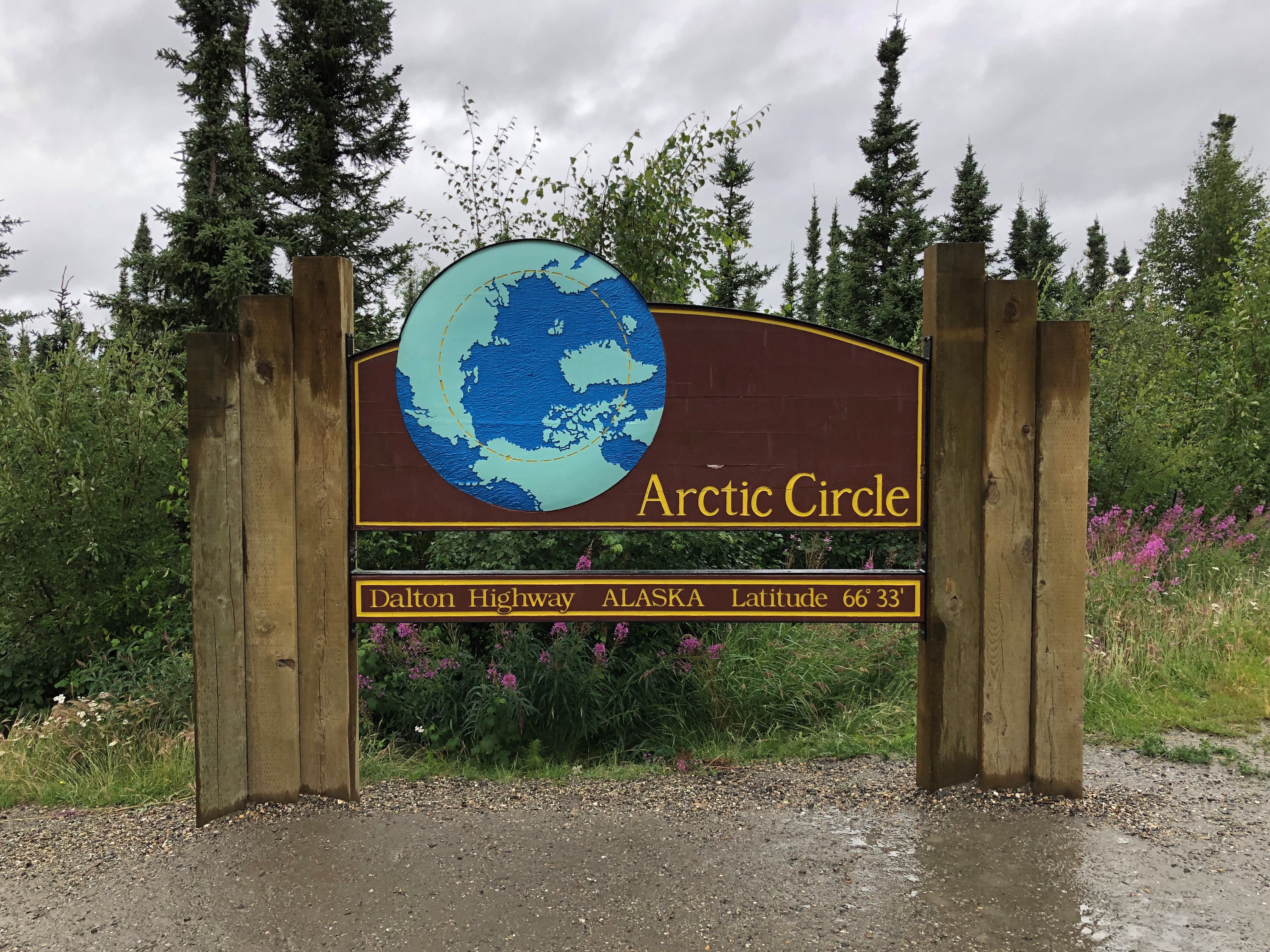
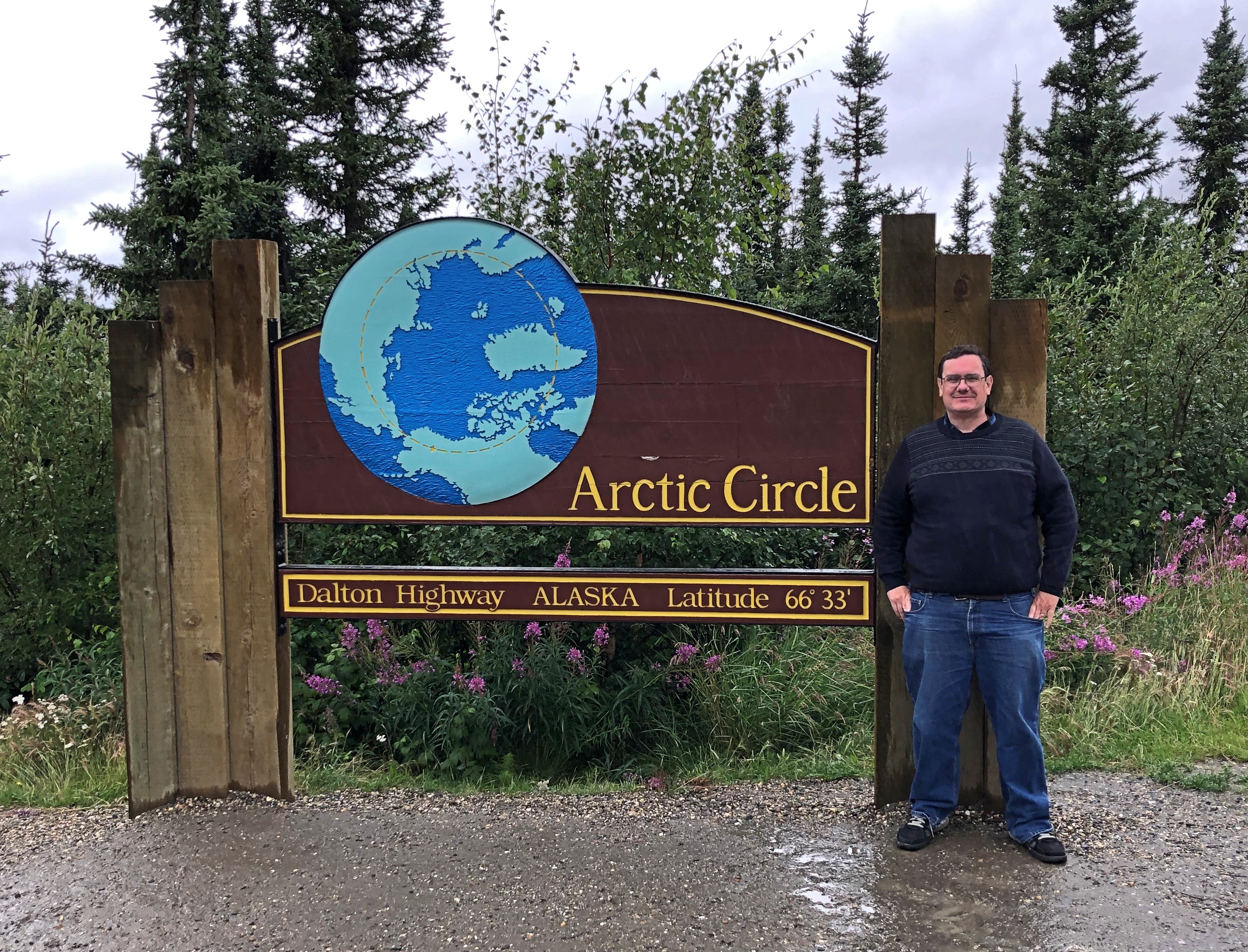
Next stop, the Arctic Circle sign.
Arctic Circle sign July 2021

We weren’t the only ones there. Another bus pulled up, and so did a couple of private cars, including a small sedan I don’t believe I’d drive on the Dalton. Then again, it had some extra tires and gas cans lashed to the roof — at least I hope they were tied down — so maybe they were ready.

I happened to see the back of the sign. That side featured a number of stickers, including him again.Arctic Circle sign July 2021 Buc'ees

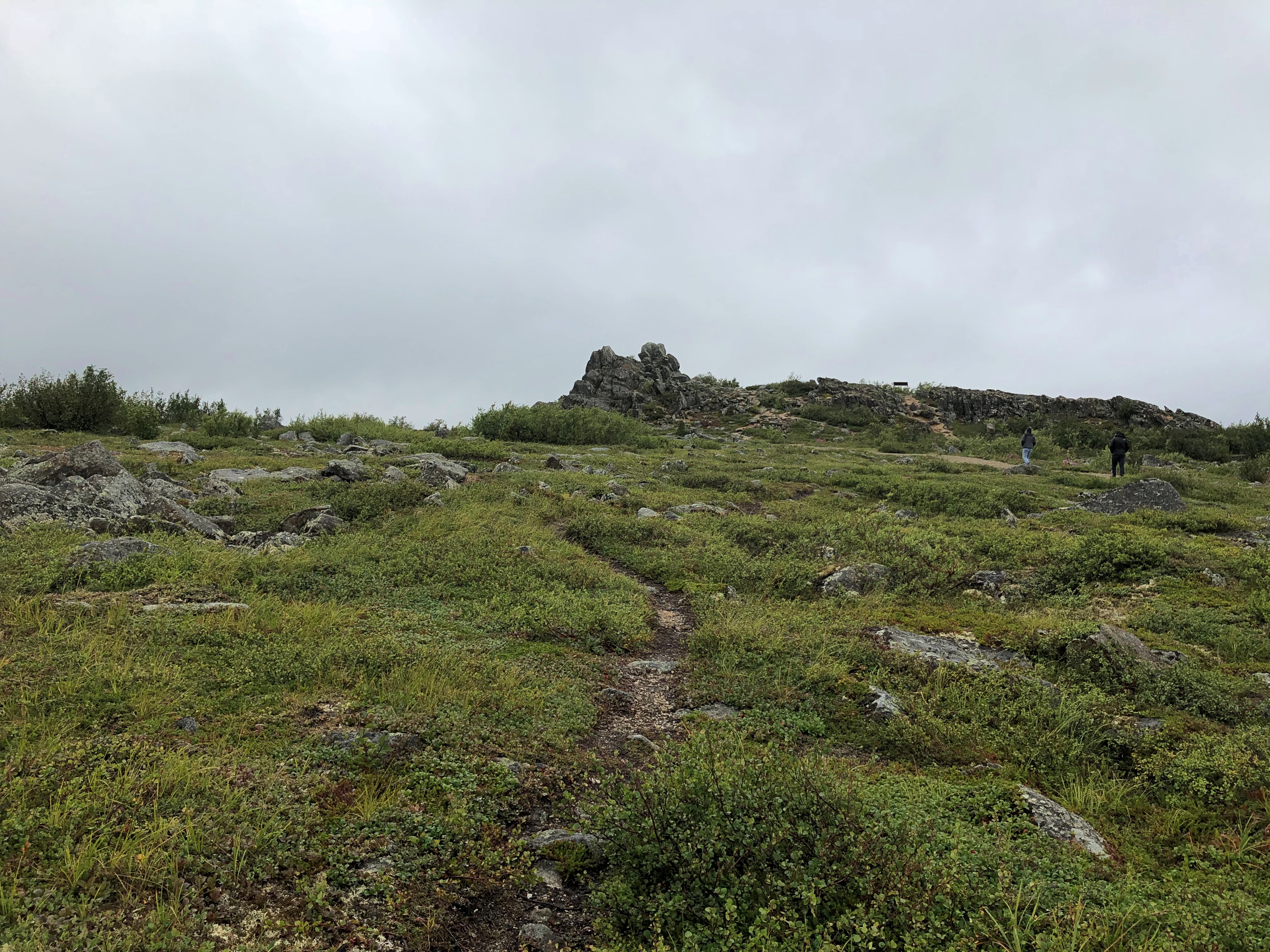
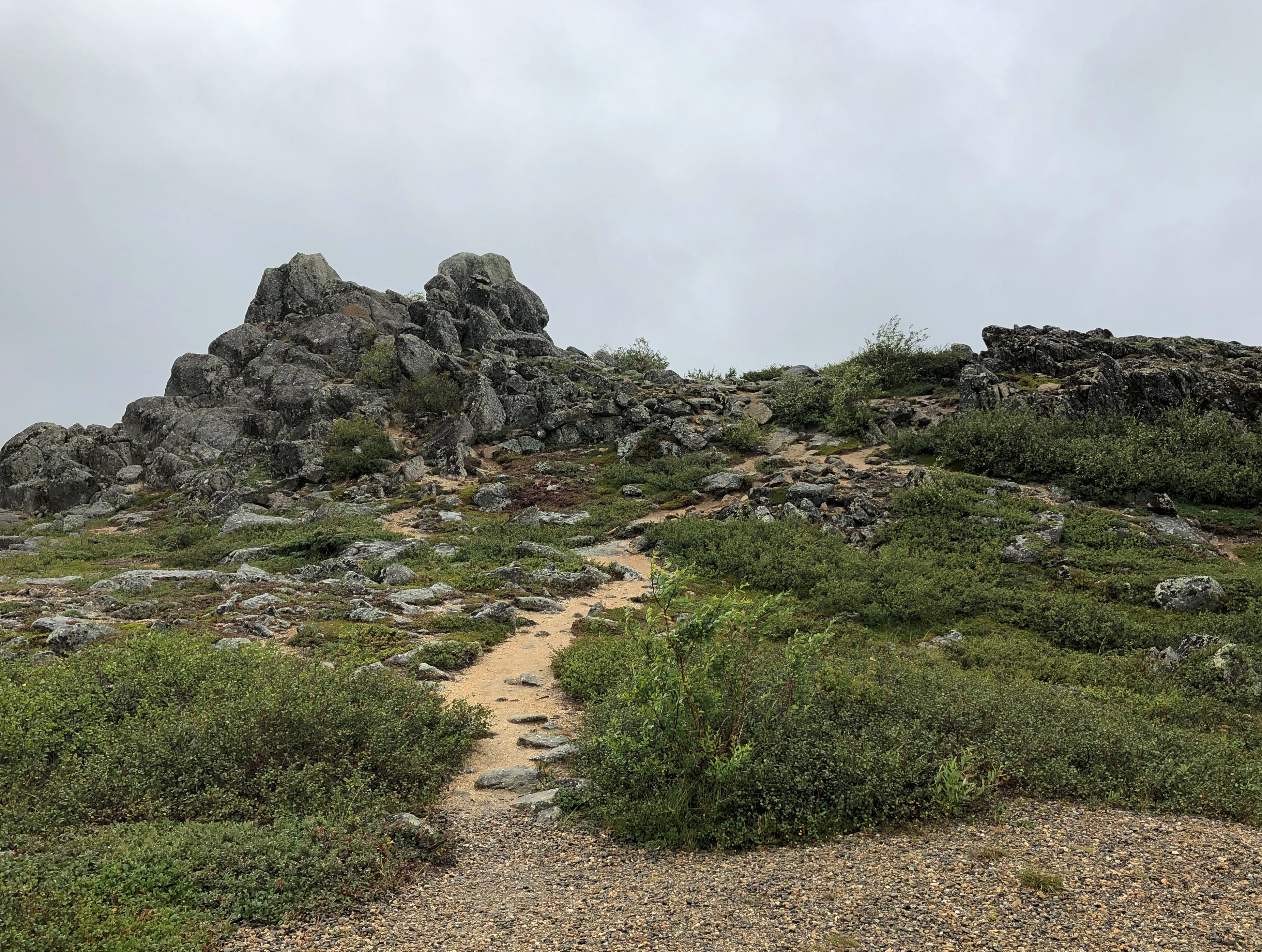
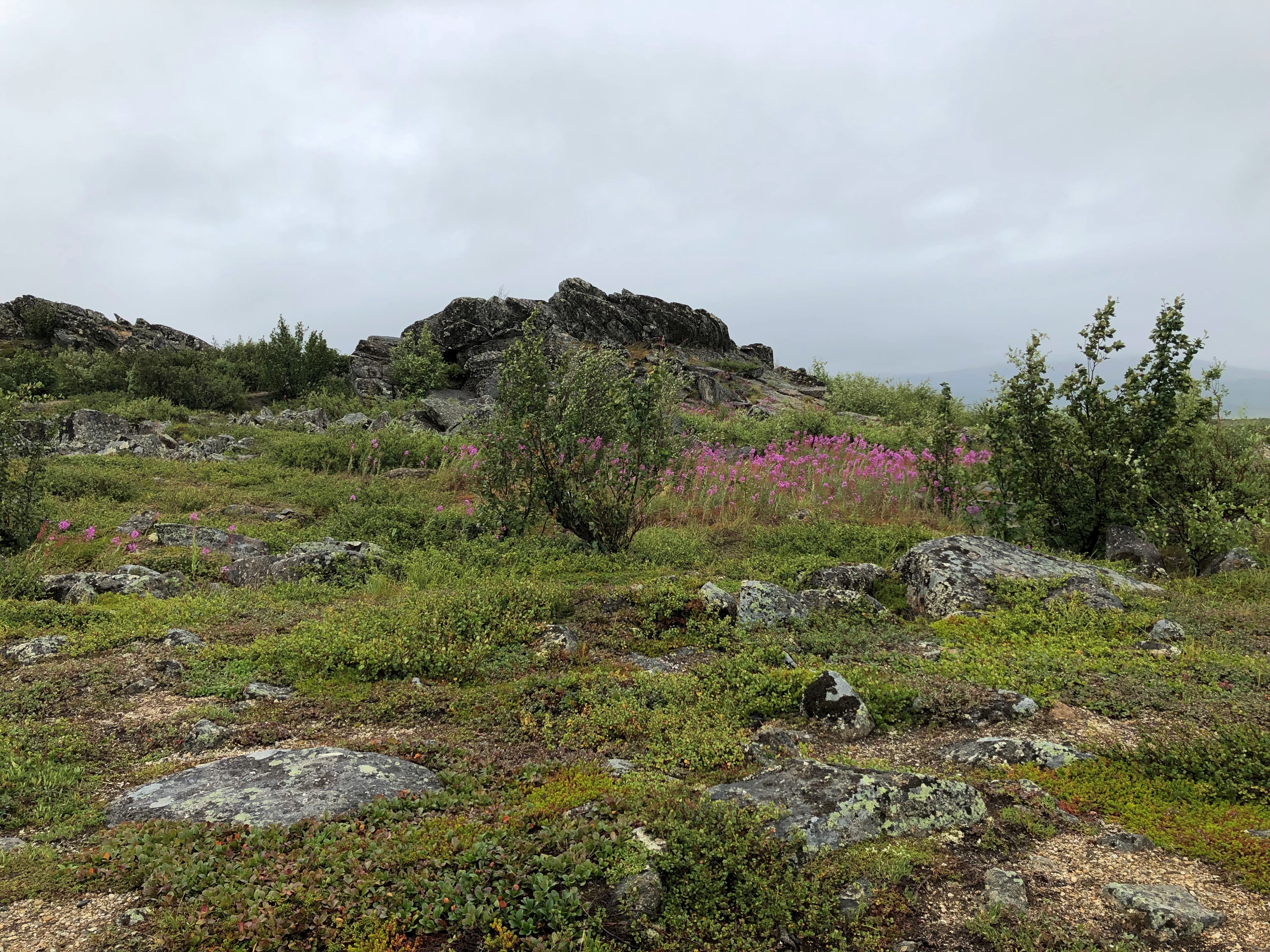
South from that point is Finger Mountain. Not actually a mountain, just a large hill with a granite tor off in the distance. We stopped long enough for us to scramble to the top of the hill, which is about 17 miles south of the Arctic Circle.Finger Mountain July 2021
Finger Mountain July 2021

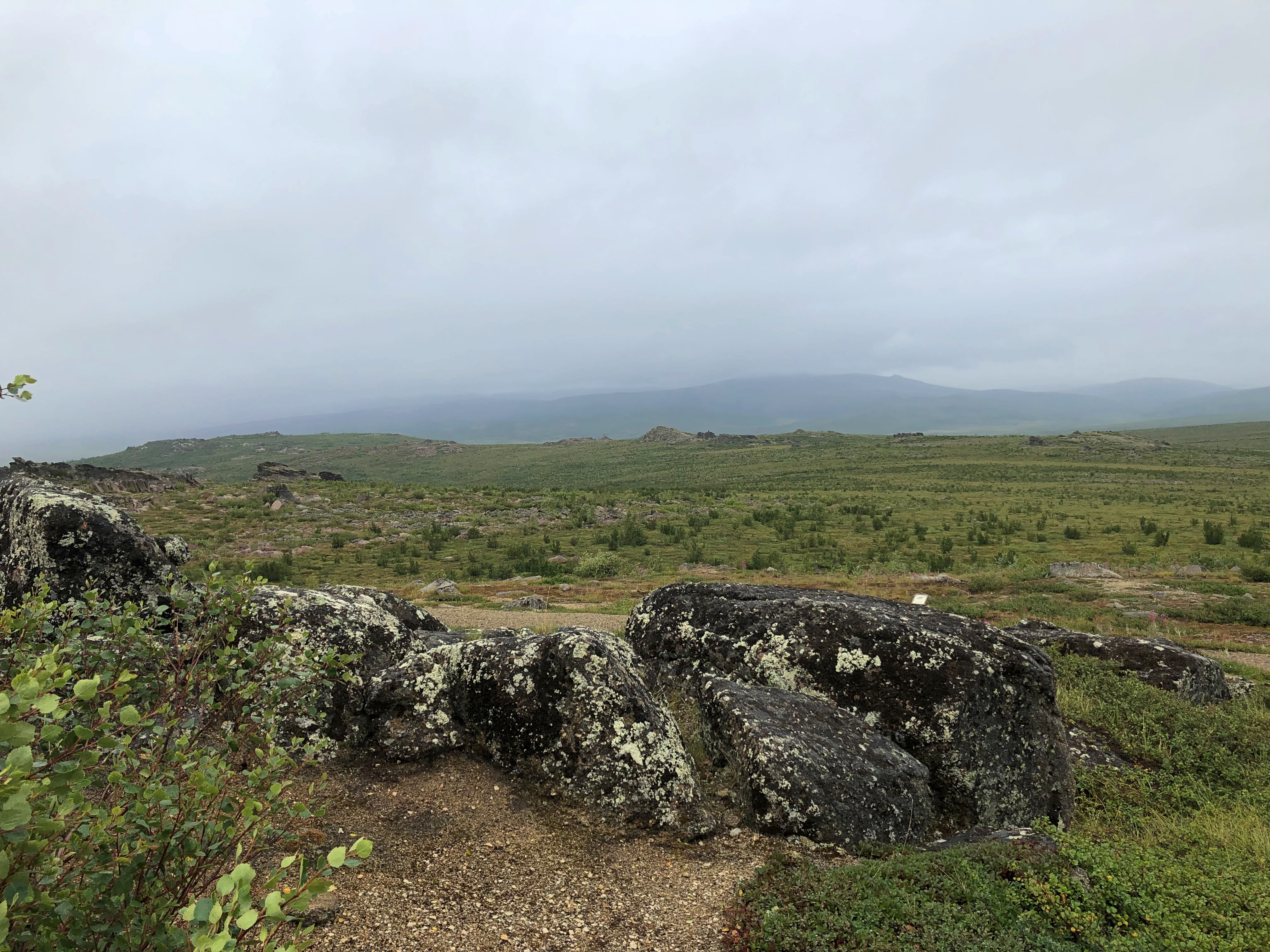
Distant fog obscured the distant mountains, but they were visible.
Finger Mountain July 2021

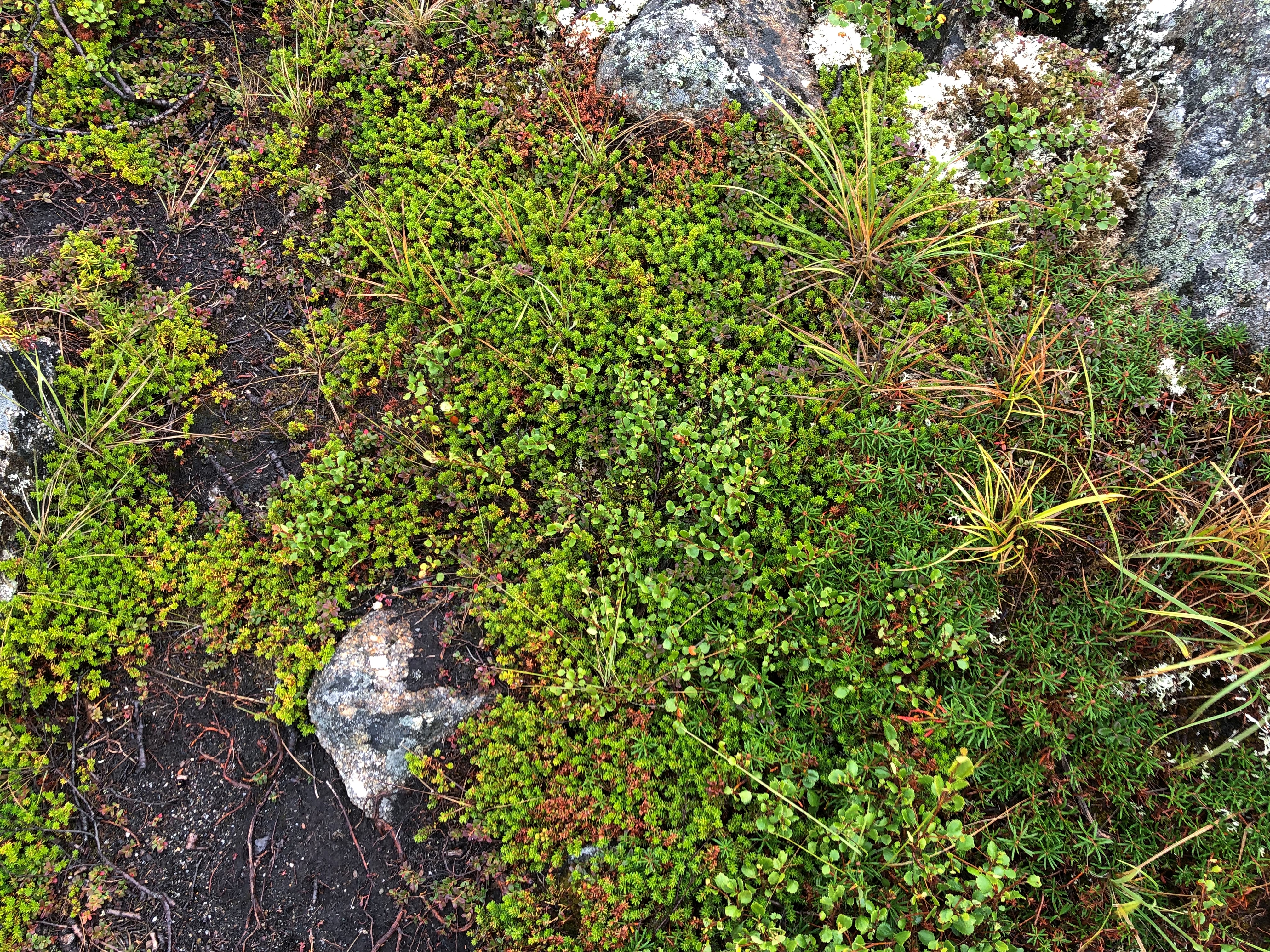
I was reminded of the alpine tundra I saw on the mountainsides of Alberta. Yes, this counts as alpine tundra, Steve the guide agreed.Finger Mountain July 2021
Finger Mountain July 2021

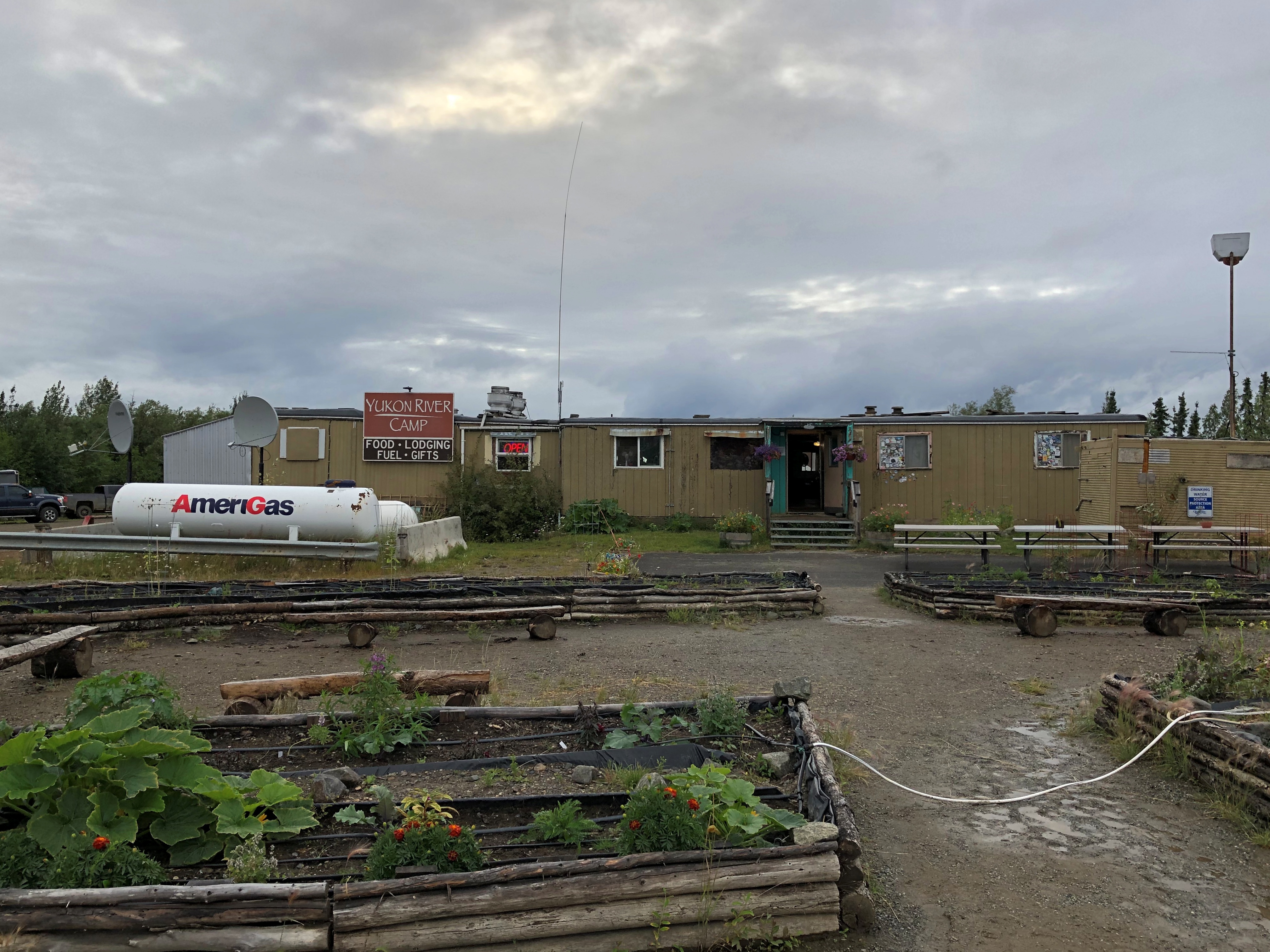
Further south we stopped at the Yukon River Camp.
Dalton Highway Yukon Camp

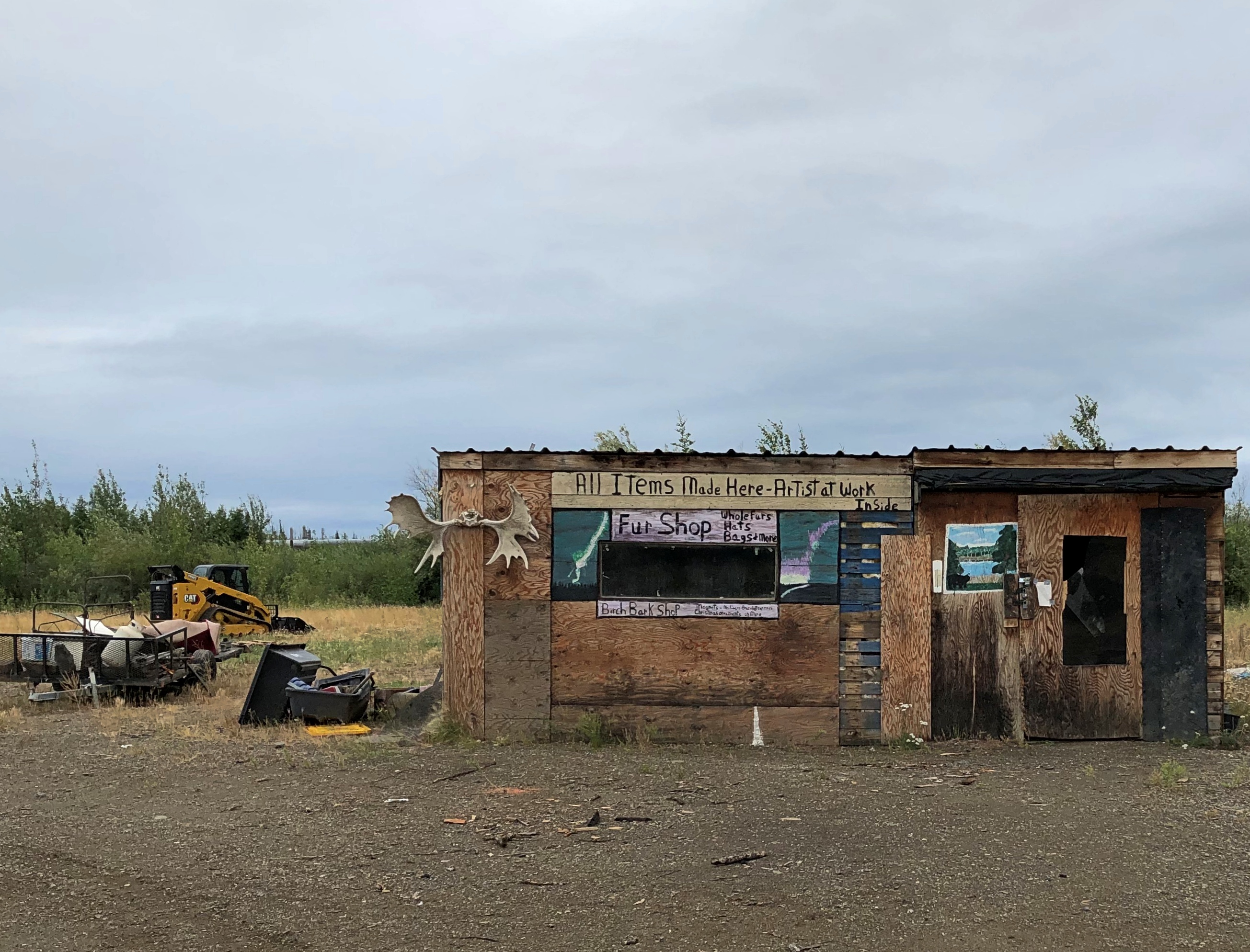
Some of its buildings had that abandoned look. Wonder when the last time there was an artist in residence here, across the parking lot from the camp’s main building, and nearer to the highway.
Dalton Highway Yukon Camp

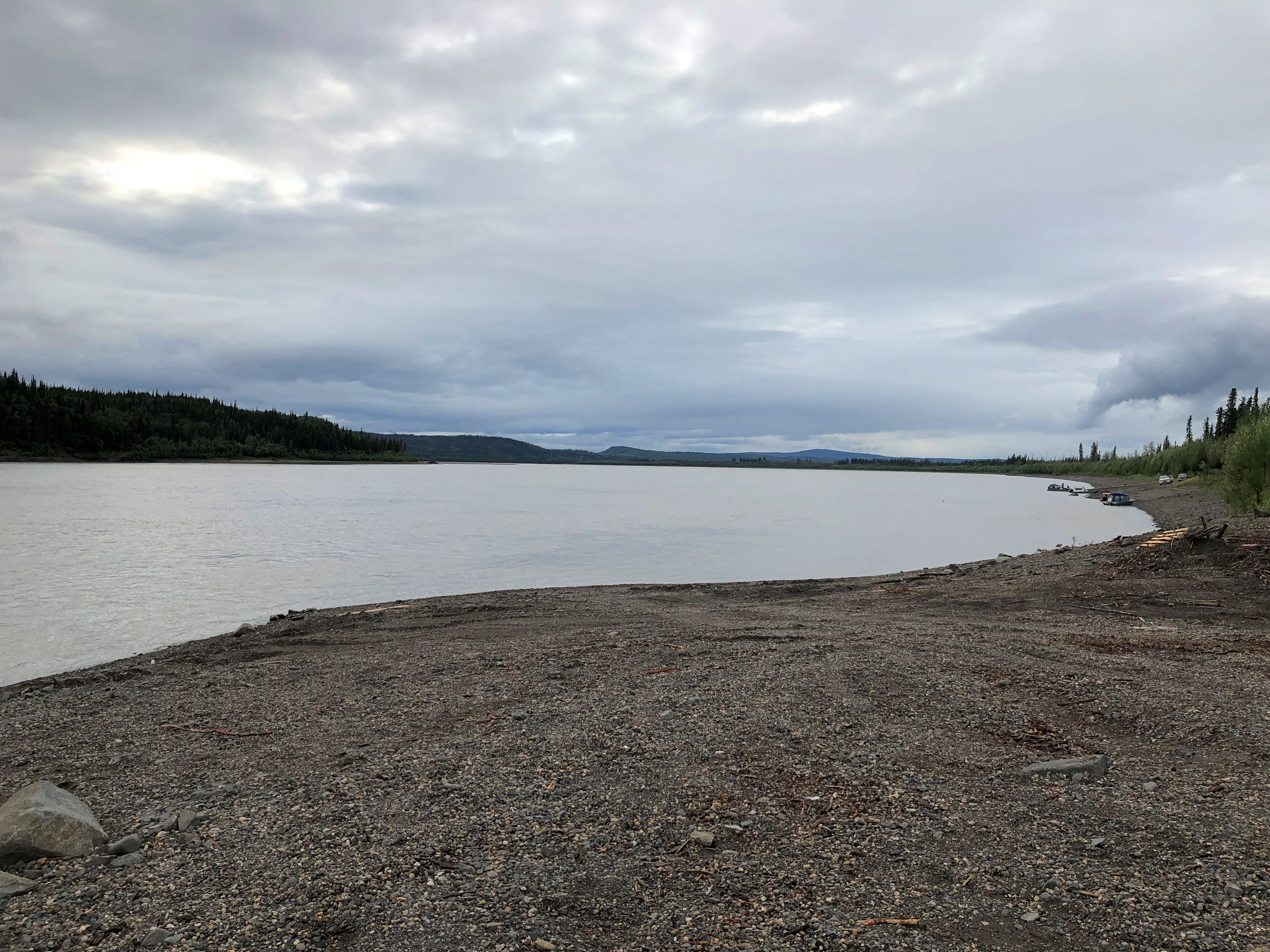
Not far from the buildings is the mighty Yukon River, third-longest in North America. It was good to stand on the banks of such a river.Dalton Highway Yukon River

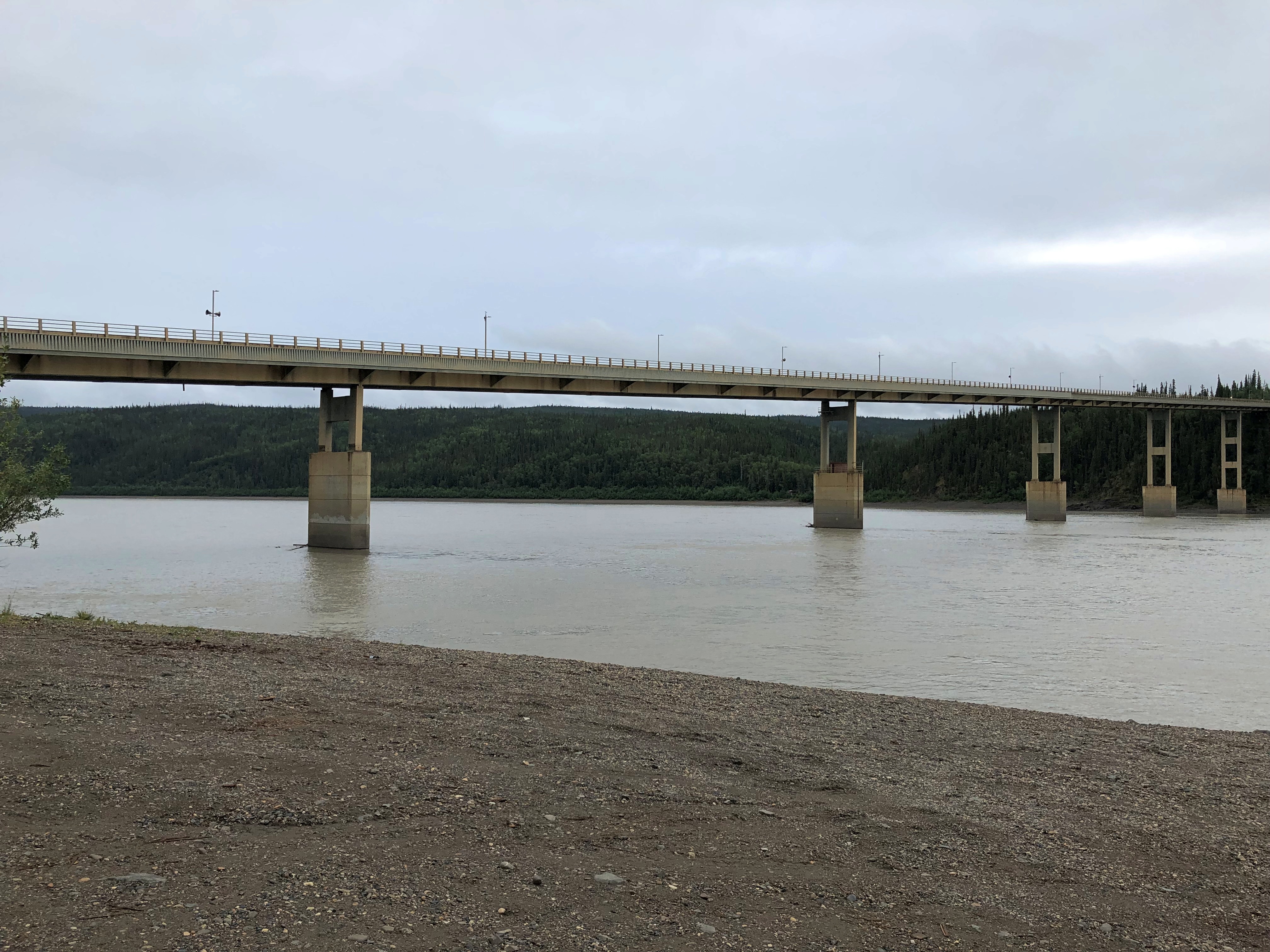
The 2,295-foot Yukon River Bridge, formally the E. L. Patton Bridge, carries the Dalton Highway, along with the Alaska Pipeline, across the river. It’s only one of four bridges on the Yukon, despite the river being nearly 3,200 miles long.
Dalton Highway Yukon River Bridge

Near the bridge, I got a better look at the pipeline. I could stand under it.Dalton Highway Yukon River Pipeline Dalton Highway Yukon River Pipeline

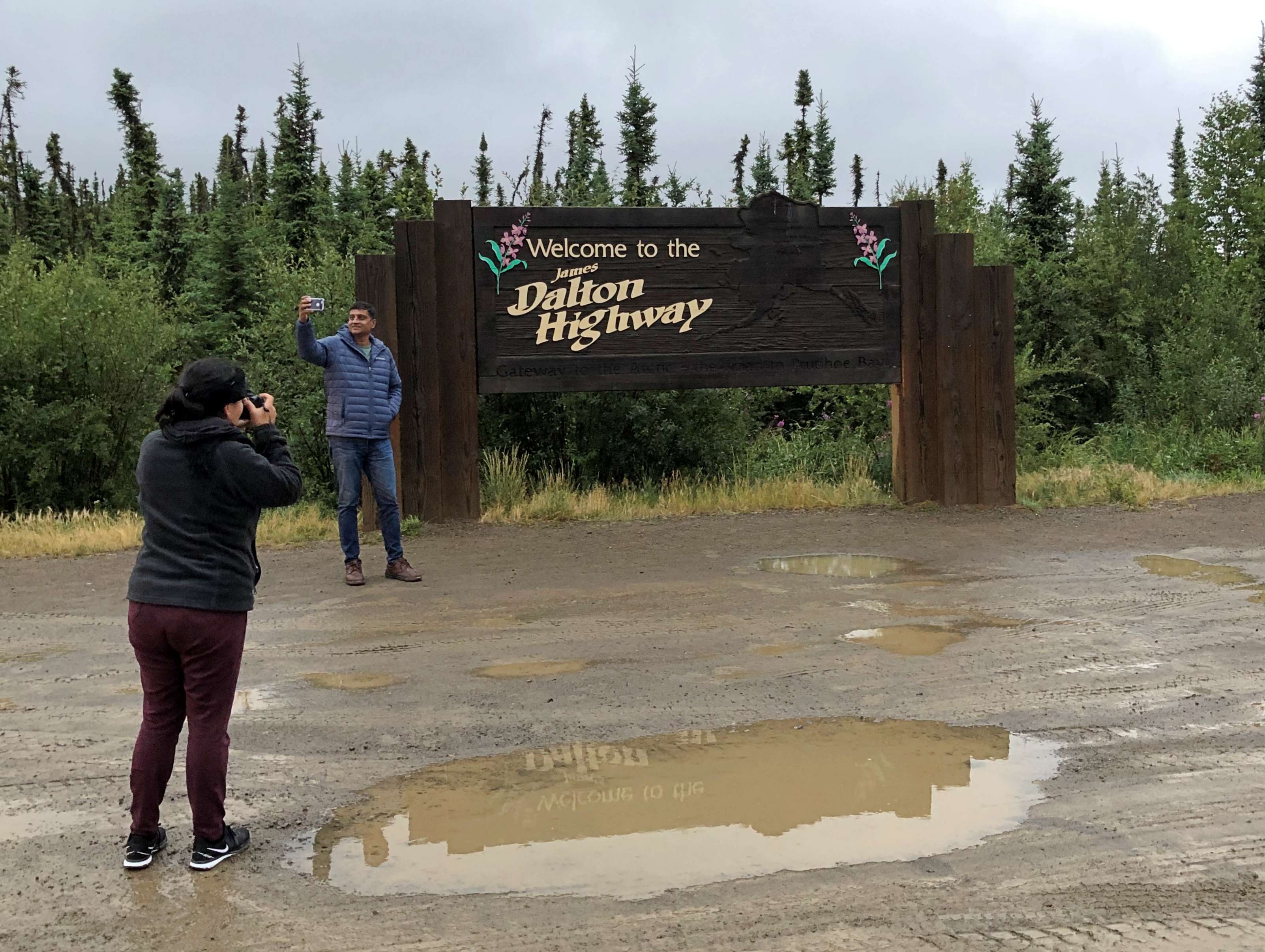
Though it wasn’t the end of our drive, the last stop (except for an outhouse break) was at the entrance to the Dalton Highway. A sign marks the spot.
Dalton Highway Yukon River Pipeline

“At first, the highway was called the Haul Road because almost everything supporting oil development was ‘hauled’ on tractor-trailer rigs to its final destination,” notes the Bureau of Land Management. “In 1981, the State of Alaska named the highway after James B. Dalton, a lifelong Alaskan and expert in arctic engineering who was involved in early oil exploration efforts on the North Slope.

“The highway was open only to commercial traffic until 1981, when the state allowed public access to Disaster Creek at milepost 211. In 1994, public access was allowed all the way to Deadhorse for the first time.”

North to Alaska

Last week, I found myself at the Arctic Circle. Or so the sign said. I didn’t bother to check with GPS, since I knew it was close enough, like the Prime Meridian line in Greenwich, England. I posed with it. That’s the tourist thing to do, especially when you’ve come a long way.Arctic Circle Sign, Alaska July 2021

A fleeting but memorable moment there at 66 degrees, 33 minutes North, early during my recent visit to Alaska, which ran from July 26 to July 31. Before that, I flew to Seattle to spent a long weekend with Lilly, who has established a life in that city. I also visited some of my old friends — stretching back to college and high school — now resident in that part of the country.

On the first day in Seattle, July 23, Lilly and I walked from her apartment in the Wallingford neighborhood (near Fremont) over to Gas Works Park under a warm summer sun. That was one of the first places I ever visited in Seattle in ’85, long before the notion of walking anywhere with a grown daughter. After an afternoon nap (for me), we had a delightful take-out dinner at Bill and Gillian’s back yard in Edmonds, with another friend, Matt, joining us.

On Saturday the 24th, I had breakfast up the street from Lilly’s with a high school friend, Louis, whom I hadn’t seen in… 40 years? Late in the morning, Lilly and I went to the Seattle Art Museum, which has quite the collection, arrayed in galleries each featuring a certain genre or artistic theme – usually a radically different one from the neighboring galleries. Out to smash that paradigm called “chronology” or “art history,” I suppose.

That afternoon, we went to the Ballard Locks, formally known as the Hiram M. Chittenden Locks, which connect Puget Sound with Lake Washington, a worthwhile suggestion of Jay’s. Not as impressive as the Panama Canal, Lilly said, but still a feat of 1910s engineering. That evening, old age rested (me) and youth went out (Lilly). That meant that the next morning, youth was a lot more tired than old age during the ferry ride and drive to spend the day at Olympic National Park, where we took a hike along Hurricane Ridge and then a walk to see Marymere Falls.

On July 26, I flew to Fairbanks, my base for the rest of the week. I didn’t have a rental car at first, so I got around via cabs and municipal buses in roughly equal measure – the former being infinitely more expensive than the latter, since the buses have been free since the pandemic hit. I took in the excellent Museum of the North on the sprawling campus of the University of Alaska Fairbanks and visited downtown Fairbanks long enough to get dinner.

The next day, I made my way to a general aviation runway near the airport and took a tour that involved flying in a small plane to Coldfoot, Alaska, which isn’t even a town, but rather a camp on the Dalton Highway, about 250 miles north of Fairbanks. North of Coldfoot, there are no services for 240 miles, until Deadhorse.

We didn’t continue further north. The tour then headed southward by bus on the gravel road that is the Dalton, stopping at a few places, including the Arctic Circle sign.

On July 28, I picked up a rental car and spent some time looking around Fairbanks, including the Birch Hill Cemetery on the outskirts of town, and then suburban North Pole, Alaska, for a look at the curiosities there. Mainly, the Santa Claus House. From there I headed south on Alaska 3, a two-lane road to Anchorage. I didn’t go to that city, but rather to a hotel near the entrance of Denali National Park, where I spent the night. Along that road, I unexpectedly found a presidential site.

The next day, I took a bus tour of the national park, which took us along the only road in the park to see magnificent vistas and animals along the way. We saw many of each. We also saw Denali itself for a short time without a shroud of clouds, gleaming white among the brown mountains. About 600,000 people visited Denali NP in 2019, a record, and I understand the attraction.

That evening, or rather during the long twilight afternoon, I drove back to Fairbanks, only about 90 miles. On the morning of July 30, I spent time futzing around downtown Fairbanks, this time using the rental car, occasionally marveling that I was in the furthest north U.S. city.
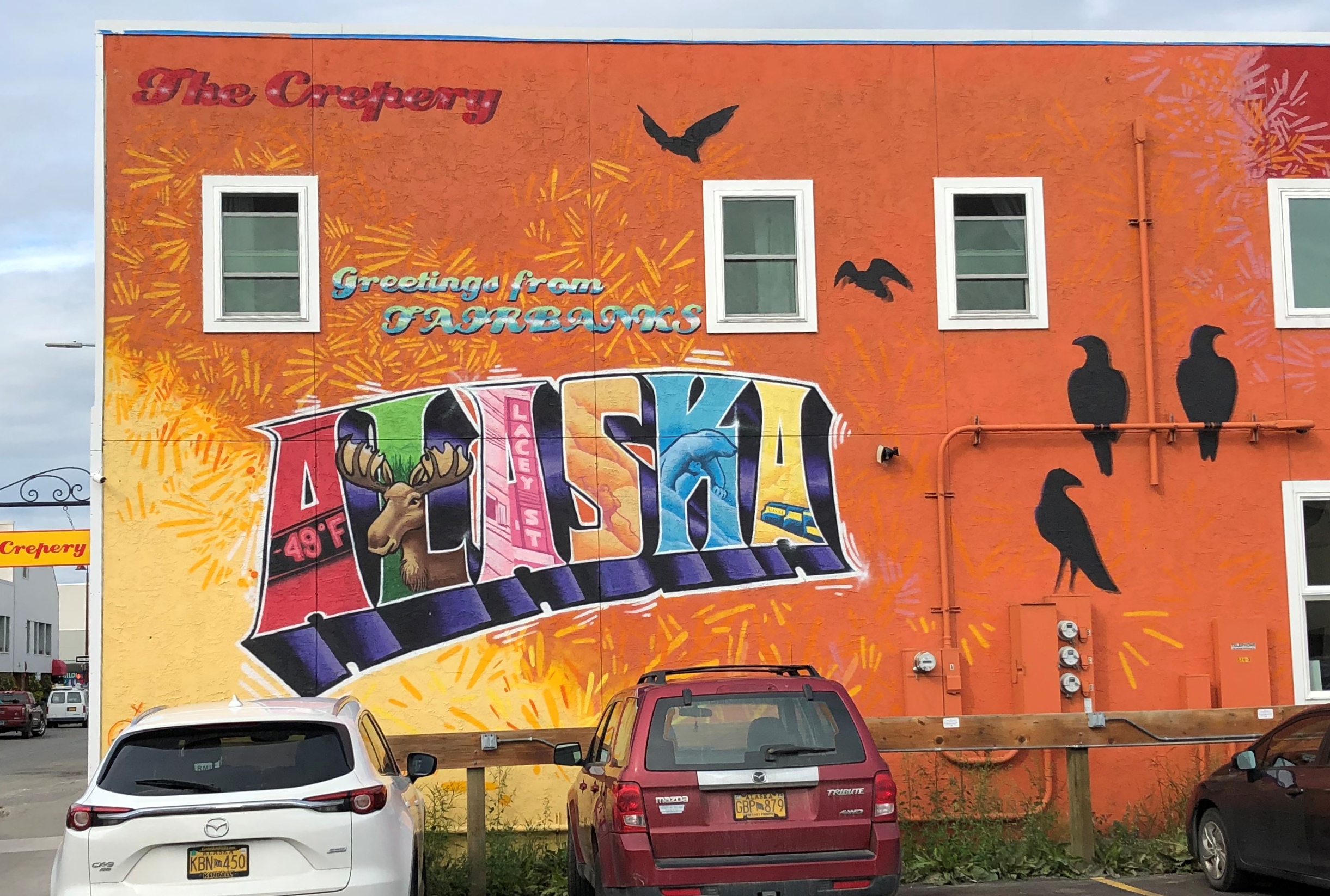
welcome to alaska

A heavy lunch made me tired, so I returned to my room and napped and read and wrote postcards and watched YouTube and regular TV. Even tourists need time off. If the trip had ended then, I would have been more than satisfied, but I had scheduled one more day.

It was a good one. Better than I expected. I’d considered going to a hot spring about 60 miles from Fairbanks, but I’d had enough of long drives, so instead I visited another cemetery, some churches, a couple of neighborhoods and had a lighter lunch than the day before.

That meant I was ready for the Fountainhead Antique Auto Museum in the afternoon. I almost didn’t go. Two museums seemed like enough for this trip. But I figured I’d go look at some old cars for an hour or so, since I was nearby anyway. I was astonished at the place. Not only was it an excellent car museum, it was an excellent museum, period: an amazing collection expertly displayed and curated.

That wasn’t quite all. I spent a little more time before returning to the airport walking on the trails of Creamer’s Field Migratory Waterfowl Refuge, including its boreal forest trail, a term that evokes the trackless reaches not much further out of town. My July 31 flight from Fairbanks was a redeye, bringing me home early today.

My senses had to work overtime to take in all that I experienced. Alaskan vistas tend to be intense, in spots sweeping far to the distance; more expansive than I’d ever seen, besting even the Grand Canyon or the Canadian Rockies or the Gobi Desert. Roads took me through vast forested square miles without much human presence. On learning that there are really only six main species of trees in the Alaskan forests, and that one of them is the quaking aspen, I started noticing them everywhere. At one rest stop, I listened to the wind blow through a stand of maybe half a dozen quaking aspens, a distinctive rustle I’ve heard in my own back yard, only magnified.

Mostly the temps were in the 60s and 70s, and as high as 80, though a rainy cool day on the Dalton made the gravel crunch and the mud stick, and some of it yet remains dried on my hiking shoes. As the days passed, I started noticing the hours-long twilight and the never-quite dark of the night, strange to contemplate, if you’re not used to it. The signs and businesses and other details along the way in Fairbanks spoke to a strong regional identity, as much as in Texas.

At first, Fairbanks itself didn’t impress. The Lubbock of the far north, I thought. But the longer I stayed, the more I began to appreciate its light traffic, historic spots, and restaurants that wouldn’t be out of place in any much larger American city.

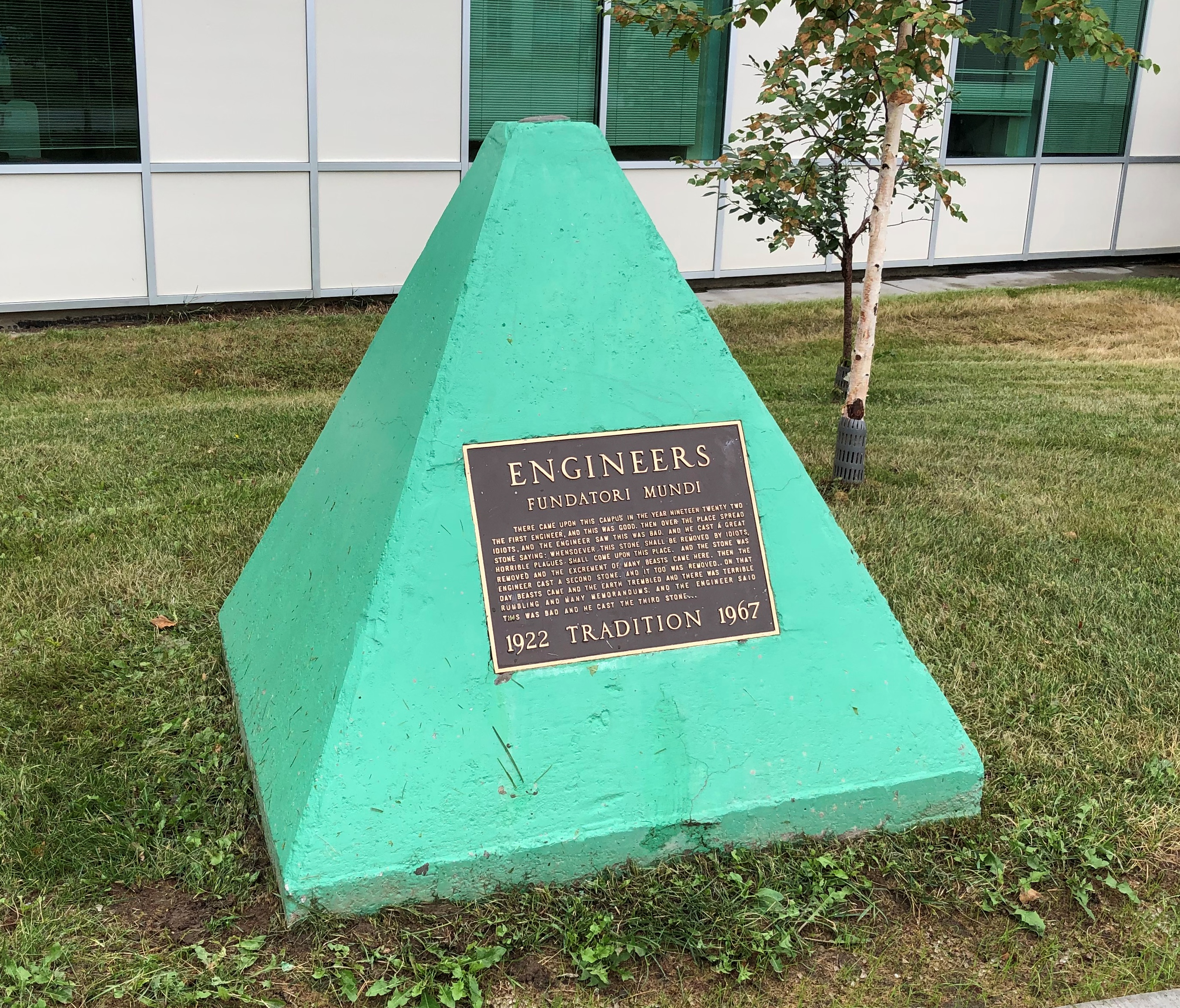
And its oddities. Perhaps none as odd as the green pyramid at the University of Alaska Fairbanks, in front of the engineering building.
Engineers Tradition Stone University of Alaska
The text is here.

The Alaska leg of the trip was a little expensive, at least after arrival, because the airfares to get there and away were the least expensive part of the trip. Everything else in Alaska is expensive. But I have to add: entirely worth it.

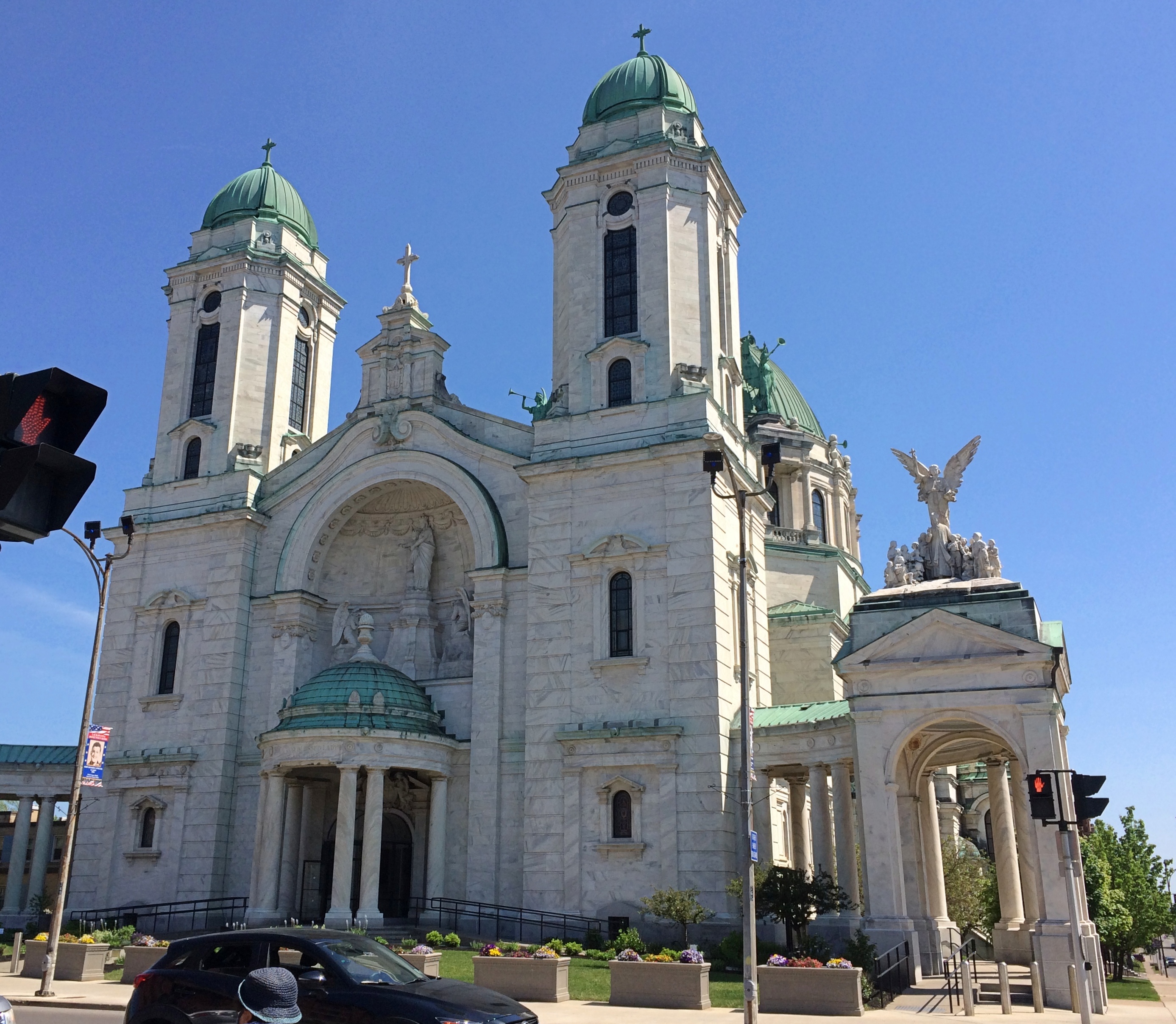
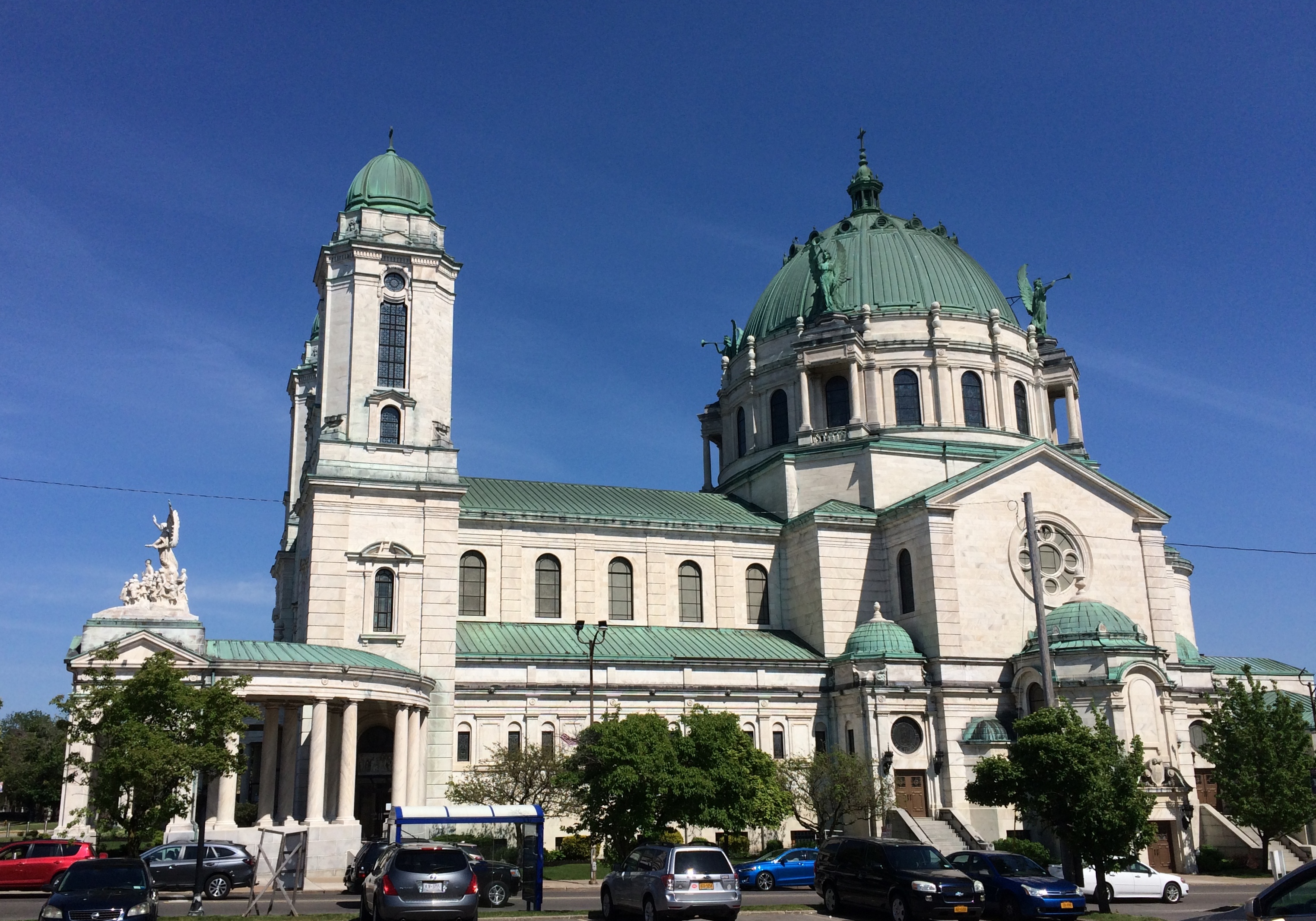
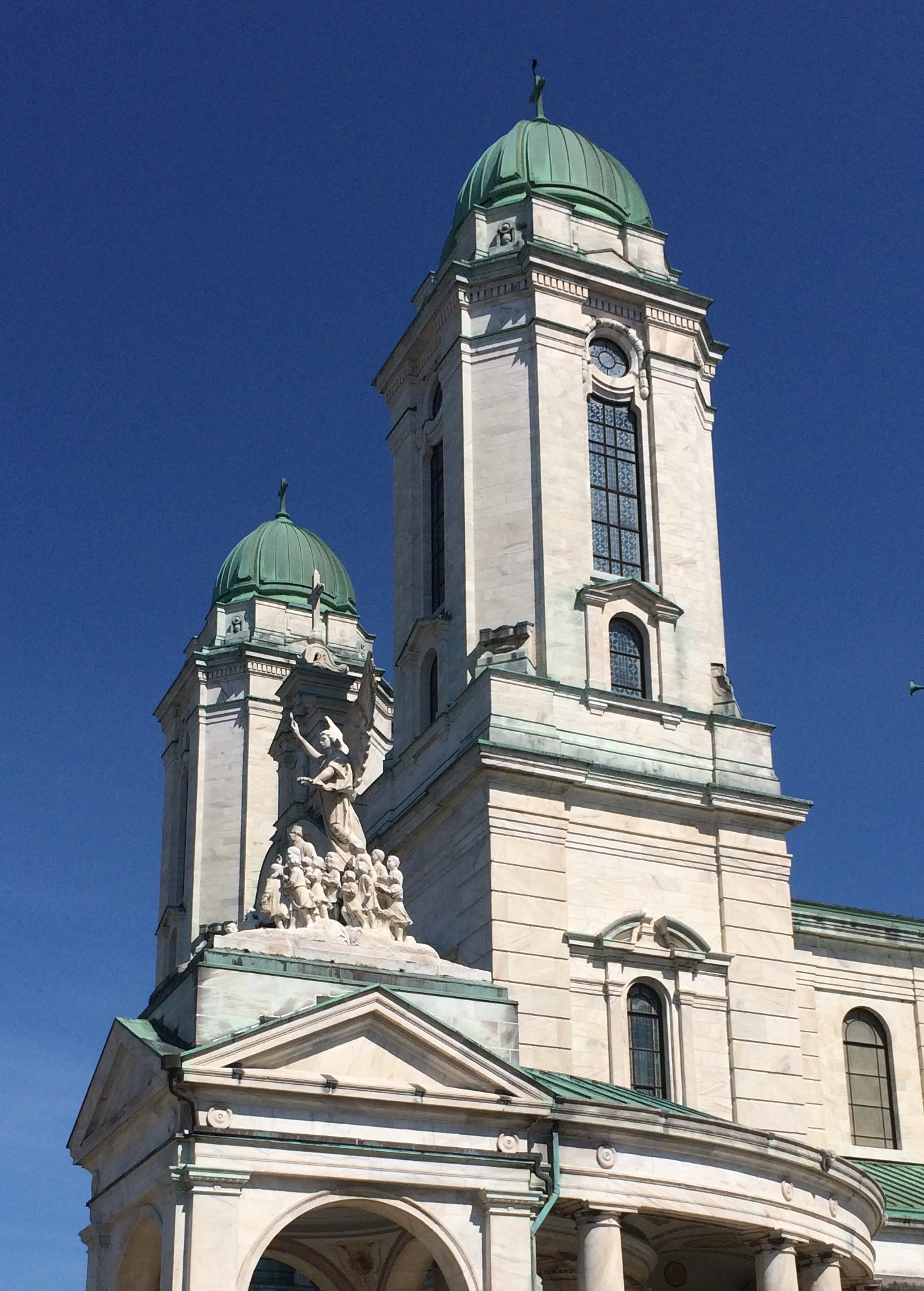
Our Lady of Victory Basilica and National Shrine, Lackawanna

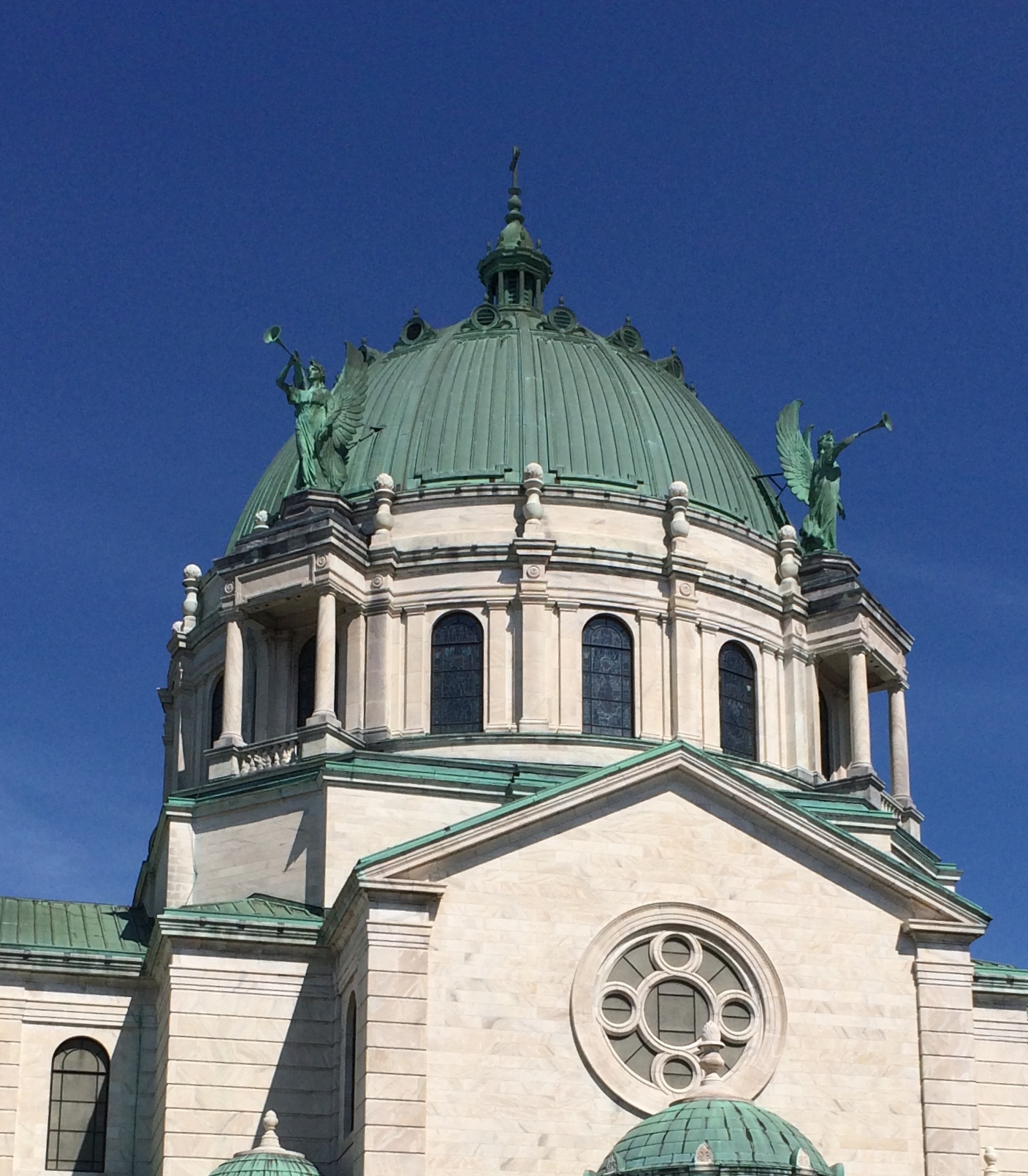
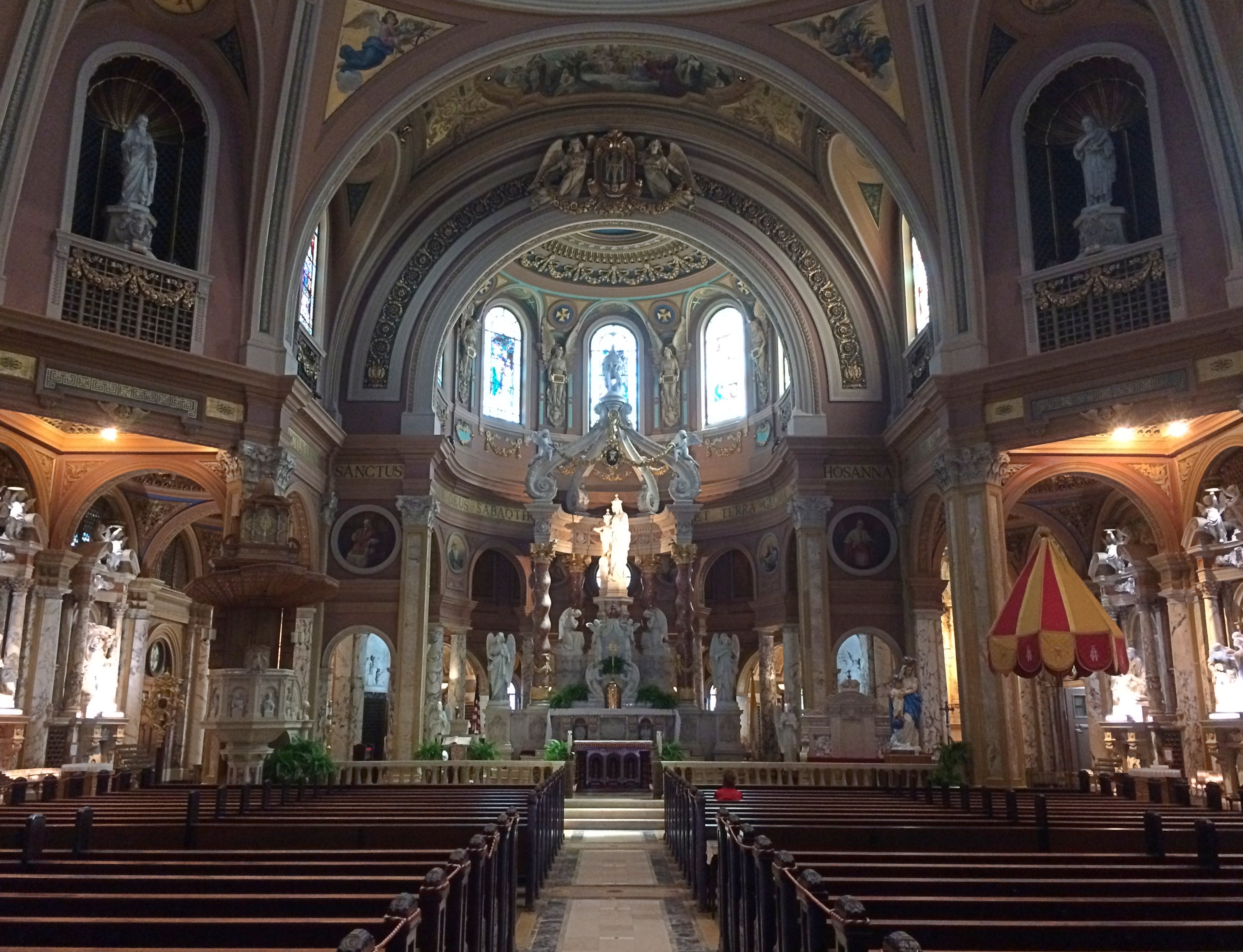
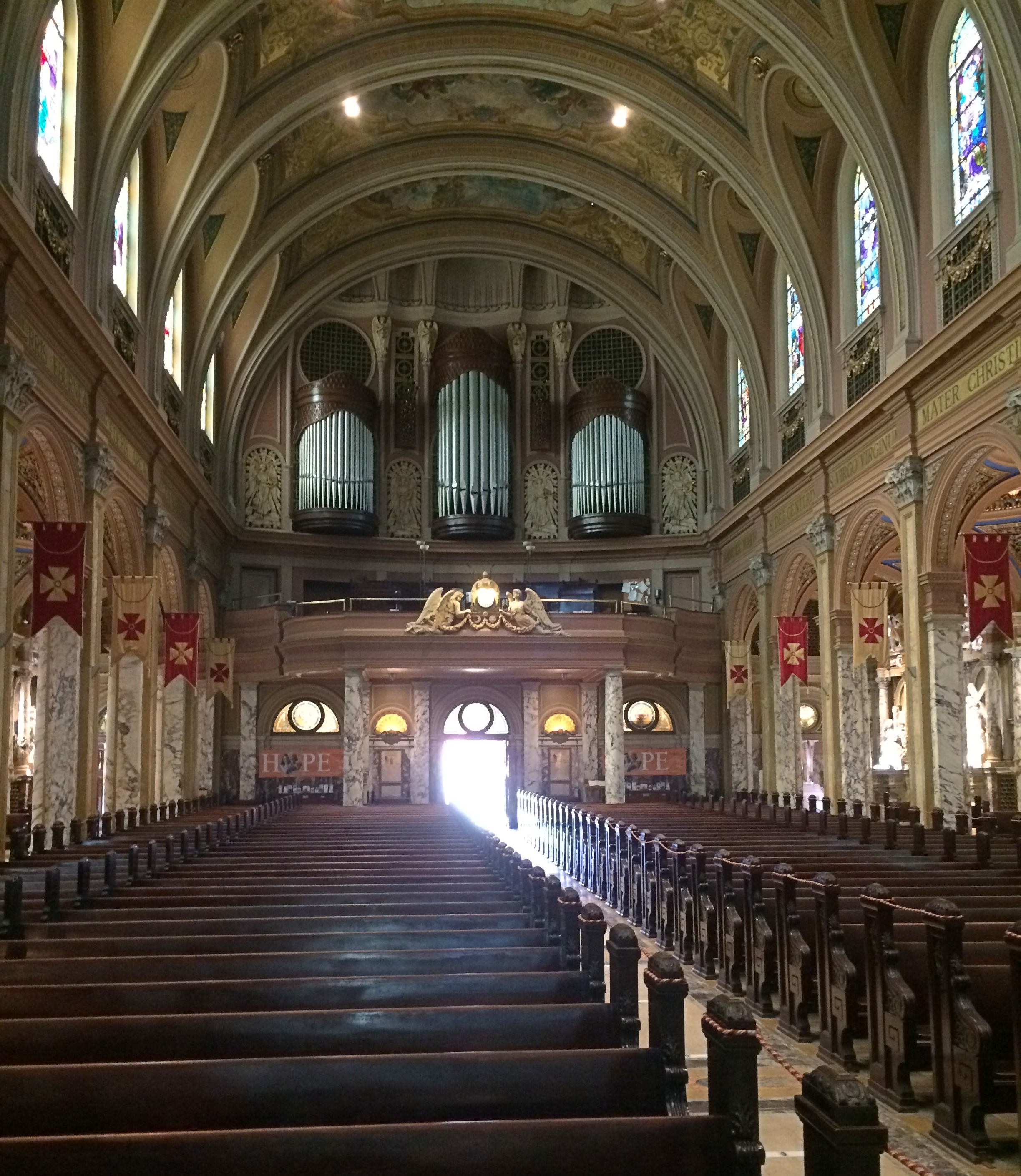
The last place we visited over Memorial Day weekend in greater Buffalo was Our Lady of Victory Basilica and National Shrine, which is in south suburban Lackawanna, New York. We drove south from Lockport just after noon, had lunch in Buffalo at the Lake Effect Diner, and continued south on surface streets to Lackawanna, mainly U.S. 62, which is Bailey Ave. and then South Park Ave.

That course takes you through areas well-to-do and ragged, residential and industrial. Greater Buffalo might be like a smaller version of greater Chicago, but on our drive through the heart of the MSA, we found an essential difference: it’s much easier to get around Buffalo.

Maybe the holiday weekend had something to do with that, but I suspect the difference between 1.1 million people living on the edge of a Great Lake and 9.4 million people living on the edge of another Great Lake was the determining factor. Driving through metro Chicago is often like driving through glue. Buffalo proved much more pleasant as a driving experience.

The basilica stands at South Park Ave. and Ridge Road in Lackawanna. Our Lady of Victory Basilica

 Our Lady of Victory Basilica

Our Lady of Victory Basilica

Our Lady of Victory Basilica

The church was open. I believe only two other people were there when we visited.Our Lady of Victory Basilica

Our Lady of Victory Basilica

Our Lady of Victory Basilica
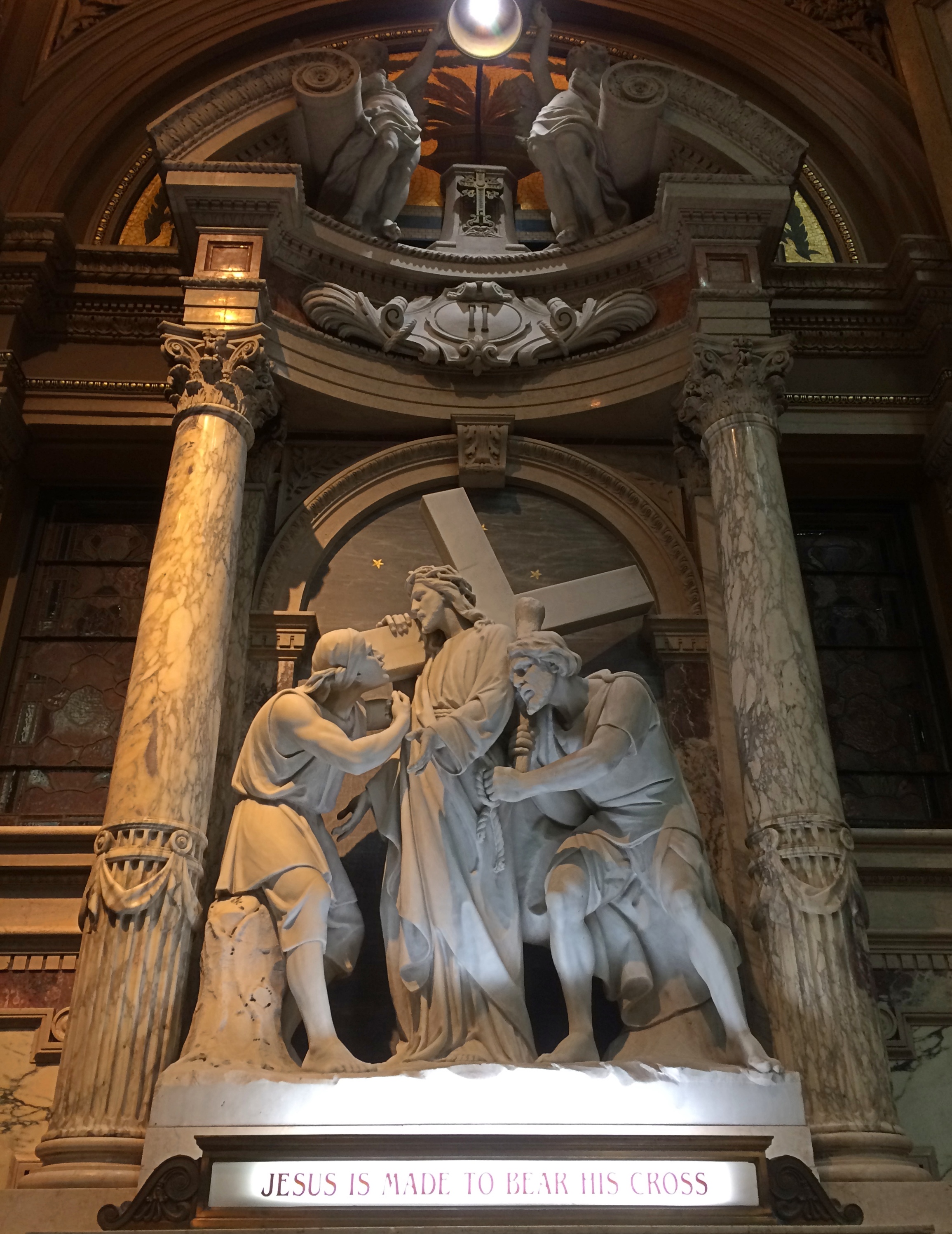
“The artists who painted the murals, sculpted the statues and painstakingly produced the basilica’s 134 stained-glass windows were also members of an international team,” the Buffalo News reported, as reposted here.

“– Architect Emile Ulrich, a graduate of the Academy of Paris, was in Cleveland when the call came from Baker.
— Italian born Gonippo Raggi masterminded the artwork. His oil paintings can be seen throughout the shrine. When he died at age 84 in 1959, Raggi was the subject of a New York Times obituary that credited his work in more than 100 churches on three continents.
— Buffalonian Marion Rzeznik of Poland assisted Raggi. Rzeznik studied sculpture in Krakow, Vienna and New York City.
— Otto Andrle, a Buffalo-native, crafted the stained-glass windows.”

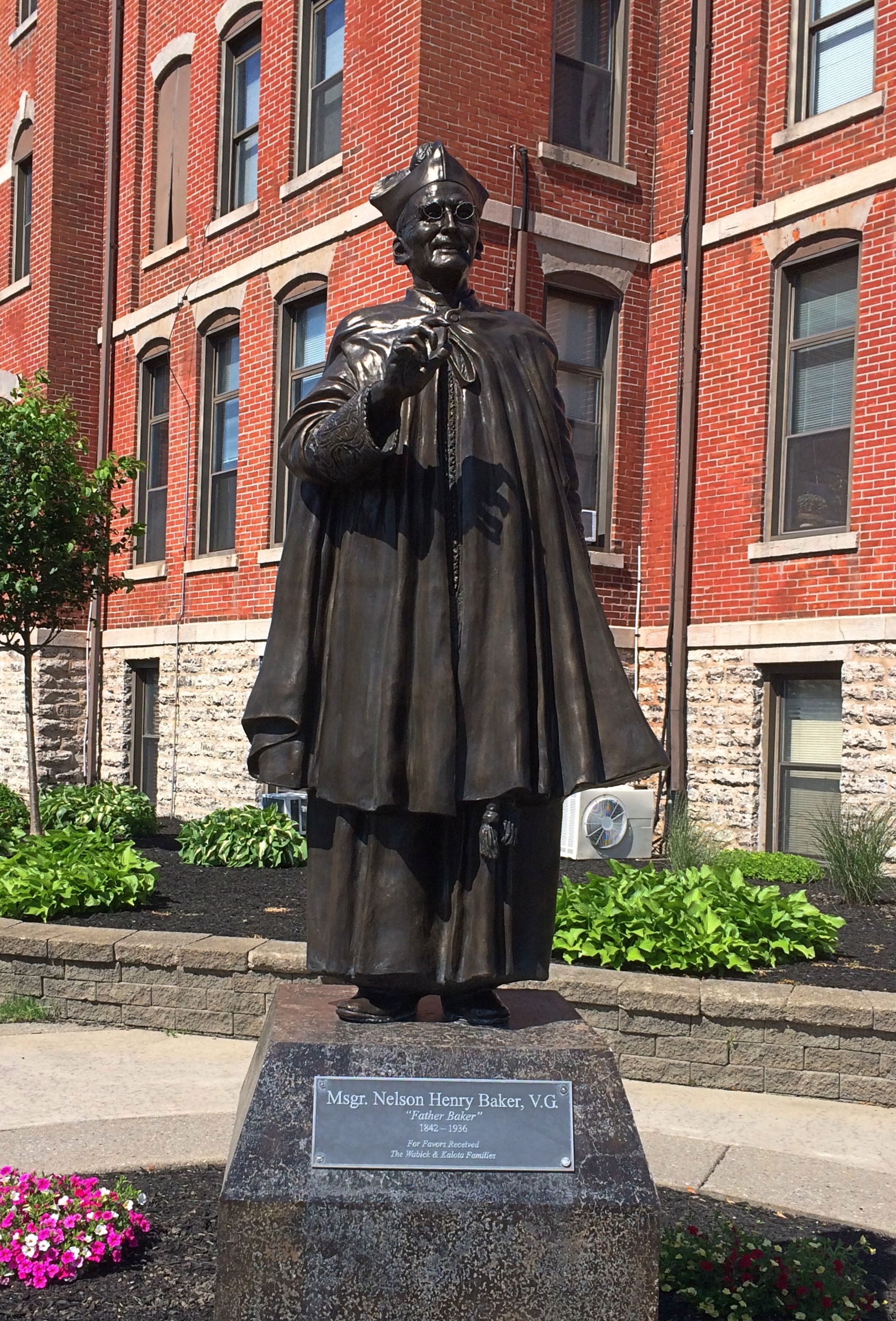
All that talent was brought together in the 1920s to build the basilica by the Venerable Nelson Henry Baker (1842-1936), an exceptionally talented and energetic priest. One of his talents, useful almost anywhere with a money economy, was fundraising. Besides the basilica, which started construction when Baker was 79, over the course of his vocation he founded a hospital, high school, elementary school, an infant home, a home for unwed mothers and a boys’ orphanage.

A bronze Baker is across the street from the basilica.
Our Lady of Victory Basilica Father Baker

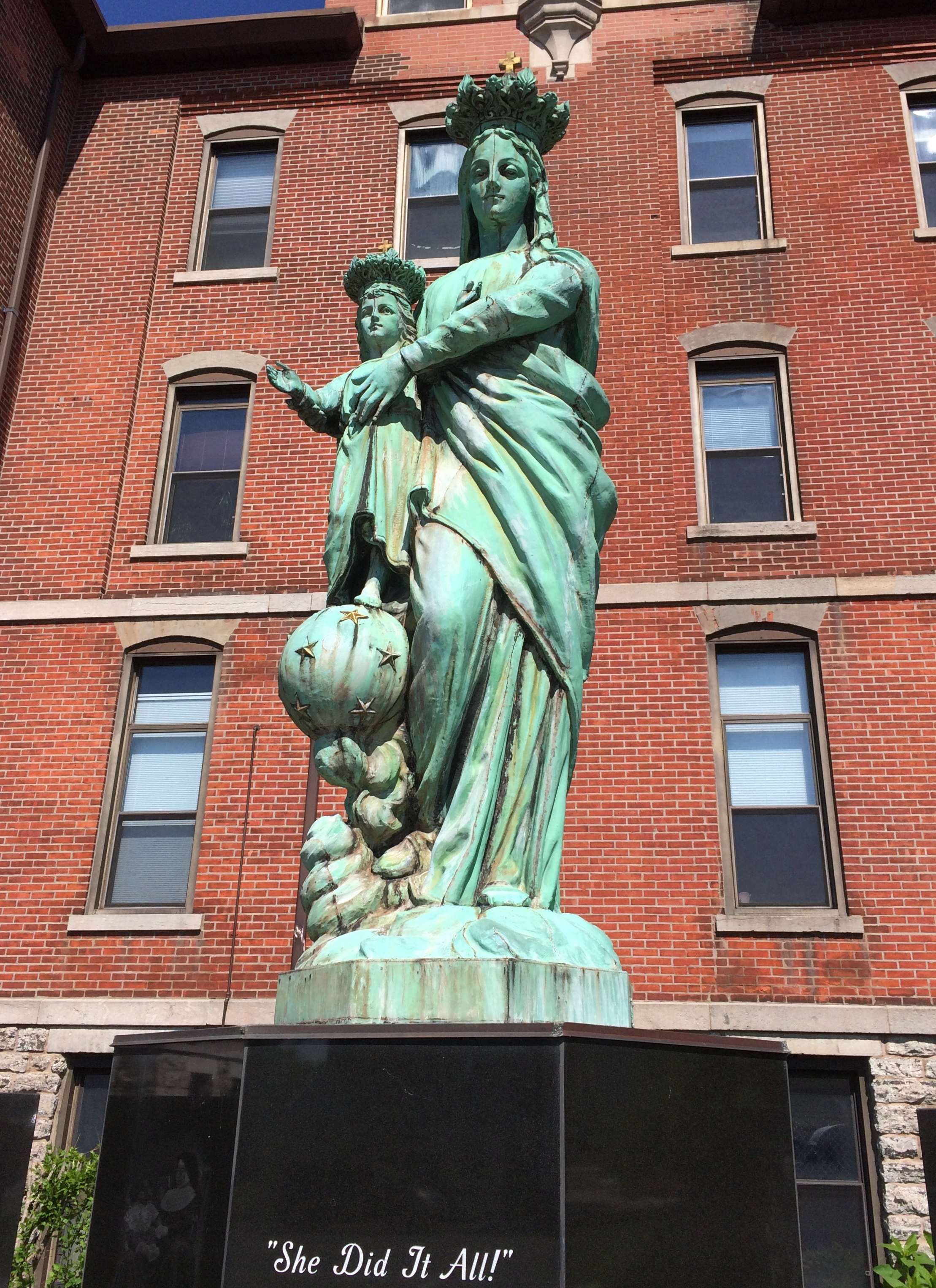
Not far away is Mary.
Our Lady of Victory Basilica Virgin MaryBaker declined credit for his many legacies, it seems, with his quote on the matter on the pedestal.