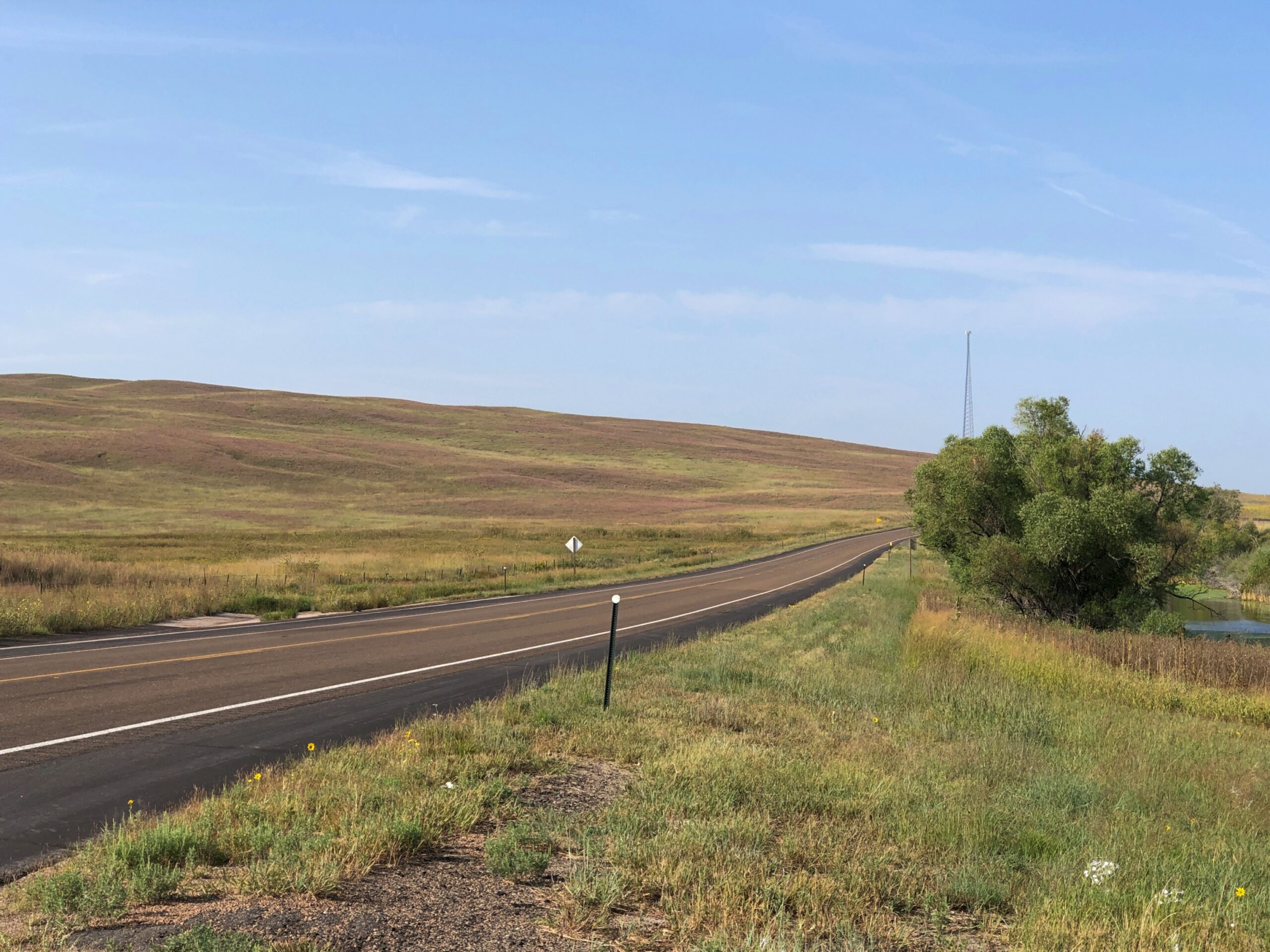
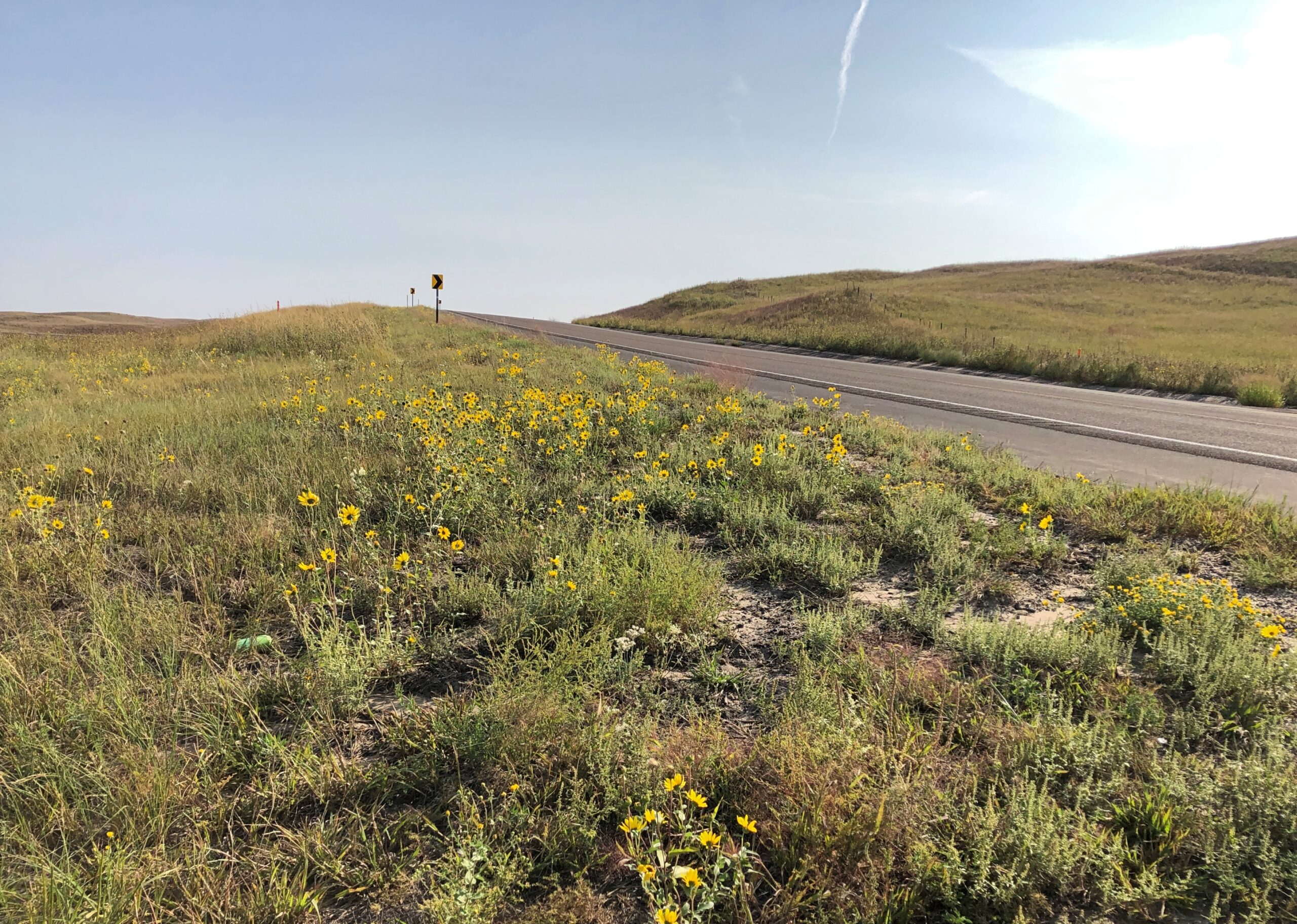
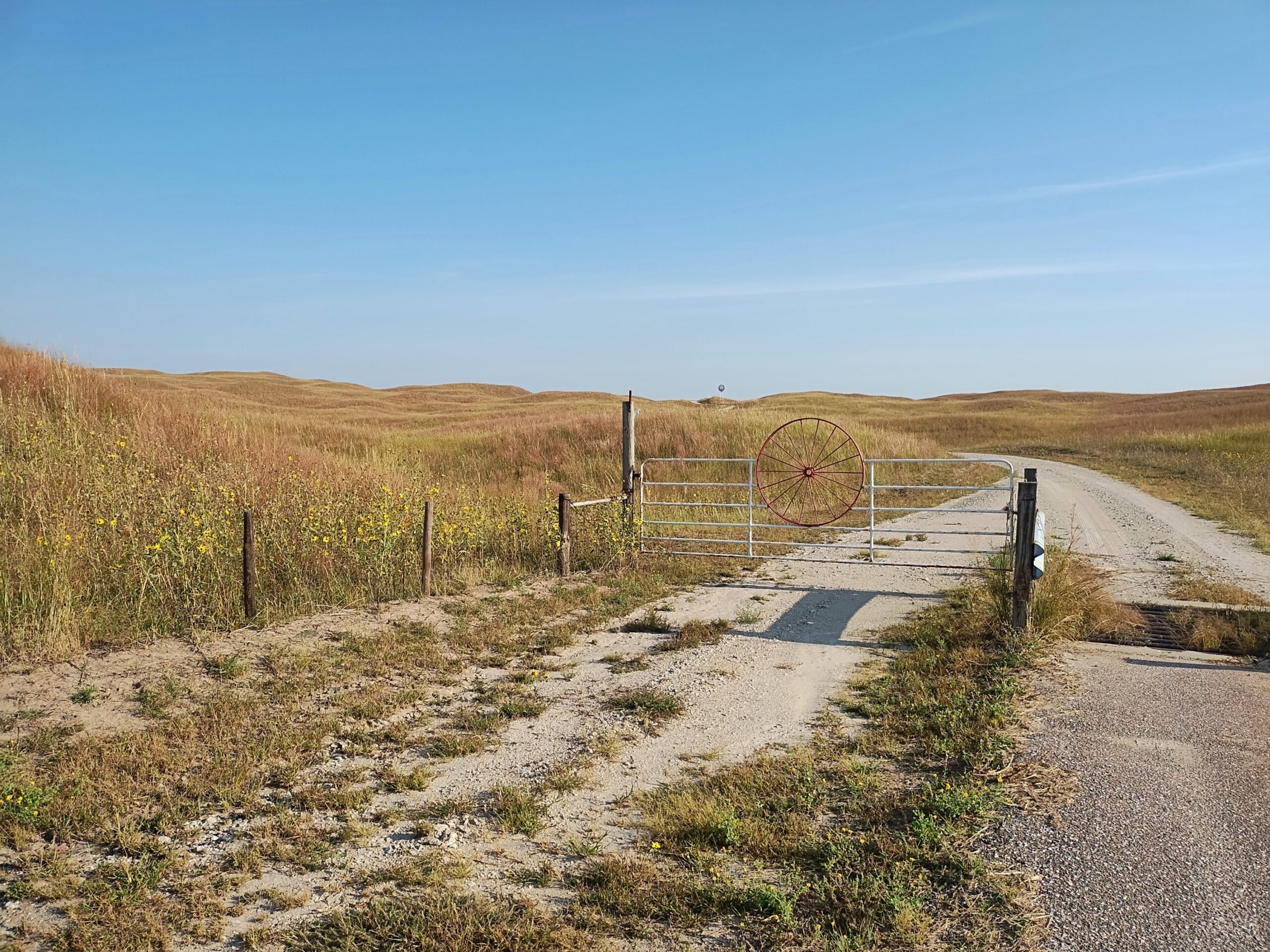
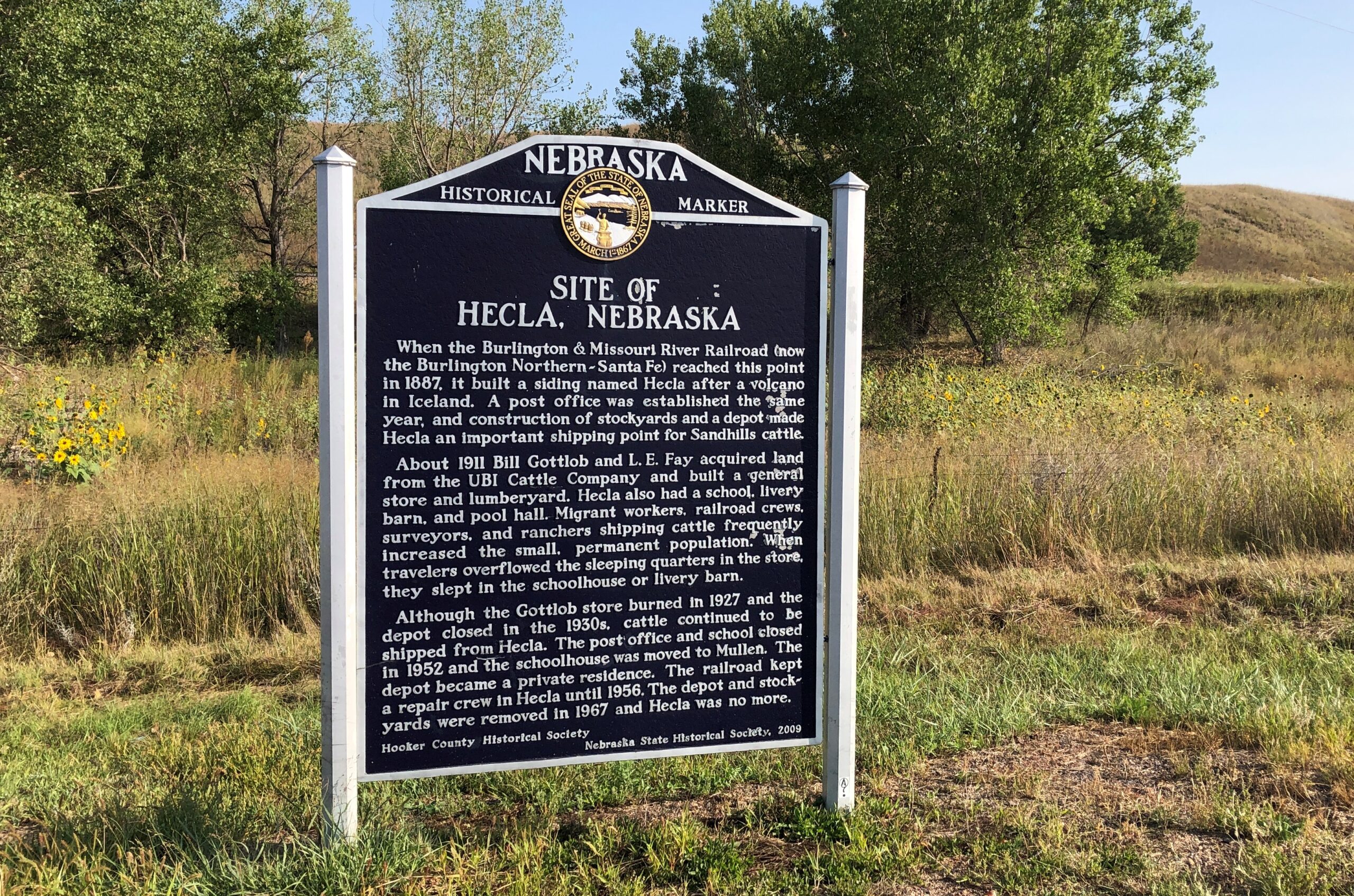
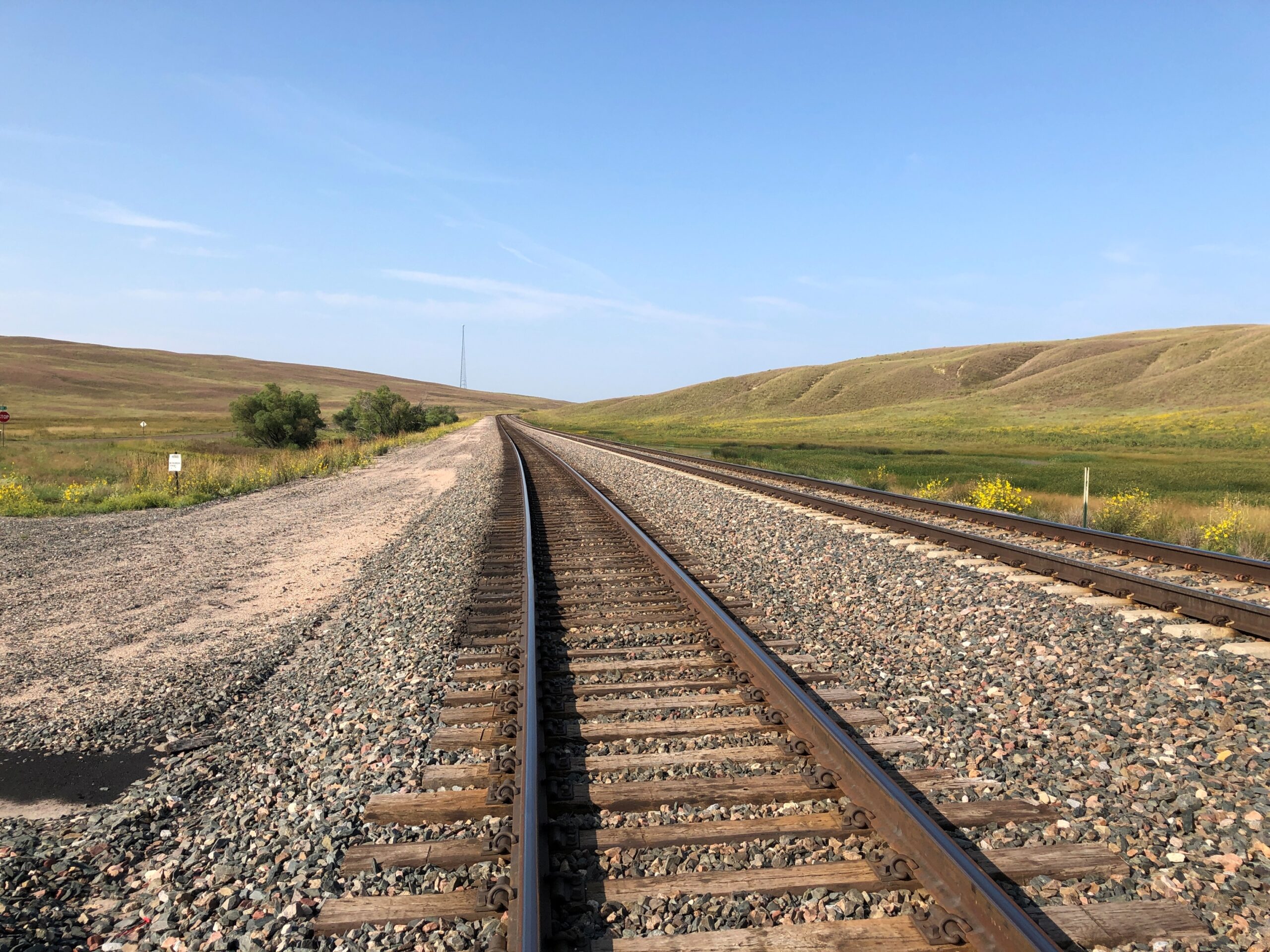
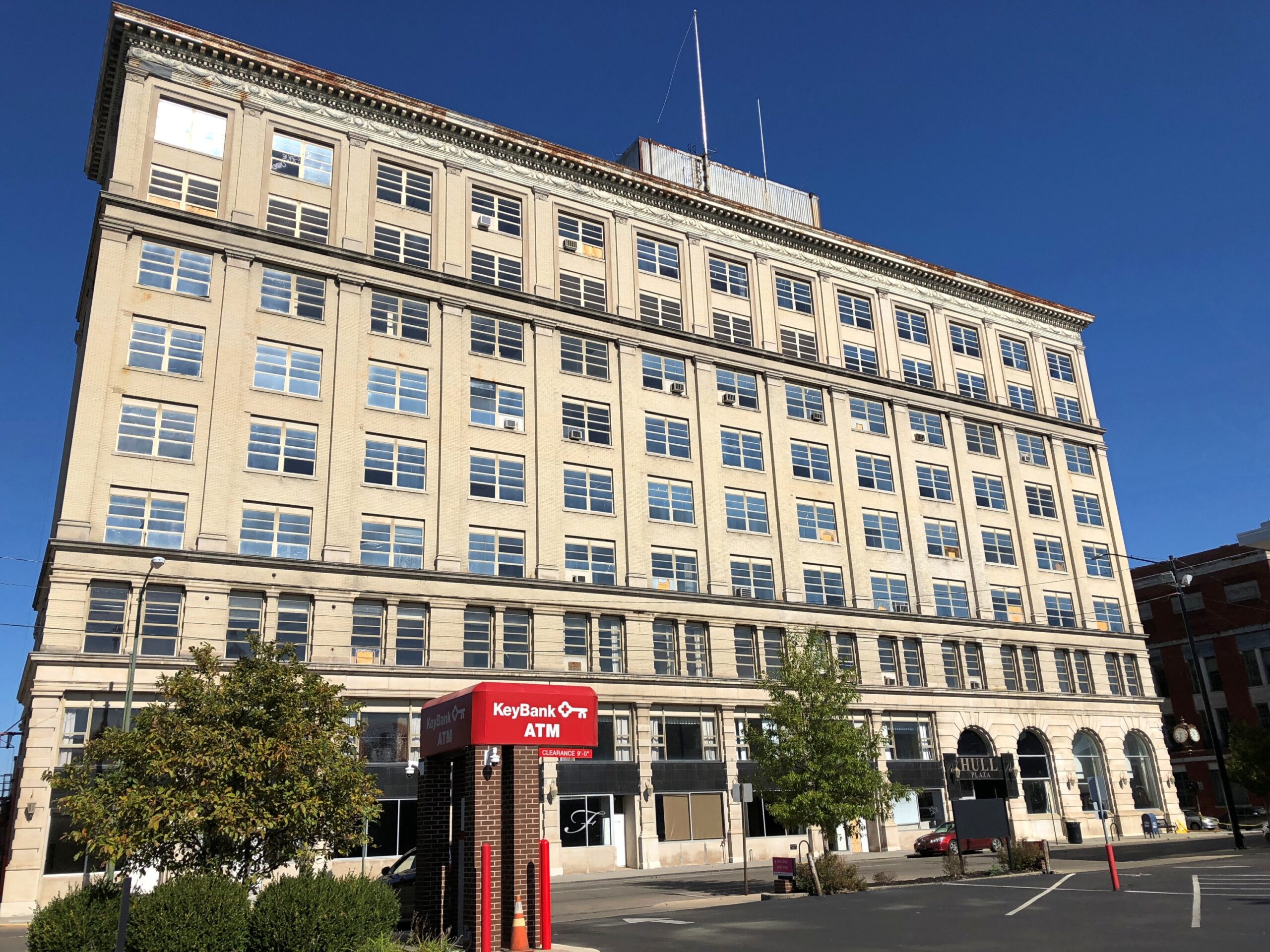
Nor’East Drive ’25

I didn’t realize until last night that I’d driven through some geographic oddities over the last two weeks, on my way to the Northeast and back. Actually state border oddities, such as the Erie Triangle in Pennsylvania, the curious division of the Chesapeake Peninsula, and the panhandle of Maryland.

Except they aren’t really oddities. They just look that way when you’re a kid (or an adult) poring over U.S. maps or putting your state puzzle map together for the nth time. How is it that Pennsylvania has that small chimney? Why didn’t Delaware get more of the Chesapeake Peninsula? What’s the deal with the western extension of Maryland, which narrows to only a few miles at one point?

There are historic reasons for all the shapes, both rational and arbitrary, which are the subject of books and at least one TV show. Lands were granted and claimed, borders were surveyed and quarreled over, and deals and court cases and Congress eventually settled the shapes.

The border oddities may have local and legal significance, but they’re also there to enjoy. Regular borders aren’t nearly as much fun. Sure, it’s interesting that Colorado and Wyoming look about the same, but I always liked the fact that New Mexico has a stub and Idaho tapers to meet Canada, just to name two Western examples, because not all the fun shapes are in the East. Just most of them.

To reach these border areas, I drove 2,853 miles, starting October 14, from northern Illinois to the East Coast and back, through (in order) Indiana, Michigan, Ohio, Pennsylvania, New York state (and city), New Jersey, New York (city and state) again, Connecticut, Massachusetts, Rhode Island, Connecticut again, New York state (and city) again, New Jersey again, Delaware, Maryland, West Virginia, Pennsylvania again, West Virginia again, Ohio again and Indiana again, arriving home today. I got tired just typing all that out.

The original impetus for the trip was to visit New York City during its Open House event. Unlike a rational person, who would have flown there and back, I decided to drive, and let Yuriko fly there and back. NYC is achievable from metro Chicago in two driving days. I decided not to do that, either, and stretch things out to fill in some travel lacunae of mine.

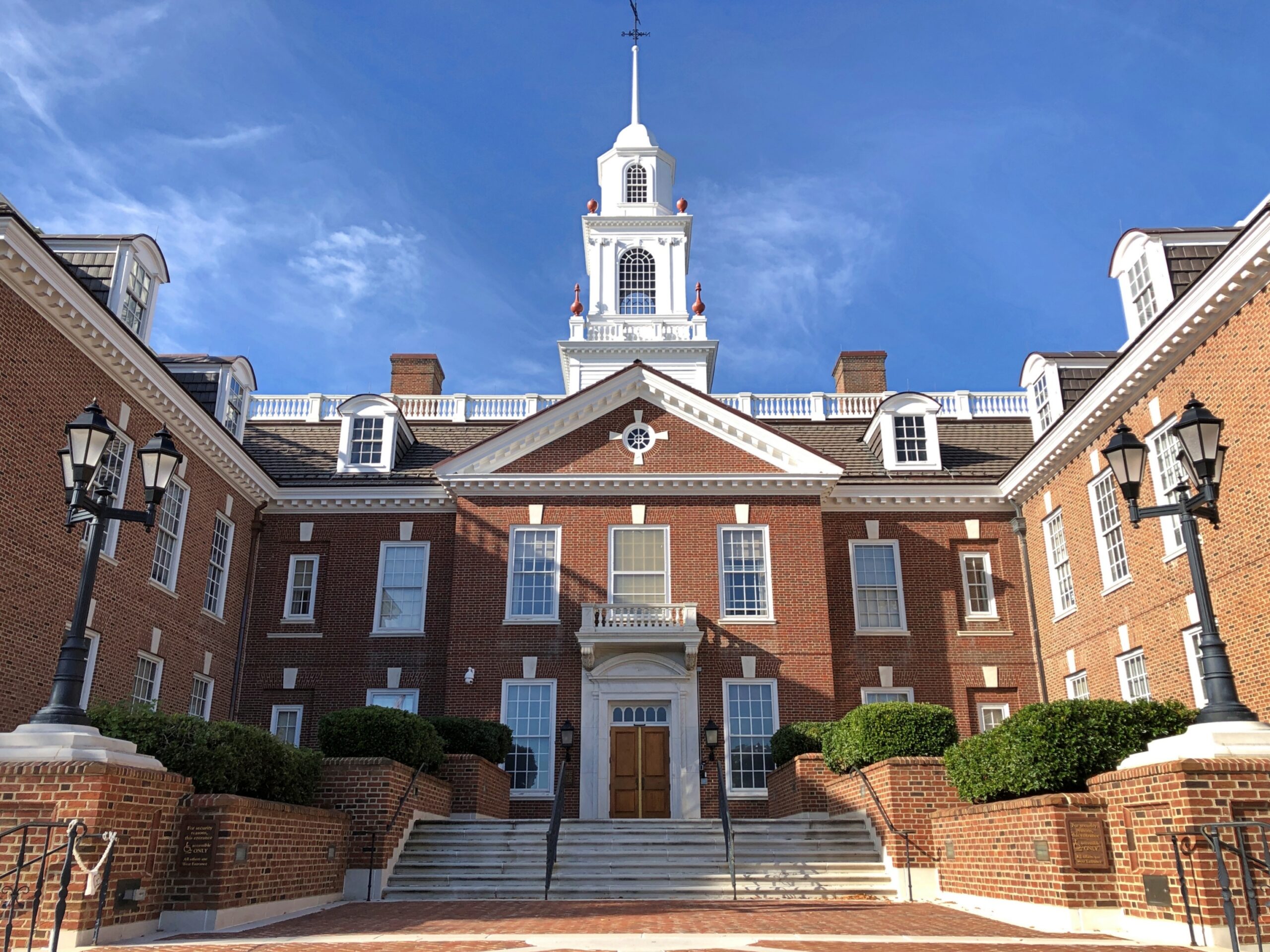
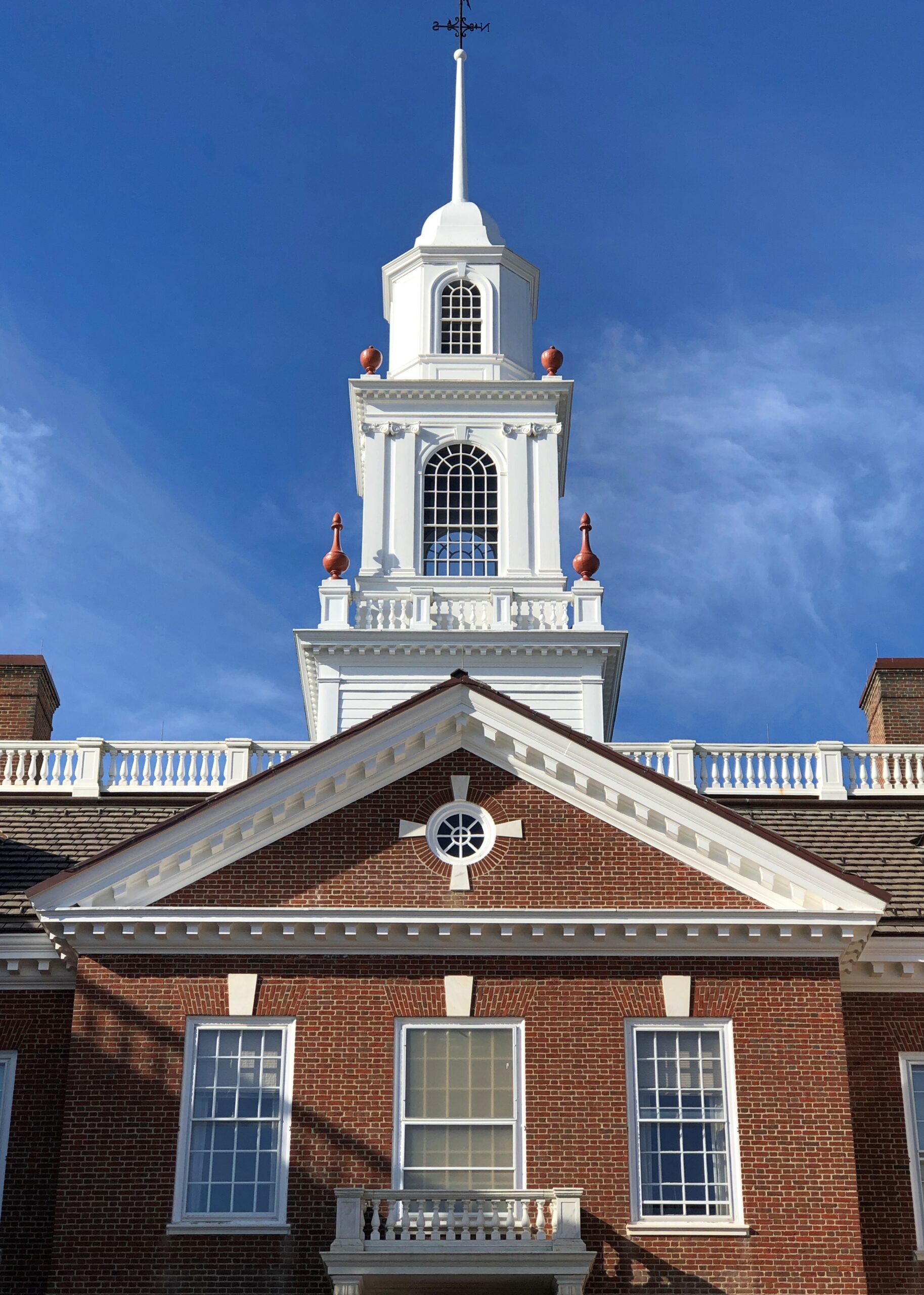
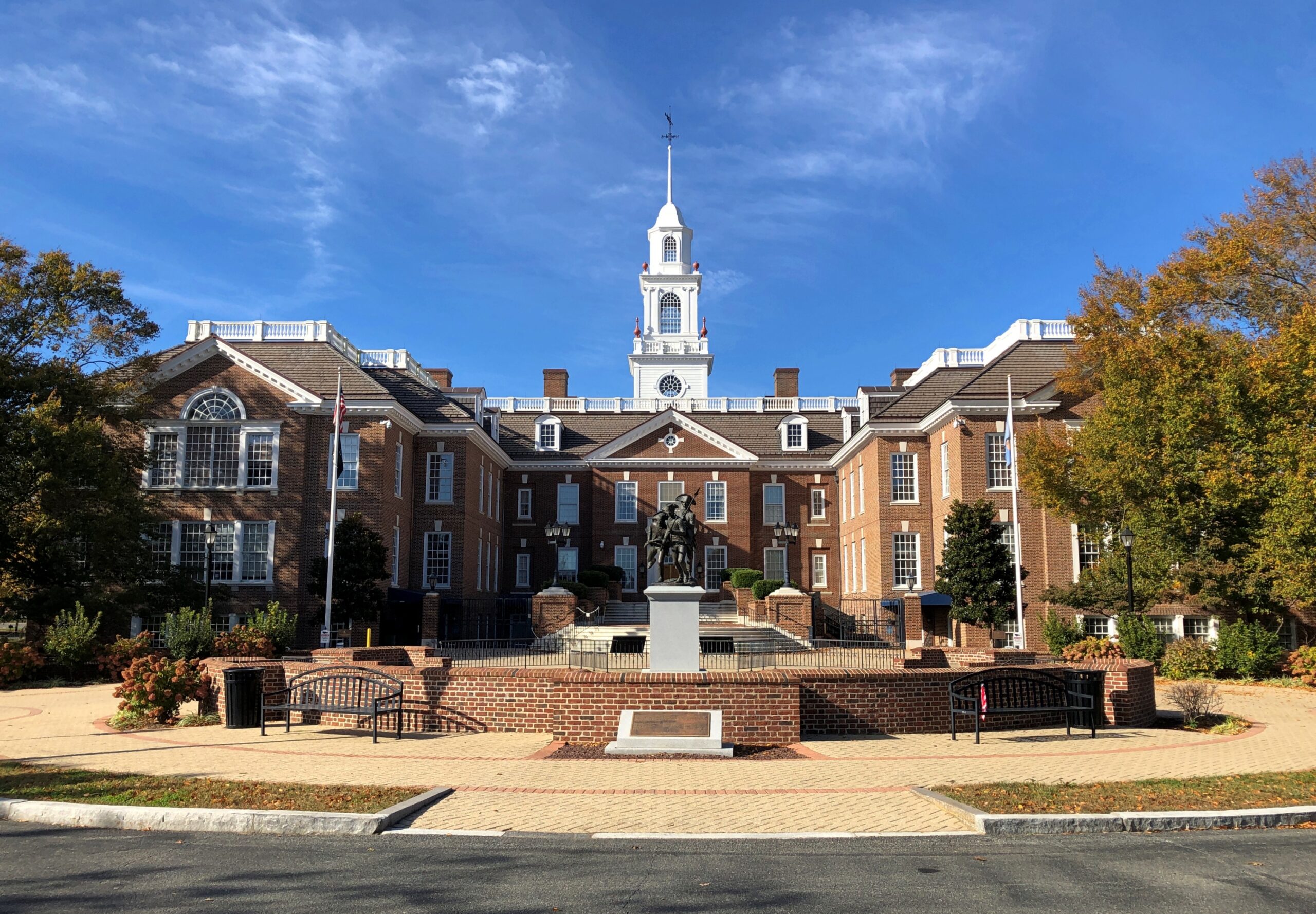
For instance, I wanted to visit Eire, Pa., because I’ve always bypassed it, and many Americans can say the same. I wanted to look around Long Island, or at least part of it, for the same reason. I wanted to spend the night in both Rhode Island and Delaware: the last two states in which I’d never done so. I wanted to see the capitols of New Jersey, Delaware and Maryland, toying with the idea of Pennsylvania too, though I decided it was out of the way. I wanted to see historic sites associated with a number of presidents along the way, and maybe a battlefield or two.

I really wanted to visit a friend in New York, and my nephew Robert, and friends in the Boston area. I’m glad to report that I did so. This has been a year of visiting old friends and relations. I’d like every year to be that way.

I had a much longer list of places to visit, and added to it every time I looked at a map, paper or electronic, since I now use both, and when I was driving — so many possibilities. But there are only so many hours in the day and so much energy in my aging body. Still, I did much of what I set out to do, with one major exception due to forces beyond my control. National Park Service sites were off the table, for reasons all too obvious and not worth rehashing here. So the homes of FDR and TR, along with Antietam and Harper’s Ferry, went unvisited. Some other time, I hope.
No matter. I visited a good number of cities and towns, drove roads large and small, empty and insanely crowded, and enjoyed a few exceptional meals and many very good ones. I saw churches and cemeteries, some historic places not managed by the federal government, and encountered the largest of the many No Kings events. I read plaques. I chatted with strangers and clerks in stores. I took a swim in Massachusetts and long walks in New York. I hadn’t planned to walk across the Brooklyn Bridge again, but Yuriko had that idea, and across we went. I listened to a lot of terrestrial radio, good, bad and indifferent. I burned gas priced between about $2.70 and $3.30 a gallon. I paid entirely too many tolls, because the Northeast is lousy with toll roads and bridges — but driving across some of those bridges, especially the Bay Bridge in Maryland, was a grand experience, and surely worth the toll.

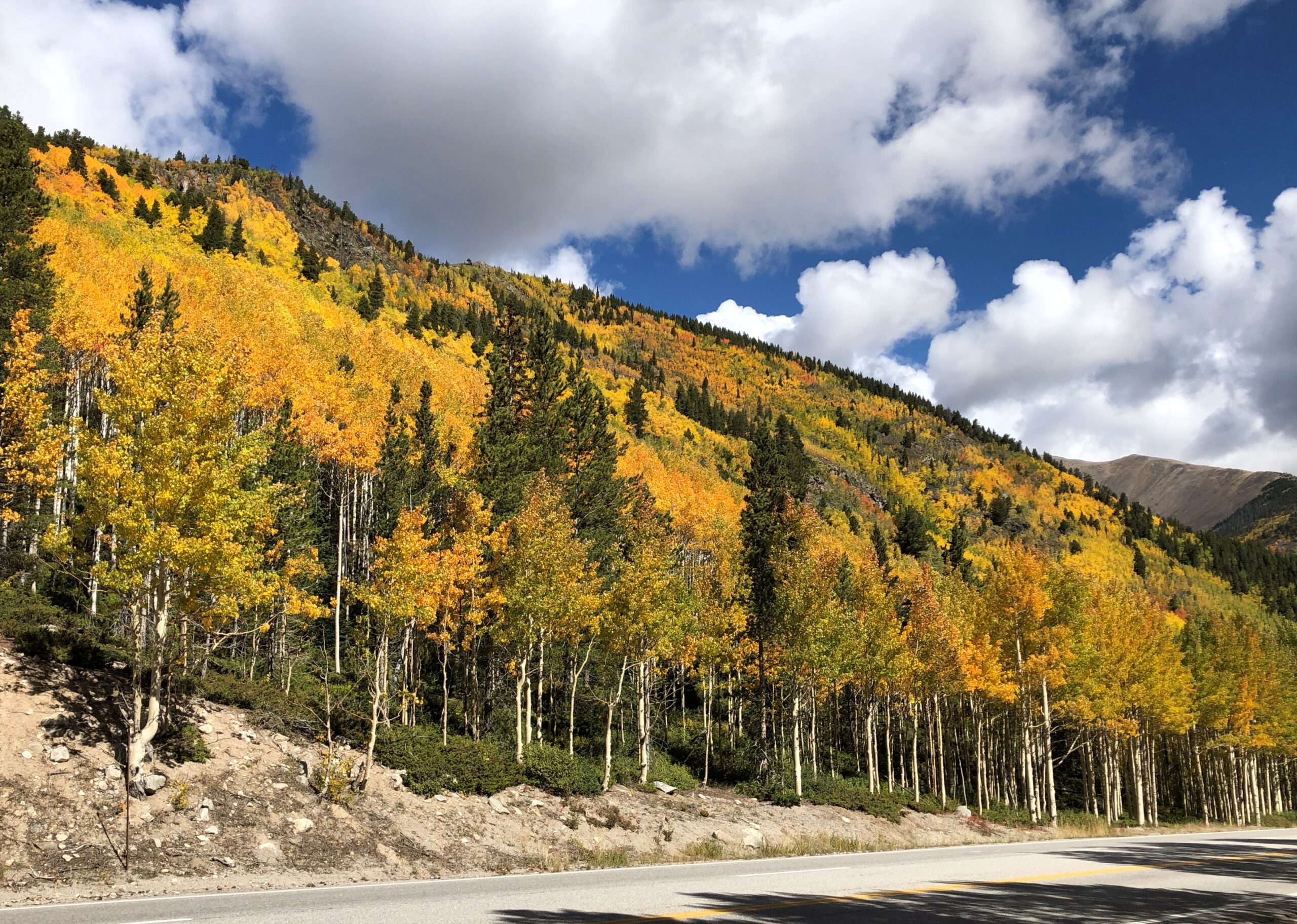
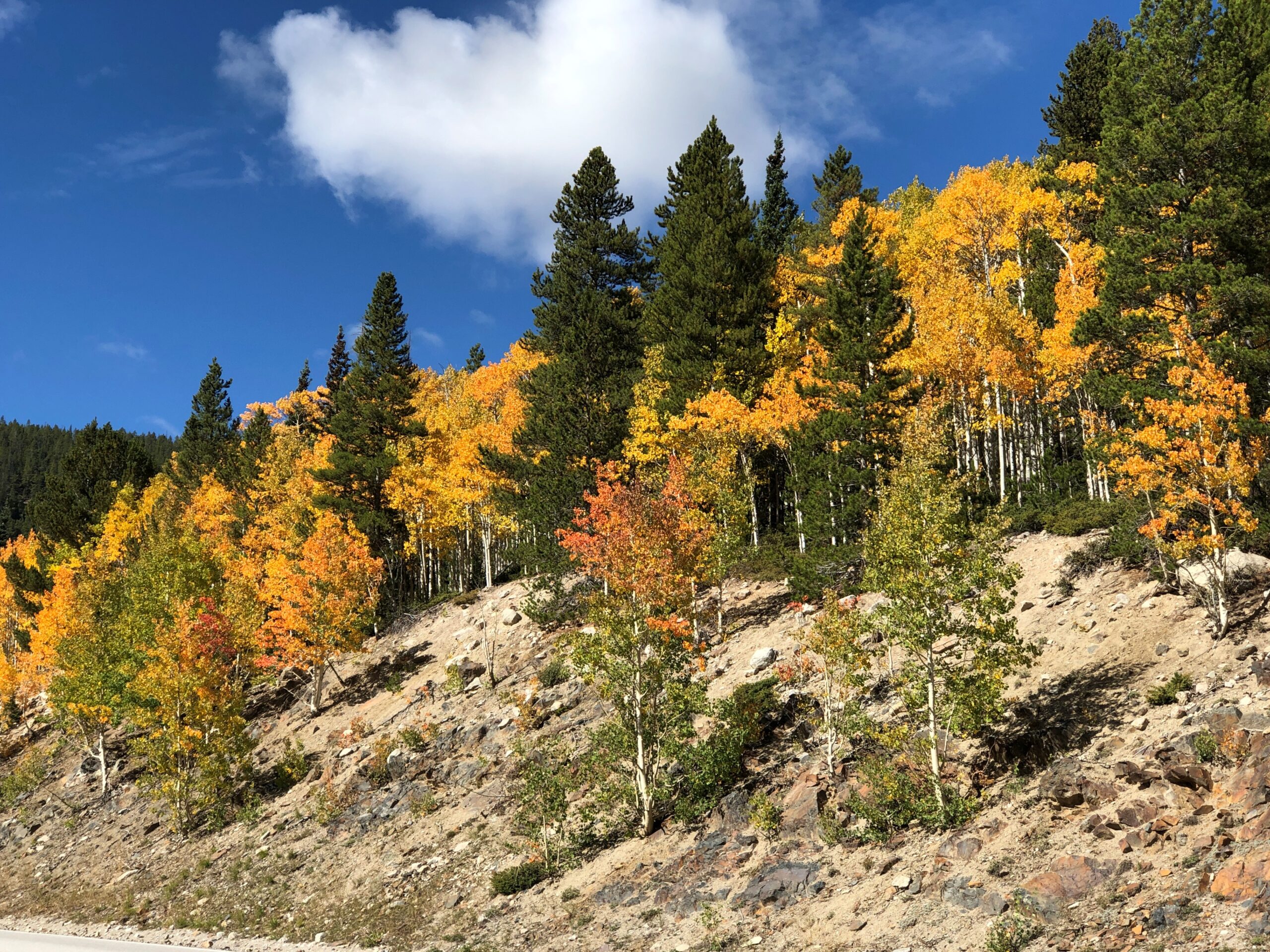
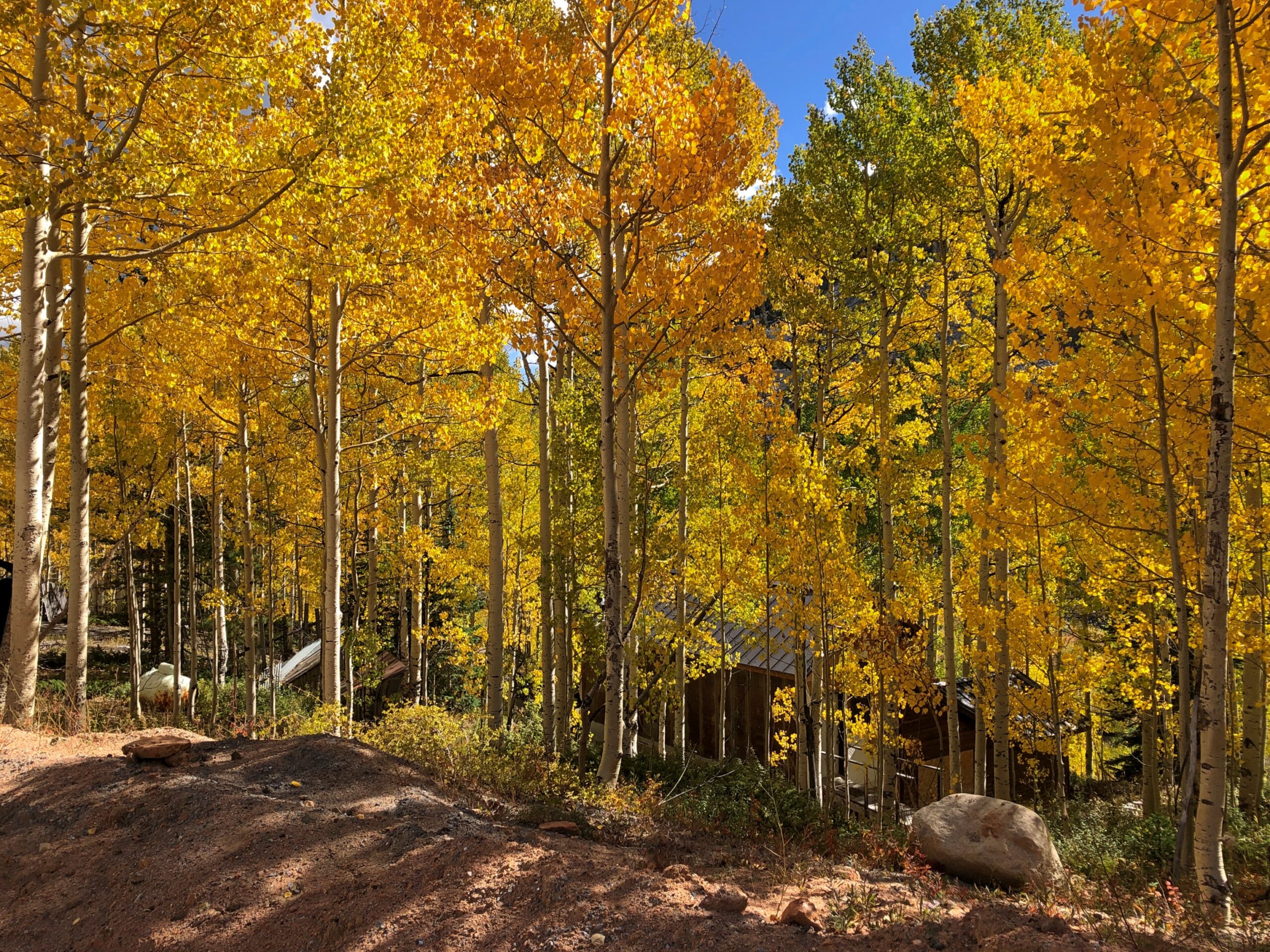
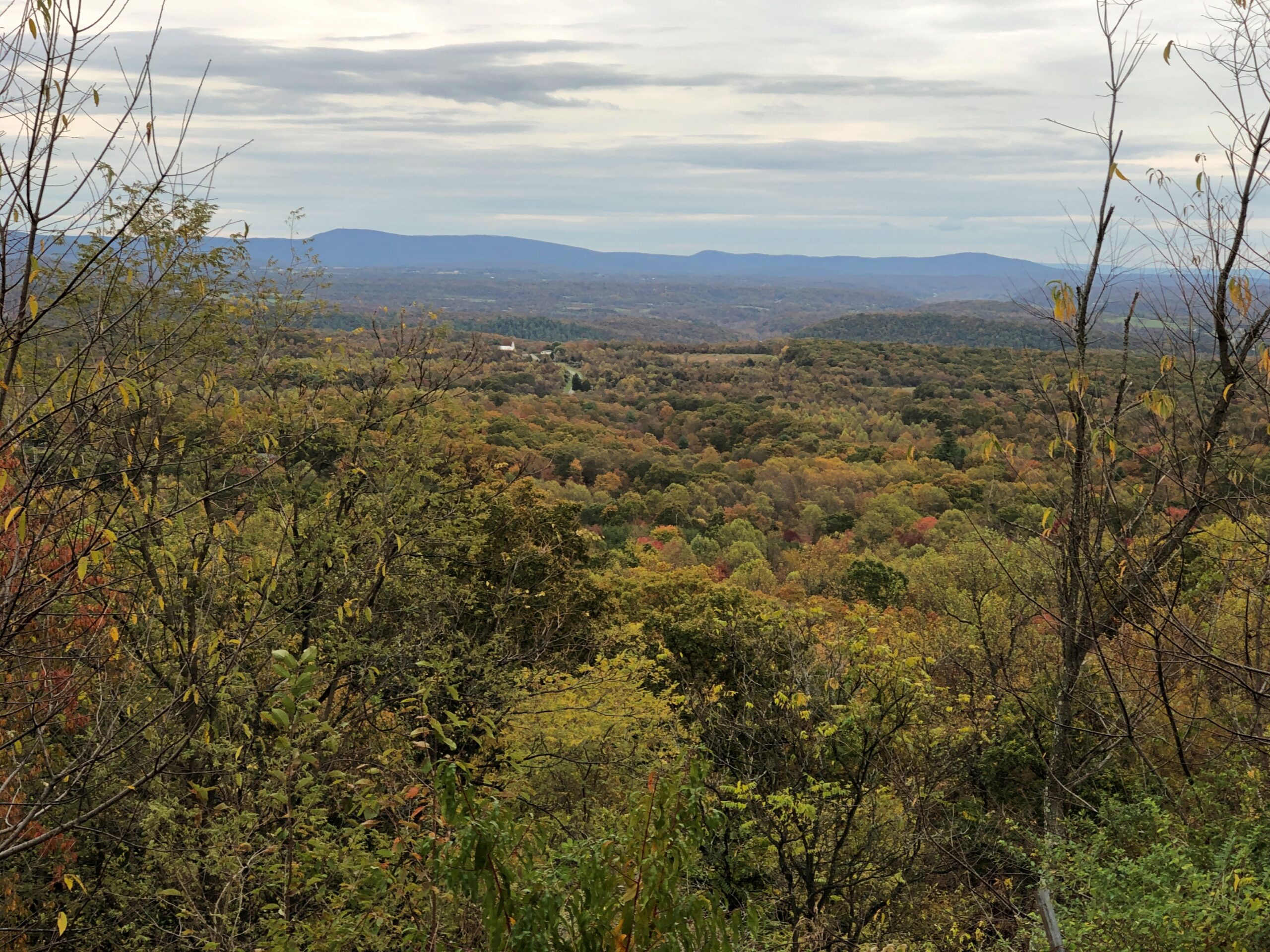
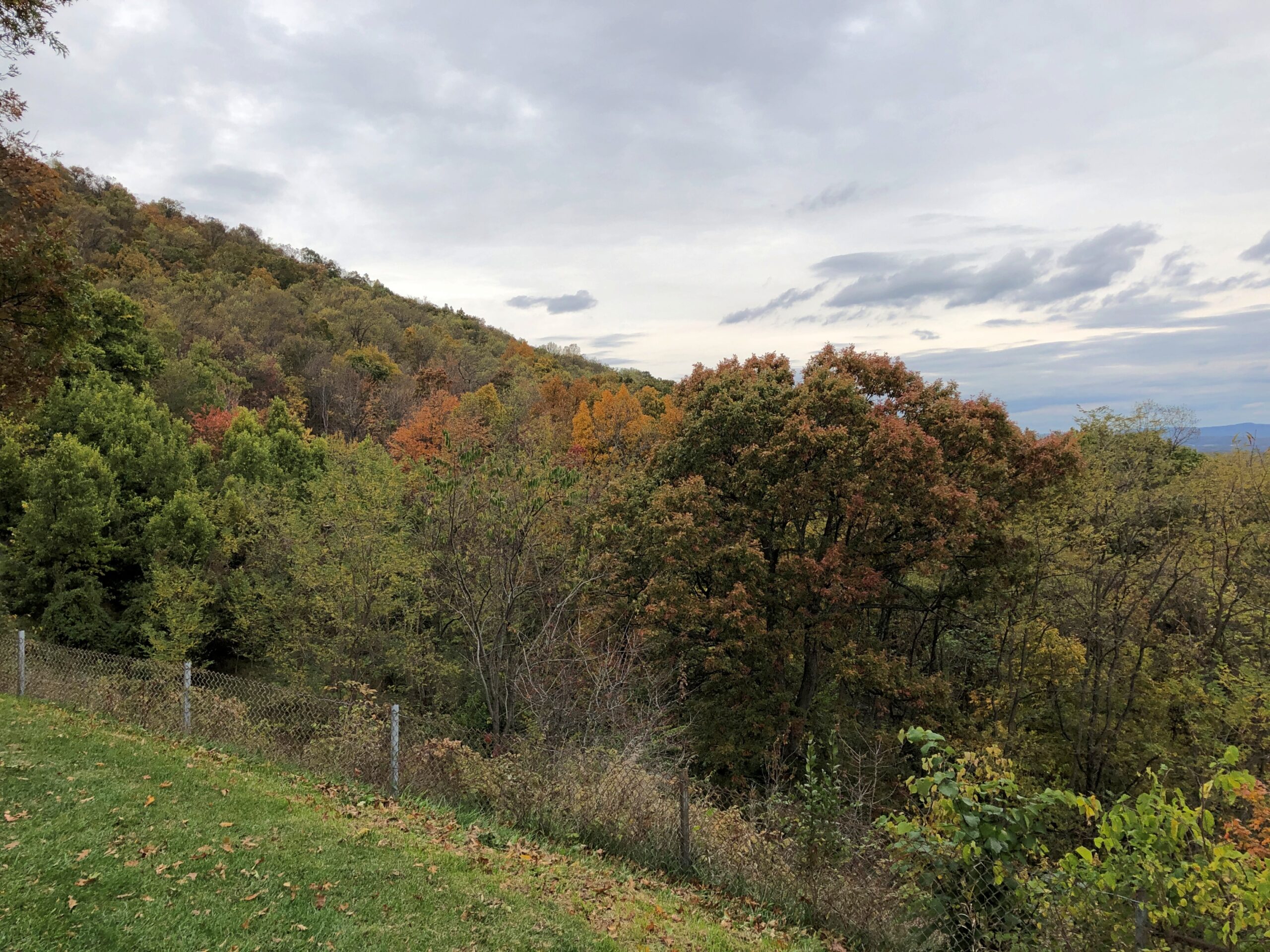
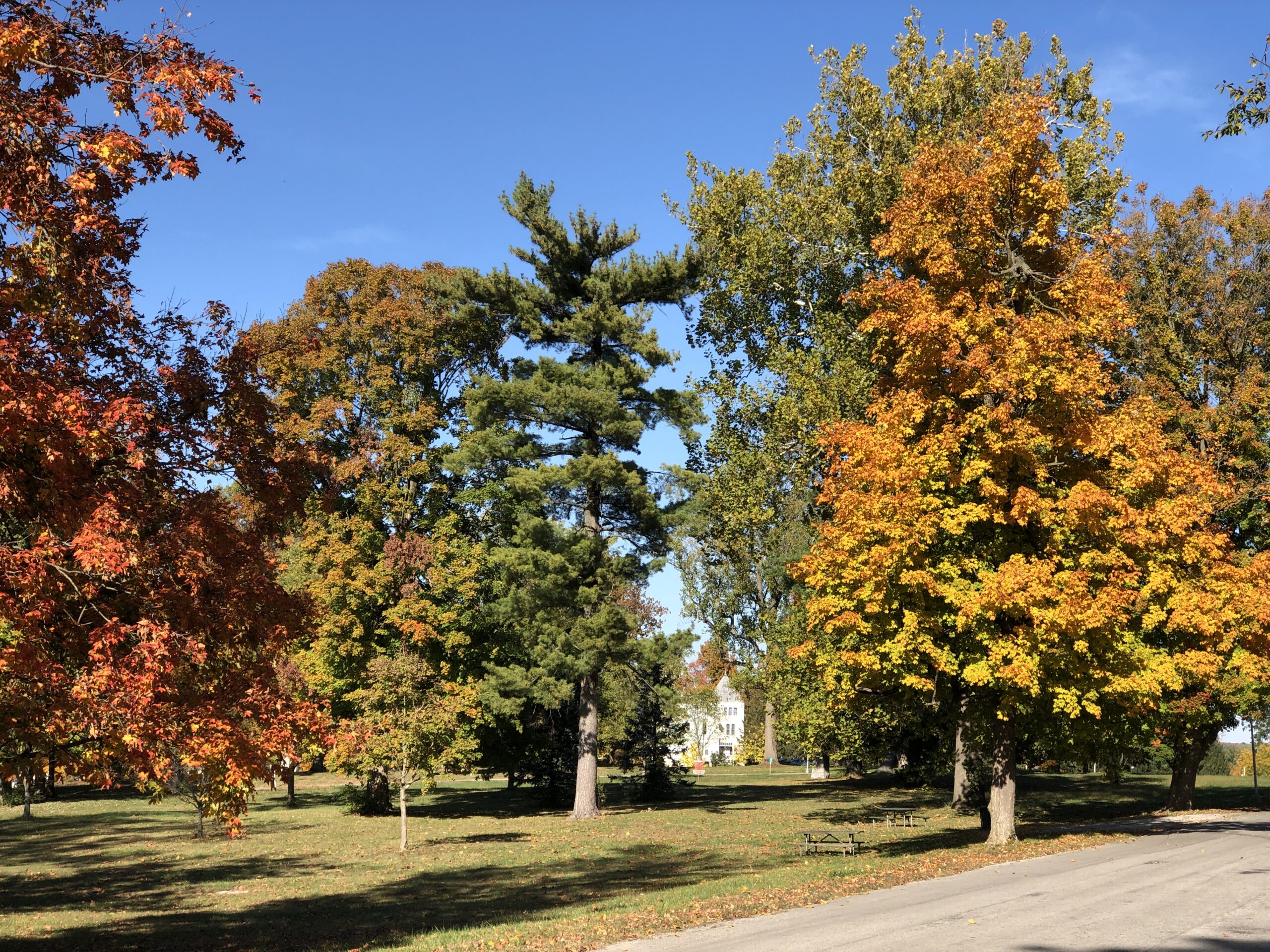
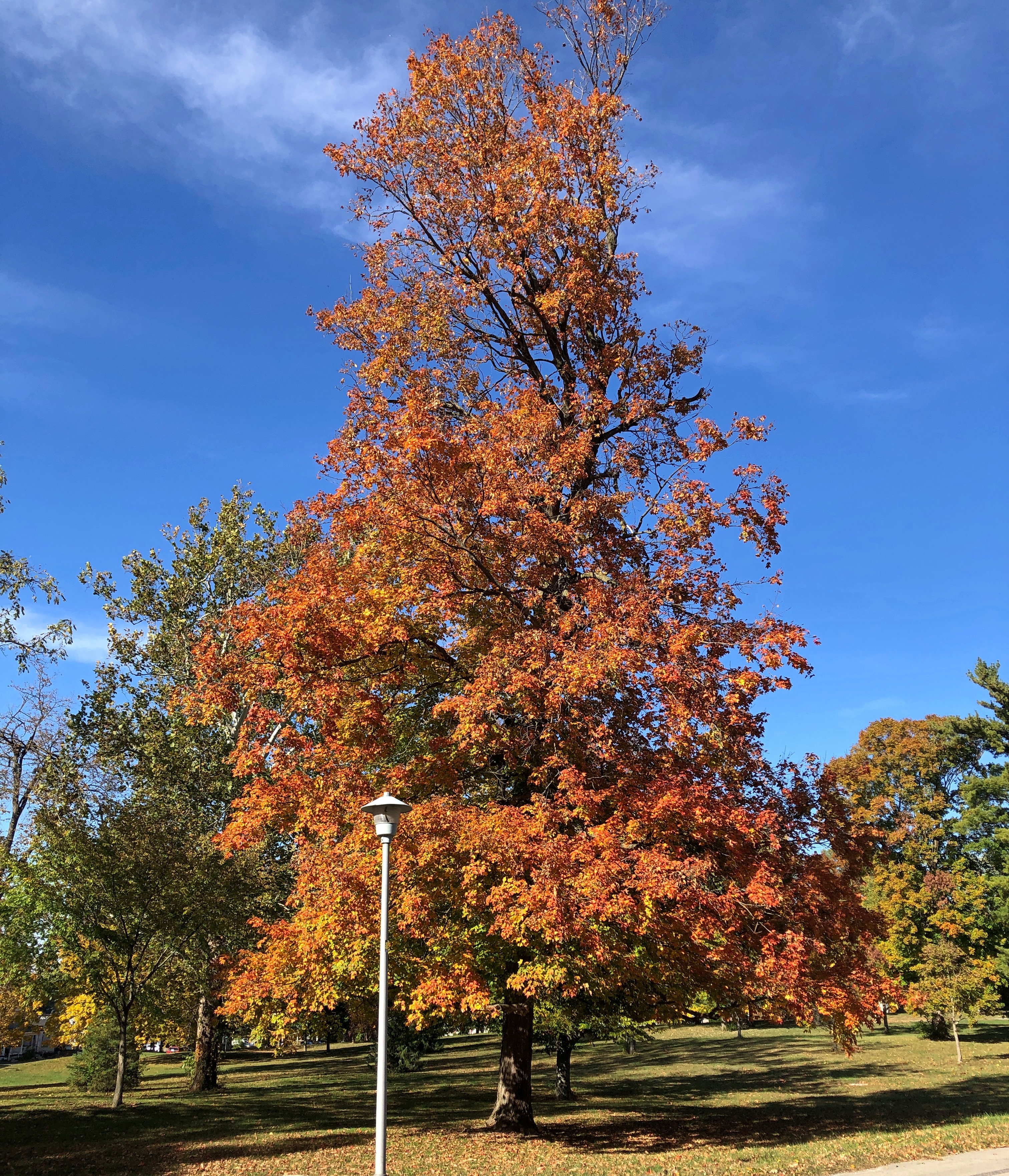
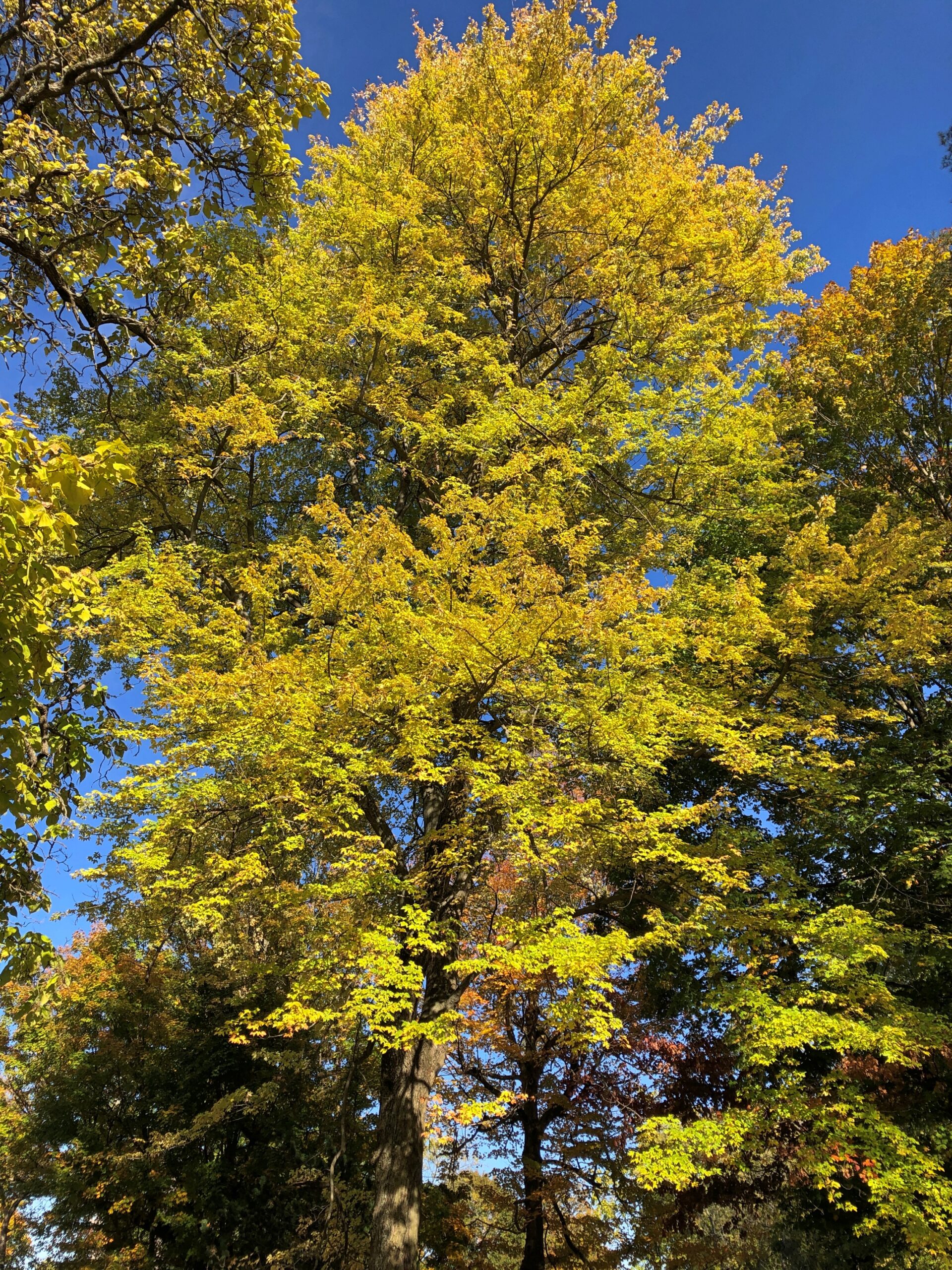
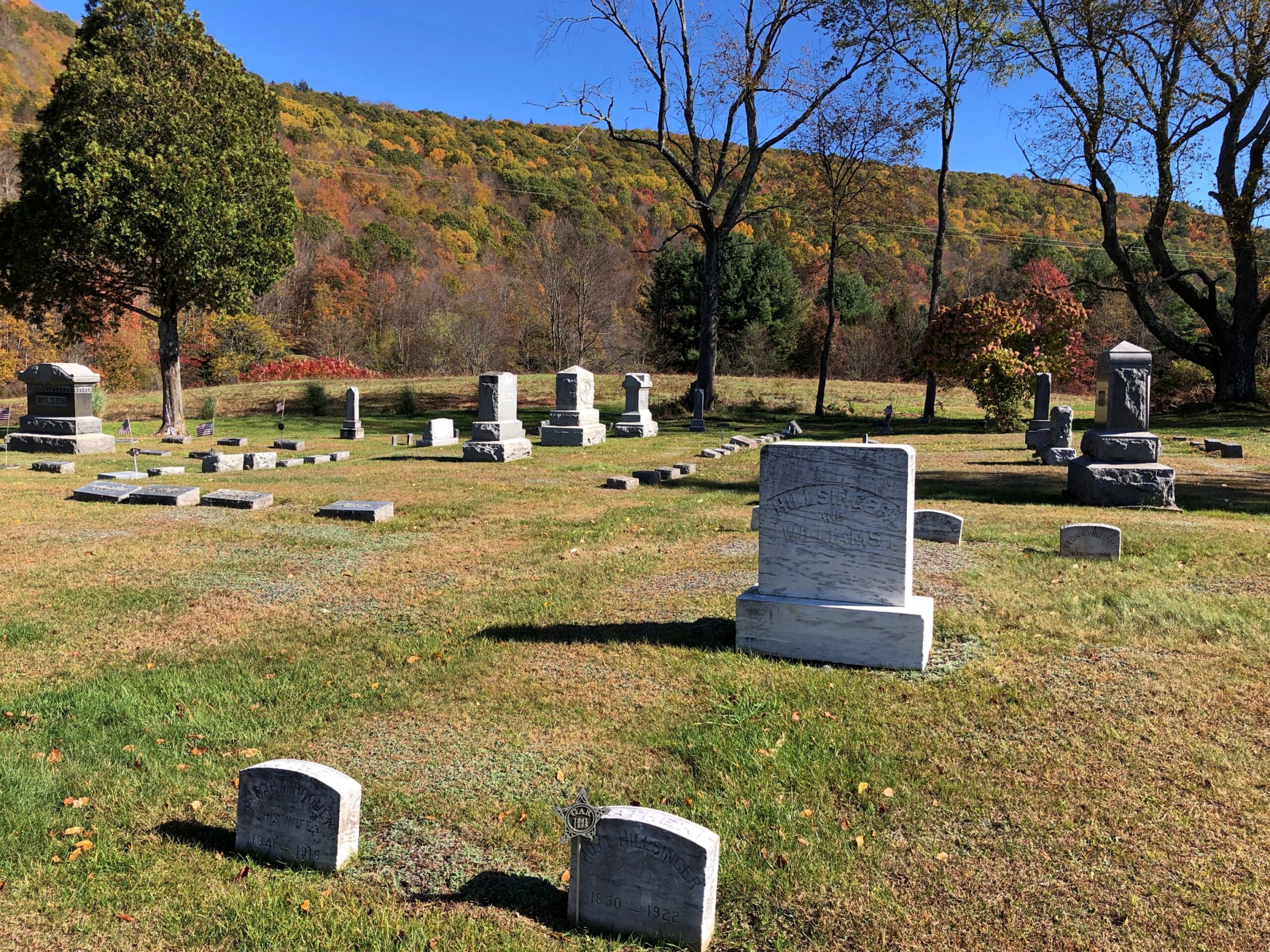
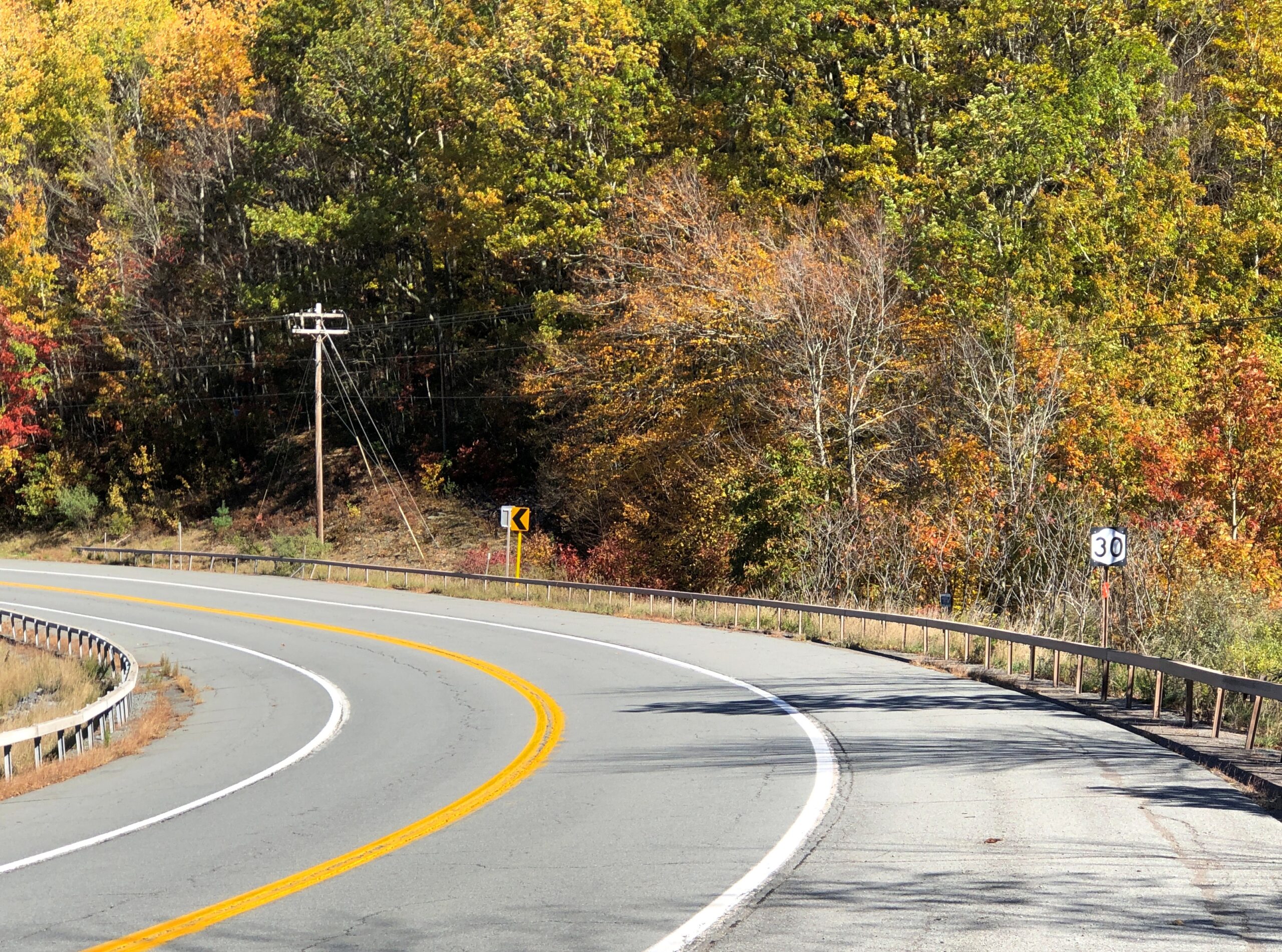
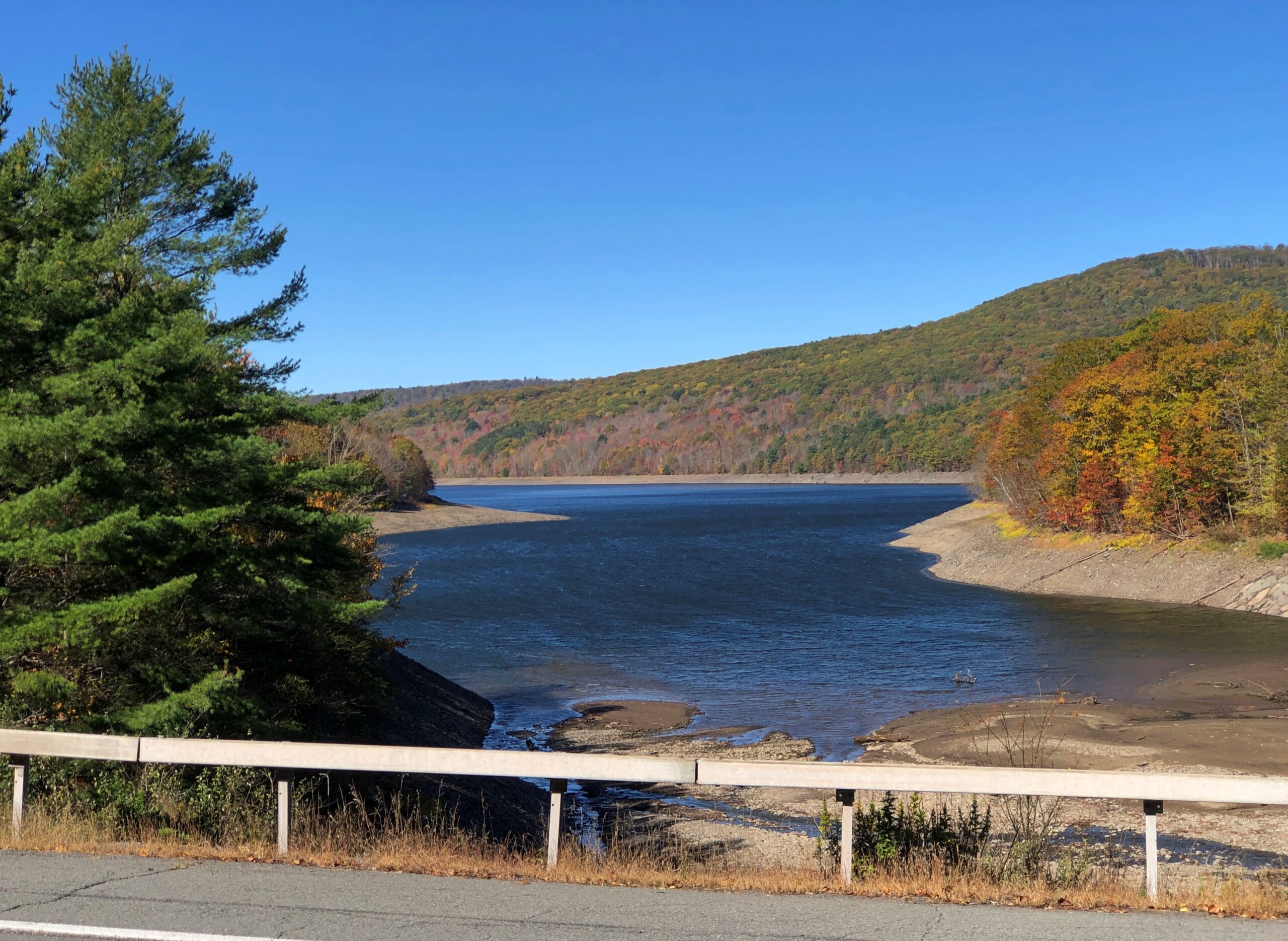
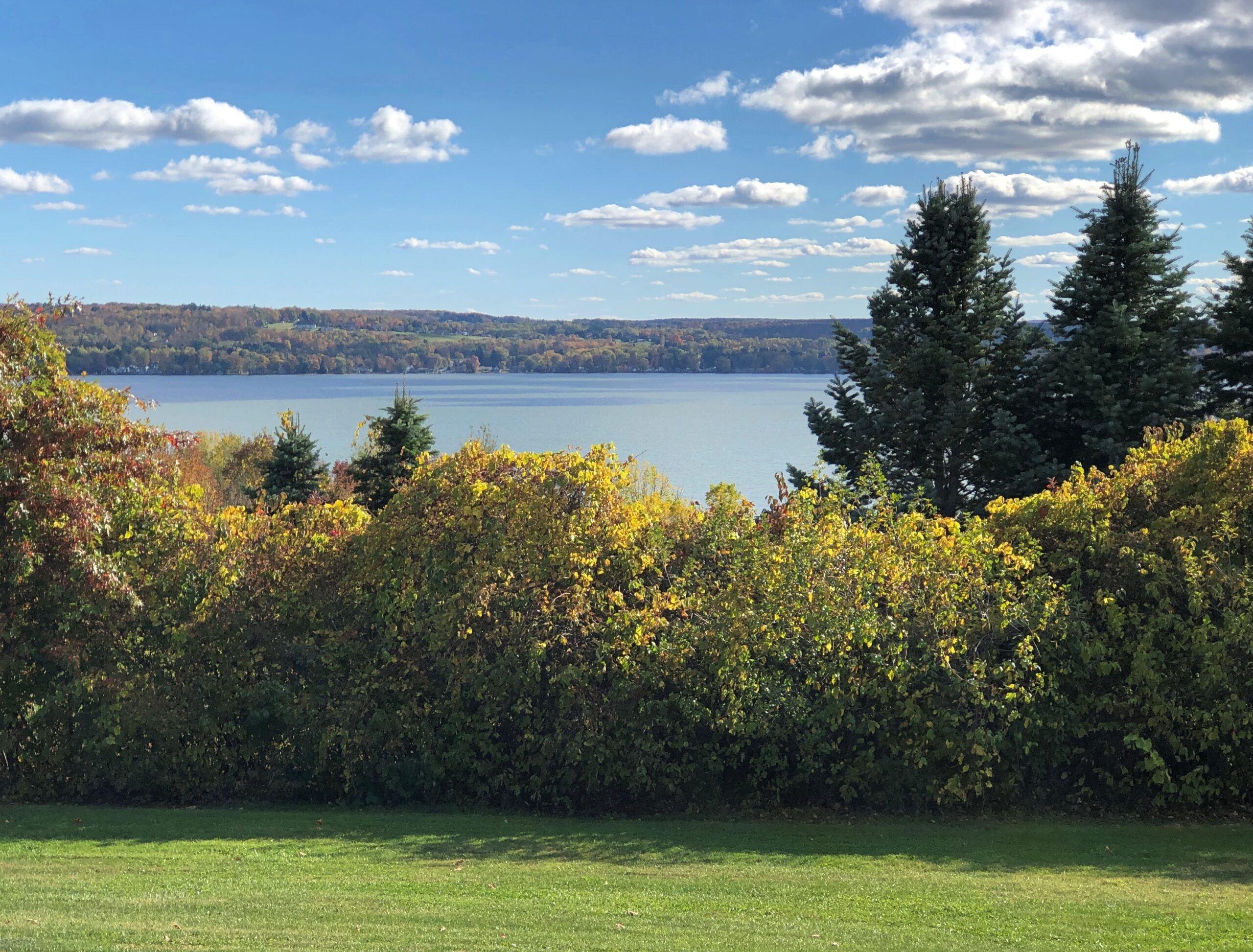
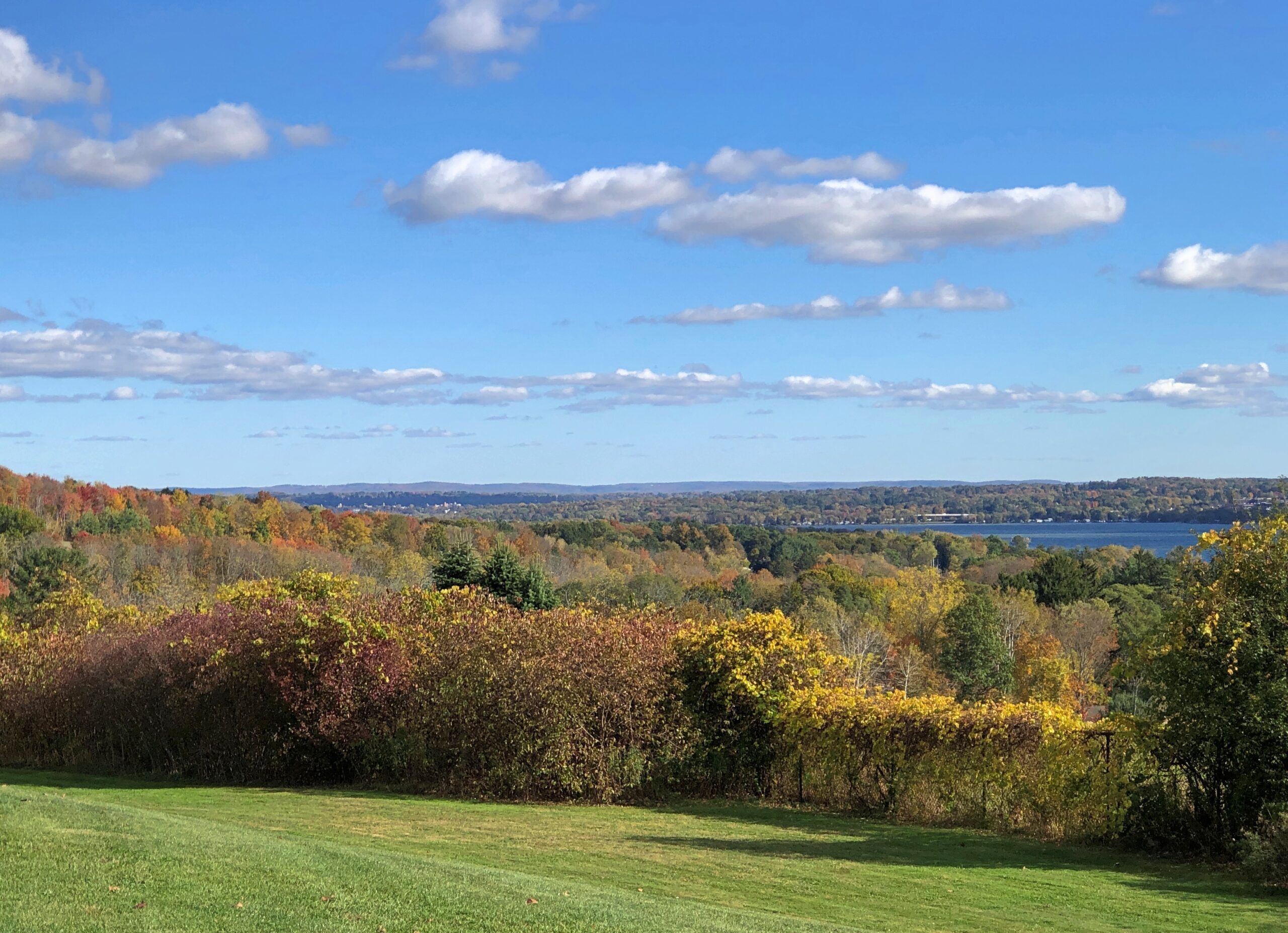
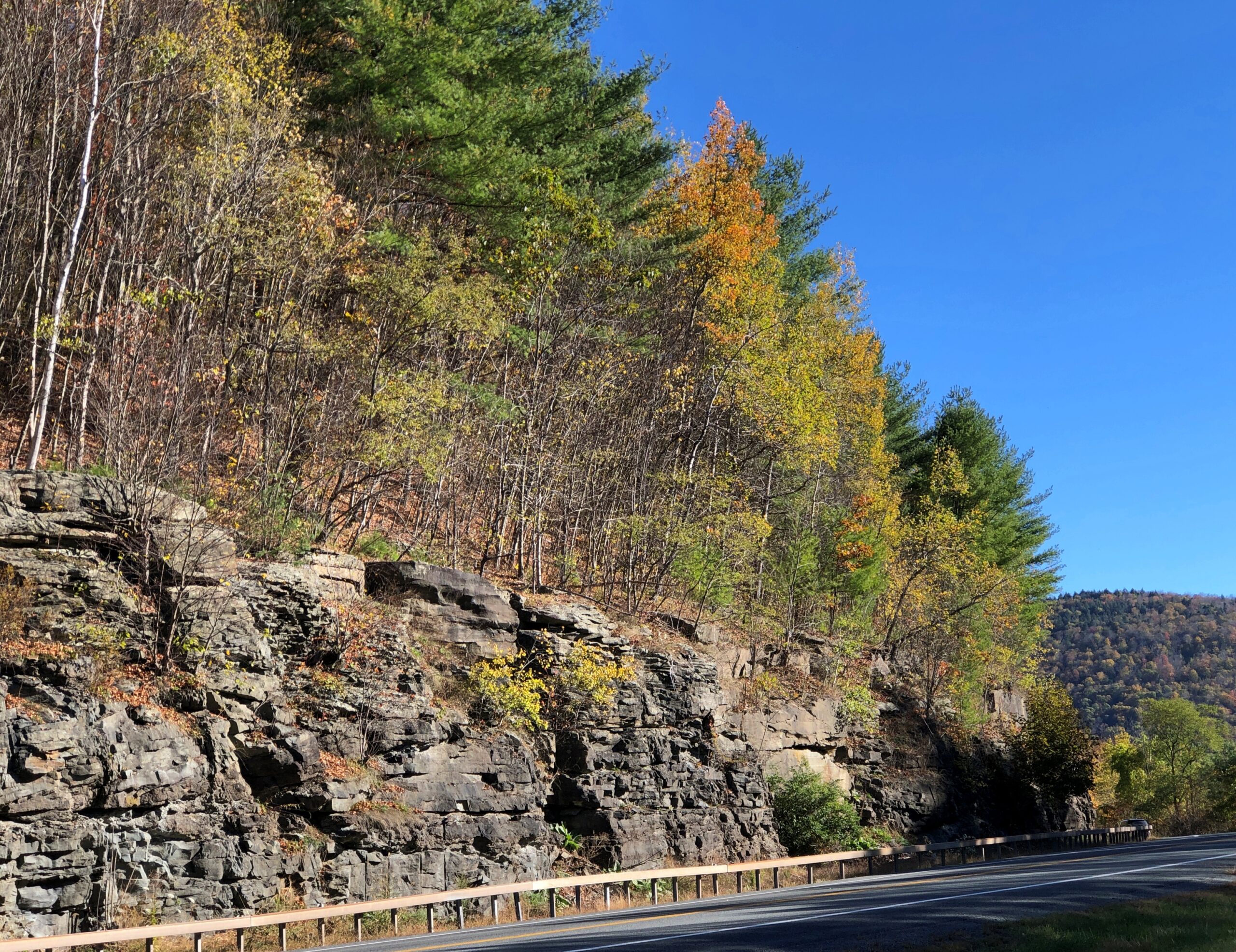
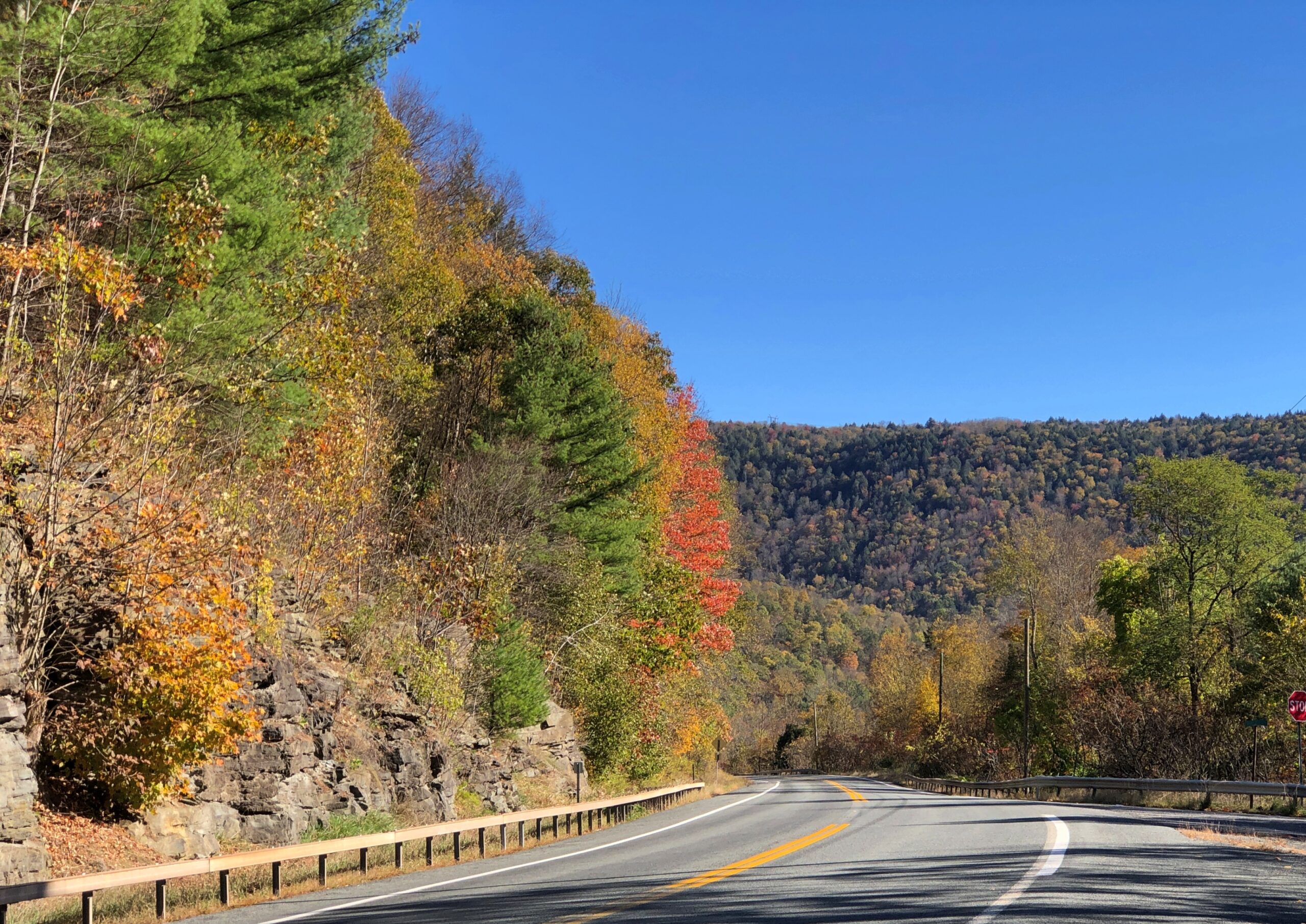
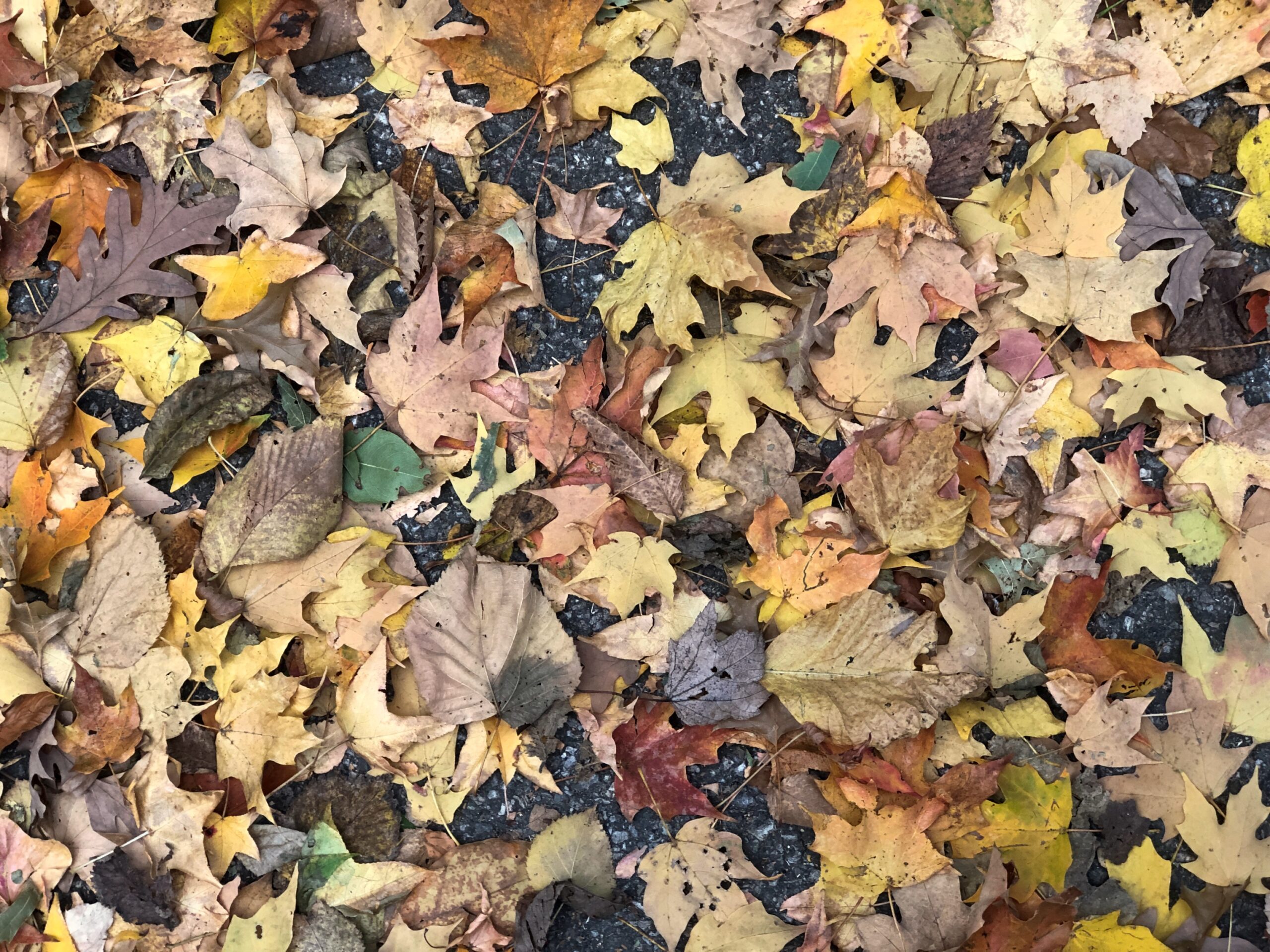
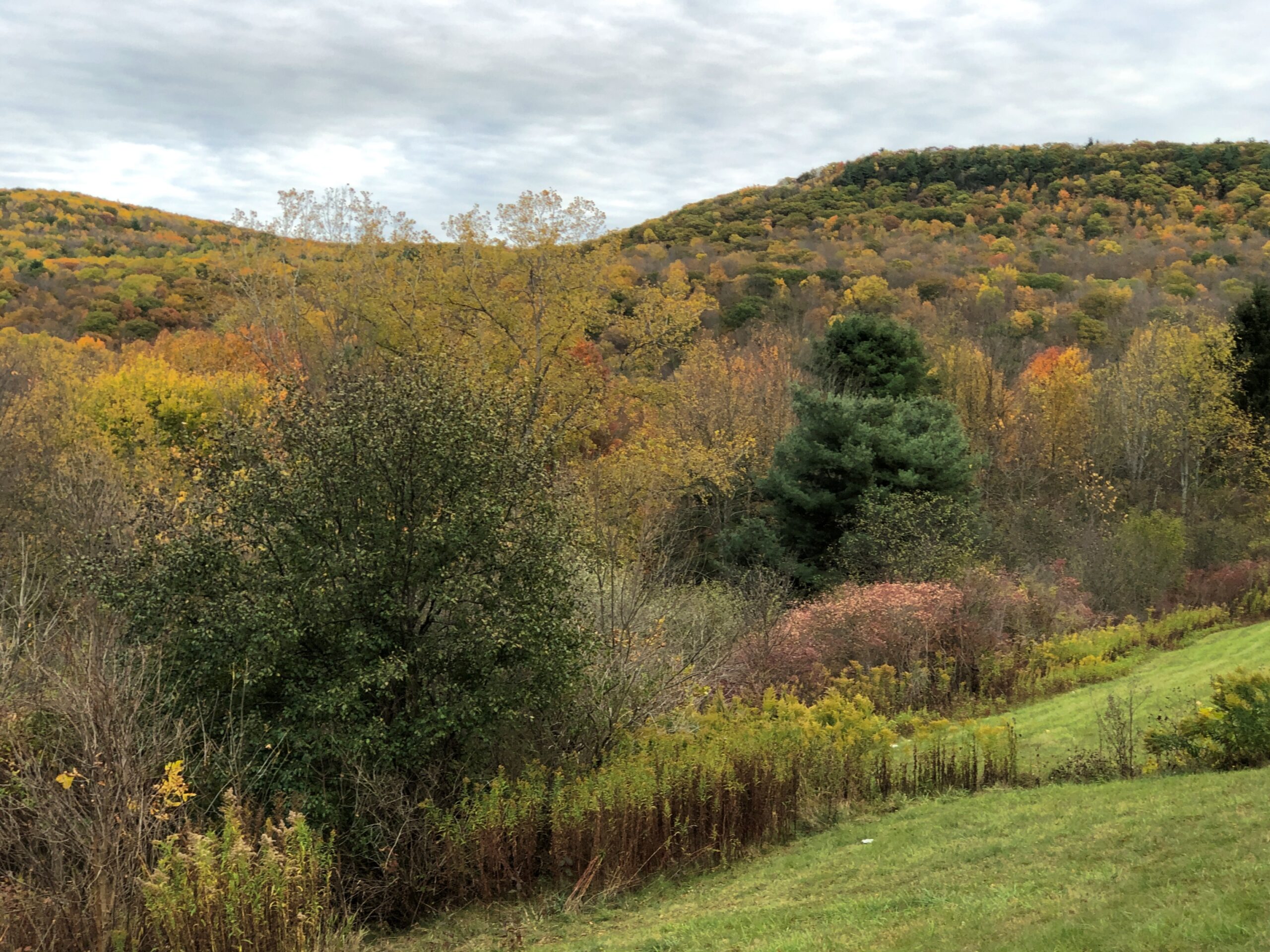
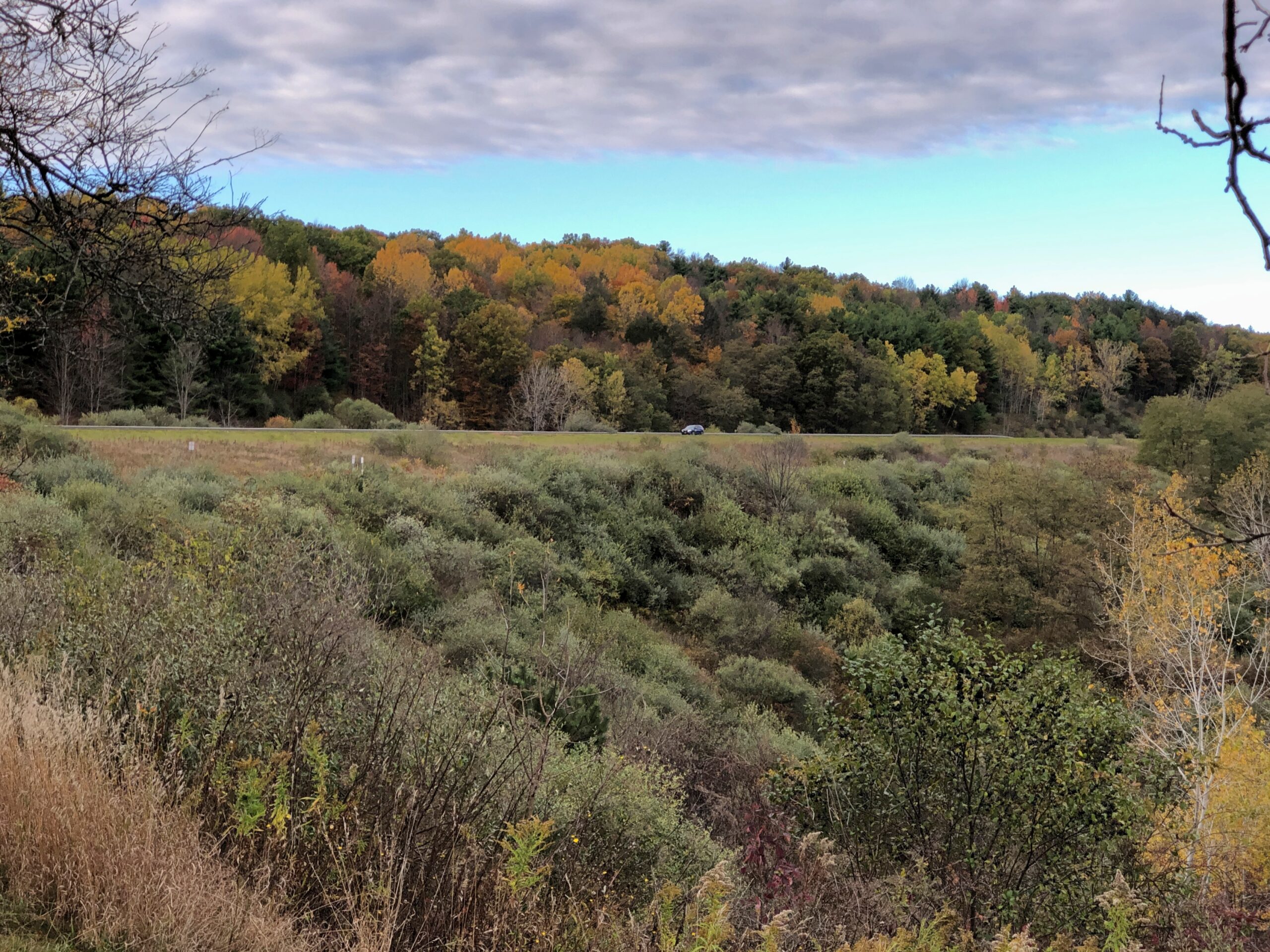
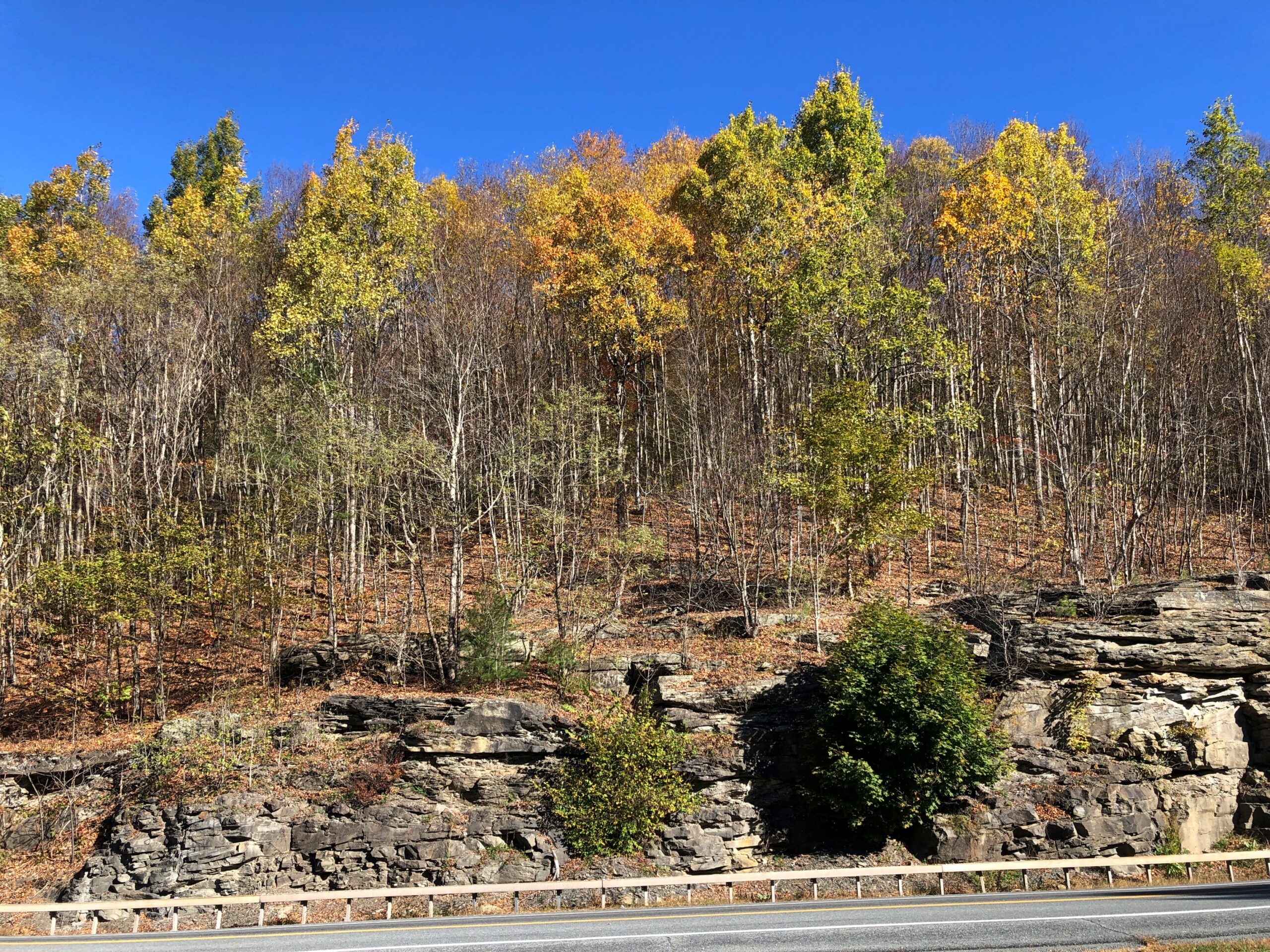
Something I didn’t anticipate, but which improved the trip immensely, was fall color. I should have anticipated it, but I suppose I had other things on my mind. When I got to New York state, driving west to east, it became clear that I’d accidentally designed myself a fall foliage excursion. The trees were gorgeous there, and in NYC (especially Prospect Park), Long Island, and parts of New England, and in Delaware and Maryland all the way across its panhandle. Even Ohio and Indiana had some nice color when I got there, and here at home too.
Prospect Park leaves

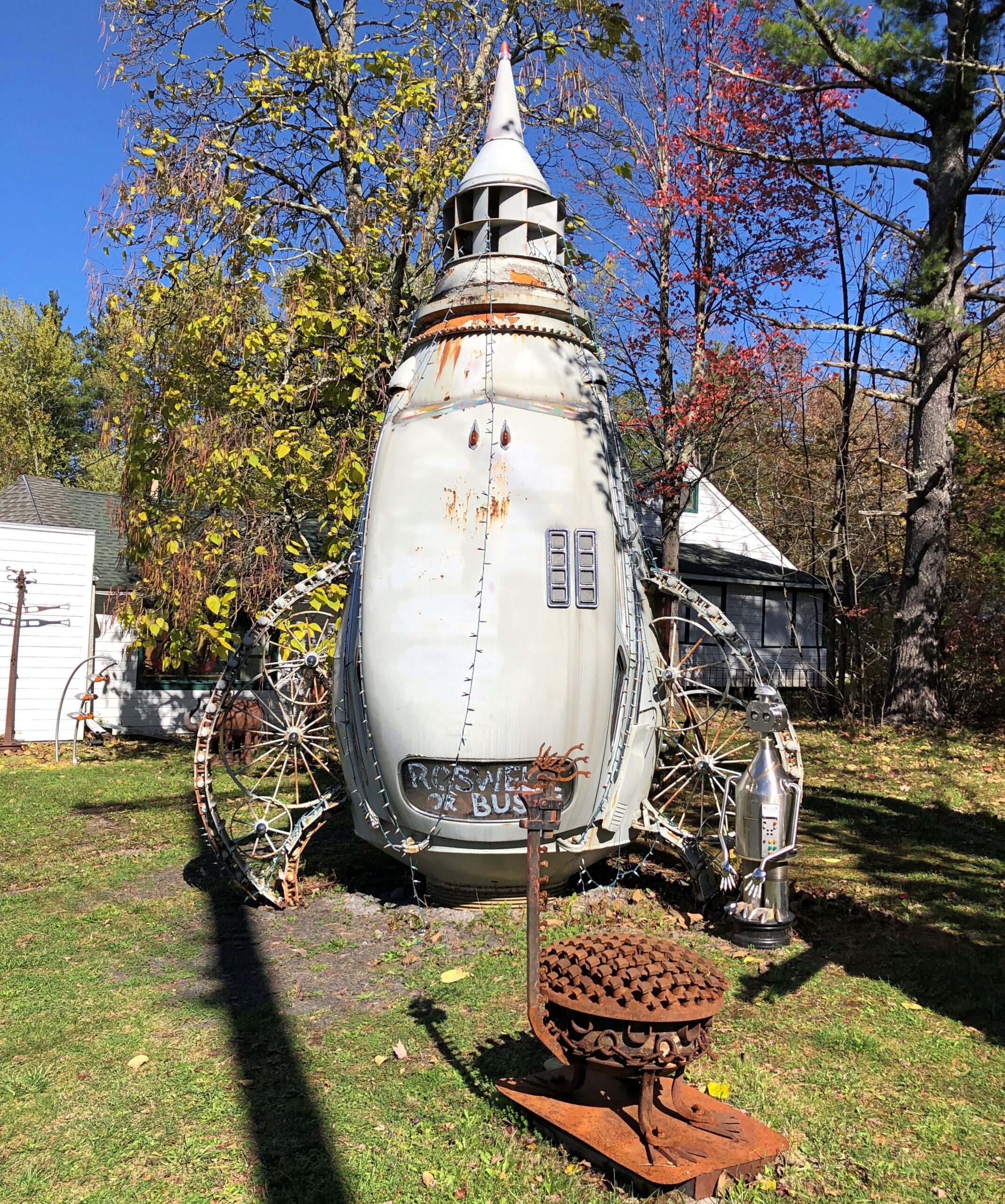
One more thing: unexpected oddities along the way. It’s important to watch out for those.

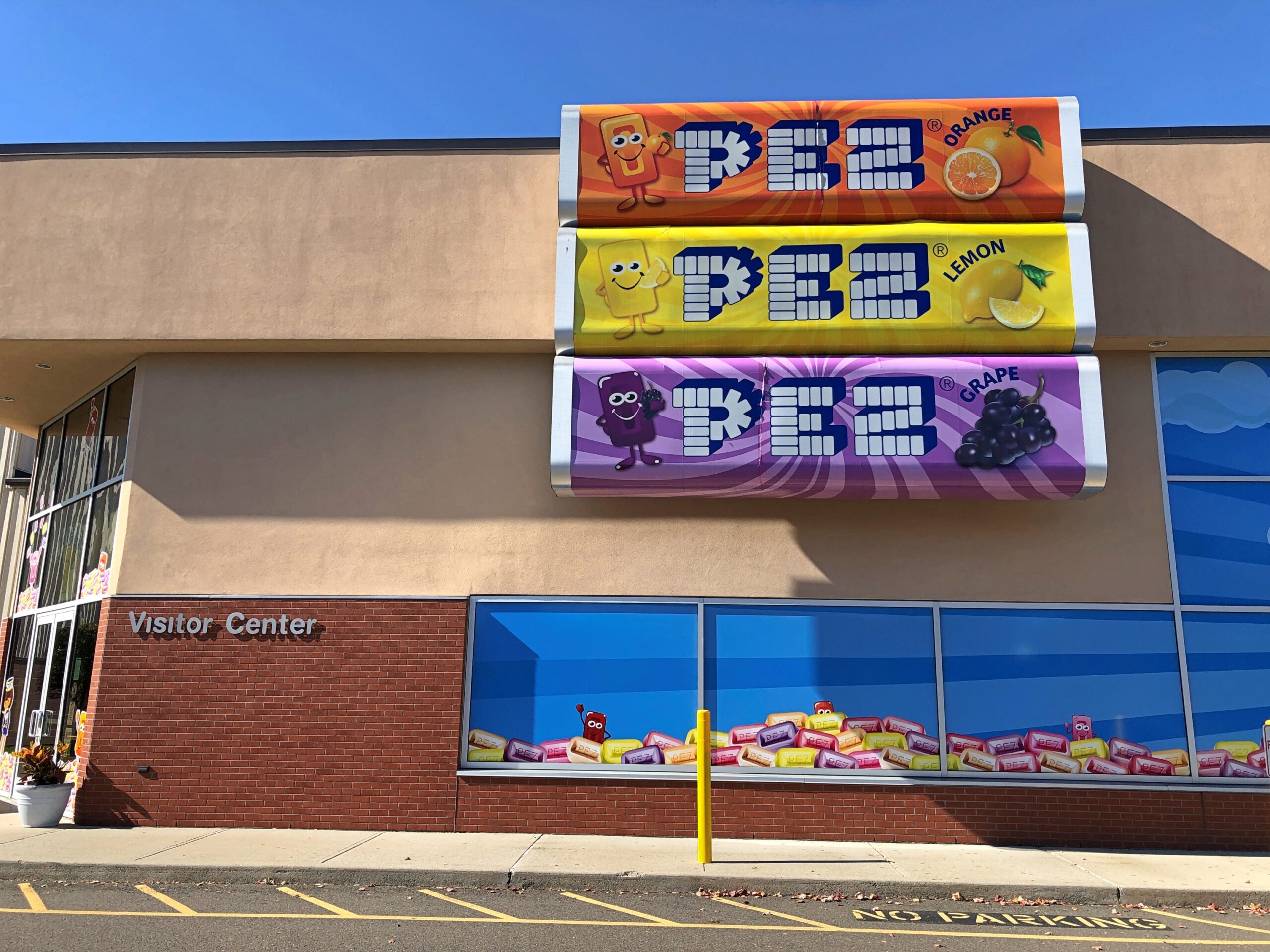
In Orange, Connecticut, I noticed a sign for the Pez Visitor Center. I had to see that.

Pez Visitors Center

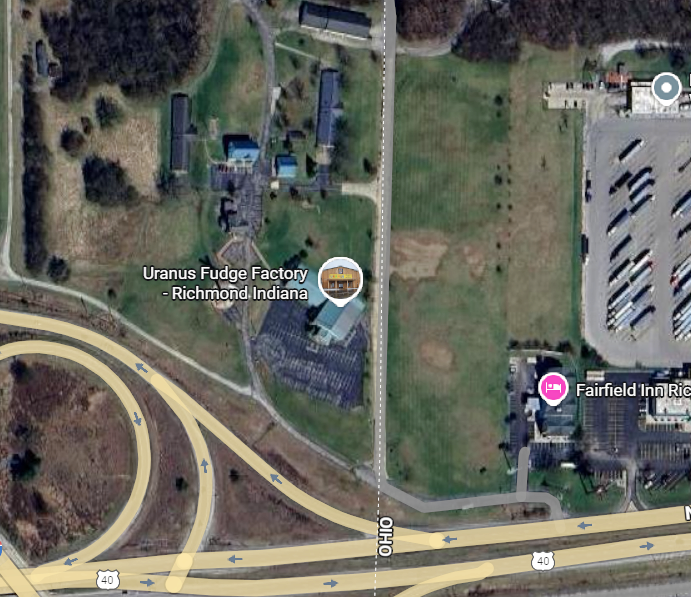
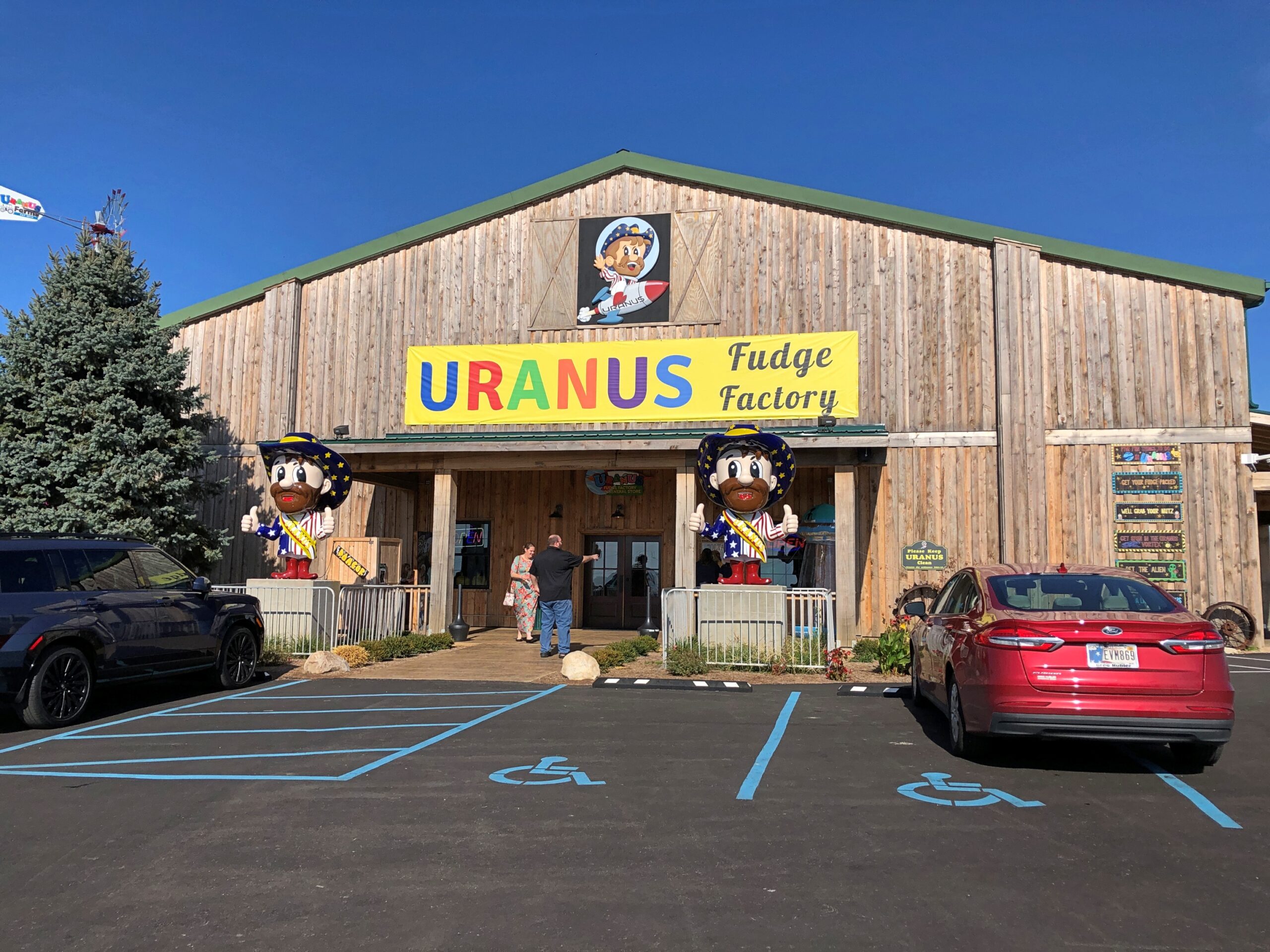
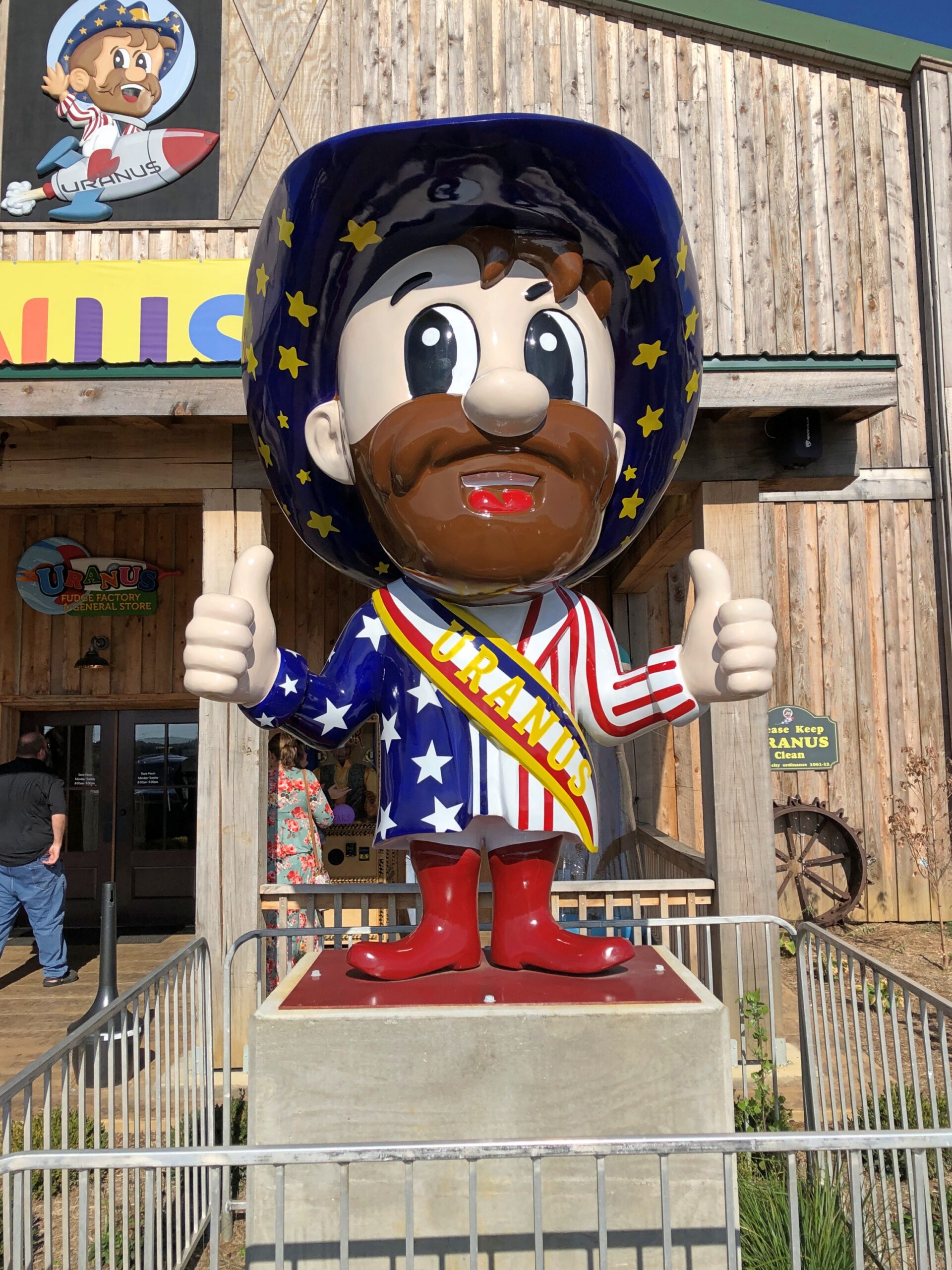
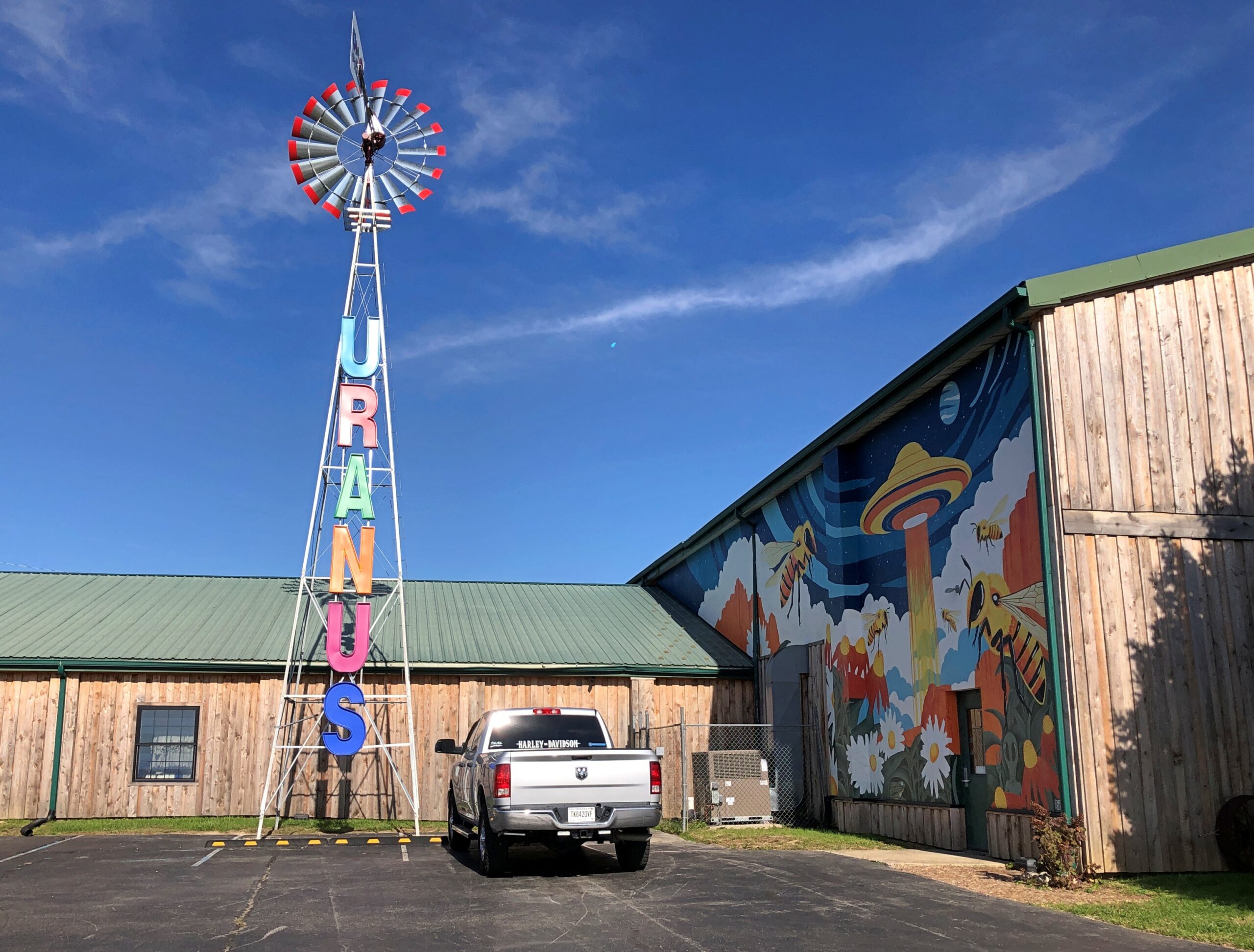
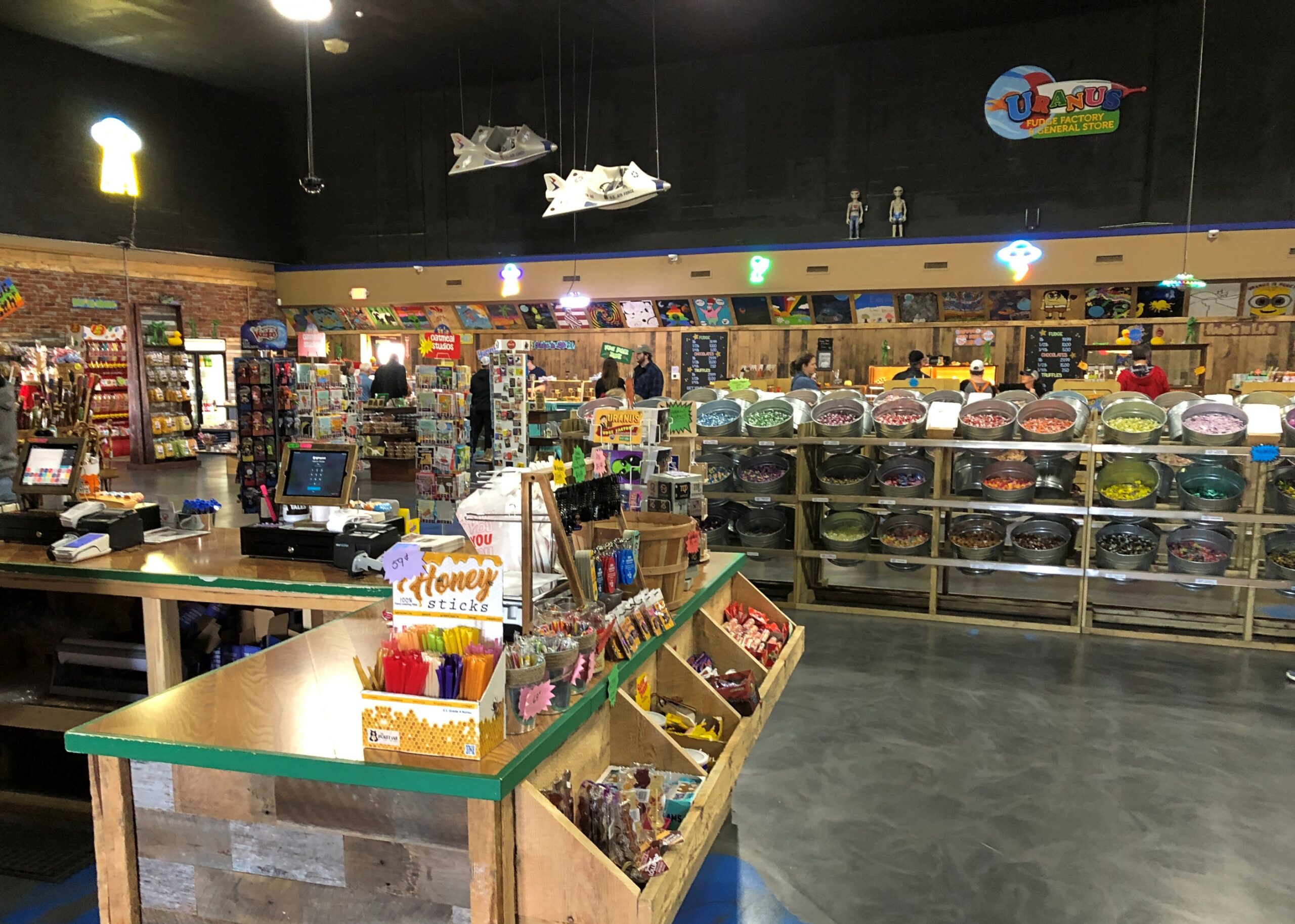
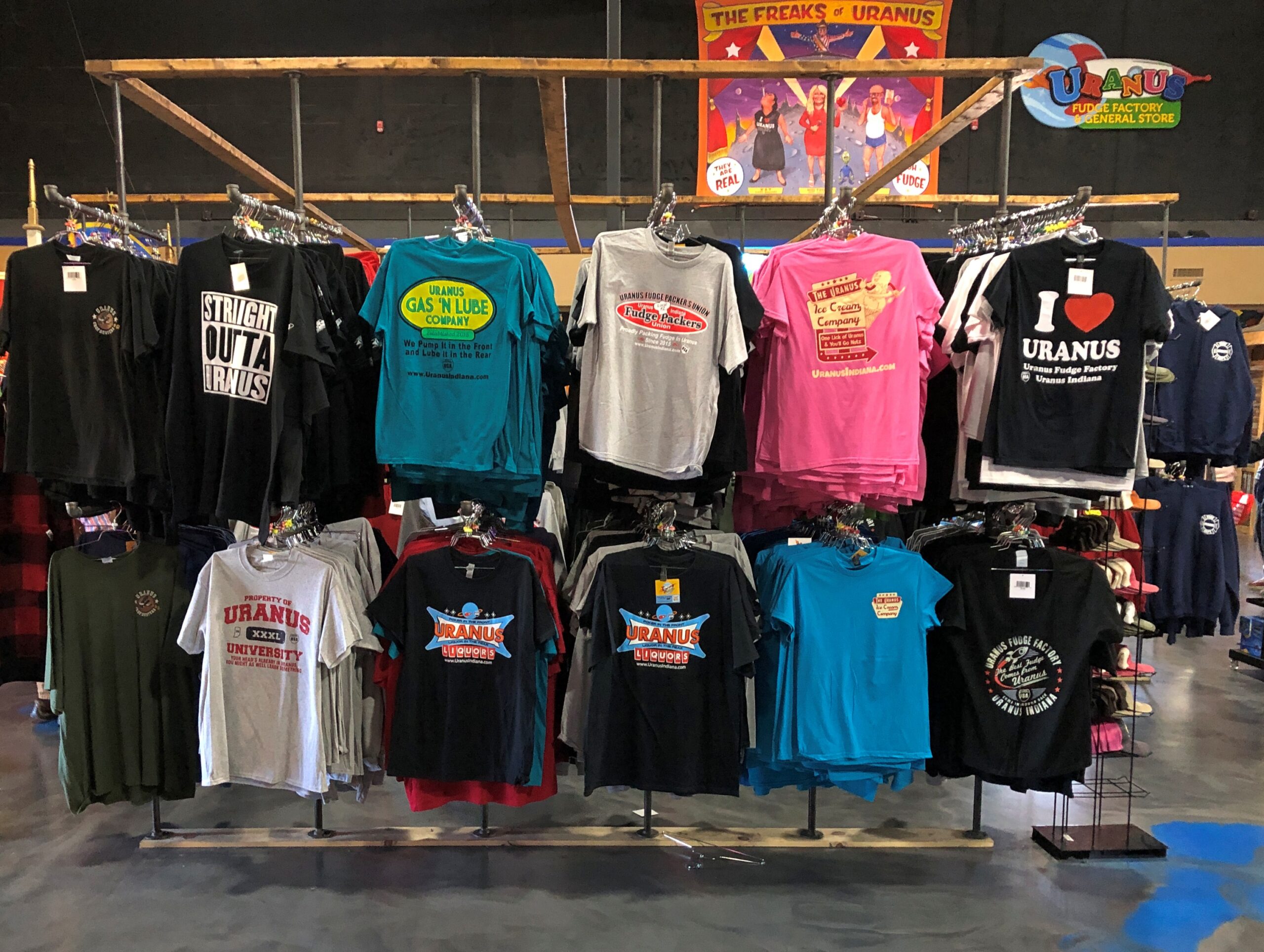
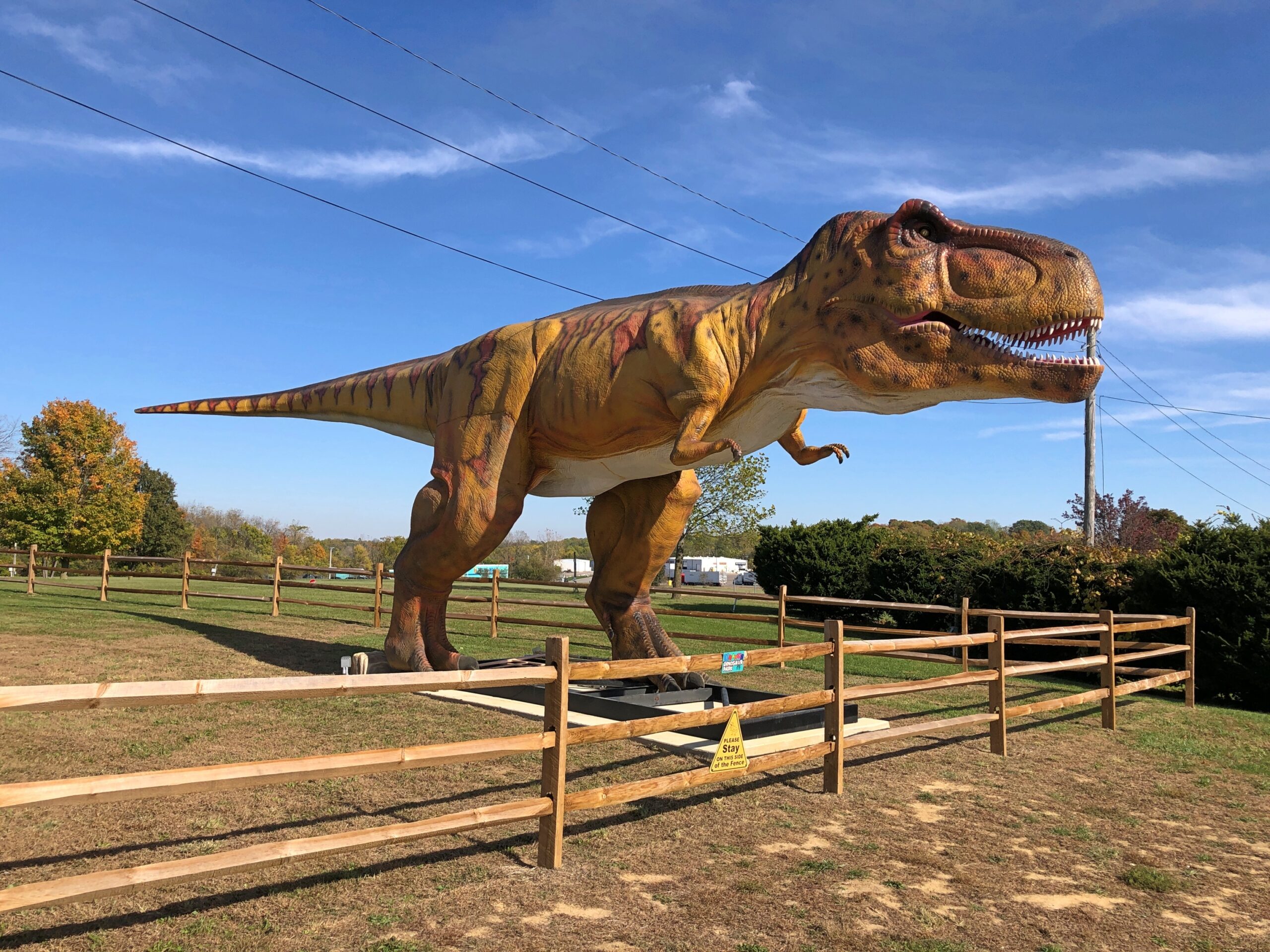
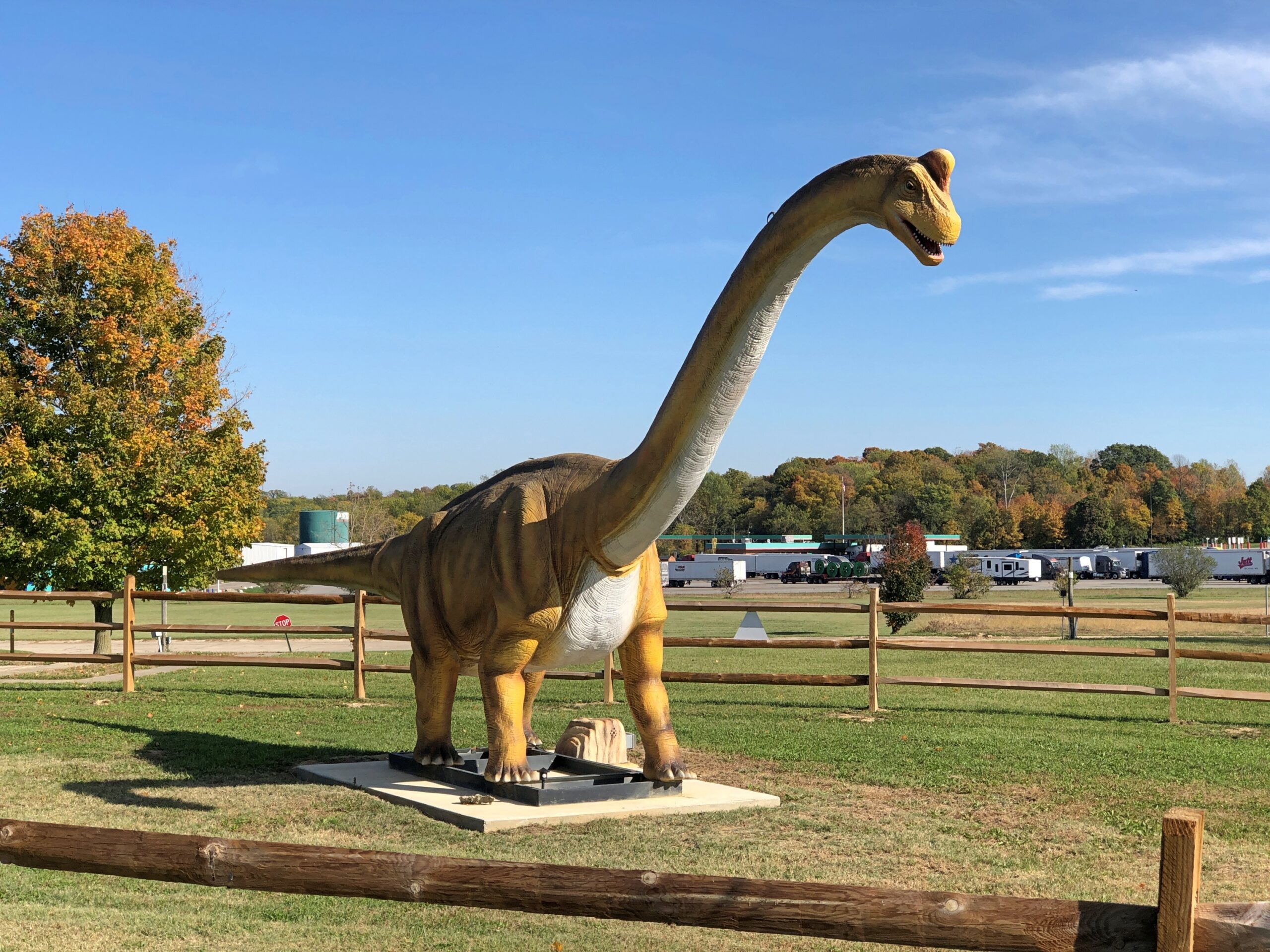
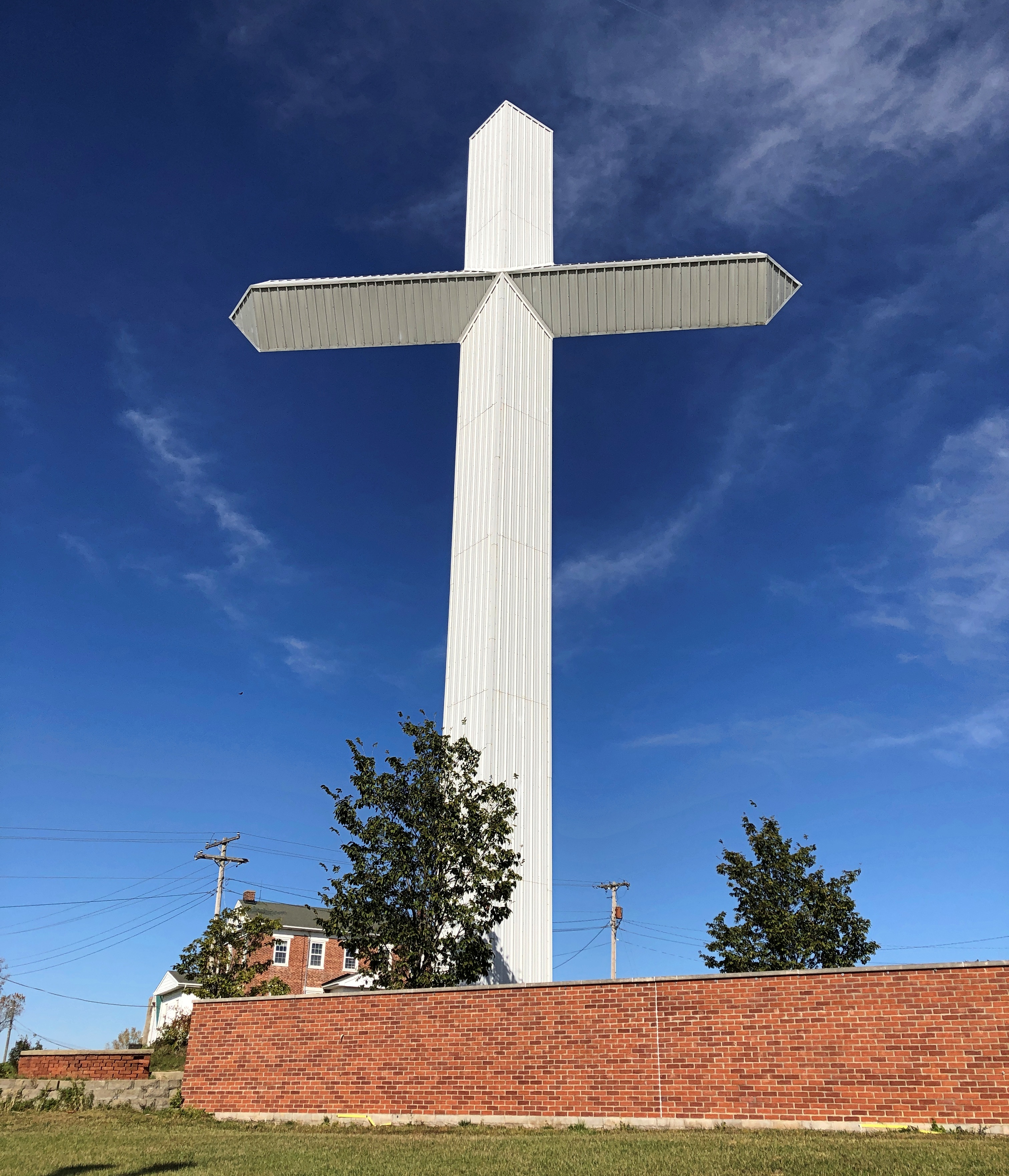
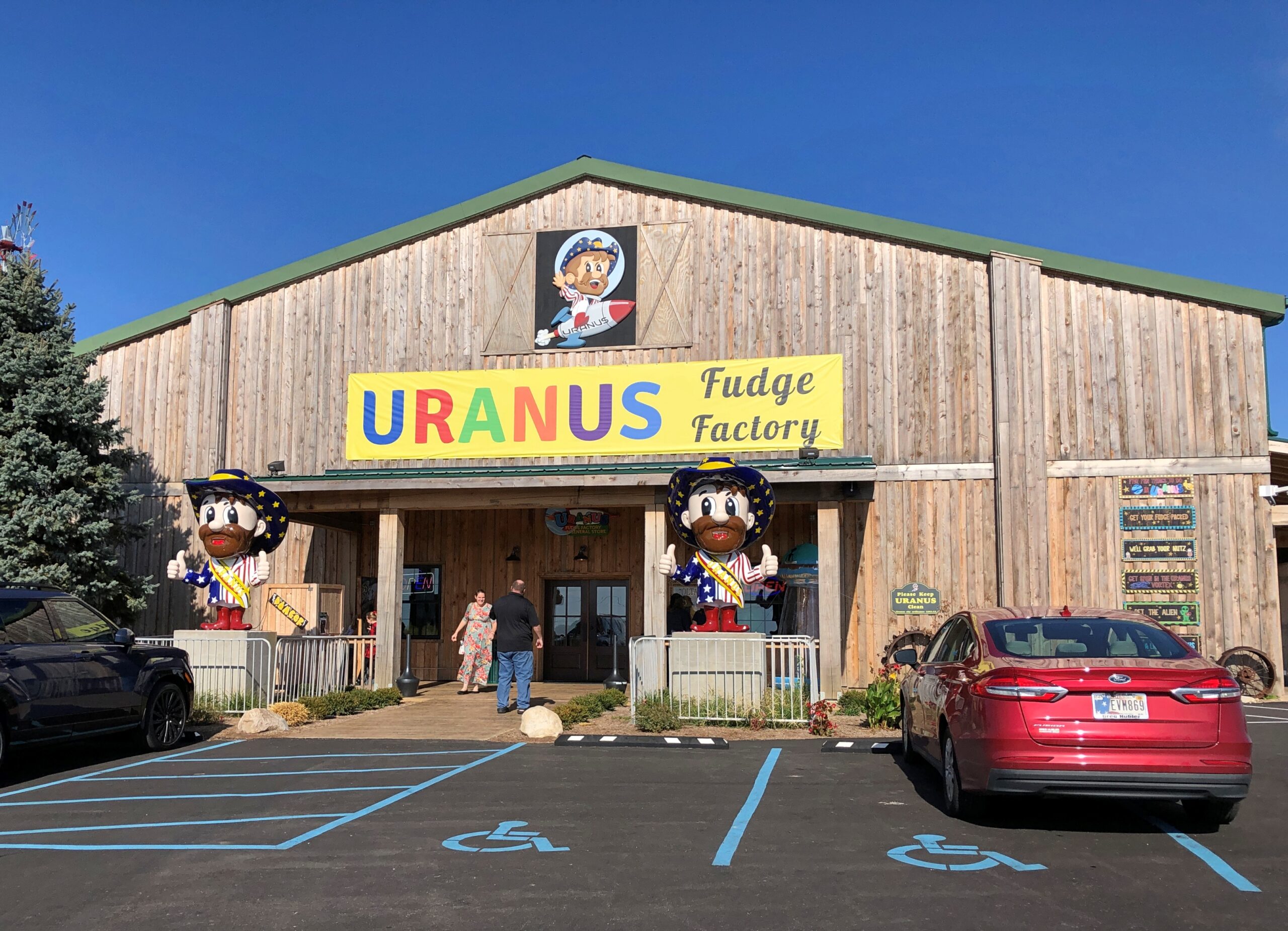
Earlier today, at the border between Ohio and Indiana, I noticed Uranus. I had to stop.

Uranus

Turns out there’s more than one; I’d only ever seen the one in Missouri (the original) in passing, never stopping. But I did this time. Now I can say I’ve been to Uranus.

Colorado Lasso ’25

Driving down from the alpine wonders of Rocky Mountain National Park a couple of weeks ago on highway US 36, I realized we’d be passing through Boulder, Colorado. So during one of the moments of standstill traffic on that highway as it winds into Boulder — it’s a crowded road, especially on a weekend during warm weather — a thought occurred to me. More of a memory-thought, since it harkened back almost 50 years.

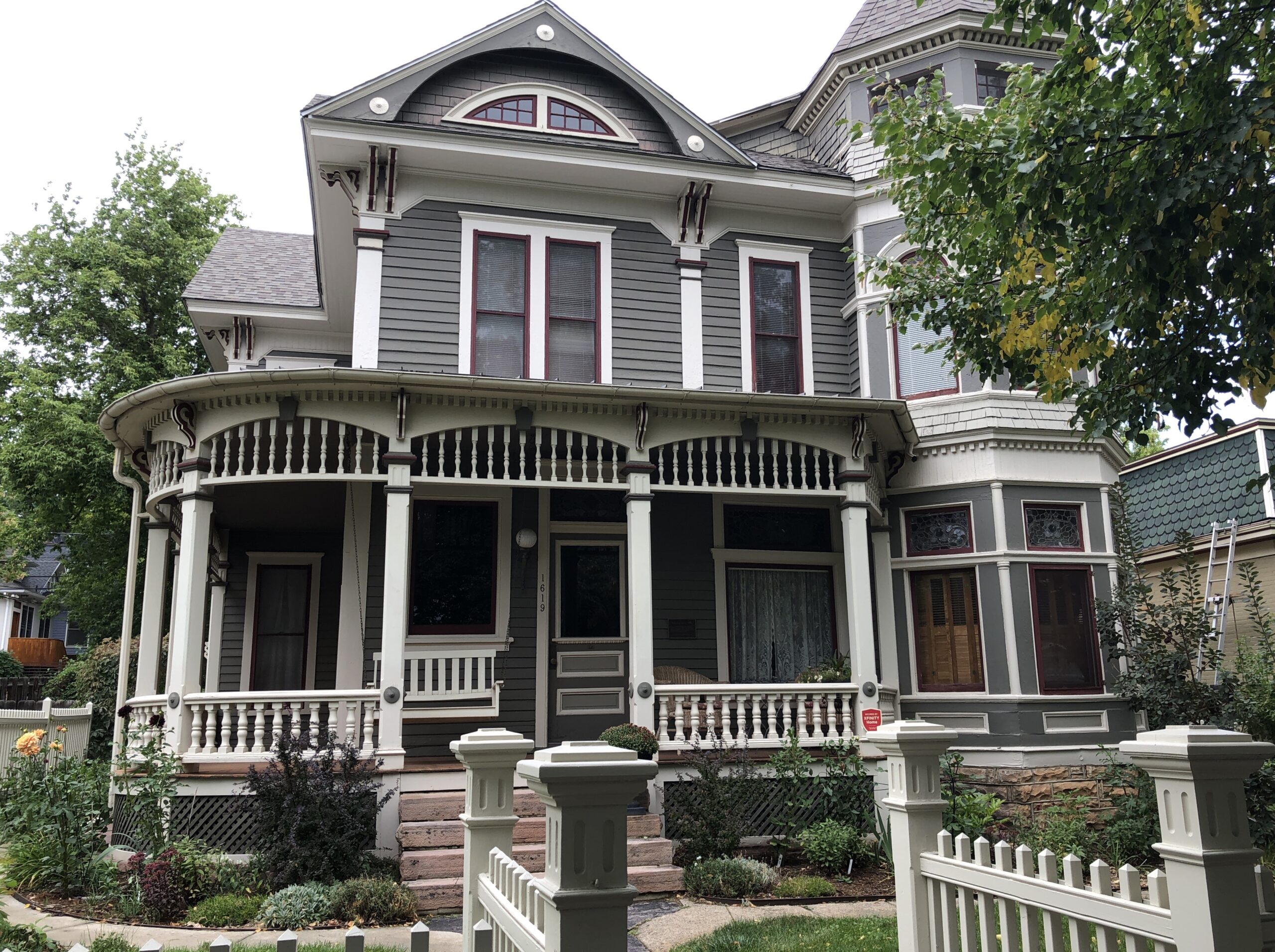
At zero mph, I had time to consult Google for more information. (Remarkably, the signal was strong.) Google Maps pinpointed the location I’d thought of, on a leafy street in Boulder. That day I expended some tourist energy, of which I don’t have quite as much as I used to, to find Mork’s house.

That is, the house used in establishing shots in Mork & Mindy to show their home, since the show was set in Boulder. I know I’d seen Boulder on maps. Funny name, I thought as a kid. Really Big Rock City. It’s still a little funny. But other than as a spot on the map, the show was probably the first time I’d heard anything else about the place.

The passengers in my car, Yuriko and Emi, having grown up outside of the orbit of ’70s American sitcoms, didn’t particularly appreciate the place. At least not until I conveyed the information that the show made Robin Williams famous. He’s a known quantity. I read a bit about the house later, and there seems to be no consensus about whether the owner cares whether anyone stops by the take a picture. My guess would involving factoring in a dwindling number of people coming by. You know, because the show went off the air over 40 years ago.

Then again, if my U.S. travels have taught me nothing else, it’s that retirees are out being tourists. They have the time they didn’t used to, and currently are just the right age to take a peek at Mork’s house at 1619 Pine Street, which is easy enough to find. Even if, like me, their fondness for that show was lukewarm at best.

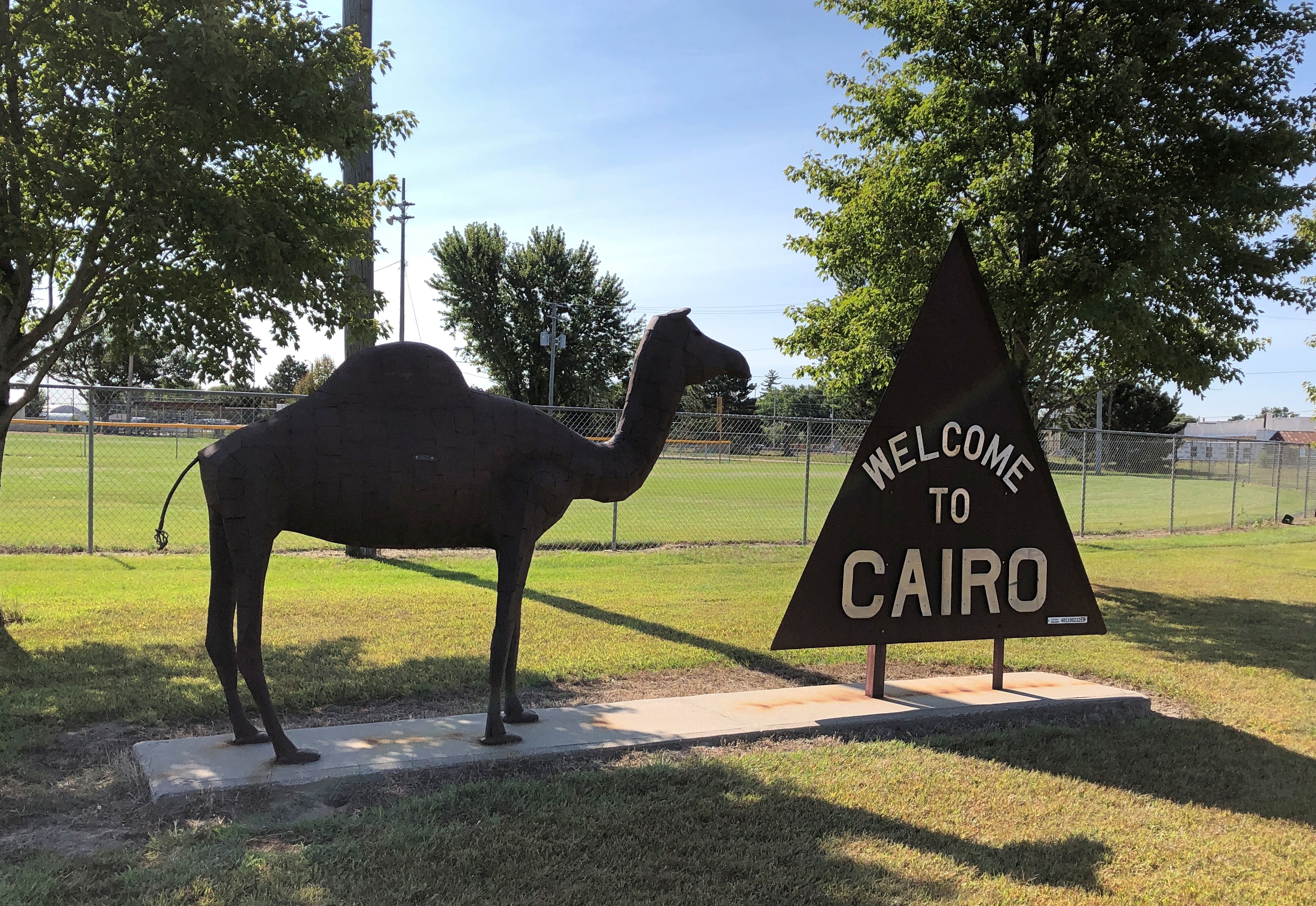
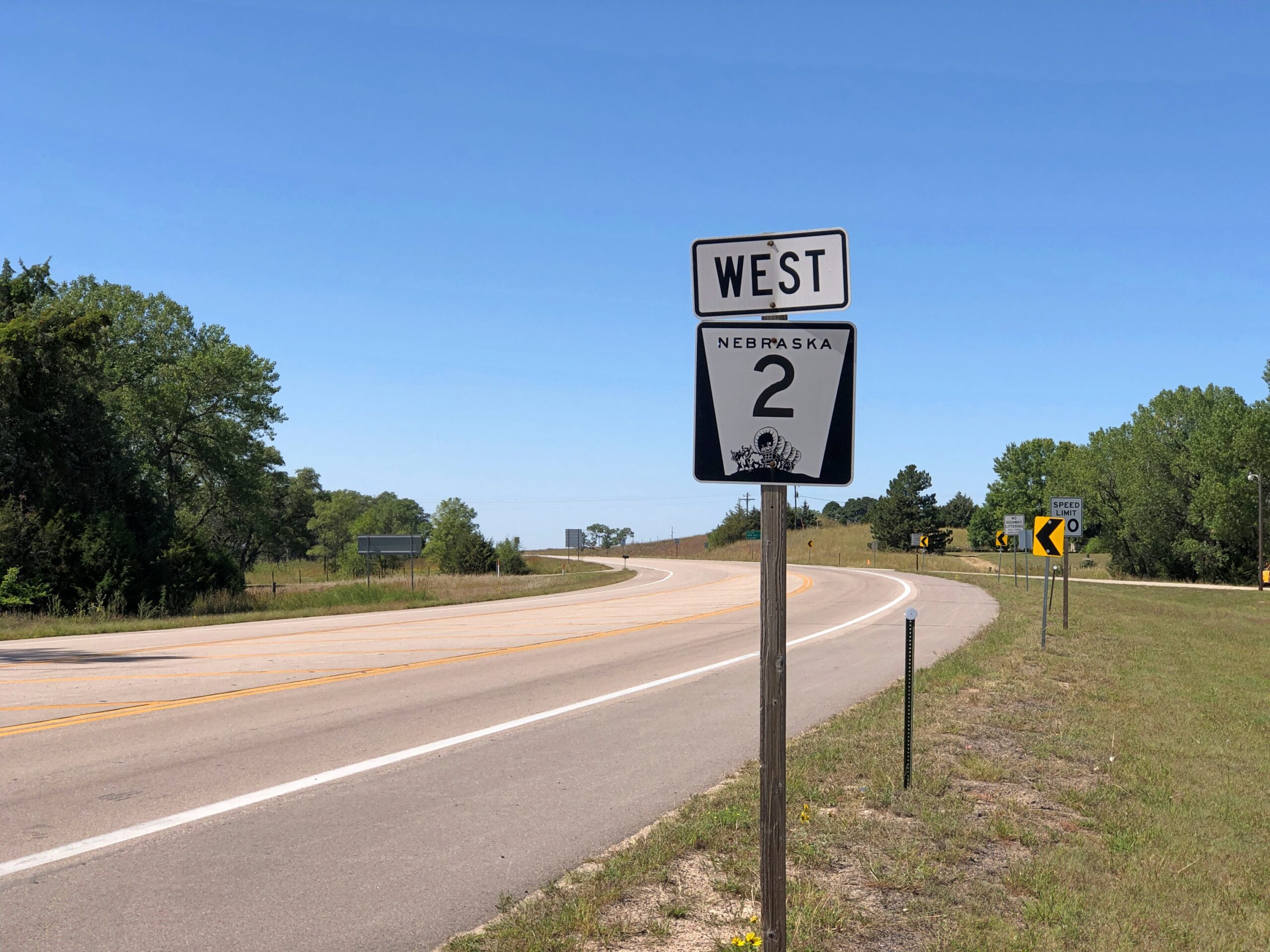
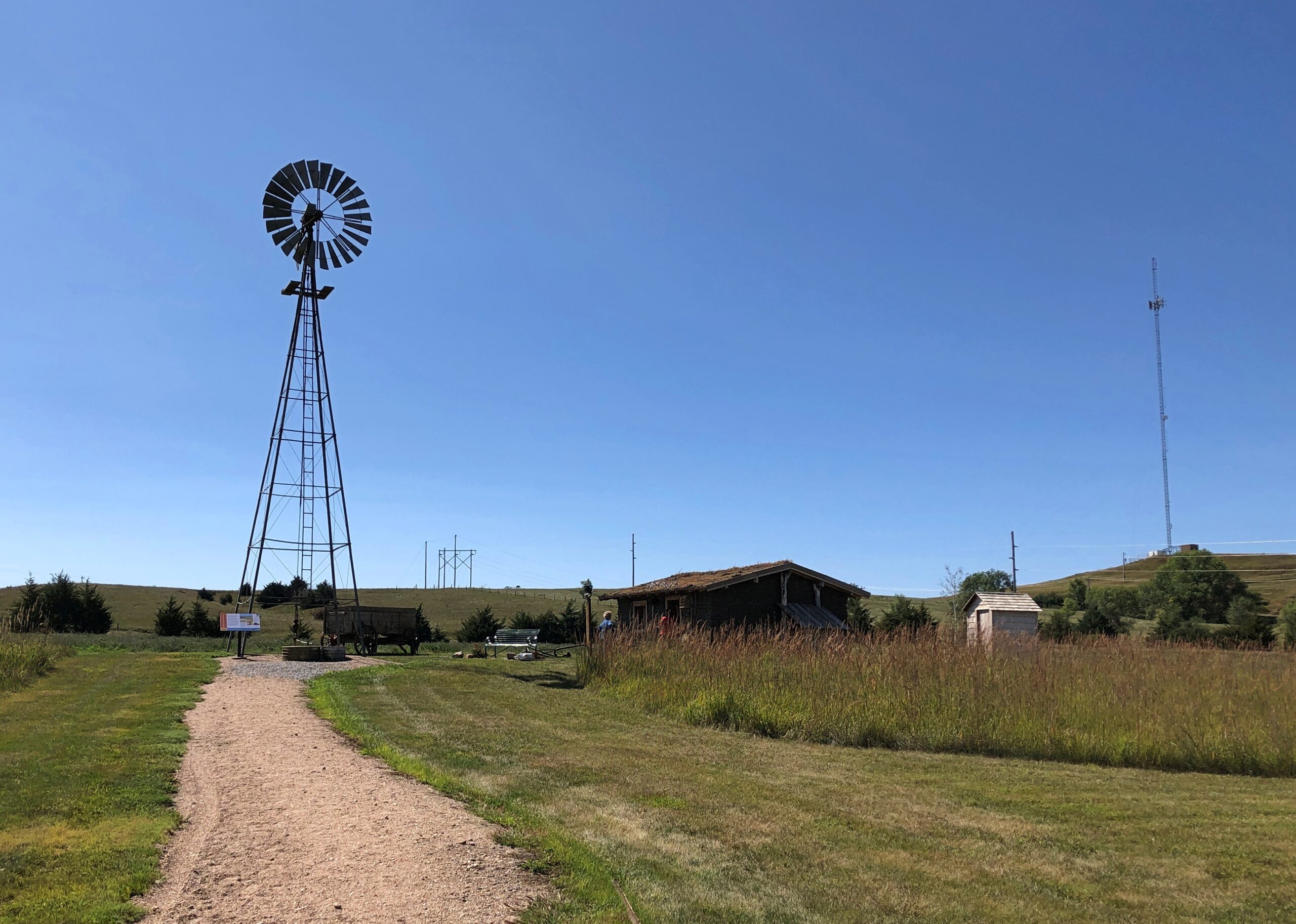
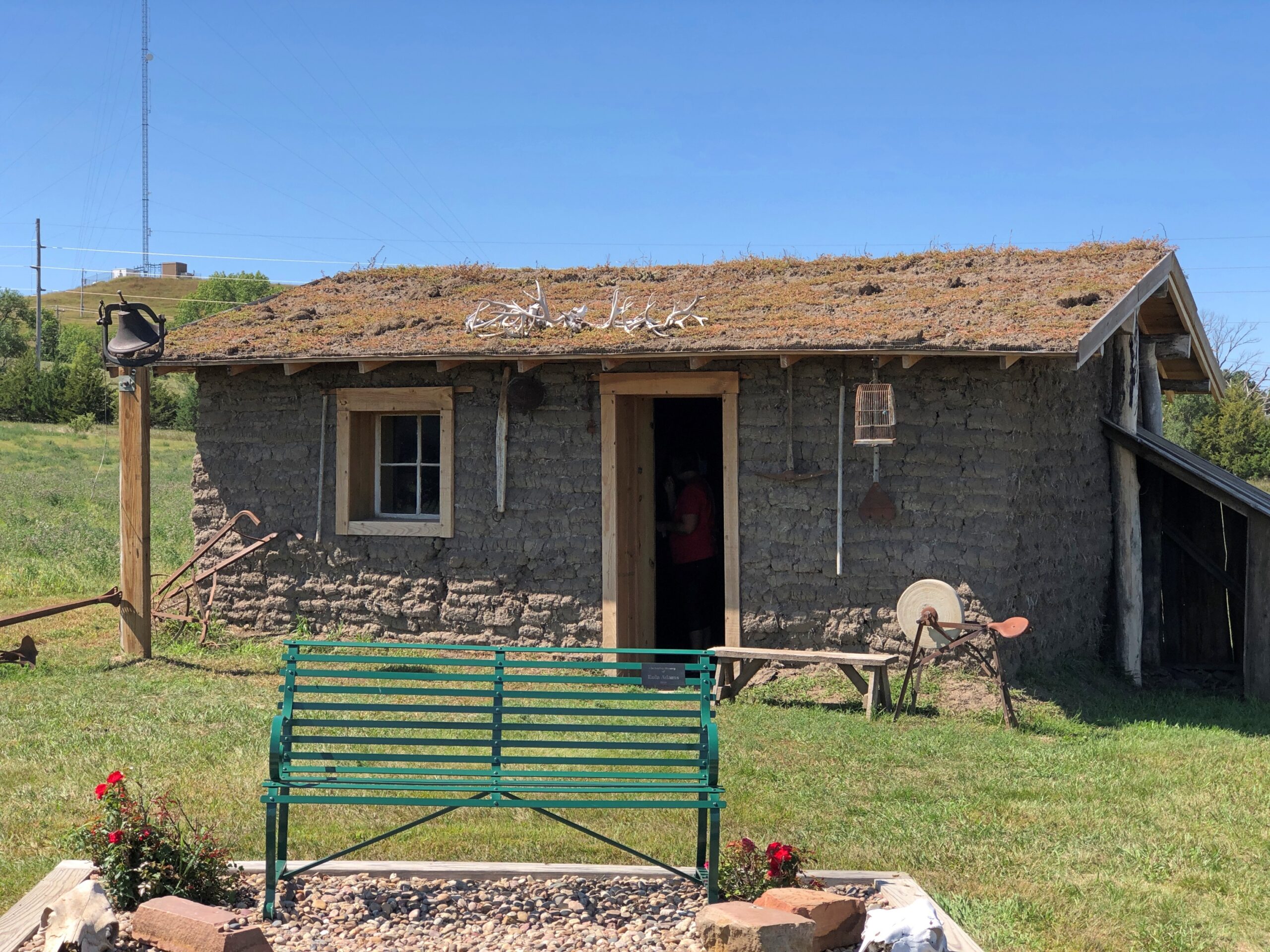
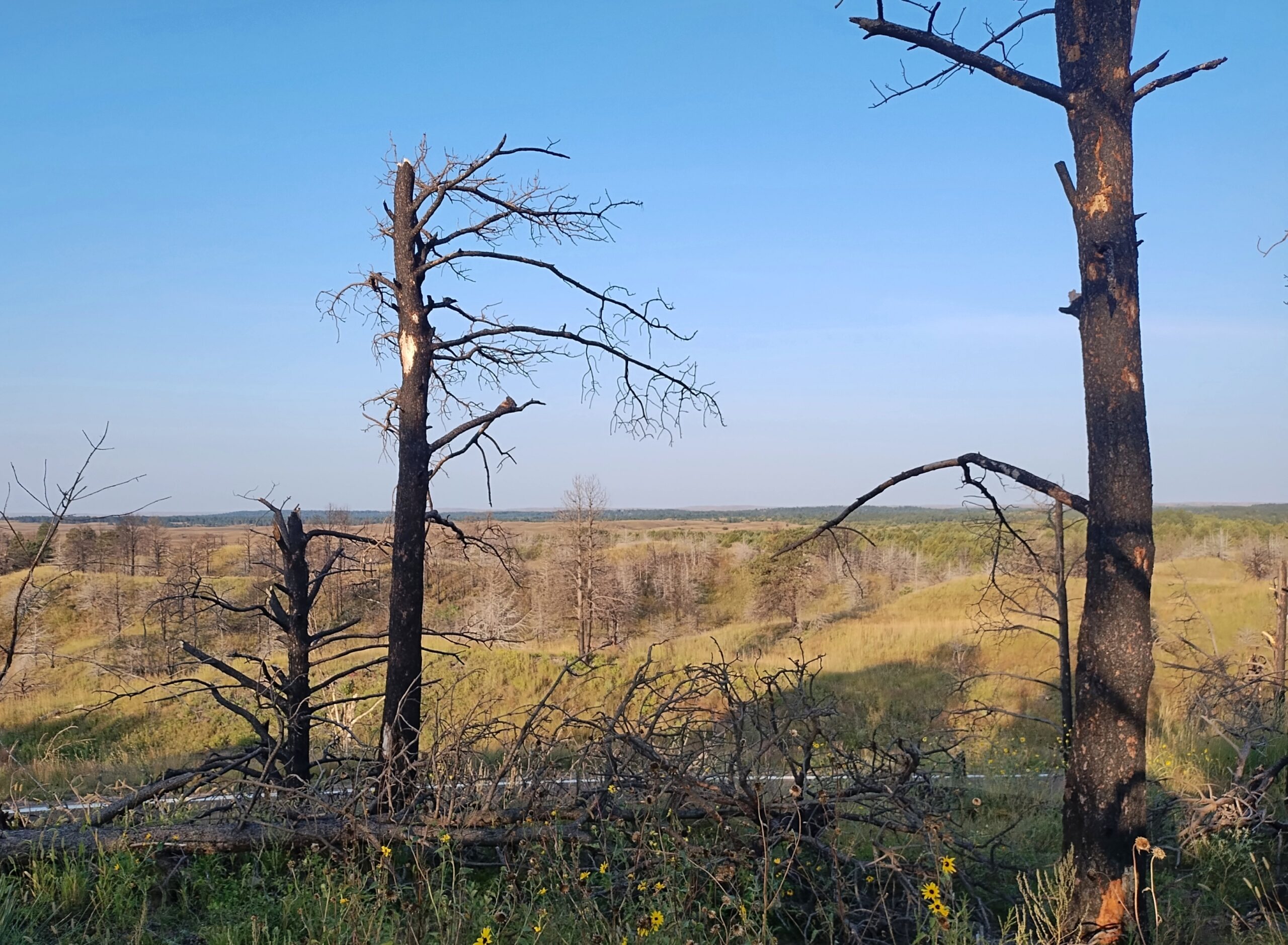
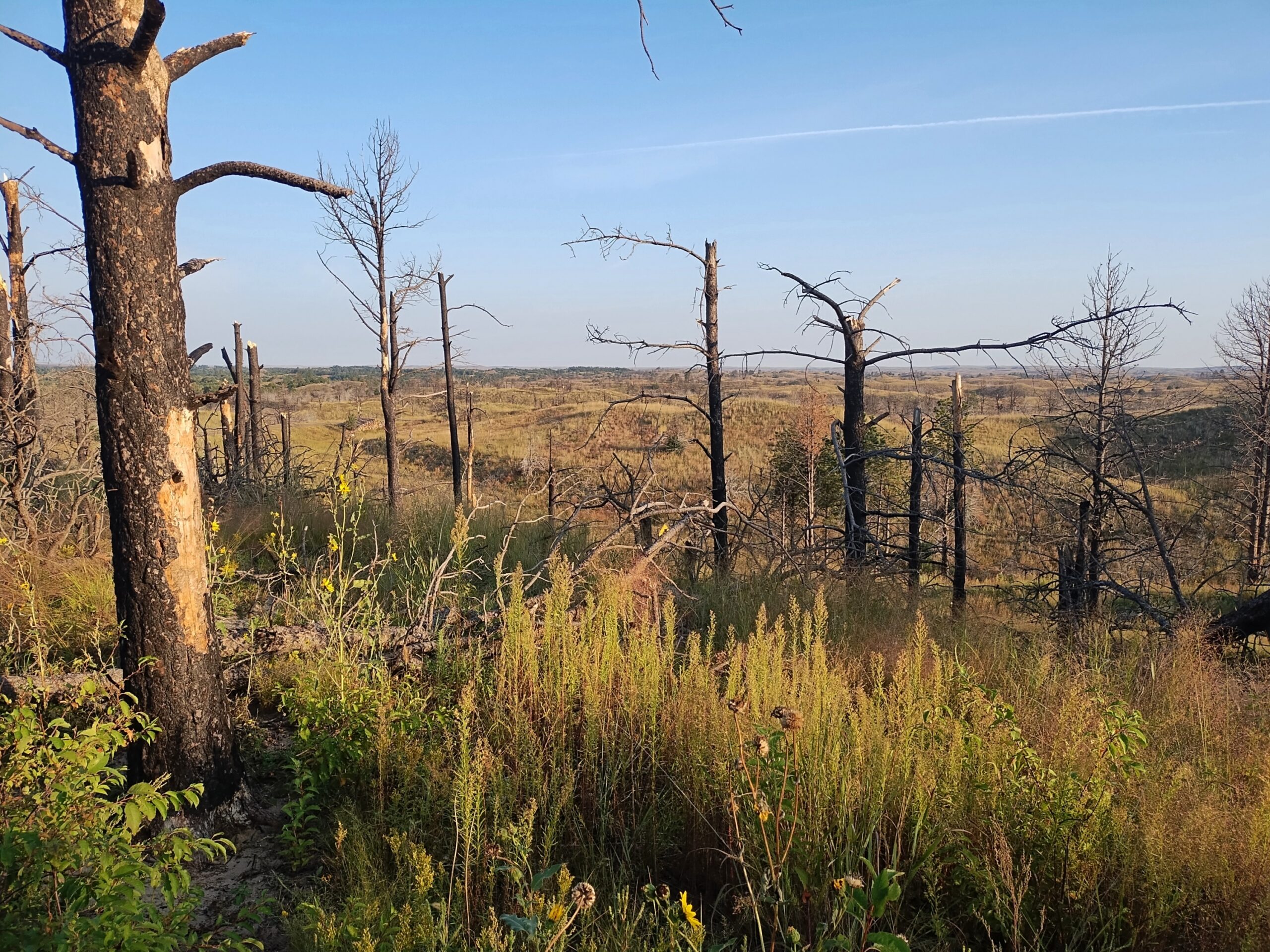
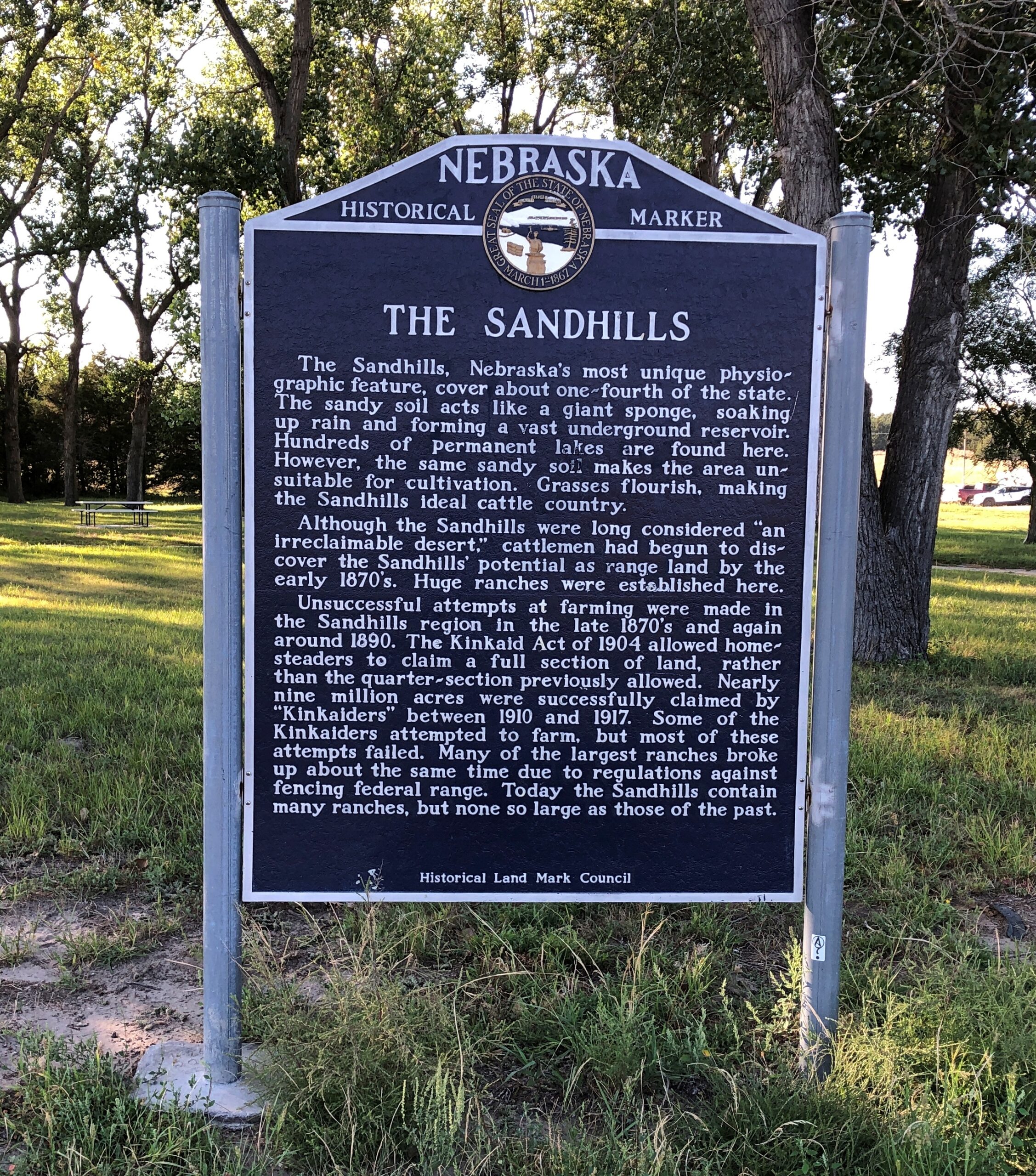
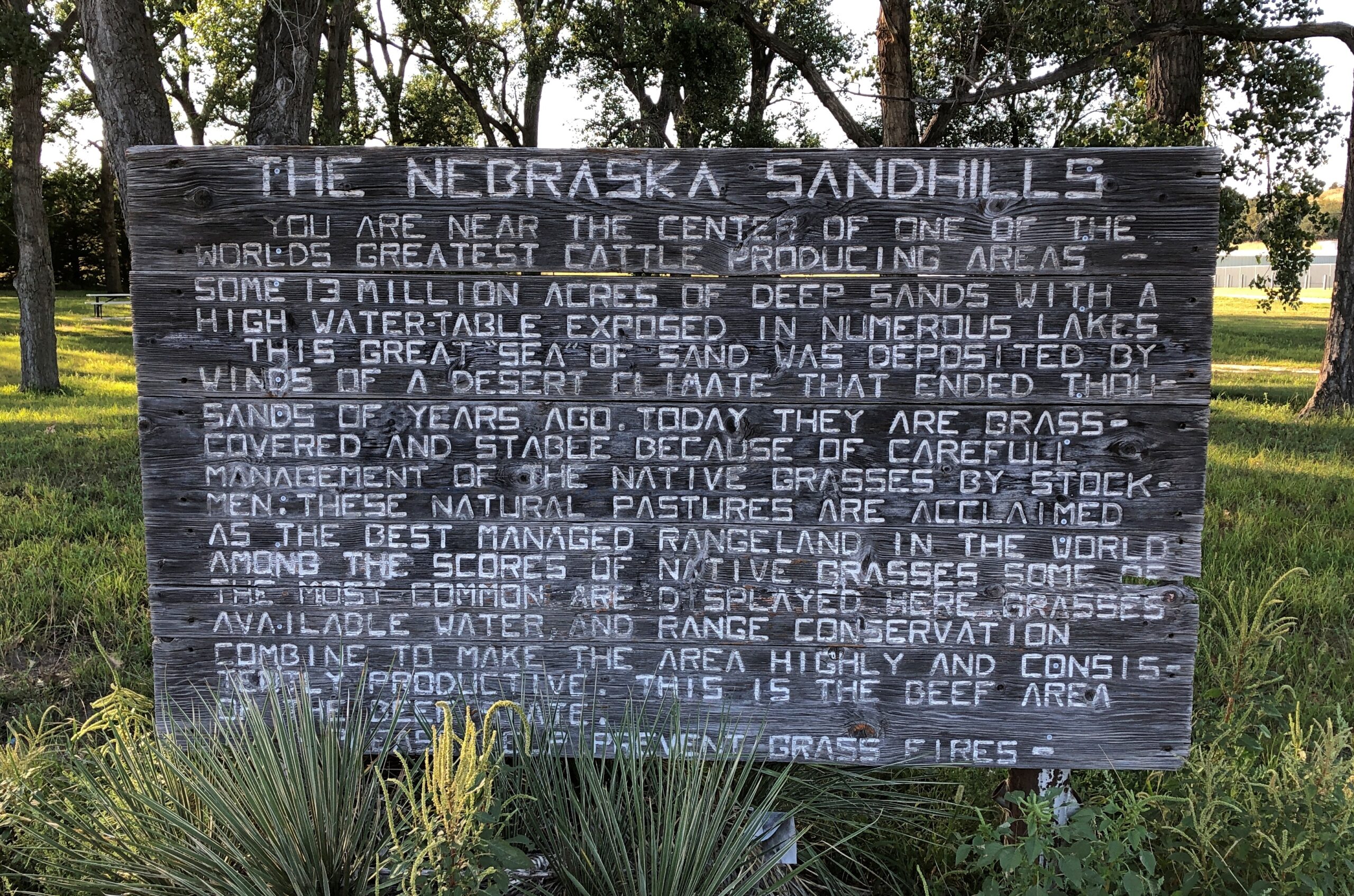
Boulder and Mork came early in the second leg of my three-legged, 4,498-mile drive, which seemed to kill that many bugs on the windshield and front hood and bumper. The house counted as merely one spot in a trip that took me through hundreds of places. I spend most of September on the road, heading west from Illinois early in the month along I-80 and smaller roads, especially Nebraska 2 through the Sandhills, and spending time in western Nebraska and its rocky outcroppings and in southeast Wyoming, before going to Denver. That would be the first leg. Which, I’m very happy to say, included a good look at Carhenge.

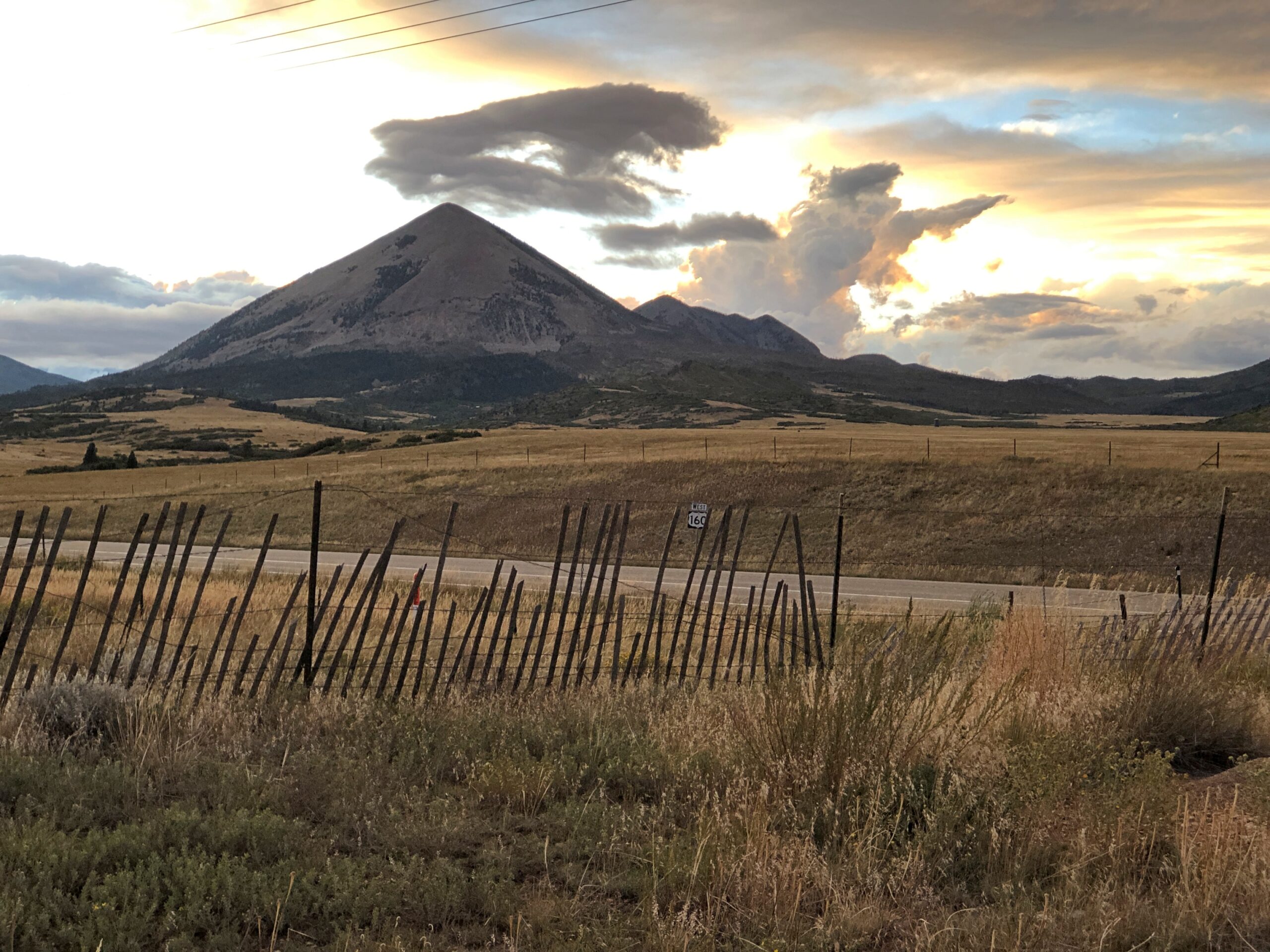
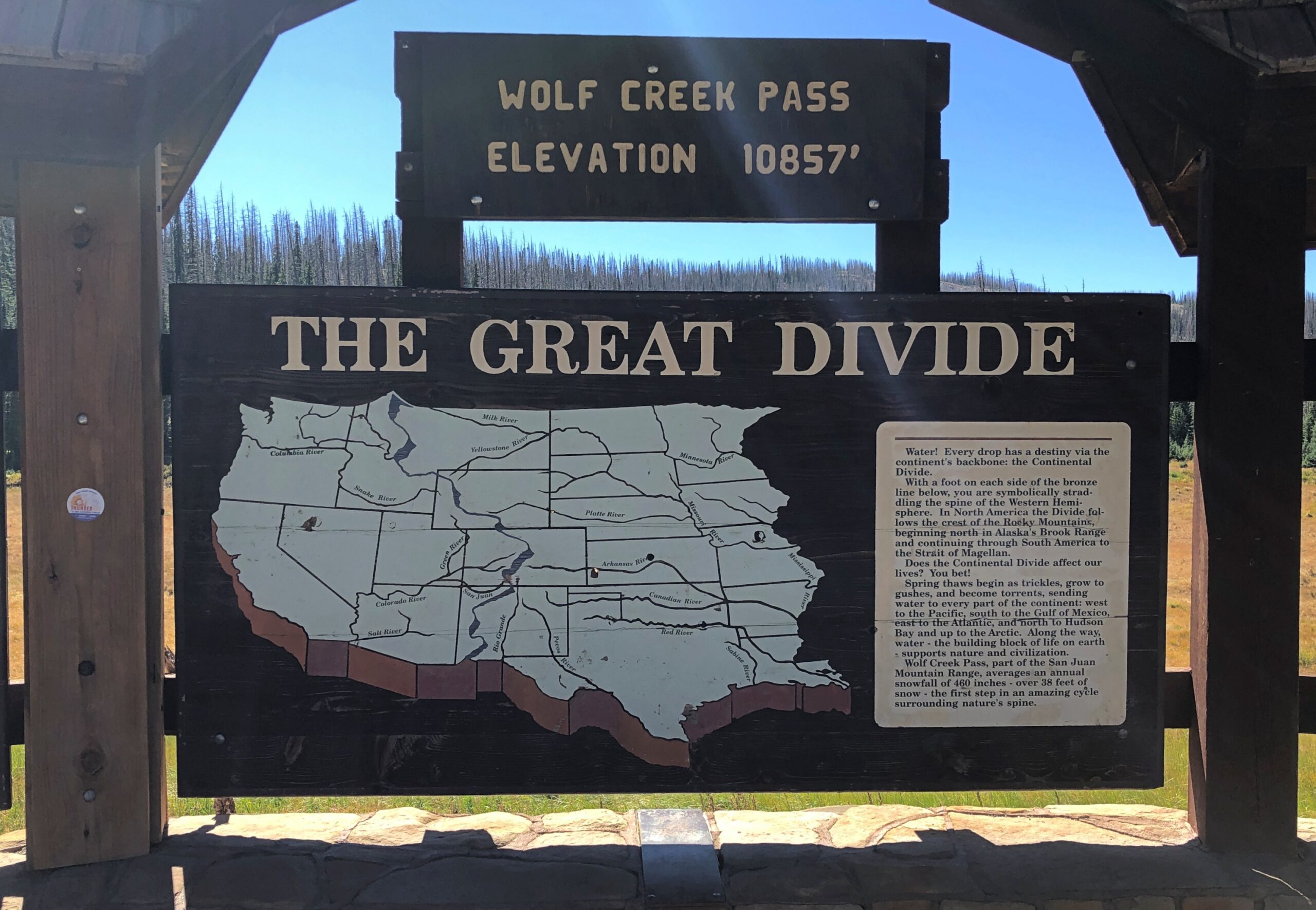
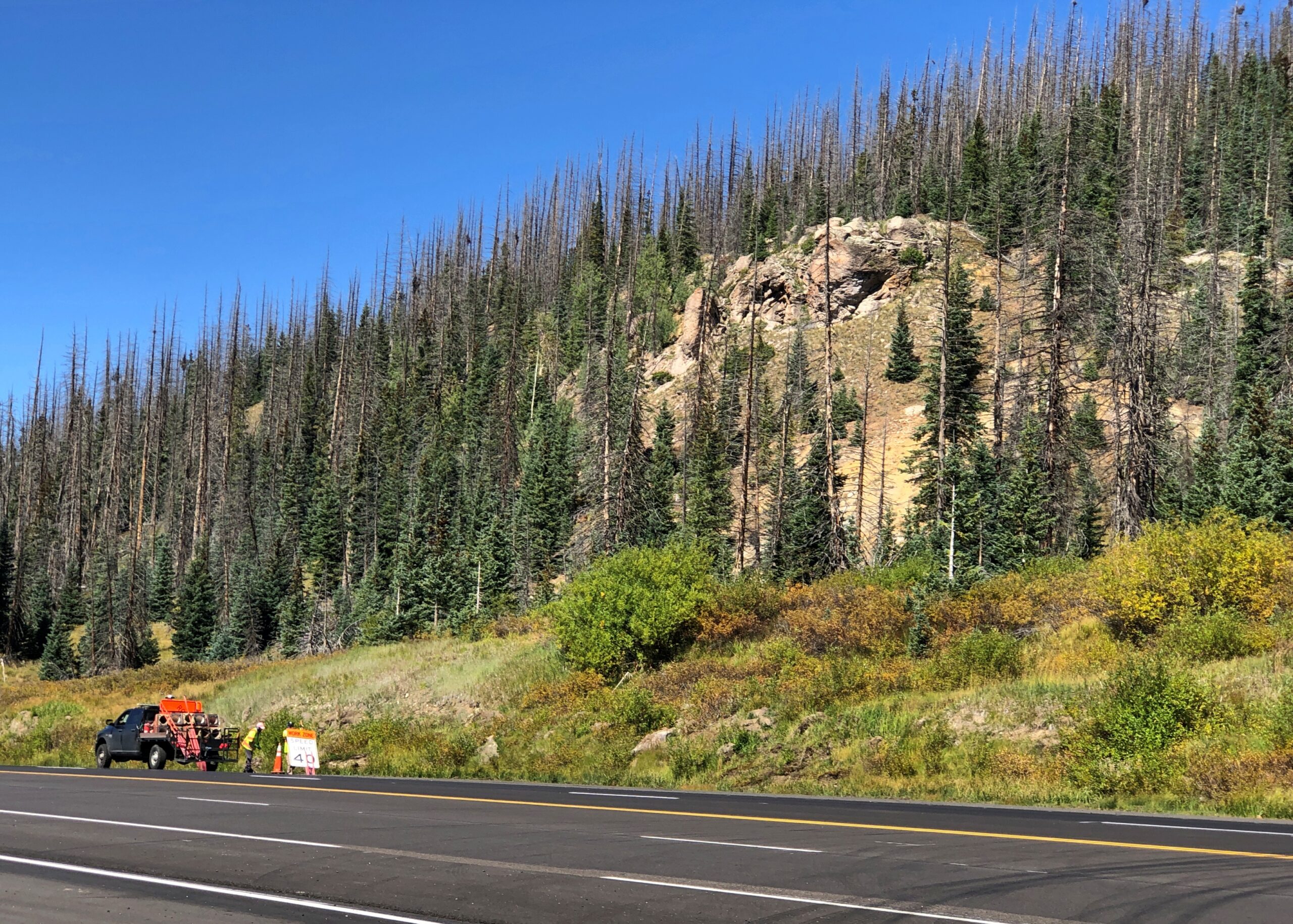
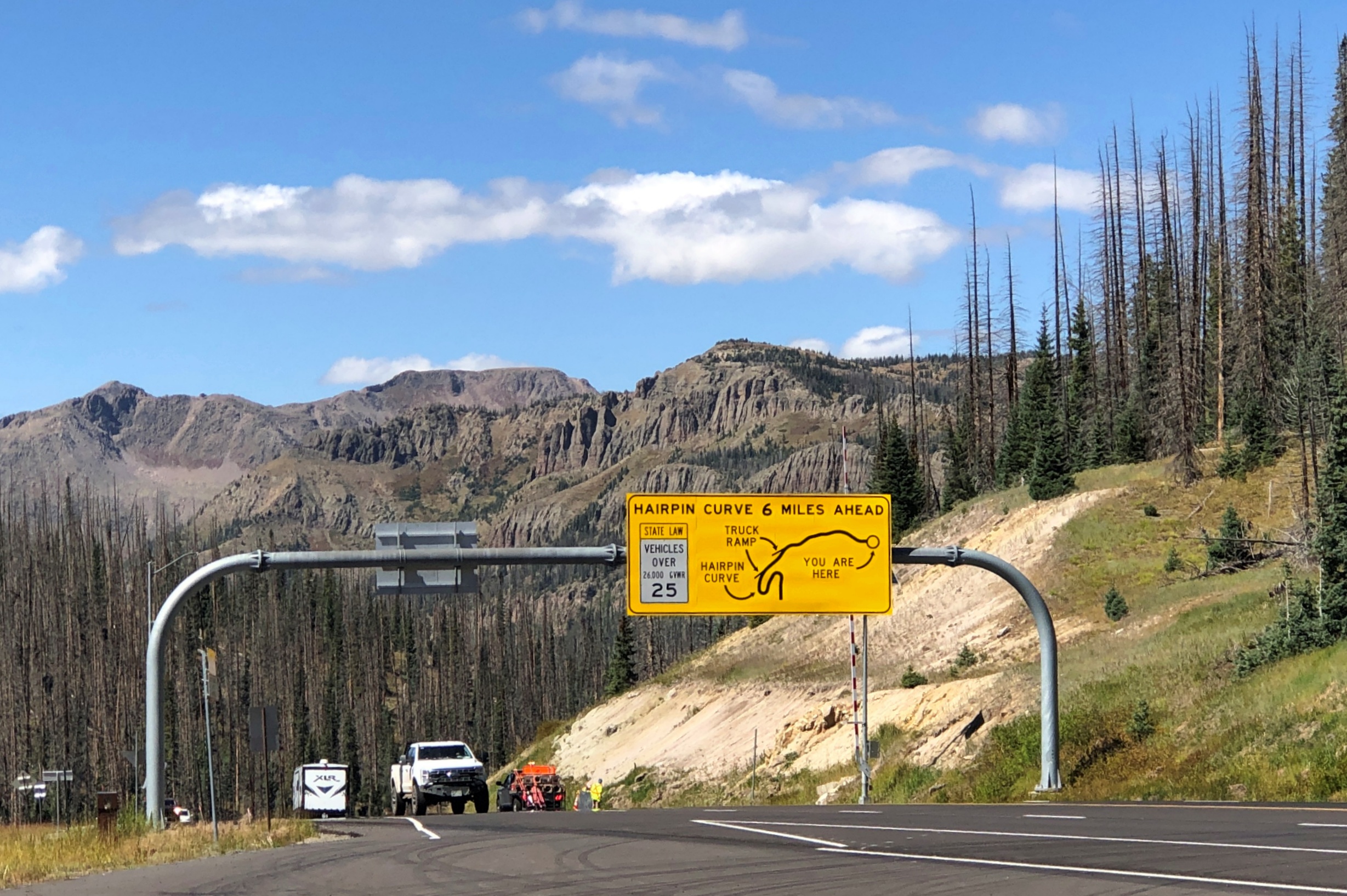
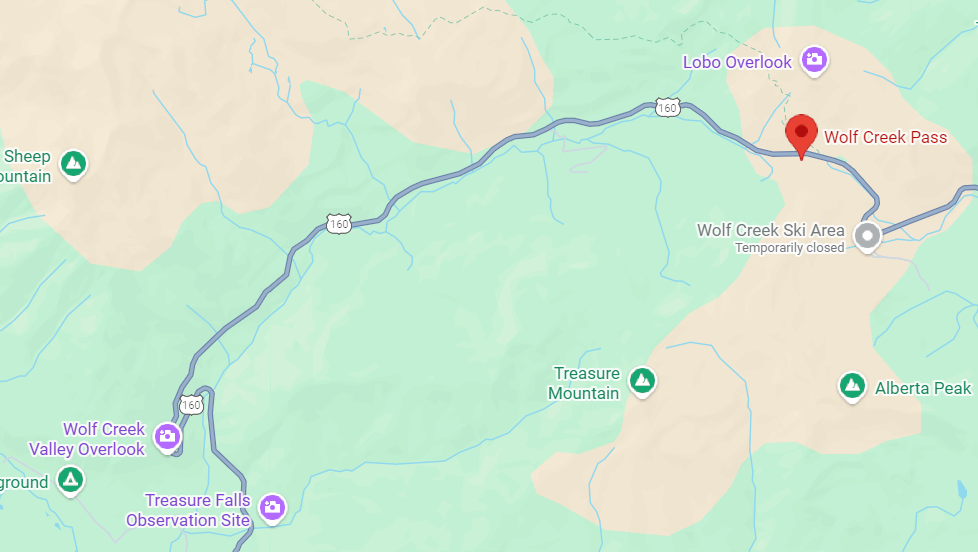
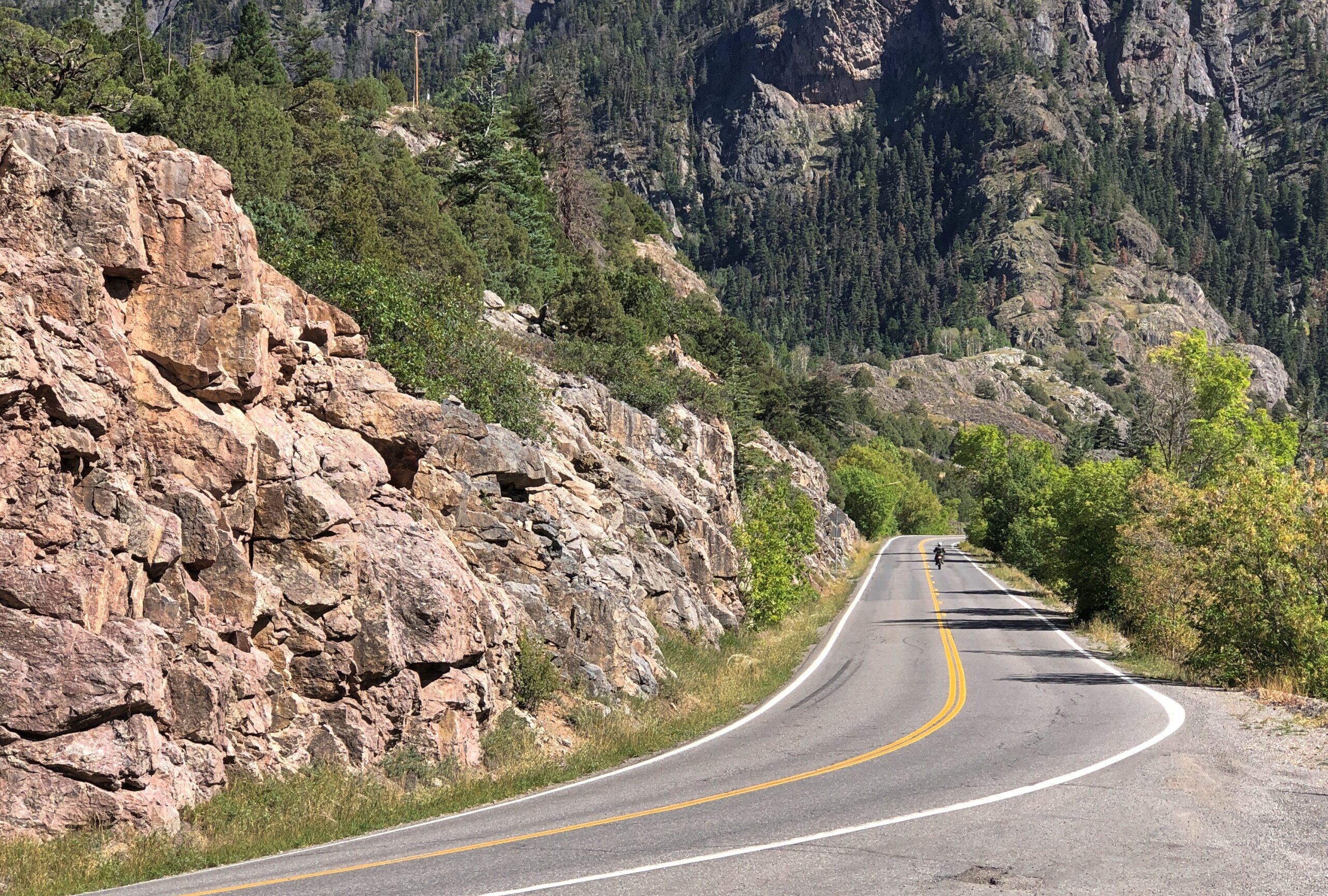
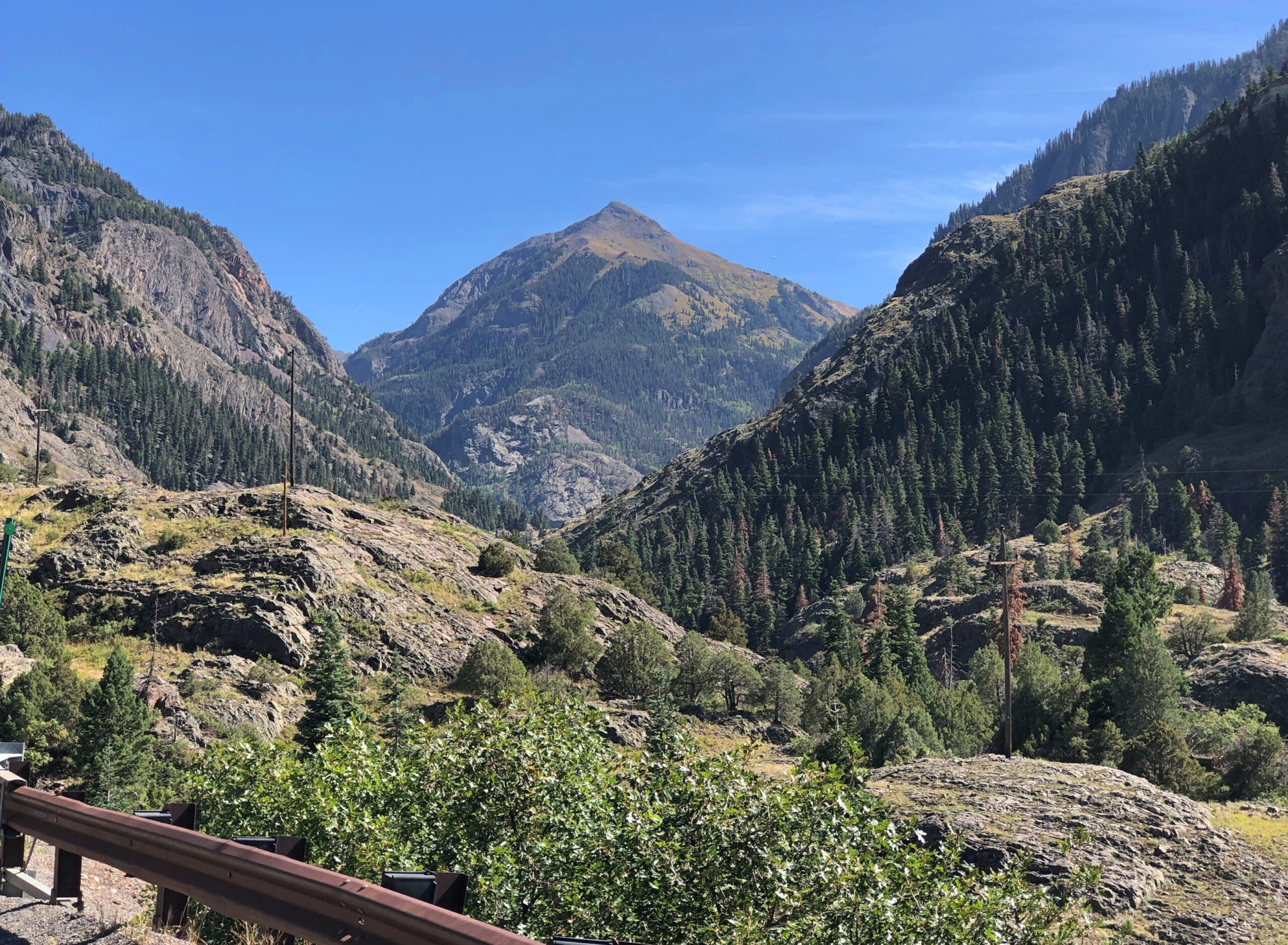
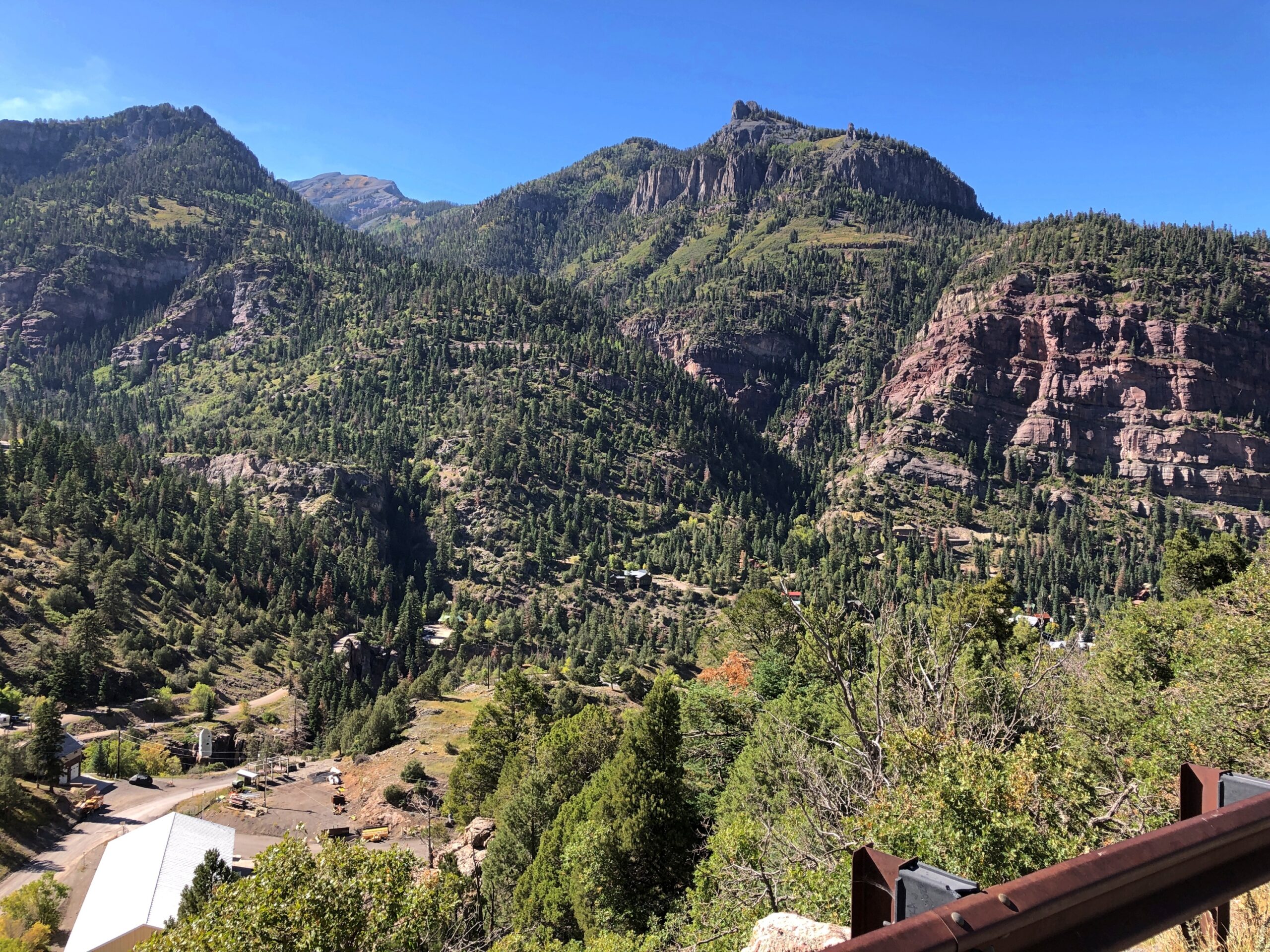
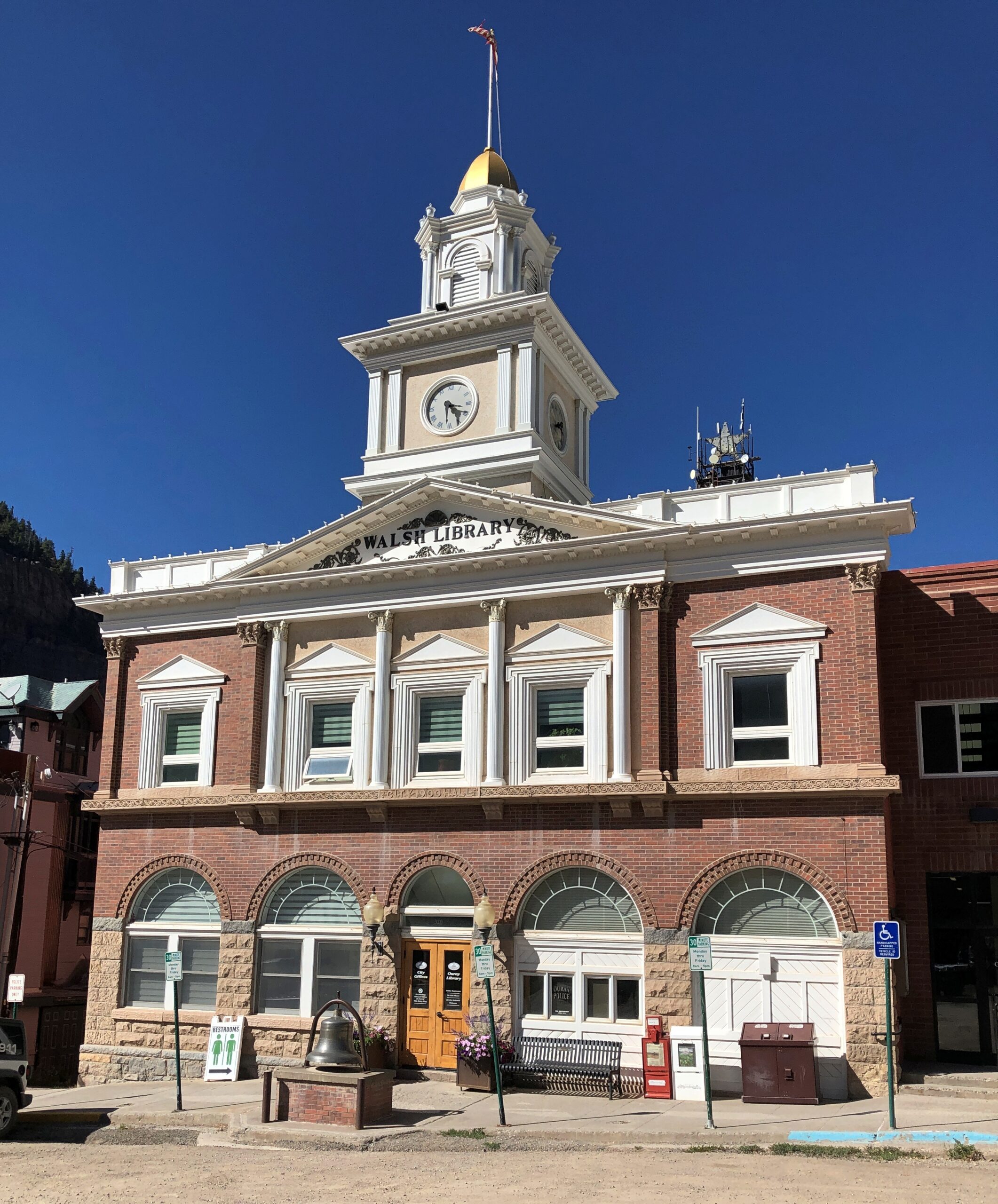
Yuriko flew to Denver on the last of the points I got from SWA for the Christmastime FUBAR a few years ago and we met there. (New motto for the airline: Now We’re Just Another Airline!) After an overnight jaunt to Rocky Mountain NP in the company of our friend Emi, the two of us then spent more than a week taking a clockwise circle-(like) course — a lasso, you might call it, a straight line connected to a loop — from Denver to Colorado Springs to Pueblo to Walsenburg to Alamosa to (coming down from Wolf Creek Pass) Pagosa Springs to Durango to Silverton to Ouray to Montrose to Salida and back to Denver, where Yuriko flew home. That was the second leg. The drives were varied and gorgeous.

You’d think that would be enough, but I had to drive home, loosely following I-70 this time, making my way from Colorado through Kansas, Missouri and Illinois, and making a number of stops, big and small, such as Kit Carson, Colorado; Abilene, Kansas; and Kansas City, Missouri, for a third and final leg. No single small road took me through Kansas, but a series of them did, some as empty as, well, eastern Colorado and western Kansas. That’s some fine driving. Mountains are great, but after a week or so of their twisty ups and downs on two lanes, flat is all right. More relaxing, even.

For reasons that will soon be obvious, not long ago I looked up 2024 visitation statistics for the four national parks in Colorado: Rocky Mountain, Mesa Verde, Great Sand Dunes, and Black Canyon of the Gunnison.

Far and away the top national park draw in Colorado is Rocky Mountain NP, which received 4.2 million people last year, according to the NPS. In fact, it’s a top ten among most-visited U.S. parks. That isn’t so much of a surprise, considering the monster population that lives nearby in greater Denver and other parts of the Front Range. Indeed, for a lot of people, RMNP is easily a day trip.

That isn’t true for the other three national parks, but even so I was surprised to learn how few people actually visit any of them. They aren’t that remote. We aren’t talking Gates of the Arctic NP or American Samoa NP remote. Still, out of the 63 current U.S. national parks, last year Mesa Verde ranked 41st, Great Sand Dunes 44th, and Black Canyon 49th. The three of them combined saw only about 30 percent as many visitors as Rocky Mountain in 2024.

We set out to see all four of the national parks in Colorado. And we did. You could call it a national park trip, along the lines of the one a few years ago mostly on the Colorado Plateau. But the parks were only a framework, never the total picture, over mountains and across plains. We saw a lot else besides, such a male bear outside our window about 10 miles north of Durango, a female in a tall nearby pine snarling at him, and cubs higher up in the tree. More detail to come on that, in the fullness of time.

Rocky Mountain NP is an exercise in rising above the tree line, by vehicle but also on foot, up a path, into to a satisfying exhaustion before majestic mountains. The pale sand dunes of the Great Sand Dunes NP rise from a valley and back up against a mountain range, as if a giant broom swept it off to corner, and for visitors amounts to a giant sand box. Mesa Verde NP, where the stone dwellings of the Ancient Ones are tucked away in steep stone canyons, shows how much effort people will put into making a home for themselves. Black Canyon of the Gunnison NP is a scenic great unknown, a great dark crack in the earth that reminds you that gravity is in charge, its ragged cliff edges rife with opportunities to die for an Instagram image.

Georgia 60

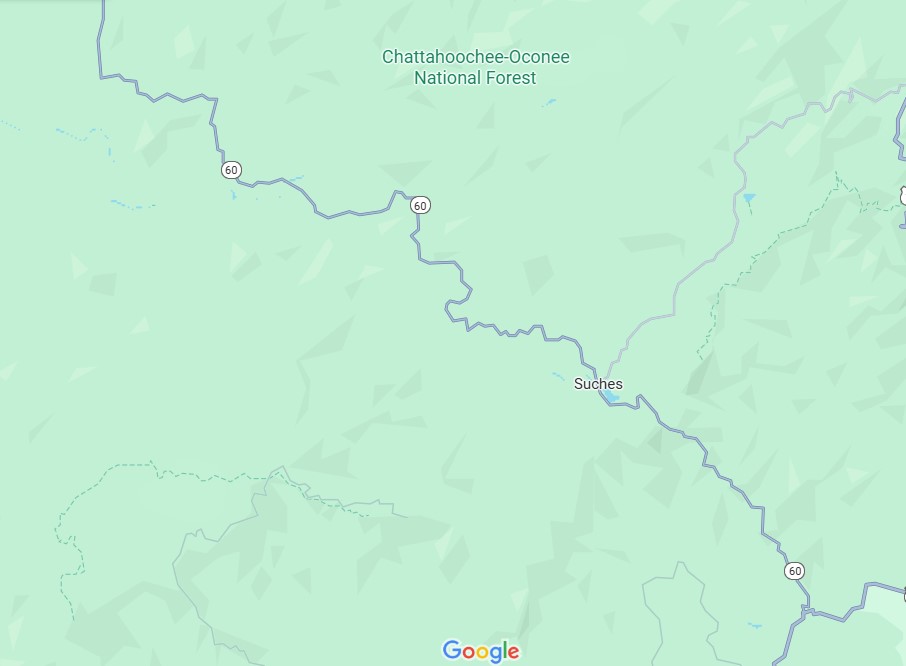
Clear skies, little traffic, good curves. I recommend driving on the two-lane Georgia 60 highway through the Chattahoochee National Forest under those conditions as certified car commercial driving. Considering all the hours of your life spent stewing in a traffic jam, it’s the kind of driving that makes you forget all of them.

Wish there had been a song on the radio to add to the driving experience — there was little but static — but that would just be icing on the cake anyway. Actually, not even that: it would be a little whip cream on a cake that already has some fine icing. To torture that analogy a little further, the cake would be the sedimentary rock lifted and cracked and shaped by whatever else rocks do over millions of years, topped by the biomass – that is, an Appalachian forest.

The history of humans in the Chattahoochee is incredibly dark and eventful. A textbook case of raping the land, only somewhat recovered in our time, partly through the efforts of the can-do CCC.

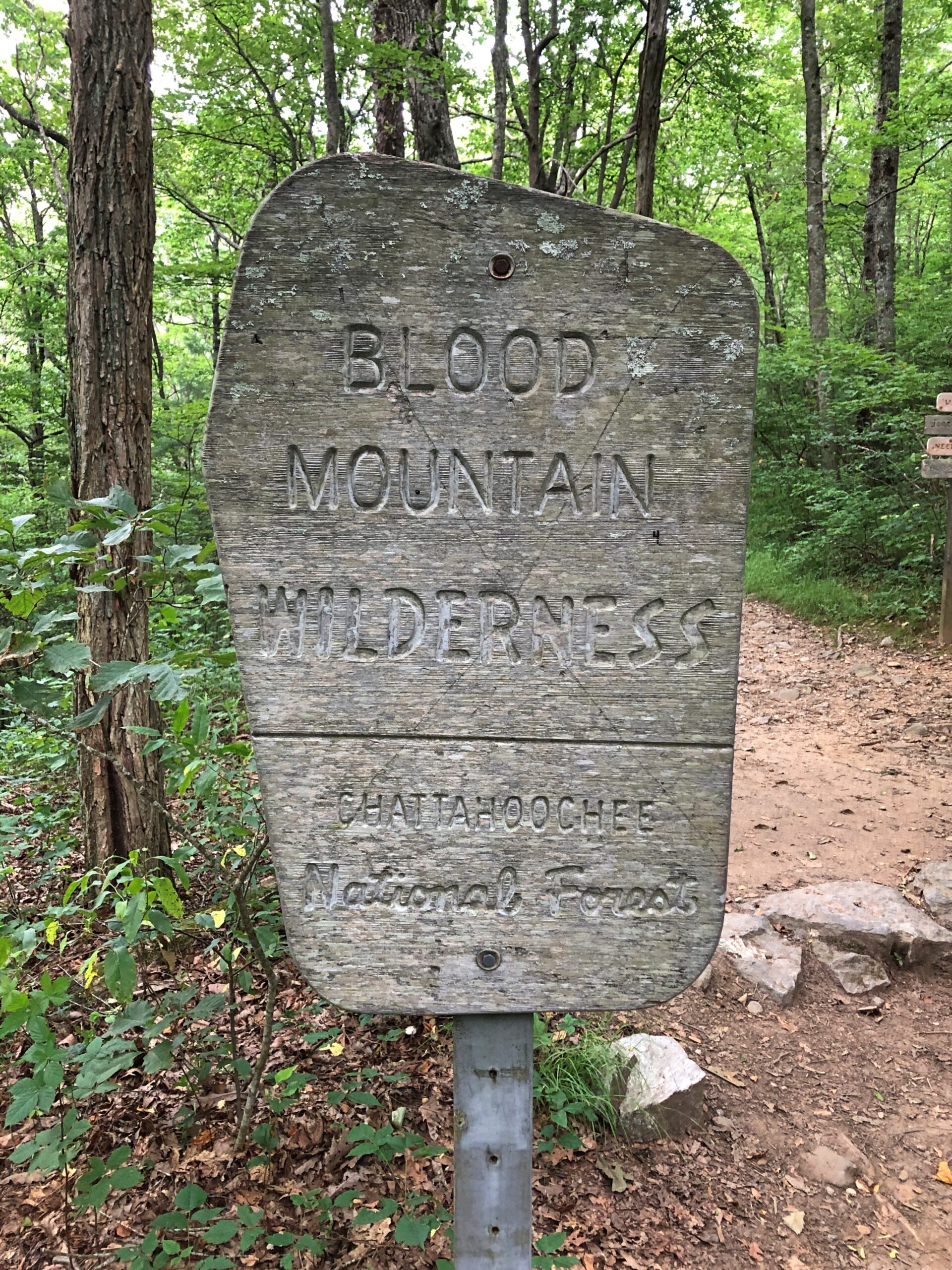
Besides the road itself, the works of man are fairly thin on the ground, literally. There is a hamlet called Suches (pop. 548), but not much else. The region has recovered enough to offer a trail through the Blood Mountain Wilderness, which crosses the highway at one point, where there is a small parking lot.

Blood Mountain Wilderness

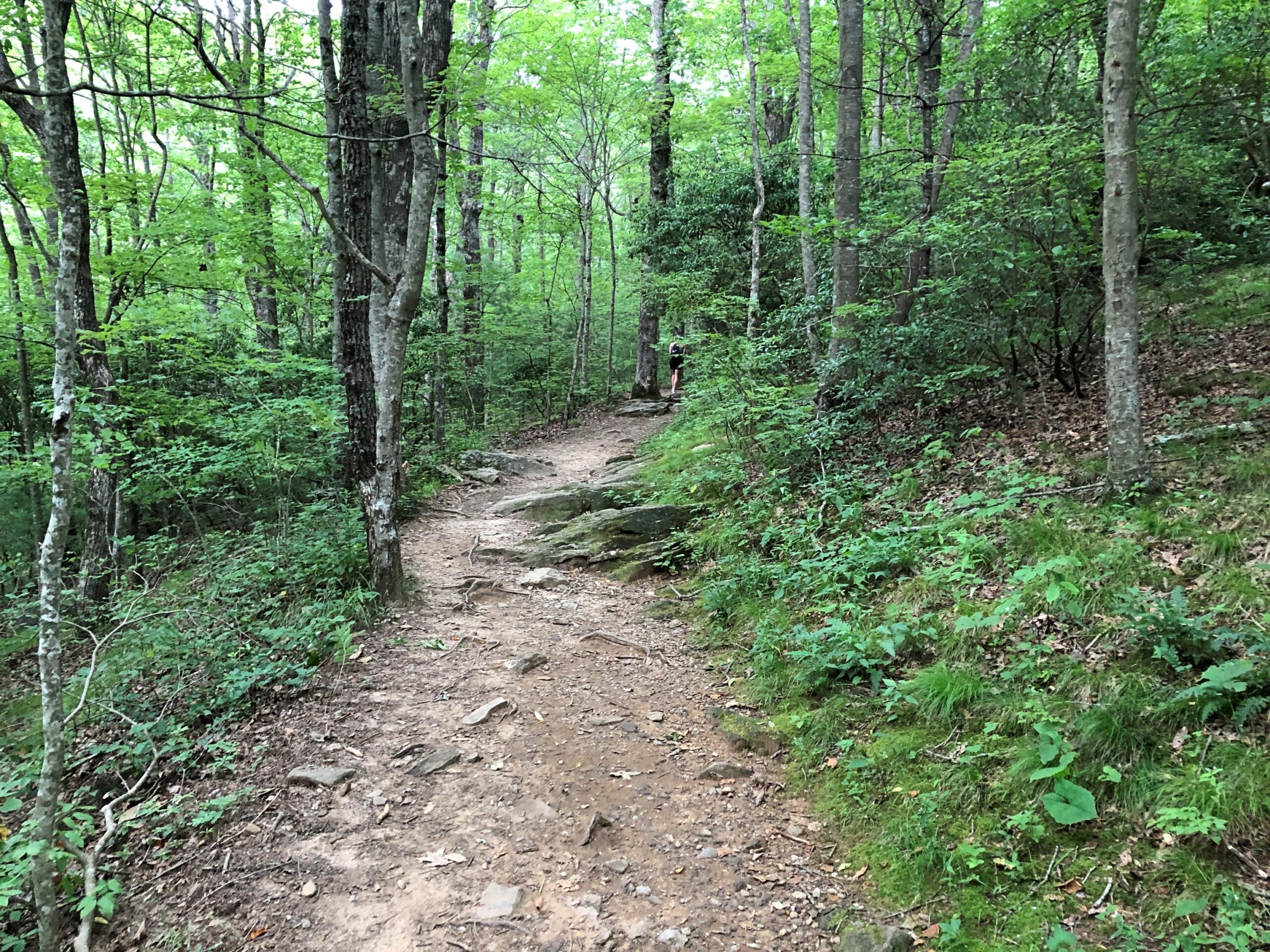
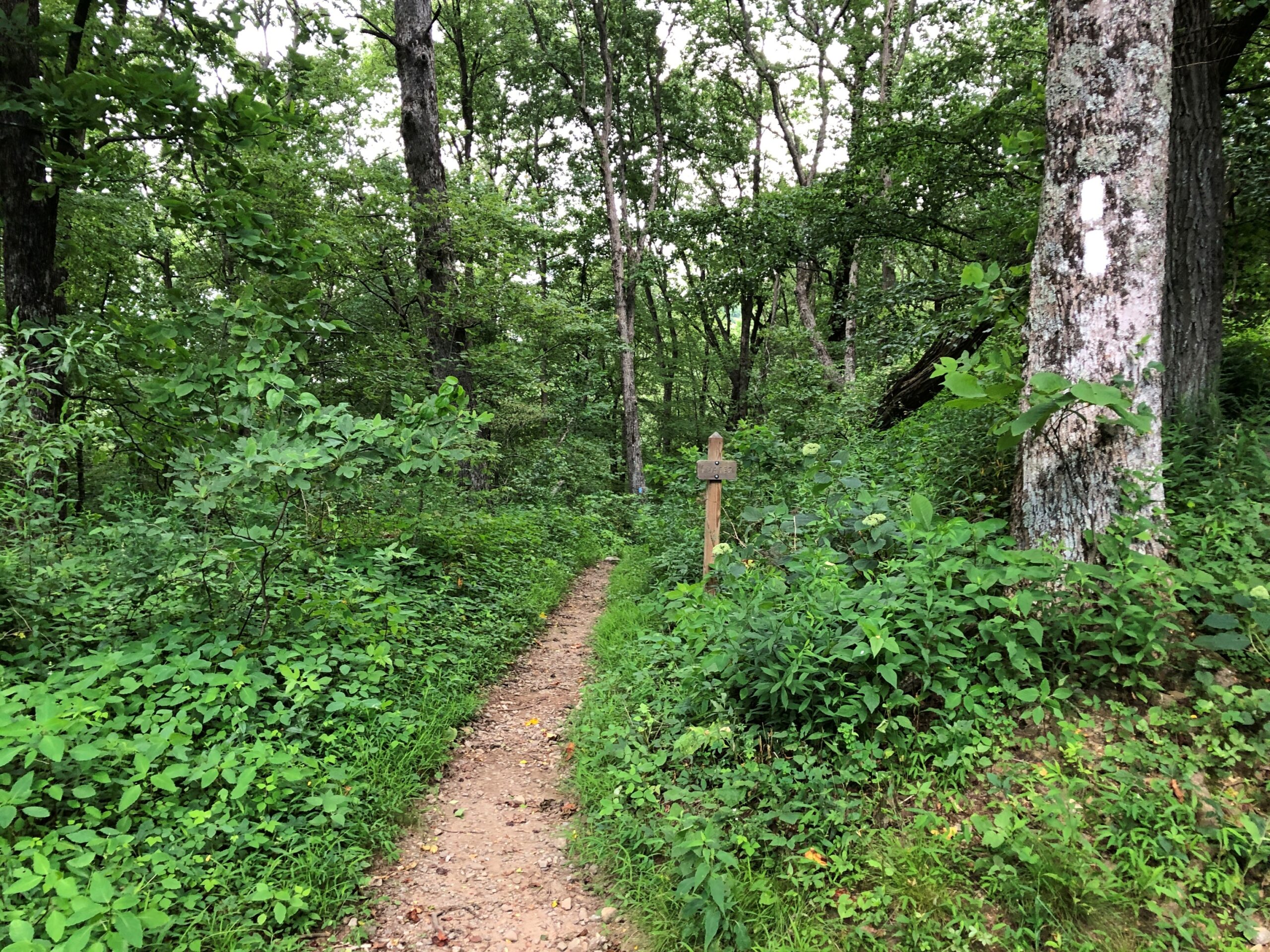
I wasn’t equipped for a hike, so I walked only a half-mile or so in, and then back. I don’t remember having to swat a single mosquito, which ups the quality of a walk right there.

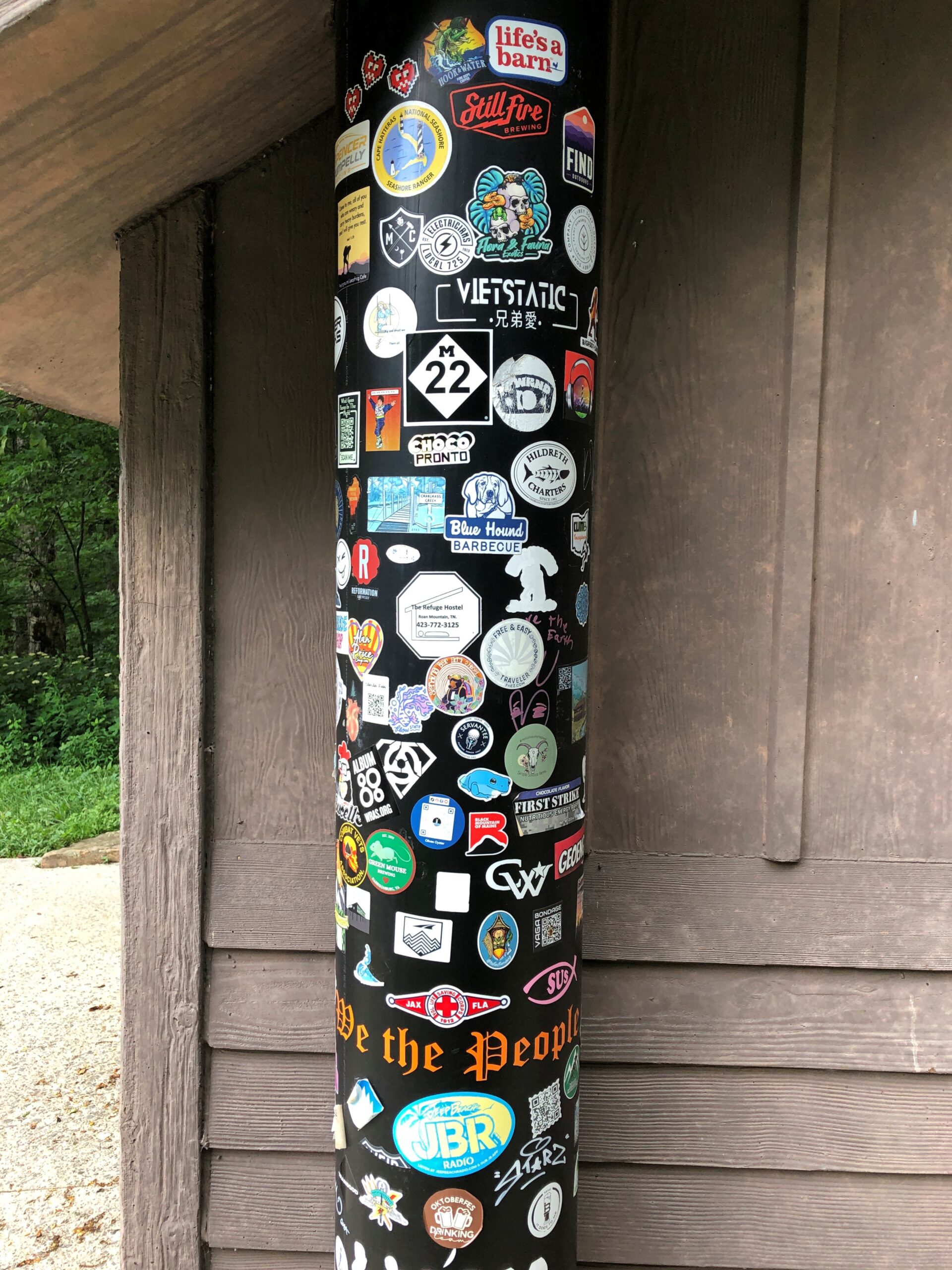
Next to the parking lot are pit toilets. Attached to the structure is a pipe, many times stickered by passersby. I didn’t see a Buc-ee’s sticker, but there could be one appearing anytime now. Good to see M-22 up in Michigan represented: that’s another fine stretch of car commercial driving.

Blood Mountain. There’s a Southern Gothic horror name for you. Or less seriously, the setting of a Scooby-Doo episode, one in which Shaggy, when he learns the name of the place, says “Zoinks! B-B-Blood Mountain?!?”

Church of the Holy Cross, Stateburg, SC

Before I take a long drive, I spend time with one or more of my highway atlases sketching a route – Rand McNally, National Geographic or Michelin. Sometimes I refer to highway department folding maps as well. Google Maps has its place, an important one, but it’s no substitute for the big-picture sweep of a paper map.

For the trip to the Carolinas earlier this summer, an atlas map made it easy to see the best way to cut across the state from Myrtle Beach to Columbia, where I planned to spend a night: US 378. As Wiki puts it, “the highway has a lengthy concurrency with US 76 between Columbia and Sumter and serves as a major route between the Midlands and the Myrtle Beach area.”

That is, from the flat damp lands along the coast through pines and the sites of long-ago rice plantations, on to modern crop lands, small sandy wooded rises, and into suburban Columbia. Small towns dot the route: Conway, Gresham, Hannah, Lake City, Turbeville, and Sumter, which is actually a small city (pop. about 43,800).

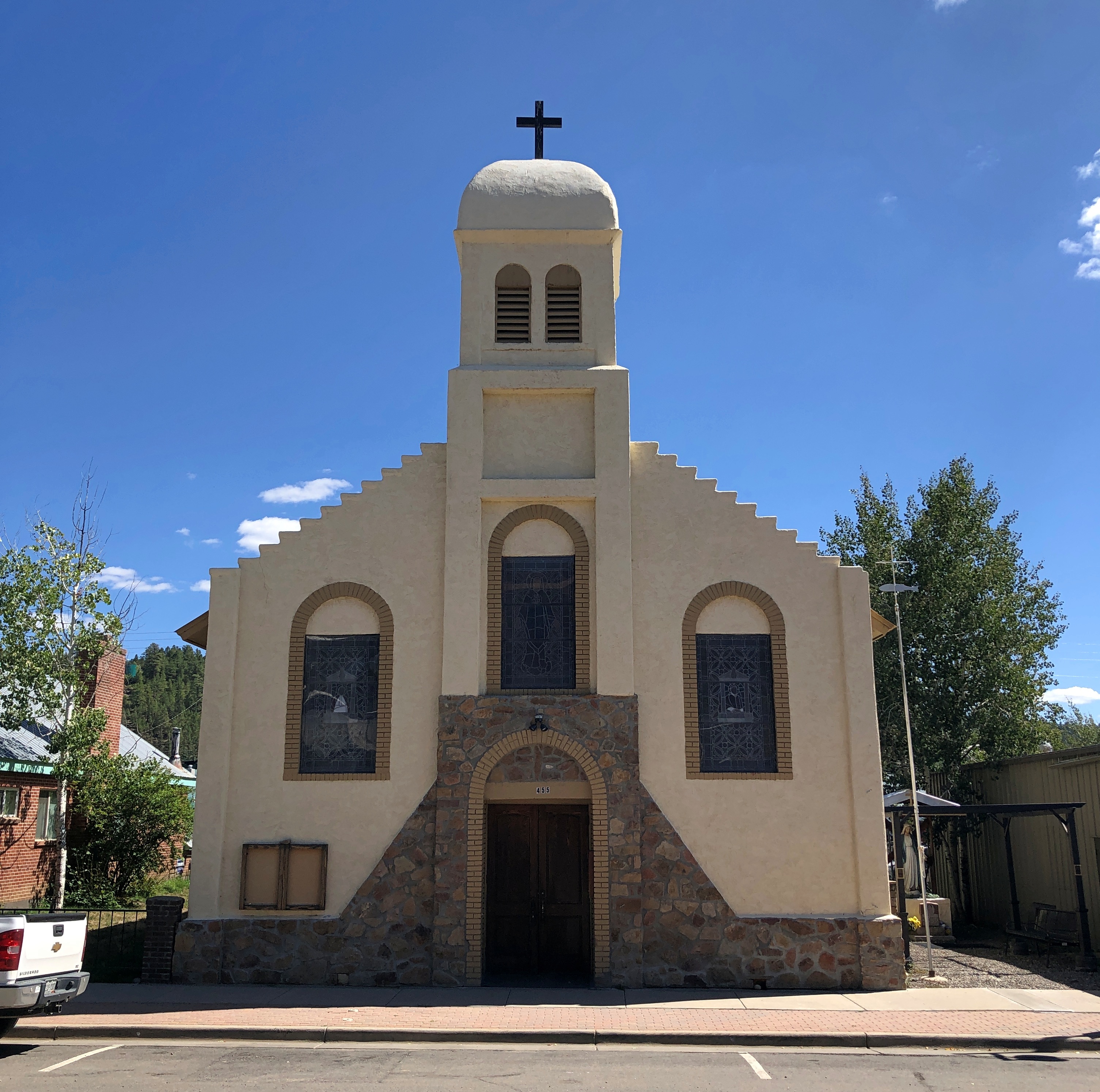
Not far west of Sumter on US 378, I noticed a point-of-interest sign suggesting a right turn. I don’t remember the exact wording, but the gist that I picked up instantly was historic church. My kind of sight, in other words. After only a few minutes on the side road (South Carolina 261, a.k.a. N. Kings Hwy.), a church and churchyard cemetery appeared.

This turned out to be the Wayman Chapel of the AME Church, which has its own graveyard.
Wayman Chapel, AME SC

A good many AME churches are named Wayman, after Bishop Alexander W. Wayman. Surely the place is historic in its own right, including as part of the wider history of the AME, but it wasn’t what I was looking for. I continued on, and without realizing it, had entered the High Hills of Santee, which sounds like an all around interesting place.
Had I realized that, I might have gone a little further down N. Kings Hwy., but serendipity on the road will only take you so far. In this case, not much further down the road, to the Church of the Holy Cross.

Church of the Holy Cross, SC

The church has a Stateburg address, but isn’t in town. For well over a century, it was an Episcopal church, but the current congregation wants one and all to know that it isn’t any more. A simple sign, but enough to carry a whiff of schism.

The design work was by Edward C. Jones, a busy architect, including designs at Magnolia Cemetery in Charleston. Not brick or the like, but rammed earth. I can’t say that I’d seen a rammed earth church before. It was completed in 1852.

Church of the Holy Cross

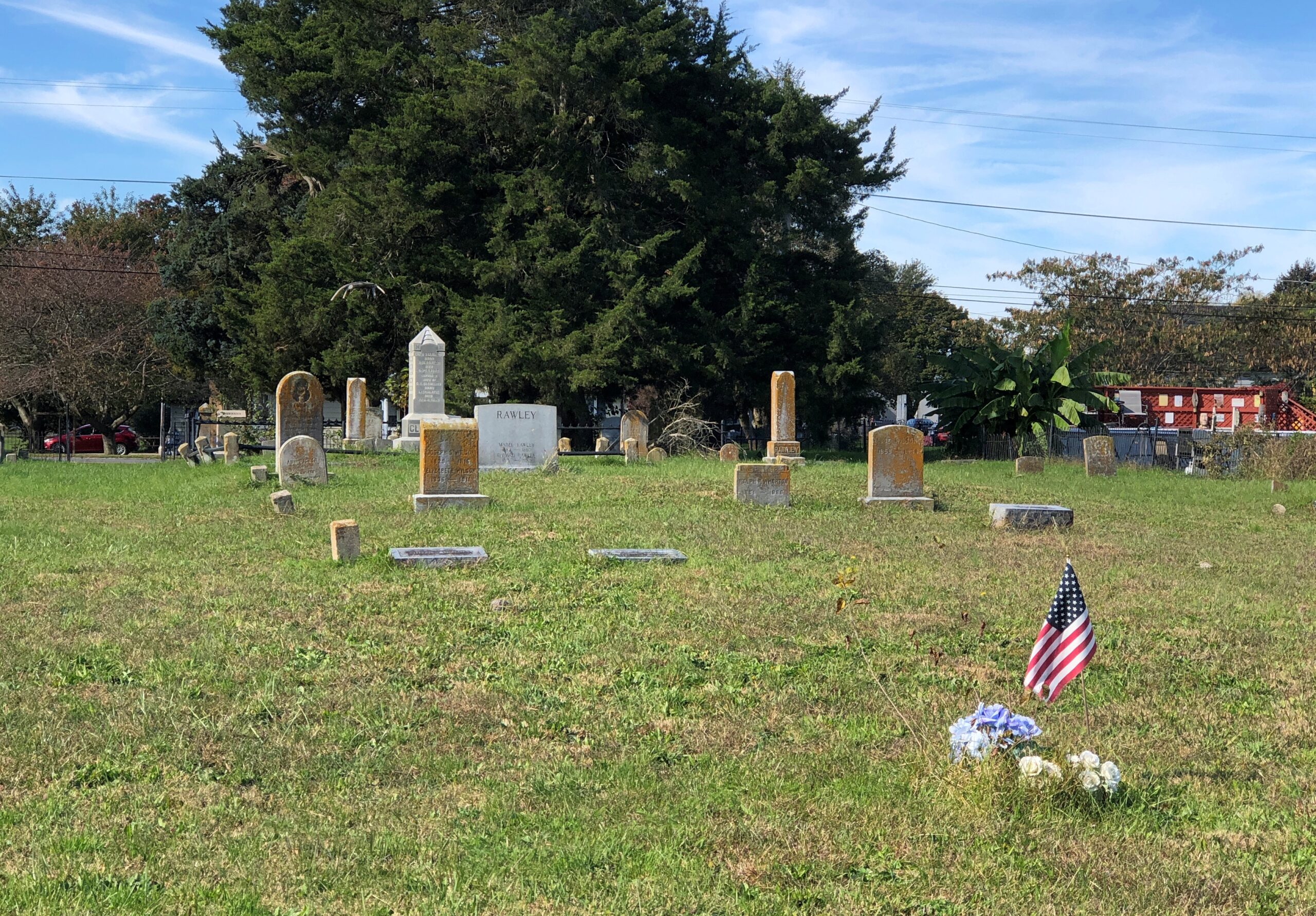
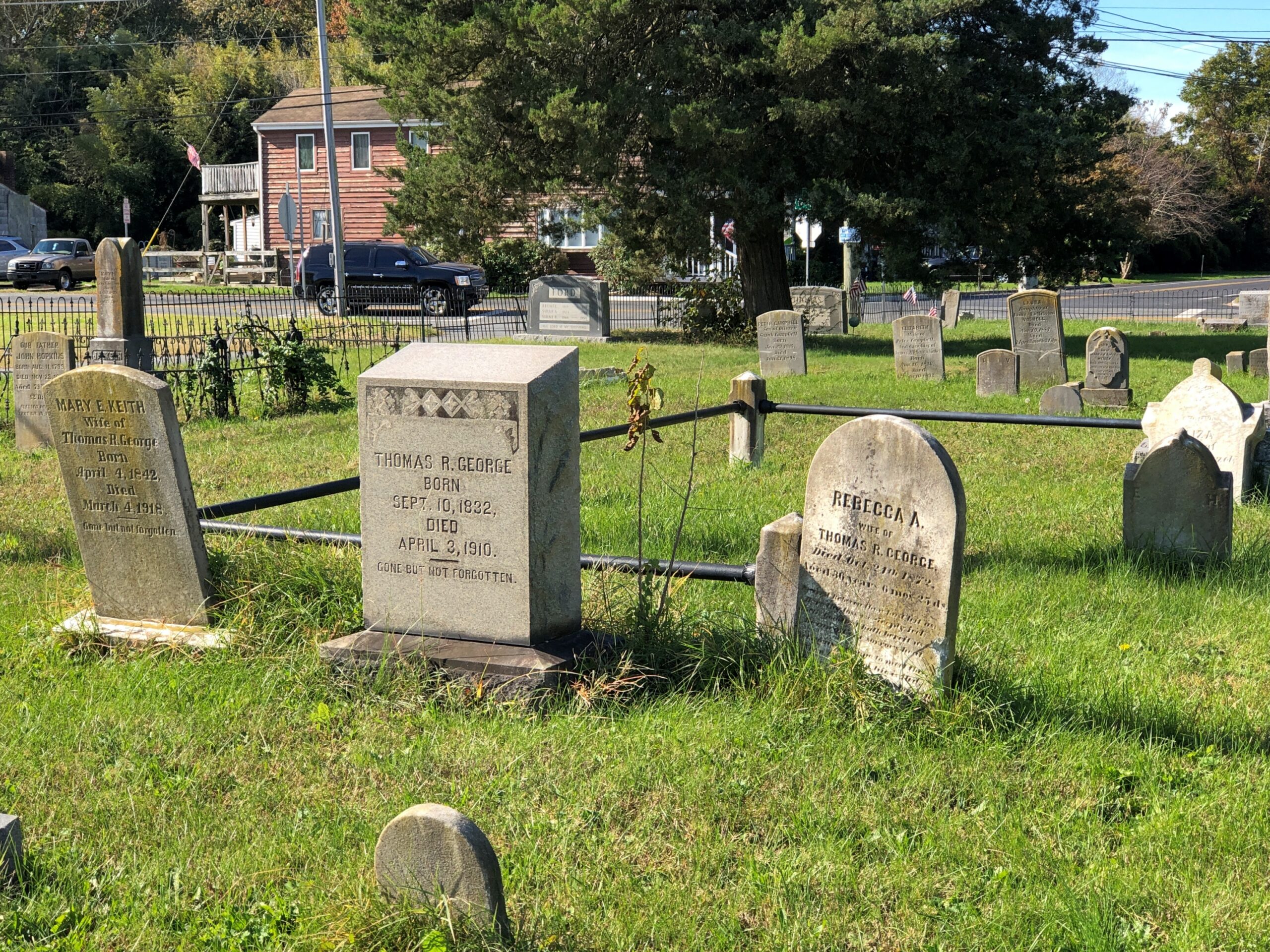
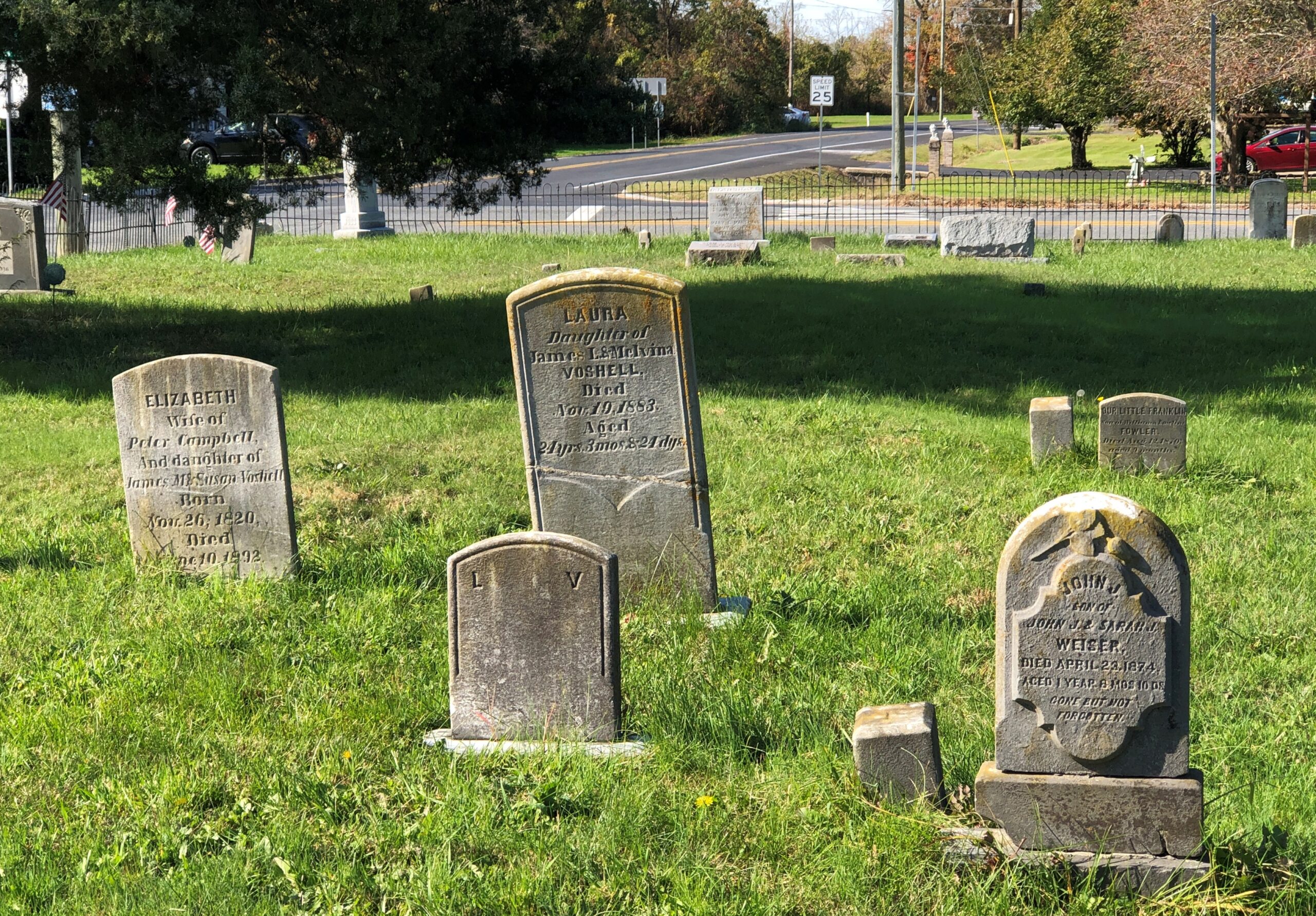
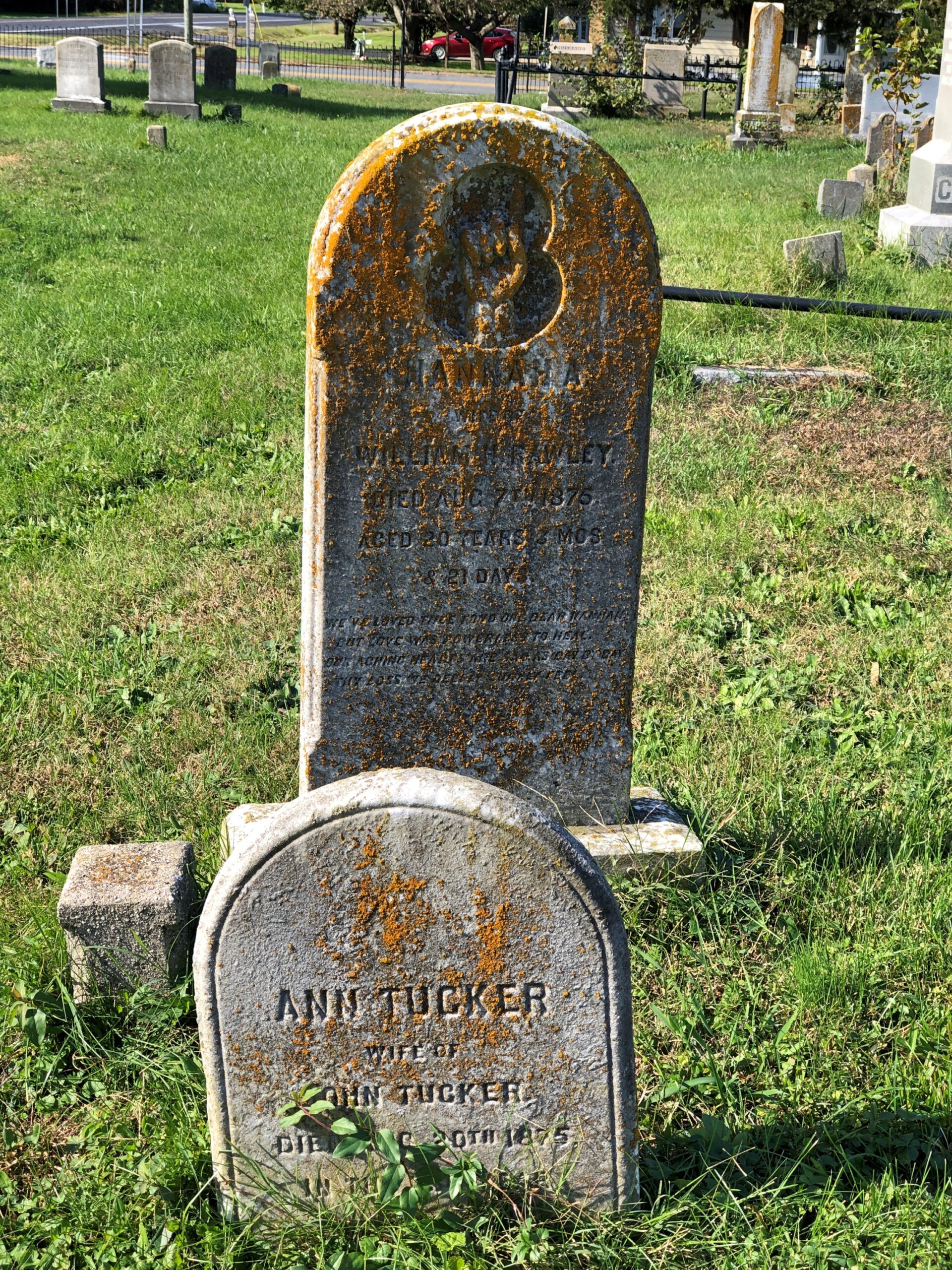
Extending some distance behind the church, which was closed, is a handsome cemetery.

Church of the Holy Cross, SC

Impressive ironwork and crumbling masonry. What’s not to like?

Church of the Holy Cross, SC

Another layer of serendipity: not only had I chanced across the church and the graveyard, but someone I’d heard of: Joel R. Poinsett, whose career was astonishingly varied, for good and ill, even for the freewheeling 19th century.

Church of the Holy Cross, SC

Almost everyone else has heard of him too, except they don’t know it, since of course the poinsettia is named for him. A casual search shows that were was a quixotic bubble of interest in the idea of re-naming the flower around the holidays in 2023, but not since, with such headlines as: “Poinsettia by any other name? Try ‘cuetlaxochitl’ or ‘Nochebuena’ “ (Jacksonville Journal-Courier).

Cuetlaxochitl? Names do shift over time, for unpredictable reasons, but I’m not betting on that one entering common usage anytime soon.

North Carolina, South Carolina

Maybe I should have looked at something like this before driving between Knoxville and Charlotte last month.

Note the array of Construction Zone markers along I-40. Turns out travelers are lucky to be able to drive the road at all, considering that Hurricane Helene last year did so much damage that the highway – an Interstate of considerable importance regionally – was closed for five months, only reopening on March 1.

Reopening as a two-lane road, with each lane bounded on the outside by those concrete barriers you never want to see when driving. Separating the lanes is what amounts to a curb, painted yellow. This goes on for about 12 miles, as reconstruction work goes on. That isn’t a long stretch of road under normal conditions, but when you’re between barriers, behind a truck and in front of a truck, with traffic (many trucks) coming the other way just on the other side of a yellow curb, and little margin for error on anyone’s part, your reaction as a driver is going to be: when will this end?

That was my reaction, anyway. Had some nice drives on this trip. Western North Carolina I-40 wasn’t one of them.

“The hurricane washed away about 3 million cubic yards of dirt, rock and material from the side of I-40,” NCDOT reported. I’m having trouble visualizing a million cubic yards, much less three, but I’m sure it was a staggering amount.

“The stabilization process involved driving steel rods into the bedrock, filling the rods with grout, applying a metal screen then sprayable concrete to the face of the walls. There were four different rigs operating at the same time.

“Crews installed 90,000 square feet of soil-nail walls across the 10 different damage locations in less than 130 days. They also drilled nearly 2,100 feet of nails and fortified 4 miles of the shoulder for truck traffic.”

My goal for the afternoon had been to take I-40 from Knoxville to Asheville and then I-26 south to its junction with South Carolina 11, which is Cherokee Foothills Scenic Highway, and take that road east. I’d been advised that the town of Saluda, NC, on US 167, was a pleasant place to stop, and it was, though most of the shops were closed by the time I got there.

Saluda, NC

I had the idea that I would drive US 176 to the next town, Tryon, NC. Oops, no. Road closed. Maybe the hurricane did that as well.

So I got back on I-26 and went to the Tryon exit. I didn’t have any idea what to expect in Tryon, certainly not the Tryon Horse, which is a large toy horse on wheels. It stands on US 176, known as South Trade St. at that point. This is the fifth iteration of the horse in nearly 100 years.

“[The first Tryon Horse] was originally designed as an advertisement for the first horse show held in Tryon at Harmon Field in 1928,” says the Tryon History Museum. “It came from a drawing done by Eleanor Vance, based on an idea from Romaine Stone, who was active in the Tryon Riding and Hunt Club, and from then seventeen-year-old master builder Meredith Lankford.

“The Tryon Horse was built in the basement of Miss Vance and Miss Yale’s house by Meredith Lankford and Odell Peeler and was assembled in the driveway… The Tryon Horse… was brought out for future horse shows and parades, and was stored in the Paper Box Factory located on Depot Street. Unfortunately, the first horse was destroyed when the factory burned in the 1930s.”

It was no accident that the talent was available locally in the 1920s to build such a thing. At the time, Tryon was noted for a company that made toys, especially high-end wooden toys.

South Trade St. is a handsome thoroughfare, populated by older buildings developed to support trade.

Tryon NC
Tryon NC

Something else I didn’t expect on the street: Nina Simone Plaza.

Complete with a bronze of the musician and activist, who grew up in Tryon, and who no doubt got out as soon as her talents allowed. She died in 2003; the statue was dedicated in 2017.

Nina Simon bronze, Tryon NC

A remarkable detail (so I’m remarking on it): “The sculptor, Zenos Frudakis, included a bronze heart containing Simone’s ashes welded to the interior of the figure’s chest,” says the University of North Carolina. For his part, Frudakis has had quite a career.

Later in the day, I eventually made it to South Carolina 11 at Campobello, SC, and drove east to its end for 50 miles or so to Gaffney, SC. I’d intended to visit Cowpens National Battlefield along the way.

No dice. The main entrance to Cowpens was closed by the time I arrived. I understand closing the visitors center at the end of the day, but the entire place? A mile or so east on SC 11 was an alternate entrance, so I stopped there.

I walked down the path toward the battlefield, but thought better of it after about 10 minutes.

Cowpens National Battlefield

I wanted to get to Charlotte before the end of the day. Summer days are long, but not endless. Also, mosquitoes.

Scottsburg, Indiana

Just the latest in bad news: the lodge on the North Rim of the Grand Canyon burned down due to wildfire. At least no one died in the incident, but it’s always unfortunate when a grand edifice meets its end. I wouldn’t bet on reconstruction, either.

The heat was already on by the time I arrived in Scottsburg, Indiana on the first day of the trip, June 16. But not enough to keep me from taking a stroll around the Scott County courthouse, where I found native son William H. English.

Scottsburg, Indiana Scottsburg, Indiana

After only a few hours on the road, by chance, I’d come across a presidential sight. Presidential adjacent, anyway, since English (d. 1896) is that most obscure of obscurities, someone who ran for vice president and lost – in 1880 in his case, on the Democratic ticket with Winfield Scott Hancock, who himself isn’t going to ring any bells outside presidential history buffs. The statue went up in 1908.

That was the election James Garfield won, which he no doubt regretted before long.

English, or his heirs, felt that a book he wrote, Conquest of the Country Northwest of the Ohio River 1778-1783, was worth a mention along with the offices he held or aspired to. The marvel here in the 21st century is that the work is just about instantly accessible (Vol. 1 and Vol. 2). An illustration facing the Vol. 1 title page (on the optitle page?) not only falls into the They Don’t Make ‘Em Like That Anymore category, it’s squarely in, No One Would Think of It territory. Just as well, I figure.

To get to Nashville from metro Chicago, the direct route is via I-65, which cuts across Indiana. Considering the importance of both of those cities to me, I’ve driven the route more times than I can count. But I have to report that it isn’t one of the more interesting drives in the nation, and at eight to nine hours drive time in the best of conditions, you feel it yawn beneath your wheels when you yourself yawn.

So the strategy over the years has been to break up the trip. Such as a place like Scottsburg, pop. 7,300. The town is close enough to Louisville to be its exurb – maybe. I haven’t spend enough time in Louisville, as interesting as it is, to have any sense of its greater co-prosperity sphere, or at what distance that might peter out.

Scottsburg has one thing a picturesque exurb needs: a picturesque courthouse square. Or at least elements of it.

Scottsburg, Indiana Scottsburg, Indiana

Downtown is in fact a national historic district: Scottsburg Courthouse Square Historic District. I get a kick out of discovering that kind of thing retroactively, which I did this time.

“The district is composed of one-, two-, two-and-a-half and three-story brick and stone commercial structures with zero setbacks, which form an essentially contiguous perimeter to the wooded courthouse lawn,” its registration form on file with the U.S. Interior Department says. “There are a total of 48 contributing buildings within the district. The character of the district is defined by late 19th and early 20th century commercial architecture with significant examples of the Italianate, so Richardsonian Romanesque, Renaissance Revival, Colonial Revival, and Art Moderne styles.

“The predominant building material is red brick, as evidenced by the courthouse and 29 commercial buildings within the district. Secondary materials include Indiana limestone and various shades of buff and yellow brick, decorative brick work, cast iron, ornamental pressed metal and glazed tile and Carrera glass…”

Scottsburg, Indiana Scottsburg, Indiana

In the heat of the moment (literally), I neglected to get a decent shot of the courthouse itself, but someone called Bedford thoughtfully put an image in the public domain.

Could it be a Carnegie Library?

Scottsburg, Indiana

Yes. Completed 1917, still a library. One of the more than 1,680 in the United States funded by the robber baron, many of which endure after a century plus.

Some courthouse square details.

Dirt Boys Vintage Collectibles joins the likes of city offices and law offices, but also Warriors Den coffee shop, Time Zone Pizza Arcade, Chicago City Pizza and Bootlegger’s Bar & Grill. Those not needing to eat can visit Wildflowers Boutique, Moxie Music Center or Working Class Tattoo Parlor, all there on the square.

So is a plaque to the memory of one Michael J. Collins (d. 1985).

Scottsburg, Indiana

A contemporary of mine who didn’t make it far out of the gate. RIP, Michael, whoever you were. Are.

Southern Loop ’25

Sometimes you’re driving along, minding your own business because your business at that moment is driving, and you see a two-story chicken near the road. Three stories if you count the iron weather vane perched atop the bird.

Chicken!
Chicken!
Chicken!

I had to stop to see that. More precisely, it’s a concrete chicken on a concrete egg, settling the question of which came first (the concrete did). The chicken, and the egg, are on property owned by the University of Georgia, used for the Athens-Clarke County Extension in Athens. Erected in 2022. More about the work, “Origins,” is here. All ag extensions should have just a little whimsy.

The chicken appeared roughly in the middle of the 3,285 miles I drove between June 16 and June 29, taking a lasso-shaped path from the Midwest across the Southeast, all the way to the ocean at Myrtle Beach, South Carolina: through Indiana, Kentucky, Tennessee, North Carolina, South Carolina, and Georgia, and back through Tennessee, Kentucky and Indiana.

The concrete hen took the cake for novelty, but along the way I saw a memorial to a mostly forgotten incident in the War of 1812, went into a mirrored tower built for a world’s fair, chanced on the spot where the mostly forgotten diplomat who brought the poinsettia to the U.S. is buried, and braved the tourist sprawl that is Mrytle Beach. I heard stories of Blackbeard while near the coast, near his hideouts. I strolled the genteel downtown of the second-oldest town in North Carolina, passing the notable spot where Pepsi-Cola was invented. We visited a three-story souvenir shop that has stood the test of time in Myrtle Beach, which I’m happy to report sells not just postcards, but vintage local postcards, at popular prices. One evening we wandered past sculptures and colored lights among the Spanish moss in South Carolina. For a moment I beheld a complete set of the U.S. gold coins minted in Dahlonega, Georgia.

I drove by houses, farms and fields, past small businesses open and defunct, and junkyards and billboards — an industry that would collapse without ambulance chasers, I believe — and factories and water towers and municipal buildings. That is to say, structures and greenery of all manor of use and upkeep, an inexhaustible variety of human and natural landscapes. Homogenization my foot. Except, of course, every burg with a zip code also has at least one dollar store.

We – my machine and I and sometimes Yuriko, who flew to Myrtle Beach to meet me for a weekend – experienced an incredibly lush Southeast not long after a rainy spring, on big roads and small, straight and curvy, all the while defying the heat. I heard it enough on the radio: a “heat dome” had settled over the eastern United States. It persisted from the first day in Indiana to the last day in Indiana, though it had moderated a bit by then. Temps were in the 90s most days, but nothing that’s going to faze a Texan with an air conditioned vehicle and bottled water.

We did adjust our schedule to mostly be out in the morning or evening, except at Myrtle Beach, where a walk in the heat that made me feel my age and maybe then some. A less hot but more humid walk in a mostly forgotten national park in South Carolina saw flights of mosquitoes barreling down on me. A few of them penetrated my DEET coverage.

I saw and did all that and much more, but that was only the bronze and silver of the trip. The gold was visiting old friends.

That was actually the priority this time around. Before the trip, one of the friends I planned to visit asked me via text: “What’s your trip about?”

My text answer: “Visit old friends, see new things & take long drives.”

In Nashville, Stephanie and Wendall.

In North Carolina, Dan and Pam. She had enough sense not to wander around in the heat with us.

In rural Tennessee, Margaret and Dave.

Separately in Georgia, Layne and Stuart. I was glad to see them all, and I think they were all glad to see me. Known most of ’em since the 1980s, and we had a time — then and now.

A Small Selection From the Large Universe of Indian Truck Art

Our driver in India, who took us around to places in Delhi, Agra and Jaipur, seemed like a good fellow, but it was hard to say for sure. He was perhaps a decade or so younger than us, so none of us were youngsters. He had less hair than I do – and indeed might have used some of his tip money one day to have most of what little he had shaved off – and less stomach, but not none. Even in modern India, I take that as a sign that he has done reasonably well in his job driving foreigners around, though probably not well enough to ever to be a foreigner himself somewhere.

We of course have no Hindi, and he had only enough English for basic communication about stopping for meals and destinations, and to exchange other bits of other biographical information, such as his status as a father of five, and ours as parents of two. Riding on the dashboard, looking back at the driver and the passengers, was a colorful image of a deity. I didn’t ask him about it, but after some thought, realized was probably Lakshmi, the goddess of prosperity and fortune, among other attributes. That would fit for your place of business.

He typically would receive two sorts of calls, which he answered in what I assume was rapid-fire Hindi. One kind from his boss – the fellow who rented us the car and driver, and who had a salesman’s command of English – probably asking where we were and, for all I know, where we were going to stop for lunch that day; all I can say about that is I hope the driver got a cut, because his boss surely got one. Or at least a no-charge lunch. The other kind of call involved the voice, or voices, of young women, who were pretty clearly his daughters asking for something. You don’t need a common language to understand that.

It might be just as well that we couldn’t distract him with a lot of chit-chat. He needed to concentrate on the task at hand, namely driving in urban India’s packed streets. Packed with every sort of vehicle you can imagine and then some: trucks, cars, buses, motorcycles, motorized tuk-tuks, human-powered tuk-tuks, bicycles, scooters and other moving thingamabobs, horns blowing and each edging around the other in a tide that sometimes moved and sometimes didn’t.

When there was no motion for any more than a short time, beggars would appear in amazingly short order, and so would merchants toting their wares: one that stood out was at a jam near one of Delhi’s enormous traffic circles, which circle forlorn green spots with forlorn monuments. A tall, healthy-looking youth, who was at that moment a book-wallah carrying packages of books wrapped in clear plastic. Heavy-looking books, too, text books for learning programming or coding or whatever the tech industry calls it these days. I got a glance and he was off. I’m sure he knew we weren’t in his customer base.

Add to that a steady flow of other pedestrians, and not just ordinary walkers or people hanging out in the street — though there were plenty of those — but also men hauling goods on their backs or pushing carts or wheelbarrows. I swear I saw a guy pushing along a couple of chandeliers on a cart down one street.

In short, traffic like a lot of urban agglomerations in the world, down to details like rolling chandeliers. It’s one thing to know that in the abstract, another to see it so many years after the last time you did. I thought the traffic congestion was bad in Bangkok. (And it was.) But Delhi seems to have a special flair for congestion.

We passed a temple in Jaipur as pilgrims arrived. For a few miles, we passed pilgrims in small groups, headed for the temple, with vendors along the way giving them drinks or bits of food at no charge. Our driver was able to communicate that to us. Life spills into the streets.

I don’t want to forget another important source of movement on the roads of India: animals. Many dogs in the city, idle-looking by day but undertaking noisy turf quarrels by night, and not far from town, bovines in profusion, but also monkeys, horses (ridden and riderless), camels, goats (singly and herded), sheep (ditto) and more. The animals weren’t generally in the road, except when they were. I didn’t see any elephants rambling around, but I wouldn’t have been surprised if I had, after a few days on the road.

Our driver navigated it all without incident. Of course, it’s home to him, has been for a long time, but even so, he had admirable skill. Not that I would ever want to do it myself – it’s not home to me, never has been – but I had long enough to watch his technique and, in a wider context, get an inkling that there is some method to the madness of the roads.

He mainly used the horn to announce I am here to vehicles he probably was going to pass in ordinary driving, as opposed to their prime use in North America, which is to announce I AM HERE! in emergencies. (Unless you’re an asshole.) Our driver was hardly alone in his liberal use of the horn, which made for more beeping than I’ve heard since my earlier trips to urban glops like Rome, Beijing and, beepiest of all for some reason, Pusan, South Korea.

I close my eyes and I can recall those Pusan nights in ’90 in my non-climate controlled room, drinking the tea available in pots just outside everyone’s door, swatting mosquitoes that had clearly feasted on me moments before they died, and listening to the irregular beep-BEEP-beep-beeps of auto horns wafting in through the damaged window screens, along with more mosquitoes.

Cruising down the intercity highways in India was another kind of education. Namely, I remembered reading about the Republic of India’s efforts in recent decades to build good highways. We only experienced a small sample, in a well-traveled part of north-central India, but from the looks of that, and things I’ve read, I’d say achievements along those lines have been made. Roads to gladden the heart of my civil engineer and South Texas road-building grandpa. Progress. I agree, though at an environmental cost.

Such roads facilitate commerce, and that means trucks – painted trucks. During the long drive between Jaipur and Delhi, I started paying closer attention to the trucks, which were typically not the 18-wheelers you might see on an Interstate, but smaller vehicles. Bigger than pickups, though. Each with a unique paint job.

The rolling canvases of India – A symphony of truck art design and culture

Like manhole covers in Japan, trucks are an art medium of renown in India. Wish I’d been paying attention earlier, I might have had a better perch for taking pictures.Indian truck art Indian truck art Indian truck art

Enroute, which is devoted to Indian history, tells of the origin of painted trucks in India:

“The transformation of these trucks began with the construction of intricate wooden crowns on their cabins, a practice that originated as Bedford trucks gained widespread acclaim. As trucking expanded, particularly during the 1940s, companies began personalizing their vehicles with unique logos, becoming a form of truck art recognizable to all, regardless of literacy.

“These embellishments evolved into elaborate designs, akin to the competitive decorations seen in buses of that era, aimed at attracting customers. Even after India gained independence, the influence of British Bedford trucks persisted, as Hindustan Motors [still around, what a great name] commenced assembling them locally in 1948. The design legacy of Bedford trucks laid the groundwork for subsequent generations of Indian trucks, with echoes of their aesthetic enduring in the majority of trucks on Indian roads.”

Great India is a popular slogan.Indian truck art Indian truck art

Even more popular, Blow Horn, or some variation.Indian truck art Indian truck art Indian truck art

More from Enroute: “In India, the landscape of truck design is significantly influenced by laws and regulations, notably the Central Motor Vehicles Act (1989) and the Code of Practice for Construction and Approval of Truck Cabs, Truck Bodies, and Trailers, among others… [Somehow, this doesn’t surprise me.] The phrases ubiquitous in Indian truck art, such as ‘Horn Please,’ ‘Keep Distance,’ and ‘Use Dipper at Night,’ have origins in legislative requirements mandating their presence on trucks.”Indian truck art

Use Dipper at Night? I saw that sometimes as well. One meaning: use dipped headlights. Don’t be the guy that uses your brights on a busy nighttime road, in other words. But that’s not all, according to an Indian site called Onlymyhealth.

“In the late 1980s and 1990s, India faced a rising HIV/AIDS epidemic, with truck drivers identified as a high-risk group…. Tata Motors along with NGOs initiated creative strategies to reach this mobile but hard-to-target demographic. Truck drivers were known for their love of truck art and slogans, so organisations leveraged this cultural quirk as a medium to promote awareness. Tata Motors, in collaboration with the TCI Foundation, adopted the widely recognised phrase ‘Use Dipper at Night’ to launch a creative initiative aimed at promoting safe sex among truck drivers.”

Later, Dipper became the brand name for a condom in India, marketed in a colorful way that has won some awards in the Indian advertising industry. Come to think of it, Blow Horn might just have another meaning, but never mind.

Scatterings

Texas – they say, or was it in a song? – is full of wide open spaces. “The Wide Open Spaces of Texas” must have been a lesser-known Western swing hit. Or not. The [Dixie] Chicks did one called “Wide Open Spaces,” which is clearly about coming of age and leaving home, and vaguely the West, but not as specific as Texas.

You don’t have to drive very far from urban and suburban Texas to find the spaces. Head south on US 281, which can be picked up in the urban-suburban conglomeration that is the northern half of Bexar County. The further south you go on that road, which becomes I-37, the more sparse the population and buildings become. Soon you pass into Atascosa County.

The increasingly arid land flattens out and the brush is pretty thick, browns and yellows and grays, maybe a less wild version of the thorny Nueces Strip further south. Or something like the Hill Country, but no hills, and few well-to-do city dwellers or retirees taking up residence there. Many Atascosa County residents are of the bovine sort, though I didn’t see that many cattle from the road, as one does sometimes. But they’re out there, the 2022 Census of Agriculture tells me: more than 65,000 head in the county that year, which sounds like a lot, but this is Texas. Plenty of counties have that many and many more.

A scattering of crops is also raised in the county, but for real economic action there’s the service industry, like in most places, and some oil. A scattering of pumpjacks is visible from the highway. That’s Atascosa County, a scattering of this and that. But with a family connection: my mother spent part of her formative years in Jourdanton, the county seat, and periodically even as late as the 1990s (I think), she would visit old friends there. I went with her sometimes in the ’70s.

From San Antonio, I-37 continues southeast through Atascosa, Live Oak and Jim Wells counties, to Nueces County, whose seat is Corpus. A few towns tick by, but not many: Campbellton, Whitsett, Swinney Switch (a fun name), Mathis, with slightly larger burgs just beyond the immediate highway: Three Rivers, George West, Sandia.

Choke Canyon State Park is some miles to the west of the road, and its reservoir is not visible, except in signage. But looking at an online review of the park, it’s clear that while the territory may be arid, not too much to support all kinds of fauna. Invisible from 80 mph, but the animals are out there, getting by.

“Stayed 2 days in a cabin,” houstonphotojourney says [all sic]. “Saw tons of javelinas and their babies, white tailed deer, gorgeous green jays were all over the park, wild turkeys, vermillion flycatchers, orange crowned warblers, ladder backed woodpeckers, downy woodpeckers, crested caracara, a wilson’s snipe, common ground doves, golden fronted woodpeckers, western meadowlarks, american coots, long billed thrashers, killdeer, verdin, had regular evening bunny visitors.”

We found some wide open spaces at a cemetery in Corpus Christi last week – at least in an urban context. Or barely urban, since the neighborhood around the cemeteries features a scattering of houses (that word again), a lot of vacant lots, darkened landscape and a large part of the city’s petrochemical industry in the near distance, toward Nueces Bay.Bayview Cemetery, Corpus Christi Bayview Cemetery, Corpus Christi

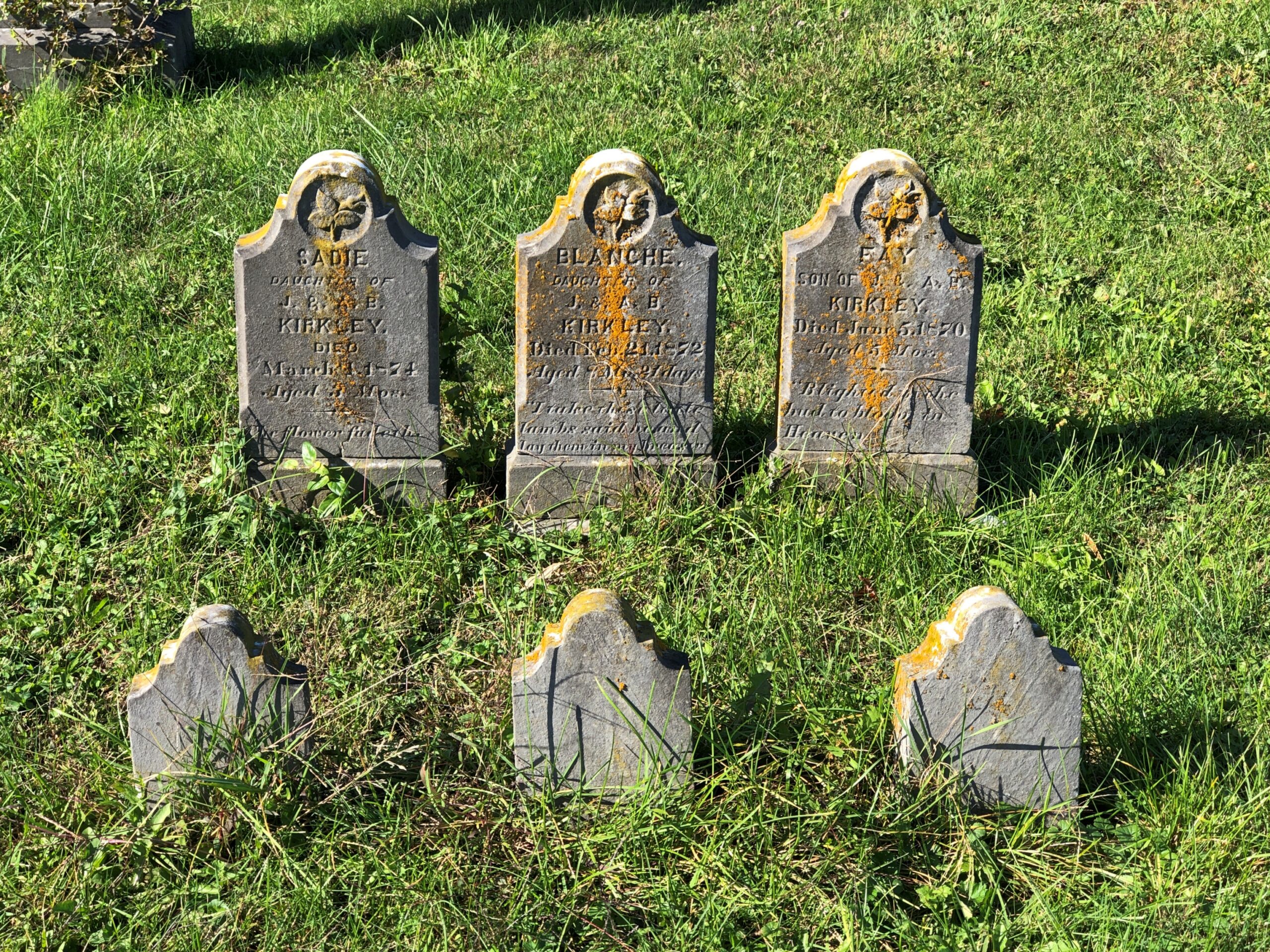
A graveyard that humanity is forgetting. Guess that is the fate of the majority of all graveyards so far. A scattering of stones are upright and legible, despite that.Bayview Cemetery, Corpus Christi Bayview Cemetery, Corpus Christi

Most are not.Bayview Cemetery, Corpus Christi Bayview Cemetery, Corpus Christi

Entire family plots are now anonymous, at least to casual visitors like my brothers and I.Bayview Cemetery, Corpus Christi Bayview Cemetery, Corpus Christi

There isn’t any signage to identify the cemetery that I could see. It was just some city blocks, if you can call them that, cobbled together as a burial ground, but it’s been a long time since any of the graves were new.

I knew from reading that a place called Bayview Cemetery was the historic cemetery to visit in Corpus. Early settlers are there, along with participants of the war with Mexico, marked by a fair number of standing stones, at least to judge by the photos. The kind of place at which the local historical society conducts periodic tours.

The cemetery we’d gone to was called Bayview on the electronic map. Turns out the historic one is called Old Bayview on the same map, but simply Baywiew in some of the other materials on line. Anyway, to get to the historic Bayview from the less picturesque Bayview, we had to deal with this knot of highways a bit to the east. If you’re going to be a big city in Texas, or at least aspire to be one, you need flyover expressways, and lots of ’em.

We didn’t make it. Instead of going to the cemetery, I managed to get in the lane to crosses the Harbor Bridge to North Beach, where we planned to eat anyway. Later, as we started on the way home, visiting the historic cemetery was again flummoxed by a wrong lane in the tangled overpasses. In cases like that, I take it as a sign, or at least a suggestion, to visit that place some other time.

At one point, I did stop across the street to check Google Maps and we were treated to a view of Corpus Christi Electric Co.

If that doesn’t say built during the 1960s, I don’t know what does. And so it was: 1965. Originally the Lew Williams Chevrolet Dealership, designed by Donnelly and Spear, with Wallace R. Wilkerson as structural engineer – something worth noting for a structure like this.

“Prominently sited at the intersection of two main thoroughfares, the circular former auto showroom links a set of eight hyperbolic paraboloids that dynamically thrust upward at each of their pointed ends,” says the Society of Architectural Historians. “At the time, the showroom’s 185-foot clear interior span was considered as the largest to be erected in concrete in the United States.”

Cybertrucks on the Loose

This was a first in Illinois. Spotted the other day in a northwest suburban parking lot after dark, but even so it stands out.

I’d seen a handful of them before, but not around where I live. Rather, I saw three of these oddities on the road this summer, one in Montana, another in Washington state, and yet another in Wyoming. As those vehicles were moving, and so were we, I didn’t snap any pictures. Tesla Cybertrucks, they are called.

They were all black. Is Tesla taking the Model T approach to color so famously commented on by Mr. Ford himself? (Which isn’t quite true.) If I wanted a pink Cybertruck, which would really stand one, would that be possible? Here’s one aftermarket gold one. Gold-plated, anyway, which seems something like having a gold toilet.

Some tens of thousands of Cybertrucks have been sold, but apparently not quite at the rate Tesla anticipated. Production has slowed for the moment.

MSRP: $82,235 to $102,235, according to Car and Driver. The magazine further has this to say: “Tesla’s otherworldly electric pickup is a mash-up of polarizing styling and bleeding-edge technology that results in surprisingly nice-to-drive hulk of a truck,” which also uses the terms “moonshot tech” and “unique look.”

Polarizing styling, eh? Otherworldly? Unique look, that’s for sure. The magazine is being polite. Even at the low end of the range, that price is madness, especially for a vehicle looking a lot like a car of the future, as drawn by an eight-year-old boy 50 years ago.