La Dalia Brand Smoked Paprika

Almost warm today, nearly 60° F. Then winds came through, followed by rain after dark, then cold air. Tomorrow the high will be around 30° F. There’s no denying winter.

Fact for the day: the Dehesa de Extremadura Protected Designation of Origin in Spain produced 3,860 tons of peppers in 2020. I’m assuming that’s metric tons. Also, a dehesa is, according to Wiki at least, a “multifunctional, agrosylvopastoral system” specific to Spain and Portugal, though it’s called a montado in the latter country.

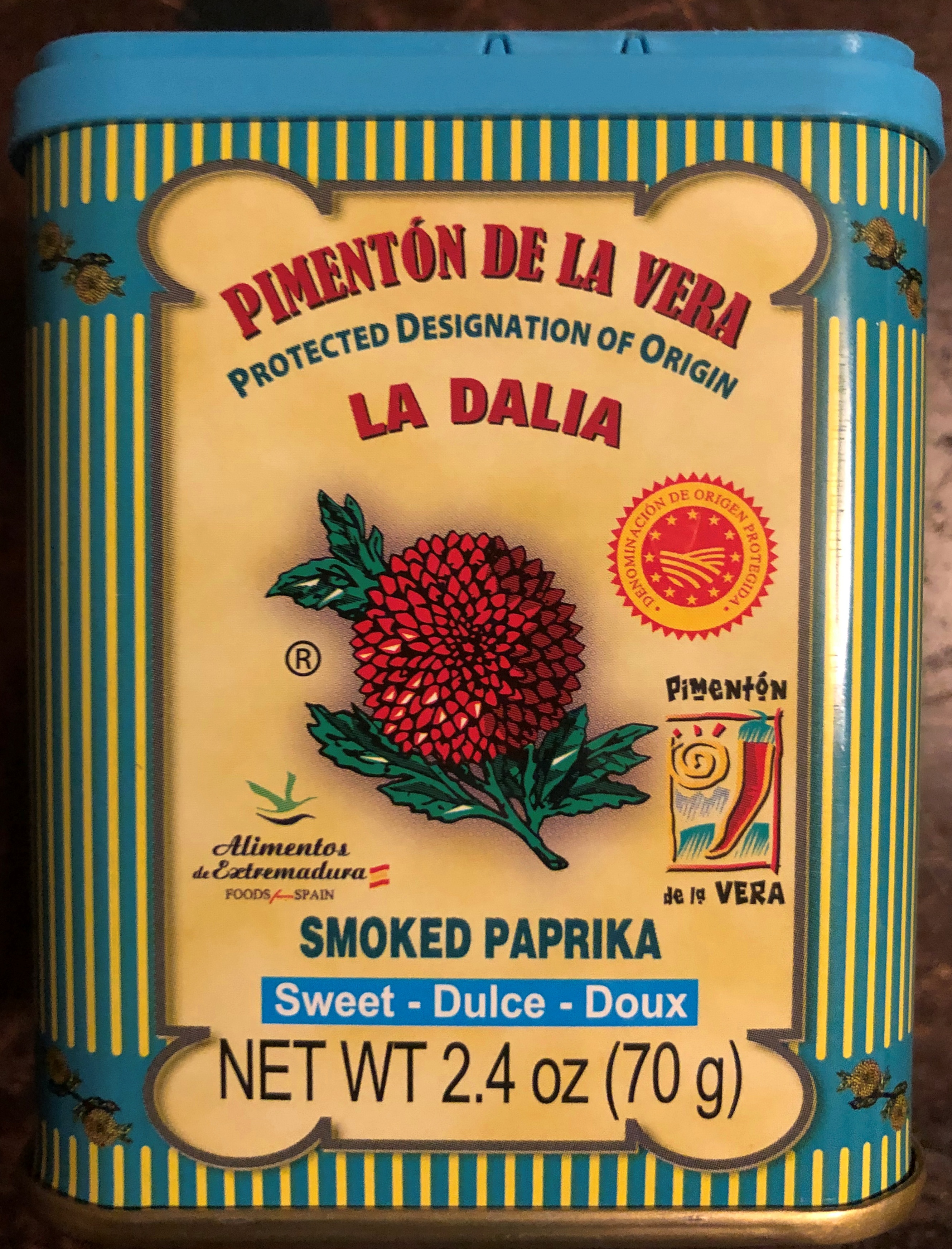
I had to look all that up, including a source or two beyond Wiki. Why did I look it up? Curiosity sparked by a can of Spanish paprika that recently appeared in our kitchen.

Isn’t that a fine design? A bit of everyday aesthetics, holding 70 grams of that pimentón production, though possibly from a crop more recent than 2020, since the packing date on the can is September 5 of this year — or May 9, since I’m not sure whether it’s month/day/year or day/month/year in Spain. Sometime this year, anyway.

La Dalia brand (the flower is Dahlia in English, notoriously as in Black) and from the La Vera district in Extremadura, as verified by whatever EU bureaucracy is in charge of such things. It doesn’t add materially to my life to know all that, but I’m glad I do all the same.

Thanksgiving Bird

At Ann’s request, and our agreement, turkey was the meat for Thanksgiving dinner this year. I can’t remember the last time it was. More recently than this bird, however. Maybe this one? If so, it’s been quite a while.

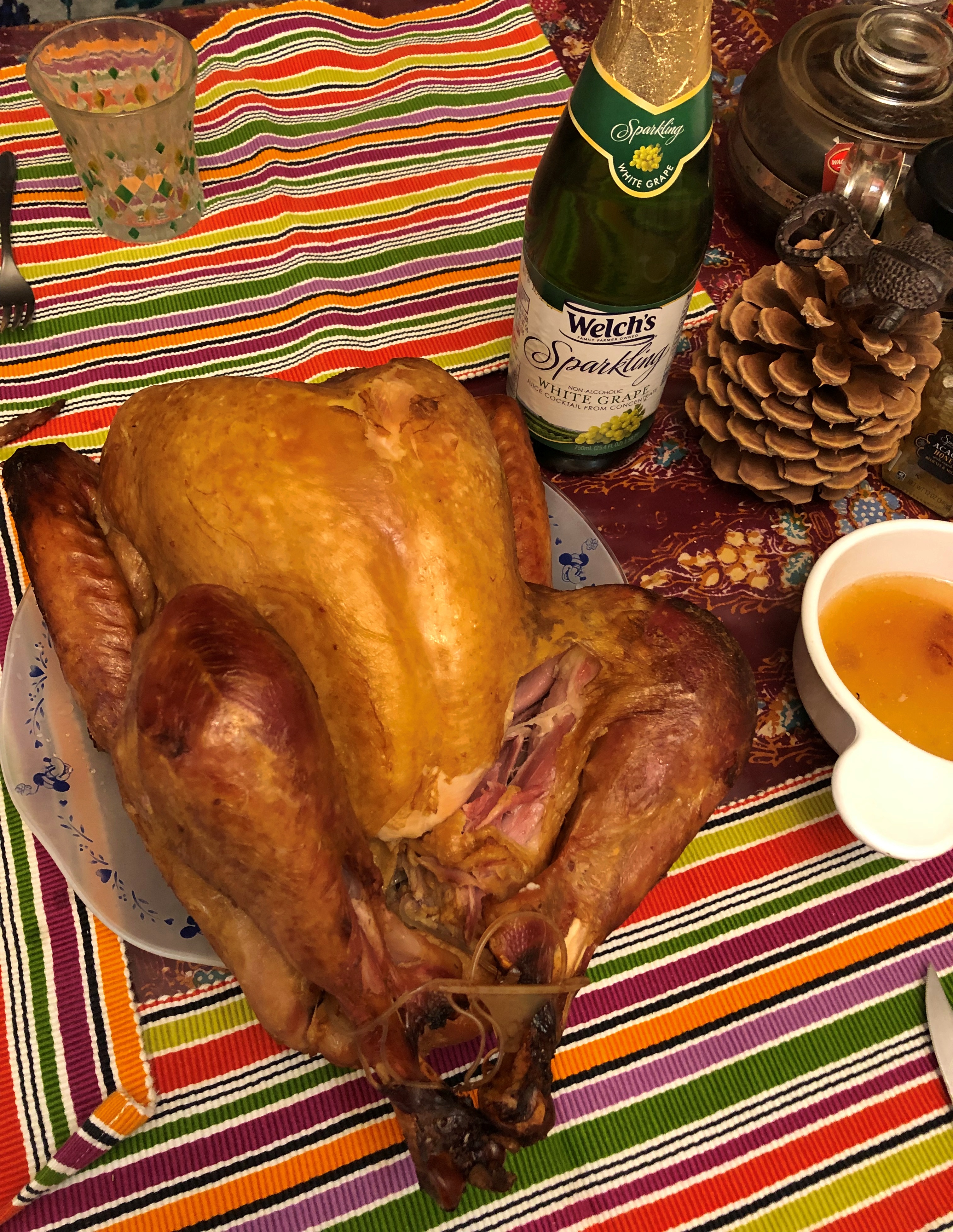
How it looked on the table.

Not an overly large bird, since there were only three of us. Also, it came already smoked, so all I had to do was unwrap it and heat it for a couple of hours at a fairly low heat. Pretty tasty. Even at its size, much leftover meat remains in the refrigerator.

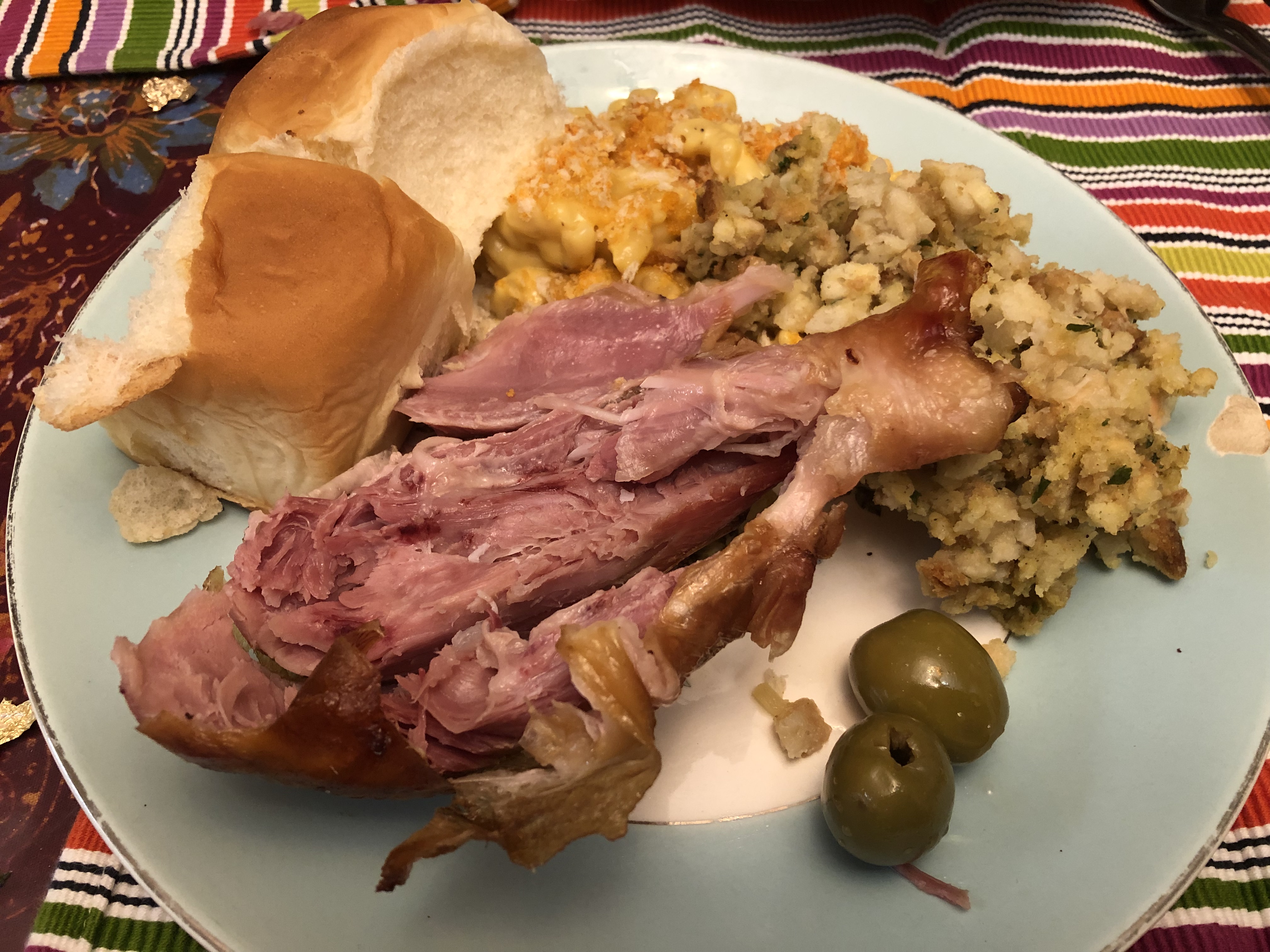
How it looked on the plate.

My plate, illustrating my longstanding preference for dark meat, with rolls, stuffing, olives and some mac & cheese artfully created by Ann. It’s now a Thanksgiving and Christmas specialty of hers.

Golden West Nuggets

This is the kind of detail that keeps the built environment interesting. A visible part of an alarm system of some earlier vintage, operable or not.Placerville, California
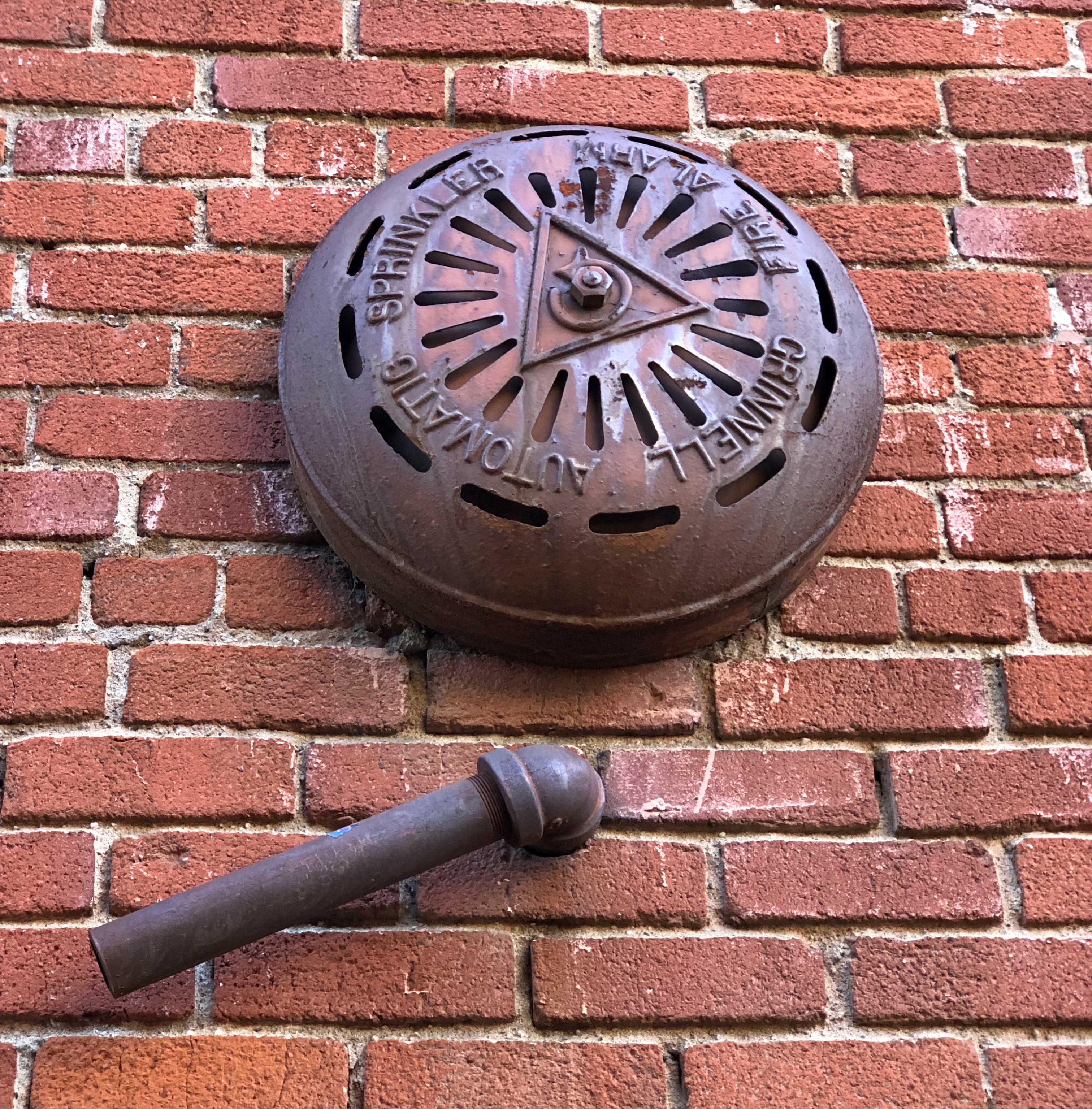
To be found in Placerville, California. You can also take a look at a small tower of some vintage in that town.Placerville, California Placerville, California
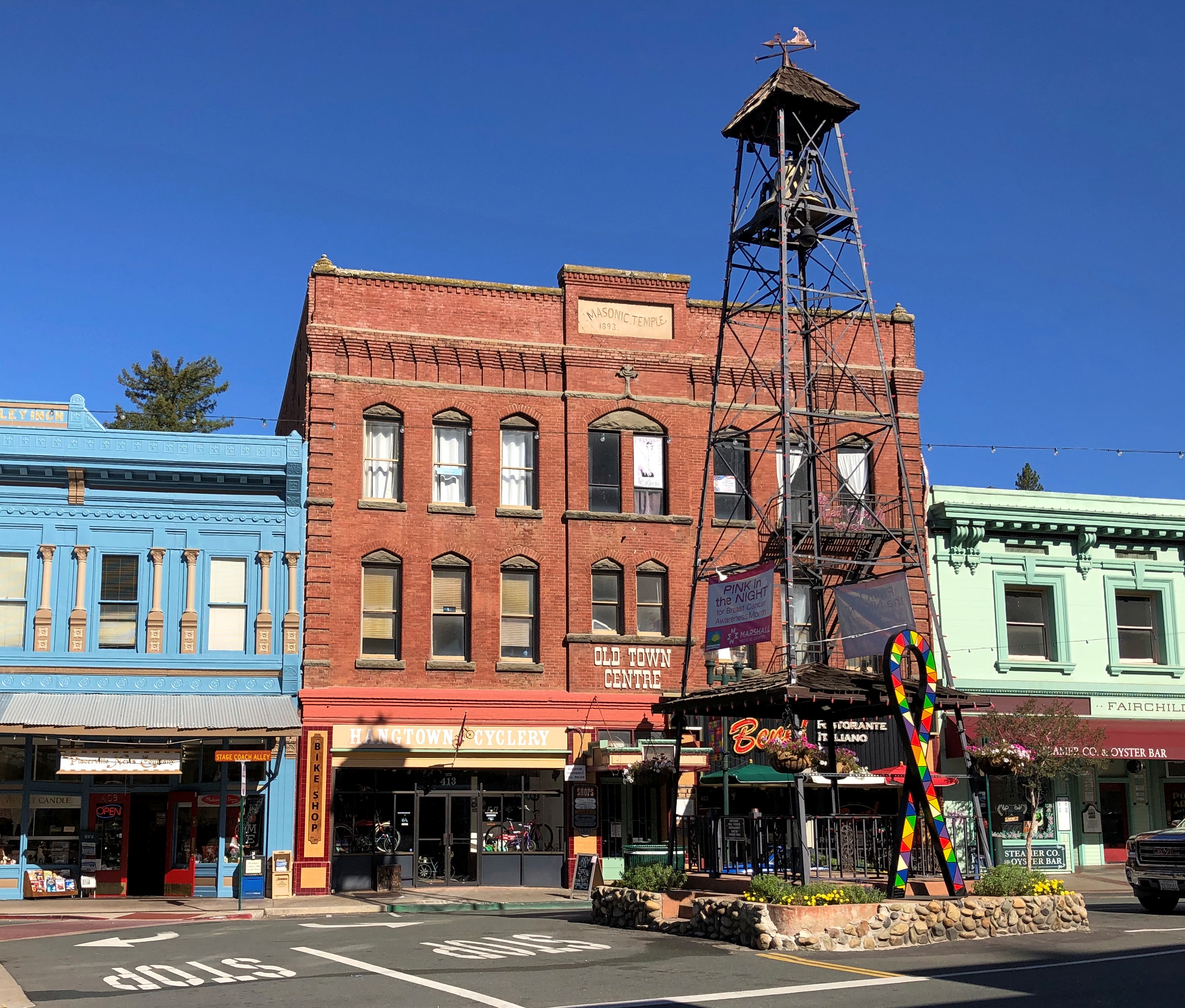
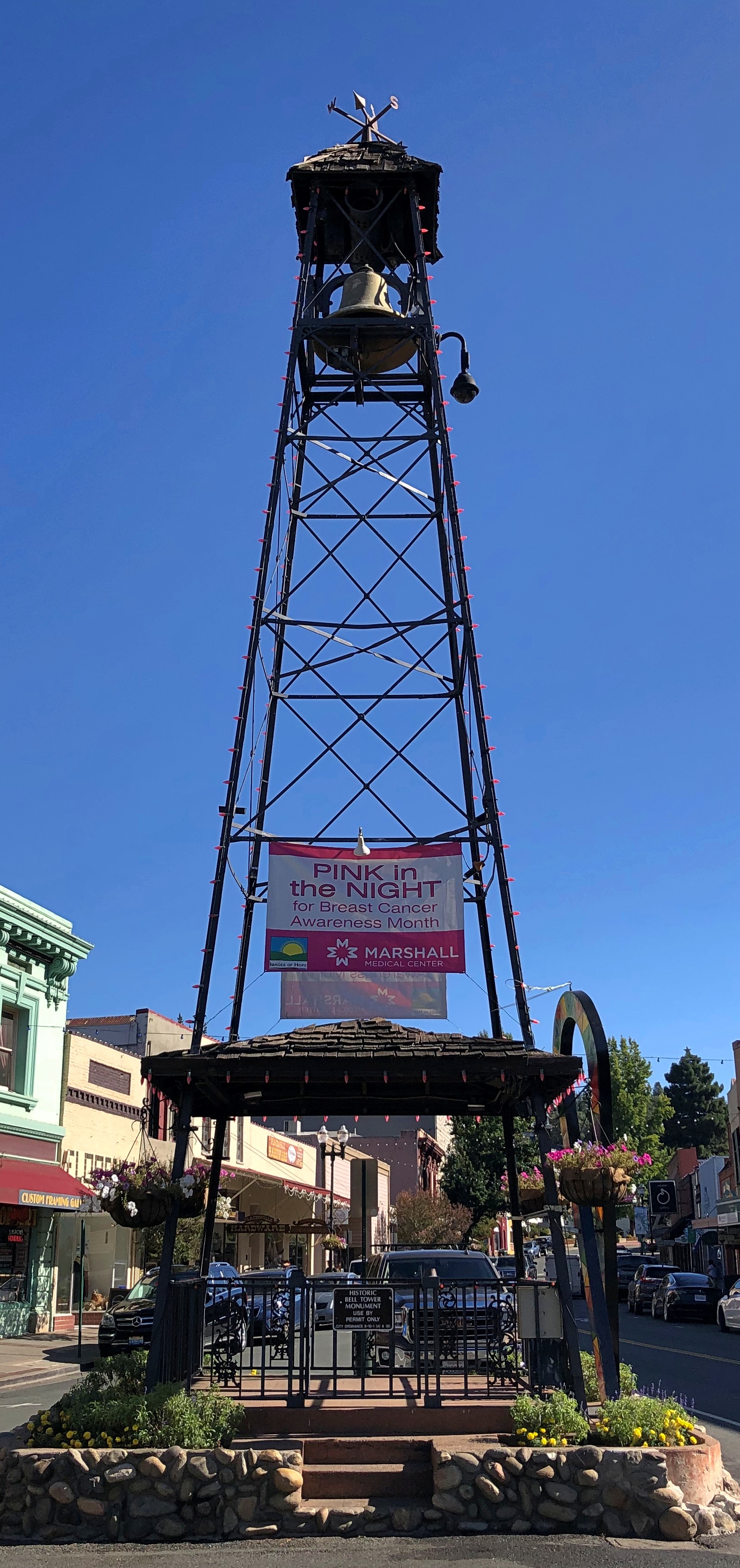
Placerville’s old bell tower. For use in the pre-electronic communication days, with a ring meaning something’s going on, come quick.

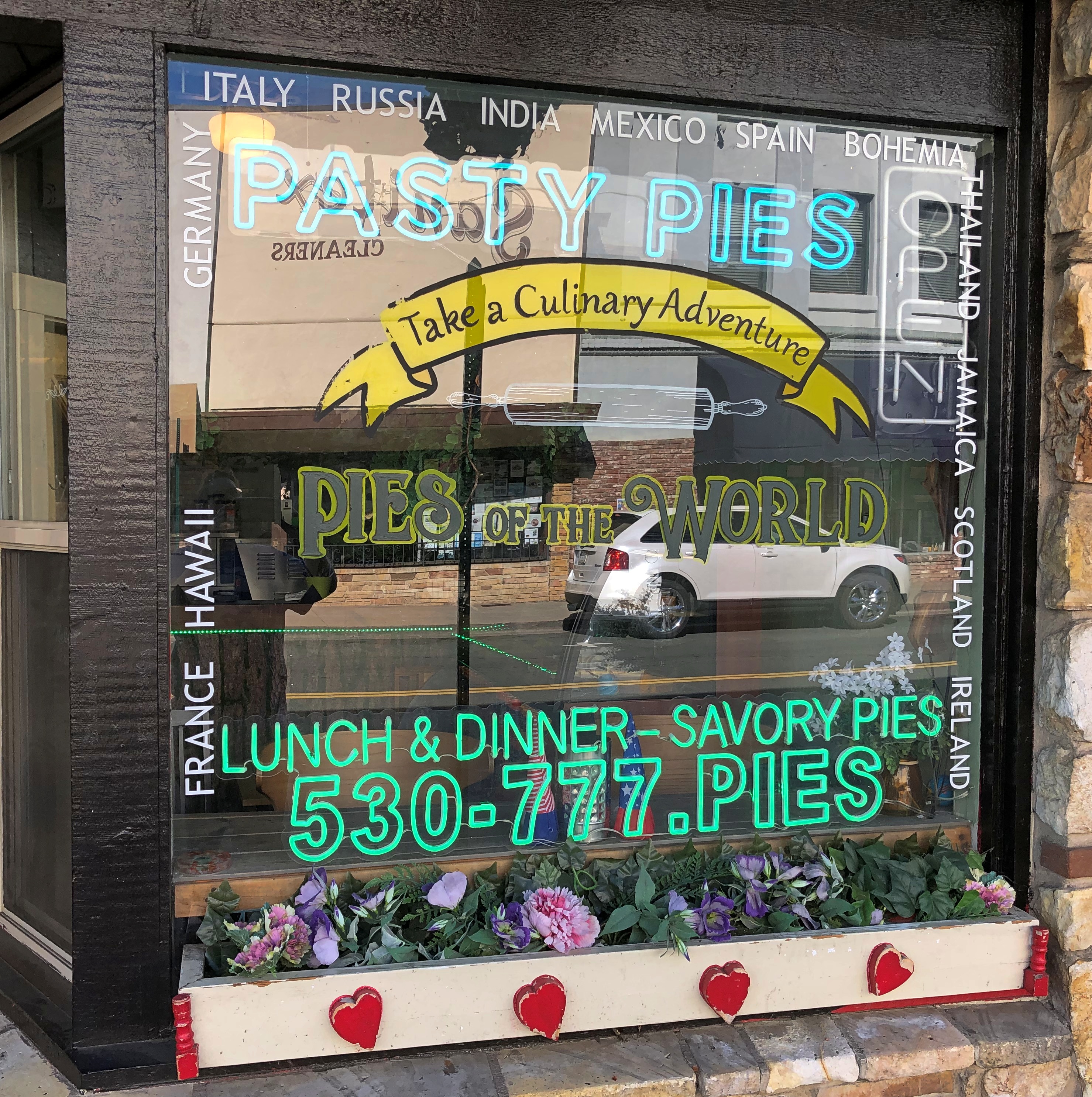
Wish I’d been hungry in Placerville, but no.Placerville, California
Some miles away, a Coloma plaque. I’m a fairly regular reader of plaques.
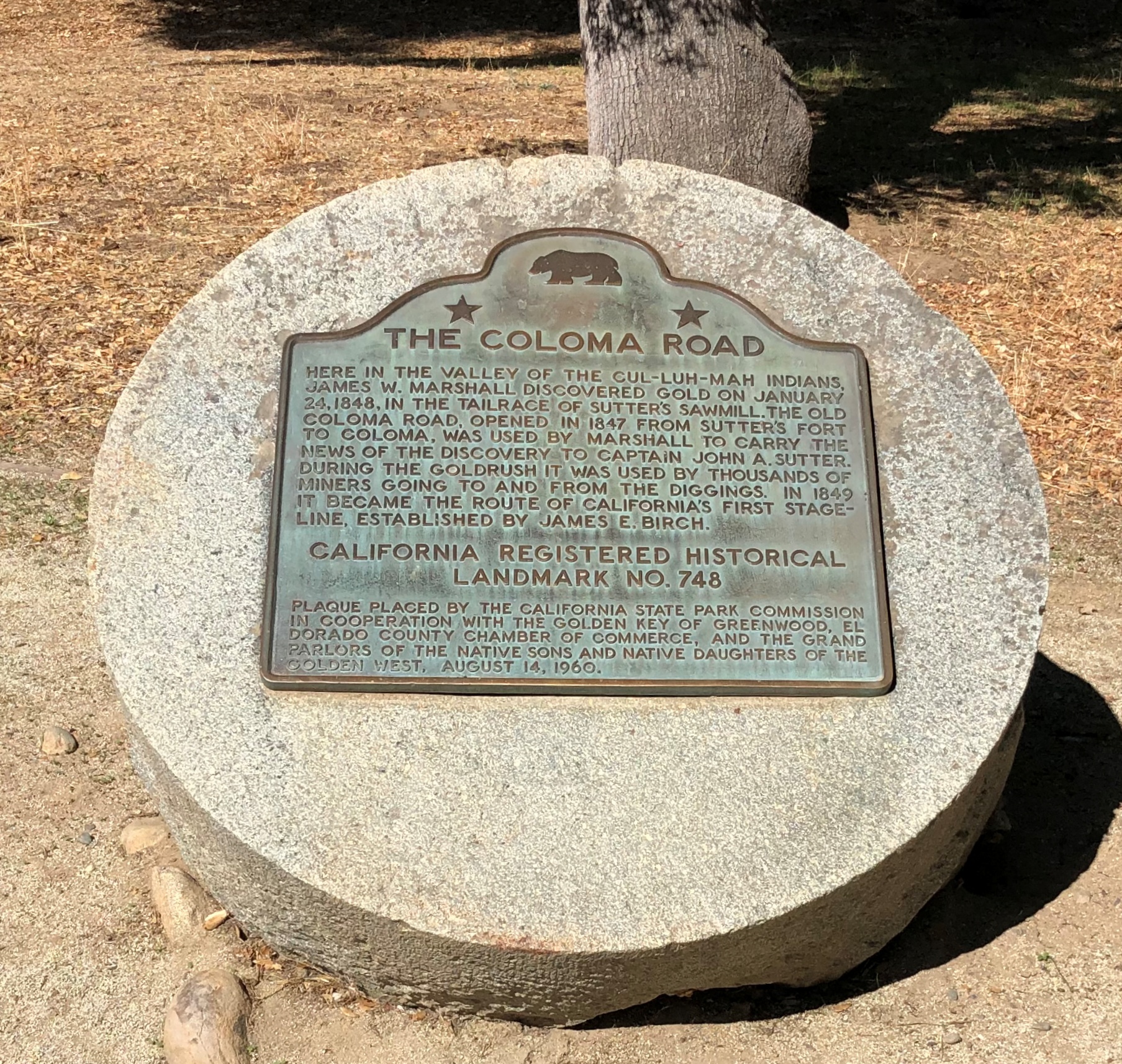
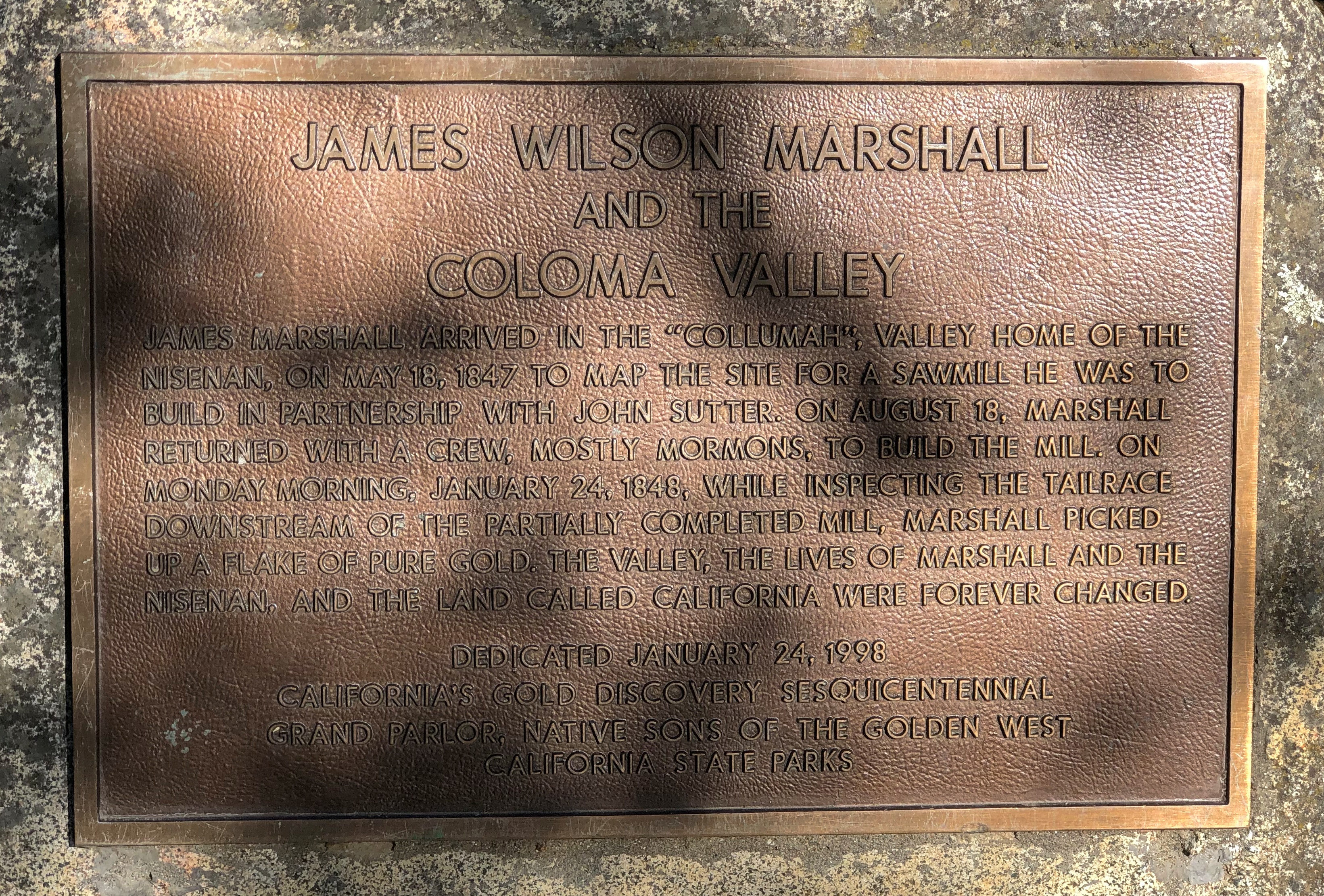
Another. I could post nothing but plaques, but that would be more granular than I want to be.
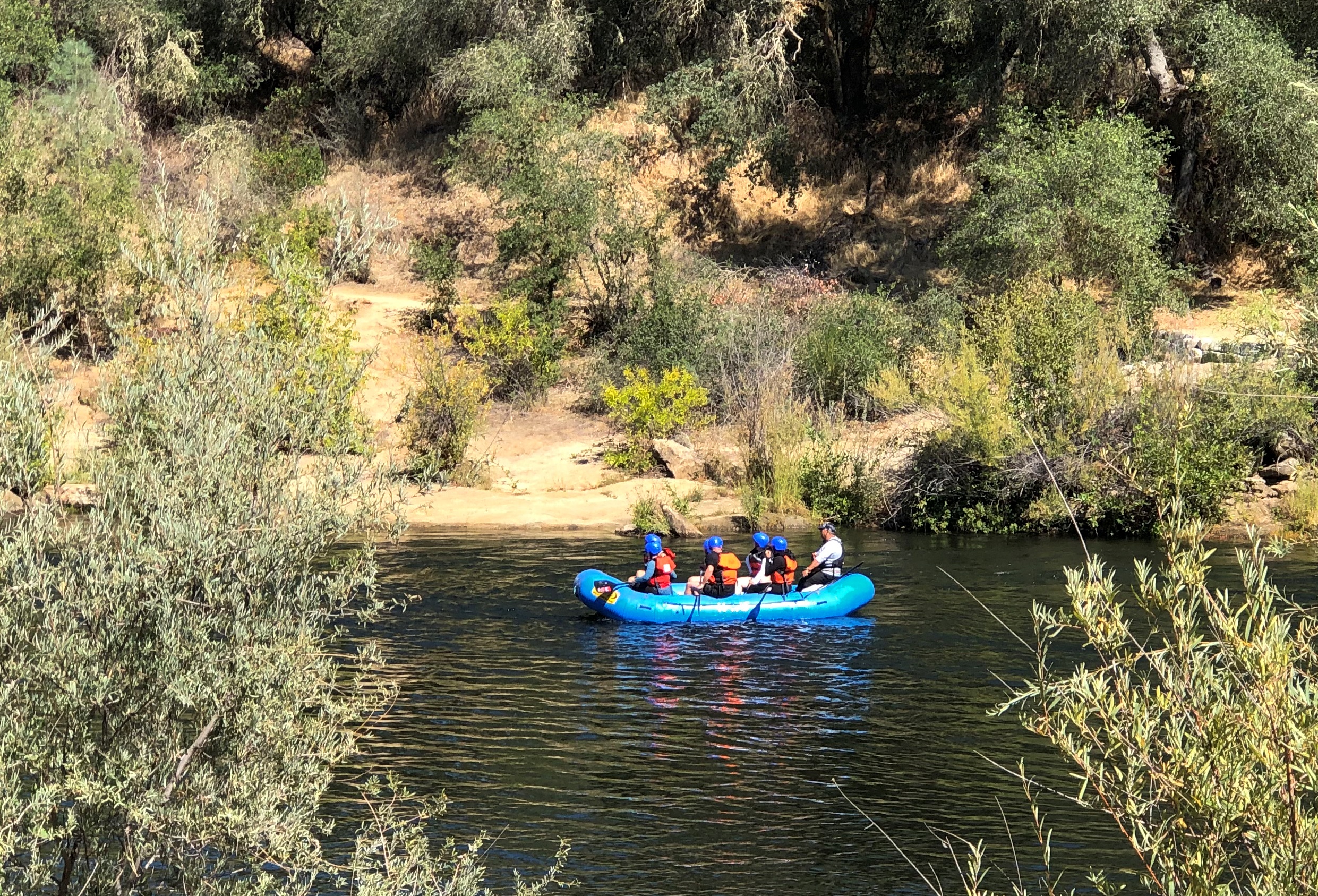
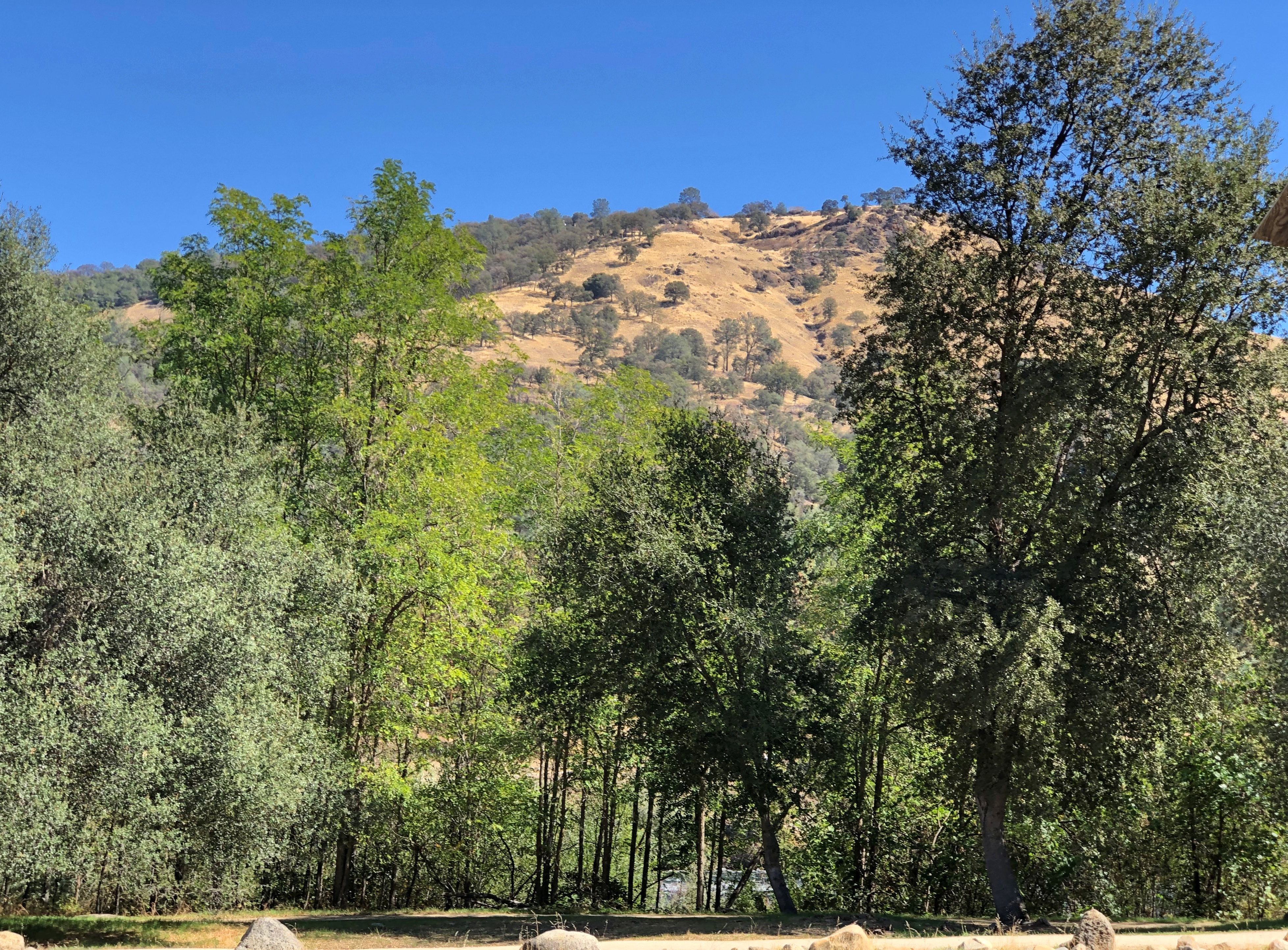
It’s a good-looking part of California anyway.Coloma Valley, California
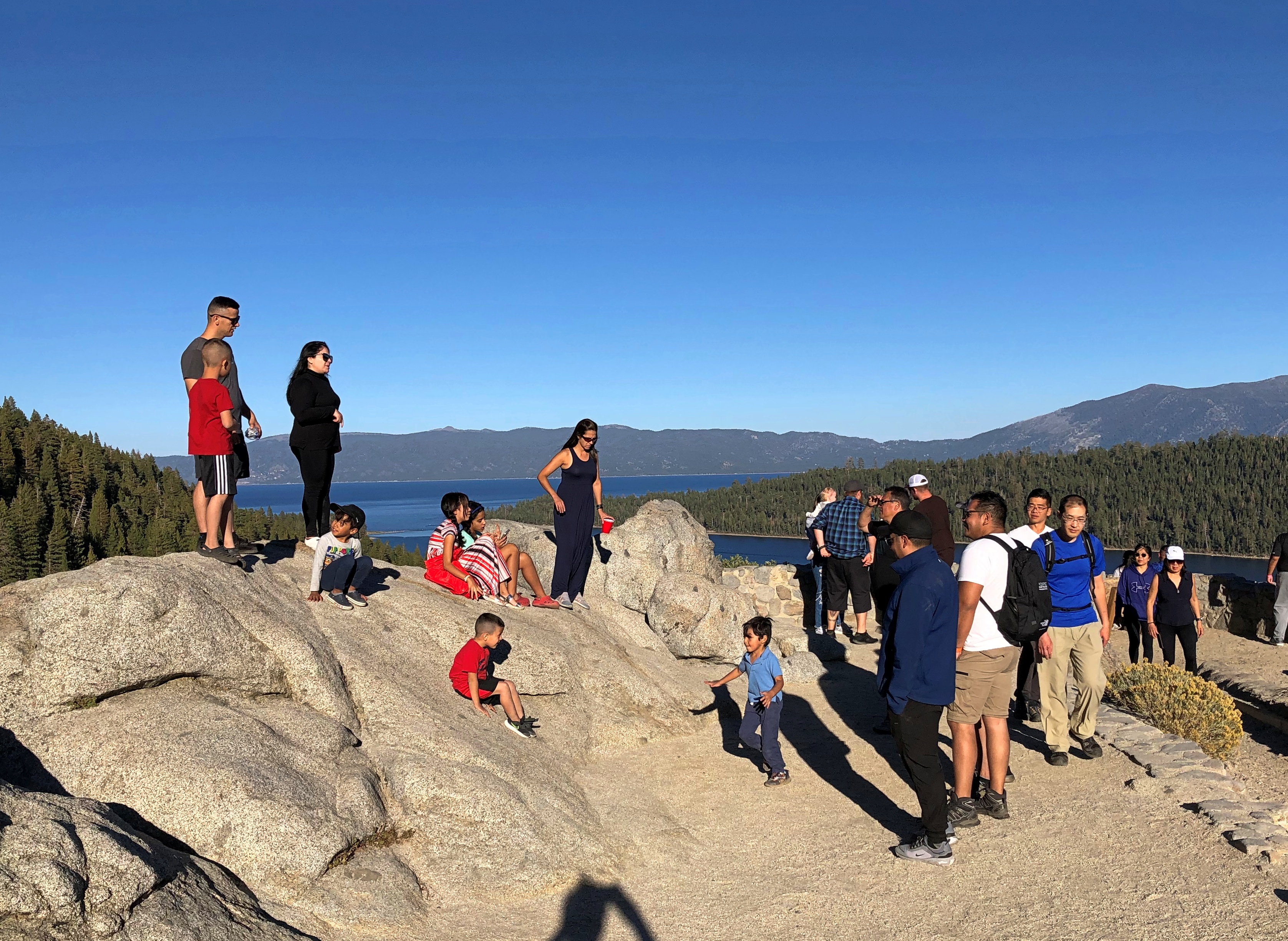
With recreational opportunities.Coloma Valley, California

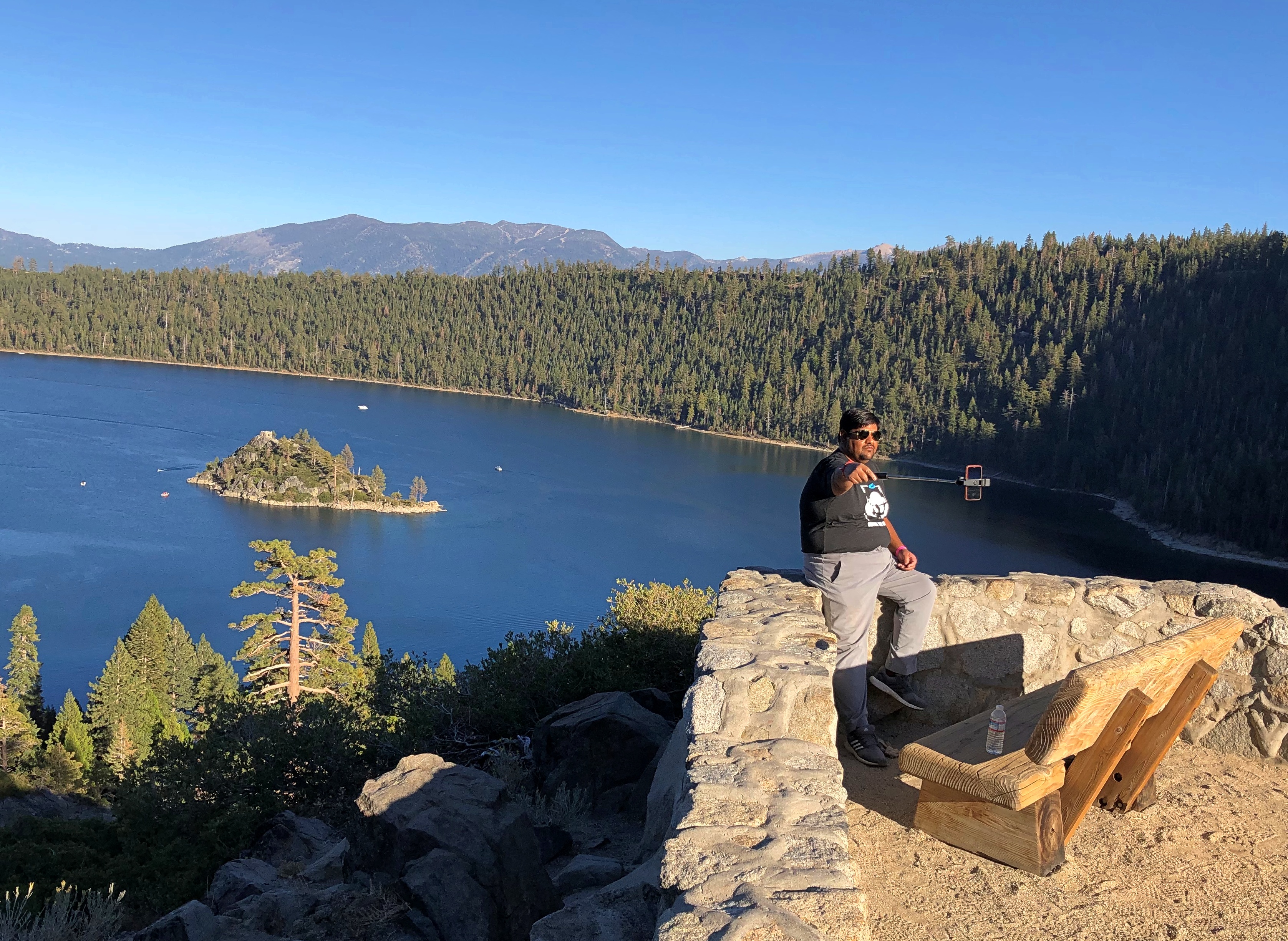
Mark Twain on Lake Tahoe (from Roughing It): “At last Lake Tahoe burst upon us, a noble sheet of blue water lifted some 6,000 feet above the level of the sea, and walled in by a rim of snow-clad mountain peaks that towered aloft a full 3,000 feet higher still.

“As it lay there with the shadows of the mountains, brilliantly photographed upon its surface, I thought it must surely be the fairest picture the whole earth affords.”

Enjoyable vistas for sure. It was good to see other people there.Lake Tahoe 2022 Lake Tahoe 2022
I had breakfast my first morning in Reno at a restaurant for old people — except that’s me now, isn’t it? But on a weekday mid-morning, I was one of the younger patrons. Decent food, though a touch expensive (a contagion from California, no doubt, plus the inflation du jour).

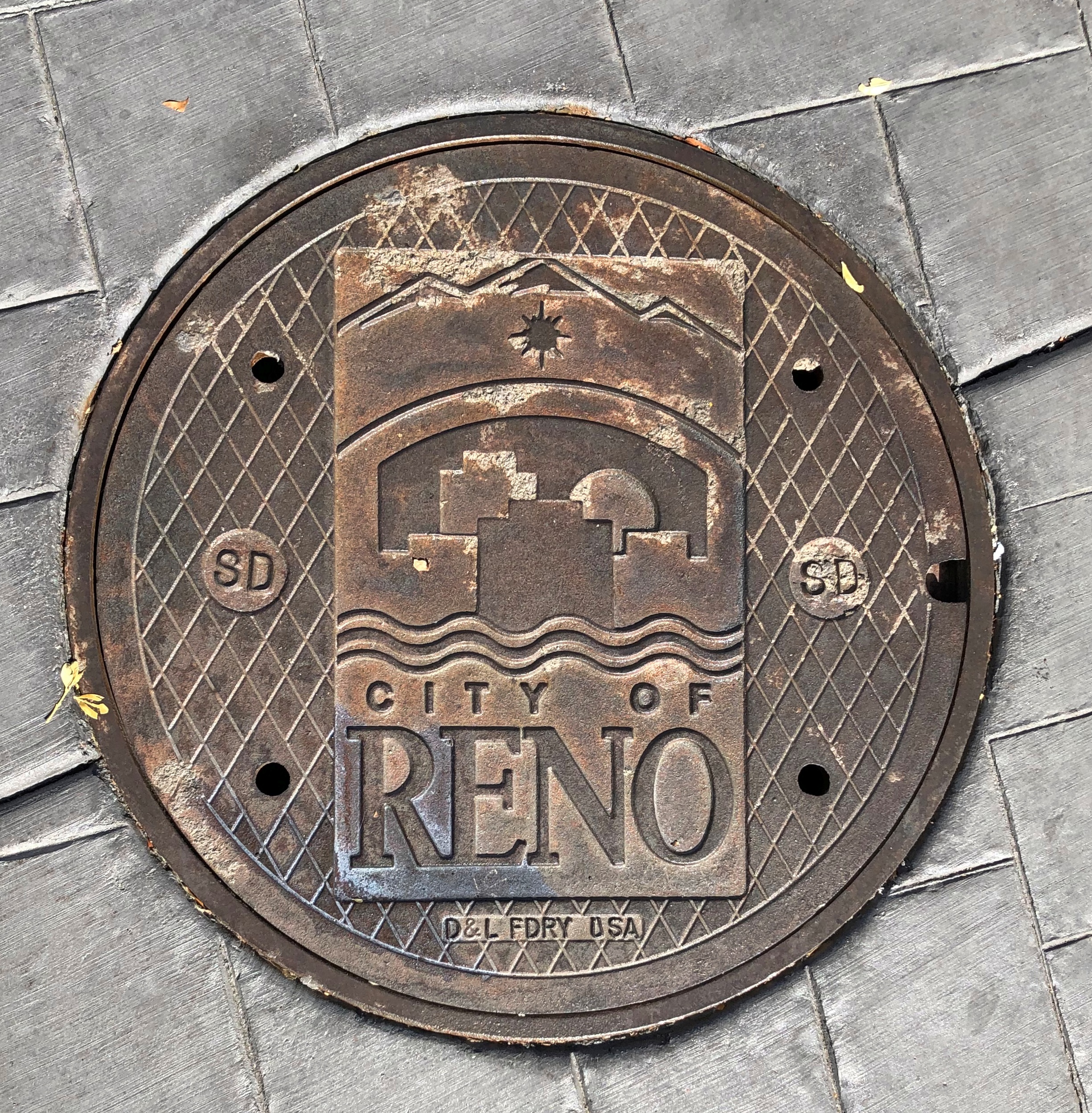
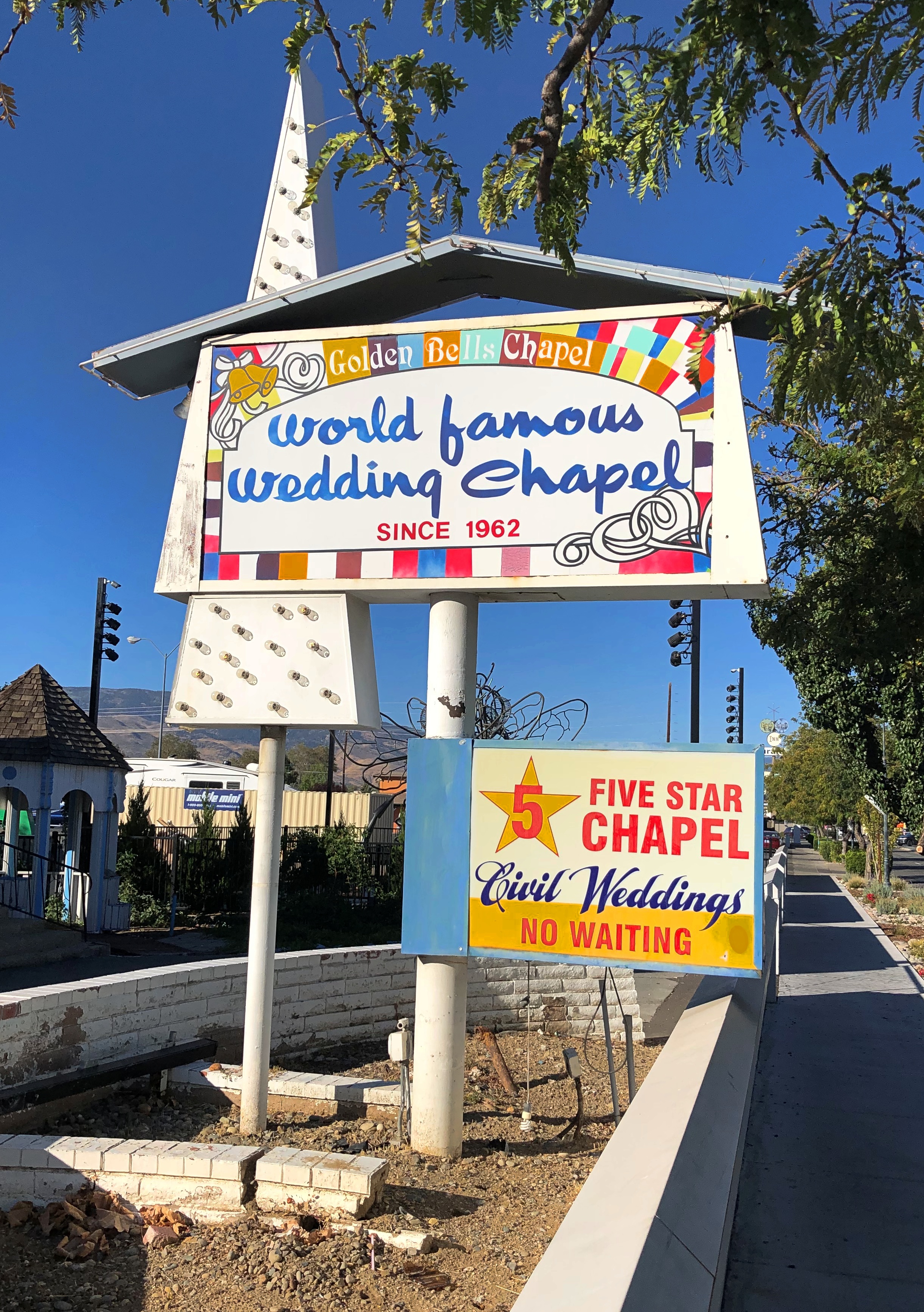
After I finished, I went out to leave, but noticed a sign I had to see, not far away. I took a closer look.Reno
reno

Not in the market, but someone must be. If that isn’t local color, I don’t know what is.

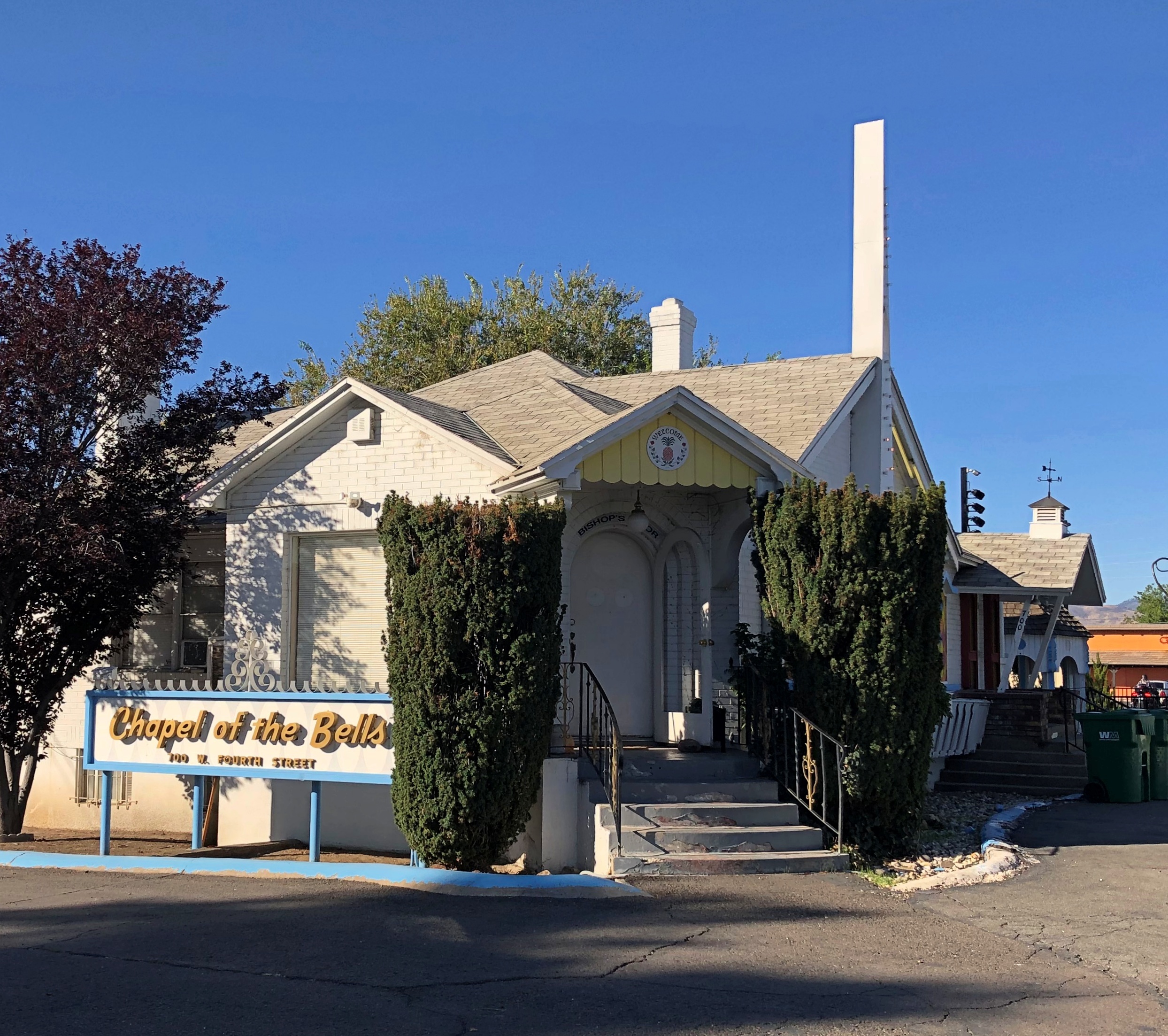
When serendipity is with you on the road, that kind of sighting leads to others. That’s what happened that morning in Reno. This was nearby the wedding chapel.Burning Man art in Reno
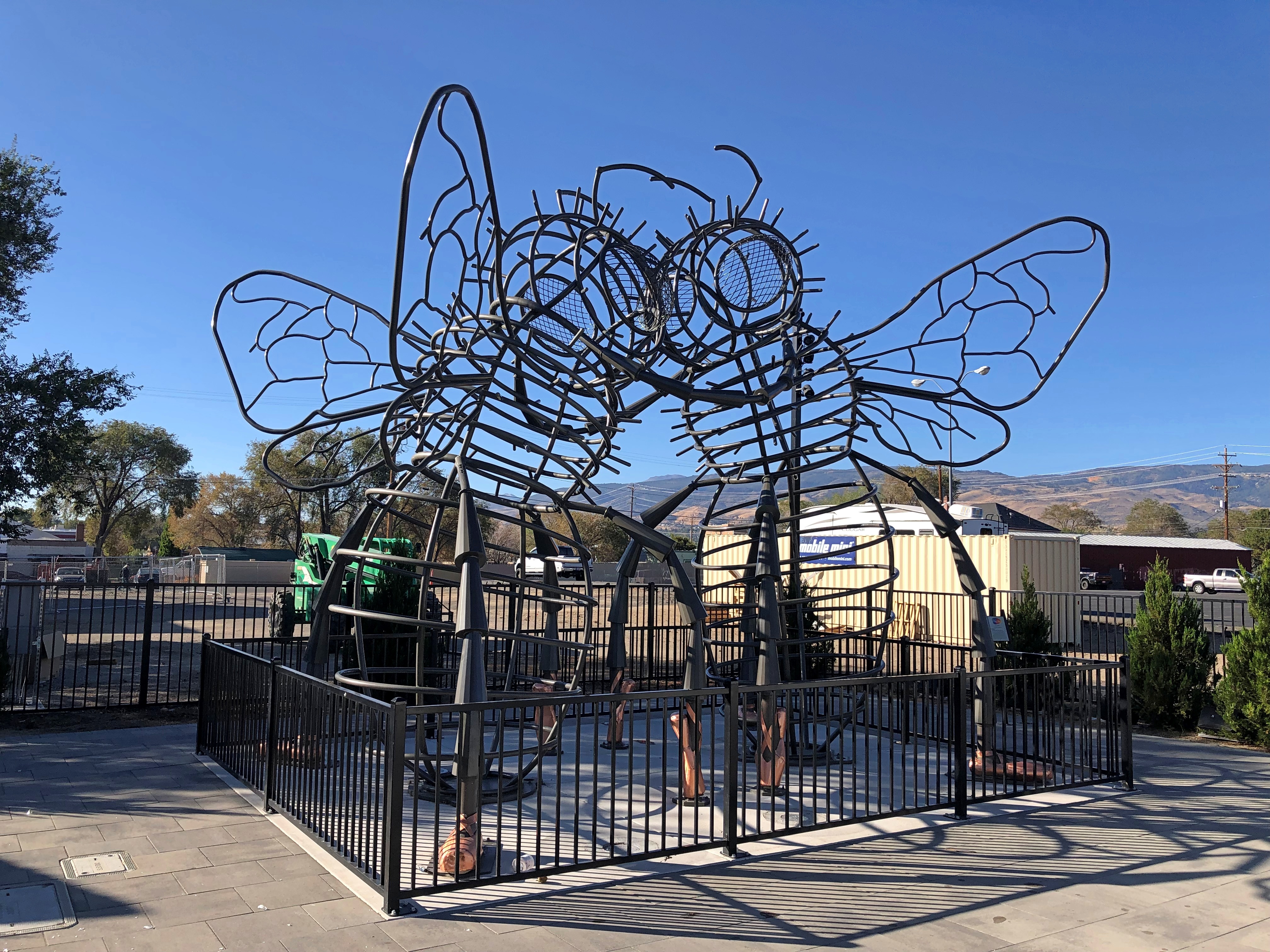
“Bee Dance” by Andrea Greenlees (2019), according to its sign, which also said it was created at Burning Man that year.

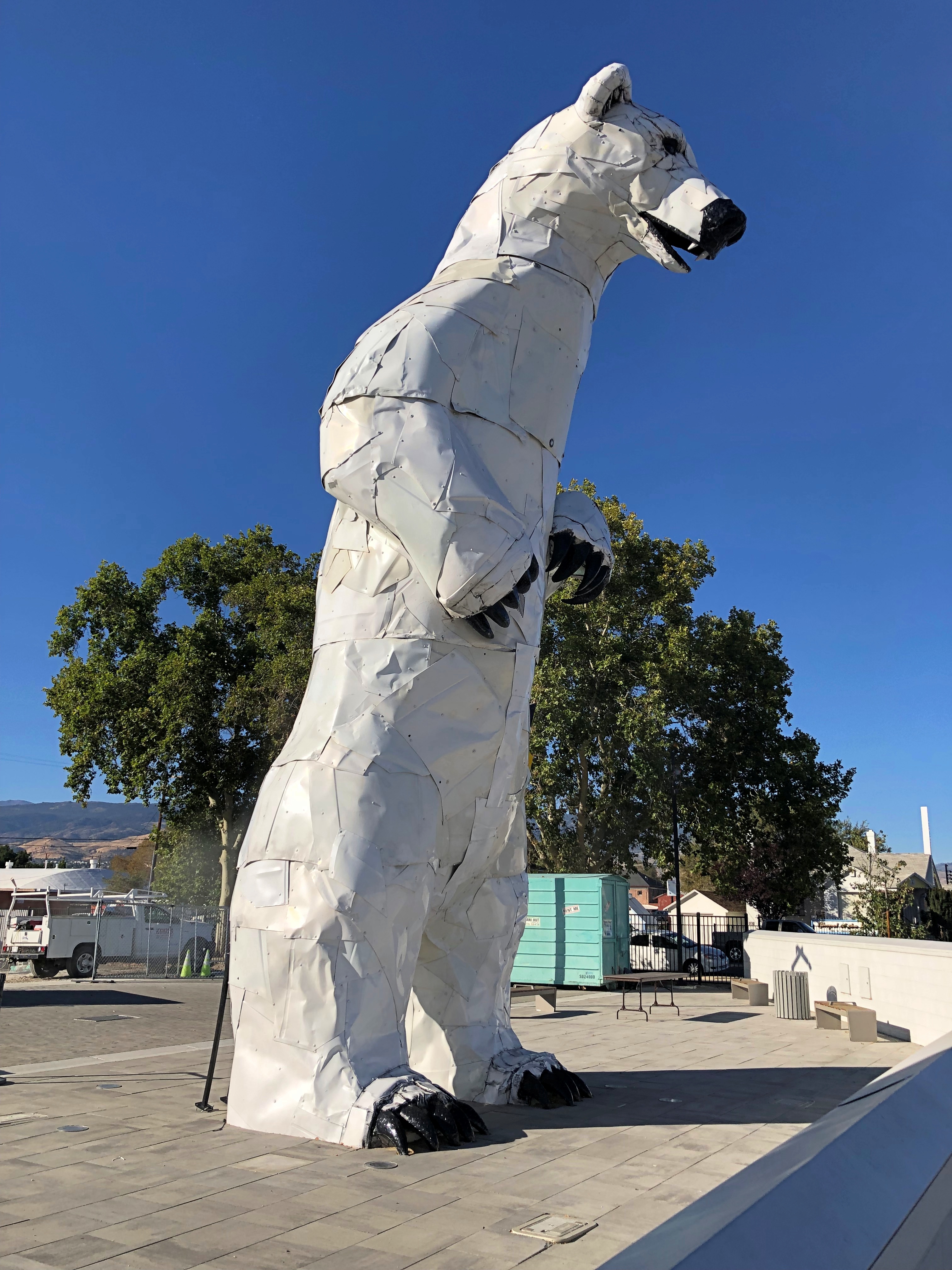
On the next block — all this was on West Fourth Street in Reno — was a closed off place called Glow Plaza, an outdoor event space that only opened this year. Well, open for concerts on the weekends. It wasn’t open for me to look around, though there was some construction going on at an adjacent site (probably new apartments), so maybe that restriction was just temporary.

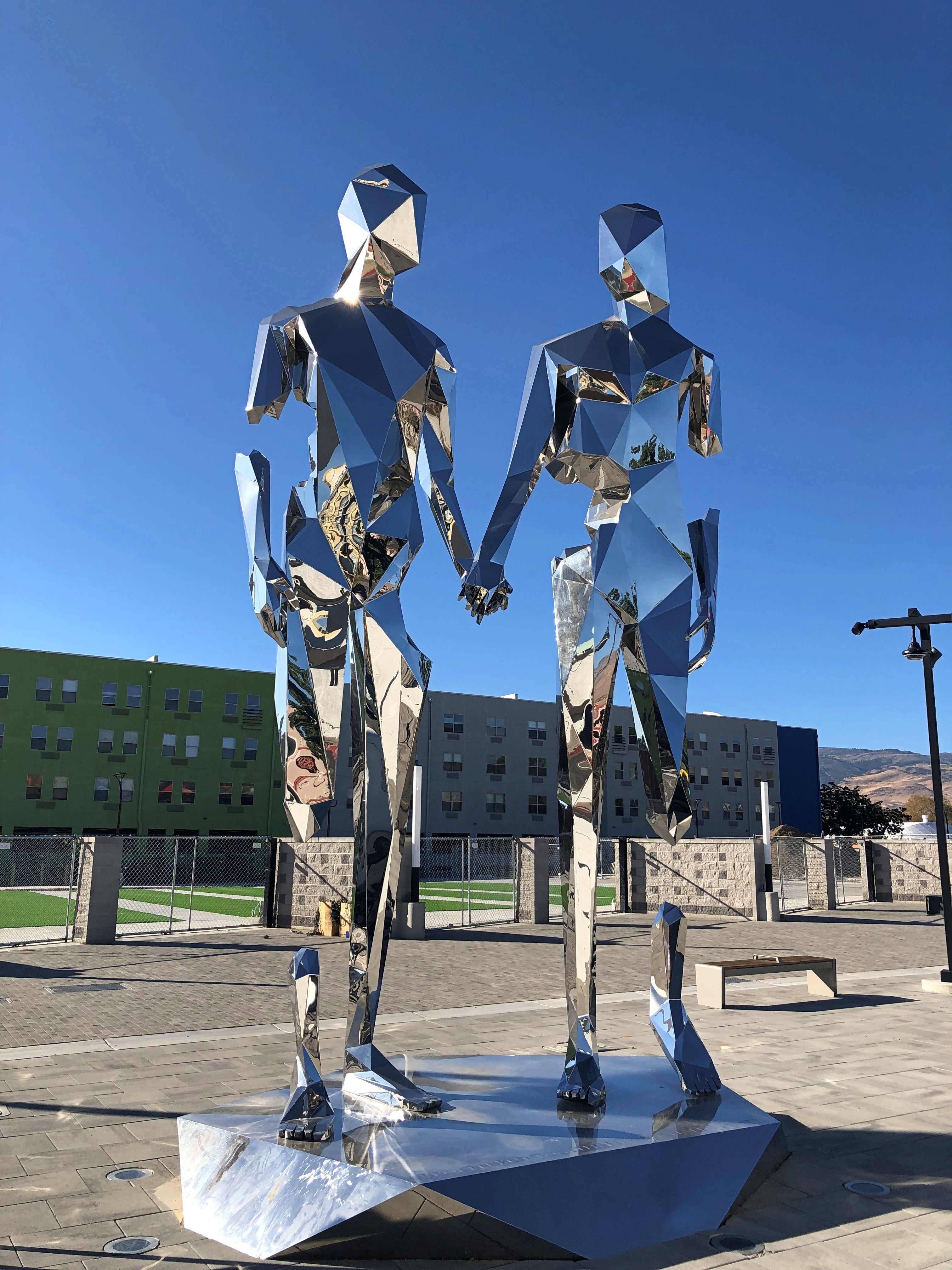
Anyway, I got a look from the sidewalk. New-looking sculptures.Reno polar bear Reno art
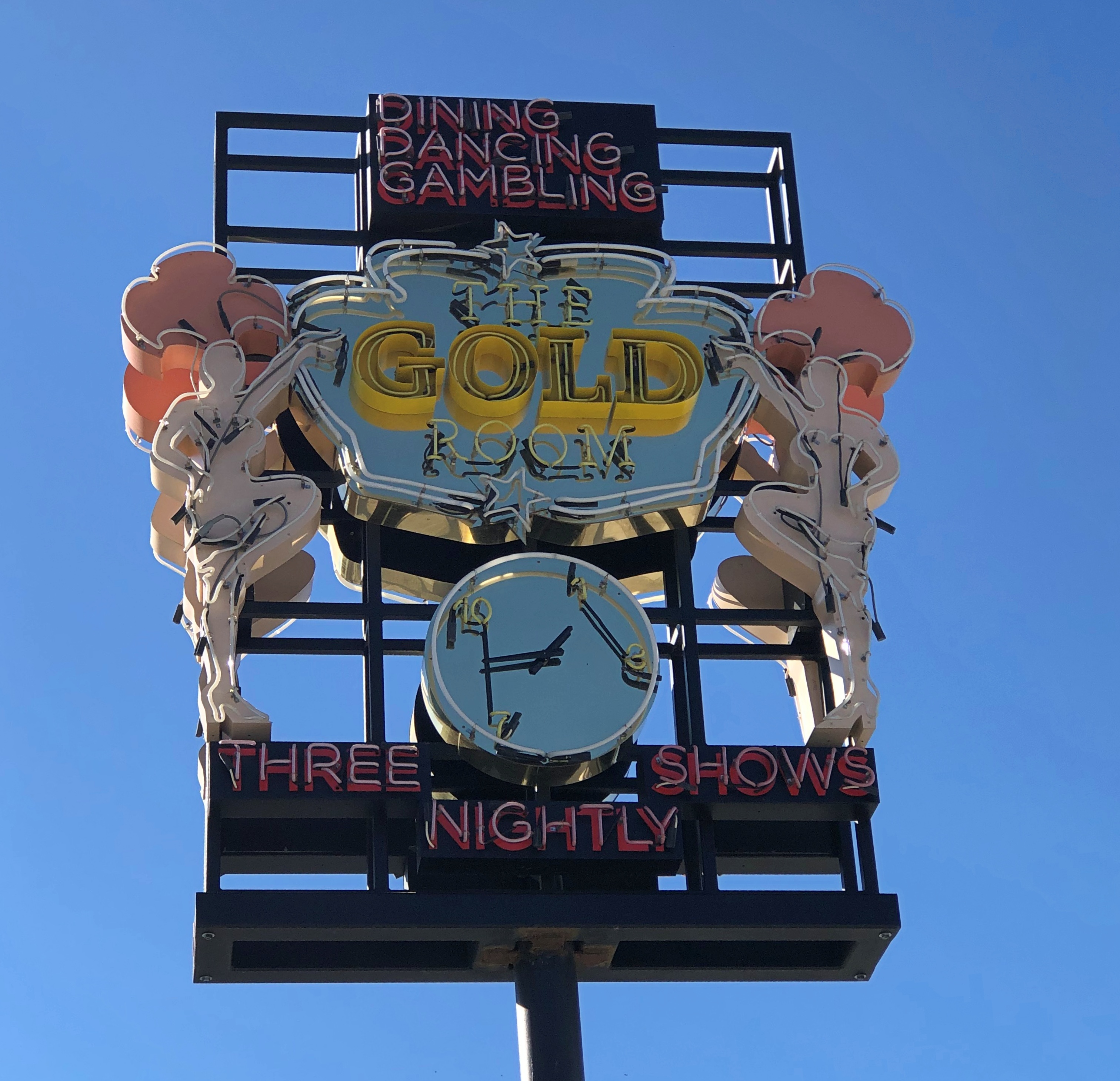
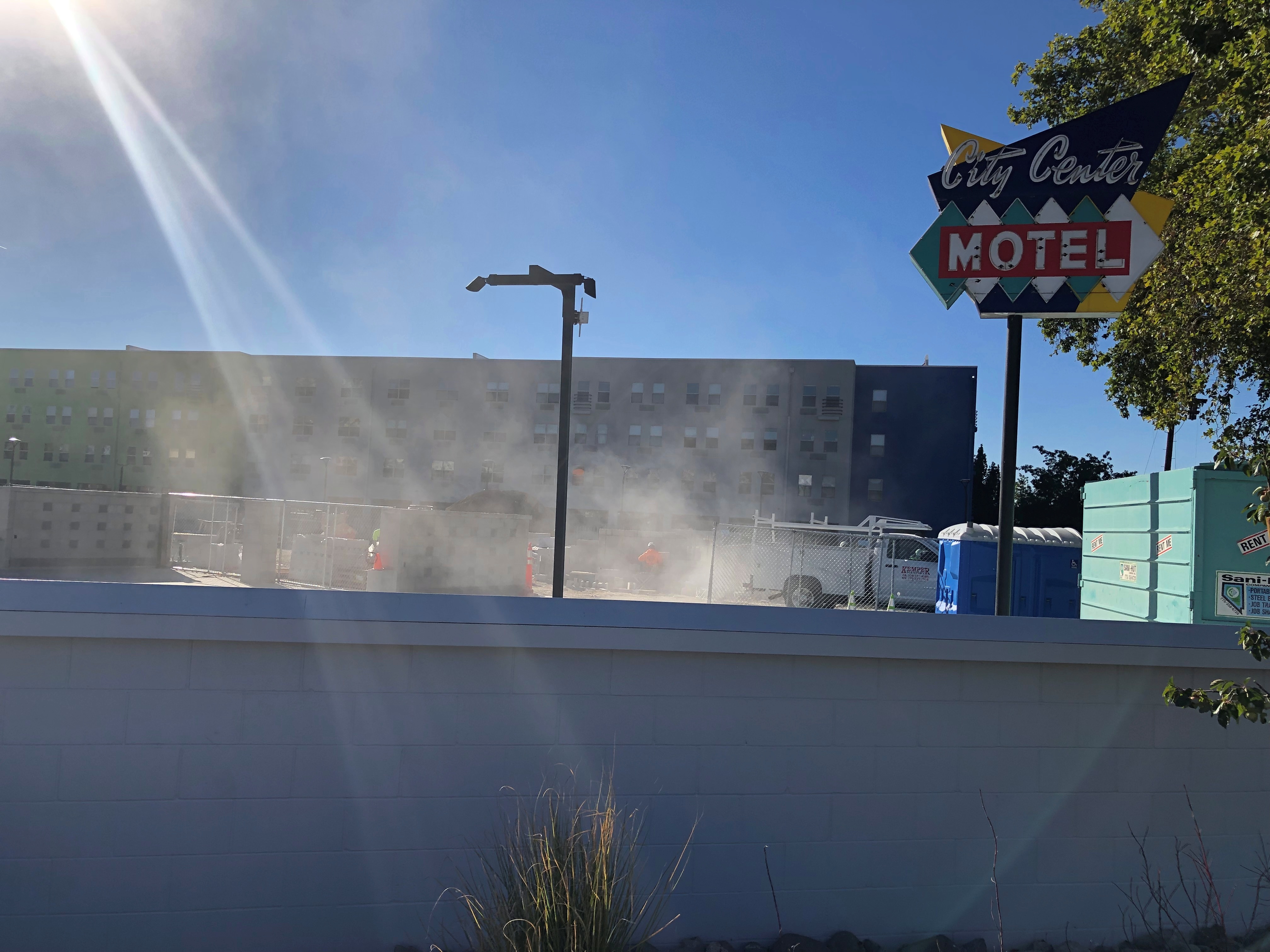
Including vintage Reno neon, or maybe close-replica homages.Reno neon Reno neon
Speaking of apartments, this property in downtown Reno has the look of a 2010s adaptive reuse. I checked, and it is. It used to be a motel. The loss of an SRO property? Maybe, but I didn’t know there was much of that left.The Mod, Reno
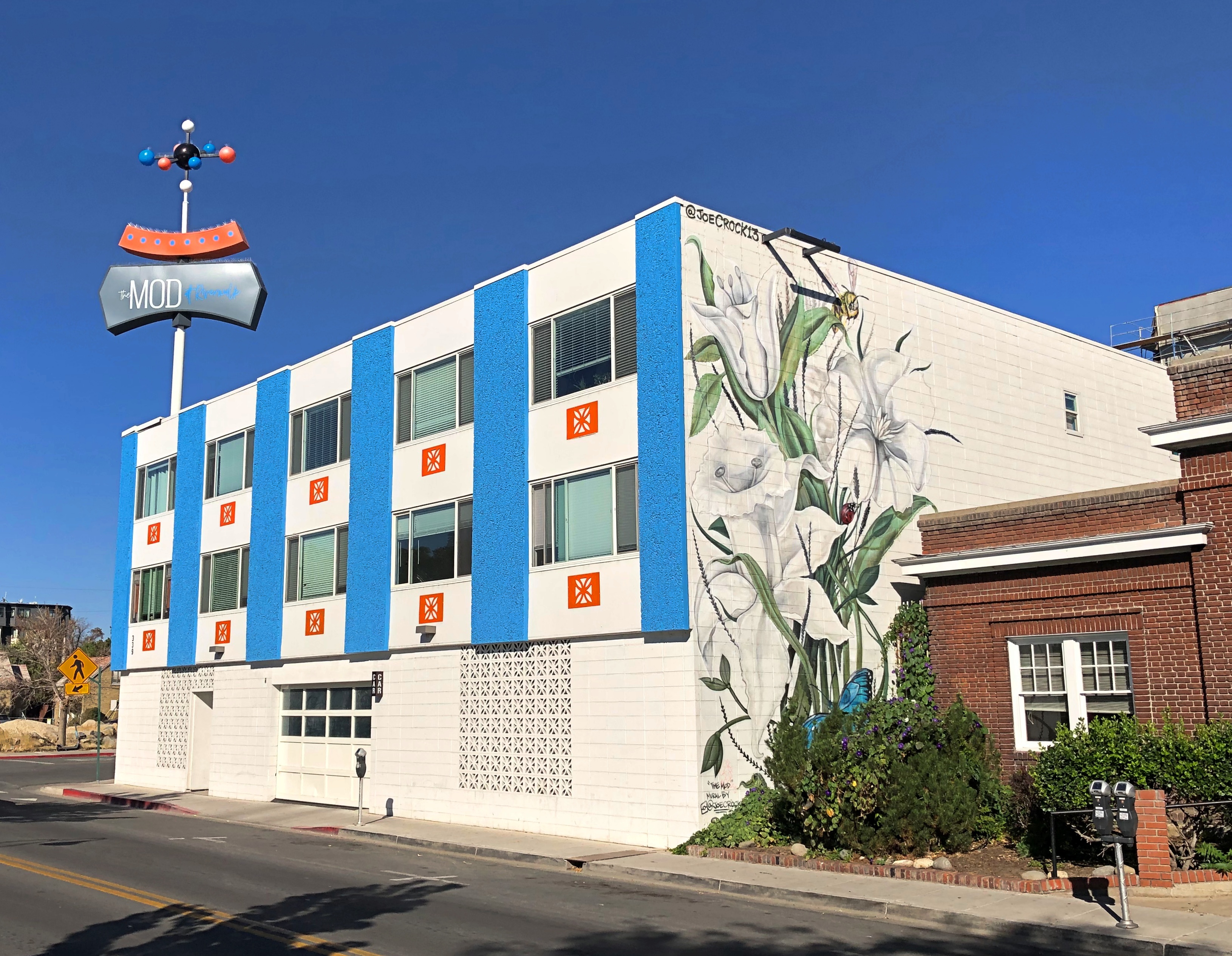
Now it’s an “upscale micro-unit living facility,” to borrow a phrase from Northern Nevada Business Weekly. I checked again, and its rents range from $1,100 to $1,700 (the low end of the range is for about 250 square feet).

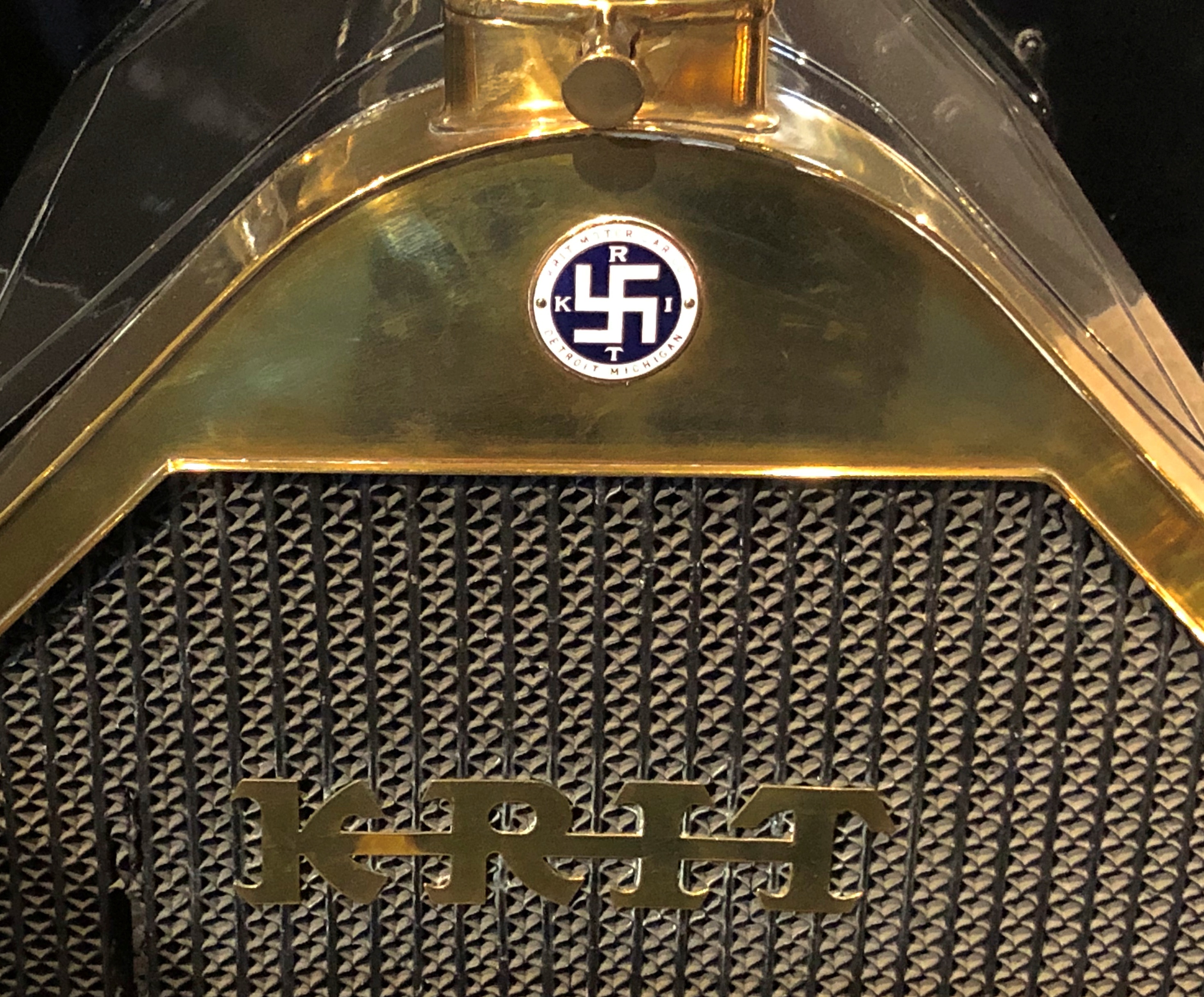
Could have done an entire posting of name plates on vintage cars at the National Automobile Museum. The familiar and the less familiar.National Automobile Museum, Reno National Automobile Museum, Reno
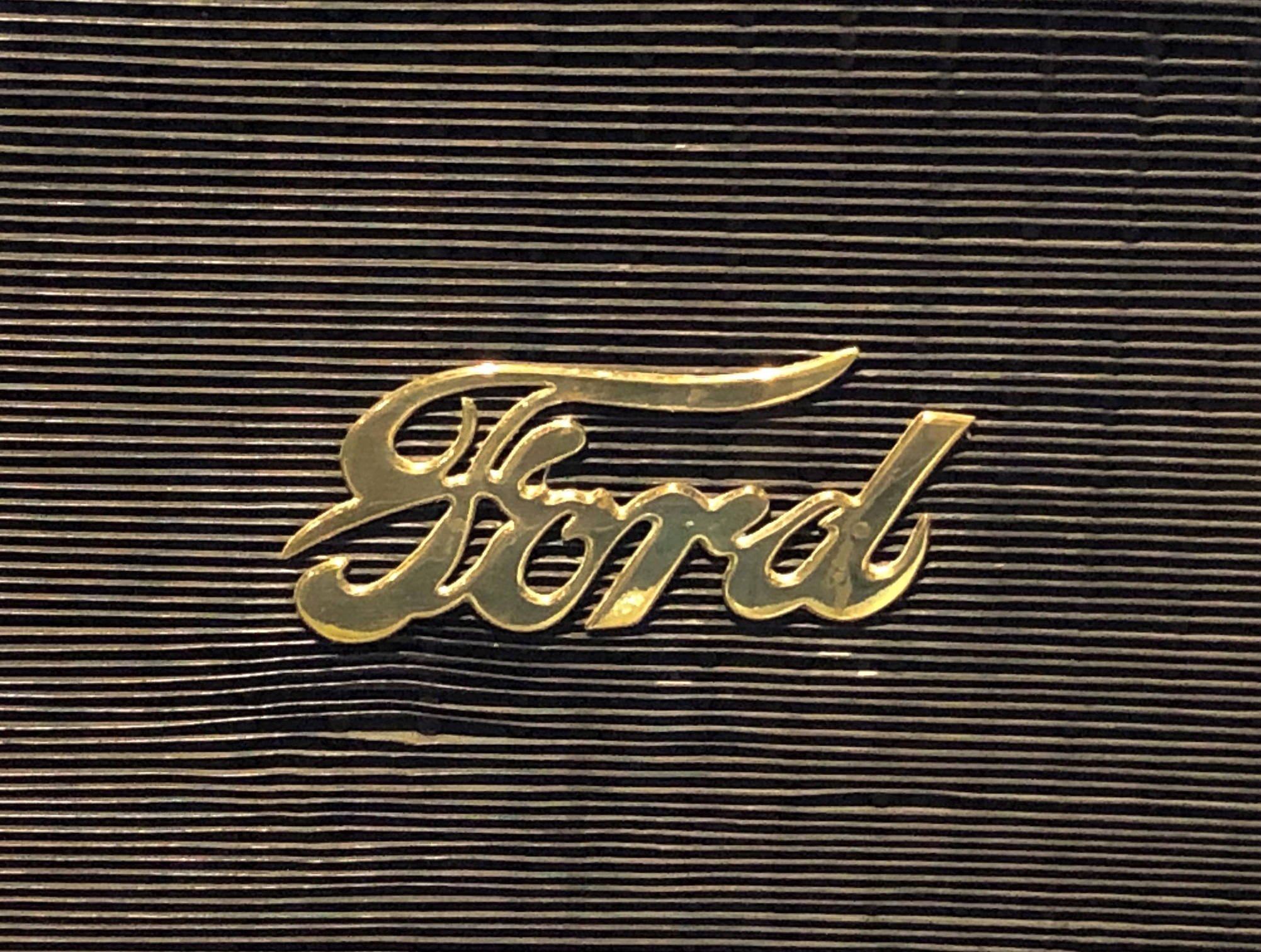
That last one’s an attention-getter. You can find it on a Krit Motor Car Co. auto, made years before jackbooted lowlifes shanghaied the symbol.

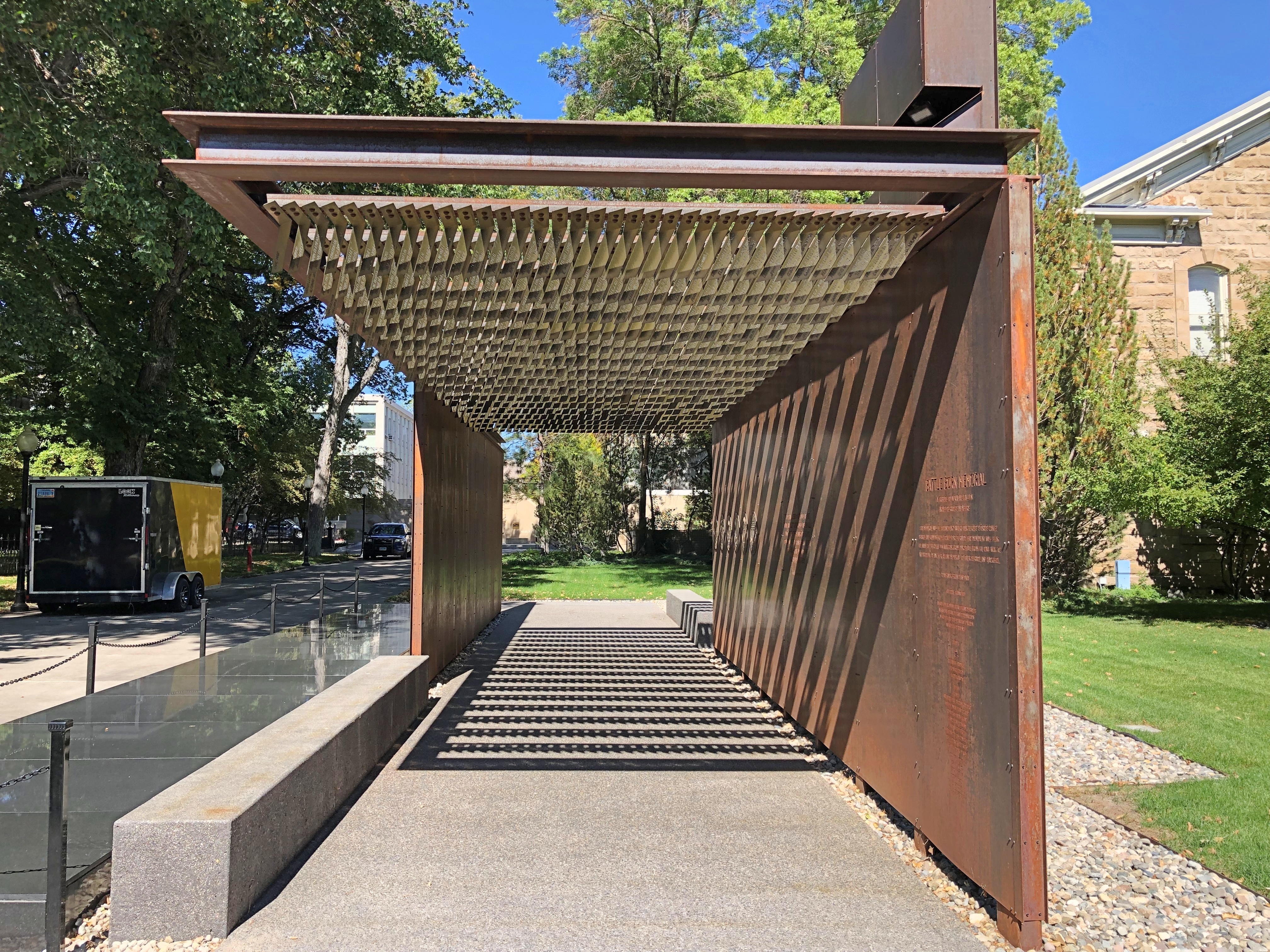
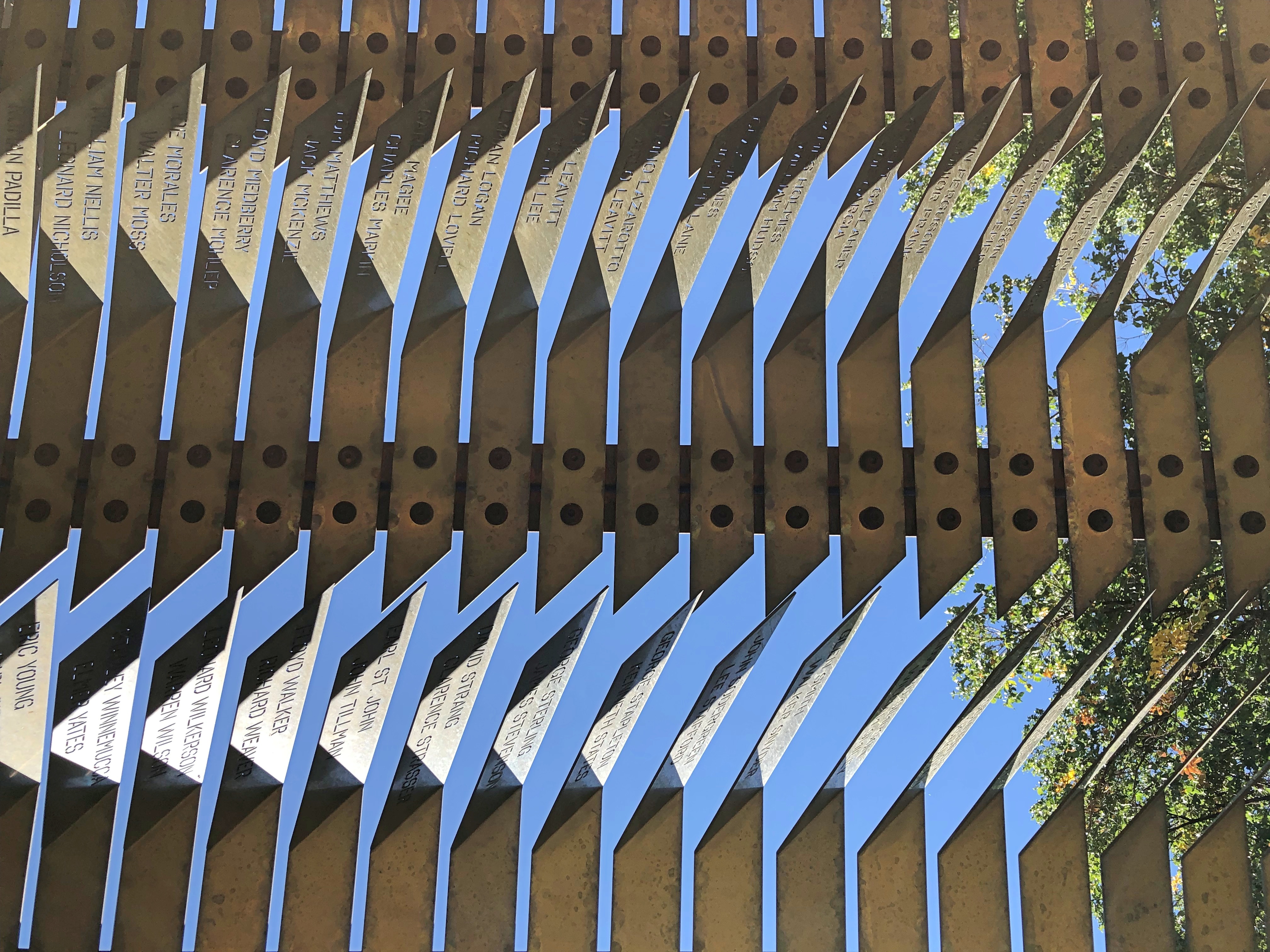
The Battle Born Memorial in Carson City, dedicated to fallen soldiers from Nevada.Battle Born Memorial, Carson City, Nevada Battle Born Memorial, Carson City, Nevada
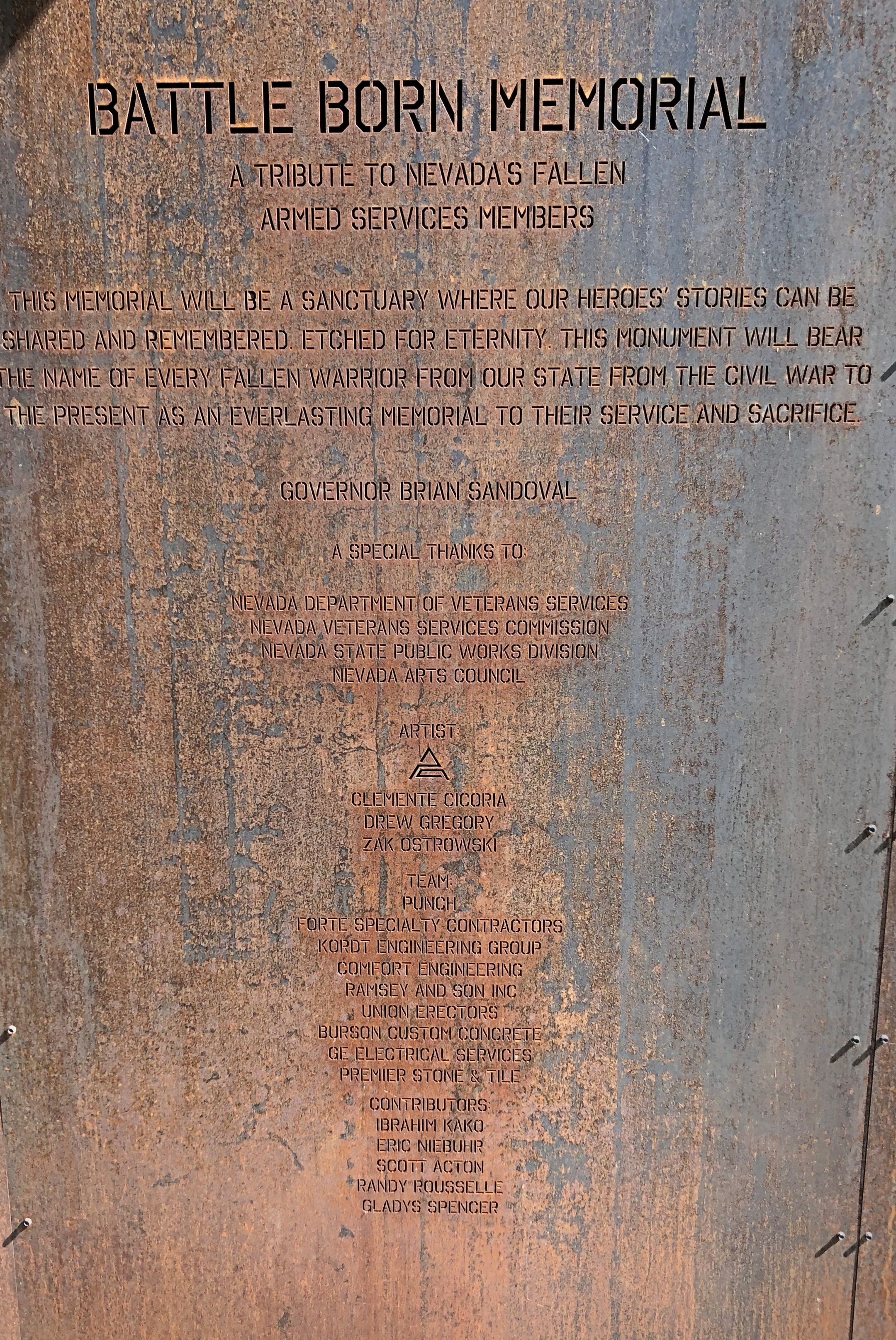
At first I thought, iron? True, iron is at the heart of modern war. But as soon as I was inside, and looked up, I realized how fitting the material is. A remarkable memorial.

Especially when you gaze up at it.Battle Born Memorial, Carson City, Nevada

The names of the fallen are inscribed there.Battle Born Memorial, Carson City, Nevada Battle Born Memorial, Carson City, Nevada
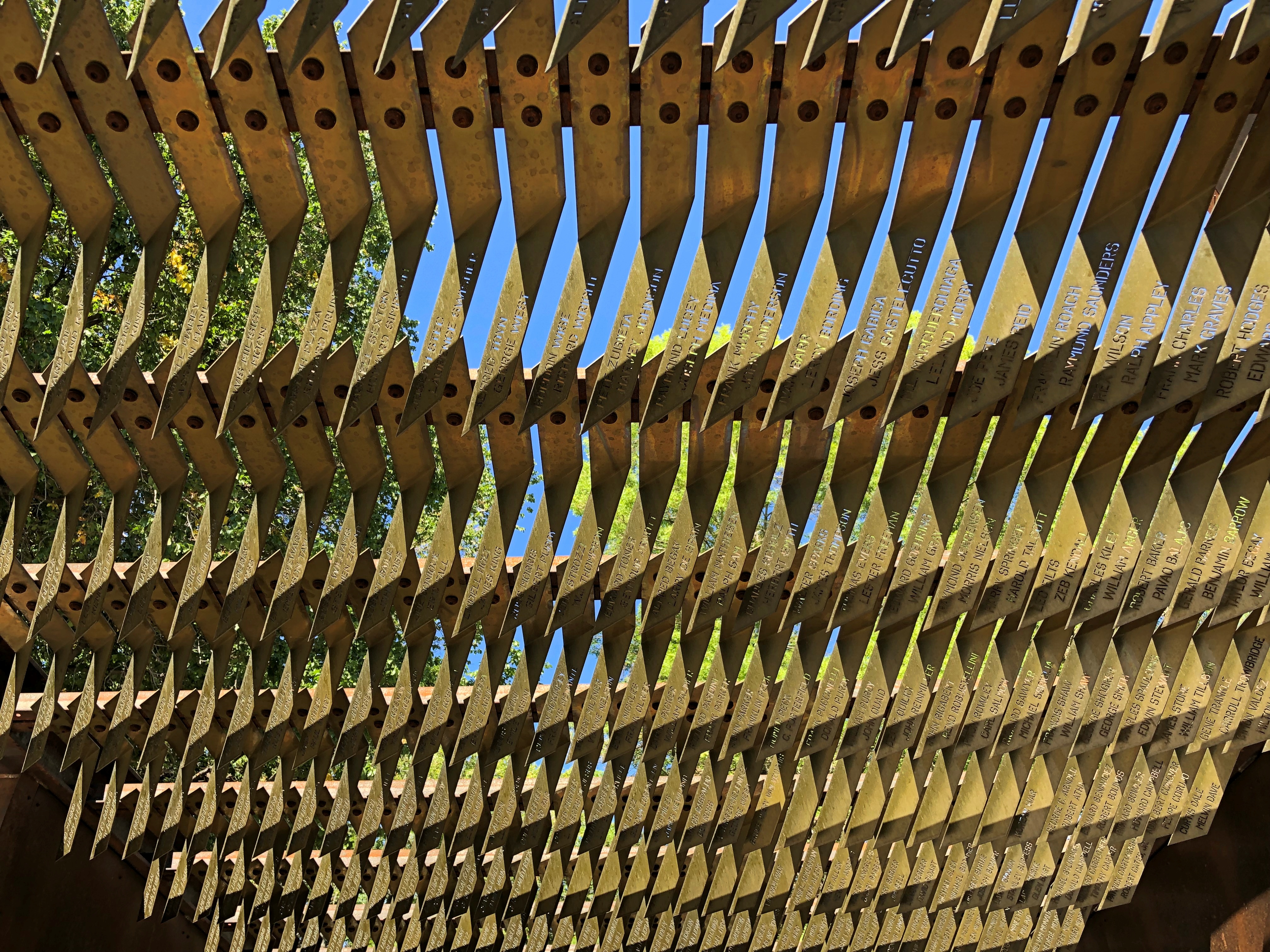
Eight hundred and ninety-five names, I understand. Punch Architecture did the design, which was completed in 2018.

Later I looked up Battle Born. I didn’t know that was a nickname for Nevada. Everyone’s heard Silver State, but not Battle Born State. I puzzled on that a while, but eventually realized that when Nevada entered the union (1864; Lincoln needed another two Senators), it joined the fight, as a state, to keep that union together.

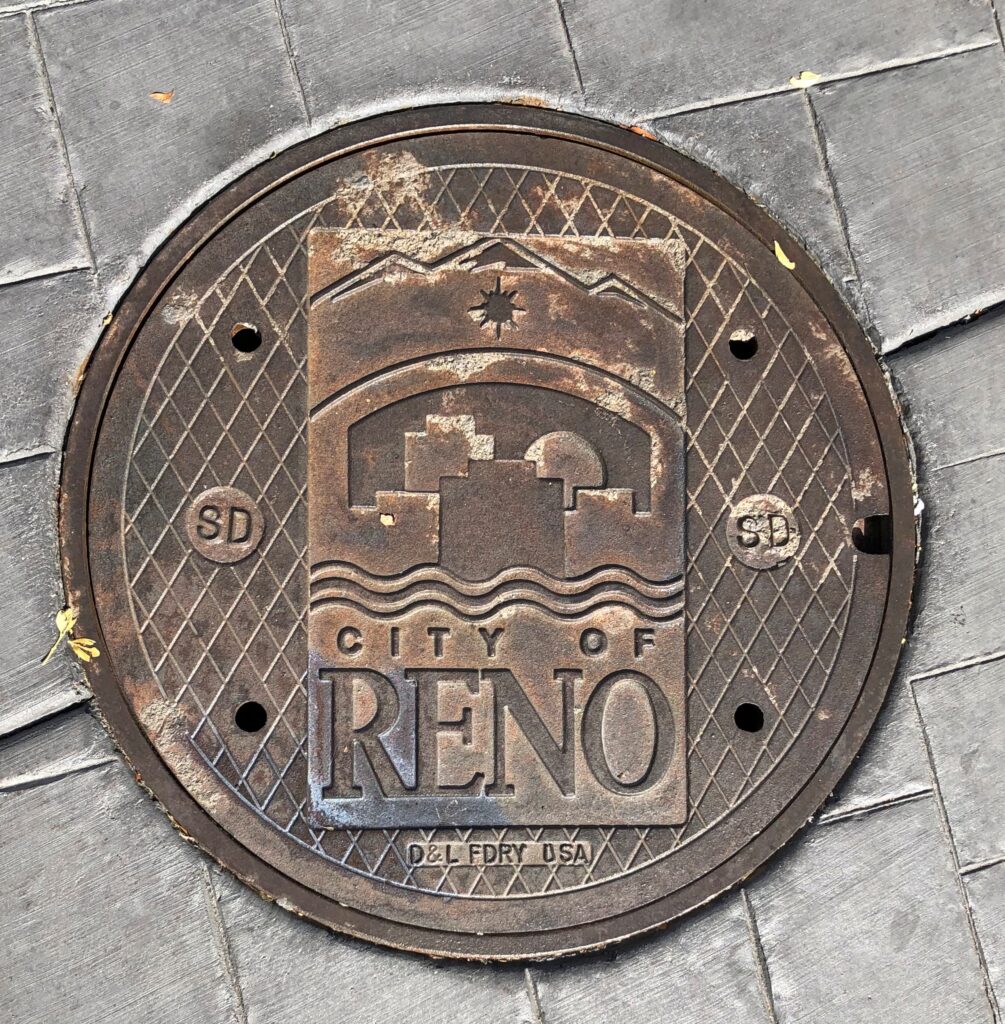
A much smaller metal-work, underfoot in Carson City. Good to know I’ve been on the Kit Carson Trail.Carson City, Nevada
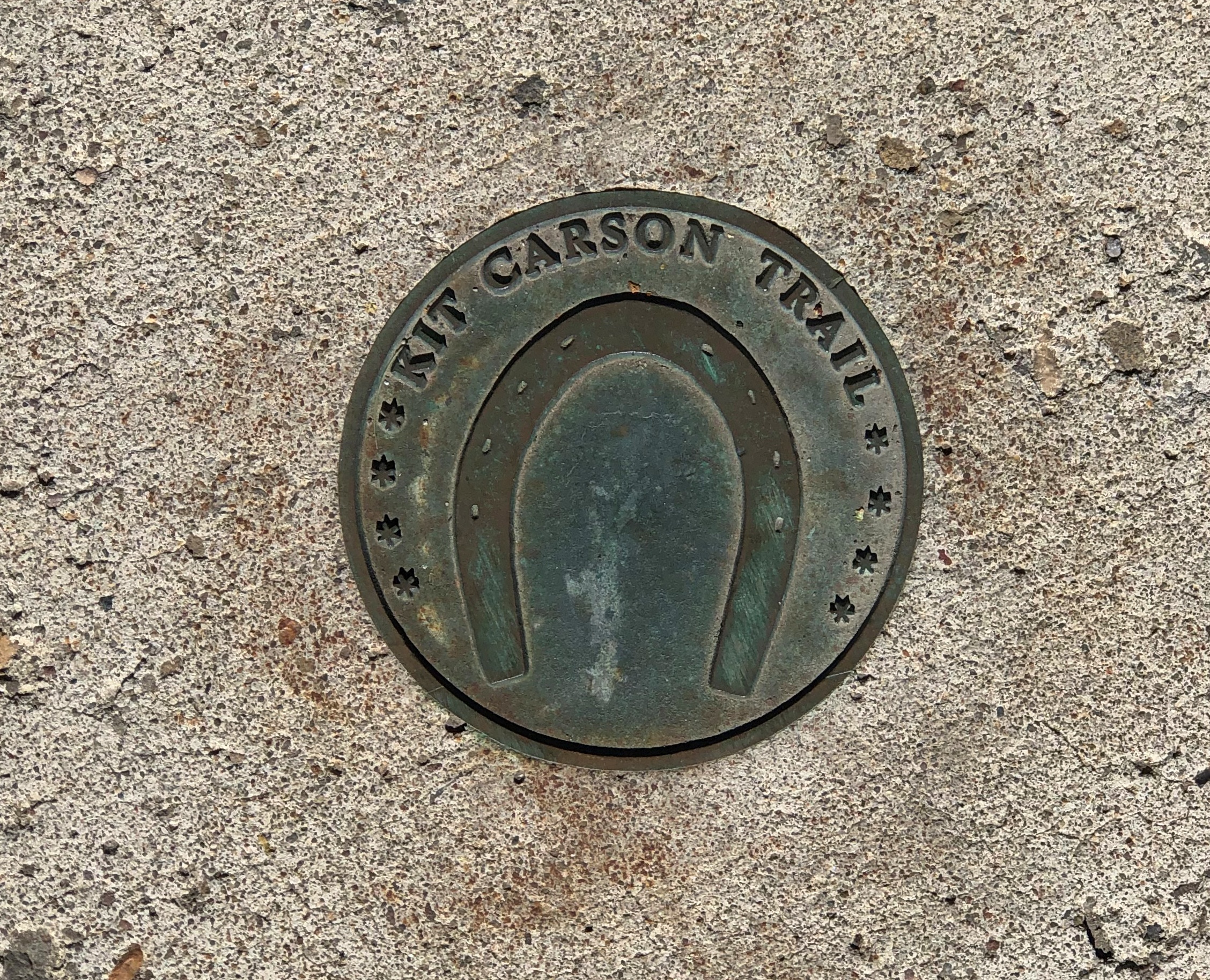
Underfoot in Reno.Reno, Nevada

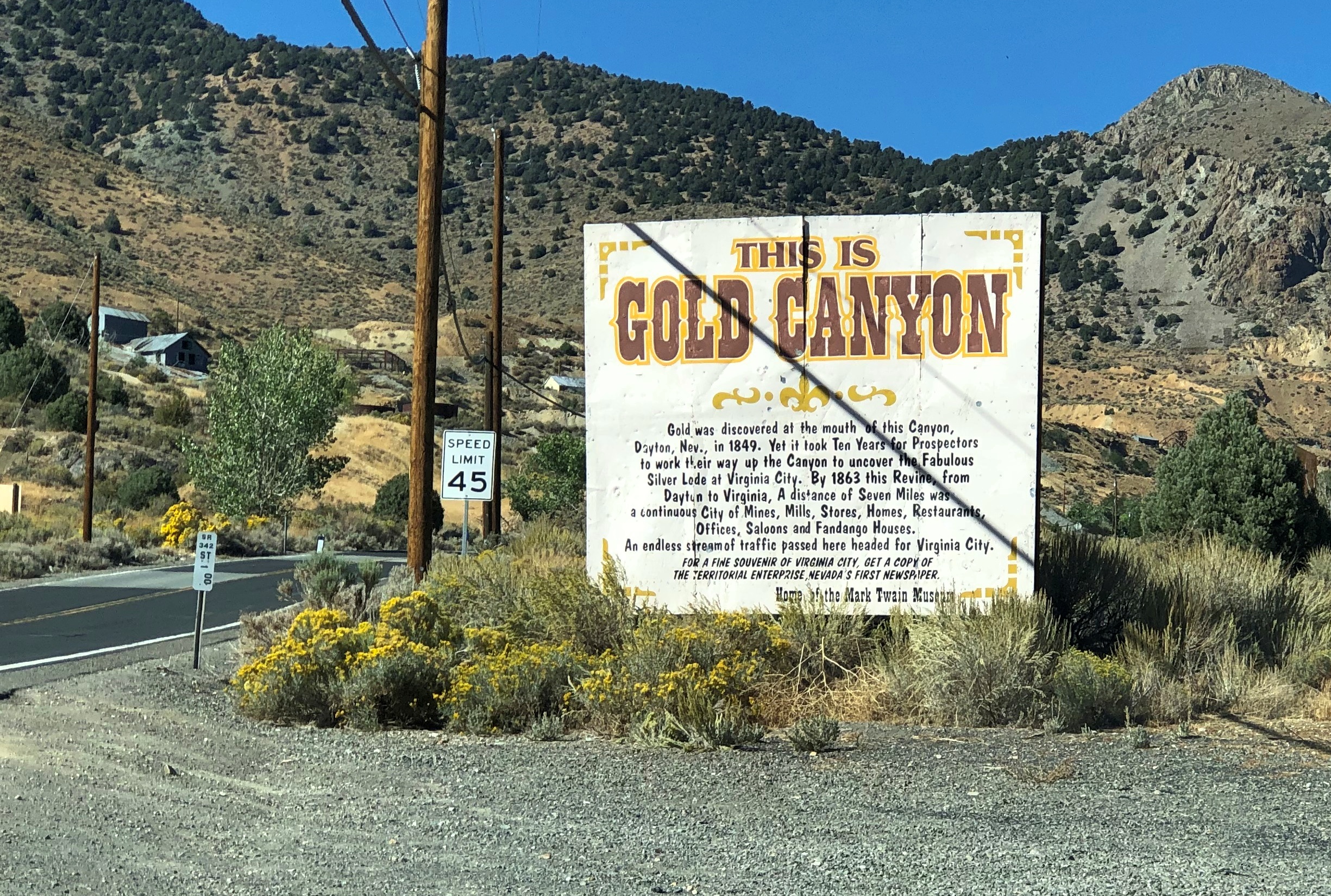
On the road to Virginia City.Gold Canyon, Nevada

The drive out from Virginia City to I-580 is along Nevada 341, and it’s a winding drop of a drive through arid landforms. This snip from Google maps illustrates the winding-est part of the road, called Geiger Grade Road at that point. The entire drop is from more than 6,100 feet above sea level at Virginia City to Reno’s 4,500 feet.
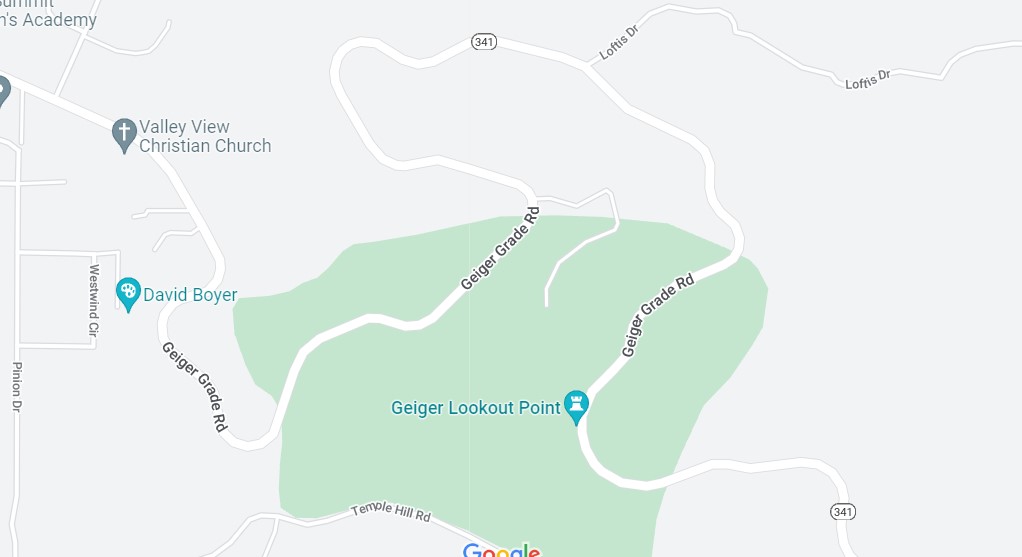
Light traffic on a sunny weekday afternoon. A fine drive if you’re paying attention. Almost car commercial driving.

This instead of a real map.Donner Memorial State Historic Park
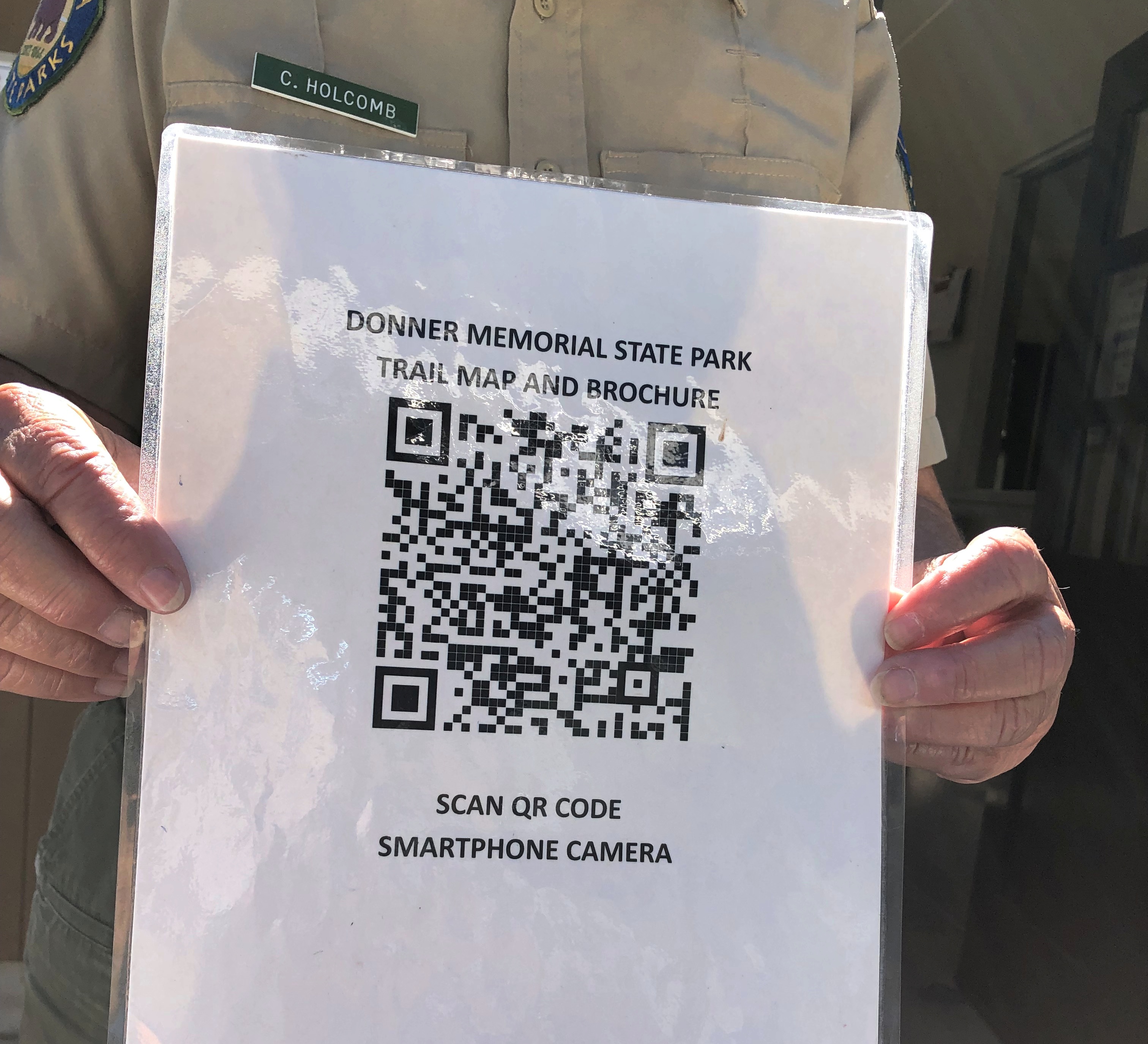
No, California. Don’t do this. It’s false economy. I don’t know how, I just know that it is.

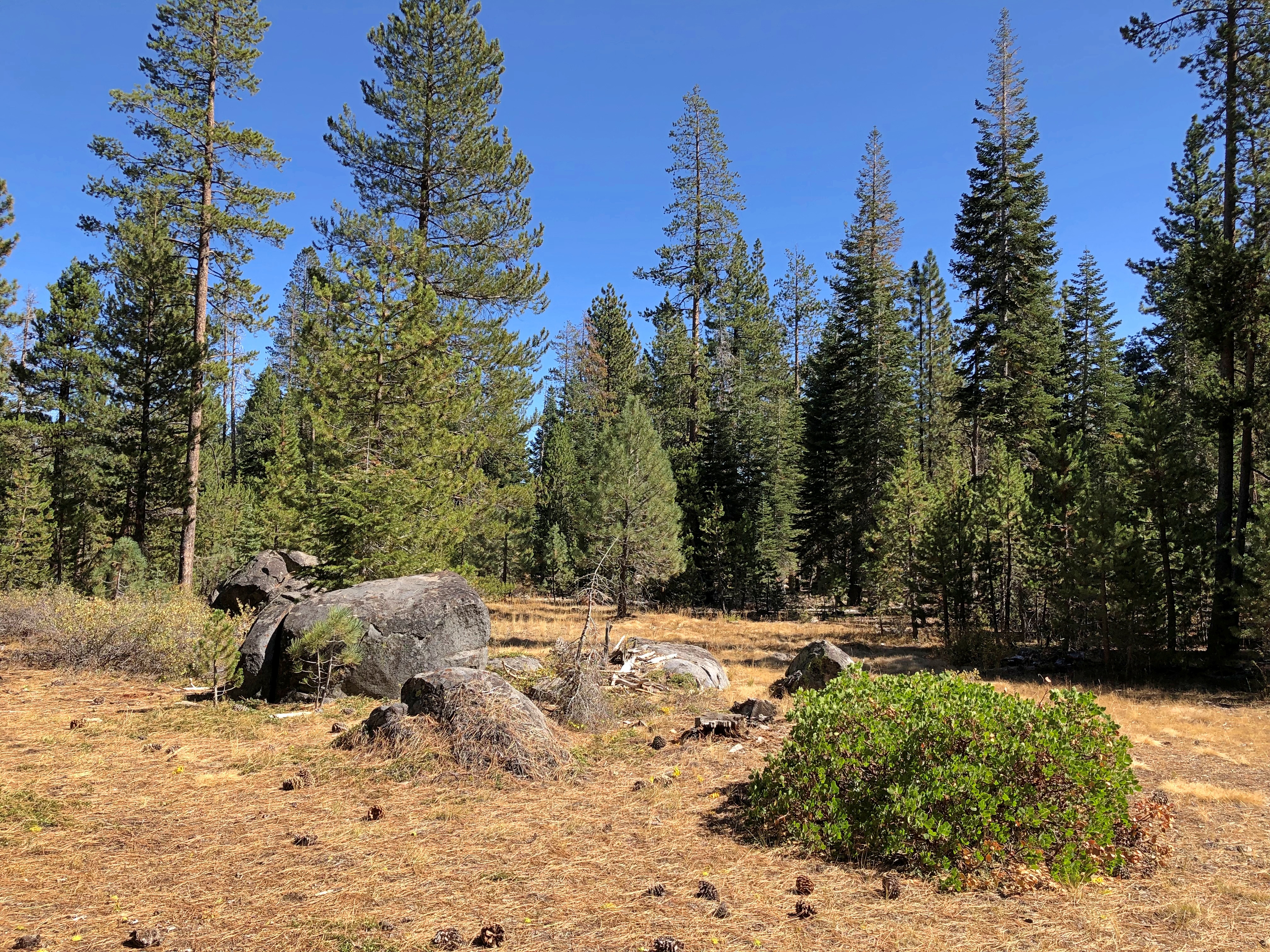
I figured out my way around without a gizmo map. I even found a spot a few hundred yards from a parking lot, and a little off a nearby trail, where I could sit in the sun for a few minutes, and listen to only faint sounds. Almost as quiet as Joshua Tree or Big Bend NPs.Donner Memorial State Park
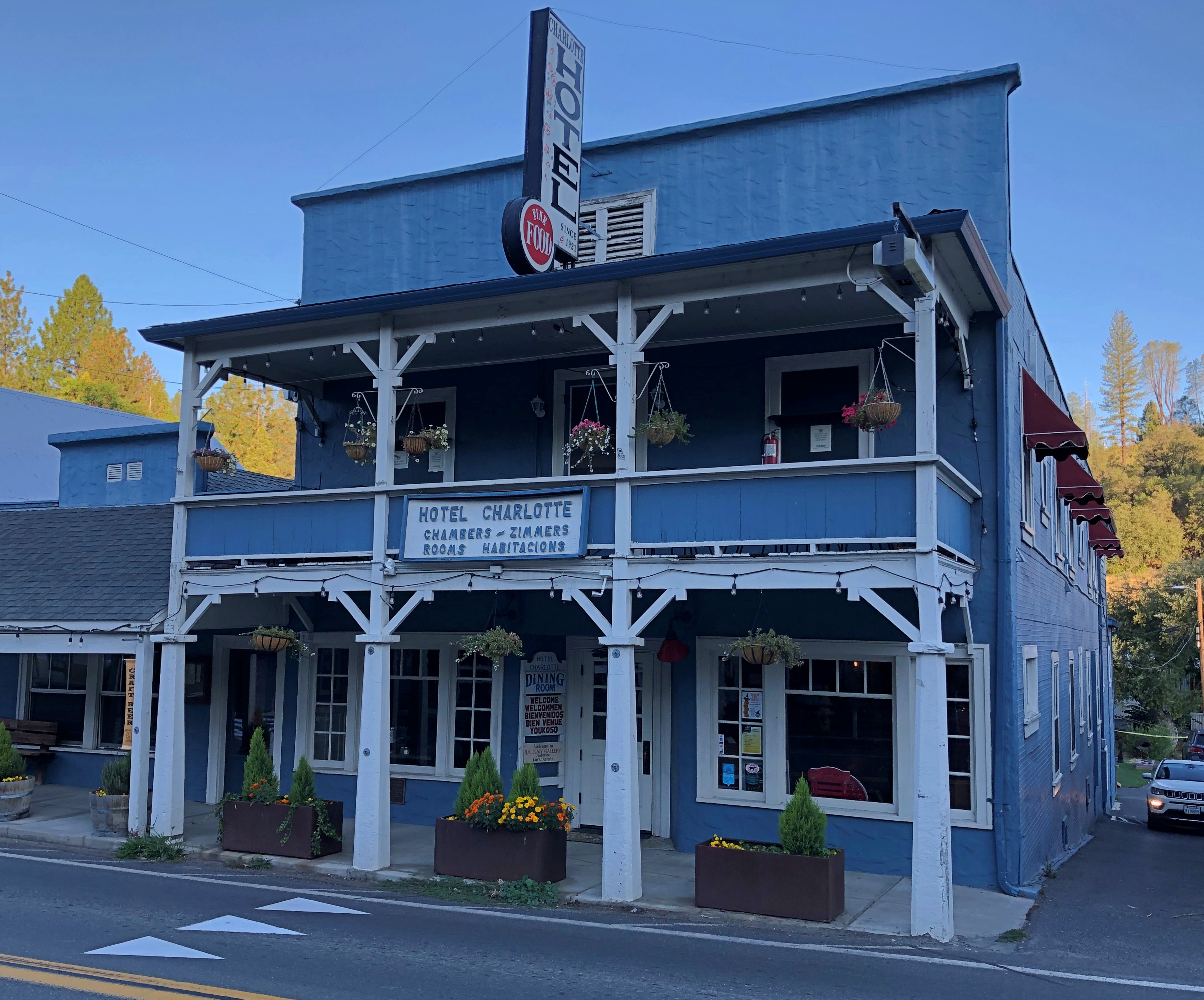
The Hotel Charlotte in Groveland, California. Now a hundred years old, it’s the kind of place that gives you a brass key, and lets you know there’s a fee for replacing it. Basic and comfortable, though the most expensive place I stayed on this trip; you’re really paying for near access to Yosemite NP.Groveland, California
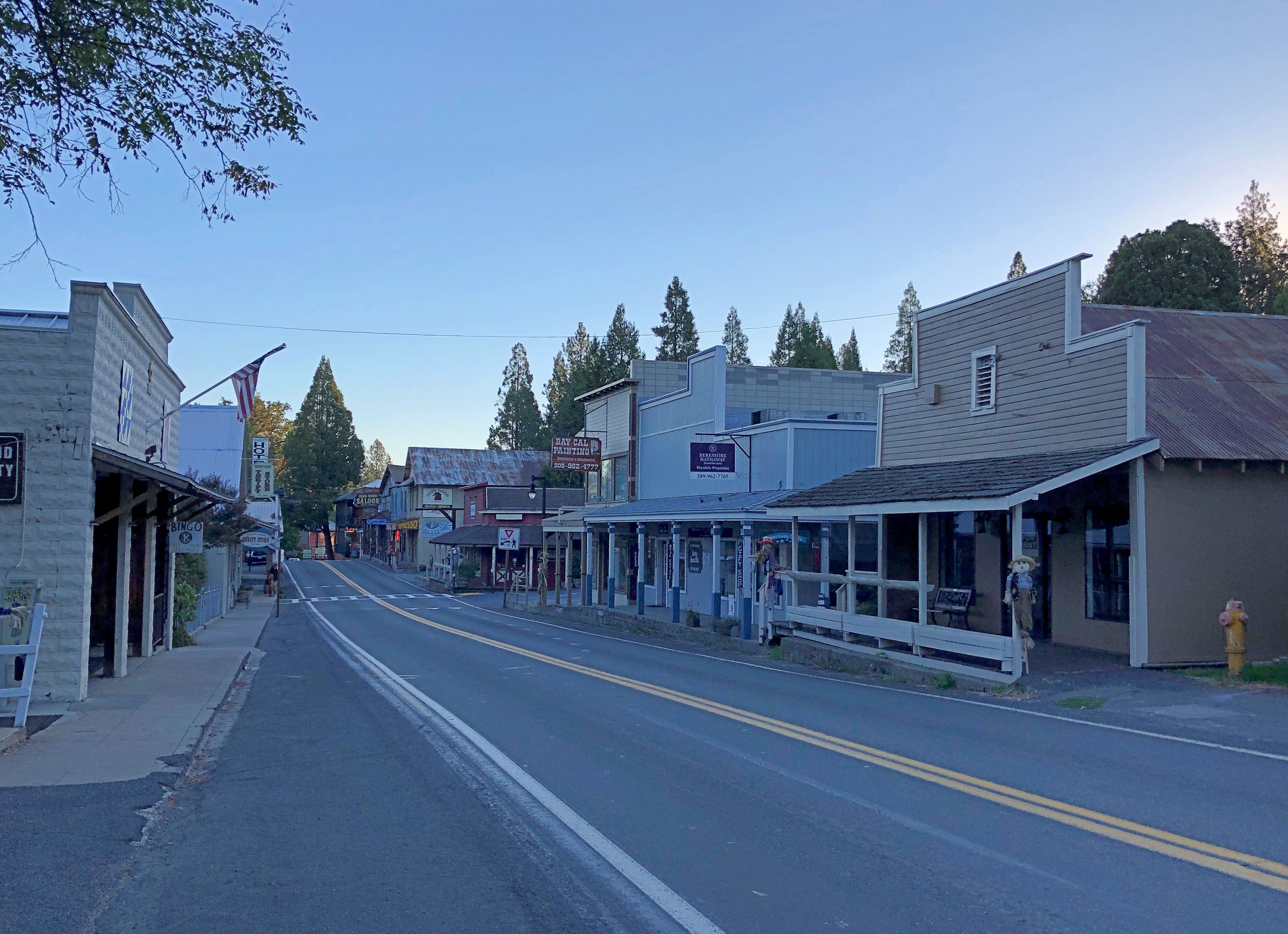
Main Street in Groveland (California 120), just after dawn.Groveland, California
A few more images. Such as in Sacramento.lumpia truck Sacramento

I had to look up lumpia: spring rolls found in the Philippines and Indonesia. And northern California, it seems. Too bad I wasn’t hungry. Also, it was closed. Not long after, I saw a Balinese restaurant in Old Sacramento. Still wasn’t hungry. Damn.

I was driving to the last place I was going to stay in Sacramento on the late afternoon of October 7, and I got a little turned around, wandering some neighborhood streets before the inevitable moment when I pulled over to consult Google Maps.

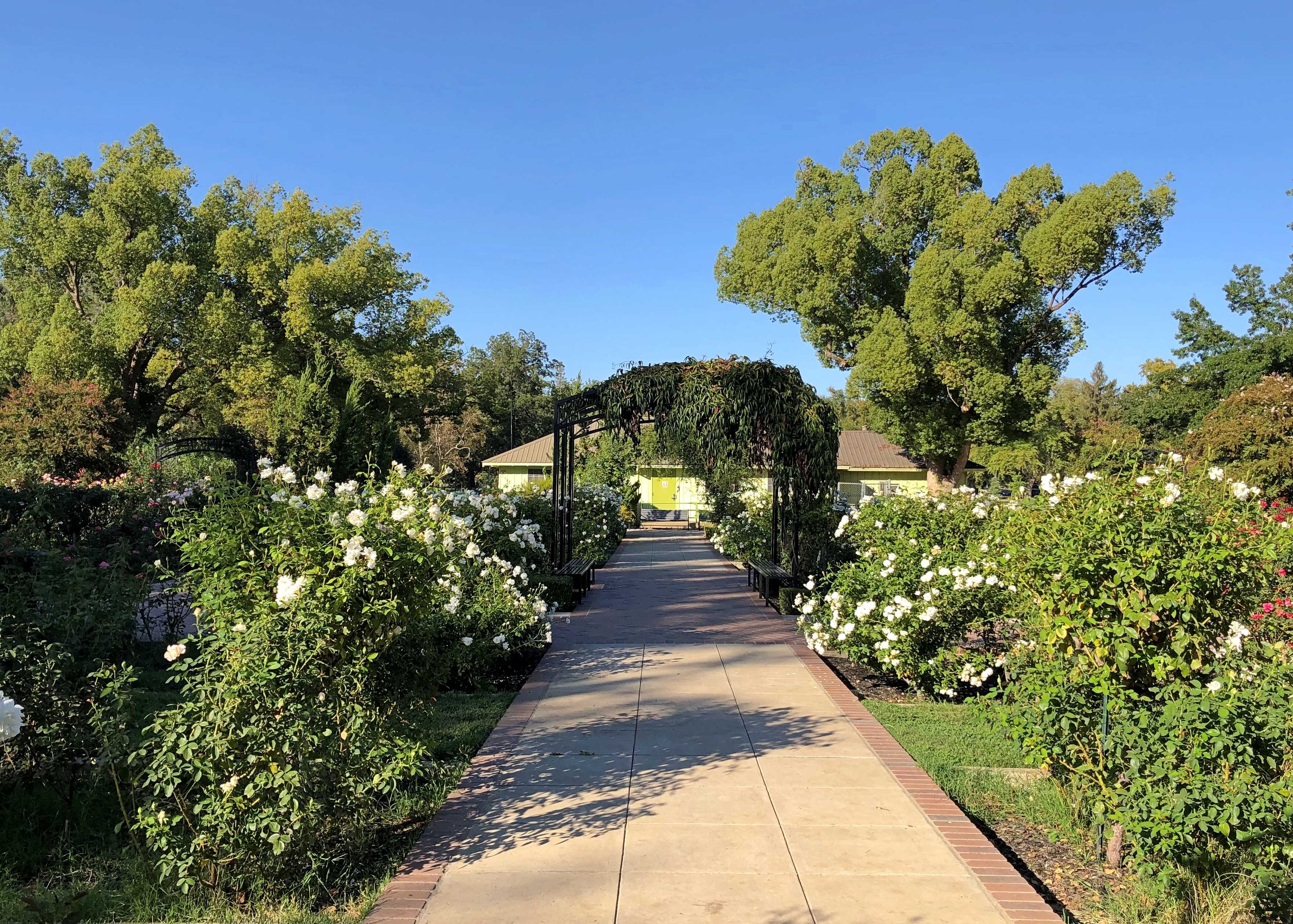
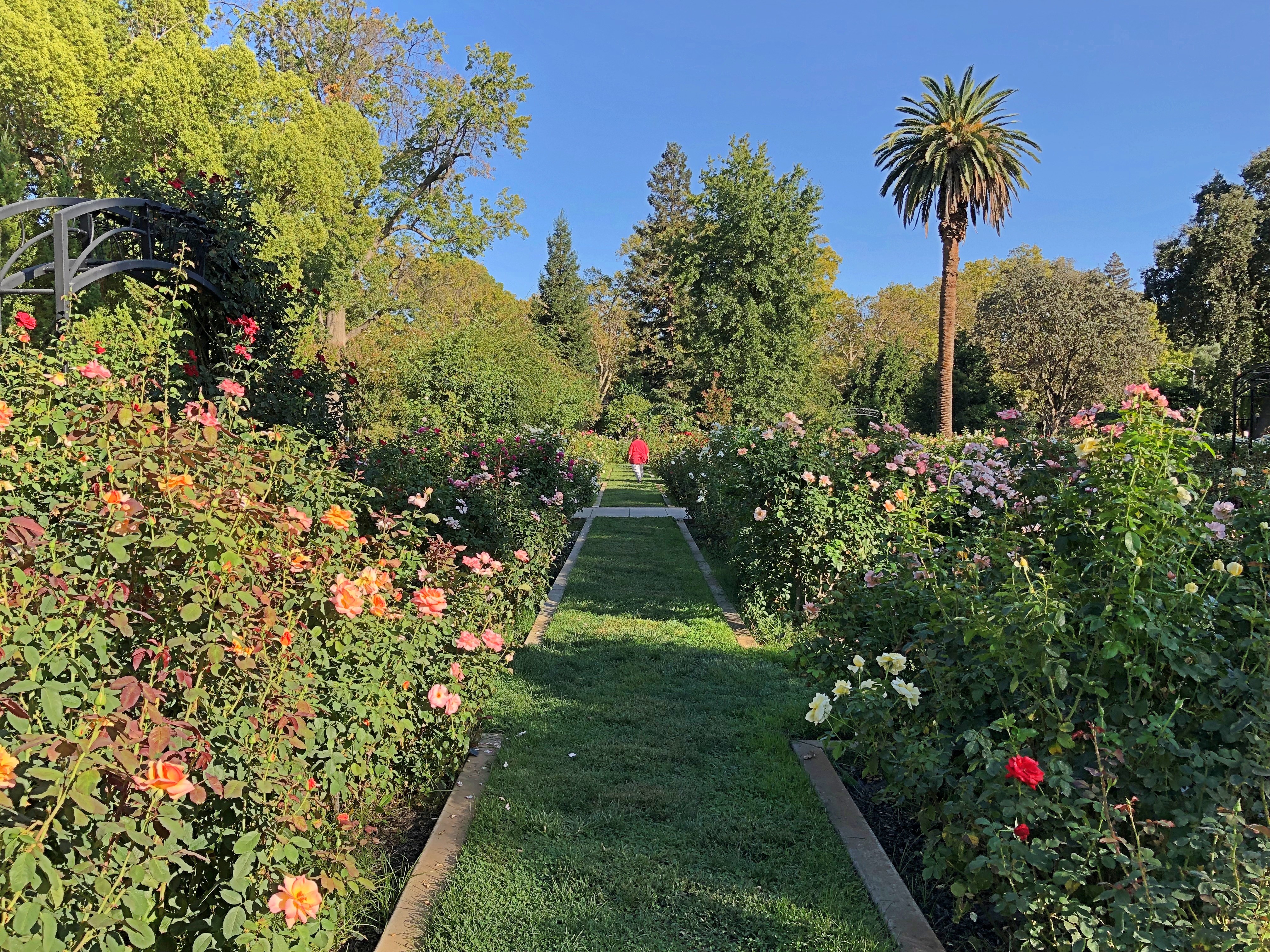
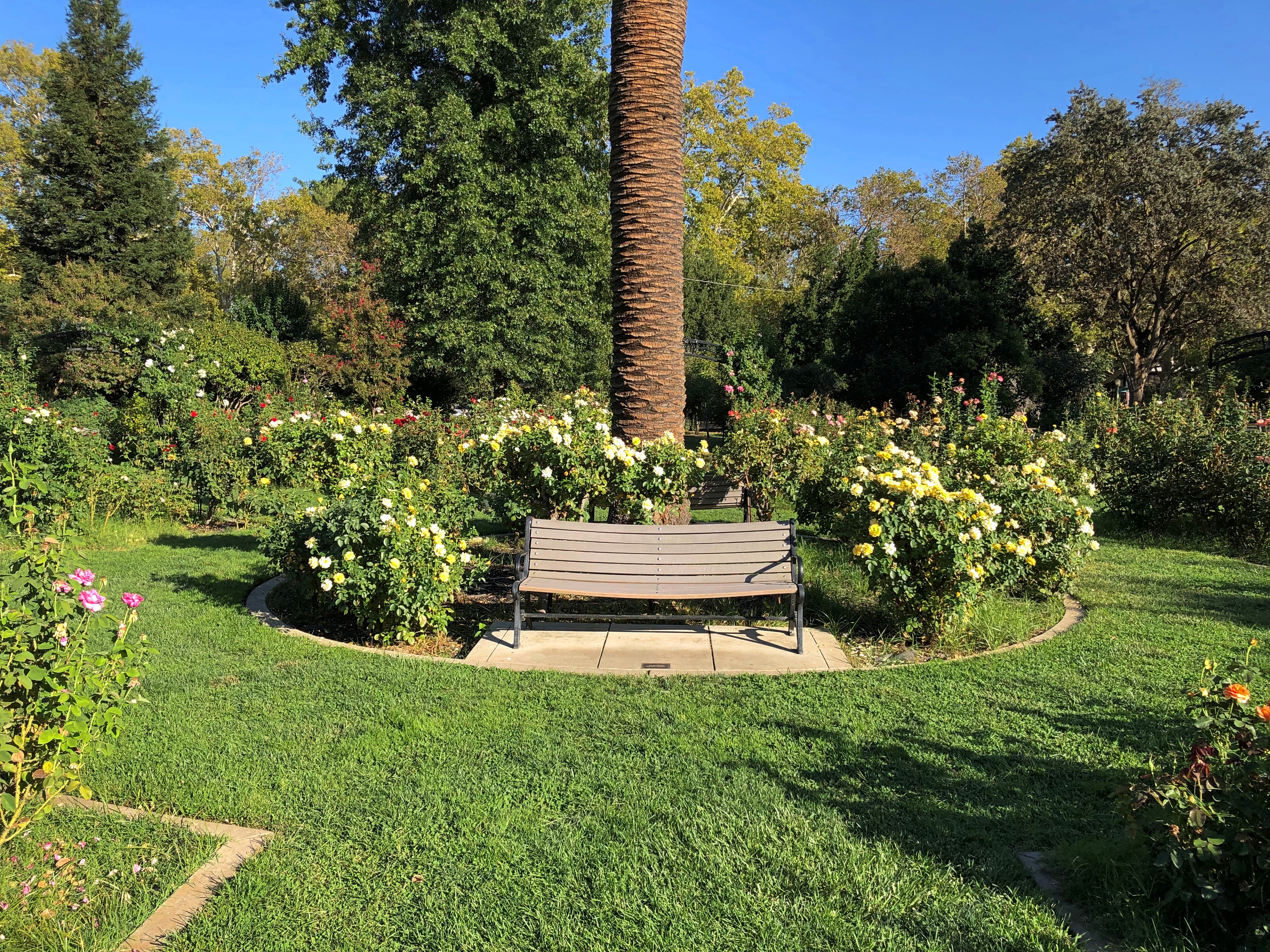
I chanced on this place.McKinley Rose Garden, Sacramento
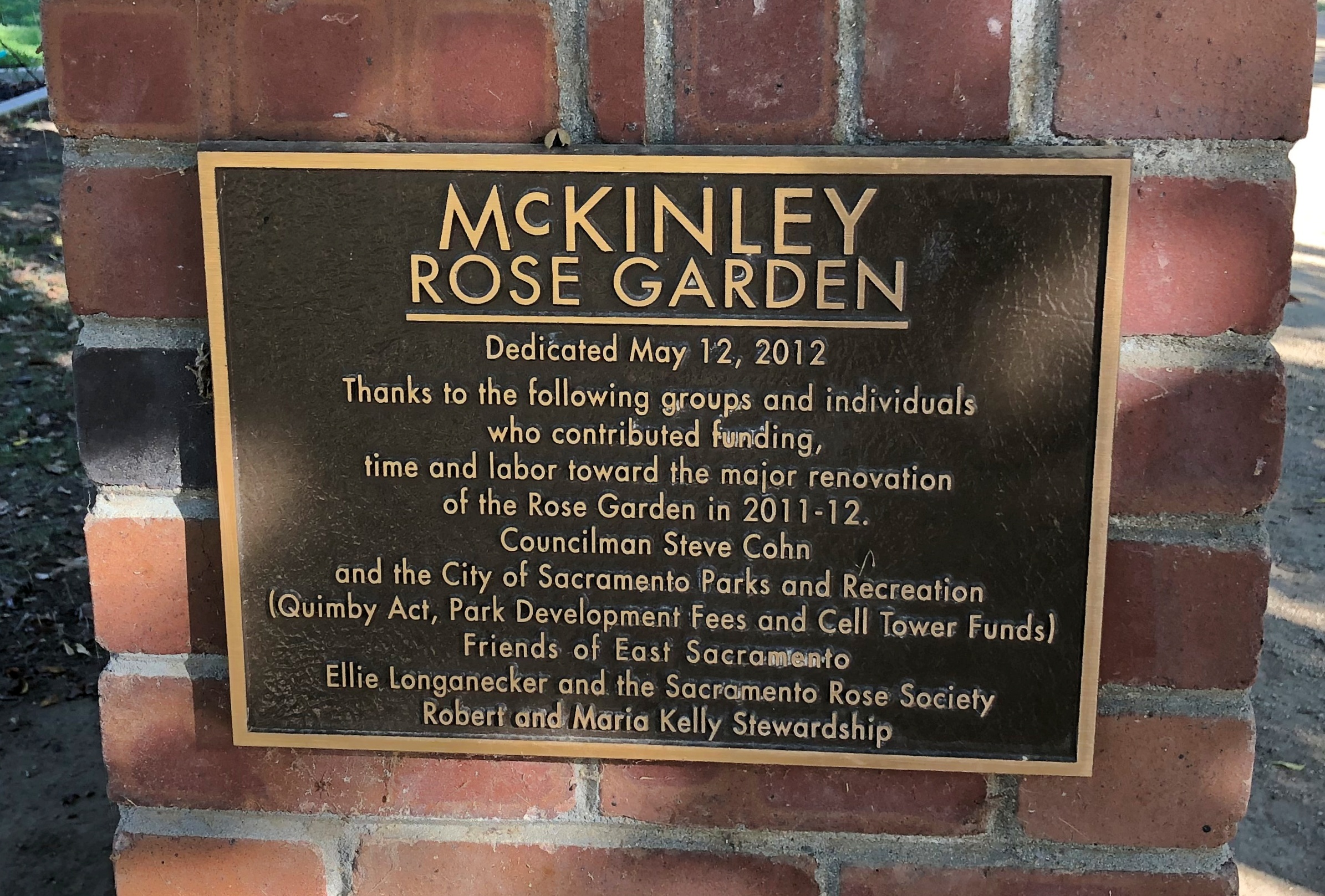
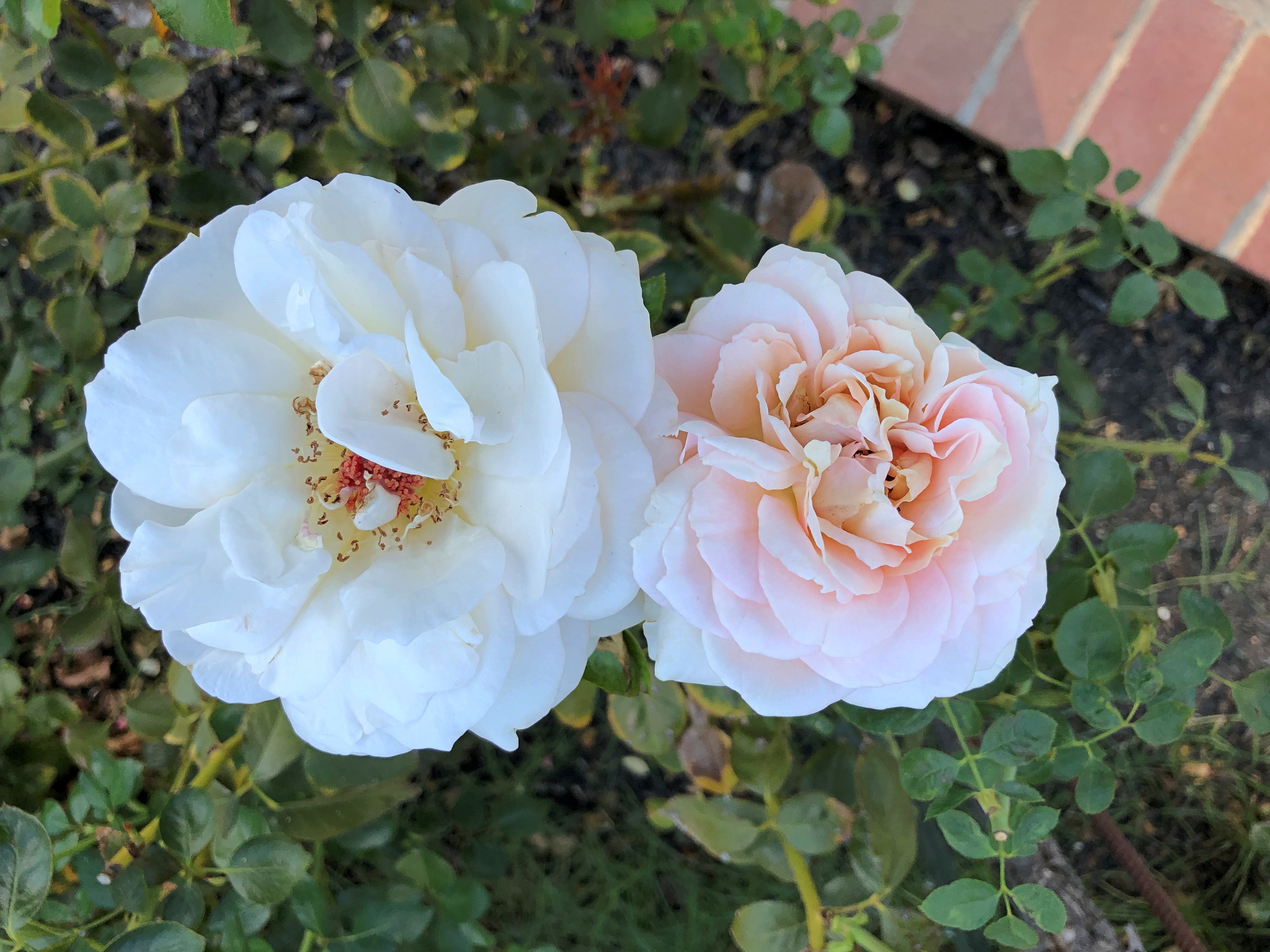
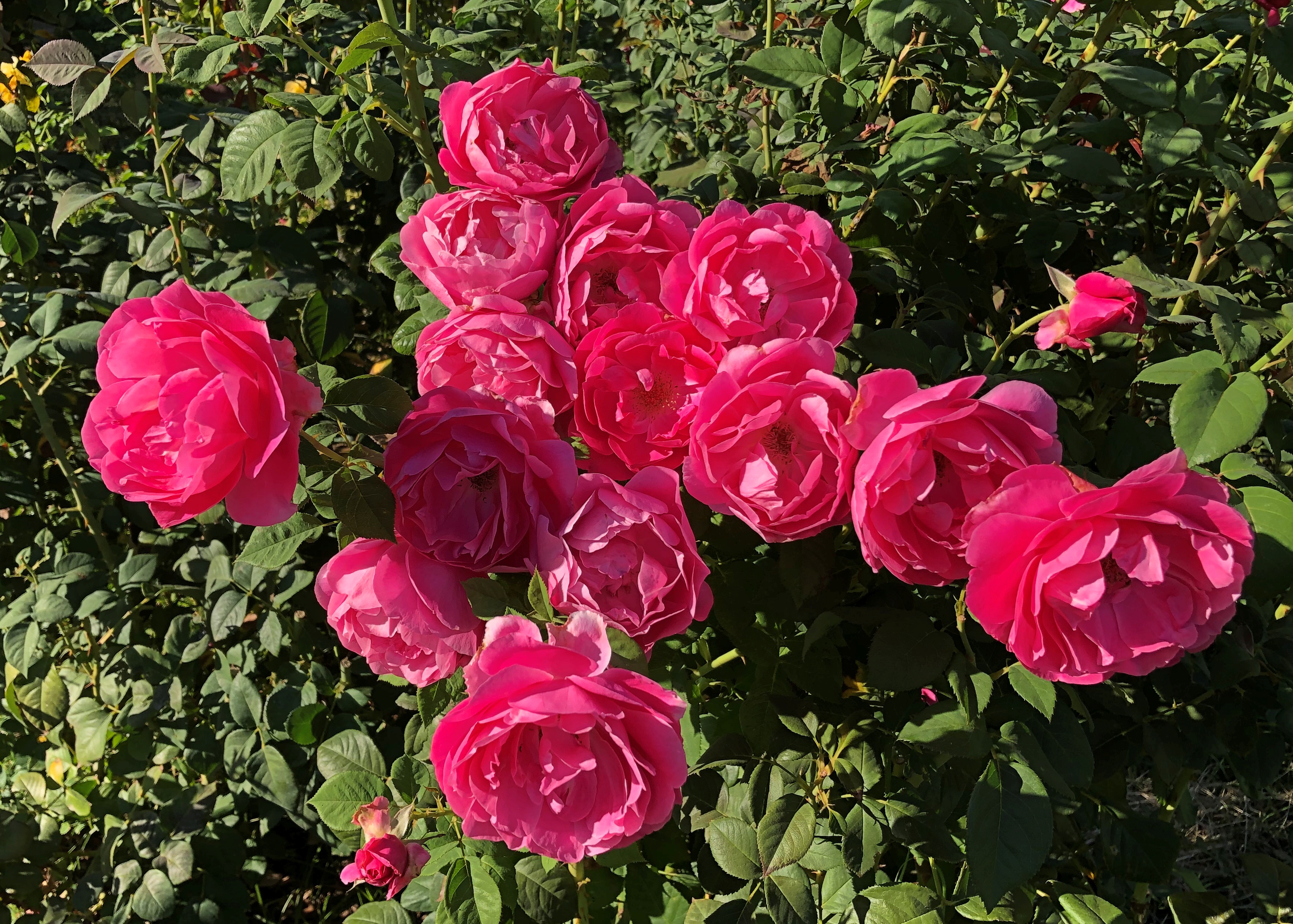
What a garden it is.McKinley Rose Garden, Sacramento McKinley Rose Garden, Sacramento McKinley Rose Garden, Sacramento

An extravaganza of roses.McKinley Rose Garden, Sacramento McKinley Rose Garden, Sacramento McKinley Rose Garden, Sacramento

Go in the garden and ask the rose its meaning.
Milwaukee Hipster Doughnuts &c.

Time for an autumnal break. Back to posting around October 16, when the tree colors will be bold and the winds (probably) brisk, at least around here. Expect photos.

Out last stop in Milwaukee on Sunday afternoon, as a light rain fell, was Chubby’s Donuts, spotted by chance and visited on a whim.Chubby's Donuts Milwaukee Chubby's Donuts Milwaukee

The place has a mascot atop. Hard to tell just how chubby he is.Chubby's Donuts Milwaukee

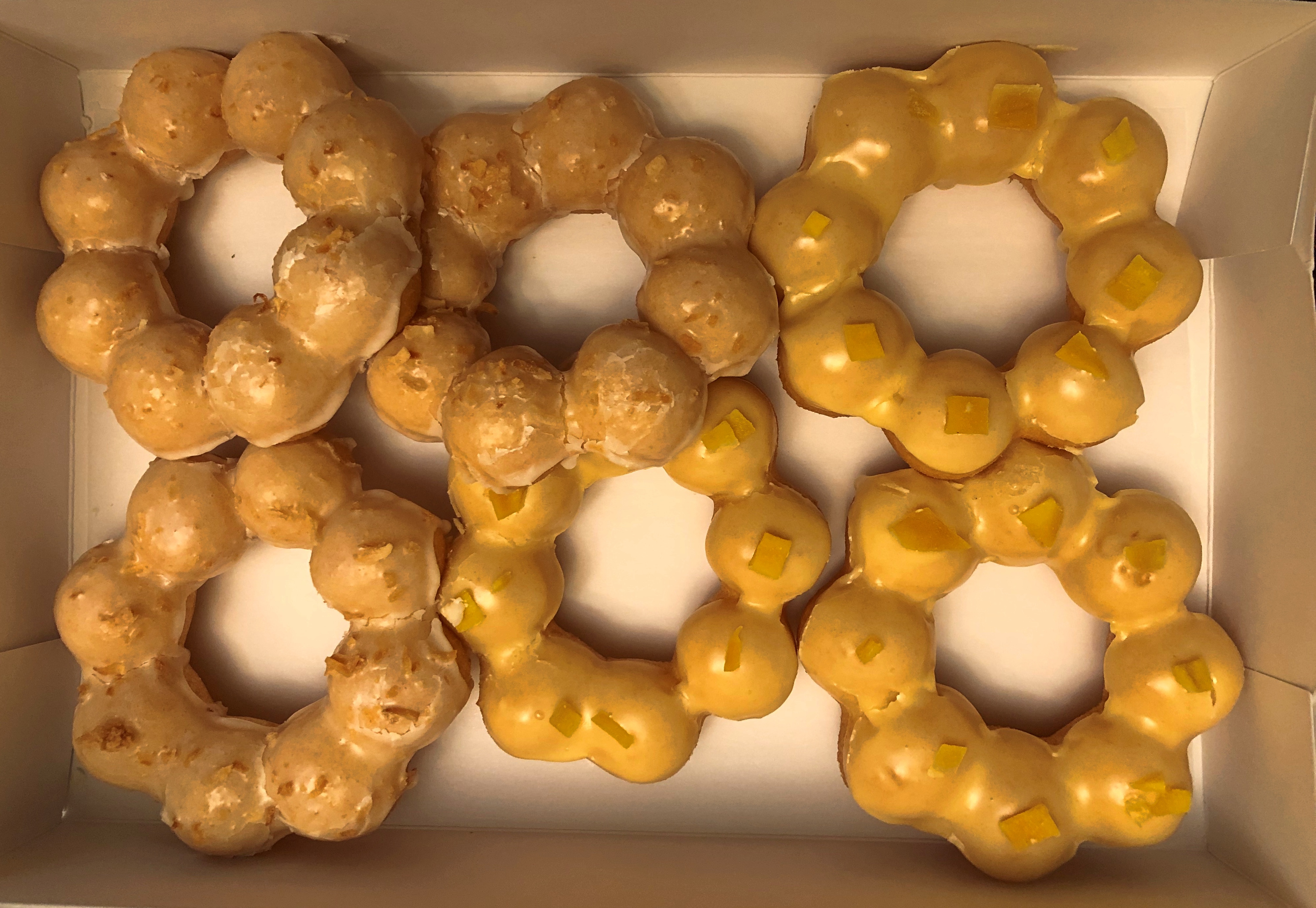
The doughnuts, which are really round dough-rings each about the size of an onion ring, come in bags, and are dusted liberally with cinnamon and sugar. Pretty good, but I’m not running up to Milwaukee just for them.

On Monday evening, we went to west suburban Westmont to visit my old friend Kevin, and participate in a trivia contest at a local restaurant. That was a first for me, unless you count the contest at one of my former companies, at a company event ca. 1999, that netted me some movie tickets.

I don’t remember all the various categories now, but as usual, some were easier than others, and our team (Kevin, Jay and I) came in second, partly on the strength of us knowing all eight of the comic strips in the visual part of the contest. Everyone got a piece of paper with eight single panels illustrating each comic, but without any captions, and you had to name the strip for each.

They were The Far Side, Calvin & Hobbes, Nancy, Garfield, The Family Circus, Bloom County, The Adventures of Tintin and Beetle Bailey.

I thought they were easy. Maybe it’s a generational question: who among the younger set is going to know that many of them, much less all?

Then again, I remember a high school English teacher of mine expressing wonder that any adult — including a highly educated friend of his — would spend time reading the funnies, so perhaps he wouldn’t have done very well at naming them either, despite being of the generation who grew up with Terry and the Pirates (for example).

Another category was songs with the word “love” in their titles, which of course includes a lot of possibilities. Name the artist, given the song title. We didn’t do that well — flummoxed mostly on the newer songs — but God help me, I knew that the Captain & Tennille had a big hit with “Muskrat Love” (1976).

What I didn’t know, until I happened to hear about it on the radio a few years ago, was that the Captain & Tennille’s version of “Muskrat Love” was a cover, and that the band America had done an earlier one. It was written and first recorded by Willis Alan Ramsey, of all people. In any case, it’s one of those songs not that you’ll always remember, but which you’ll never forget.

Farmers’ Market Near an Abandoned Shoreline

Still warm and sunny here, though punctuated by thunderstorms. I don’t think I saw them forecast — one Sunday evening, another this evening. They rolled through quickly, and didn’t even interfere with evening dog-walking.

On Saturday, I noticed this plaque in Lincoln Park. I didn’t remember seeing it before.Lincoln Park, Sept 17 2022

It’s in a good location. The ridge is very much visible from that spot.Lincoln Park, Sept 17 2022

Clark Street is to the right, beyond the edge of my image. At that point it’s the western edge of the park, but mostly it’s a non-grid North Side street, one I knew pretty well in my city-dwelling days. It was near my first apartment, and sometimes I took the No. 22 Clark Street bus places (occasionally all the way from downtown, but the El was faster).

In Chicago, non-grid usually means the street follows an Indian trace, and so it is with Clark, at least north of Chicago Ave. Other one-time Indian traces coursing through the North Side include Lincoln, Elston and Milwaukee Aves. The South Side has them, too, such as Ogden and Archer Aves.

In the Loop, Clark is park of the grid, and has been there a long time. Wonder how many people realize that it’s named for George Rogers Clark, whose sizable monument is pretty far away from Chicago?

Not far from Clark on the western edge of Lincoln Park, I happened across Green City Market, a large farmer’s market, in progress. It’s held on Wednesdays and Saturdays during the warmer parts of the year. It was busy.Lincoln Park, Sept 17 2022

Lots of tents.Lincoln Park, Sept 17 2022 Lincoln Park, Sept 17 2022 Lincoln Park, Sept 17 2022

Some wonderful-looking produce.Lincoln Park, Sept 17 2022 Lincoln Park, Sept 17 2022

I don’t begrudge the farmers their direct-to-consumer sales, but the emphasis on “organic” and “pasture raised” and — I saw this — “regenerative agriculture” — got to be a little much. At least I didn’t see anything advertised as “curated.” It can’t be as simple as “fresh produce,” can it?

But that didn’t bother me too much. I enjoyed the band.Lincoln Park, Sept 17 2022

The tip in their bucket was the only money I spent in the park that day.

A Summery September Saturday in Lincoln Park

I can’t let International Talk Like A Pirate Day pass without a mention, as I have for so many years. Somehow, that would be wrong. There’s a place in the world for silly days. So here’s a public domain image for the occasion.

“The Capture of the Pirate Blackbeard, 1718” by Jean Leon Gerome Ferris (1920). He’s an American artist I wasn’t familiar with until recently. He’s been mostly forgotten, his style considered outdated.

Summer in its mildest form lingers here in northern Illinois: bright days, little wind, puffy clouds, temps that let you forget whether the air is hot or cold. Good for going out for a long walk (Saturday) or staying at home and sleeping late and then lounging on the deck (Sunday) and reading and watching various bits of visual entertainment.

The Saturday walk was through Lincoln Park in Chicago, from the southern edge northward, along the boardwalk and into the zoo, and back again along the ridge that used to be the lakeshore. I also passed through a crowd at a farmers’ market.

Been a while since my last visit. That too was a late summer stroll.

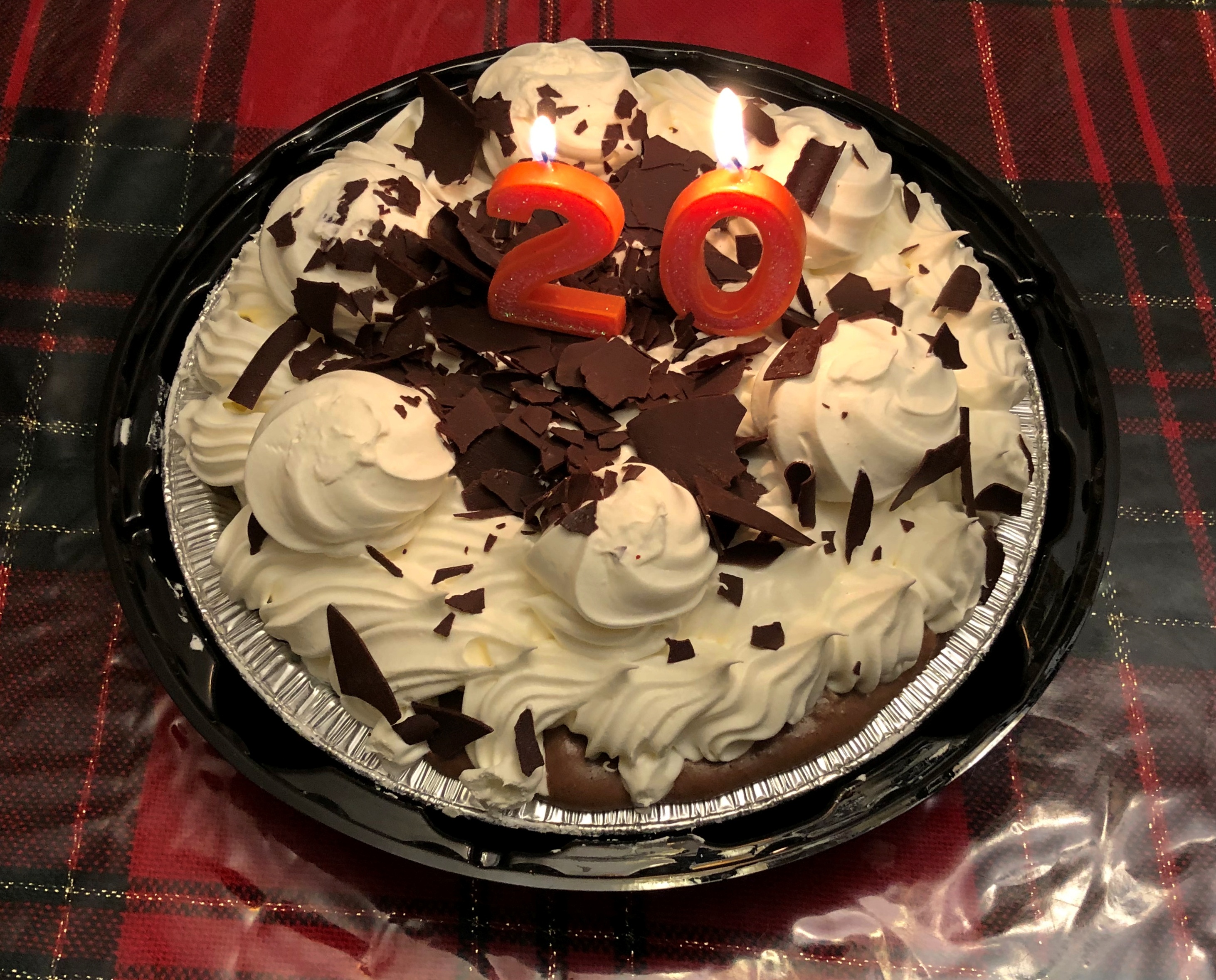
This time, Yuriko was at her cake class making this —

— which is every bit as good as it looks.

Meanwhile, I took a bus east to Lincoln Park, crown jewel of the Chicago Park District and home to fields and paths and trees and shrubs.Lincoln Park, Sept 17, 2022
Lincoln Park, Sept 17, 2022 Lincoln Park, Sept 17, 2022

But there’s no forgetting the surrounding city.Lincoln Park, Sept 17, 2022 Lincoln Park, Sept 17, 2022

I didn’t seek out monuments this visit. The park is dotted with them, as much in the background as the tree canopy or bushy undergrowth for most people, who are missing messages in bottles from the past.

I did pause at Hans Christian Andersen, whose bronze dates from 1896. It gave the impression that he was enjoying the shade.Lincoln Park, Sept 17, 2022

“The Hans Christian Andersen Monument Association [local Danes] commissioned John Gelert to produce the sculpture,” park district says. “A Danish immigrant, John Gelert (1852–1923) arrived in Chicago in 1887, receiving his first commission for the Haymarket Riot Monument two years later.

“Gelert portrayed the children’s author sitting with a book in hand and a swan at his feet, alluding to his world-famous story, ‘The Ugly Duckling.’ The artist explained that ‘he had the advantage of studying several good photographs of Andersen taken at various times in his life.’

“Gelert displayed the Hans Christian Andersen Monument along with his now-missing Beethoven Portrait Bust at the World’s Columbian Exposition of 1893. (Installed in Lincoln Park in 1897, the Beethoven bust was stolen in 1970.)”

Elsewhere, in the shade of the Schiller statue, in fact, a small brass band did some tunes al fresco.Lincoln Park, Sept 17, 2022

On the whole, the walk was good.Lincoln Park, Sept 17, 2022

As I saw printed on the side of a truck parked on a street running through the park.

Budget Buster

I’ve been seeing items in various stores advertised as “inflation busters,” which is vacuous as most other ad-speak, and not very original. But it did seem to inspire this variation, found on a circular for a local pizza joint.

Made me smile. Budget buster, eh? What was the thought process that went into that choice of words, which ended up meaning the exact opposite of what was probably intended?

Unless, of course, they meant to say that the place is expensive, so it’s got to be good. Somehow, I doubt it. If you really can feed 20 people — let’s take the low-end estimate — then $8.25 each isn’t bad.

Bob Chinn’s Crab House

Sunday did not, it turned out, represent the top of a long steady slide into the miseries of winter. Still too early for that. Monday was cool, today warmer, and 80s are predicted for the coming days. Many of our meals are still being taken on the deck.

Except for the late lunch-early dinner (linner?) we had recently in honor of Yuriko’s birthday. We went to Bob Chinn’s Crab House in Wheeling and had delightful plates of fish, but no crab.

This is just one room of the enormous Chinn’s, which has 736 seats and claims to feed a million patrons a year. We arrived before it got too busy, which I hear is often.Bob Chinn's

Volume, for sure, but high-quality food as well, and a solicitous wait staff. That will keep you in business for 40 years.

I had the opakapaka, an Hawaiian snapper. Those are potatoes, not apples, on the side.Bob Chinn's

Yuriko had the macadamia sauteed basa, a fish native to Southeast Asia. We opted for a dessert that the menu called “Bob’s Slice of Heaven,” made from purple Okinawan sweet potatoes. Oh, yes.Bob Chinn'sI learned while at the restaurant that old Bob Chinn died in April at 99. Born in 1923 in Duluth to Chinese immigrants, he’d been in the restaurant business since he was a teenager, founding Bob Chinn’s in 1982. A daughter and granddaughter run it now.

“The Crab House was modeled, according to various sources, either after fresh seafood restaurants in Hong Kong or Joe’s Stone Crab in Miami, which Chinn had long admired,” the Chicago Eater says.

“But unlike Hong Kong or Miami, Chicago had no access to fresh seafood. Chinn solved that problem by getting up early every morning and driving to O’Hare to pick up shipments that had been flown in from the coasts, some of which were still alive. (He invested in special tanks in the restaurant basement to hold the crabs and lobsters.)

“He kept costs low by buying in volume from wholesalers — he had a separate business in Honolulu to scout the fish markets — and by using only the cheapest dishes and silverware.”

Bob Chinn’s isn’t precisely cheap, but I did get the sense that we would have paid more for the same in other high-end fish houses. Good for you, Bob. RIP.

Dinner Salad & Garden Still Lifes

Last night for dinner, we had tilapia and salad — cucumbers and tomatoes from our back yard. Mostly Yuriko attends to the various garden plants in pots next to our deck, though I do a fair amount of watering, and put the pots back upright when the wind blows them down.

A most delicious salad, pictured here in our red plastic mixing bowl. Looked like this before we added a bit of oil-based dressing and I added croutons to my serving.

The yard produces somewhat more than we can eat. When that happens, as an old friend of mine put it, you’re gardening for virtue.

As long as I had my multitudinous image-maker handy, I thought I’d do a few still lifes as well.

So seldom do I write about art that I had to check: the plural is indeed still lifes, not still lives, which maybe could refer to a cave-dwelling hermits who lead still lives.

Gas Giant Thursday

Now that’s an image. It’s been getting some attention, and for good reason. Marvel of the age. Posted here.
The entire caption, for form’s sake, since I’m not going to further investigate the technical specs of the filters:

Webb NIRCam composite image of Jupiter from three filters – F360M (red), F212N (yellow-green), and F150W2 (cyan) – and alignment due to the planet’s rotation. Credit: NASA, ESA, CSA, Jupiter ERS Team; image processing by Judy Schmidt.

I saw a video clip about these Webb images today — produced by some local news outfit — and Jupiter was called “fifth rock from the sun.” Had a nit to pick with that, right away. Pretty big nit, actually, consider that Jupiter’s equatorial diameter is about 88,900 miles. The planet isn’t called a gas giant for nothing.

The following are couple of physical leftovers from the Michigan trip, acquired at grocery stores along the way. In both cases, my friends left the unused portion behind with us, and we’ve used them up in the weeks since. Such as the ground coffee. They said it was good, and Yuriko agrees.

Superior Coffee Roasting Co. is in Sault Ste. Marie, state of Michigan side.

The coffee bag got me thinking. Just how many ore carriers are their plying the Great Lakes these days? The Great Lakes Shipwreck Museum didn’t mention that, or at least that I saw. But the answer isn’t hard to find in our Internet-linked times.

More than 100 freighters transport iron ore across the Great Lakes, a combination of U.S.- and Canadian-flagged, and international carriers, according to an article published by the Great Lakes Seaway Partnership in 2019.

Citing the Iron Mining Association of Minnesota, the article also notes “more than 80 percent of the nation’s iron is mined in Minnesota, and that ore accounts for nearly 60 percent of shipments leaving the Duluth port. Iron ore led the port’s exports in the last year [2018], with 21.5 million tons shipped — the most transported from Duluth-Superior in a single season since 1995.”

Next, strawberry-rhubarb jam. Gone, as you can see. Much of it put on my breakfast breads this month. Wonderful sweetness. From Keweenaw Kitchens of Baraga, Michigan, on L’Anse Bay on Lake Superior.

Good travel writing can be hard to find. I came across this text the other day, when looking for useful information about a particular small U.S. city, Z.

Are you ready to explore some of the most AMAZING things to do in Z?

All caps doesn’t inspire confidence, but let’s carry on.

The perfect blend of unrivaled nature and diverse culture, Z is one of [state name]’s most vibrant and eclectic towns.

Interesting choice of adjective to go with “nature”: unrivaled. I’ve never been to this city, but I’m sure its “nature” is interesting enough, maybe even beautiful. Much else surely rivals it, though.

As a buzzing college town, Z offers an abundance of events and activities as well as being the perfect melting pot of different states from across America.

The only bit of useful information in that sentence is the fact that Z is a college town; but I already knew that, and so do many other people.

Not only is Z a hive of activity and excitement, the town also offers some of the most spectacular nature to be found in [state name].

This unique town is one not to be missed and with so many things to do in Z, you will certainly want to stop by.

“I’m looking for the hive of activity and excitement,” you say to the clerk at the Information booth in Z’s airport. “Could you tell me where that is?”

Well, it’s easy to mock this paint-by-numbers intro, but I might go through the slide show anyway, despite the fact that I’d support this kind of bad writing in some small way by adding to its clicks. Why? You can learn even from bad sites. I don’t know the city that well, so I’m bound to notice someplace I might want to see.

Sure enough, I did. More than one place.