San Augustine & Mission Dolores State Historic Site

From Nacogdoches east to San Augustine, there in the thick of East Texas, is about 20 miles along the highway Texas 21. An excellent drive.
Gary the Builder

Approach San Augustine (pop. 1,920) from the west on the Texas 21, as I did, and you’re certain to notice an unusual wooden structure, as I did.
Roadside America calls it “Major Fun,” and I will say it was a major surprise, since I went to San Augustine knowing very little about the place. RA says: “Gary Brewer, a carpenter, has been adding multi-story decks and spiky wooden things to the outside of his house since 2006. The town has tried to stop him, but the woodwork is all code-compliant. Gary views his house an attraction, and wants people to visit it.”
The tower is at one corner of the county courthouse square. So maybe Mr. Brewer could file the paperwork for his construction by walking across the street. Do you suppose Mr. Brewer the carpenter has a friend named Carpenter who’s a brewer? Possibly.

The rest of the town square shows that many town squares aren’t what they used to be — sporting more than a few vacant storefronts — for all the usual reasons, such as big box retail elsewhere in the county. But businesses cling to life in the courthouse square even so.

Not pictured is the San Augustine Drug Co., a pharmacy near the square, a sizable place that’s more clothes and gift shop than drug store. You can buy ice cream at a counter near one wall. Not quite a classic drug store lunch counter, but distinctive. As I was looking around the store, one of the employees asked if this was my first visit. I told her it was, and she said that first-time visitors receive a cold drink from the counter, no charge. So I sat at the counter and drank a complementary lemon squash, as lemony and delightful as could be.

A Stripling Might Say My Name is the Alternate

A number of the vacant spaces had been recently used as Christmas stores. Even in February, seasonal décor lingered, because why not?

This space wasn’t vacant, exactly, but it was unmarked and its use a little hard to sus. Art space perhaps. The view reminded me of “Texas Sun” for obvious reasons.

There were ghost signs, which isn’t unusual. More unusual is Stripling’s on a building. I have to take an interest in that, an alternate of my name.

“The original town well was dug by slaves on this site in 1860, and a saloon was built over it in 1891,”says the Society of Architectural Historians. “The First National Bank acquired the property, filled in the well, and commissioned this building. Raif Stripling purchased the building several years later and reopened the well as a tourist attraction. In 2003, the San Augustine Historical Foundation bought the property, which is now operated as a gift shop. The entrance canopy’s curious pediment with miniature triglyphs was added to his father’s building by Raiford Stripling.”

You never know what a building has to say.

The Spanish Brought Horses & Frisbee Golf

Not far away from the courthouse, half a mile or so south on US 96, is Mission Delores State Historic Site. Once upon a time, but not for that long, Mission Nuestra Señora De Los Dolores De Los Ais was there.

Mission Dolores has a name that evokes the stone relics of a backwater from the Spanish conquest of the Americas, but I’ve got bad news: the mission seems to have been built of wood, a material not known for durability across the centuries. Modern wooden poles ring part of the site, but otherwise you’ve got to bring a lot of historical imagination to the place.

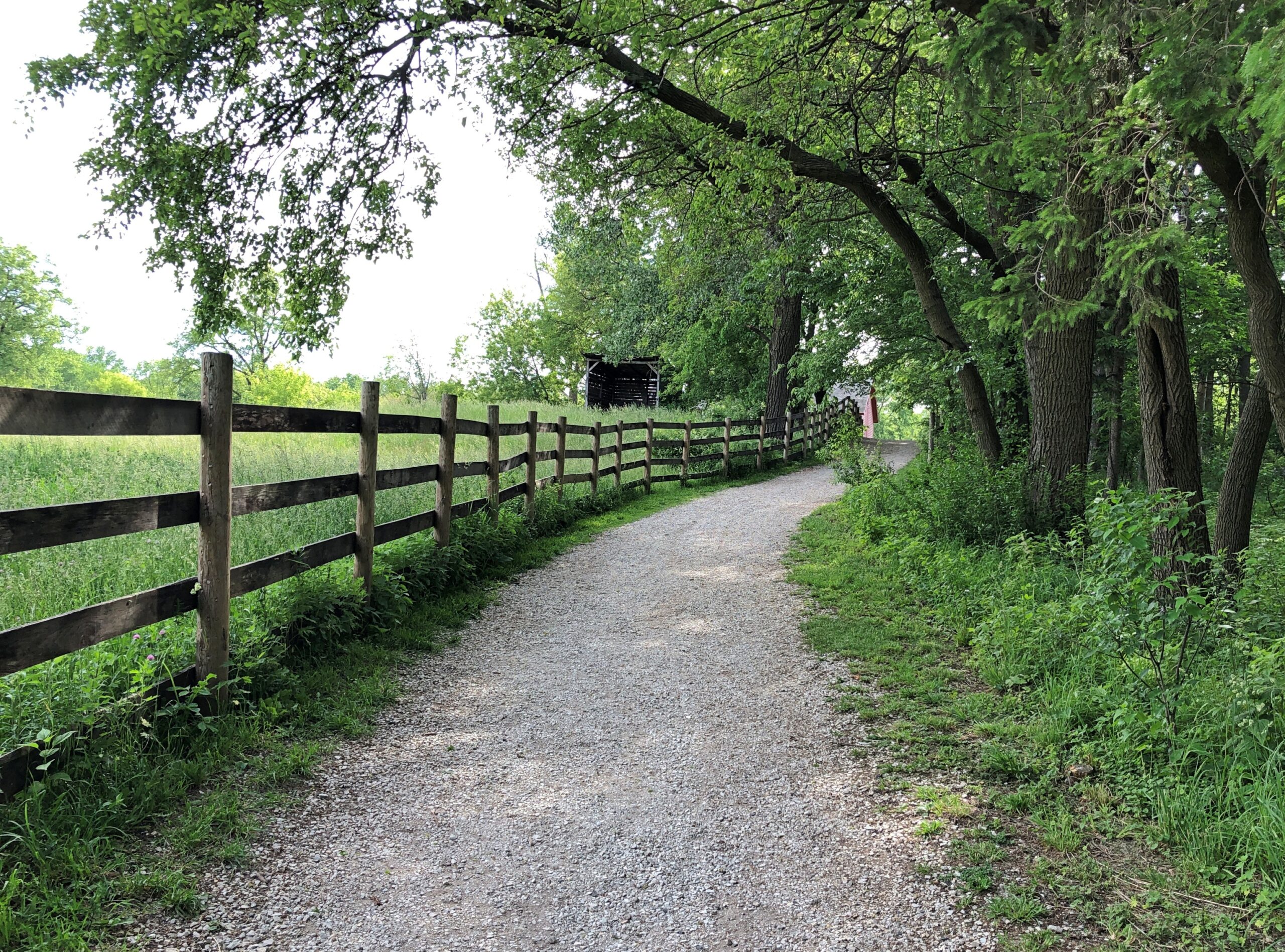
The actual site wasn’t known until late 20th century archaeology confirmed the location, part of which was destroyed by the building of the highway. The modern state historic site grounds extend far enough to offer a pleasant walk, provided the weather is pleasant, as it was that day.

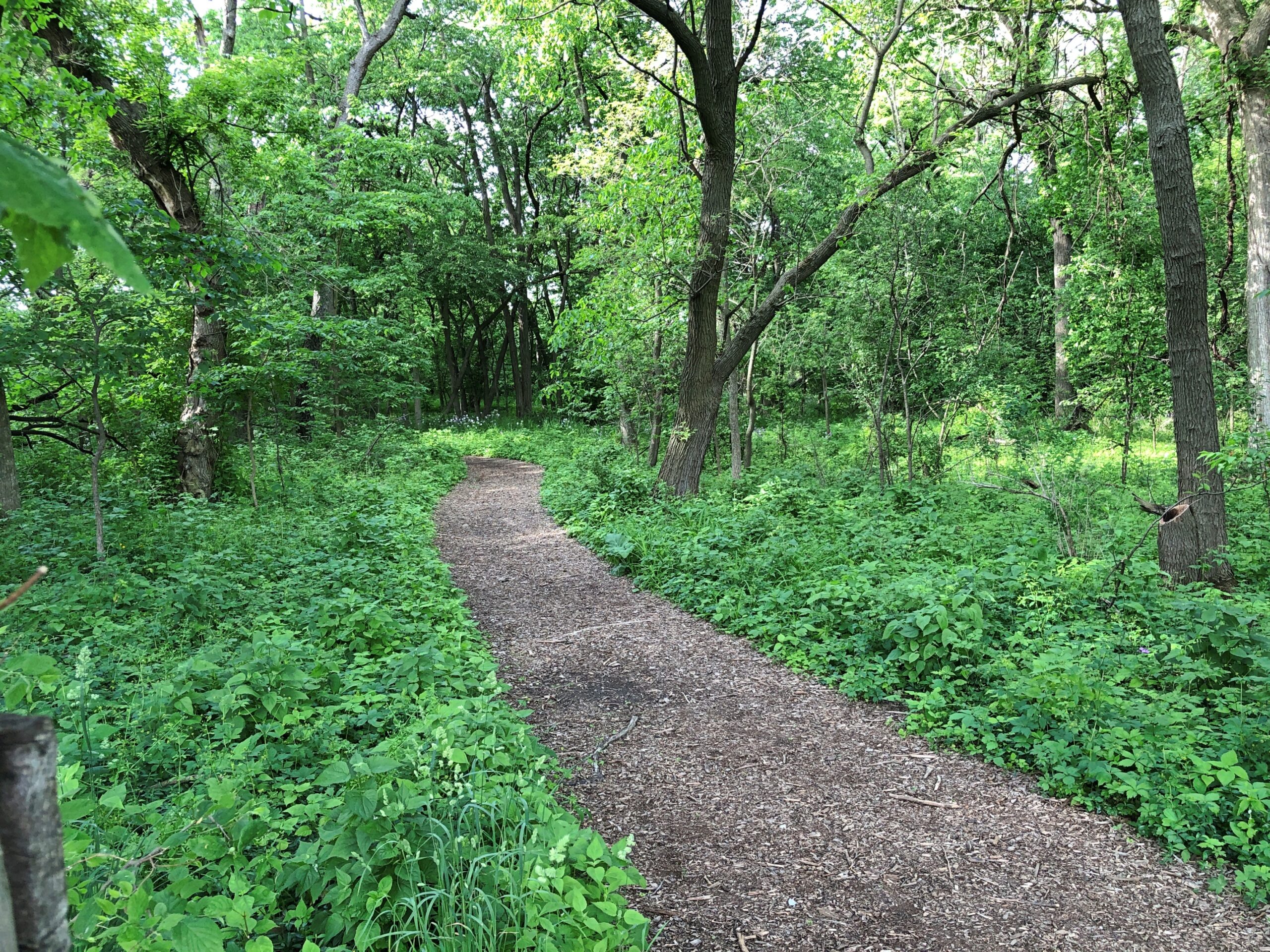
Gashes in the earth run through the wooded grounds.

They’re something like the ghost signs – ghost trails, you might call them, carved by horses and wagons and Indians and Spaniards and, remarkably, not yet lost to time.

Also part of the park: a Frisbee golf course.

An homage to the fact that the Spanish brought the sport to the Americas as surely as smallpox and horses. If you tell people that with some conviction, wonder how many would believe it?

Downtown Houston

Who made these skyscrapers possible?

Considering that they are in Houston, Texas, that would be Willis Carrier, father of modern air conditioning.

Heat wasn’t an issue in Houston in February, which was one reason to make my way downtown for a walkabout. Another reason is completely idiosyncratic: I couldn’t remember the last time I’d been downtown. Not 2019, though we could see downtown from Buffalo Bayou and visited Houston’s alt downtown, the Galleria district; or 2015, when we made it to the Menil Collection. Close each time, but no cigar.

A surprising amount of pre-air conditioning Houston remains downtown, though of course even the oldest building has been retrofitted for HVAC.

Nice ironwork on the green one.

Structures surviving from the 1880s.

Imagine those 1880s buildings back in the 1880s. In July, say. Couldn’t have been pleasant. Or any of Houston in 1873, the date of this map.

The 1880 Census counted 16,513 residents of Houston, a near doubling from 1870. Hardy souls who endured the heat and malaria and fetid dung underfoot, among other conditions. Back then, Houston wasn’t quite the port it would be later. The major port then was Indianola, Texas, pop. 5,000 in 1875, before the vicious hurricane that year, that is, the first of two that reduced Indianola to the status of ghost town.

Not all the remnants of an older Houston are buildings, but are underfoot.

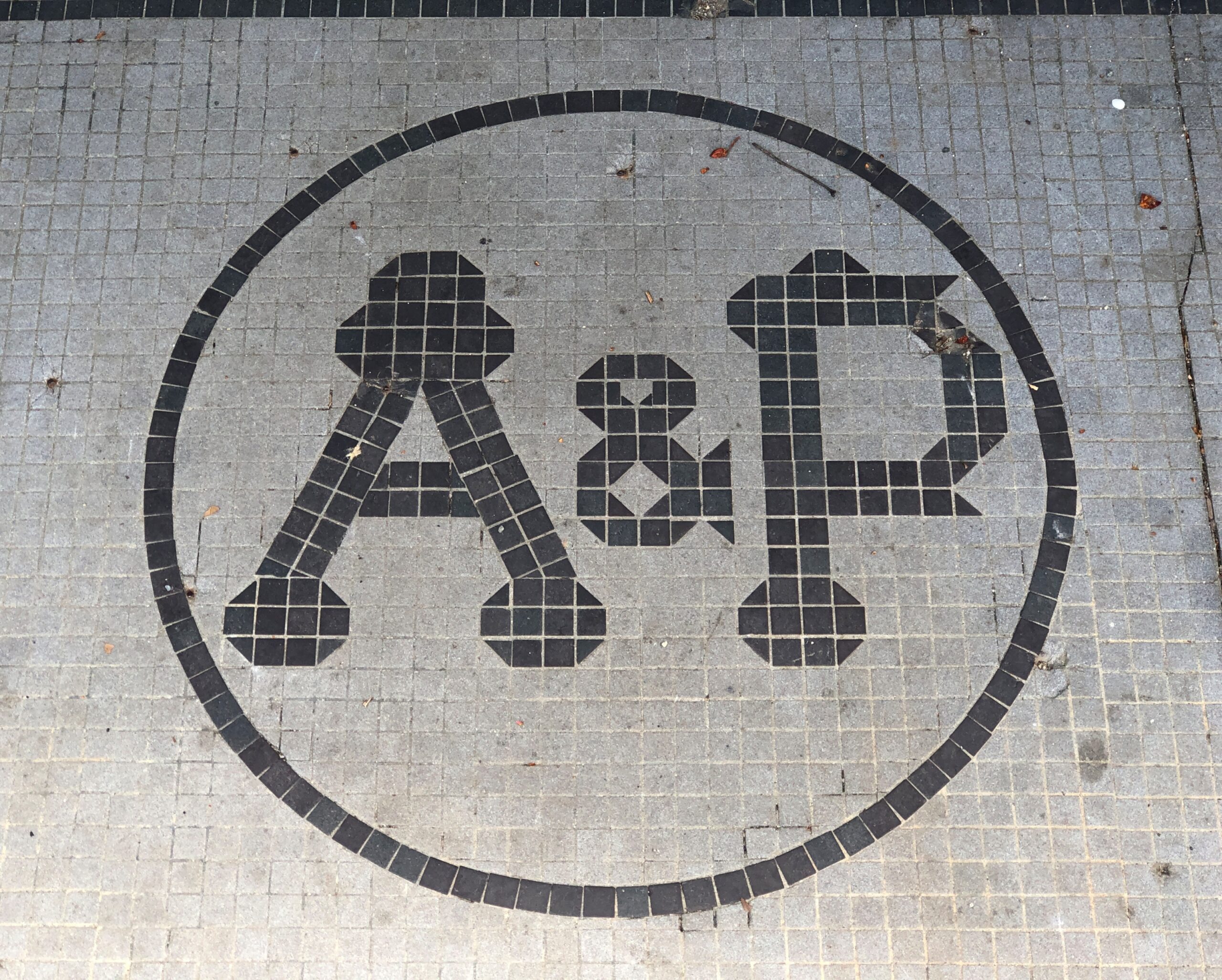
There’s a story behind the ghost tiles advertising Loewenstein’s Cigars: an early Texas mercantile family.

Also underfoot.

The splendid former Rice Hotel, designed by John Mauran and completed in 1913, though it only had two towers at the time, becoming triune with a later addition. These days, it’s an apartment building.

The 1910 Harris County courthouse, with enough heft to be a state capitol building.

“An imposing, domed neo-classical edifice, it is a prime example of the civic architecture of Houston of the 1900s and 1910s and is the only example in Houston of the work of Lang & Witchell, a leading Dallas architectural firm of that period,” notes the Texas Historical Commission.

Downtown Houston is also a city of murals. Tall murals.

Even on the parking garage I used.

That one lauds the Houston Livestock Show and Rodeo, which just ended for this year. “A total of 2.6 million people attended the Houston rodeo this year held across three weeks at NRG Park,” Houston Public Media says.

Bastrop, Texas

Consider Philip Hendrik Nering Bögel, an 18th-century Dutchman who at one point in his career was collector general of taxes for the province of Friesland. The Texas State Historical Association takes up his story: “In 1793 he was accused of embezzlement of tax funds and fled the country before he could be brought to trial. After the Court of Justice of Leeuwarden offered a reward of 1,000 gold ducats to anyone who brought him back, Bögel adopted the title Baron de Bastrop.”

Those were the days, no Interpol butting into your business. No one ever collected those gold ducats, because the self-titled Baron de Bastrop spent the rest of his days in the New World, doing well for himself in New Spain and then Mexico, dying in 1827.

“One of his most significant contributions to Texas was his intercession with Governor Antonio María Martínez on behalf of Moses Austin in 1820,” TSHS continues. “Because of Bastrop, Martínez reconsidered and approved Austin’s project to establish an Anglo-American colony in Texas… Although his pretensions to nobility were not universally accepted at face value even in his own lifetime, [Bastrop] earned respect as a diplomat and legislator. Bastrop, Texas, and Bastrop, Louisiana, as well as Bastrop County, Texas, were named in his honor.”

Reminds me of the psychologically astute moment (one of a number) in Mad Men, when Bert brushed off Pete’s accusation that Don had stolen another man’s identity – which happened to be true – with, “Mr. Campbell, who cares?” Bert also quoted a supposed Japanese saying, “A man is whatever room he is in.” Give credit to the scriptwriter for inventing a saying that could well be Japanese, but apparently is not.

Bastrop’s location was an important spot, once upon a time, where the Old San Antonio Road met the Colorado River.

These days, Bastrop (pop. 9,600 or so) is only a short hop by modern vehicle from Austin or San Antonio. Day-trip material from those metros, that is. That was probably true the last time I visited Bastrop, sometime in the late ’80s, but maybe not with the same retail intensity you find near the intersection of Main and Chestnut in 2026.

This part of town has a good stock of late 19th- and early 20th-century buildings. Pleases the eye, pleases the day-trippers.

Around Main and Chestnut, you’ll see Paw Paws Catfish House, Simply Sweet Cupcakes, Bastrop Beer Company, flower designer Greenleaf Gatherings, Urban Beauty Bastrop, the Hobby Hub trading card store, another trading card store called Game Time Cards, DivineLites Soap Shop, Lost Pines Art Bazaar rug store, In The Sticks–Eclectic Gifts and More, Rhinestone Rattler Boutique, Monarch Art Gallery and Main Street Yoga Bastrop. A partial list. The town seems to be doing OK.

Looks like a newer building. The architect did a good job of blending it into its surroundings.

Plenty of these.

Advertising.

Not far from Main St. and next to the aforepictured Bastrop County courthouse is the old county jail.

In 1979, nearby Bastrop State Park, not the town itself, was the scene of Pine Cone Wars, Midnight Backgammon and our slightly older “chaperons” who holed up in a separate tent much of the time to make the beast with two backs. The youthful antics of two successive camping trips with high school friends that spring are something of a blur now, but a pleasant one.

Five More Texas Courthouses, 2026

The Republic of Texas started out with 23 counties, with more carved out of those in the years afterward, until the most recent establishment, Kenedy County, in 1921. In our time, there are 254 counties, including (slightly) infamously, Loving County, pop. 64 last time I checked. If you go looking for a county with fewer people anywhere in the entire United States, you’ll be out of luck. Loving is it.

Strictly as a tourist proposition, county courthouses have a lot to recommend them. In all but the largest cities, they’re usually easy to find, on a square ringed by smaller buildings, and pretty much in the middle of their towns. They’re free, but not always open. Some have small museums; a few former courthouses are themselves more sizable museums. A good many date from the golden age of U.S. courthouse building, which I’d put from the end of the Civil War to the beginning of World War I.

With all that in mind, the following are five more Texas county courthouses I saw this time around.

Hill County, Hillsboro, Texas.

Presidio County, Marfa, Texas.

Runnels County, Ballinger, Texas

San Augustine County, San Augustine, Texas.

Scurry County, Snyder, Texas.

My maternal grandparents grew up in Scurry County. The courthouse I saw wasn’t the one grandpa would have seen as a young blade. That would be this.

My idle musing about visiting every 254 Texas courthouses was no mere musing for an architect who did exactly that, and blogged about it. About the modern Scurry County courthouse, he said, “Without a doubt, the 1972 alteration of the historic Scurry County courthouse is the most offensive desecration of a Texas courthouse to date. It’s truly sad.”

“These redesign plans are — interesting. Where are the windows?”

“Window are passé.”

Another resource for courthouse (and postcard) enthusiasts: Courthouse History, a collection of postcards depicting every county and parish in the United States. Now that’s an epic project.

Five Texas Courthouses, 2026

The first time I remember making my mother laugh was in the courthouse square in Denton, Texas, seat of Denton County. Kids make their parents laugh sometimes, unless the parent is completely sour on life, and then woe be to the child. We’d gotten out of church one Sunday noonish when I was maybe six. After church, it was our habit to drive over to the courthouse square to visit a small store for sodas and snacks. A highlight of the day, as you’d think. I remember the long outline of that store, and the rows of candy I explored.

The streets were crowded, maybe more than usual, and it probably meant that we, my mother that is, temporarily couldn’t find for a parking space. “The Baptists must have just gotten out of church,” she said, referring maybe to a specific church, or to the fact that many Baptists tended to be out and about on Sunday, this being Texas. (Quotes are reconstructions, because of course.)

“Do they know we’re Episcopalians?” I said.

That day or any other that I saw it in the mid-1960s, the Denton County Courthouse was a hulking presence, the focus of attention for blocks around, and, for a young kid, a mysterious place. Obviously an important place, but what goes on inside?

Last month, now in my own mid-60s of age and armed with a somewhat better knowledge of civics, I stopped to take a look at 10 or more county courthouses in Texas along the routes of my travels.

Anderson County. Palestine, Texas.

Bastrop County. Bastrop, Texas.

Bell County, Belton, Texas.

Caldwell County. Lockhart, Texas.

Erath County. Stephenville, Texas.

Sometimes I could get in, sometimes the building was closed. With one or two exceptions, I managed to walk all the way around the courthouses. There’s a niche travel blog for you (and I’m not the man to do it): circumambulate all 254 Texas county courthouses. Why? Because they’re there.

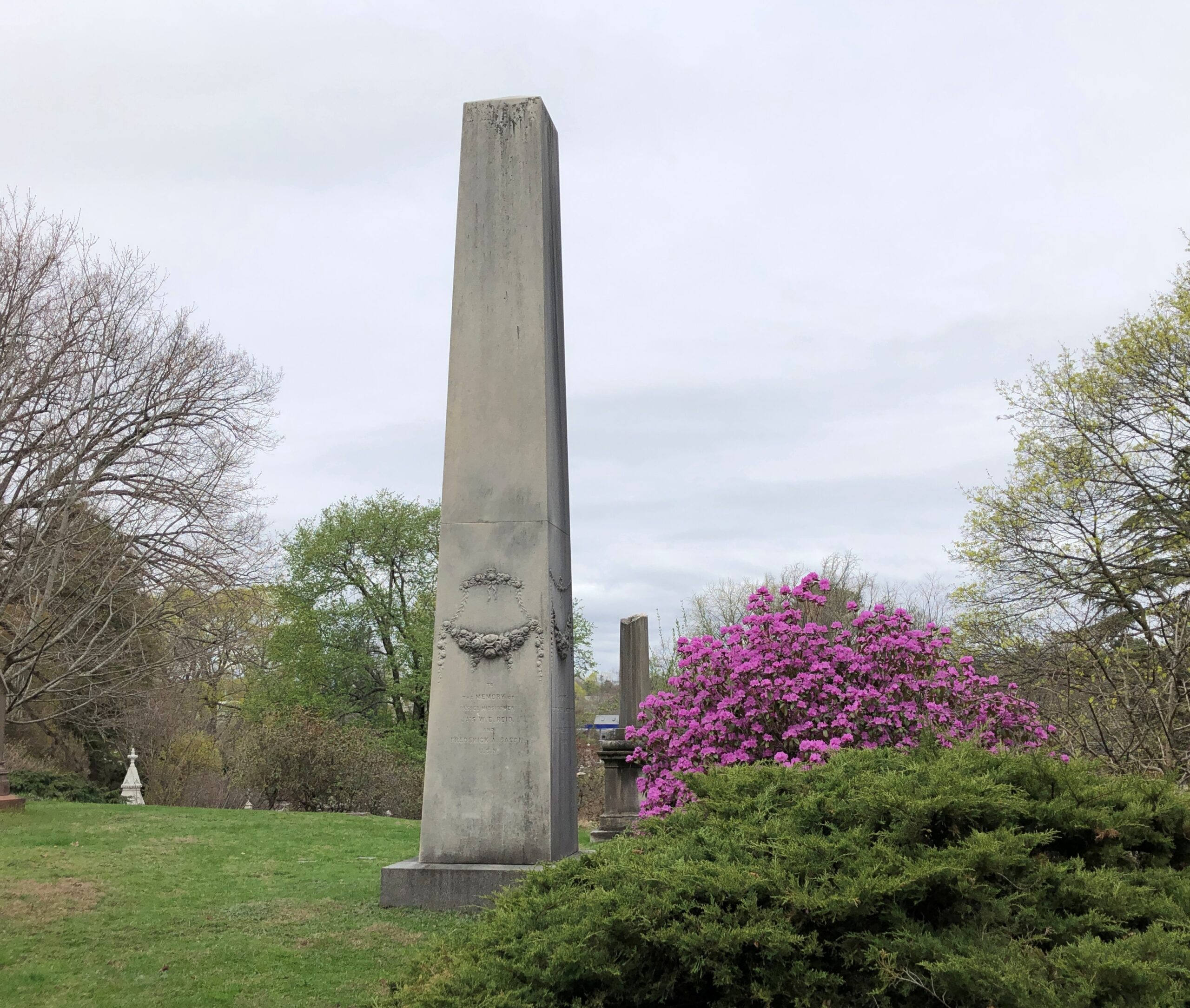
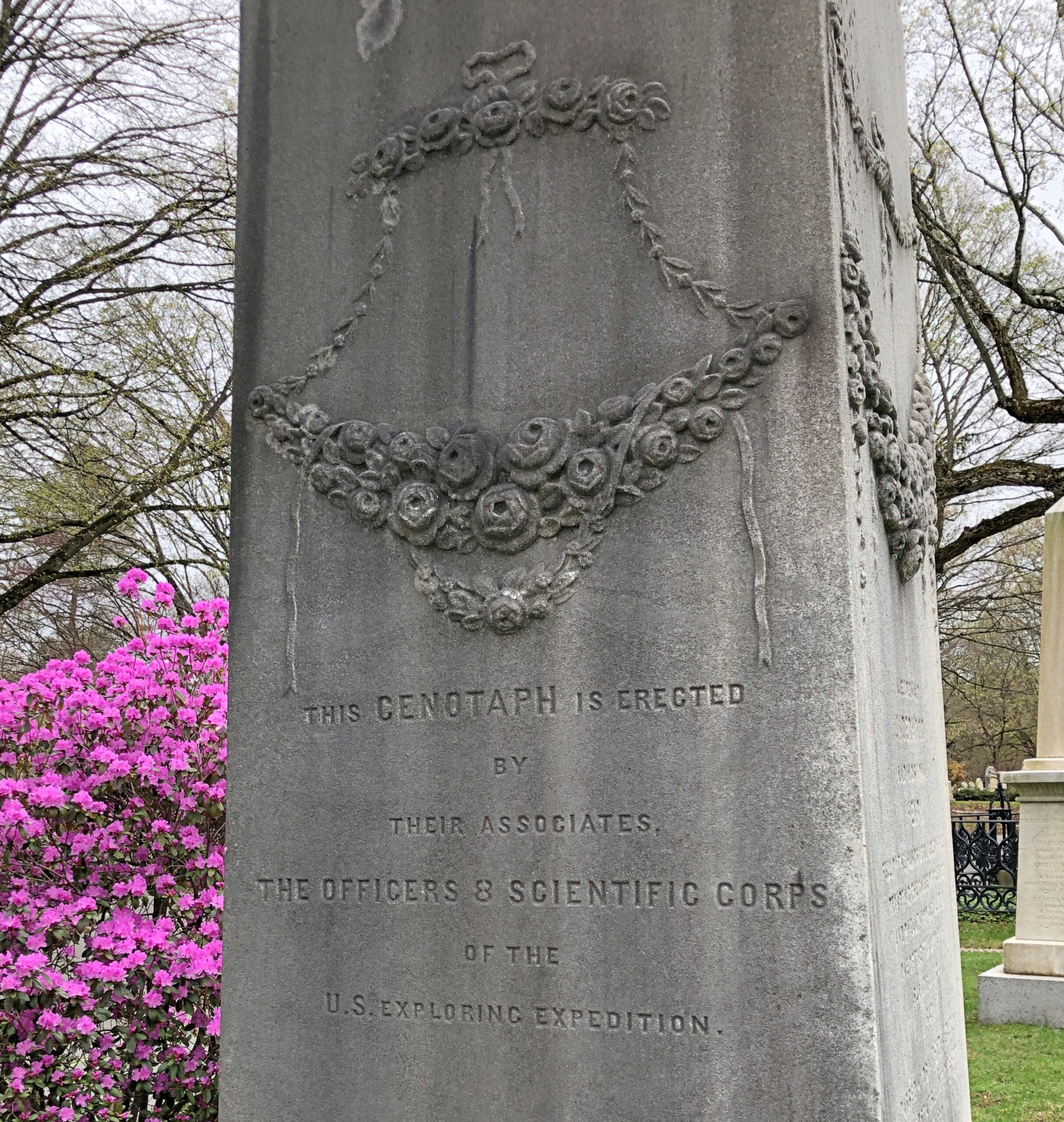
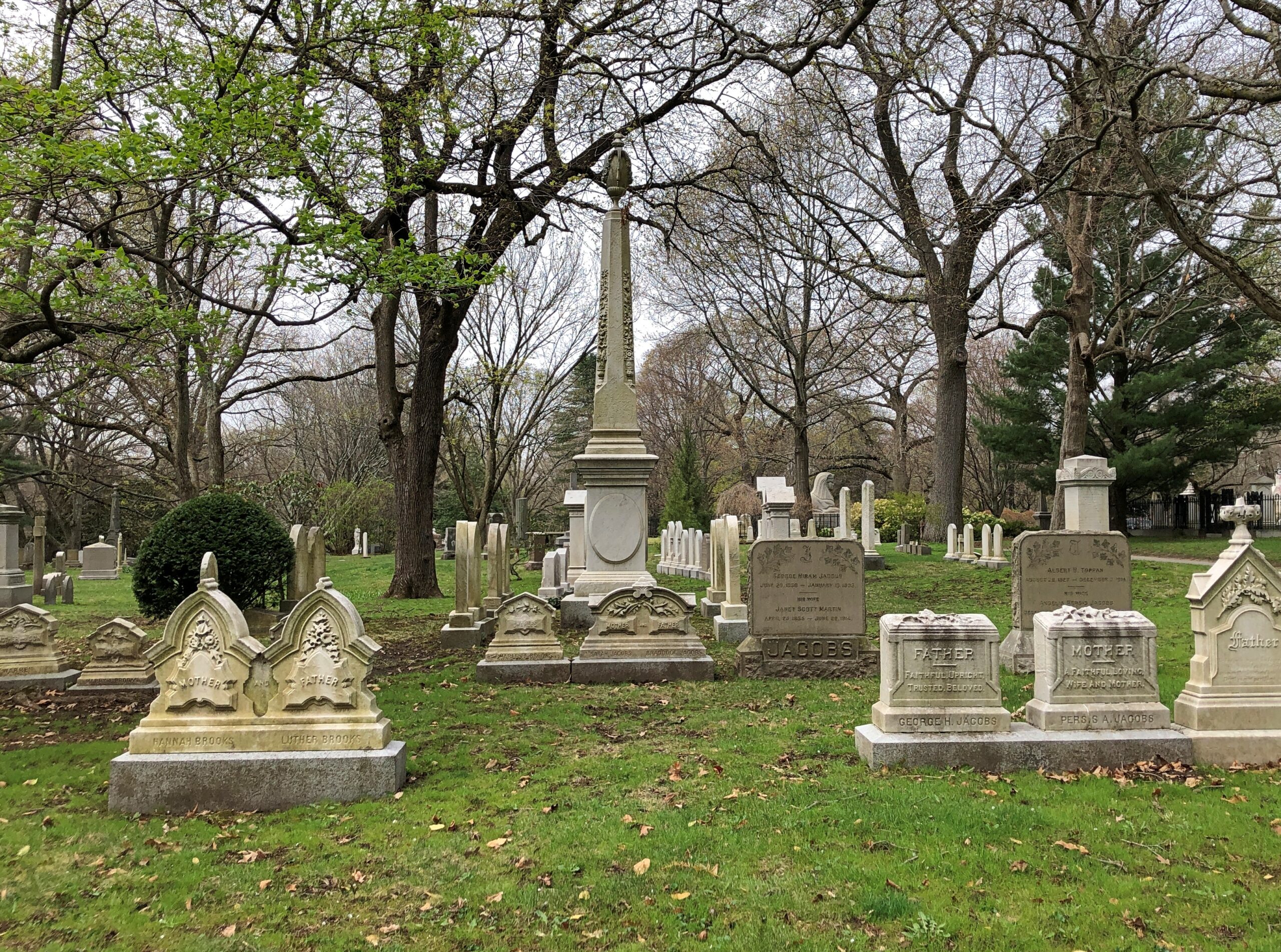
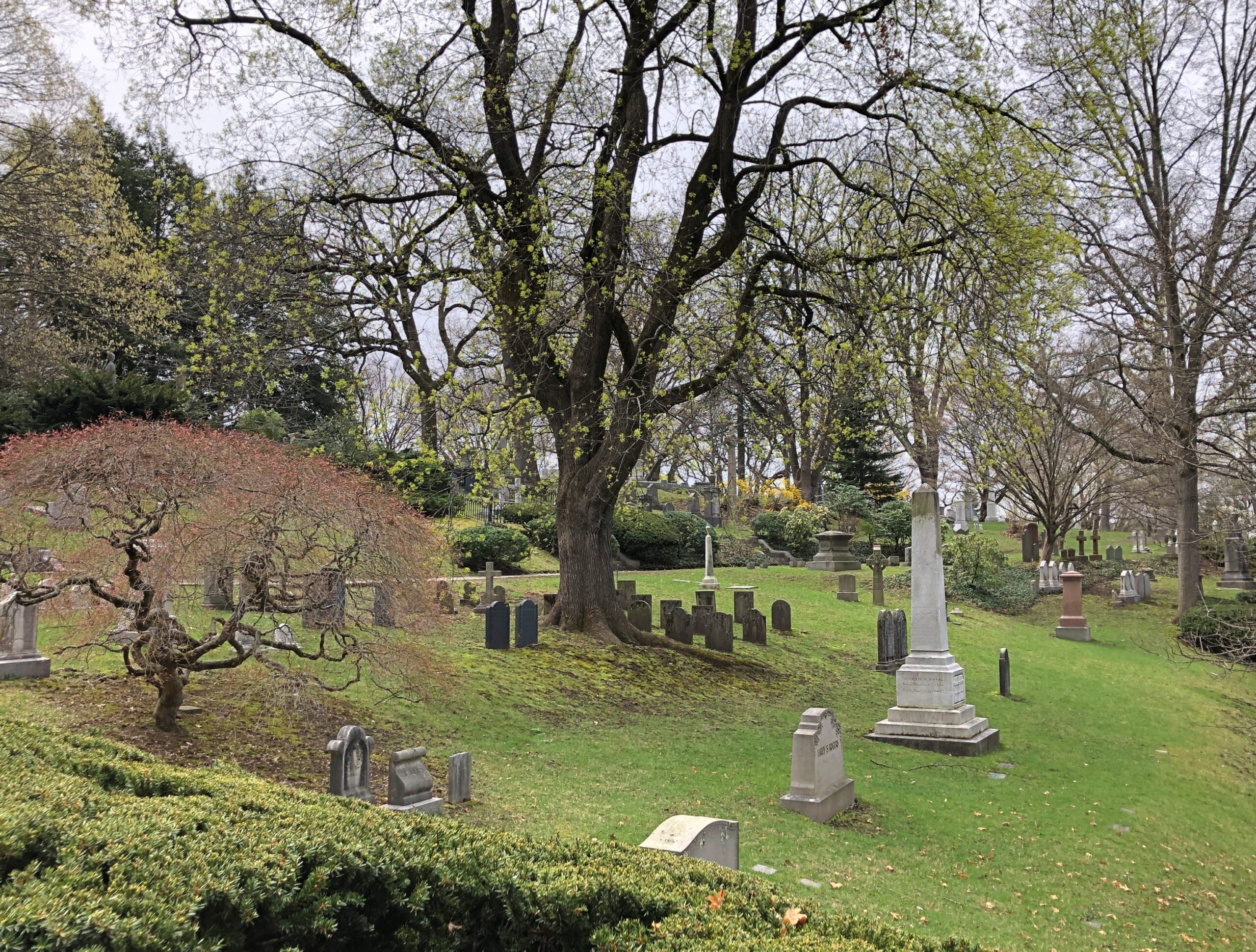
Oakwood Cemetery, Huntsville

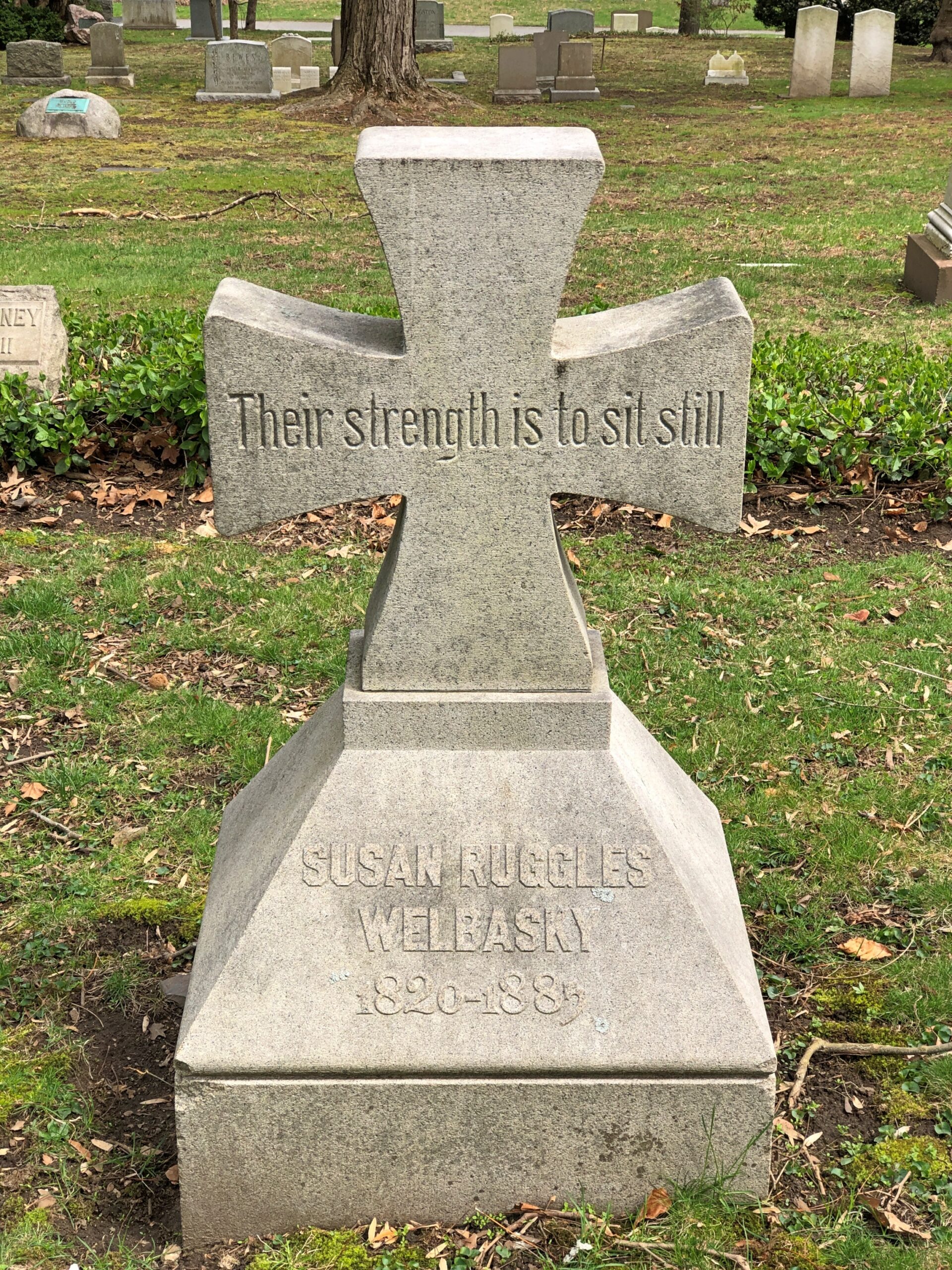
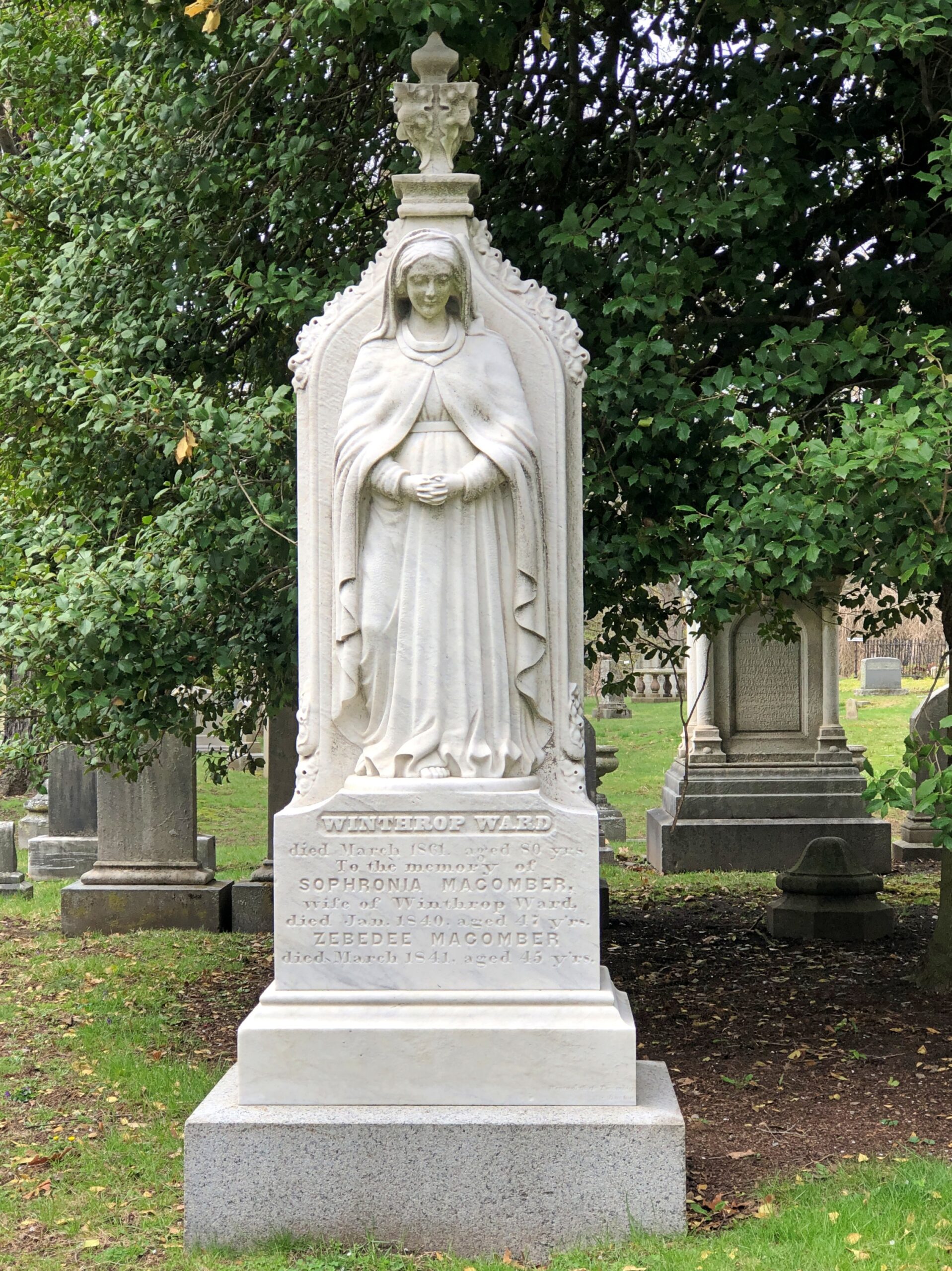
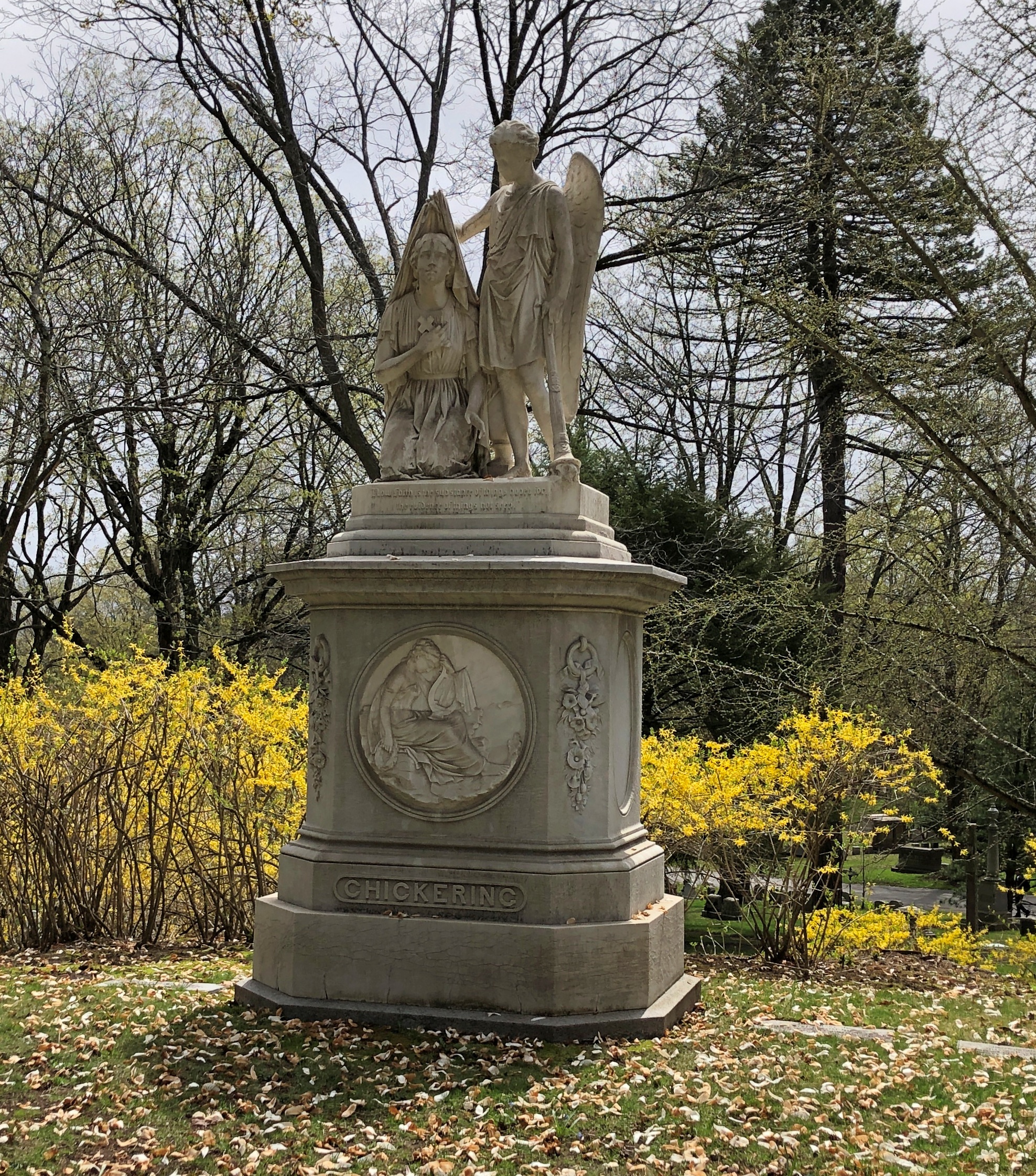
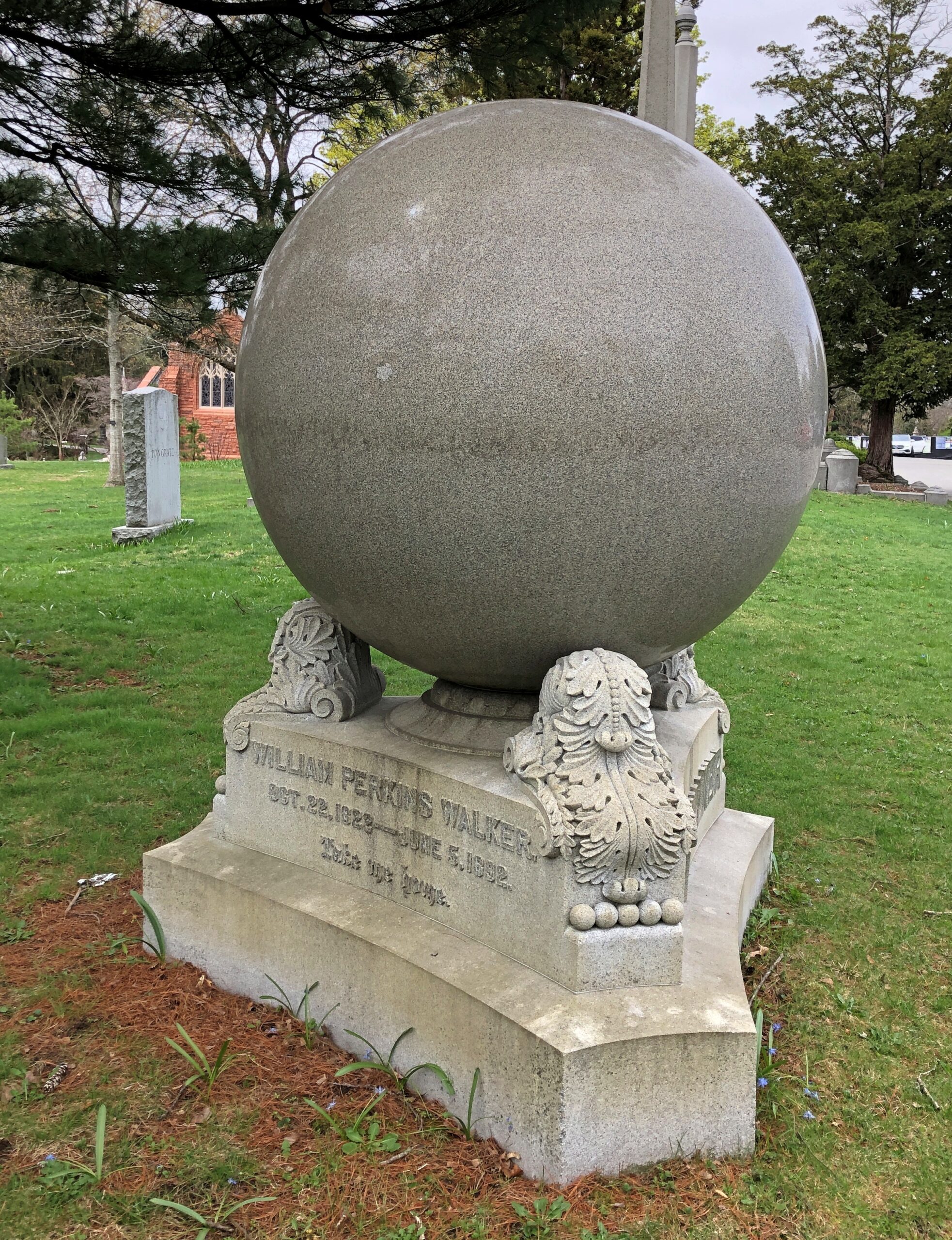
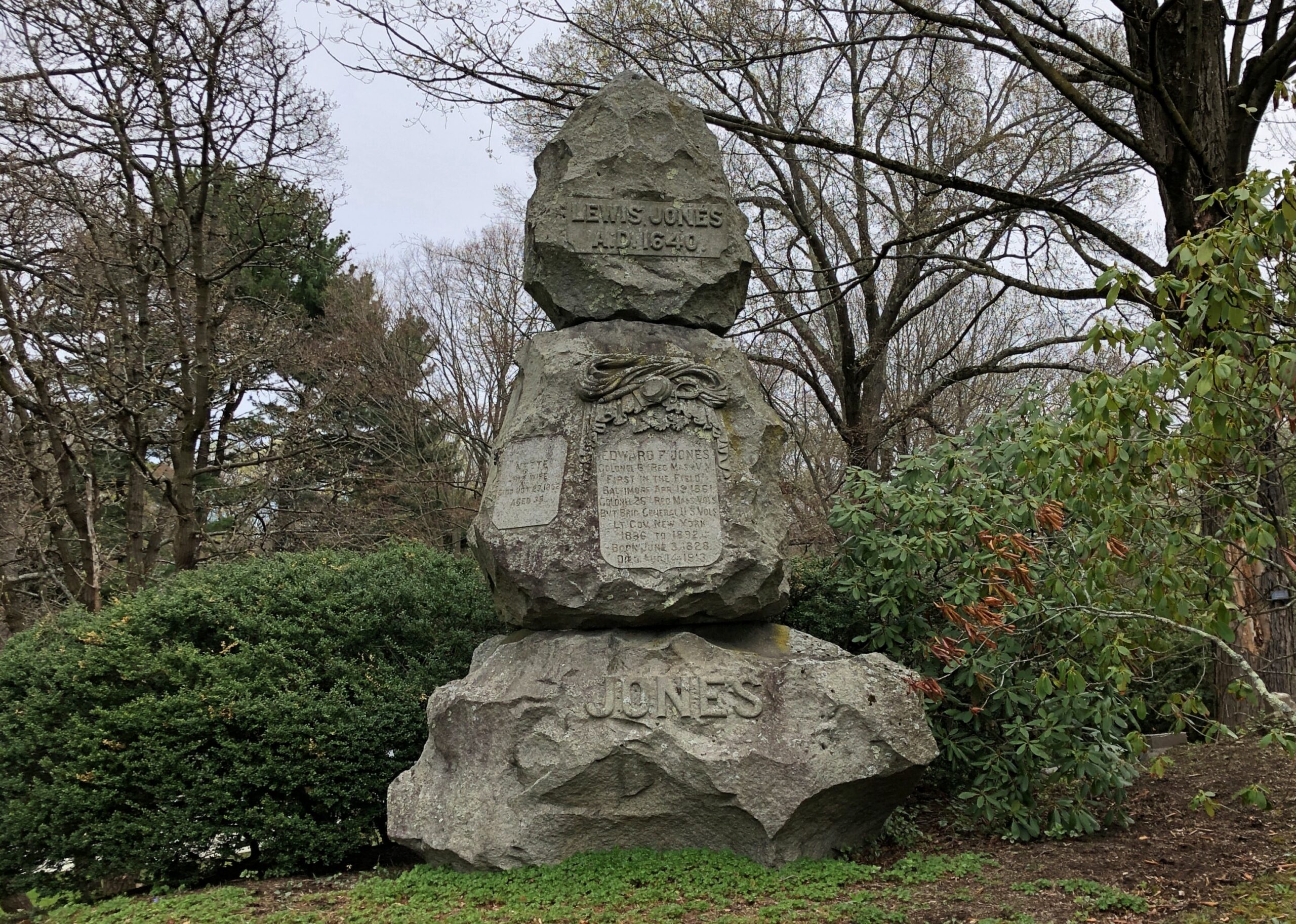
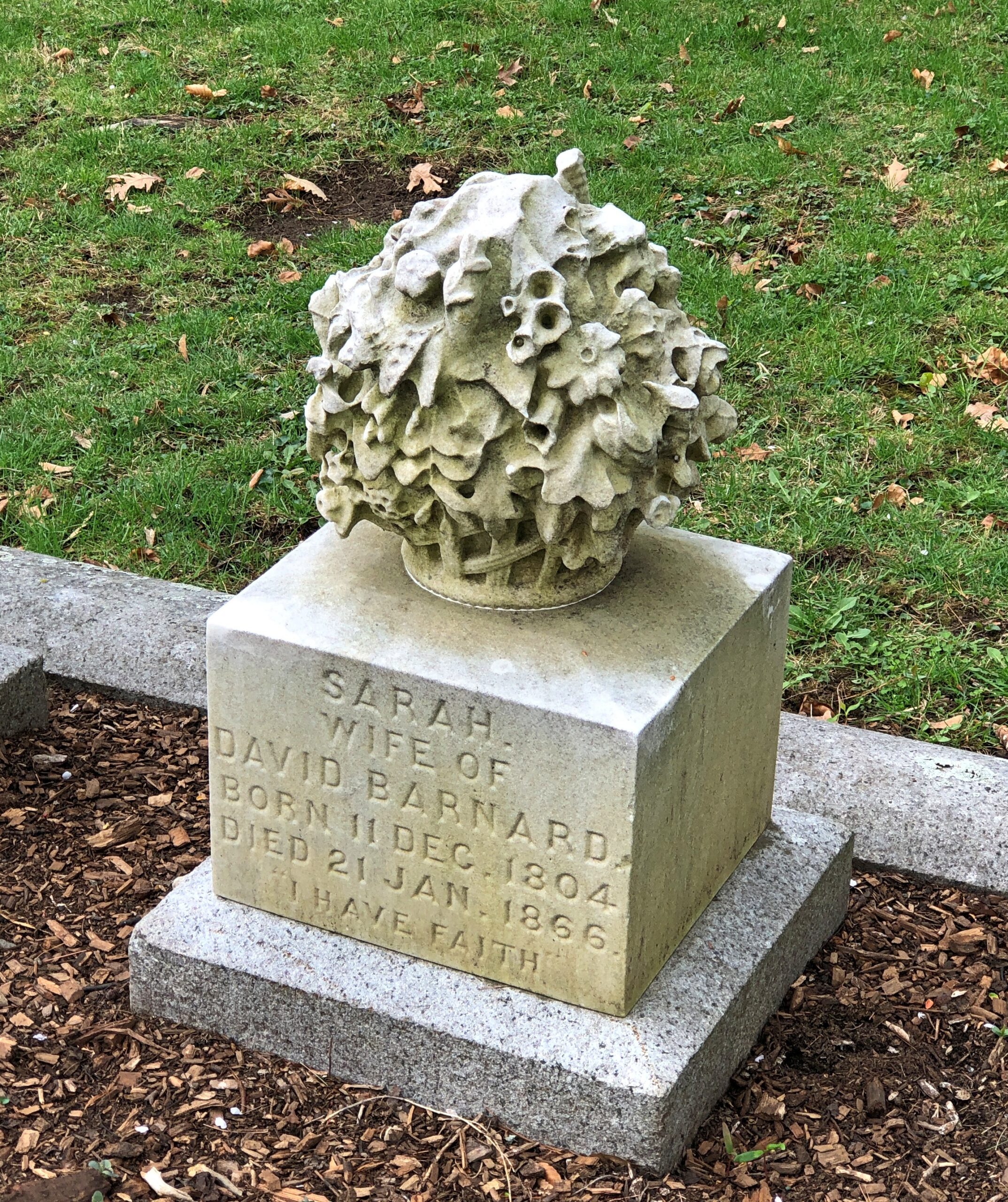
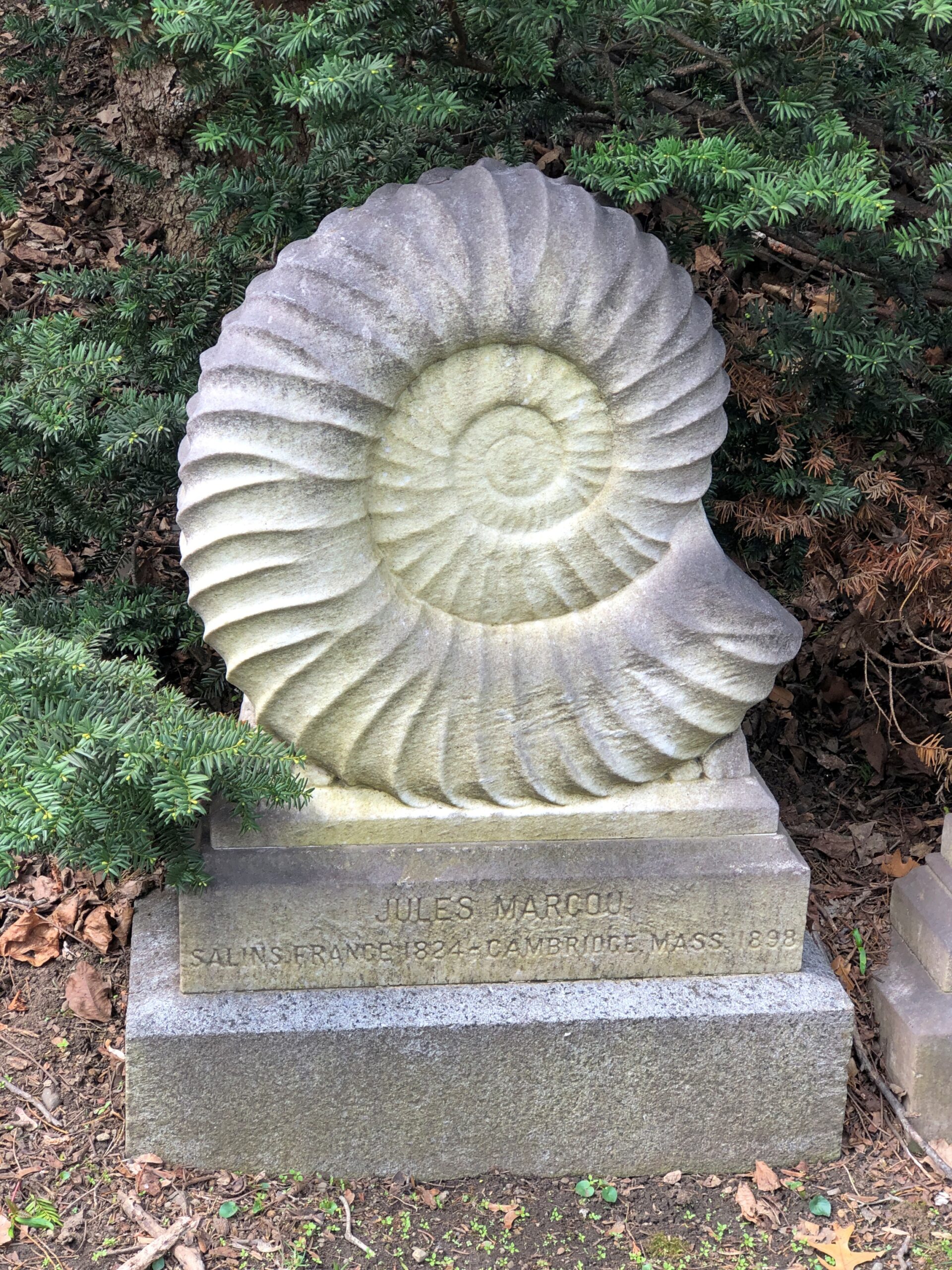
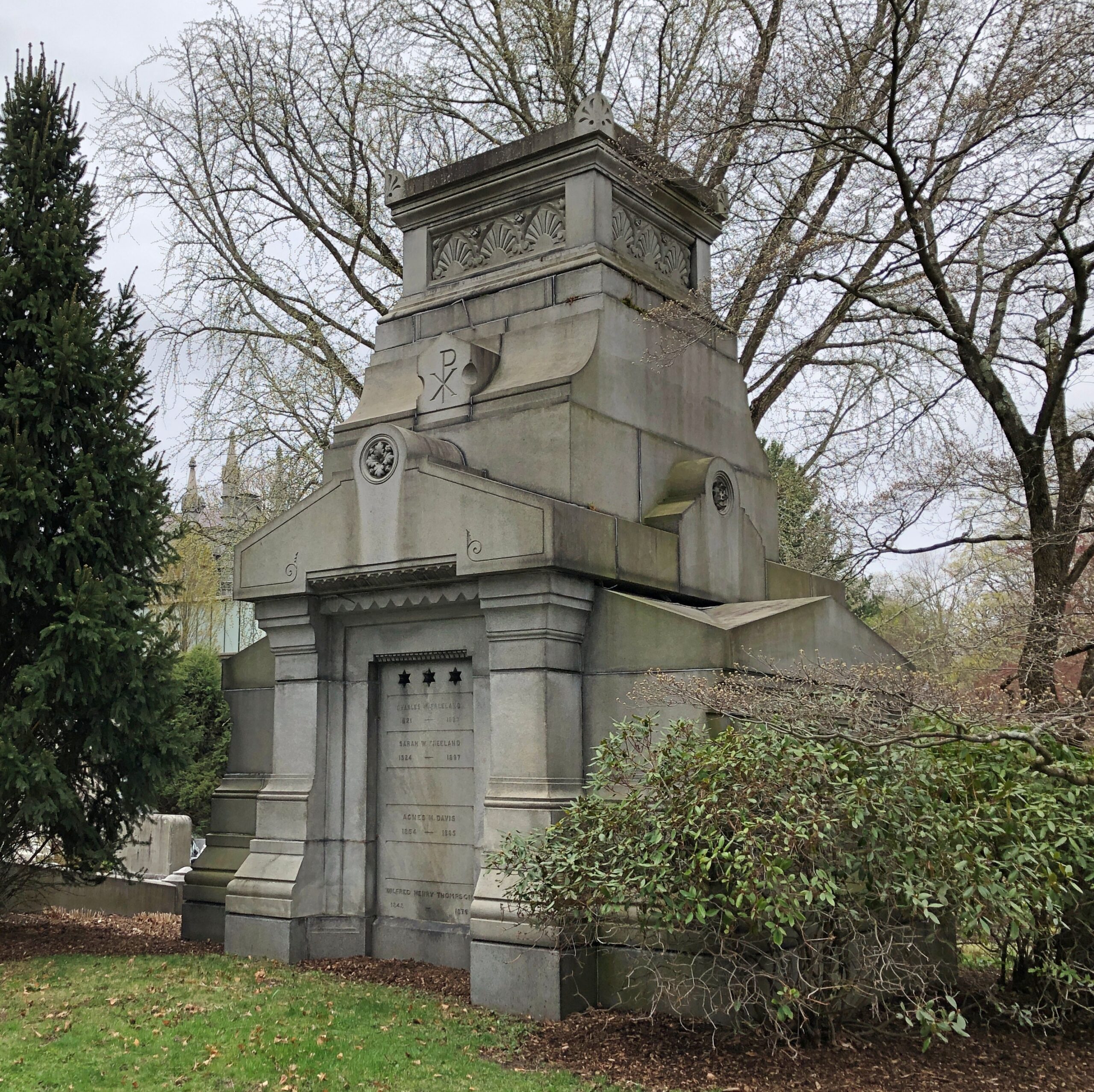
Sometimes the right word just comes to you: tatterdemalion. As in, the tatterdemalion historic Oakwood Cemetery in Huntsville, Texas, or at least the older section of it.

I use that word with great affection for tatterdemalion cemeteries – ragged and dilapidated, the ragamuffins of the cemetery world, attracting even less attention than the big-deal Victorian cemeteries in the big cities. These cemeteries might be scruffy, but their repose is deep.

Oakwood does have Sam Houston, so people must come for him.

Oops.

You can park your car on the street, walk a few seconds to Gen. Houston’s stone, pay your respects, and never enter the cemetery proper.

Too bad. The grounds extend along a long strip of land, generally sheltered by such pines as you find in the piney green East Texas, and sport a variety of stones, older and newer, moderately ornate and more modest.

Some smashed slowly by time. The fate of all, eventually.

Henderson King Yoakum (d. 1856) is here. He was on the ground floor when it came to writing Texas history, authoring a two-volume work titled History of Texas from Its First Settlement in 1685 to Its Annexation to the United States in 1846 in 1846. His is the taller of the two obelisks.

Henderson King Yoakum

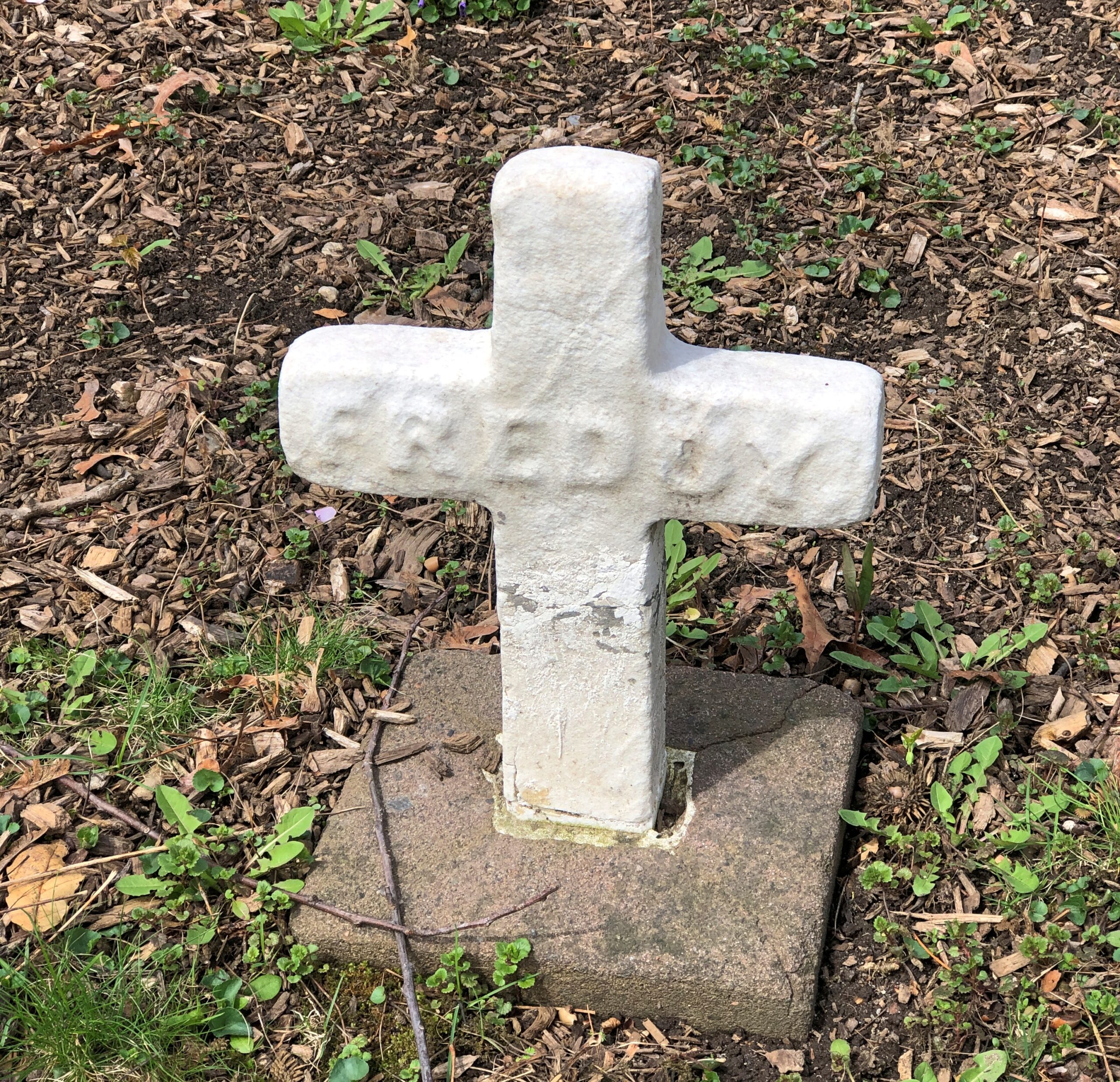
Off in a corner of the older section – which is the sector near Houston – are simple crosses.

They tell a story. Actually, no. A sign nearby does. It’s worth reading in its entirety.

A related story, about the yellow fever epidemic of 1867.

To summarize, in case the text in the photo is hard to read: a lot of Huntsville residents died that year from yellow fever, though not Gen. Houston, who was already dead. Wonder whether any Huntsville physicians or other men of science died persuaded that miasma did them in.

Oak Grove Cemetery, Nacogdoches

Houston’s Glenwood Cemetery sprawls out near downtown, adjacent to much of the parkland along Buffalo Bayou. In Nacogdoches, Oak Grove Cemetery is a more modest burial ground. Nacogdoches is a more modest city. The entrance to Oak Grove is about a half block from the Main St., but the grounds are still tucked away in a residential neighborhood along Lanana St.

Decent flora, but not a garden cemetery.

It’s an old cemetery by modern Texas standards – the first burial was the year after independence – so the cemetery punches above its weight in one way: noted early Texans. Such as Harden Edwards.

The state saw fit, during the 1936 Centennial, to put up a new stone for Edwards, an empresario and “Leader of the Freedonian Rebellion,” who must have penned the rousing tune, “Hail, Hail Freedonia,” for future generations to enjoy.

The stone of a great-great granddaughter of Edwards who died in 1963 seems eager to bask in his remote glory. Why not?

One of the cemetery’s four signers of the Texas Declaration of Independence (60 men in total signed it).

A big name around here: Thomas J. Rusk.

He was a signer, fought at San Jacinto, and had a notable career in antebellum Texas and U.S. politics. There’s is a town a county over from Nacogdoches named Rusk, seat of Cherokee County. Also, strangely, a font based on his handwriting was created in our time, “Texas Hero.”

Some regular folks.

I don’t know how ordinary this person was, but perhaps he was gifted with Victorian prolixity. Or maybe his family was.

Brick tombs of the kind I’ve seen elsewhere in the South from roughly the same period, that is, sometime in the 19th century.

Adjacent to the cemetery but not associated with it is the former home of Zion Hill Baptist Church, one of the oldest African-American Baptist congregations in Texas, founded in 1878. The church is on the corner of Lanana and the delightfully named Bois d’arc St., as in lumpy “apples.”

The congregation hasn’t used the structure, designed in 1914 by architect Diedrich Rulfs, for nearly 40 years. It’s a fine little museum these days, restored to its early 20th century glory.

Rulfs was a German who made good in Texas, as so many have, within a very special niche: most of the buildings worth seeing in Nacogdoches are his work.

Inn at the Art Center Bed & Breakfast

It’s Burl Ives. It has to be.

Not quite as sure about this one.

I thought of Ed Wynn, but his glasses tended to be round, if Google images is to be believed. I asked AI for some suggestions about which famed entertainer was known for his oval-rimmed glasses, and it returned the following suggestions from most to least likely: Harold Lloyd, Peter Lorre and Buddy Hackett. Not sure “Buddy Hackett” in this context is an AI hallucination. Just a lousy opinion. Maybe there’s no single inspiration anyway.

Which came first, the chicken or the art center? There’s a definite answer to that, the chicken. Lots of chickens.

By the early 1970s, a sizable chicken farm in San Angelo, Texas, had run its course, and artists took to the task of redeveloping the place into the Old Chicken Farm Art Center. Fifty-plus years is a long time, but if you wander around the property in the morning sun, as Yuriko and I did, you’ll get a sense of the old chicken haunts.

No mere coops, but a poultry complex of an earlier time. I’m sure it was made obsolete by larger facilities and automation. These days, most of the spaces are art studios.

Because I can, I checked the numbers for chicken production in Tom Green County, of which San Angelo is the seat. Relatively few chickens, turns out: $220,000 in chicken sales in 2022, compared to $54.7 million in cattle sales for the county. Sounds like that might be a single chicken farm out somewhere from town. The town chickens, you might say, long ago flew the coop.

Being an art complex, there’s a lot of art and other objects on display, besides the wooden faces.

Being fairly early still on Monday morning, most of the studios weren’t open yet – they would be in the afternoon, when were already on the road to Marathon. We’d passed the night at the Inn at the Art Center Bed & Breakfast, in a room that opens onto a breezeway.

Artists had clearly been turned loose to design the rooms. Much to the better, I’d say. Ours was a two-bedroom unit with the sheen of an upmarket forest lodge, but without a particularly high price.

Unique woodwork for the walls.

Floor designs that I’ll take for unique.

In our time, you don’t even need hallucinogens to ramp up some trippy floor action.

All you need is a basic AI image generator, while you remain sober as a judge.

Roadside America Museum, Hillsboro, Texas

This clown in your nightmare. What did he look like again?

Right, Jack from Jack In the Box fame. Old Jack, that is, maybe from the early days of the fast-food chain in the ’50s and ’60s. Has that tired mid-century look because the mid-century was quite a while ago now. On the whole, even later versions of the clown has been retired.

I was fully awake when I encountered Jack, an artifact at Roadside America Museum, Hillsboro, Texas, a wall-to-wall gathering of American roadside advertising, or at least items that were pretty close to the roads – a sign or novelty item or product you might see at a gas station or a diner or a bar or a small grocery store or any such mid-century service business for a nation newly on the road, and with great gusto. Items large and small.

Located on a modest street of Hillsboro, a town between DFW and Waco. Jay and I arrived around mid-day on February 23.

Jack is around, but there are also Big Boys in quantity and variety. If I were that first one, I’d watch out for the criminal element from McDonaldland, standing right behind him trying not to look suspicious. Sure, he’s a burglar, but he might be a pickpocket or even a stickup man, too.

Betty Boop. From a slightly earlier time, but still pulling her weight as a carhop.

Mr. Peanut. Didn’t something happen to him? Died of a busted goober?

Esso. I’m barely old enough to remember the Exxon brand consolidation. (Mad magazine parodied that as “Nixxon: Still the Same Old Gas.”)

Who is this? Why does anthropomorphic hot dog man, though the liberal application of condiments, encourage larger creatures to take a bite out of his head, indeed consume him as completely as unfortunate extras in Jurassic Park movies?

Admittance to Roadside America – no relation to the web site and (former?) book series of that name that I know of – is by making a phone call outside its door. The proprietor, one Carroll Estes, comes to the door, invites you in, and shows you around the place, pointing out things and sometimes recalling the acquisition of this or that, or letting you know how rare or not certain items are. An affable old fellow, grizzled if ever anyone was, probably in his 70s. So the commercial memorabilia all around us was no memorabilia when he was a lad, but part of the lay of the land. I came along in time to see some of those ads or at least characters myself, though they were fading.

He said he was particularly fond of Grapette items. Once he pointed that out, I started seeing them everywhere.

Been a long time since I had a passing thought about Grapette soda. It was available in north Texas in the mid-60s, and I’m sure I had more than a few Grapette bottle caps, once upon a time. I don’t remember its sister sodas, Orangette and Lemonette. According to Wiki at least, Grapette still exists as a house brand in Walmart’s beverage stable, and is popular even yet in Latin America.

I don’t remember O-So Grape.

Originated in Chicago and, like so many, has been revived at premium prices, which seems to go against the spirit of soda water you bought for coins in your misspent youth, but never mind.

A Dallas-area mid-century beverage, apparently.

There was much more. Mr. Estis has a sizable classic car collection in another part of the building, a much larger structure that had some industrial use at one time. He showed us around. He’d restored many of them himself, but he said he doesn’t do that as much anymore. He had some great ones, too. Wish I’d taken notes. But I was in the moment.

Even in the moment, you don’t notice everything. Especially at a chock-a-block place like Roadside America, where curios compete for your attention like a gaggle of souvenir-wallas in Delhi. It wasn’t until I looked at this picture that I noticed Wile E. Coyote sitting at the diner booth.

Stands to reason that Wile E. would patronize the few diners on the desert roads he haunts. He never managed to make a decent meal of the Roadrunner.

Big Sam

Approach Huntsville, Texas, from the south on I-45, and you can’t miss Sam Houston. Big Sam.

The largest soap carving in the world until the city of Qufu (曲阜) in southwestern Shandong province put up one of Confucius that is 18.5 inches taller, from pedestal to top of the head.

That only goes to show that you don’t need AI to make stuff up. Sam Houston isn’t made of soap, naturally, but something a little more durable, concrete and steel, and towers 67 feet from the plinth — he must have a dandy view of the Interstate. It’s been up only since 1994, the work of Huntsville native David Adickes. As for Qufu, there are surely statues of Confucius there, but I don’t feel like looking them up.

Naturally I followed the signs to the statue’s parking lot, got out and looked around.

My priority afterward was lunch, and I happened on Mr. Hamburger there in the heart of Huntsville, a few miles from Big Sam.

Not in the original location that opened nearby in 1959, I later found out, but in a redeveloped gas station. The original mascot, looking a little tired after decades in the Texas weather, had been moved inside to greet customers as they go to the bathroom.

All that wouldn’t be noteworthy if the place hadn’t delivered the goods, but it did.

Thus fortified, I found my way to the Sam Houston Memorial Museum, which is on the campus of Sam Houston Institute of Technology.

SHSU

Old joke: Sam Houston State University. Not a large museum, but a nice collection of artifacts.

None better than Santa Anna’s silver chamber pot, a spoil of war at San Jacinto that the Mexican government probably has never wanted back.

Besides the museum building, the grounds sport a small open-air museum. Including a log cabin (not Houston’s) from the Huntsville area, from around the time of the Republic.

A log cabin that was Houston’s. He used it for his law office.

The earlier of the two Houston homes in Huntsville.

The later of the two, Steamboat House. The nickname fits. Houston, relieved of the governorship due to his belief that Texas was making a mistake in leaving the Union, died there in ’63.

The grounds has a water feature. With water fowl and cypress knobs.

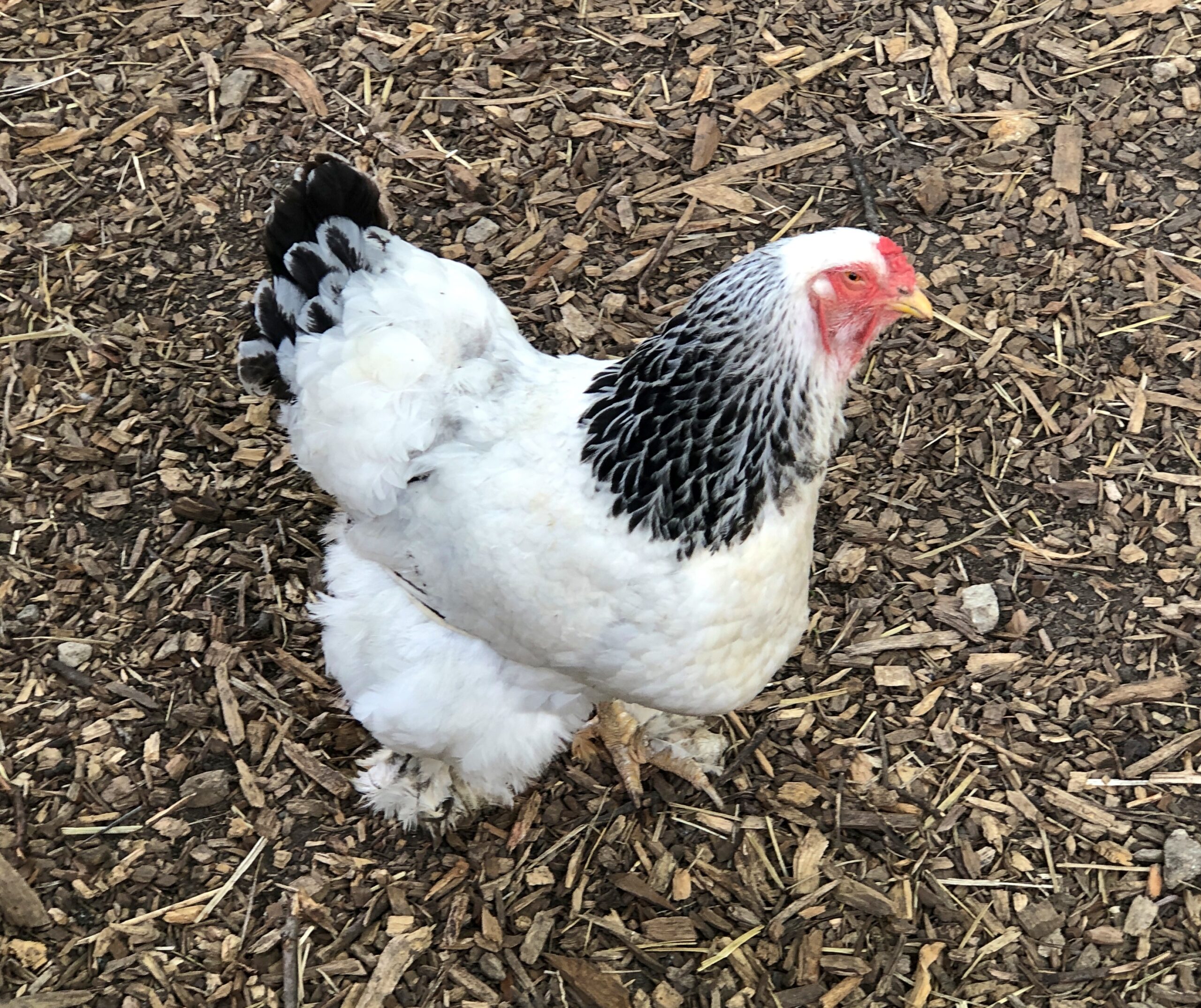
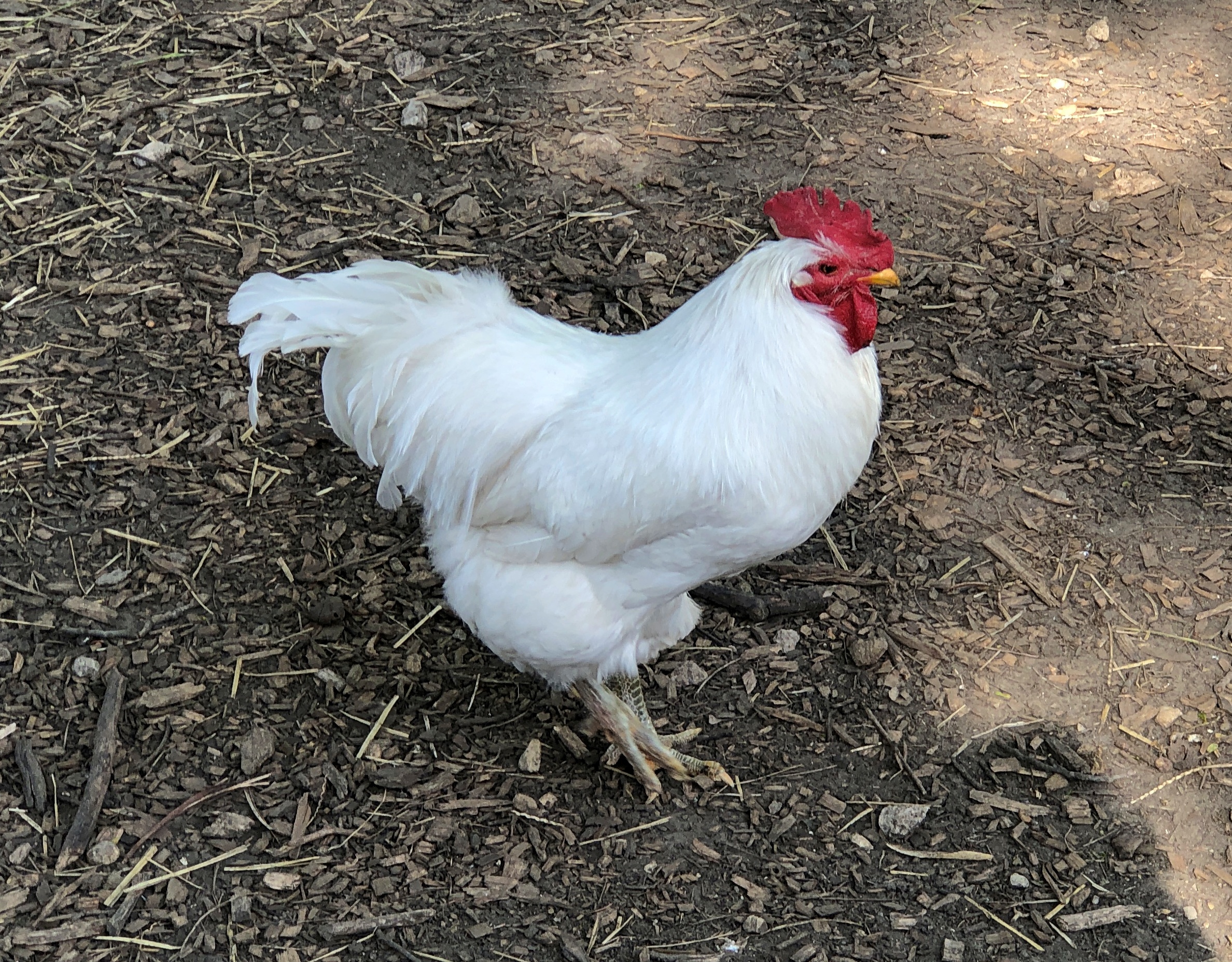
Elsewhere, some land fowl.

A touch of authenticity, since the Houstons must surely have had chickens around.