St. Lorenz Lutheran Church, Frankenmuth

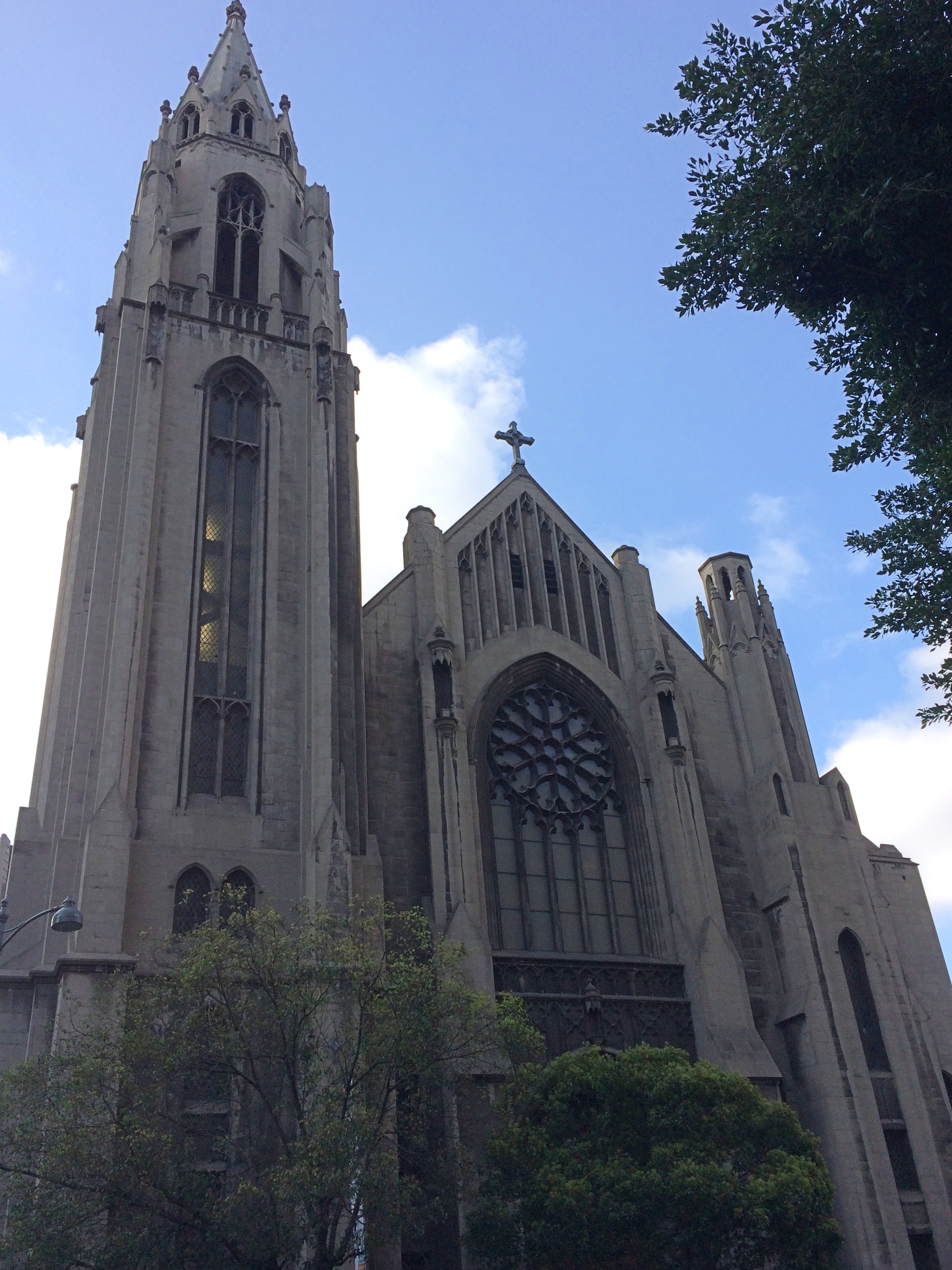
For all its faux Bavarian tourist appeal, Frankenmuth, Michigan has an actual Bavarian history, beginning with St. Lorenz Lutheran Church, about a half a mile from crowded Main Street.

We were the only ones there for about half an hour around noon on Labor Day.
St Lorenz Lutheran Church FrankenmuthSt Lorenz Lutheran Church FrankenmuthThe church was founded at the same time as the town. “Pastor Wilhelm Loehe of Neuendettelsau, Bavaria, was inspired to establish a German Lutheran colony by Michigan circuit riders who requested aid in bringing the Gospel of Christ to Saginaw Valley Chippewa Indians,” the site’s historic plaque says, as reproduced here.

“Directed by Loehe in 1845, Pastor August Craemer and fourteen other immigrants began clearing forests in this area south to the Cass River. They built log houses and dedicated a log church on Christmas Day 1846. The second church, a frame structure, was erected in 1852 and enlarged in 1864, serving until the completion of the present church in 1880.”
A Cleveland architect named C.H. Griese designed the current Gothic Revival church. Traces of him are online, such as in the context of another Lutheran church.

We were glad to find out that the building was open. That’s not always the case, often for good reason. The interior’s handsome indeed.
St Lorenz Lutheran Church FrankenmuthSt Lorenz Lutheran Church Frankenmuth

St Lorenz Lutheran Church Frankenmuth

Excellent stained glass as well, signed by Hollman City Glass of Fort Wayne, Indiana.
St Lorenz Lutheran Church FrankenmuthPastor Loehe makes an appearance in glass.
St Lorenz Lutheran Church FrankenmuthI suspect this depiction of him is unique in all the world.

C.F.W. Walther, first president of the Missouri Synod, is also in glass. He’s probably englassed in other Lutheran churches.
St Lorenz Lutheran Church FrankenmuthThe settlers came to the Saginaw Valley, built their homes, farmed the land, attended St. Lorenz, and when the time came, were buried in its churchyard.

St Lorenz Lutheran Church Frankenmuth cemetery

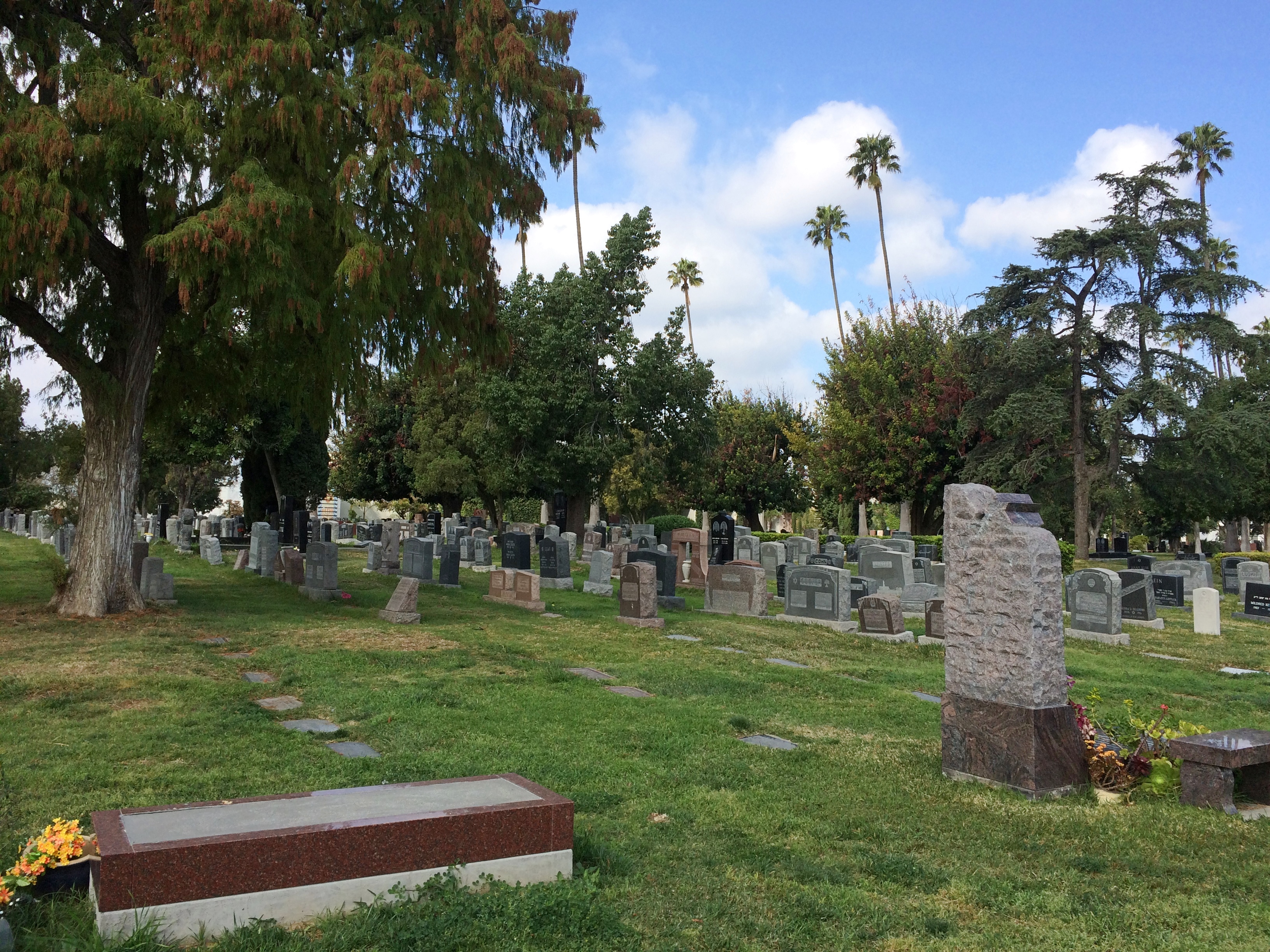
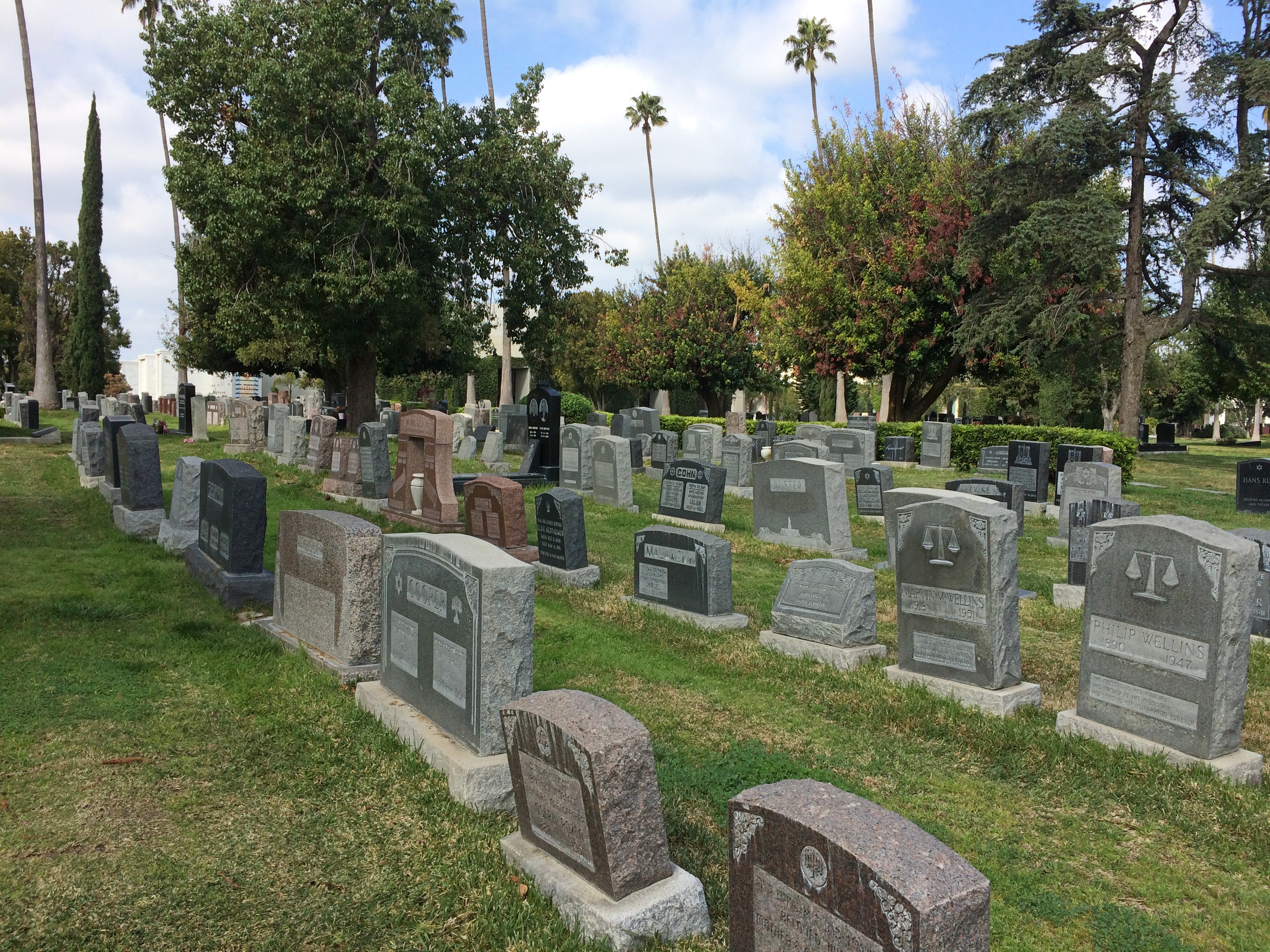
St Lorenz Lutheran Church Frankenmuth cemeterySt Lorenz Lutheran Church Frankenmuth cemeteryThose are almost all 19th-century stones, near the site of the first two church buildings, and across the street from the current church. A larger cemetery with newer stones is on the same side of the street as the current church.
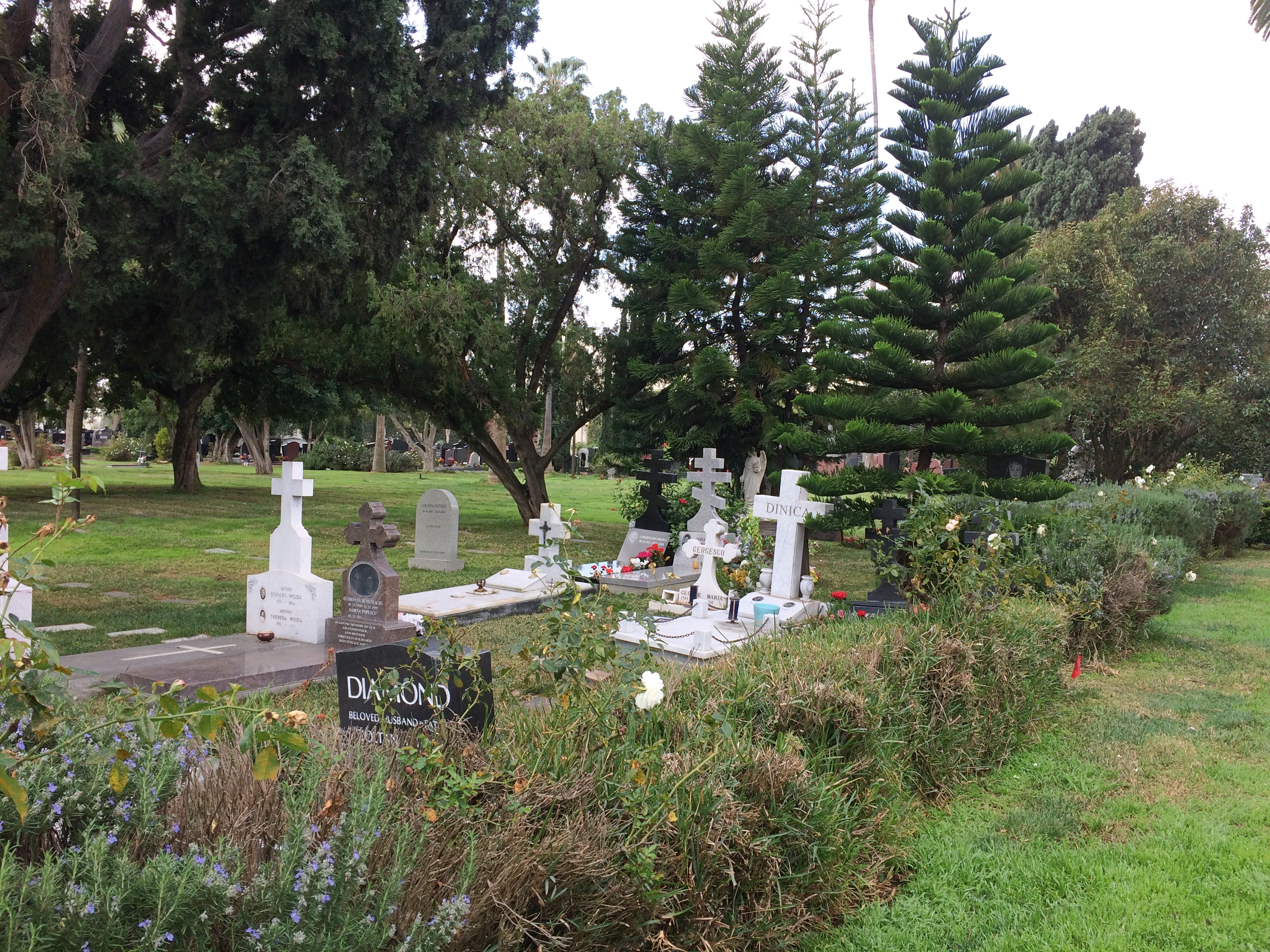
St Lorenz Lutheran Church Frankenmuth cemeterySt Lorenz Lutheran Church Frankenmuth cemeterySt Lorenz Lutheran Church Frankenmuth cemeteryThe permanent residents are every bit as German as you’d expect: Bauer, Bicker, Fischer, Herzog, Hochthanner, Hubinger, Kern, Roth, Reinert, Weiss, usw. Loehe and Craemer aren’t among them, Find a Grave tells me. Loehe is in Bavaria and Craemer is in St. Louis.

Lansing Walkabout

On the last day of August, we arrived in Lansing, Michigan, for a look. I’d only passed through once, Labor Day 2000 as it happened, to find the state capitol closed, as you’d expect. This time I hoped it would be open on Saturday, as it usually is. It wasn’t.

Still, it’s a handsome structure with a lanky cast-iron dome.
Michigan State Capitol“In January 1872, a plan (called ‘Tuebor,’ meaning, ‘I will defend’) submitted by architect Elijah E. Myers of Springfield, Illinois, was selected,” says the capitol’s web site regarding its development, which proceeded throughout that decade. “Myers moved to Michigan to supervise construction and lived for the rest of his life in his adopted state.
“Materials for the building came from all over the country and even from abroad. Although the millions of bricks that make up its walls and ceilings were locally made in Lansing, the stone facade came from Ohio, the cast iron for the dome and floor beams from Pennsylvania, and the marble and limestone floors from Vermont.”
The interior is supposed to be ornate, but that will have to wait. Instead, we were able to look at the scattering of memorials on the grounds, including this unusual one to the First Michigan Sharpshooters Volunteer Regiment.

First Michigan Sharpshooters Memorial

Another memorial you don’t see that often — but not never — is to the men who fought in the war with Spain, but also in the Philippine Insurrection and the China Relief Expedition.
Spanish War Memorial Lansing MichiganA block east of the capitol grounds is Washington Square. At least, that’s what the map calls it. It’s a section of Washington Ave. lined with various businesses, and good for a walk on a late summer afternoon.
Washington Street LansingWashington Street LansingFormerly a theater. The Strand, opened in 1921 as one of the largest vaudeville stages in Michigan, designed by Chicago architect John Eberson.
Washington Street Lansing - StrandHe did a lot of theaters, many of which don’t exist any more. The auditorium of the Strand disappeared to make way for office and retail space in the mid-80s.

The Hollister Building, the last remaining of Lansing’s major commercial buildings developed in the early 20th century (and renovated in the early 21st century).
Hollister Building LansingBoji Tower, around the corner toward the capitol on Allegan St. and the tallest building in Lansing.
Boji Tower Lansing MichiganBoji Tower Lansing MichiganAn impressive pile of art deco bricks that got in just under the wire: construction started in 1929. The Boji family is a recent owner; earlier names are the Olds Tower (as in auto pioneer Ranson Olds), the Capital National Bank Tower and the Michigan National Bank Tower. The fairly obscure Hopkins and Dentz of New York designed it.

East of the capitol a few blocks is public art so new that it doesn’t appear on the StreetView image from the summer of 2017.
lansing "Portrait of a Dreamer" “Portrait of a Dreamer” by Ivan Iler, installed in December 2017. Naturally, Roadside America has the story: “The giant mechanical head is 15 feet high and is built out of almost two tons of aluminum and stainless steel.
“Visitors are encouraged to turn a crank at its base to move the gears, which spill out of the head toward Lansing’s cultural district. The purpose of the sculpture is to turn visitors’ heads while they turn the crank, so that they notice the science center and museums that they otherwise might miss along Michigan Ave.”

Divers Michigan Bridges

Since the air was still warm and we had a dog with us, much of the recent Michigan trip involved outdoor destinations. The first of these was a modest yet remarkable park outside Battle Creek, the Historic Bridge Park in Calhoun County. The park is on the North Branch of the Kalamazoo River, near where it passes under I-94. I’ve driven by many times without a clue that it was there.

The riverside part of the park is pretty.
Historic Bridge ParkBut it was the historic bridges, assembled here from other parts of Michigan, that we came to see. A superb collection of Machine Age structures, but that didn’t dawn on me until I’d walked over some of them. Such as the 133rd Avenue Bridge, originally located in Allegan County and built in 1887.
Historic Bridge ParkA bridge originally on the Charlotte Highway in Ionia County, built in 1886.
Historic Bridge ParkThe 20 Mile Road Bridge, originally in Calhoun County, dating from 1906.
Historic Bridge ParkThe Gale Road Bridge from Ingham County, built in 1897.
Historic Bridge Park“The park allows metal truss bridges that have become insufficient for their original location to be preserved for their historic and aesthetic value…” says HistoricBridges.org. “Historic Bridge Park is the first of its kind in the entire United States.”

“The restoration of the metal truss bridges in the park was directed by Vern Mesler with the support of Dennis Randolph, former Managing Director of what was then called the Calhoun County Road Commission.

“They carried out the restoration with an unprecedented attention paid to maintaining as much of the the original bridge material as possible, and exactly replicating any parts that required replacement. For example, during restoration, failed rivets on the bridges were replaced with rivets, not modern high strength bolts. The bridges in Historic Bridge Park represent some of the best metal truss bridge restoration work to be found in the country.”

The park also features a sizable iron sculpture.
Historic Bridge ParkA nearby plaque says “Historic Bridge Park Sculpture Project, 2002.” Sculptor, Vernon J. Mesler, who must be the Vern mentioned above, and the fellow who did this specialized article.

A cool bit of work.
Historic Bridge ParkHistoric Bridge ParkIn Midland, Michigan, about a block from Main Street, is the Tridge.
Midland TridgeMidland TridgeIt’s a three-way bridge where the Chippewa River flows into the Tittabawassee River, first opened in 1981 and renovated a few years ago, which might be why it looked fairly new. The brainchild of the nonprofit Midland Area Community Foundation — note the tri-bridge-like drawing over its name — the local Gerace Construction erected the structure, information about which is at its web site.

This kind of Y bridge isn’t that common, though there are some here and there in the world, including two others in Michigan, in Brighton and Ypsilanti. Maybe Michigan has an affinity for odd vectors. This is the state of the Michigan left, after all.

At the Dow Gardens in Midland, a pedestrian bridge over St. Andrews Rd. connects the gardens proper with the Whiting Forest, a later addition to the garden.

One of the attractions of the Whiting Forest is its canopy walk. At 1,400 feet long, Dow Gardens assets that it’s the nation’s longest canopy walk. While technically not a bridge — or at least it’s a bridge to nowhere — the walkway does get as high as 40 feet above the ground. There are no stairs to climb. The walkway starts at ground level and rises gradually as it meanders through the forest.

Whiting Forest Canopy WalkWhiting Forest Canopy WalkWhiting Forest Canopy WalkThe view from the end of one of the three arms of the canopy walk.
Whiting Forest Canopy WalkSome views from below.
Whiting Forest Canopy WalkWhiting Forest Canopy WalkThe skies at that moment were overcast and there had been a little rain earlier, but nothing violent. Bet the canopy’s a thrilling spot to find yourself during an intense thunderstorm. I’m sure people would do it, if Dow Gardens would let them go there, which I’m sure it doesn’t.

The Lost Lincoln Park Cemetery

Back again on September 3 after the long weekend. But not long enough. They never are.

That southern Lincoln Park used to be a cemetery in Chicago’s earliest days, before the apotheosis of the man from Springfield, wasn’t news to me. I’m pretty sure I read about it during my own early days in Chicago.

The last burial there was in 1866, and soon the graves were moved to “rural” cemeteries like Graceland. Except that bones still turn up from time to time in this part of the park. Wonder if that’s common knowledge among the recreational sports players in the park. Signs posted nearby explain these things, but who reads them?
City Cemetery Chicago-Lincoln Park nowCity Cemetery Chicago-Lincoln Park nowActually, more than signs. Not far from the Chicago History Museum is the sole remaining mausoleum from the cemetery period, the Couch Tomb.

Couch Tomb ChicagoIn “Hidden Truths: The Chicago City Cemetery and Lincoln Park,” artist Pamela Bannos notes the following about the Couch Tomb: “As a part of Hidden Truths, I have asserted that the Couch family tomb is the oldest structure left standing in the Chicago Fire zone. This stone vault has stood in place since it was built on-site in 1858.

“It was this conspicuous vestige from the City Cemetery that initiated this project. During informal polling of friends and acquaintances living in Chicago, I was surprised to learn that many who exited Lake Shore Drive, driving through Lincoln Park, had not noticed the family mausoleum.”

Ira Couch was an early Chicago millionaire who died in 1857. He’s likely in the tomb, along with family members, though that isn’t quite certain. A discussion of that question and much more are included in the Hidden Truths web site.

Most intriguing is why the tomb is still there. Bannos’ best guess, and I will go along with it, is that it was too expensive to move. Plant a few trees around it and before long, no one notices. That’s exactly what has happened.

Calvary Cemetery, Evanston

I’ve taken elevated trains between Chicago and Evanston on and off for years. The CTA Red Line has its north terminus at the Howard Station in Chicago, and from there you ride the Purple Line into Evanston.

For a short stretch just north of Howard, the Purple Line passes Calvary Cemetery, which is also called Calvary Catholic Cemetery on maps. It’s a sizable burial ground, with nearly 40,000 permanent residents, stretching from Chicago Ave. along the elevated tracks nearly to Lake Michigan.

So I’ve seen the cemetery from on high for decades, but never wandered the grounds. I decided to do that on Saturday after visiting the American Toby Jug Museum, since the cemetery is only a few blocks to the south.

The monuments and stones are seemingly spaced more widely than usual for a cemetery of mid-19th century vintage. But among the standing stones are a lot of markers flush with the ground, so it’s hard to appreciate the cemetery’s denseness at first.

Calvary Cemetery Evanston

Calvary Cemetery EvanstonThere are some mausoleums. This one, strangely, had no name on the exterior that I could find.
Calvary Cemetery EvanstonAmbrose Plamondon, founder and head of the Plamondon Manufacturing Co. in Chicago, a maker of machinery who died in 1896 of an “obstinate pulmonary trouble of long standing.”

Calvary Cemetery Evanston

His son Charles is interred there as well. He too was a prominent Chicago businessman, but he and his wife Mary had the misfortune to book passage to the UK on the Lusitania in May 1915.

“The couple celebrated their 36th wedding anniversary, 6 May 1915, while on board Lusitania,” says the Lusitania Resource. “Both Charles and his wife Mary were lost in the sinking. Their remains were washed up on the Irish coast, blackened with coal dust, suggesting that they had been sucked into one of the funnels. Both bodies were recovered and identified.”

Here’s the Cuneo family mausoleum, perched on a modest hill.
Calvary Cemetery EvanstonI’ve happened across the Cuneos before. They acquired an Italianate mansion, now a museum, from ruined businessman Samuel Insull during the Depression. We visited it nearly 10 years ago.

I presume this is patriarch and printing baron Frank Cuneo (1861-1942) in a niche in the front of the structure.
IMCalvary Cemetery Evanston CuneoYou’d think his wife Amelia (1864-1891) would be the other bust adorning the structure, but this face looks a little old for a woman who seems to have died in her 20s giving birth to her fourth child, or at least soon after.

IMCalvary Cemetery Evanston Cuneo

So this is probably Frank Cuneo’s mother, Caterina Lagomercino Cuneo (1828-1900). Maybe she counted as the tough old matriarch and wouldn’t be denied her place of honor.

Most of the Cuneos are interred in the above mausoleum, but not all of them. Frank and Amelia’s eldest son John, who died in 1977, has his own mausoleum not far from his parents and siblings.

There is some funerary art at Calvary.

Calvary Cemetery Evanston CuneoCalvary Cemetery EvanstonCalvary Cemetery EvanstonIncluding stones whose wear speaks of their impermanence.
Calvary Cemetery EvanstonA group memorial to the Religious Sisters of Mercy, who have a long history in Chicago.

Calvary Cemetery Evanston

A number of Chicago mayors are buried here as well, most notably Jane Byrne, who died in 2014. Charlie Comiskey, the baseball boss, is here. Didn’t see either of them, but I wasn’t looking. I was just looking around.

The American Toby Jug Museum

Yesterday I spent some time looking into the origin of the word flabbergasted. It’s a fun word, and sometime it fits just so. I would have guessed that it’s an Americanism, and a fairly new one at that, but no. Origin obscure. First attested usage: 1773.

According to World Wide Words, “… flabbergasted could have been an existing dialect word, as one early nineteenth-century writer claimed to have found it in Suffolk dialect and another — in the form flabrigast — in Perthshire. Further than this, nobody can go with any certainty.”

That word came to mind after I visited the American Toby Jug Museum in Evanston on Saturday. The museum, which happily doesn’t charge admission, is in the basement  of an office building near the corner of Chicago Ave. and Main St.
American Toby Jug MuseumI’d known about the place for years, but not much about it. I didn’t do any reading before I went. Sometimes it’s better that way, because the element of surprise can still be in play. I vaguely expected a few cabinets, sporting mugs with faces.

There were cabinets all right.
American Toby Jug MuseumAnd more.
American Toby Jug MuseumAnd even more.
American Toby Jug MuseumI was flabbergasted. I was also the only person in the museum during my visit, except for the woman managing the place. When the extent of the displays sank in, I asked her how many items the museum had. About 8,400, she said.

Toby jugs, it turns out — according to people who collect them — depict a full human figure. Head-and-shoulder or head depictions are “character jugs” or “face jugs.” Though decorative, the original toby jugs were also used as jugs, with their tricorner hats convenient for pouring.

The museum is organized chronologically, so near the entrance are the oldest toby jugs, those of the 18th and early 19th centuries.
American Toby Jug MuseumStaffordshire Potters, who had easy access to clay, coal and other raw materials, apparently developed the toby jug in the 1760s, as part of the area’s overall ceramic industry.

The form caught on in England and then other parts of the world. Soon character mugs were being produced along with the traditional tobies. They took on an astonishing (flabbergasting) variety of forms, including standard drinking characters, perhaps inspired by Falstaff or local barflies, but also occupational figures (soldier, sailors, bandits), faces from history, literature, myths, the Bible, and folk stories, along with  animal figures, fanciful or stereotypical notions of peoples of the world, and — especially in the 20th century — lots of Santa Clauses, musicians, entertainers, sports stars, and more.

fanciful notions of peoples of the world,

fanciful notions of peoples of the world,

American Toby Jug Museum, EvanstonAmerican Toby Jug Museum, EvanstonEarly 20th-century UK prime ministers, made in Czechoslovakia, no less.
American Toby Jug Museum, EvanstonThere were a lot of Winston Churchills besides these two.
American Toby Jug Museum, EvanstonU.S. presidents, too.
American Toby Jug Museum, EvanstonMusicians and entertainers of various periods.
American Toby Jug Museum, EvanstonAmerican Toby Jug Museum, EvanstonAnd so much more.
American Toby Jug Museum, EvanstonAmerican Toby Jug Museum, EvanstonAmerican Toby Jug Museum, EvanstonThough I didn’t take its picture, I got the biggest kick out of the Col. Sanders mug, which didn’t seem to be any kind of advertisement. Someone simply considered him, as a chicken mogul, worthy of tobyfication.

Why is this collection in Evanston? Like many good small museums, it was the work of one obsessive man. Namely, Stephen Mullins of Evanston, who died only in June at 86, after a lifetime of collecting toby and character mugs. “He built his collection through dealers, private aficionados and eBay,” the Chicago Sun-Times said.

Mullins also had some tobies commissioned, including what the museum says is the world’s largest one, “Toby Philpot,” created in 1998.

American Toby Jug Museum, Evanston

Time for Pixar to get to work on a new franchise, Toby Story.

Gentlemen Who Invented Pharmacy

Not long ago I was finally inspired to find out something that has eluded me for many years. Maybe eluded isn’t the word. I haven’t tried to nail down the information very hard. Or at all, because it isn’t that important.

Non-importance shouldn’t be an obstacle to curiosity, however. So I did some looking around and found out that the statue mentioned in passing by the wisecracking and ever-so-tight Bill Gorton in The Sun Also Rises — literally in passing, since the characters are walking by it — is that of Pelletier and Caventou, which in the mid-1920s was on the Boulevard St. Michel.

Wiki: “In 1820, French researchers Pierre Joseph Pelletier and Joseph Bienaimé Caventou first isolated quinine from the bark of a tree in the genus Cinchona – probably Cinchona officinalis – and subsequently named the substance.”

Sun (Chapter 8): “We walked down the Boulevard [St. Michel]. At the juncture of the Rue Denfert-Rochereau with the Boulevard is a statue of two men in flowing robes.

” ‘I know who they are.’ Bill eyed the monument. ‘Gentlemen who invented pharmacy. Don’t try and fool me on Paris.’ ”

This is what that statue looked like in the time of Sun, courtesy of a card from the collection of Bibliothèque interuniversitaire de santé. Erected in 1900.
As far as I can tell, Rue Denfert-Rochereau — actually Avenue — doesn’t meet Boulevard St. Michel in our time. Close, but not quite. Either the streets have been reconfigured in 90 years or Hemingway was wrong.

In any case, the statue of two men in flowing robes is gone. One of many Paris bronzes melted down by the Germans during the occupation, various sources tell me. Now Pelletier and Caventou have a less literal memorial, or at least they did as of last summer, according to Google Street View.

A reclining figure on a plinth at Boulevard St. Michel and Rue de l’Abbé de l’Epée, evidently part of a fountain, since the memorial is called La fontaine des pharmaciens. Maybe the figure’s stricken with malaria. If I ever make it back to Paris, I’ll make a point of walking by. But I probably won’t be tight.

Riverside Cemetery, Montgomery

I had a little time to kill before The Comedy of Errors started in Aurora on Saturday, so I consulted Google Maps and found a nearby cemetery to visit. Riverside Cemetery, which is south of Aurora in the town of Montgomery, Illinois, and which is also on the Fox River.

Not bad. Some trees, many upright stones. Not much in the way of land contour or funerary art, though.

Riverside Cemetery, Montgomery IllinoisRiverside Cemetery, Montgomery Illinois

Riverside Cemetery, Montgomery IllinoisI found what are probably the oldest stones: 19th century.
Riverside Cemetery, Montgomery IllinoisRiverside Cemetery, Montgomery IllinoisAs far as I could see, only one obelisk of any size.
Riverside Cemetery, Montgomery IllinoisMarking the burial site of one V.A. Watkins. Big fish in this little pond.

Later I read that, according to Find A Grave, there’s one noteworthy person buried at Riverside: Bernard Cigrand (1866-1932). I didn’t happen across his stone. He rings no bells. Not even a slight tinkle. He was a dentist, but his stone also says FATHER OF FLAG DAY.

GAR Memorial Hall, Aurora

There are a lot of statues memorializing Union veterans, but the Grand Army of the Republic, Post 20, which was in Aurora, Illinois, decided that a building would be a better way to honor the fallen, since it would also be useful for the living. Reportedly the post got the idea from a similar building in Foxborough, Mass.

Completed in 1878, the GAR Memorial Hall still stands on Stolp Island in Aurora.
The octagonal structure is of local limestone and designed by one Joseph Mulvey, who is fairly obscure. Not this fellow (probably), but someone who did other (razed) work in this part of the country. The GAR had meetings there and for a while it housed Aurora’s public library.

These days GAR Memorial Hall is a small museum with limited hours — namely Saturdays from noon to 4 p.m. I arrived at about 3, in time to look inside, and get out of the heat besides. Inside, you can see the tall stained-glass windows.

Plus a few artifacts of the war, such as these medicine bottles. The dark one was specifically for quinine.
GAR artifacts.
A number of exhibits were devoted to the 36th Illinois Volunteer Infantry and the 8th Illinois Cavalry, both largely composed of men from the Aurora area. The 36th fought at Pea Ridge, Murfreesboro, Missionary Ridge, Chickamauga and in the siege of Atlanta, among other places. The 8th was at Williamsburg, Seven Pines, Brandy Station, Gettysburg and Monocacy, among others.

An amusing aside, according to the museum: “The 8th Illinois Cavalry’s first fight was not against people but alcohol. At their first encampment in St. Charles, Illinois, some of the citizens of the town brought liquor to the young soldiers, and this threatened the discipline of the regiment [I’ll bet it did]. Without orders, a group of soldiers from the 8th marched into town and smashed the windows of the offending shops, pouring the liquor into the street.”

Three Decatur Museums

Near (or on) Eldorado St. — one of Decatur, Illinois’ main streets — are three small museums. Two are former mansions, one is attached to a factory. I figured we had time for two on Saturday afternoon, but in the end we visited all three.

This is the former mansion of three-time Illinois Governor, U.S. Senator and Civil War General Richard J. Oglesby (1824-99).

I’ve encountered Oglesby, in bronze anyway, in Chicago. He grew up in Decatur and had a successful run as an Illinois lawyer, Union Army officer, and politician. He panned for gold in California, traveled in Europe in the 1850s, married at least one wealthy woman (not sure about his first wife) and knew Lincoln well — was in fact at the Petersen House in Washington City when the Great Emancipator died.

Designed originally in the 1870s by William LeBaron Jenney, father of the skyscraper, in the 21st century the mansion is resplendent, the work of decades of restoration.

The museum’s web site says: “The Library is the most significant room in the house regarding authenticity. It remains as it was built. All the wood is of native black walnut, with the exception of the parquet floor. The original shutters have been reproduced, and glass doors were added to the shelves which were on the architect’s drawings. The books in the cases are Oglesby family books.

“The dining room is the other area that is known to be correct. During the restoration, the complete decoration of the room was found, even the color of the ceiling and all the faux finishes. This room has been reproduced as it was during the Oglesbys’ time in the house.

“The dining room wallpaper was reproduced by a company that was making authentic Victorian wallpapers. All the walls with the exception of the hall and the library are covered with Bradbury and Bradury Wallpaper copied from papers of the time period.

“Furnishings in the home have been chosen for the time period 1860-1885. Most came from old Decatur families. Many of the pieces and the artifacts have come from Oglesby descendants.”

My own favorite artifact is tucked away behind glass: a 19th-century prosthetic leg, that is, a primitive wooden item purported to belong to Antonio de Padua María Severino López de Santa Anna y Pérez de Lebrón, Napoleon of the West, and captured at the Battle of Cerro Gordo in 1847 after said Napoleon badly mismanaged things.

The authenticity of the leg hasn’t been confirmed, however. Unlike the other one in Illinois. Per Wiki: “Santa Anna, caught off guard by the Fourth Regiment of the Illinois Volunteer Infantry, was compelled to ride off without his artificial leg, which was captured by U.S. forces and is still on display at the Illinois State Military Museum in Springfield, Illinois.”

Not far from the Oglesby mansion is the Hieronymus Mueller Museum, a different sort of place.
Mueller, as in the Mueller Co. These days headquartered in Tennessee, but for a long time a Decatur company. Even now the company has a factory in Decatur, which is next to the museum. Mueller Co. made, and makes, metal parts and structures and machines. Half of the fire hydrants sold in the United States are Mueller made, for instance.
But that’s just a part of the output. Many examples of the company’s products are on display at the museum, along with various exhibits about the German immigrant Hieronymus (1832-1900) and his many children and grandchildren.
The company dabbled in horseless carriages, but didn’t go whole hog into that.
It did its part in WWII.
Here’s Hieronymus in bronze. He was a whiz during the golden age of American invention.
The museum says: “He started his business with a small gunsmithing shop but soon added locksmithing and sewing machine repairs. He had a knack for understanding mechanical devices. This led to his appointment as Decatur’s first ‘city plumber’ in 1871 to oversee the installation of a water distribution system.

“The following year he patented his first major invention, the Mueller Water Tapper who [sic] is, with minor modifications, still the standard for the industry.

“He and his sons went on to obtain 501 patents including water pressure regulators, faucet designs, the first sanitary drinking fountain, a roller skate design, and a bicycle kick-stand. In 1892 Hieronymus imported a Benz automobile from Germany and, together with his sons, began refining it with such features as a reverse gear, water-cooled radiator, newly designed spark plugs, and a make-and-break distributor – all leading to patents.”

Our third and final small Decatur museum for the day: the Staley Museum, one-time house of Decatur businessman A.E. Staley.
Staley was neither politician nor inventor, but had considerable talents as a salesman and ultimately boss man of A.E. Staley Mfg. Co., which started out as a starch specialist and expanded into many other products, mostly made from corn and soybeans. As a child, I ate Staley syrup.
Among other causes, Staley (1867-1940) was a soybean booster. In the spring of 1927, he organized a train to publicize and facilitate soybean cultivation in Illinois, the Soil and Soybean Special.
As the promotional material with the map says, “This is a farmers’ institute on wheels. If the farmer can’t go to college, this college will come to him.”

Staley is also known for founding the football team that evolved into the Chicago Bears: the Decatur Staleys, a leather-helmet company team. Here they are in 1920.
The origin of the team isn’t forgotten. Even now, the team mascot is Staley Da Bear.

Here’s the boss man himself.
Looking every bit the ’20s tycoon. He also developed an office building for his company a few miles from the home. The structure was one of the largest things in Decatur at the time, and a stylish ’20s design it is (see page 5).

Later in the day, we drove by for a look at the office building from the street. It’s still a commanding presence in its part of Decatur, though like the A.E. Staley Mfg. Co., it’s part of Tate & Lyle, a British supplier of food and beverage ingredients to industrial markets.