Worth Only the Paper They’re Printed On

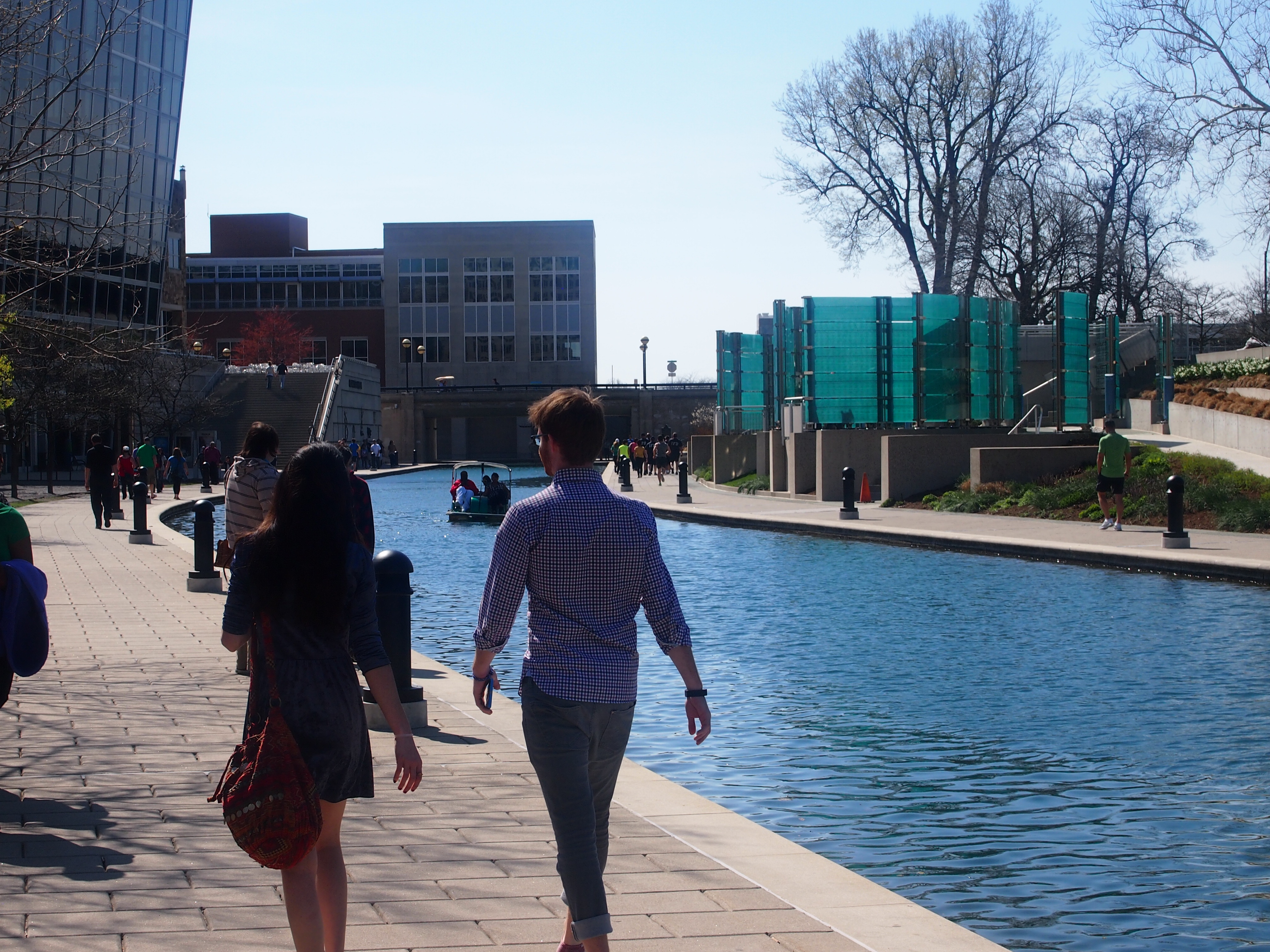
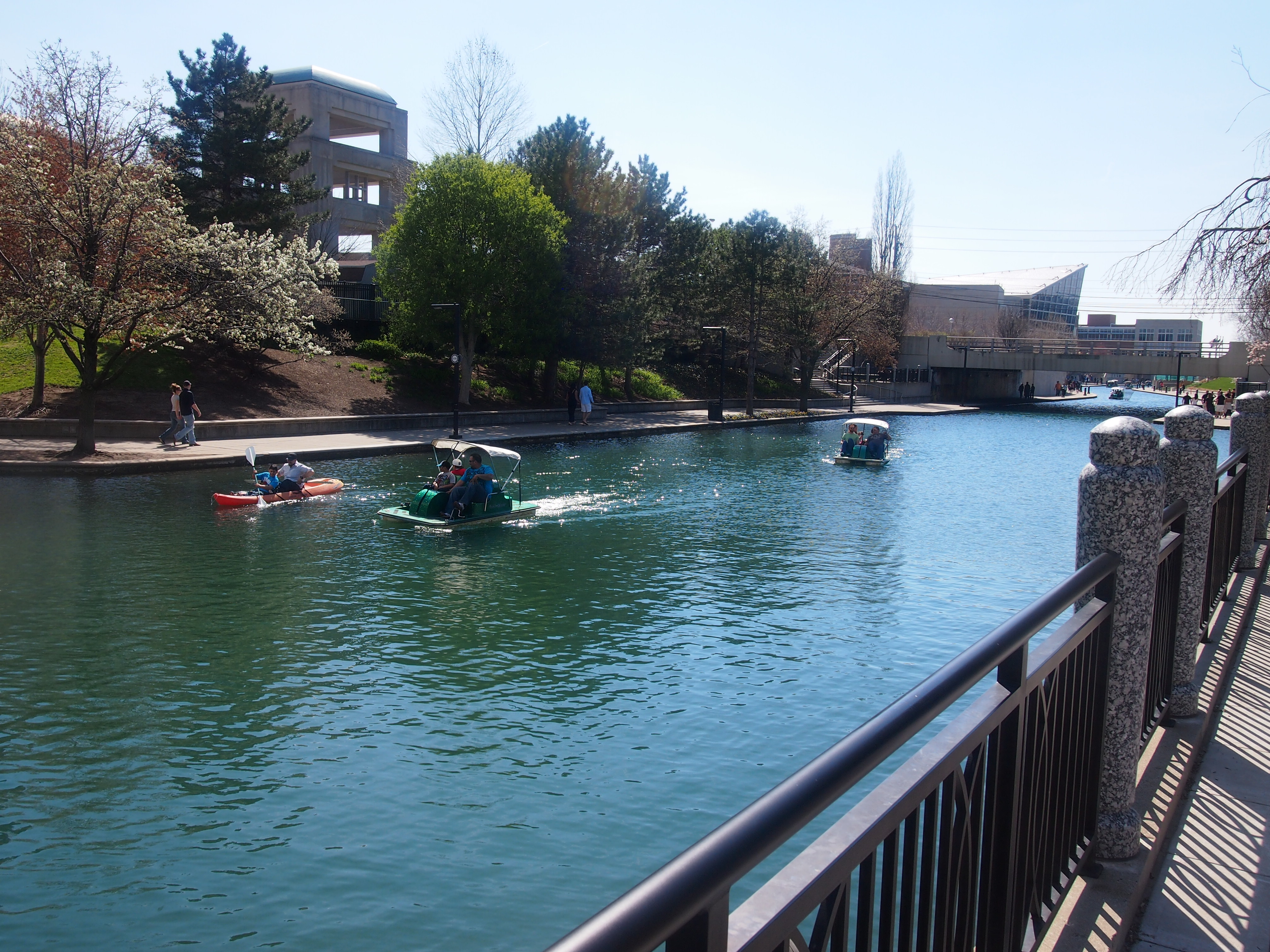
Missed the green dye in the Chicago River on Monday, though of course plenty of pictures have been posted elsewhere. It’s a curious custom. Mostly the river looks like this in the colder months.

Downtown Chicago 2013

I’ve been transferring images from one place to another — from a very old computer to a somewhat old computer — and looked at some of the files for the first time in a while. I didn’t remember, for instance, that I’d scanned my Biafran one-pound note.

BiafraquidI bought it sometime in the late 1970s, and I know I didn’t pay very much for it. Biafra might have failed as a secessionist movement, but apparently they produced a lot of worthless banknotes during their try.

Then there’s this:

HypermarkWeimar Republic hyperinflation currency, to the tune of 10,000 marks, dated January 19, 1922. Scanned slightly askew, but never mind. I bought four or five of these notes, in crisp condition, for $1 in 2001.

One more. The theme tonight, it turns out, is nearly worthless banknotes — not only as collectibles, but pretty much from day one.

rubleThis is a 1,000 rubles. Or was. Dated 1993, plucked out of circulation by me in 1994. During the two weeks we were in the Russian Federation, the value of the ruble against the dollar varied a lot. I seem to remember it being about 2,000 rubles to the dollar — or was it 3,000? I think it was both, at one time or another. This was small change in any case.

The currency has been redenominated since then. Wiki, for what it’s worth, says “the ruble was redenominated on 1 January 1998, with one new ruble equaling 1000 old rubles. The redenomination was a purely psychological step that did not solve the fundamental economic problems faced by the Russian economy…  and the currency was devalued in August 1998 following the 1998 Russian financial crisis. The ruble lost 70% of its value against the U.S. dollar in the six months following this financial crisis.

“By calculating the product of all six redenominations, it is seen that a pre-1921 ruble is equal to 2×10¹⁶ current rubles.” About 20 quadrillion to one, that is. Good thing they’ve been redenominating. Even Zimbabwe doesn’t have a currency that small, I think.


Untimely Demises

Woke up from a dream this morning with the notion that Ed Asner had died. That was a little odd, considering that I seldom dream about well-known people. For a moment I wondered, did that happen? No, I dreamed it. I wish Mr. Asner well, and hope he has more years yet.

Guess it would have been really strange if I’d dreamed about Harold Ramis, whose passing made me wonder, for a moment, what his colleague – co-conspirator – Douglas Kenney would have done if he’d lived as long. Probably not too much on-camera work, though he had a single, memorable line in Animal House, which he co-wrote.

Speaking of untimely death, not long ago I got around to seeing a Smithsonian Channel documentary, The Day Kennedy Died, which first aired in November. Narrated by Kevin Spacey and directed by British documentary filmmaker Leslie Woodhead, it’s a first-rate bit of work. A lot of the material’s familiar, of course, but it also included less-familiar aspects of the story, along with lesser-known images, deftly woven into a strong narrative that eschews the conspiracy speculation that’s encrusted the event.

Also worth watching: a short documentary about the eruption of Mt. St. Helens, vintage 1984 and posted on a YouTube channel called Rare Educational and Entertaining Videos. Until I watched the video about the eruption the other day, I hadn’t realized that there’s a children’s song about Mt. St. Helens. But I knew about stubborn old Harry Truman and some of the intrepid scientists who died trying to gather information about the volcano.

Thursday Bagatelle

I drove through thick fog early this evening. Remarkably, the fog disappeared in about 10 minutes as I was driving along – blown away by the strong winds entering the Chicago area that are still gusting outside, and which are supposed to last into tomorrow.

While writing about small-nation participants in the Olympics last week, my thoughts naturally turned to Sealand. (Whose wouldn’t?) Besides no status as an actual country, Sealand has no Olympic committee, either. But it’s always entertaining to read about the place.

The founder of Sealand died only in 2012, which I hadn’t heard. I also didn’t realize that Sealandic coins have been minted, but here they are. Somewhere out in the wide world, there’s a numismatist whose specialty is micronations. There has to be.

I watched the first part of the first episode of The Tonight Show Starring Jimmy Fallon today – watched it the modern way, on demand, not when it was first broadcast. It’s been a good many years since I watched much of The Tonight Show. Briefly, just before Lilly was born, we’d watch Jay Leno, but I never took to him. In the mid-70s, I watched Johnny Carson regularly for a few years, which might have been unusual for someone in his early teens, but lost interest later.

I hadn’t seen much of Fallon before. Seems like an amiable fellow, and talented enough for the job. Still, I have the ridiculous feeling that the host of The Tonight Show ought to be older than me. Just to look at him, Fallon reminds me of a young assistant high school principal or a young insurance agent.

At a post office the other day – they say the USPS is losing money, but there’s always a line at my closest one – I saw an ad for replica Inverted Jenny stamps. Turns out they’ve been for sale for some months, with a $2 denomination. If they’d asked me, I would have suggested they be a postcard denomination (lately 34 cents). Sticking even a replica Inverted Jenny on a casual postcard would be fun.

Hadn’t thought about those stamps in a long time. Philately wasn’t ever as interesting for me as numismatics, but everyone ought to know about the Inverted Jenny. I made sure to tell Lilly about it. “That much for a stamp?” she said when I told her they sell for hundreds of thousands of dollars. That’s the bizarre world of collectibles for you.

Moon of New Orleans

A day above freezing. I’m always surprised on such days how much snow melts. Most of the roof is uncovered, for instance. None of the ground is. It wasn’t that warm. Besides, we still have a deep covering left over from a slow accumulation all winter.

Something I learned today: former New Orleans Mayor Moon Landrieu is still alive at 83. Good for Moon. I thought about him because I read about Sen. Mary Landrieu’s bid for re-election, and remembered that he was her father. I can’t claim to know much about the Landrieus (Landrieux?) or Louisiana politics, except it’s inordinately colorful and rare is the governor who avoids indictment.

But Moon Landrieu has long been a favorite politician name, ever since I heard of him back during high school. That just sounds right for a N’Orleans pol, tripping right off your tongue. According to Wiki at least, he was born Maurice but at some point changed it legally to Moon.

Chief Magistrate Blog Revised

“Presidents Day” is nearly upon us again. Time to dwell on the immortal deeds of David Rice Atchison. Just kidding. I don’t care what’s on his tombstone, he never held the office. Snopes has a long-winded discussion of the matter, but covers it pretty well.

Ten years ago I was long-winded myself when I wrote that “one of my travel hobbies, whenever it’s possible — and it isn’t too often — is to visit presidential sites. I’ve only been doing this since about 1996, so I can’t call it a life-long pursuit. And I rarely go out of my way to see a presidential site. But if it’s around, I’ll seek it out.”

Then I listed the sites I’ve managed to see, with a little commentary. I will update the list here, with places visited in the last 10 years italicized, plus more links than anyone’s likely to care about. It occurs to me that I haven’t added very many over the last decade. I’d need to spend more time on the East Coast, Virginia in particular, to run up the total, or closer at hand, Ohio.

Washington Monument, DC. Inspired by Egypt, hotbed of democracy. But a fine work all the same; Federal Hall, Wall Street, New York. Site of Washington’s first inauguration.

Monticello. Fascinating place, but I understand that home improvements drove Jefferson into penury; Jefferson Memorial, DC.

The Hermitage, Jackson‘s home in Nashville. Made quite an impression on me when I was 8. Still good as an adult.

Tippecanoe Battlefield, where Wm. Henry Harrison won his fame. The best diversion on the dull drive between Chicago and Indianapolis. More details here.

Polk‘s grave, Nashville. A neglected president, because his style of imperialism is out of fashion.

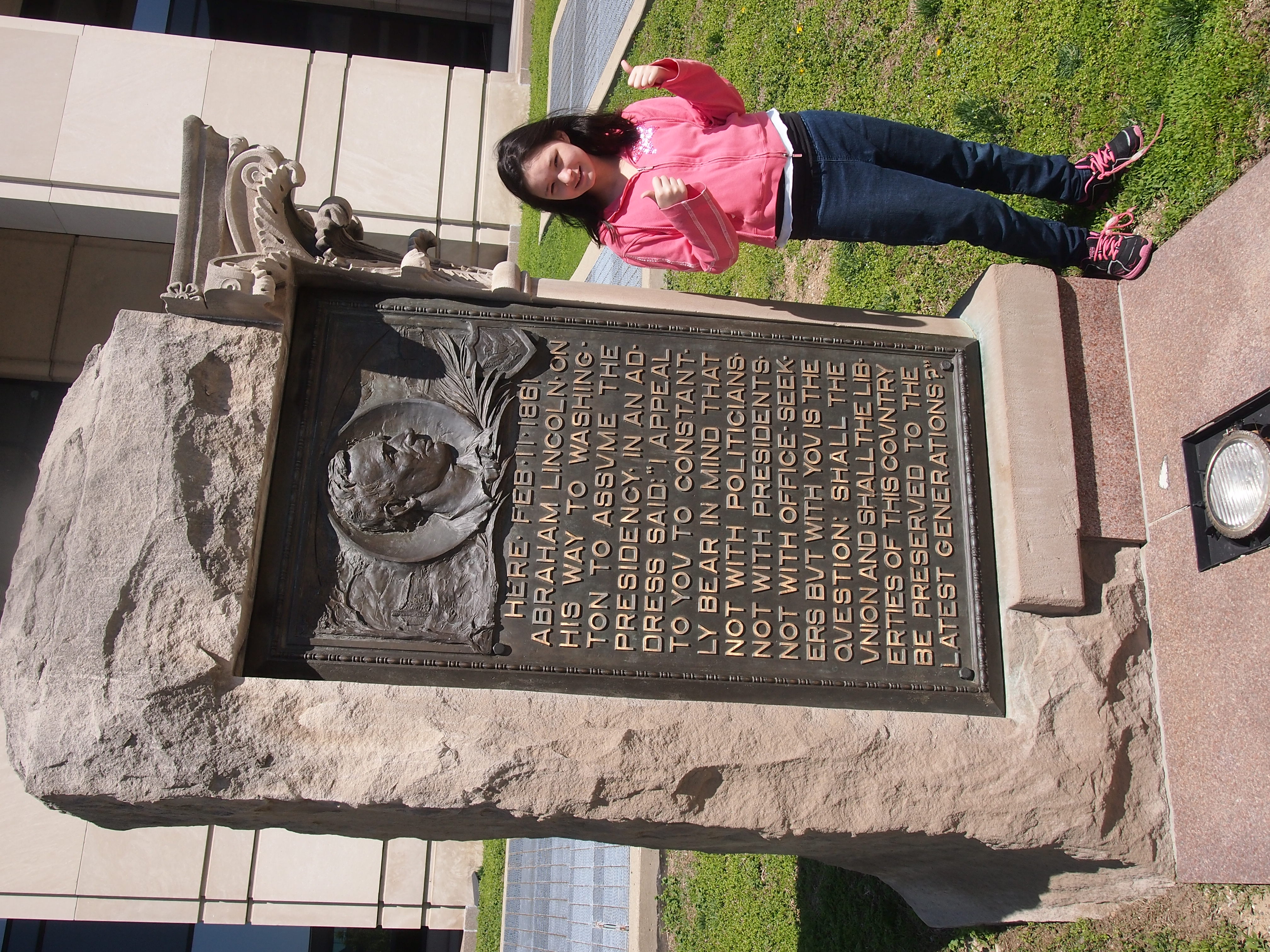
Lincoln‘s tomb, home (Springfield, Ill.); Lincoln Memorial, Ford’s Theater (DC); Lincoln’s New Salem State Historic Site, Ill., where Lincoln lived as a young man; Lincoln Birthplace, Lincoln Boyhood Home (Ky.);  Lincoln’s Landing, Lockport, Ill.; Site of the Wigwam, where Lincoln was nominated, Chicago; Lincoln Museum, Springfield. Hadn’t been opened 10 years ago.

Andrew Johnson‘s birthplace, Raleigh, NC. Andrew Johnson NHS and Andrew Johnson grave, Greeneville, Tenn.

Grant‘s home, Galena, Ill., Grant’s home, St. Louis. At the latter, my brother and I looked around for empty whisky bottles, but no luck; Grant’s tomb, NYC. Well worth seeing.

Hayes‘ home and grave, Fremont, Ohio. The docent was really glad to see me. Stopped there to break up a trip on the interminable Ohio Turnpike.

Benjamin Harrison‘s home, Indianapolis. This docent was glad too. Nice Victorian house; Benjamin Harrison’s grave, Indianapolis. Too simple. Some governors of Indiana had better headstones. (I’m not so sure its simplicity is a bad thing any more; it’s got republican virtue going for it.)

Teddy Roosevelt‘s boyhood home, NYC. A well-done replica of the original brownstone, which actually has a brown exterior.

Taft’s grave, Arlington National Cemetery, Va.

The Blackstone Hotel (Smoke-Filled Room, Harding), Chicago

Hoover Library, Hoover’s birthplace, Hoover’s grave, West Branch, Iowa. I admire Hoover because he was a well-traveled man.

FDR Memorial, DC. Detailed here.

Truman Library, Truman’s home, Truman’s grave, Independence, Mo. There’s something a little odd about being buried on the grounds of your library, but there he is with Bess.

JFK grave, Arlington National Cemetery, Va.; Kennedy death limo, Dearborn, Mich.; Sixth Floor Museum, Dallas (forgot to list this 10 years ago. Yuriko and I went there in 1992).

LBJ ranch, LBJ grave, Stonewall, Tex. The historical re-enactors at the ranch refused to give me, the only visitor, any of the pie they had made. LBJ Library, Austin.

Nixon Library, Nixon’s boyhood home, Nixon’s grave, Yorba Linda, Calif. Where President Nixon lies still.

Ford Museum, Grand Rapids; Ford grave, Grand Rapids. He wasn’t dead yet in 2004.

Carter Library, Atlanta. Every now and then I have a touch of nostalgia for the Carter administration. No mention of the Killer Rabbit incident or Billy Beer at the library, however.

Reagan‘s boyhood home, Dixon, Ill. Bizarre statue next door of Reagan holding kernels of corn.

George HW Bush‘s Kinnebunkport home, Maine. I was a little lost on the coastal roads of Maine that day, I’m pretty sure I saw it from a distance in 1989. I’m surprised I was able to get as close as I did, but I suppose he wasn’t there that day.

Clinton Birthplace, Hope, Ark.

Also, the White House. That would be associated with every president since John Adams.

042And the U.S. Capitol. Besides statues of various chief magistrates, there are plaques on the floor in the old House chamber, now Statuary Hall, marking the locations of the desks of J.Q. Adams, Tyler, Polk, Fillmore, Pierce, Buchanan, Lincoln and Andrew Johnson.

Finally, St. John’s Episcopal Church, DC, the church that’s been visited by every sitting president since Madison, complete with a presidential pew and kneeling cushions with the names of presidents on them.

Shiny Lincolns

Yesterday I noticed an oddity in my loose change, a shiny Wheat Cent. Nothing particularly valuable, since it’s a 1957 coin, but still unusual. I scrounged around until I found a shiny Lincoln Memorial Cent, which isn’t that easy to find either, and a Union Shield Cent, which are practically all shiny. I put them together and preserved their shininess for posterity, if any. A fitting thing to do to mark Lincoln’s 205th birthday.

OLYMPUS DIGITAL CAMERAVictor D. Brenner designed the Wheat Cent, obverse and reverse. The obverse, at least, has proved remarkably durable, from 1909 to the present, and will probably last until the sad day the U.S. retires the penny, as Canada has. It’s also gone where no coin has gone before – I think – namely Mars.

Frank Gasparro did the Lincoln Memorial Cent. Nice enough, with intricate detail, I suppose, but I never thought it compared to the Wheat Cent.

Lyndall Bass did the Union Shield Cent, a fine design. Doubt that it will make it to 2059, but at least it’s a good way to end the denomination.

Storm of the Century

I found Burmese Days at a bookstore not long ago. Once I finish rereading Homage to Catalona, which I’m close to doing, I’ll read that for the first time. It’s a wonder that George Orwell escaped Spain with his life in 1937. How close the world came to never having Nineteen Eighty-Four, Animal Farm and the rest.

What have we missed because antibiotics weren’t quite good enough yet to save Orwell in 1950? The man might have written for another 30 or more years. To modify a line of Tom Lehrer’s, it’s a sobering thought to realize that when Orwell was my age, he’d been dead six years.

Actually, I’m taking a detour from Orwell to read a book I chanced on at the library the other day and couldn’t resist, Storm of the Century: The Labor Day Hurricane of 1935, by Willie Drye (2002). I’m pretty sure I first heard about that storm watching Key Largo. Lionel Barrymore’s character mentioned it, at a time when the hurricane would have been still fairly fresh in memory, as Katrina is for us.

“On Labor Day in 1935, a hurricane that produced the record low barometric pressure reading of 26.35 inches hit Florida’s upper Keys, destroying virtually everything in its path,” the Publishers Weekly blurb cited by Amazon says. “In his meticulously researched work, Drye gives a vivid, detailed account of the storm’s approach and impact when it made landfall. Drye was drawn to the story of the unnamed hurricane not only because of its intensity, but also because it killed nearly 260 World War I veterans who were building a highway as part of a federal construction program.”

So far it’s pretty good. The book even has occasional funny asides, something you wouldn’t expect. For instance, Key West as a modern tourist destination was largely invented during the 1930s, to help it recover from the Depression but also the contraction of the area’s ship salvaging and natural sponge businesses earlier in the century. The Florida Emergency Relief Administration led the effort to clean up the town and its attractions, hiring a PR man named E.M. Gilfond to handle publicity.

“Gilford and his staff, which included talented graphic artists, launched a nationwide advertising campaign to lure tourists to Key West,” writes Drye. “When the visitors arrived they were given a booklet published by the Florida ERA that included a map of the city’s attractions.

“The effort was a rousing success. About 40,000 tourists visited Key West during the 1934-35 season, and the city’s income from tourism increased by about 43 percent…

“No one had bothered to confer with Ernest Hemingway before putting his house on the maps handed out to visitors. The author’s home was listed as attraction number 18, and a fair number of those 40,000 tourists tramped onto his property and peered into the windows of his home or gawked at him from the sidewalk as he tried to relax on his porch with a drink and a cigar. One especially bold visitor opened the front door of Hemingway’s home and marched into his living room as though he were walking into a museum.”

Thursday Orts

No falling snow today, just real cold air. Of course I had to be out in it for a while, including a period spent figuring out why the garage door wasn’t closing. Once I figured it out, it was all too obvious. A chunk of snow had attached itself to the bottom of the door, and when it passed in front of the electric eye, it stopped the door.

Until I thought to visit the Coca-Cola web site itself, I couldn’t find a list of all the seven languages used in the “America the Beautiful” commercial aired during the Super Bowl. The descriptions I saw simply mentioned that most of the languages weren’t English, which seems to have fueled a short-lived tempest in a teapot. I didn’t see the commercial live, or any of the commercials during the game, or the game either.

I caught it on YouTube the next day (the commercial, not the game). A pretty piece of work, even considering that at its heart, its goal is to sell sugar water (or more likely around here, corn syrup water). Where’s that street at 0:35? Looks like a Chinatown, but I can’t tell where. I want to go there and get some noodles.

The languages are English and Spanish, naturally, but the others were impossible for me to pin down just listening: Tagalog, Hebrew, Hindi, Keres (spoken by the Keres Pueblo people), and Senegalese-French. Interesting selection. It didn’t take long before some jokesters created a parody that included the likes of Klingon and Dothraki – which I’d never heard of before, since I’ve missed Game of Thrones entirely.

Another thing I didn’t know, but just found out: as a child, Charles Nelson Reilly attended the circus in Hartford, Conn., on July 6, 1944, the day the big top caught fire and killed over 160 people. As an old man doing his one-man show, Reilly described his escape. Separately, another fellow described his escape.

Arcane Sunday Bits

More snow on Saturday, which probably removes the risk that we might see patches of ground again before sometime in March. More shoveling last night, though this time Lilly helped. That was the price of borrowing the car today.

Tenchi Meisatsu (Samurai Astronomer) was an interesting movie. As I was watching it yesterday, it occurred to me that I knew little about the pre-Meiji Japanese calendar, except that it had been borrowed from the Chinese, and tossed out in favor of the Gregorian calendar. Tenchi Meisatsu (2012) is the story of Yasui Santetsu, the first official astronomer of the Tokugawa shogunate, and his dramatized efforts to reform the Japanese calendar in the 17th century.

As the reviewer at the imbd points out, that’s an unusual subject for a movie, yet it’s effective. As a Japan Times reviewer points out, “it’s probably the best film about calendar making you’ll ever see.” So far, that’s true. I don’t expect to see an action thriller about Pope Gregory any time soon, and poor old Sosigenes didn’t even rate a mention in the HBO series Rome that I recall, though he seems to have been a character in the 1963 movie Cleopatra.

Another arcane matter: It’s never occurred to me to have a favorite map projection, but I know enough to find this funny. I’m fond of most any map, except for grossly inaccurate tourist maps. That is, the sort that have a few vague lines of actual geography, but which mostly sport drawings of famous places or random fun-time activities. They aren’t real maps anyway.

These are some interesting maps. Especially this one.