Tri-State Appalachian Equinox Road Trip

Old Chinese proverb, I’ve heard: even a journey of 1,000 leagues begins by backing out of the driveway. That we did on Friday, March 17. We pulled back into the driveway on Saturday, March 25. In between we traveled 2,219 miles, using the ragged marvel that is the system of roads in the United States.

My fanciful name for the trip refers to three states that were the focus: Ohio, Pennsylvania and West Virginia. We actually passed through seven states, also including Illinois, Indiana, Michigan, and very briefly, Maryland.

We saw a lot of places, but two in particular motivated the trip as a whole. One was Fallingwater, the Frank Lloyd Wright sculpture – I mean, house – perched over an irregular drop on Bear Run, a creek in rural Pennsylvania. Visiting Fallingwater had long been an ambition of Yuriko’s, maybe since before she lived in this country, since FLW is known far and wide; but I needed no persuasion to go myself.

The other was New River Gorge National Park and Preserve in eastern-ish West Virginia. This was my suggestion, since I keep up on national parks. But I’ve wanted to go there a good while, long before Congress promoted it to national park, which only happened in 2020. Besides, it was high time I spent a little more than a few minutes in West Virginia which, for whatever else it has, is known for its surpassing scenery. This reputation, I can confirm, is deserved.

Weather-wise, spring travel is a crap shoot. The day we left a cold, unpleasant wind blew in Illinois, Indiana and Michigan, and it followed us under the same gray skies and at temps barely above freezing the next day, into central Ohio.

By last Monday, in southwest Pennsylvania, temps had moderated with the appearance of the sun, and each day was more pleasant than the last as we headed south into West Virginia, where the grass had greened and some bushes had too, though most trees were at the barely budding stage. Thursday, March 23 proved best of all, with sunny skies and temps in the 70s, allowing us to enjoy the best meal of our trip — ricebowl meals — at a picnic table in Fayetteville, W.Va.

A cold rain came calling on Friday as we headed from West Virginia back to Ohio. On Saturday, again in central Ohio, it wasn’t bitterly cold, but the wind was so strong at times that it jostled my car as I drove and my body as I walked. Rain squalls came and went, with a spell of sleet I actually enjoyed, sitting in our parked car listening, knowing that the ice was too small to do any damage. Returning home yesterday, Illinois was pretty much as we’d left it, chilly and not-quite-spring.

The upshot of it all is to pack for the weather variety you’re going to encounter, and I was more than glad – as I returned to the car in a stiff wind, crossing a green field in small-town Ohio, feeling wind chill that must have been around zero (and I mean Fahrenheit) – that I’d brought the coat I use most of the winter.

We brought the dog. We don’t want to leave her at a kennel any more, and no one was at home to mind her. Having your dog along is something like traveling with a small child you can’t take into restaurants or a lot of other places, but we don’t regret a bit of it. Long drives in the car don’t faze her at all, since after the first few minutes, that’s like lying around the house and, as the comedian said, a dog’s job is lying around the house.

She had her energetic moments too, more than you’d think for an ancient dog, such as walking the trail to Diamond Point overlooking the New River Gorge, with its smooth straightaways through forests giving way to patches of mud, large rocks or tightly packed tree roots underfoot, sometimes all of those in a single stretch. Our reward for the sometime-slog was a vista of rare beauty. Her reward? I don’t think it was anything so visual. Maybe following the pack is its own reward for her.

Companion dogs also mean you acquaint yourself with the look and feel of the front office and main entrance of limited-service hotels during the empty early a.m. hours, well lit as a Broadway stage but without any players. Except maybe for the night clerk, just outside the door, who is peering into his phone, cigarette in other hand. Probably our dog, as any dog, could be trained to pee on a disposable rug in the room during the small hours, but somehow we’ve never wanted to do that. There’s something appealing somehow about the ritual of dressing as simply as possible a few minutes after waking at 2:30 or 3, or 25 or 6 to 4, hitching a leash to the dog’s collar and repairing to the first patch of green, or pebbles ringed by a curb, outside the hotel door

Take me home, country roads. I’ll say this for West Virginia, it’s got some crazy-ass serpentine roads through its ancient and forested mountains. The Laurel Highlands in southwest Pennsylvania was no piker in that regard, either. You need to keep an intense focus on the road as it winds this way and that, rises and falls, and passes ever so close to boulder walls, massive trees and wicked ditches. If you don’t mind thinking about your mortality every now and then, that’s some good driving.

Mostly good driving. There are moments when a red sedan, or a black pickup truck, decides that tailgating you at roughly the speed limit as you wind around and navigate switchbacks, is a good idea, and blasts around you at the first marginal opportunity, double solid stripes be damned.

Yet I only got the smallest sampling of the twisty roads. No roads without pavement this trip, though plenty enough didn’t bother with details such as guardrails. Another, entirely unpaved and mostly unregulated network of roads and tracks, many perhaps pre-New Deal, must exist in West Virginia. Out away from the nearest town, while we were parked a national park site on a small paved road, three ATVs buzzed past, each with two people. They were headed toward town after emerging from the woods, their vehicles streaked with mud. I was just close enough to see in their faces they’d had a fine time out in the unpaved network.

Also, if you really wanted to get home to West Virginia, wouldn’t you take the Interstate?

We made stops in Ohio going and coming.
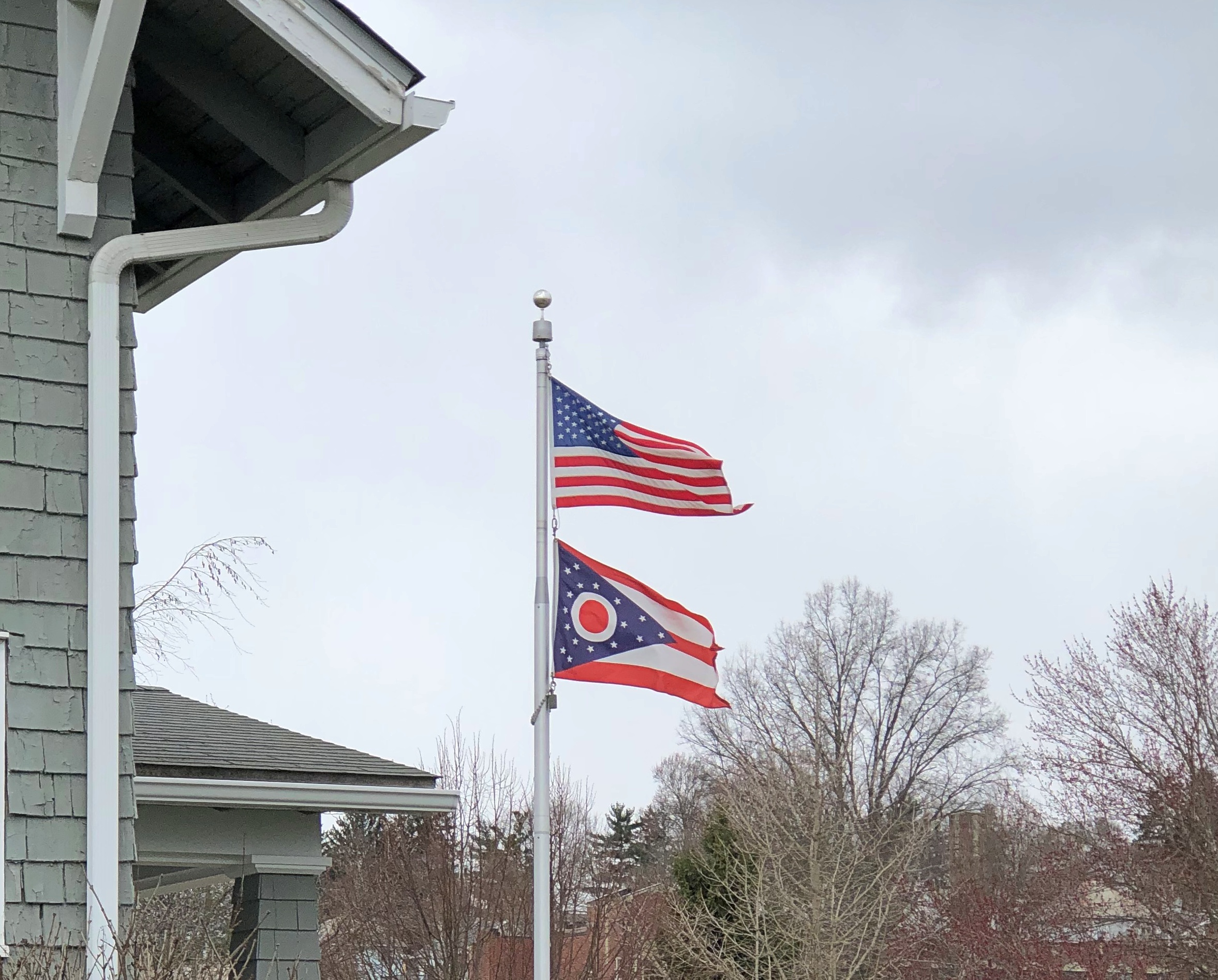
On Saturday, March 18 we made our way south from Ann Arbor, where we’d spent the first night, to Columbus, Ohio, to spend the second. On the way is the Basilica and National Shrine of Our Lady of Consolation, a Byzantine edifice rising in a small town, which we visited, but also sites associated with Warren G. Harding: his memorial and burial site, and also his home, in the large town of Marion, Ohio.

Our return home, beginning on Friday, March 24, took us back through Ohio, to Columbus for the last night of the trip. Saturday morning, after takeout breakfast at Tim Horton’s – for that part of Ohio is in the Tim Horton’s orb, we were glad to learn – we visited downtown Columbus and the Ohio Statehouse in a howling cool wind. Ate lunch, Korean-style chicken and salad, sitting in the car in a clearly gentrified neighborhood, the bricked-streeted German Village. We spent the rest of Saturday driving back, via Indianapolis.

On the morning of Sunday, March 19, we left Columbus and made our way east through the remarkable town of Newark, Ohio, then Wheeling and Moundsville, West Virginia  and from there to Uniontown, Pennsylvania, a mid-sized far outer suburb of Pittsburgh. Or at least it will be in a few years.
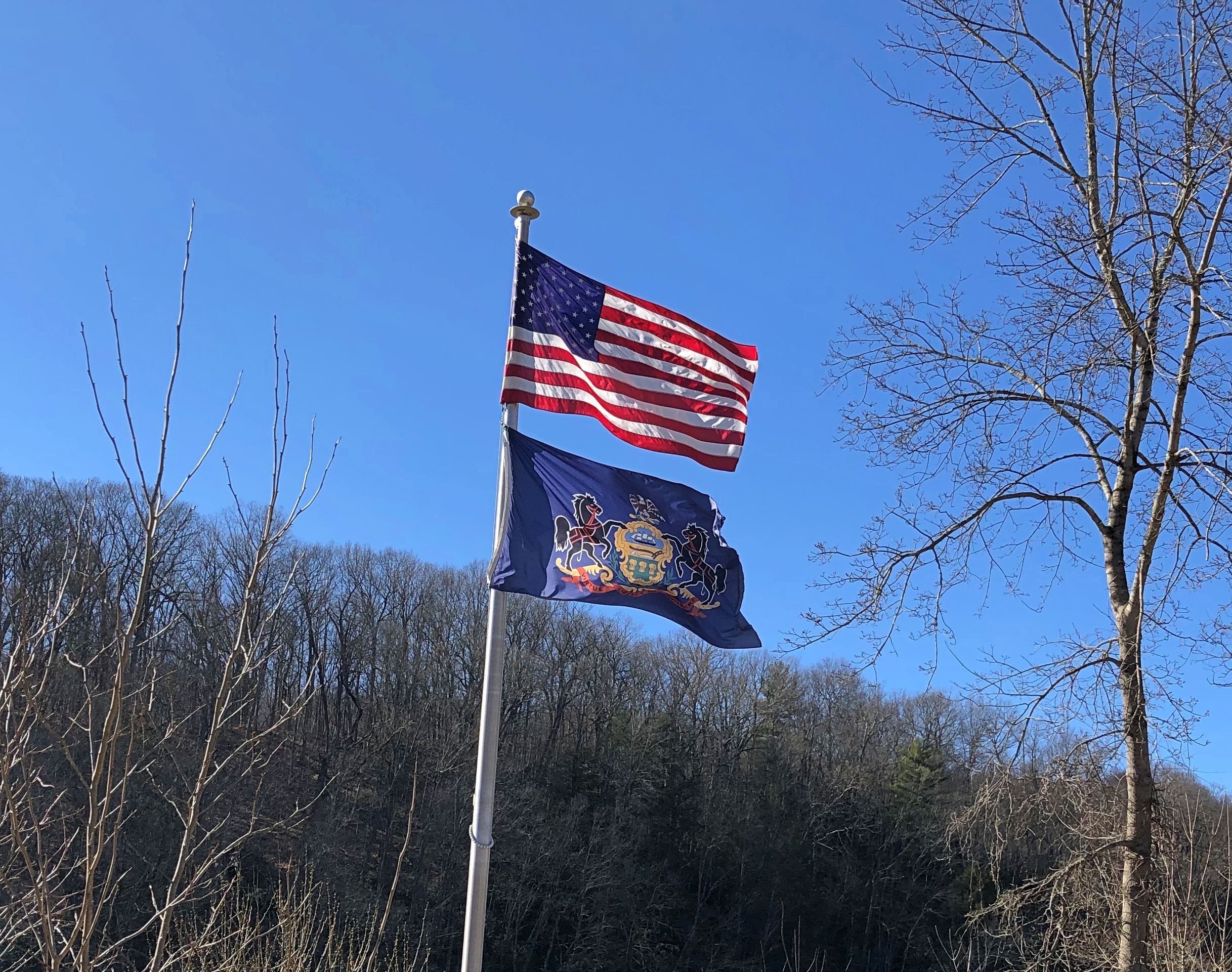
On Monday, we paid our visit to Fallingwater, taking turns on tours, after which we had lunch in a low-season tourist town and took an impediment-rich hike in Ohiopyle State Park, along the rocky shore of the Youghiogheny River, at that point boasting a highly picturesque waterfall. That was enough for one day for Yuriko, who napped in the car (along with the dog) as I walked the much shorter and smoother path to Fort Necessity National Battlefield late that afternoon.

On Tuesday, we made our way back west a short distance, to visit the Palace of Gold in rural West Virginia, in the peculiar north panhandle of the state (which I’ve long thought of as a conning tower). We returned that day to Uniontown by way of Moundsville, W. Va., home of an ancient mound of remarkable height, a former penitentiary of remarkable solidity, and a bridge across the Ohio River of remarkable elegance. Those things, and some tasty if not remarkable barbecue.

The next day, we left for West Virginia, but not by the most direct route, because I wanted to see the Flight 93 National Memorial in deep rural Pennsylvania. Progressively smaller roads lead there, including – as we traveled it, which I figured would be the quickest route – a short stretch of I-68 through the oddity that is the Maryland panhandle. Late that day, Wednesday, we arrived in Beckley, W. Va. 
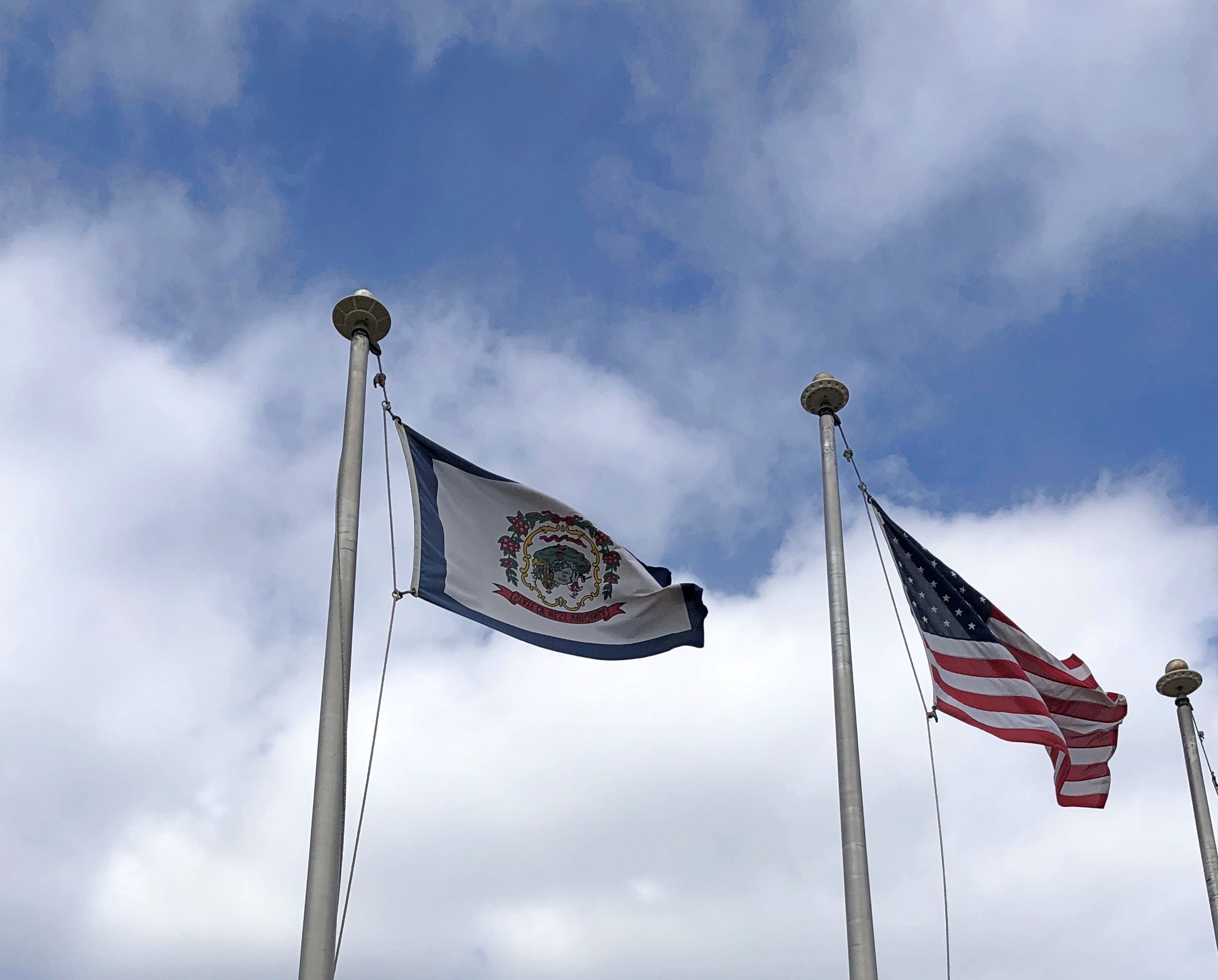
We spent almost all of Thursday at the national park, at one sight or another, driving and hiking and pondering historic and sometimes crumbled structures. But that wasn’t quite enough. On Friday morning, before we left for Ohio, we went back to the park. Around noon, we headed west, passing through Charleston long enough to visit the West Virginia State Capitol and eat Chinese takeout, though not at the same time. A little north of Charleston, we crossed back into Ohio after gassing up near the small town of Ripley, West Virginia. Believe it or not.

One other thing: this was a vacation from the news, which following is part of my job. Except for the briefest snippets on the radio, when sometimes I didn’t change stations out of habit for some seconds, I ignored the news of the world, or even smaller parts of it. I think that’s a good thing to do.

But of course, a few things got through. I heard the opening bars of The Dick Van Dyke Show theme on a news program one day, and I jumped to the conclusion that he had died. That isn’t a big jump, since he’s 97. But no, merely a one-car accident.

Image being that well regarded, that your minor auto accident as a nonagenarian is national news. Anyway, glad not to say, RIP, Dick Van Dyke.
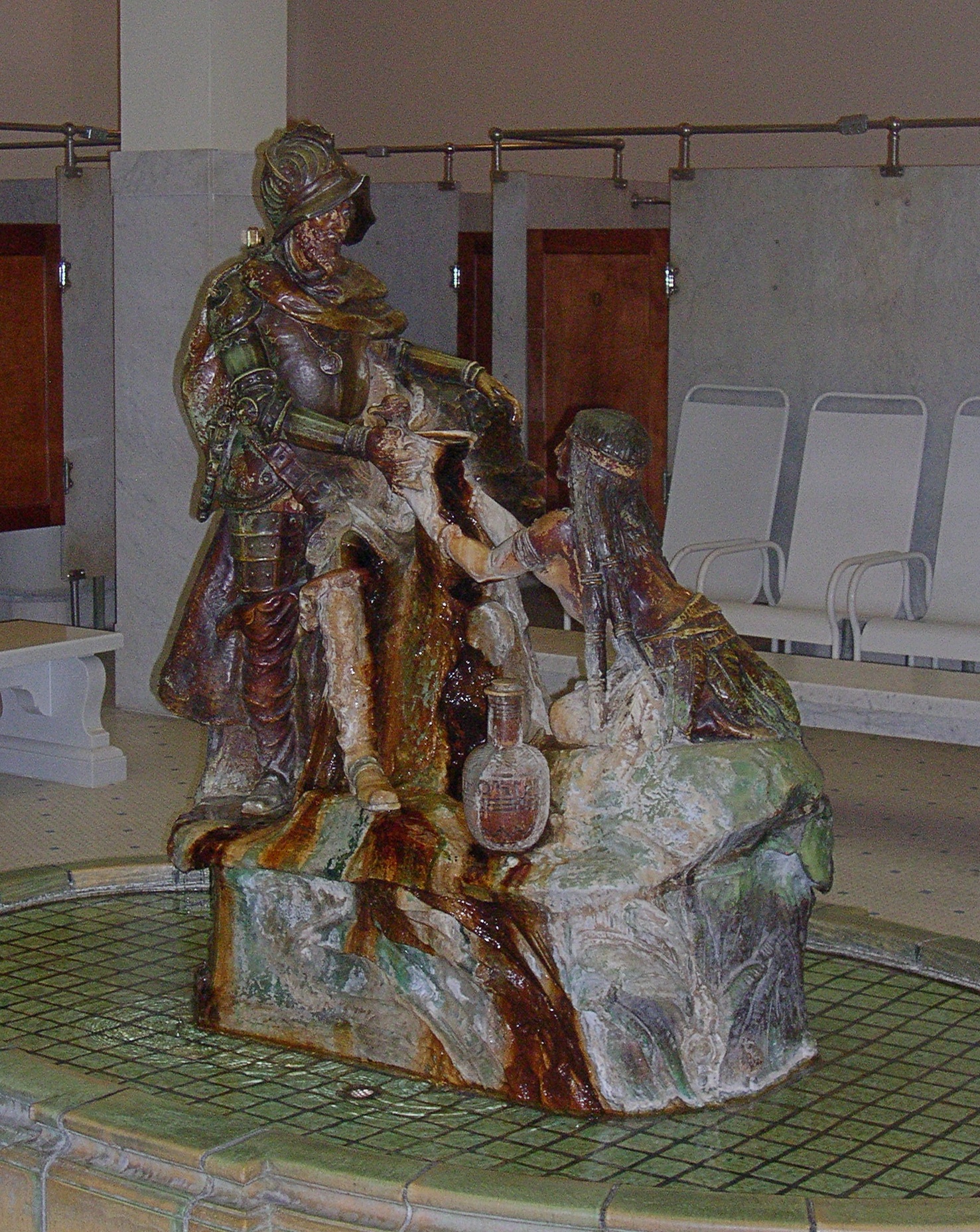
Hot Springs NP, 2007

Even though it was a digital camera, and a fairly good one when I acquired it ca. 2001, my Nikon Coolpix 4300 had its limits. Mainly, memory. At least compared to the vast memories of current devices.

So that might account for the fact that I only have one image at Hot Springs National Park in March 2007. Or maybe I wasn’t much in the mood for using a camera there. It’s good to put the camera down for a while sometimes, no matter how photogenic the place you find yourself.

This is it, the Hernando de Soto statue at Fordyce Bathhouse. The image itself is only passable.

The sculpture is in the former men’s bath hall and was a centerpiece of a fountain.

The Fordyce Bathhouse is a building of exceptional beauty in its public spaces and state-of-the-art health and fitness equipment of the roaring ’20s in its bath spaces.

“The Fordyce is now the park’s visitor center, and offers tours of its elaborate facilities – self-guided, but at a good price, free,” I wrote at the time. “The building style, Spanish Renaissance Revival, is supposed to pay tribute to Hernando de Soto, who supposedly came this way. No fancy bath houses were necessary for passing Spaniards, Indians or other early visitors, however, who apparently soaked in pools fed by the springs wherever they found them.”

Yosemite National Park

This kind of national park review ends up on humorous lists: “Trees block views and too many grey rocks.” So we can chuckle at the philistines. Ha, ha.

Today I spent some time with Yelp one-star reviews of Yosemite National Park, and while I’m sure somebody actually posted the above as a genuine review (philistines are out there), that’s not what most of the one-star reviews were about. Rather, people were bitching about the management of the park, and specifically admissions and backcountry permitting.

Nothing untoward happened to us during our early October visit to Yosemite because of entrance snafus. But many — most? — of the one-star complaints have a ring of truth to them. Yosemite began requiring timed entry last year and did so this year (but not after September 30), and to be charitable, it sounds like there are still a few bugs in the system, plus genuine issues with rude or indifferent customer service. The permit system to climb insanely high rocks seemed poorly run too.

We call all mock government incompetence, can’t we? Or is it hard to run a major national park when it’s starved for funding?

When you arrive at the park — and get in effortlessly — all such questions melt away. Lilly and I arrived on the morning of October 6, 2022, at the Arch Rock Entrance and from there drove the winding two-lane road to the valley.Yosemite National Park

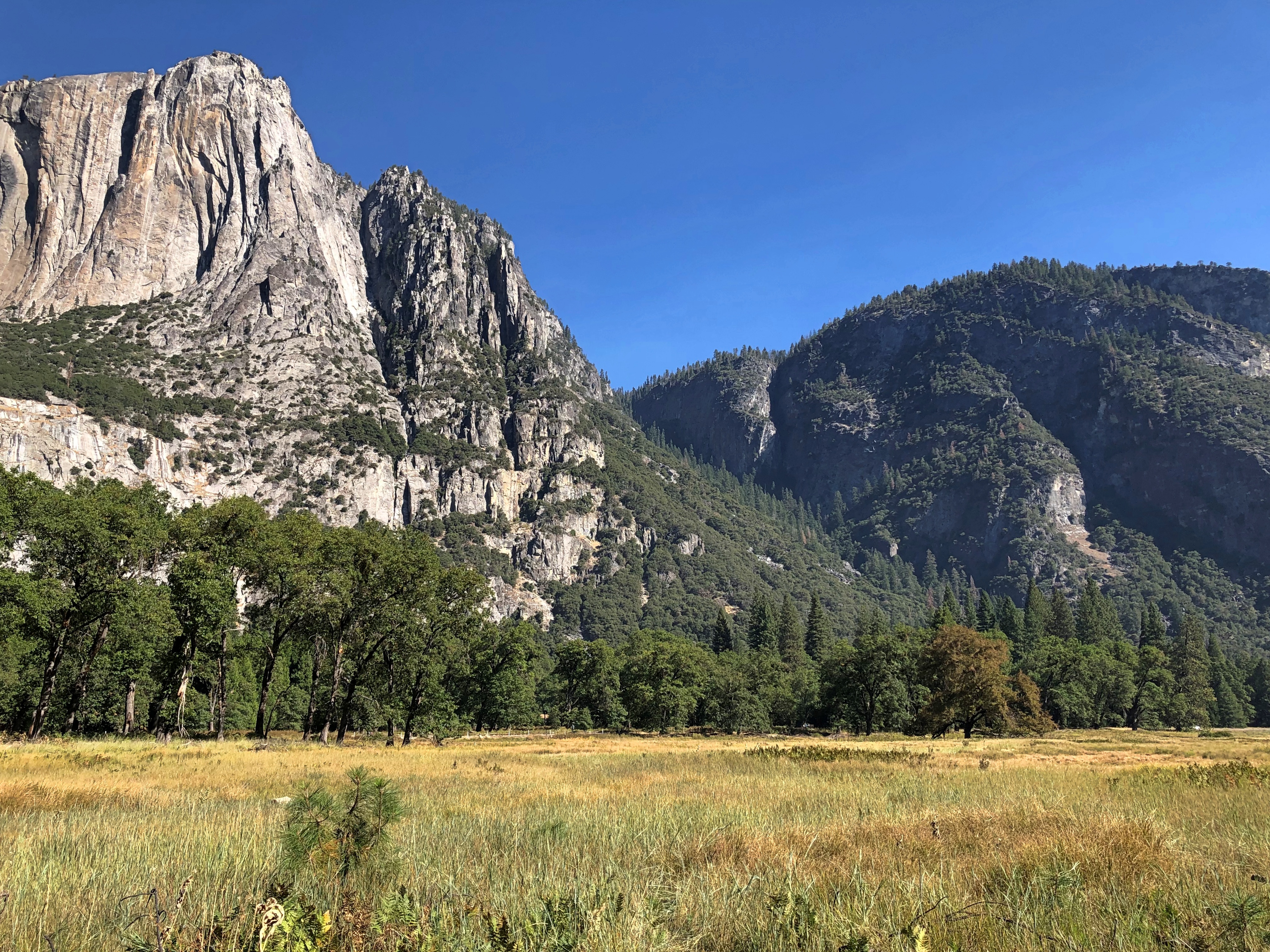
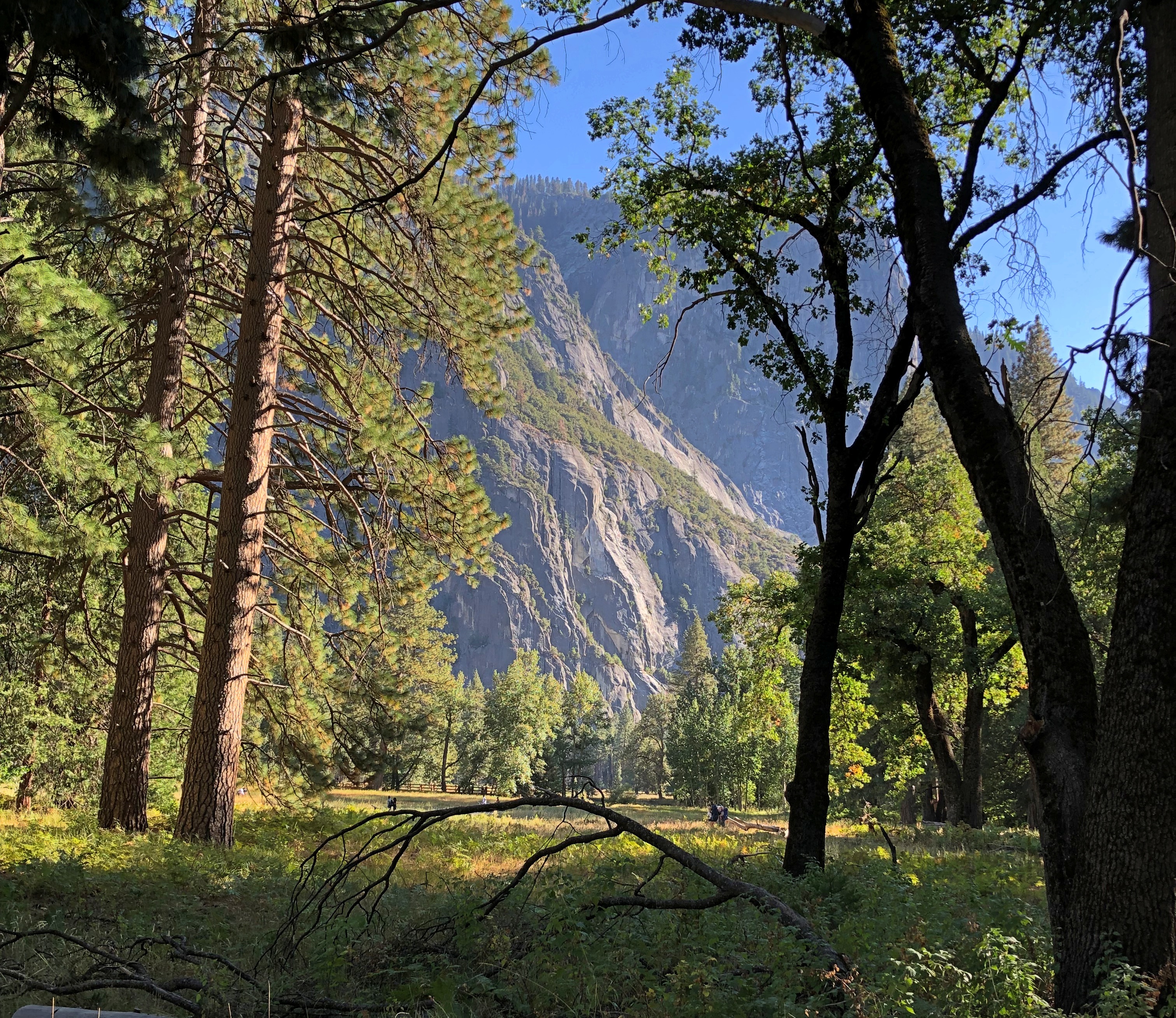
In the Yosemite Valley, it doesn’t take long to get to grandeur.Yosemite National Park Yosemite National Park

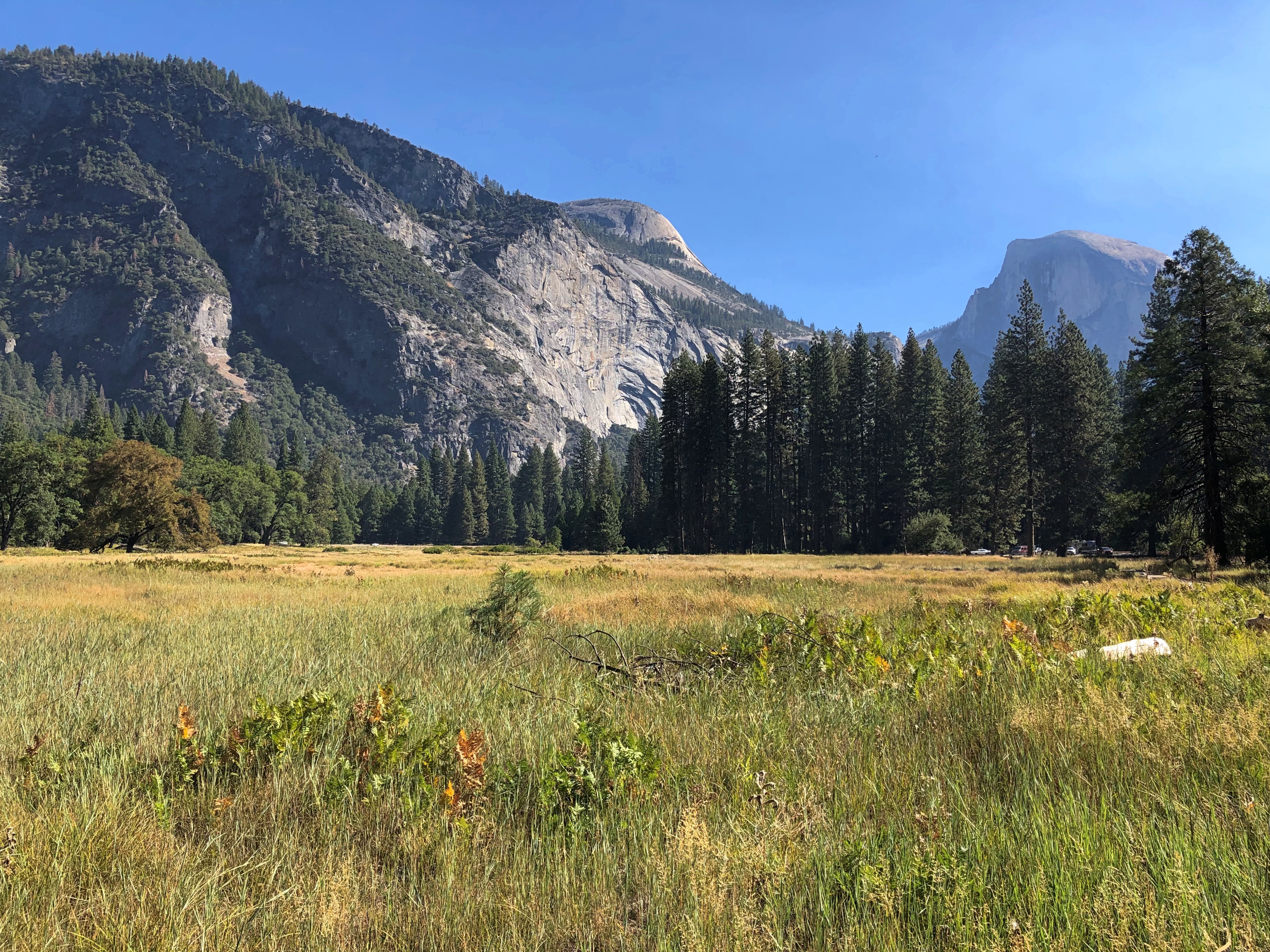
On the line separating the grass and the trees in this image, far to the right, are cars barely distinguishable as such. That’s where we parked. Grandeur wasn’t very far from there, either.Yosemite National Park

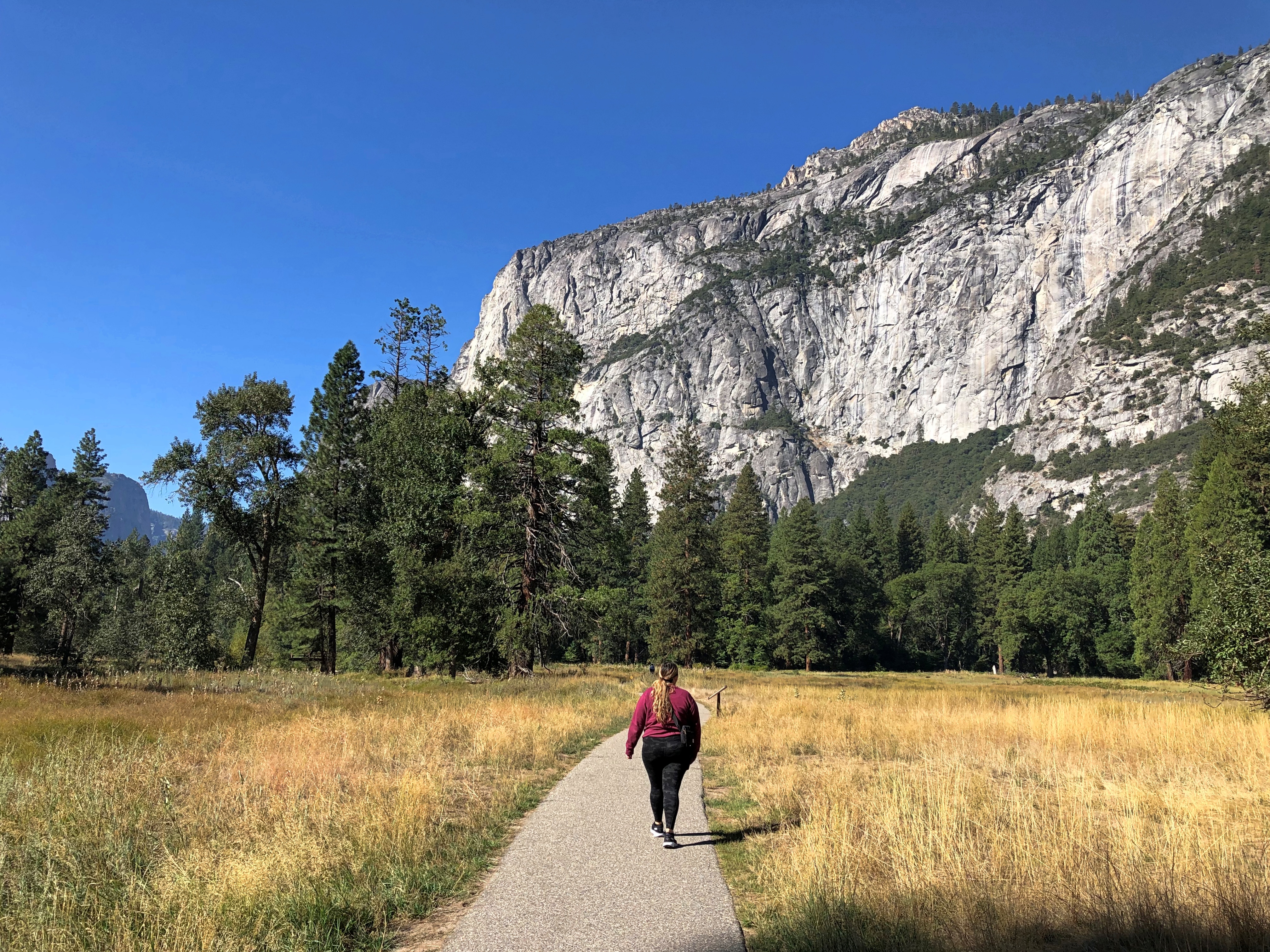
The path across the field, away from the parking lot, offered some more stunners.Yosemite National Park Yosemite National Park

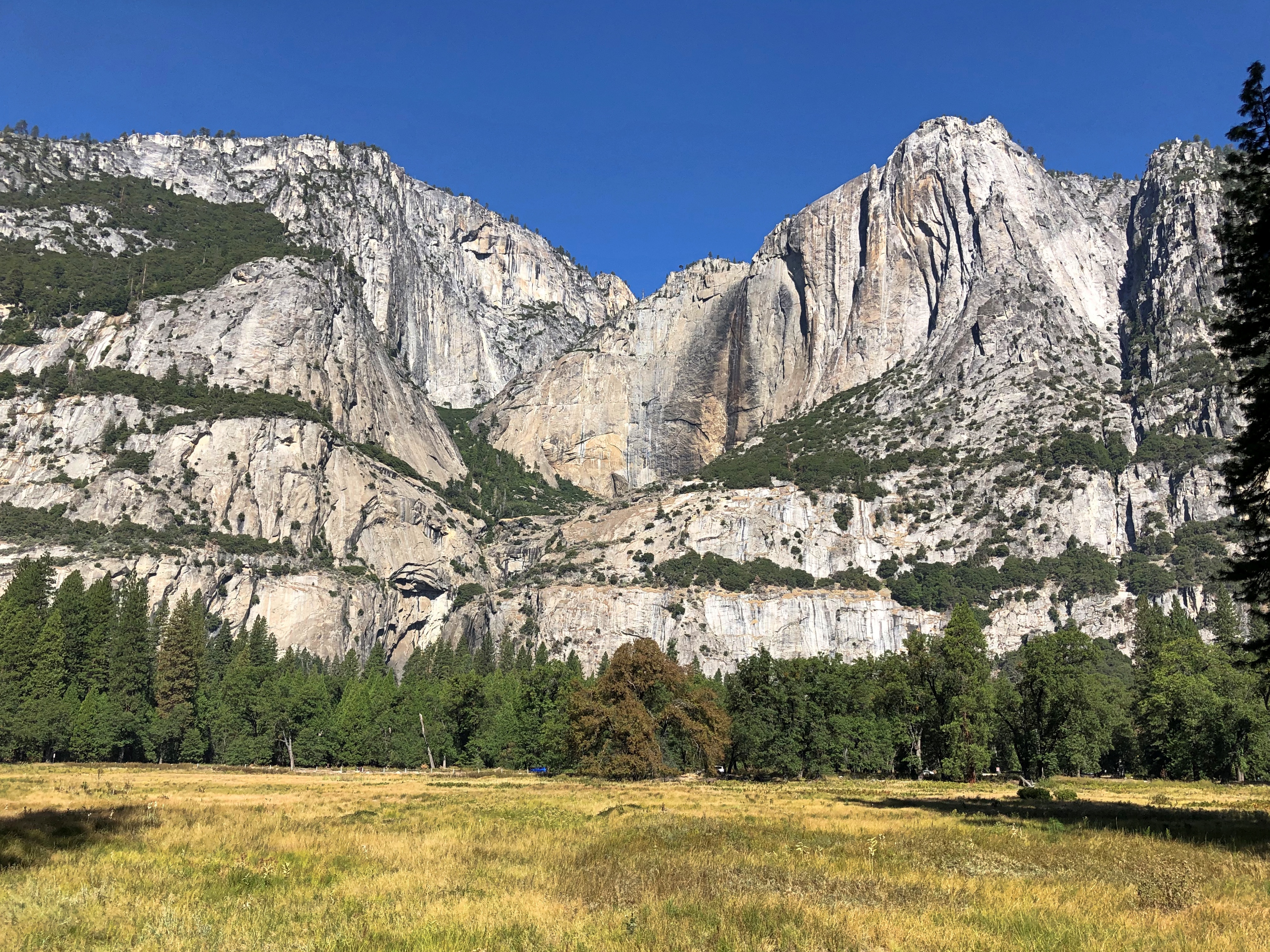
After crossing one of the valley’s twin roads (one goes each way), we headed for the Lower Yosemite Fall.Yosemite National Park

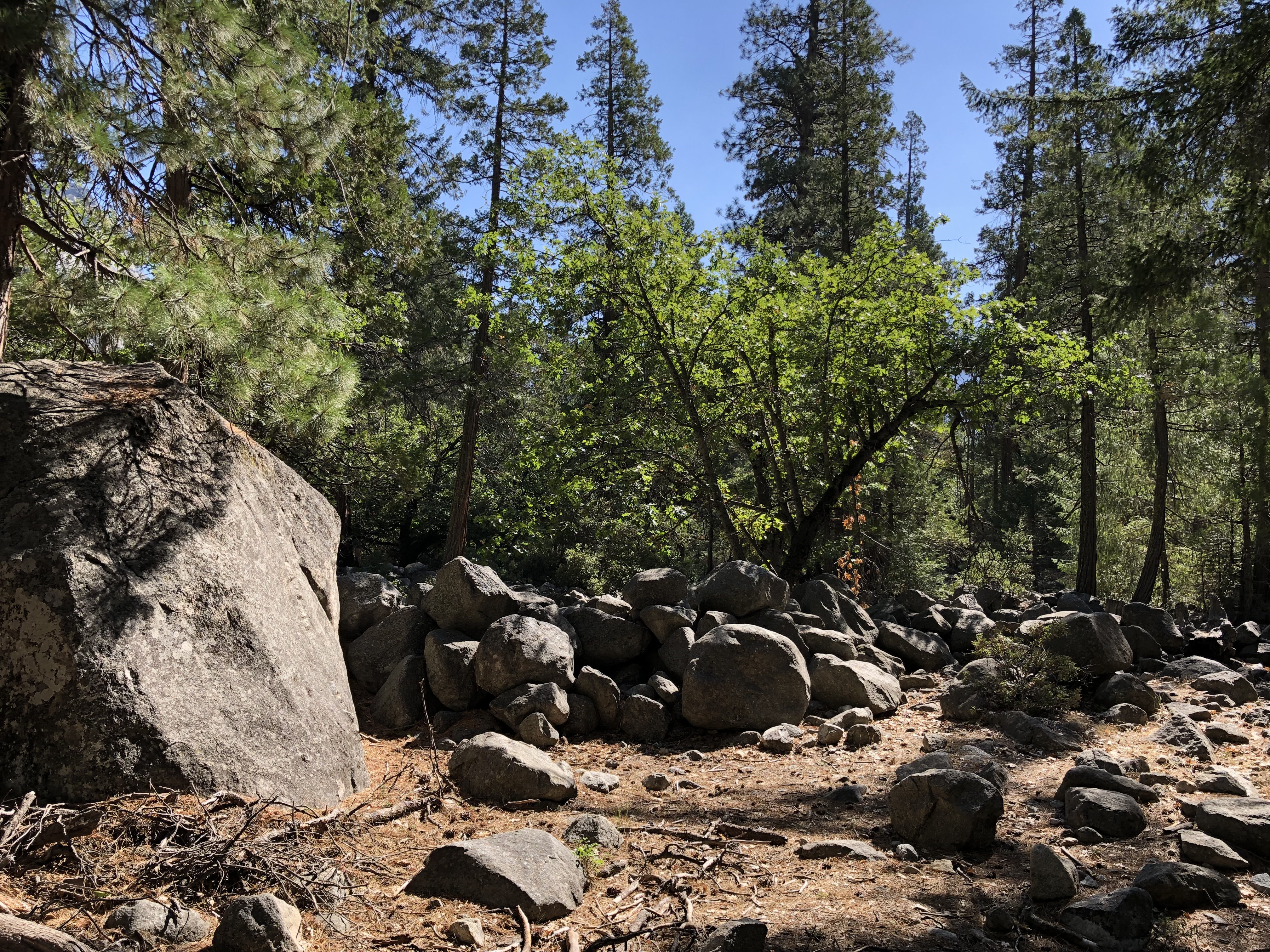
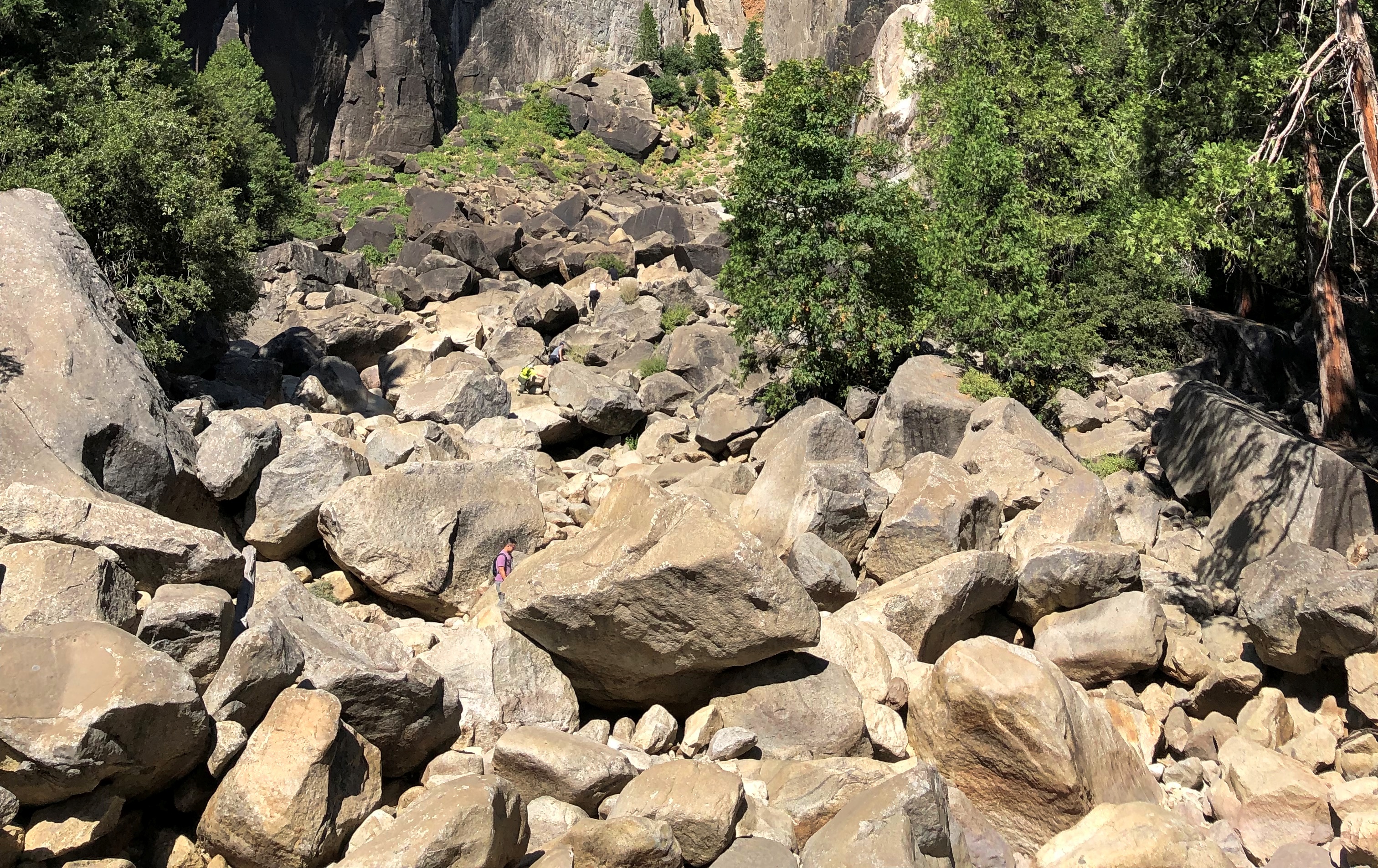
Big rocks make smaller ones.Yosemite National Park

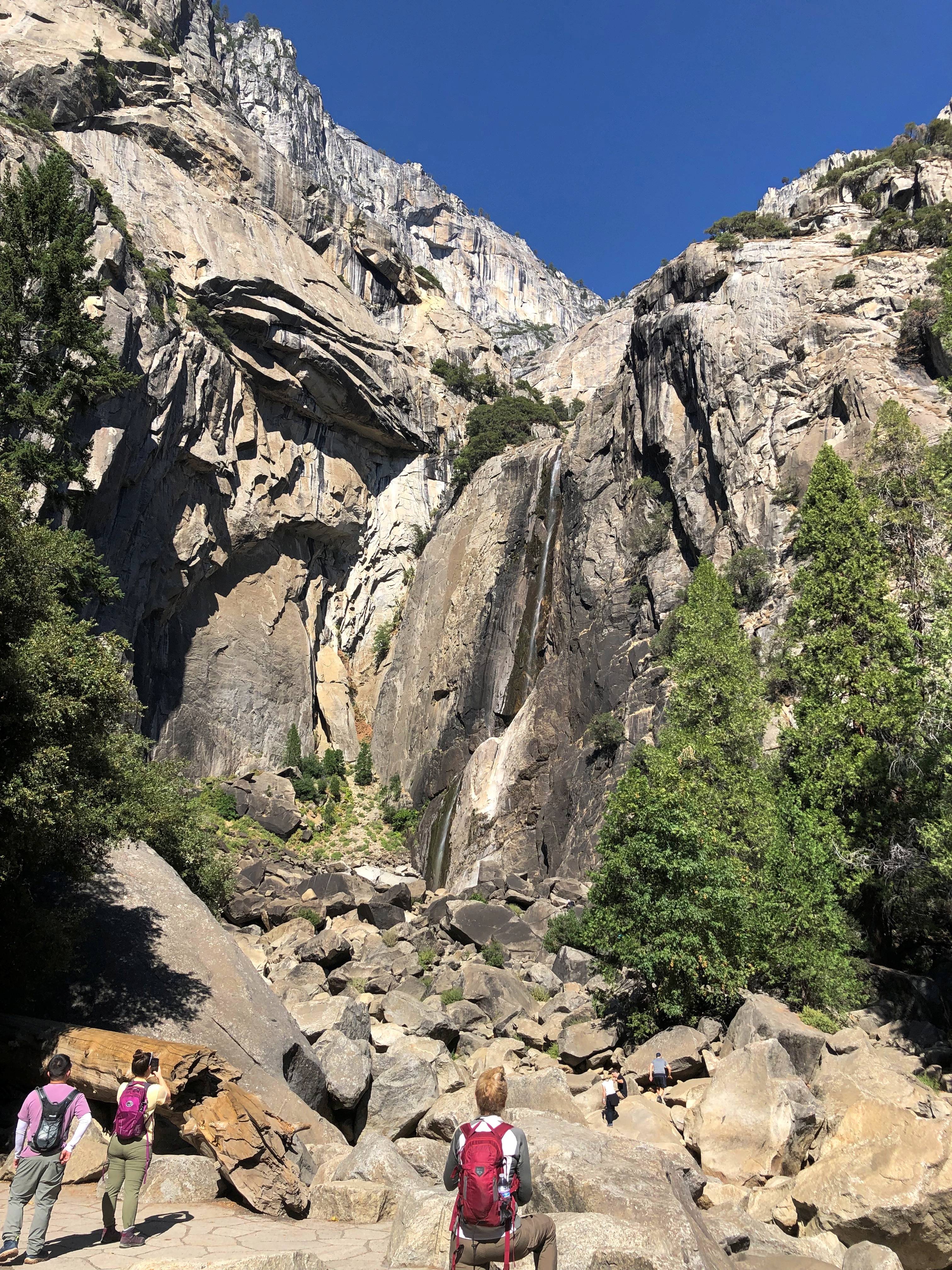
The fall.Yosemite National Park

The image doesn’t capture it too well, but there was a ribbon of water or two coming down the side of the cliff. Autumn isn’t the season if you want majestic water volume. Spring has been the season for that for millennia, but maybe not as much in recent decades.

Rocks and more rocks. Erosion in action.Yosemite National Park
Yosemite National Park

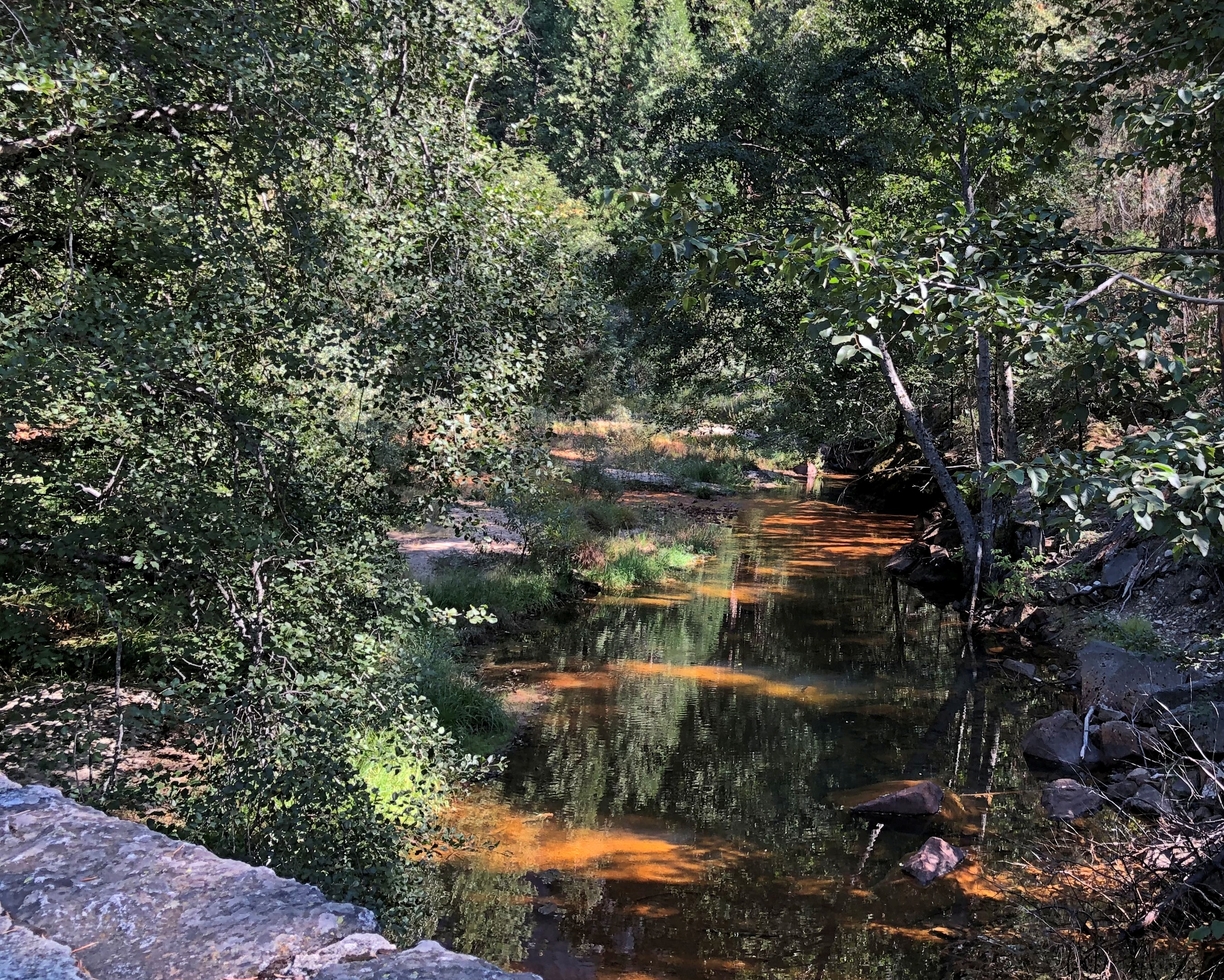
Mirror Lake sounded like another good destination, walkable from the valley floor. First, Tenaya Creek.Yosemite National Park

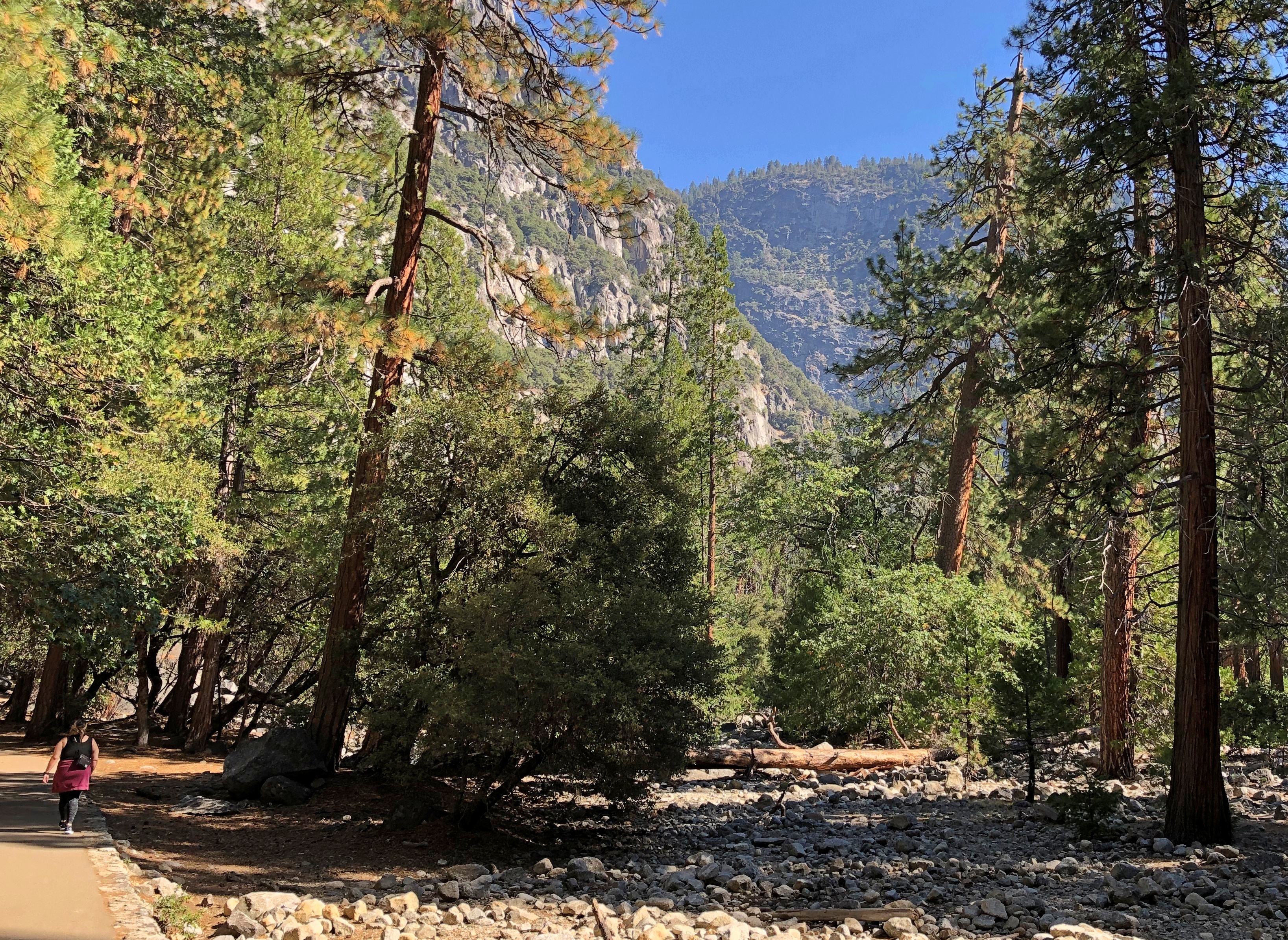
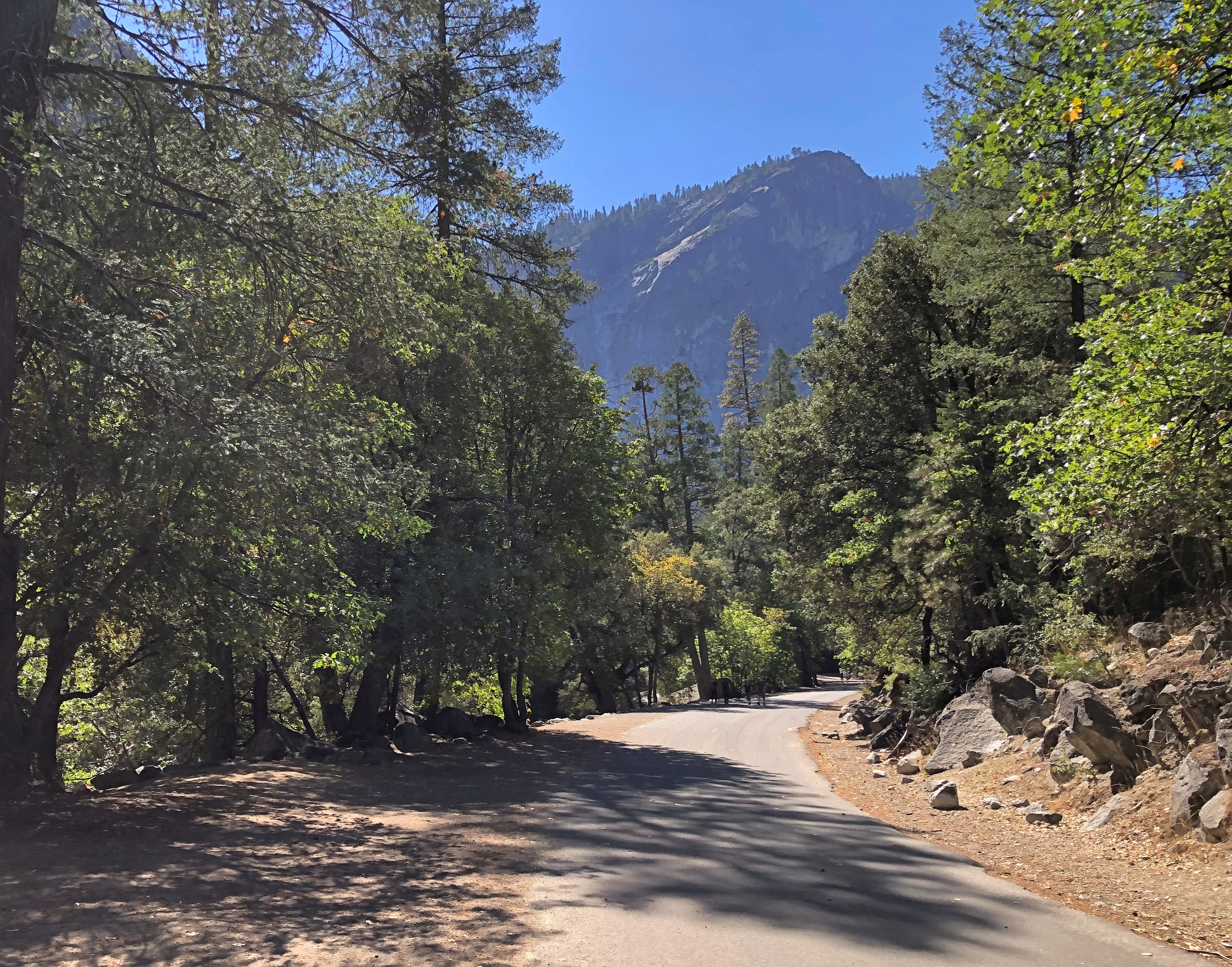
Along a road used as a walking path.Yosemite National Park Yosemite National Park Yosemite National Park

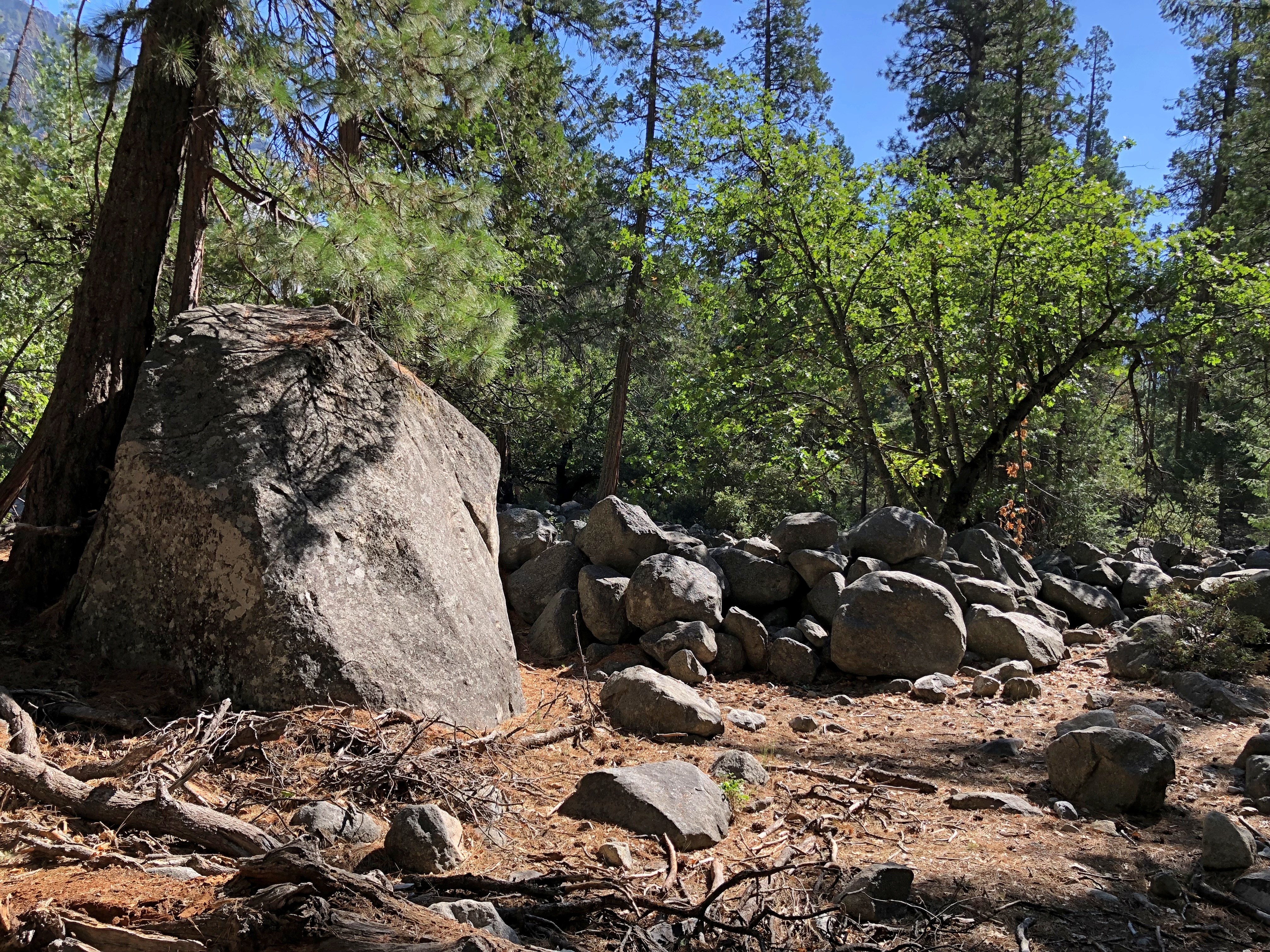
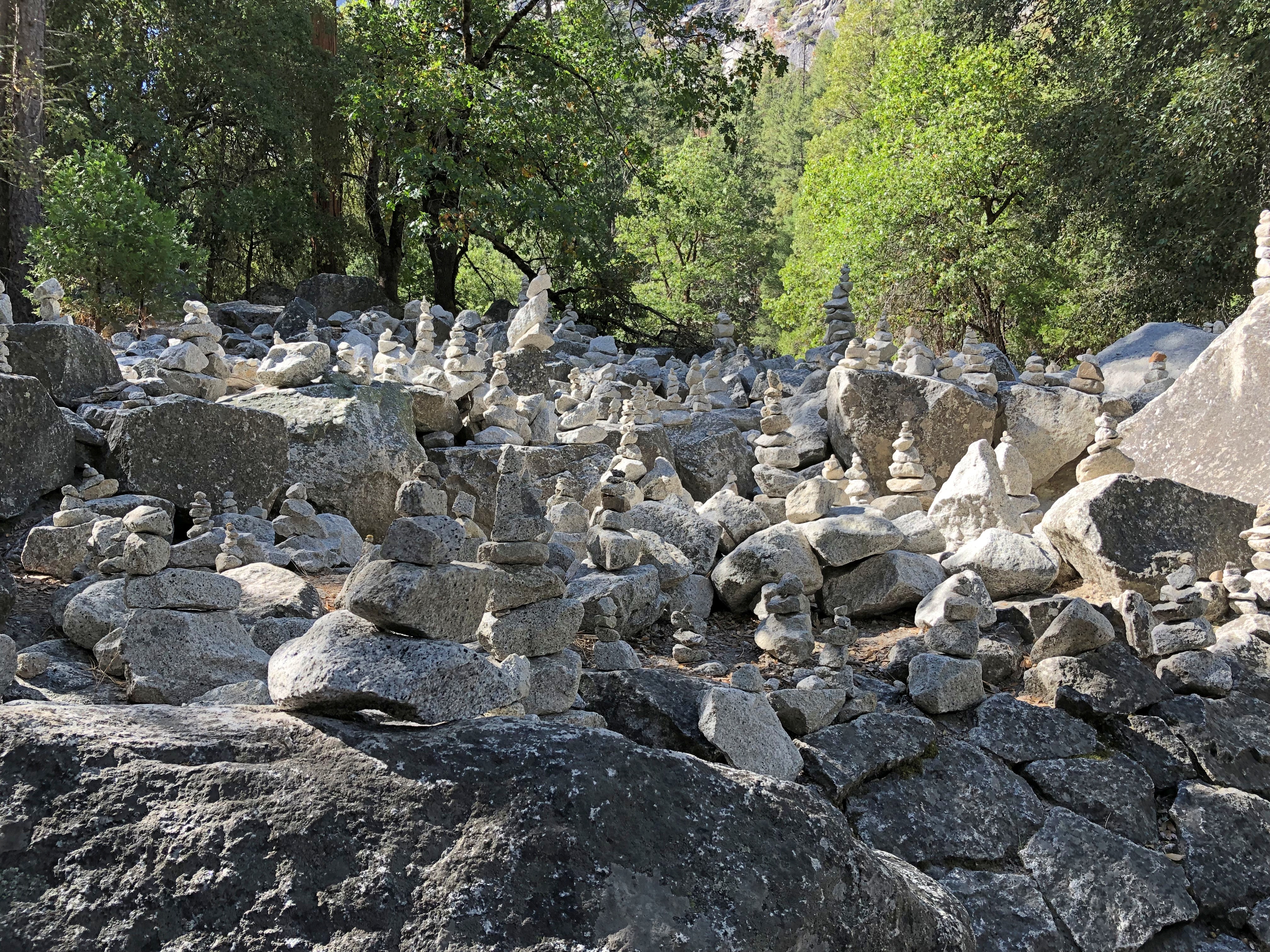
Just off the path further on — it was by now was a regular footpath — there’s a patch of cairns, if that term applies in America (and why not?). Temporary, human-arranged rock formations. But only a little more temporary than the rock and bolder piles calving from the surrounding cliffs.Yosemite National Park

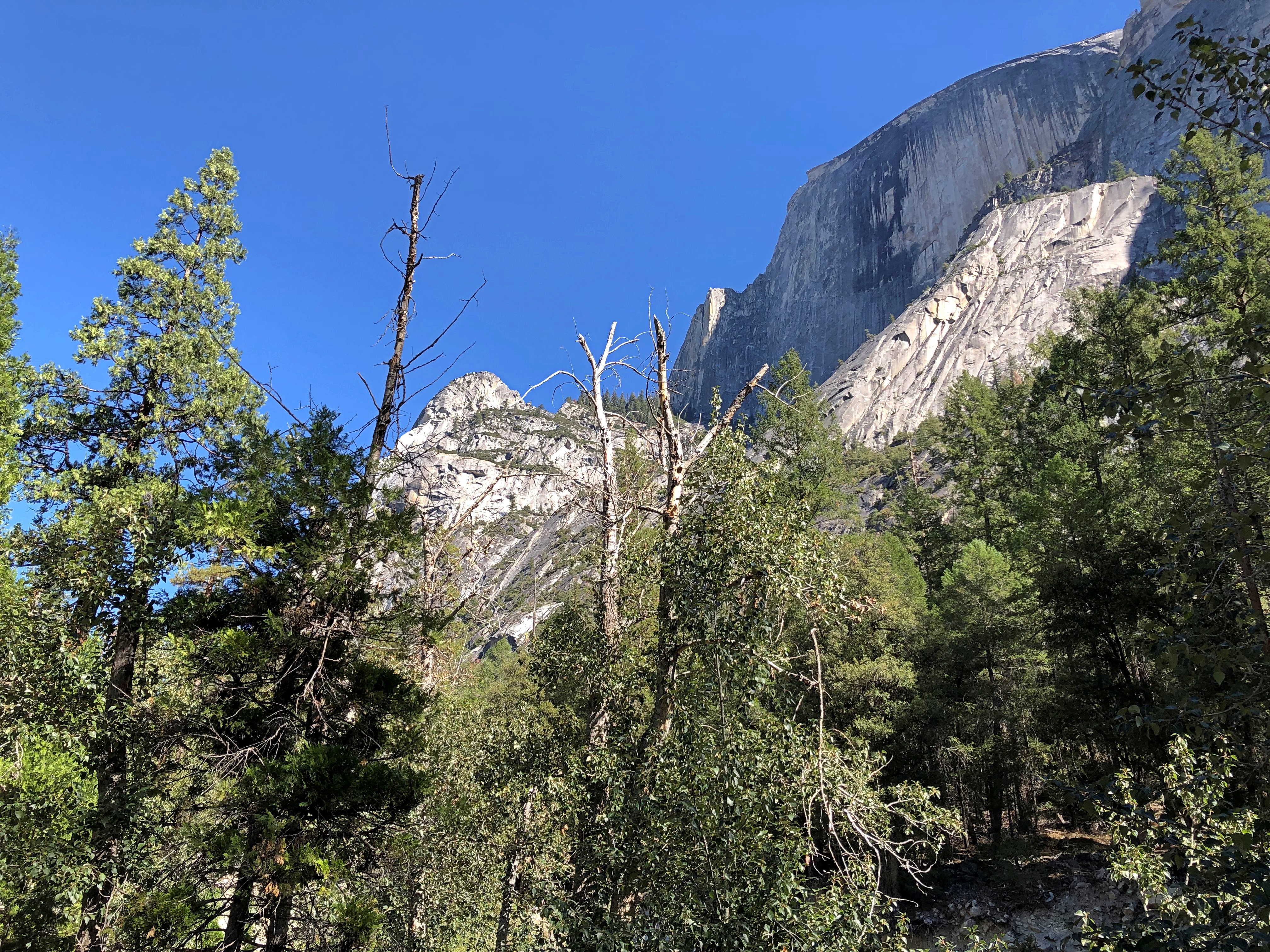
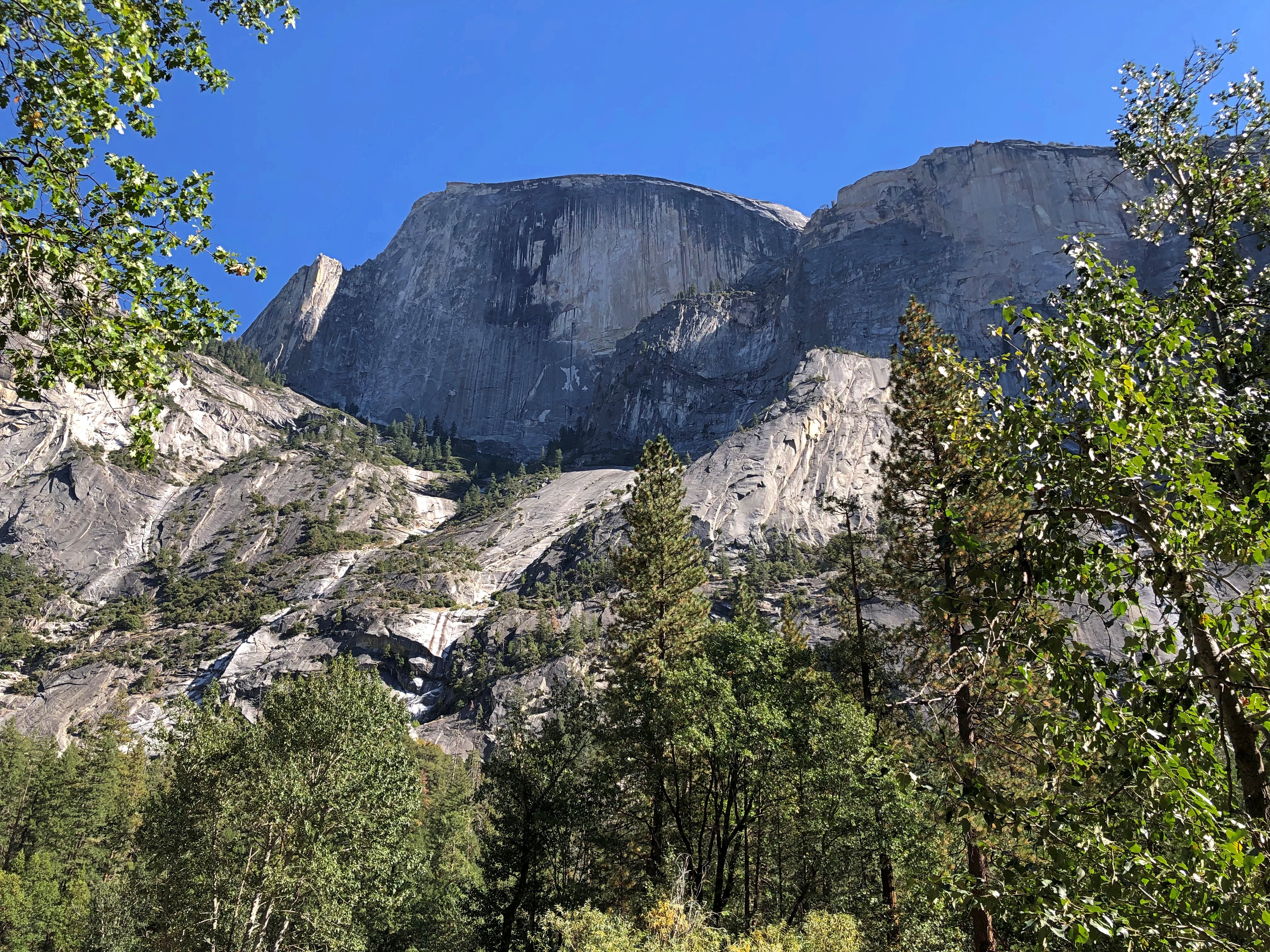
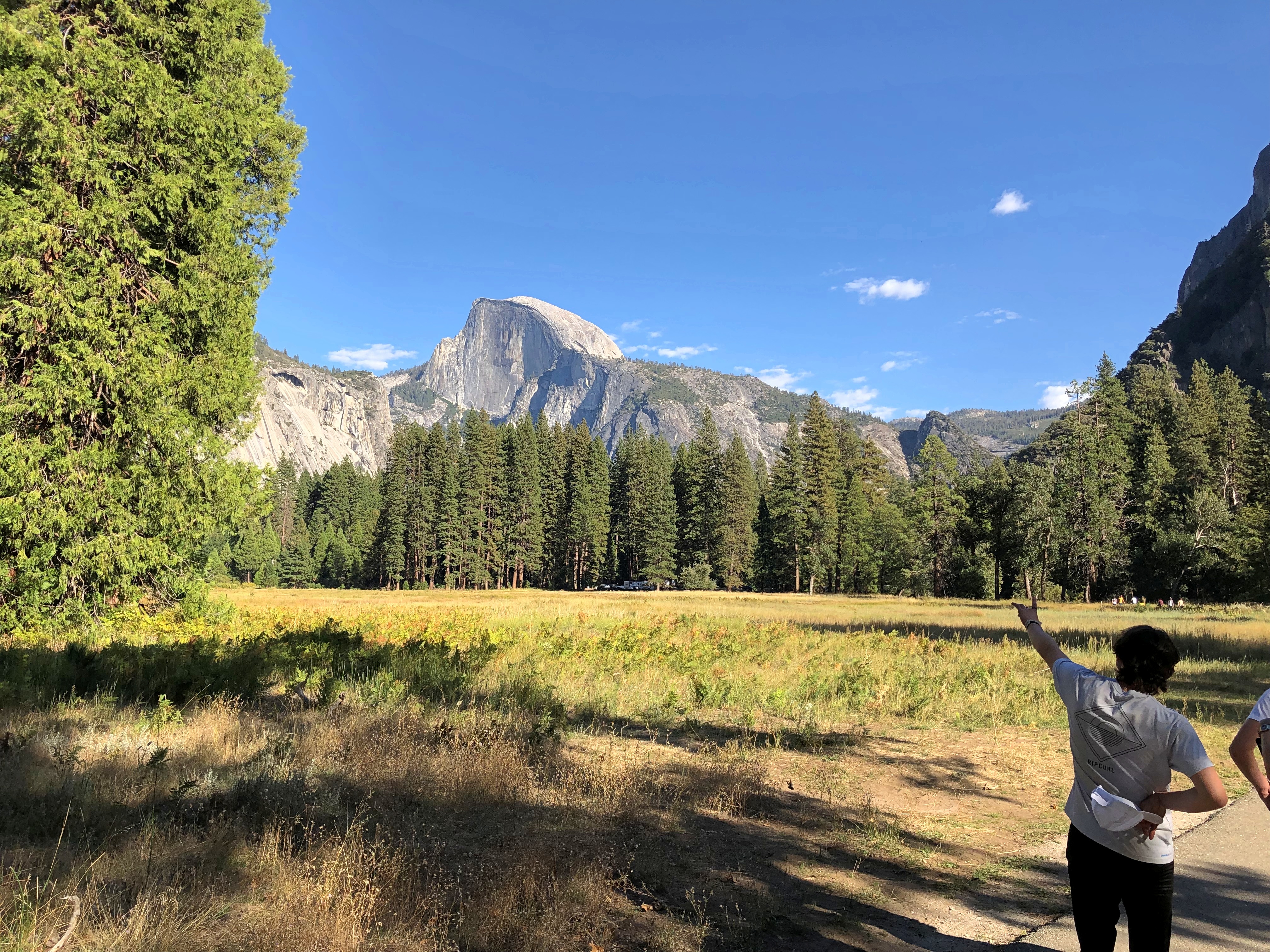
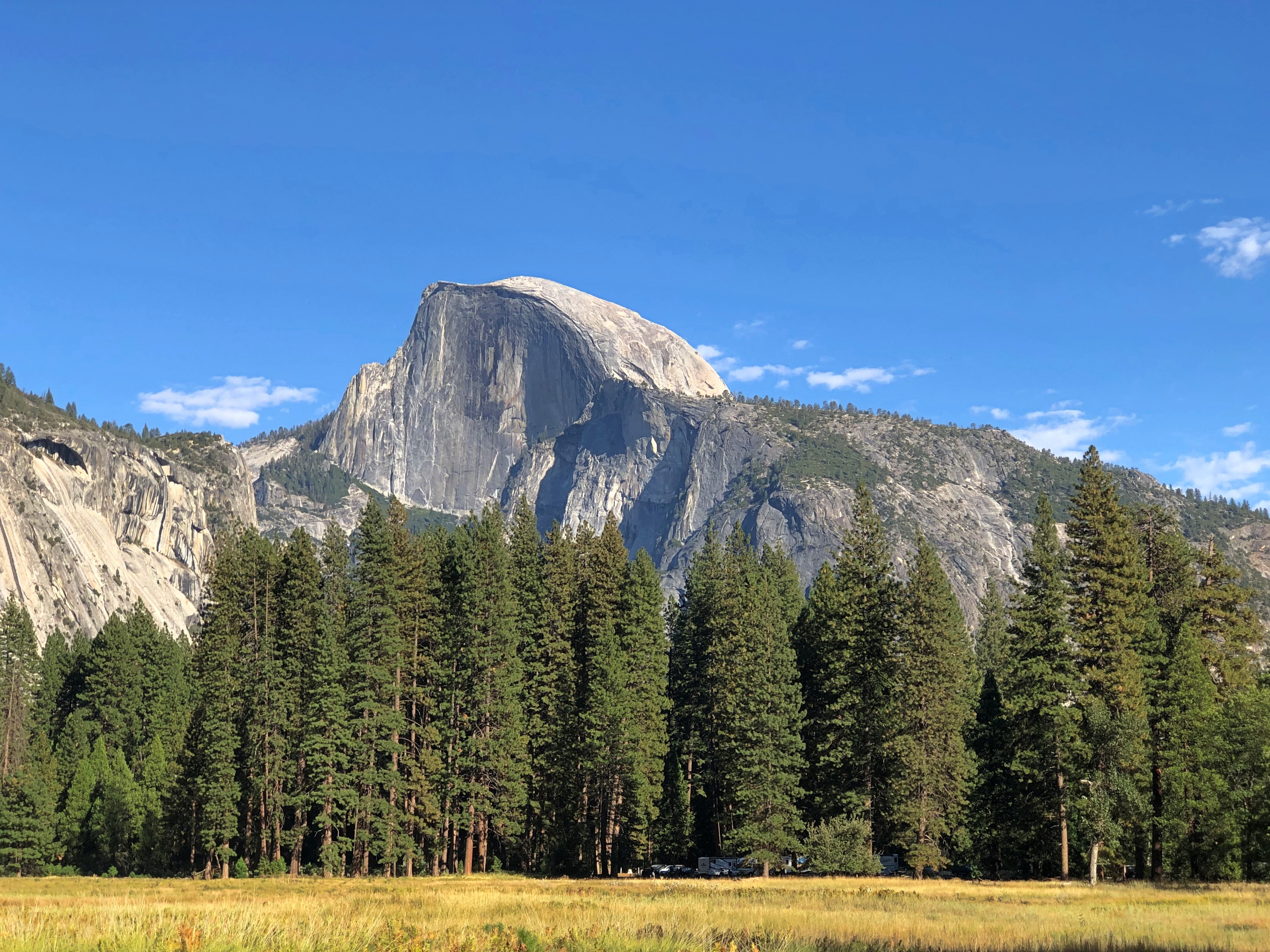
Half Dome. Famed in accounts of the people who have climbed, countless photos and a 2005 U.S. quarter dollar. Ansel Adams’ ashes were scattered up there.Half Dome

If Google Images is to be believed, that’s a slightly unusual angle, but only slightly. I saw the feature from a few other places, and its granite heft never disappointed.

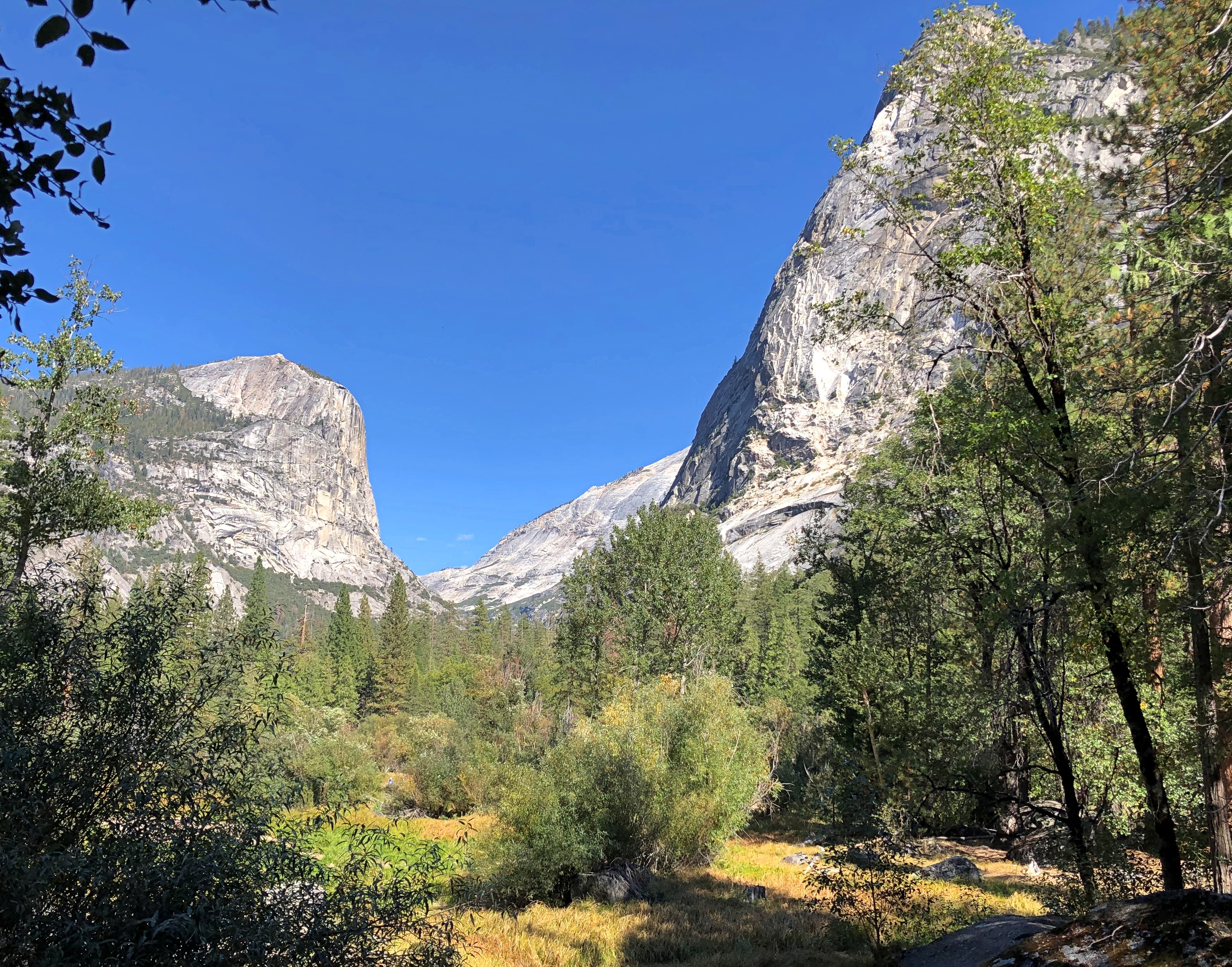
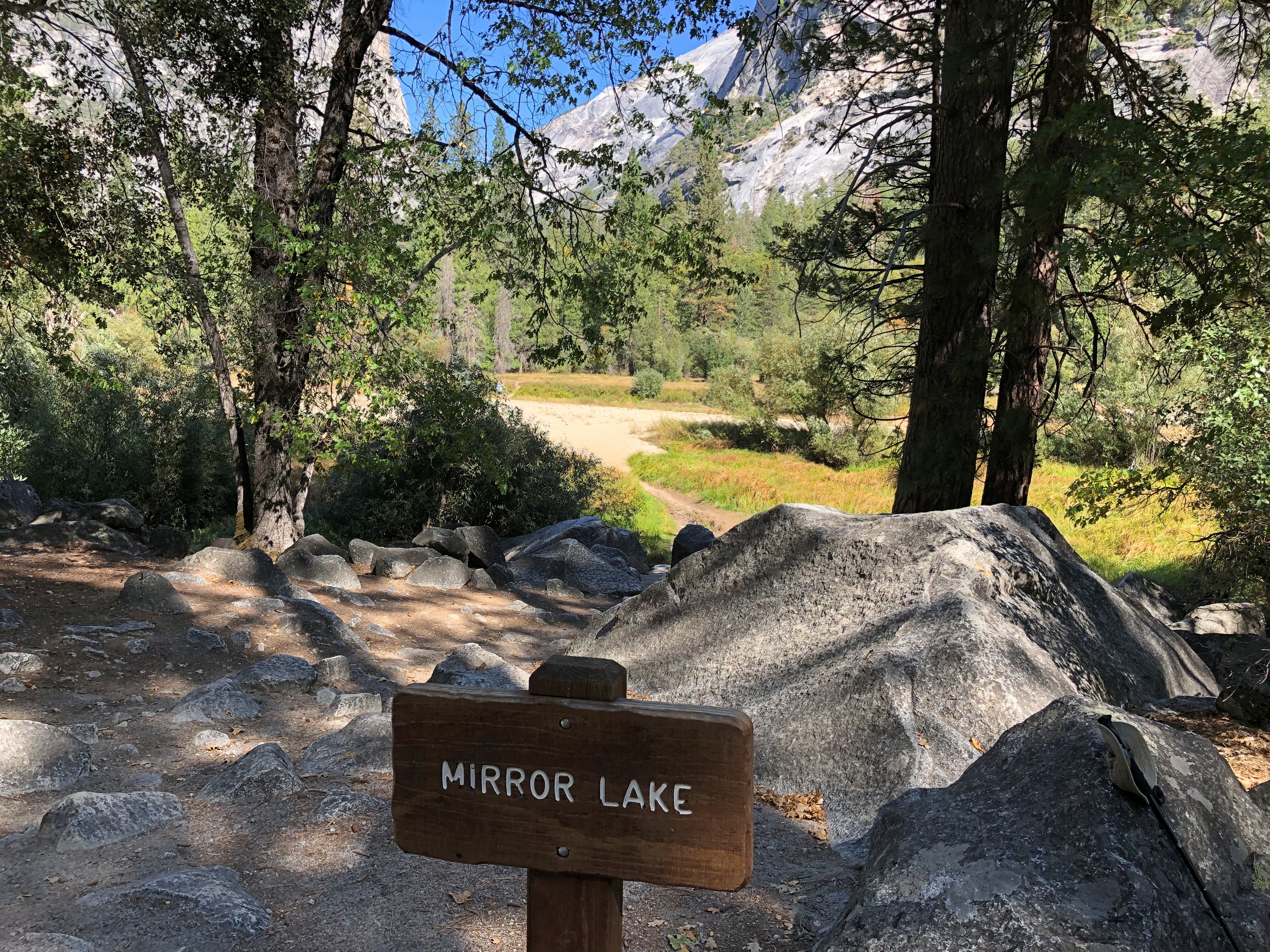
Mirror Lake, dead ahead.Mirror Lake, Yosemite

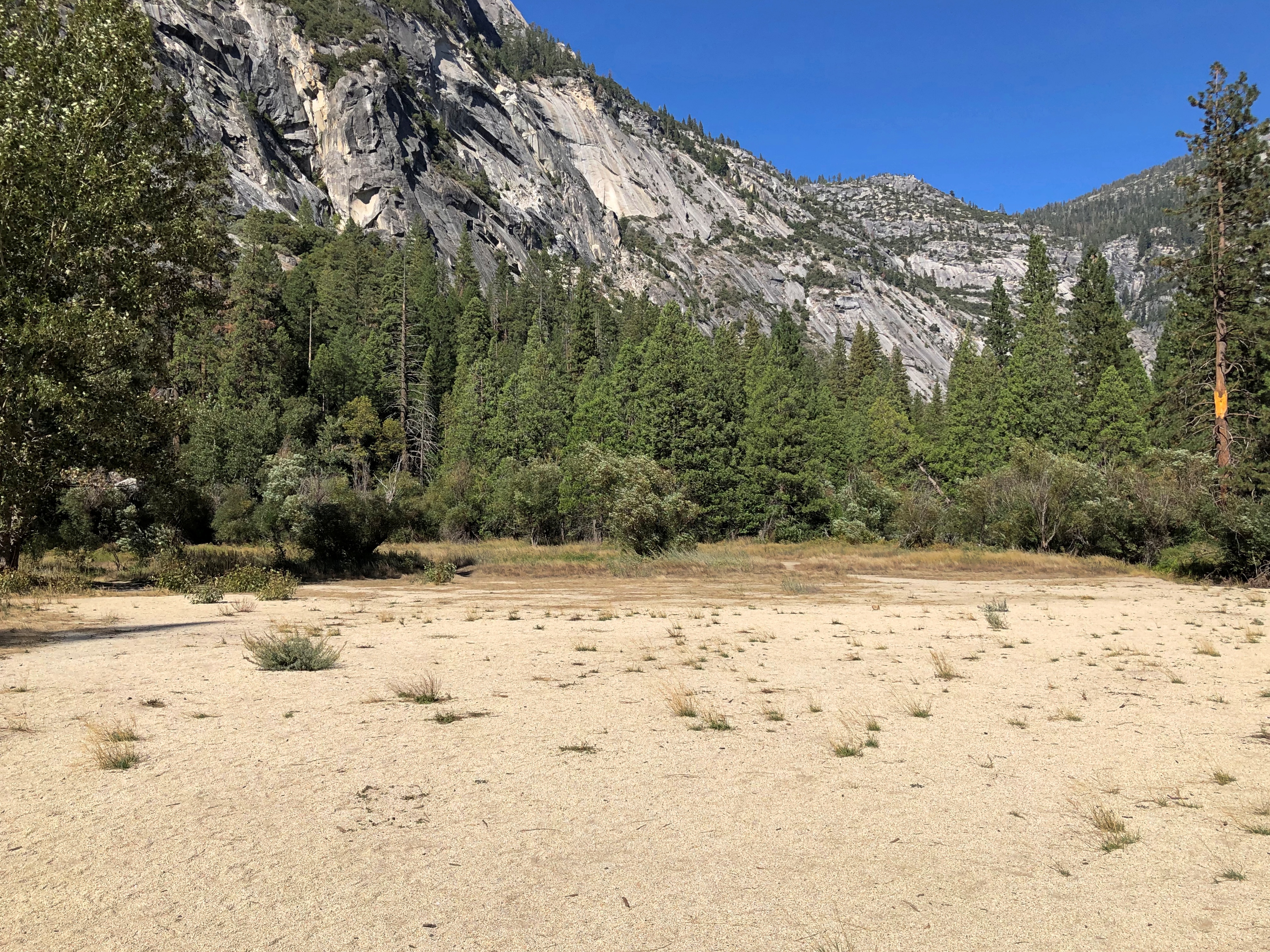
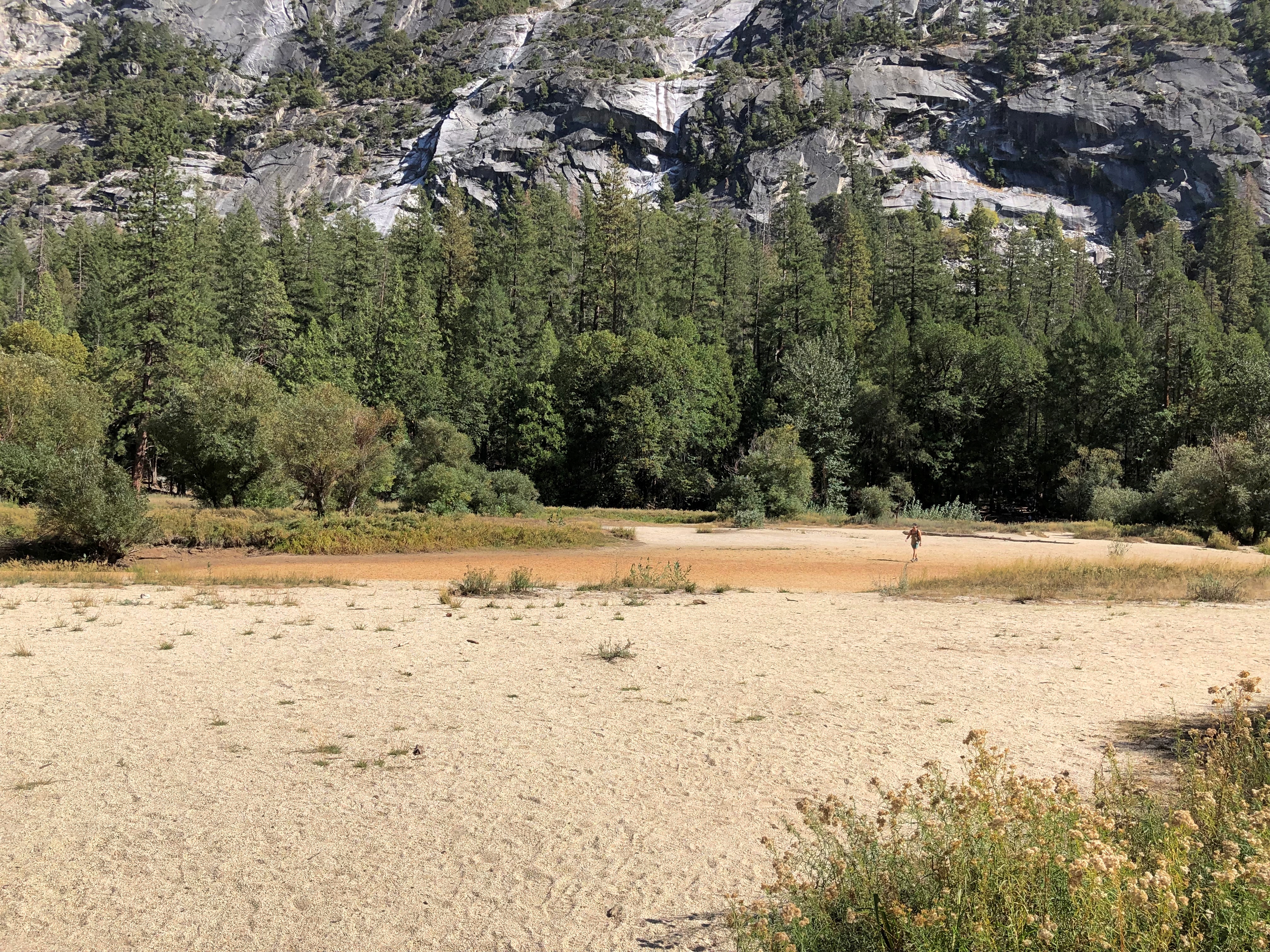
Dry.Mirror Lake, Yosemite Mirror Lake, Yosemite

The park shuttle bus had taken us from Yosemite Village to the trailhead for Mirror Lake. We returned to the trailhead and took the bus back to Yosemite Village, which really is a village with a small population (about 330), a school, clinic and post office, but also a complex of hotel rooms and museums and NPS service buildings, including park HQ.
Those buildings were the only places in the Valley that day that sported genuine crowds. Other trails and sights were well populated, but not to the point of distraction.

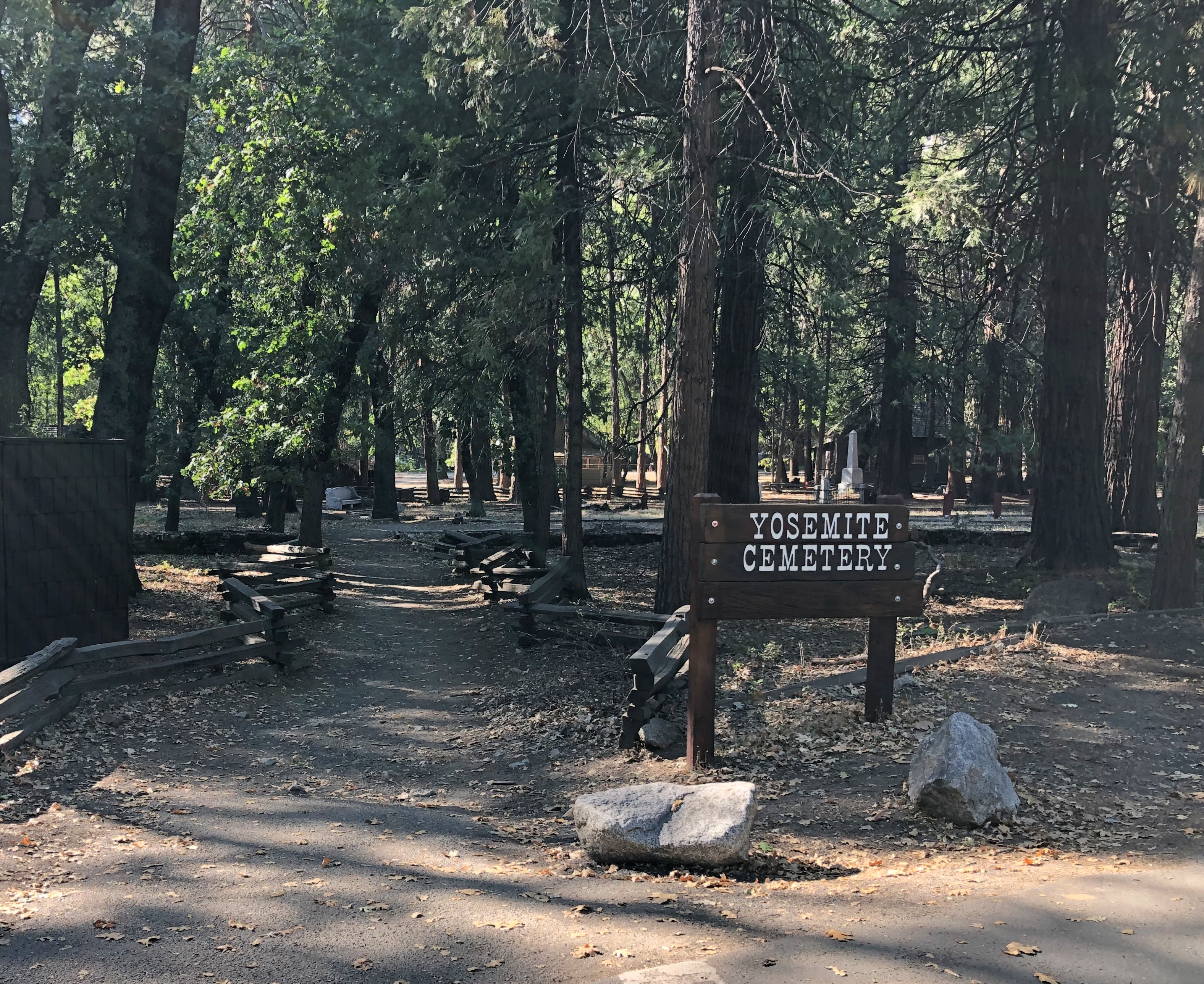
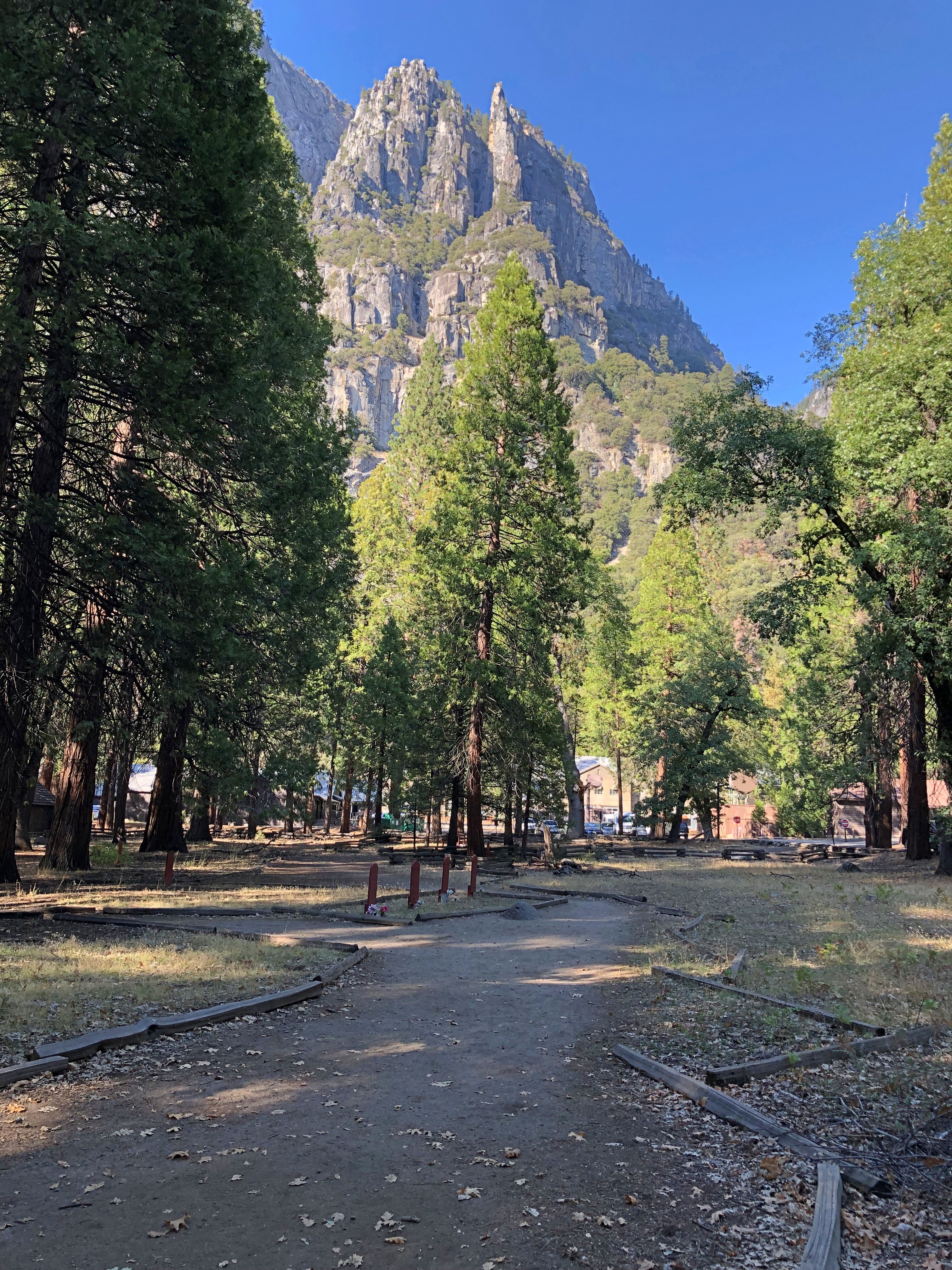
A handful of people, about 60, repose in Yosemite Cemetery, which is on the edge of the complex but has been a cemetery longer (since the 1870s) than any of the buildings in the village have been around.Yosemite Cemetery Yosemite Cemetery

“Some of those laid to rest here are well-known figures in the history of the park,” says the NPS. “Some spent their entire lives in Yosemite and are now almost forgotten. Others were visitors about whom very little was known, even at their time of their deaths. There are people who died here while on vacation, early settlers and homesteaders, old timers and infants, hotel proprietors and common laborers…”

One resident is James Hutchings (d. 1902), businessman, Yosemite settler and publisher of Hutchings’ Illustrated California Magazine, which put the Yosemite Valley on the map, at least in the minds of 19th-century Americans. And that’s not all.

“James Mason Hutchings, the first to organize a tourist party to visit Yosemite in 1855. Hutchings unknowingly made an enormous contribution by hiring John Muir to work at his sawmill in 1869,” the NPS notes.

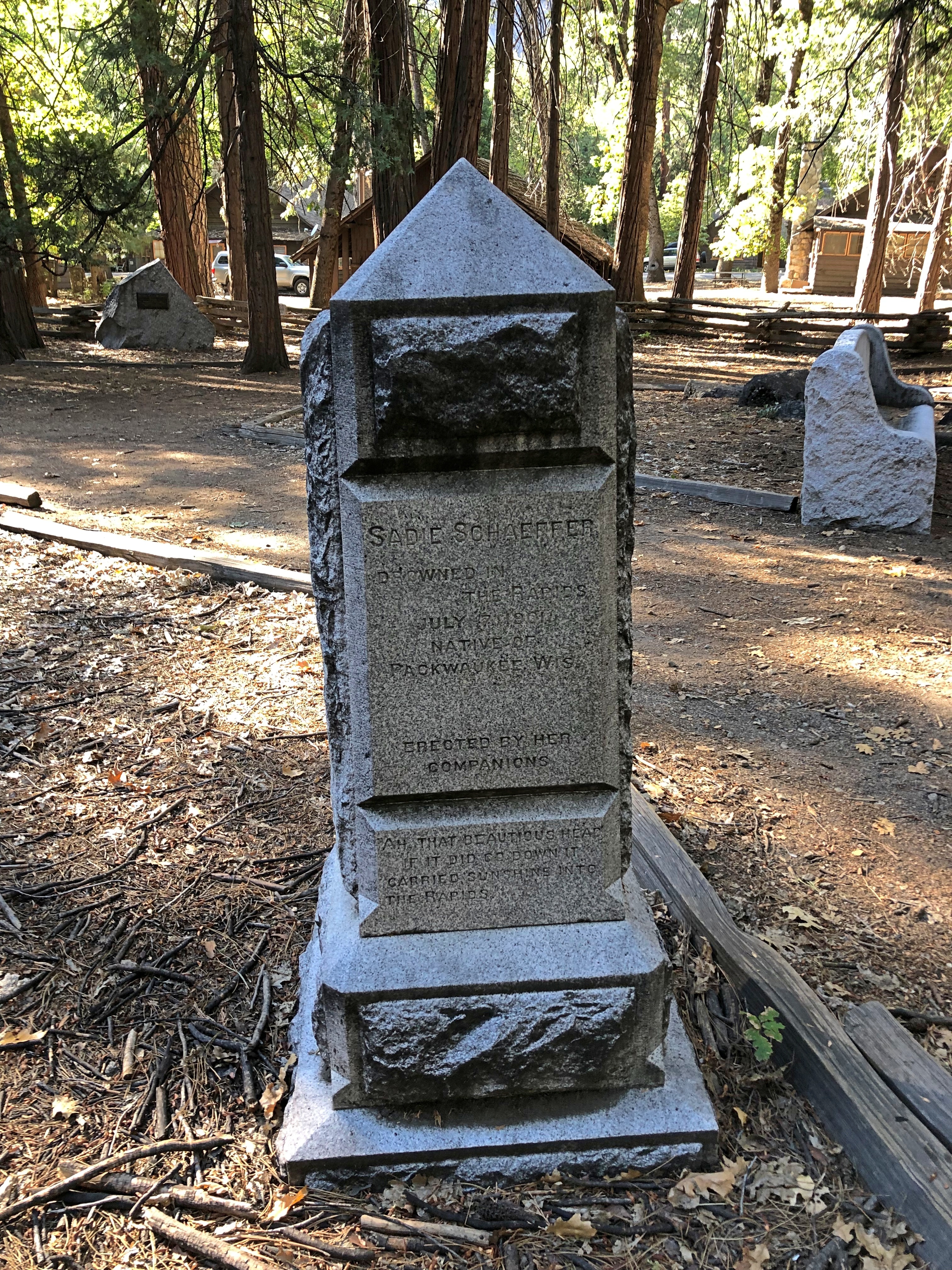
Sadie Schaeffer, drowned in the rapids in July 1900, it looks like.
Yosemite Cemetery

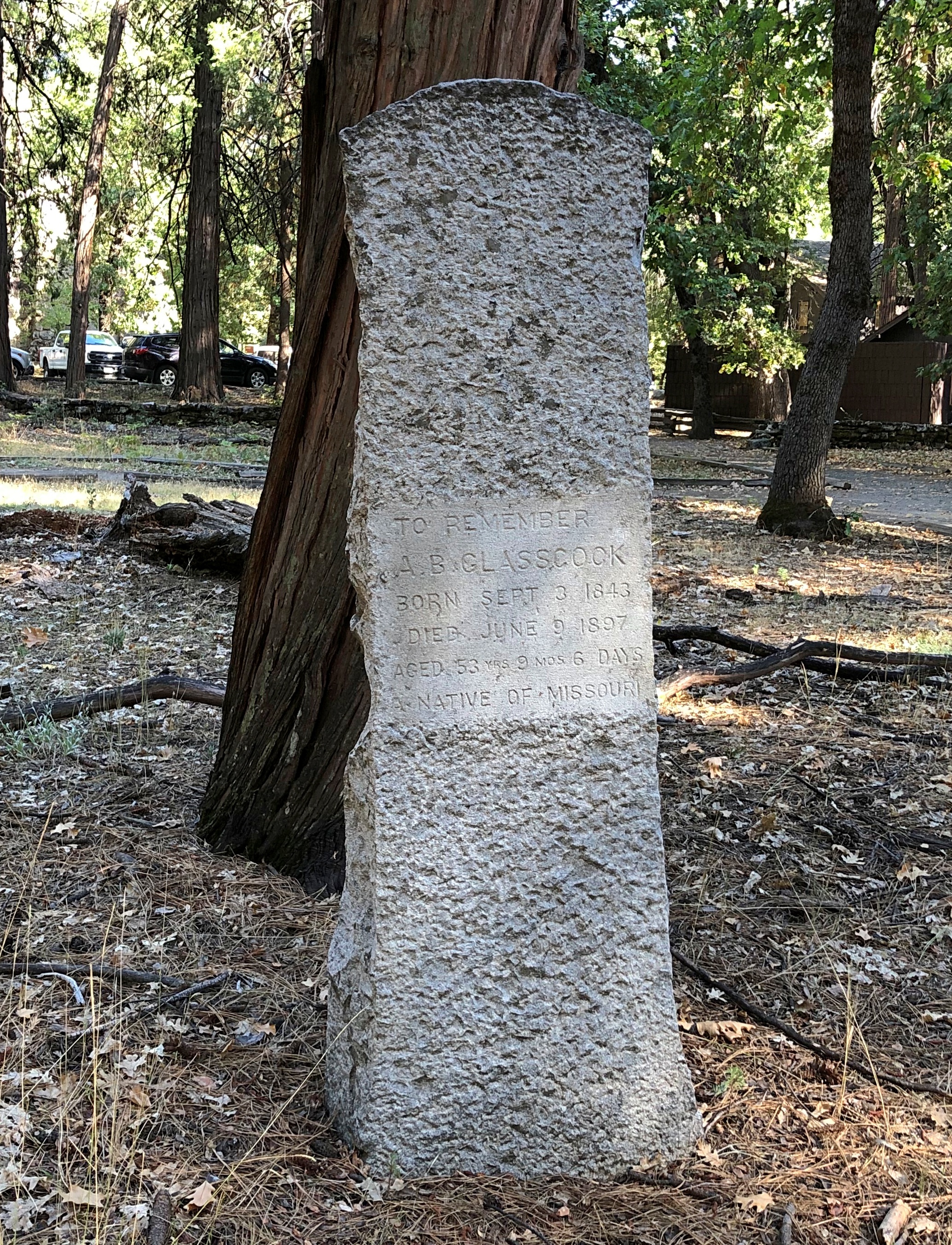
A.B. Glasscock, died 1897, aged 53.
A.B. Glasscock, died 1987, aged 53.

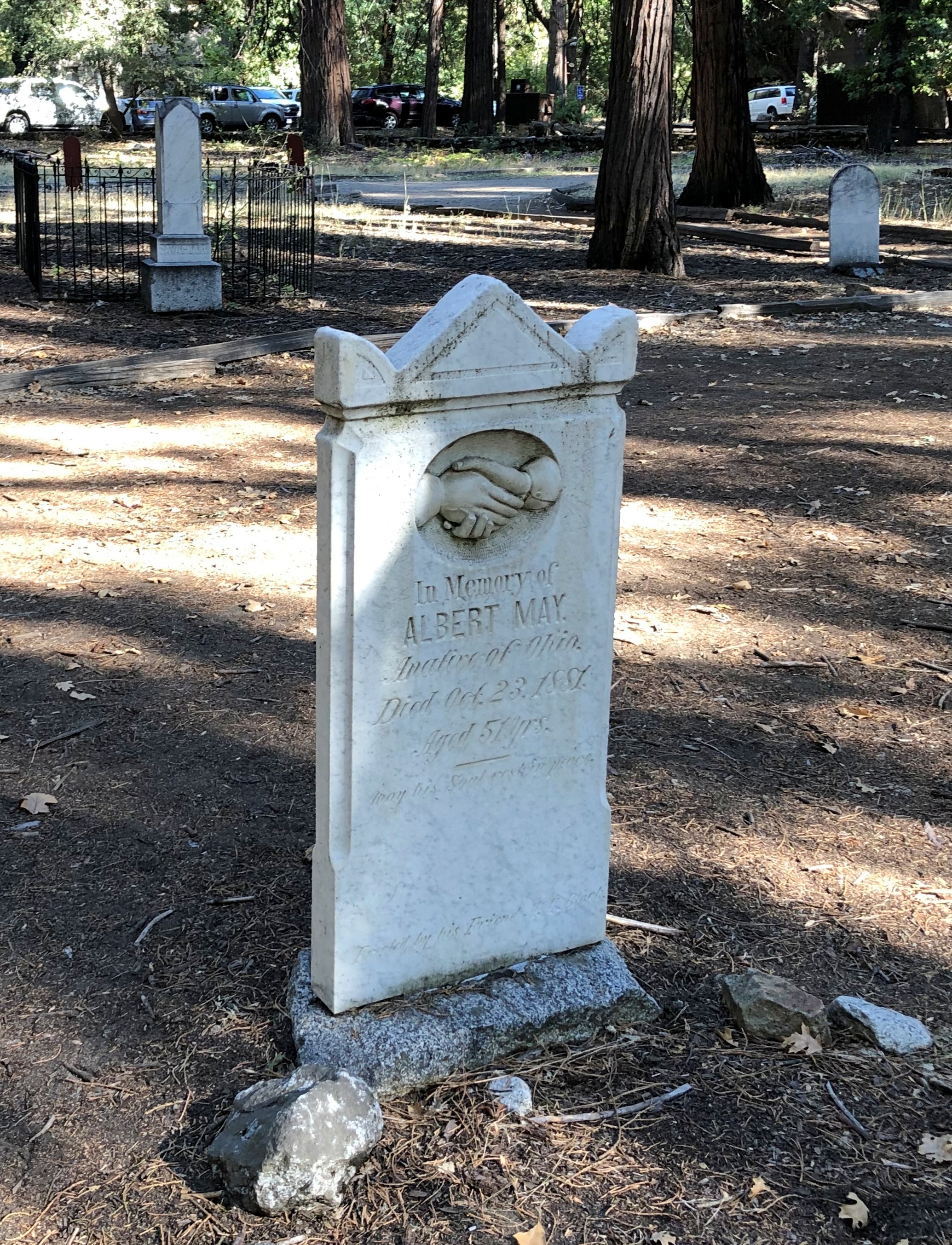
Albert May, died 1881, aged 51.
Albert May, died 1881, aged 51

Walk on. By this time, the valley is catching afternoon light.Yosemite National Park

Yes indeed, we got a different view of Half Dome.Yosemite National Park
Yosemite National Park

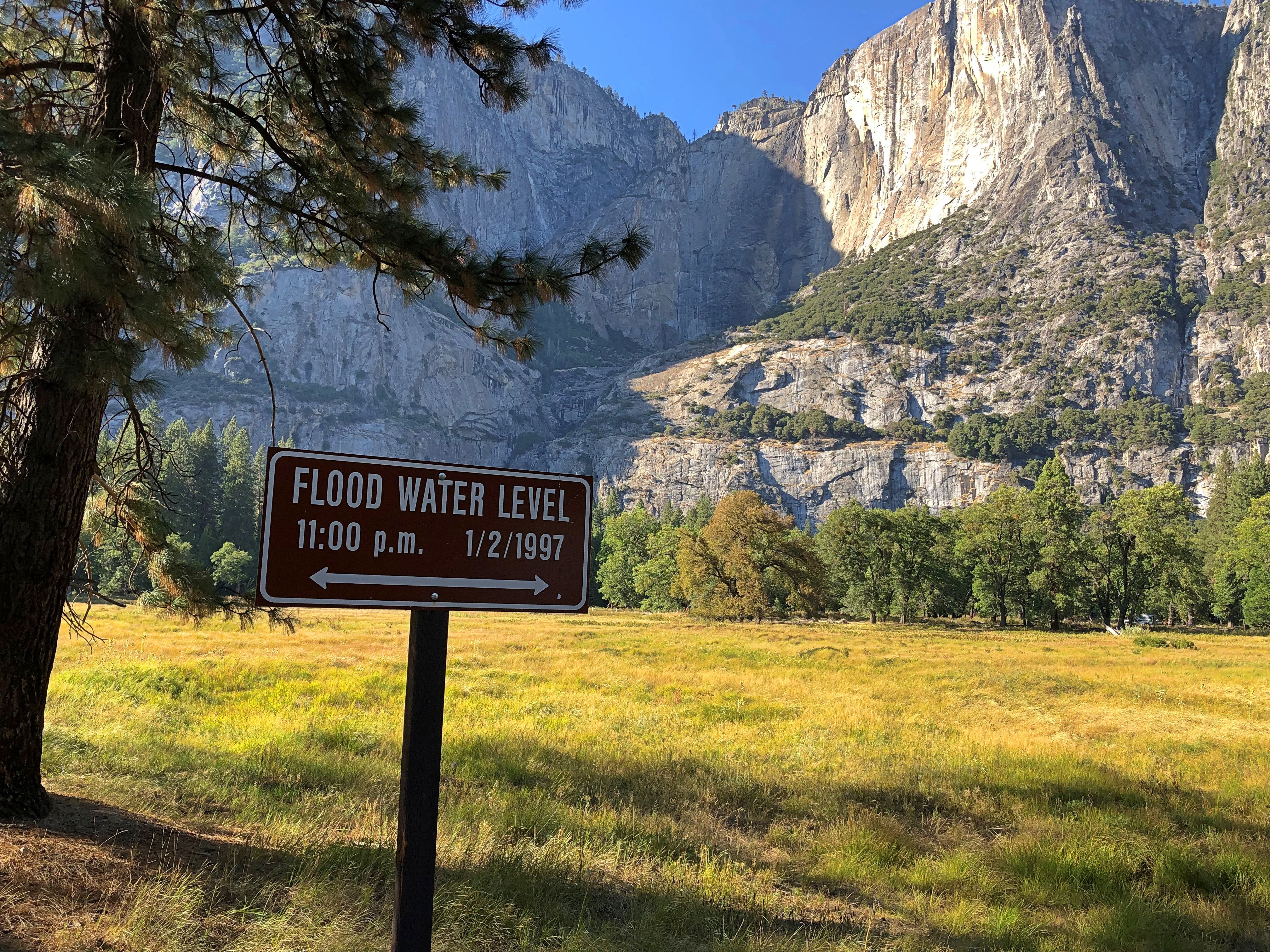
Dry now, but it does get really wet around here. At least it did in 1997.Yosemite National Park
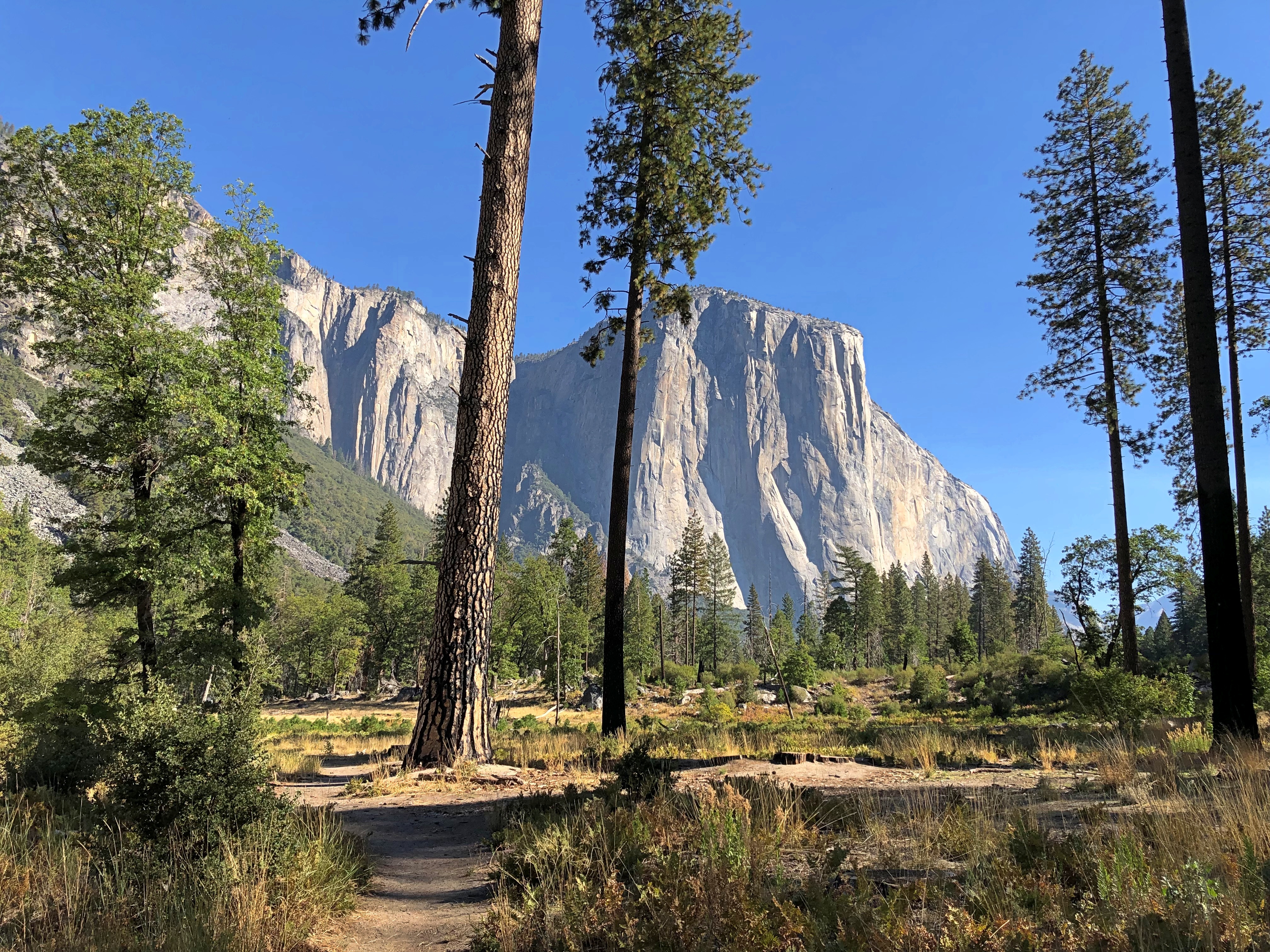
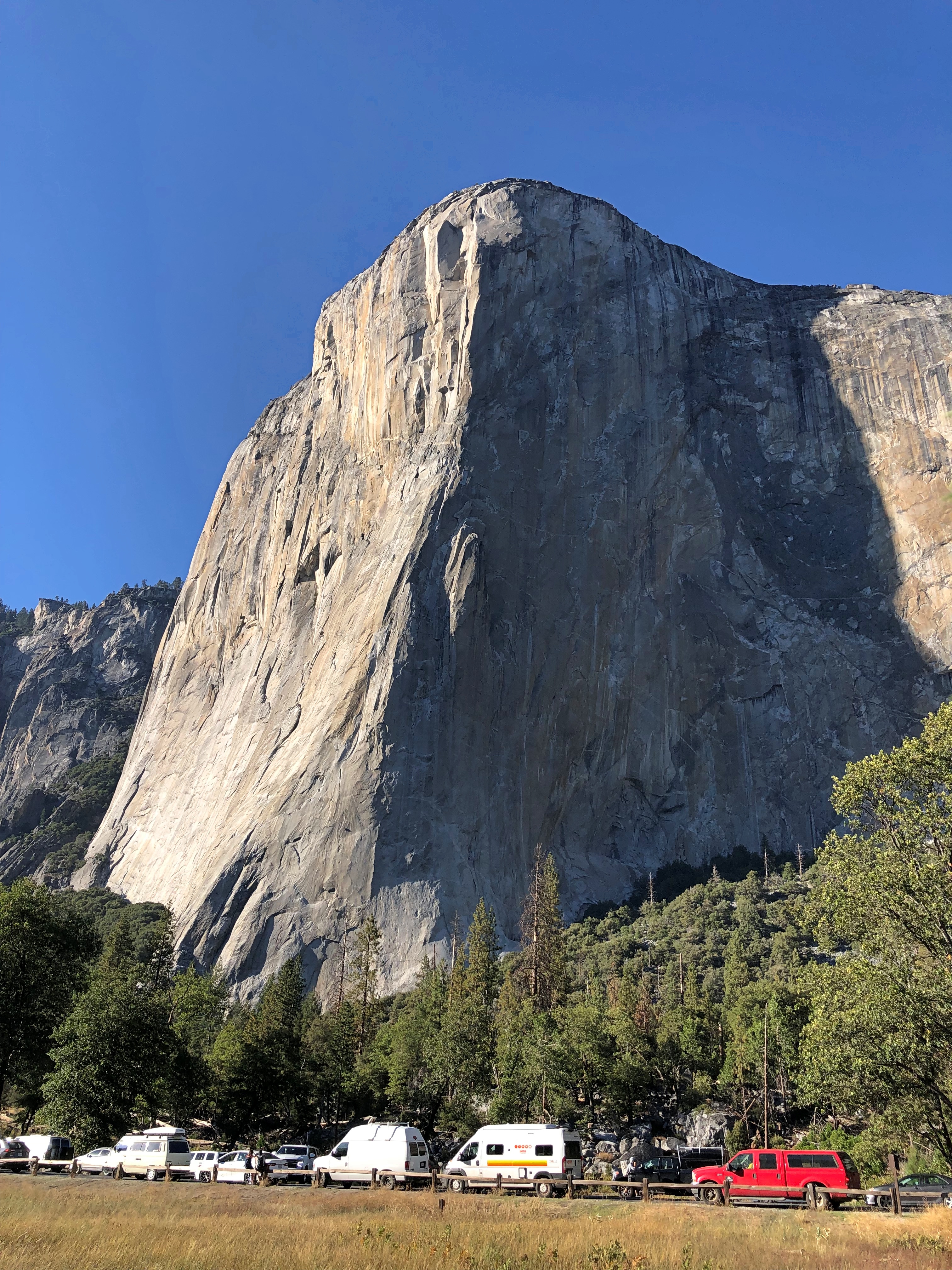
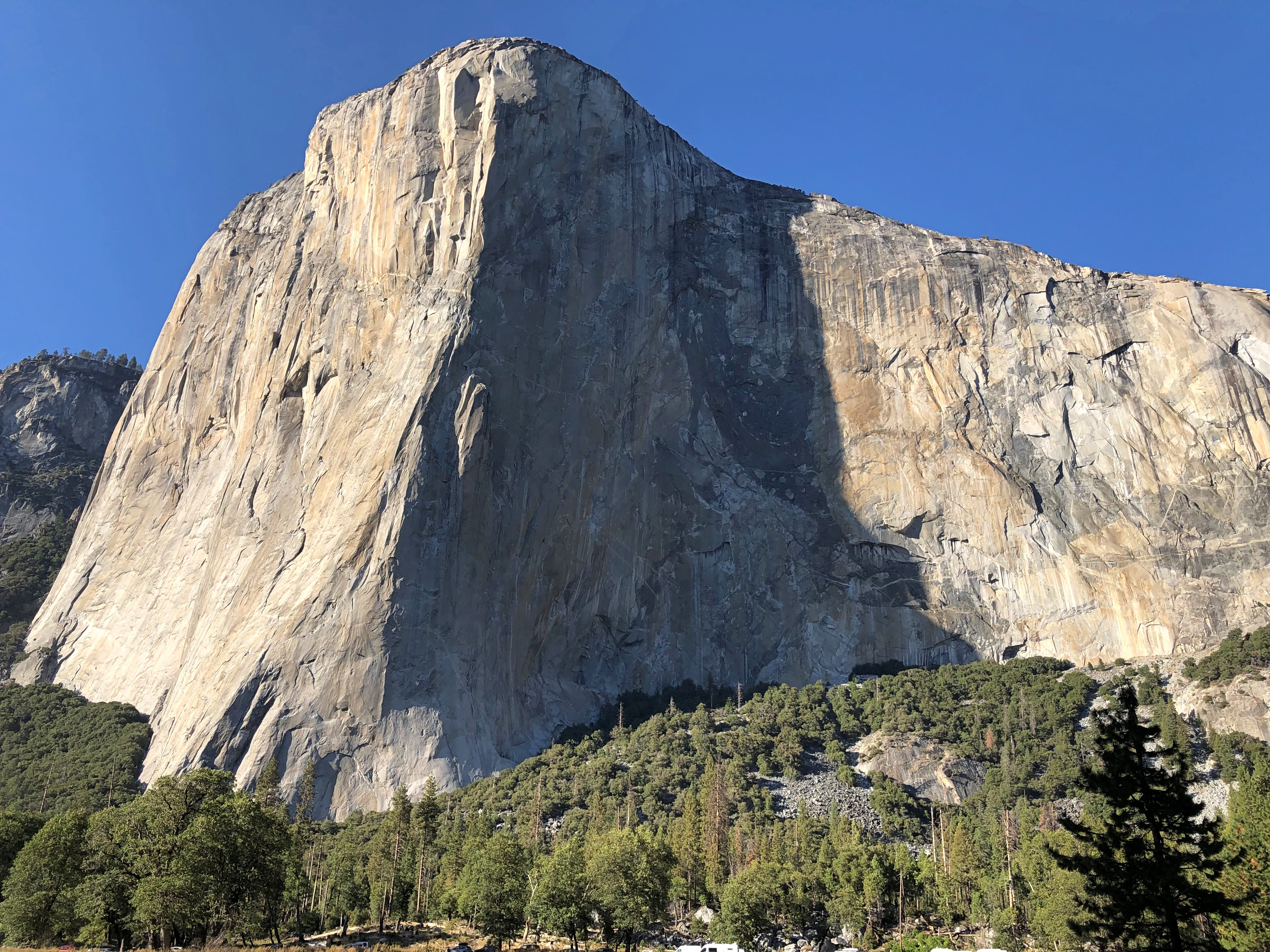
Late in the afternoon, we left by way of a roadside view of El Capitan. The road to the closest grove of the park’s giant trees had been closed, so big trees will have to wait in case I ever return. But I wasn’t going to miss the mass of El Capitan. The boss rock.
Not far from the road.
El Capitan

Further back. I walked about a quarter-mile and El Capitan still dominated the view.
Yosemite National Park

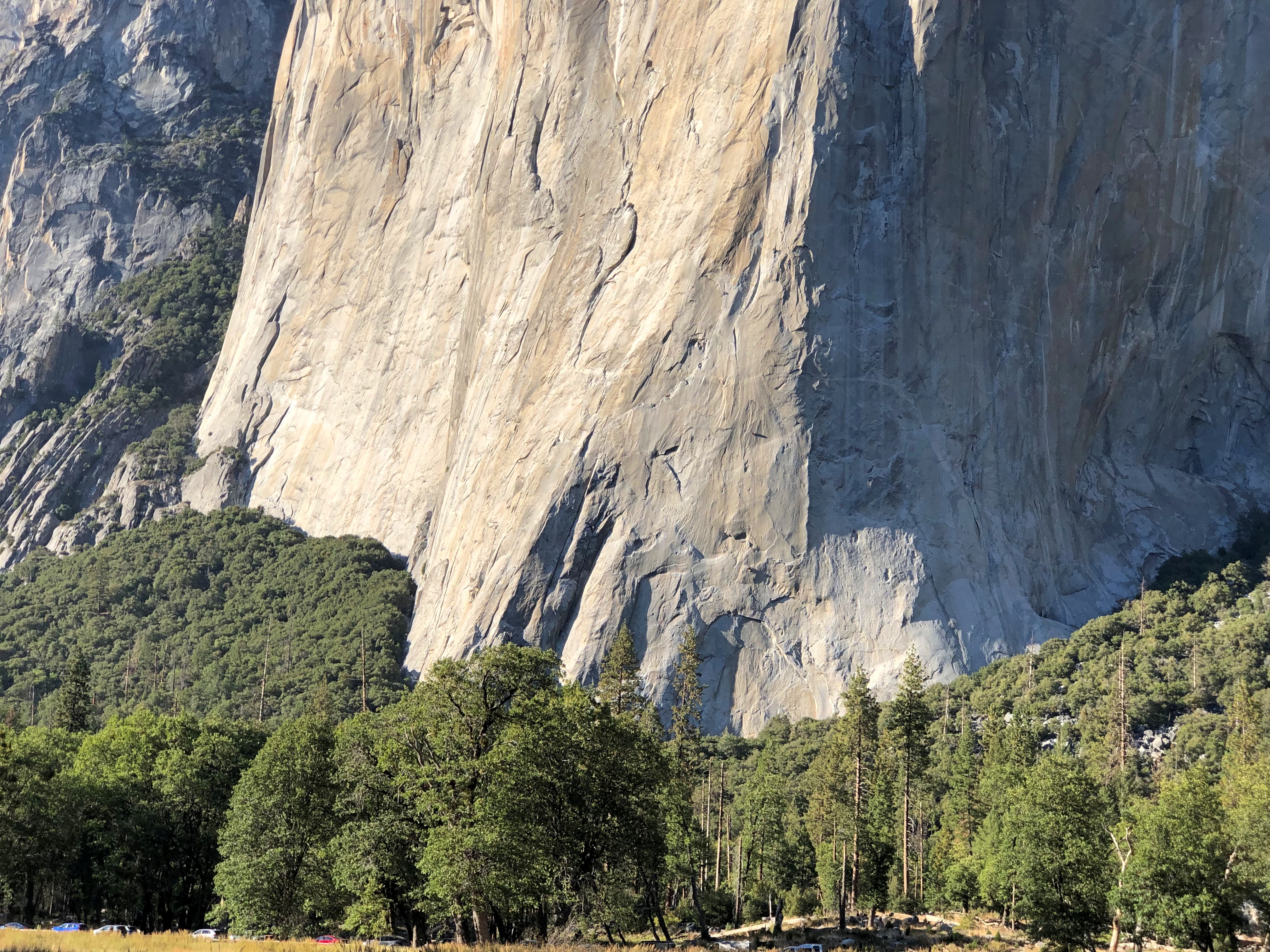
Closer.
Yosemite National Park

It’s virtually impossible to see them in the image, but there were climbers on the face of El Capitan. I watched for a few minutes, and they seemed to be on their way down. Bet that’s a good idea in the afternoon. Except, no. There are nighttime climbers.

Fort Mackinac

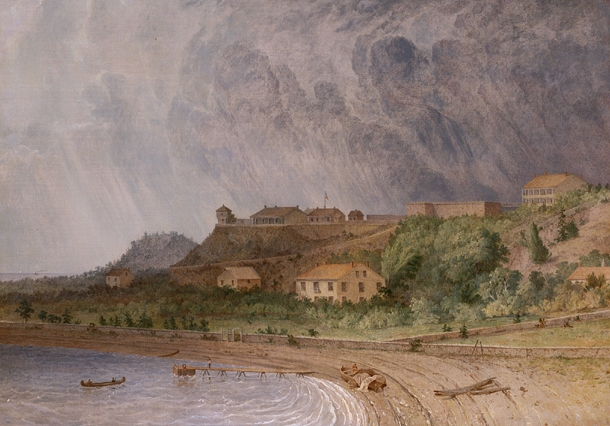
In 1780, the British commander at Fort Michilimackinac, which had been a French post on the mainland south shore of the Straits of Mackinac until the British had won it in the Seven Years’ War, decided to build a more defensible fort on Mackinac Island (and perhaps, one with a shorter name). He picked a bluff overlooking the lakeshore.

Fort Mackinac, Michigan by Seth Eastman

“Fort Mackinac, Michigan” by Seth Eastman (1872)

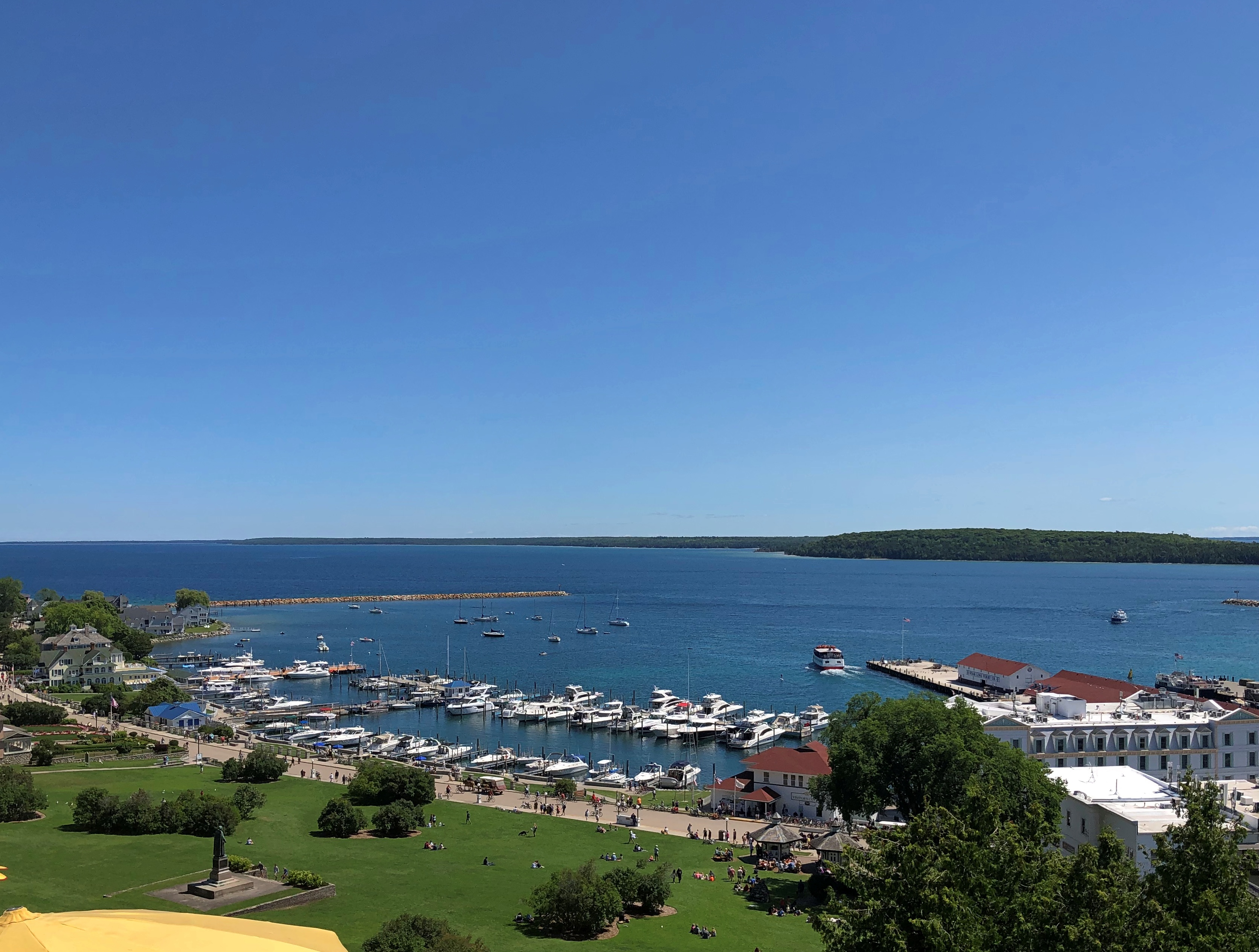
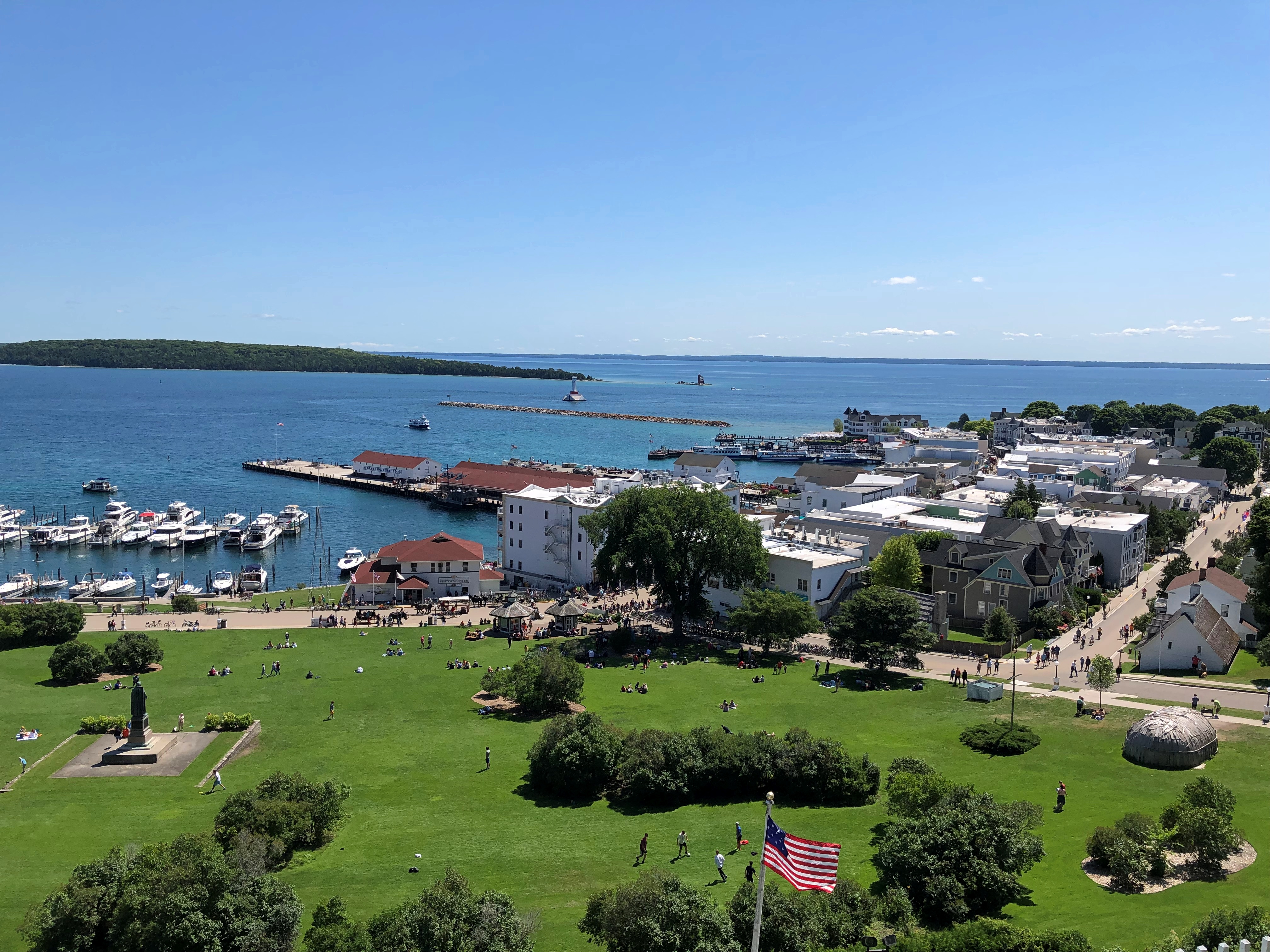
The fort stands there to this day, though in somewhat different form: a tourist attraction. As a tourist, I was duly attracted.Fort Mackinac

Note the Boy Scout. Turns out in visiting Mackinac Island, we were visiting a presidential site. It’s a slightly convoluted story, but well relayed by the island’s web site.

These days, a group of Boy and Girl Scouts raises and lowers about two dozen American flags across Mackinac Island each day during the summer. They also act as guides at the fort. The fellow at the entrance wasn’t the only one we saw.

He was the only one I talked to, however. Tried to, that is. I asked him why Boy Scouts were at the fort, and perhaps a career involving public interaction isn’t in his future, because he sputtered a few unintelligible words and looked at me as if I’d tried to talk to the guards at Buckingham Palace.

So I had to learn later that the flag-raising and other duties started “in 1929 when then-Michigan Gov. Fred Green commissioned eight Eagle Scouts from around the state as honor guardsman on Mackinac Island,” the island’s web site says.

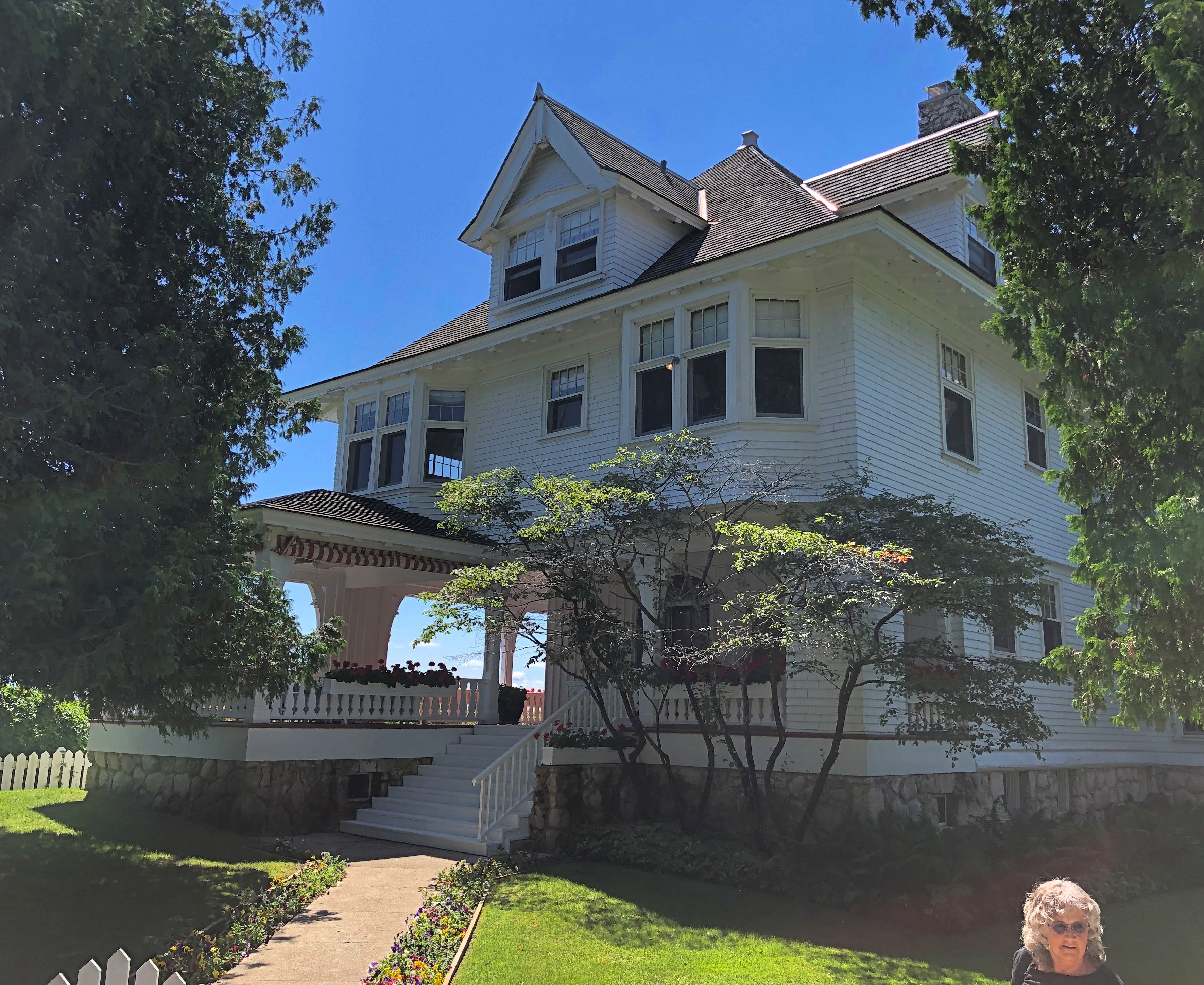
The governor’s summer residence, by the way, is on Mackinac Island, very near the fort, though the house didn’t begin that function until 1944. We walked past it on the way to the fort.

Its formal name is the Lawrence A. Young Cottage, dating from 1902. Young was a successful Chicago attorney who had it built as his summer home.

The presidential connection? In 1929, one of the charter group of scouts tapped by Gov. Green was none other than Gerald R. Ford.

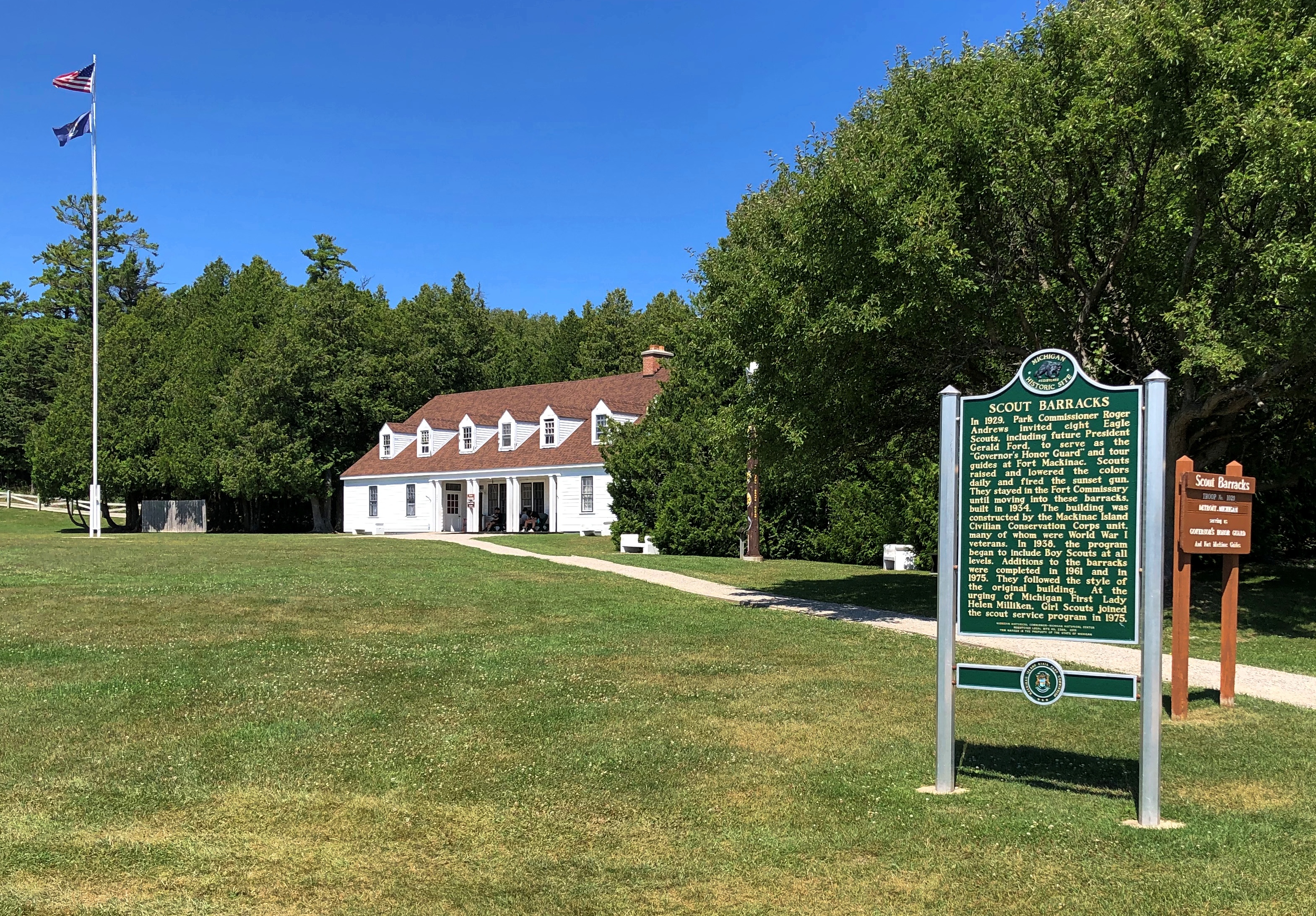
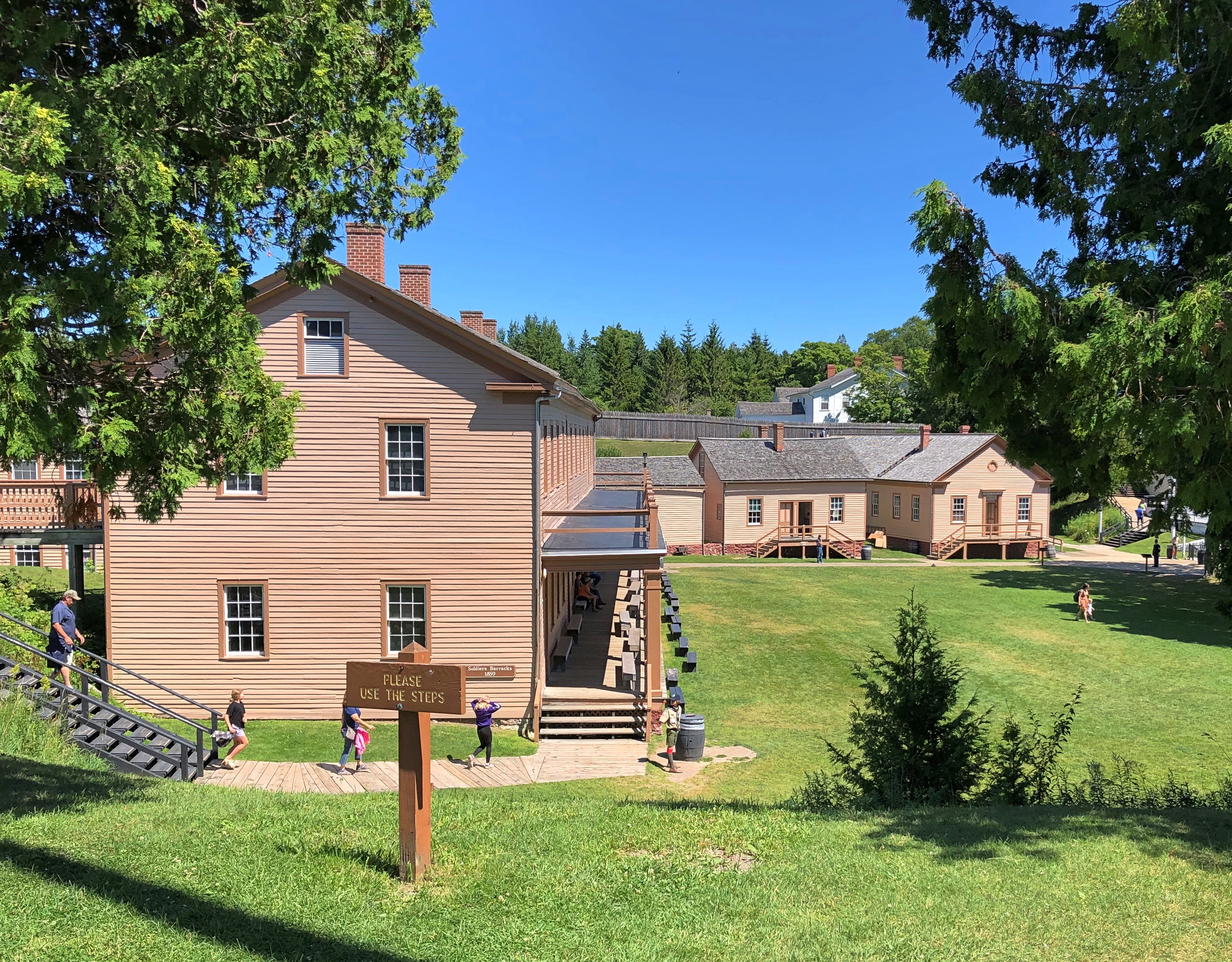
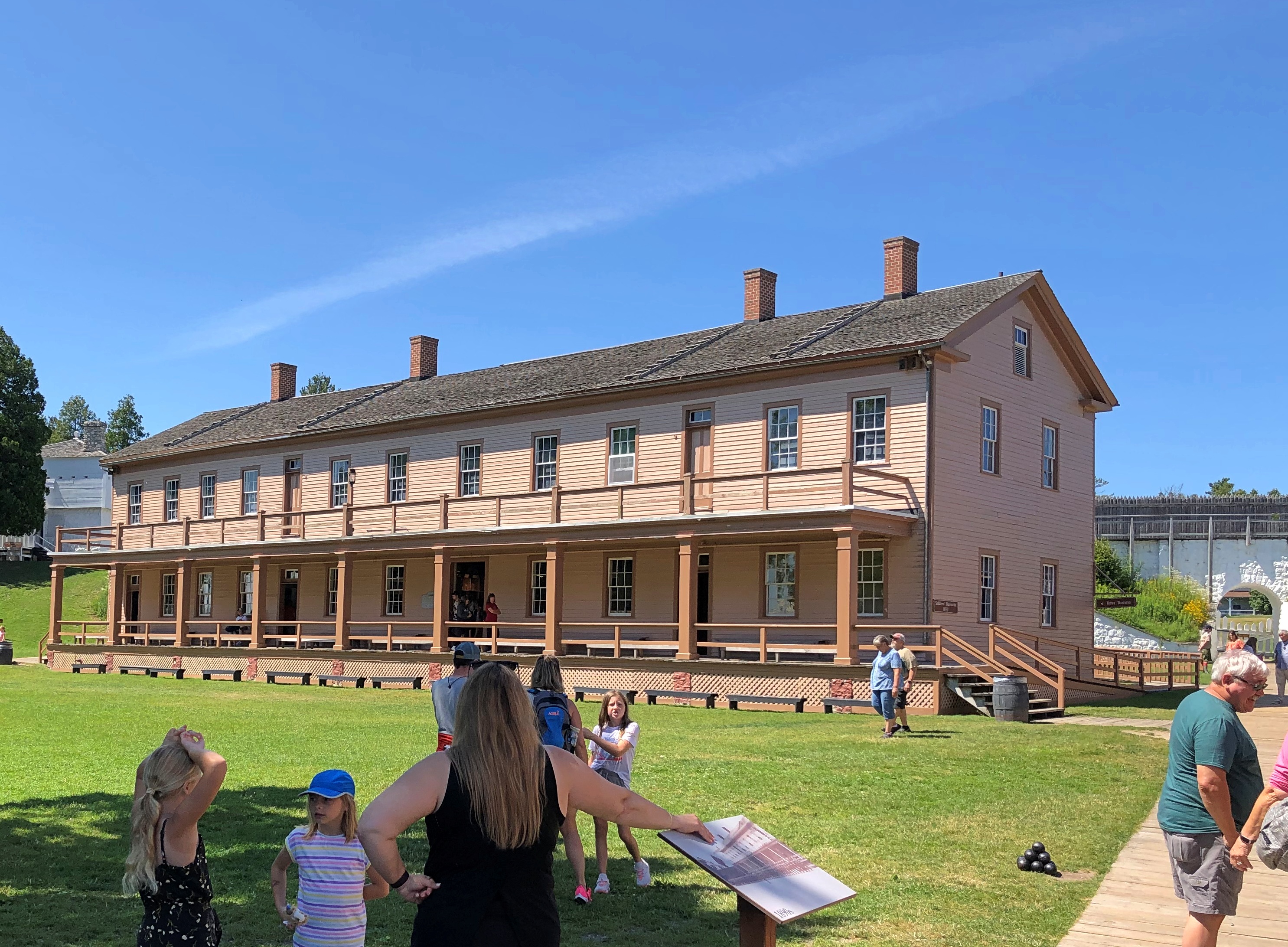
The scout barracks aren’t far from the fort, either. We passed those after we left the fort.

Inside the fort.Fort Mackinac Fort Mackinac

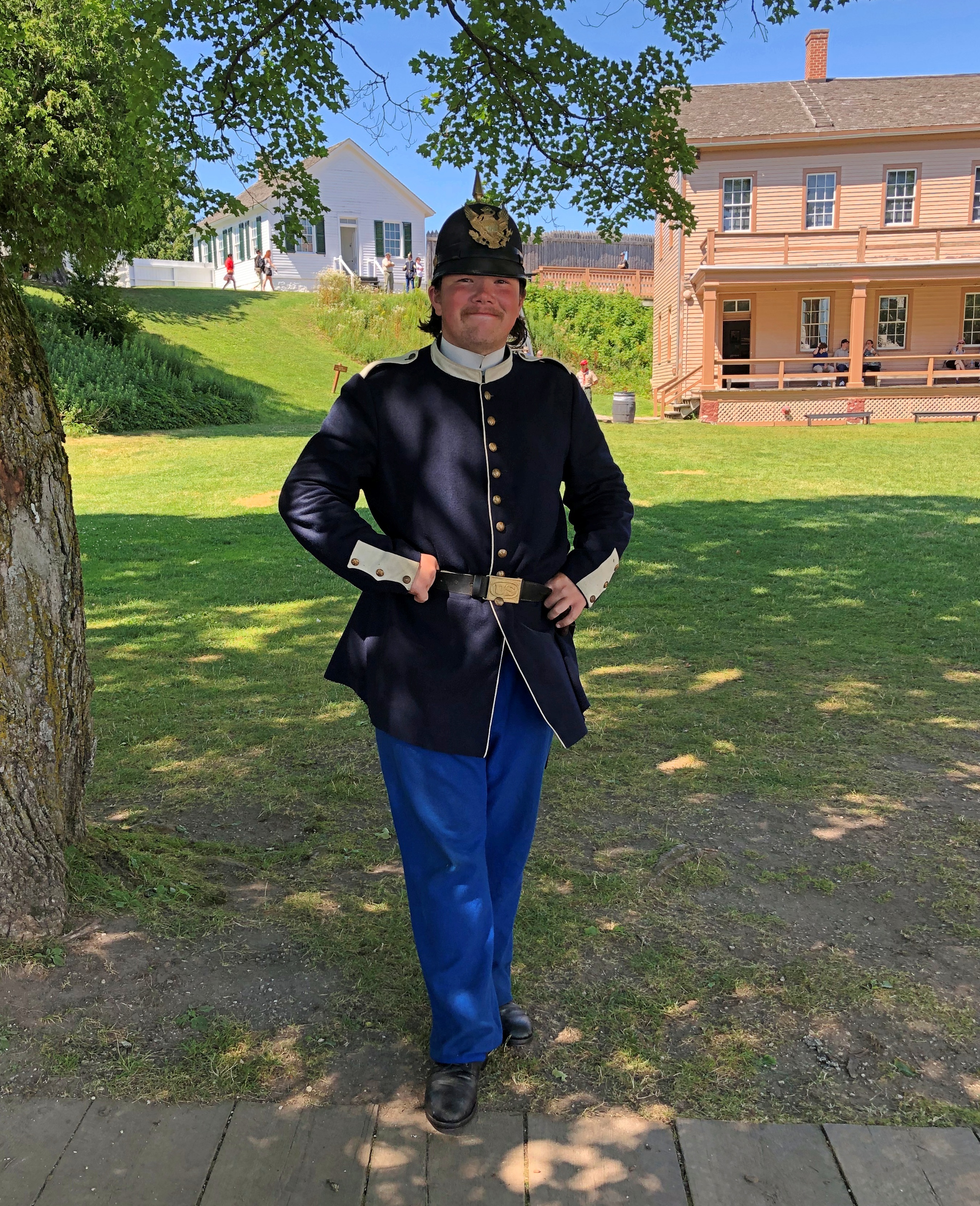
Besides the scouts, there were a handful of somewhat older folk in costume. I told this fellow he was wearing a capital uniform.Fort Mackinac

Unlike the scout, he was talkative, and able to tell us in some detail about the uniform, though I think he was a little confused about my use of the term “capital” to mean “fine” or “excellent.” An apt term for a spiffy 19th-century uniform, if you asked me.

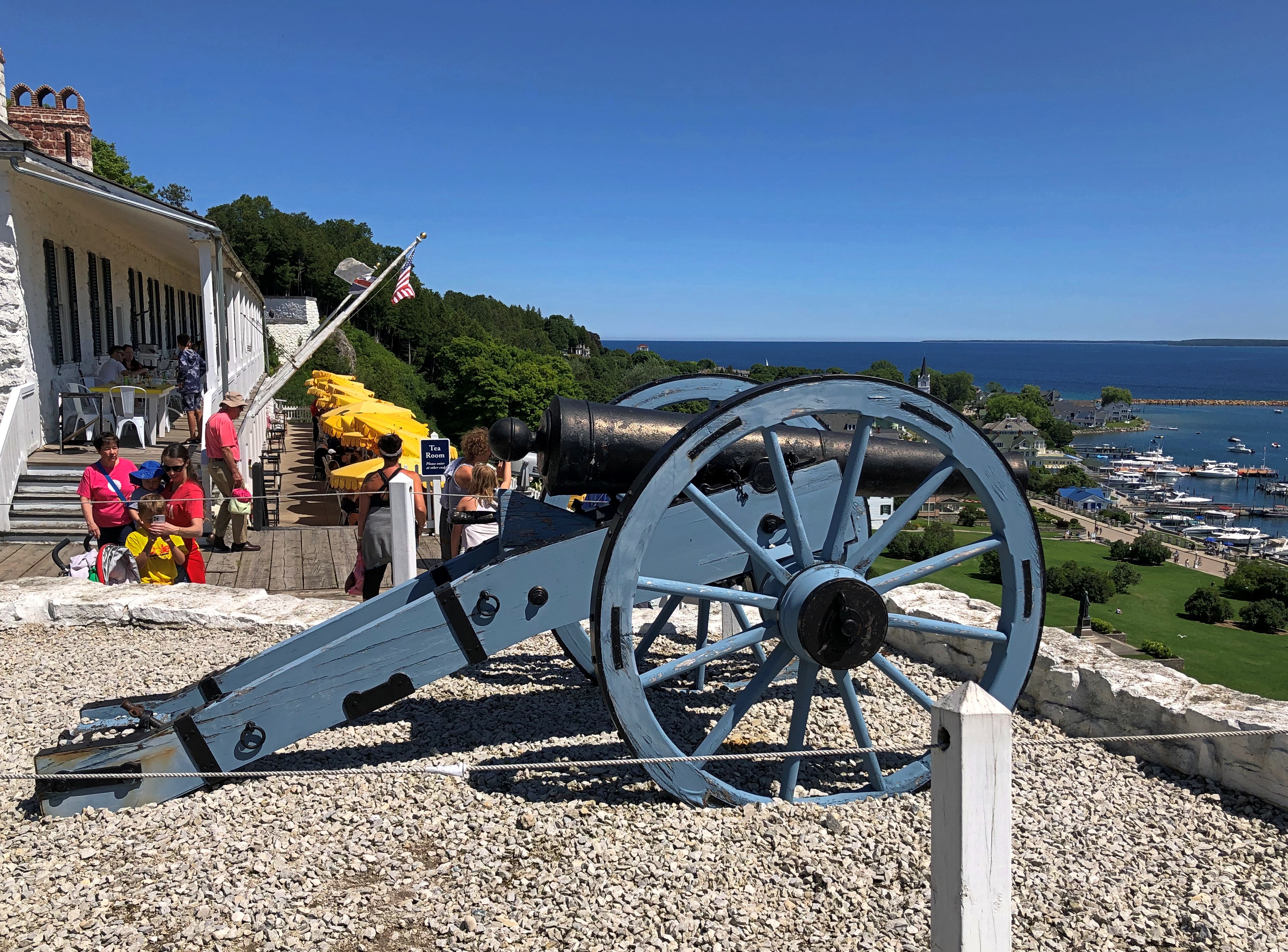
There are some terrific views from the fort, as a pre-modern fort would have.Fort Mackinac Fort Mackinac Fort Mackinac

The historic buildings include the post HQ, bathhouse, soldiers barracks, officers quarters, post hospital, a storehouse, guardhouse and more. The rooms were stocked with artifacts and expository signage. More modern spaces included a light-meal restaurant taking advantage of those terrific views, a gift shop and bathrooms (authentic 19th-century Army latrines wouldn’t go down well with the museum-going public, I figure).

The fort is, I’ve read, one of the few surviving more-or-less intact from the Revolution and War of 1812, when it saw action. Later, as British Canada receded as any kind of threat, Mackinac’s usefulness as a military post did as well, but it lingered as U.S. Army property until 1895.

By that time, much of Mackinac Island had been designated as Mackinac National Park. Astute NPS observers might object that no such park exists, and they’d be right. Created in 1875 as the second national park, Congress dissolved it in 1895 and turned it over to the state of Michigan, which created its first state park that same year out of the same territory, including the now-decommissioned fort.

After I saw the fort, I read the story of its U.S. commander in 1812, one Porter Hanks. Lt. Hanks surrendered the fort without a fight, as he was hopelessly outnumbered. He and his men were paroled by the British forces. Wiki, which seems to be reasonably sourced, picks up the story:

“Lieutenant Hanks made his way to Detroit and the American military post there. Upon his arrival, superiors charged him with cowardice in the surrender of Fort Mackinac. Before the court martial of Lieutenant Hanks could begin, British forces attacked Fort Detroit. A British cannonball ripped through the room where Hanks was standing, cutting him in half and killing the officer next to him as well.”

That’s one way to get out of a court martial, but surely not how Lt. Hanks would have wanted.

Down in Galveston, Up in Yellowstone

Back to posting on Tuesday, since of course Juneteenth is a holiday. I just found out that since last year, there’s been a mural in Galveston commemorating the issuance of General Order No. 3 by (Brevet) Maj. Gen. Gordon Granger, who would be wholly obscure otherwise. The artist, Reginald C. Adams, is from Houston.

Something to see if I ever make it back to Galveston, which is more likely than, say, Timbuktu. But I don’t believe I’ll go to Galveston in the summer again.

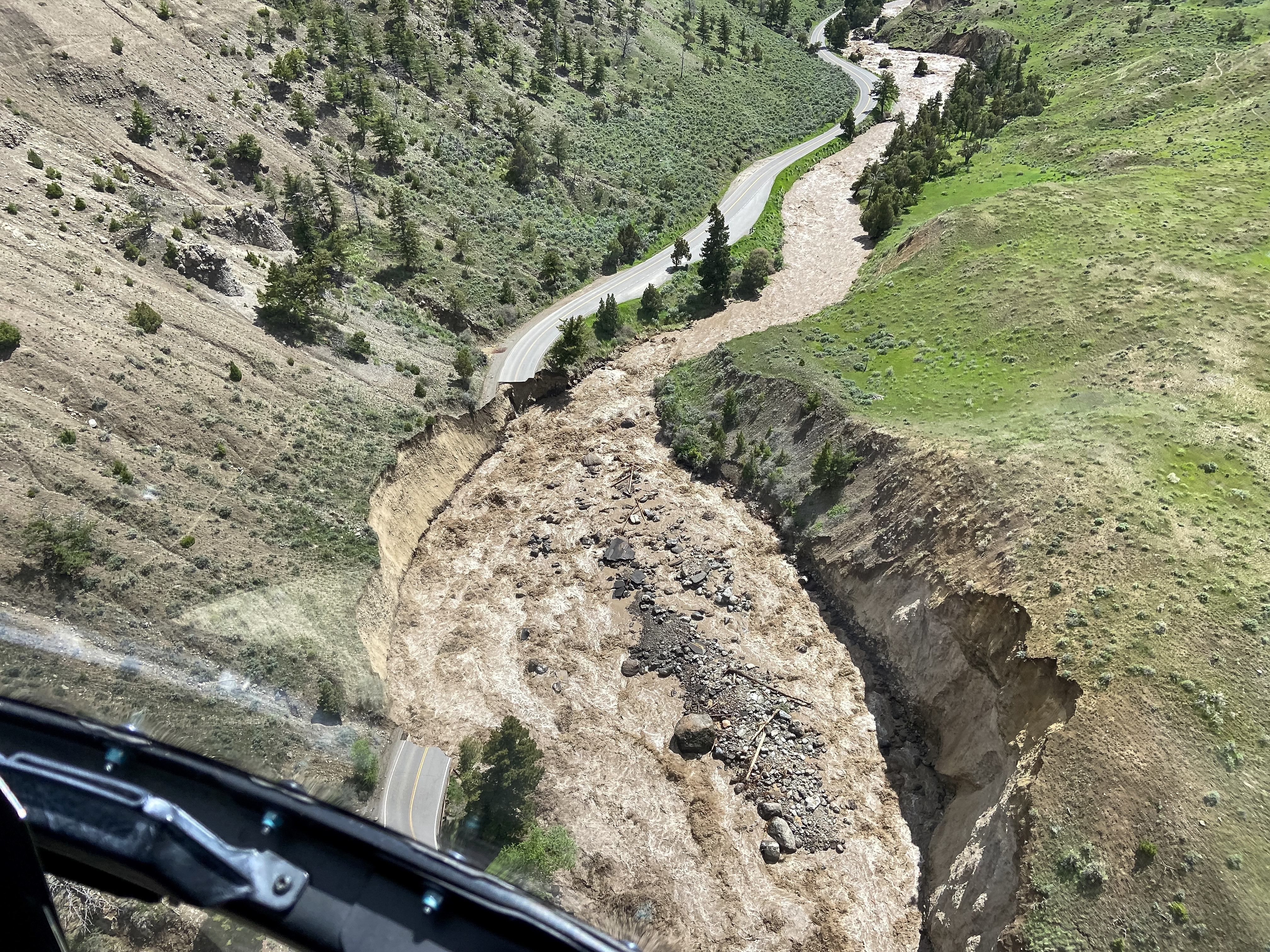
I downloaded a National Park Service image (and thus public domain) today of the road near the north entrance of Yellowstone NP, showing the damage from the recent flooding. Damn.Yellowstone NP flood 2022

Many more pictures of the flooding in the park and in Montana are here, along with a story about the curious absence of the governor of Montana.

“Aerial assessments conducted Monday, June 13, by Yellowstone National Park show major damage to multiple sections of road between the North Entrance (Gardiner, Montana), Mammoth Hot Springs, Lamar Valley and Cooke City, Montana, near the Northeast Entrance,” the NPS says. “Many sections of road in these areas are completely gone and will require substantial time and effort to reconstruct.”

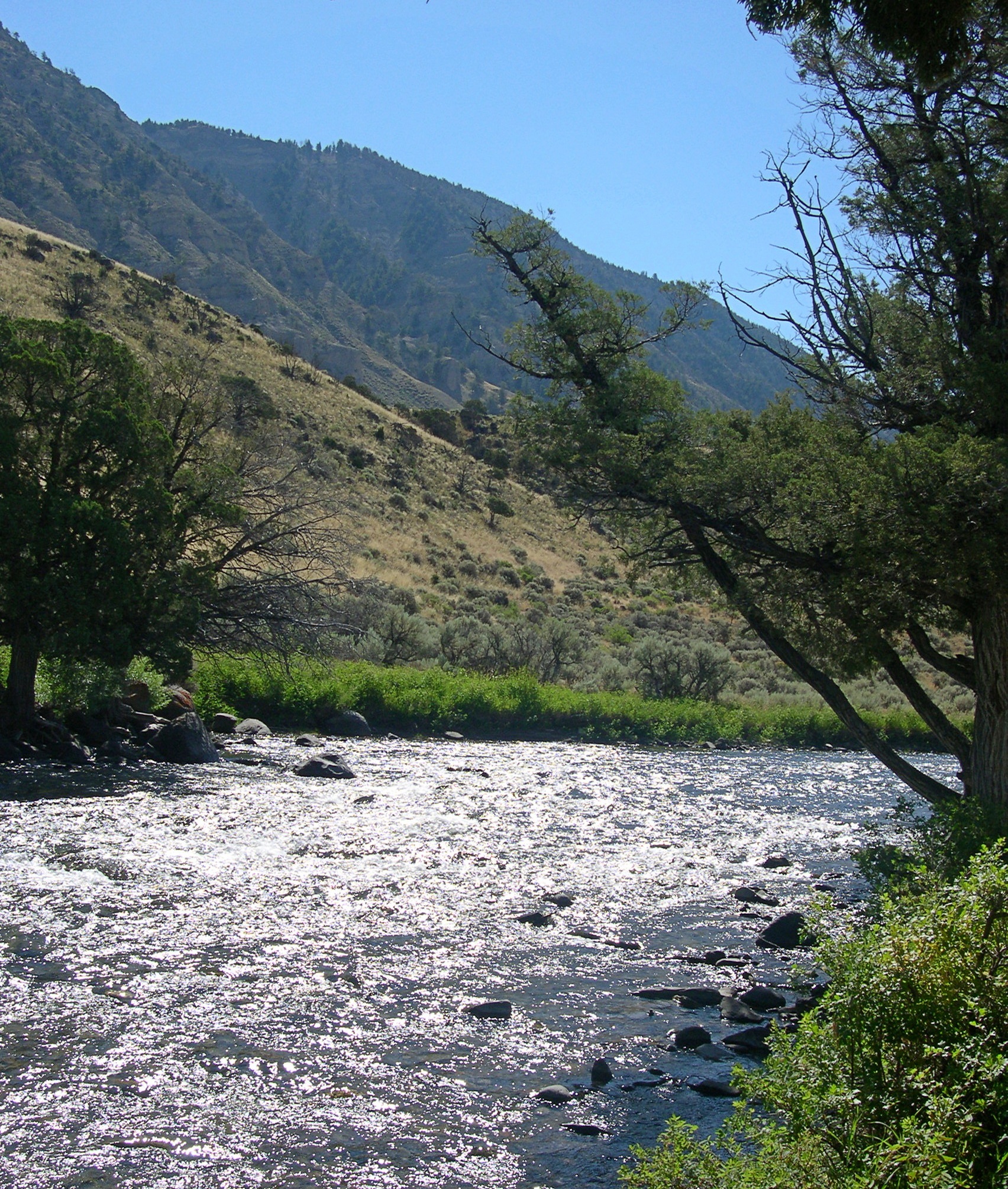
No doubt. We entered the park at the north entrance back in ’05 and spent some time in that part of Yellowstone. The Gardiner River was much more peaceful then.Gardiner River 2005

“Just south of the park’s north entrance, there’s a parking lot next to the Gardiner River. Just beyond the edge of the lot is a path that follows the edge of the river, under some shade trees,” I wrote at the time.

“The river is very shallow at that point, with a cold current pushing over piles of very smooth stones… piles of rock moderated the current a little, so that you could sit in the river and let it wash over you. It wasn’t exactly swimming, but it was refreshing.

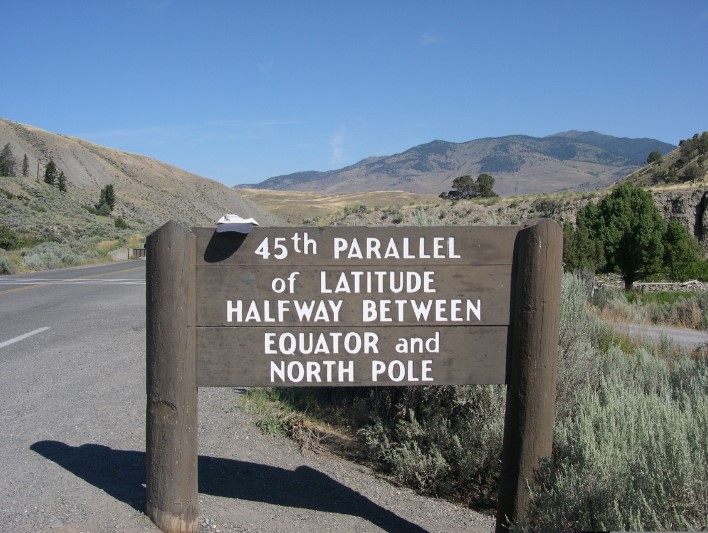
“Along the road, just at the entrance to the parking lot, there were two signs: ENTERING WYOMING and 45TH PARALLEL of LATITUDE HALFWAY BETWEEN EQUATOR and NORTH POLE.”

Wonder if that sign is still standing.

Colorado Plateau ’22 Leftovers

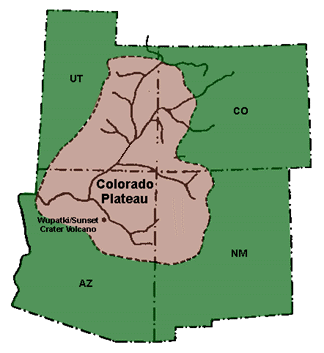
I’ve changed the name of this trip. What, doesn’t everyone name their trips? No? Anyway, Colorado Plateau ’22 is better than the ridiculous NV-AZ-UT 22, which looks like a part number in a tool-and-die factory.

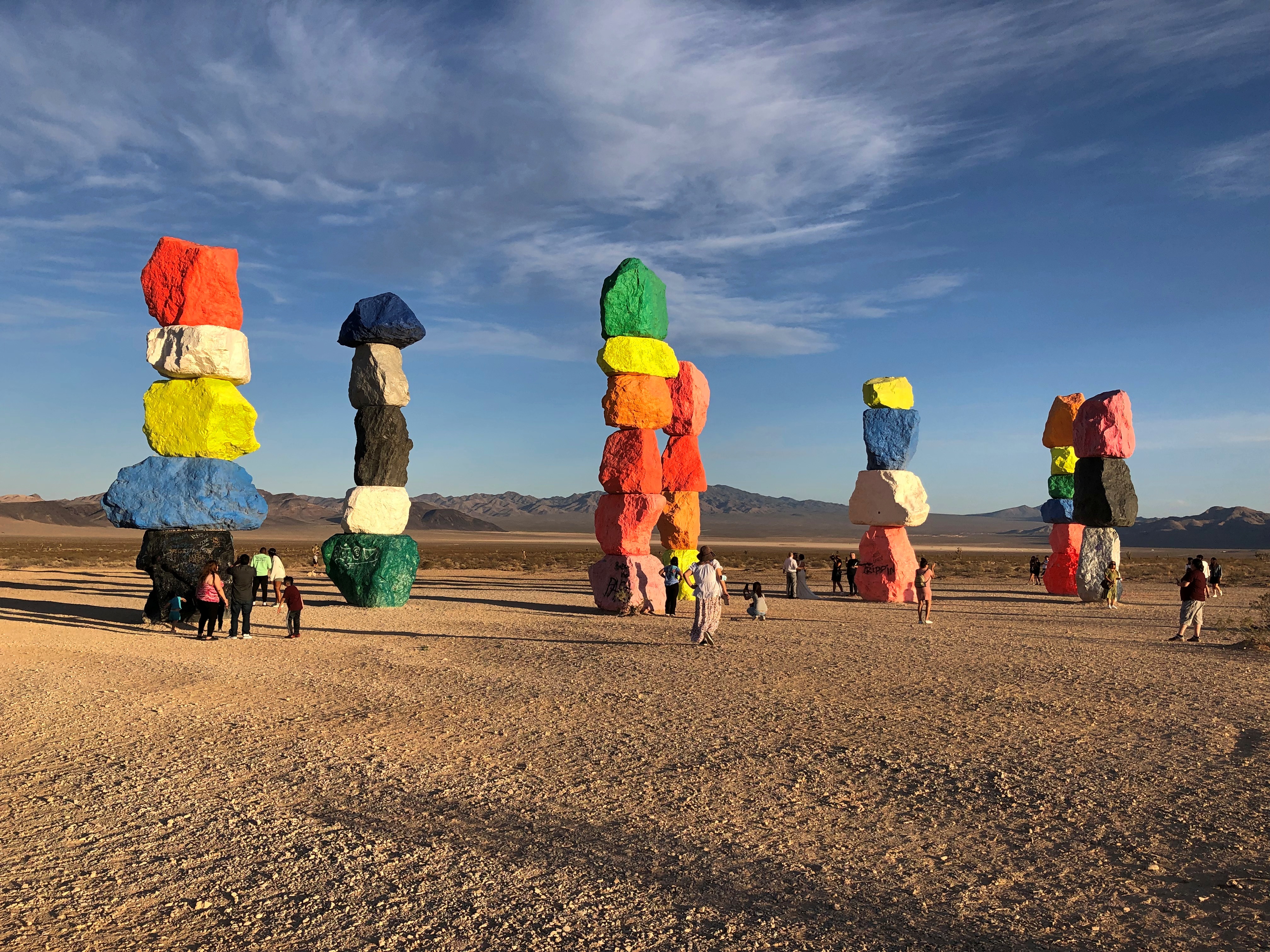
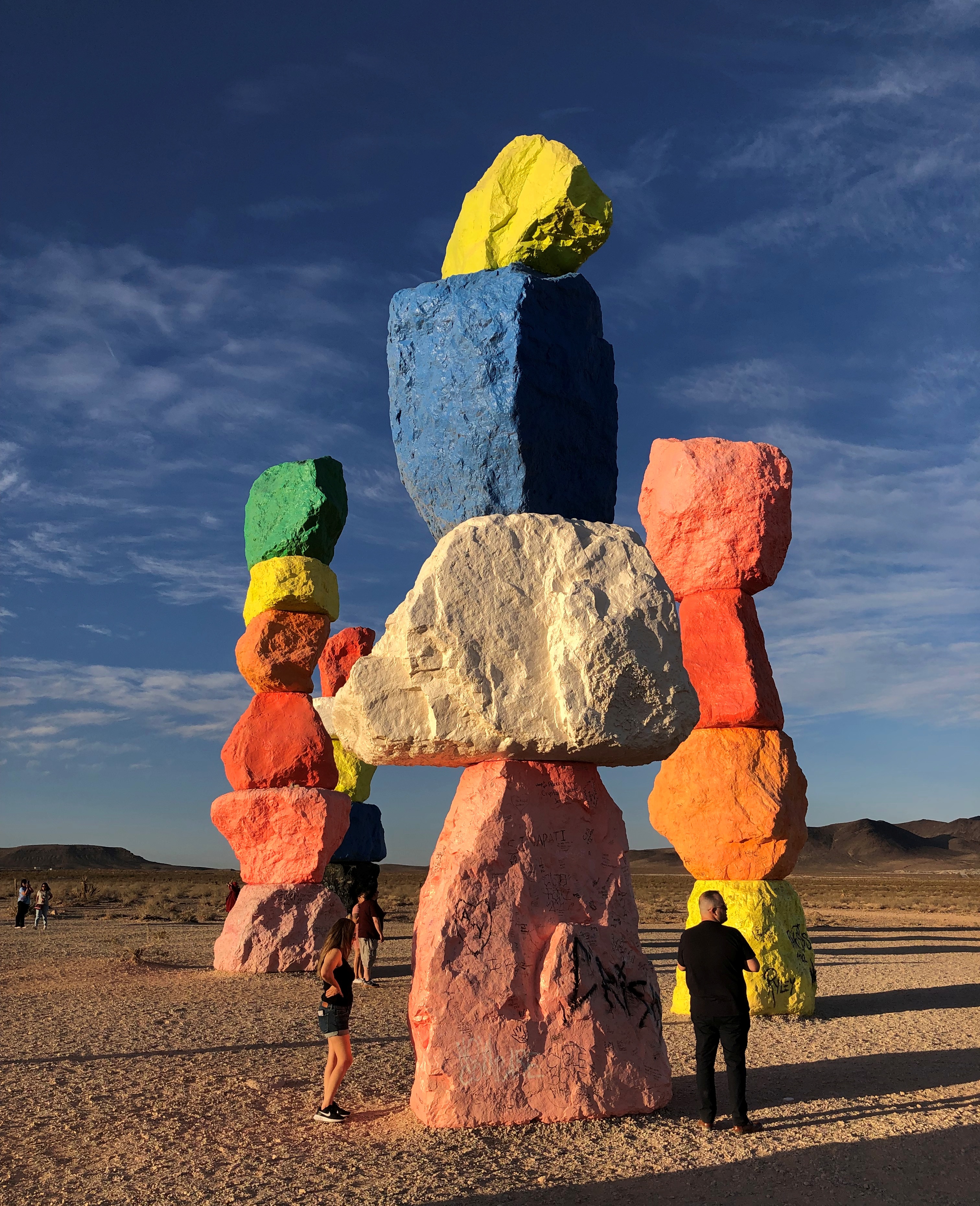
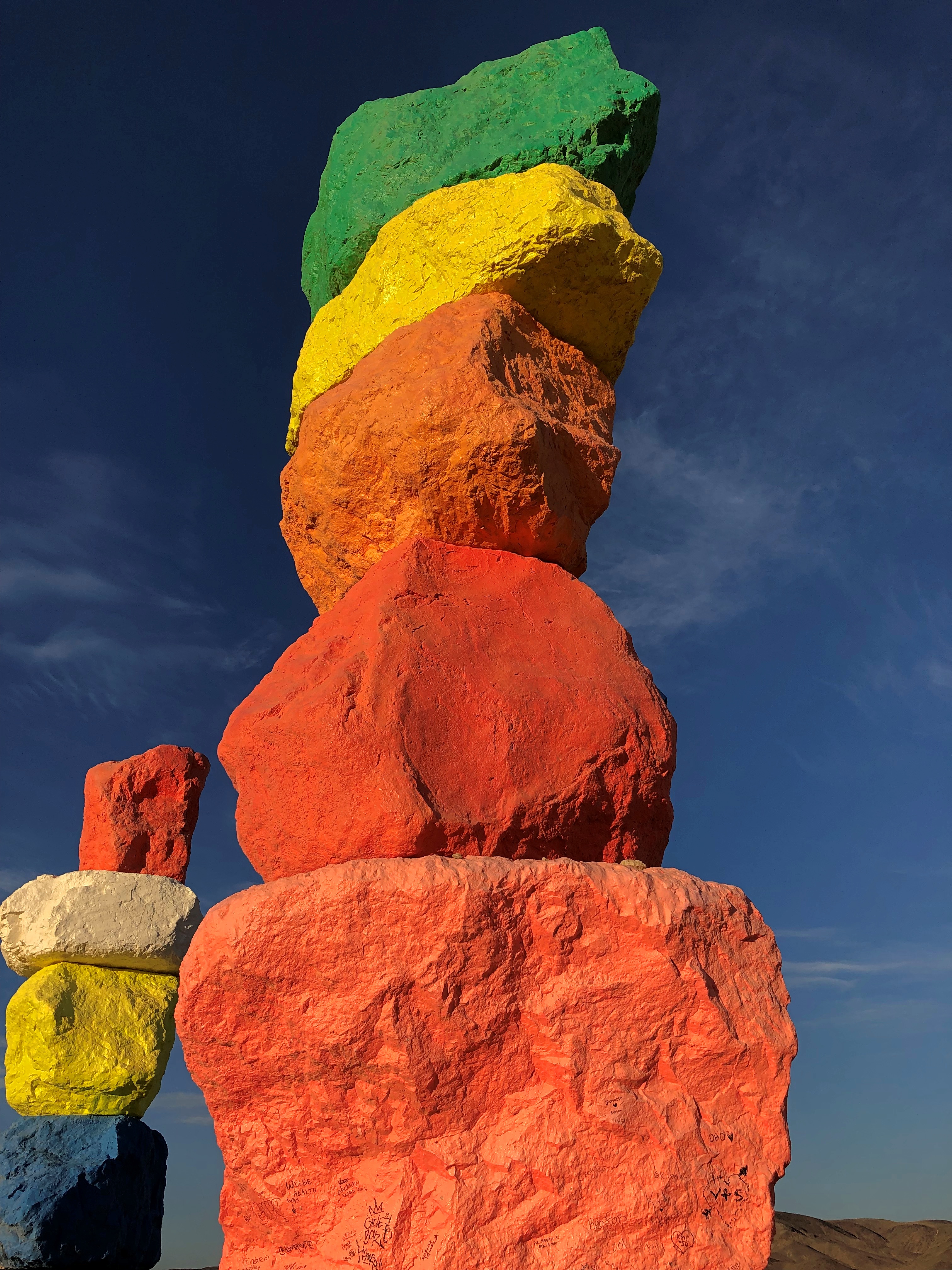
But not quite all on the Colorado Plateau. Just outside Las Vegas, maybe five or so miles from where  that city finally peters out on I-15 toward Los Angeles, is Seven Magic Mountains.Seven Magic Mountains Seven Magic Mountains Seven Magic Mountains

Magic, maybe, mountains no, at least not in any literal sense. An art installation by Ugo Rondinone, a Swiss artist.

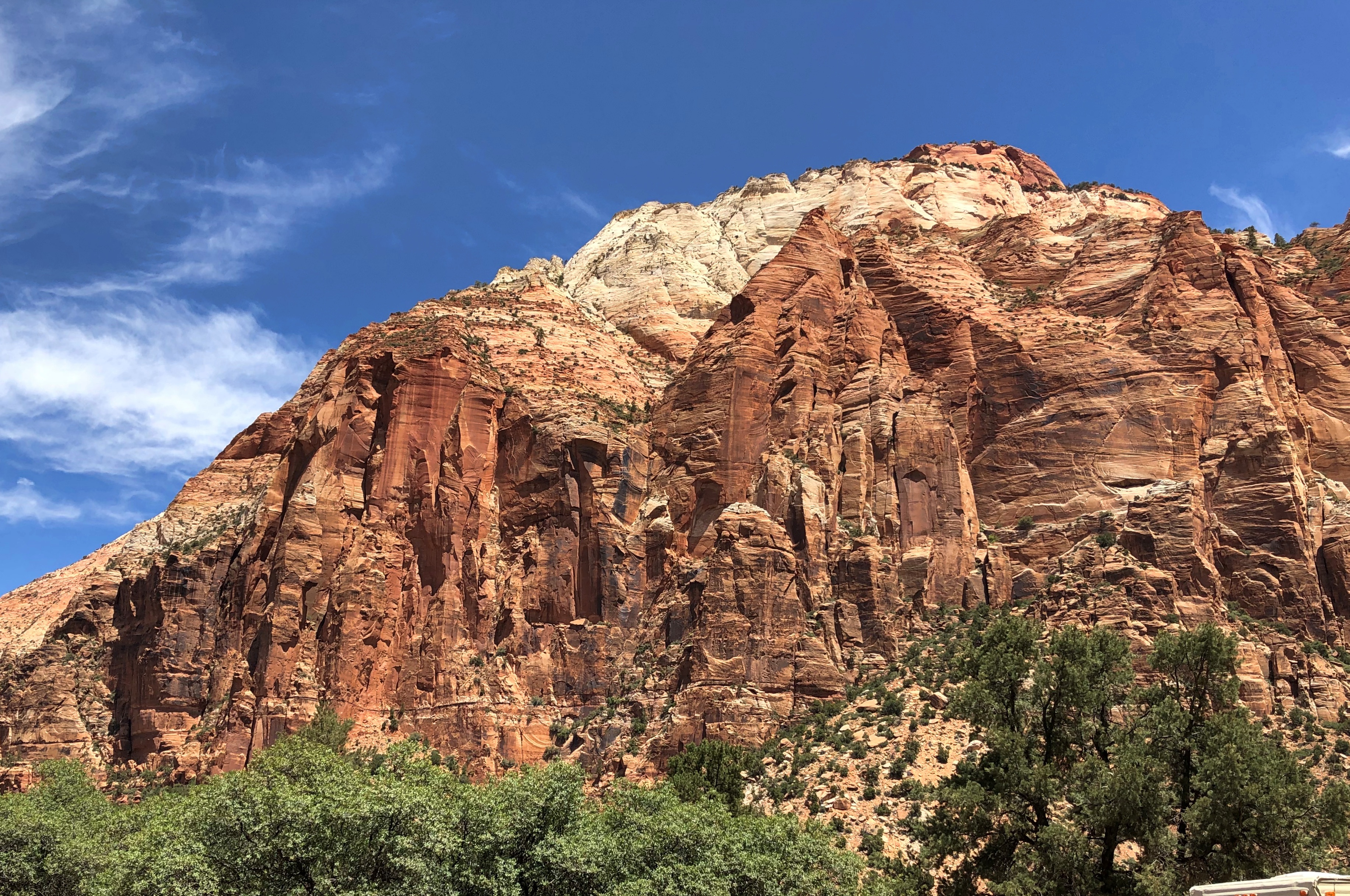
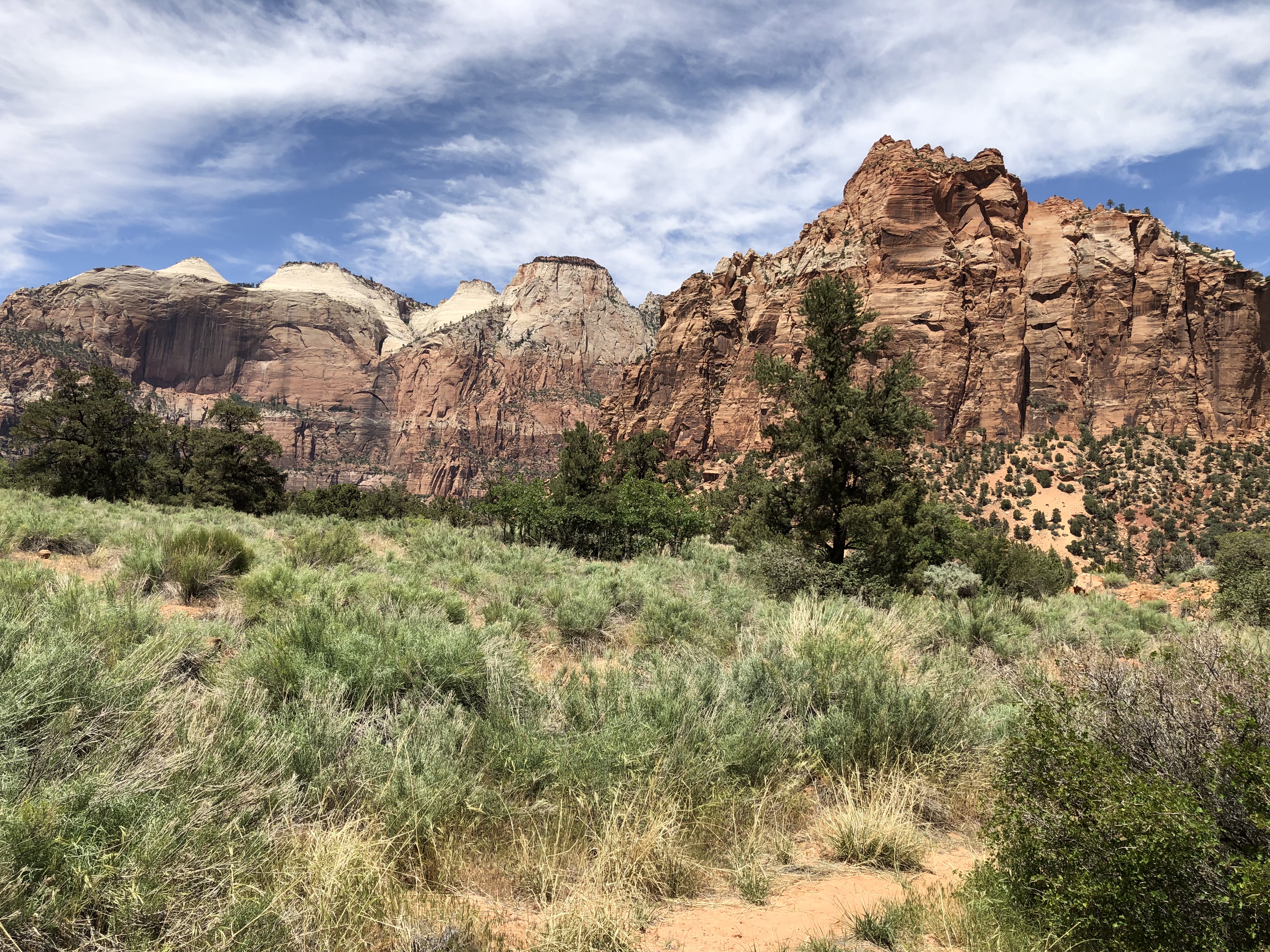
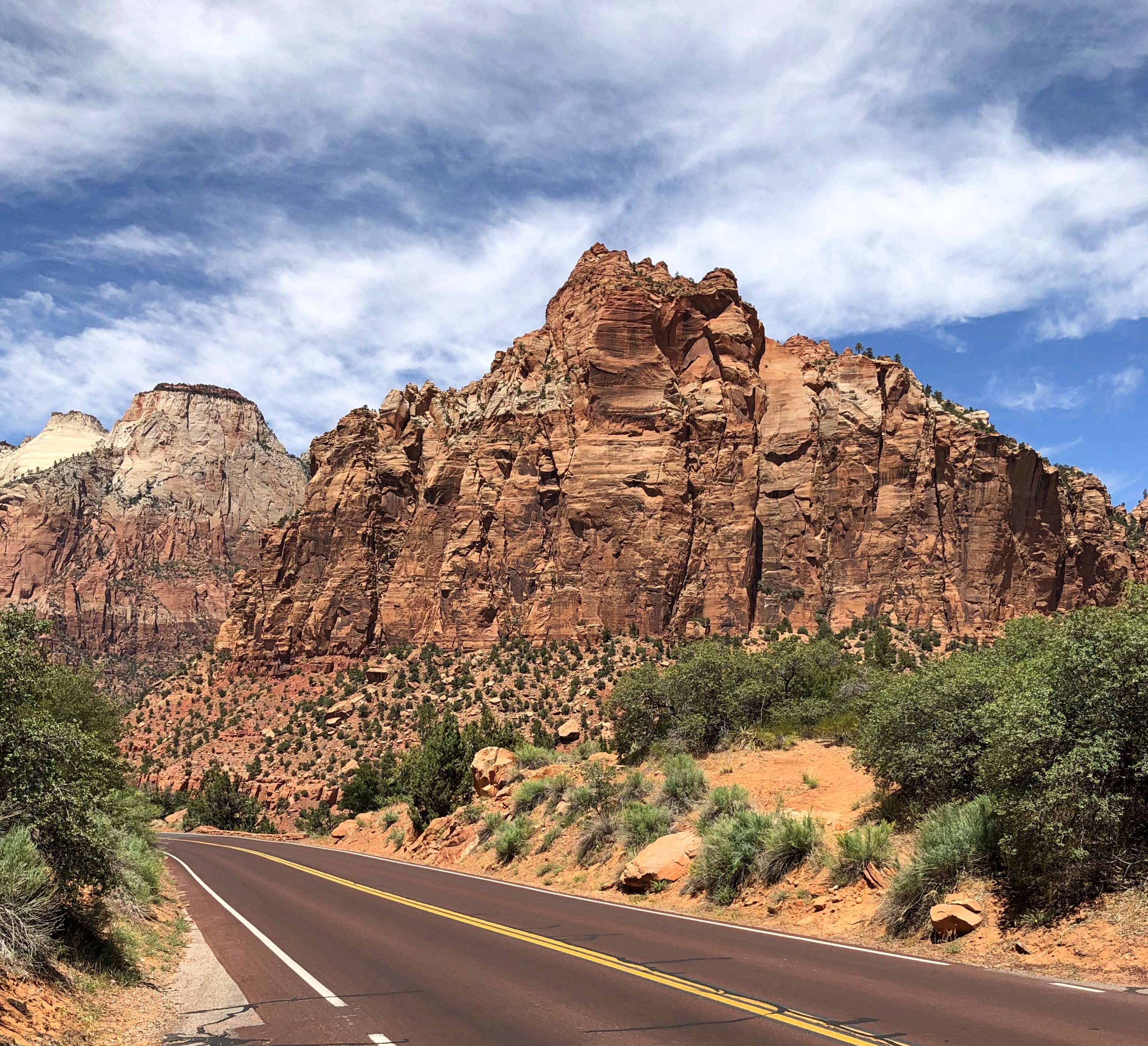
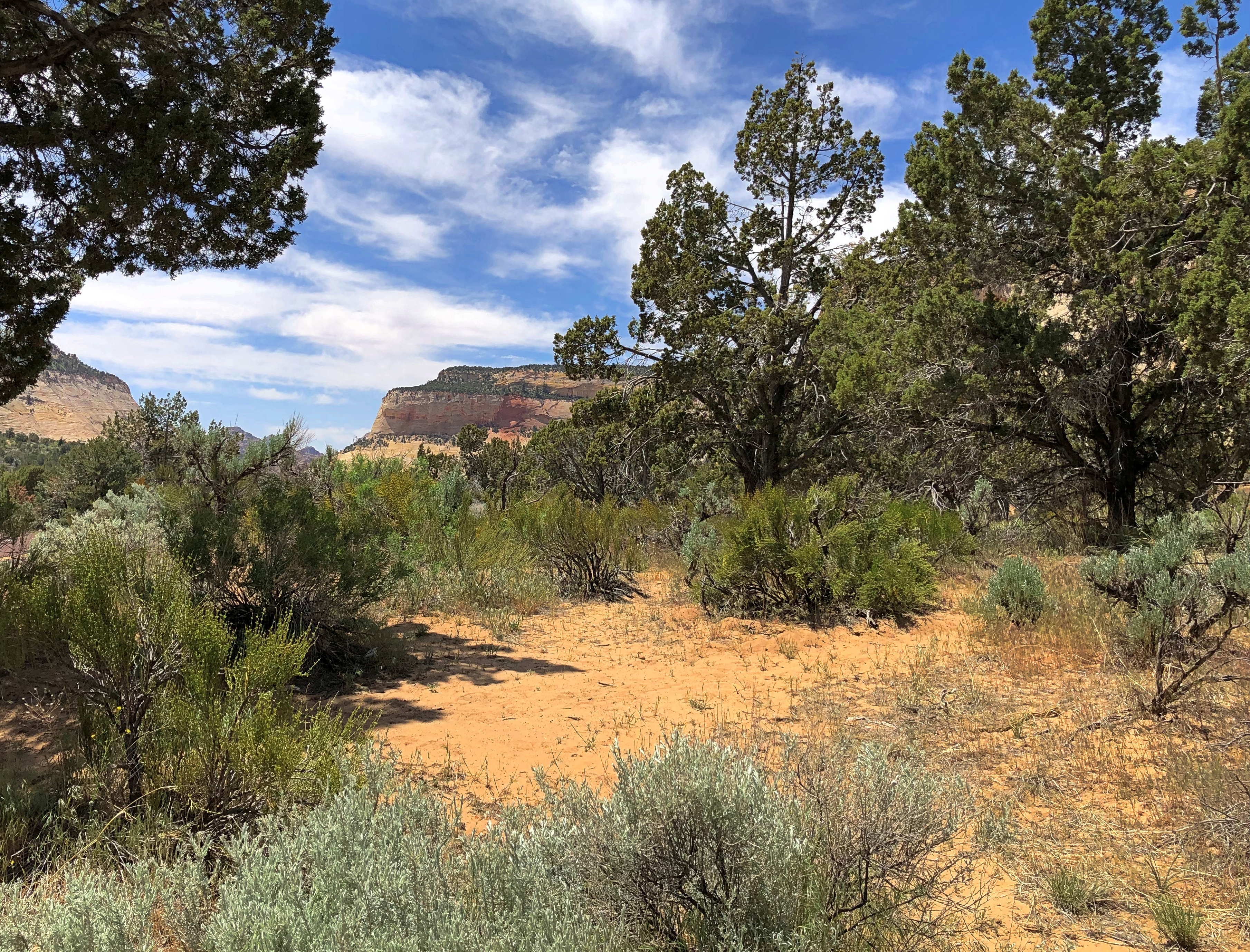
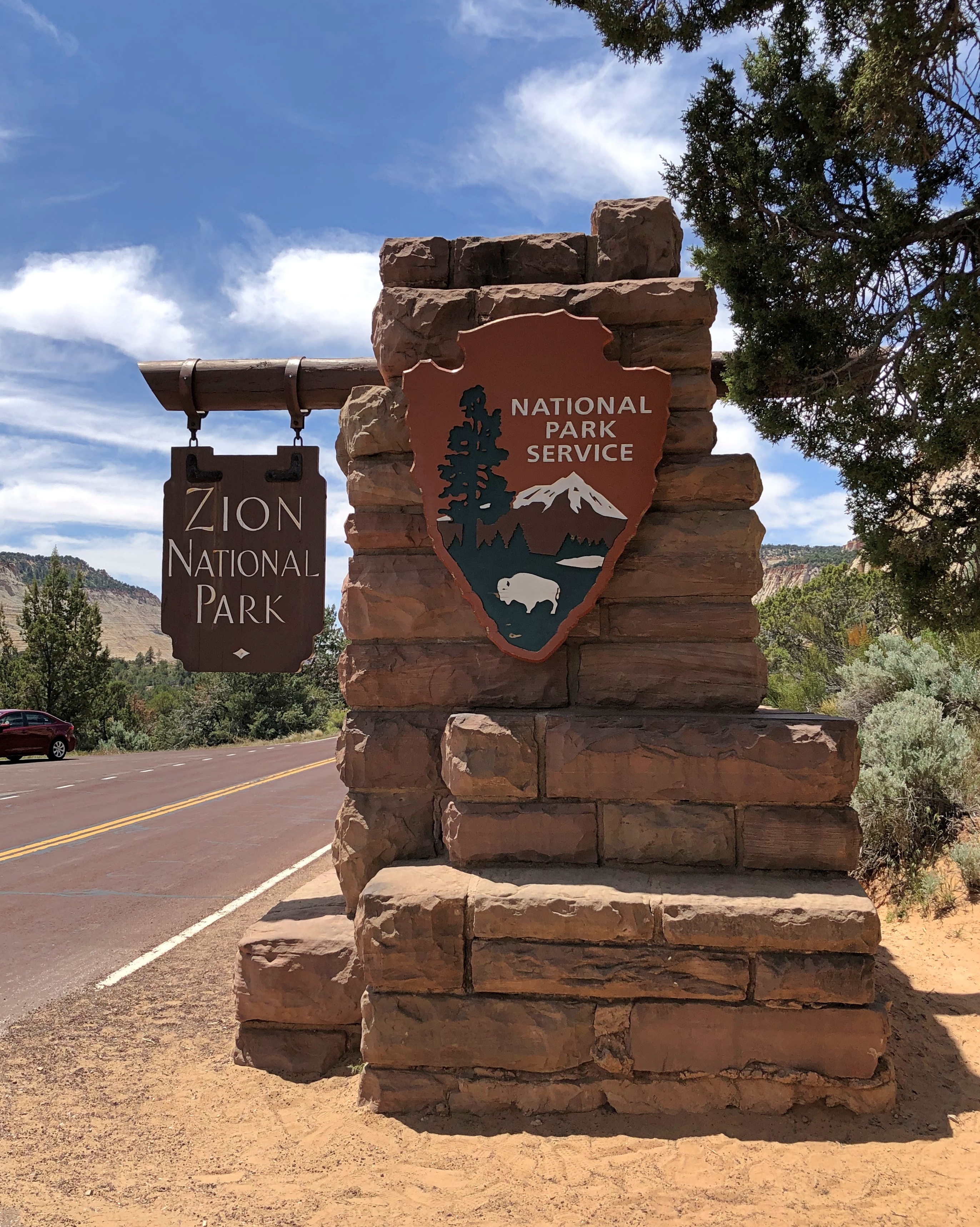
We only passed through Zion NP, stopping only for a few minutes on the side of the road.Zion NP Zion NP Zion NP

Near the entrance.Zion NP

At the entrance.Zion NP

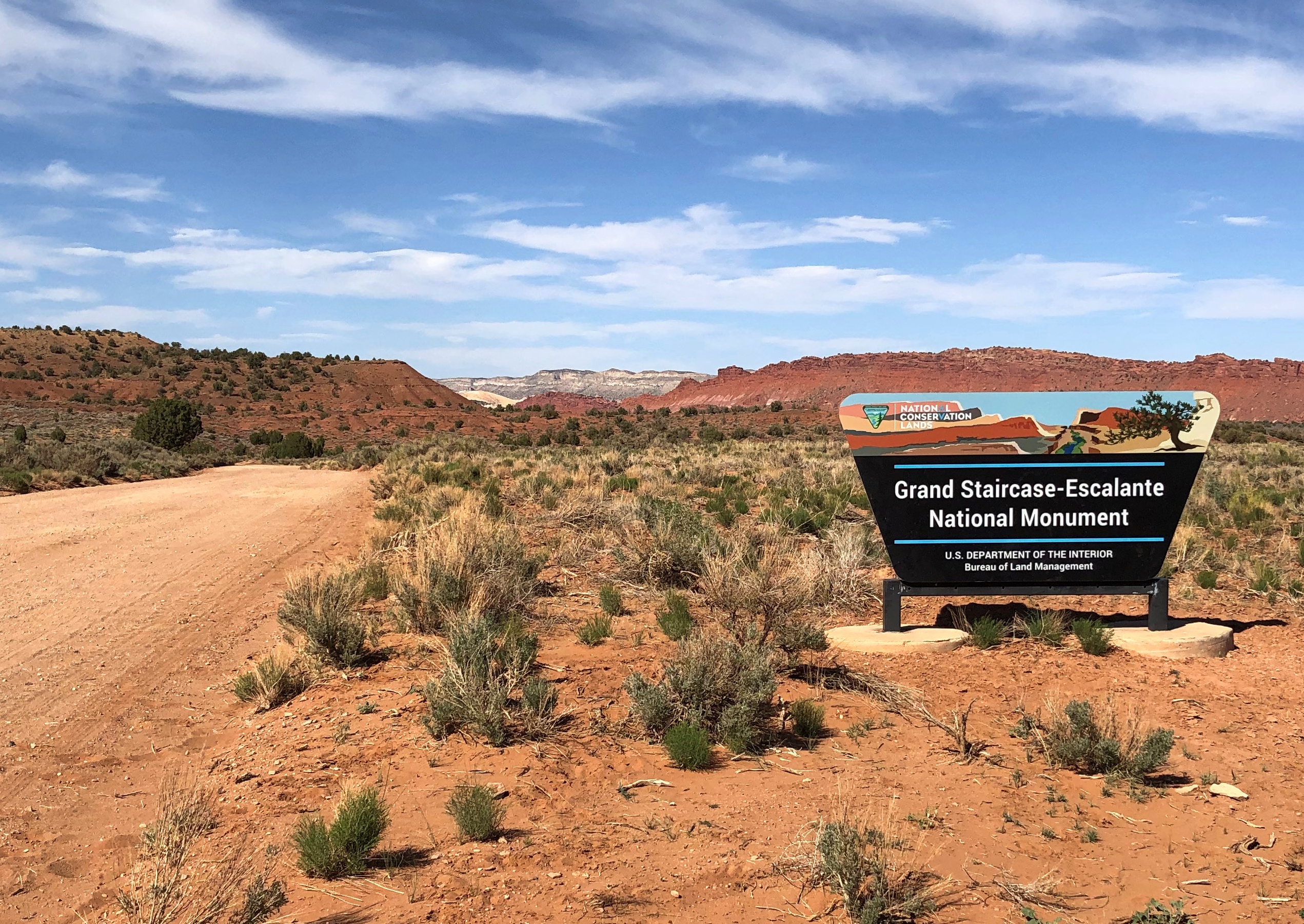
A different entrance: Grand Staircase-Escalante National Monument. A small bit of the vastness of the place, more than 1.8 million acres.
Grand Staircase-Escalante NM

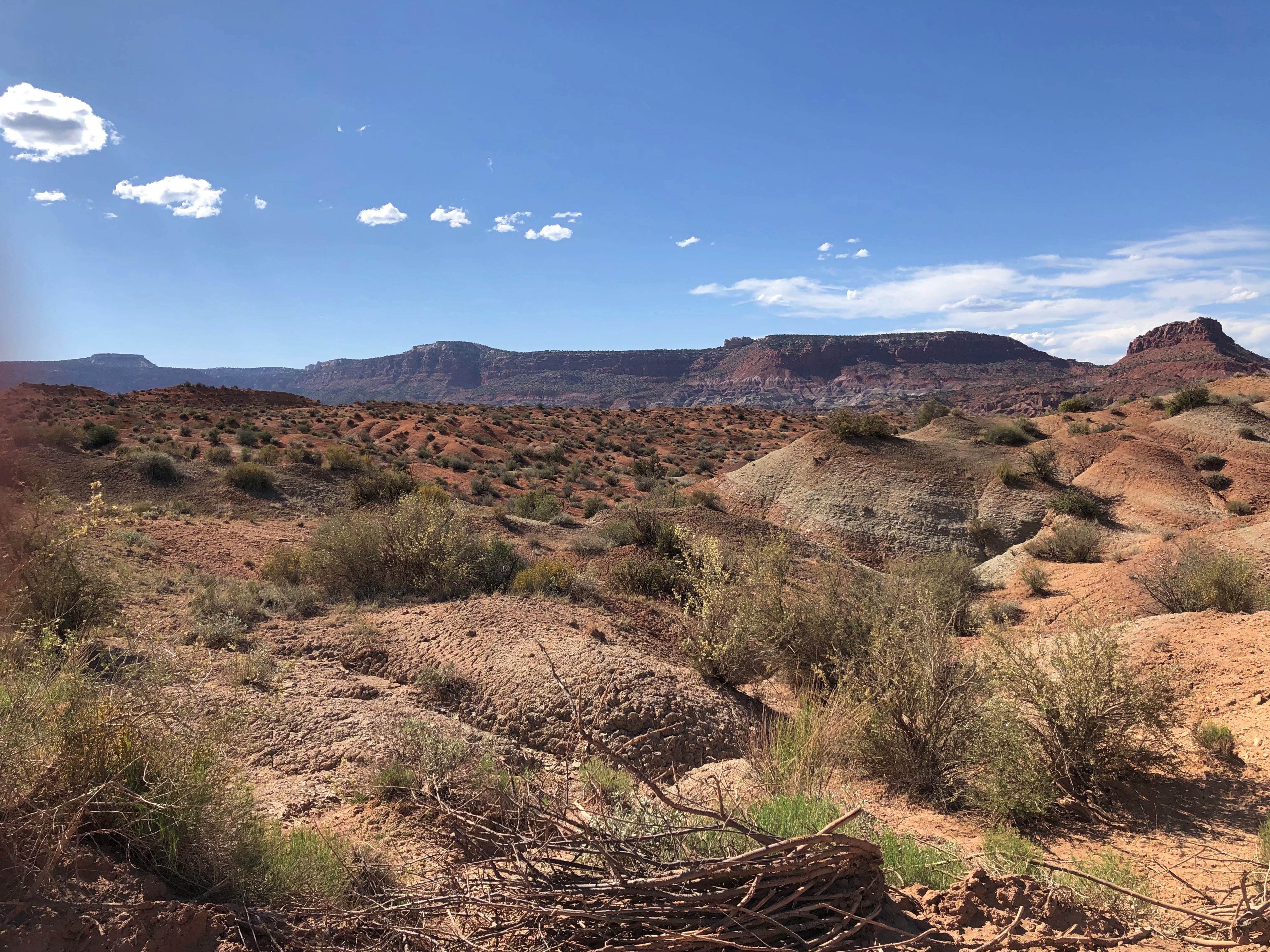
I knew that was a road I wanted to drive a little ways at least, to check out the views. My instincts were right.Grand Staircase-Escalante National Monument Grand Staircase-Escalante National Monument Grand Staircase-Escalante National Monument Grand Staircase-Escalante National Monument

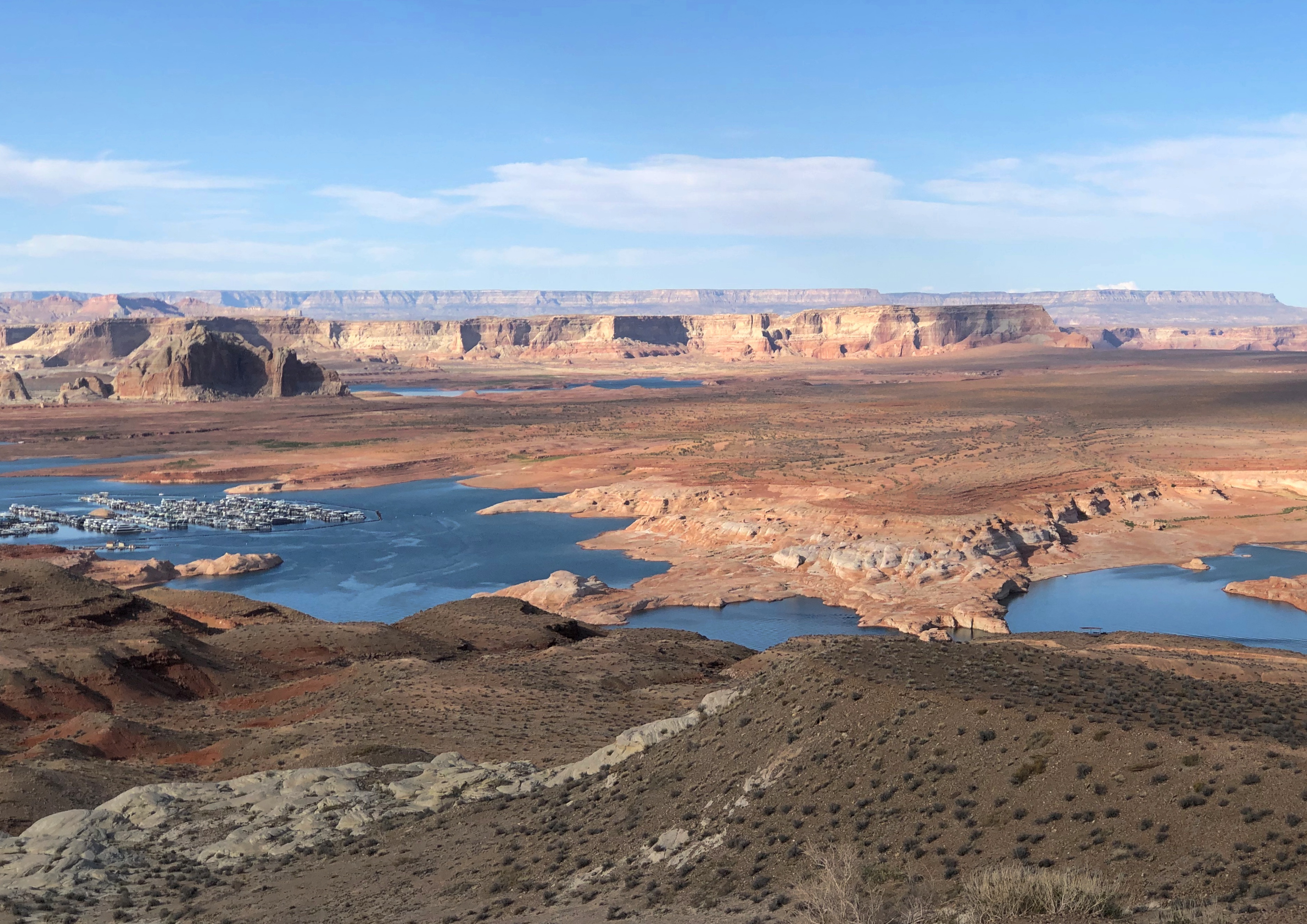
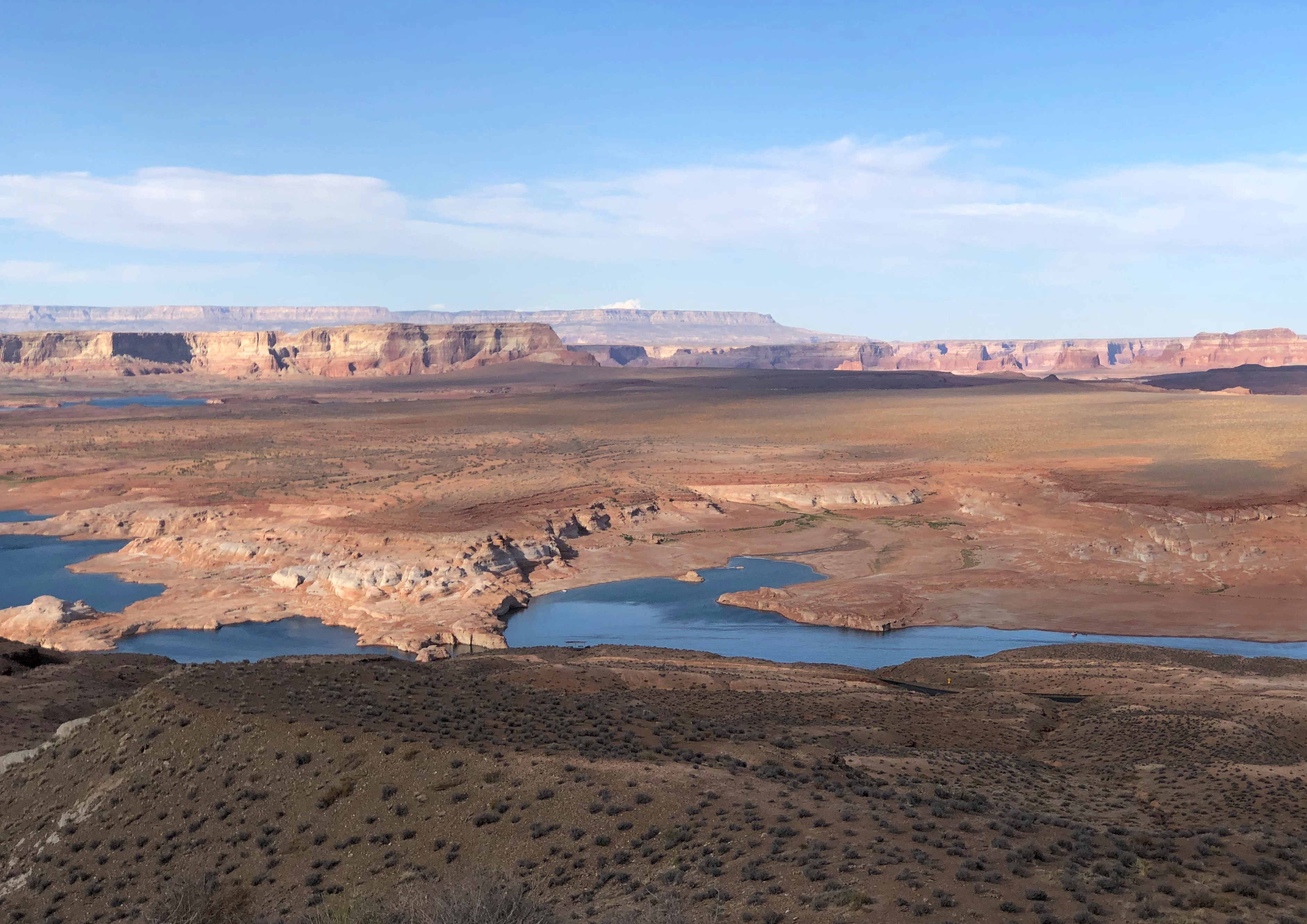
When we were nearly in Page, Arizona, we stopped for a few minutes at a viewpoint over Lake Powell. I was flabbergasted by how low the lake looks.Lake Powell 2022 Lake Powell 2022

And so it is. The lowest level since the lake was built. Lake Mead is low as well, so much so that (possible) mob hit victims have been discovered. Apparently the idea of draining Lake Powell to fill Lake Mead is being entertained by officialdom, I read, though it’s hard to know how seriously.

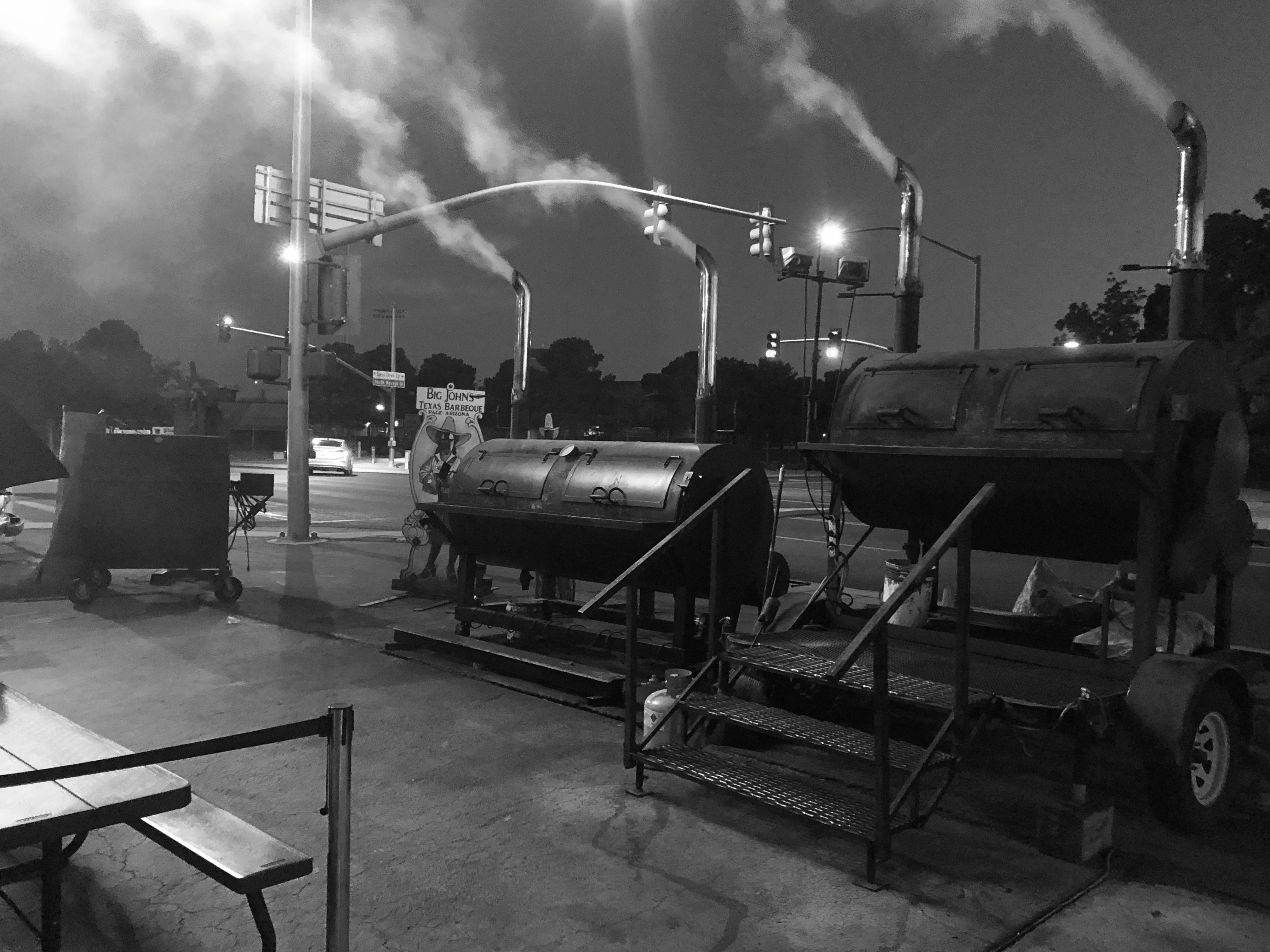
The cookers at Big John’s Texas Barbecue in Page.Big Johns Texas Barbecue Page Arizona Big Johns Texas Barbecue Page Arizona

Man, Big John made some mean ‘cue in those cookers.

The Lake Powell Motel, also in Page, where we stayed. For the second time. We were there in 1997. A one-minute walk to Big John’s.Lake Powell Motel

When we stayed there 25 years ago, the property was called Bashful Bob’s Motel. Sometime in the 2010s, new ownership changed the name and spent a fair amount renovating the interiors so that they are pretty nice two-bedroom apartments. Back in the late ’90s, the rooms were old, but pleasant. I wonder if I have the ’97 bill somewhere to compare rates. Maybe.

Also, it’s clear that the owners had to renovate to compete with the numerous chain hotels in the town. Bashful Bob didn’t a lot of that kind of competition in the old days, just  smaller properties, a few of which linger still in Page.
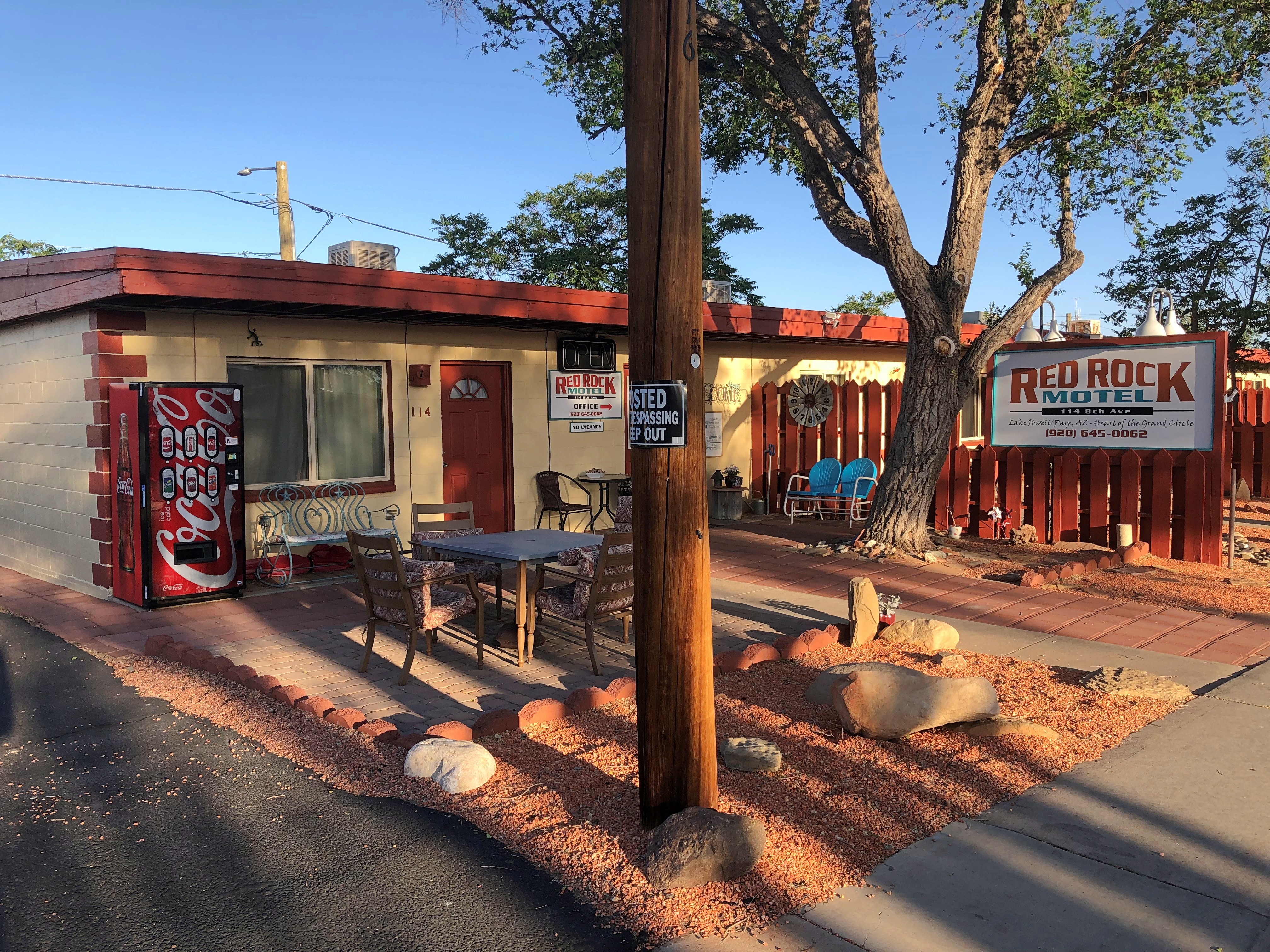
Red Rock Motel Page Arizona

The Red Rock started as housing for workers building Glen Canyon Dam, built in 1958 by the Bureau of Reclamation. Actually, I suspect Bashful Bob’s started out that way as well.

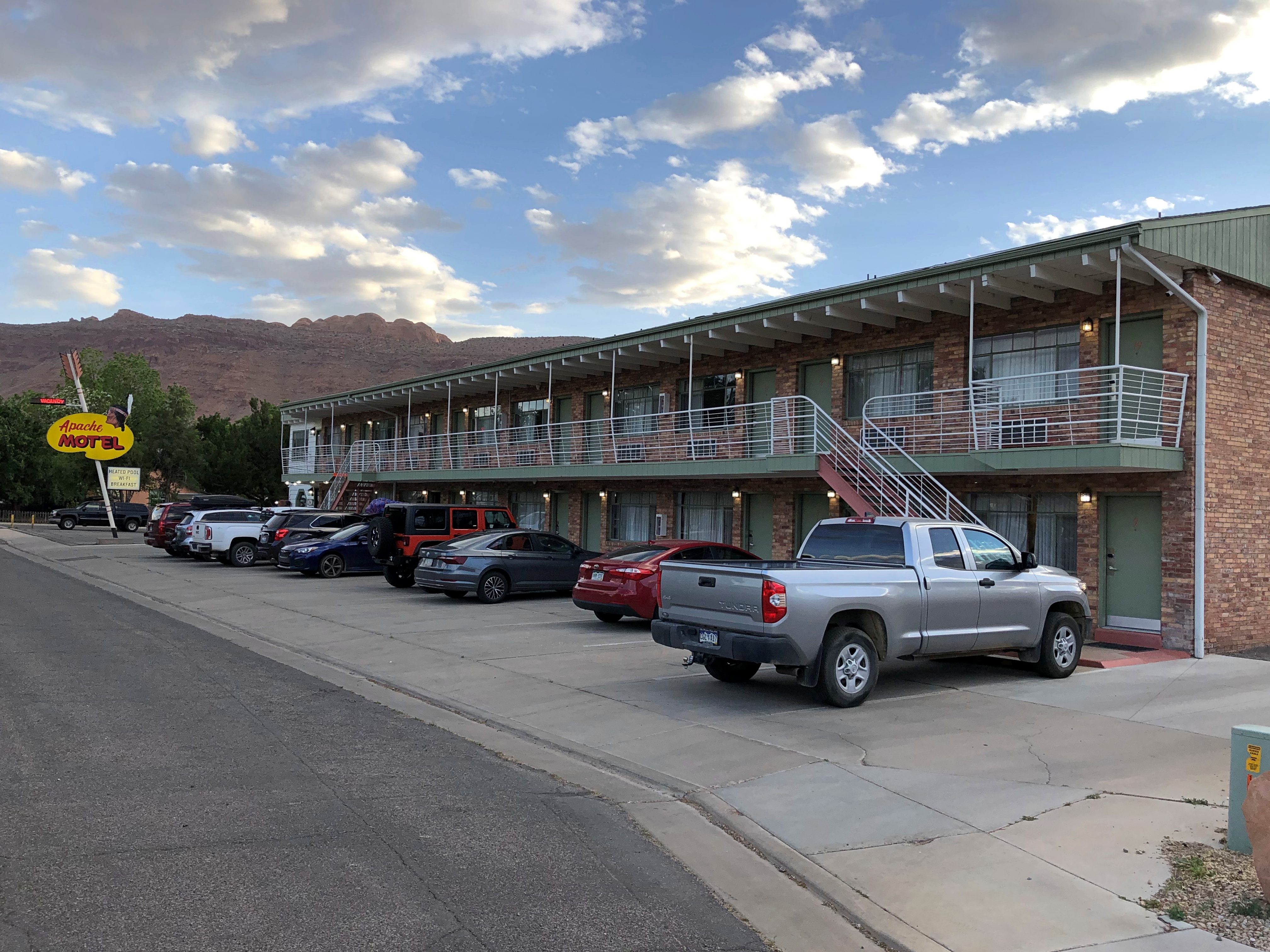
In Moab, Utah, we stayed at the Apache Motel. We found it a most pleasant place to stay, and with a touch of movie history to it.Apache Motel Moab Utah Apache Motel Moab Utah

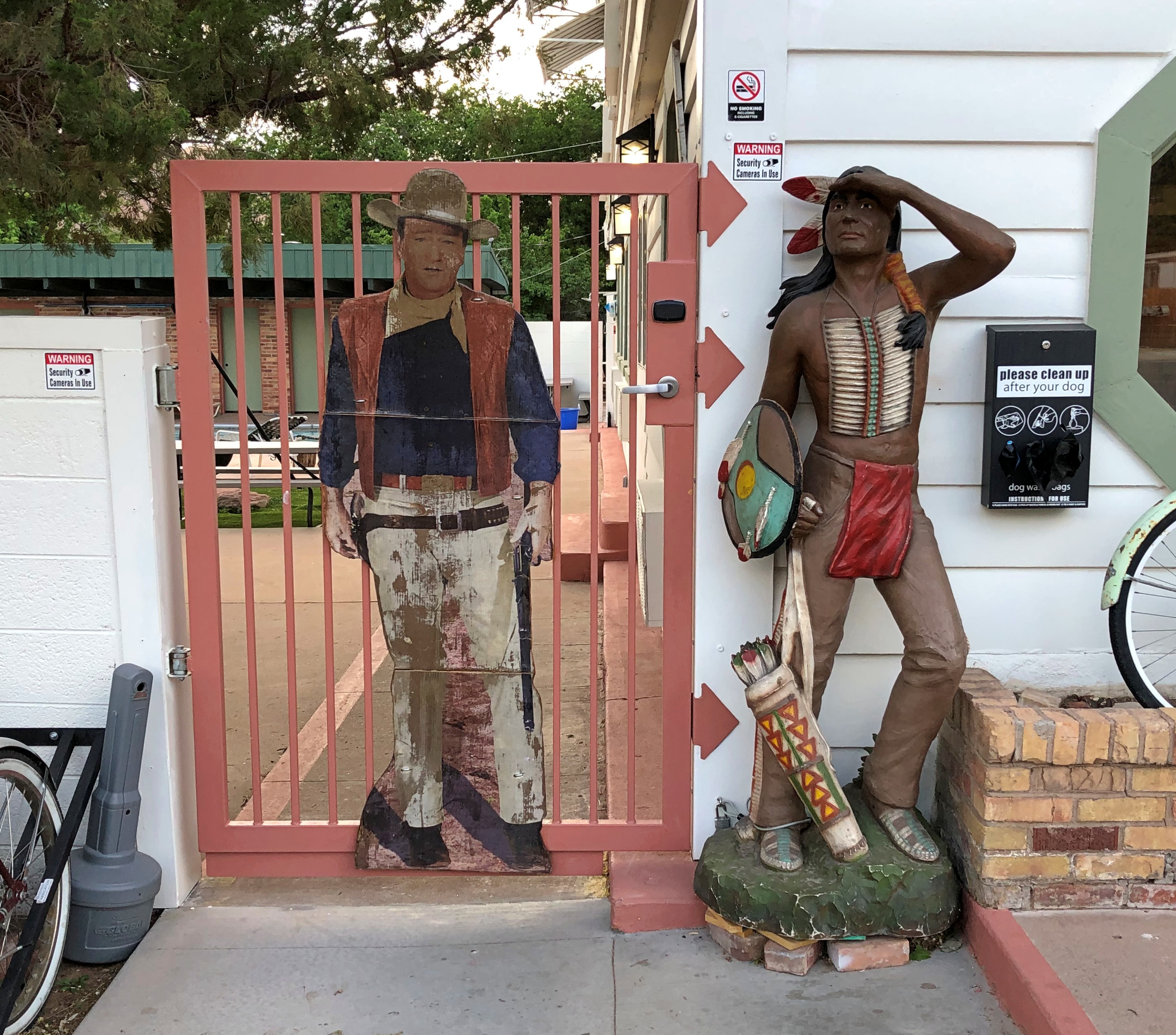
Clean, comfortable, not particularly cheap or expensive, feeling very much like a ’50s motel, though with a few modifications. The motel doesn’t let you forget that the Duke stayed there when filming movies nearby. Other stars did too.Apache Motel Moab Utah

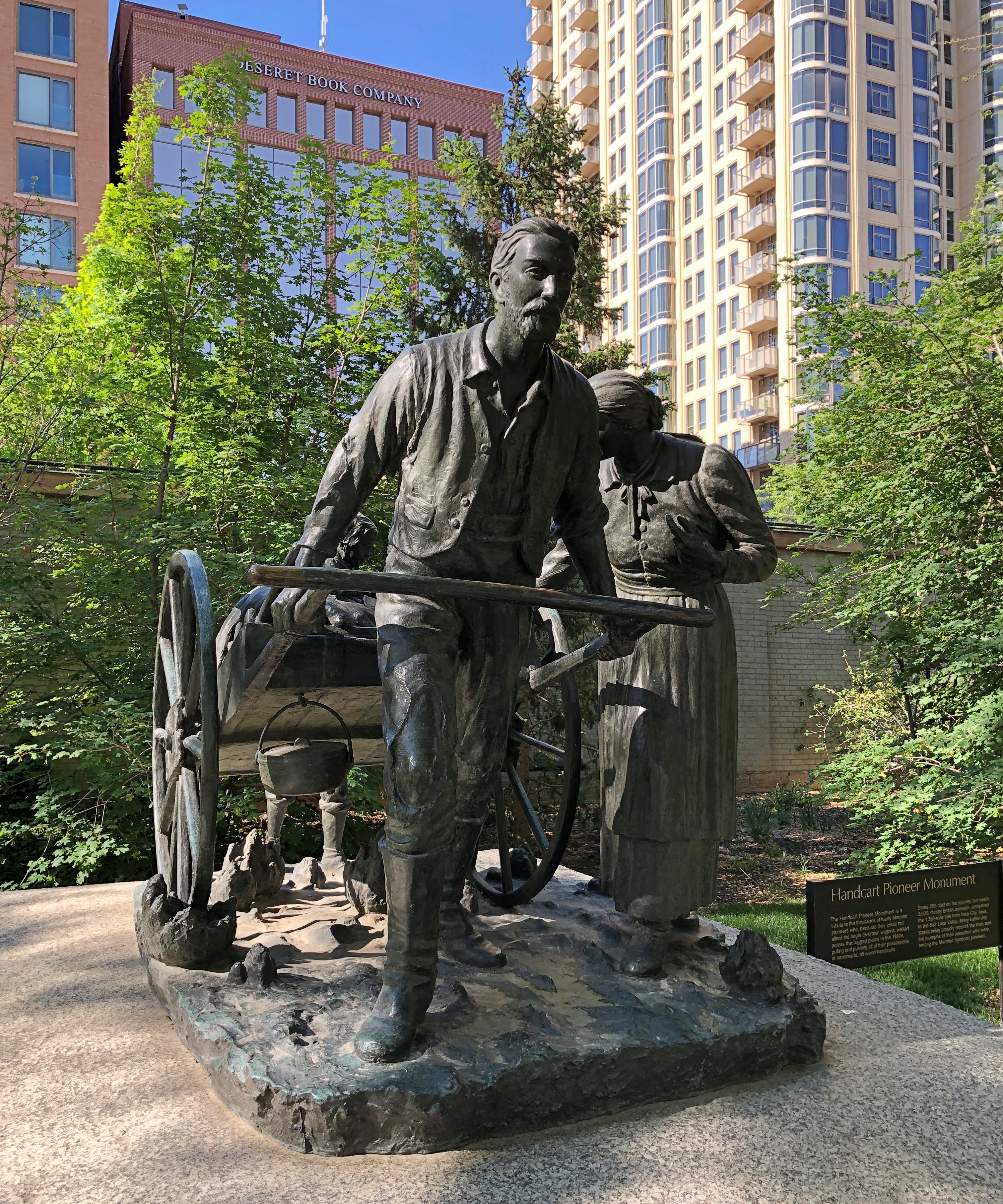
One more feature at Temple Square in Salt Lake City: the Handcart Pioneer Monument.
Handcart Memorial

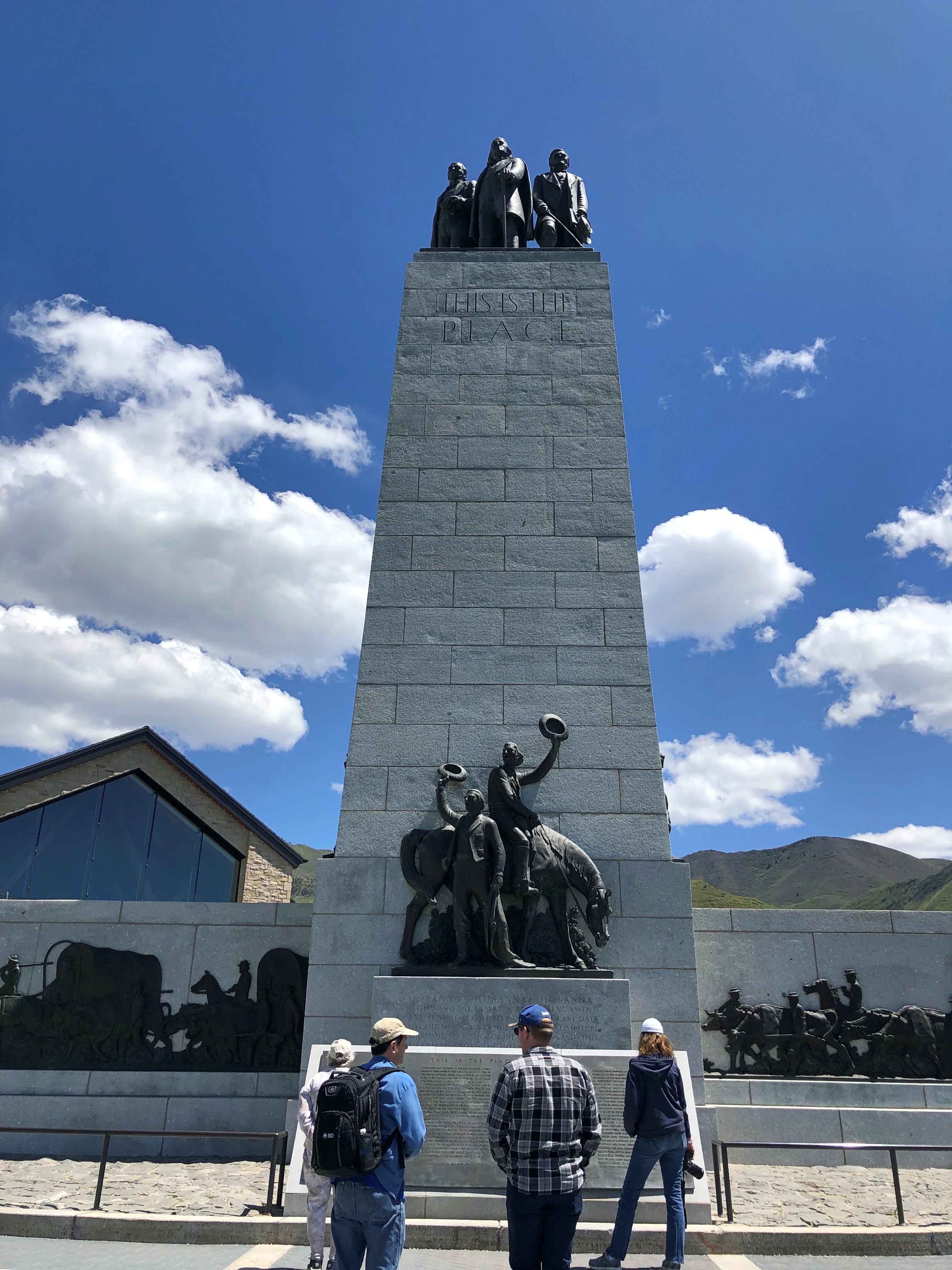
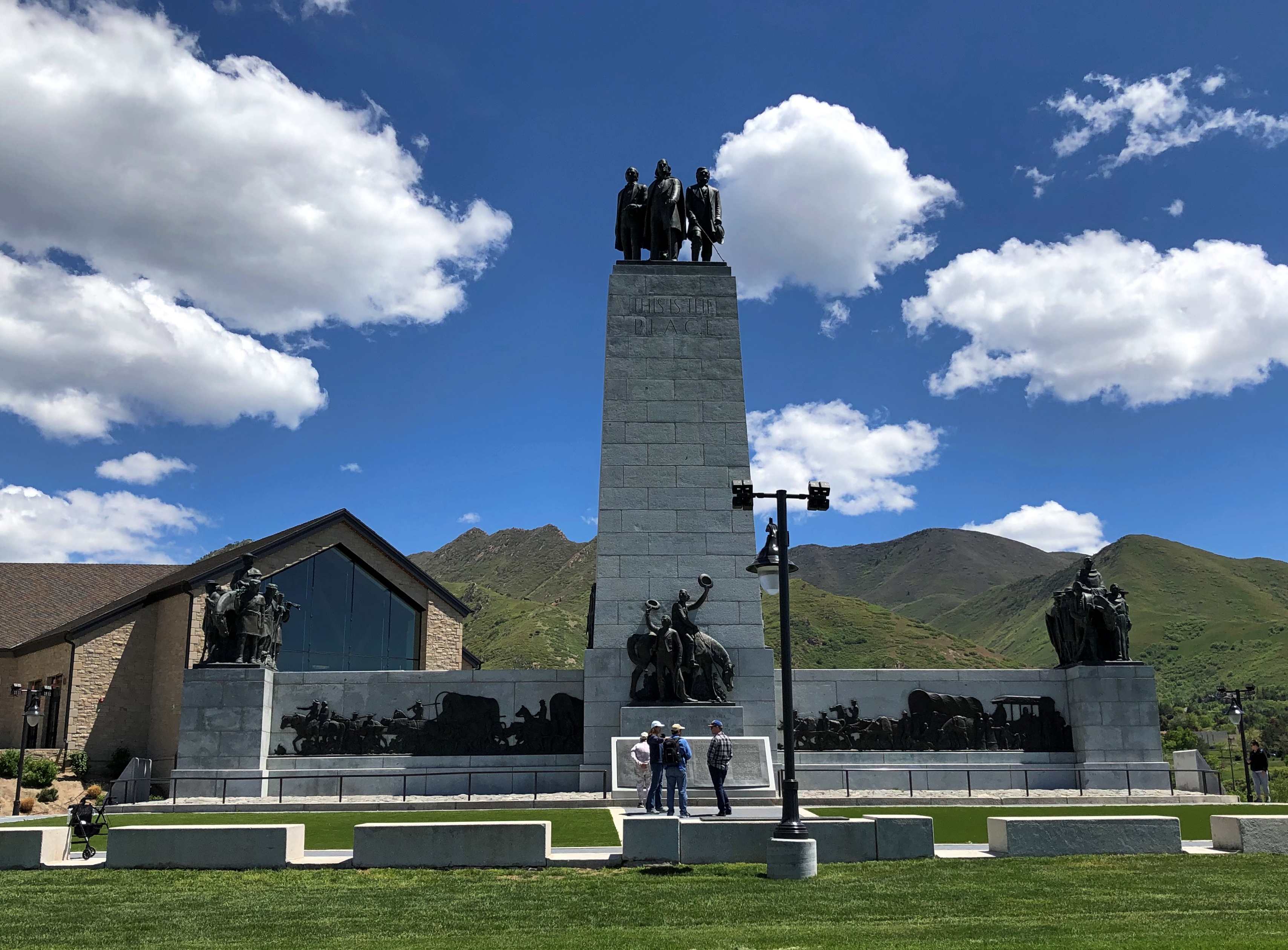
More Mormons in metal: The centerpiece of the This is the Place Heritage Park, which is on a hill at the edge of the city, where B. Young reportedly told his followers This is the Place, as in, to settle. We dropped by for a short look.This is the Place This is the Place

At the base of the memorial are six figures depicting important in the history of this part of Utah who weren’t Mormons, such as a couple of fur trappers, a chief of the Shoshone, plus adventurers and explorers.

Including this fellow, John C. Fremont.
This is the Place, John Fremont

That’s my presidential site for the trip. Ran for president in ’56, after all.

High Desert Flora

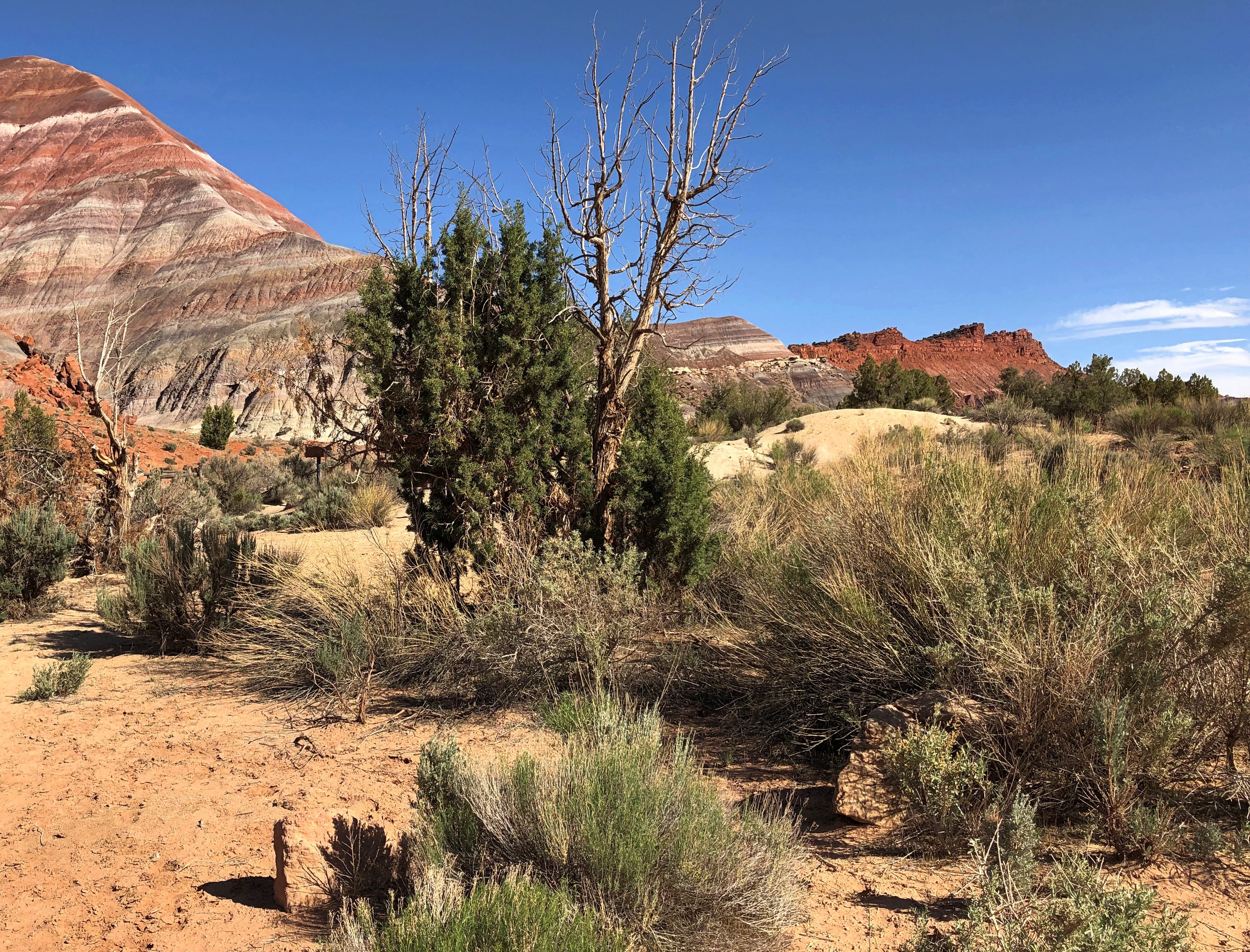
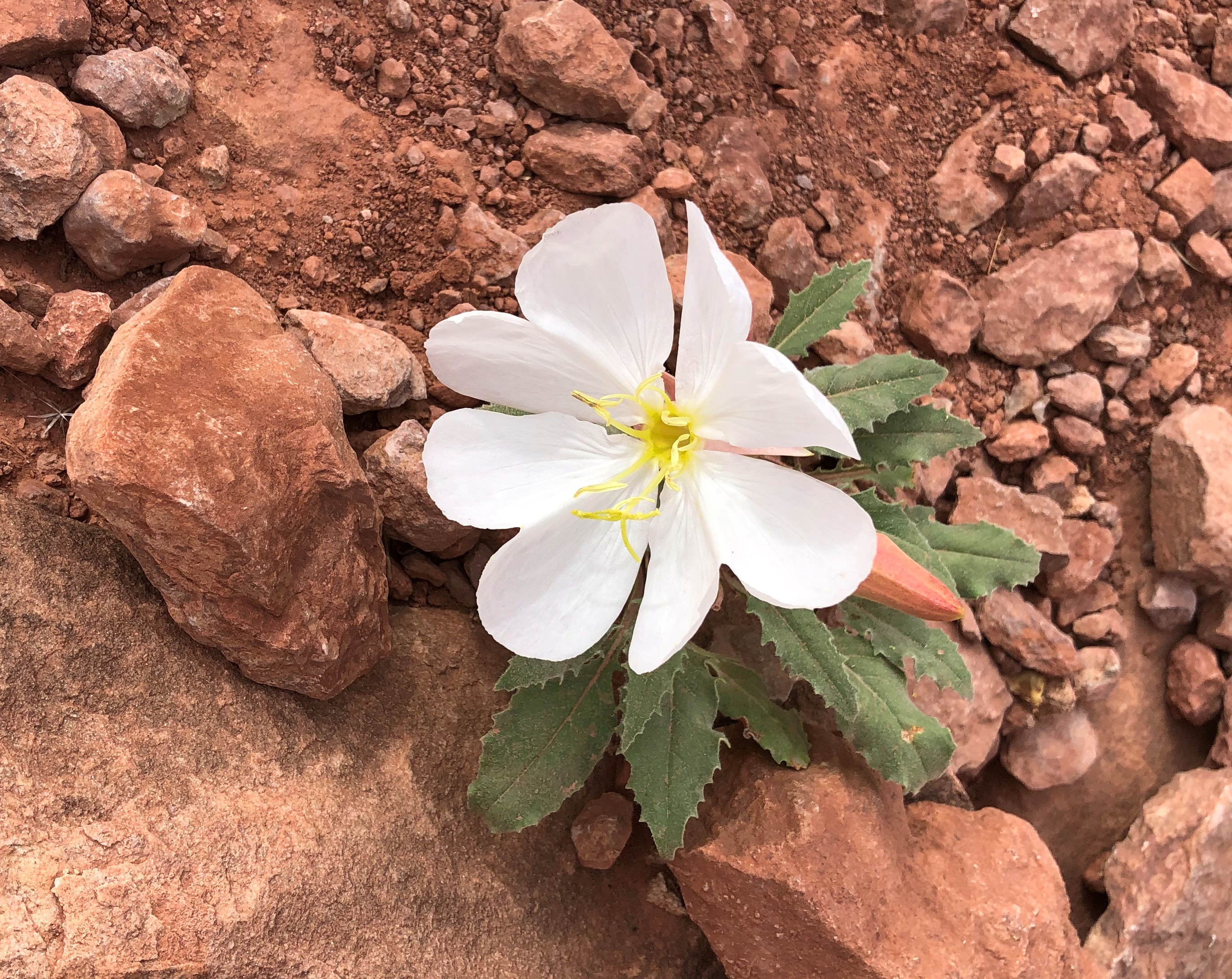
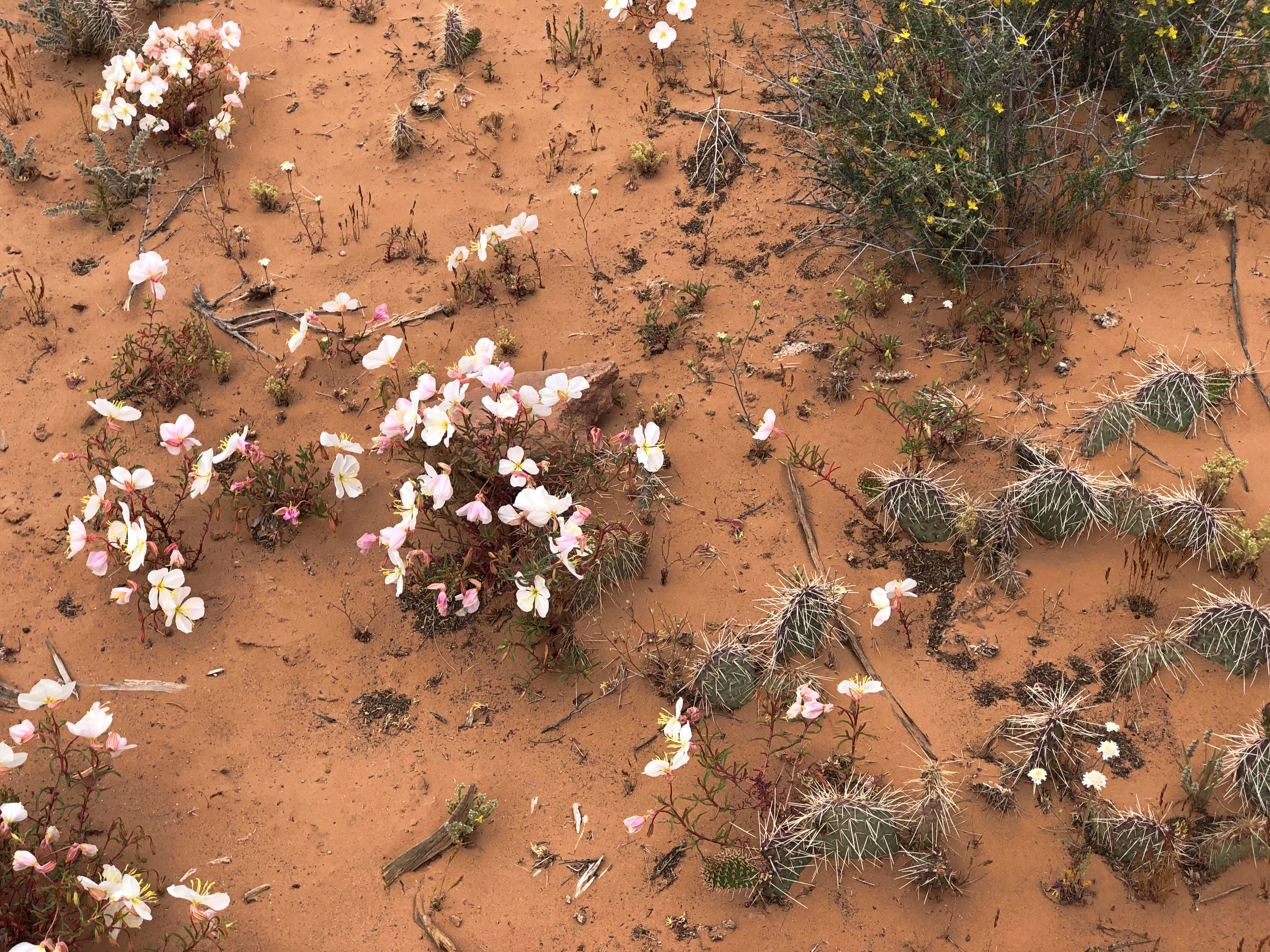
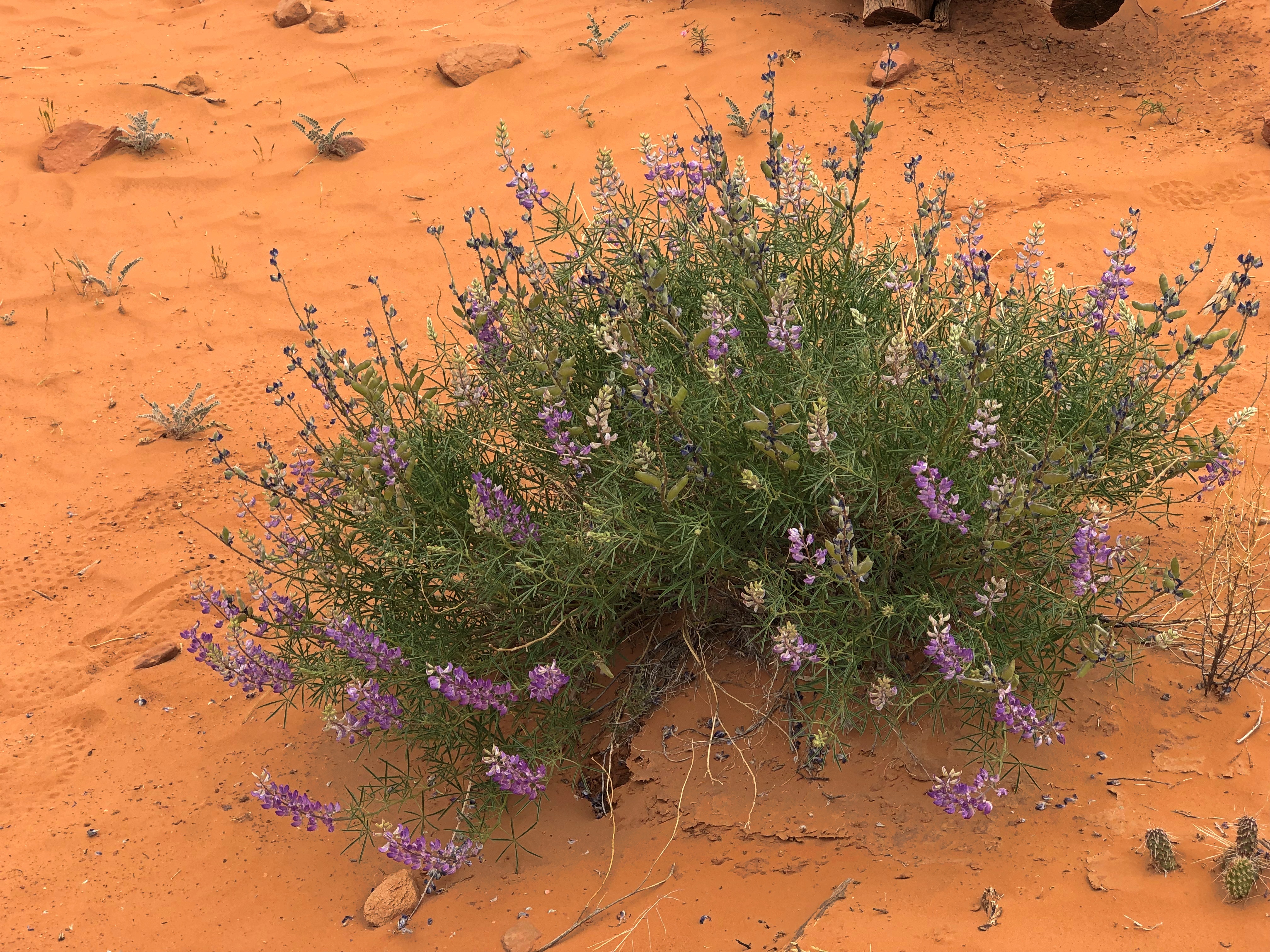
Not quite all the places we visited in May count as high desert, but mostly that’s what we saw, including a wide variety of plants. I looked at them mostly for aesthetic enjoyment, since I’m woefully ignorant about natural history, and when I try not to be, the information mostly isn’t retained by the sieve of my mind.

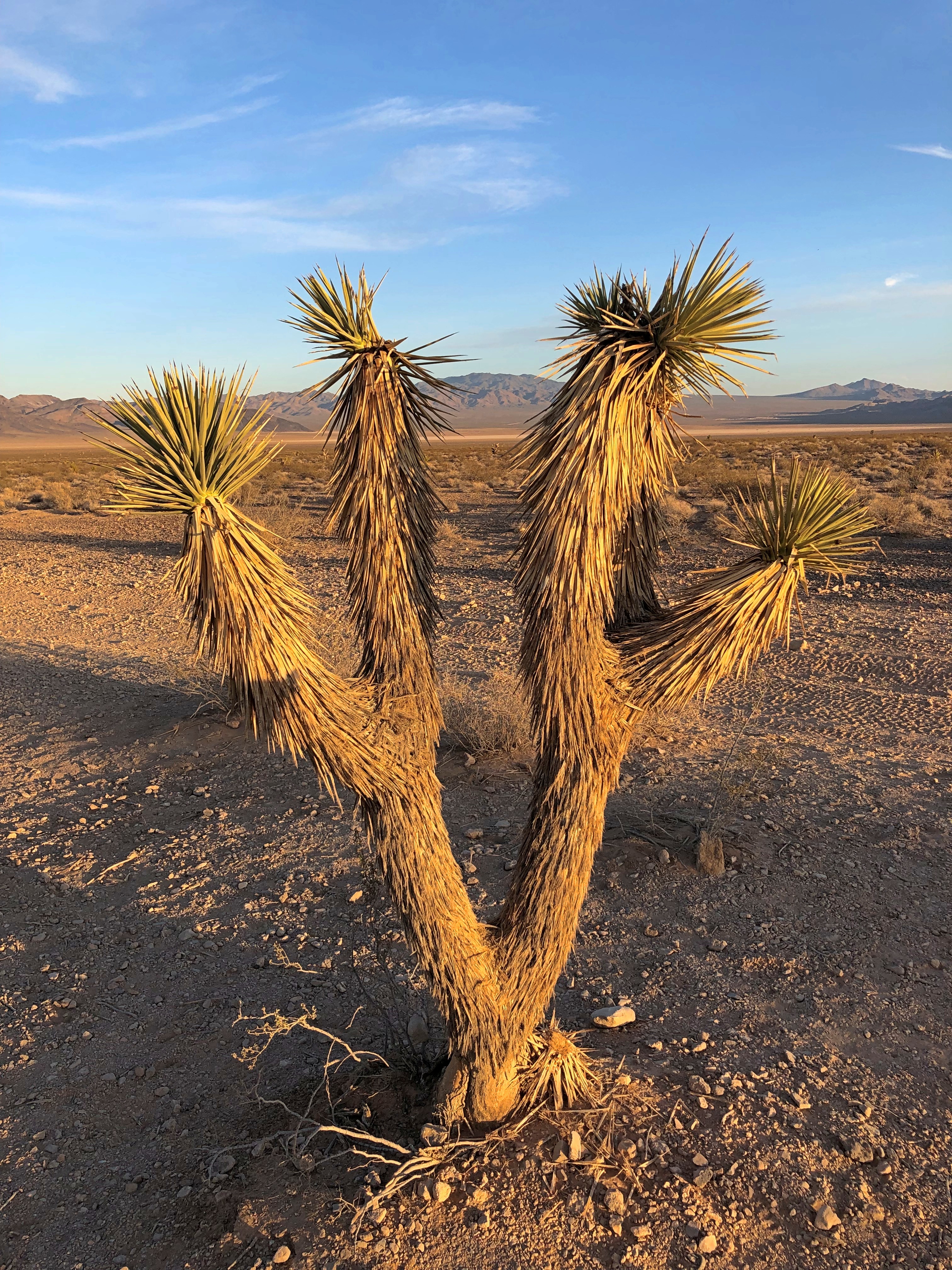
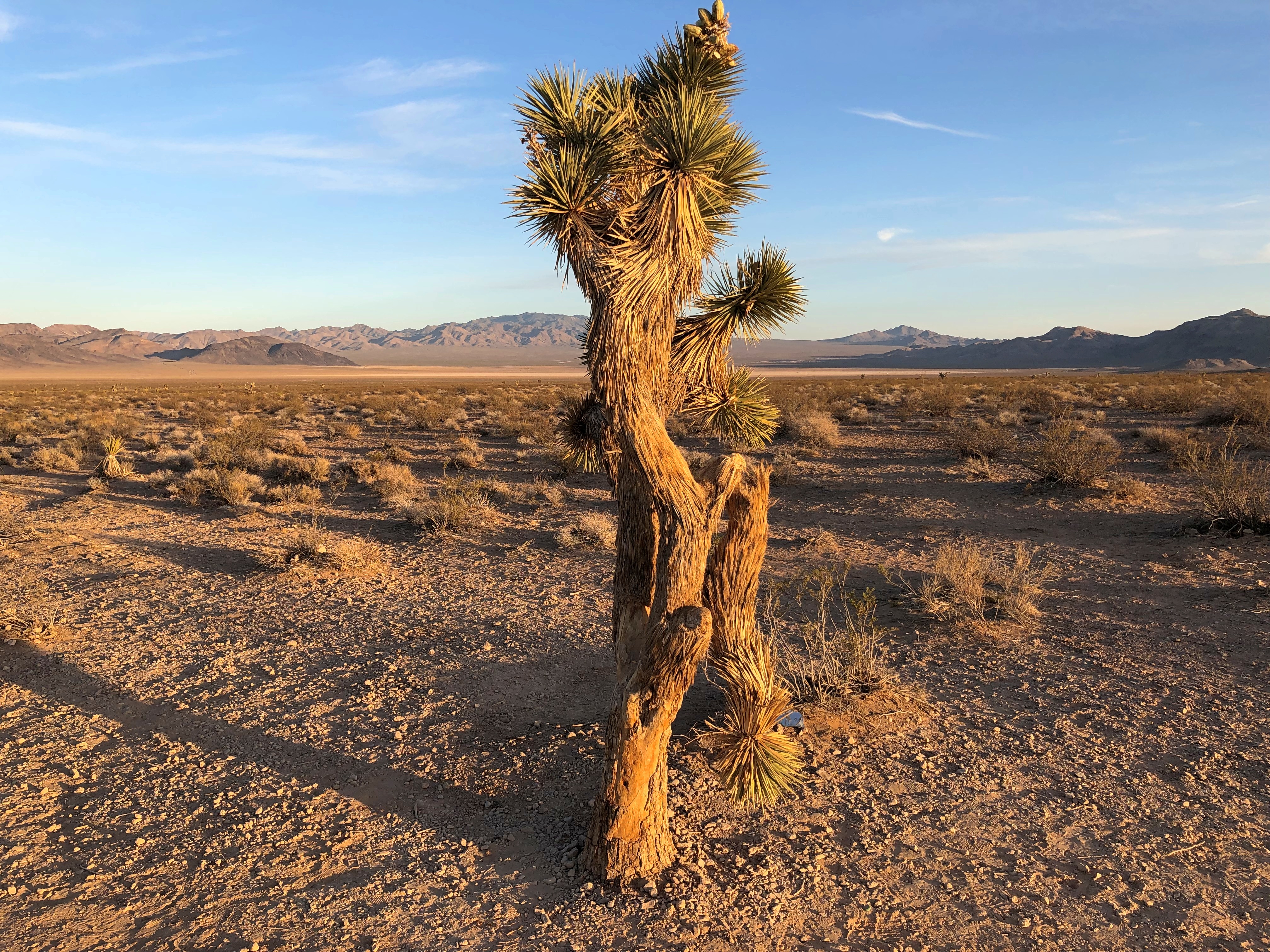
Still, I know a Joshua Tree when I see one. These were outside Las Vegas. The further east you go from there, the fewer you see.Joshua Tree, Nevada Joshua Tree, Nevada

Smaller than many of the yuccas at Joshua Tree NP, but Yuriko, who hasn’t visited that park, was suitably impressed.

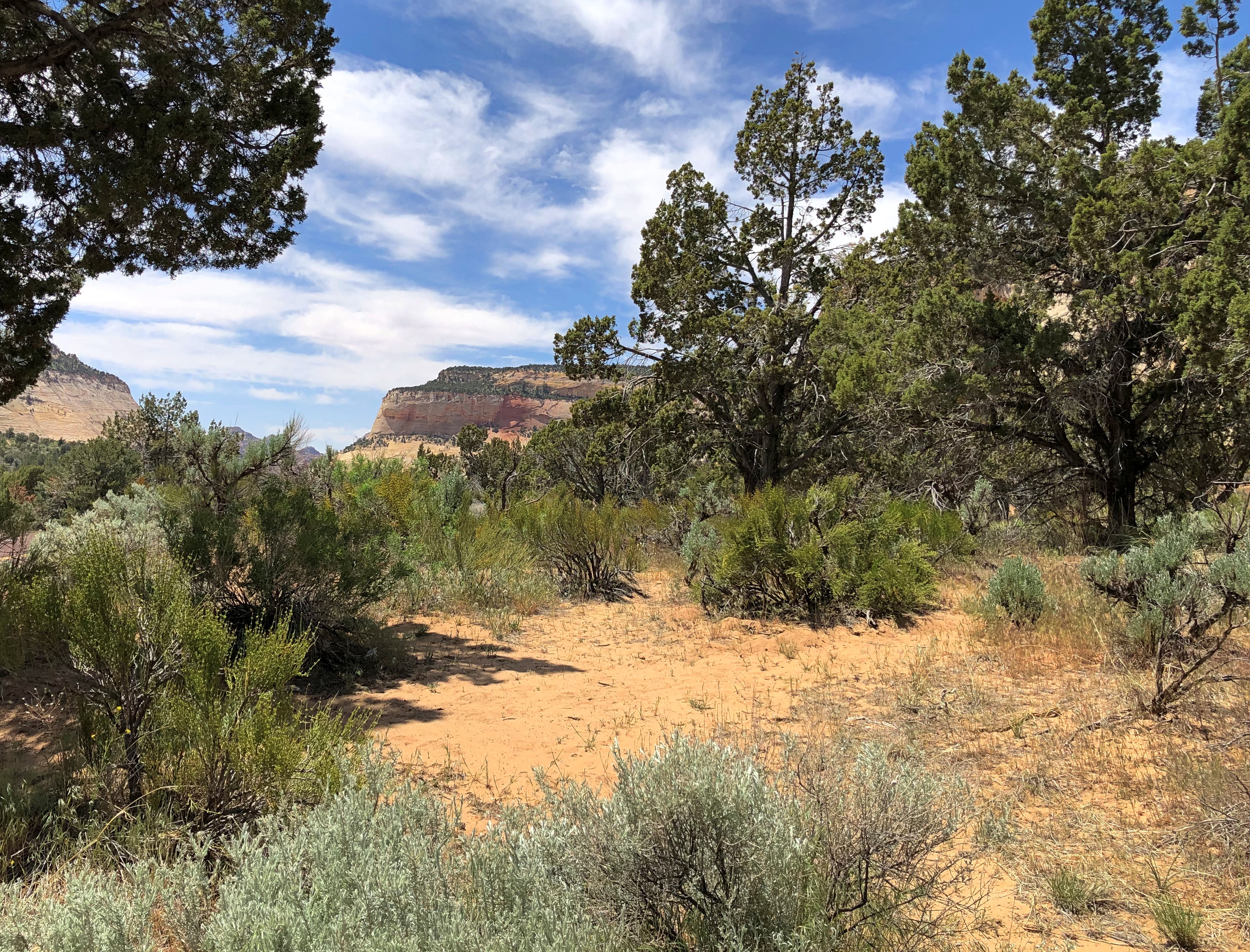
Moving on, flora at Zion National Park.

Grand Staircase-Escalante National Monument.Grand Staircase-Escalante NM

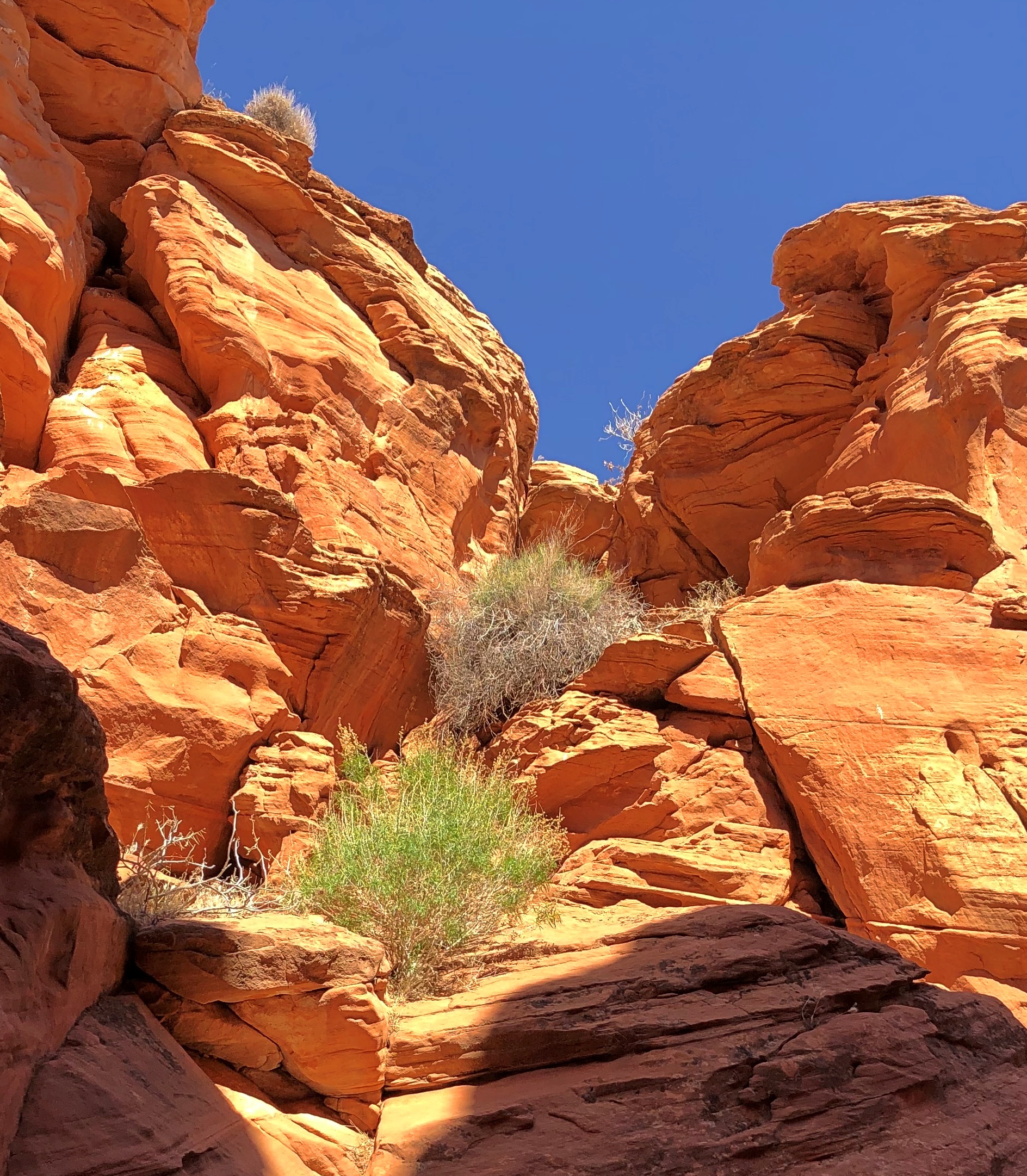
Owl Canyon, near Page, Arizona. Amazing the places life can cling.Owl Canyon, Arizona

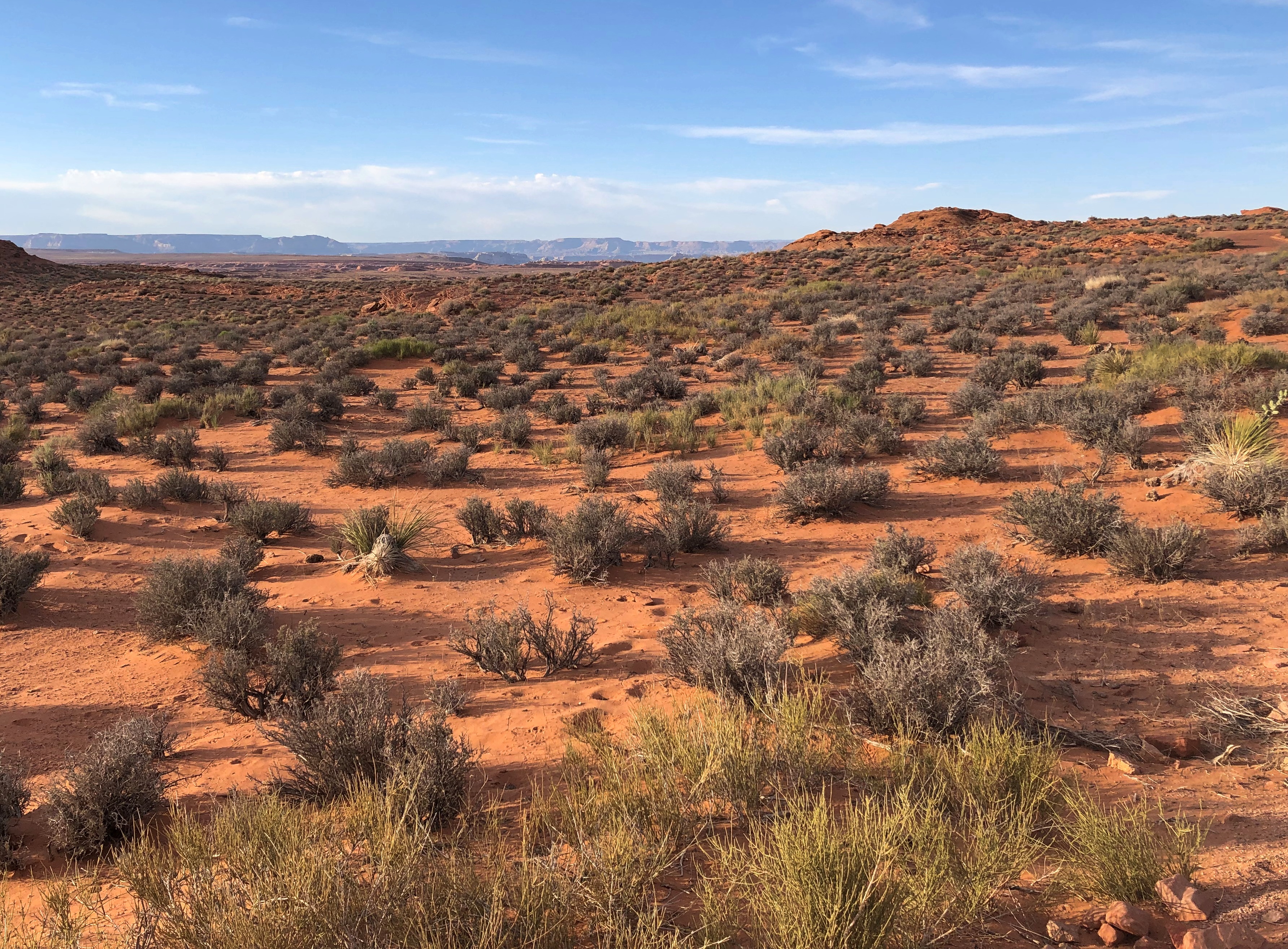
Also near Page.
Near Page, Arizona

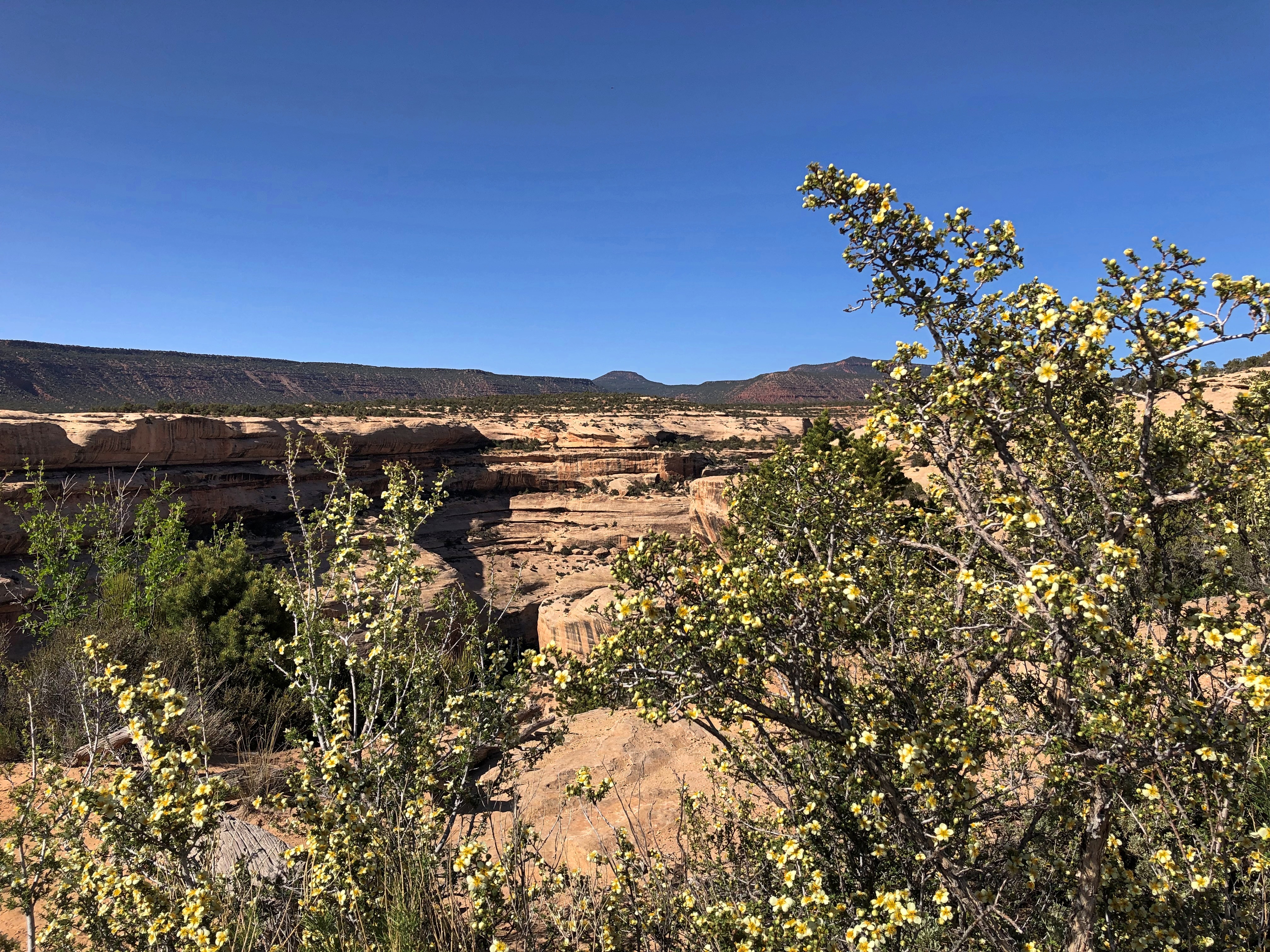
National Bridges National Monument.
Natural Bridges NM

Arches National Park.Arches National Park Arches National Park Arches National Park

Canyonlands National Park.Canyonlands National Park Canyonlands National Park

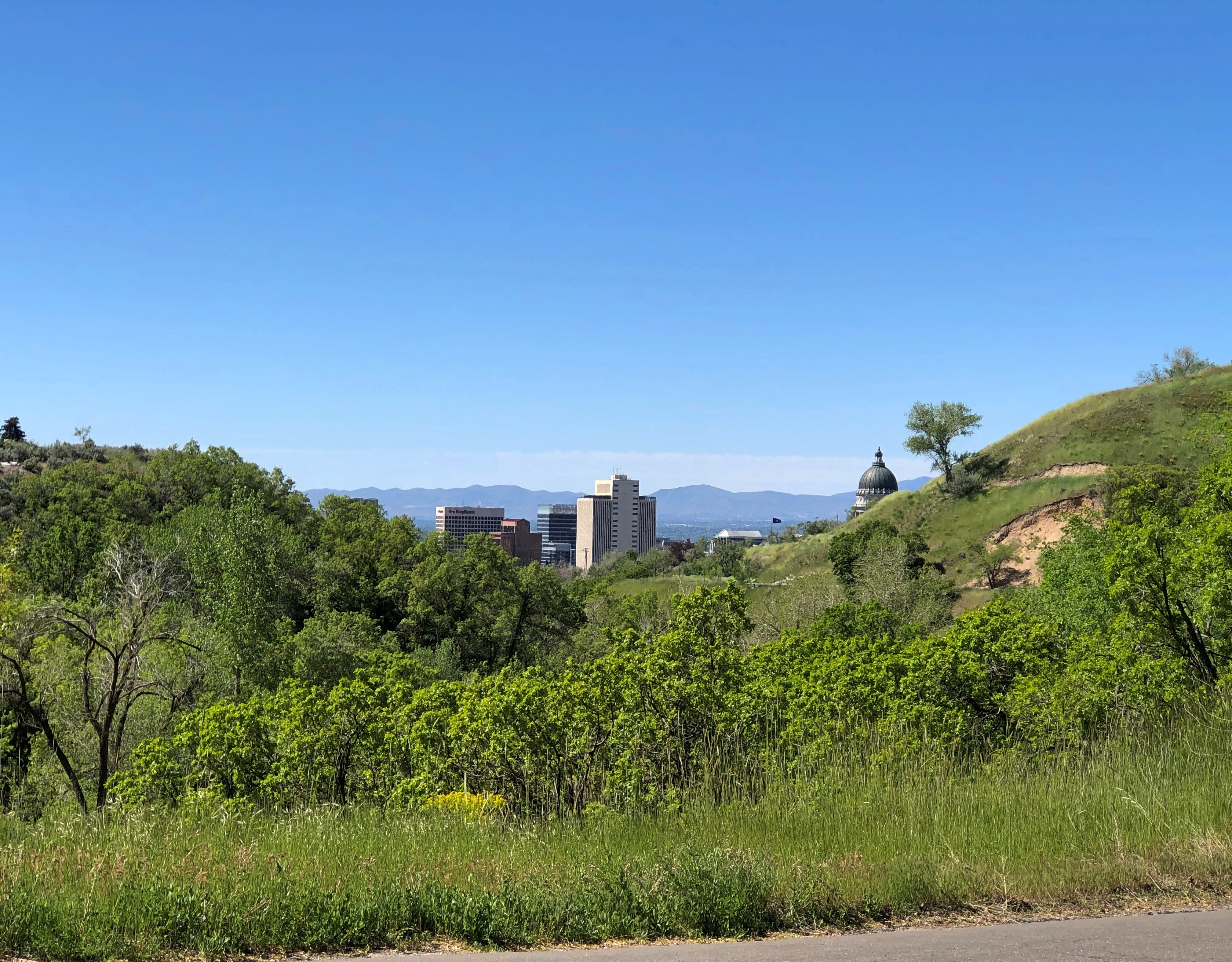
Salt Lake City.Salt Lake City flowers 2022 Salt Lake City - City Creek Park

The flowers were at Temple Square, near the Assembly Hall. The second image doesn’t look much like a city view, but it was, in City Creek Natural Area. The ground gets pretty steep pretty fast as you move away from downtown.

A 180-degree turn at that point, and you see this.Salt Lake City - City Creek Park

A nice change from desert scrub, though desert flora has its fascinations.

Canyonlands National Park

In 2021, Arches NP had more than 1.8 million visitors, making it the 16th-most popular U.S. national park among the 63, while Canyonlands National Park had about half as many, 911,000, or the 28th-most popular park. It’s an interesting example of the beaten-path phenomenon.

That’s because it’s a five-minute drive to Arches from Moab, the sizable town where people stay to visit the park, and indeed where we stayed. The closest entrance to Canyonlands, on the other hand, is about 40 minutes away from Moab. Not a long drive, but not nearly as close as Arches, so that’s where people go.

So many, in fact, that this year the NPS is trying out a timed-entry system to Arches, to avoid huge lines at the park’s single vehicle entrance early in the morning. To space visitors out, that is. I reserved a time months ago, 9 a.m., so it was no problem getting in, and the park didn’t seem too crowded as the day went on, though certainly a fair number of people were around. Maybe the system is working.

In any case, I wasn’t about to miss Canyonlands, at least part of it. Two weeks ago, we left Moab for Salt Lake City, spending the morning of May 20 at Canyonlands. Or rather, at the Island in the Sky District of the park, a poetic naming choice that sums up the region nicely.

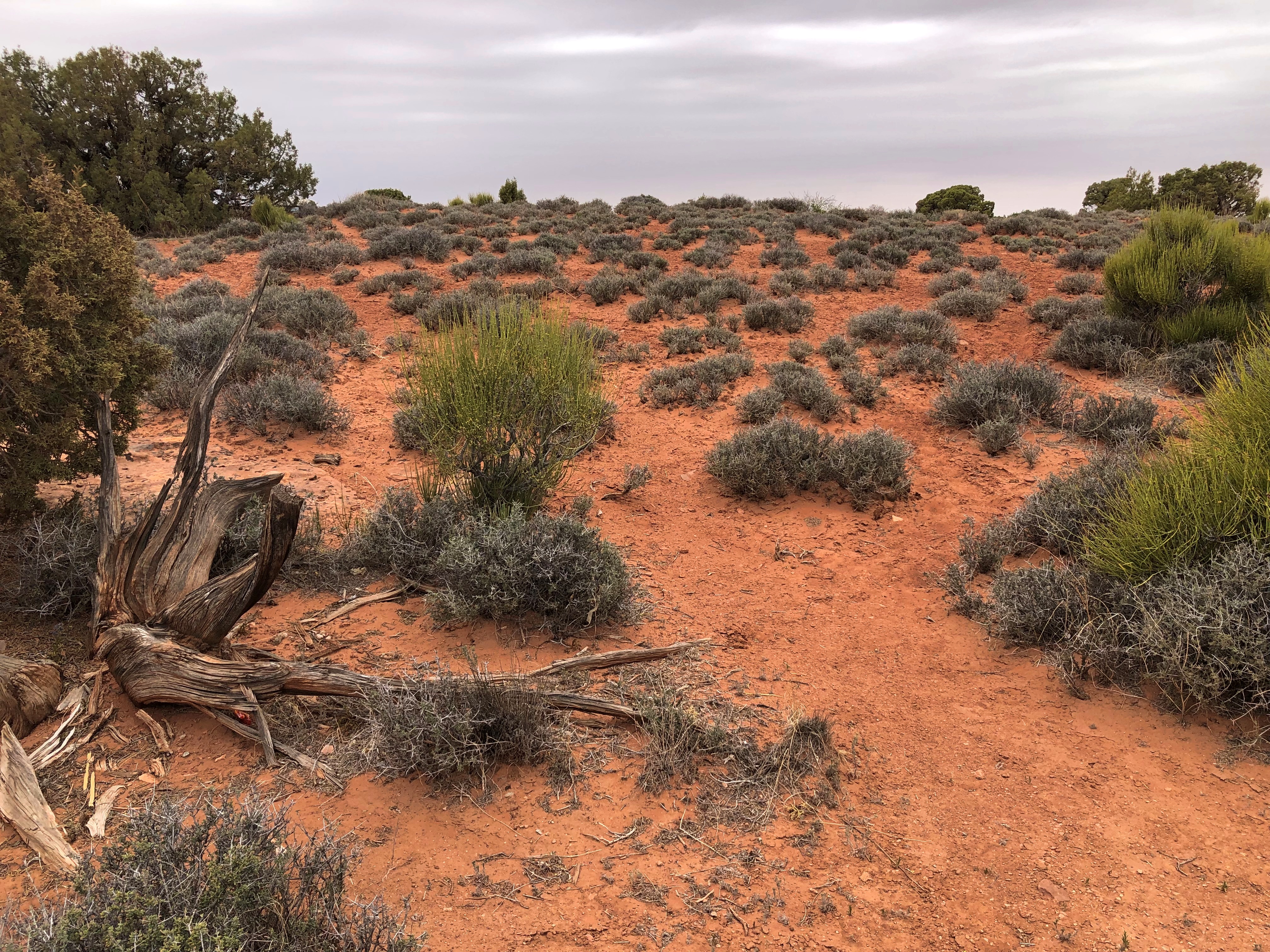
The day was overcast, and about 20 degrees cooler — the 60s F. rather than the 80s — than the day before in Arches. A front had blown through the night before.Canyonlands National Park

Unlike Arches NP, Canyonlands is fairly large (more than 337,000 acres), and like Gaul, divided into three parts. Island in the Sky, but also The Maze and The Needles, separated mostly by the courses of the mighty Colorado and its almost as mighty tributary, the Green River.

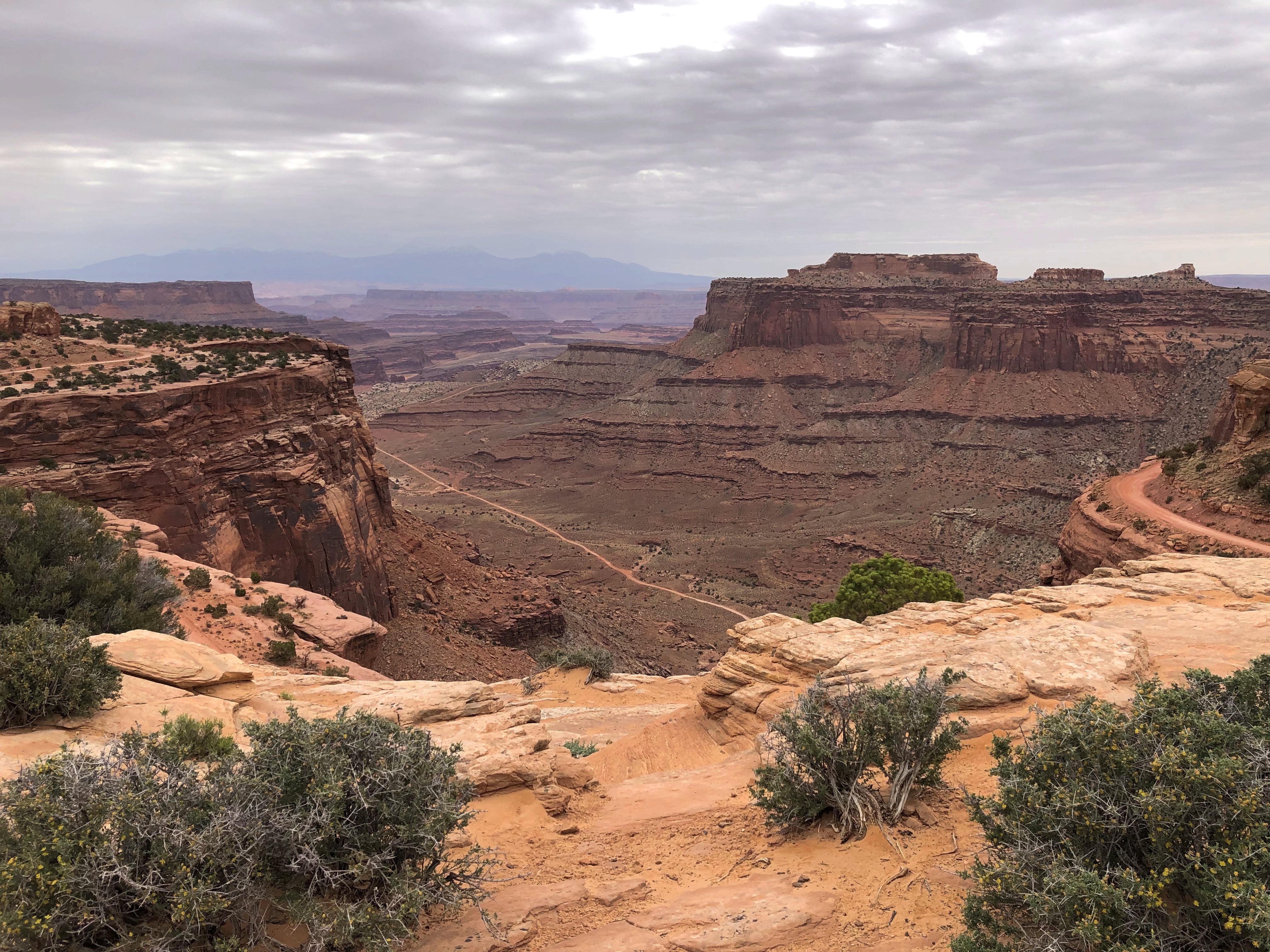
Soon after entering Island in the Sky, you’re at the Shafer Canyon overlook.Canyonlands National Park Canyonlands National Park

Way down in the canyon is the unpaved Shafer Trail Road, which leads to the equally unpaved White Rim Road, a wide loop around Island in the Sky. We’d see that road later, from a different vantage. We’d also see, looking rice-grain small, a handful of vehicles on White Rim, including motorcycles kicking up pinpricks of colored dust and no doubt fulfilling a desert riding dream or two of their riders.

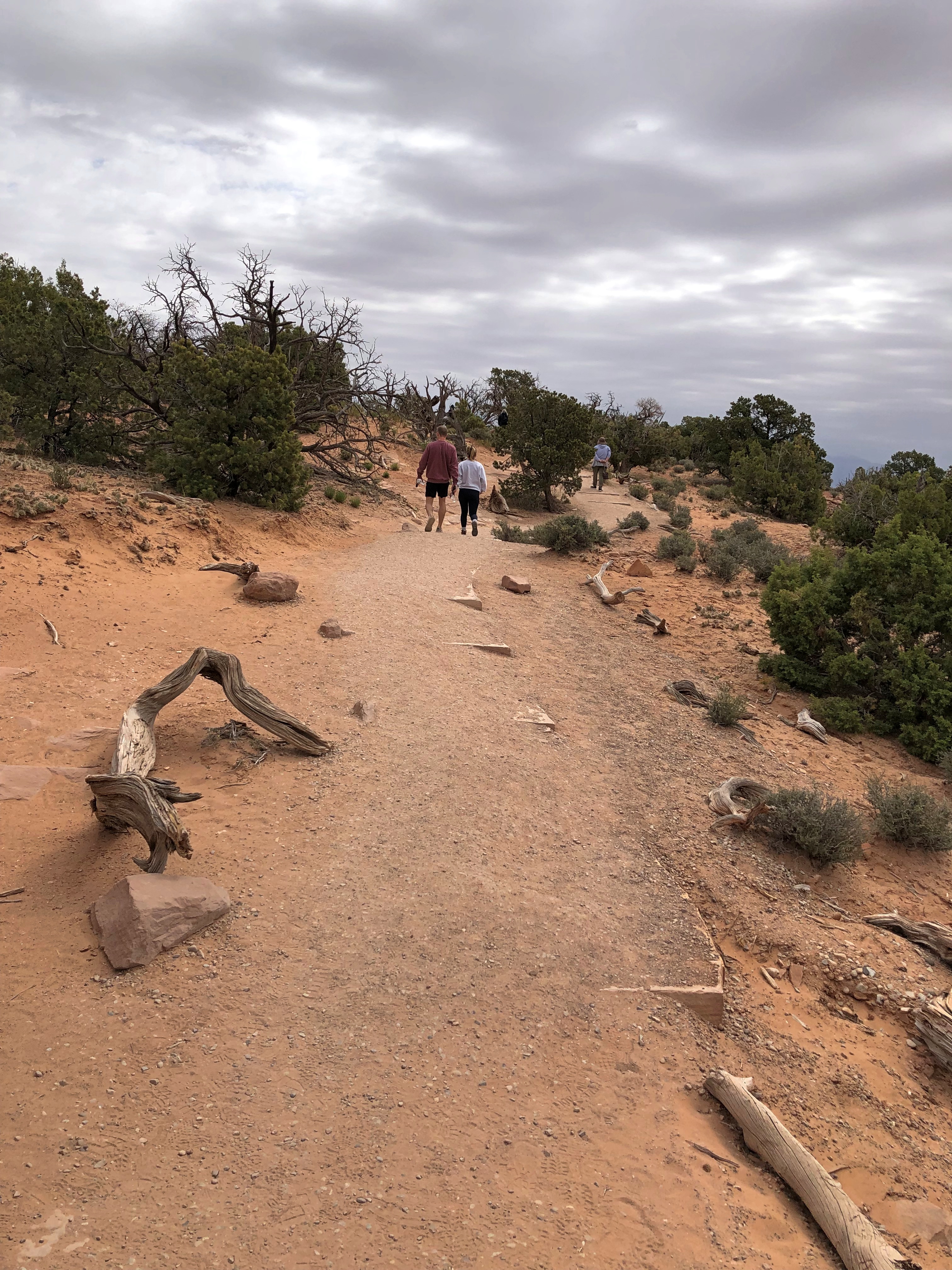
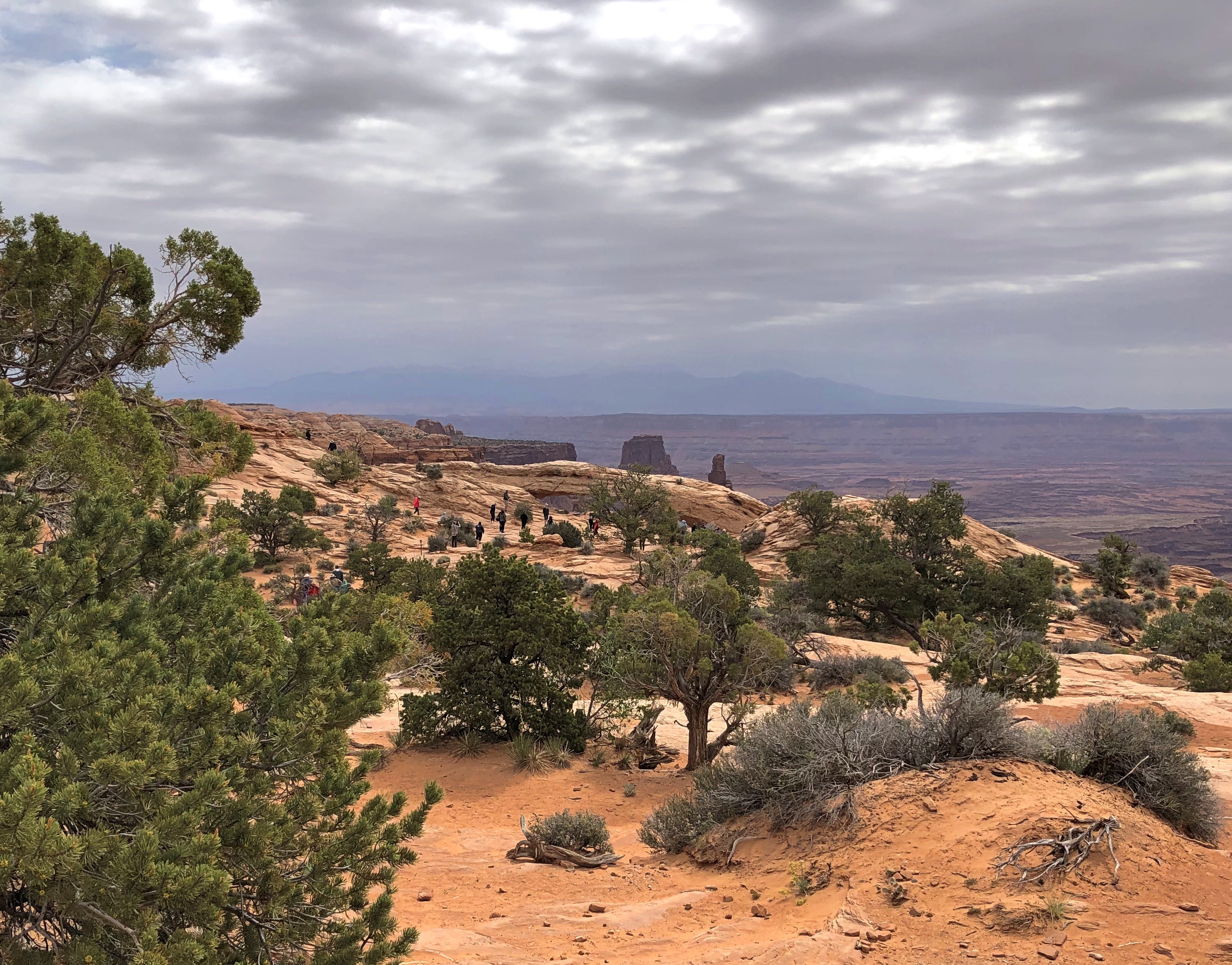
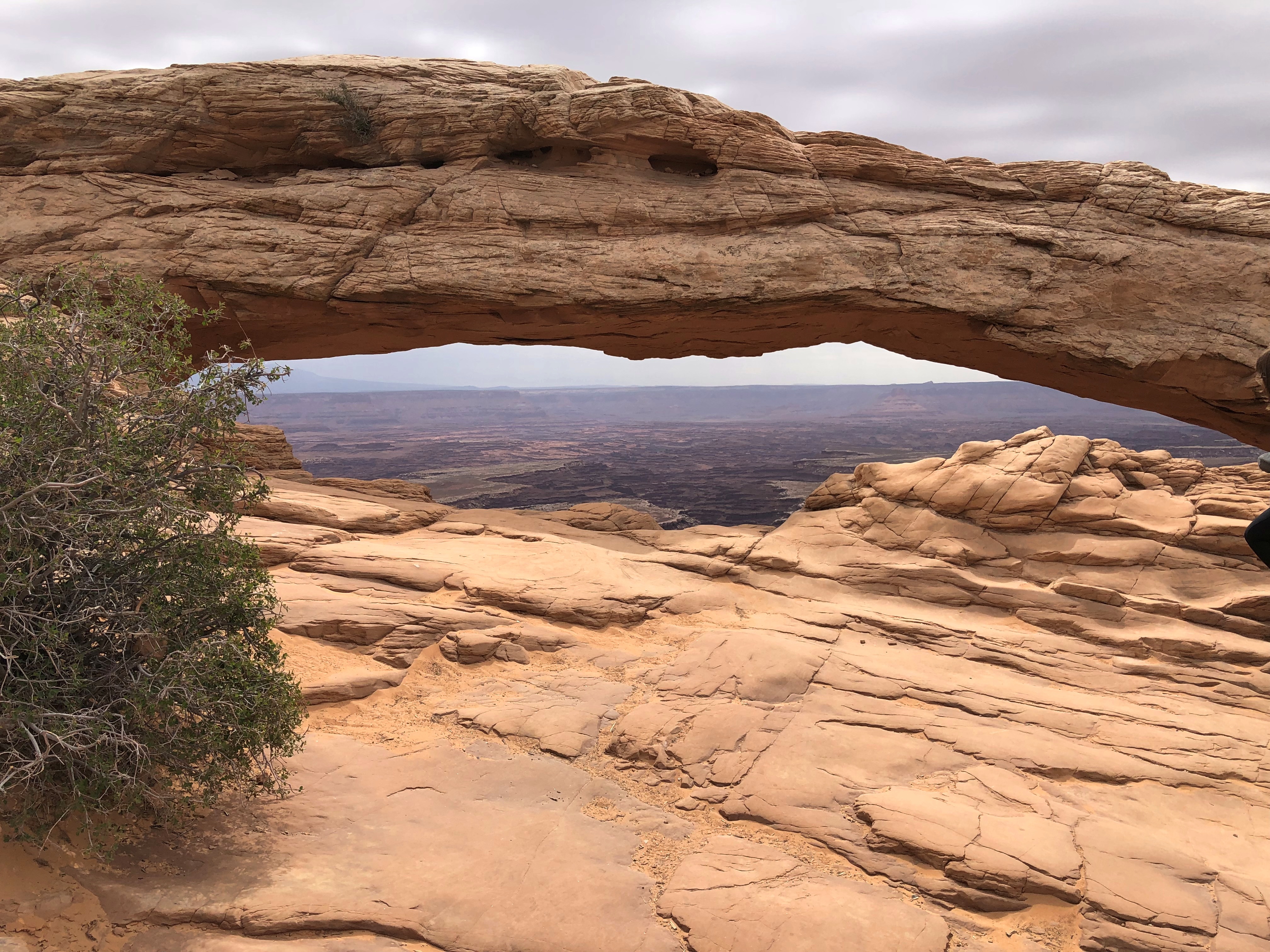
Further down the paved road is the short trail to Mesa Arch.Canyonlands National Park Canyonlands National Park Canyonlands National Park

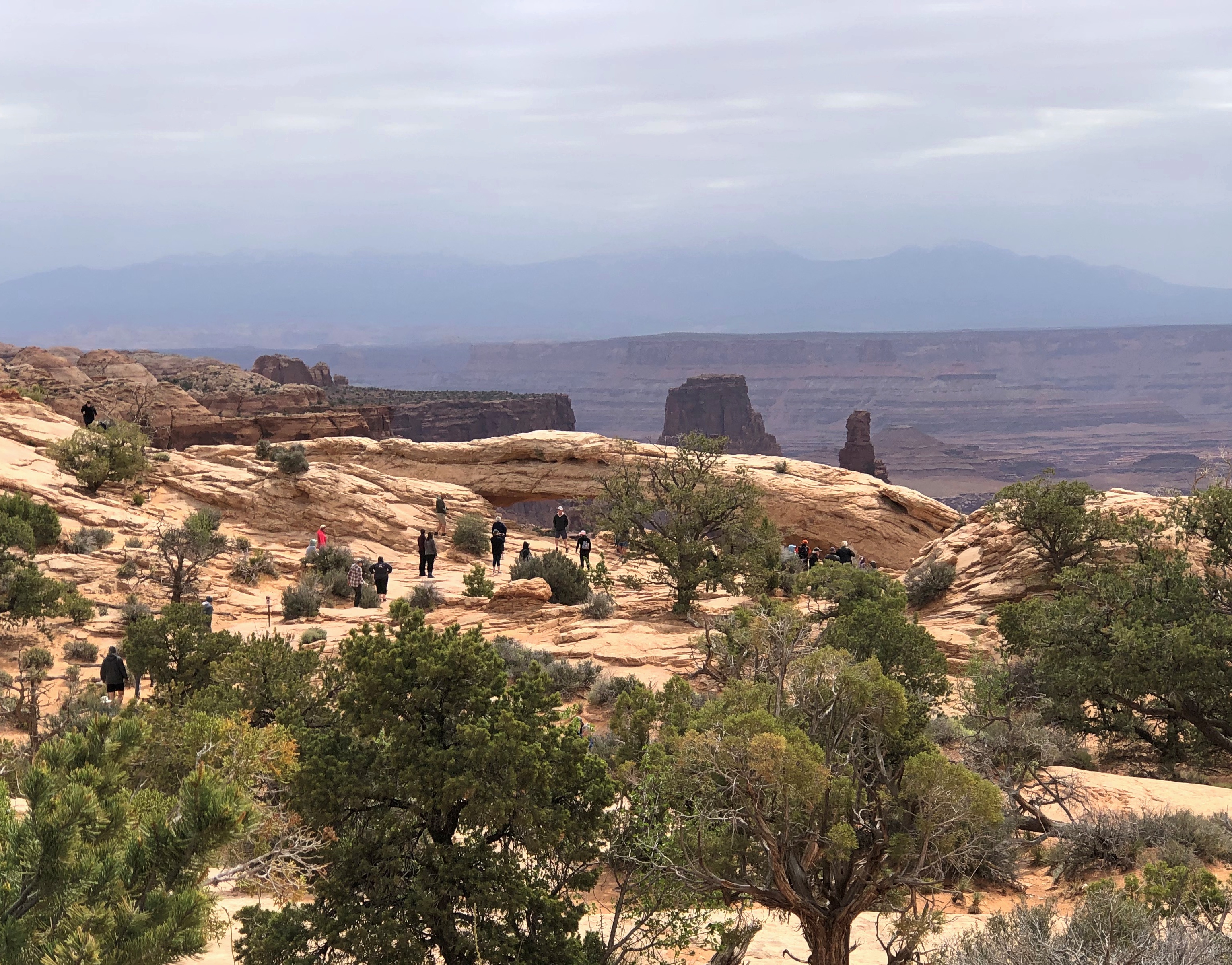
Eventually, the arch is easy to spot.Canyonlands National Park Canyonlands National Park Canyonlands National Park

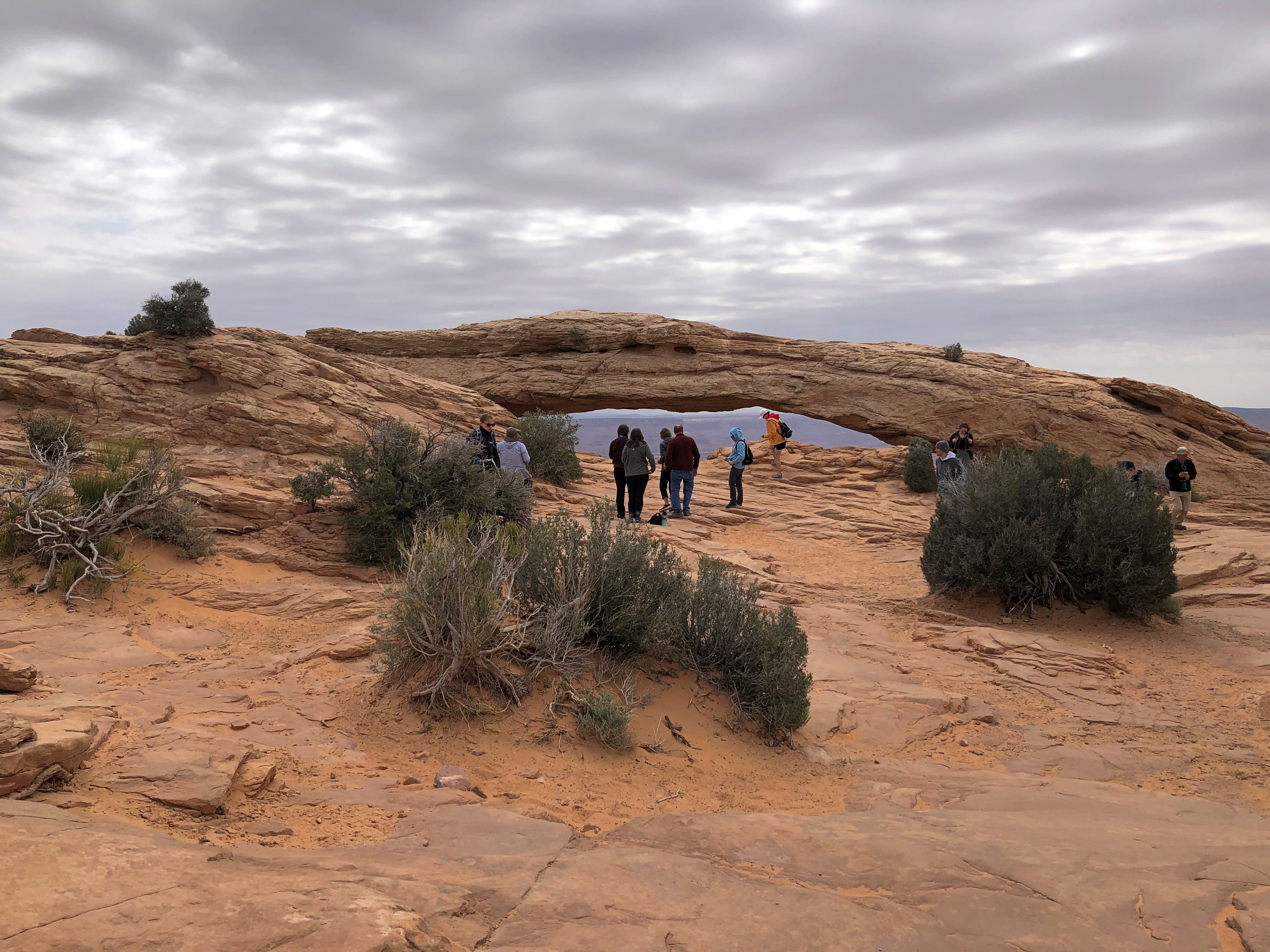
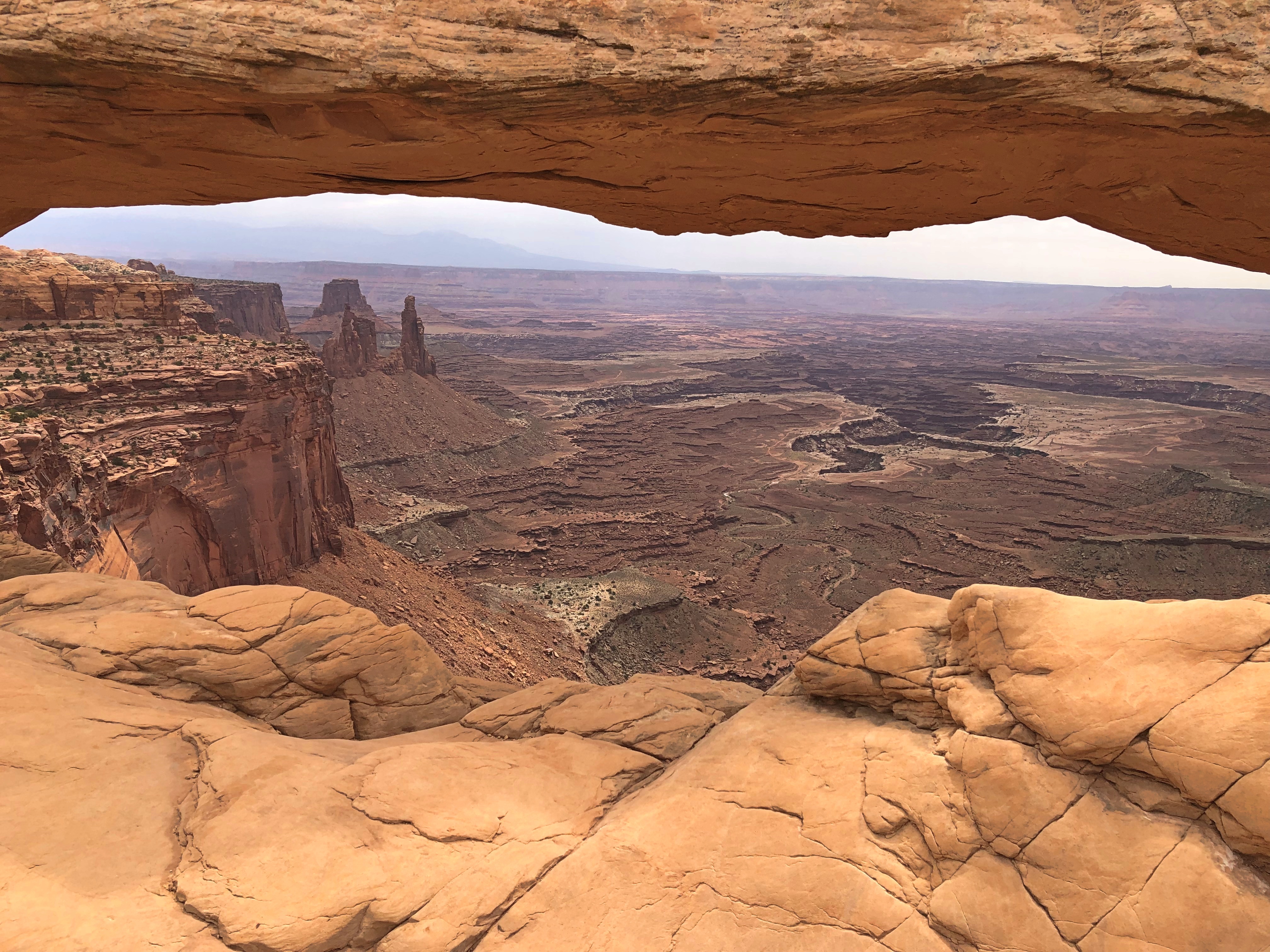
Quite a view under the arch.
Canyonlands National Park

It was here that the awesomeness of Canyonlands began to dawn on me. I was looking into a canyon — marked by its own, deeper complex of canyons.
Canyonlands National Park

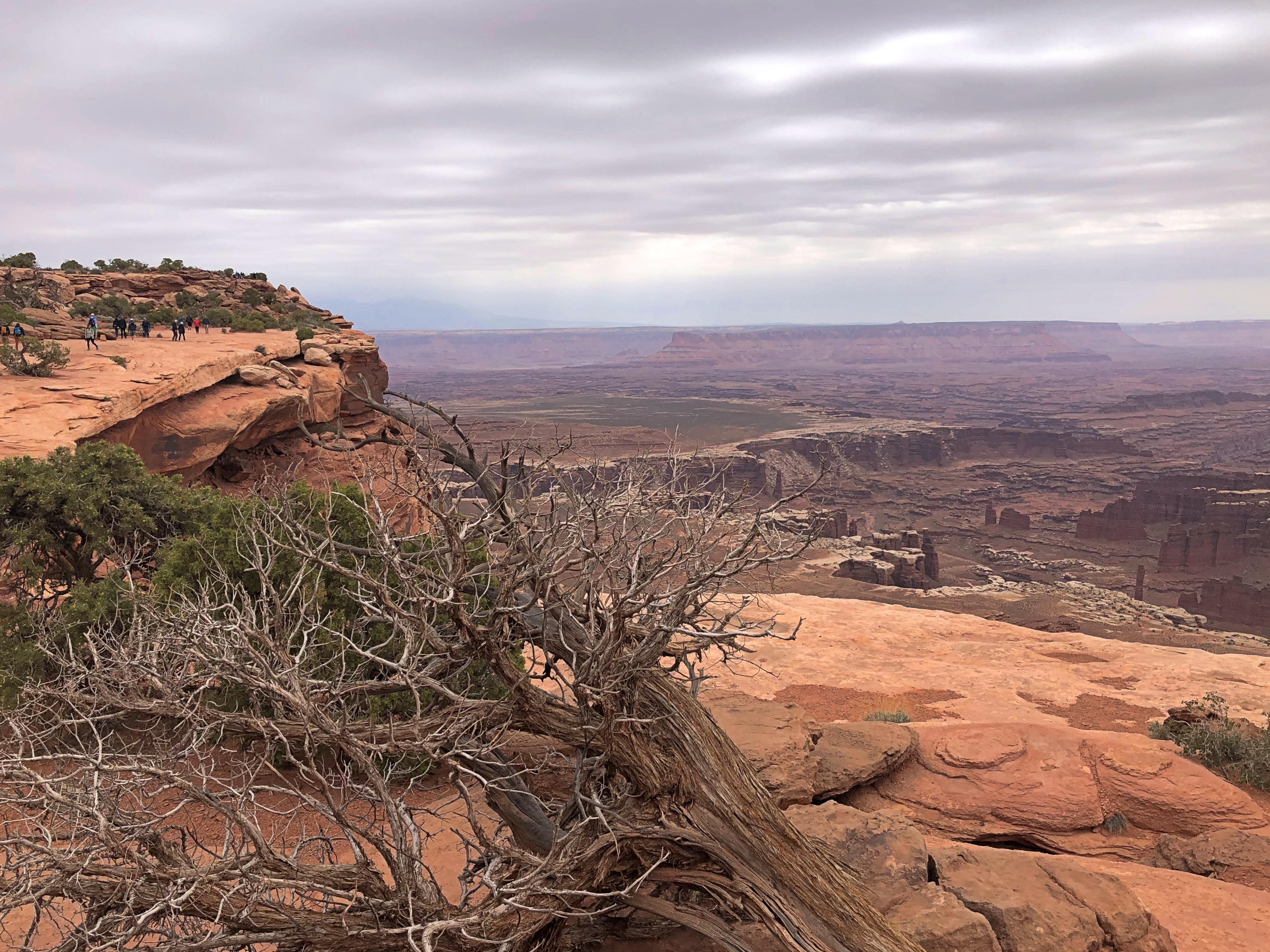
Awesomeness was really hammered home when we got to a spot called Grand View Point Overlook. With a name like that, it’d better be good.

The territory near the Grand View. Nice, and a bit more reddish here, but little hint of things to come.Canyonlands National Park

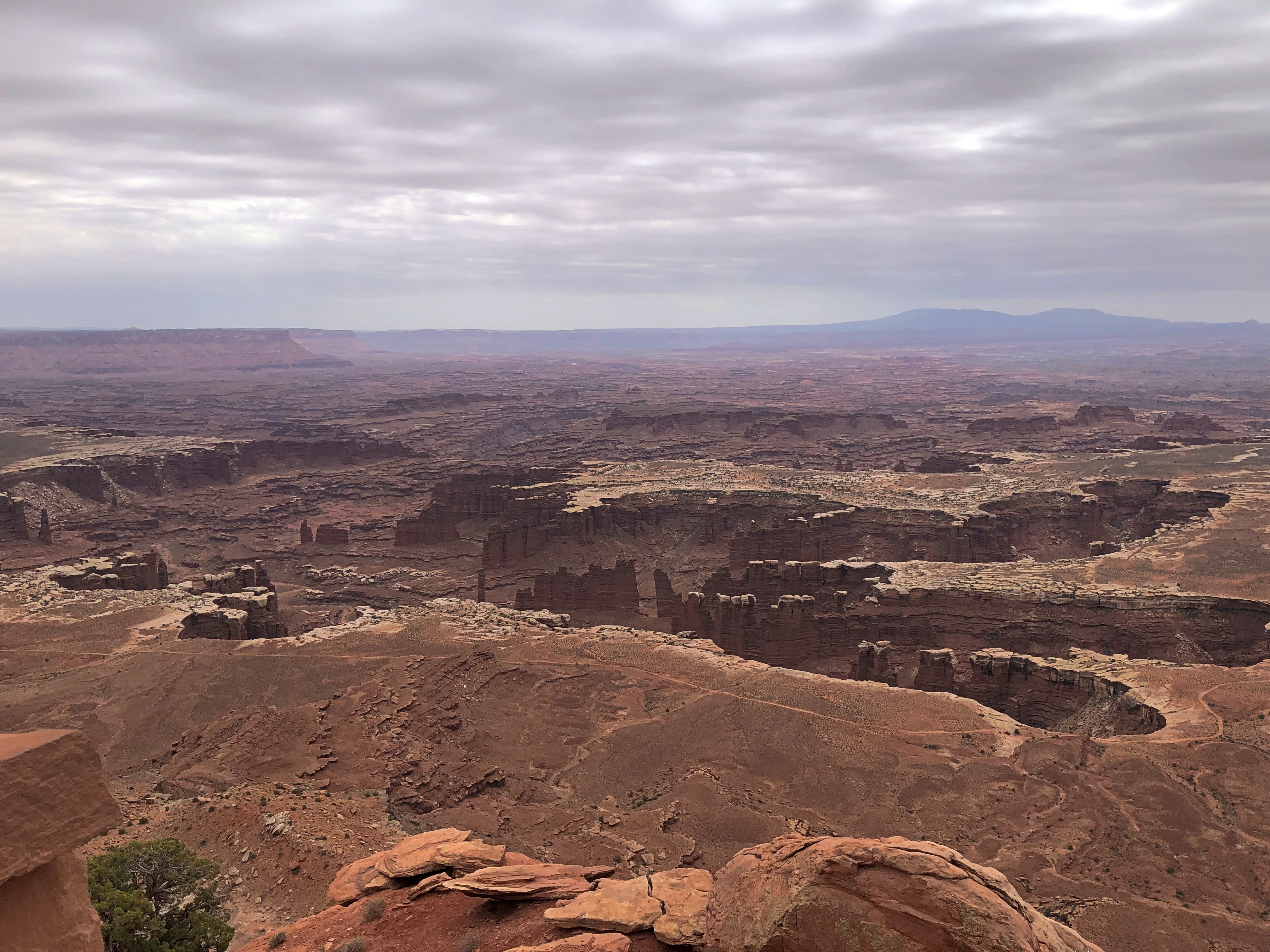
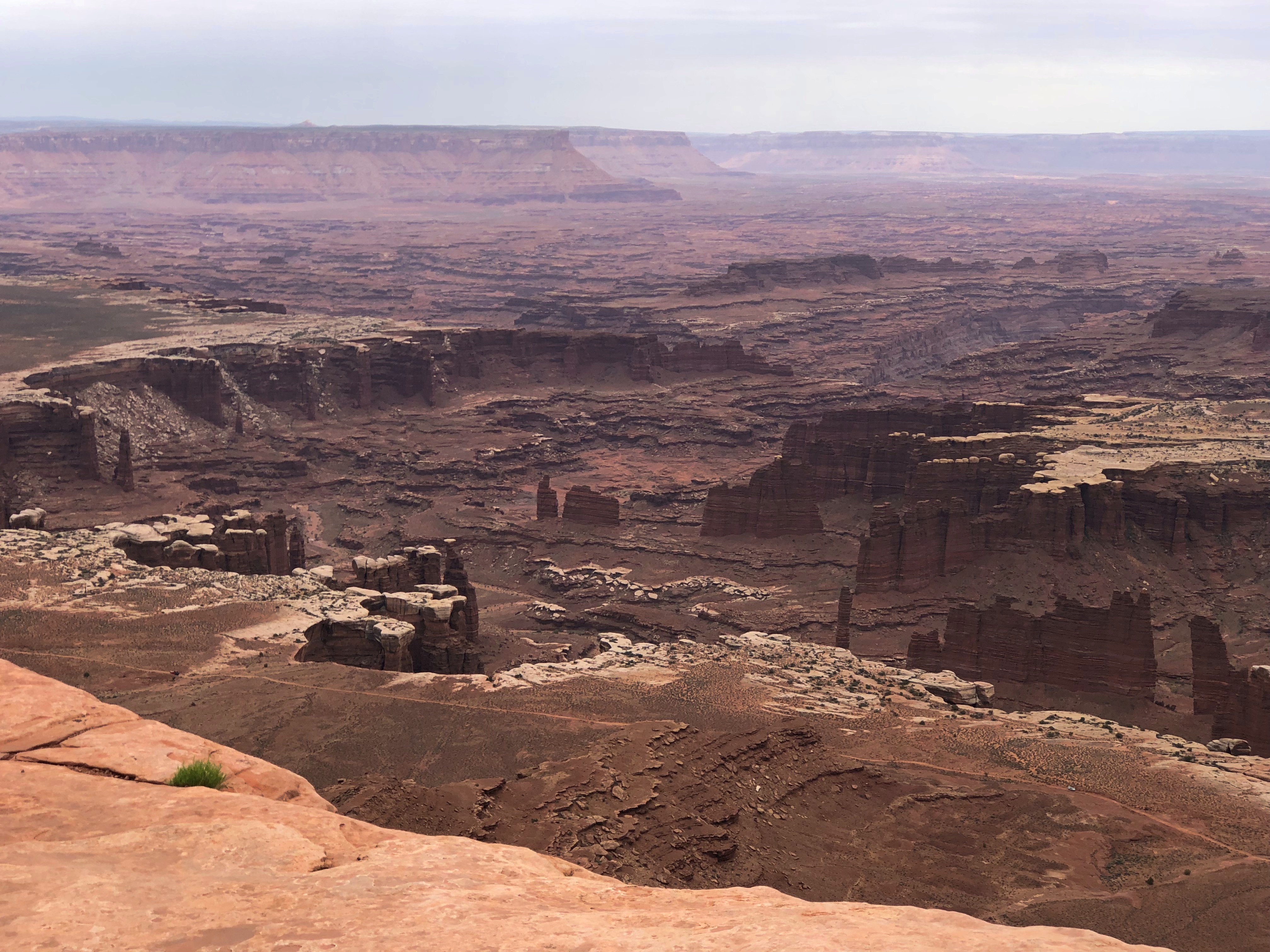
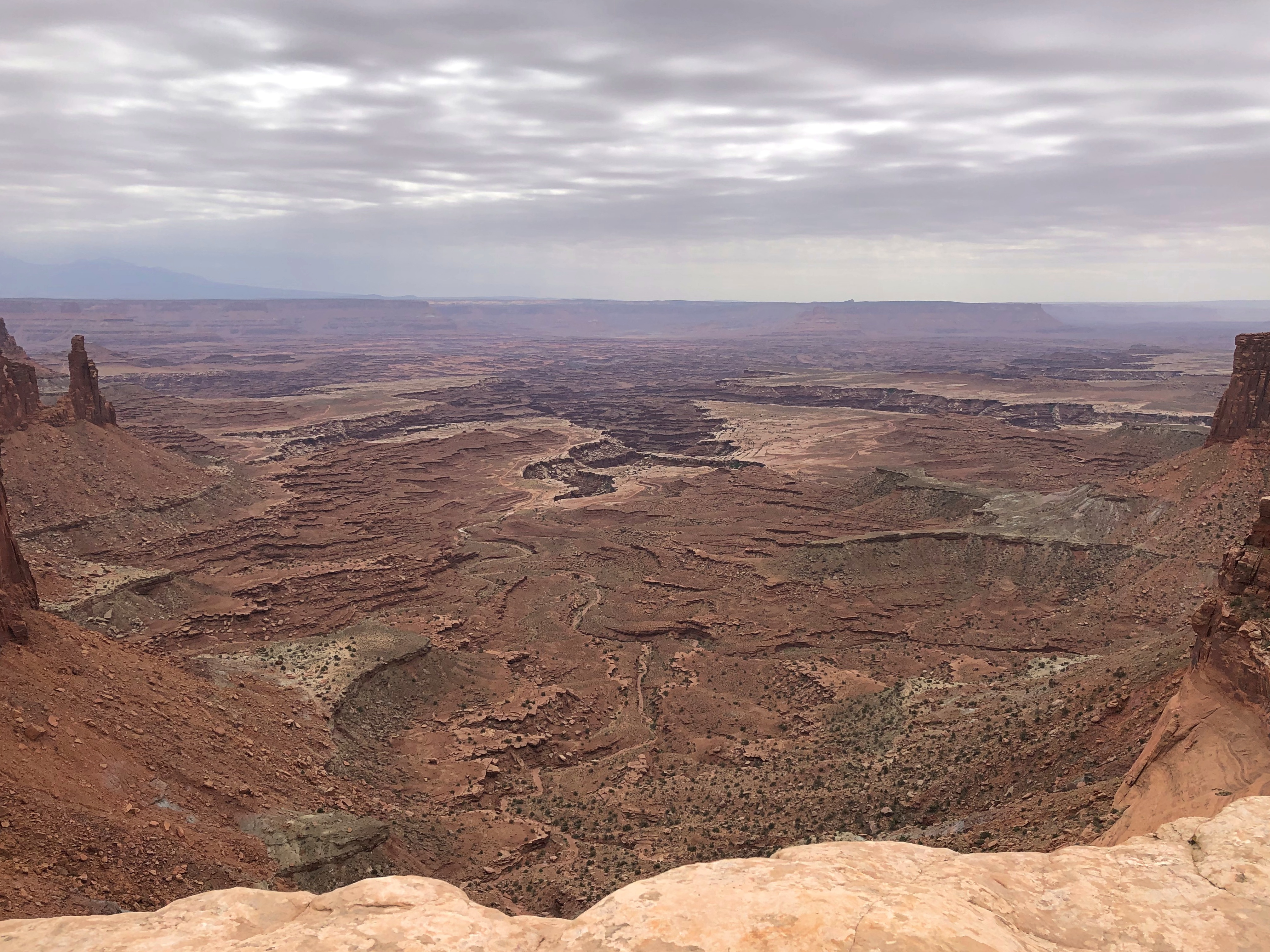
The overlook itself. We walked a quarter-mile or more along the edge of the canyon — the wide canyon complex, reaching miles into the distance, created by the Colorado and the Green.Canyonlands National ParkCanyonlands National Park Canyonlands National Park

Wow. The atmosphere was a little hazy that day, but that hardly mattered. My images really don’t do the place justice, but that was a persistent theme on all of this trip.

Arches National Park

When you visit a place like southern Utah, you run through all the superlatives. In the moment, the wordless feeling as you stand in awe is enough. Later, you turn the bucket over, hoping that one extra-special word that fits what you’ve just seen will tumble out. But even the jewel cave that is English — to shift the metaphor — sometimes comes up short.

What would a Spanish speaker, whose linguistic predecessors have come here for centuries, say? Magnífico, espléndido, maravilloso? What do Germans, so many of whom seek out the desert Southwest in our time, use in such a situation? Großartig, herrlich, prachtig? What of the native tongues of the region? I’m mostly ignorant of those European languages, but vastly ignorant of those spoken on the Colorado Plateau for millennia, so I do not know.

All that is a long-winded intro to the vista we saw at Fiery Furnace in Arches National Park, where we spent most of the day on May 19.

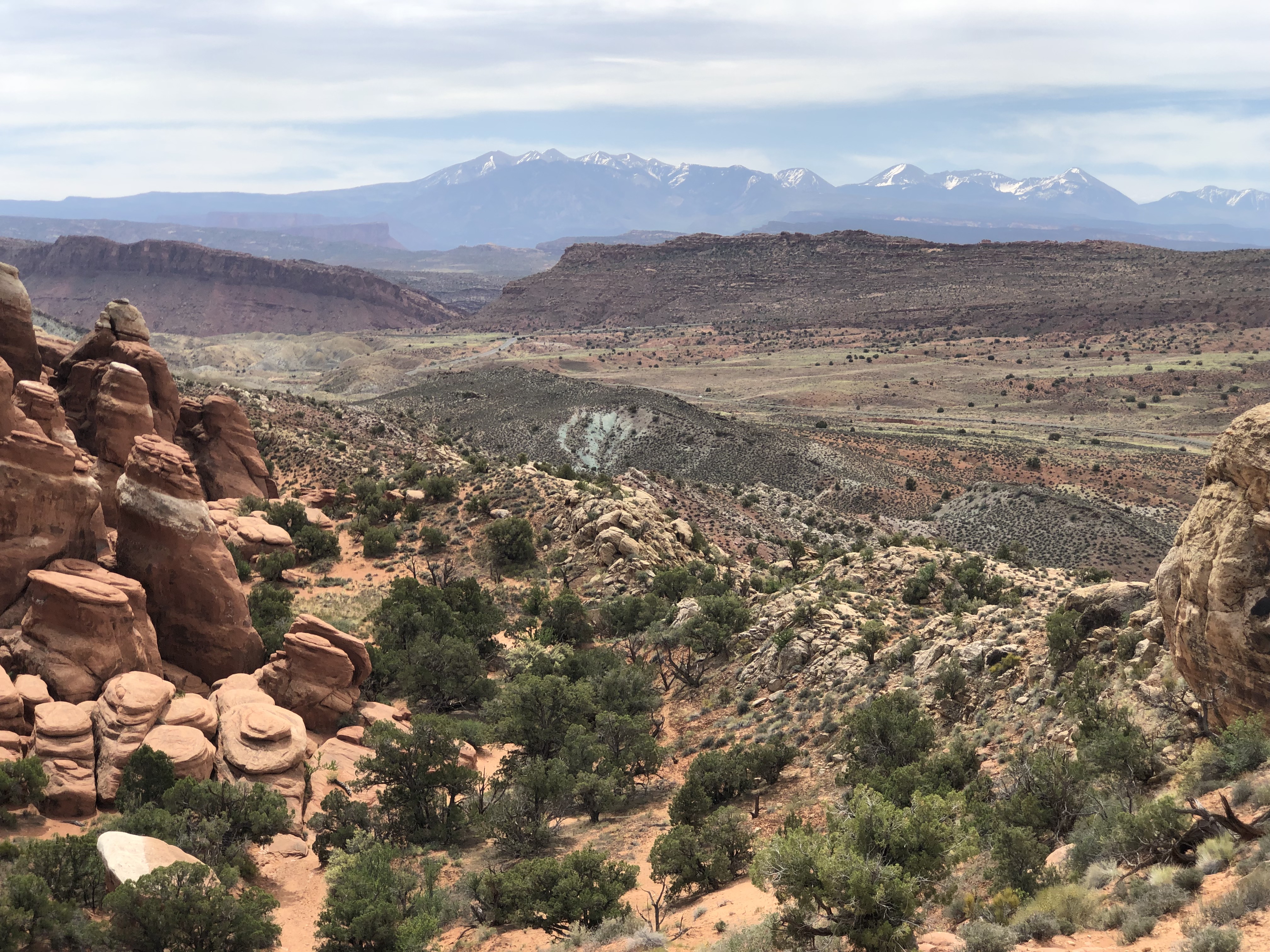
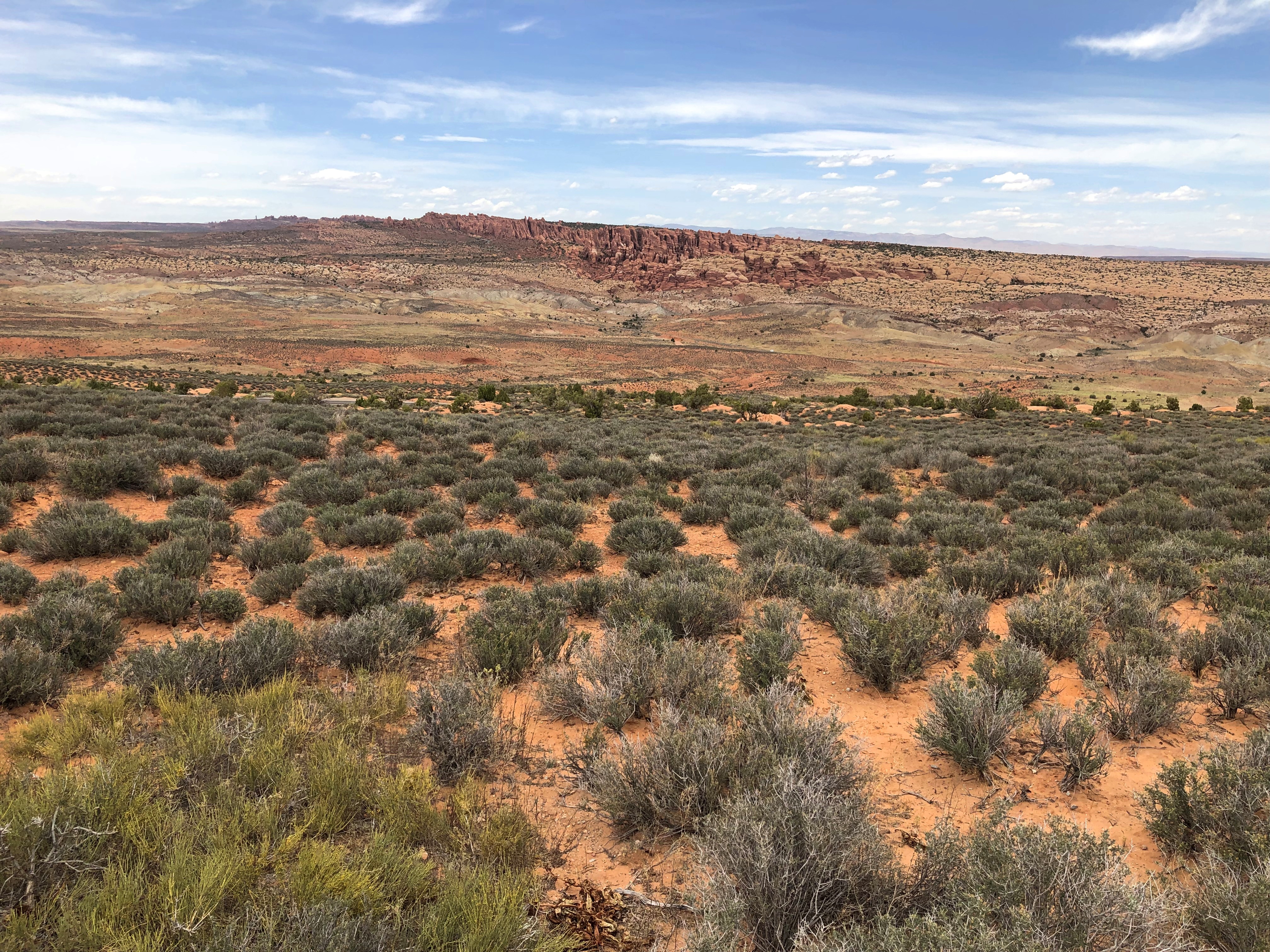
“The Fiery Furnace is a natural labyrinth of narrow passages between towering sandstone walls called fins,” says a postcard I bought in the park. “The La Sal Mountains rise in the distance to nearly 13,000 feet…” Fiery Furnace Arches National Park

That isn’t a bad image, but it barely conveys the sweeping grandeur of the vista. Though different in most details — color, formation shape, vegetation — I instantly thought of Polychrome Pass in Alaska.

“The view toward the Alaska Range at Polychrome Pass is, I believe, the grandest vista I’ve ever seen,” I wrote last year.

At Fiery Furnace, I found its equal. Just like that. All the time, money and effort to reach this point seemed, all at once, entirely worth it, just to see what we saw. Of course, I had no doubt of that before, and not a vast amount of resources actually went into the trip, since travel is easy in our time, but still.

The marvels of Arches are many. By U.S. national park standards, it isn’t a large one, at about 76,600 acres (44th largest out of 63), but somehow more than 2,000 natural sandstone arches are packed into park. We saw a tiny but impressive fraction of these, and a lot else besides.Arches National Park

Perhaps the best known feature in the park is Delicate Arch, which is depicted on Utah license plates and a postage stamp commemorating the centennial of Utah statehood.

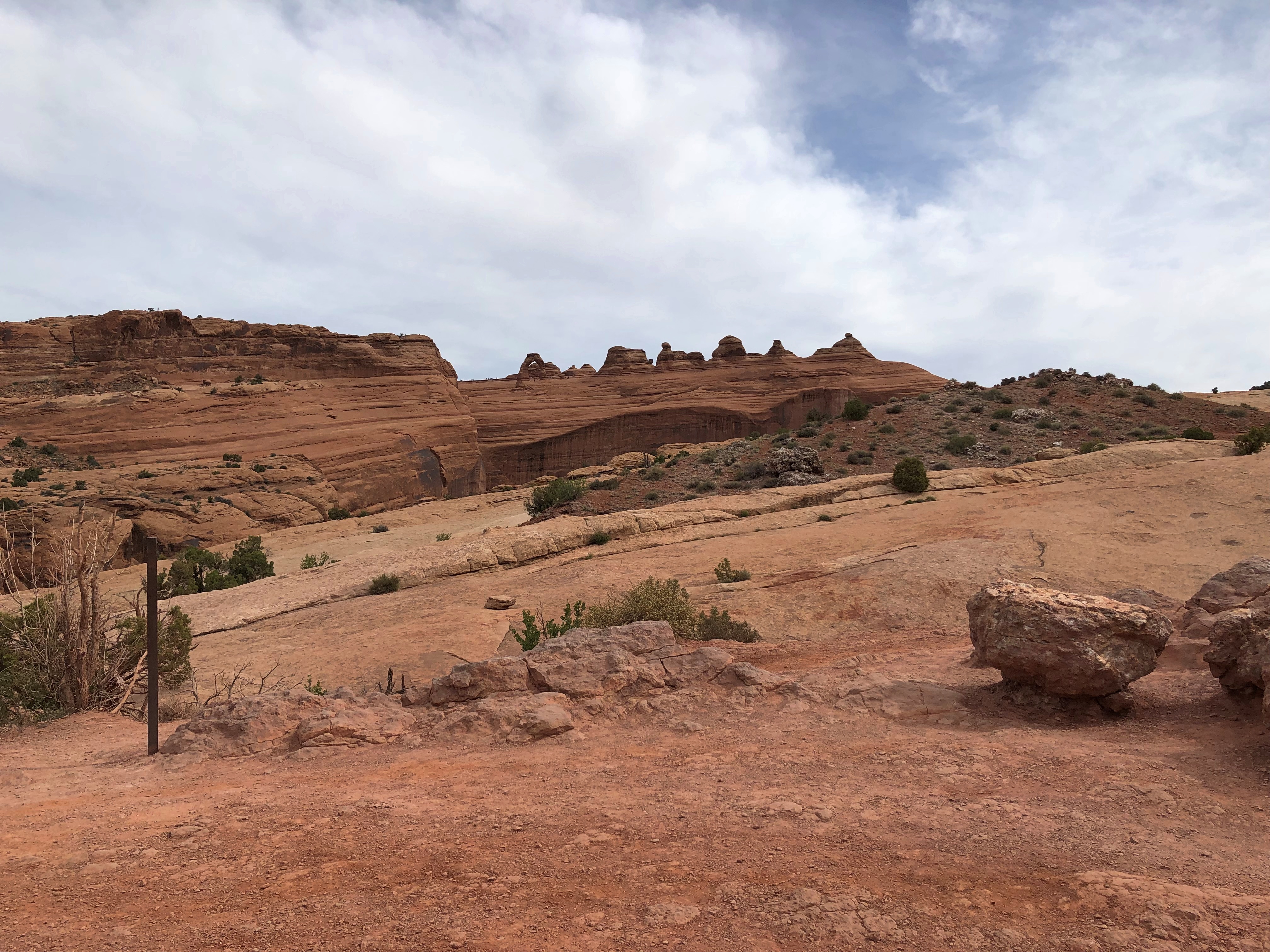
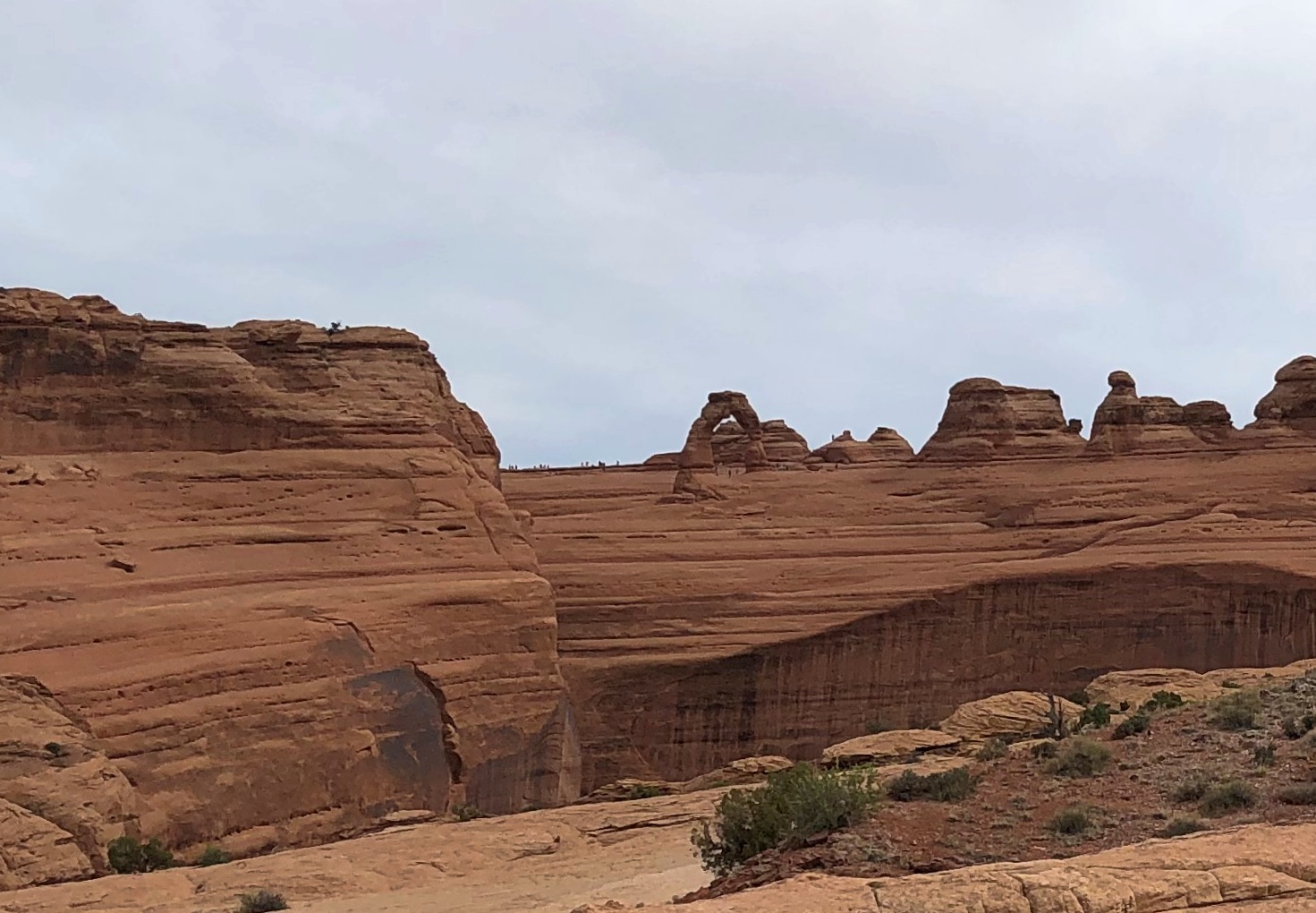
We didn’t get that close. We didn’t care to spend the energy to get there (increasingly with age, I’m learning to ration my energy). An easier trail takes you to a good if long-distance view of the arch, however.Arches National Park Arches National Park

I’ve centered the arch in this picture. If you look carefully, you’ll see people who did make the hike up to it.Arches National Park
Arches National Park

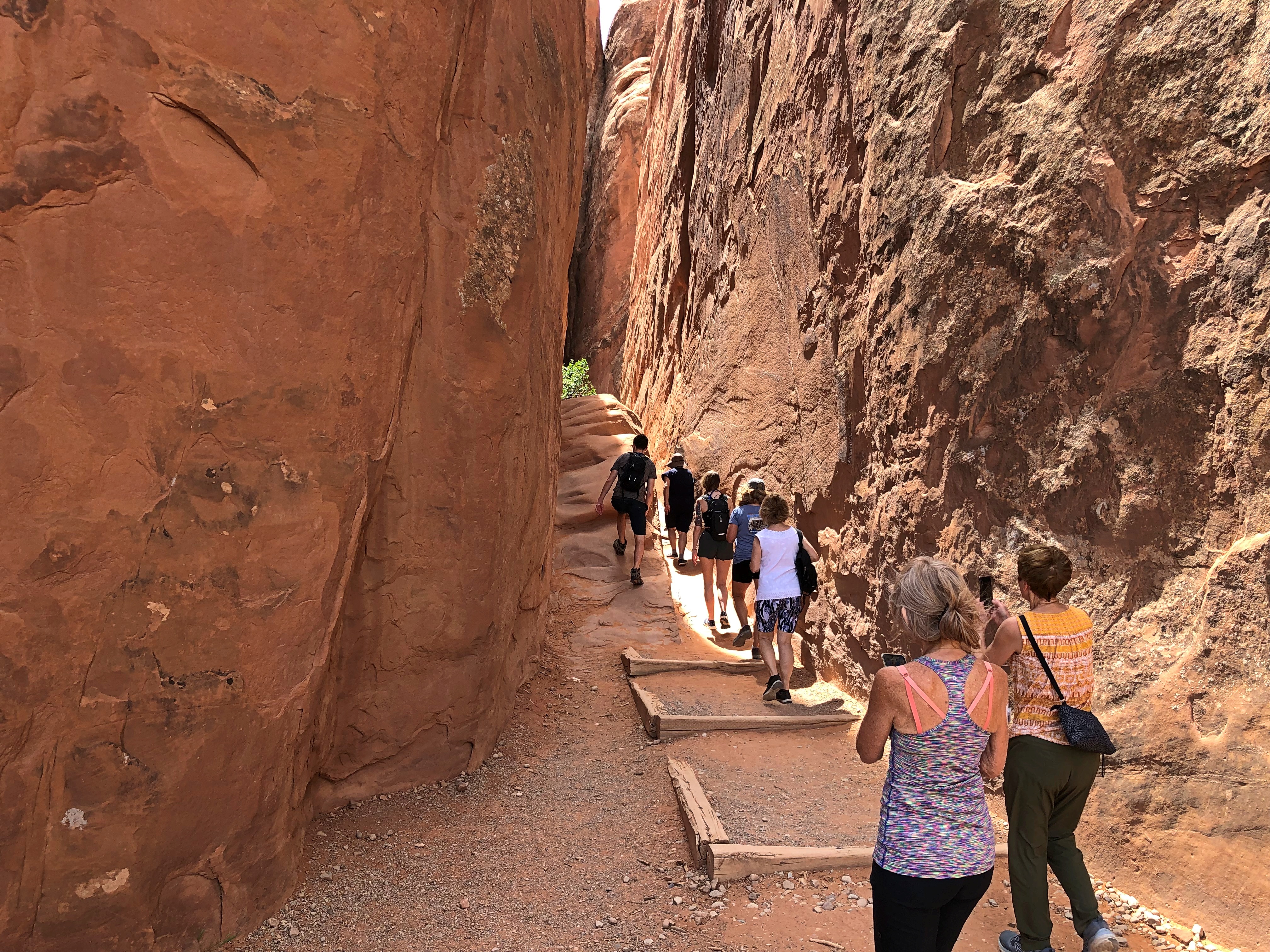
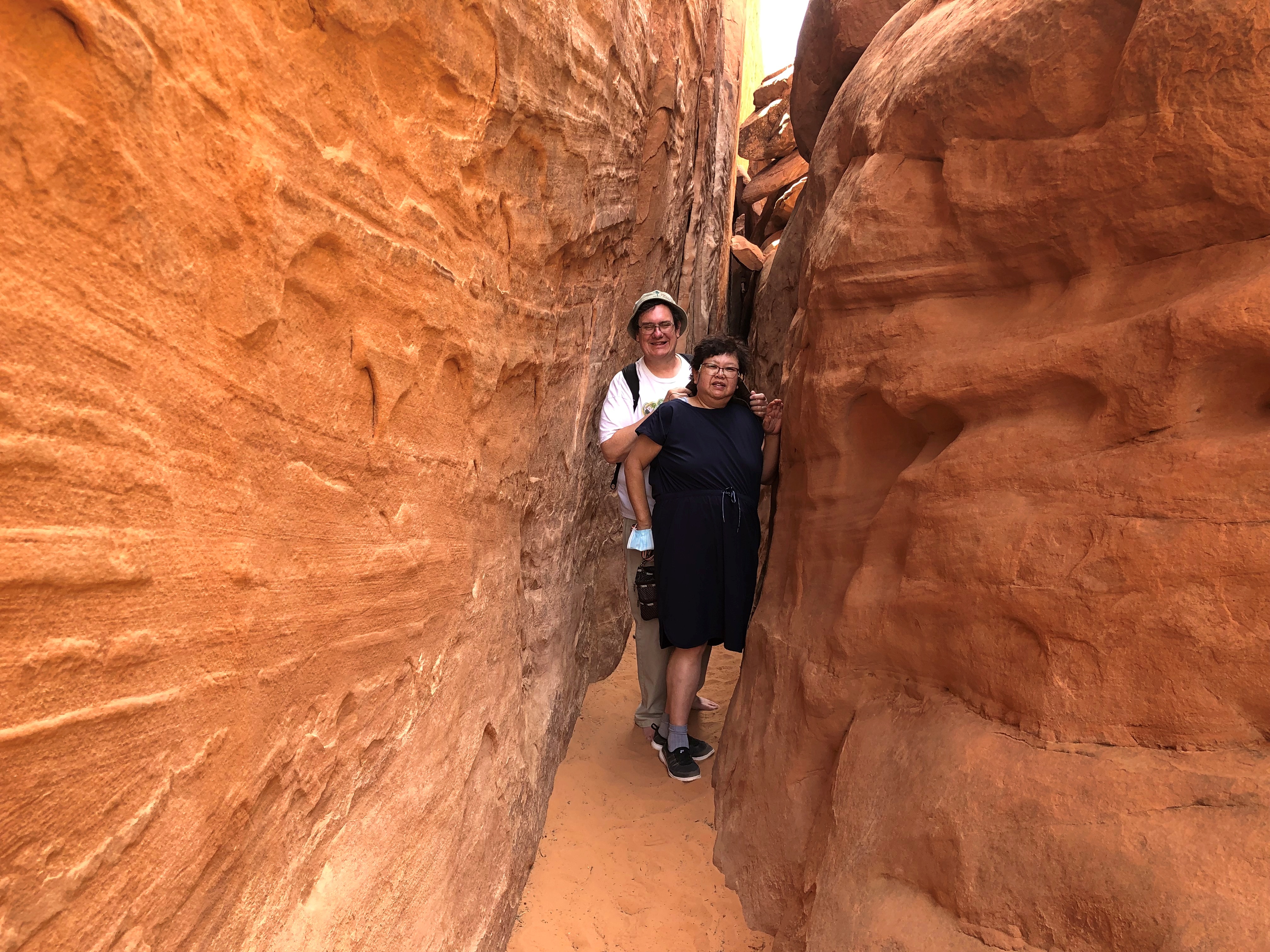
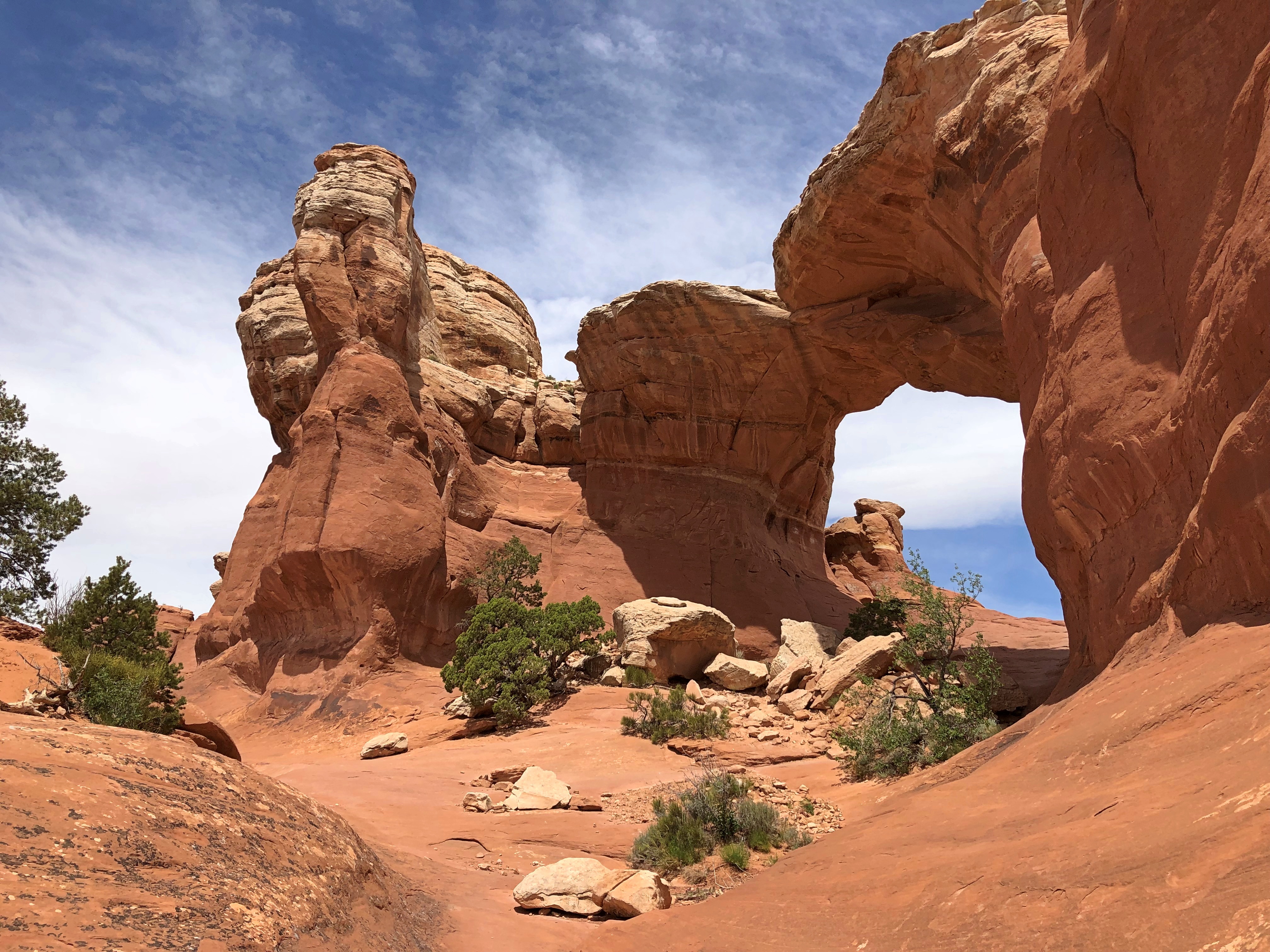
Broken Arch, on the other hand, we were willing to make the mile or so round trip on foot to see. But first, we popped in for a look at Sand Dune Arch. It’s in a slot canyon just off the way to Broken Arch.Arches National Park
Arches National Park

Which eventually tightens up considerably.Arches National Park

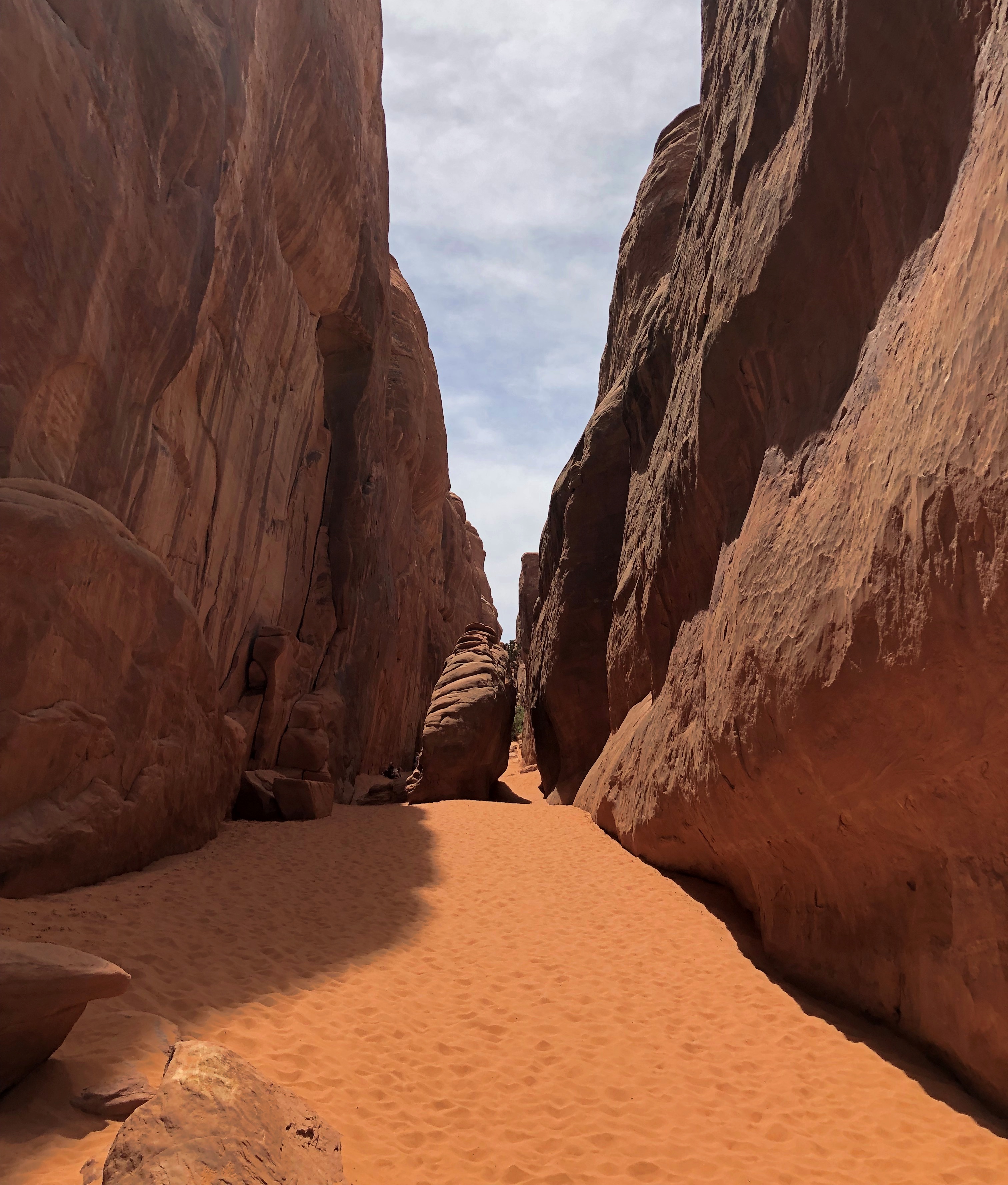
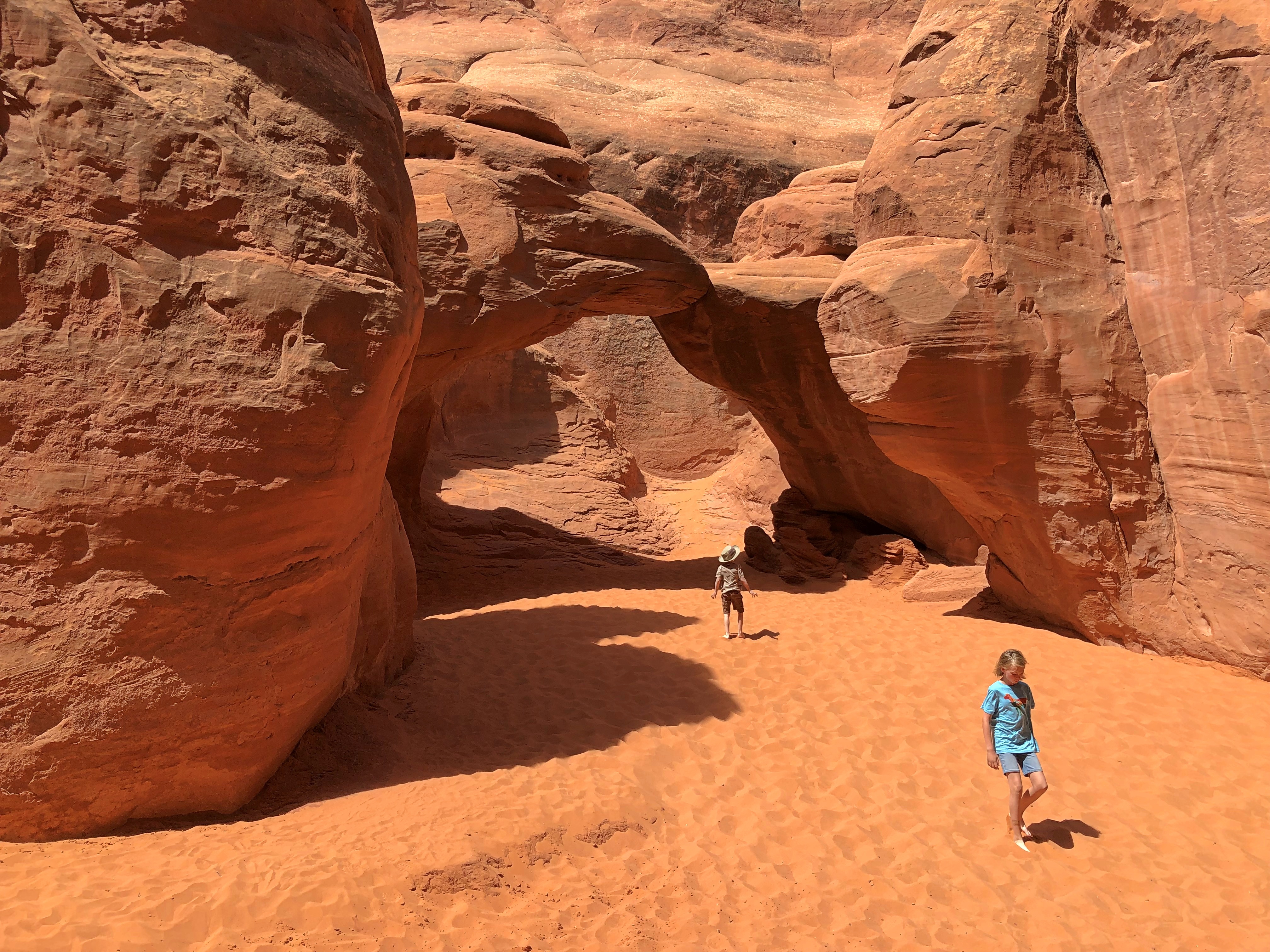
The arch itself is off in a wider place in the canyon.
Arches National Park

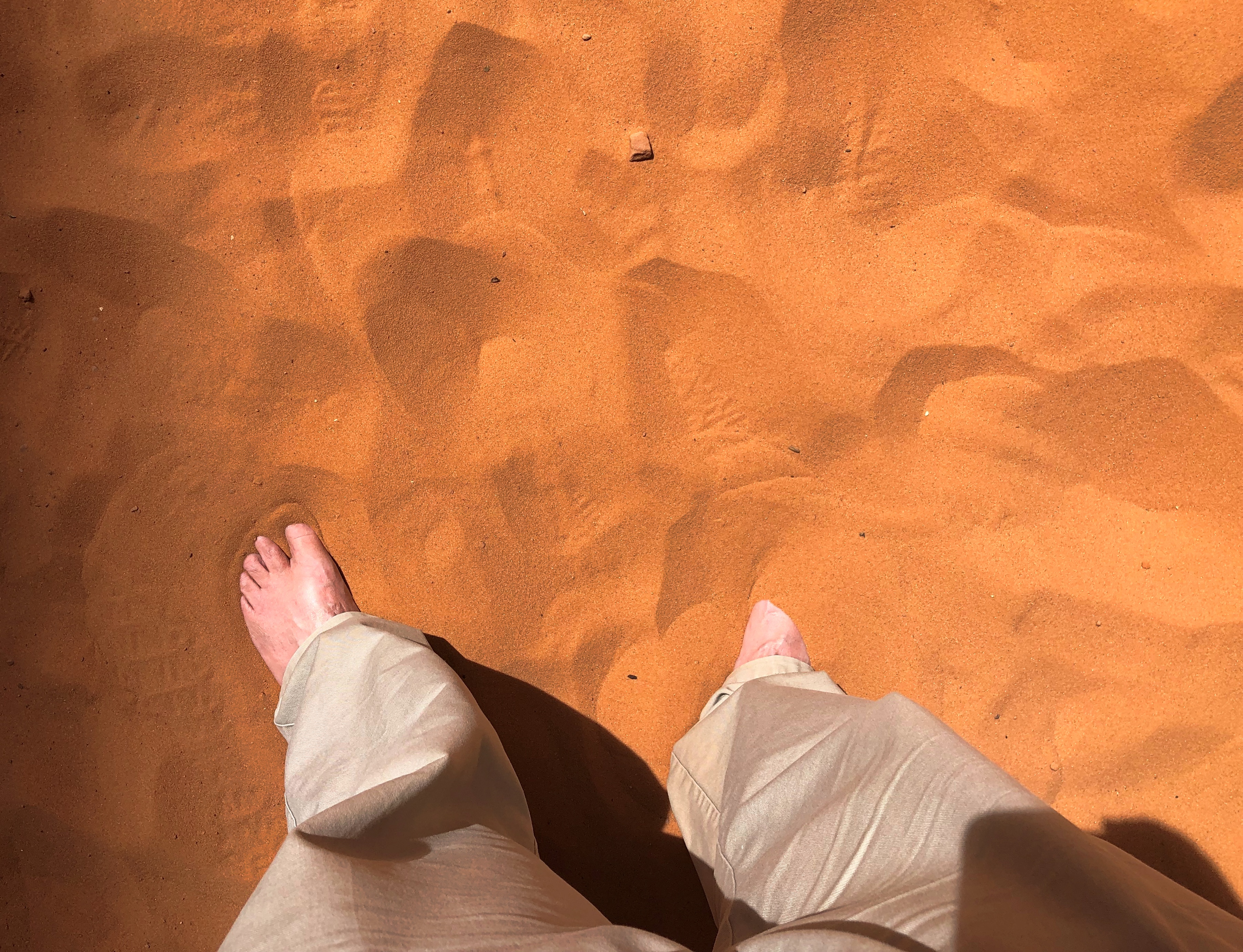
Note the sand. The color of Mars, but the exact texture of warm beach sand on Earth. My shoes had to come off for a while.
Arches National Park

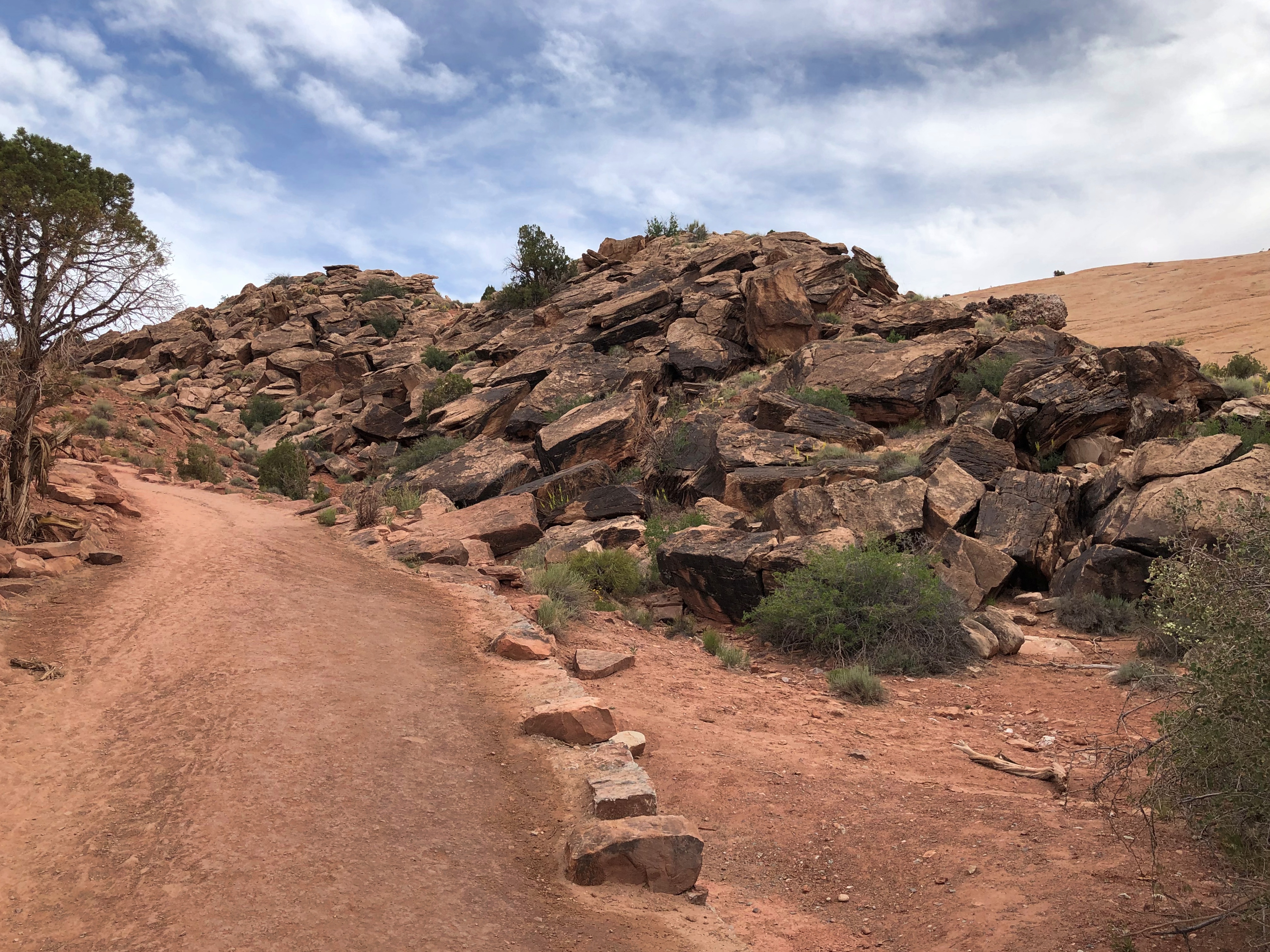
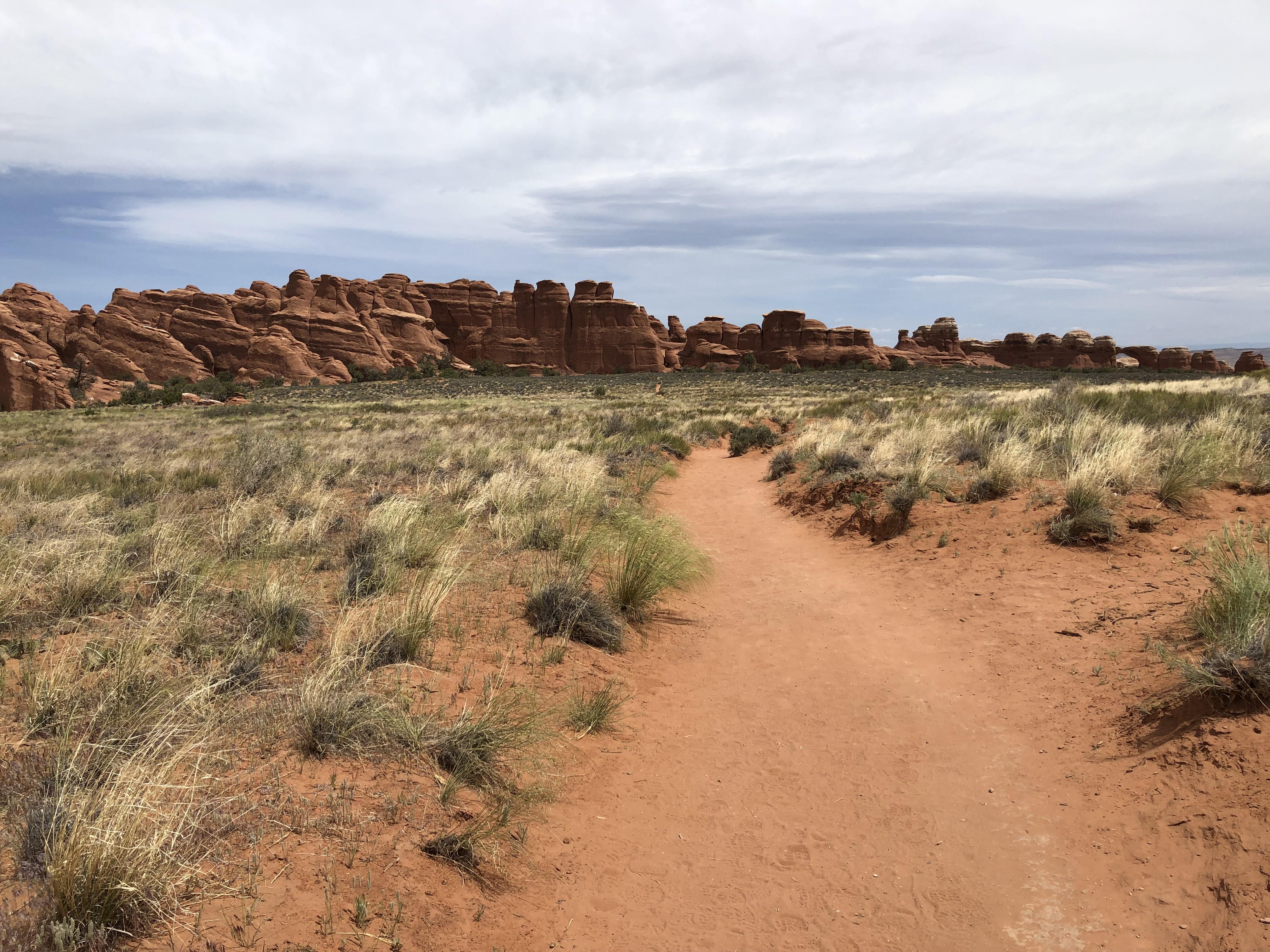
But they were back on for the hike to Broken Arch, along this path.Arches National Park Arches National Park Arches National Park Arches National Park

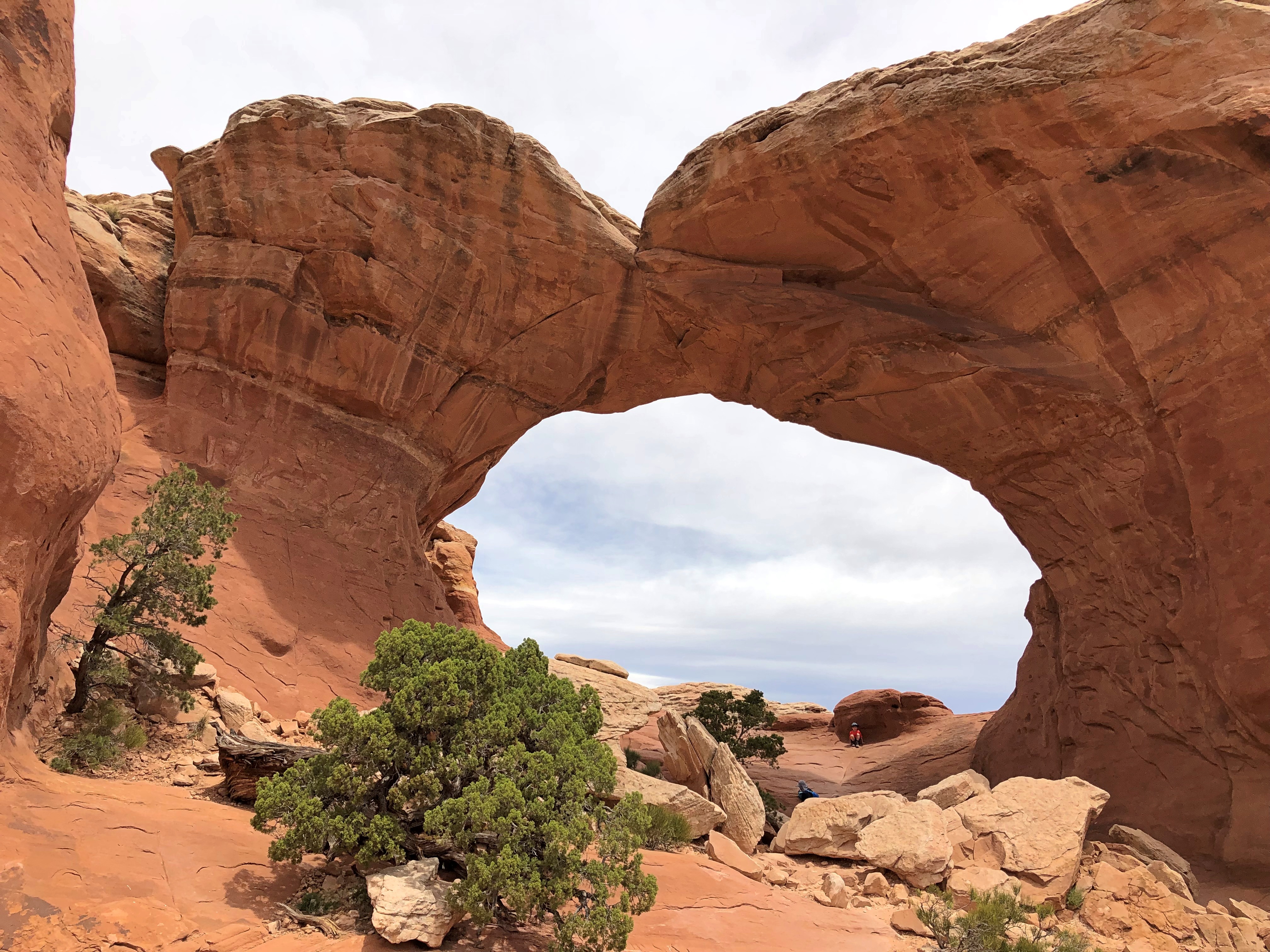
Eventually, you arrive at the arch, which is cracked if not broken.
Arches National Park Broken Arch

I looked at that view of the arch, and I couldn’t help thinking that it was going to say: A question. Since before your sun burned hot in space and before your race was born, I have awaited a question. That only goes to show the absurd conditioning I’ve submitted myself to in the form of entertainment, but never mind.

Another view.Arches National Park Broken Arch

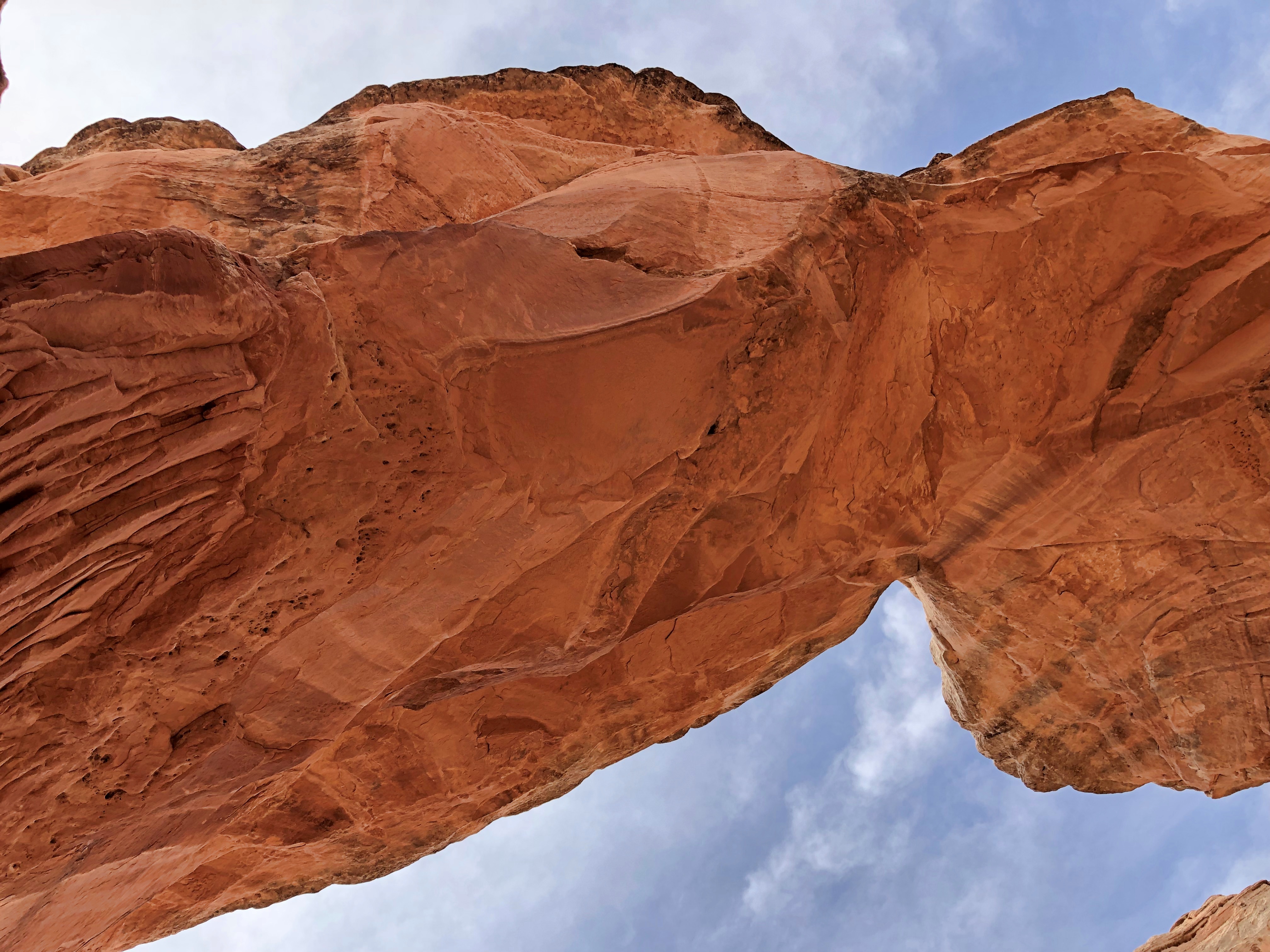
Under the arch. Erosion didn’t take its ultimate toll while we were there, fortunately.
Arches National Park Broken Arch

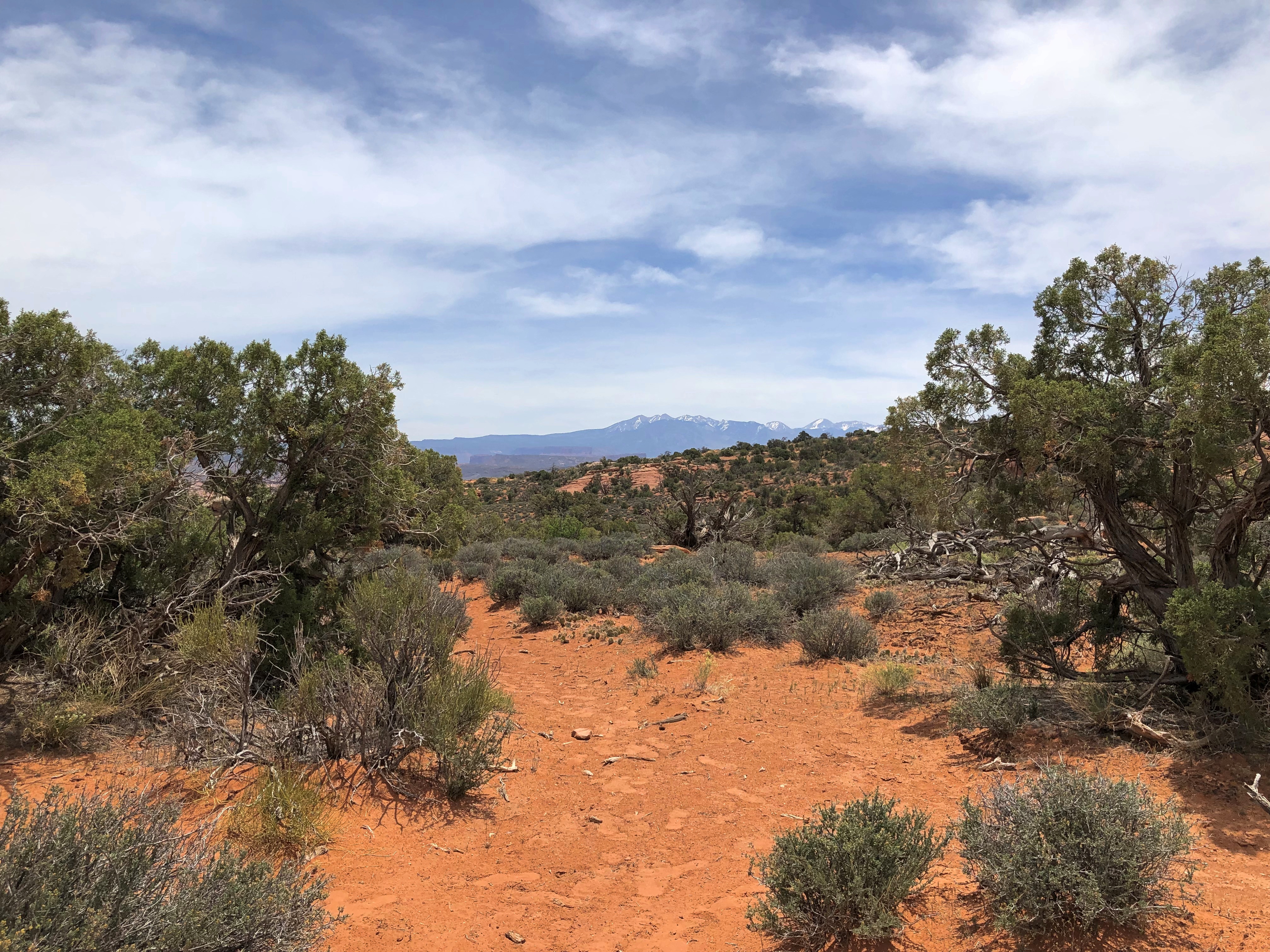
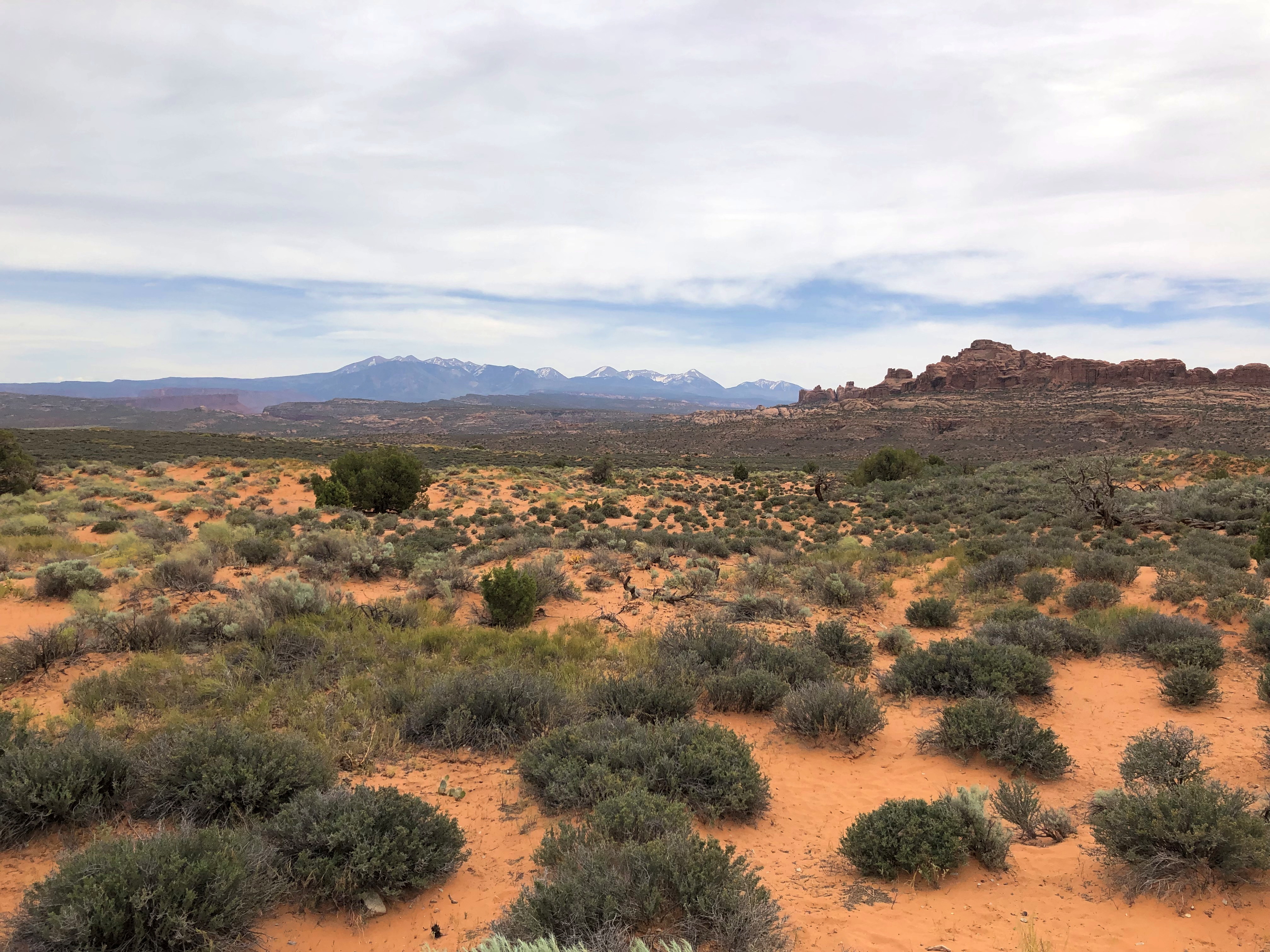
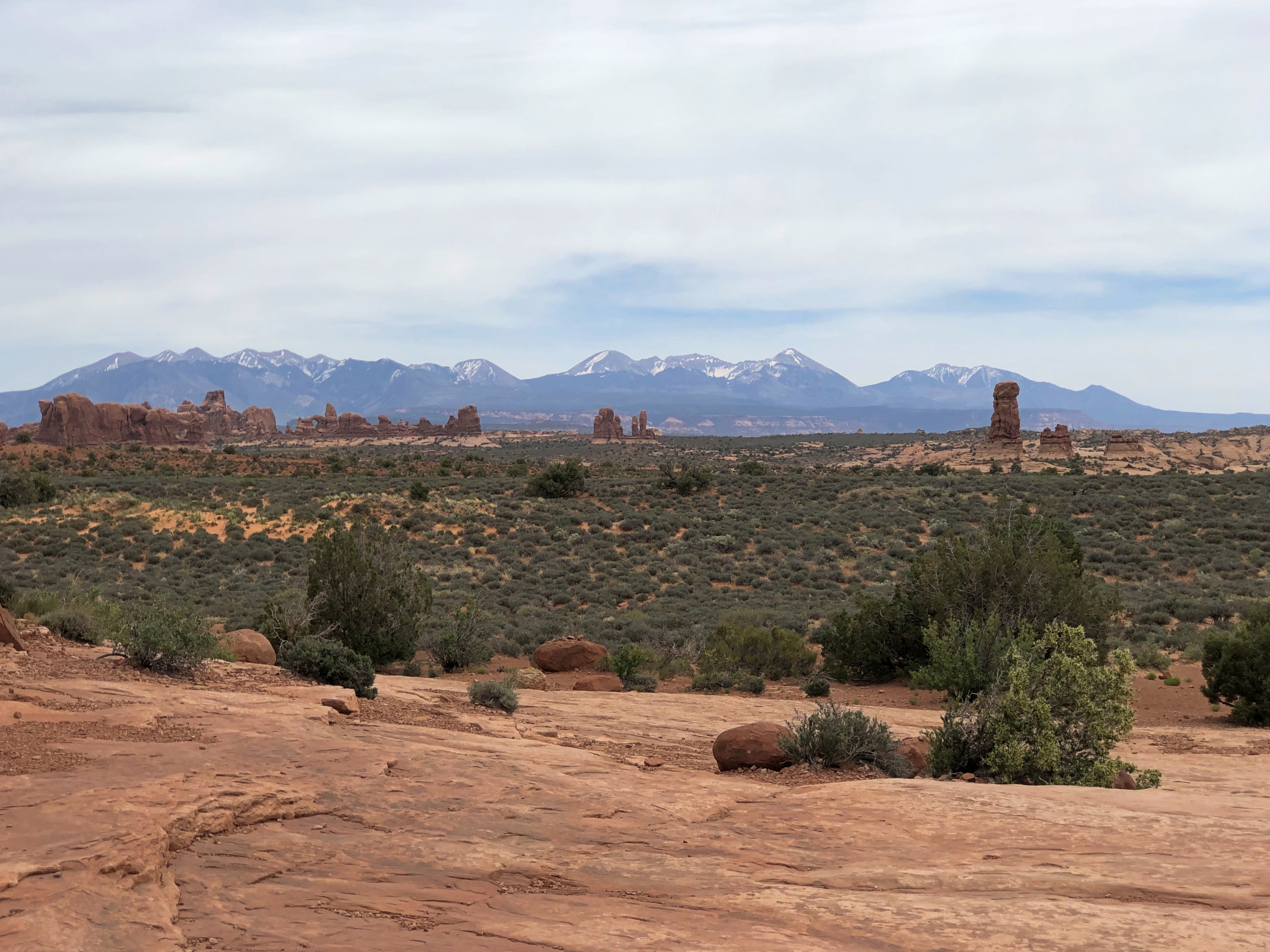
Elsewhere in the park: long views of the La Sal Mountains and other vistas.Arches National Park La Sal Mountains Arches National Park La Sal Mountains Arches National Park La Sal Mountains
Arches National Park La Sal Mountains

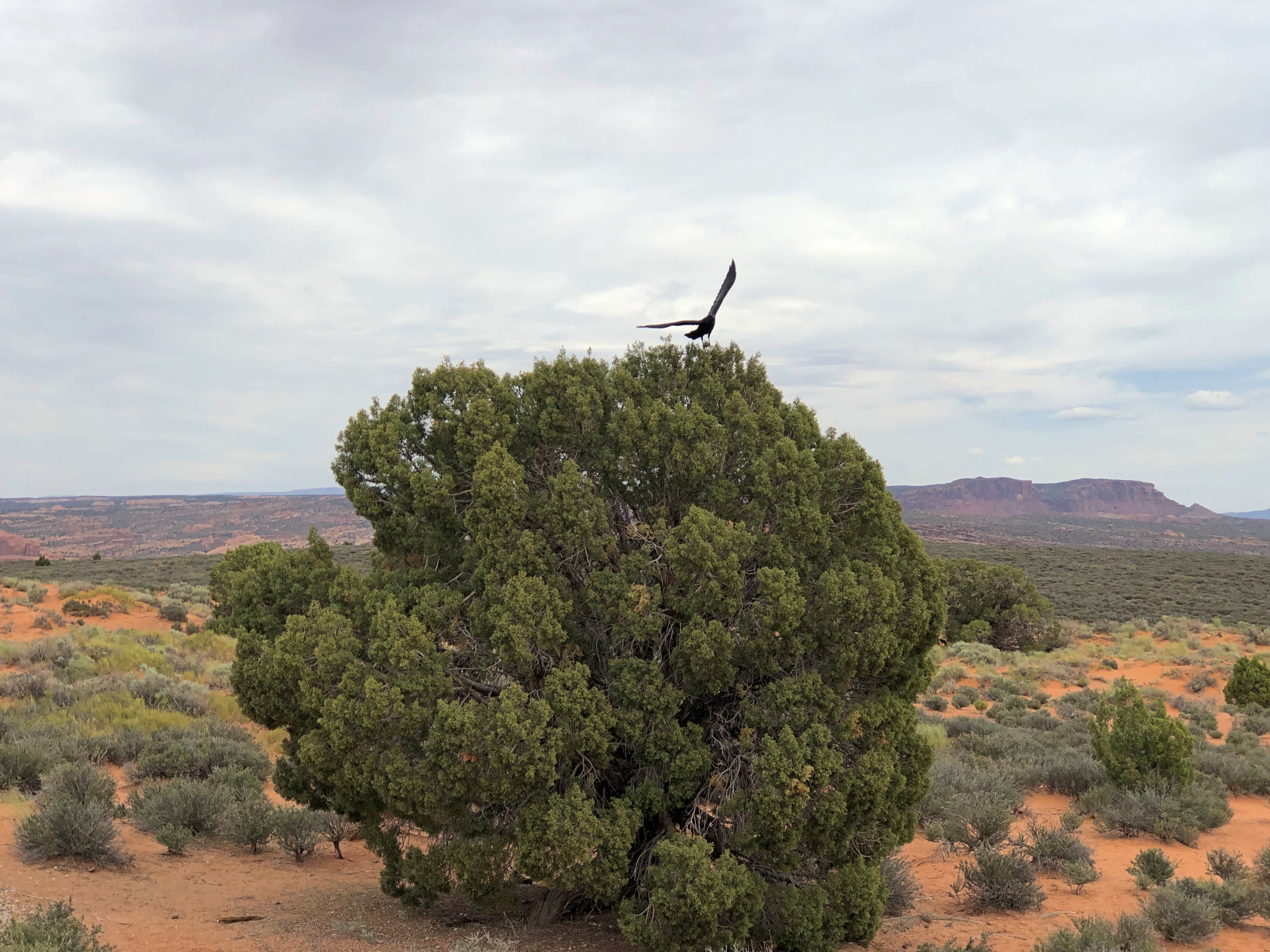
Except for lizards, wildlife was a little hard to spot, but not impossible.
Arches National Park

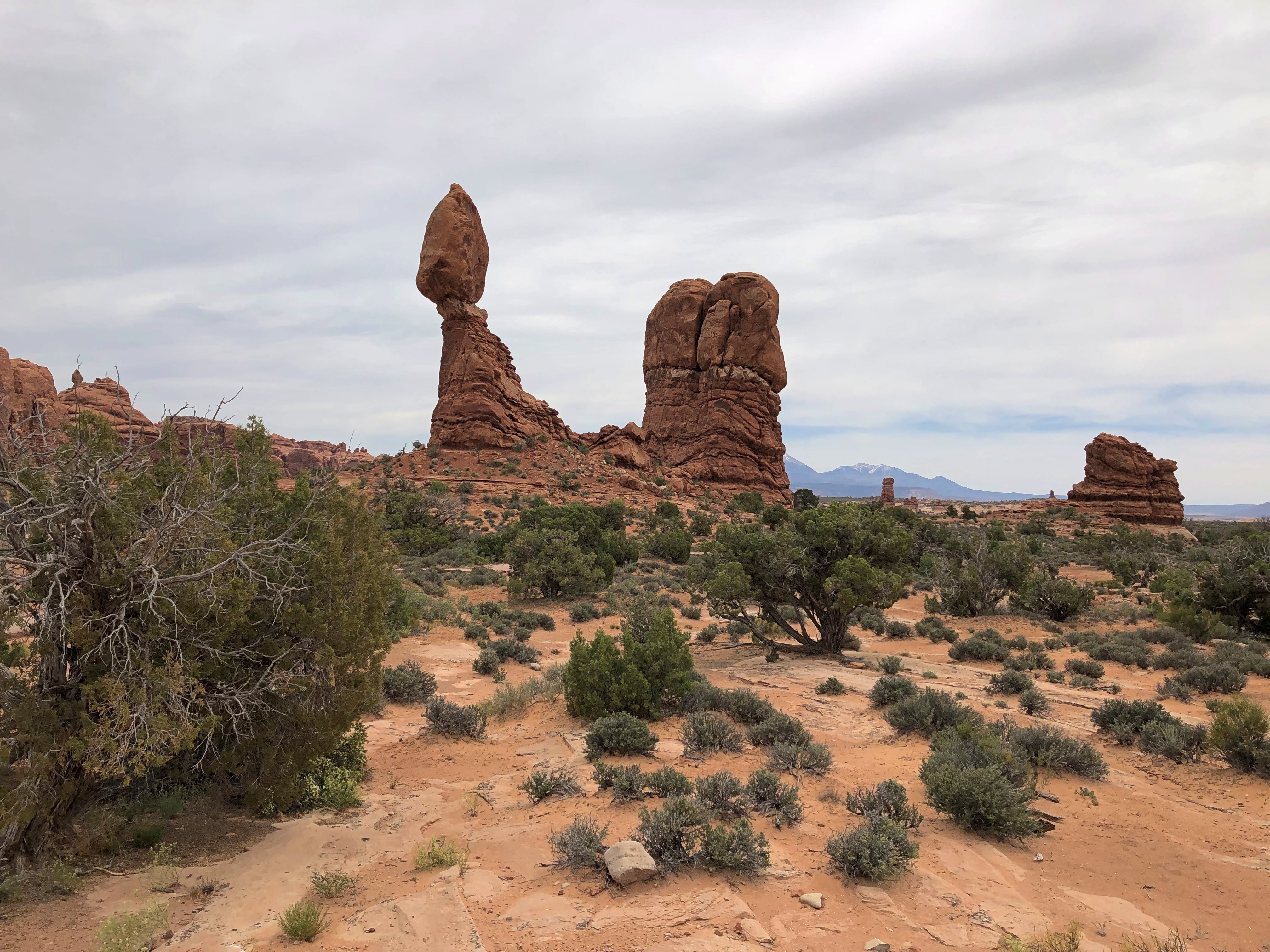
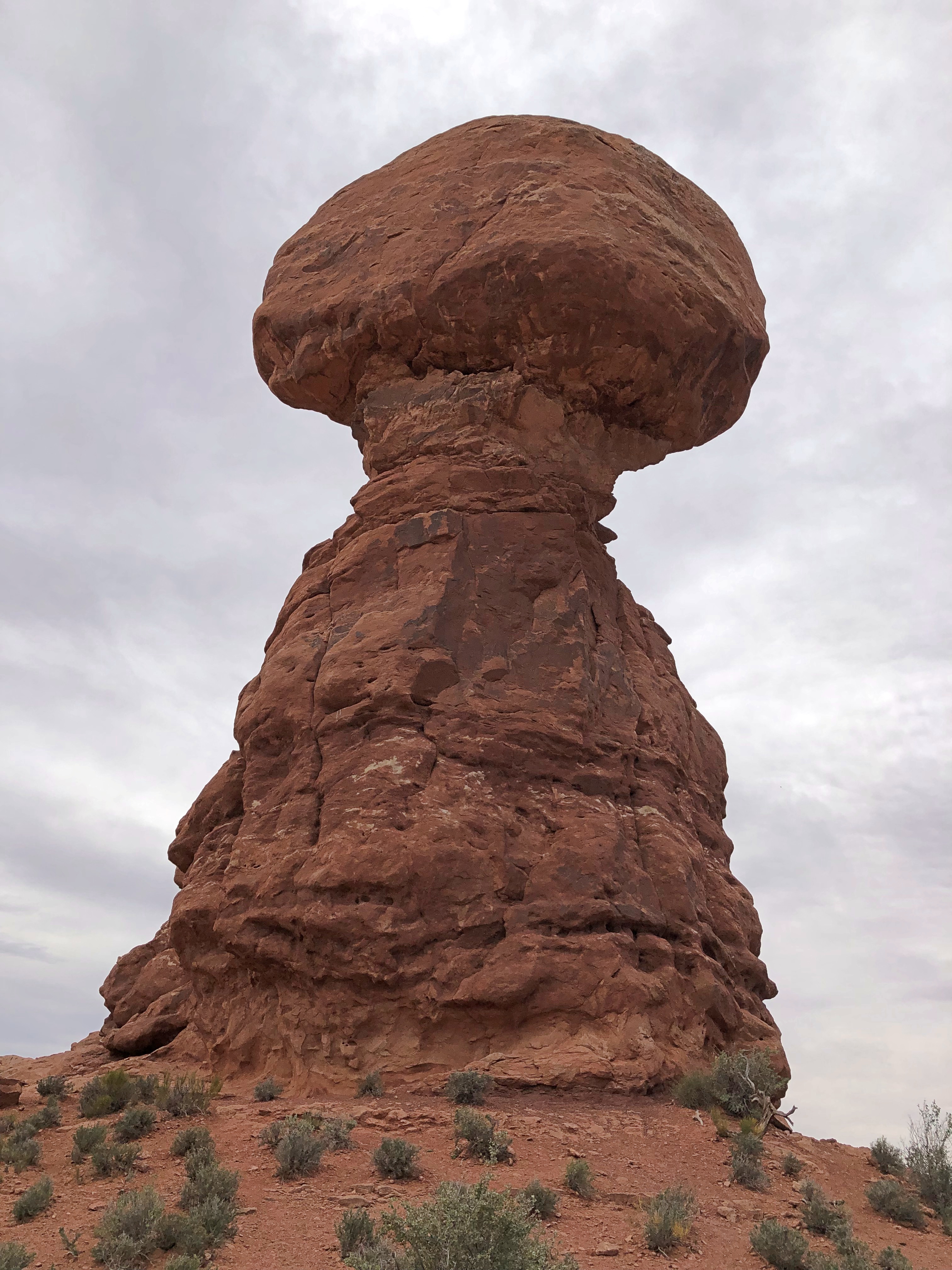
Balanced Rock. Apt name, I’d say.Arches National Park Balanced Rock Arches National Park Balanced Rock Arches National Park Balanced Rock

Mushroom cloud rock, I’d say about that view. The rock stayed balanced while we were there. One of these days, though — tomorrow, 100 years from now — down it will come. Our still images and even our eyes deceive us: the landscape is always in motion.

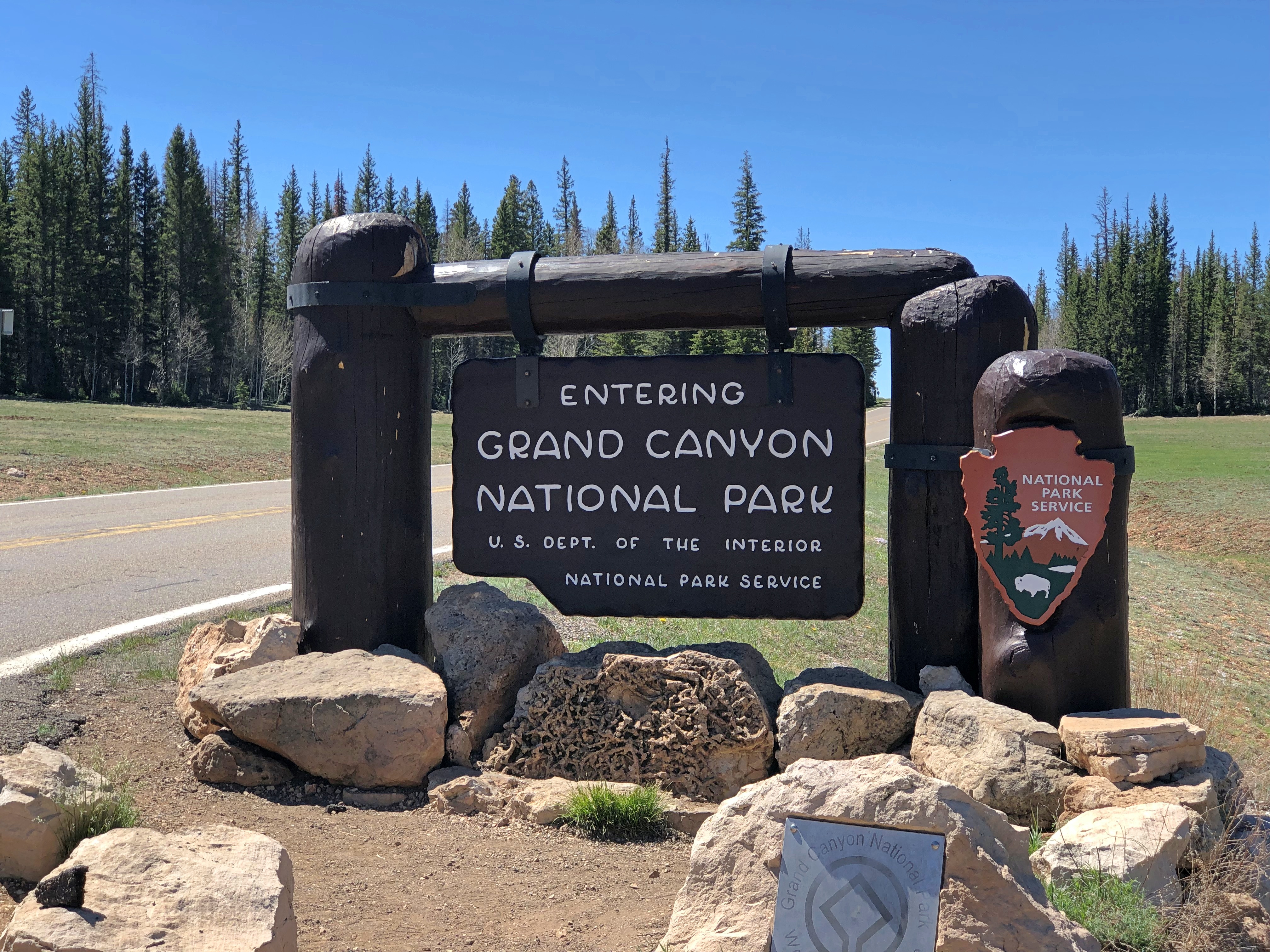
Grand Canyon National Park, North Rim

There is one way to drive on paved roads from Page, Arizona, to the North Rim of Grand Canyon National Park, at least without going way out of your way. Go south from Page on U.S. 89, then north on U.S. 89A, then south on Arizona 67. If that sounds a little roundabout, it is, but the drive is worth every minute you spend. It takes two to two-and-a-half hours if you don’t stop much.

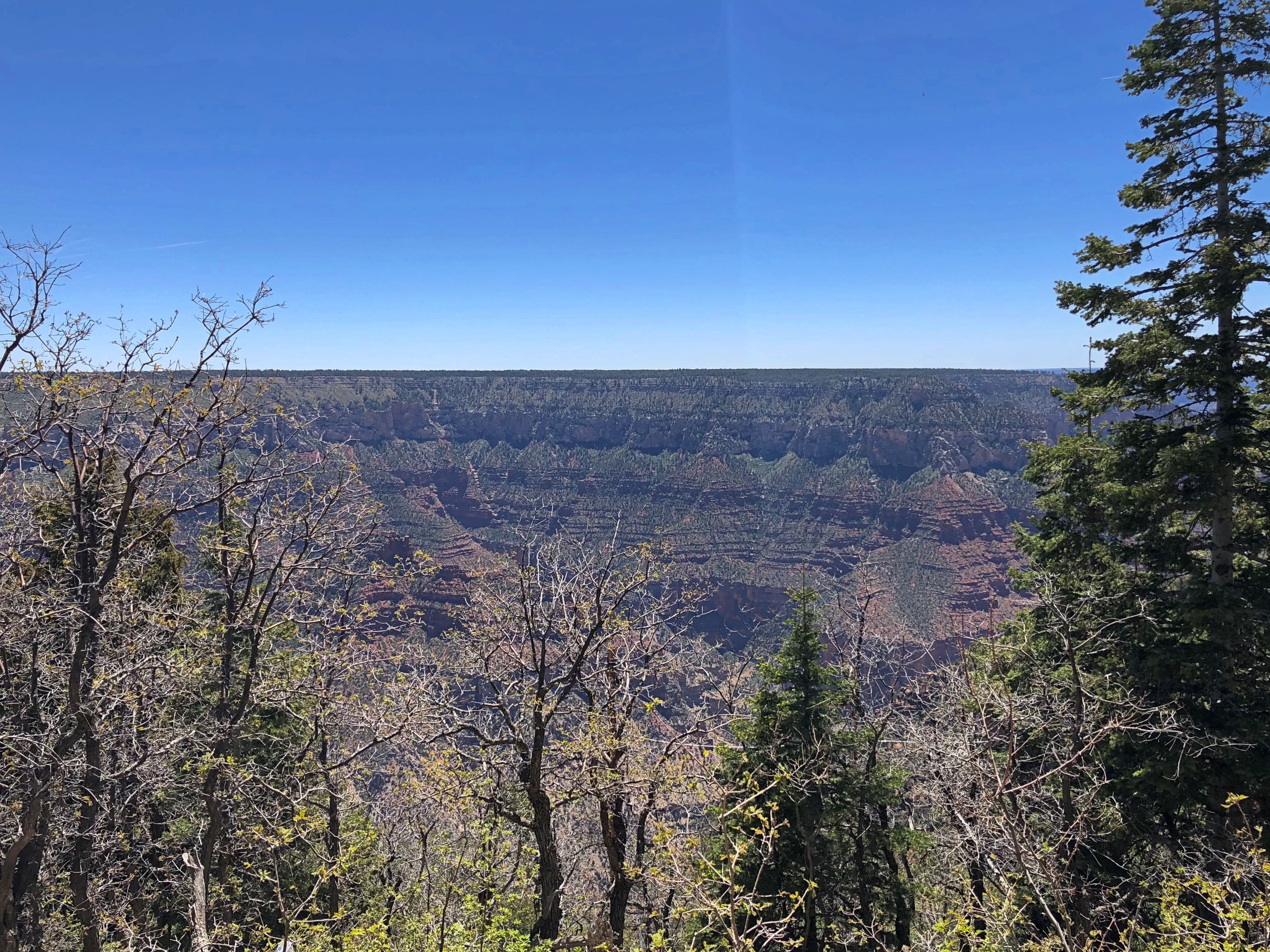
Eventually, you end up at the park, famed the world over.Grand Canyon National Park

As the raven flies, and we saw a fair number of them soaring on the air currents around the canyon, it is about 10 miles from the North Rim to the South Rim. Driving from the North Rim to the South involves more than 200 roundabout miles.

The South Rim has fairly close access to a large metro area — Phoenix — and the sizable town of Flagstaff as a closer jumping off point. That’s what we did in 1997. It occurs to me that we visited the canyon this time two days short of exactly 25 years after the first time.

The nearest town to the North Rim is Page, reached as I’ve described. Not exactly remote, but certainly out of the way. In 2021, about 221,000 visitors came through the North Rim entrance when it was open May through mid-October, according to NPS stats. (The road is snowed in much of the year.) So for every one visitor to the north last year, there were 10 to the south, with about 2.2 million visitors coming to the South Rim during 2021.

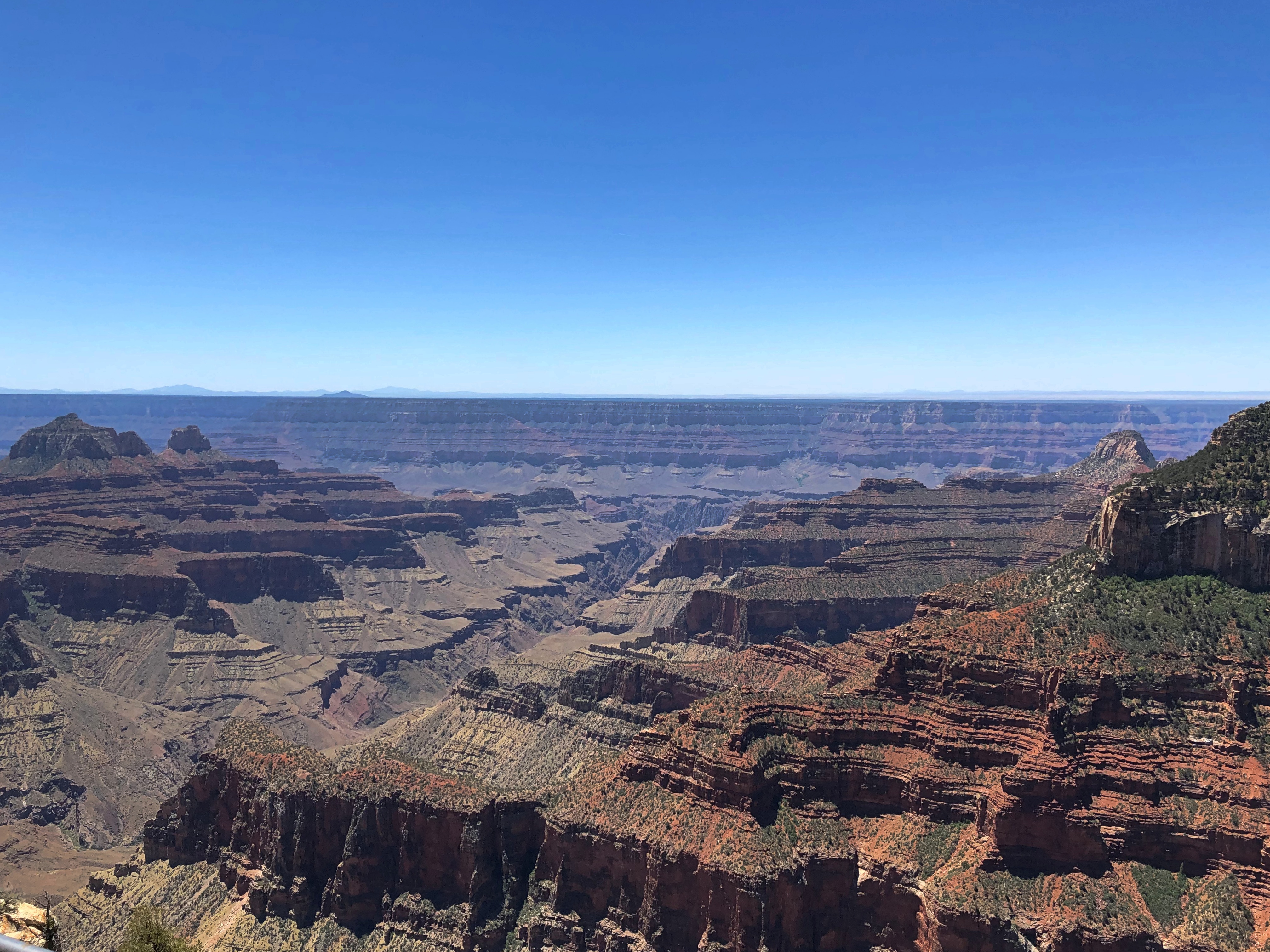
When we got to the North Rim last Tuesday morning, the place was popular enough, but not overrun. Even mere feet away from the Grand Canyon Lodge North Rim parking lot, which is where the road into the park ends, the view doesn’t disappoint.Grand Canyon National Park

The lodge itself, just opened for the season two days earlier, is perched on the rim, and built from native stone and timber, especially Kaibab limestone from the nearby cliff at Bright Angel Point.Grand Canyon National Park

People were perched on the lodge viewpoints.
Grand Canyon National Park

Through a subsidiary, the Union Pacific Railroad originally developed the lodge in the 1920s, though the first structure burned down after only a few years, and was rebuilt  somewhat differently in the ’30s. Design by Gilbert Stanley Underwood, who specialized in lodges and railroad stations. He also designed 140 cabins surrounding the main lodge by 1928.

“Erected in 1927-28, this is the most intact rustic hotel development remaining in the National Parks from the era when railroads, in this case the Union Pacific, fostered construction of ‘destination resorts,’ ” says the National Historic Landmarks listing for the building.

“The main lodge building was rebuilt in 1936 following a devastating fire, but its most important interior spaces retained their scale, materials and flavor, and the deluxe cabins and standard cabins of log and stone construction also kept their fabric, layout and ambiance.”

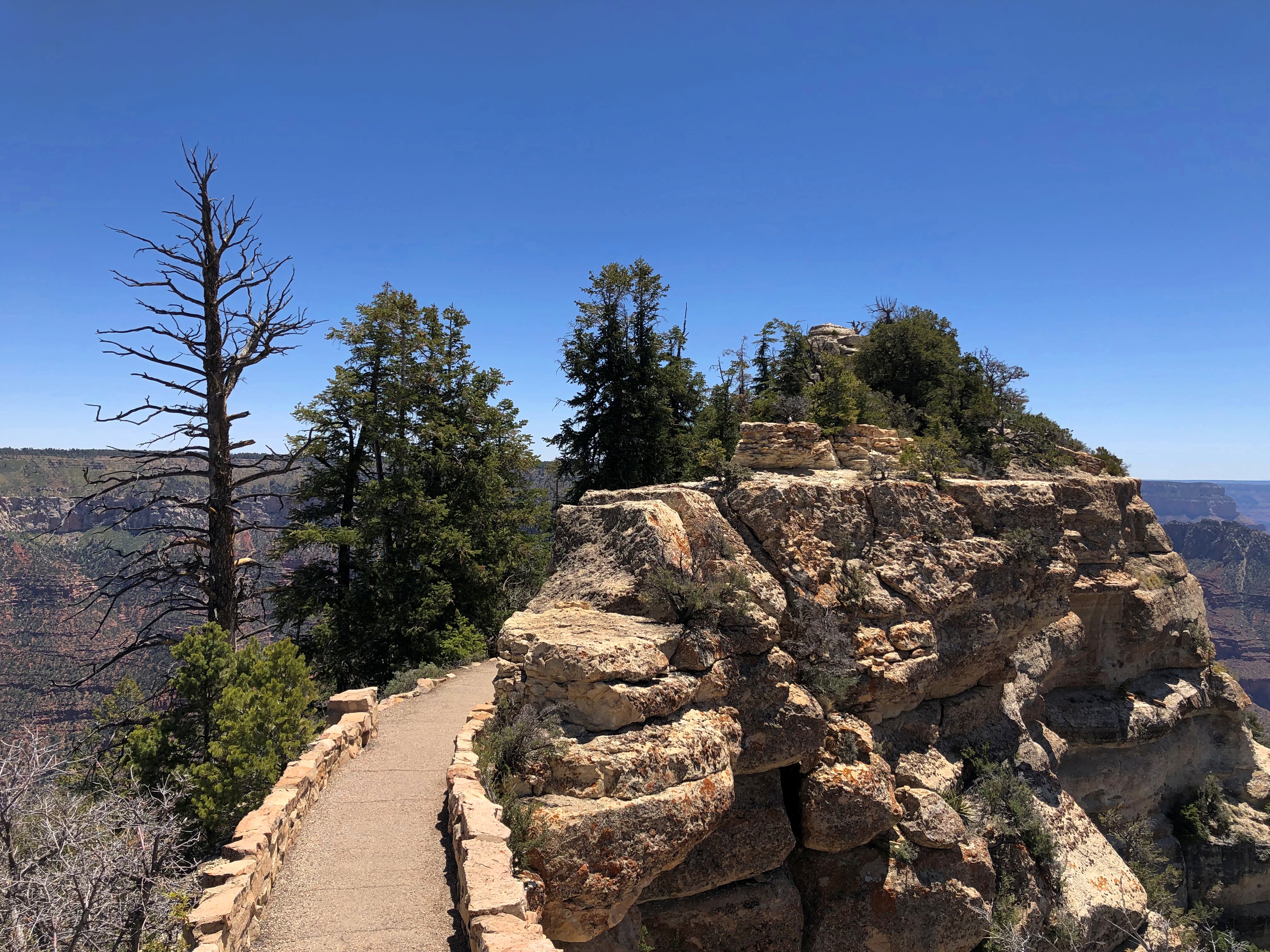
From the lodge, Bright Angel Point is a 10-minute walk along a trail created by — no need to guess very hard — CCC workers. Those lads need to be honored with a bronze on the grounds somewhere, though I might have missed it.Grand Canyon National Park Grand Canyon National Park Bright Angel Point Grand Canyon National Park Bright Angel Point

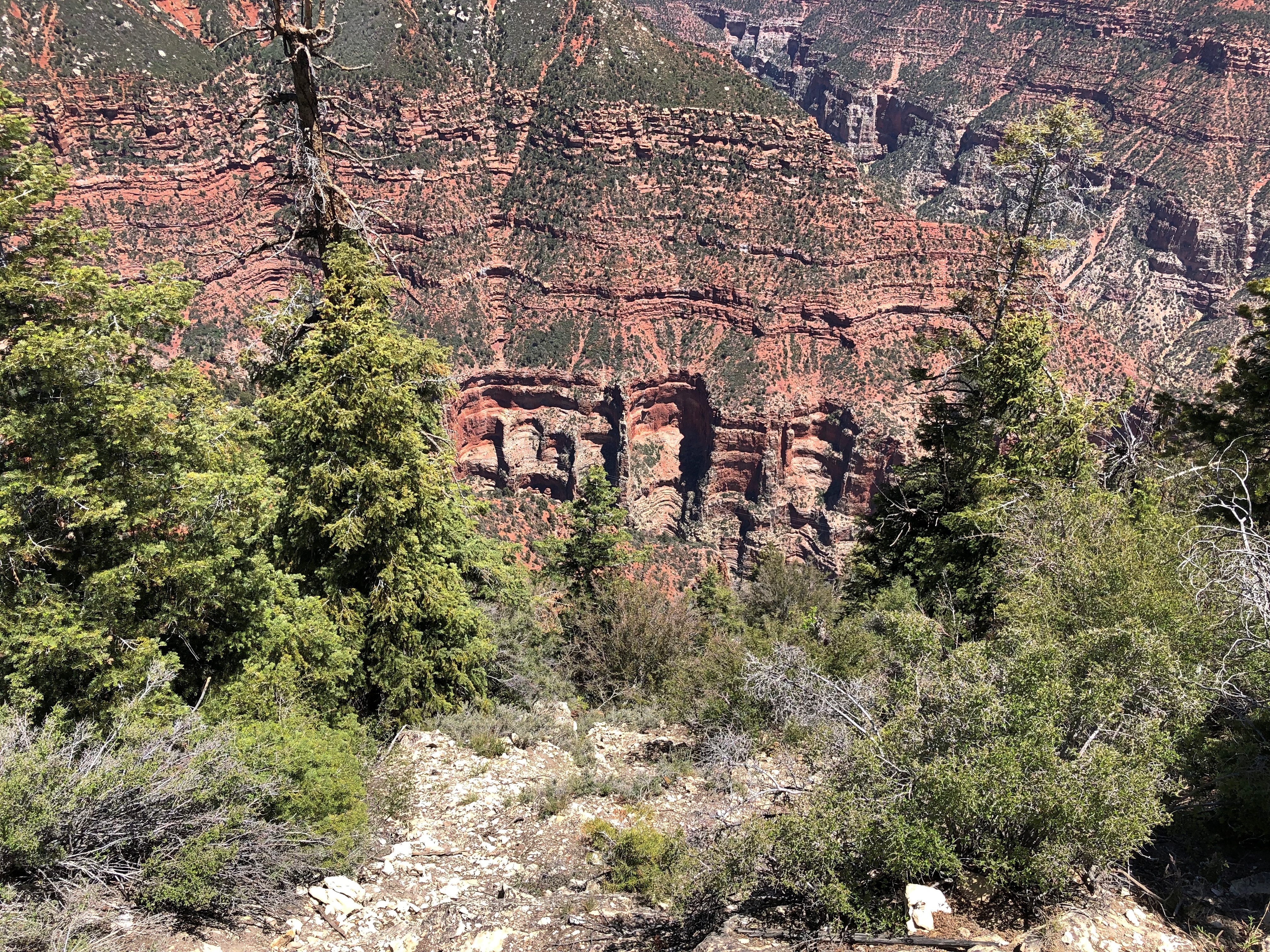
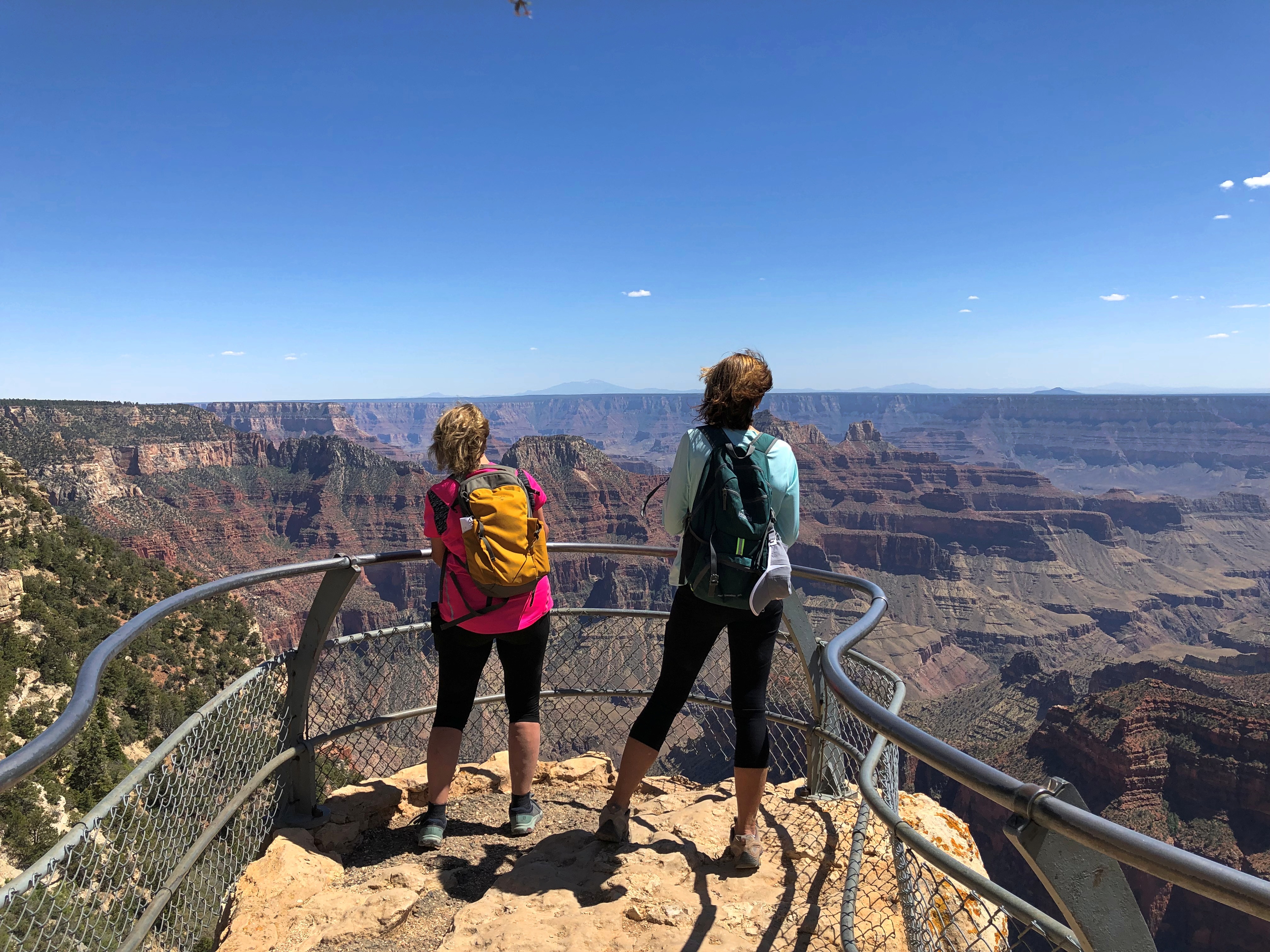
Out at Bright Angel Point. Let’s just say there were impressive views. And an impressive wind whipping by.Grand Canyon National Park Bright Angel Point Grand Canyon National Park Bright Angel Point Grand Canyon National Park Bright Angel Point

We didn’t have the place to ourselves, but sometimes, almost.
Grand Canyon National Park Bright Angel Point

We had lunch in the lodge restaurant, an enormous space with high ceilings, dark woods and towering windows to bring the view of the canyon into room. The food: decent. The view: magnificent.

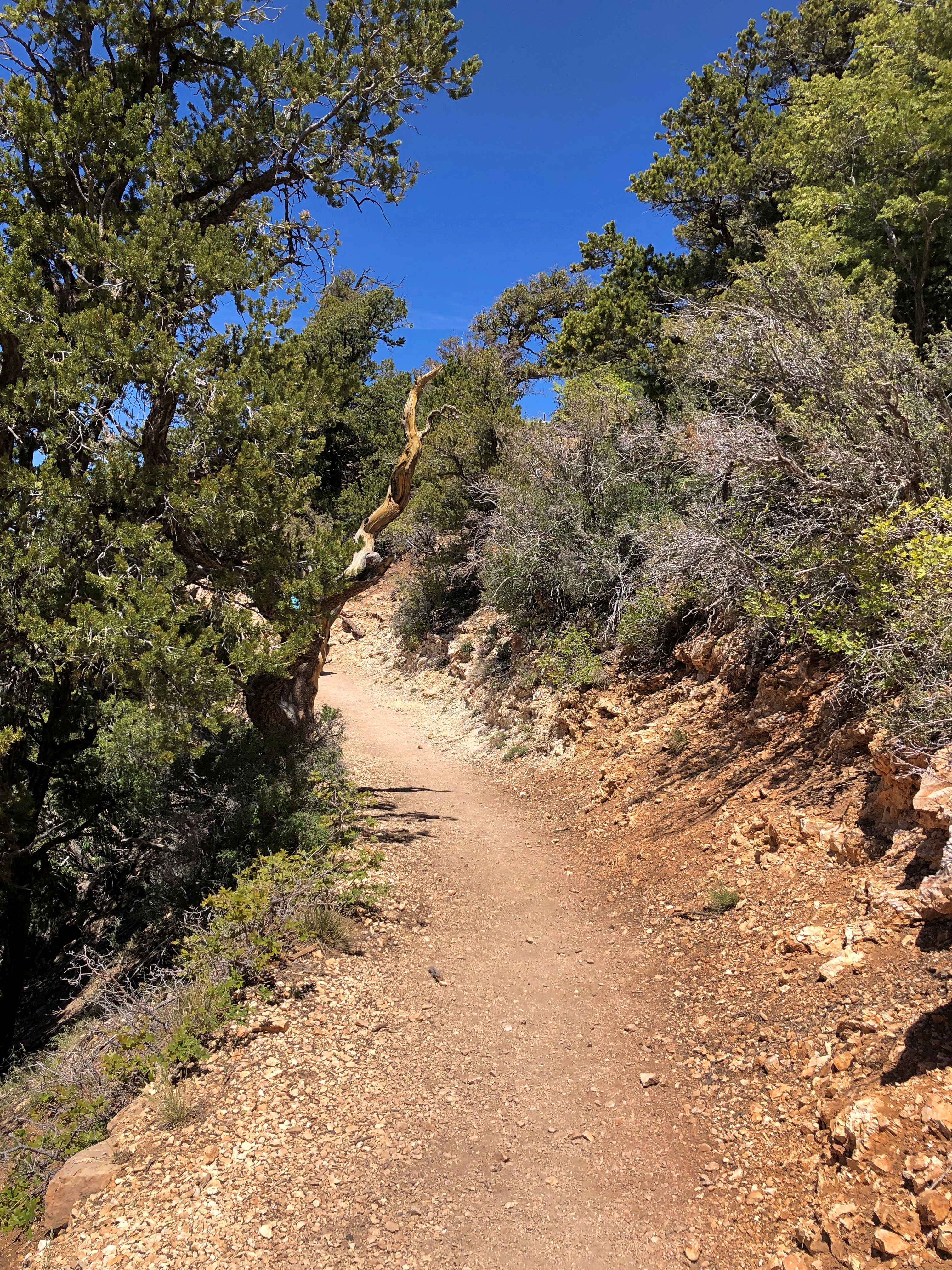
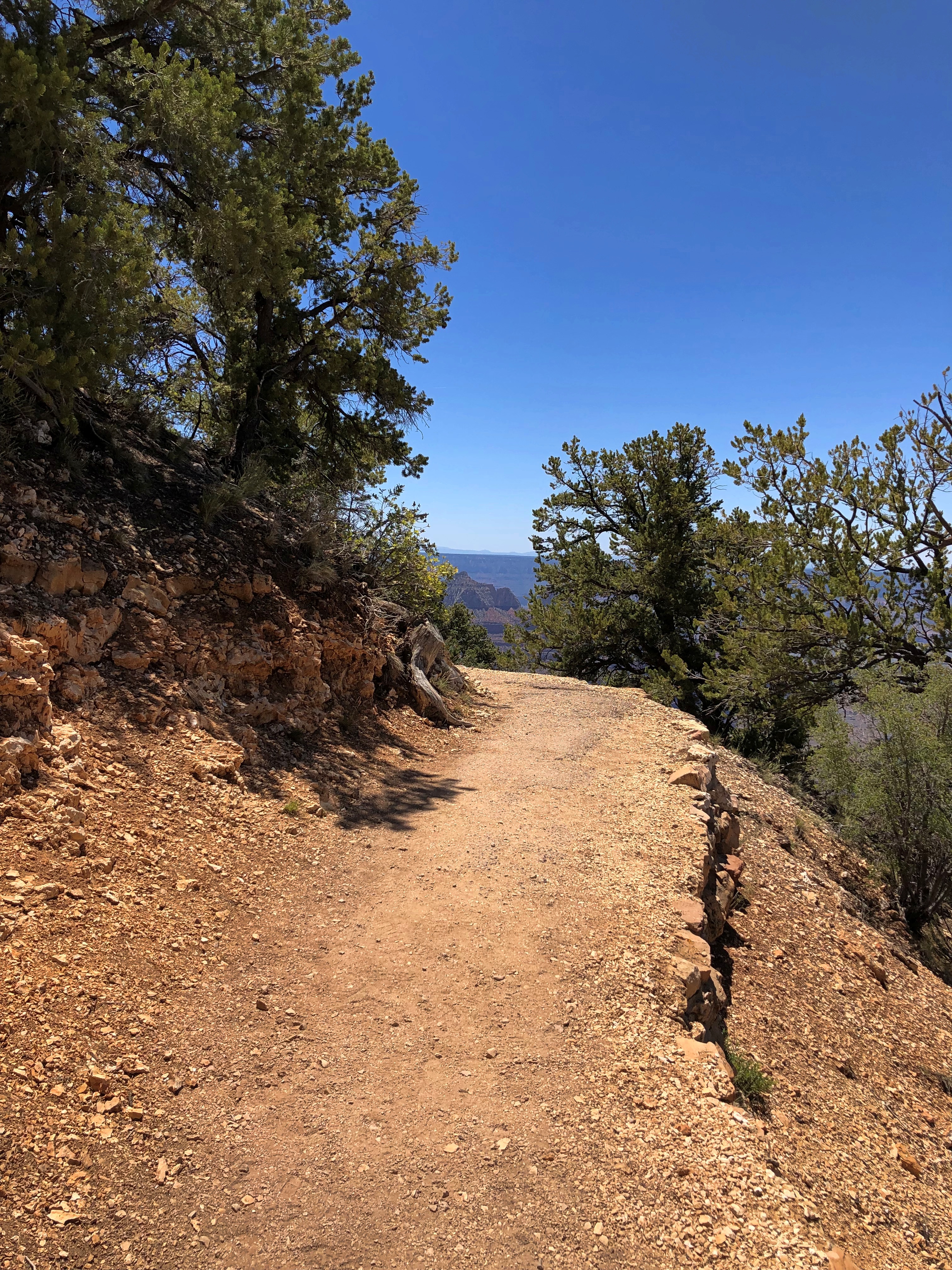
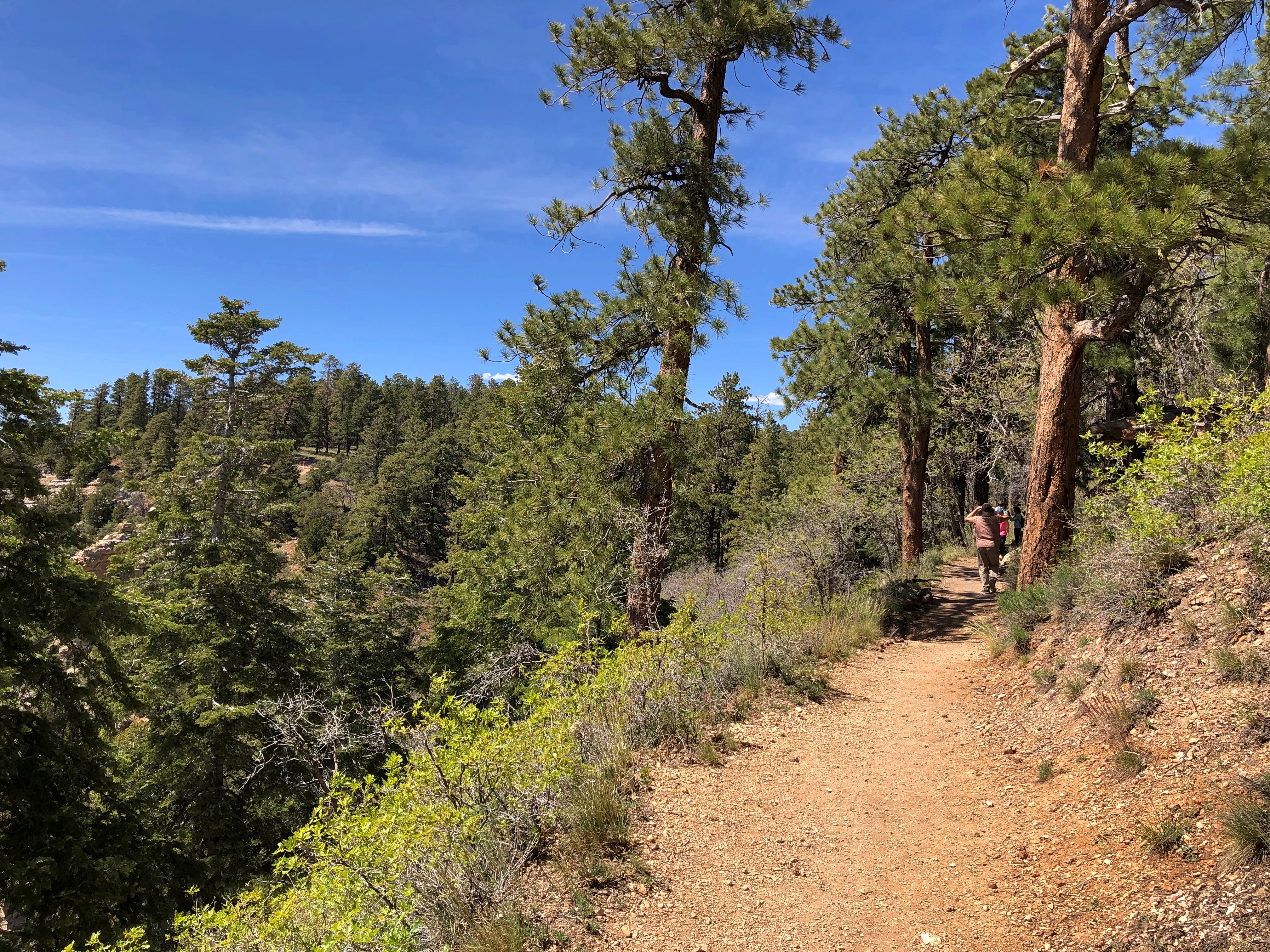
A separate trail leads away from the lodge and heads toward the campgrounds, a few miles away. We walked part of that trail, which generally follows the rim.Grand Canyon National Park North Rim

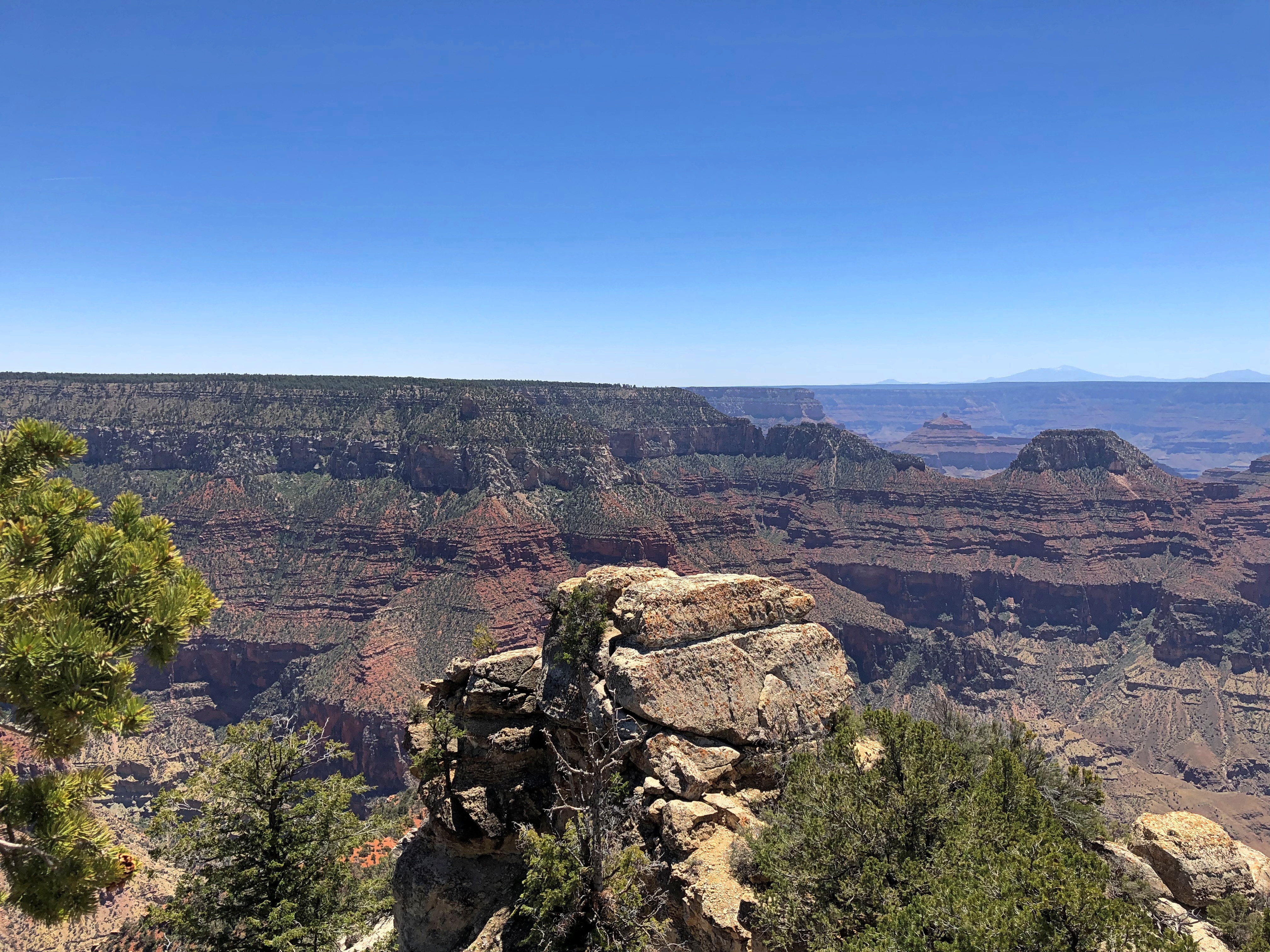
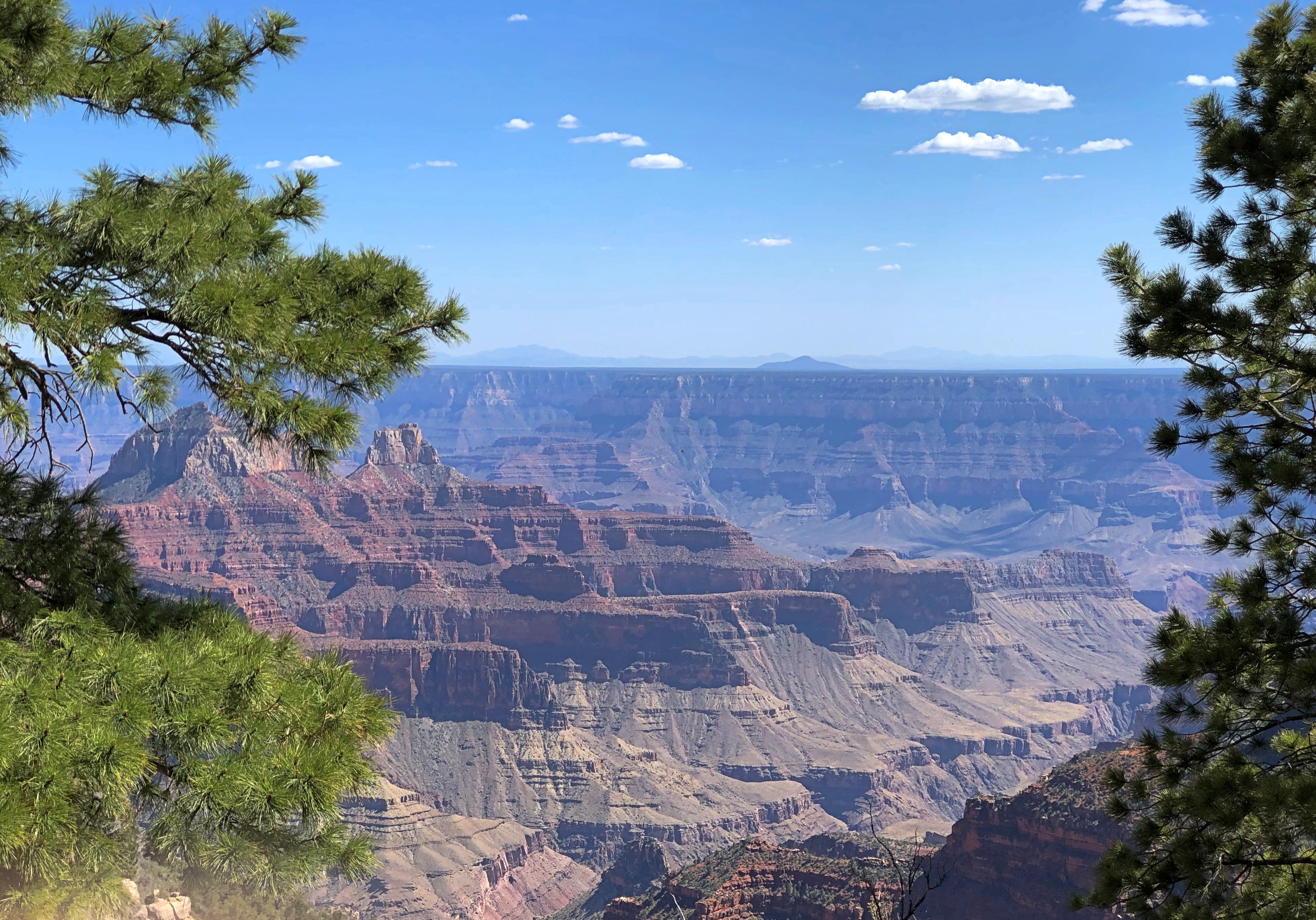
Offering its own views.Grand Canyon National Park North Rim

A return trail cuts through a pine forest, with no notion of the yawning canyon a short distance away.Grand Canyon National Park North Rim Grand Canyon National Park North Rim

Sometimes, we had to go around the trees lying across the trail.Grand Canyon National Park North Rim

There’s a life metaphor in that somewhere, but on the other hand, a walk in the woods is sometimes just a good ramble.