Last Thursday in June Olla Podrida

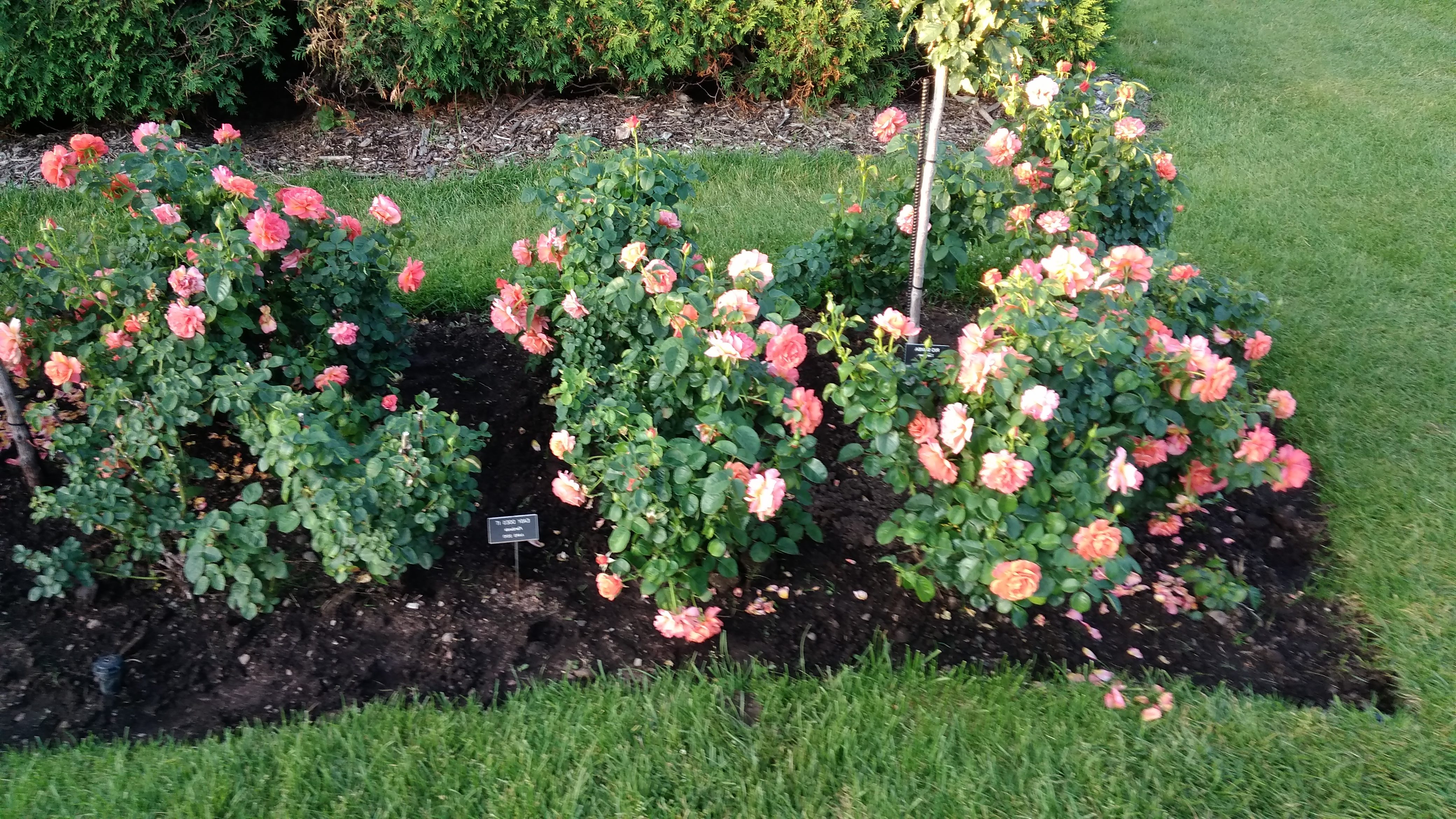
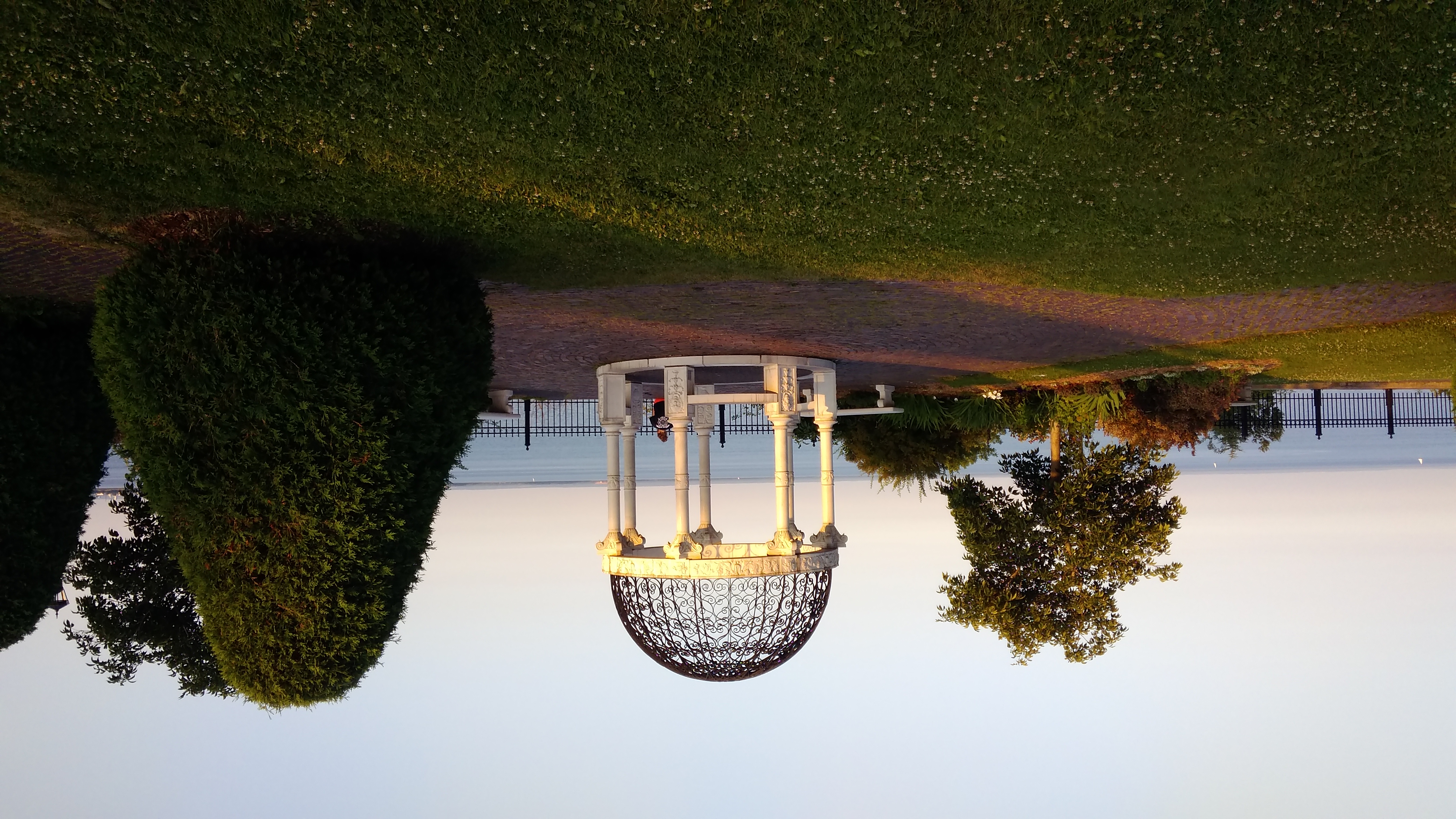
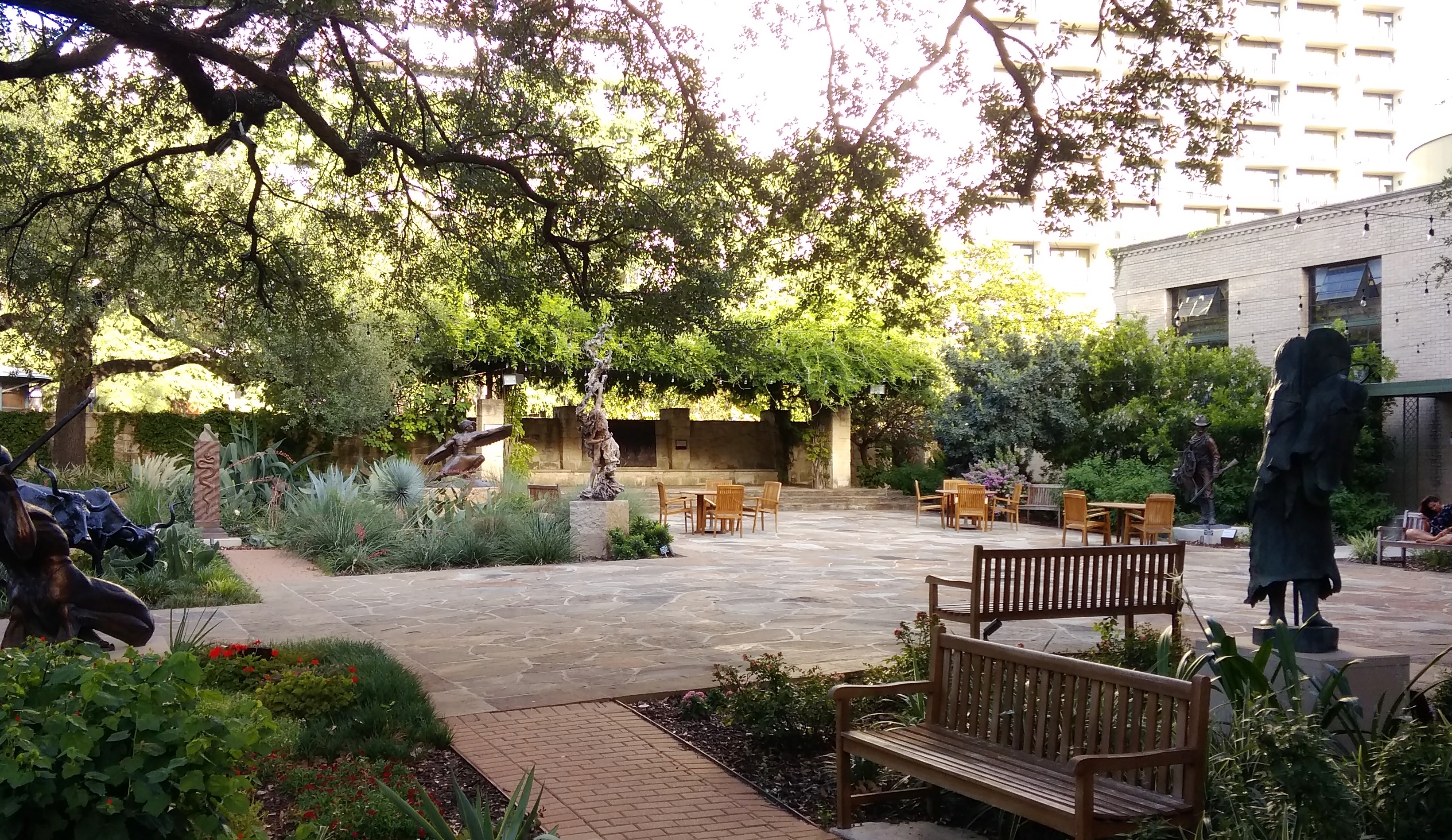
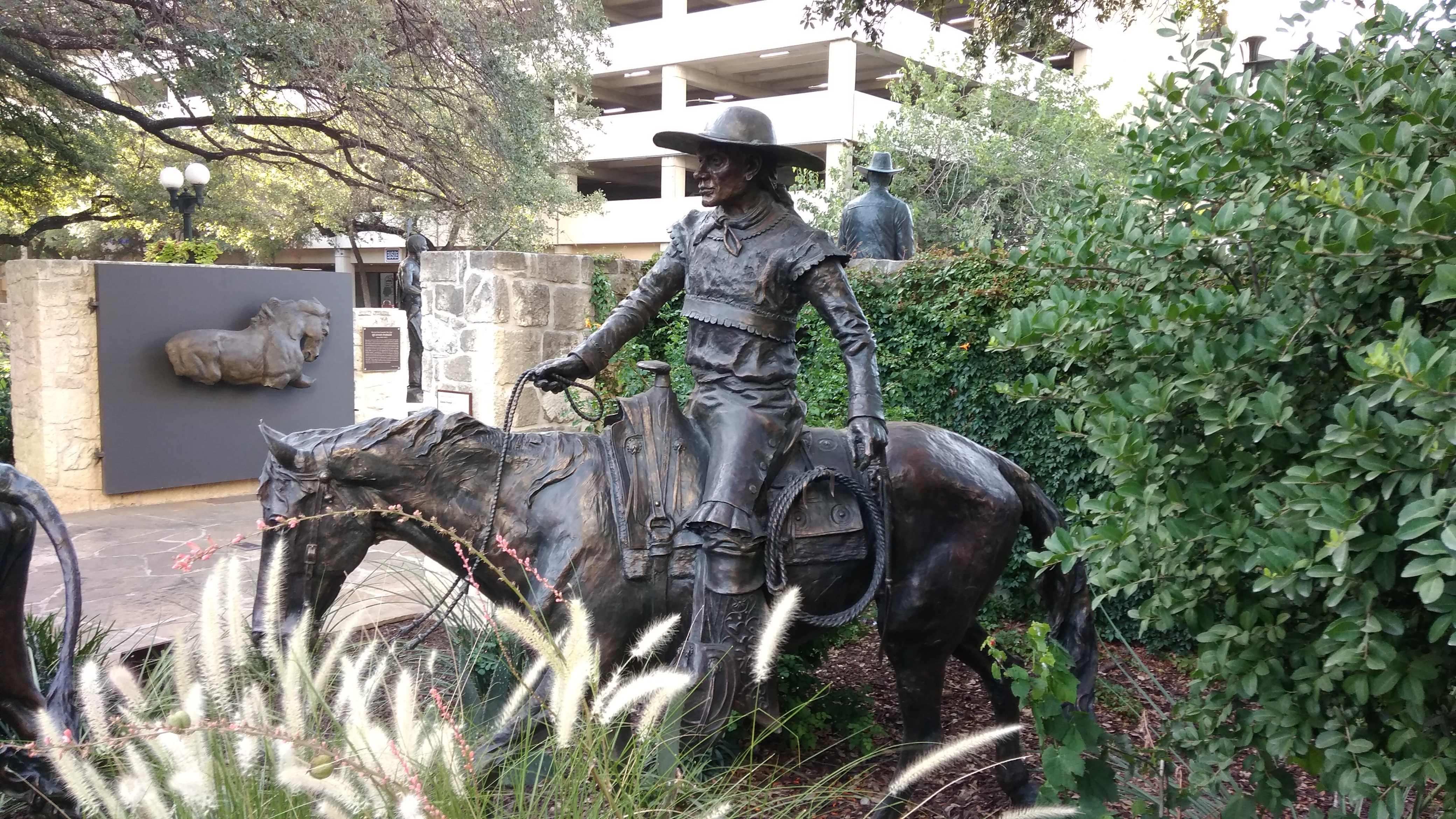
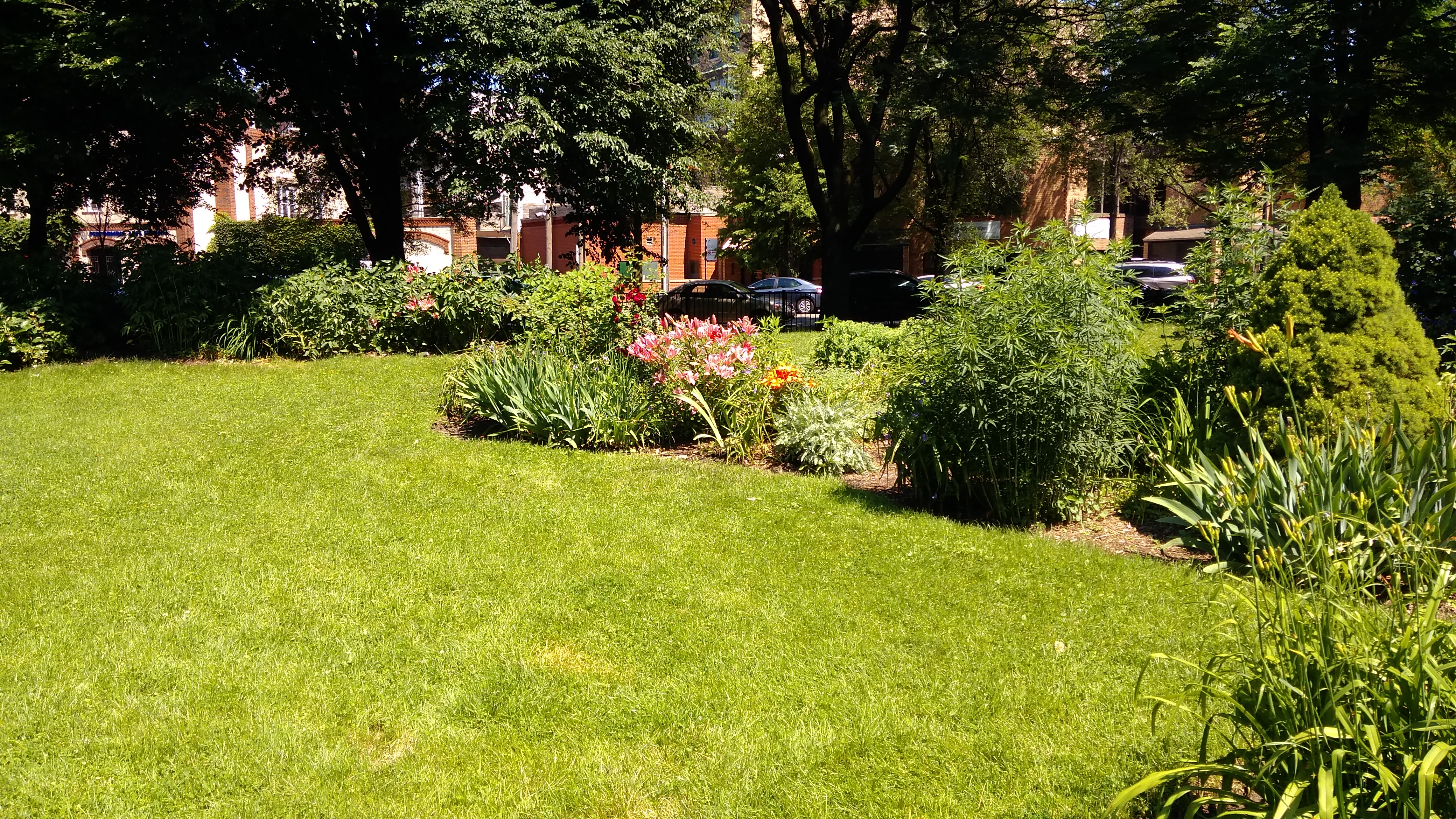
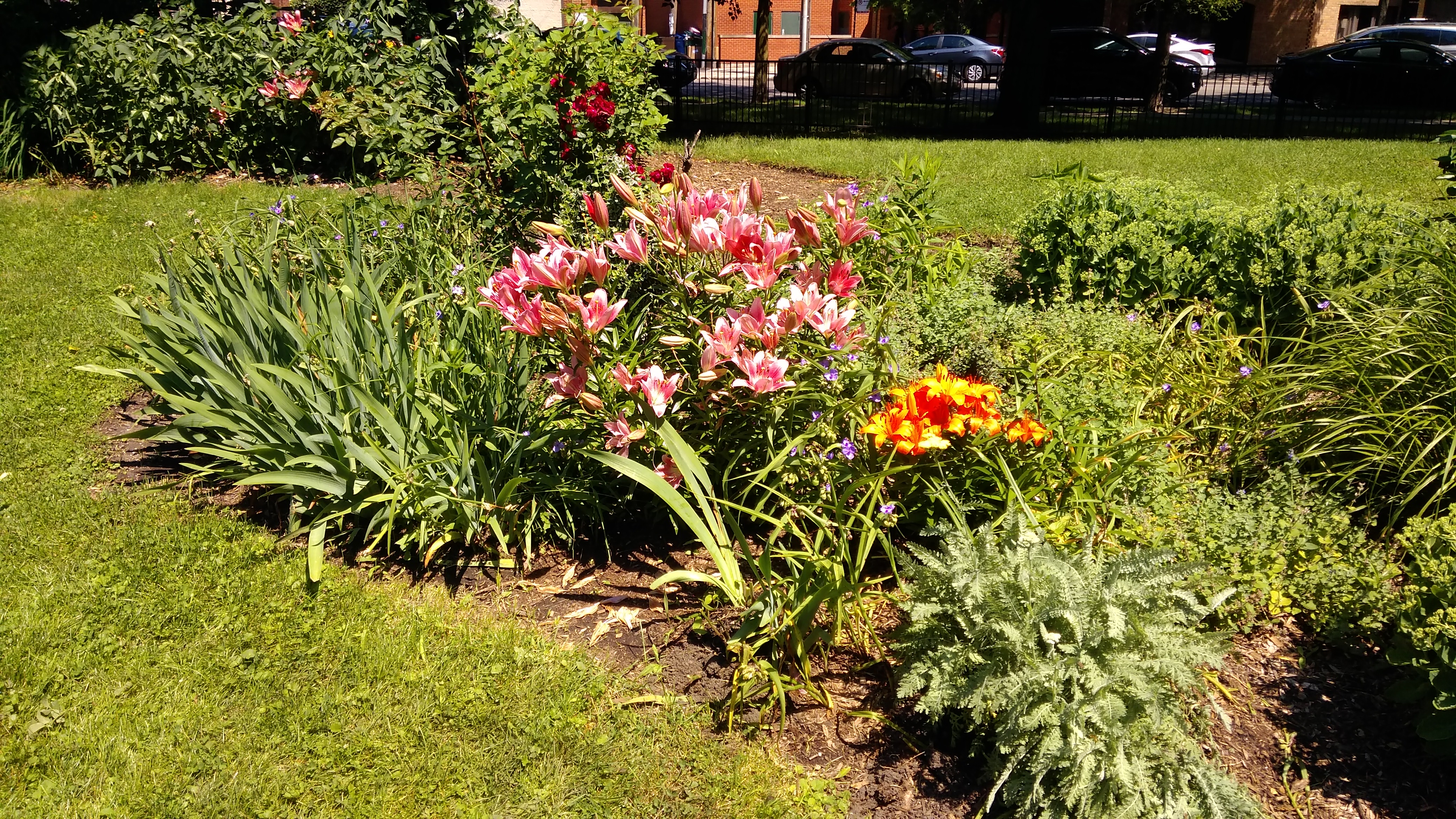
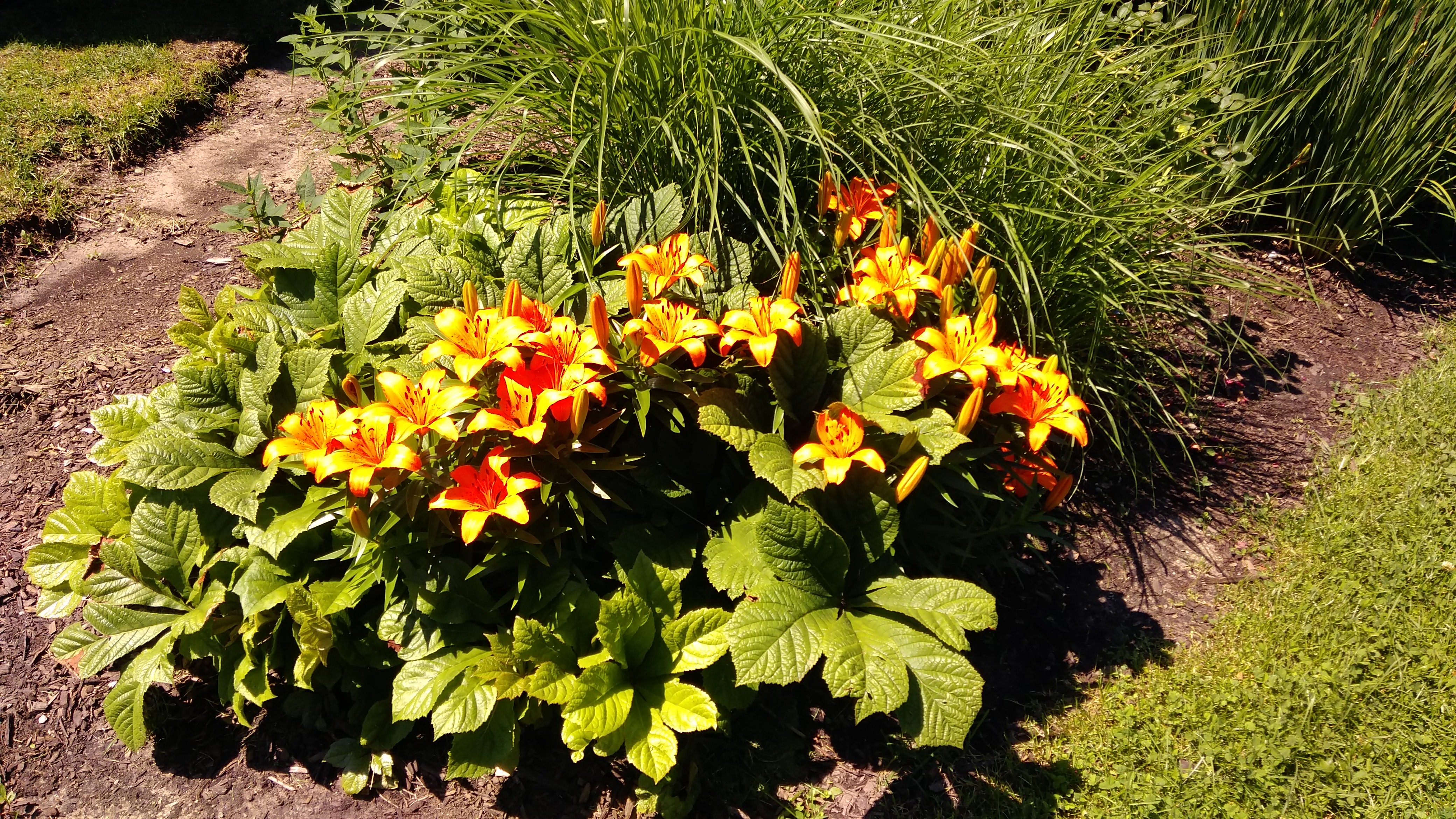
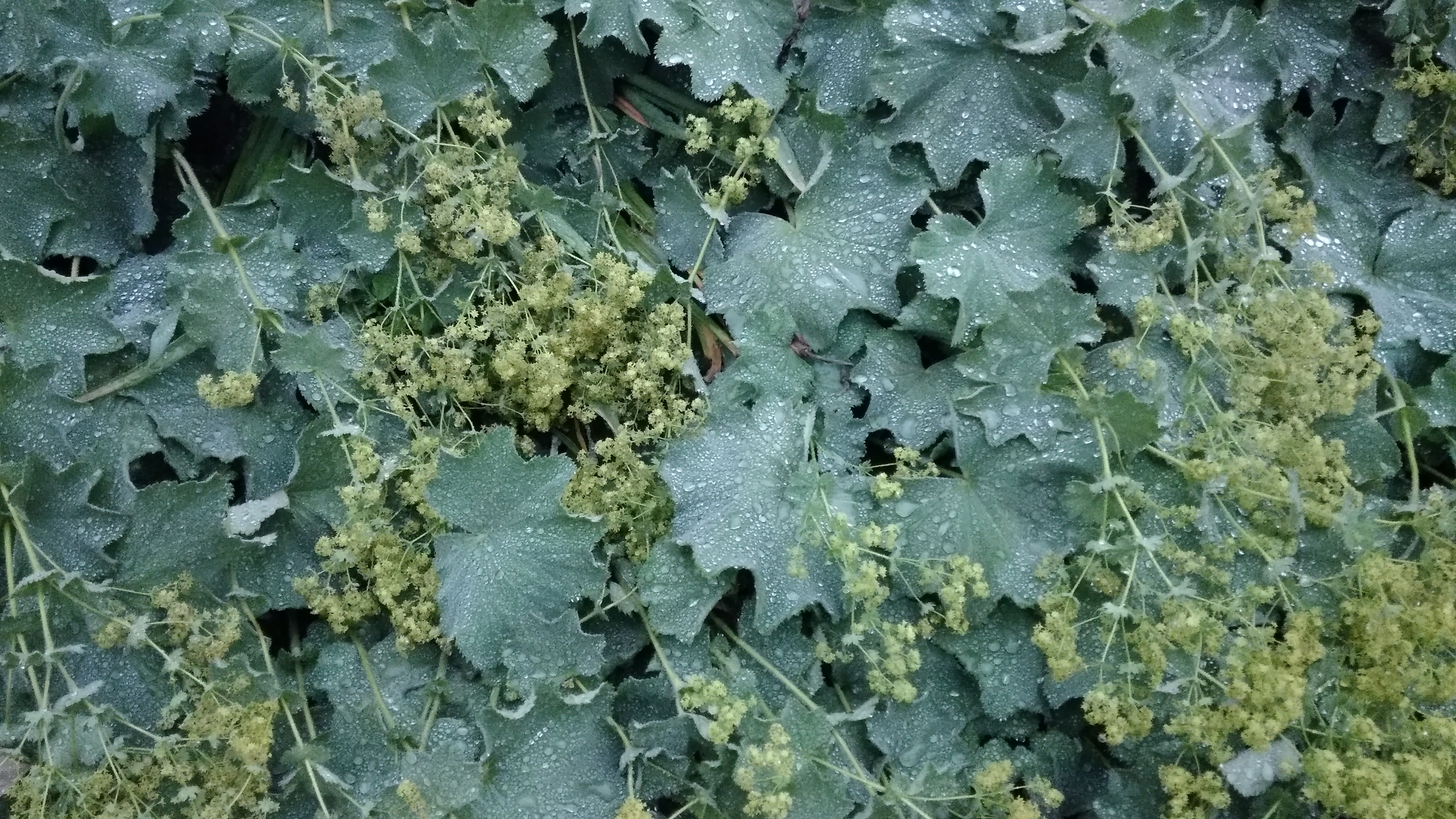
A few days ago, when it was cloudy and cool, I happened to be at the Schaumburg Town Center. The place has an underappreciated garden. Underappreciated by me, anyway.Since then, genuine summer has returned in the form of warmer temps. High 90s are forecast for the weekend. It’s been a rainy summer so far, though.

One detail I forgot to mention about the Lincoln Museum. Ann said she was most amused by learning that in his youth, the president was a talented ax-thrower. I was amused too. They took entertainment where they could get it in the 19th century.

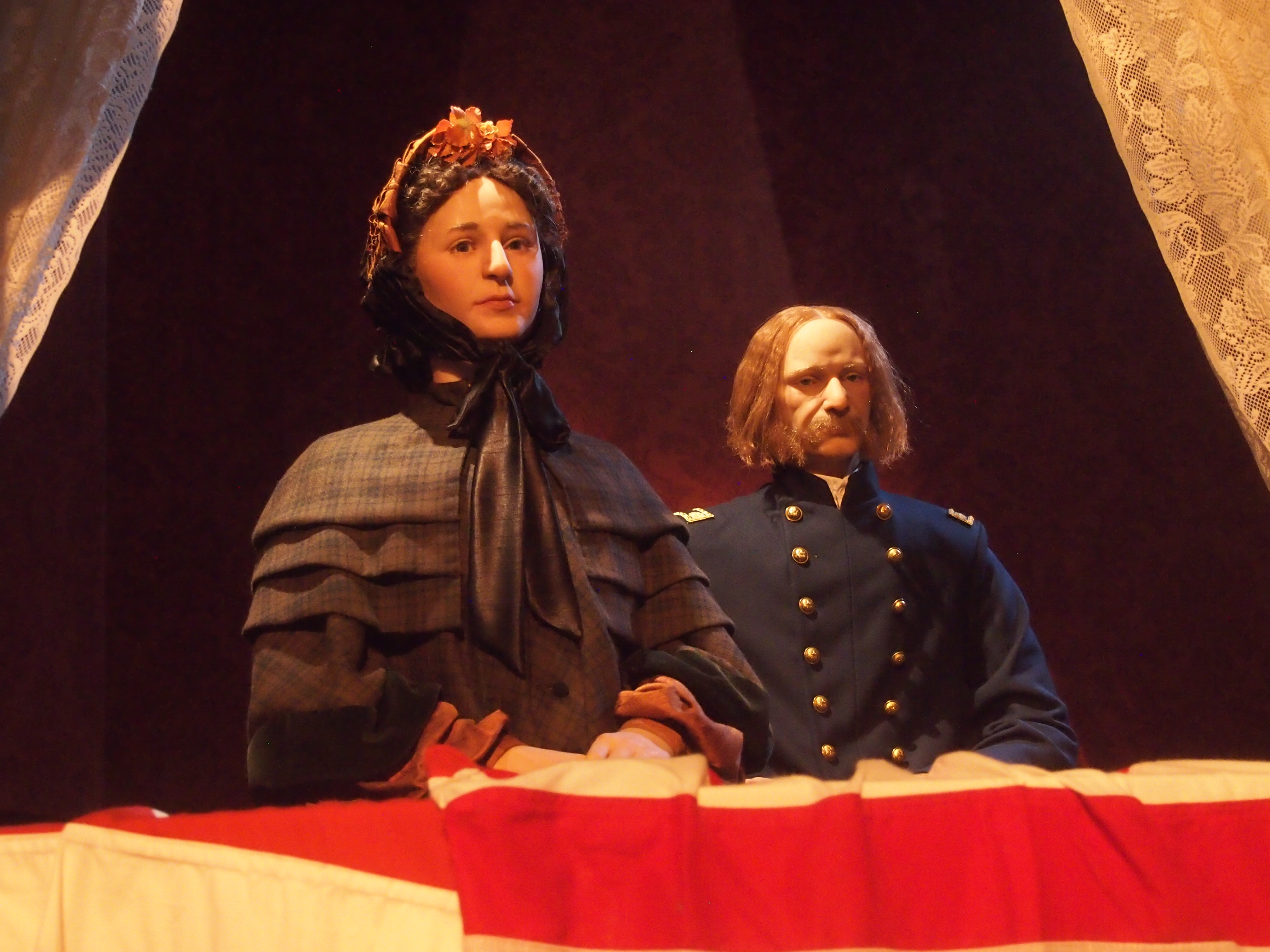
One more picture from the Lincoln Museum. Don’t recognize them? On Jeopardy, the clue would be “Maj. Henry Rathbone and Clara Harris.”

The question: Which couple was in the presidential box with the Lincolns at Ford’s Theatre?

Their story is as sad as that of the Lincolns, or even worse. Rathbone later married Harris, but his mental health deteriorated in the following years, and he eventually murdered her. He died in 1911 in an insane asylum.

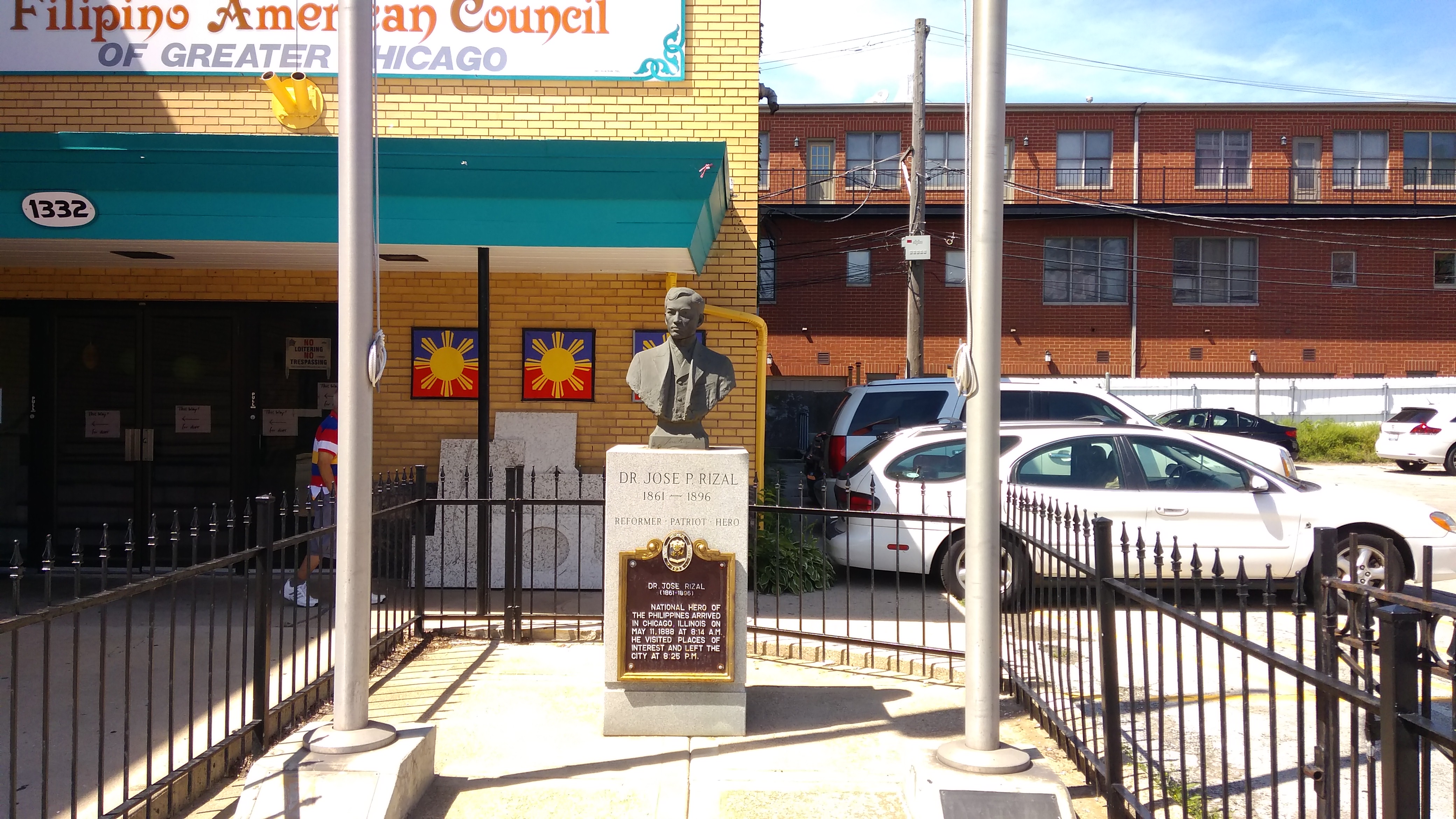
Saw this not long ago in Chicago, on Irving Park Blvd.
A bust of Jose P. Rizal, ophthalmologist and martyred Philippine nationalist. How many ophthalmologists get to be national heroes as well? I can’t think of any others.

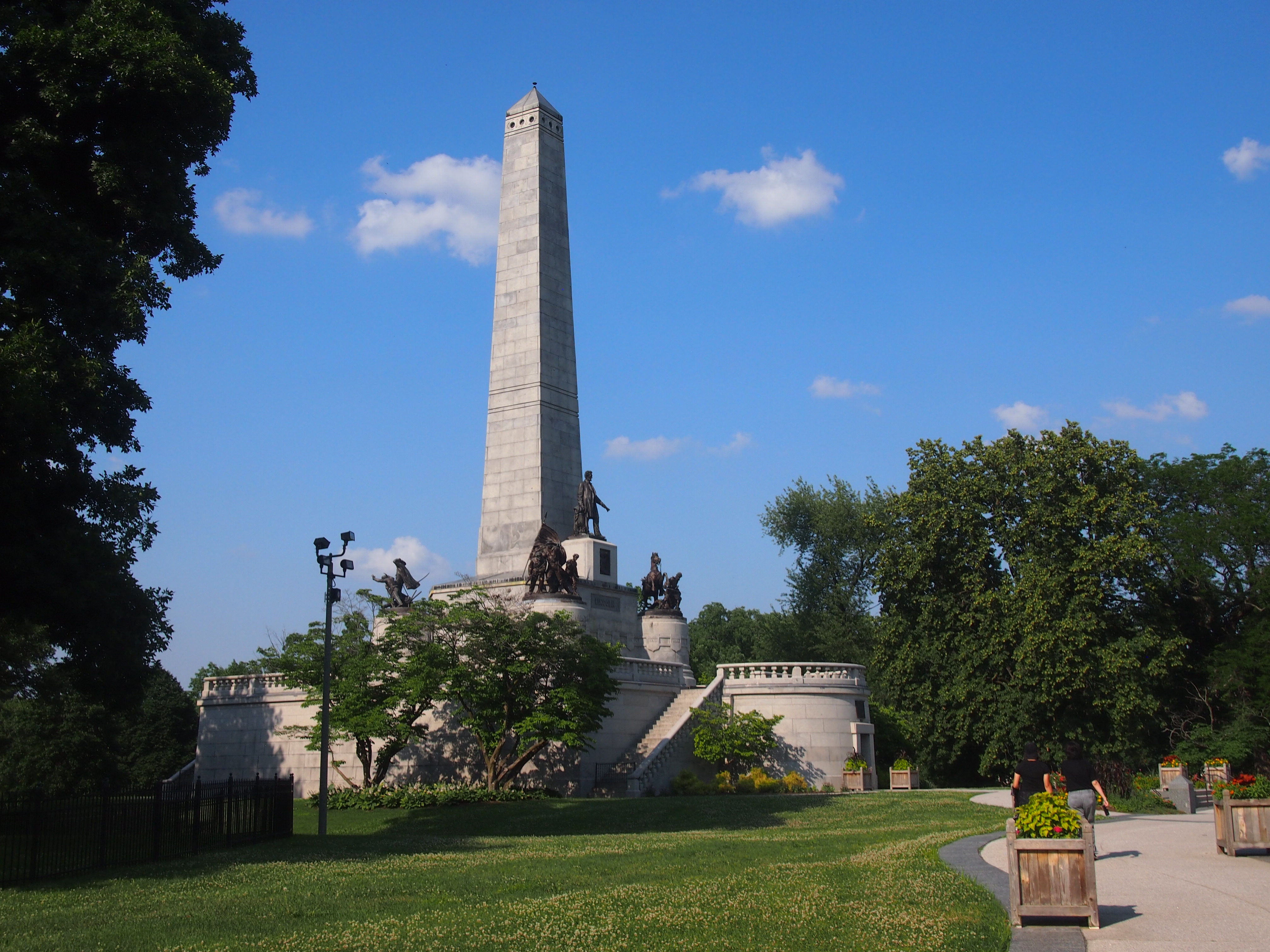
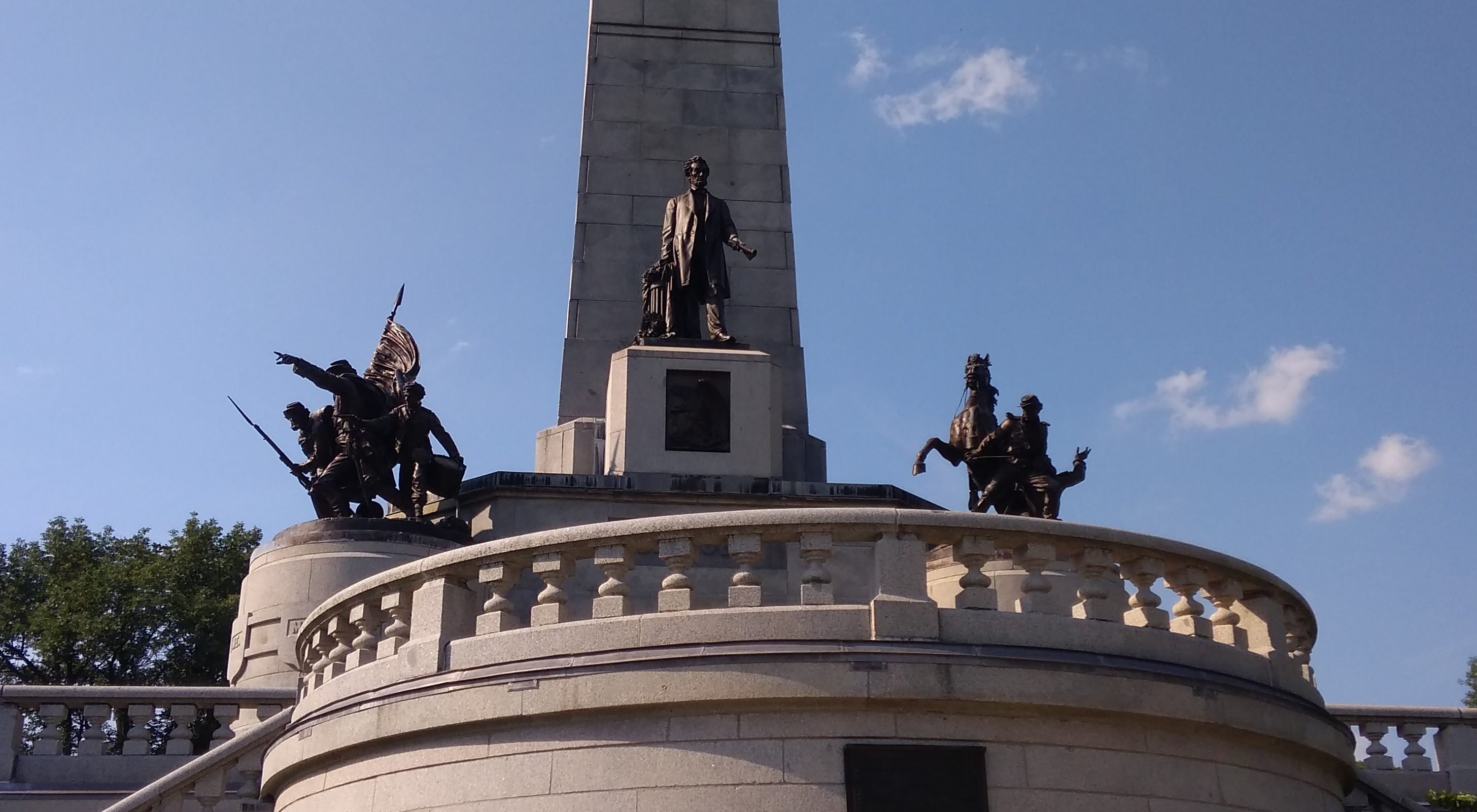
The Lincoln Tomb State Historic Site

We couldn’t very well leave Springfield Saturday before last without visiting Lincoln’s Tomb in Oak Ridge Cemetery, or in full the Lincoln Tomb State Historic Site. It’s one of those places that I’ve visited every decade or so since the 1980s. The last time was in 2010.

We arrived just after the interior closed, at 5 p.m., so we only took a look at the exterior. And only for a little while, since even at that hour, temps were still about 90 degrees F.

The tomb looked precisely the same as all the other times. Timeless, it is, at least in our lifetimes.

Larkin Mead designed the tomb. Ringing the obelisk are bronze groups he did: the Infantry Group, 1874–76; the Naval Group, 1874–77; the Artillery Group, 1882; and the Cavalry Group, 1883. I made point of making a circuit around the tomb to look at them, but since the stairs up to their level were roped off, I didn’t get that close.

We did get close to the Gutzon Borglum’s head of Lincoln.
This time, Ann could reach it herself. I seem to recall lifting her up to touch the nose back in ’10.

The Old Illinois State Capitol, Springfield

Before we revisited the Lincoln Museum in Springfield, we revisited the Old State Capitol. At least I revisited it. I’m not sure whether I’d ever taken Ann, or whether her friend had ever been there at any point. Never mind, it was worth a look.
In the background from that vantage is the larger dome of the modern capitol, on which construction started in 1868. Didn’t visit there this time around.

More formally, the old capitol is the Old State Capitol State Historic Site, a Greek Revival structure that served as the state house from 1839 to 1876, so it was the one Lincoln would have hung around. In fact, as a state legislator, Lincoln was among the legislators who facilitated the movement of the capital from Vandalia, which is further south.

“In the Legislature at Vandalia in the session of 1836-7, Sangamon county was represented by two senators and seven members of the lower house,” says ‘The Story of the Sangamon County Court House,’ a 1901 monograph by H.D. Giger. “They were a singular body of men, all tall and angular and their combined height was exactly 54 feet, they are famous in Illinois history as the ‘Long Nine.’

“The capitol of the State at this time was at Vandalia, having been removed there from Kaskaskia, and as the tide of emigration was moving northward it was conceded that the capitol must be nearer the center of population; although Vandalia and Southern Illinois fought hard against it.

“From the beginning of the session the Long Nine set to work log rolling. They asked for no public improvements; they wanted no railroads, canals, no plank roads, but would help out any member that did want them for his district, if he would vote to remove the capital to Springfield.

“There were many applicants, and on the first ballot Springfield had but 35 out of 121 votes… Poor old Peoria, as usual, brought up the rear and Springfield captured the prize on the fourth ballot.”

Abraham Lincoln Online picks up the story: “The capitol building, designed by architect John Rague, was the third to appear on the square, replacing two previous courthouses.” (Rague also did the old Iowa capitol.)

“The [state] outgrew the building during Lincoln’s presidency, and work on a new statehouse began soon after his death. The present building was dismantled in 1966 and rebuilt, which allowed the inclusion of an underground public parking lot and space for offices. The original stone exterior was stored and rebuilt, but the interior was completely reconstructed.”

It’s a well-done reconstruction.

The exhibits include a statue of the Little Giant.
While we were there, a group of historic re-enactors in 19th-century costumes happened to be in the recreated House chamber.
They gave a lively 20-minute or so performance, recalling the lives of black Illinois citizens of the Civil War era.

Chagall’s Four Seasons

Lunch break was long enough on Friday for me to wander over to what’s now known as Chase Tower Plaza, only a few blocks from Daley Plaza in downtown Chicago, and take another look at Marc Chagall’s Four Seasons.

That’s actually a picture I took a few years ago. But the light was about the same, and the mosaic isn’t any different. Some details.
It’s a fine work, though not one of his more famous ones. It’s also late Chagall, since he completed it in 1974. A canopy was added 20 years later, and renovations were done, because by the early 1990s, the Chicago elements had taken a toll.

The Daley Plaza Food Truck Array

On Friday, the court gave us a generous hour and a half for lunch, so I had time to look around the collection of food trucks in downtown Chicago’s Daley Plaza, some of them ‘neath the Chicago Picasso.

The array of trucks was broad. Maybe 15 in all, though I didn’t count.

The one I eventually picked. Had a grilled cheese sandwich a cut above most diners, say, but still a little expensive, I thought.

Jury duty was over late in the afternoon.

It was as if the trucks had never been there.

Allerton Park Statues

Below is an example, which I chanced across recently, of something you stop reading after only a moment. Full stop, no need to go on, or ever to think about the subject again.

Ever wonder what Daphne and Velma were up to before they met Scooby-Doo and the rest of the Mystery, Inc. gang? A new live-action…

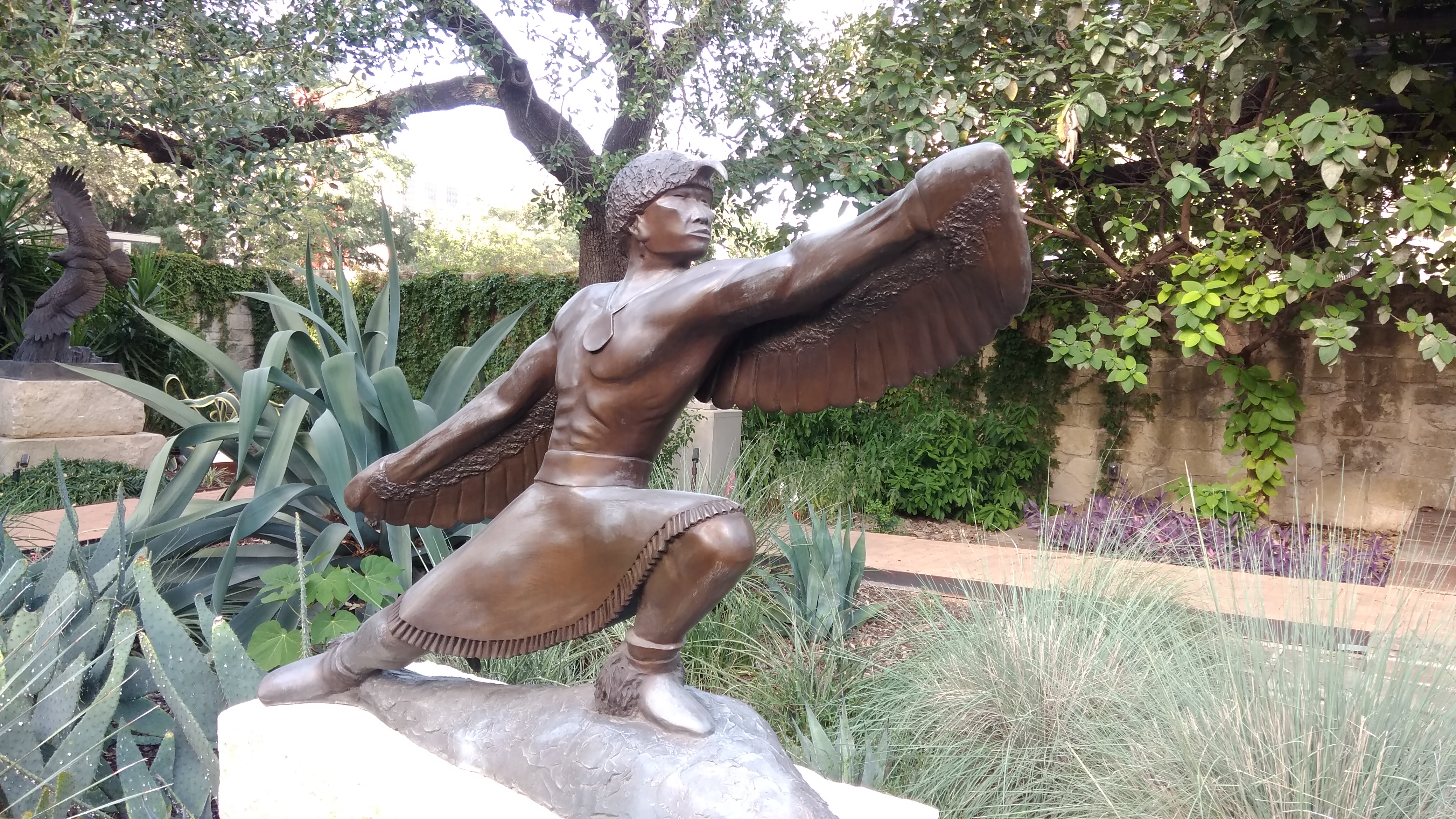
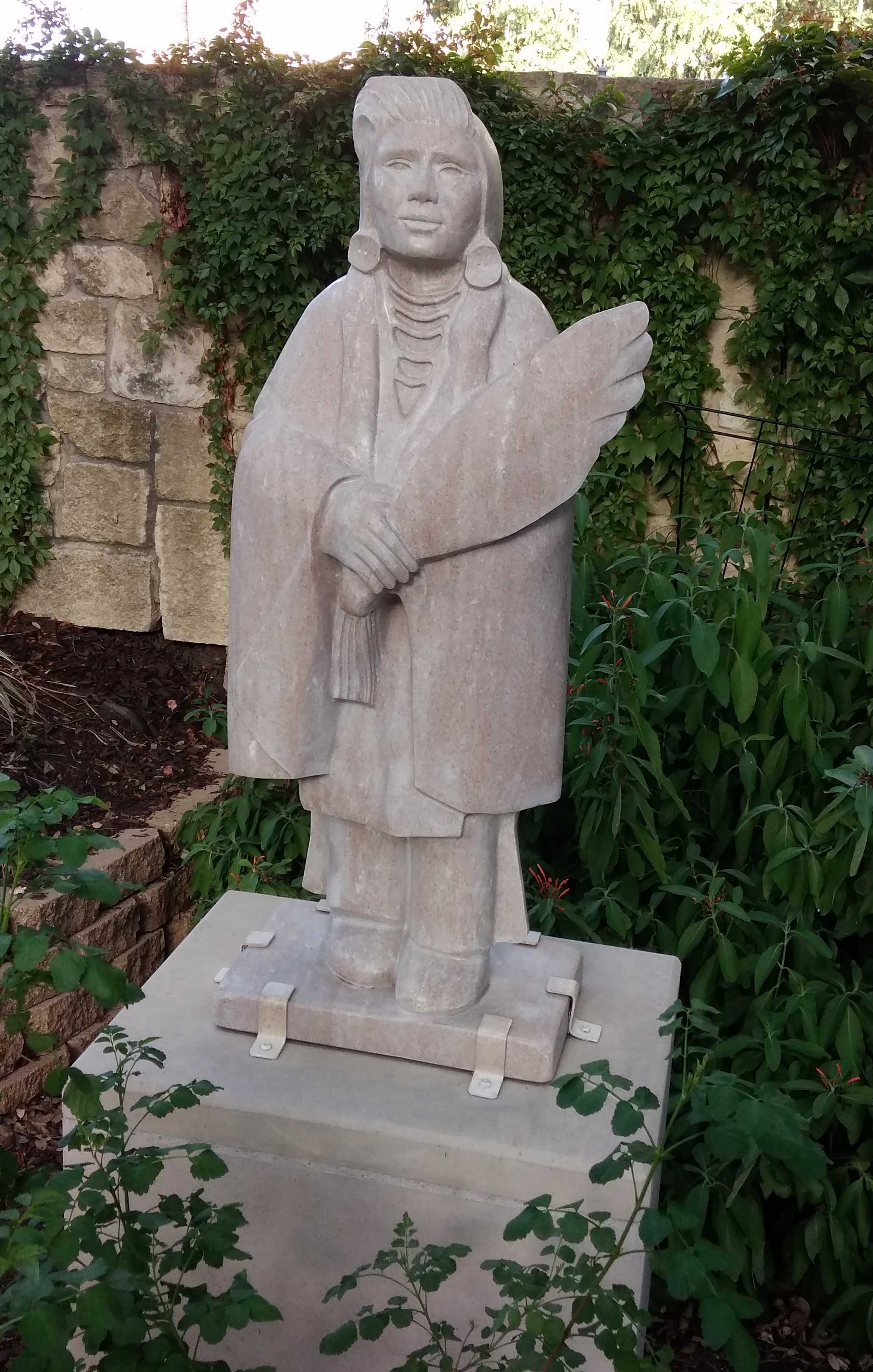
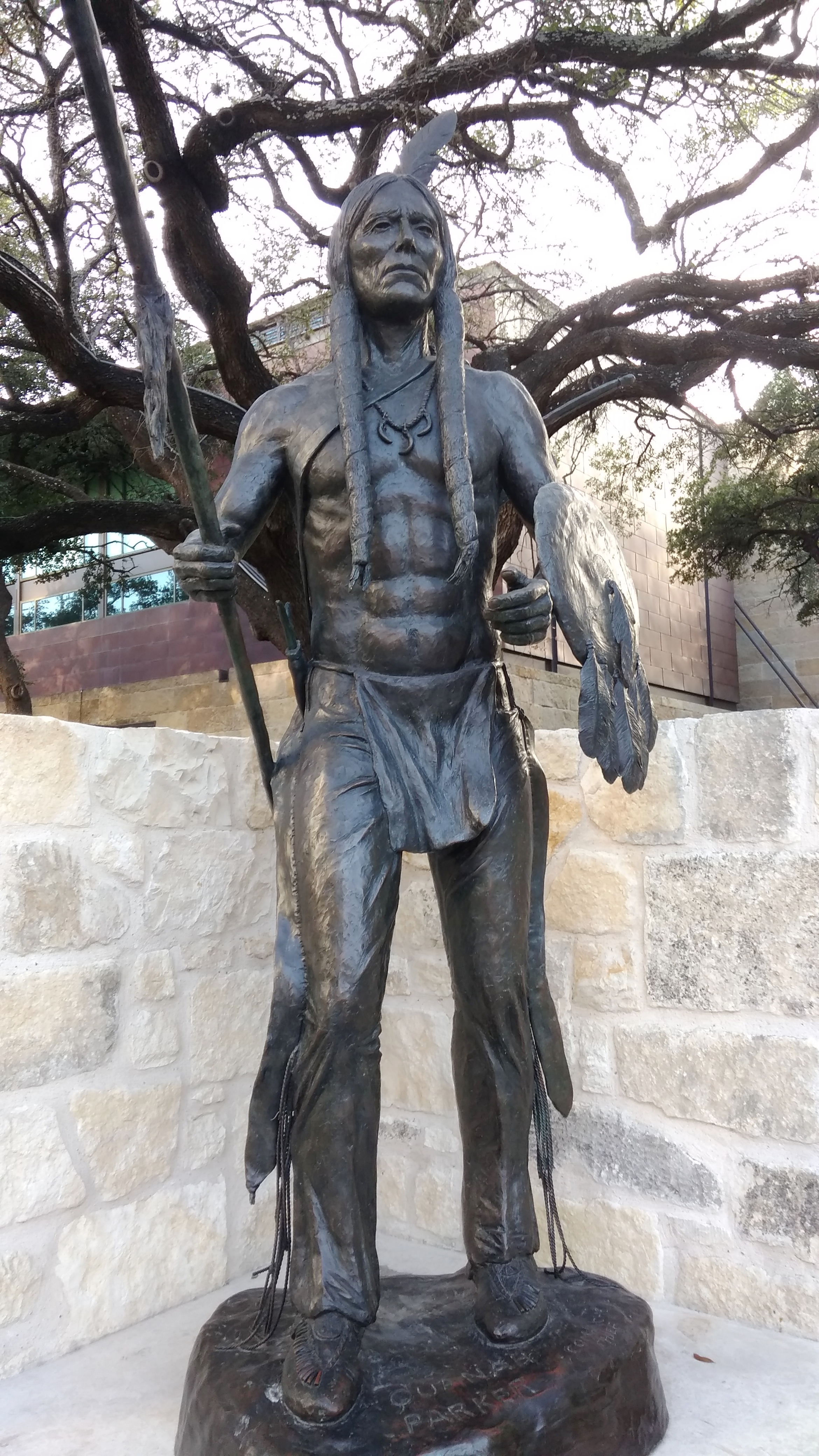
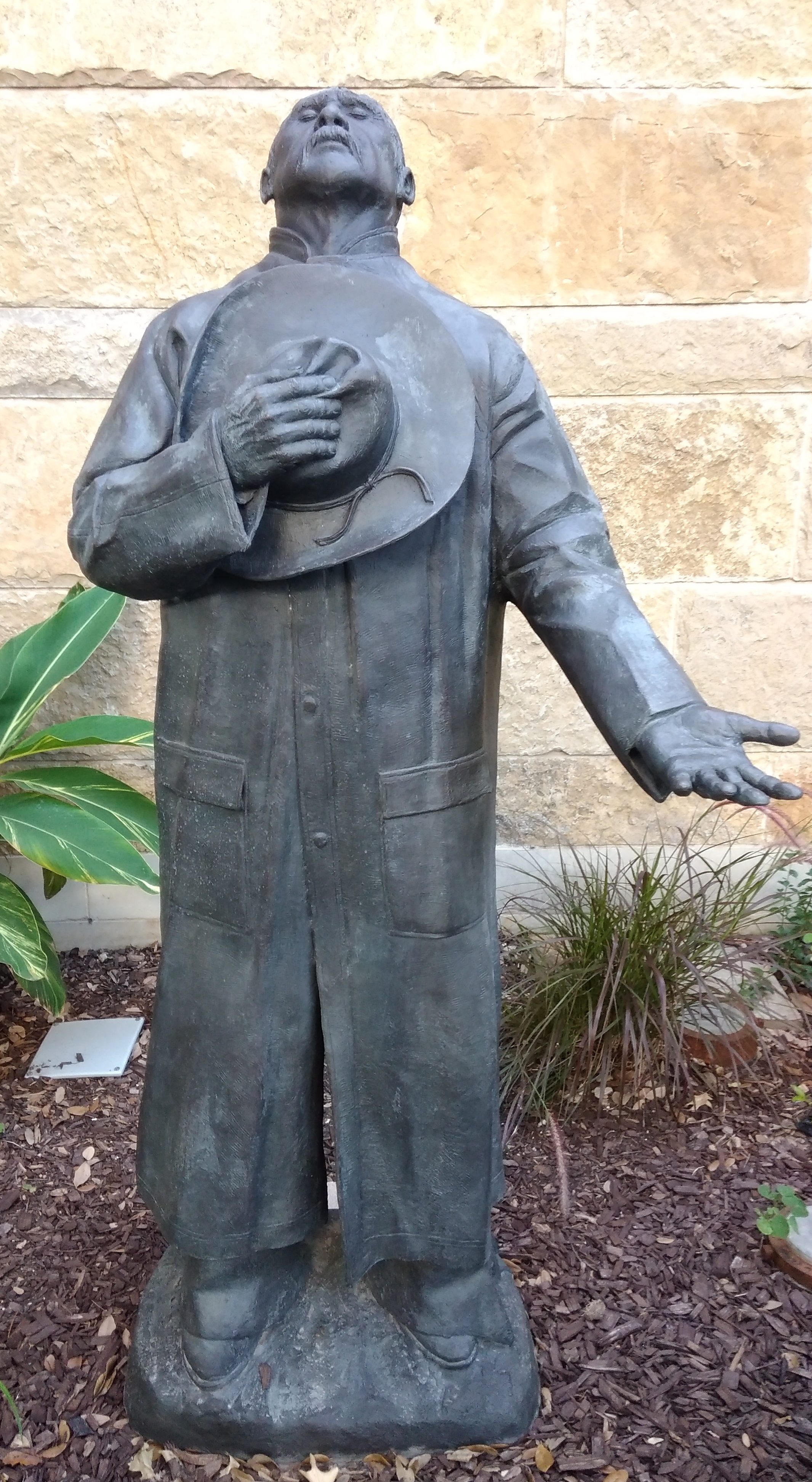
Besides gardens, the Robert Allerton Park & Retreat Center features a number of sculptures. About 100 these days, I’ve read. Robert Allerton collected them, and when he owned the property, there were many more.

Still on display in the Walled Garden is “Girl With a Scarf,” by Lili Auer.

Near the Allerton manse are a number of works, such as this sphinx-like limestone piece, one of two near each other, created by John Joseph Borie III, the architect who designed the house.

It doesn’t count as sculpture, but nearby is a koi pond.

A little further from the house is this figure, about which I have no information.
Out on a tall pedestal between the Bulb Garden and the Peony Garden is a copy of Auguste Rodin’s “Adam.”
Further along is a place called the Avenue of the Chinese Musicians. It is an odd place.

Allerton bought the statues in England long ago.
Given the size of Allerton Park, there are plenty of other places and artworks scattered around that we didn’t get to, some with evocative names, such as Fu Dog Garden, House of the Golden Buddhas, the Sun Singer and the Death of the Last Centaur. Maybe next time.

Wat Phra Kaew

Today I looked up the etymology of wat, the sort of Buddhist temple you find in Thailand. Here’s the brief word origin offered by Merriam-Webster online: Siamese, from Sanskrit vāṭa, enclosed ground.

Makes sense. We visited a number of wats in Thailand, especially in Bangkok, where large ones are thick on the ground. Wat Phra Kaew, home of the Emerald Buddha, holds the prime place of honor among the Thais. We visited the complex, which is part of the larger Grand Palace, on May 26, 1994.

Some features stood out right away. This is the Phra Si Ratana Chedi at the wat.

Bangkokforvistors says: “The chedi essentially balances the structures on the upper terrace, but it also recalls the monumental pagodas of the old capital in Ayutthaya… The chedi houses a piece of the Buddha’s breastbone.”

The Chapel of the Emerald Buddha is in the background here.
I made no image of the Emerald Buddha, since I believe that wasn’t permitted. Tourists were allowed in to see the statue, which isn’t sizable, but is definitely elegant, and with an aura of history about it.

The Phra Mondop, or the library, which is not open to casual visitors.

The Wiharn Yod, a prayer hall.

“The wiharn is unique in its Greek cross plan and its Chinese porcelain decoration,” Bangkokforvistors says.

The following are other images I can’t quite pinpoint, but which were in the enclosed ground of Wat Phra Kaew.

Thinking back on it, I have an overall impression of heat and gilding and mirror tiles and heat and intricate but unfamiliar iconography and heat. The time to have gone might have been when the wat opened first thing in the morning, but we weren’t always as energetic as necessary for early-morning tourism in the tropics. Yet sometimes we were.

Curious about more recent tourist experiences at Wat Phra Kaew, I took a look at Trip Advisor. Most visitors rate it highly, which is fitting. But the low-raters point to changes since we were there.

For one thing, it’s now 500 baht to get in. About $15.50 these days. I’m certain we didn’t pay anything close to that much, making it an example of gouging tourists at supposed must-see places.

Also, tourism within Asia has changed somewhat since the 1990s, if Guimo68 from Miami is to be believed. That is, the Chinese are showing up in force (all sic): “Filled with chinese tourists trying to cut in front of you. I had fun trying to cut in front of them, so 2 stars… The whole experience is like trying to see the mona lisa. Too many rude and loud Chinese.”

Then again, there’s no pleasing some people, such as SophieLoveOz of Ellenborough, Australia (all sic): “I was so excited about the Emerald Buddha but was really disappointed as it is teeny tiny and way up high on a high stupa so can’t see it. It is Jade not Emerald, according to our guide. So many beautiful Golden Buddhas elsewhere.”

Trans-Pecos & Llano Estacado 3,600+ Mile Drive Tidbits

Along U.S. 90, not far west of the town of Comstock, Texas, the road crosses the Pecos River. The east end of the bridge has a place to stop and take in the view. This is looking upriver.

Downriver, toward the Pecos’ meeting with the Rio Grande.

Hard to believe there’s that much water in West Texas. Anyway, the river (of course) marks the beginning of the Trans-Pecos.

One of the grand hospitality properties of the Trans-Pecos is the Gage Hotel in Marathon, originally developed in 1927 by West Texas cattle baron Alfred Gage (born in Vermont), and designed by El Paso architect Henry Trost. Fifty years later, Houston businessman J.P. Bryan bought the rundown property and made it into a modern boutique hotel.

I didn’t stay at the Gage, though I had a good meal there and used its wifi. Instead, I stayed at the Marathon Motel & RV Park down the road. It has all the charms of a tourist court — separate cabin-like buildings of two or four units, even a bottle opener fixed to the wall — at a more modest price than the Gage.

There is an astronomy enthusiast at the Marathon Motel in the evenings, Bob, who sets up a couple of sophisticated telescopes a short walk outside the property and shows guests the night sky, which is pretty dark out in Marathon. I spent about an hour talking with Bob and looking his scopes the first night I was there.

Trouble was, the Moon was waxing gibbous, which made the sky a lot less dark. But we looked at some easy-to-find brighter objects, such as Jupiter and some of the Galilean moons, as well as Mizar and Alcor, and tried to spot the Orion Nebula. Orion was trending toward the horizon, about to bid adieu for the warm months.

Bob said the sky would be dark again a few hours before dawn, but I didn’t get up at that time until the last morning I was at the motel. At about 5 that morning, I woke (for the usual reason), but also got dressed and wandered outside for a few minutes. Bob was right. The Moon was gone, and there was what I wanted to see, no telescope necessary — the wispy, luminous edge of the Milky Way, billions and billions of stars at a glance. It was like seeing an old friend.

Speaking of nighttime spectres, not long after I left Marfa, I stopped along U.S. 67/90 at the Marfa Mystery Lights Viewing Center, which is essentially a rest stop with extra windows in the wall.

I wasn’t about to come that way at night and wait around for a glimpse of a desert will-o’-the-wisp, so I had to be satisfied with a daytime view of the direction of the Marfa lights. Eh.

While driving along I-20 in metro Midland-Odessa, I saw an official highway sign for the Midland International Air & Space Port. What? Space port? Seems a little optimistic on the part of the local airport authority.

Indeed, in 2014 the FAA approved the airport’s application to become first primary commercial service airport to be certified as a spaceport. XCOR Aerospace was due to start flying its Lynx spaceplane from Midland, but the company went bankrupt in 2017 before that ever happened. Oops. Maybe Fireball XL5 will start using Midland International soon. (That theme song has more traction than I realized. Even Neil Gaiman did a cover; once, anyway.)

In Amarillo, I saw another kind of sign. Fake street signs. I was driving along I forget which street, and saw a diamond-shaped sign, off to the side of the road but actually on private property, that said WE CALLED HIM COUNT DRACULA. It was a non-standard color, too: black with red letters.

Huh? But I had driving to do, and other cars not to hit, so the thought passed. Sometime later, I saw another sign — different color, similarly located — that said MINE BY RIGHT OF CONQUEST.

This got me to wondering, and I actually remembered to look into these odd signs. Doesn’t take long to find image collections of the signs, which are all over Amarillo, apparently.

According to Roadtrippers Chronicles — “The Raddest Stories From The Road” — “the strange signs are part of an art installation called The Dynamite Museum. Partially funded by oil heir and patron of offbeat art Stanley Marsh 3 (most famous for his work with Ant Farm on Cadillac Ranch), there are even a few in the nearby town of Adrian (it’s said that Marsh liked the idea of putting the signs in towns that started with the letter A).

“There was no rhyme or reason to the messages on the signs; the people behind the project would come up with ideas, or vote on suggestions sent in, and then install their favorites all over town.”

If I’d known that before I went to Amarillo, I would have looked for more.

The morning I left Amarillo, I had the radio to keep me company on the open road to Oklahoma City (I-40 in our time), and for a while I got a strong signal from Turkey, Texas, to the south. That day was Bob Wills Day in Turkey, and it sounded like a big to-do. The biggest shindig of the year for the town, probably. After all, Bob Wills is still the king.

I didn’t know until I looked it up that the King of Western Swing spent some of his youth on a farm near Turkey. The town of Turkey clearly remembers him. Sounded like fun, but it was too far out of the way. Just another thing missed because of scheduling.

Two Entertainers Who Died in Unfortunate Air Crashes

I asked Ann about both Buddy Holly and Will Rogers not long ago. She was unfamiliar with them. That only goes to show a generational difference. As far as I’m concerned, both are visible threads in the American cultural fabric, people I always remember hearing about. But the tapestry is very large and changing, so every generation sees different threads.

While driving from Marathon, Texas, to Amarillo, I passed through Lubbock, a city I’d had scant experience with before. Maybe none, I’m not sure. So I took a short look around. If I’d had more time, I might have strolled around the campus of Texas Tech or visited the American Wind Power Museum or the Prairie Dog Town at Mackenzie Park.

But I only wanted to spend a few hours in town, so I made my way to the Buddy Holly Center.

The center, which is at 1801 Crickets Ave., and a block from Buddy Holly Ave., is a performing and visual arts venue that also includes a small museum dedicated to the rock ‘n’ roll pioneer from Lubbock whose surname was actually spelled Holley. The museum takes up two rooms. Really one and a half, since one room is more about other famous musicians and entertainers visiting the center, such as Sir Paul McCartney, who played a concert there in 2014 (and who, last I heard, owns the rights to Holly’s songs).

Still, I will say that the main exhibit room, which is guitar-shaped, was packed with items and full of things to read. Buddy Holly might have died at 22, and only worked for a few years as an up-and-coming professional musician, but he was busy. He wrote songs, made records, toured constantly, appeared a few times on TV, and somehow found time to get married. Clearly he’d found something he was good at — this new music genre — and went after it with great energy, creating a remarkable output in a short time.

On display are photographs, letters, post cards, tour itineraries, including one for the Winter Dance Party, recording equipment, a microphone, business cards, contracts, performing outfits, furniture, Buddy’s childhood record collection (all 45s), and his Fender Stratocaster, which is the last one he ever played. There’s a lengthy timeline posted on the wall detailing Holly’s life and career, and other one about the evolution of rock ‘n’ roll.

Also on display, oddly enough, are the horn-rimmed glasses he was wearing when he died. Apparently they were in an evidence locker in Cerro Gordo County, Iowa, until 1980. The 750-pound giant glasses outside the center were fashioned in 2002 by a local artist, Steve Teeters, who died a few years ago.

No photography allowed in the museum. The clerk who sold me my ticket, and signs in the display room, were clear on that point. Something about copyright. No doubt the RIAA would release flying monkeys to snatch the camera away from anyone foolish enough to take pictures, and bill him $10,000 per image besides.

You can, however, take all the exterior shots you want, including across the street at an eight-and-a-half foot bronze of Buddy and his Fender Stratocaster, created in 1980 by San Angelo-born sculptor Grant Speed, well before the Buddy Holly Center opened in 1999.  The statue was moved from elsewhere in Lubbock only a few years ago, and now fronts a wall with various plaques honoring 30 years of inductees on the West Texas Walk of Fame.

I recognized only a handful of names on the wall besides Holly, such as Waylon Jennings, Mac Davis, Tanya Tucker, Roy Orbison (who lived in Wink when he was young) and Dan Blocker, whose alma mater, Sul Ross State University, I drove by in Alpine.

The Buddy Holly Center is an adaptive reuse. Long ago, the building was a handsome depot for the Fort Worth and Denver South Plains Railway Co., dating from the 1920s.
En route from Amarillo to Lebanon, Missouri, I made a stopover in Claremont, Oklahoma, not far from Tulsa, to visit the Will Rogers Memorial Museum. Strictly speaking, I’d been there before sometime as a child. But I had no memory of it.

Will Rogers, on the other hand, I’ve always seem to have known about. That’s remarkable for an entertainer who wasn’t actually of my parents’ time — my mother wasn’t quite 10 when he died — but rather of my grandparents’ time. I knew enough about him to go see James Whitmore do his fine impression of Rogers live, including a rope trick or two, on one of the Vanderbilt stages in the summer of 1984 .

Here’s the view of the museum from the back. John Duncan Forsyth designed the original 15,000-square-foot limestone building, though there was an addition in the 1980s.

Will Rogers has a good many more exhibits than Buddy Holly, as you’d expect, considering that Rogers’ career in entertainment lasted quite a bit longer, beginning with wild west shows when that was still a thing, and moving on to all the media available in the first decades of the 20th century: vaudeville, movies, radio, and newspapers. No doubt if Rogers had lived on into the 1950s — he was only 55 when he died — we’d remember an early TV program called The Will Rogers Show.

Before I went to the museum, I had only the vaguest notion of Rogers’ early life in the Oklahoma Territory. I imagined that his origins were quite modest. Probably he was happy to have people think that, but in fact his father, Clem Rogers, was quite prosperous. The museum hints that Clem considered his son something of a ne’er-do-well, slumming as a cowboy and lassoist.

The last laugh was on Clem, who died before his son got into movies or on the radio. Ultimately, Will Rogers built himself a 31-room ranch house in California, which (per Wiki) “includes 11 baths and seven fireplaces, is surrounded by a stable, corrals, riding ring, roping arena, golf course, polo field — and riding and hiking trails that give visitors views of the ranch and the surrounding countryside — 186 acres.”

When the nation loves you, you can afford such digs. Here’s what President Roosevelt said over the radio in 1938 to dedicate the memorial in Claremore: “This afternoon we pay grateful homage to the memory of a man who helped the nation to smile. And after all, I doubt if there is among us a more useful citizen than the one who holds the secret of banishing gloom, of making tears give way to laughter, of supplanting desolation and despair with hope and courage. For hope and courage always go with a light heart.

“There was something infectious about his humor. His appeal went straight to the heart of the nation. Above all things, in a time grown too solemn and somber he brought his countrymen back to a sense of proportion.”

Rogers, his wife, three of his children and one of his grandchildren are interred on the grounds.

Naturally, there’s an equestrian statue of Rogers on the grounds.

It’s now near the tomb. To judge from the ca. 1970 picture I posted a few years ago, the statue has been moved from wherever it was then. The view from the back of the museum:

I didn’t take too many pictures inside the museum, but I make an image of a painting I liked.
It’s by an artist named John Hammer, who lives in Claremore. (More about him here.) I knew his style at once, since about a year ago I saw an edition of Travel Buddy — a coupon book you get at rest stops — that had a painting of his on the cover, a portrait of another Okie of renown, Woody Guthrie.

I picked it up because it was so different that anything you might see on a publication like that. I kept it because I really liked it.

One Cadillac Ranch & Two Stonehenges

Driving out of Amarillo toward the west I got the impression that the city comes to an end at Soncy Road, a major north-south street. City to the east, open fields to the west. Looking at the city on Google maps, I see that impression isn’t absolutely accurate, but it’s pretty close.

I was going that way to see the Cadillac Ranch. Because that’s a thing you see while passing through Amarillo, like you might mosey over to the Eiffel Tower while visiting Paris for the first time. Google Maps simply calls it the Cadillac Ranch, as does my Michelin atlas. Curiously, my Rand McNally atlas calls it Stanley Marsh’s Cadillac Ranch.

The Cadillac Ranch isn’t far out of town, just south of one of the I-40 feeder roads, which is the former U.S. 66 at the point, so it counts as a Route 66 site for enthusiasts of that road. You can park off the feeder and see the installation from that vantage.

The Cadillac Ranch field is fenced with barbed wire, but not to worry. Visitors can go through a graffiti’d gate.

You walk right up to the 10 cars buried at an angle in the Panhandle soil and join everyone else looking at them or spray painting them.

Roadside America, the authority on attractions of this kind, says that “Cadillac Ranch was invented and built by a group of art-hippies imported from San Francisco. They called themselves The Ant Farm, and their silent partner was Amarillo billionaire Stanley Marsh 3. He wanted a piece of public art that would baffle the locals, and the hippies came up with a tribute to the evolution of the Cadillac tail fin.

“Ten Caddies were driven into one of Stanley Marsh 3’s fields, then half-buried, nose-down, in the dirt (supposedly at the same angle as the Great Pyramid of Giza). They faced west in a line, from the 1949 Club Sedan to the 1963 Sedan de Ville, their tail fins held high for all to see on the empty Texas panhandle. That was in 1974….”

Since then, the cars have been falling apart, but more importantly covered and re-covered ad infinitum with spray paint. The images I took on the afternoon of April 27, 2018 depict how it looked then — a look that I figure is almost as fleeting as cloud formations.

Note also that plenty of people don’t bother taking their spray cans with them when they leave.

The cars weren’t the only surface on which people paint.
Besides being a roadside oddity, I liked the Cadillac Ranch because there’s nothing else to go with it — no visitors center, no gift shop, no exposition signs, not even anything to tell you what the place is called or who created it.

My recent peregrinations also took me to two other places with upright objects installed in the ground, both Stonehenge replicas that I spent a few minutes looking at. One, completed in 2004, was at the University of Texas of the Permian Basin in Odessa.

Unlike the original, visitors are free to get as close as they like to the Permian Basin Stonehenge and even touch the stones. Spray painting would probably be discouraged as rank vandalism, however.

Roadside America again: “Made of limestone slabs up to 19 feet tall and 20 tons apiece, Permian Basin Stonehenge is slightly shorter than the original, but it’s exact in horizontal size and astronomically accurate. Although a plaque in front of the ‘henge claims that the replica is ‘as it appears today in England,’ that’s not exactly true.

“The slabs are blocky leftovers donated by a quarry, so they’re approximations, not duplicates; the Stonehenge stands in a circle of reddish Texas gravel, not the green Salisbury Plain; and the Heel Stone, which marks the summer solstice, had to be stuck in the ground across a street.”

On the last day of my trip, I stopped briefly in Rolla, Missouri, and got a breakfast sandwich at Hardee’s. Not far away was the Missouri University of Science and Technology’s Stonehenge replica. What better place to sit and eat your breakfast sandwich?

It’s a half-sized granite replica. Not a commanding presence, but worth a look. Once more to the Roadside America well, which says the replica was built in the 1980s to “showcase the stone carving capabilities of [the school’s] High Pressure Water Jet Lab.”