The area around Marfa, Texas, is very arid but there are some nearby ranches that raise cattle, whose diet includes a subspecies of a desert scrub plant, Devil’s Paintbox. Various chemical properties in the plant make bovine flatulence especially volatile, often resulting in a small, colorful explosions when the cows emit gas. Cow farts light up, in other words.
That’s the scientific explanation for the Marfa Lights, which people in the region have reporting seeing, going back all the way to a young cowboy in the 1880s. Or it could be, if I hadn’t made all that up, except for the part about the cowboy.
I’m not going to make a close study of the Marfa Lights, but will note that people do seem to see them, and sober opinion chalks it up to optics. Literal optics, not the kind politicians fret about.
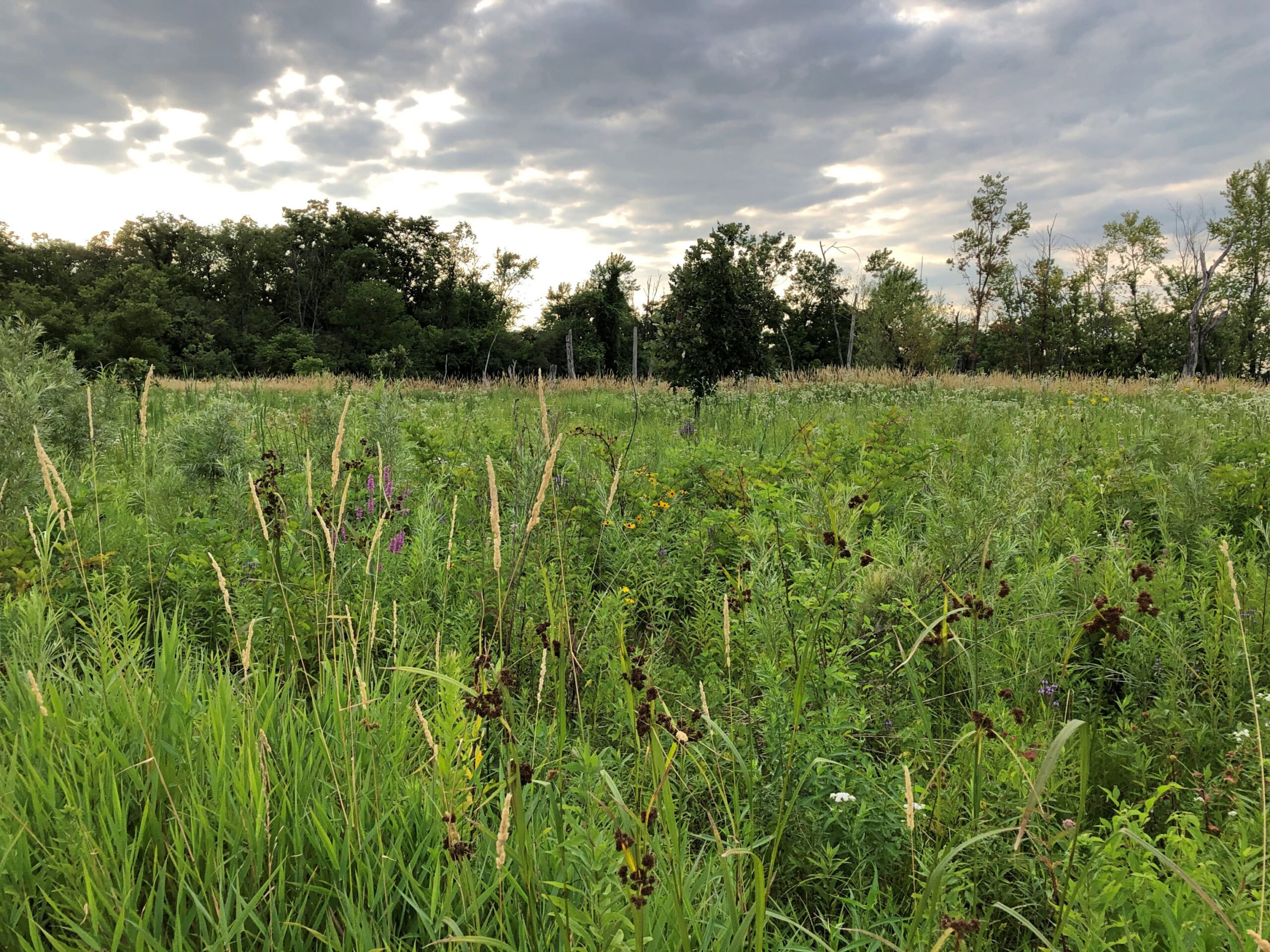
East of Marfa, along the highway US 90, the country looks like this.
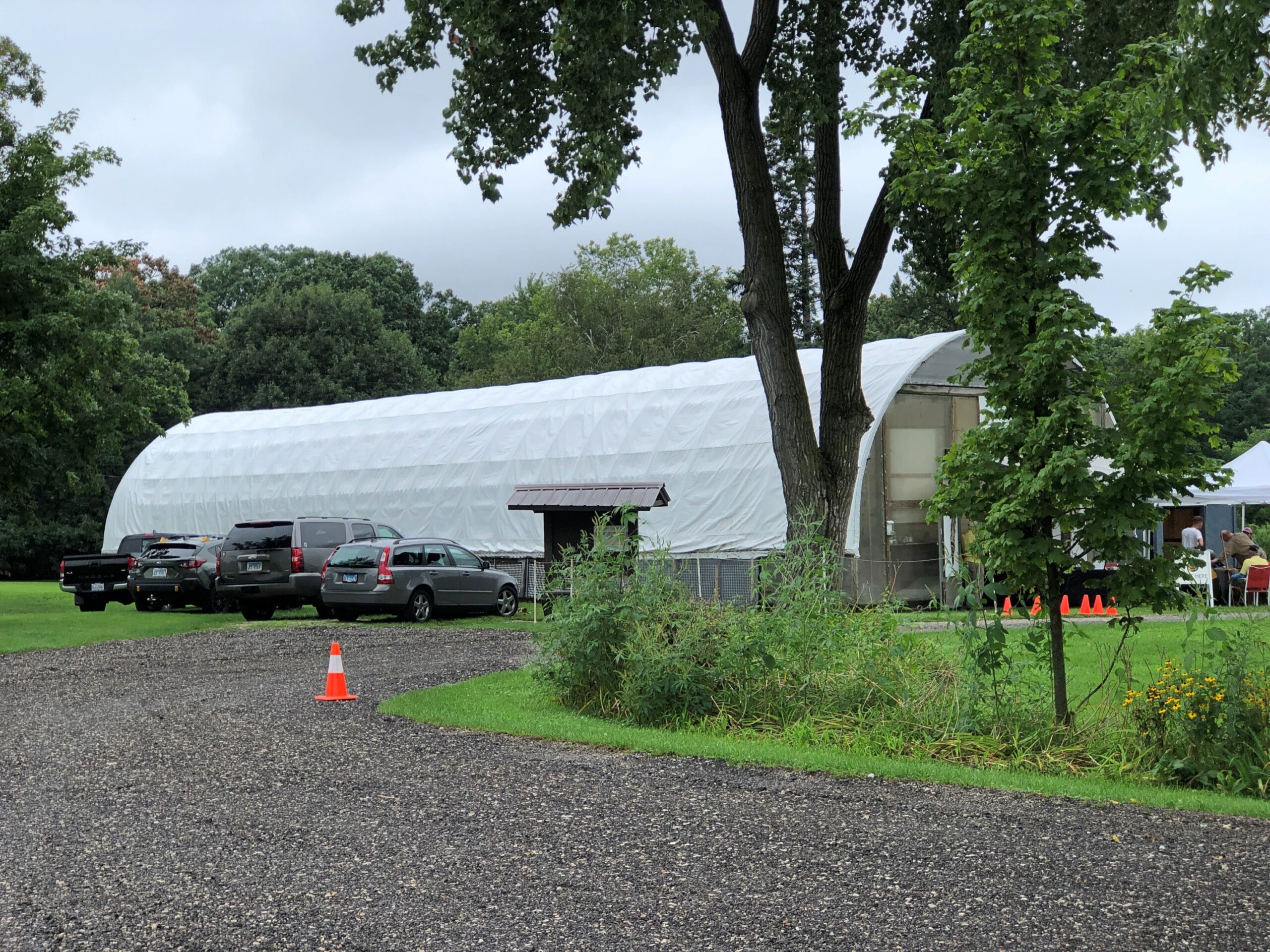
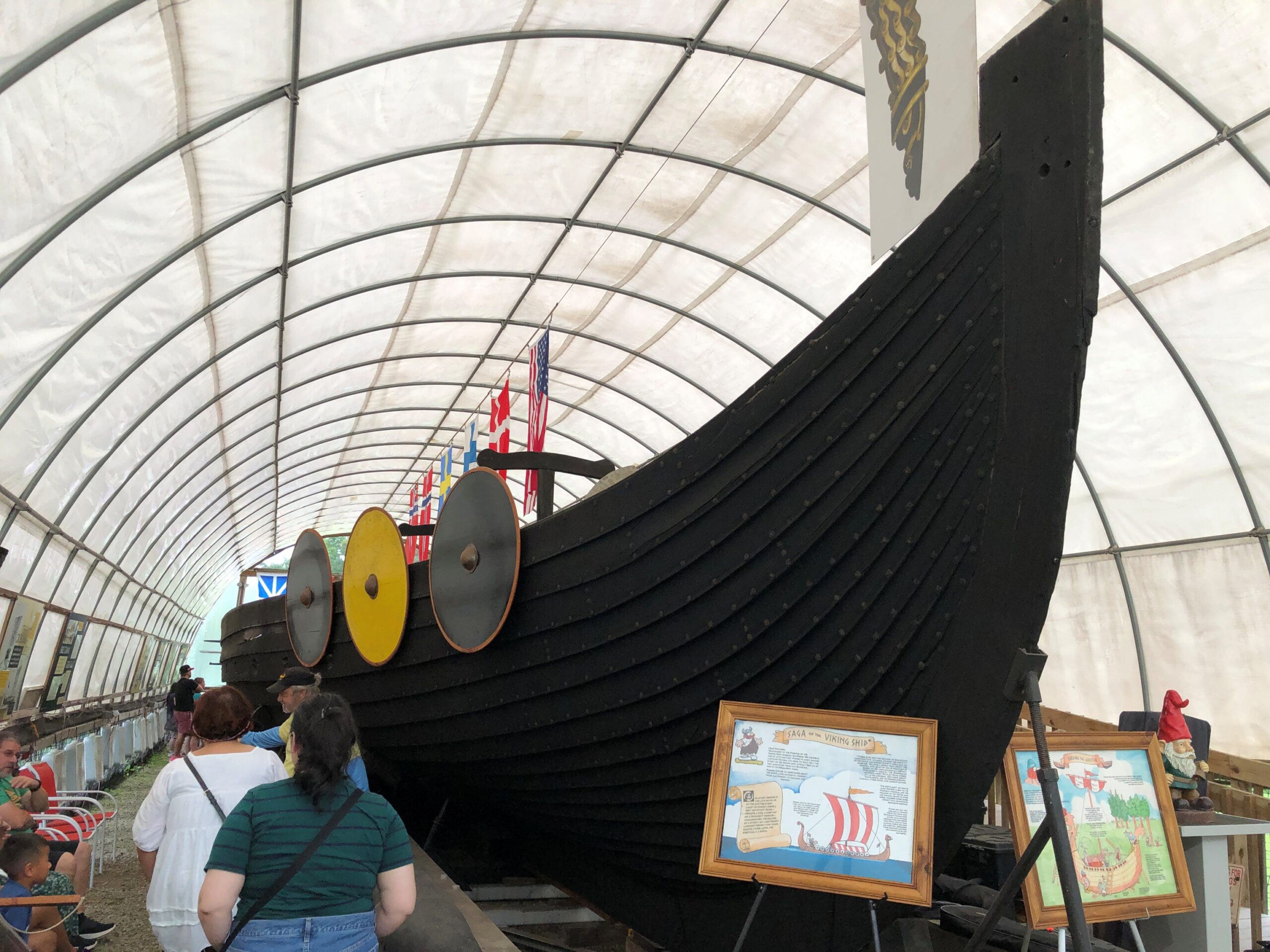
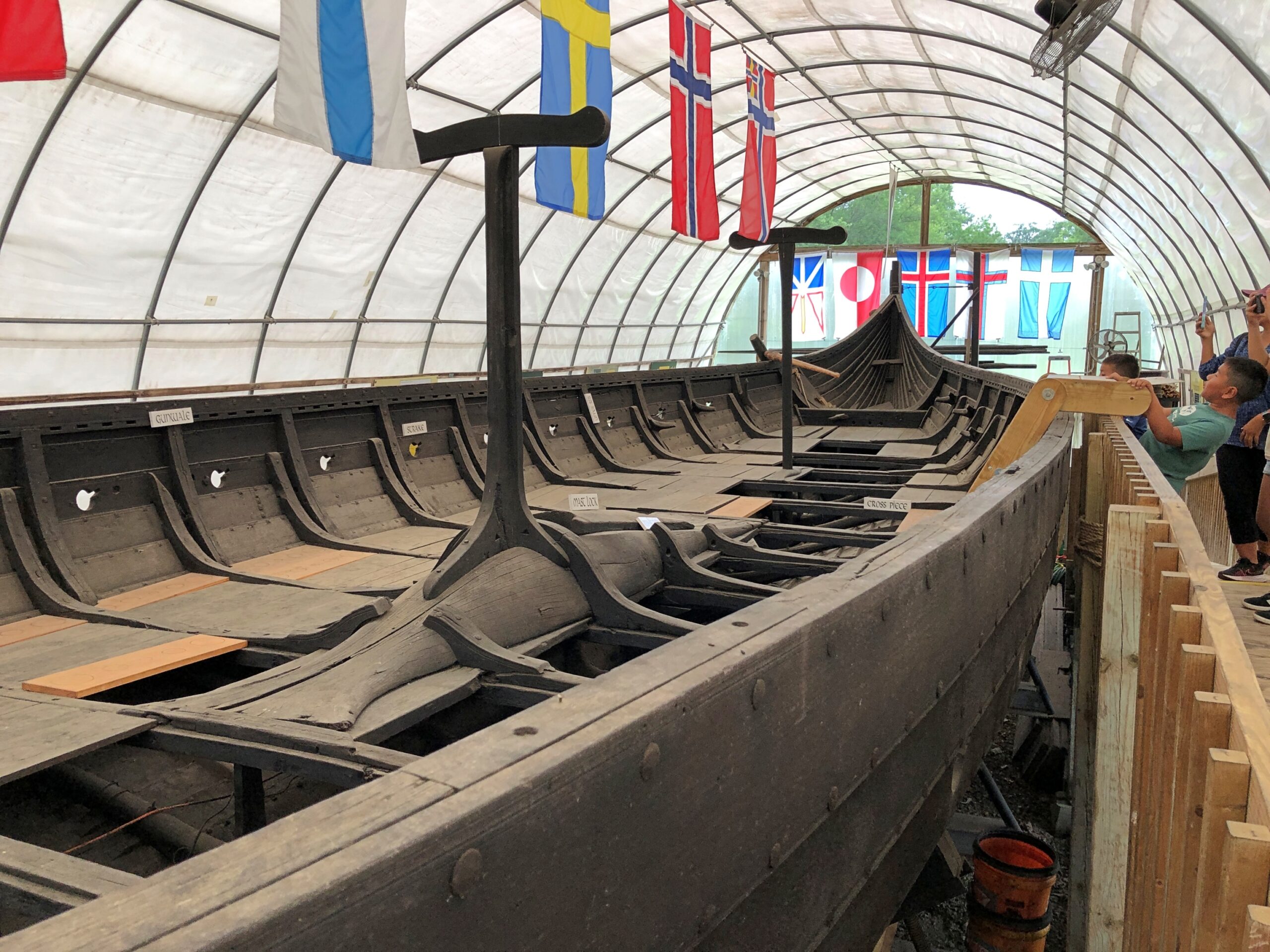
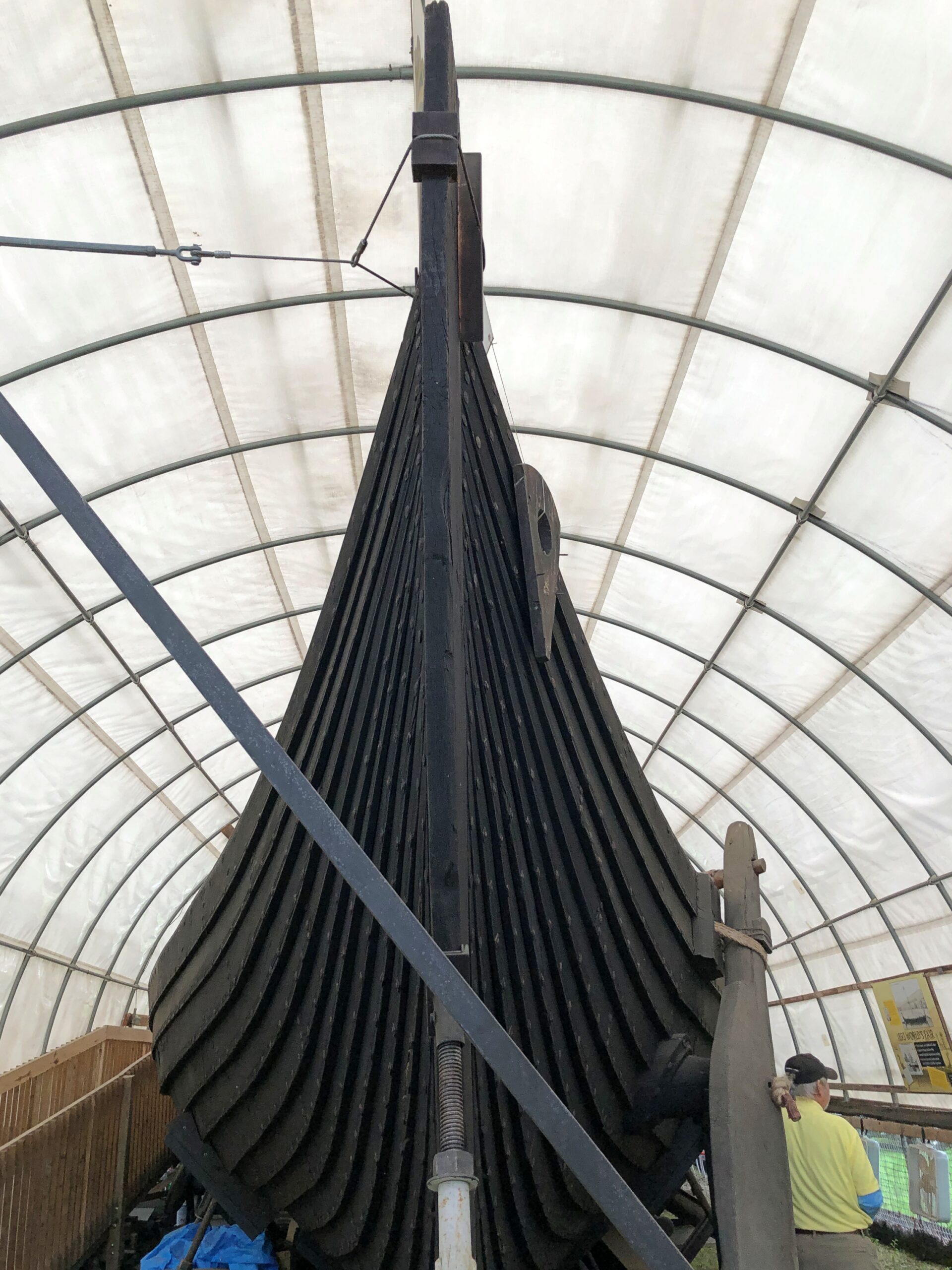
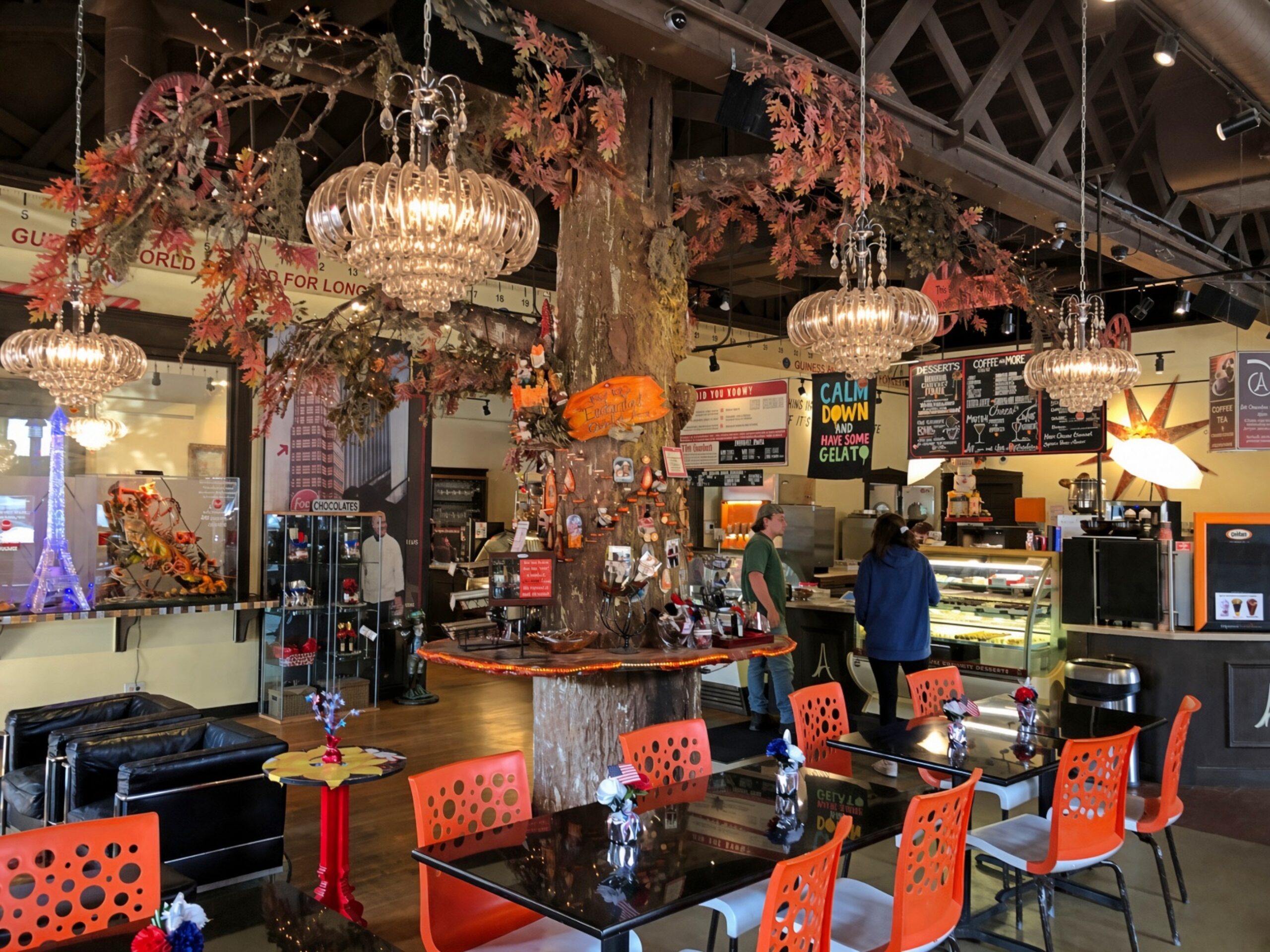
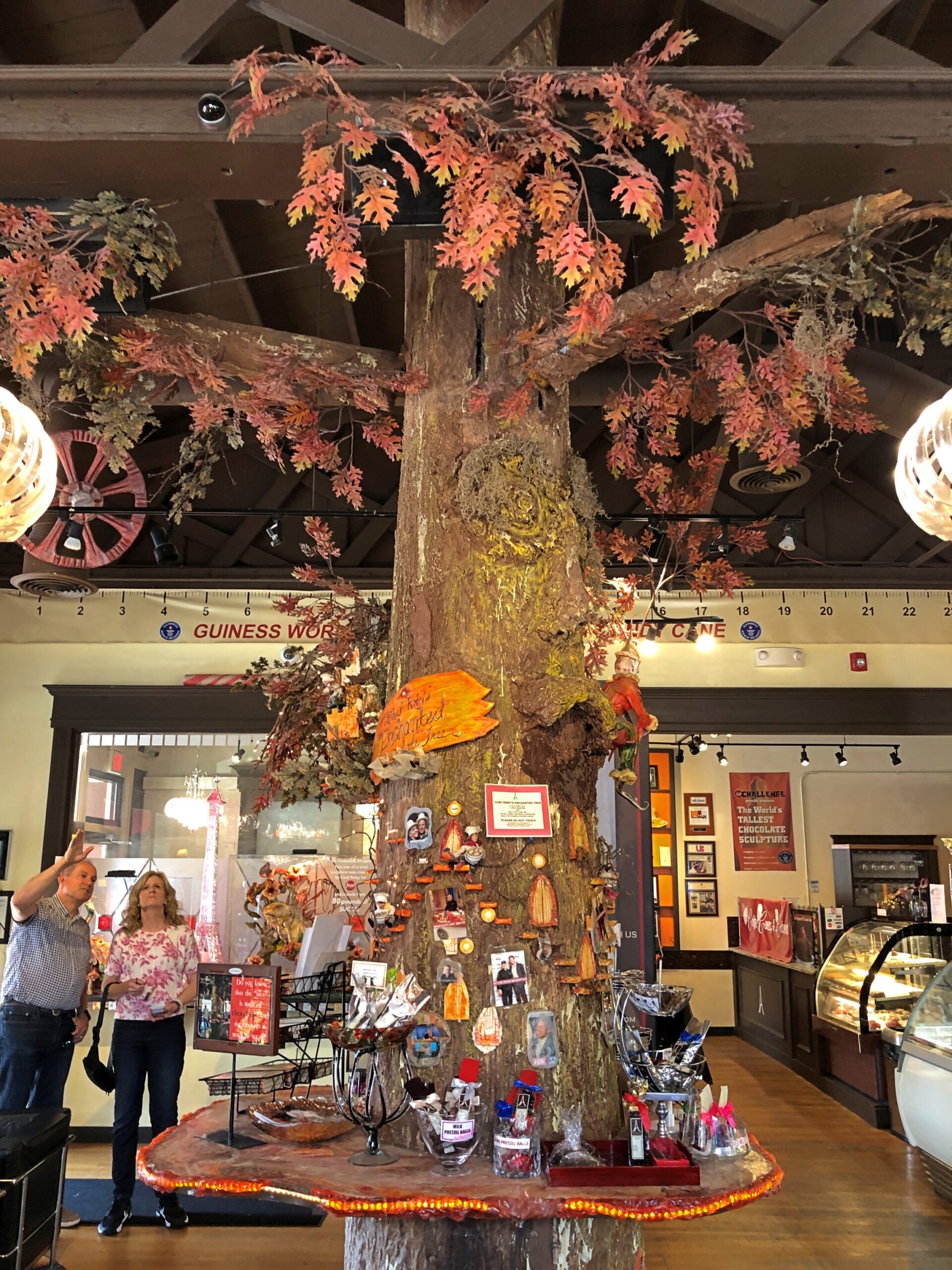
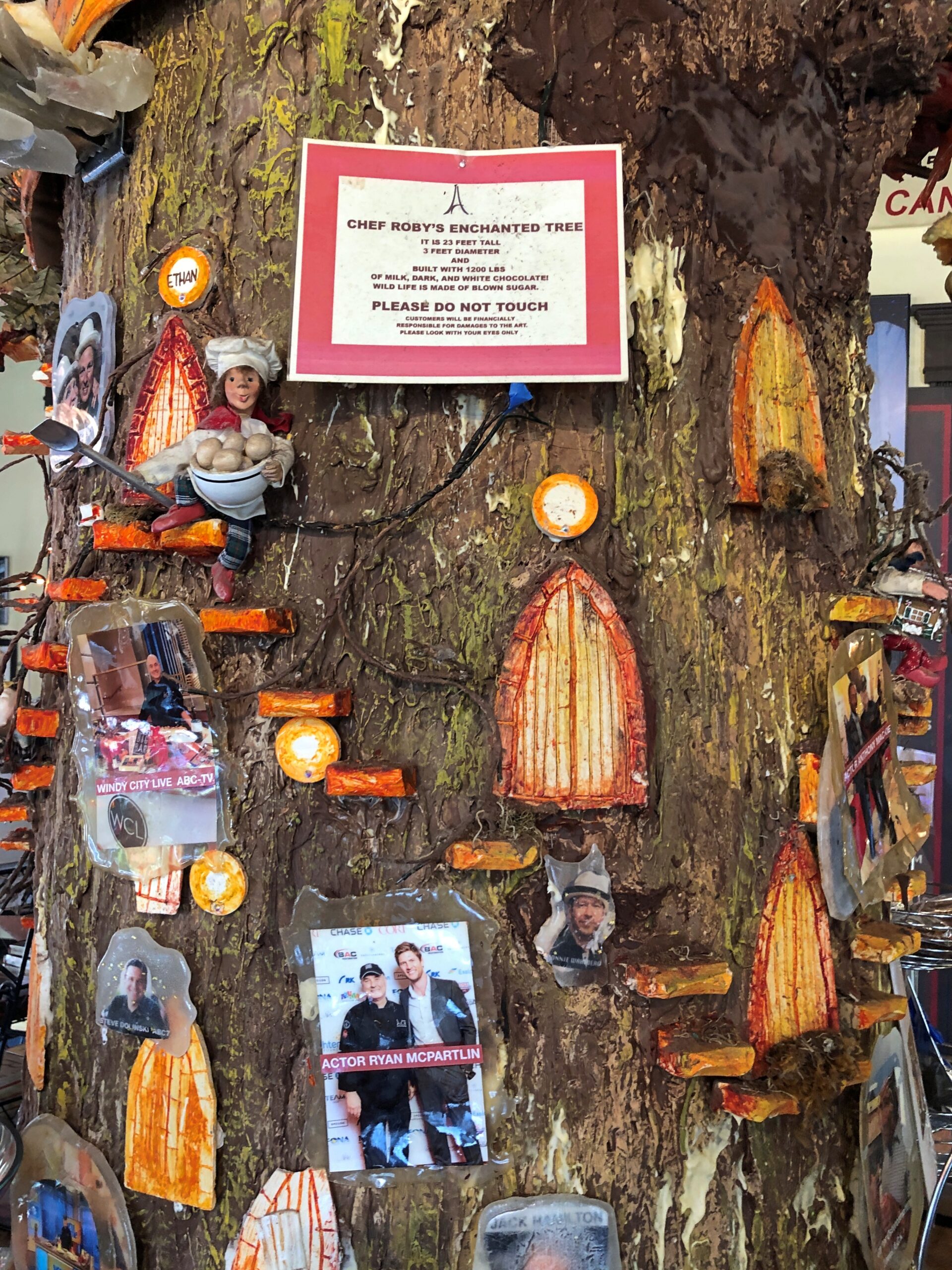
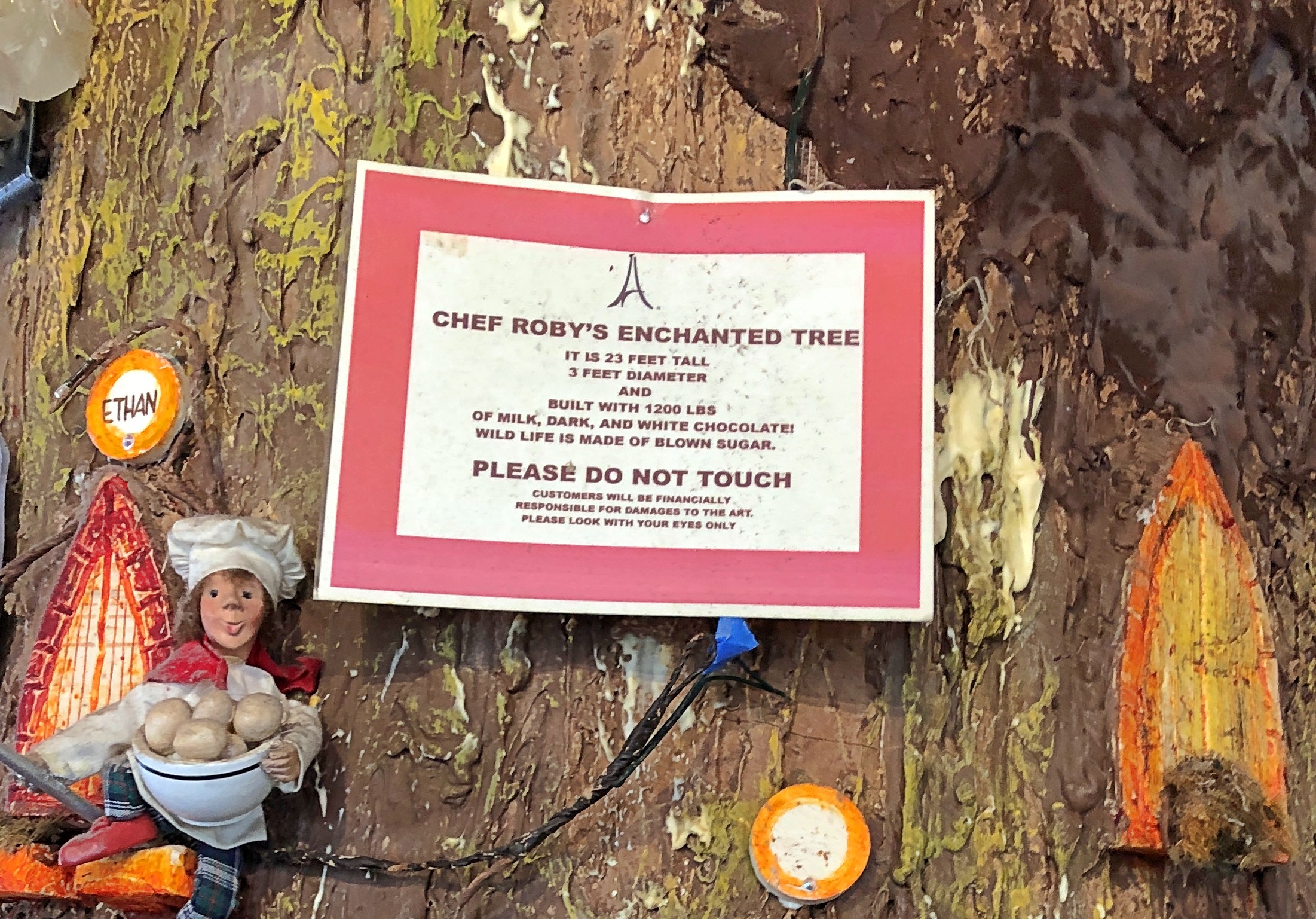
A few miles out of town, that same highway has an unusual rest stop. Unique in the world, if you think about it. We stopped to take a look. I’d stopped by in ’18, and wanted to share that 10-minute experience with Yuriko.
“In 2003 the town [of Marfa] used $720,000 from the federal government and the Texas Department of Transportation to expand that area into the Marfa Mystery Lights Viewing Center,” says Texas Monthly.
Whatever the truth of the lights, that’s an unusually creative thing for a municipal government to do.
Saw an ad today about paleovalley beef sticks (no caps on the package). Not only is that the funniest thing I saw all day, that brand name is genius. Also, Paleovalley could be the title of a gritty reboot, as there are no other kinds, of the incredibly obscure Korg: 70,000 BC.
Into the rabbit hole: that made me wonder whether Cro-Magnon is even a scientific term anymore. Has it been replaced by some newer and more precise, or more politic, term?
No. It’s still Cro-Magnon. Most definitely. Who has the first Cro-Magnon skull discovered? The Smithsonian.
The Smithsonian notes about its Cro-Magnon: “Cro-Magnon 1 was among the first fossils to be recognized as belonging to our own species — Homo sapiens. This famous fossil skull is from one of several modern human skeletons found at the famous rock shelter site at Cro-Magnon, near the village of Les Eyzies, France.”
So the Cro-Magnon were actually early Frenchmen? Never mind the gritty reboot, this is comedy: cavemen with goofy French accents (and I know about Gaul and the arrival of the Franks in historic times, but this is TV we’re talking about). It probably would be bad comedy, for sure. As It’s About Time and Cavemen tell us, it’s hard to wring good comedy out of Paleolithic material.
Then again, consider this from the Wiki entry about Cavemen (2007): In the series, cavemen were never really fully supplanted by modern humans, but integrated into Homo sapiens civilization as a separate species sub-group. Cavemen are a small but widespread minority group that have been present in every global civilization since the dawn of recorded history… Effectively, Cavemen form another ethnic minority in the modern world, which faces several prejudices from Homo sapiens... Although these cavemen self-identify as Cro-Magnon, their facial appearance and physical anatomy is reminiscent of the Neanderthal.
I’d guess that the writers of the show, and the original GEICO commercials, didn’t invent that idea. But what a good idea for fiction, comedy or drama. I didn’t see any episodes of Cavemen, but by all accounts the show was very stupid indeed, so as often the case, it’s an example of a terrific idea badly executed. Too bad.
The San Angelo Riverwalk
San Antonio has a great riverwalk. Everyone should know that. Not as great, but still a pleasant place for a stroll on a warm day, is the riverwalk along the Concho River in San Angelo, Texas. Technically the North Concho River, since it joins the South Concho not far downriver, on its way to the Colorado. It has everything a riverwalk needs: a river, sidewalks and park lands next to it.
Artwork along the way.
A foot bridge.
The Abe St. bridge.
And a mermaid.
“Pearl of the Conchos,” it’s called.
“The bronze statue is an enlargement of Jayne Charless Beck’s original mermaid sculpture,” says Mermaids of the Earth. “Jayne was a San Angelo resident artist, who passed away in 1993. In 1994 this bronze casting was donated by friends of Jayne Beck to the City of San Angelo, and was placed next to a pedestrian bridge close to the San Angelo Museum of Fine Art.
“In this area, a freshwater mussel species produces lustrous pearls in many colors, famous since the time of the Spanish conquistadors.”
I had a fondness for maps as a kid, and few were better than the Texas State Highway Maps produced by the Texas Highway Department, a predecessor agency of the Texas Department of Transportation (TxDOT). One of the maps’ features was a small stroke of genius – one later dropped, of course – that put the very largest urban areas in yellow, mid-sized ones in green and relatively small cities in brown. At a glance you could size up the size of a place you might be driving, if you didn’t happen to know.
Under that scheme, San Angelo, Texas, came in green, if I remember right. Not in the same league as yellow Houston, Dallas, San Antonio or Austin, or even El Paso and Waco, but bigger than places like Pampa, Killeen or Orange, again if I remember right (the old maps are tucked away in San Antonio). Why was there a mid-sized city in San Angelo’s location, I don’t ever remembering asking.
Easy enough to find out now: a frontier fort at confluence of two sizable rivers whose town grew as nearby cattlemen prospered, and oil services took root. In our time, there are also other usual-suspect major employers, such as schools and hospitals, and the military never left, considering the presence of Goodfellow Air Force Base, which managed to survive the wave of base closures and consolidations in recent decades (unlike some).
On a drive from DFW to West Texas, San Angelo seemed like a good place to stop for a night, and we arrived just before dark. The next morning, we took a look around, especially downtown. First, a handsome train station.
Mostly, San Angelo isn’t a high-rise city.
With some small-city exceptions, such as the Hotel —– building.
Street art.
Chicago has cows, San Angelo sheep. Back the USDA for ag stats: cattle are by far the most common livestock in Tom Green County, with $49.5 million in sales in 2022. But there are a fair number of sheep, with sheep, goats, wool, mohair and milk selling $4.2 million that year. For cattle production, the county comes in at only the 30th highest sales volume in Texas; but for sheep etc., the county ranks fifth statewide.
Again with the overrepresentation of cowboys. If there are art sheep on the streets of San Angelo, why no art shepherds? Then again, a modern shepherd probably looks a lot like a modern cowboy, so maybe that is a shepherd.
An unassuming exterior, but a fair amount going on inside, at least most evenings. I had to look up FiFi DuBois, too. The association of the San Angelo establishment with New York entertainer isn’t quite clear — is Fifi an owner or part owner, or is there some kind of licensing agreement?
Anyway: “The House of FiFi DuBois in downtown San Angelo is on the market for $1.3 million as its owners seek a new buyer to continue its legacy,” San Angelo Live reported in February.
“The property is located at 123 S. Chadbourne St. and is approximately a 16,250-square-foot building that includes the ground-floor bar and venue, an Airstream trailer feature, plus a massive upstairs loft and additional rentable spaces that offer potential for multiple income streams, such as office use, short-term rentals, or expansion.
“The business remains open, thriving, and operating normally, according to information found online…”
Now I’m repeating information “found online.” But it’s probably reasonable to assume that the House of Fifi DuBois, with a lineup like this, is alive and well. Looks like the joint has both kinds of music, country and western, and plenty of drag shows. Cowboys and drag shows: now that’s West Texas variety, if you asked me.
Airstream feature? Tucked away in the venue is an Airstream that can be rented separately, it seems.
Meeting Chadbourne St. at the perpendicular is Concho Ave., named for the river, which was named for its bounty of shells. Near that intersection is a building that looks a tad underutilized.
I’ve interviewed too many real estate developers not to think, man, if that building could only be teleported to Brooklyn – or even Scott’s Addition…
The nearby block is mostly occupied, however. With local shops.
Also, it sports a stretch of raised, plank sidewalk.
The plates are flush enough with the boards not to be a trip hazard, fortunately.
A stuff shop: J. Wilde’s.
Is Miss Hattie’s a serious museum about underrepresented local history or a commercial venture romanticizing 19th-century prostitution? I don’t know. Miss Hattie’s, like Fifi’s, was closed at that moment.
One more detail from Concho Ave.
The only reason I know what that is, is that St. Paul’s Episcopal Church in San Antonio, a place I knew well, was founded before the advent of the motor-car. As such, a few iron rings were mounted in the curb in front of the sanctuary – exactly like the ring pictured above. A place to tie up your horse. I might have asked about the feature, or my mother might have pointed it out, but anyway I learned about the iron rings. Does it matter to us auto-mobile drivers that we know this? No. But it adds just a touch of hyperlocal color.
Regards for Easter. And Maundy Thursday and Good Friday and Easter Saturday. Back posting on Easter Monday.
This seemed like a fitting set of images for the occasion.
A 100-foot steel cross rises on a small hill a few miles south of Ballinger, Texas, seat of Runnels County. Couldn’t very well pass that up, considering that we were passing through Ballinger (pop. about 3,600) anyway, toward the end of our drive that day from metro DFW to San Angelo, Texas.
“The Ballinger cross was built by a local construction company and commissioned by Jim and Doris Studer, owners of Buddy’s Plant Plus,” notes the Austin Chronicle. “The company is the only U.S. factory making water-soluble fertilizer for Miracle-Gro. After 20 years of making fertilizers in Florida, the Studers went looking for a drier climate. In 1988, they moved the company to Ballinger, where it quickly became one of the largest employers in the county.”
Jim Studer reportedly had been considering the construction of a cross about half that height, as a token of gratitude for a successful business. Then, during a visit to Florida, he was nearly electrocuted in what could easily have been a fatal accident – and decided to roughly double the size of the structure. A thanks to the Lord for not being offed at that moment, perhaps, but no doubt sincere gratitude regardless, for his thriving business. The cross went up in 1993.
We’d left Dallas that morning in mid-February, skirting the cities on I-20 West, except for a brief stop in the Fort Worth museum district. Specifically, at the Modern Art Museum of Fort Worth. Yuriko had heard about my visit in 2019 and been slightly miffed, since she too wanted to see the Tadao Ando-designed structure. So we shoehorned a visit for a look at the structure on the day’s itinerary, though not the museum collection. It loses nothing on a second viewing. Gets better.
Go southwest from Fort Worth on US 377 and soon enough you’ll arrive in Stephenville (pop. 20,800 or so), seat of Erath County.
A dairy industry in Erath County? Yes, indeed: sales of $350.9 million in 2022, according to the USDA, by far the largest ag product in the county, and third highest for milk sales among all the 254 counties in Texas, and 24th in the nation. Meat cattle in Erath County are a distant second at $82.7 million that year, so a milk cow standing in the shadow on the Erath County courthouse is just about right.
I had to look it up: number one county in nation for milk production by dollar volume is not in Wisconsin, but rather Tulare County, California, at more than $2.8 billion in 2022. First out of 1,770 counties nationwide producing milk. Now there’s a Jeopardy answer to stump everyone.
We ate lunch in Stephenville at Greer’s, which served a chicken-fried steak to beat all, then took a constitutional around the Erath County courthouse. Starting with one hefty former bank building, vintage 1889.
For Texas county courthouses, James Riely Gordon (d. 1937) is a starchitect, but of course that wasn’t all he did. When he designed this bank, he was 26.
Every town worth its late 19th-century salt has to have an opera house.
Wiki: “Brown began his musical career in 1930, when he met Bob Wills and guitarist Herman Arnspiger. They were performing at a local Fort Worth dance and Brown joined the duo on a chorus of ‘St. Louis Blues.’ The trio decided to team up to play medicine shows around Texas and Brown landed a regular radio spot on WBAP for the group, where they played a show sponsored by Aladdin Lamp Company, which had the band change its name to the Aladdin Laddies.”
Man, there’s another streaming platform limited series for you: the founding of western swing. Add a fictional love triangle between Bob Wills and Milton Brown and a fictional fetching woman, and some fictional tension between Bob and Milton, who nevertheless produce terrific music to enthusiastic audiences early in the Depression, until Milton dies suddenly in the last episode in a car wreck, as the real musician did in 1936 at age 32. Bob is left to carry on.
Milton’s not the only one honored near the Erath County courthouse.
There were a fair number of plaques like this, too many to read, so I picked one.
Chicago had its art cows (that was in 1999?!?) and Sturgeon Bay, Wisconsin, has its sturgeons, so Stephenville had boots?
You’d think maybe, considering the importance of dairy locally, there would also be — do dairy workers wear special boots? If so, there should be one of those on display too.
More Stephenville.
US 67 joins US 377 for a run southwest of Stephenville, through such burgs as Dublin, Comanche and Brownwood. Then US 377 peels away to the south; but we followed US 67 west to Ballinger. That town was mostly a stop to get our bearings, really, but I also did a short walkabout while Yuriko napped in the car.
I made the acquaintance of Charles H. Noyes (d. 1917).
Charles was a young Runnels County man who died by being thrown from his horse while minding cattle. His parents tasked no less than Pompeo Coppin to do the sculpture honoring his memory. Nice work, Pompeo. RIP, Charles.
I wasn’t persuaded Artemis II would actually launch today, what with its delays so far, but I found out it did a few minutes afterward, and watched a tape of the launch on YouTube. As one can. Then I nicked a NASA picture of the launch. As one can, since it’s public domain.
NASA/Bill Ingalls
All well and good, but the boy I used to be asks, “Why did this take so long? Why no moon base by, say, the actual year 1999?” The man I became answers, “Money, boy.” An entirely unsatisfactory answer for both of us, but so it goes.
Terrific lightning storm rolled by to the south last night at about 11. Little rain but a prodigious amount of cloud-to-cloud lightning, unlike anything I’ve seen in years. The last time might have been when we were under such a near-rainless storm in North Dakota nearly 20 years ago. After watching in fascination from the back door, I got my phone and recorded about 30 seconds of the spectacle.
As usual, video only conveys a fraction of the visual power of the moment. But, in spite of the channel it’s on, it isn’t AI.
I was curious today which volume of the Encyclopedia Brown books — whose protagonist is a sharp grade-school boy who solves crimes and mysteries — mentioned the town of Palestine, Texas. Even though I grew up in Texas, I’d never heard of the place until I read an EB story in the early ’70s that mentioned a string of places that some international jewel thief was traveling to: Moscow, Odessa, London, Paris, Palestine and Athens. The boy detective determined that the criminal would be in Texas, since those are all places in that state, and especially because “Palestine” is called “Israel” now, as he said.
You might wonder (I do now, anyway) what business an international jewel thief would have in a place like Moscow, Texas (pop. 170) or London, Texas (pop. 180), but never mind. It didn’t take long for me to find a YouTube review of Encyclopedia Brown Keeps the Peace (Book 6, originally published 1969), including the case that mentions the Texas towns. The reviewer takes the book to task, asking “can grade-schoolers be expected to know this information?” No, of course not. They can be expected to learn it, however.
Now I know exactly where I learned about Palestine (Pal-es-TEEN) more than 50 years ago. I didn’t arrive in Palestine in person until this February, on my way to Dallas from Nacogdoches. During my visit, I made the acquaintance of this fellow.
The sculpture is called “Chuggin’ ” (2020), created by Dewane Hughes, a sculpture professor at the University of Texas in Tyler. Railroads are important in the history of Palestine, so much so that one terminus of the Texas State Railroad – a linear state park along a former short line RR – is in the town. The other terminus is in Rusk, about 25 miles away. Not running in February, unfortunately.
“Chuggin’ is near the town’s visitor center, a former RR depot.
Also nearby is “Forging History” (2014) by Dale Montagne, with the base made of three actual rail car wheels.
Parking was easy to find in downtown Palestine, traffic light. Parallel parking was available right across from the splendid Sacred Heart Catholic Church, as it happened, an 1890s creation by Nicholas Clayton, who was most active in Galveston before the hurricane. Originally many of the congregation were workers on the International-Great Northern Railroad Co., which had a major presence in Palestine.
Palestine still has a sizable rail yard south of downtown.
Took a walk around downtown. Like most large towns, or small cities, there is a mixture of ongoing businesses –
— with vacancies.
Got some buildings with really good bones, as it’s been said in the real estate biz.
The Palestine City Cemetery is to the east of downtown, but not very far. Nowhere is that far in town.
The crumble is on.
Something you don’t see that often. Not just the Stars and Bars, but the very first version with seven stars. In the fullness of not much time, six more stars were added.
Unknown CSA soldiers.
I assume United Confederate Veterans, the Southern equivalent of the GAR, placed this stone and those like it.
The cemetery has an impressive number of worn, broken stones, soldiering on through the elements.
Victorian sentiment in stone, said with due respect.
Would that kind of soft decay, the romanticism of stones worn by time and the elements, have appealed to Victorian sensibilities? Could be.
Underfoot, ants went about their business in the red soil.
Fire ants? An expert might know, not me. Could be, considering these ant colonies tunnel under the the grounds of Caddo Mounds State Historic Site in Cherokee County, Texas, not far from Nacogdoches.
People, being proportionally bigger, make larger mounds, but for what we assume are entirely human reasons.
“The Caddo selected this site for a permanent settlement about A.D. 800,” says the Texas Historical Commision. “The alluvial prairie possessed ideal qualities for the establishment of a village and ceremonial center: good sandy loam soil for agriculture, abundant natural food resources in the surrounding forest, and a permanent water source of springs that flowed into the nearby Neches River. From here, the Caddo influenced life in the region for approximately 500 years.”
The historic site is large enough to include a winding trail. On a warm, dry day, a most enjoyable walk.
I can’t say I wasn’t warned, but I blithely ignored the warnings and took my walk. Nothing bad happened. A fair amount of life is like that.
Yarn bombing? Here? Why? It might as well have been done by the ancient Caddos, for all I’m going to get an answer to that.
Of course, that tree is gnarly, literally and in the way Jeff Spicoli used the word. So maybe a good candidate for some yarn.
My drive from the historic site to Palestine, Texas, took me on some ill-marked back roads, but we’re not talking the Sahara, so signed roads eventually appear to alleviate any navigational uncertainty. Near the site on Farm to Market 2907 – walking distance, really – is Weeping Mary, Texas, a hamlet that has gotten more attention that one would think, at least considering its small size (pop. 40). “The community was probably first settled soon after the Civil War by freed slaves from neighboring plantations,” the Texas State Historical Association says.
In our time, Weeping Mary is a small agglomeration of standard and manufactured houses and satellite dishes and cars scattered among tall pines, with the church in there somewhere, and it takes all of half a minute to drive through.
From Nacogdoches east to San Augustine, there in the thick of East Texas, is about 20 miles along the highway Texas 21. An excellent drive.
Gary the Builder
Approach San Augustine (pop. 1,920) from the west on the Texas 21, as I did, and you’re certain to notice an unusual wooden structure, as I did.
Roadside America calls it “Major Fun,” and I will say it was a major surprise, since I went to San Augustine knowing very little about the place. RA says: “Gary Brewer, a carpenter, has been adding multi-story decks and spiky wooden things to the outside of his house since 2006. The town has tried to stop him, but the woodwork is all code-compliant. Gary views his house an attraction, and wants people to visit it.”
The tower is at one corner of the county courthouse square. So maybe Mr. Brewer could file the paperwork for his construction by walking across the street. Do you suppose Mr. Brewer the carpenter has a friend named Carpenter who’s a brewer? Possibly.
The rest of the town square shows that many town squares aren’t what they used to be — sporting more than a few vacant storefronts — for all the usual reasons, such as big box retail elsewhere in the county. But businesses cling to life in the courthouse square even so.
Not pictured is the San Augustine Drug Co., a pharmacy near the square, a sizable place that’s more clothes and gift shop than drug store. You can buy ice cream at a counter near one wall. Not quite a classic drug store lunch counter, but distinctive. As I was looking around the store, one of the employees asked if this was my first visit. I told her it was, and she said that first-time visitors receive a cold drink from the counter, no charge. So I sat at the counter and drank a complementary lemon squash, as lemony and delightful as could be.
A Stripling Might Say My Name is the Alternate
A number of the vacant spaces had been recently used as Christmas stores. Even in February, seasonal décor lingered, because why not?
This space wasn’t vacant, exactly, but it was unmarked and its use a little hard to sus. Art space perhaps. The view reminded me of “Texas Sun” for obvious reasons.
There were ghost signs, which isn’t unusual. More unusual is Stripling’s on a building. I have to take an interest in that, an alternate of my name.
“The original town well was dug by slaves on this site in 1860, and a saloon was built over it in 1891,”says the Society of Architectural Historians. “The First National Bank acquired the property, filled in the well, and commissioned this building. Raif Stripling purchased the building several years later and reopened the well as a tourist attraction. In 2003, the San Augustine Historical Foundation bought the property, which is now operated as a gift shop. The entrance canopy’s curious pediment with miniature triglyphs was added to his father’s building by Raiford Stripling.”
You never know what a building has to say.
The Spanish Brought Horses & Frisbee Golf
Not far away from the courthouse, half a mile or so south on US 96, is Mission Delores State Historic Site. Once upon a time, but not for that long, Mission Nuestra Señora De Los Dolores De Los Ais was there.
Mission Dolores has a name that evokes the stone relics of a backwater from the Spanish conquest of the Americas, but I’ve got bad news: the mission seems to have been built of wood, a material not known for durability across the centuries. Modern wooden poles ring part of the site, but otherwise you’ve got to bring a lot of historical imagination to the place.
The actual site wasn’t known until late 20th century archaeology confirmed the location, part of which was destroyed by the building of the highway. The modern state historic site grounds extend far enough to offer a pleasant walk, provided the weather is pleasant, as it was that day.
Gashes in the earth run through the wooded grounds.
They’re something like the ghost signs – ghost trails, you might call them, carved by horses and wagons and Indians and Spaniards and, remarkably, not yet lost to time.
Also part of the park: a Frisbee golf course.
An homage to the fact that the Spanish brought the sport to the Americas as surely as smallpox and horses. If you tell people that with some conviction, wonder how many would believe it?
I arrived at Tu Viện Phước Đức in Houston a few days ahead of the Vietnamese New Year, but the monastery was getting ready.
Some kind of planning meeting – I guess – was ongoing in the main sanctuary – I guess again – but no one took a second look at me as I took a look around the place.
Parts of Tu Viện Phước Đức were also under construction, hinting at a thriving Vietnamese diaspora community woven into the fabric of Houston. And I like all those diacriticals, sprinkled on the name like croutons on a salad. I have copy and paste to thank for their presence here.
Google Maps had been my assistant that afternoon. “Buddhist temples” was my search term, and a number of them came up not far from my airport-area hotel. The other one I made it to happened to be Vietnamese as well: Chùa Linh-Sơn.
No one else was around that I saw or heard. But the grounds were open for a stroll. Plenty of Buddharūpa around.
Chùa Linh-Sơn was also preparing for the New Year.
Too bad I didn’t have the chance to wish anyone a tip-top Tết, though I probably would have forgotten to do so.
My go-to data source for gas prices is AAA, which tells me that the national average today is $3.983/gal, and higher in Illinois, at $4.228/gal. As everyone knows, up markedly this month. People have long seemed to believe that the President of the United States has a magic button that made gas prices change. That was nonsense, of course, but now it looks like the administration has found such a button, except it might be stuck on “rise.”
Be that as it may, I’m glad my recent long drives, and long flights, aren’t scheduled for this year. The summer of ’26 could be a time to stay closer to home. Then again, prices north of $4/gal – in fatter 2008 dollars – didn’t keep us from driving to Great Smoky Mountains NP that year.
In Houston last month, I did a fair amount of driving, including in the airport-area industrial submarket. That is, among the warehouses and distribution centers that form part of the sizable metro Houston industrial market, which totals about 700 million square feet (for comparison, metro Chicago’s market is roughly 1 billion square feet). I’m probably one of the few tourists anywhere who gets a kick out of driving by behemoth industrial buildings, but there you have it.
I also drove the short distance from downtown Houston to Hermann Park, a legacy of the City Beautiful Movement and the landscape architectural talents of George Kessler (d. 1923). He was a younger version of Frederick Law Olmstead, it seems, busy in a lot of places, though more important in planning for Dallas than Houston.
Always thought “City Beautiful” is too far a reach. Like most people, I’d say City Pretty Nice or City Not Bad would be good enough, but that’s not the kind of movement name that inspires grand projects.
The Japanese Garden occupies part of Hermann Park. That seems to be the generic name. I made my way there. It’s a pretty place, even in February.
A mix of imported Japanese flora and the pines of East Texas. Hermann Park itself dates from the early 20th century. The Japanese Garden, the late 20th century, a prosperous time for Japan, and when that dustup between Nippon and the USA had mostly been put in the rear view mirror.
Where there is water, there is waterfowl.
Just outside the Japanese Garden are tracks for the Hermann Park Railroad, a narrow-gauge line that makes a loop through the park. I didn’t ride it, but of course thought of the Brackenridge Park RR in San Antonio, the one by which all others are judged (by me).
Just outside Hermann Park is Rice University. I considered Rice, but decided not to go — or I wasn’t admitted anyway, I don’t remember after all this time. As a result, my short stroll this February was my first visit to campus.
Not a very long visit. Rice has some fine buildings.
But also long sightlines. That make for long walks.
I’d already spent time walking around downtown Houston, and then the Japanese Garden. There’s only so much walking even indefatigable sightseers can do.