Kokomo Dash

Besides having a fun name, Kokomo, Indiana, is off that beaten path officially known as the Dwight D. Eisenhower National System of Interstate and Defense Highways. The closest highway to Kokomo in that system is I-65, which I have driven so many times I’ve lost count, except I never kept count. I also had never diverted to Kokomo.

One way to get from metro Chicago to Kokomo is to take I-65 to near Remington, Indiana, and then head east on US 24 to the burg of Dunkirk near the somewhat bigger burg of Logansport. From there, heading south on US 35 takes you to Kokomo. This is what we did on December 22, spending the night in that town (pop. nearly 60,000) and then returning home late the next day.

I’ve wanted to visit the Kokomo Opalescent Glass Co. for years. How did I hear about it? I don’t remember, but the sticking point has long been that the company, a major maker of art glass, only gives tours on weekdays. I checked and it turned out that the company was indeed open for a tour on December 23, so that clinched it.

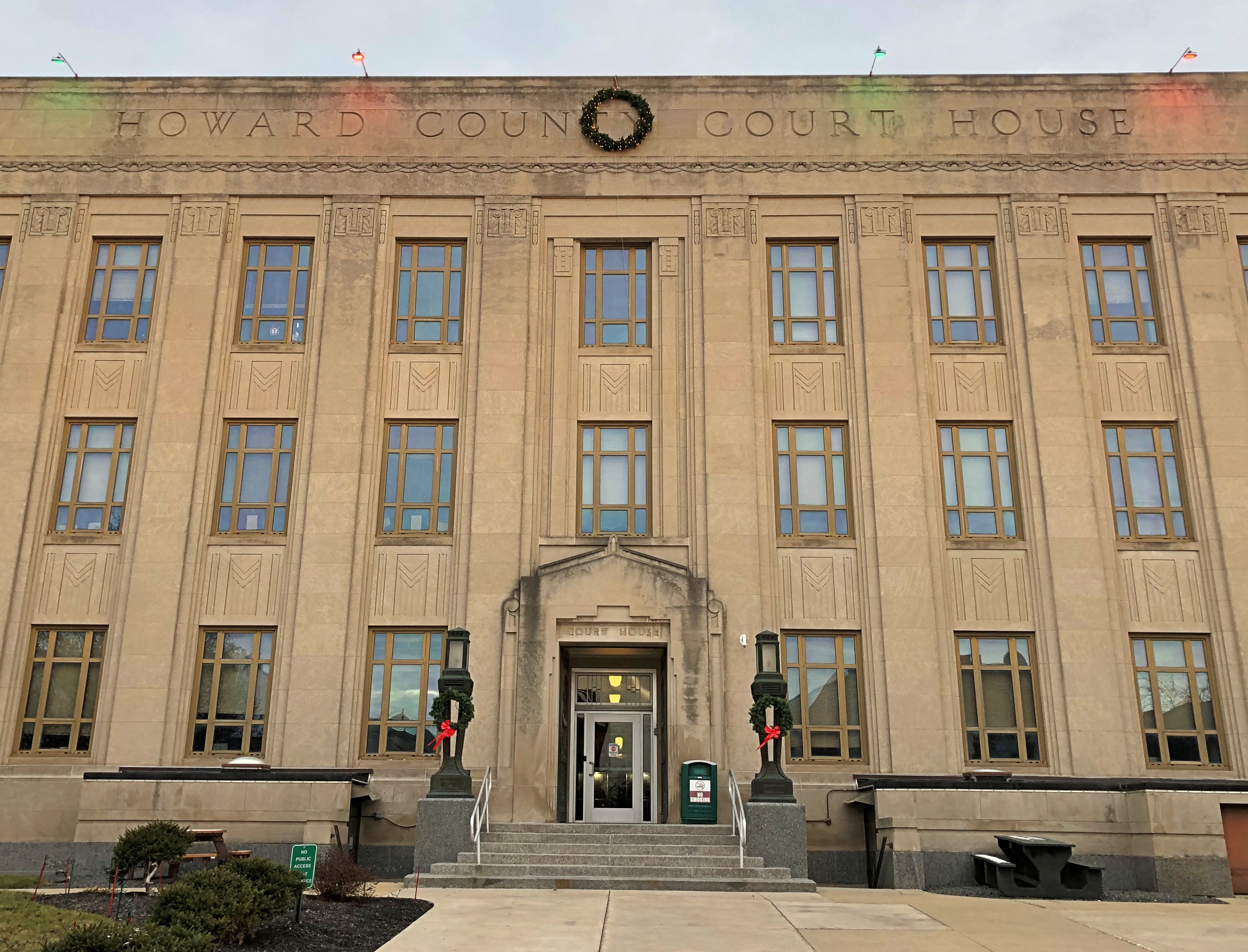
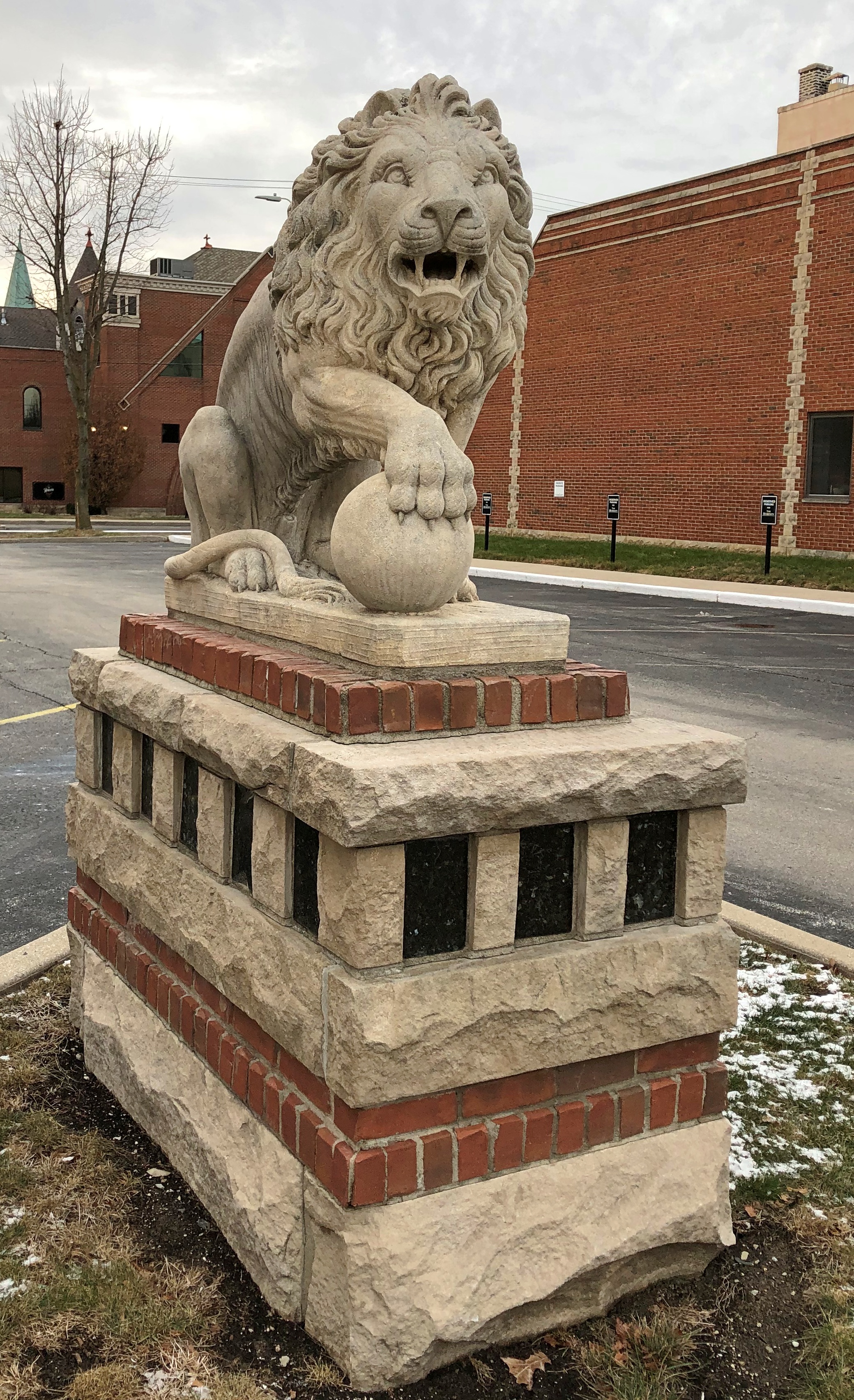
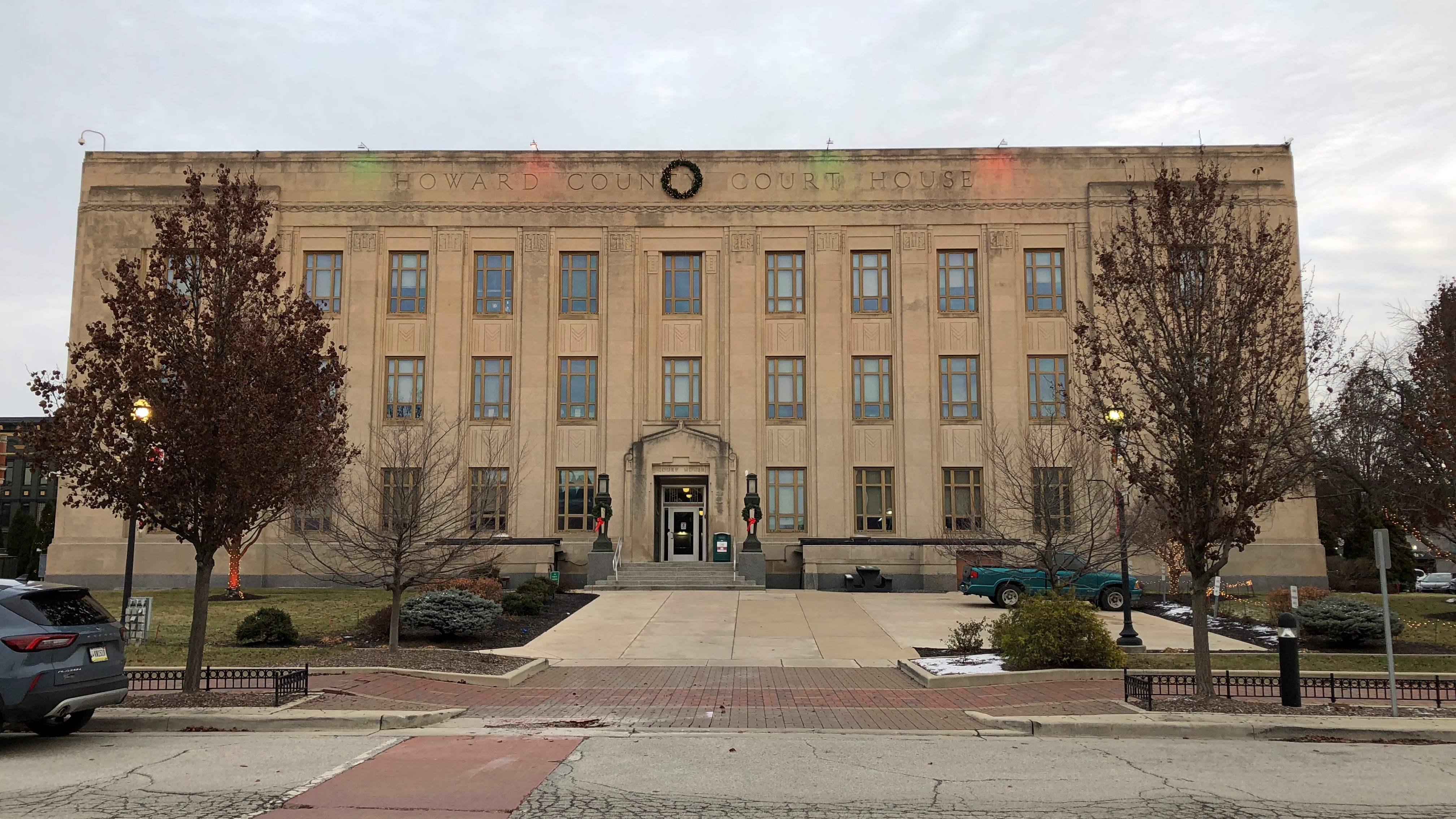
We arrived before sunset on the 22nd, in time for a walk-around the Howard County Court House.Kokomo Indiana Kokomo Indiana

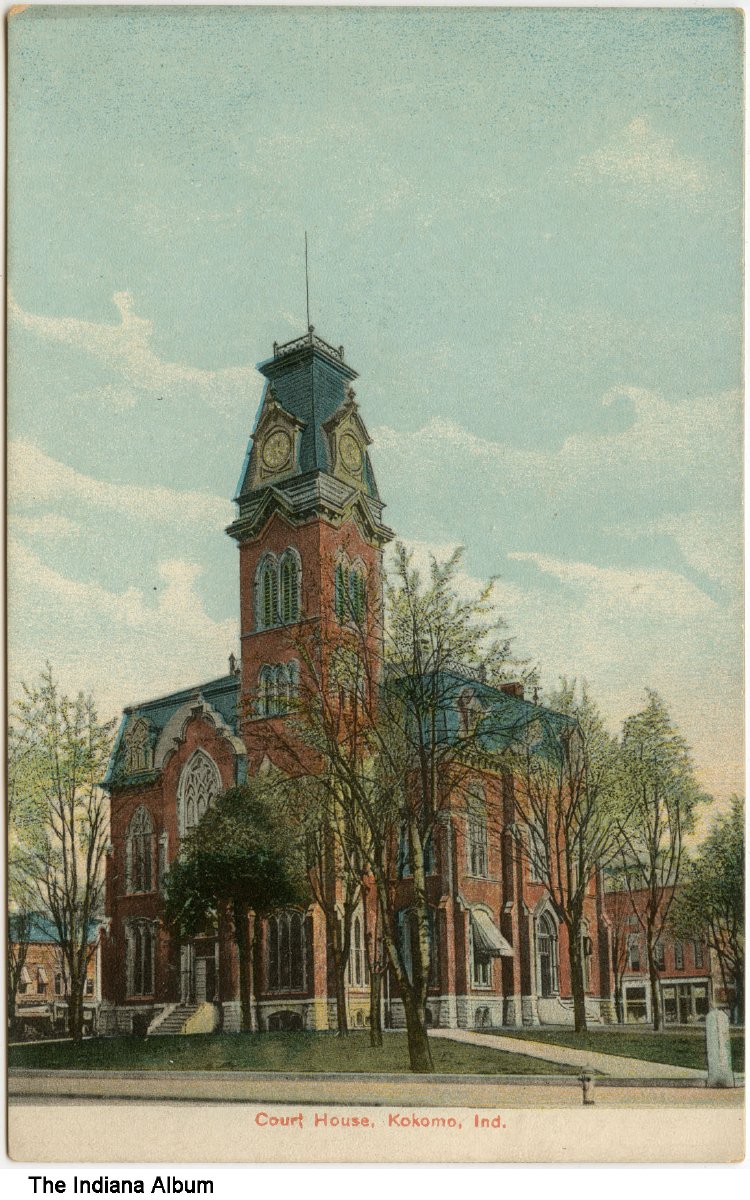
That instantly says 1930s. As it happens, the building was dedicated in 1937, built as a replacement for an 1860s Second Empire courthouse that burned down. Postcards, such as the one below, depict that long-lost structure (source).

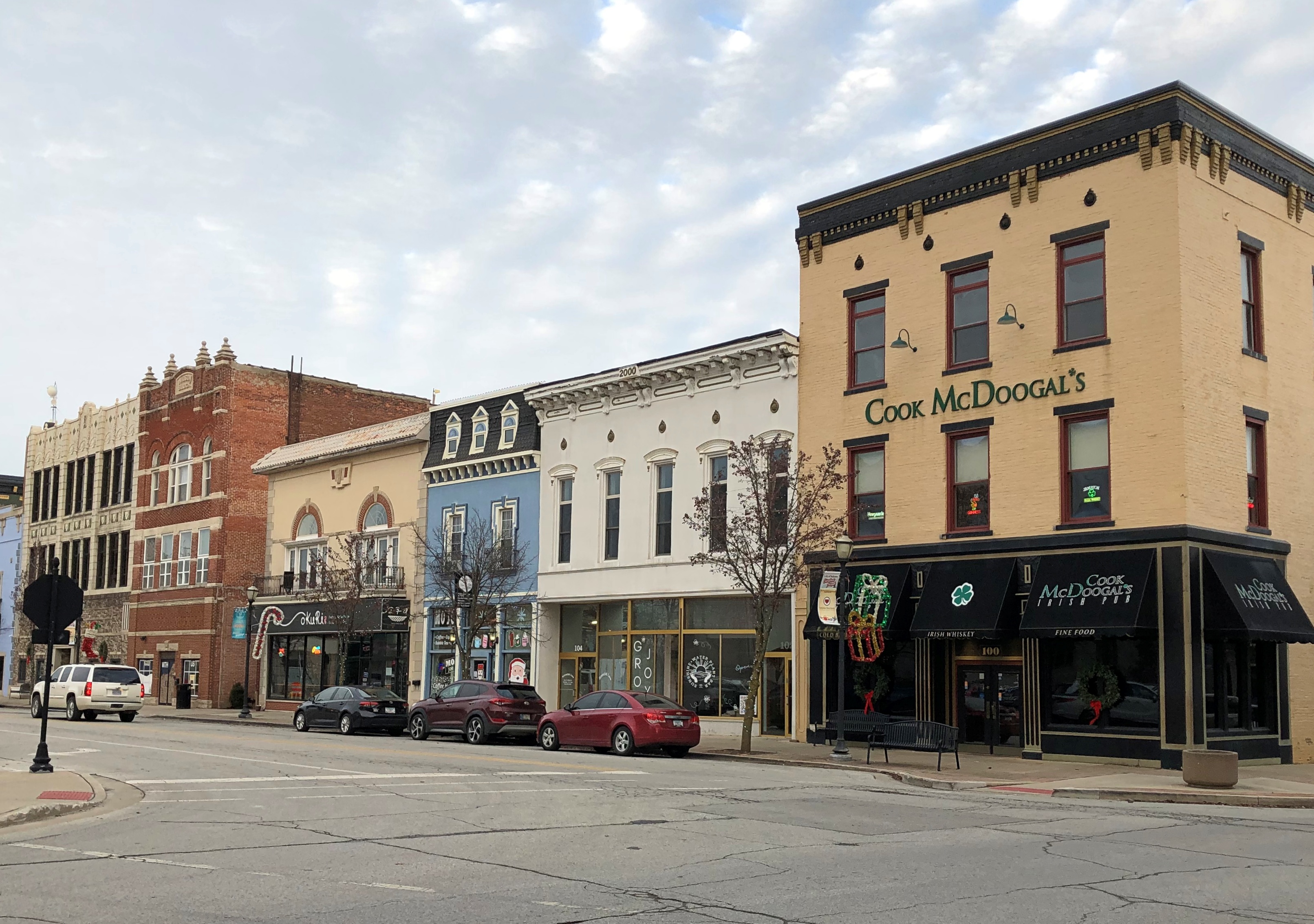
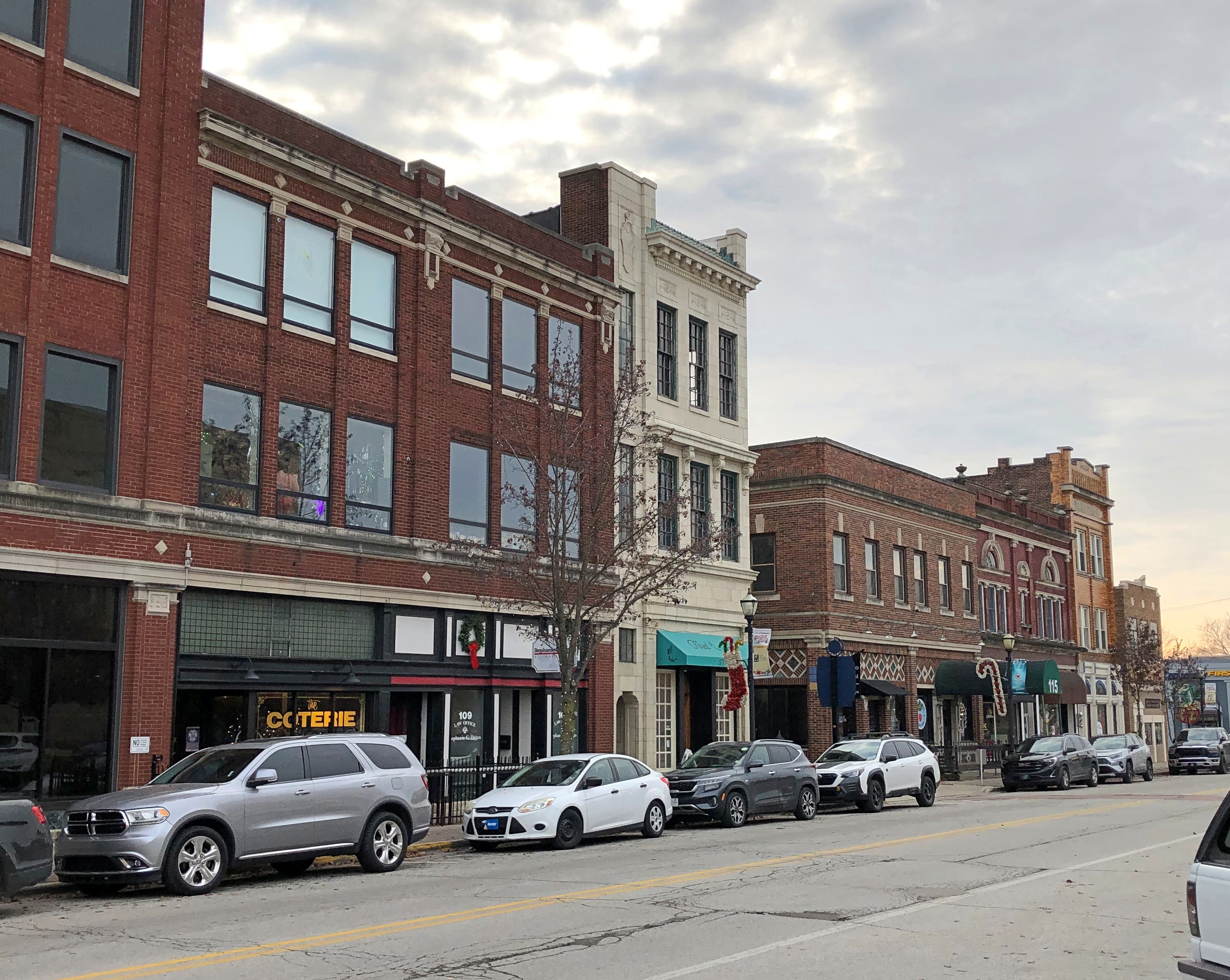
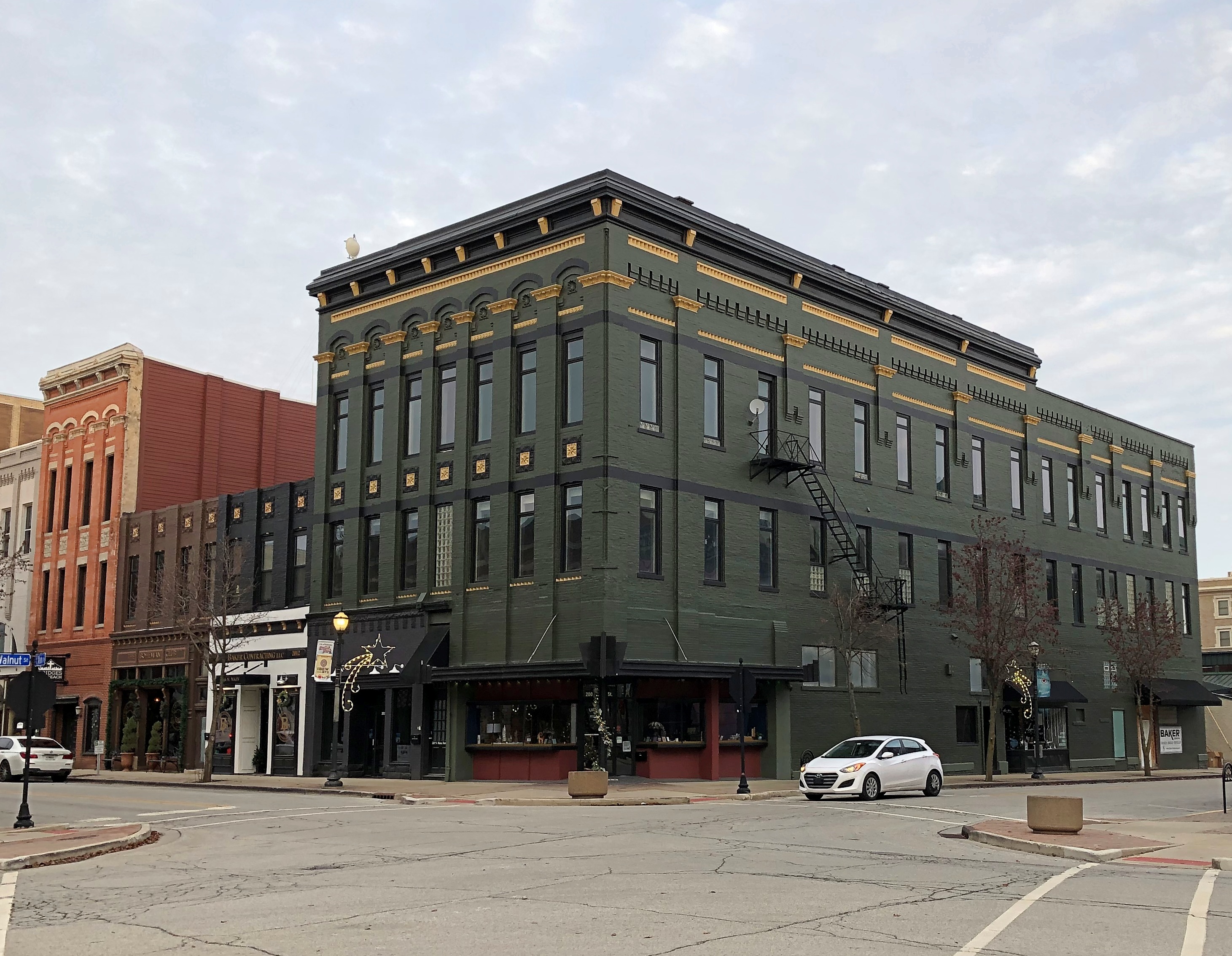
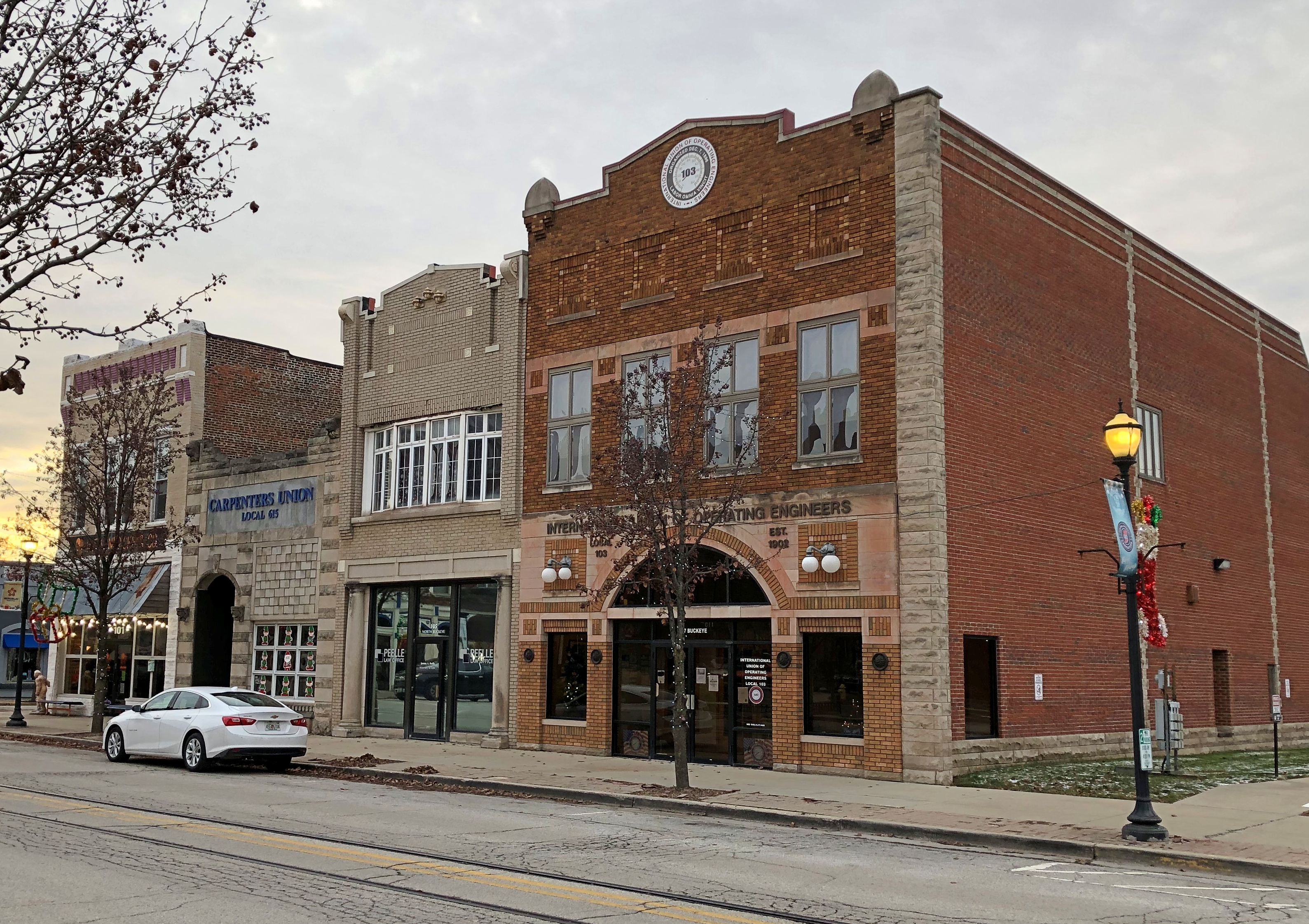
The buildings surrounding the courthouse are mostly older, some dating from the late 19th-century natural gas boom that put Kokomo on the map.Kokomo Indiana Kokomo Indiana Kokomo Indiana

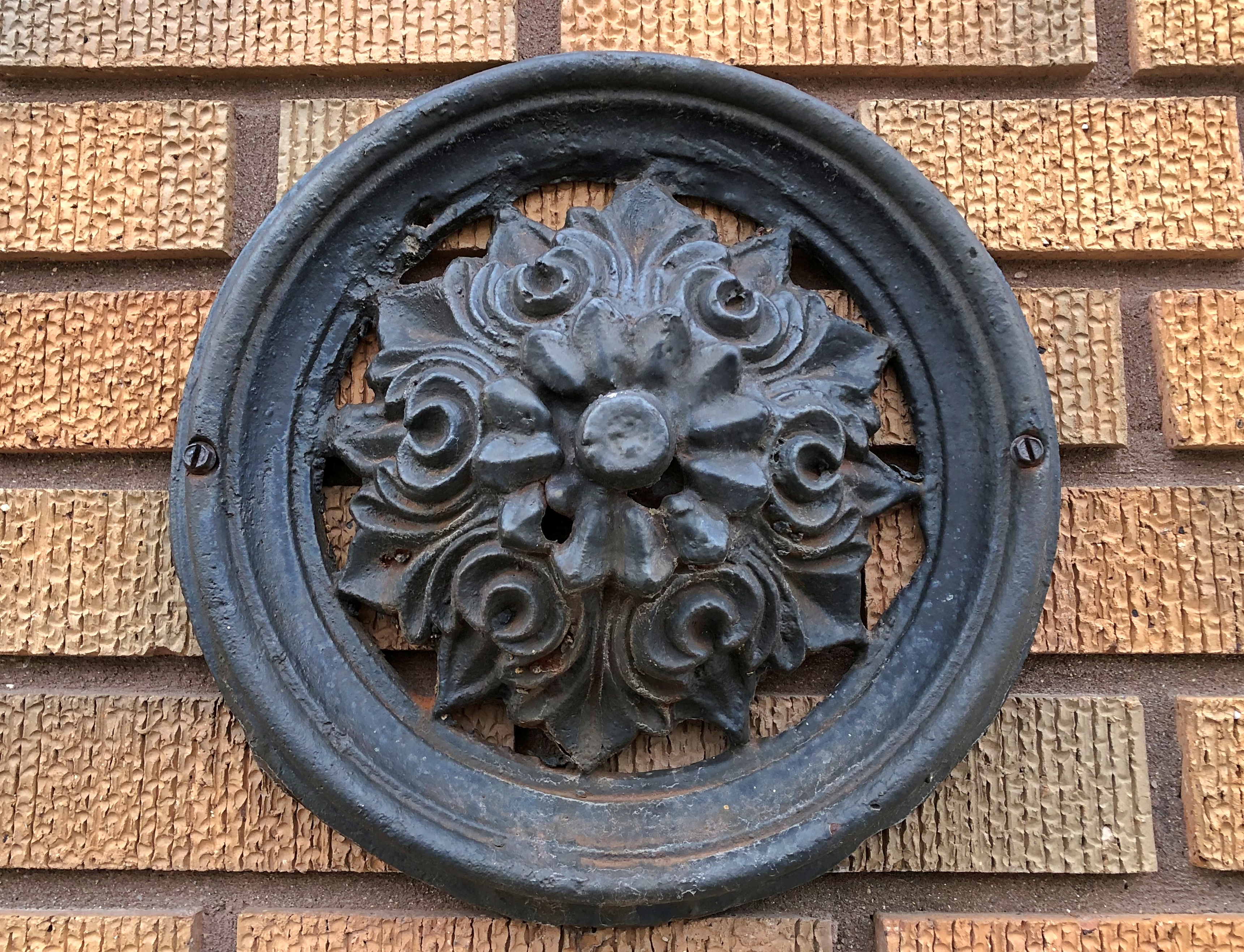
Details.Kokomo Indiana Kokomo Indiana

Union halls: Operating Engineers and Carpenters.Kokomo Indiana

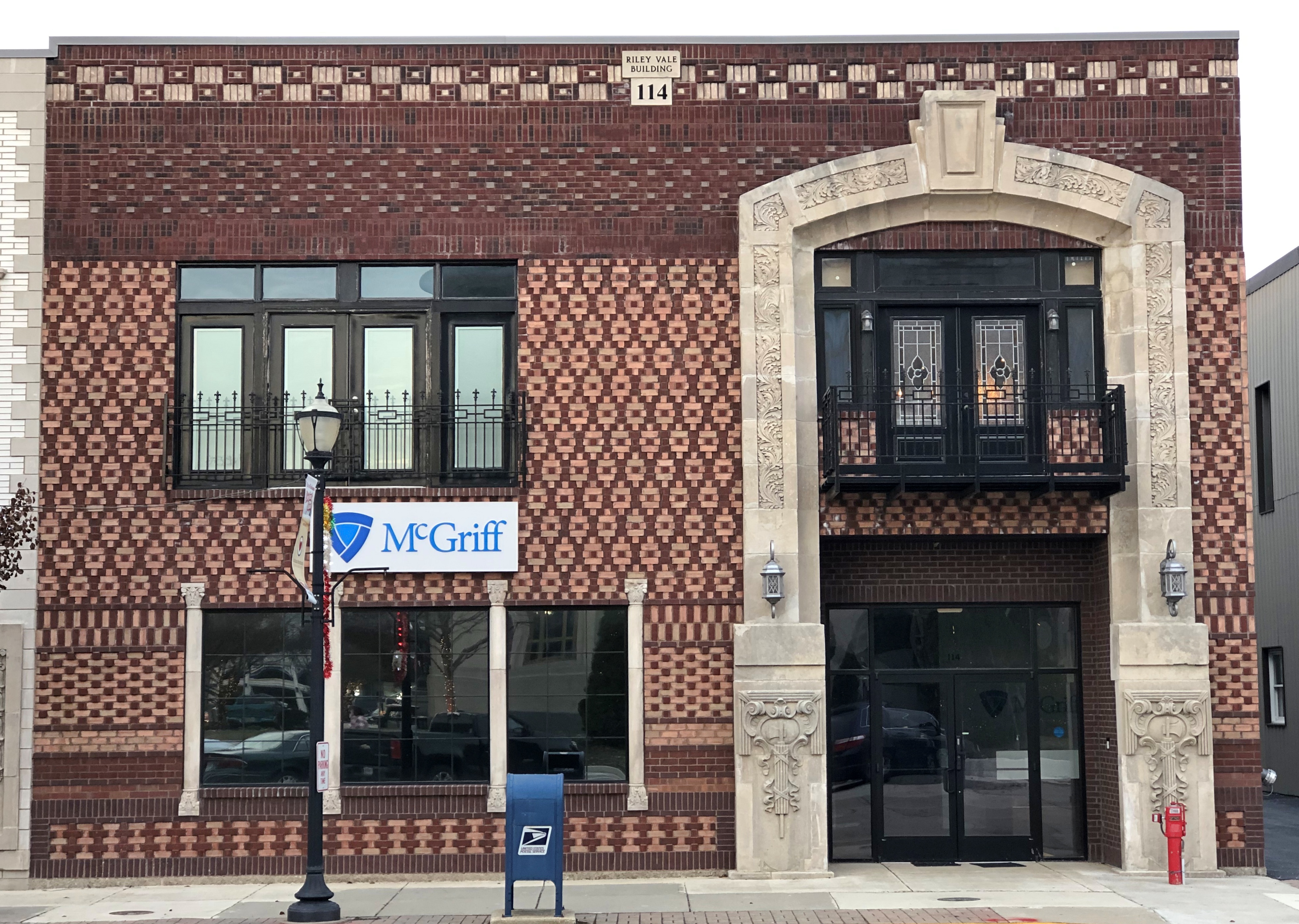
Some buildings retain their names, which doubtless reflect local real estate entrepreneurs as long gone as the old courthouse. Such as the Riley Vale Building. Nice brickwork.Kokomo Indiana

If it hadn’t been about freezing and a little windy that day, I might have done some closer images of its elaborate front.

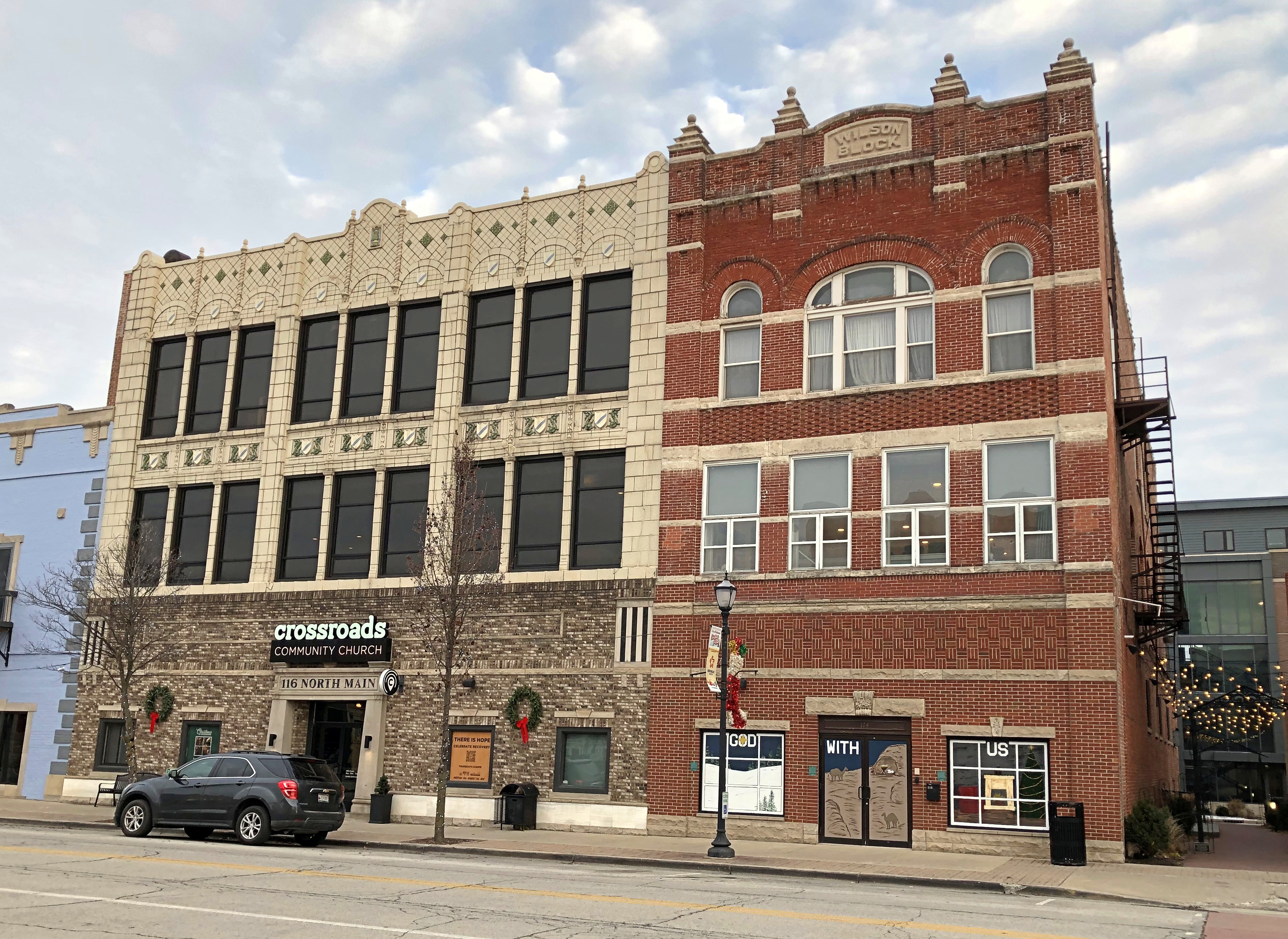
The Wilson Block.Kokomo Indiana

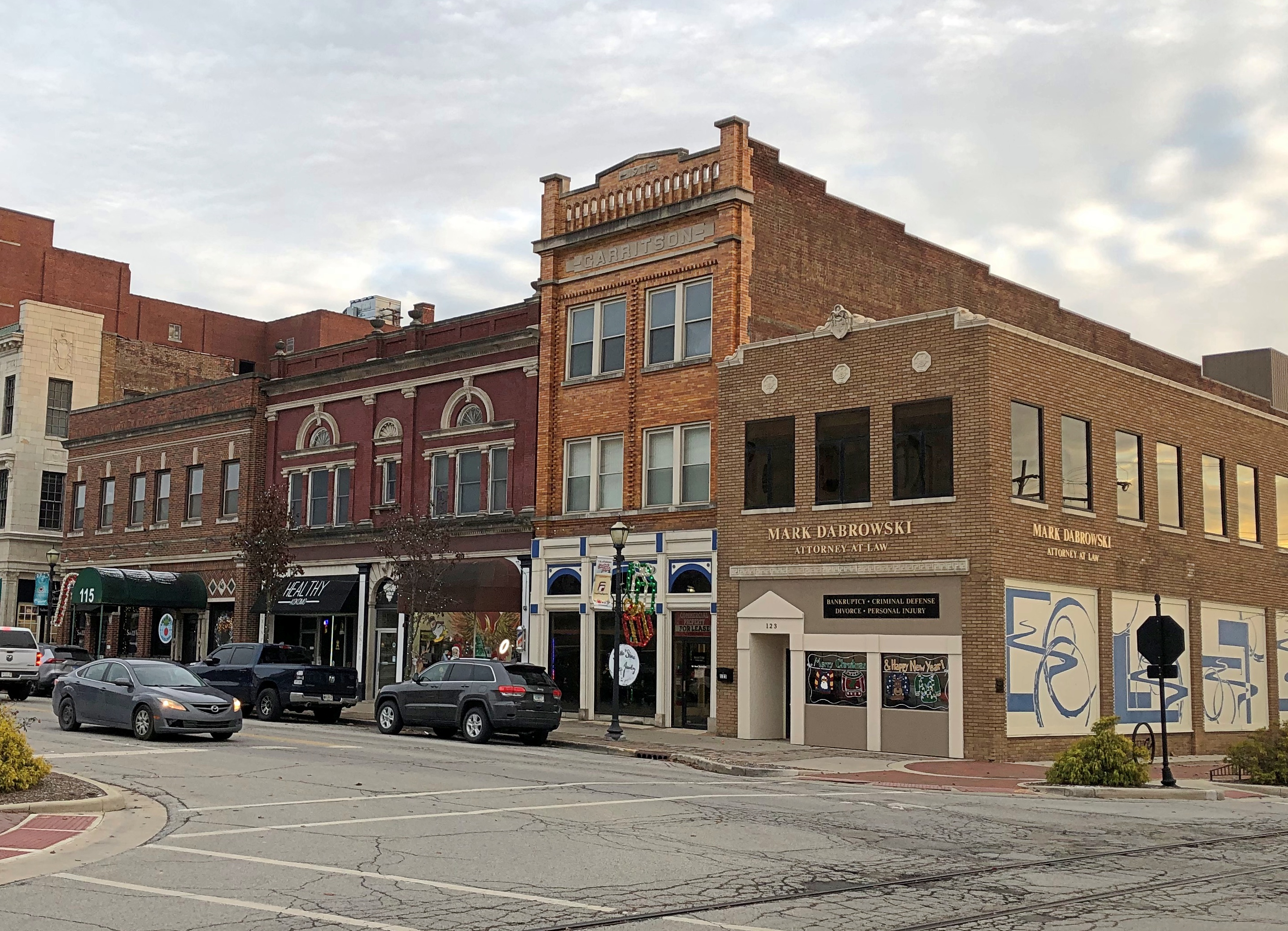
The tallest of these buildings says Garritson, with a date of 1911.Kokomo Indiana

Though it’s hard to see in this image, there’s a barber pole in front of the building to the left of Garritson. It so happened that my old barber has retired, or died, and I’ve been looking for a new one. Till then, I’ve had my hair cut in various places. I peeked inside and saw the sole barber idling in his chair. I asked if he could cut my hair sometime that afternoon and he said that his most recent appointment hadn’t shown up, so he could right then.

So I got a haircut from the barber right then. One of the younger barbers I’ve been to recently (in his 30s, probably), we chatted some, and I learned that he was the last barber standing at that shop – which had three other chairs. Not because of a population exodus from Kokomo or anything so abstract, but because two other barbers had been caught with their hands in the till, he said. I’m not sure how that could have happened, considering the economics of a barber shop, but I guess if someone wants to steal, they’ll find a way.

Bruce Peninsula ’24

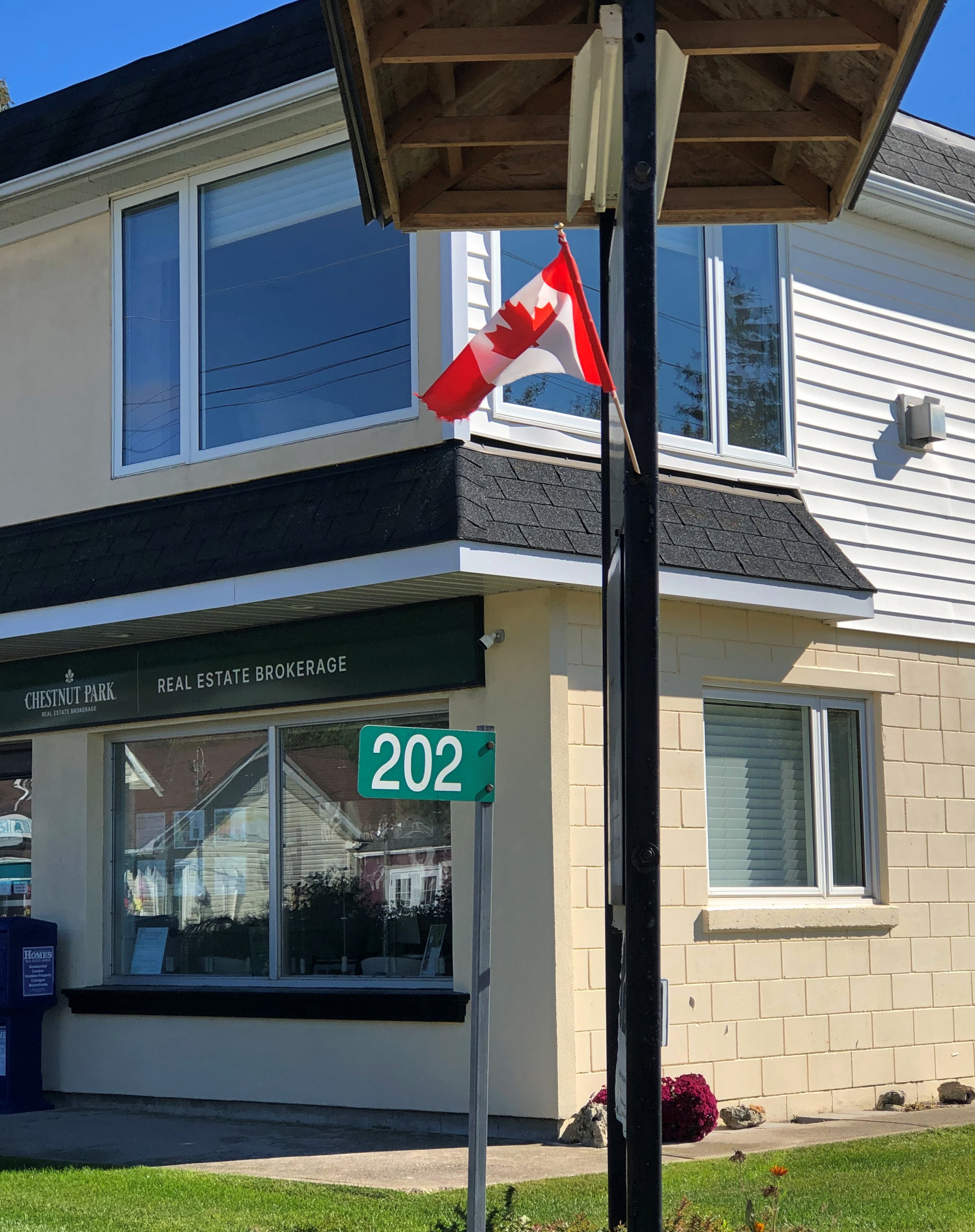
We visited the Bruce Peninsula of Ontario last week in time for some windy weather, but otherwise not inclement. The wind would ultimately require us to change our travel plans somewhat, more about which later, but it also kept flags in a spirited motion. This one snapped over a small lakeside park in Kincardine, Ontario, within sight of Lake Huron.Maple Leaf Flag, west Ontario
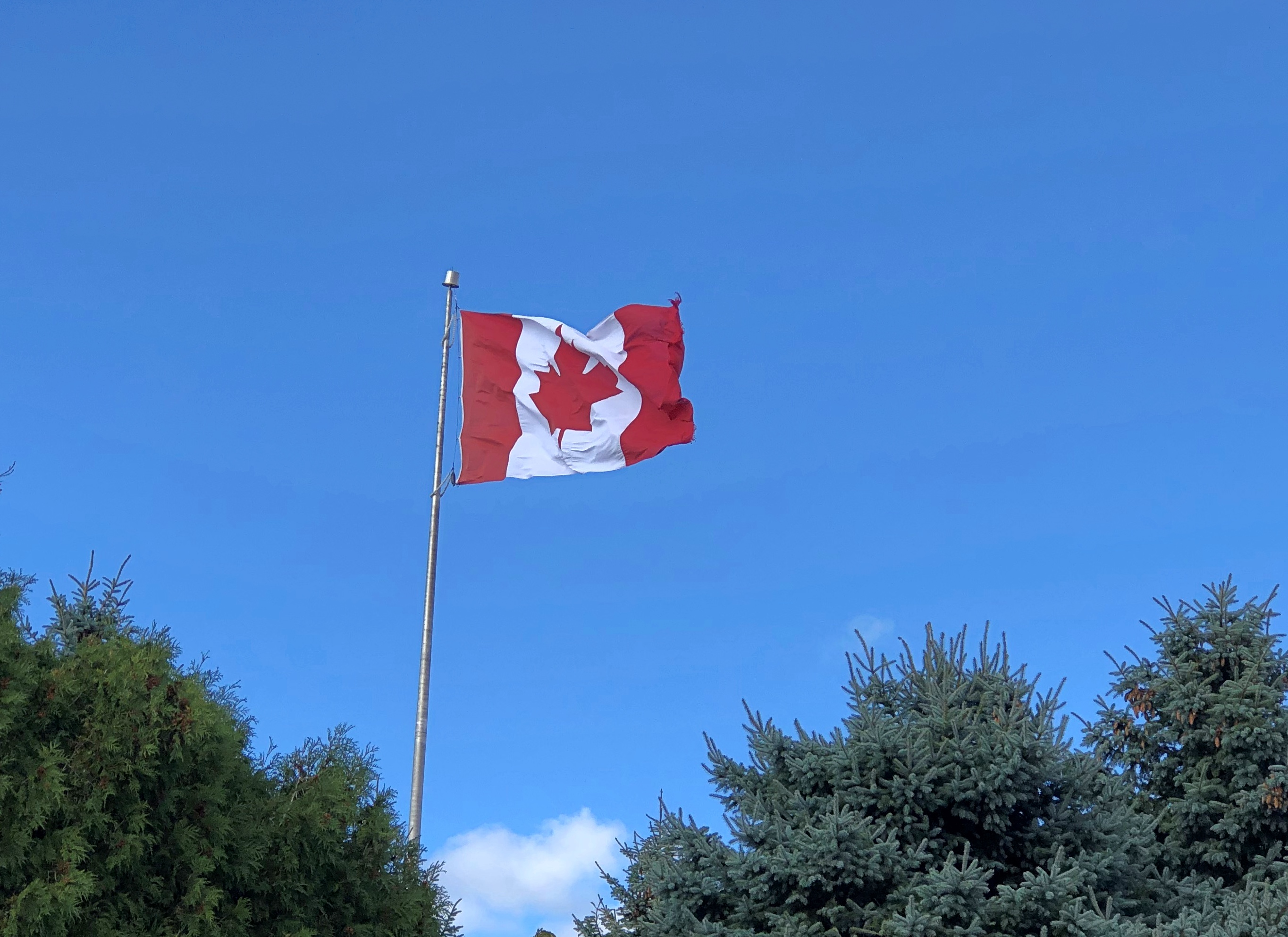
That was on Tuesday as we headed north along the eastern side of the lake, and by then I’d already formed the impression that Canadians fly more national flags than they used to. Just an impression from visiting on and off for nearly 40 years, spending maybe a month in country all together, but in no way based on anything more than my feeling. There have always been flags flying during my visits to Canada, of course. It’s just that there seemed to be more this time, though not as many as generally flag-happy Americans hoist.

The first day of the trip, Monday, October 7, we crossed Michigan to made it to Sarnia, Ontario, arriving at after dark, so there were few Canadian flags visible. The next day took us to the tip of the Bruce Peninsula, to a town called Tobermory, where we spent two nights. I started taking note of Canadian flags along that route, such as the one vigorously catching the wind in Kincardine.

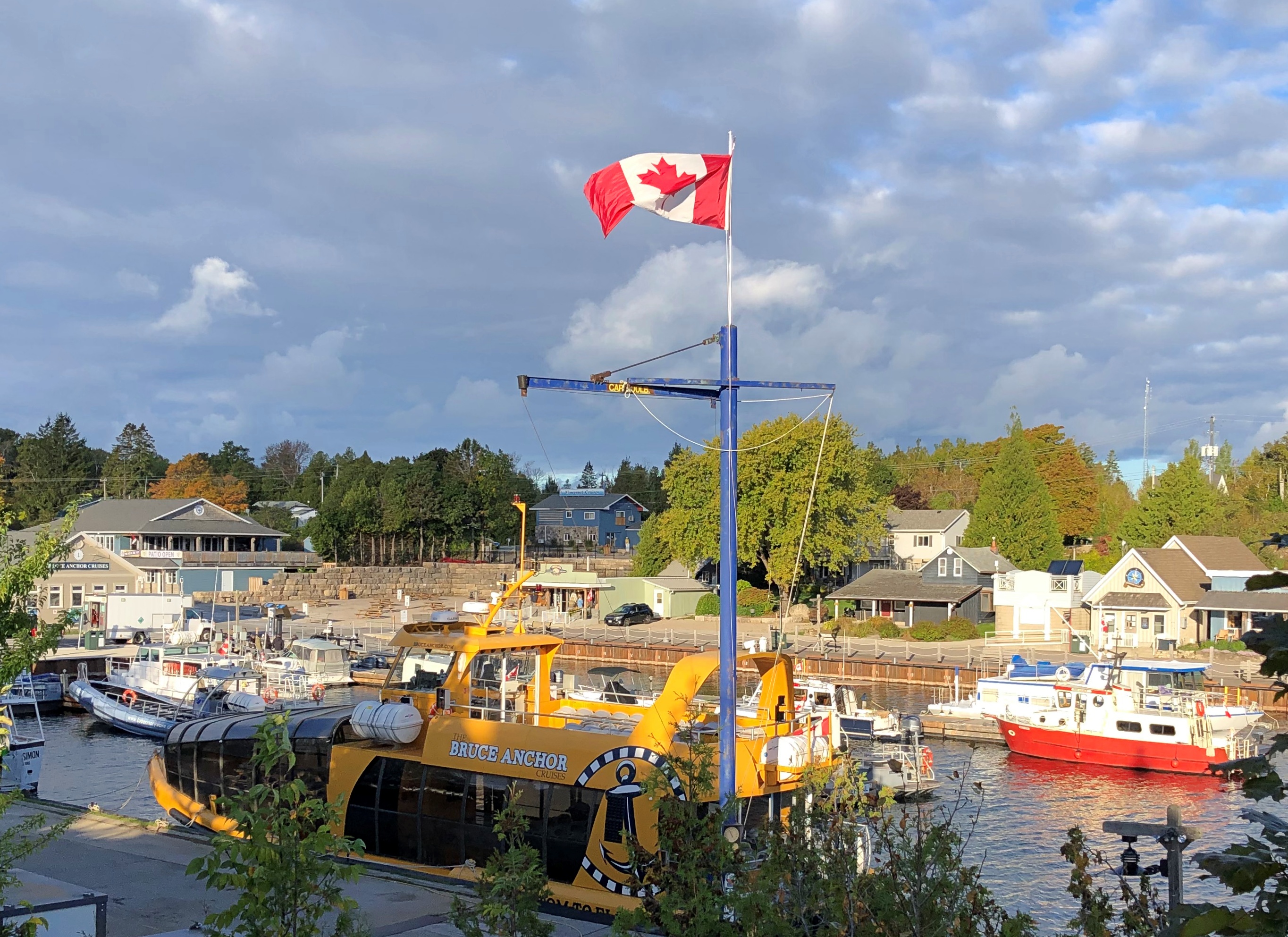
A flag flies at Little Tub Harbour in Tobermory.Maple Leaf Flag, west Ontario
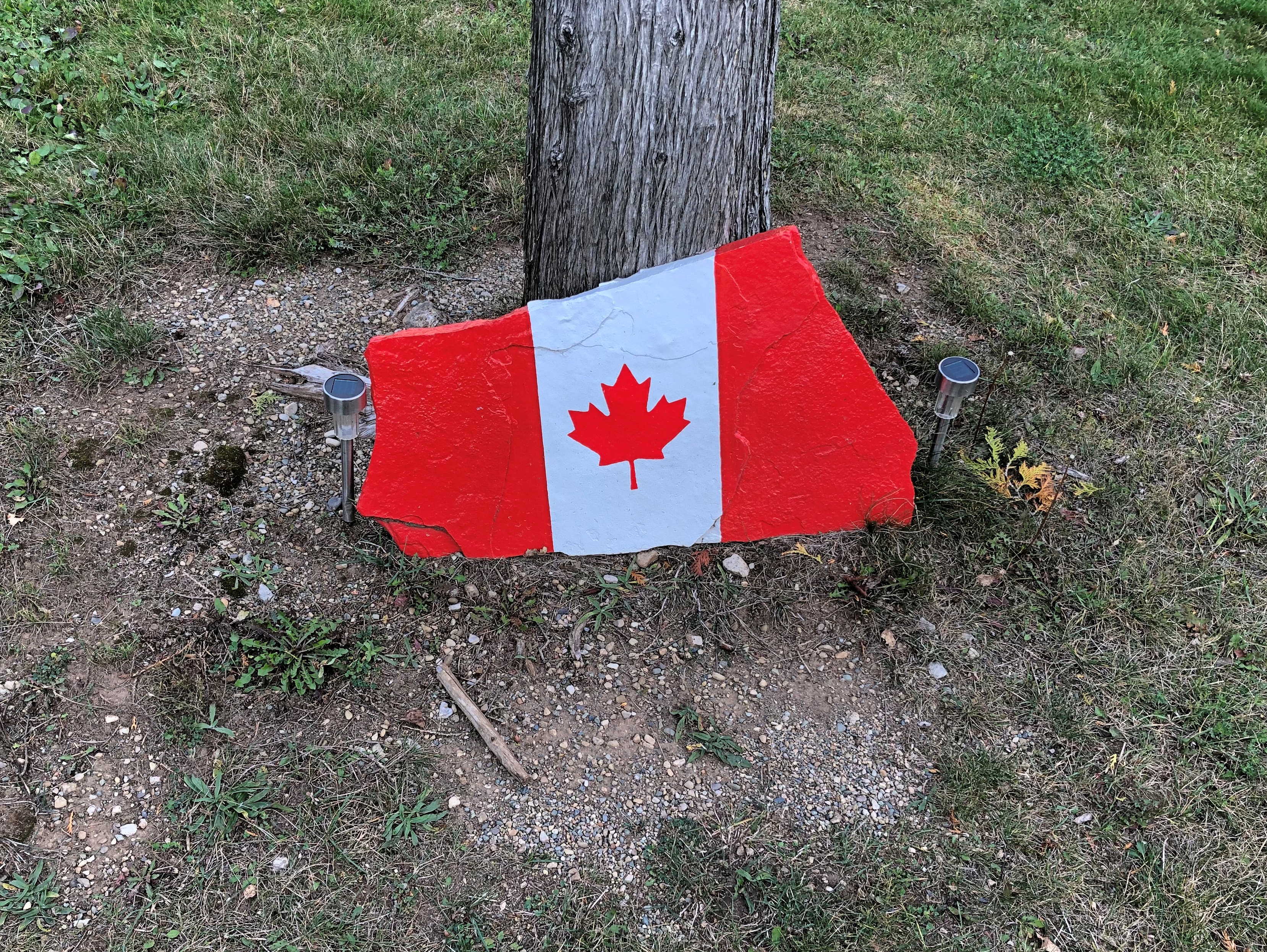
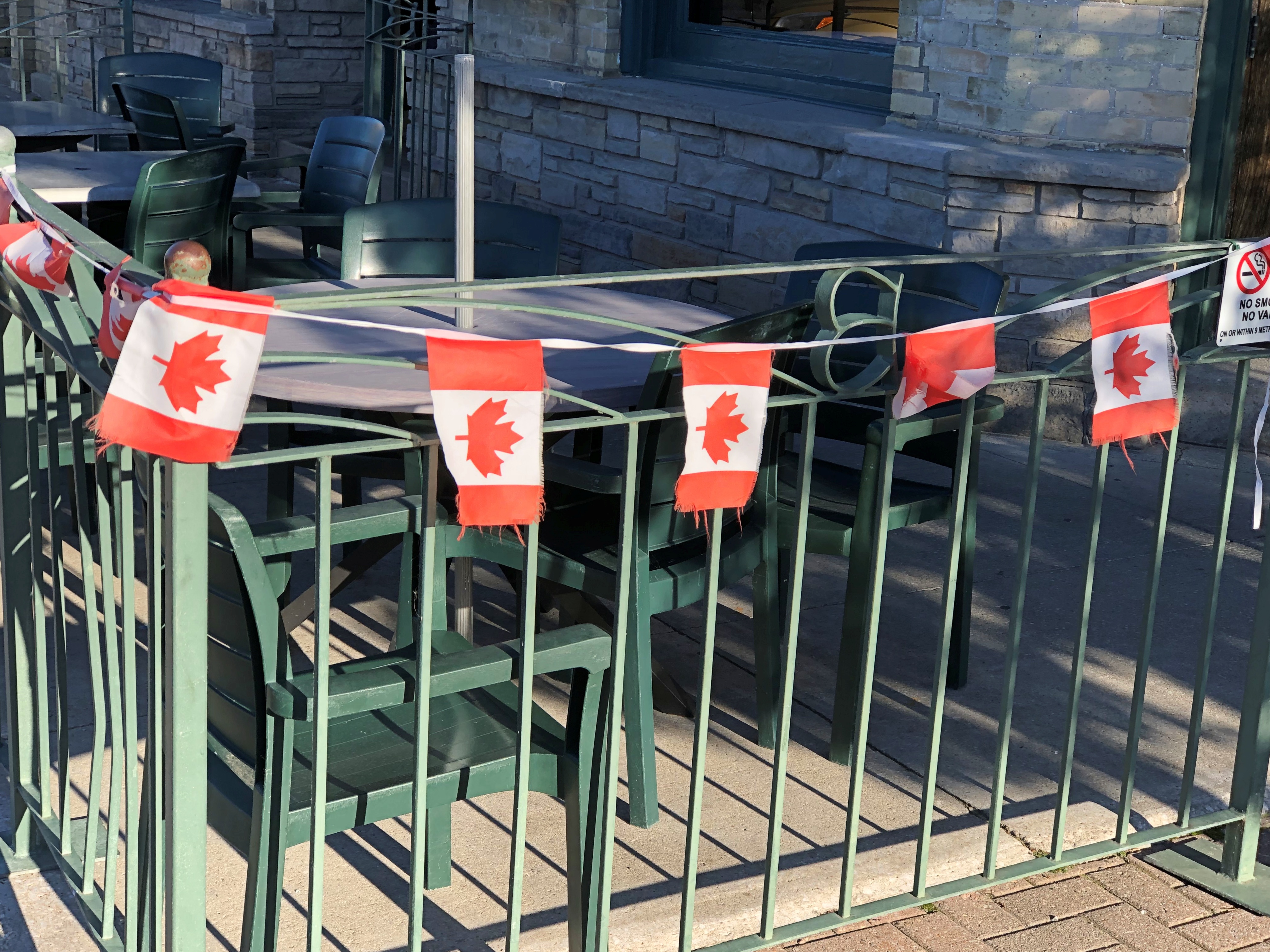
At the entrance of our motel in that town. Stands out pretty well. On the whole, that’s true of this particular flag in most any setting. Maple Leaf Flag, west Ontario
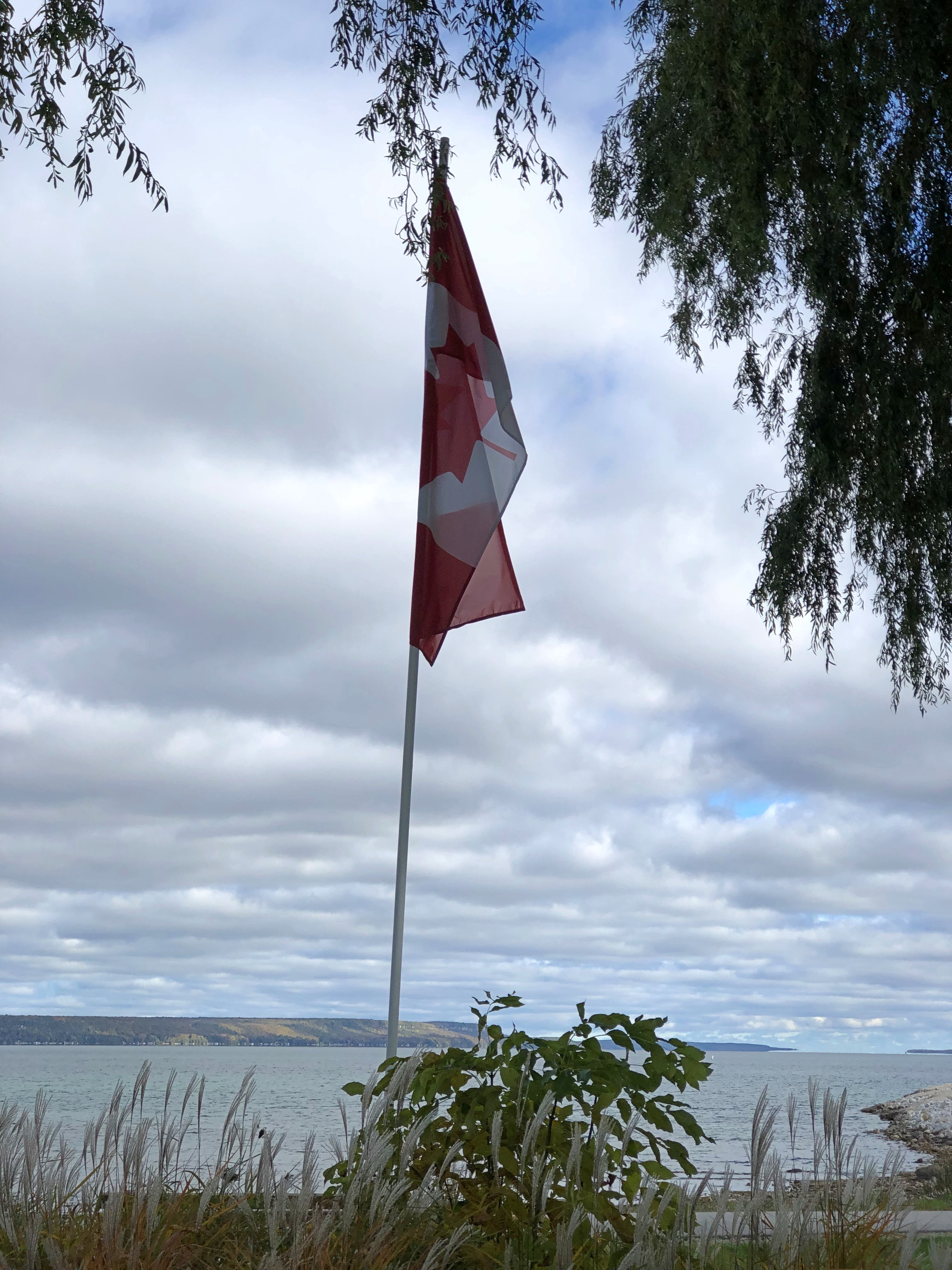
On the fourth day, October 10, we drove south much of the way we’d come, though ended up (by plan) near London, Ontario for the night. We stopped in places we’d bypassed on the way up, such as Wiarton. It wasn’t as windy that day.Maple Leaf Flag
A flag I didn’t see that often was the flag of the province of Ontario. I spotted one at Haley Hall, home of the Royal Legion of Canada, branch #208. hanging in front of Haley Hall on Wiarton's main street,
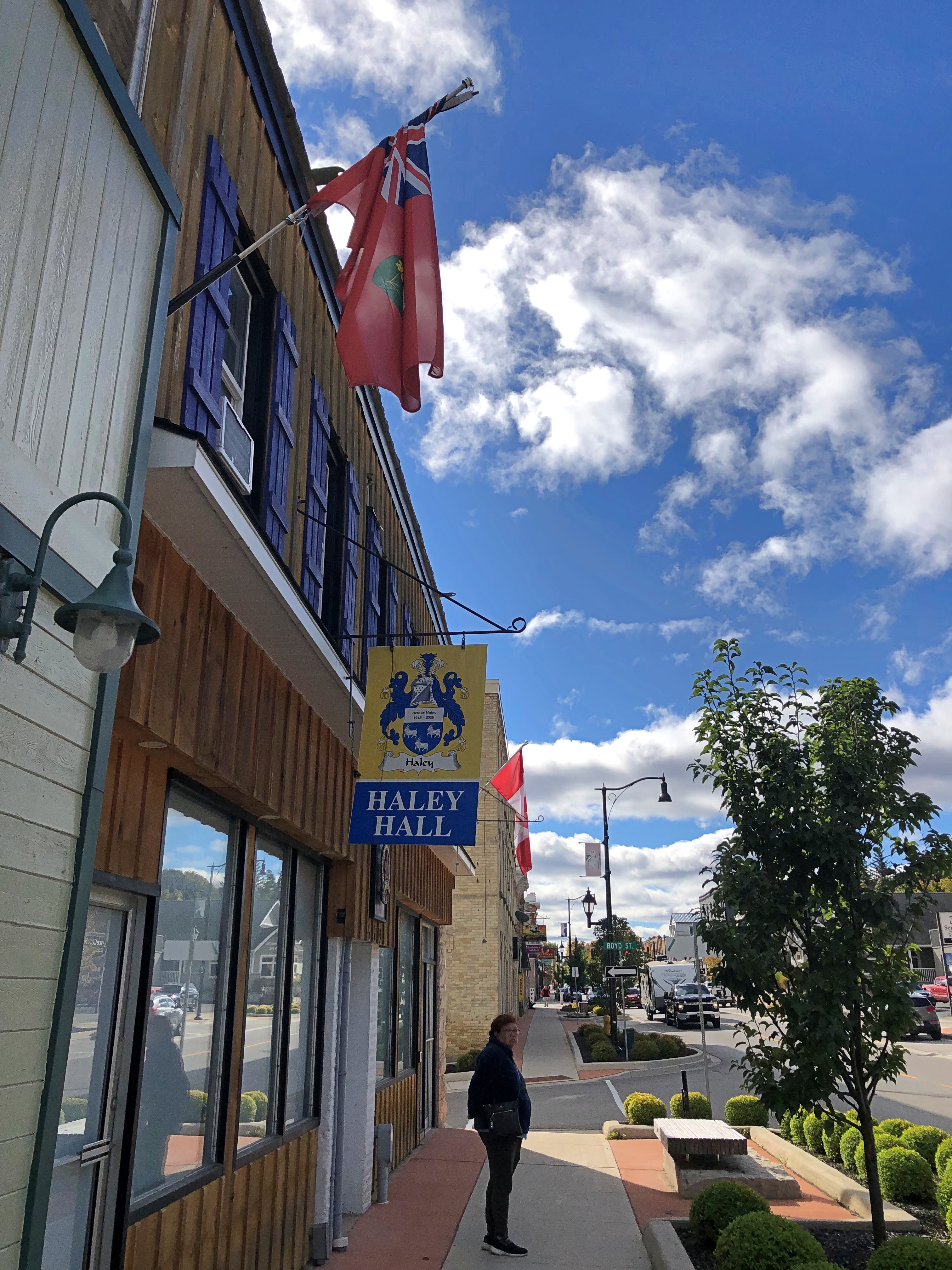
There seem to be grumblings about a redesign of that flag, but not much movement toward it now. Could be that many Ontarians’ attitude toward the question is eh, with a sizable number who care a lot for the current flag, but what do I know.

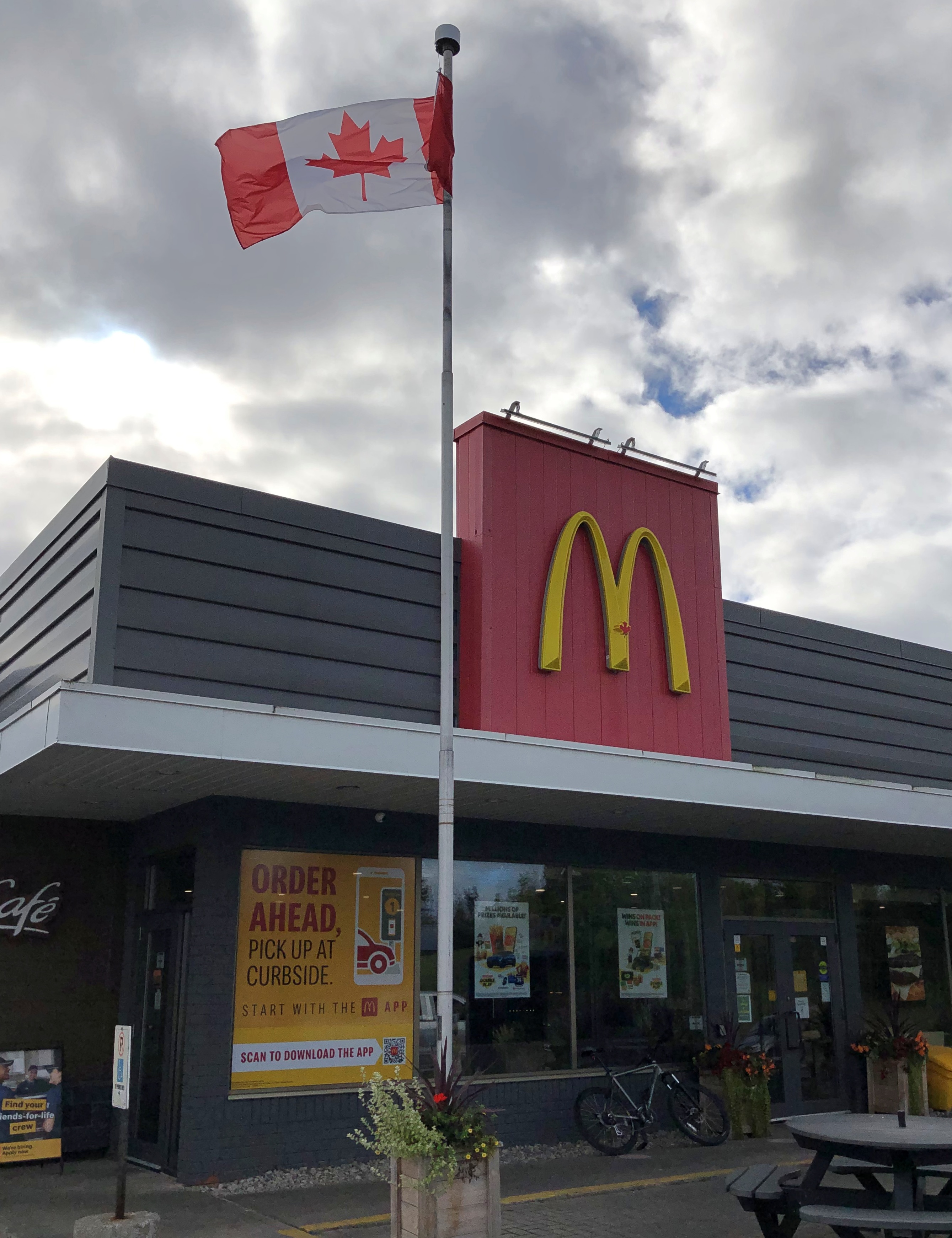
Flags on commercial structures.Maple Leaf flag Maple Leaf flag Maple Leaf flag
Note the red spot on the Golden Arches. The image doesn’t capture it well, but that’s the Canadian Maple Leaf. You’re not fooling anyone, McDonald’s.

Along our drives I also noticed that pasting a Maple Leaf on a wall or sign was very common as well: a business declaring its Canadian bone fides, even if they run no deeper than having a Canadian franchisee. Using the Maple Leaf as a shorthand for Canada has a long history, and in fact came long before the Maple Leaf flag, as detailed by a Canadian government web site.

The current national flag was the work of a committee in parliament in the 1960s. Usually committee-made implies substandard work, but I’d say they hit it out of park in the case of creating the immensely popular Maple Leaf flag.

I also have to say that the three-leaf design’s pretty cool, too. It was in the running to be Canada’s flag. But maybe the symbolism isn’t right; Canada isn’t like Gaul or a giant Tennessee, with three distinct parts.
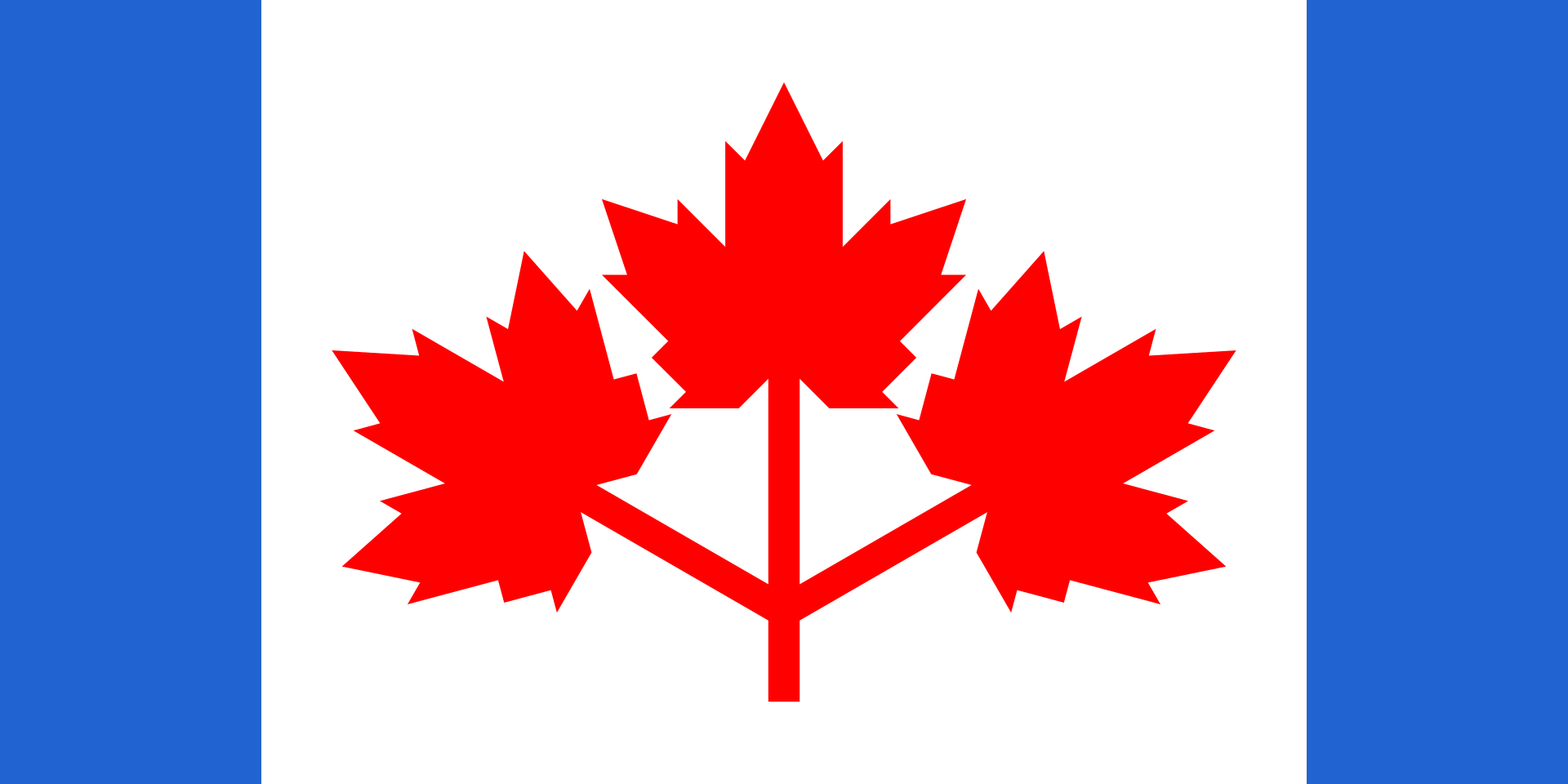
Or maybe it is. Everything west of Quebec, everything east of Quebec, and that Francophone province all by its lonesome. I’m not enough of a Canadian — not one at all — to know if that division makes any sense, but I might as well throw it out there.

Our trip to the Bruce Peninsula snapped into place only the week before we went, an unusually short time for planning (at least for me), but it turned out well. Up to the tip of the peninsula and back: four nights and five days. A longer trip would be Around Lake Huron, but it was not to be. We decided on short. That was a good decision, I think. Short but we saw a lot, and enjoyed the Bruce and other places along the way a lot.

Small roads near Ontario’s Lake Huron shore take you to small towns, long lakeshores and modest rises; vistas that can offer great beauty; and expansive farmland, well-watered woods, provincial parks and Bruce National Park, a unit of Parks Canada. Except for the Canadian flags and a few other details (such as km/h speed limits, which Canadians mostly ignored), the vibe was Door County – the counterpart peninsula on the Niagara Escarpment, jutting into Lake Michigan, the counterpart of Lake Huron.

To my way of thinking, after you’ve been to Door County and the UP – the U.S. parts of the escarpment, that is – the next logical thing to do is visit some of the Canadian parts. I’ve found that other Americans I’ve spoken to about the destination have little to no knowledge of it.

Since there is a well-developed tourist infrastructure in those parts, clearly the Canadians have heard of the Bruce, and visit in droves in the summer. That was another reason to go in shoulder-season October. Those droves were gone, and sometimes it felt like we had the place to ourselves, though that was far from literally true. Which you wouldn’t want anyway, since that would be like finding yourself in a Canadian version of The Last Man on Earth.

An added bonus: the U.S. dollar is still unaccountably strong against the Canadian dollar, which fetches about 75 U.S. cents, like it did last year (but not in 2006, when it was close to parity). Pay your bill and with no effort, get a 25 percent discount. None of those cash-back schemes so widely advertised can hold a candle to that.

Speaking of money, and national symbols, receiving this coin was a first for me, namely getting Charles in change. Minted in 2023.  Got it along with some Elizabeth coins, obviously still the vast majority.
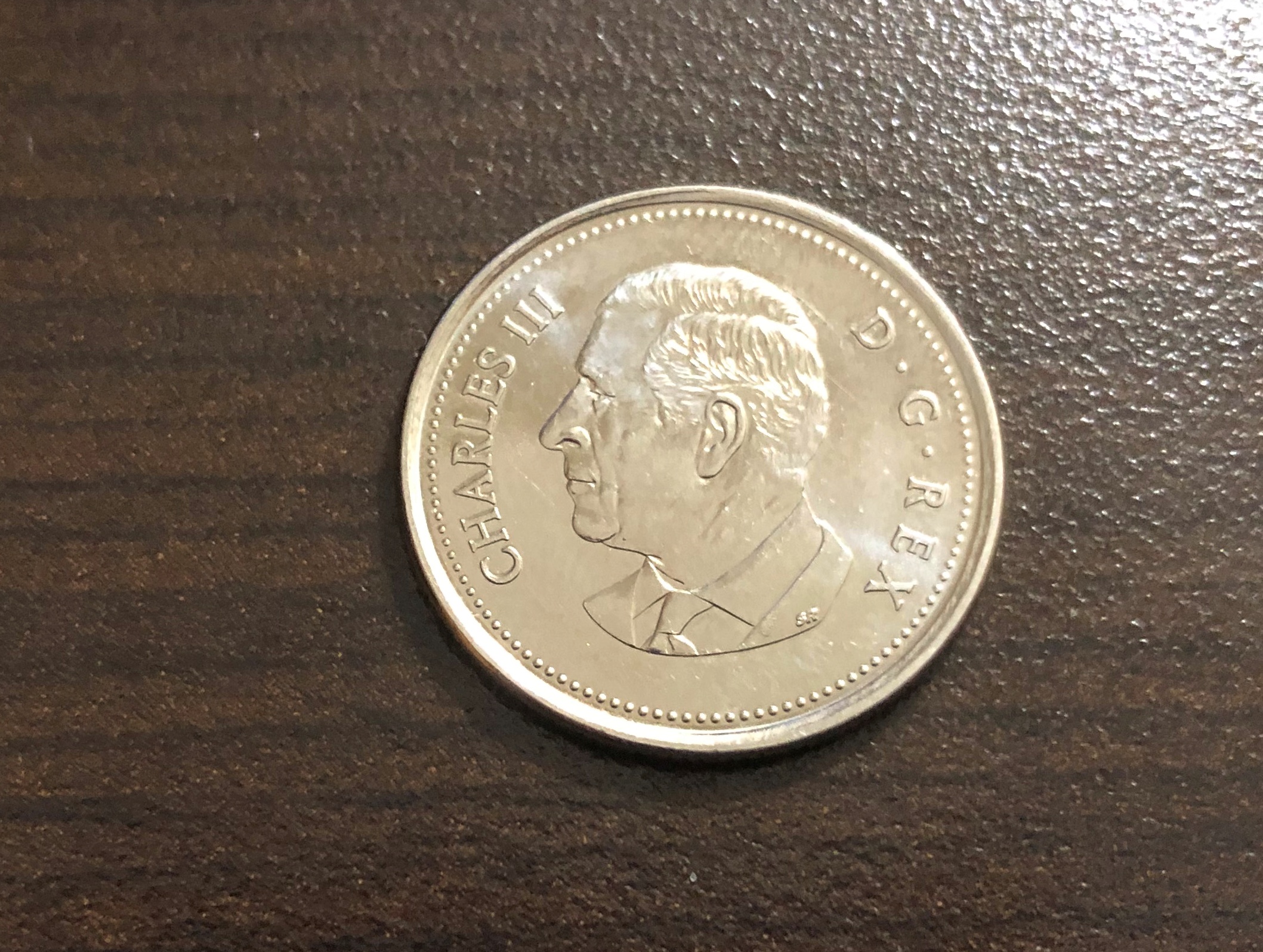
King Charles taking his place on coinage, hewing to a custom as ancient as King Croesus, yet in a remote part of his realm that’s not really his realm that much any more. I don’t have strong feelings about him as sovereign, but it is nice to see something new on a coin, like the recent redesigns of the obverses of the U.S. Washington quarter and Jefferson nickel.
The I-90 Western States Road Epic

I marvel that what Yuriko and I just did is even possible. Between Sunday, August 18, and Sunday, September 8, inclusive, we drove from metro Chicago to metro Seattle and back.

The kind of trip I call an epic. Which just means a long one. All together, we drove 5,916 miles across nine states. We visited cities, towns, remote farm and ranch land and forests, crossed plains, rivers small and mighty, hills, and mountain ranges. We visited our eldest daughter in far-off Washington state and reached the Pacific Ocean.

I call it an epic, but that’s only my idiosyncratic label. By historical standards, our trip was laughably easy. All we needed were some (but not a lot) of those three basic ingredients of modern travel in North America, and a fair number of other places: time, money and – perhaps the most elusive for many people, though of course the other two are often limiting – the will to go.
We did not need a supply train or pack wagons. We carried all the communications equipment we needed in our pockets. Food and fuel were easily purchased.

We did not need the permission of any authority at any level of government, beyond a drivers license or license plates, which aren’t specific to interstate travel. We paid no gang a toll, no one baksheesh to pass through their land.
We did not need to be armed. We encountered no hostility of any kind. Crime, of course, is possible anywhere, and I like to think we were careful. I was only really anxious about the possibility once, but even then nothing happened.

I’m positive that the greatest risk to life and robust health was the fact that we just drove nearly 6,000 miles over roads of varying size and traffic density, some of which were a bit hairy. I like to think we were careful about that, too, putting our combined 72 years’ driving experience to the task, and we got home with nary a dent nor a scratch, much less anything worse.

The epic was conceived and carried out in three parts of roughly a week each: the drive out west, the visit in the Pacific Northwest, and the drive back east. On that structure we hung four main events and many other smaller ones. And by events, I mean seeing places in three cases, and visiting family and friends in one. On the way out, we saw Glacier National Park. In Seattle, we visited Lilly and Dan, as well as two old friends of mine, Bill and Tom, and their spouses, but also spent a couple of days at Sol Duc Hot Springs at Olympic National Park. On our return, we saw Grand Teton National Park.

Some of the driving counted as a necessary chore, such as the route through Wisconsin, Minnesota, South Dakota and ultimately Wyoming: I-90. If you want to, you can drive all the way to Seattle on I-90, a total of just a little more than 2,000 miles, according to Google Maps. We didn’t want to do that. We used I-90 to get to Wyoming and then Montana on the way out, and return from Wyoming on the way back. For us, that was two days’ worth of driving each way.

Once we got to Montana, we took smaller roads that crossed that state and Idaho and Washington state. On the return, we crossed another part of Washington, Oregon and Idaho, back to Wyoming, also mostly using smaller roads, except for a stretch of I-84. Those small roads sometimes provided exceptionally scenic driving, or driving through territory the likes of which we hadn’t seen before. And there was some fun mountain driving. By fun, I mean curves.

Going out, we reached the vicinity of Devils Tower National Monument after two days on I-90, and stayed there for two nights; next, Helena, Montana for a night; then a campground outside the St. Mary’s entrance of Glacier National Park for two nights. Spokane for one night; and into Seattle.

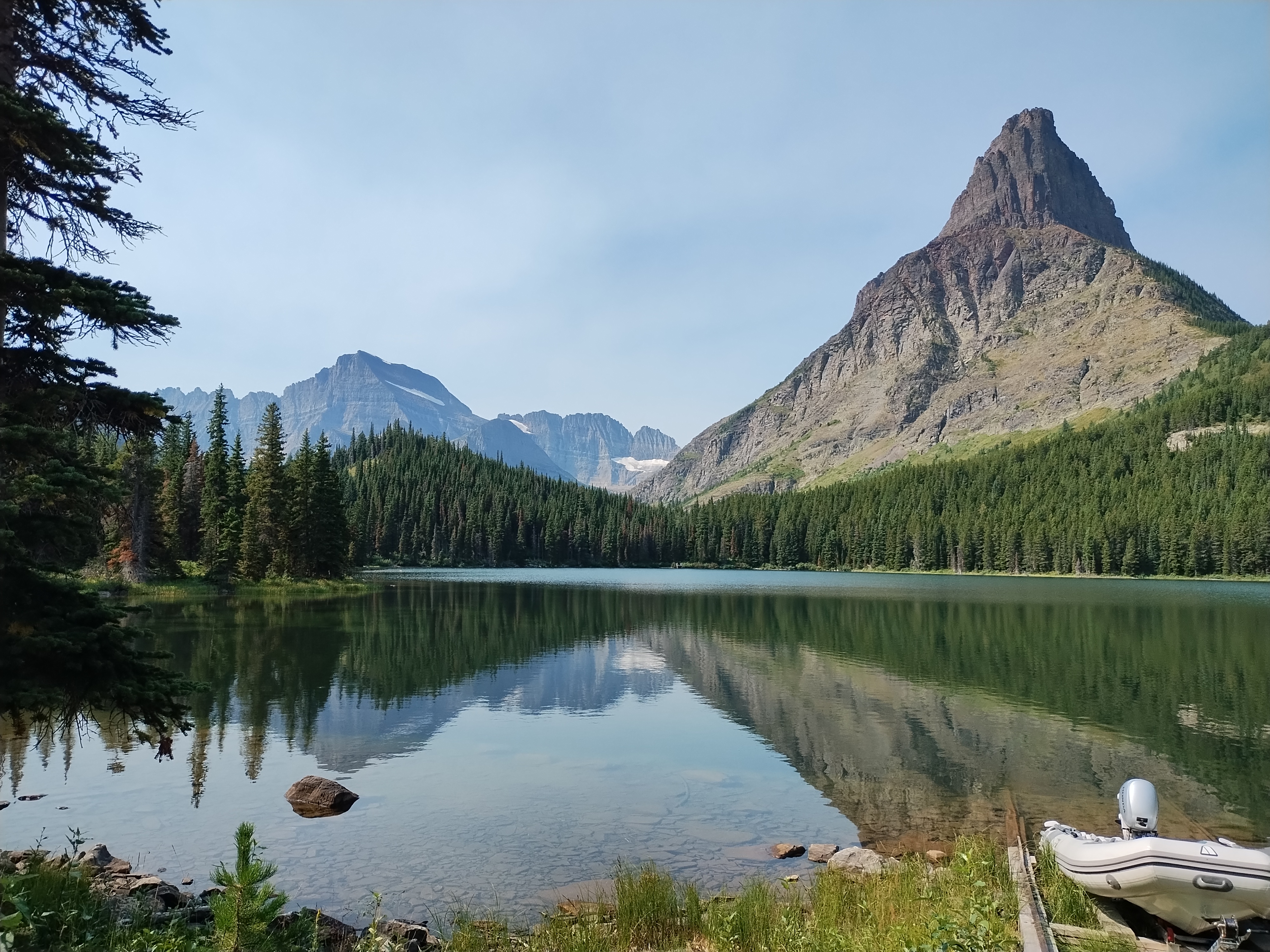
A view in Glacier NP.Glacier National Park

It would have been six nights in Seattle, but we spent one camping in Olympic NP in the middle of that week. The return began with two nights in Portland; a night in Boise; a visit to Craters of the Moon National Monument and then three nights near Grand Teton NP; one in Sheridan, Wyoming, and then back to the I-90 funnel back home.

A view in Grand Teton NP.Grand Teton NP

Squint and you can imagine randy Frenchmen of yore saw mammaries.

Bloomington Ramble ’24

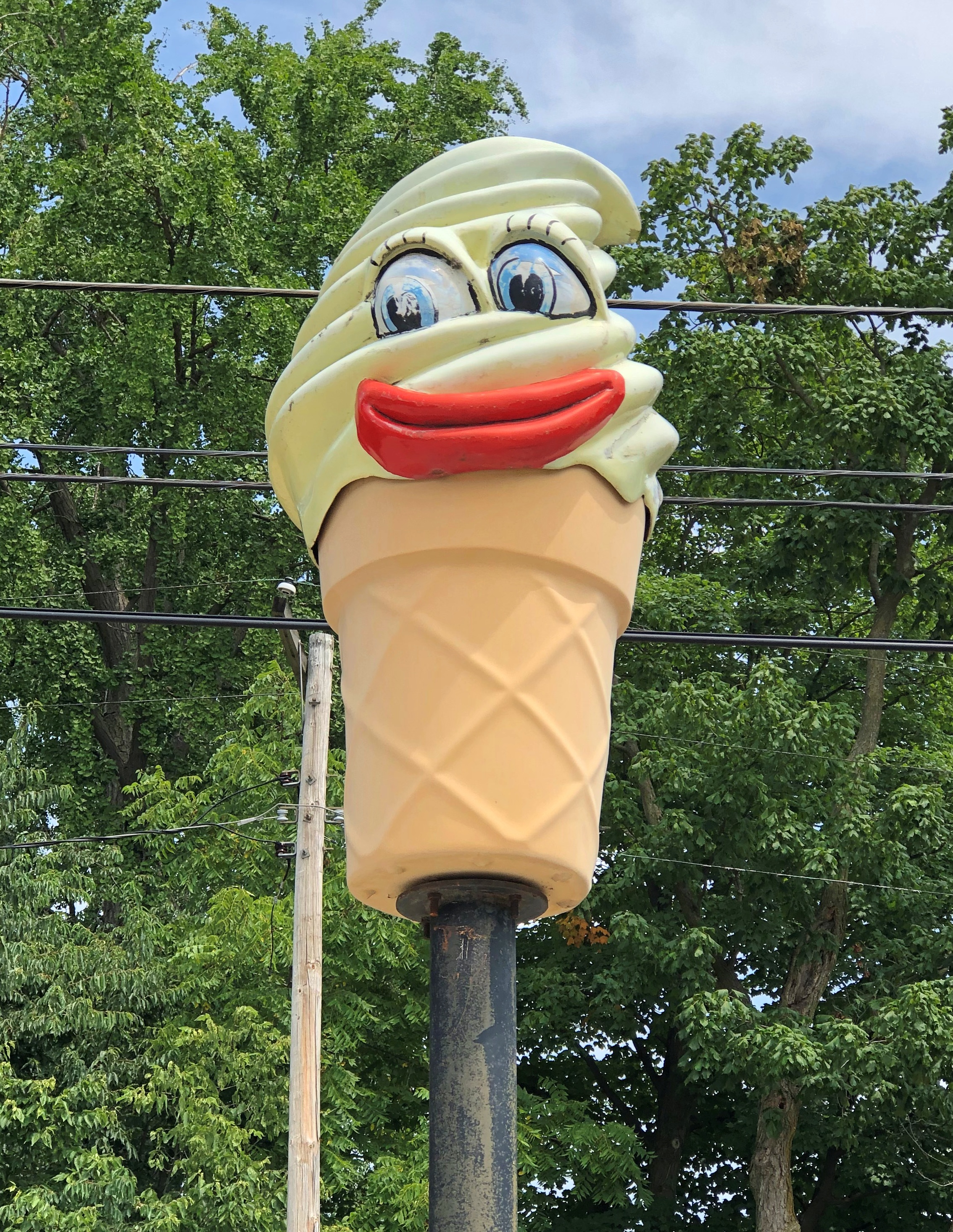
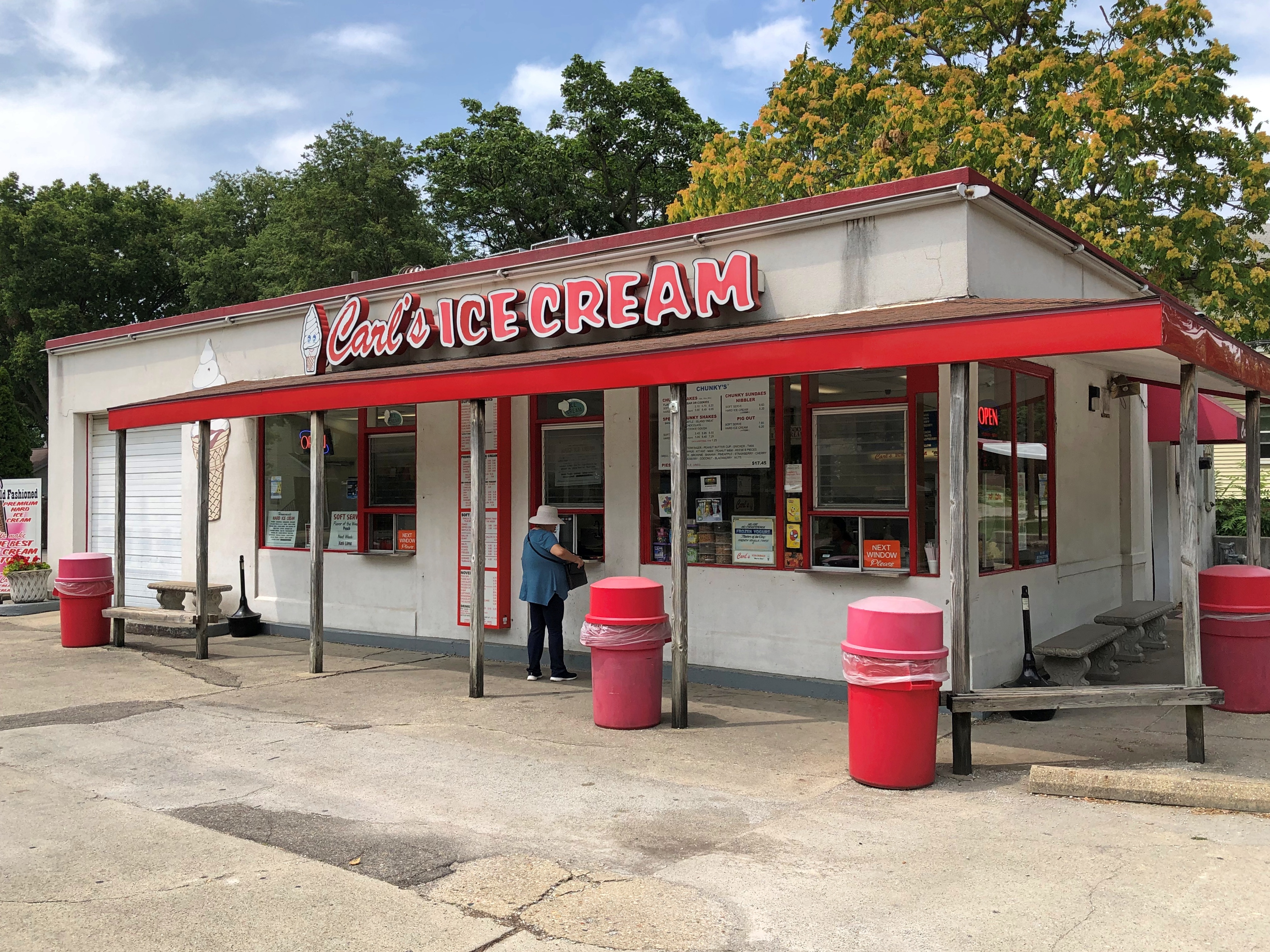
Want good soft serve ice cream in an unpretentious setting? Look no further than Carl’s Ice Cream, a plain-looking shop deep in the heart of Bloomington, Illinois. Also, look for its anthropomorphic soft serve cone rising over the parking lot.Carl's Ice Cream Bloomington Carl's Ice Cream Bloomington

Yuriko and Ann had strawberry, I had chocolate. Carl’s in Bloomington – there’s also one in Normal, with an ice cream muffler man outside – was an early afternoon stop on Saturday. We spent part, but not all of the weekend, in Bloomington.

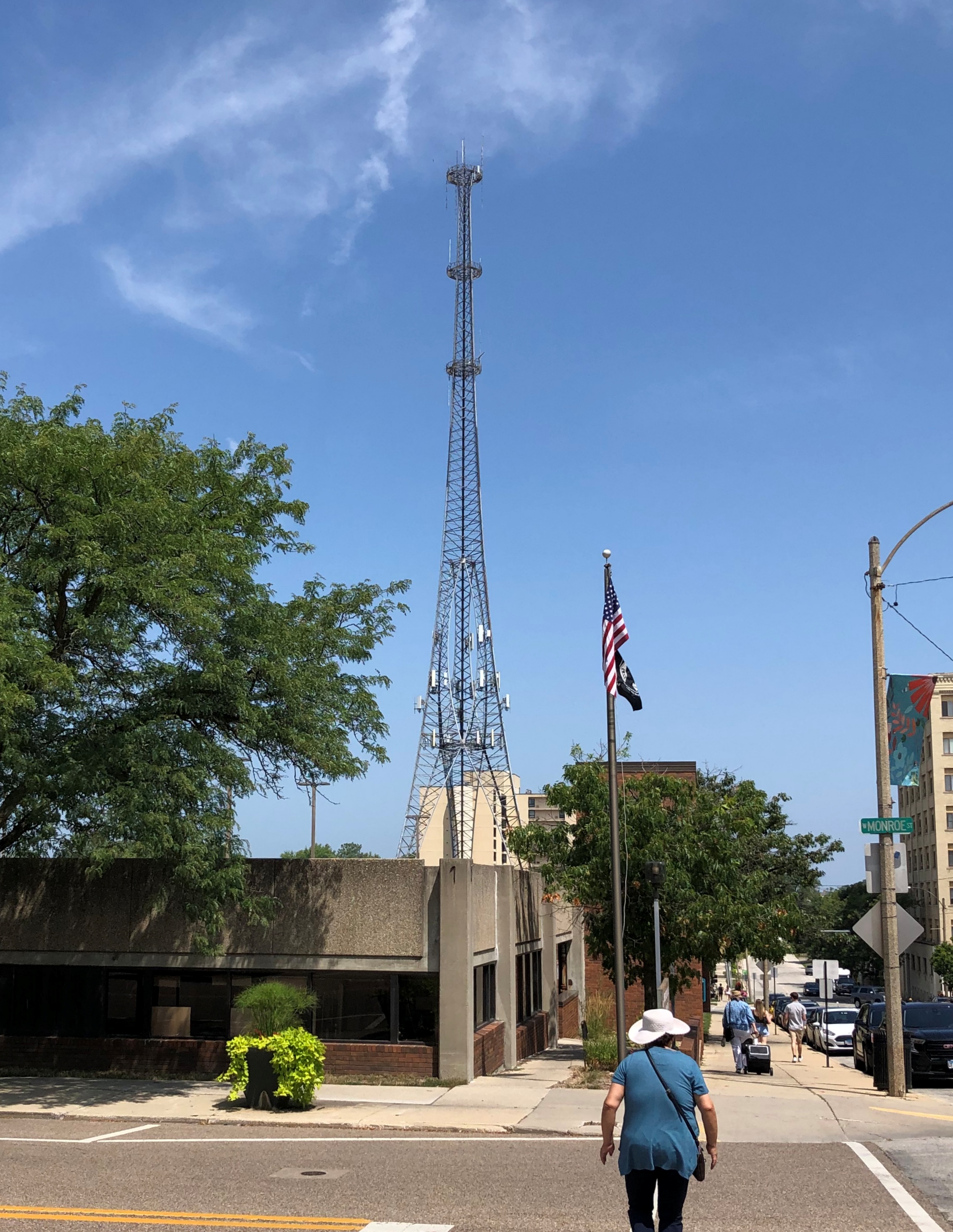
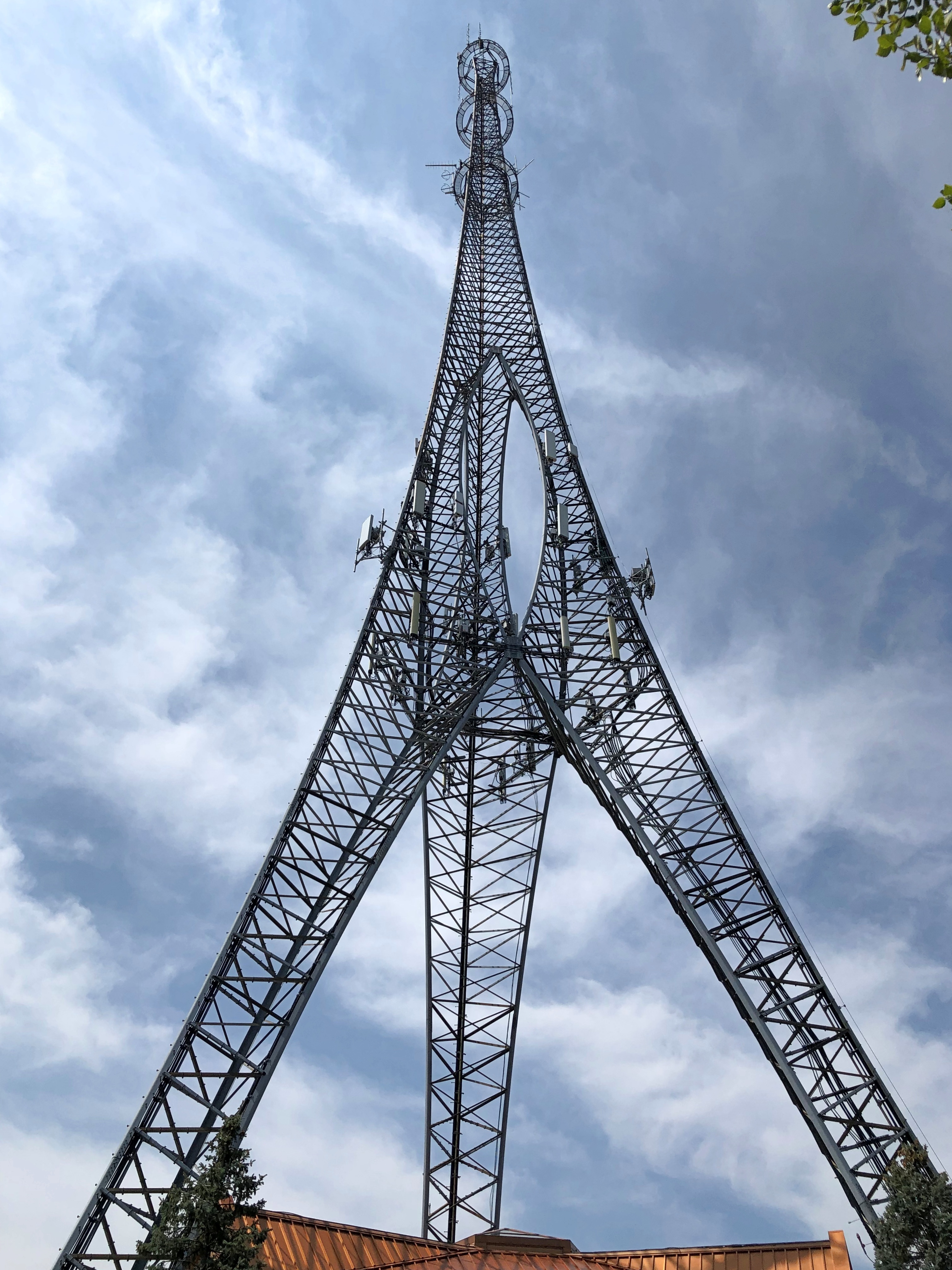
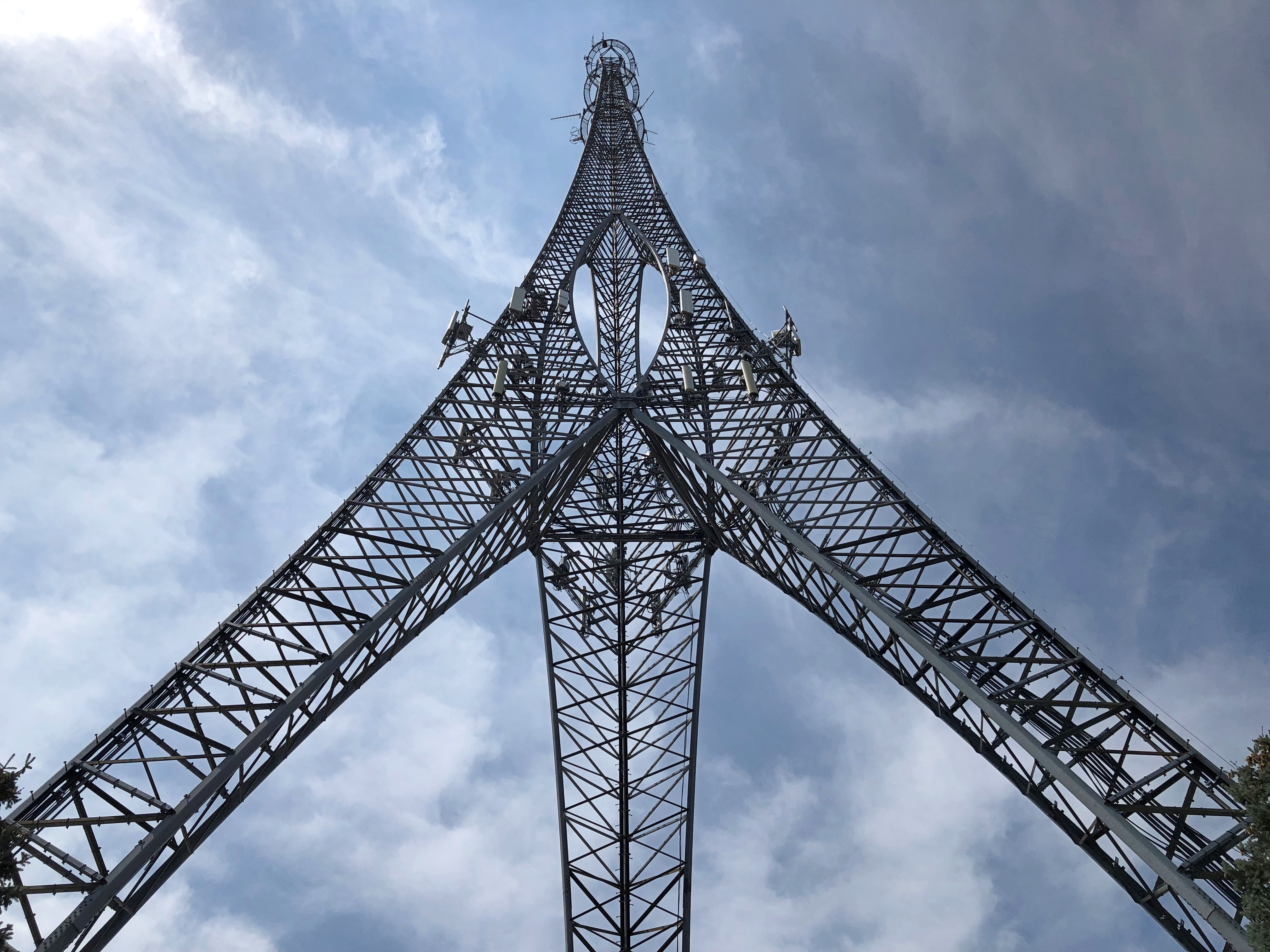
Something we (I) also had time to do was take a better look at the impressive three-legged communications tower in downtown Bloomington. It’s visible for quite a distance, and makes me wonder, why aren’t more communication towers this interesting?Bloomington Eiffel Tower. Well. Sort Of

Much of the day was hot, or at least very warm, and sunny, a prelude to heavy rains early Sunday morning. So Yuriko was content to stay in the car – with the AC running – when I took in a few closer views of tower.Tower Center Bloomington Tower Center Bloomington Tower Center Bloomington

Pantagraph articles about the tower are paywalled, but snippets poke through from search engine results:

In the last 30 years of telephone, radio and other network service, the Tower Center became a sort of landmark for downtown Bloomington, lovingly nicknamed the city’s “Eiffel Tower.”

Bloomington’s ‘Eiffel Tower’ changes hands after 30 years

The McLean County Center for Human Services Recovery Program is gaining a new home beneath the iconic 420-foot communications tower in Bloomington…

Another source tells me that the tower dates from 1989. The Tower Center is the two-story building under the tower, now belonging to McLean County.

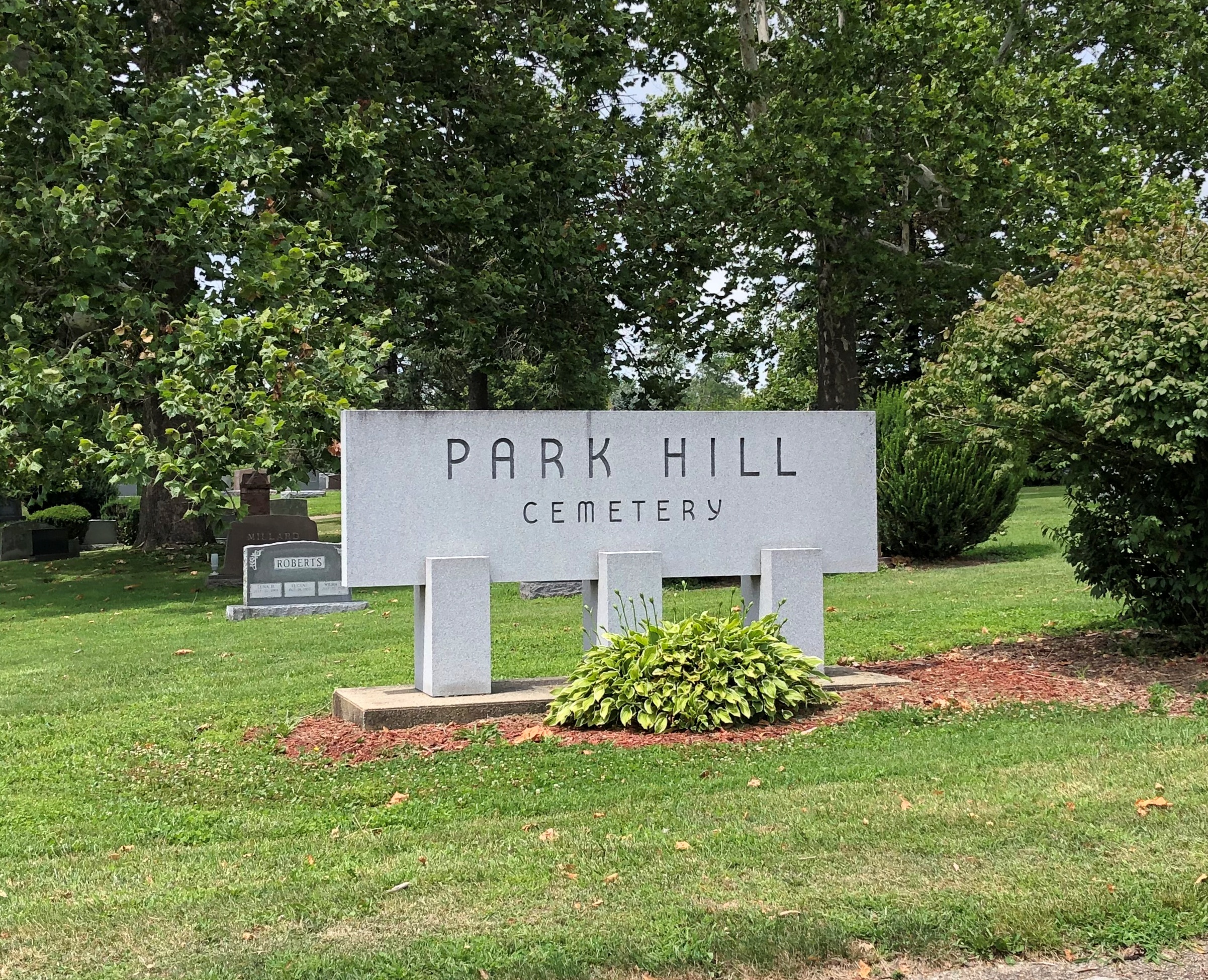
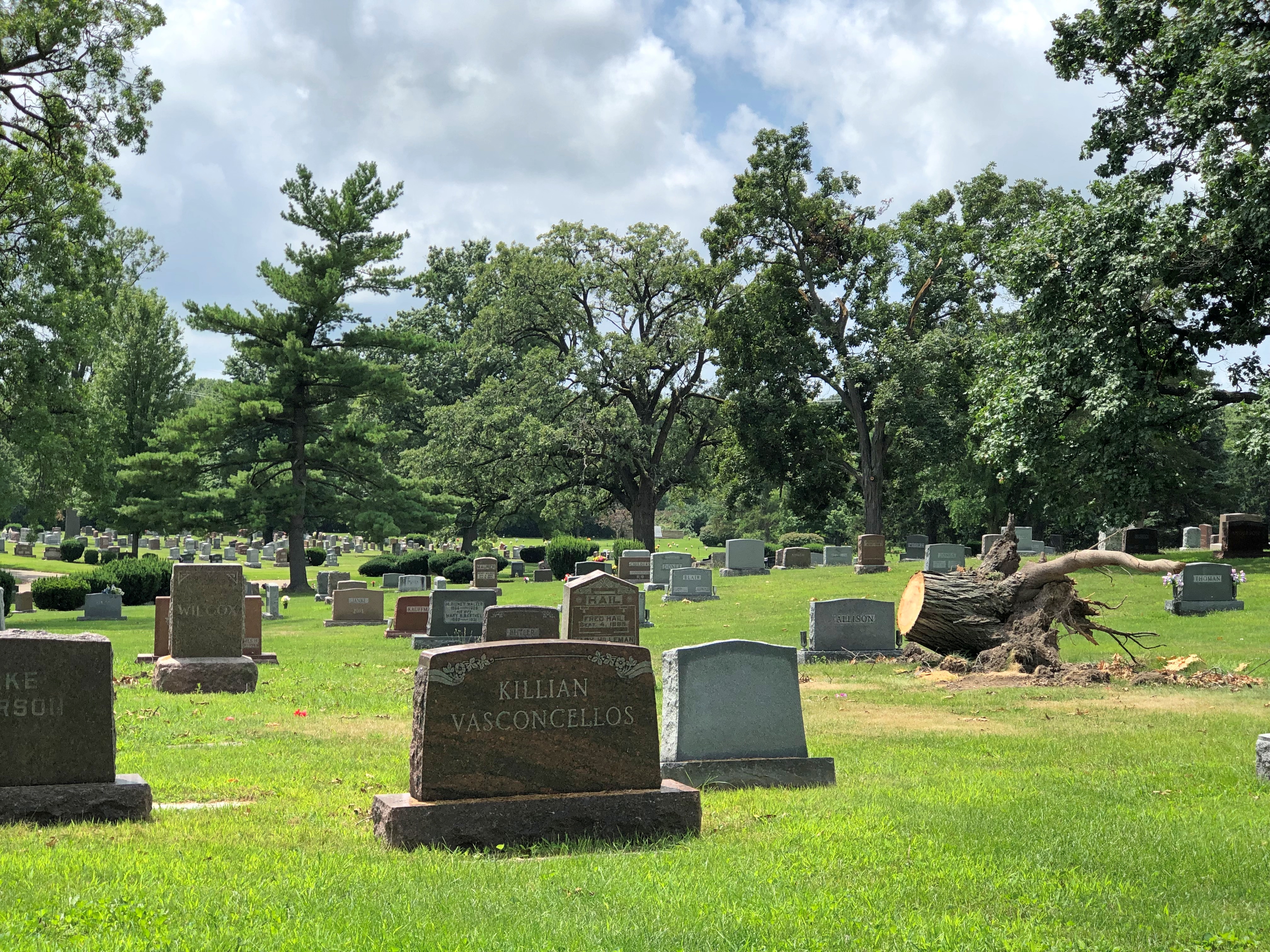
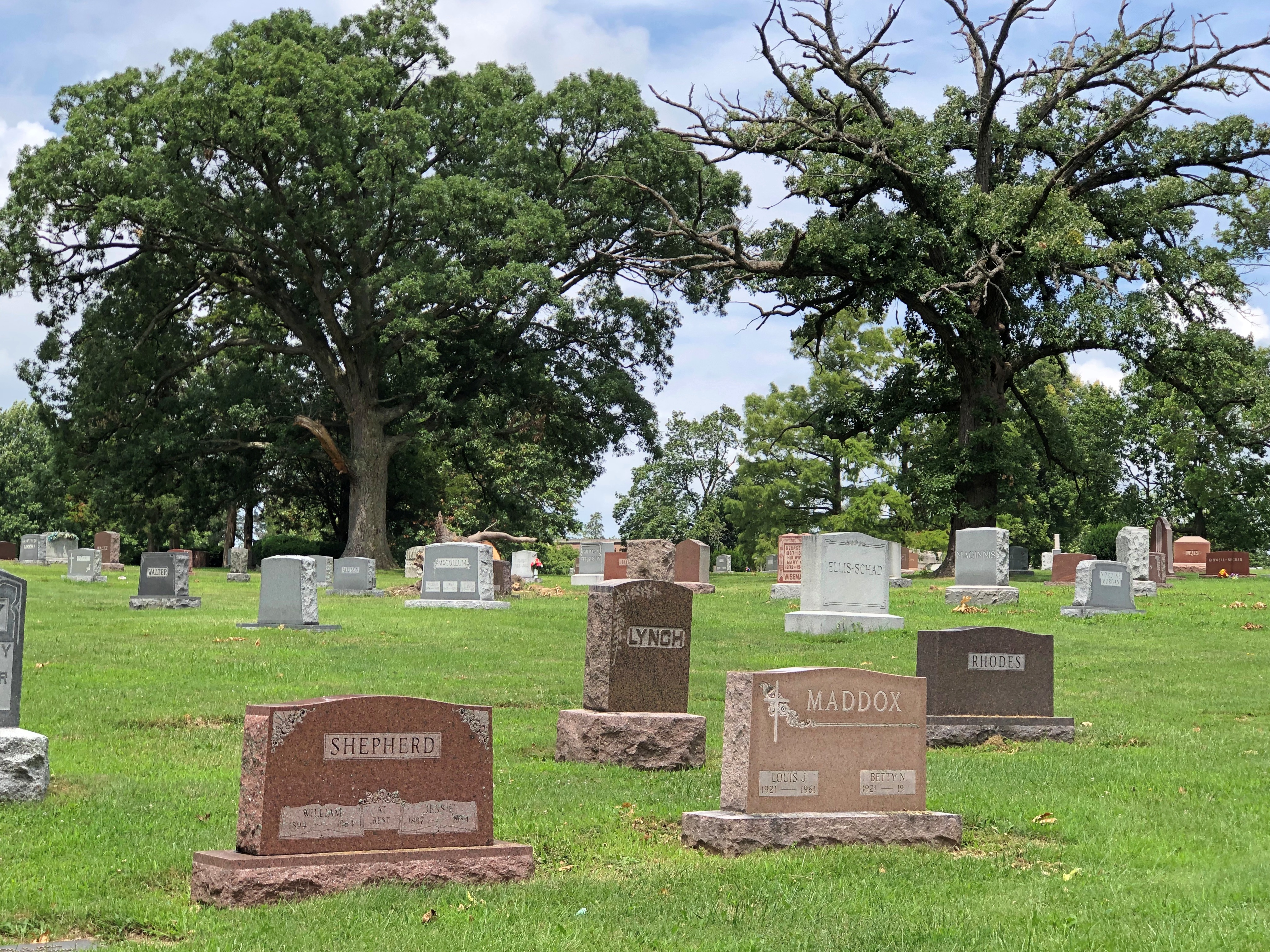
After the rain cleared away, late Sunday morning was as toasty as Saturday had been, but more humid. I decided against a walkabout at the Park Hill Cemetery in Bloomington. It’s good to ration your time under those hot and copper skies.Park Hill Cemetery, Bloomington

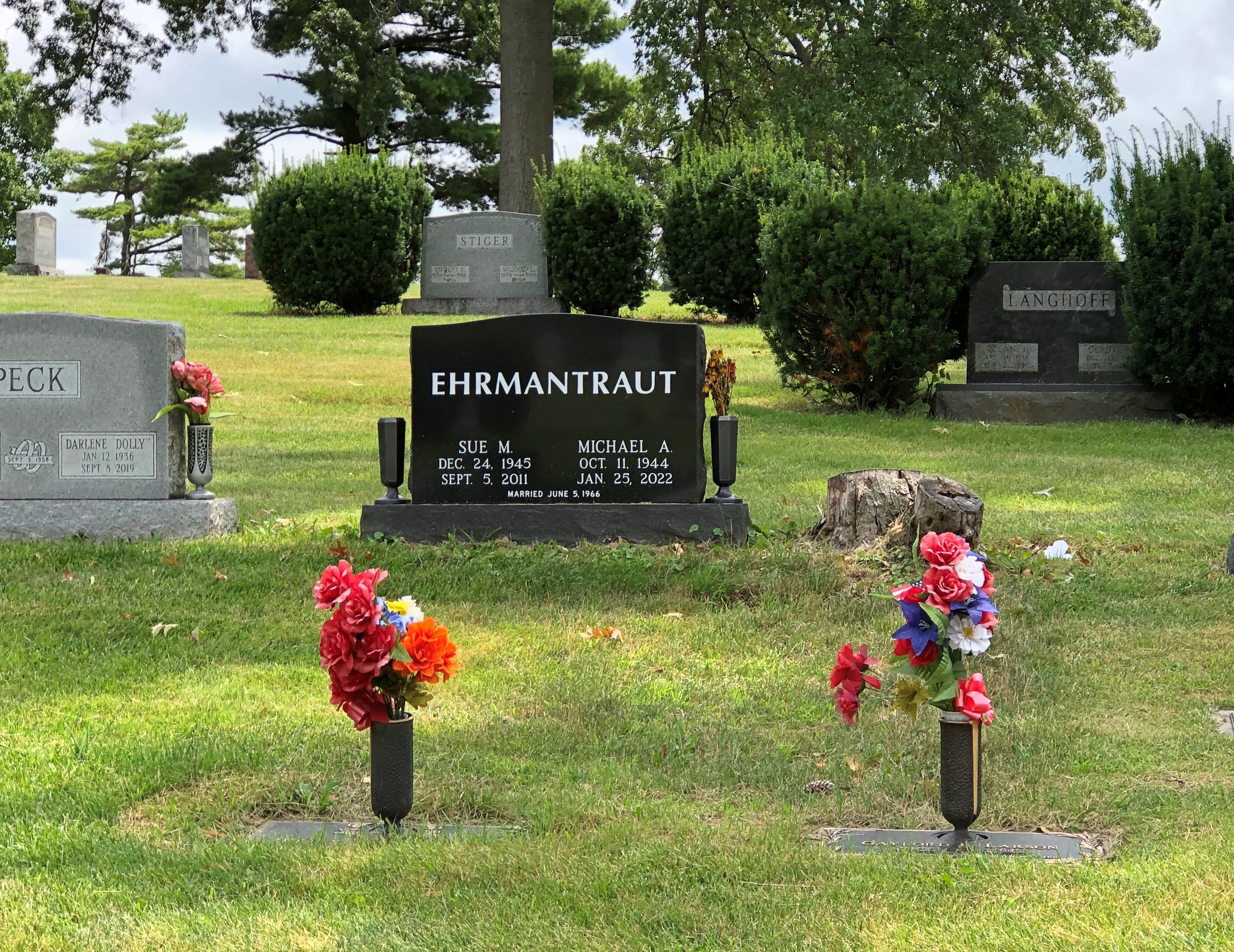
Still, we drove around a bit through the cemetery. Not a lot of memorial variety, but not bad.Park Hill Cemetery, Bloomington Park Hill Cemetery, Bloomington Park Hill Cemetery, Bloomington

Now I can say I’ve seen Mike Ehrmantraut’s grave. But not that Mike Ehrmantraut, of course. The fellow offed by Walter White, being fictional, must have an equally fictional grave.

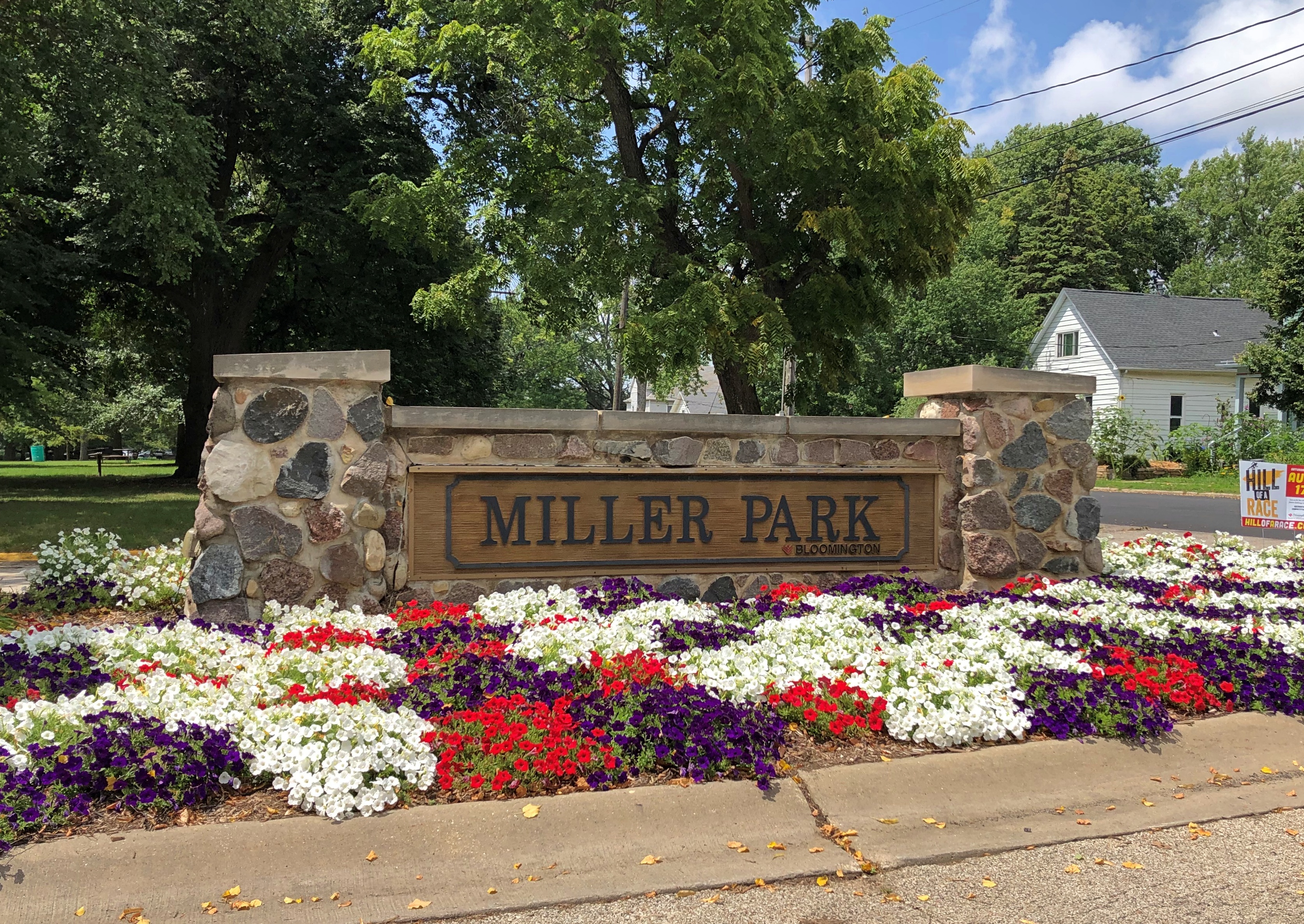
Adjacent the cemetery is the sizable Miller Park, which includes the Miller Park Zoo. We didn’t want to use our ration of intense sunlight at a zoo either, but in the park itself.Miller Park, Bloomington

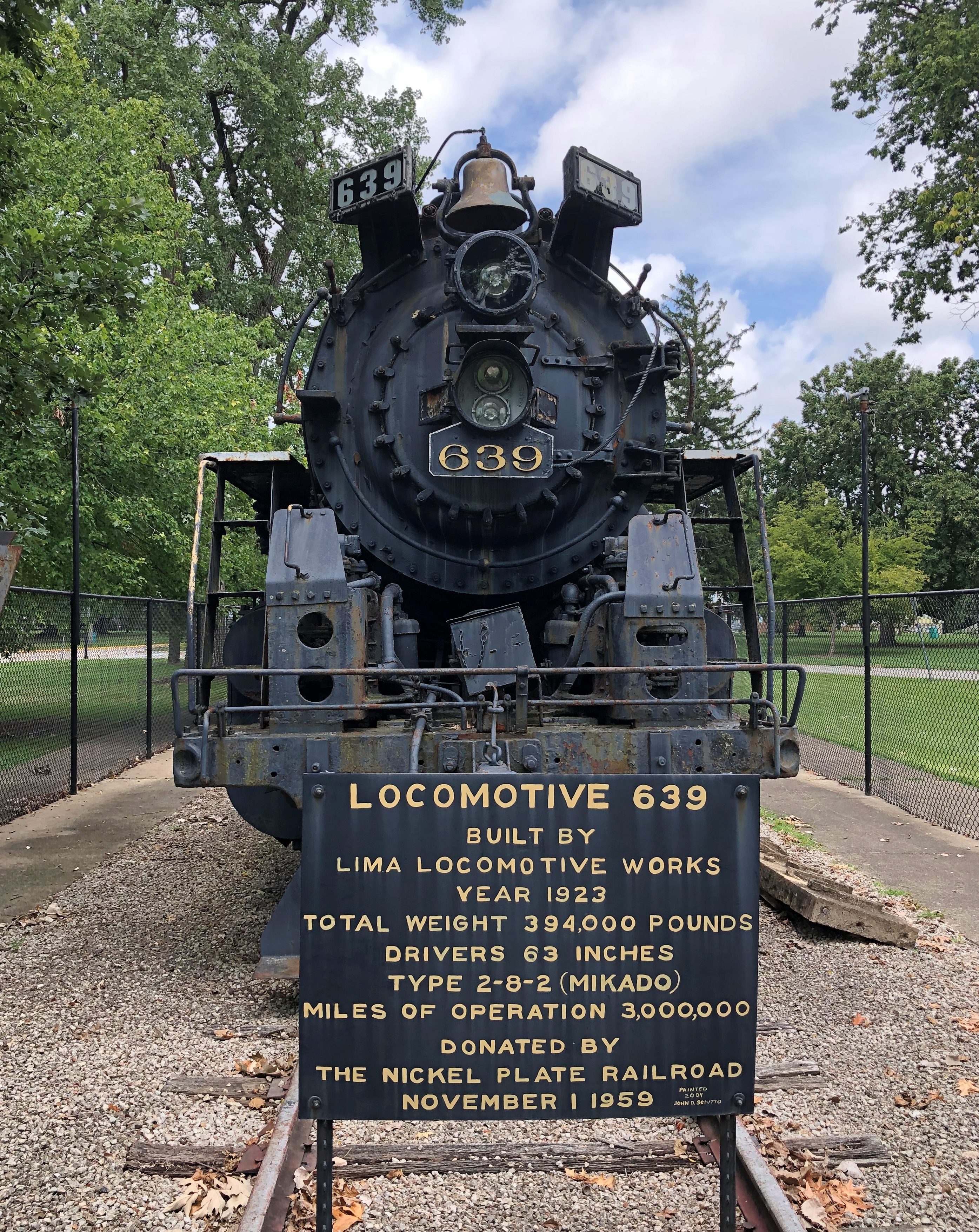
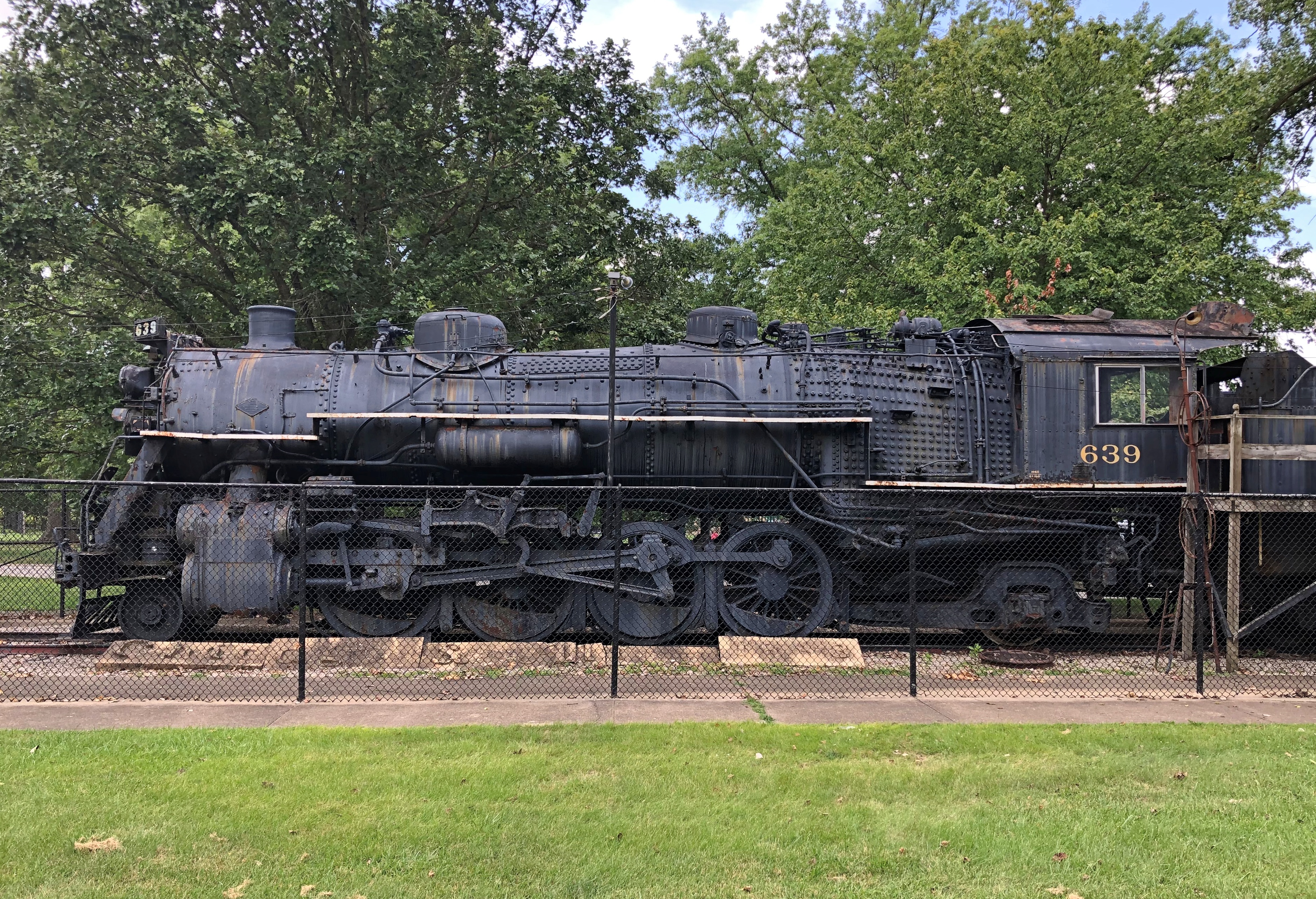
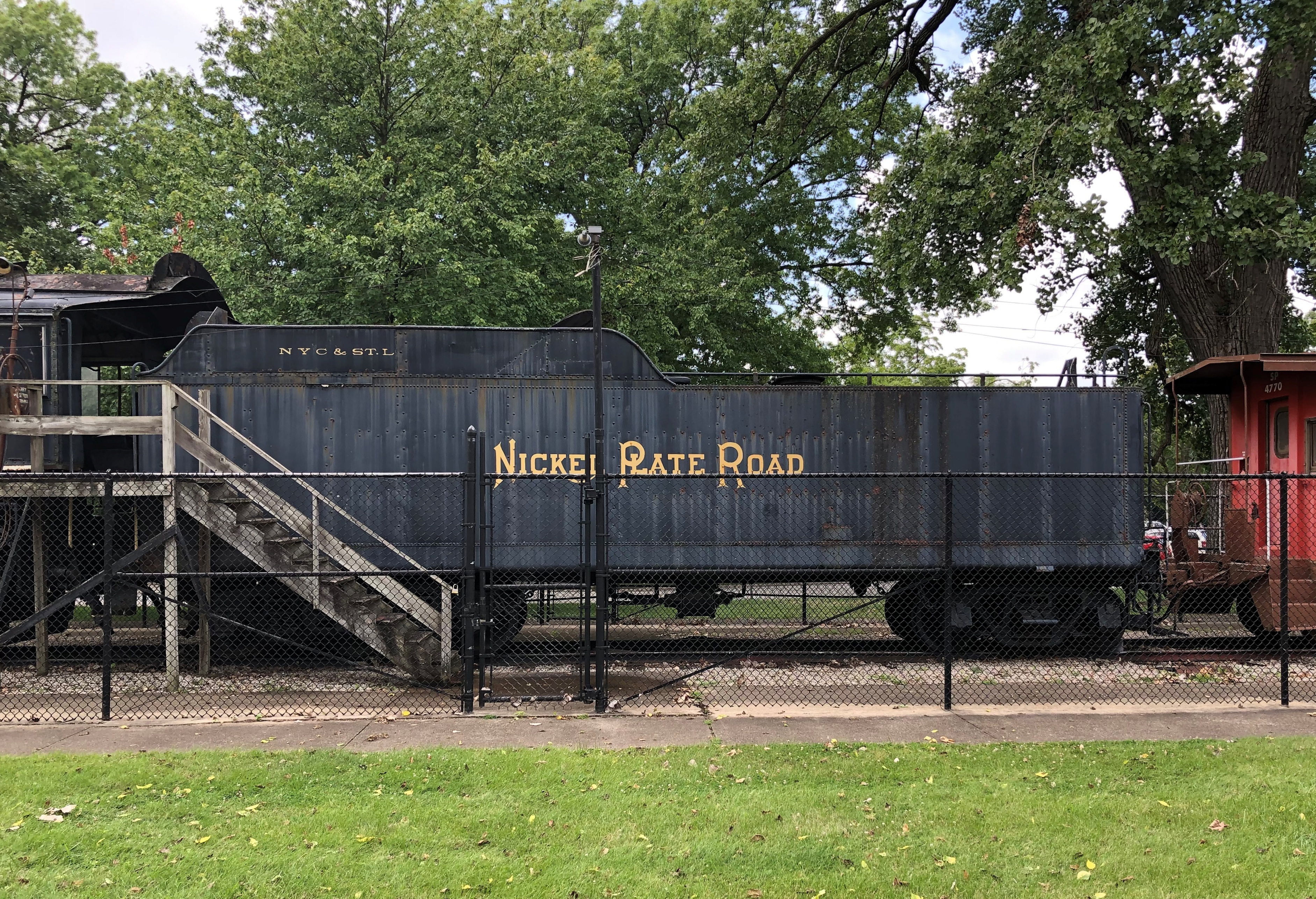
When you see a steam locomotive in park (and its tender), you really ought to get out and look.Miller Park, Bloomington locomotive Miller Park, Bloomington locomotive Miller Park, Bloomington locomotive

Three million miles. So the train could have, with the right track, gone to the Moon and back a number of times, provided it took its own oxygen to keep that engine going.

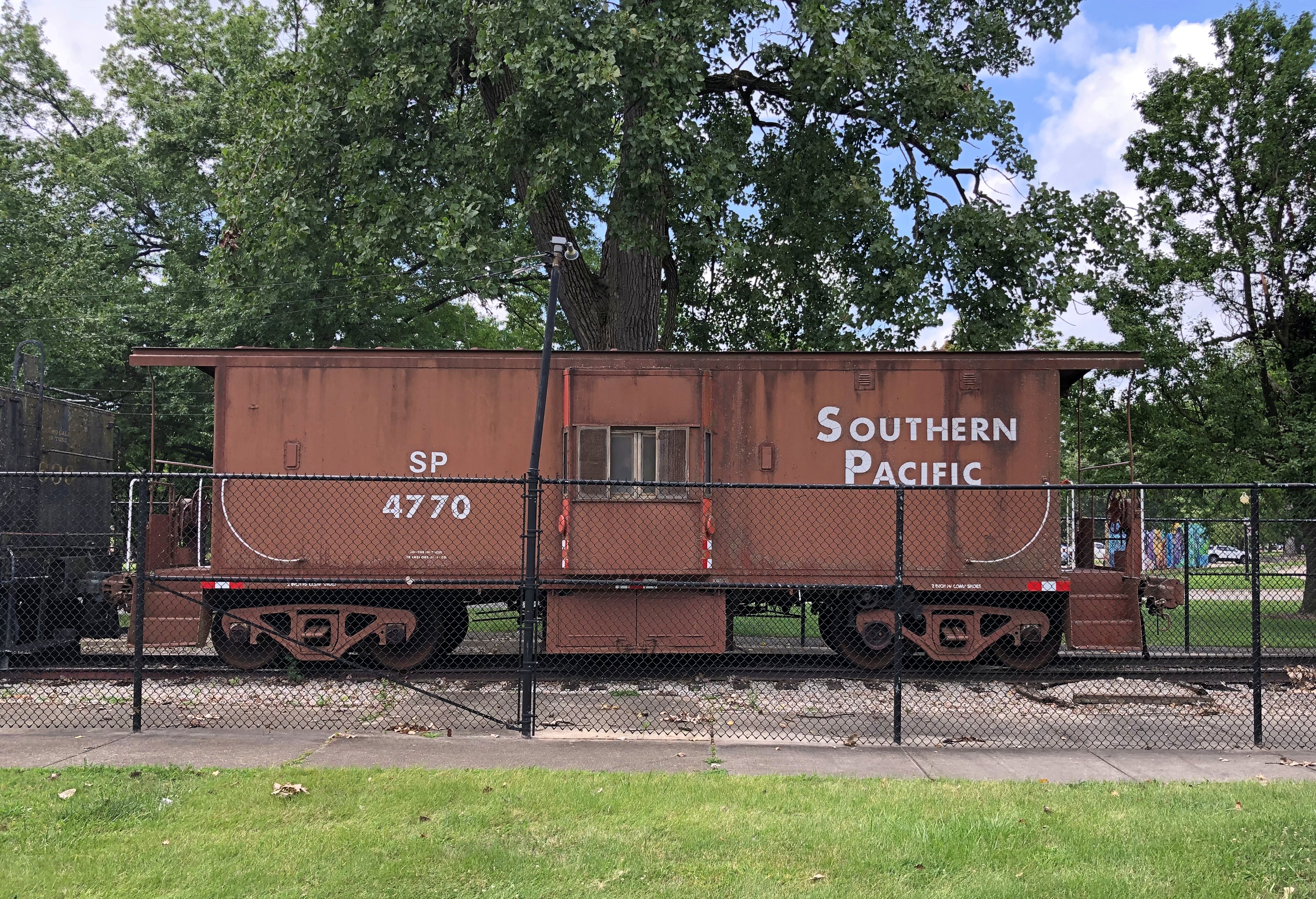
And what would the display be without a caboose? Partly because that’s just a fun word to say.Miller Park, Bloomington caboose

Ignorant fellow that I am, I didn’t know the Nickel Plate Road, so I looked it up later. Once upon a time, it was a major regional RR, spanning northern Ohio, Indiana and Illinois.

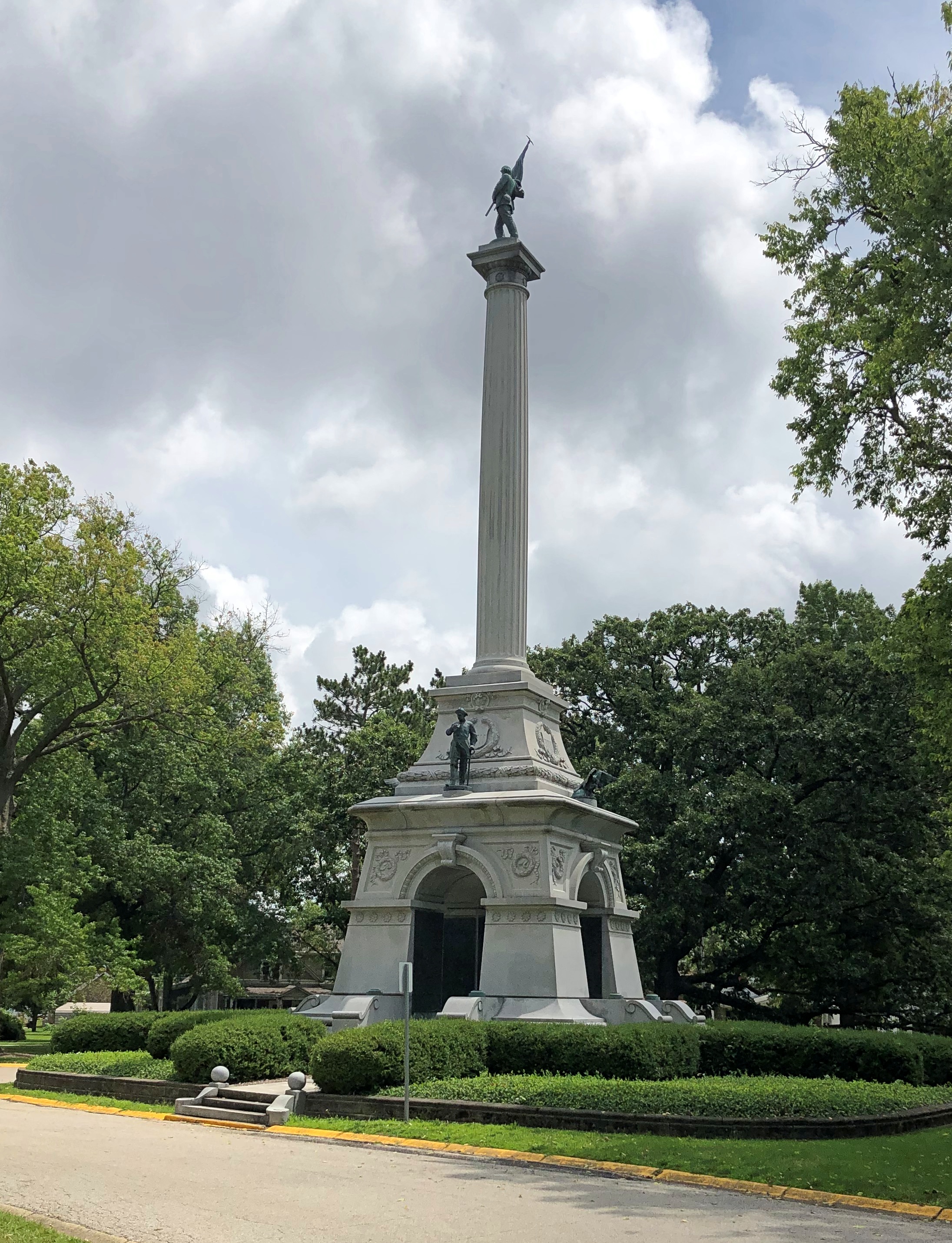
Miller Park features a sizable war memorial.Miller Park, Bloomington war memorial

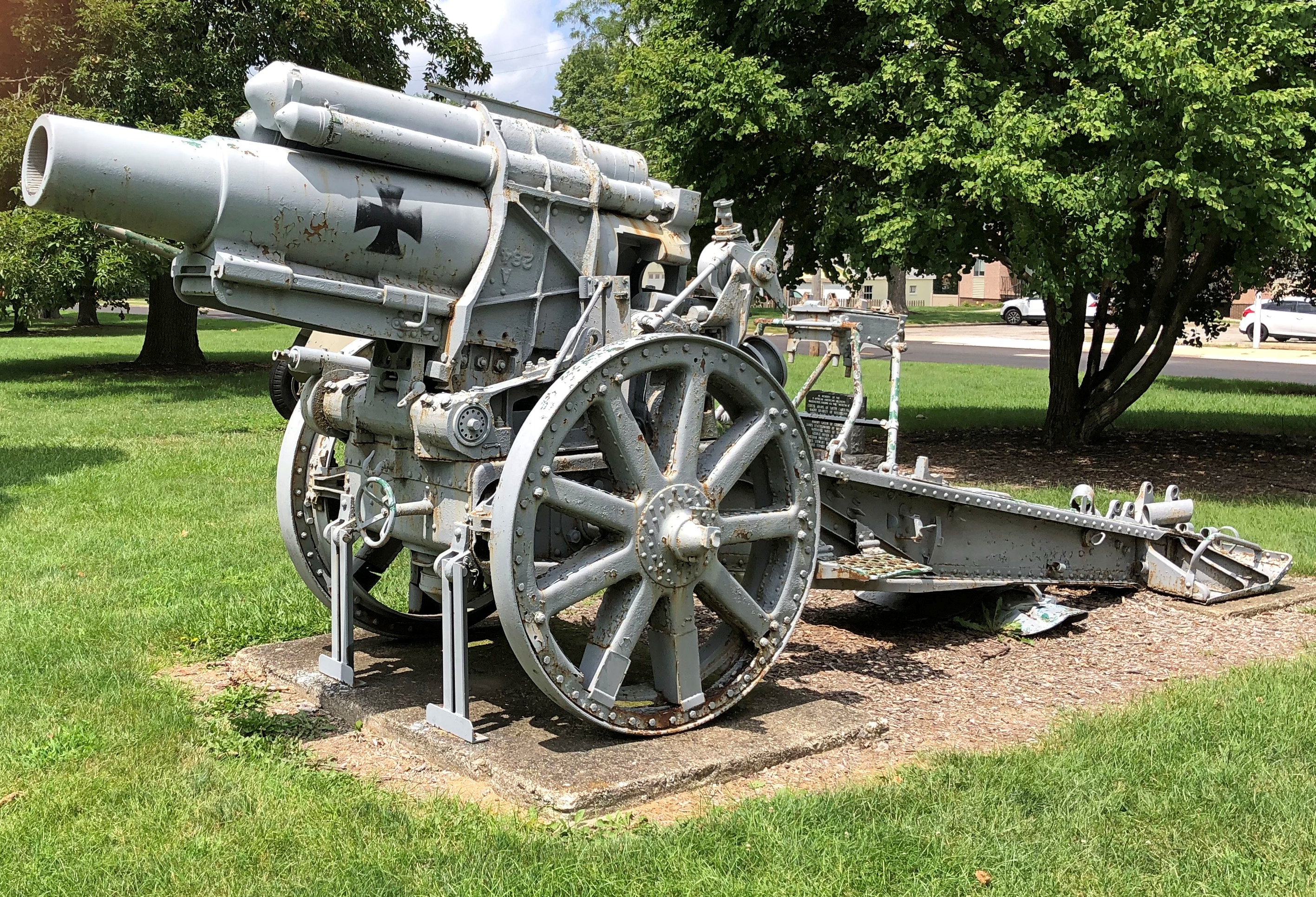
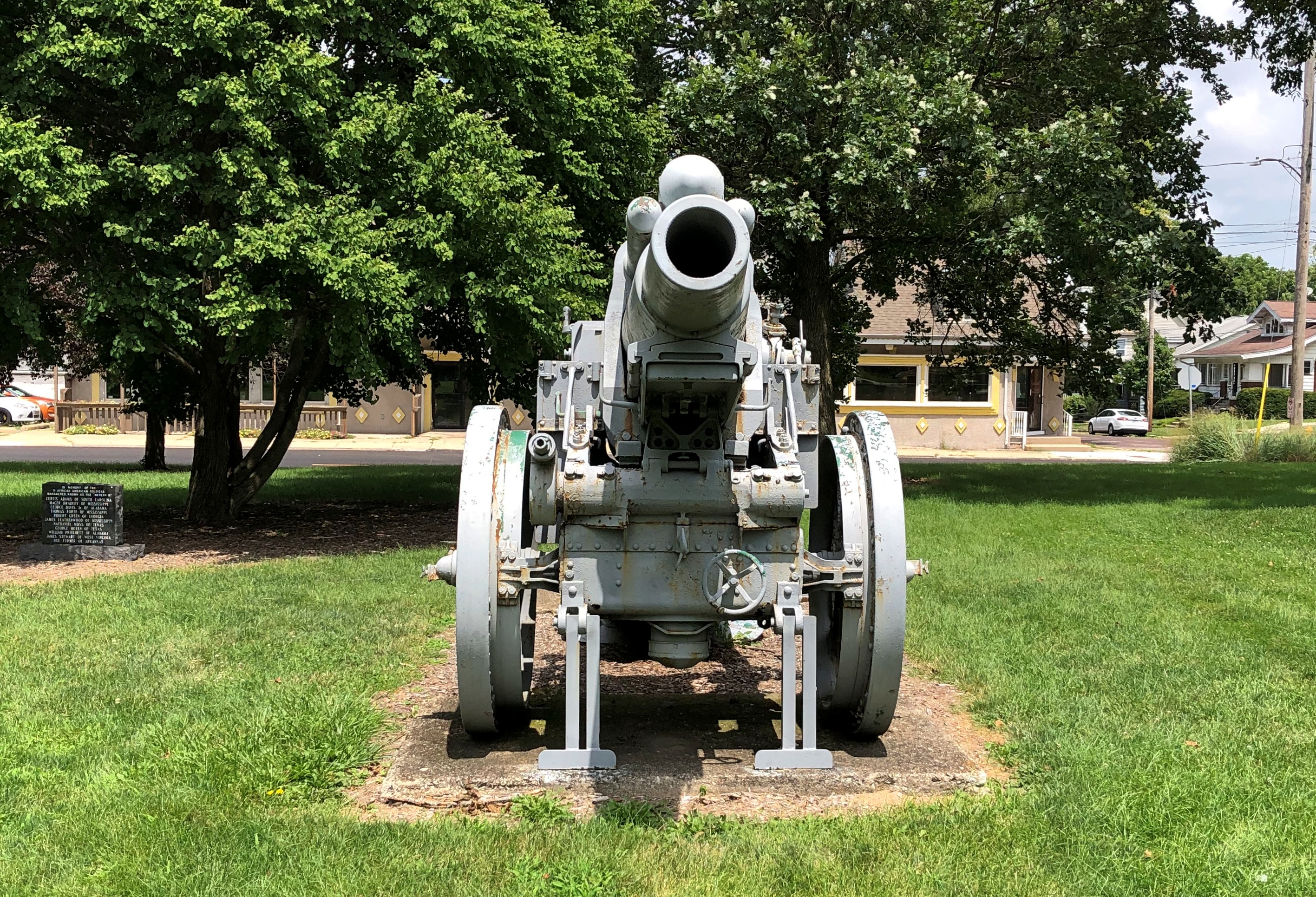
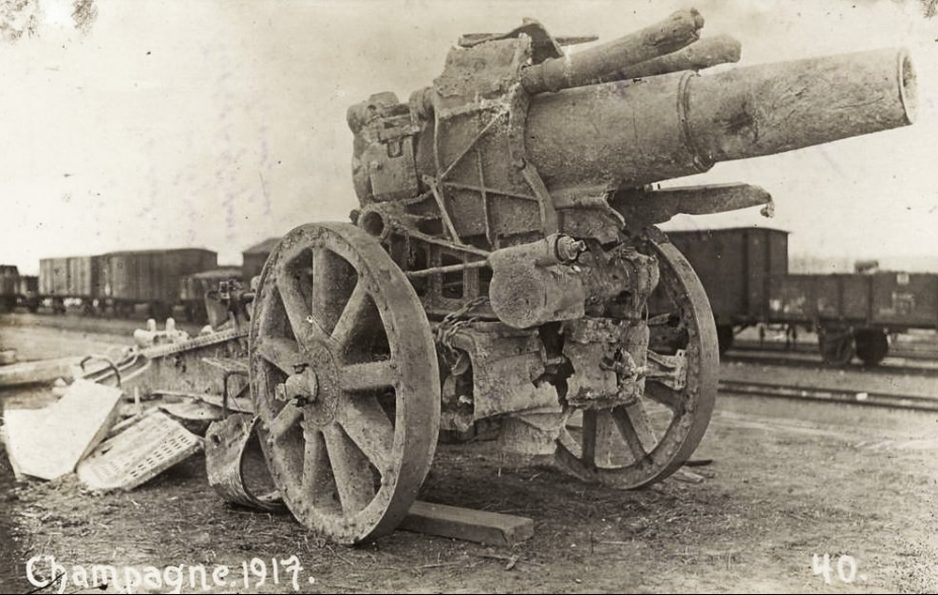
In its vicinity are some retired weapons of war, such as a captured German 210 mm Krupp Howitzer (in better shape than this one).Miller Park, Bloomington German Cannon Miller Park, Bloomington German Cannon

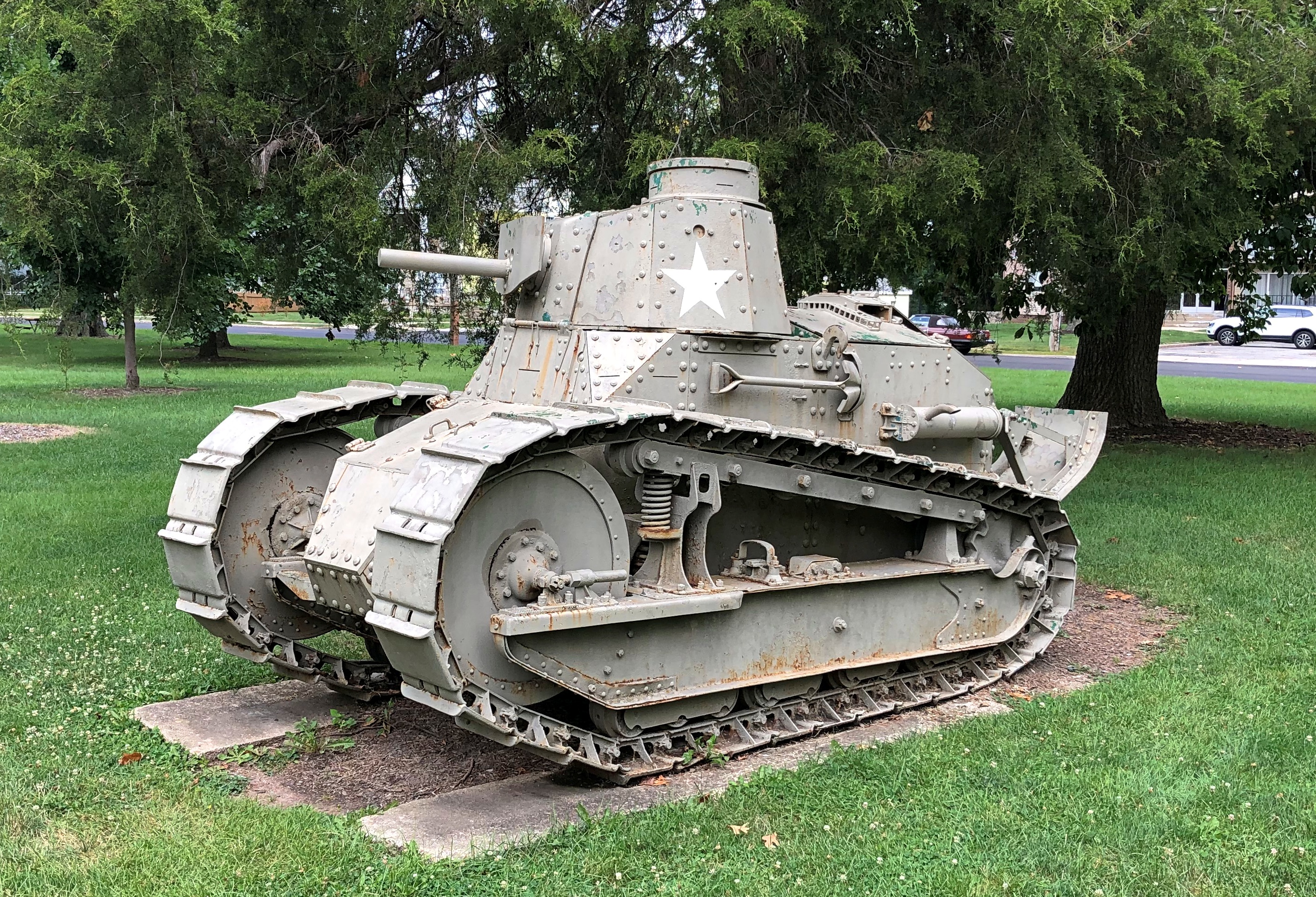
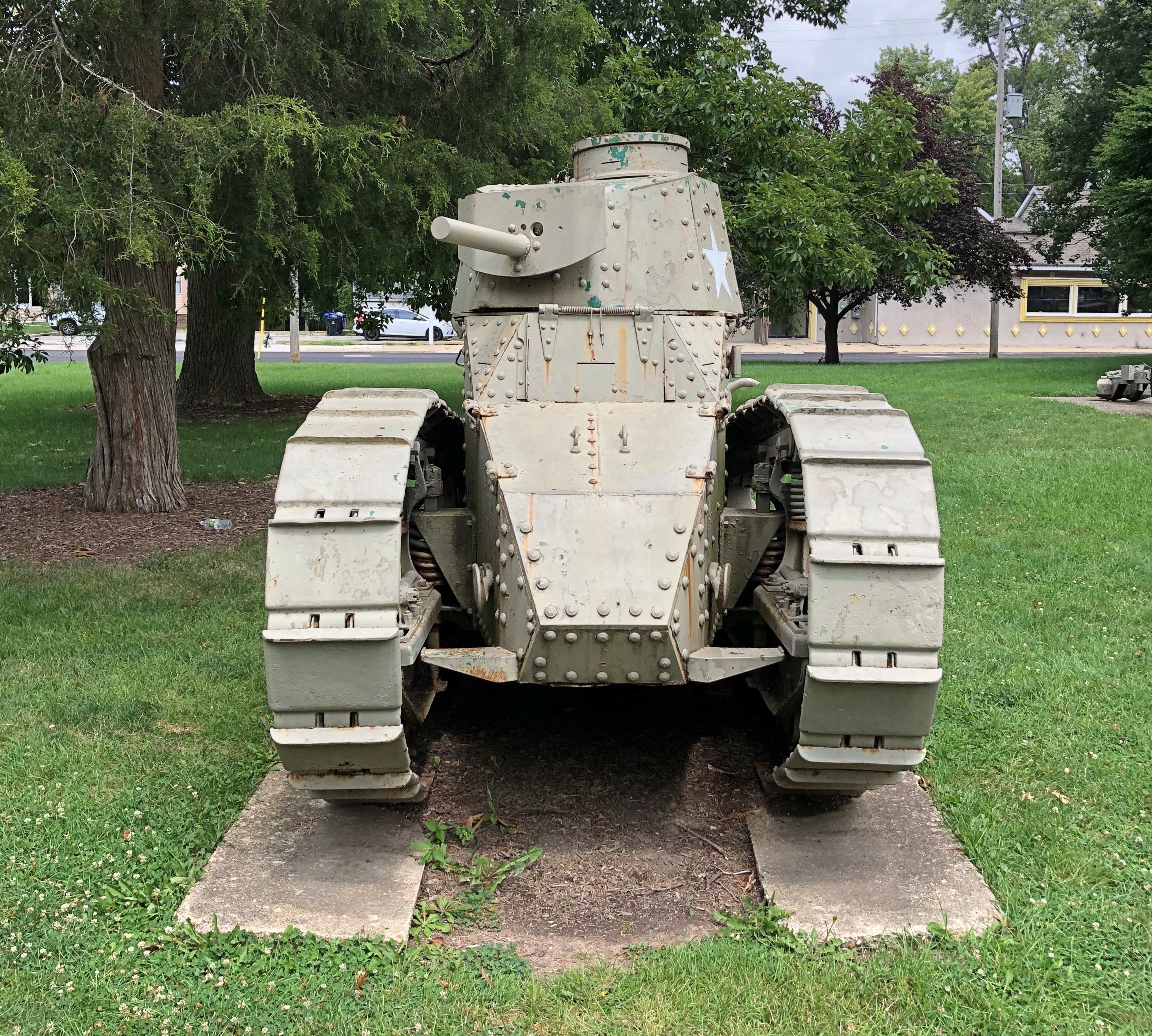
As well as a WWI tank. Created for that conflict, at least. An M1917 light tank. Apparently none made it to the front during the war, but were put in service for a few years after the war by the U.S. Army.Miller Park, Bloomington WWI Tank Miller Park, Bloomington WWI Tank

I’m not sure I’ve ever seen one of those on display. I’m reminded of my great-uncle Ralph. I understand — from my mother, and maybe even grandma told me this — that he was in a tank corps in France, with the American Expeditionary Forces. Such a posting is said to be fairly dangerous, and I believe it. Supposedly, Ralph was poised to go to the front at the time of the Armistice, which might well have saved him.

Lisbon ’24

Recently I took a small survey among family members about Vasco da Gama, for reasons soon to be obvious. Namely, I asked Ann whether her U.S. elementary school education, about 10 years ago now, mentioned the Portuguese explorer and his voyages. Yes, she said. I asked Yuriko whether her Japanese elementary school education an ocean away and some decades earlier did so. Yes, she said.

I should have guessed it. Da Gama didn’t go all the way to Japan himself, but paved the away – was a maritime pathfinder – for other Portuguese, who arrived in 1543, bringing firearms and Catholicism to the Japanese archipelago at a time of civil war.

Fifty years ago in South Texas, I also learned about Da Gama, the stuff of textbook paragraphs and illustrations in the chapters on the European voyages to Asia and the Americas – and in the same league as Leif Ericson and Columbus and Magellan and Drake and Hudson and Cabot. Other kids might have been uninterested, but not me. What better than accounts of exploration?

So he’s taught in American and Japanese schools across recent decades. Quite a posthumous feat.

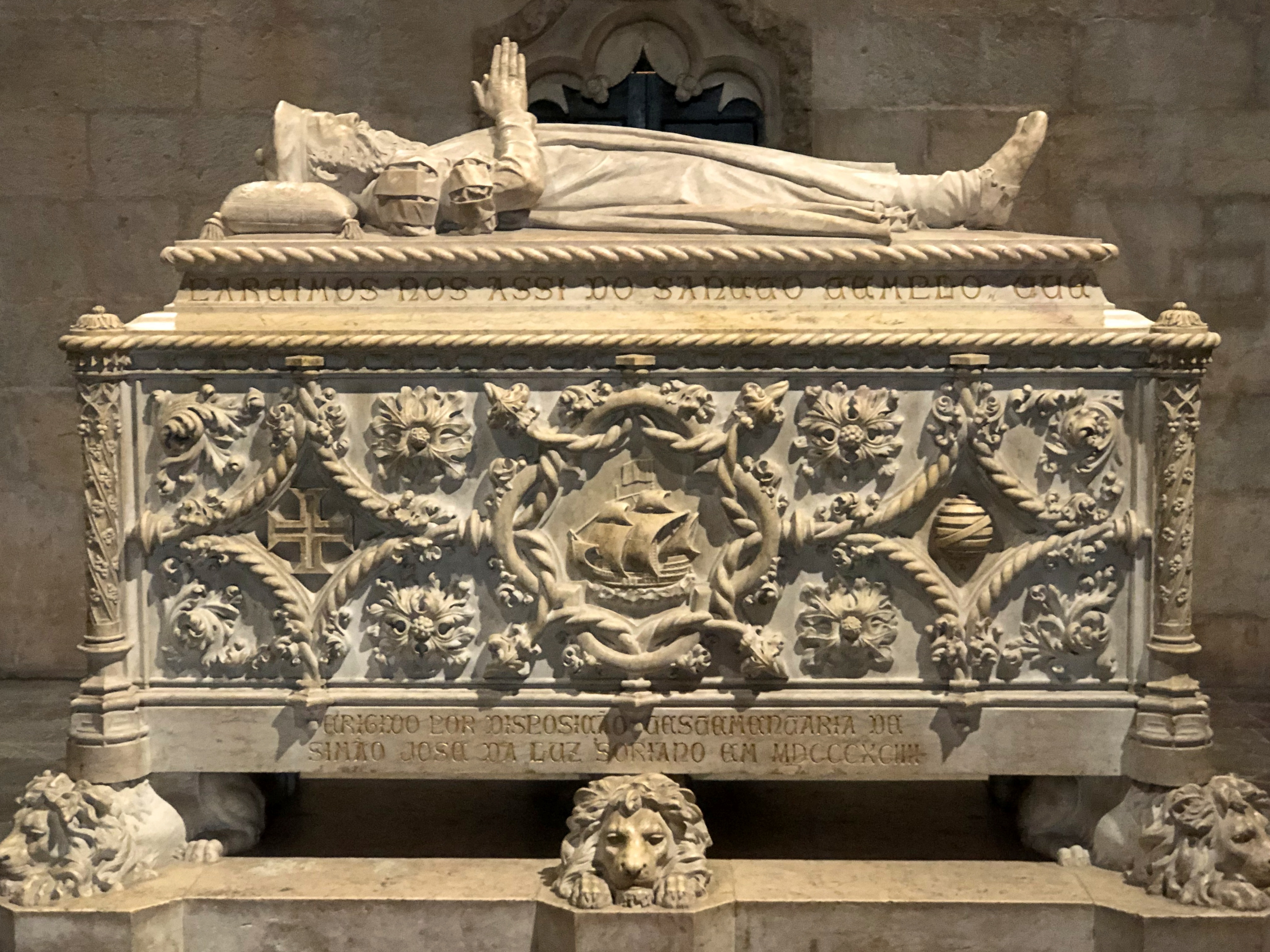
Last week, we stood in front of Da Gama’s tomb, in the Belem district of Lisbon.Portugal

That was a moment during our recent six days in Lisbon, except for a day trip foray to Sintra, which these days seems to be a far suburb of Lisbon. We returned yesterday.

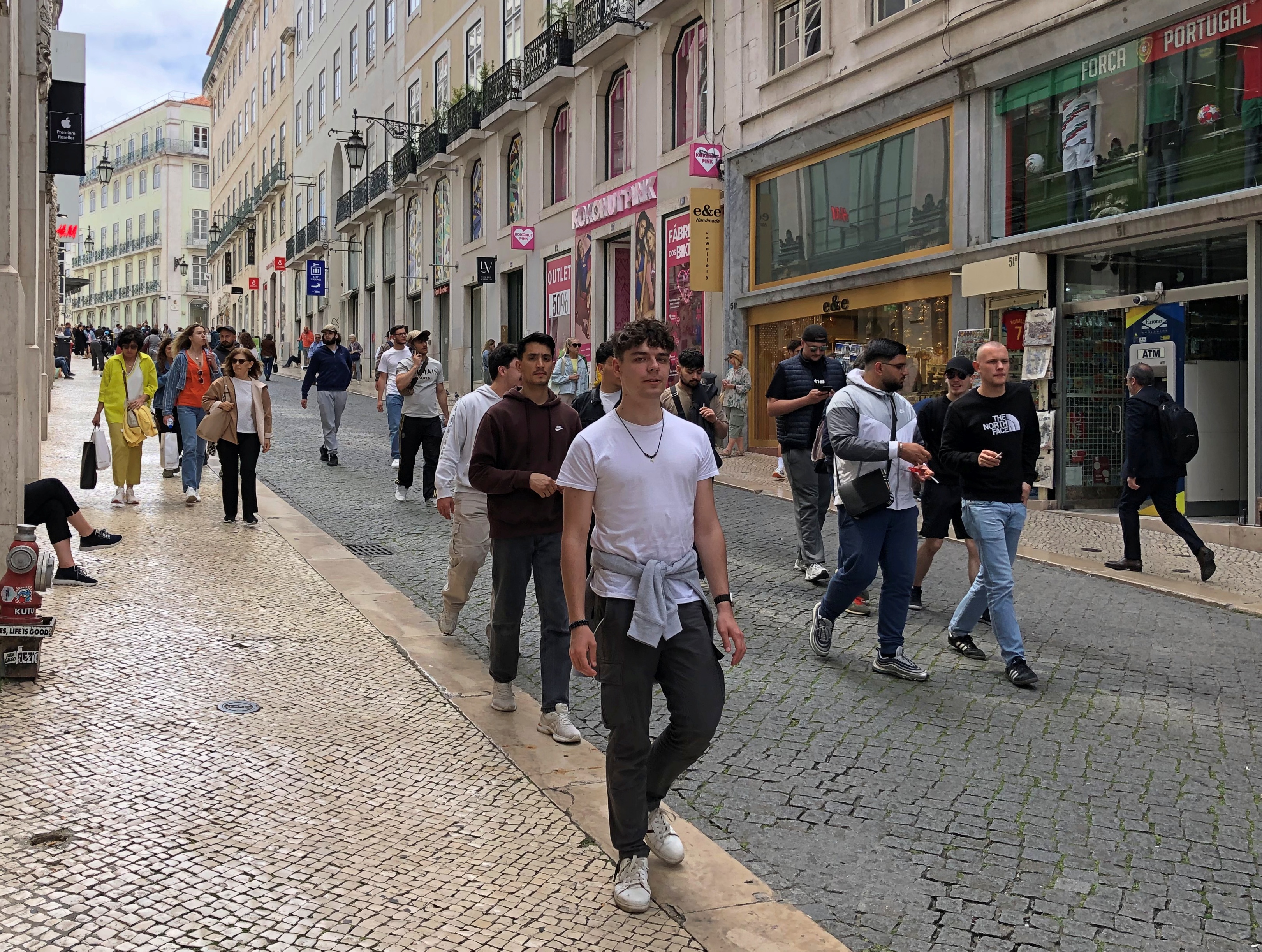
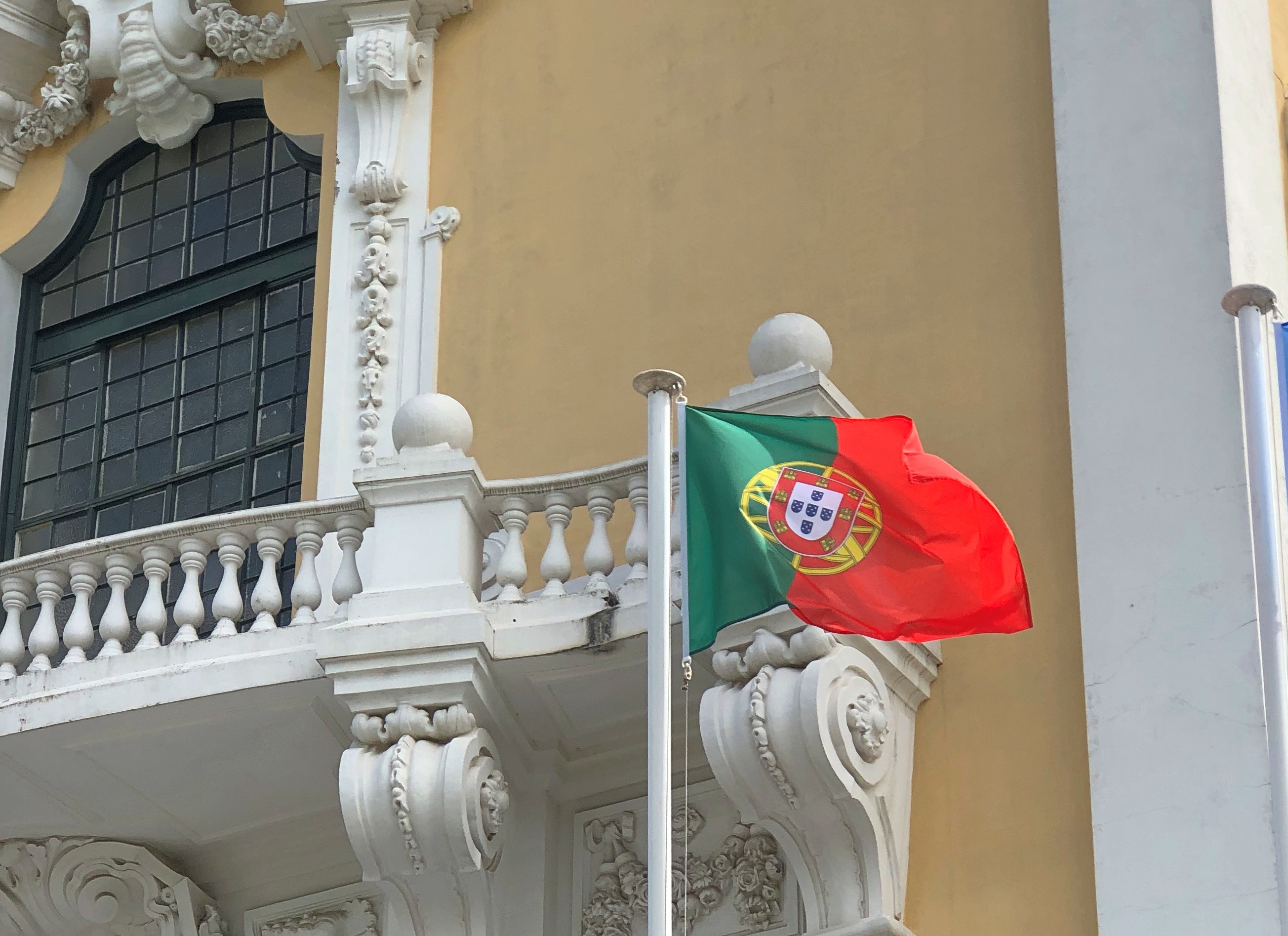
History certainly brought us to Portugal. For a smallish country, it punches above its weight in history. Including more recent history.Portugal

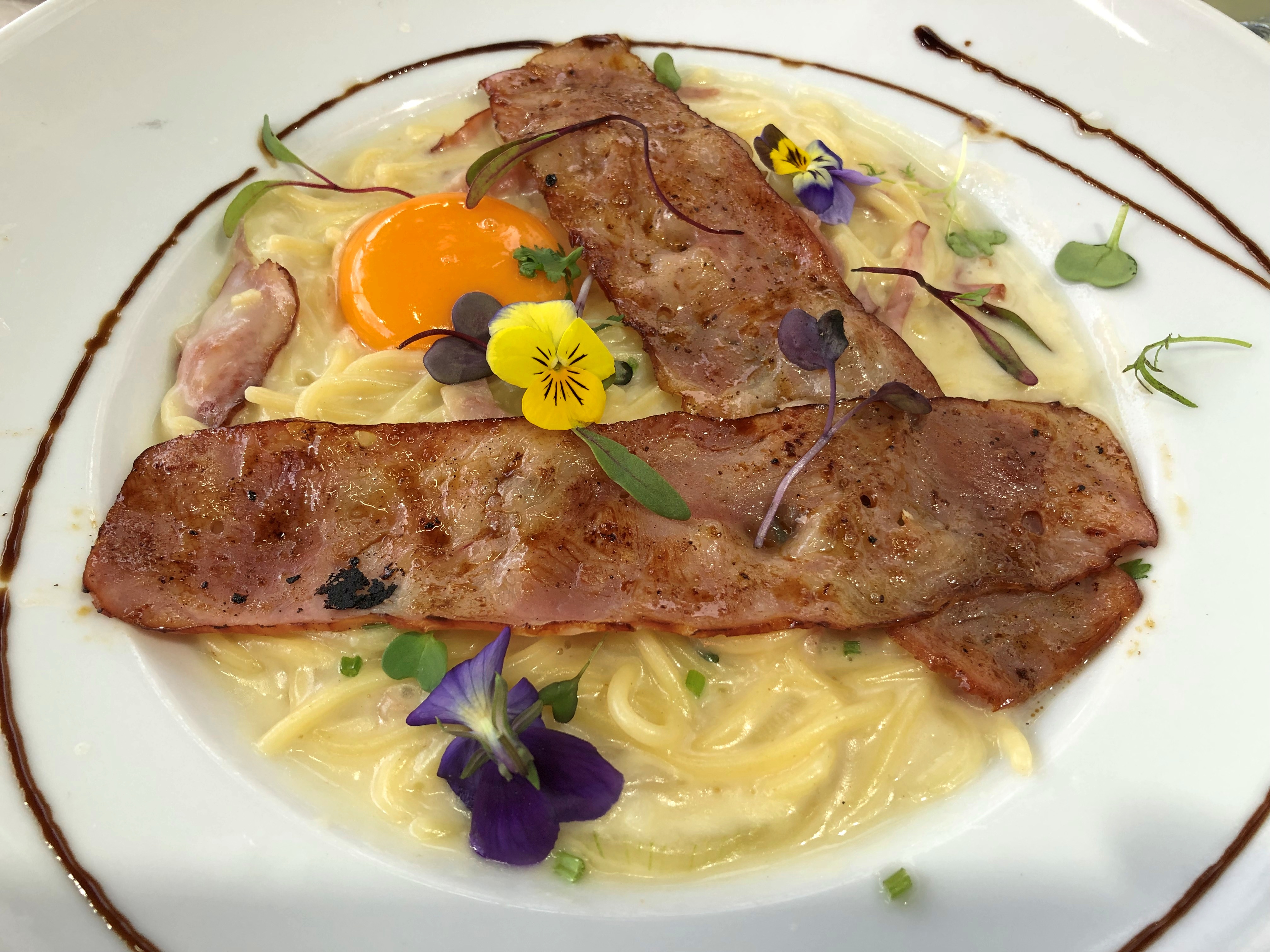
But that’s not all. We had some idea that the food was really good. Really, unbelievably good. It was. Pastries and pastas and seafood and sandwiches and many other true delights on our plates; coffee and tea and lemonade and beer in the glasses. We didn’t have a bad meal in Lisbon, or even mediocre.Portugal

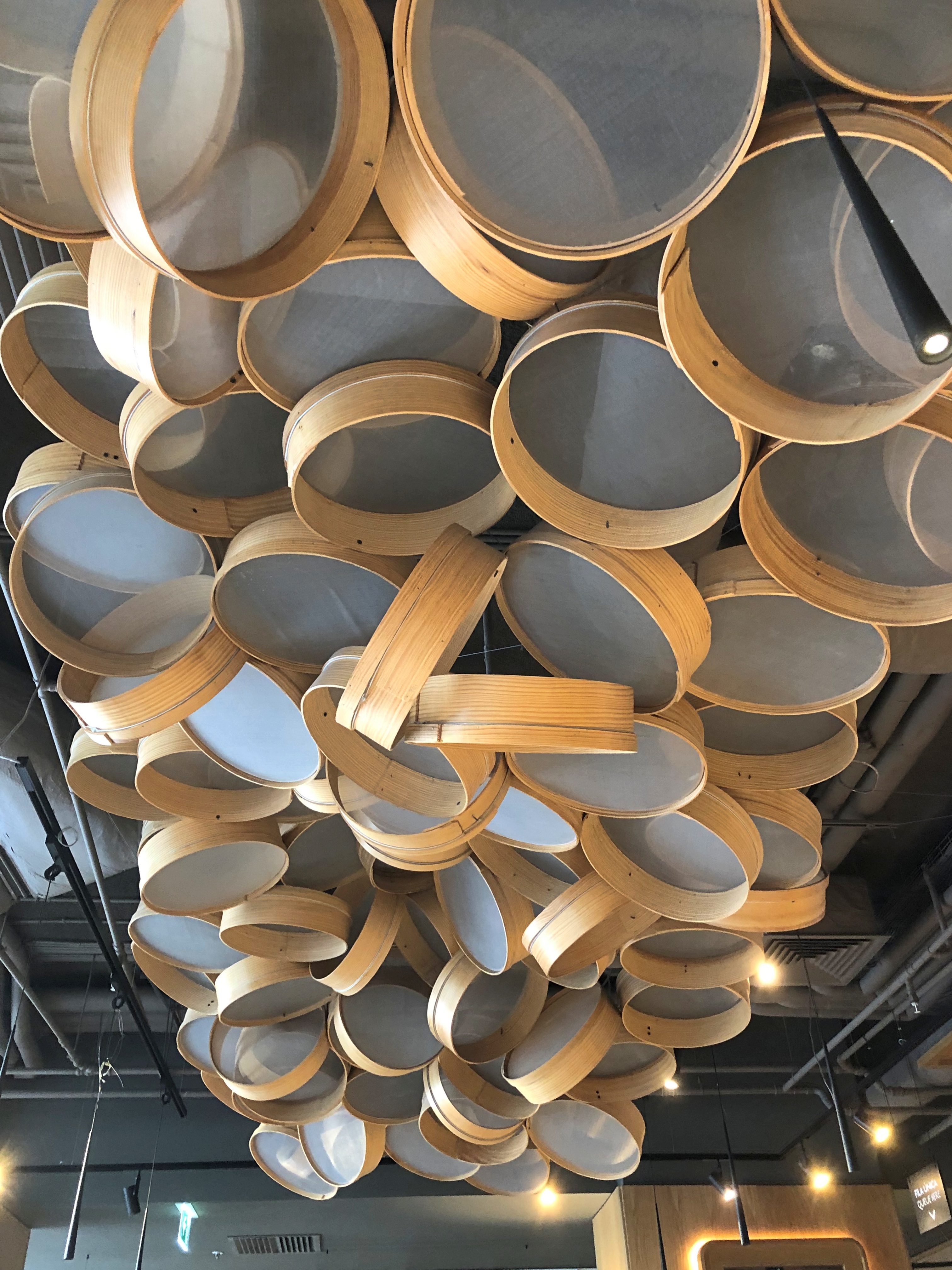
Flour sifters decorating the ceiling of an unpretentious cafe in a mid-Lisbon hotel.Portugal

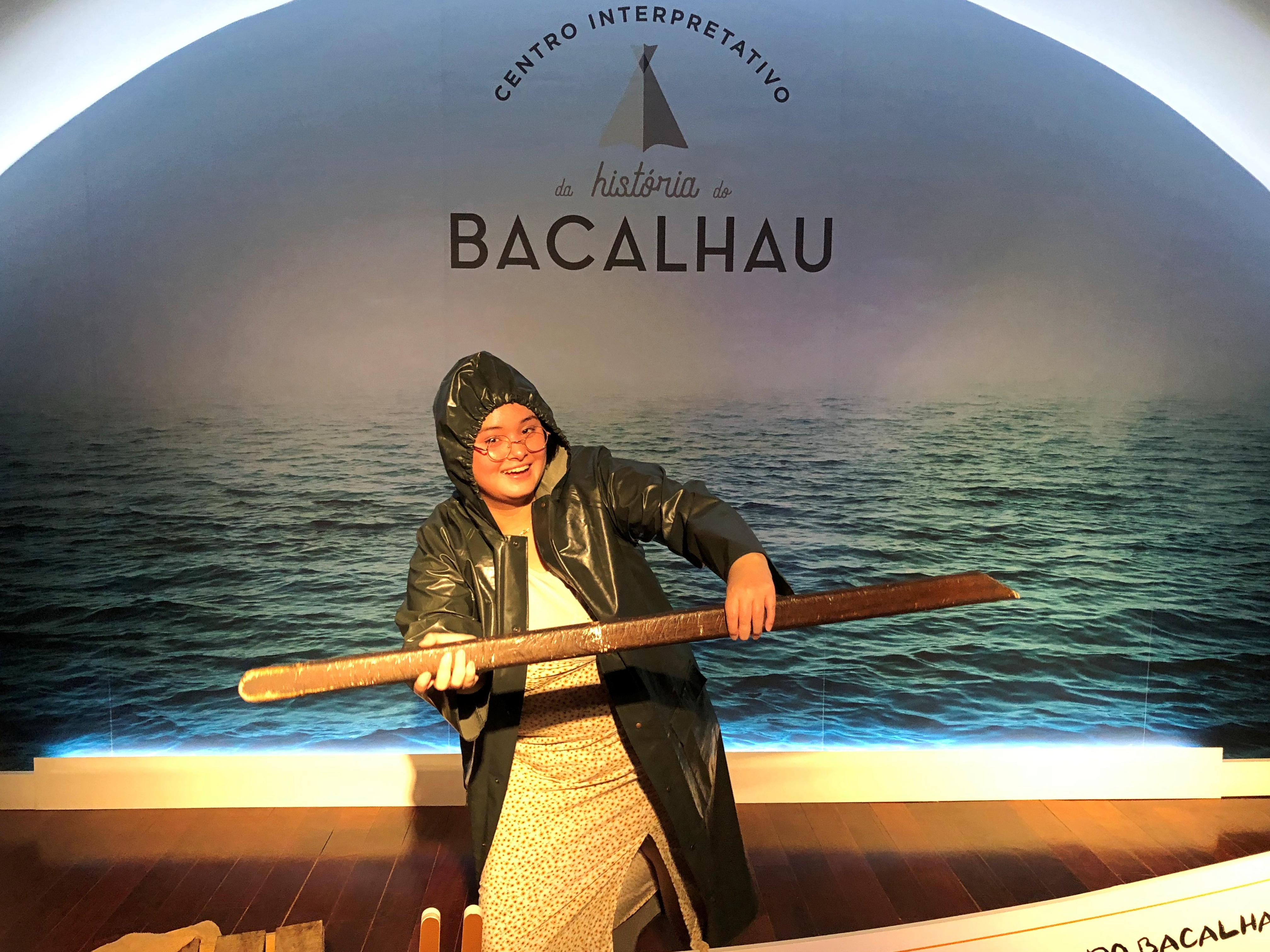
At an entire museum in Lisbon devoted to Portuguese cod fishing and cod as a staple in the Portuguese diet, you can pretend to take a small boat out on choppy waters.Portugal

I don’t know that Lisbon has the greatest parks in Europe, but it’s got swatches of greenery.Portugal

Portuguese tiles – azulejos – decorating buildings large and small, draw your attention often enough.Portugal

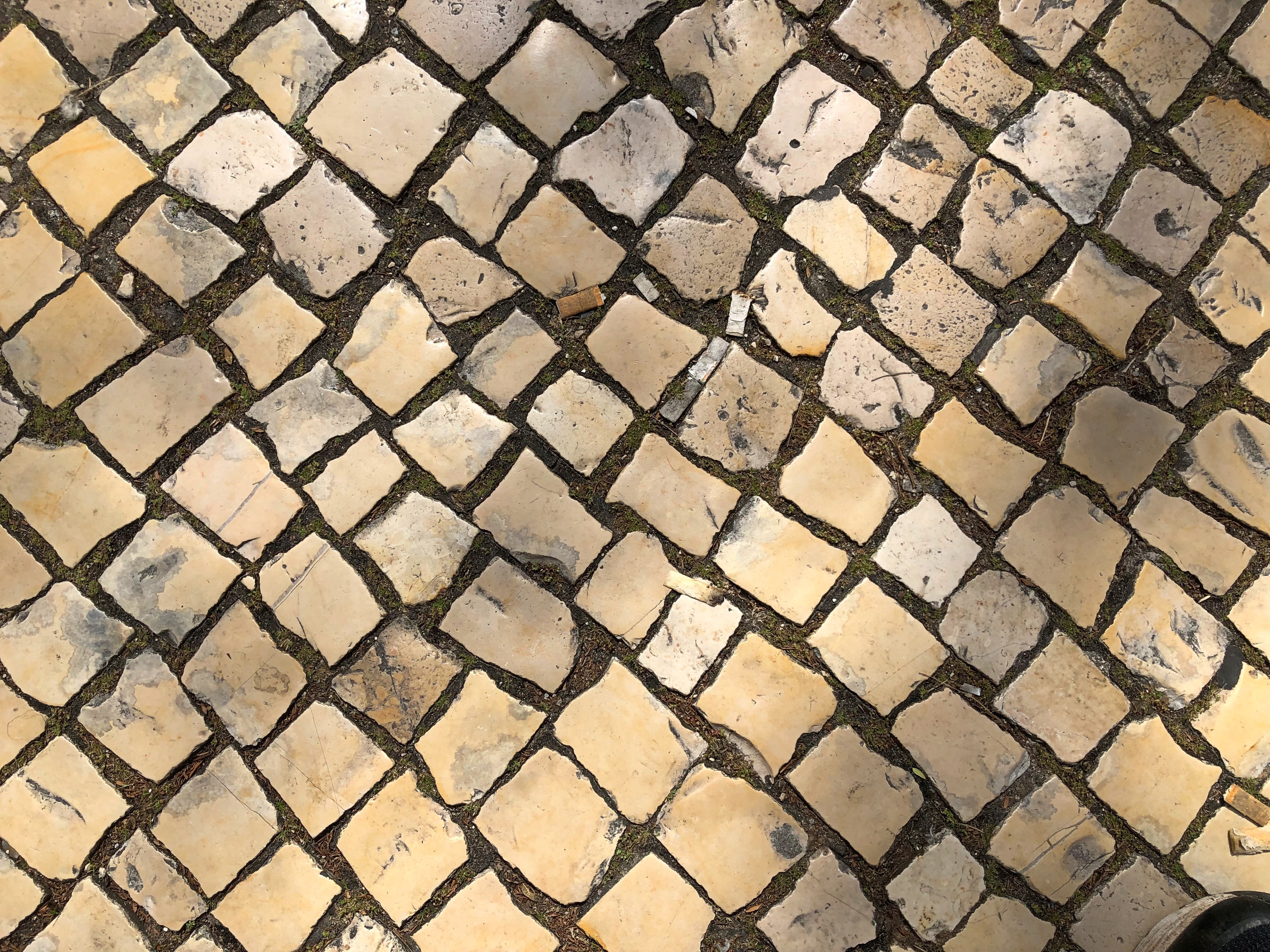
You look at the azulejos for their beauty. The stone sidewalks, which were extensive on the many blocks we walked, demand attention for another reason. Their surfaces are reasonably flat. Mostly. But more than occasionally there will be damaged, irregular patches just waiting to land the unwary on their bum, or worse.Portugal

With the launch of the Age of Discovery, Lisbon embarked on becoming an international city. That might mean different things in the 21st century than it did when Prince Henry the Navigator schemed to further Portuguese exploration, but so what. The world comes to Lisbon.Portugal

The world comes in the form of millions of people every year from many corners of the Earth to this distinctive, aesthetic corner of that same planet. We were glad to join them.

Ozark Plateau & Dallas Figure Eight Road Trip & Total Solar Eclipse Extravaganza

The April 8, 2024 North American solar eclipse is already old news. It was practically so the minute it was over, a news cycle balloon whose air didn’t just leak out, but popped. A thousand articles bloomed in the days ahead of the event, mostly trotting out the same information: an elementary-school level explanation of solar eclipses, dire warnings about the dire consequences of staring into the Sun, maybe a note about festivals, quaint towns and surge motel pricing in the path of totality as people gathered in cities and towns in that narrow band.

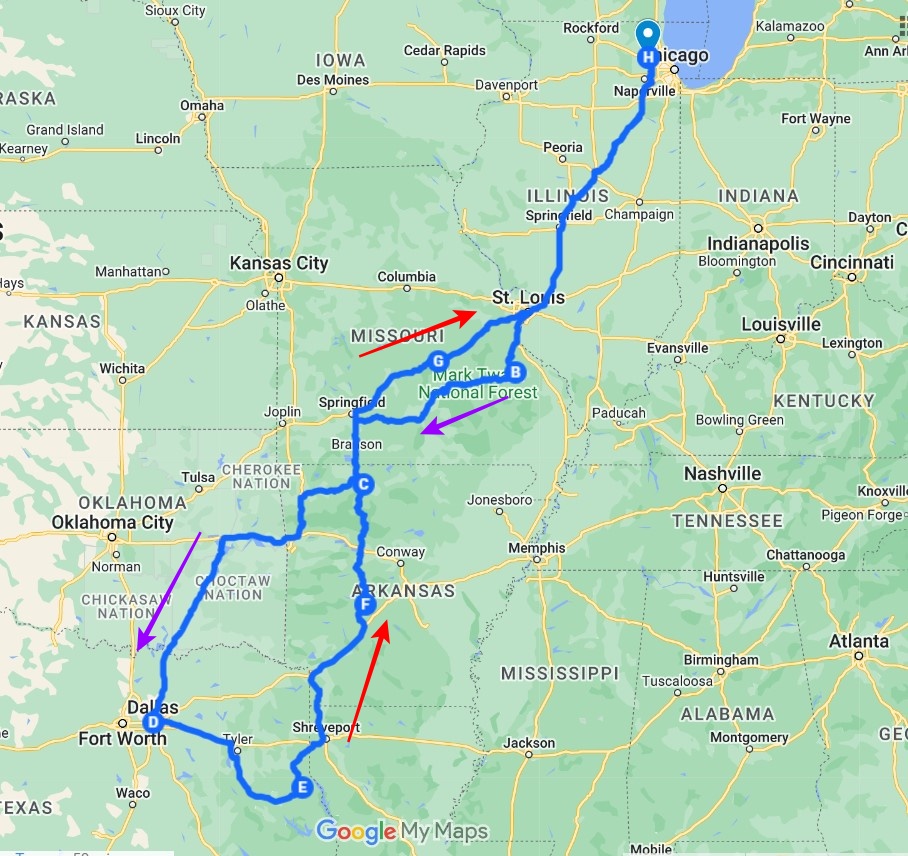
Yuriko and I headed south to Dallas to see totality, making a two-night, three-day drive of it beginning on April 5; stayed five nights in Dallas; and then made a three-night, four-day return drive, arriving home yesterday. All together we drove 2,496 miles, generally crossing the Ozark Plateau in a course that made a (badly crumbled) figure 8 on a string.

After checking into a limited-service hospitality property in the old lead mining hills of southeastern Missouri on (Friday) April 5 – T-minus three days ahead of totality on Monday – I asked the clerk if they were booked up on Sunday, the day before.

“We’re booked up all weekend,” she said.

“At high prices?”

“Some places are getting $300 or $400 a night,” she said, not willing to admit (you never know who’s listening) that the same was true at her property, a franchisee of a multinational hospitality company that surely knows a thing or two about surge pricing.

I had a similar conversation with the desk clerk in 2017, ahead of the solar eclipse that year. I’d booked a room months earlier then – and this time too – to avoid surge pricing. Eclipses can be predicted at least 1,000 years into the future, and more importantly for ordinary folk, that information is readily available in our time. So it’s easy enough to avoid motel gouging. The next night, April 6, we were in a different motel, also (probably) a creature of surge pricing, also booked early.

As for the night before the eclipse, April 7, we avoided paying for a place to stay by relying on the good offices of my brother Jay, whom we stayed with. It just so happened that the path of totality passed over Dallas, a fact not lost on me some years ago. So I planned to be there at that time, and we were fortunate enough that all went according to plan.

We’ll never be able to do that exactly again, either, since the next time Dallas – or the place where Dallas is – will be in the the path of totality is 2317.

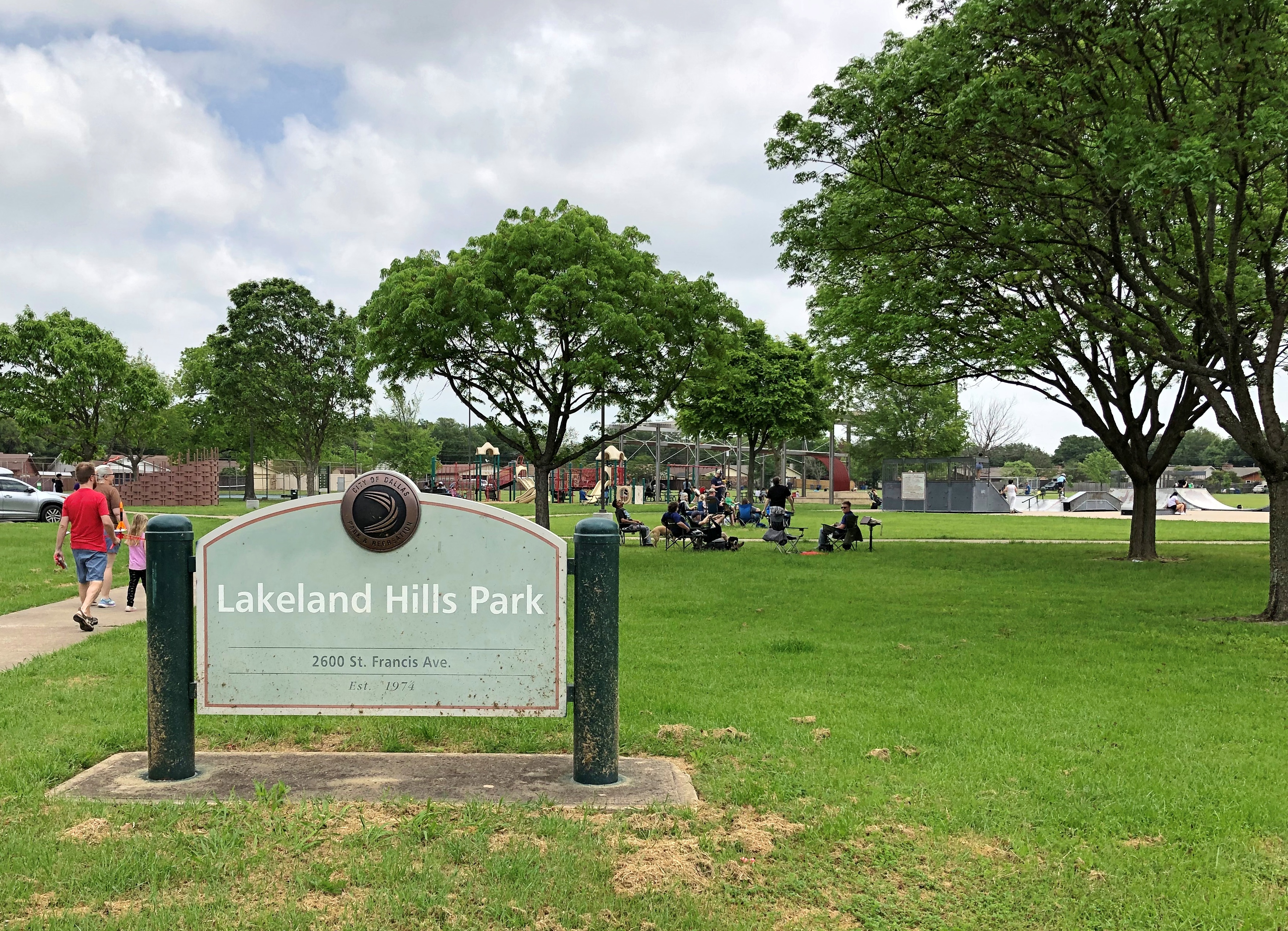
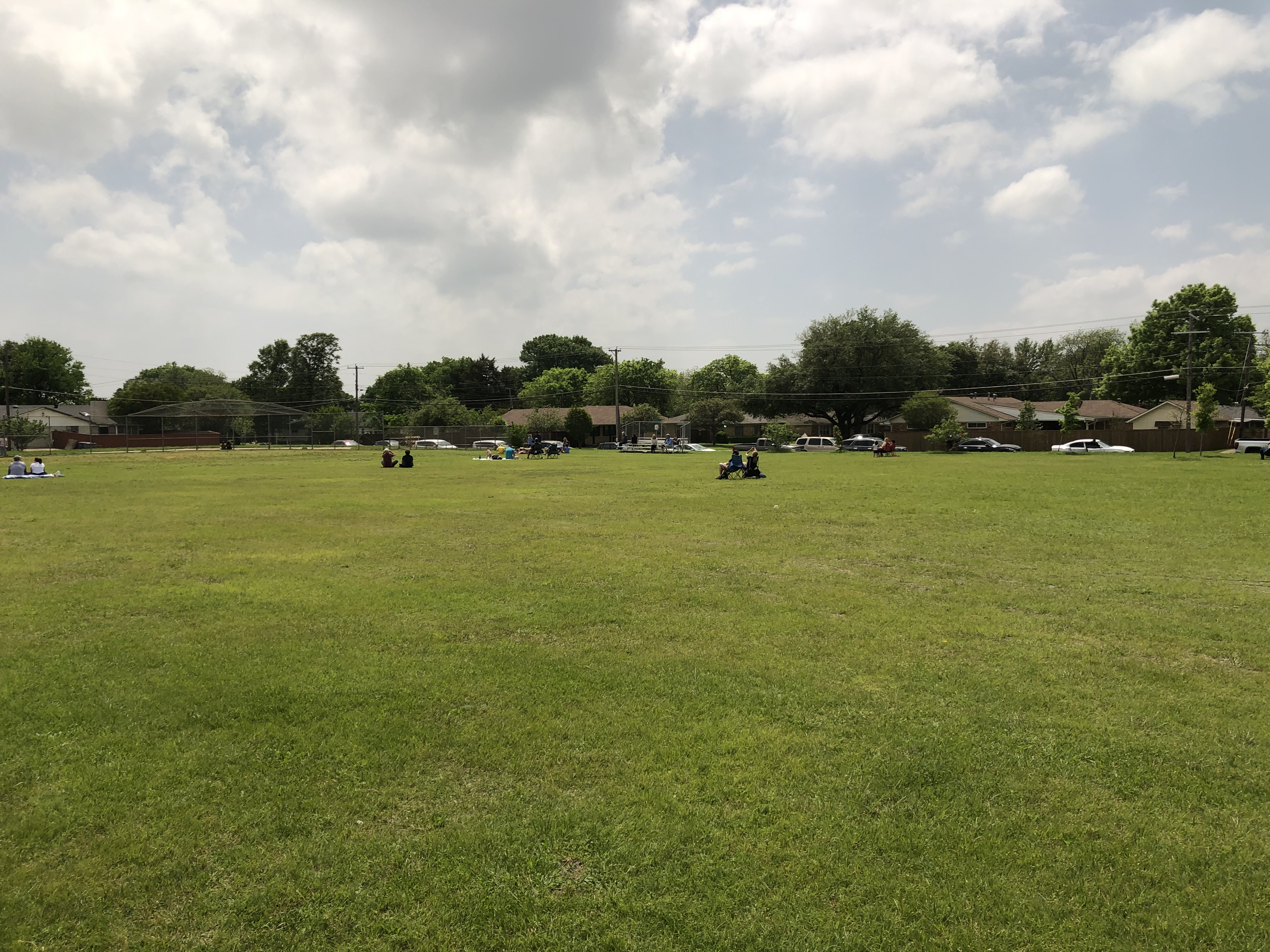
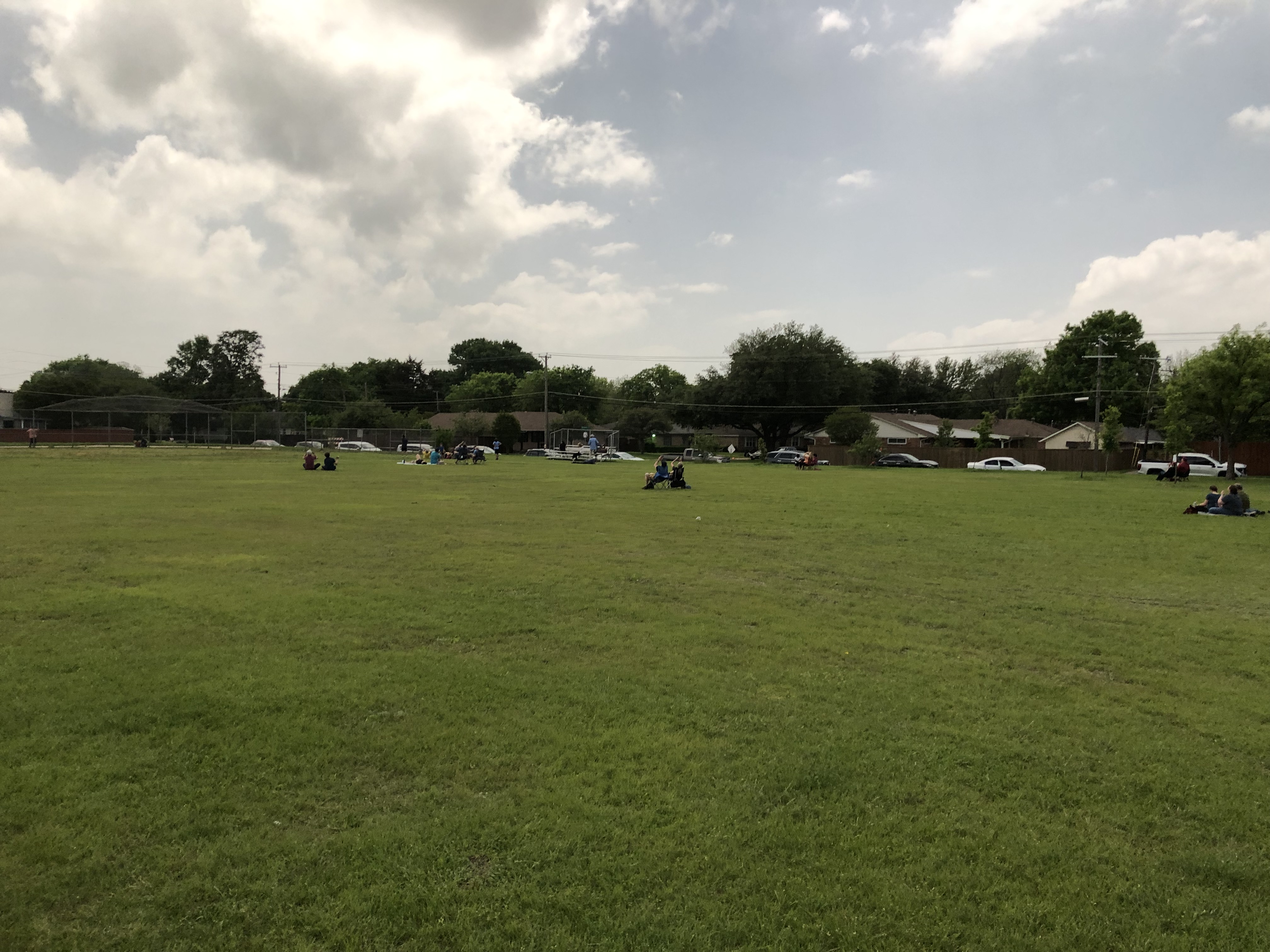
Totality was in the early afternoon. I considered it my lunch hour, since I was working that day. The skies over Dallas that morning were uncooperatively cloudy most of the morning, but by noon the Sun peeked out sometimes. Jay and Yuriko and I joined my nephew Sam and his family and, after a quick Torchy’s takeout lunch – and a zoom interview for me – we went to the nearby Lakeland Hills Park, at 32°48’14.1″N 96°41’47.5″W, according to Google Maps.Lakeland Hills Park, Dallas, April 8, 2024

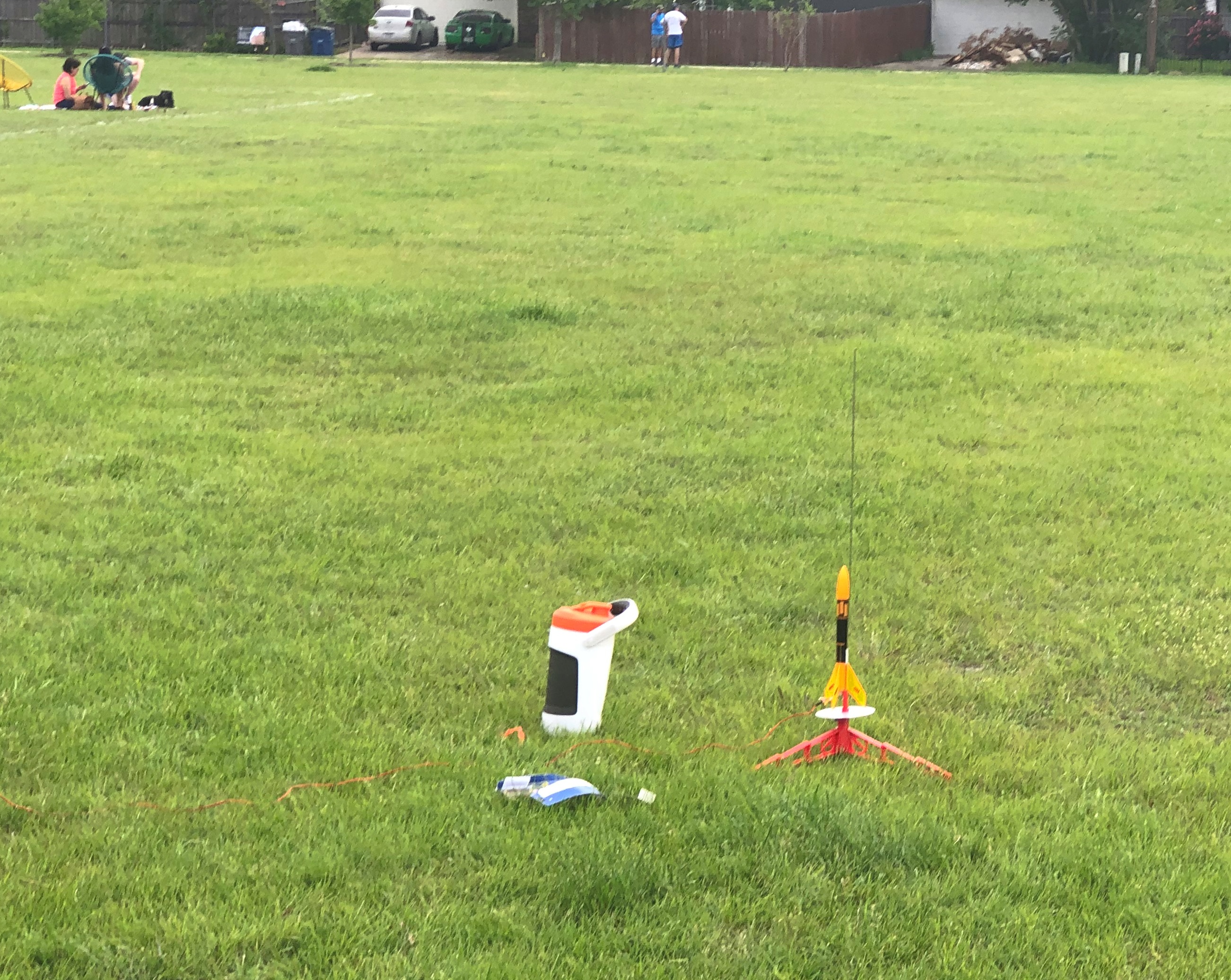
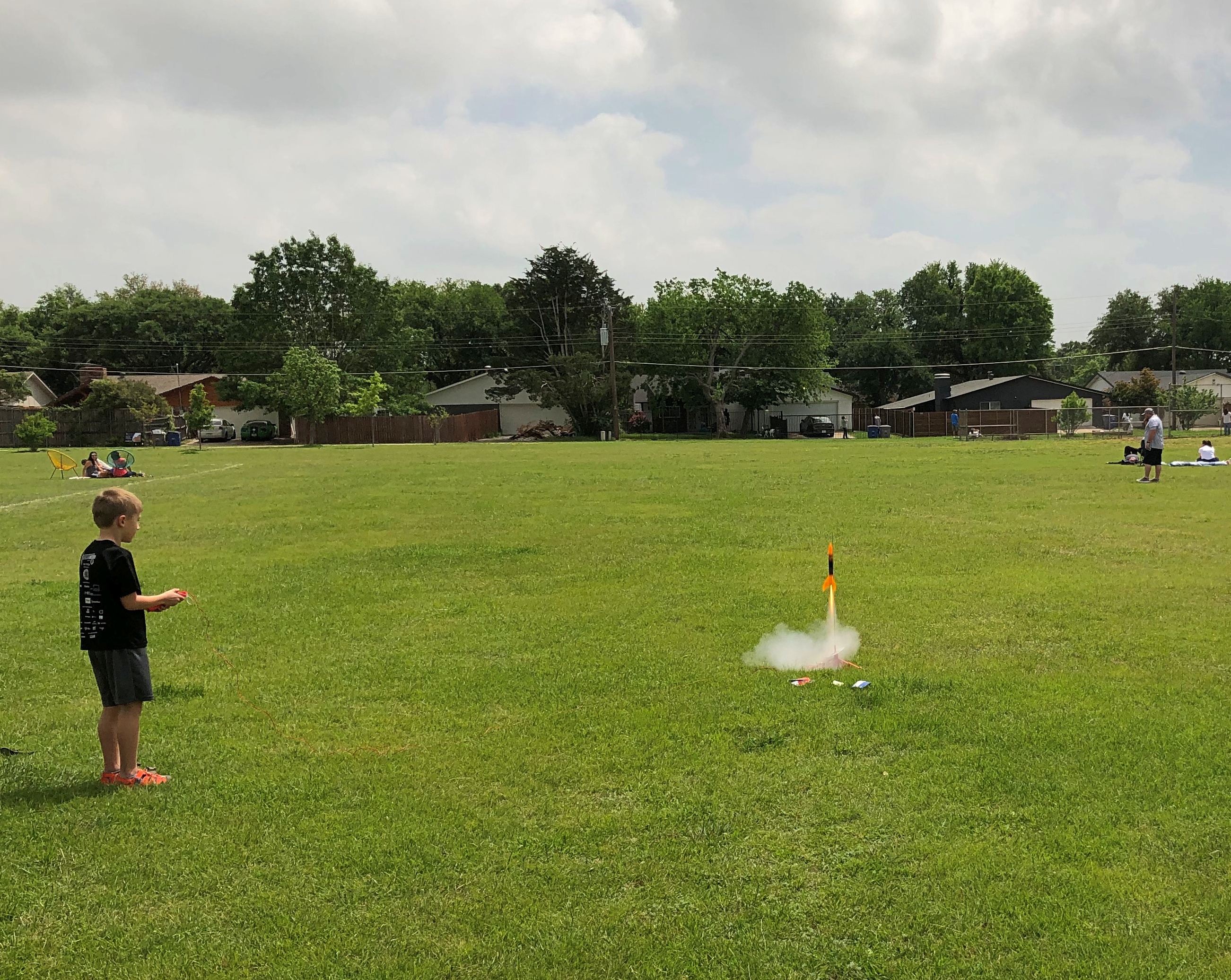
To add to the entertainment, Sam shot off a rocket. The idea had originally been to do so during totality, but he correctly decided that would be a distraction from the main event, so he shot it off early. Twice. Small children, including his children, chased it as it parachuted to the ground the first time. The second time, the parachute failed and that was the end of the rocket’s useful life. Naturally I was reminded of the rockets we shot off in ’75.Lakeland Hills Park, Dallas, April 8, 2024

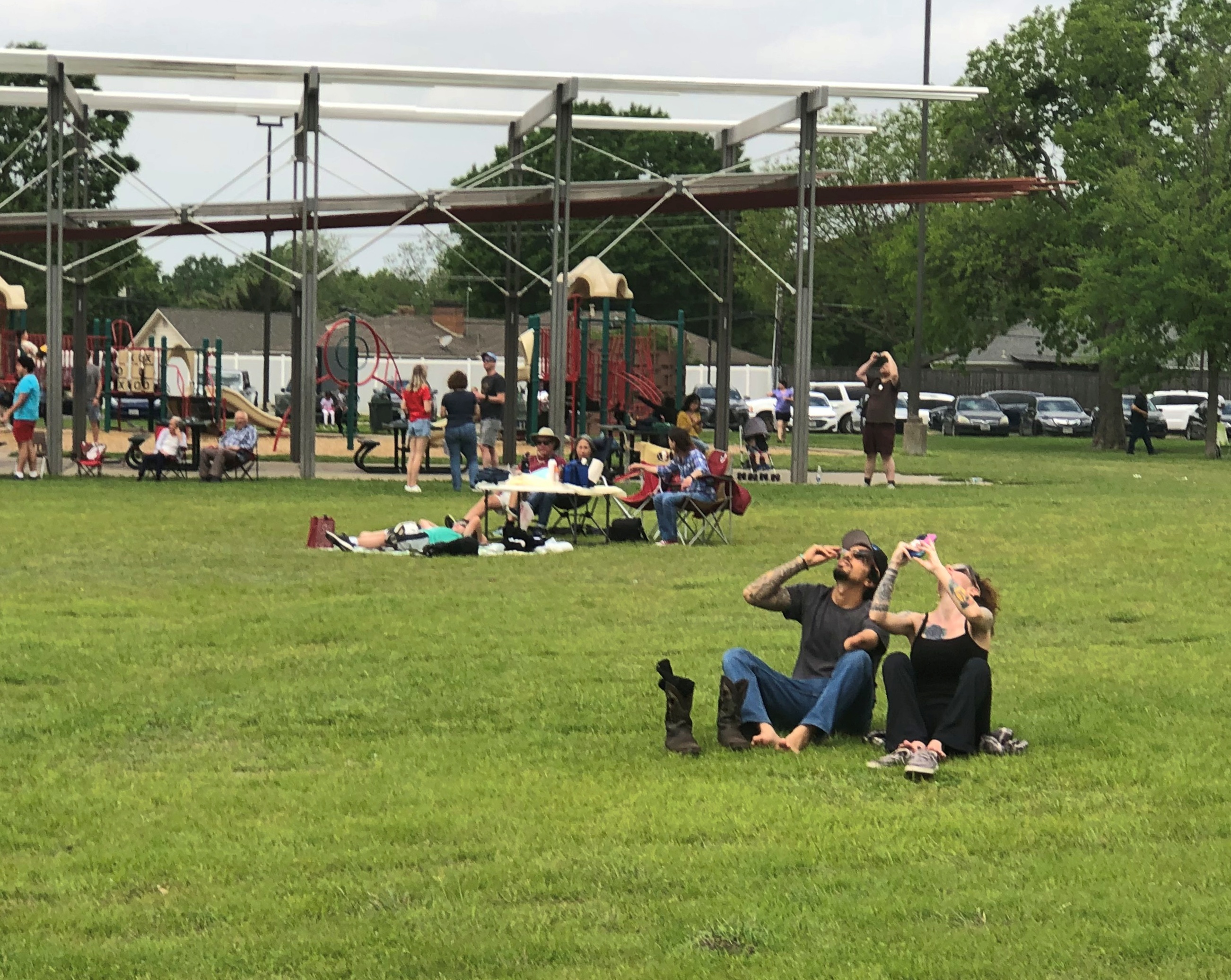
The orange crescent Sun was visible on and off as the Moon ate further into it. People were watching.Lakeland Hills Park, Dallas, April 8, 2024

No need to see the partial eclipse via pin-hole when the Sun happened to be out.Lakeland Hills Park, Dallas, April 8, 2024

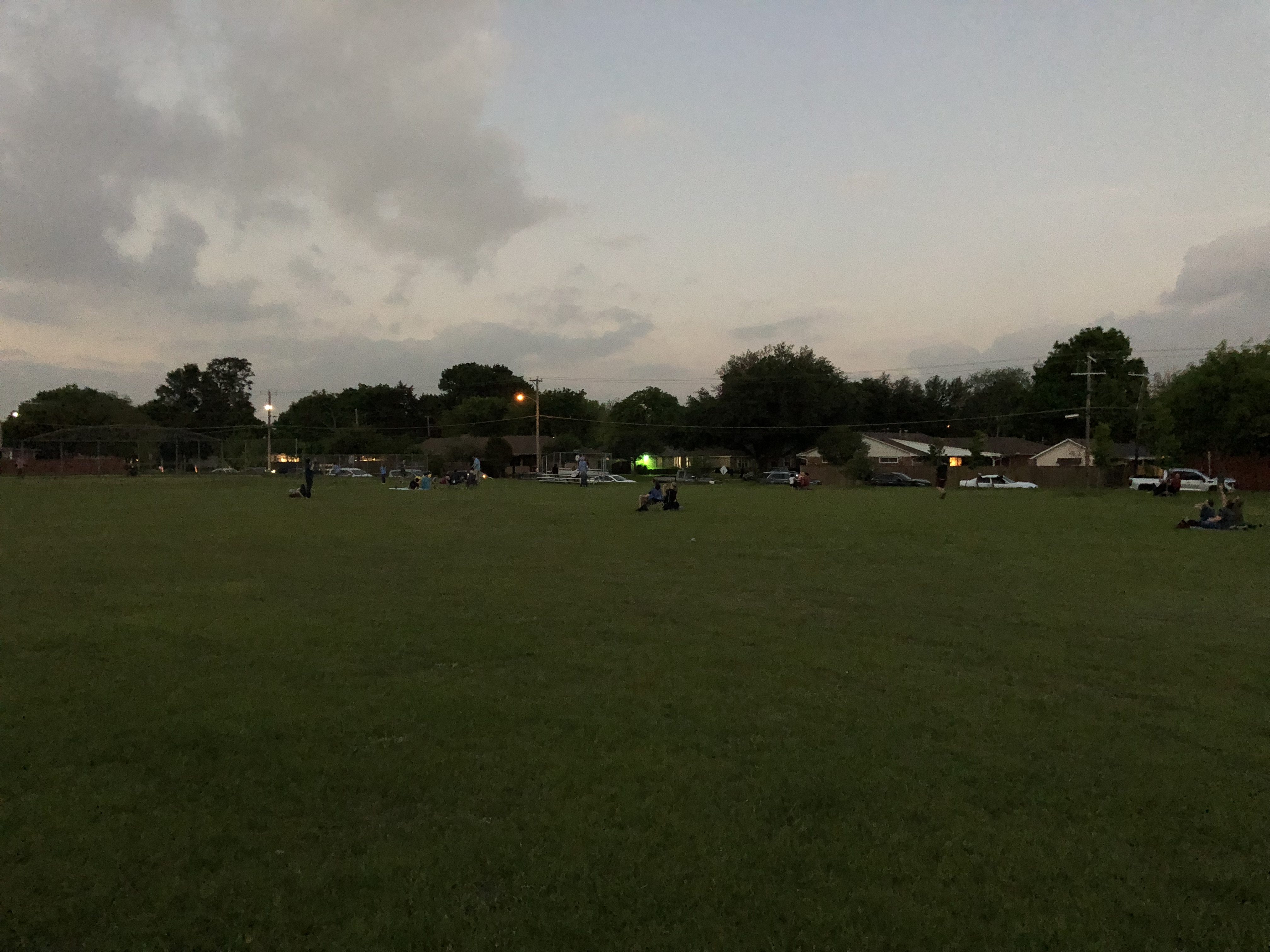
We assessed the nearby clouds for size and what direction they seemed to be moving. The odds didn’t look that great for an unobscured view. Darkness began closing in anyway.Lakeland Hills Park, Dallas, April 8, 2024 Lakeland Hills Park, Dallas, April 8, 2024 Lakeland Hills Park, Dallas, April 8, 2024

Totality came, just as the astronomers said it would. Luck was with us, mostly. We saw the blackened disk of the Sun and much of its close-in corona, as apt a name as any in astronomy, though little of the corona’s tendrils that so memorably stretched into the void in the clear skies of ’17. Still, quite the sight in ’24. Even saw a few solar prominences, gold-red-orange light blips at the edge of the disk, which I’m not sure I did last time. So was the partly cloudy totality worth driving more than 1,000 miles to see? Yes. Double yes.

Waukegan Ramble

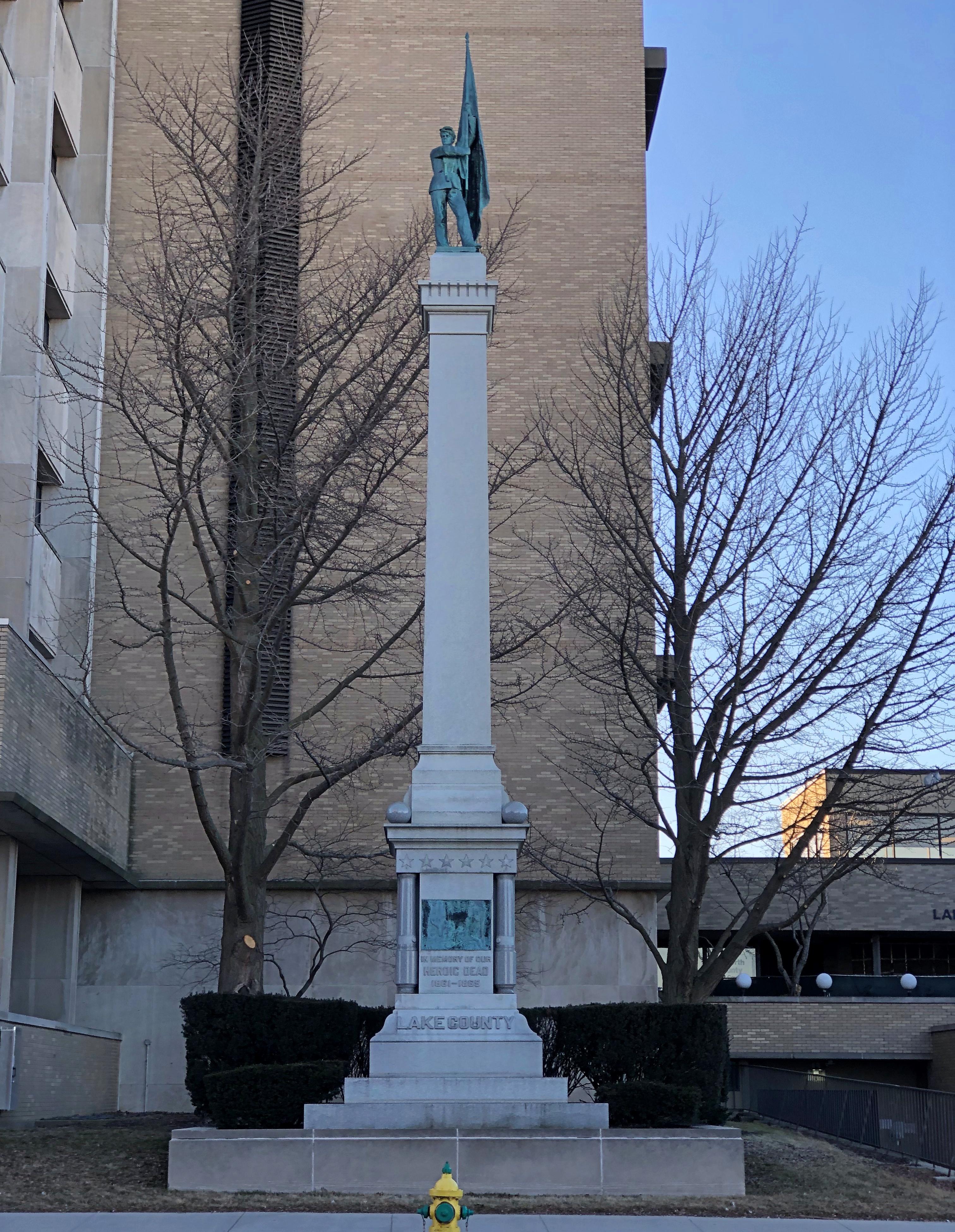
I spent part of Sunday afternoon in Waukegan, a sizable far north Chicago suburb and in fact county seat of Lake County, Illinois. Not my first visit, but a bit out my usual orbit, halfway through that county on the way to Wisconsin and along the shore of Lake Michigan. The day was chilly, but not bad for February, so I set out on foot downtown for a few minutes.

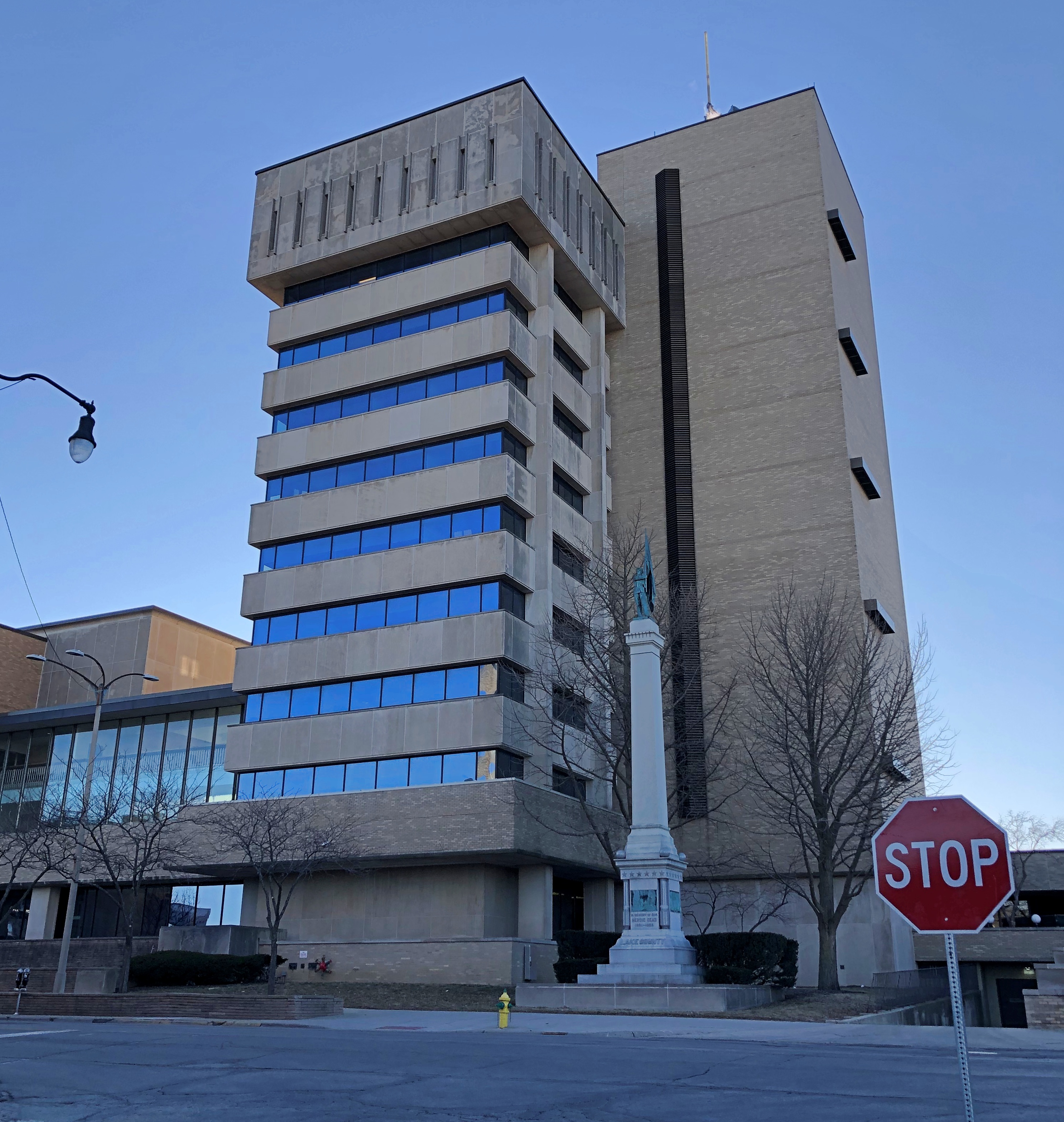
The Lake County Courthouse & Administrative Building isn’t from the classic period of courthouse development, which would be more than 100 years ago now. It’s from the classic period of brutalism (1969), at least in this country.Lake County Courthouse, Waukegan

The Civil War memorial in front (?) is an echo from an earlier time.Lake County Courthouse, Waukegan

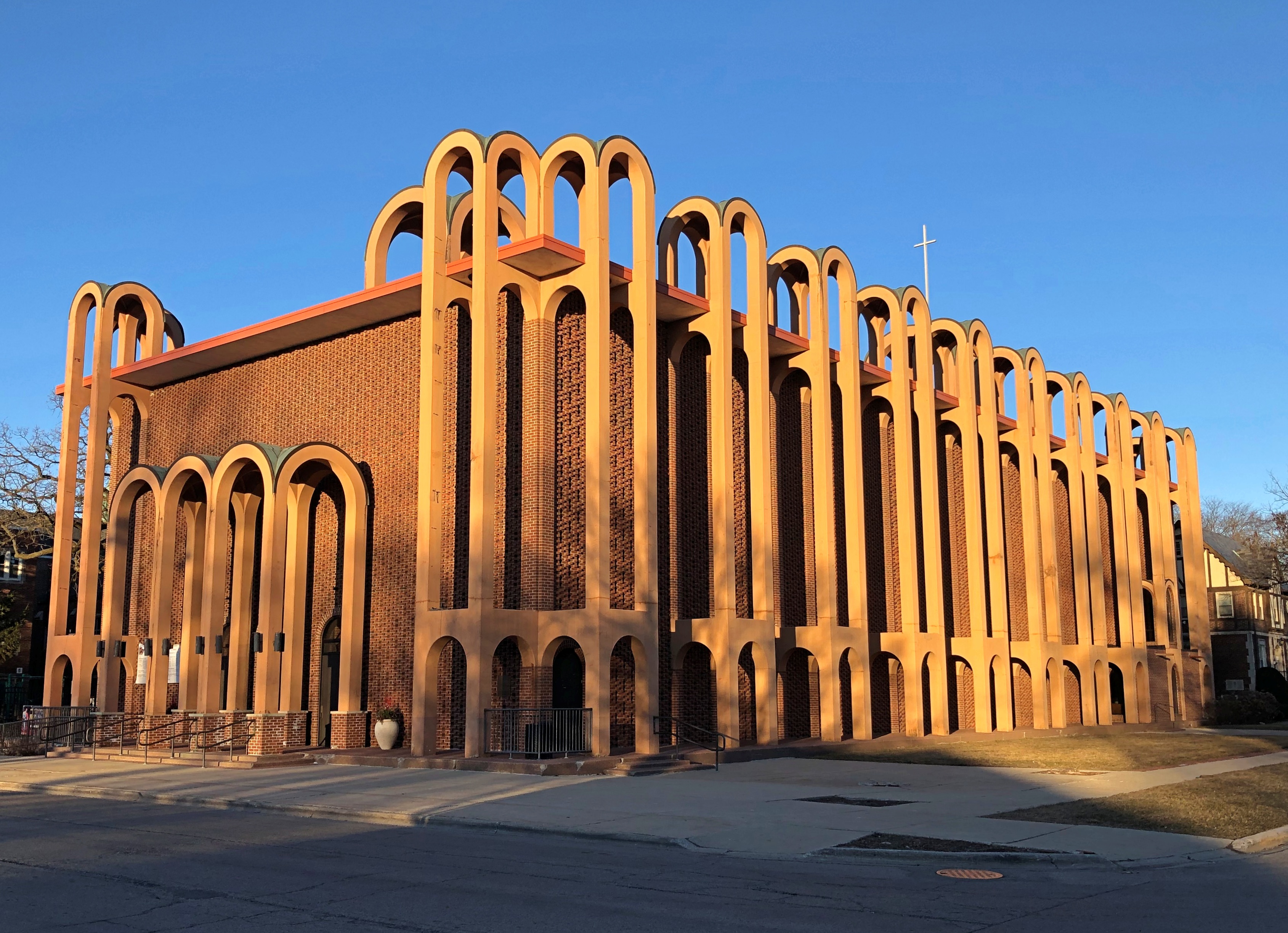
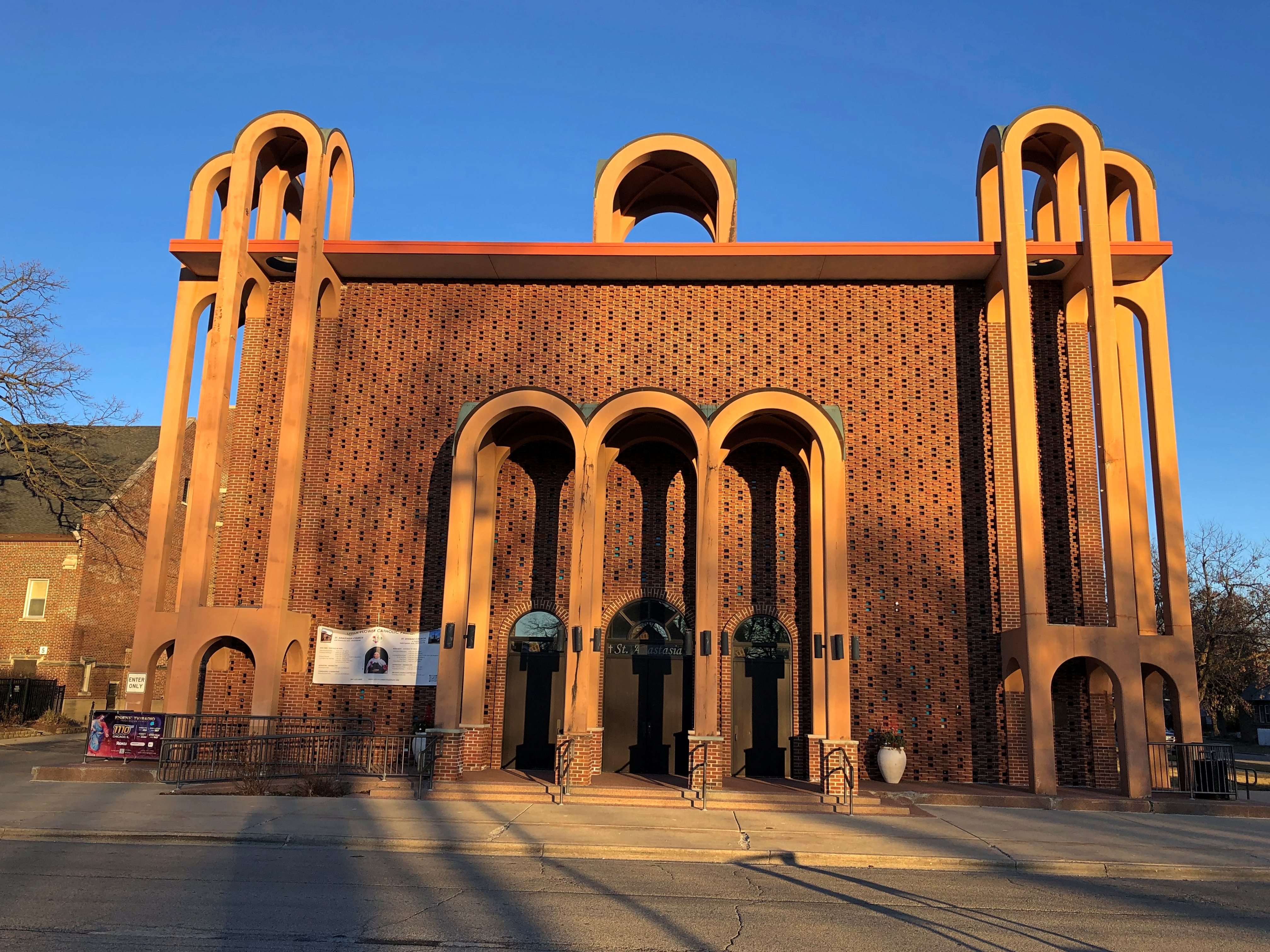
I took a drive too, looking for steeples. I knew most any church would be closed already, so I went looking for beautiful or interesting exteriors, and I found one tucked away in a neighborhood not far from downtown. While beauty isn’t quite the word for it, it certainly caught and held my attention.St. Anastasia Church, Waukegan

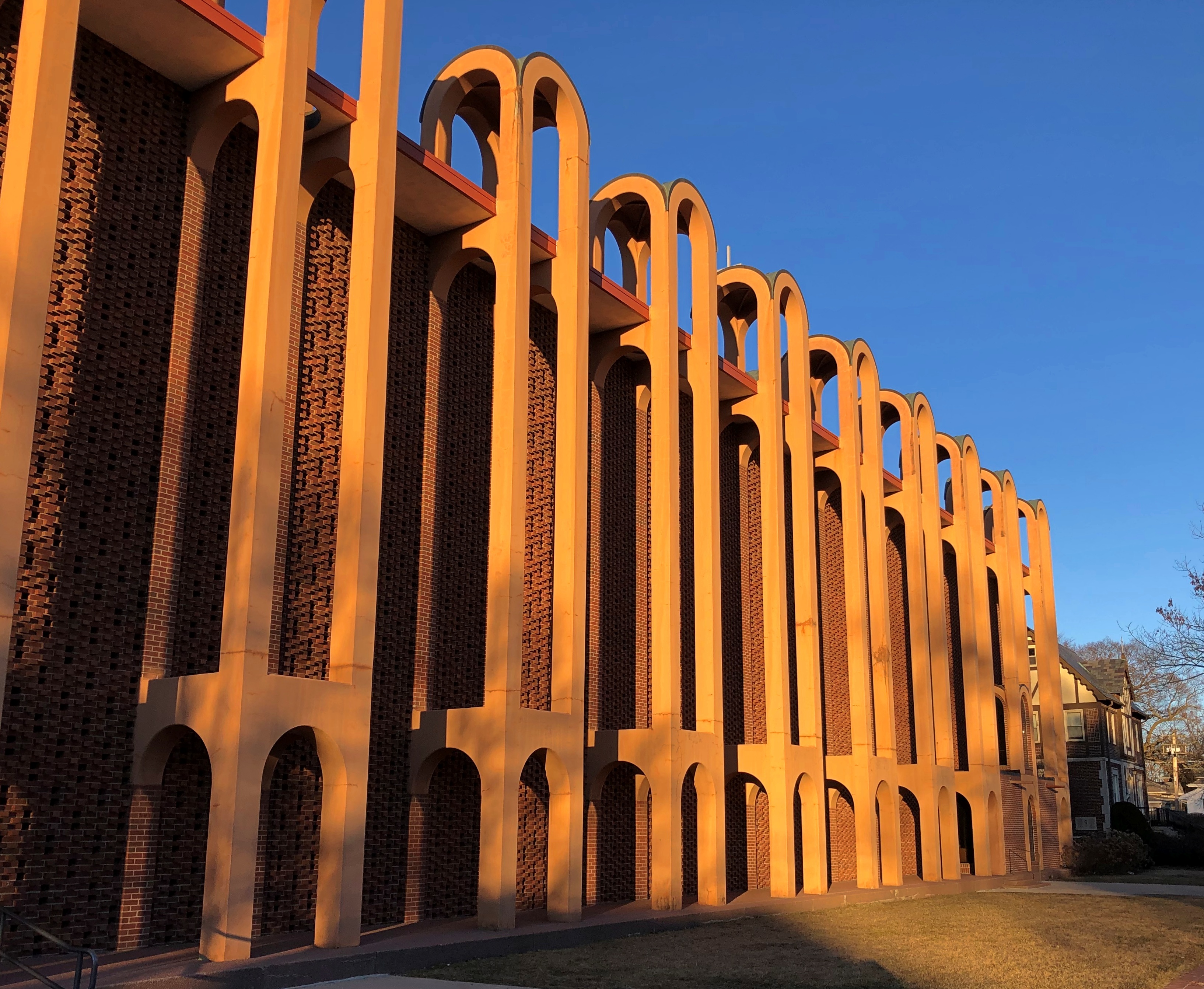
Completed in 1964 as St. Anastasia Church, since 2020 the building has been home to St. Anastasia and St. Dismas Church, which combined are known as Little Flower Catholic Parish – part of the wave of ecclesiastical consolidation in our time.St. Anastasia Church, Waukegan St. Anastasia Church, Waukegan St. Anastasia Church, Waukegan

The unusual design – at least, I’d never see the likes of it – was by mid-century modernist I.W. Colburn (d. 1992).

“This church… is a simple brick rectangle with arch motifs embracing in a succession of domed tiers on the corners and sides of the building,” reported the Chicago Tribune in 2016. “There are two larger versions of this form extended above the flat roof, which appear as towers. The rear domed tier rises over the main alter and carries an enormous cross on its crown.

“The walls of the building have a patterned surface due to the fact that some of the bricks protrude one half of their length from the flat wall. A portion of the wall is constructed of multicolored glass bricks and is most noticeable from the interior when the sun’s light shines through them filling the church with radiant color. The light thus becomes part of the service.”

Closed, as I thought, but maybe during a future Waukegan Tour of Homes, it will be open. Here’s a picture of the interior, decked out for Christmas.

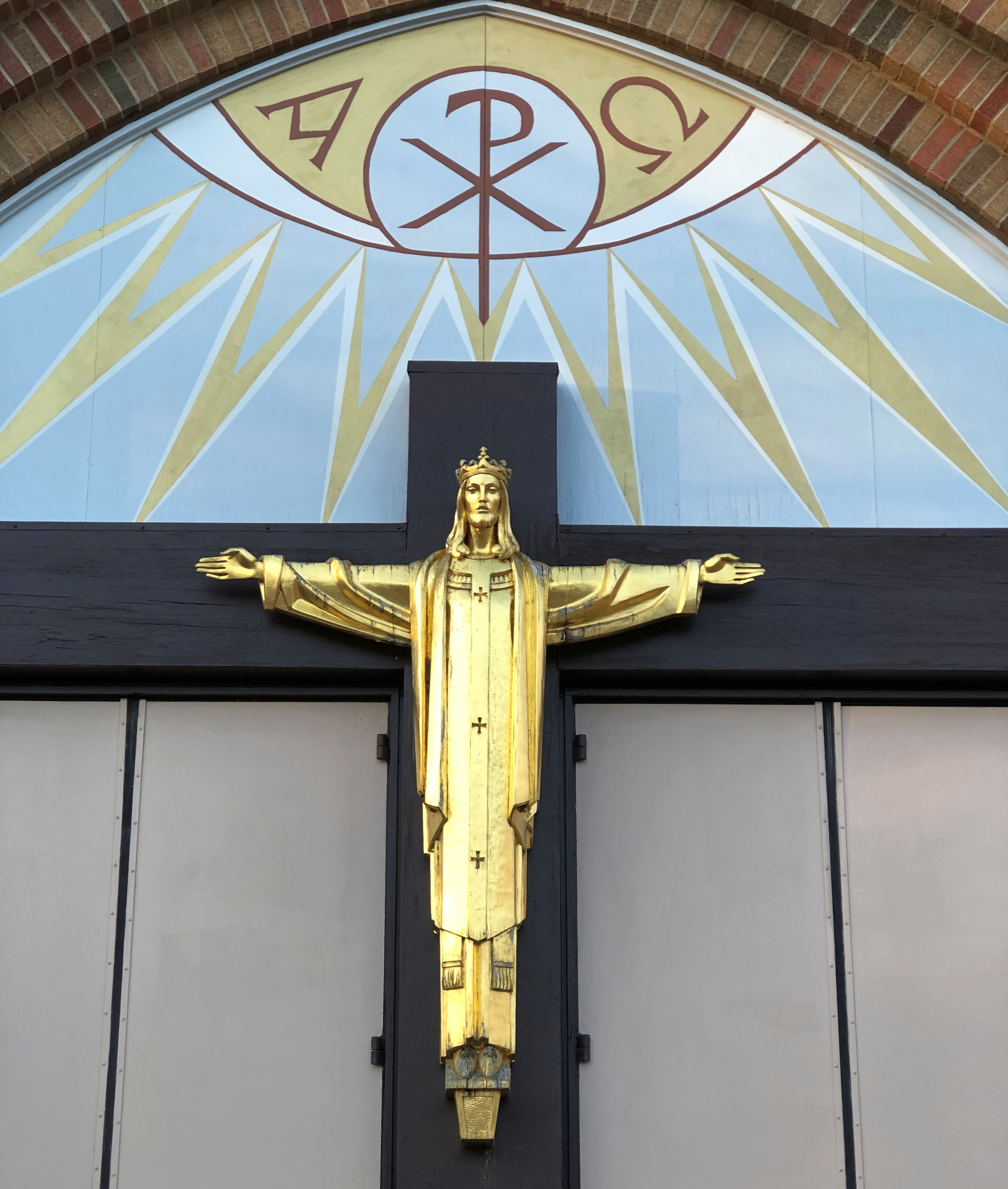
“The interior repeats the motif of the exterior arches,” according to the Tribune. “The red brick, slate floor, glass and wood, mosaics representing the Stations of the Cross, illuminating skylight, and bronze crucifix over the altar give the worshipper the feeling of having entered a medieval monastery.”

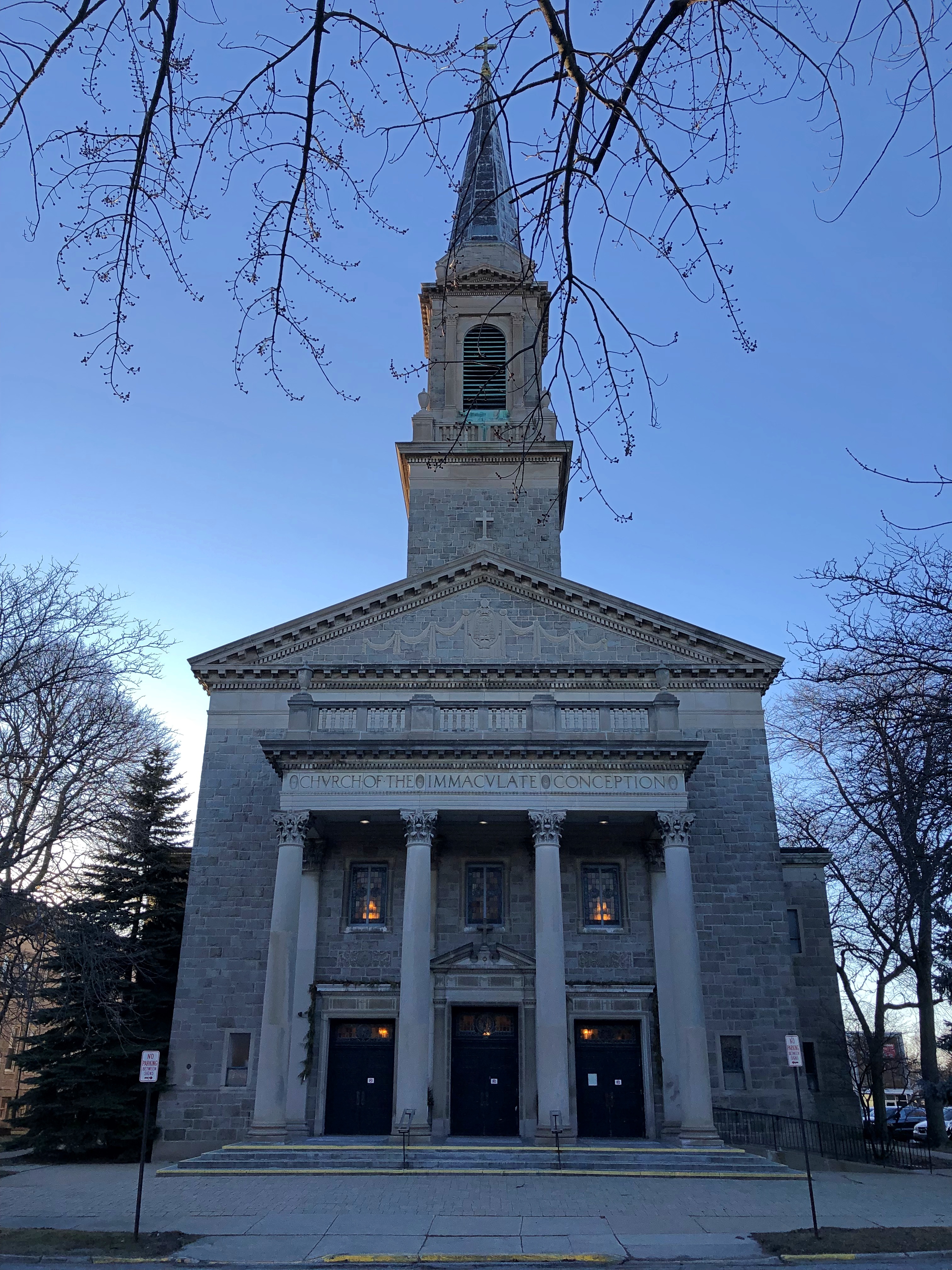
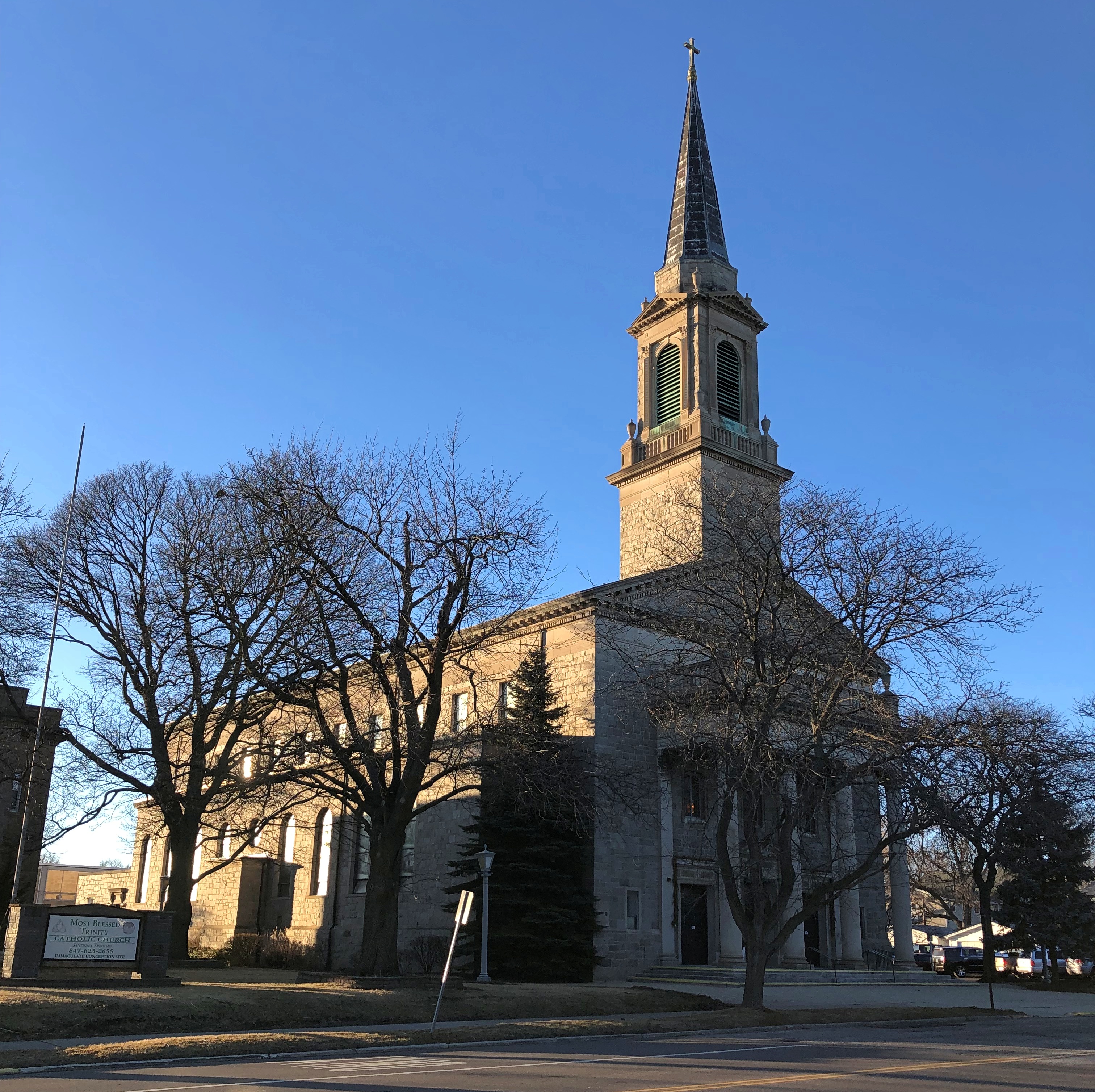
My wanderings took me to a few other Waukegan churches, such as an older Catholic church on the edge of downtown. It says Church of the Immaculate Conception, carved over the entrance in stone, but these days it’s Most Blessed Trinity Catholic Church, the creation of a consolidation of six historic parishes.Waukegan Waukegan

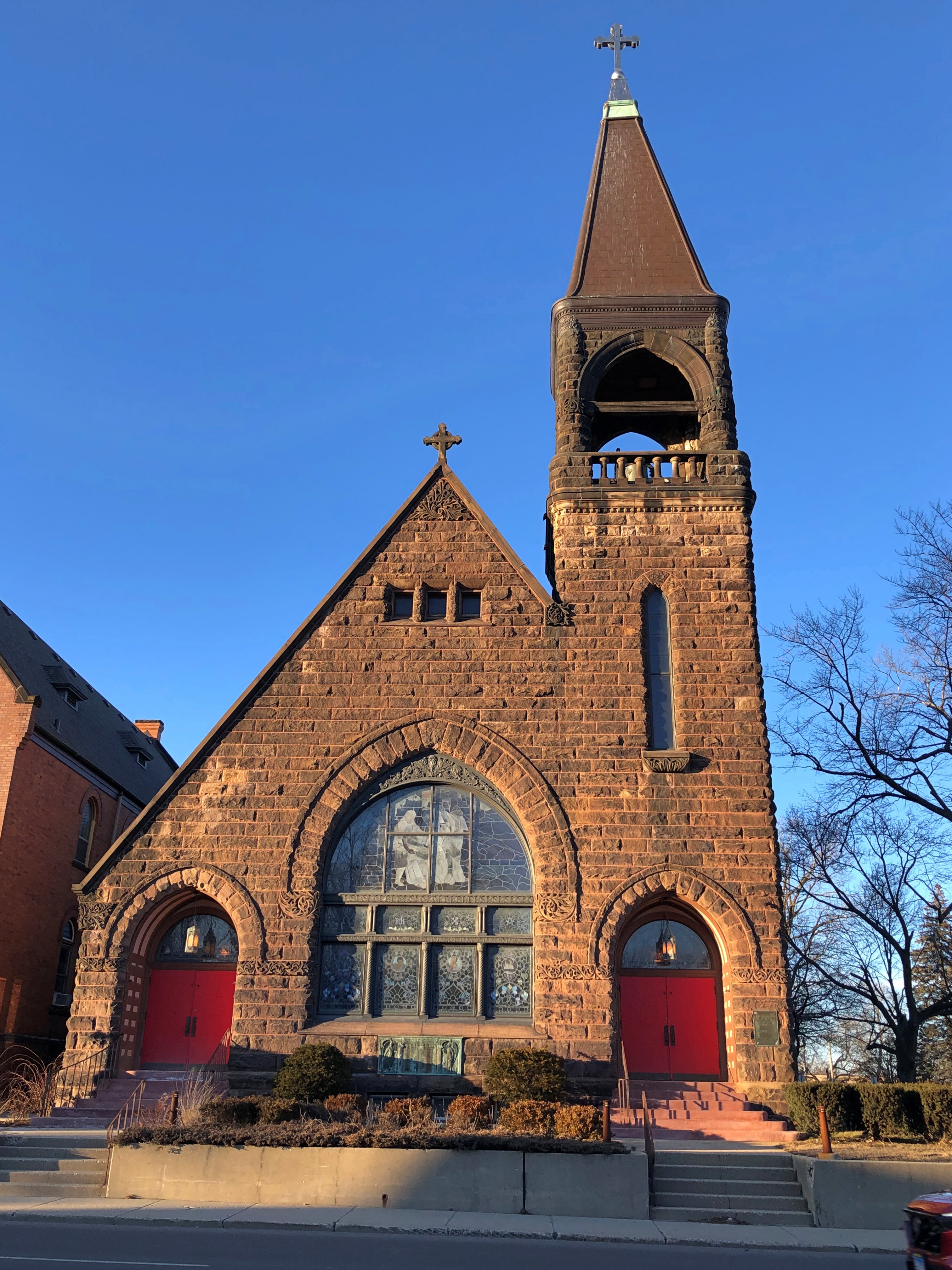
Christ Episcopal Church, completed in 1888 and designed by Willoughby Edbrooke and Franklin Burnham of Chicago, who also did the Georgia State Capitol and the Milwaukee Federal Building.Waukegan

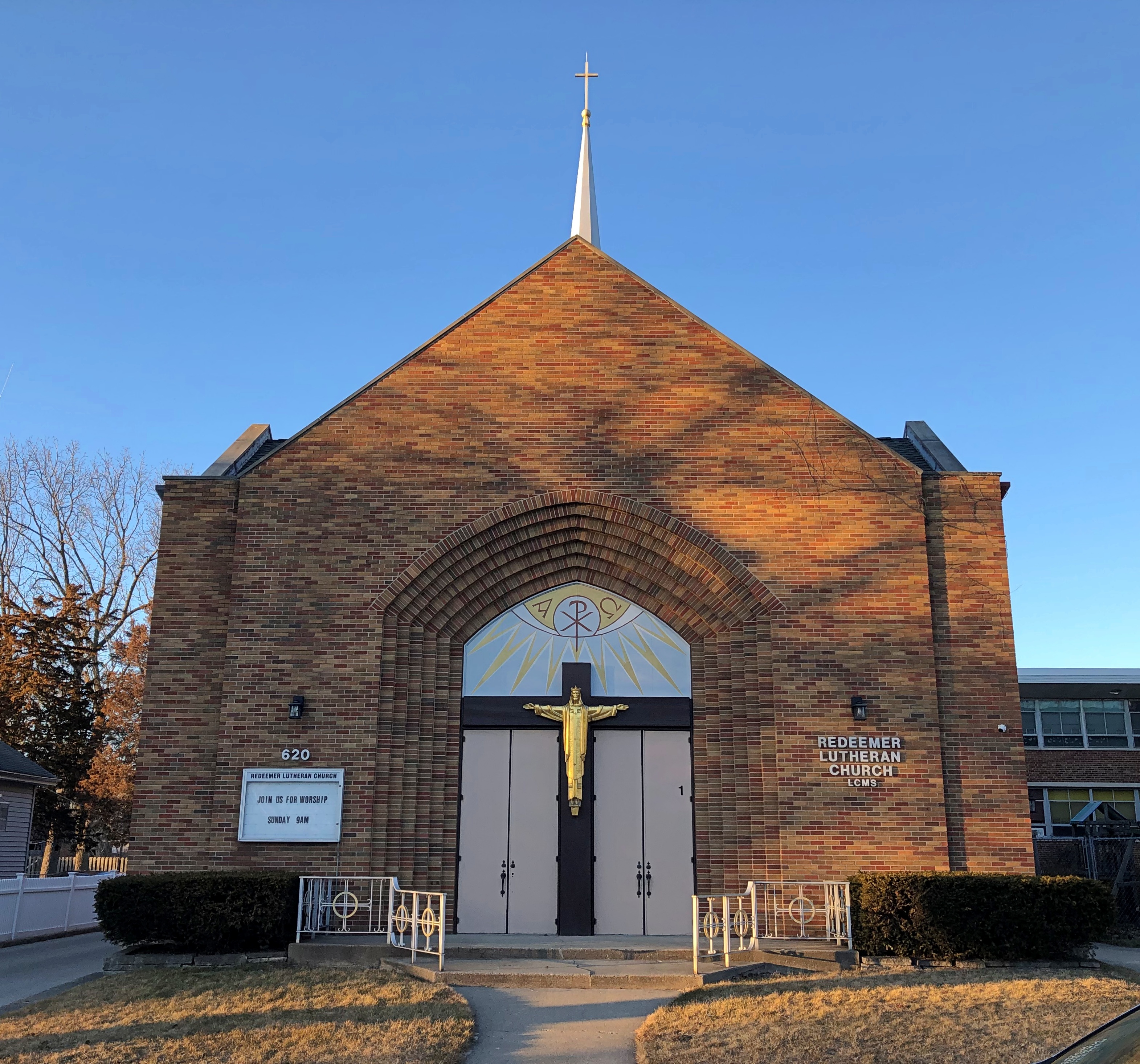
Redeemer Lutheran Church.Waukegan Waukegan

The was enough churches for the day. The sun was going down, for one thing, but also once you’ve seen the Alpha and Omega, that’s enough for any day.

Northern Kentucky ’23

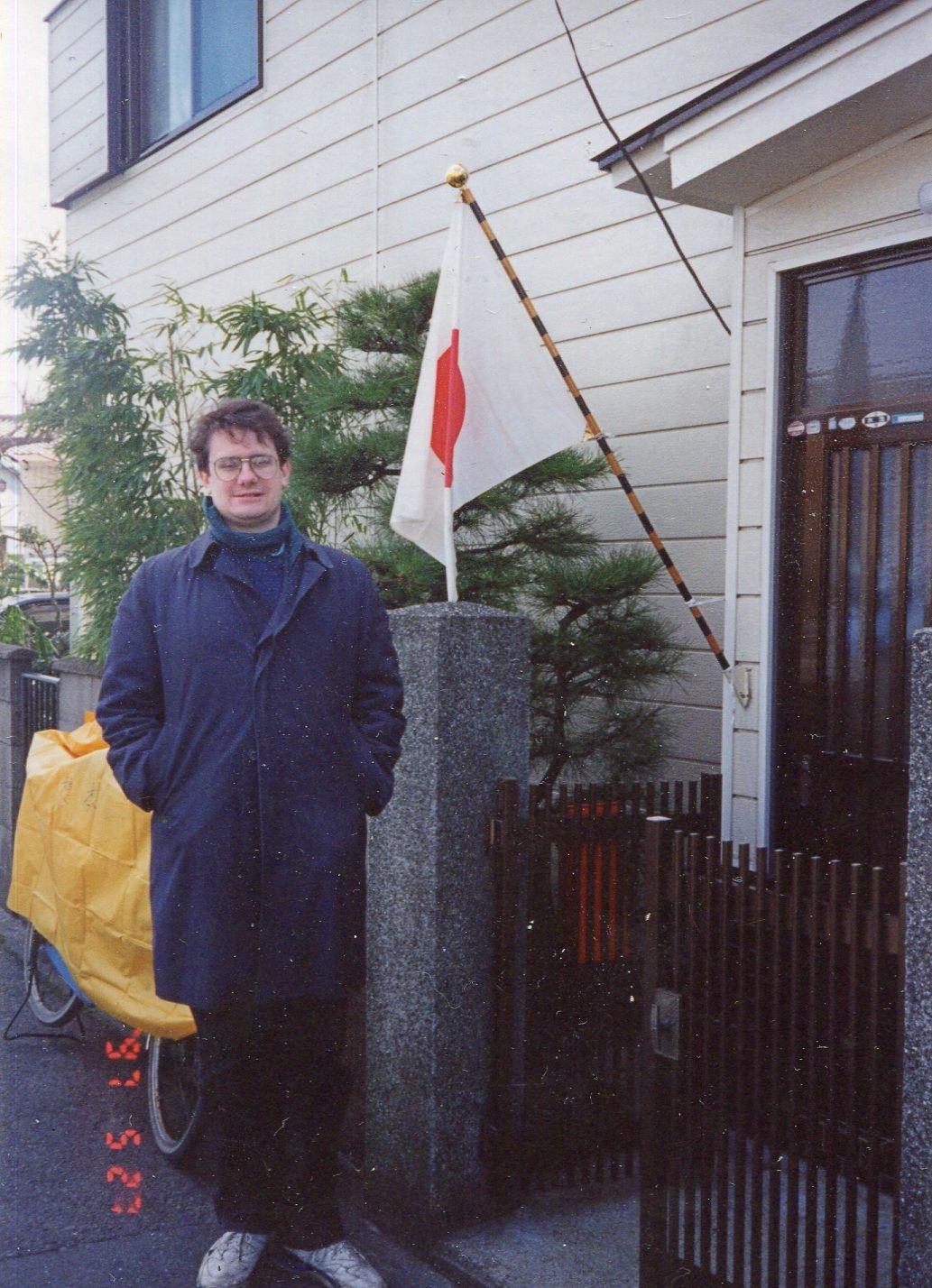
Among our collection of physical prints, most of them pre-2005 or so, is this image.

I’m standing in front of my in-laws’ house on January 1, 1994 (one feature of the camera was to imprint the date, but for whatever reason, it is wrong on this print). I spent most of winter break there. Much of the time I was in their kitchen, the warmest room in the house, where I read War and Peace. My in-laws considered this slightly peculiar, but not so much that I didn’t hear about it until much later.

Forward almost 30 years and we found ourselves in Louisville. We arrived late on Wednesday, actually past midnight on Thursday, late enough that the night clerk at our hotel was the only person around when we got there. He had been putting together a model figure from a kit before we arrived. Some pieces were arrayed on the desk near him, but he was mostly finished. Yuriko recognized it: an action hero from an anime, something I would have never recognized.

“I got it for Christmas,” the clerk, a large young man with a large beard and collection of pimples, told us when Yuriko mentioned that she recognized it. “He’s my favorite.”

“Helps pass the time on the night shift?” I said. He agreed that it did.

Otherwise it was a standard check-in process, but the momentary interaction made the experience more memorable. The property was part of a behemoth hospitality outfit, and if the company had any imagination (such companies seldom do), it would instruct its clerks to have some kind of conversation-piece project at hand that would engage more curious patrons. You know, to build the brand by associating a mildly memorable and pleasant experience with the place one stays.

Maybe that isn’t such a good idea. Such a company could be counted on to mandate their clerks detail in reports the interactions thus generated – fill up that spreadsheet, tick those boxes, remember that documenting the process is as important as the results – and press them to meet some sort of quota of being memorable to their customers.

Thursday was the first of three full days in northern Kentucky, returning on New Year’s Eve. Rather than venture somewhere by plane this year — with last year’s dud in mind — we opted for a drive. As long as no blizzard was forecast, we’d be good to go. Head somewhere to the south. We focused on Louisville because it occurred to me in November that I hadn’t spent much time there in more than 30 years, since my visits to attend the Kentucky Derby in the late ’80s, and Yuriko had never spent any time there.

Since then, I’d also heard it on good authority, namely from someone who used to live there, that Louisville is a city of distinctly interesting neighborhoods, perhaps more than you’d expect from a metro its size (1.3 million). Something like Nashville, though that metro is larger. In fact some similarities with Nashville are fairly close, such the downtown street grid that, away from downtown, soon devolves into as non-grid as a pattern of streets can be, wandering this way and that at odd angles through hilly territory, and changing names without warning.

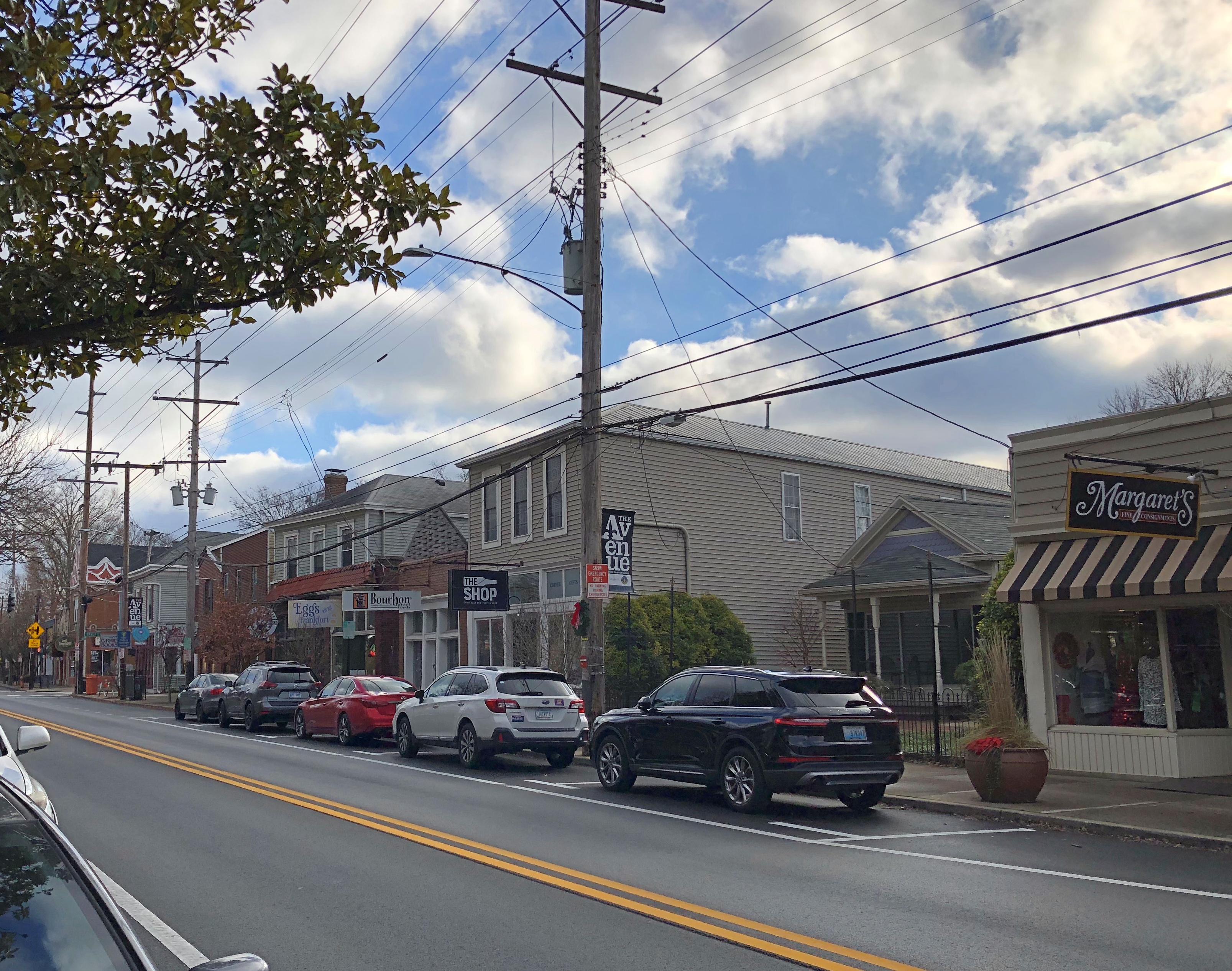
We first encountered Crescent Hill, a well-to-do neighborhood east of downtown, stopping for a few minutes to look in a few of the shops of Frankfort Avenue. I’ve read that the area was formerly known as Beargrass, after a nearby creek. A name the area should have kept, if you asked me.Crescent Hill, Louisville

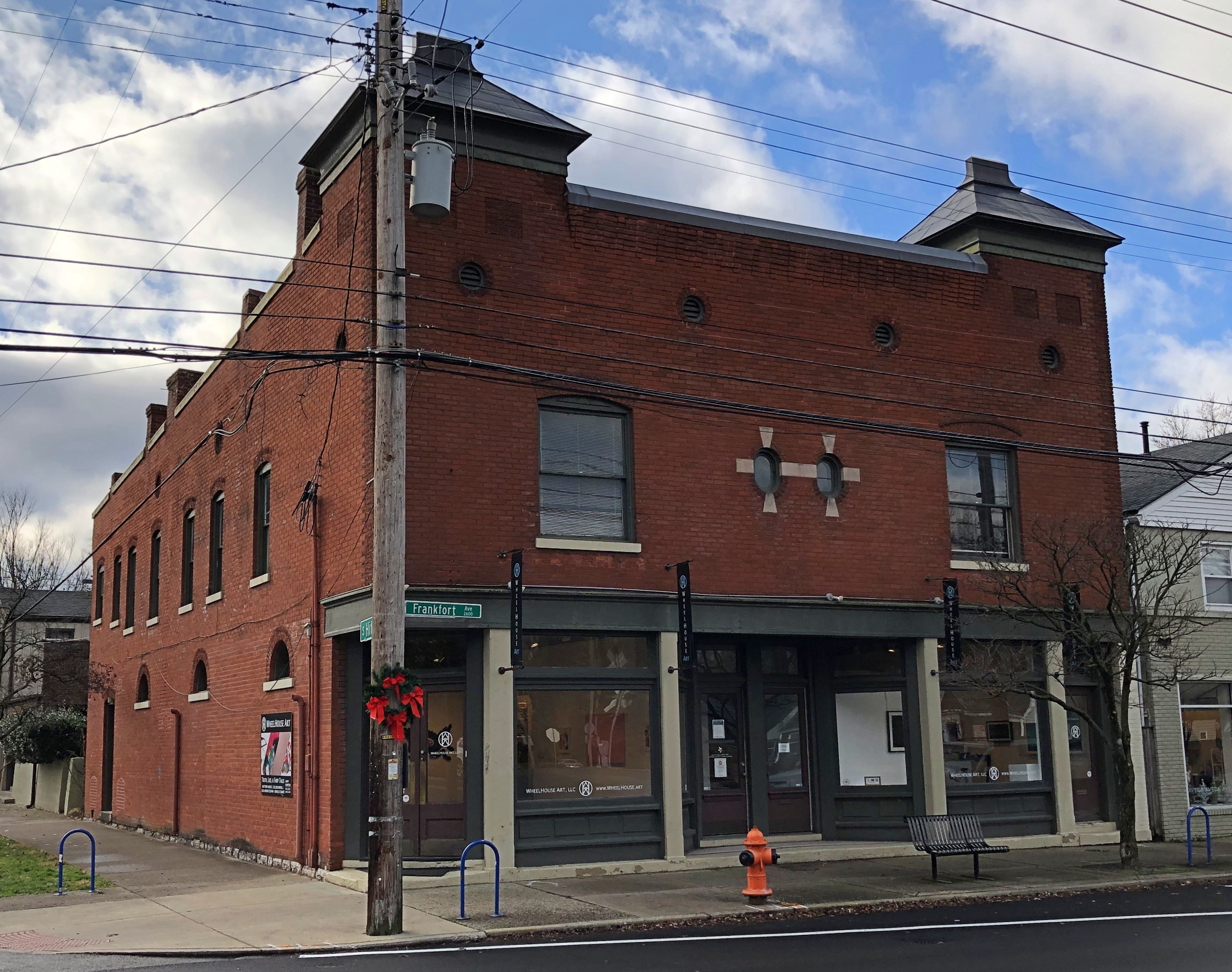
Included are the sorts of places well-to-do neighborhoods support, such as Urban Kitty Consignment Boutique, Wheelhouse Art, Era Salon, Eggs Over Frankfort, Carmichael’s Bookstore and Margaret’s Fine Consignments. Temps were maybe 10 degrees warmer than at home, so not bad for a short stroll.Crescent Hill, Louisville Crescent Hill, Louisville Crescent Hill, Louisville

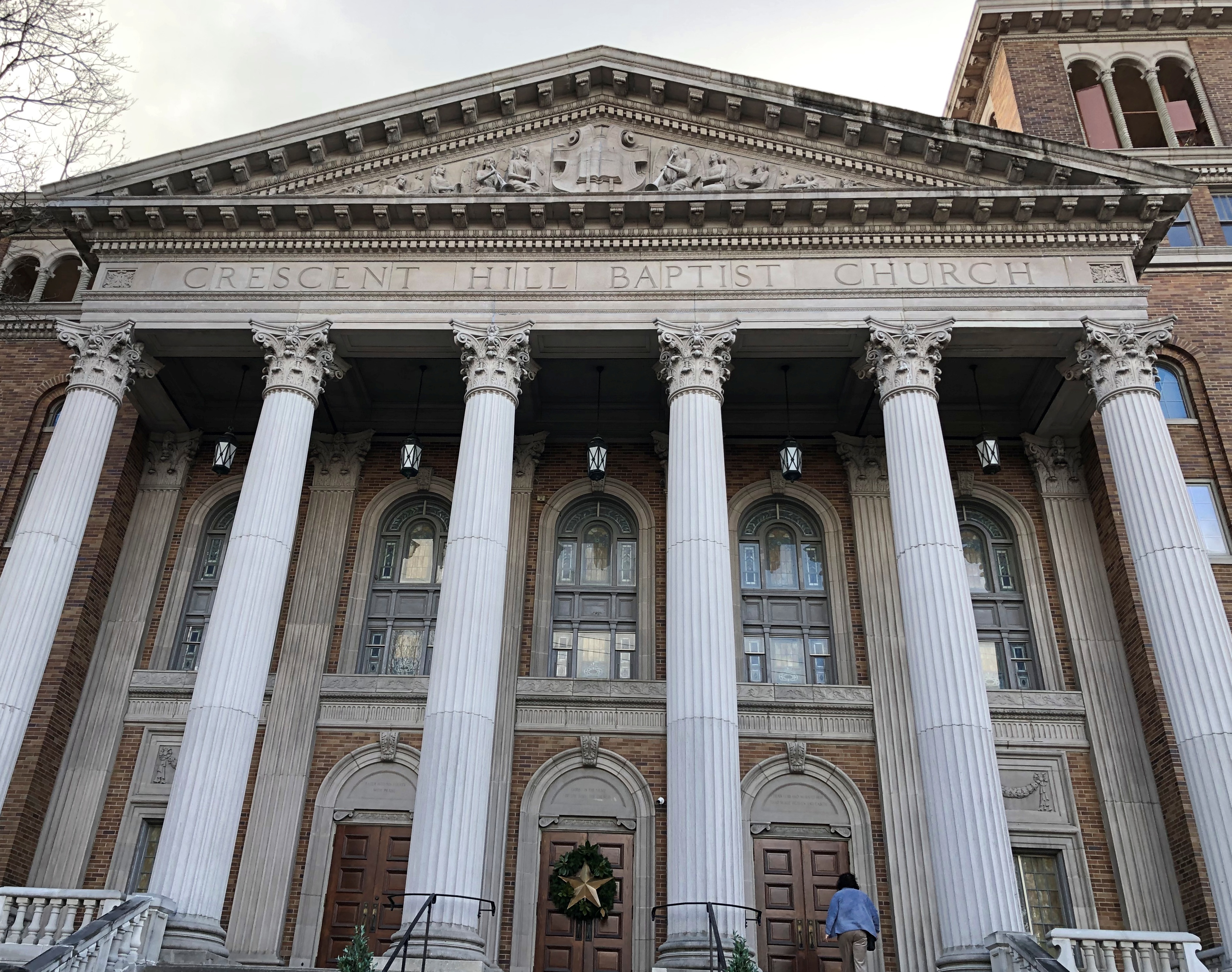
The imposing Crescent Hill Baptist Church is on Frankfort Ave. Closed.Crescent Hill, Louisville

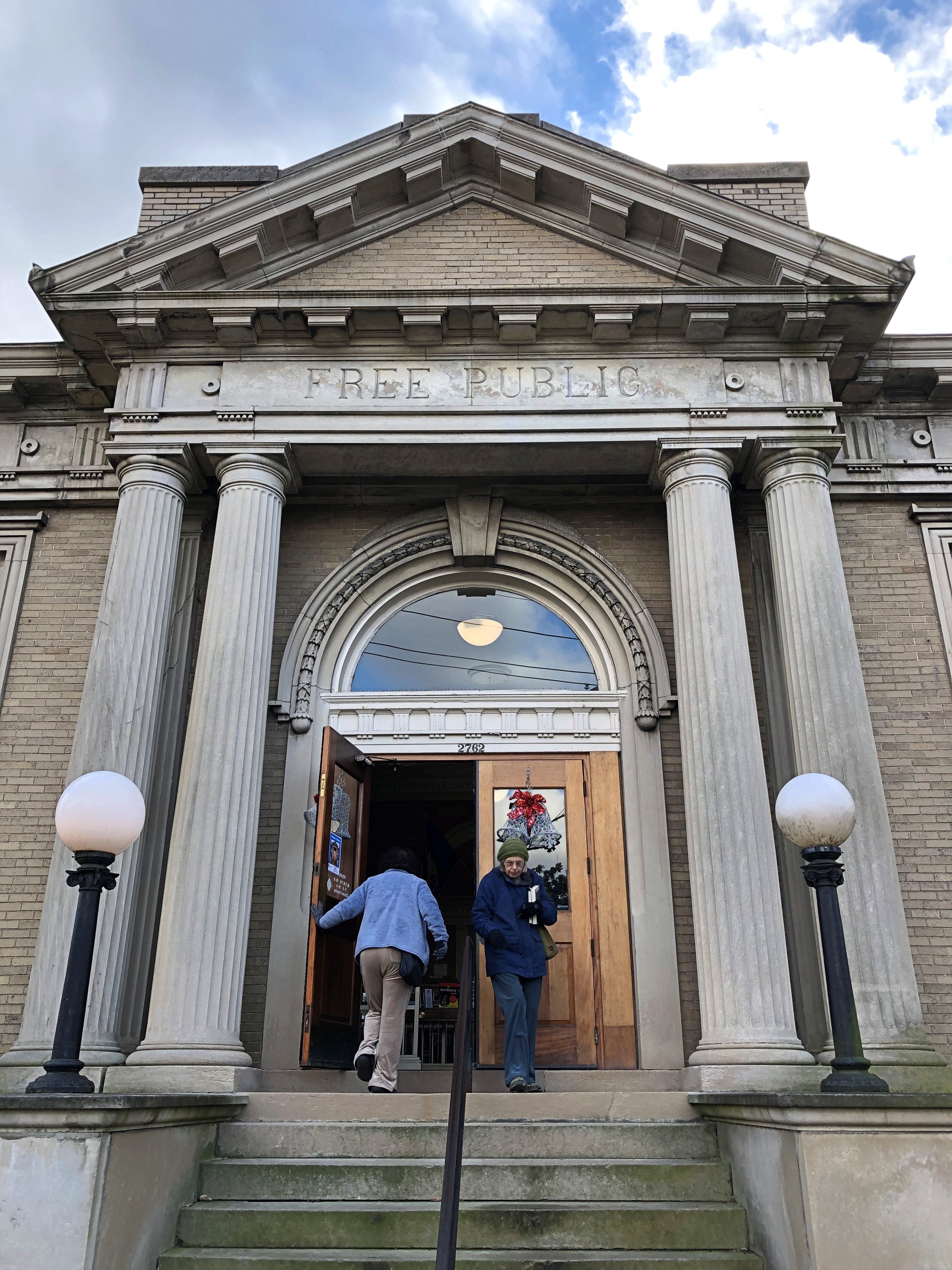
The local library was open, so we went in.Crescent Hill, Louisville

Inside was a table with books for sale, and I picked up a paperback for $1 entitled The Taste of Conquest: The Rise and Fall of the Three Great Cities of Spice by Michael Krondl (2008). The cities in question are Venice, Lisbon, and Amsterdam. I started reading that night and it’s good. He brings up a few interesting points right away, such as that the hoary old explanation about the medieval use of spices, namely that they covered up rot, is nonsense.

“But what if the meat were rancid?” Krondl asks rhetorically. “Would not a shower of pepper and cloves make rotten meat palatable? Well, perhaps to a starved peasant who could leave no scrap unused, but not to society’s elite. If you could afford fancy, exotic seasonings, you could certainly afford fresh meat.”

From Crescent Hill it’s a short pop over to the Louisville Water Tower, including a short drive on Zorn Avenue, which instantly became my favorite street name in Louisville.

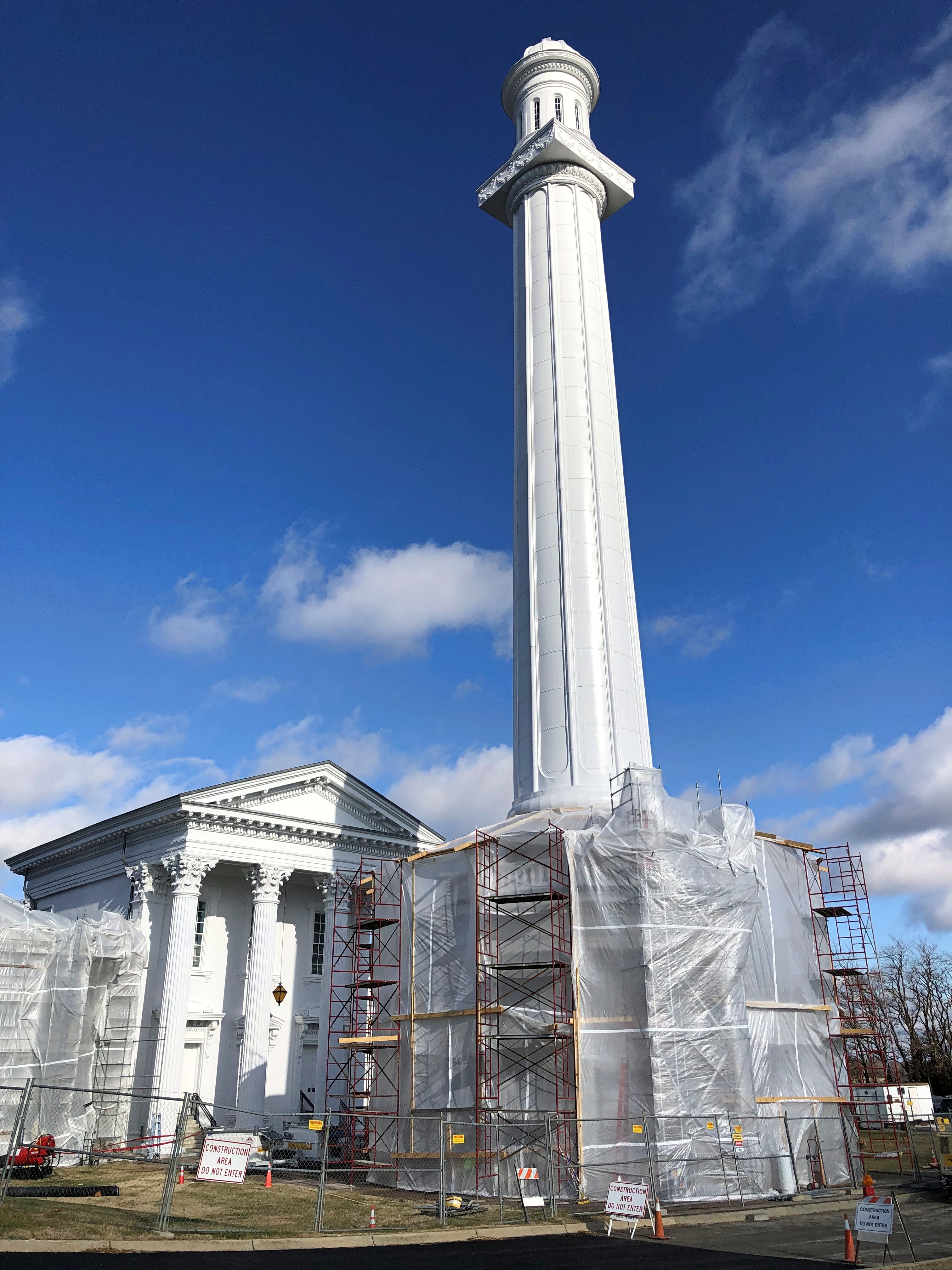
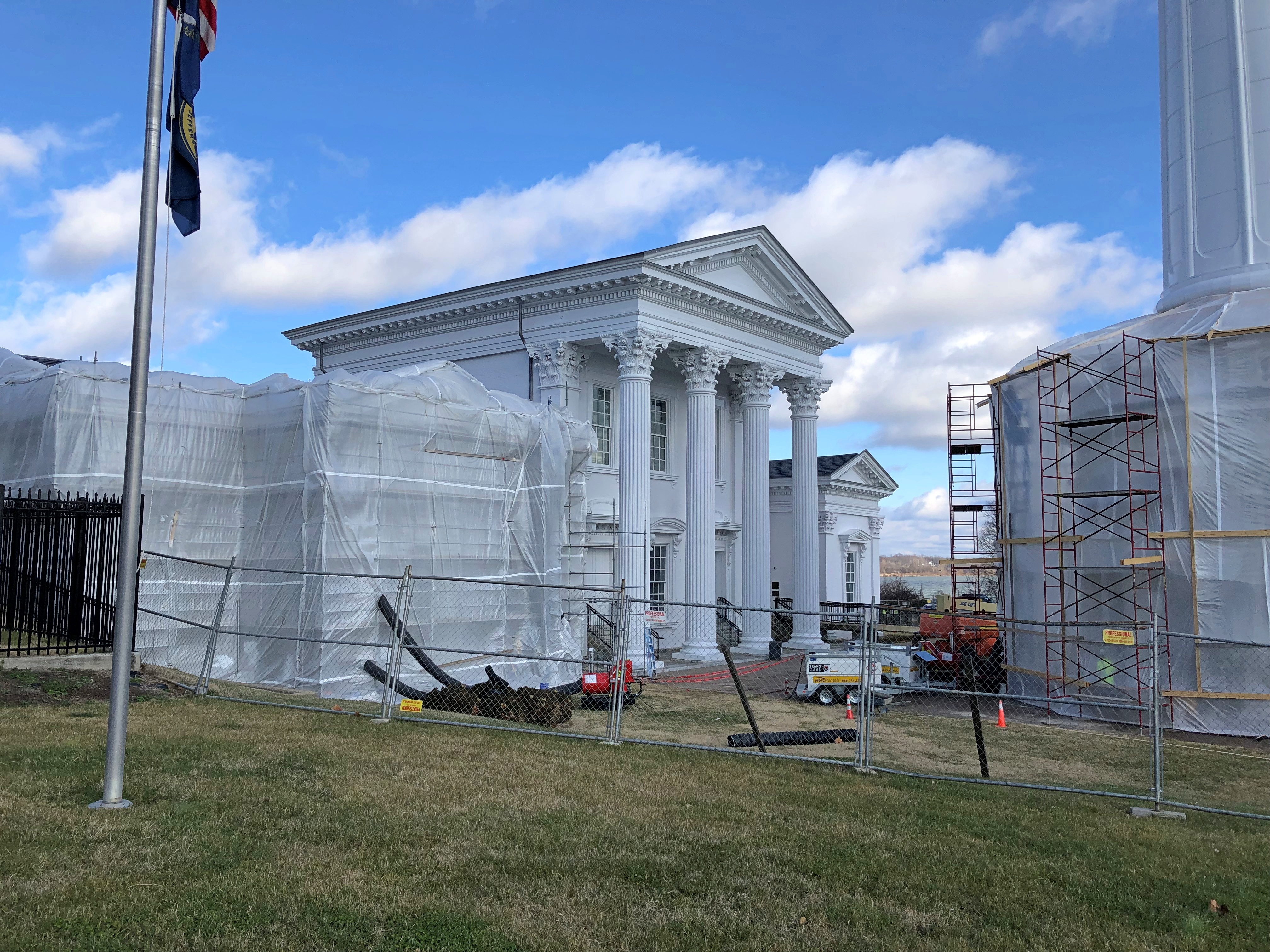
For a bit of water infrastructure, it’s impressive, rising 185 feet over the banks of the Ohio River and dating from 1860. And still in use. It’s also being renovated, so we couldn’t get that close.Louisville Water Tower Louisville Water Tower

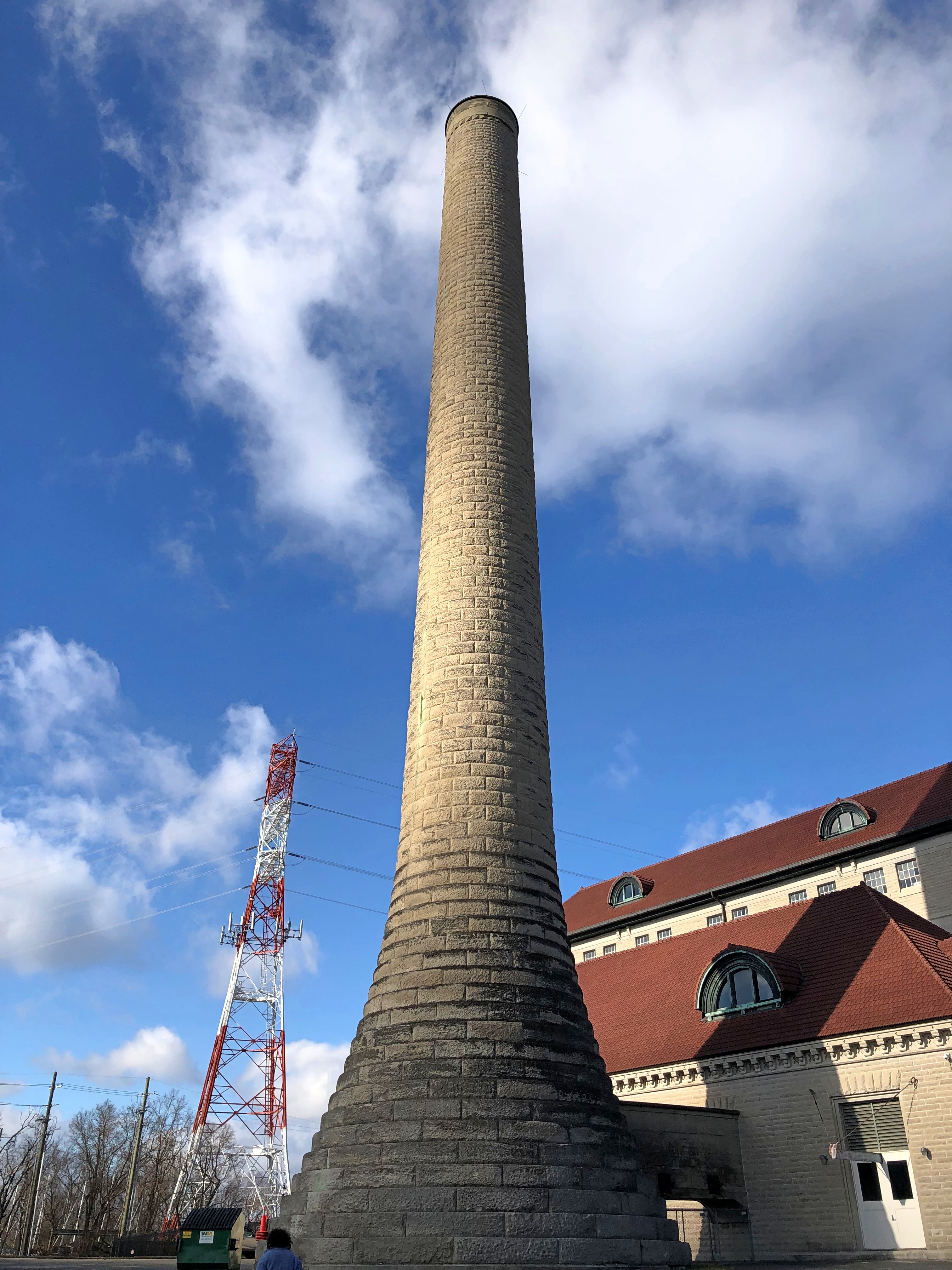
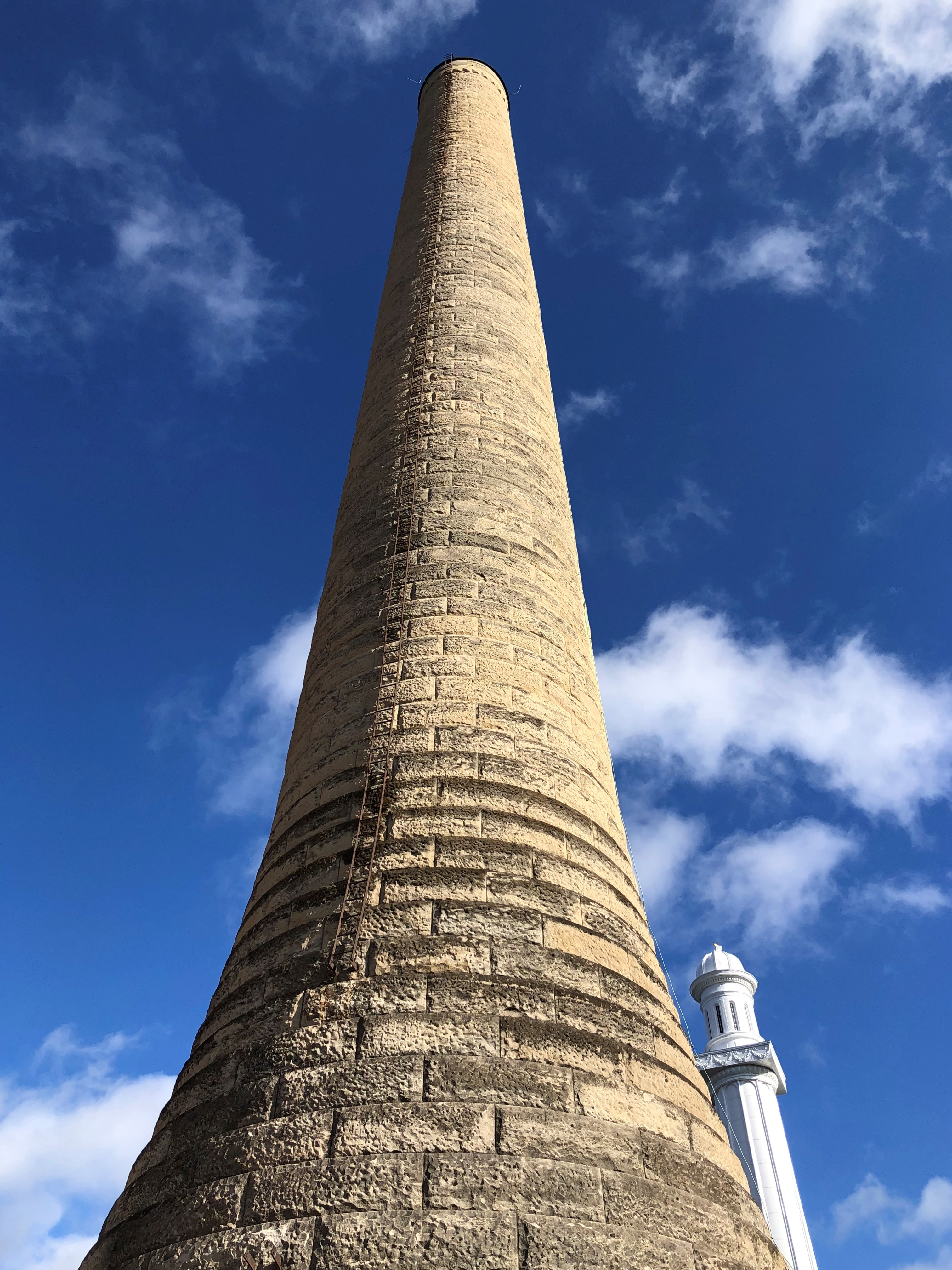
In its own way, the nearby smokestack – I took it to be a smokestack – is just as impressive.Louisville Water Tower Louisville Water Tower

Note the iron ladder rising up the side of the stack. Note also that its bottom section is missing. Removed, I bet, after one too many moron teenage boys decided to take a climb, sometimes resulting in a sudden and shattering loss of their youthful health and vim.

Centennial Park and the Vanderbilt Ramble

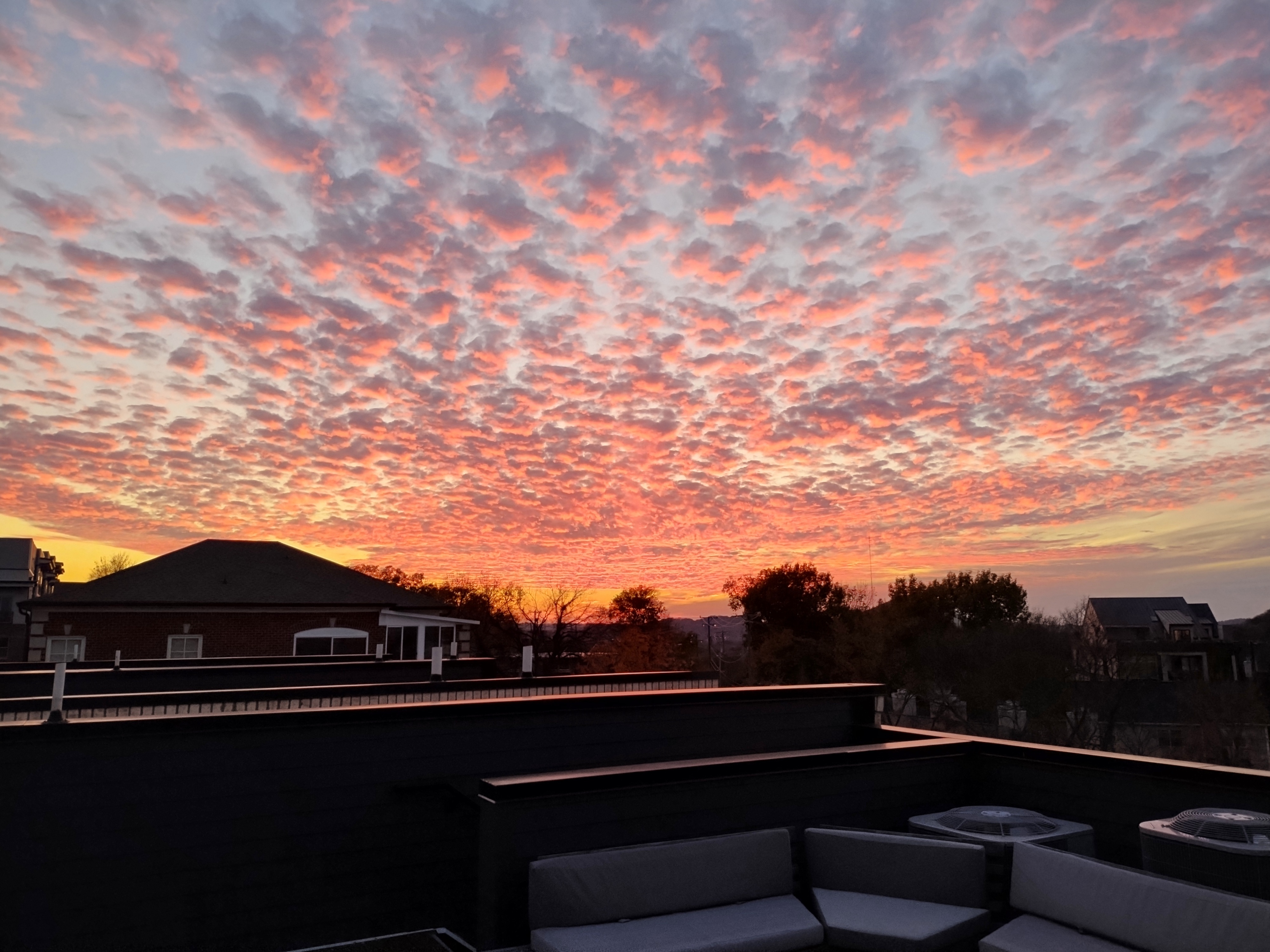
On Saturday the sun came up in Nashville and we weren’t there to greet it, having stuffed ourselves with hot chicken and beer the night before, and then engaged in conversation until fairly late. On the other other hand, we were there to see the sun set later that day from the roof deck.

Between those moments, we did a lot of walking. First we set out from our well-located short-term apartment along side streets past the site of our residence in the early ’80s, which was also the place we built an isolation tank for ourselves, then to Centennial Park, the crown jewel among Nashville parks.

On Saturday morning we merely crossed the park, where one of our number had been arrested for drinking beer in public 40-plus years ago, exiting it at the end (or beginning) of the short Elliston Place. We noted the buildings and businesses gone from that street – such as Rotier’s and its barbecue chicken without peer – and additions, none of any particular character.

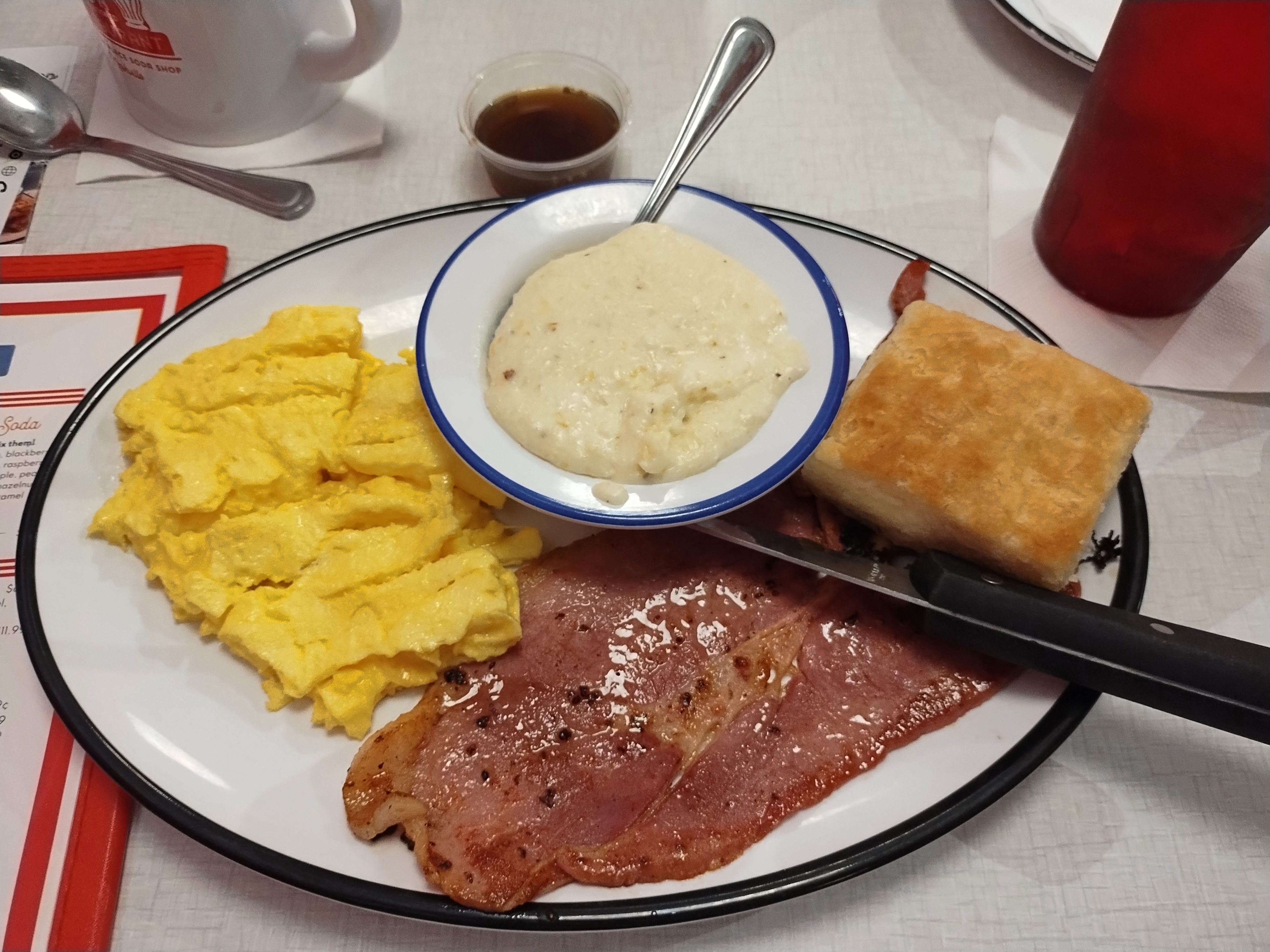
The Elliston Place Soda Shop still serves tasty meat-and-threes, wonderful breakfasts, and incredible milkshakes, though in a larger location next door to its original site, where it reopened in 2021. The look is about right, a larger space but still a close homage to the original. The real test was the food, and the place passed with flying colors.

Then came the Vanderbilt Ramble: along sidewalks and across greens, past dorms and classrooms and other buildings, many tied to specific sets of memories: McGill Hall, Sarratt Student Center, the Main Library, Furman Hall, and 21st Avenue to the former Peabody Campus, where we noted that Oxford House had vanished, replaced by a parking garage still under construction; East Hall is still that and West Hall that; but Confederate Memorial Hall is merely Memorial Hall and the Social-Religious Building is named for some chancellor or other. Former Social-Religious has ten pillars out front, which to this day I believe stand for the Ten Commandments. On its expansive front steps, every day once upon a time, a blind student practiced his bagpipes. He wasn’t bad.

Further wanderings took us through Hillsboro Village, a storefront shopping district that existed 40+ years ago, though most of the shops are different these days. Returning to campus, we passed through the blocks of fraternity and sorority houses, once marked by regular streets, which are now pedestrian walkways. We had little to do with them in our student days, though one of us pledged ATO, which didn’t take. I noted the spot where I had a short springtime conversation with a tipsy future vodka billionaire. Indeed, besides going to the same junior high and high school as I did, he spent one year at VU.

The arboretum that is the Vanderbilt campus, including Peabody, was near peak coloration, a blaze of leaves in places. Many trees are enormous and stood well before anyone on campus today was born. The day was warm and campus alive with people, though never crowded anywhere. Students went about their weekend business, and paid no attention to the oldsters wandering by, with their collective recollections trailing behind them.

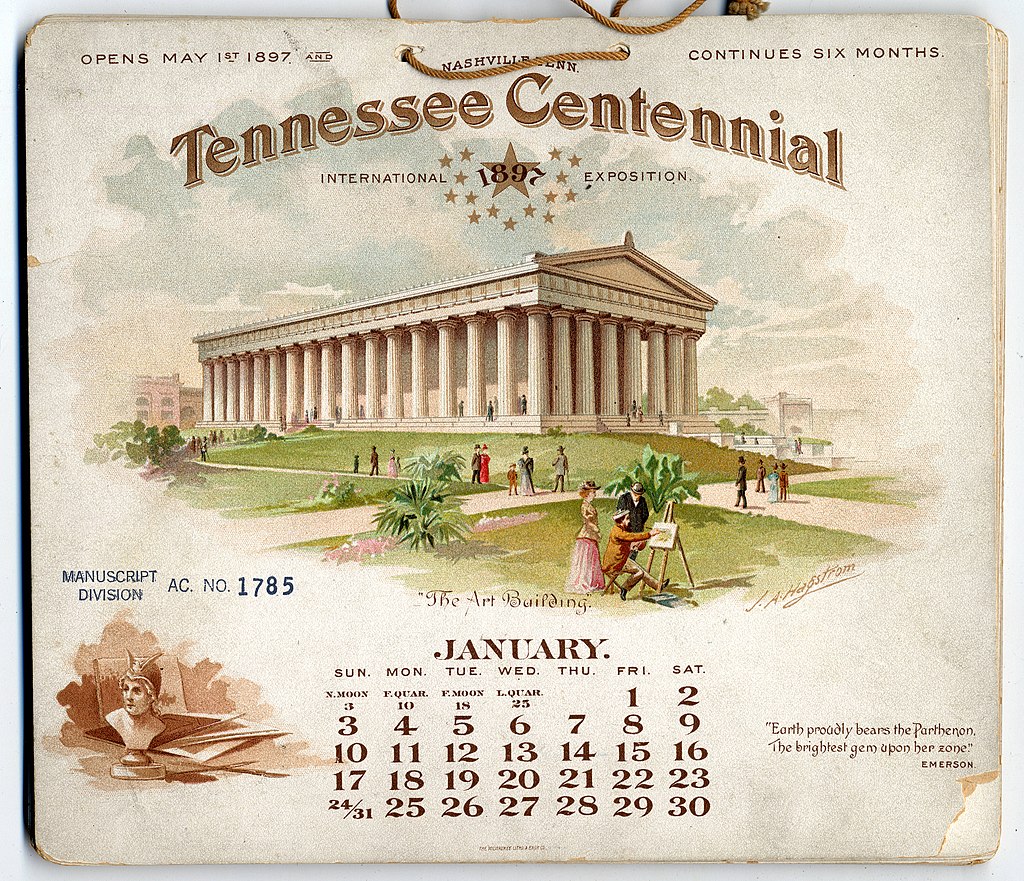
On Sunday afternoon, we spent more time in Centennial Park, legacy of a long-ago expo.Centennial Park

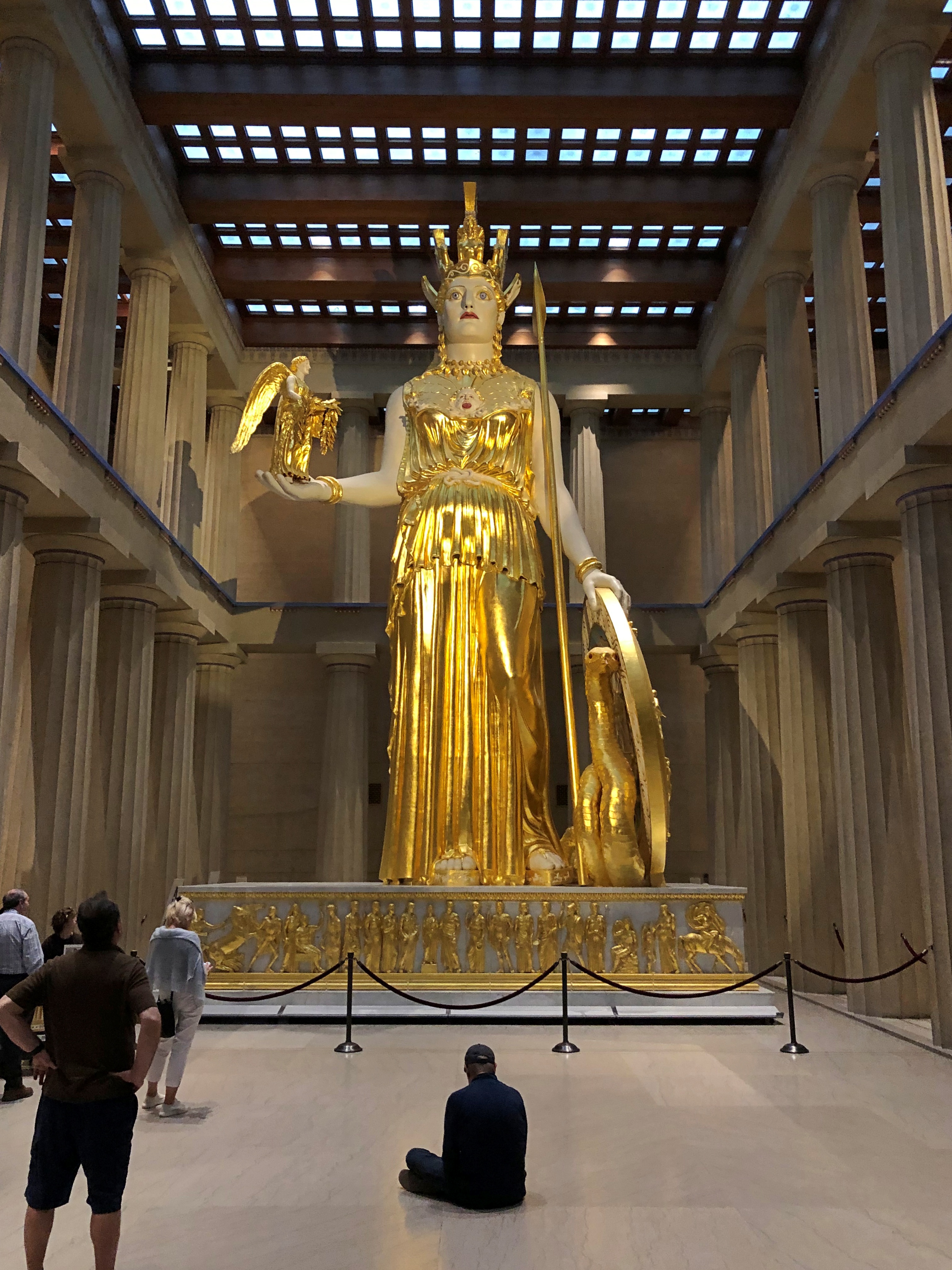
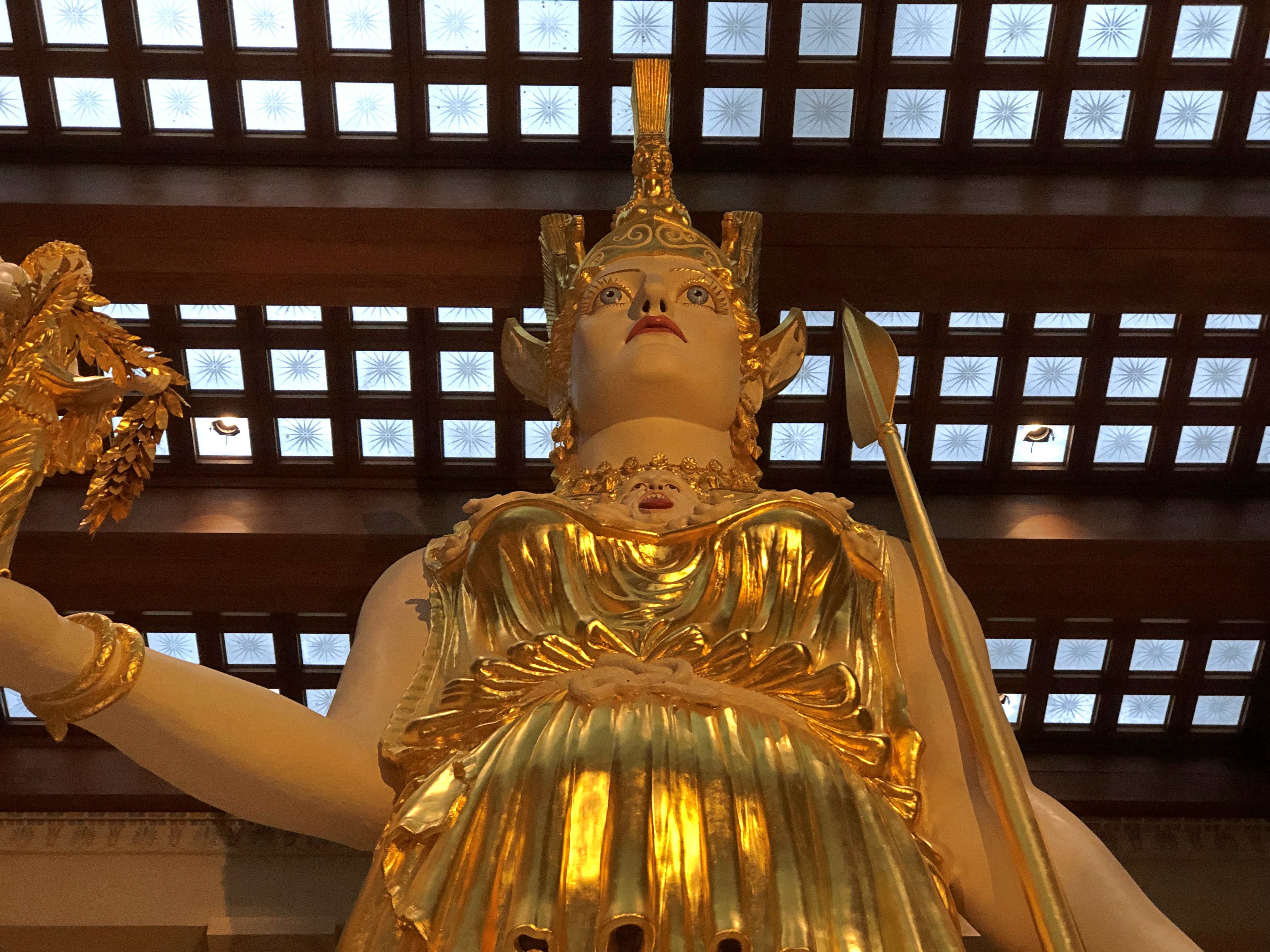
The temporary art building, a replica of the Parthenon, was rebuilt in the 1920s to be more permanent, and it abides. So does Athena inside.Centennial Park Centennial Park

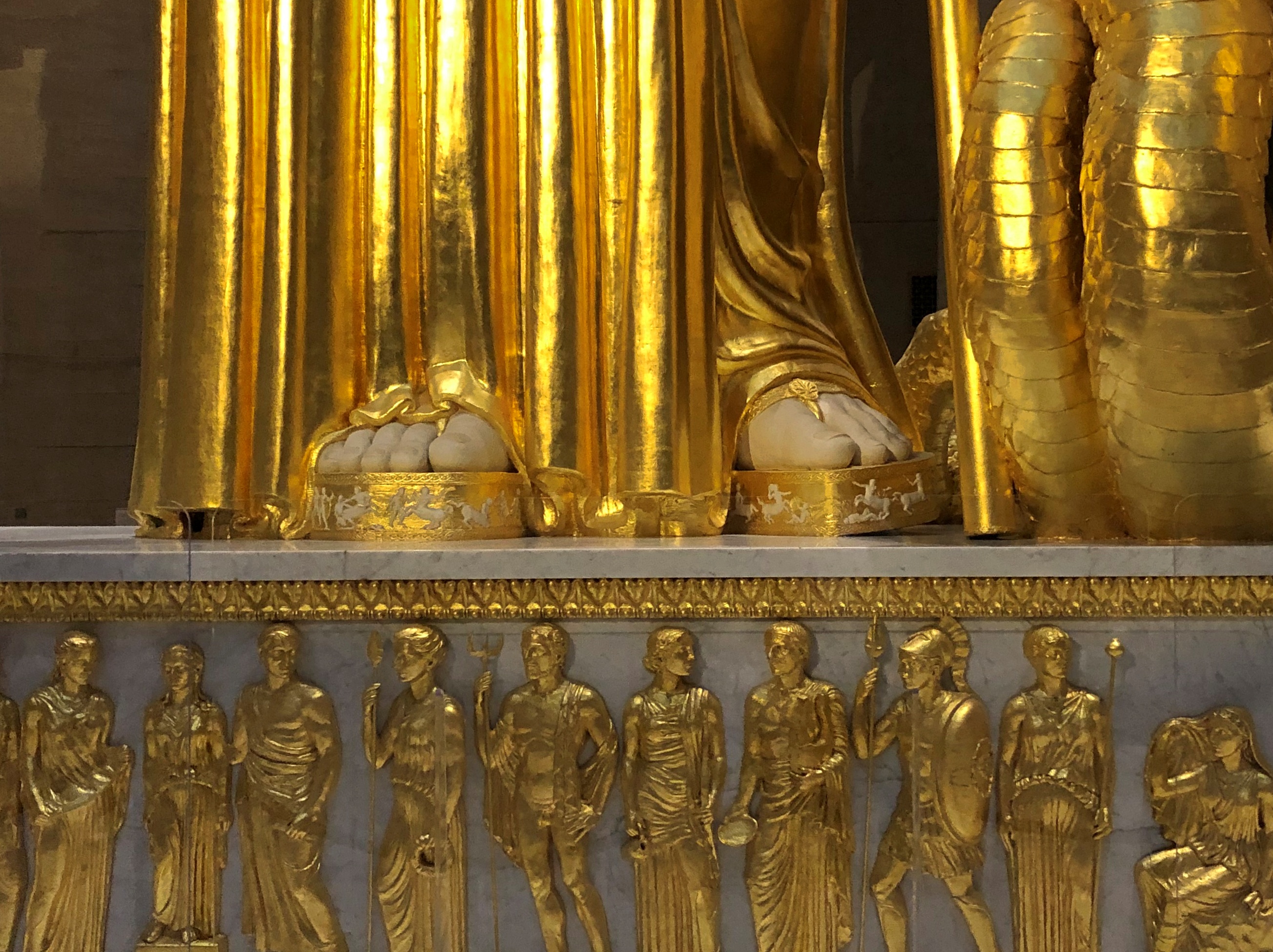
She wears the world’s largest sandals, probably.Centennial Park

Though Steve and Rich had never seen her, Athena isn’t exactly new, having been completed by sculptor Alan LeQuire in 1990. I’ve visited a few times in the years since.

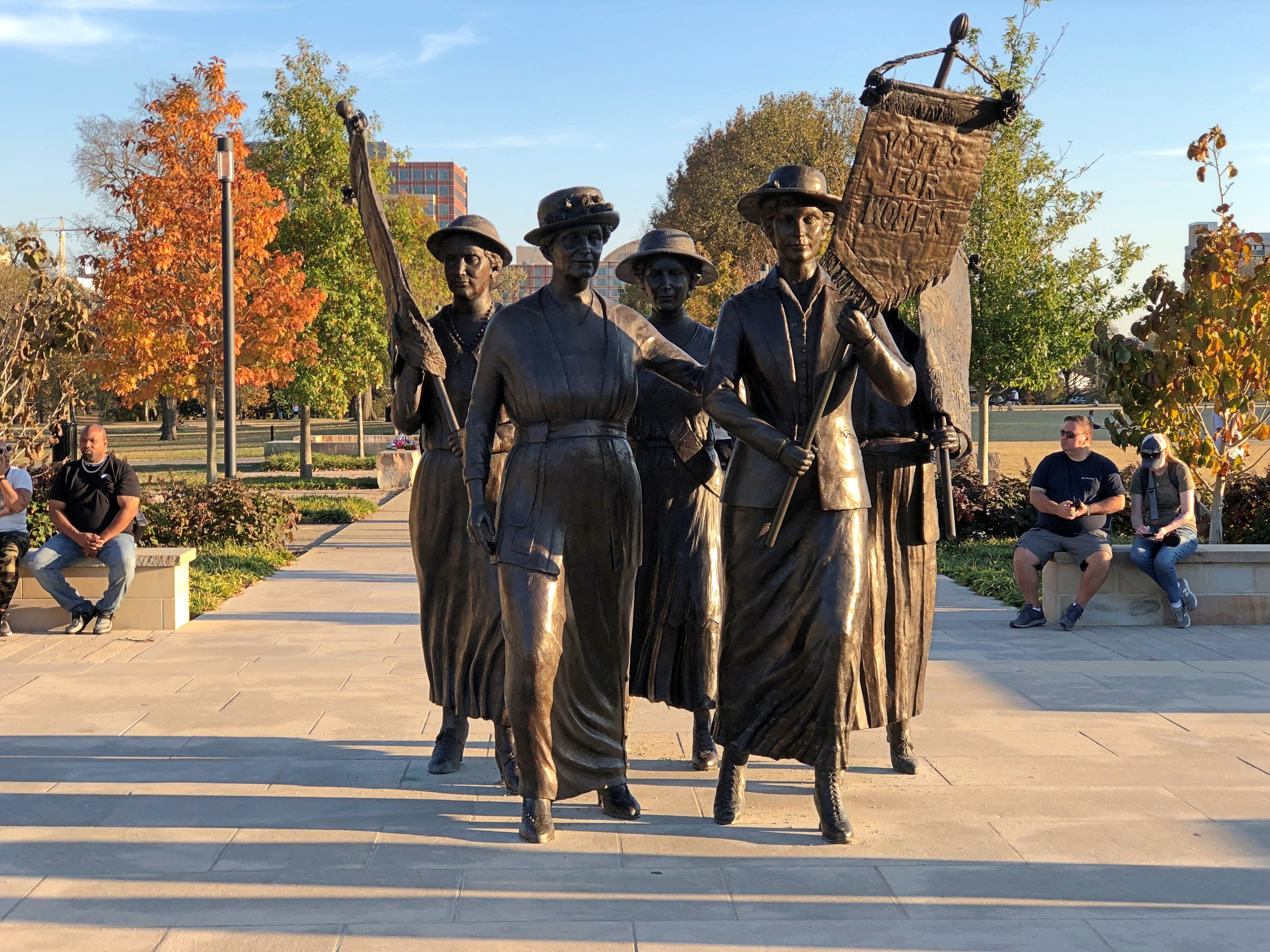
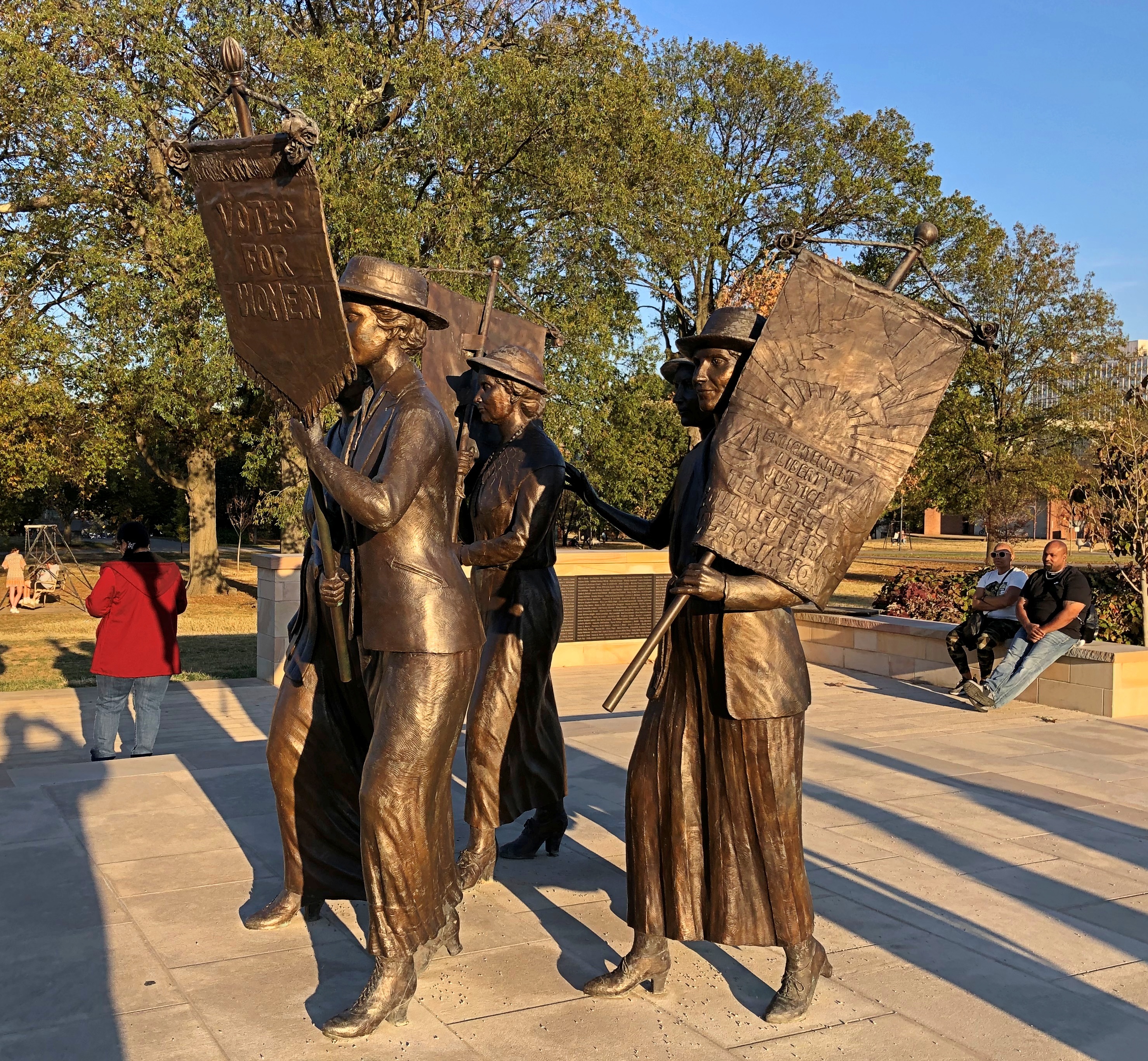
Much more recent (2016) is the Tennessee Women’s Suffrage Monument, also done by Alan LeQuire. None of us had seen it.Centennial Park Centennial Park

We visited a few other spots in the park, but forget to visit the new Taylor Swift Bench. Oops.

South Texas ’23: Kerrville & Bandera

Last Tuesday, my brother Jay and I drove from San Antonio to Kerrville, Texas (pop. 24,200) to visit an old friend of his, who has a separate small building in his back yard to house an extensive model train that he’s building. We got a detailed tour. Cool.

That was part of a larger trip that took me to Austin and San Antonio to visit friends and family. I flew to Austin on October 18 and returned from San Antonio today.

Rather than take I-10 west from San Antonio to Kerrville (though we returned that way), we drove Texas 16, which is mostly a two-lane highway that winds from exurban San Antonio and then into the Hill Country. Always good to drive the Hill Country, even on a rainy day. It was a rainy week in South Texas on the whole, but still quite warm for October. Had a few sweaty walks in San Antonio last week as well, more about which later.

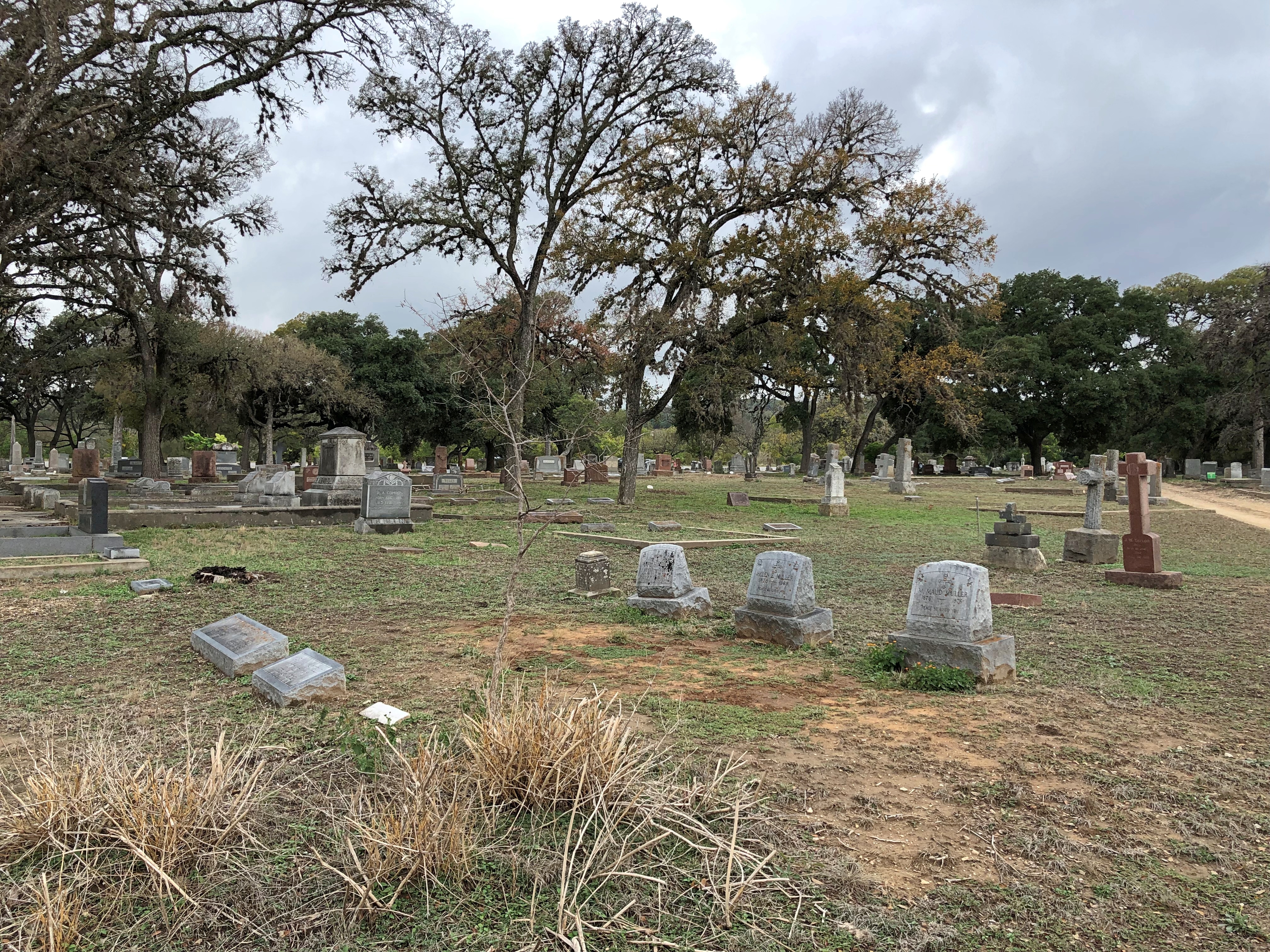
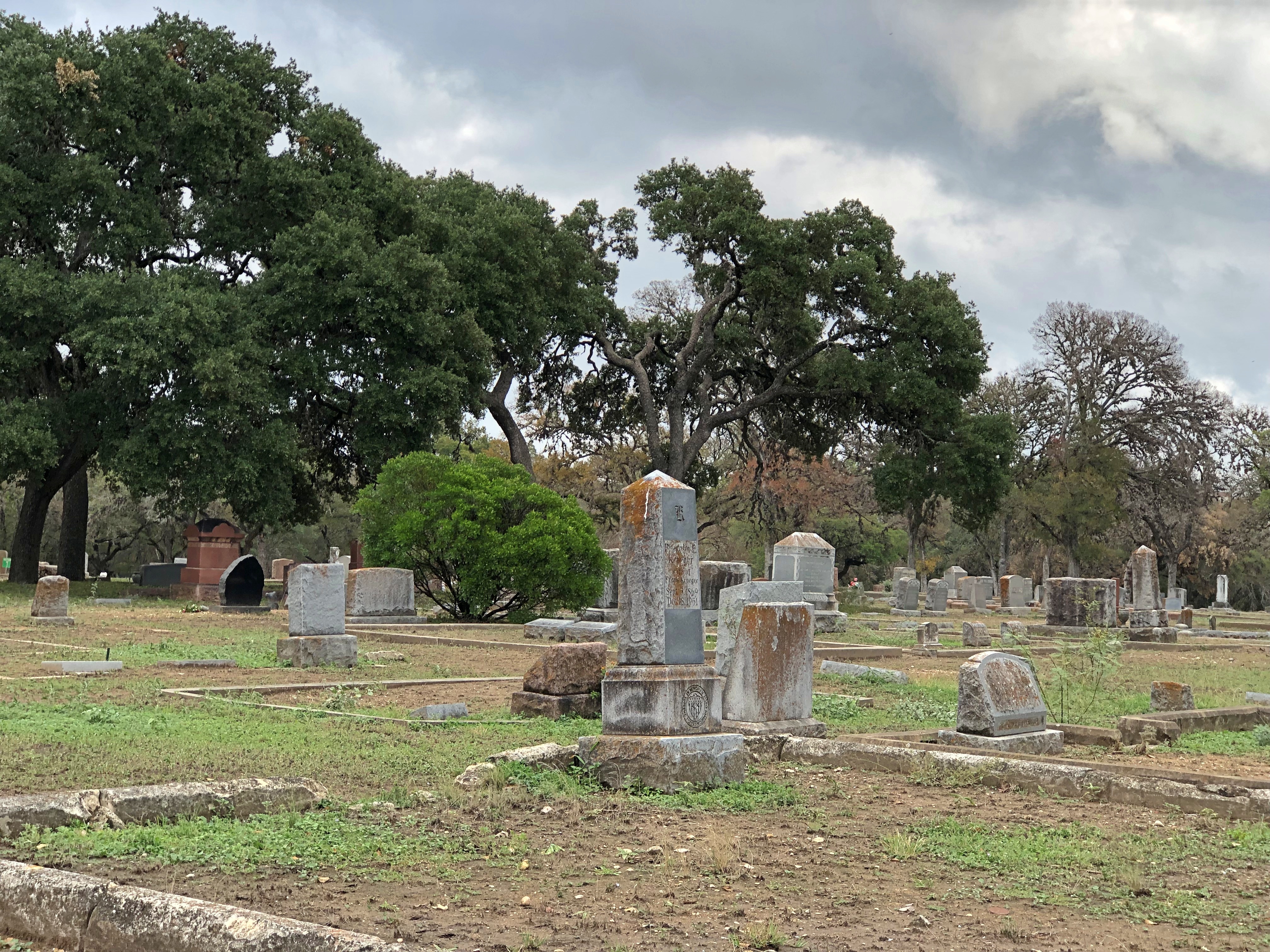
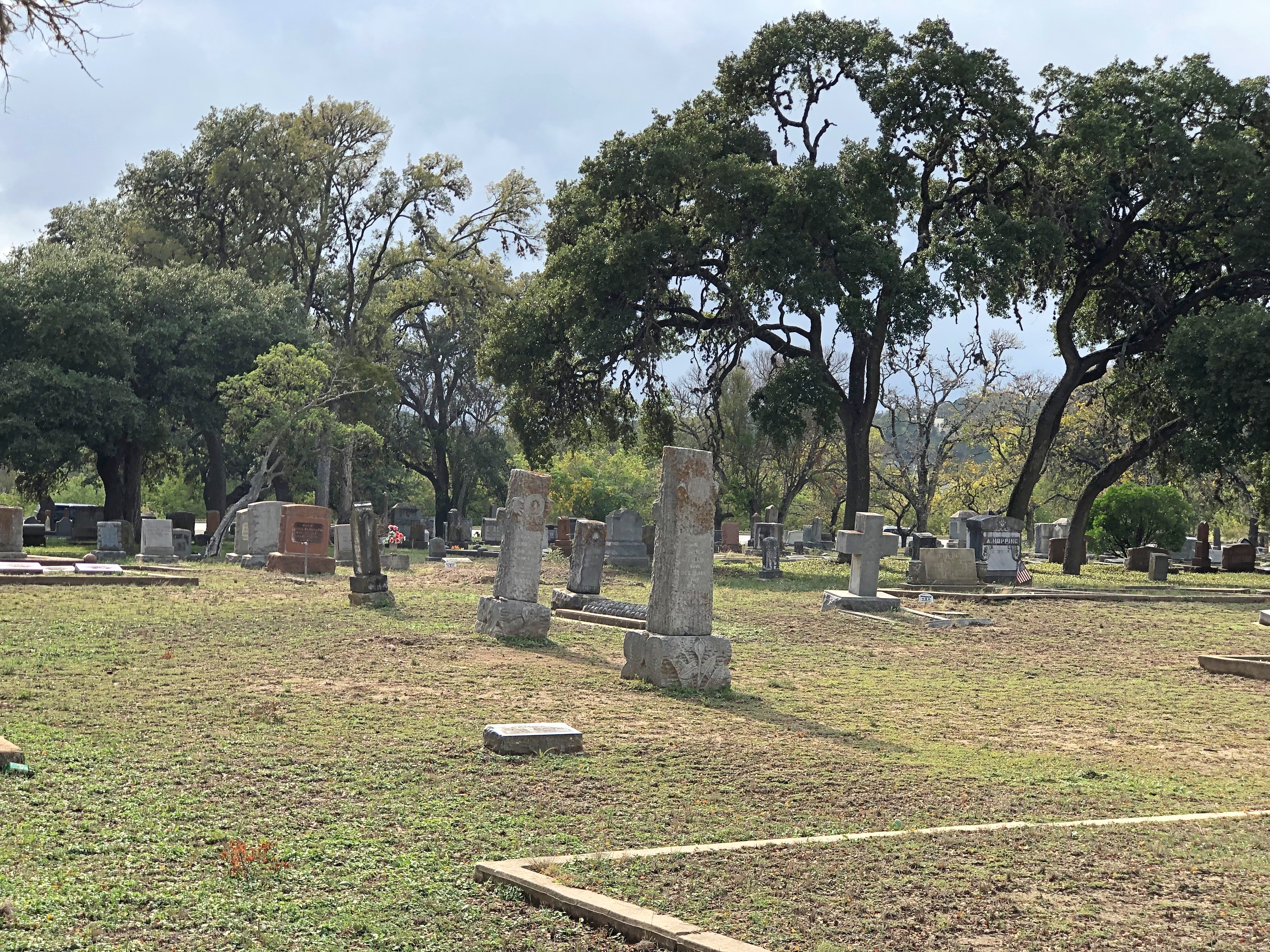
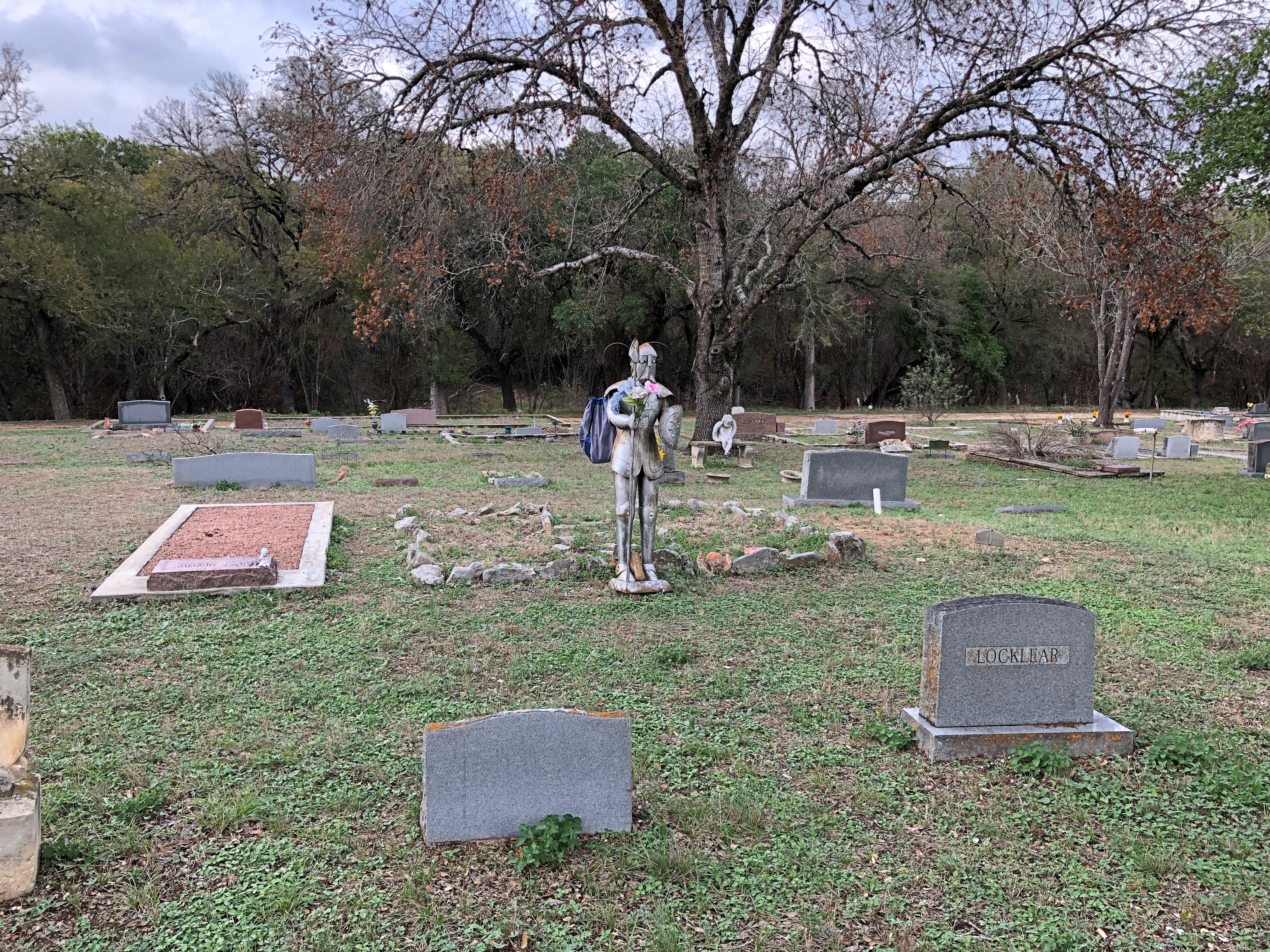
Besides visiting Bob and his wife Nancy and his HO model train construction, we also stopped by the Glen Rest Cemetery in Kerrville (my idea). The recent rains had made it a muddy cemetery. Ashes to ashes and dust to dust, but also mud to muddy?Kerrville, Texas Kerrville, Texas Kerrville, Texas

A curious figure. At least for a cemetery.Kerrville, Texas Kerrville, Texas

Glen Rest – which is incorrectly noted as Glen Rose on Google Maps – dates from 1892, according to the Texas Historical Commission plaque on site. “Glen Rest Cemetery is the final resting place for many pioneer and historic families of Kerrville and the surrounding Hill Country,” it says.

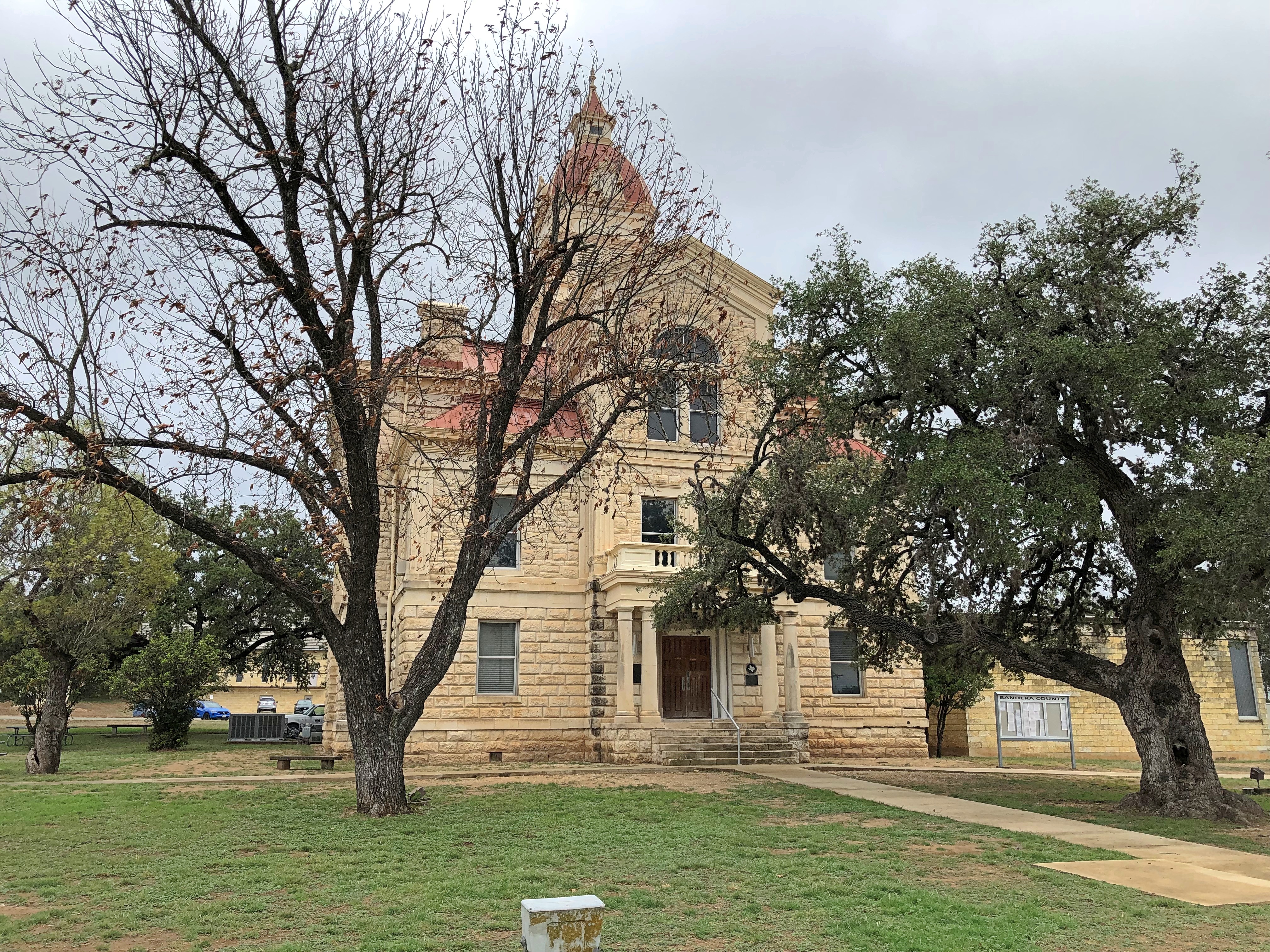
En route to Kerrville on highway Texas 16 is the much smaller burg of Bandera, pop. 829 and seat of Bandera County. That means a courthouse, and we stopped to take a look.Bandera, Texas

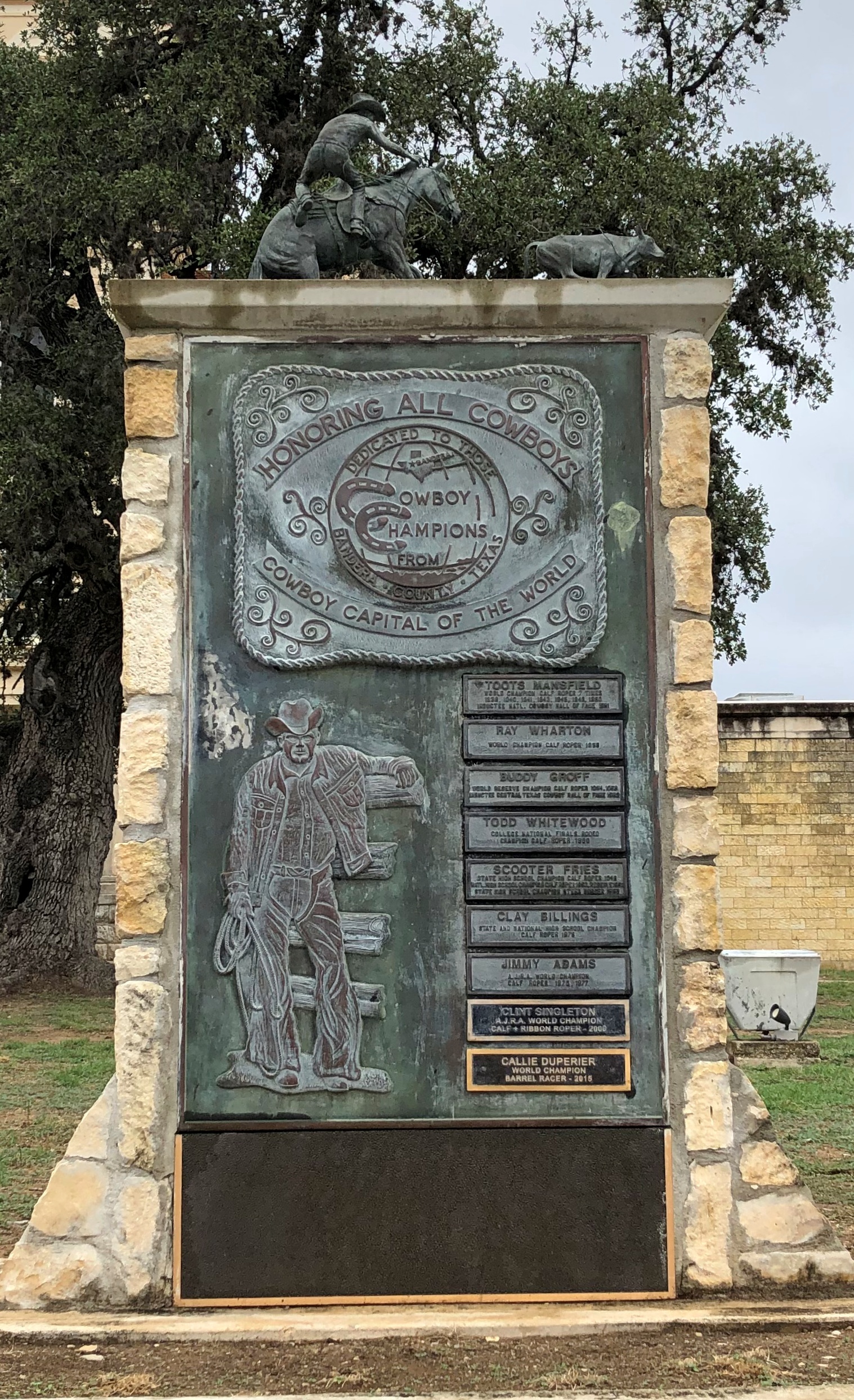
The courthouse itself isn’t unusual, but it is positioned unusually. Instead of being the focus of a square, it’s simply facing the highway. So are a handful of memorials. This one honors “All Cowboys” because Bandera is “Cowboy Capital of the World.”Bandera, Texas

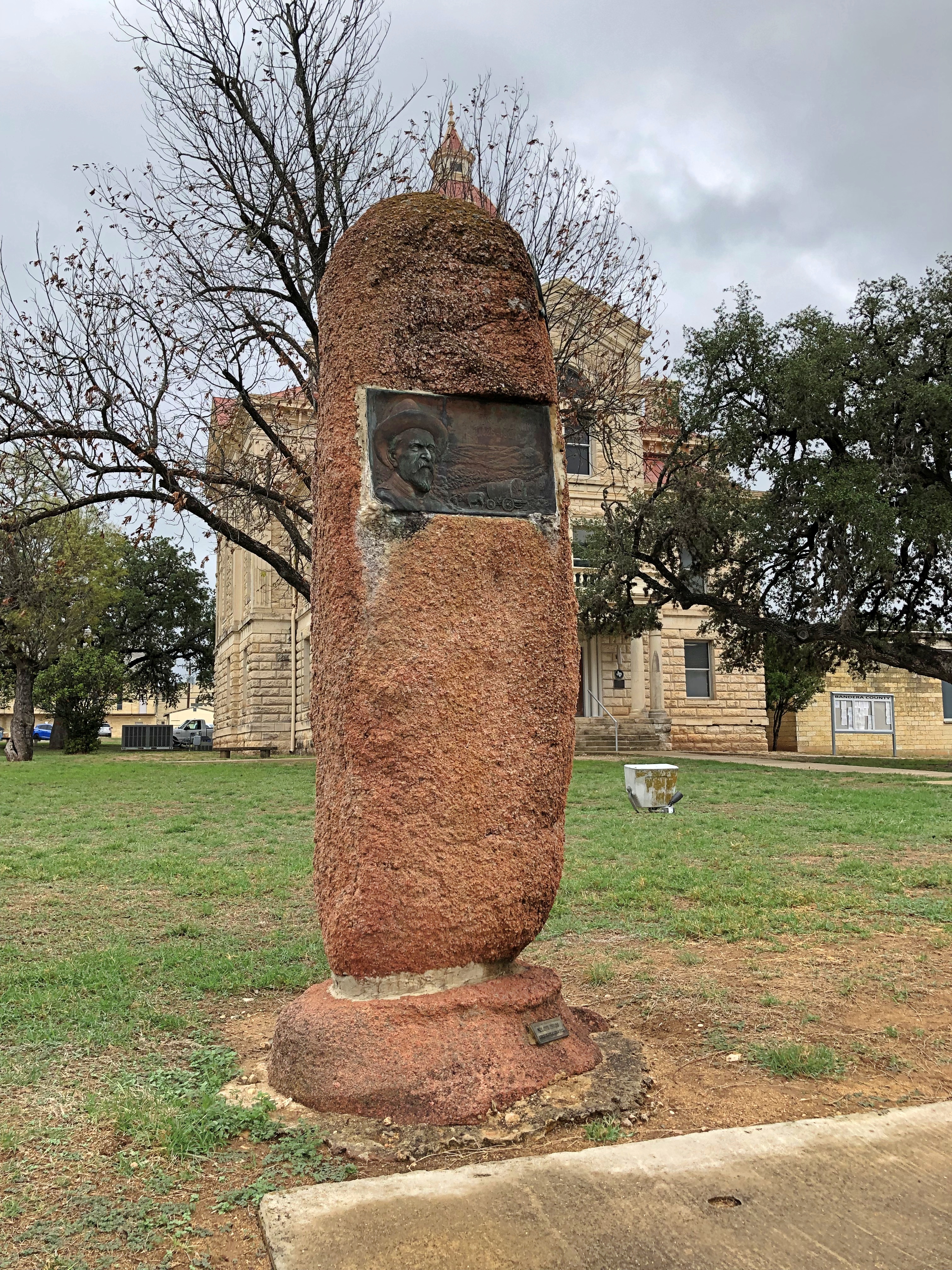
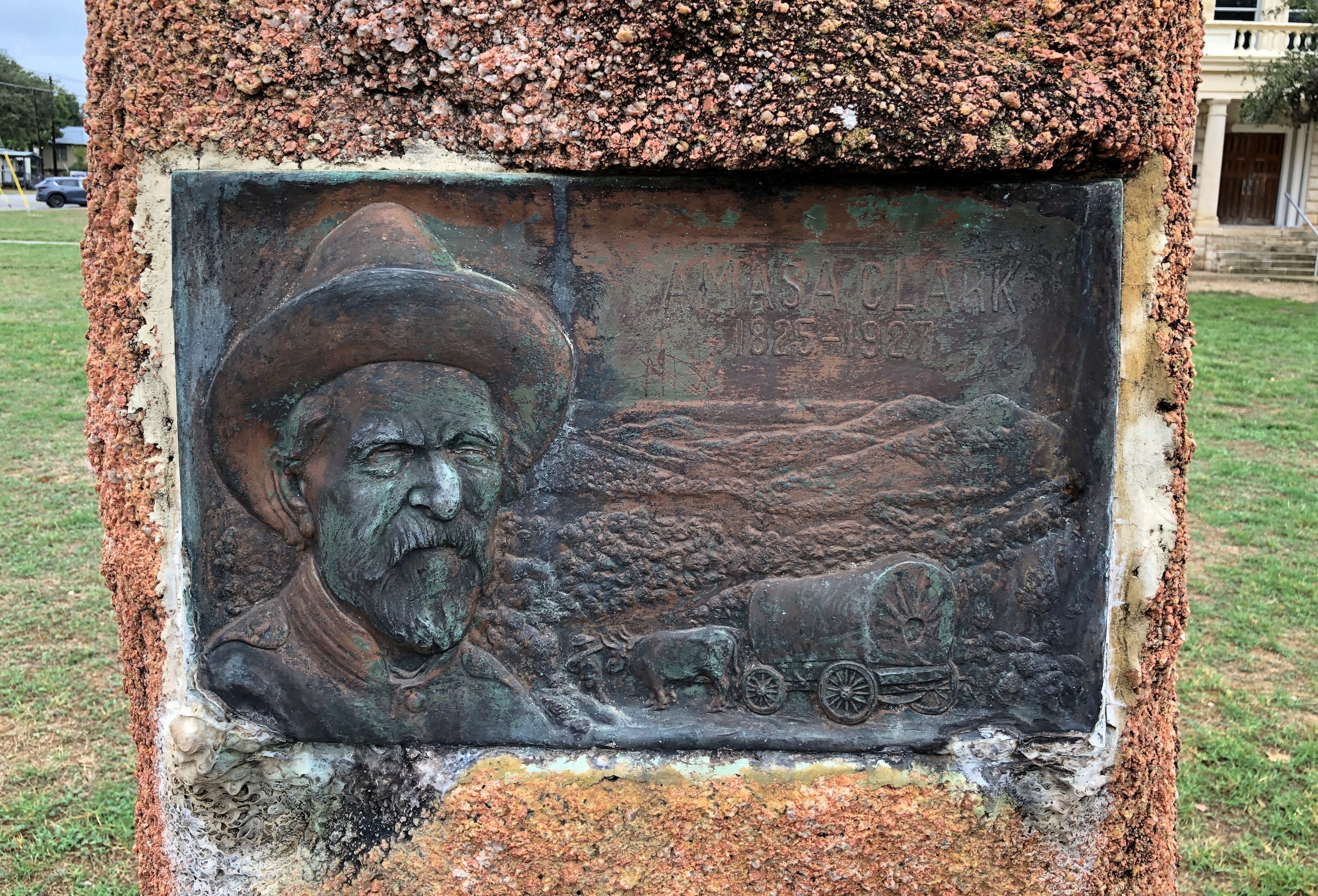
This stone oddity honors a Bandera pioneer named Amasa Clark, giving his birth and death dates as 1825-1927.Bandera, Texas Bandera, Texas

More about him is at Frontier Times magazine, which annoyingly doesn’t say when the text was written, who wrote it or where it was published. Internal evidence, along with the style of writing, puts it in the early 1920s, probably in a local newspaper. Clark came to the site of Bandera in 1852, not long after serving in the war with Mexico, and stayed until his death in 1927 as a very old man.

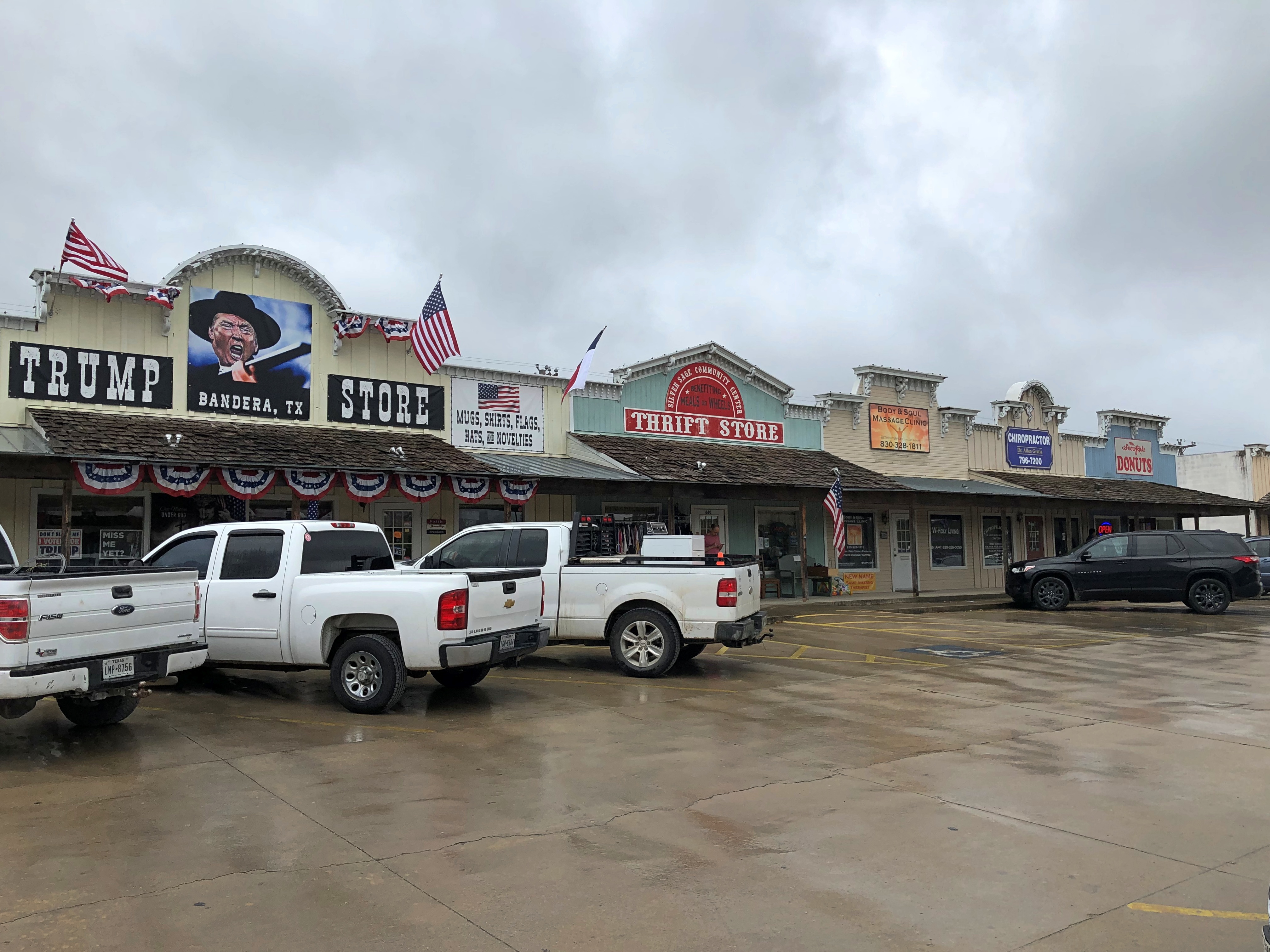
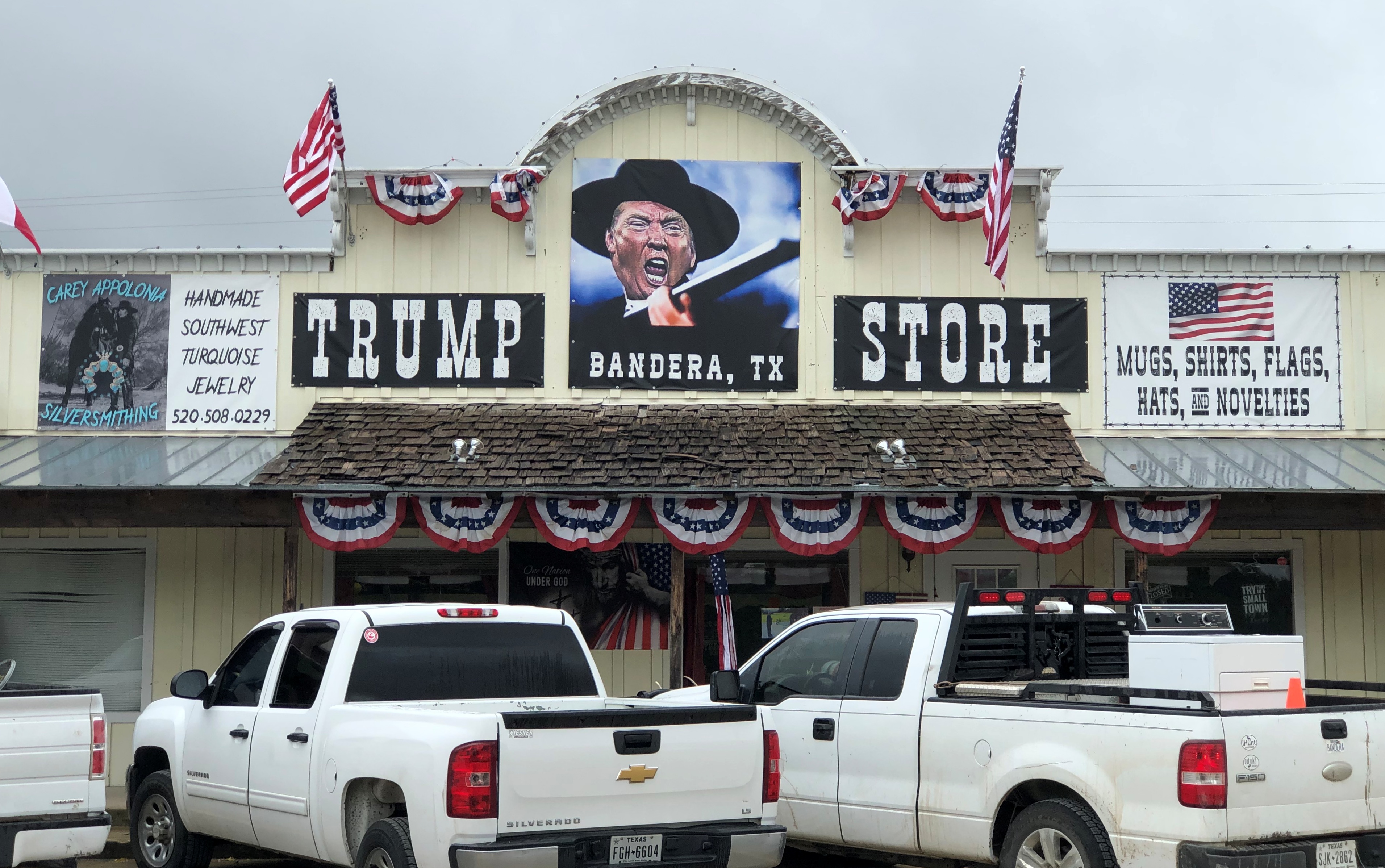
Also along the highway in Bandera is a strip center including a store the likes of which I’d never seen before. Neither had Jay.Bandera, Texas Bandera, Texas

We had to take a look inside.Bandera, Texas Bandera, Texas

I should have asked to woman behind the counter how long the store has been in business, or whether the man himself gets a cut, or some other questions, but I was in vacation mode, not interview mode. So all I know is what I saw, which was enough. For the record, and this is no surprise, Trump overwhelmingly carried Bandera County — 79.1% to 19.7% for Biden — in the 2020 election.