Scottsburg, Indiana

Just the latest in bad news: the lodge on the North Rim of the Grand Canyon burned down due to wildfire. At least no one died in the incident, but it’s always unfortunate when a grand edifice meets its end. I wouldn’t bet on reconstruction, either.

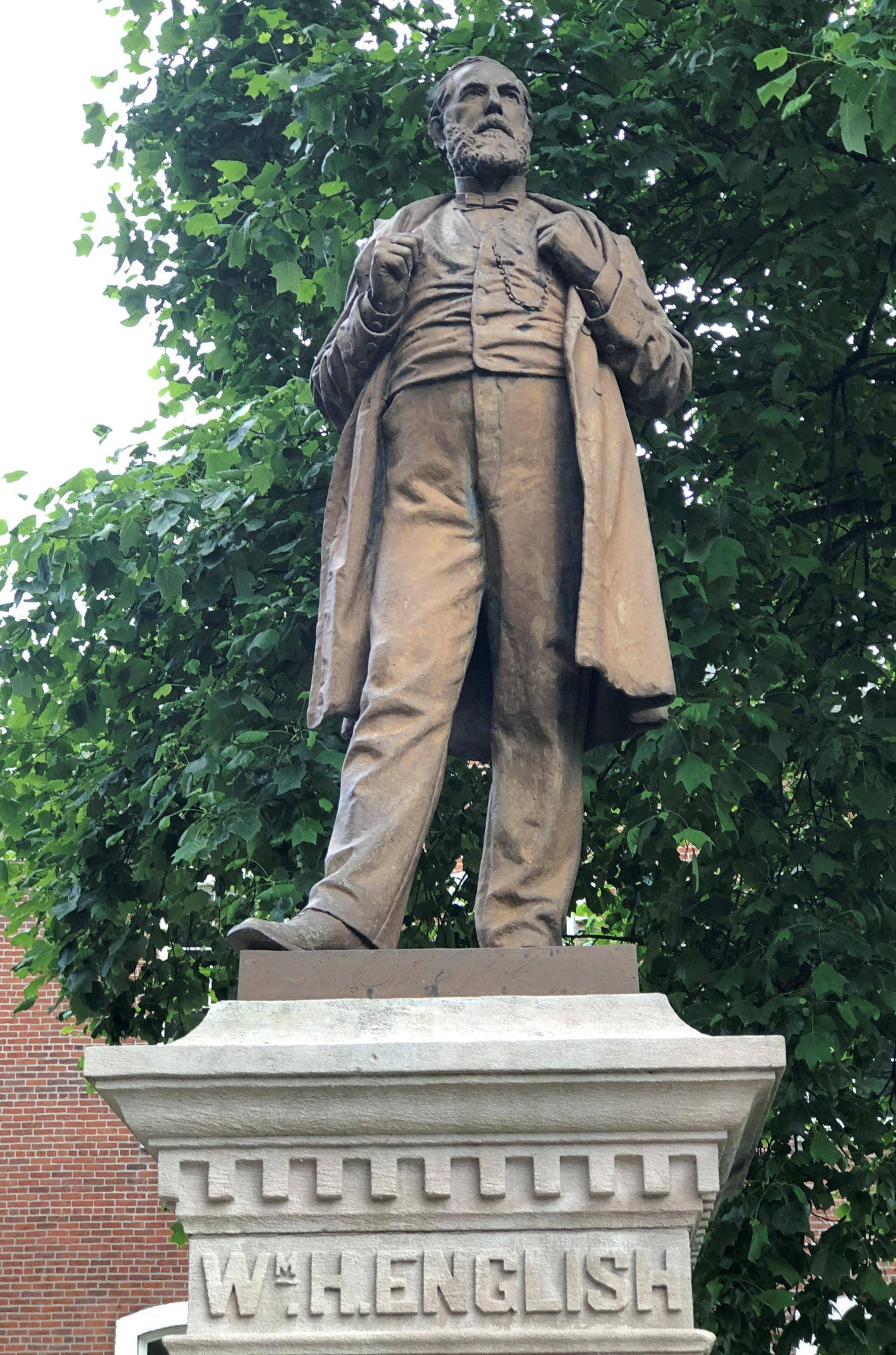
The heat was already on by the time I arrived in Scottsburg, Indiana on the first day of the trip, June 16. But not enough to keep me from taking a stroll around the Scott County courthouse, where I found native son William H. English.

Scottsburg, Indiana Scottsburg, Indiana

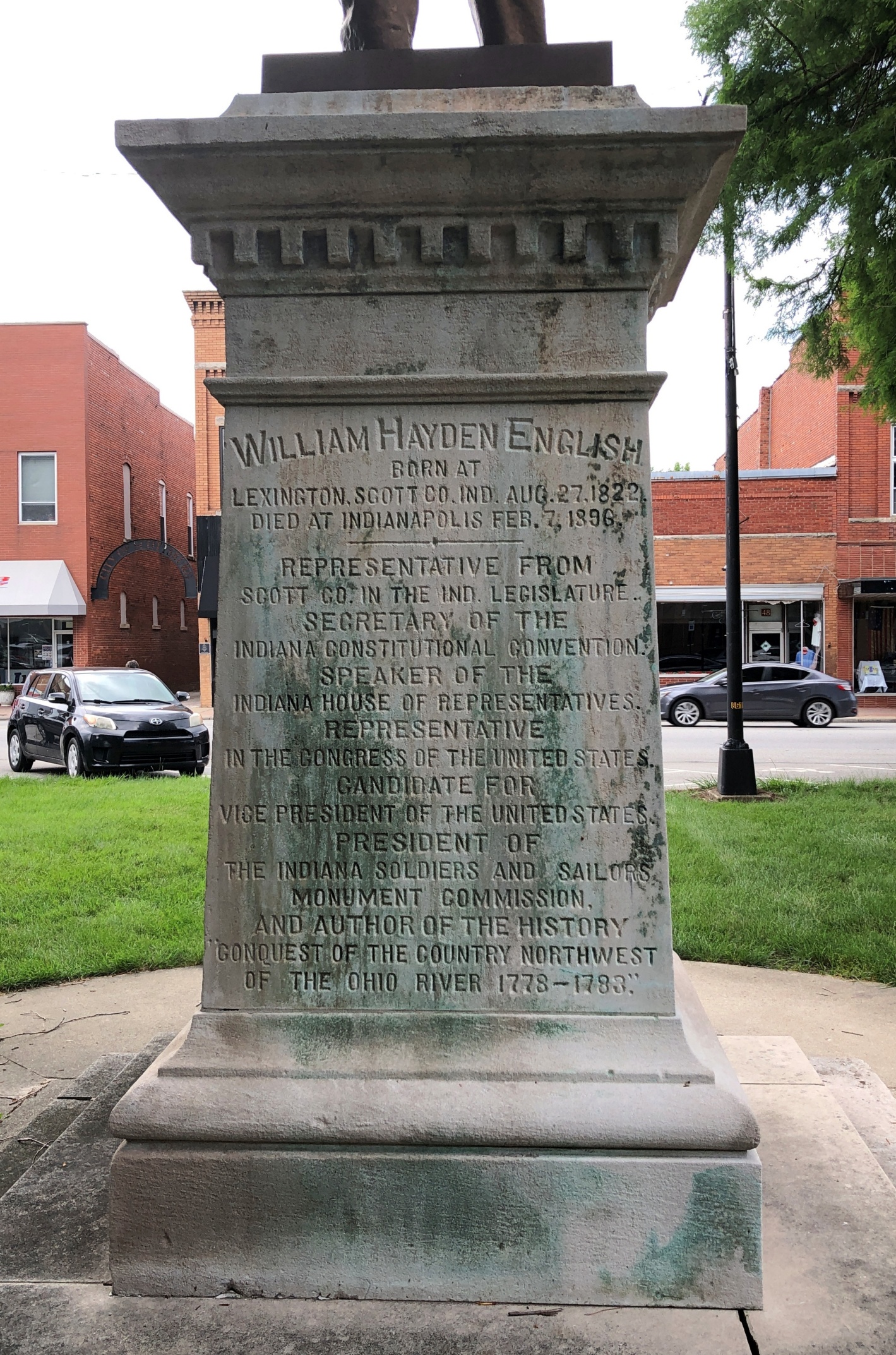
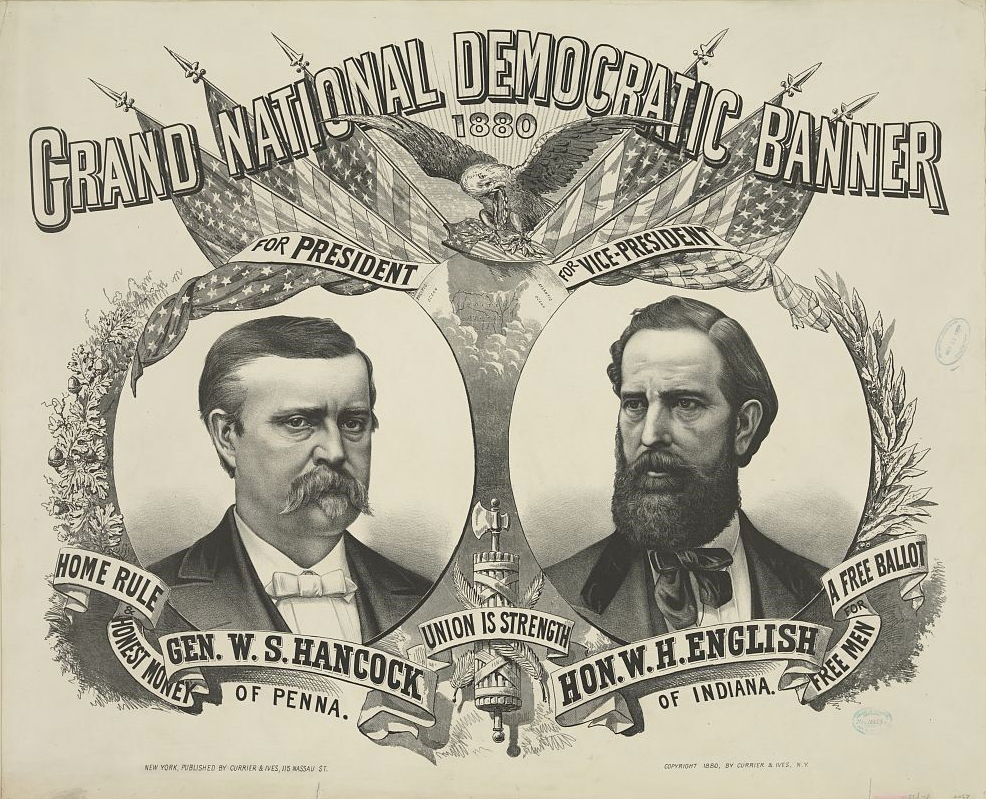
After only a few hours on the road, by chance, I’d come across a presidential sight. Presidential adjacent, anyway, since English (d. 1896) is that most obscure of obscurities, someone who ran for vice president and lost – in 1880 in his case, on the Democratic ticket with Winfield Scott Hancock, who himself isn’t going to ring any bells outside presidential history buffs. The statue went up in 1908.

That was the election James Garfield won, which he no doubt regretted before long.

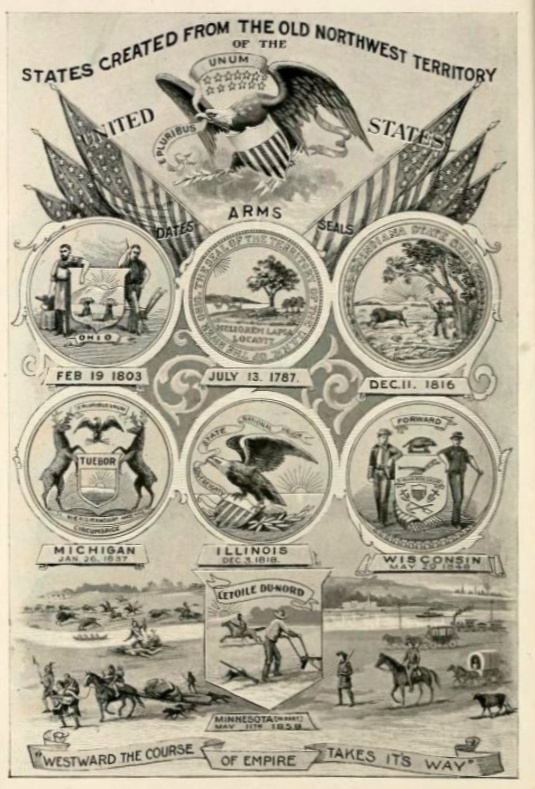
English, or his heirs, felt that a book he wrote, Conquest of the Country Northwest of the Ohio River 1778-1783, was worth a mention along with the offices he held or aspired to. The marvel here in the 21st century is that the work is just about instantly accessible (Vol. 1 and Vol. 2). An illustration facing the Vol. 1 title page (on the optitle page?) not only falls into the They Don’t Make ‘Em Like That Anymore category, it’s squarely in, No One Would Think of It territory. Just as well, I figure.

To get to Nashville from metro Chicago, the direct route is via I-65, which cuts across Indiana. Considering the importance of both of those cities to me, I’ve driven the route more times than I can count. But I have to report that it isn’t one of the more interesting drives in the nation, and at eight to nine hours drive time in the best of conditions, you feel it yawn beneath your wheels when you yourself yawn.

So the strategy over the years has been to break up the trip. Such as a place like Scottsburg, pop. 7,300. The town is close enough to Louisville to be its exurb – maybe. I haven’t spend enough time in Louisville, as interesting as it is, to have any sense of its greater co-prosperity sphere, or at what distance that might peter out.

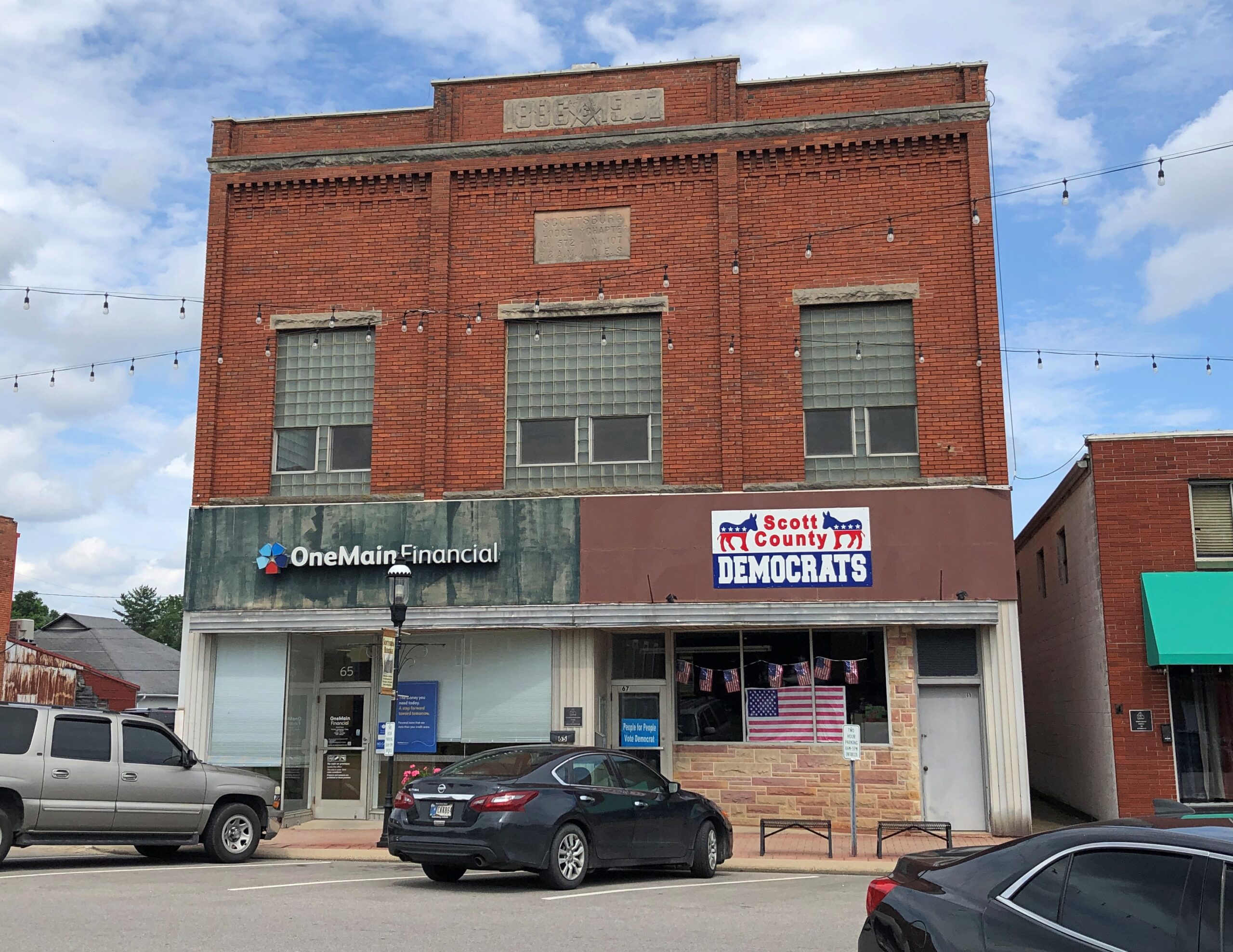
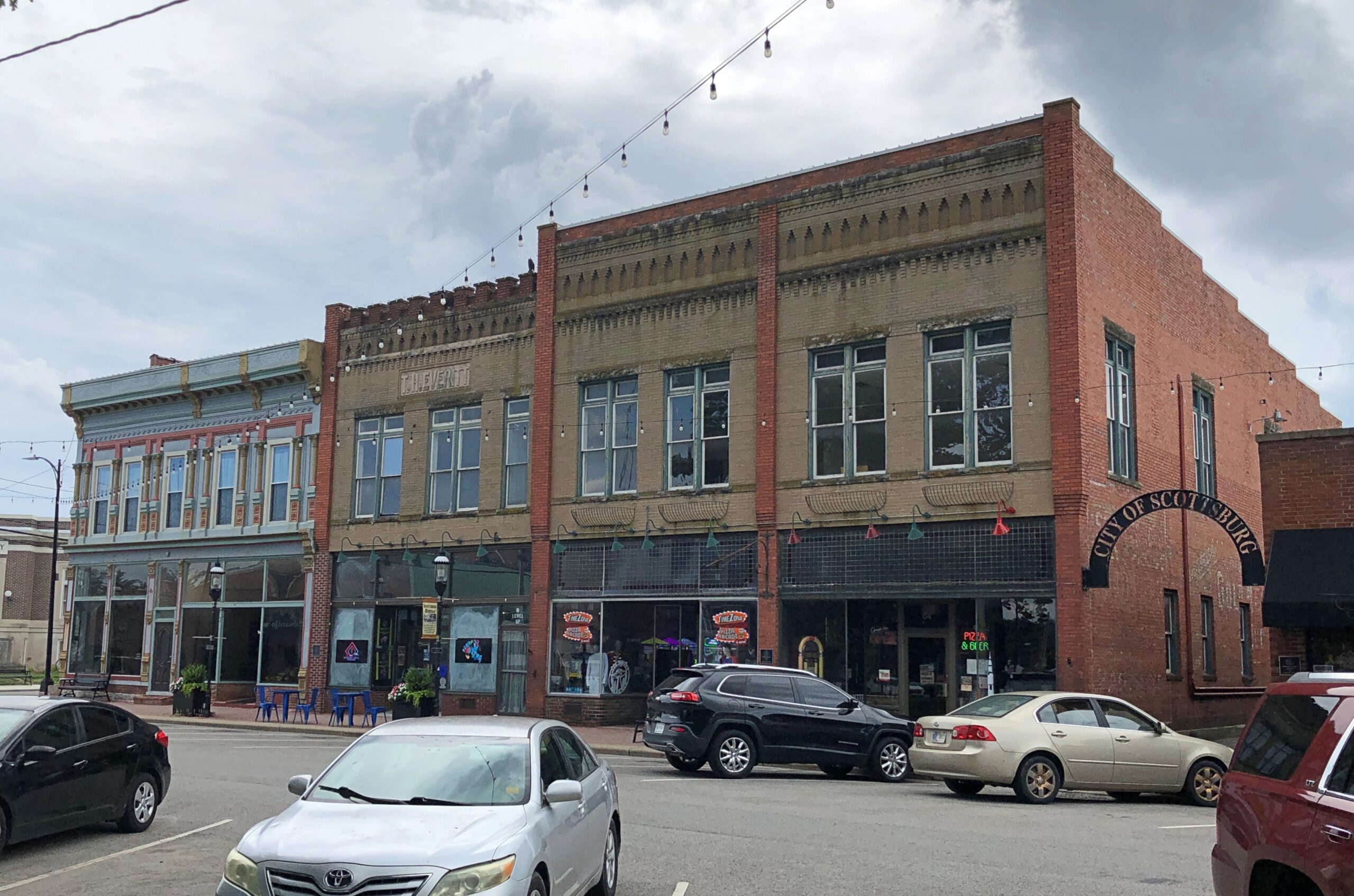
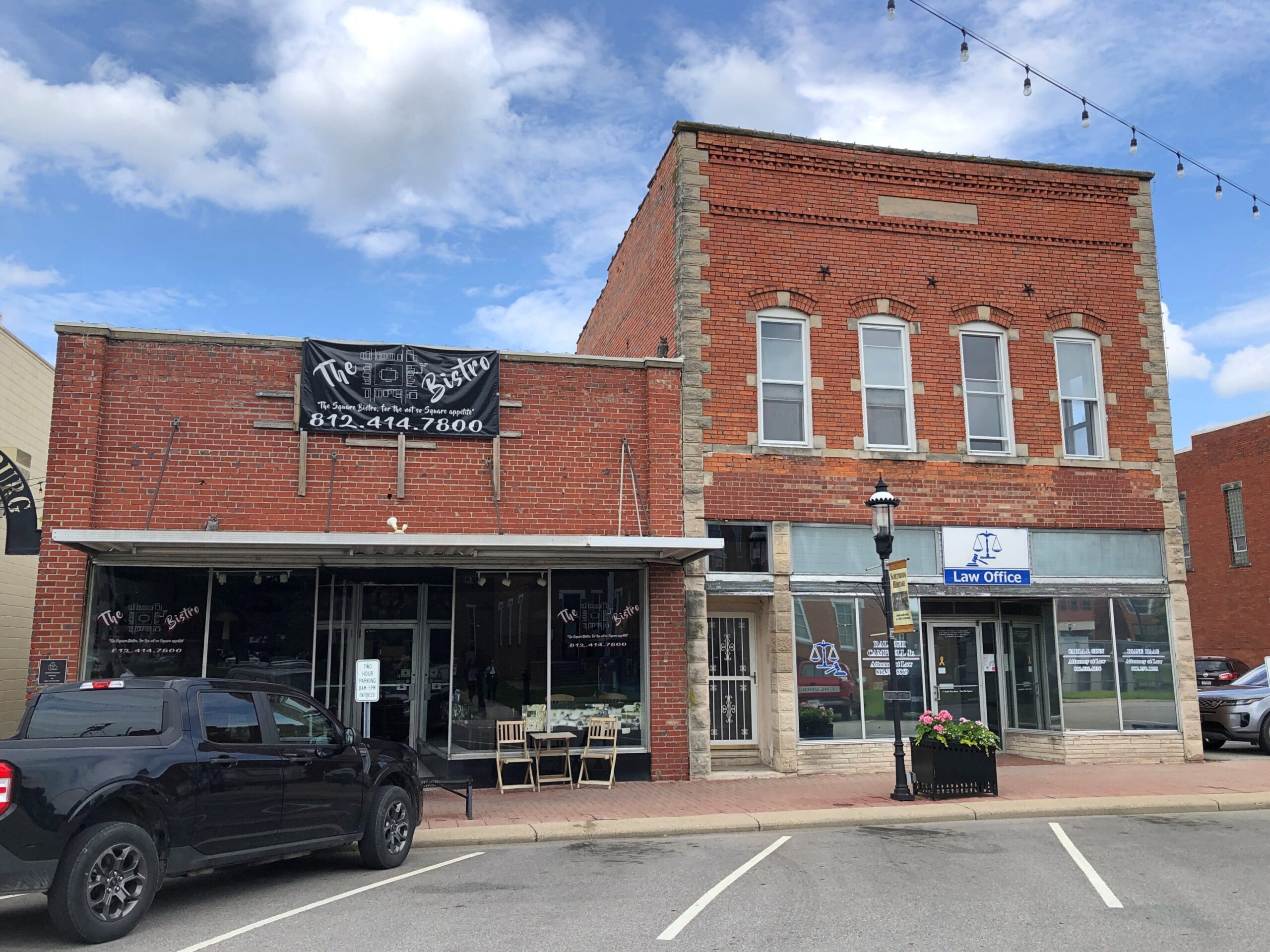
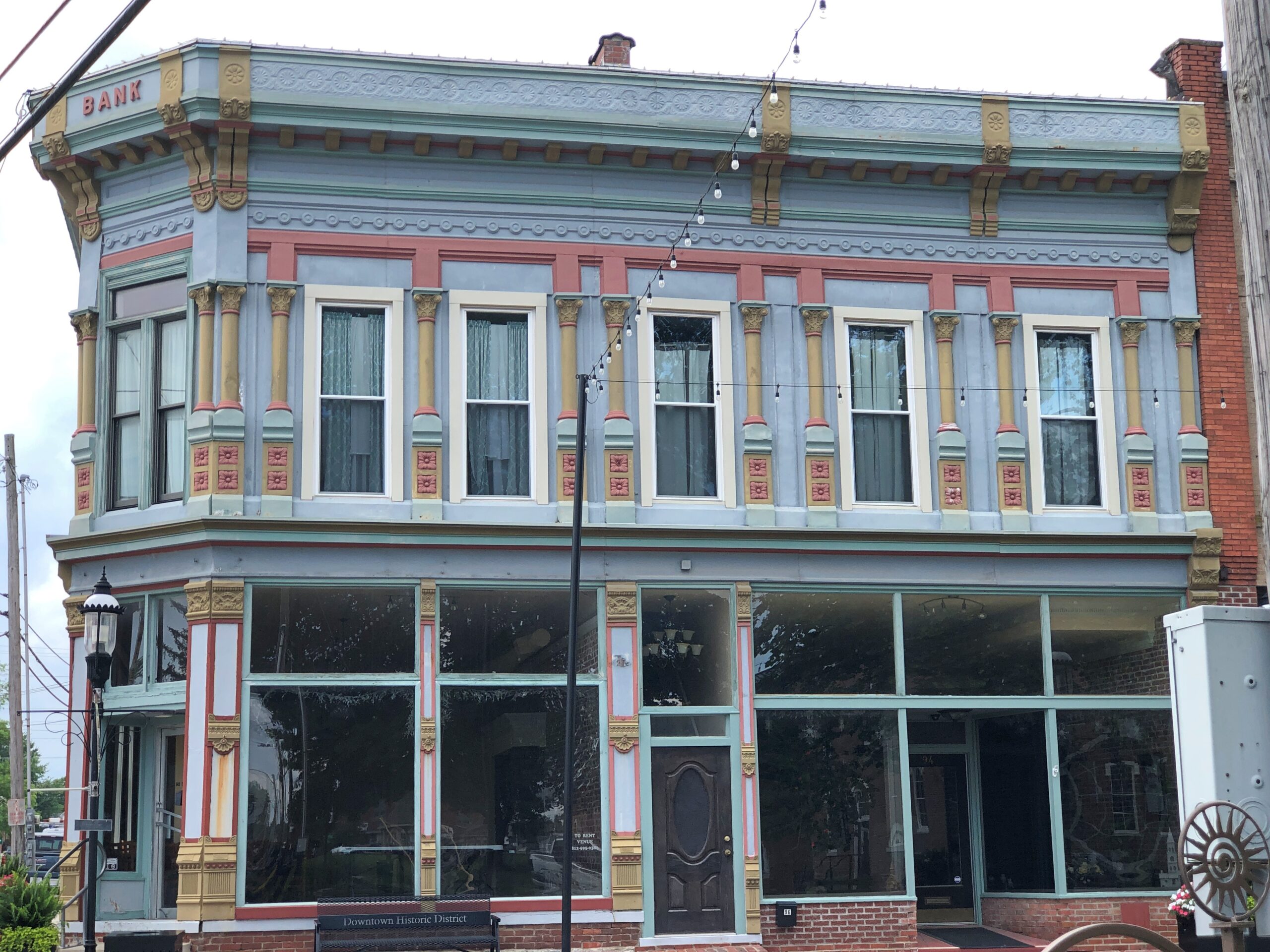
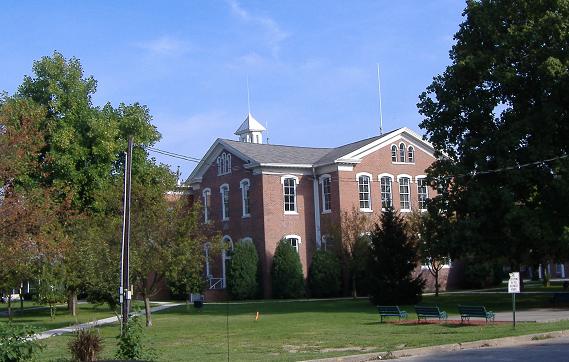
Scottsburg has one thing a picturesque exurb needs: a picturesque courthouse square. Or at least elements of it.
Scottsburg, Indiana Scottsburg, Indiana

Downtown is in fact a national historic district: Scottsburg Courthouse Square Historic District. I get a kick out of discovering that kind of thing retroactively, which I did this time.
“The district is composed of one-, two-, two-and-a-half and three-story brick and stone commercial structures with zero setbacks, which form an essentially contiguous perimeter to the wooded courthouse lawn,” its registration form on file with the U.S. Interior Department says. “There are a total of 48 contributing buildings within the district. The character of the district is defined by late 19th and early 20th century commercial architecture with significant examples of the Italianate, so Richardsonian Romanesque, Renaissance Revival, Colonial Revival, and Art Moderne styles.

“The predominant building material is red brick, as evidenced by the courthouse and 29 commercial buildings within the district. Secondary materials include Indiana limestone and various shades of buff and yellow brick, decorative brick work, cast iron, ornamental pressed metal and glazed tile and Carrera glass…”

Scottsburg, Indiana Scottsburg, Indiana

In the heat of the moment (literally), I neglected to get a decent shot of the courthouse itself, but someone called Bedford thoughtfully put an image in the public domain.

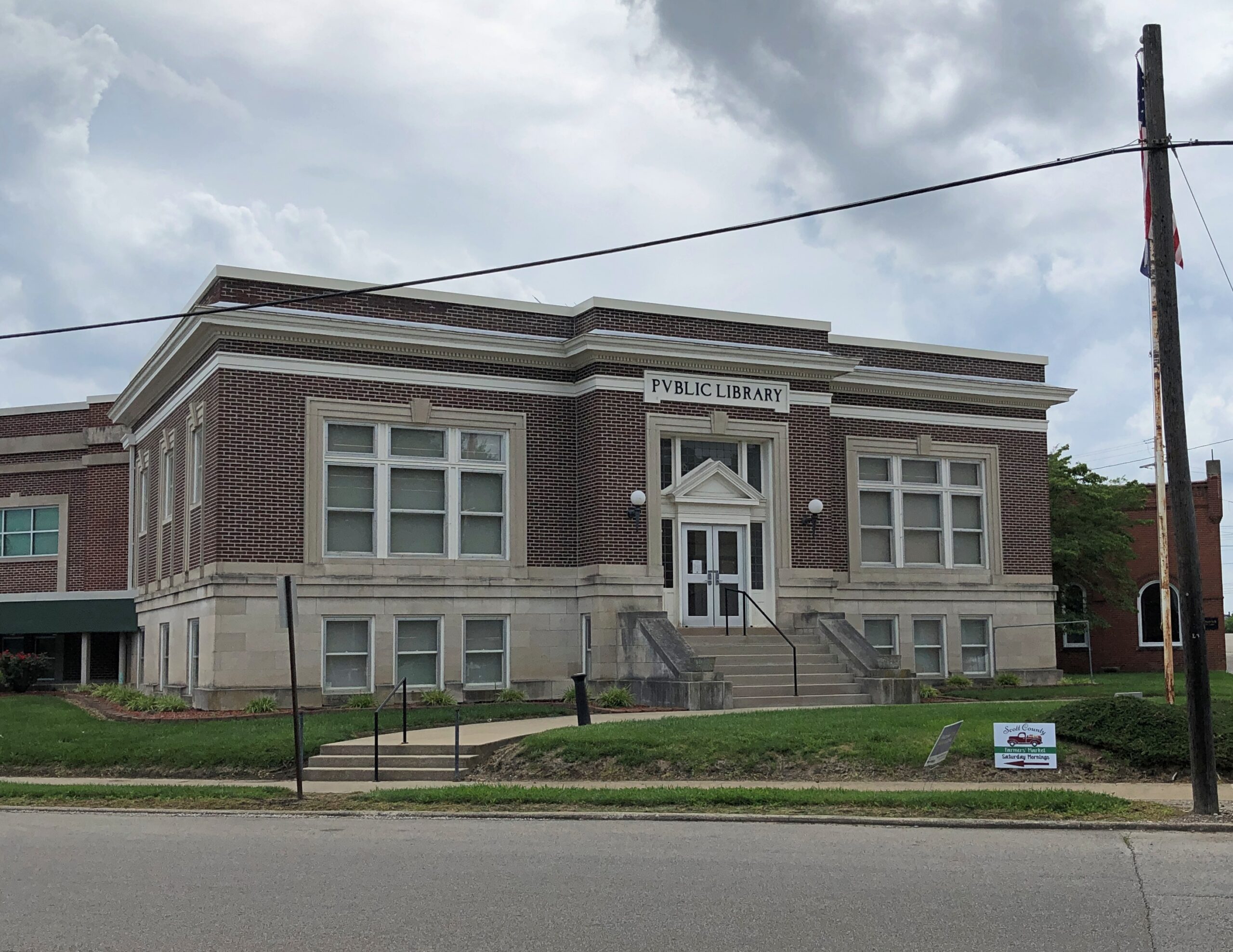
Could it be a Carnegie Library?

Scottsburg, Indiana

Yes. Completed 1917, still a library. One of the more than 1,680 in the United States funded by the robber baron, many of which endure after a century plus.

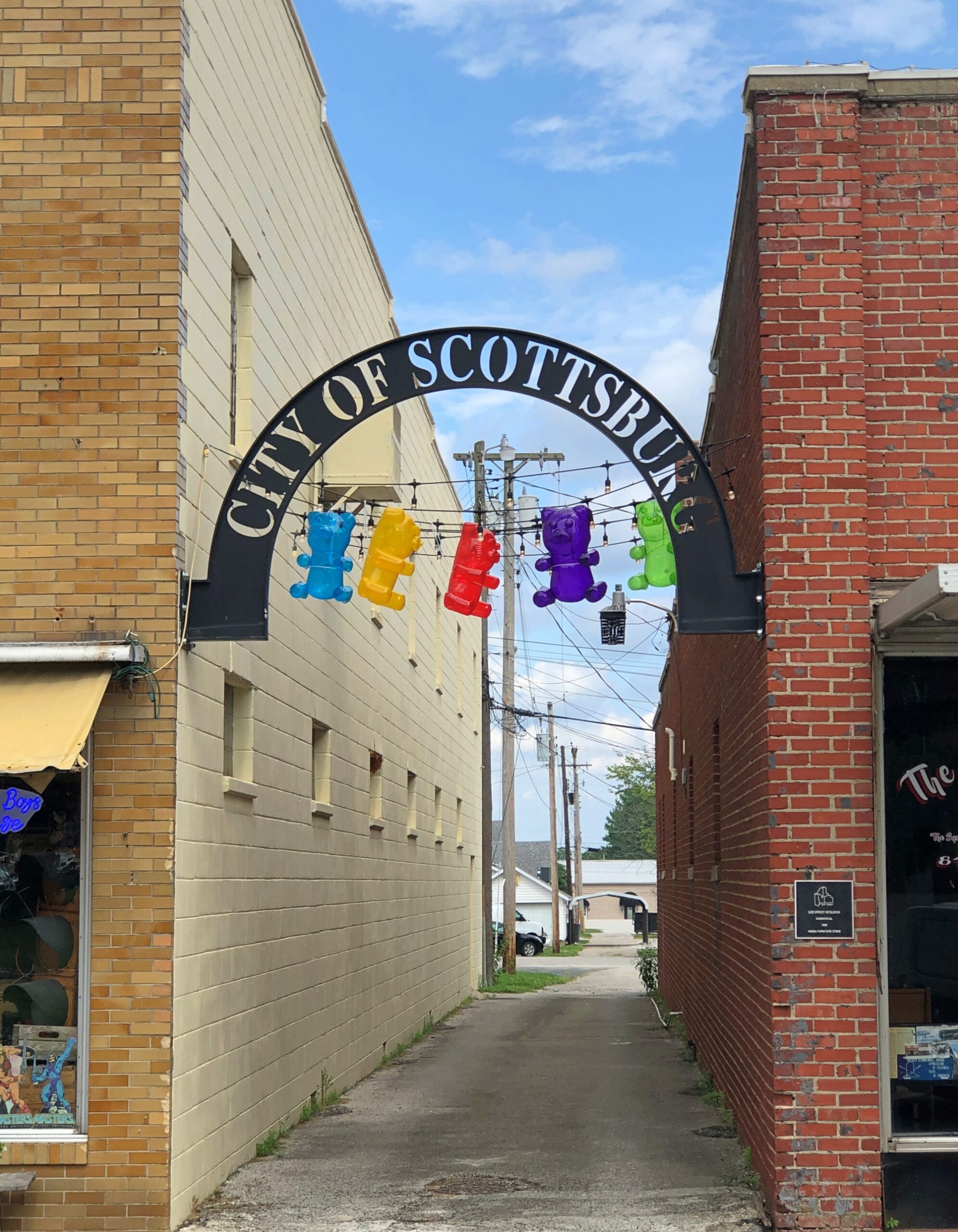
Some courthouse square details.

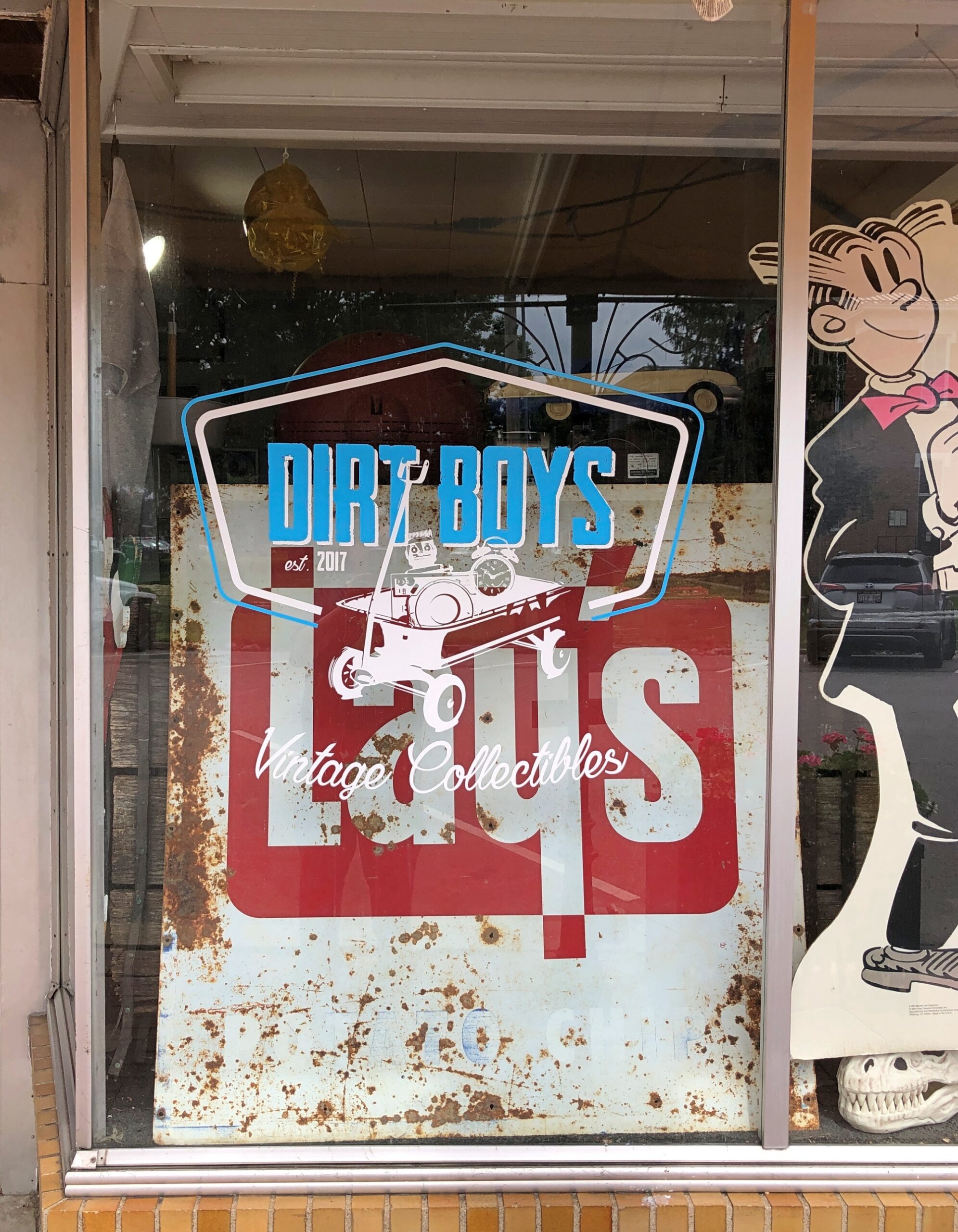
Dirt Boys Vintage Collectibles joins the likes of city offices and law offices, but also Warriors Den coffee shop, Time Zone Pizza Arcade, Chicago City Pizza and Bootlegger’s Bar & Grill. Those not needing to eat can visit Wildflowers Boutique, Moxie Music Center or Working Class Tattoo Parlor, all there on the square.

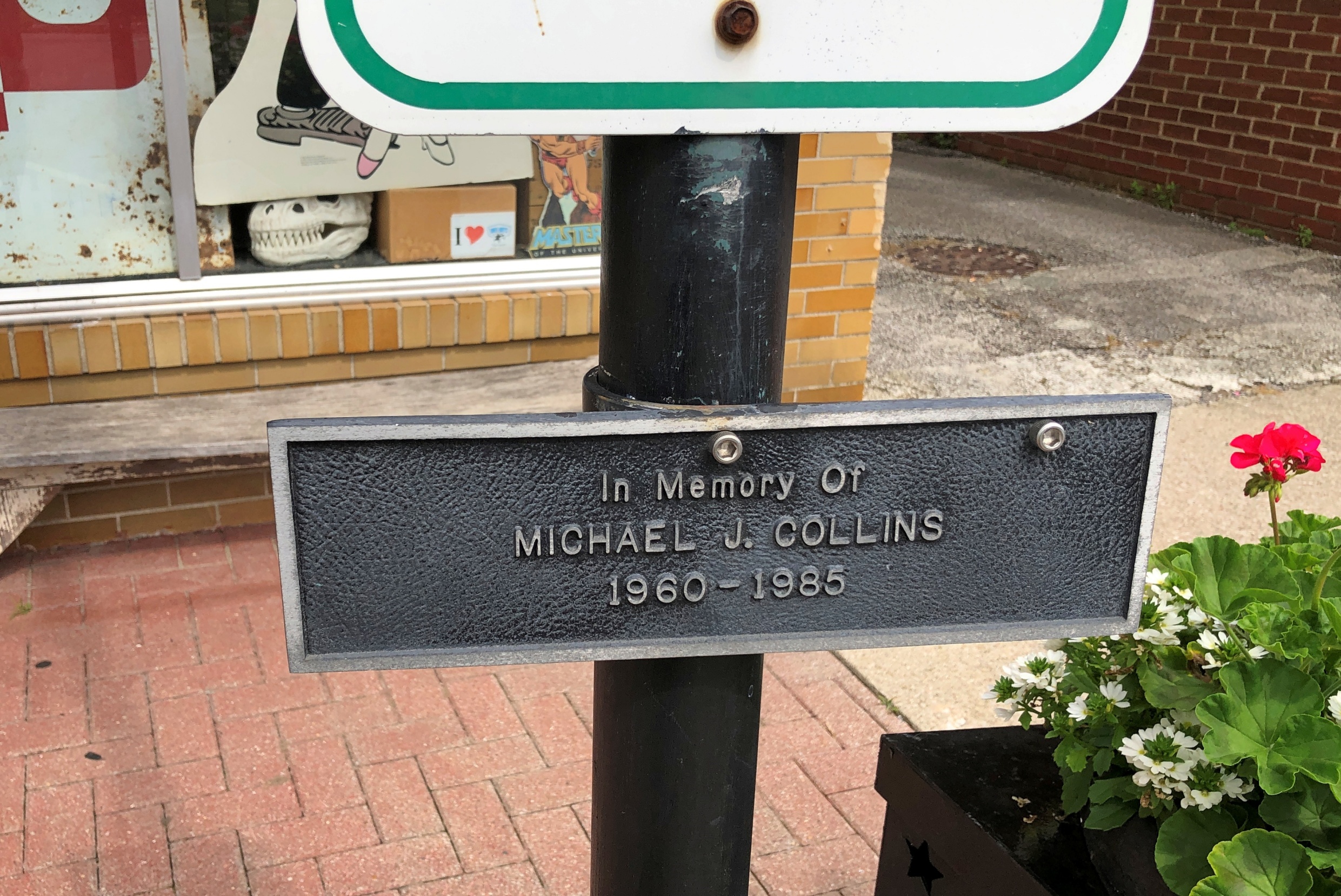
So is a plaque to the memory of one Michael J. Collins (d. 1985).

Scottsburg, Indiana

A contemporary of mine who didn’t make it far out of the gate. RIP, Michael, whoever you were. Are.

The USS Lexington Museum

It was a nicely structured day trip to Corpus Christi earlier this month, if I say so myself. We left not ridiculously early from SA, but early enough to catch a few easy sights in Corpus before lunch. After lunch: a single main attraction and then a drive home in time for dinner.

It was a Texas dinner: drive-through Whataburger.

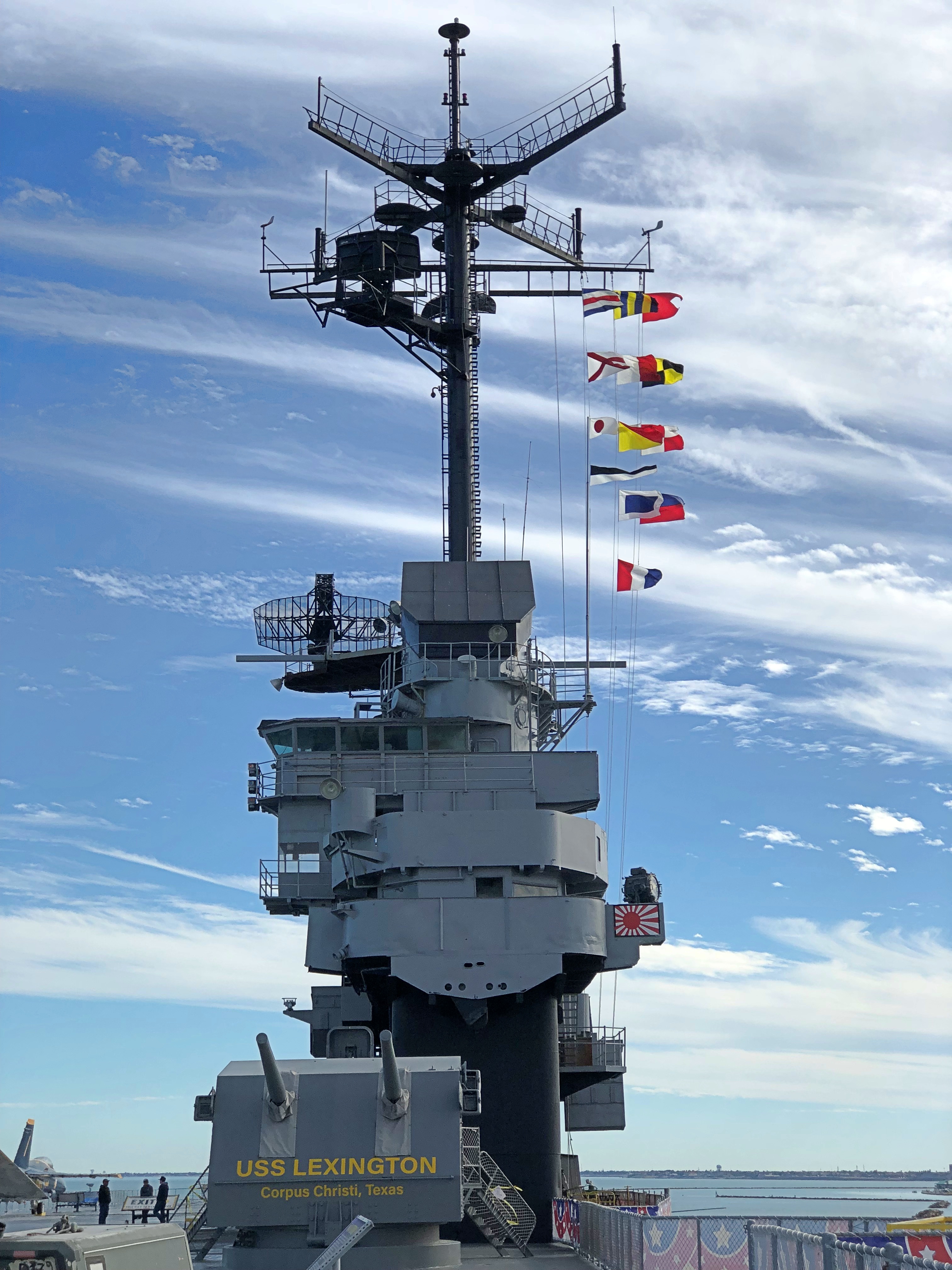
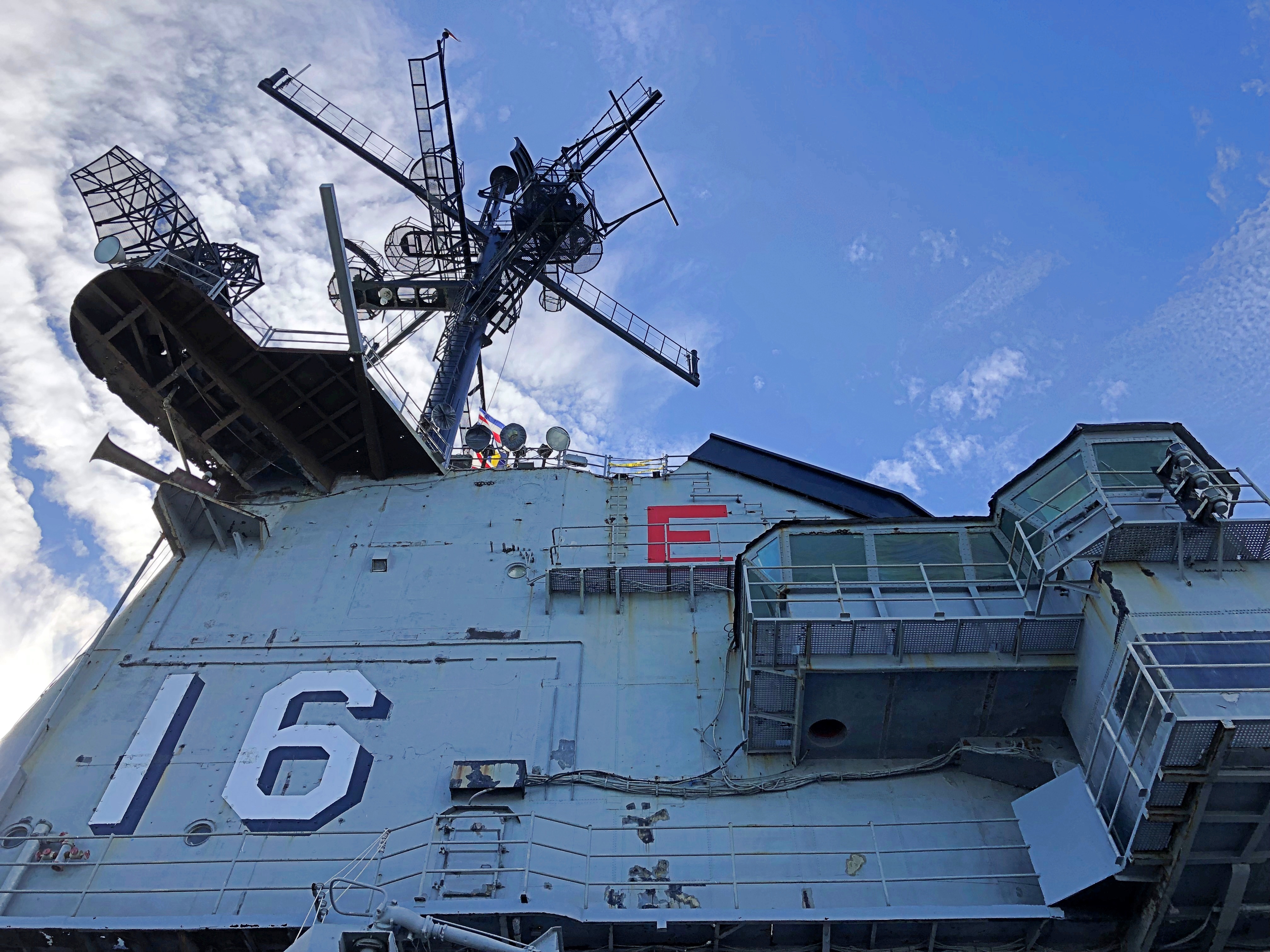
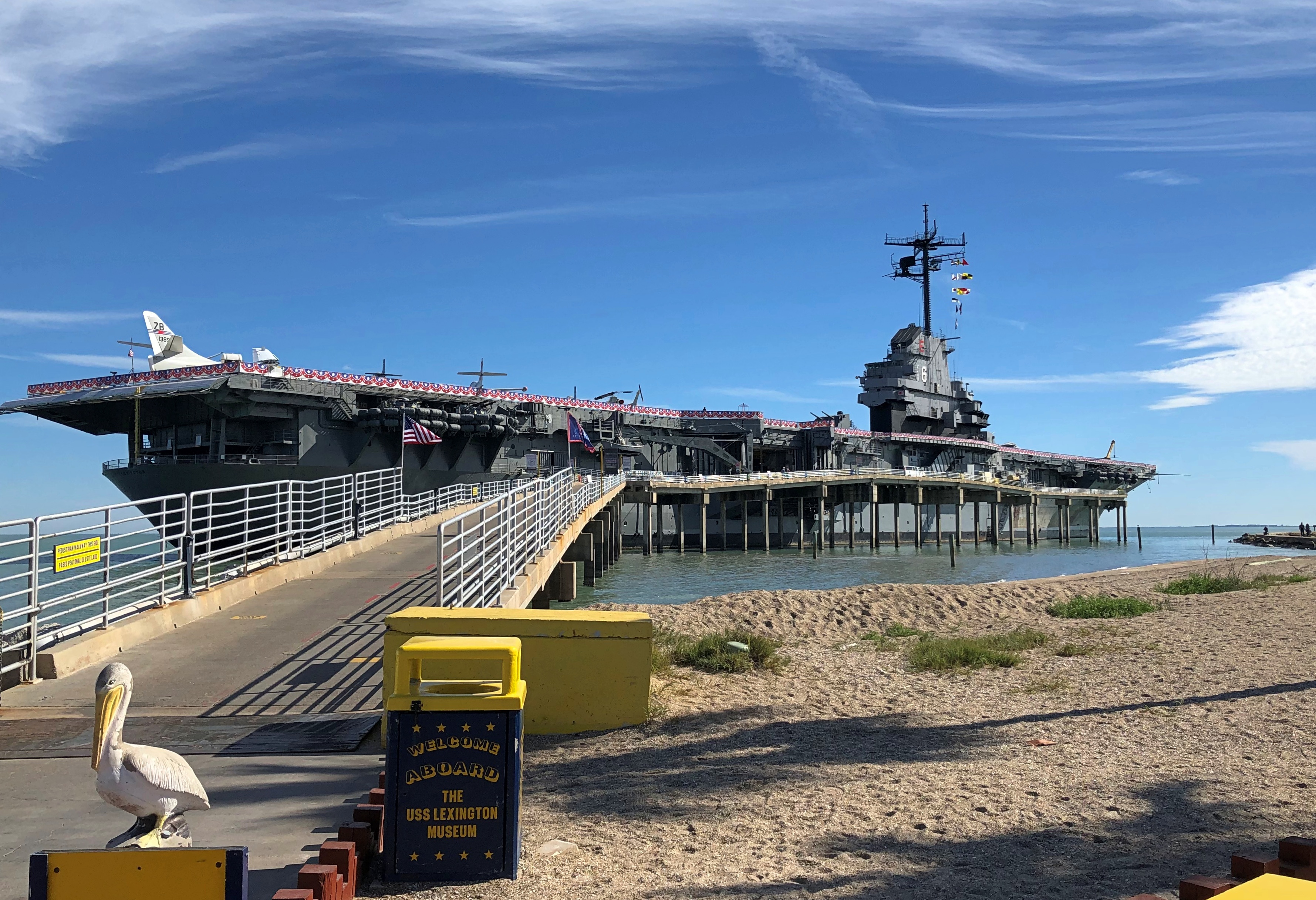
The main attraction that day: The USS Lexington, CV-16, nickname, the Blue Ghost. That is to say, the 16th aircraft carrier belonging to the U.S. Navy, commissioned in early 1943 in the thick of the war in the Pacific, where it kicked ass. The ship survived the war with close calls and Japanese propaganda broadcasts asserting more than once that she had been destroyed. After a period of decommissioning beginning in the late ’40s, Lexington returned to serve throughout most of the Cold War.USS Lexington

Note the rising sun flag. That is where a kamikaze struck the ship off Luzon in November 1944, killing 50 men and wounding many more. RIP, sailormen.USS Lexington USS Lexington

That afternoon my brothers and I were entering what is now called the USS Lexington Museum, which is permanently moored across the ship channel from downtown Corpus Christi, where it has been since 1992, within sight of the Texas State Aquarium, the scattered buildings of North Beach, and the old highway bridge and the new one.USS Lexington

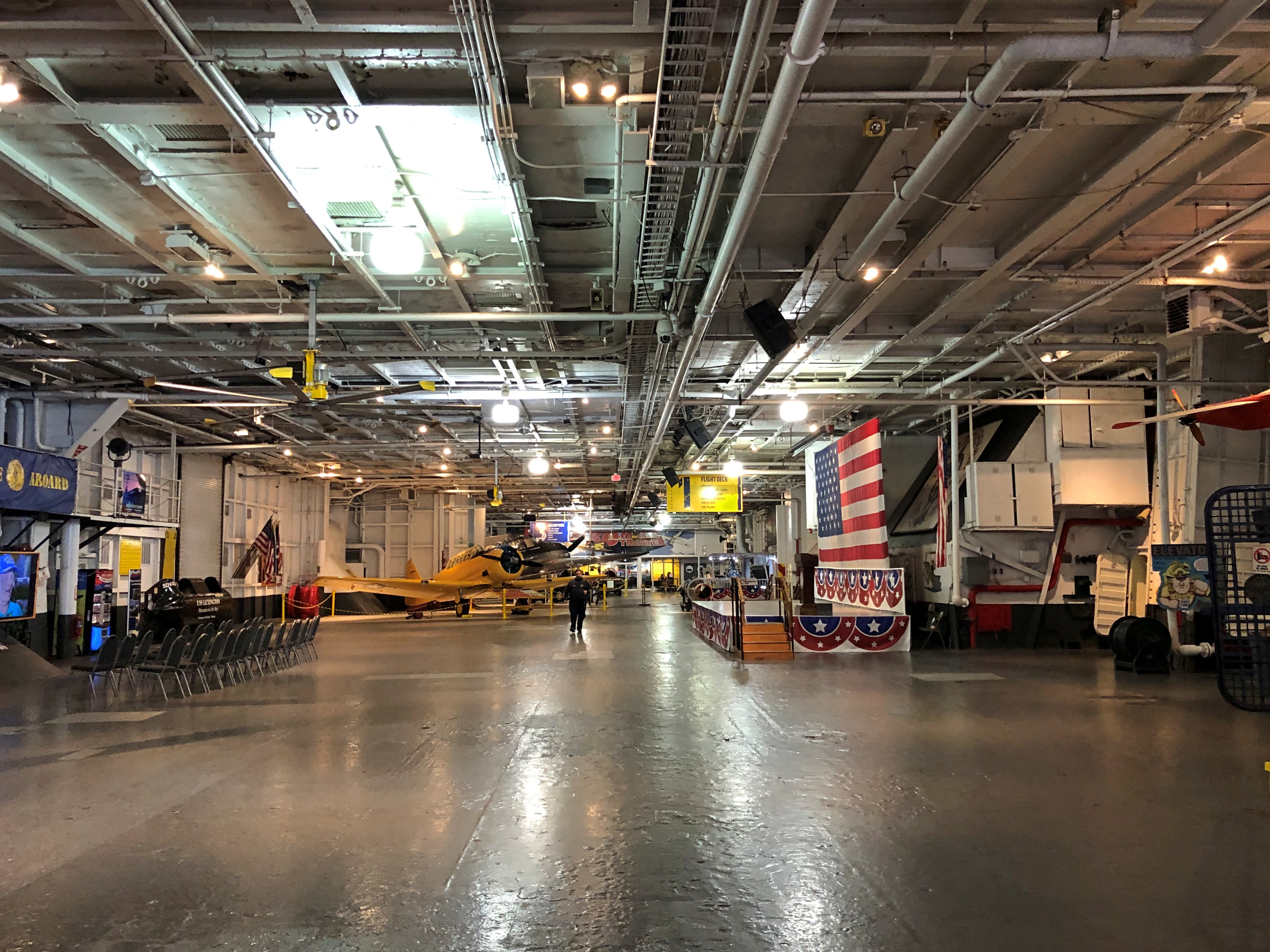
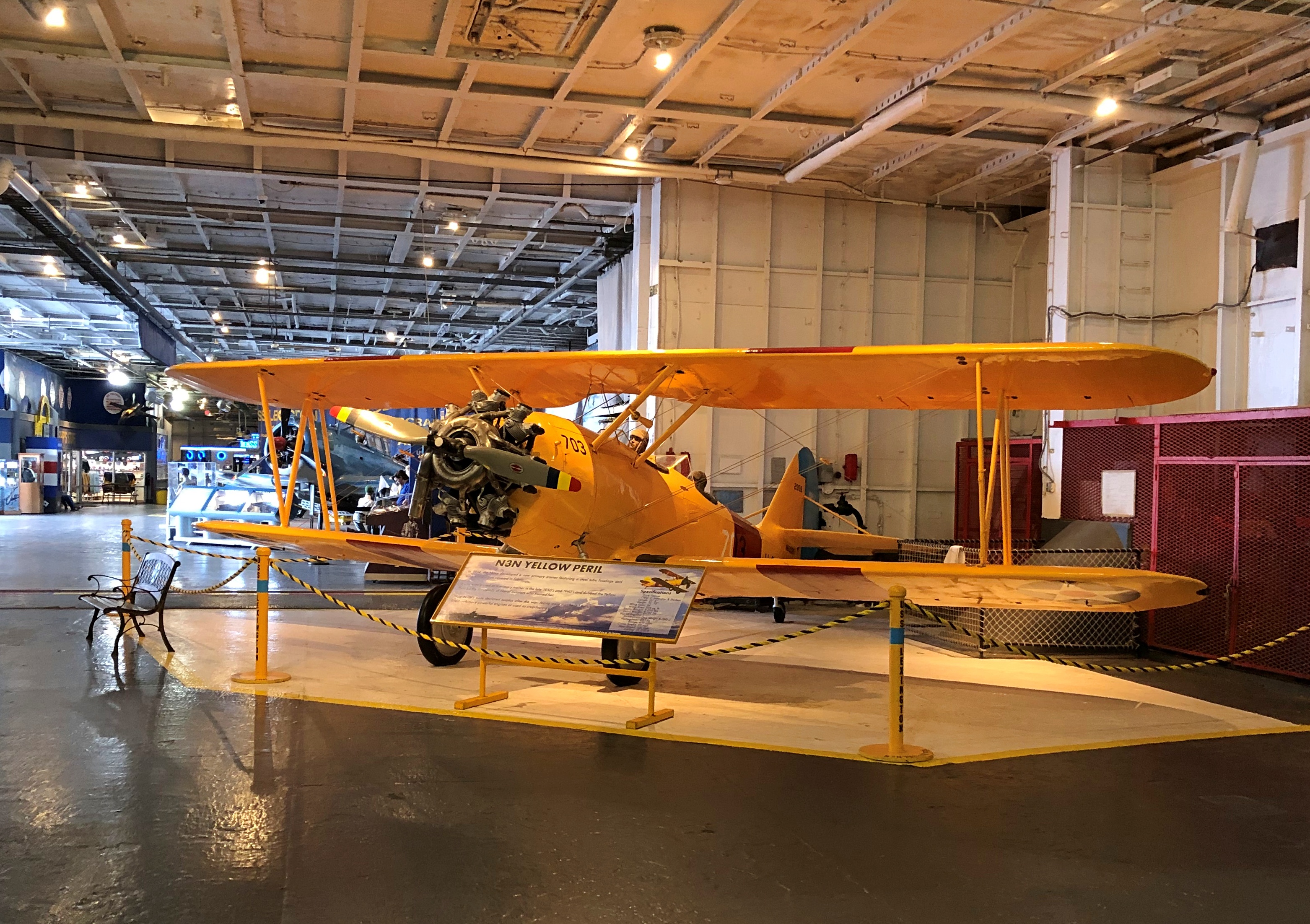
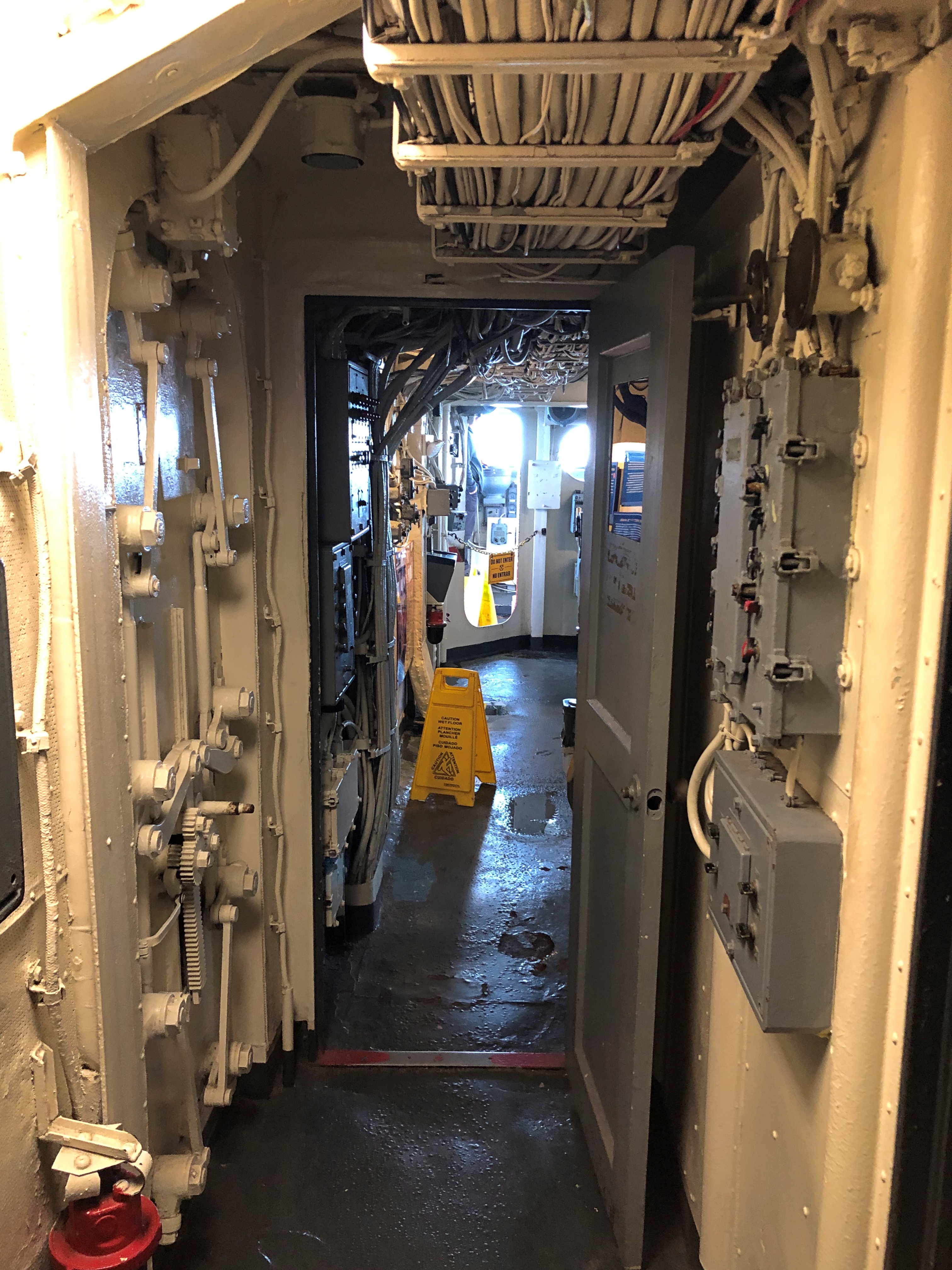
The Blue Ghost is one of five aircraft carrier museums nationwide, with two others in California, and one each in New York and South Carolina. These days, tourists enter the Lexington via the Hanger Deck. This deck and all the other lower decks are thick with exhibits, on many of the available surfaces, about the ship and its active service.USS Lexington
USS Lexington

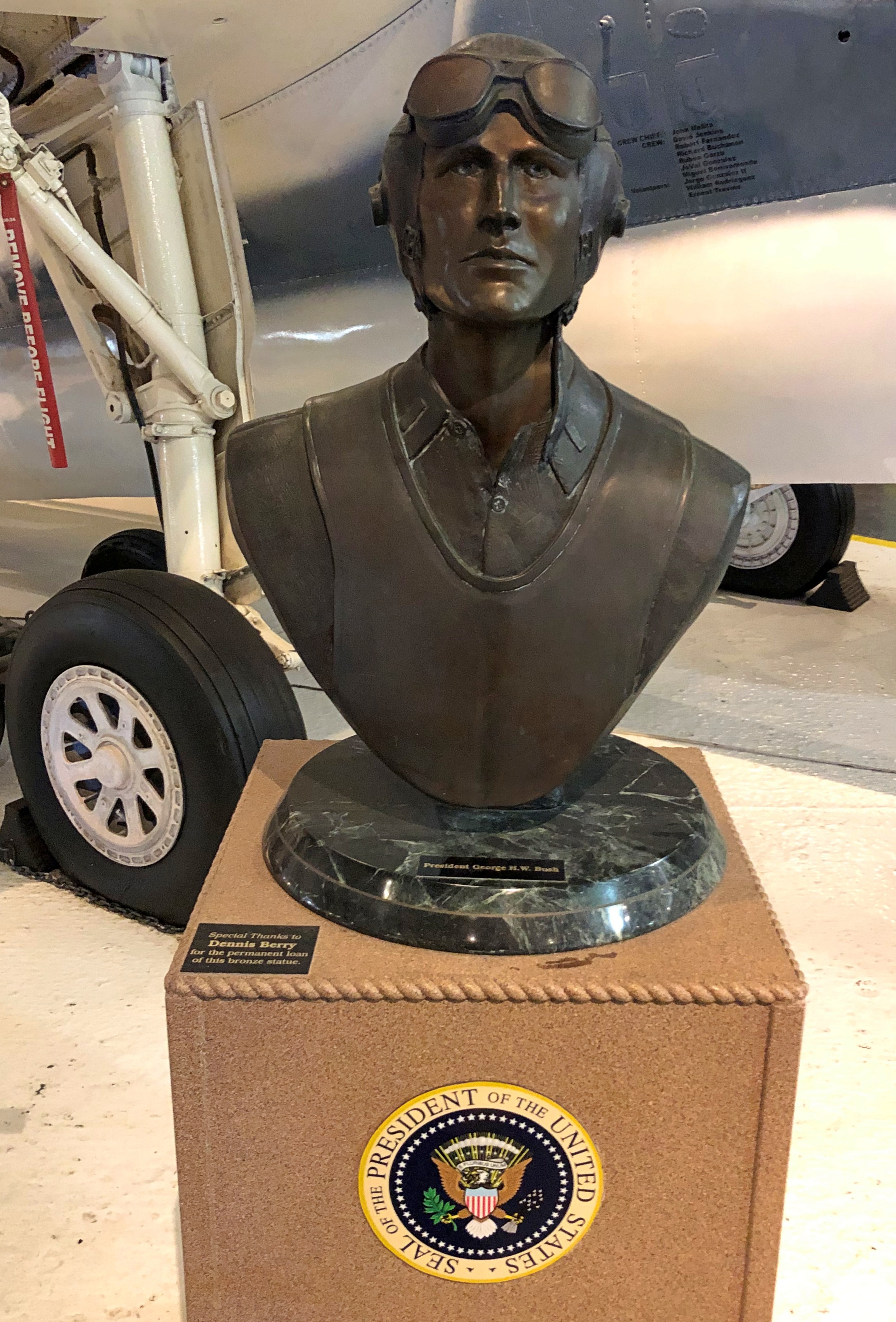
I’ve seen a similar bronze before.USS Lexington

George H.W. Bush as a young naval aviator. A sign is careful to point out that the future president was never assigned to the Lexington, but spent a few days recuperating here (“sack time,” he later called it) in June 1944 after being rescued from the ocean when mechanical issues forced him to ditch. Also, he trained as a naval aviator at Air Station Corpus Christi, so there is that connection.

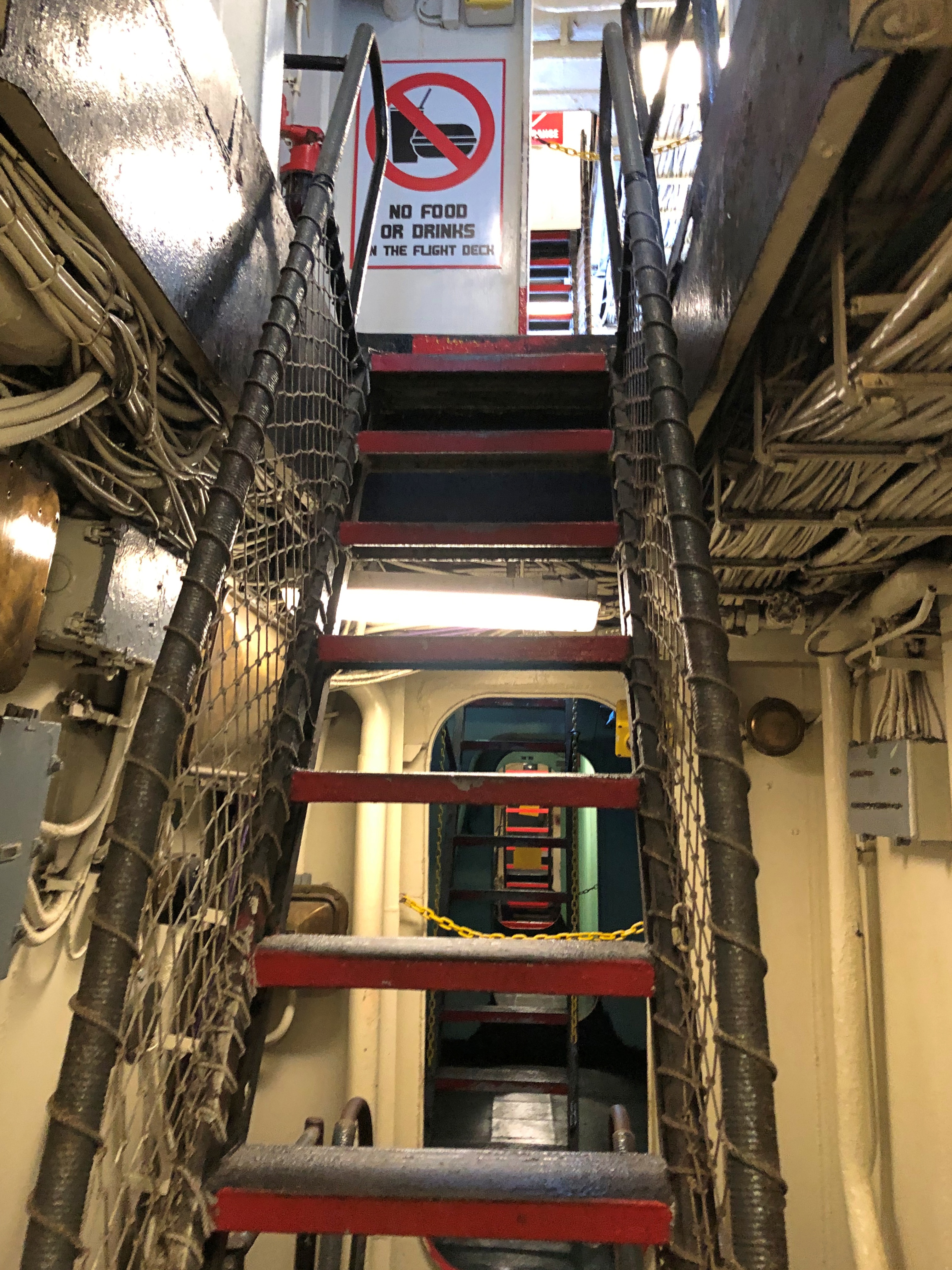
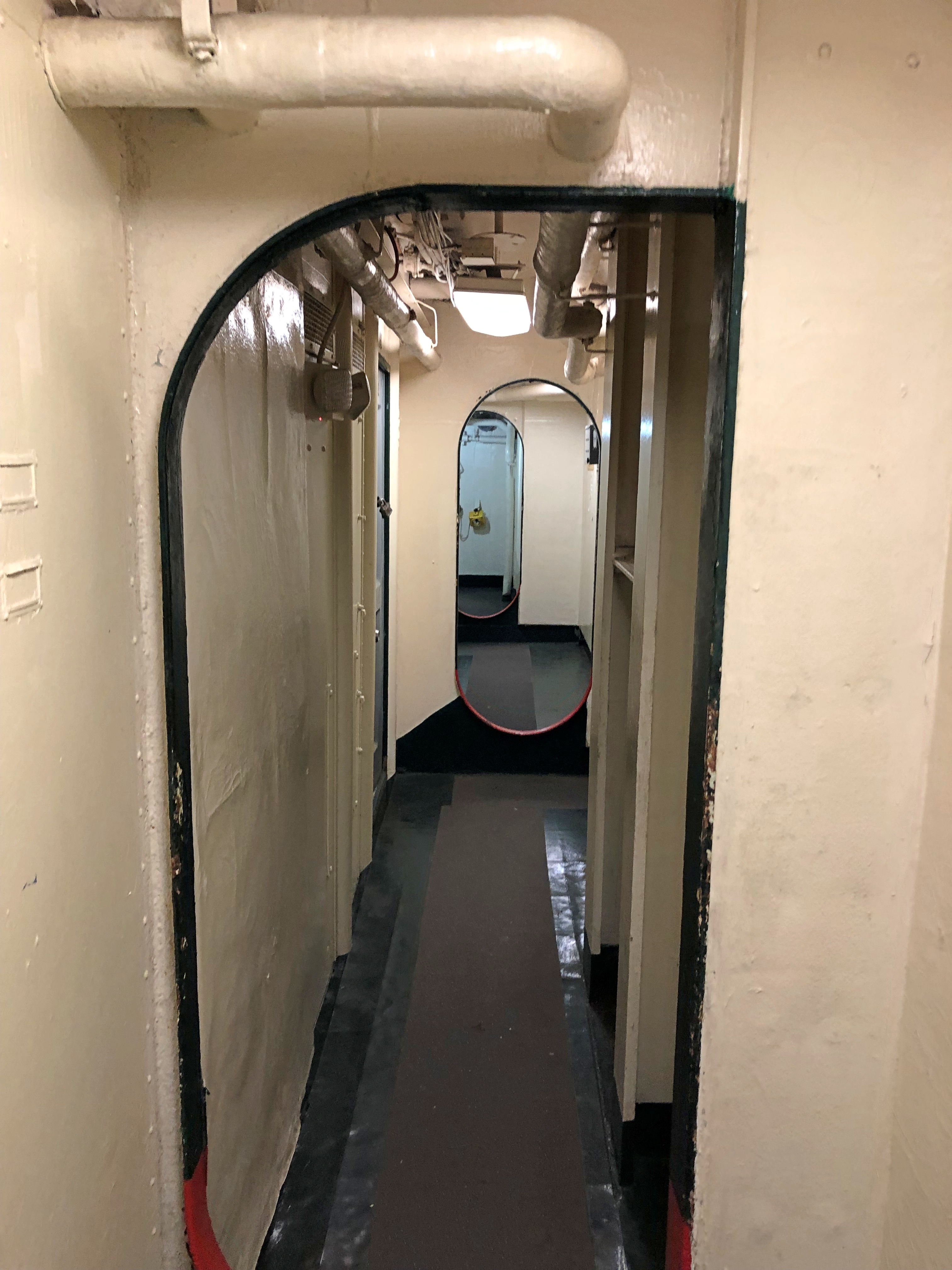
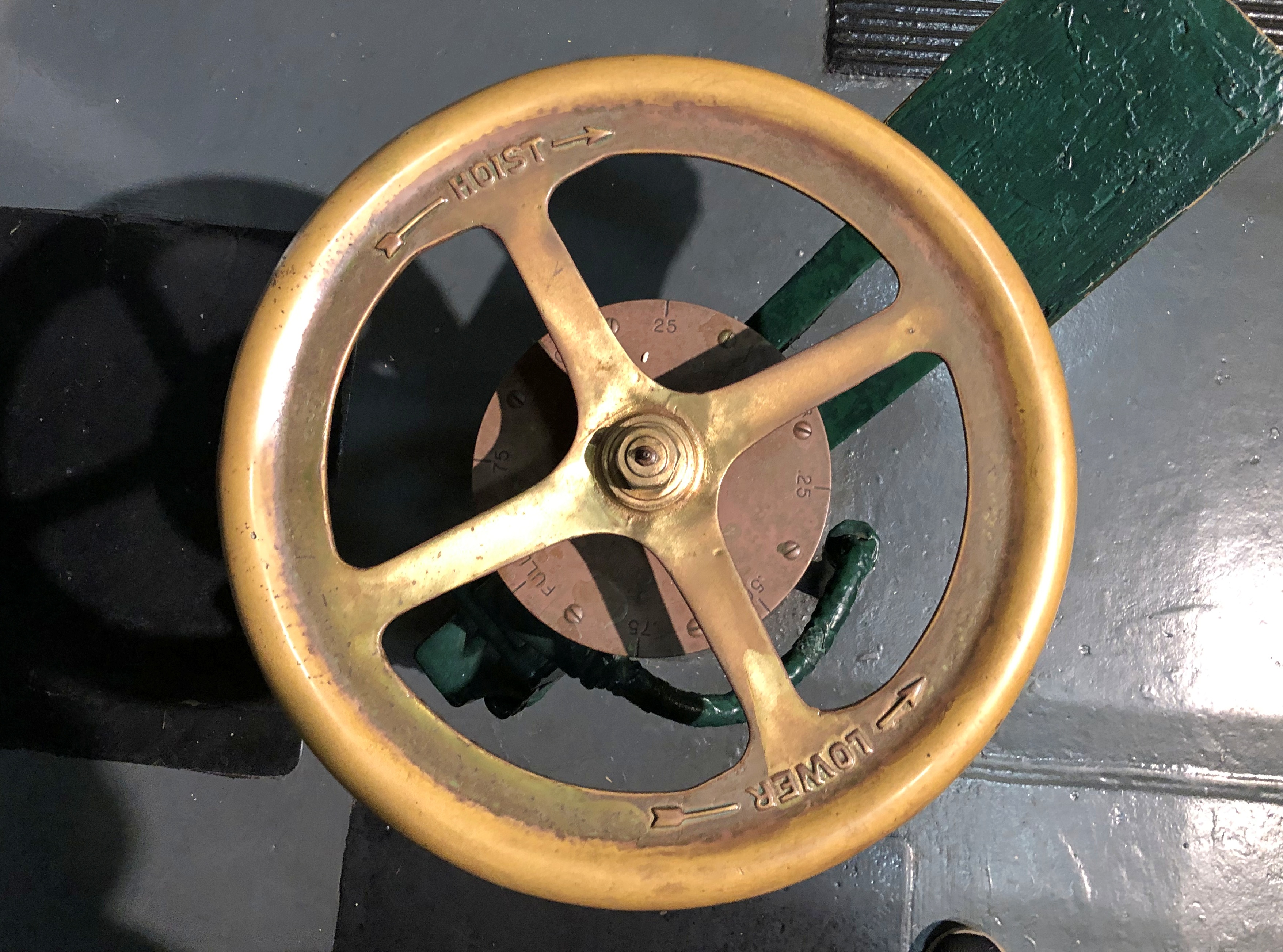
We climbed a number of staircases to higher decks, through the Foc’sle and ultimately to the Flight Deck. Slow going at our age, but we went.USS Lexington USS Lexington USS Lexington

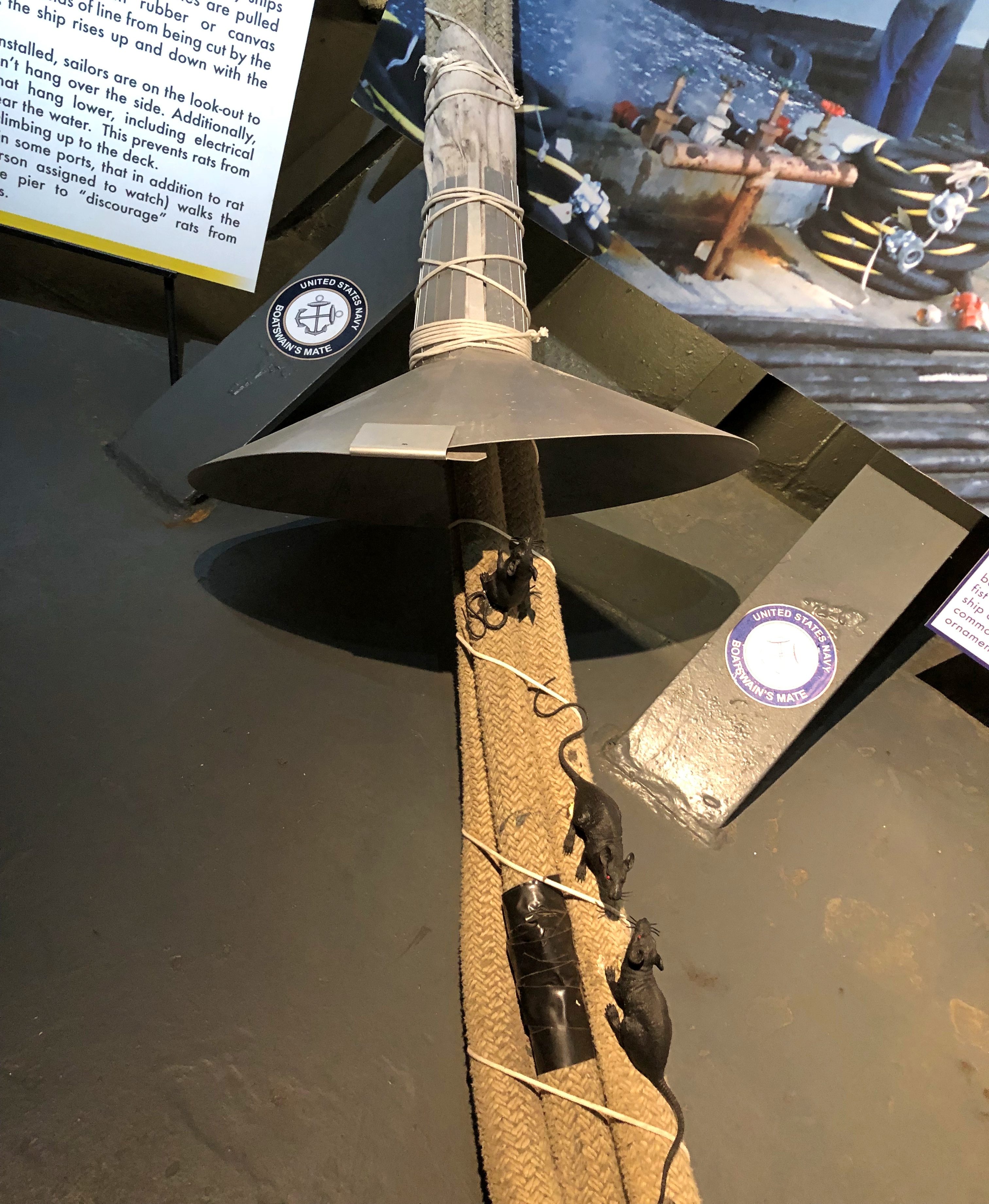
Some of the exhibits were very specific, such as the rat guards used by the vessel. I remember seeing those depicted in a Carl Barks comic, maybe a Scrooge McDuck adventure.USS Lexington

Others were more generalized, such as entire room in the Foc’sle about the attack on Pearl Harbor. Eventually we made our way to the Flight Deck, towered over by the island (the towering section including the bridge). Mostly, the Flight Deck is an open-air aircraft museum.

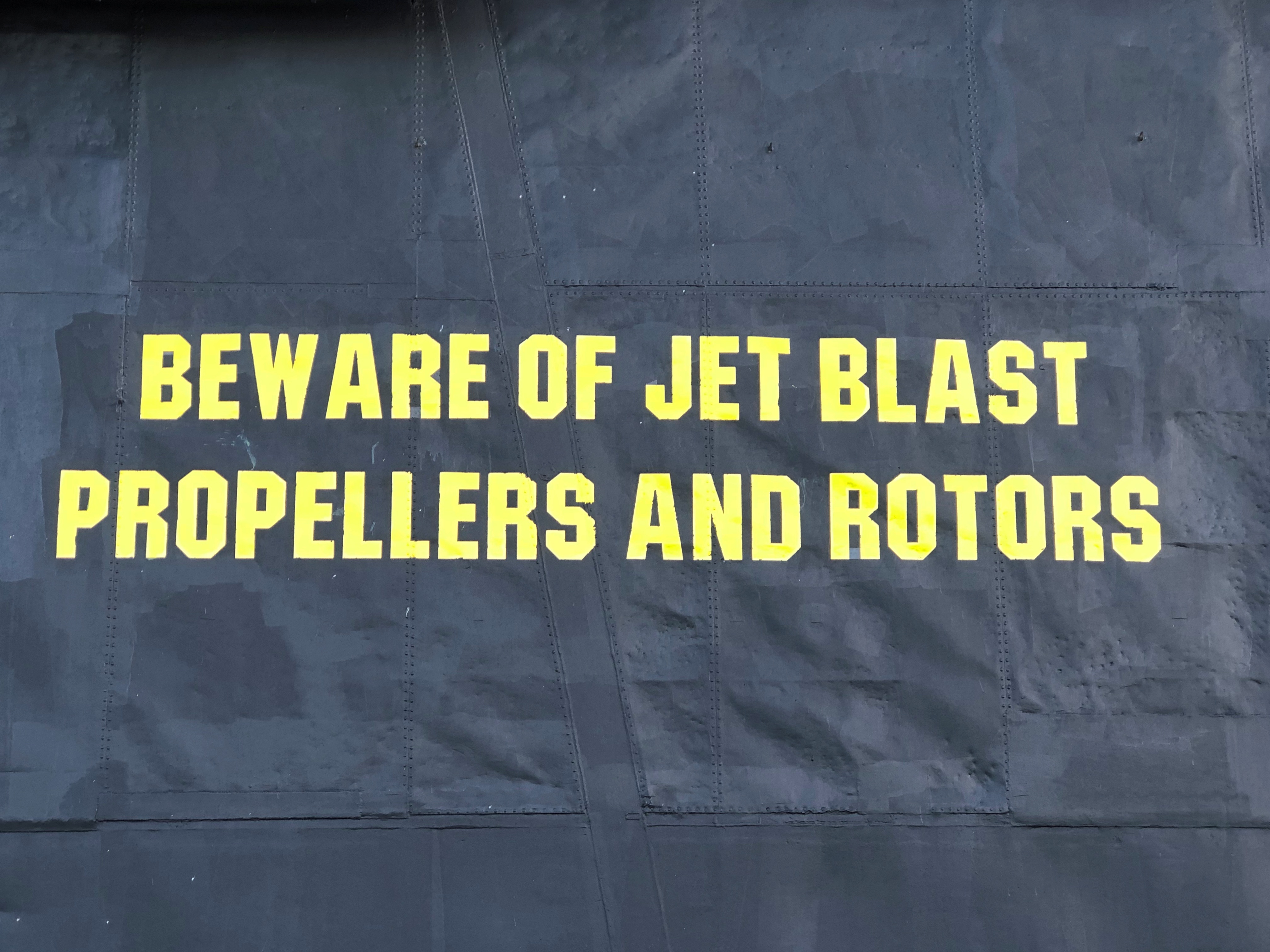
Sage advice.USS Lexington

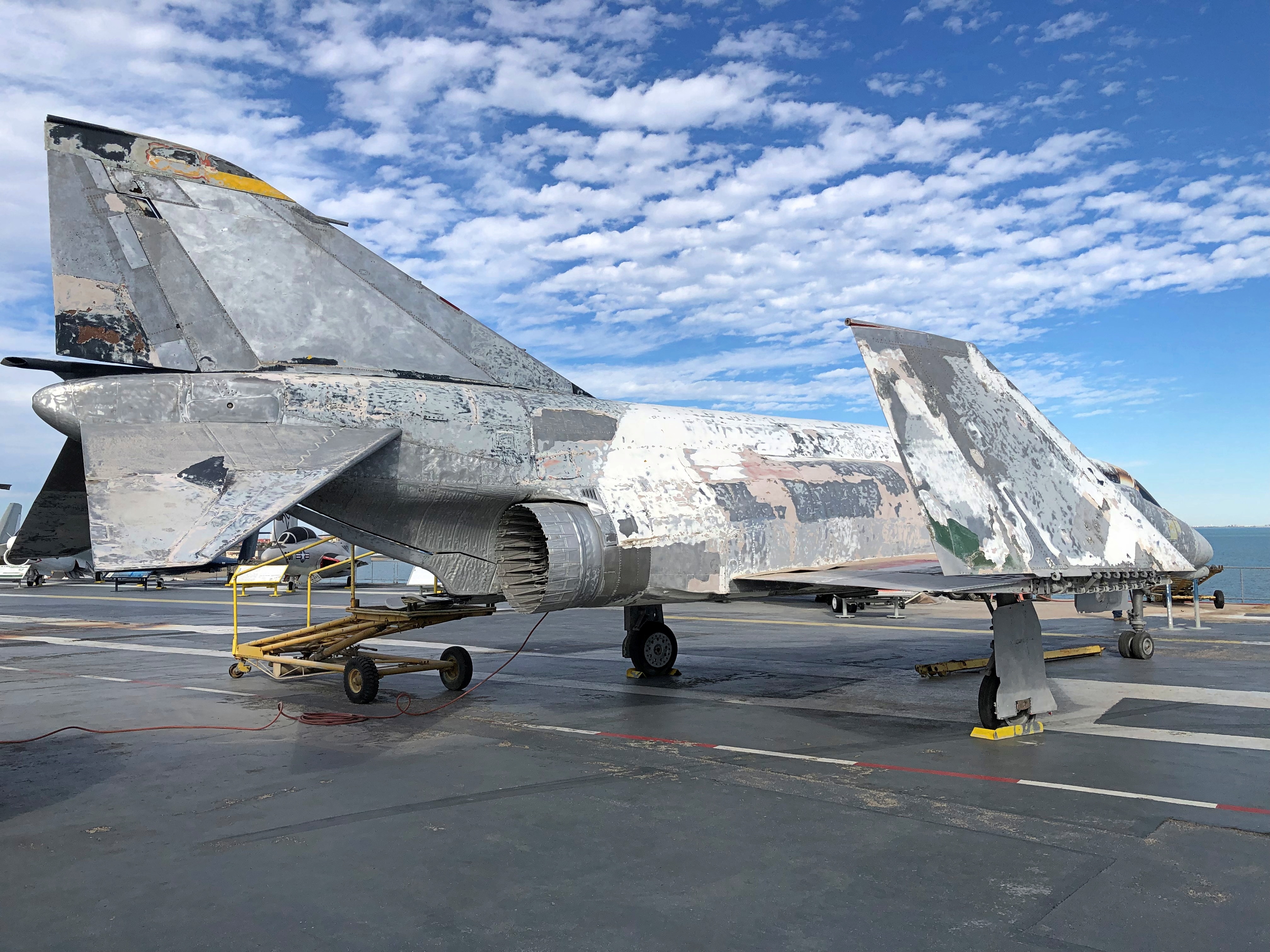
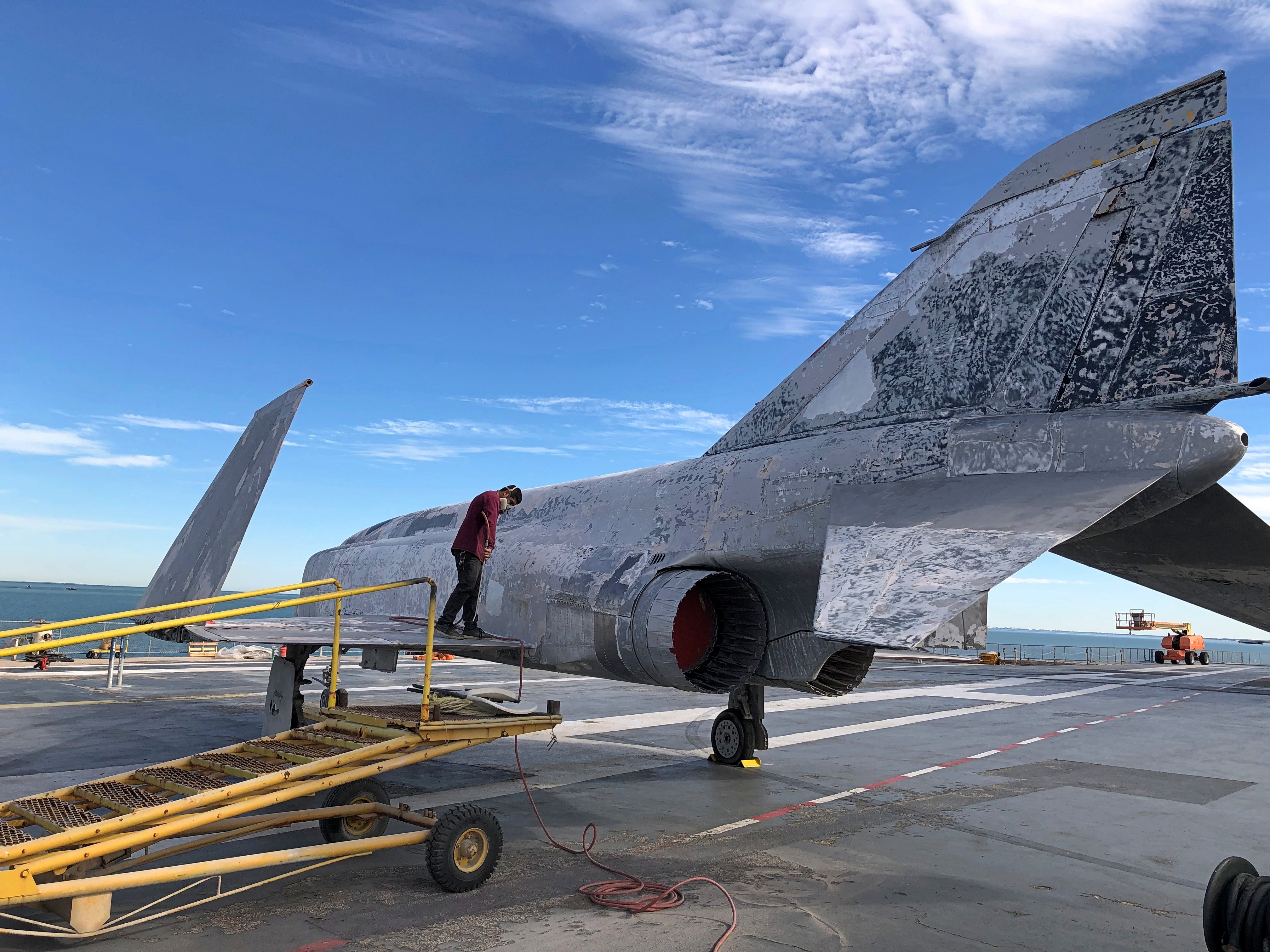
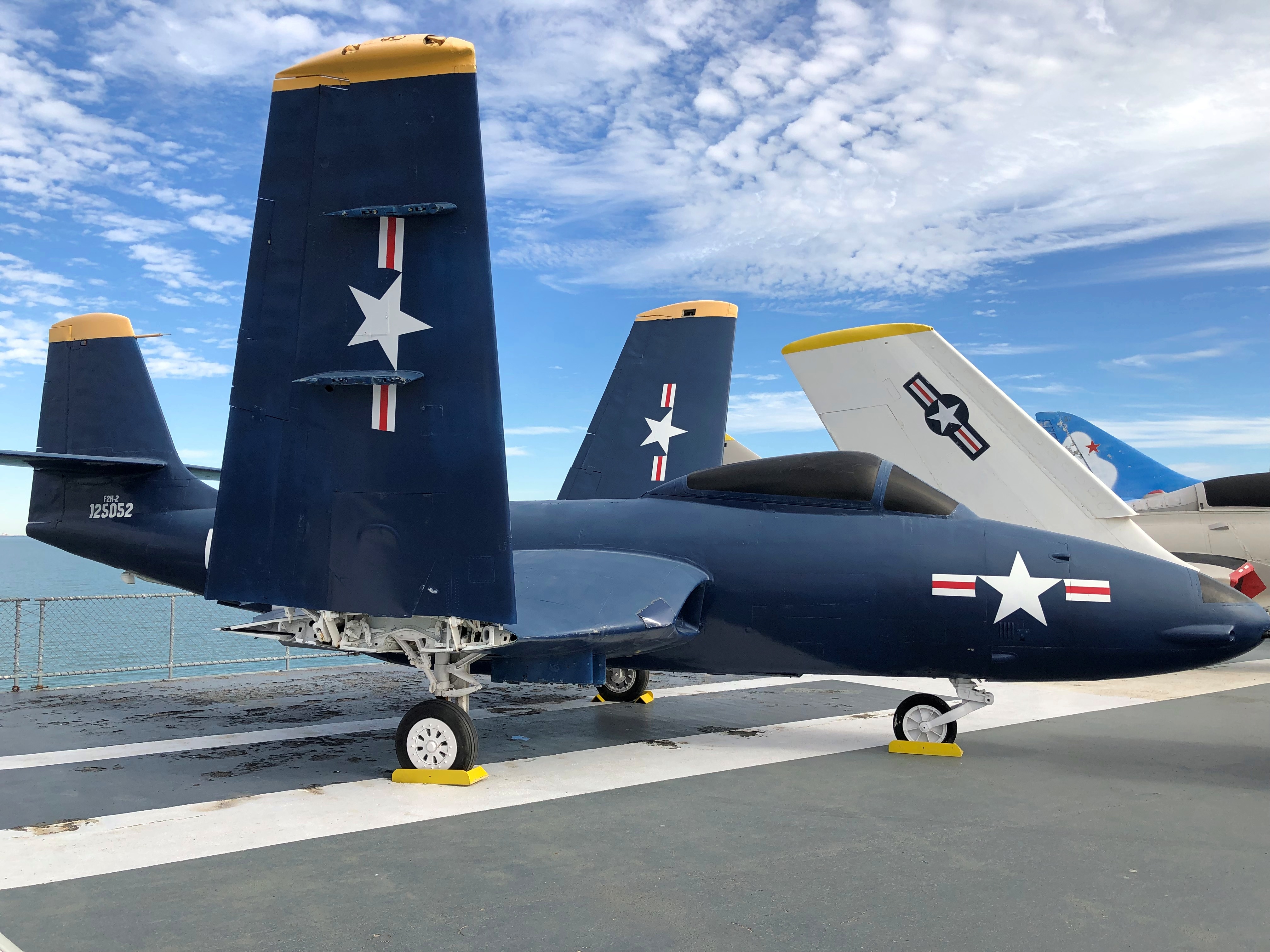
Restoration in progress on a Phantom II.USS Lexington USS Lexington

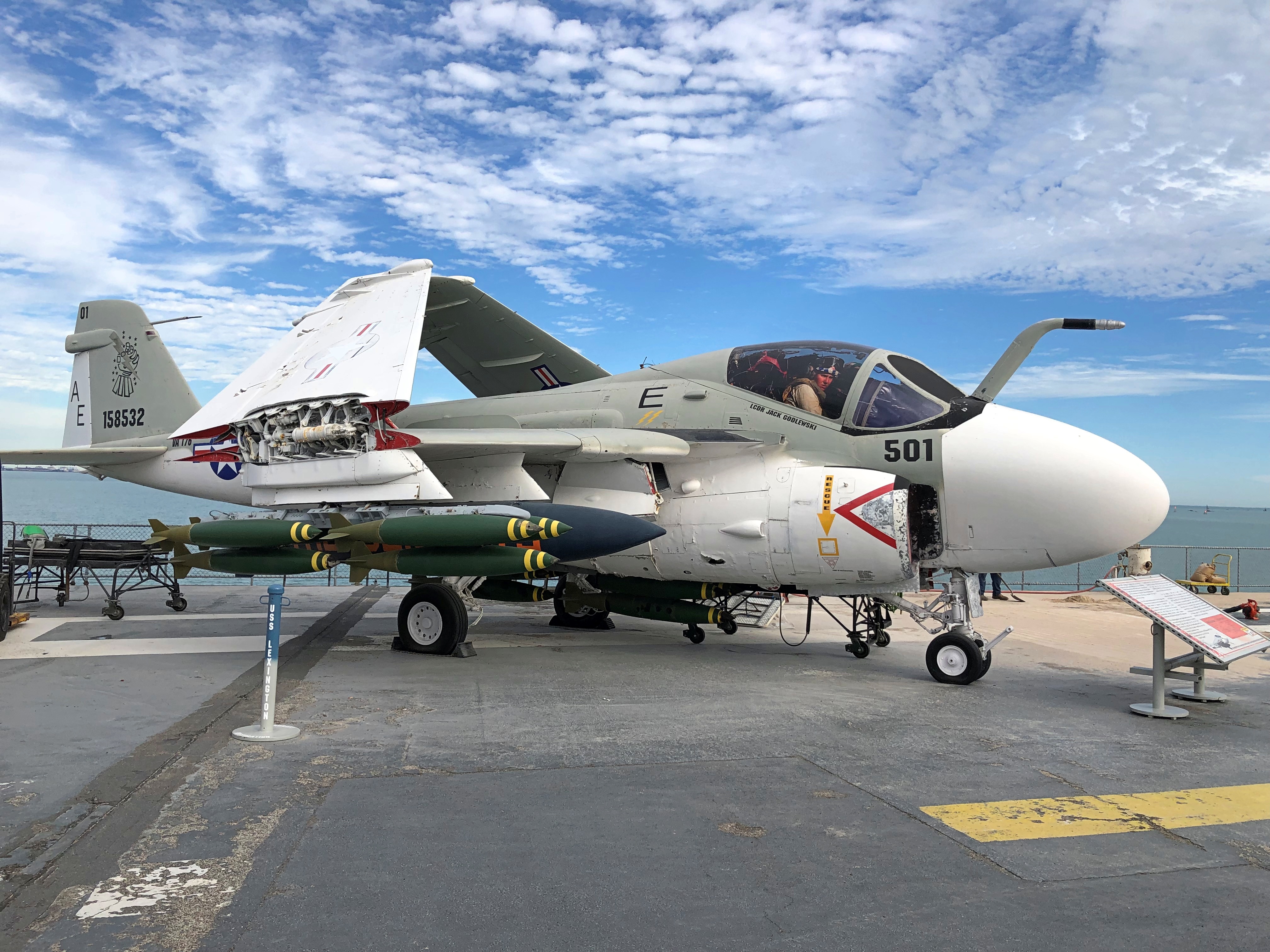
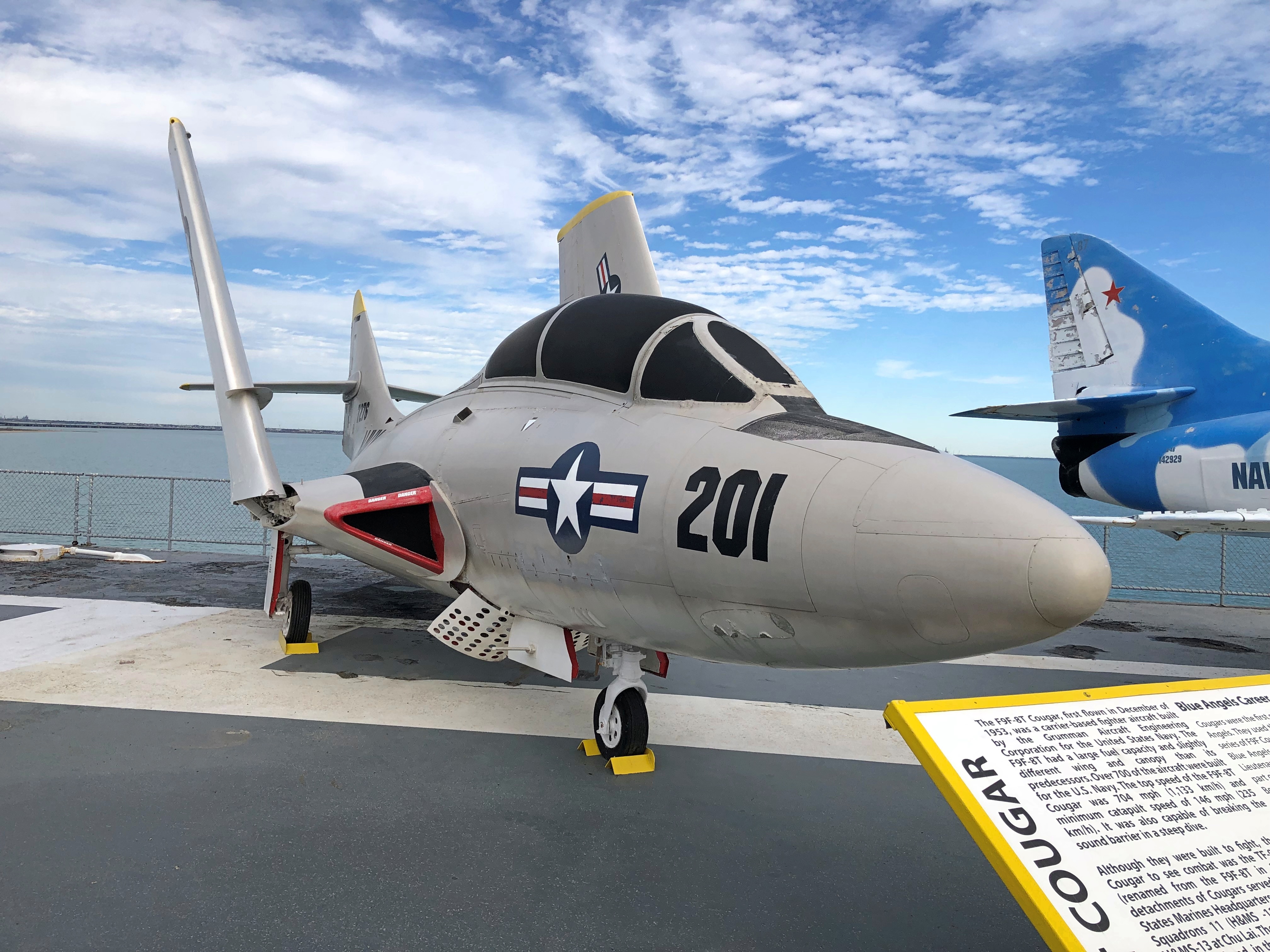
An A-6 Intruder. Like a number of the other airplanes at the Lexington, on loan from the National Naval Aviation Museum in Pensacola.USS Lexington

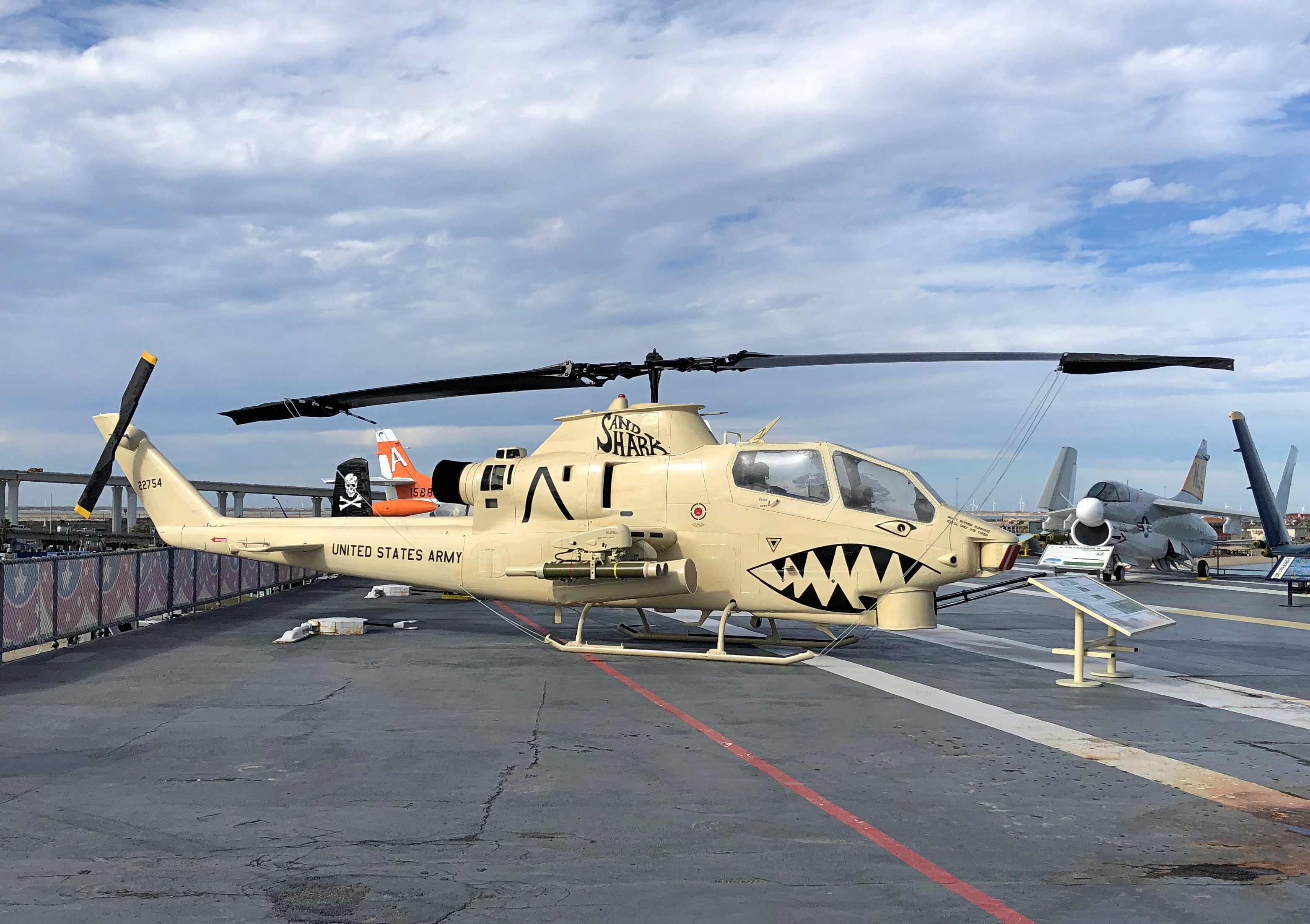
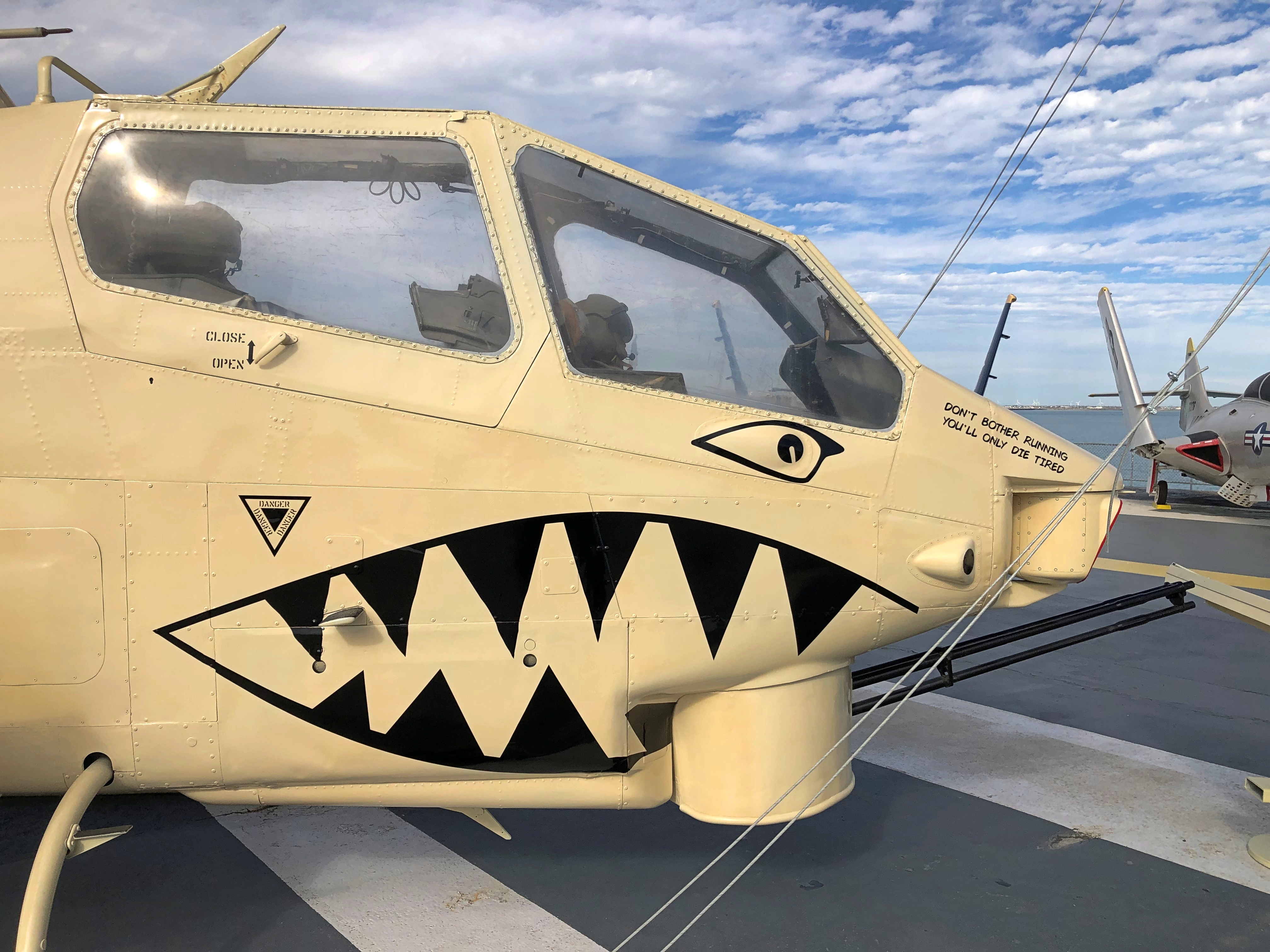
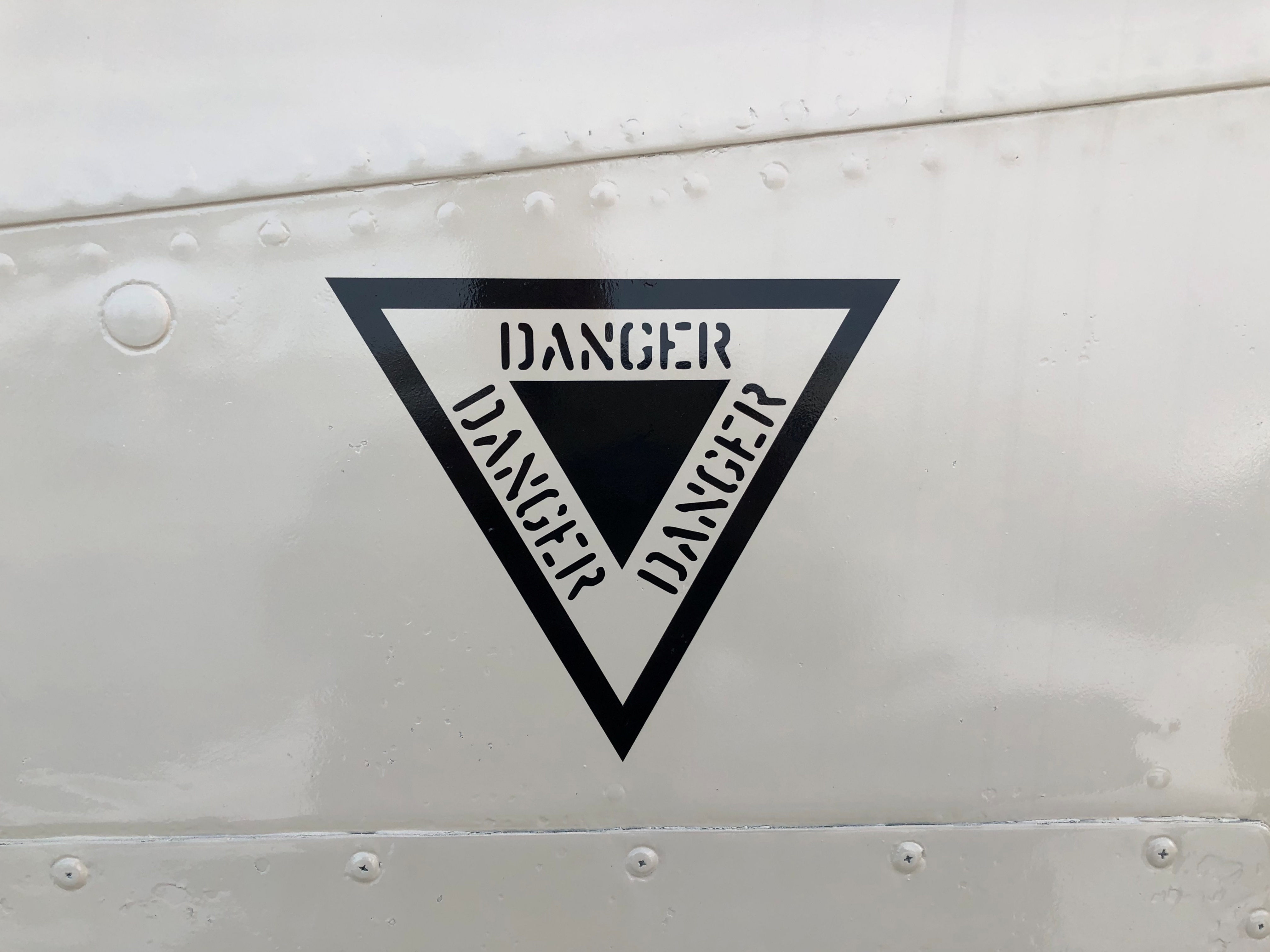
An AH-1 Cobra. There’s a warrior slogan for you, on the nose.USS Lexington USS Lexington USS Lexington

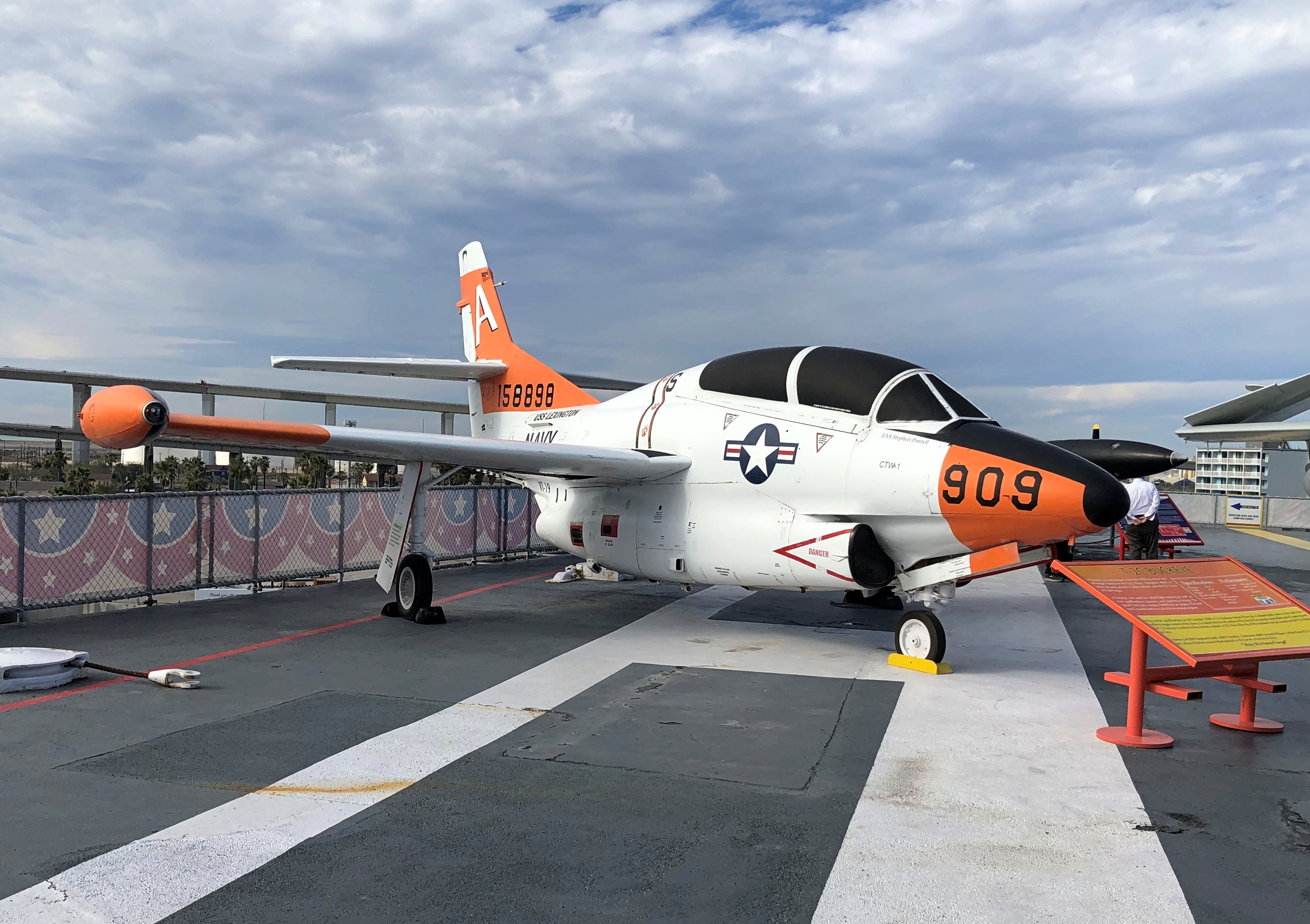
A T-2 Buckeye, developed in the late ’50s as a trainer. The marvel, when it comes to naval aviation, is how anyone learns it without getting killed.USS Lexington

How indeed. The sign mentions an incident on the Lexington in 1989, when a T-2 Buckeye flown by a trainee crashed into the aft section of the island, killing five and injuring others. Among the dead: Airman Lisa L. Mayo, 25, of Oklahoma City, the first woman killed aboard a U.S. carrier in the line of duty. Again RIP, those who died.

More.USS Lexington USS Lexington USS Lexington

Onward to the Bridge.USS Lexington USS Lexington

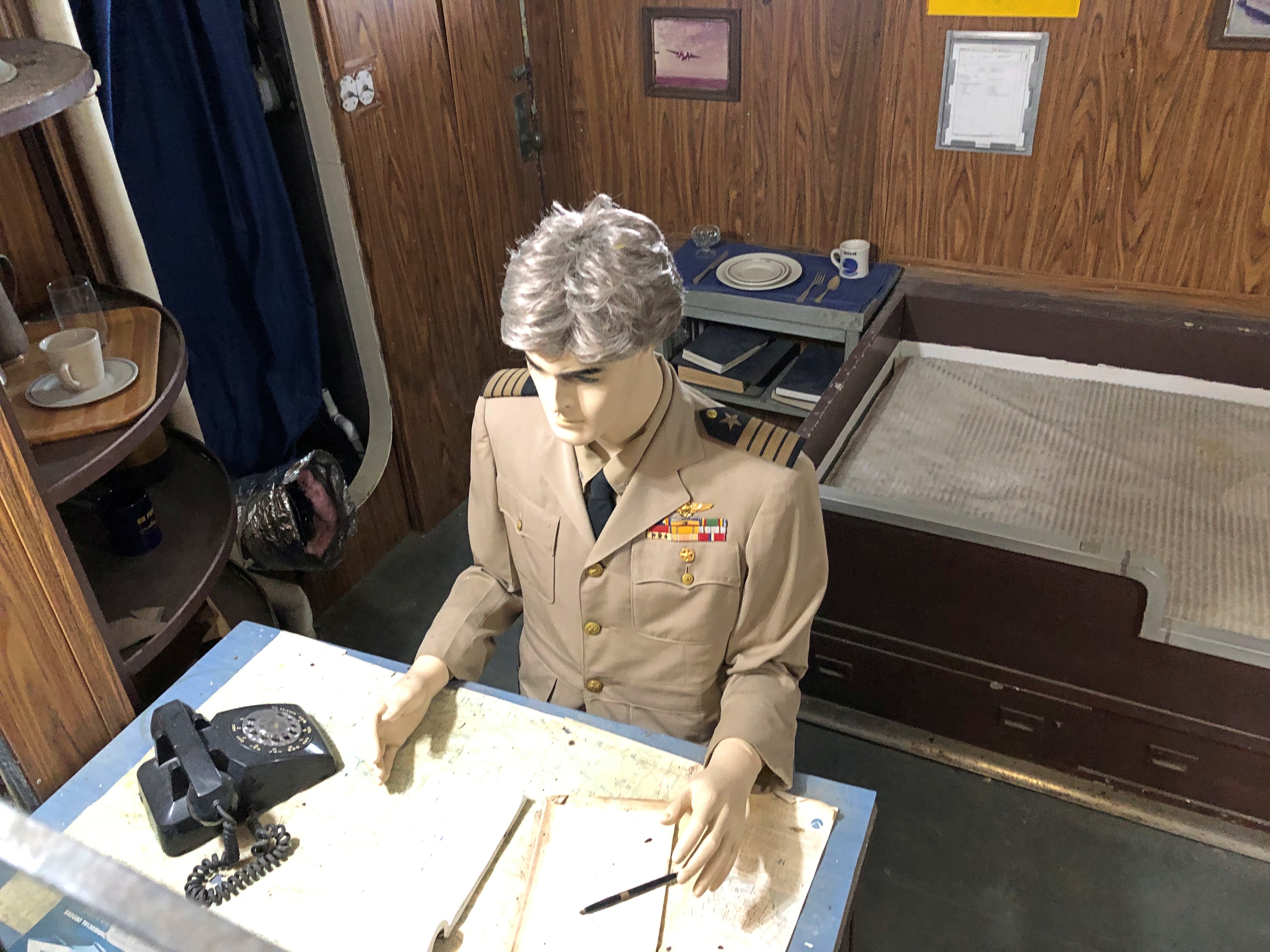
There’s the captain.USS Lexington

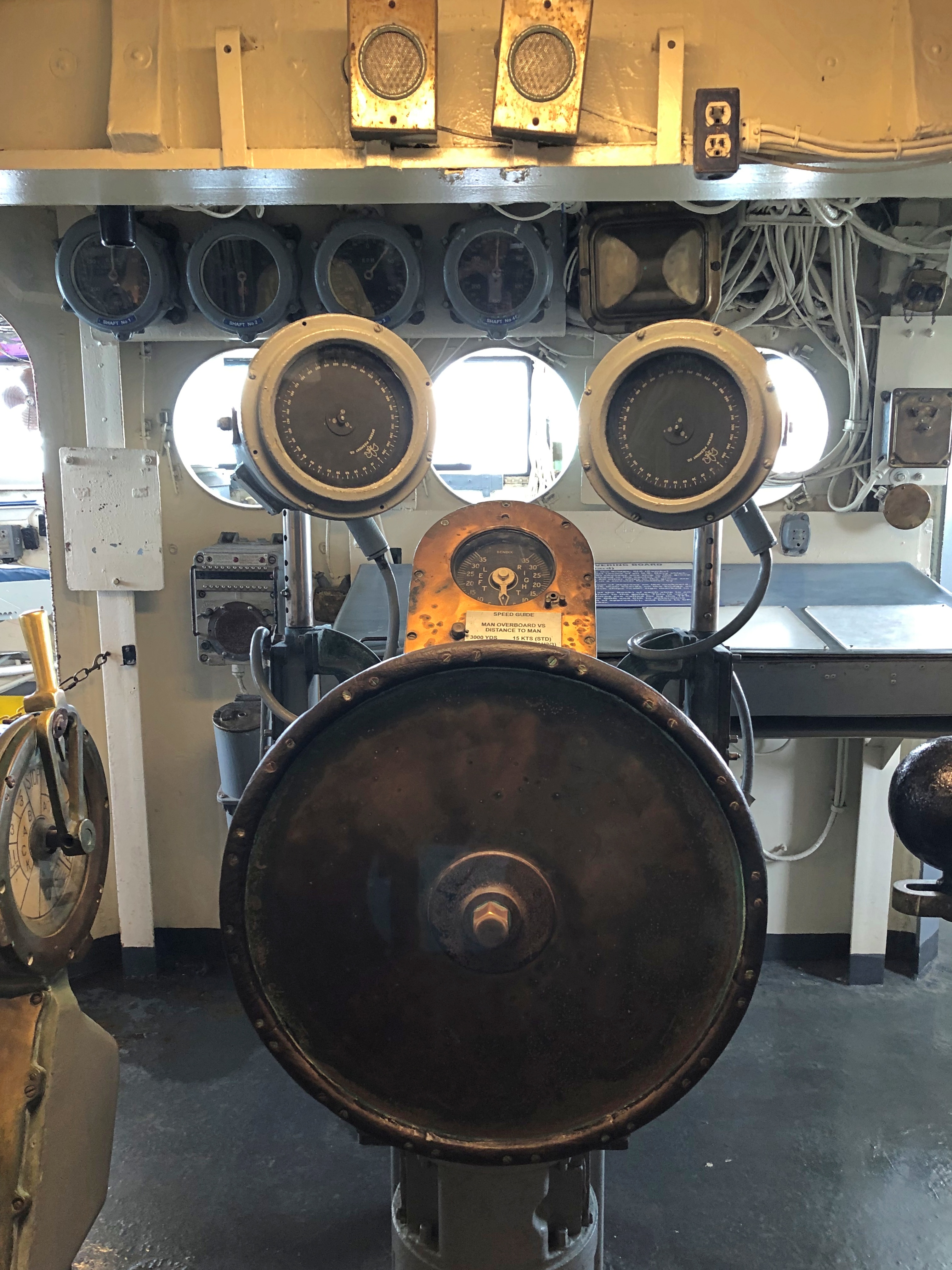
Spare and utilitarian, the Bridge is. Except for that wig.

The National Bobblehead Hall of Fame and Museum

You might say I had a vision recently.

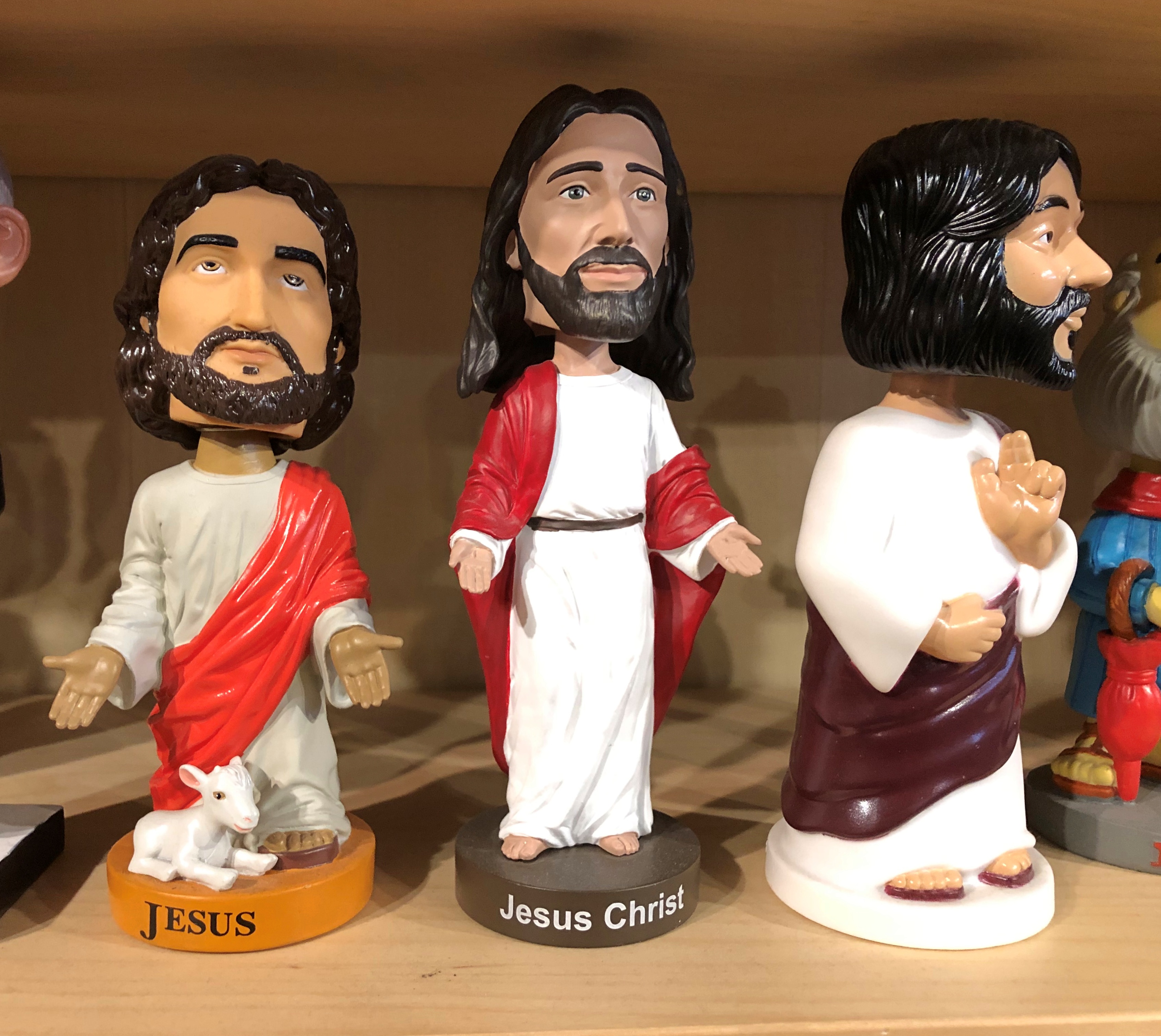
A vision, but no mystic revelations. When I saw the Jesus bobbleheads in Milwaukee on the Friday after Christmas, I thought that a really good lyricist could do a follow up song to “Plastic Jesus,” which would be called “Bobblehead Jesus.” But I am not that person.

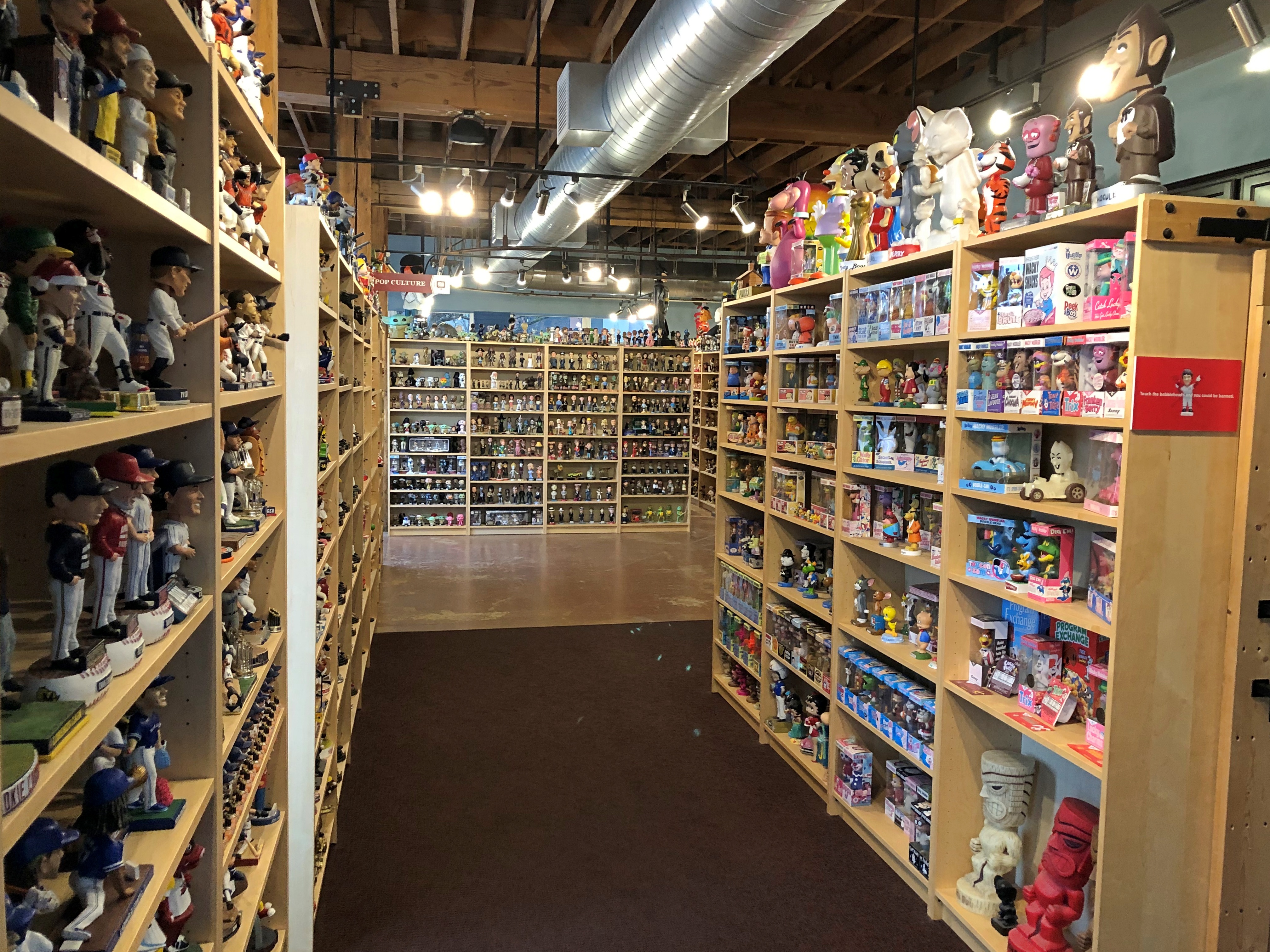
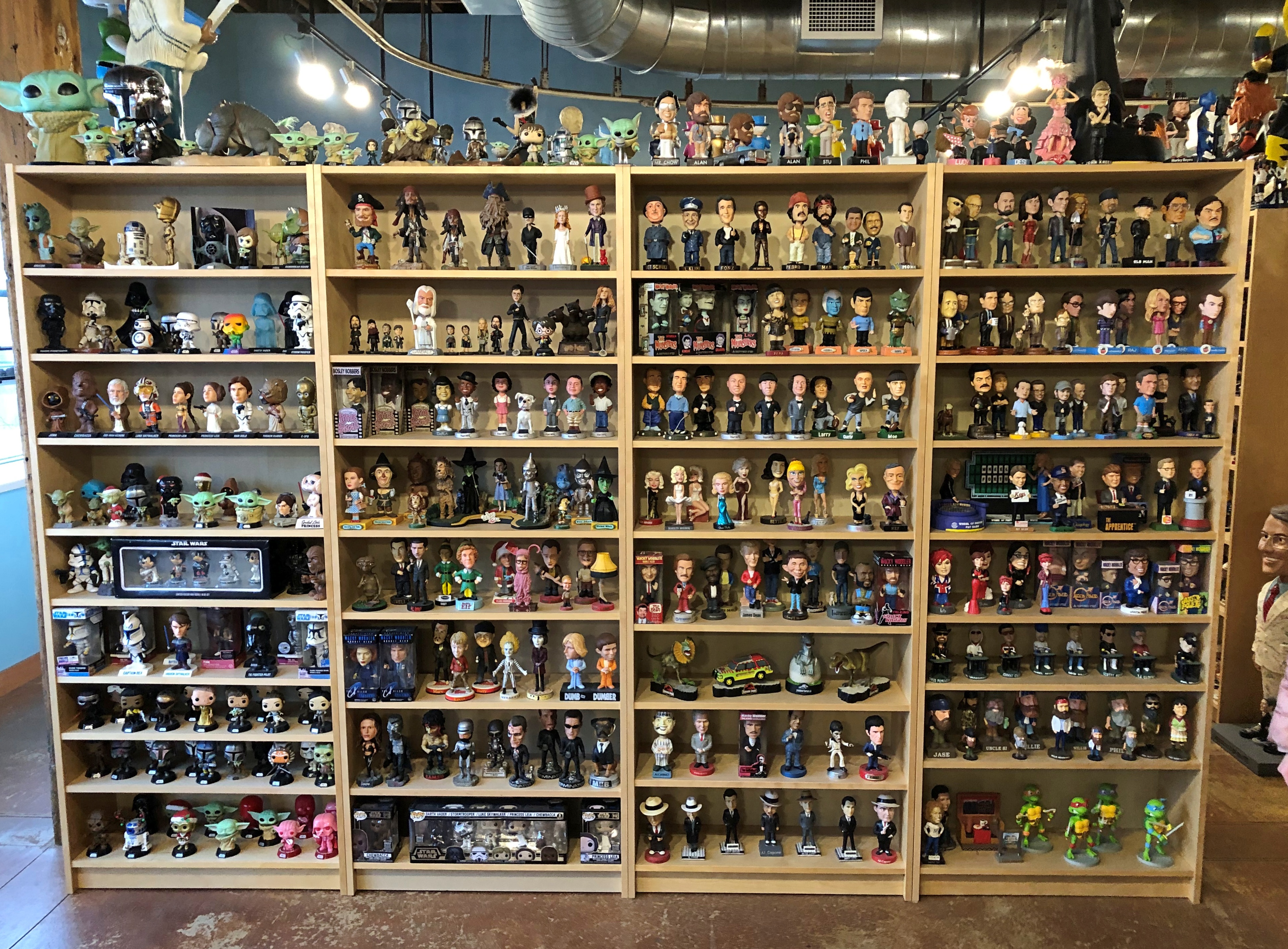
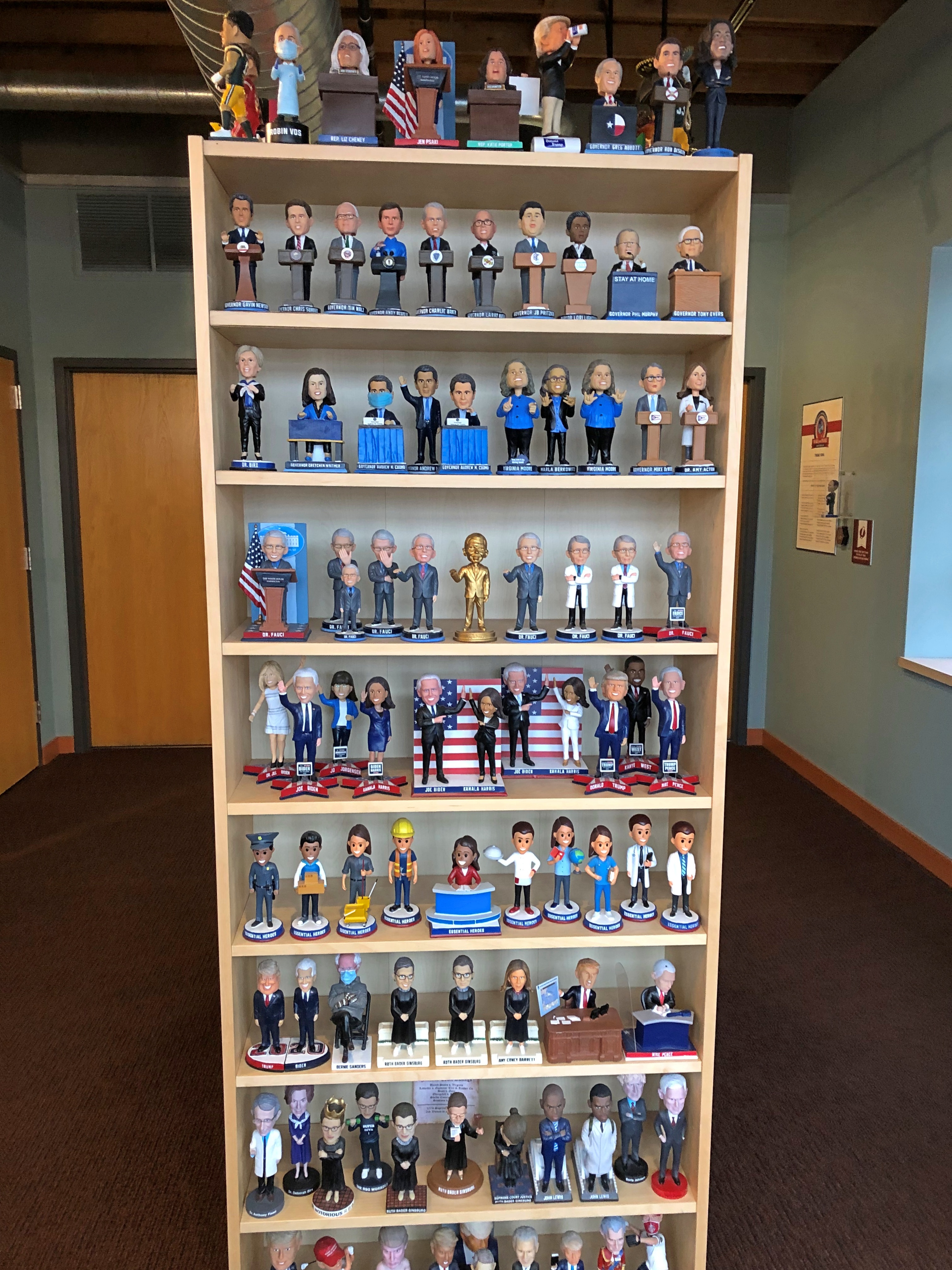
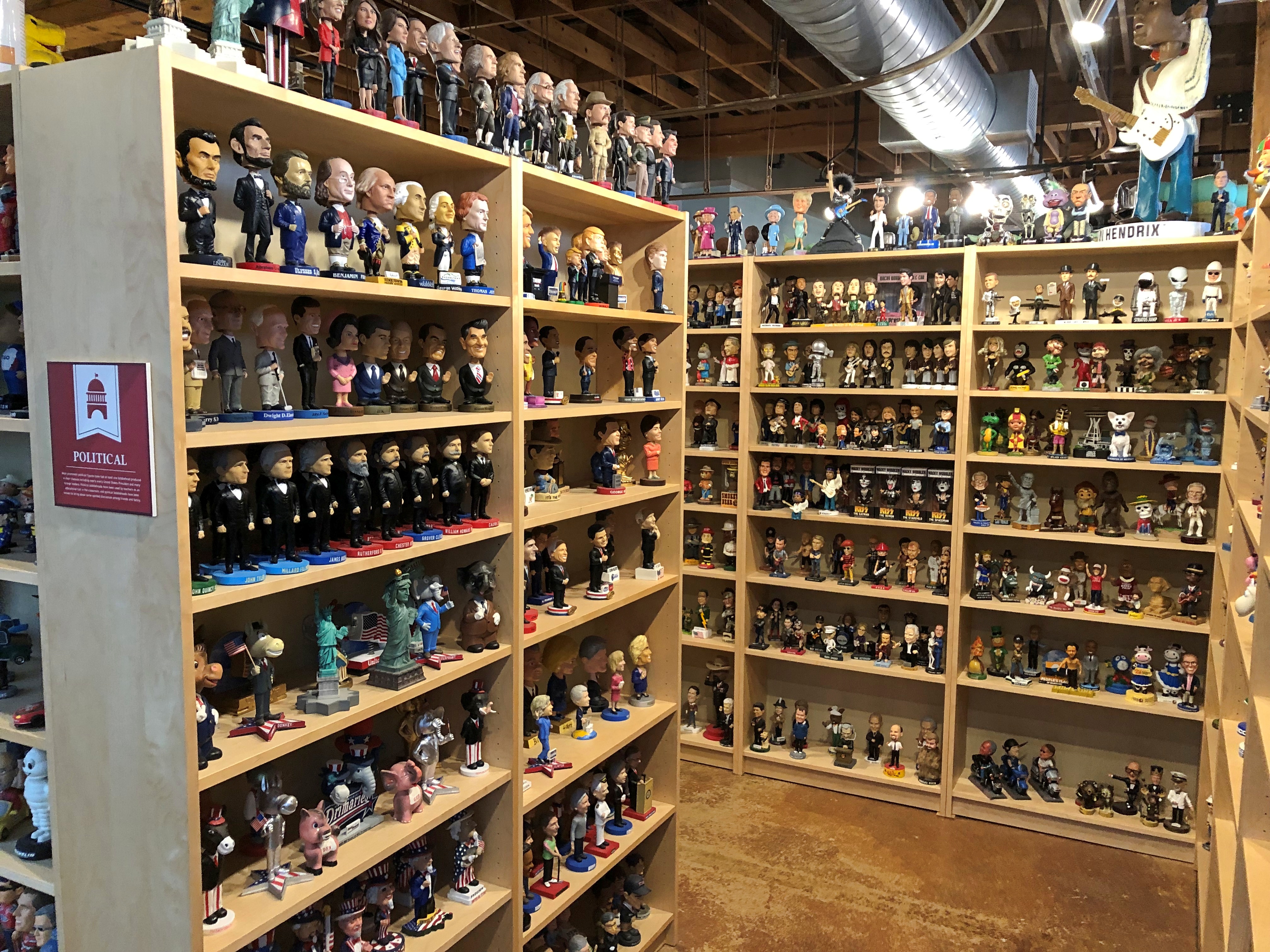
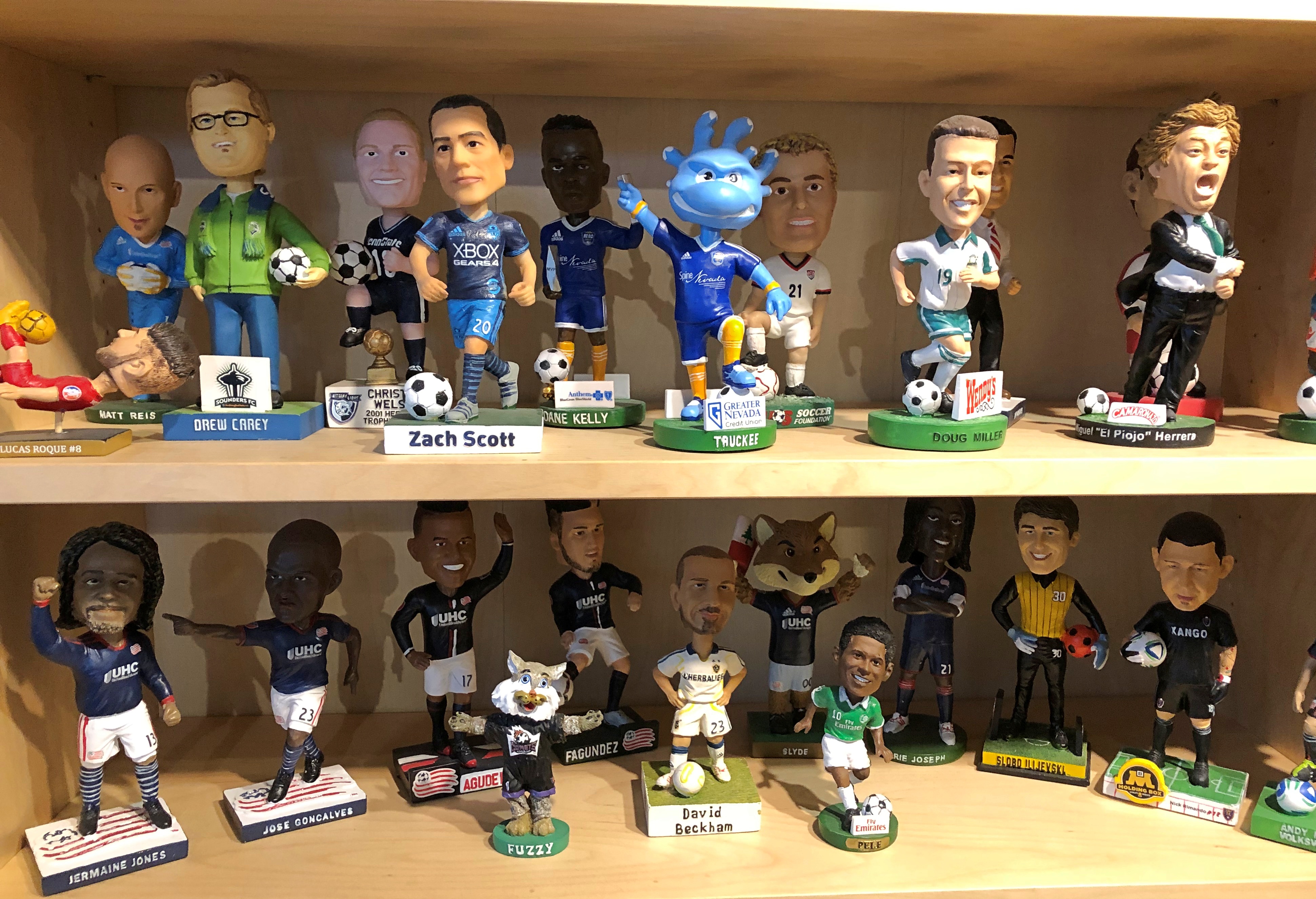
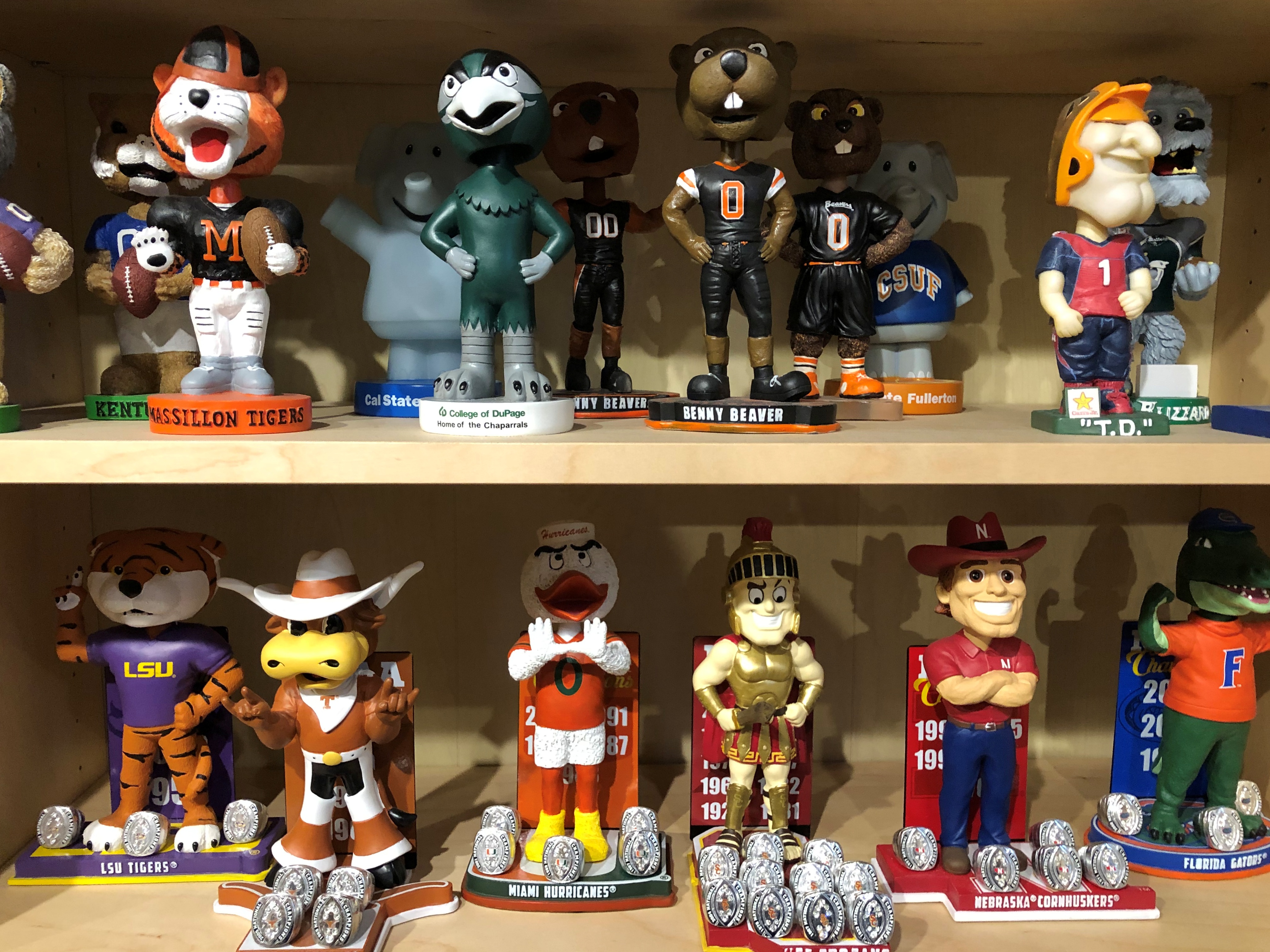
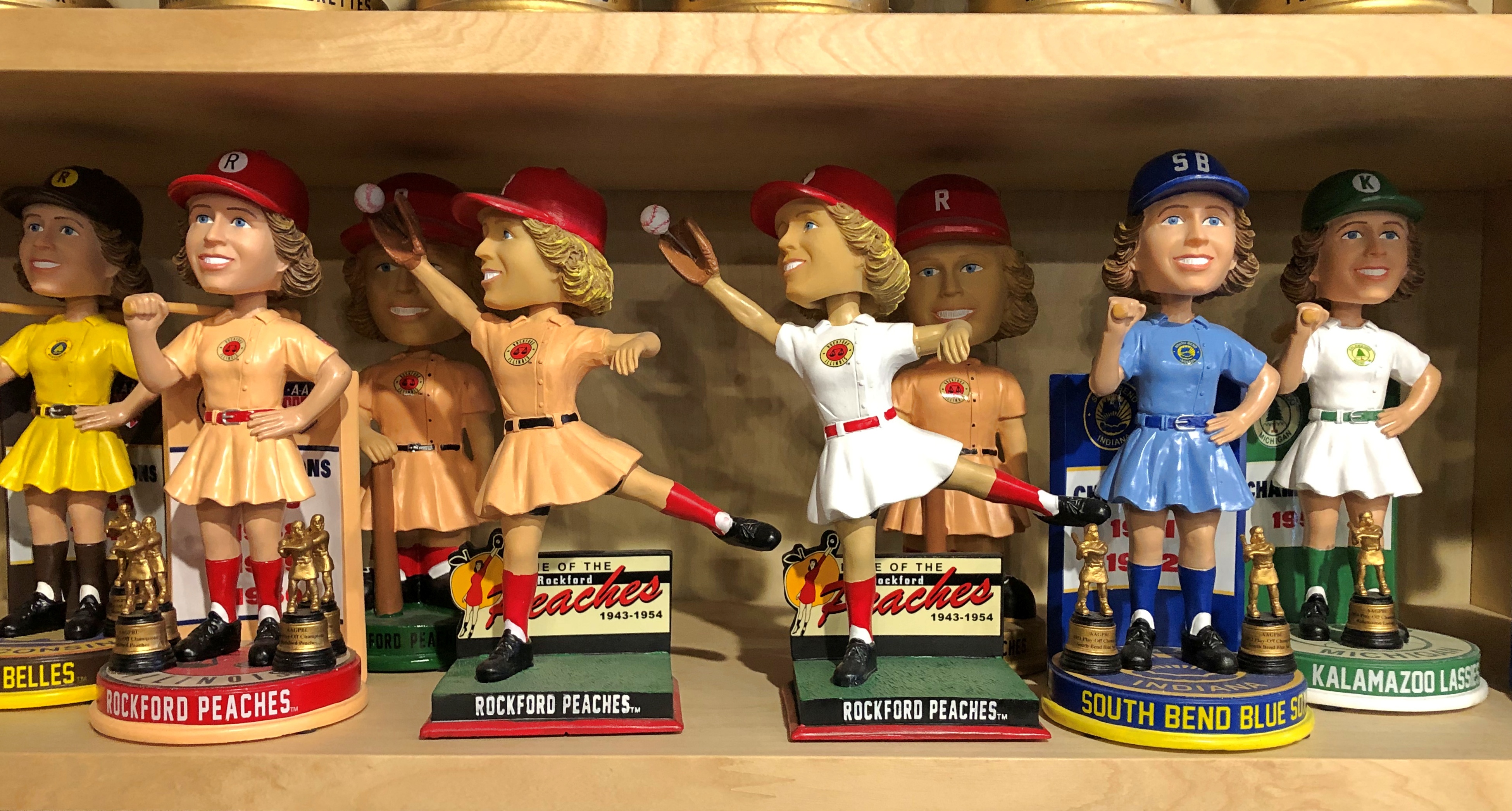
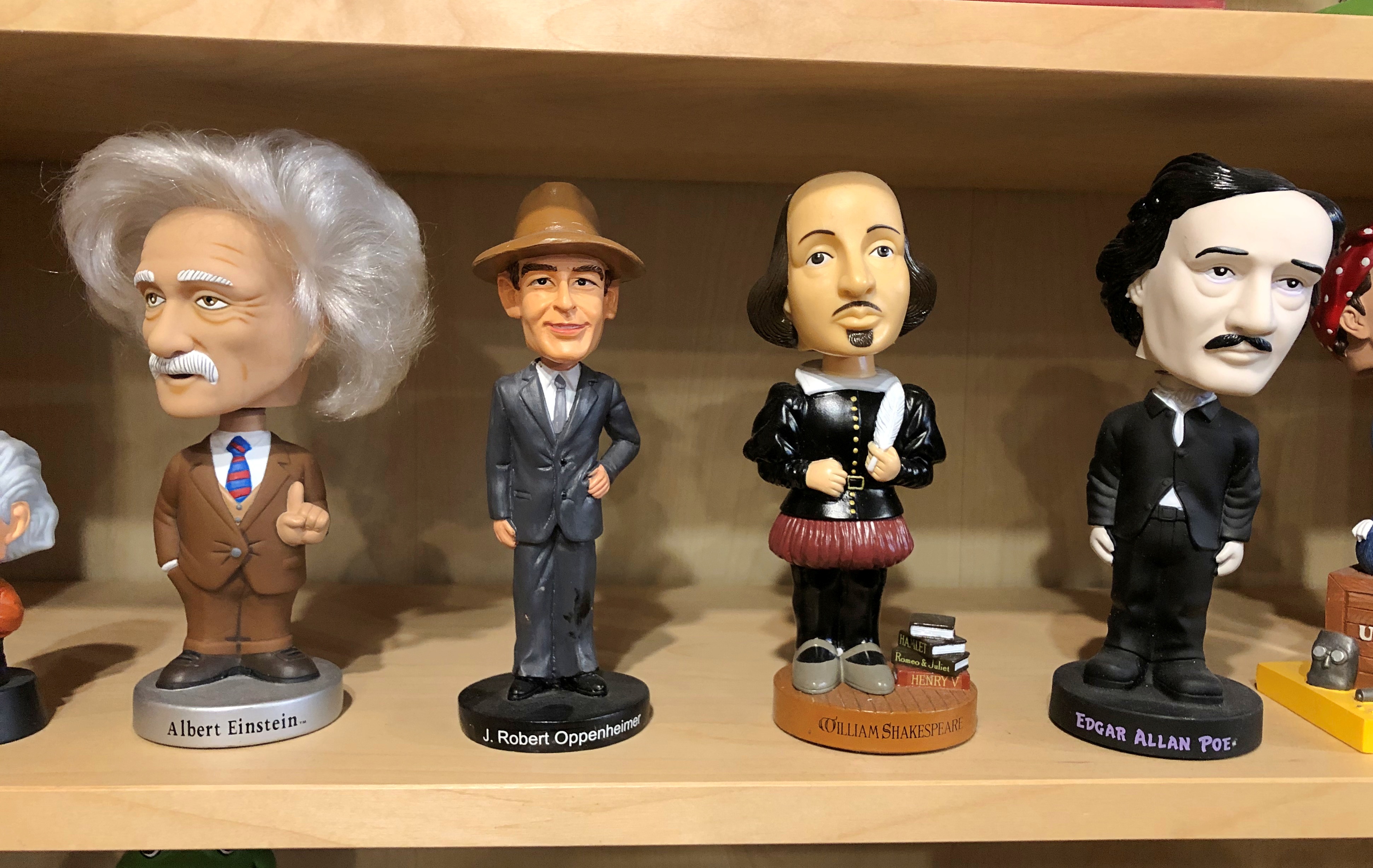
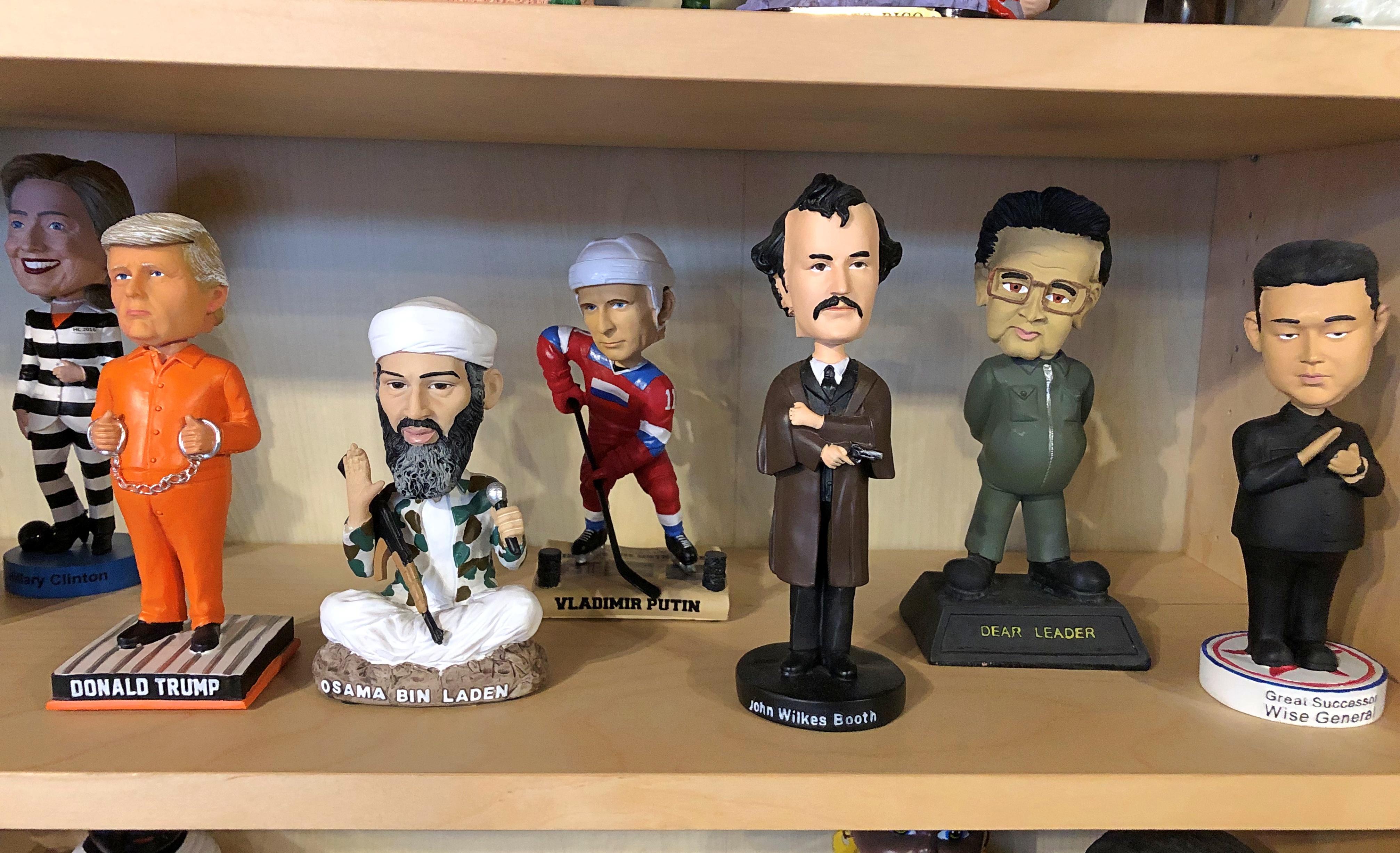
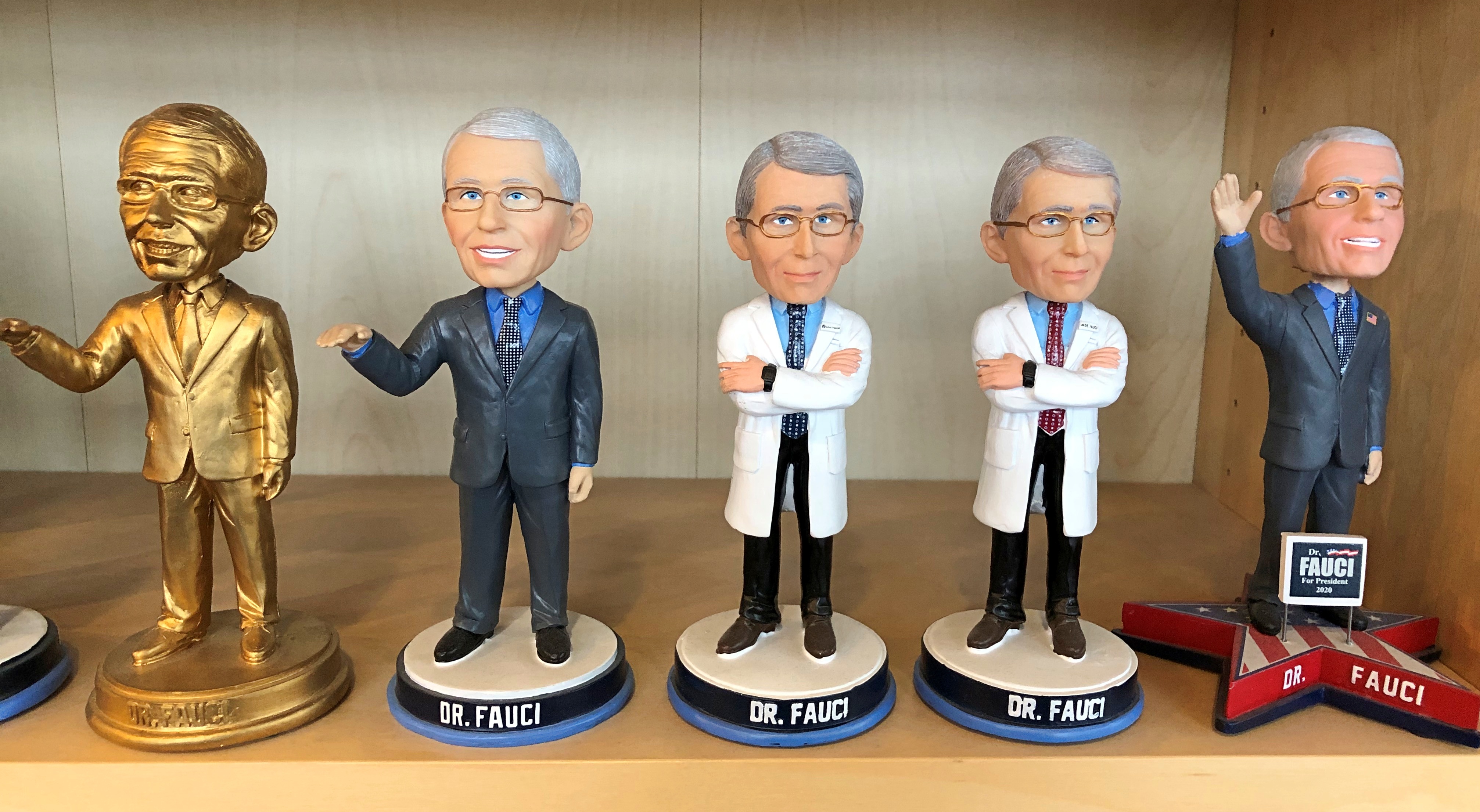
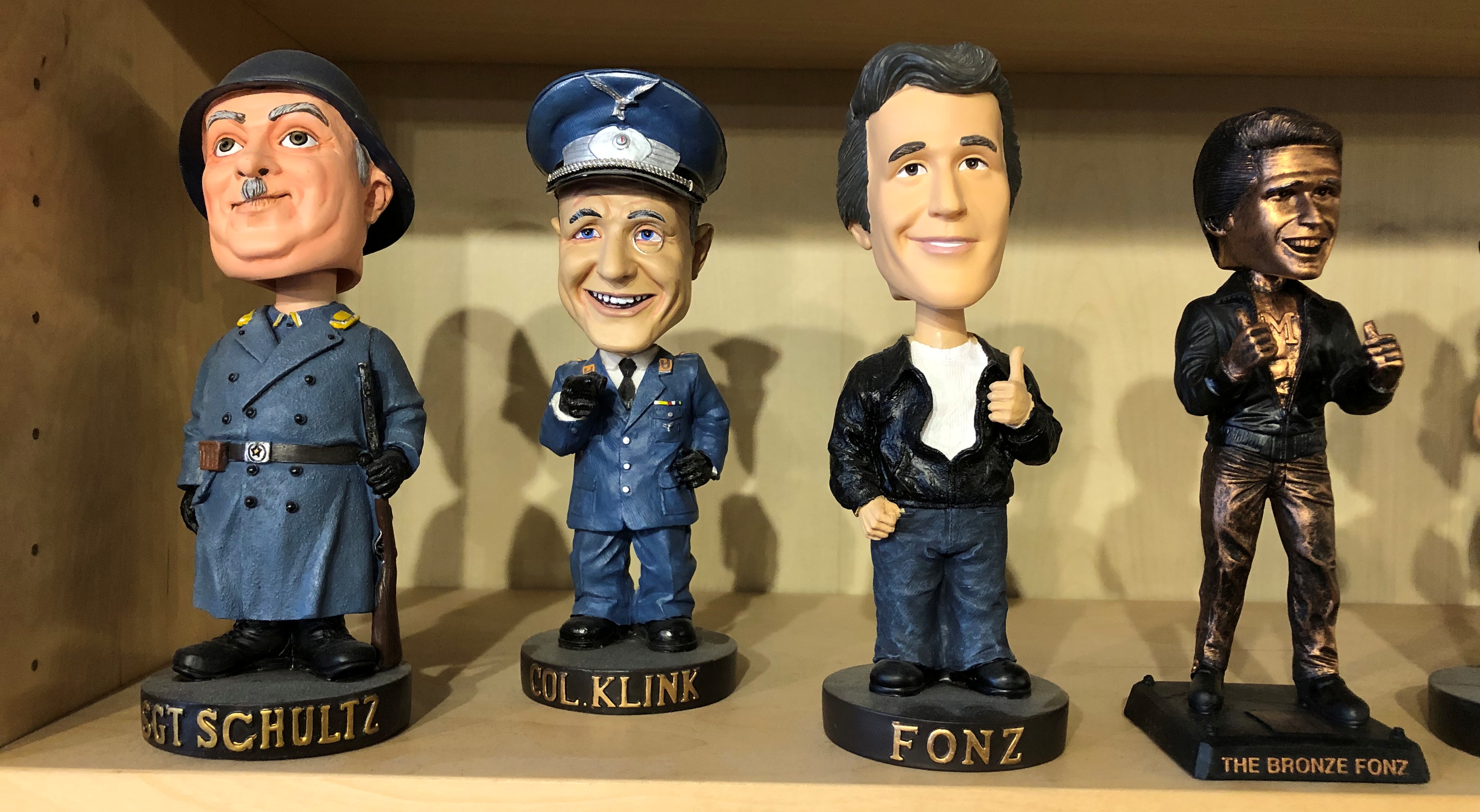
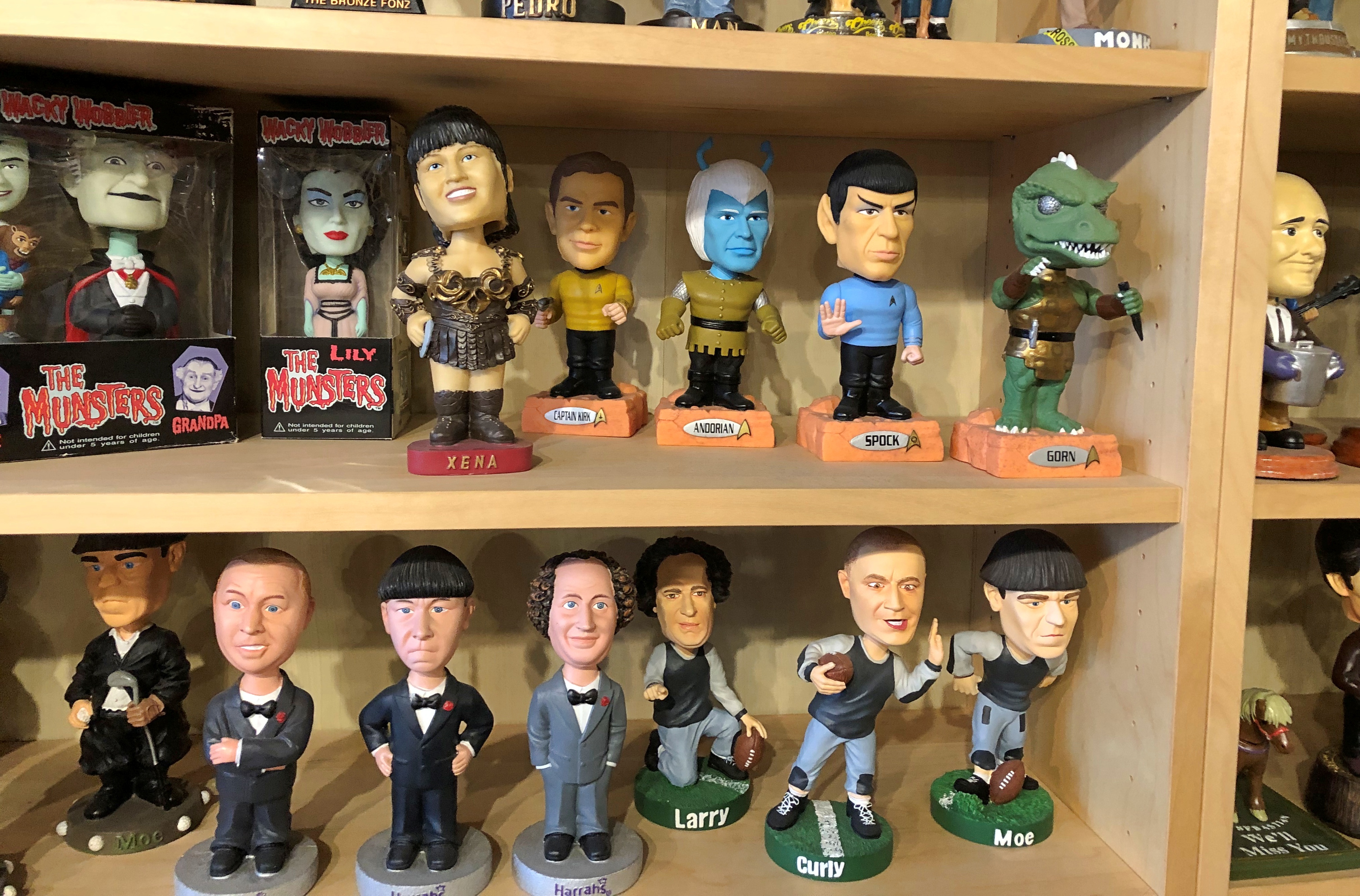
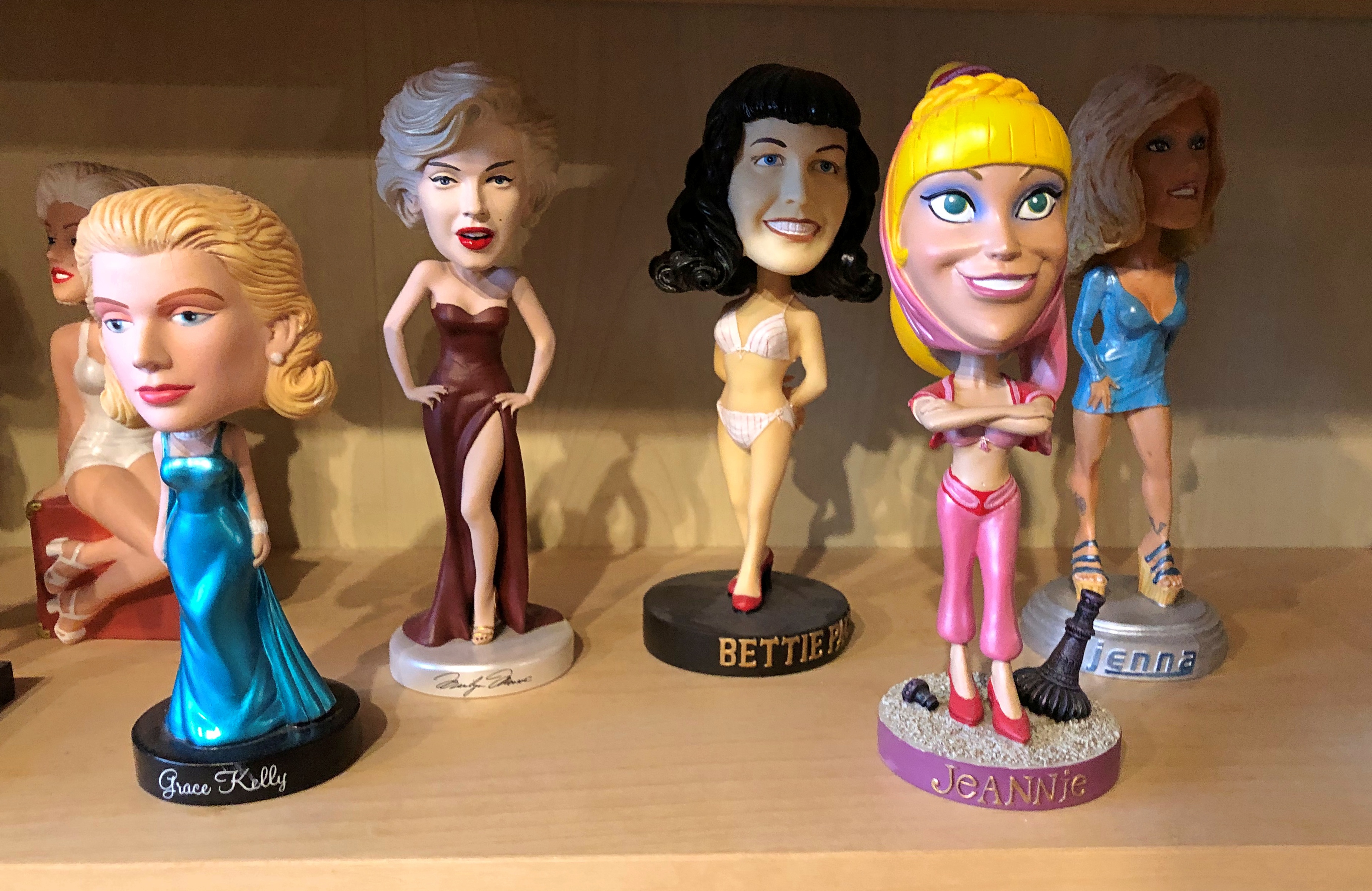
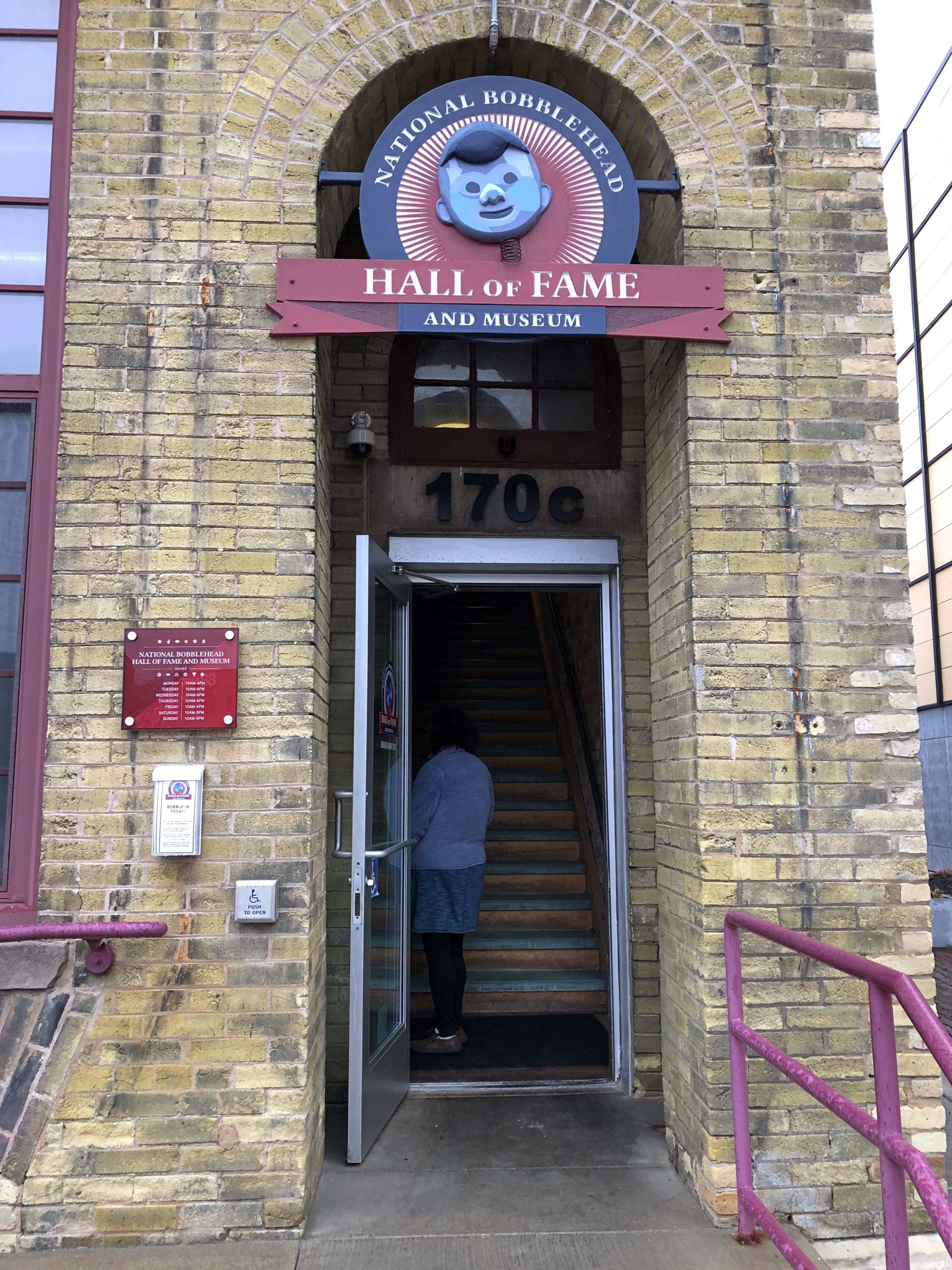
We’d dropped by the National Bobblehead Hall of Fame and Museum, where the bobbleheads crowd shelf after shelf after shelf: some 6,500 on display of the 10,000 figures the museum says it has.National Bobblehead Hall of Fame and Museum National Bobblehead Hall of Fame and Museum National Bobblehead Hall of Fame and Museum National Bobblehead Hall of Fame and Museum

But for Google Maps I might have missed National Bobblehead, which reminded me at once of the American Toby Jug Museum in Evanston. Still, there are some differences. Most of the tobies are behind glass, but not the bobbleheads, and most of the bobbleheads are sports figures, while the tobies have a wider variety of figures.

Like that other museum, National Bobblehead started with a single collection that morphed into something bigger – in this case, a bobblehead business for the two founders, Milwaukeeans Phil Sklar and Brad Novak. It isn’t enough that they collect them, though they still do, but they make them and sell them as well.

The museum asserts that Chinese nodding dolls had a vogue in Europe in the late 18th century, and that afterward various bobbly figures were made worldwide, with references to Germany and Russia and other places. These days sports figures dominate. Maybe three-quarters of the bobbleheads on display are sports figures, including both players and mascots.National Bobblehead Hall of Fame and Museum National Bobblehead Hall of Fame and Museum
National Bobblehead Hall of Fame and Museum

Their popularity in the sports world has been growing since their introduction in the early 1960s in baseball. The first player-specific bobbleheads formed quite a lineup: Roberto Clemente, Mickey Mantle, Roger Maris and Willie Mays.

Most of the others are entertainers and political or historic figures, as you’d expect.National Bobblehead Hall of Fame and Museum National Bobblehead Hall of Fame and Museum

More of him than I’d expect.National Bobblehead Hall of Fame and Museum

Can you really be a famous entertainer if you don’t have a bobblehead? National Bobblehead Hall of Fame and Museum National Bobblehead Hall of Fame and Museum National Bobblehead Hall of Fame and Museum

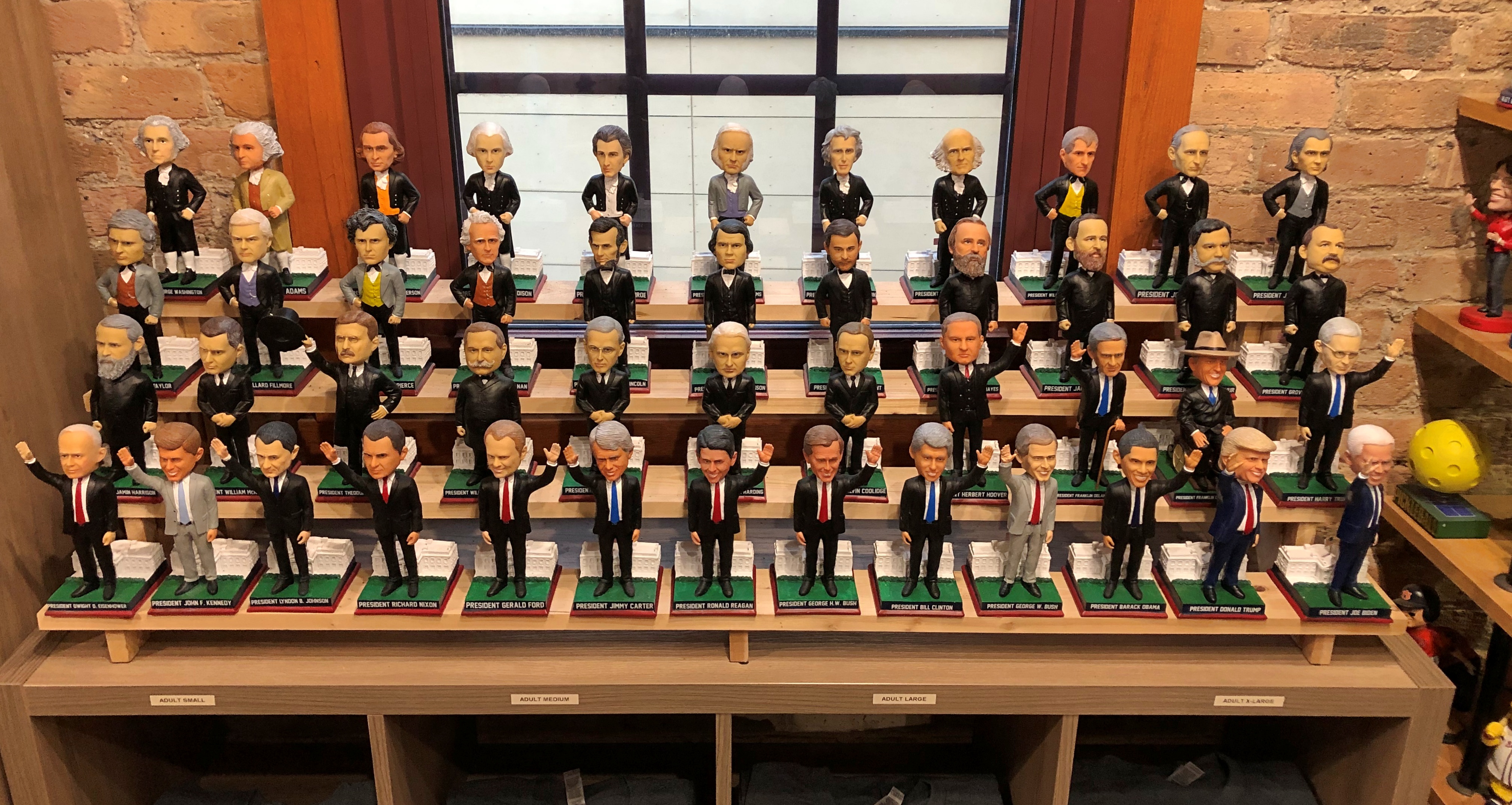
Near the gift shop – which sells bobbleheads, naturally – is a more than complete collection of U.S. presidents, in order, back-to-front, left-to-right, Washington to Biden.National Bobblehead Hall of Fame and Museum

More than complete because FDR is represented twice, once standing (with a cane) and the other in a wheelchair. Grover Cleveland is represented only once, however. Curiously, beginning with Herbert Hoover, all of the figures have their hands raised, as one does to a crowd. Before him, only TR does so, and he’s holding a top hat.

One more note: the museum occupies part of the second floor of one of the redeveloped Kramer International Foundry buildings in the Walker’s Point neighborhood of Milwaukee. That early 2000s project was an early one in the transformation of the neighborhood from industrial to retail and residential.

Milwaukee continues to surprise.

The National Puerto Rican Museum

Jimmy Carter had a hard time as president, but the underappreciated 1970s wouldn’t have been the same without him. RIP, President Carter.

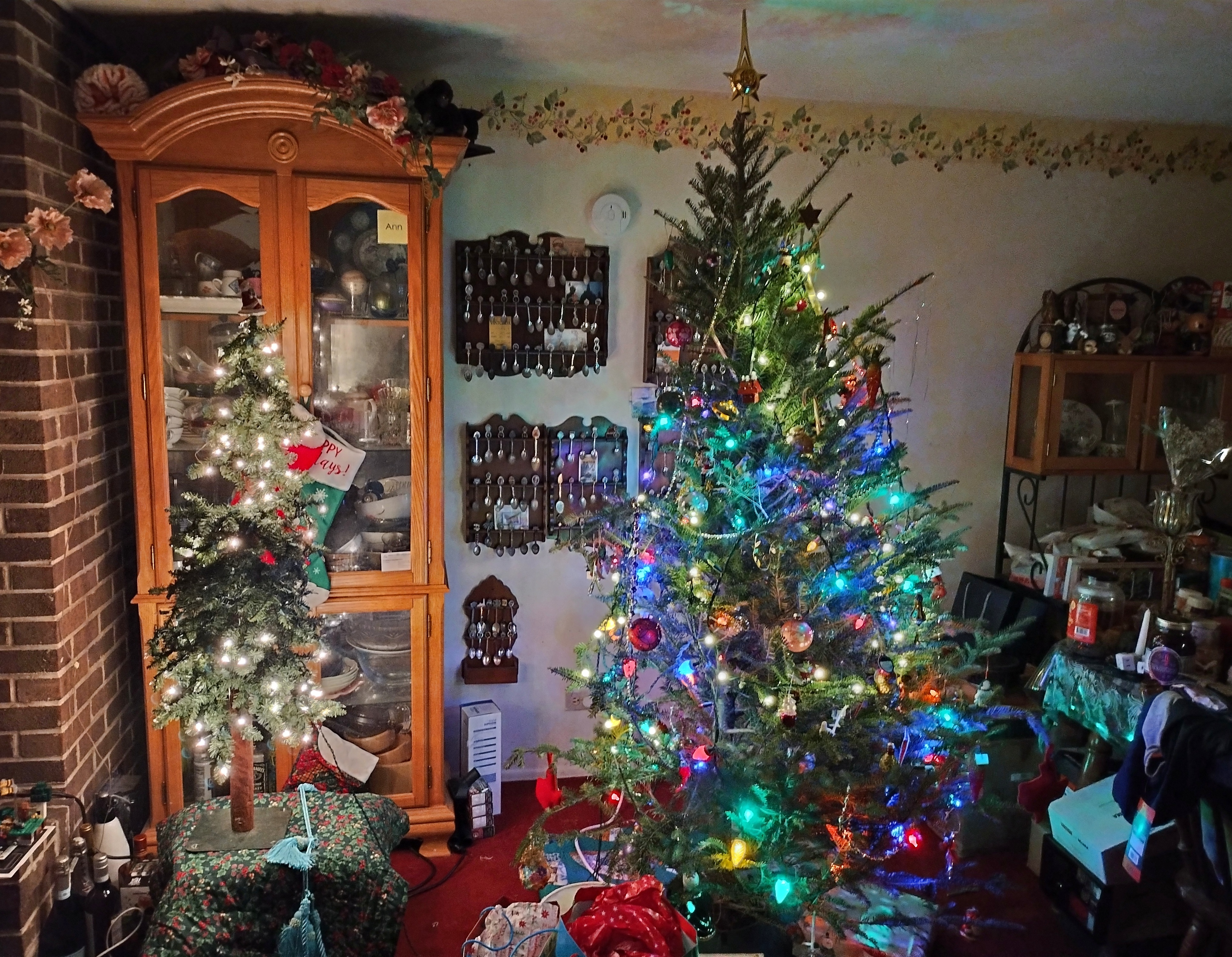
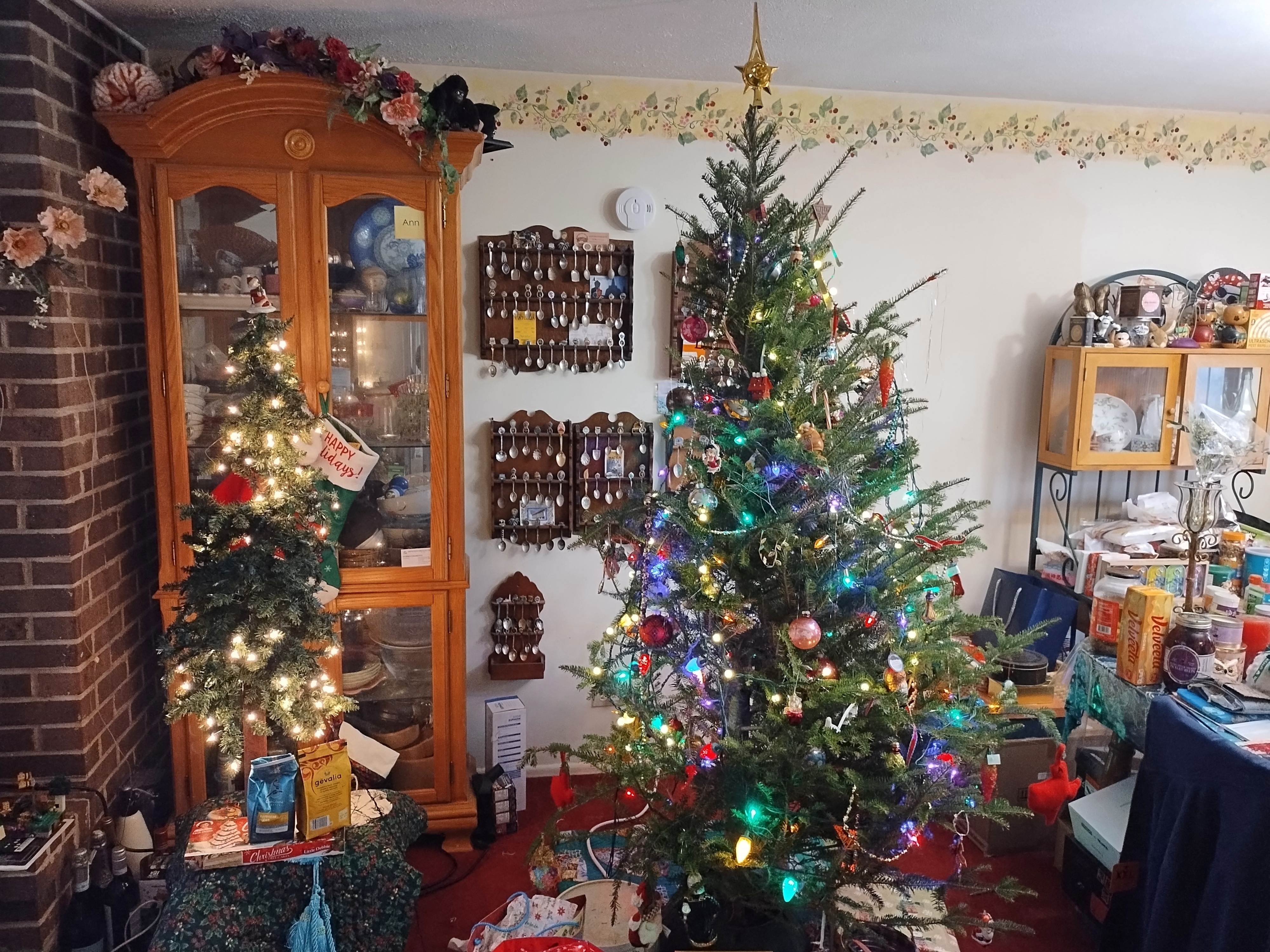
Decorating was a slow process this year, but we finished by Christmas Eve.Xmas Tree Xmas Tree

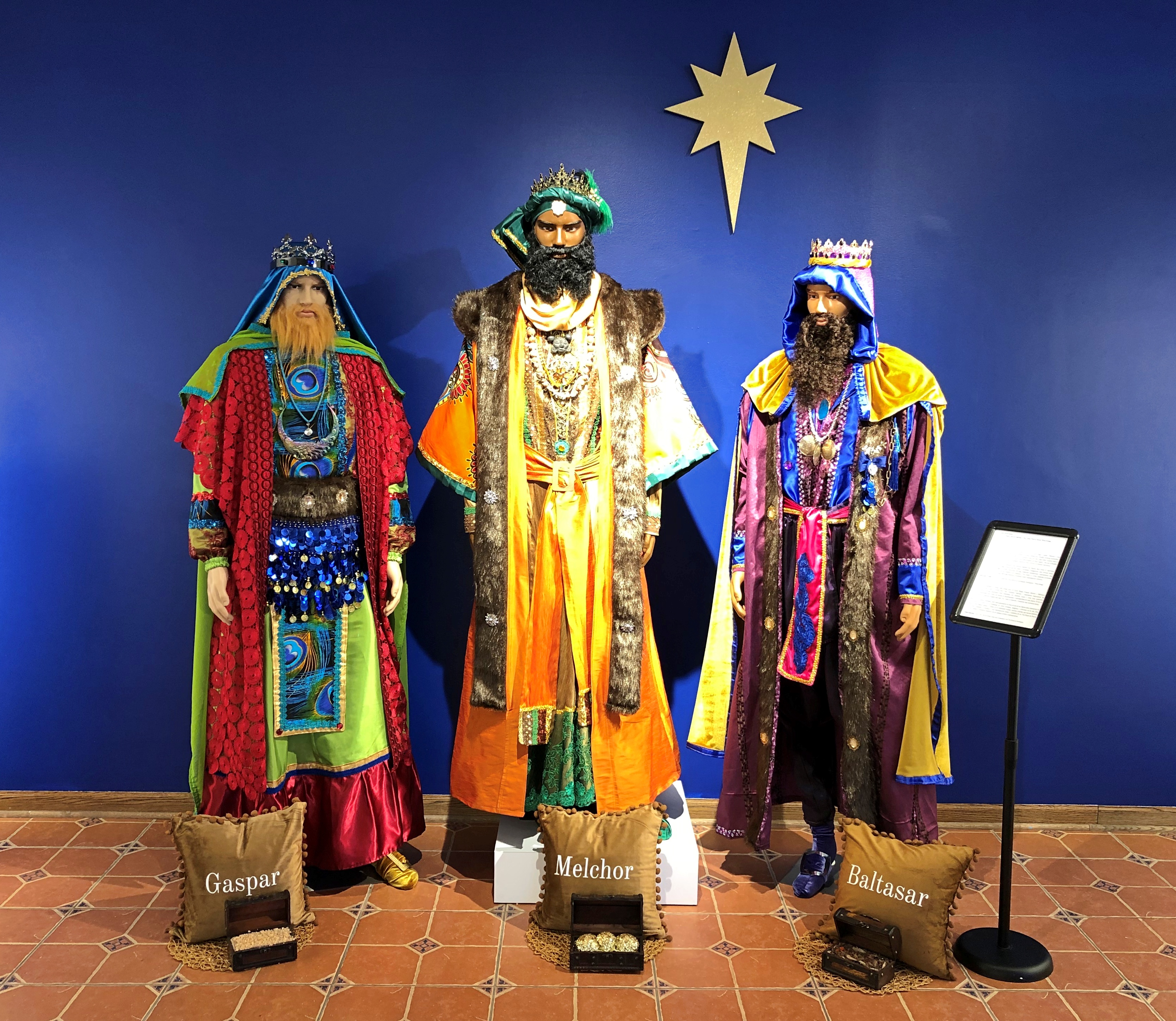
On the Saturday before Christmas, I had an appointment in Chicago with three Wise Men. Better than an appointment in Samarra with three Wise Guys, certainly.National Puerto Rican Museum

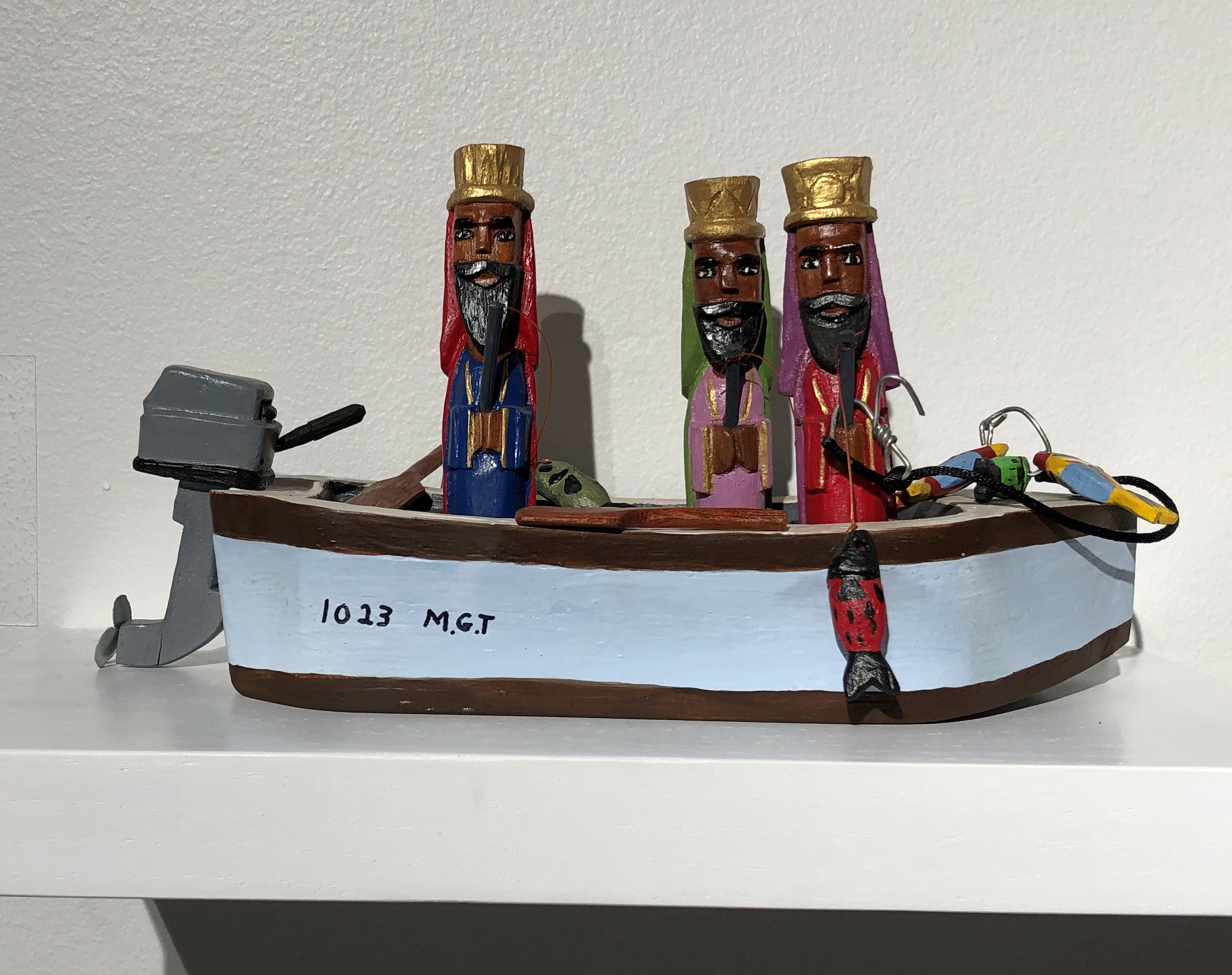
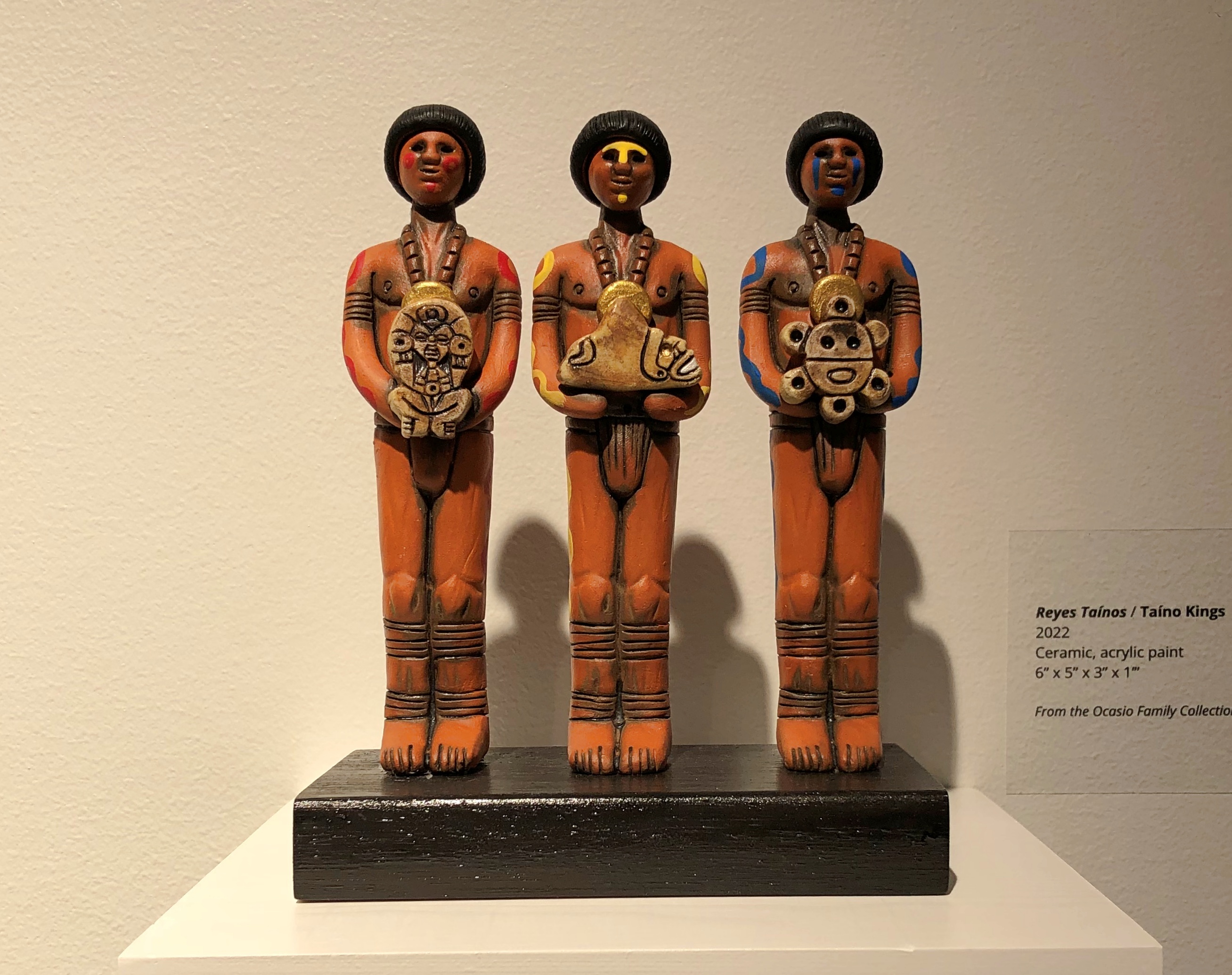
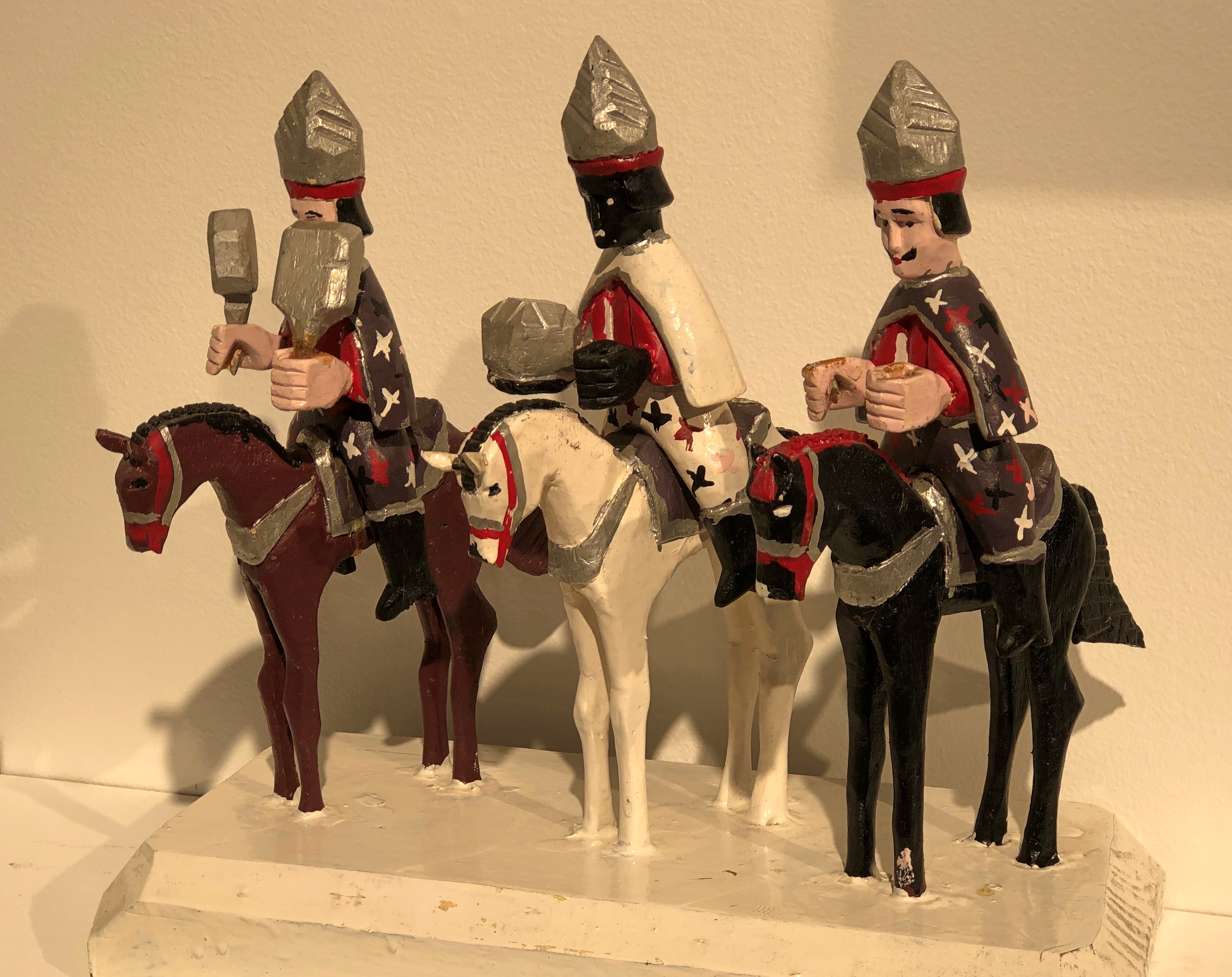
Gaspar, Melchor and Baltasar. Human-sized figures. Not smoking on a rubber cigar that I could see. They stood in a gallery at the National Puerto Rican Museum, which is formally the National Museum of Puerto Rican Arts & Culture, and which I was able to visit late in the morning. The Wise Men were part of the exhibit Los Reyes Magos Puertorriqueños (Three Wise Kings of Puerto Rico). Artists from the island took their hand at depicting the Wise Men-Kings, including the costumes above, which were created by Reynaldo Rodriguez only this year.

Other interpretations include Tres Reyes Magos Pescando, Three Wise Kings Fishing (2010).National Puerto Rican Museum

Reyes Taínos, Taino Kings (2022).National Puerto Rican Museum

No title (early 20th century), by Rafael “Fito” Hernandez.National Puerto Rican Museum

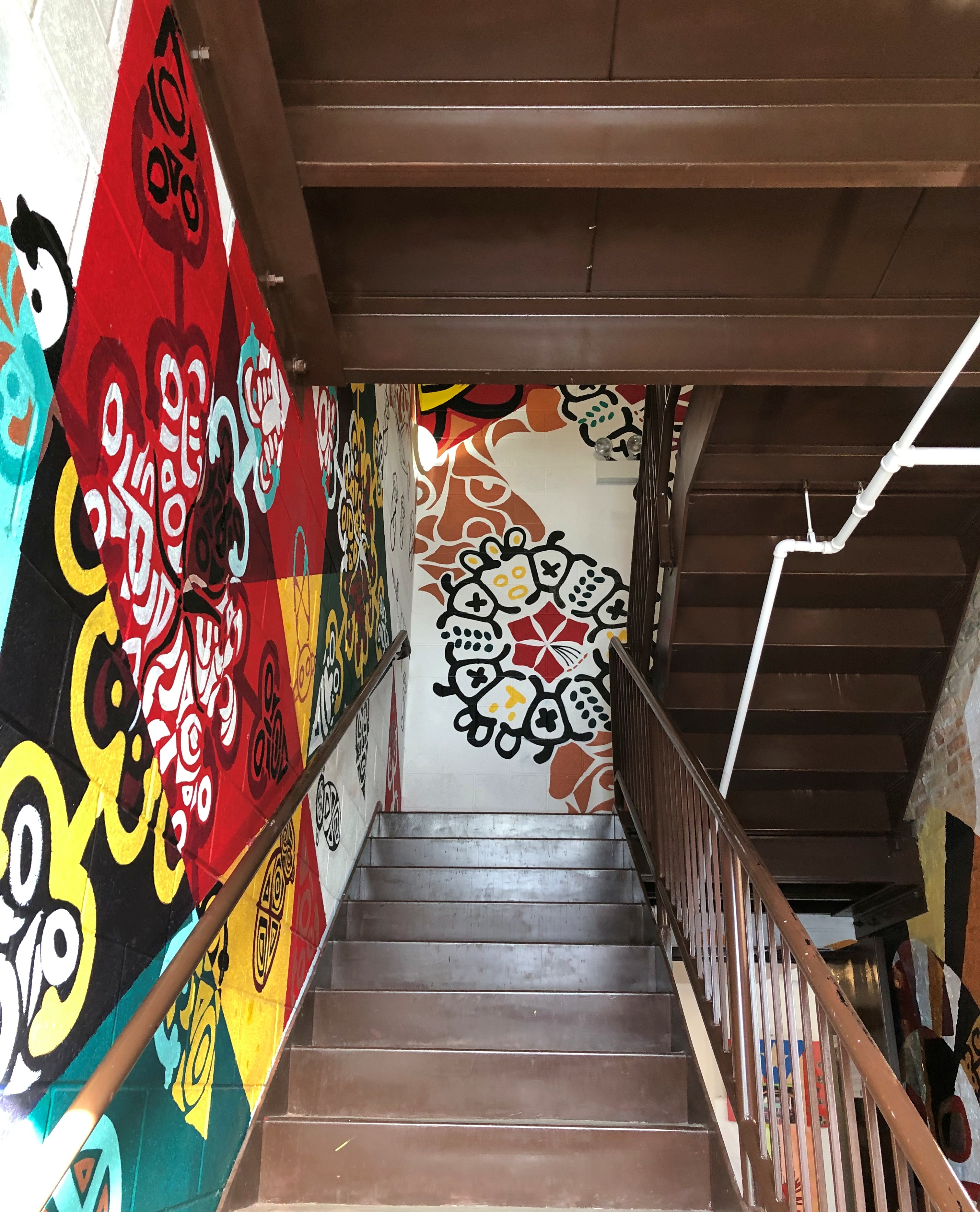
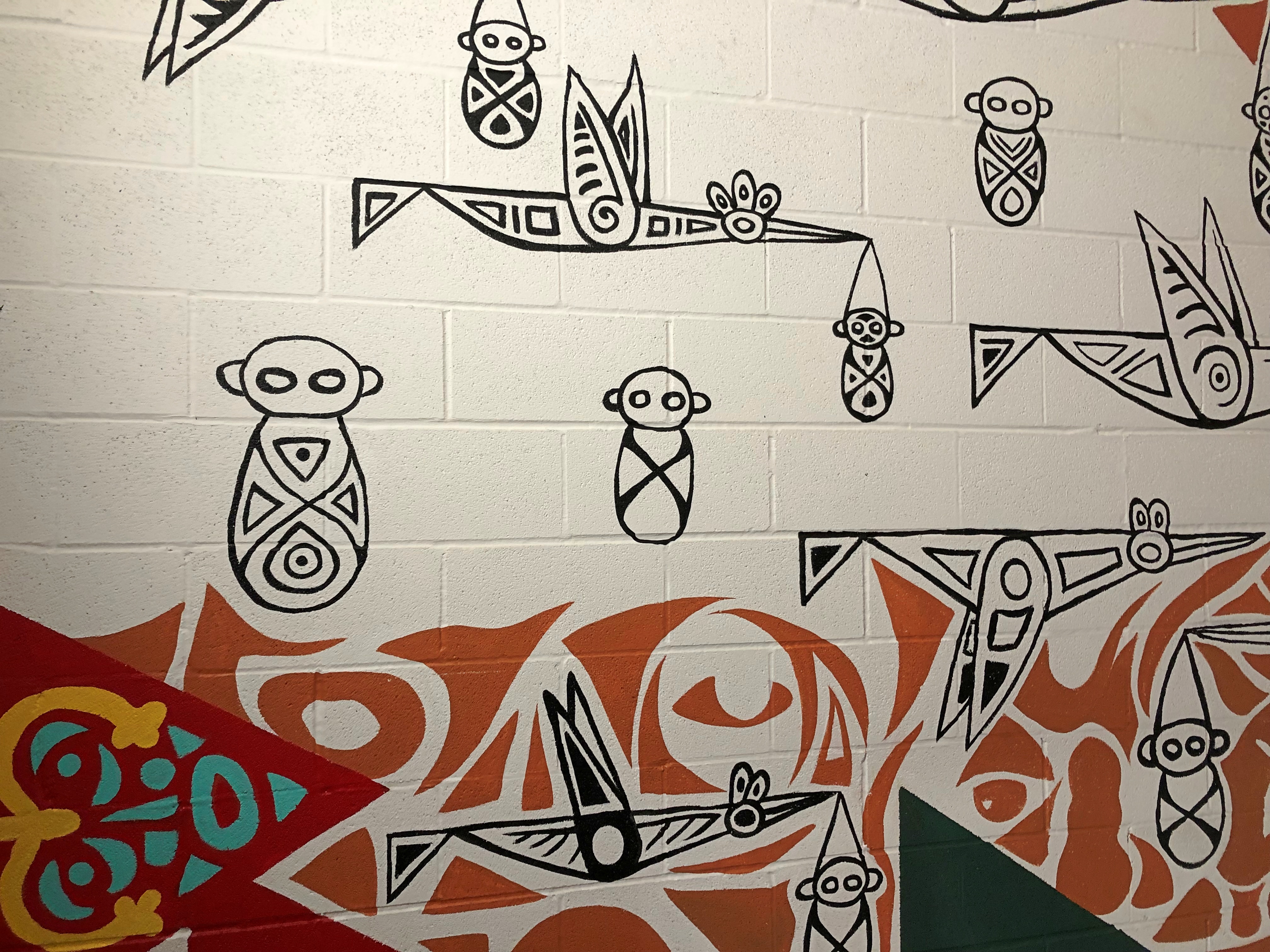
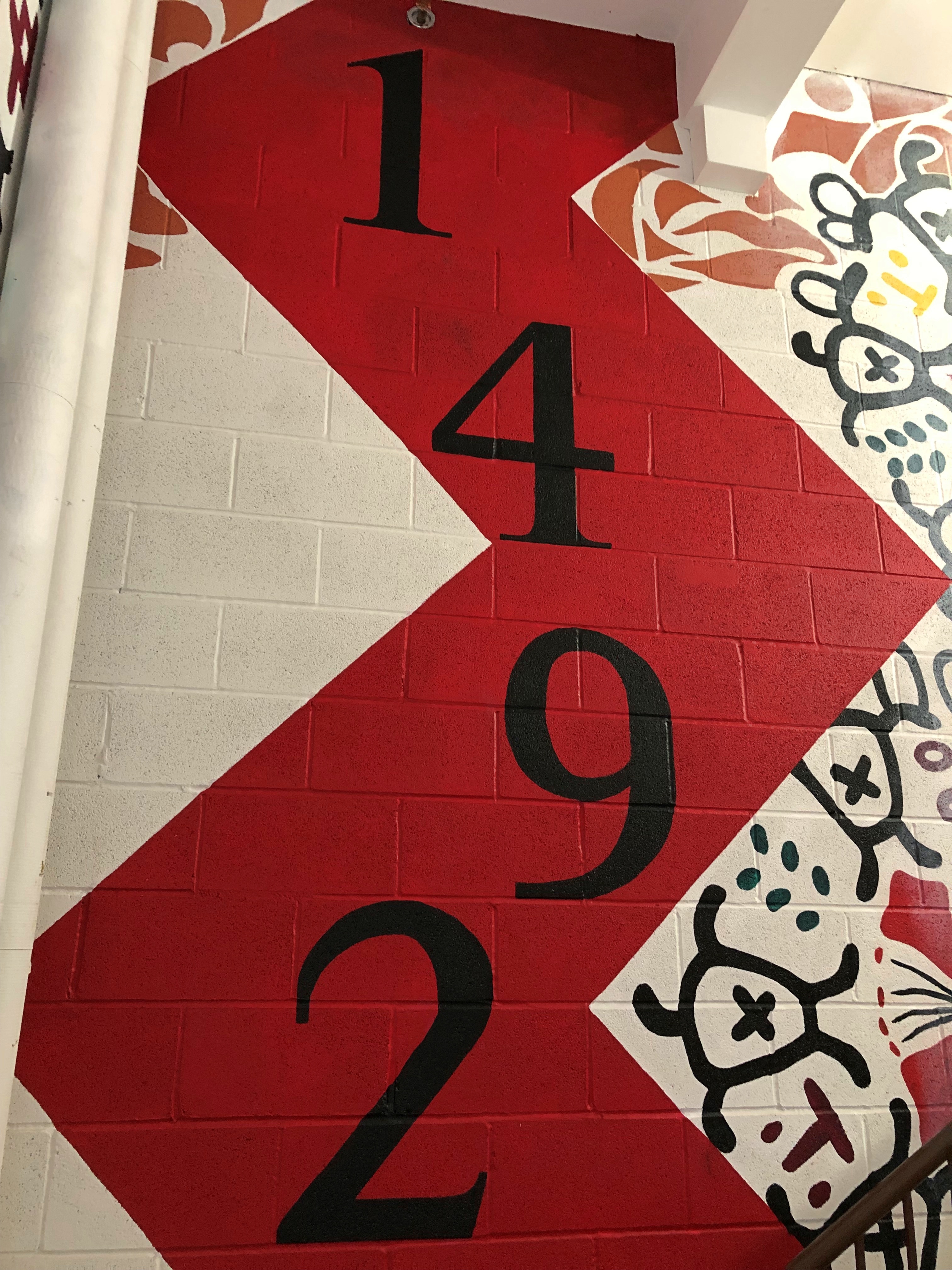
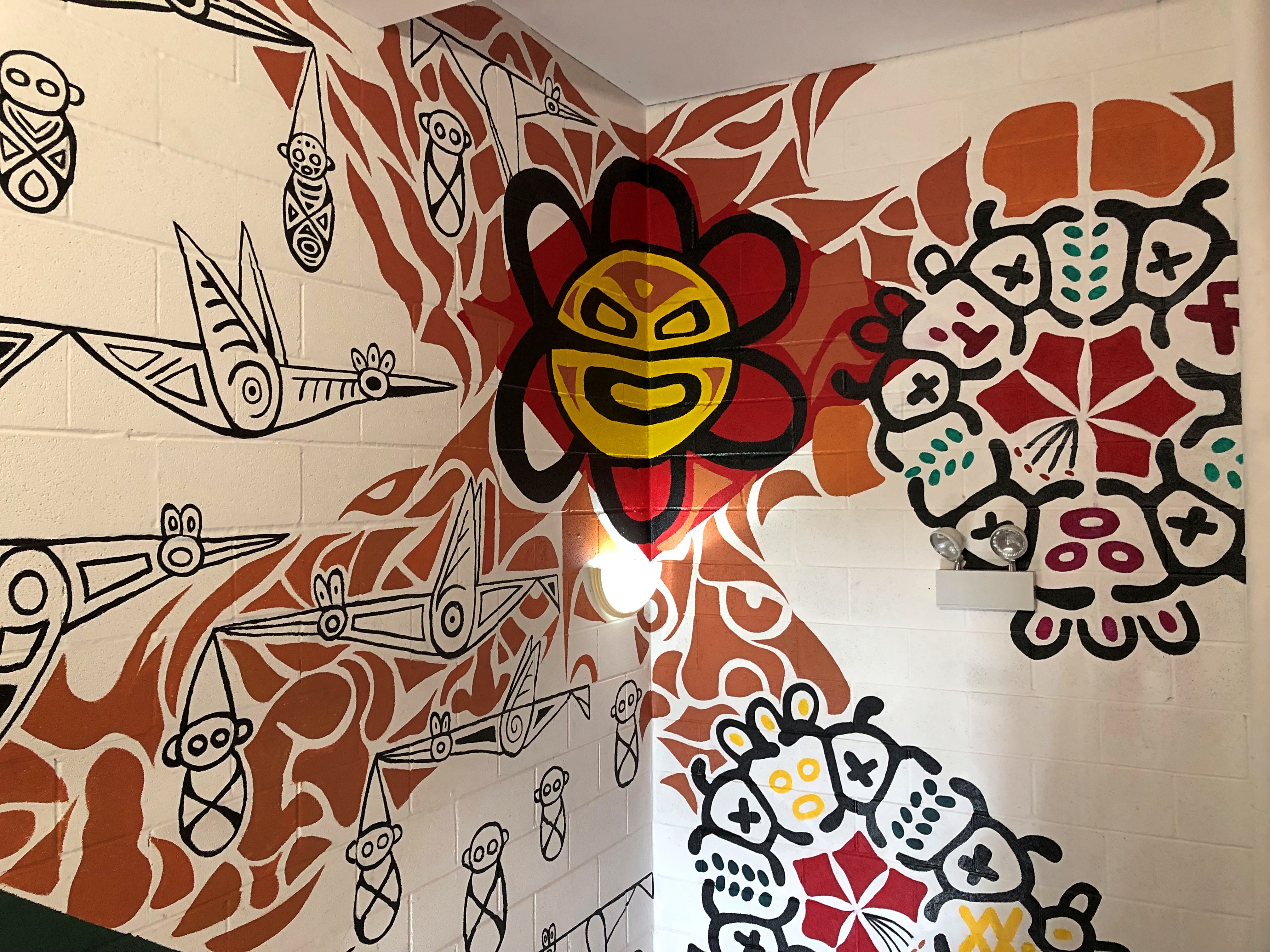
A more permanent feature of the museum is the stairway mural by Cristian J. Roldán Aponte. National Puerto Rican Museum National Puerto Rican Museum National Puerto Rican Museum National Puerto Rican Museum

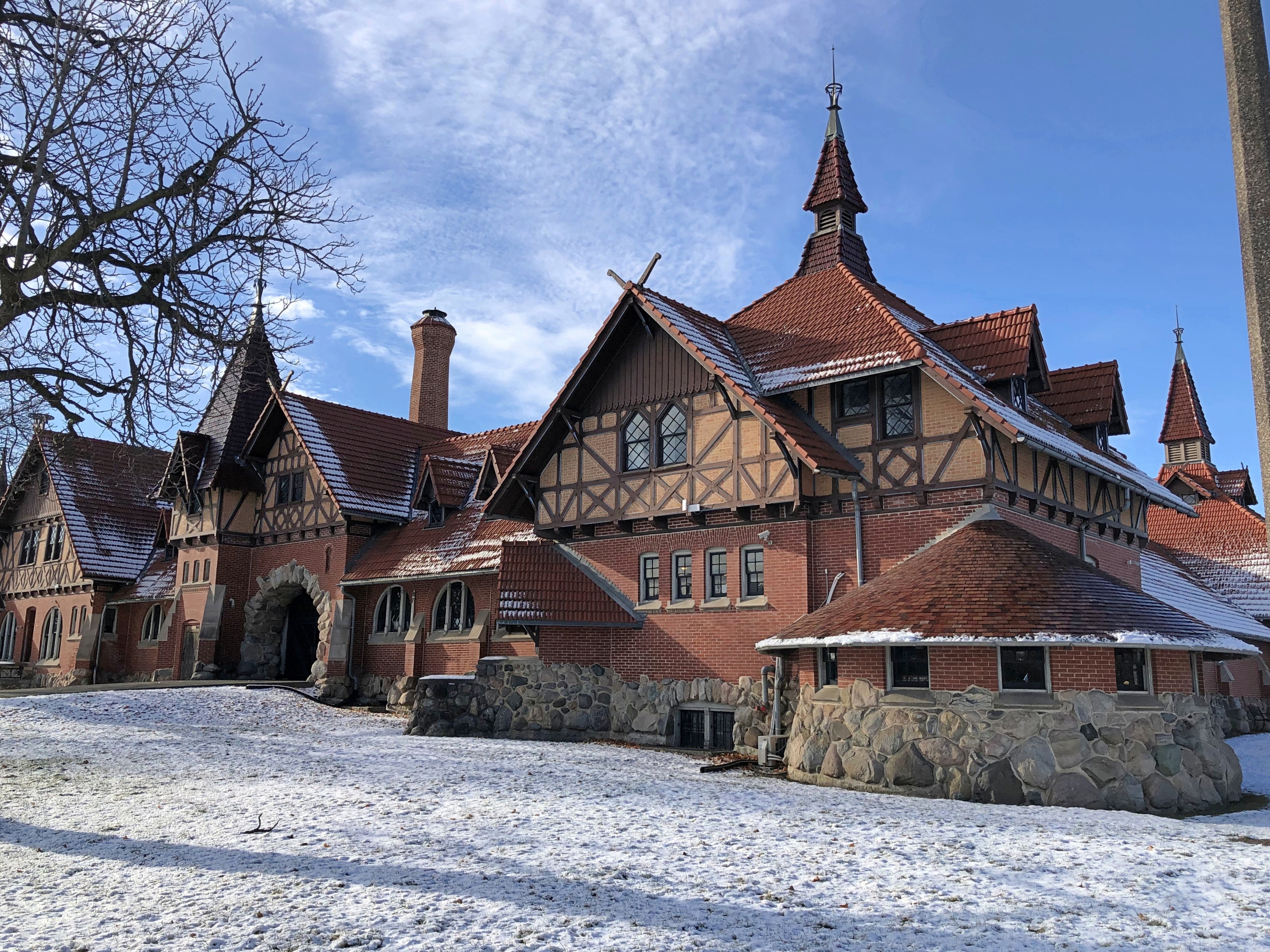
Other current exhibits include Puerto RicanEquation: mixed media works, video y El Espiritu Santo by Juan Sánchez; Cuentos Ocultos/Hidden Tales; and liminal: LGBTQ+ Chicago – Boricua Imaginings. Since 2000, the museum has been housed in the wonderful Humboldt Park Stables & Receptory, a structure from the 1890s designed by the mostly obscure Fromann & Jebson, who were busy in their day. Humboldt Park Stables & Receptory Humboldt Park Stables & Receptory

Once upon a time, landscape architect and park superintendent Jens Jensen had his office in the building, and the room is still acknowledged as such by the museum.Humboldt Park Stables & Receptory

I’d hope so. More than any single individual, Jensen fashioned the major parks of Chicago as we know them, and did a lot else besides.

Walton Island Park, Elgin

During a cloudy but not rainy period early this afternoon — heavy rain came later — I wandered over to the polling place at the school where Lilly and Ann both spent their elementary school years and voted there. I’d considered voting early at a different location, but when I stopped by about a week ago, the line was long. So Election Day voting it is, once again. My 12th presidential election.

Assuming he voted in all of them, how many for Jimmy Carter, our centenarian president? Assuming also that he voted absentee when necessary, especially during his time in the Navy. He turned 21 on October 1, 1945, but there’s a twist: Georgia lowered its voting age to 18 in 1943, thus enfranchising the young Carter for the 1944 election.

That would be 21 presidential elections, 1944 to 2024, inclusive. Not many people get to vote in many more than that.

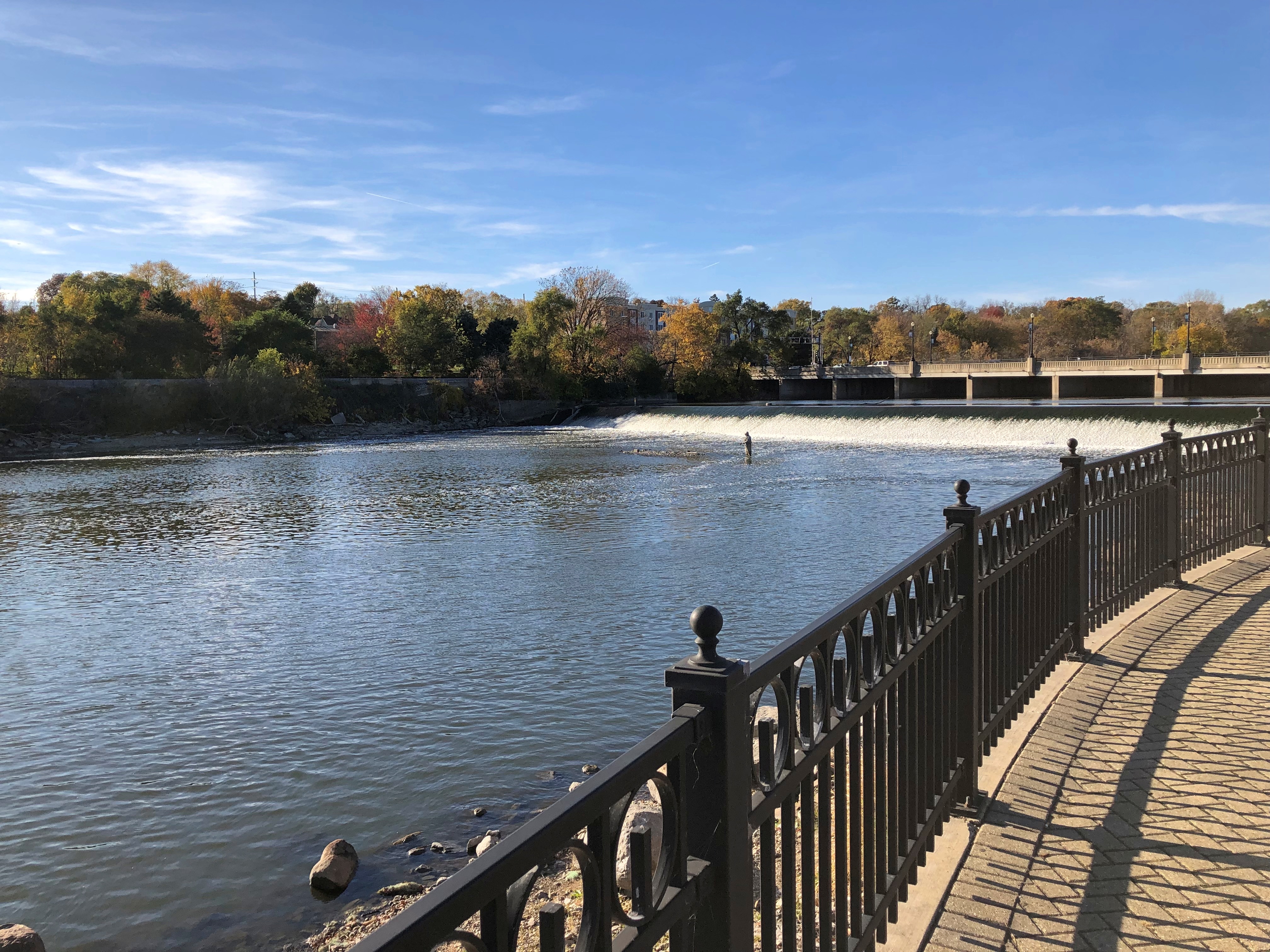
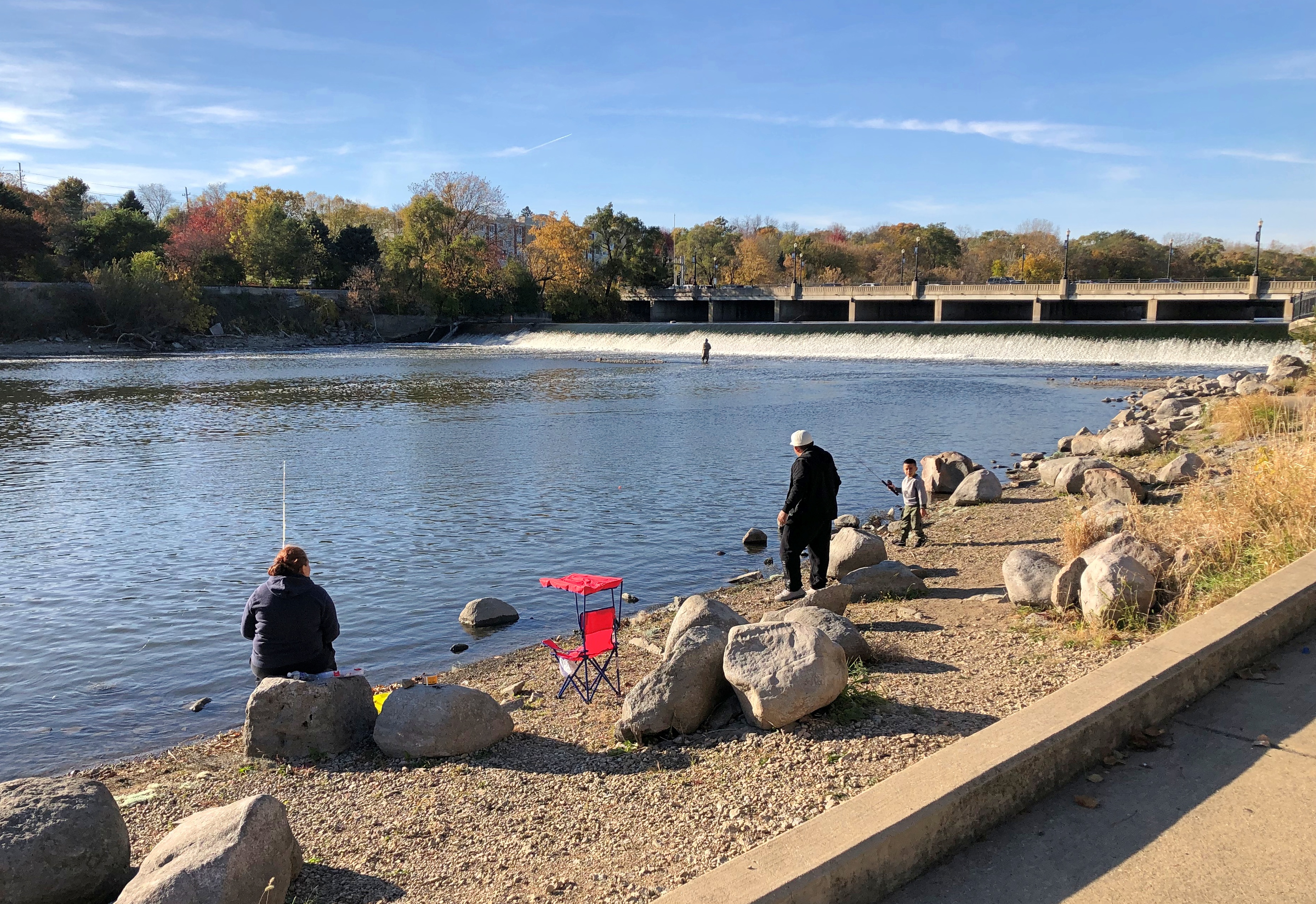
After visiting the Gail Borden Library in Elgin a week ago Sunday, we walked over to the banks of the Fox River, which isn’t far.Fox River, Elgin Fox River, Elgin

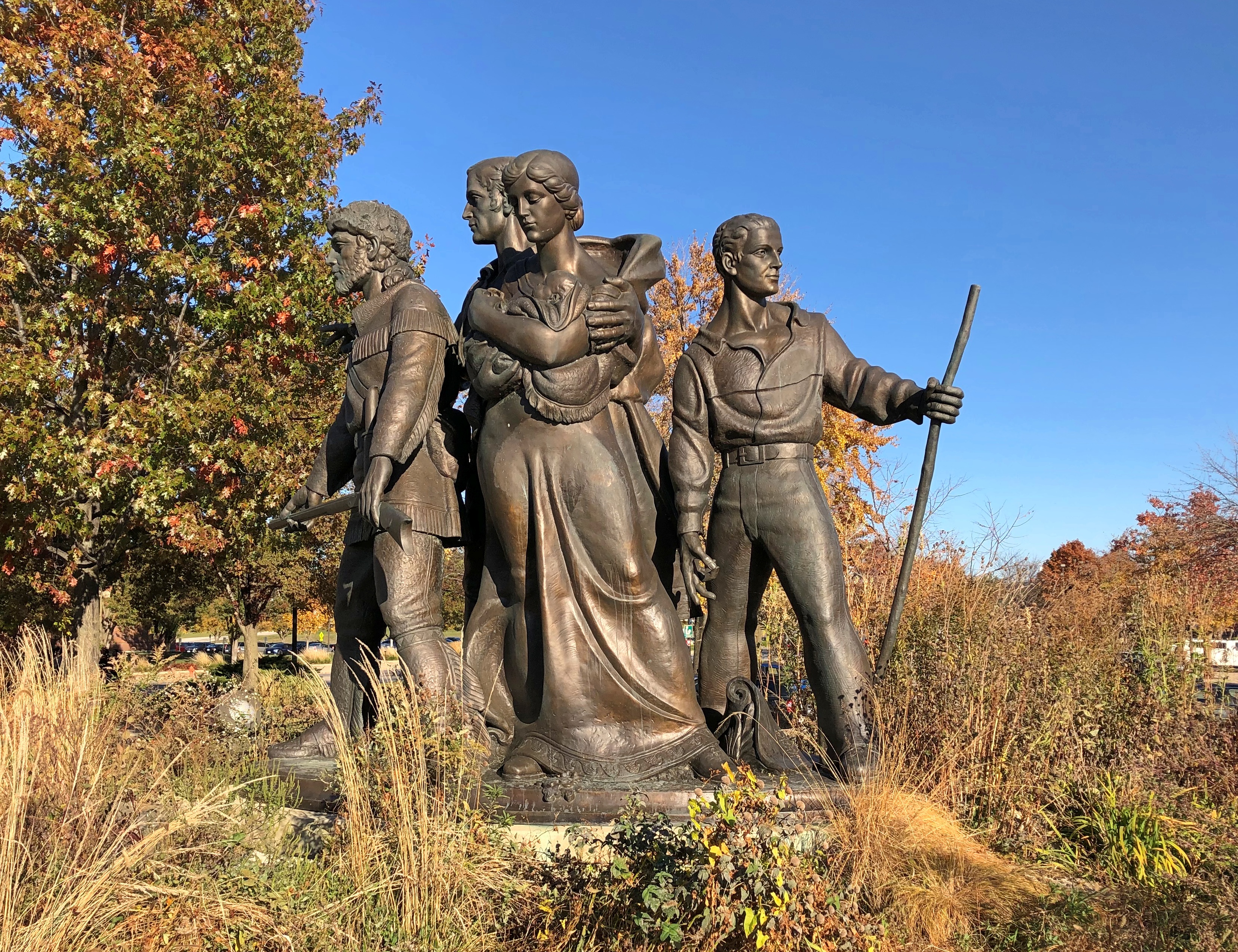
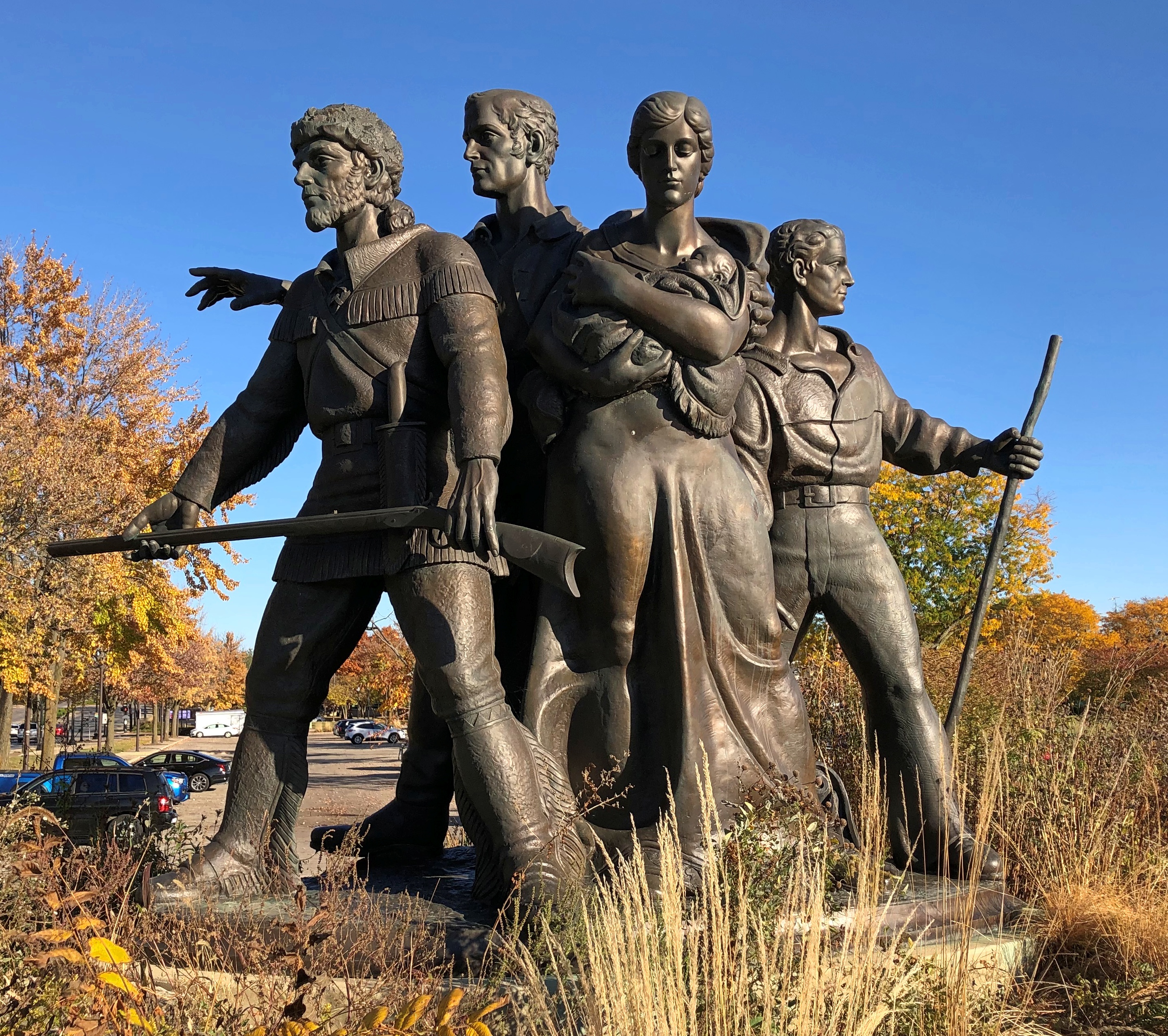
Facing the river, specifically the Kimball Street and Dam, are pioneers in bronze.Fox River, Elgin Fox River, Elgin

There are enough of these kinds of statues that they represent a memorial genre, I think: Doughty Pioneers. Other recent examples (for me) include Nacogdoches and Bandera, Texas, and there are ones closer to home. The Elgin pioneers, under the name “Pioneer Family Memorial” (2001), were created by Elgin artist Trygve A. Rovelstad, though cast posthumously, since he died in 1990.

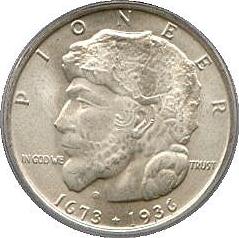
He also designed the Elgin Centennial half dollar, a numismatic curiosity from 1936. It was sold to help fund Rovelstad’s pioneer memorial in Elgin, but it clearly wasn’t enough, since the thing wasn’t finished for 65 years.

A lot of commemorates were minted in 1936, such as for the Texas Centennial, Daniel Boone Bicentennial, Arkansas Centennial, Wisconsin Territorial Centennial, Long Island Tercentenary (which sounds like the 300th anniversary of it becoming an island), and coins honoring such places as Elgin, but also Cleveland, Columbia, SC, Lynchburg, Va., and York County, Maine, among others.

The Oregon Trail Memorial, Cincinnati Musical Center and the San Francisco-Oakland Bay Bridge got halves that year, too. Whoever successfully lobbied an important Congressman for one, got one, sounds like.

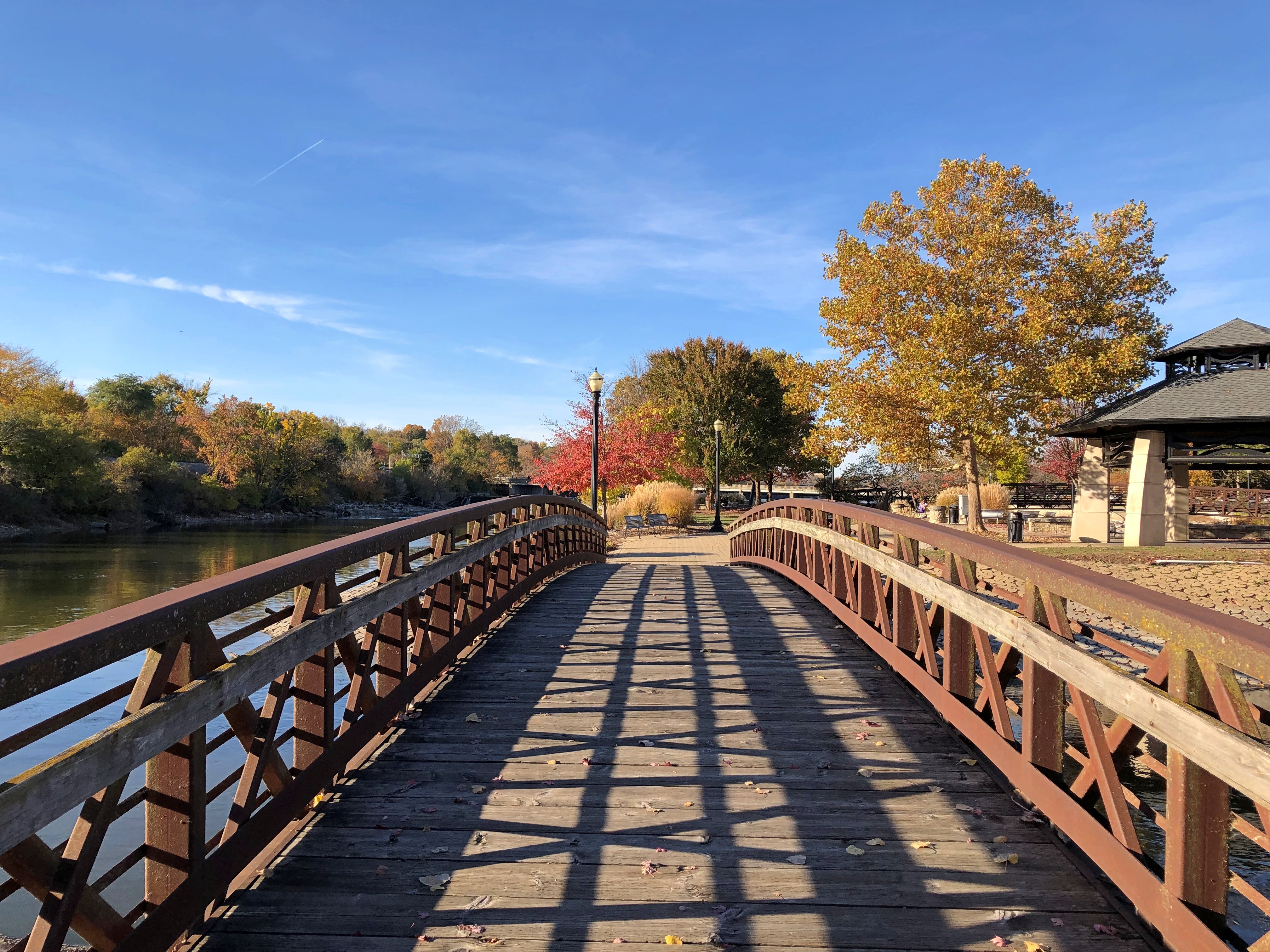
The bronze pioneers are near Walton Island Park, a man-made feature in the Fox River accessible by footbridge from the east bank. Like the Elgin half dollar, it too dates from the 1930s, when the local chapter of the Izaak Walton League – an organization named for the Compleat Angler fellow that’s still around – led the effort to enlarge a mud bank in the river by dredging the bottom and using the fill.

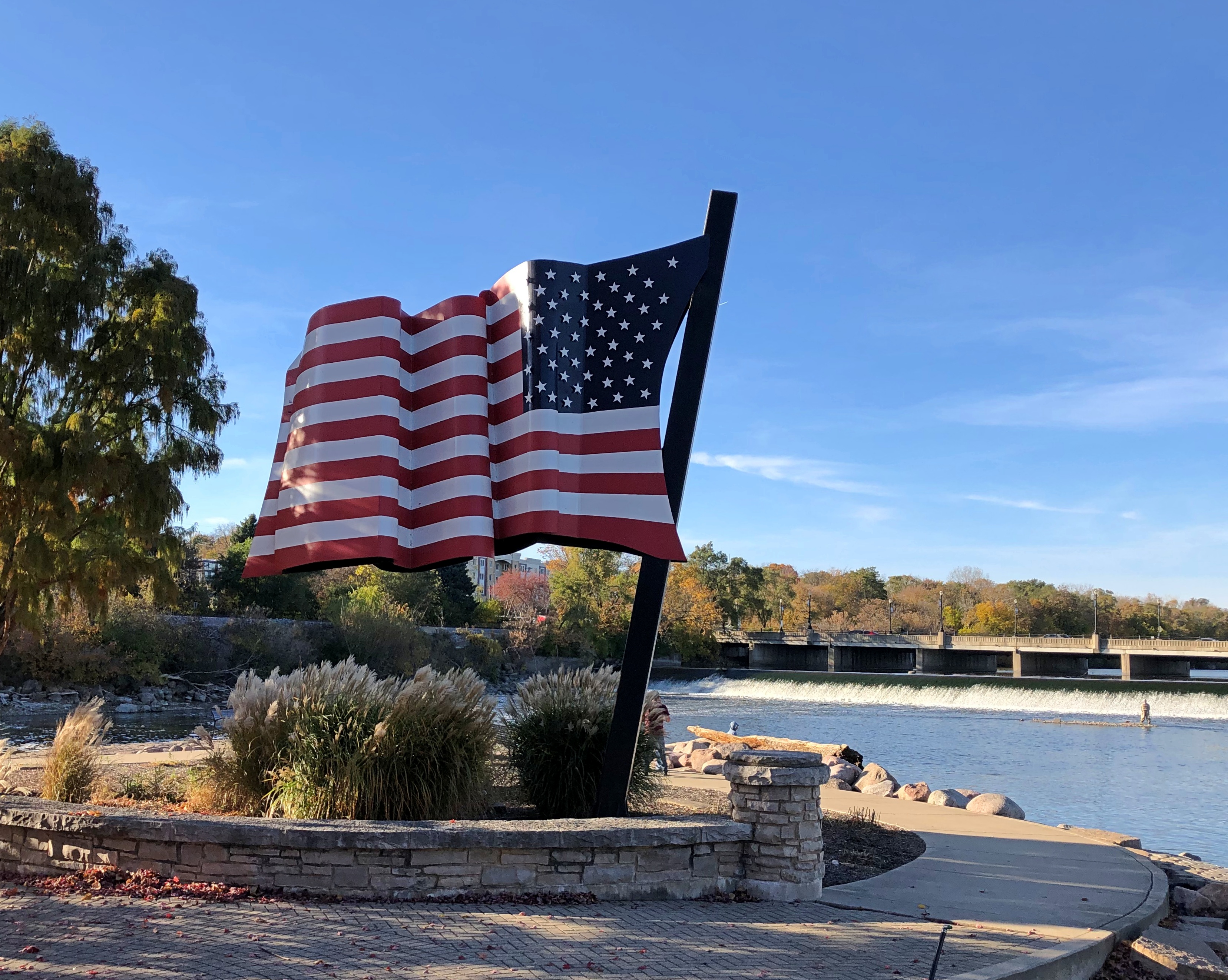
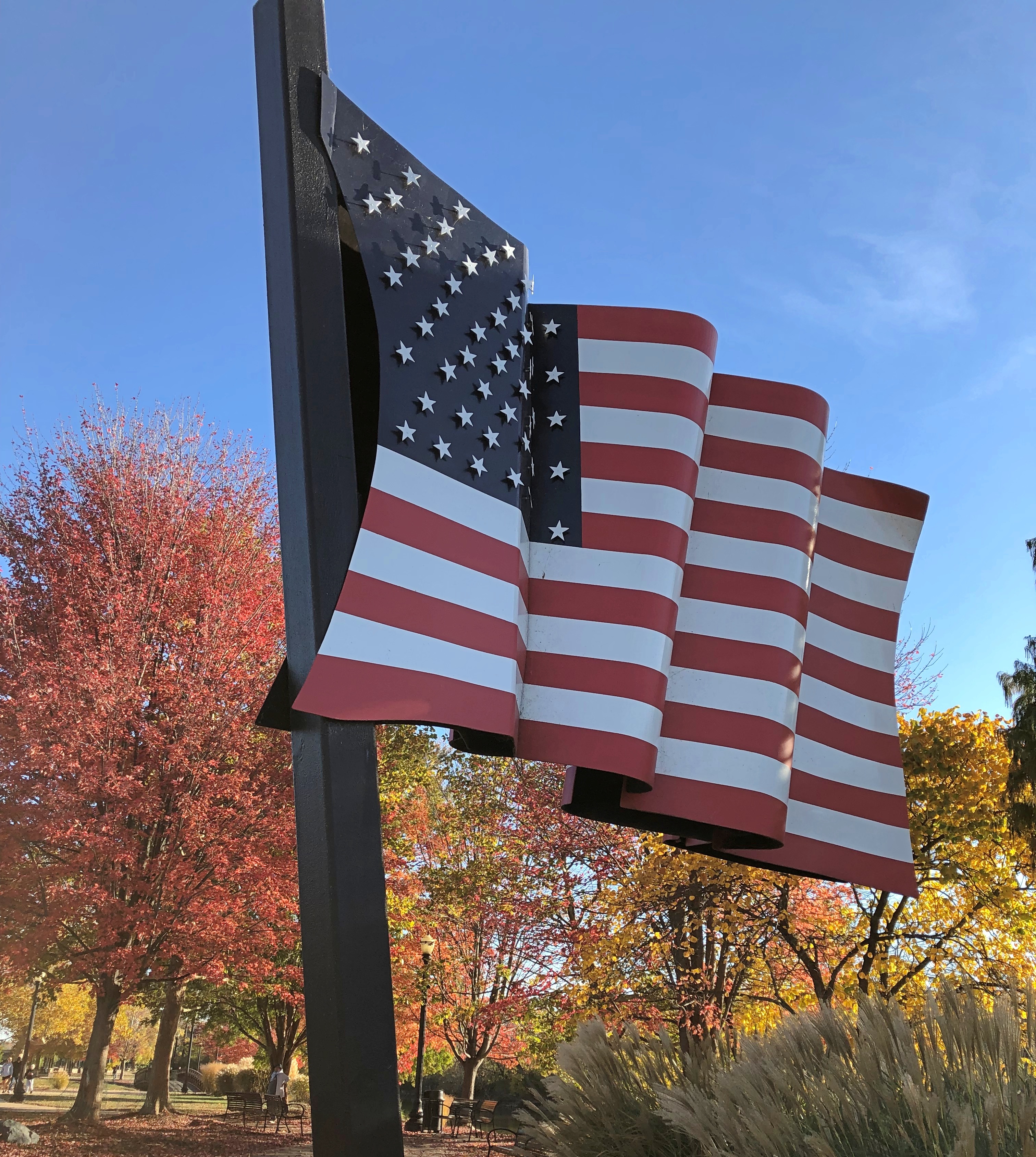
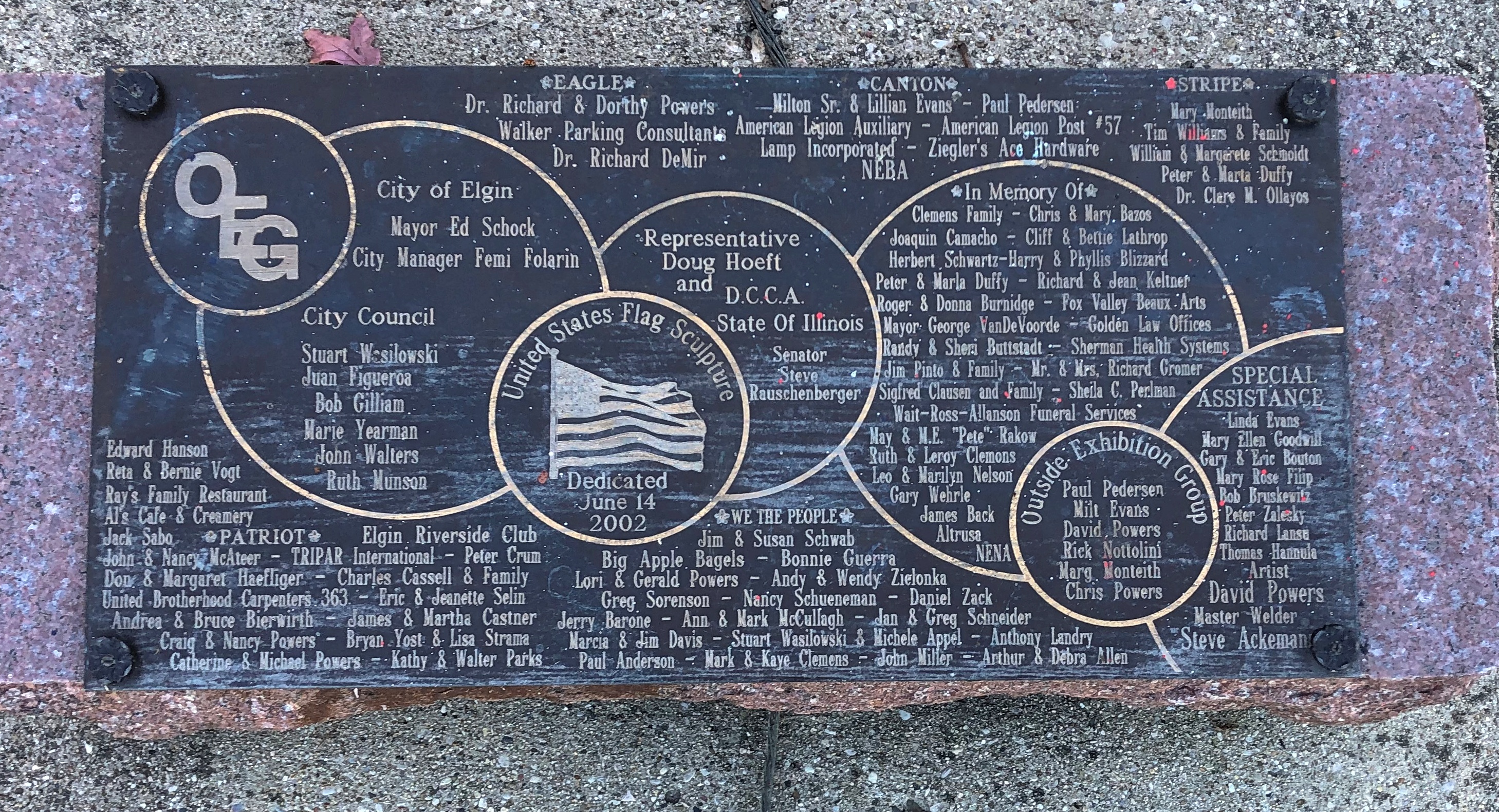
A flag sculpture is at the north tip of the island.Walton Island Park, Elgin Walton Island Park, Elgin

Dedicated on Flag Day, 2002. With one of the busier dedication plaques I’ve seen (but not as busy as the Norwegians in America).Walton Island Park, Elgin

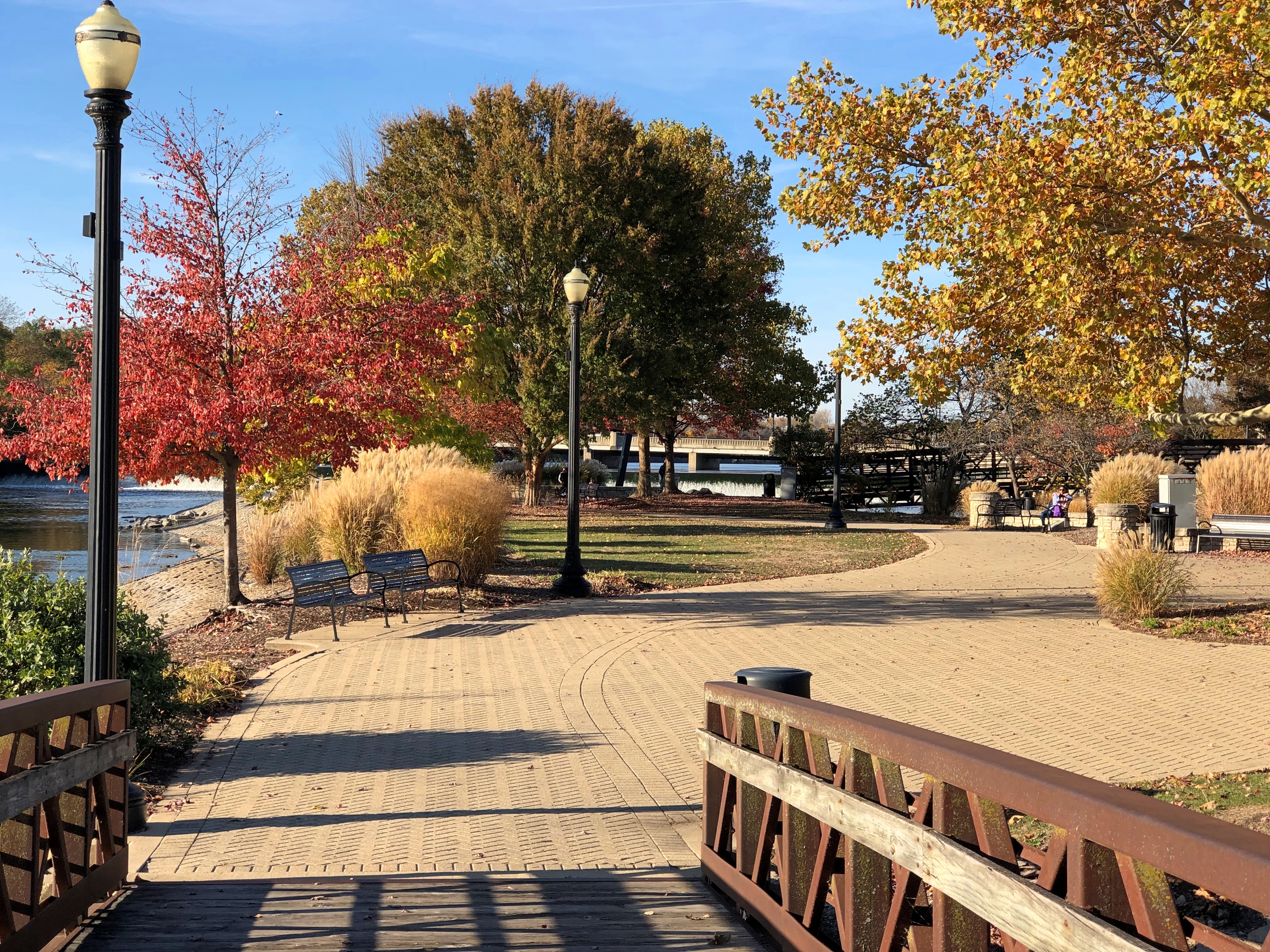
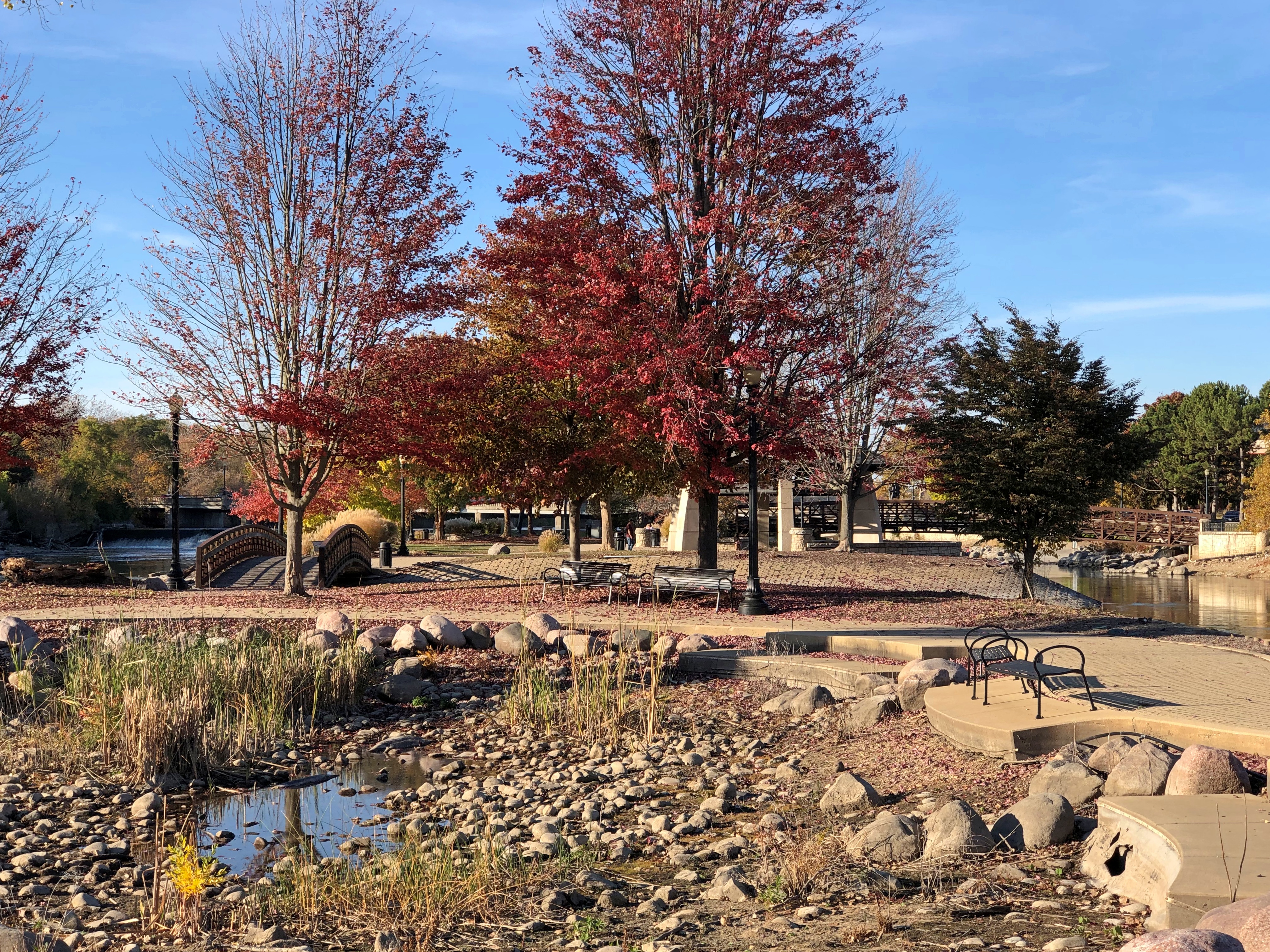
The rest of the park is mostly a short stroll.Walton Island Park, Elgin Walton Island Park, Elgin Walton Island Park, Elgin Walton Island Park, Elgin

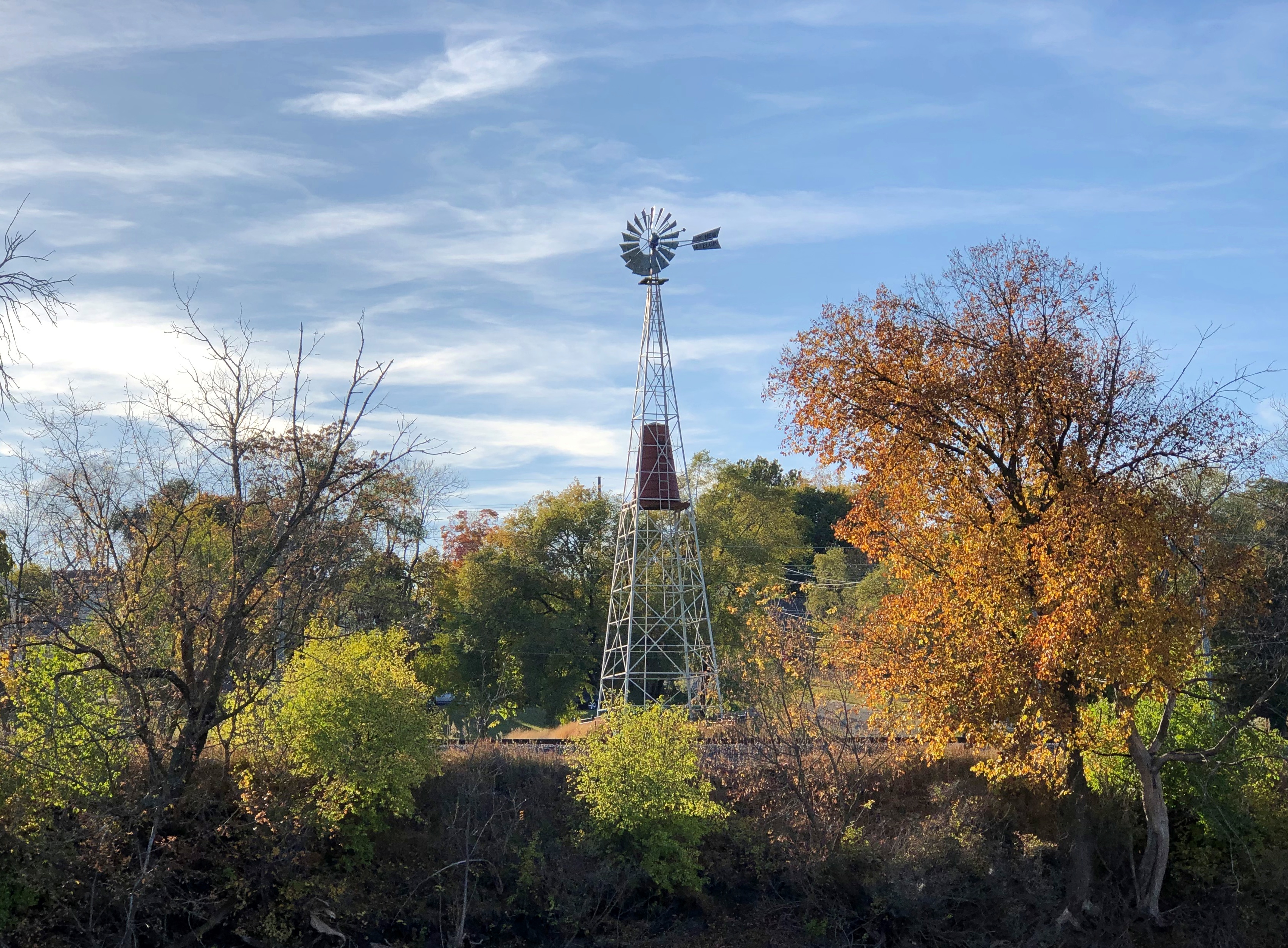
With good views of either side of the Fox. Such as the west bank.Elgin, Illinois windmill

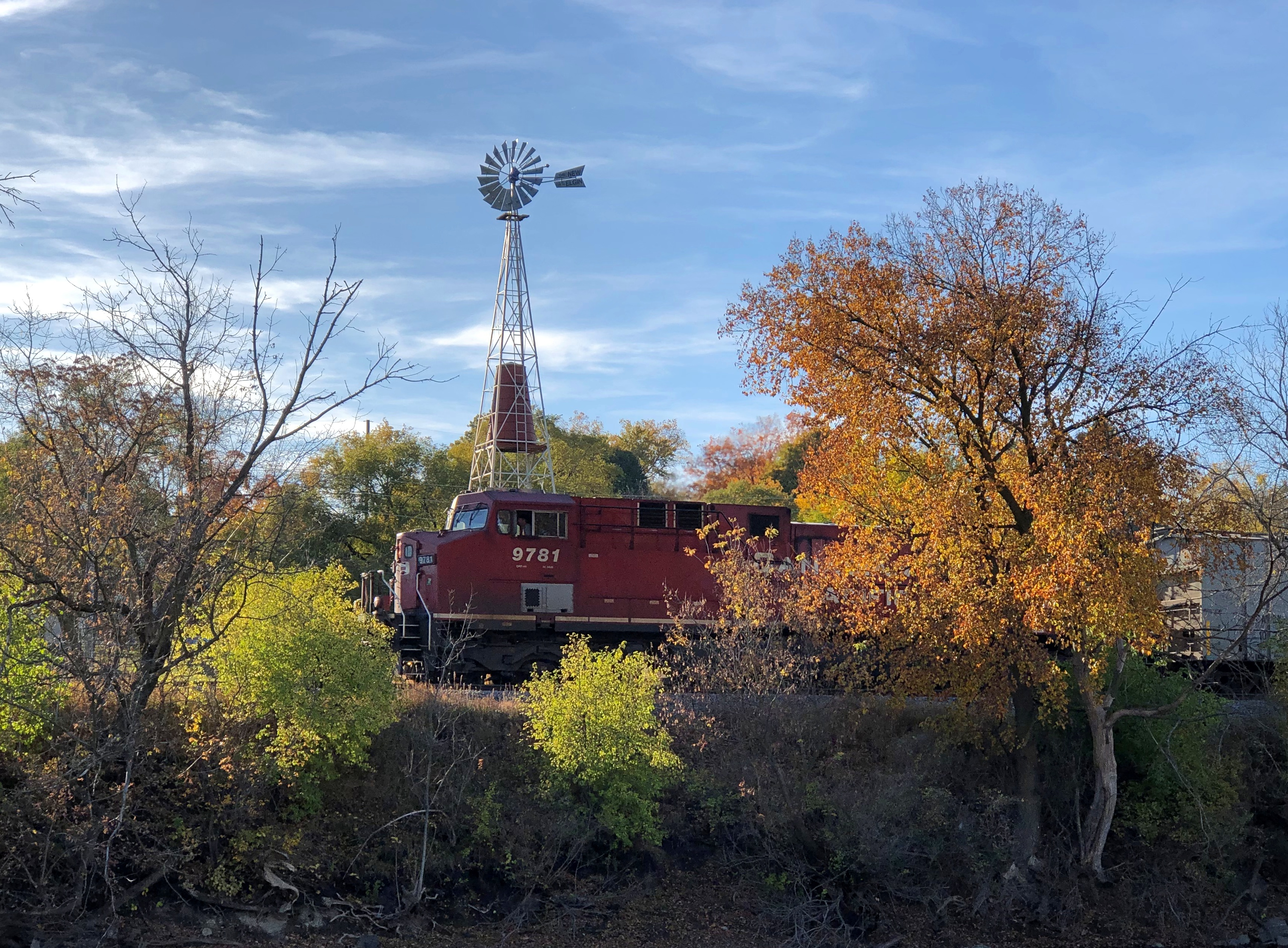
A windmill. We didn’t go over to look at it, but I looked into it later. I’ve driven the nearby road (Illinois 31) any number of times, and must have seen it, but I guess it didn’t register. When I saw it from Walton Island, I thought I was seeing it for the first time.

For some extra drama, a freight train rolled by.Elgin, Illinois windmill

“A recent multi-year project for the Elgin Area Historical Society involved relocating and restoring a long-forgotten urban windmill built in 1922 by the Elgin Wind, Power and Pump Co.,” explains the Elgin History Museum.

“On September 7, 2013 the windmill was fully restored and now stands proudly at the site of its creation in Foundry Park off Route 31 in Elgin. The park was once the site of the Elgin Windmill Company, where the windmill was originally built.”

The Idaho State Capitol & Bits of Boise

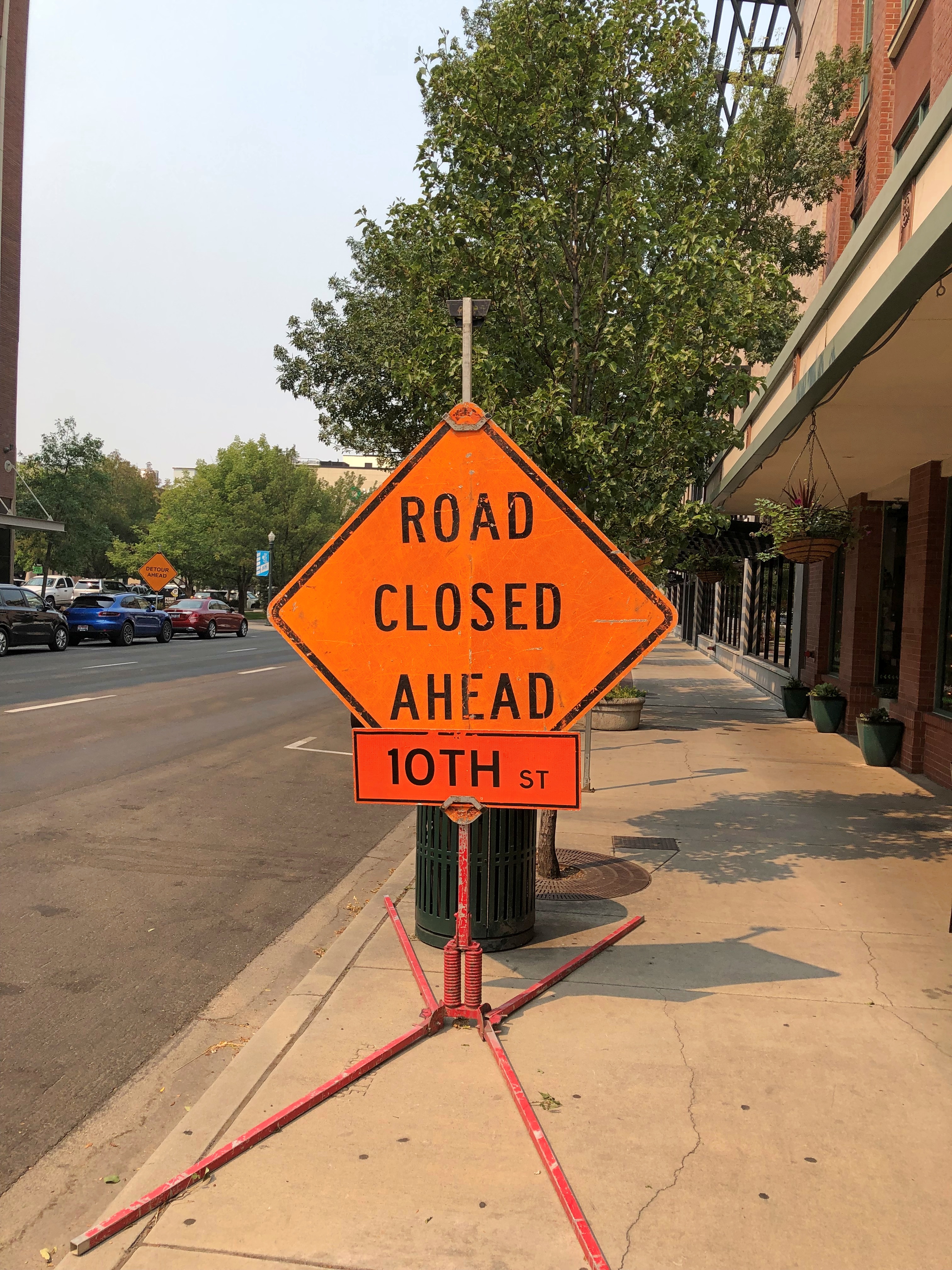
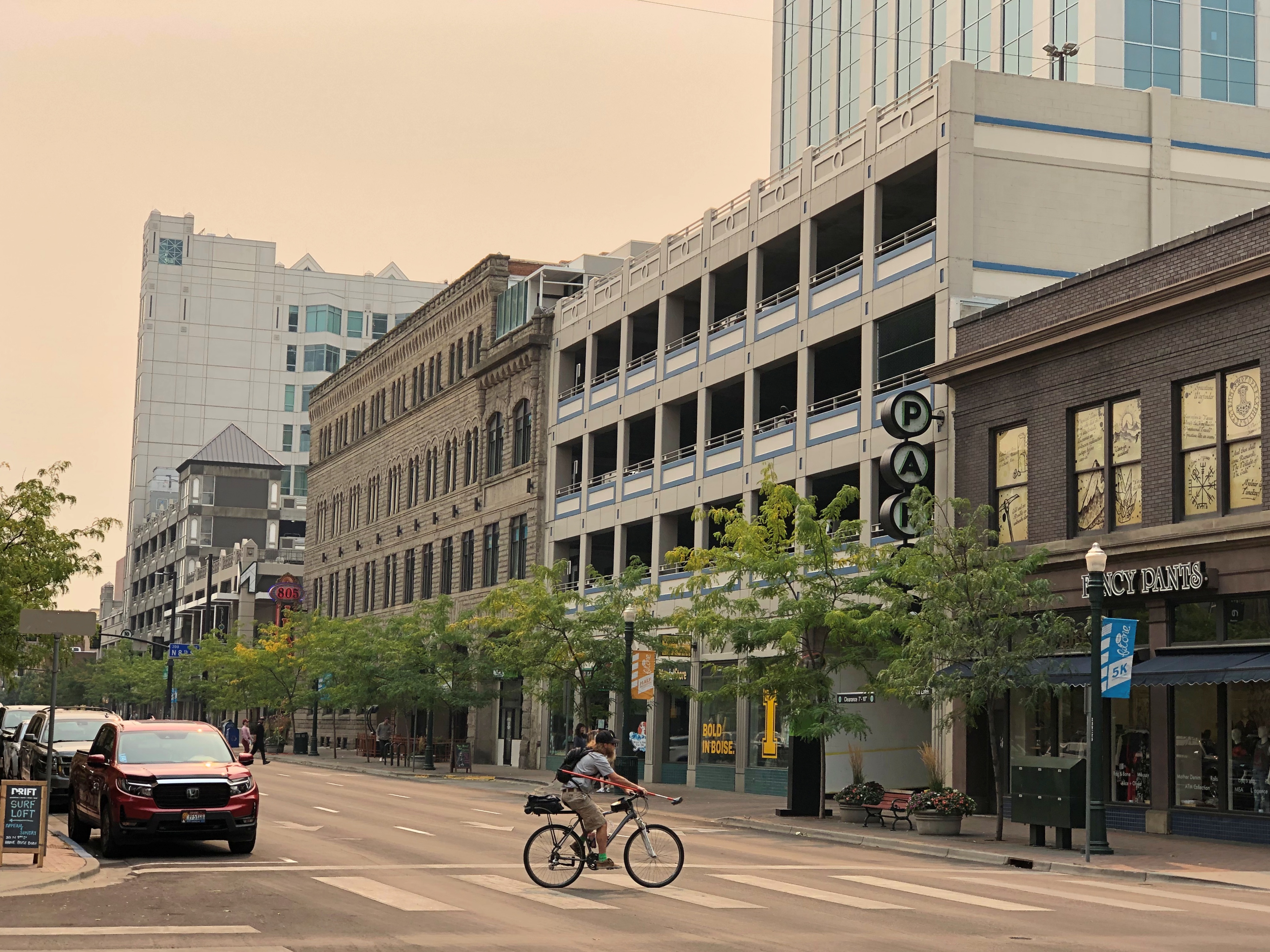
Boise is a growth town. I know that because the Census Bureau reported a population of about 235,600 in 2020, compared with 205,600 in 2010. Not only that, driving in downtown Boise was a pain in the ass last month, considering how many streets were closed for construction. That’s usually a growth indicator. Boise Idaho

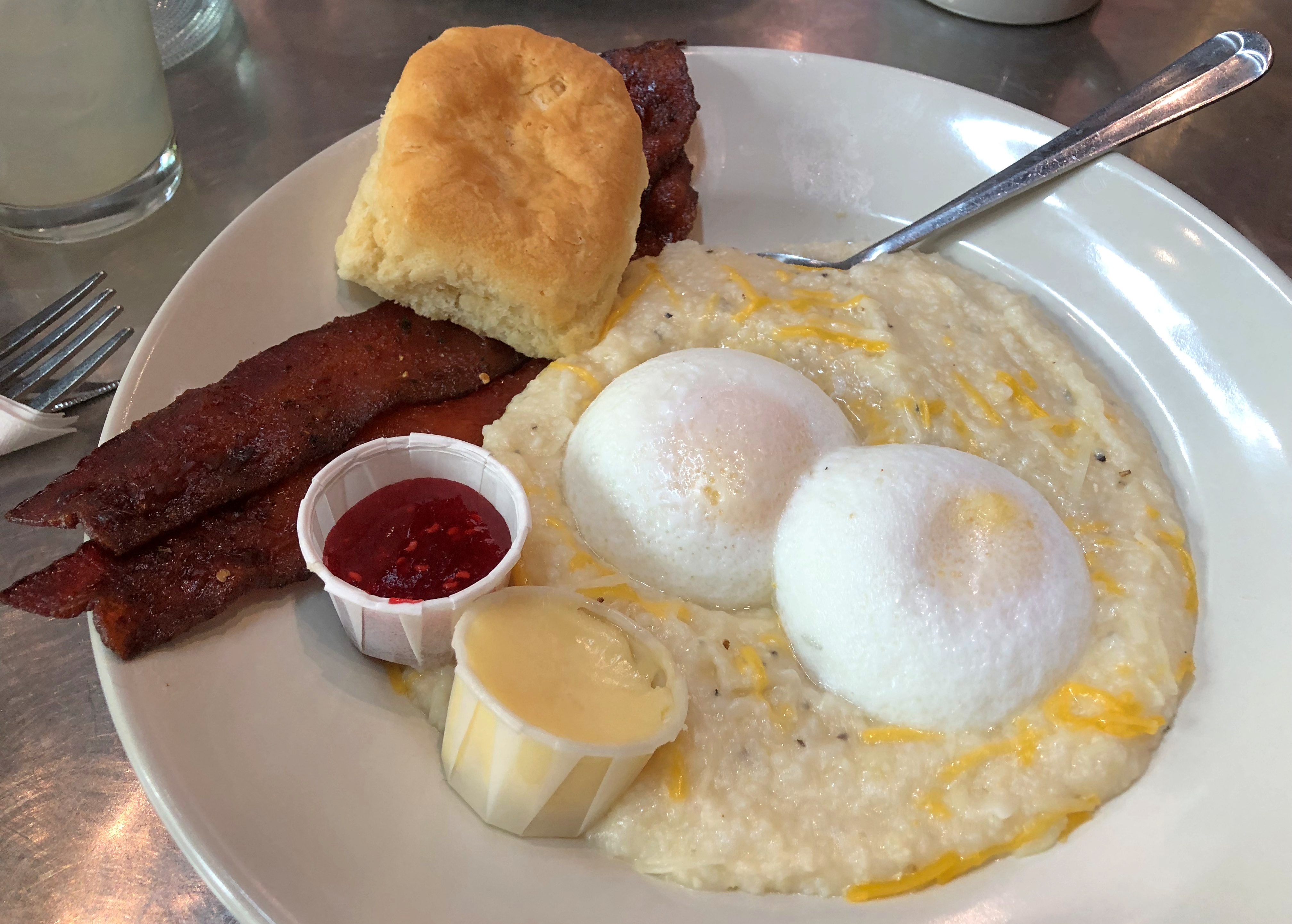
Adding to the irritation is the fact that many of downtown’s one-way streets (that are still open) go opposite of the way you want to go. But when you’ve found a place to park, and arrive at a restaurant like Bacon in downtown Boise, you forget all that. Nice tip before we left Seattle from Dan, who has spent some time in the area.Boise Idaho Bacon

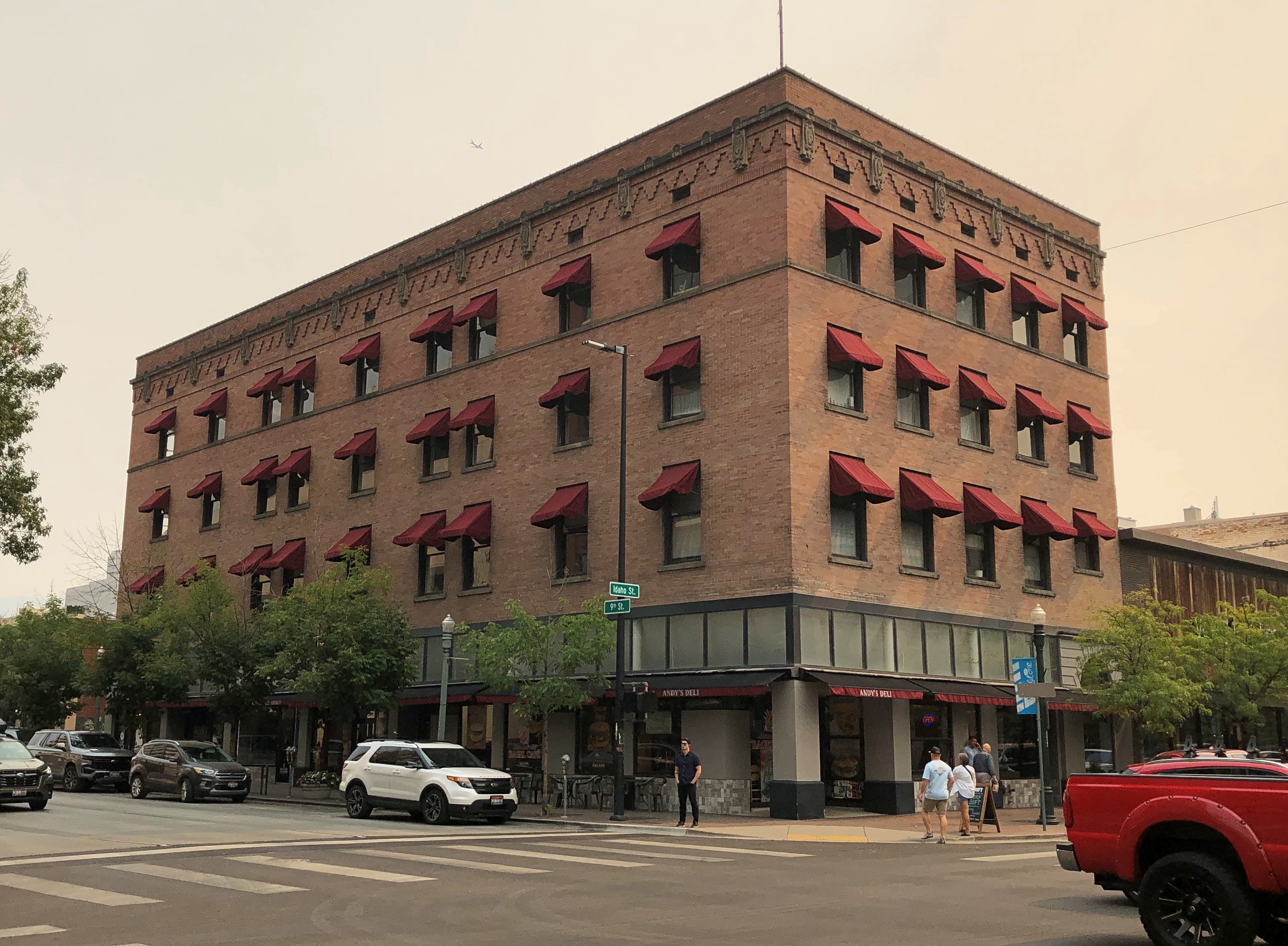
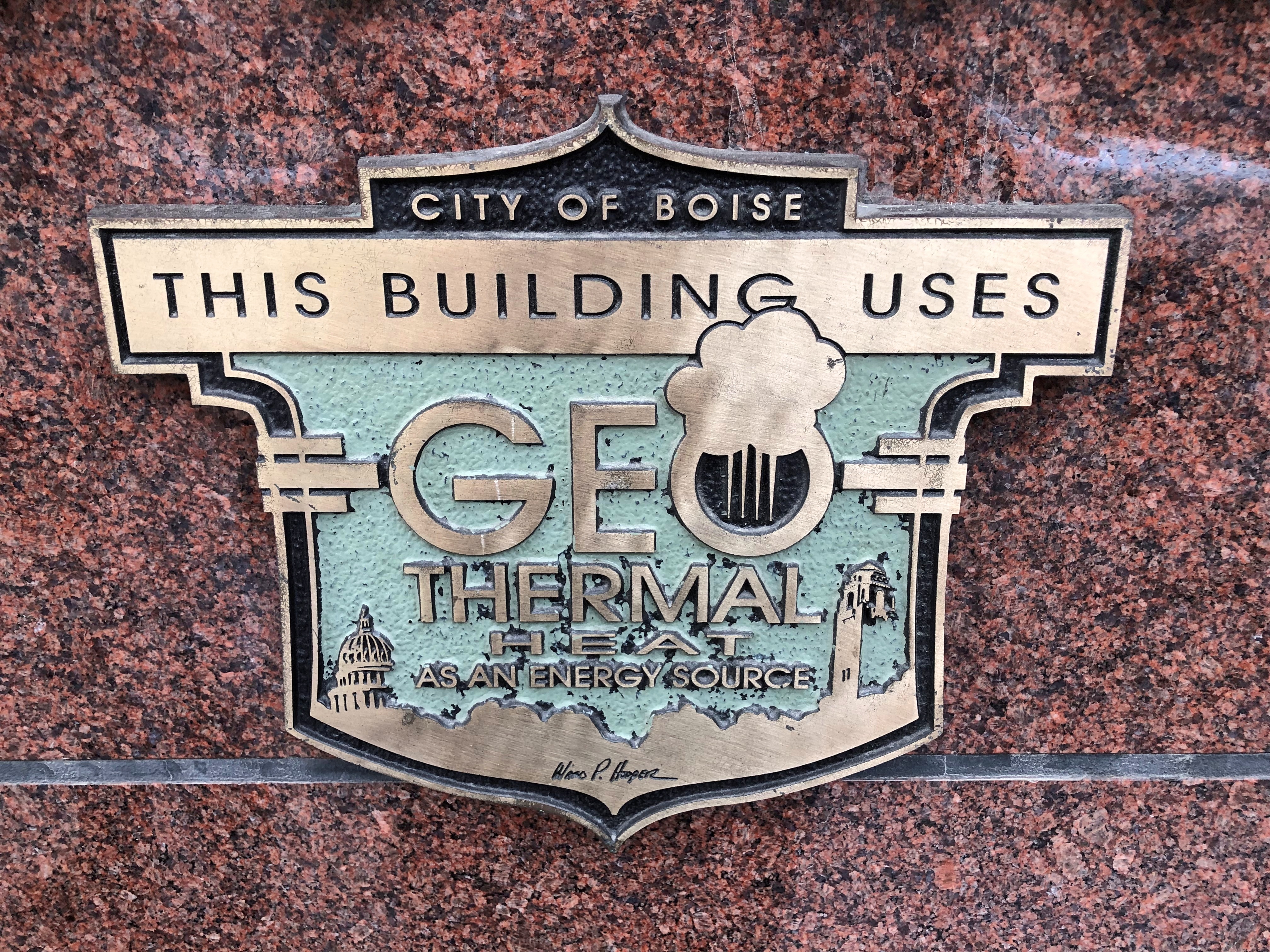
Maybe not good to eat in the long run, but in the short run, it makes you glad you spent the night in Boise and headed out for breakfast the next day. Also, downtown Boise looked interesting, especially on foot.Boise Idaho Boise Idaho Boise Idaho

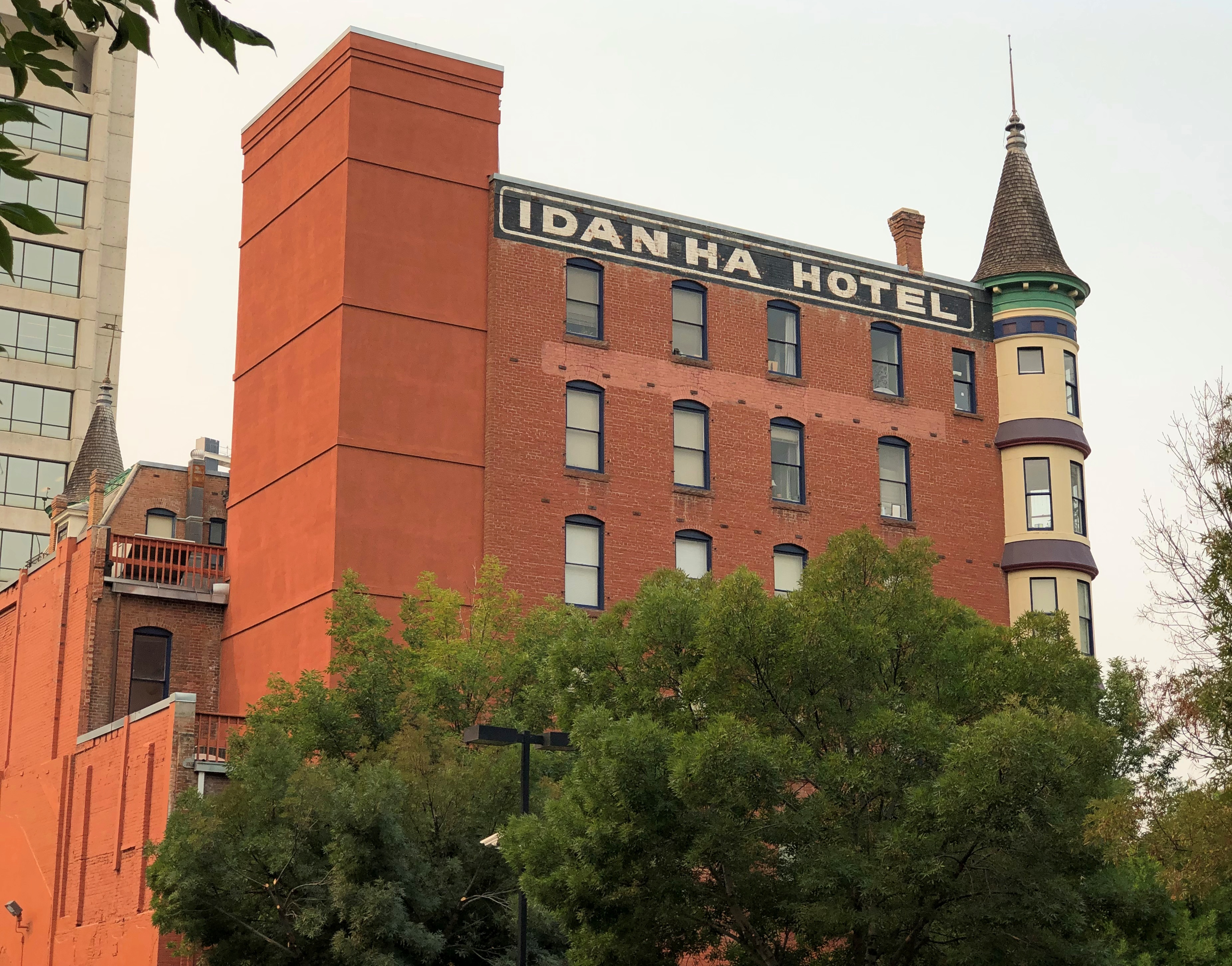
The former Idanha Hotel, which opened exactly at the turn of the 20th century – January 1, 1901 – and is now a multifamily residential property. Its architect, a Scotsman named W.S. Campbell, founded a firm in the late 19th century in Boise that’s still around: CSHQA.Idaho State Capitol

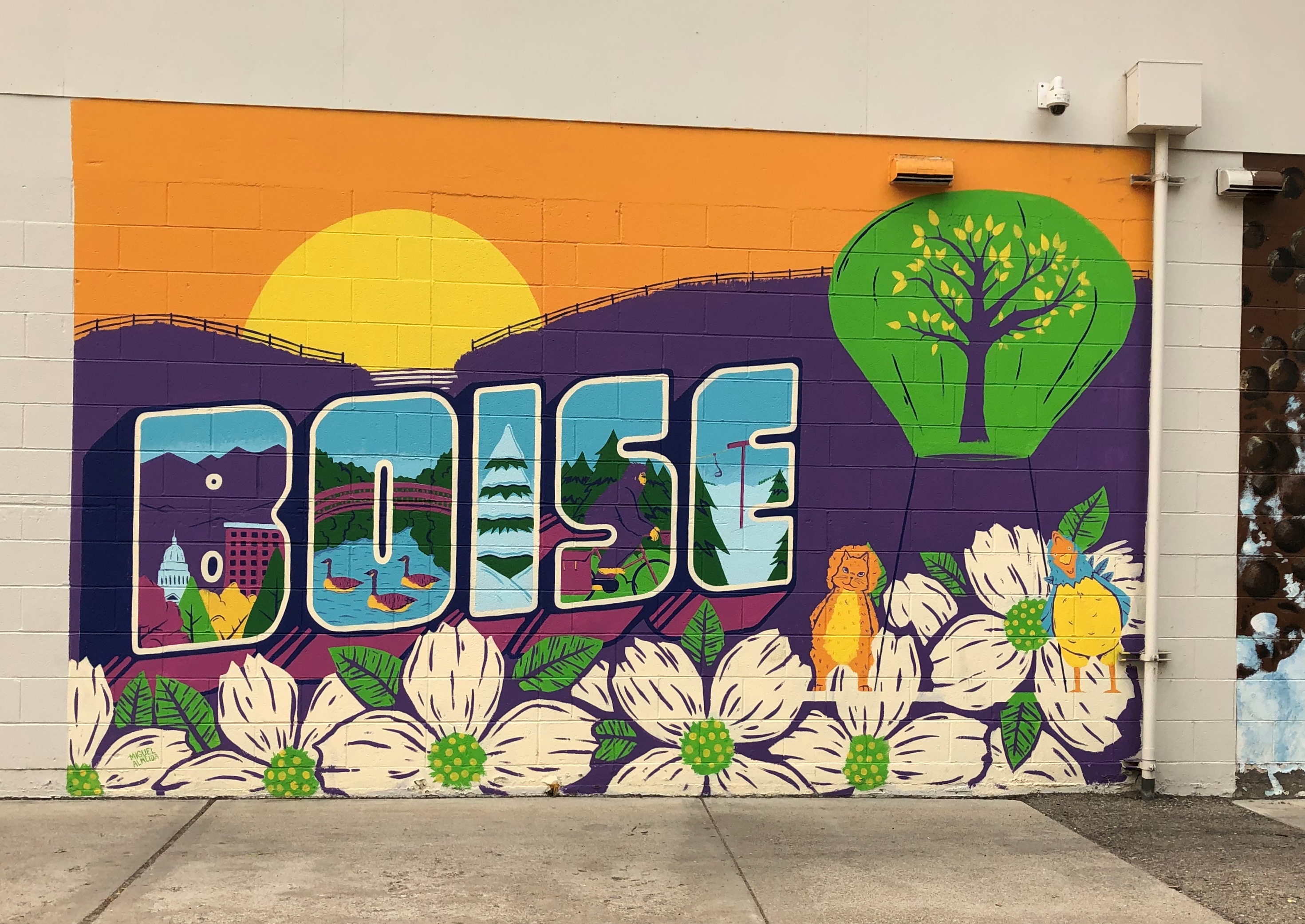
Everywhere has one of these murals, though usually they say, Welcome to…Idaho State Capitol

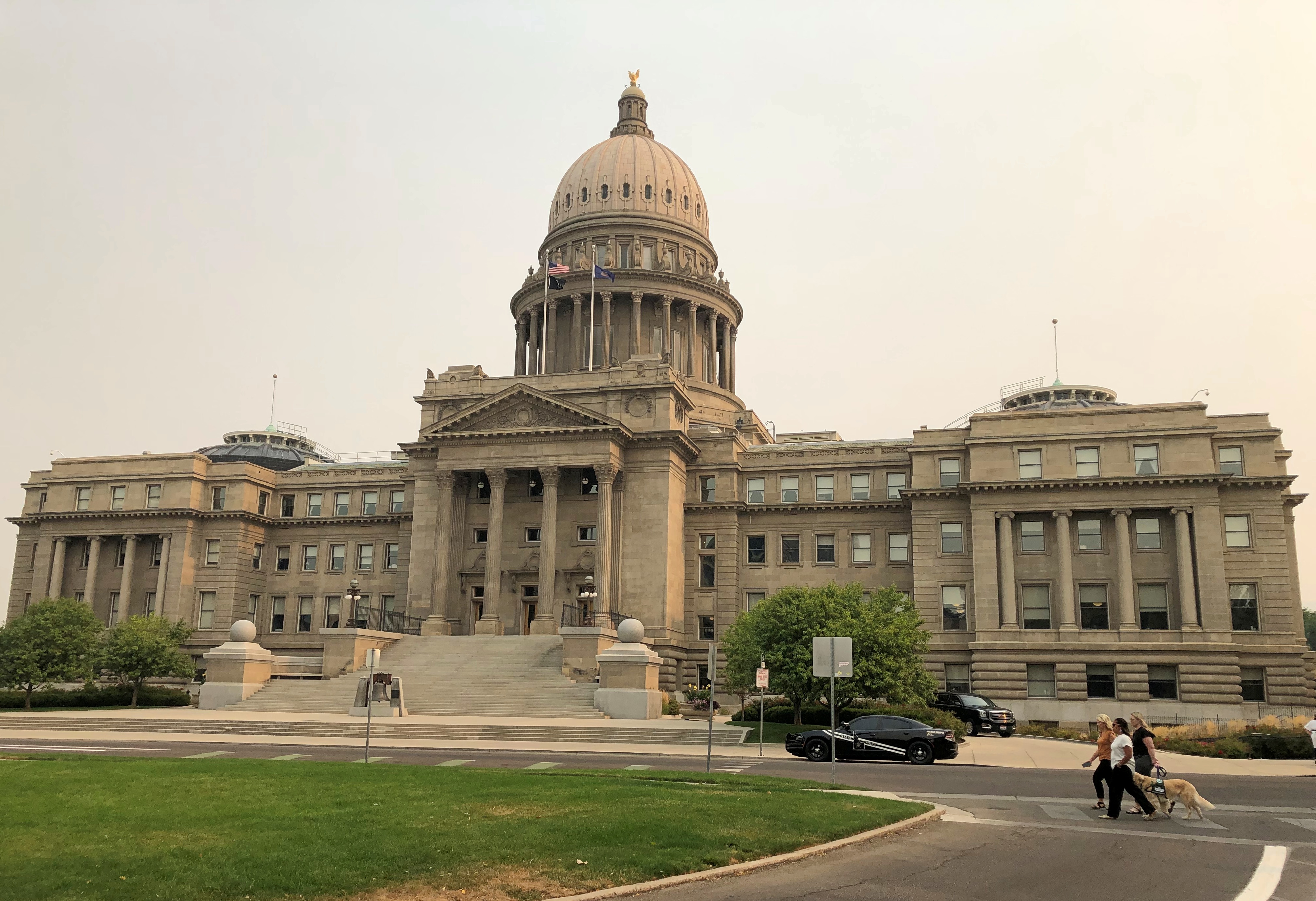
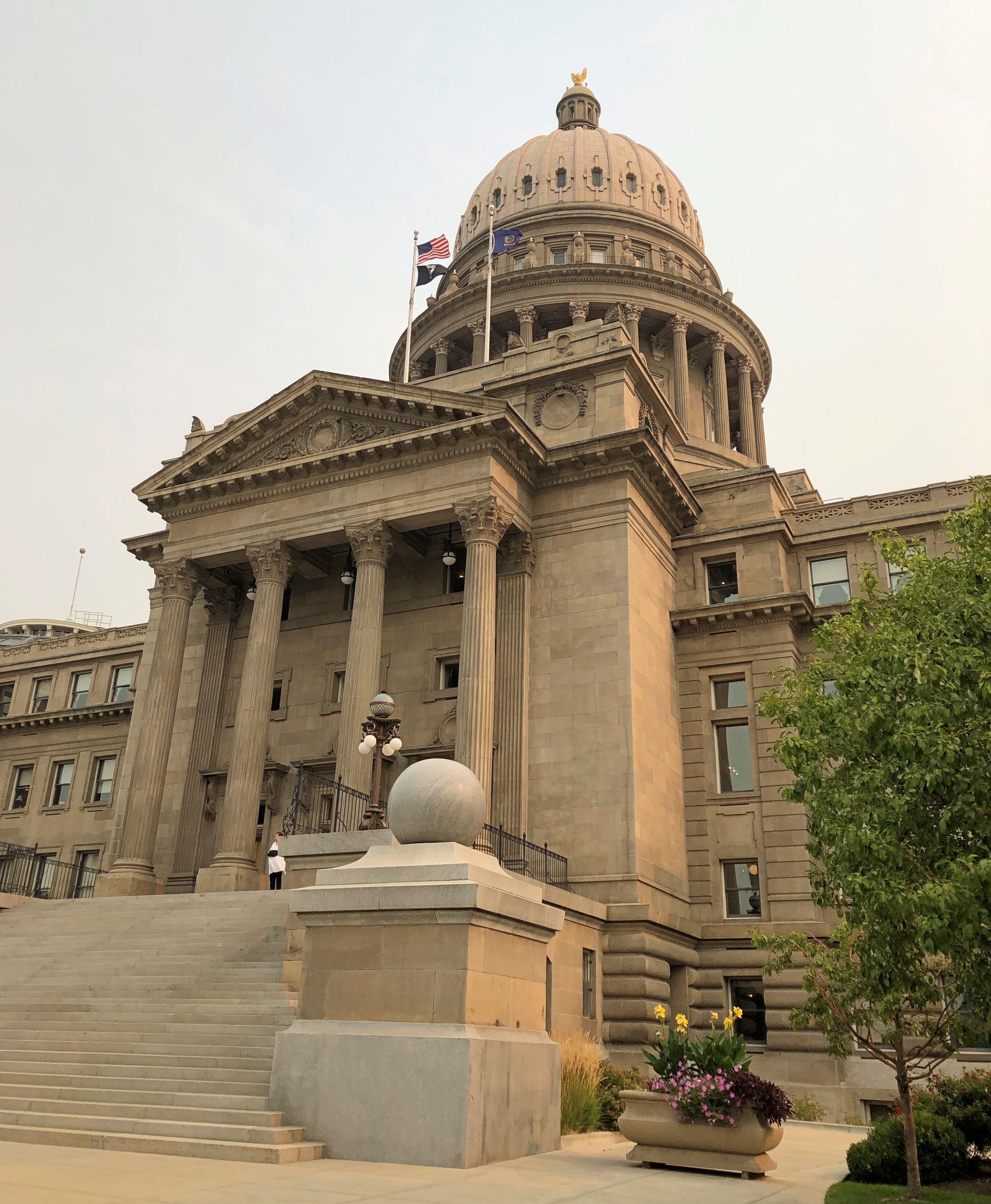
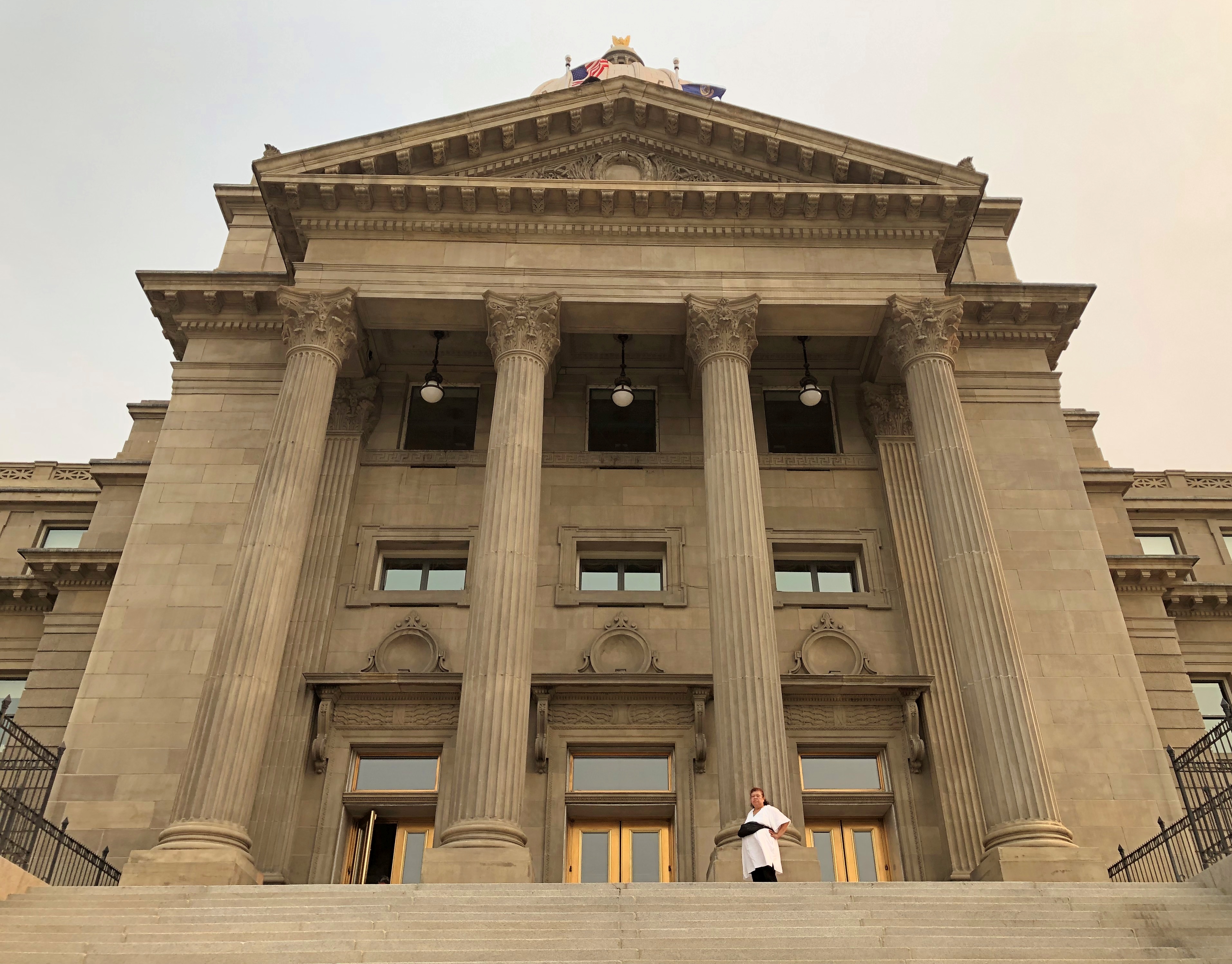
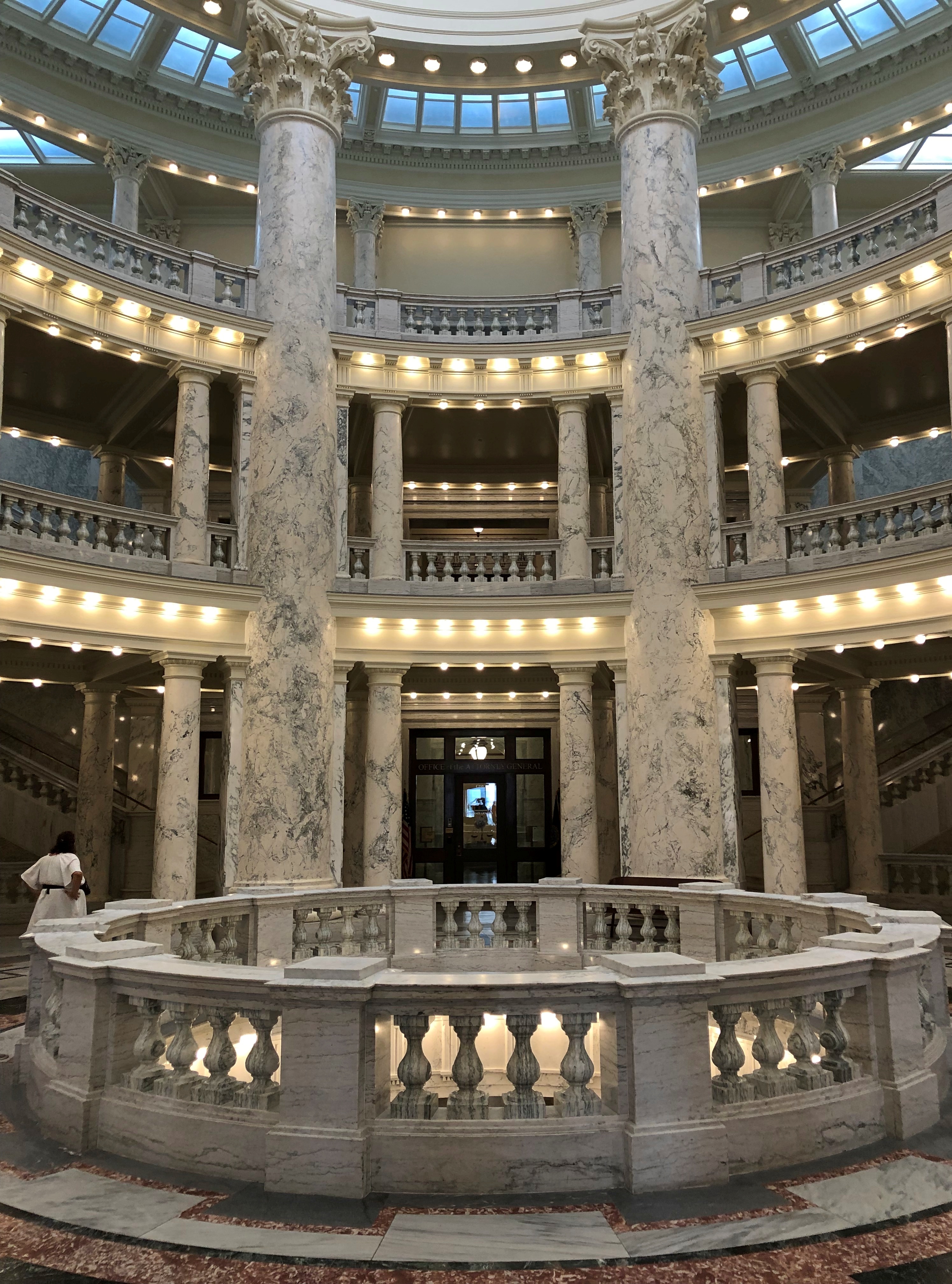
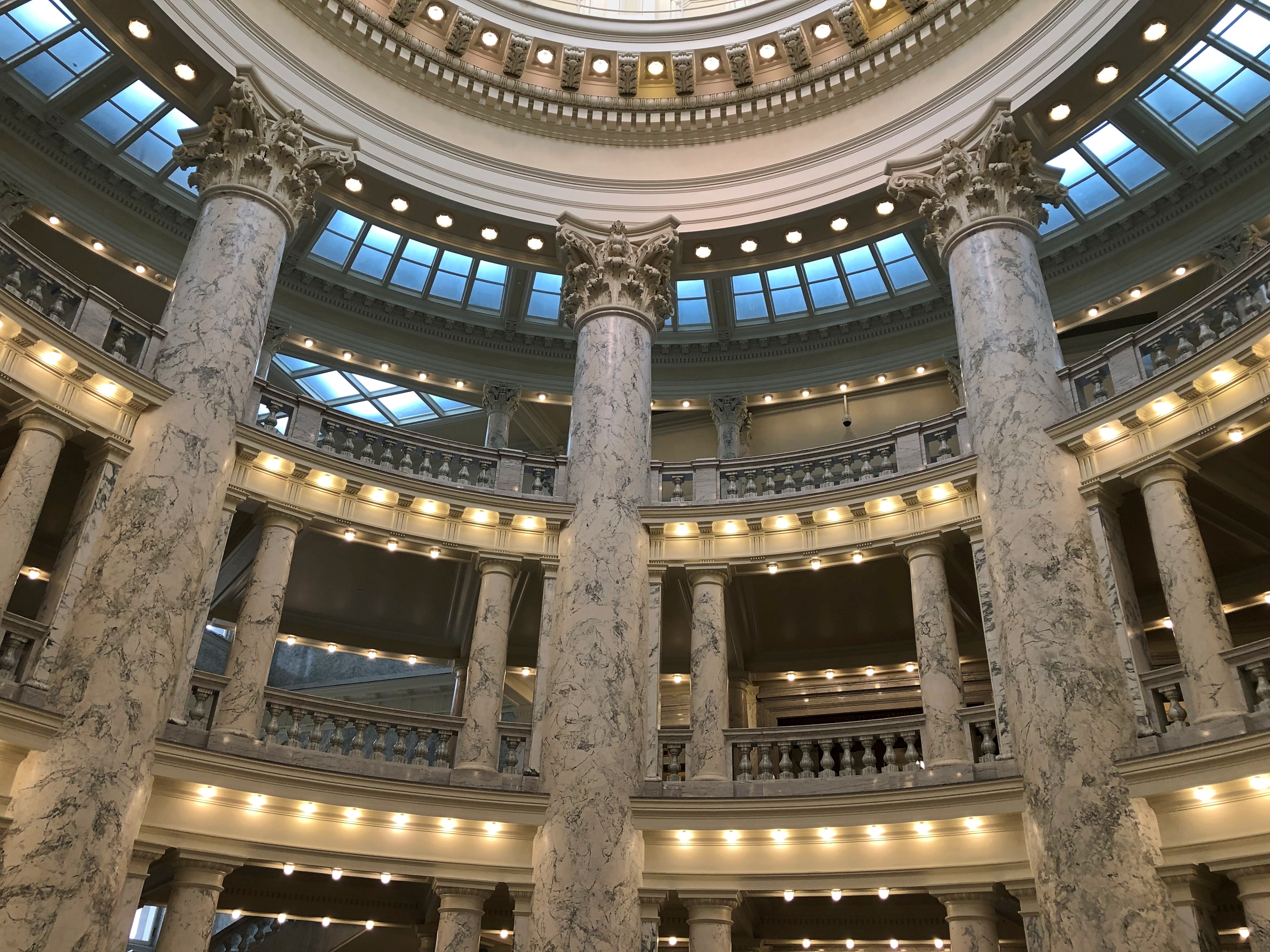
Eventually, by way of Boise’s unpredictable streets, we made our way to the Idaho State Capitol. I saw it briefly in ’89, but only from the outside. A grand edifice.Idaho State Capitol Idaho State Capitol Idaho State Capitol

Grand inside as well.Idaho State Capitol Idaho State Capitol Idaho State Capitol

John E. Tourtellotte & Co. designed the capitol, completing much of it in 1912, though the House and Senate wings came a few years later. Tourtellotte is another one of those architects of yore who did a lot of work.

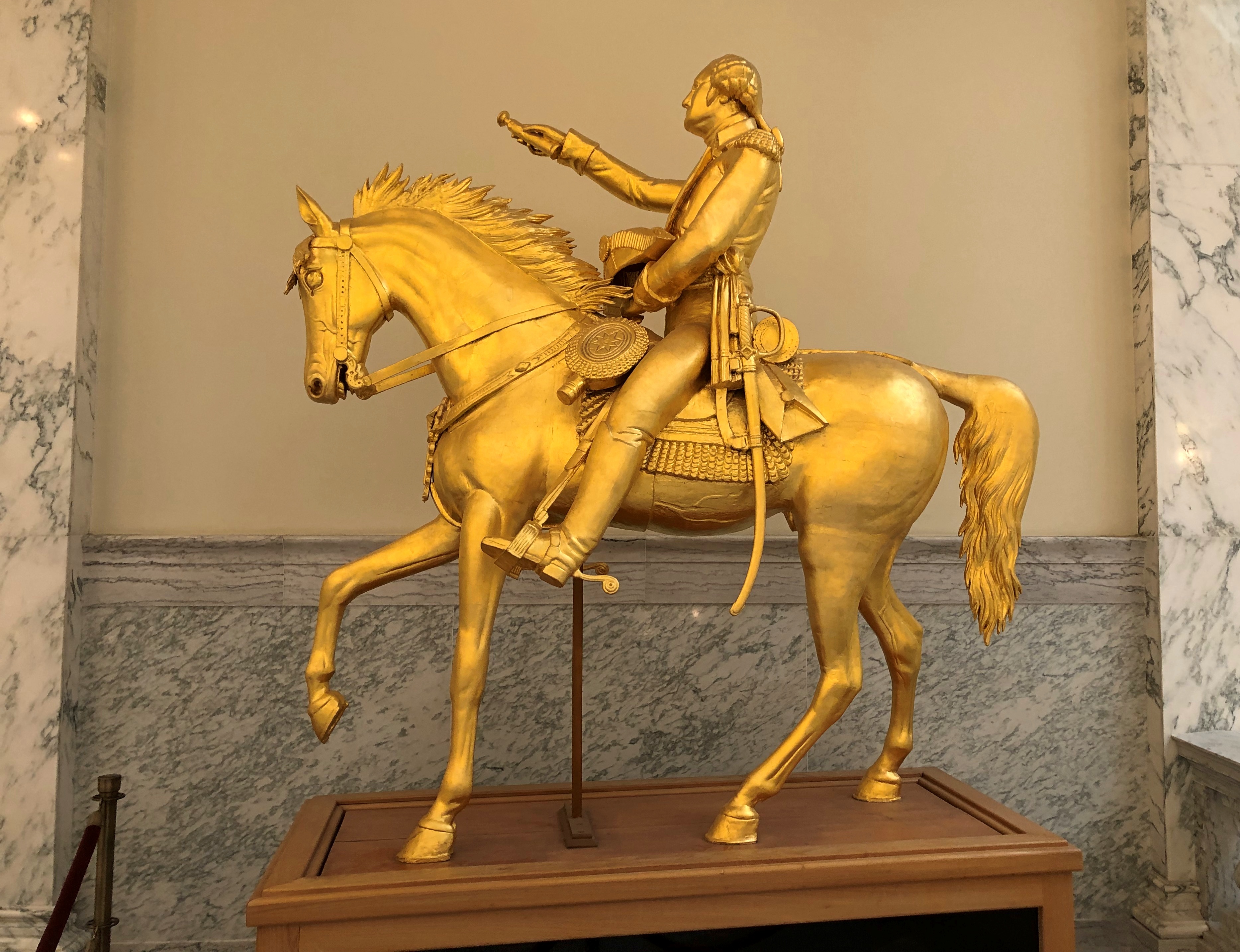
The Idaho State Capitol has a gilded Washington on a gilded horse.Idaho State Capitol

“Austrian immigrant [Charles Ostner] carved George Washington from a single pine tree,” the capitol web site says. “With a postage stamp to guide him, Ostner took four years to create his masterpiece. His young son was said to have frequently held a candle to light his workroom after darkness fell.

“Once completed, Ostner gave his rendition of our first president to the Territory in 1869. In return, Idaho’s leadership paid him $2,500.” Later, it was gilded and much later, restored.

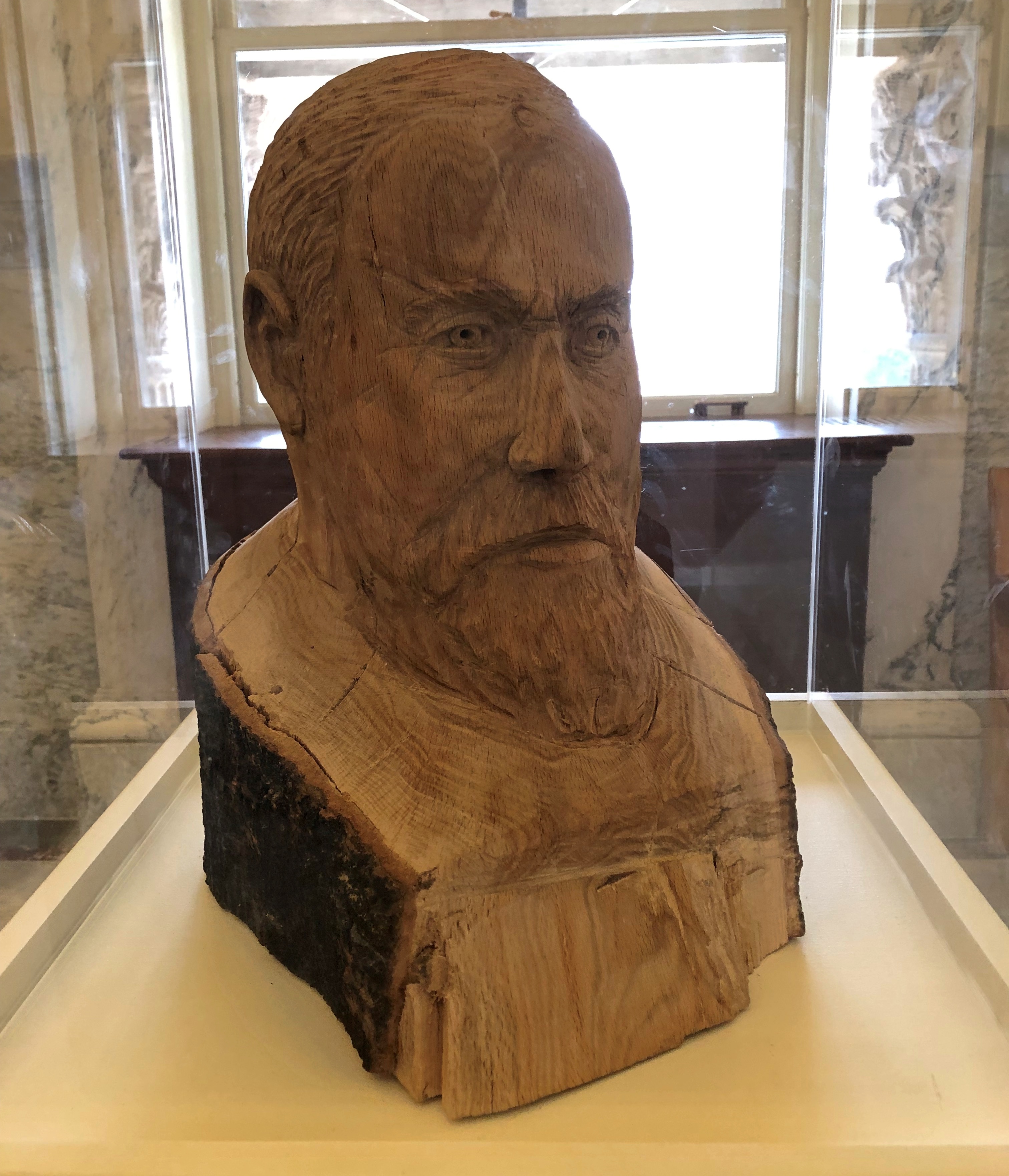
Any capitol can have an image of George Washington. But how many have a Benjamin Harrison?Idaho State Capitol

Idaho is, of course, another of the six Benjamin Harrison states, entering the union with his signature in 1890 as number 43, just days ahead of Wyoming. A nearby sign says the Harrison bust was carved in 2009 by one Steve Ussing using wood from a red oak planted by the president himself.

The Columbia River Gorge

A happy birthday to Jimmy Carter, president of my adolescence, who some years ago outlasted every other holder of that high office, now reaching 100. I can’t presume to know the secret of his longevity, but can speculate that lasting long enough to vote against you-know-who might have been an inspiration to hang on.

While reading about President Carter today, I came across the conclusion of a speech at the dedication of the Carter Presidential Library in Atlanta on October 1, 1986.

I must tell you, Mr. President, that your countrymen have vivid memories of your time in the White House still. They see you working in the Oval Office at your desk with an air of intense concentration, repairing to a quiet place to receive the latest word on the hostages you did so much to free, or studying in your hideaway office for the meeting at Camp David that would mark such a breakthrough for peace in the Middle East. Others will speak today, Mr. President, of all phases of your political career and your policies. For myself, I can pay you no higher honor than to say simply this: You gave of yourself to this country, gracing the White House with your passion and intellect and commitment. And now you have become a permanent part of that grand old house, so rich in tradition, that belongs to us all. For that, Mr. President, I thank you, and your country thanks you.

Who said that? Ronald Reagan.

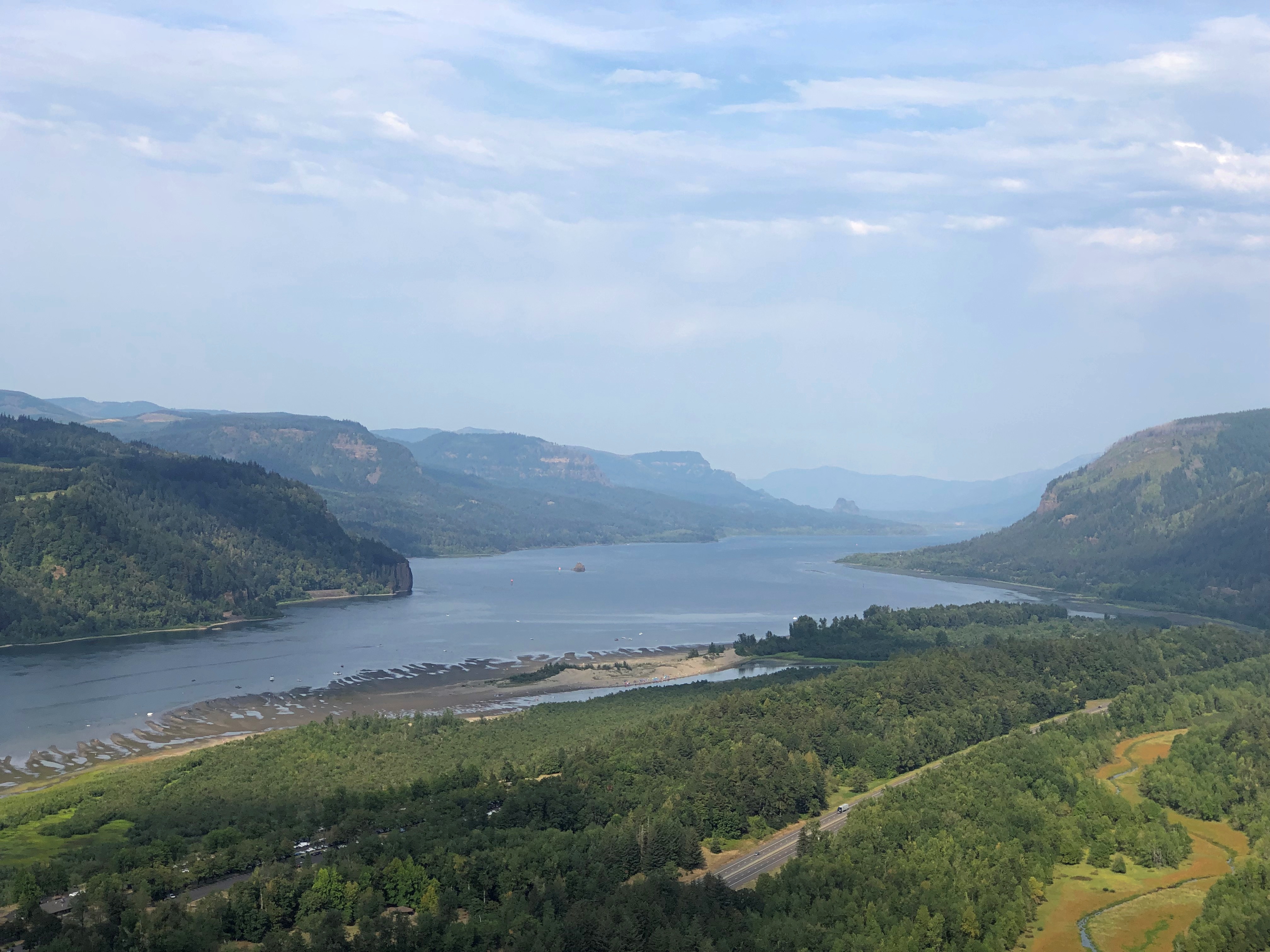
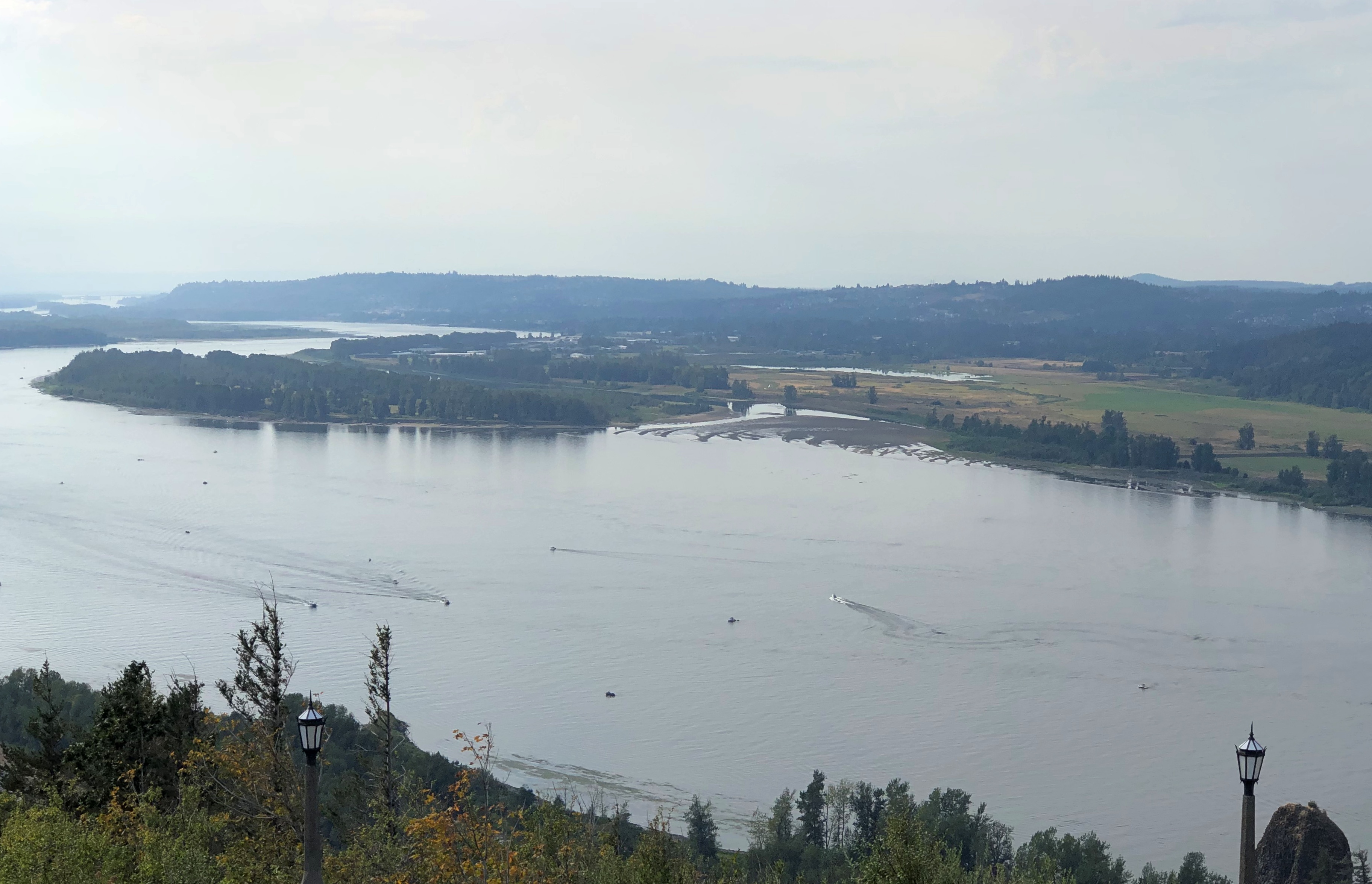
A month ago today we headed east from Portland on US 30, which soon becomes the Historic Columbia River Highway, beginning at the sizable town of Troutdale, an intriguing place that seems to count as exurban Portland. As highways go, the road is antediluvian, first surveyed in the 1910s, partly following a 19th-century wagon route. Old, but well maintained, it’s a smooth drive in our time, though fairly busy.

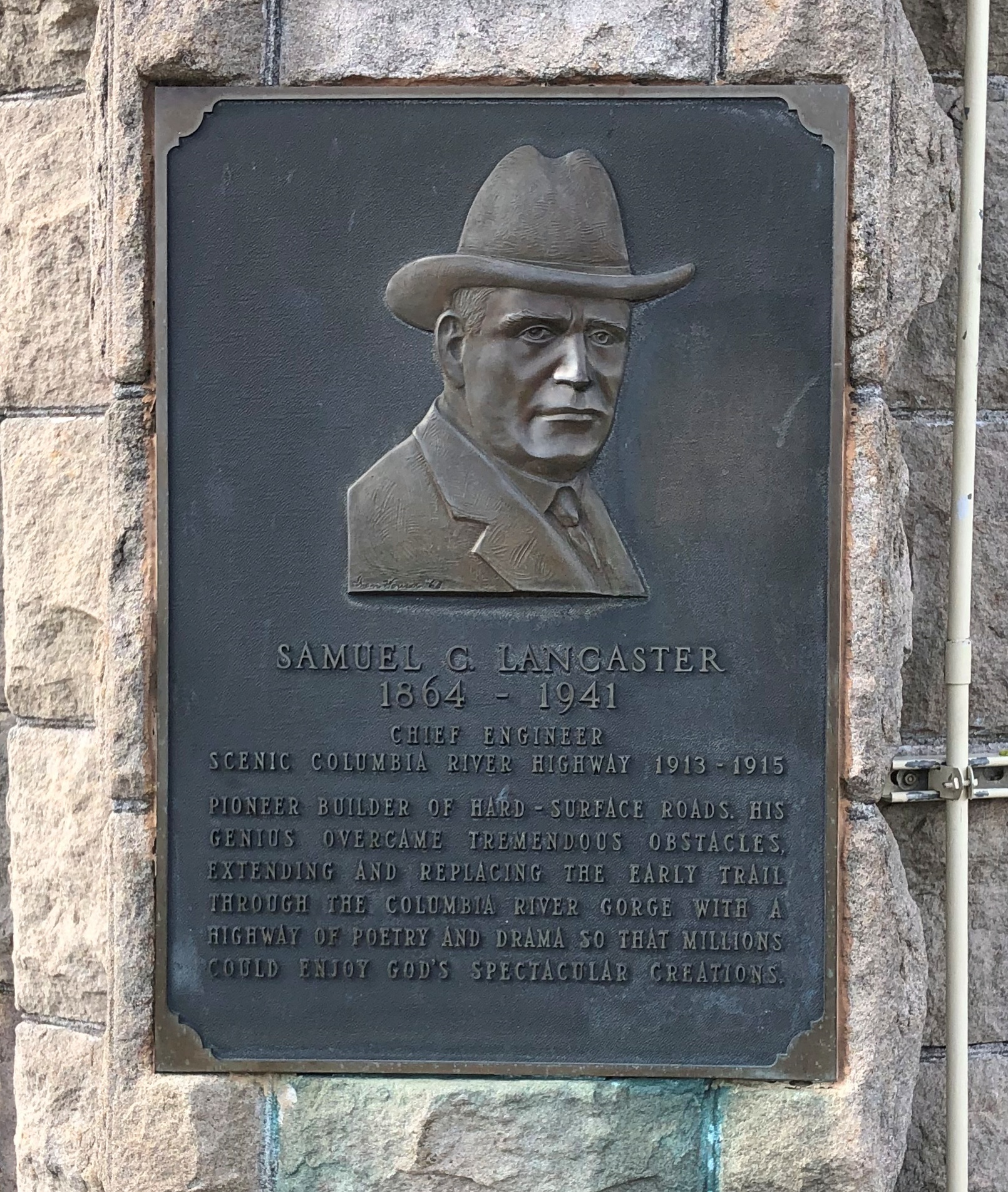
The highway’s engineer, Samuel C. Lancaster, got himself a plaque along the way, which calls the road a highway of “poetry and drama.” He collaborated with business tycoon and good roads promoter Sam Hill to get the road built.Columbia River Gorge

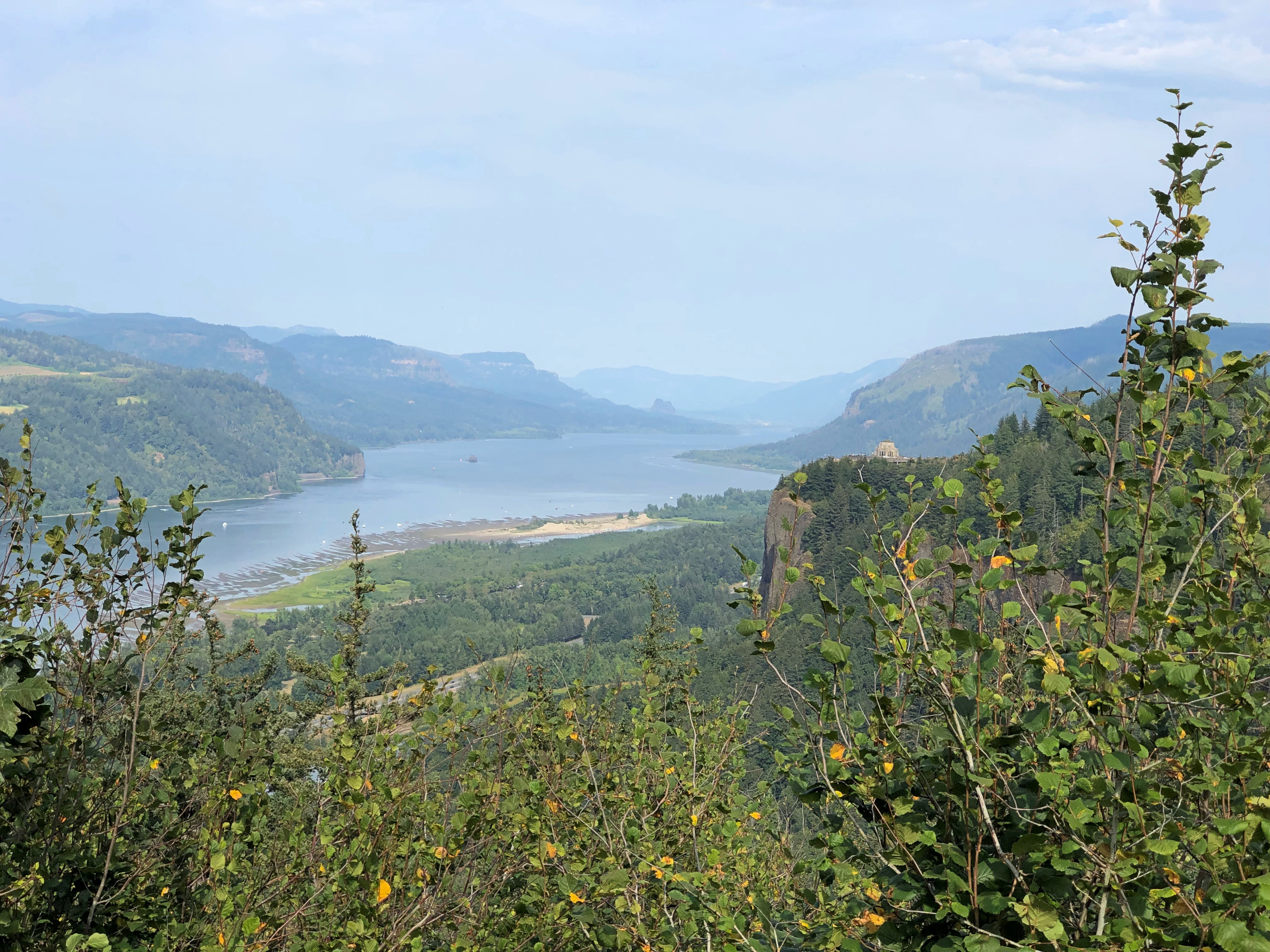
That is, he left a legacy of vistas. One could do a lot worse.

At Chanticleer Point.Columbia River Gorge

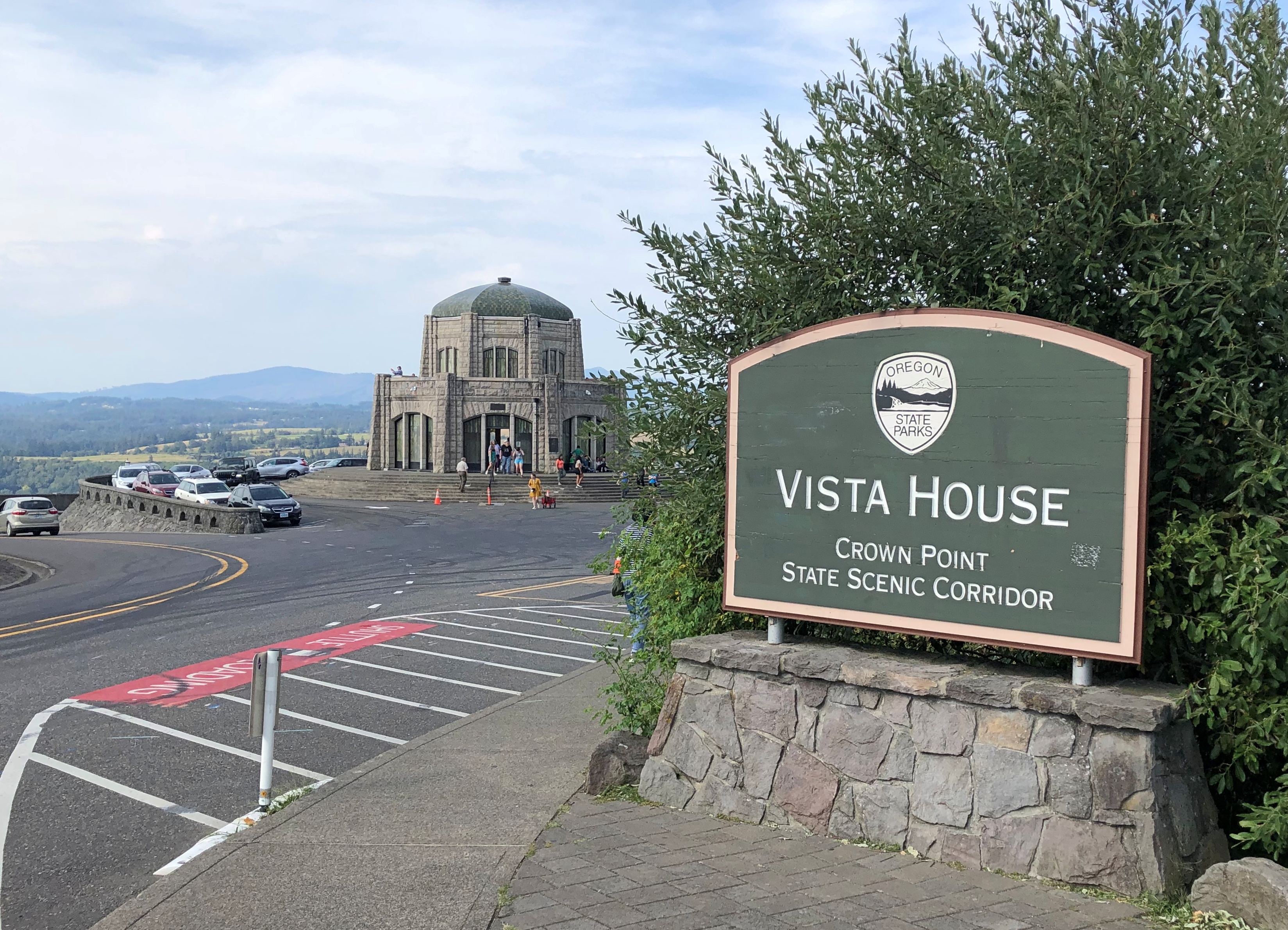
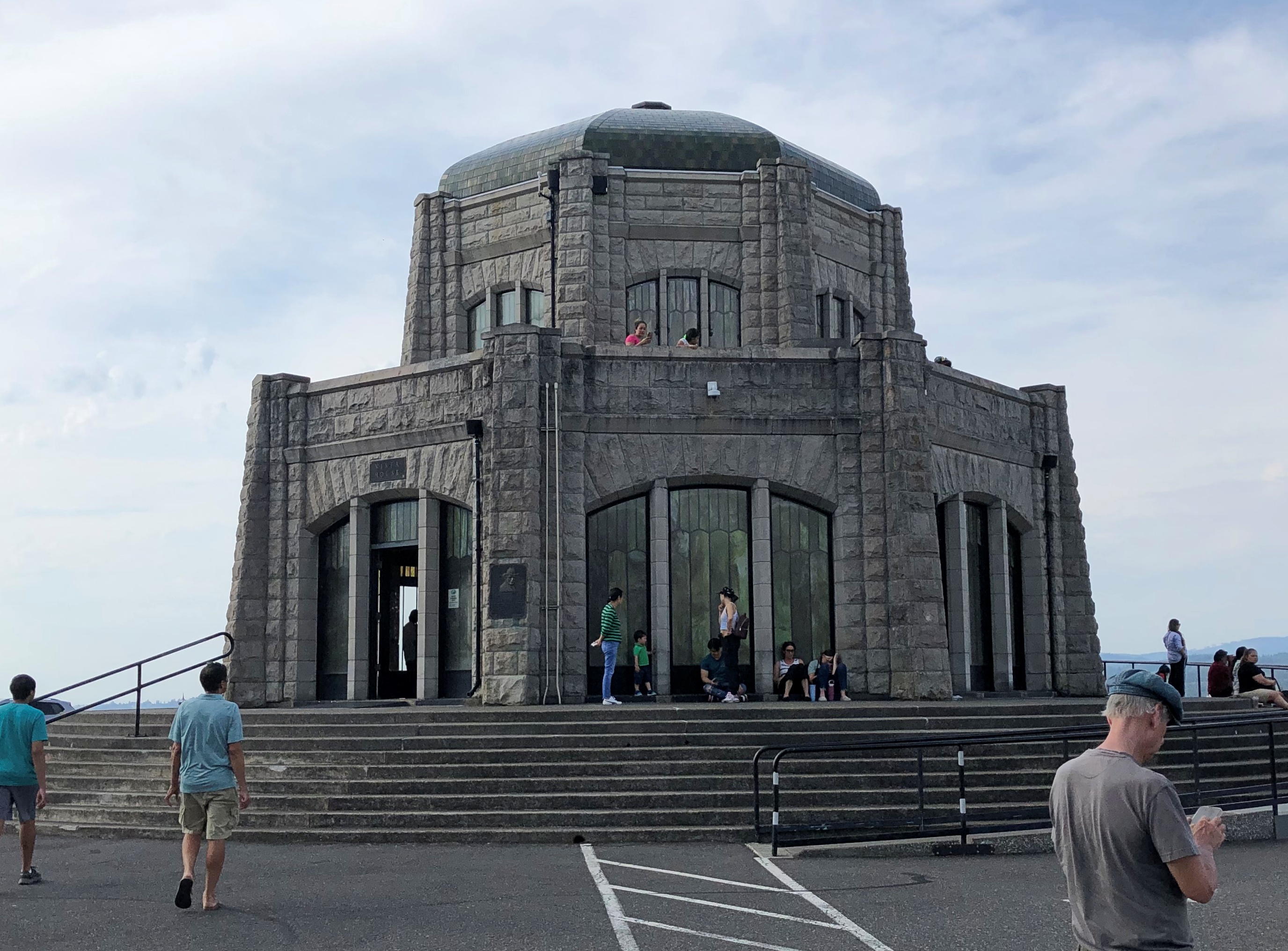
Further east is Crown Point, a promontory more than 700 feet high, with an even more sweeping view of the mighty Columbia. The builders of the highway knew this too, and included an observation tower: Vista House.Columbia River Gorge Columbia River Gorge

Designed by Edgar M. Lazarus and completed in 1918. Elegant stonework, and an expensive development, I’ve read. I’d say worth it, for providing more than a century of vistas.Columbia River Gorge Columbia River Gorge

Inside Vista House is a small museum, gift shop, and an information kiosk where we got helpful information from the person at the desk. She said that the highway (US 30) was closed for construction a few miles to the east, and that if we wanted to visit Multnomah Falls, we’d need to backtrack a few miles and then take I-84, the modern road that also passes through the Columbia River Gorge.

That we did.Columbia River Gorge

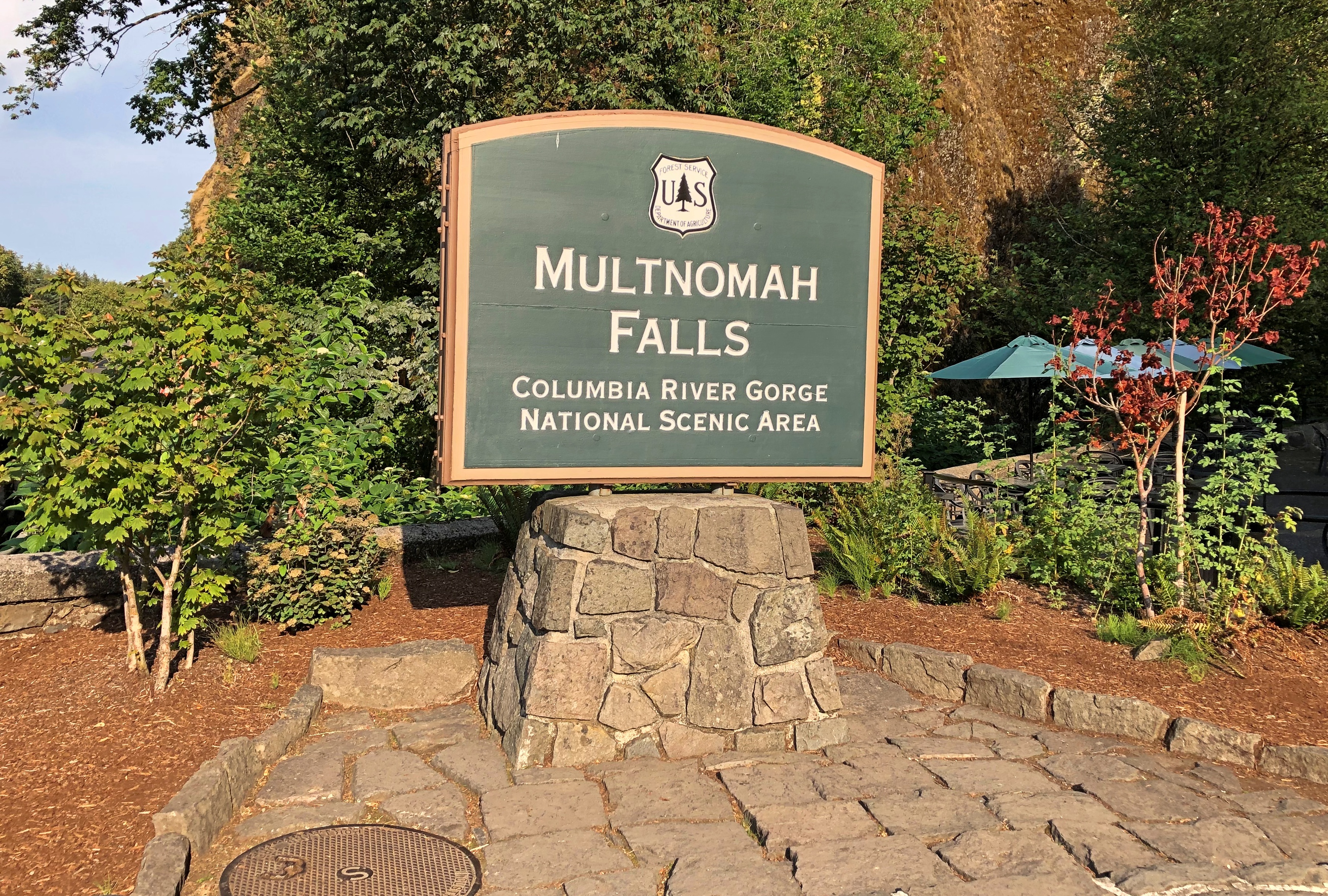
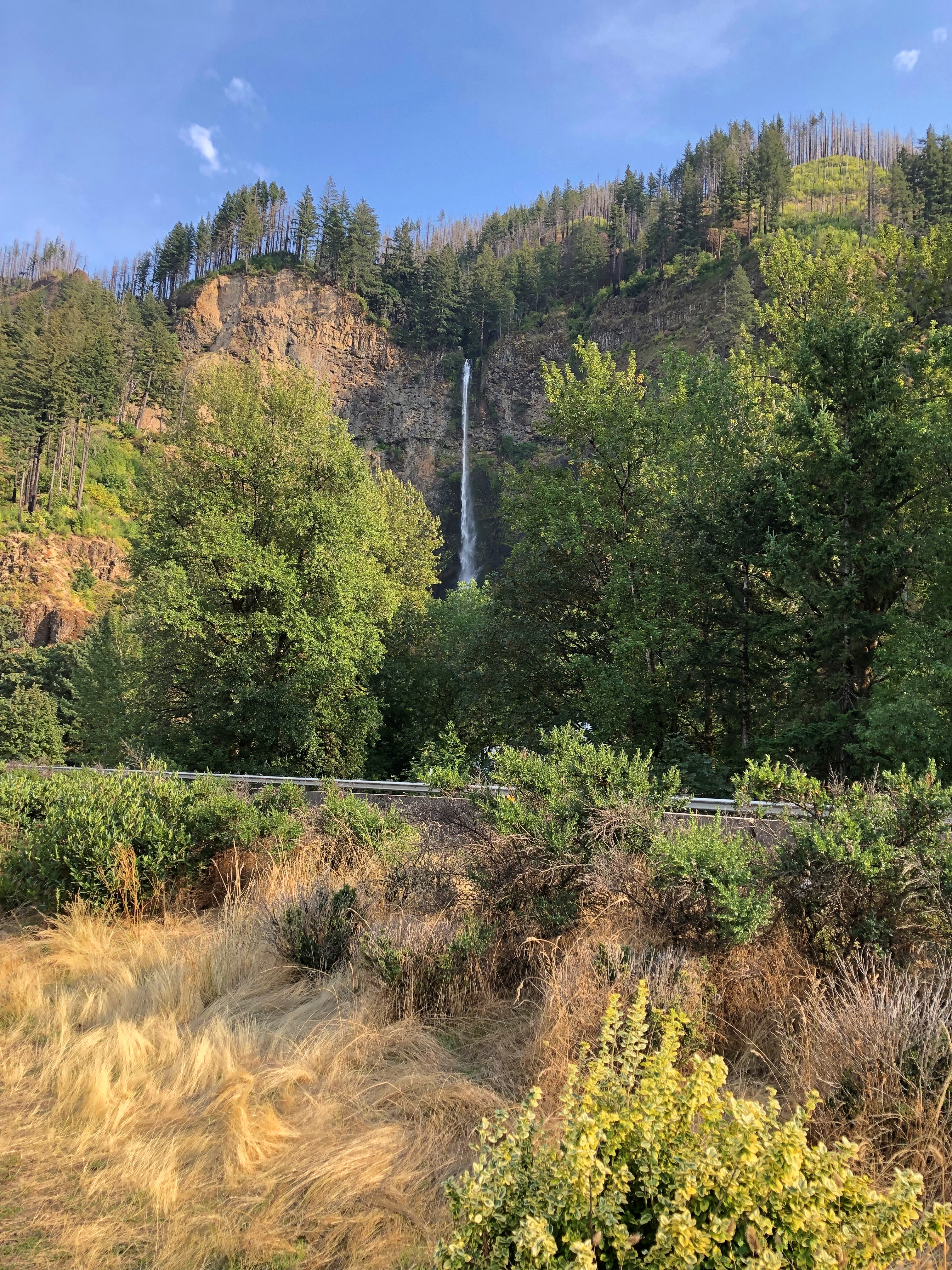
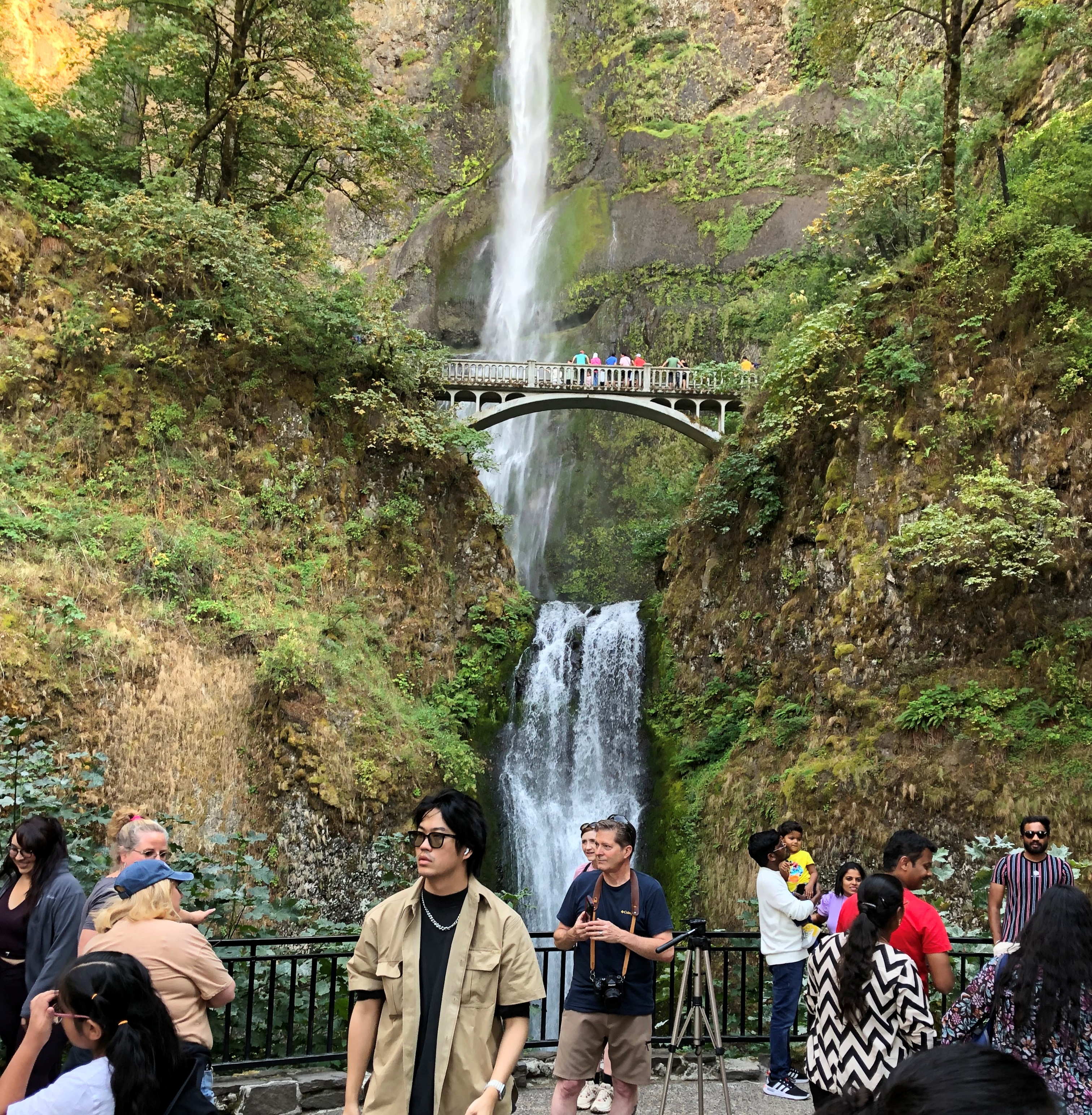
To see the falls, at least on September 1, you needed to book a slot, and we did that as well. Tall falls near a highway draws a crowd, though that isn’t apparent at a distance.Multnomah Falls

If you edit just so, that isn’t apparent closer up either.Multnomah Falls Multnomah Falls

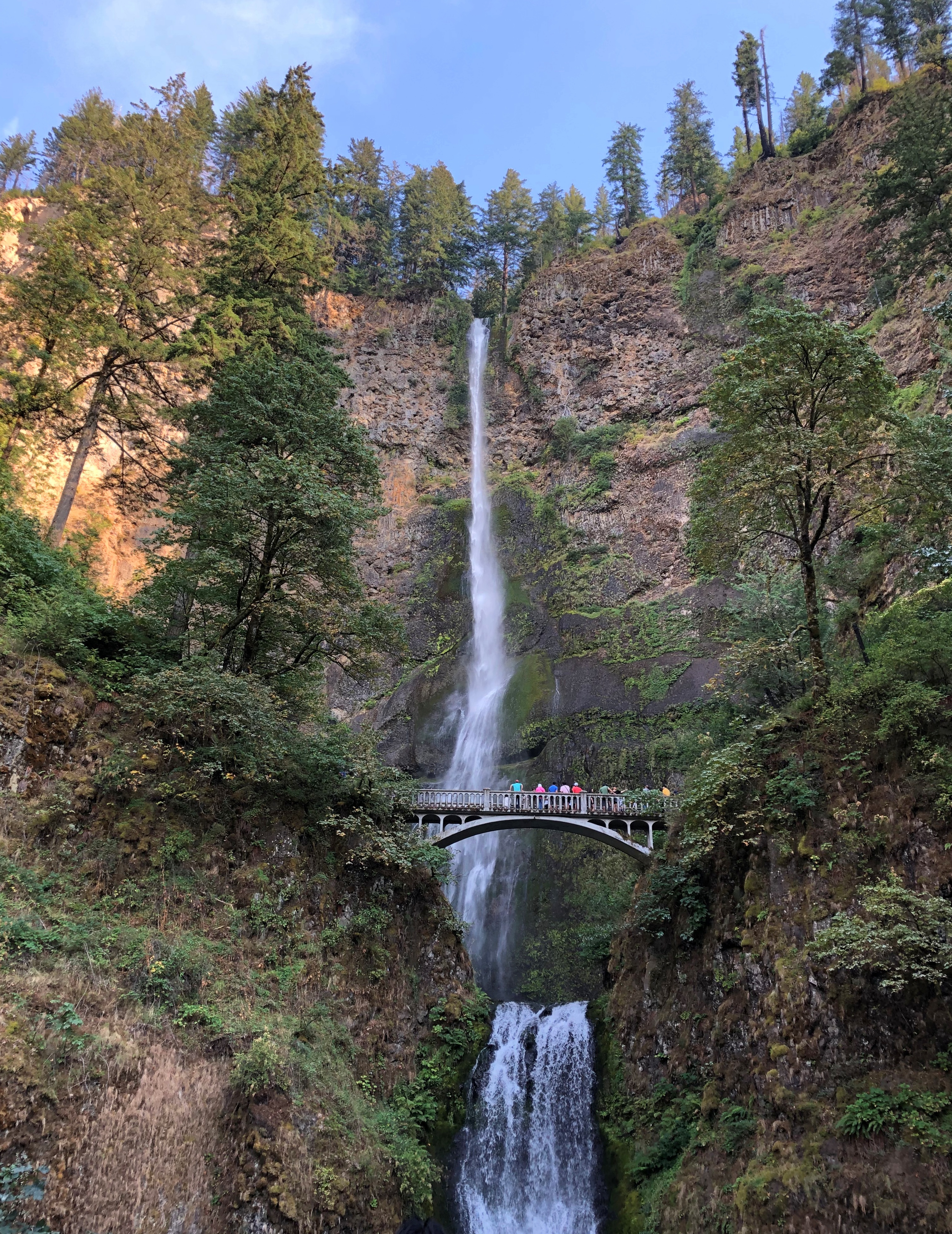
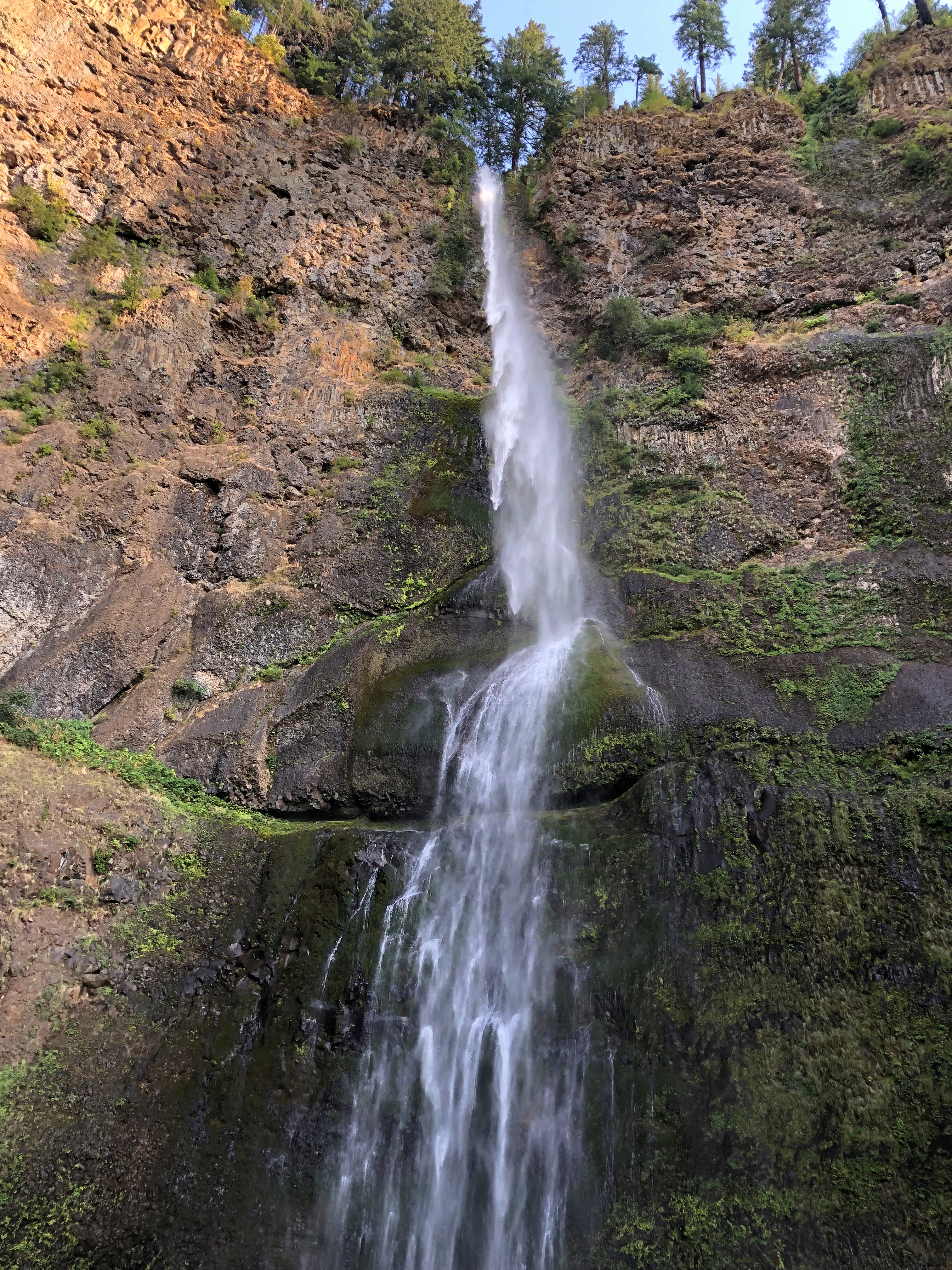
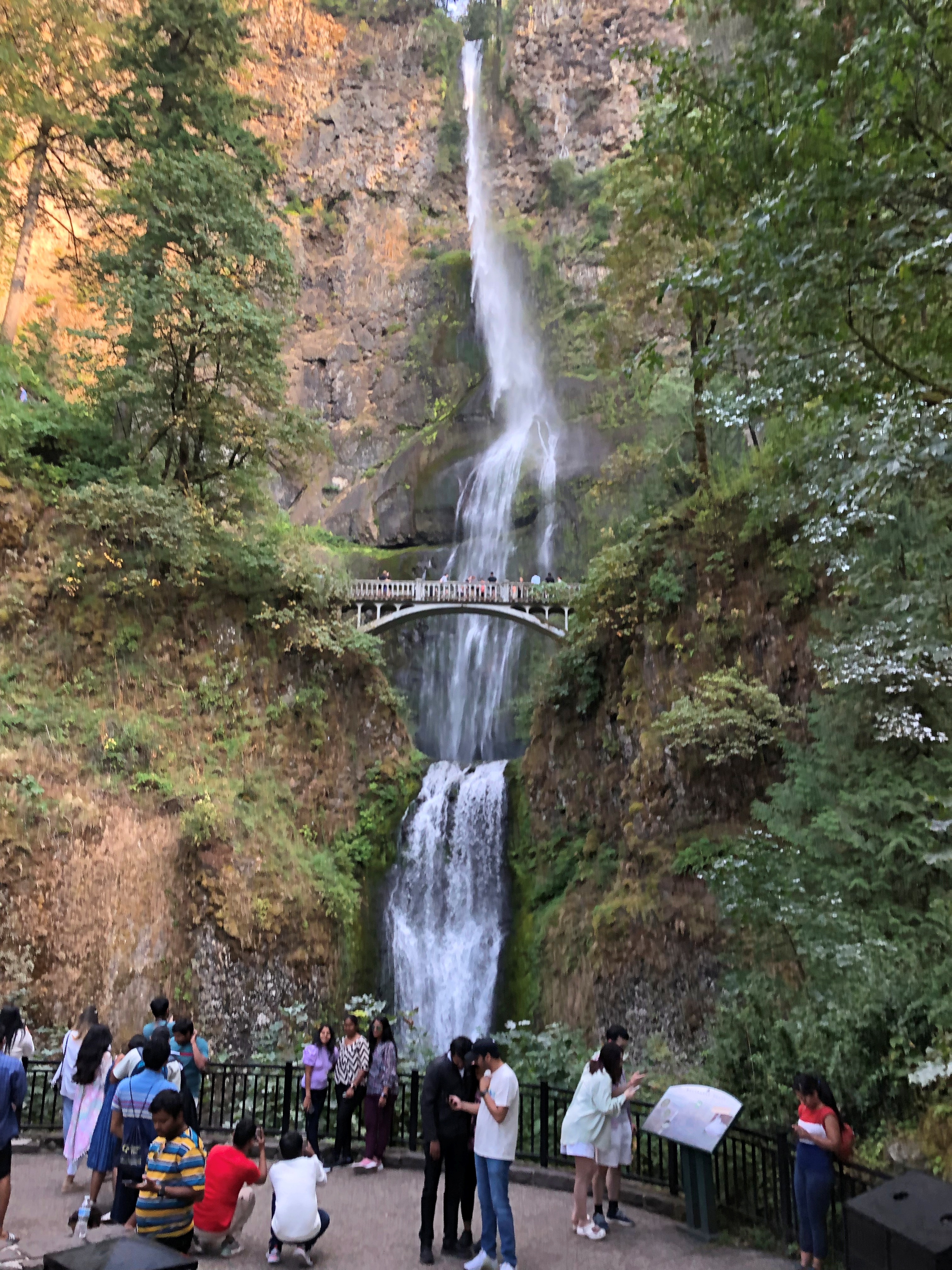
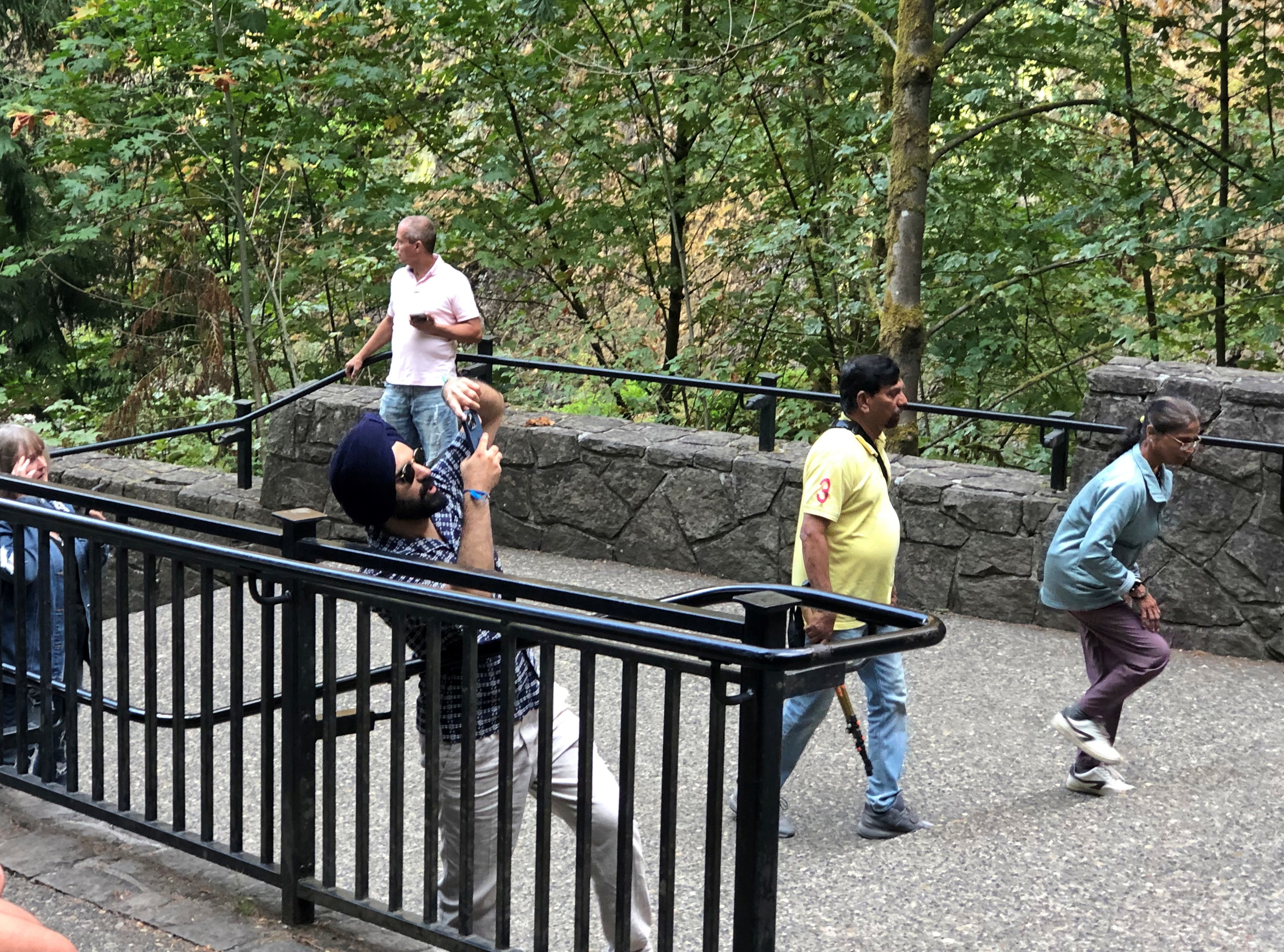
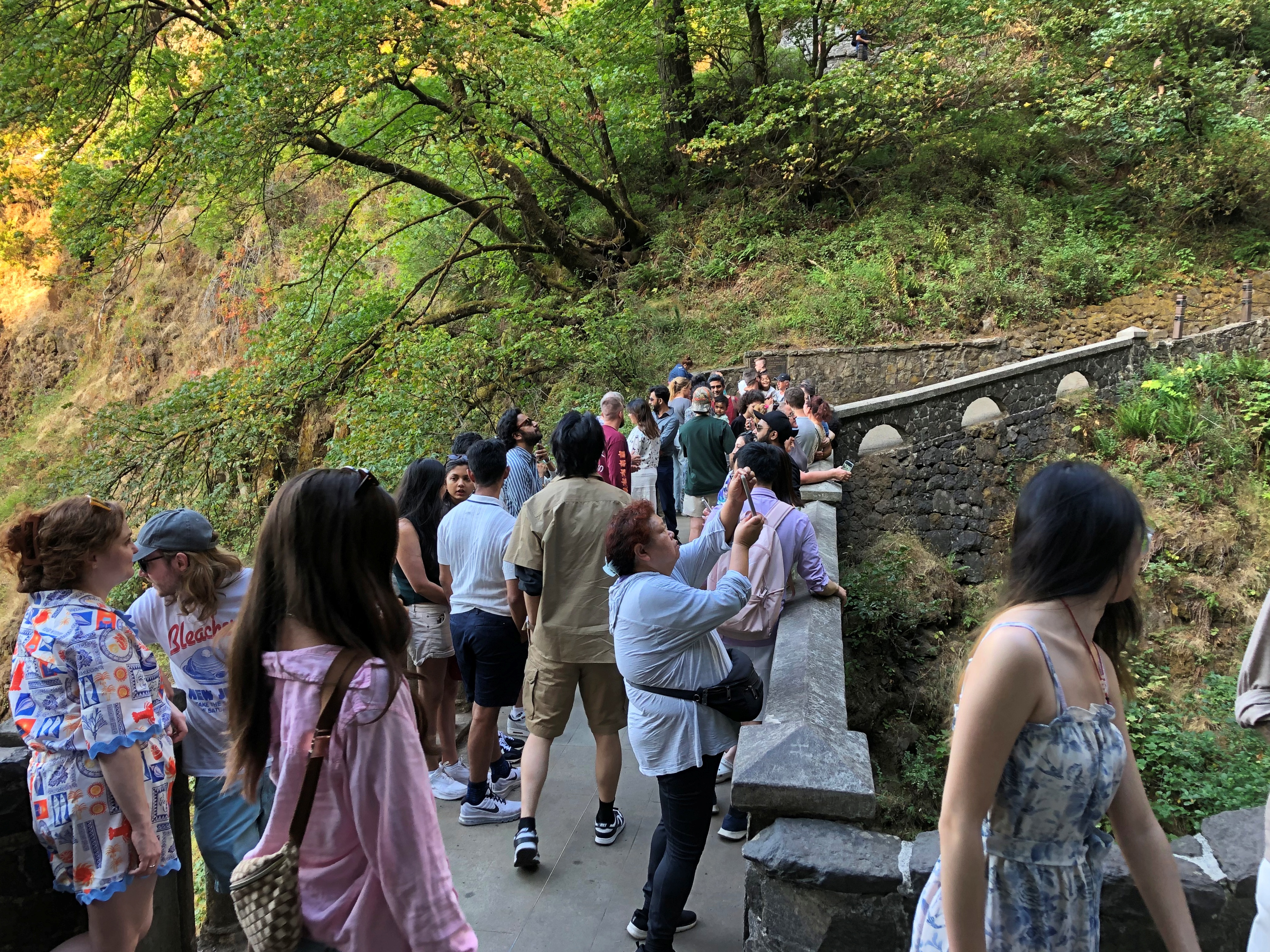
But on a visit to the falls, which drop 635 feet in two plunges, you won’t be alone.Multnomah Falls Multnomah Falls Multnomah Falls

A stone footbridge 100 feet above the lower pool is the place to climb to and point your camera.Multnomah Falls

“Formed by the cataclysmic Missoula Floods beginning 15,000 years ago and fed mainly by underground springs, Multnomah Falls drops… in two major tiers down basalt cliffs,” says the office of the Oregon Secretary of State. “It ranks as the tallest waterfall in Oregon and is one of the most visited tourism sites in the state.”

Two million visits a year, to quantify that statement. As I’ve noticed in a fair number of other places, that’s not much of an issue, since the crowd is in a pretty good mood.

Missoula Floods?

“After millennia of relative calm, the colossal Missoula Floods crashed through the [Columbia River] gorge several times between 12,000 and 18,000 years ago,” wrote science writer Richard Hill in the Oregonian. “The source of the floods was the 2,000-foot-deep, 200-mile-wide Glacial Lake Missoula. Until the last ice age started to thaw, an ice sheet at the mouth of the Clark Fork River in northern Idaho and Montana blocked it.
“But slowly, melted water cut a channel into or under the ice, collapsing the dam and unleashing the lake’s 500 cubic miles of water. It sped into the narrower confines of the gorge at 75 mph and submerged Crown Point. The ice dam repeatedly would reform, and the flood process would start again.
“Recent studies… found evidence of at least 25 massive floods. They calculated the largest flood discharged roughly 2.6 billion gallons a second — about 2,000 times larger than the Columbia’s 1996 flood.”

1996 flood?

Another one of those things I’m sure I heard about, but memory of it has evaporated as surely as the flood waters. Epic, the Oregonian calls it.

South Dakota Dash ’24

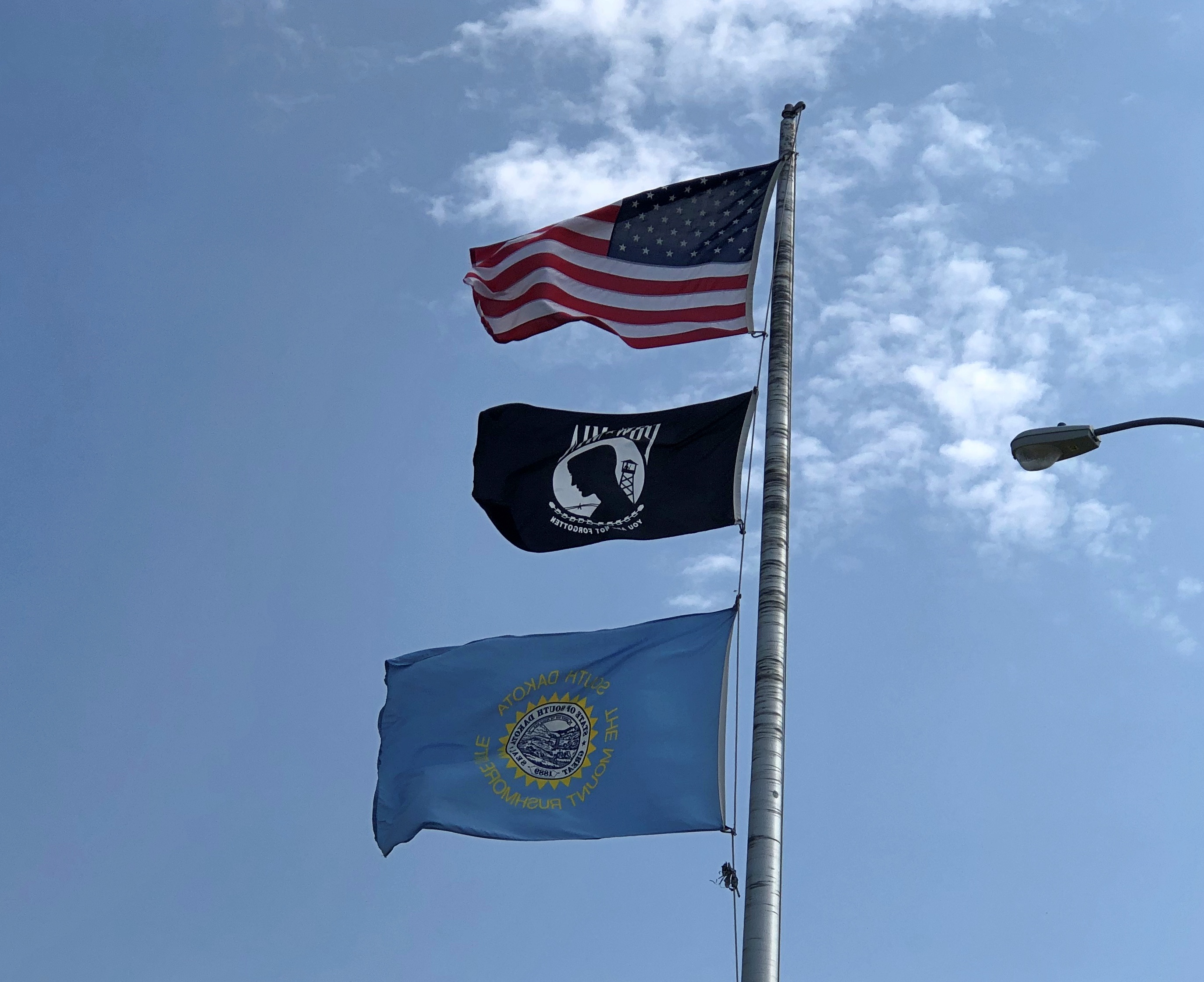
The first day of the trip was a slog from Illinois through Wisconsin and most of southern Minnesota. The second day, August 19, we woke up in Luverne, Minnesota and went to bed in Sundance, Wyoming. Less of a slog, mainly because we stopped a few places in South Dakota along I-90.South Dakota flag

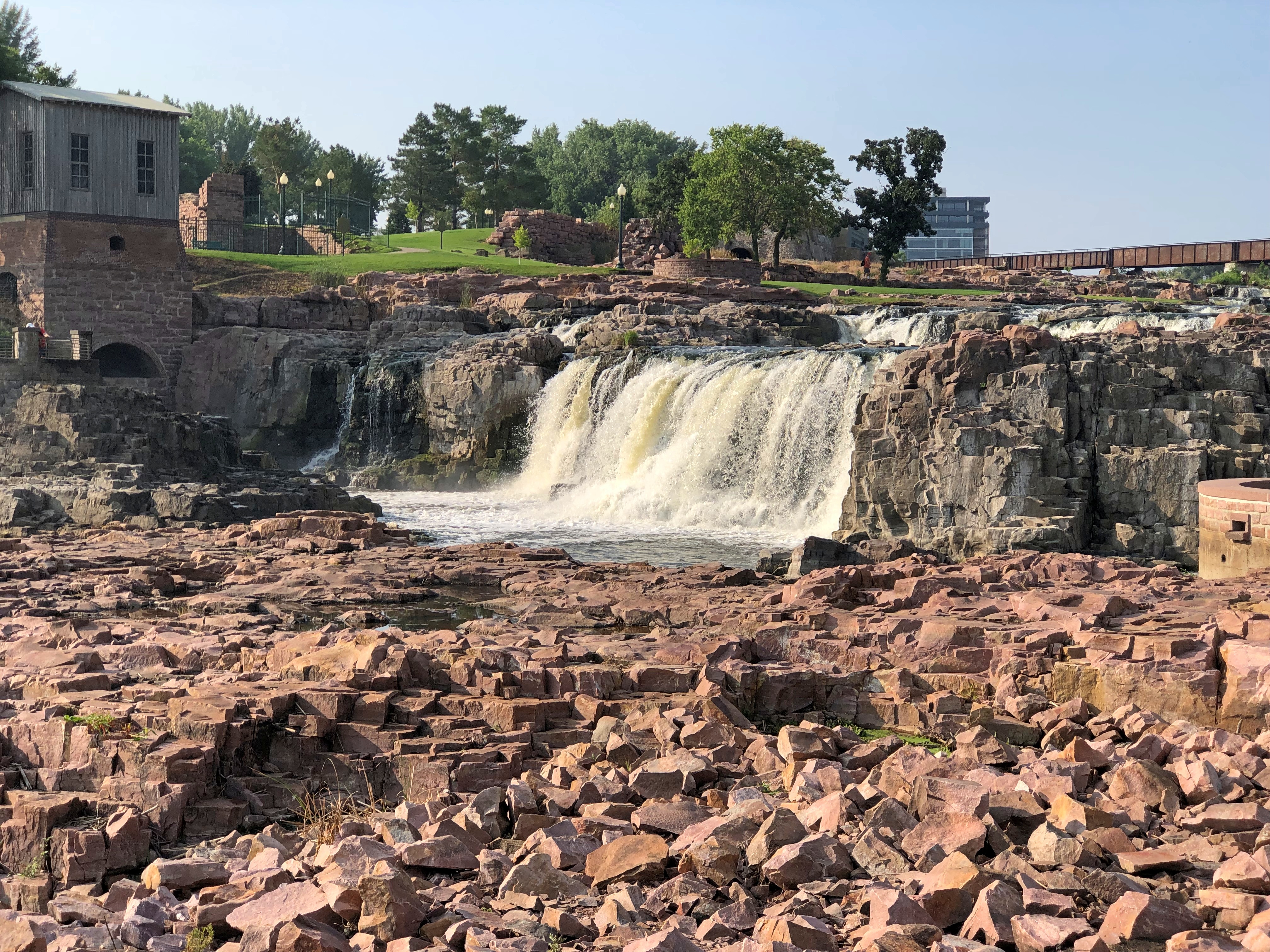
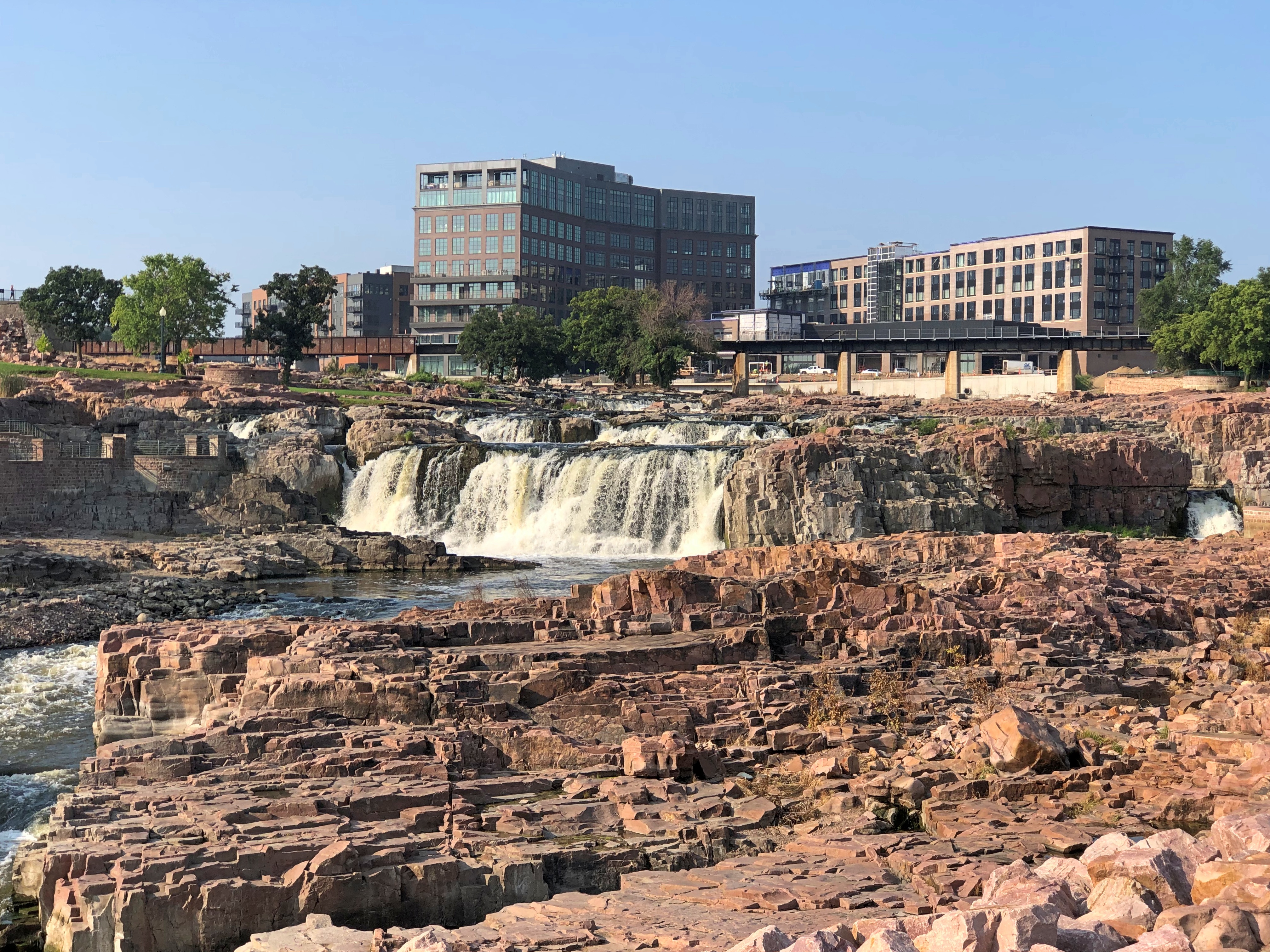
First of all, Sioux Falls. How can you stop in Sioux Falls and not see the falls?Sioux Falls Falls Park Sioux Falls Falls Park

Hard to believe, if you crop things right, you’re in a city of around 200,000. Sioux quartzite, it’s called.Falls Park, Sioux Falls

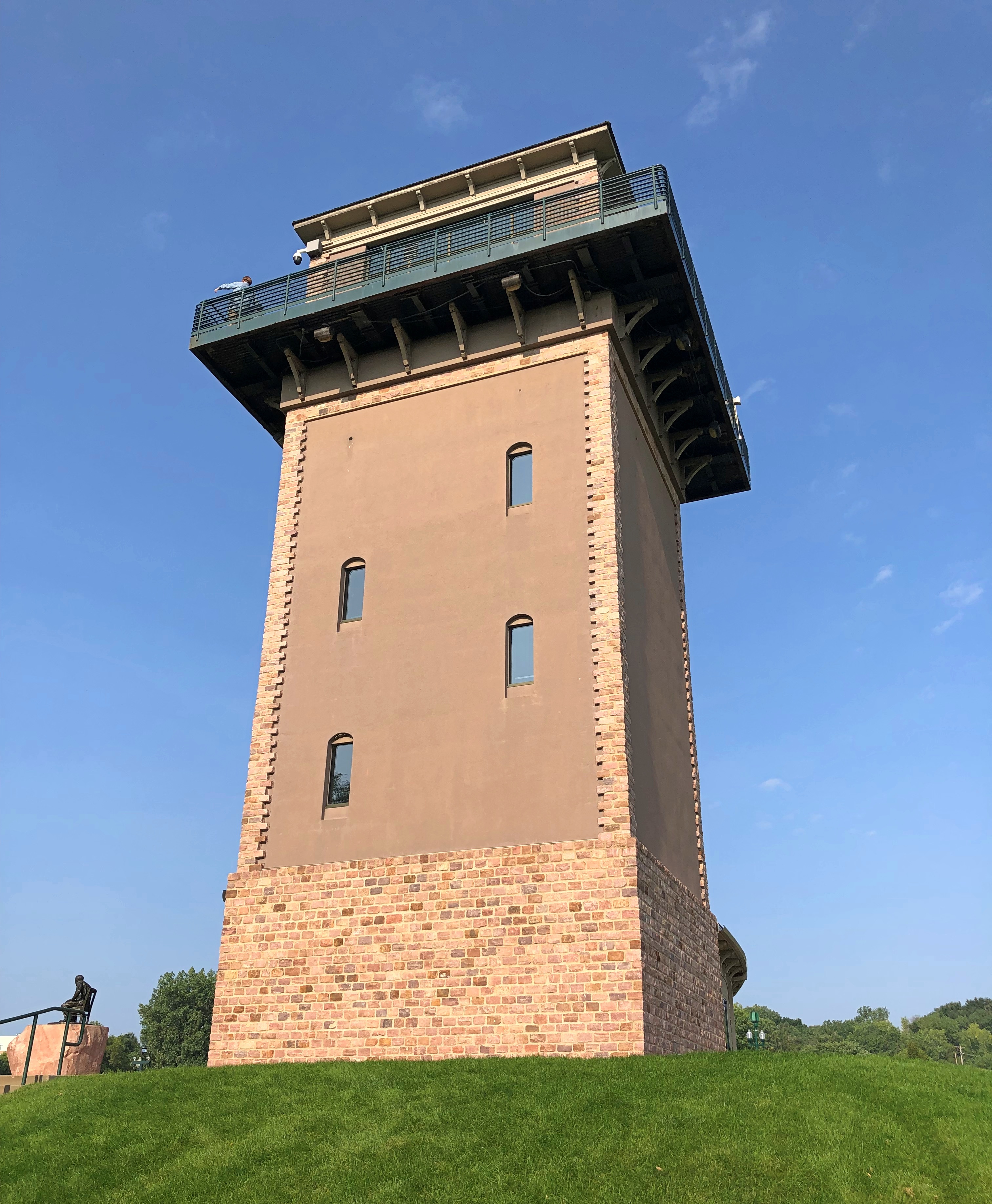
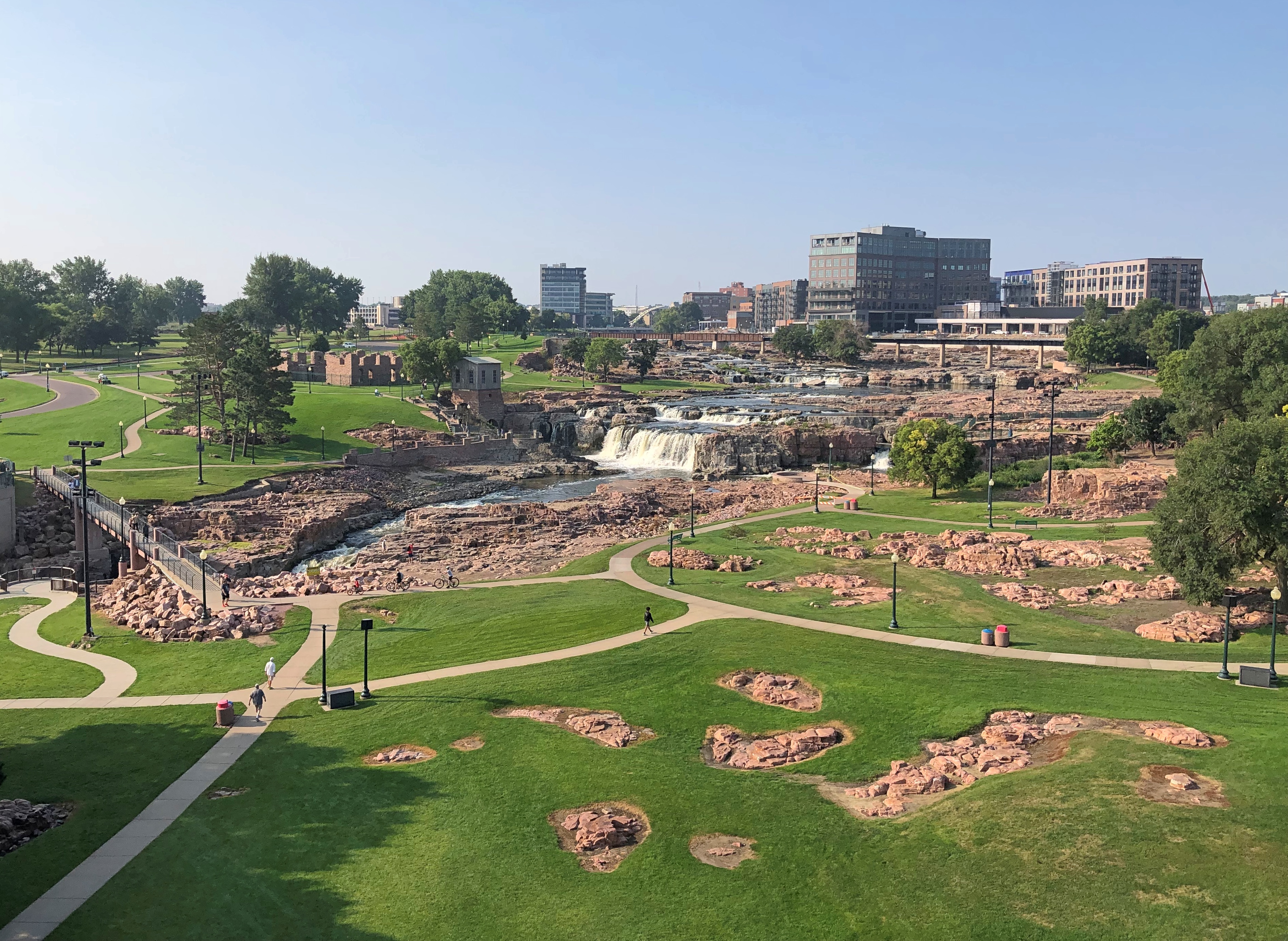
Once a hub of water-power industries — the ruins of a mill are on the grounds — these days the falls travel through the municipal Falls Park. Sioux Falls has thoughtfully erected an observation tower on top of a rise in the park, for better views.Sioux Falls Falls Park

Naturally, we went to the top, for the view of the falls, downtown Sioux Falls, and – off in a different direction – a major Smithfield meat processing plant. Sioux Falls isn’t just about credit card HQs, the result of a race-to-the-bottom concerning usury laws. It still has industry, too.Sioux Falls Falls Park

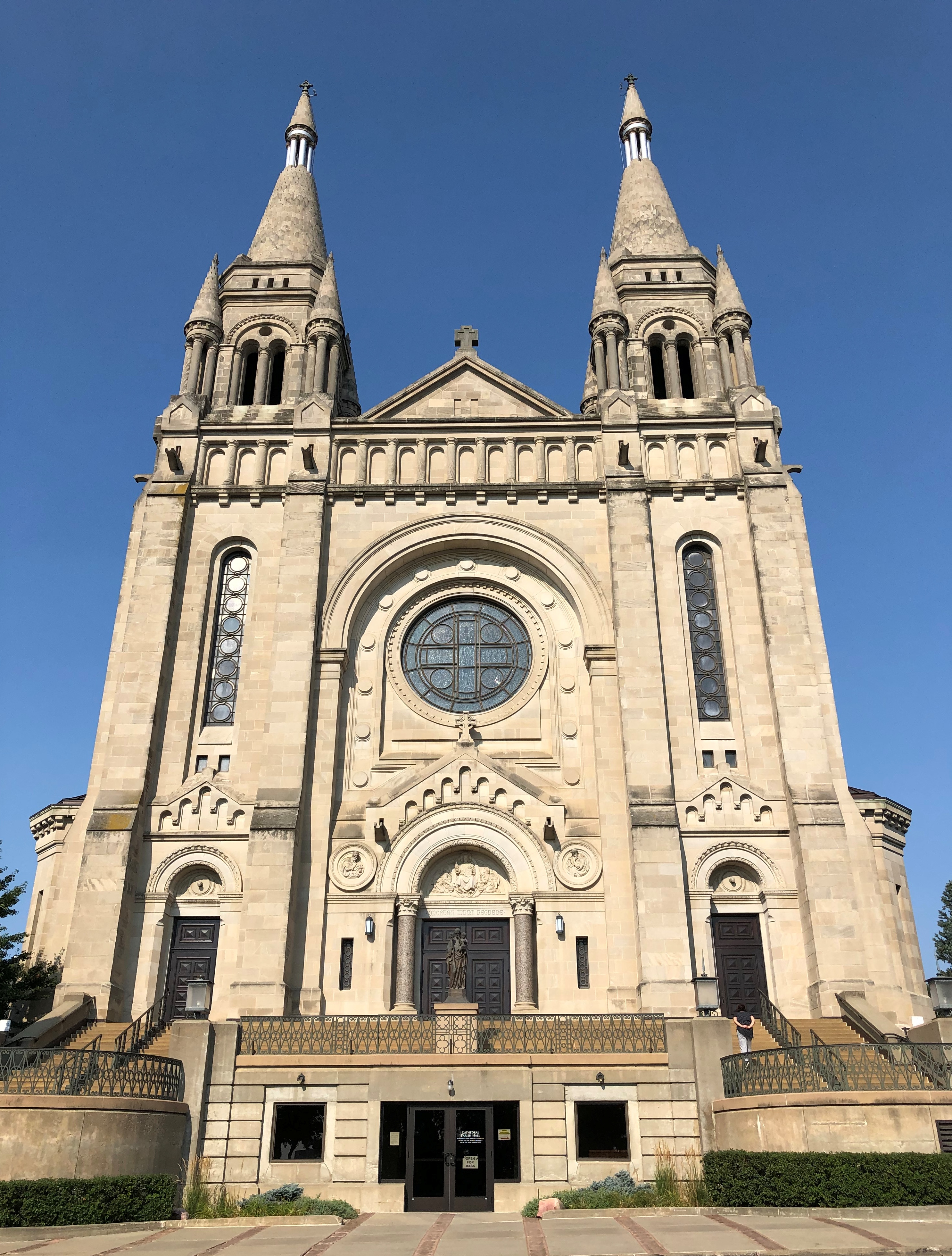
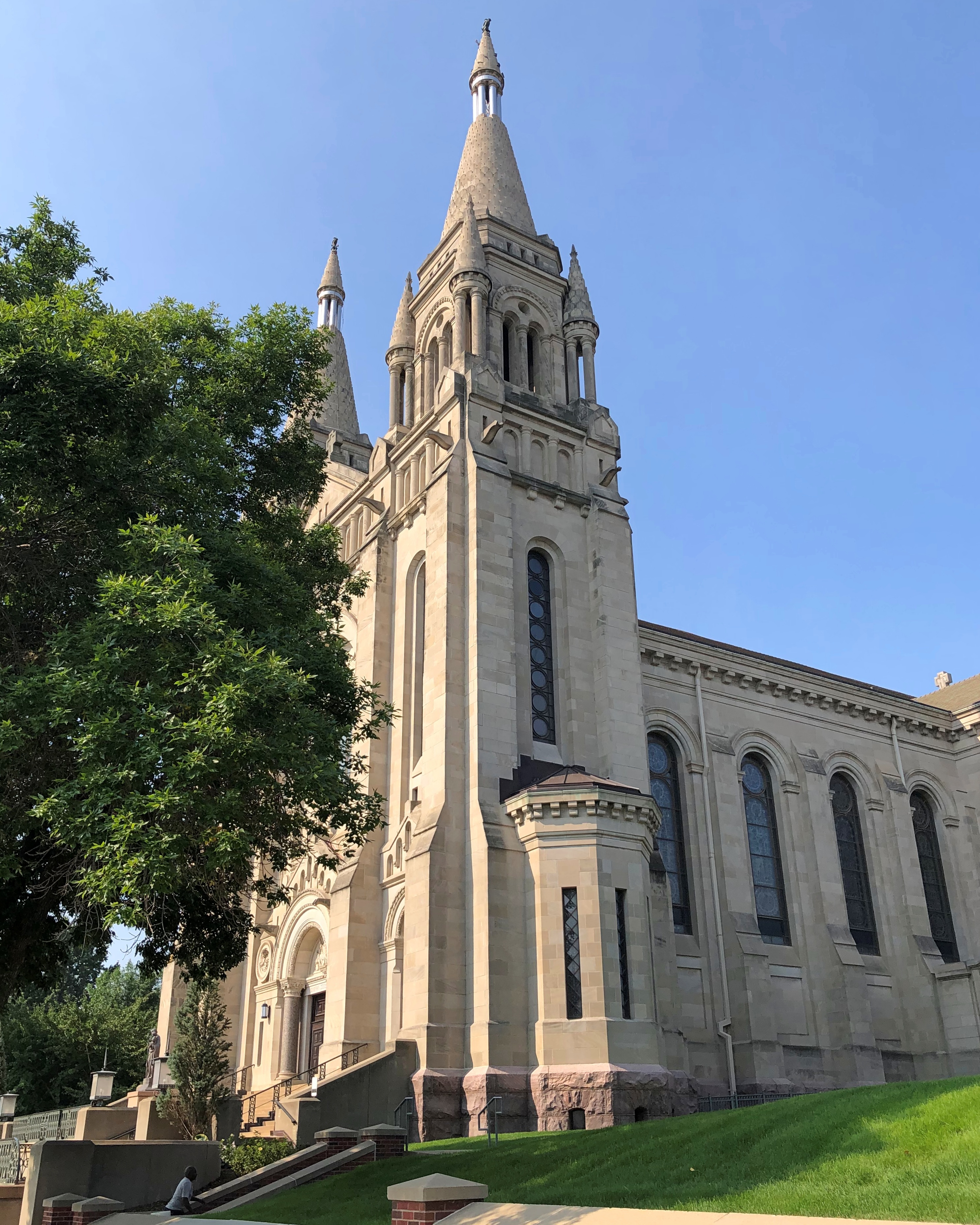
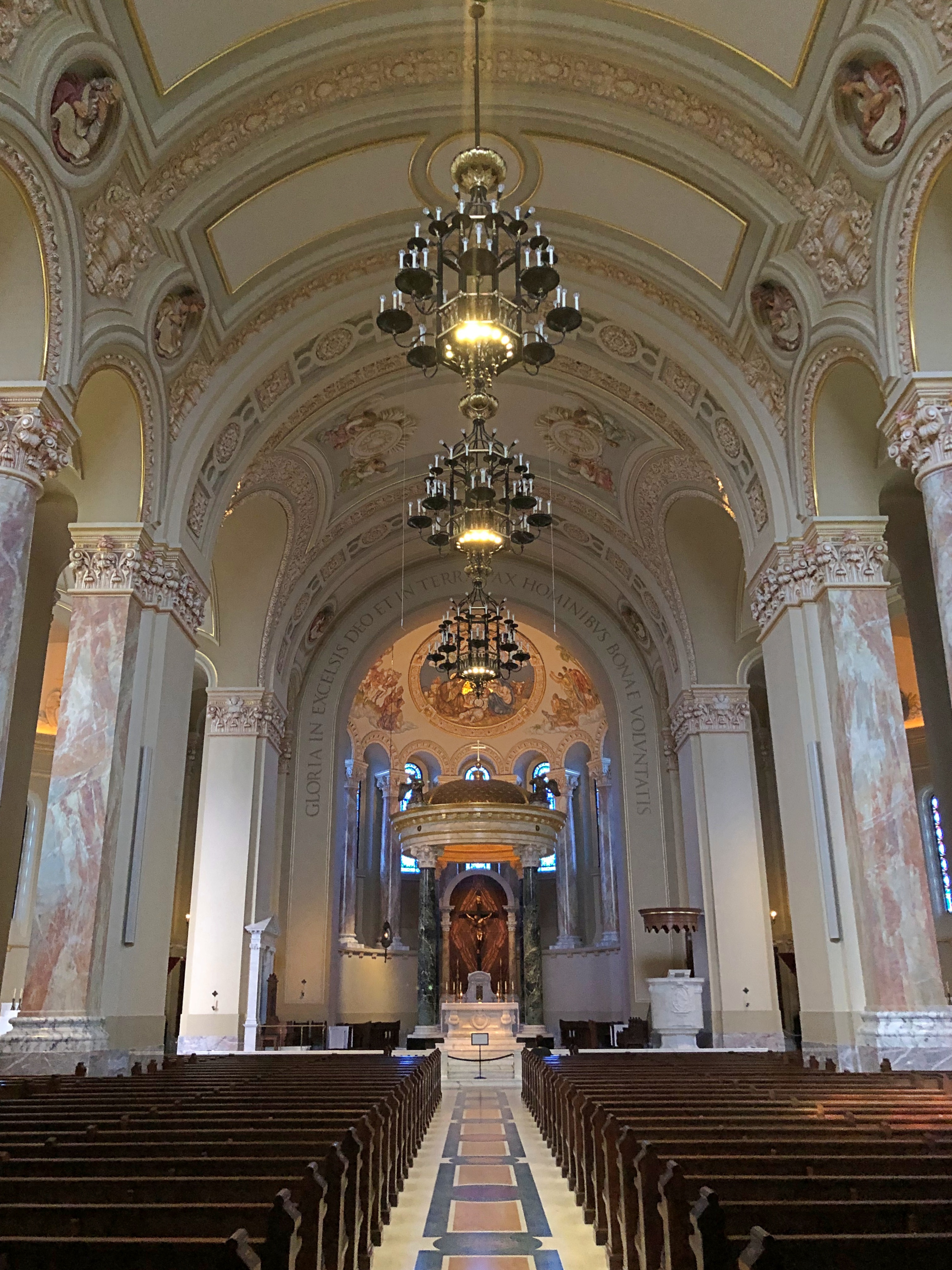
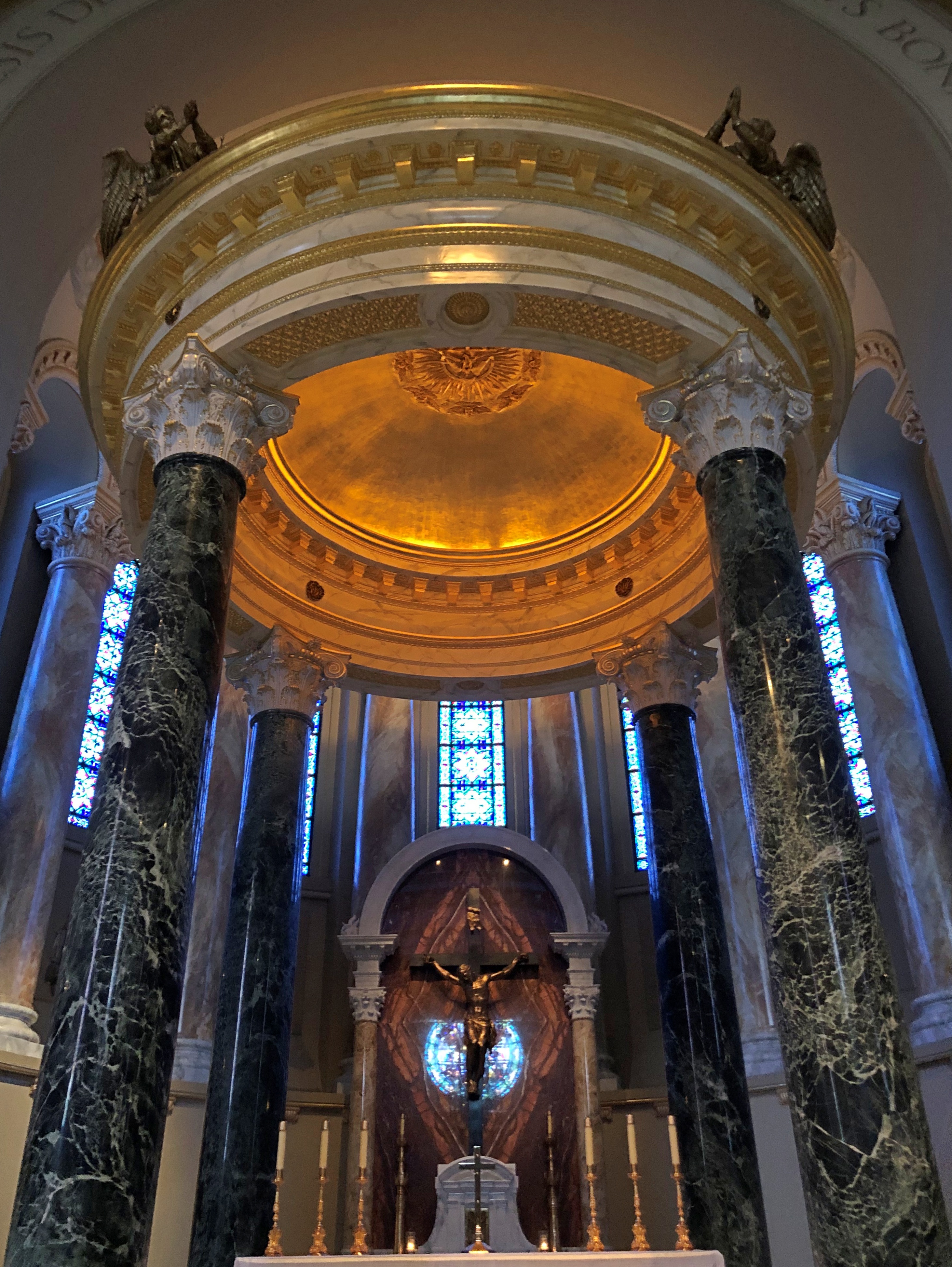
Before leaving town, we sought out the Cathedral of St. Joseph, a work by Emmanuel Louis Masqueray (d. 1917), another of those famed architects mostly lost to time. Among other things, he was chief of design at the 1904 St. Louis world’s fair (one of the four fonts of the modern world).Sioux Falls Cathedral St. Joseph Sioux Falls Cathedral St. Joseph

It was open. Not all city churches can say that on a Monday.Sioux Falls Cathedral St. Joseph Sioux Falls Cathedral St. Joseph

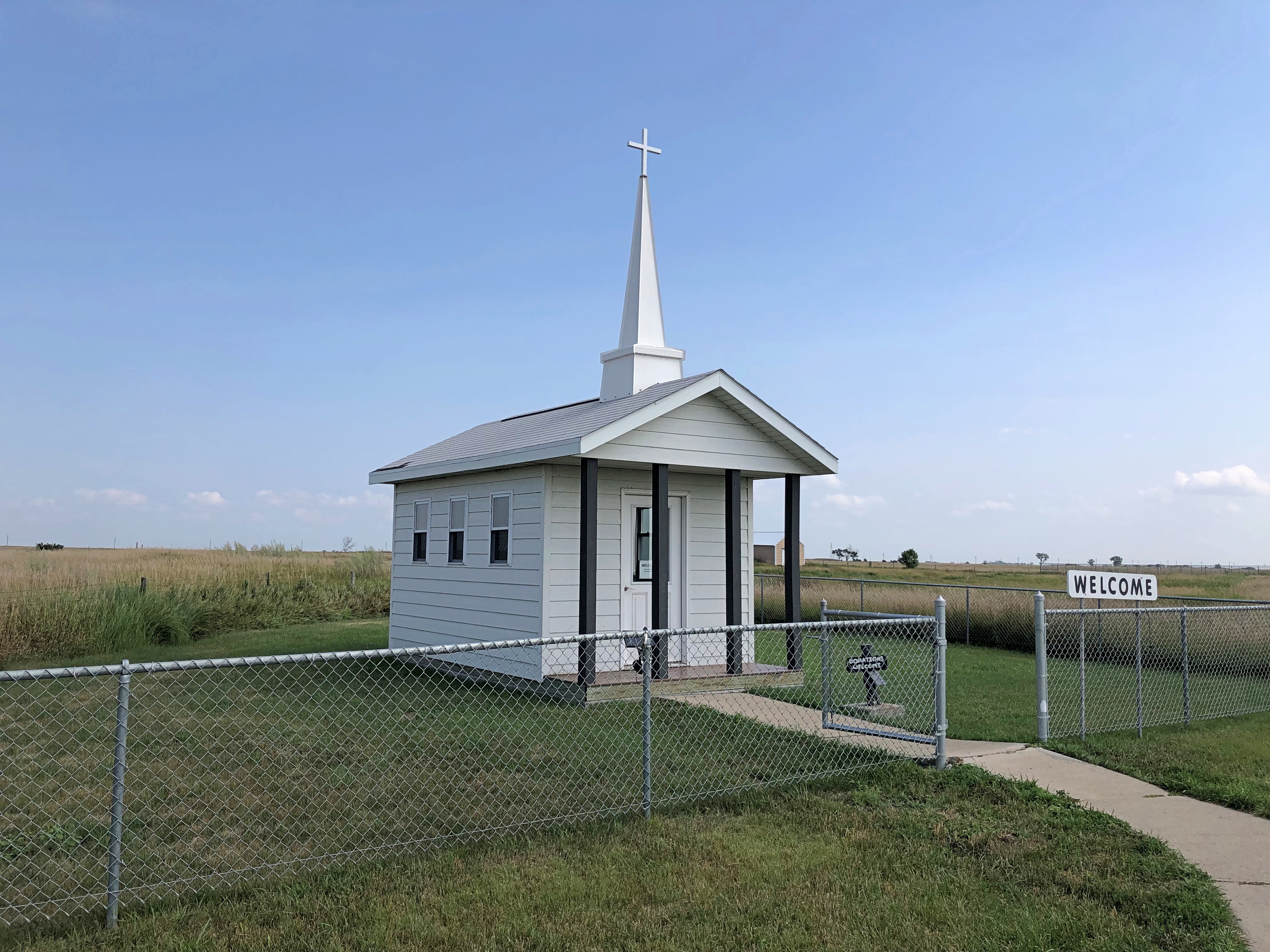
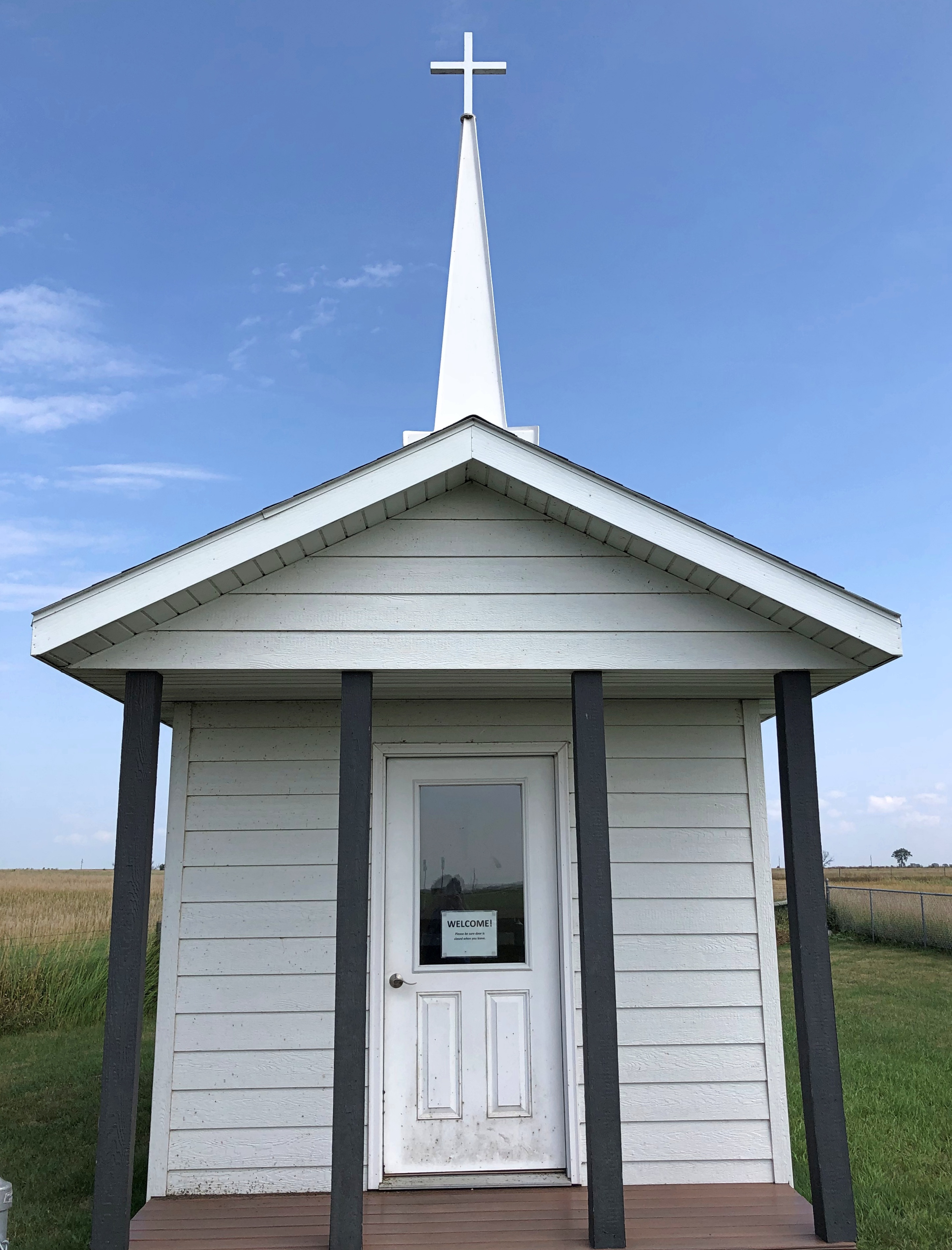
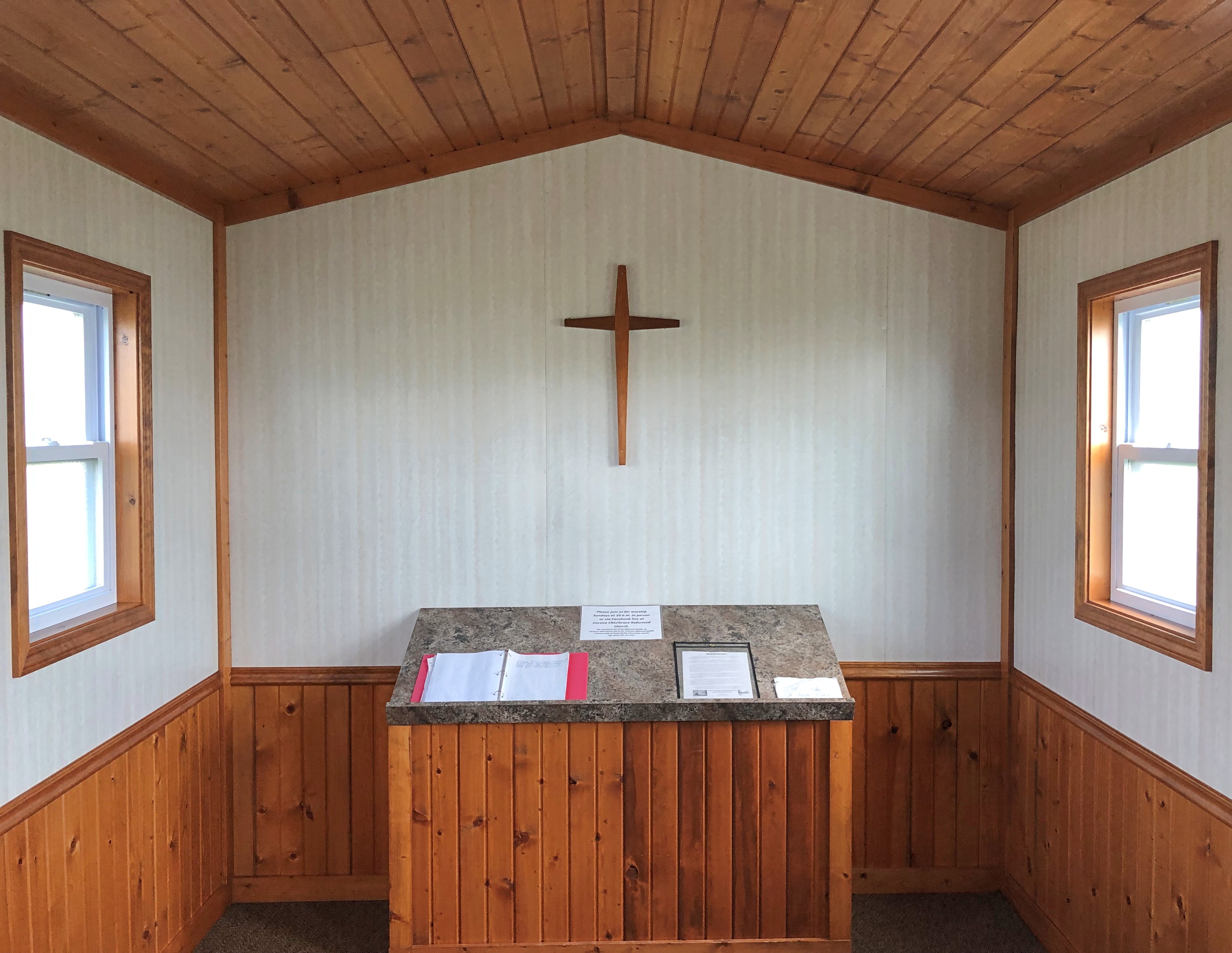
Nice. Westward on I-90, at one of the rest stops, we found a much smaller religious structure, though elegant in its simplicity.wayside chapel, South Dakota wayside chapel, South Dakota


It too was open.wayside chapel, South Dakota

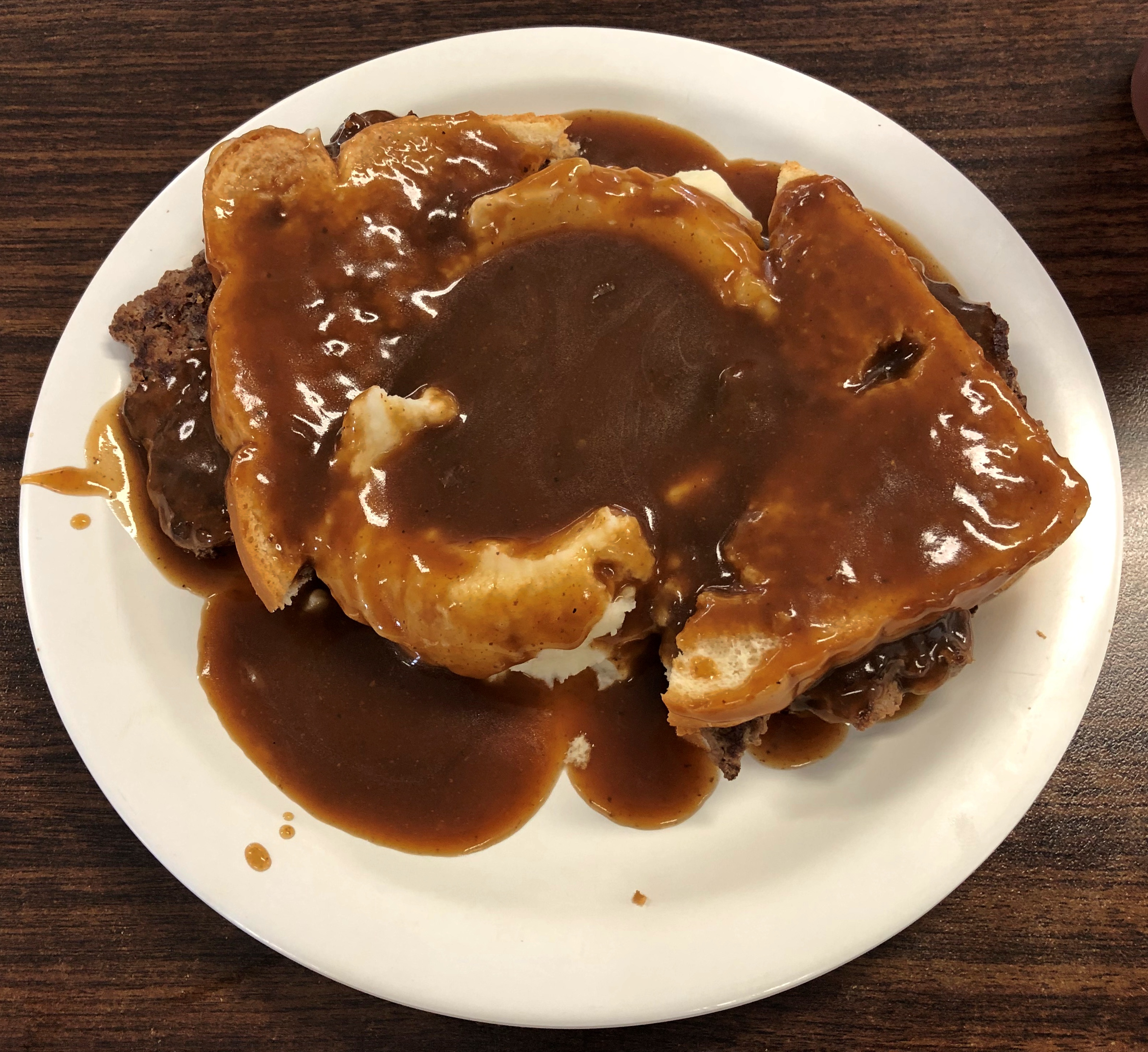
Lunch that day was in the burg of Kennebec, SD (pop. 281), which happened to have a place, Benji’s Diner, with a distinctive ag-town vibe, and serious meat on the menu.

It’s a little hard to tell, but there’s beef under that sea of gravy, and I found it mighty filling. Signs on the highway promote the SD beef industry and beef eating on principle, and they get no argument from me.

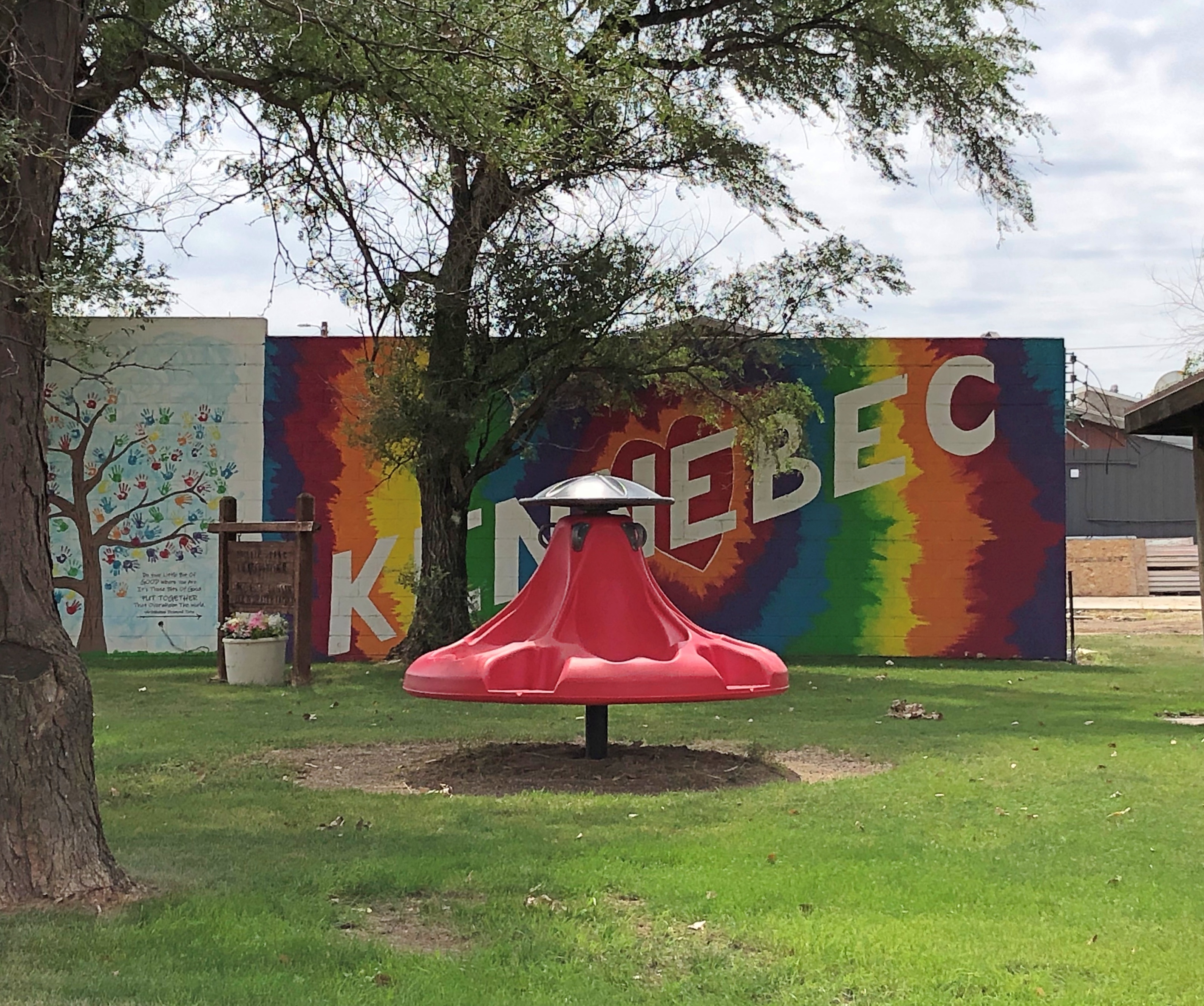
We took a look around town. When I saw this, I concluded that every town, no matter how small, has one of these murals as a little expression of civic pride. Seems that way, anyway.Kennebec, SD

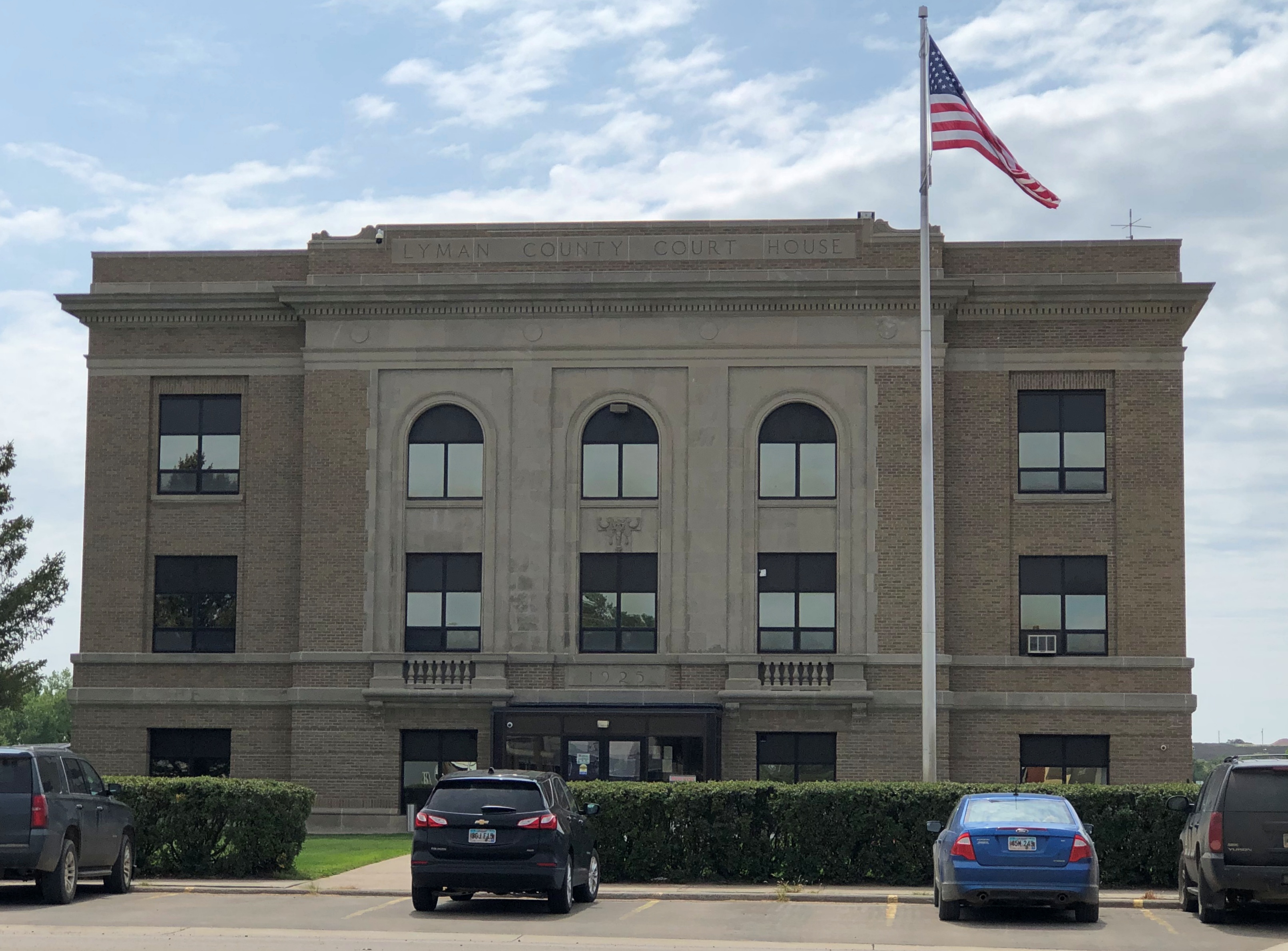
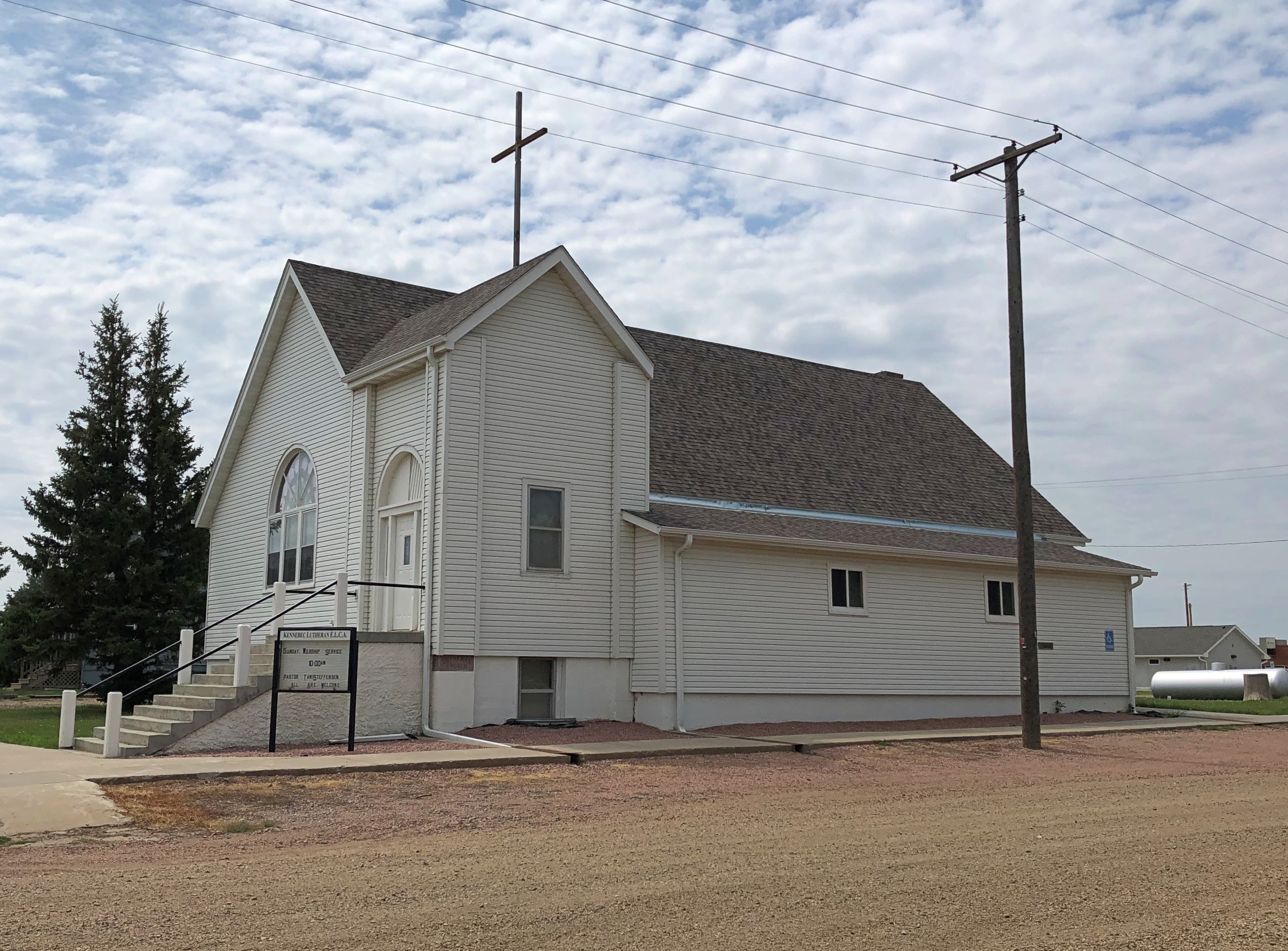
Kennebec is the Lyman County seat. Lyman County Courthouse, Kennebec South Dakota Kennebec South Dakota Kennebec South Dakota

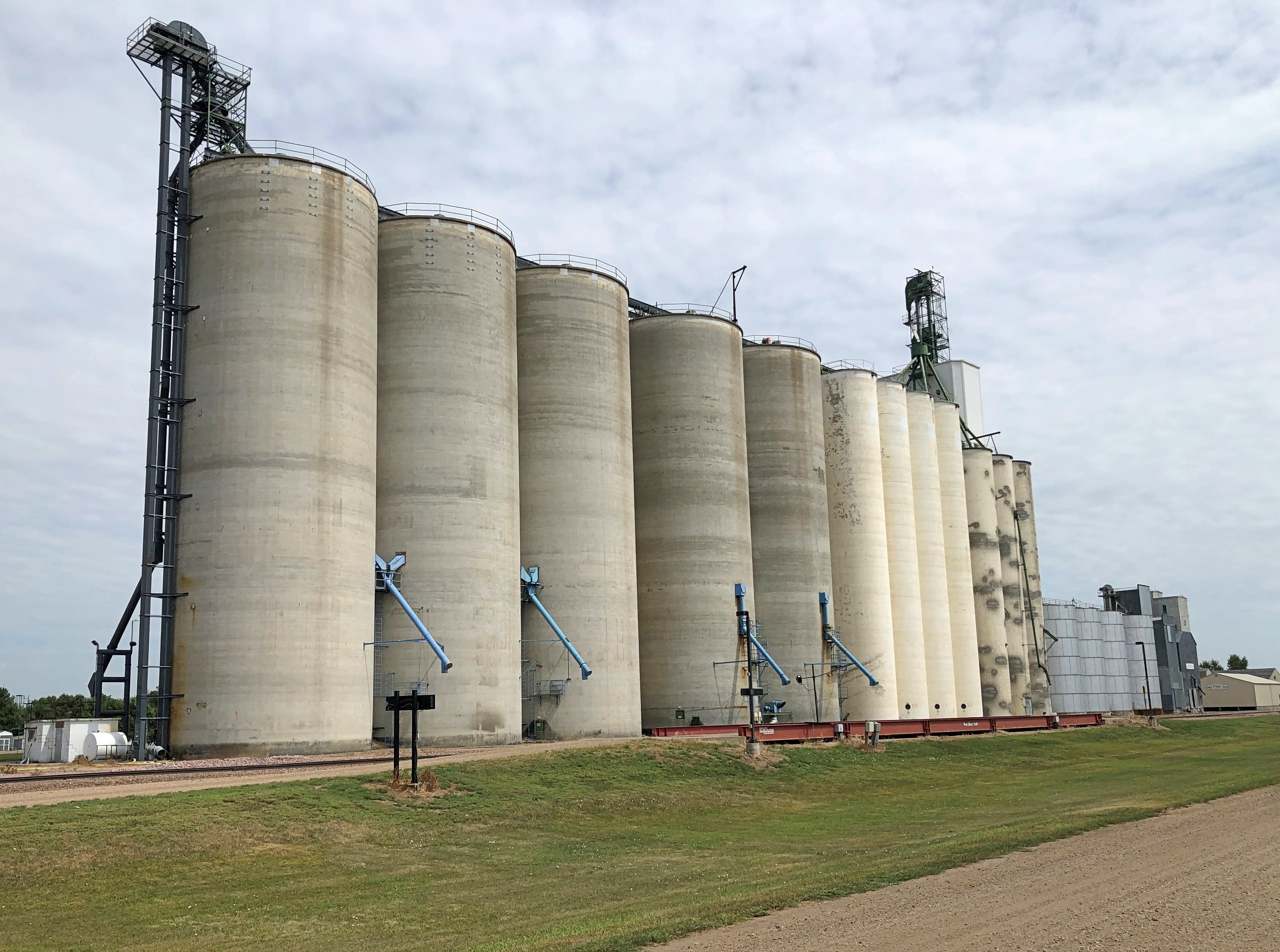
The built environment isn’t just buildings.Kennebec South Dakota Kennebec South Dakota

Despite our large lunch, we managed to stay awake for the drive to Wall, SD, stopping for a few minutes at Wall Drug and then Badlands National Park, where we spent a few hours. That decision factored heavily into what happened next in Wyoming, more about which later. Enough to say that by the end of the day, we were in Sundance, Wyo.

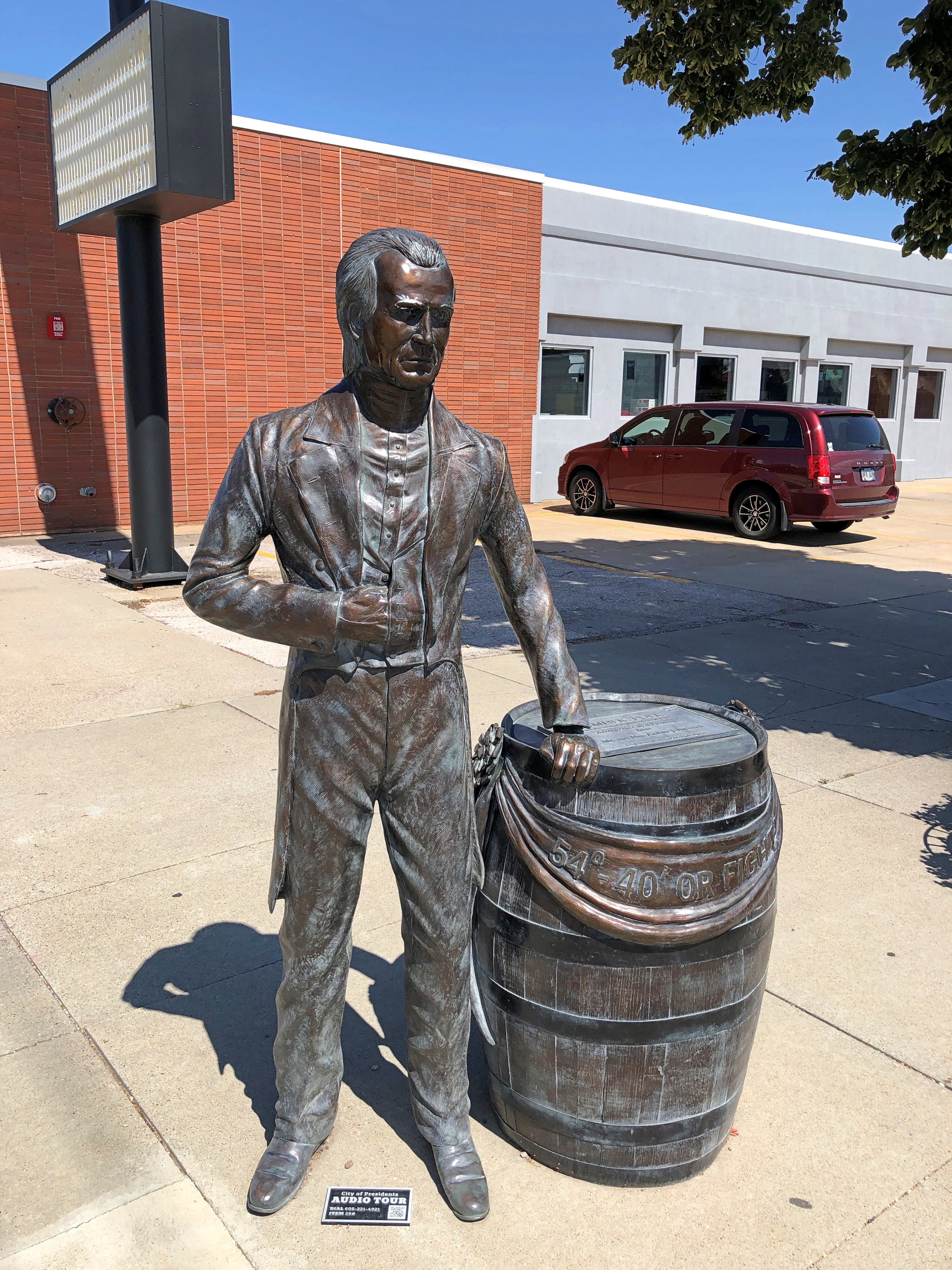
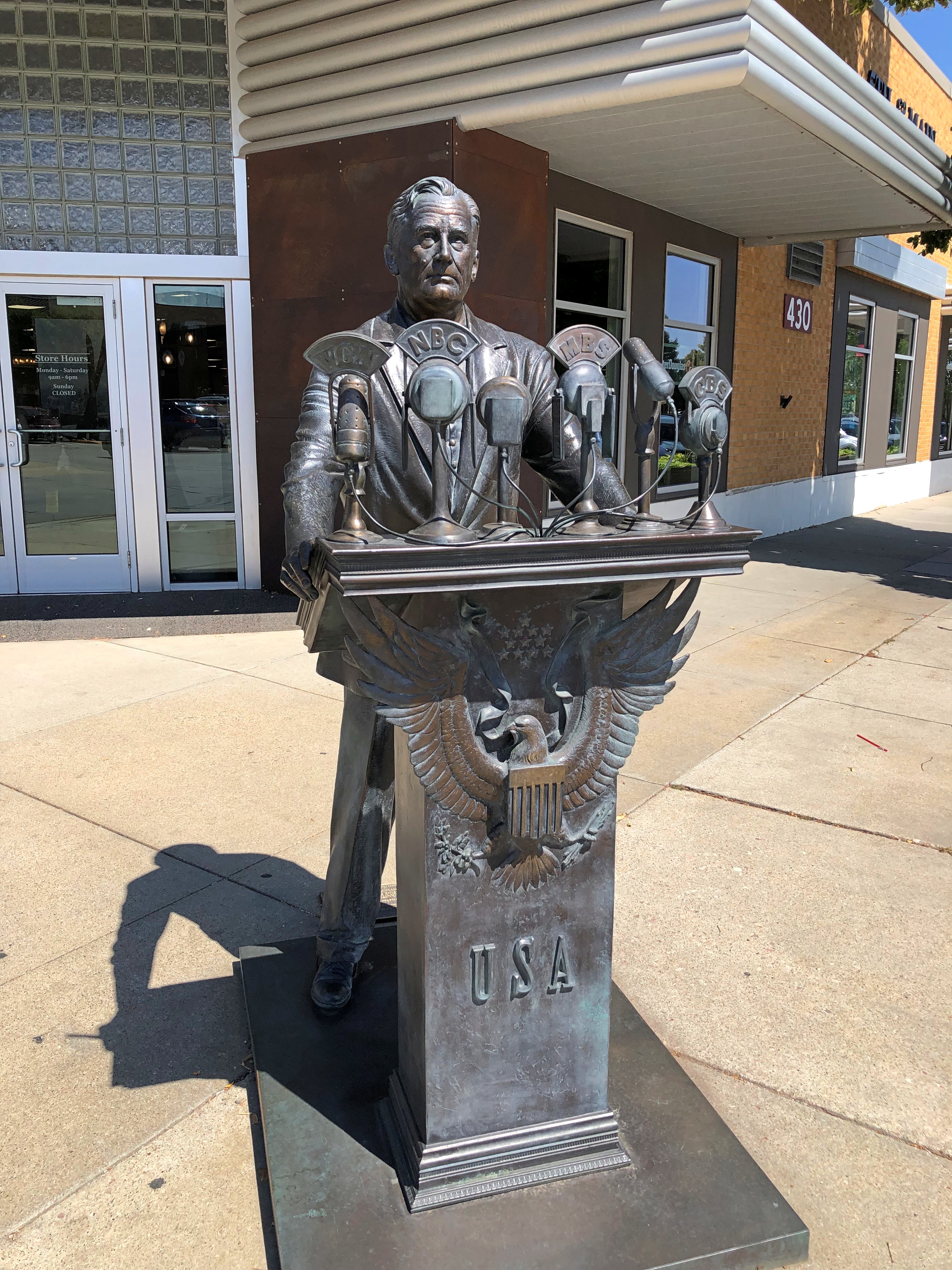
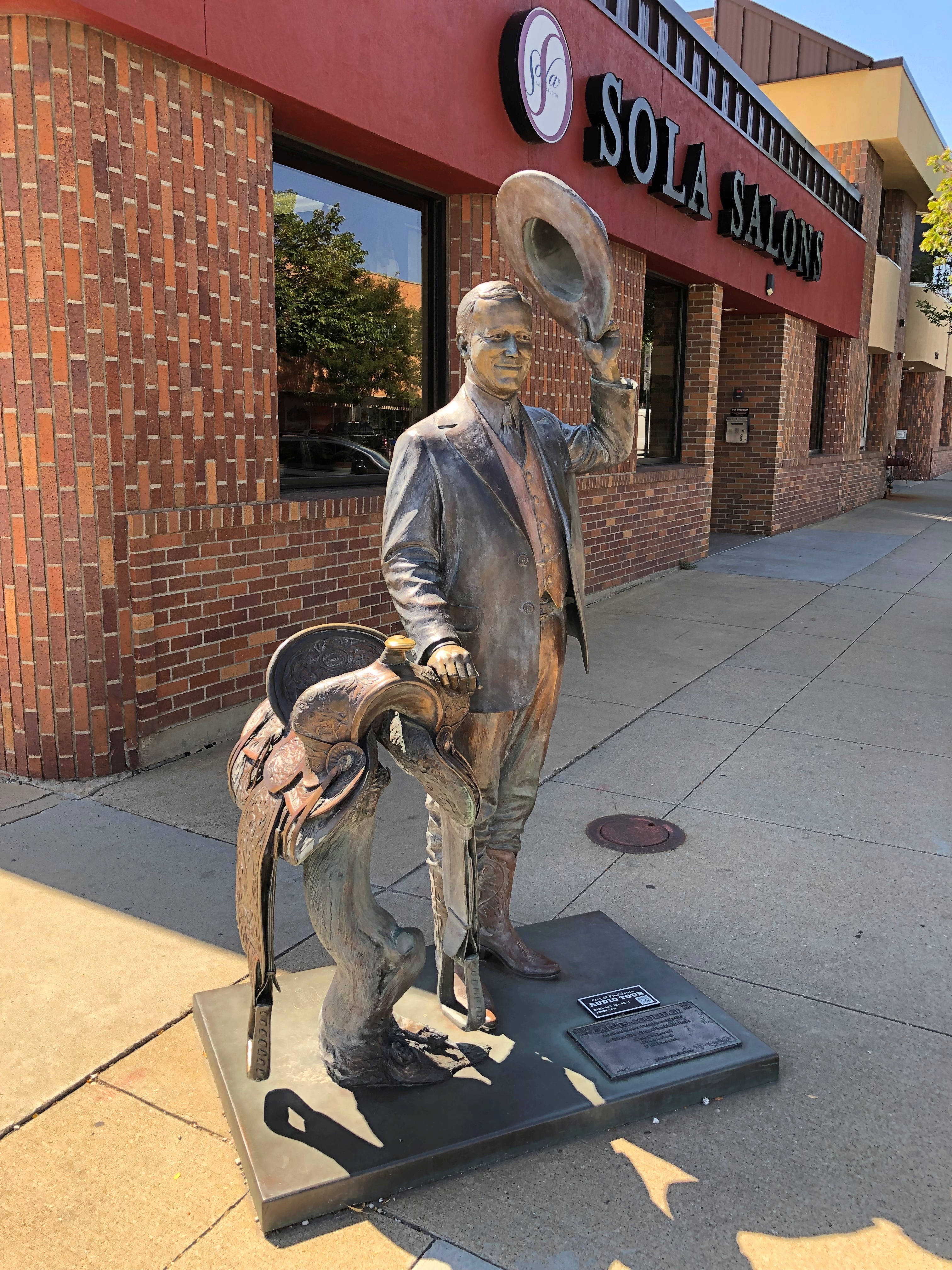
But we weren’t done with South Dakota. For reasons I won’t bore anyone with, especially myself, we had to backtrack the next day to take care of a minor issue with the car, so it wouldn’t be major later on. For that, we went to Rapid City, which we had bypassed the day before. I’m glad we got to go, because the mechanical issue didn’t actually take long to deal with, which left us with time to see a bronze James K. Polk.Rapid City presidents

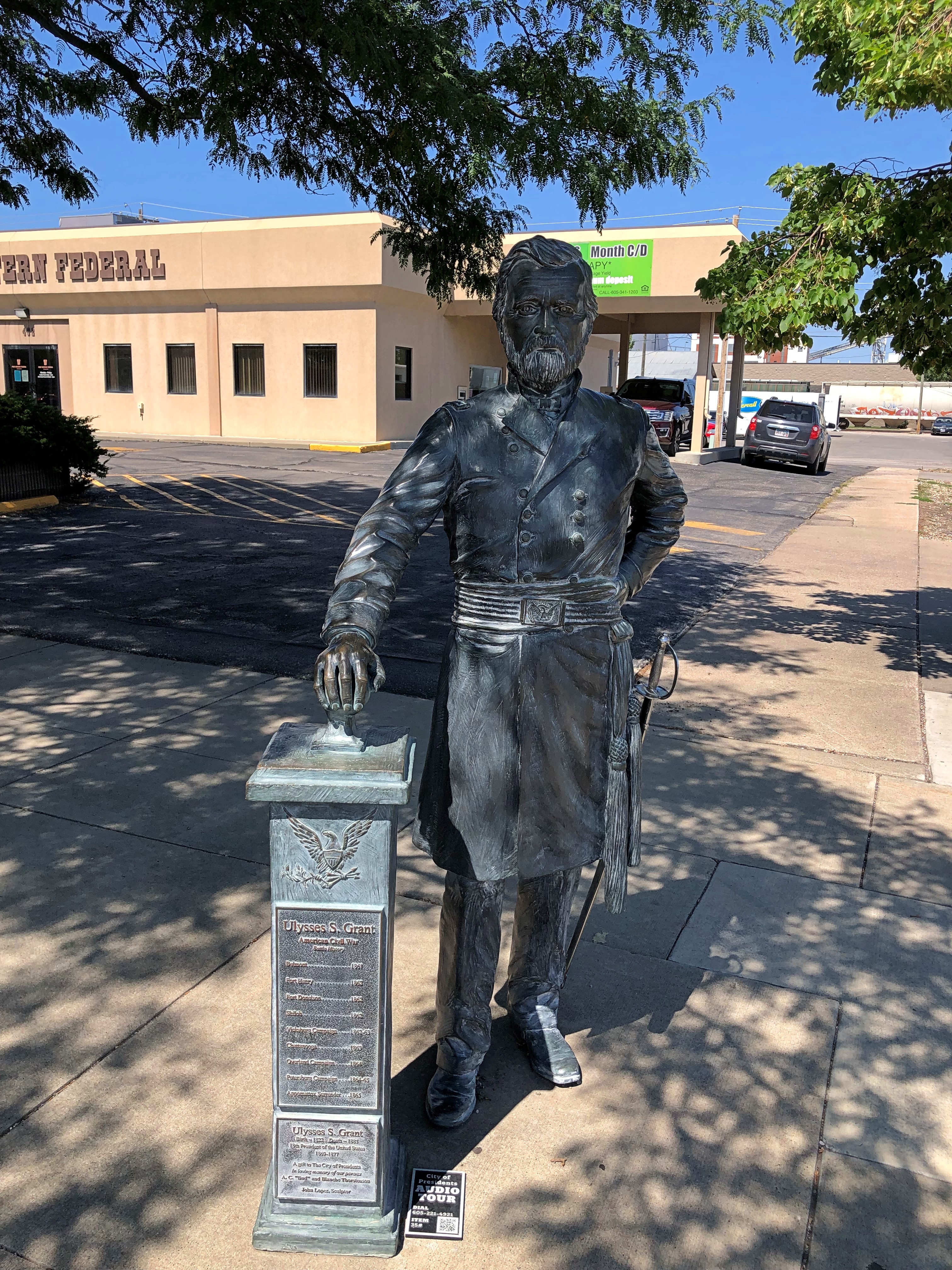
Plus U.S. Grant, Franklin Roosevelt, and Calvin Coolidge, among other U.S. presidents at street corners in downtown Rapid City that I managed to see.Rapid City presidents Rapid City presidents Rapid City presidents

“When a local man noticed people interacting with a temporarily placed statue of President Lincoln outside the Hotel Alex Johnson [in downtown Rapid City], an idea sparked. This man was Don Perdue, and he came up with the idea to put a president on every corner in Downtown Rapid City,” explains Visit Rapid City.

“It took a lot of convincing, a lot of fundraising, and hours of research before it started. In 1999, Perdue proposed the idea to the city as a way to honor the legacy of the American Presidency. The project was approved and in 2000 the first four presidents were unveiled: George Washington, John Adams, Ronald Reagan and George H.W. Bush… Over the next ten years, a group of local artists worked to create and place all 40 of the remaining statues.”

I didn’t have time to see all of them. Or the inclination. It was in the low 90s F. that day, so I only wanted to spend a few minutes seeking them out, while Yuriko more rationally waited in our air conditioned car.

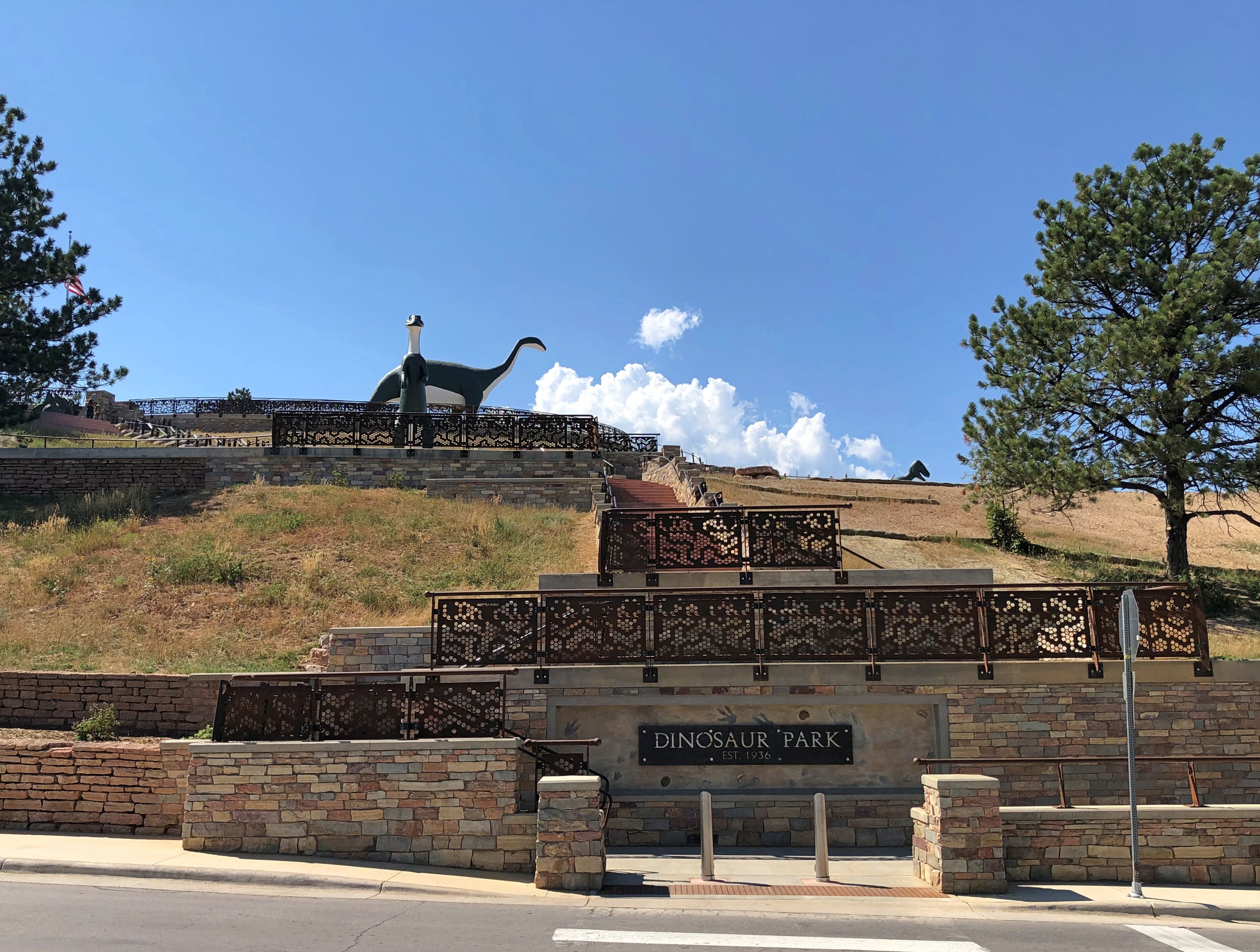
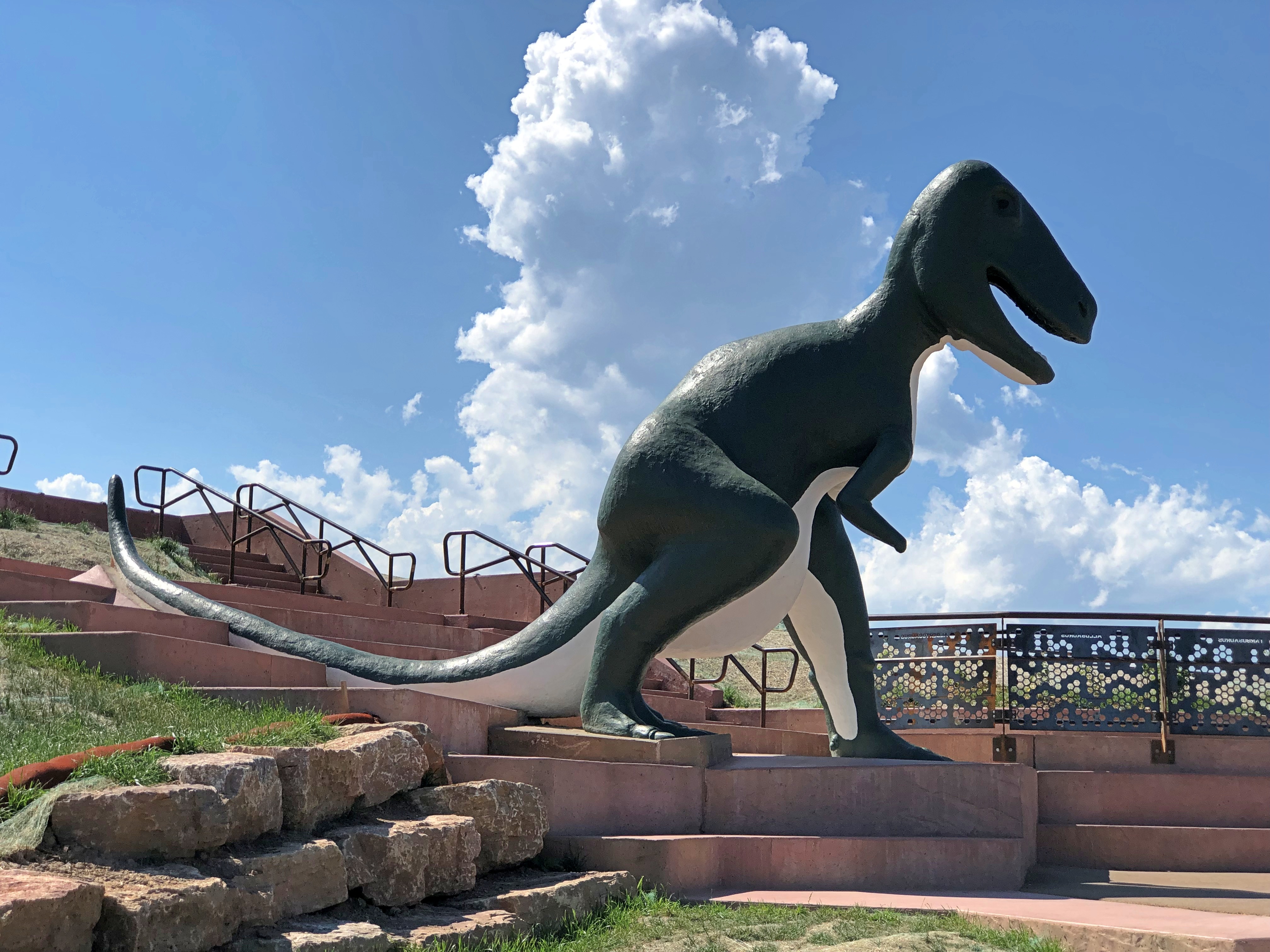
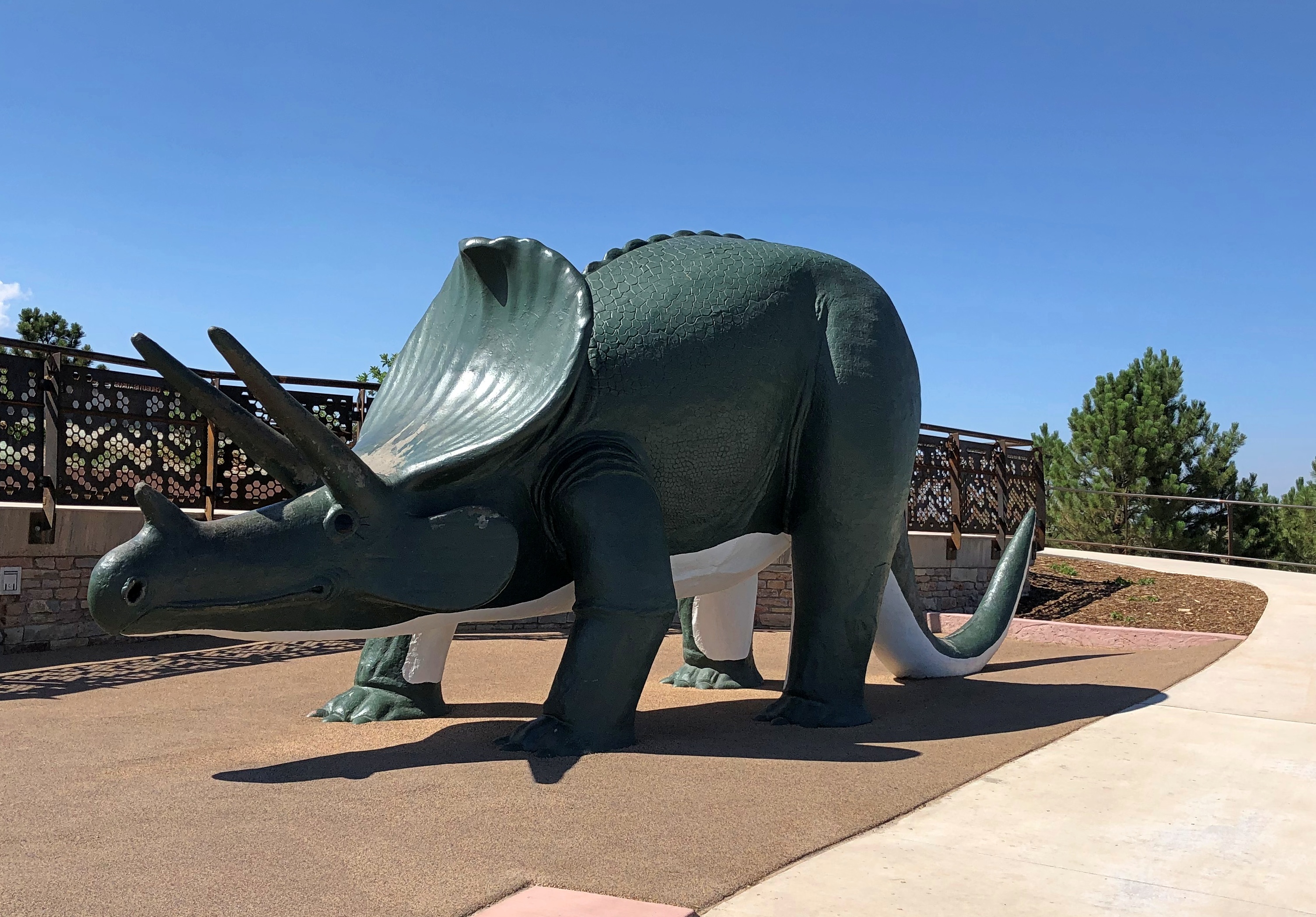
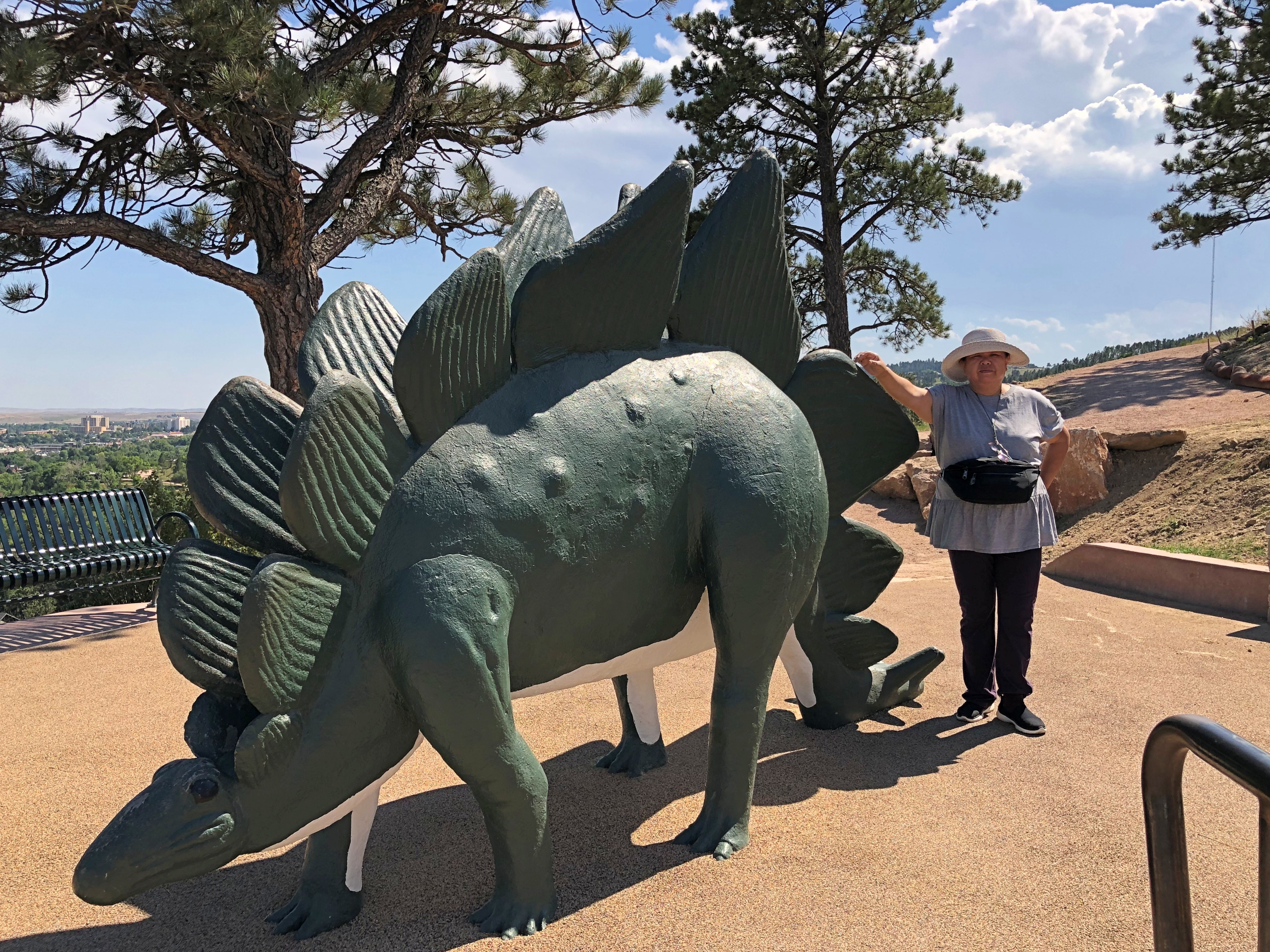
She was willing to get out and look at Rapid City’s older attraction a few minutes later, however: Dinosaur Park. I later checked with my brother Jim. He said he does indeed remember, a little, our family’s visit to the park in 1960, before I was born.Dinosaur Park, Rapid City

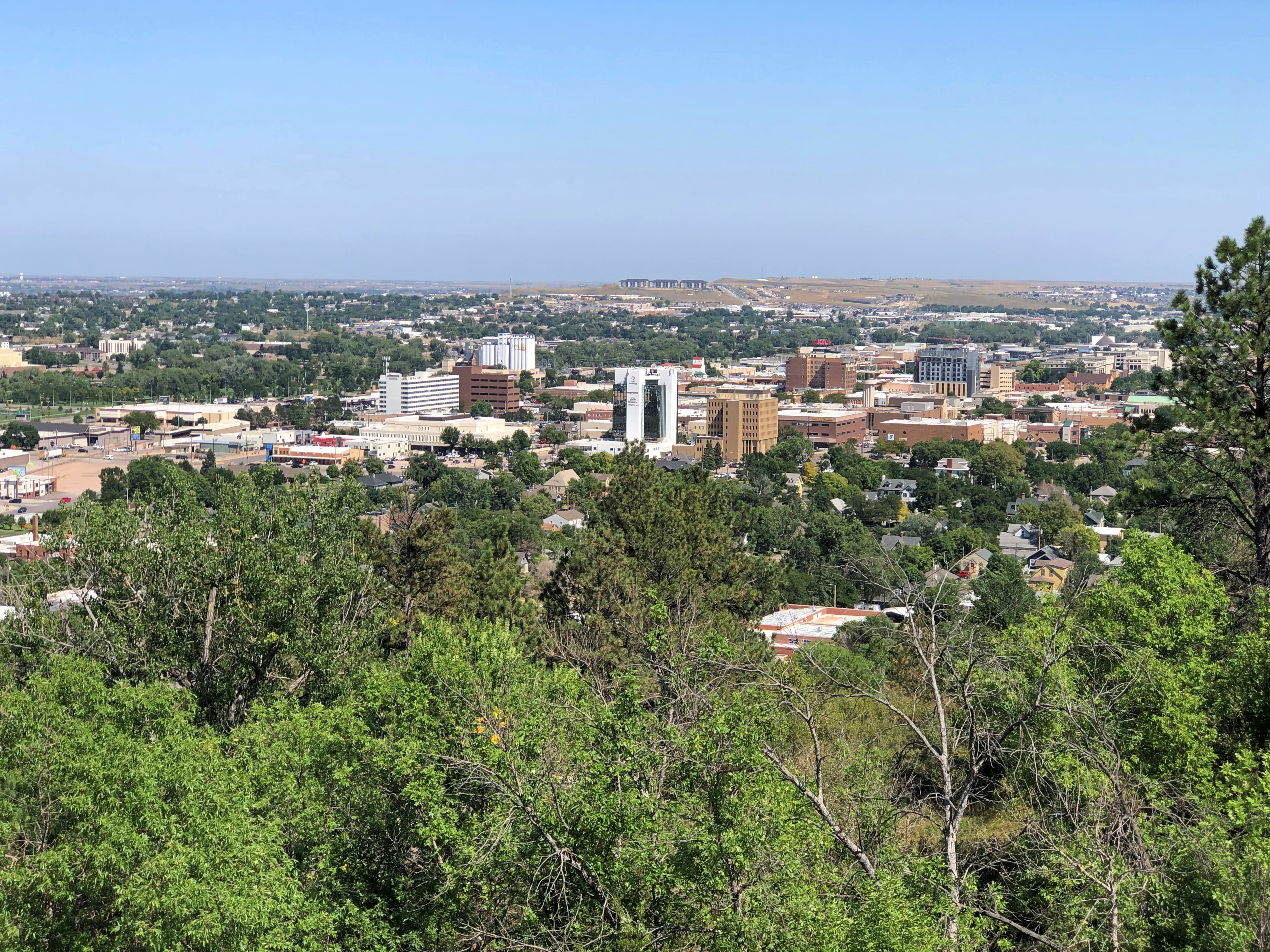
There’s a good view of Rapid City from atop the park’s hill.Dinosaur Park, Rapid City

But you’re up there to look at wire-mesh-frame dinosaurs with concrete skins, originally dating from the 1930s but obviously maintained into our time and (maybe?) tinkered with a little to more closely match current thinking about dinosaurs.Dinosaur Park, Rapid City Dinosaur Park, Rapid City Dinosaur Park, Rapid City

Even better, I learned that the park was originally a WPA project, consciously designed to draw tourists to Rapid City with something distinctive. Of all the various WPA projects one can encounter, this has to be unique among the lot.

Gone the Way of Columbia Wearing a Phrygian Cap

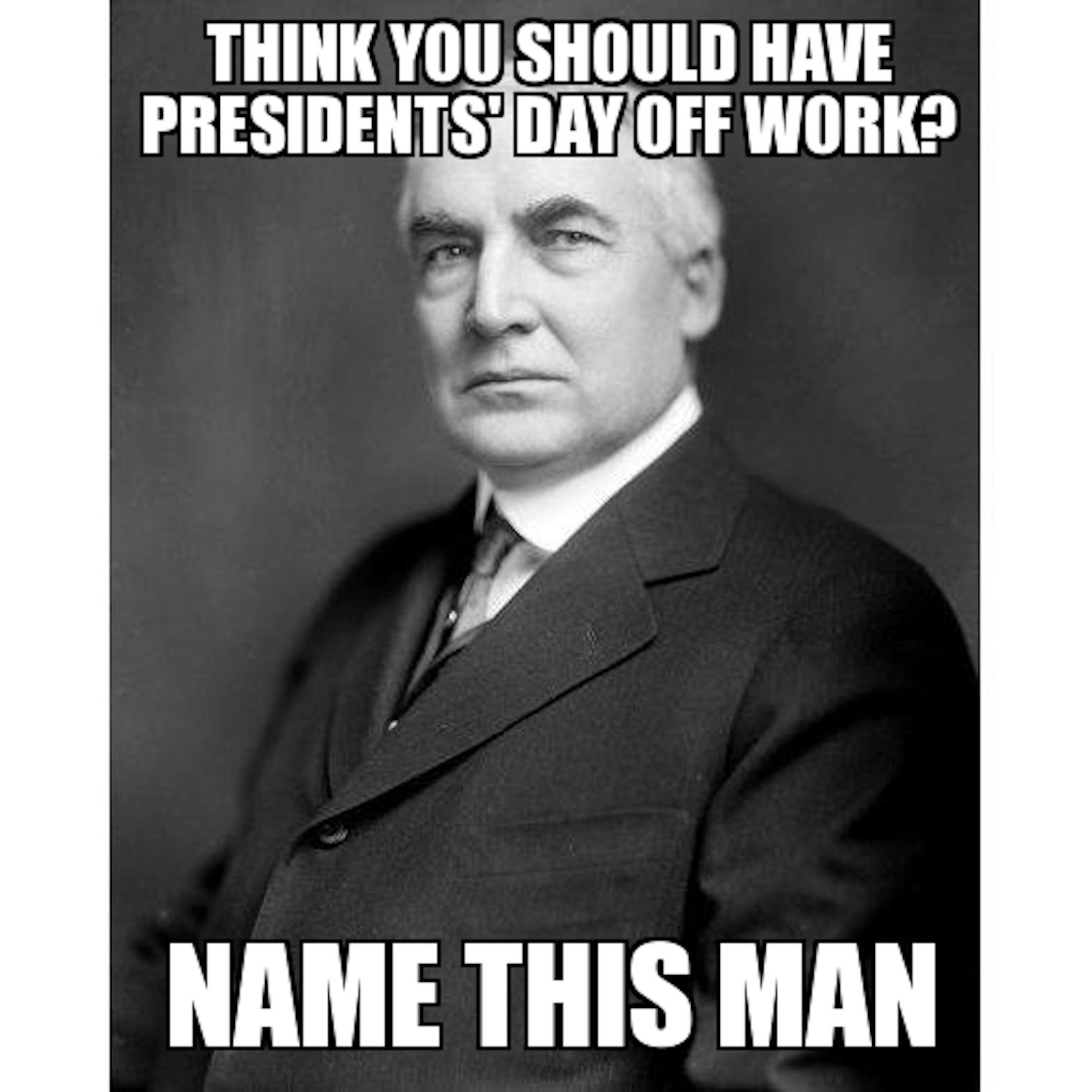
A few years ago, a meme about Presidents Day came to my attention. The text: Think you should have Presidents’ Day off work? Name this man.

The image was that of Warren Harding. For me, that was easy. Maybe not so much for a lot of people, though I suspect no survey about President Harding’s enduring fame has ever been done.

A better obscure president for the meme would have been, say, James Garfield or Rutherford B. Hayes or Benjamin Harrison, since Gilded Age chief executives tend to merge into a single hazy gray-bearded visage, except of course for the moustachio’d rotundness of Chester A. Arthur and Grover Cleveland.

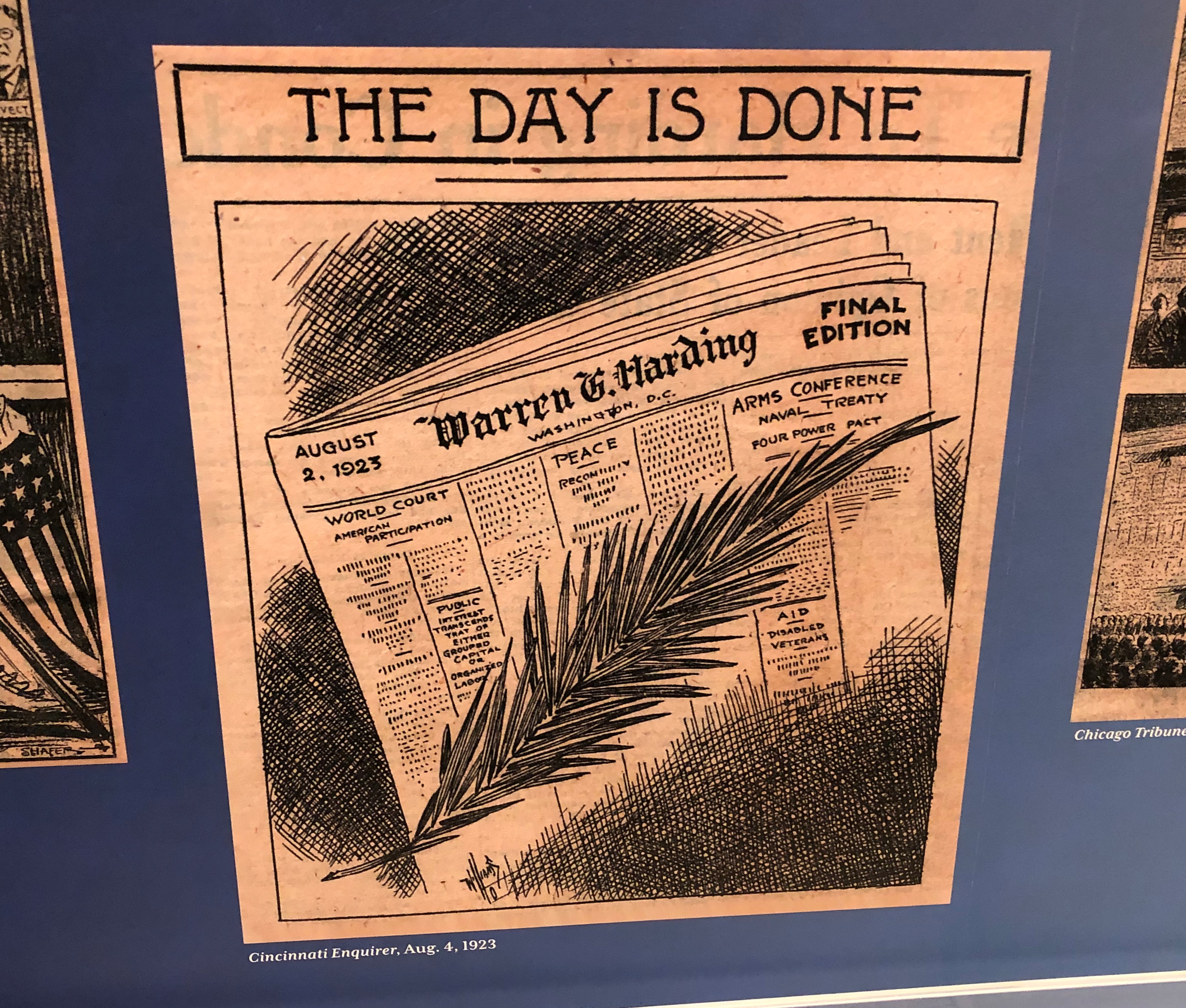
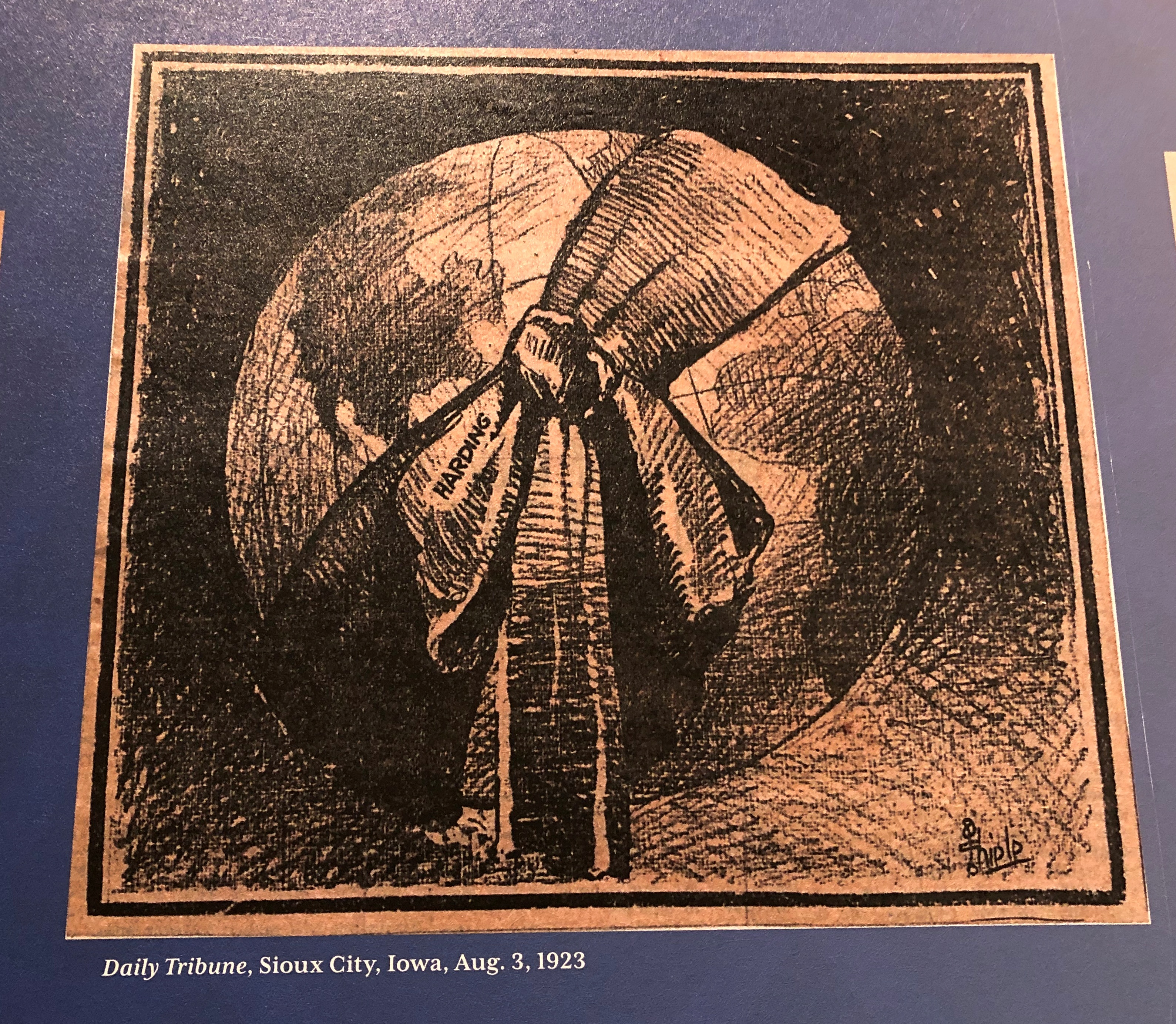
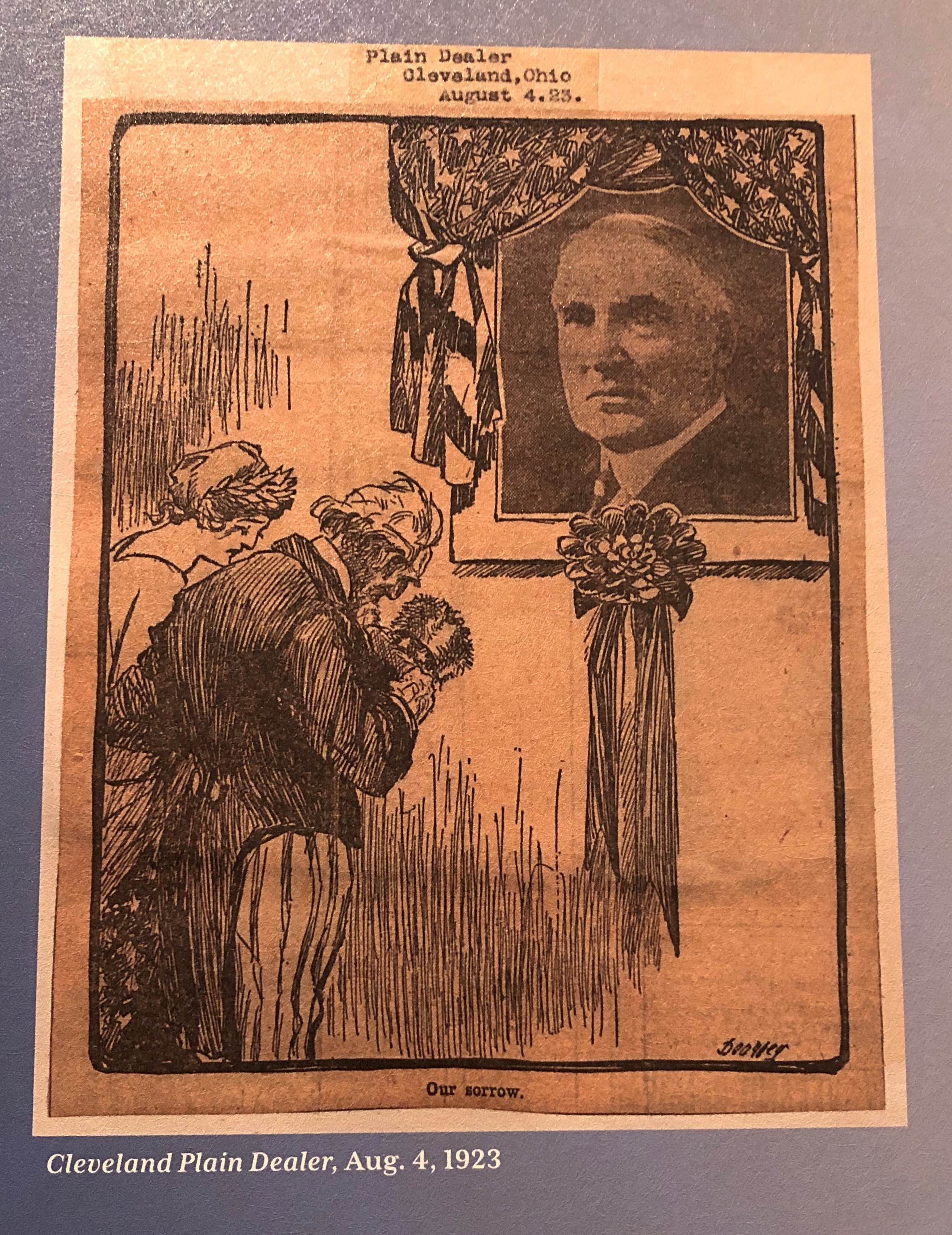
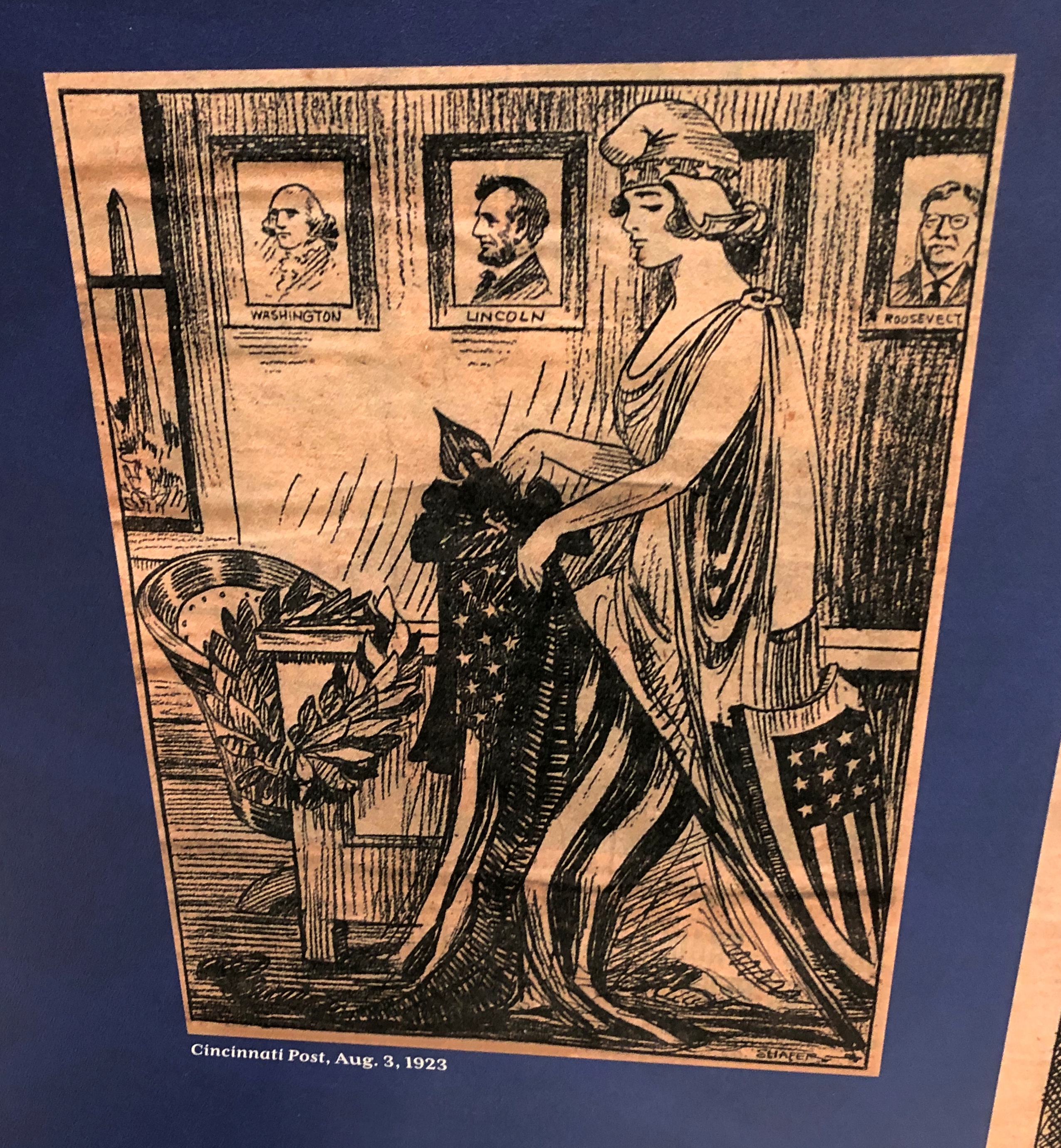
Fame wears thin. That came to mind this time last year at the Harding library and museum in Marion, Ohio. Among a number of other interesting artifacts, the museum posted newspaper reactions to the president’s unexpected death on August 2, 1923.Warren G Harding death editorial cartoons Posted in Marion, Ohiov Warren G Harding death editorial cartoons Posted in Marion, Ohio Warren G Harding death editorial cartoons Posted in Marion, Ohio Warren G Harding death editorial cartoons Posted in Marion, Ohio

Note that Columbia is wearing a Phrygian cap. Whatever happened to Phrygian caps? Whatever happened to Columbia in editorial cartoons? They just faded away. Something like the memory of Harding, so vivid once upon a time.

Newspaper editorial cartoons don’t necessarily capture public sentiment, but I understand Harding was a popular president in his lifetime. In terms of reputation, then, he got out while he still had a good one. Not long after, the scandals of his administration came to light, along with allegations of an illegitimate daughter (which were true). A hundred years later, he’s obscure enough to meme-ify, except among historians, who don’t like him.

Somehow the Bernie Bros Missed This One

A few weeks ago, I went again to Ollie’s, whose appeal is the randomness of its merchandise, and there he was, among the packaged foods and housewares and small appliances and furniture and bric-a-brac, no other stuffed politicos around, no tag or bar code.

“This the funniest thing I’ve seen all day,” I said to the clerk. “How much?”

I was only kidding. It was the funniest thing I’d seen all week, maybe all month. He spent a minute or so tapping into a laptop near the register, but soon gave up the chase. “How about $3.99?” he said.

Sold.

A product of Fuzzu, a Vermont designer of pet toys. I’d say maker, but for Bernie at least that occurred in China. Bernie isn’t alone — well, he was when I found him, but had he been separated, a la Toy Story, from the rest of the Fuzzu stable? Joe, Kamala, Donald, Mike, Hillary, Bill and Rootin’ Tootin’ Putin.

Mike? The former Mayor Bloomberg, it seems, since on his back is “Pop Cop.”

Now Bernie joins my small collection of presidential ephemera: postcards, a few buttons, my Franklin Pierce bobblehead and William Henry Harrison Pez dispenser and Eugene V. Debs ribbon. My definition of presidential is pretty broad, and certainly includes serious if quixotic candidates for the nomination.