The Painted Churches

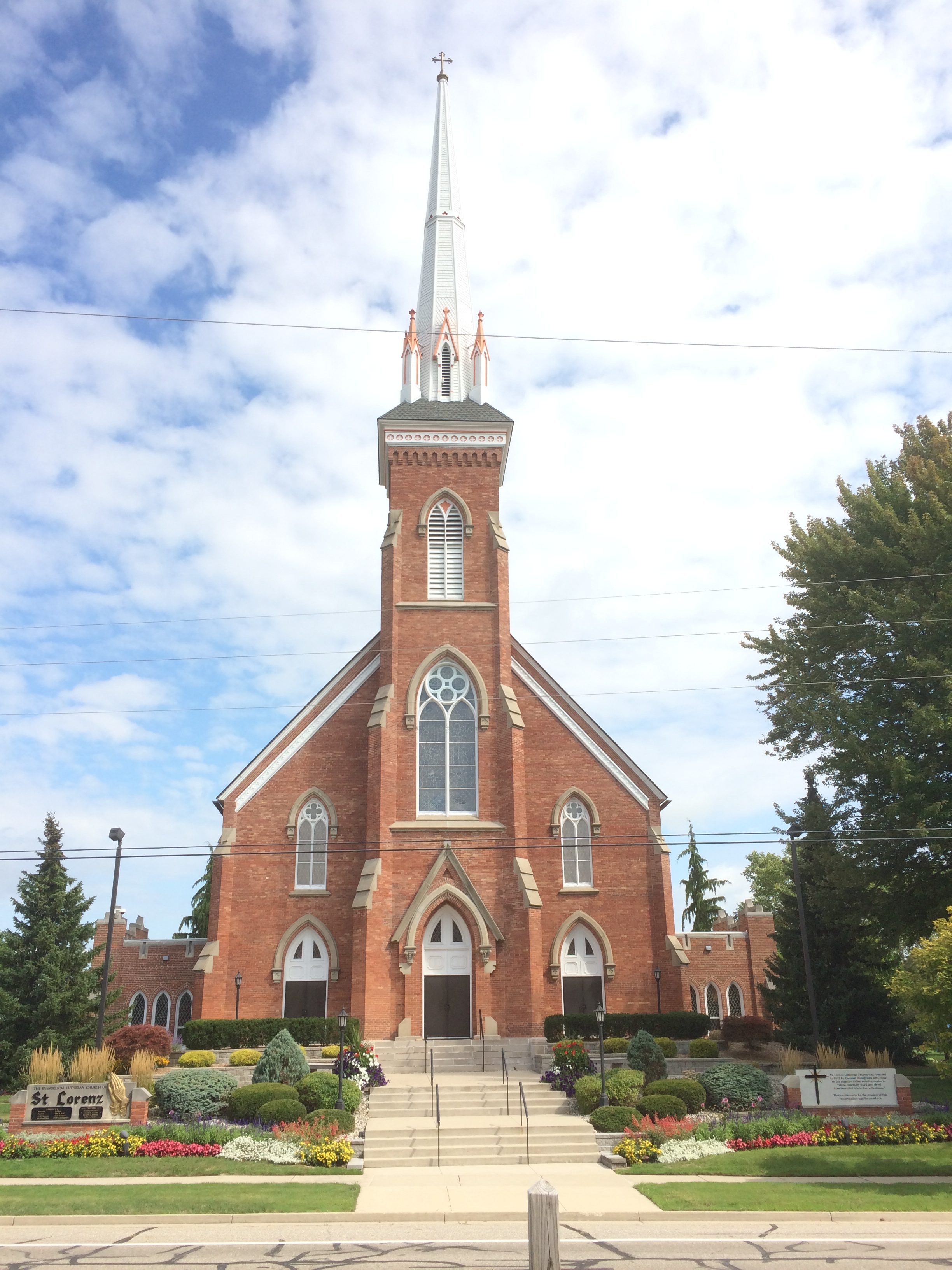
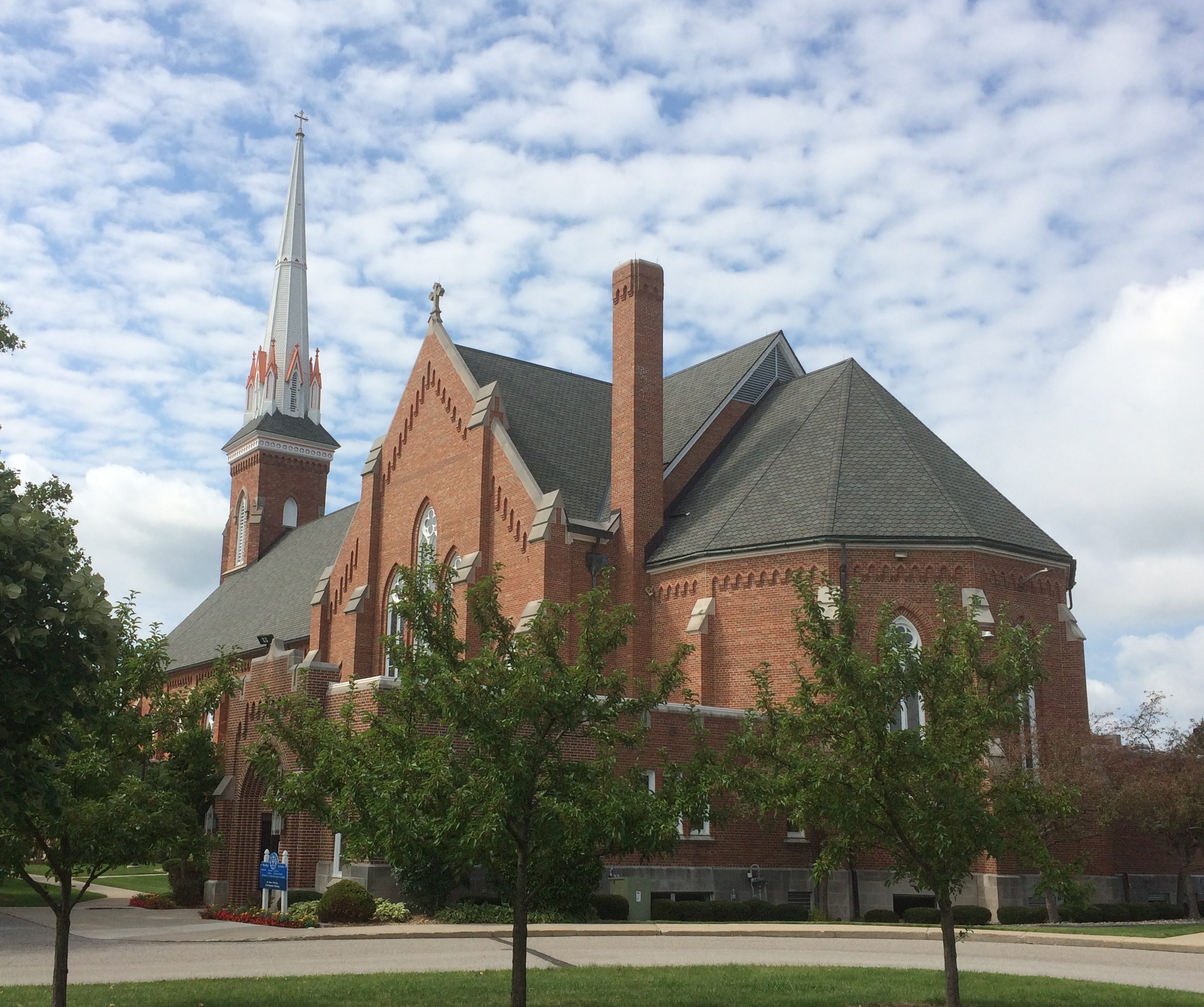
Just outside the hamlet of Serbin, Texas, if you follow your map but also keep your eyes peeled — because the map isn’t quite accurate — you’ll find yourself outside St. Paul Lutheran Church. The exterior is nice, but isn’t particularly distinctive.
Inside is a different story.
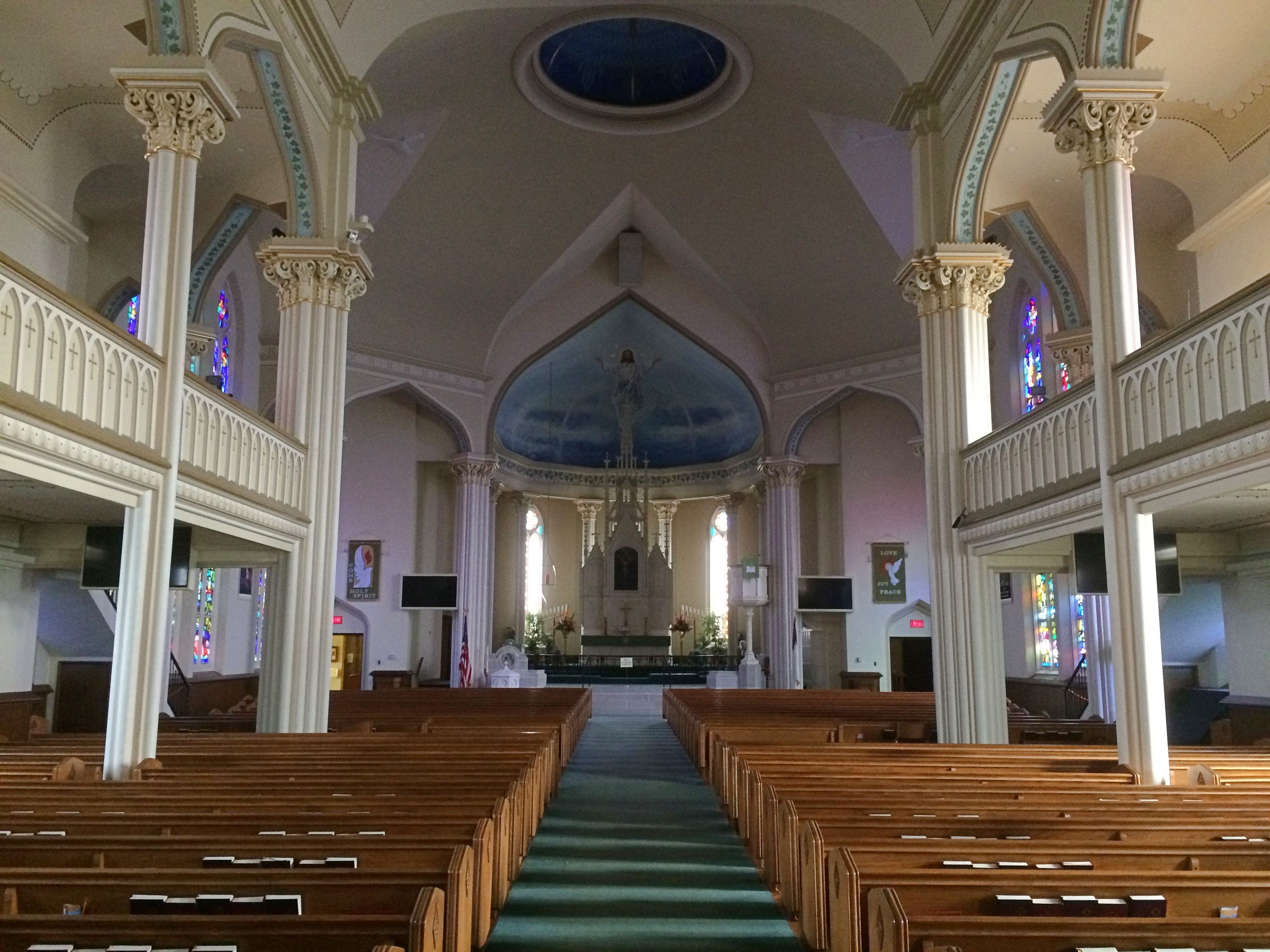
St. Paul is one of the Painted Churches found in Central Texas. In its case, the church was built in the late 19th century, but not decorated until 1906, when the congregation itself took up the task.

“Cross the threshold of these particular Texas churches and you’ll encounter not a simple wooden interior but an unexpected profusion of color,” says KLRU, which aired a documentary on the churches nearly 20 years ago.

“Nearly every surface is covered with bright painting: exuberant murals radiate from the apse, elaborate foliage trails the walls, wooden columns and baseboards shine like polished marble in shades of green and gray. These are the Painted Churches of Texas.

“Built by 19th-century immigrants to this rough but promising territory, these churches transport the visitor back to a different era, a different way of life. Inscriptions on the walls read not in English, but in the mother tongue of those who built them: German and Czech.”

I’ve wanted to visit the Painted Churches for some time now, but something or other has always make it inconvenient to do so. Still, potential destinations sometimes get under your skin, so I designed part of this particular driving trip to scratch that longstanding itch.

Heading south from Waco on U.S. 77 on May 11 in sometimes heavy rain — sheets of rain — we passed through such towns as Rosebud, Cameron, Rockdale and Giddings, and near the wonderfully named Old Dime Box. St. Paul Lutheran is near Giddings and the first of the four churches we visited.

Further south, in the town of Ammansville, is St. John the Baptist Church. We went there next.

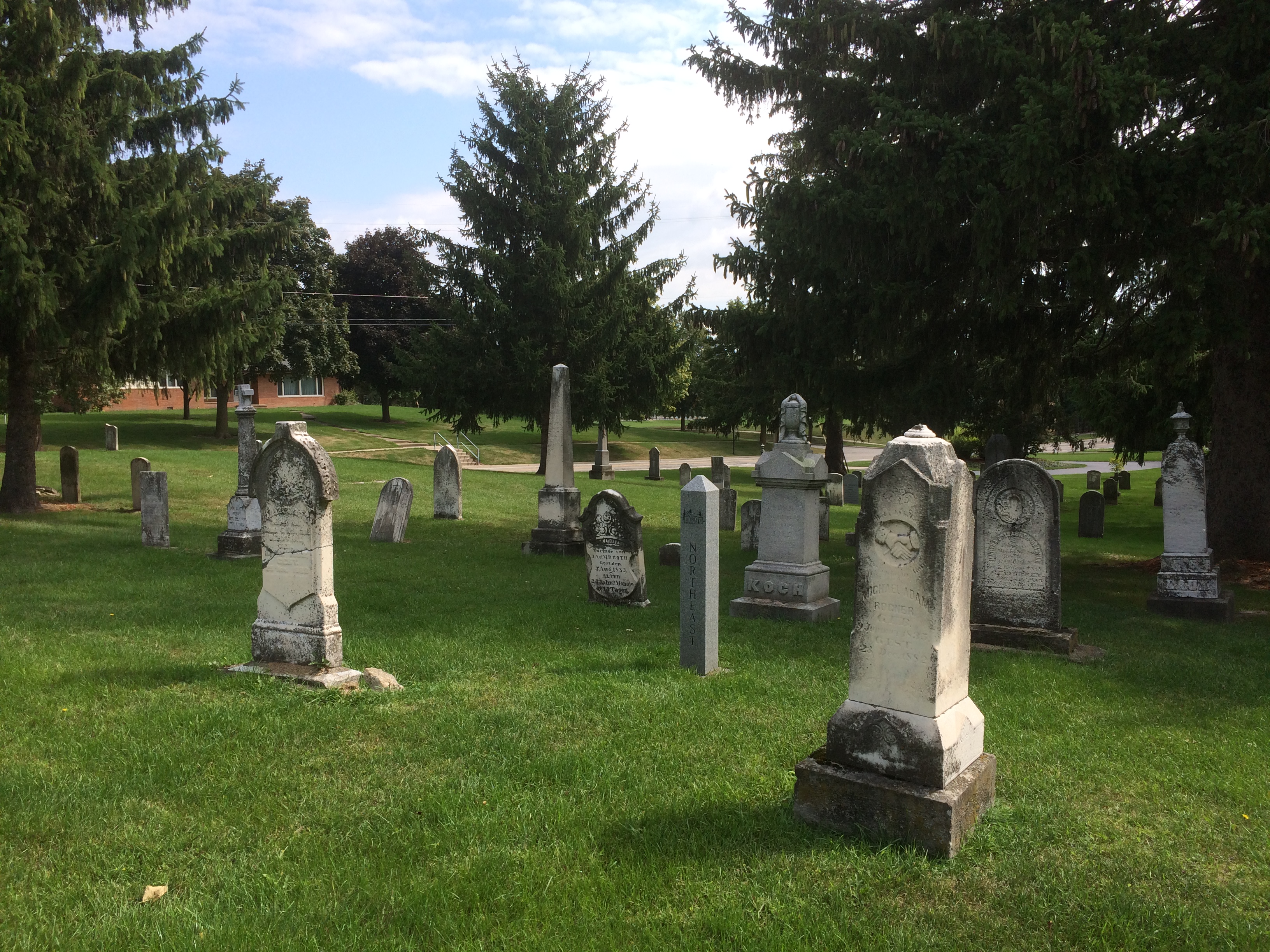
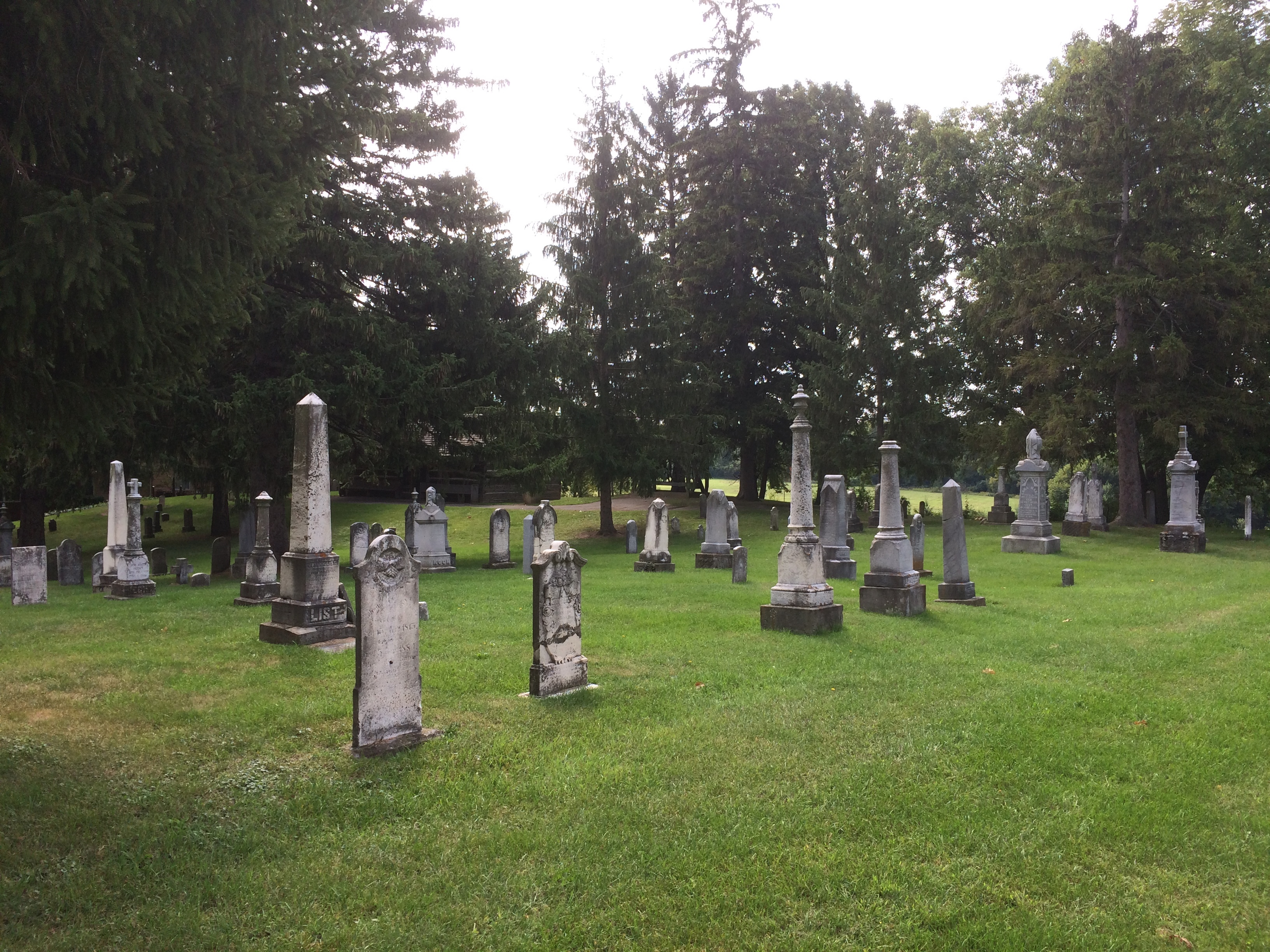
A cemetery is adjacent to St. John the Baptist, which was built in 1918 and painted the next year by one Fred. Donecker of San Antonio, who seemed to specialize in church interiors.

St. Mary’s, also known as Nativity of Mary, Blessed Virgin, is in High Hill, and was built in 1906.
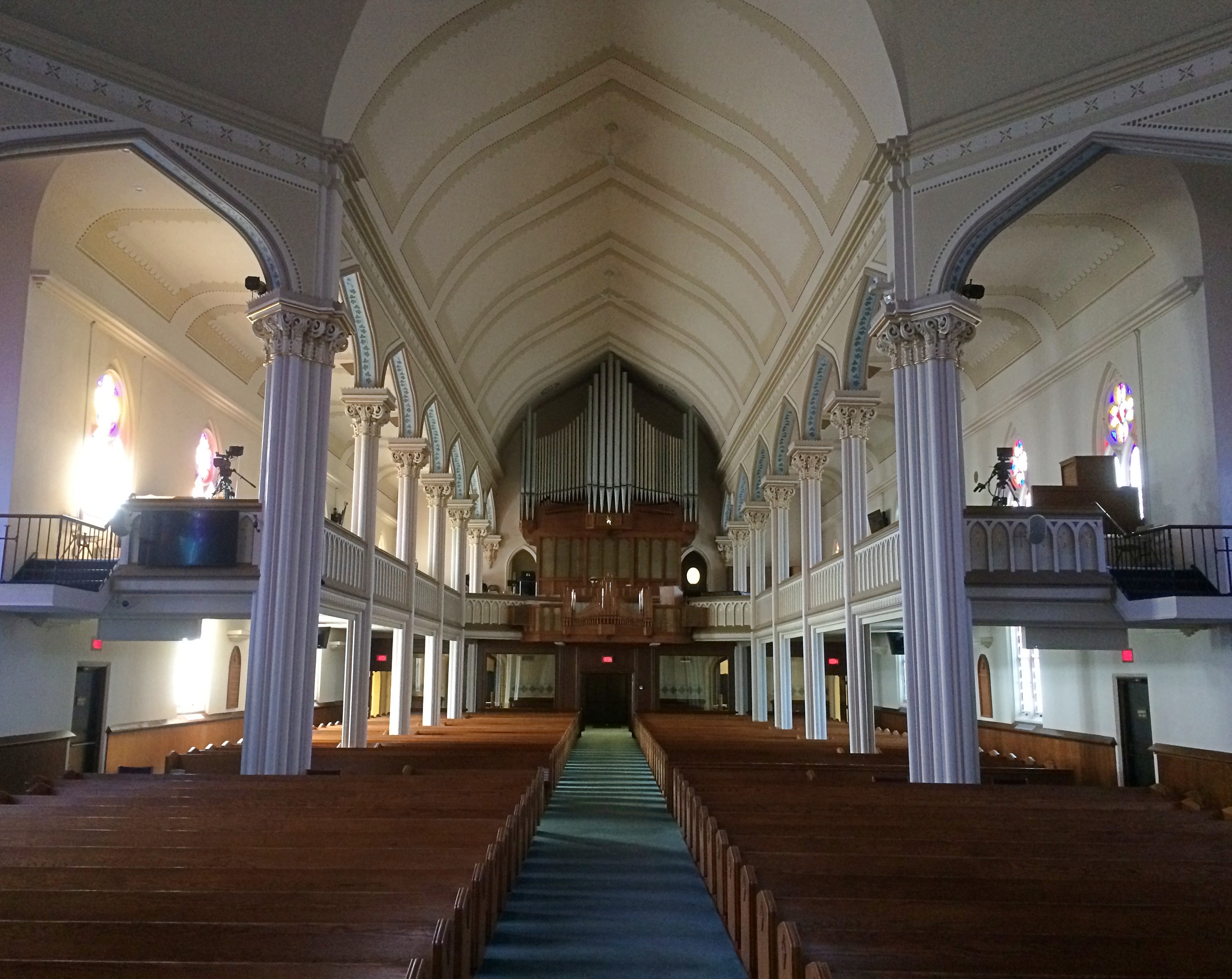
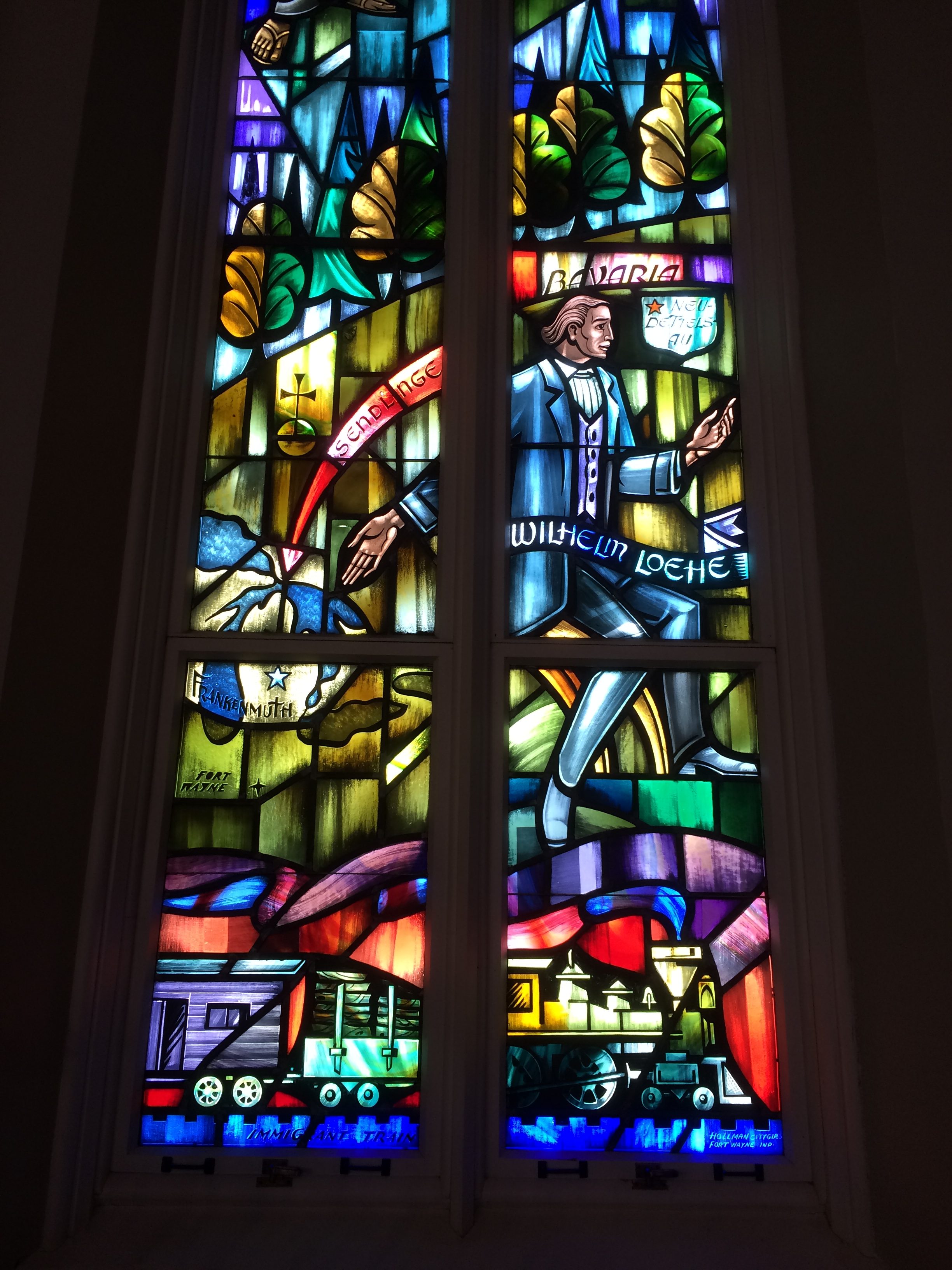
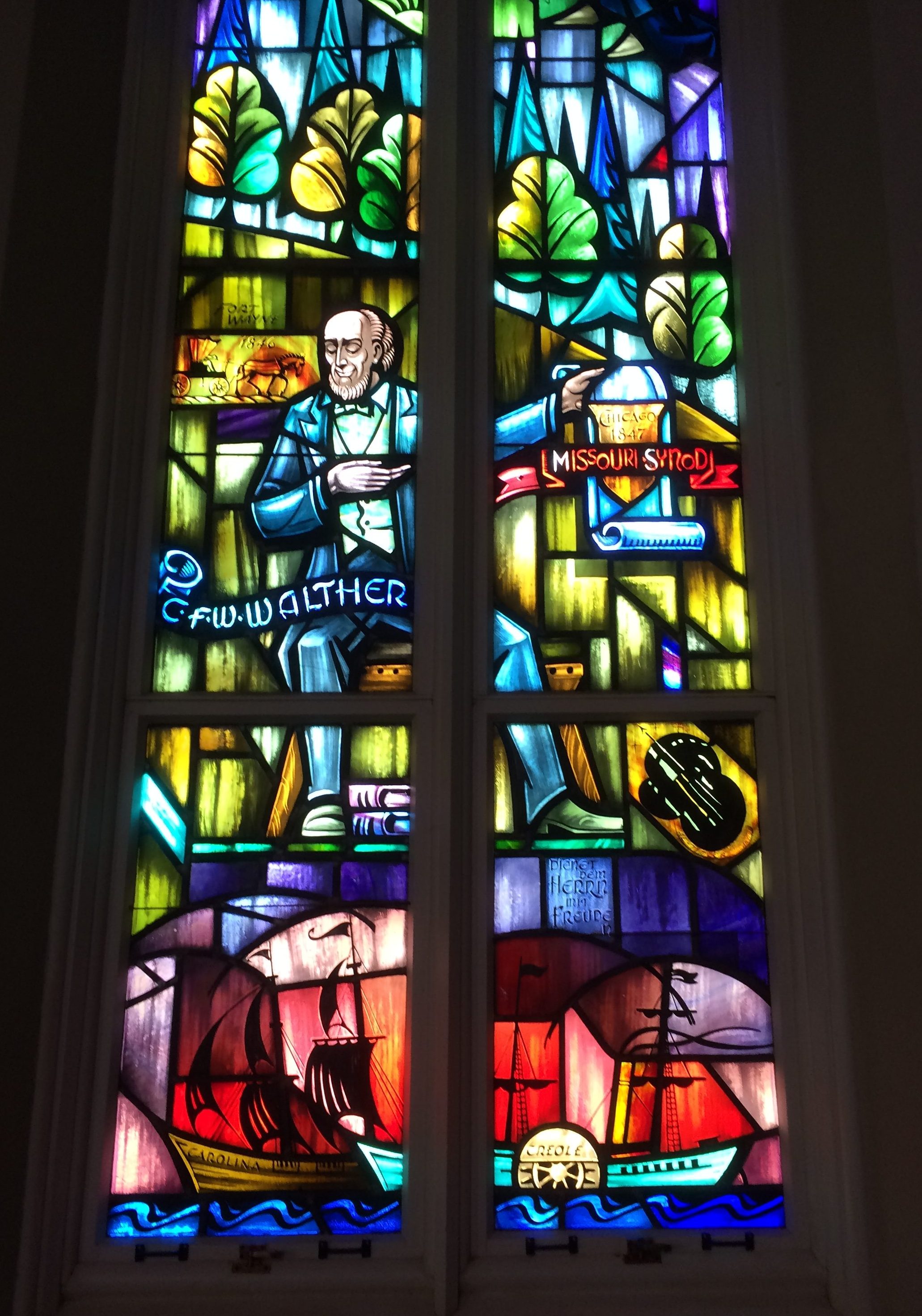
St. Mary’s billed itself as the Queen of the Painted Churches, and it was indeed gorgeous. Unfortunately, it was also dark inside. These pictures capture a bit of its ornate interior.

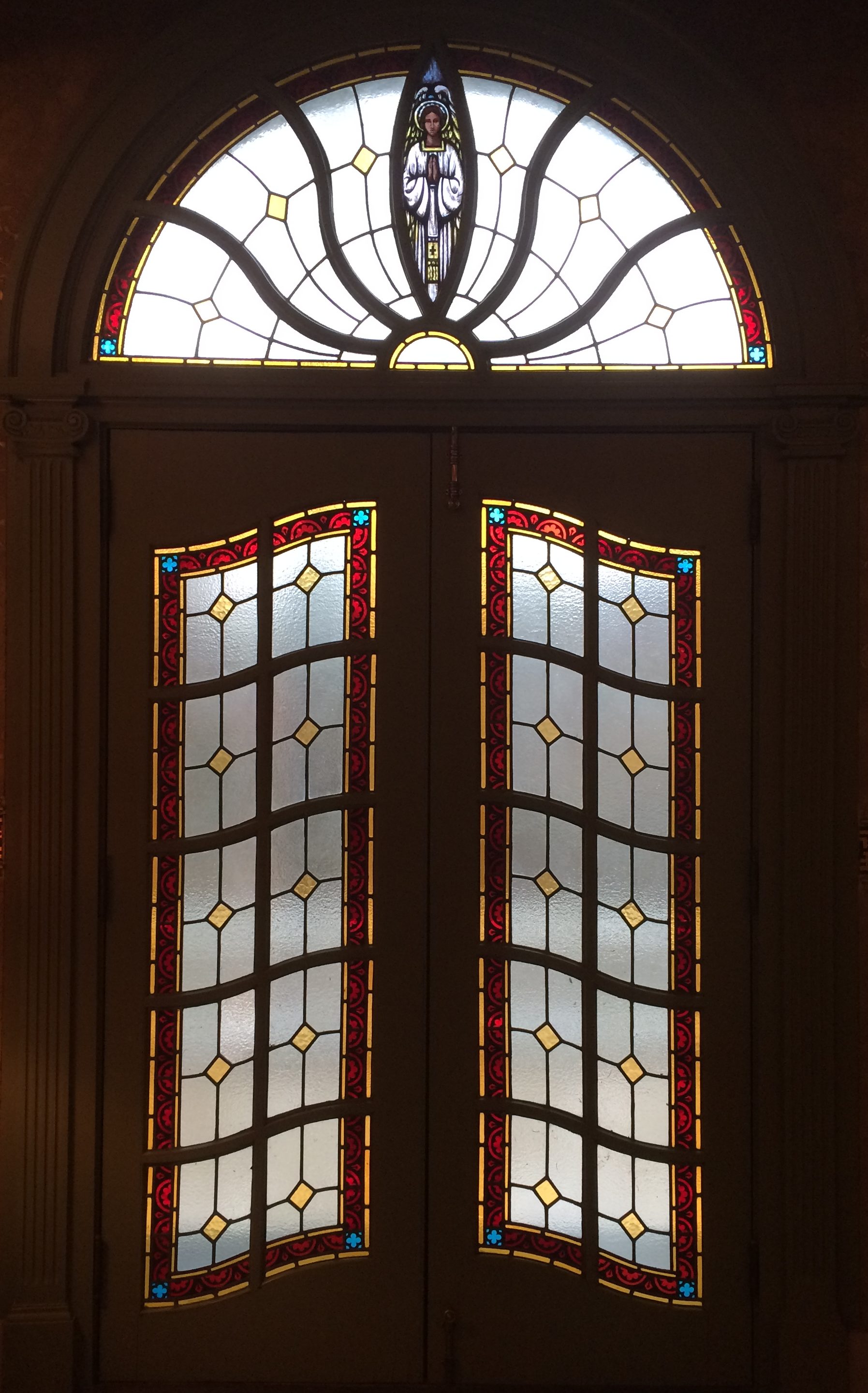
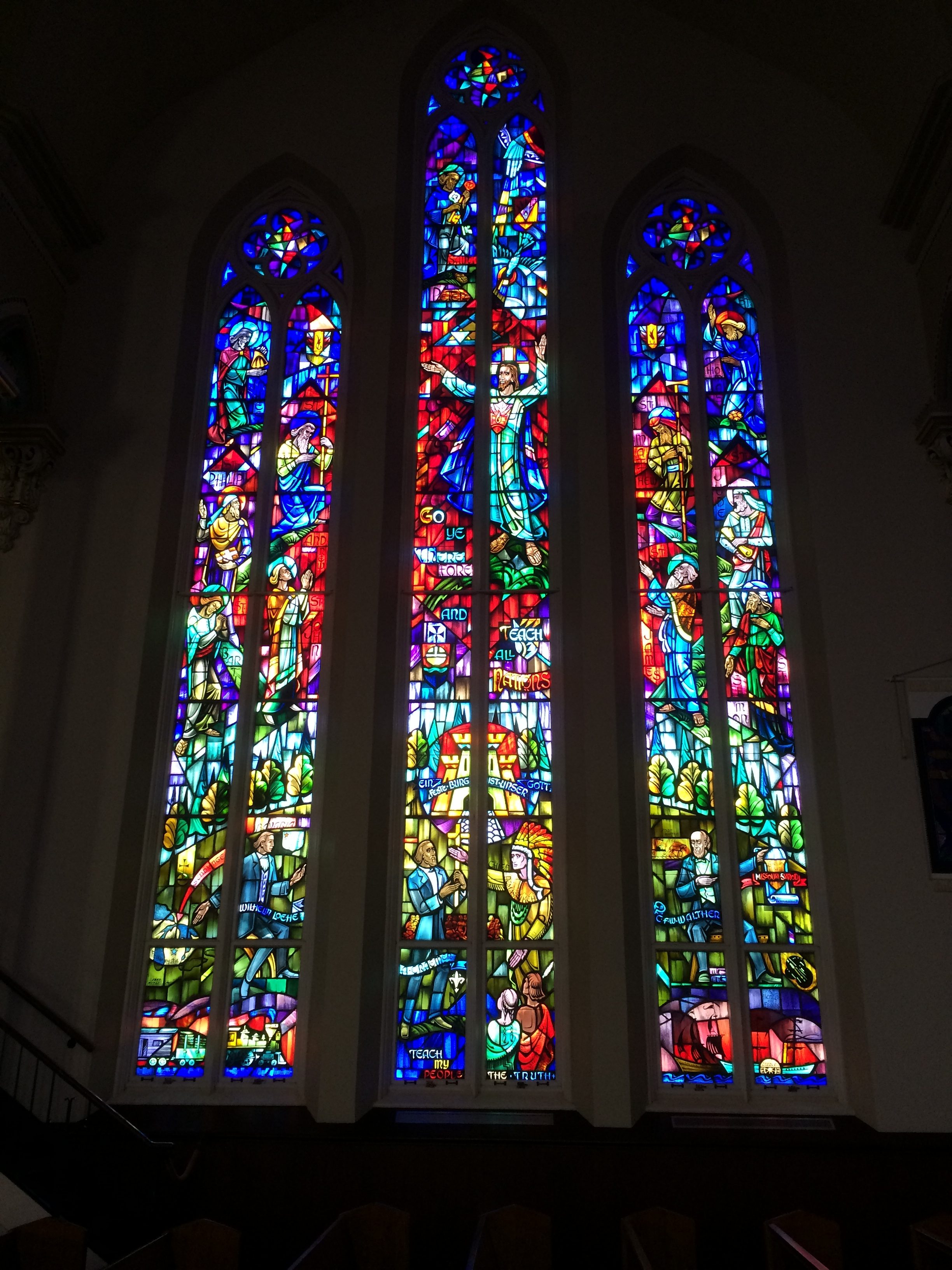
St. Mary’s stained glass captured a fair share of light, even on a cloudy day.
Finally, near Dubina, we visited Sts. Cyril and Methodius Church.
Artist unknown (1909), but he did a fine job.
By some counts, there are as many as 20 Painted Churches in Texas, so our visit wasn’t comprehensive. But after four or five such structures, you begin to get your fill of even the most beautiful ecclesiastical spaces anyway. Maybe I’ll see some of the others some other time.

Southern Loop ’19

Just back from a driving trip whose mileage I didn’t bother to keep track of, but it was in the thousands. Actually, only part driving. Lilly and I flew separately from Chicago to Dallas earlier this month so she could take possession of her new car — an ’05 Mazda 3 that her uncle Jay gave her, provided we could drive it from north Texas to northern Illinois. The car rattled and occasionally made other odd noises, but soldiered on all the way.

The uninspired thing to do that would have been to drive straight through, which normally would take two days by breaking the trip in Missouri, such as at the Munger Moss.

Despite being a driving trip, that would be a pedestrian way to do it. Instead I took a week off so we could take a more interesting route. We left Dallas on May 11, heading south to the vicinity of Schulenburg, Texas, to visit some of the Painted Churches, which were built by late 19th-century German and Czech congregations who gave them richly artistic interiors — all the more interesting because much of it is vernacular art.

Rain came day most of that first day on the road, but we didn’t encounter any more until yesterday in Nashville. In between the days were sunny and often hot. Everyone we talked to about the weather reported a wet spring, however, and the Southern landscape looked lush, from Texas into the Deep South and up through Tennessee.

We spent the first night in Houston. I didn’t plan it this way, but our time in Houston focused on water features: the Waterwall near the Galleria Mall that first evening (the rain was over) and Buffalo Bayou and the Buffalo Bayou Park Cistern during the next morning.

The next day we drove to New Orleans, a city I haven’t visited in 30 years, and one new to Lilly, and spent two days and three nights.

We ate very well. We saw excellent live music. We rode streetcars and walked the streets of the French Quarter, Treme and the Garden District. We toured one cemetery formally and one informally, and we visited the National WW II Museum.

On May 15, we drove to suburban Jackson, Mississippi, by way of the city of Natchez and the Natchez Trace to visit our cousin Jay and his wife Kelly, who hospitably put us up for the night.

The next day we passed through Philadelphia, Mississippi, my father’s home town, stopping for a short visit — Lilly had never been there — and then went to Montgomery, Alabama, where we spent the night.

On the morning of May 17, we saw the Legacy Museum and the National Memorial for Peace and Justice, both only open since last year, and the very different Alabama State Capitol, because I visit capitols when I can.

Leaving Montgomery in the early afternoon, we had enough time to visit the Ave Marie Grotto, not far north of Birmingham, and then spent the night of May 17 in Decatur, Alabama. The next morning I took a short walkabout near the Tennessee River and along Bank St., named for a handsome bank building there dating from the 1830s.

By that afternoon, we were in Nashville to visit some of my dear old friends, including one I hadn’t seen or enjoyed the fine company of since 1990. Today we did the long drive from Nashville to greater Chicago — I used to do it fairly often — arriving this evening.

Mostly, things went smoothly. Even traffic wasn’t that bad most of the time in the cities we passed through.

But while driving along Rodney Road in rural Mississippi outside Port Gibson and not far from the mighty river of that name, we suddenly came to this.
That’s stagnant algae-filled water, completely covering the road. For as far as we could see into the distance. Who knows how deep it is. So we backtracked on Rodney to the main road at that point, which happened to be the Natchez Trace.

Champaign Stroll & Digressions From Kung Fu to the Match King

After visiting the University of Illinois Arboretum on Easter, we returned to Lilly’s apartment briefly and took a walk from there a few blocks to the UIUC campus. Blocks heavy with businesses supported by students. Along the way everyone else went into one of them, Kung Fu Tea, for bubble tea to go, while I waited outside with the dog.

Kung Fu Tea is a chain I’d never heard of. Lilly didn’t understand why I was amused by the name. But she’s unable to imagine the following variation on an old TV narrative.

“Grasshopper, when you can take the tapioca pearl from my hand, it will be time for you to leave.”

I just found out that Kung Fu is available on Amazon for no extra charge. I was an intermittent viewer when the show was originally on the air, which was 45 years ago anyway, so I might give it another go.

From Kung Fu Tea, it was a short walk to Altgeld Hall, which I’ve seen before, but not from this vantage.

On we went. A fine day for a walk. The sunny warmth had drawn a number of students to the Main Quad, where they parked themselves on the grass. That’s the Illini Union in the distance.
Some students lolled in hammocks. That’s something I don’t ever remember seeing at any of the green fields of Vanderbilt.

We circled back around the other side of Altgeld Hall and happened across this statue.
That’s the goddess Diana.
A nearby plaque says: The Diana Fountain is a creation of the Swedish sculptor, Carl Milles. It was designed for the court of a building at 540 North Michigan Avenue, Chicago, where it remained from 1930 until it was generously presented by Time Incorporated to the University of Illinois at the request of the Class of 1921.

The Fountain was dedicated here on October 23, 1971, as a class memorial, at the Fiftieth Anniversary Reunion of the Class of 1921.

Then there’s a list of “members and friends” of the Class of ’21, all of whom presumably ponied up some money for moving the statue, as well as the site work and installation. It’s a long alphabetical list from Allman to Zimmer: eight columns of 35 names each. More, actually, since some of the names represent married couples.

Fifty years plus nearly 50 more. Safe to assume all of the Class of ’21 have shuffled off this mortal coil. As has Carl Milles (d. 1955).

Here’s a digression. Another Diana Fountain by Milles is in Stockholm, at a place called the Matchstick Palace. Who built the Matchstick Palace?

The Match King, Ivar Kreuger, that’s who. I ran across him years ago in the wonderful Webster’s New Biographical Dictionary. Wiki gives a fuller description of his activities. His is an astonishing story.

Oak Grove Cemetery, LeRoy

One place I wanted to visit during Sunday’s micro-excursion was the Evergreen Memorial Cemetery in Bloomington, Illinois, but just before I arrived at the town of LeRoy (see yesterday), which is about 20 miles from Bloomington, I spotted the Oak Grove Cemetery off U.S. 150.

I pulled in. Why not? I expected a small cemetery, but it stretched back for acres, with plenty of well-established trees that will probably fill out nicely beginning next month.

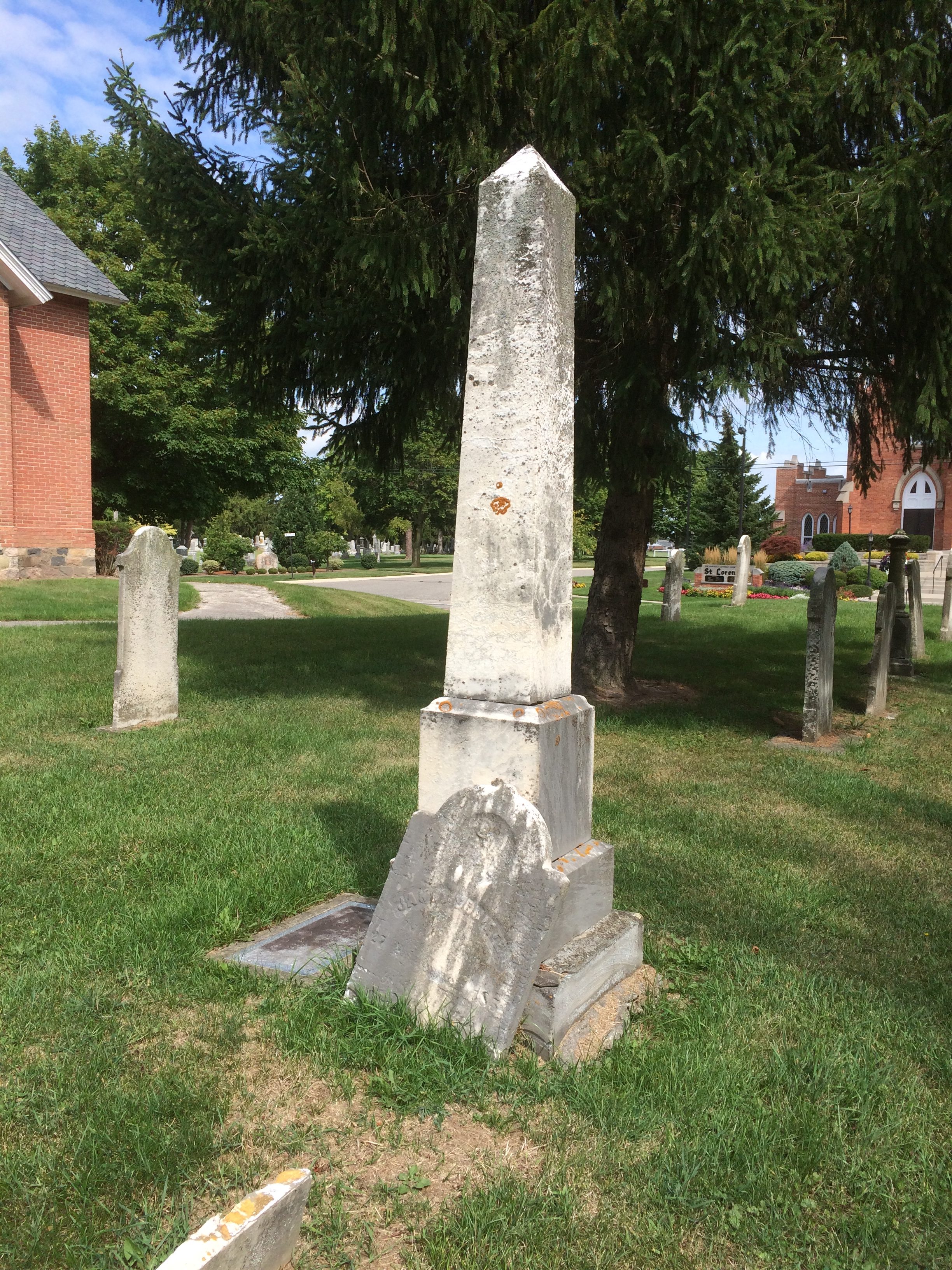
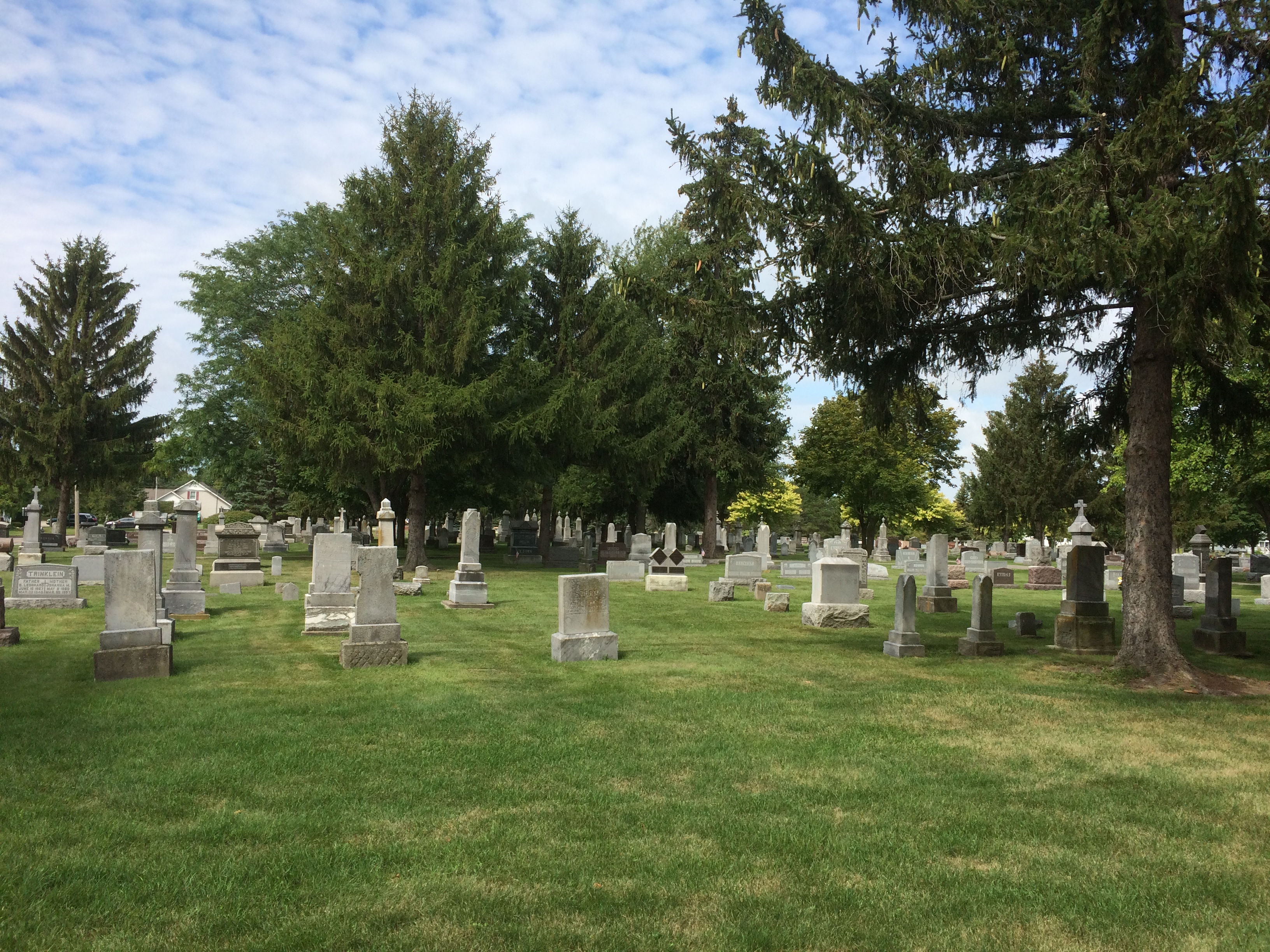
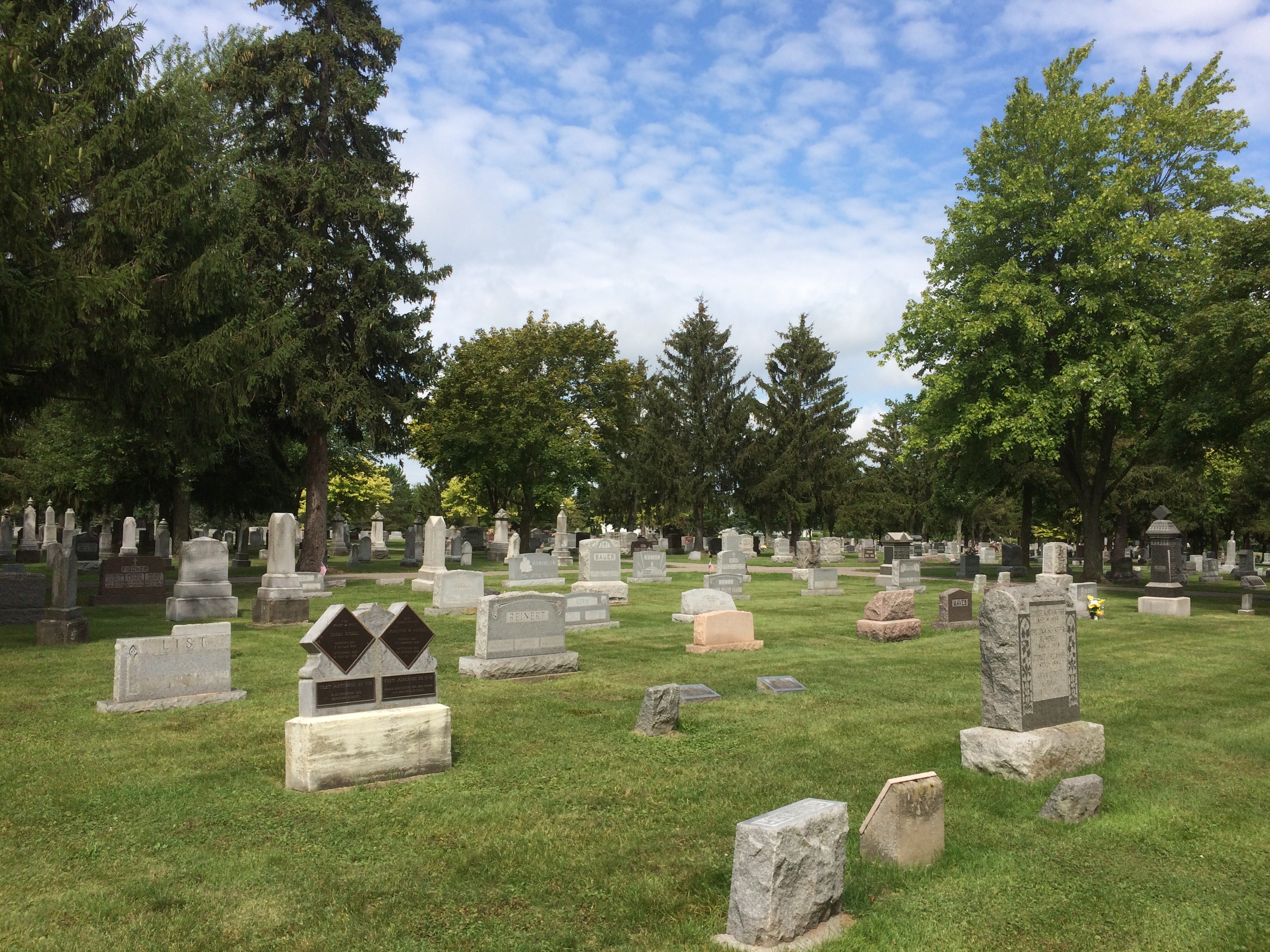
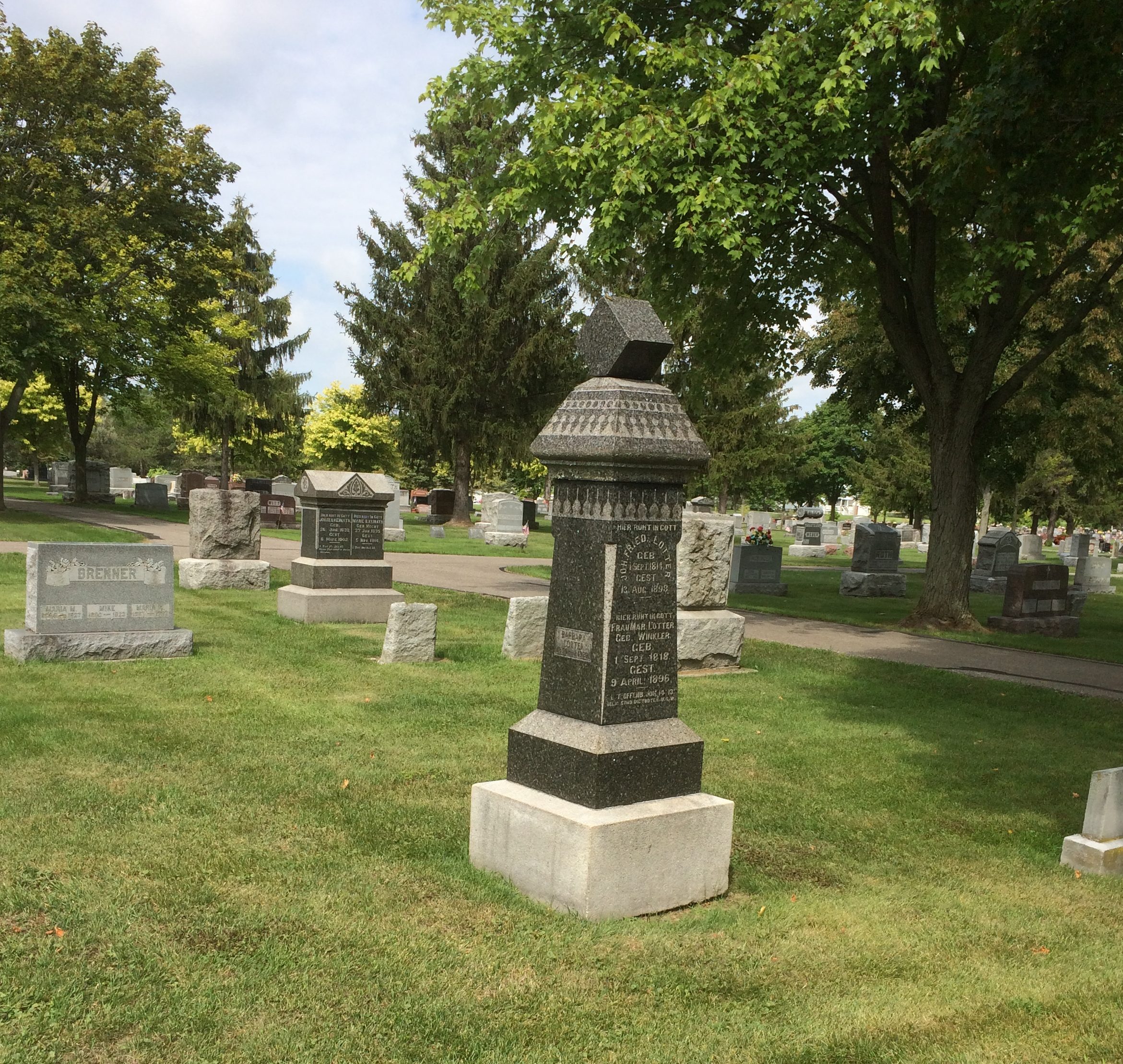
Oak Grove Cemetery, LaRoy IllinoisOak Grove Cemetery, LaRoy IllinoisOak Grove Cemetery, LeRoy IllinoisThere weren’t a lot a large memorials, but whoever Robert Flegel was, he and his wife Mary got an obelisk after their passing in the early 20th century.
Oak Grove Cemetery LaRoy IllinoisWhatever else he did, Flegel fought to save the Union, according to the inscription: Co. K, 108th Illinois Volunteer Infantry. Looks like his descendants or other family members are keen to decorate the many Flegel stones.

Oak Grove Cemetery LaRoy IllinoisThere are a lot of Munsters at Oak Grove as well.
Oak Grove Cemetery LaRoy IllinoisFurther back away from the road are older stones. Mostly 19th century, including some pioneers of McLean County, probably.
Oak Grove Cemetery LaRoy IllinoisAccording to Find-A-Grave, spiritualist Simeon H. West was buried in the cemetery after he “departed this life Apr. 2, 1920.” I hadn’t made his acquaintance yet — that happened later in the day — and I don’t remember seeing his fairly large stone.

LeRoy (Le Roy), Wausaneta and Simeon H. West

On Sunday afternoon, as I headed roughly northwest on U.S. 150 in McLean County, Illinois, I impulsively made a turn off the main road onto Center St., which goes directly to the town square of LeRoy. Or rather, the town sort-of-circle.

I came to be in that part of Illinois because earlier in the day, I’d taken Lilly back to UIUC at the end of her spring break. Usually the trip to Champaign involves popping down on I-57 and returning the same way. But the day wasn’t that cold — not like last time — and despite sometime drizzle, I wanted to make a slight detour and return home via Bloomington.

Champaign to Bloomington could mean a short drive on I-74. Or, if you want something different in March, you take U.S. 150, passing close to the still-unplanted fields and by hulking grain silos and through towns like Mahomet, Mansfield, Farmer City, and LeRoy (sometimes styled Le Roy). The road roughly parallels the Interstate. I took it.

When I got to the LeRoy square (circle), I noticed some memorials inside the circle, including a statue on a pillar. While I was still driving, I took it to be a memorial featuring a Union soldier. I parked nearby and got out for a closer look.

The formal name of the round-shaped green space in LeRoy is Kiwanis Park. Visitors are greeted on one side of the circle by a shoe-store mural.

A building labeled “Town and City Hall” is next to the Le Roy Performing Arts & Media Center, which has the look of a former church building, but I didn’t take a closer look.

Also around the circle are an undertaker, the American Legion Post 79, a clinic and some other buildings.

Kiwanis Park itself has a gazebo. I have to like a place that has a gazebo.

There are also smaller memorials, such as one to all U.S. service men and women, and one to honor Victor, LeRoy Police K-9 Officer from 2005 to 2012.

As I got closer to the main memorial, I realized that it was no Union soldier.
It was an Indian.
If anyone else had been with me — and absolutely no one else was anywhere nearby — I would have said, “How about that?” or “That’s odd” or some such.

An inscription on the base says WAUSANETA. The year carved on the base is 1911.

Also on the base: Cultivate love, peace and harmony; life is too short and time too valuable to waste in angry strife. Be slow to believe evil reports about your neighbors. Be diligent in searching for something good to say about others, and when you find it don’t wait until they are dead, but say it at once.

And more: West’s Precepts. Love and thank the supreme power. Control your temper. Try to keep cheerful. Do all the good you can. Be honest, truthful and temperate. Help the poor, needy and sick. Encourage the weak and timid. Make a specialty of trying to add to the happiness of someone to-day…. and all other days.

What on Earth is this? Why is it in LeRoy, Illinois, about as off the beaten path as you can be?

Last night when I got home, I looked it up. It didn’t take long. The wonderfully named Pantagraph newspaper published an article in 2011 about Wausaneta by McLean County Museum of History Archivist/Librarian Bill Kemp.

“Although few know it today, this statue embodies LeRoy’s longtime ties to spiritualism…” Kemp wrote.

“The idea for such a statue came from local resident and ardent spiritualist Simeon H. West, and he foot the bill to purchase, ship and install the pre-cast metal Native American and its elaborate pedestal. West claimed that on more than one occasion he communed with a deceased Kickapoo named Wausaneta, and he erected this statue as a tribute to the chief and his people.

“The Wausaneta statue gazes in a northeasterly direction toward a long-gone Kickapoo fort or stockade located seven or so miles out of town. In late November 1905, West oversaw the placement of a granite marker at this rich archaeological and historic site (now considered part of the Grand Village of the Kickapoo).

“In the midst of that day’s heavy snow and howling winds, West had an intense spiritualist encounter, later reporting that he had established a ‘rapport with the spirits of the people who lived there in the distant past.’

It was then that he supposedly learned from these spirits that a Kickapoo by the name of Wausaneta was ‘head chief’ during the fort’s construction. In a later seance, West heard from Wausaneta himself, and was told that the chief had died at the age of 75 and was buried north of the historic marker.”

“LeRoy’s Wausaneta was unveiled to the public on New Year’s Day 1912. West, in his typical new-agey grandiosity, dedicated his statue ‘to the lovers of the beautiful in every country and in every clime until time shall be no more.’ ”

That made my day. It’s exactly the kind of eccentric sight I enjoy finding on the road, especially when serendipity leads me to it.

The San Marcos City Cemetery

San Antonio to Dallas is roughly a five-hour drive straight through, provided traffic isn’t gummed up somewhere along I-35, which it will be in Austin, so best to take Texas 130 around that city, even though it costs extra.

Also best to break the trip into smaller segments and take a look around an in-between place or two. My nephew Dees told me that Aquarena Springs, formerly a postwar tourist attraction — trap — of some renown in San Marcos, is a good thing to see. In recent years, Texas State University-San Marcos remade the place as the Meadows Center for Water and the Environment. Glass-bottom boat tours are star attraction now, rather than the “aquamaids” of yore.

Sounded like a diversion of more hours than we were willing to spare, so we skipped it this time. But we did stop in San Marcos.

First for a look at the Hays County Courthouse, which is a fine old building with a statue of John Coffee Hays outside, whom the Handbook of Texas Online calls a “Texas Ranger extraordinary.” South Texas sculptor Jason Scull did the bronze.
Hays Statue, Hays County CourthouseNot far away is the San Marcos City Cemetery. According to the Heritage Association of San Marcos, the cemetery replaced a smaller boneyard, with burials beginning in 1876. The city took ownership in the 20th century, as it retains today.

Though you climb a small hill at the entrance, most of the cemetery is level. Though not heavily wooded, the cemetery has trees to remind us that late February in central Texas is early spring.

San Marcos City CemeterySan Marcos City CemeterySan Marcos City CemeteryThere are some larger stones and some funerary art, but not a lot.
San Marcos City CemeteryAs Jay pointed out, ready money in 19th-century San Marcos — when such art was more likely to be erected — was in short supply, at least compared with a place like New York, home of Green-Wood and Woodlawn, or even old Charleston.

Still, there are some more ornate markers, such as the draped obelisk of Z. T. Cliett (1847-1892).
San Marcos City CemeteryOr the stone of Dr. P. C. Woods (1820-1898).
San Marcos City CemeteryA nearby Texas Historical Commission marker says that Dr. Woods came to Texas from Tennessee, as so many did (T for Texas, T for Tennessee). Commanding the 32nd Texas Cavalry Regiment during the war, he patrolled the border with Mexico and the Gulf coast against possible Union attack, and fought in Louisiana, where he “received an arm injury which impaired him for the rest of his life.” That didn’t keep him from being a farmer and doctor in postbellum Texas, however.

Thomas Reuben Fourqurean (1842-1925) (interesting name) had a metal marker to denote his service to the CSA, of the kind that’s easy to find in older Southern cemeteries.

San Marcos City CemeteryAnother marker — local, not state — tells the story of Ann B. Caldwell (1800-65), who was reinterred here in the 1870s from an earlier San Marcos cemetery.
San Marcos City CemeteryIn life, she had been among Stephen F. Austin’s colonists and then an early settler in Hays County.

The cemetery’s old enough to include weather-worn stones whose names have been lost to time.
San Marcos City CemeteryEveryone’s stones will eventually disappear in the fullness of deep time, of course. These stones simply have a head start on the others.

The Rantoul Historical Society Museum

Back on Tuesday. Take holidays whenever you can get them.

Rantoul, Illinois, is a town of about 13,000 just off of I-57 and roughly 20 miles north-northeast of Champaign-Urbana. For the last two years that I’ve been driving regularly between metro Chicago and Champaign, it’s been a sign on the Interstate. I knew that there had been an Air Force base there, and then an air museum on the site, but that both were gone. That’s about all I knew.

So on Sunday, I took the Rantoul exit and made my way to the Rantoul Historical Society Museum. Support little local museums when you can. Besides, you never know what oddities you’ll see, such as White Star brand tomatoes.

The museum is in a former church building on a main road.
Not a particularly old church, either: the Rantoul Presbyterian Church, dedicated in 1953.
The church is something of a microcosm of the town. When the museum moved into the building in 2016, the Rantoul Press did an article about it.

“At one time, when Chanute Air Force Base was open, membership was strong and the building was the site of a number of church and social events,” the Press noted. “But membership tailed off dramatically when the base closed.”

Chanute Air Force Base was open from 1917 to 1993, beginning as an Army Air Corps training facility and ending in a round of base rationalizations. When the base went, most of the local economy went with it.

A good part of the museum is given over to Chanute AFB.

The church’s former sanctuary isn’t used for displays, but a number of other rooms are chock-full of items, some in display cases, some not: photos, paintings, posters, newspapers, other printed ephemera, clothes, household items, knickknacks, toys, furniture, machinery, and items about the Illinois Central RR, which was the town’s reason for being in the 19th century.

In short, the museum sports anything that the good people of Rantoul wanted to give to the historical society after parents and grandparents died, or debris they cleaned out their homes before moving, or things they simply couldn’t bear to throw away. It’s Rantoul’s attic and Rantoul’s basement.

I spent about an hour looking around. I was the only person there besides the fellow watching the place. When I came in, he greeted me and turned on the lights in the other rooms for me. Otherwise, he said, they stay off.

Wonder who Mr. Rantoul was? The museum tells you. And shows you what he looked like.
Robert Rantoul Jr. (1805-52) was a U.S. Representative from Massachusetts and a director of the Illinois Central Railroad. As far as I can tell, he never visited Illinois, but when the Illinois Central was naming towns along its route, he got the nod.

I enjoyed the case full of old telephones.
There were plenty of displays devoted to bygone local sports glory.
A leather football helmet.

I’ve heard you can make a pretty good case that chronic concussion injuries would be reduced if football went back to leather helmets. Besides, they look cooler.

A few of the artifacts hint at someone’s long-ago personal sadness, such as this.
Boy Scout Vest Worn By: Jerry Wright

The picture must be a high school yearbook shot with “1954” added. No doubt the vest was tucked away somewhere by that time. Gerald Wright, it says under the picture. Deceased. Band 1,2,3. Football 1,2.

Kohler in the Fall

Ten years ago this month I went to a conference in Kohler, Wisconsin, famed for its plumbing equipment but also enlivened by colorful trees, if you time your visit right. One afternoon I had a little while to take a walk near the American Club, site of the conference.

Across Highland Dr. from the club are buildings that belonged to the Kohler Co., and still do, according to Google Maps. This is the front-office building of the company’s enormous factory.

The street offers a leafy walk at the edge of the Kohler plant.

Also on Highland Dr. is the Village of Kohler Fire Dept. headquarters. On the side of the fire department building is this curious bit of artwork. Curious enough for me to take a picture, anyway.

St. George and the Dragon, looks like. Maybe the dragon is a metaphor for fire. Still, the patron saint of firefighters isn’t St. George, but rather St. Florian. The Florian cross is the basis of the logo of the International Association of Firefighters.

Further down the street is a railroad crossing.
Before long Highland Dr. turns into Riverside Dr., with views of the Sheboygan River available.
The Sheboygan flows directly into Lake Michigan. I also saw it in Sheboygan Falls during that trip.

Near Riverside is parkland.

It was a good place for an October walk.

The Ellwood House Museum

Every junior high student in Texas takes, or used to take, a class in Texas history. My teacher 45 years ago was the no-nonsense Mrs. Carrico, whose first name I do not remember. She told some Texas history stories that I do remember, including one I thought of not long ago when we visited the Ellwood House Museum in DeKalb, Illinois.

The story was about the popularization of barbed wire in Texas, specifically a demonstration of wire in 1876 in San Antonio organized by salesmen from up north. As the Texas State Historical Association puts it:

“In 1876 salesman Pete McManus with his partner John Warne (Bet-a-Million) Gates conducted a famous demonstration on Alamo Plaza [other sources say Military Plaza, including the TSHA] in San Antonio in which a fence of… wire restrained a herd of longhorn cattle. Gates reportedly touted the product as ‘light as air, stronger than whiskey, and cheap as dirt.’ Sales grew quickly thereafter, and barbed wire permanently changed land uses and land values in Texas.”

I’d heard of steel and oil magnate John Bet-a-Million Gates before, but until I visited the Ellwood I hadn’t connected him with this incident. It was early in his career and before he was renowned as a gambler.

At the time, Gates was working for Isaac Ellwood, barbed wire manufacturer of DeKalb. Later Ellwood owned a major ranch in Texas, and built a “Pompeiian Villa” in Port Arthur, but it’s his Illinois manse that concerns me here.It’s a handsome Victorian house, originally dating from 1879, and designed by a Chicago architect named George O. Garnsey, with later modifications by others.

The museum web site says: “The museum campus consists of seven historic structures (including the 1879 Ellwood Mansion and 1899 Ellwood-Nehring House), four gardens, and 6,000 square feet of exhibit space in the Patience Ellwood Towle Visitor Center, a converted and expanded 1912 multi-car garage.

“Originally built for barbed wire entrepreneur Isaac Ellwood, the Mansion was home to three generations of the Ellwood family from 1879 to 1965. In 1965, the Ellwood Mansion was given to the DeKalb Park District by Mrs. May Ellwood and her three children.”

No pics allowed inside, but be assured that it’s lavishly decorated and includes a lot of the furniture that the Ellwoods owned. No barbed wire, though: that’s on exhibit at the visitors center.

Yellowstone, Badlands, Albert Lea, Etc. 2005

Part of a letter I wrote to Ed about 13 years ago, with a few relevant pictures and hindsight notes in brackets.

Aug 22, 2005

Time to start another letter, which I might as well subhead “Things About My Recent Travels That Didn’t Make It Into the Blog.” If letters had subheads, that is.
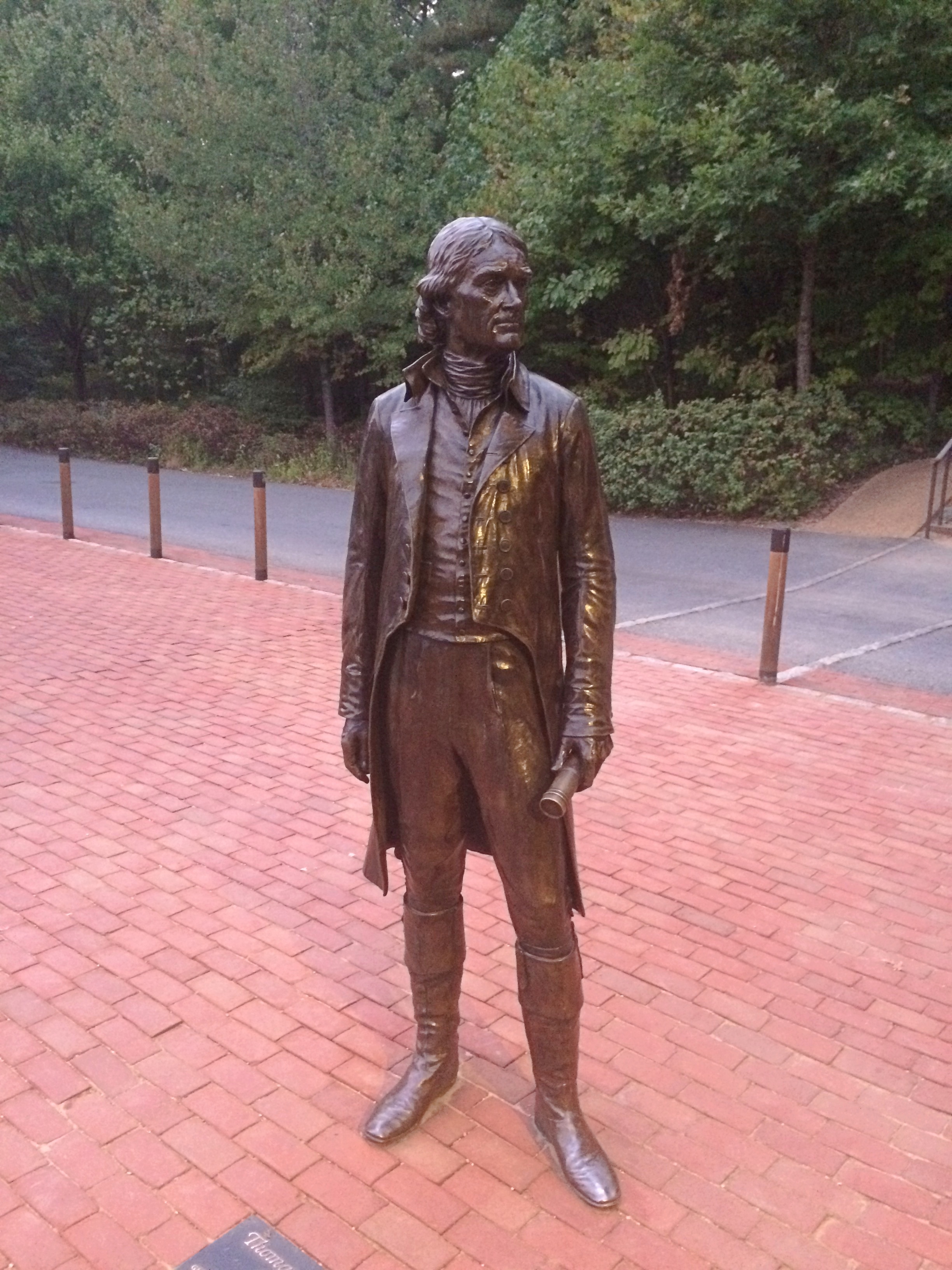
In some ways, I hope this is a pattern for future travels [mostly it wasn’t]. Of the nine nights we spent on the road, six were in a tent, three in a motel. Better still, of the six nights in a tent, four cost nothing. Call me a cheapskate, but it did me good to return every night to Yankee Jim Canyon about 15 miles north of Yellowstone, in Gallatin Nat’l Forest land, and crawl into the tent knowing that I paid nothing. Well, no extra charge, no insidious “user’s fee,” because some small bit of my taxes must go to support the Gallatin Nat’l Forest.

Some of the most striking things about the many striking things in Yellowstone were the places — whole mountainsides, in some cases — that had clearly burned down in 1988. Hundreds of grey-dead trunks, stripped of anything remotely alive, still stand, lording — if such be possible among trees — over forests of mid-sized pines, very much alive, the spawn of the great fire. In other places, hundreds of tree corpses have tumbled into random piles, also interlarded with young living trees. You can drive for miles and miles and see scene after scene like these. They say it was a hell of a fire, a complex of hell-fires, really, and I believe it.

[A post-fire landscape in Yellowstone in 2005, 17 years later.]Yellowstone 2005

I saw something in South Dakota that the rest of the nation can emulate: two kinds of X signs, marking traffic deaths I think. One says: “WHY DIE? Drive carefully.” And the other: “THINK: X marks the spot. Drive carefully.” For such a sparse population, South Dakotans seem to kill themselves often enough on the roads. Long winters, cheap booze, almost empty roads.

I recommend the drive along the Missouri River from I-90 to Pierre, SD — along state roads 50, 10, and mostly 1806, all of which also form a National Scenic Byway. Hilly, bleak territory largely given over to Indian reservations, though not quite as bleak-looking as Badlands NP.

[Badlands NP, 2005]

In places, except for the road, it couldn’t have been that much different than what Lewis and Clark saw. I never can remember, without looking it up, which one probably blew his brains out a few years after co-leading the Corps of Discovery. [Lewis] Clinically depressed, before there were clinics worth visiting, and before melancholia became depression. Anyway, if I remember right, there’s a monument to him near where he died, on the Natchez Trace. I saw it years ago. A lonely place to die.

We spent the first night out at a campground near Albert Lea, Minnesota. According to me (and only me), Albert Lea is important for two things. One I just noticed: it’s the closest town to the junction of I-35, the U.S. branch of the Pan-American Highway, and I-90, the Boston-Seattle transcontinental epic of a highway. [I’ve since learned that no U.S. road is officially called the Pan-American; it’s just custom that attaches the name to I-35.]

The other thing is that I was visiting Albert Lea for the second time, after a span of 27 years. What was I, a south Texas lad of 17, doing in south Minnesota en route to Wisconsin one August day in 1978? Am I repeating myself here? Maybe I mentioned that epic bus trip before. It was an important one for me. No family, distant states — Wisconsin seemed wildly exotic. Christmas trees grew in people’s yards.

Anyway, in 1978 we stopped for lunch in Albert Lea. I went with the bus driver and some other kids to Godfather’s Pizza, a place I’d never heard of. After that, I walked around a little, relishing the remoteness of the place.

In 2005, we encountered wildlife at the campground near Albert Lea, namely mosquitoes in great numbers. The place was fairly green and lush, so I guess southern Minnesota hasn’t had the drought that Illinois has had this year. When we were leaving the next morning, we drove down the town’s main drag and there it was: Godfather’s Pizza, looking like not much maintenance had been done since the late 1970s, though of course I had no memory of how it looked then, just that I was there. [In Eau Claire this year, we ordered a pizza from a Godfather’s and ate it in our room. I ordered from there because of my experience 40 years earlier. And it was close.]

One other note, for now: Hot Springs, SD, is a lovely town. Near much of the main street flows a river, and alongside most of the main street across from the river are picturesque sandstone buildings, vintage pre-WWI. Evidently, it was locally inexpensive building material.

I left the family at a spring-fed swimming complex while I looked for a pay phone, since my cell phone refused to transcend the hilly surroundings. Argh, what an odyssey that was – “Yeah, we used to have a phone…” I’d foolishly agreed to do an interview that day, figuring I could use my cell. Anyway, after much to-do, I found a phone, did the interview, and then relaxed by the riverside, which has a sidewalk and a hot spring (Kidney Spring) under a gazebo. Free for all to drink, with a metal plaque describing its properties. Not bad. A little salty, but not bad, even on a hot day in South Dakota.