Five-State National Road Dash

Our first winterish weather blew through early this week, but we’re back to cool days. For now. Some leaves seem to be clinging a little longer than usual, but most are accumulating on the ground, as expected for November. A scattering of Christmas decorations are already up, and I don’t mean in stores, where they’ve been for weeks. Let November be November, I say.

Much of my return from the East Coast generally followed the westward course set by the National Road, though I didn’t use much of US 40, which has that nickname. If you want to make decent time, you take I-68 through Maryland and then I-70 across Ohio and into Indiana, which pretty much parallels the National Road.

The Interstate is designed for just that kind of efficient travel. On the whole, it delivers. The four-lane highways also deliver boring drives, to hear some tell it. That’s an erroneous assumption, to hear me tell it. The Interstate has its fine stretches, such as I-68 in October, a gloriously colorful drive. Winding and hilly, too, through Maryland’s peculiar panhandle.

A rest stop near Hancock, Maryland, offers views to the north, so most of what you see is Pennsylvania.
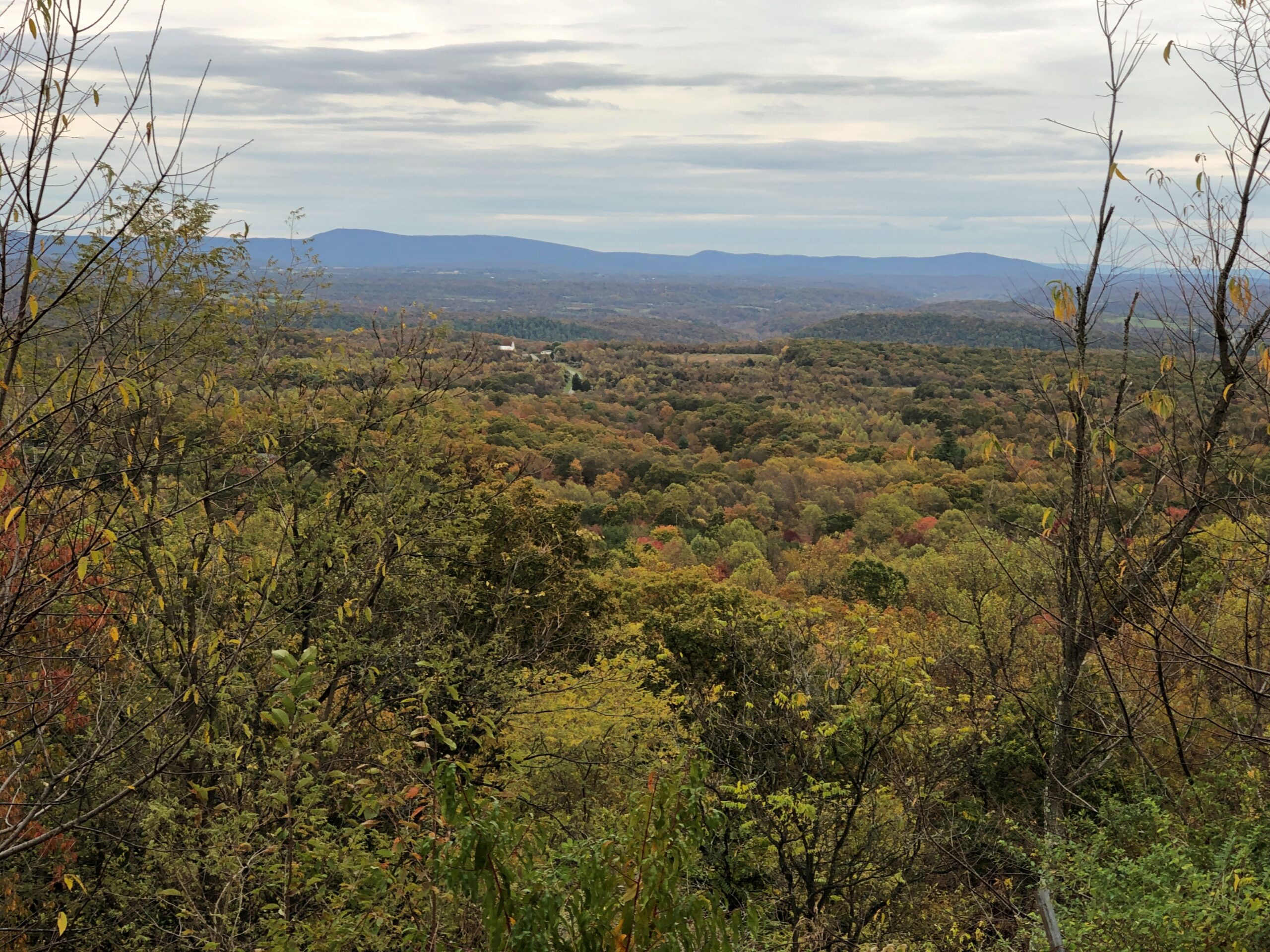
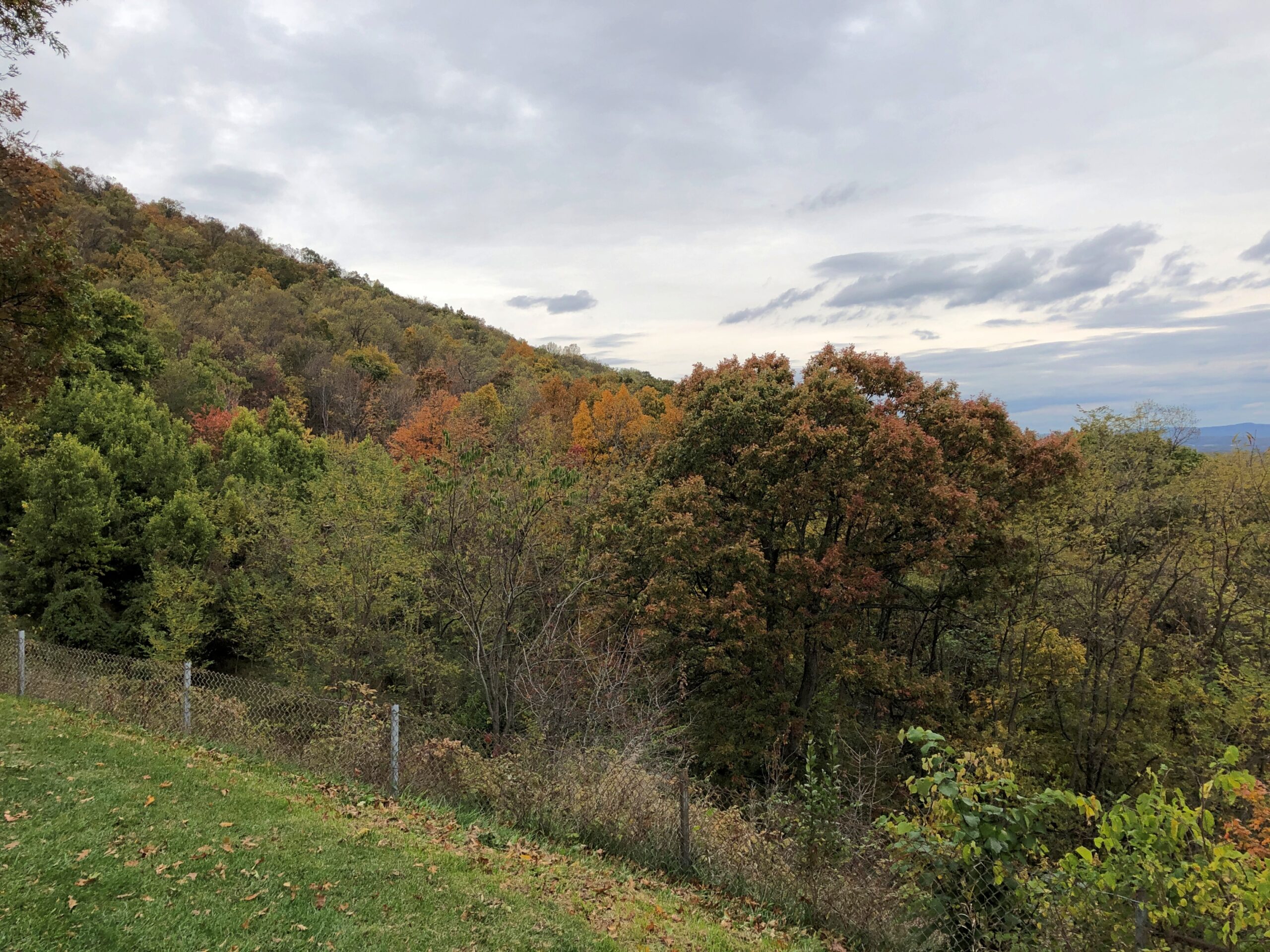
Maryland I-68
Maryland I-68

The rest stop is at Sideling Hill, an enormous rise gouged by an enormous cut for I-68 to go through. An impressive feat of engineering, completed only in the 1980s. Then again, blowing up mountains is a thing that happens in this part of the country.

The narrowest part of the Maryland isn’t far away. At its narrowest, there is less than two miles are between the Potomac and the Mason-Dixon Line. So if you picked up Maryland by the panhandle, it would surely break at that narrowest point.

I filled my gas tank off the highway in the last town in Maryland, Friendsville (pop. 438), at a station whose enclosed retail space (between a few pumps) seemed little bigger than a walk-in closet, and yet there was a clerk manning the place on Saturday just before dark. Rotund and massively bearded, he was playing a video game when I opened the door to pre-pay. He might have been a little surprised to encounter a customer, at least one who didn’t pay at the pump.

From there, I continued into West Virginia, then took I-79 north into Pennsylvania, then headed west on I-70, which crosses West Virginia’s odd panhandle – more like a periscope – before reaching Ohio. After overnighting in Cambridge, Ohio, I bypassed Columbus but stopped in Springfield, near Dayton but with a distinct geographic identity. Alcor to Dayton’s Mizar, you might say.

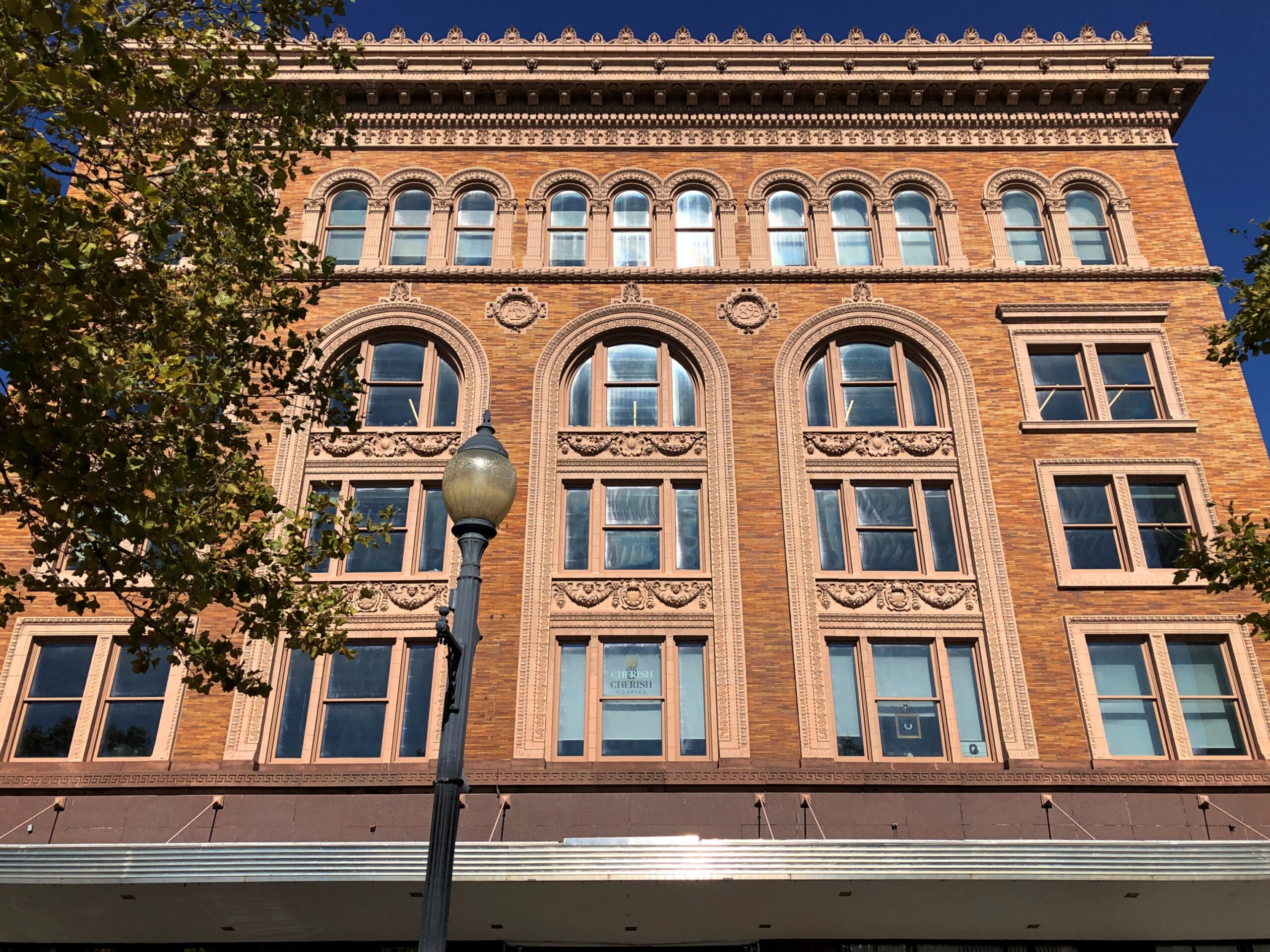
Downtown Springfield was practically devoid of pedestrians that Sunday, and not that many cars drove through either. A few buildings rise high enough to suggest a more prosperous past, but look too closely and some of them seem to be as empty as the streets, or at least underutilized.
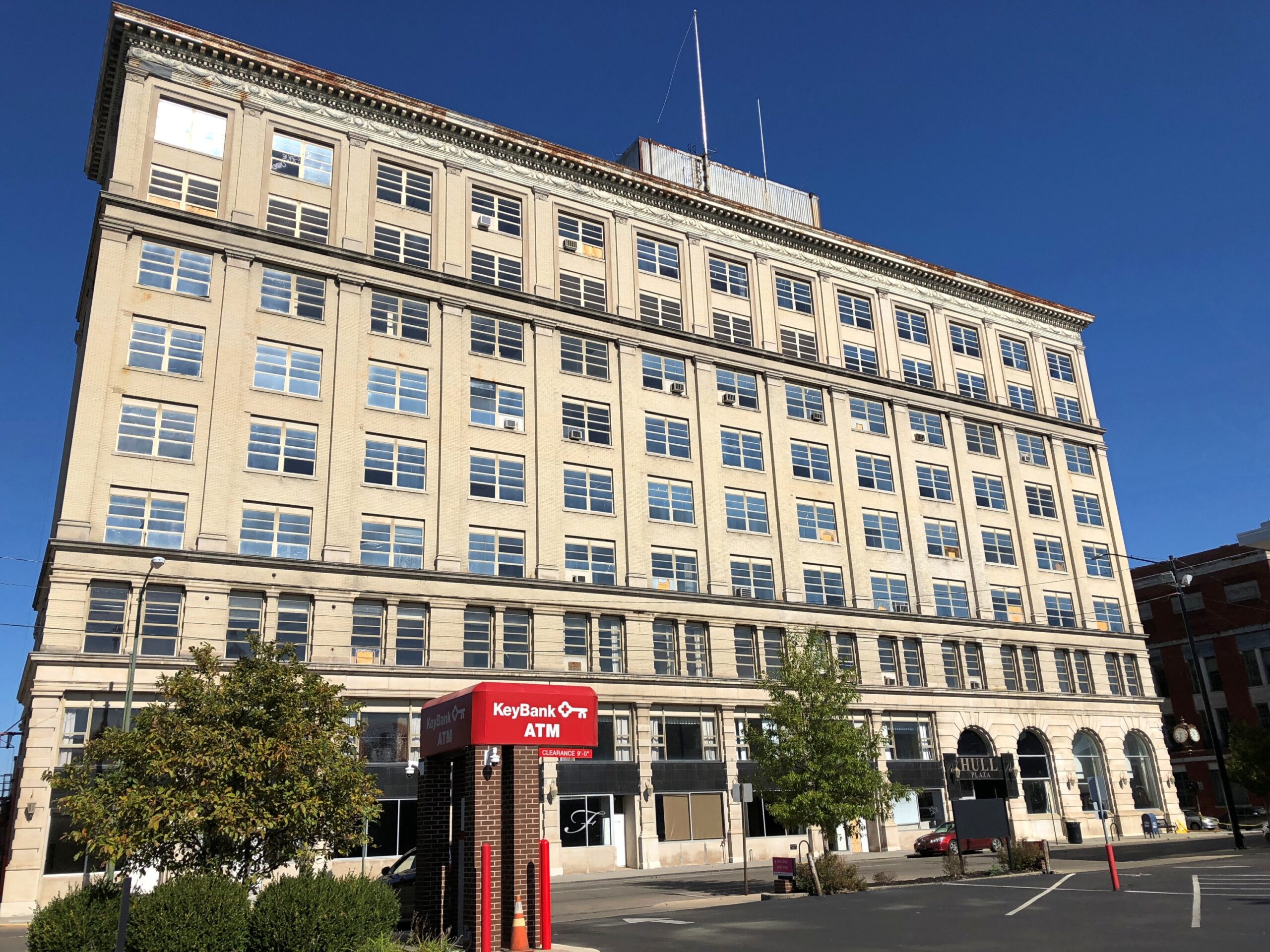
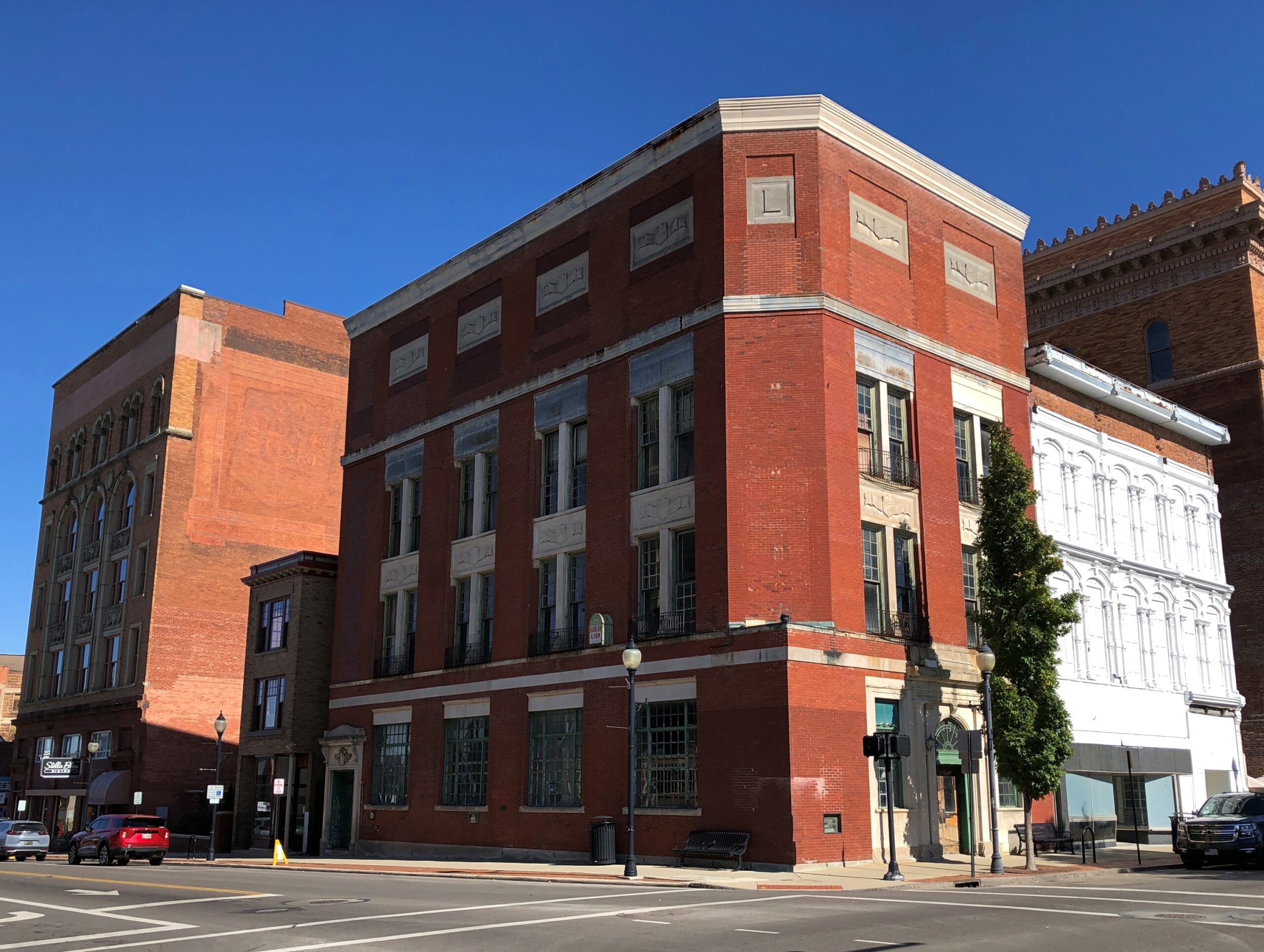
Springfield, Ohio
Springfield, Ohio
Springfield, Ohio

The National Road went, and still goes through Springfield, in the form of US 40. A milestone in Springfield marks the point at which the federal government quit paying for further westward expansion of the road. Anything else would be on the states, namely Ohio, Indiana and Illinois.
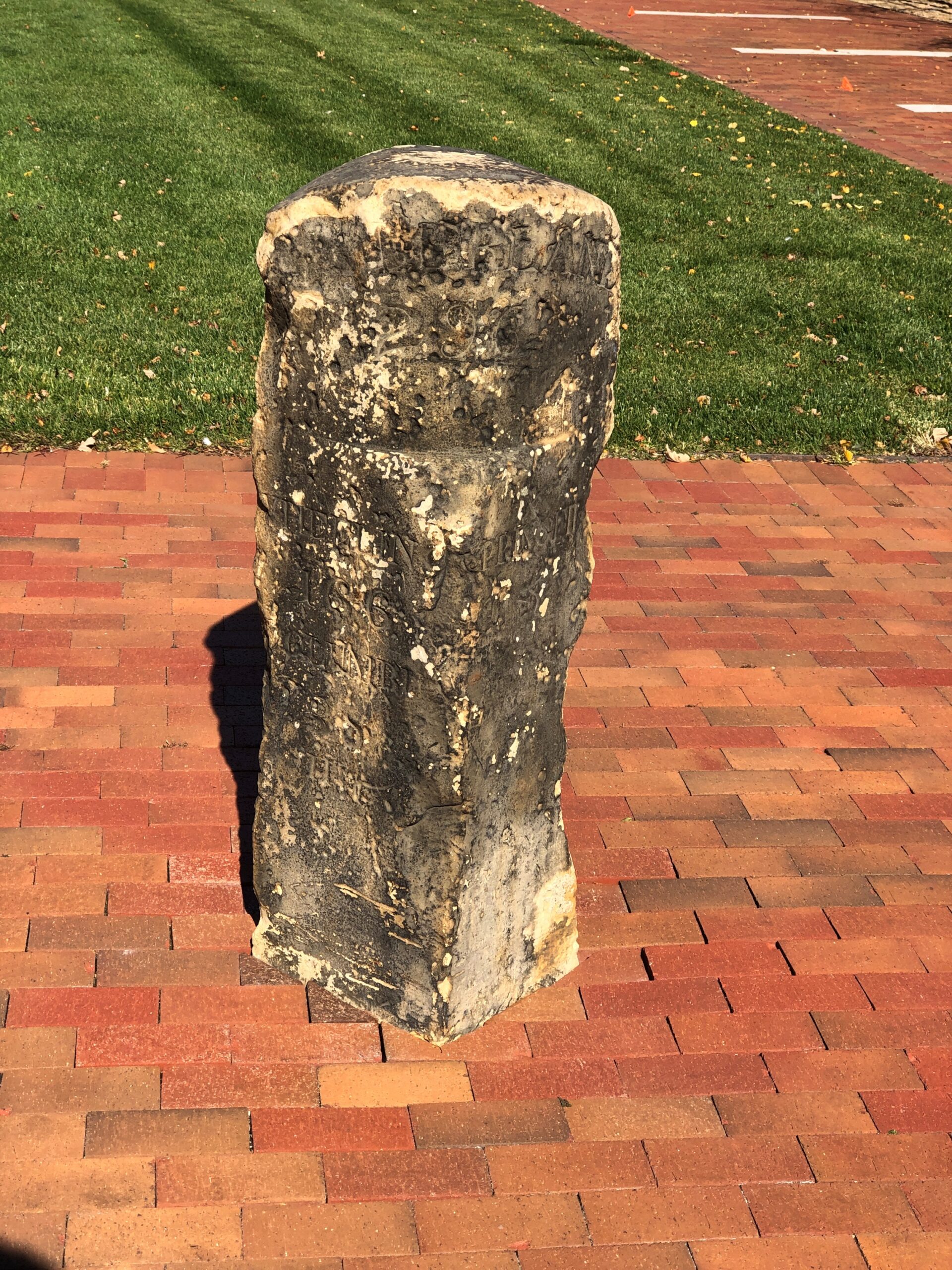
National Road Milestone, Springfield Ohio

Later, after the National Road had become History, the Daughters of the American Revolution erected a series of statues along the route, and others to the west: “Madonna of the Trail.”
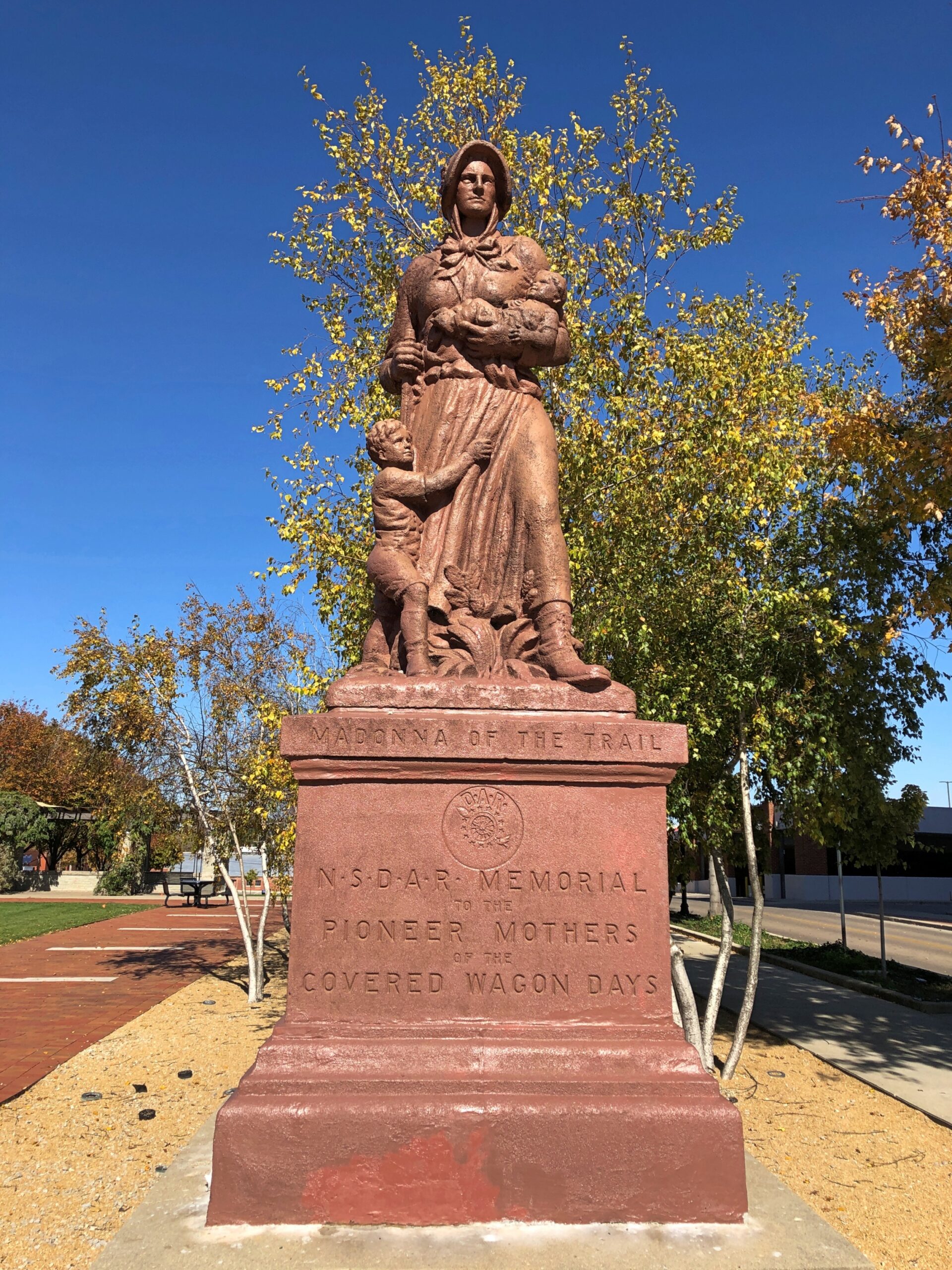
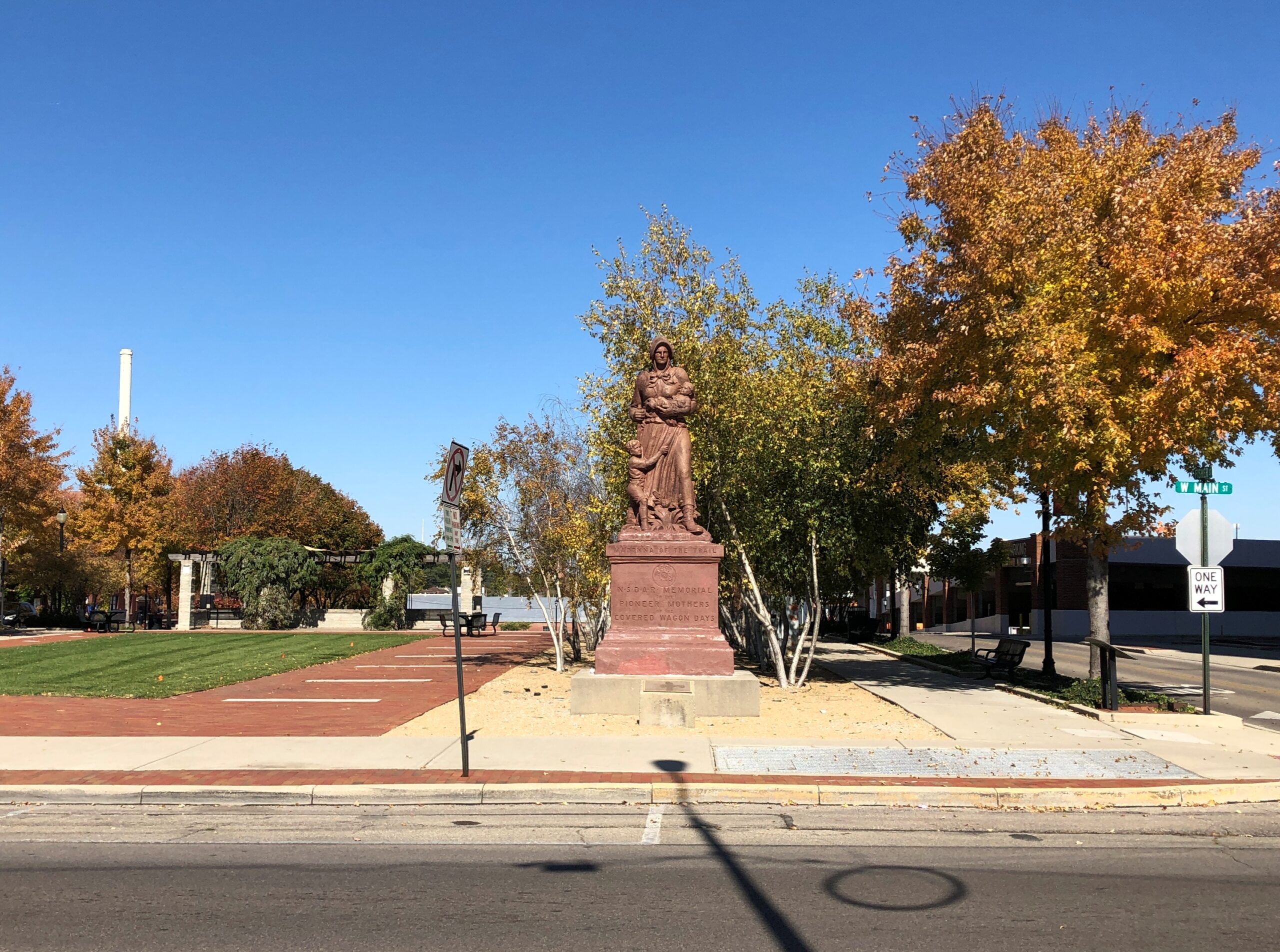
National Road Madonna of the Trail, Springfield Ohio

There are 12, with the easternmost of them along the National Road. Erected in the late 1920s, the Springfield one was renovated about 20 years ago.

Nearby, passersby are urged to Dream Big.
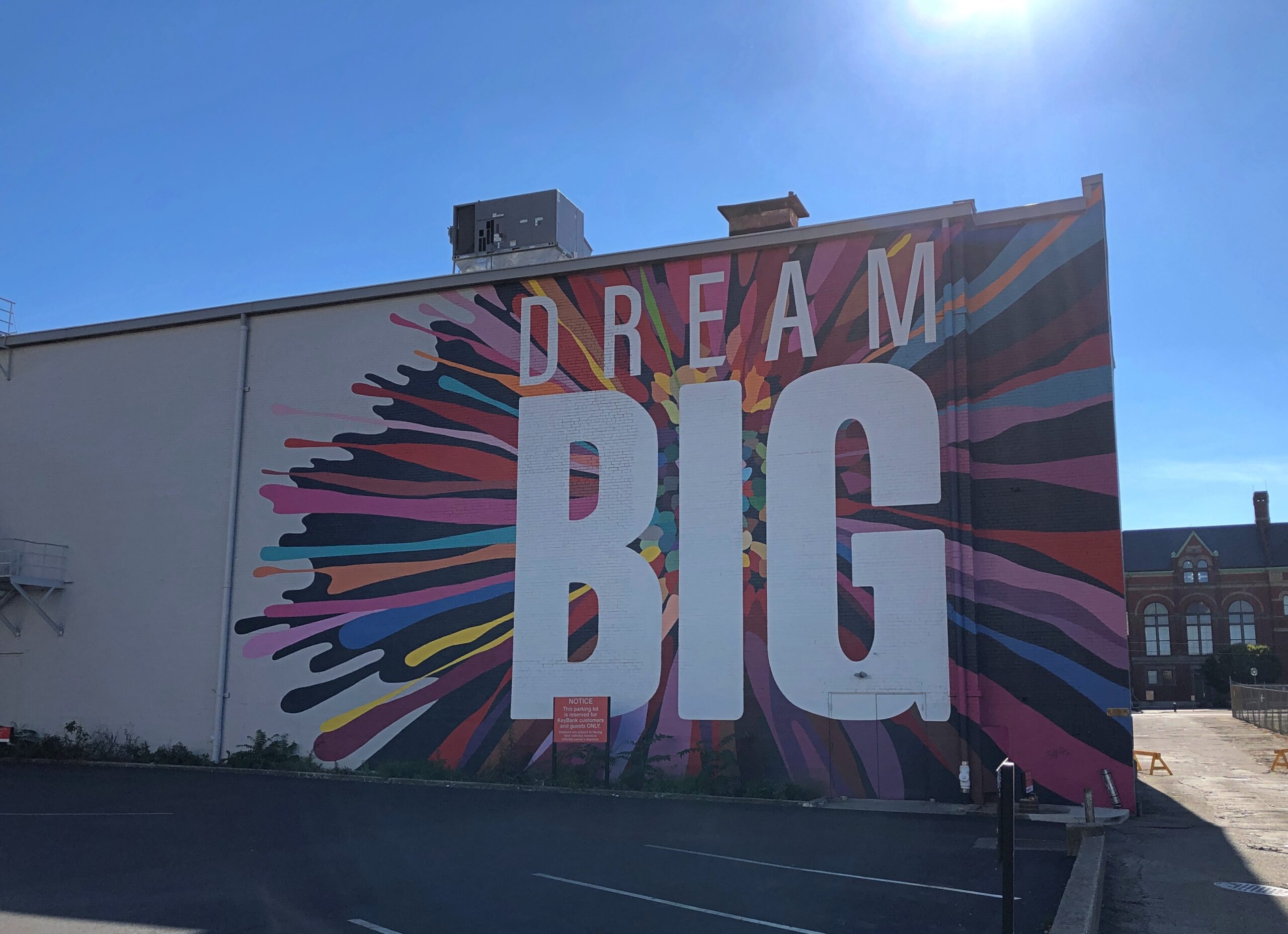
Springfield Ohio

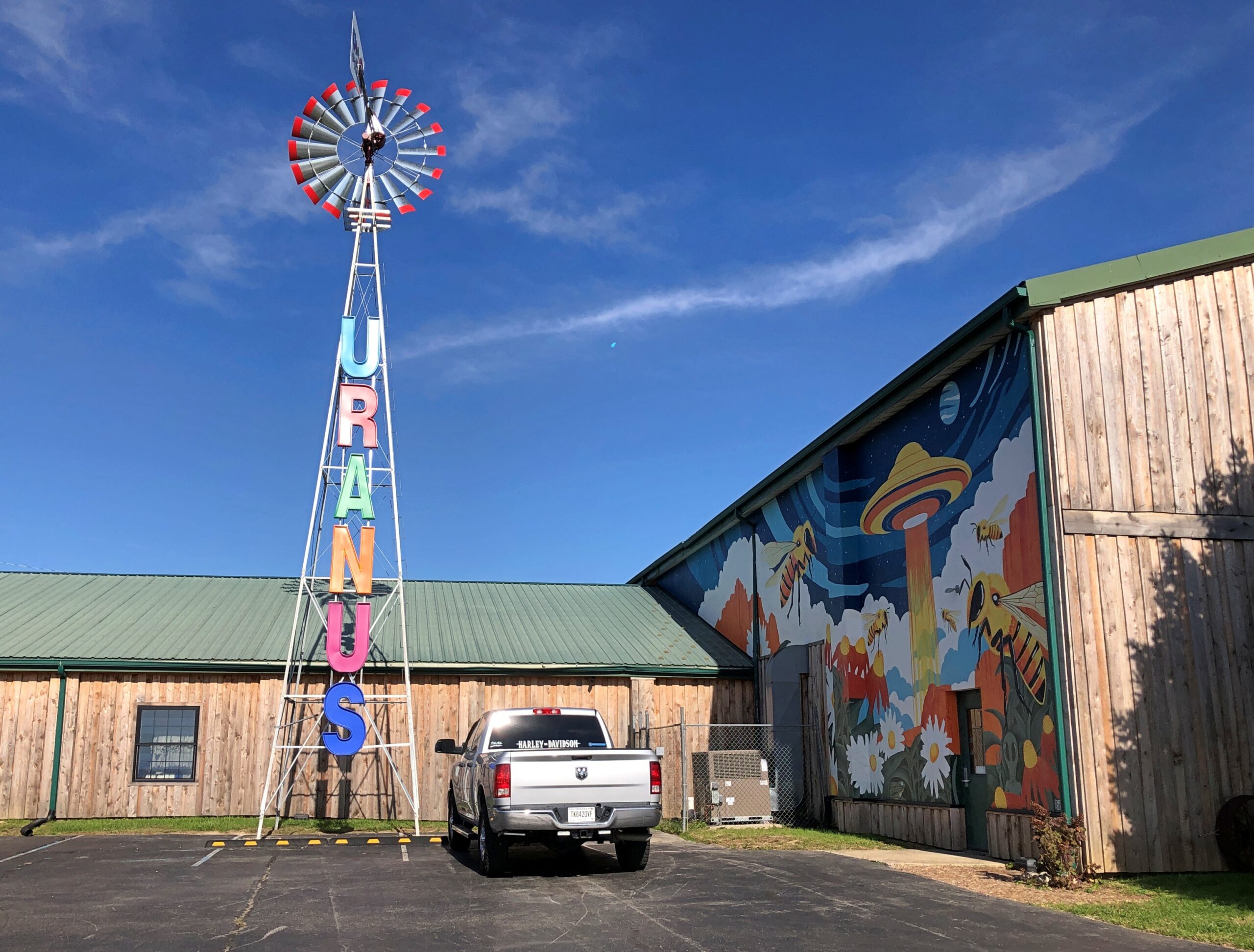
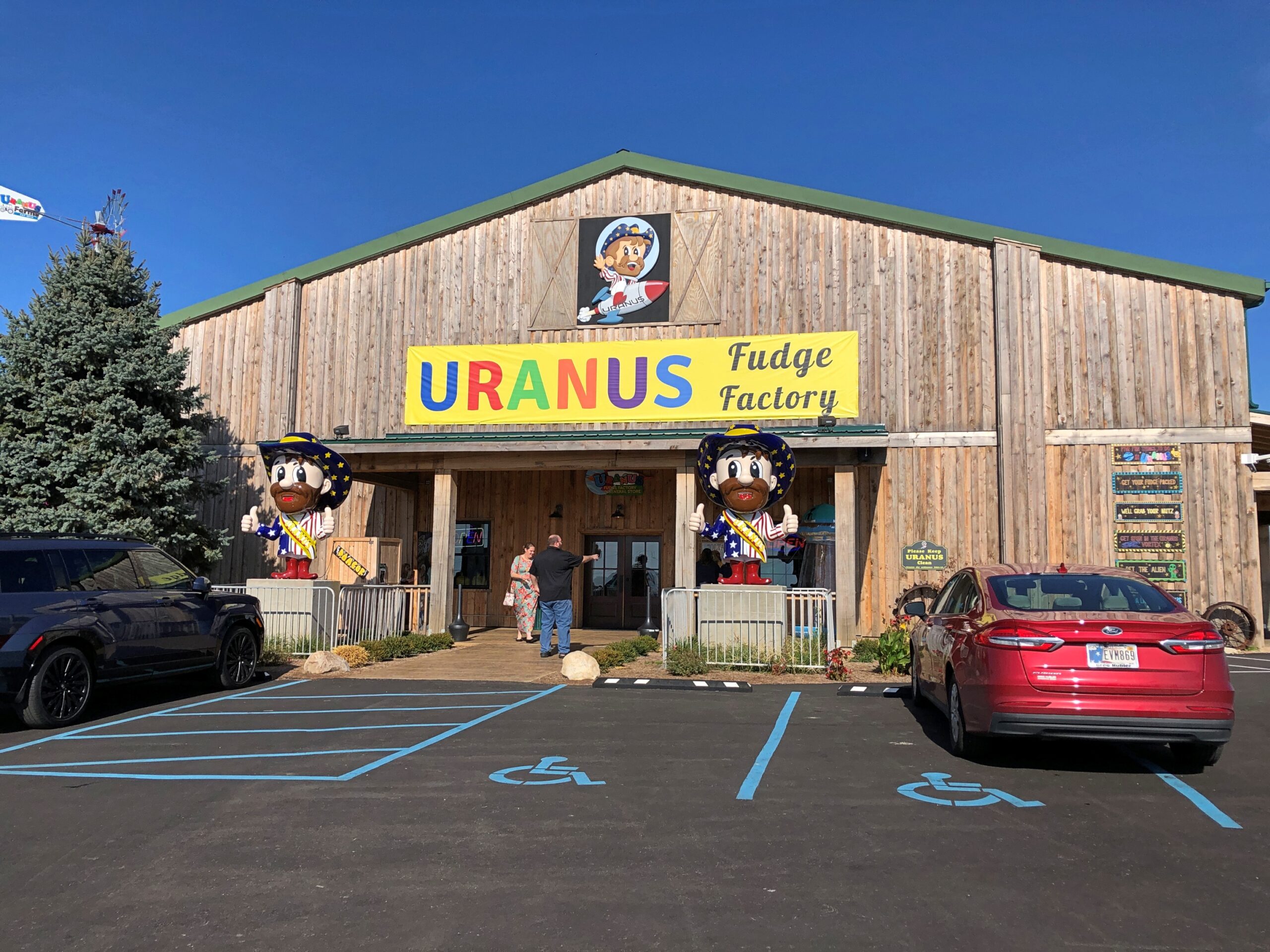
About an hour west of Springfield, at the border of Ohio and Indiana on I-70 – just barely inside Indiana – is the Uranus Fudge Factory. I had to stop for that.
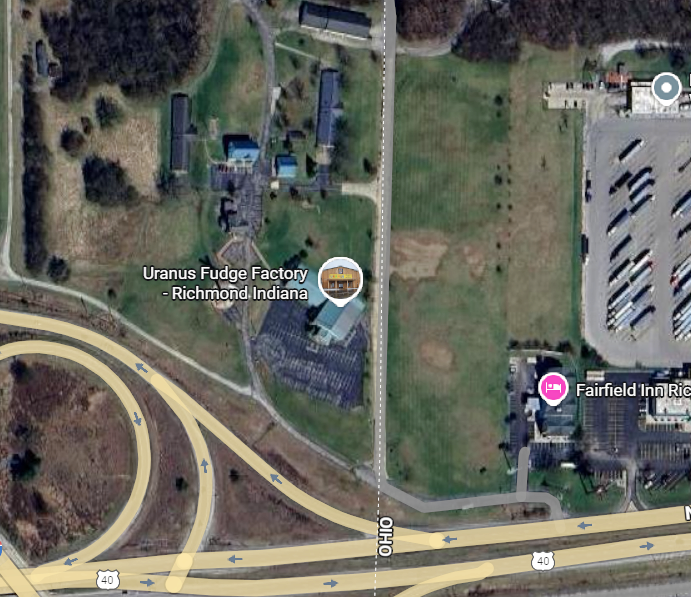
Uranus Fudge
Uranus Fudge
Uranus Fudge

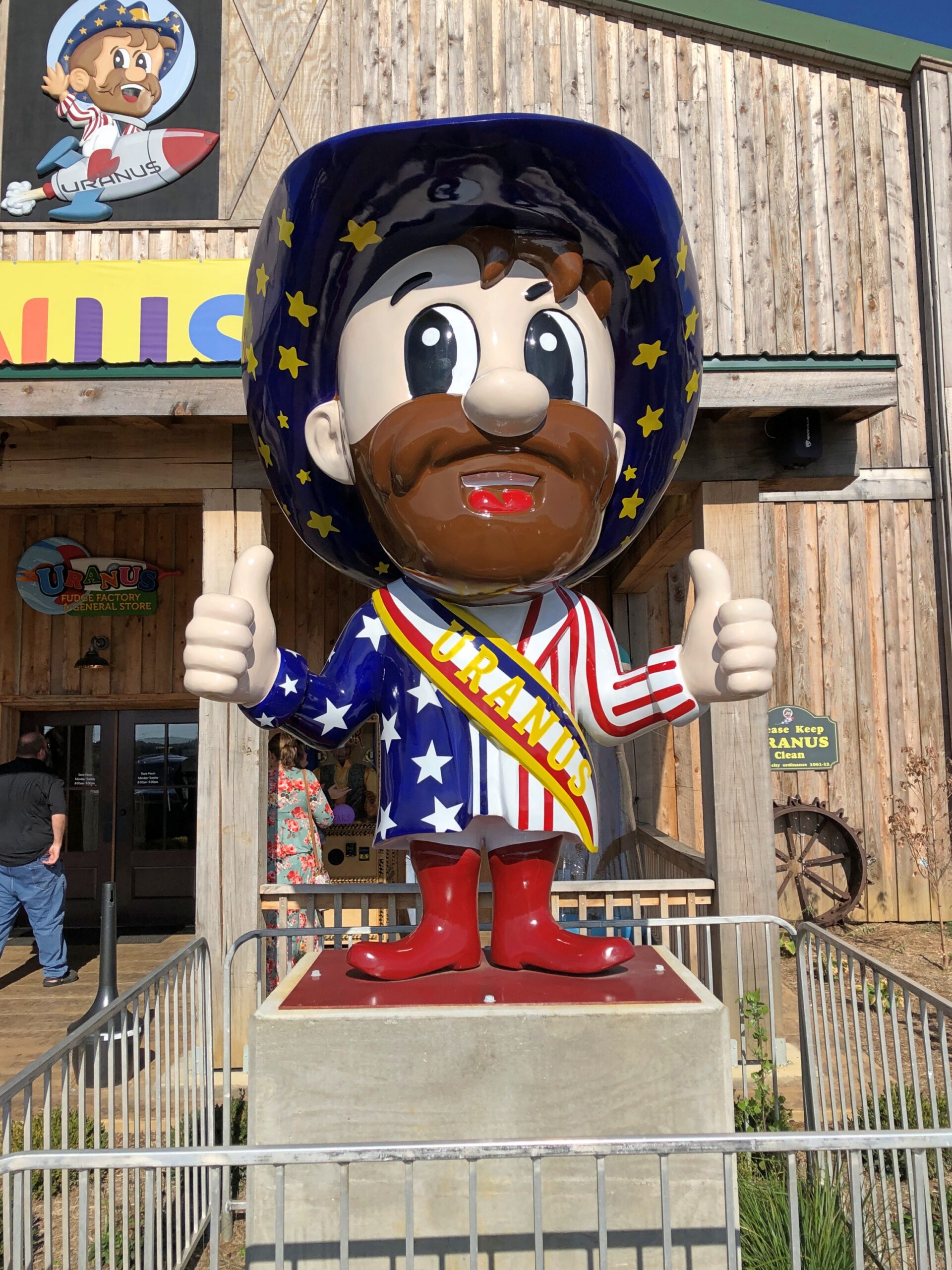
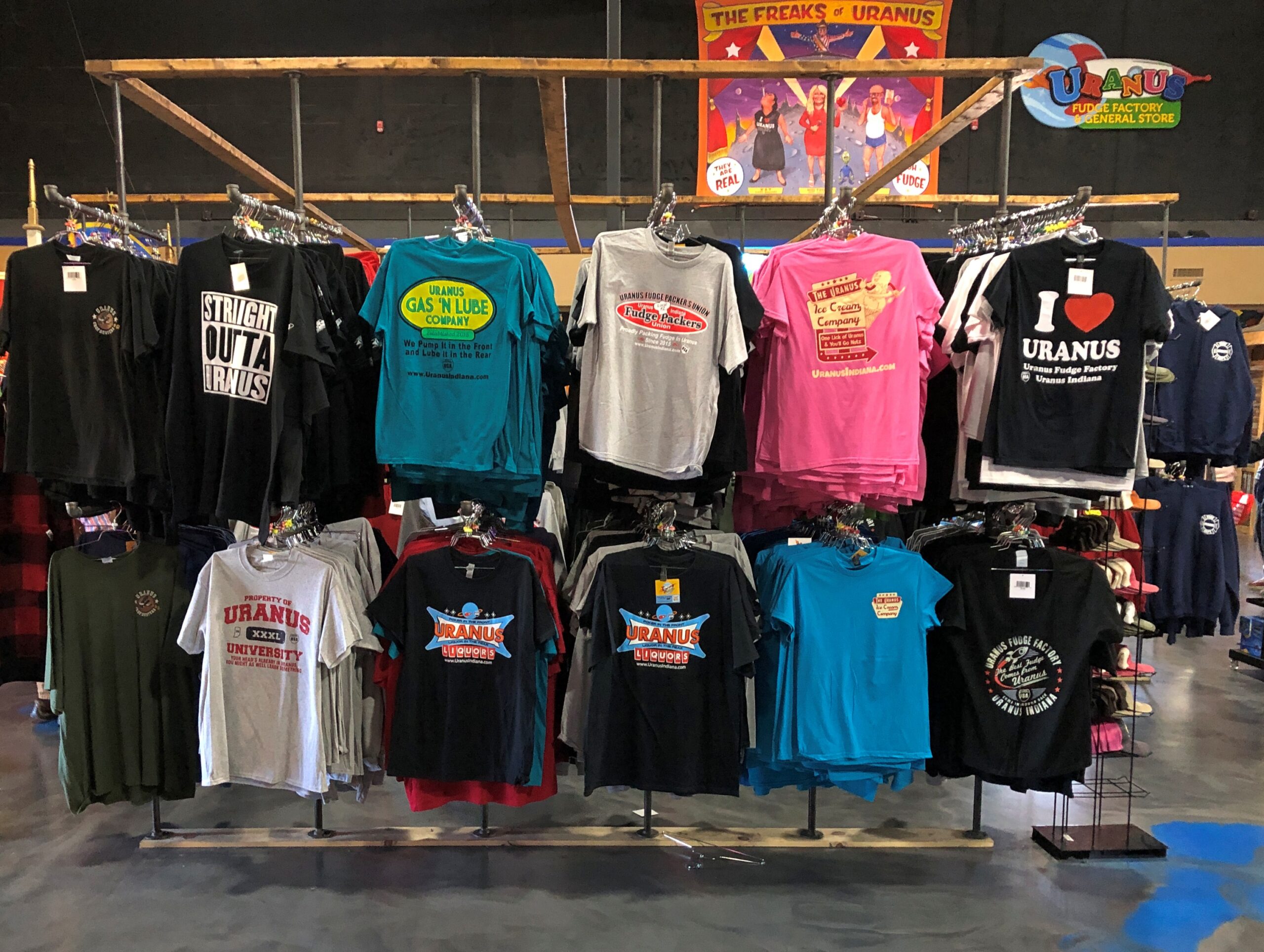
Sure, there’s fudge in there somewhere, but also a lot of gags involving the word Uranus (Your-anus). Examples can be found in the newspaper — an honest-to-God paper newspaper — that the store produces, The Uranus Examiner, and gives away. I have a copy. My kind of souvenir.

Sample front-page headlines from the Summer 2025 edition:

Breaking News: You Can Explore Uranus In Three Locations

Eating Their Way Through Uranus

Get A Lick Of Uranus

Sink Your Balls In Our Putt Holes

The second of those stories was about the 2nd Annual Eating Uranus Fudge Galactic Championship held at the Anderson, Indiana location in March. Apparently it was a Major League Eating-sanctioned event, and apparently MLE is a real thing. One Patrick Bertoletti won the 2nd championship at Uranus, putting away a bit more than nine pounds of fudge in about as many minutes.

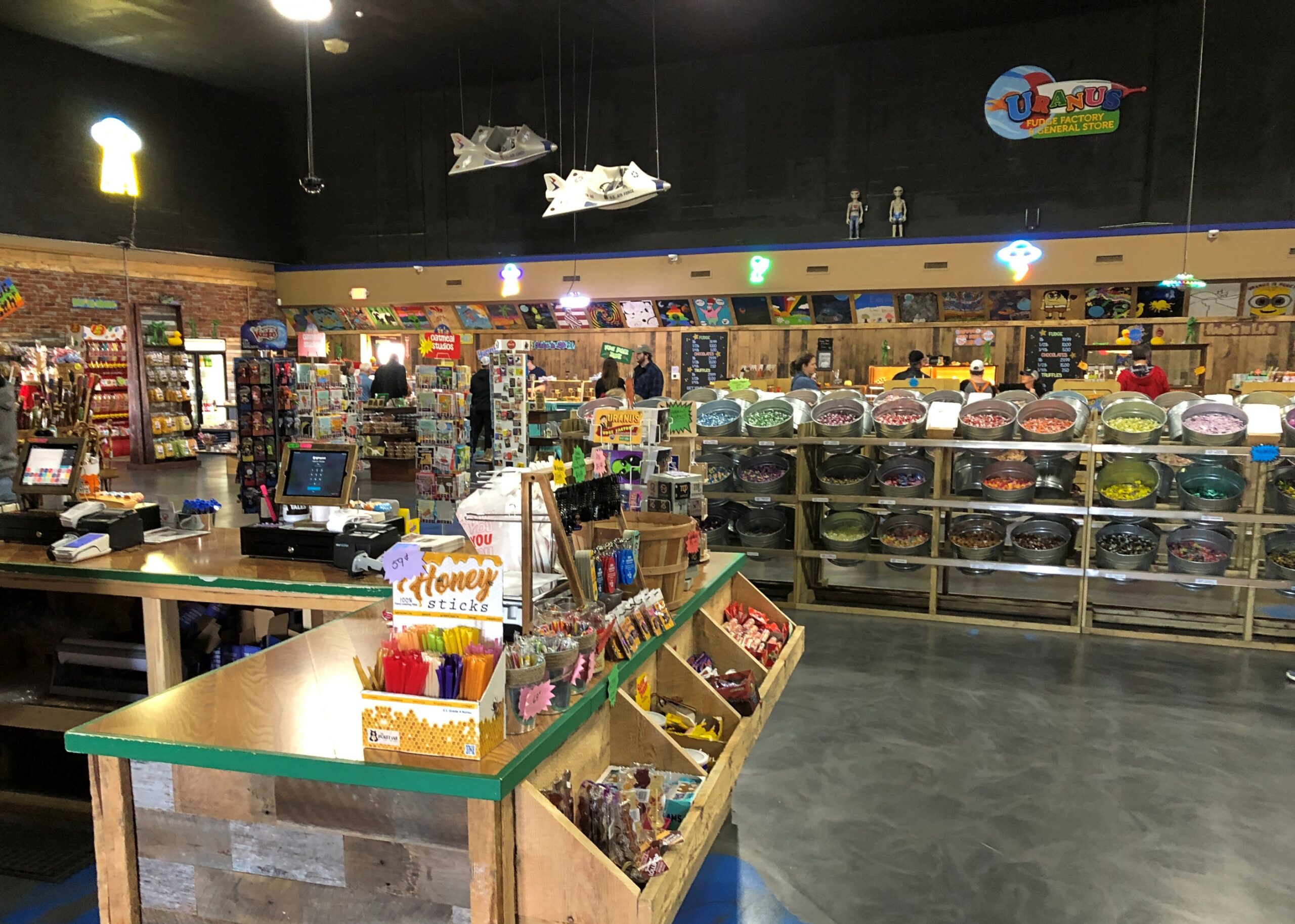
Fudge is one thing, but mostly Uranus sells stuff. A lot of stuff.
Uranus
Uranus Fudge

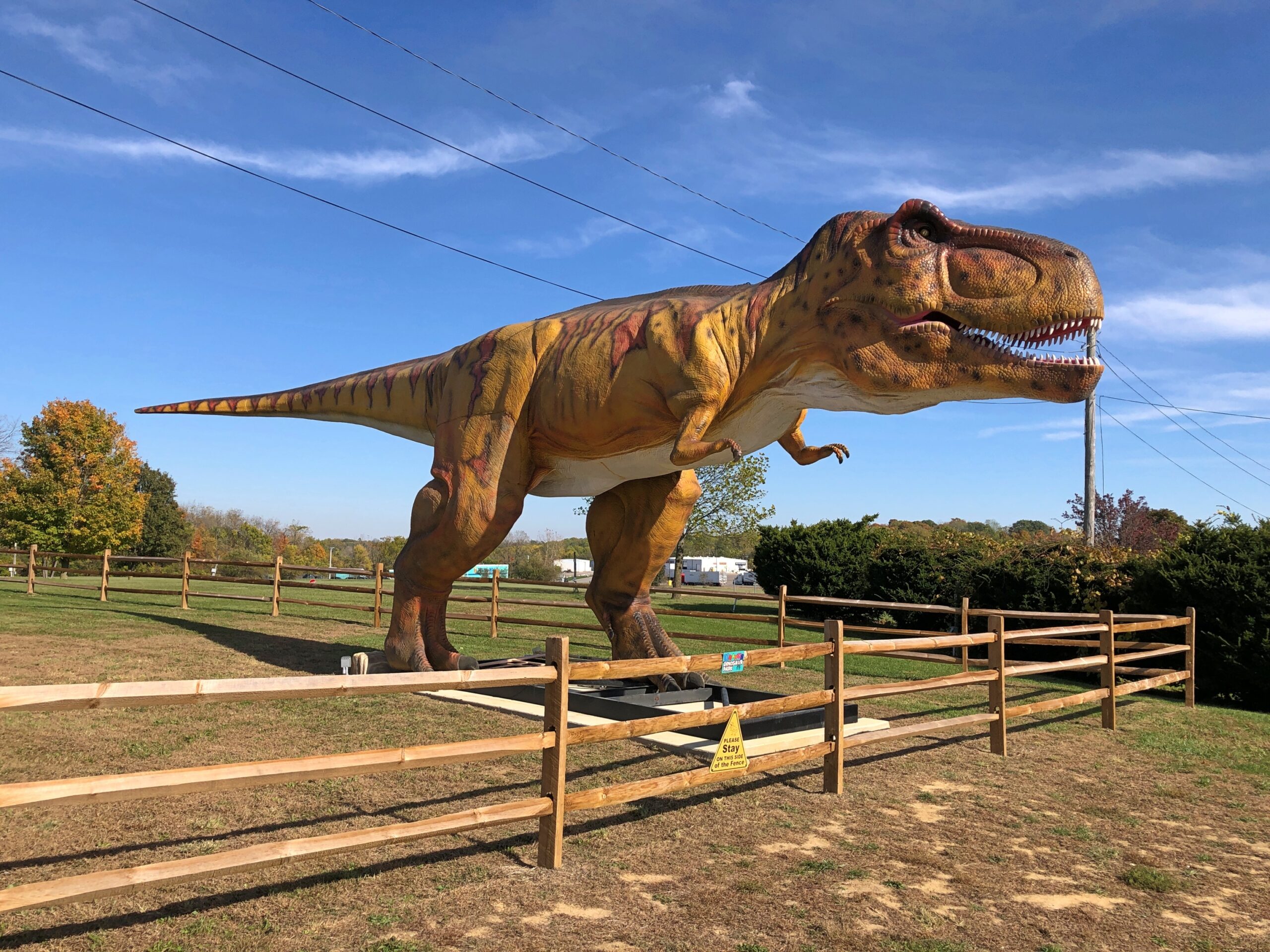
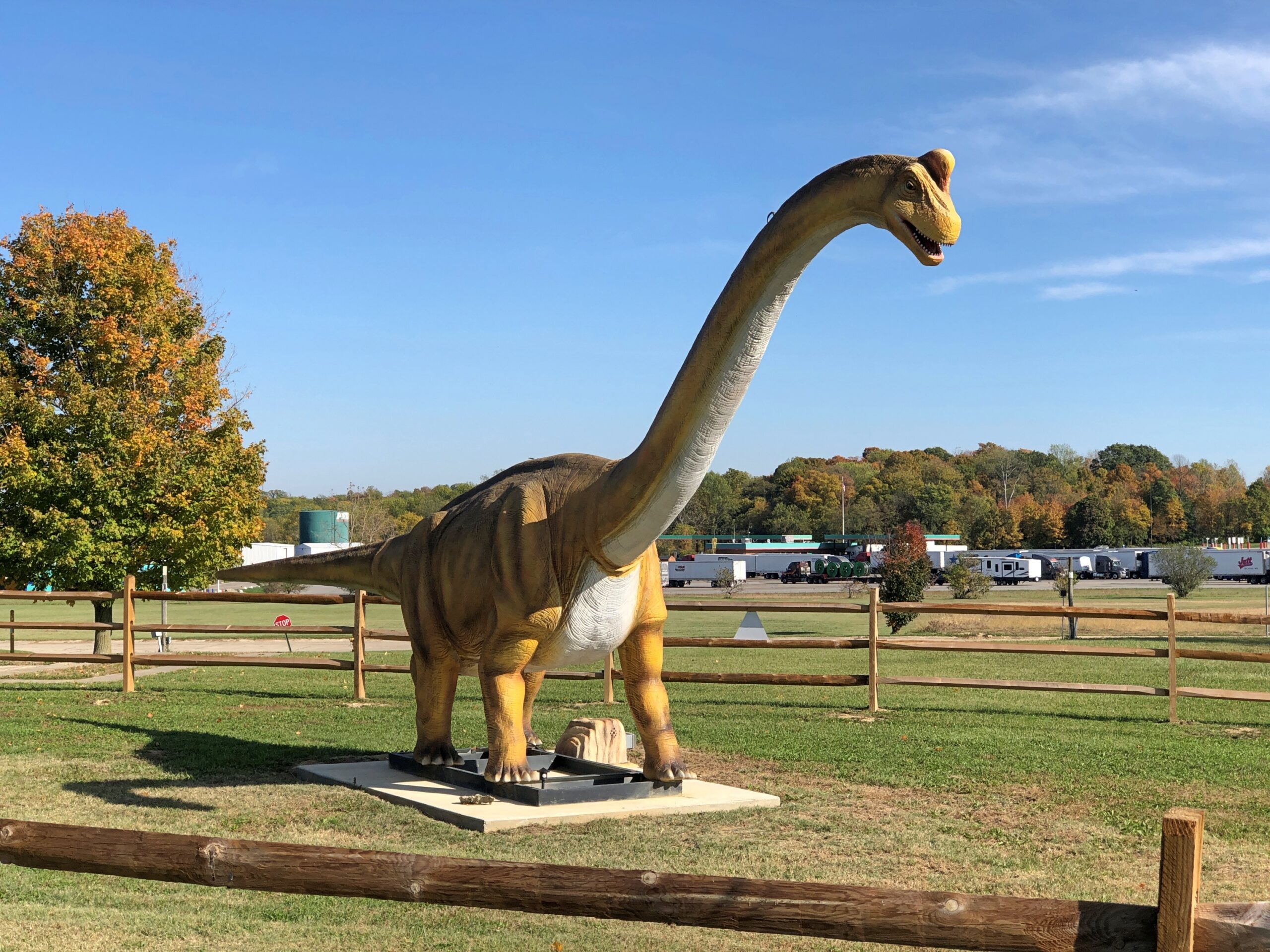
The Richmond, Indiana location is the third of three for Uranus, and I think the only one with dinosaurs —
Uranus Fudge
Uranus Fudge

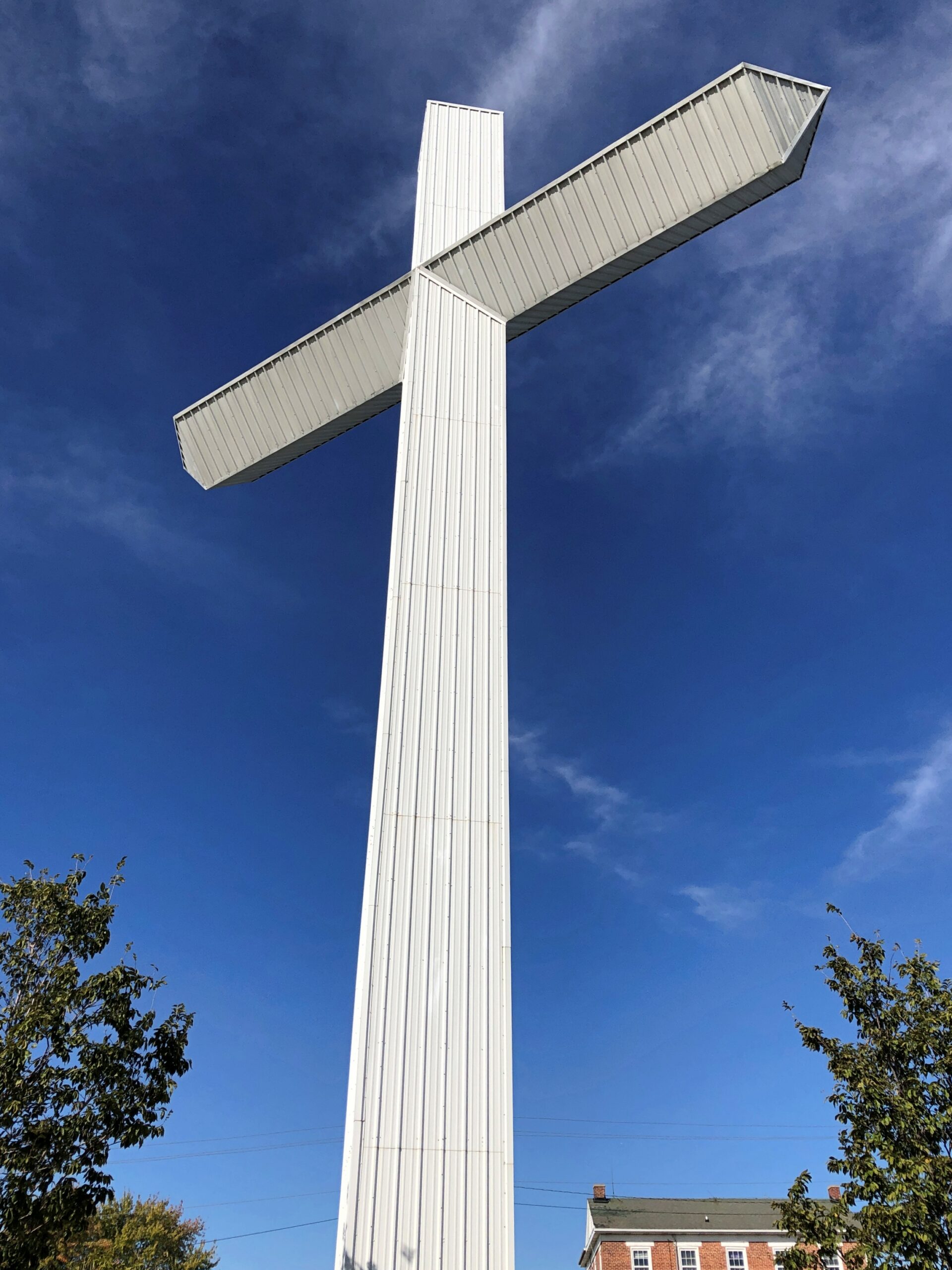
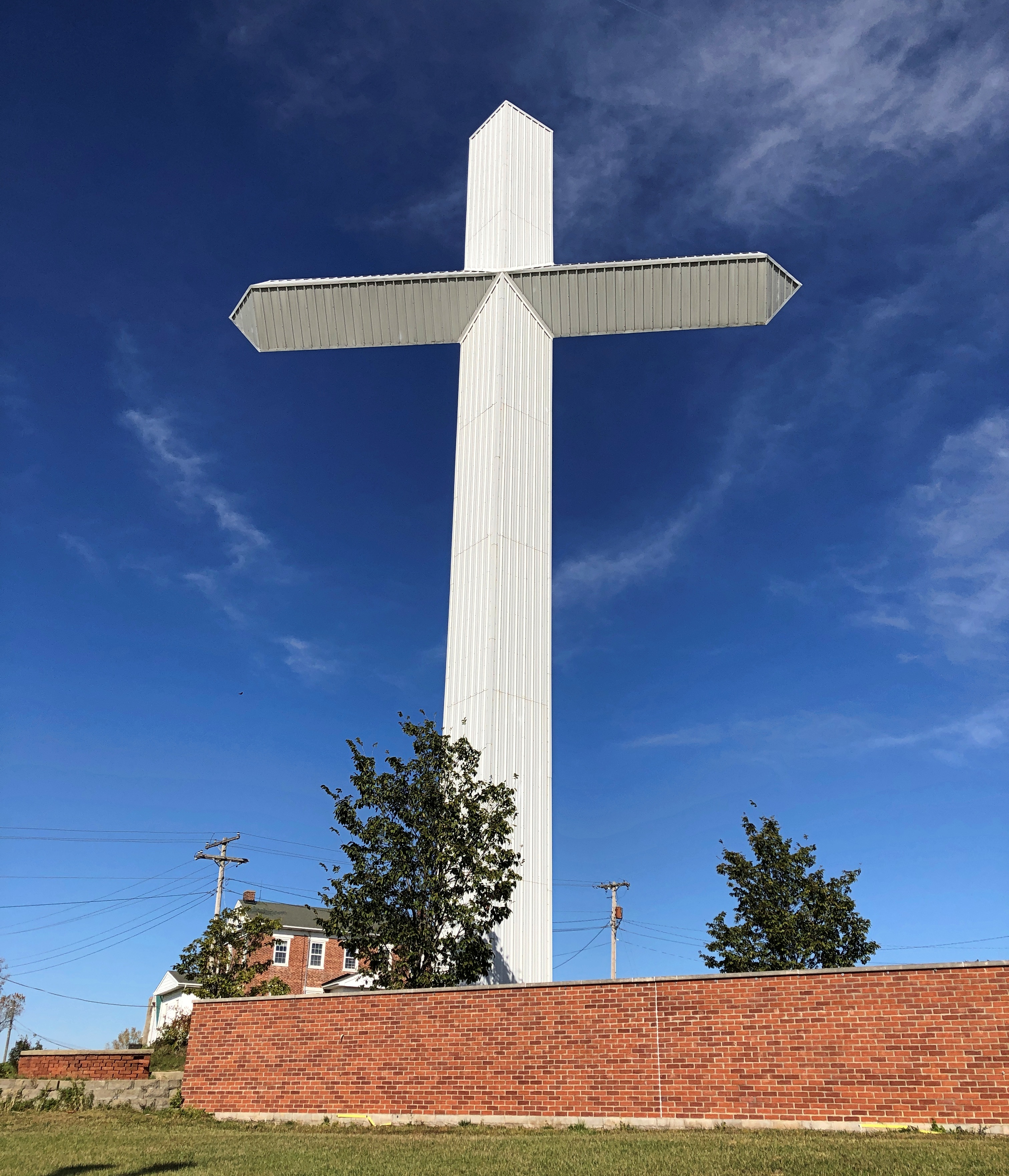
— and a 100-foot cross of corrugated steel over a metal frame.
Uranus Fudge
Uranus Fudge

Until about 10 years ago, the property belonged to New Creations Chapel, which also included a church building, boarding school for troubled teens and a Bible college. The ministry, for reasons its web site explains in some detail, sold the property to Uranus, including the cross.

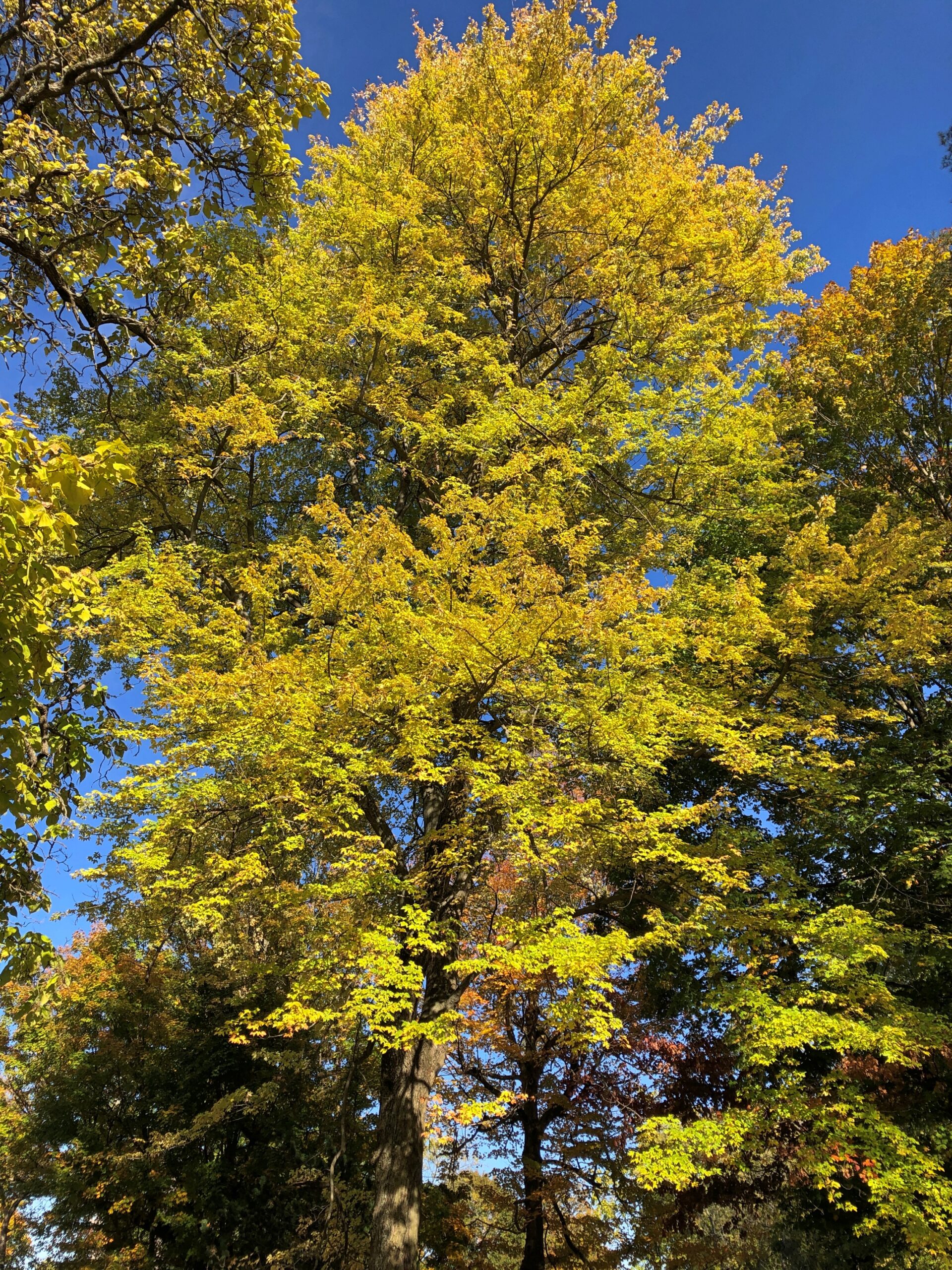
Heading through Richmond, Indiana, I stopped at an entrance to a large park to check my map. Glen Miller Park. A colorful spot in October.
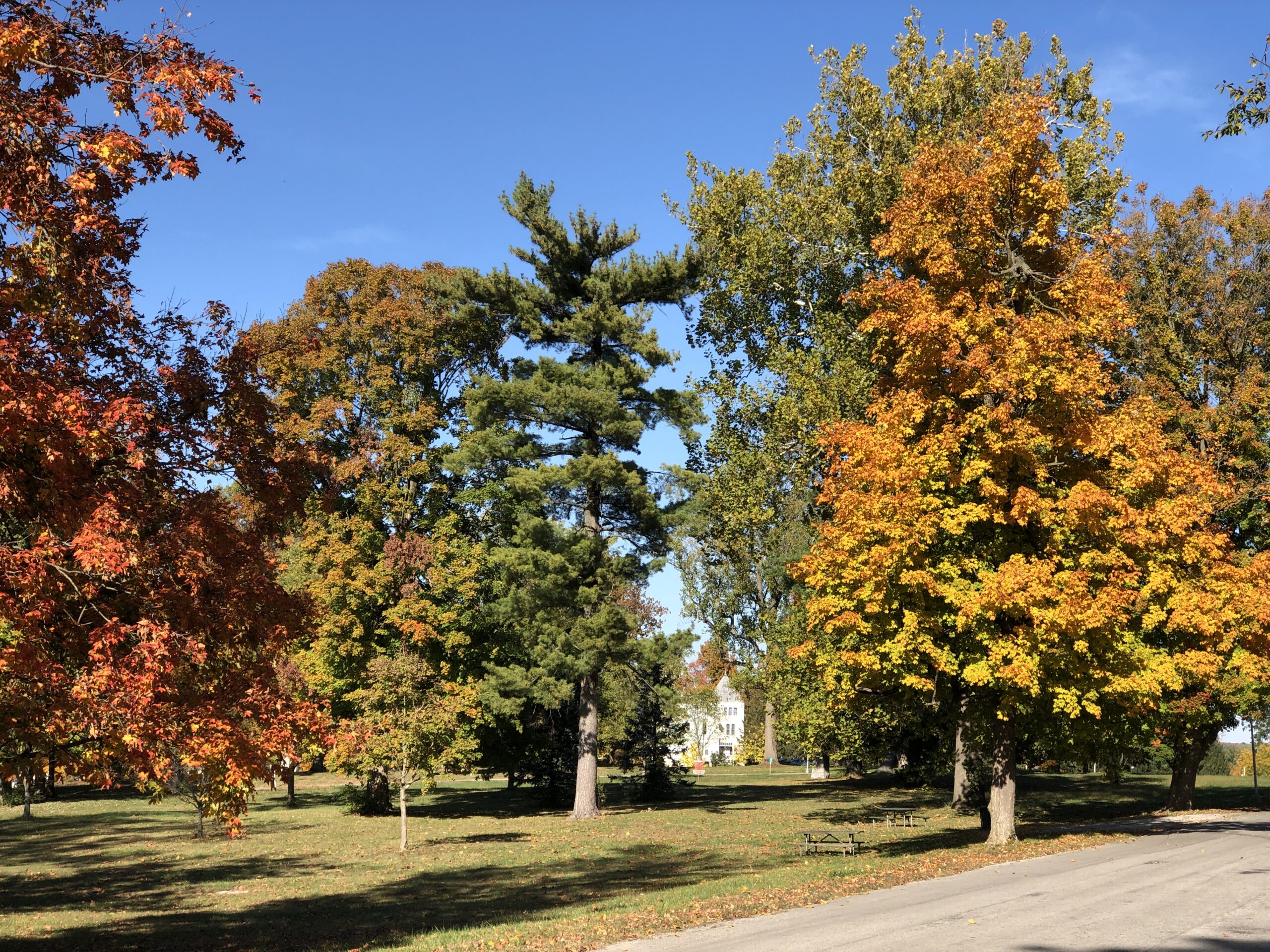
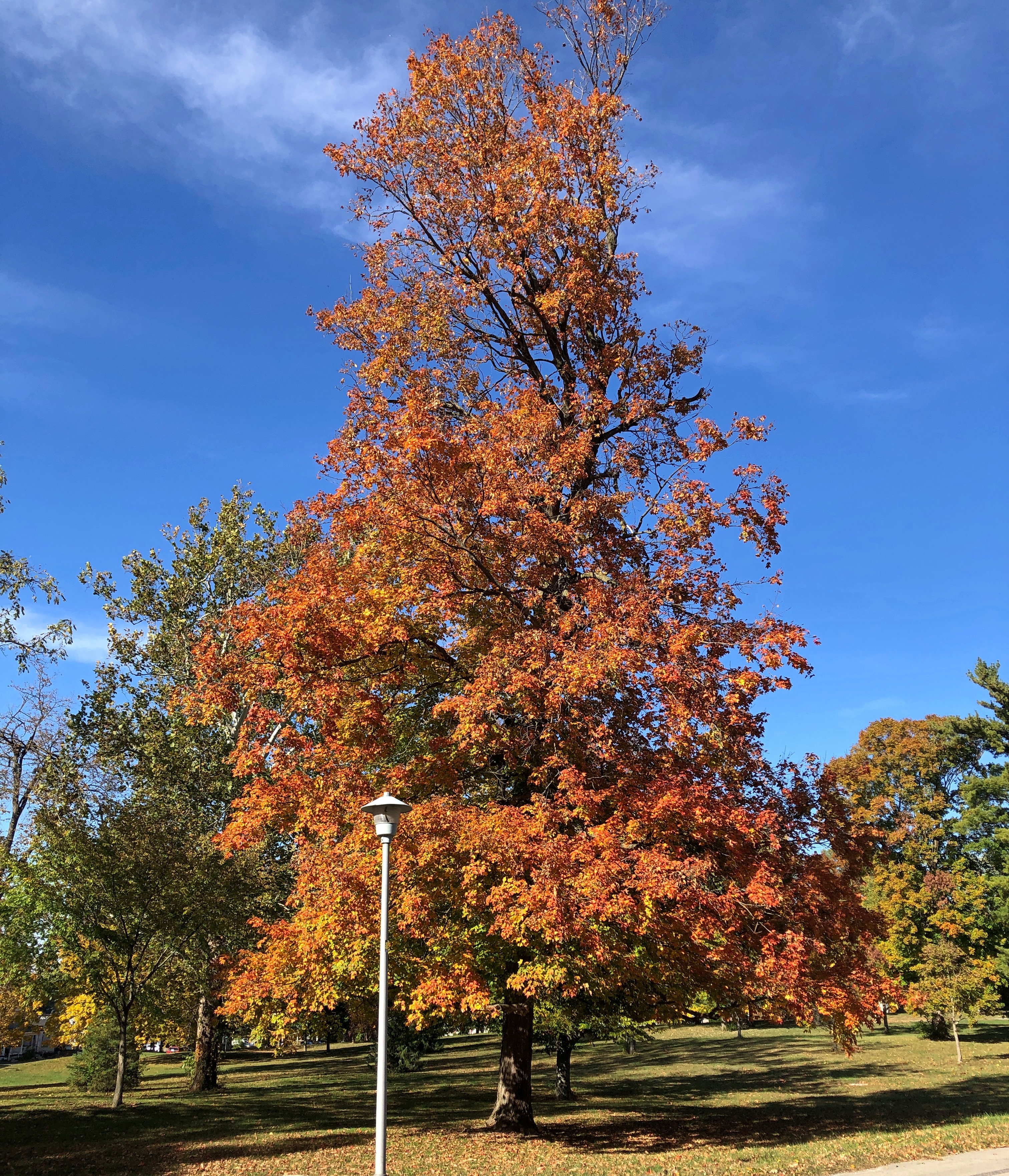
Glen Miller Park, Richmond, Indiana

Not named after the bandleader, which would be Glenn Miller Park. “Glen Miller Park was established in 1885 and was named for Colonel John Ford Miller, who was a railroad executive during the late 1860s,” the city of Richmond says. “Colonel Miller bought the land from Nathaniel Hawkins in 1880, with the intention of transforming the land into a park.”

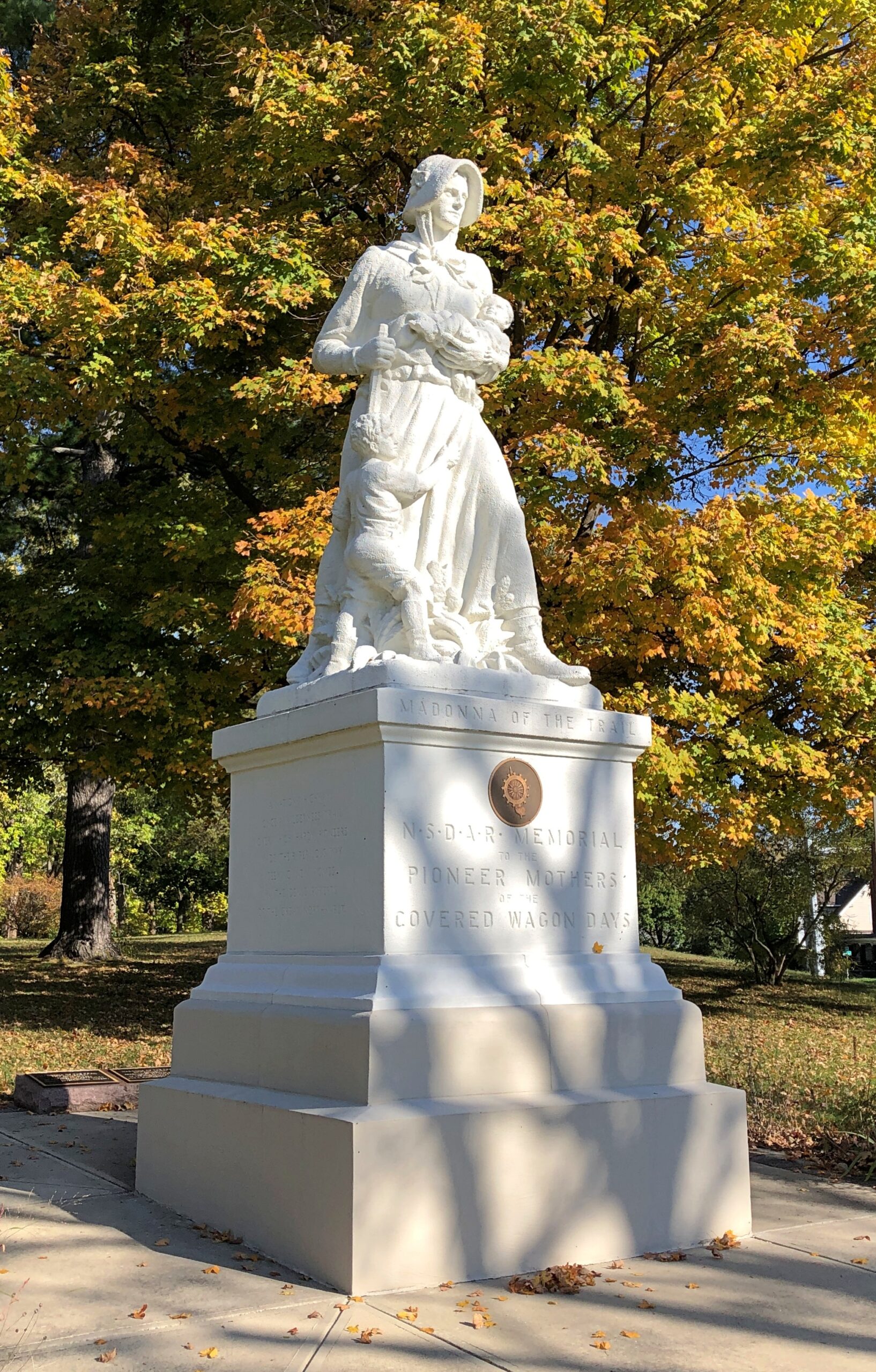
So Glen Miller as in glen, a term that evokes pleasant Scottish valleys. I was just about to be on my way when I noticed a statue.
Glen Miller Park, Richmond, Indiana

It was another of the 12 Madonna of the Trail statues, located at the edge of the park, where it meets US 40. Unlike the earlier one in Springfield, I hadn’t sought it out. It was just there. One’s travels, like life, can be strange sometimes.
First State, Last State

The Avalon Project, run by Yale Law School, has a remarkable trove of “documents in law, history and diplomacy,” as the site says. If you’re looking for a translation of the Code of Hammurabi or the Athenian Constitution, there are links. You can also find the annotated text of Magna Carta, the Mayflower Compact, and the many founding documents of the United States, just to mention some of the more famous ones.
If you’re after something less well known, try The Combinations of the Inhabitants Upon the Piscataqua River for Government, October 22, 1641 or Money and Trade Considered With a Proposal for Supplying the Nation with Money by John Law 1705 or Agreement Concerning Trade-Marks Between Brazil and the United States (1878).

Also within the Avalon Project is the text of the Ratification of the U.S. Constitution by the State of Delaware, December 7, 1787. To wit:

We the Deputies of the People of the Delaware State, in Convention met, having taken into our serious consideration the Federal Constitution proposed and agreed upon by the Deputies of the United States in a General Convention held at the City of Philadelphia on the seventeenth day of September in the year of our Lord one thousand seven hundred and eighty seven, Have approved, assented to, ratified, and confirmed, and by these Presents, Do, in virtue of the Power and Authority to us given for that purpose, for and in behalf of ourselves and our Constituents, fully, freely, and entirely approve of, assent to, ratify, and confirm the said Constitution.

Delaware ratified before any other state, and so claims “First State” as its nickname. I have my own private nickname for Delaware. At least I do now, since waking up on the morning of October 25 in my rented room in Dover: “Last State.” As in, the 50th state I’ve spent the night in. That isn’t an achievement of any kind, just a reflection of the fact that I’ve been fortunate enough to have the time and resources necessary to go that many places. Also, that I’m eccentric enough to keep track.
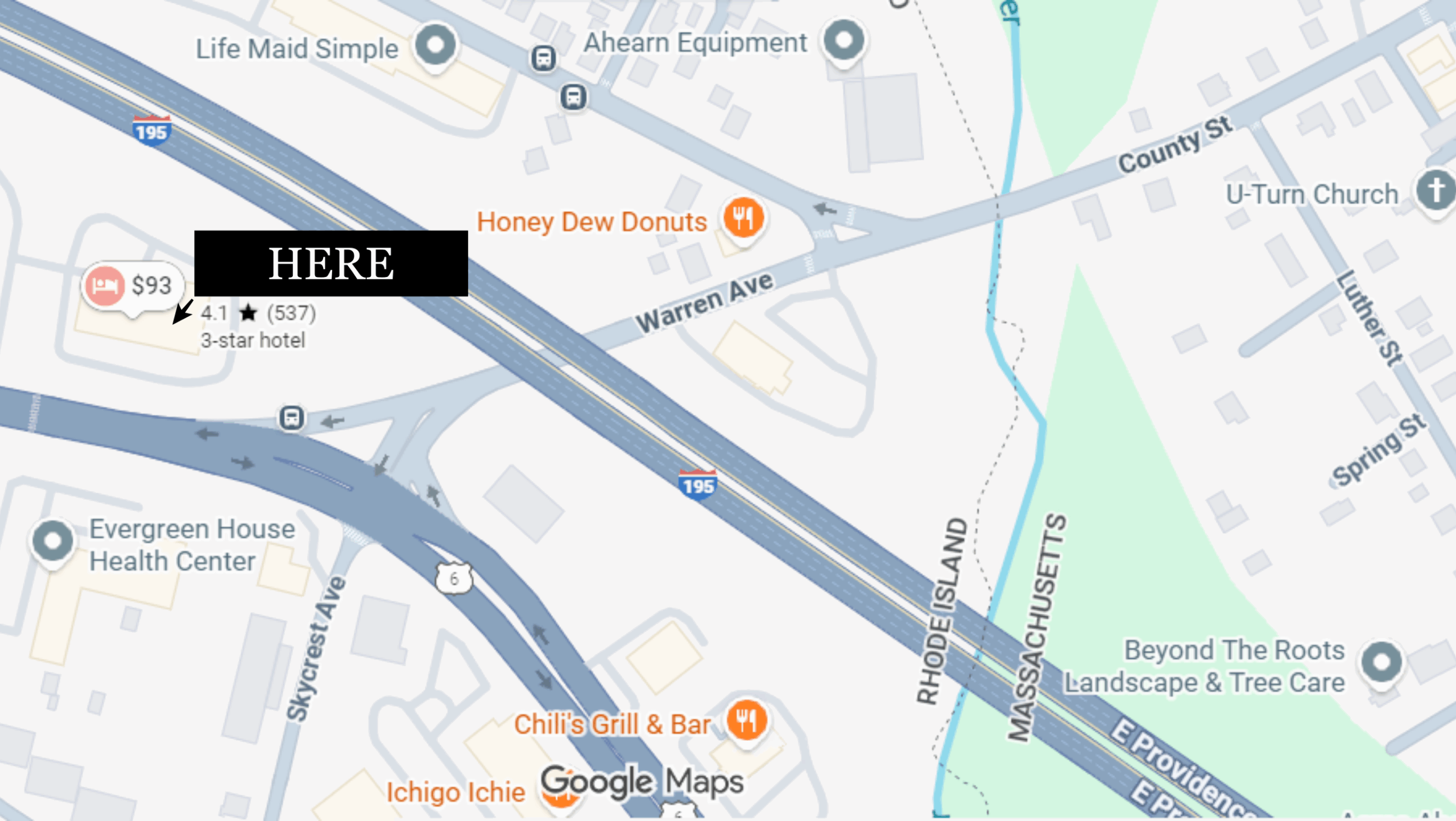
After dallying in Concord on the 23rd, and spending some time in Attleboro, Massachusetts, I arrived in East Providence, Rhode Island for the night. The point of that stop was entirely to spend the night in Rhode Island, since I’d never done that either. So RI was number 49. My hotel was just barely in that state.

I noticed the Honey Dew Donuts even closer to the border. I’d seen other locations driving in. The breakfast at my “3-star” hotel was meager, so I went to Honey Dew for a second breakfast. I wish I could say I’d discovered a great regional doughnut shop along the lines of Tim Horton’s, but it was only OK. Maybe I’ll give the brand another chance sometime.

Since I’d wanted to go from eastern Massachusetts to central Delaware, I should have broken that day’s journey somewhere in New Jersey. But that wouldn’t have involved stopping for the night in Rhode Island, which had been a short stop back in the summer of ’91 – a few hours to look around Providence, and especially the capitol – and the destination of a day trip in ’95, to Newport.

As for Delaware, my entire previous experience with the state was the Wilmington interstate bus station, a break in a bus ride from Washington DC to Boston, which was a leg of the Great Bus Loop of 1982. I’m not even sure I got off the bus, though I usually did when it stopped for long enough.

Getting to Delaware last month involved an aggravating day’s drive, mostly on I-95, spending a lot of time in traffic jams. Counting the cars on the New Jersey Turnpike, bah: more than grains of sand on a beach or stars in the sky.

Even so, there were a few worthwhile moments. I finally got to see (from the turnpike) the enormous American Dream mall, adjacent to the Meadowlands Sports Complex. Reportedly now second largest in the nation, after only the Mall of America. I’d been reading about American Dream for years, since “chronic delays” always figured in real estate reporting on the project, but now it’s more or less complete. (If the developers had asked me, they’d have kept the much cooler earlier name: Meadowlands Xanadu.)

At the Vince Lombardi Service Area on the NJ Turnpike, I parked in the very large parking lot and headed for the very large building and its very large men’s room. As I walked along, a small group of Hasidim went around me, not running but at a brisk pace, headed the same direction. By the time I got to the bathroom, they were almost done with their business, and off they went. Nothing unusual about seeing Hasidim, certainly not in New Jersey, but I have to note that October 24 was a Friday, and it was mid-afternoon. So they were racing the clock. Or, more accurately, the sun.

A digression: service areas on the New Jersey Turnpike and the Garden State Parkway are named for famed New Jerseyans. A list is here. I suppose it’s fine that musicians such as Frank Sinatra, Whitney Houston, Jon Bon Jovi and Celia Cruz are honored, but where’s Bruce Springsteen? It isn’t a matter of posthumous naming, since Bon Jovi is still alive – as is Bruce Willis, who also gets an area, and Connie Chung, who does as well, though she isn’t actually from New Jersey. The ways of the NJ Turnpike Authority are mysterious.

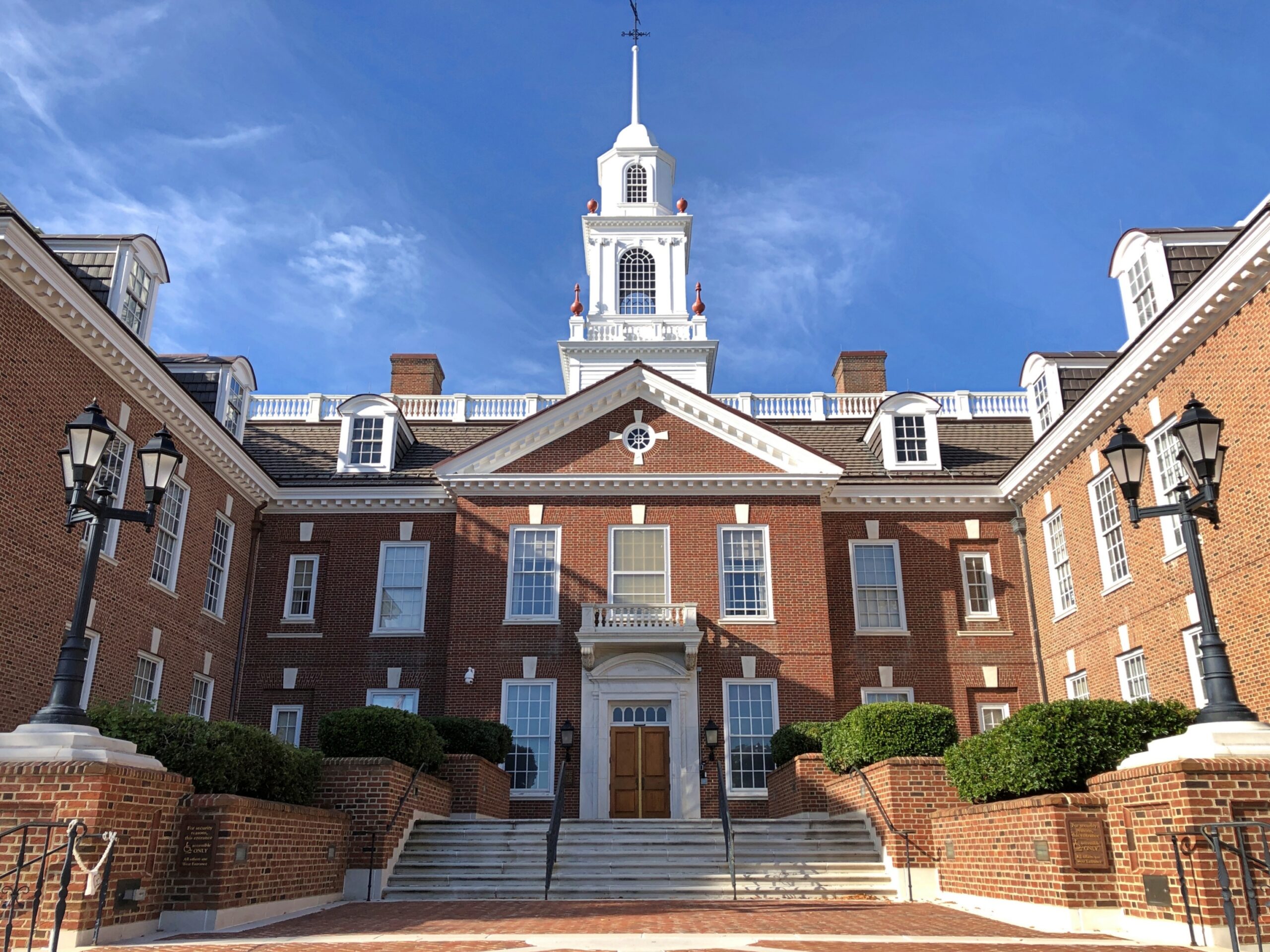
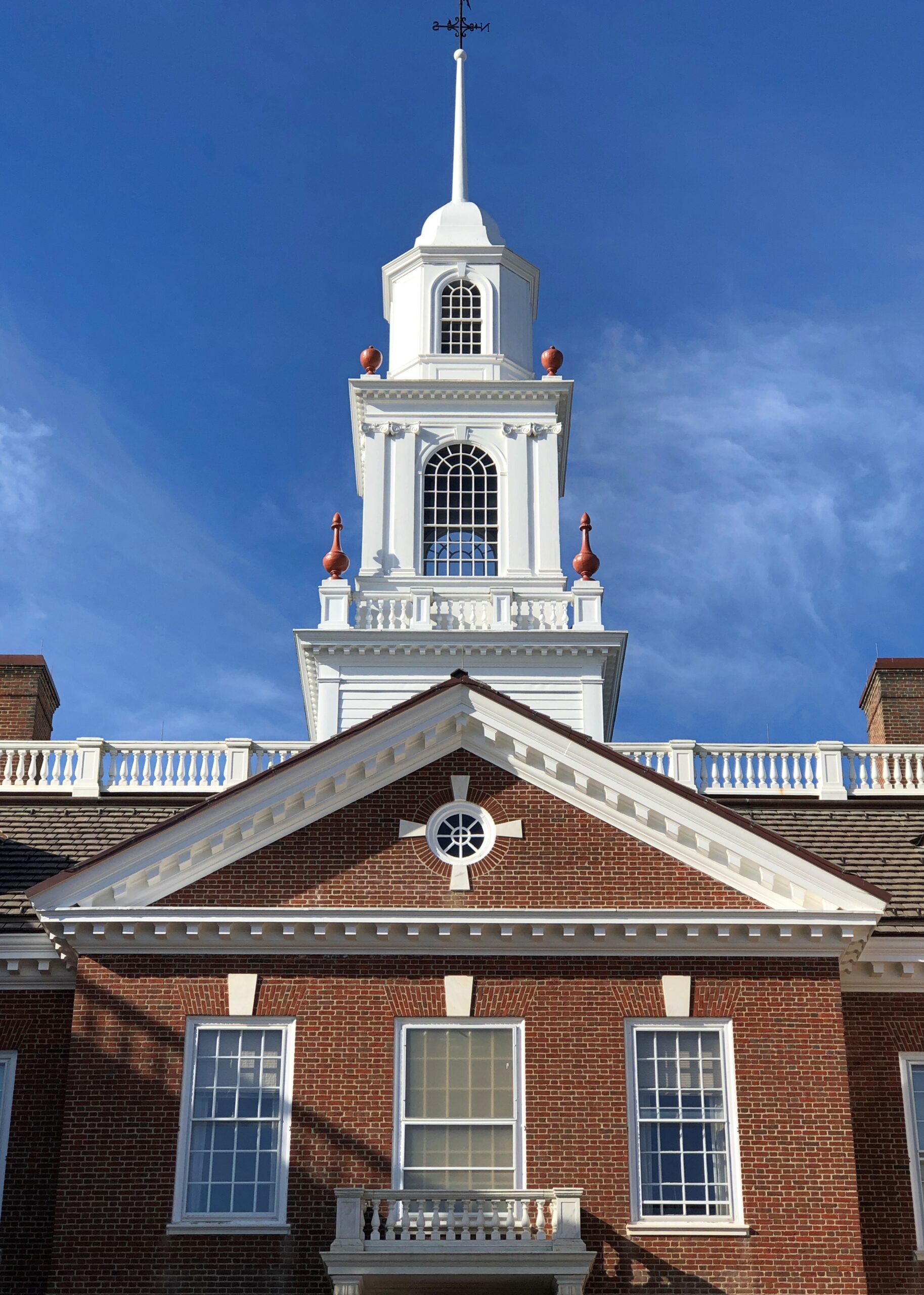
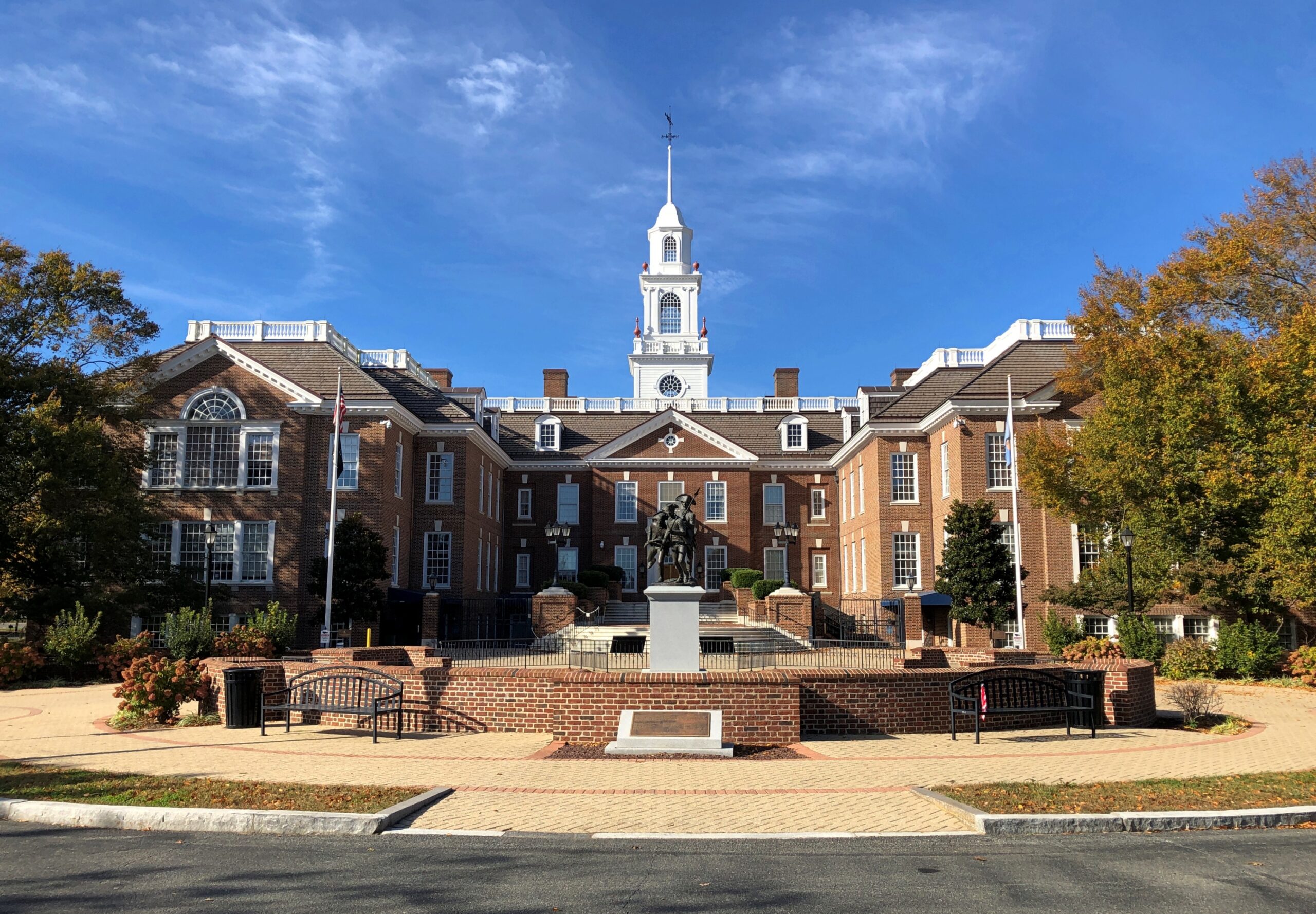
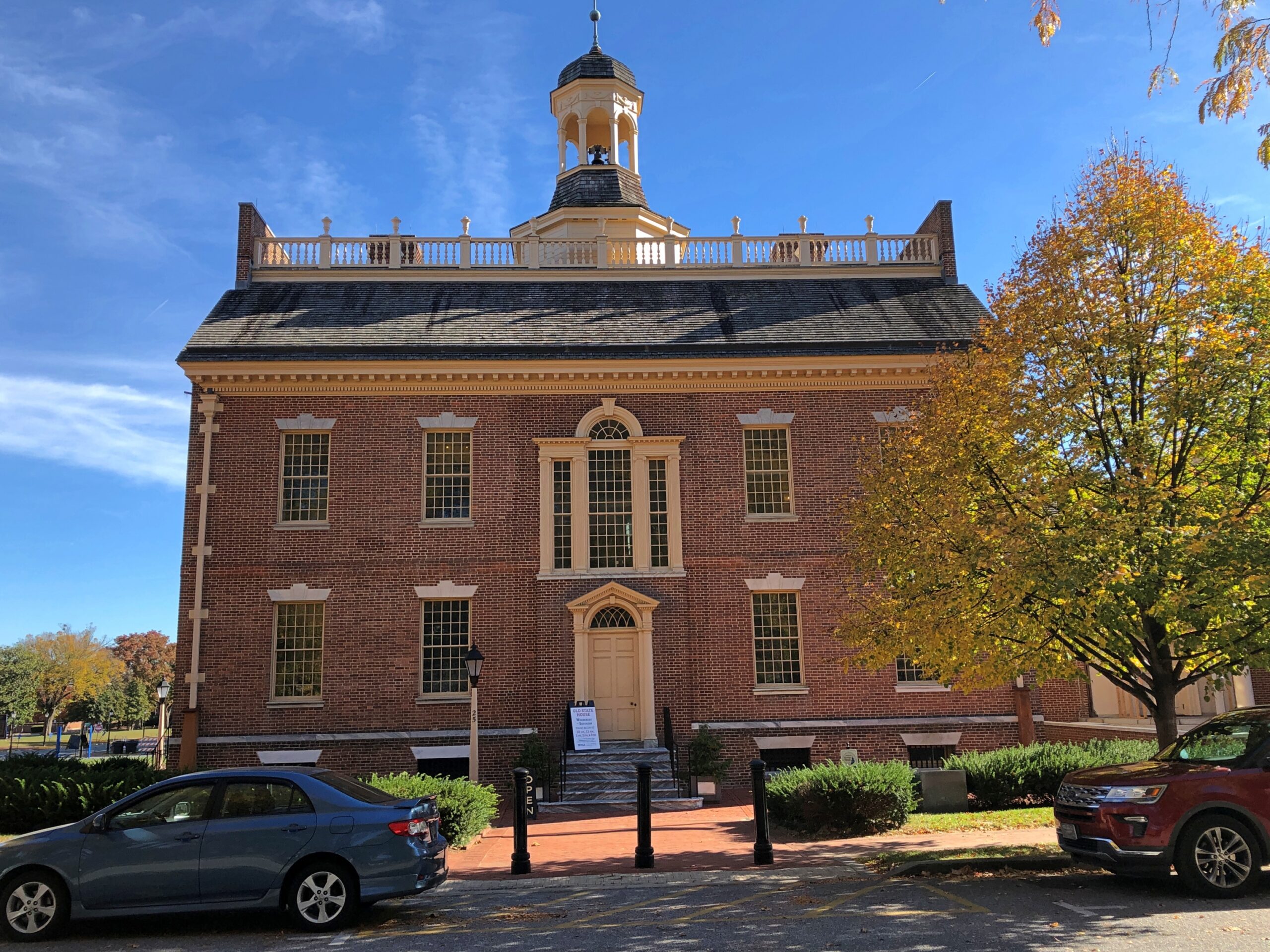
I arrived in Dover late on the October 24. The next morning, a Saturday, I left fairly early. First stop: the Delaware State House. It was closed for the weekend. My reaction: what kind of Mickey Mouse operation is this? I got a good look at the exterior, at least.

Delaware State House

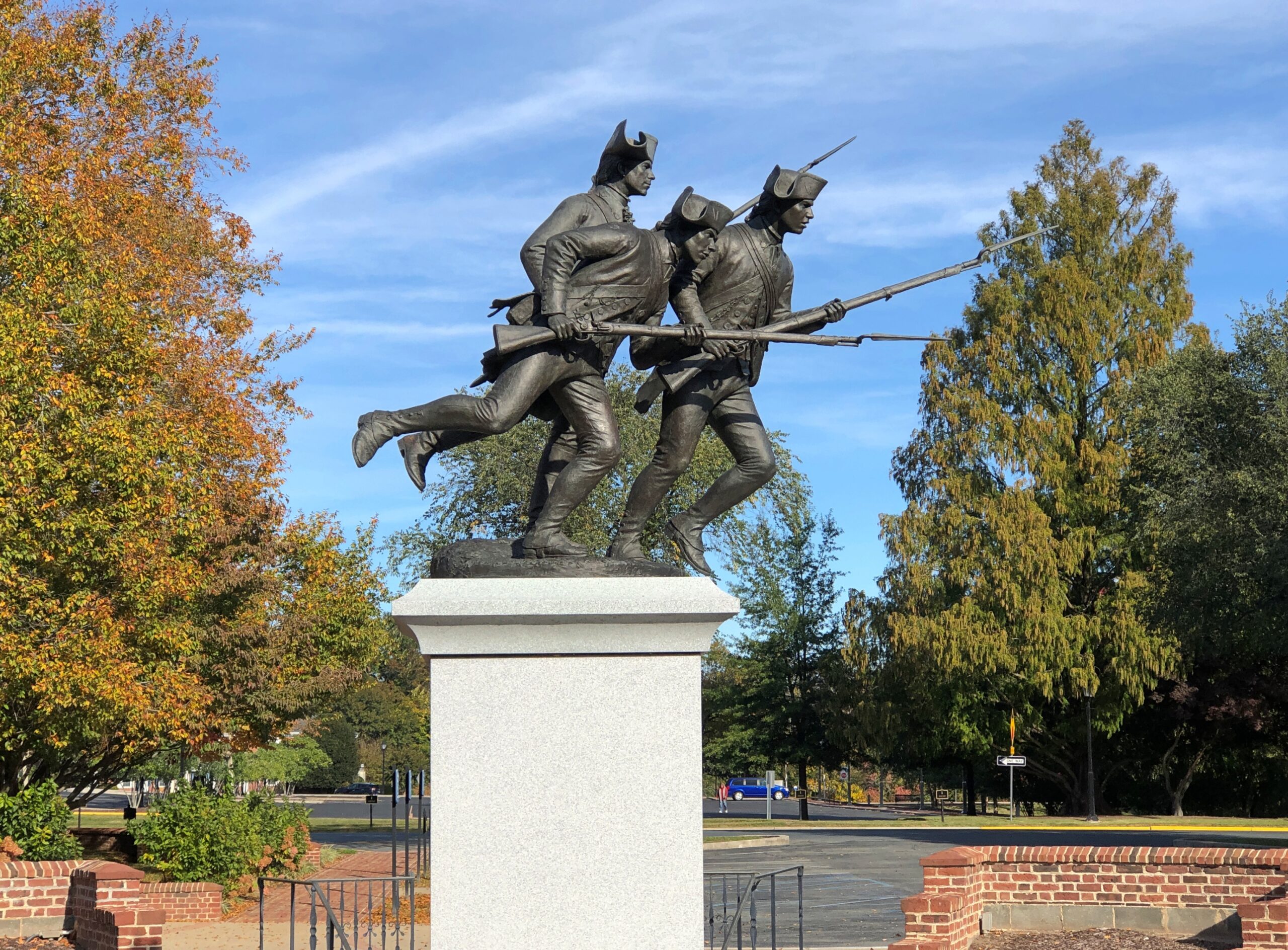
A fairly new sculpture, in front of the capitol: The Delaware Continentals.

Delaware State House

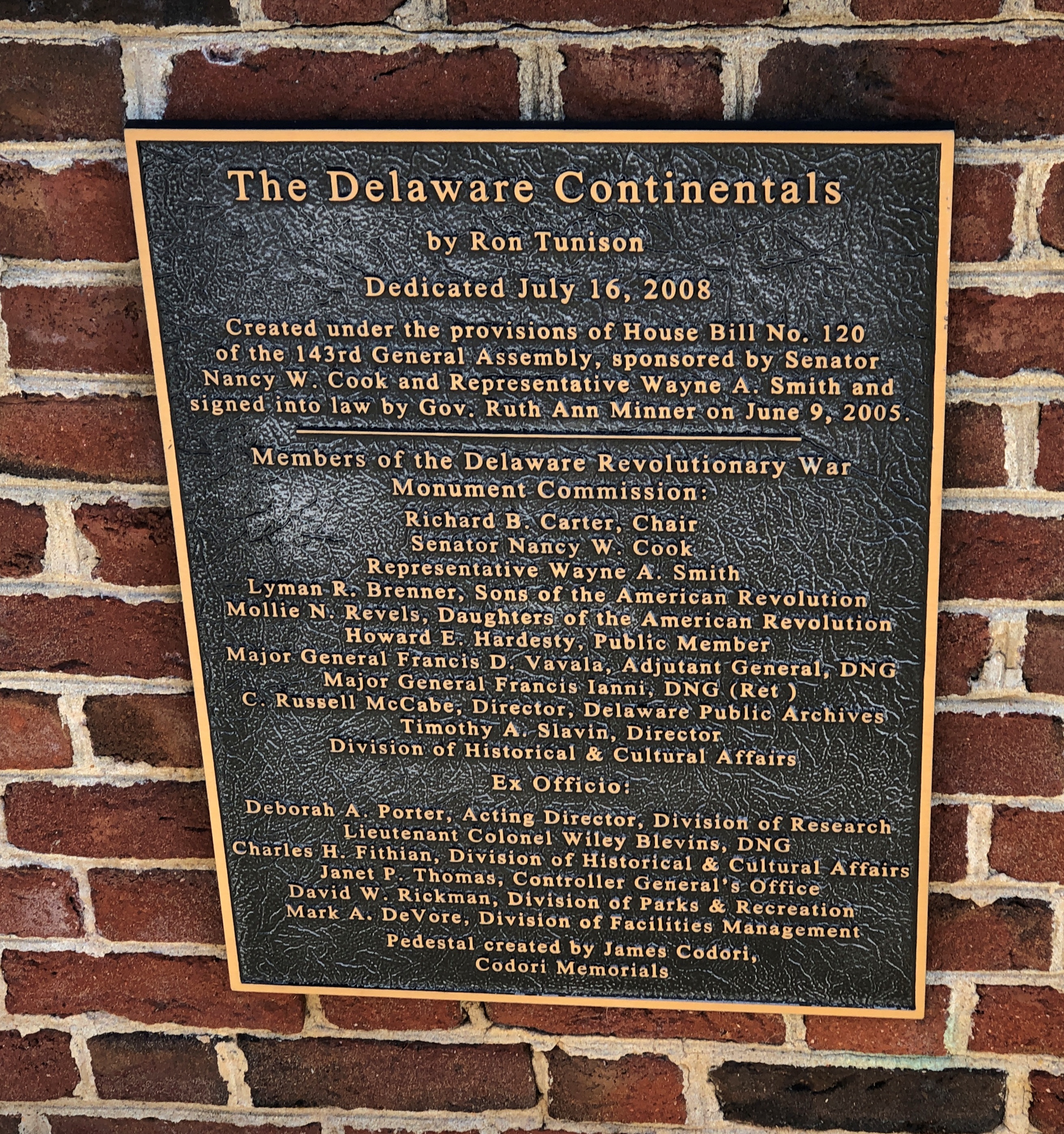
The plaque is long on functionaries’ names, short on information about the Delaware Continentals. An historic plaque up in Wilmington says of them:

Commanded by Colonel John Haslet, the Delaware Regiment consisted of more than 500 battle-ready troops when they marched northward to join the Continental Army in August 1776. After expiration of enlistments and Haslet’s death, the Regiment was reorganized in the winter of 1776-77 under the leadership of Colonel David Hall. Participants in many of the major battles of the Revolution, their conduct earned the praise of their superiors and the respect of their enemies. Forced to endure great hardship, the Regiment was widely acclaimed for its discipline and bravery. Greatly depleted in number, they returned to Delaware victorious in January 1783.
That was hardly the end for the regiment. The 198th Signal Battalion in the Delaware Army National Guard traces itself directly to the Delaware Regiment.

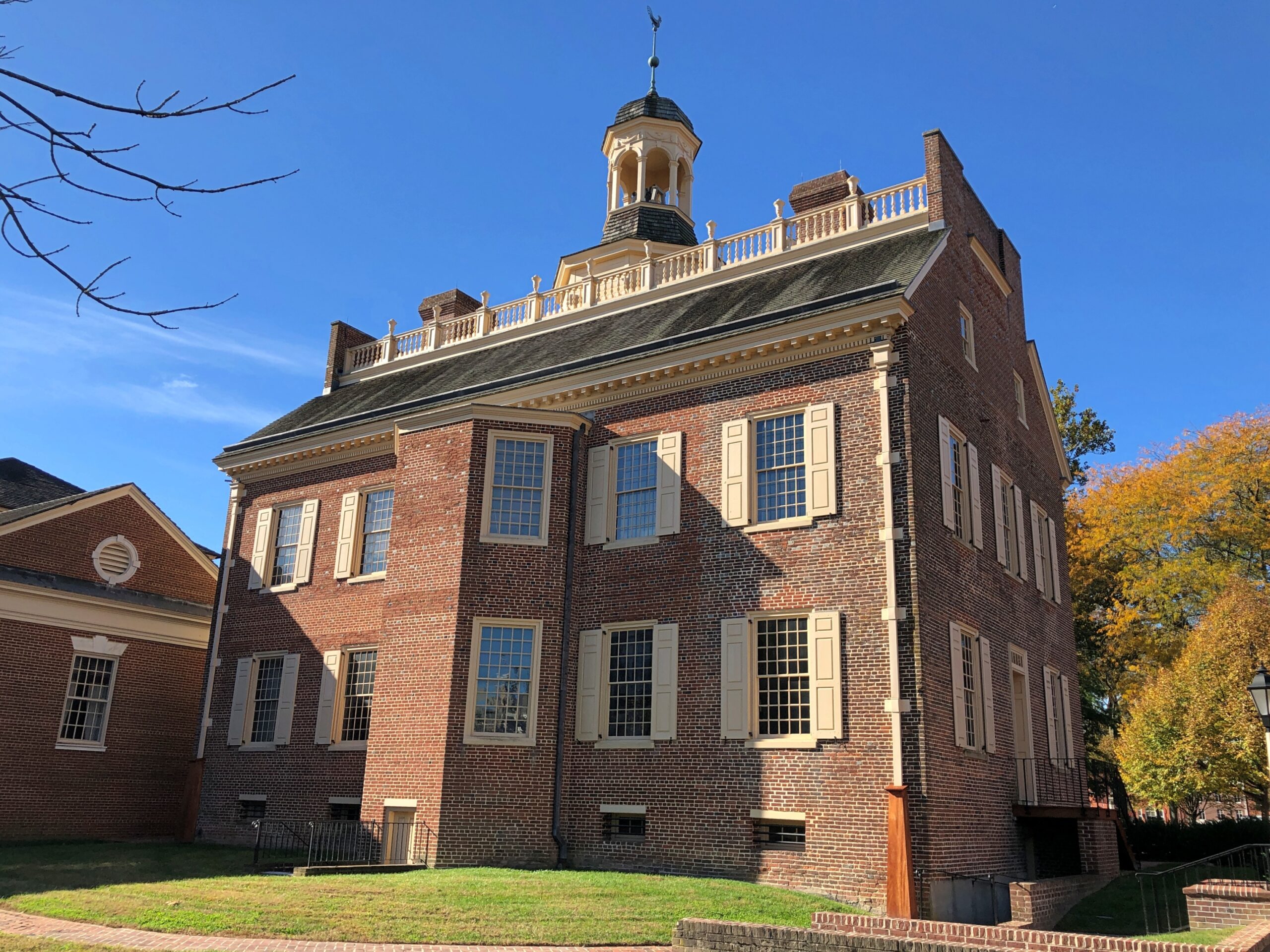
Not far from the current capitol is the former state house, now a museum. It was open.

Old Delaware State House

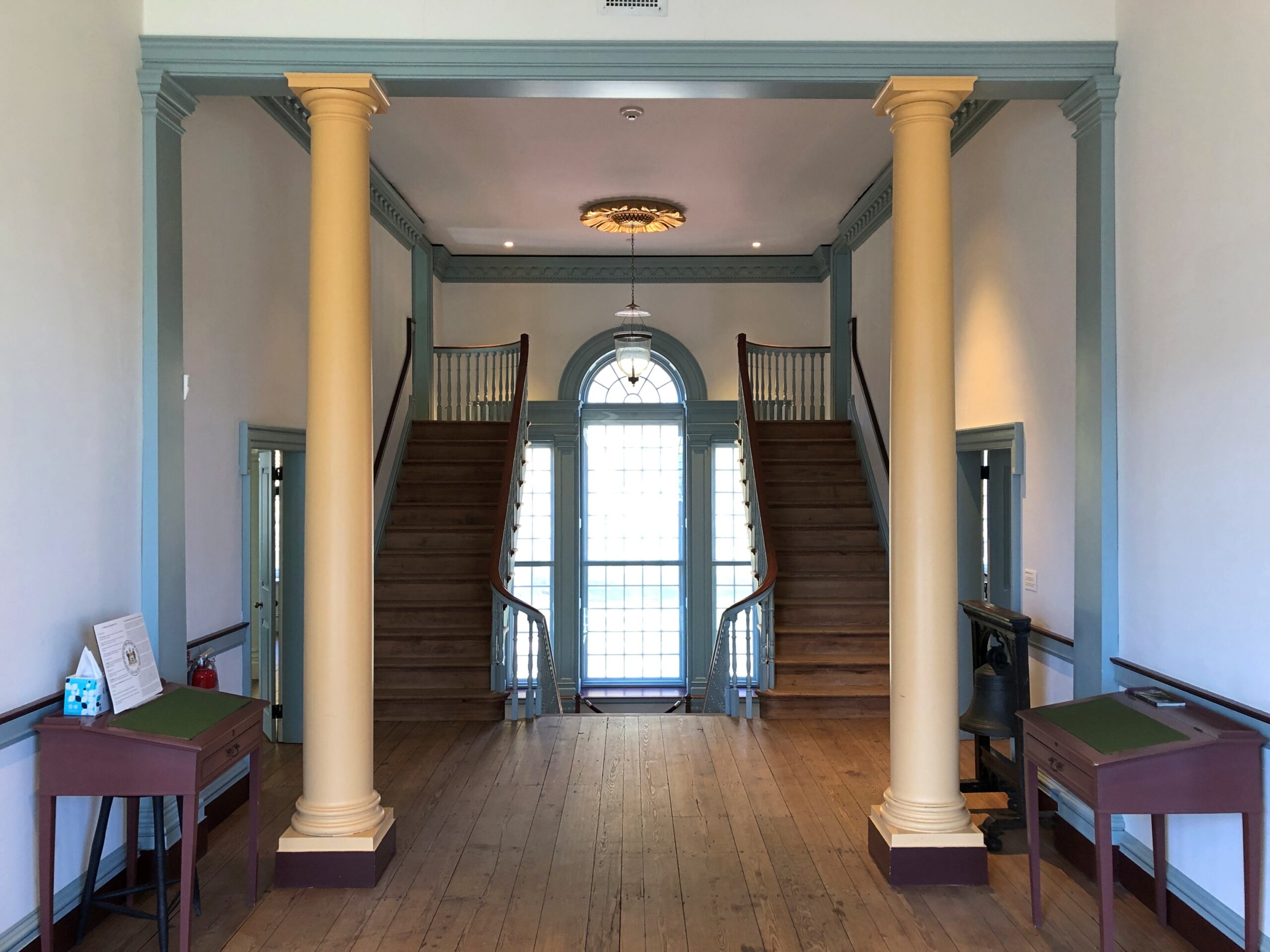
In fact, I got a tour.

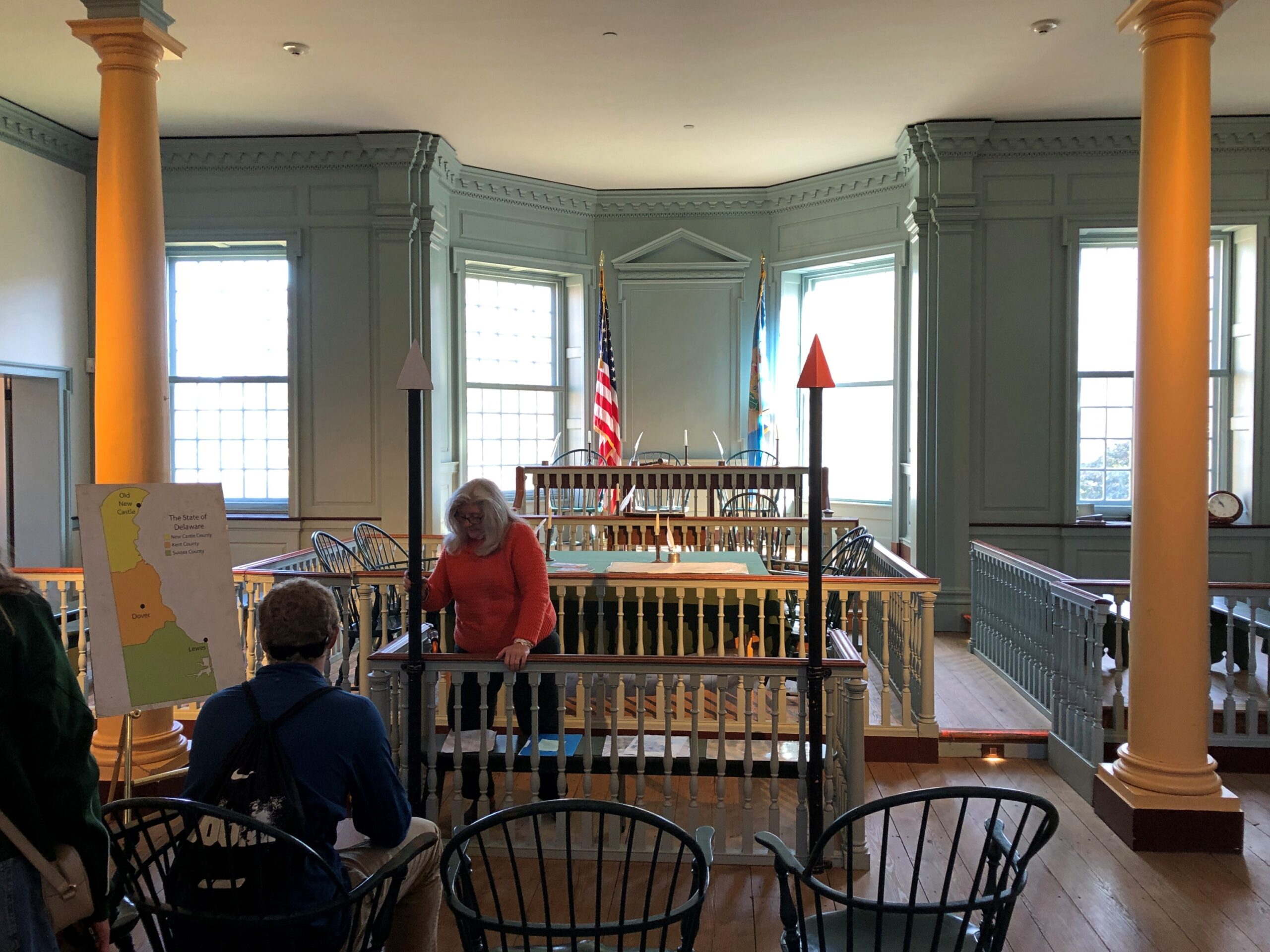
Old Delaware State House

I was happy to learn that here, in this very room, the delegates to the Constitutional ratifying convention met, and made their quick and unanimous decision.

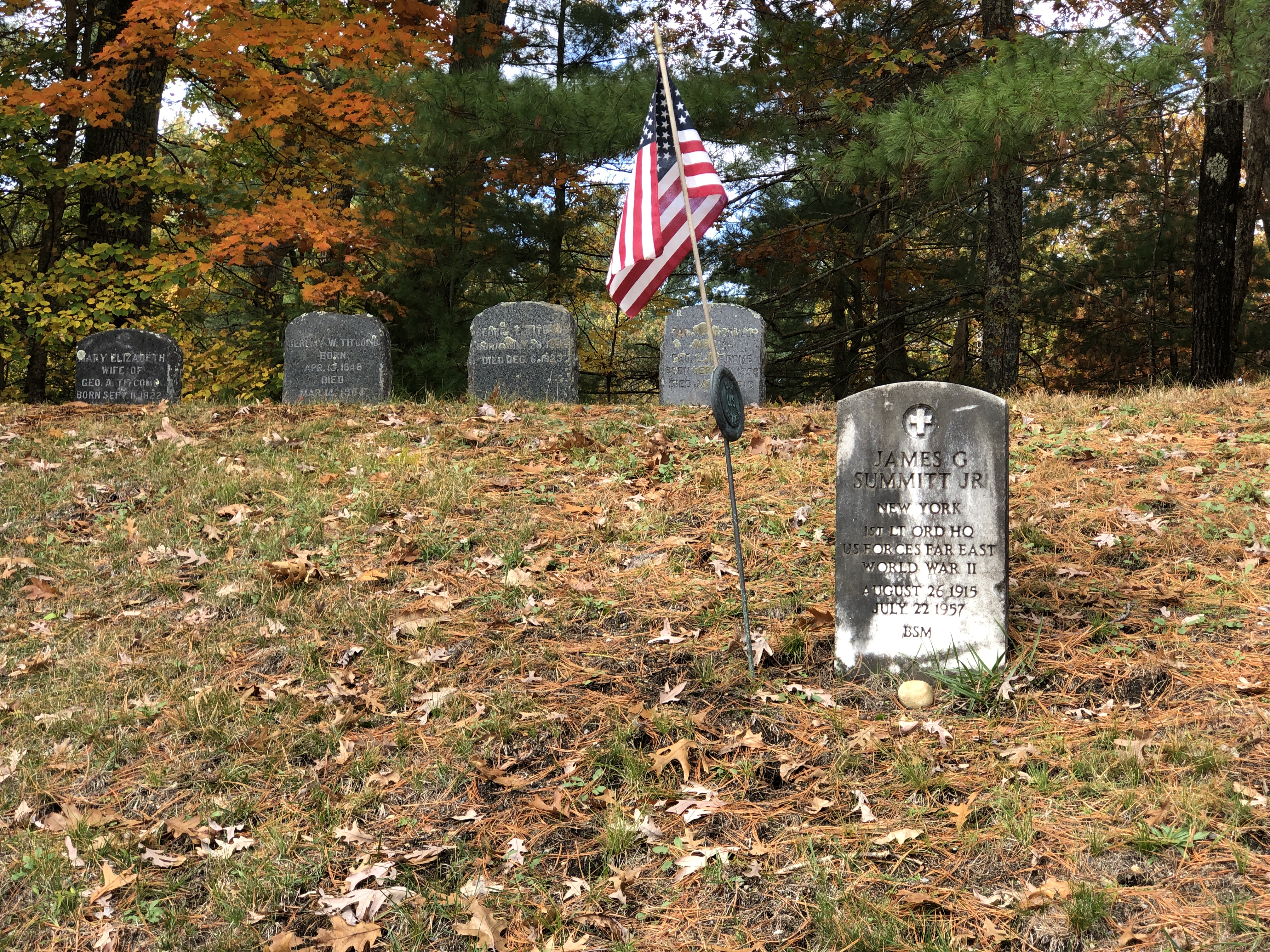
Sleepy Hollow Cemetery, Concord

Concord naturally follows Lexington. That’s just the way it is. I made the short hop between Lexington and Concord on the morning of October 23, ahead of the day’s ultimate destination in Rhode Island. The first thing I needed to know was the status of the men’s room at the Concord Visitor Center, there on Main Street. I’m glad to report I didn’t run into any “closed for the season” nonsense.
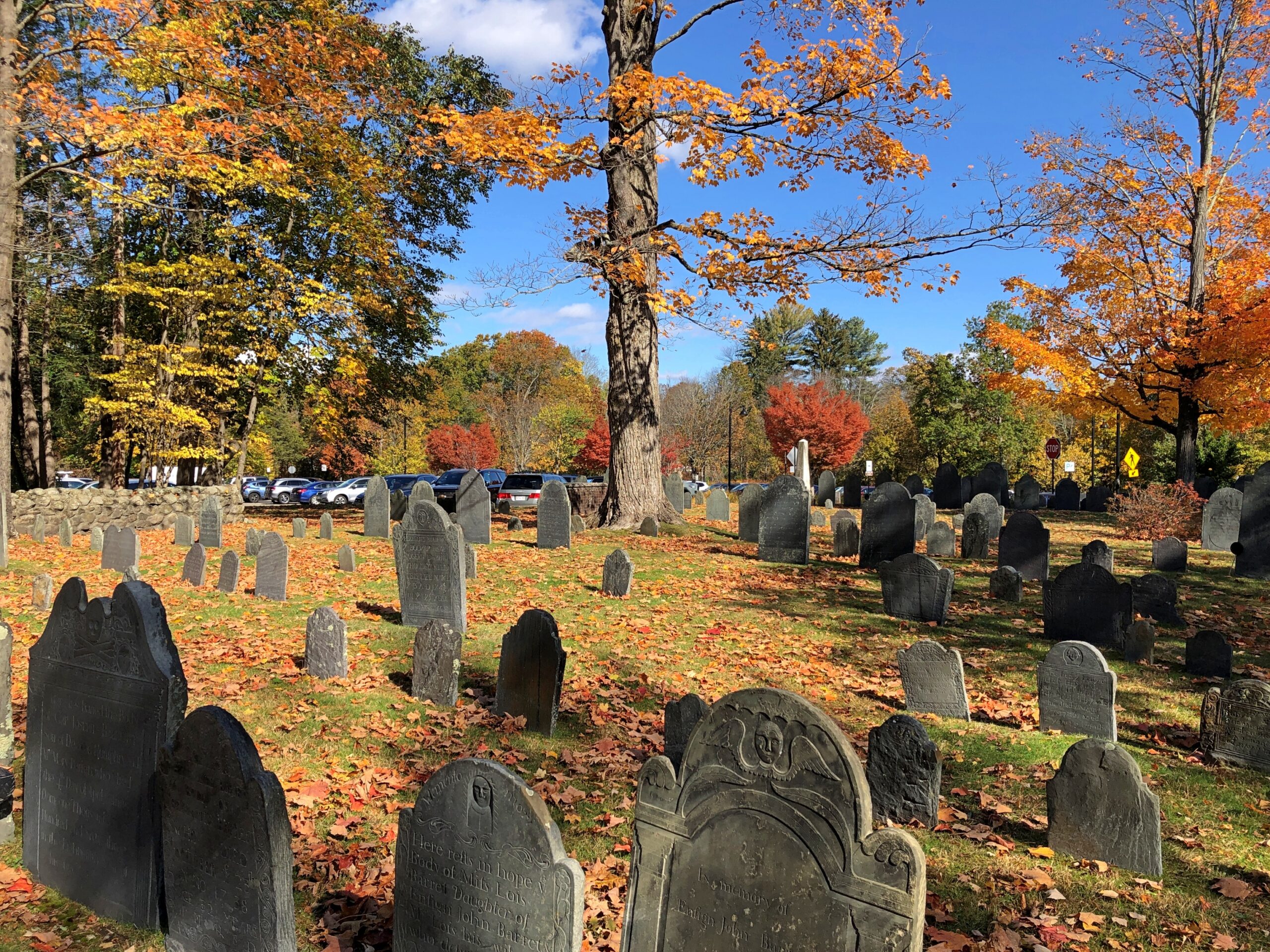
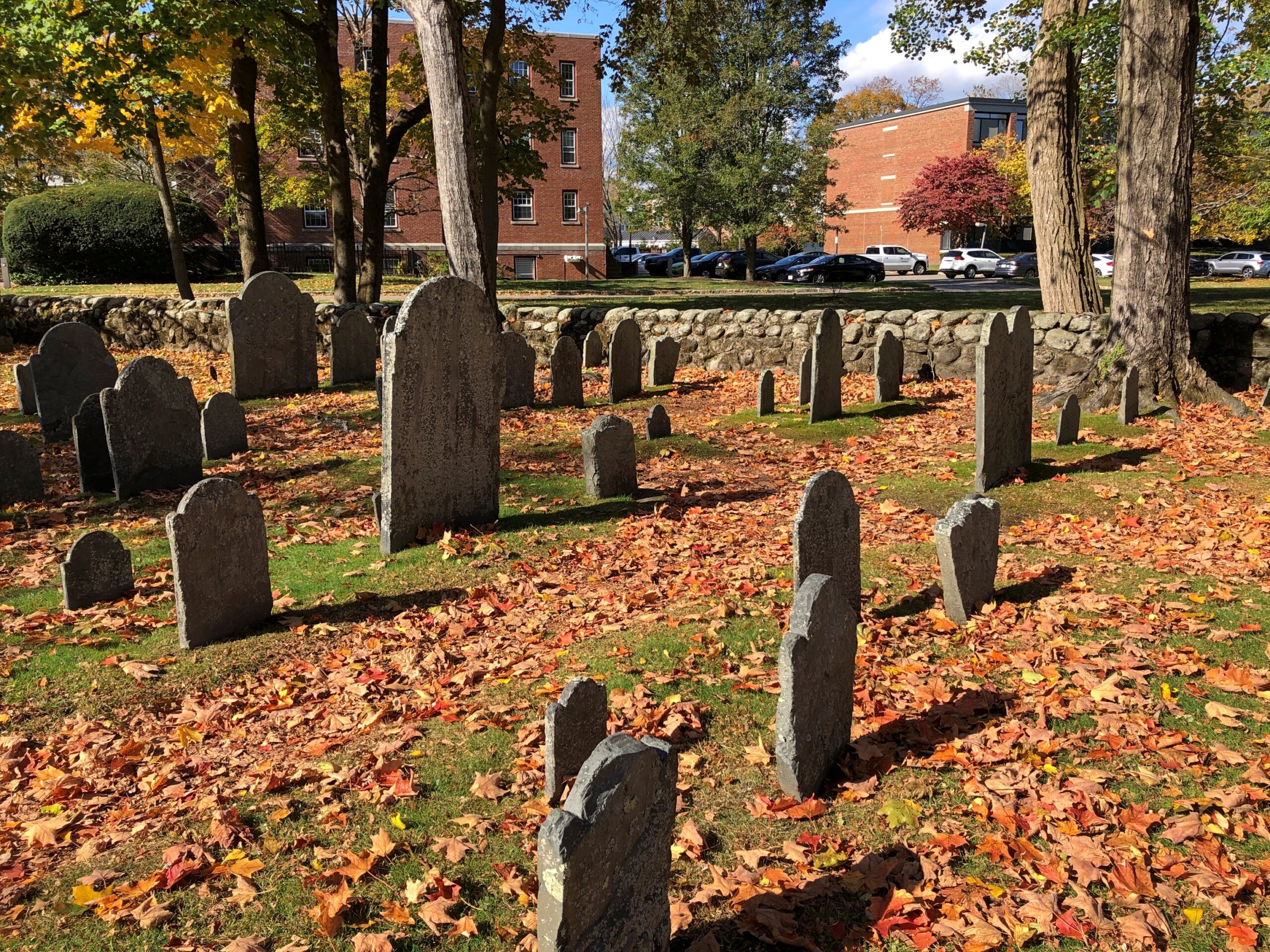
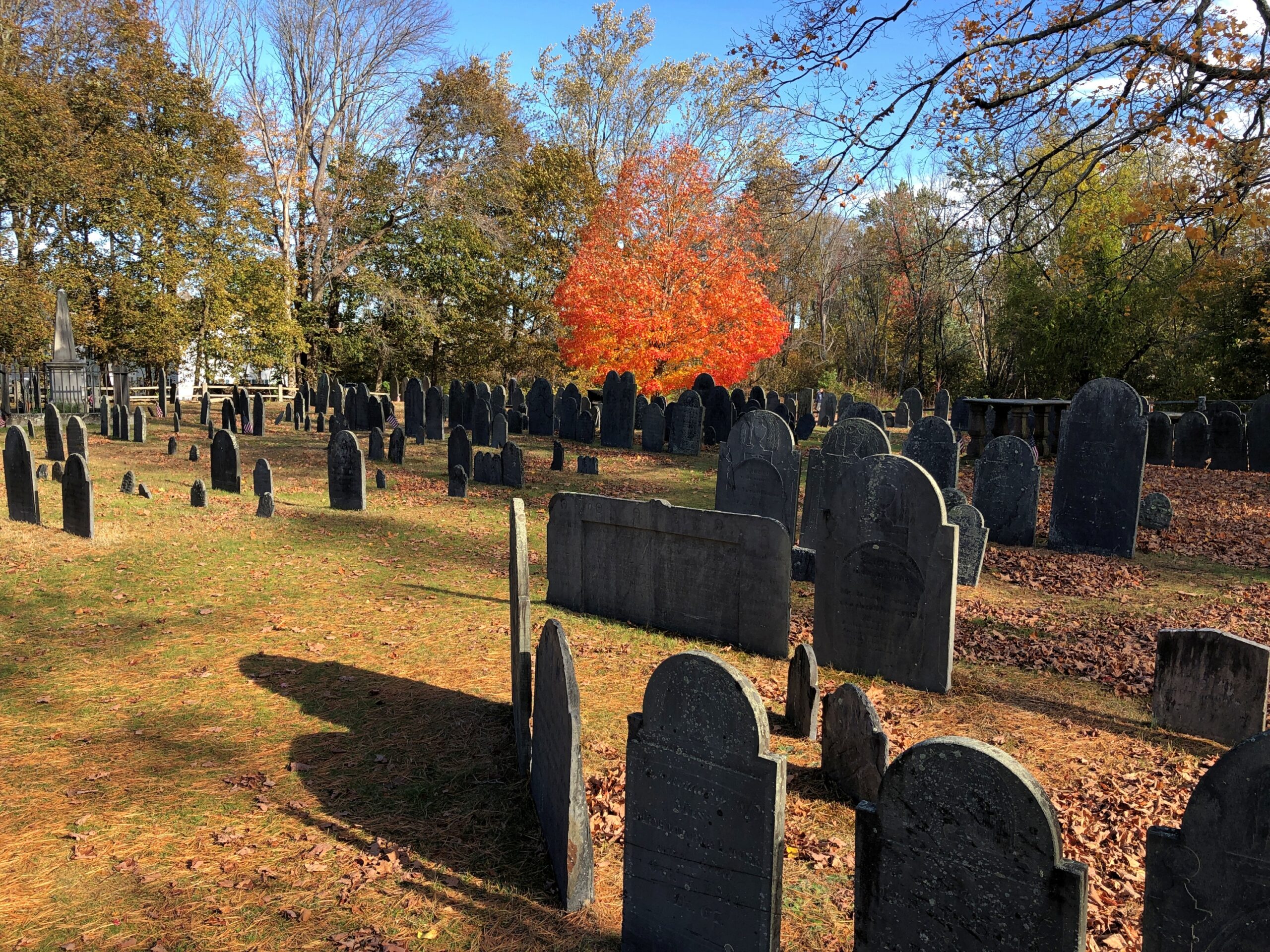
I can also report that the South Burying Place is half a block away, an irregular slice of land wedged between Main, a side street, and some basic apartments.

South Burying Place
South Burying Place

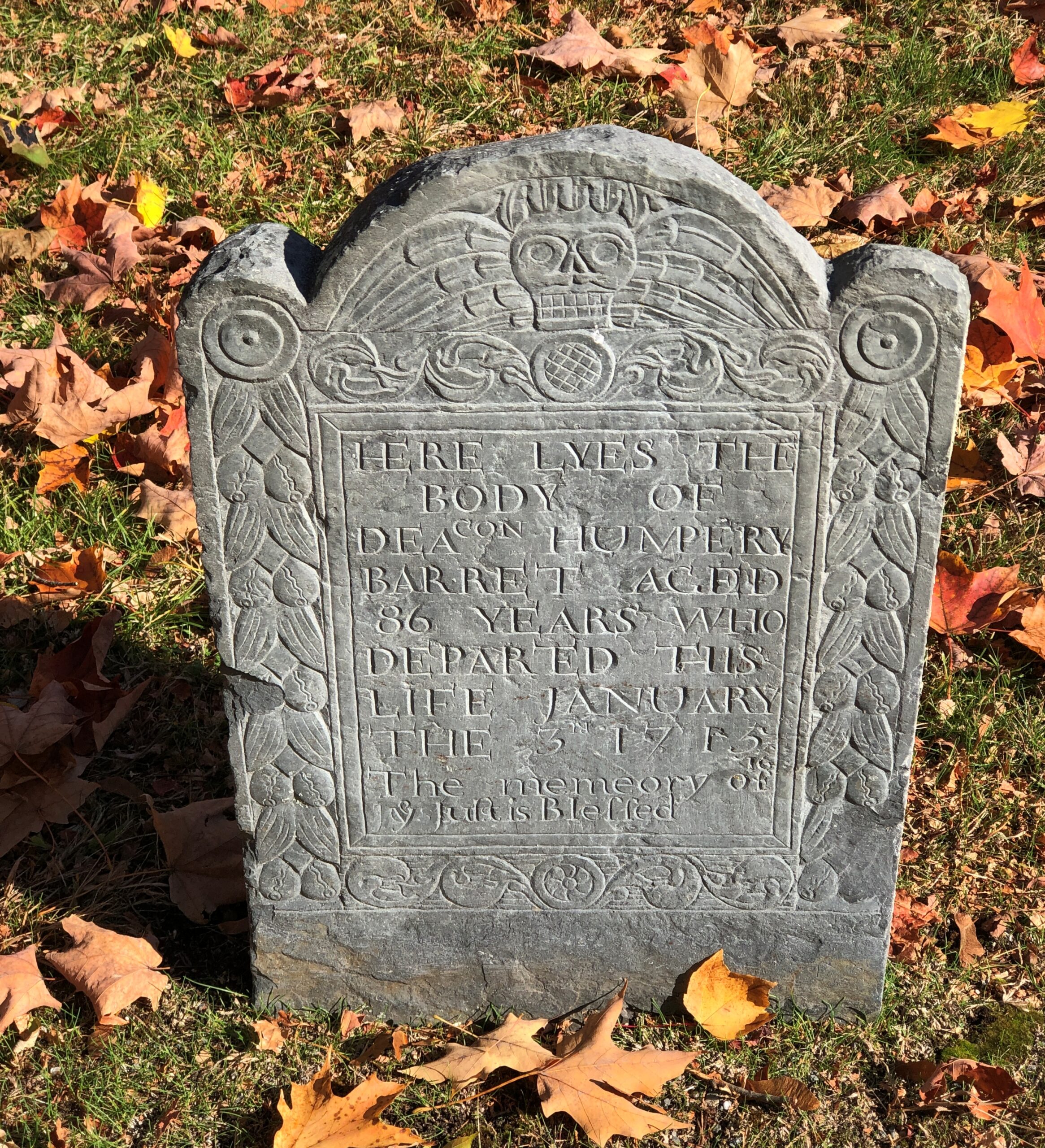
Notably similar in style to Lexington, and why would they be any different?

South Burying Place
South Burying Place

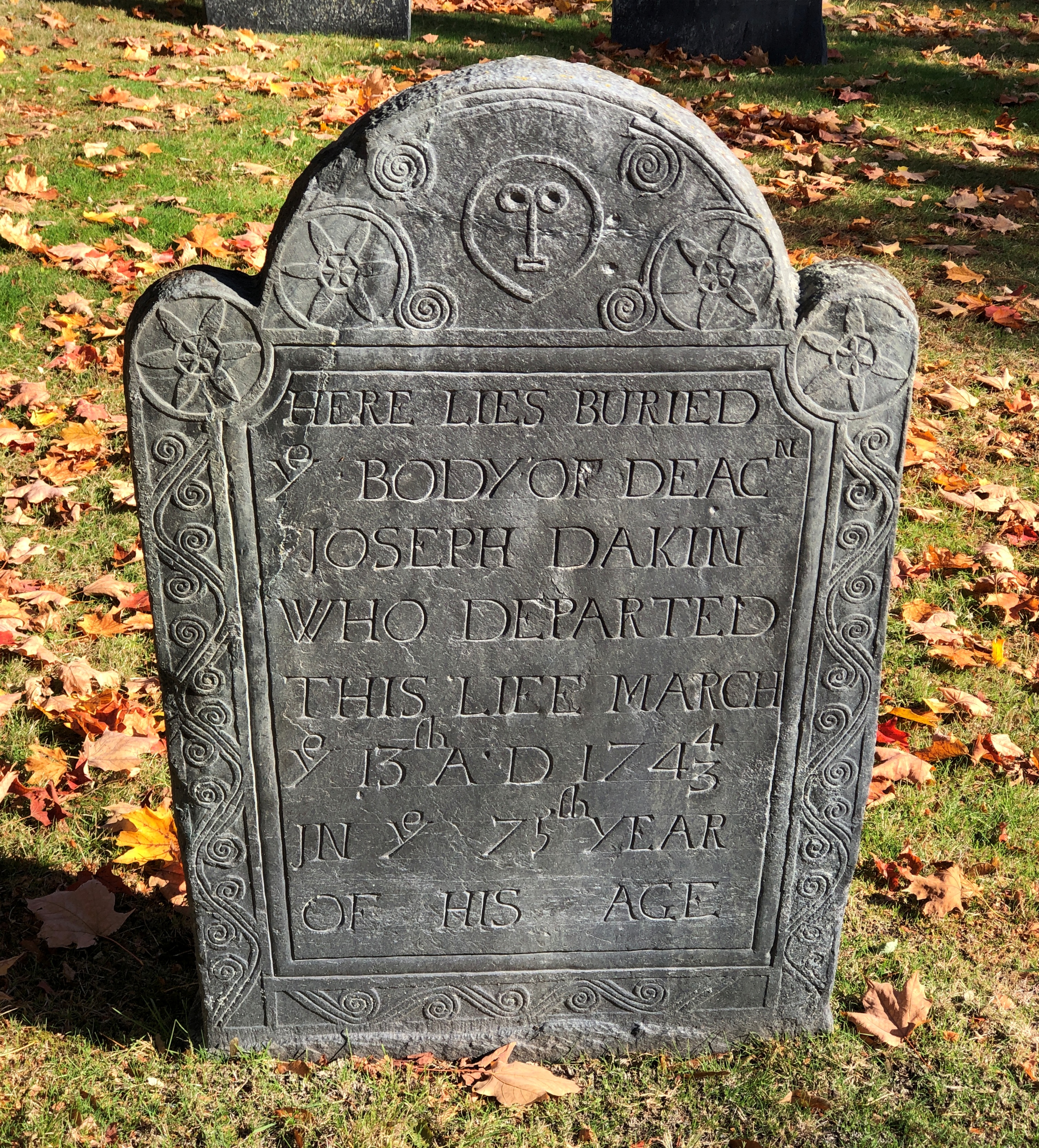
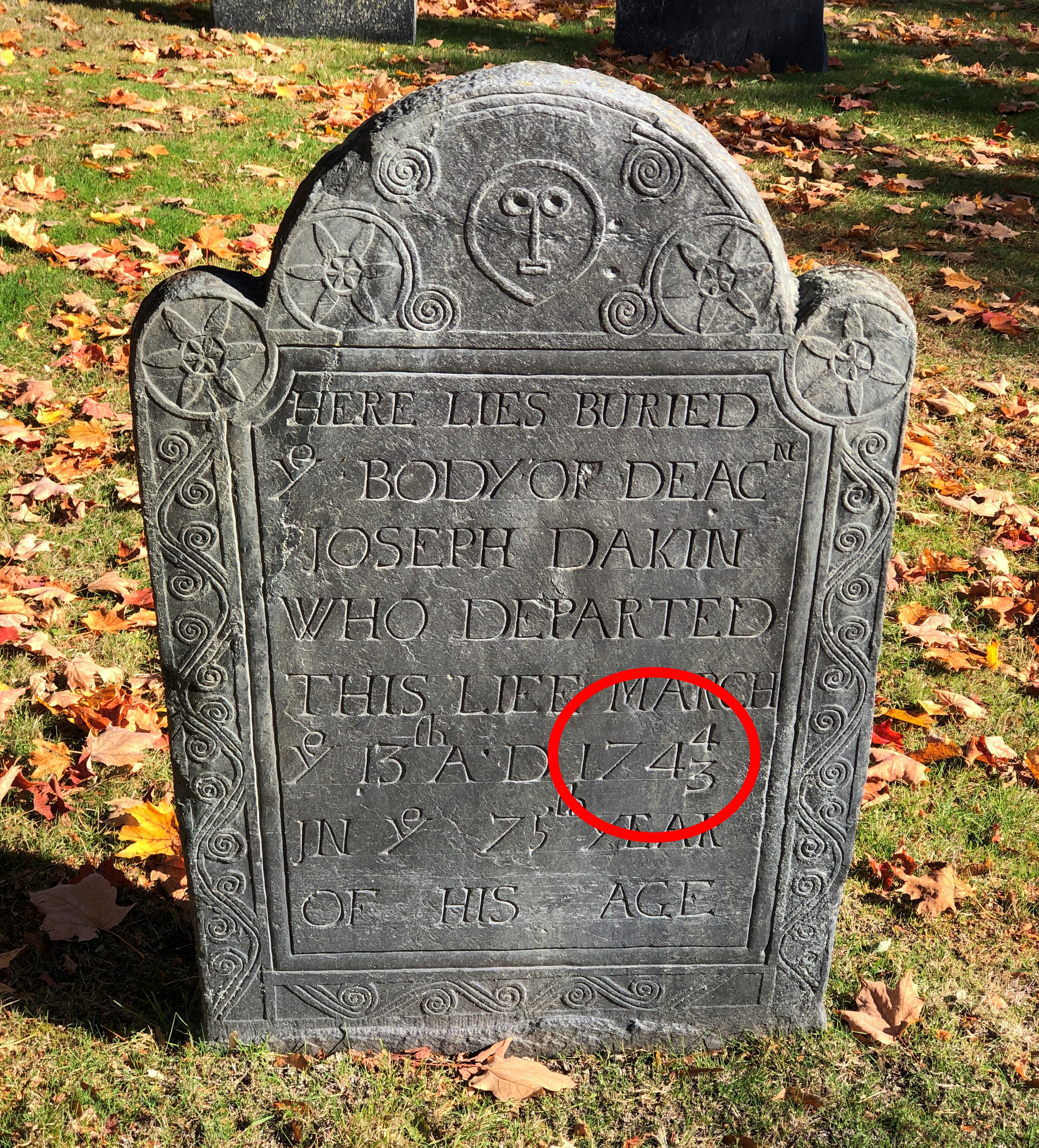
One detail on the latter stone caught my attention. It took me a few minutes to work it out.

South Burying Place

Deacon Joseph Dakin happened to depart this life on March 13, 1744/3. Ahead of the British switch to the Gregorian calendar in 1752, there were competing ideas of when New Year’s Day should be: January 1 or March 25. Most of the rest of Europe had gone to January by the 1740s, but England clung to its traditional date. He died March 13, 1743 by the the traditional reckoning; March 13, 1744 if January 1 is the first day of the year. Besides switching to Gregorian, the ’52 change fixed January 1 as New Year’s Day in the English-speaking world.

That’s the kind of detail that can make my day. A lagniappe of the visit. South Burying Place itself was a lagniappe to my travels that day. The cemetery I had in mind to see was Sleepy Hollow Cemetery, a short drive from Concord’s main retail street. Not to be confused with the one of the same name in New York state, though I have to say that one looks like it would be worth a visit.

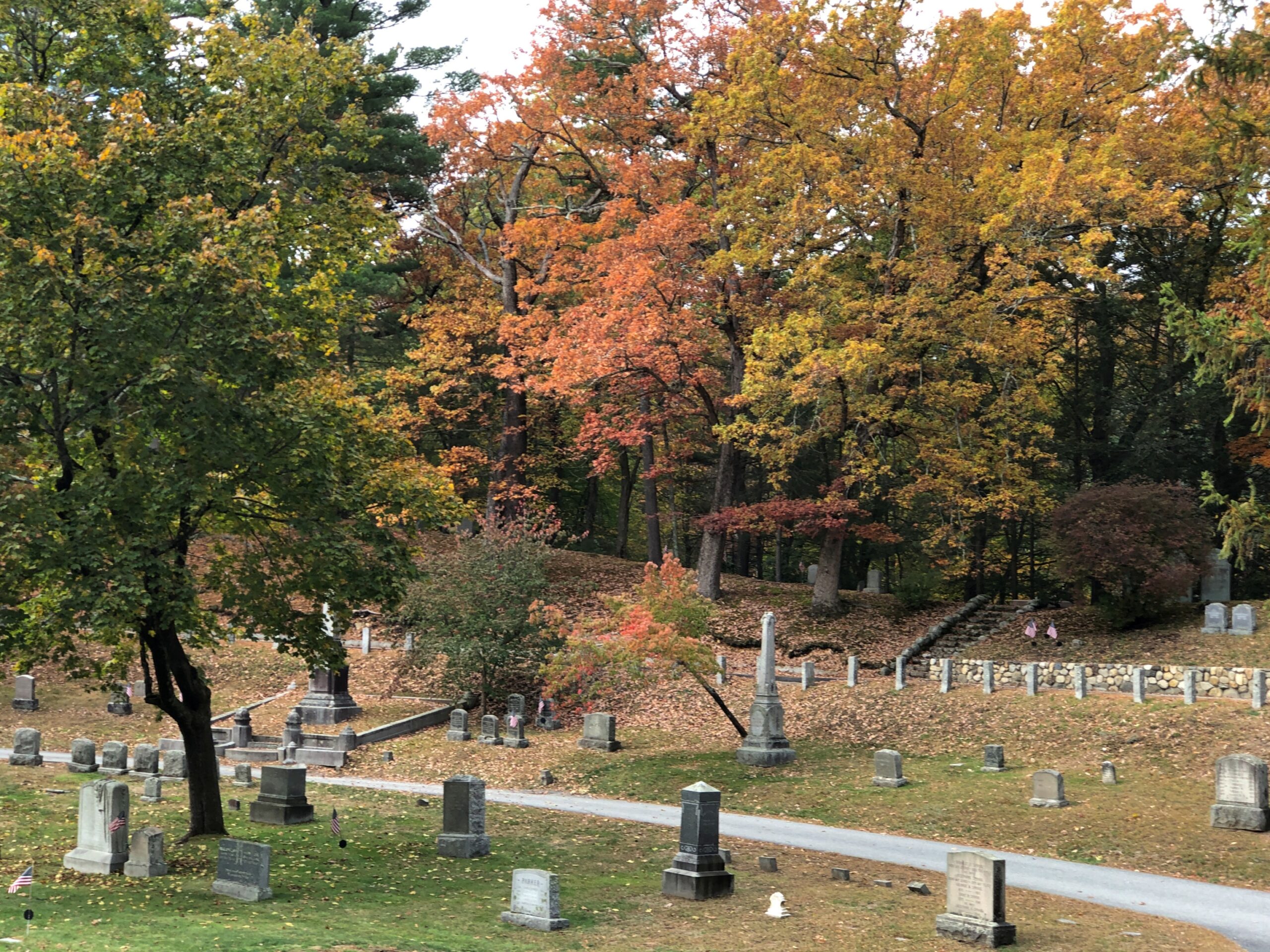
Sleepy Hollow in Massachusetts is in a wooded hollow.

Sleepy Hollow Cemetery

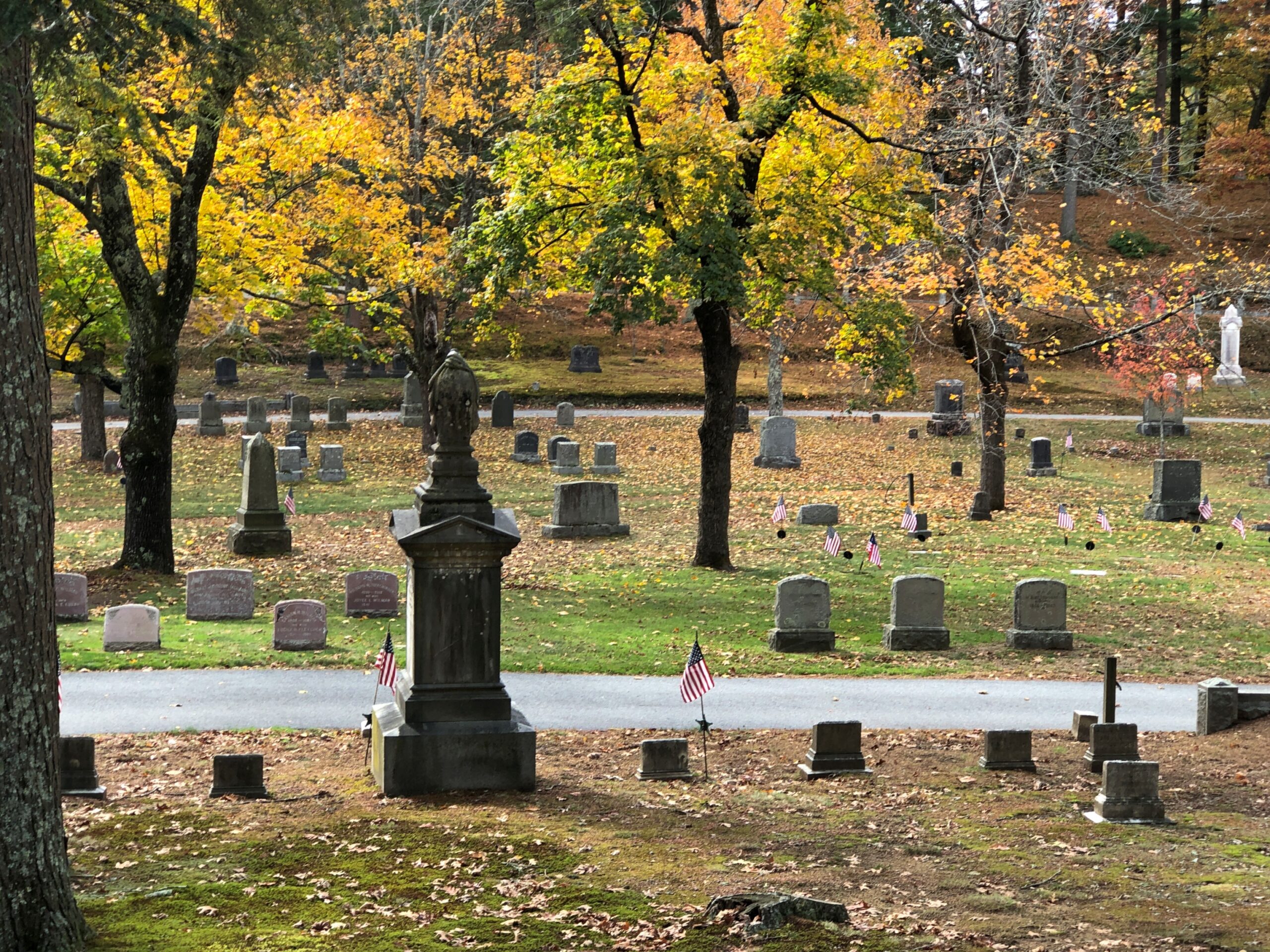
A wooded hollow. That’s a good place for a cemetery. Better yet, Sleepy Hollow is a cemetery of some age, by North American standards. Even better yet, autumn colors.

Sleepy Hollow Cemetery

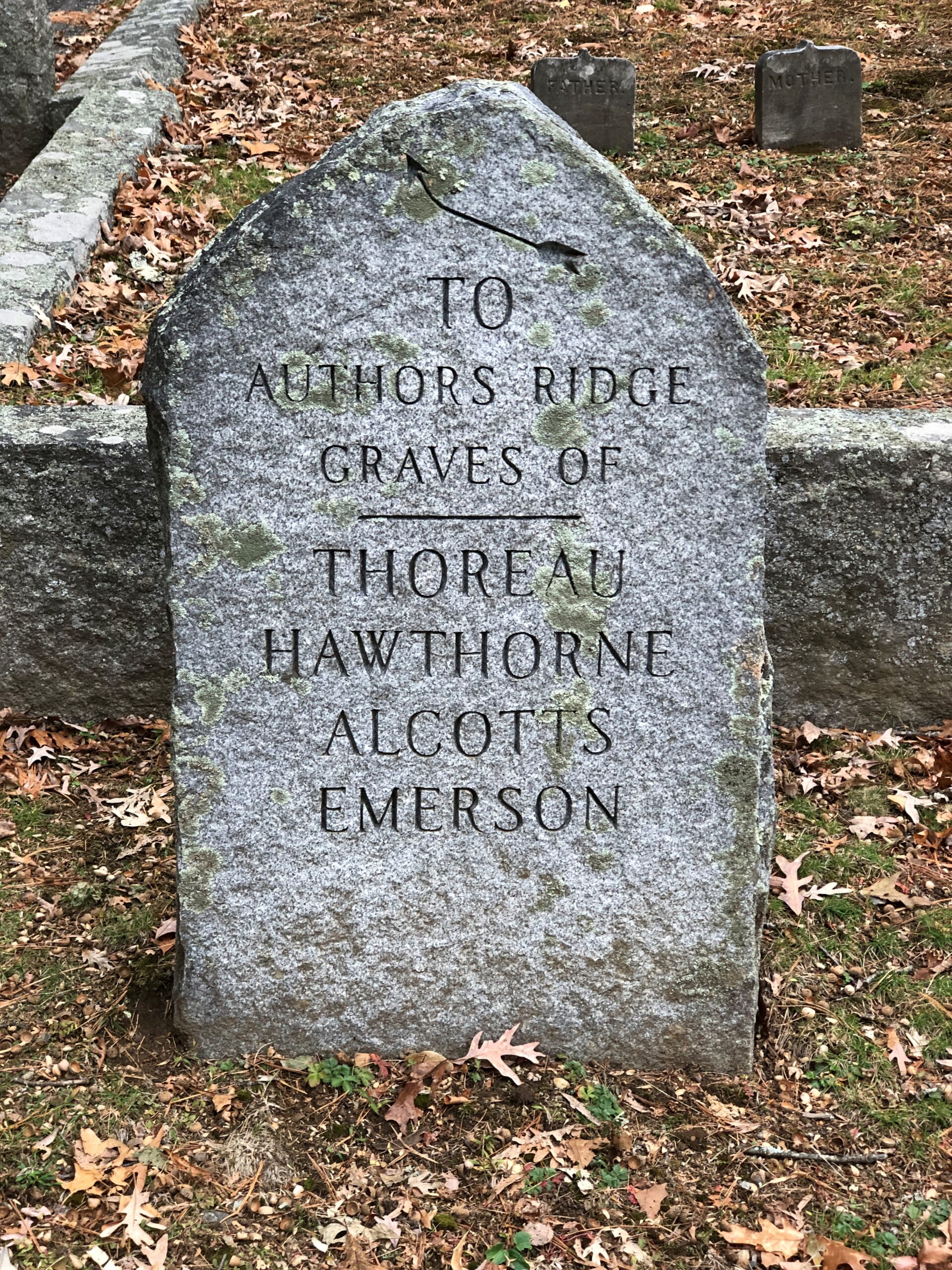
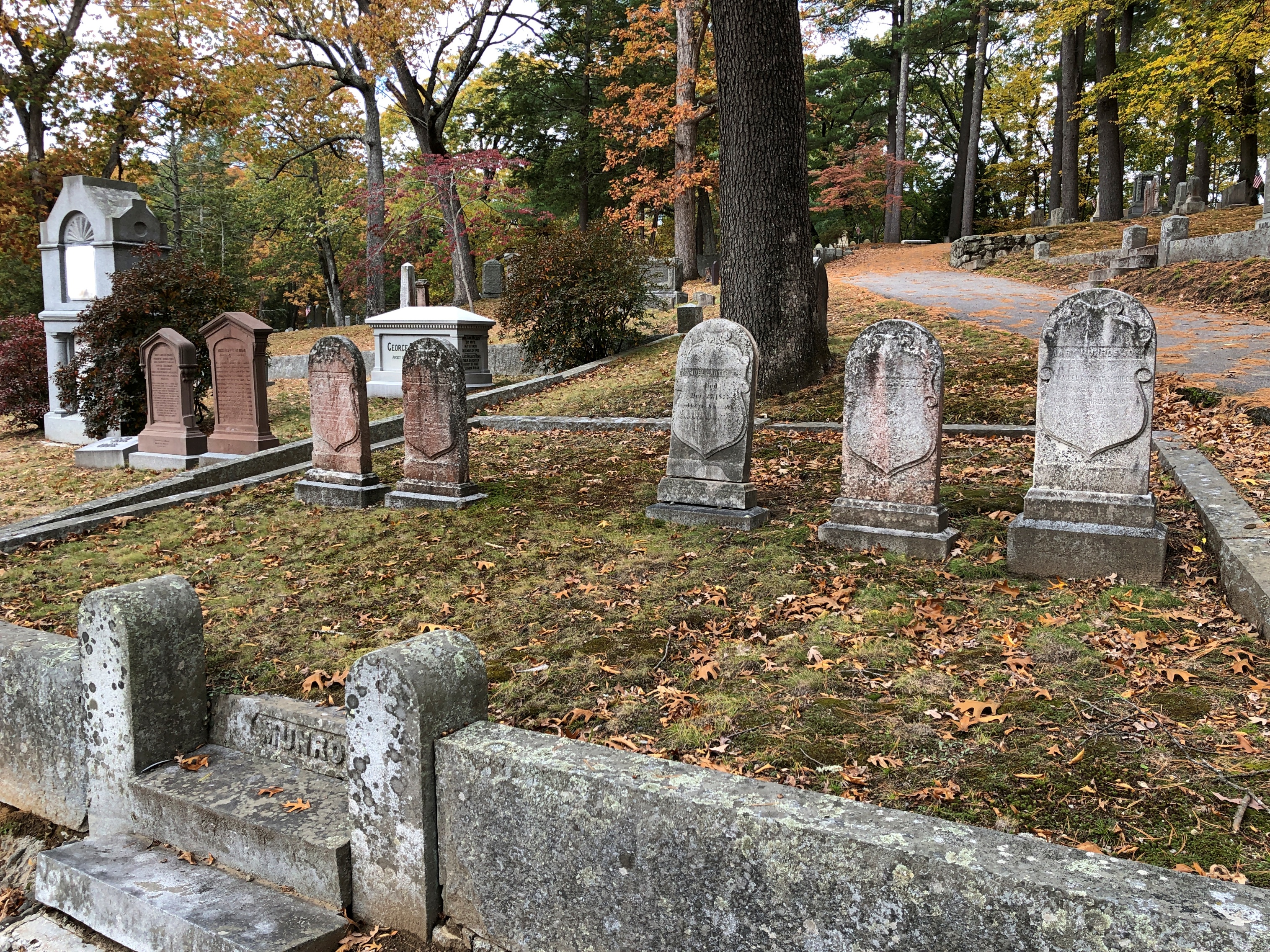
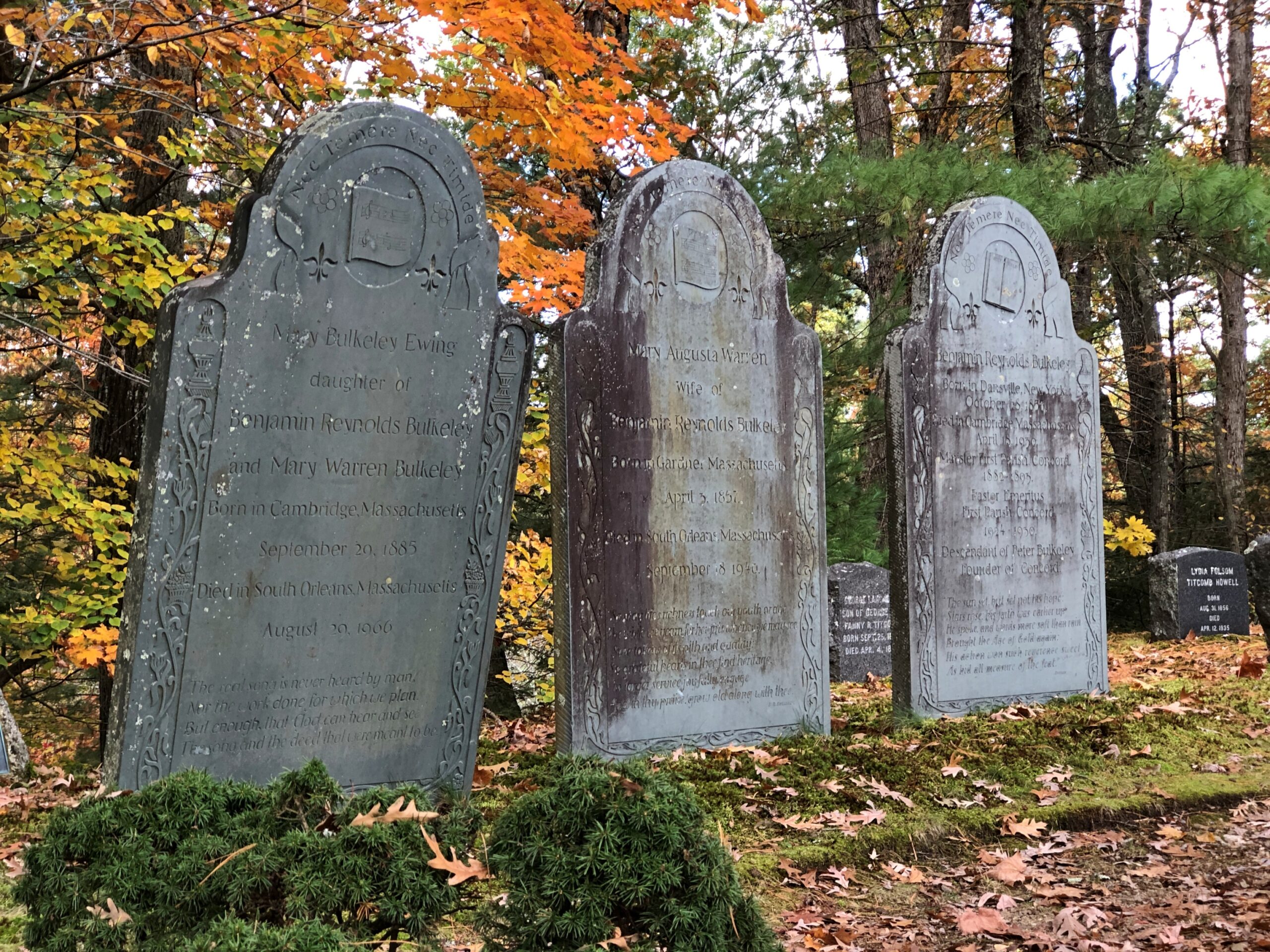
When I got there, I found I wasn’t alone among the living. A rare thing at a cemetery. A trickle of people came and went to pay their respects to a clutch of famed authors who are buried at Sleepy Hollow. They’re up on Authors Ridge. The cemetery thoughtfully built a small parking lot at the base of the ridge, to facilitate that trickle of literary pilgrims.

Sleepy Hollow Cemetery

A path from the lot leads upward. At the crest of the ridge, the authors are found with other family members. In alphabetical order:

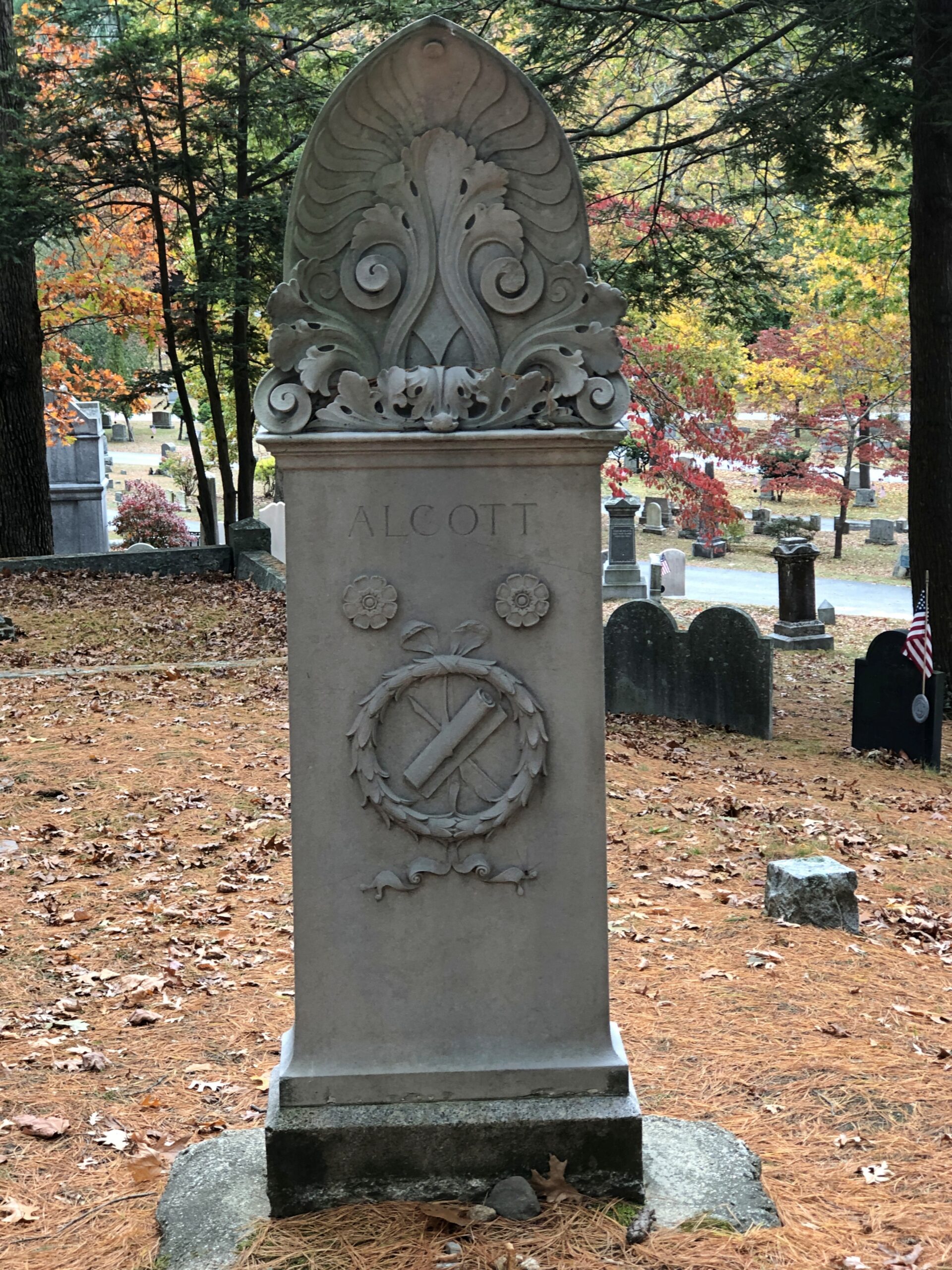
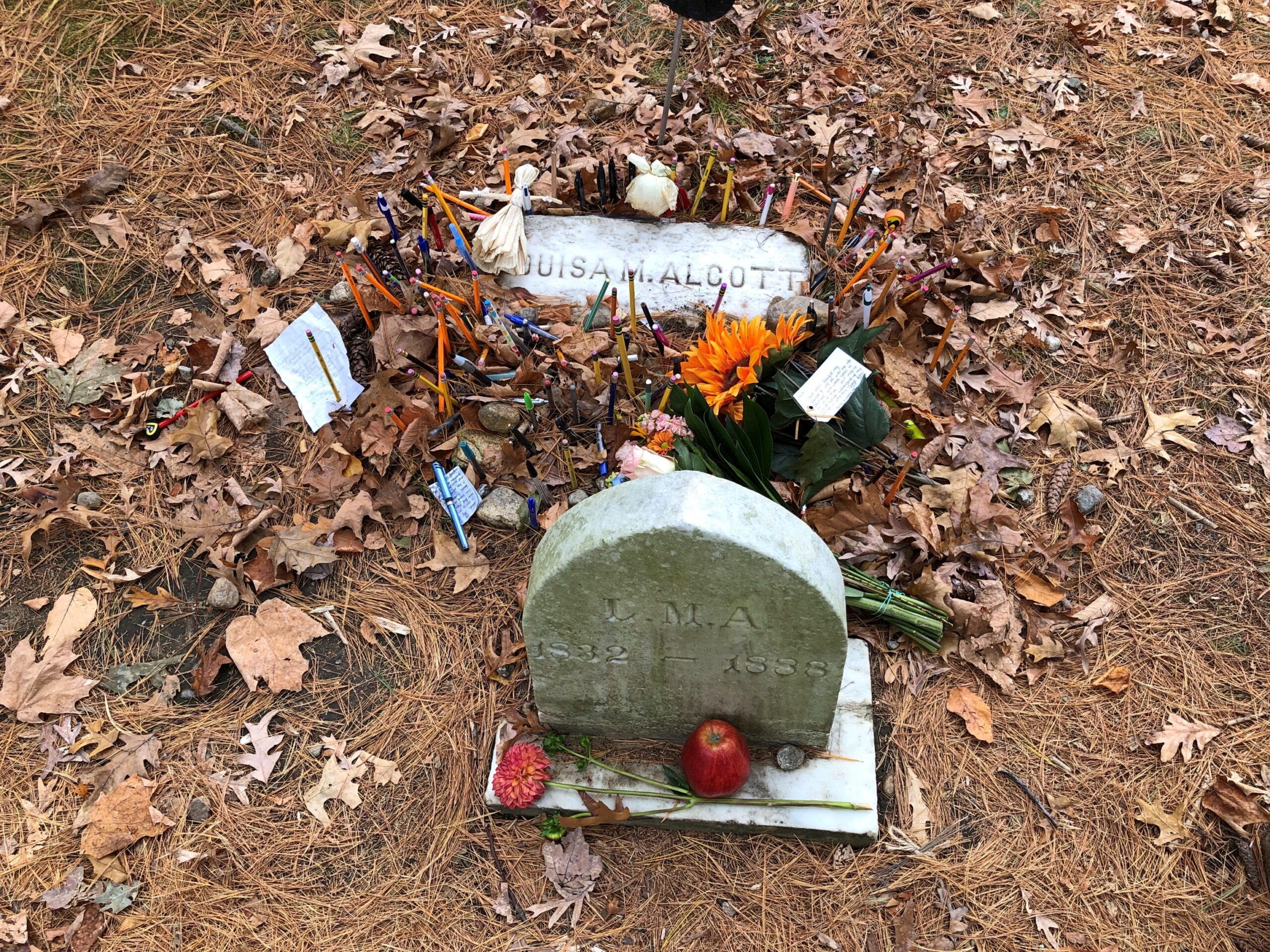
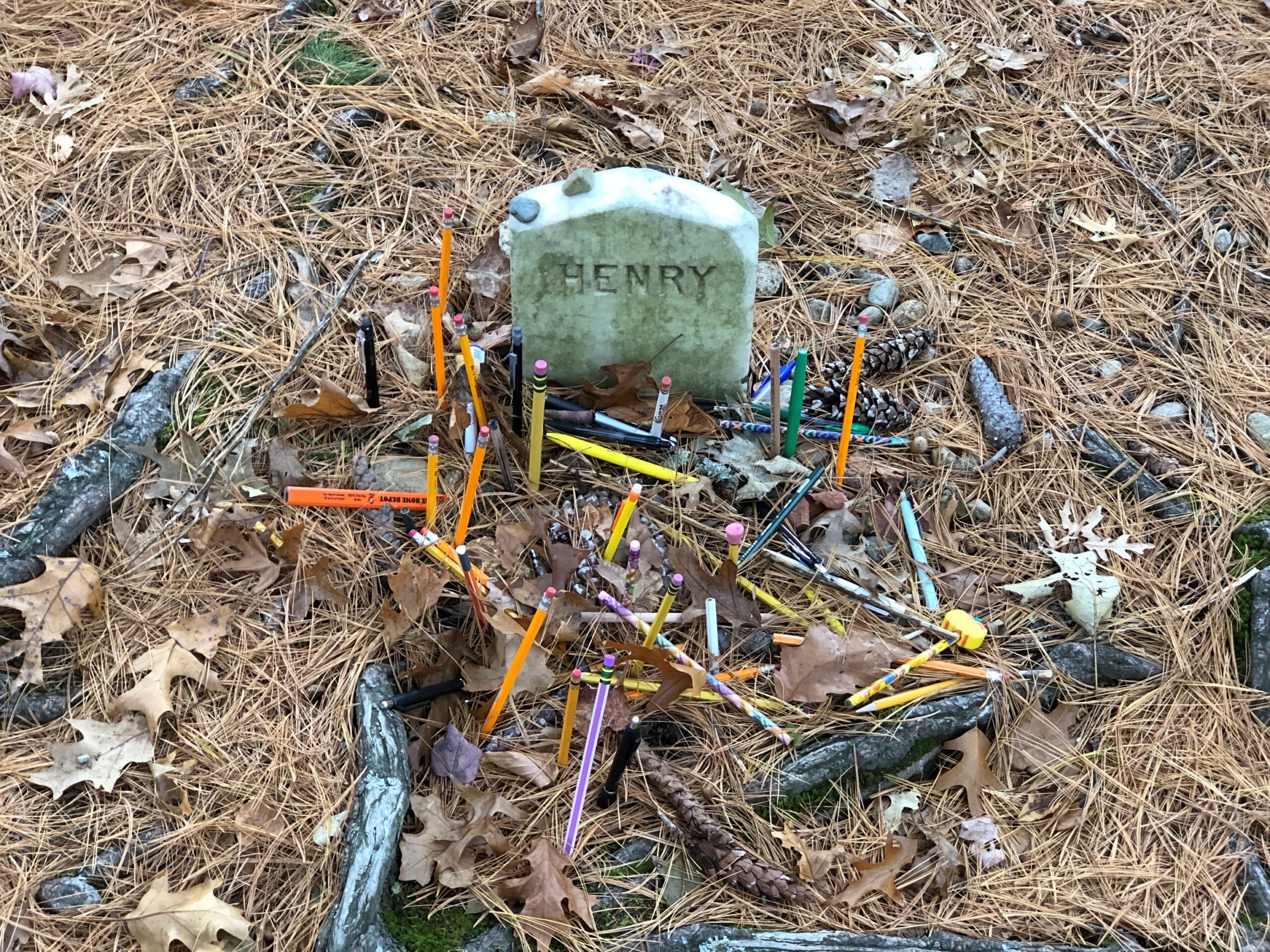
Louisa May Alcott.

Sleepy Hollow Cemetery

Here visitors don’t leave stones or small coins, but pencils, pens and paper. She wasn’t the only one to attract writing instruments.

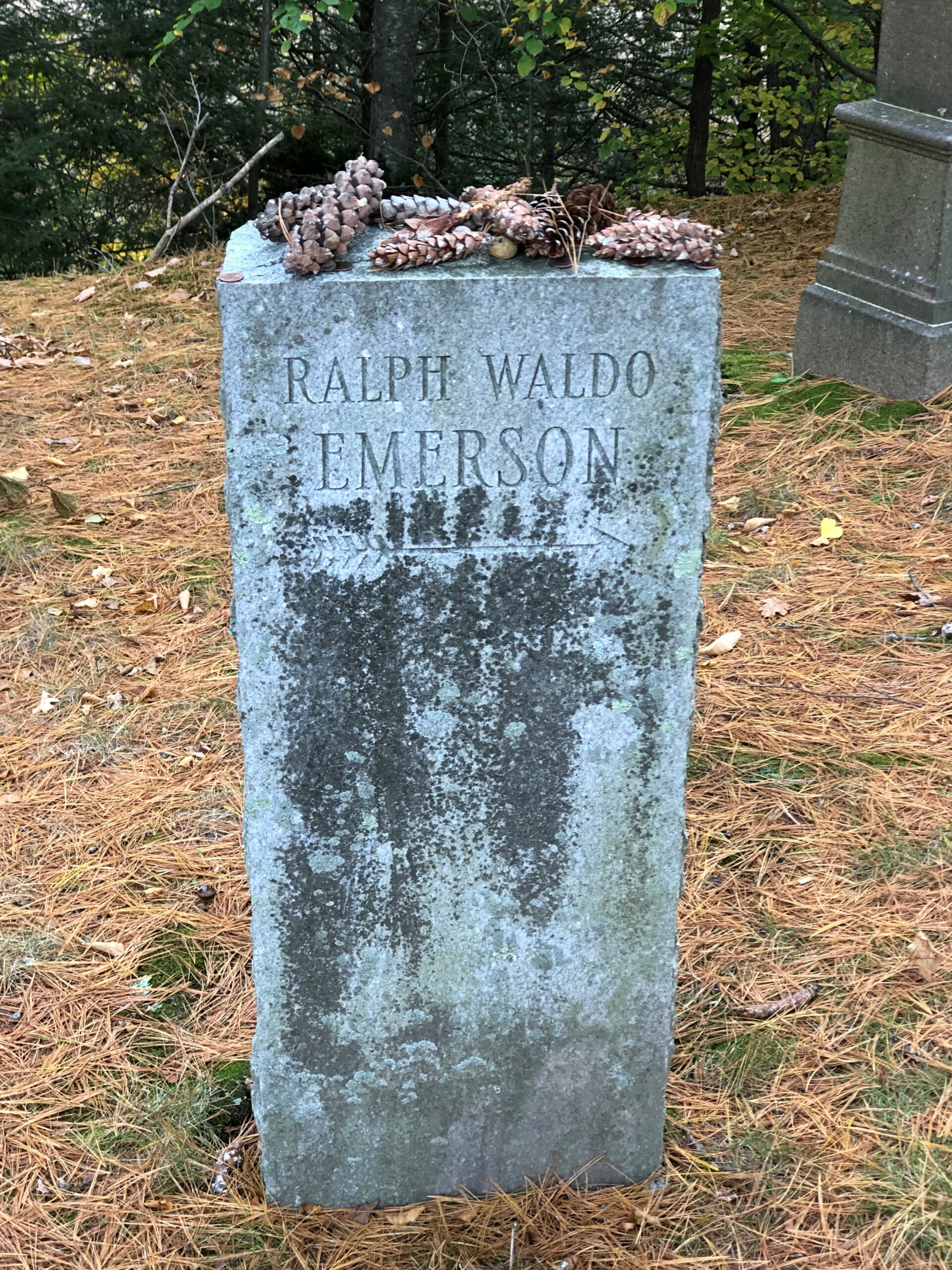
Ralph Waldo Emerson.

Sleepy Hollow Cemetery

Where’s Waldo? Right there. Interesting that his memory attracted pine cones.

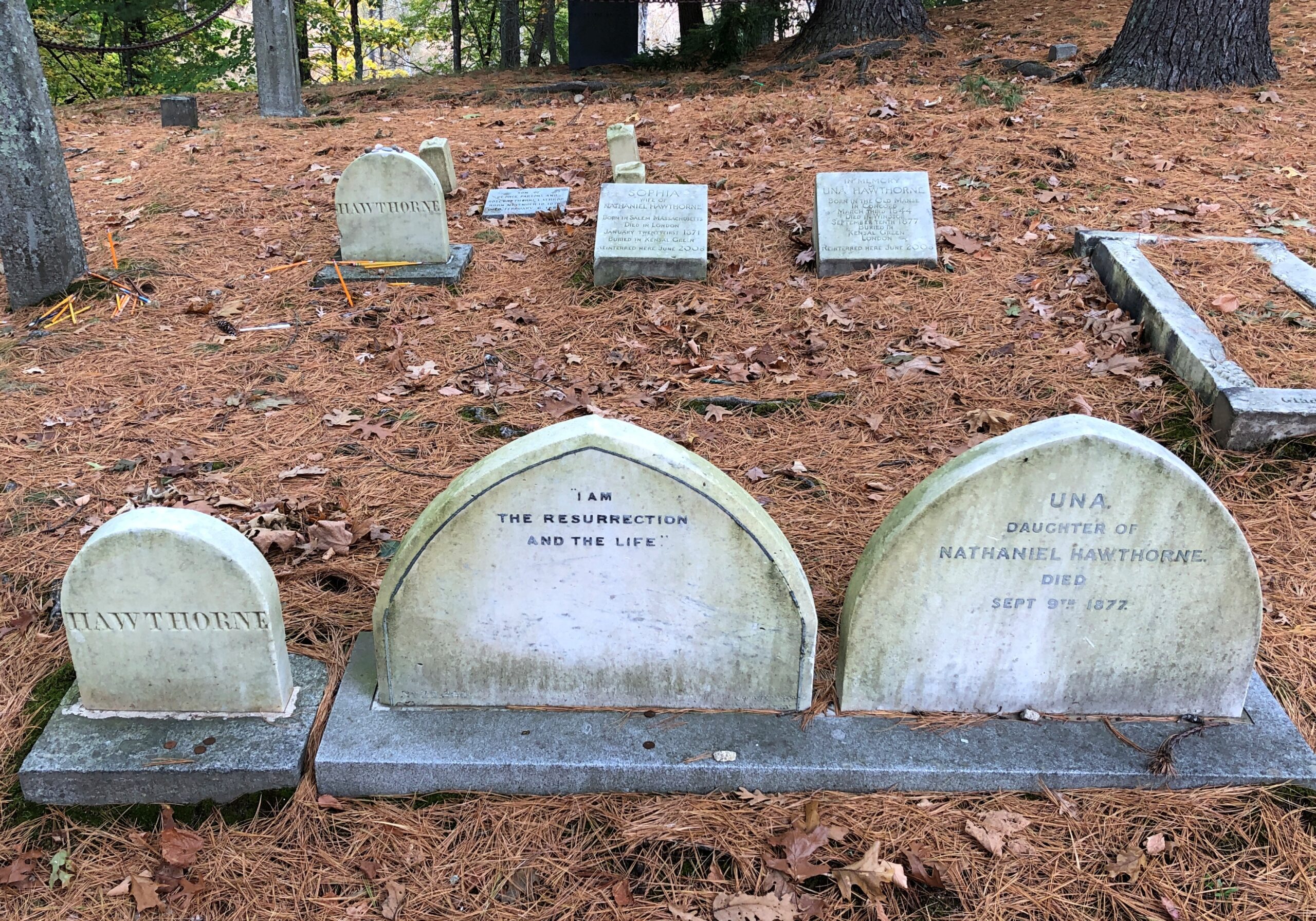
Nathaniel Hawthorne.

Sleepy Hollow Cemetery

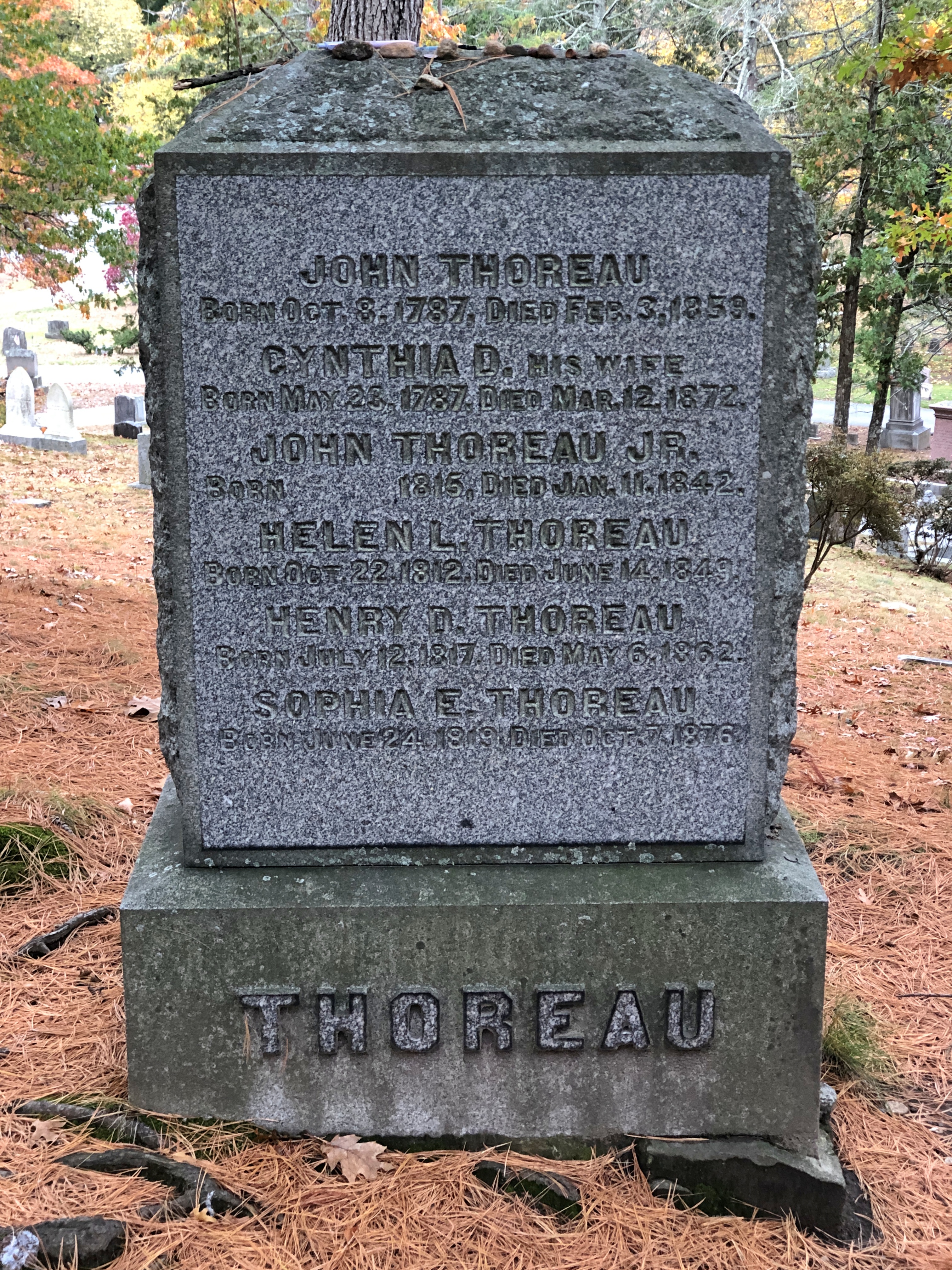
Henry David Thoreau.

Sleepy Hollow Cemetery

When I parked at the small lot, I noticed a group of four girls, college students would be my guess, heading up the path to Authors Ridge. I waited a few minutes in my car, since I didn’t want to interrupt their pilgrimage. Also, I wanted the ridge to myself, if possible. I guessed they wouldn’t be long, and soon they came down the path, got in their car and left.

About an hour later, when I had finished my own cemetery stroll, I was checking my maps in the car, when a middle-woman pulled up, parked, and headed up Authors Ridge, walking her small dog. The trickle was continuing.

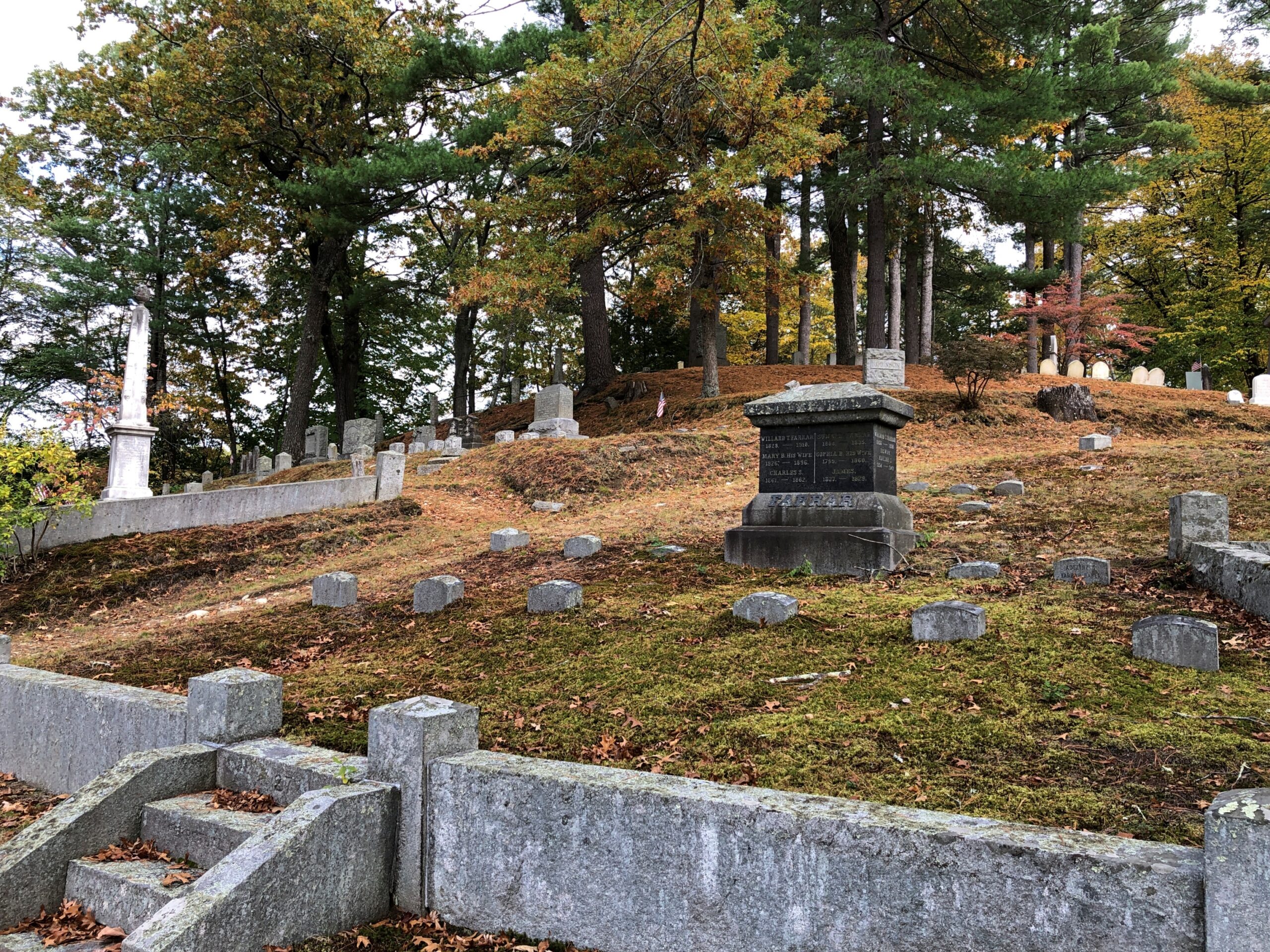
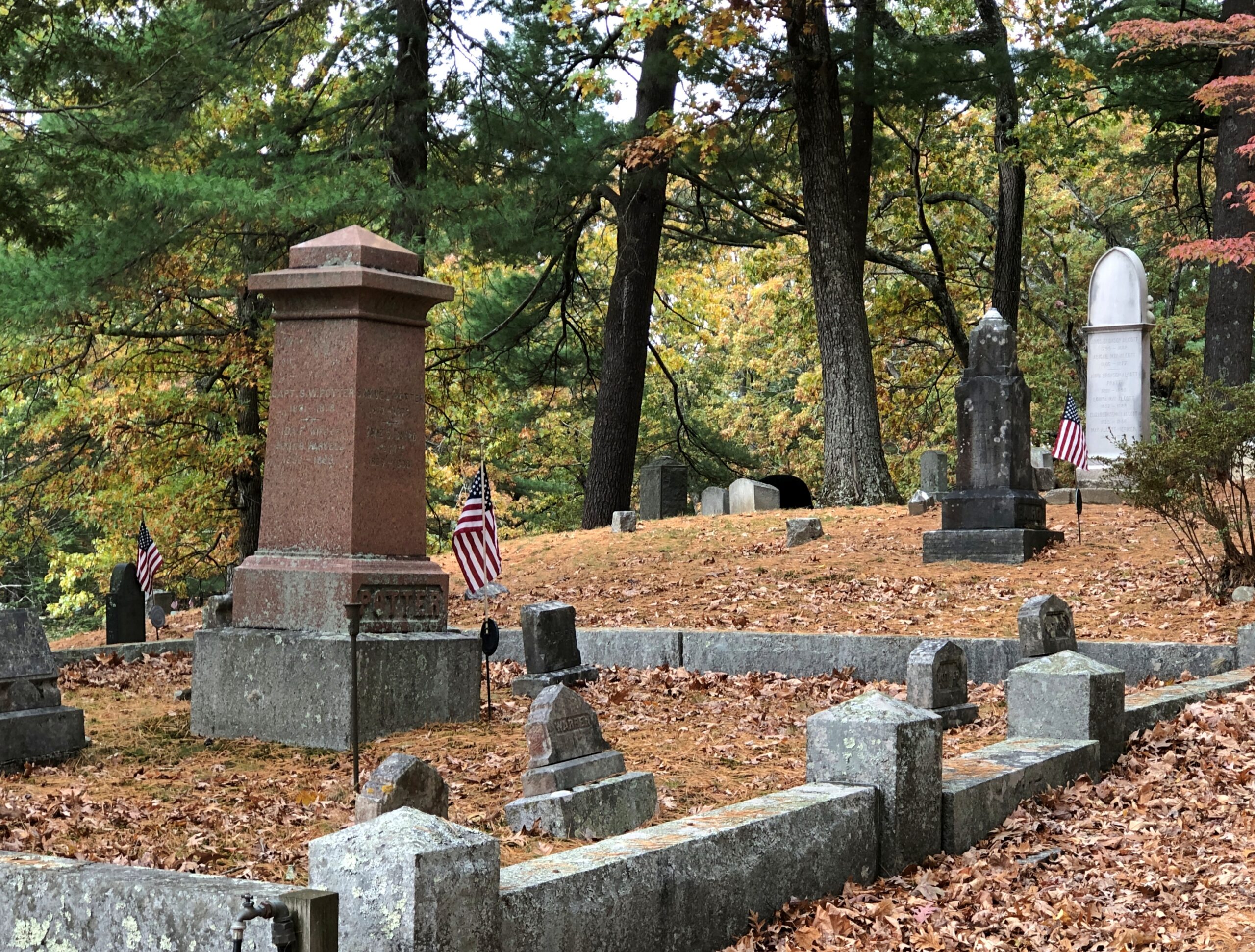
I preferred a more leisurely inspection of the authors’ stones, and the rest of the cemetery, for that matter. Such excellent contour.

Sleepy Hollow Cemetery

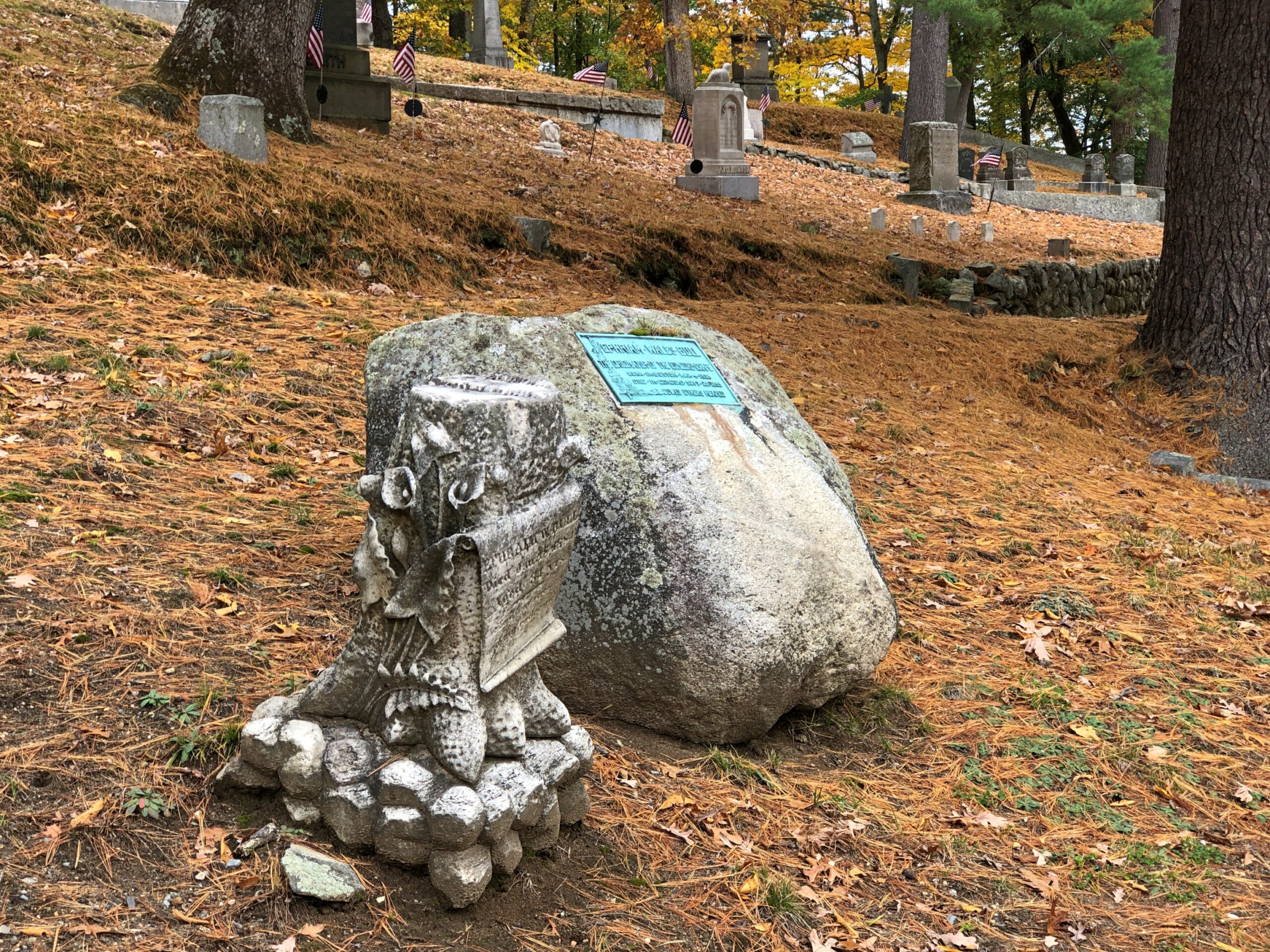
There’s also a large selection of stones for non-famous residents of this part of the world.

Sleepy Hollow Cemetery

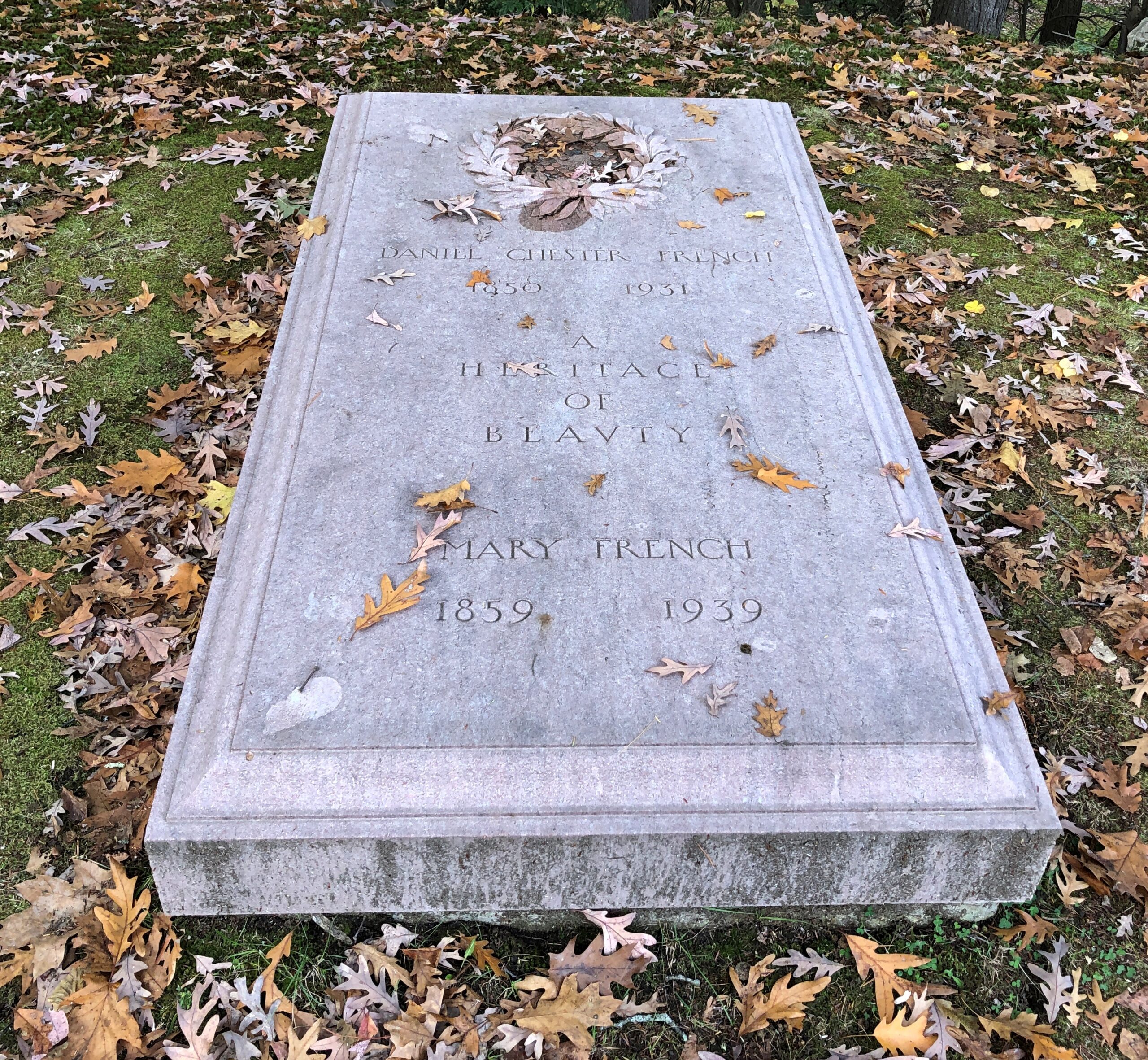
Besides, the authors aren’t the only notable burials. Here’s Daniel Chester French, sculptor of renown.

Sleepy Hollow Cemetery

If the seated Lincoln at the Lincoln Memorial was the only thing he ever did, he’d still be remembered. But of course he did a lot more. The smaller version of “The Republic,” bright gold in color and standing even now in Chicago, is one that comes to mind. So do the allegories at the Alexander Hamilton U.S. Customs House at the southern tip of Manhattan. And Gen. Oglethorpe in Savannah.

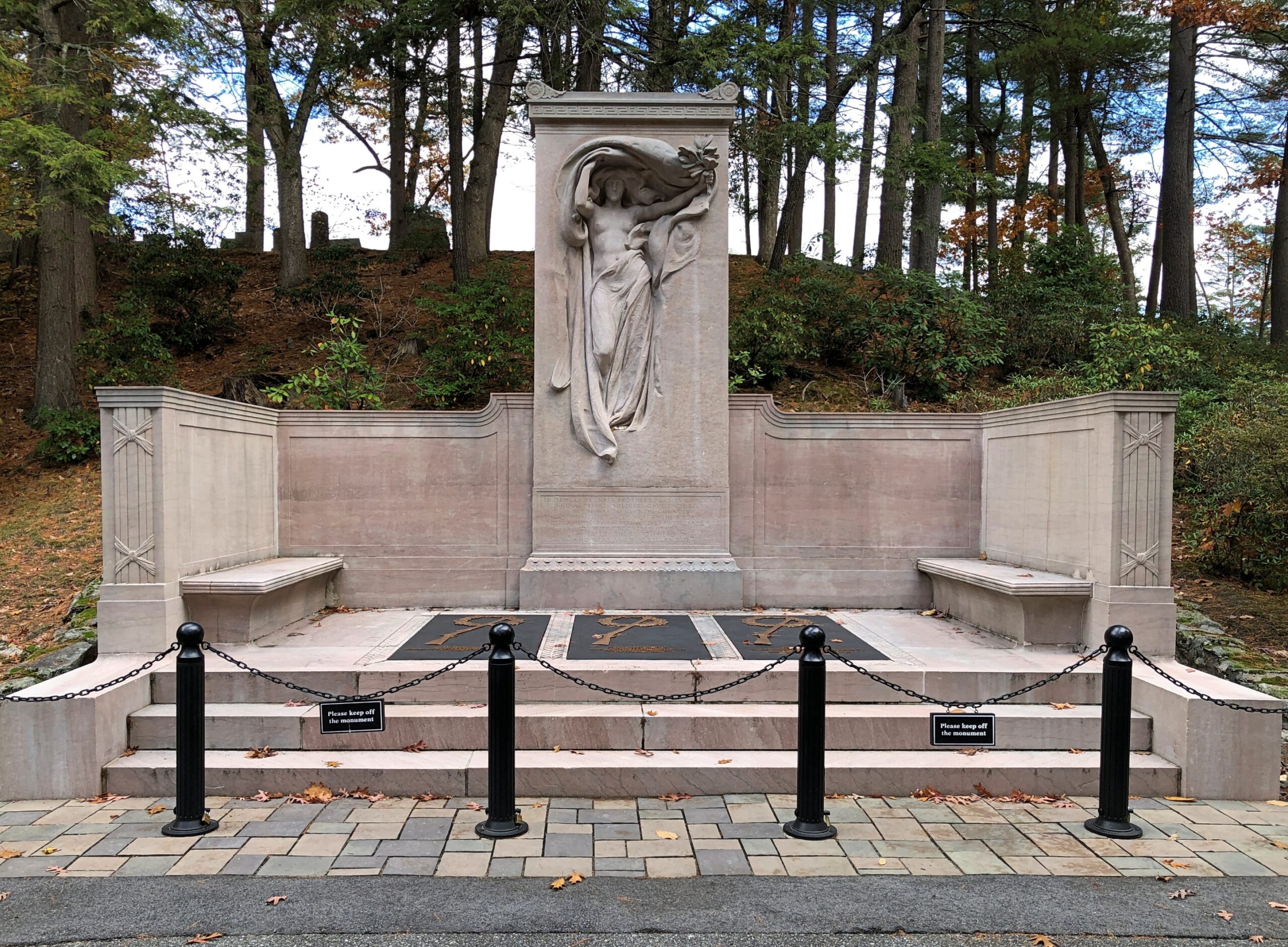
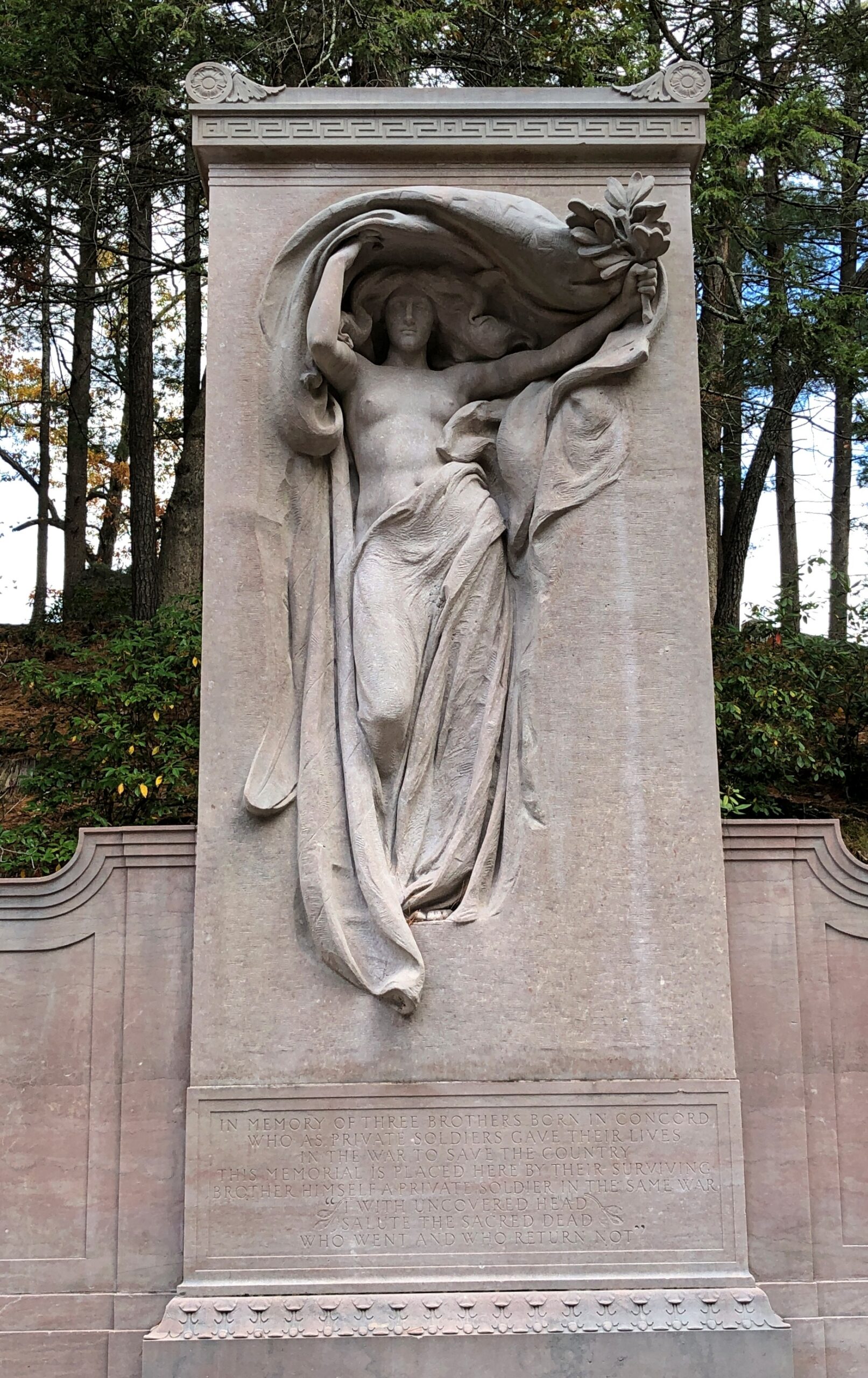
But you don’t have to go so far to find one of French’s works. Elsewhere in Sleepy Hollow is the Melvin Memorial, honoring three Concord brothers named Melvin (Asa, John and Samuel), who each gave their last full measure of devotion for the Union in ways that represent the spectrum of soldier death in that war: died in combat, of disease, and in a prison camp.

Melvin Memorial

The figure is known as Mourning Victory, a version of which is held by the Met.

Melvin Memorial

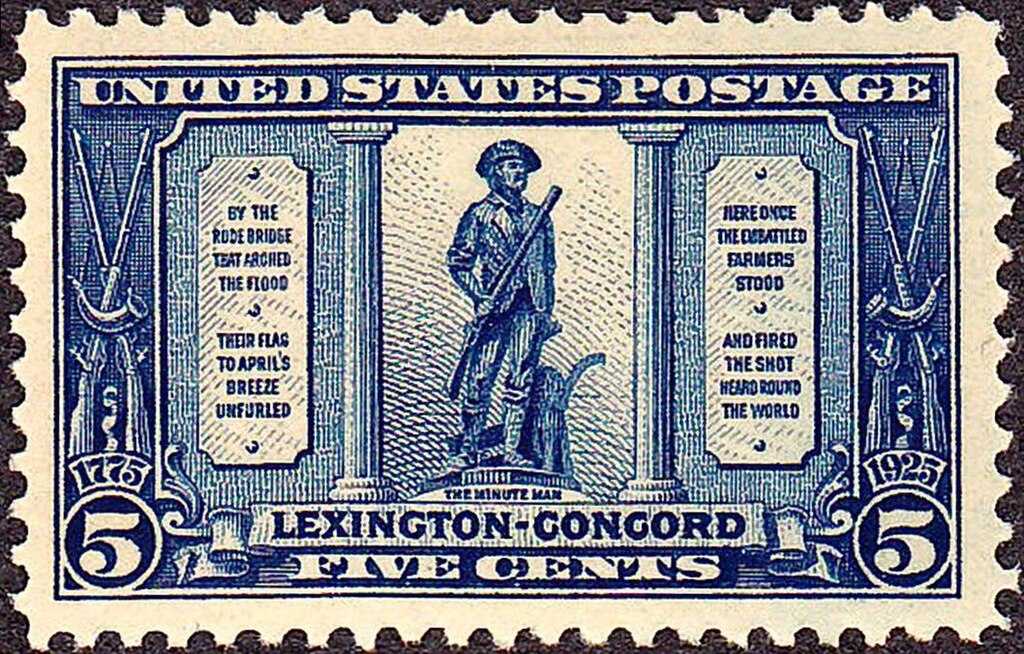
Another famed work of French’s is in Concord: namely, “The Minute Man” at Minute Man National Historical Park.

I didn’t bother with that historical park this time, since I knew it would be closed. But I did see it 30 years ago, and it’s stuck with me. Just example of French’s work standing the test — and literally standing the test — of time.

More Lexington

Cute, Lexington. Cute.

Lexington, Mass

I didn’t visit Massachusetts last month to do sightseeing, but rather to see old friends – Rich, Lisa and Steve. They are the latest in my visits to old friends in ’25, which took me to Texas, Tennessee, North Carolina, Georgia and New York before I arrived in Massachusetts, where I stayed with Rich and Lisa, whose home is in Lexington.

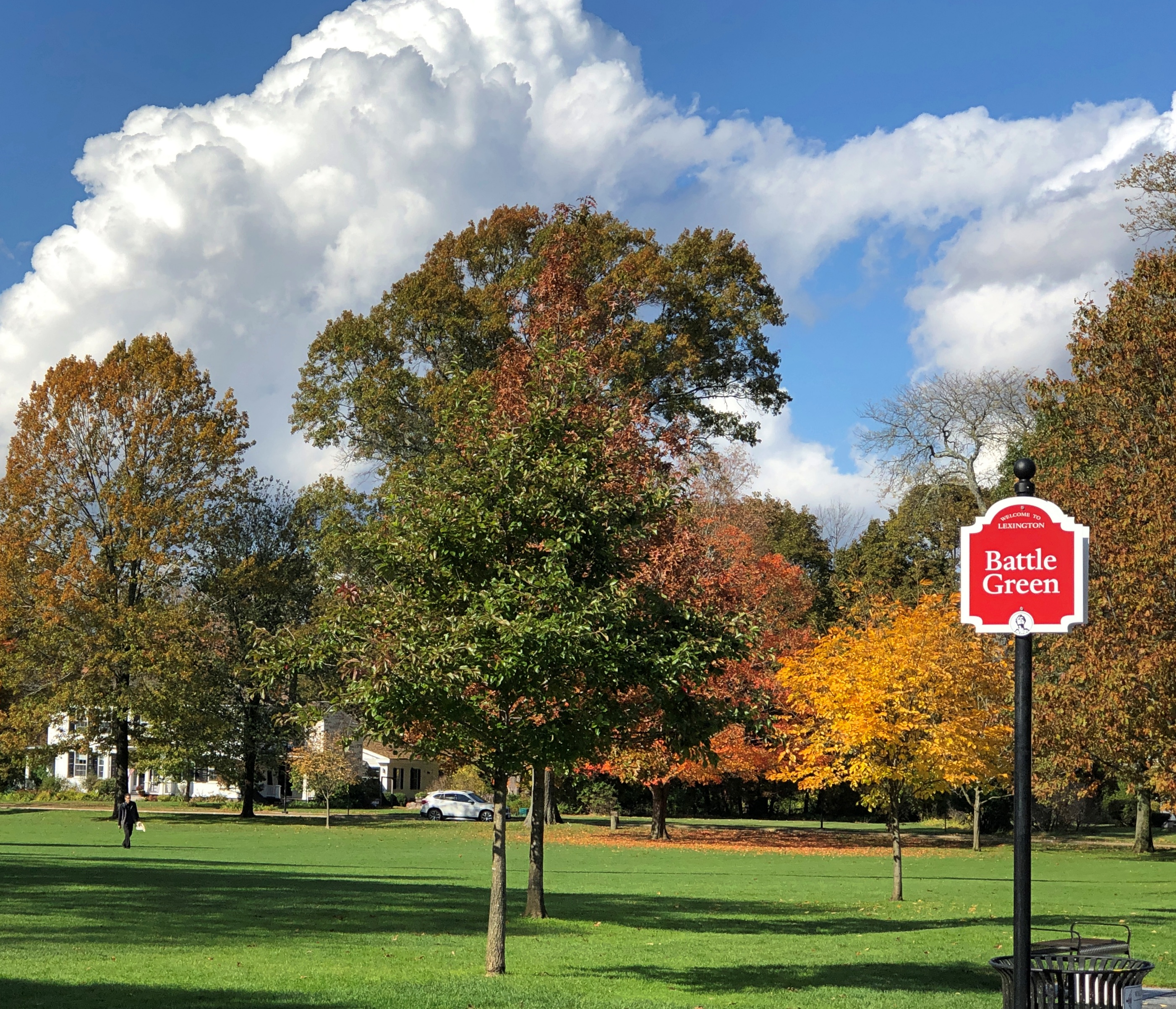
Being a mid-week visit, my Massachusetts friends had work to do during much of the day on October 22, which is how I ended up at Battle Green that morning. I wasn’t about to sit around at Rich and Lisa’s when I could go see nearby places. Even places I’d been before, such as Battle Green. But it had been about 30 years, so (as usual) it was like I’d never been there before.

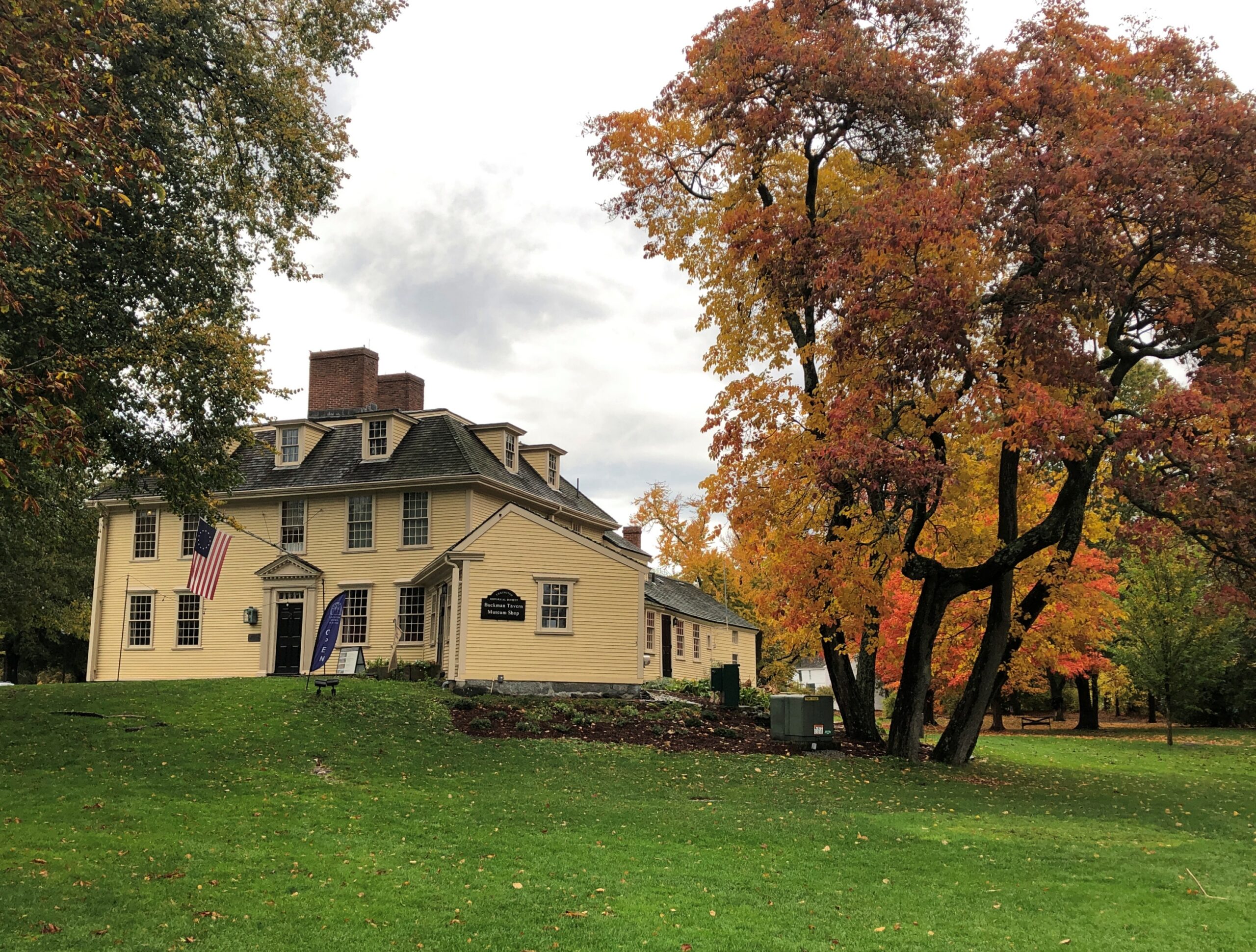
Near Battle Green is Buckman Tavern.

Lexington, Mass

I didn’t remember visiting before. It’s a small museum these days, dedicated to the part it played in the Battle of Lexington – militiamen gathered there ahead of the battle, not knowing what to expect – but also its existence as a tavern in colonial and early Republic days.

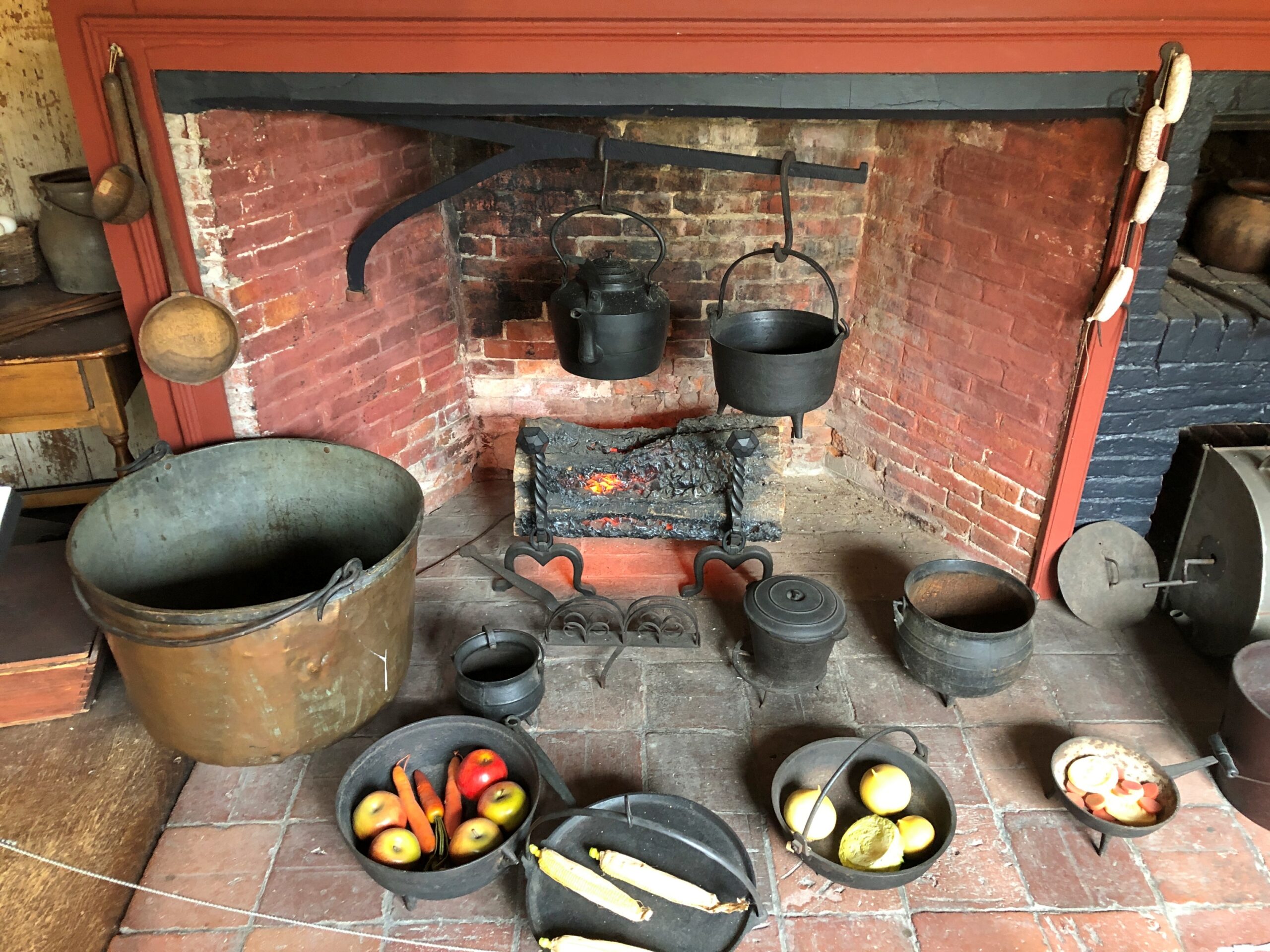
Wandering through, I couldn’t help being impressed by how much effort running a tavern must have involved in those days, which not only included work in the building itself, but also running a nearby farm, since 18th-century tavern keepers weren’t going to get their food and drink from wholesalers, shipped in by truck.

Lexington, Mass

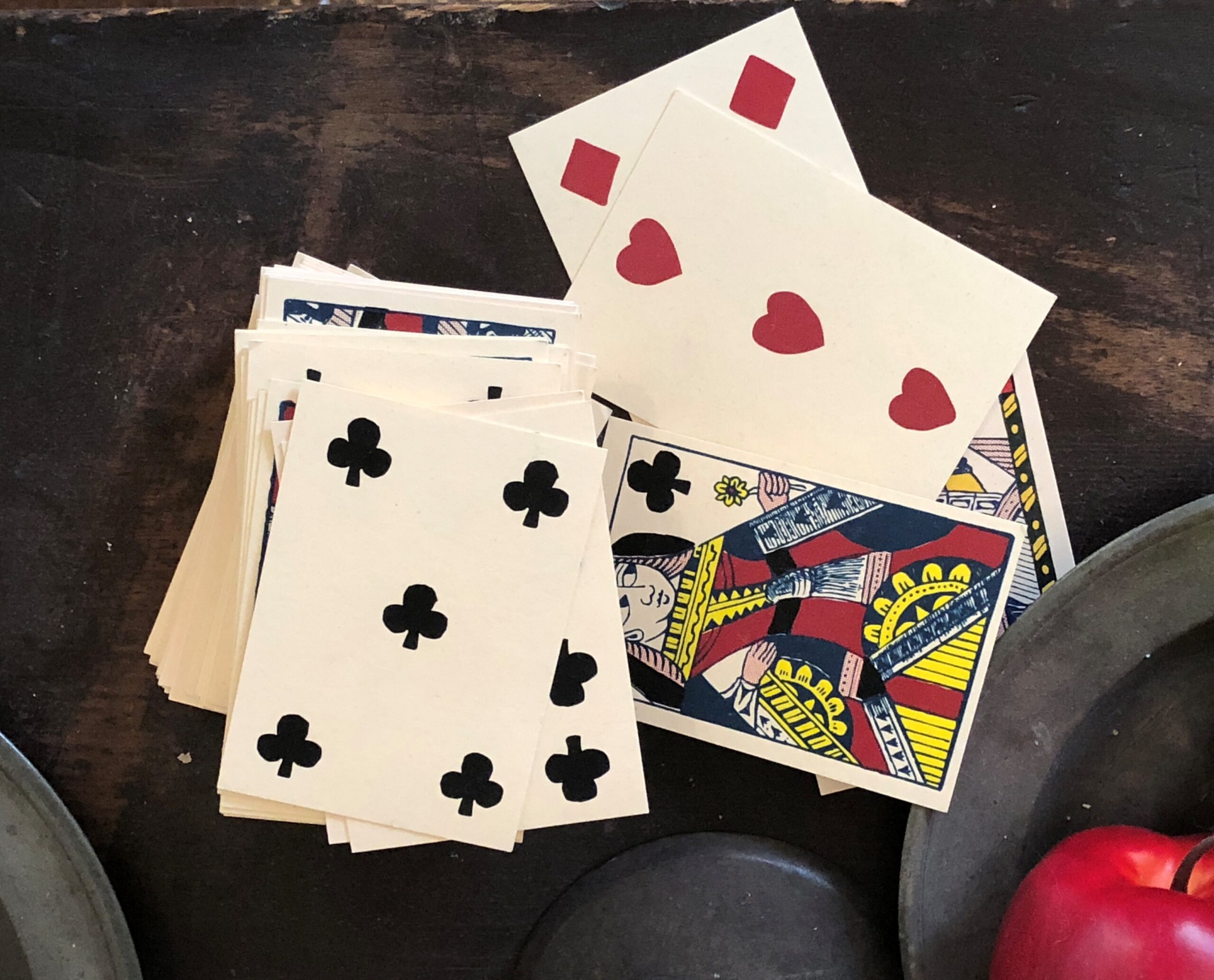
Of course, just staying alive in the 18th century, or really most anytime before the 20th century, seems like it would have been a lot of grinding effort for most people a lot of the time. But they had their recreation, too (and of course drinking).

Lexington, Mass

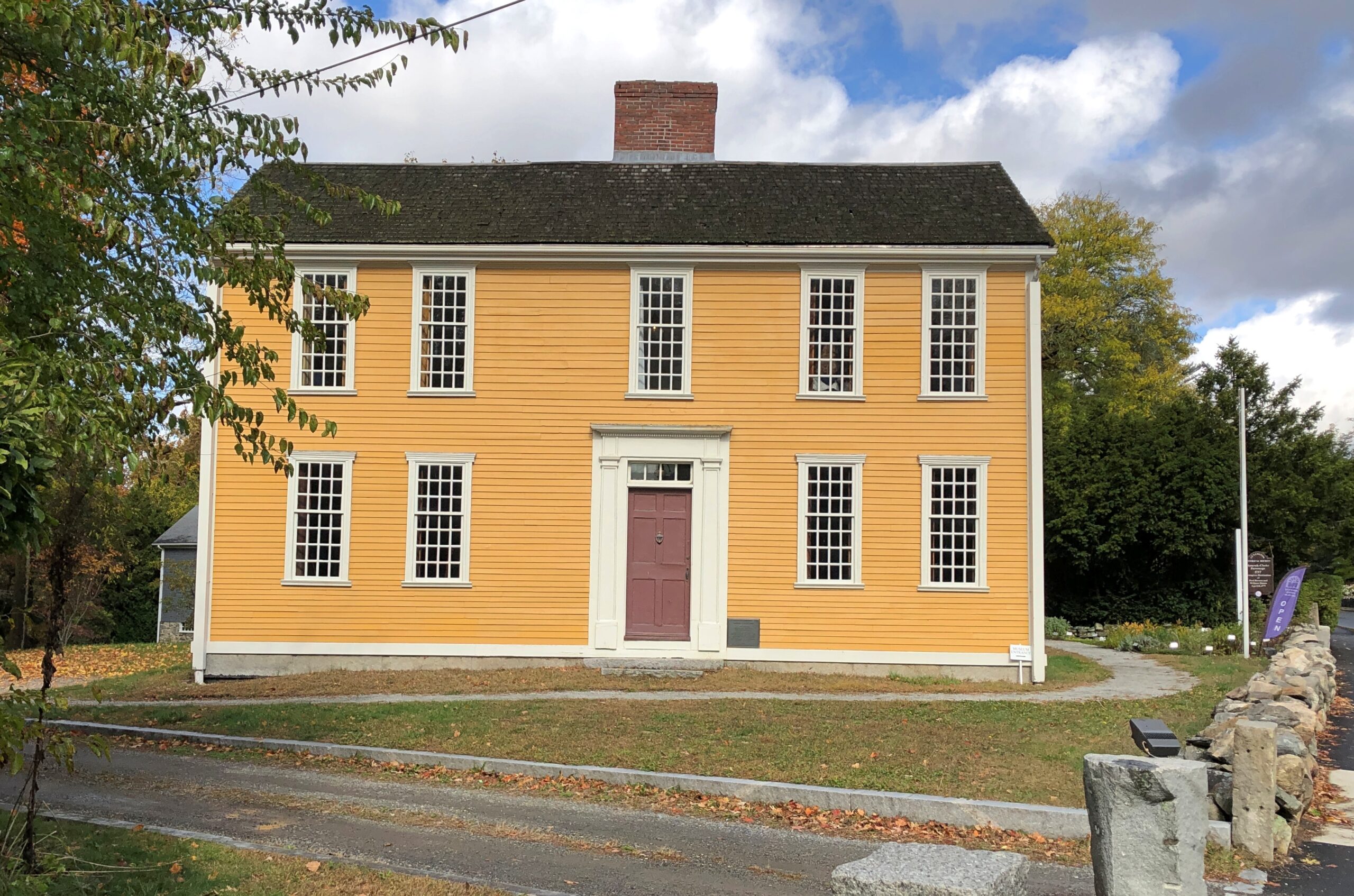
Not far from Battle Green, on the fittingly named Hancock Street, is Hancock-Clarke Parsonage, another Lexington museum these days, and one I didn’t recall visiting before. It was close enough to the green to walk there. I took the noon tour.

Lexington, Mass
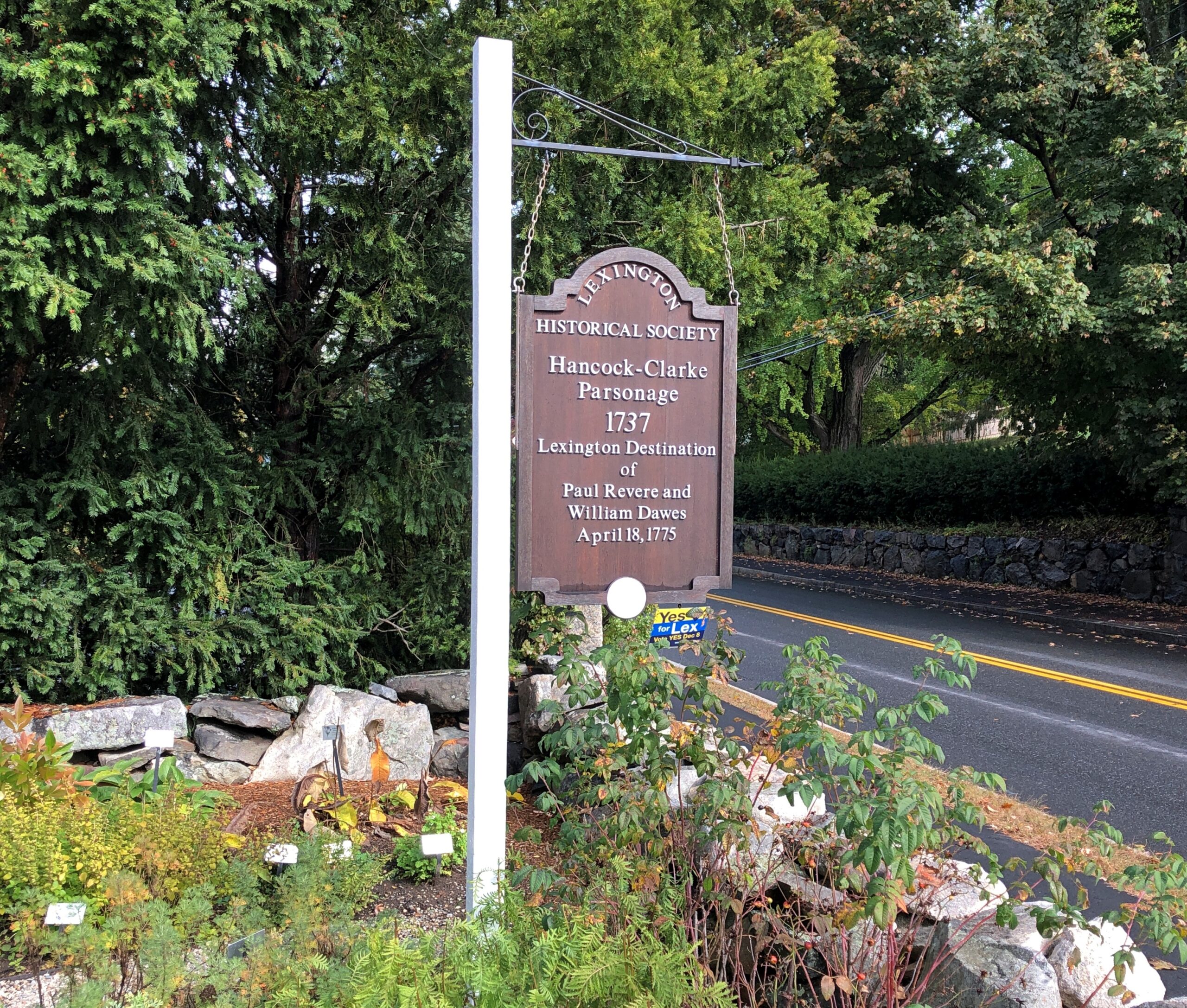
Lexington, Mass

I’m glad William Dawes gets this due on the sign. As my one-armed 8th grade history teacher told us, Listen my children and you shall hear/ of the midnight ride of William Dawes just doesn’t work. (He wasn’t the first to notice.) I see that he has a memorial at King’s Chapel Burial Ground in downtown Boston. If I ever make it back there, to visit Hopestill Barns, and I should, I’ll look for Dawes.

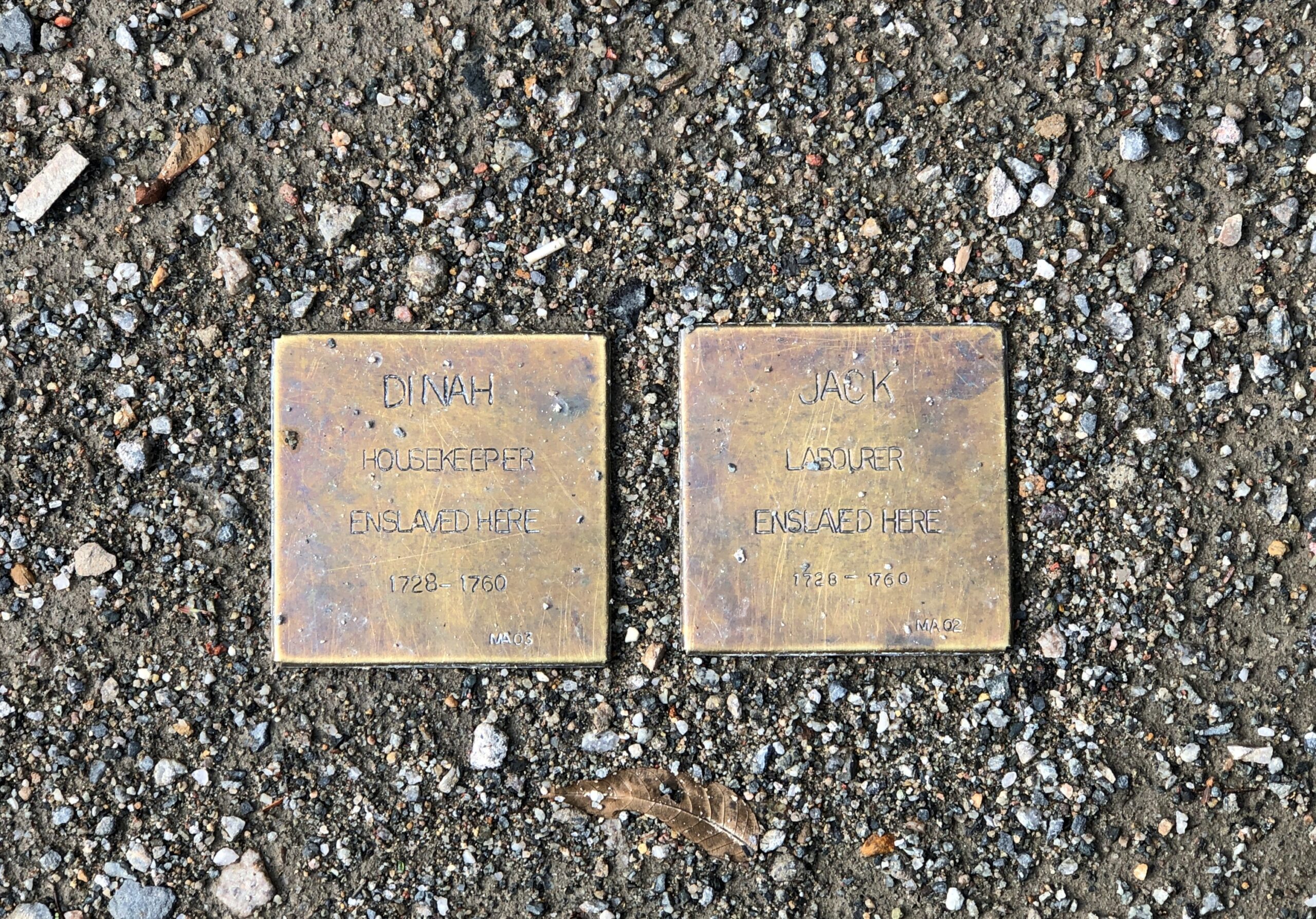
Also mentioned at Hancock-Clarke: the slaves that worked at the house during the pre-Revolutionary period, Jack and Dinah. Their names appear on small plaques near the museum entrance.

As the longstanding residence of Lexington’s minister, Hancock-Clarke has a rather different feeling than the tavern down the road. That is, austere yet well-furnished due to the wealth of the Hancock family. John Hancock’s grandfather, Rev. John Hancock (d. 1752), lived there, and afterwards Rev. Jonas Clarke (d. 1805) and his passel of children lived there during the Revolution. So it was entirely reasonable that John Hancock and Sam Adams were staying there on the night of April 18, 1775. As a visitor in modern times, you can see the very place where those two sat and drank (tea, the docent claimed) in front of one of the house’s large windows.

That evening, I had dinner with Rich and Lisa and Steve at Field & Vine in Somerville, which made for that most excellent combination: a good meal and convivial conversation. In 30 years since I spent any time in Somerville, the town has apparently become a foodie destination. Who knew?

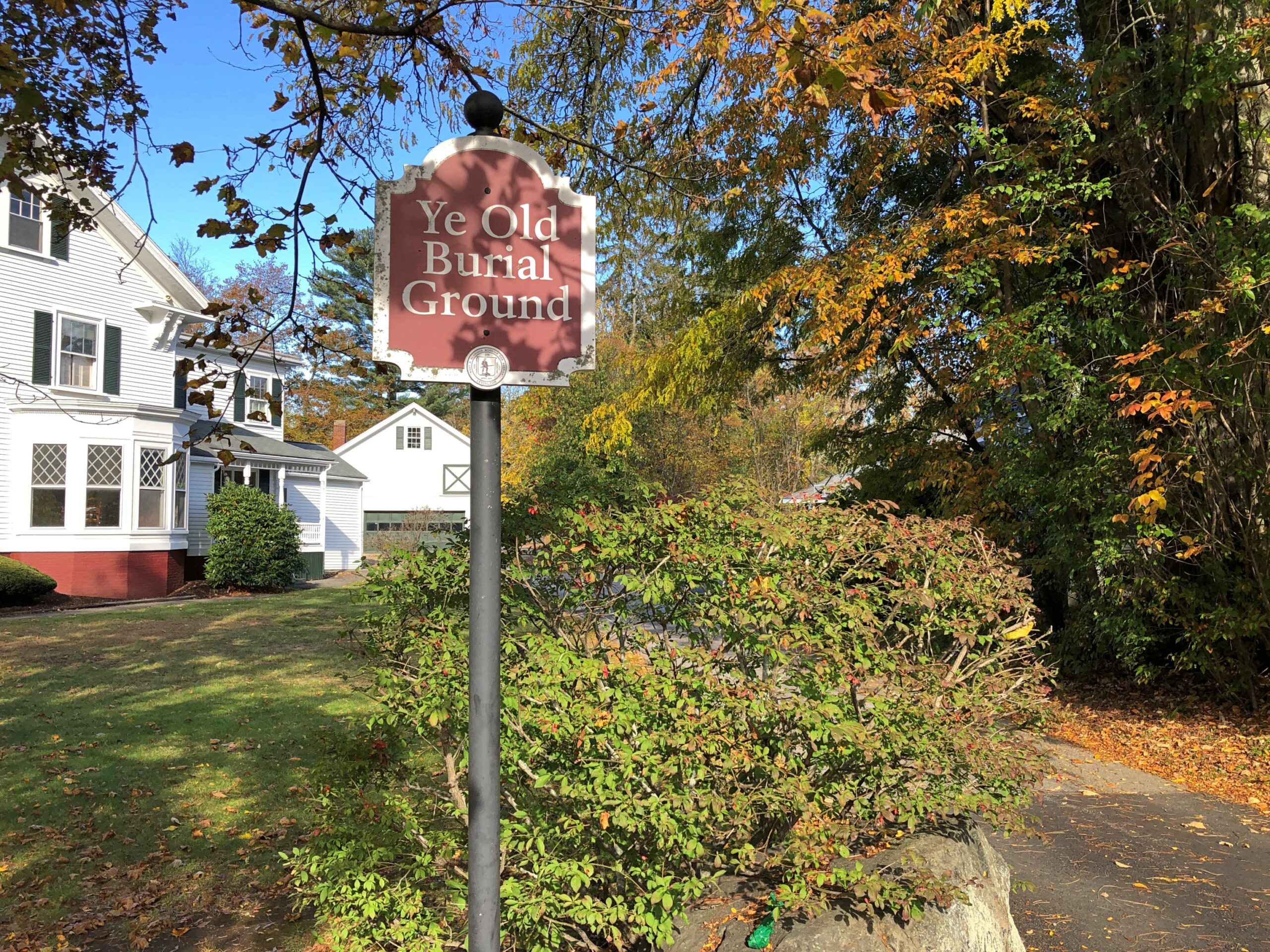
On the morning of 23rd, I left Massachusetts to begin my drive home. True to character, not a direct drive. But I didn’t want to leave Lexington without a visit to the Old Burial Ground, which I hadn’t had time for the day before. “Ye” Old Burial Ground, as the town puts it. At least there isn’t an “e” tacked onto “Old,” but I doubt that whoever did the sign was thinking, let’s use a thorn.

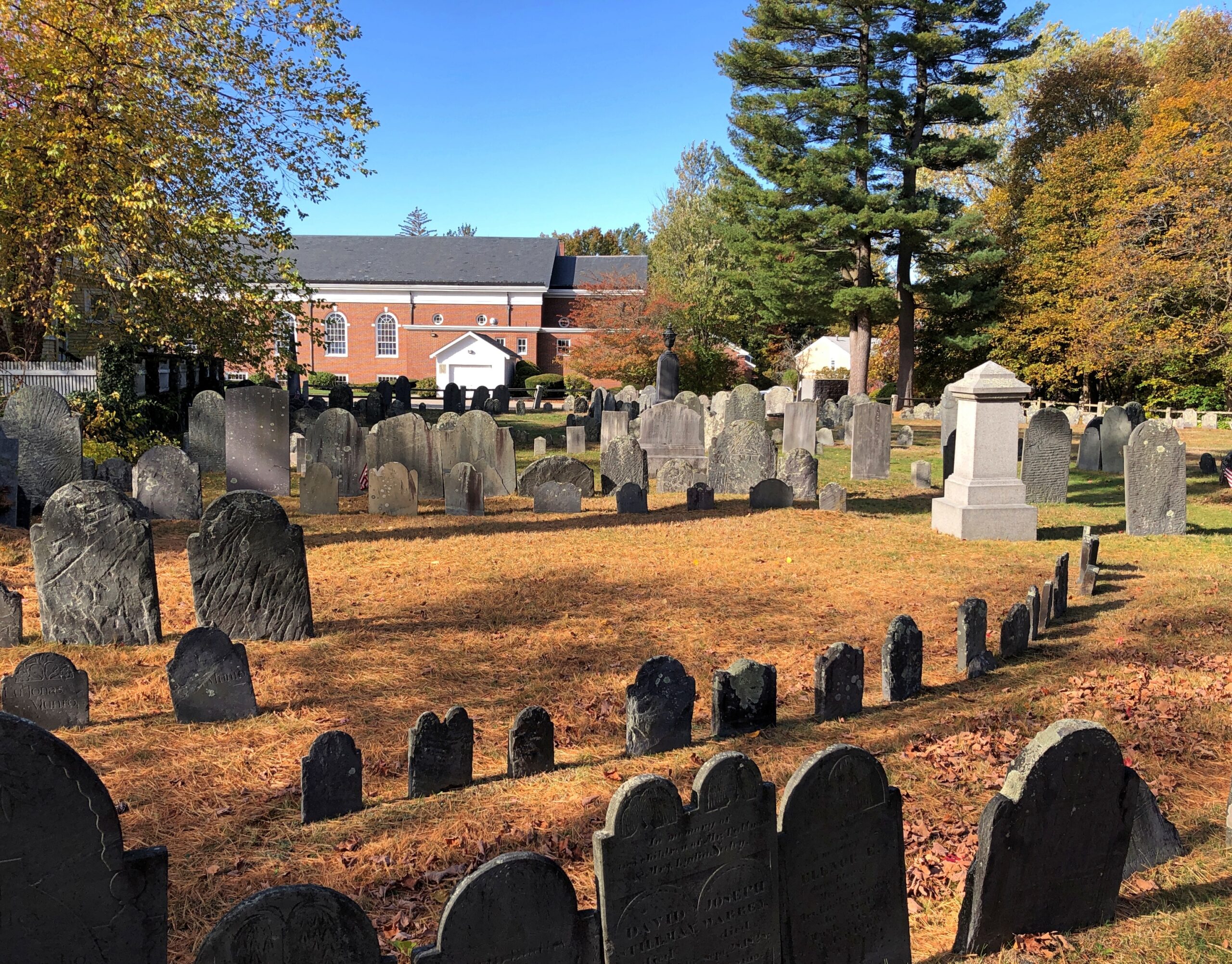
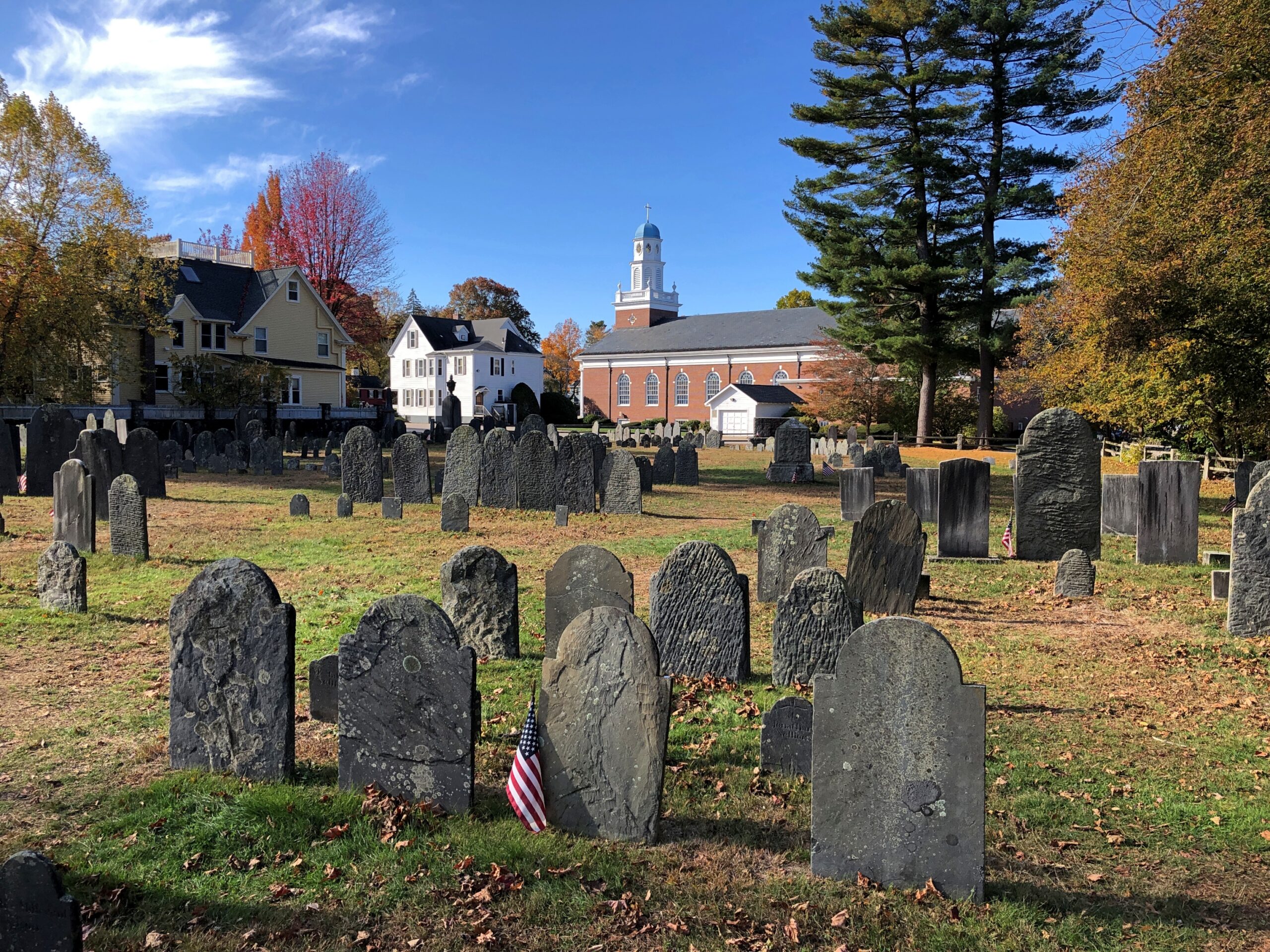
That aside, it’s a fine old cemetery.

Ye Old Burial Ground

The building in the background, incidentally, is the Church of St. Brigid. One wonders how most of the permanent residents of the Old Burial Ground would react to a Catholic church in the vicinity. Not too well, I suspect.

Memorials from a time before the Victorians came along and ennobled them a bit.

Ye Old Burial Ground

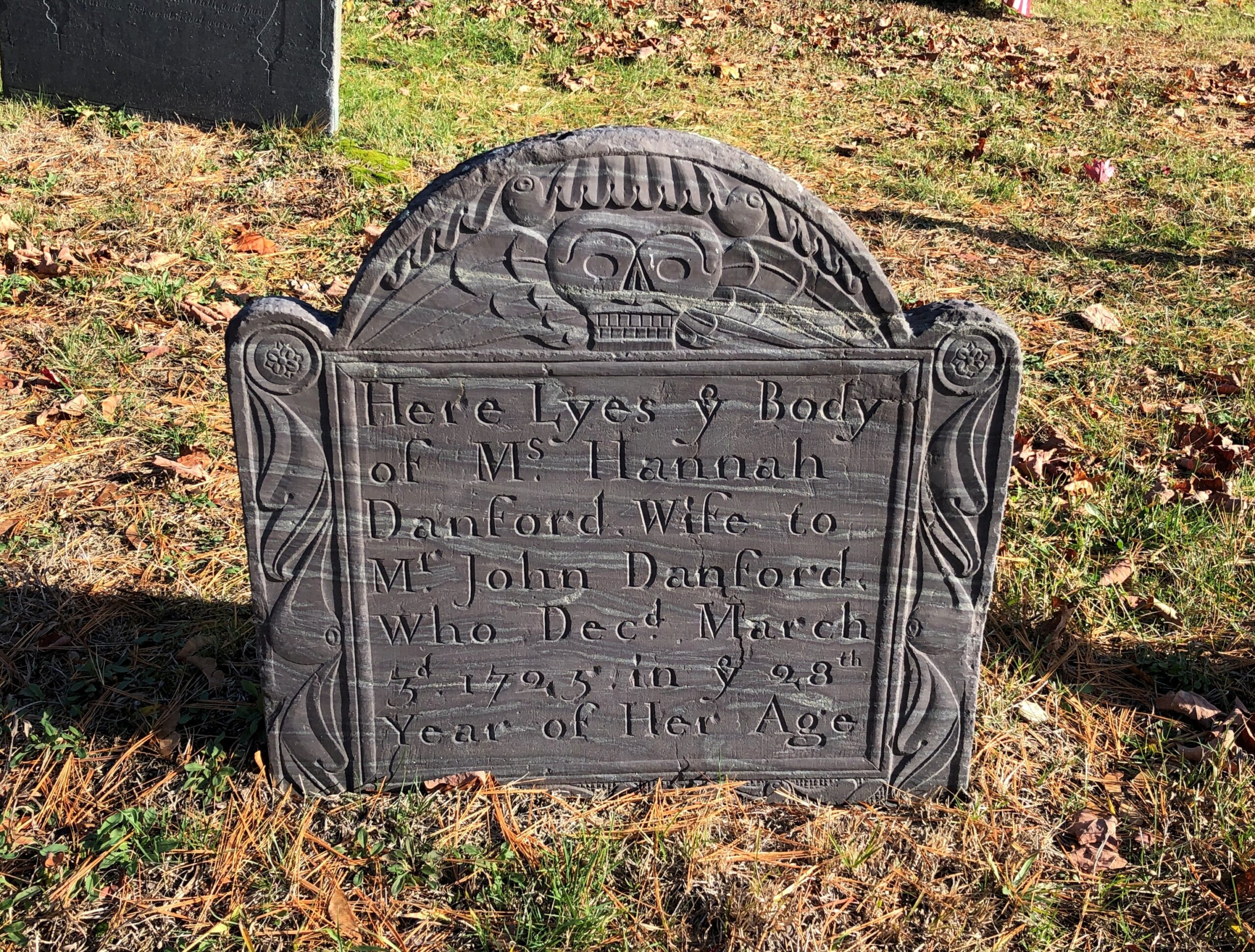
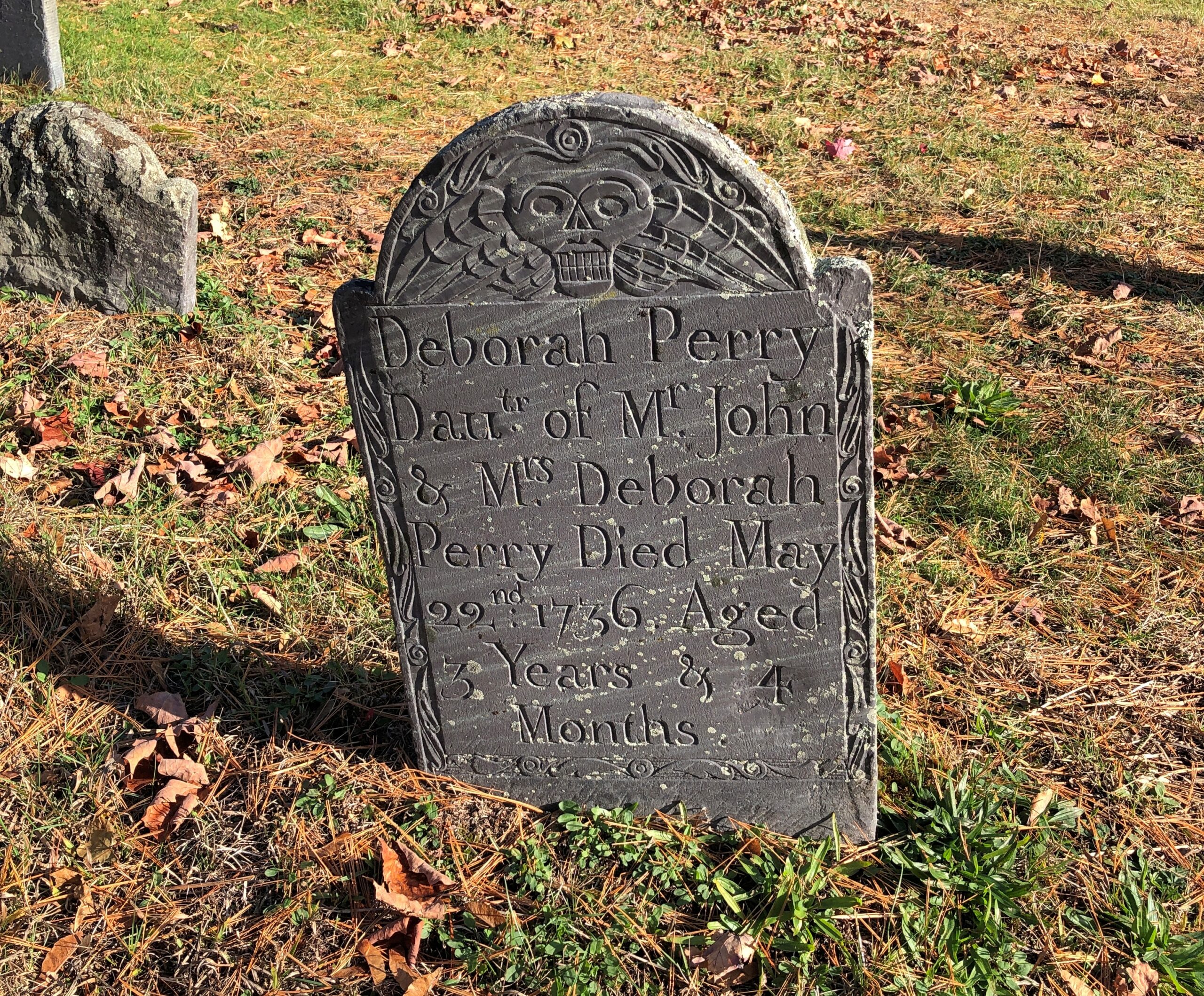
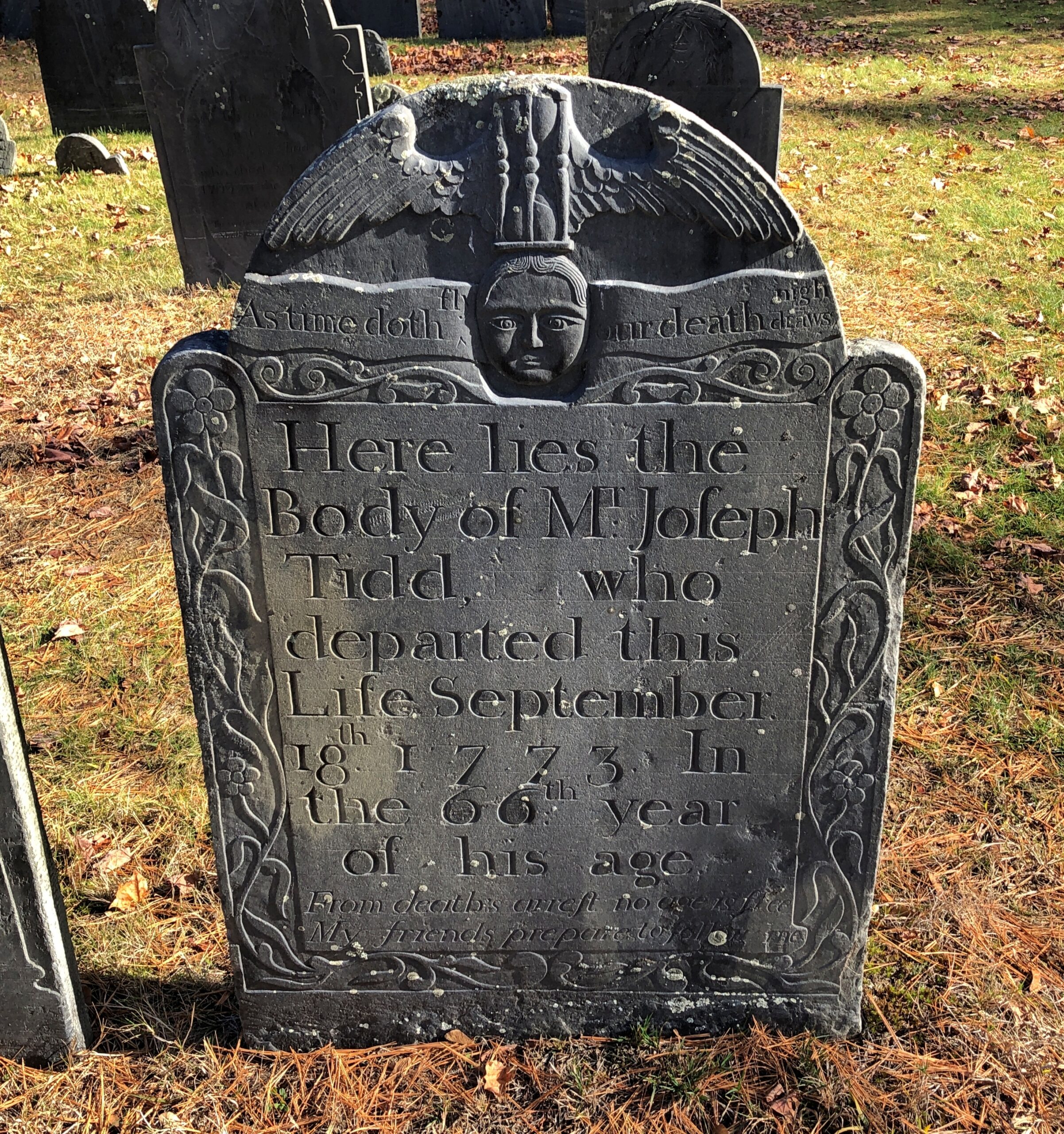
Or we moderns came along with our “celebration of life” euphemisms. It’s right there on the stone: As time doth fly, our death draws nigh.

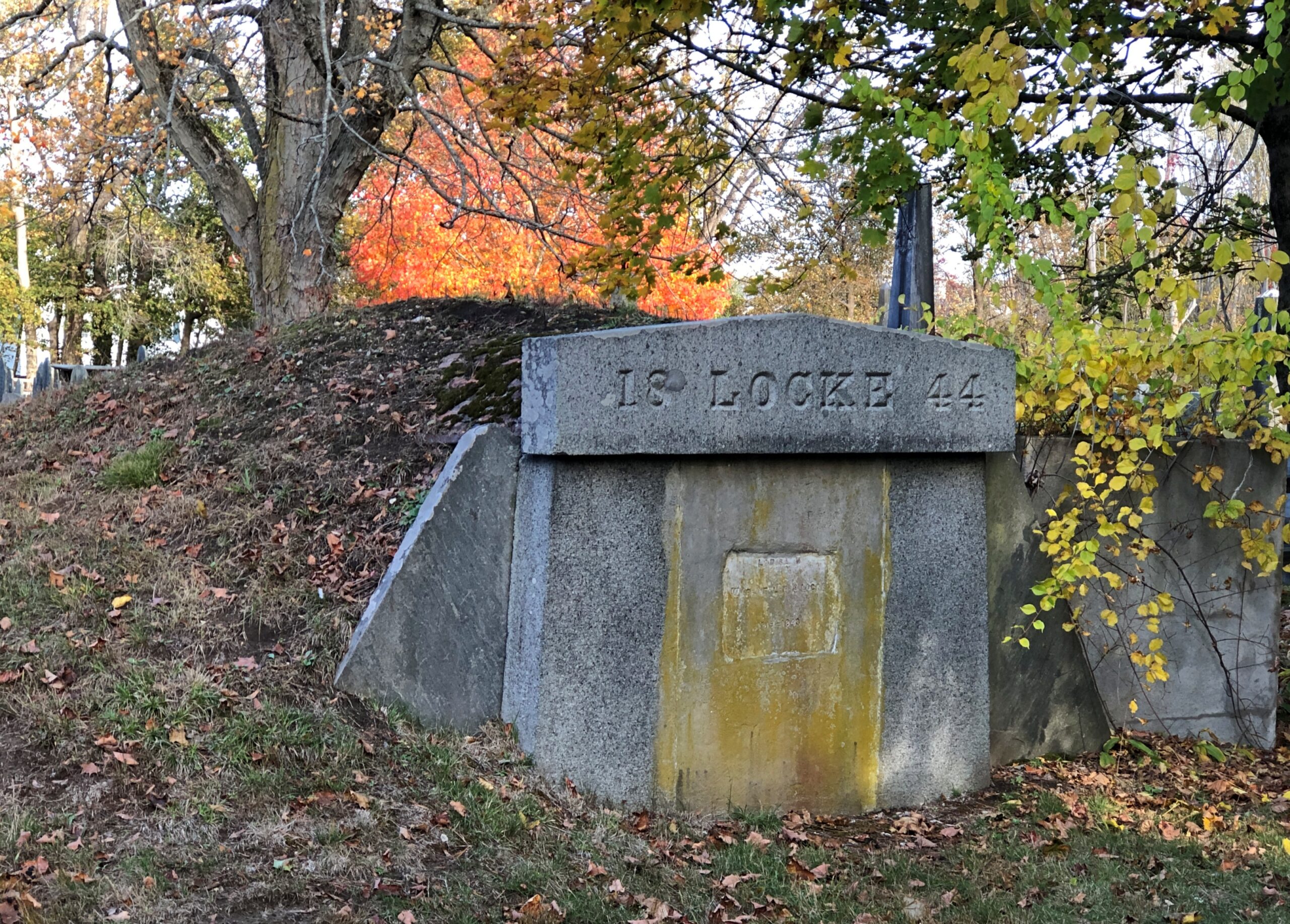
Not many tombs like this. Locke might have been the only one, come to think of it.

Ye Old Burial Ground

Something of a surprise.

Ye Old Burial Ground

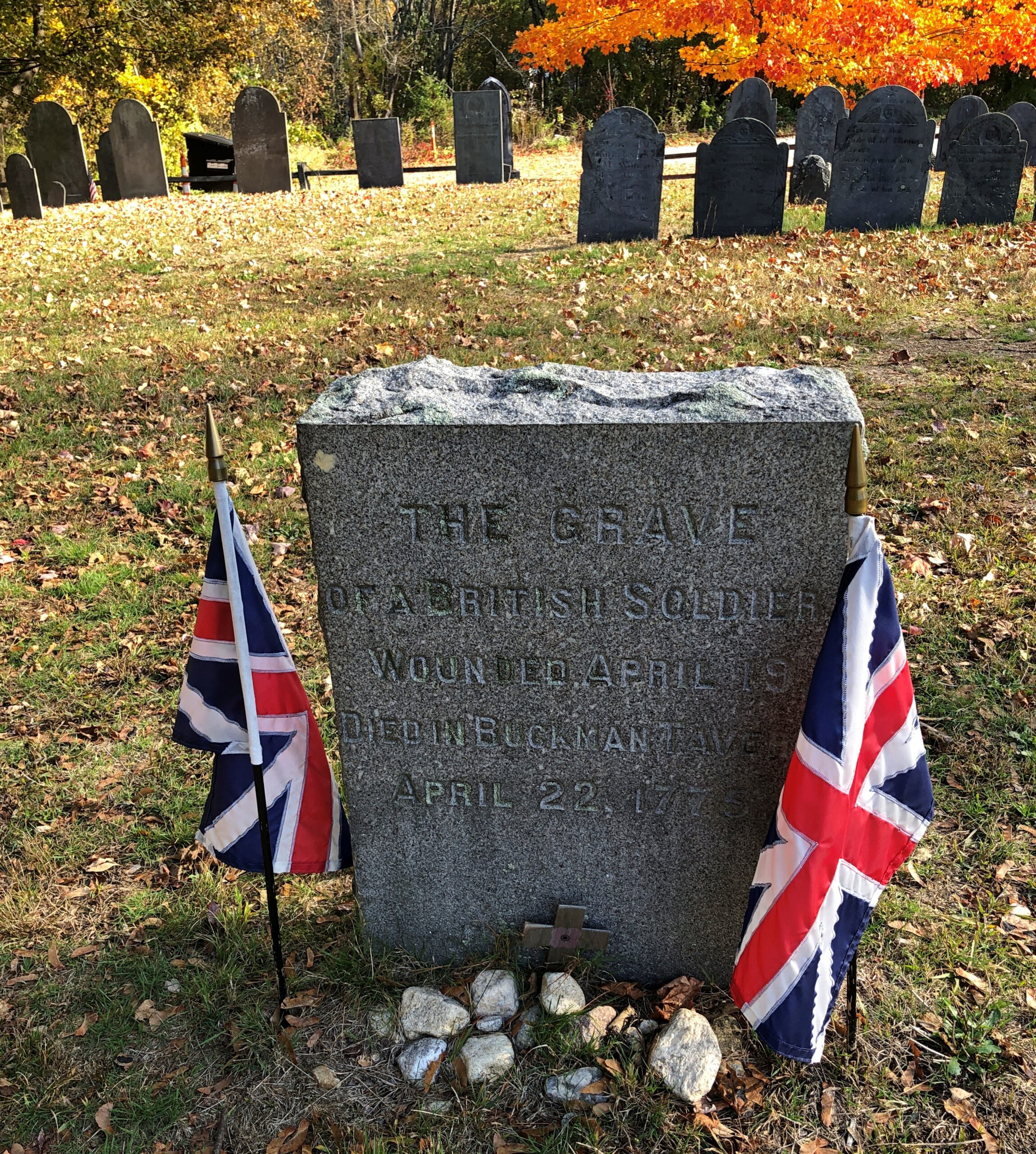
Maybe not. However they felt about Regulars, the townspeople surely must have felt that a dead one deserved a Christian burial, and it wasn’t like they could ship him back home. The stone clearly came later, long after the passions of the war had cooled.

Indeed: Joseph Fiske, Lexington’s town doctor, recorded a bill for seven wounded soldiers he treated at Buckman Tavern the day after the battle [did he get paid?]. This soldier was likely one of them, but succumbed to his wounds in the following days. The simple granite slab was erected by the Lexington Historical Society in 1905.

The wonder is that anyone knew where the Regular was buried at all. Unless they were guessing in 1905. After all, militia commander John Parker – who died of TB only months after the Battle of Lexington – is known to be in the Old Burial Ground, but his exact location is unknown.

Battle Green, Lexington

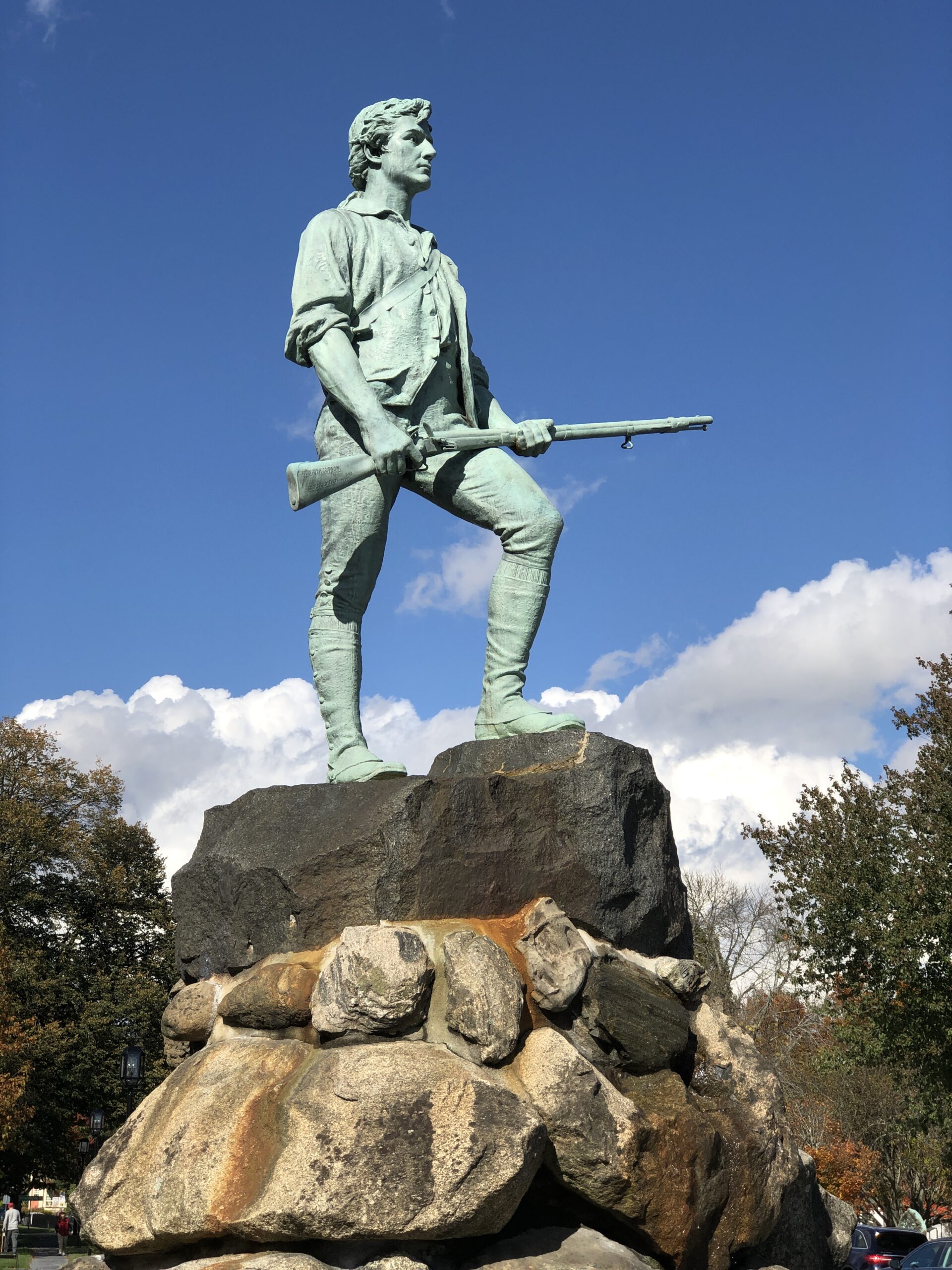
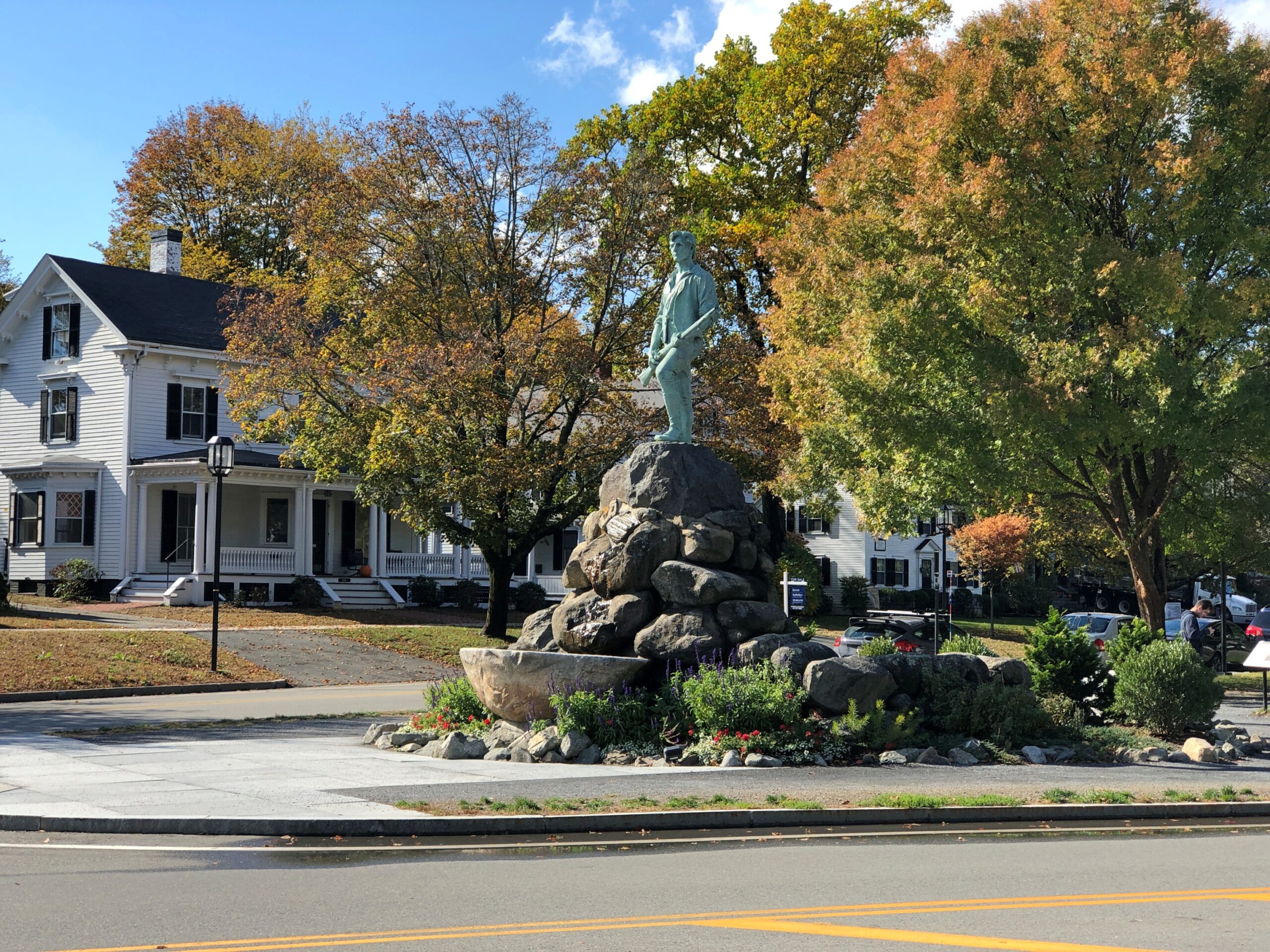
Too bad about iconic. If there ever were a time to use iconic to describe sometime distinctive and revered, John Parker in bronze would be it.

Lexington Battle Green

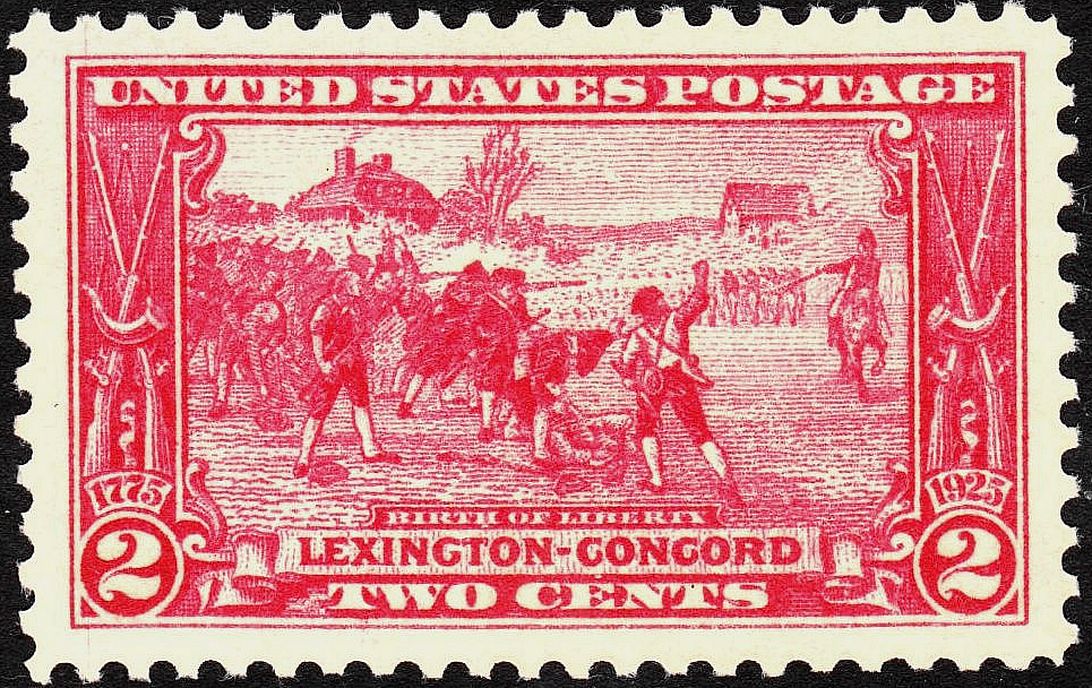
Icons are no accidents. The pose captures the Battle of Lexington as we, Americans, want to remember it: the resoluteness of an ordinary man in the face of the enemy. What the militiamen experienced that morning is partly enshrouded in mystery like a battlefield of the time might be with gun smoke. No one knows who fired the first shot, for instance, but that doesn’t keep the Shot Heard Around the World from having its own name during later generations — a remarkable thing for a simple firearm discharge to have.

Lore has encrusted the story. Even so, the Patriot soldiers in the Revolution, collectively, can’t be said to have lacked resoluteness over the long years of conflict.

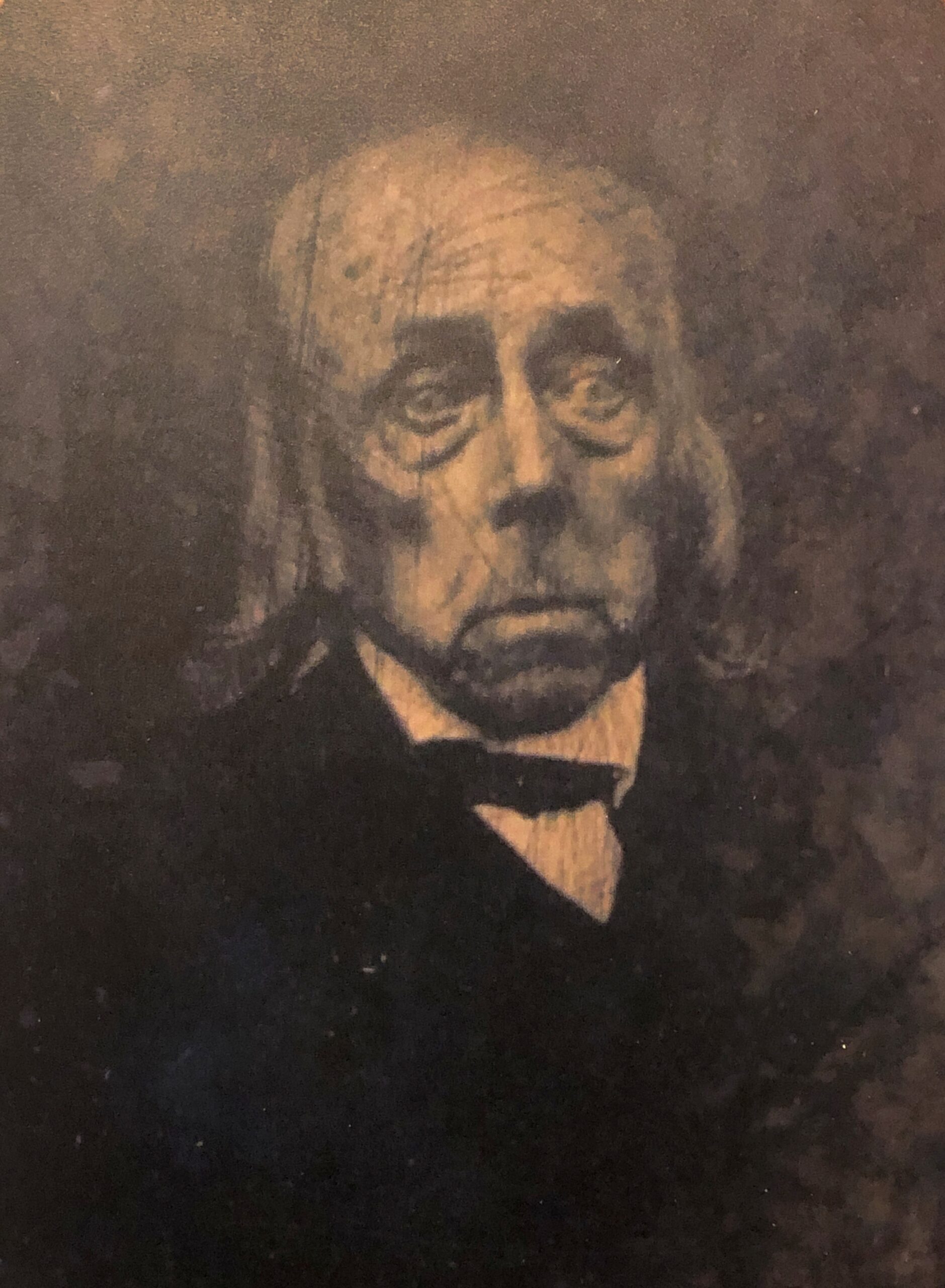
The Parker bronze stands on the edge of Battle Green in Lexington, Massachusetts, and across the street from Buckman Tavern, where the militiamen of the town waited the night before the battle. Among their number on April 19, 1775, was a young man named Jonathan Harrington, a fifer in the militia. About 75 years later, he’s thought to have posed for a photograph, now on display at Buckman Tavern.

Jonathan Harrington, Lexington

Said to be the last survivor of the battle, and the only one to be photographed. The American Battlefield Trust cites a Harrington family history: He said he was aroused early that morning by a cry from his mother, who said: ‘Jonathan, get up, the regulars are coming, and something must be done.’ Jonathan was a fifer. He arose, went to the place where the patriots were gathering, and was with the company on the approach of the British. 

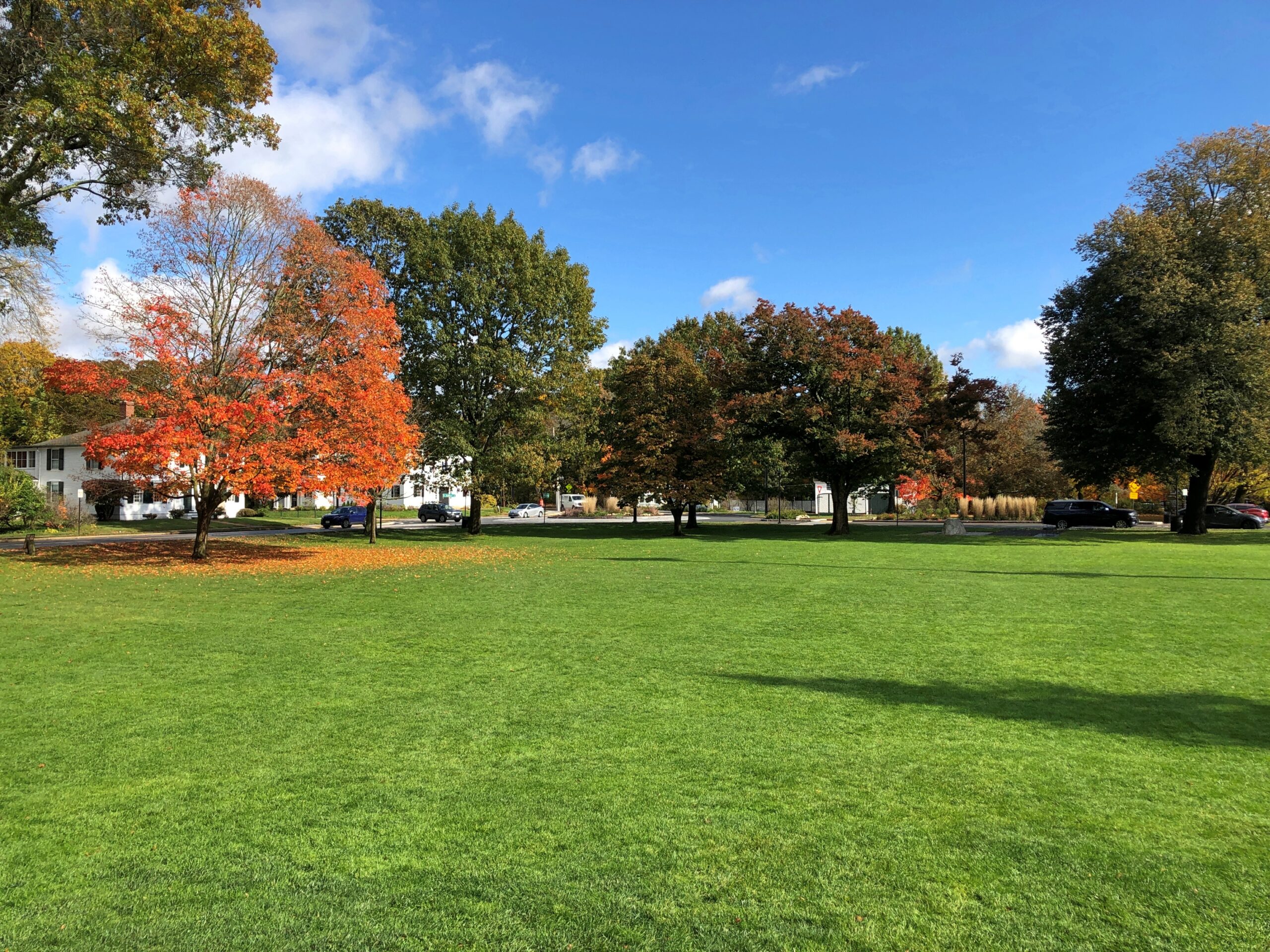
It had rained during the early hours of October 22, 2025 in Lexington, but by late morning the sun was out and only a scattering of puddles remained. Battle Green stretched out behind the bronze John Parker. For a time, I was the only person on the green, though a steady stream of car traffic was the be seen on the roads edging the grounds.

Battle Green,
Lexington
Battle Green, Lexington

John Parker, originally “Minuteman Statue” by the prolific sculptor and public monument specialist Henry Hudson Kitson, is a latecomer to the green, erected in 1900.

Battle Green, Lexington

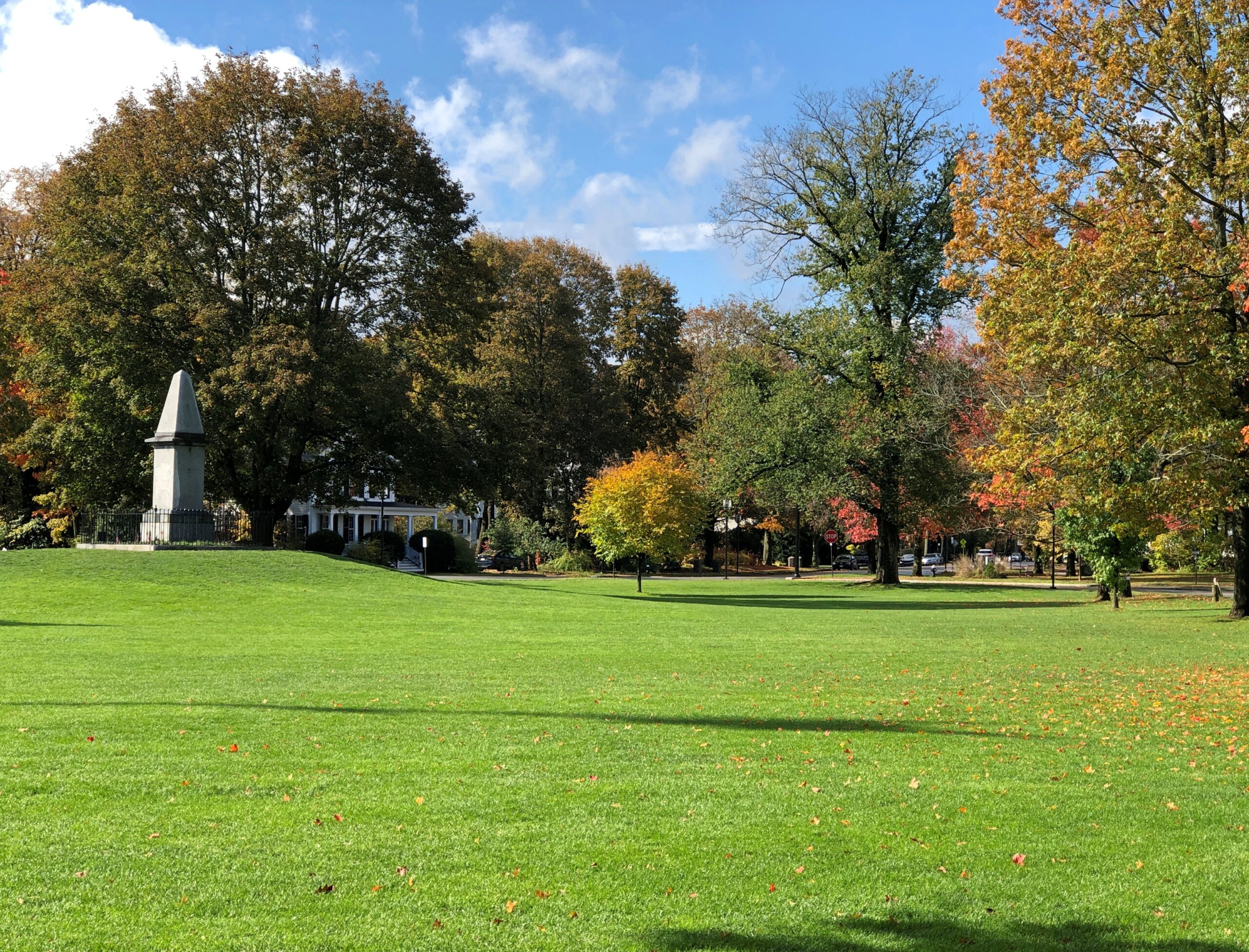
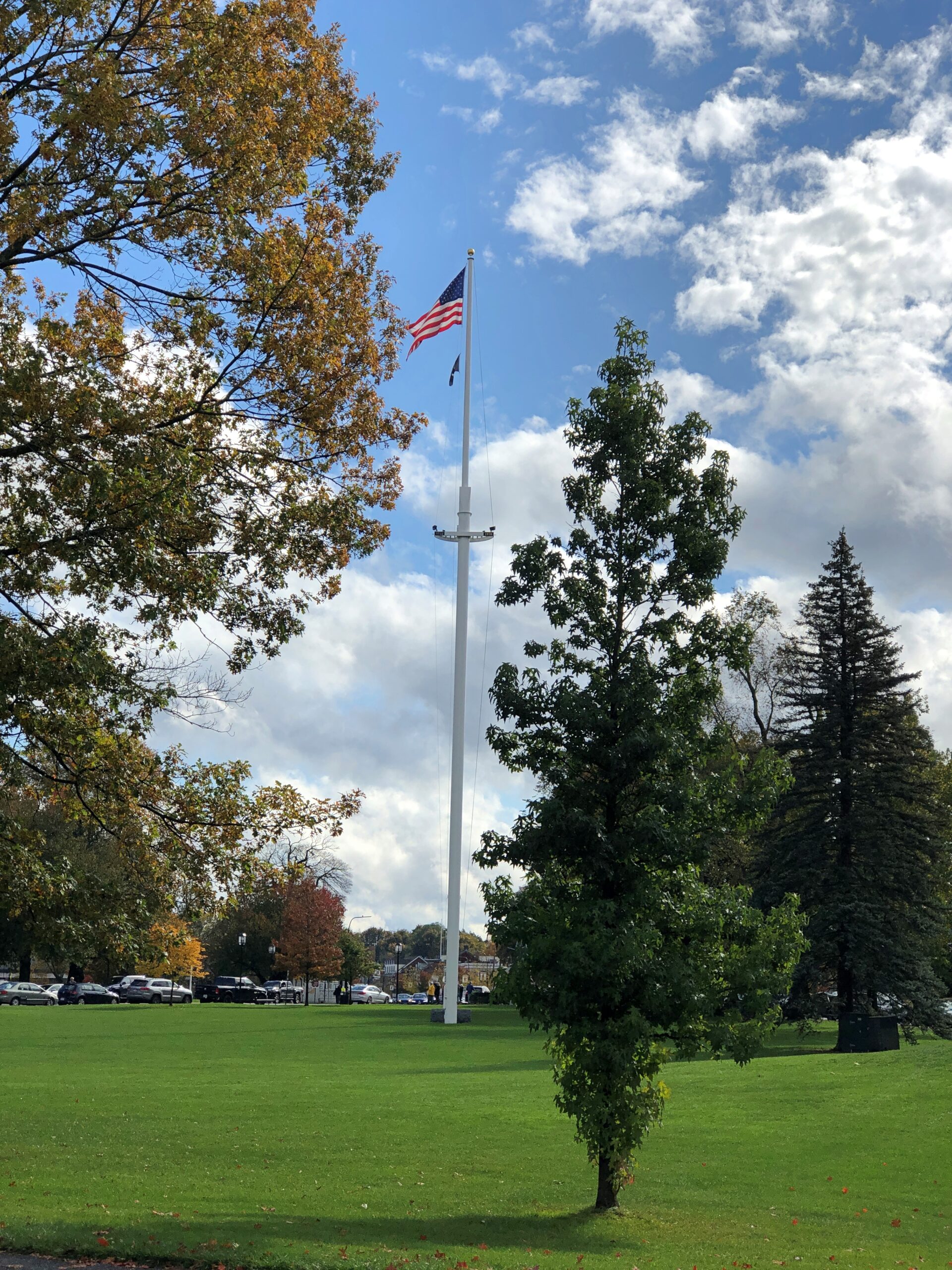
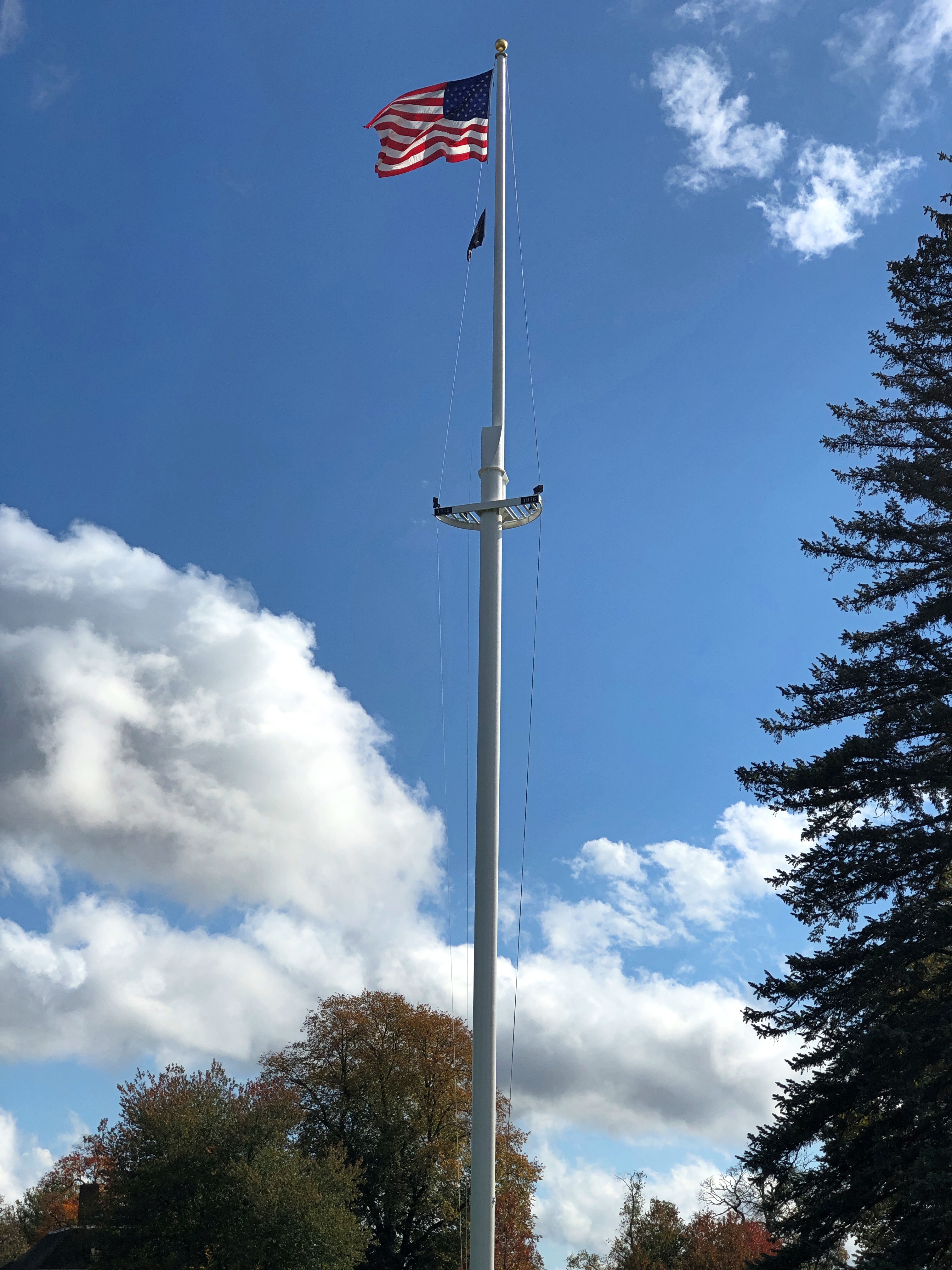
The Battle Green flagpole is newest of all, erected only in 1962. Even so, the pole is on the National Register of Historic Places, and an act of Congress specifies that a flag will always be flown there.

Battle Green, Lexington

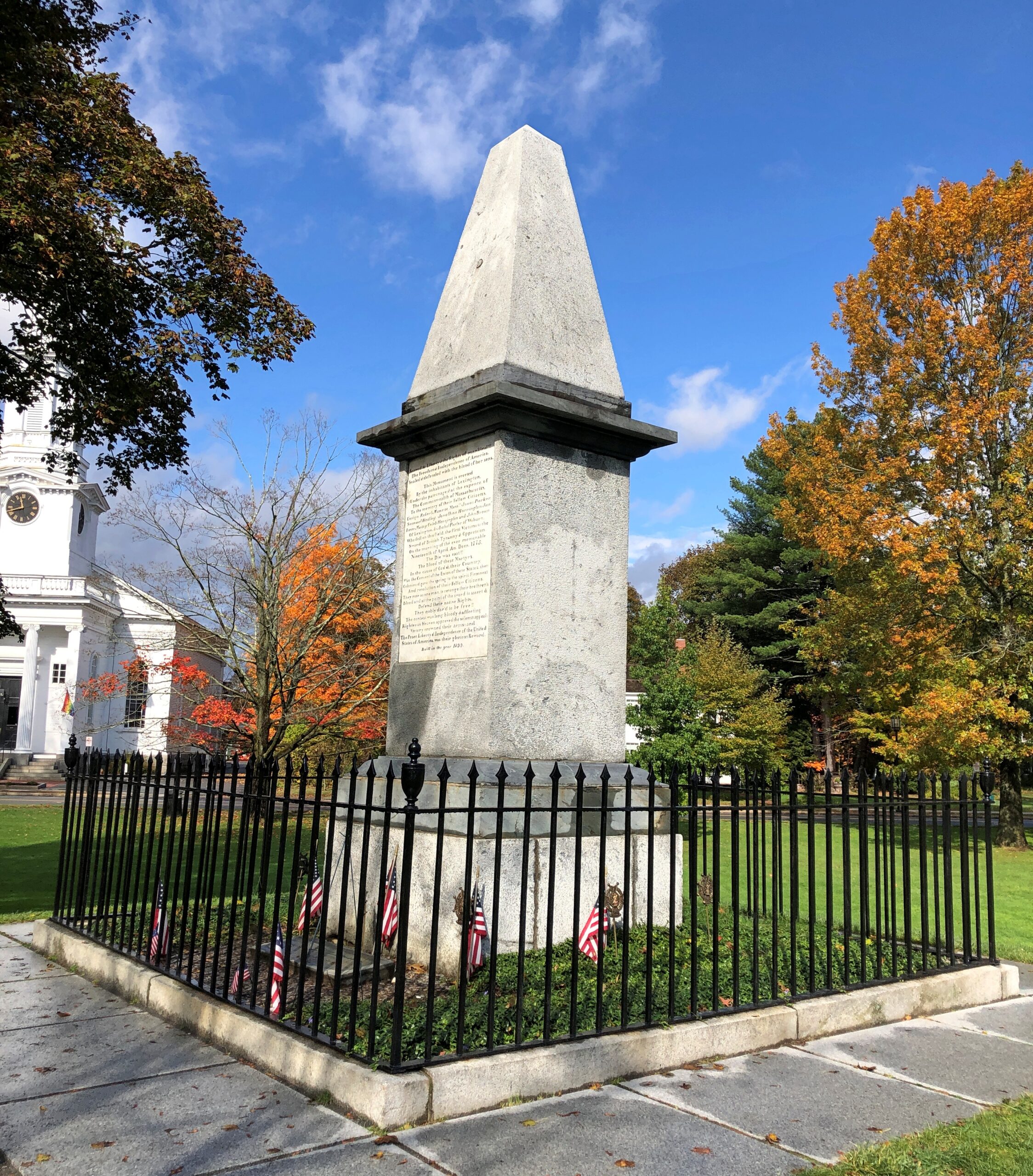
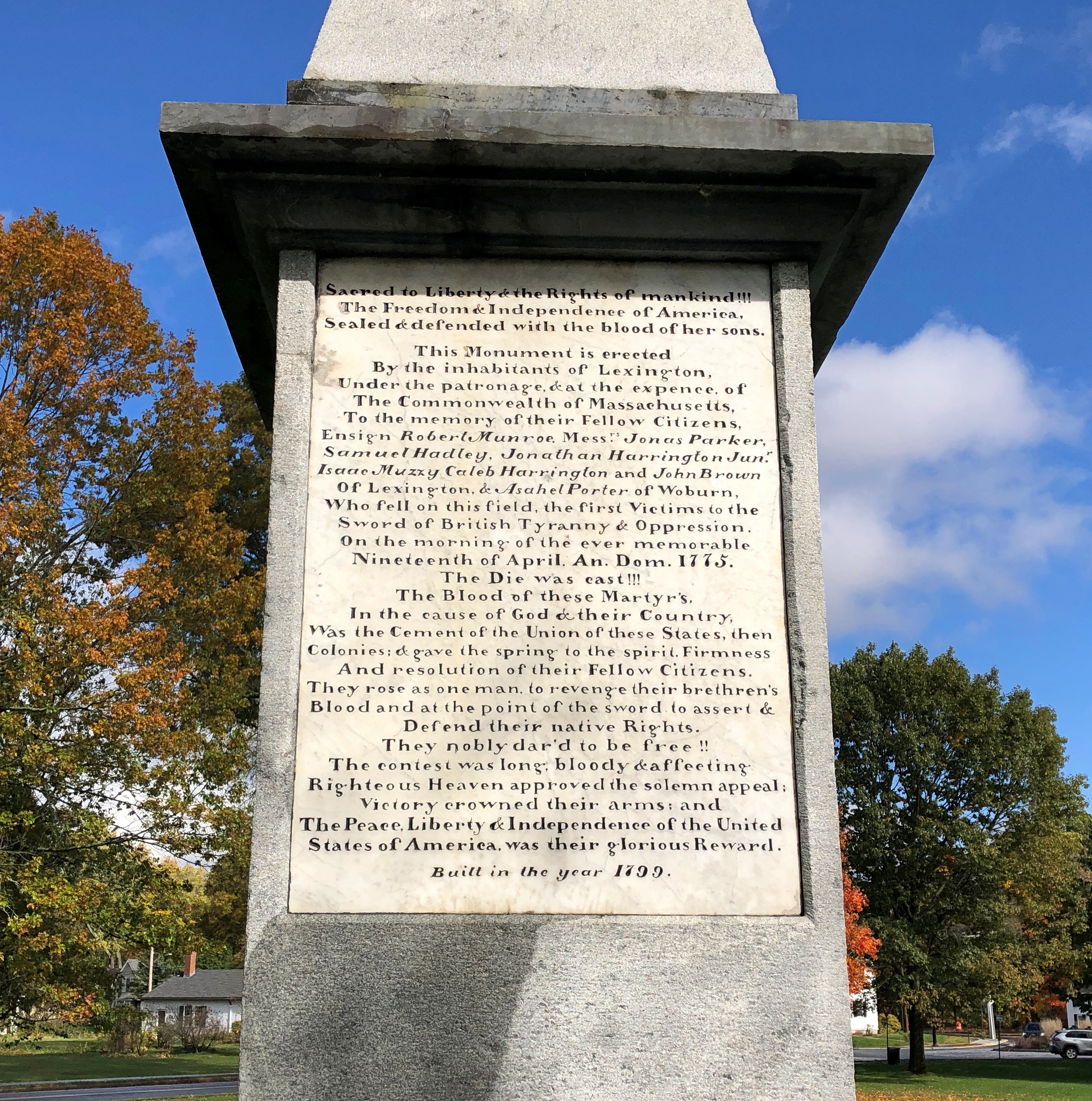
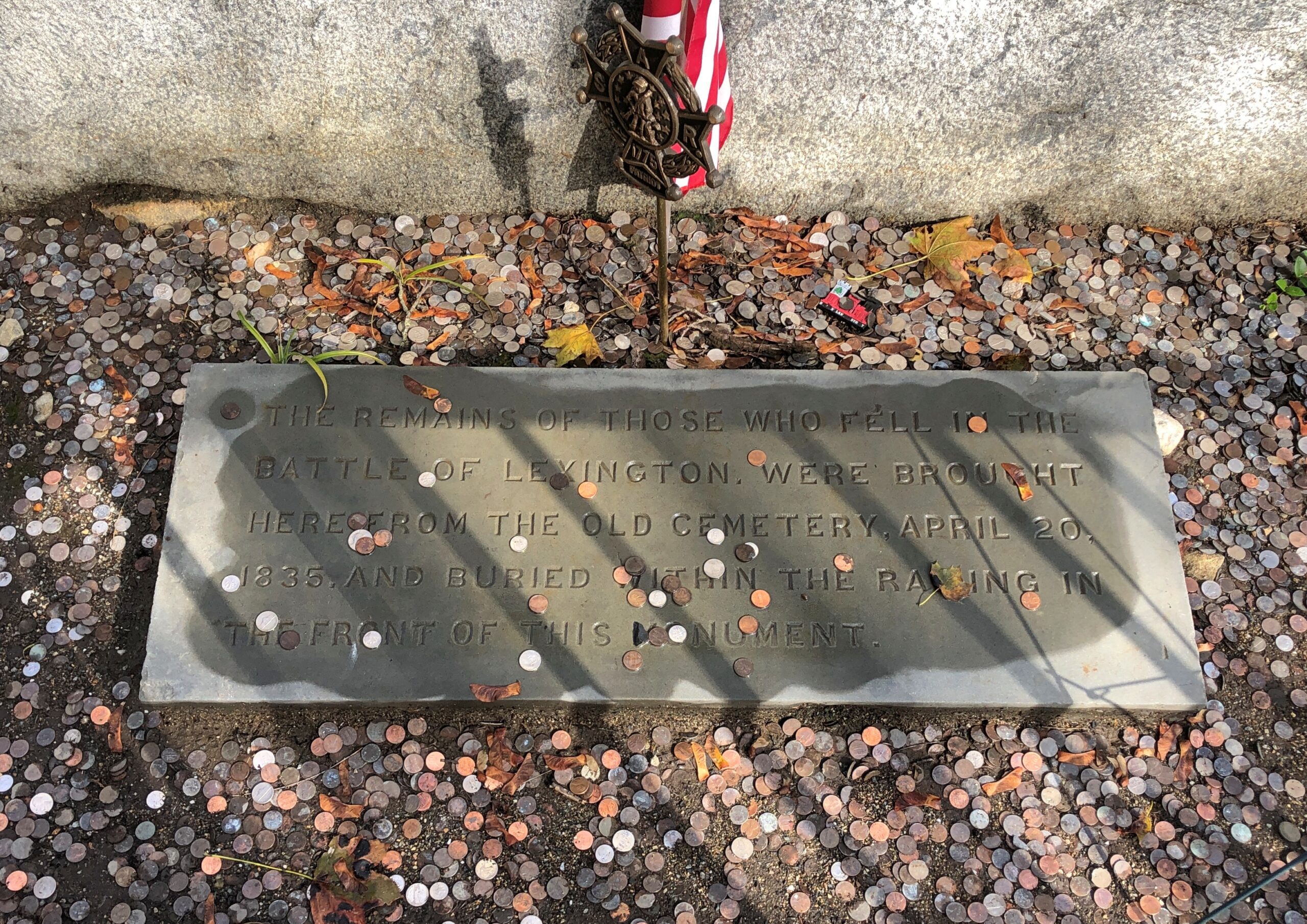
Well within living memory of the battle itself (1799), the town – fully aware of its role as spark of the Revolution – erected a memorial, and relocated the bones of the militiamen killed in the battle to a spot in front of it.

Battle Green, Lexington

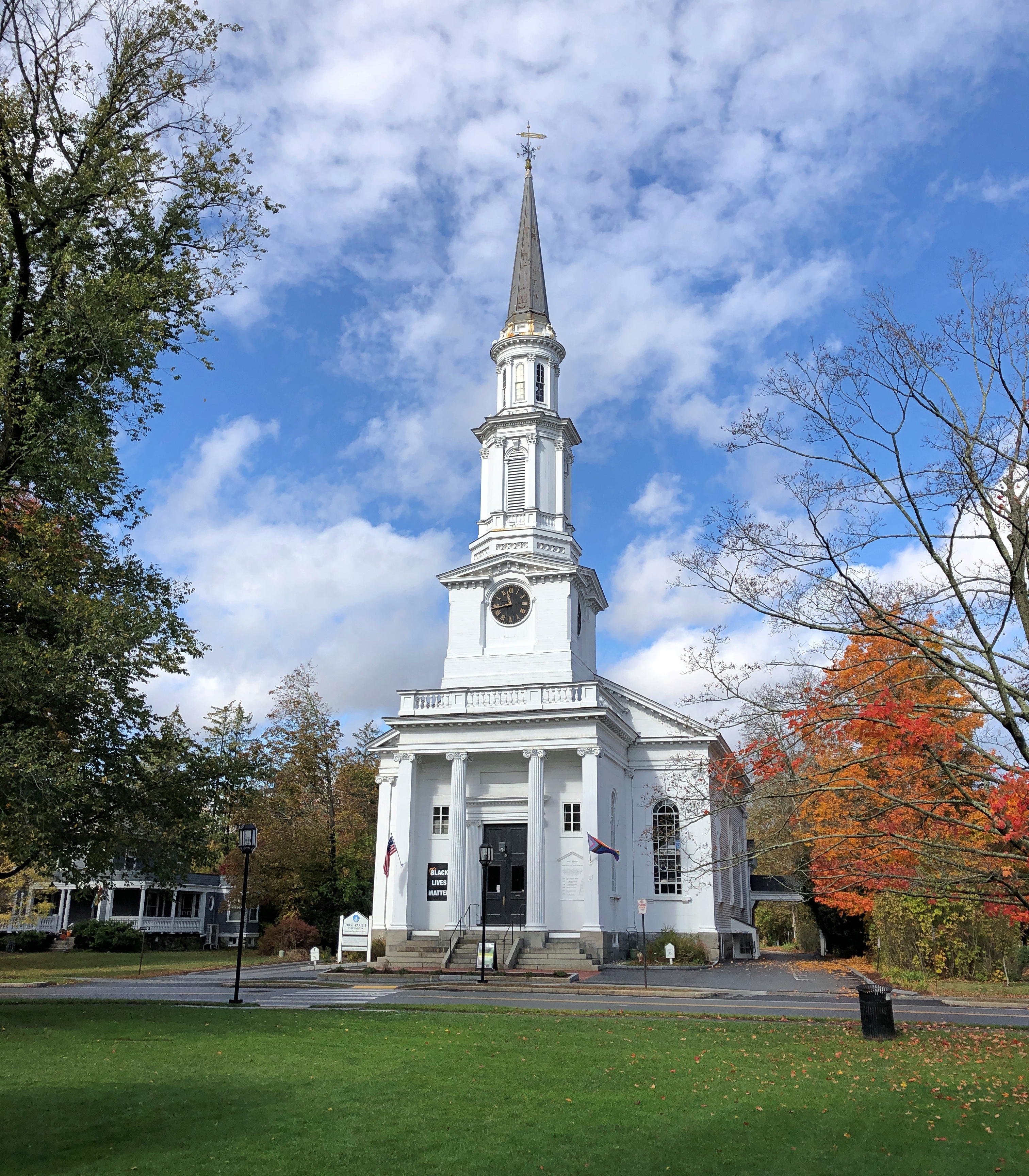
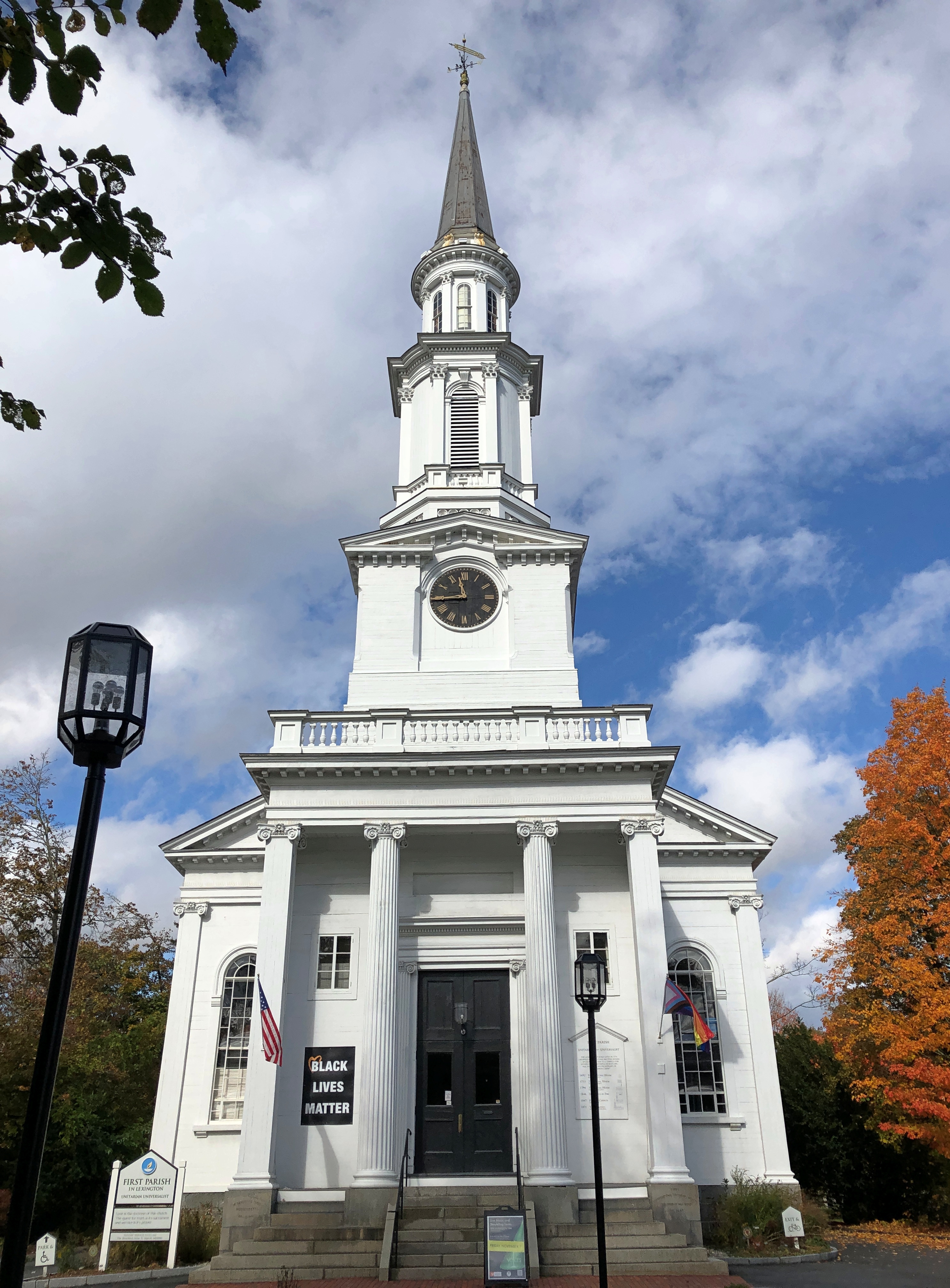
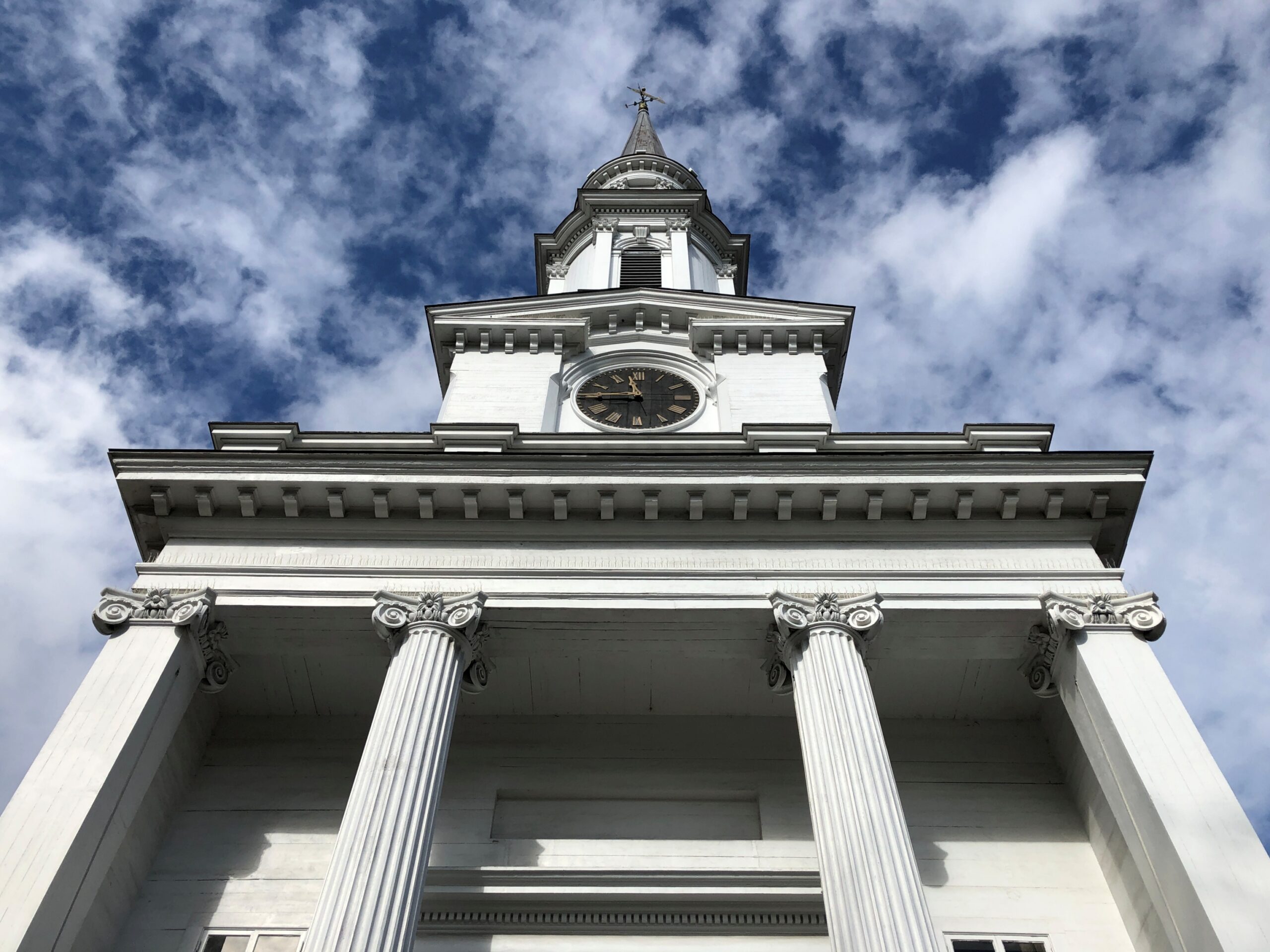
Though not formally part of the green, First Parish Unitarian-Universalist is distinctly part of the place, and looks about as New England as a church can.

Battle Green, Lexington

It might as well be part of the green, considering the history of the congregation. The present church is a 19th-century structure near the site of Lexington’s only church in 1775, which was a hotbed of Revolutionary sentiment at the time.

Grove Street Cemetery

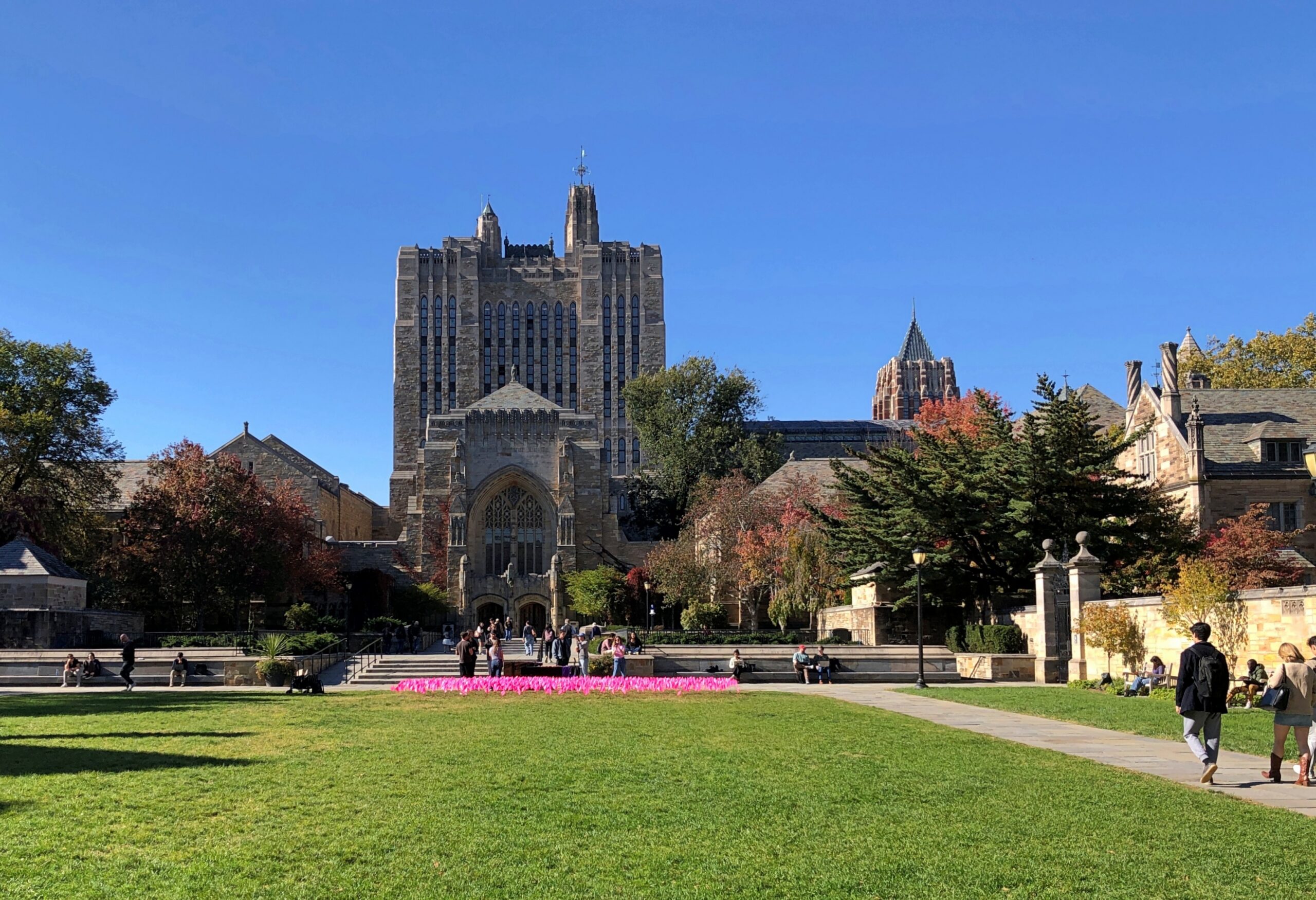
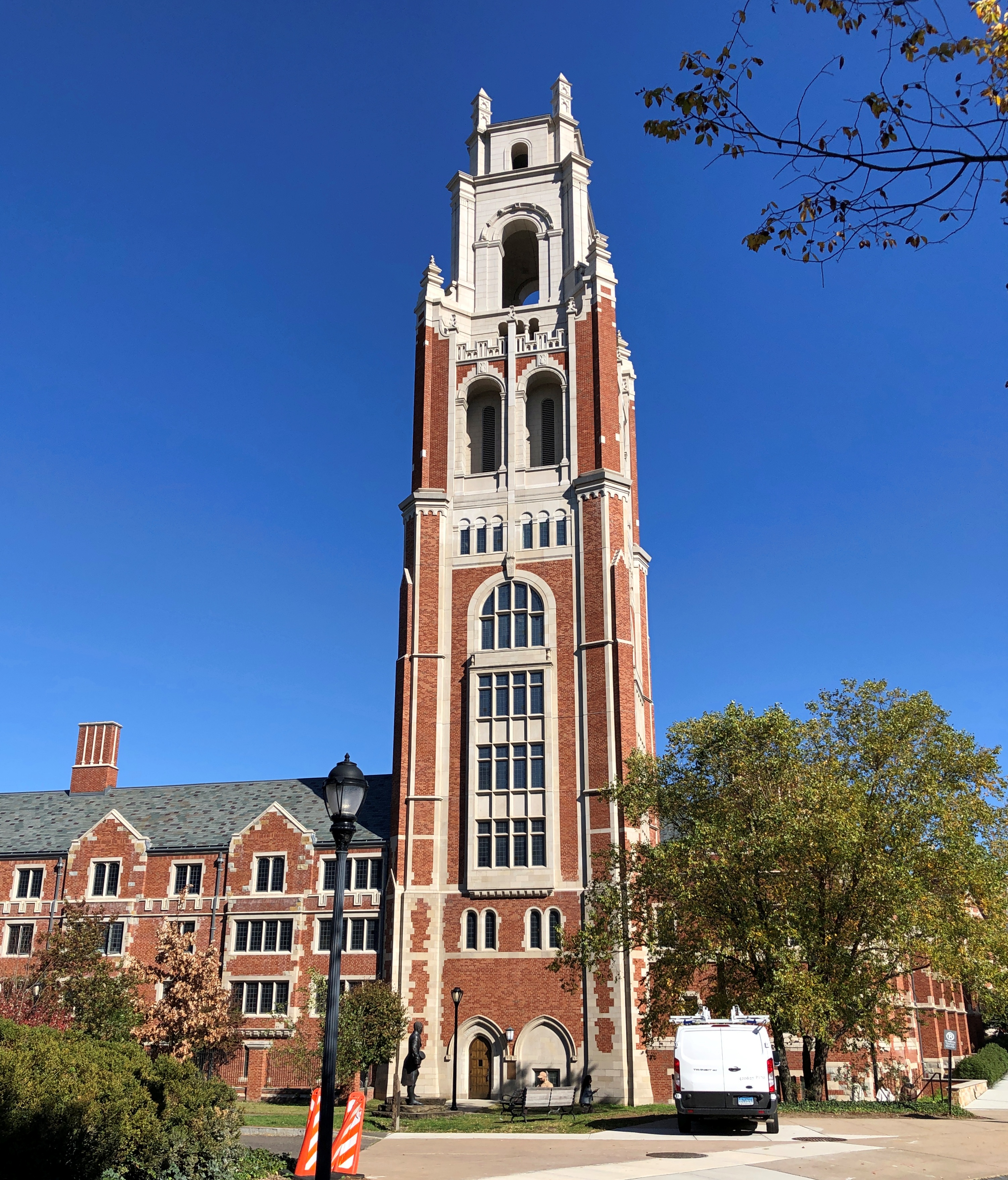
By the afternoon of October 21, New York City was in my rearview mirror, but I wasn’t that far away: New Haven, Connecticut. I wanted to made a short stop at Yale University. During the tedious minutes spent looking for a legal parking place close enough to campus to make that doable, I doubted the wisdom of my idea, but eventually I found a spot. Also, I was ready: I had a roll of quarters for parking meters. Most of them can be paid by app or some such these days, but they also take quarters (most of them), and I’m a traditionalist when in comes to parking meters.

Yale is sprawling, leafy and picturesque in a collegiate sort of way. Digression: The centennial of Fred Waring’s recording of “Collegiate” passed earlier this year, and no one mentioned it. That’s almost as important a musical anniversary as that of “Yes, We Have No Bananas.”

Yale
Yale

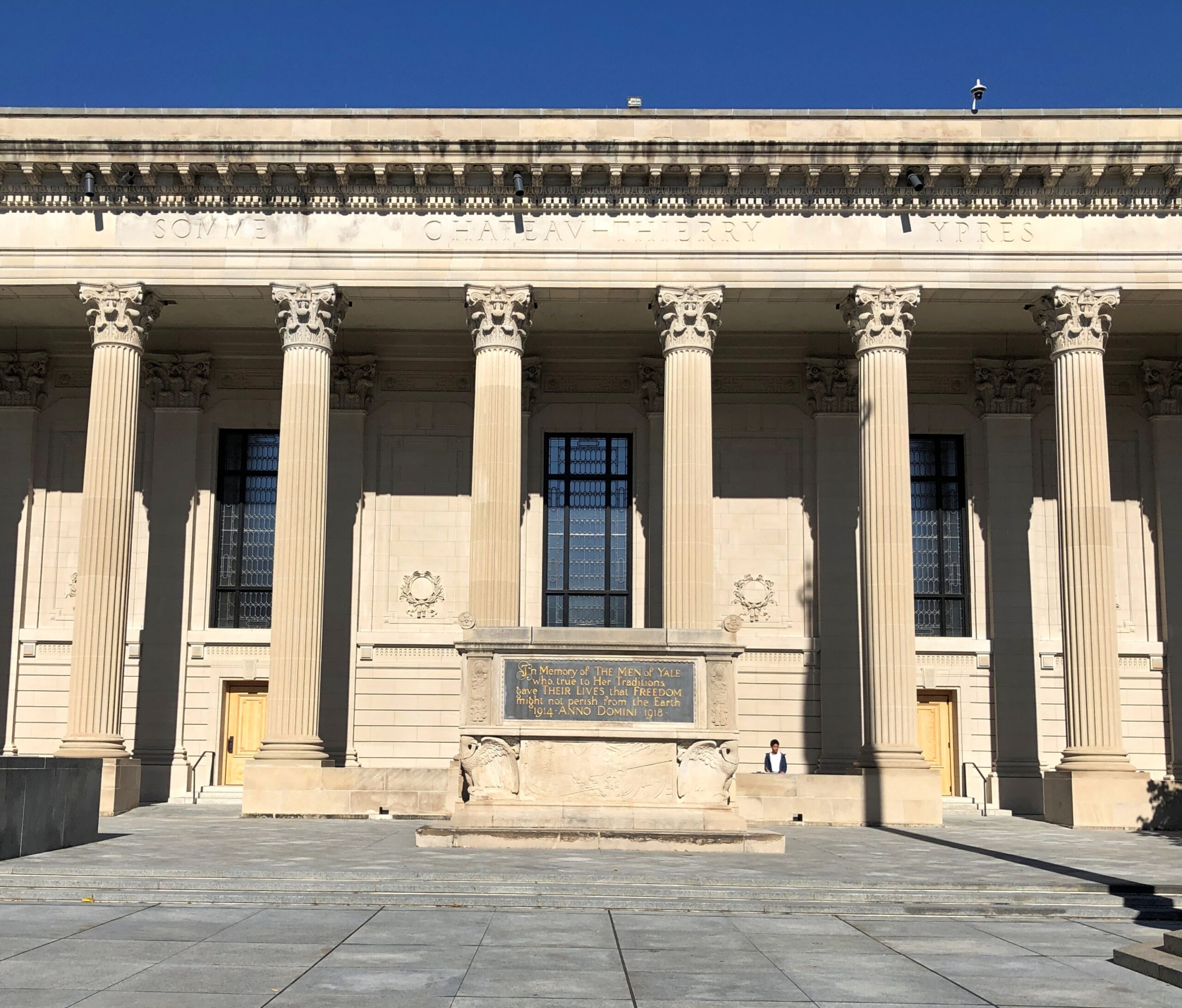
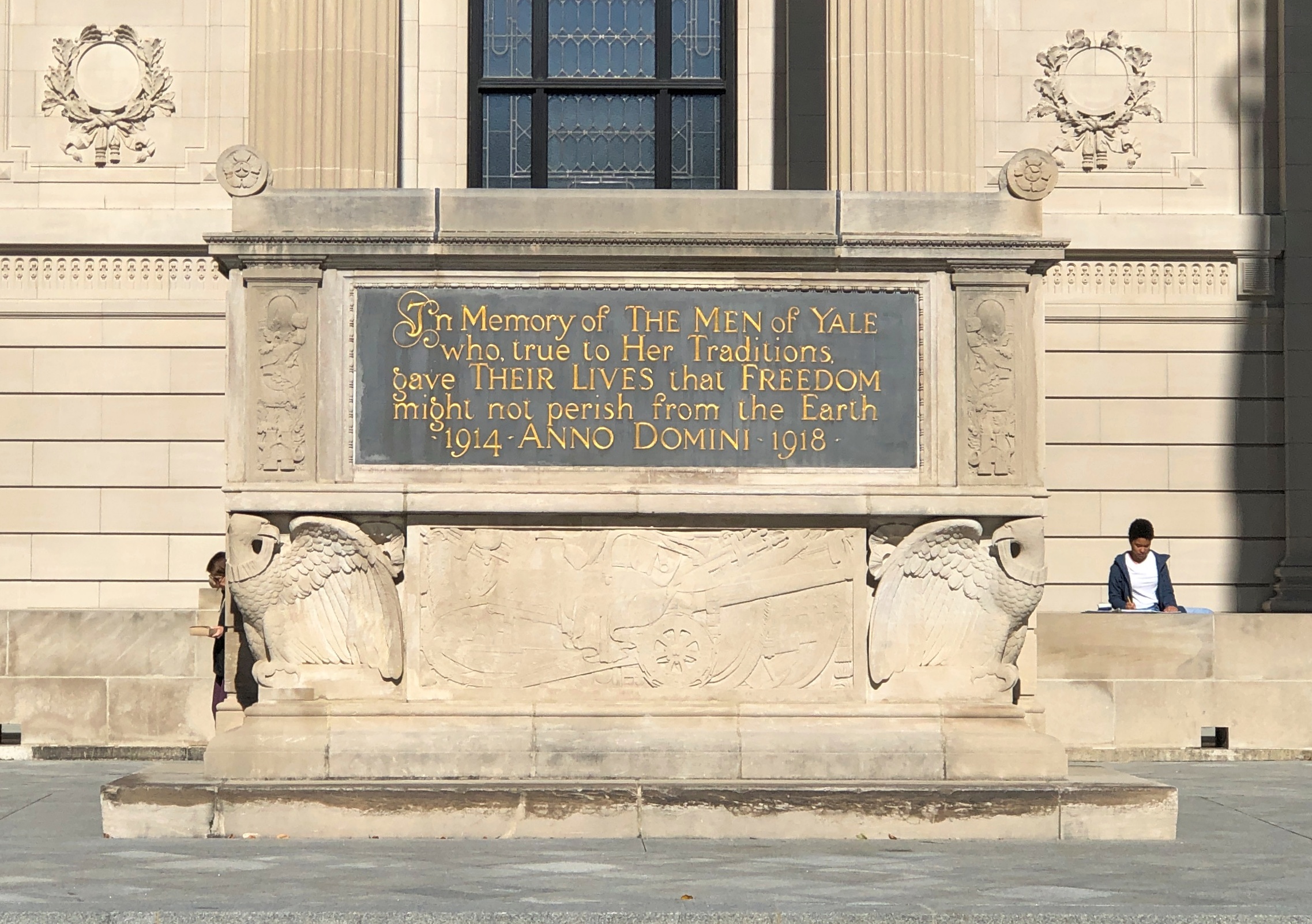
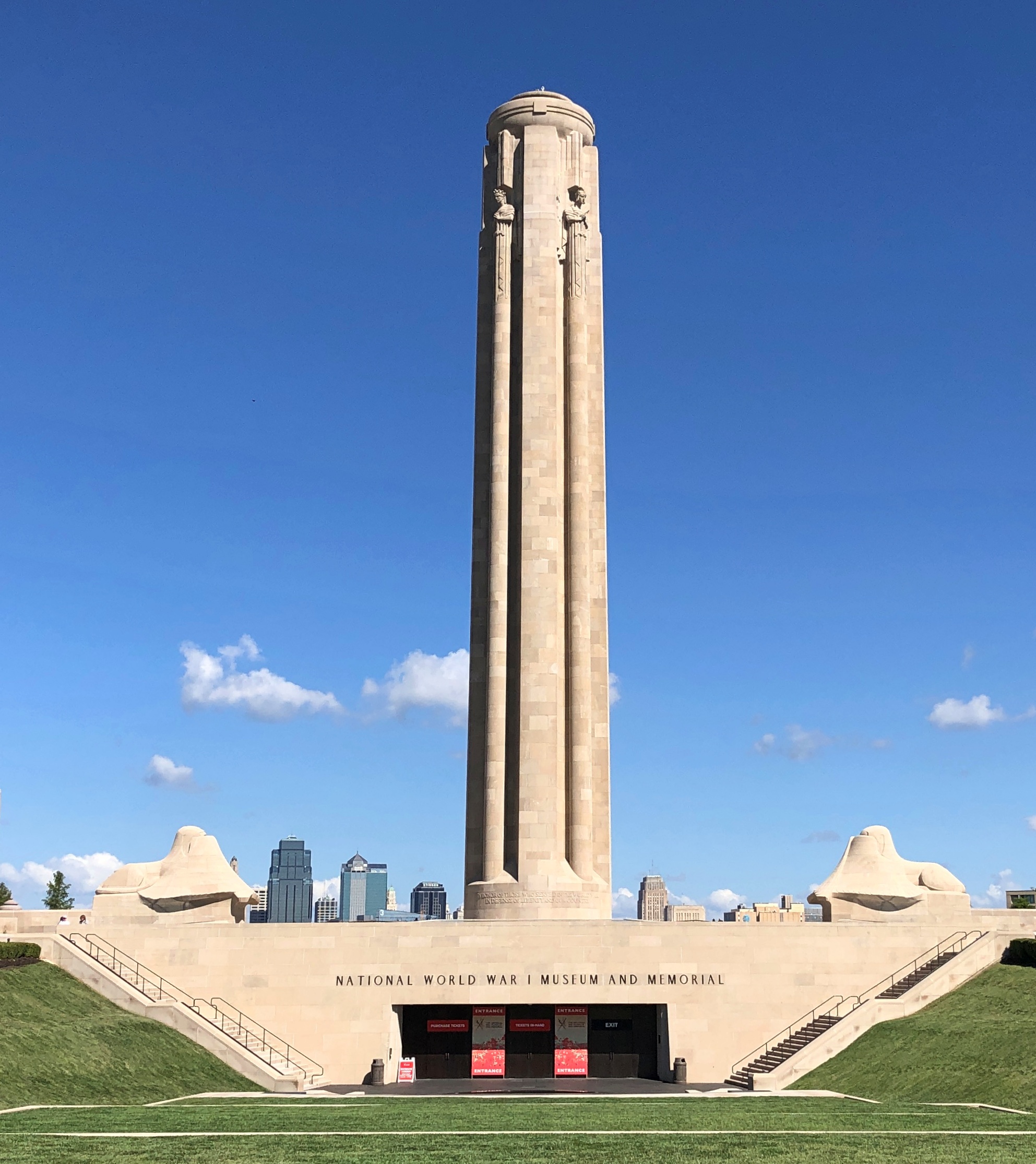
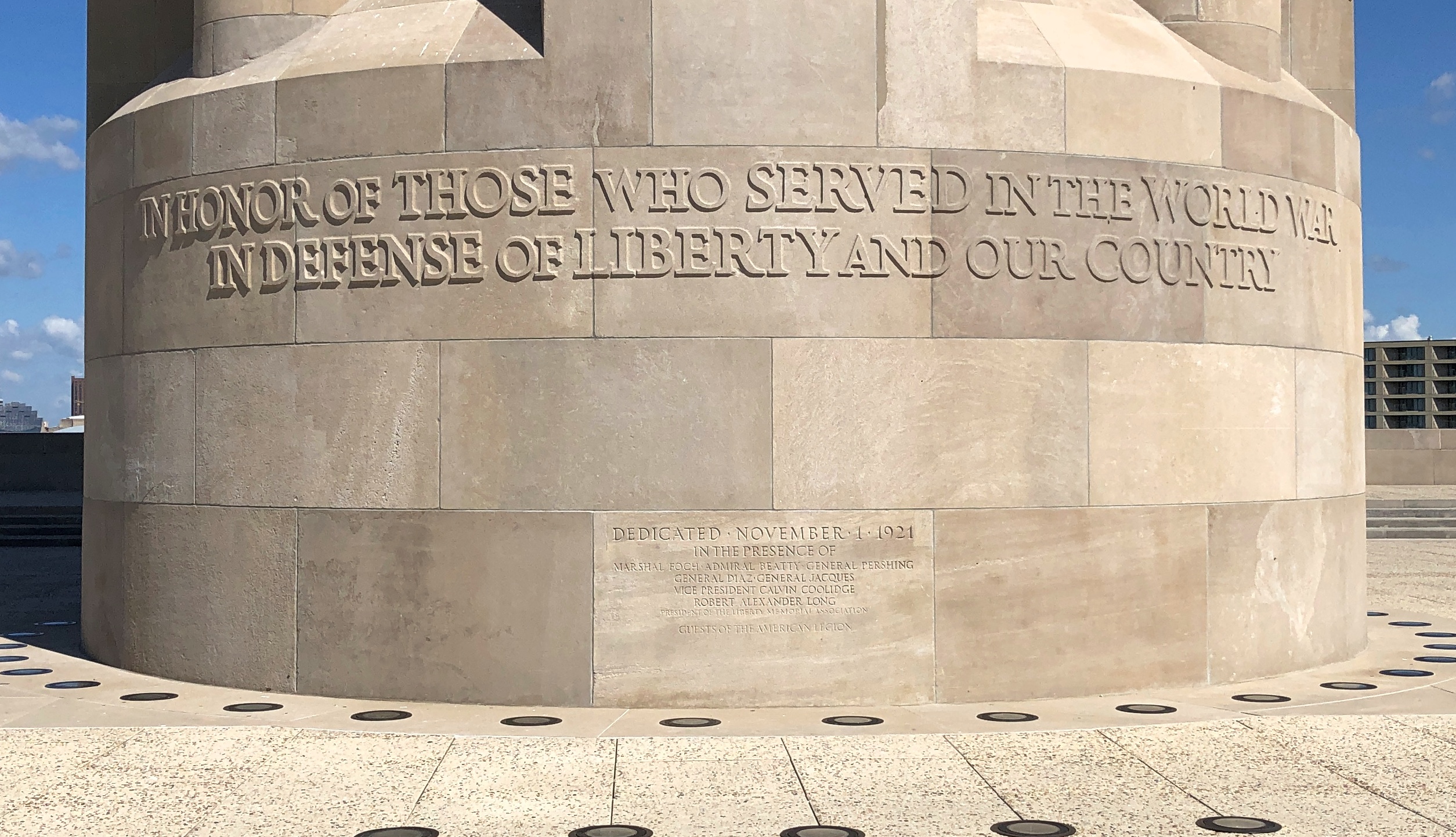
Good to see a prominent memorial to the Yale men who didn’t return from the Great War. RIP, gentlemen.

Yale
Yale

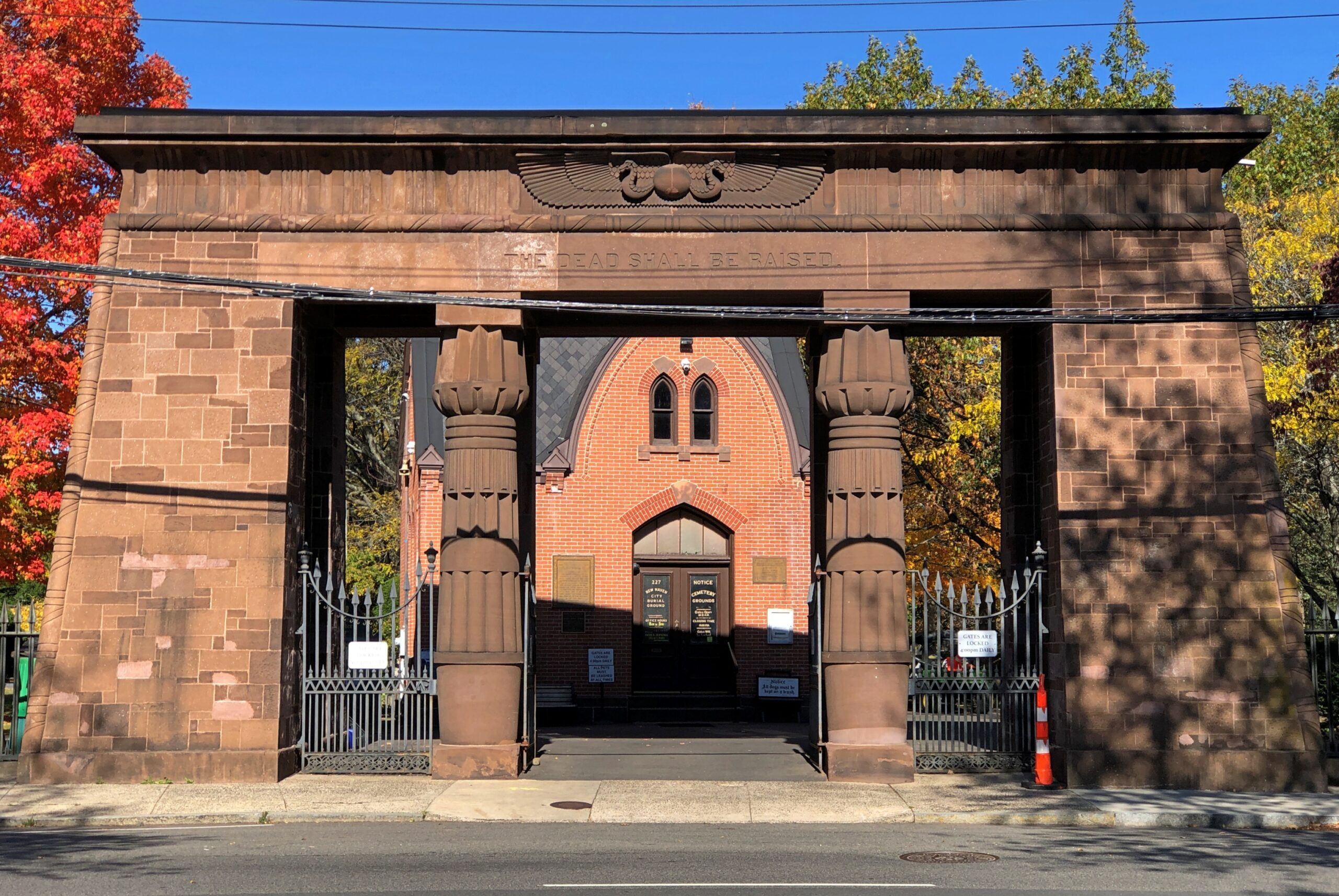
Adjacent to the Yale campus is the Grove Street Cemetery, sporting a fine Egyptian Revival entrance. Not something you see often.

Grove Street Cemetery

That’s what Vanderbilt needed, a cemetery across the street. All we ever had across the street was the fast food that’s now found on campuses: Krystal, Bojangles, Popeyes, Pizza Hut (Inn?), Wendy’s, etc.

Grove Street owes its founding to pestilence. “After severe yellow fever epidemics in 1794 and 1795, the [New Haven] Green was simply too crowded to continue as the city’s chief burial ground,” the cemetery’s web site says. “In 1796 a group of New Haven citizens led by U.S. Senator James Hillhouse planned a new cemetery on a location at the edge of town. Their efforts were officially recognized in October 1797 when the State of Connecticut incorporated the cemetery as the New Burying Ground in New Haven.”

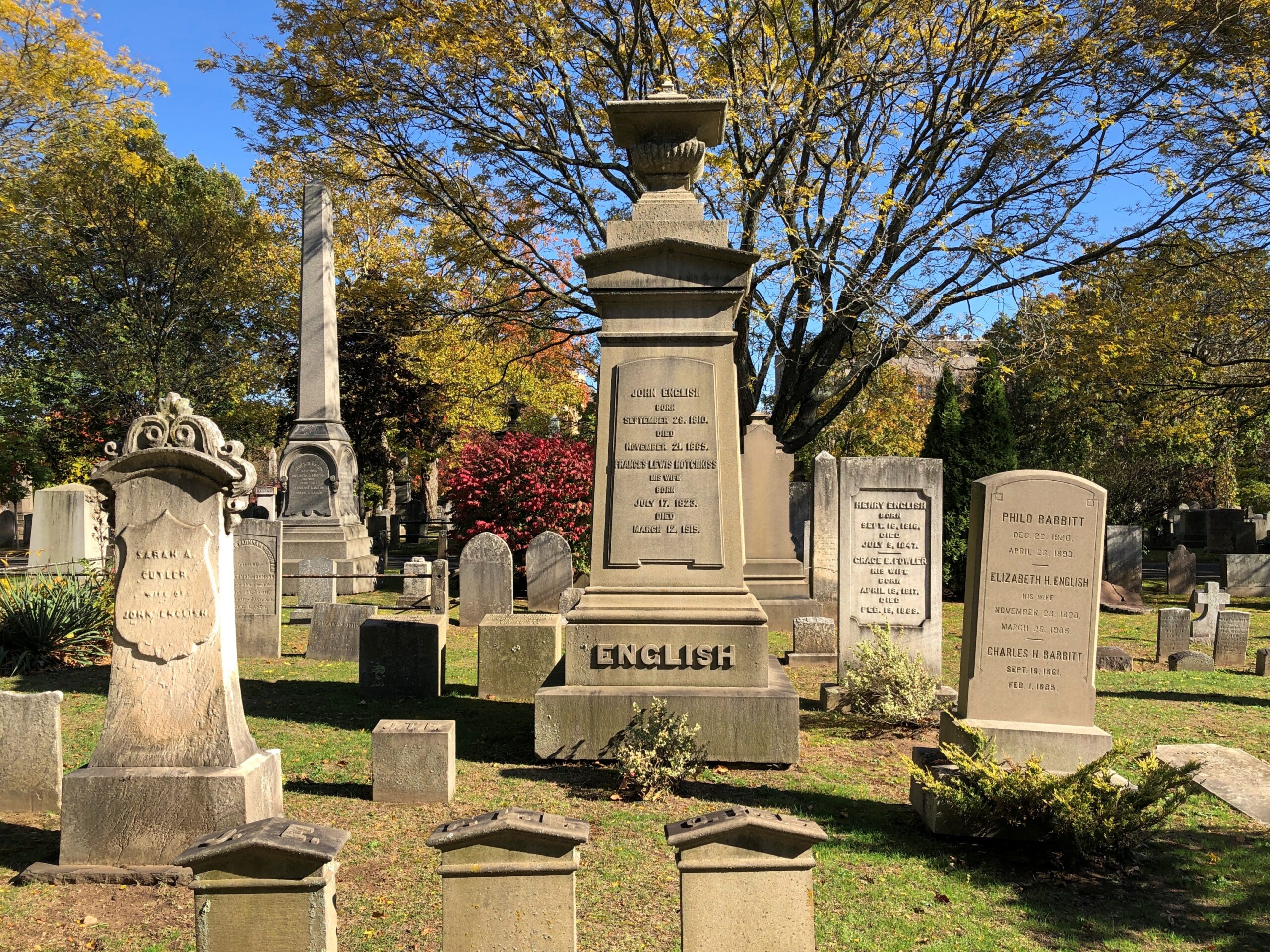
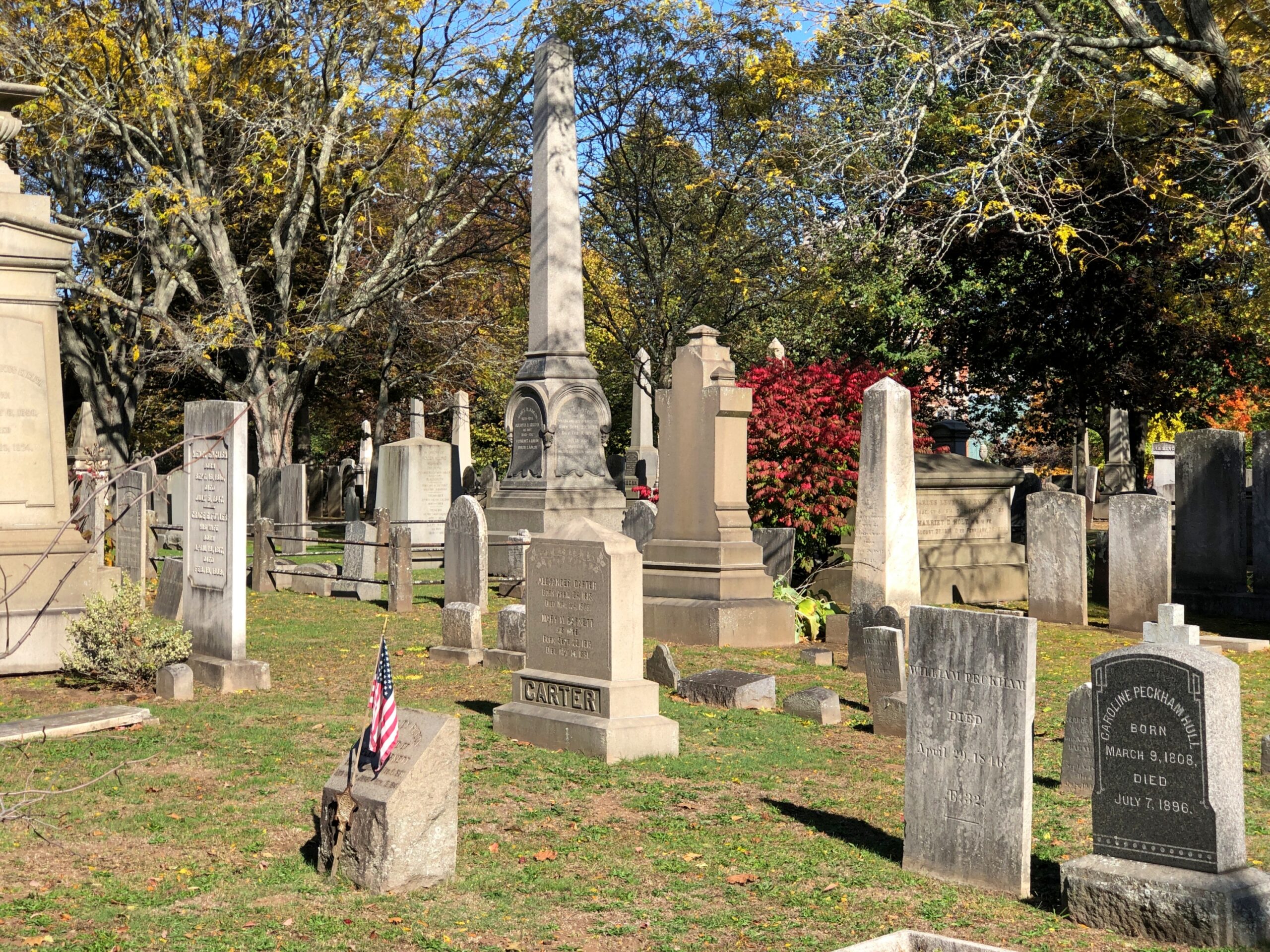
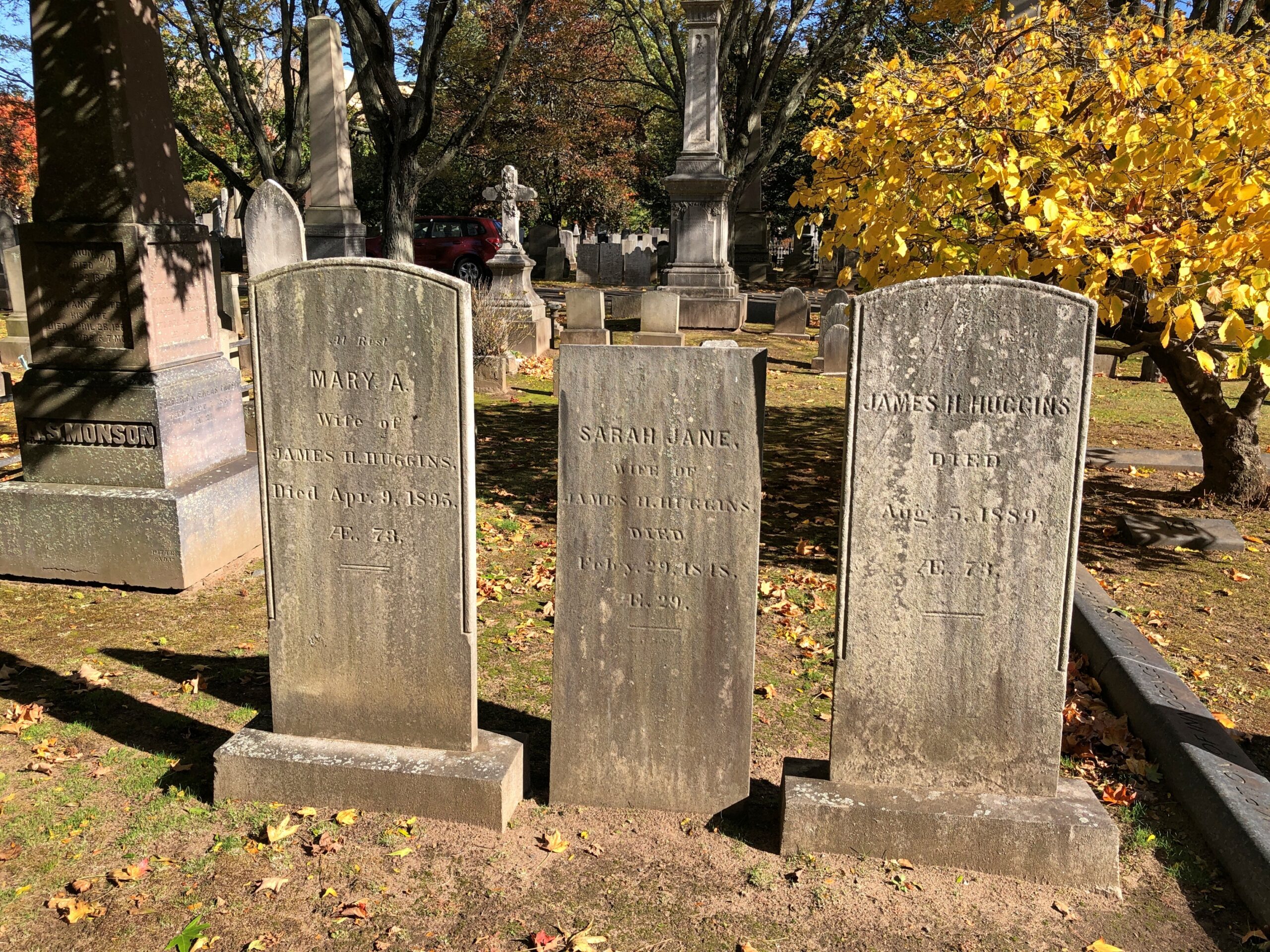
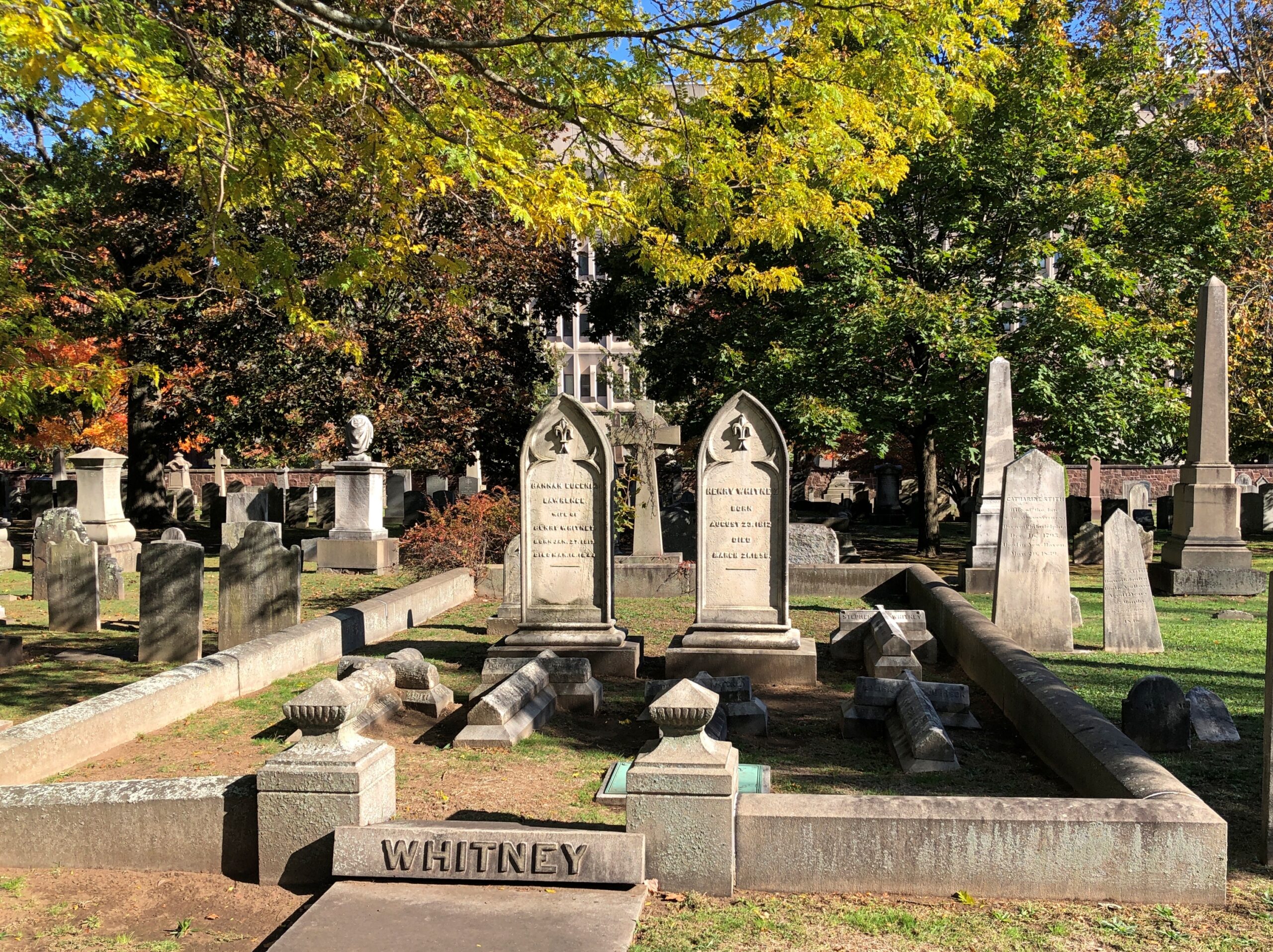
Since then, the population of the cemetery has grown, with stones of various shapes recalling the dead, and trees to provide them shade.

Grove Street Cemetery

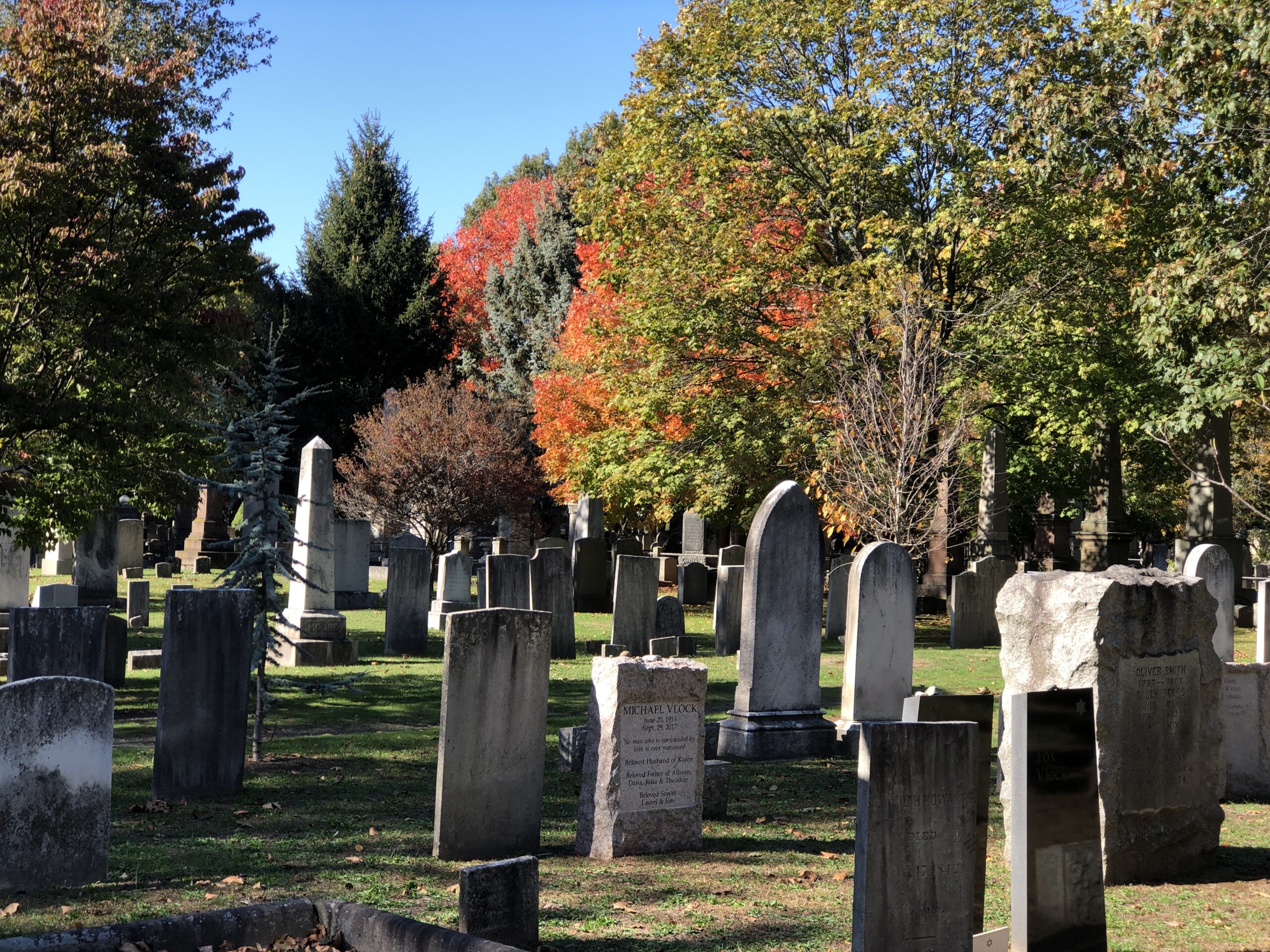
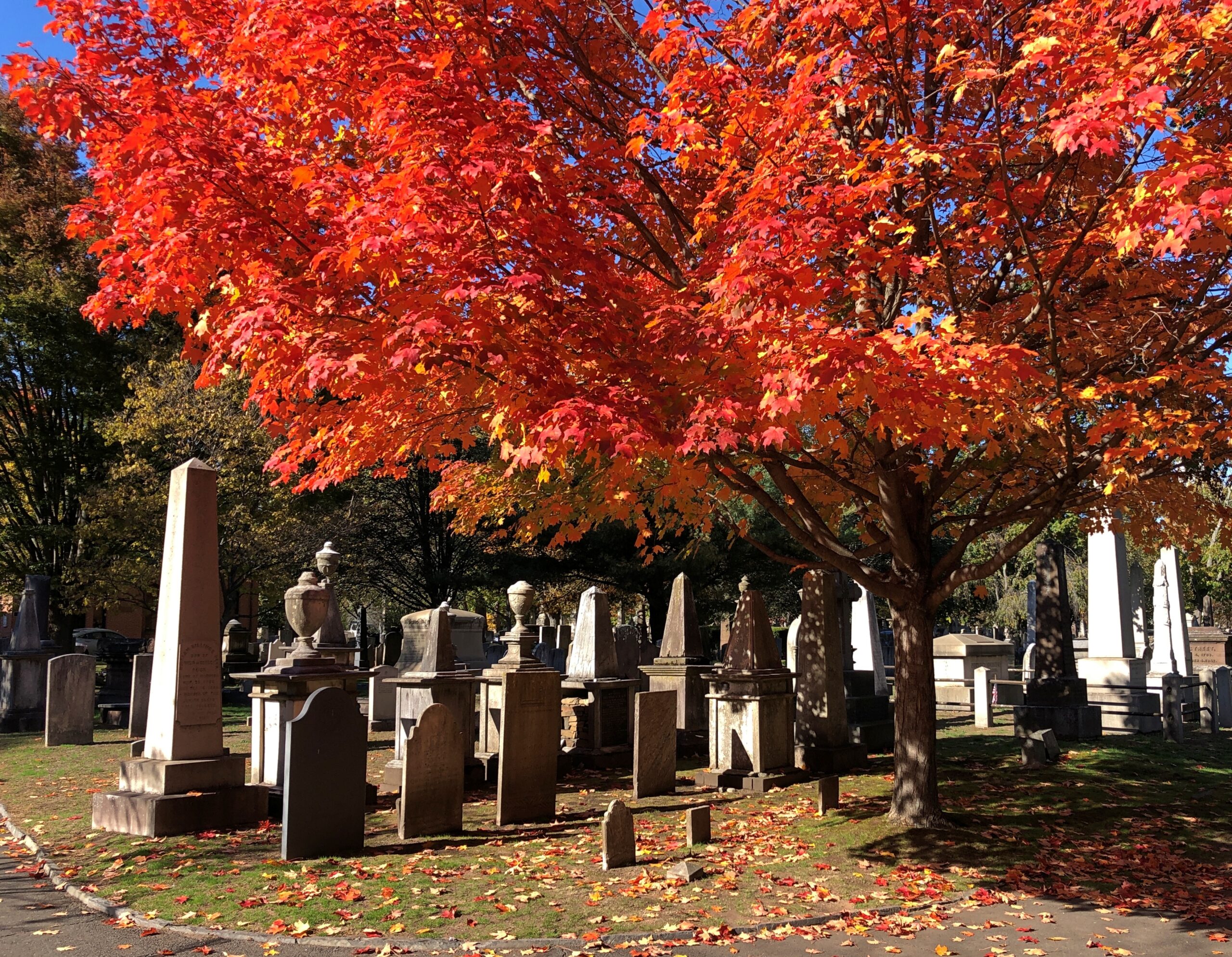
In October, the trees also provide color.

Grove Street Cemetery


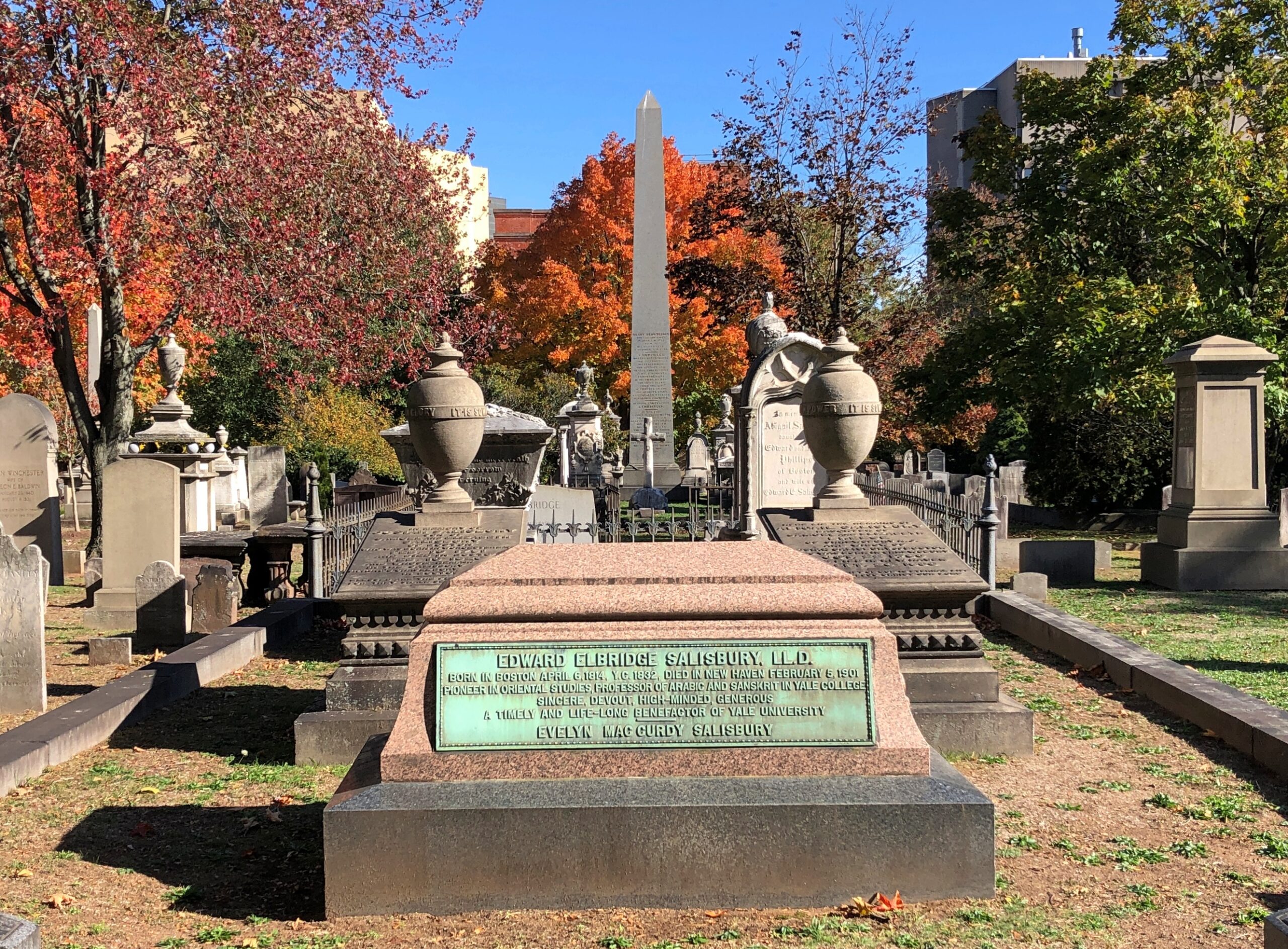
I didn’t go looking for anyone in particular, though there are a lot of notables here. Such as Eli Whitney, inventor; Noah Webster, lexicographer; Josiah Willard Gibbs Jr., scientist; Lyman Beecher, abolitionist and prohibitionist; and O.C. Marsh, paleontologist, among many others.

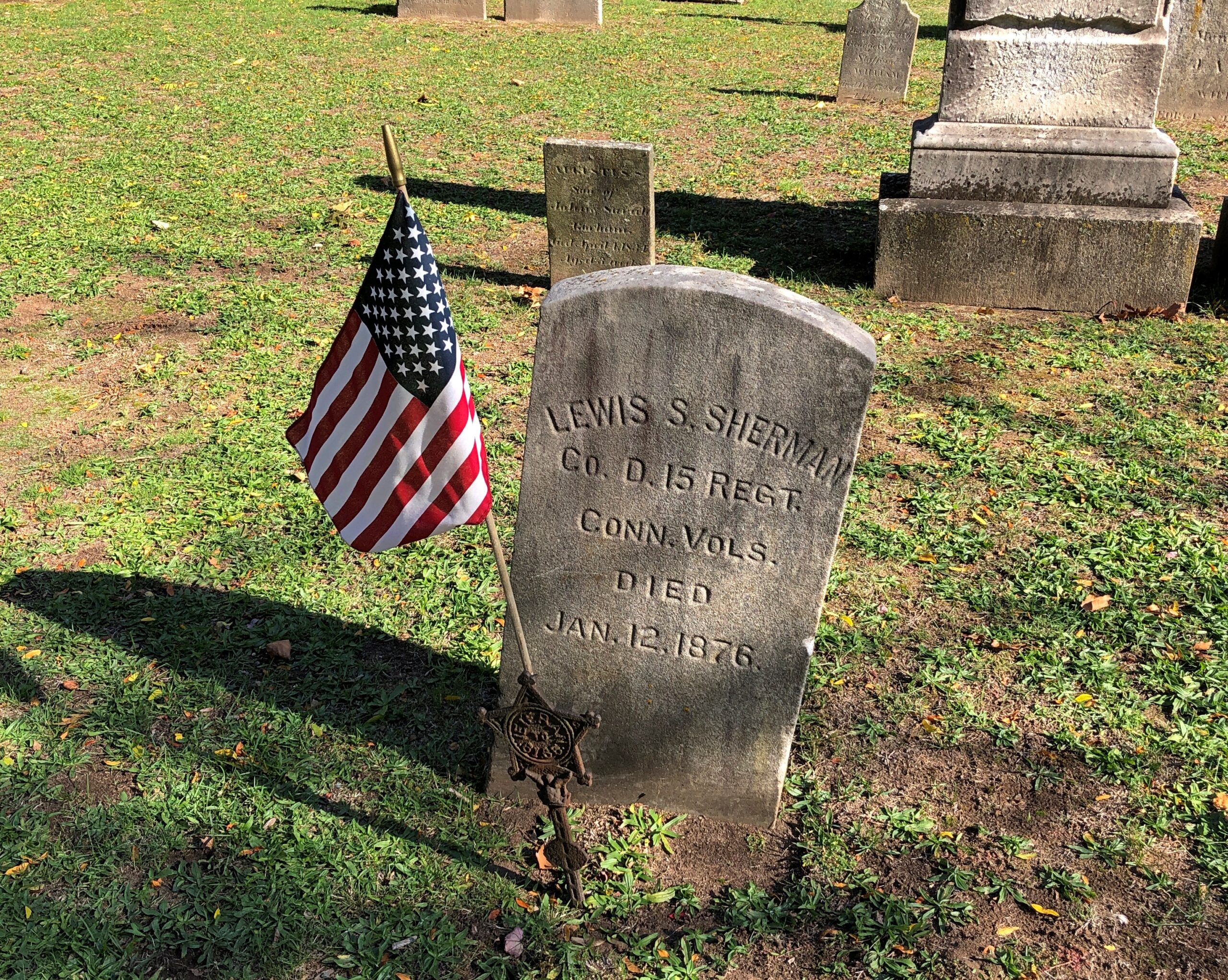
A scattering of stones mark veterans.

Grove Street Cemetery

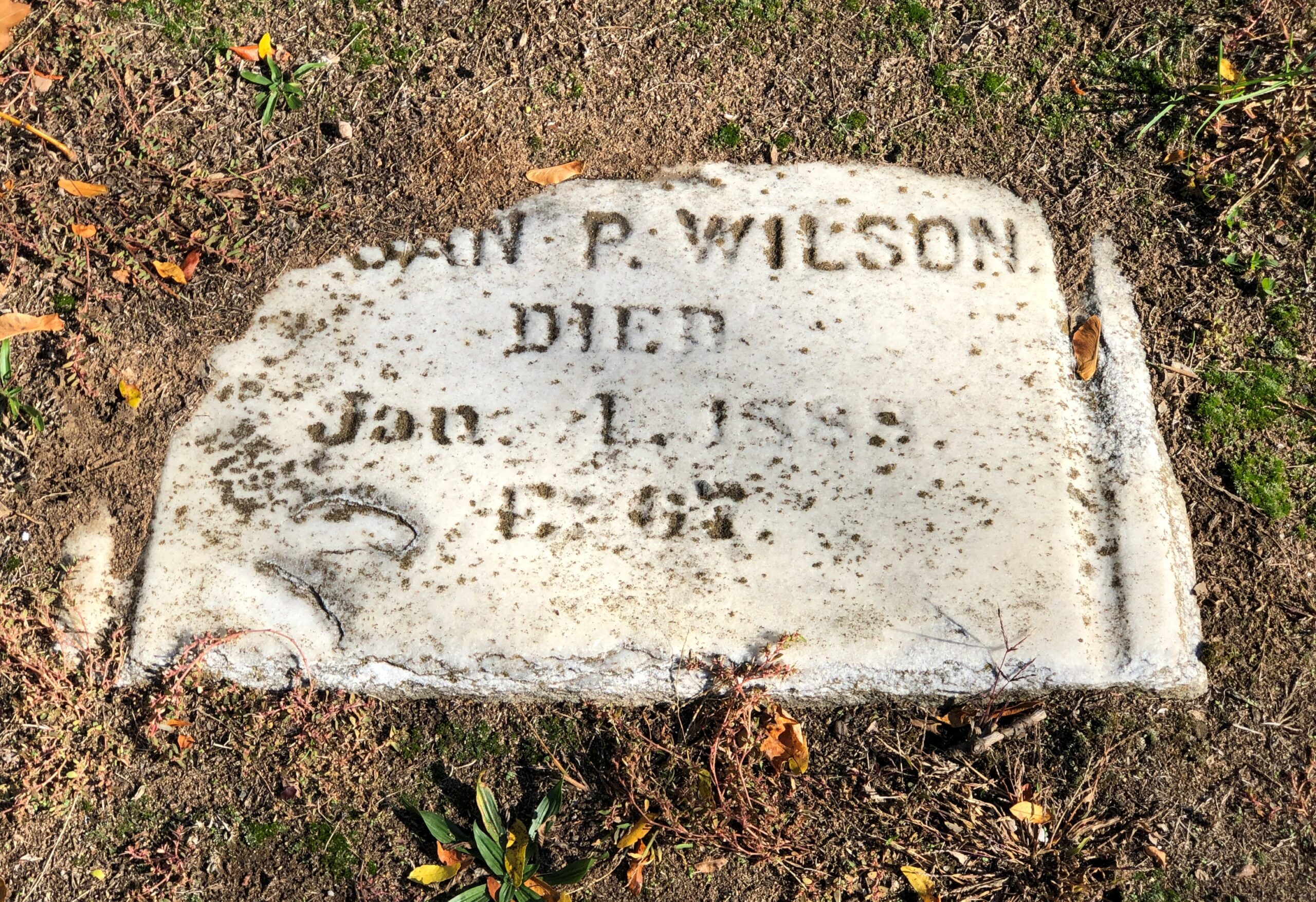
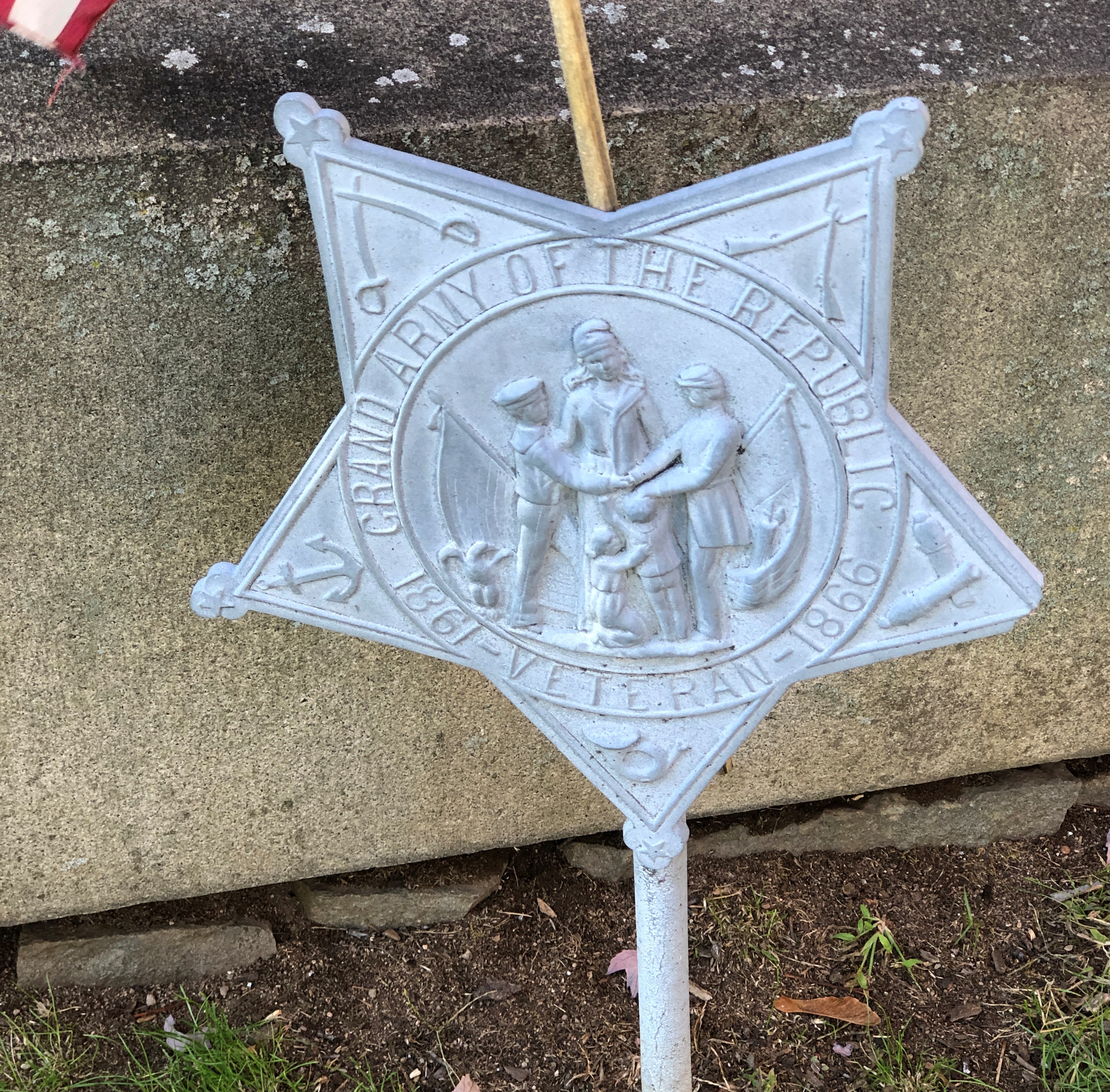
Including one with a GAR star that’s obviously a replacement for something older.

Grove Street Cemetery

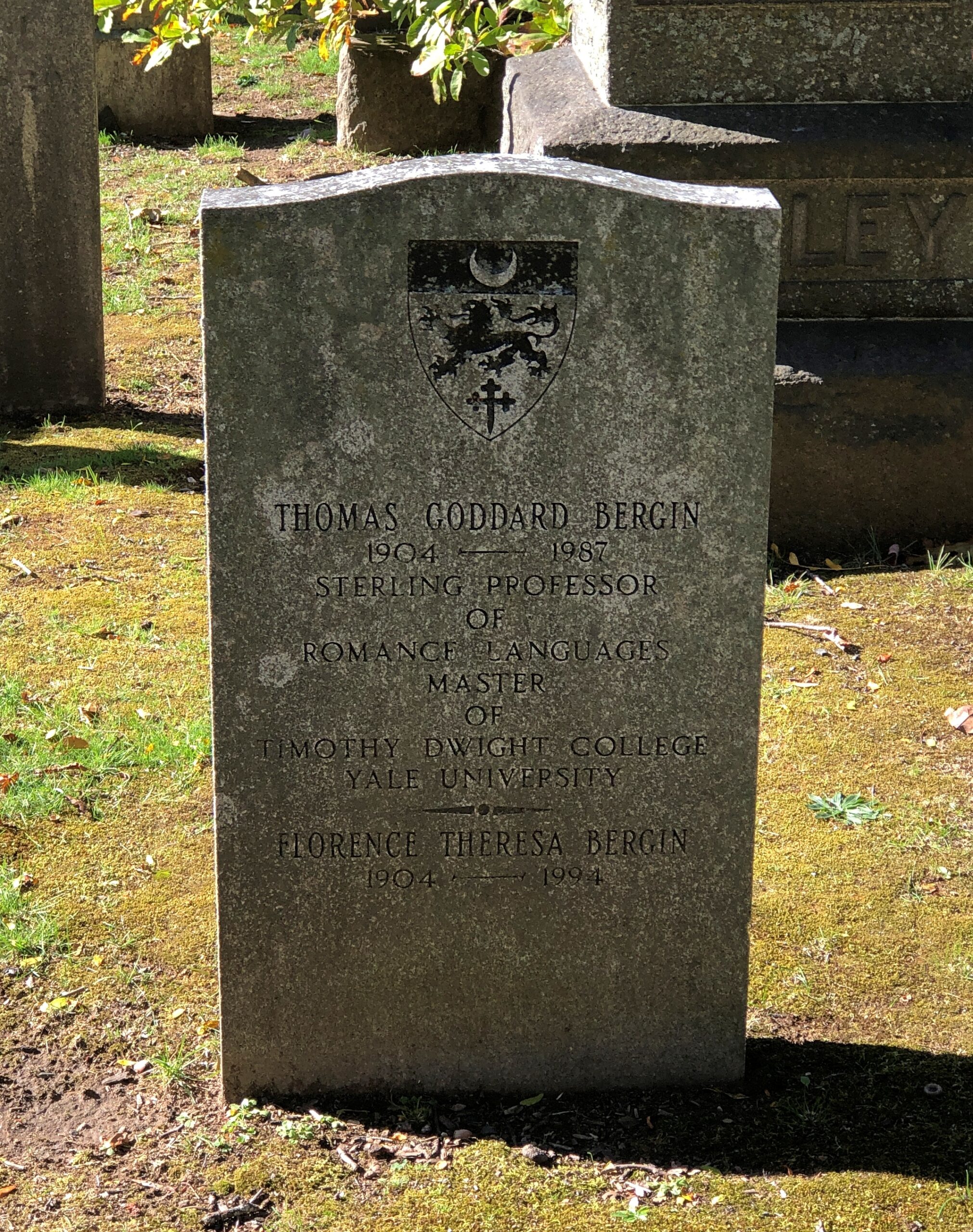
Being so close to Yale, a fair number of academics rest at Grove Street.

Grove Street Cemetery

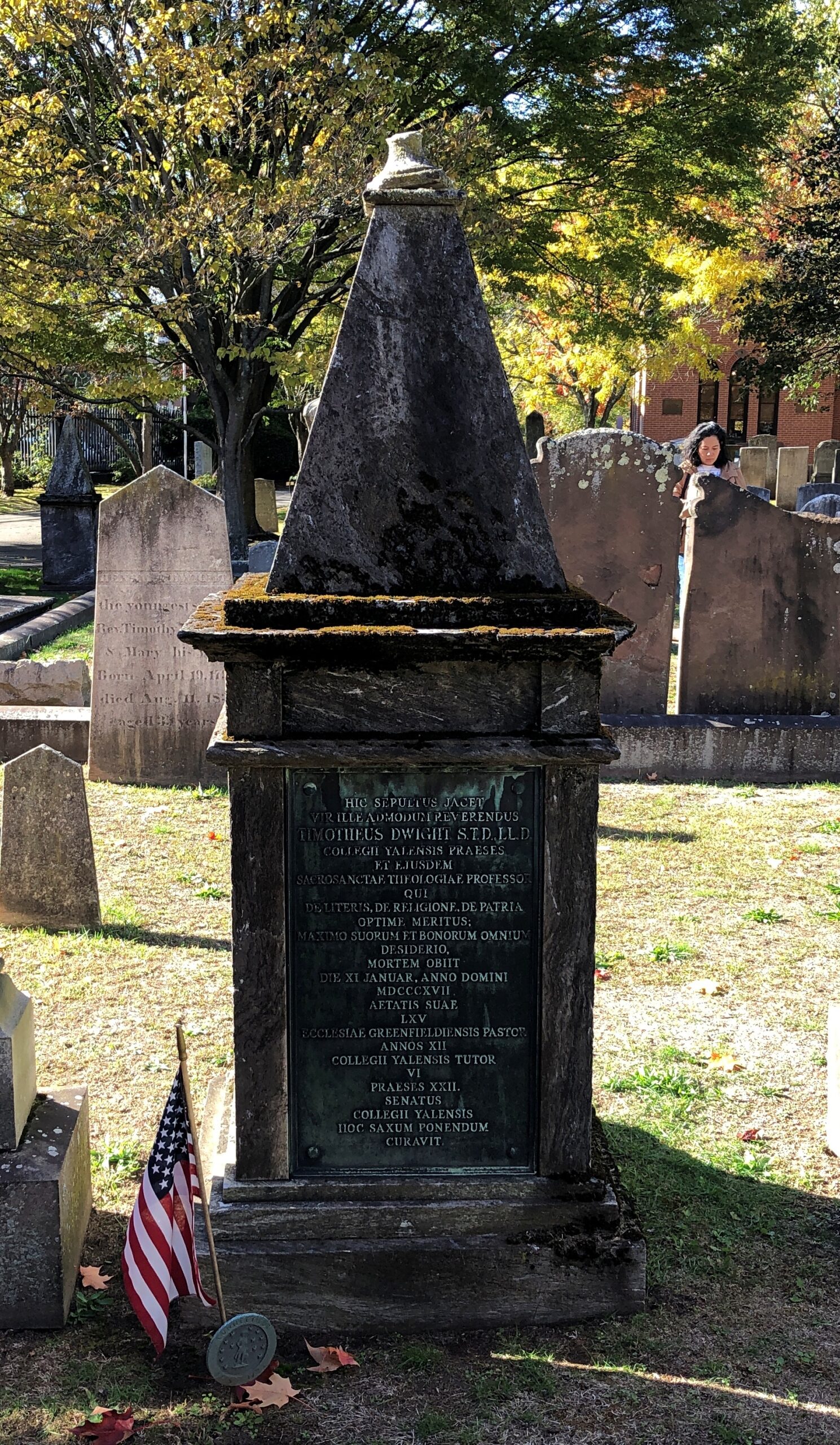
Including this fellow. It’s a little hard to see, but his memorial is inscribed in Latin.

Grove Street Cemetery

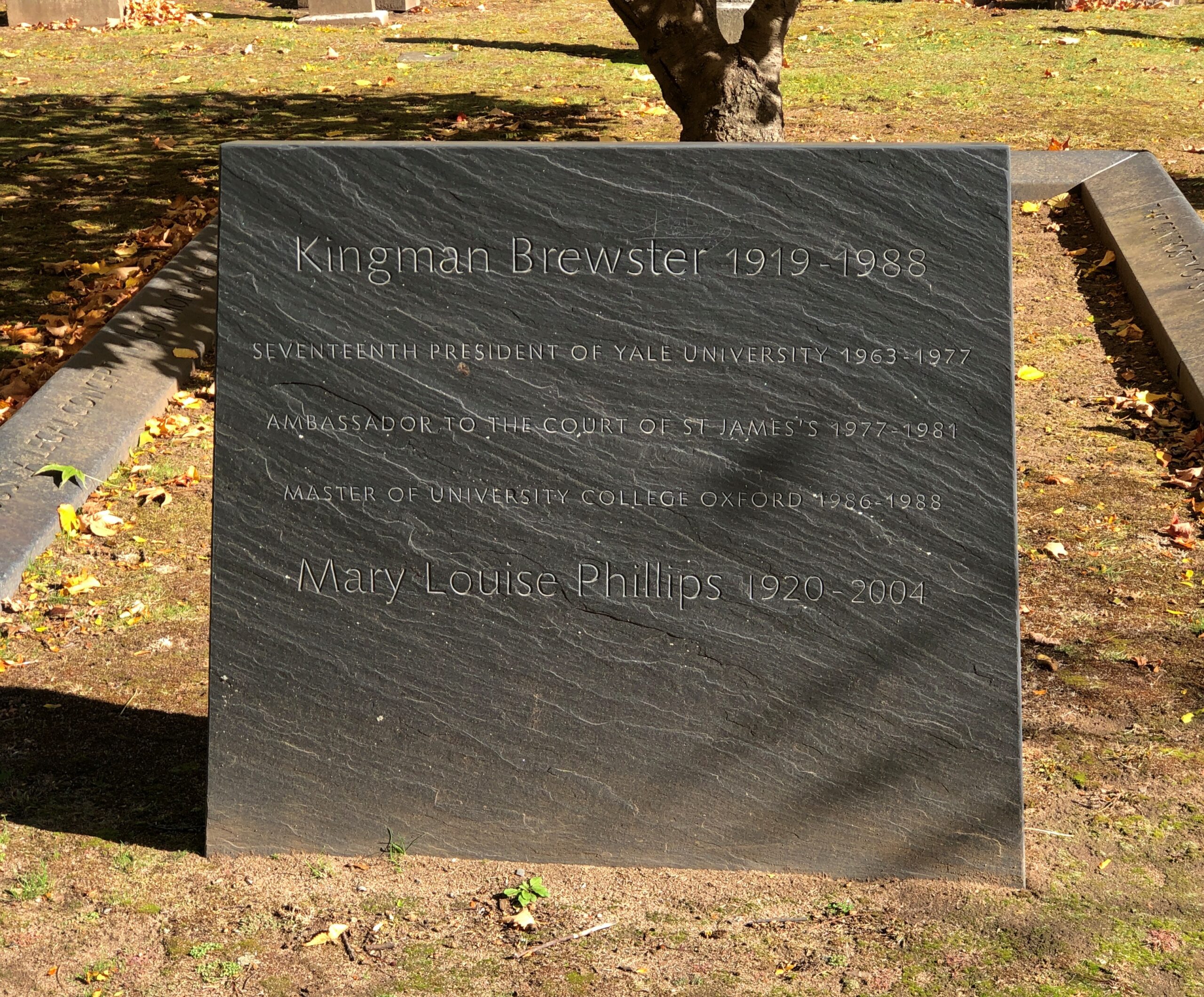
Kingman Brewster was president of Yale from 1963 to 1977, at a time of considerable hubbub on campus, and changes in university policy. Such as going coed in 1969, relatively late for an Ivy League school. No doubt cemeteries are well populated these days by Yale alumni angered by that decision.

Grove Street Cemetery

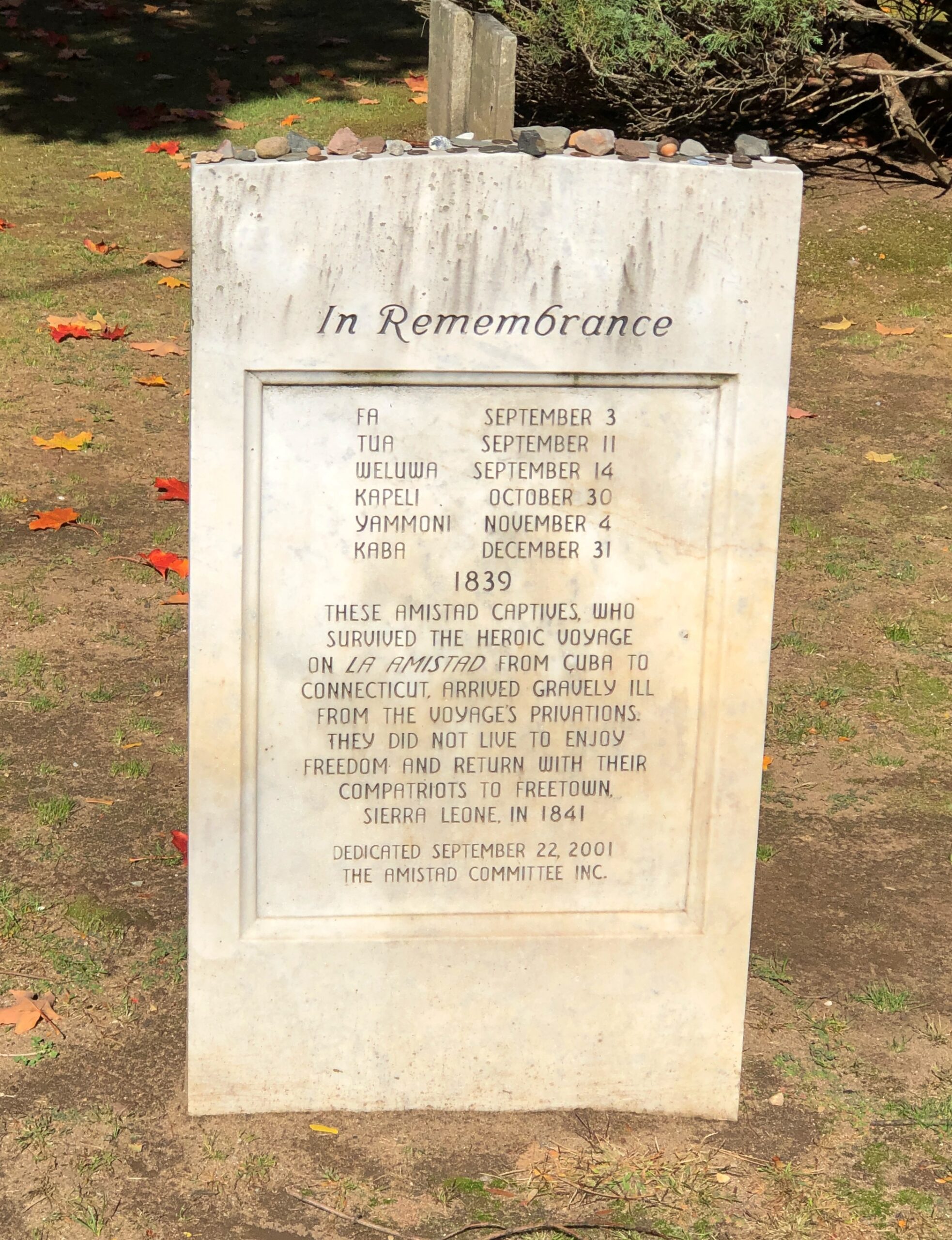
A surprise find: a memorial to captives from La Amistad who died in New Haven, waiting for the adjudication of their case. Waiting for their freedom, that is.

Grove Street Cemetery, New Haven


Elsewhere in the cemetery reposes Roger Sherman Baldwin, who argued the case for the Amistad captives, and Professor Josiah Willard Gibbs Sr., who deciphered their language (Mende).

Remarkably, the names of the captives aren’t forgotten. RIP, Fa, Tua, Weluwa, Kapeli, Yammoni and Kaba.

Fort Greene Park

On the morning of October 19, Fort Greene Park in Brooklyn was still pretty green.

Fort Greene Park

Of course, the 30-acre park was named for the talented Revolutionary War general, not for the hues of its 50-plus species of trees, very many of which seemed to be ginkgoes. Whatever the coloration, the park proved to be a nice place for a stroll that day, offering a more manageable size than either Central Park the day before, or Prospect Park would later that day (as great as those two are).

My idea for attending Open House New York was Manhattan on Saturday, Brooklyn on Sunday, planning that took us – by this time, just the two of us – to Atlantic Terminal by way of the LIRR on Sunday morning. From there, Fort Greene Park is a short walk, though once you get there, it’s something of a hustle to climb the park’s central hill. A fort had been on the site, active during the Revolution and again for the War of 1812, for a reason.

As a park, Fort Greene came of age at roughly the same time as the idea of municipal parks themselves, that is during the mid-19th century, with some agitation on the part of Walt Whitman – editor of the Brooklyn Eagle in the late 1840s – helping facilitate its creation.

In 1857, Whitman wrote about the place, known at the time as Washington Park: This beautiful ground is now covered with rich verdure, and is one of the pleasantest resorts anywhere around. On its lofty tops you feel the breeze, and from them behold one of the finest views in the world. Most of the trees are yet too young to cast much shade, but they are growing finely.

We recollect there was a very obstinate and indignant opposition to the securing of these noble grounds, some twelve years since, when the project was mooted before the Common Council and the public. It was argued that Brooklyn was not rich enough to stand the expense of purchase; and that it would be better to let the “old fort” be dug away, and blocked up with buildings.

Fortunately these counsels did not prevail. A more far-sighted policy… carried the day.

Is there any one left of those who so furiously opposed Washington Park, who is not now glad that his opposition did not succeed?

I’m also glad there’s a park, though leaving the ruins of the fort might have been an interesting approach to creating one. As Whitman would surely have appreciated, 21st-century Brooklynites were out in numbers (but not crowds) to enjoy the park on a warmish fall day, walking their dogs and turning their kids loose to play. A scattering of other people had come for Open House.

The green space and trees were only the first layer. Come 1867, Frederick Law Olmsted and Calvert Vaux applied their considerable talents into making Fort Greene into their vision of an urban park, a small-scale version of Central Park or Prospect Park. That’s reason enough to visit.

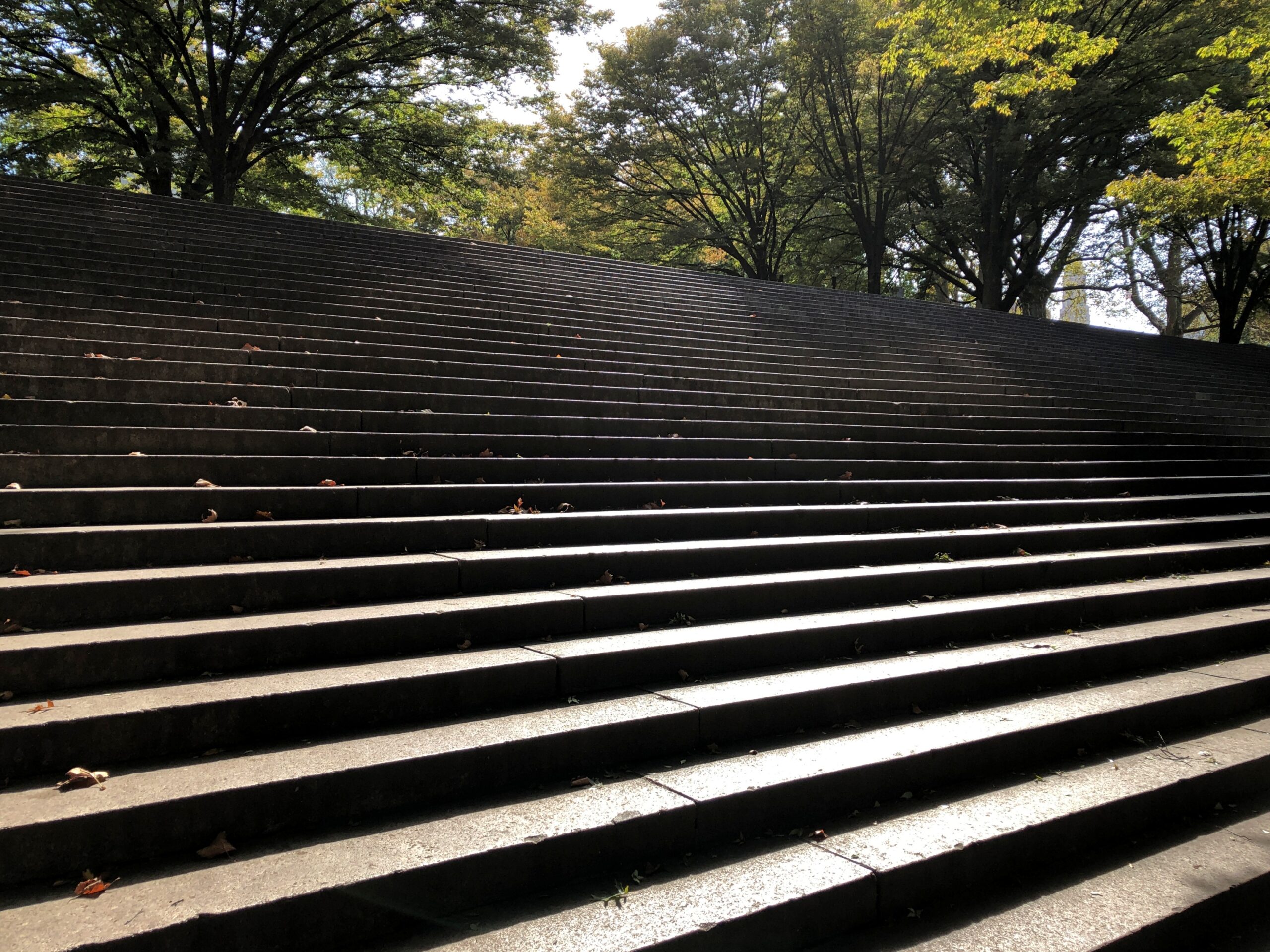
One of their additions: grand outdoor stairs.

Fort Greene Park

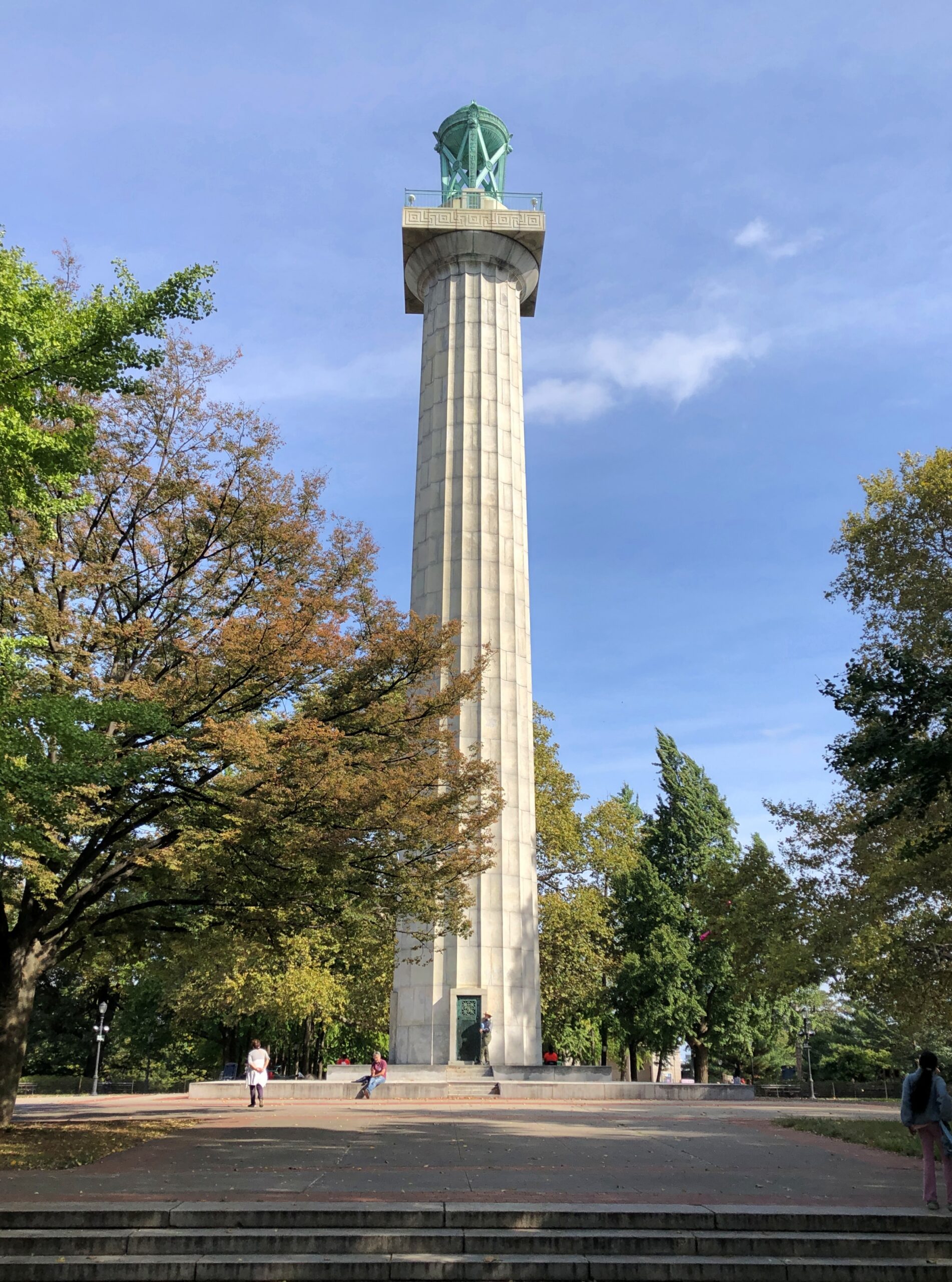
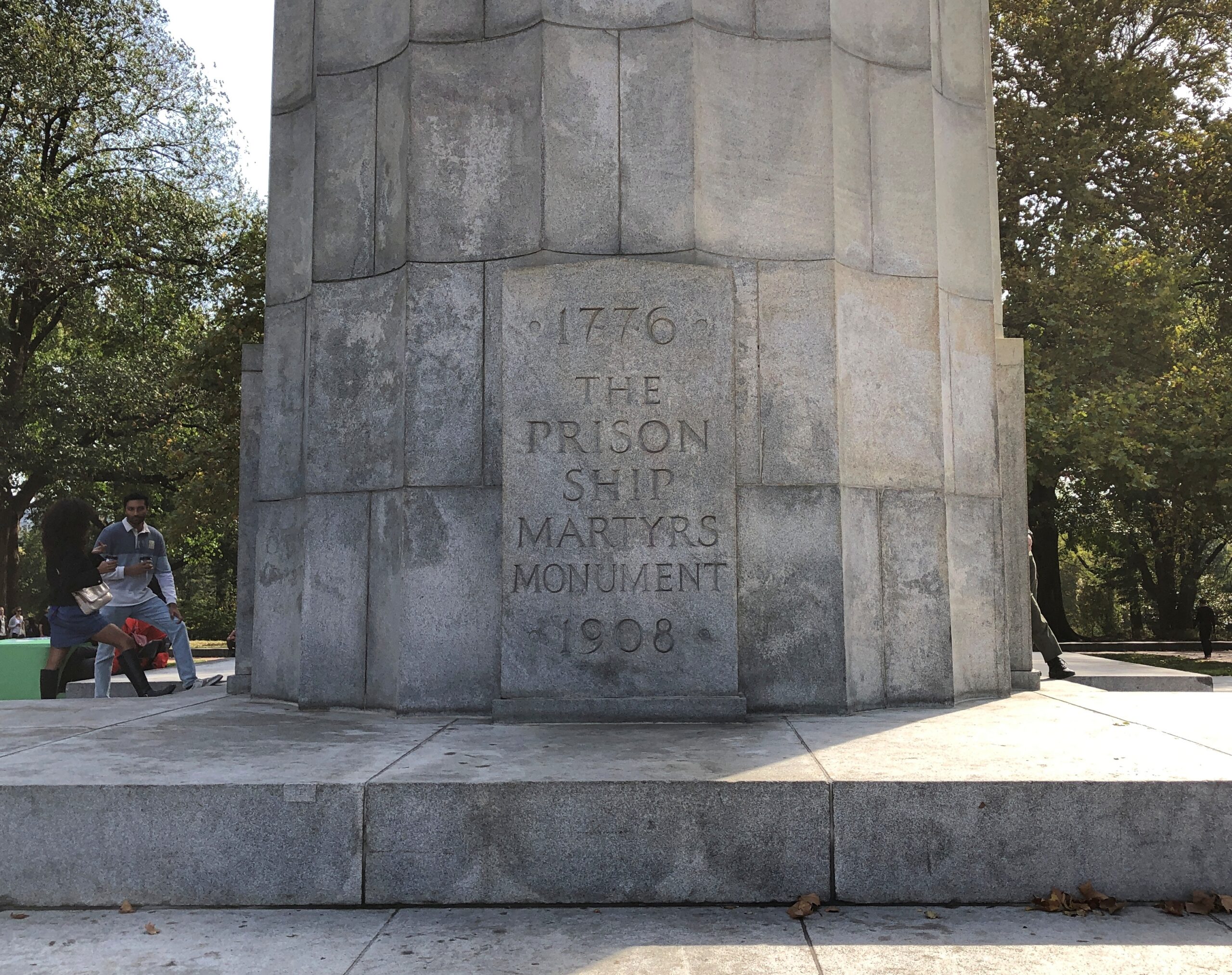
It wasn’t until 1908 that those stairs led to the Prison Ship Martyrs Monument, memorializing the more than 11,500 POWs who died in wretched conditions aboard British prison ships during the Revolution.

Fort Greene Park
Fort Greene Park
Fort Greene Park

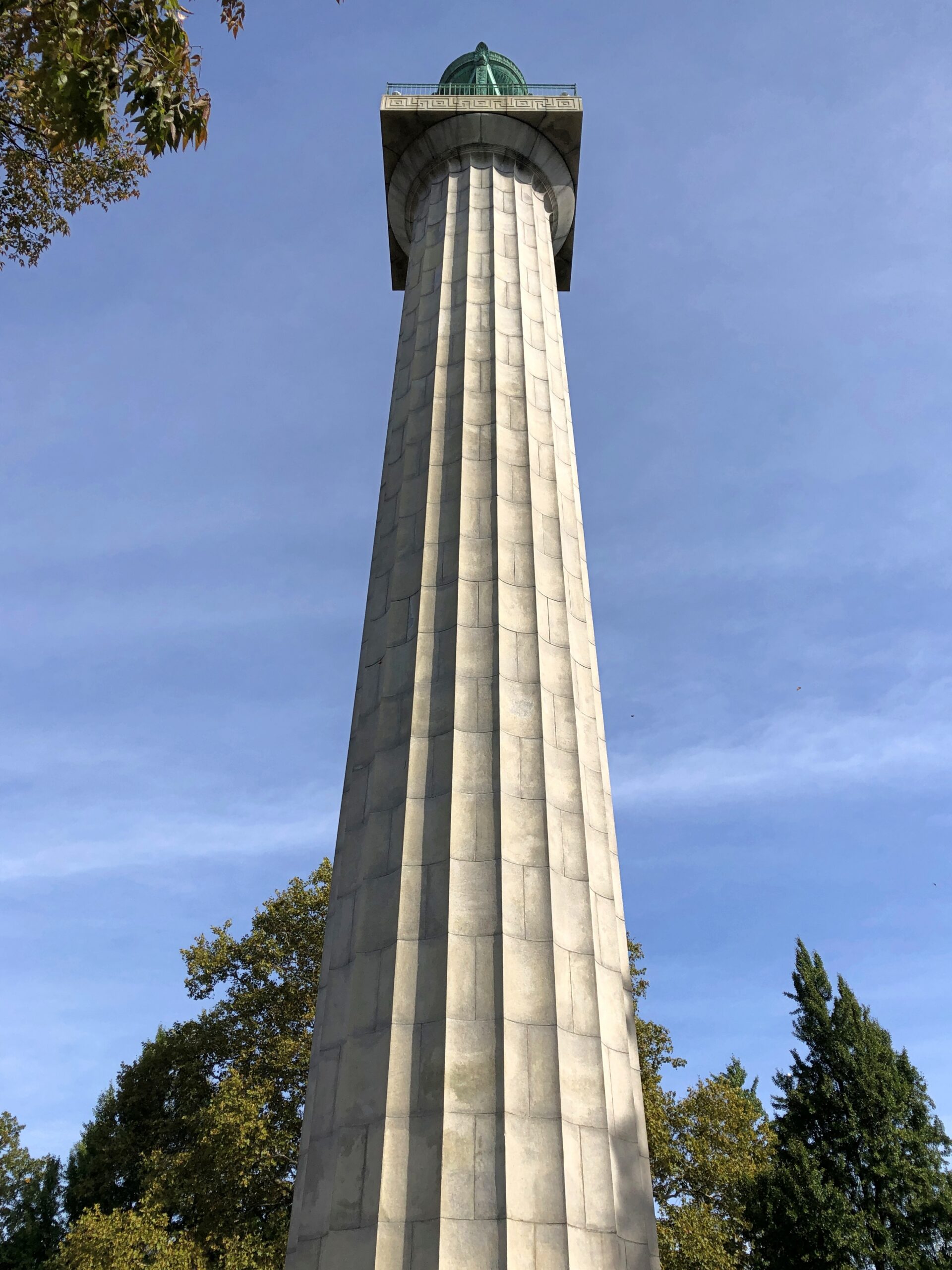
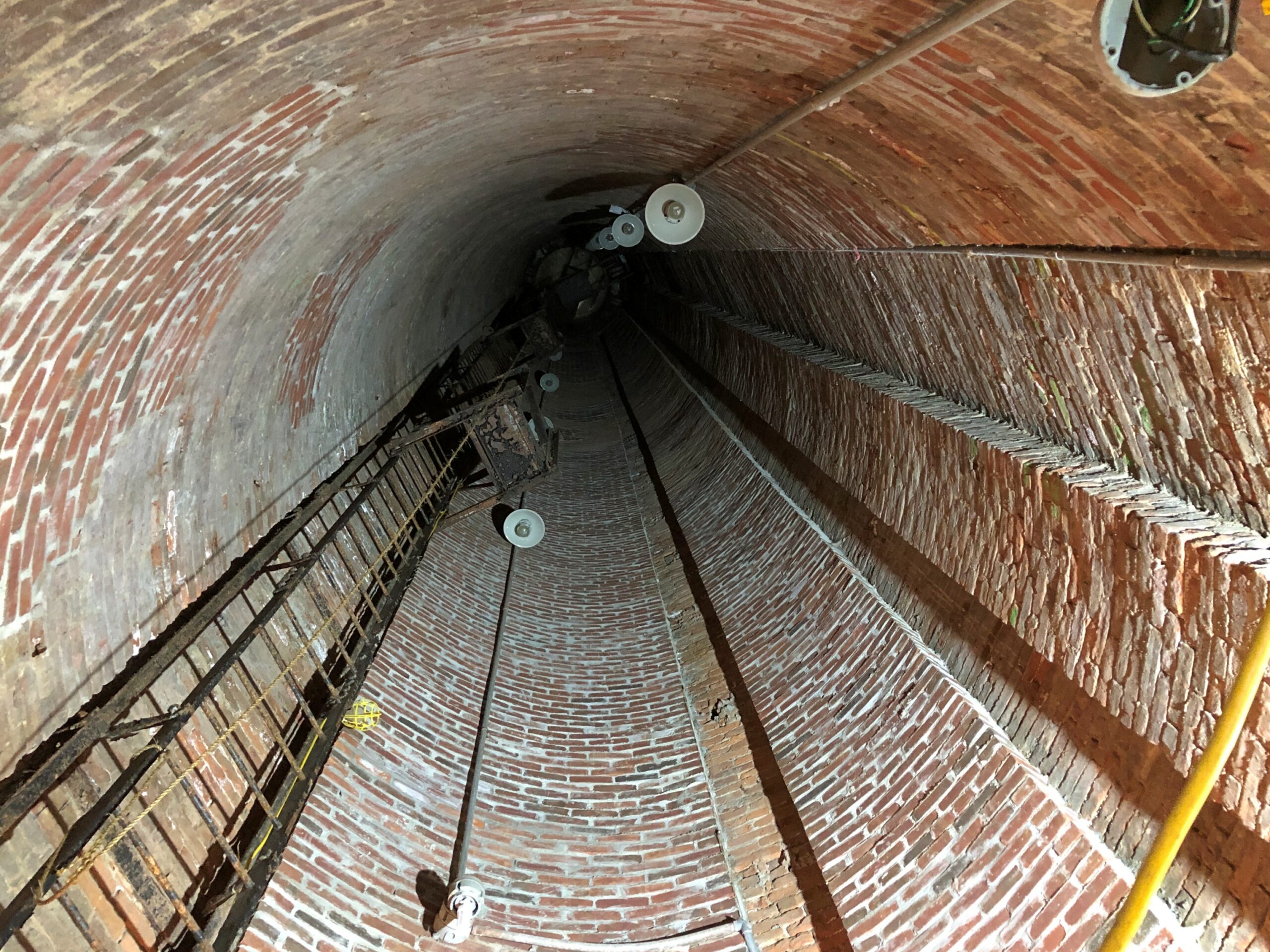
The column isn’t usually open, but Fort Greene Park was an Open House site, so we were able to go inside after waiting in line a short time. I was expecting stairs inside. But there was just a rusty iron ladder, which the park ranger who led us into the column called “scary.” I agree.

Fort Greene Park

There had been a spiral staircase in the memorial’s early days, but it is long gone. I wasn’t in a stair-climbing mood at that moment anyway, so for me it was just as well. If the city ever comes up with the scratch, there might be stairs again, the ranger said.

Fort Greene Park

She also told us about the formation of the park, the long delay in setting up the memorial, and the tomb on the grounds that holds bones of some of the prisoners. The tomb isn’t open to the public.

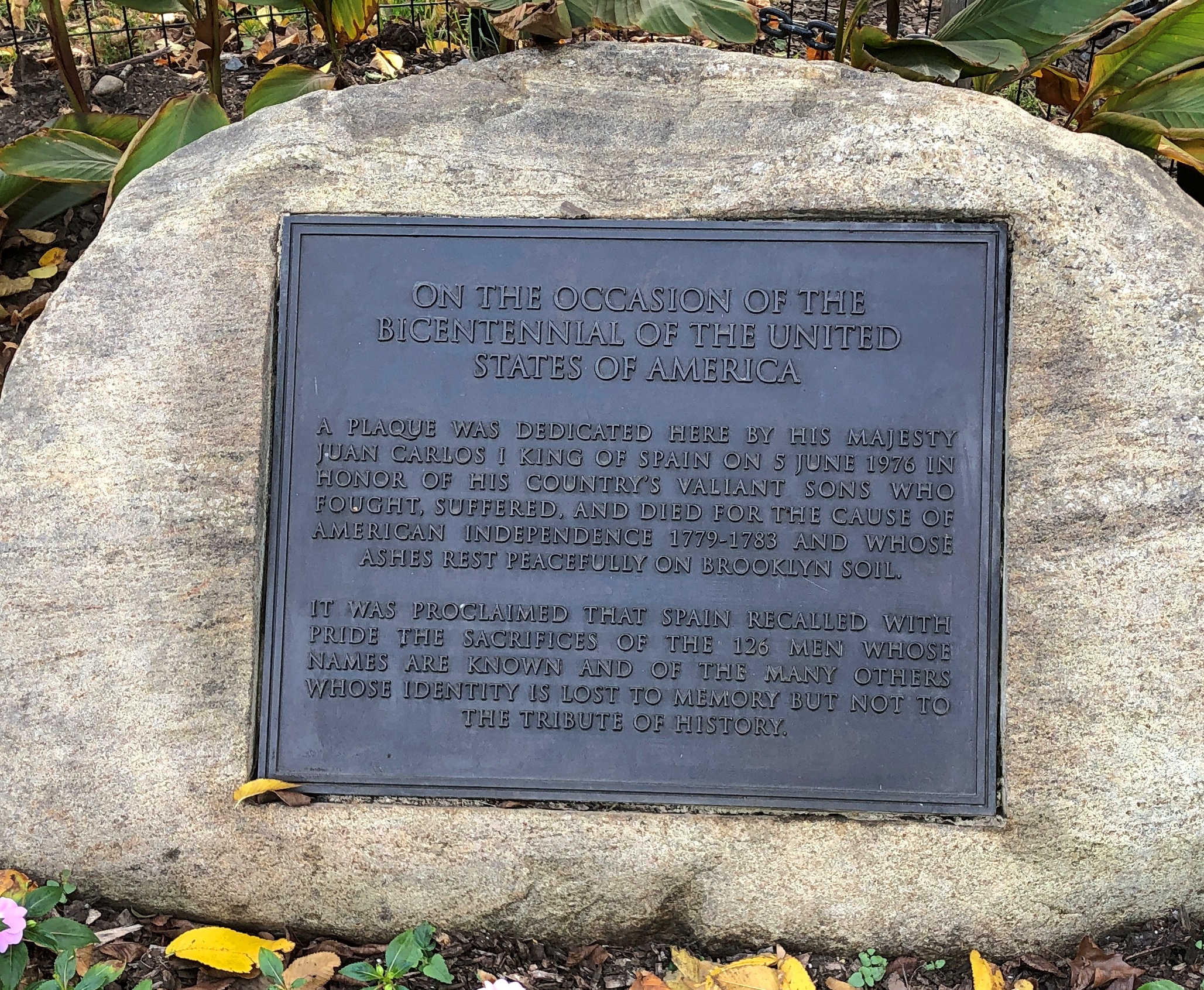
A newer memorial, plaque-on-rock style and in place almost 50 years now, was dedicated by a young King Juan Carlos in memory of the Spaniards who fought for American independence.

Fort Greene Park

French assistance to the nascent United States was mentioned prominently in school but not, that I remember, Spanish efforts, which were nothing to sneeze at. Maybe by 1898, Spaniards who gave the matter any thought considered the U.S. a pack of ingrates, but such is geopolitics. By 1976 and later, it was high time to acknowledge the likes of Bernardo de Gálvez and his men, and I was glad to find out that Pensacola still celebrates Gálvez Day (May 8).

A Few Manhattan Churches

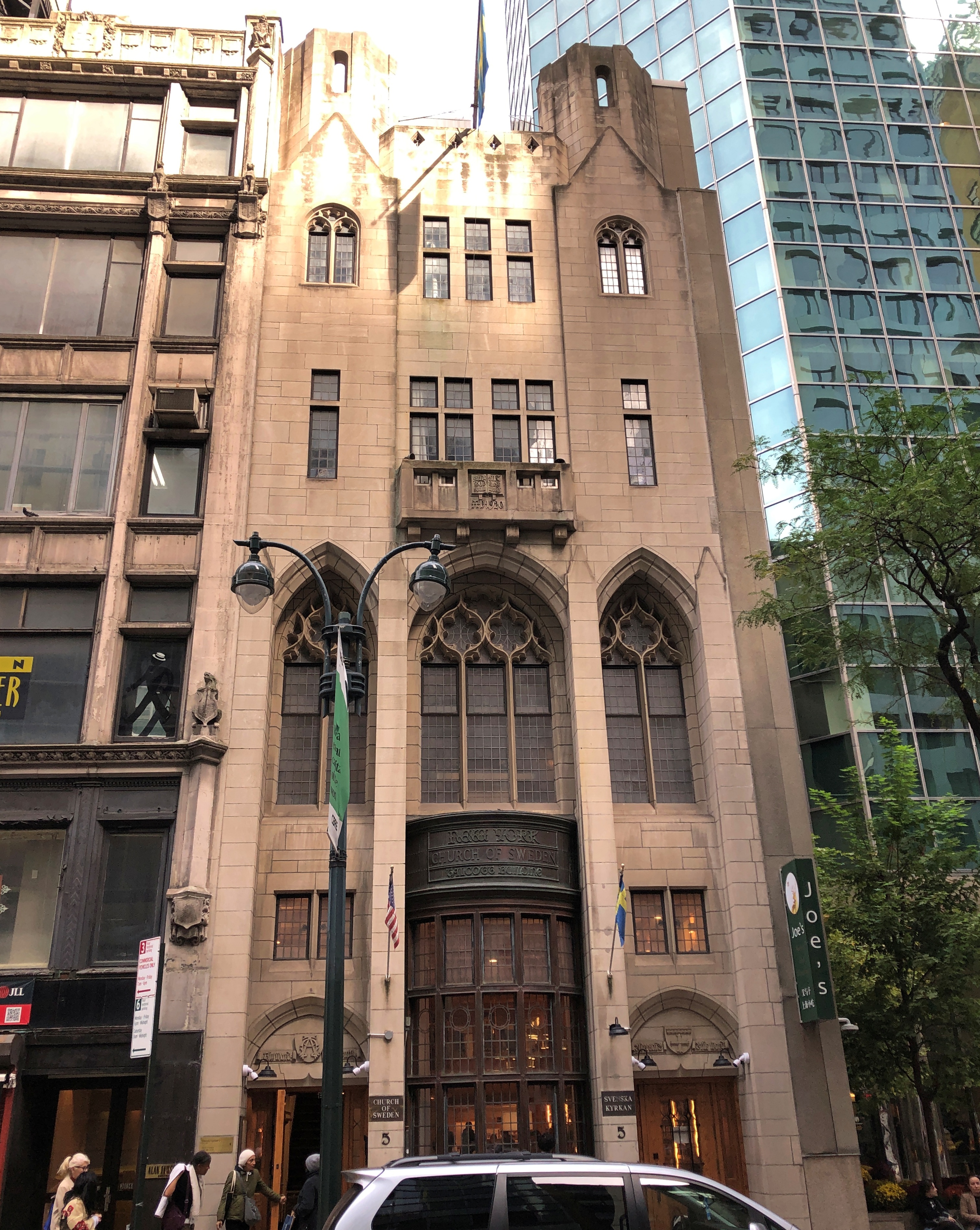
After the General Society of Mechanics and Tradesmen we headed for Park Ave., location of a famed Byzantine revival Episcopal church. Before we got there, we noticed a much smaller church, not actually part of the Open House New York event, at 5 E 48th Street.

Church of Sweden in New York

Swedish Church, NY

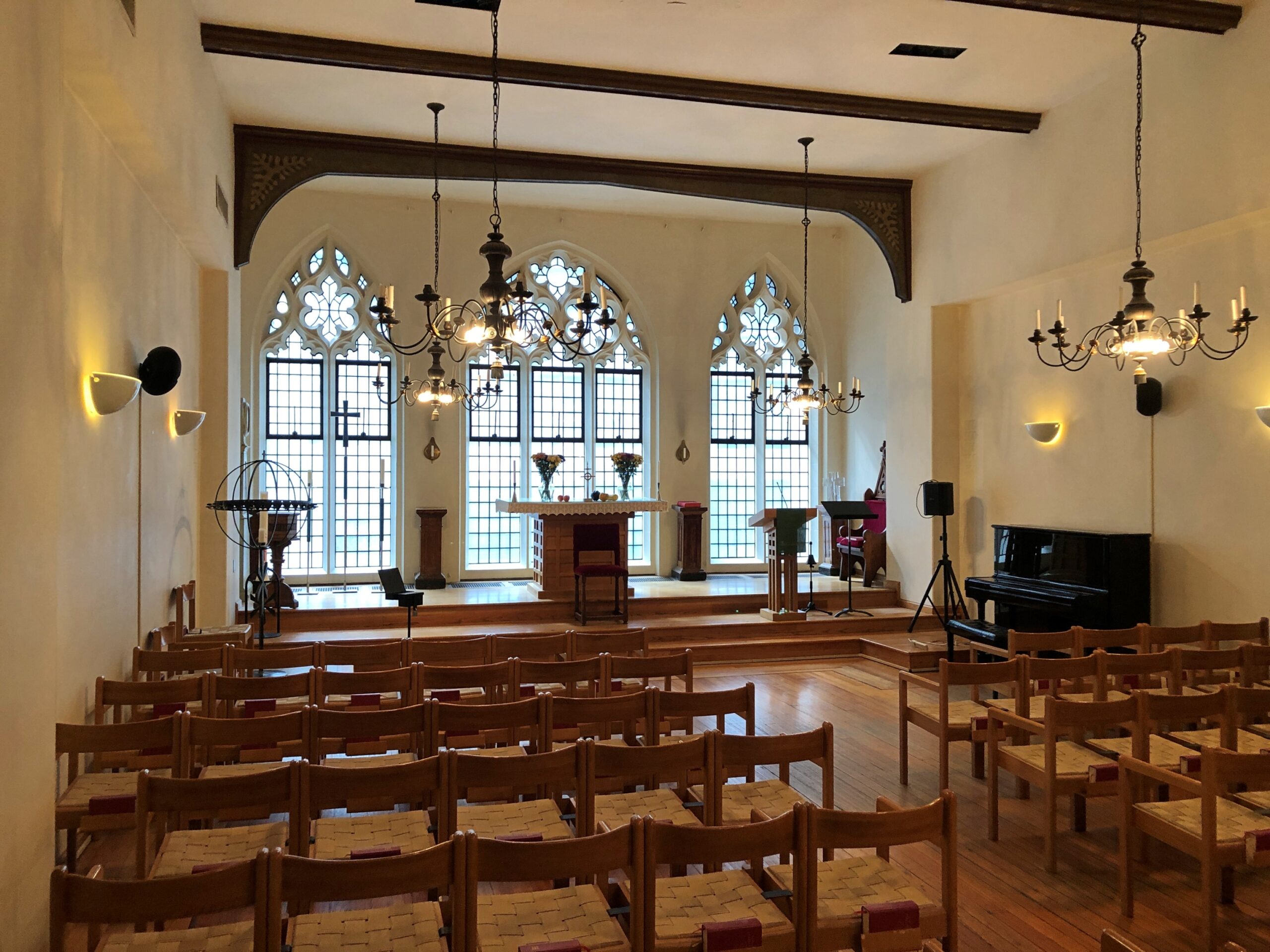
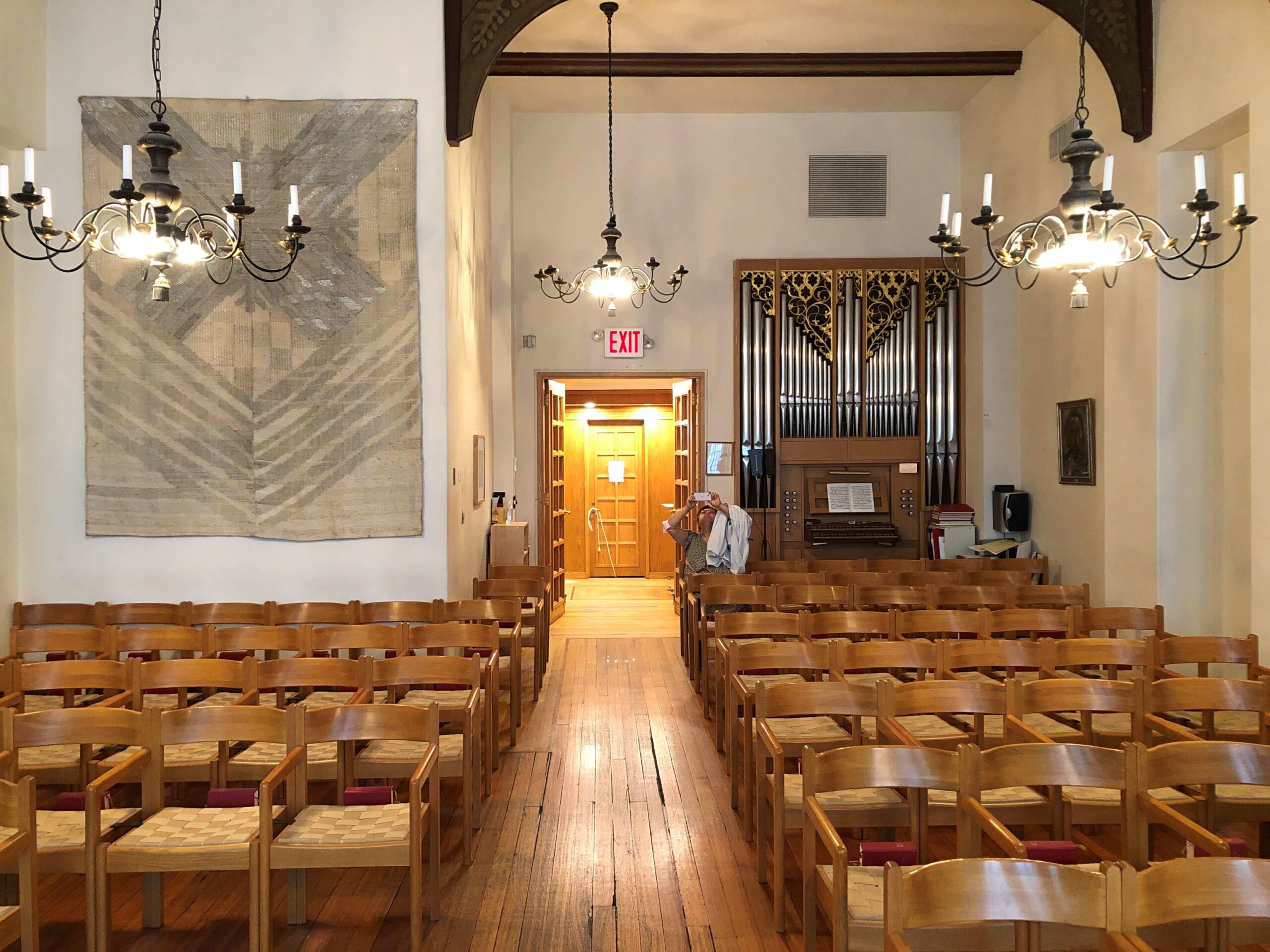
We’d come to the Svenska kyrkan i New York, where services are still held in Swedish. Not only was the church open, there was a cafe on its first floor. The sanctuary is on the second floor. Elegant little place, suitable for the small congregation that Swedish services might attract.

Swedish Church, NY
Swedish Church, NY

Under the Historik section of the church’s web site, you’ll find this helpful information: När svenskarna började flytta till USA och hur Svenska kyrkan på olika sätt velat vara närvarande i New York. A fuller history in English is on the Wiki page.

Swedish Church, NY

St. Bartholomew’s Church

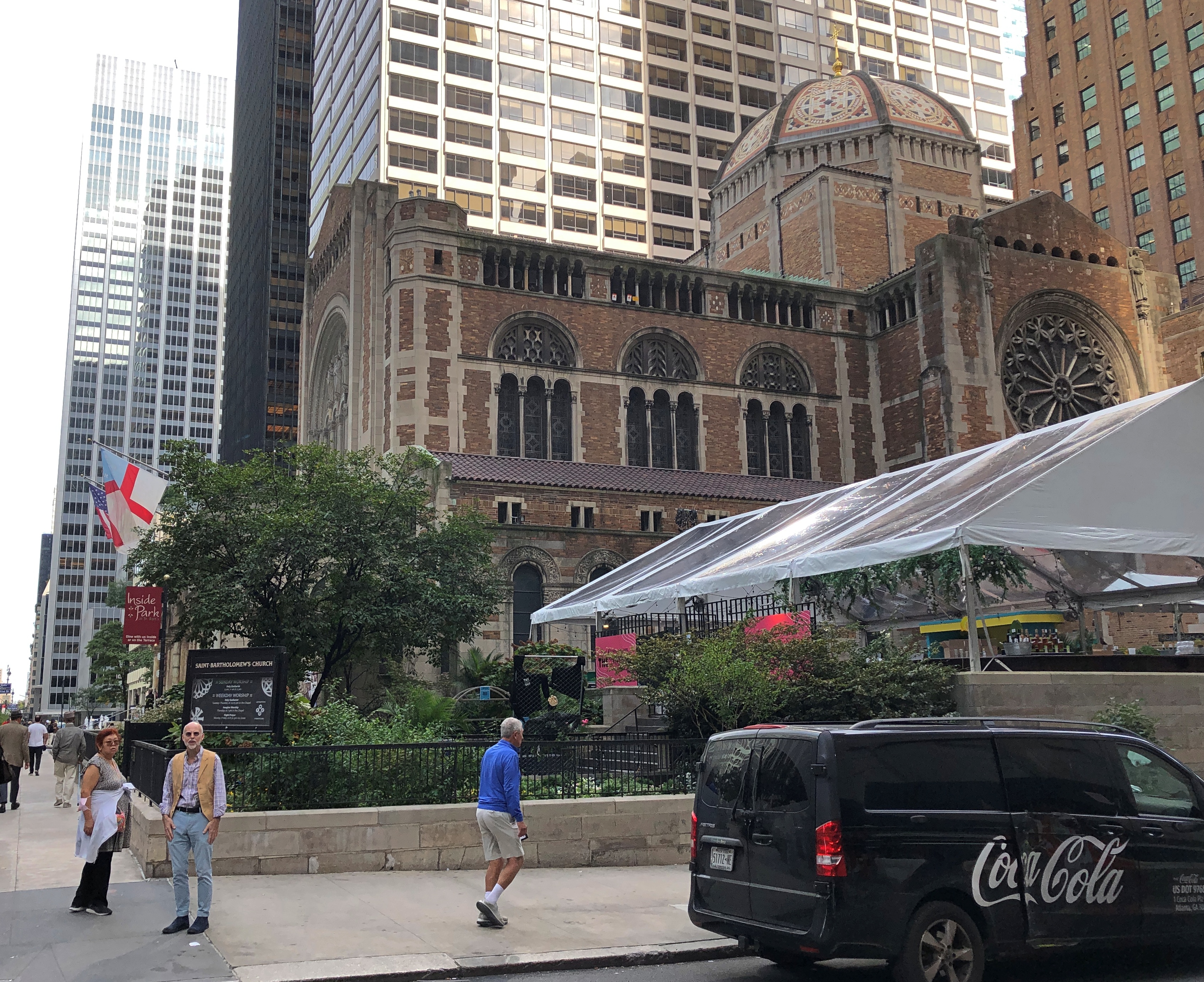
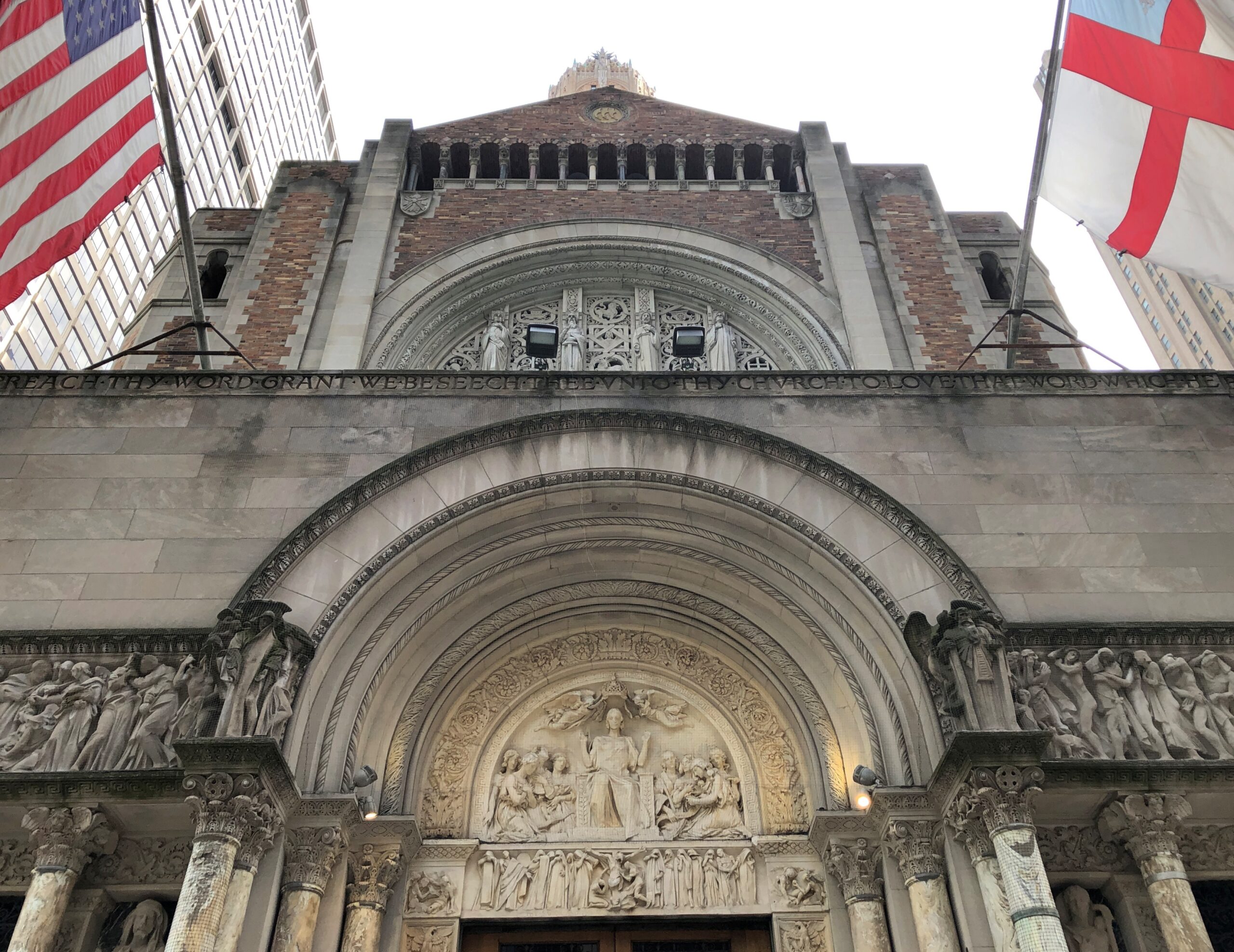
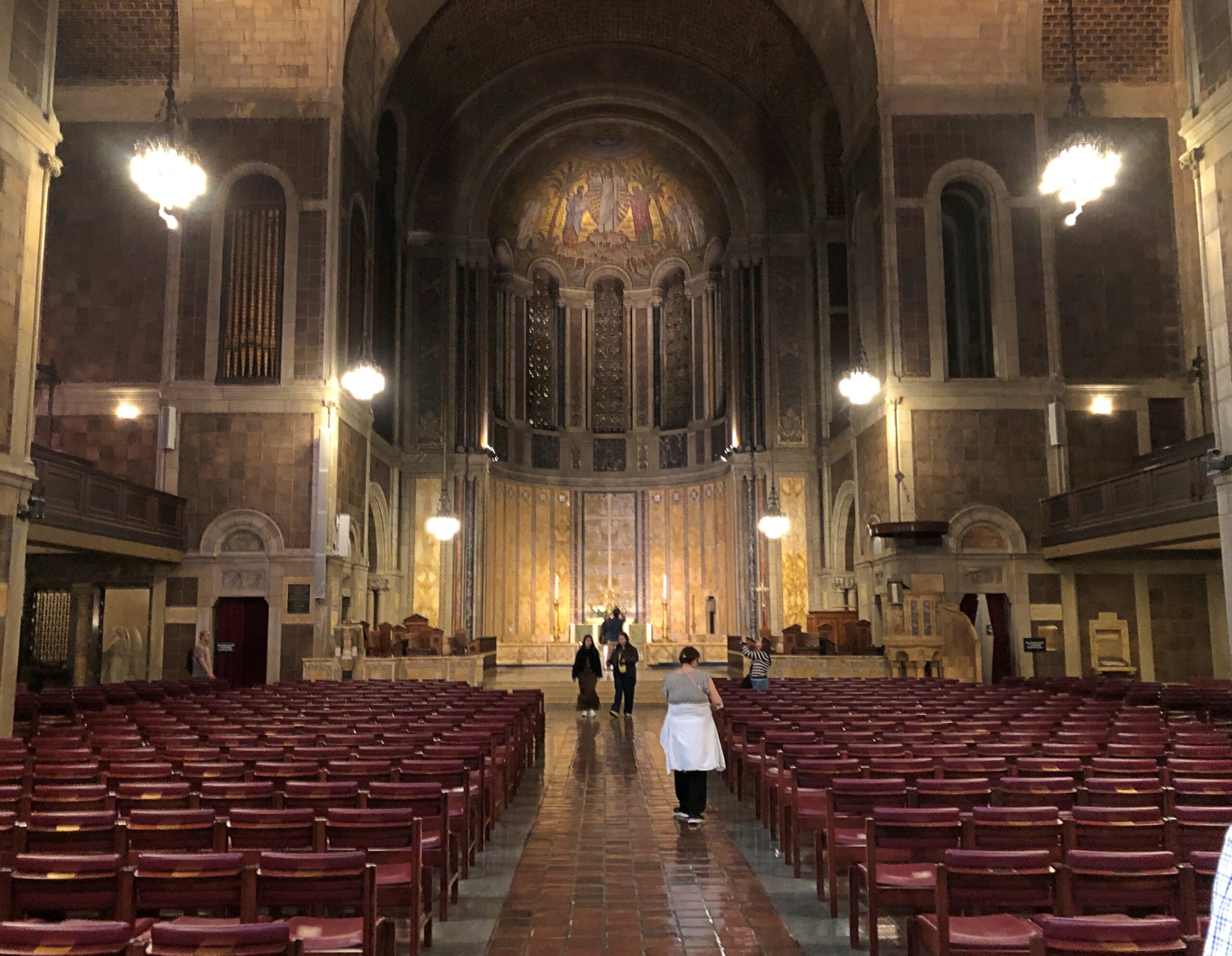
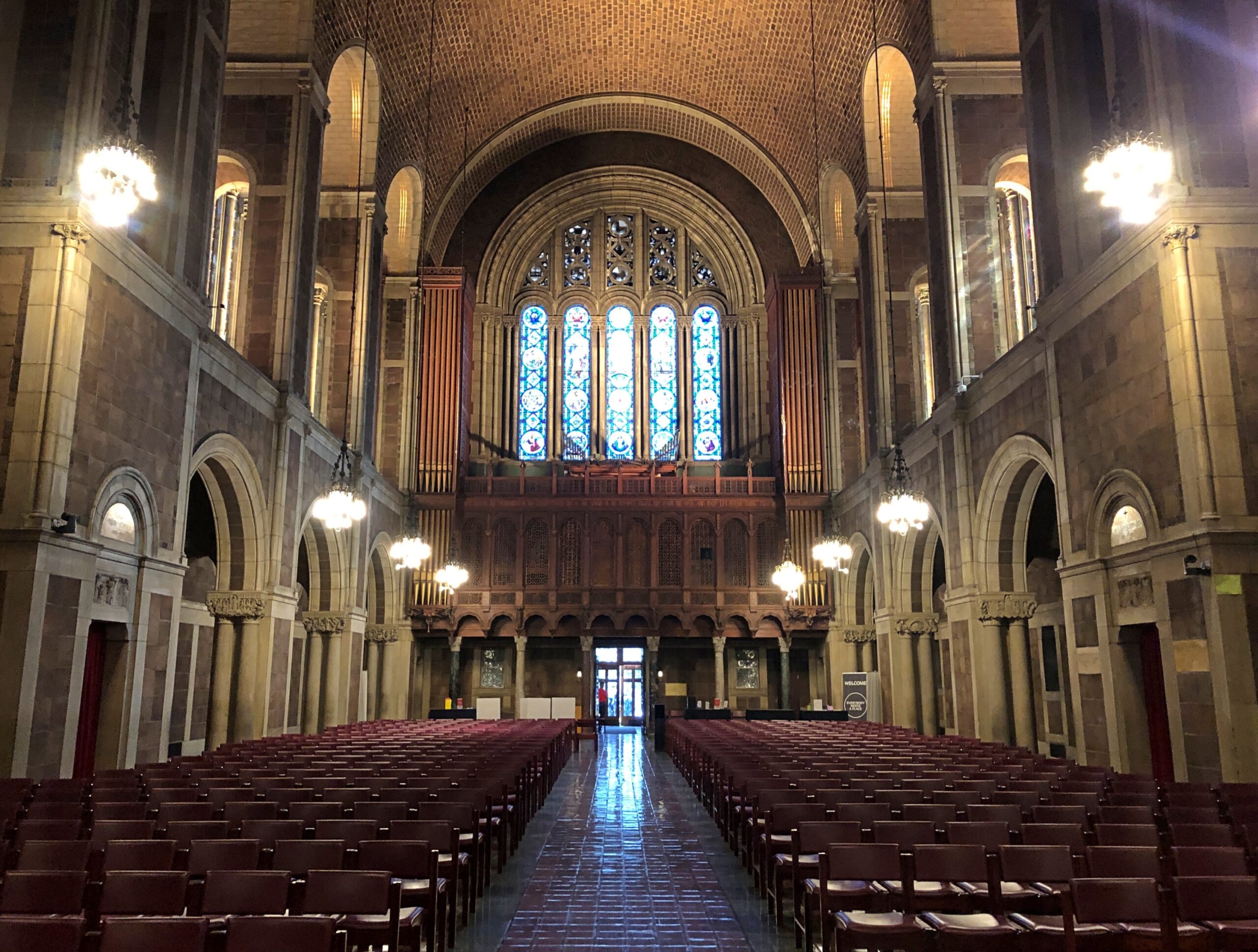
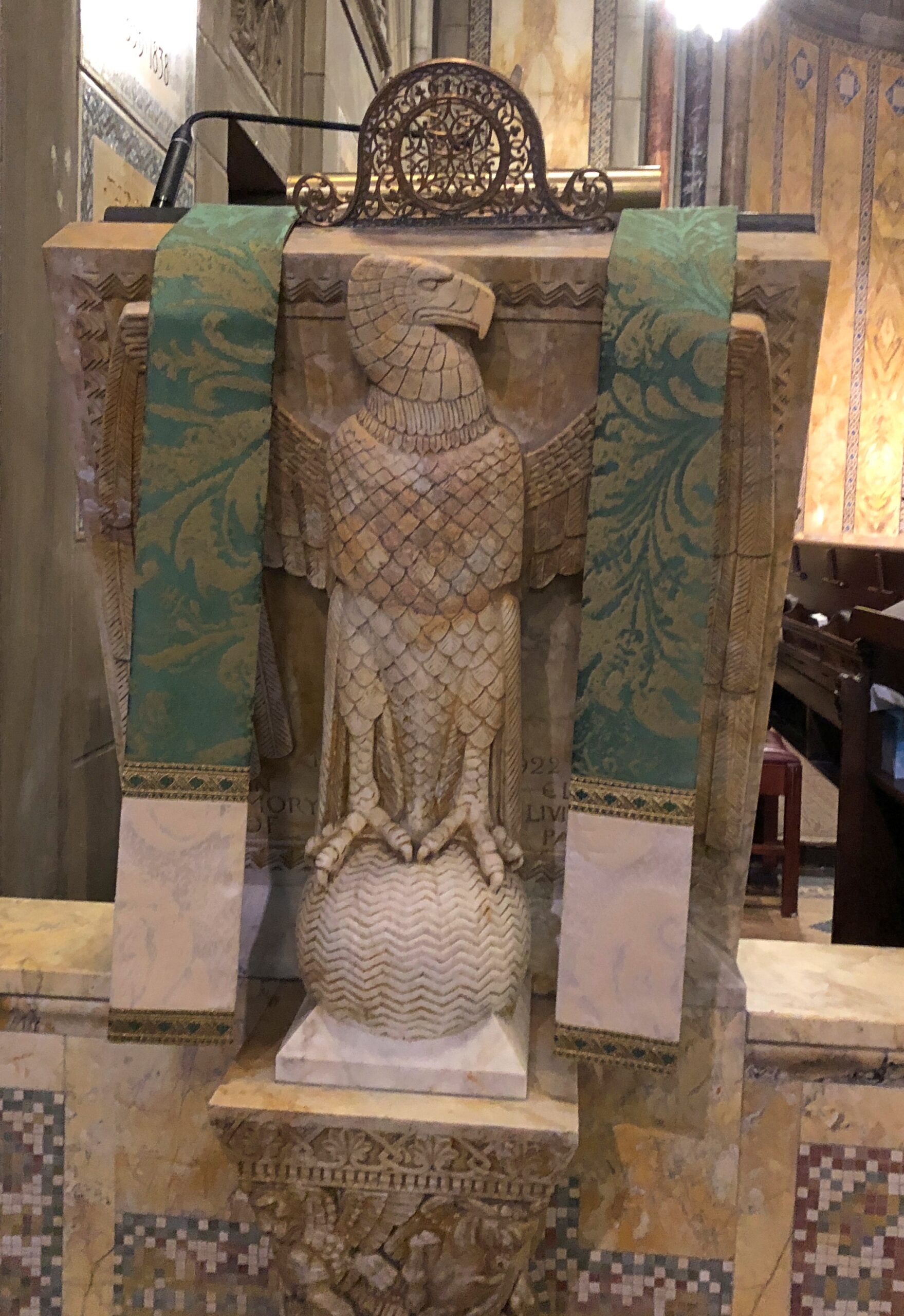
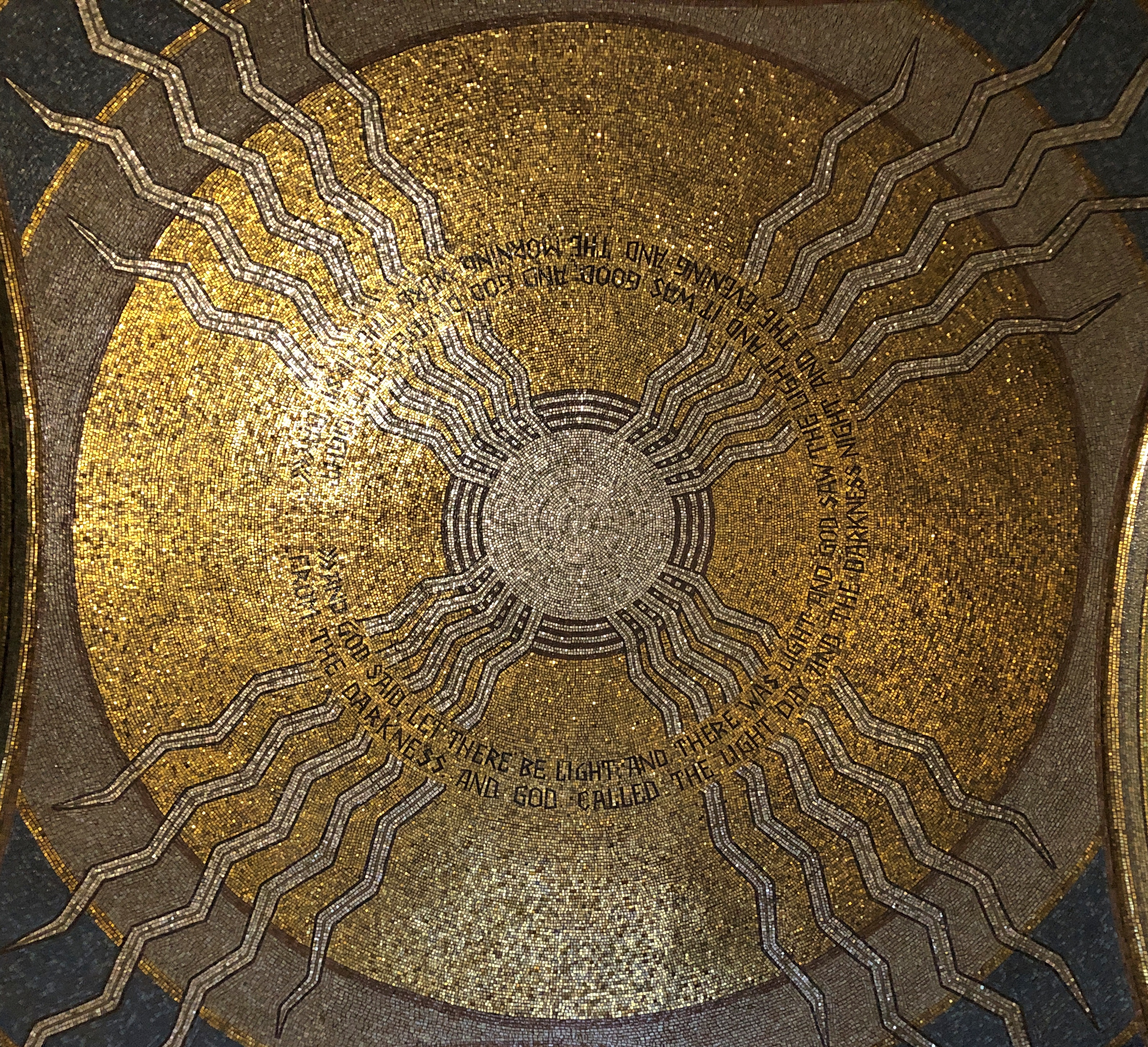
St. Bartholomew’s Church, an Episcopal congregation on Park Ave., was participating in the Open House. That meant it was sure to be not only open, but lighted. The first time I went there, many years ago, I compared it to a cavern. Later I visited when more lights were on. Twenty years ago I wrote: “This time, it was better lighted, the better to show off the church’s superb Byzantine-style mosaics.”

St. Bartholomew’s Church

During my 2025 visit, now joined by my nephew Robert, we were able not just to gaze at the lit sacred space, but we had the benefit of a knowledgeable docent, a woman of a certain vintage with a hobbled gait and a raspy voice. She knew the history of the congregation, and its slice of Manhattan. She had the artistic detail down cold. She knew her ecclesiastical styles. From the depth of detail about the many artists who worked on the church, it sounded like she knew some of the artists personally, though that couldn’t be literally true for most of them, since the church was built more than 100 years ago, with certain later design additions.

St Bart
St Bart

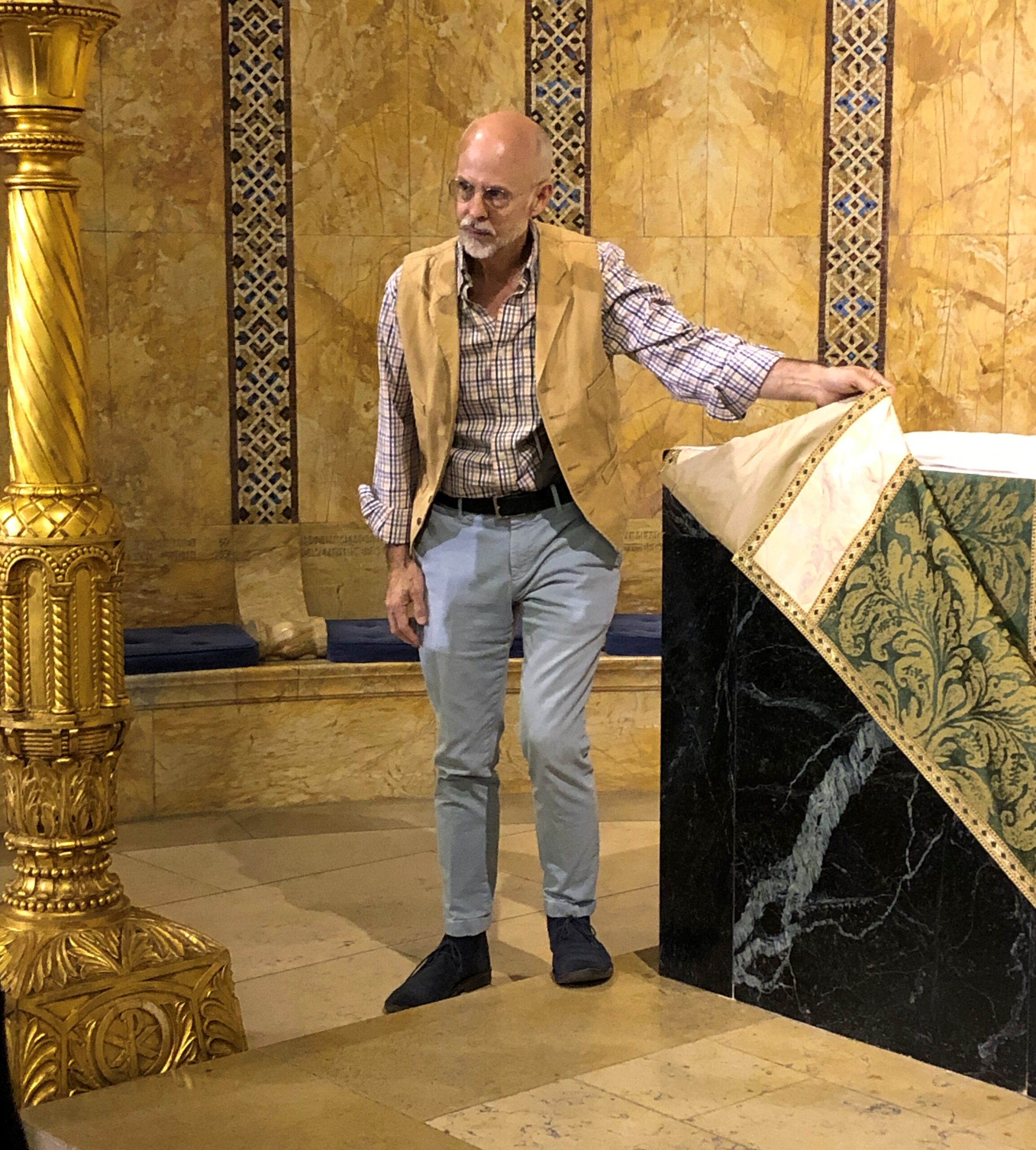
At the direction of the docent, Geof unveiled the altar for a moment.

It might have been interesting to know Hildreth Meière. Hers was an astounding career: “Working with leading architects of her day, Meière designed approximately 100 commissions, both secular and liturgical,” the International Hildreth Meière Association says. “Her best-known commissions include Radio City Music Hall, One Wall Street, St. Bartholomew’s Church, Temple Emanu-El, and St. Patrick’s Cathedral in New York. She also decorated the Nebraska State Capitol in Lincoln, the National Academy of Sciences in Washington, D.C., and the Cathedral Basilica of Saint Louis.”

The mosaics didn’t photograph well – that is, I’m too lazy to carry around a better camera – but good images are at the association web site.

St Bart

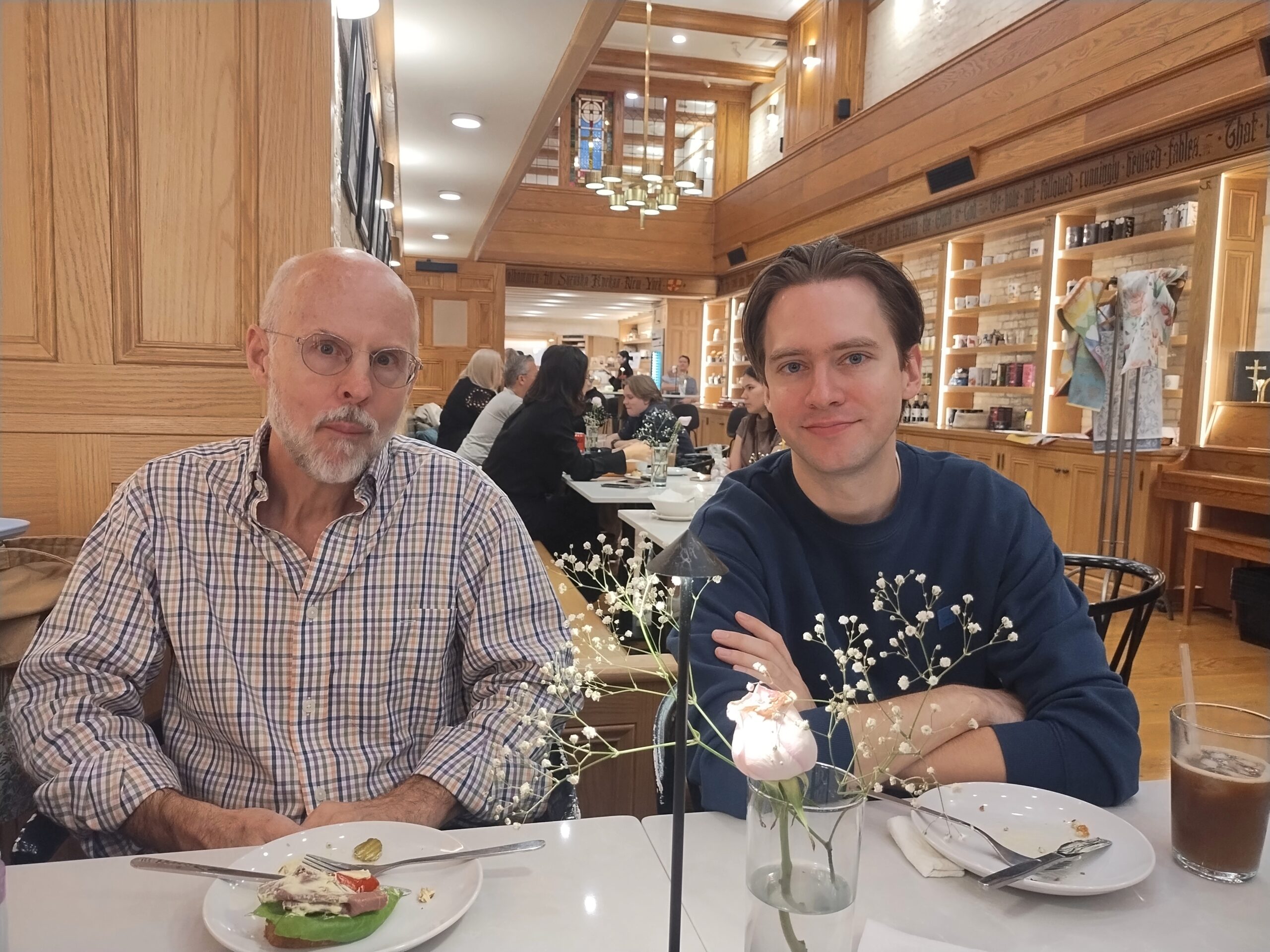
Emerging from St. Bart, we agreed that heading back to the cafe at the Swedish church would be a good idea. It was.

Sated with Swedish-style open-faced sandwiches, our walk soon continued, up Fifth Ave. to St. Patrick’s Cathedral, which was its usual crowded splendor. I think I spotted some new, or newish murals, just inside the nave. A wedding was in progress. One must come after another every Saturday not in Lent, with ropes closing off a large part of the nave, making for extra crowding in the side aisles.

We didn’t stay. Not far away was a church far less crowded but with its own splendor.

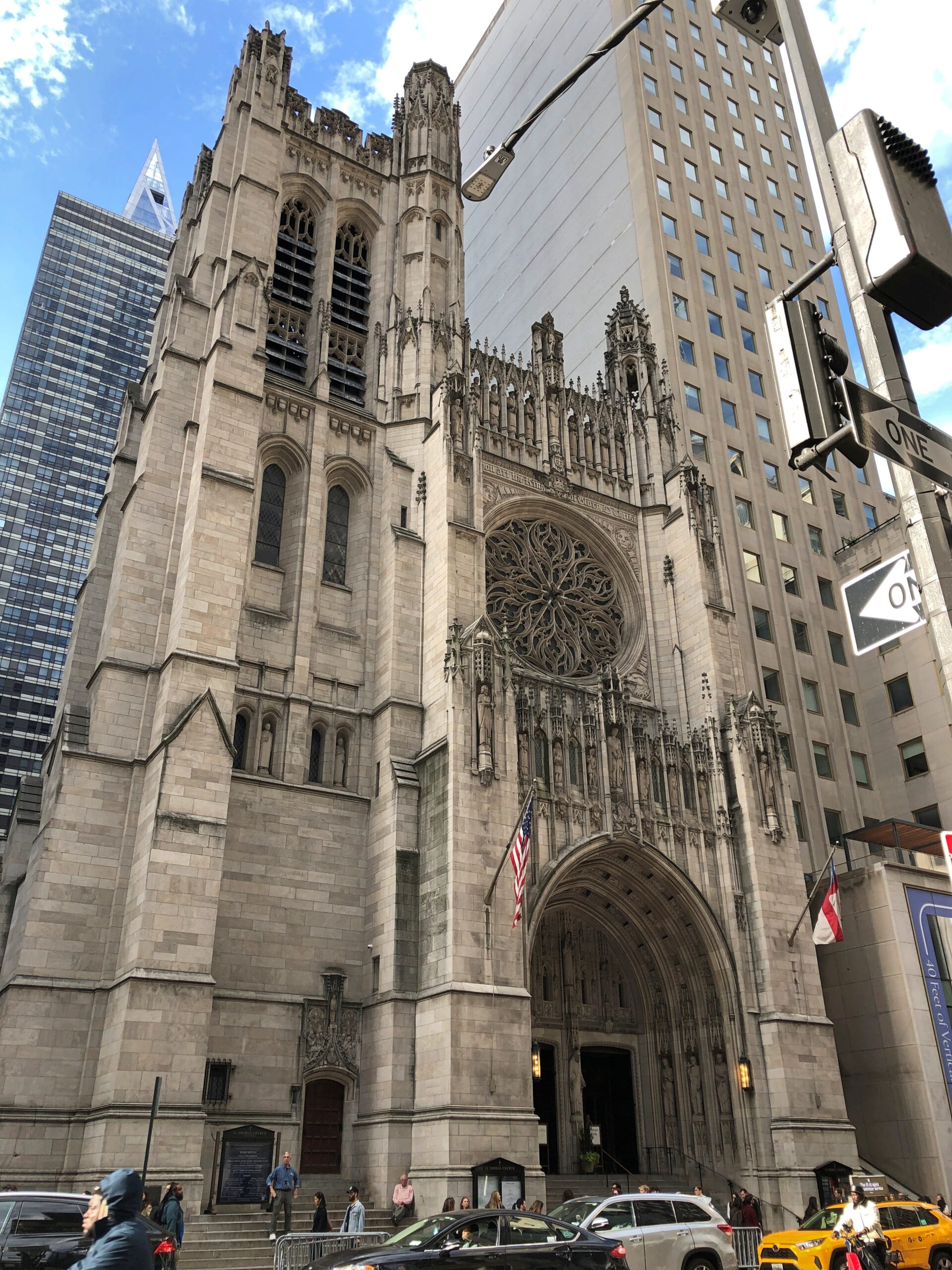
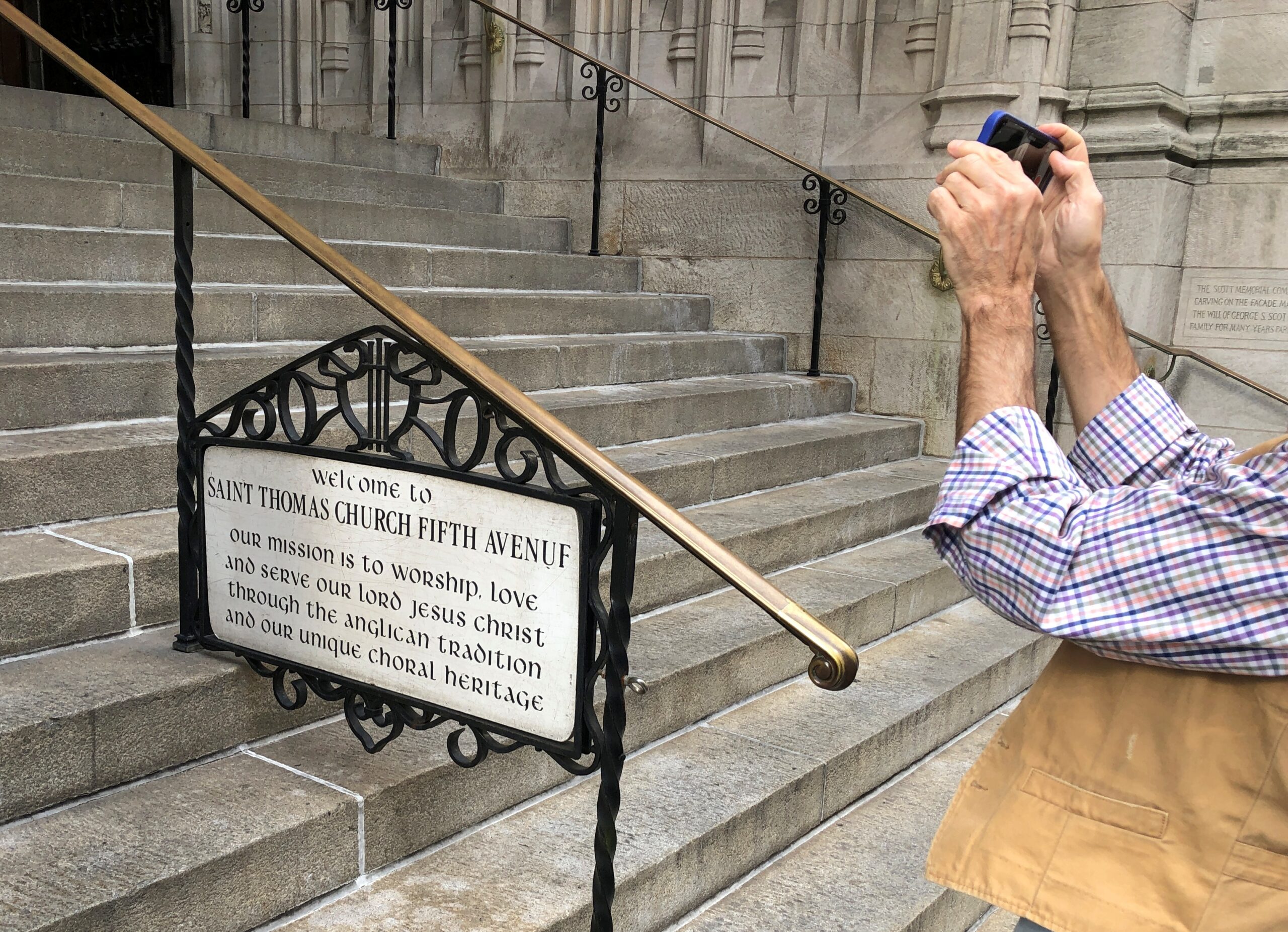
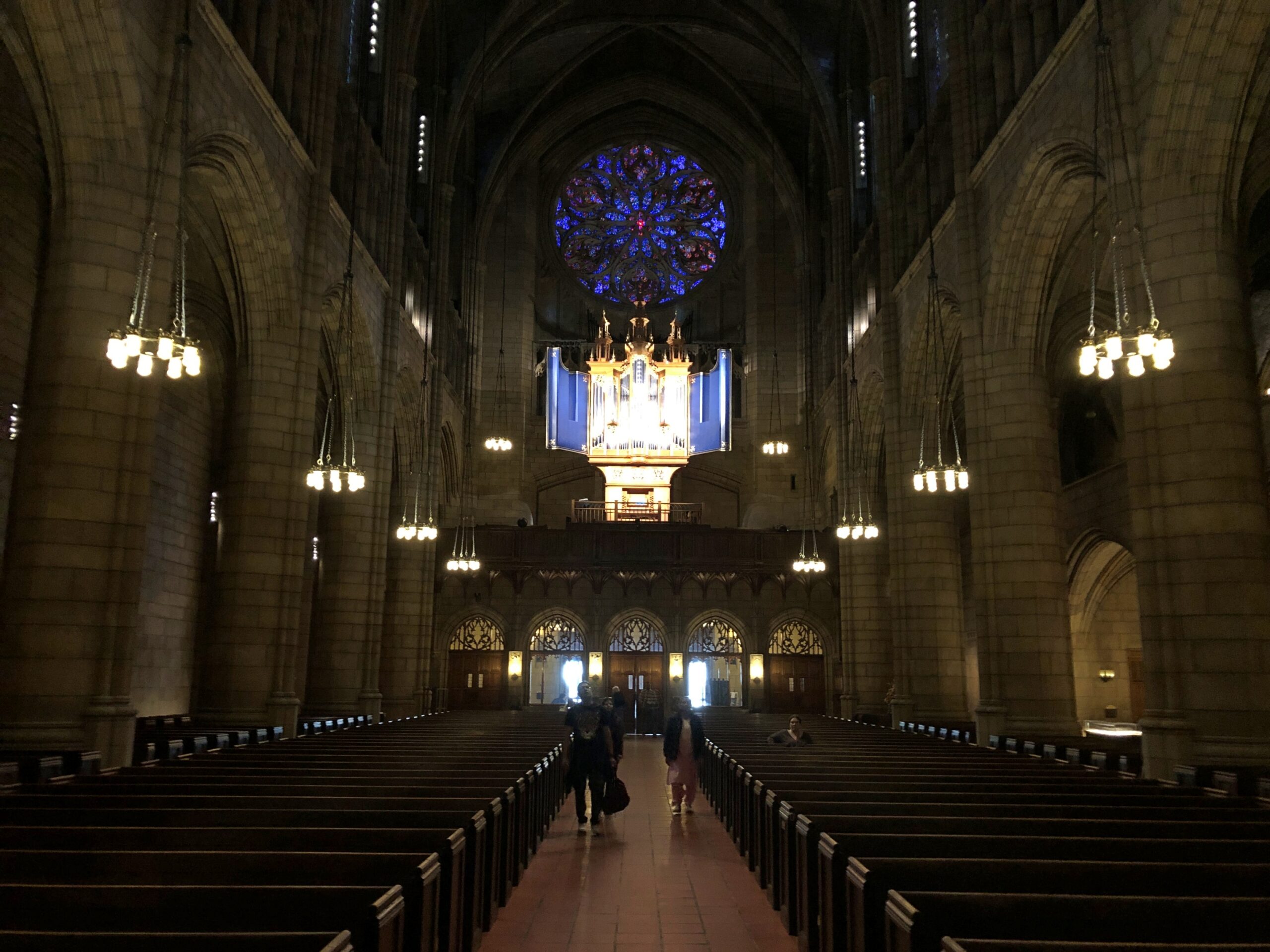
St. Thomas Church

St Thomas Church
St Thomas Church

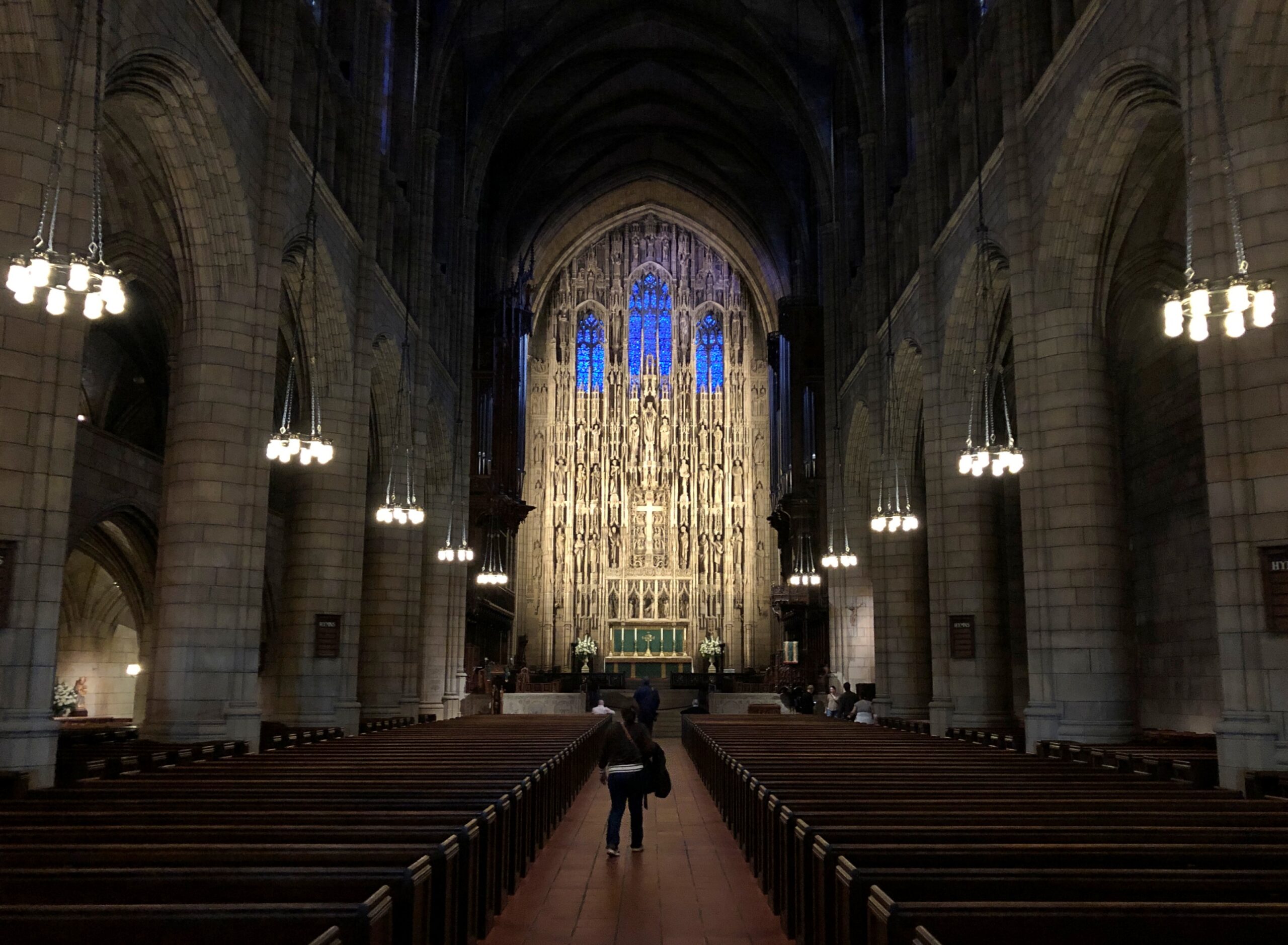
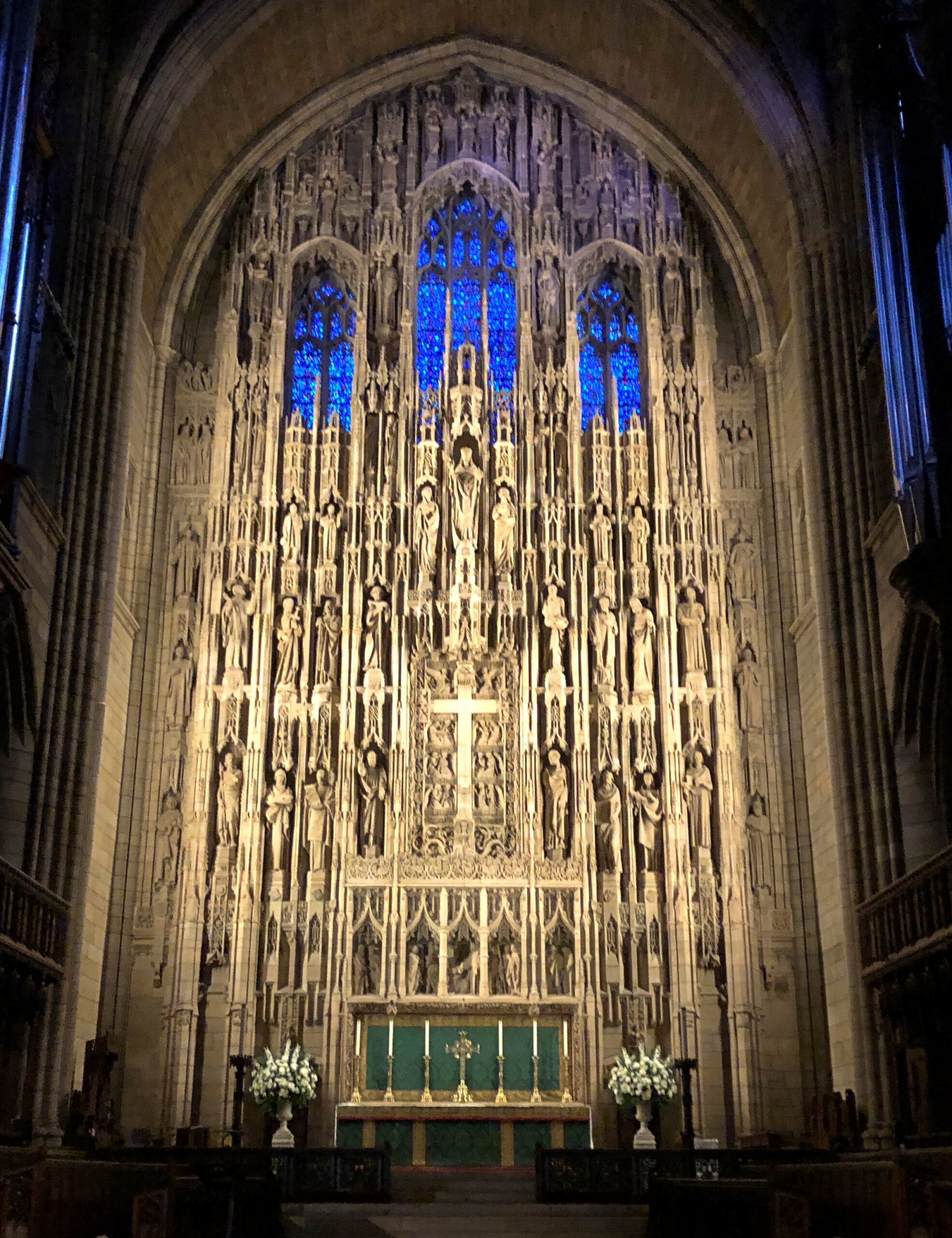
Namely, St. Thomas Church, another major Manhattan Episcopalian congregation. Inside, lights were low. The reredos stood out in the dark, a glowing presence above the altar populated by more than 60 stone carved figures, I’ve read. A Christian crowd: saints, prophets and reformers in an ivory colored stone from Wisconsin. I’d have needed a telephoto lens to have any hope of identifying any of them, but that didn’t make them any less striking.

St Thomas Church
St Thomas Church
St Thomas Church

Ralph Adams Cram and Bertram Grosvenor Goodhue of Cram, Goodhue and Ferguson designed the church, completing it in 1914. They were another of those prolific architects now out of living memory who seemed to design a long list of churches in a short time. The duo did St. Barts, too, and the Cathedral of St. John the Divine, and Rockefeller Memorial Chapel, just to name a few famed sacred spaces of near-palatial character.

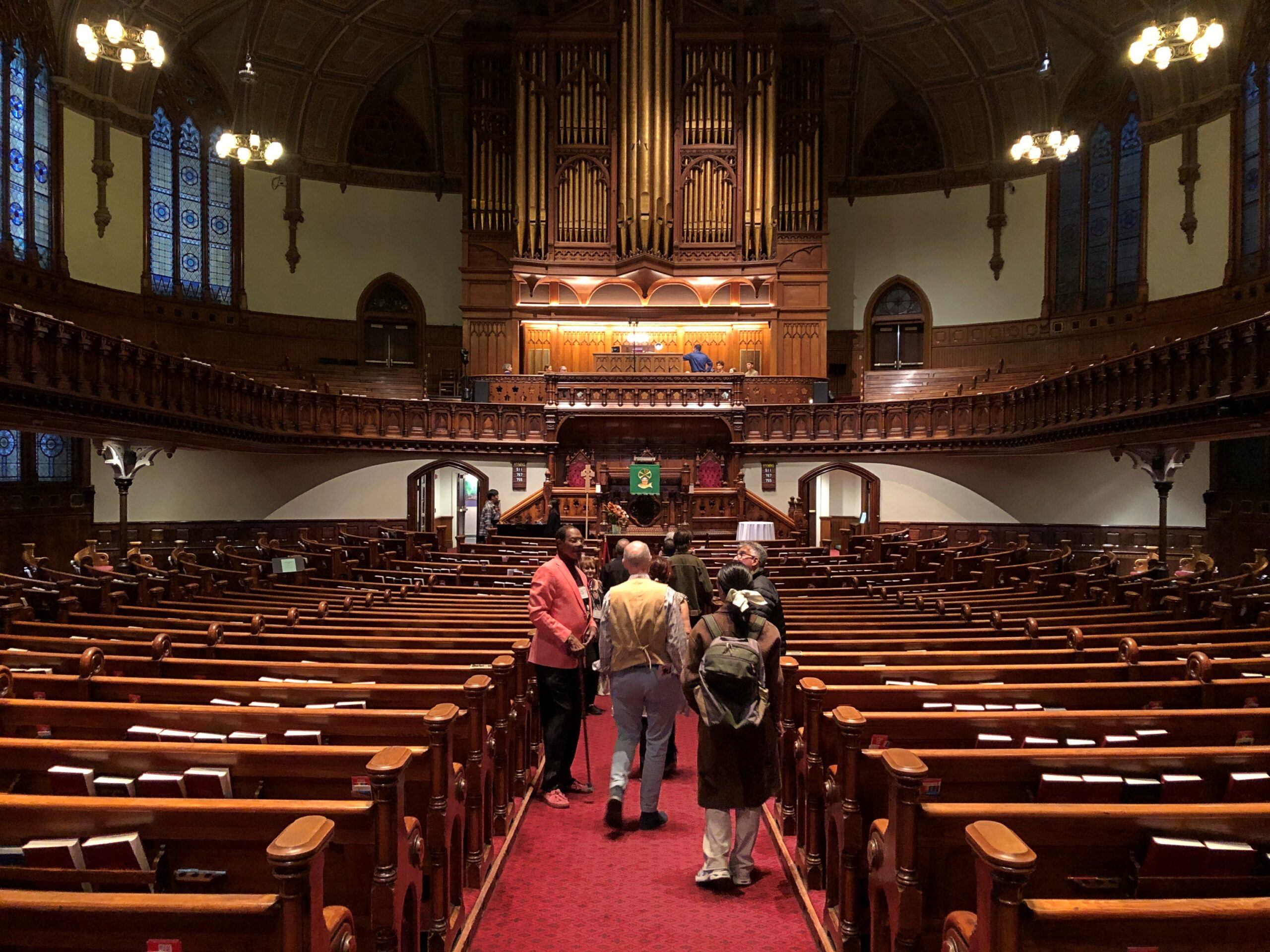
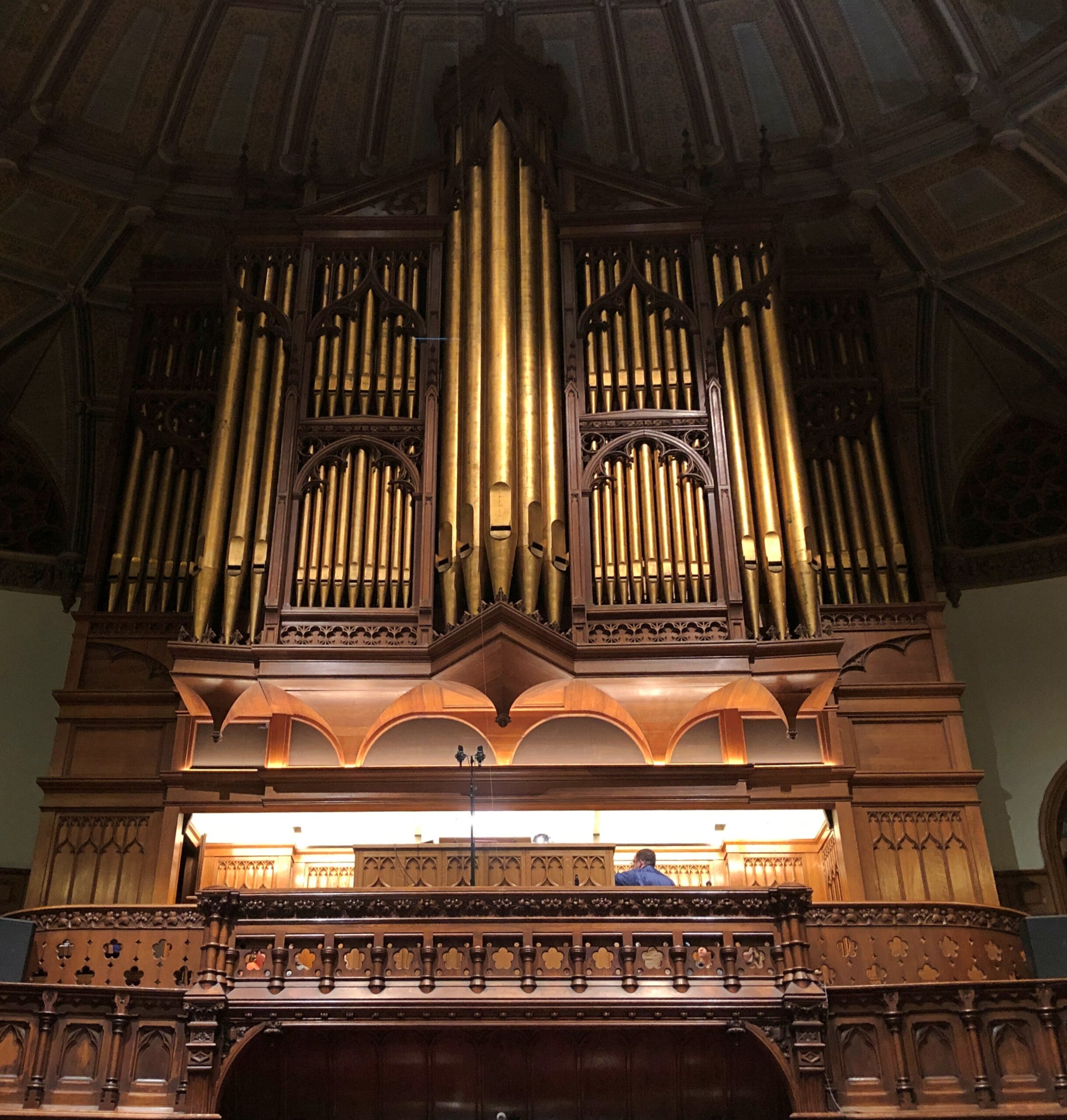
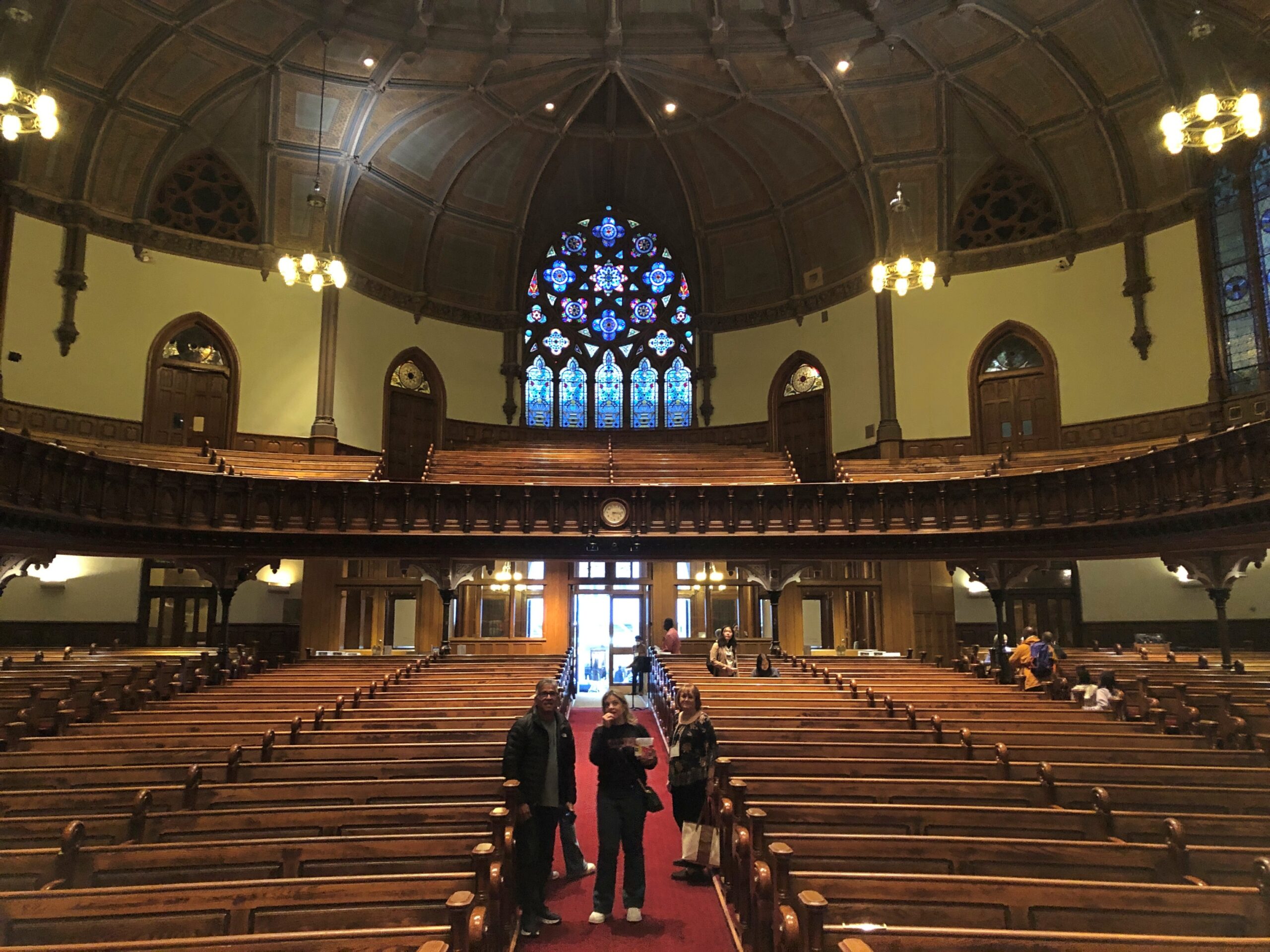
Fifth Avenue Presbyterian Church

Just steps away from St. Thomas, as real estate press releases like to say about two close buildings, is Fifth Avenue Presbyterian Church. It was our last Open House church for that day.

Fifth Avenue Pres
Fifth Avenue Pres

With its auditorium style and balconies, it reminded me of the Moody Church in Chicago, though Fifth Avenue Pres is much older: 150 years this year, as it happens.

Fifth Avenue Pres

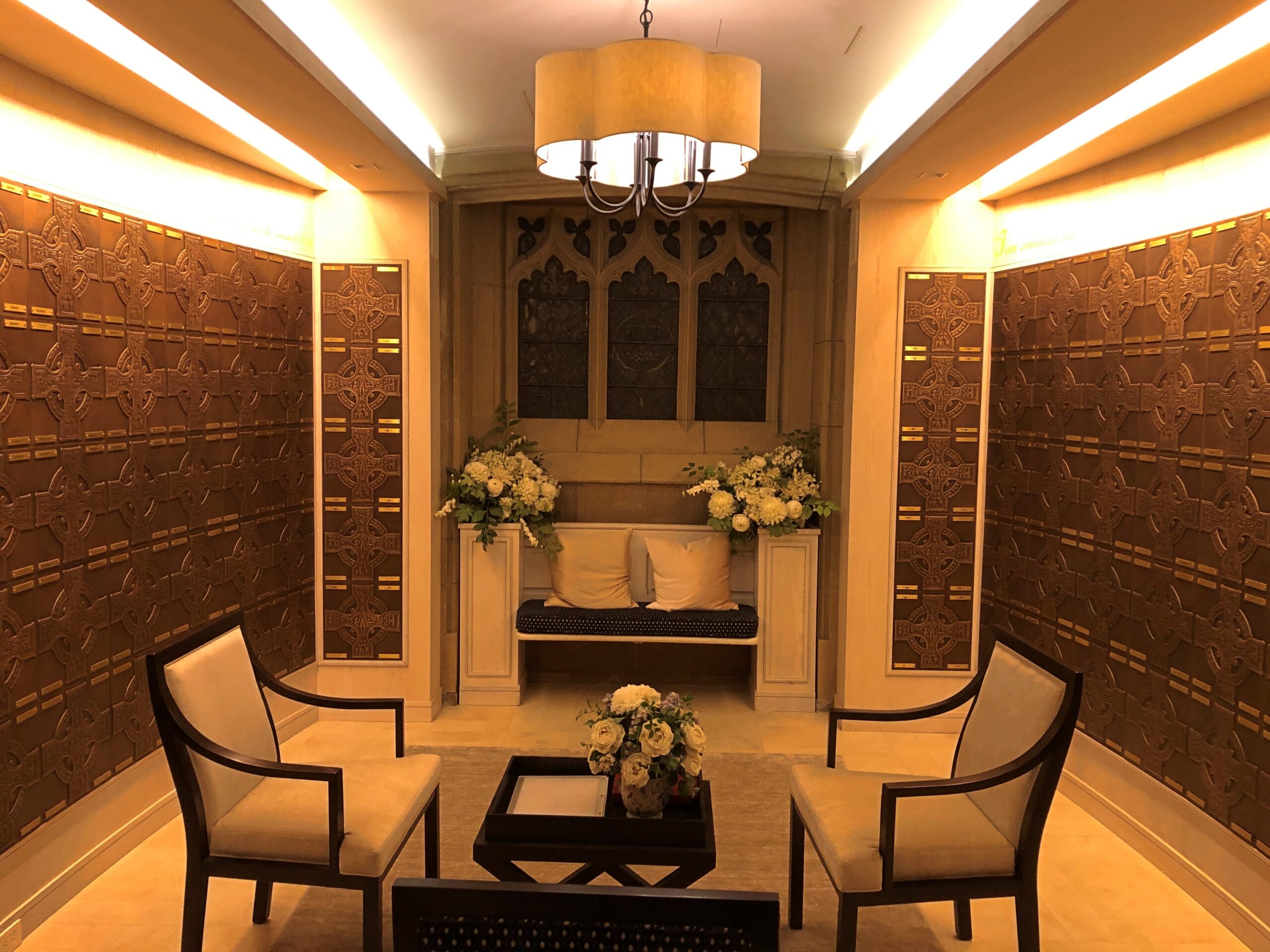
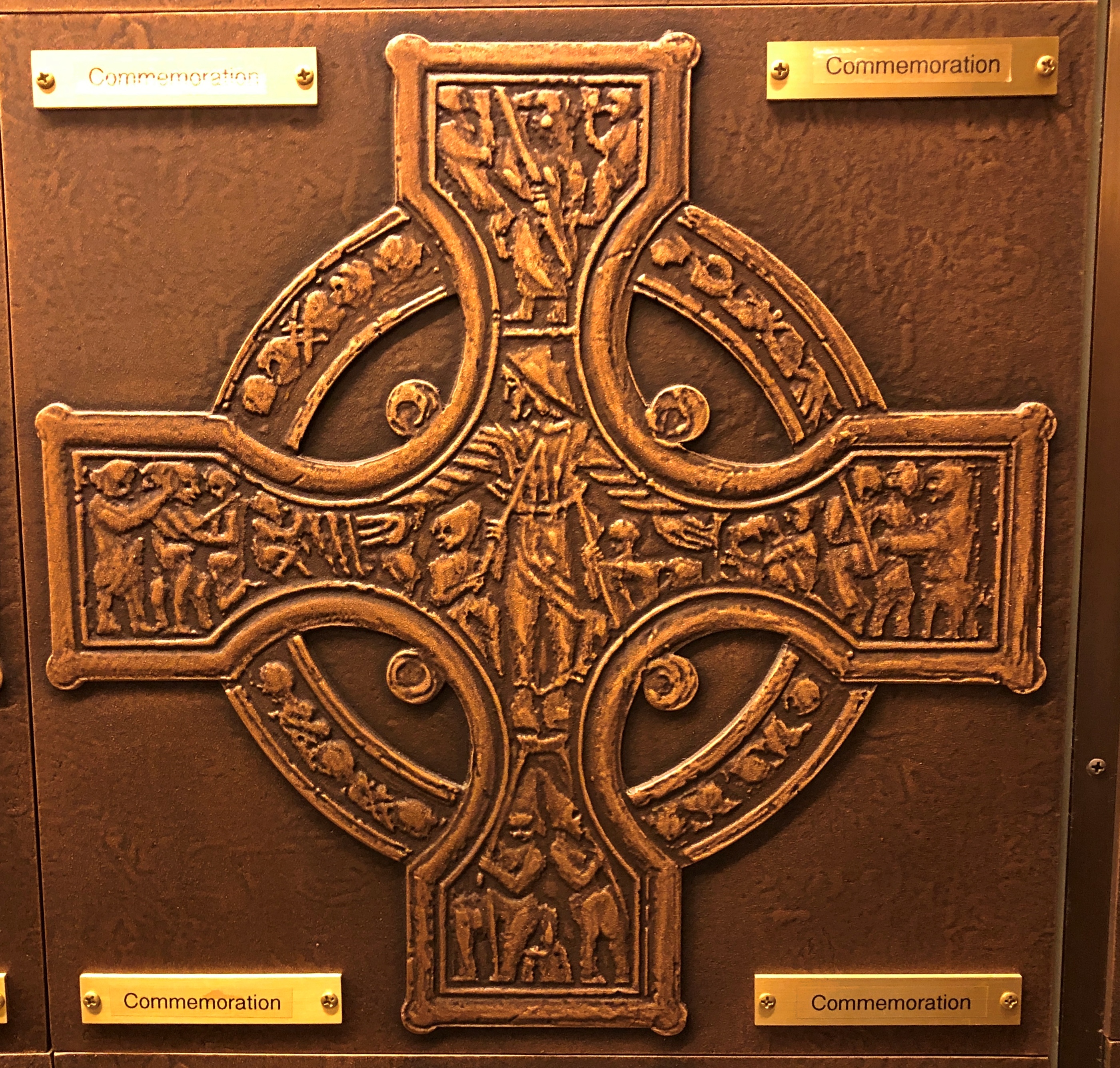
A hallway and some rooms extend beyond the front of the nave, including a columbarium.

Fifth Avenue Pres
Fifth Avenue Pres

Waiting for occupants. All it will take is time.

No Kings, Many Watches

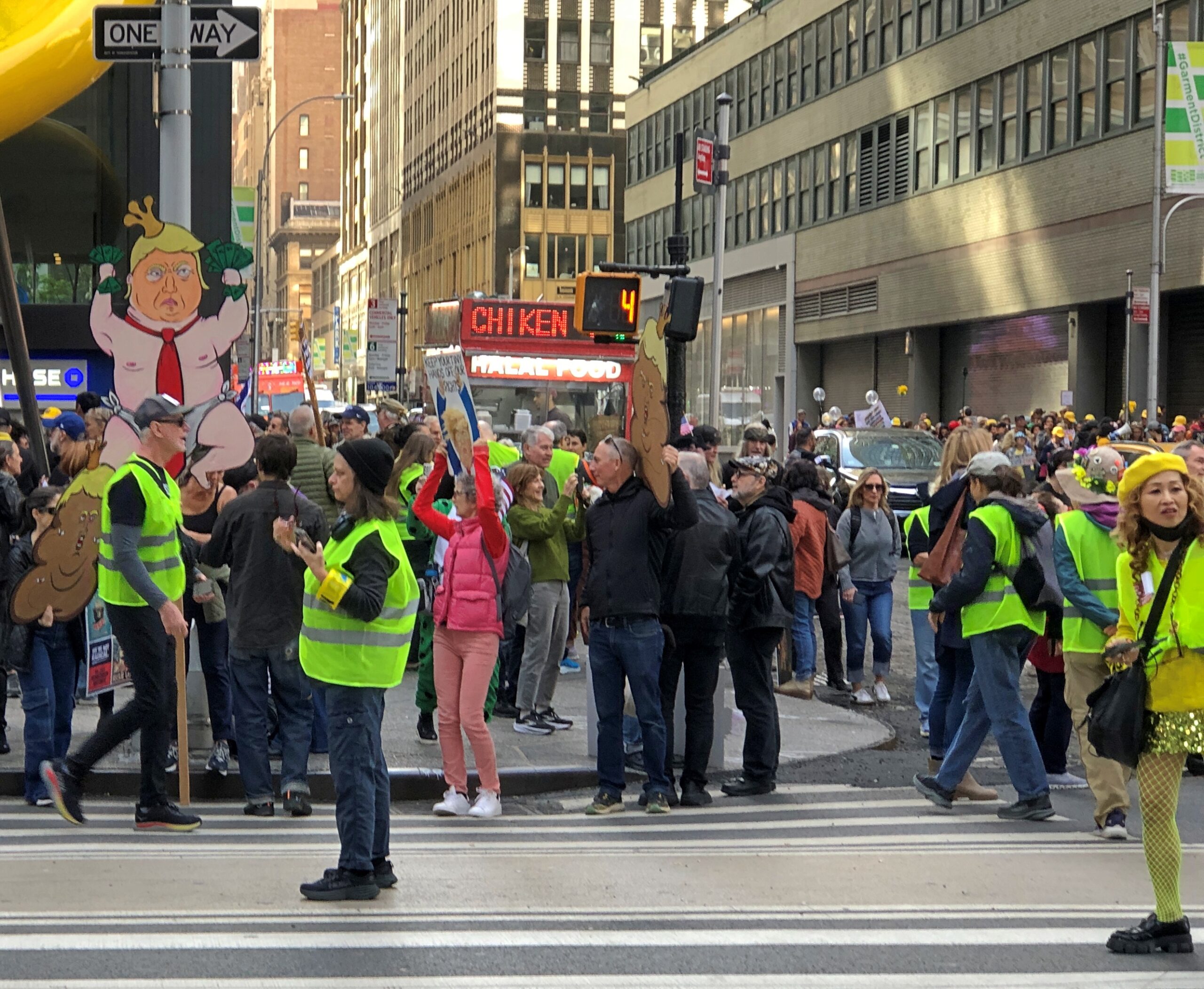
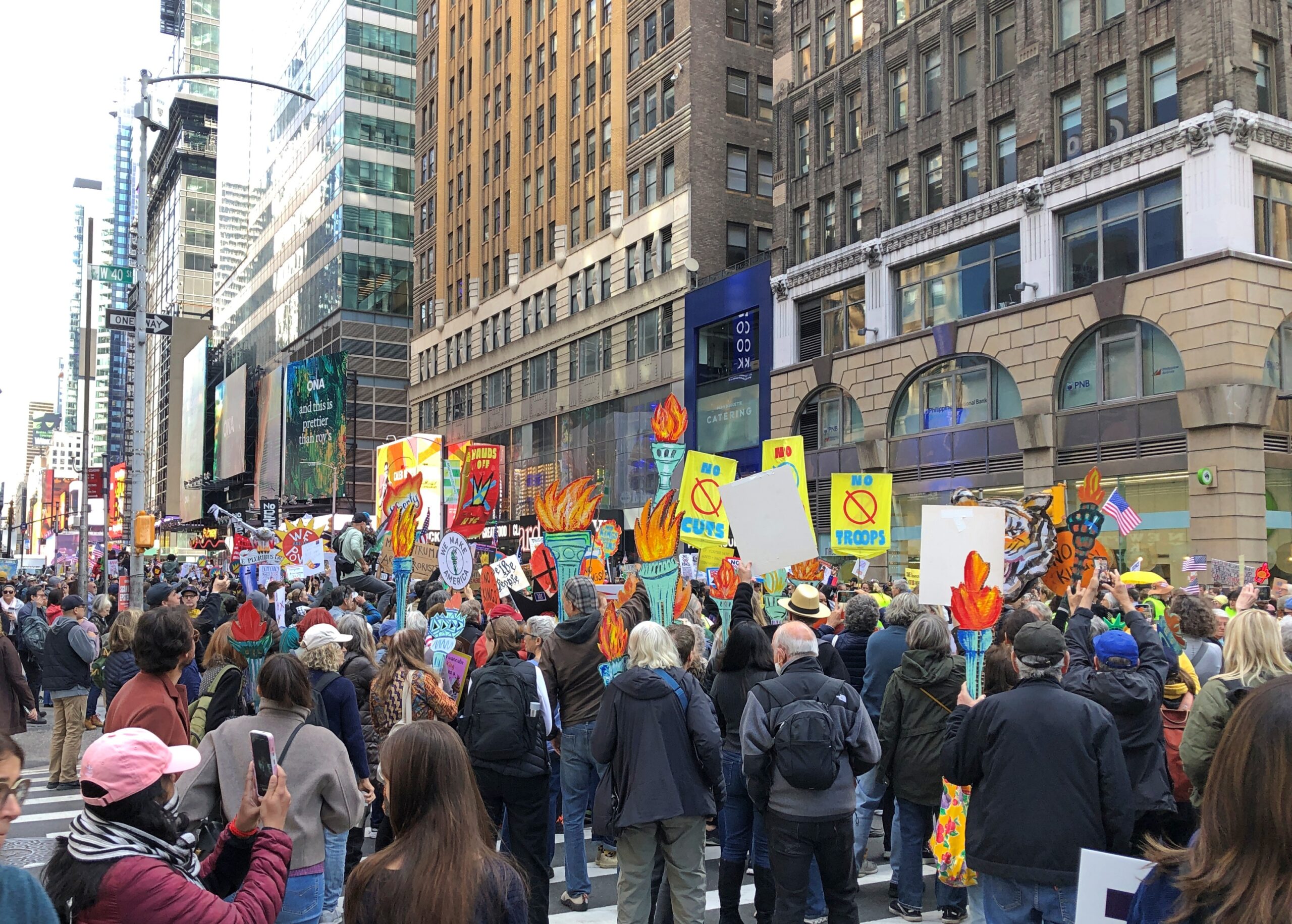
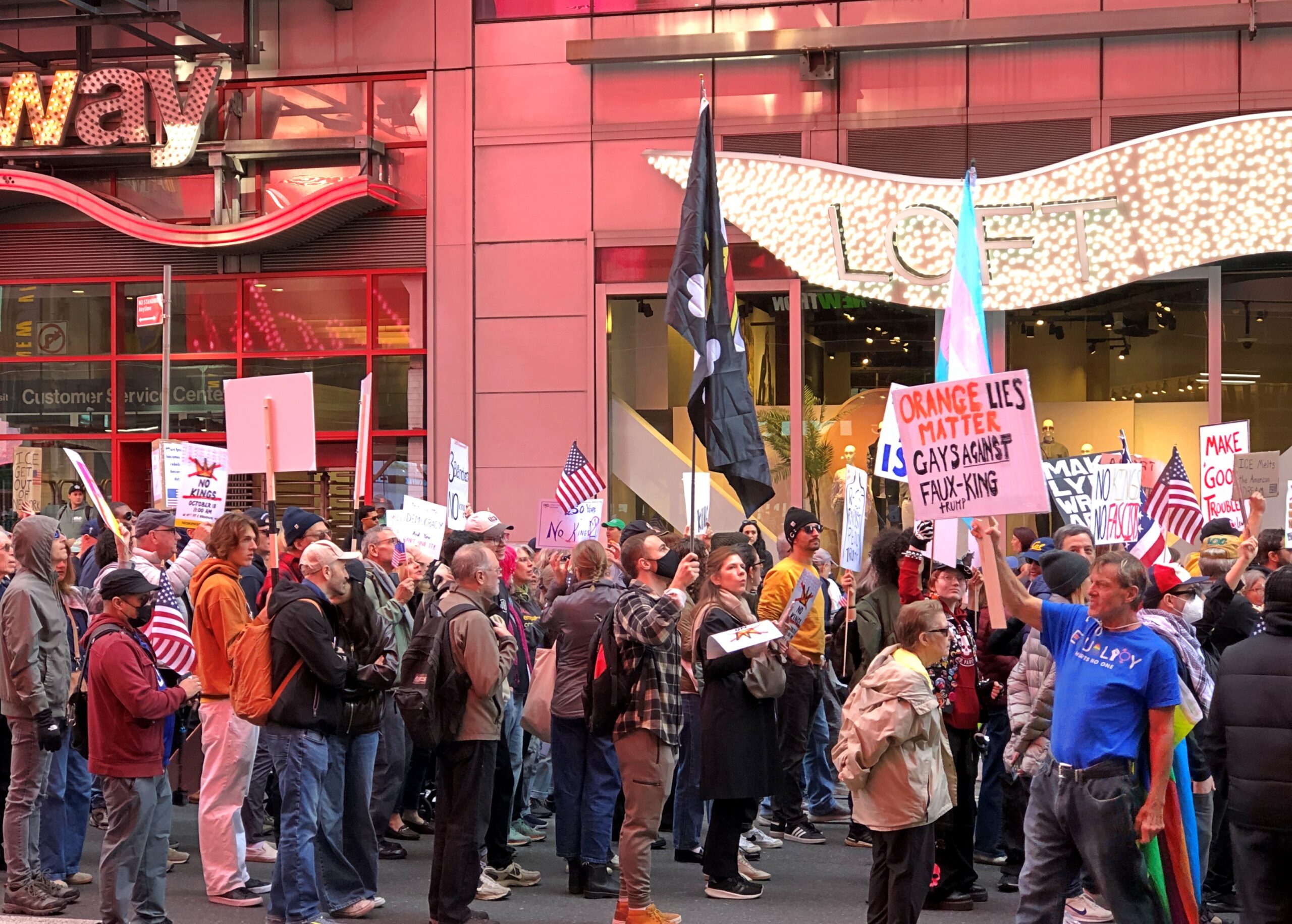
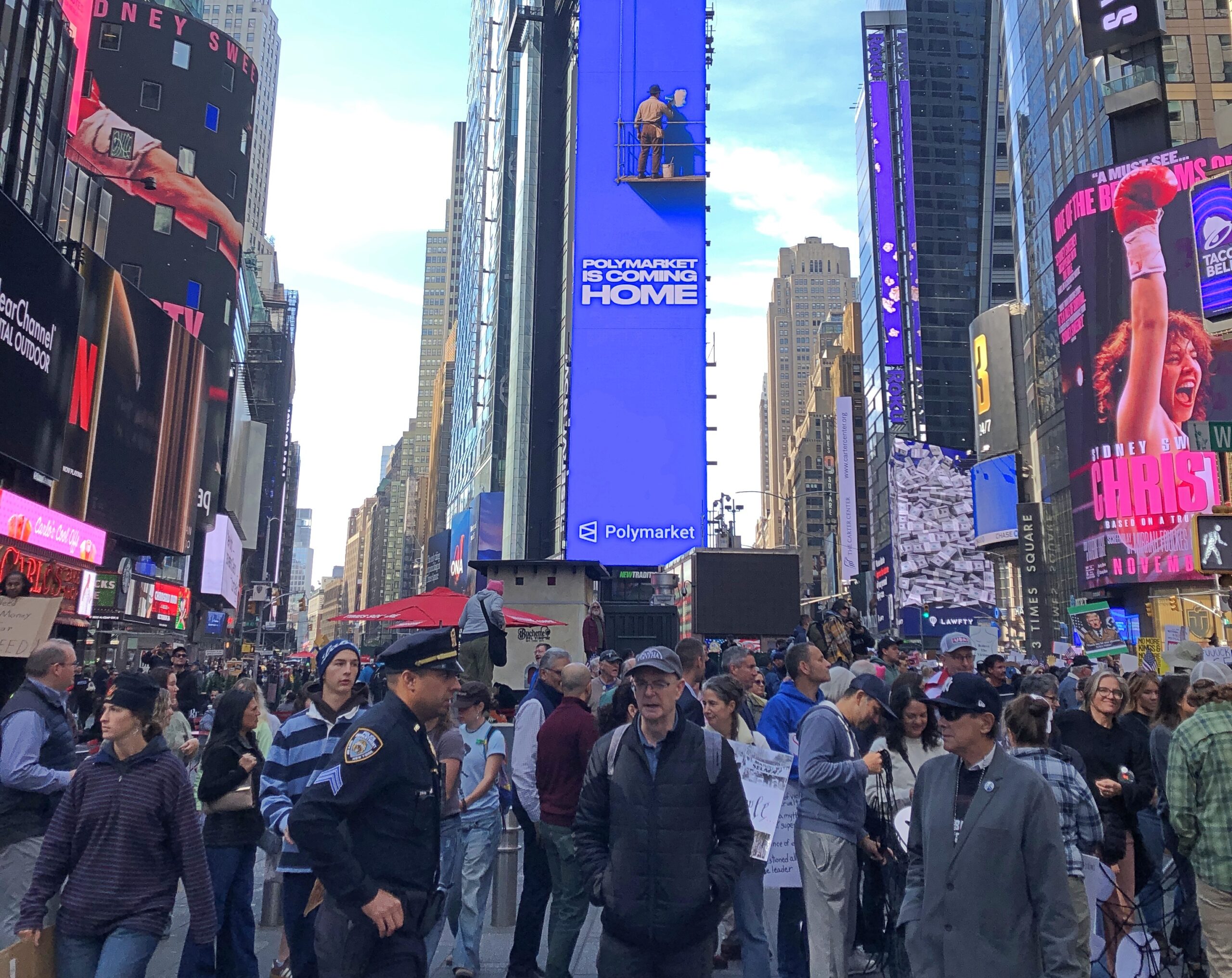
We arrived in Manhattan by the Long Island Rail Road late morning on Saturday, October 18. We walked the short distance from Penn Station to Times Square, where a crowd was in motion.

No Kings Manhattan Oct 18, 2025

We hadn’t come to New York for No Kings, but Open House New York. Some days earlier, I’d read about the protest was scheduled for late morning on Saturday, October 18. Well now, that’s good timing.

No Kings Manhattan Oct 18, 2025

About 100,000 came out in the city’s five marches, one for each borough, according to the NYPD, which is probably as good an estimate as any. Maybe 75,000 of those were in Manhattan?

A small number compared, say, with New Year’s Eve in Times Square – an event not to be found on any list of the things I dream of doing. They say that pulls in a million souls. Of course, it’s easier to draw a crowd for a drunken holiday revel than a sober civic rally. Also, that million people are far more regimented than any mere anti-administration march. Regimented by the police, that is. No Kings, though informal in most ways, was self-regimented. Seems that the NYPD made no arrests associated with the NYC marches.

March? More of a mass walk. Considering some of the egregious behavior being protested, the walking crowd was cheerful. Cheerfully angry, you might call it. As Spock might say in observing such peculiar human emotion, “fascinating.” Then again, it was a middle-class protest, largely attracting people (like me) who would have been nowhere near if they thought a riot was even a little likely.

Do these or any protests make any difference in short- or longer-term policy? Who knows. It is pretty to think so, but the notion wasn’t going to keep us at No Kings more than about a half hour, some of which was spent navigating upstream – which happened to be uptown – against the downstream human tide – who happened to be going downtown.

We numbered three by the time we got to Times Square. The train that Yuriko and I took from Syosset Station on Long Island went to Penn Station, and by the marvel that is texting, we were able to arrange a meeting there with Geof Huth, resident of Astoria these days, in the terminal’s new great hall.

I was astonished by the new hall, called the Moynihan Train Hall and completed only in 2021. Clearly I hadn’t kept up with major redevelopment projects in New York. SOM did the design, knocking it out of the park. I’d been fully prepared for the dowdy experience that Penn Station has been since the notorious destruction of the previous one in the 1960s.

Instead, we entered an open, elegant, fully modern space, crowned by the glass and steel of an expansive skylight and watched over by a four-faced clock on a pole. I was even more surprised when we headed outside and realized that the Moynihan Train Hall was created inside the city’s former main post office, the James A. Farley Building. The last time I thought about that massive, remarkable Beaux-Arts structure  (McKim, Mead & White) was the last time I walked around this part of NYC, when it was still a post office.

The Farley exterior gleams the gleam of a newly restored facade, and happily kept the post office faux-motto: Neither snow, nor rain, nor heat, nor gloom of night stays these couriers from the swift completion of their appointed rounds. Good to see.

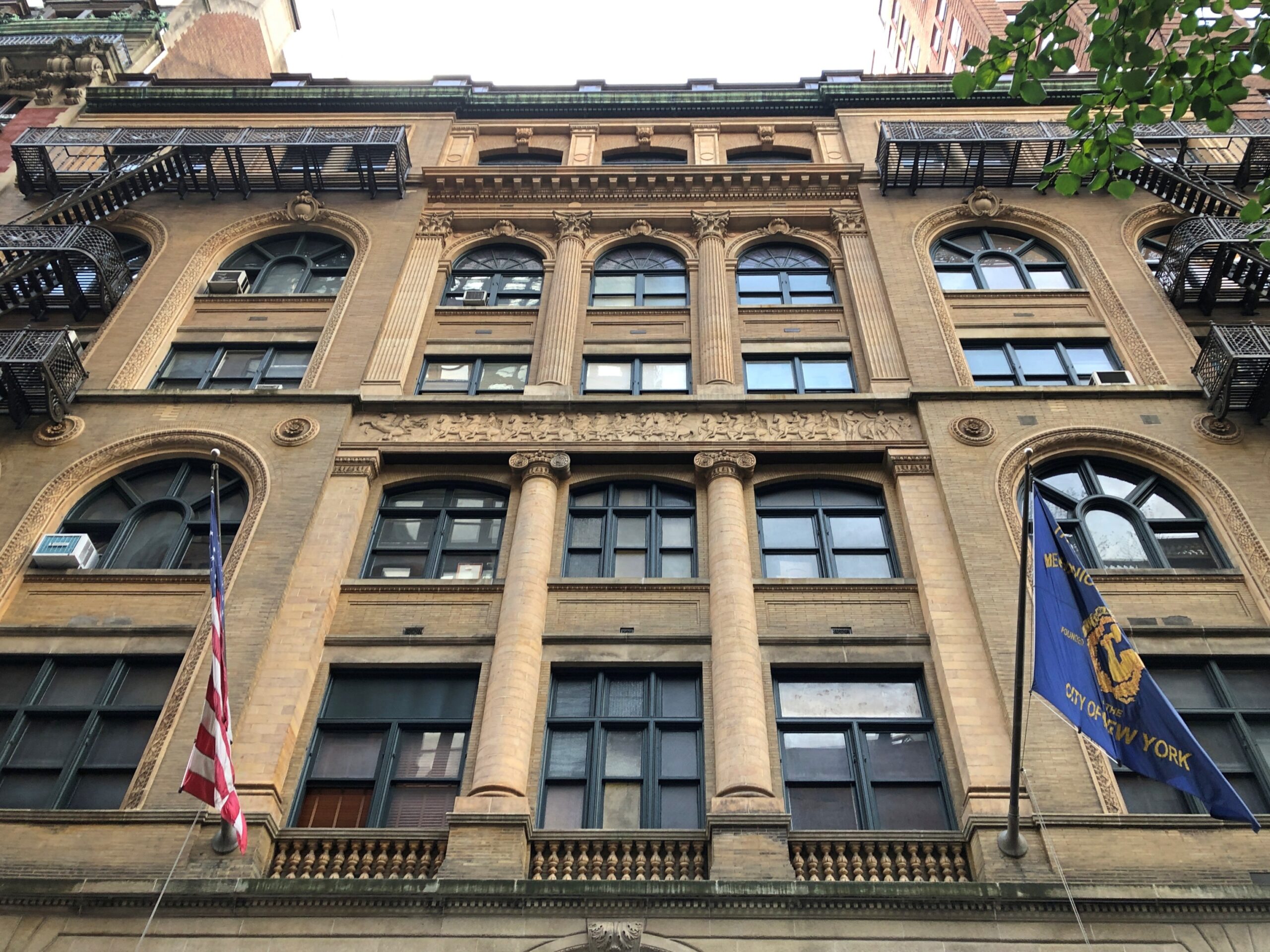
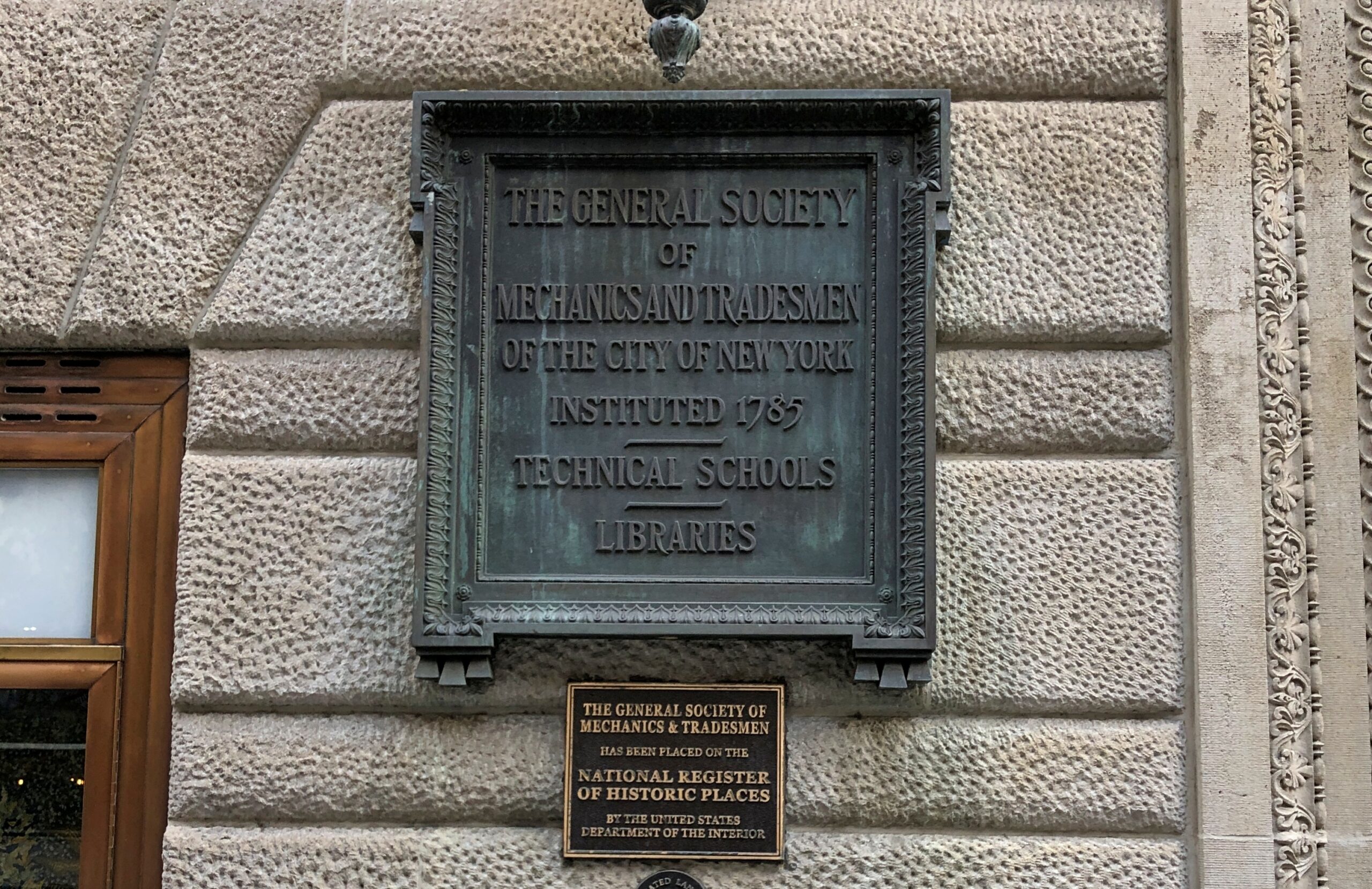
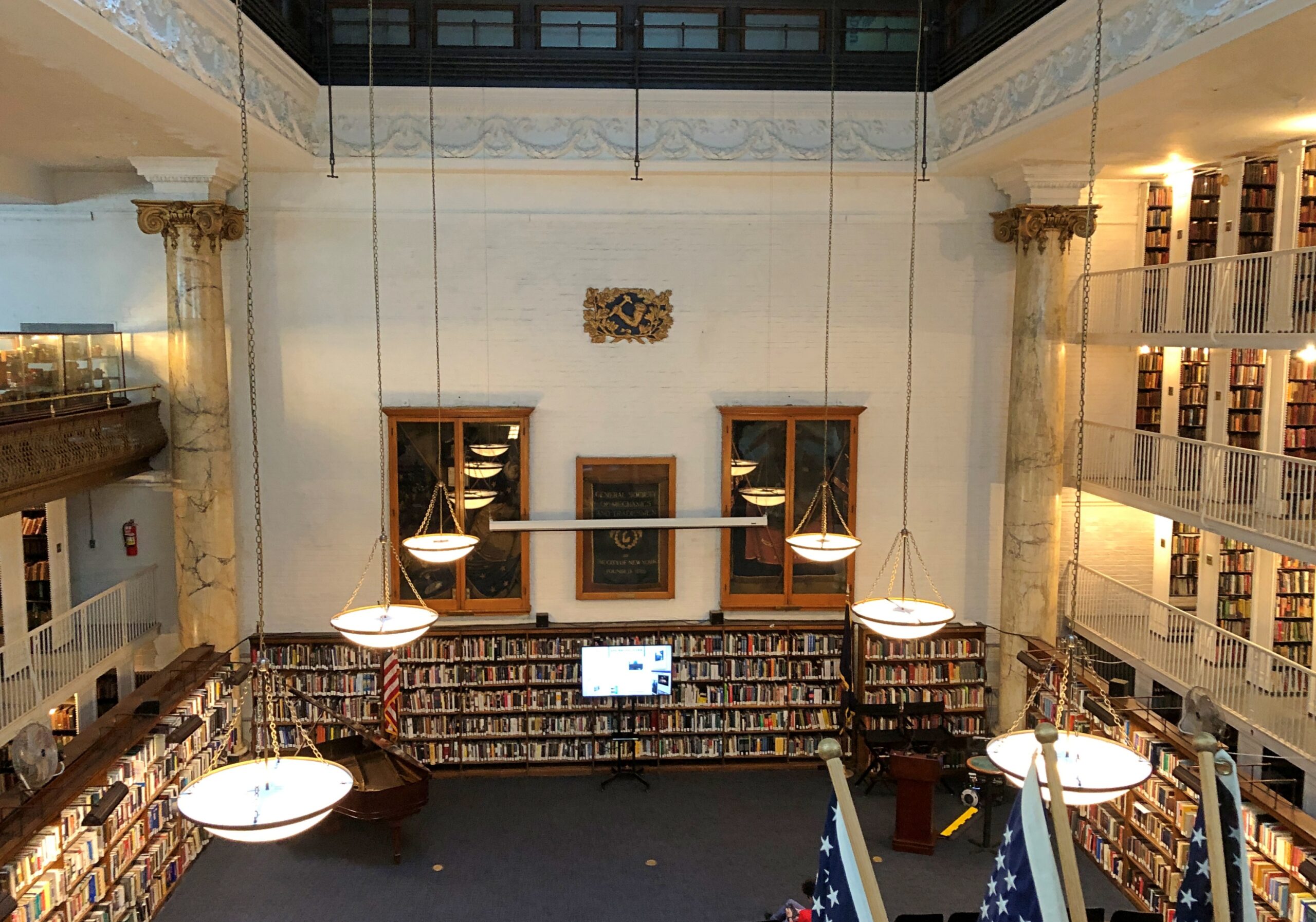
After leaving the No Kings crowd, we made our way to 20 West 44th Street, an 1899-vintage building and home of the General Society of Mechanics and Tradesmen of the City of New York.

General Society of Mechanics and Tradesmen of the City of New York

It was open for the Open House.

OHNY

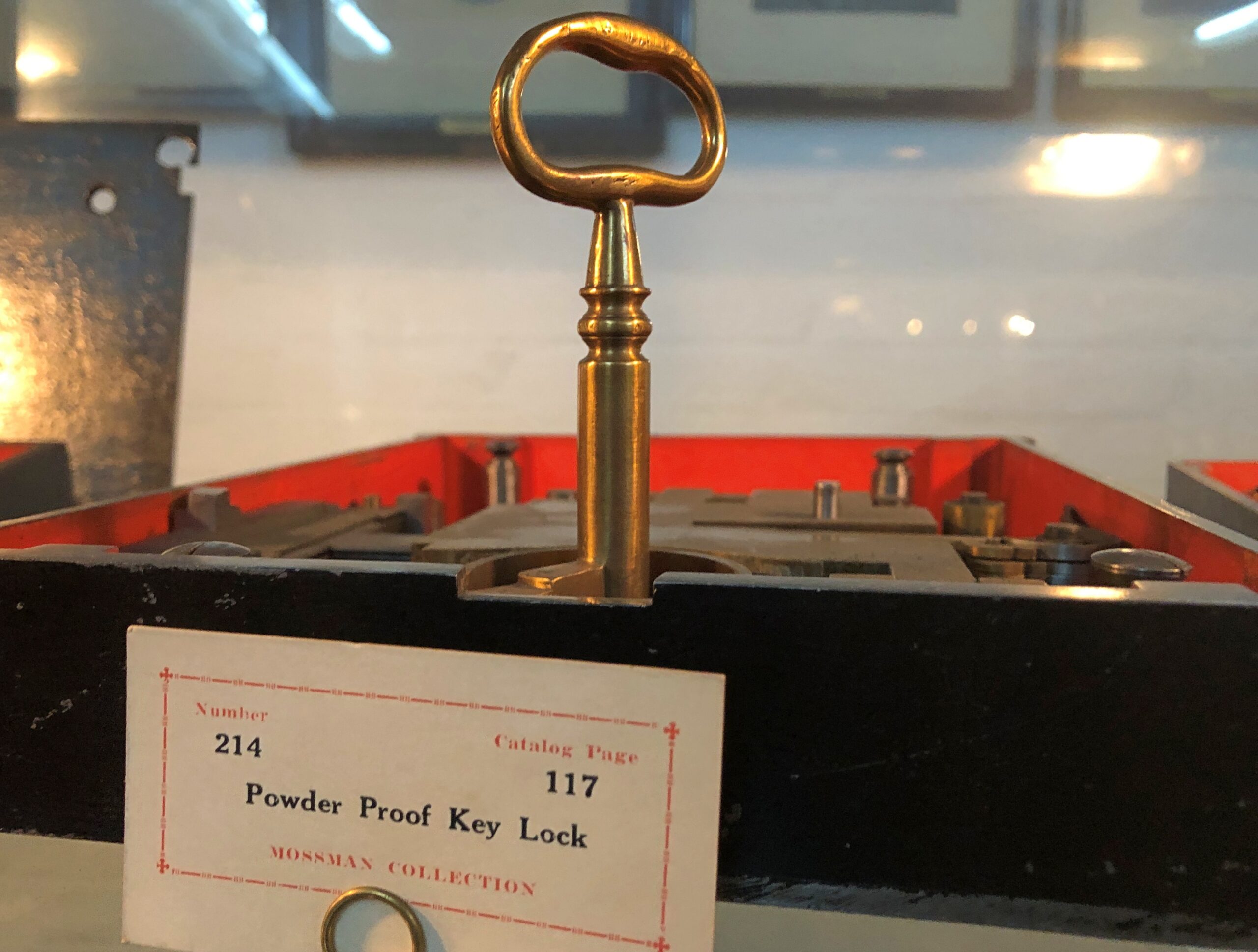
“The second-oldest library in the city includes a light-filled atrium that is used as a vibrant programming space by the General Society and other nonprofits,” notes the OHNY web site. “Overlooking the library on a striking wrought iron balcony is the John M. Mossman Lock Collection, which contains more than 370 locks, keys, and tools dating from 2000 BC to the early 20th century.” 

General Society of Mechanics and Tradesmen of the City of New York

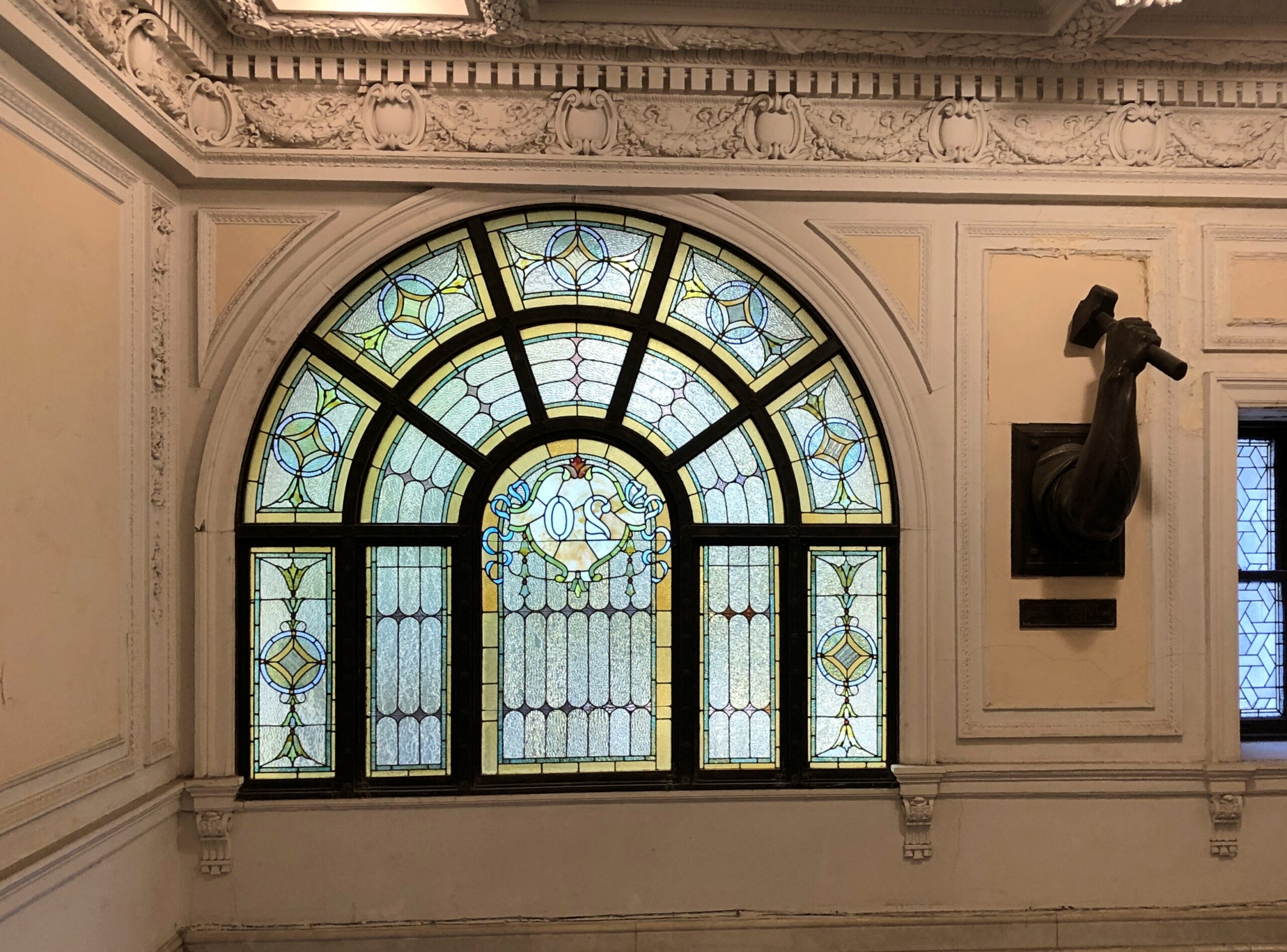
Nothing like a handsome pre-war (Great War) building in which to spend some time. The enormous lock and key collection attests to the fundamental dishonesty of a fraction of mankind, and the ingenuity brought to the task of coping with that fact.

As for the General Society, it provides training and other assistance to skilled craftsmen, beginning in the late 18th century (at different locations) and down to the present. Its motto: By hammer and hand all arts do stand. That accounts for the hammer and hand emerging from the wall in its space.

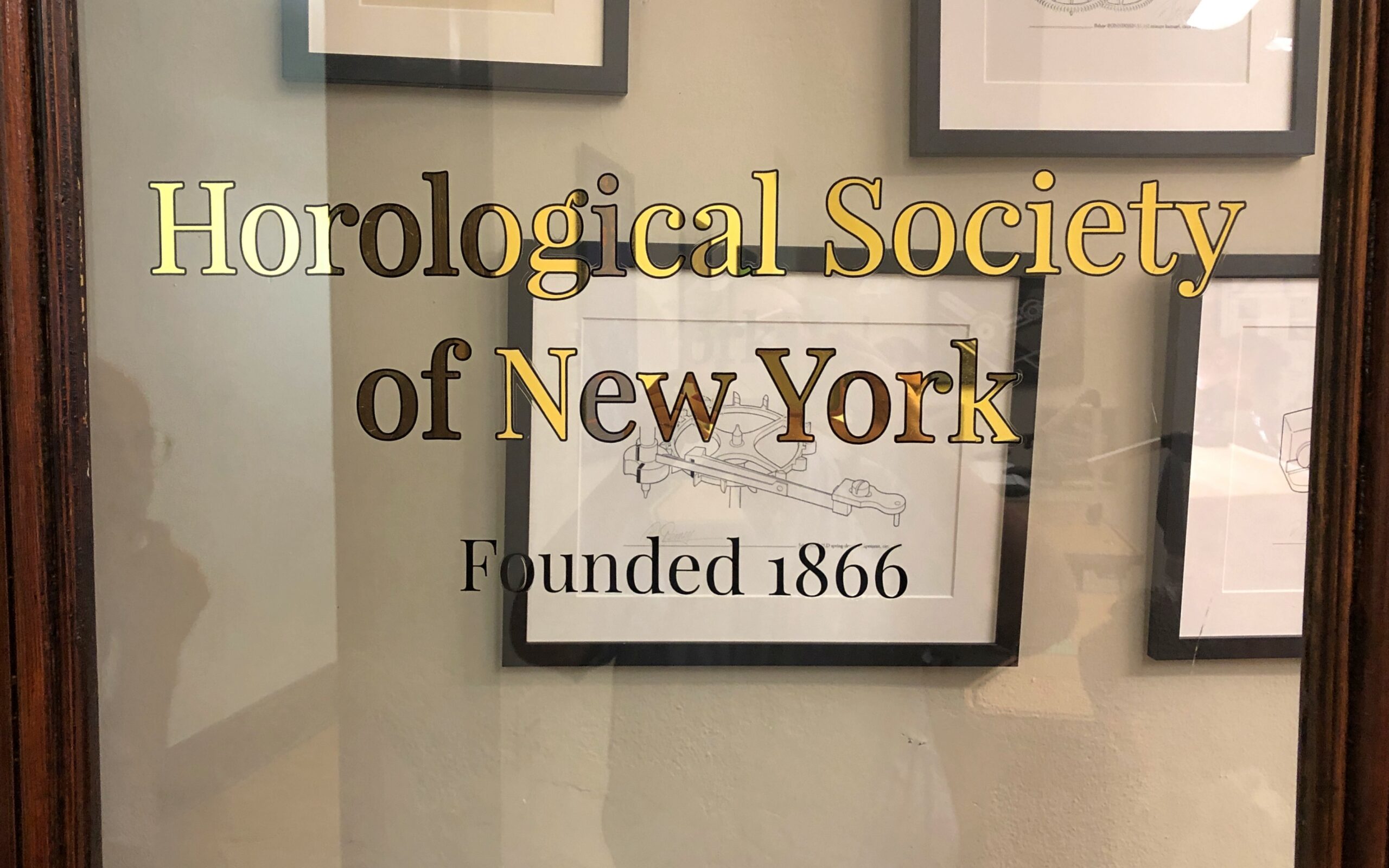
As for the other nonprofits in the building, they include the Horological Society of New York, keeper of all things related to timekeeping since 1866.

Horological Society of New York

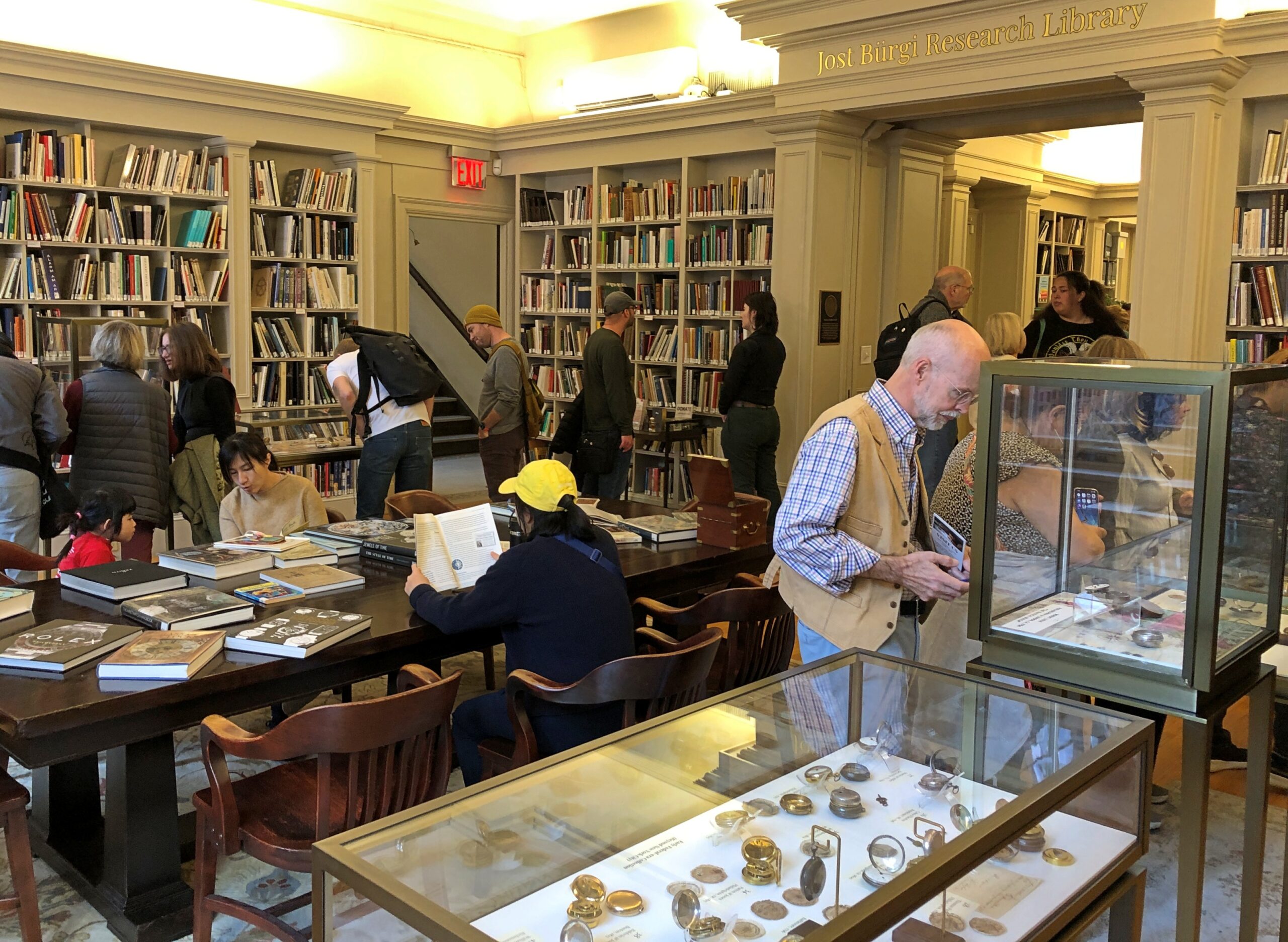
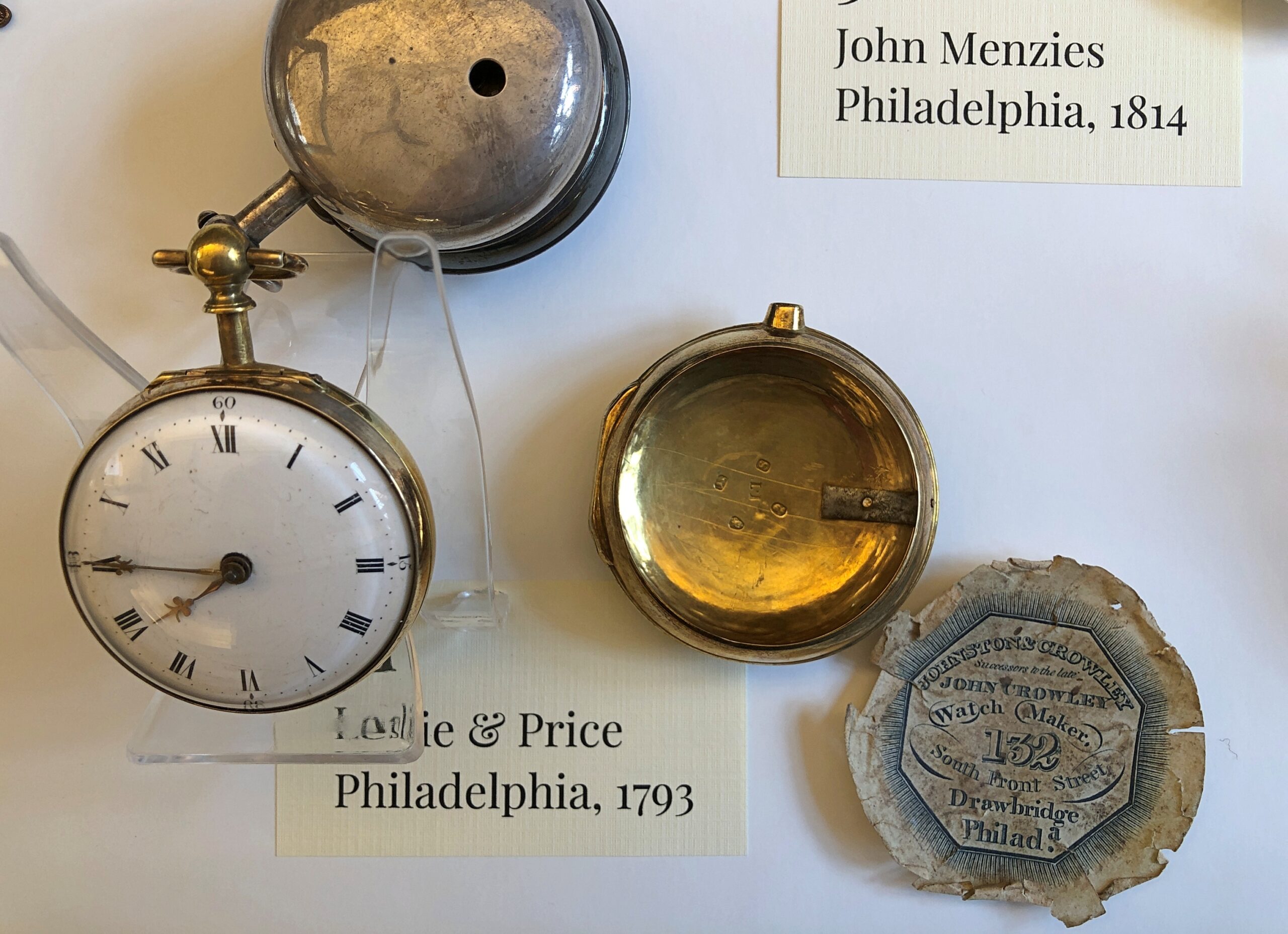
It too was open, and we visited the impressive collection of watches and clocks and horological tools and books.

Horological Society of New York

This is no fusty org relegated to the part-time care of antiquarians. HSNY has the organization heft (and scratch) to put on enormous annual galas, with the next one slated for the Plaza Hotel next year to celebrate its 160th anniversary. That will certainly be a picture to behold.