Most of an Empress Hotel Postcard

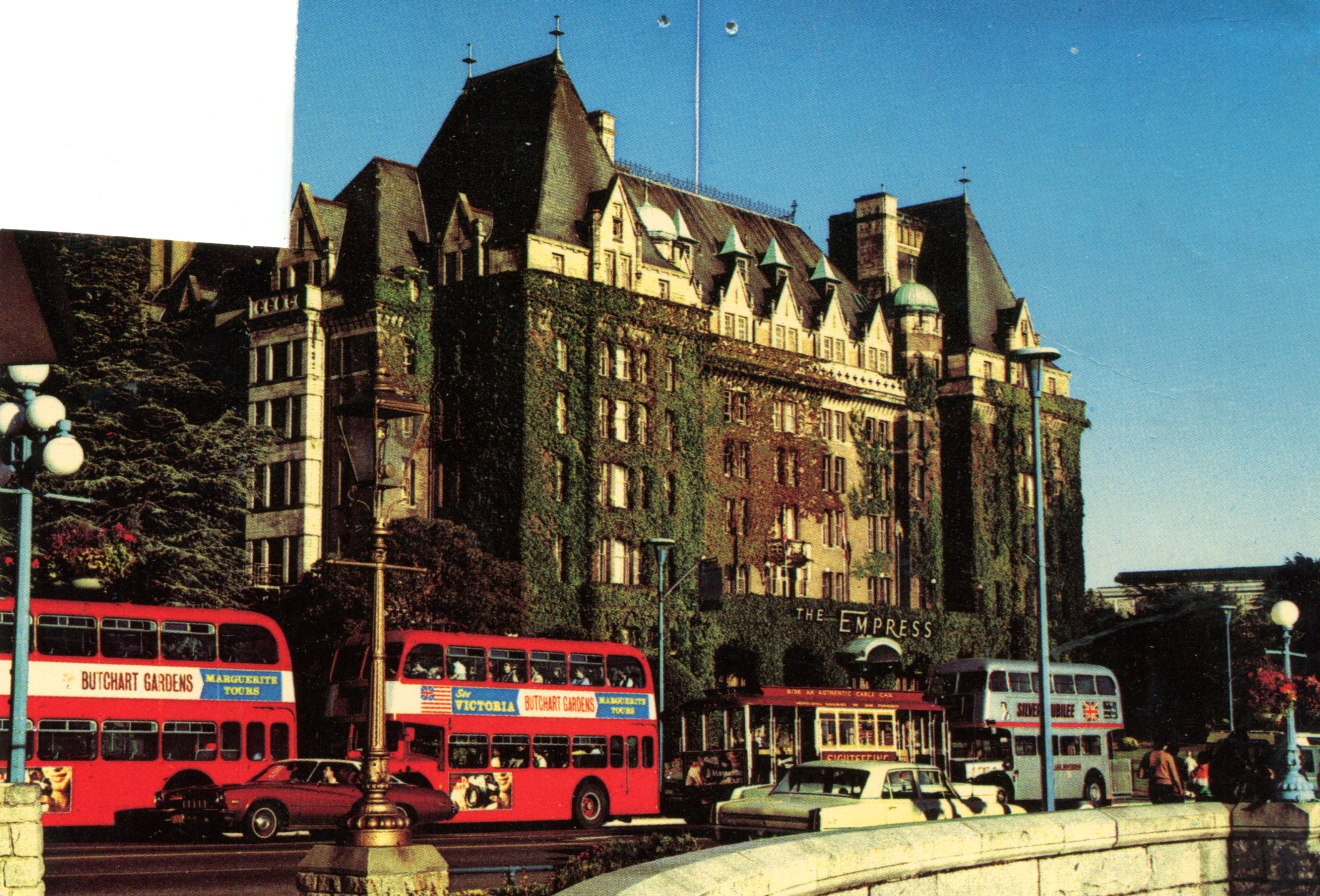
Postcards are sometimes educational, if you let them be. Another of the cards that I dug up this weekend depicts the Empress Hotel in Victoria, BC.Empress Hotel

I picked it up during my only visit to that city (1985), though to judge by the image, the picture might have been taken ca. 1970. I filled the card with correspondence, even to the point of stamping it, but I never sent it. At some point I removed the stamp for other usage.

Curious about the property, vintage 1908, I looked it up and thus learned about an entire class of hotels — namely, Canada’s grand railway hotels, mostly built by Canadian railway companies in a style that evokes French châteaux: Canadian National Railway, Canadian Pacific Railway and Grand Trunk Railway.

Some of the properties don’t exist anymore, but many do, such as the recently mentioned Banff Springs Hotel. That there are such palatial hotels is a good thing to know about Canada, I think.

Alberta 2006

It’s been a year of getting near Canada — Buffalo and Detroit so far — without crossing the line, since the border remains stubbornly closed even now.

That wasn’t the case 15 years ago this month, when we drove from Illinois to Alberta by way of the Dakotas and other places. At the time I wrote: “So, to sum up: very long drives, a lousy exchange rate, high fuel costs. Was it worth it? Was it ever.”

What is it about mountains? Pre-modern generations considered them obstacles to their forward motion. Now that we have mountain roads and tunnels, we admire the view. Do people who live close to mountains take trips to see flatlands? That makes me think of busloads of Swiss out admiring Kansas, but I don’t think it works that way.

Anyway, it was a trip of wide horizons, long roads, lofty mountains, mighty waters (liquid and frozen), endless forests, vivid wildflowers, sweeping Canadian farms, campsites, elk and bears and bison, clouds of mosquitos, national parks, vistas and towns of the tourist and non-tourist variety.

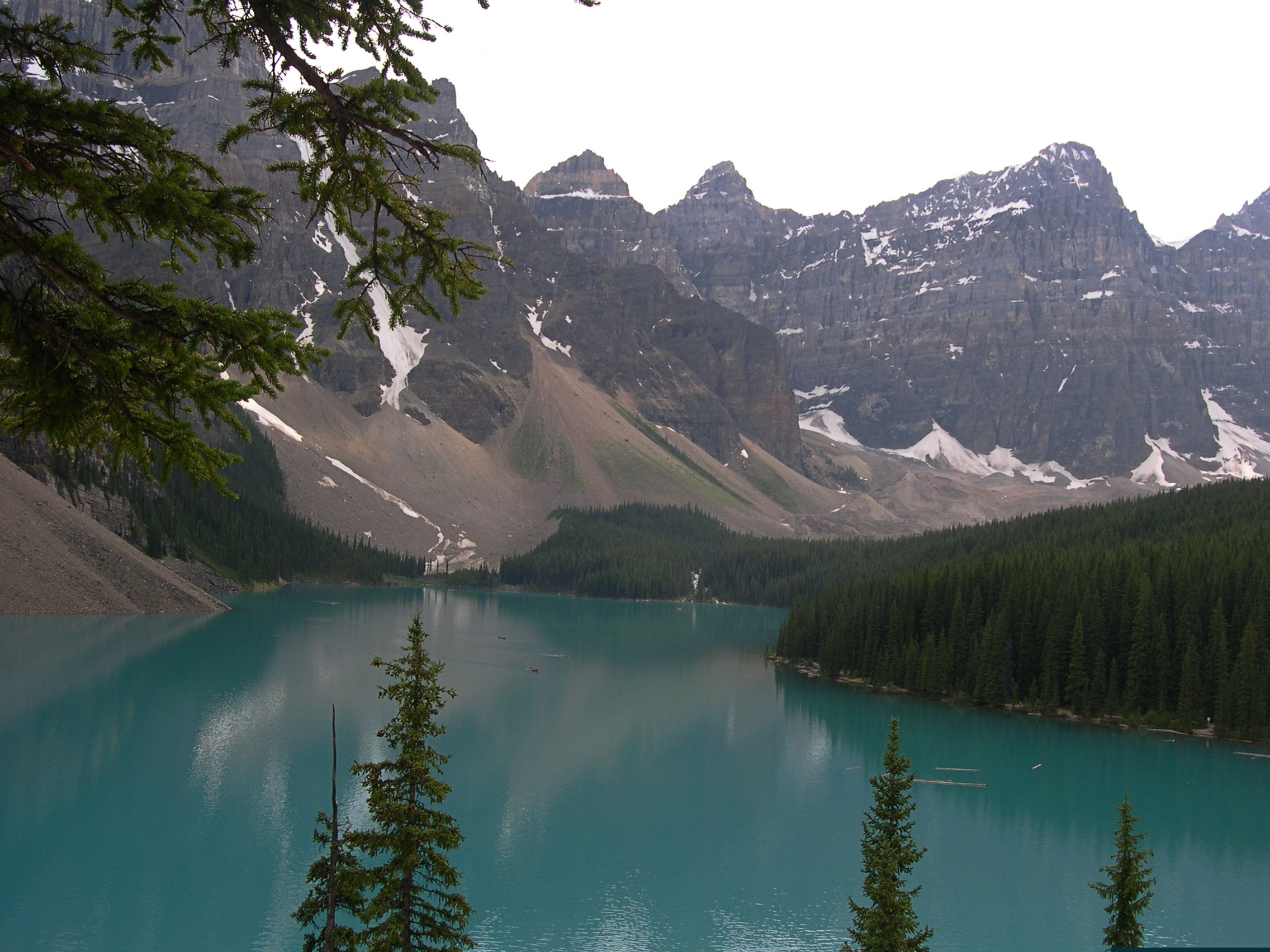
Moraine Lake and the Valley of the Ten Peaks. Too good a vista not to post again.

Moraine Lake and the Valley of the Ten Peaks

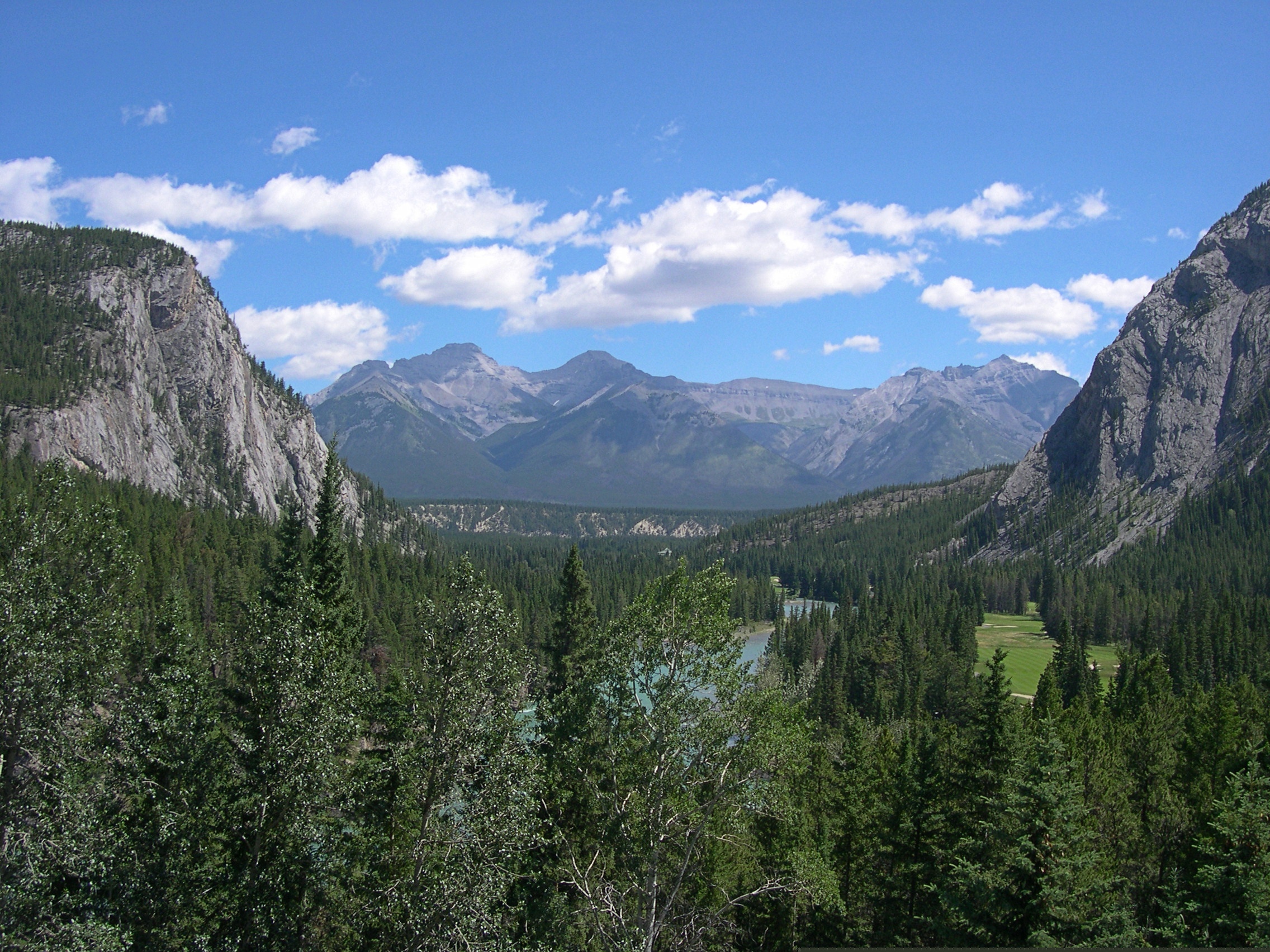
This looks like a view from some remote spot, but actually I was standing in back of the Banff Springs Hotel in Banff, which was a sight all its own.

Banff Springs Hotel back view

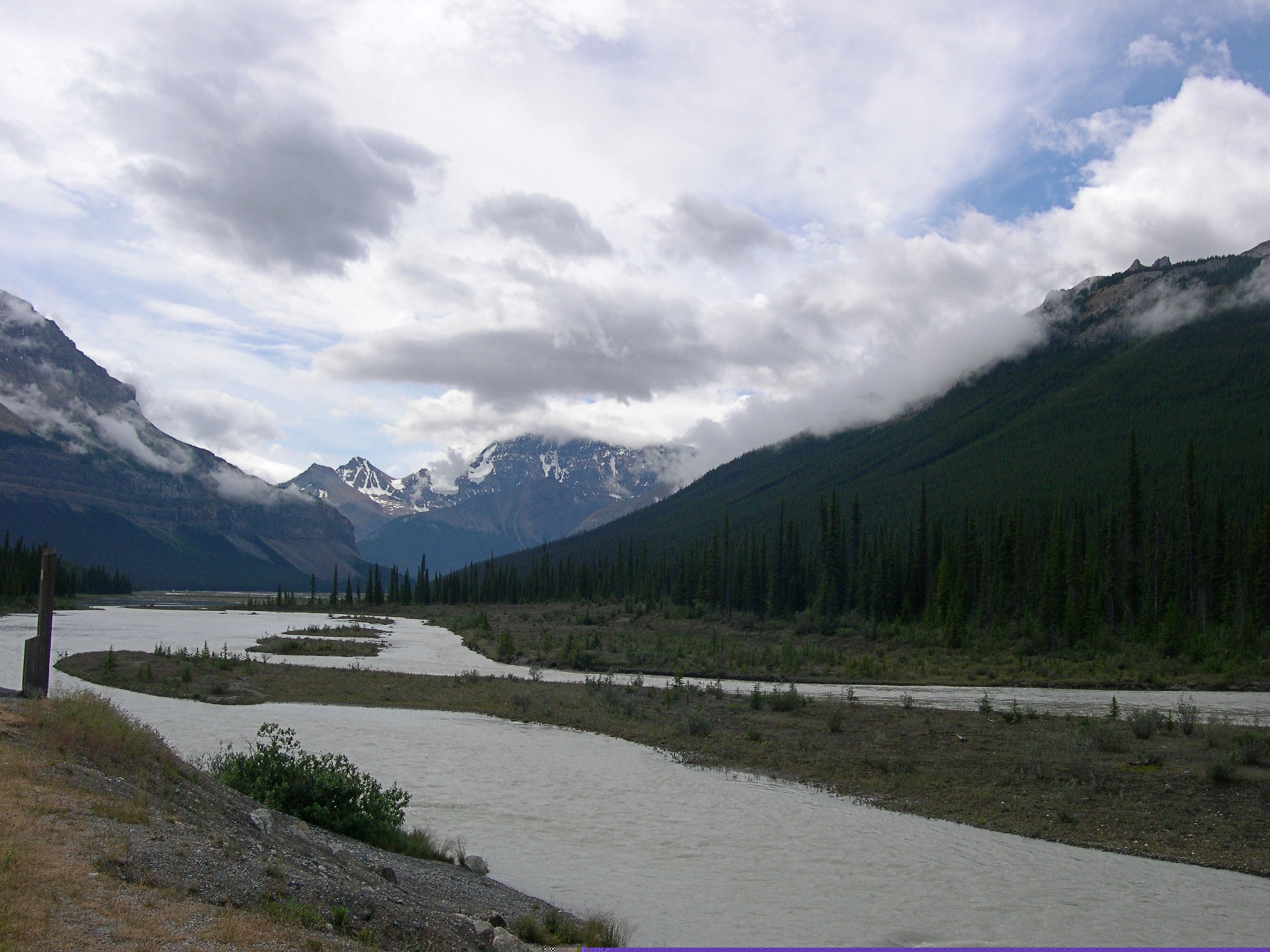
This view, on the other hand, is roadside on the Icefields Parkway, which remains one of the great drives of my life. A place called Moose Meadows.

Moose Meadows, Alberta

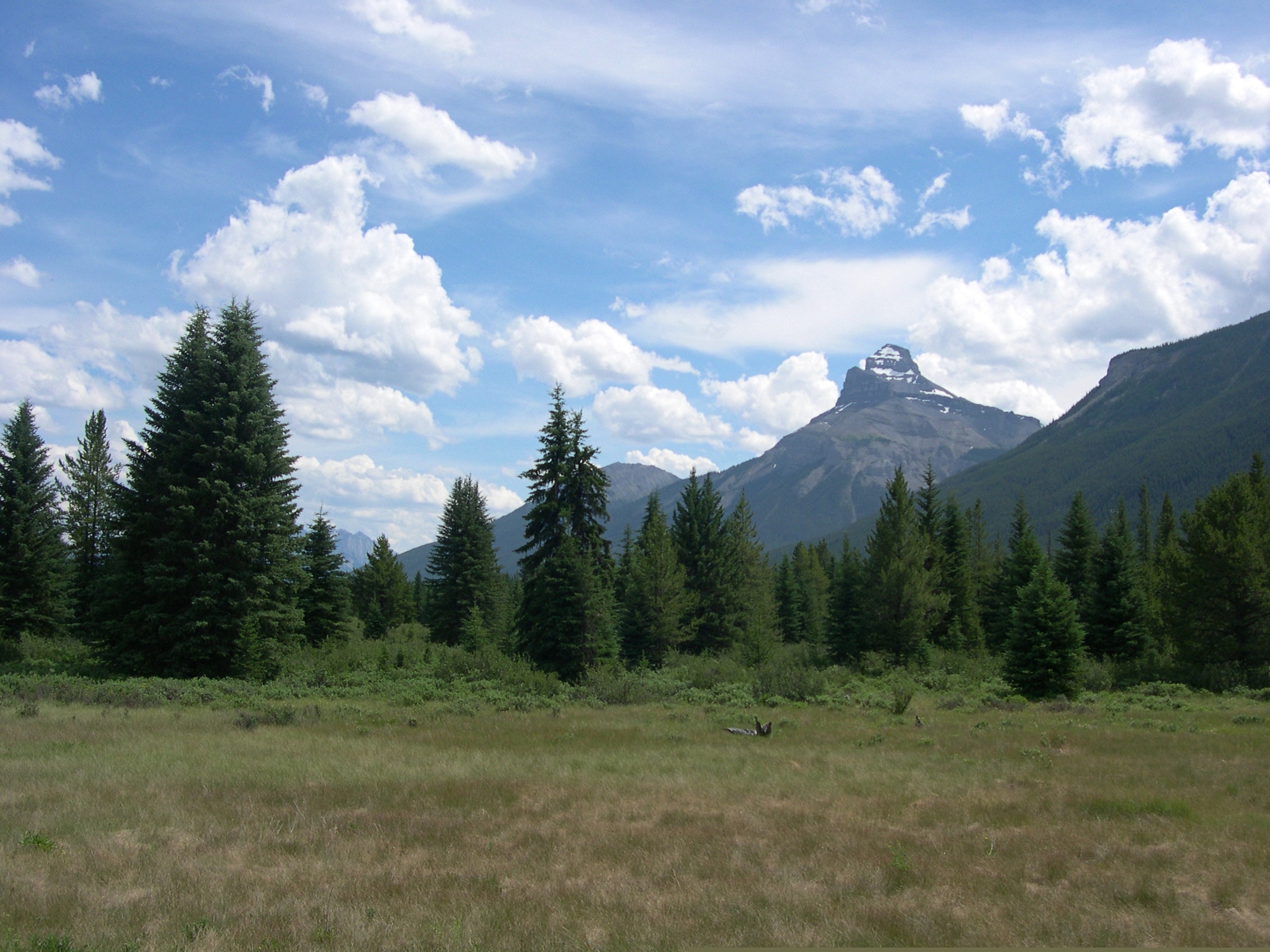
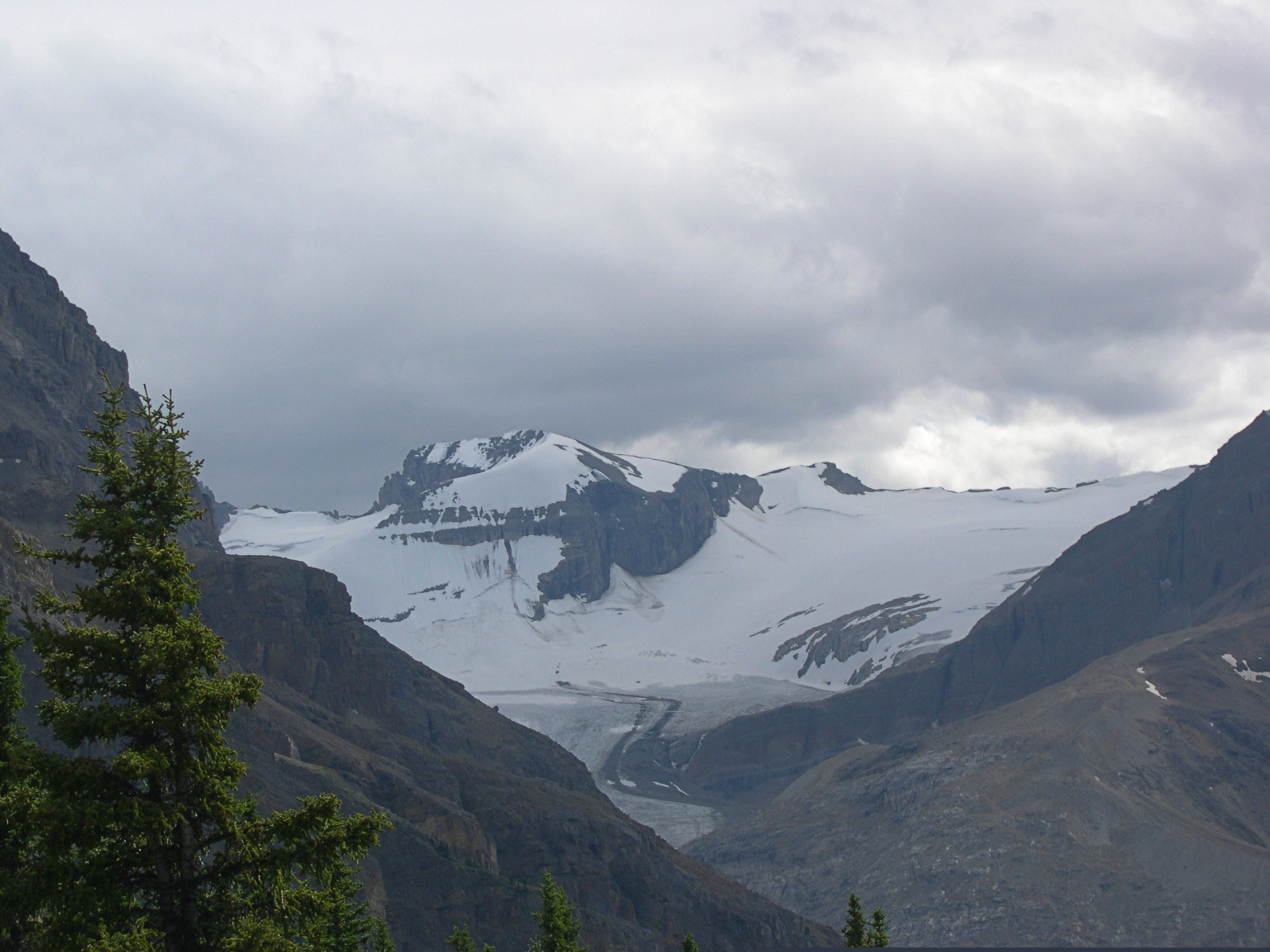
More Alberta views.Alberta

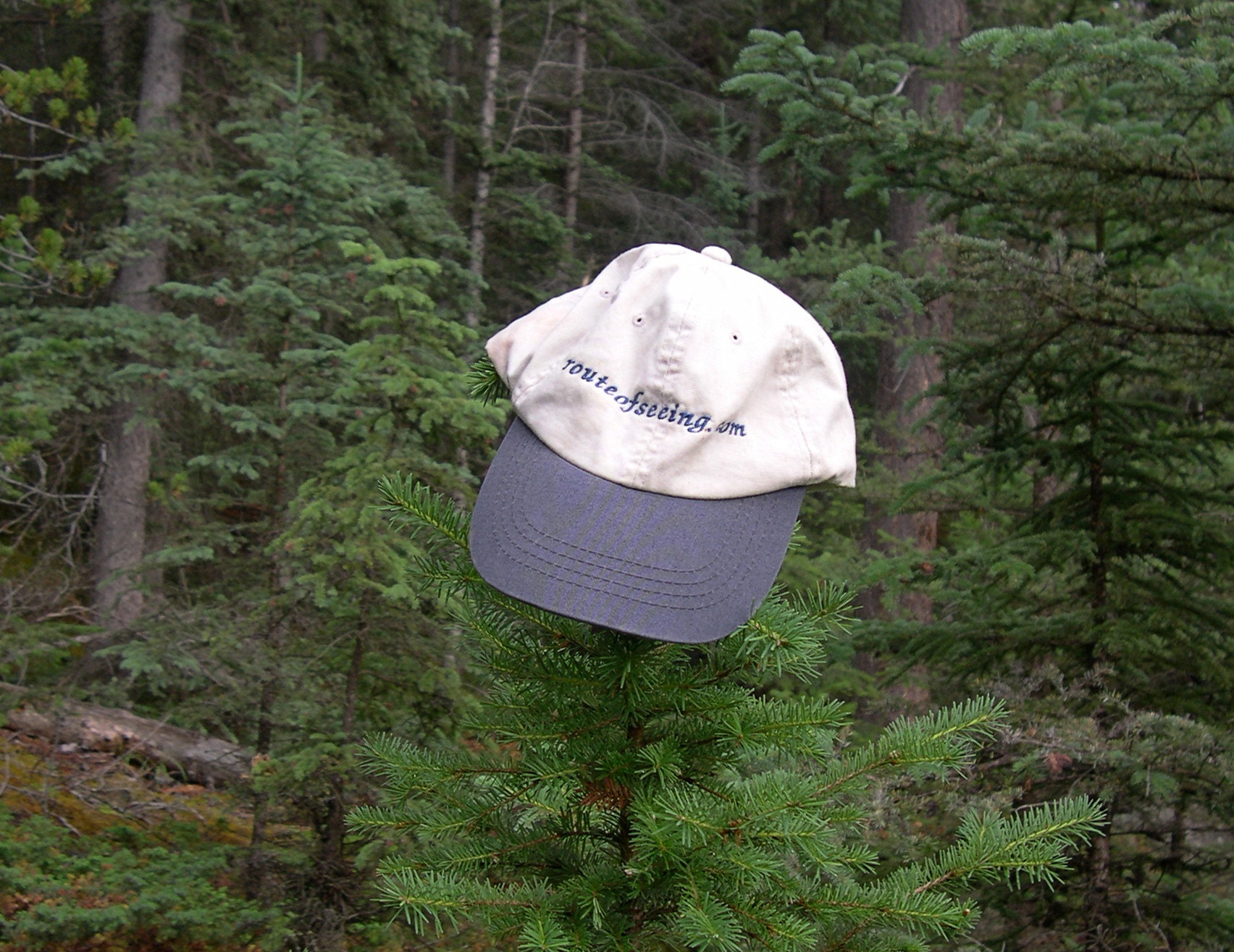
I told Ed Henderson (d. 2016) I’d take the cap he sent me various places. I haven’t lately, but I did for a while.

The girls had a good trip.

Even if they don’t remember much, in the case of Lilly, or anything at all, in the case of Ann.

The Latest NP

What, another national park? Don’t we have enough? (This makes 63.)

I’m referring to New River Gorge National Park and Reserve in West Virginia, which sounds like a fine place to visit, including the bridge. But does it need to be a national park? Wasn’t national river good enough?

The new designation was tucked away in the latest omnibus federal budget, a document probably as sprawling and wild as some of the larger national parks. Maybe there’s also something there about a new park on the Moon, though I expect that would go against the Outer Space Treaty of 1967. Then again, could be that the treaty is silent on that question.

The Century of Progress Architectural District

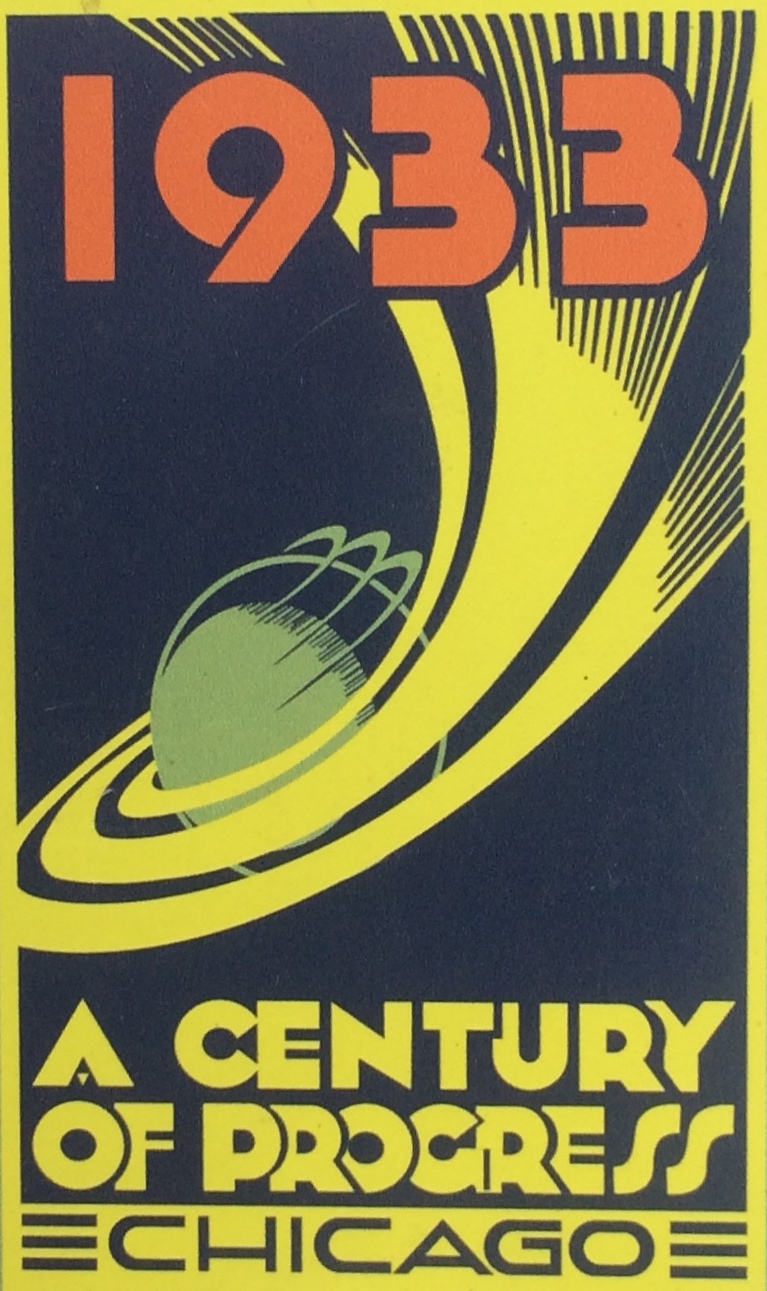
Tucked away on a small road paralleling Kemil Beach on Lake Michigan is the Century of Progress Architectural District, which includes five houses originally built for the world’s fair in Chicago in 1933. The houses were moved by barge across the lake after the fair, and are now part of Indiana Dunes National Park.

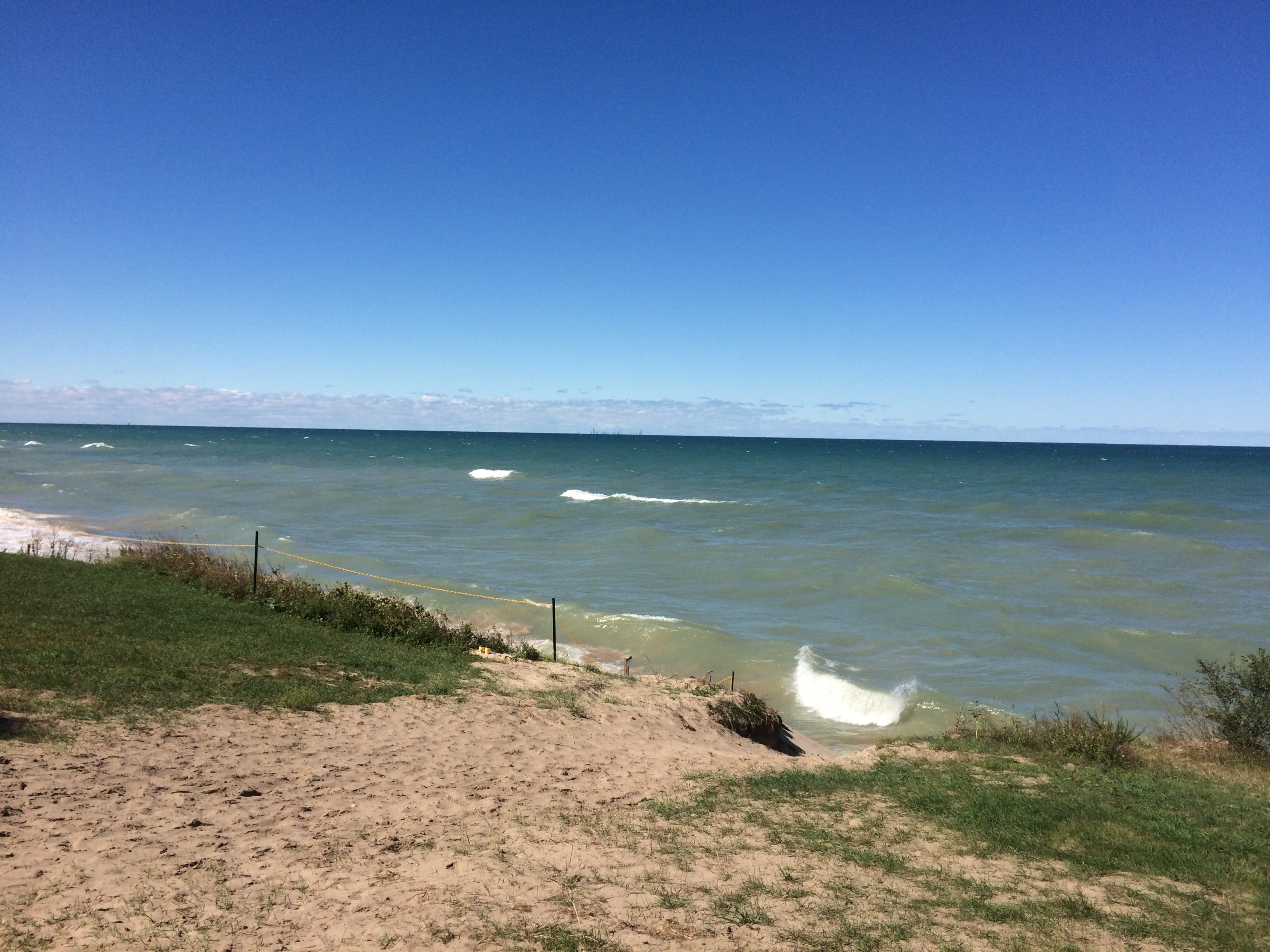
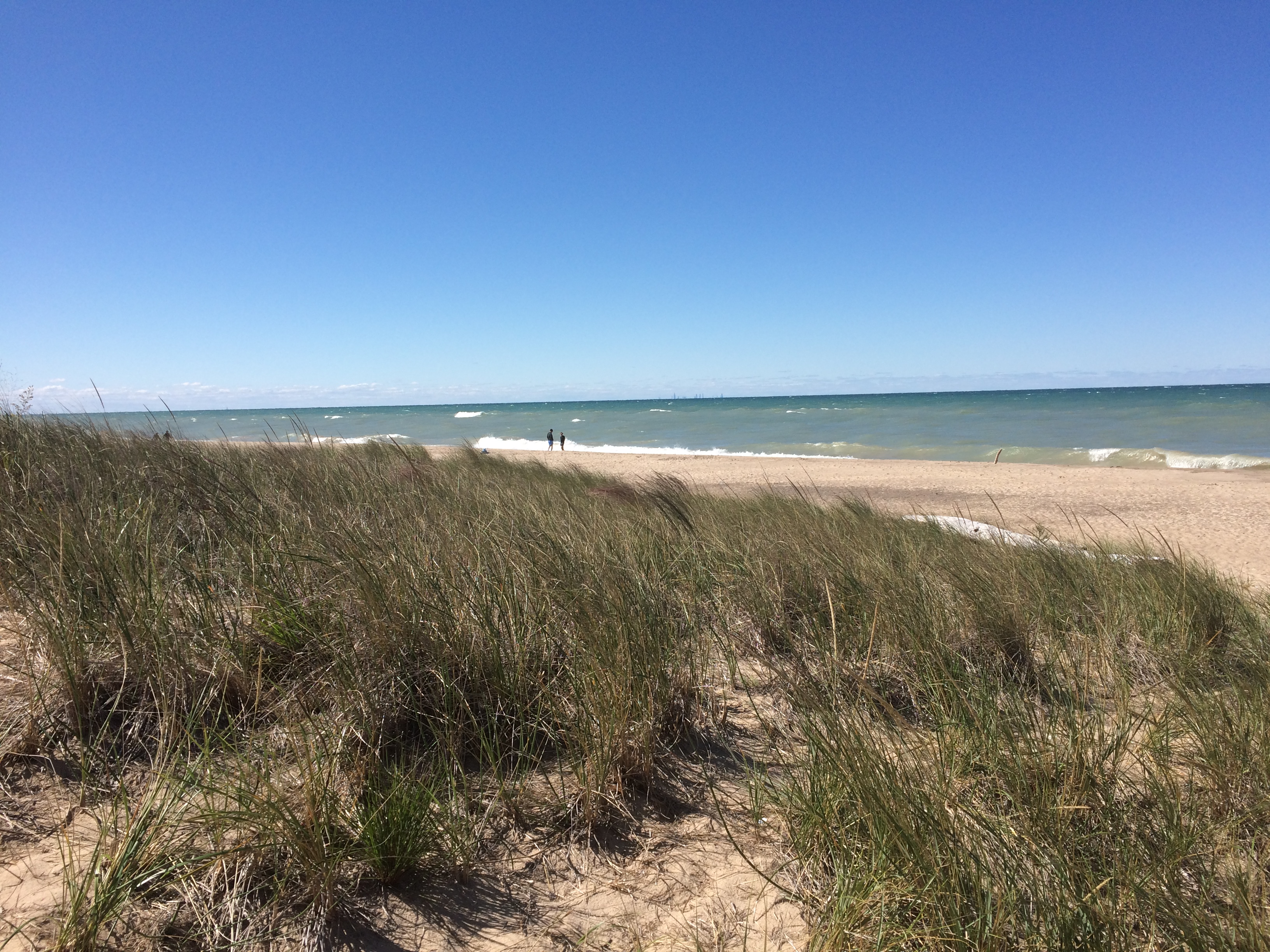
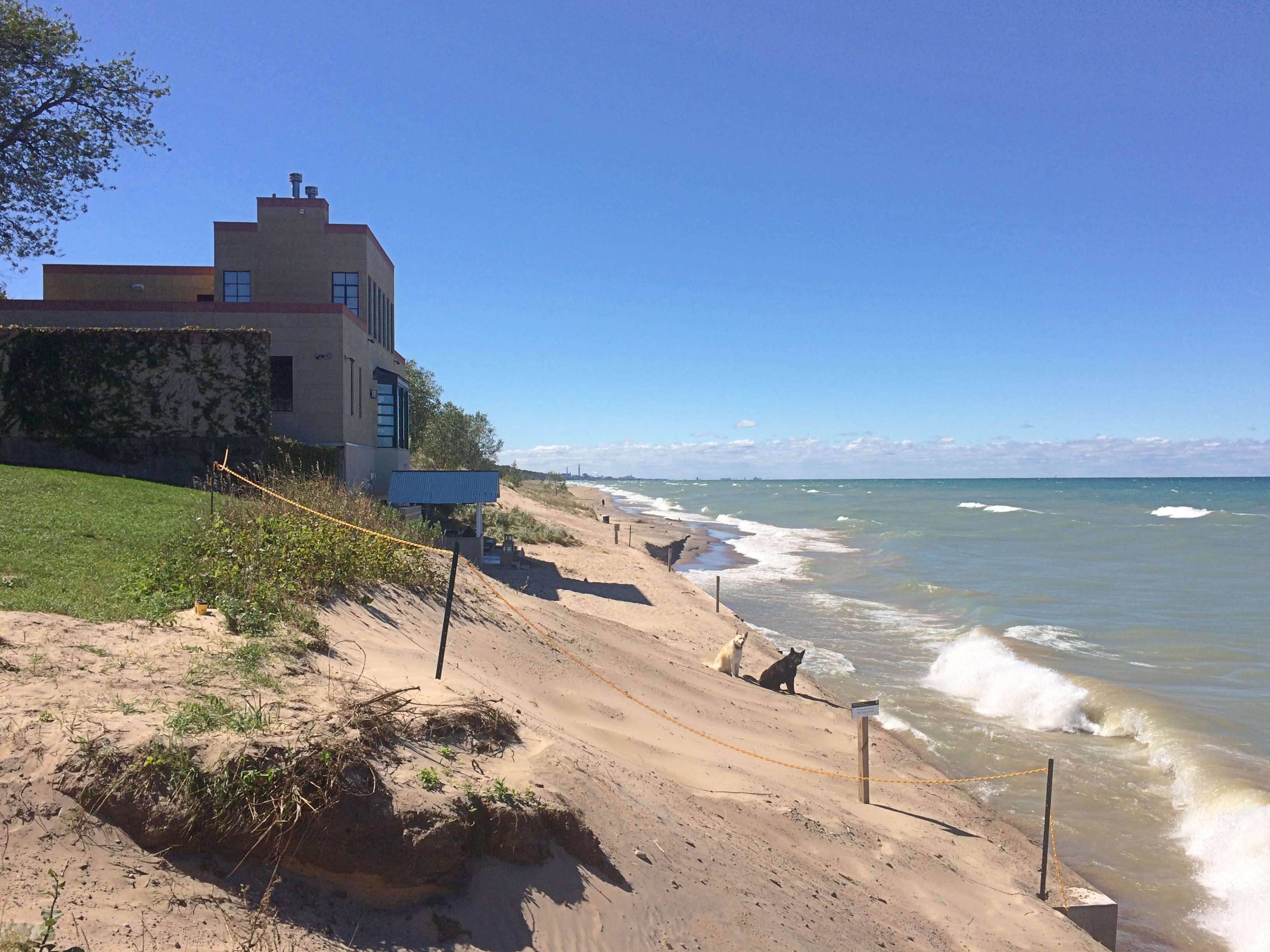
More about that shortly. First, the view from Kemil Beach, which is nearly as far south as you can go and still be on the edge of Lake Michigan. The day we visited was clear and sunny, but not hot — more of a moderate September warmth.
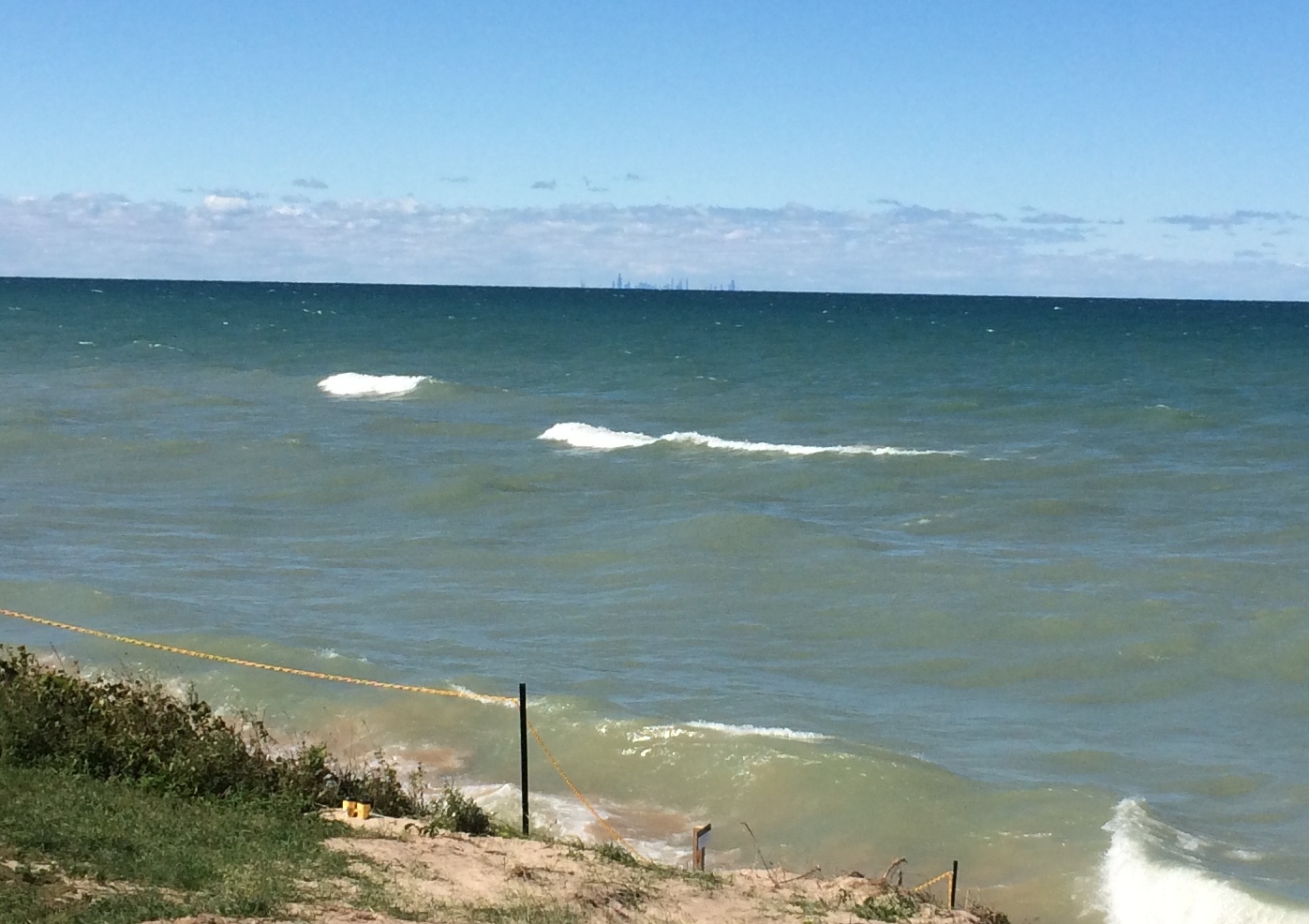
If you look carefully at the horizon at that place, the enormous buildings of the Chicago skyline are visible, but look as insubstantial as grey chalk marks on a watercolor.
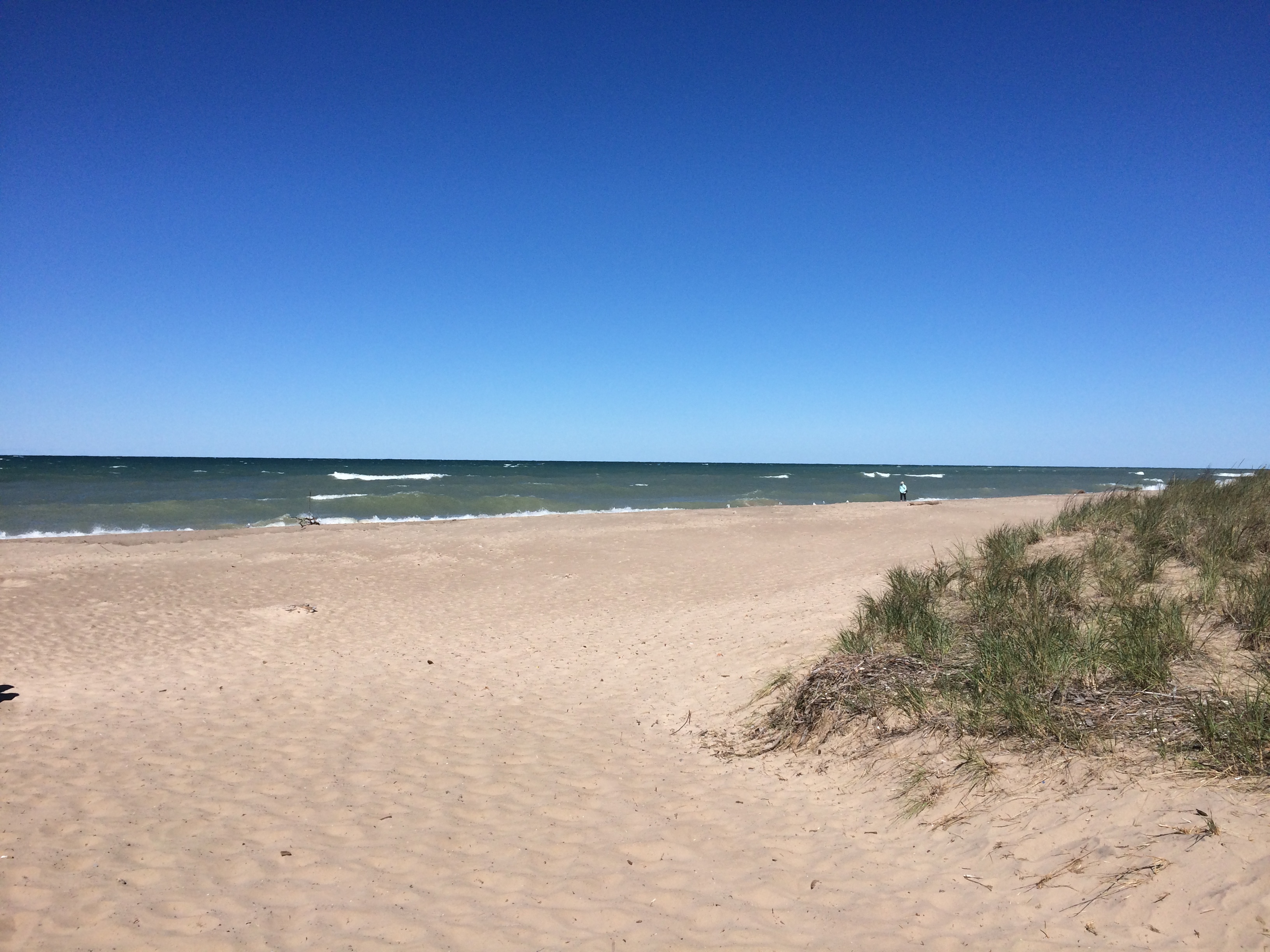
Kemil Beach IndianaNot far from the houses is access to the beach itself.Kemil Beach Indiana

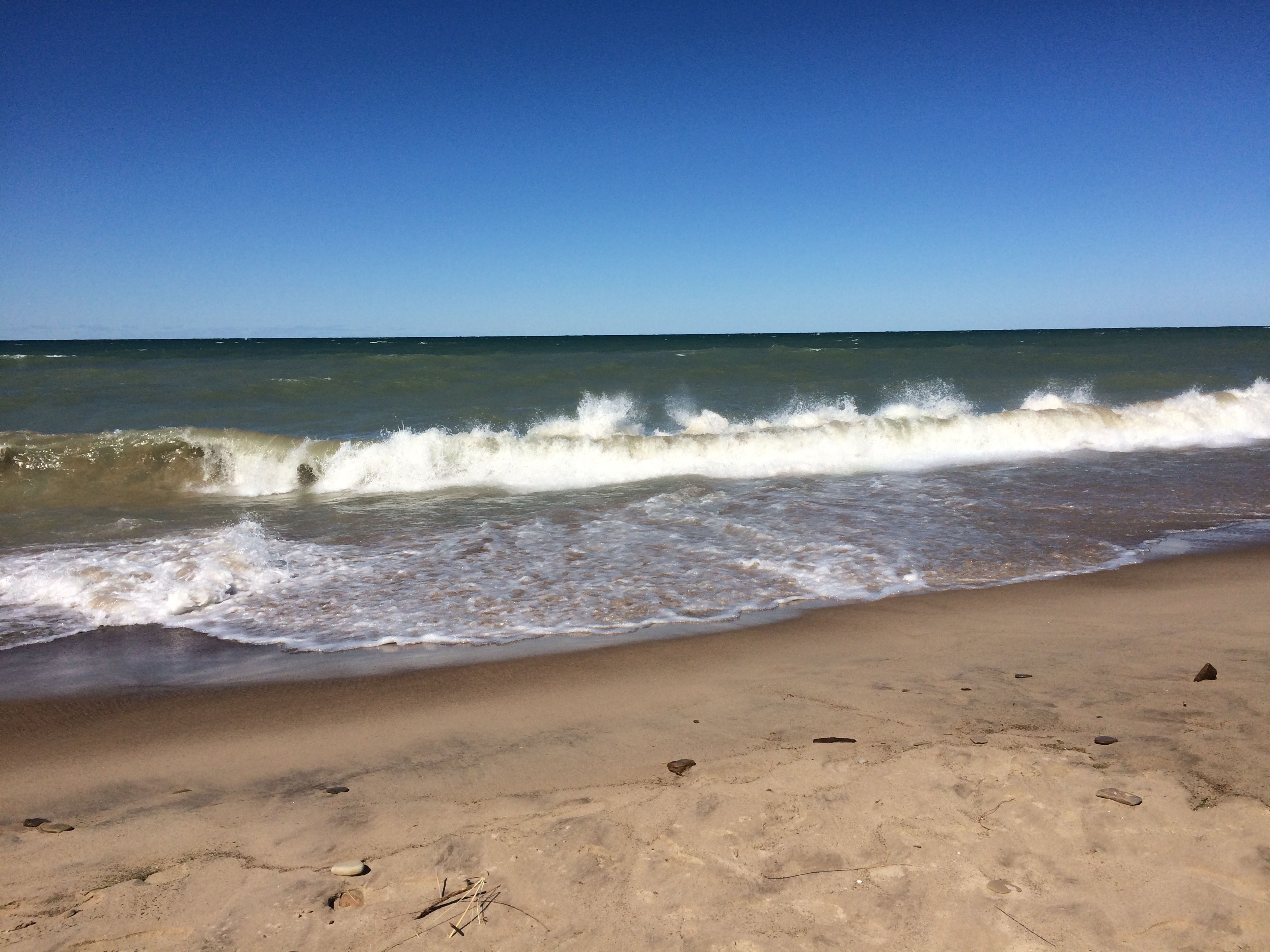
Kemil Beach IndianaNot many people were out and about, even though it’s part of a national park. Then again, the beach was windswept, bringing in large breakers.
Kemil Beach IndianaThat sounded like this.

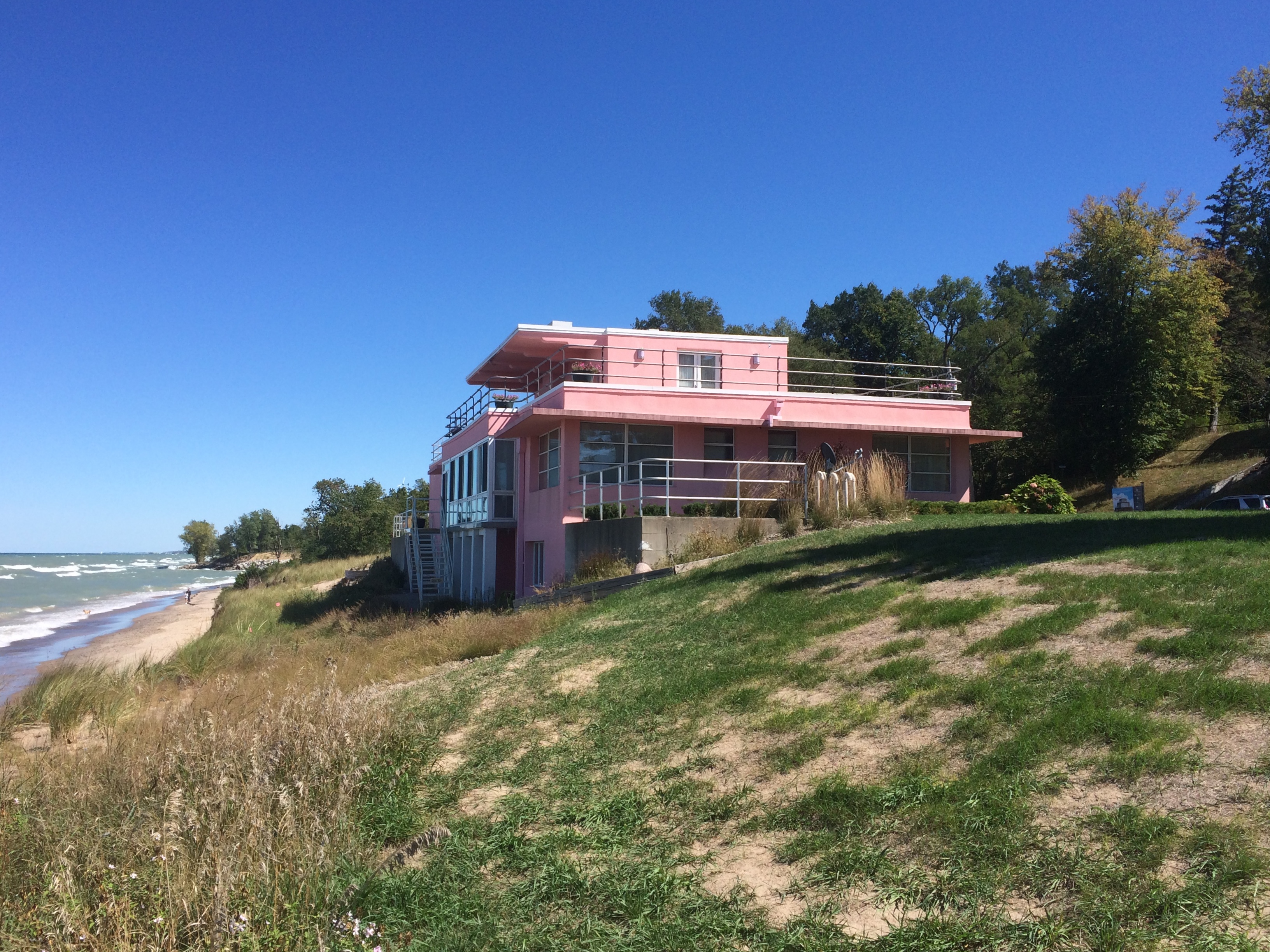
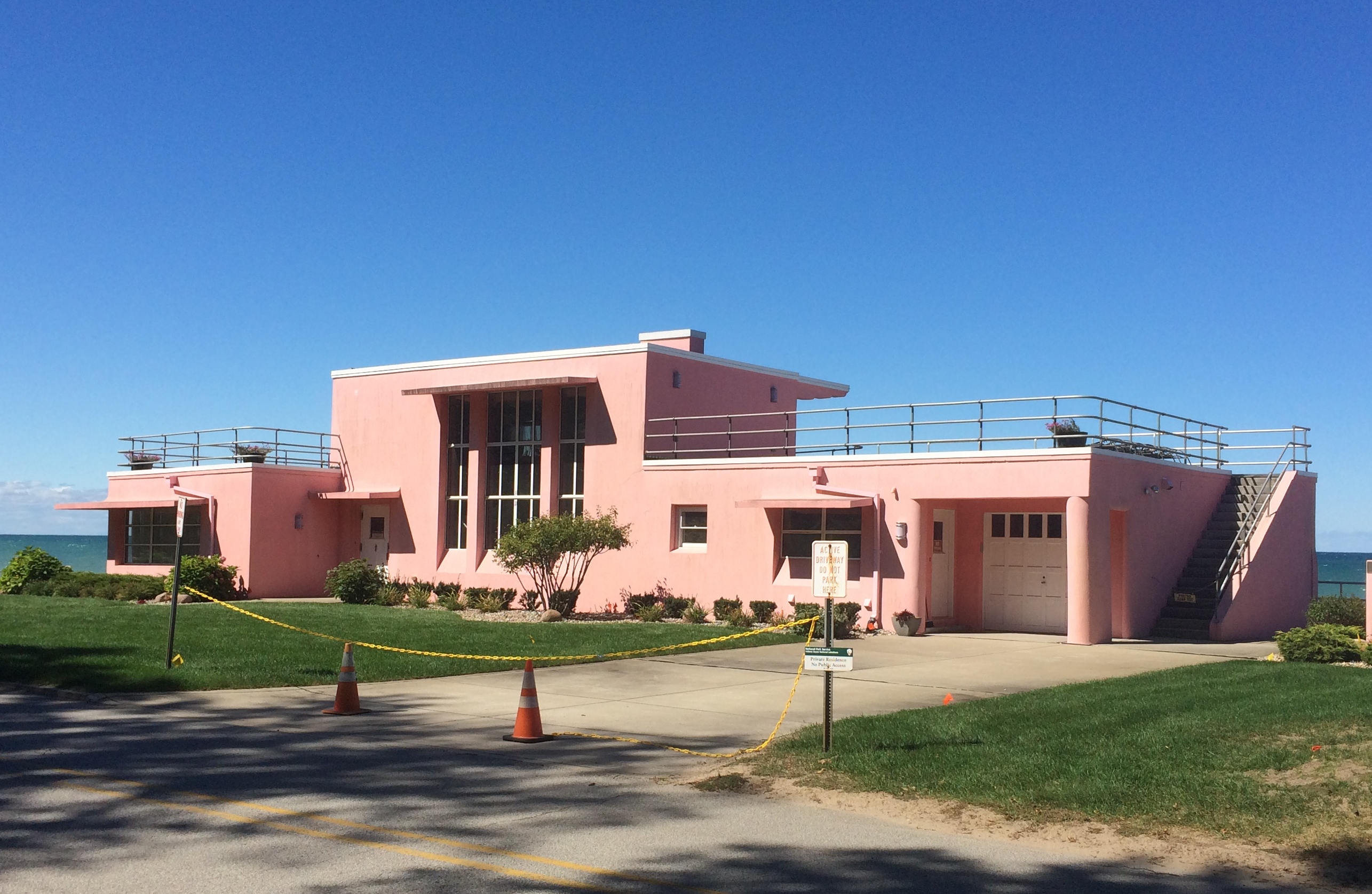
Perched right over the shore is the pink Florida Tropical House, designed by Miami architect Robert Law Weed to promote Florida living to fairgoers. Come be Florida Men and Women, that is.Century of Progress Architectural District

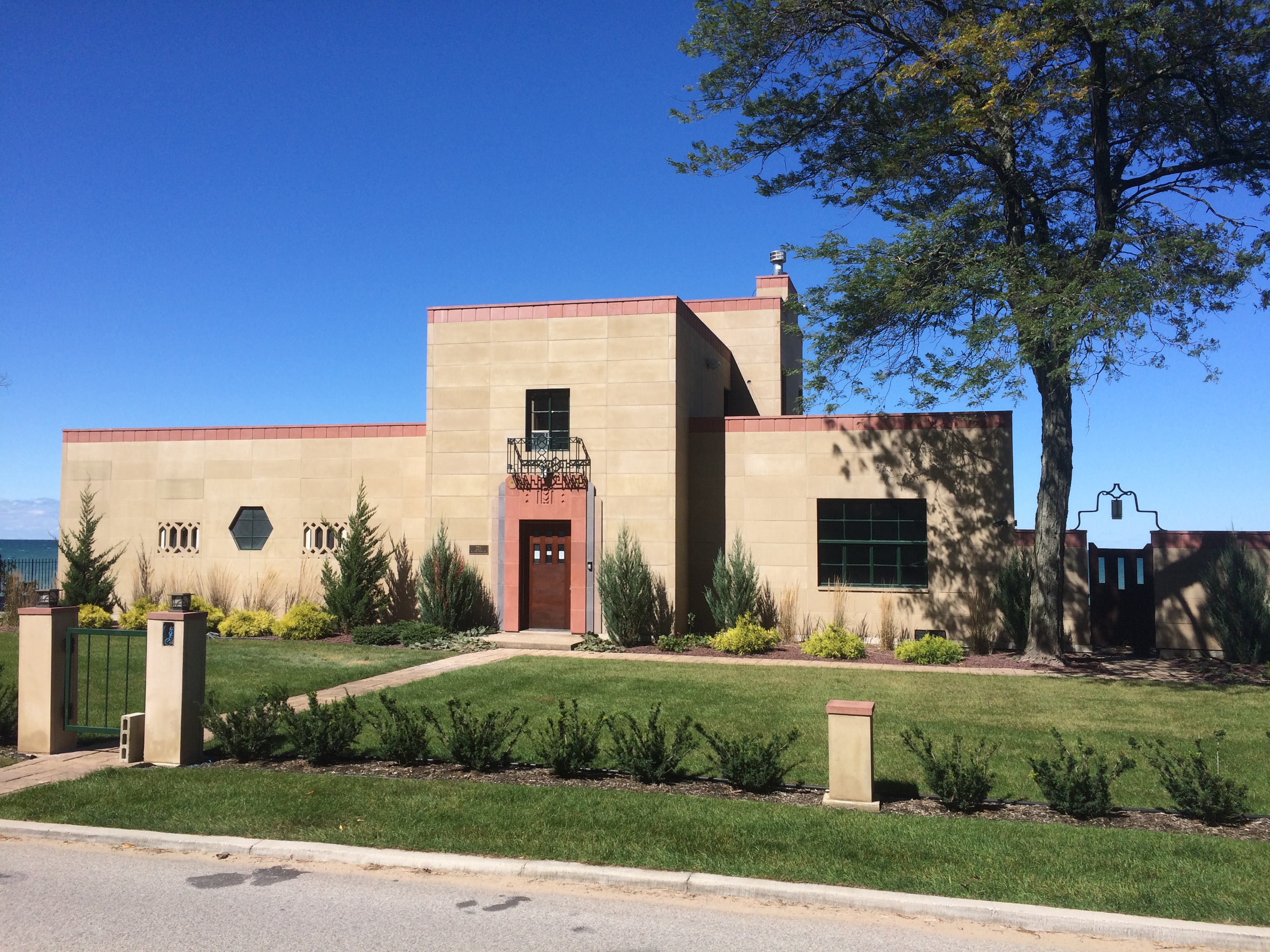
Century of Progress Architectural DistrictAlso perched over the shore is the Wieboldt-Rostone House, which showcased a building material called Rostone (limestone, shale and alkali). Design by Indiana architect Walter Scholer.Century of Progress Architectural District

Century of Progress Architectural DistrictOn the hill above the road are the three other houses dating from the world’s fair. One, the Cypress Log Cabin, was meant to showcase that building material, and hugs the ground so closely that it was a little hard to see from the road.

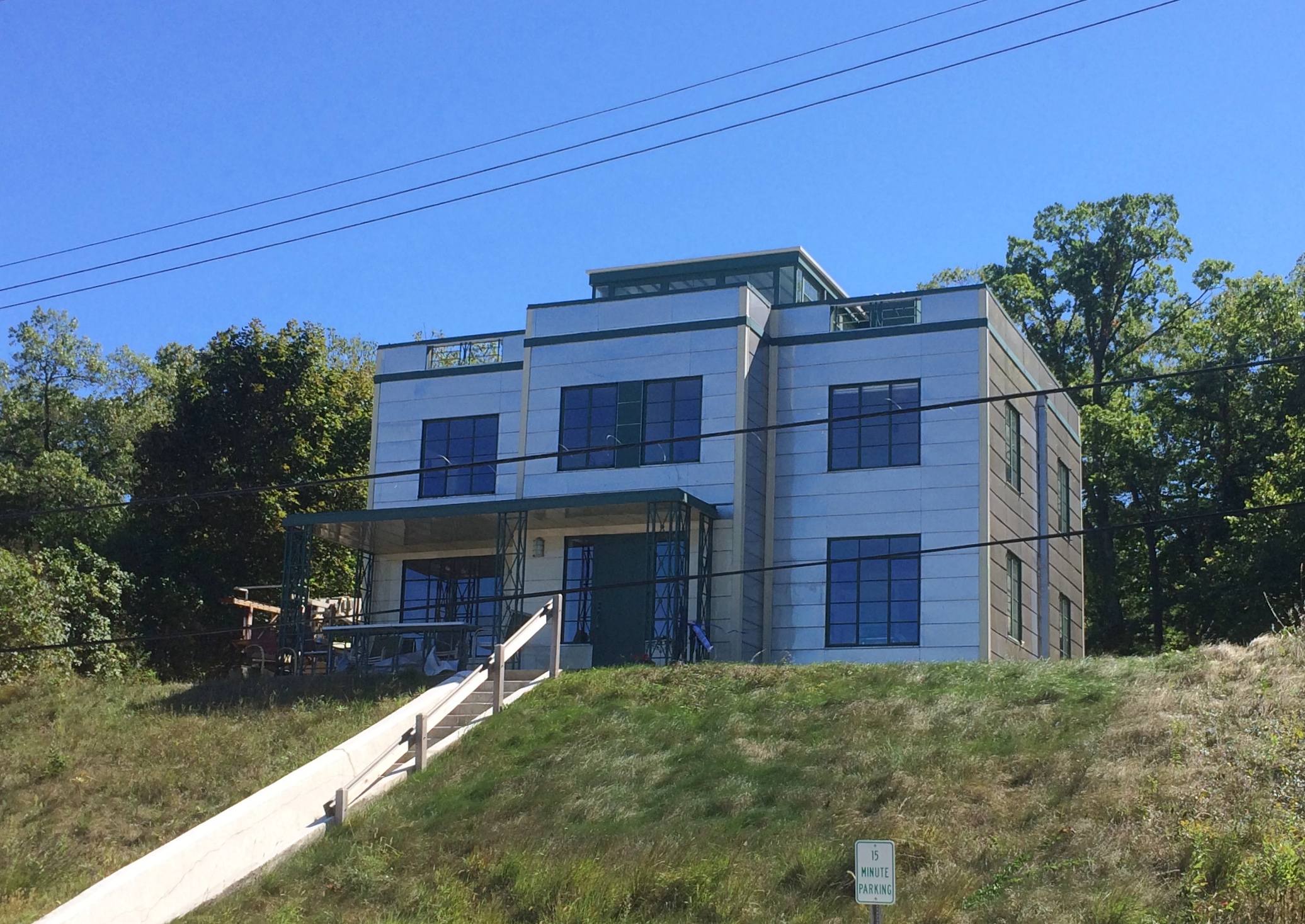
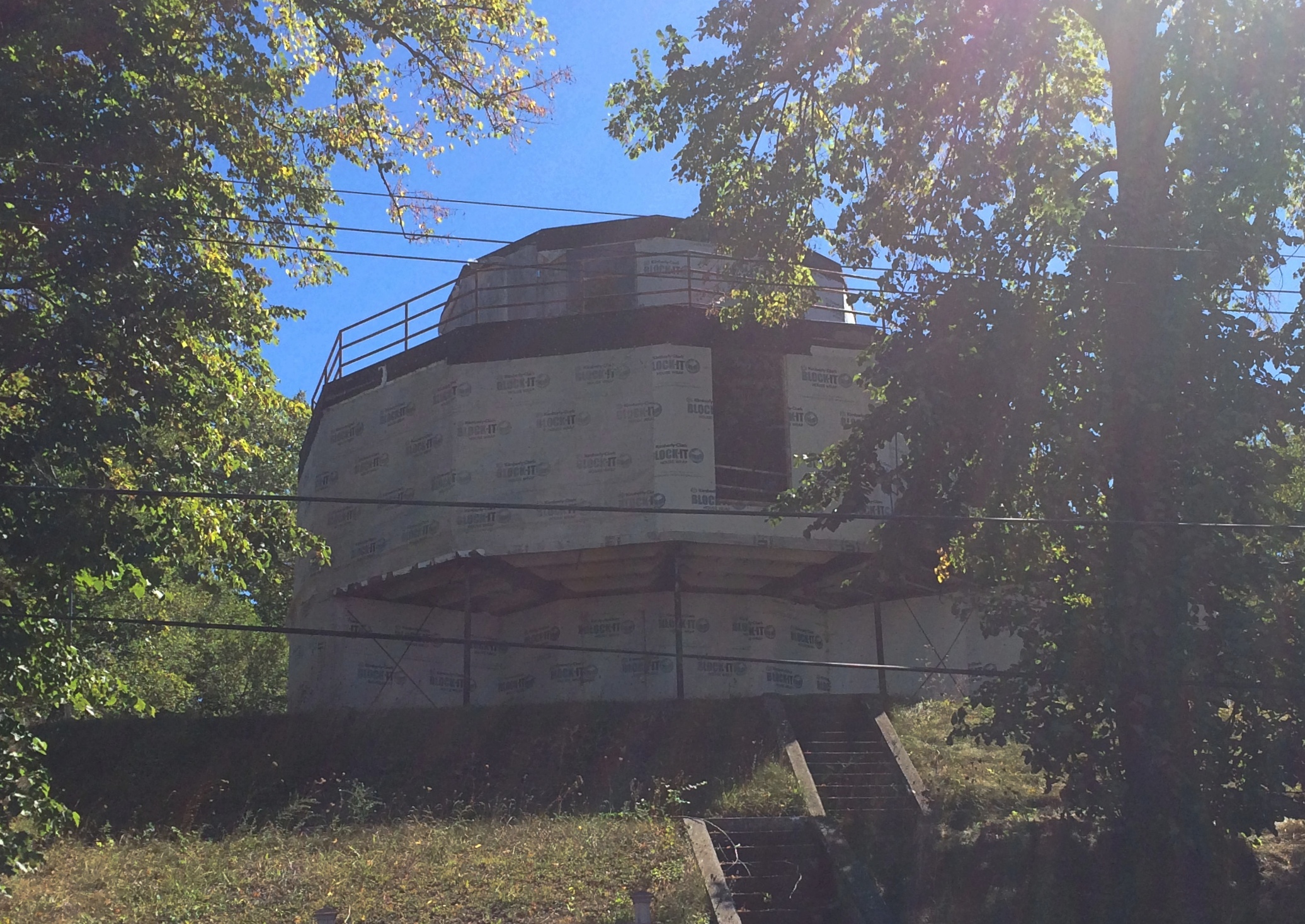
Another hillside structure, the Armco-Ferro House, was “an ode to the virtues of porcelain enamel and steel — expressed in the form of a prefabricated home,” the sign at the bottom of the hill told me.Century of Progress Architectural DistrictFinally, the House of Tomorrow, which is currently wrapped for renovation. Design by Chicago architect George Frederick Keck.

Century of Progress Architectural DistrictAll in all, an interesting little neighborhood. That’s a fitting term, since people actually live in the houses, except for the House of Tomorrow, and someone will live there when the work is done. Signs asked visitors to respect the privacy of the occupants. Tours of the interior are given only once a year, I’ve read, though I expect that isn’t going to happen this year.

In a remarkably imaginative move on the part of a government agency — the Park Service, which owns the properties — the houses are leased for 30 years at no charge, provided the lessees agree to restore and maintain the properties in that period.

Indiana Dunes National Park

Officially the park service entity occupying part of the Lake Michigan shore of Indiana, along with some adjacent lands, is Indiana Dunes National Park. Has been for about a year and a half now, for the usual reason: a Congressman from the region had the pull to promote it from its previous sub-park designation, national lakeshore, to national park.

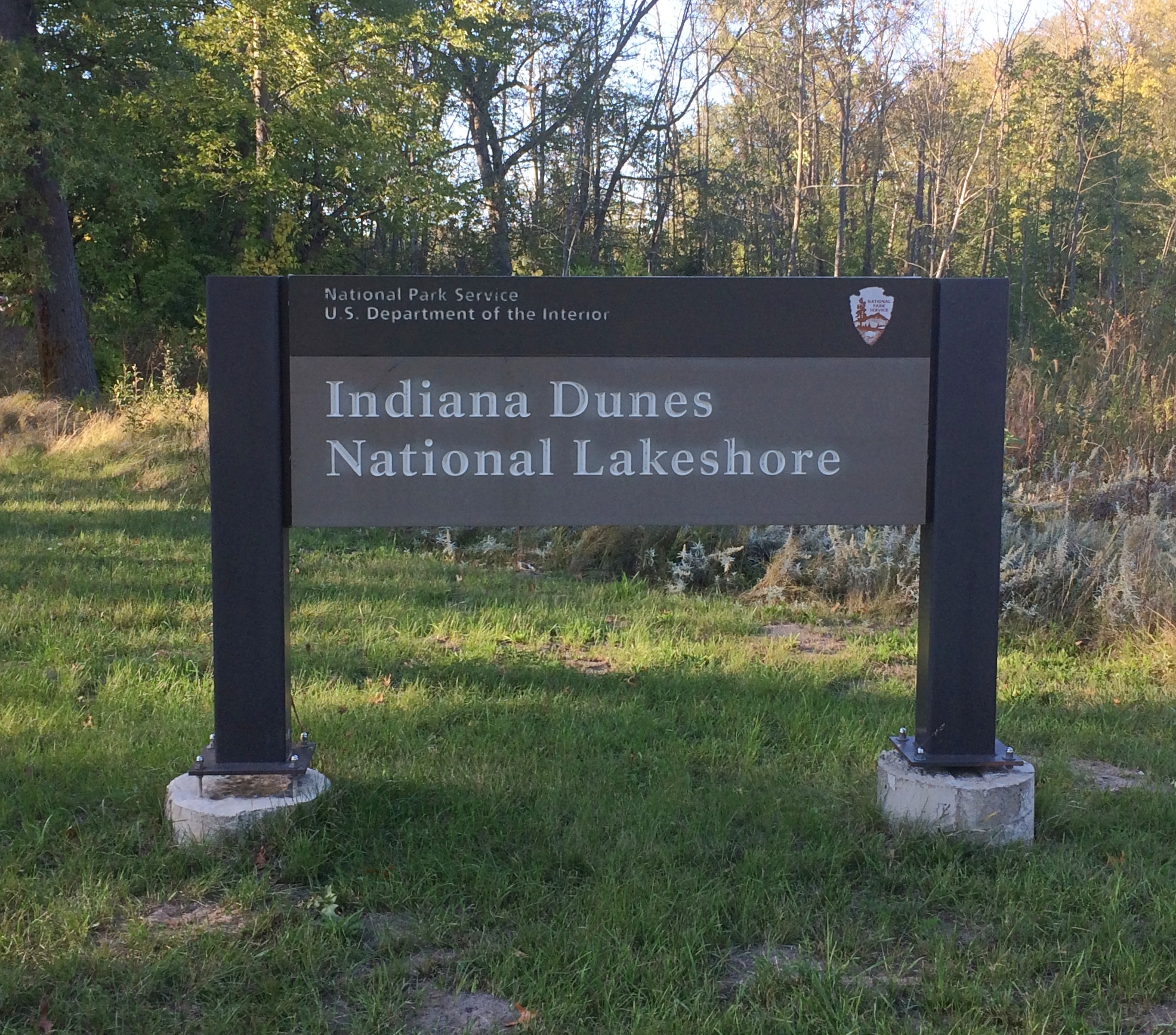
Not much has changed besides the name. Even the signs have the old name. Signs cost money.Indiana Dunes National Park

We’ve visited two or three times over the years, including one memorable time when Lilly’s stroller was difficult to push on sandy trails. That’s how long ago it was. Stroller issues have long been a non-issue for us, but even so the national lakeshore seldom suggested itself as a place to visit, maybe because the main way to get there — the highways running south of Lake Michigan — are often congested chokepoints.

We decided to go on September 18 for the day. The weather was flawless for walking around: clear and in the mid-60s. Got a later start than planned, so it was more of a visit for the afternoon. But a good one, focused on some short trails.

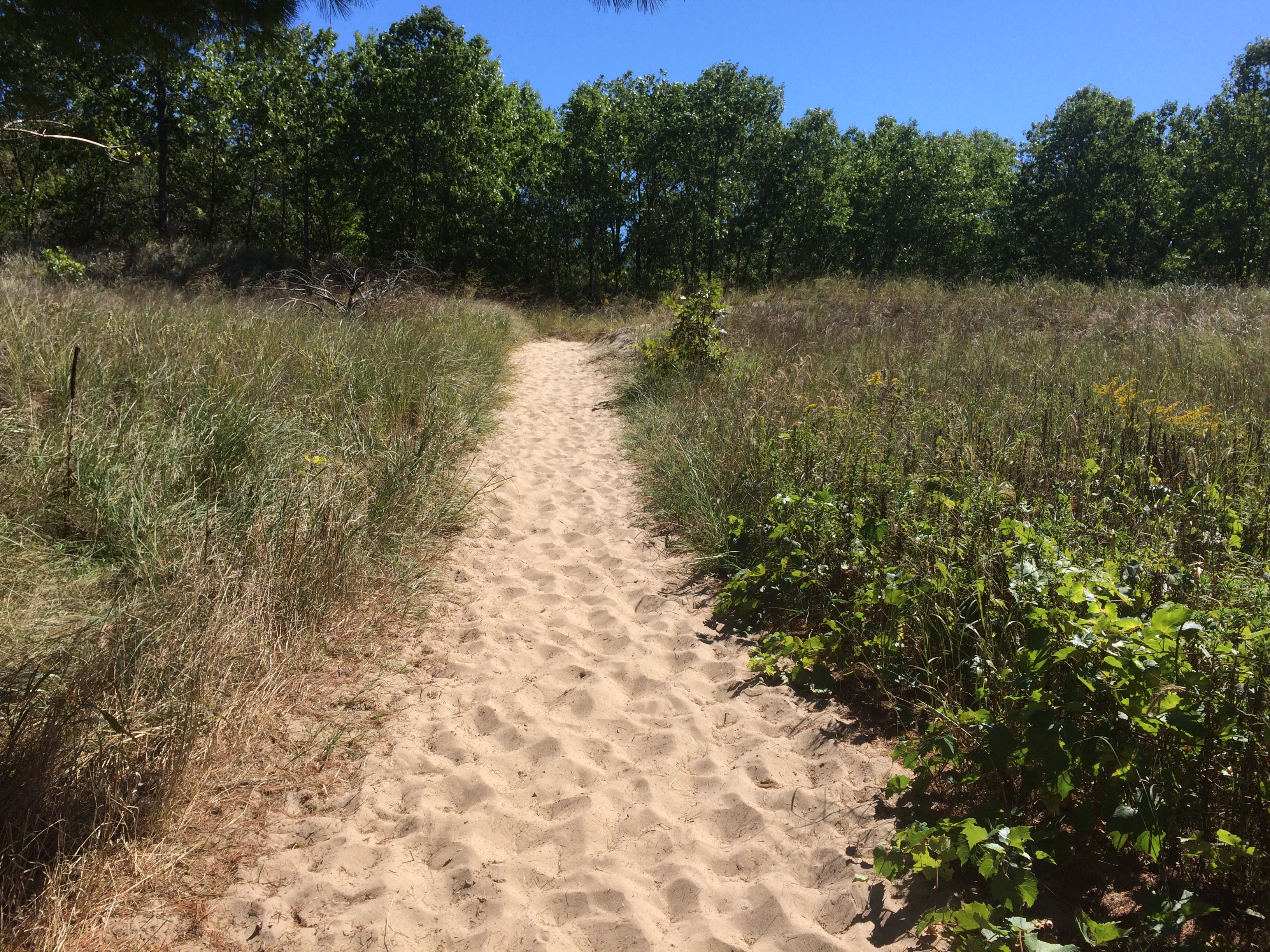
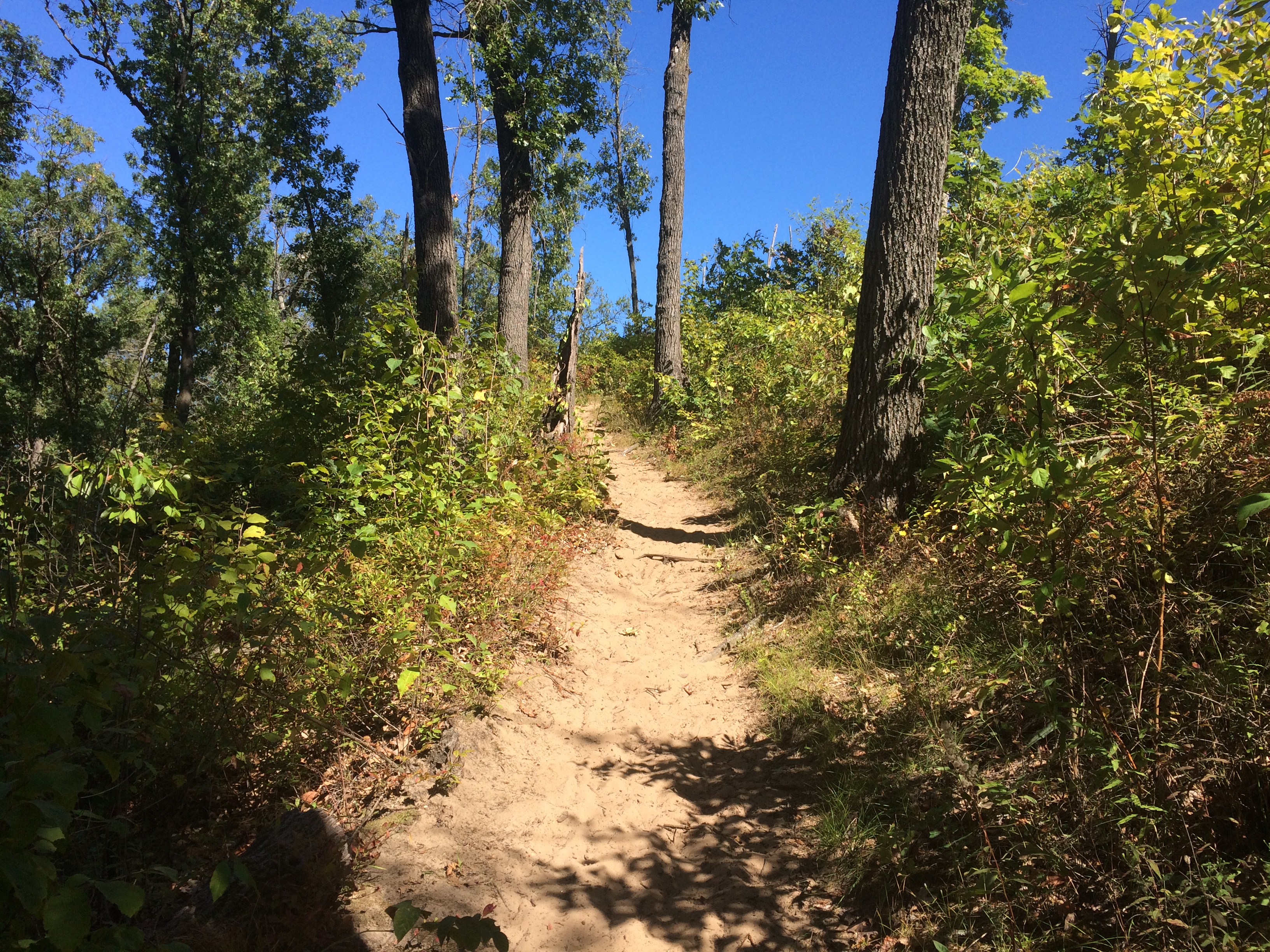
The trailhead of a small loop called Dune Ridge Trail.Indiana Dunes National ParkMostly the trail wasn’t sand-dune sand, but even the more packed underfoot soil forming the trail was sandy.
Indiana Dunes National ParkThere was a climb, but not too bad.
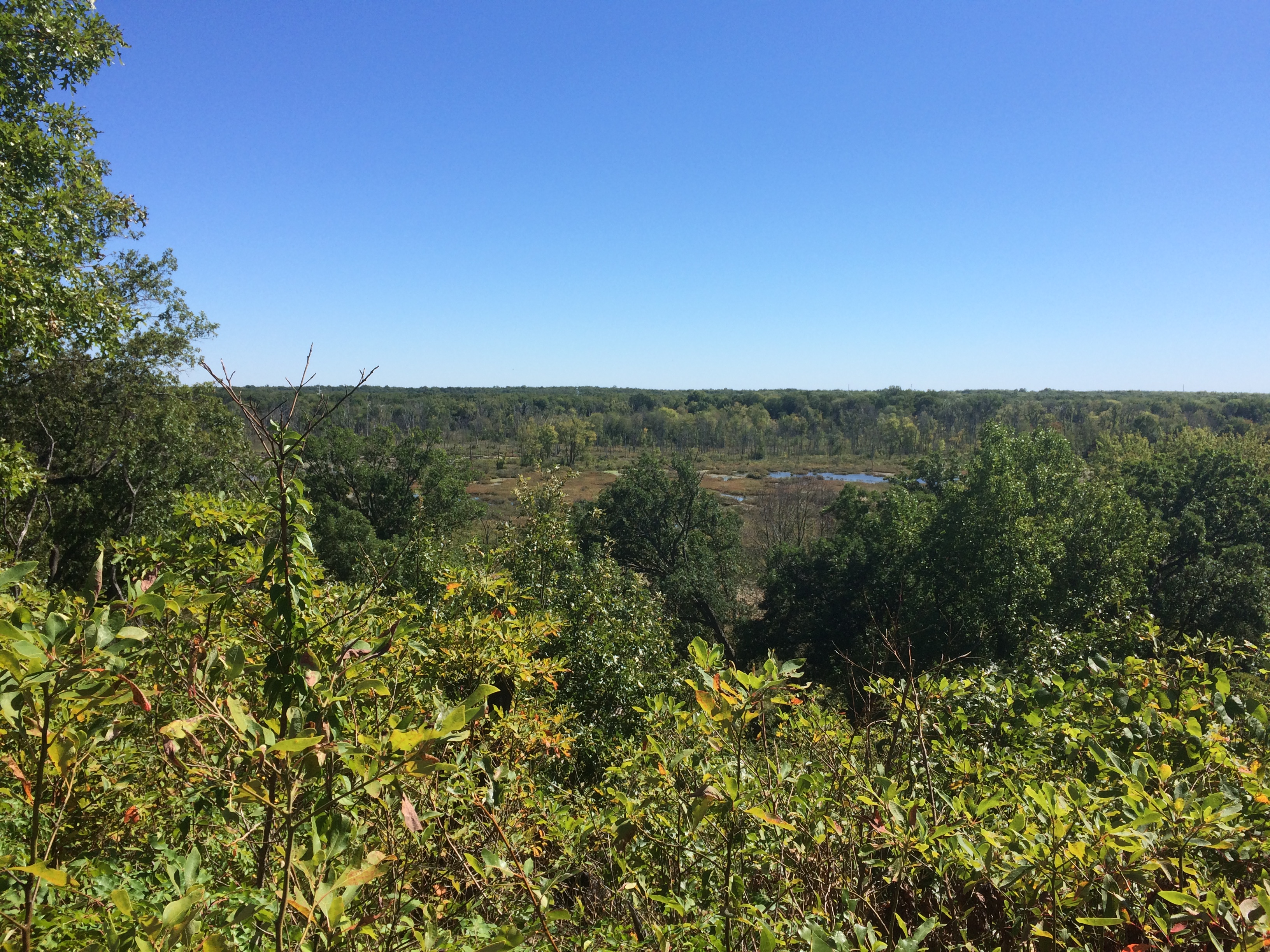
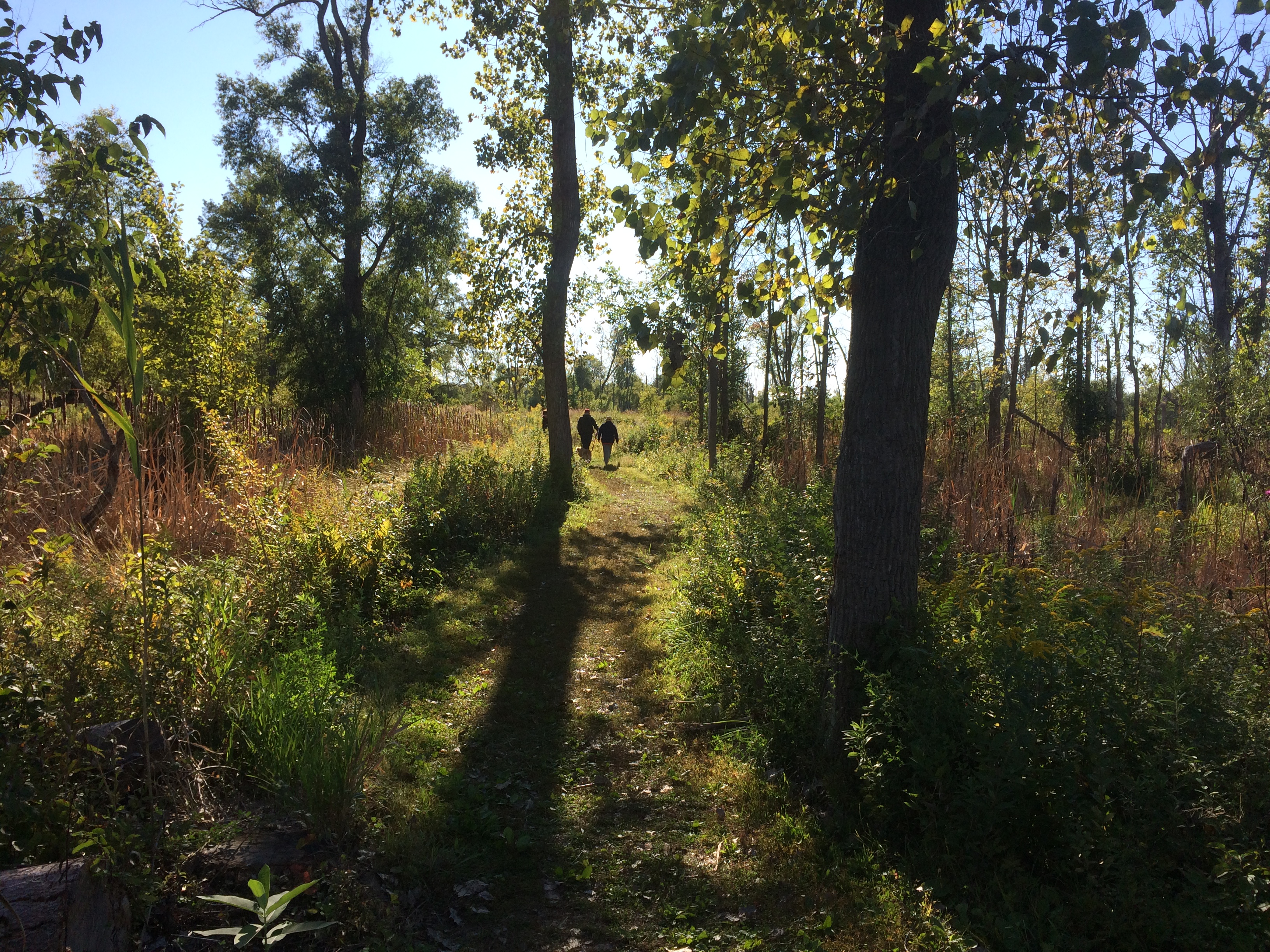
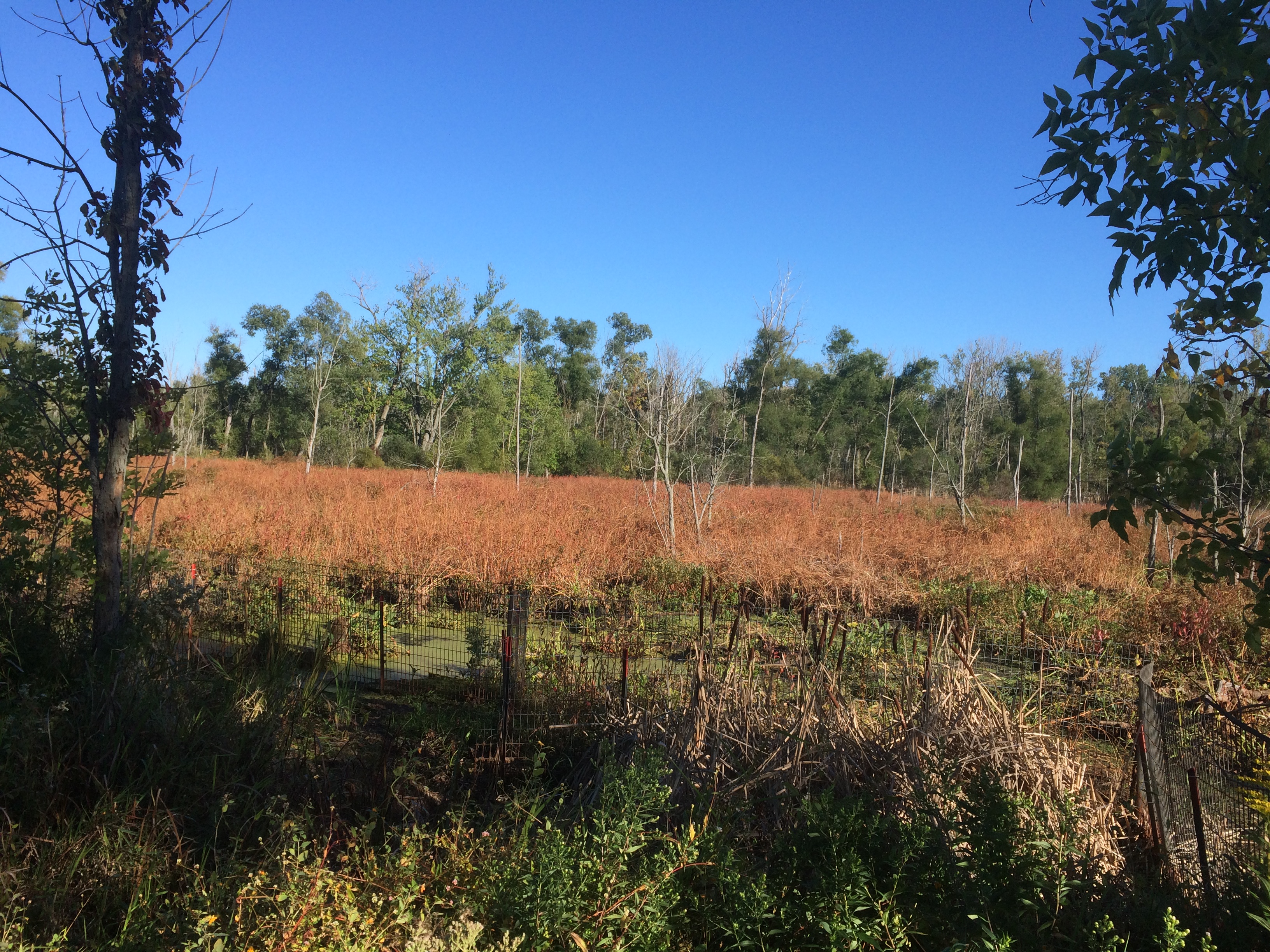
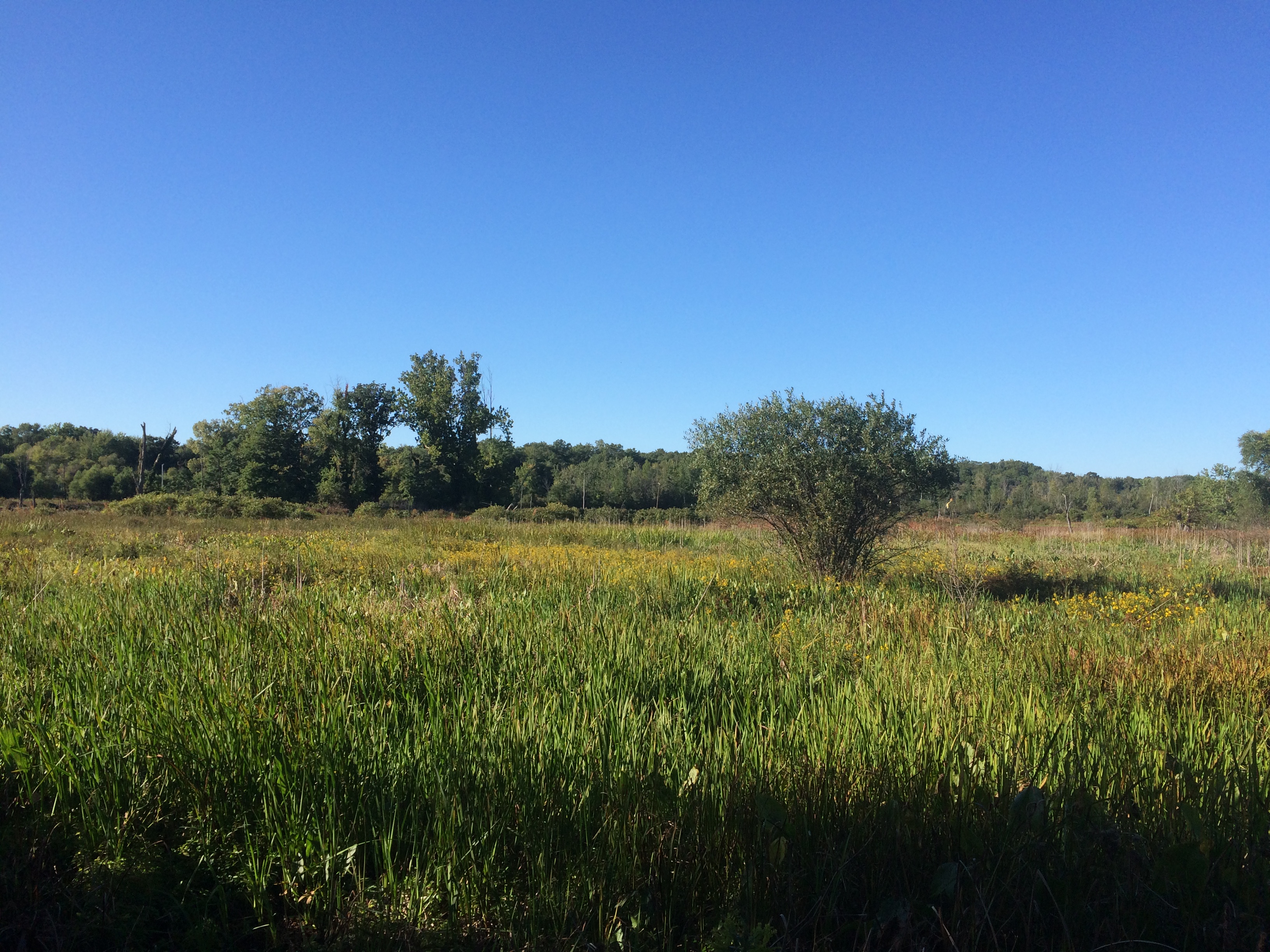
Indiana Dunes National ParkLeading to views of an expansive marsh.Indiana Dunes National ParkLater in the afternoon, we walked along the Great Marsh Trail.
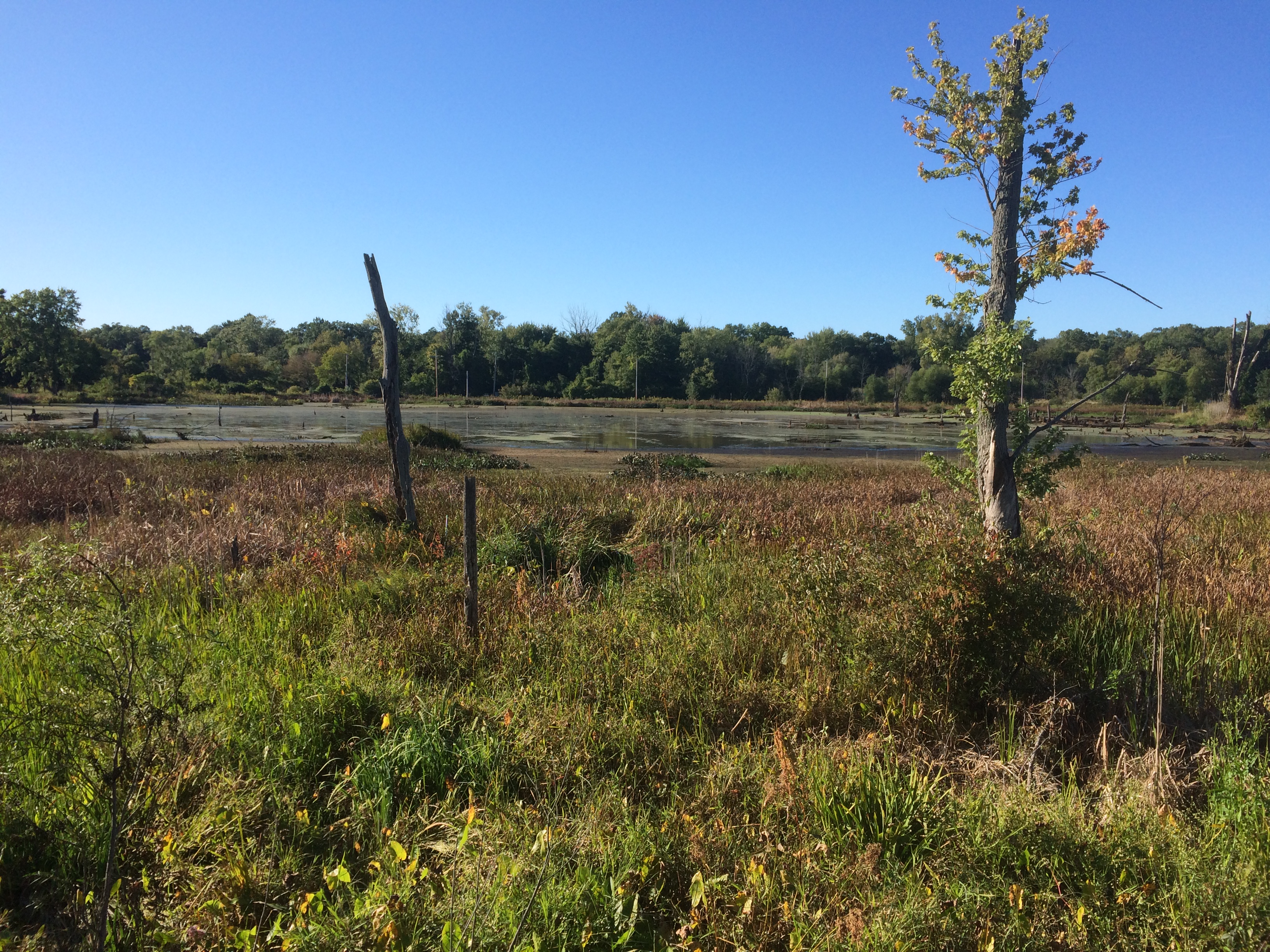
Indiana Dunes National ParkA great marsh all right.
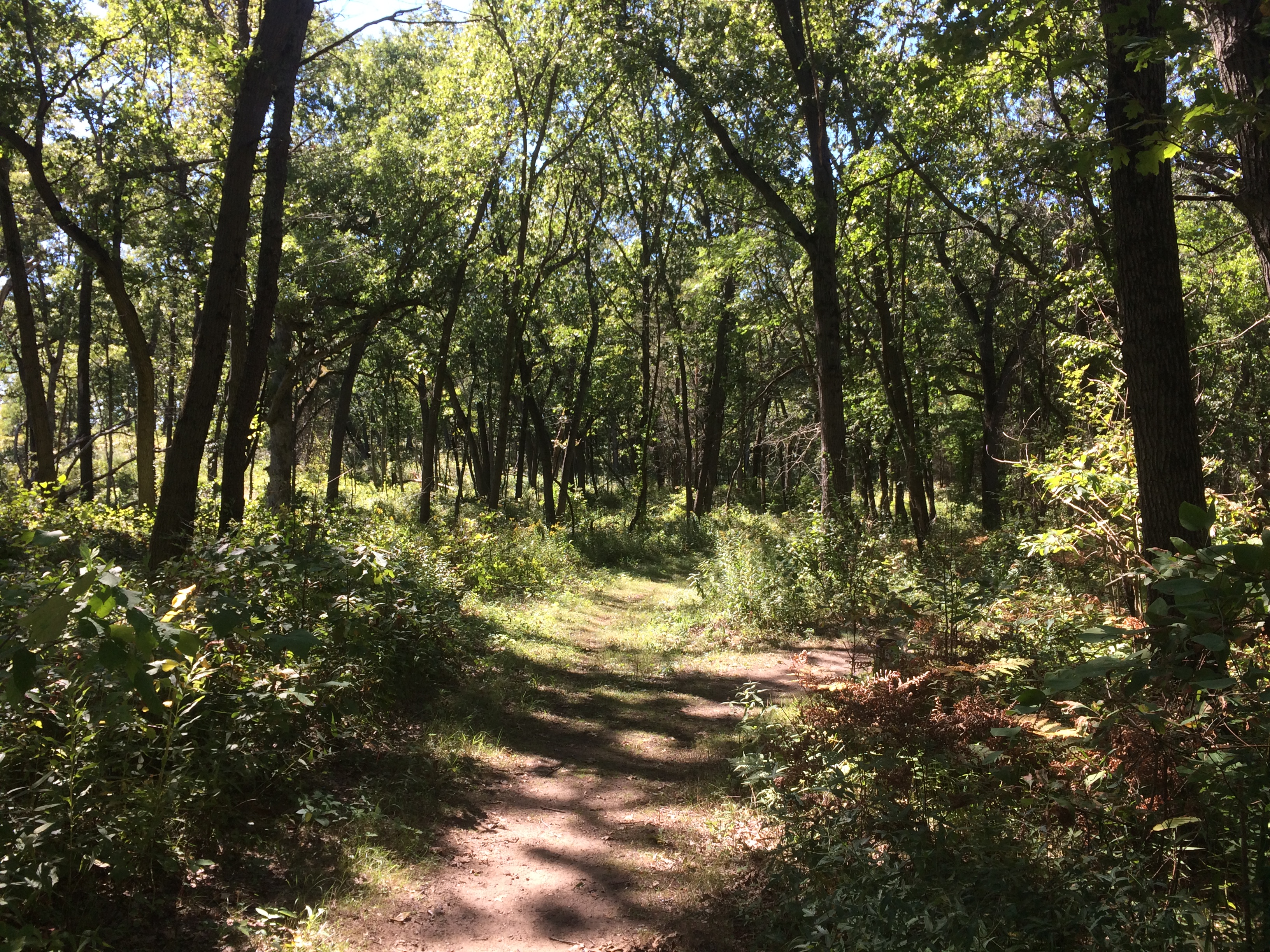
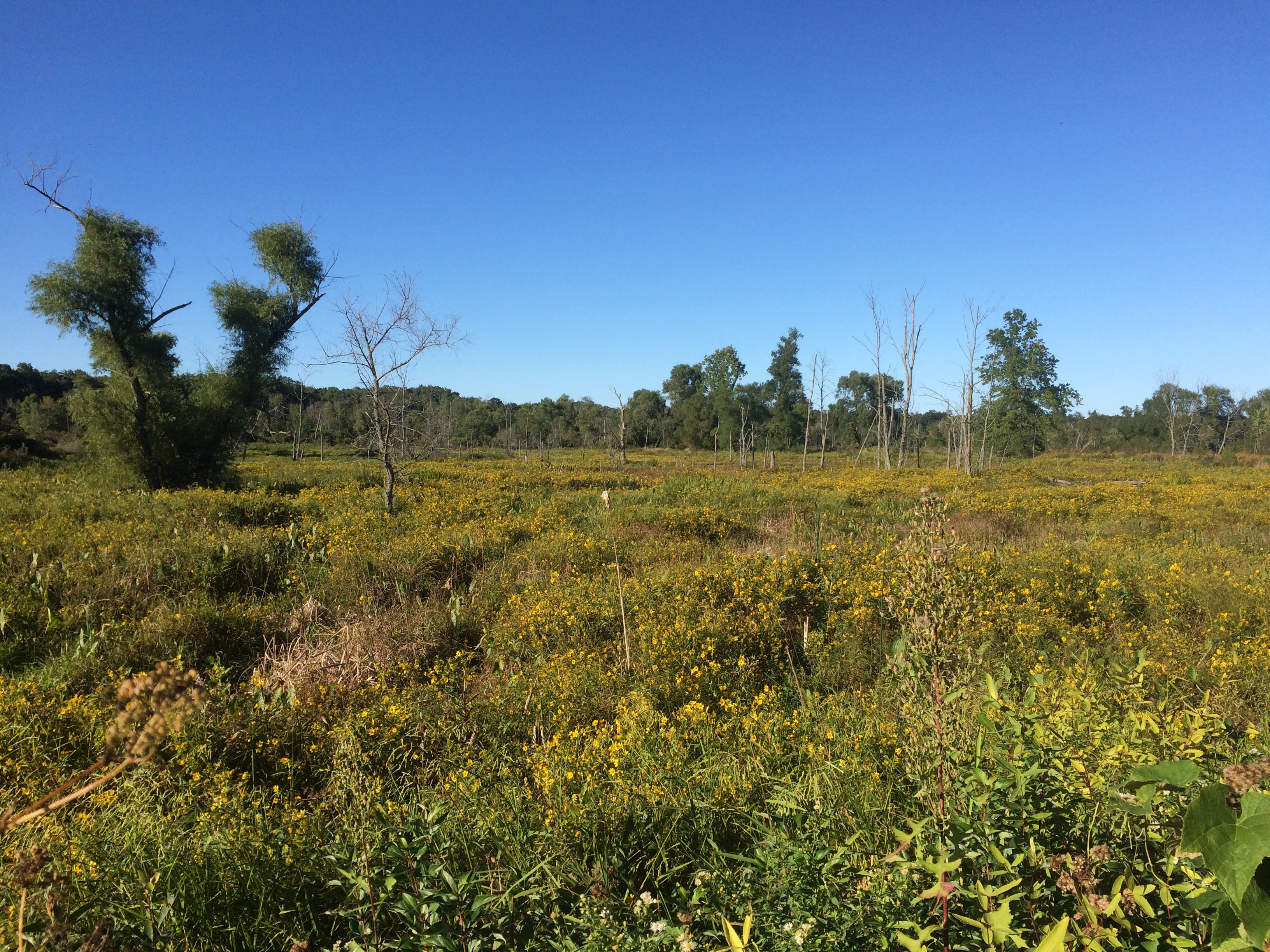
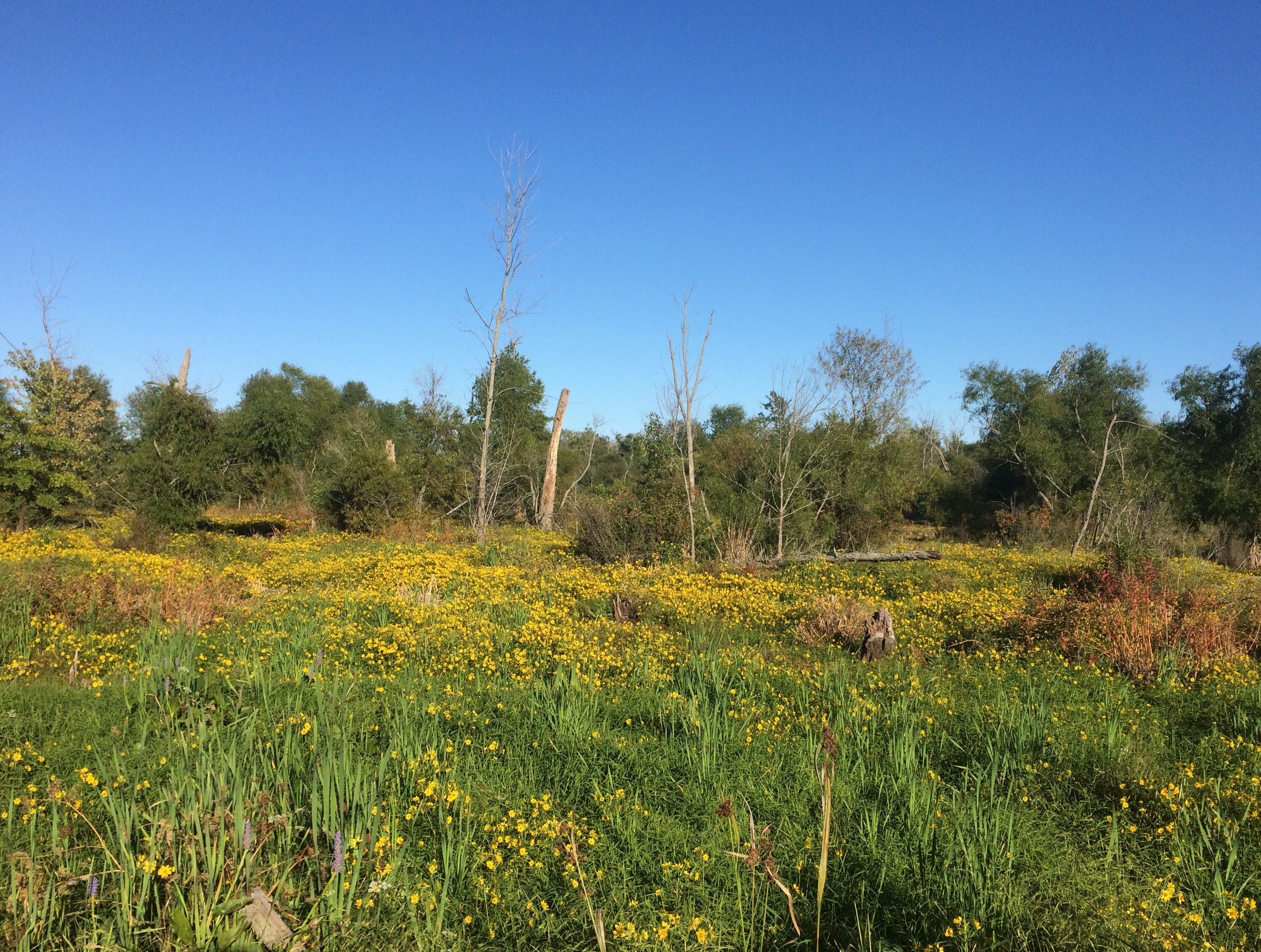
Indiana Dunes National ParkIndiana Dunes National ParkStill wildflower season in northern Indiana.
Indiana Dunes National ParkIndiana Dunes National ParkLeisure to stroll among the short-time green?
Indiana Dunes National ParkWe’re fortunate to have it.

Joshua Tree National Park

On the morning of February 26, 2020, I arrived at the south entrance of Joshua Tree National Park. Near the end of the day, I would leave via the west entrance.
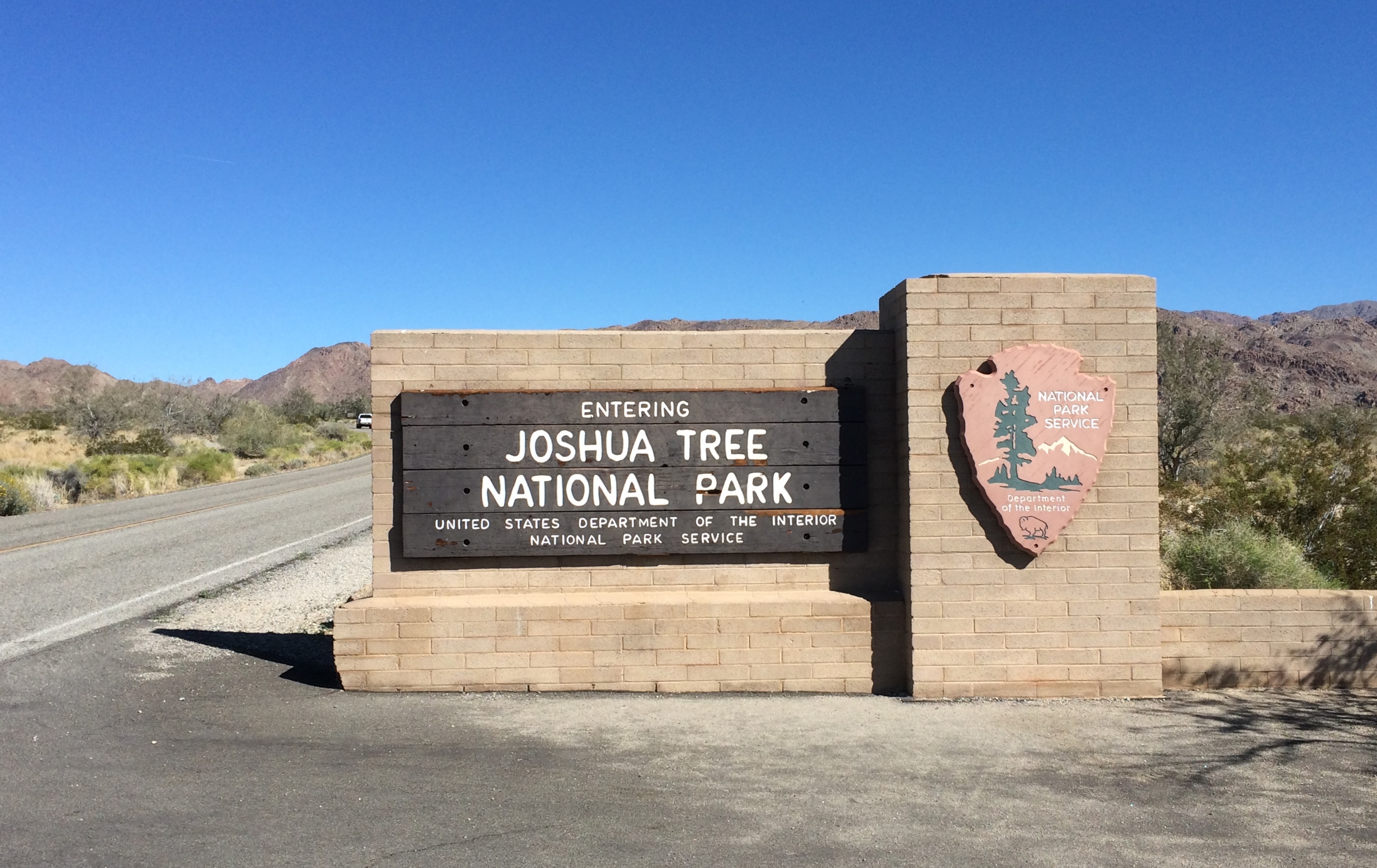
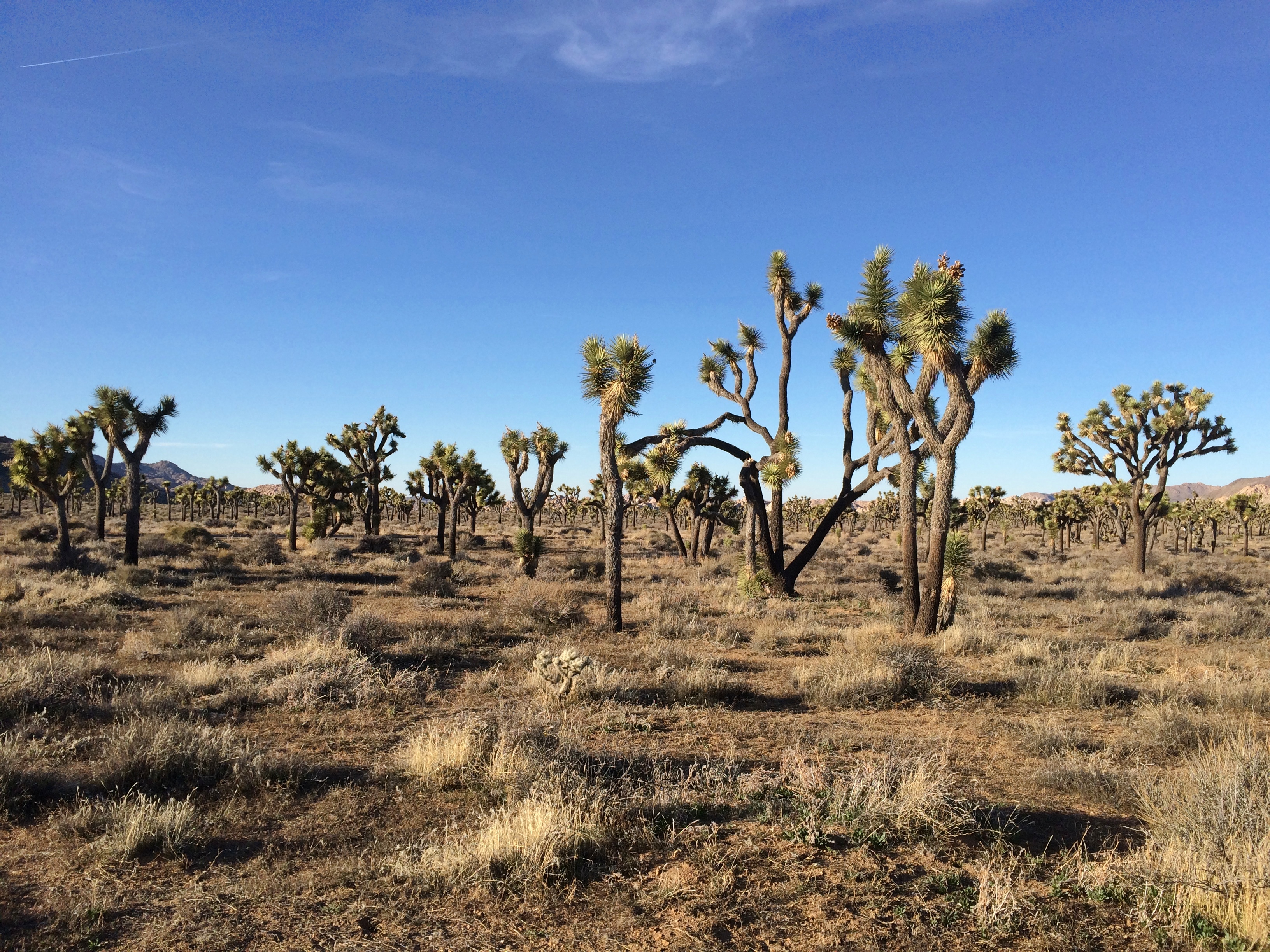
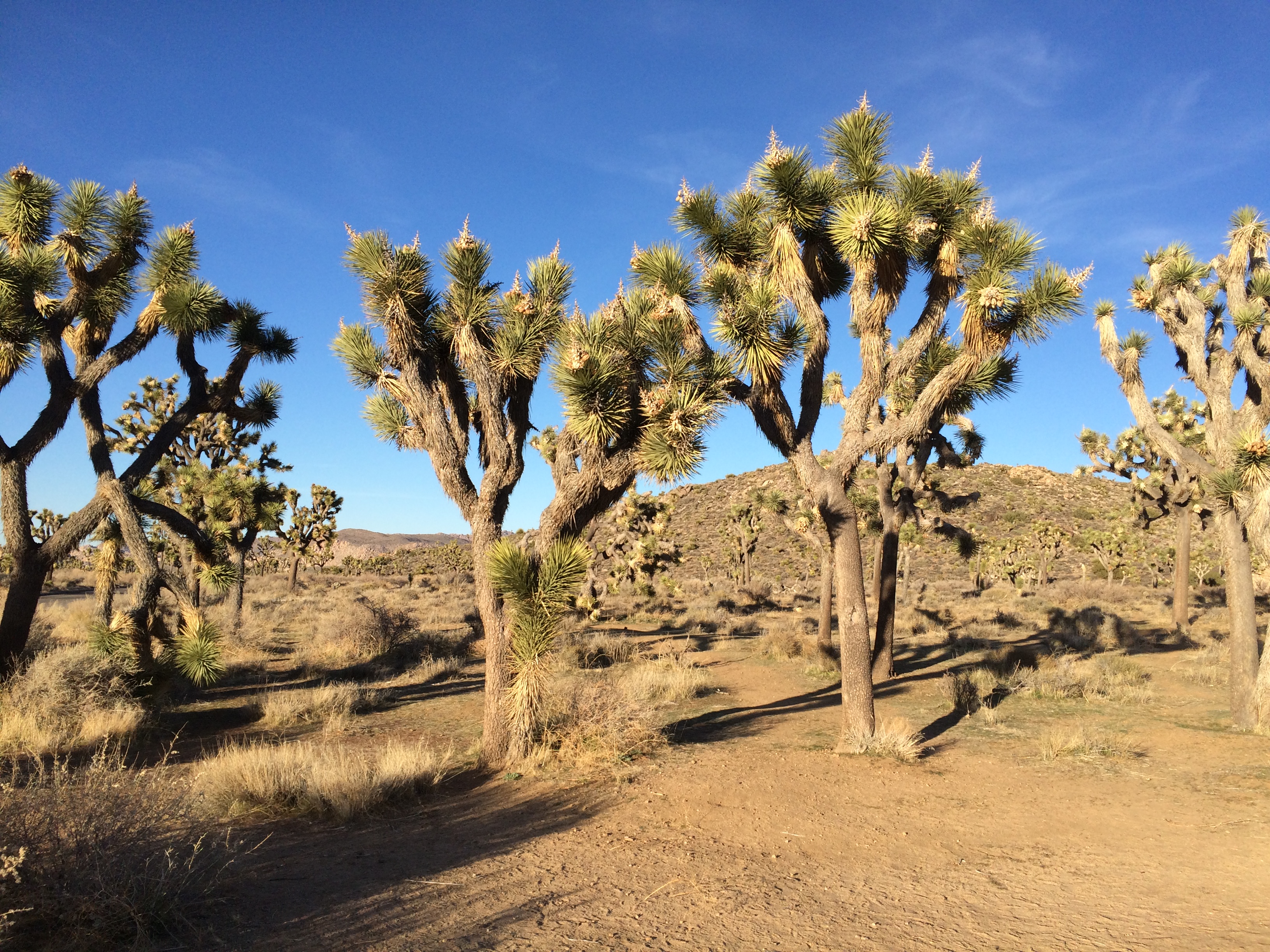
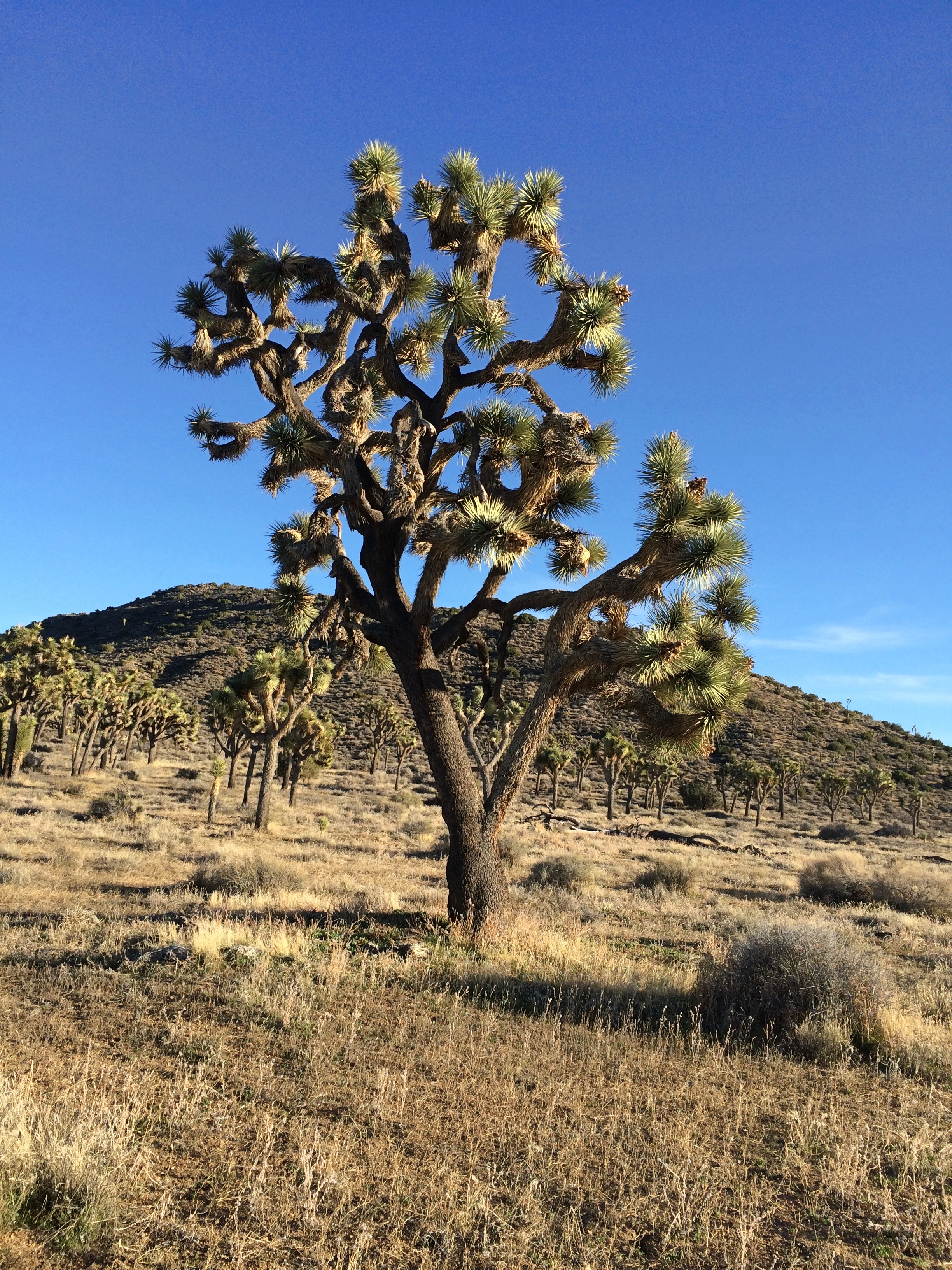
Joshua Tree National Park signThe park includes sections of two different deserts, the Colorado and the Mojave. The territory around the south entrance is Colorado Desert, and not much populated by Joshua trees. It would be a while before I saw any Joshua trees, which are actually yucca plants (Yucca brevifolia), in the national park named for them.

Though folk etymologies involving Mormons exist when it comes to why Joshua trees are called that, the origin of the term is uncertain. The plant has also been called, in English, the tree yucca and the yucca palm.

One more thing: the Joshua tree depicted by U2’s The Joshua Tree album was near Darwin, California — which is close to (but not in) Death Valley NP, not Joshua Tree National Monument, as it was then. Come to think of it, Death Valley was a national monument in 1987 as well.

My first walk of the day was along the trail leading out of Cottonwood Spring. Where there’s water, there are large trees.
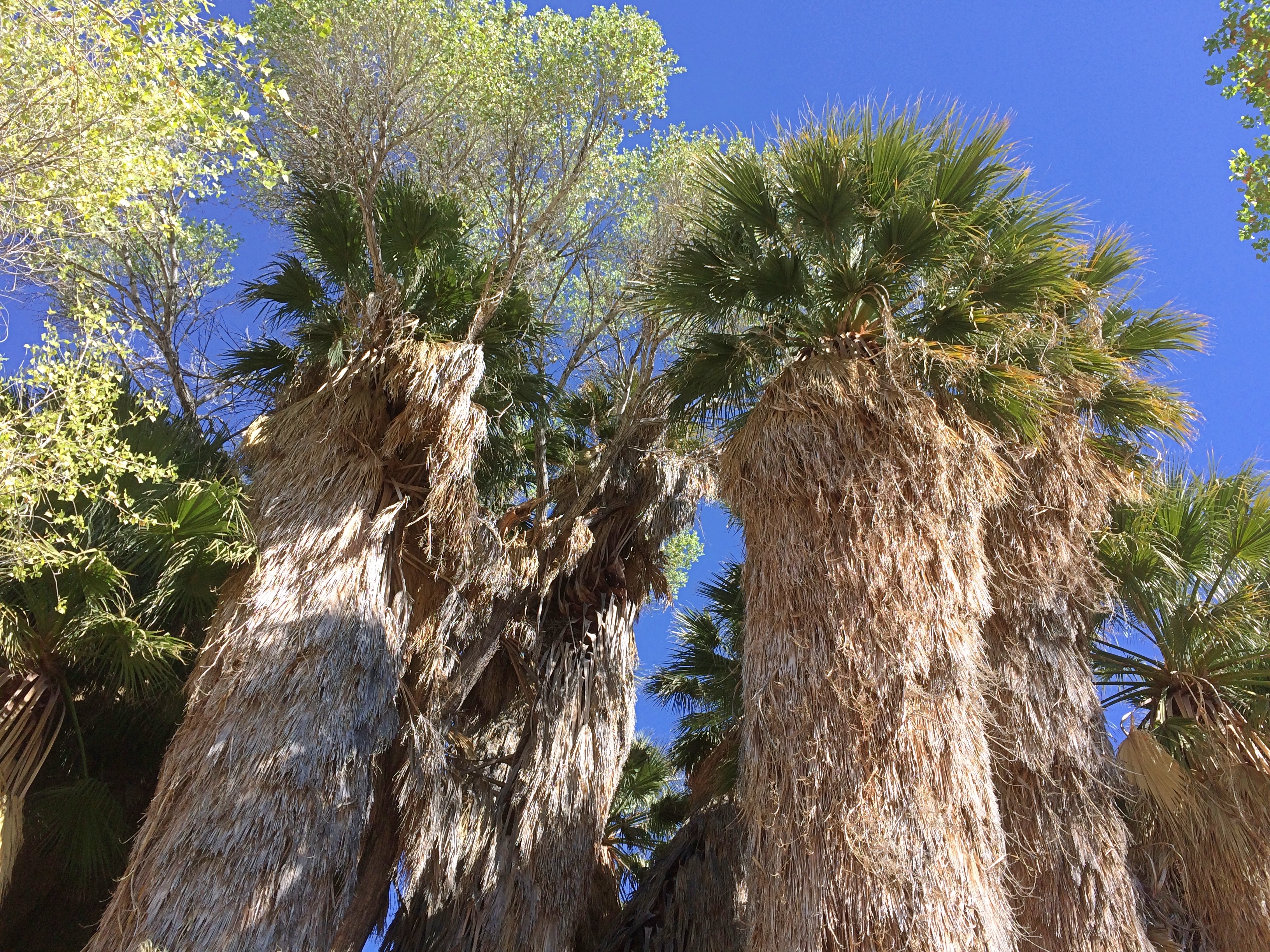
Joshua Tree National Park Cottonwood SpringsThen it’s off to more arid hills.
Joshua Tree National Park Cottonwood Springs trailWith rock formations. This one’s actually pretty small compared to some others I would see later in the day.
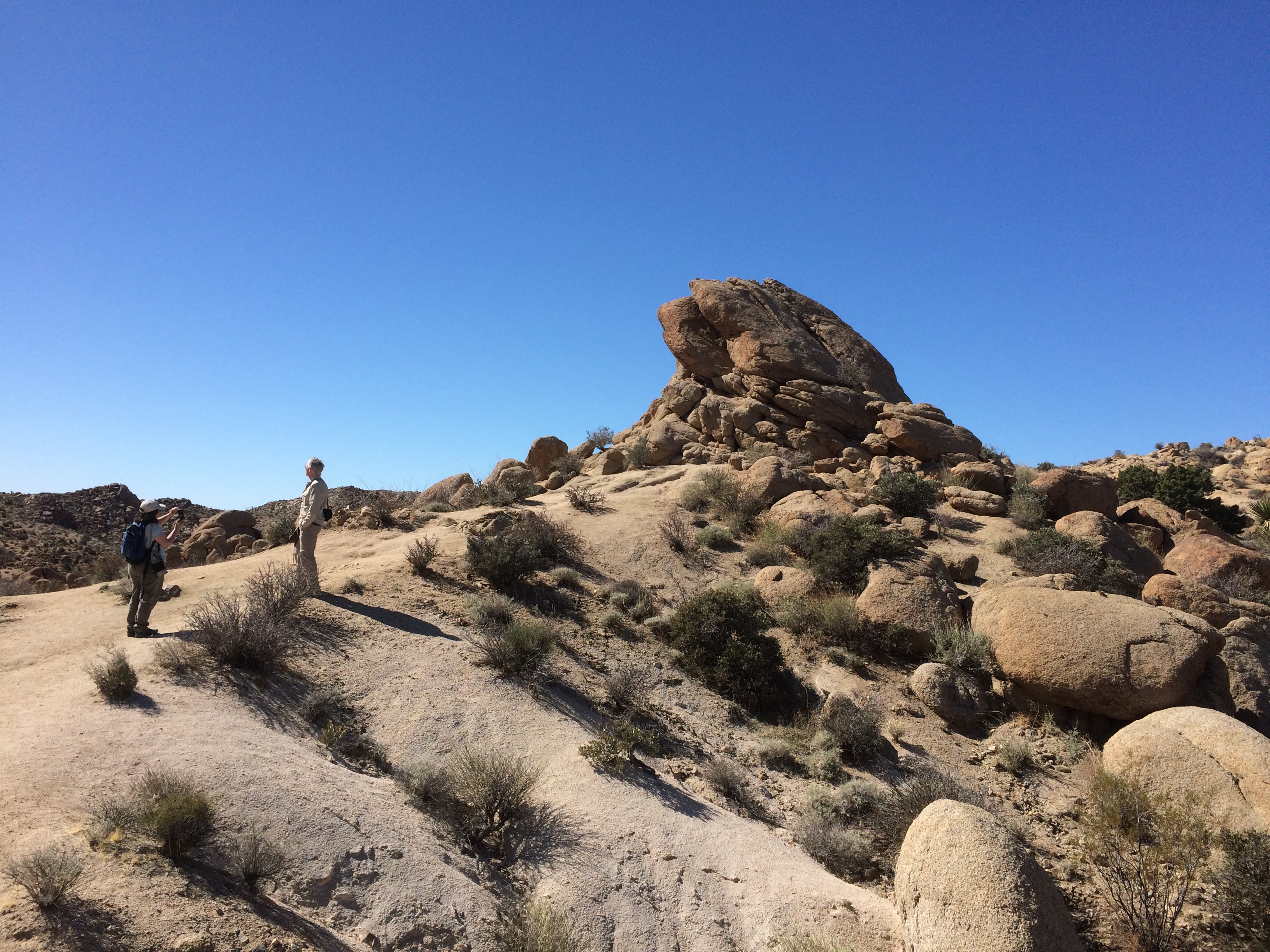
Joshua Tree National Park Cottonwood Springs trailSmall plants compared to others I’d see later. But I liked them.
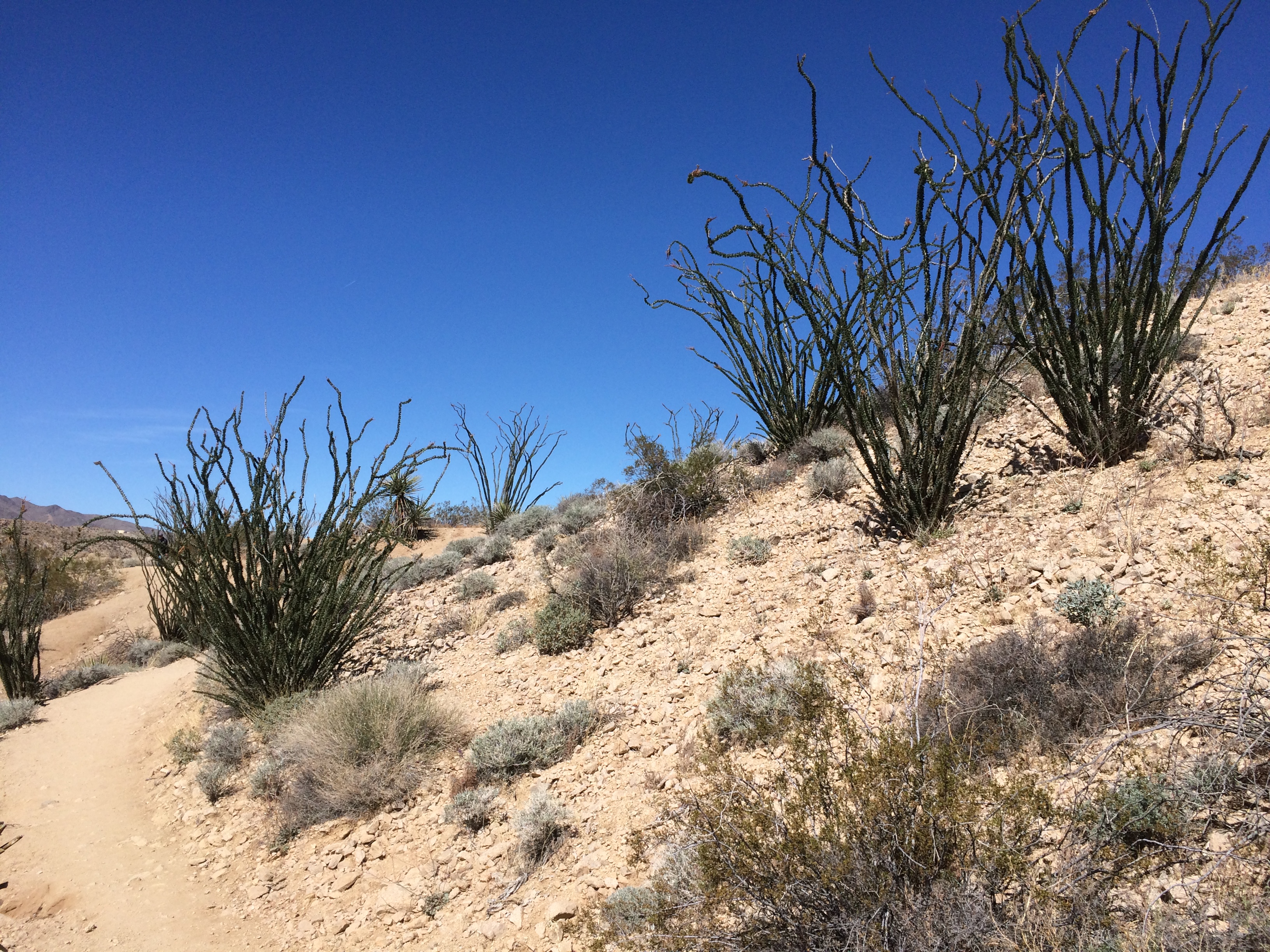
Joshua Tree National Park Cottonwood Springs trailNorth from Cottonwood Springs, the road takes you through washes: Smoke Tree Wash, Porcupine Wash and the amusingly named Fried Liver Wash. Then on to the Cholla Cactus Garden.
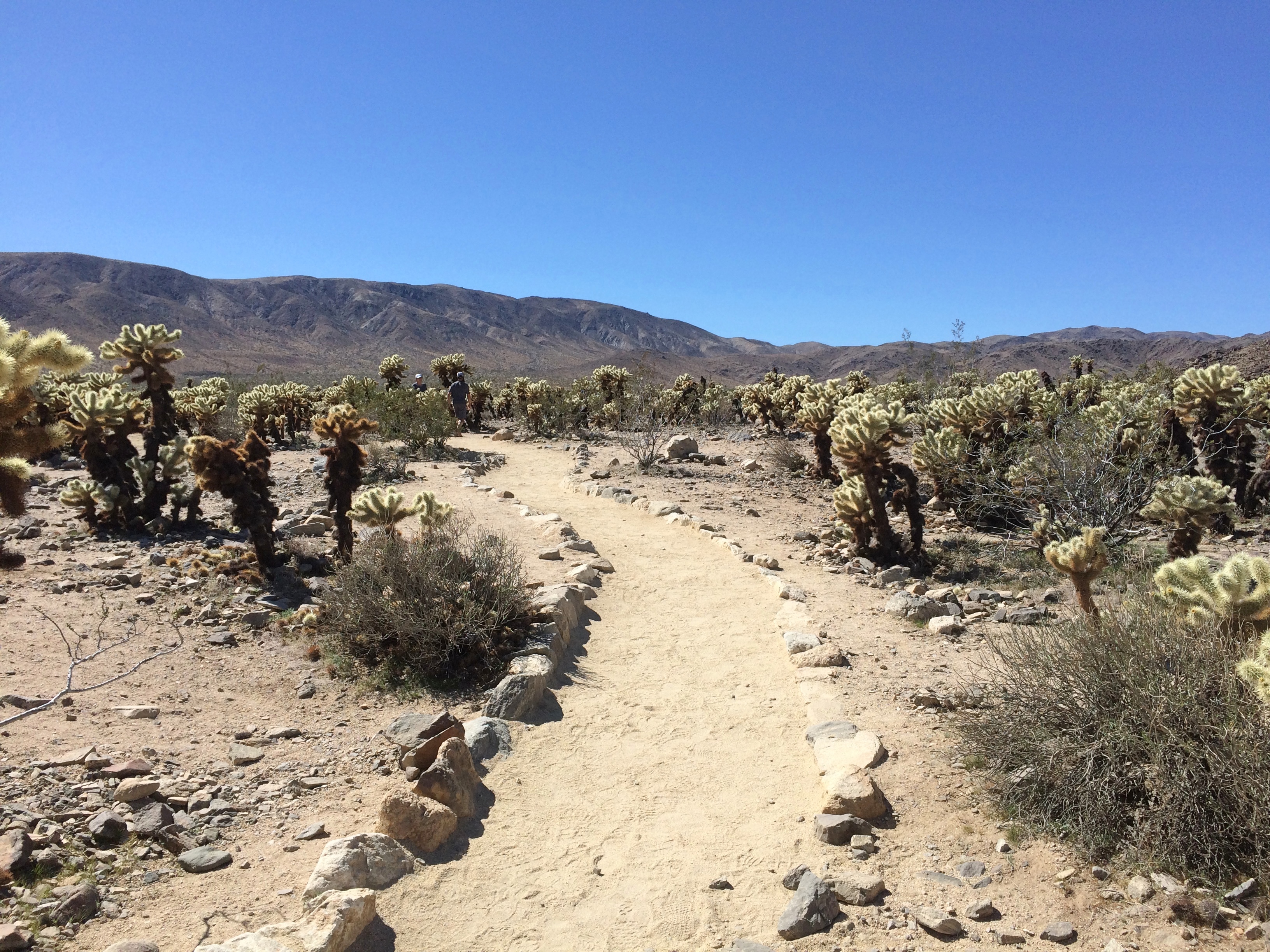
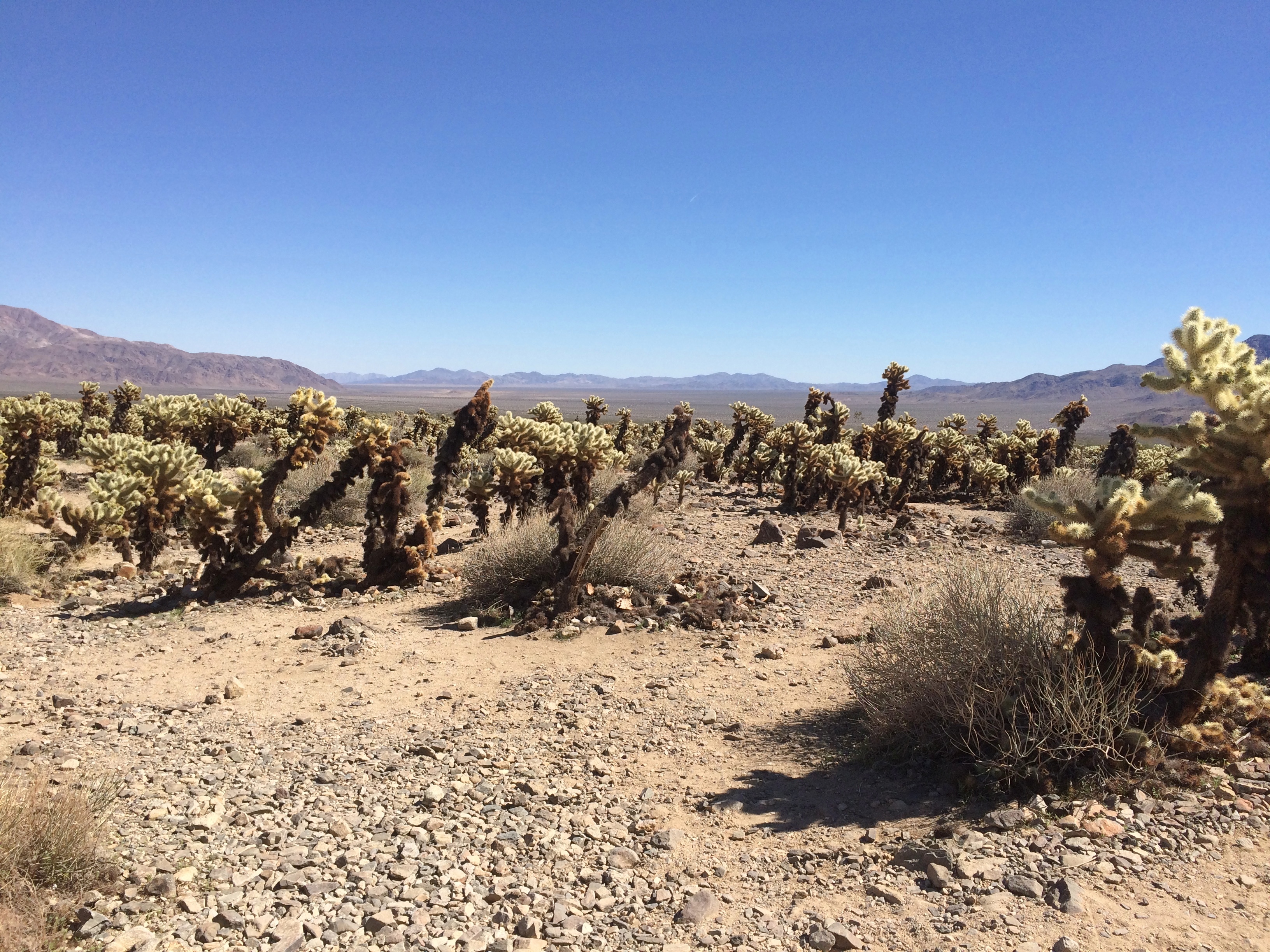
Cholla Cactus Garden, Joshua Tree National ParkCholla Cactus Garden, Joshua Tree National ParkLooks soft and fuzzy in a picture, but in person the cholla’s got wicked spines. Wiki says that the plant (Cylindropuntia bigelovii) has the “sardonic nickname of ‘teddy bear.’ ”
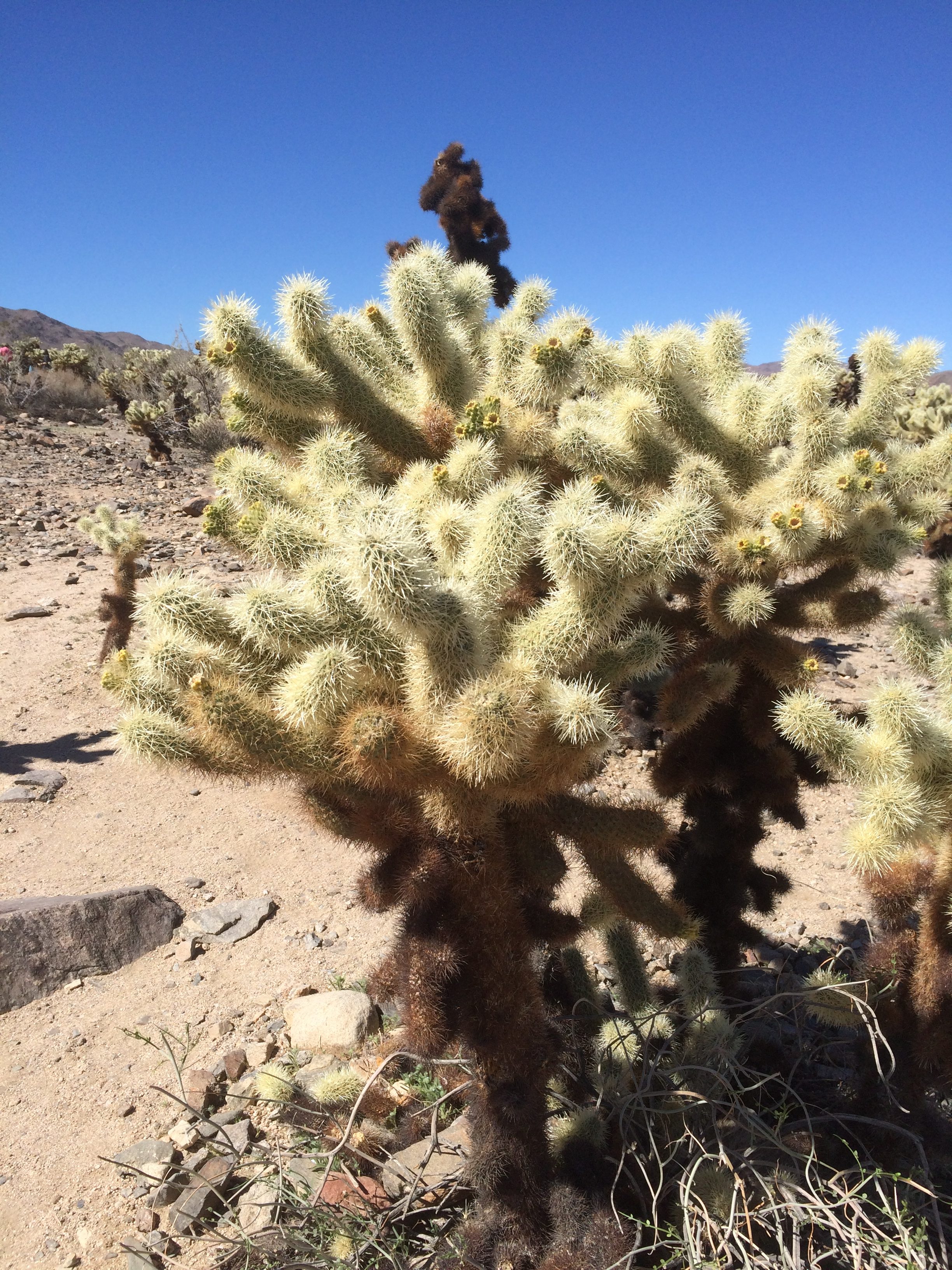
Joshua Tree NP Really Wicked Cactus

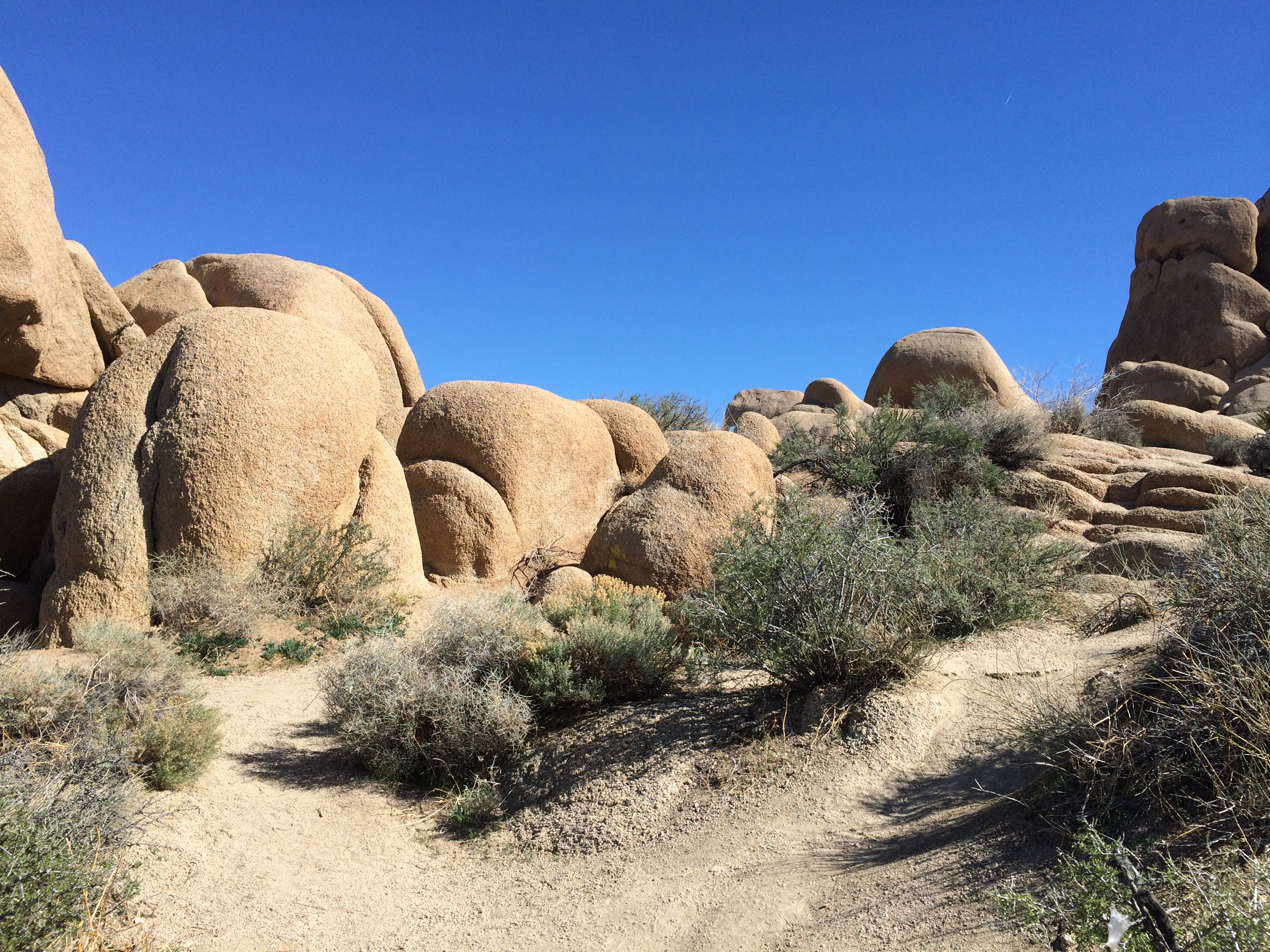
Next stop, Jumbo Rocks. Including the one called Skull Rock. Looking at it this way, I thought Nostril Rock would be a better name.
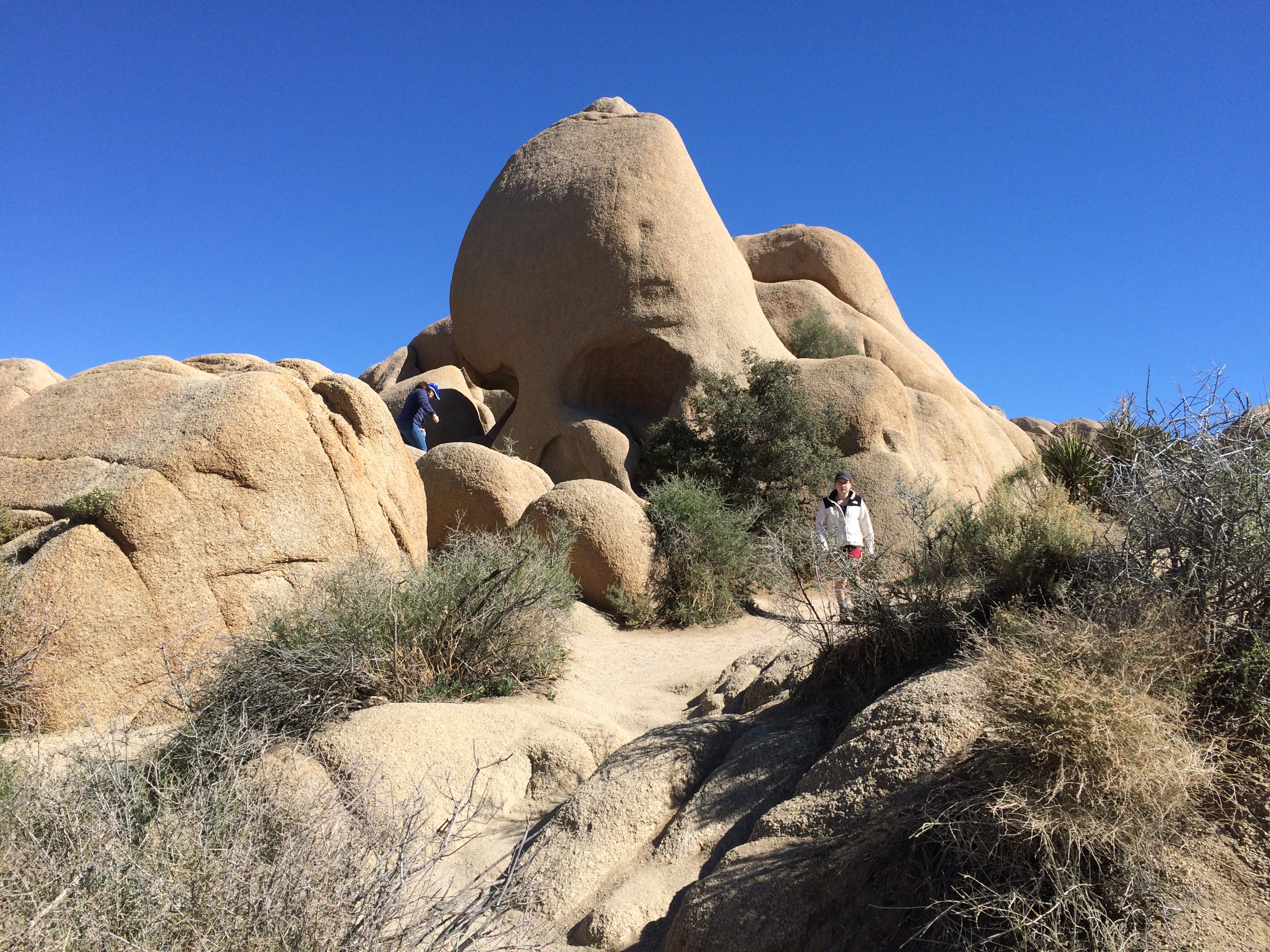
Joshua Tree National Park Skull RockPlenty of big rocks all around. The result of magma, monzogranite, rising to the surface eons ago. That or an act of creation in 4004 BC.
Joshua Tree National Jumbo RocksJoshua Tree National Jumbo Rocks Not far away I started spotting Joshua trees.
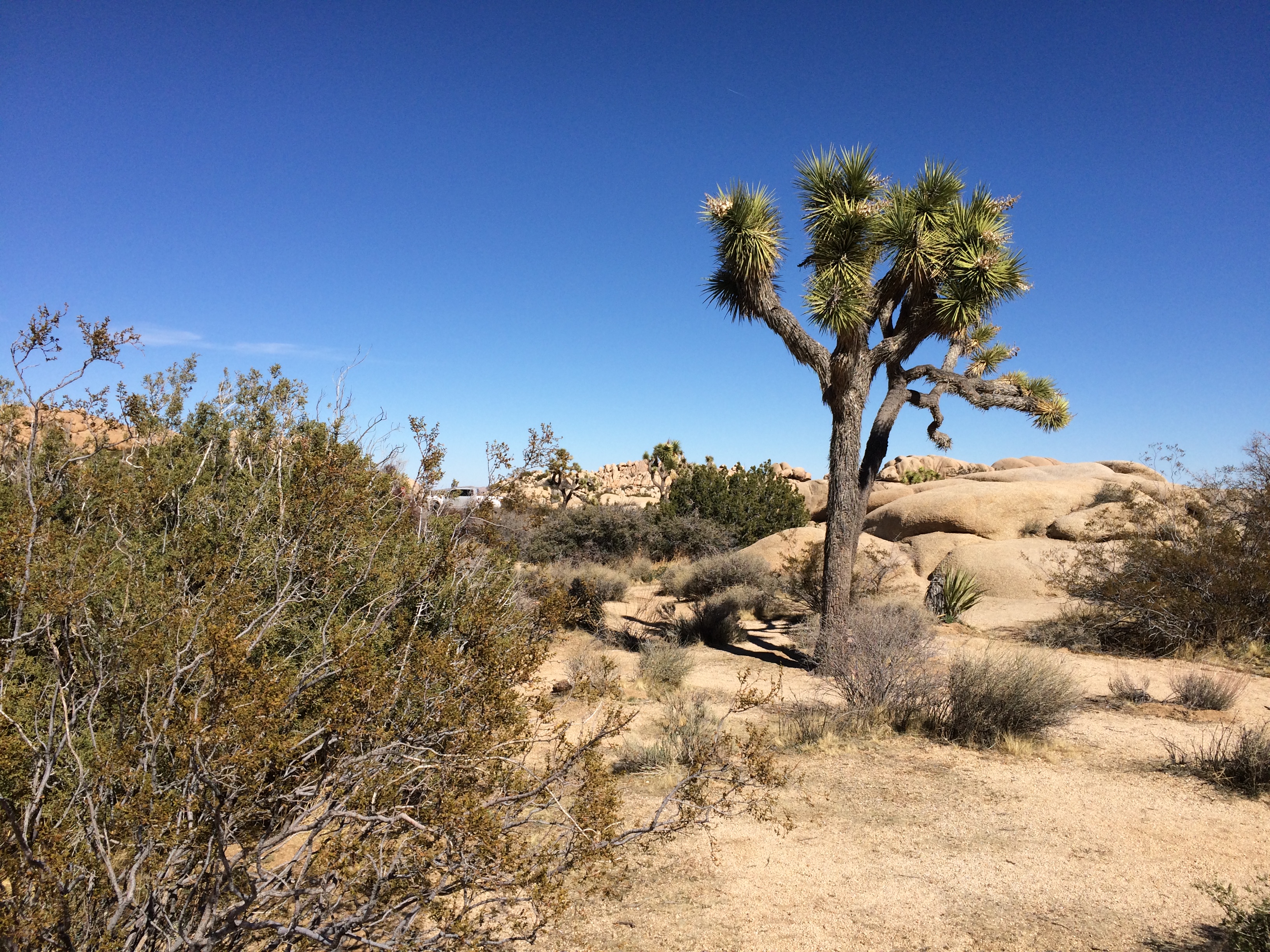
Joshua Tree National ParkDriving on the paved roads of JTNP was pleasant enough. There was some traffic, since winter is high season, and millions visit the park every year — about 2.9 million in 2018, making it the 11th most-popular U.S. national park. Not enough traffic to be a nuisance, though.

Unpaved roads were even better. At least the two I took: Desert Queen Mine Road and Queen Valley Road. Guess most of the other visitors were skittish about driving them, but they were mostly smooth with only a few large rocks to watch out for.
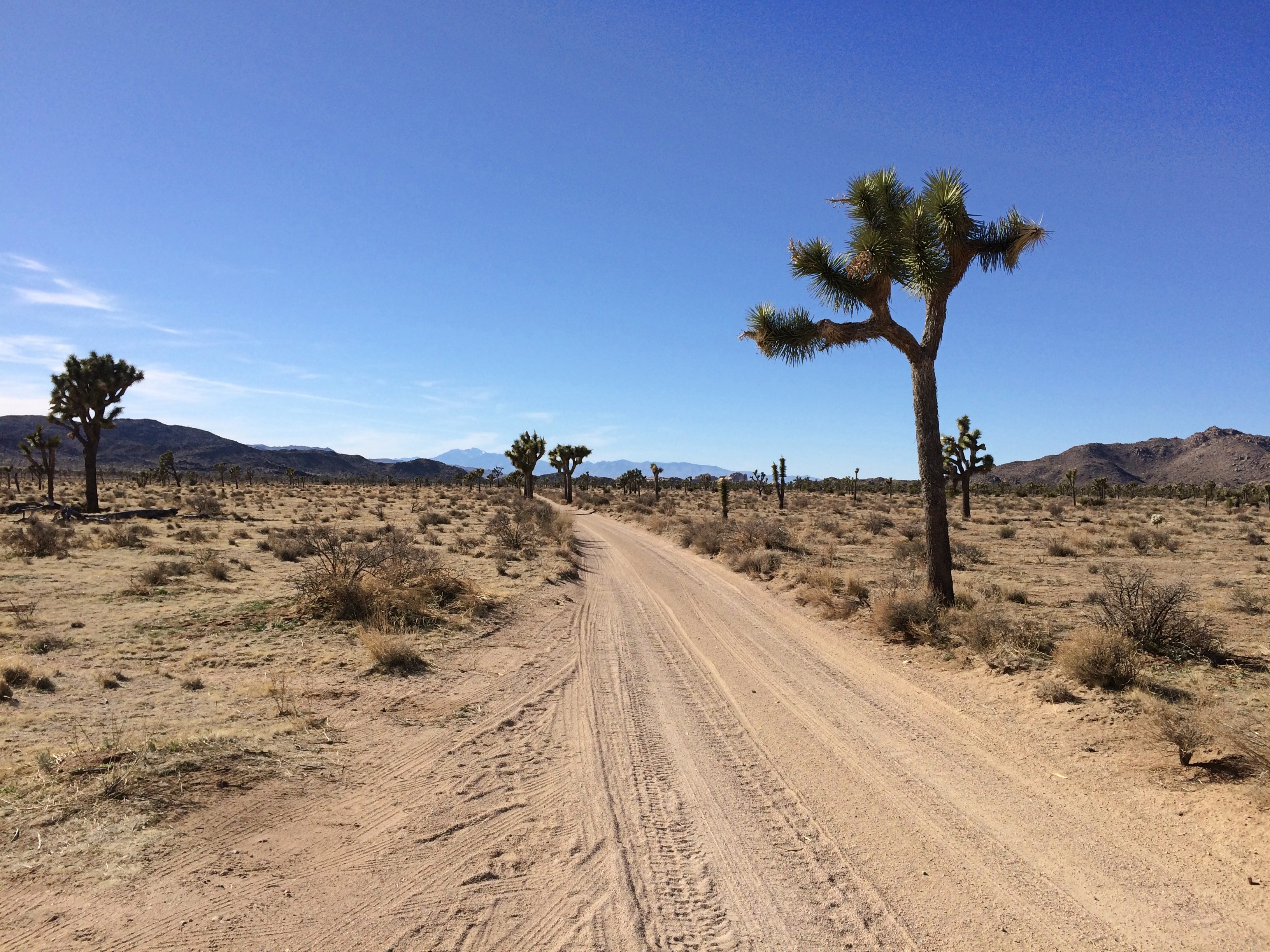
Joshua Tree National Park dirt roadAdmittedly they aren’t very long roads, but even so I only saw one other vehicle the whole way, which was pulled off the road a bit.

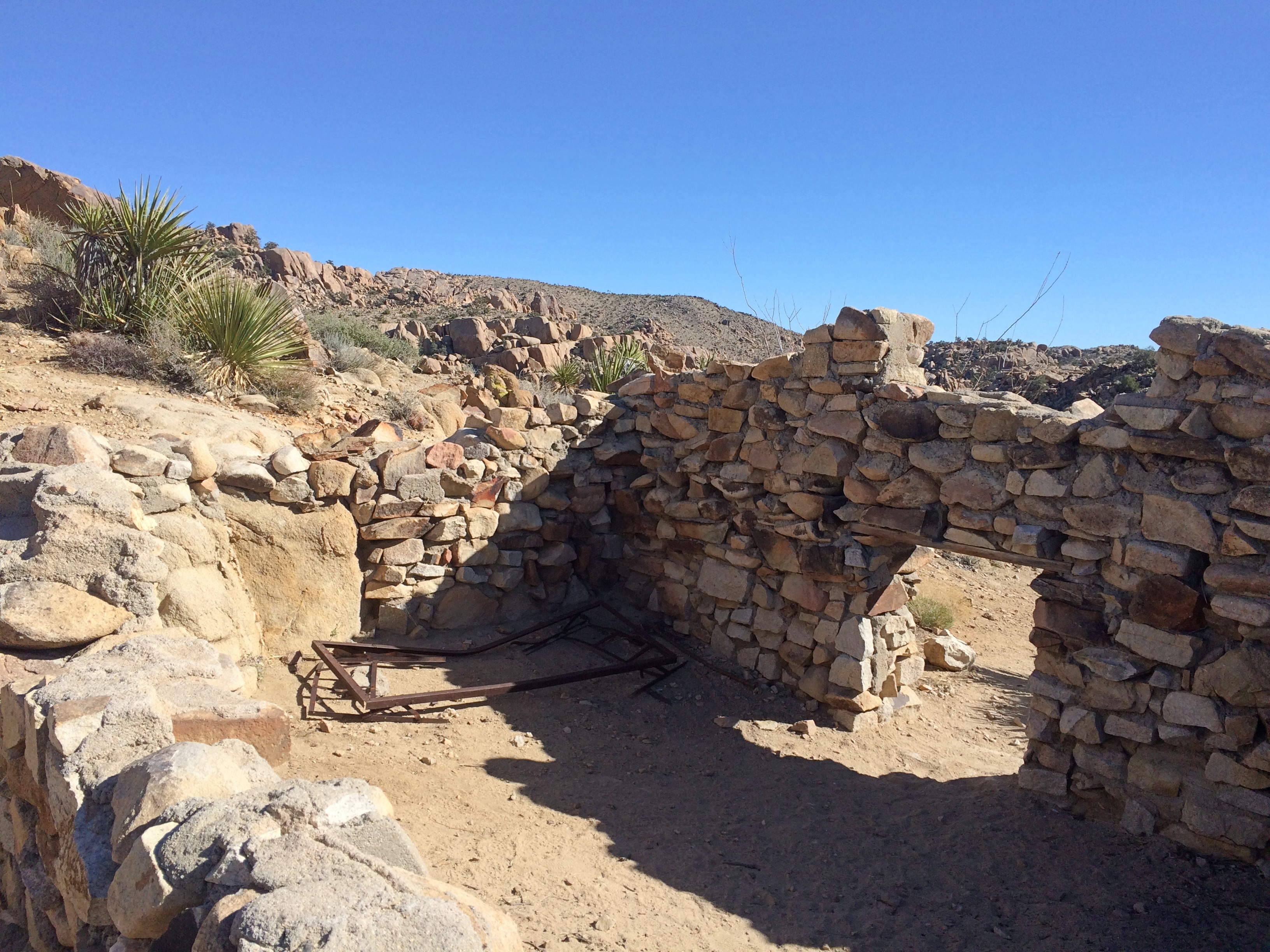
The Desert Queen Mine Road leads to a small parking area and a trail head for the Desert Queen Mine Trail. No one else was there. I took a walk. The kind of place where middle-aged men walking alone clutch their chests, keel over and aren’t found for weeks? Maybe. But you have to go down the trail if you’re going to see anything.
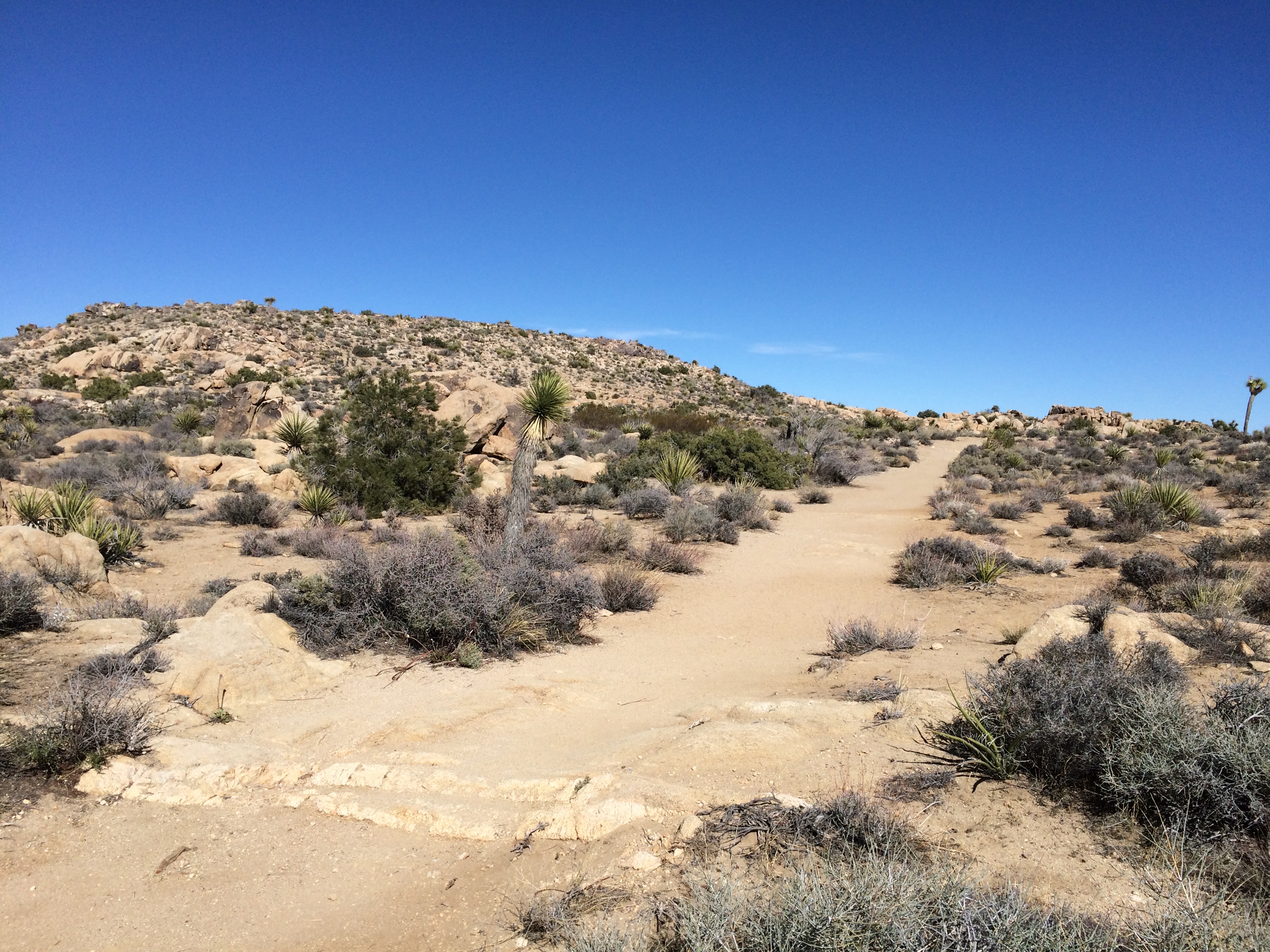
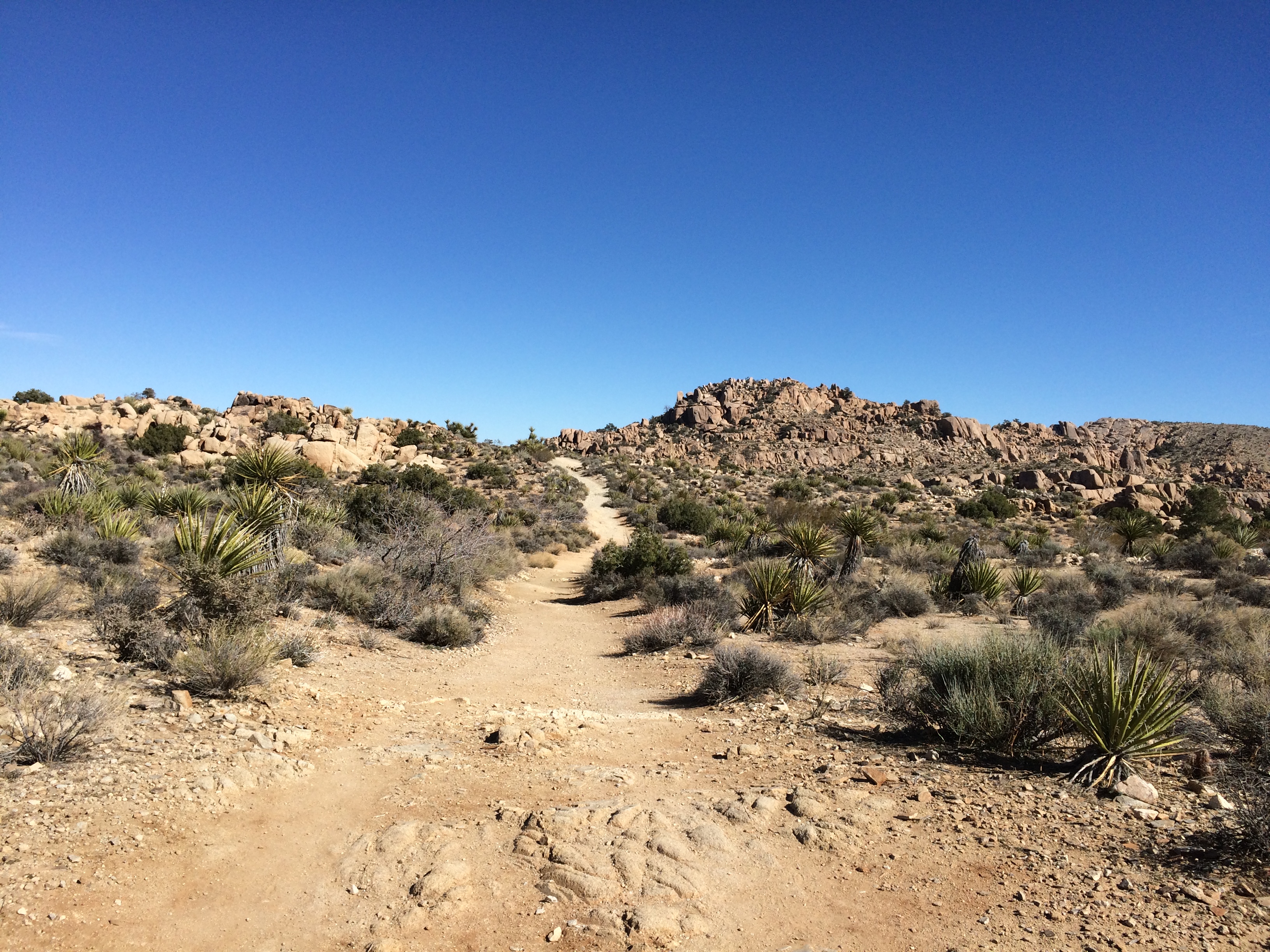
After about 10 minutes — it isn’t a very long trail — I came to a structure.
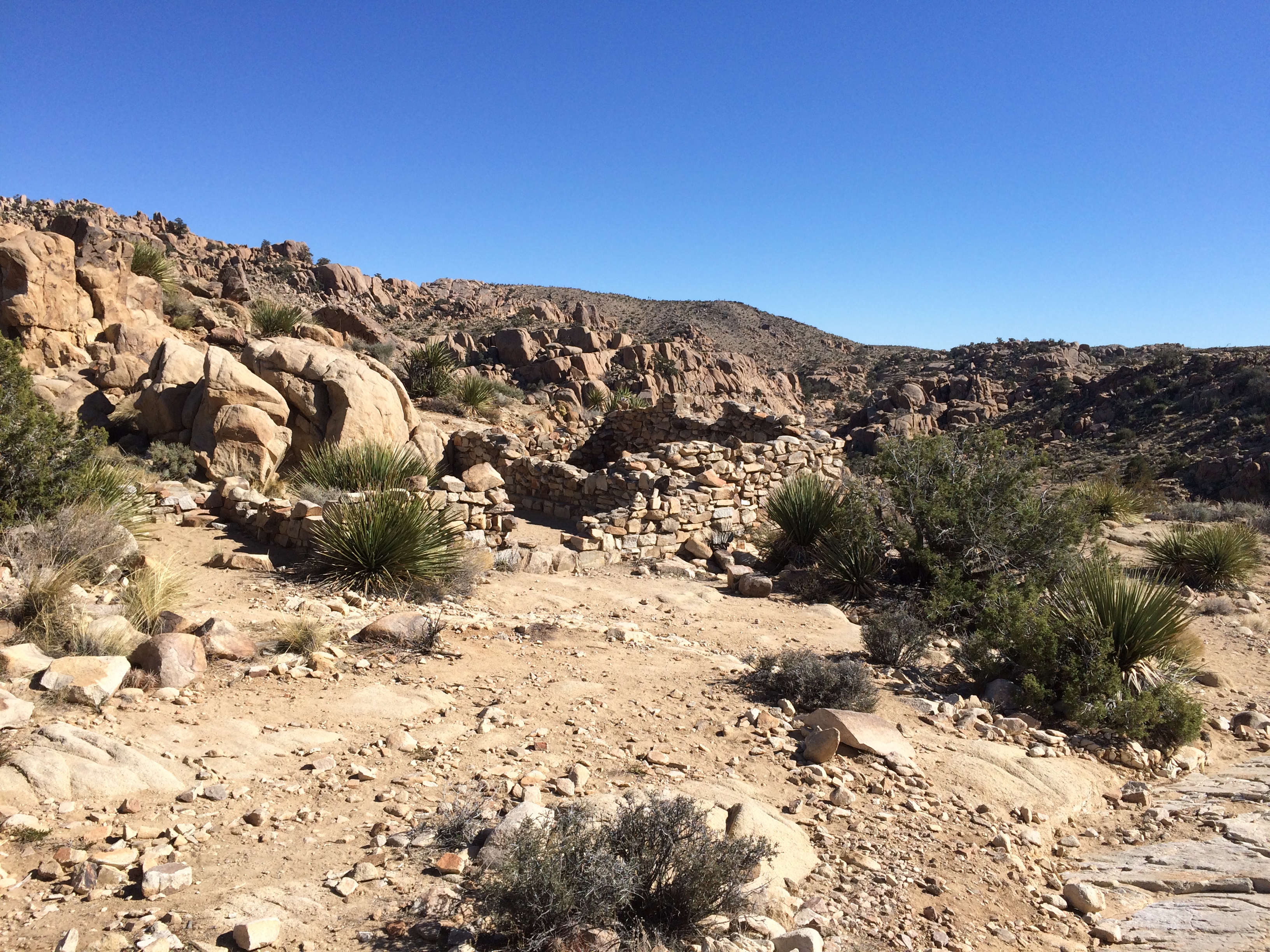
Someone had lived in this waste. Why? Gold. I sat among the stones for a while. The only sound was the wind, and not much of that. Then I could hear the faint, distinct whoosh of a jet. That faded, but there was another a few minutes later.

A little further on is a cliff with leftover mining equipment.
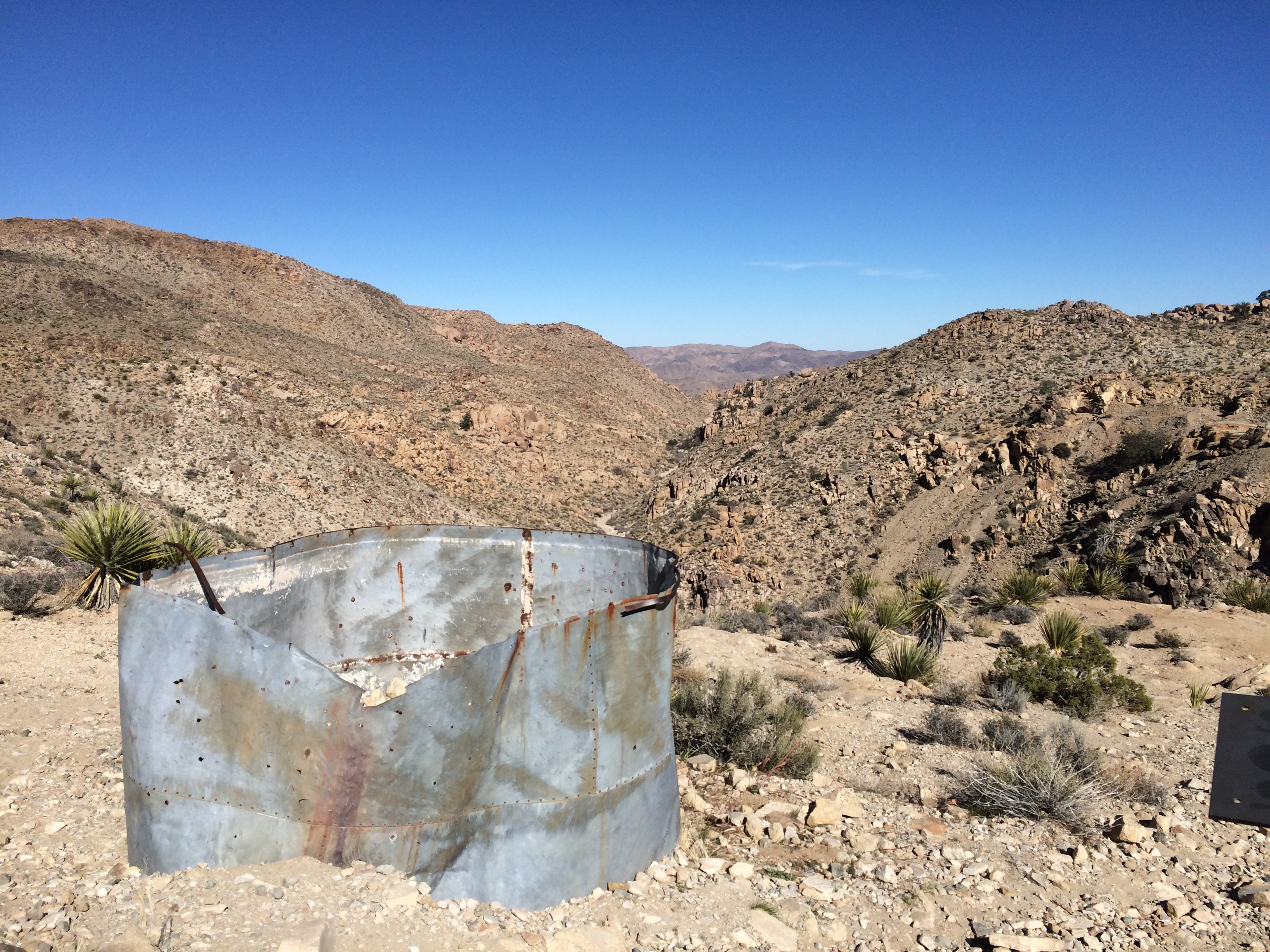
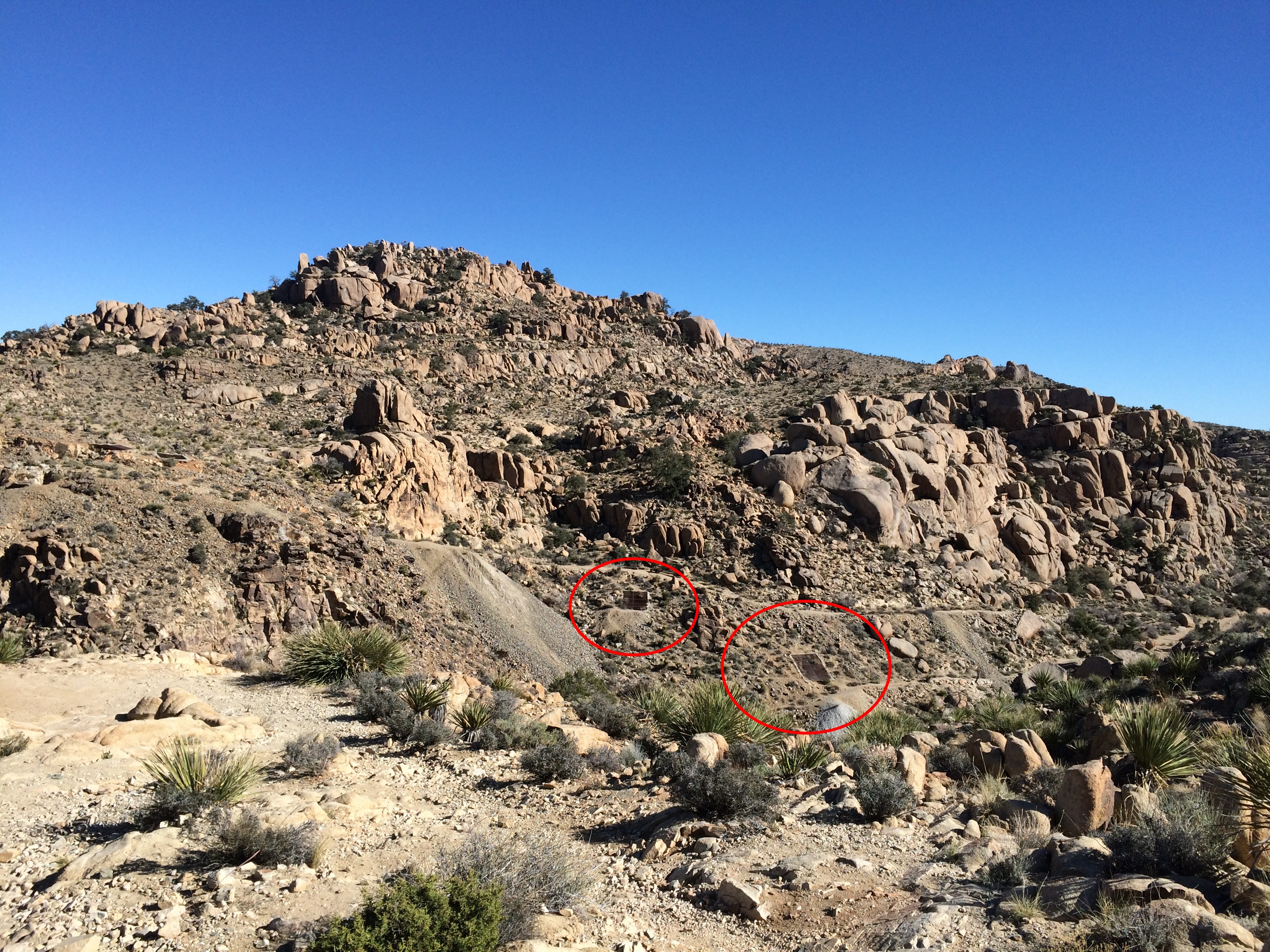
Joshua Tree National Park gold mineIf you look carefully, you can see metal doors down in the valley. Must be closed mine shafts.
Joshua Tree National Park gold mine

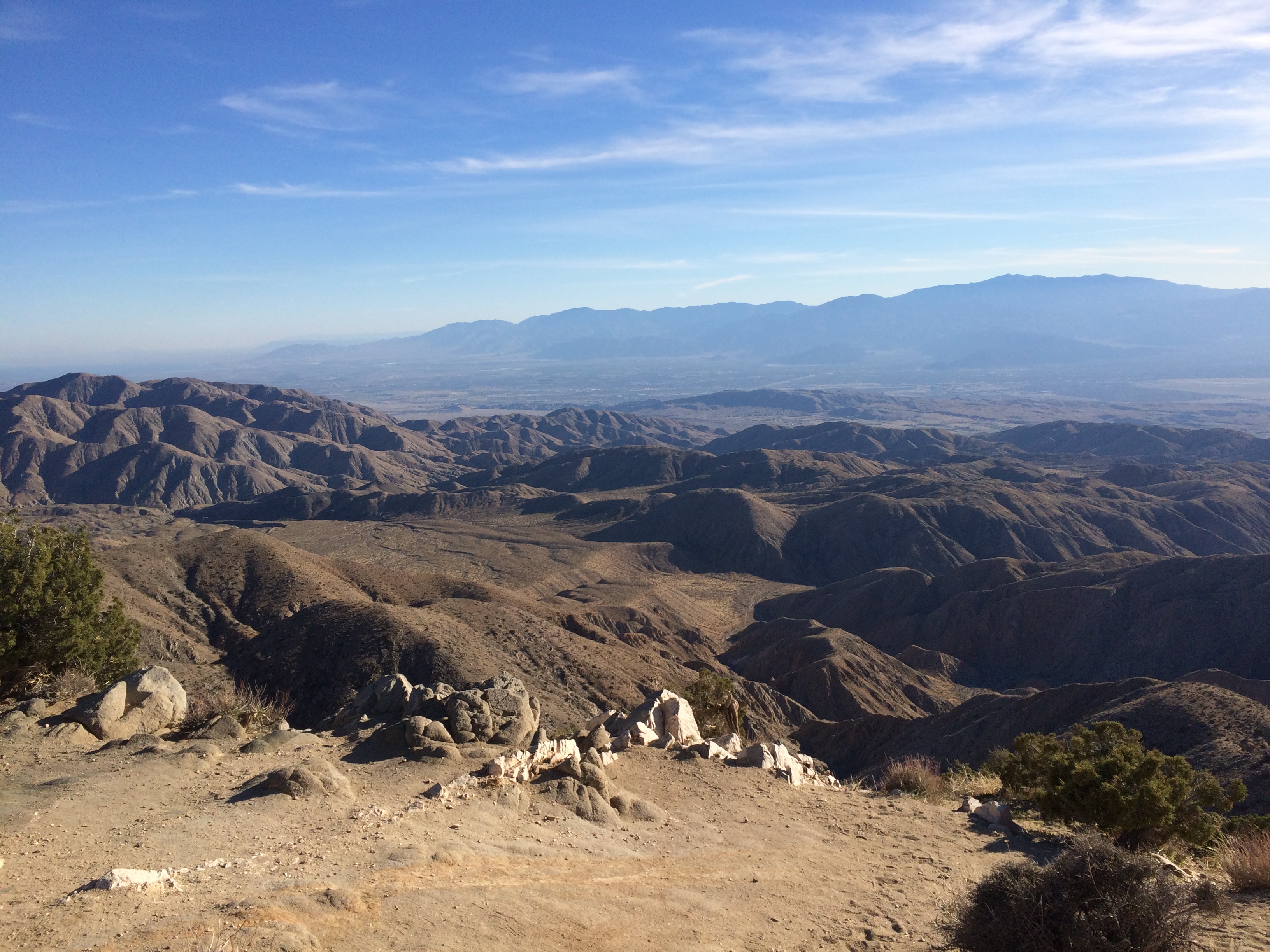
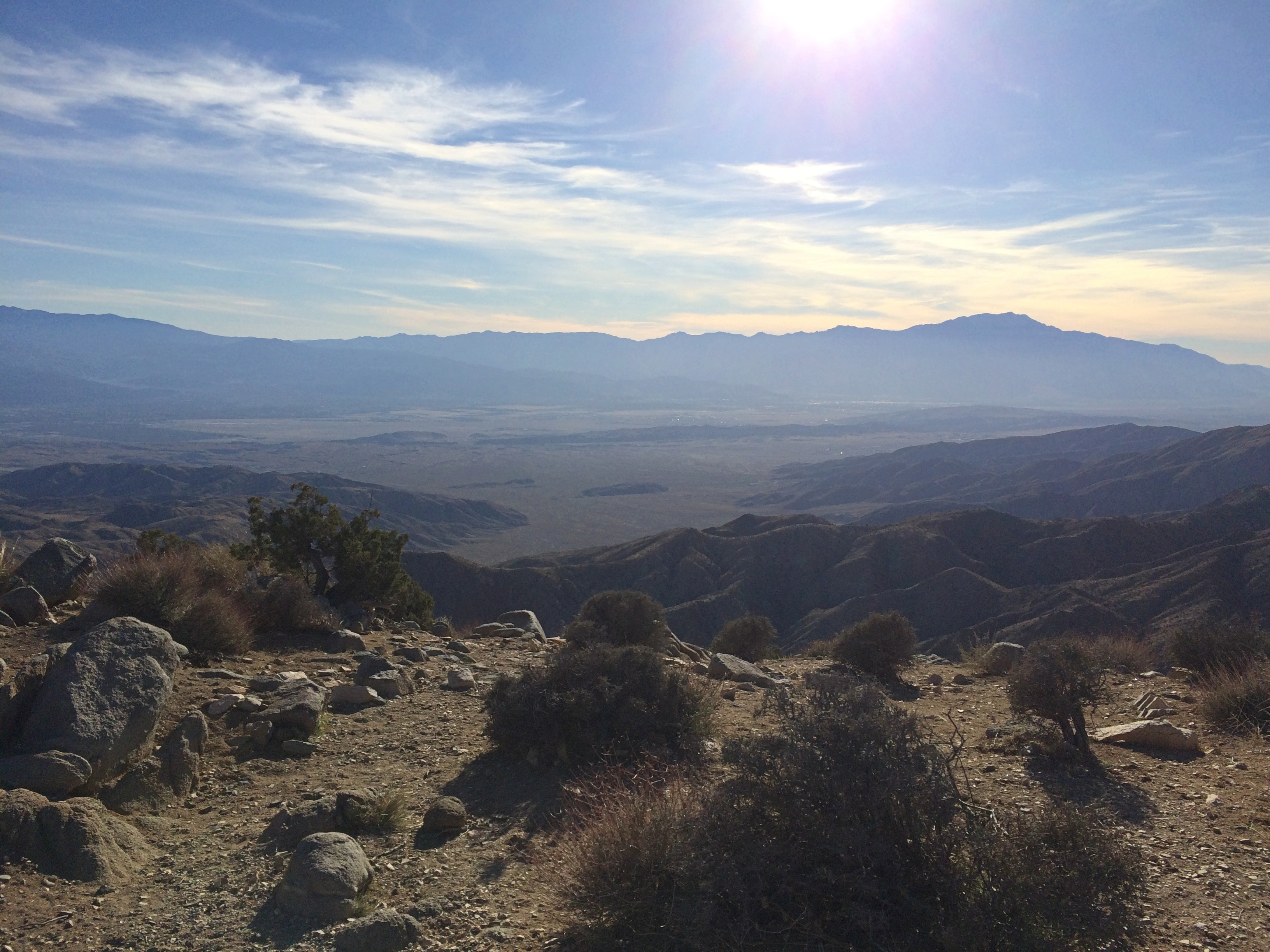
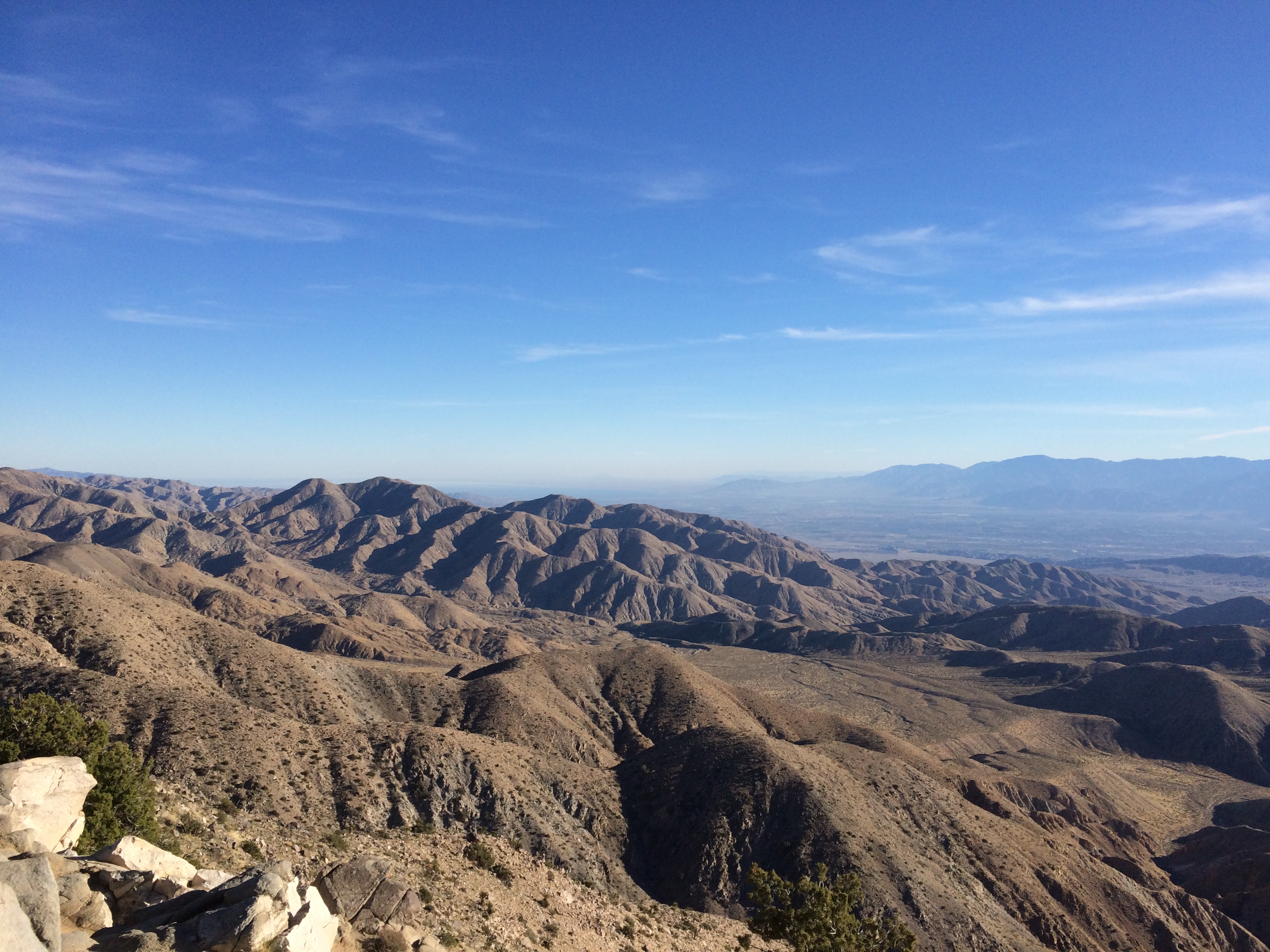
My second-to-last stop in the park: Keys View, up in the Little San Bernadino Mountains. Took a little driving to get here, but the view was worth it. Most of the Coachella Valley is stretched out before you.
Joshua Tree National Park Keys View

At nearly 5,200 feet above sea level, it was also distinctly chilly up there. And windy. Yet I spent a while gazing.

On the road back down from Keys View, I decided to take a closer look at the Joshua tree forest I was driving through.
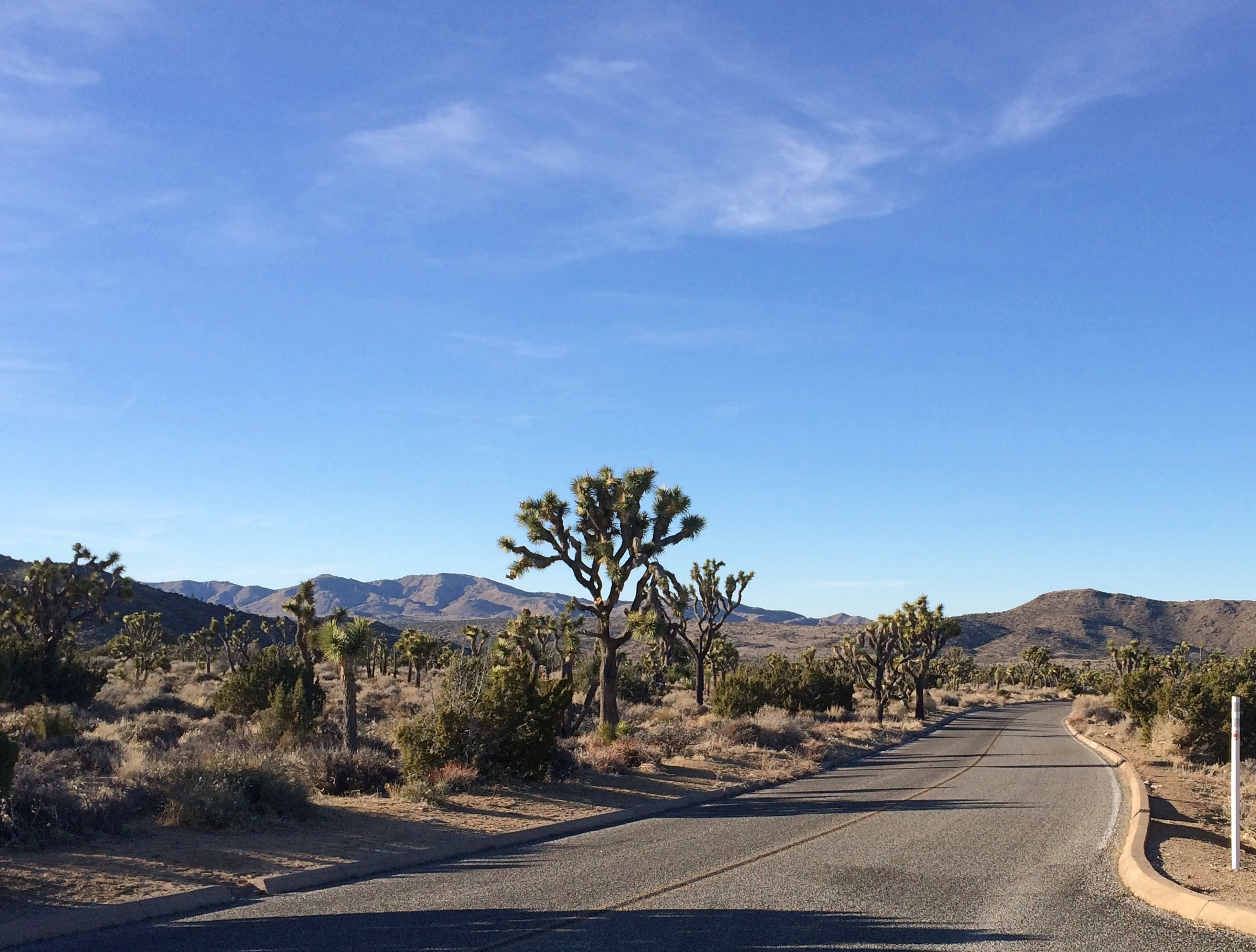
Joshua Tree National ParkTo do that, you get out of the car and walk into the forest.Joshua Tree National Park
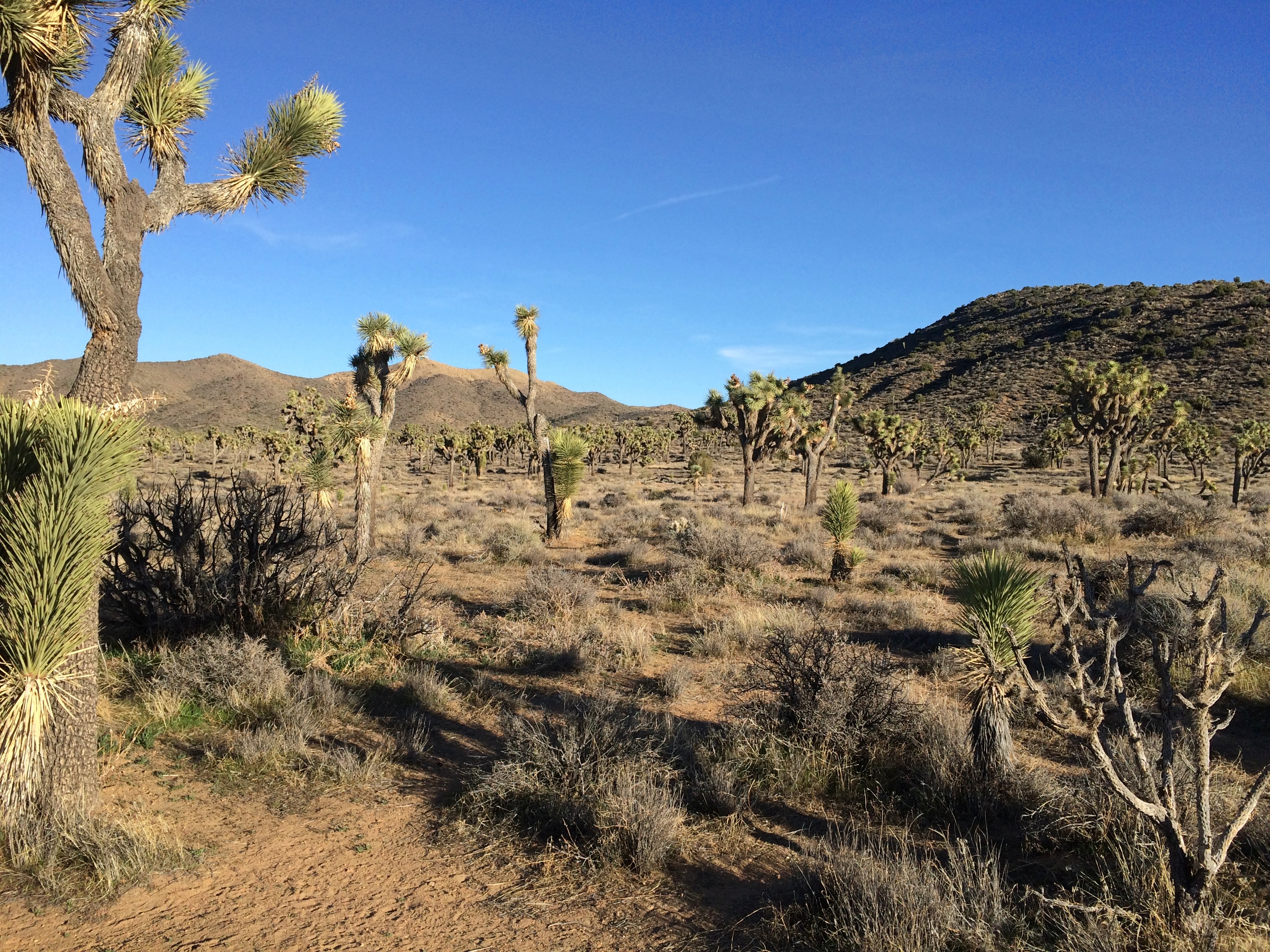
Remarkable plants, these yuccas. If Dr. Seuss had been asked to design a plant, it would look like a Joshua tree.
Cuyahoga Valley National Park

We arrived at Cuyahoga Valley National Park at about noon on July 4 under a hot and copper Ohio sky. Luckily, both of the places we visited in the park were well shaded. The Cuyahoga Valley, hugging the Cuyahoga River south of Cleveland and north of Akron, is a lush place in summer.

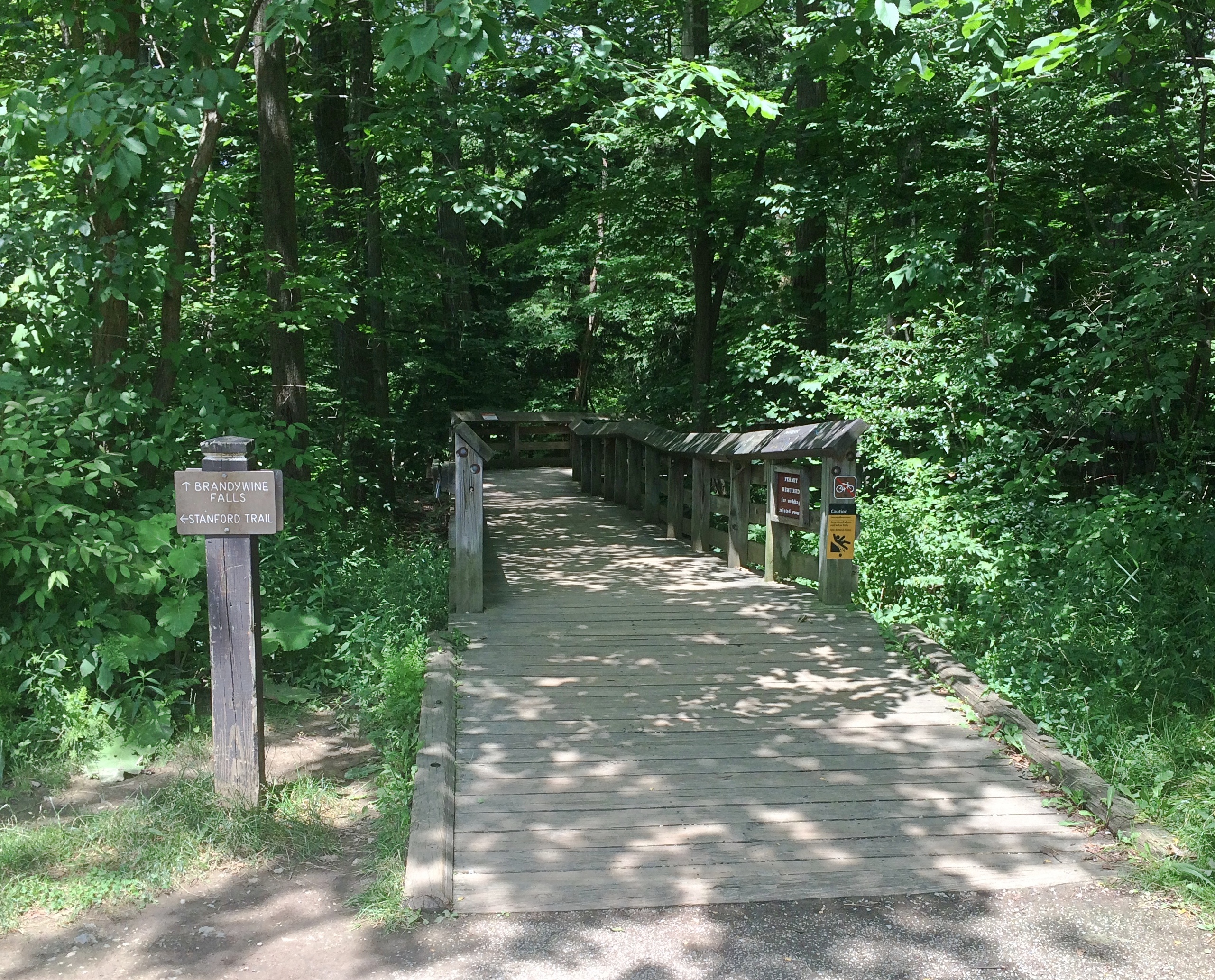
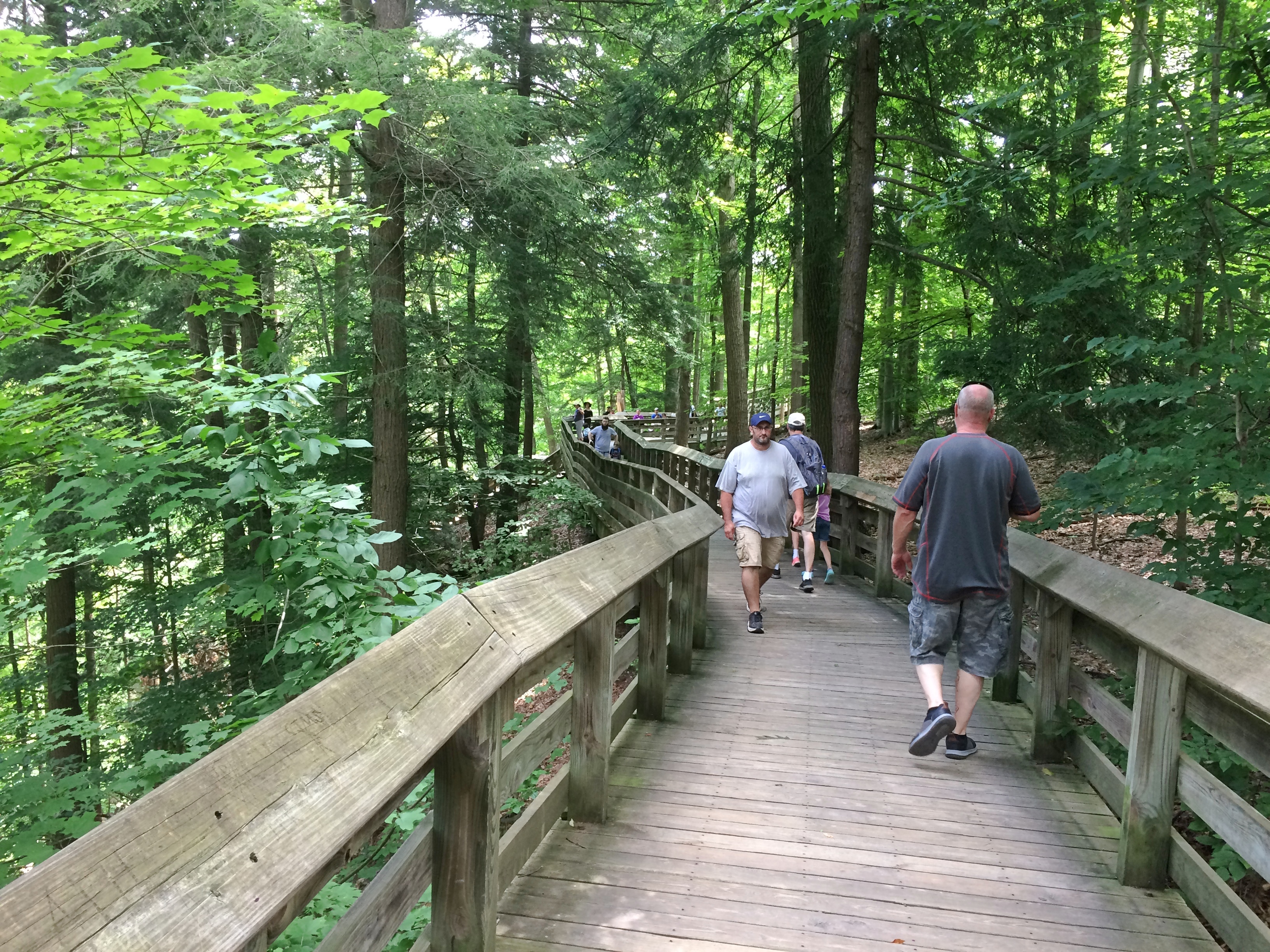
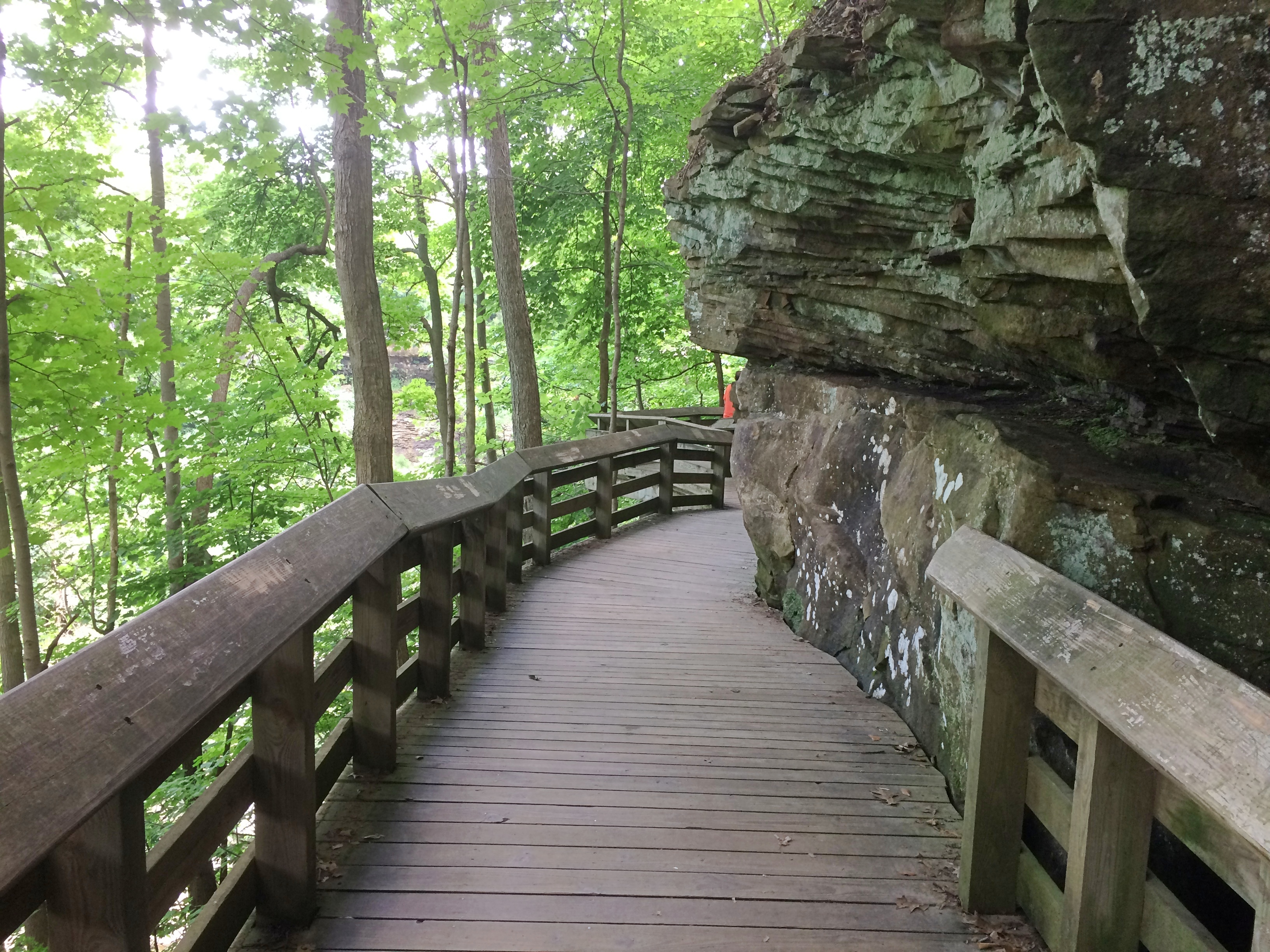
First we took a short but pleasant walk on a boardwalk trail to see the Brandywine Falls.
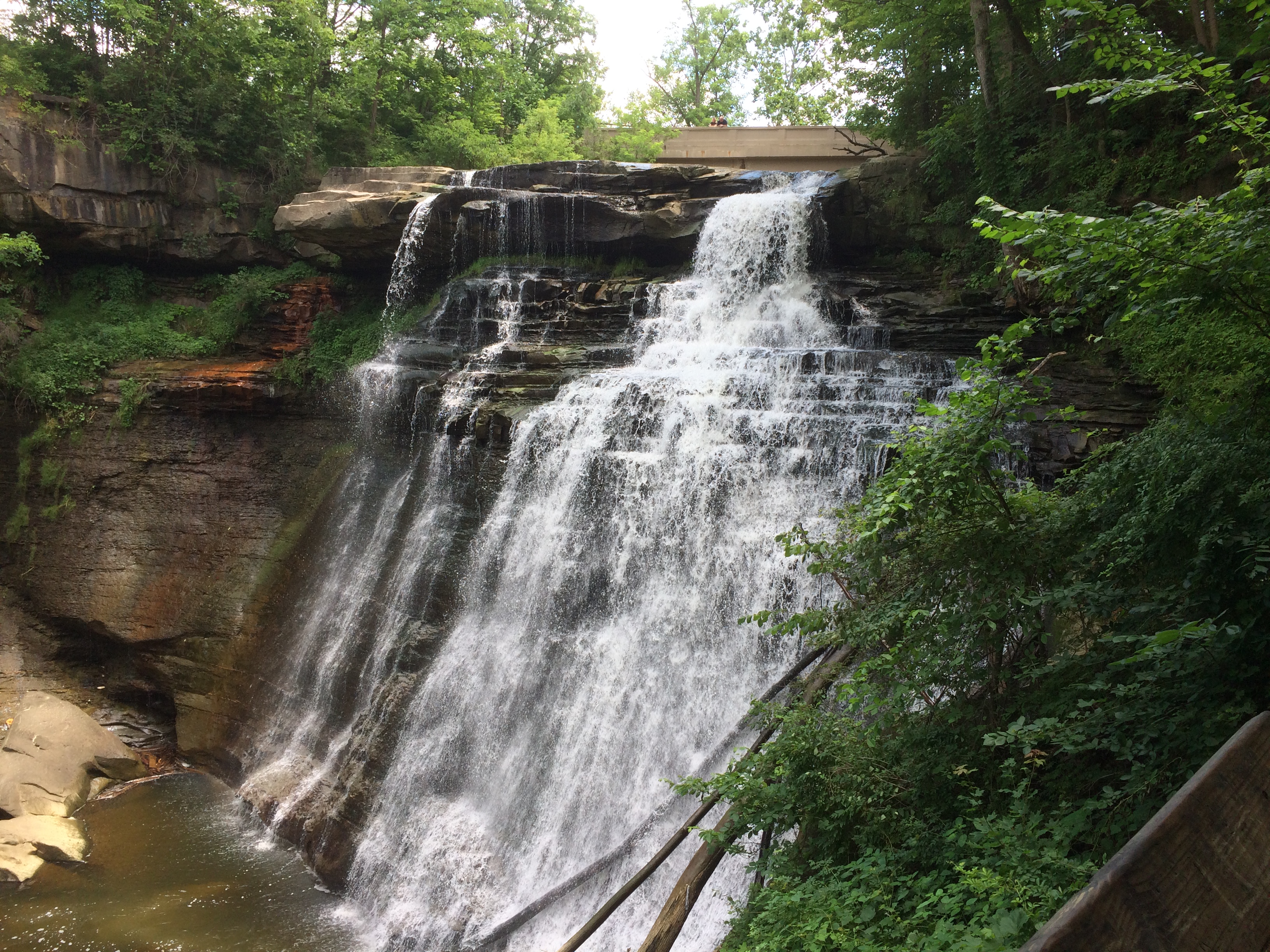
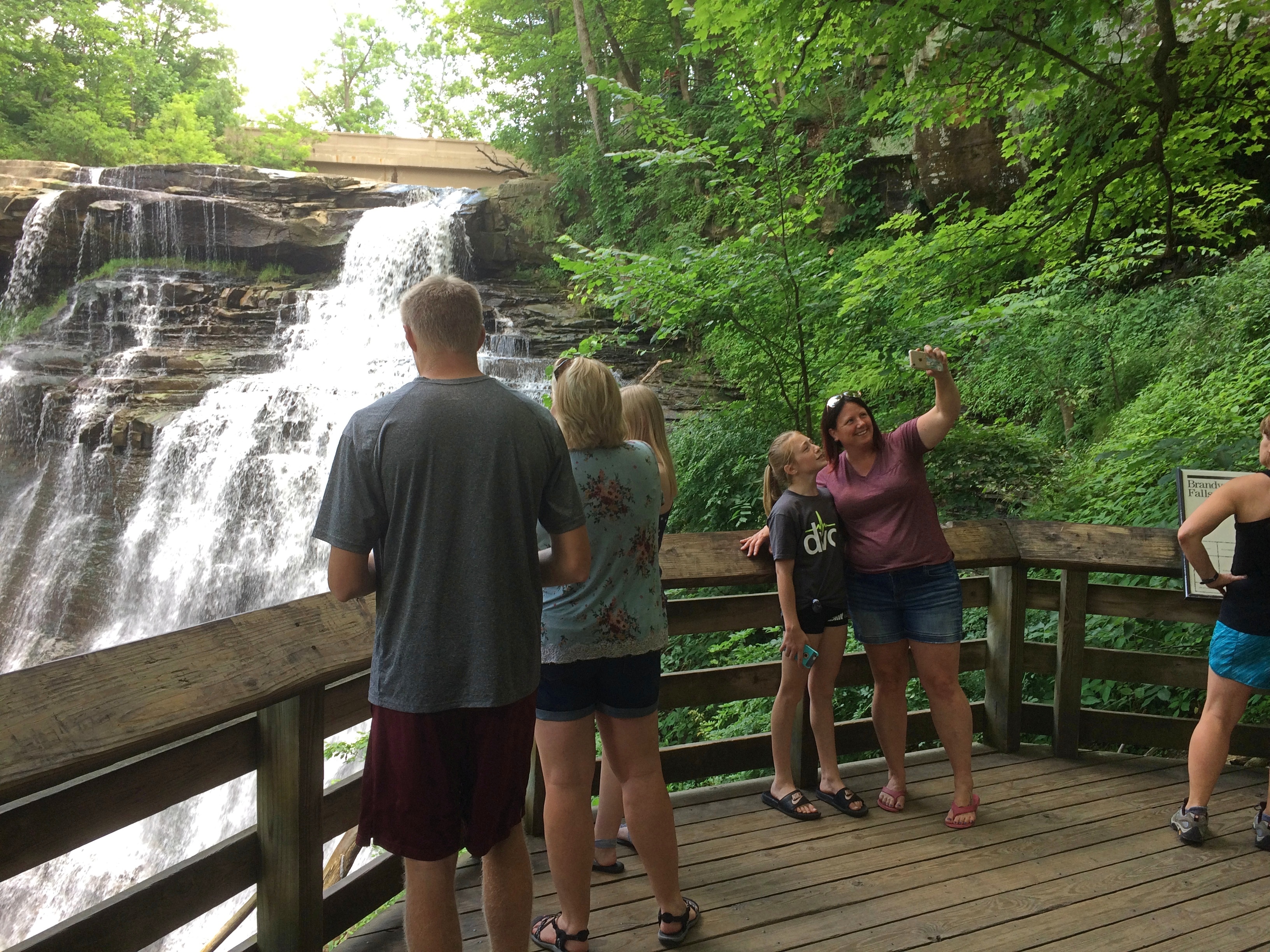
Soon you come to a series of stairs that takes you to an observation deck near the 65-foot falls, which were carved by Brandywine Creek.
A popular place on a summer holiday.
Curiously, even though it’s between two close-by urban centers, Cuyahoga Valley NP as a whole isn’t a top 10 national park in terms of visitor count. It’s no. 13, with just over 2 million visitors in 2018. That might be because it gets a share of visitors from Cleveland and other parts of Ohio, but not as many from elsewhere. People travel to see the Great Smoky Mountains or the Grand Canyon, for instance, but probably not so many to see Cuyahoga Valley.

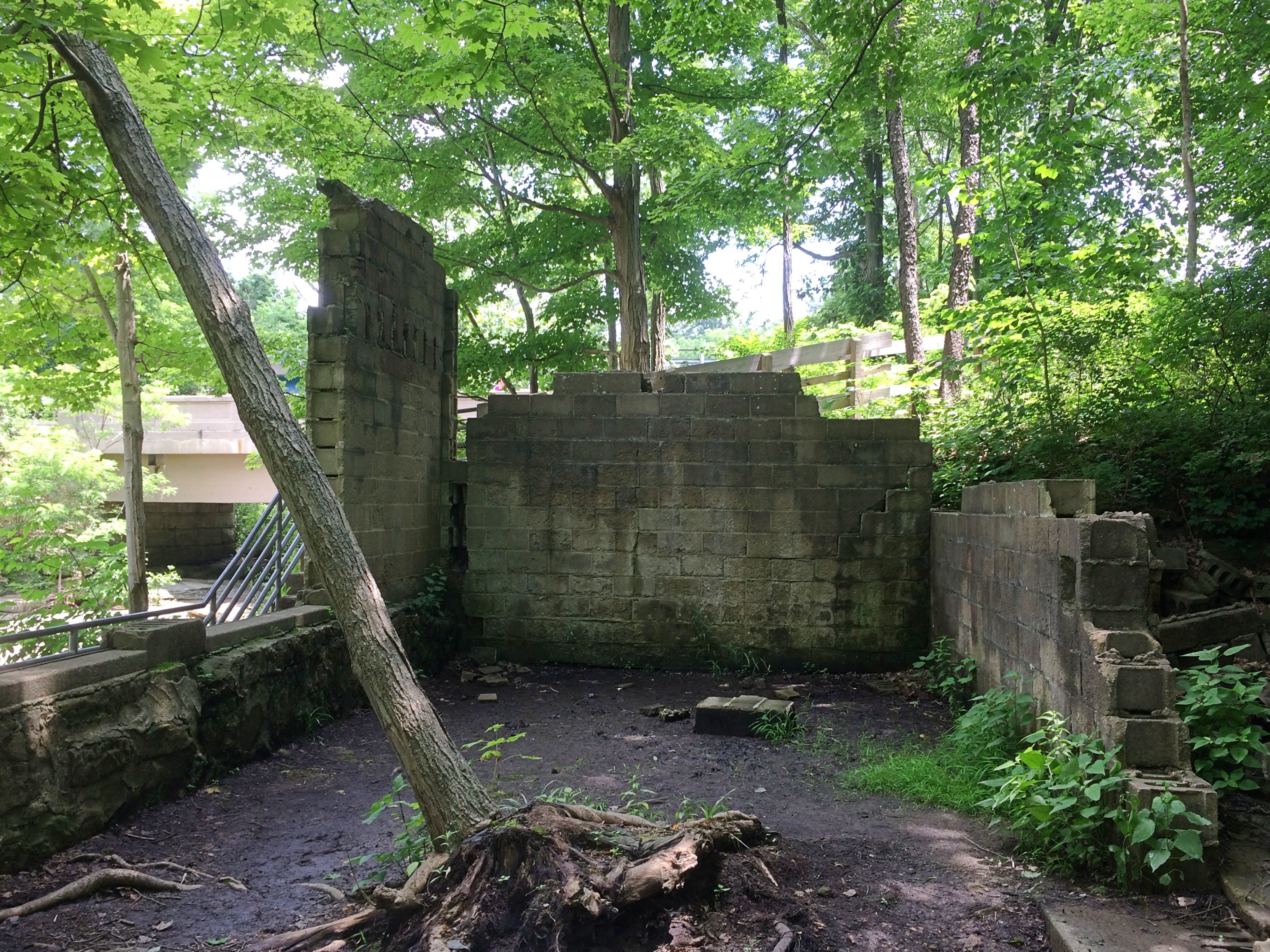
As long ago as 1814, a saw mill was built to use the power of the falls, and at other times grist mills were on site, part of a village that existed in the area in the 19th century. Almost all of those structures are long gone, though above the falls, ruins of a small factory from the early 20th century remain.
The structure housed the Champion Electric Co., which made small electric appliances. Lightning started a fire that burned it down in 1937.

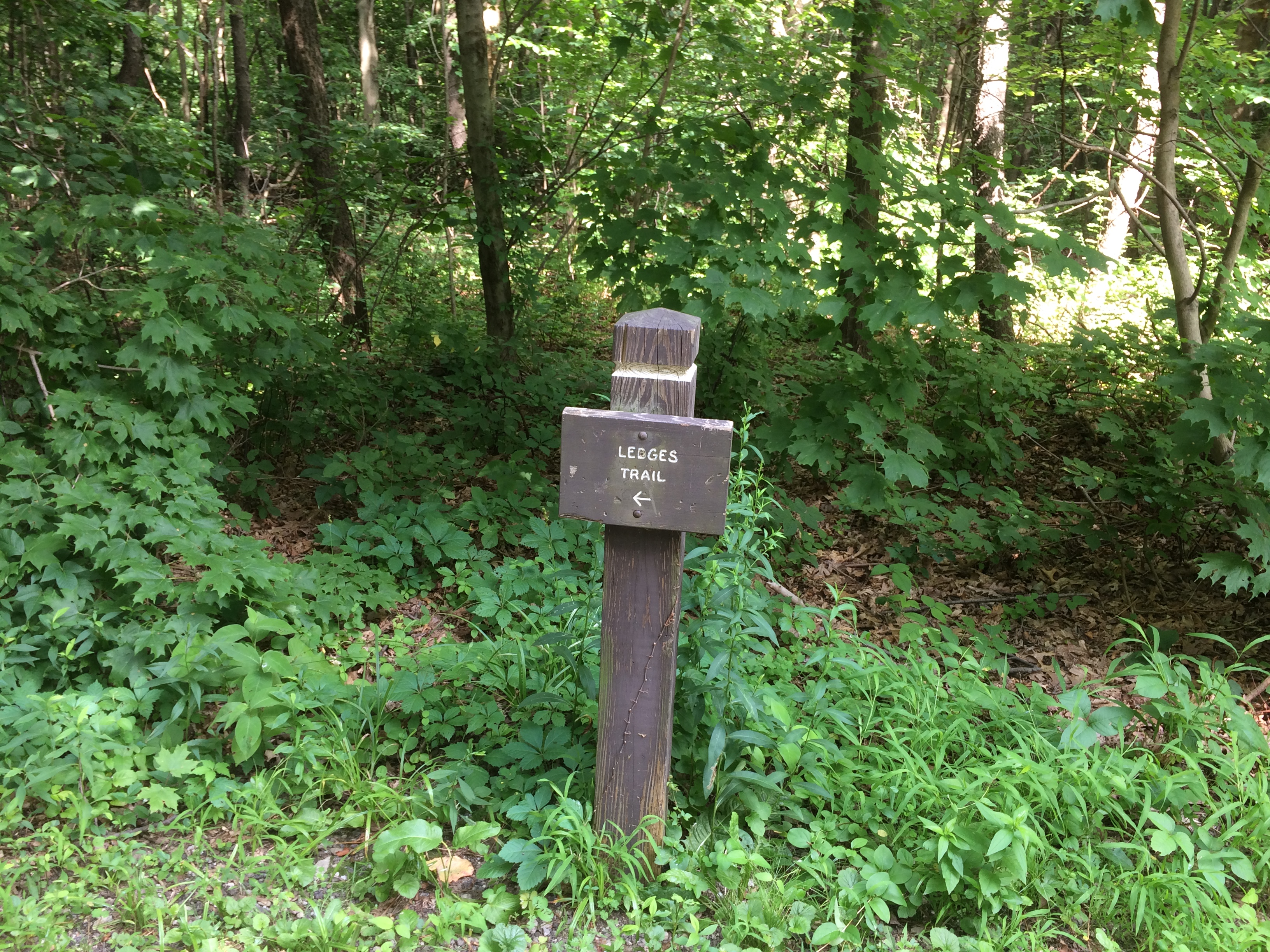
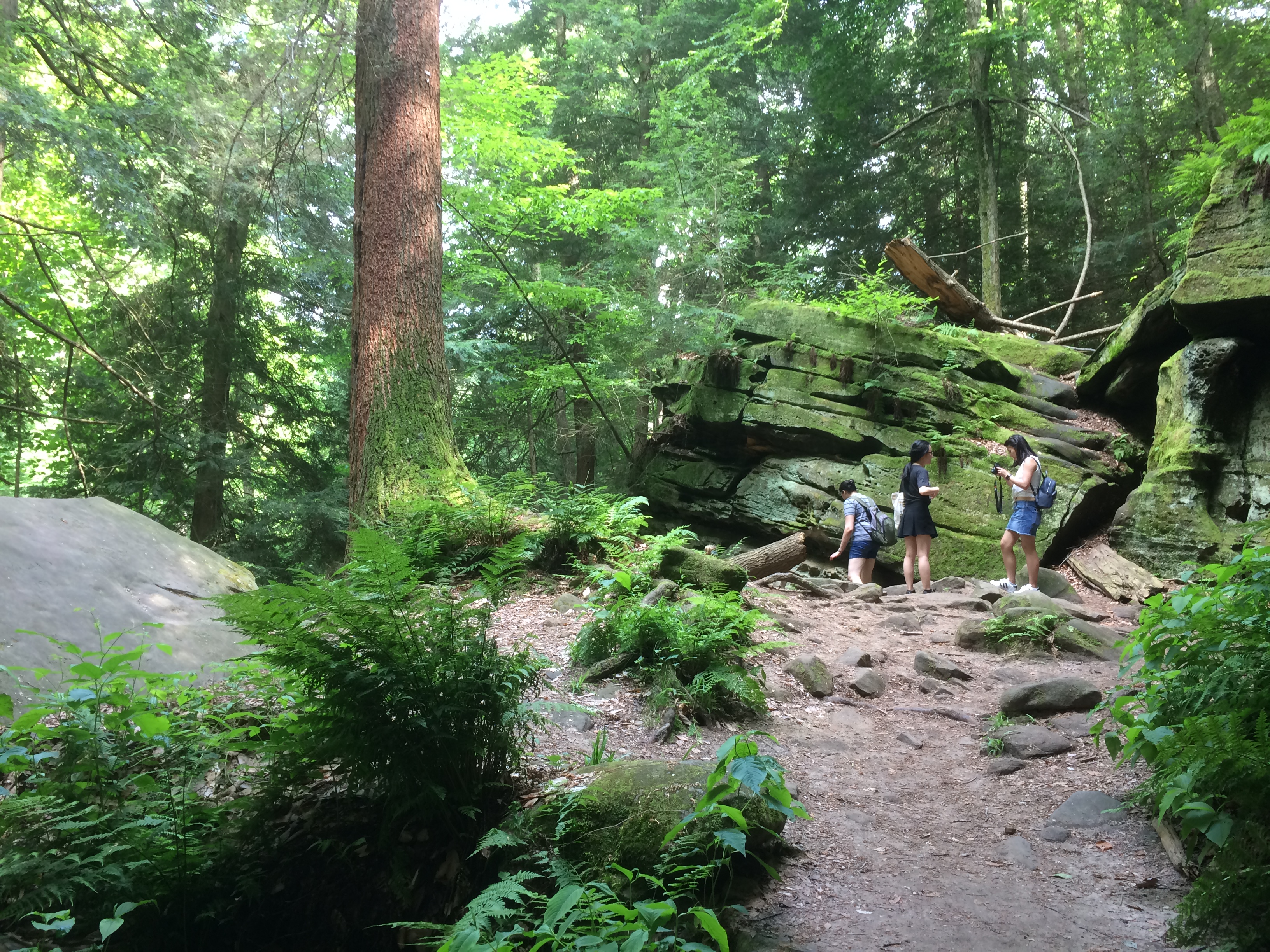
After lunch we went to take a walk on the Ledges Trail, which is in the Virginia Kendall unit of the park.
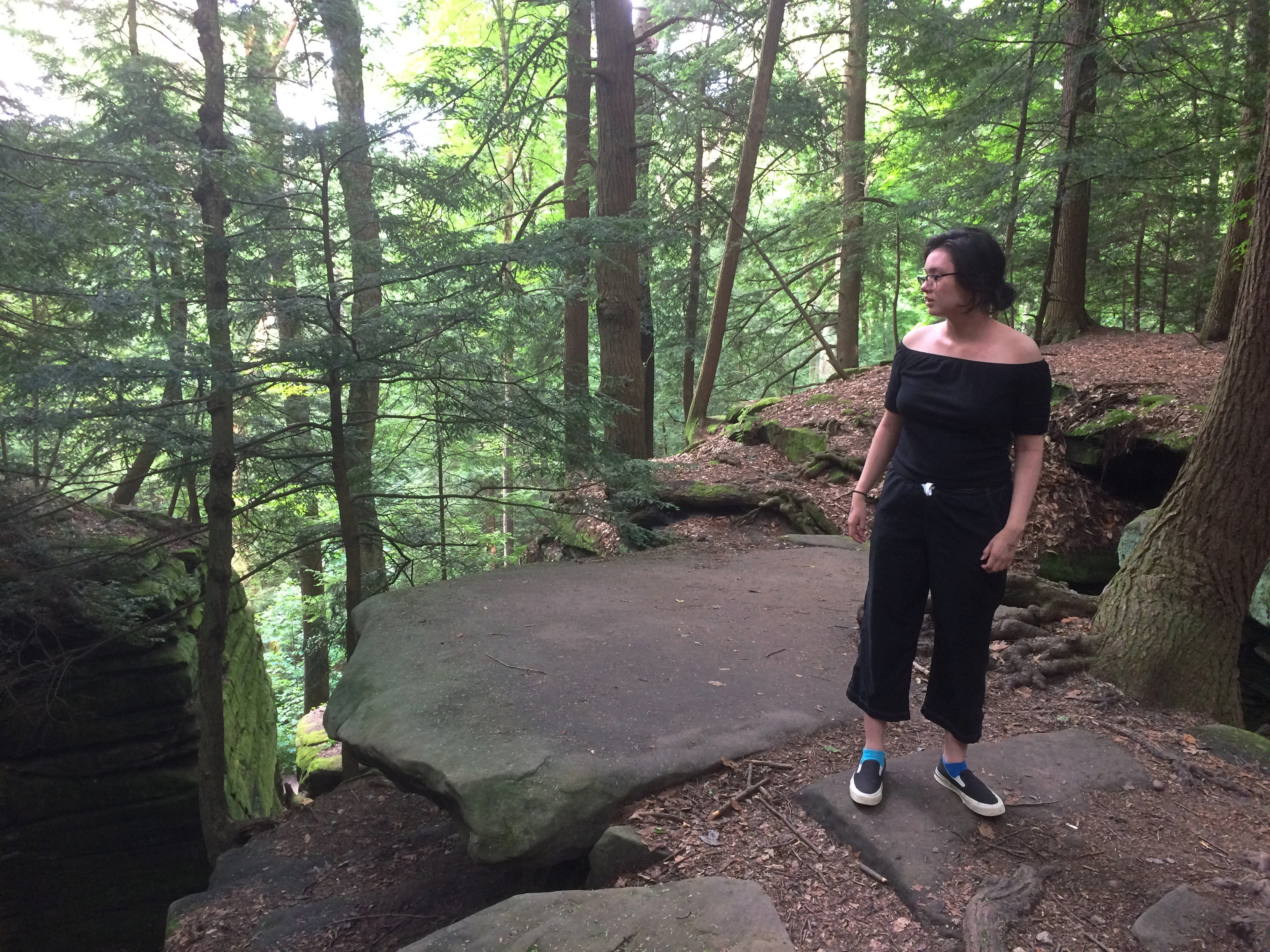
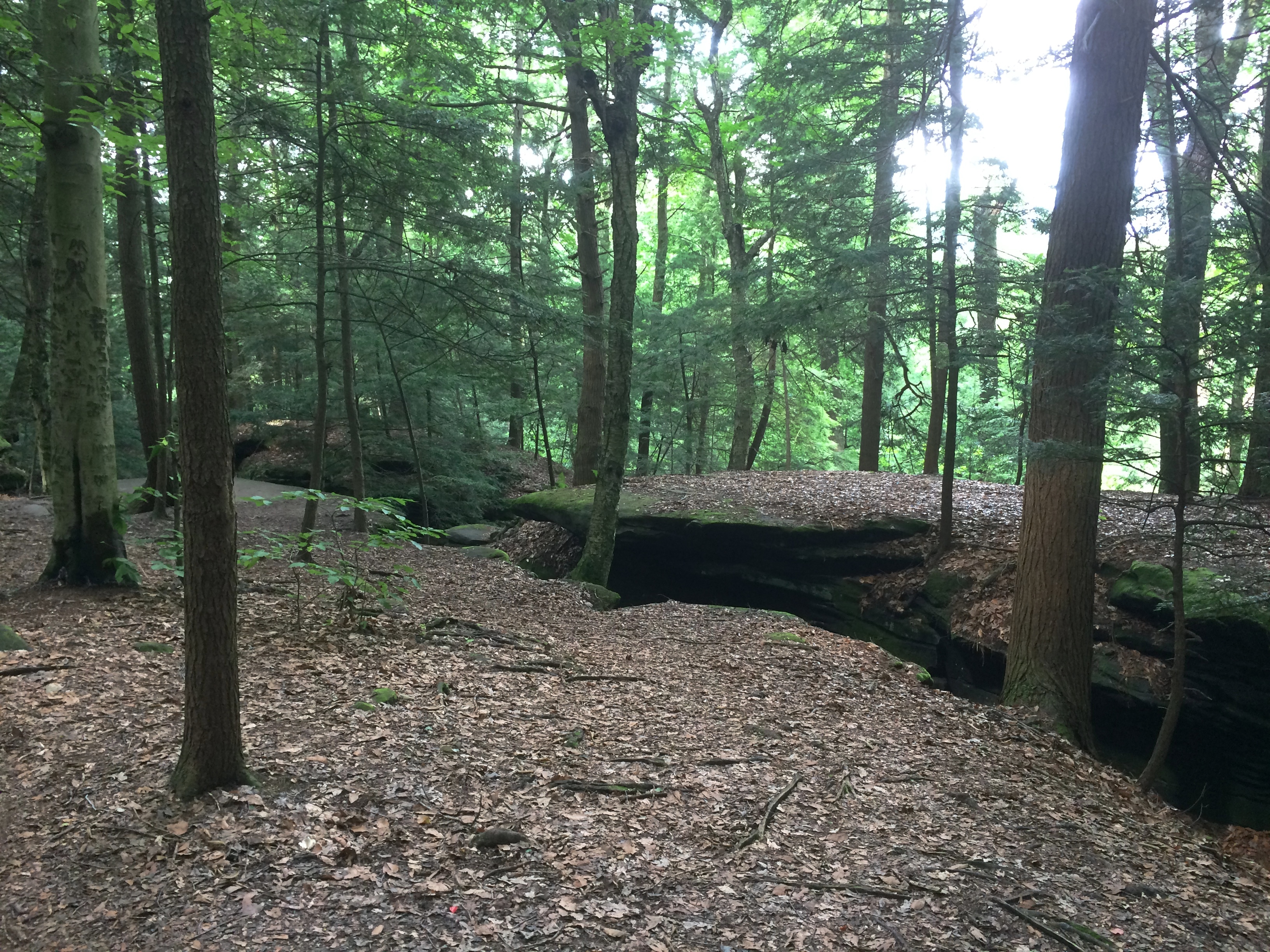
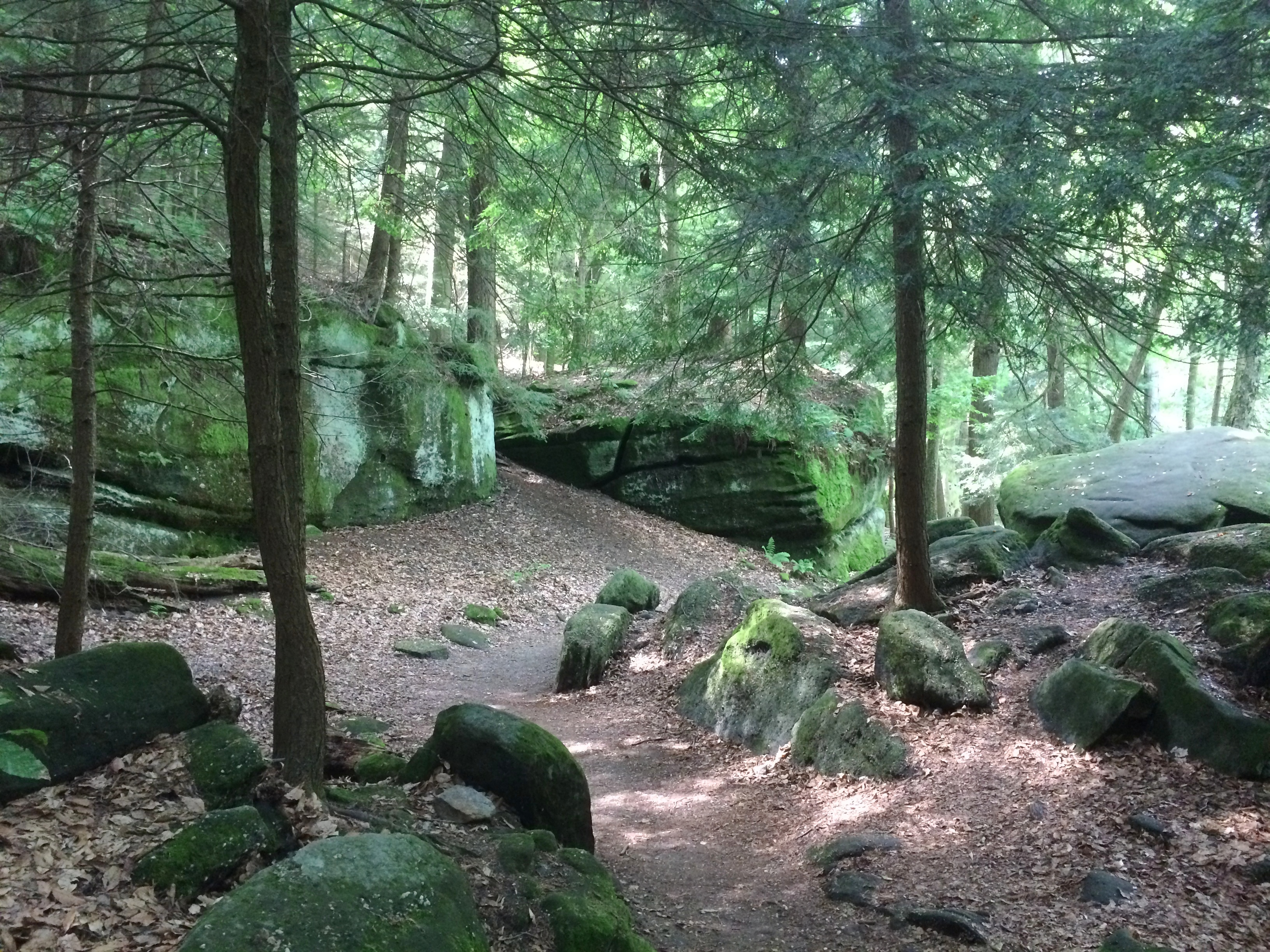
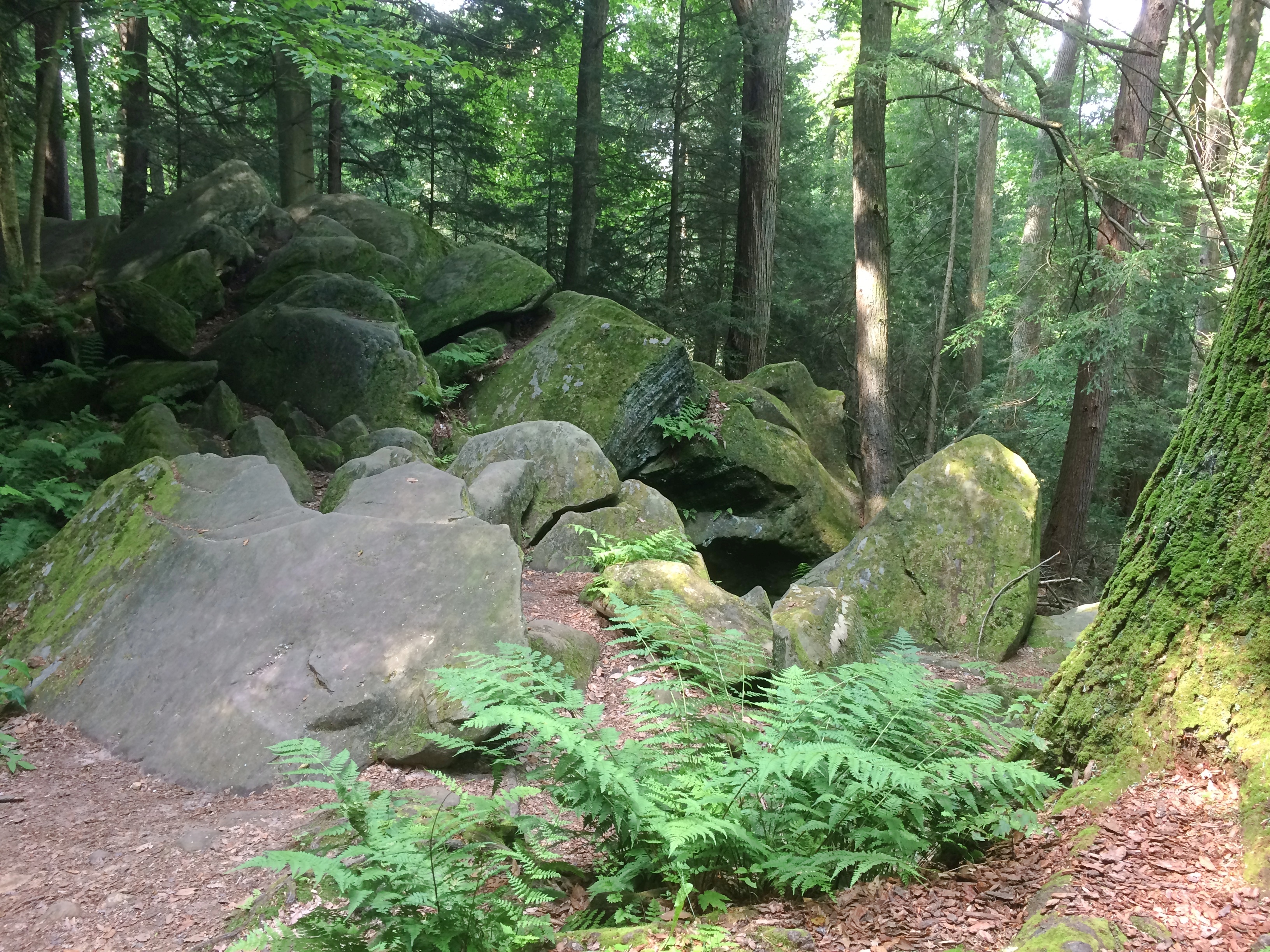
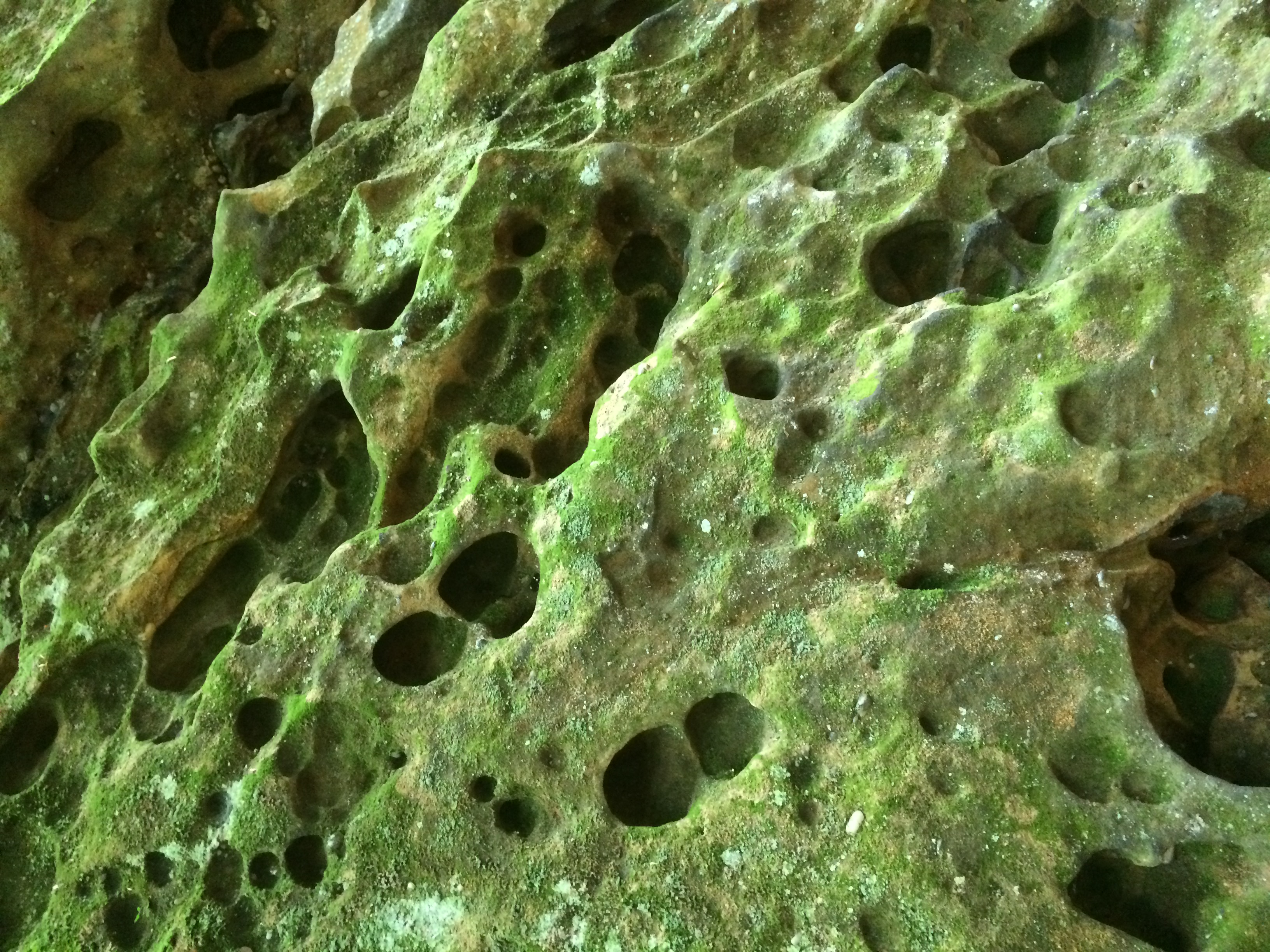
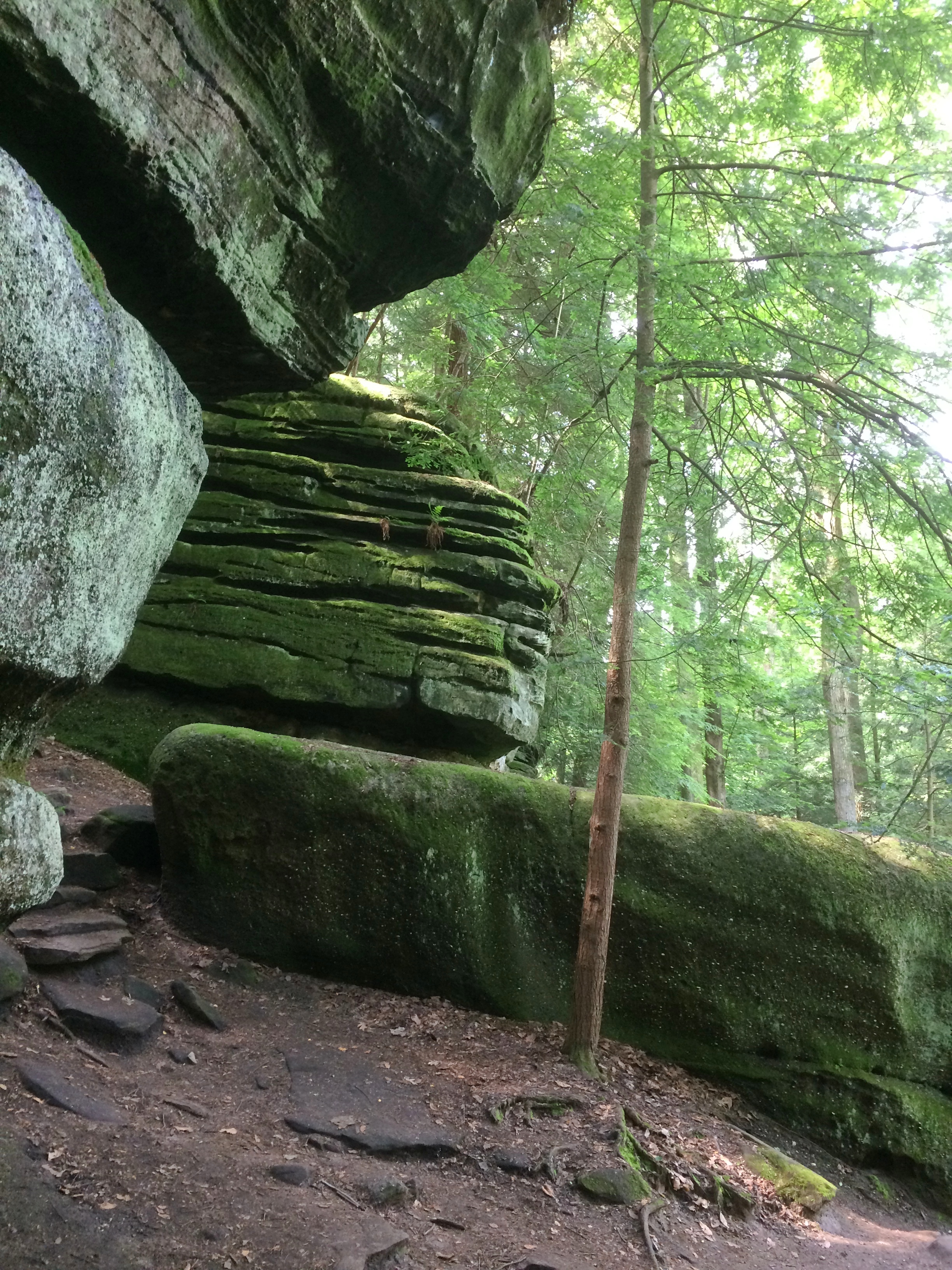
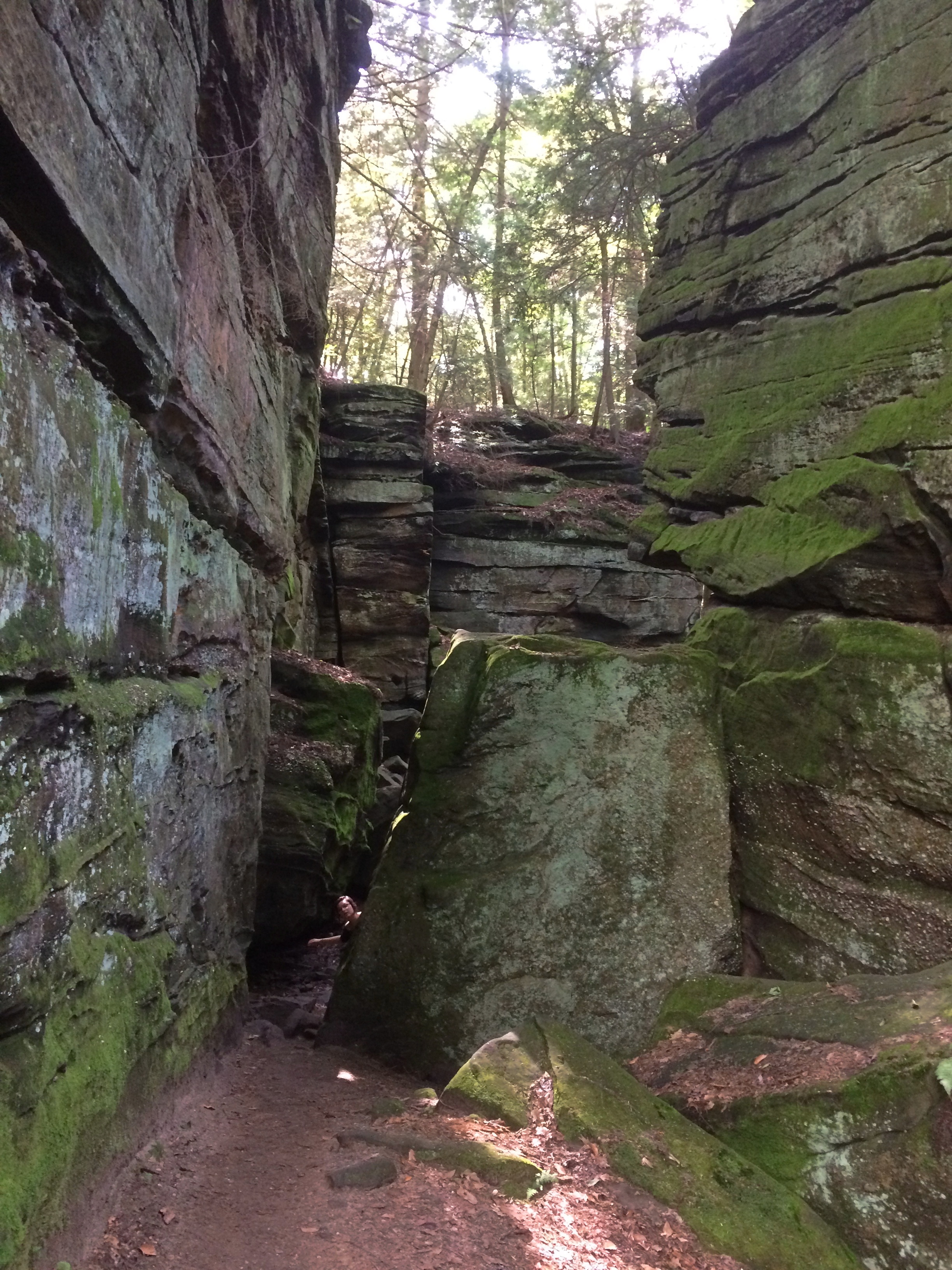
In full, the formations are called the Ritchie Ledges, which geologists say were made from a substance called Sharon Conglomerate millions of years ago. I’ll take their word for it, since my geologic knowledge is paltry. But I do know that it makes for a intriguing trail that isn’t too hard to walk, though it does have its bumpy moments.

The trail starts at the top of the ledges.

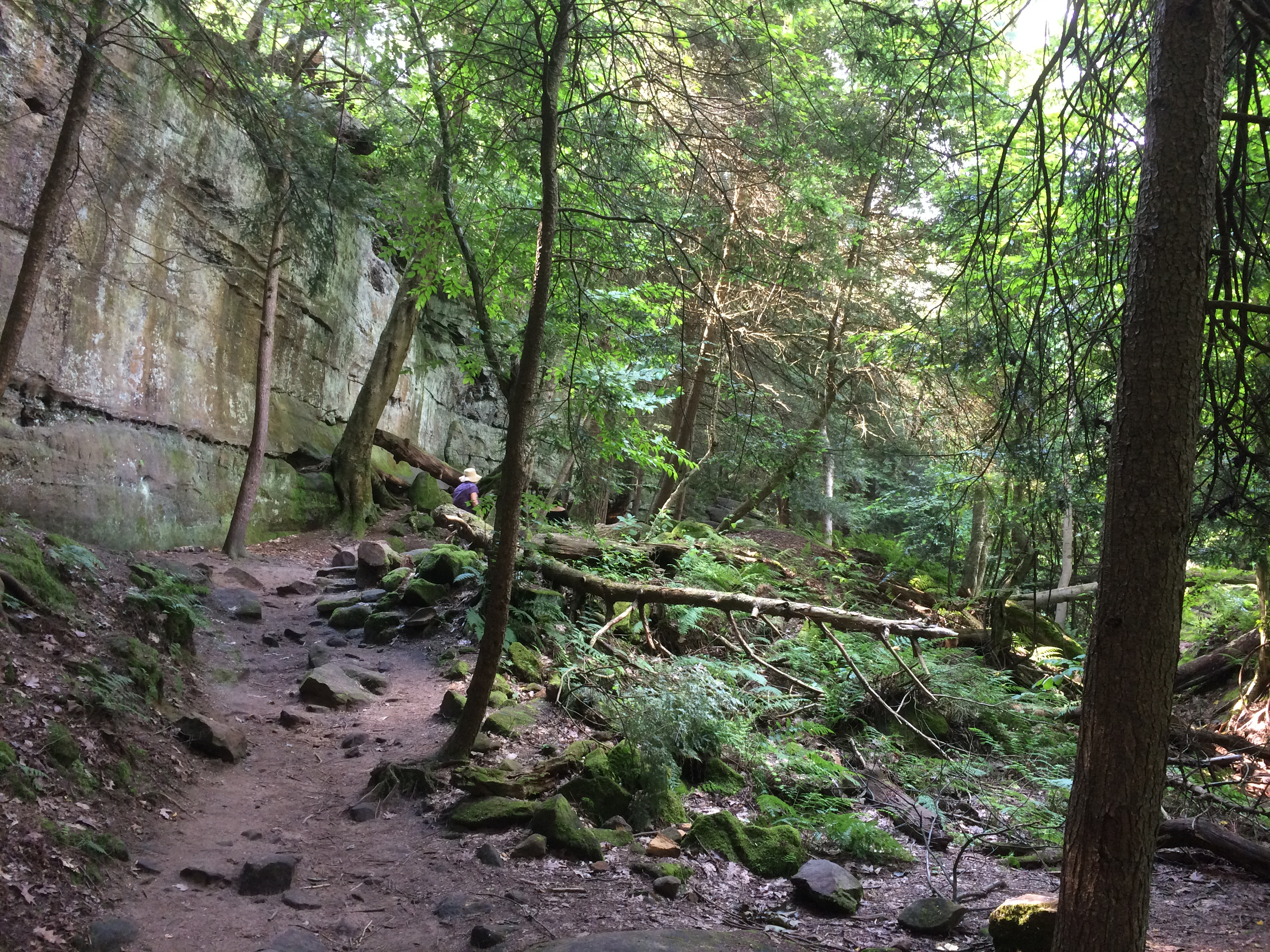
Then it winds down to the bottom of the ledges.
The trees weren’t the only greenery.

The Ledges Trail wasn’t as crowded as the trail to the Brandywine Waterfall, but there were a few other people.

A side trail traversed a narrow pass.
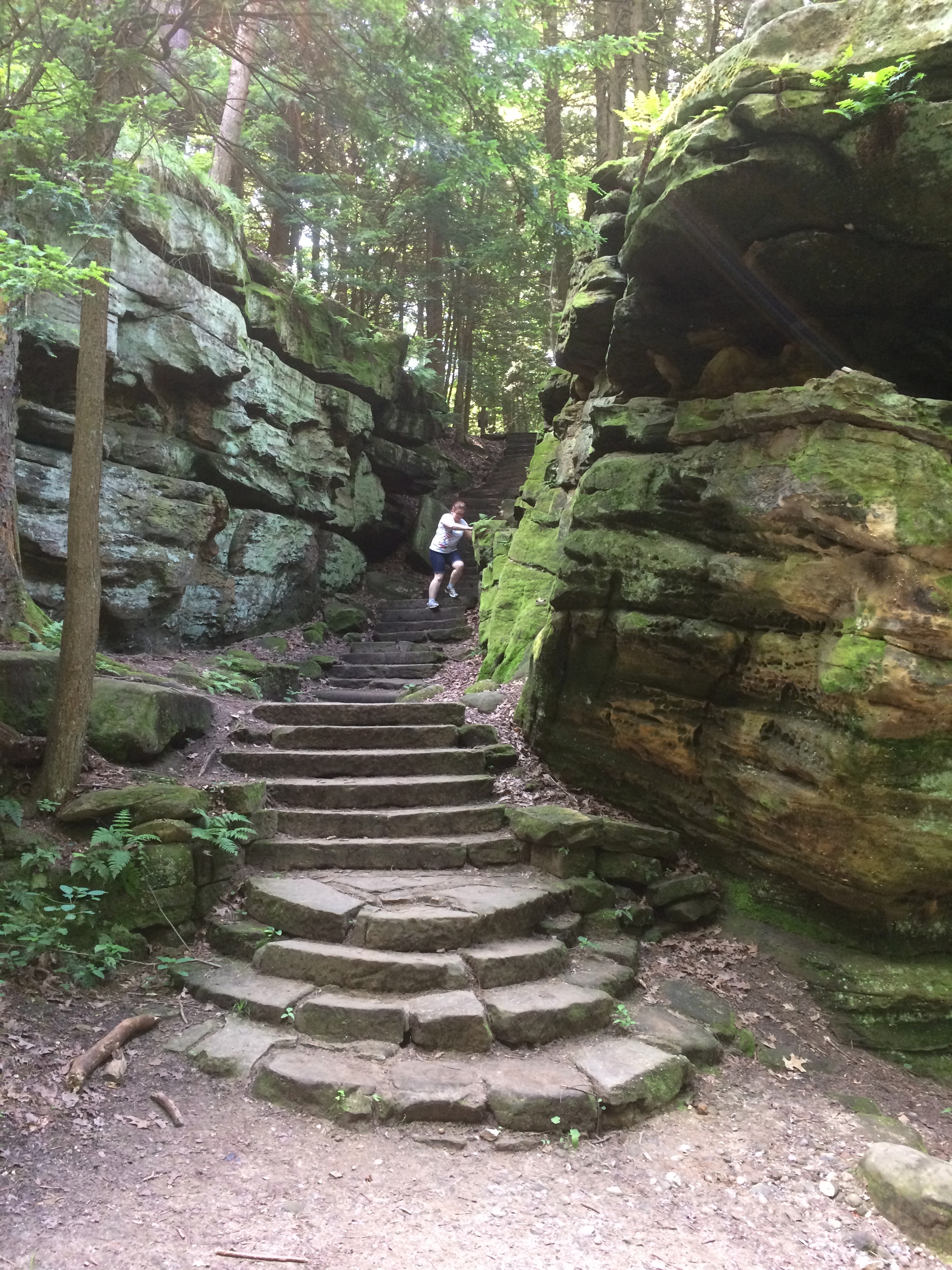
At one point there’s a shortcut formed by stone stairs. Who built them? The CCC, naturally.

Before I visited the park, I hadn’t known that Cuyahoga Valley is a fairly recent national park, receiving that status only in 2000. Before that, it was a National Recreation Area, but only since 1974. Guess the region got that designation after the infamous fire, one of a series over the decades, that burned 50 years ago on the lower reaches of the Cuyahoga at some distance from today’s national park.

Pittsburgh ’19

Independence Day fell on a Thursday this year, creating a four-day window of opportunity to go somewhere. So late on the afternoon of July 3 we headed east, spending the night near Toledo, Ohio. On the 4th, we drove on to Pittsburgh, where we spent three nights and two full days, returning after an all-day drive today.

We stayed at a hotel in the pleasant Moon Township, Pa., not far from Pittsburgh International Airport. The days were hot and steamy and punctuated by vigorous rainfall in the afternoons — supposedly typical for western Pennsylvania in July, though it was a lot like home this summer. Anyway, even occasional heavy downpours didn’t slow us down much.

The road from metro Chicago to Pittsburgh, if you take the Indiana East-West Toll Road and then the Ohio Turnpike, takes you smack through the Cuyahoga Valley National Park. We spend a few hours walking its trails on July 4 as a stopover on the way to Pittsburgh.

Getting up early(ish) on July 5, we first went to the Duquesne Incline, one of Pittsburgh’s two funiculars, and rode it up and down. At the top we took in the hazy morning view of the city and the meeting of the Allegheny and Monongahela rivers. My thinking about funiculars: when you find one, ride it. My thinking about the Monongahela: that’s just a damned fun name to say.

Next we drove to the Oakland neighborhood and spent time at the University of Pittsburgh. Specifically, the Heinz Memorial Chapel — the church that ketchup built — and the Cathedral of Learning and some of its highly artful, internationally themed rooms, unlike anything I’ve seen before.

Lunch on the first day was at the the Original Oyster House on Market Square, which is known as Pittsburgh’s oldest bar and restaurant, and which serves up a mighty fine array of seafood. From there we repaired to Point State Park at the meeting of the rivers, site of a French and then British fort in the days before American independence, and the seed of modern Pittsburgh. That’s also where our lengthy guided walking tour of downtown Pittsburgh began, which took up the rest of the afternoon.

That should have been enough for the first day, but our momentum carried us on to the Andy Warhol Museum for a few hours in the early evening, taking advantage of its longer hours on Fridays. A suburban location of Primanti Bros., a local chain, provided a hearty dinner that night.

The second day, July 6, wasn’t quite as busy, but we got around. Late in the morning, we took an extensive tour of Carrie Furnace, a hulk of a former blast furnace complex on the Monongahela. It reminded me greatly of the Sloss Furnaces in Birmingham, Alabama, though the scale was even larger. After all, Birmingham was the Pittsburgh of the South, not the other way around.

After lunch in a nondescript but decent Chinese restaurant, we visited the Frick Pittsburgh, whose grounds include his mansion, a museum with his art, a greenhouse, and a carriage and antique auto exhibit. We saw the greenhouse and the auto exhibit.

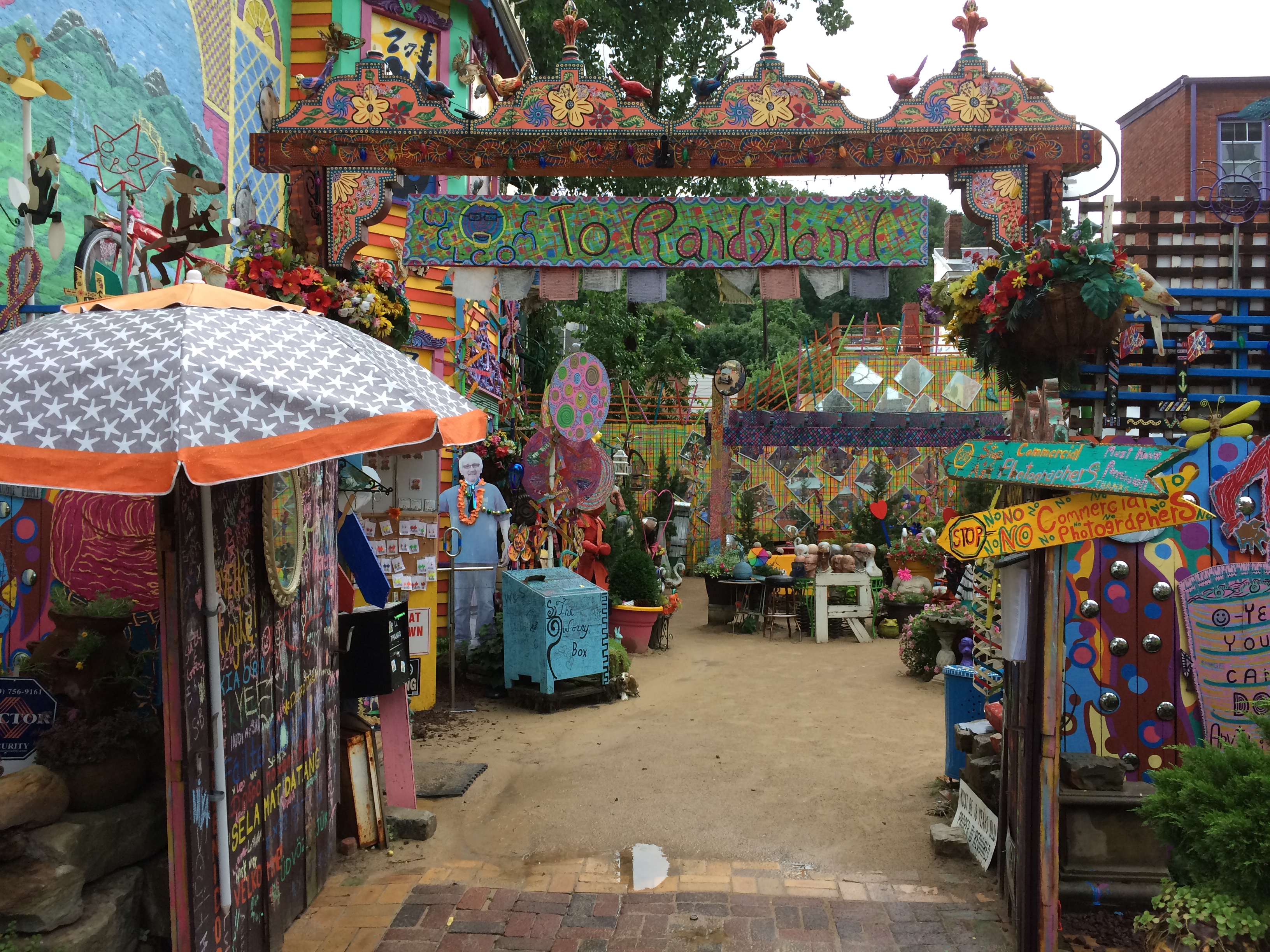
After treating ourselves to some hipster ice cream late in the afternoon, we went to one more place, despite thunder and rain: Randyland.
Randyland

It’s the kind of outsider art phantasmagoria beloved by the likes of Roadside America or the Atlas Obscura. For good reason. As Roadside America puts it, the place is a “circus-colored oasis of sunny vibes on Pittsburgh’s formerly grim North Side.”

Sōunkyō (層雲峡), 1993

The usual markers of fall are here. Spots of yellow and other fall colors are appearing in the trees. Sometimes we use the heater to keep temps above 68 F during the day and 65 F at night, the non-summer settings. The days are notably shorter, but at least the Summer Triangle is still up. Orion is not. Won’t be long.

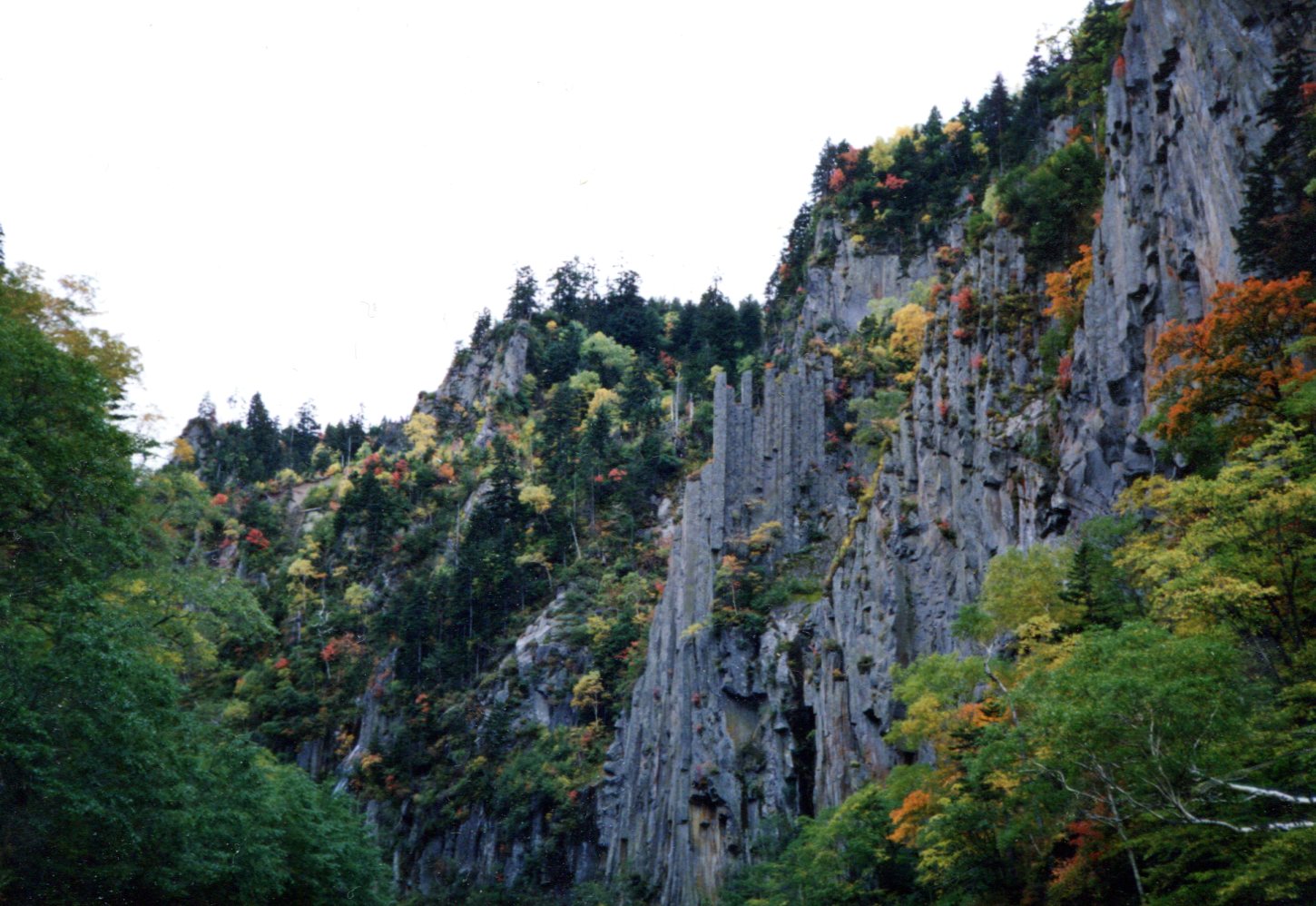
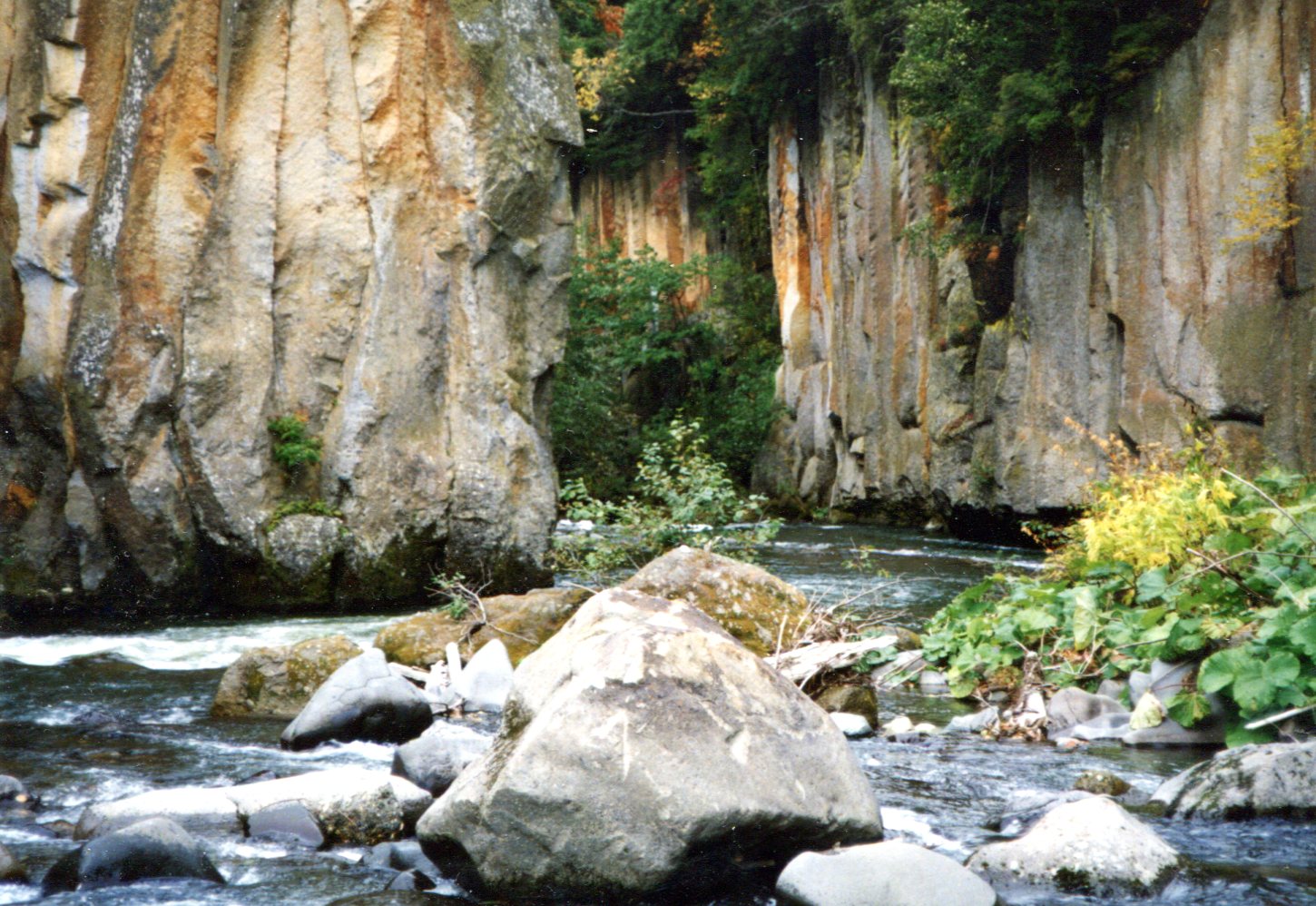
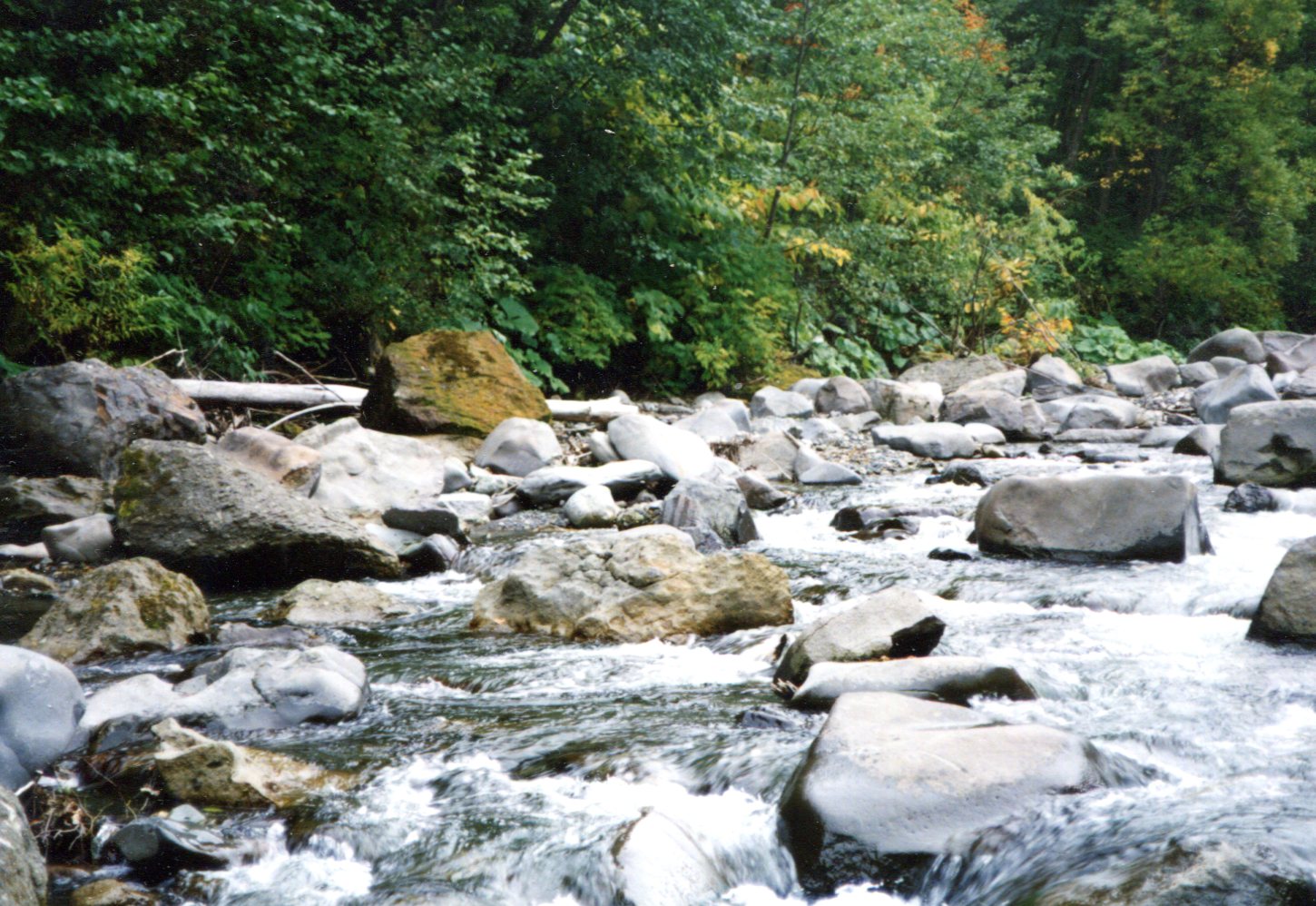
We visited Hokkaido in late September, early October of 1993, including Sōunkyō, part of Daisetsuzan National Park, and which is known for its gorges. The colors were autumnal.

October 4, 1993

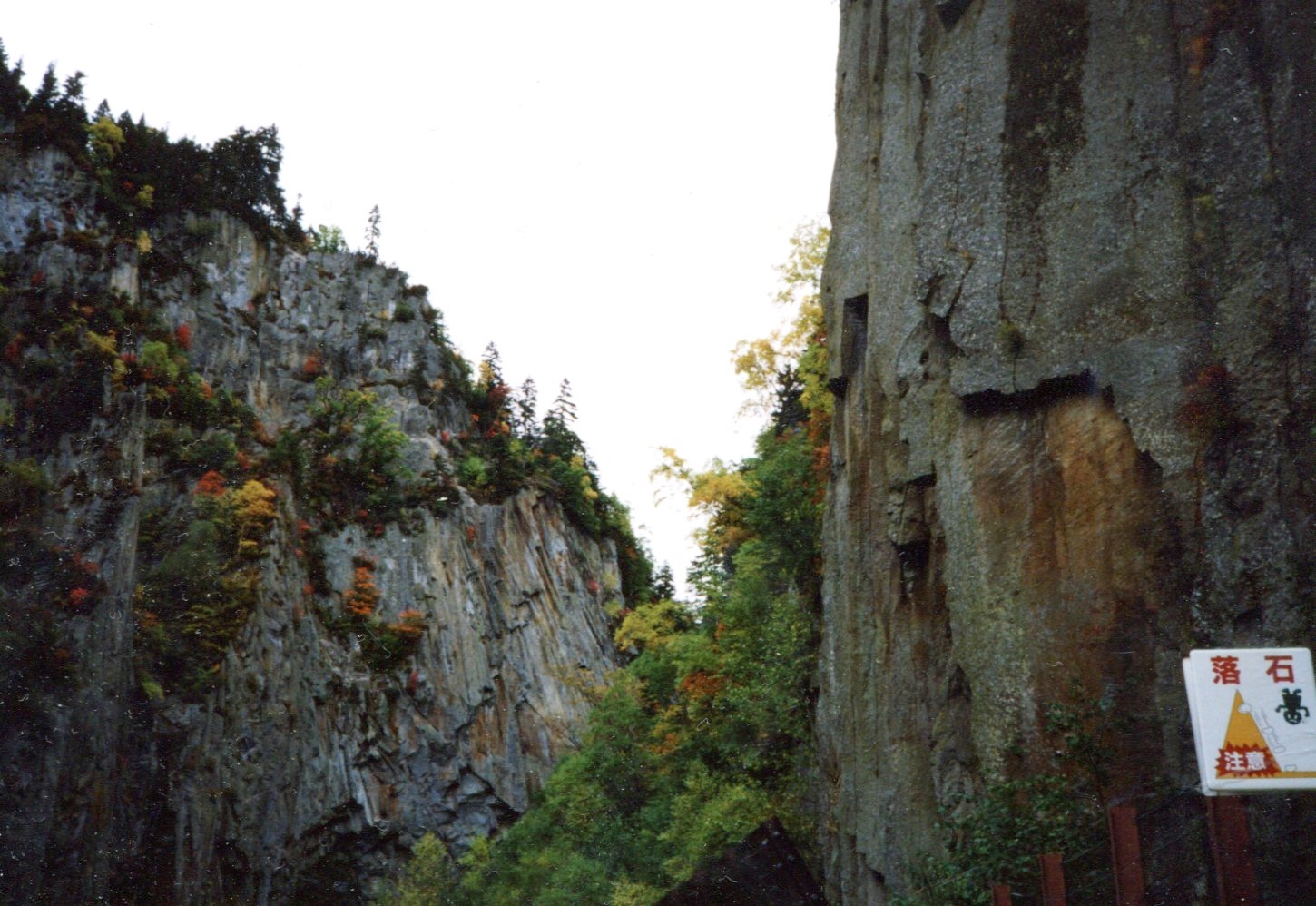
Rented bicycles early and rode around most of the day. Went to O-dake and Ko-dake, two narrow gorges at some distance from the resort complex. Ko-dake was the best — a bike path runs through it, while the road, a little crowded with cars, is diverted through a tunnel.

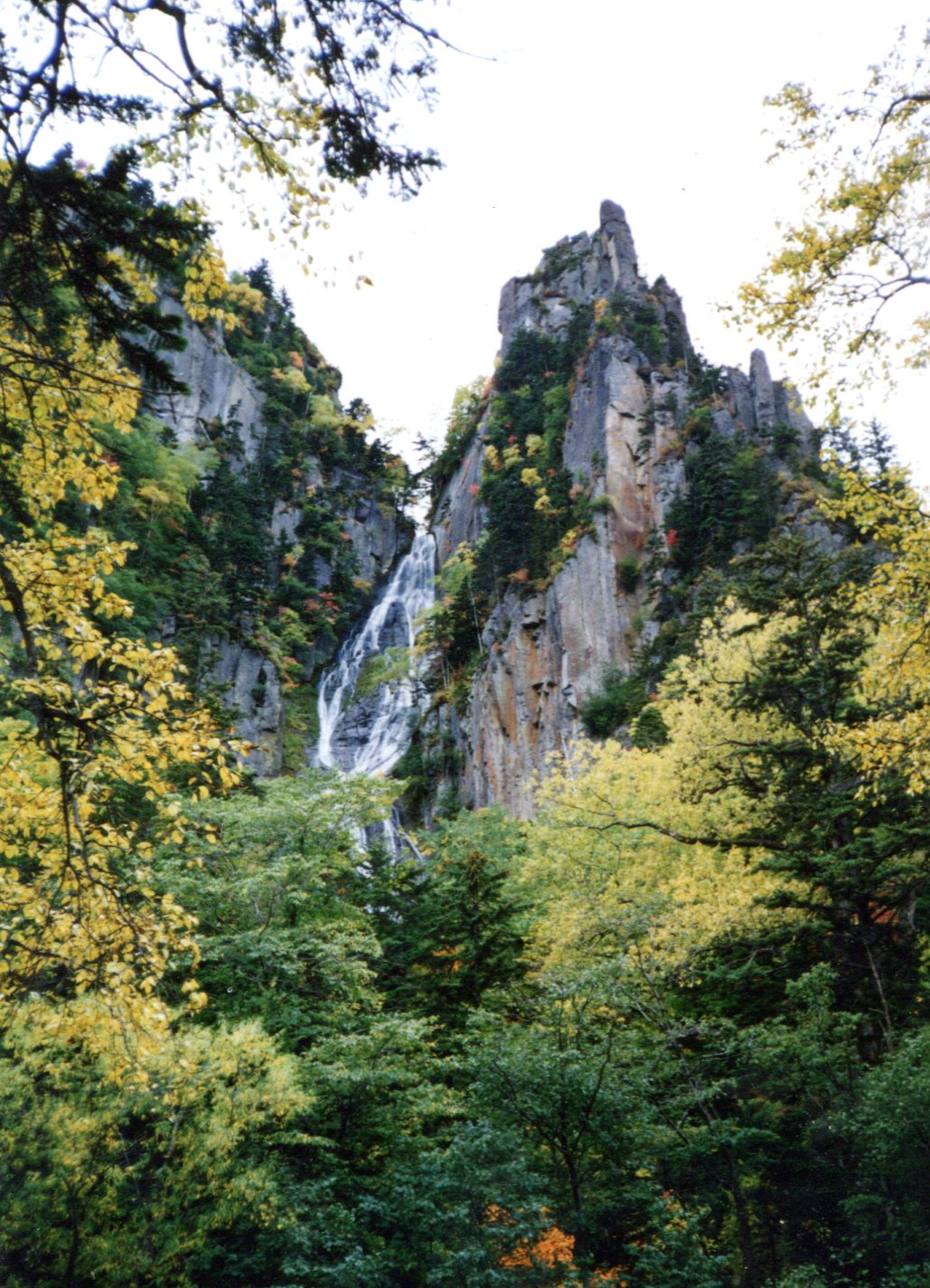
The gorge walls are reams of gray rock, bristling with all-color foliage like wild beards. Saw an assortment of waterfalls en route, including a multi-stream cascade.

Ate roasted corn on the cob and ice cream, two regional specialties, at the wayside shacks of O-dake. 

The fall colors… throughout this part of Hokkaido equal in variety and mass anything I’ve seen in autumn excursions in East Tennessee or New England.