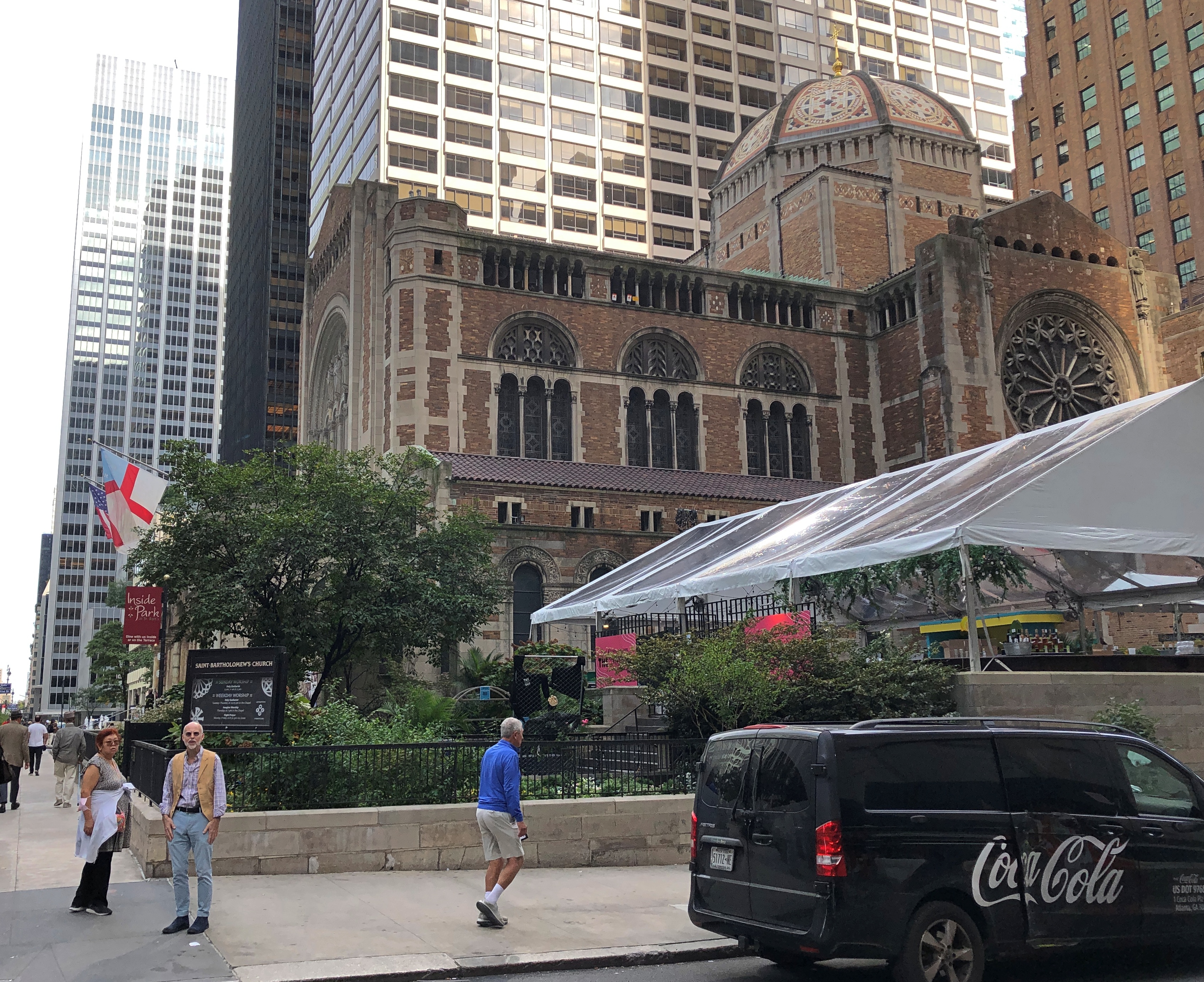
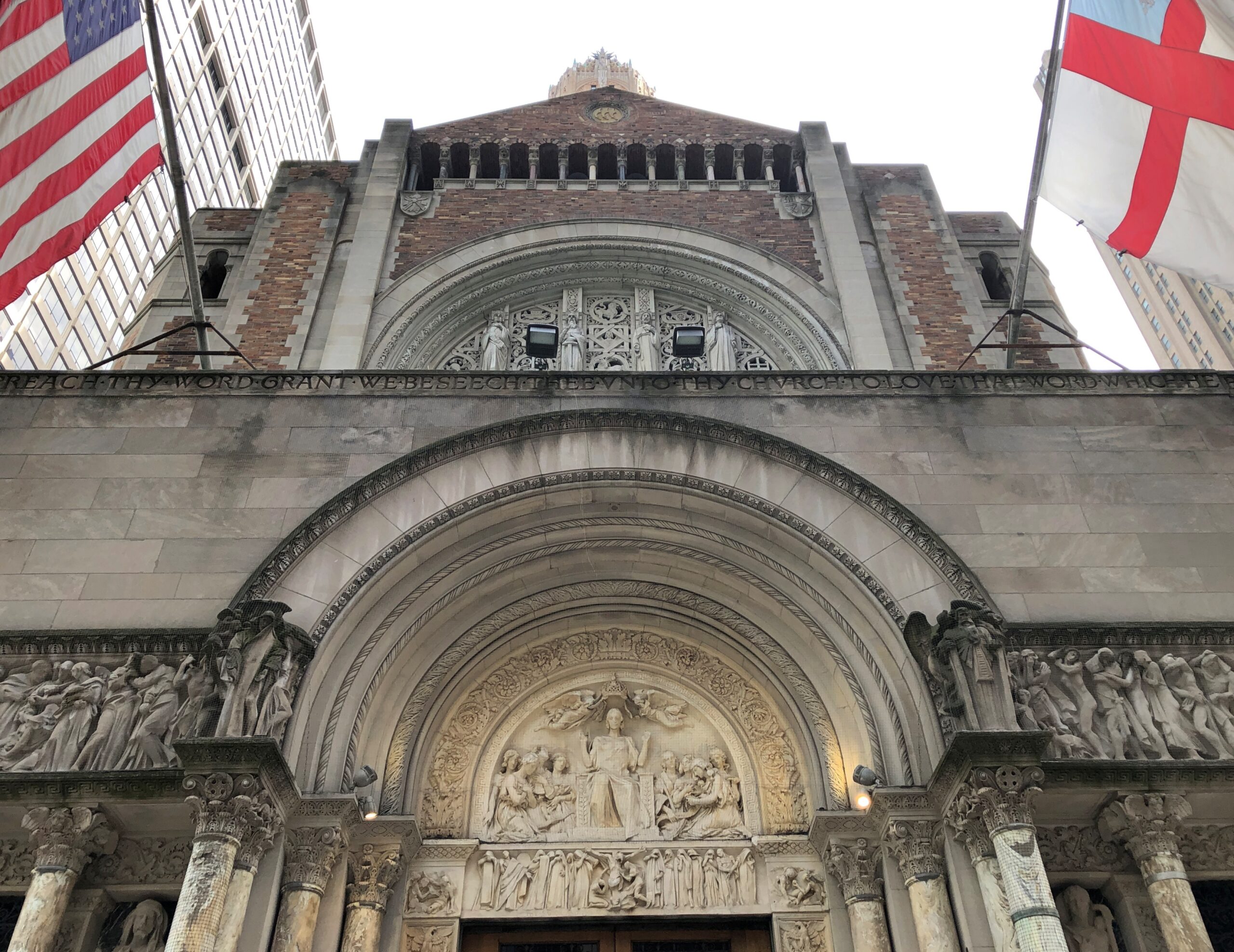
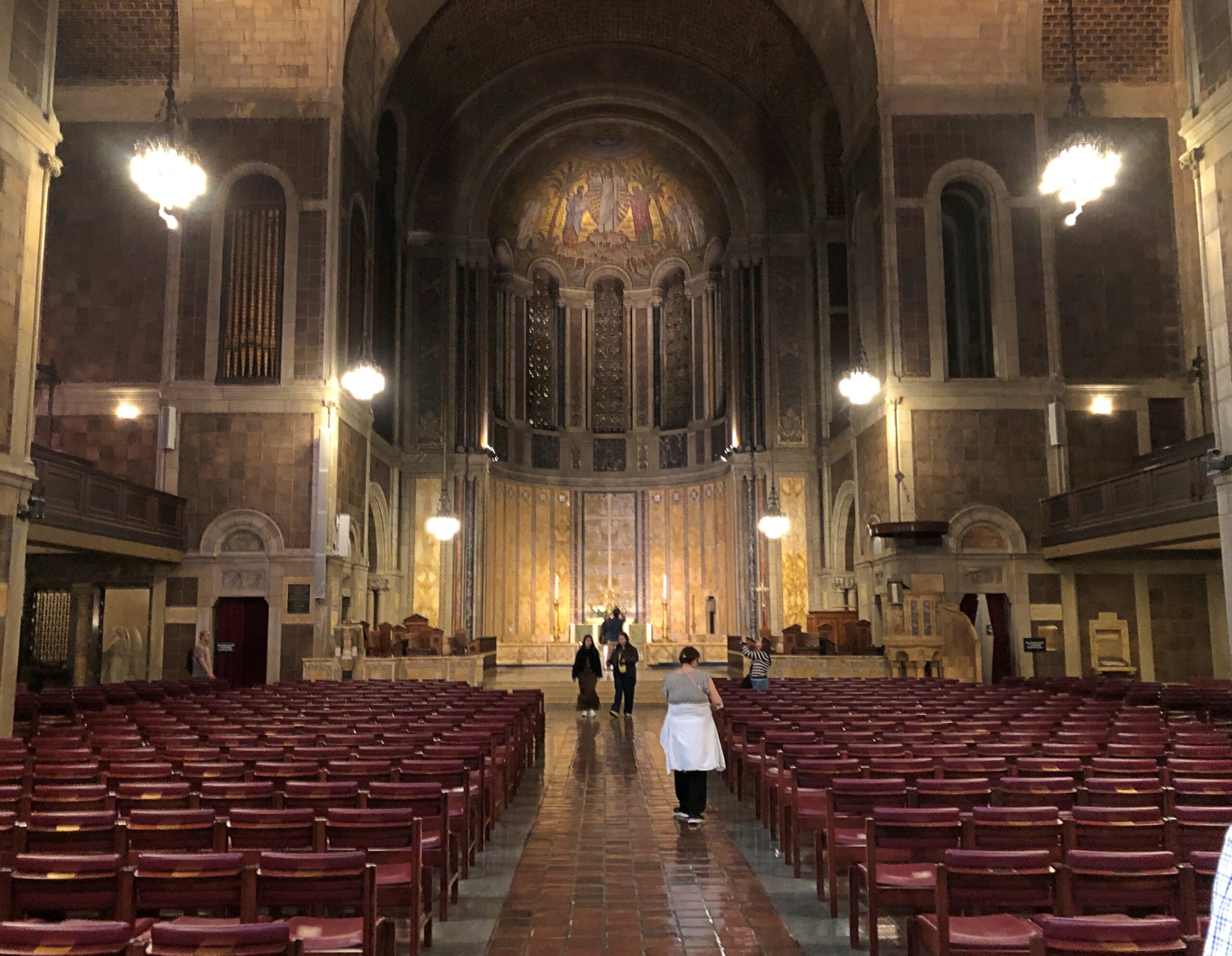
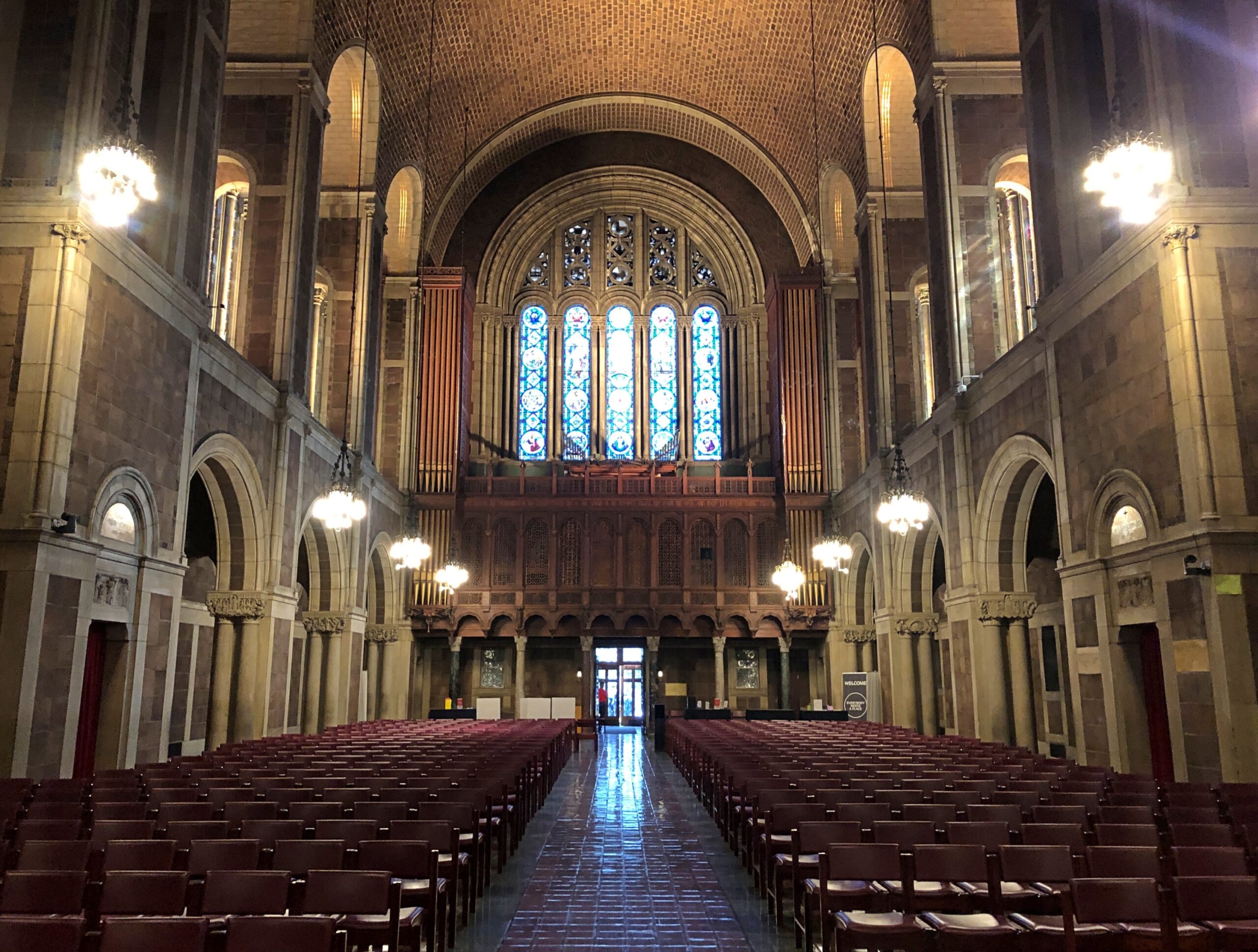
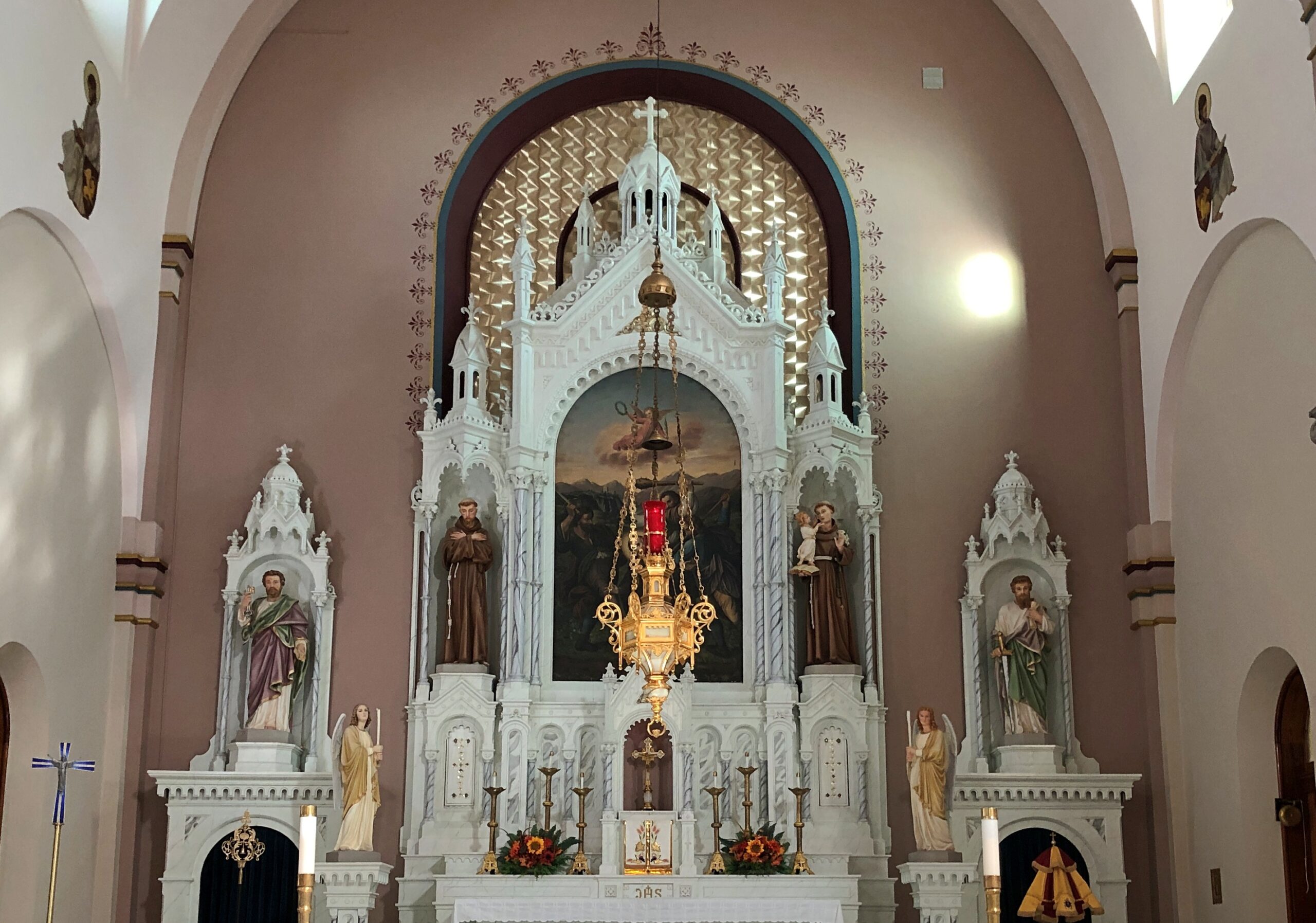
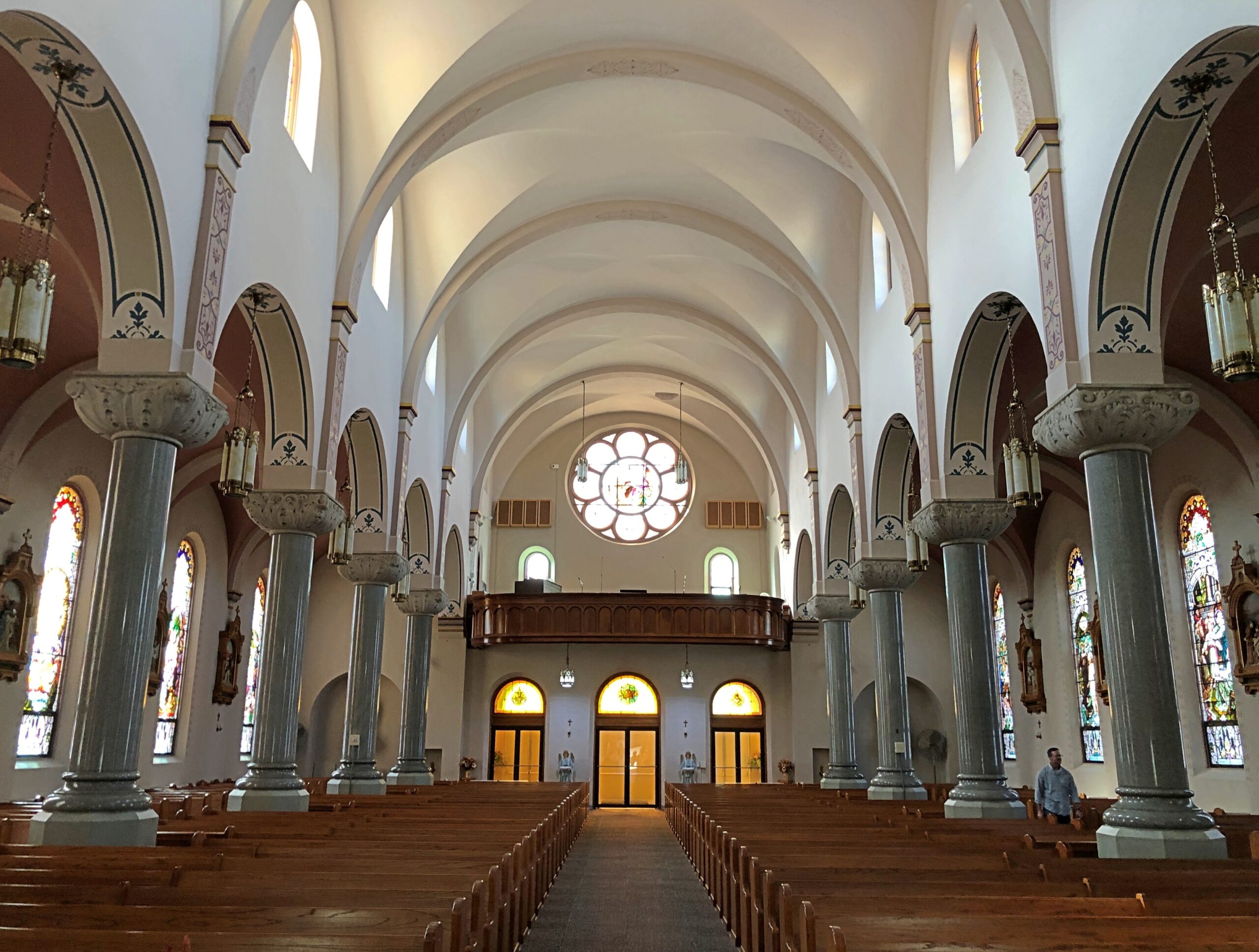
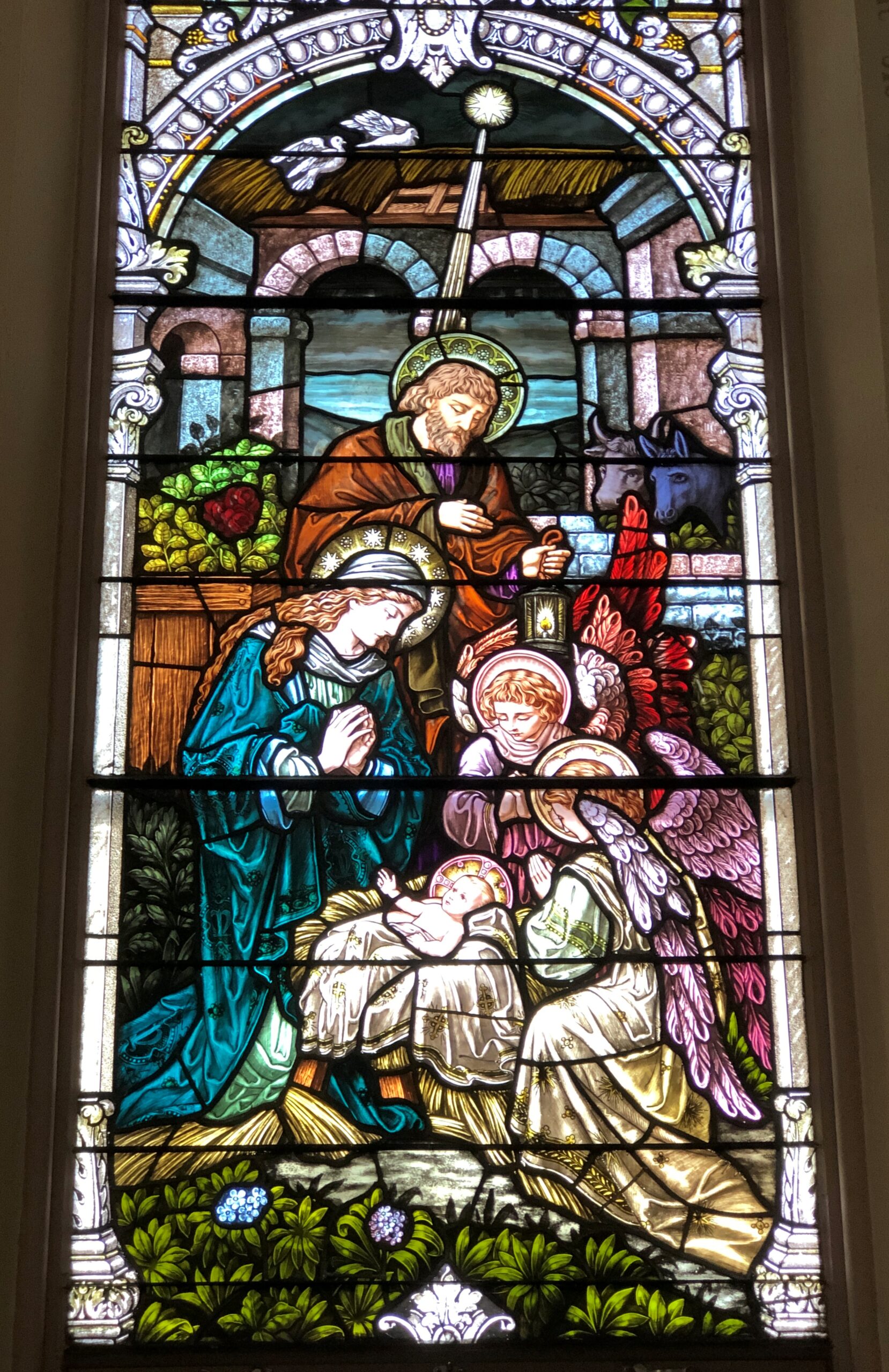
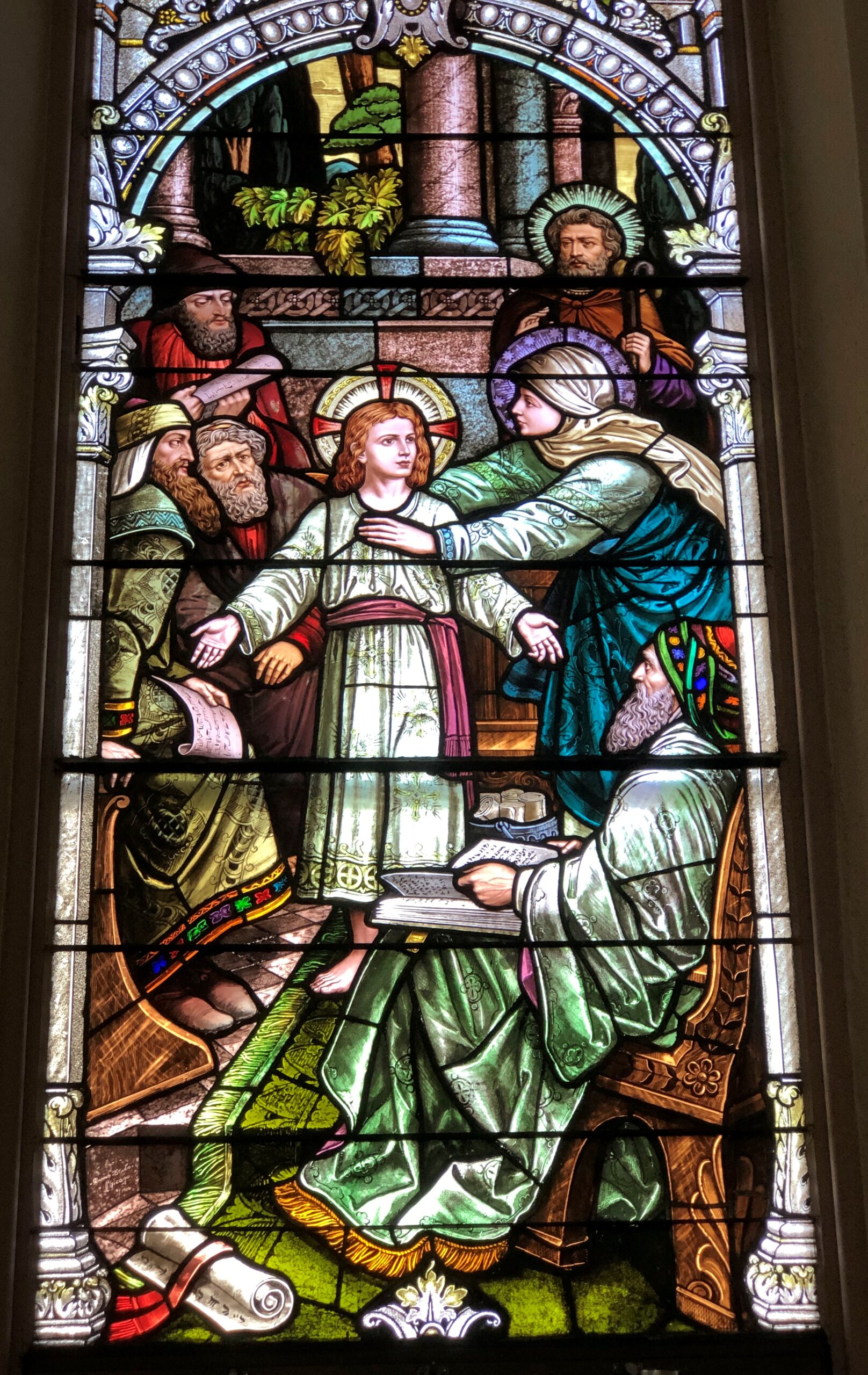
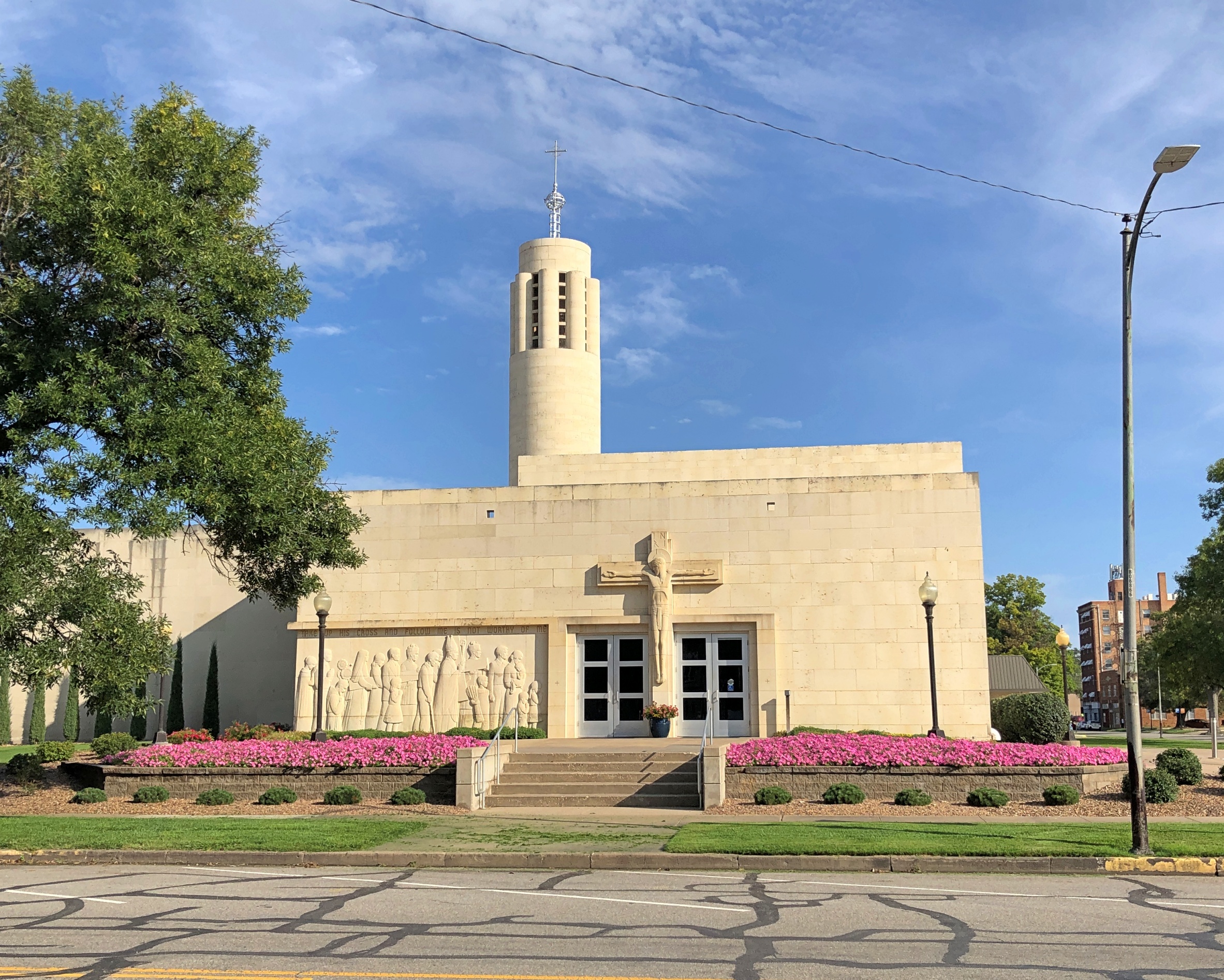
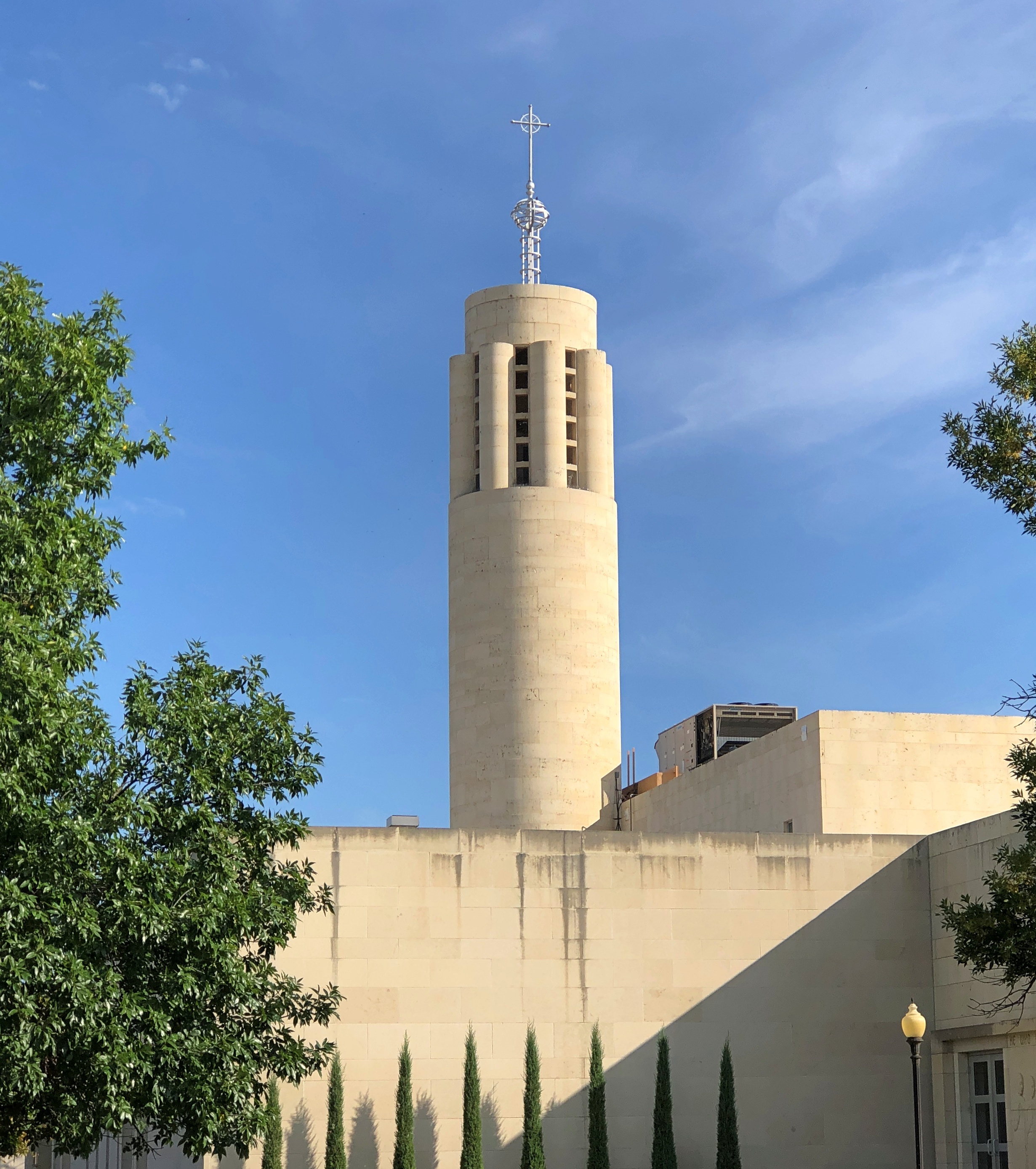
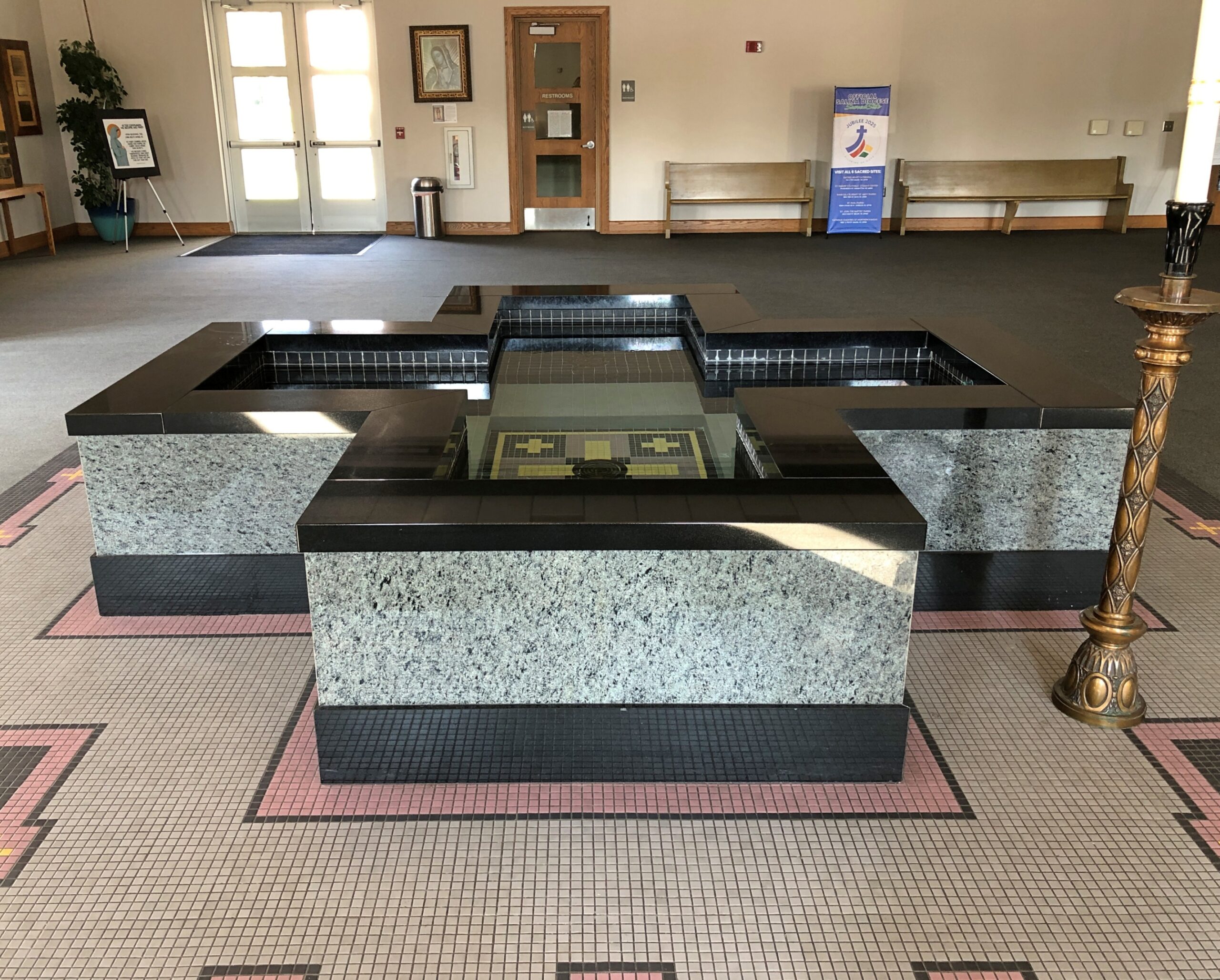
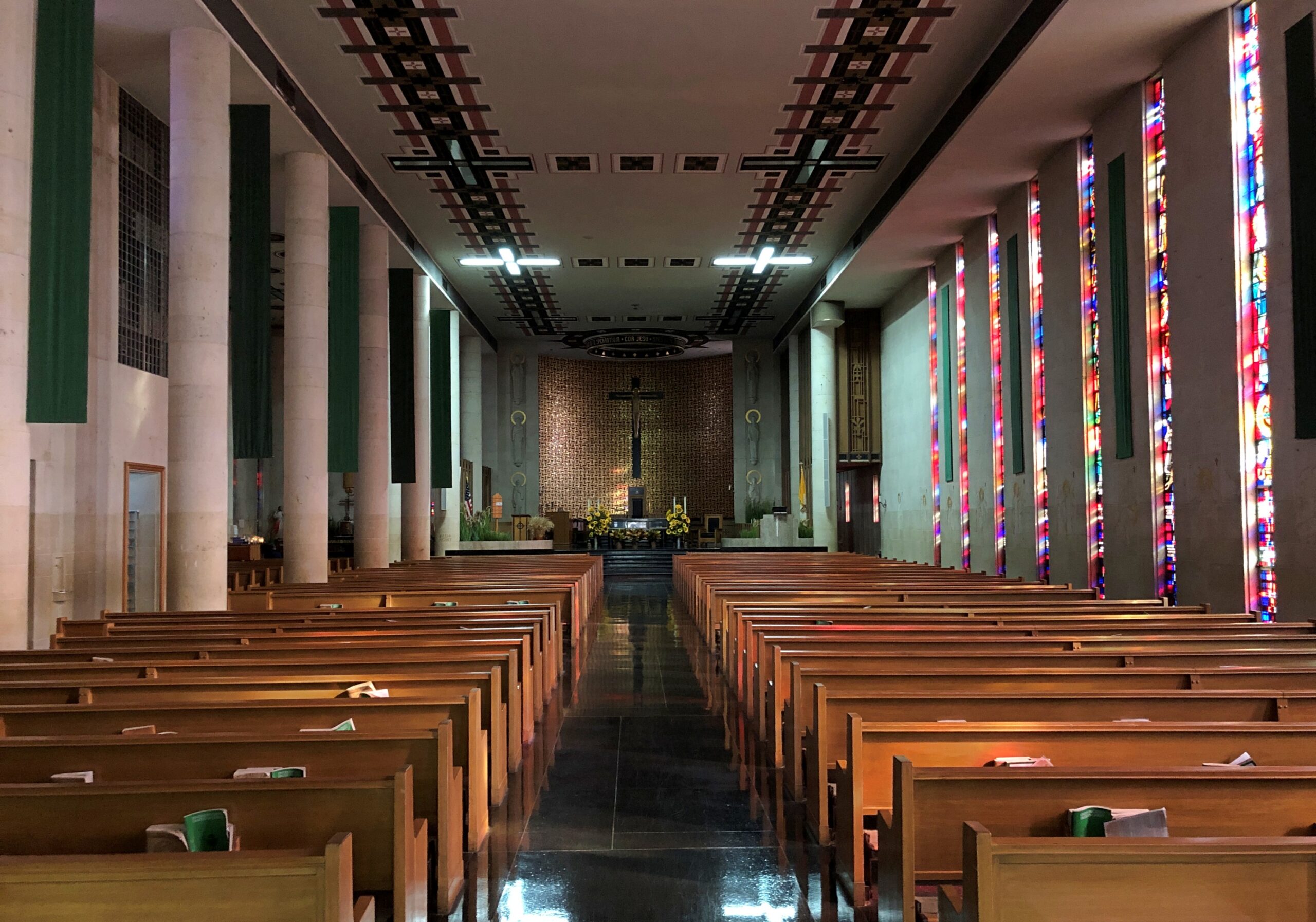
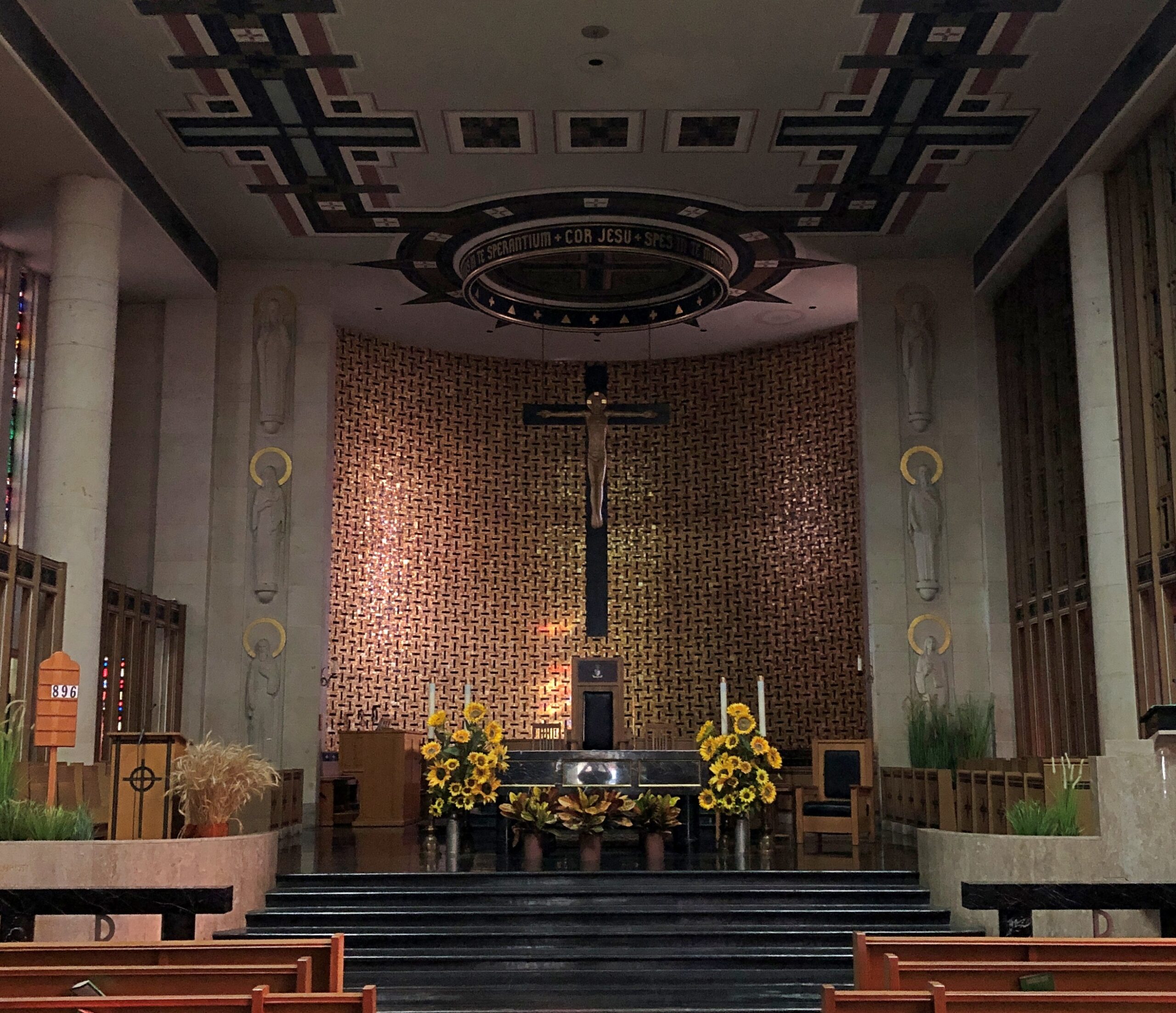
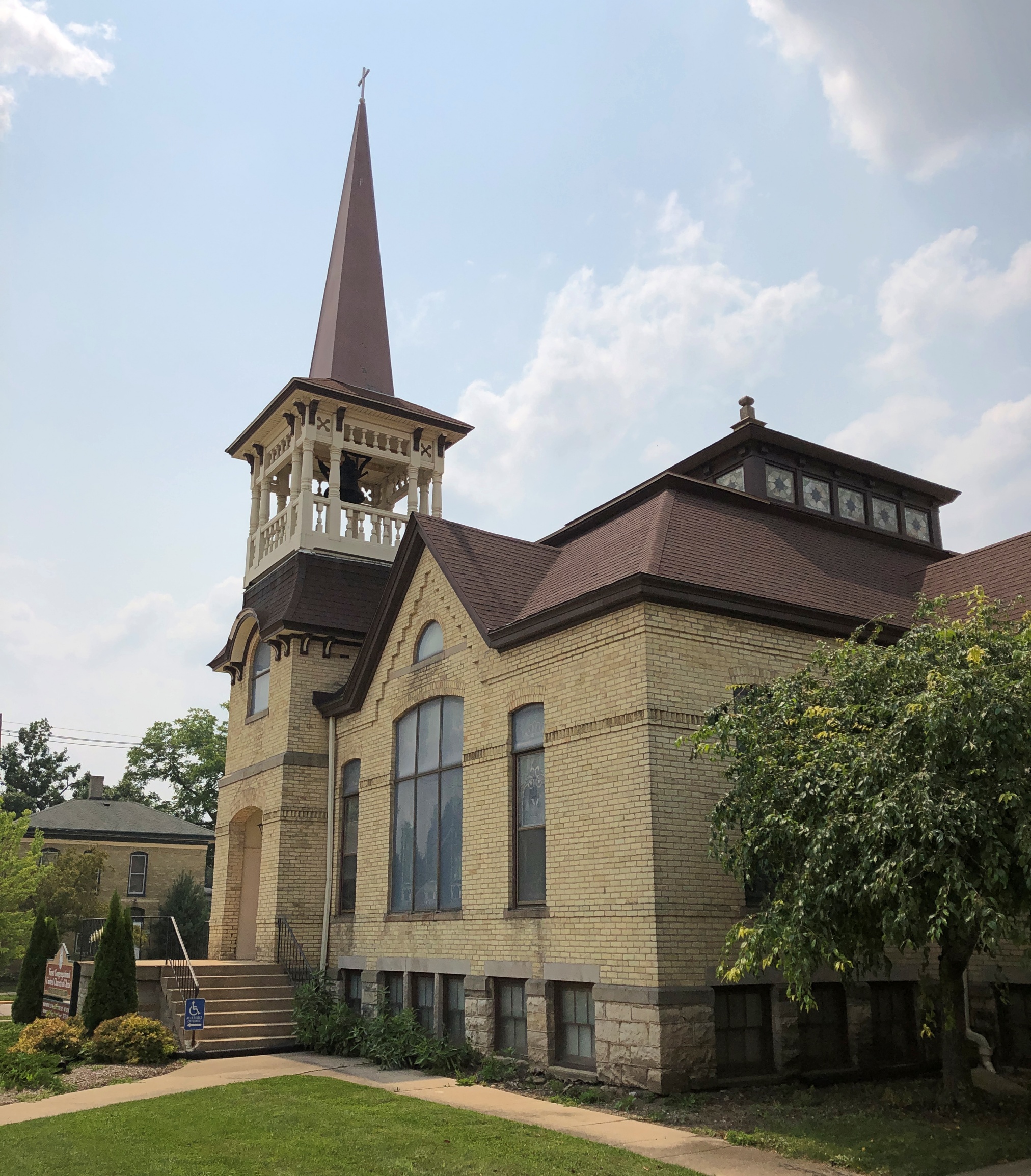
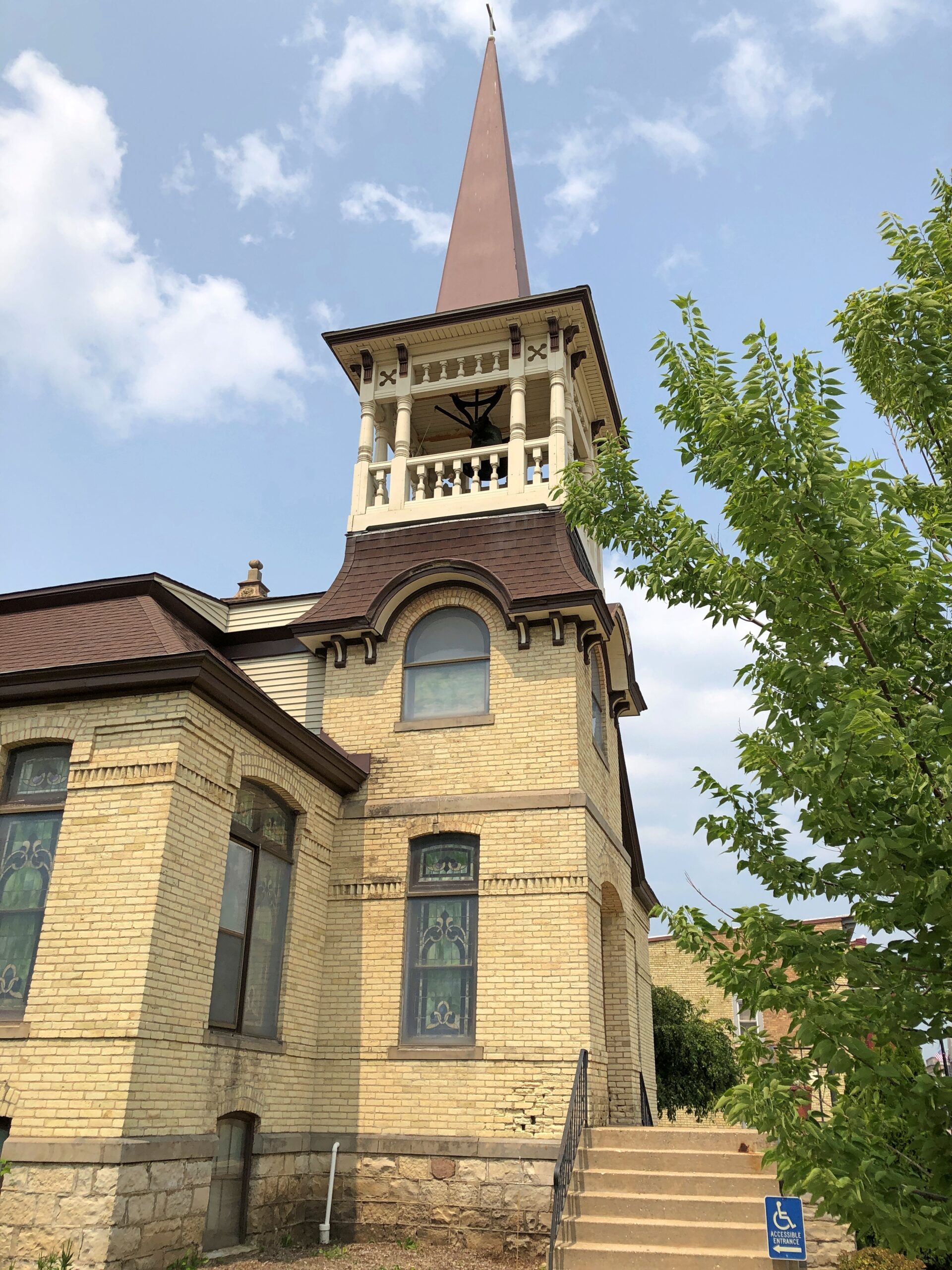
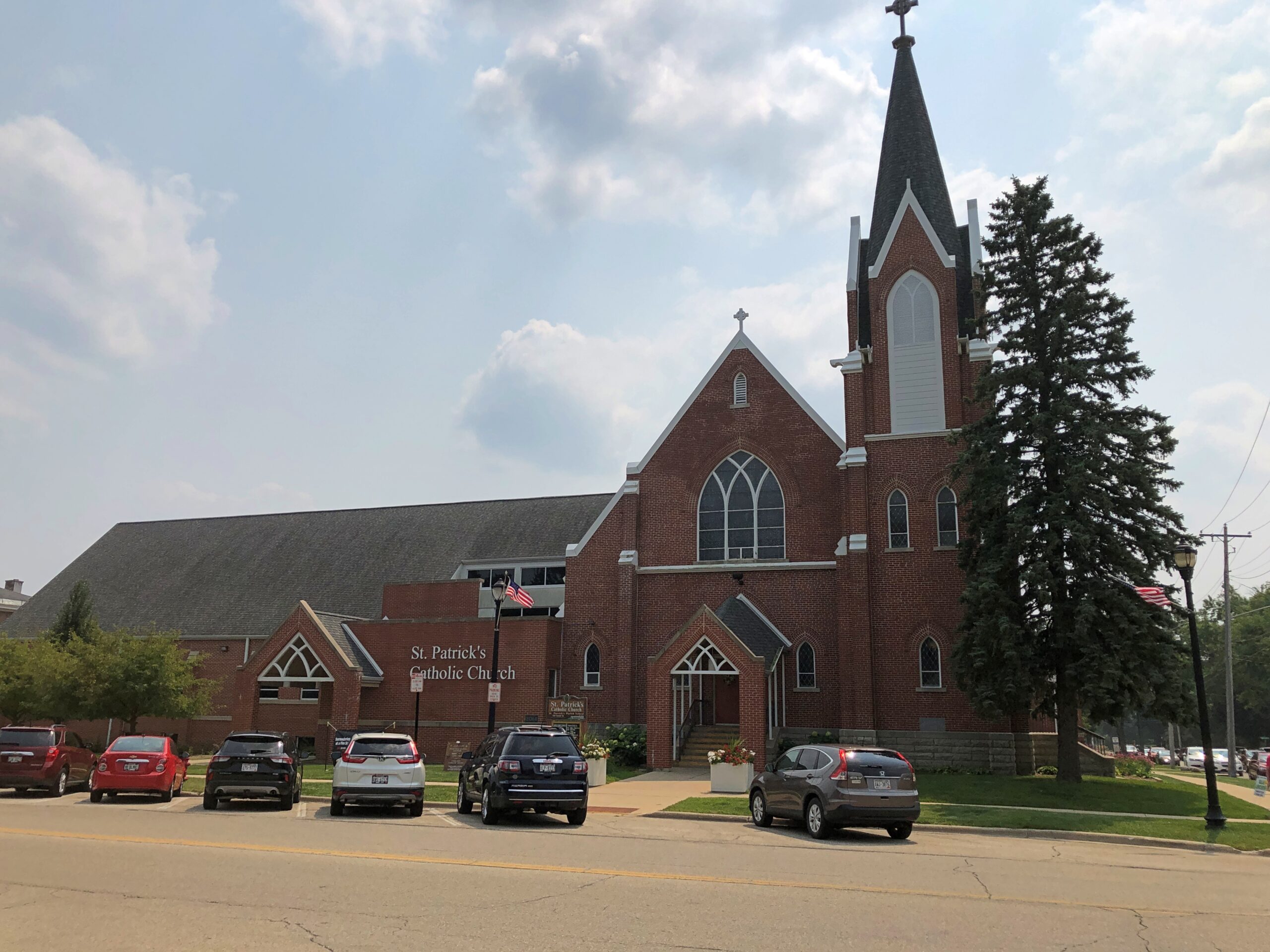
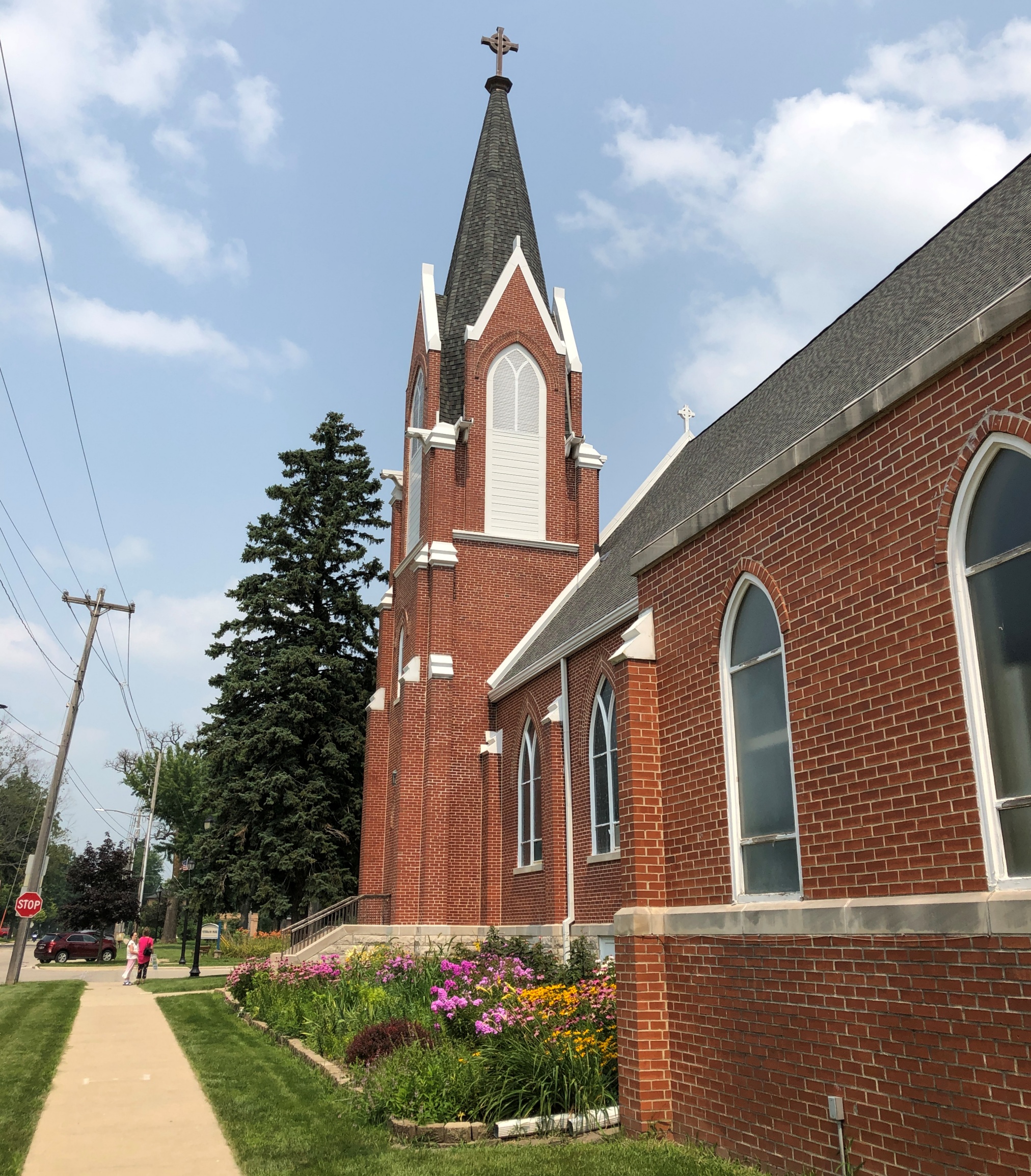
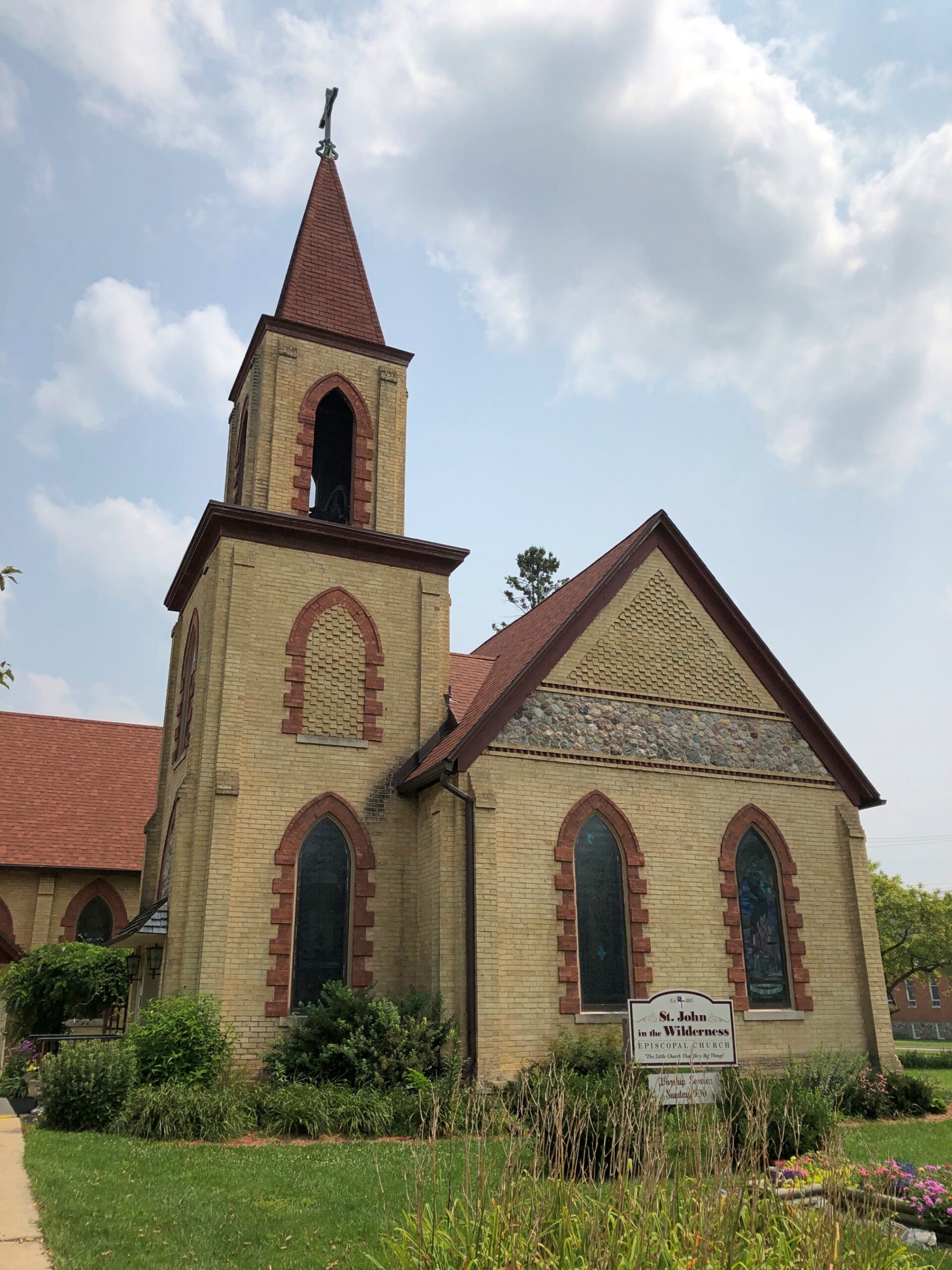
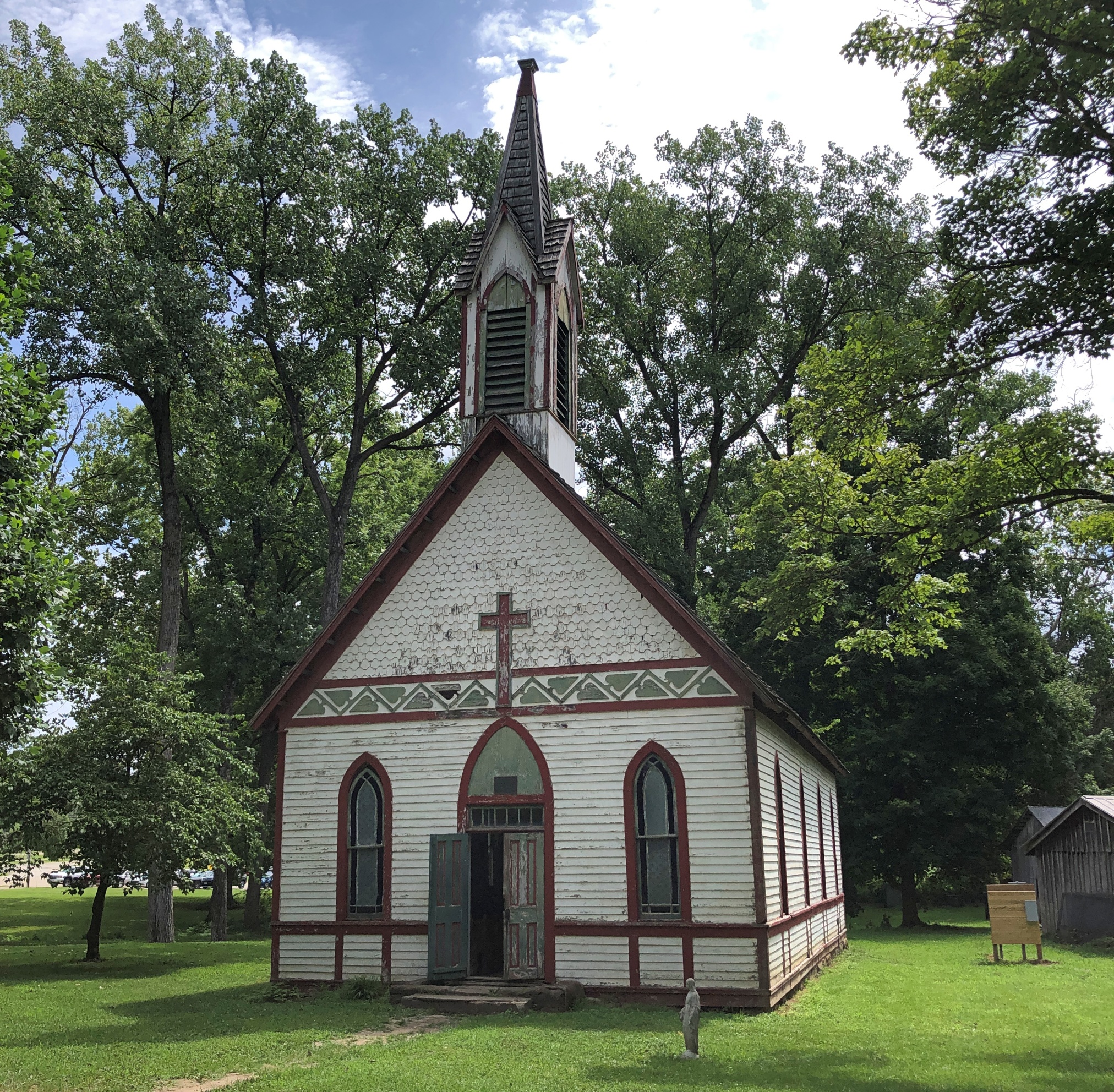
Church of the Holy Cross, Stateburg, SC

Before I take a long drive, I spend time with one or more of my highway atlases sketching a route – Rand McNally, National Geographic or Michelin. Sometimes I refer to highway department folding maps as well. Google Maps has its place, an important one, but it’s no substitute for the big-picture sweep of a paper map.

For the trip to the Carolinas earlier this summer, an atlas map made it easy to see the best way to cut across the state from Myrtle Beach to Columbia, where I planned to spend a night: US 378. As Wiki puts it, “the highway has a lengthy concurrency with US 76 between Columbia and Sumter and serves as a major route between the Midlands and the Myrtle Beach area.”

That is, from the flat damp lands along the coast through pines and the sites of long-ago rice plantations, on to modern crop lands, small sandy wooded rises, and into suburban Columbia. Small towns dot the route: Conway, Gresham, Hannah, Lake City, Turbeville, and Sumter, which is actually a small city (pop. about 43,800).

Not far west of Sumter on US 378, I noticed a point-of-interest sign suggesting a right turn. I don’t remember the exact wording, but the gist that I picked up instantly was historic church. My kind of sight, in other words. After only a few minutes on the side road (South Carolina 261, a.k.a. N. Kings Hwy.), a church and churchyard cemetery appeared.


This turned out to be the Wayman Chapel of the AME Church, which has its own graveyard.

Wayman Chapel, AME SC

A good many AME churches are named Wayman, after Bishop Alexander W. Wayman. Surely the place is historic in its own right, including as part of the wider history of the AME, but it wasn’t what I was looking for. I continued on, and without realizing it, had entered the High Hills of Santee, which sounds like an all around interesting place.

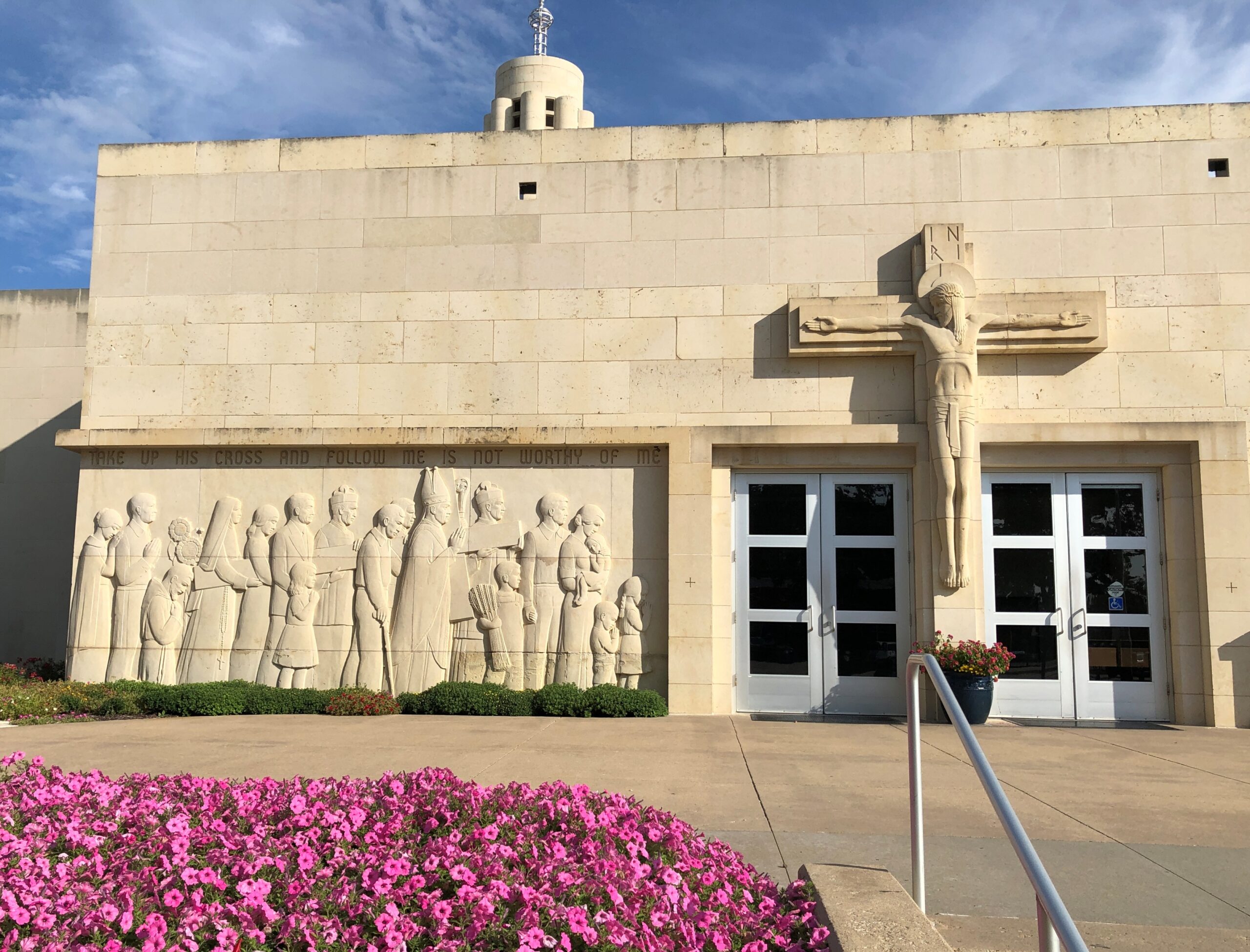
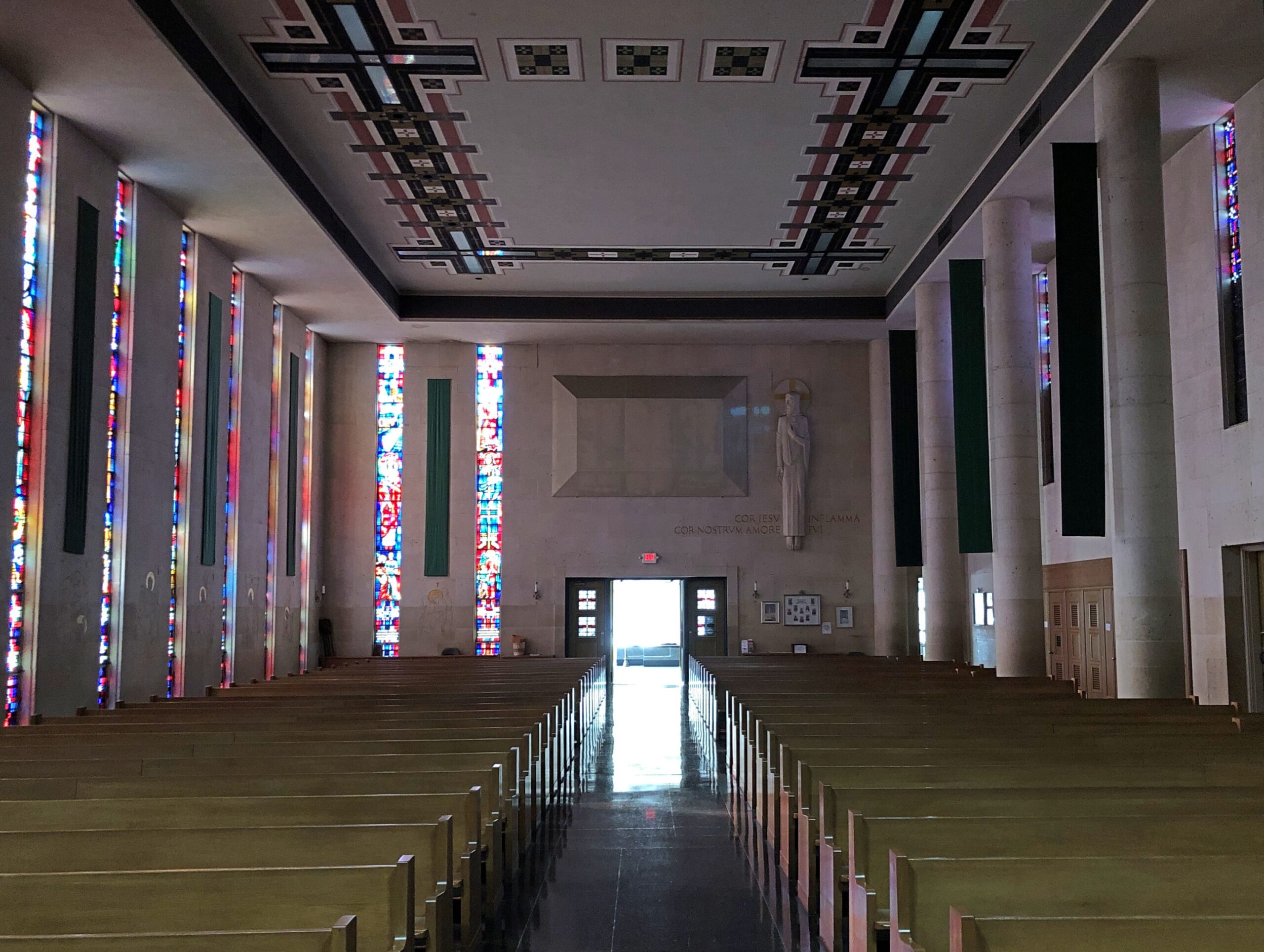
Had I realized that, I might have gone a little further down N. Kings Hwy., but serendipity on the road will only take you so far. In this case, not much further down the road, to the Church of the Holy Cross.

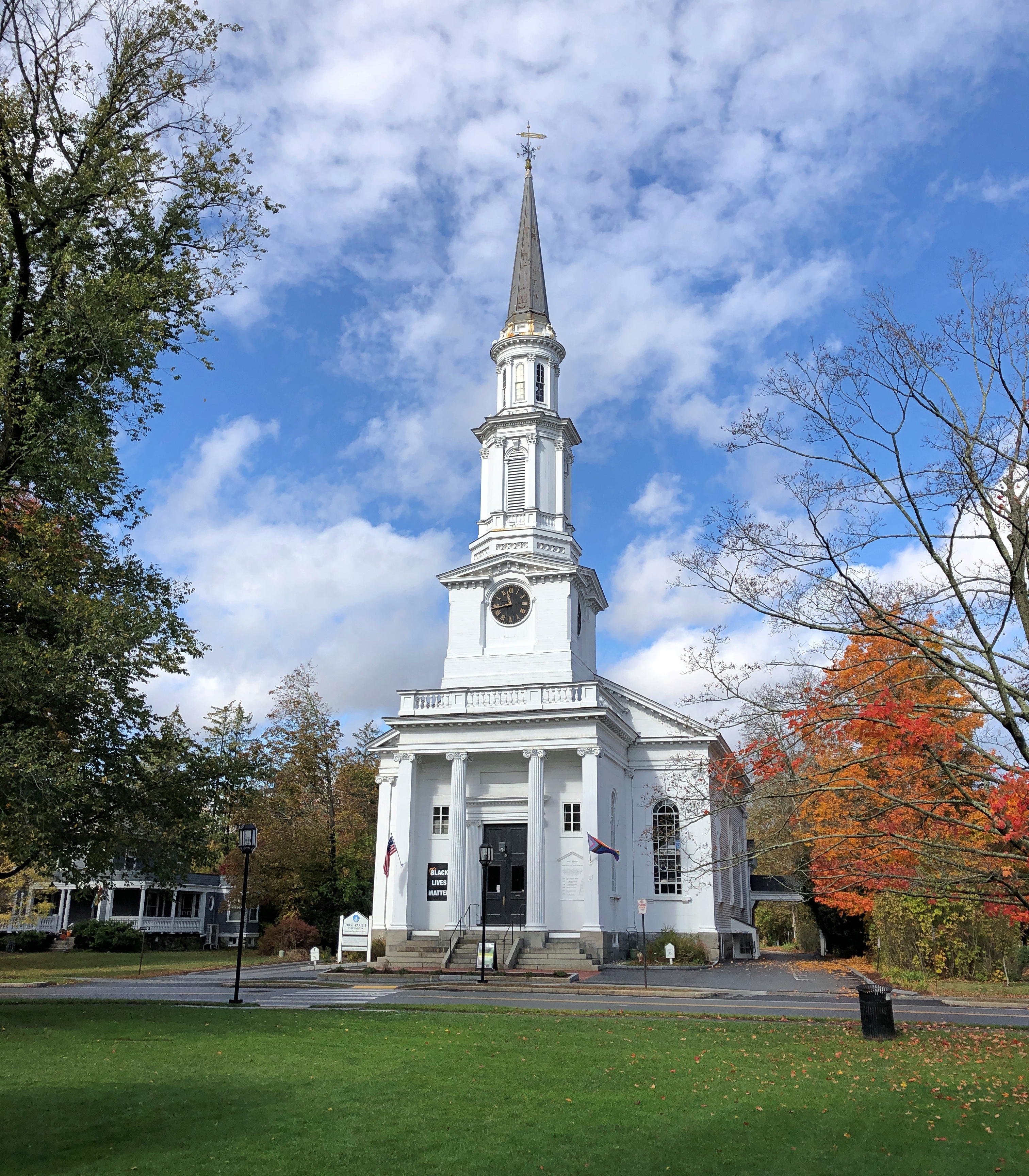
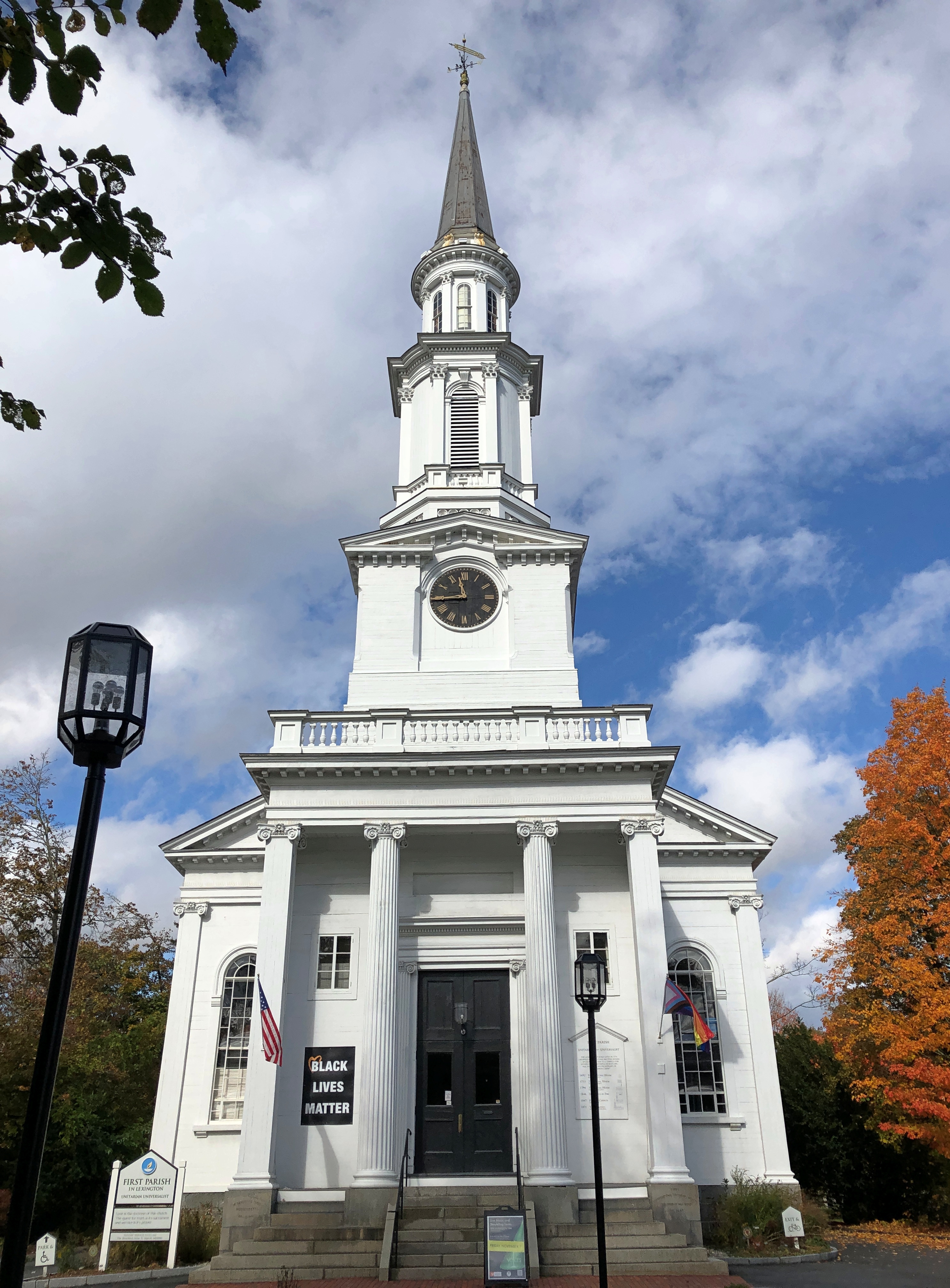
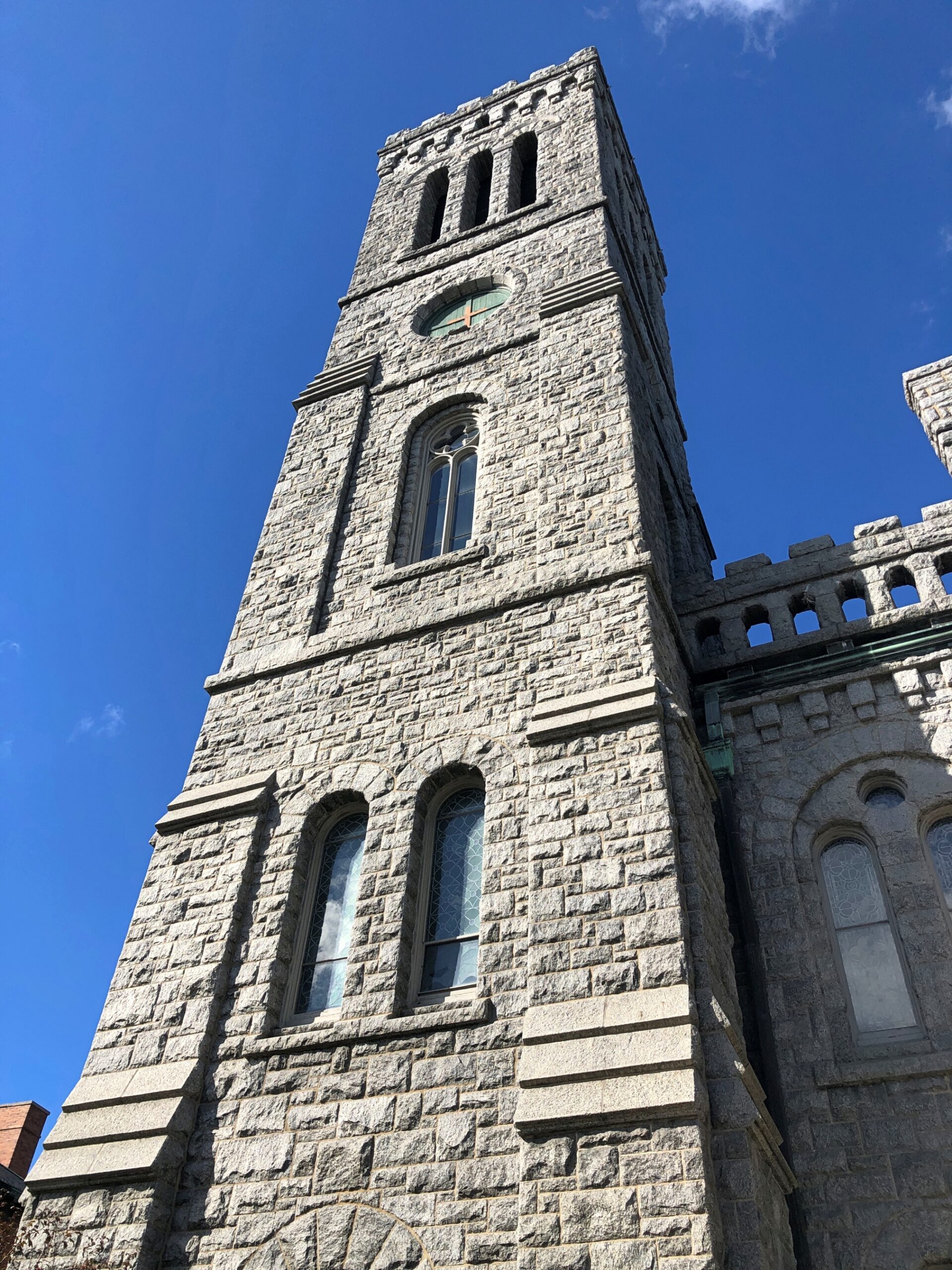
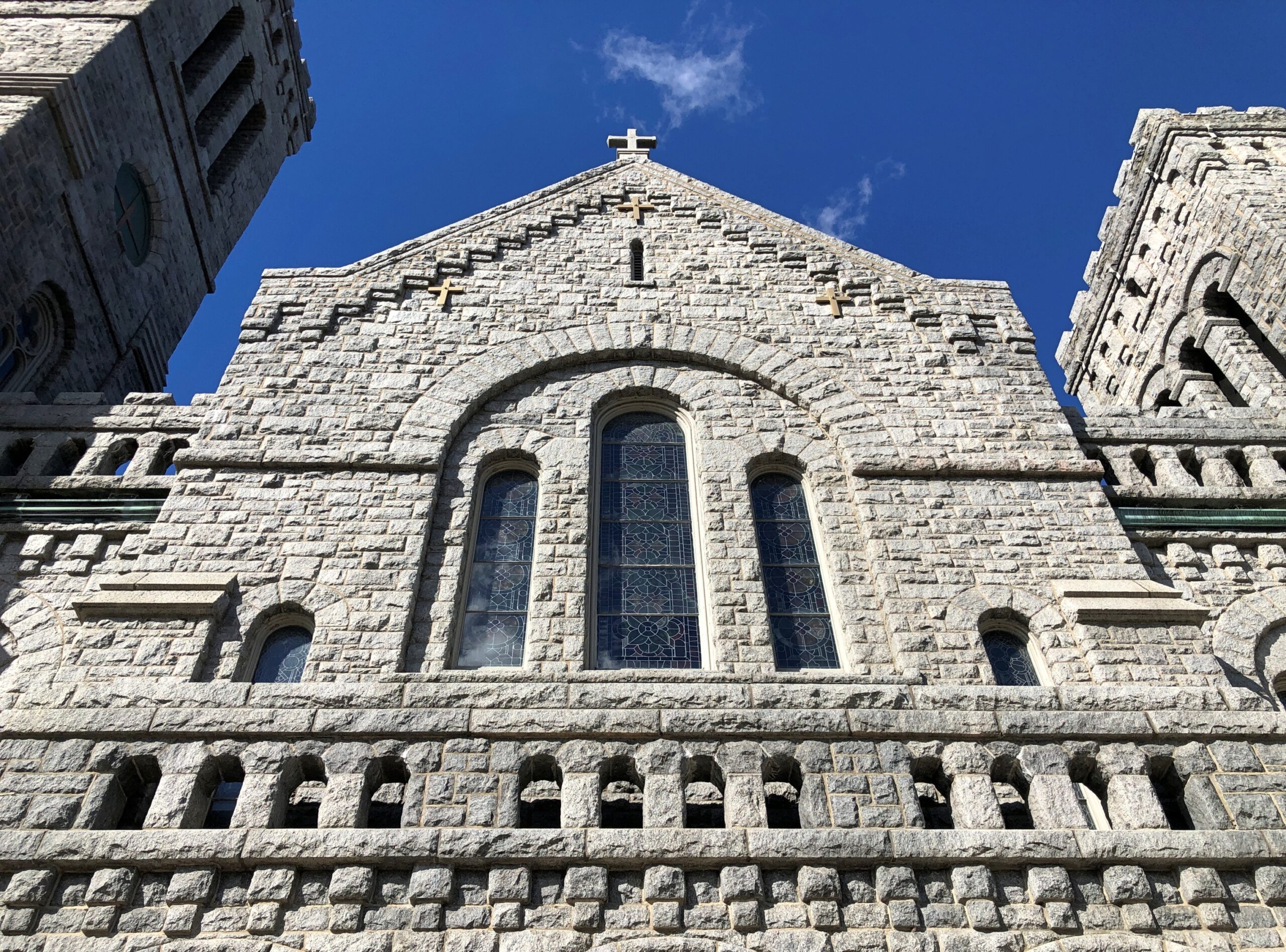
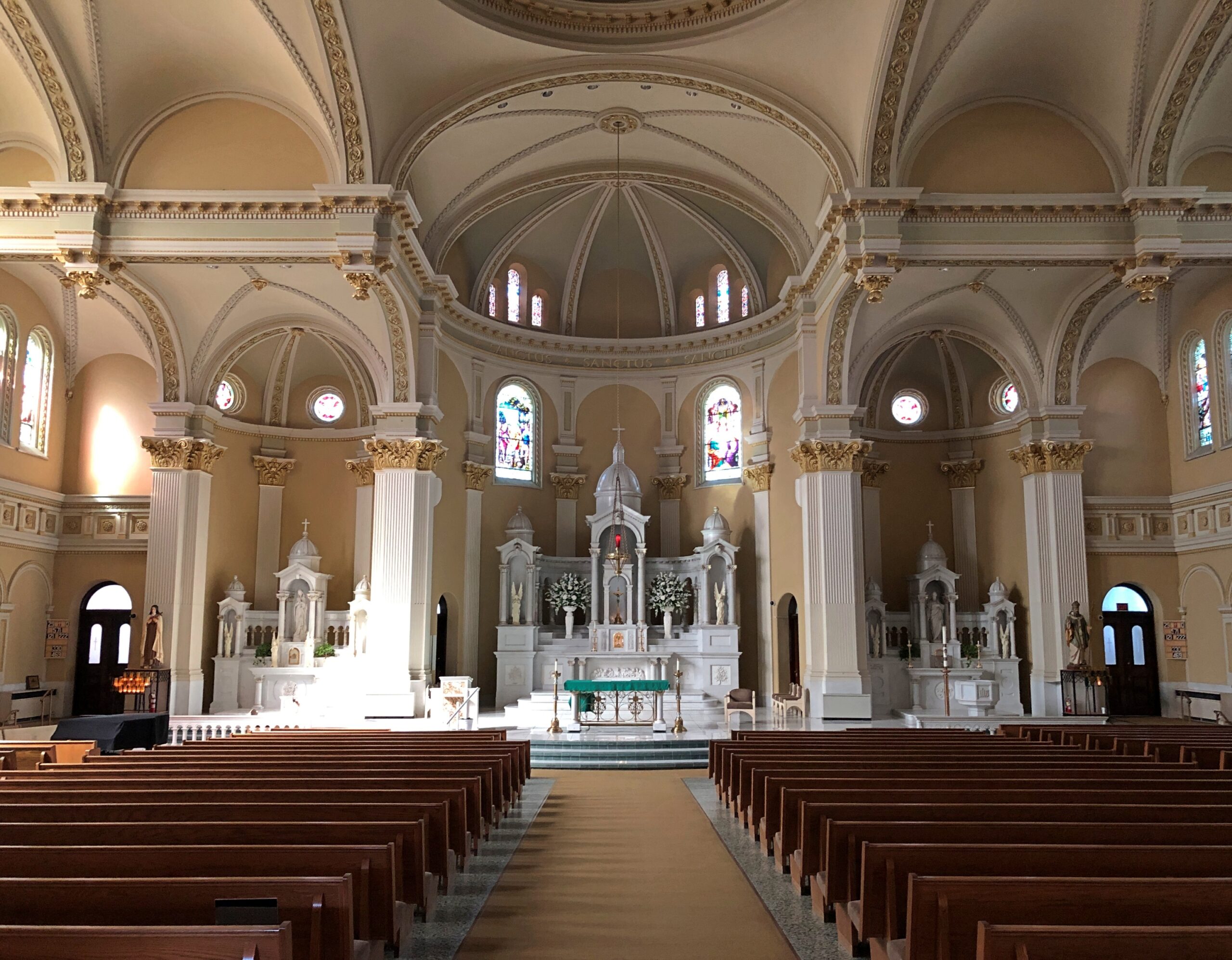
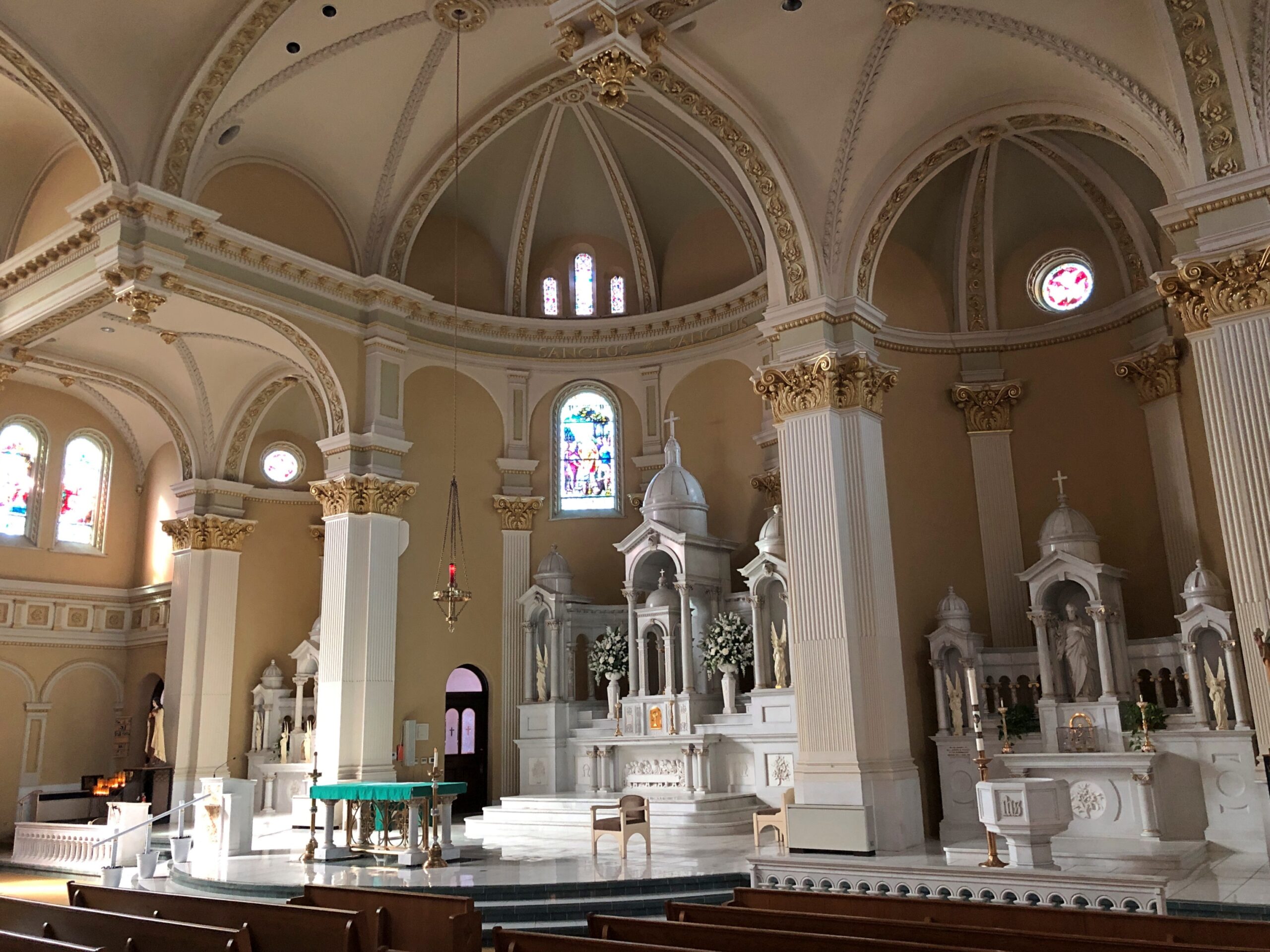
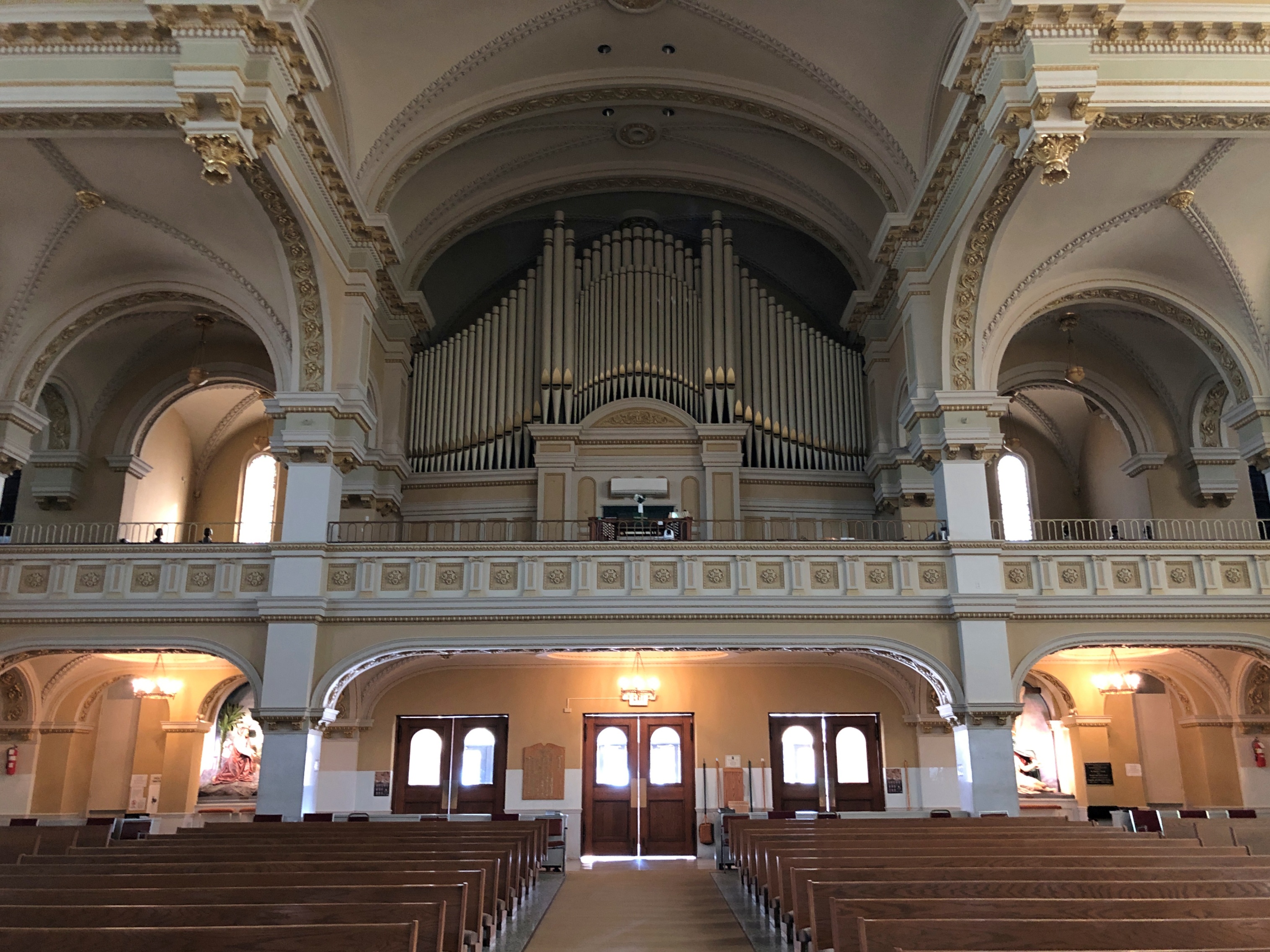
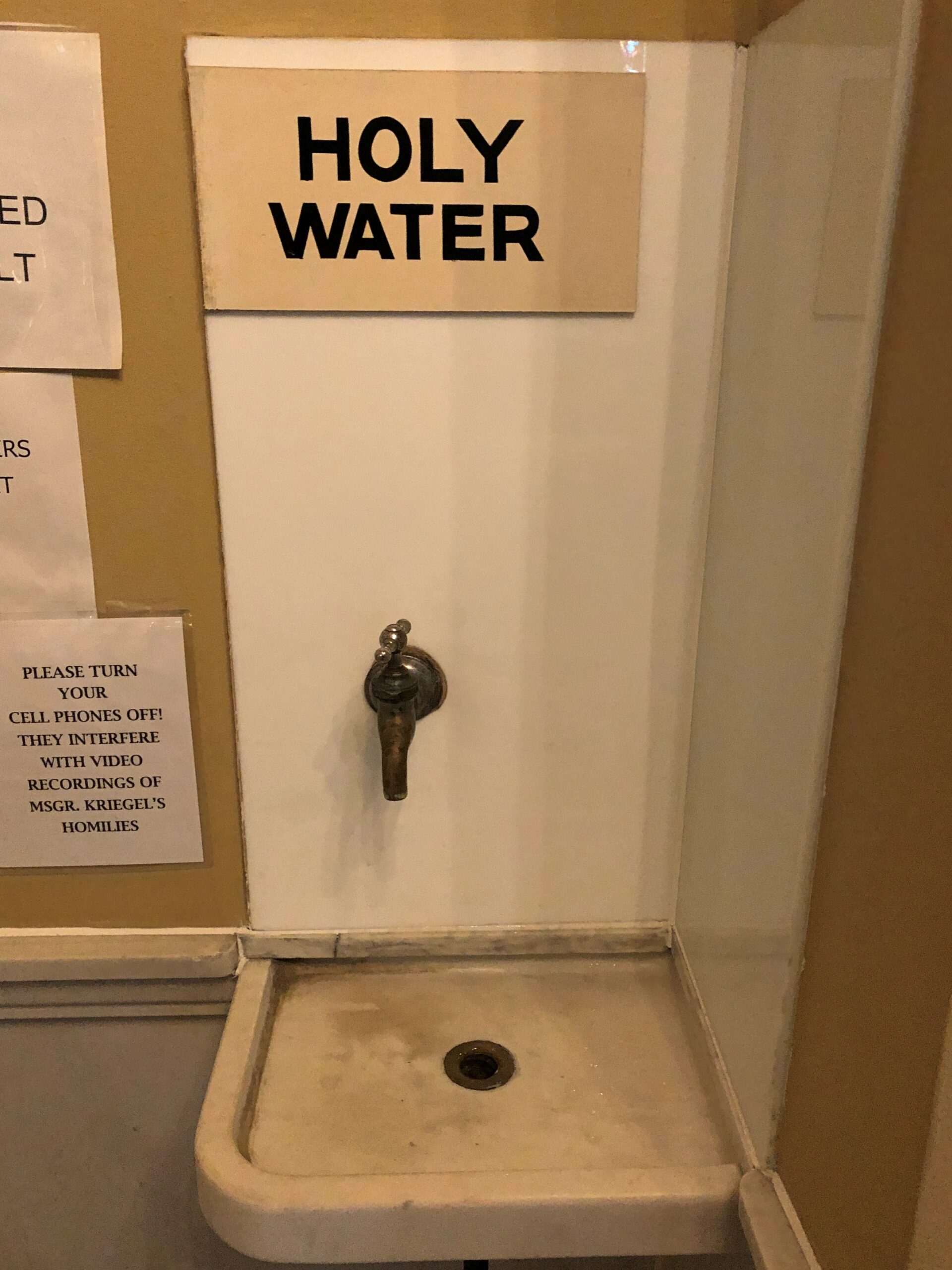
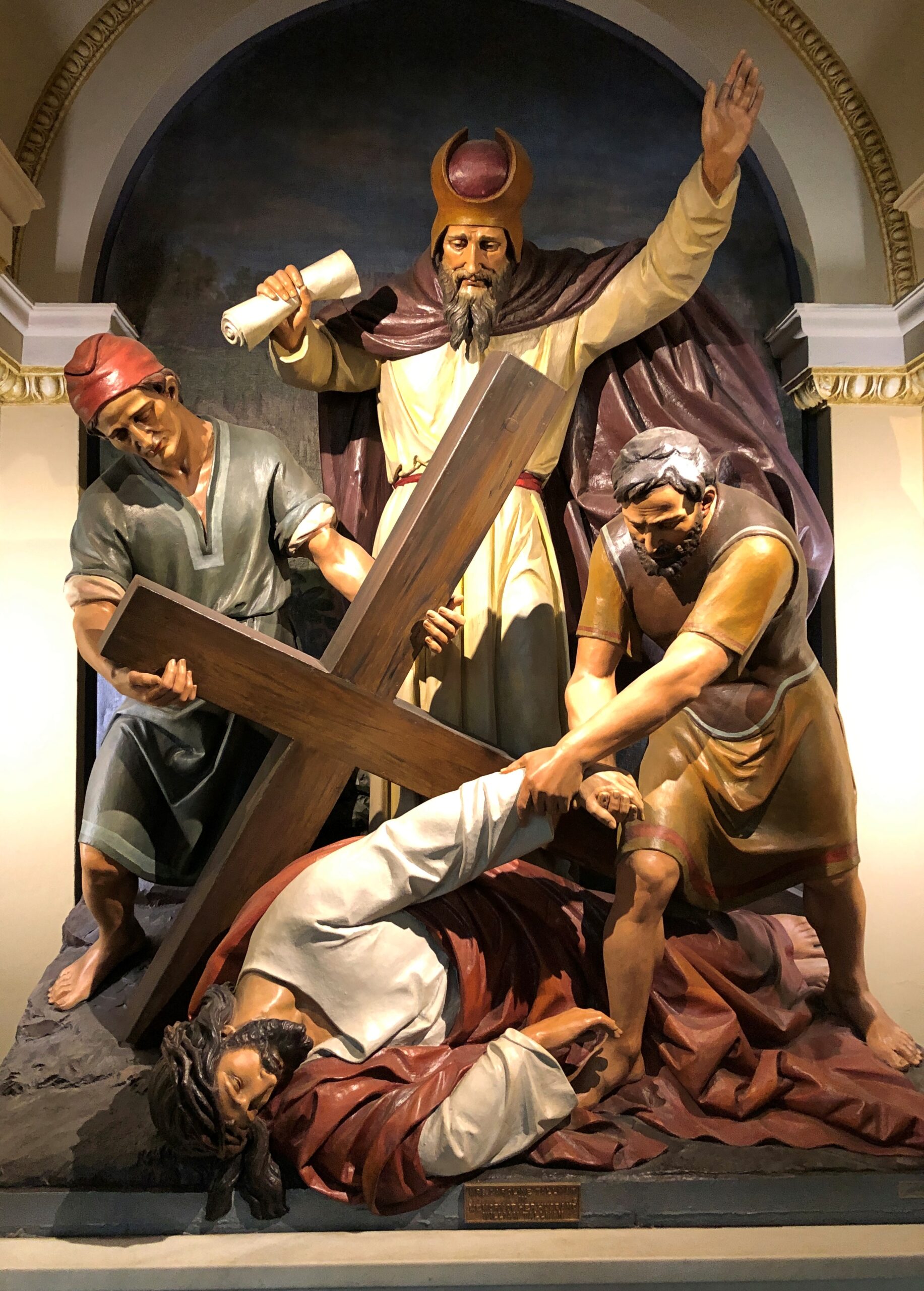
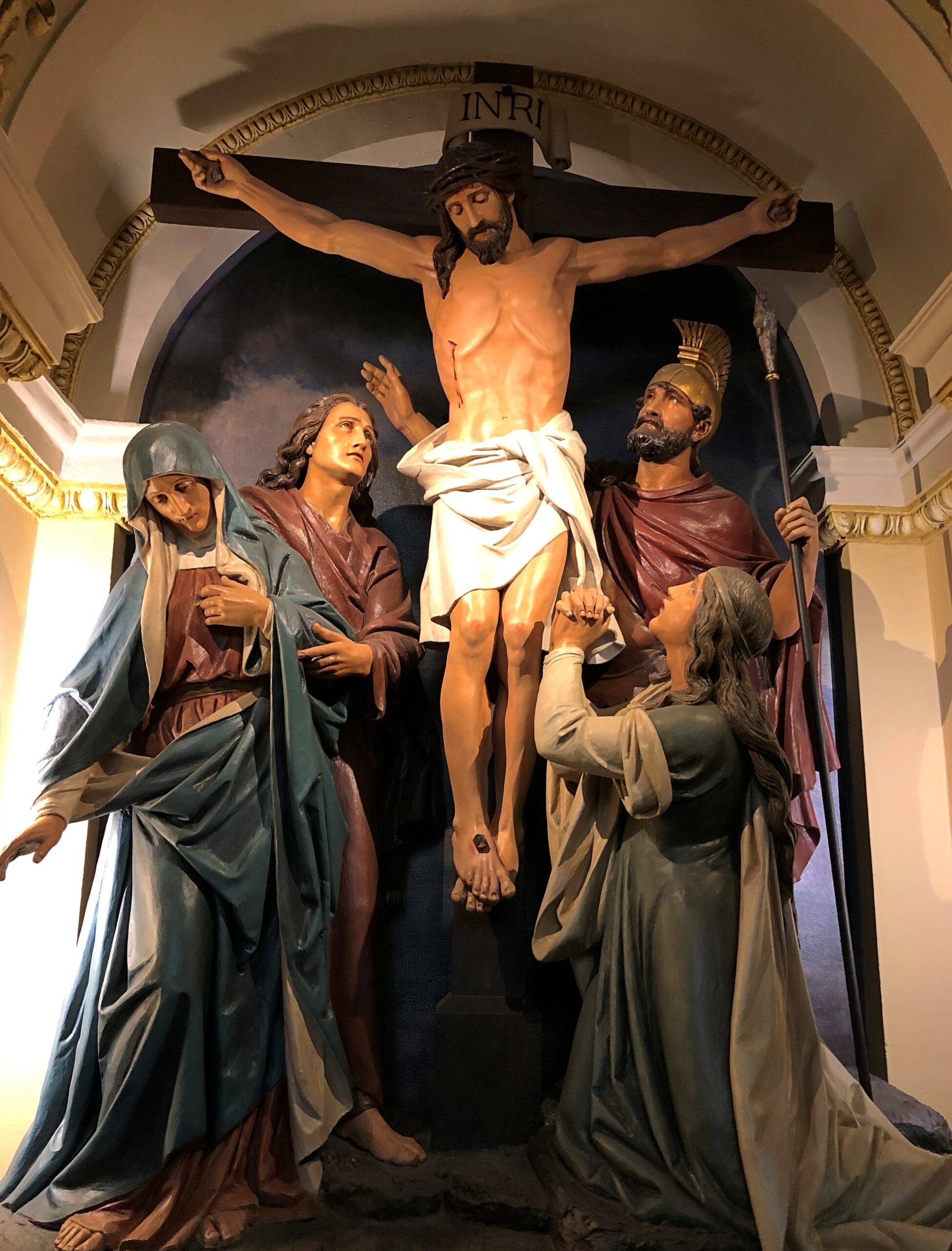
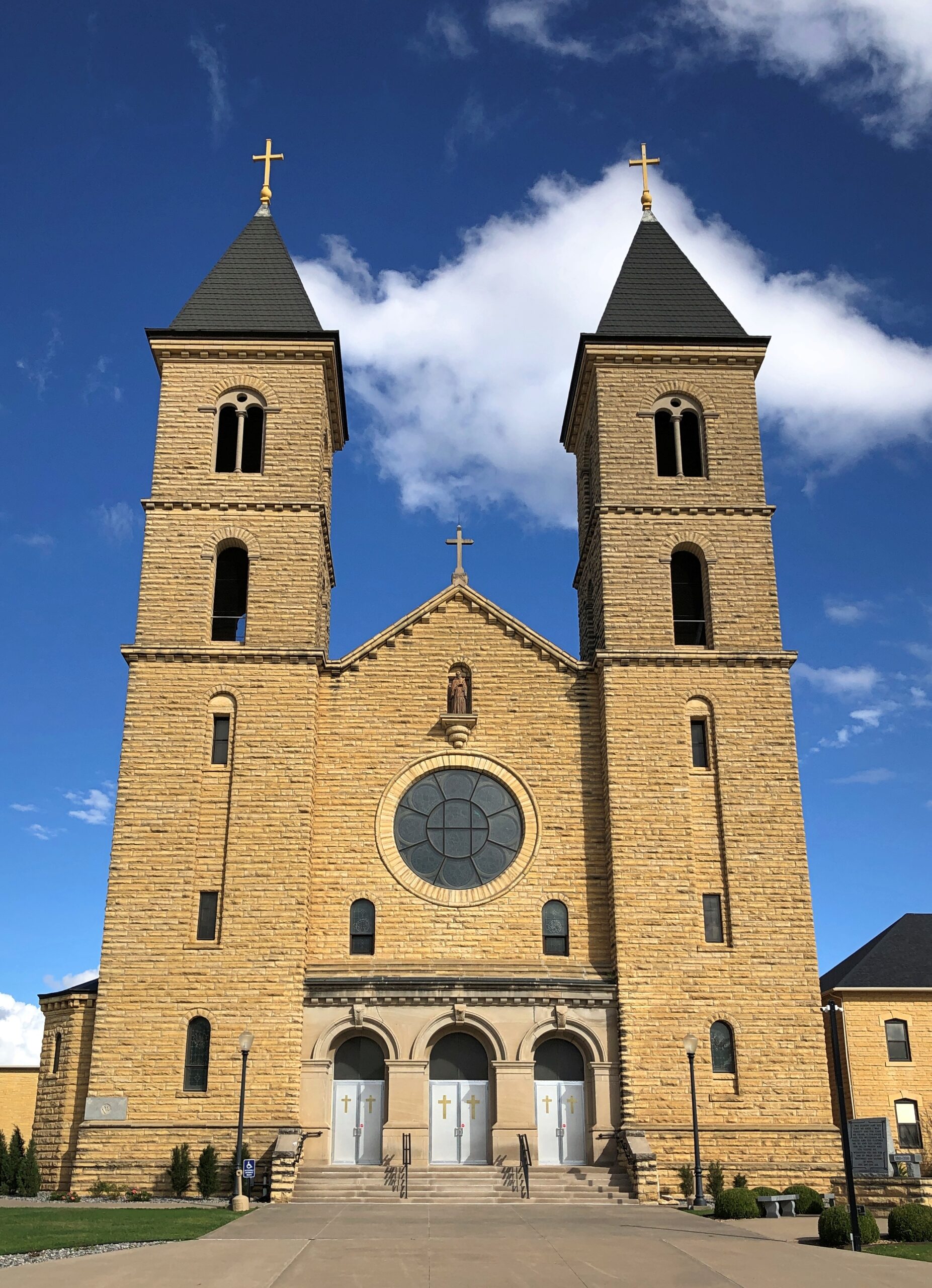
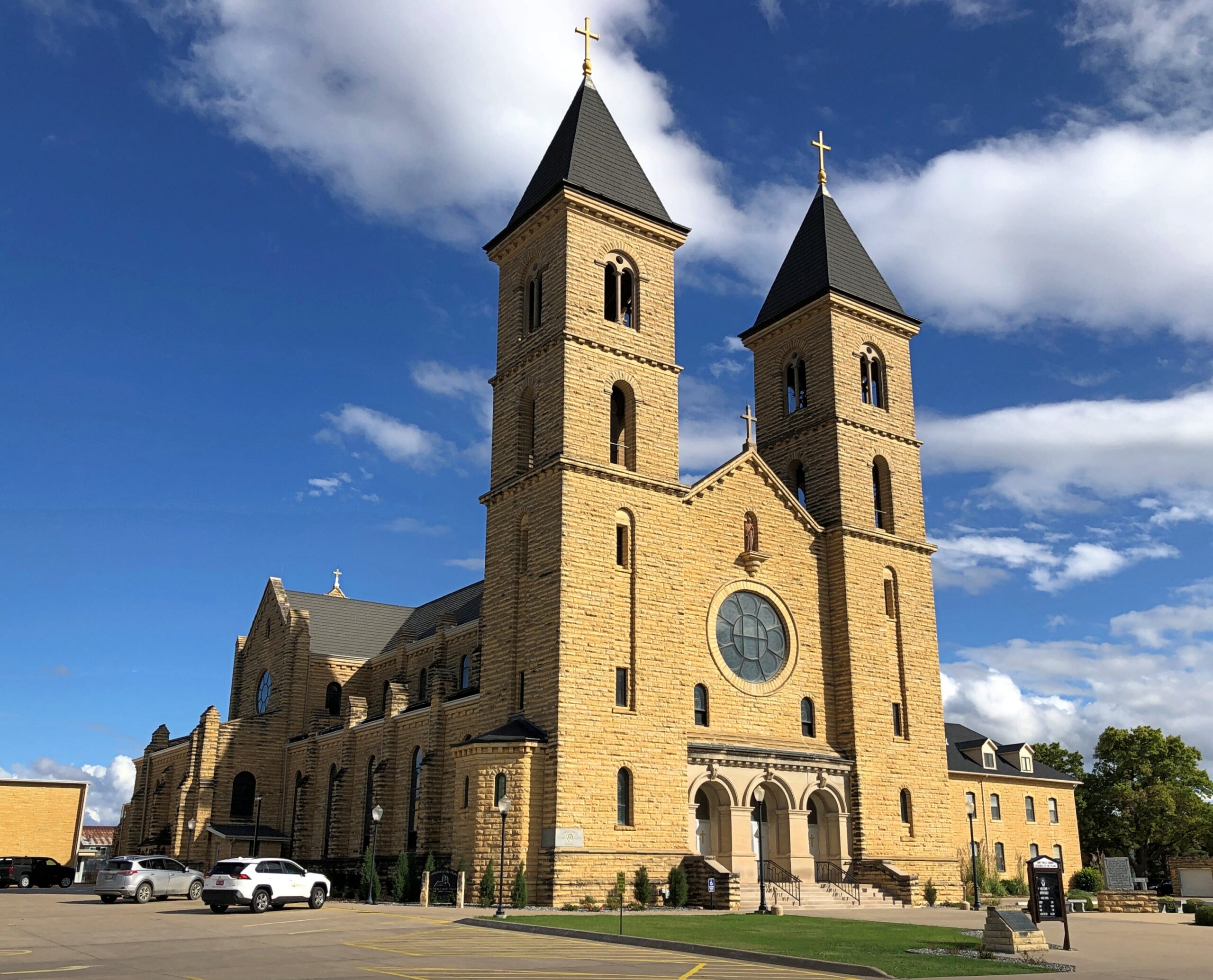
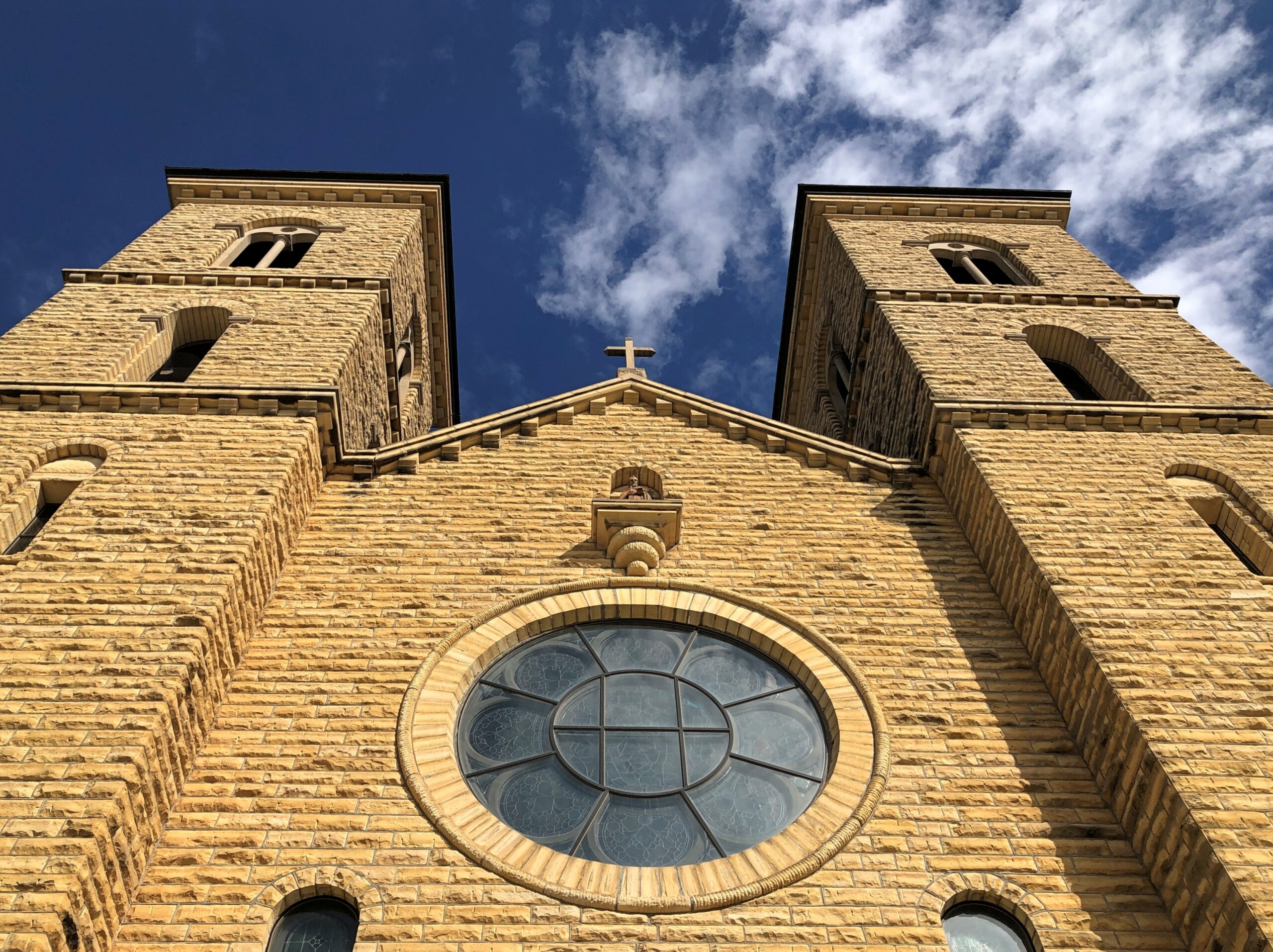
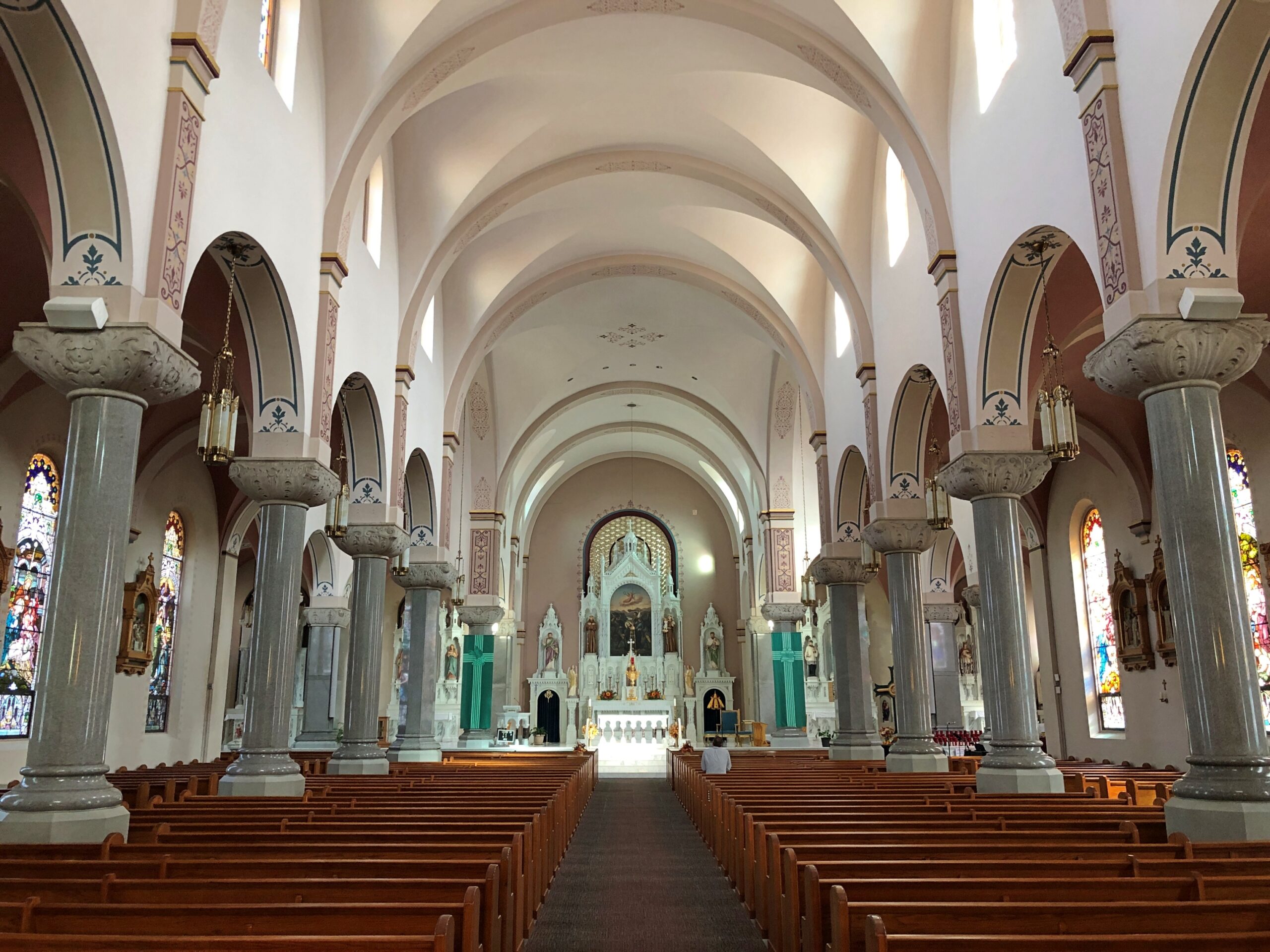
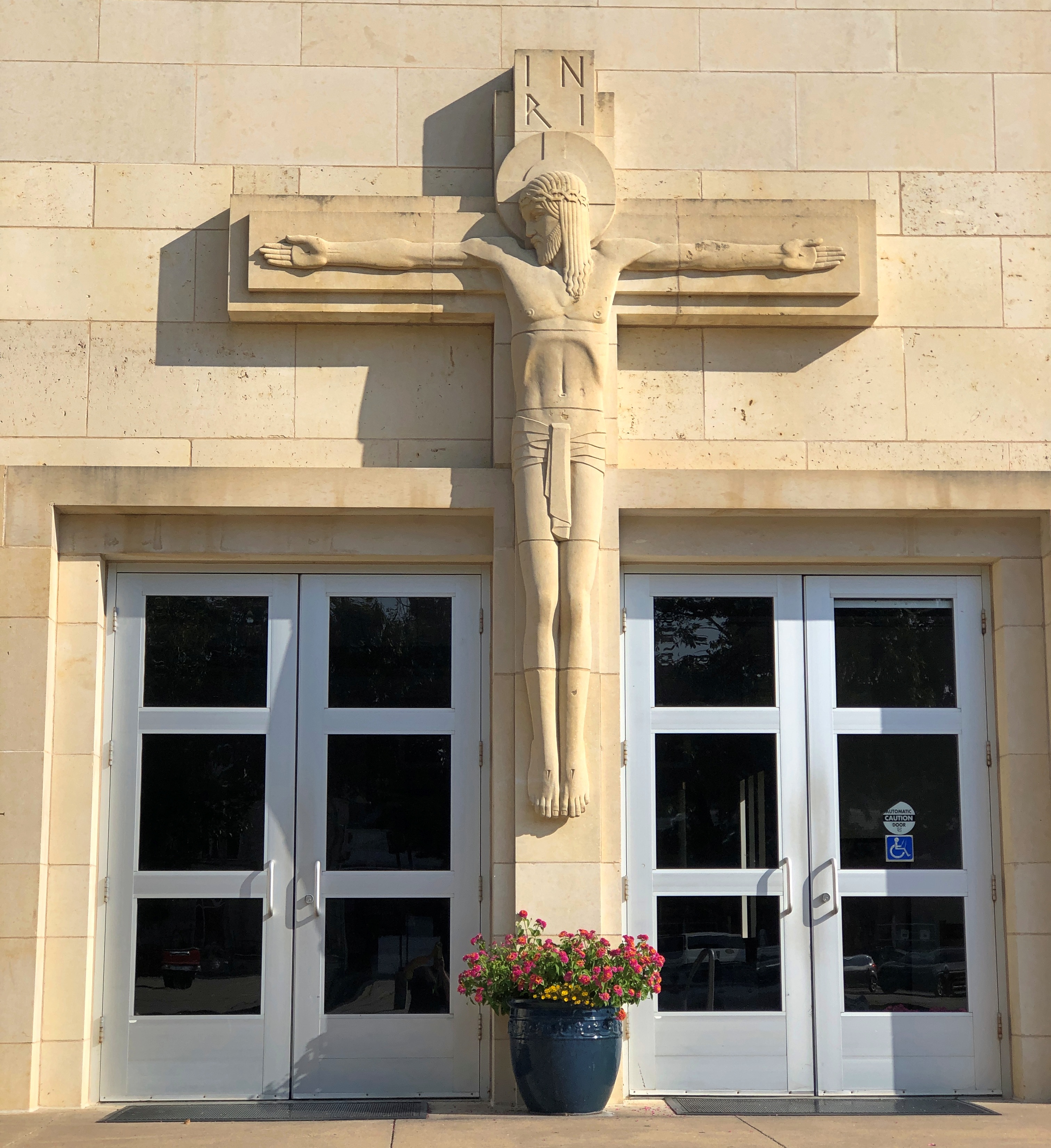
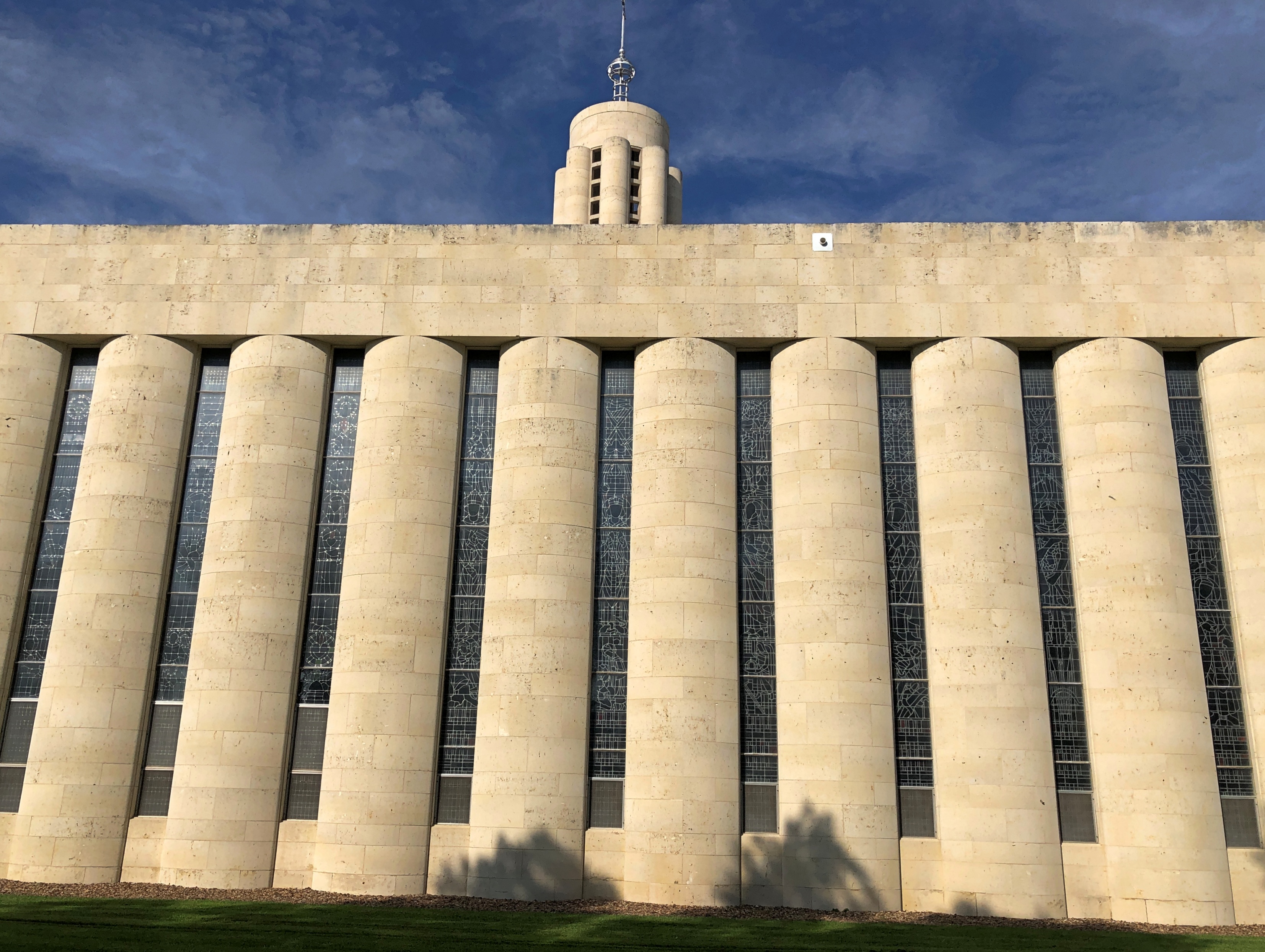
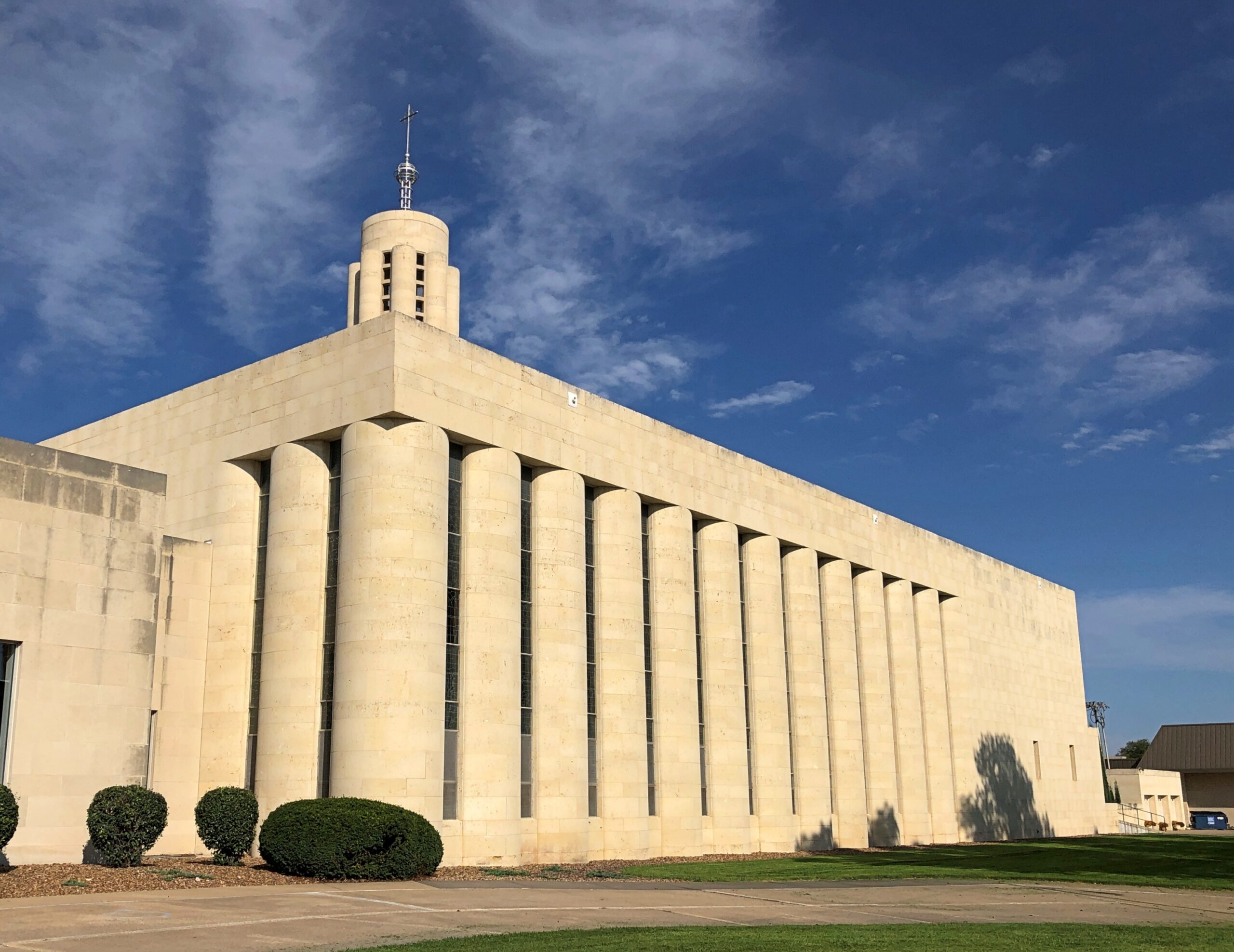
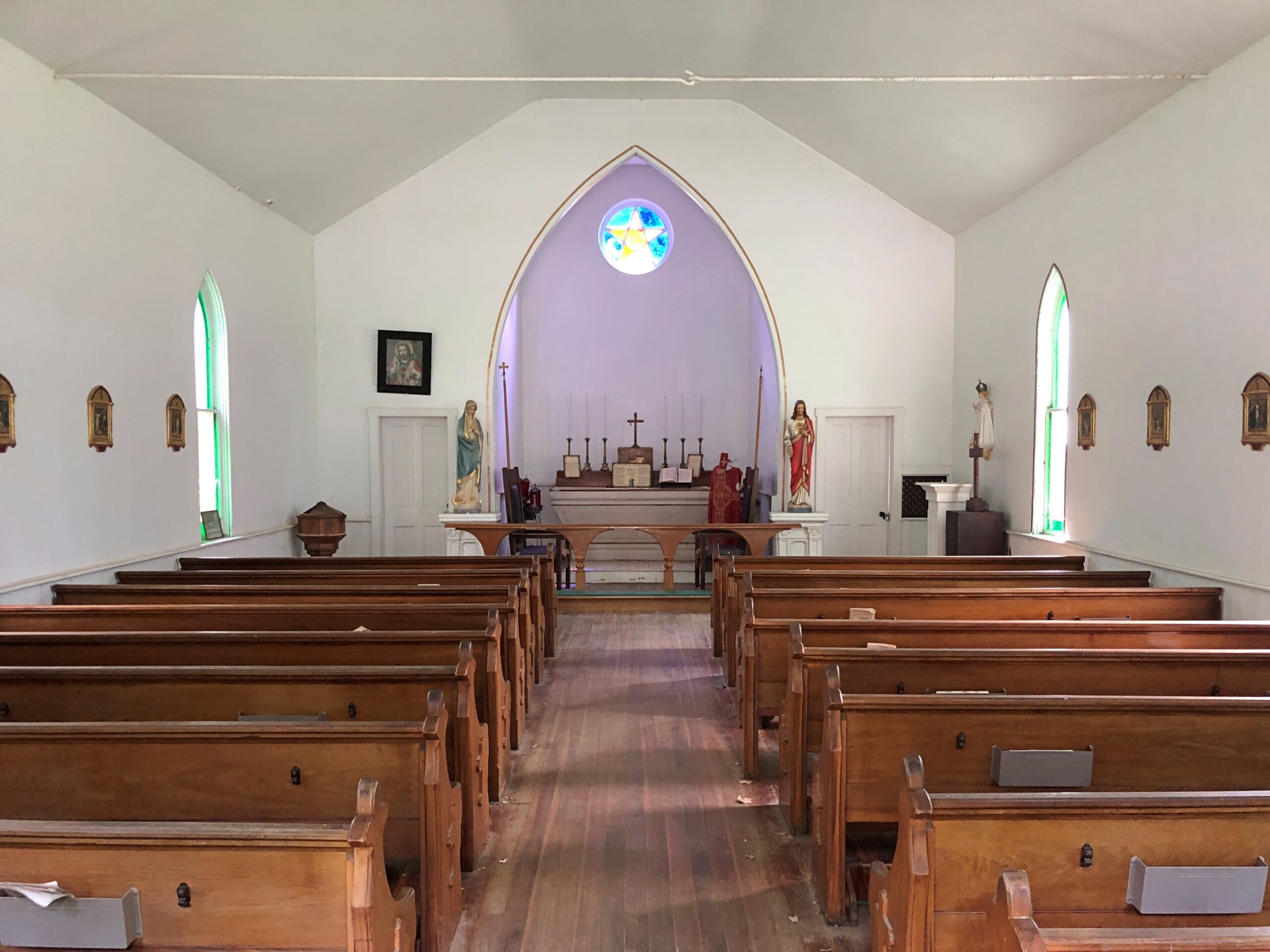
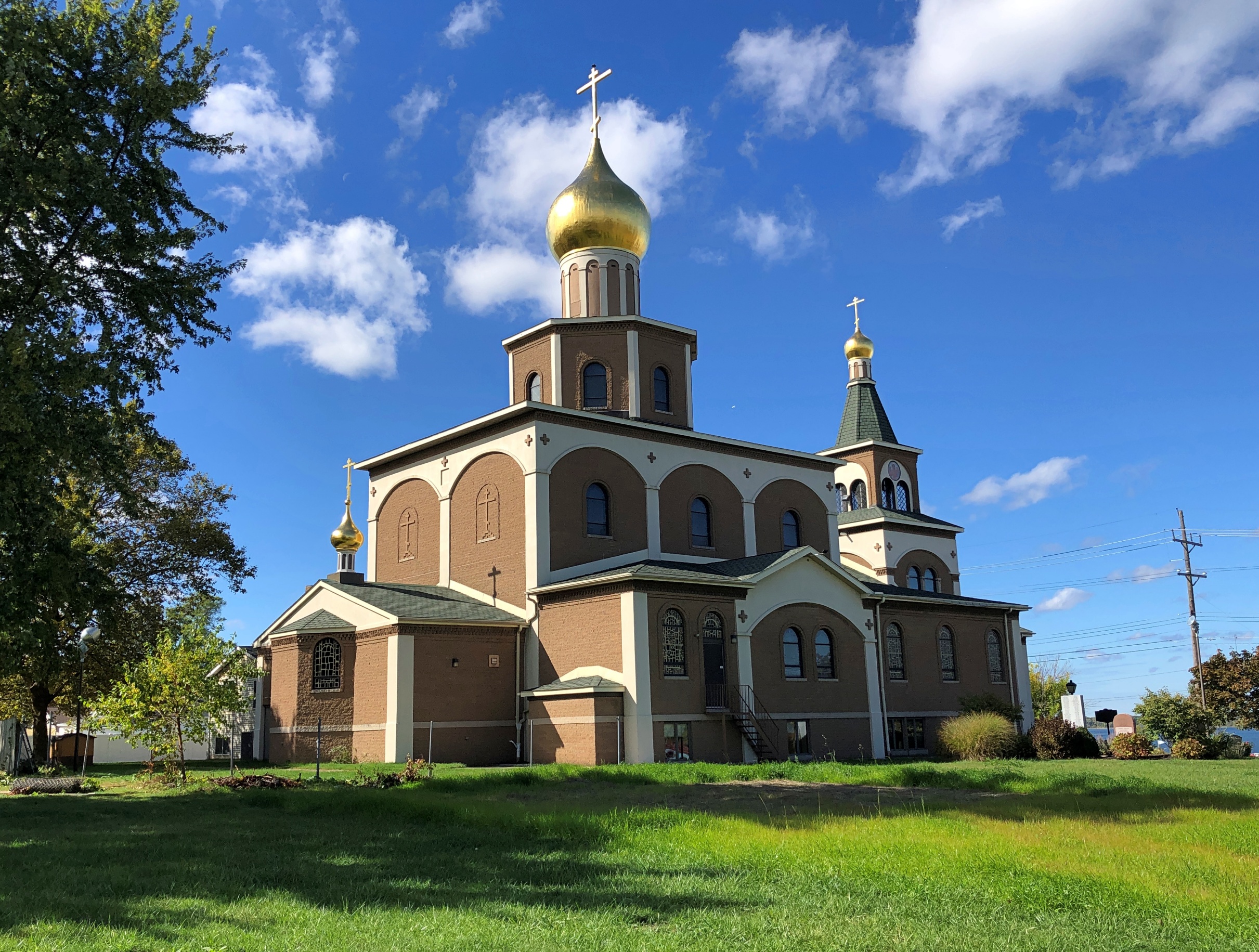
Church of the Holy Cross, SC

The church has a Stateburg address, but isn’t in town. For well over a century, it was an Episcopal church, but the current congregation wants one and all to know that it isn’t any more. A simple sign, but enough to carry a whiff of schism.

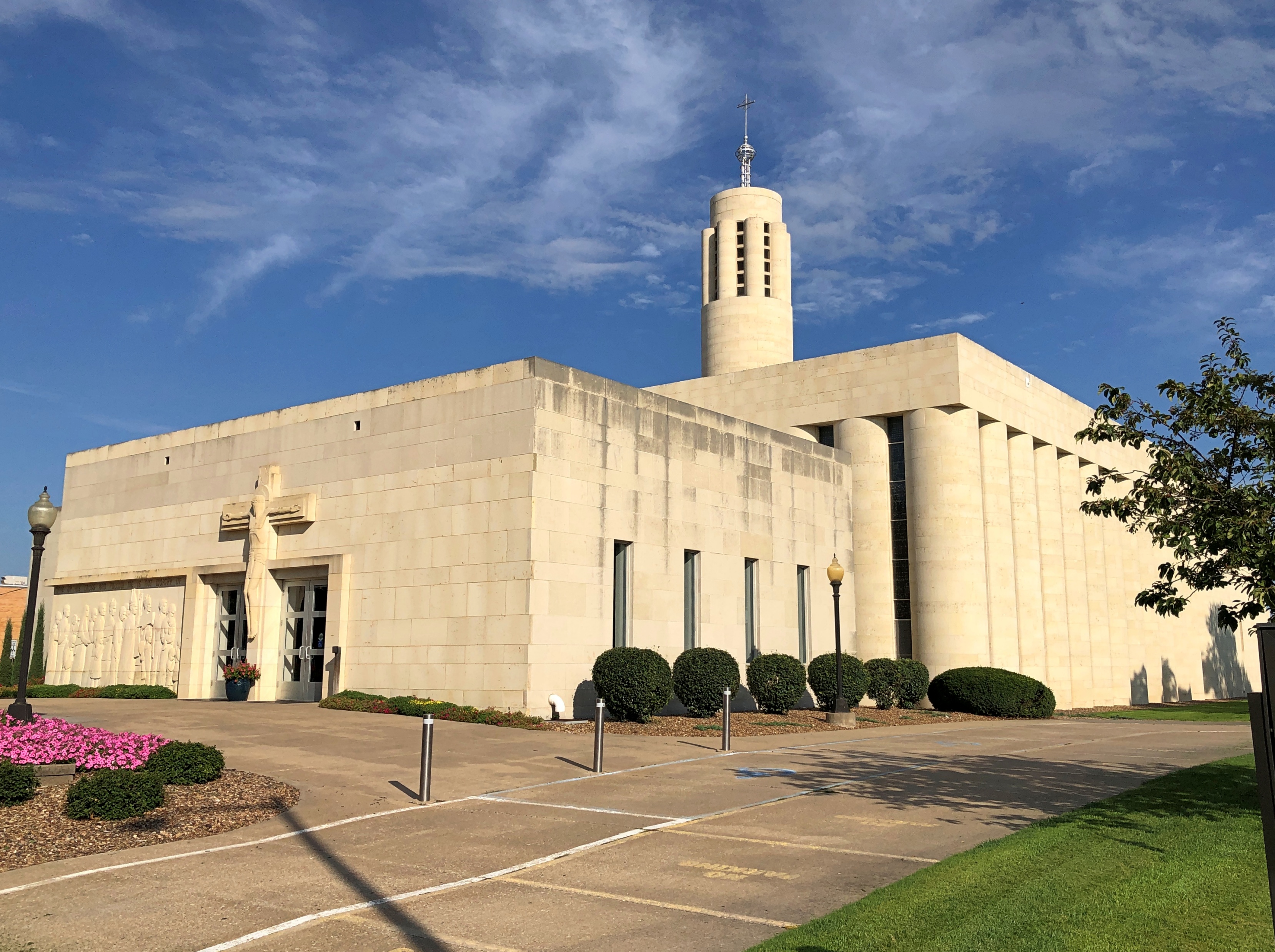
The design work was by Edward C. Jones, a busy architect, including designs at Magnolia Cemetery in Charleston. Not brick or the like, but rammed earth. I can’t say that I’d seen a rammed earth church before. It was completed in 1852.

Church of the Holy Cross

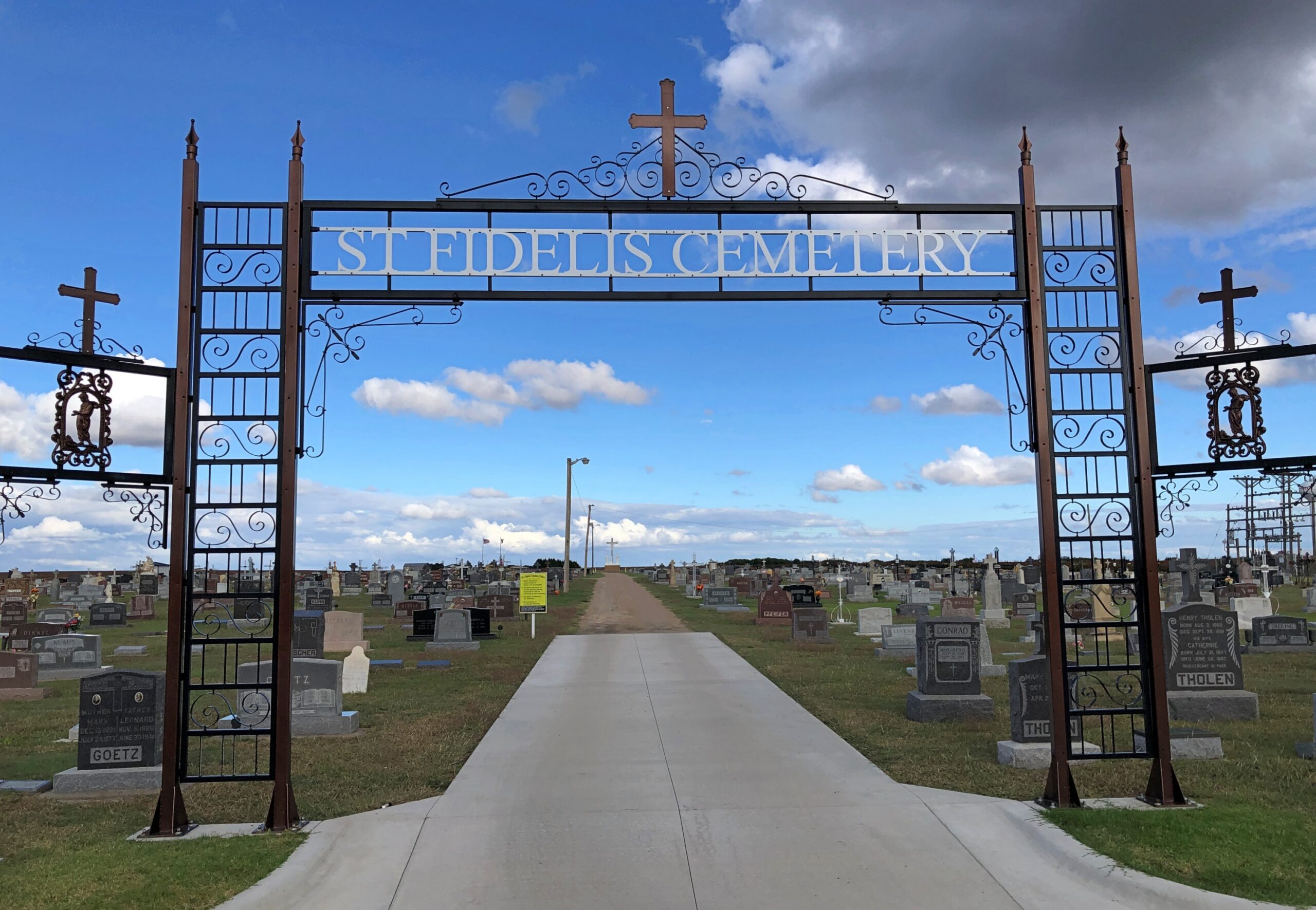
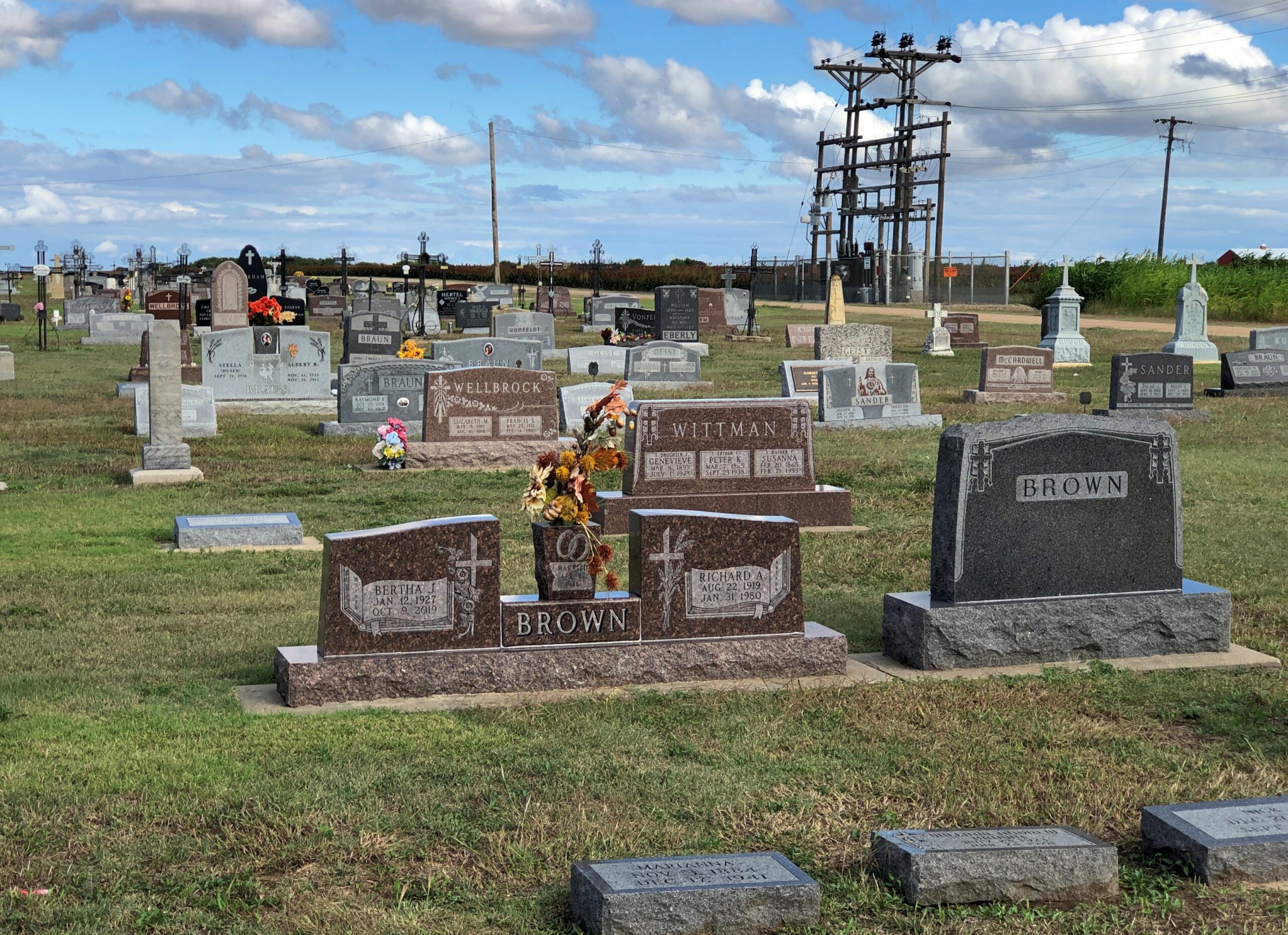
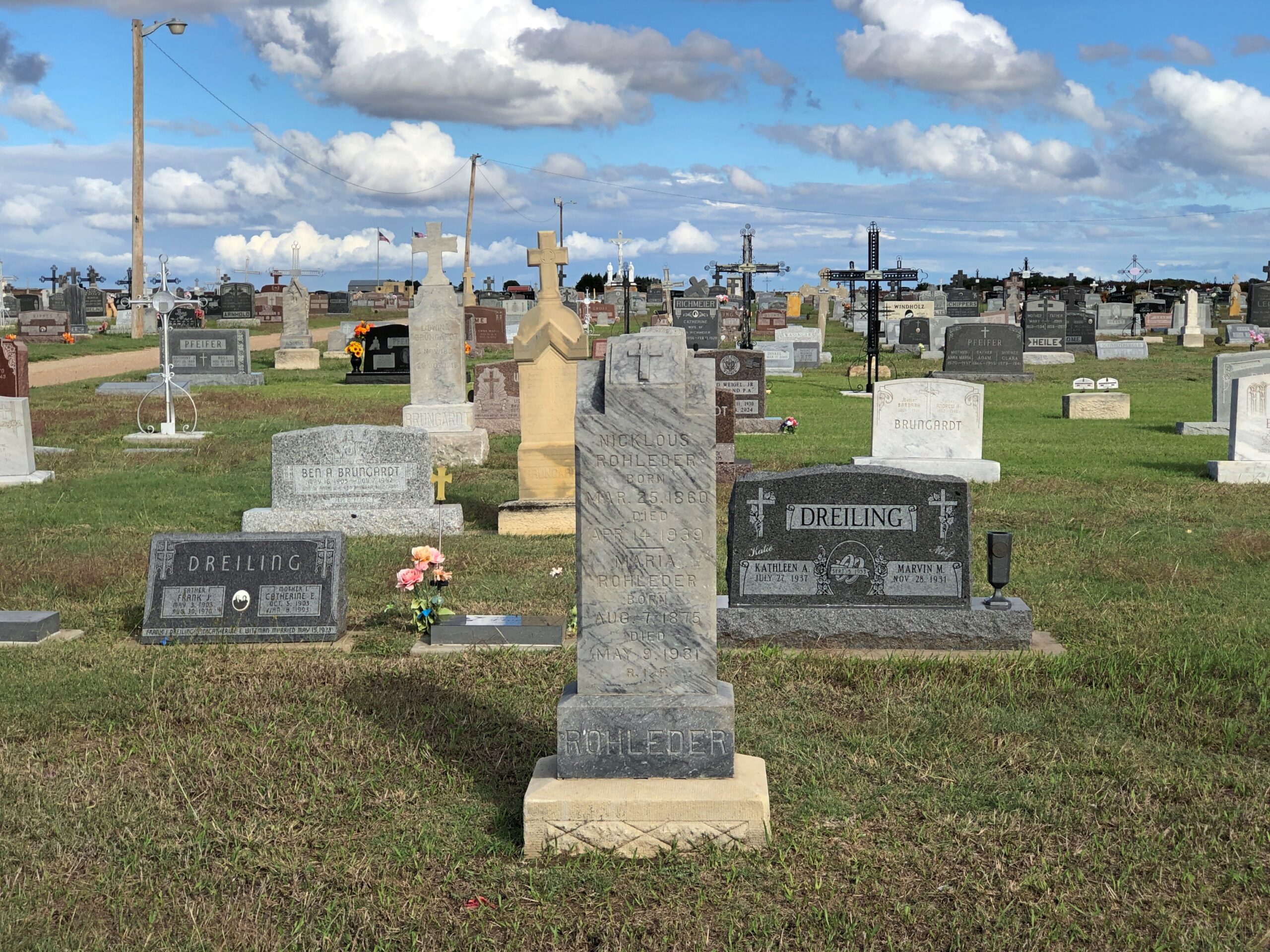
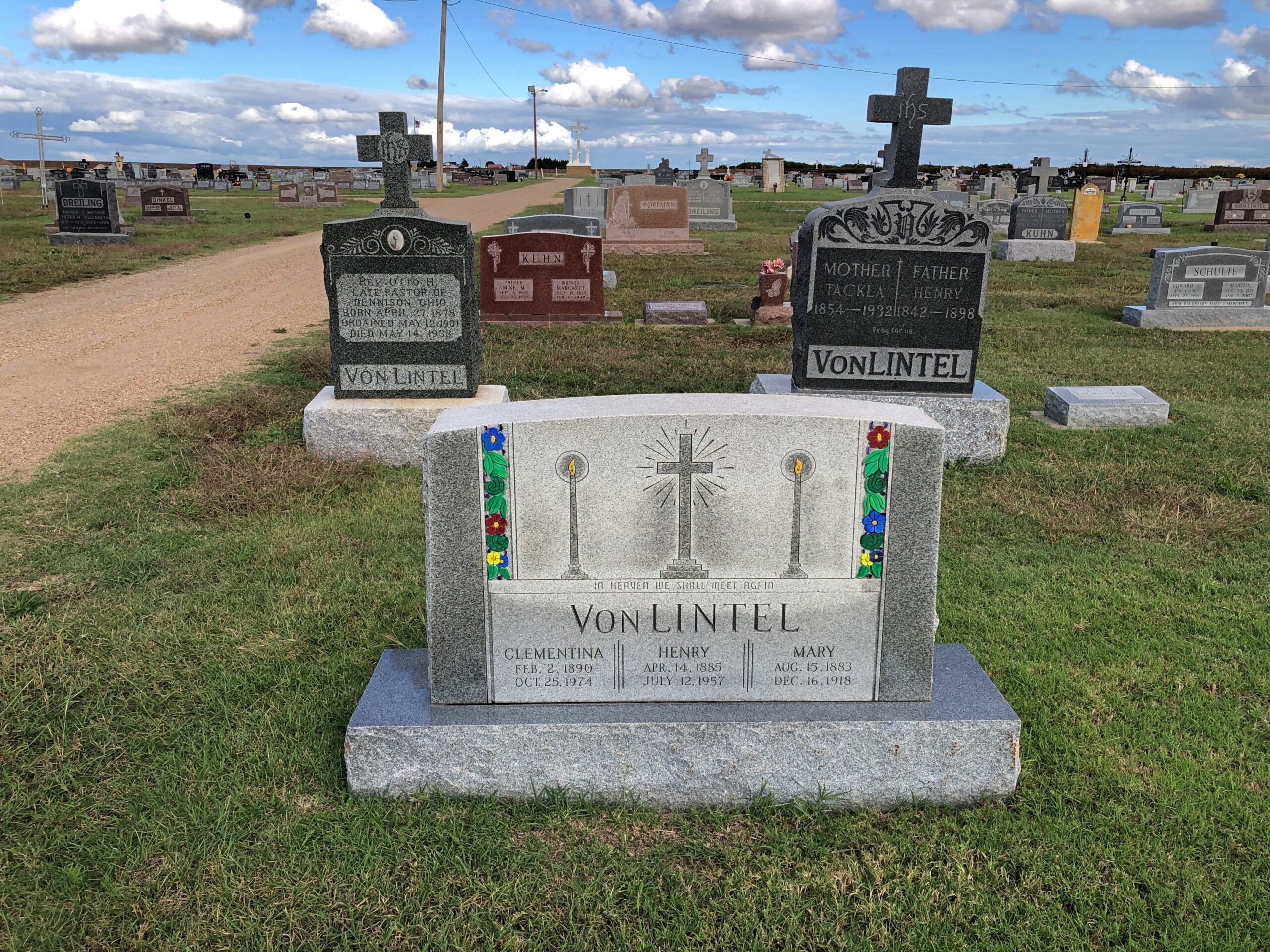
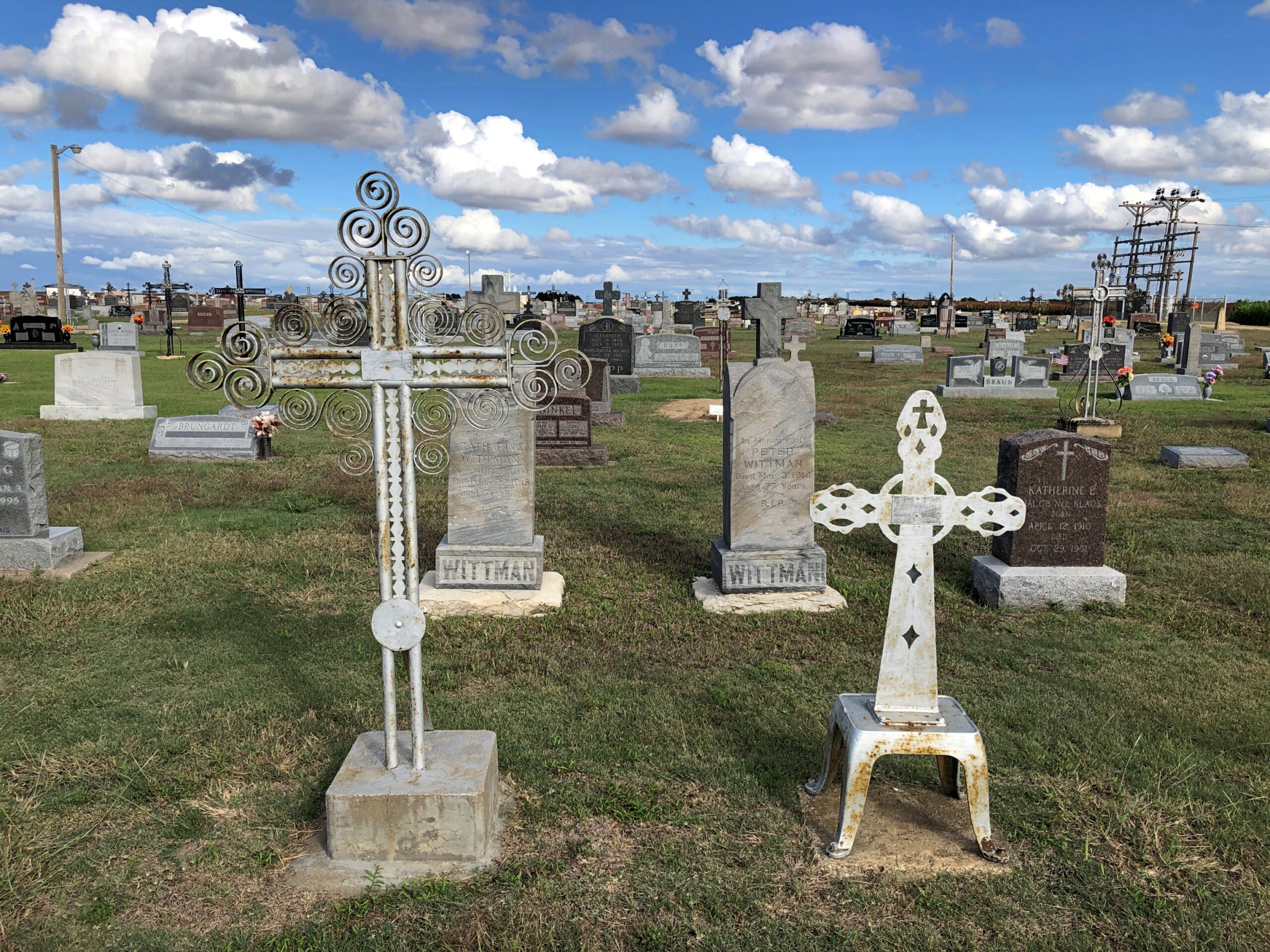
Extending some distance behind the church, which was closed, is a handsome cemetery.

Church of the Holy Cross, SC

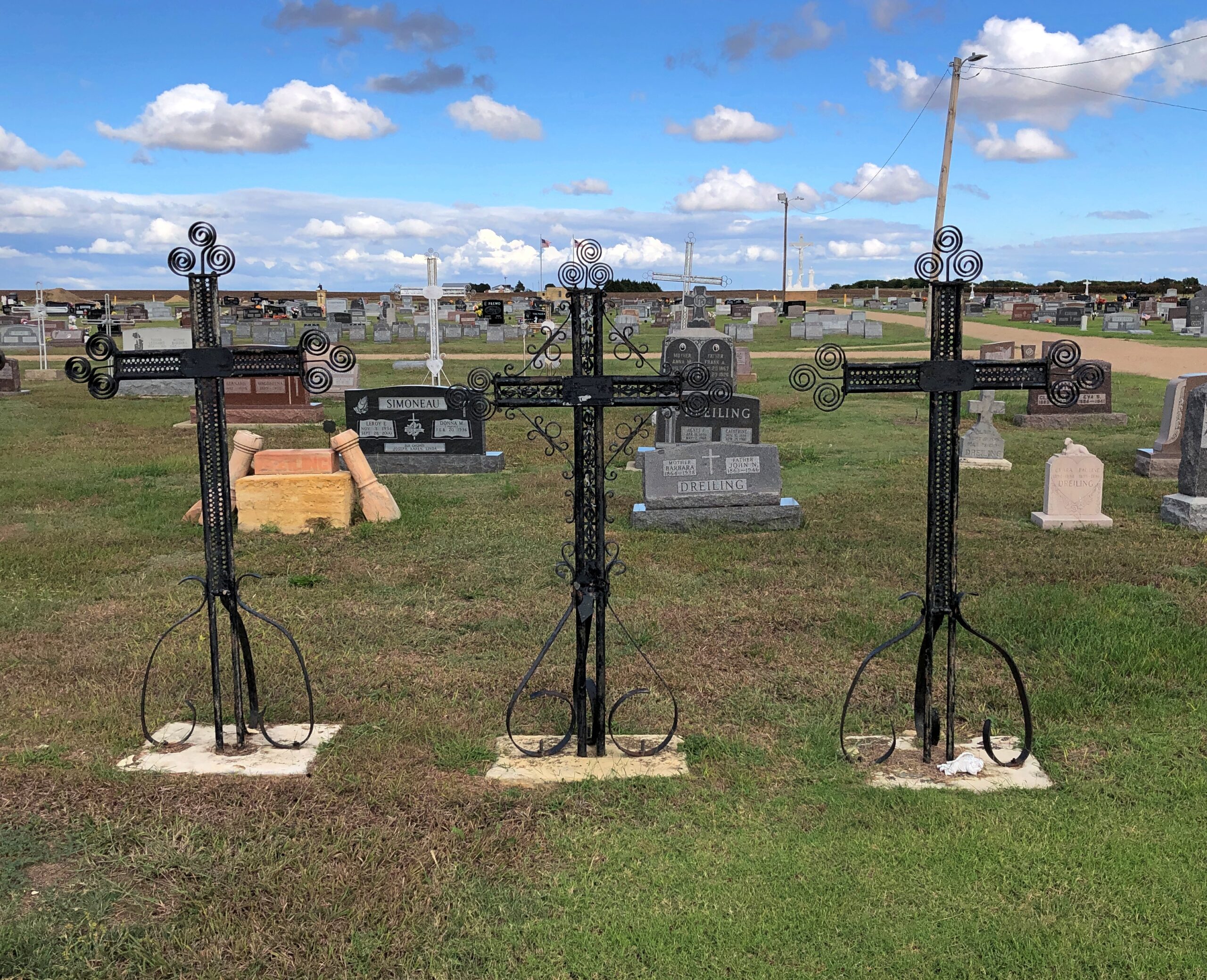
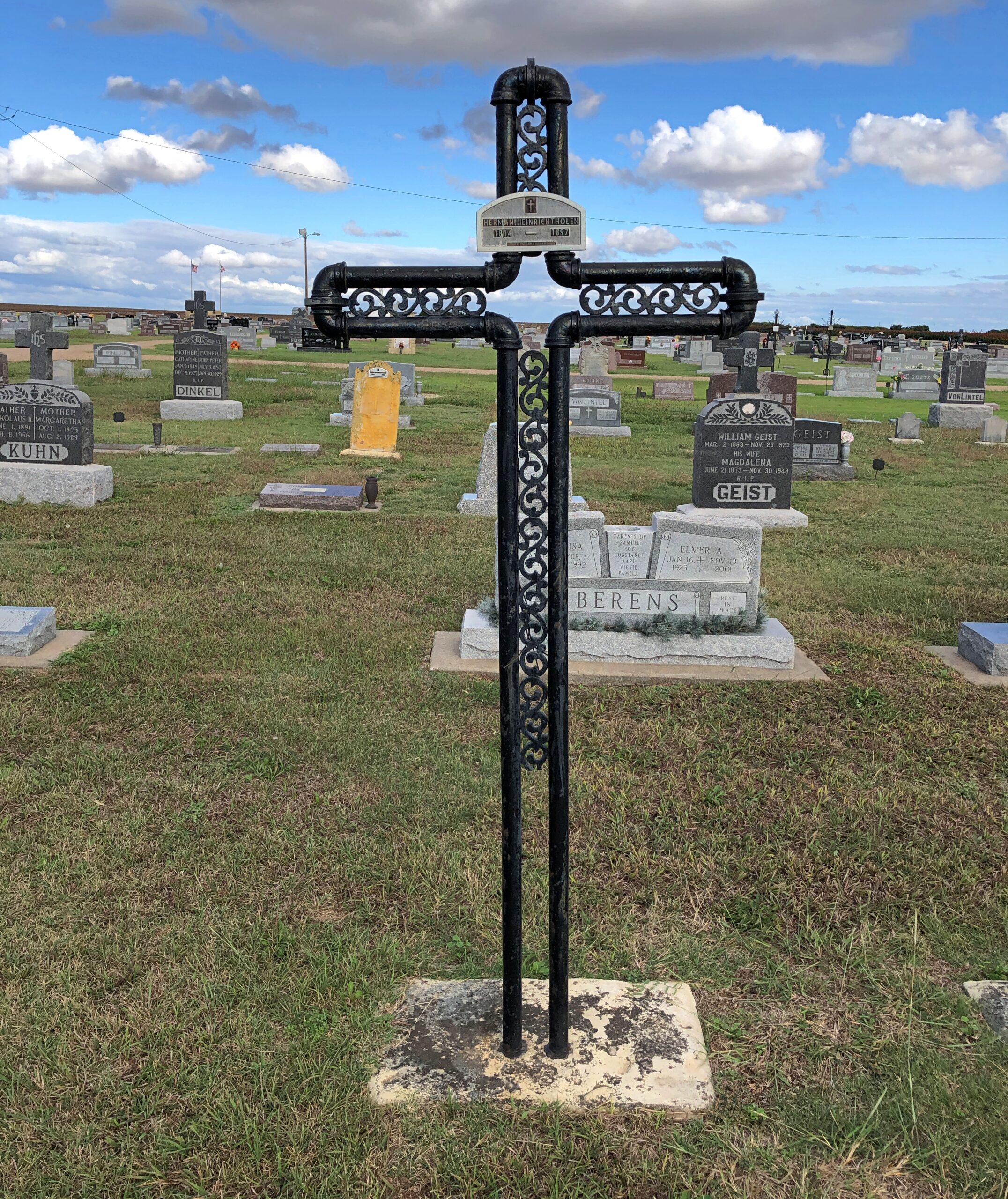
Impressive ironwork and crumbling masonry. What’s not to like?

Church of the Holy Cross, SC

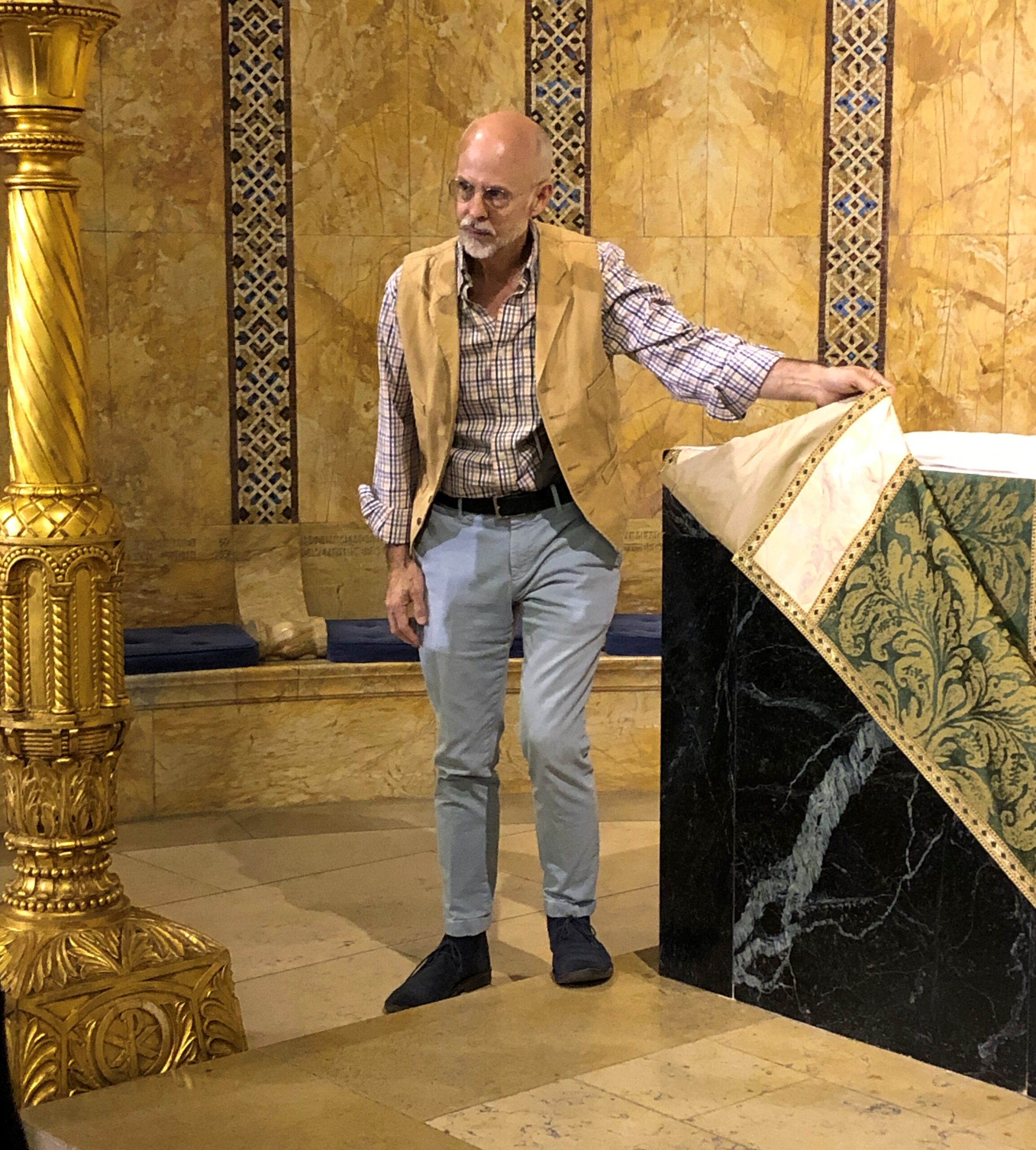
Another layer of serendipity: not only had I chanced across the church and the graveyard, but someone I’d heard of: Joel R. Poinsett, whose career was astonishingly varied, for good and ill, even for the freewheeling 19th century.

Church of the Holy Cross, SC

Almost everyone else has heard of him too, except they don’t know it, since of course the poinsettia is named for him. A casual search shows that were was a quixotic bubble of interest in the idea of re-naming the flower around the holidays in 2023, but not since, with such headlines as: “Poinsettia by any other name? Try ‘cuetlaxochitl’ or ‘Nochebuena’ “ (Jacksonville Journal-Courier).

Cuetlaxochitl? Names do shift over time, for unpredictable reasons, but I’m not betting on that one entering common usage anytime soon.

New Bern Ramble

While waiting to be seated for brunch on Middle Street in downtown New Bern on Juneteenth, Dan and I had time for a stroll. The day was warming up, but not quite to a scorcher, and the sidewalks along Middle and Pollack Sts. are often in shade. That part of New Bern, shady and old, is quite the charmer.

“New Bern, one of North Carolina’s oldest towns, retains the flavor of past centuries,” North Carolina: A Guide to the Old North State (1939), p. 221, tells us. Information from the WPA Guide series is of course a little old, but mostly stands the test of time.

“The community, which processes a domestic architecture of charm and distinction, is spread across a bluff at the confluence of the Neuse and Trent rivers, 35 miles from the Atlantic Ocean. Massive brick townhouses, stately Georgian residences and wisteria-curtained clapboard cottages line narrow streets shadowed by oaks, poplars, elms and pecan trees. Many of the old streets retain their original brick pavements.”

All that would be downtown New Bern these days, as the town’s population – given as 11,981 by the WPA in 1939 – had expanded to 31,291 by 2020, according to the Census Bureau. So much of the town is actually late 20th-early 21st-century sprawl punctuated by parking lots and familiar retail.

Still, at the historic core, there is “domestic architecture of charm and distinction,” even now, with the older buildings mostly occupied by the likes of The Black Cat Shoppe, Faulkenberry Auctions, Anchored in New Bern (gift shop), Carolina Creations, Bear City Fudge Co., Curls & Lace Bridal Hair, and such restaurants as Cypress Hall, MJ’s Raw Bar and Grille, and Baker’s Kitchen, where we eventually brunchified (and it was delicious).

We visited a few shops and strolled by other spots, such as the former corner drug store credited as the invention-place of Pepsi-Cola.

New Bern NC

A pleasant alley off Middle St. is known as Bear Plaza. Good thing living bears aren’t found there, but you are reminded of bears.

New Bern NC

Bears are front and center as pawed, powerful symbols of the Bern towns, old and new, Swiss and American. As posted previously, the New Bern flag –

— looks a lot like the old Bern flag, with certain small but important modifications. Old Bern:

The WPA guide points out that the very first European settlers in the area were not in fact Swiss, though led by a Swiss. The colonists were German and had a harrowing experience getting here.

“The first settlers were survivors of an expedition of 650 German Palatines, Protestants expelled from Baden and Bavaria. Under the leadership of Swiss Baron Christopher de Graffenried, and aided by a gift of £4000 from Queen Anne of England, this group planned a colony in America. De Graffenried placed Christopher Gale and John Lawson in charge of the expedition.

“In January 1710, two ships sailed from Gravesend, England. Storms impeded the vessels and disease ravaged the voyagers, more than half of whom succumbed. A French vessel captured one of the transports as it entered Chesapeake Bay in April, and plundered the colonists. Fever further reduced the number and only a sickly remnant reached the Chowan River, where Thomas Pollock, a wealthy planner, provided them with transport to the Neuse and Trent rivers.”

De Graffenreid himself came a little later with some Swiss colonists, buying land from the Lords Proprietors of Carolina and paying off the local Tuscarora Indian chief as well. The natives were not mollified, however.

“In September 1711, the settlement was almost wiped out by a Tuscarora uprising. In the first attack, 80 settlers were slain. Lawson and de Graffenreid were taken to the Indian fort, Nohoroco, where Lawson was tortured to death, and de Graffenreid was held prisoner for six months. The war raged intermittently for two years, and the colonists were reduced such desperation that in 1713 many of them returned with de Graffenreid to Switzerland. The settlement made a new start on the leadership of Colonel Thomas Pollock, proprietary governor…”

Just one damn thing after another in early America. But the town survived, eventually becoming important enough to be the capital of North Carolina, as detailed yesterday.

Christ Church Episcopal rises above Pollock St.

Other churches clustered in the area, but Christ Church had the advantage of being open that weekday and holiday morning.

Christ Church, New Bern NC

Back to the WPA guide, p. 228, on Christ Church: “[At the] NE corner Pollock and Middle streets, a weathered red brick edifice whose lofty, gold-crowned spire rises above great trees shading an old graveyard, was erected in 1873 upon the site of two earlier churches. The parish was organized in 1715 the first church was built in 1750. A Bible, Book of Common Prayer and silver communion service given by George II are retained, though royal Governor Martin attempted to take them with him when he fled town in 1775.

“When Parson Reed, the royalist rector, prayed for the king, lads prompted by patriot parents drummed at the door and shouted ‘Off with his head!’ This church was razed during the Revolution, reputedly because the brick had been brought from England. [Sounds like a likely story.] The second church was erected in 1825. Its outer walls were used for construction of the present building. In a corner of the churchyard fence, with its muzzle embedded in the ground, is the the Lady Blessington Cannon taken from the British ship Lady Blessington, captured in the Revolution.”

We didn’t see any embedded cannon, but on church land outside the Christ Church building were a cemetery and a playground. Not a combination you see much, but maybe there should be more places like that to remind us that the the arc of a lifespan is all too brief.

Christ Church, New Bern NC

It’s a handsome Southern church burial yard, complete with magnolias and Spanish moss.

Christ Church, New Bern NC

Included are stones reflecting older language usage, as you sometimes find in older cemeteries. “Relict,” as in widow, isn’t one you see much these days.

Christ Church, New Bern NC

A wordy memorial. I hope the stone carver was paid by the letter.

But he’s notable enough: James Davis, quite a busy fellow in colonial North Carolina and later the state.

RTW ’25 Leftovers

Summertime, and the living’s not bad. Pretty good, really. But those aren’t as catchy as the actual lyric. Time to pause posting for the summer holiday string: Flag Day, Juneteenth, Canada Day, Independence Day and Nunavut Day. Come to think of it, that’s an exceptionally representative run of holidays for North America. Back around July 13.

The flight from Chicago to Tokyo took us far north, as that flight path usually does. There was more light than I thought there would be, looking down at this moment on the February snows of the Yukon or Alaska; I’ll never know which. I could have been eying the border, for all I know, which suggests that borders are a gossamer fiction at these latitudes.

Japan

It was a happy moment when we ate at Mos Burger. One of these days, I’m going to dig out my paper copy of an article I wrote for Kansai Time Out in 1993 about four varieties of Western-style fast food chains founded in Japan, and post it. Today isn’t that day. But I can say that Mos Burger was the best of them.

As good as I remember it from 25+ years ago, the last time I went to one.

In Enoshima, near the ocean, this fellow hawks soft serve ice cream. Goo goo g’joob. Look but don’t touch.

I am the Eggman

The handsome Osaka City Central Public Hall, completed in 1918. Amazing that it survived the war and urban renewal 20 years later, those forces that generally gave modern urban Japan the boxy concrete character it enjoys today.

India

A monumental monument in New Delhi: India Gate, which honors more than 74,100 soldiers of the Indian Army who died during the Great War, and a number more in the Third Afghan War a few years later. They did their part. One of the larger relics of the Raj, unless you count things better described as legacies, such as railroad lines, parliamentary government, and the bitter feud between India and Pakistan.

While we were looking at India Gate, a group of about a dozen uniformed schoolboys, who had detached themselves from a larger group, approached me and asked where I was from. They were gleeful to hear “America,” a reaction I didn’t know anyone would have anymore, but I suppose they’ve seen a lot of our movies. A middle-aged male chaperon appeared in short order and shooed them away, while giving me a sidelong glance with a hairy eyeball, though I hadn’t precipitated the encounter in any way. I was just a suspicious foreigner, I guess.

The Taj Mahal has a fair amount of parkland around it. That means a population of monkeys, too. I spotted more monkeys in urban India than I would have anticipated. These didn’t seem to be bothered by the men, the dogs or the motorcycle.

On display at the Ghandi Museum: a Marconigram. I don’t know that I’d ever seen one of those before. Or maybe there was one on display at the Titanic Museum in Branson. Anyway, that’s one good reason to go to museums: for things once common, now curiosities. Safia Zaghloul was an Egyptian political activist of the time.

United Arab Emirates

In Dubai it seemed like there were more men at work sweeping, mopping and other cleaning of floors and other flat places, per square meter, than anywhere else I’ve ever been. There are worse things to do with cheap labor.

Not sure exactly where this was, except somewhere out on Palm Jumeirah. Must have been a wall, or like a wall, in one of the posh retail corridors winding through one of the posh resort properties amid the poshness of the island.

Note: White on green is common indeed around the world.

Desert flowers. Of course, sprinklers water that bit of terrain at regular intervals.

Germany

What’s Berlin without currywurst? They say it came into style soon after the city was divided.

What would Germany be without Ritter Sport? A giant stack of them can be seen, in their great variety, at the Hauptbahnhof in Berlin. Later, I bought about 10 squares of RS at a discount price at a Netto grocery store near our hotel. Think Aldi or Lidl, but more cluttered.

Views of the Memorial to the Murdered Jews of Europe, Denkmal für die ermordeten Juden Europas, near the Tiergarten in Berlin. It wasn’t there in 1983.

Czech Republic

Not calling it Czechia. Or, if it ever comes to it, not calling India Bharat, either.

St. George’s Basilica. I admired the nearby St. Vitus Cathedral. That’s a grand edifice. But St. George’s has that human scale, and echoes of an even earlier time. It was completed during the time of Good King Wenceslaus.

Vladislav Hall. The site of centuries of Bohemian parties, banquets and balls, me boys. That and affairs of state.

The Dancing House. We rode a streetcar line out of our way to see it, though not that far. It wasn’t there in 1994.

A sidewalk golem in the old Jewish Quarter of Prague. The Sidewalk Golems was a relatively obscure band who sometimes toured with Irwin Hepplewhite and the Terrifying Papoose Jockeys.

This could have been over Spain or Portugal.

The last image of thousands that I took, a staggering number in any context except digital images that take practically no time or effort to make.

Prague Castle: St Vitus Cathedral

When thinking about my recent visit to Prague with my brother, certain questions come to mind. Such as, what is St. Vitus Dance? Who was St. Vitus?

As for the latter question, he is one of those legendary saints, emerging from the bloody mists of early Christian persecution. “According to the legend… St. Vitus suffered martyrdom at a very early age under the emperor Diocletian,” the trusty 1911 Encyclopædia Britannica notes.

“Son of a Sicilian nobleman who was a worshipper of idols, Vitus was converted to the Christian faith without the knowledge of his father, was denounced by him and scourged, but resisted all attacks on his profession… Among the diseases against which St Vitus is invoked is chorea, also known as St. Vitus’s Dance.”

Chorea refers to abnormal involuntary movement disorders of a few types, but not epilepsy. A more detailed entry about St. Vitus is in the 1913 Catholic Encyclopedia, which says: “St. Vitus is appealed to, above all, against epilepsy, which is called St. Vitus’s Dance, and he is one of the Fourteen Martyrs who give aid in times of trouble.”

The text seems to conflate chorea with epilepsy, but you don’t go to books of that vintage for current medical knowledge. Regardless, St. Vitus has a long history of veneration, including in Bohemia. That would account for the naming of St. Vitus Cathedral, which we visited in Prague, coming in early afternoon by way of a streetcar and then a less-visited entrance to Prague Castle.St Vitus St Vitus St Vitus

An impressive hulk of a church on a high hill, St. Vitus Cathedral is a major presence in Prague Castle.St Vitus St Vitus

When we were here in 1994, the church was dedicated to Vitus alone, but these days it is the Metropolitan Cathedral of Saints Vitus, Wenceslaus and Adalbert (metropolitní katedrála svatého Víta, Václava a Vojtěcha). The renaming happened a few years later. The thinking might have been that it was all well and good to honor a popular Sicilian saint, but it would also be good to add some hometown martyrs.St Vitus St Vitus St Vitus

Inside the church was, to rephrase for our time (in its original form, a favorite expression of my mother’s), cold as the mammaries of a Wicca practitioner. Colder in fact than outside on that day in mid-March, but I’ll take that as a blow for authenticity. For most of the cathedral’s long history, including centuries when it wasn’t finished, its HVAC was the Lord.

The chill might have discouraged sitting around on pews, but not from taking a circuit up a side aisle, around behind the altar, and back down the other side aisle.

What is it about the Gothic ceilings? A vast volume of space, or at least the perception of a vast volume of space, but it’s more than that.St Vitus St Vitus St Vitus St Vitus

A small sample of the rich detail.St Vitus St Vitus St Vitus

Call this one mother and child and prelate.St Vitus

Last but hardly least, a gargoyle from outside now on display in the church.St Vitus St Vitus

Retired from the madcap life up there on the roof with the other gargoyles. Or maybe their activities up there aren’t the stuff of comedy. The Gargoyles of St. Vitus sounds like a Victorian horror story. Better yet, The Dancing Gargoyles of St. Vitus. Could be an episode of Night Gallery or, with updated tech, Black Mirror.

Jama Masjid, Delhi

Part of the inspiration to visit India was the book City of Djinns: A Year in Delhi (1993) by the admirable Scottish writer William Dalrymple, which I’ve known about for years but only got around to reading late last year. Timing is important in one’s travels, even before going anywhere, and I happened to be reading that book as we discussed going to Japan in the coming winter. In a typical train of thought for me, I figured if we’re already in Japan, how much more effort would it take to go on to India? Some, as it turned out, mostly after we arrived, but worth the effort.

One memorable passage in City of Djinns involved Dalrymple’s visit to Jama Masjid in Delhi, during the end of Ramadan one year. A mass swirl of humanity came to the mosque on that occasion.

When we were there in February on an ordinary non-Friday, humanity was mostly represented by tourists, contributing our little bit to the upkeep — a reasonable $3.50 or so each at that moment in February. Plus another $1 or so baksheesh each to the young man watching your shoes.Jama Masjid Jama Masjid Jama Masjid

As well we should visit. Extraordinary in its grandness, the place also reminds a North American just how far he is from home.

At the entrance of the prayer hall.Jama Masjid Jama Masjid

That hints at a history of video crews making, or trying to make, their works on the sly. Equipment doesn’t need to as large as it used to be. Jama Masjid
Jama Masjid Jama Masjid

Up.Jama Masjid Jama Masjid Jama Masjid

Once again, what would modern India be without reminders of Mughal power and prestige? The mosque is the work of Shah Jahan I (d. 1666), fifth Mughal emperor, or rather the 5,000 workers hired for the job and supervised by his Grand Vizier. “Indians, Arabs, Persians, Turks, and Europeans” were among the workers, according to Wiki.

The mosque commands a hill in Old Delhi, rising on the edge of the marketplace maze that is Chandni Chowk. Its minarets rise 135 feet.Jama Masjid Jama Masjid

I didn’t have the urge to make a video at the Jama Masjid of Delhi, but I can see its omnidirectional visual appeal. The Mughal talent for architectural grandness shows up in pretty much every direction.

Tsurugaoka Hachimangu Shrine, Kamakura

In my experience, most visits to Japanese cities start by getting off a train. Most, but not all. In Kamakura, it did.Kamakura

Torii (鳥居) gates also mark a beginning. Gate gates, in other words, though a torii is a special kind of gate, either marking an entrance to a Shinto shrine or the road to a shrine. (Most of the time.) Not far from the Kamakura main train station is one such gate.Komachi-dori

Past it is Komachi-dori, which leads almost directly to Tsurugaoka Hachimangu Shrine. It’s a pedestrian shopping street, which are fairly common in Japan. Less common is that it has a name, since many streets in that country do not. Addresses are determined by increasingly small subdivisions of the land, a system that takes some getting used to, but which seems to work for the Japanese.

Komachi-dori is packed with shops, cafes and restaurants.Komachi-dori Komachi-dori

Standard souvenirs are widely available. Standard for Japan, that is.Komachi-dori Komachi-dori

Other places are more unusual, even for Japan. At one shop, you can have a belt custom made.Komachi-dori

Who knows, artisanal belts might be the rage now. ¥6000 as of today is a bit less than $42, and in February would have been a little less than $40, and maybe worth it, considering the low quality of mass-produced belts that sell for half that much or so. But we didn’t stop in.

We also took a pass on Kamakura Pig Park.Komachi-dori Komachi-dori

A place where you can have coffee or tea, and play with “micro pigs,” it seems. I understand there is a trend toward cute animal cafes, often cats. We saw one of those on the street as well.

Tsurugaoka Hachimangu Shrine is a large Shinto complex, founded in the 11th century of the Common Era and getting a boost during the Kamakura shogunate not long after. The grounds include some handsome structures, smaller and larger.Tsurugaoka Hachimangu Shrine Tsurugaoka Hachimangu Shrine Tsurugaoka Hachimangu Shrine Tsurugaoka Hachimangu Shrine

The structures aren’t 1,000 years old, owing to the usual cycle of destruction and reconstruction common to wooden buildings. The Meiji government ordered some of the destruction in the 19th century, when it decided that Buddhism and Shinto had to be separate things. Previously rampant syncretism between the two in Japan had been the order of the day, but apparently that would never do, and so a fair number of sacred sites were thus destroyed, including structures at Tsurugaoka Hachimangu.

The stairs to the main sanctuary. Tsurugaoka Hachimangu Shrine Tsurugaoka Hachimangu Shrine Tsurugaoka Hachimangu Shrine

The “semi-mythical” Emperor Ojin, according to a sign in Japanese and English, is enshrined there as a kami. As far as I can tell, there isn’t agreement on whether such a human ruler of that name actually existed back in the first millennium CE, but I expect a niggling little detail like that wouldn’t bother a kami.

Prayers.Tsurugaoka Hachimangu Shrine Tsurugaoka Hachimangu Shrine

Speaking of torii, these mark the path to a sub-shrine, Maruyama Inari. Tsurugaoka Hachimangu Shrine
Tsurugaoka Hachimangu Shrine

Small, but that is presumably all the god of rice, agriculture and prosperity Inari needs, to do whatever it is kami do.

Orloj (The Prague Astronomical Clock)

They say petty con men hang out at Old Town Square in Prague, looking for marks for the likes of three-card monte or a shell game or bogus currency exchange schemes, which raises the question: who hasn’t heard of those cons? But I have to report that no one approached us at Old Town Square for trickery or anything else. Sometimes it’s good to be old men who are essentially invisible.

We had the idea at Old Town Square that we’d see the Church of the Mother of God before Týn, which has a cool church name. Distinctive, anyway, incorporating a very local place name. Týn Courtyard, next to the church, is a small area that hosted visiting merchants at one time, and whose largess helped build the edifice. There has been a church on the site for at least 900 years, with the usual story of modifications, rebuilding, replacement, fires, style changes and of course some sectarian strife now and then. Old Town Square Prague

The church is a little off the square, but not far. In my image, it is behind the monumental memorial to Jan Hus and other Hussites, which dates only from 1915. The church wasn’t open when we dropped by. Too bad, I understand Tycho Brahe is buried near the altar; that would have been worth seeing all by itself.

Across the square is Old Town Hall, dating from the 13th century.Old Town Square Prague

On the opposite side from my image, Old Town Hall is the site of the Orloj – the astronomical clock that doesn’t concern itself with whether most people can read it. The master clockmaker and the few learned men who could read it when it was new probably didn’t concern themselves with that fact either. Why would they?

The crowds don’t go to read it anyway, but to watch the mechanical figures move on the hour. We arrived just as that was happening early on the afternoon of March 12.Old Town Square Prague Old Town Square Prague

“Starting in the 13th century, astronomical clocks began springing up around Europe, using intricate functions to show information such as lunar phases, the position of the sun and moon, and the zodiac at any given moment,” My Modern Met explains.

Work on the Prague clock started a little later than that, in 1410. Again as usual with something that old, modifications and additions and changes and restorations have been made over the years, including as recently as 2018Old Prague Astronomical Clock

“The figurines, which were added in the 1600s, represent four vices [sic, death is a vice?]. Vanity is shown as a man admiring himself in a mirror, a miser holding a bag of gold represents greed, while another strumming an instrument is to show lust or earthly greed. The fourth sculpture, a skeleton, represents death and rings the bell each hour as the other figurines shake their heads.”Old Prague Astronomical Clock

After the 1 p.m. movement of the figurines, the crowd thinned out. Old Prague Astronomical Clock

If I understand correctly (no promises), the time-keeping aspects of the clock includes three different systems: a conventional 24-hour clock, a 24-clock that whose zero hour is at sunset –  both new and competing systems when the clock was built – and an older system of unequal hours, whose length depended on the time of the year, something like the Romans used (12 hours by day, four watches at night), though it is thought to date back to Babylon.

“But the clock is about much more than telling time,” My Modern Met continues. “Two separate wands representing the sun and the moon move around the zodiac ring. The sun moves counterclockwise against the ring, and gives an indication of where the sun and moon are in their orbit around the Earth.

“The moon wand is half white and half black in order to show the current cycle of the moon. Interestingly, the rotation of the ball showing the lunar phases is entirely owed to gravity, something unique in this genre of timekeeping.

“A small golden star shows the position of the vernal equinox and sidereal time based on the Roman numerals.”

Most of that wasn’t anything I could understand just looking up at the clock, and I’m not entirely sure I can piece it together in the comfort of my home office. Still, the intricacies and metalwork are marvels to behold — representing a remarkable store of pre-modern knowledge and mechanical aptitude — and behold them we did.

Dotonburi & Hozenji Temple, Osaka

There he is, Glico Man.Dontonburi Dontonburi

A lot of people want to emulate Glico Man.Dontonburi Dontonburi

Or at least acknowledge him.Dontonburi

Gilco Man may be a mascot for the Japanese food conglomerate of that name – the Osaka food conglomerate, maker of Pocky sticks – but he’s pretty much a one-trick pony on the sign at least, exuberant at his racing victory. Still, everyone in Osaka knows him, since the sign in one form or another — LED these days, neon before — has been displayed for 90 years over Ebisu Bridge (Ebisubashi) where it crosses the Dotonbori Canal.

Dotonburi is the name of the canal, which is an early Edo period (17th century) enlargement of a river, but it is also the name of the district. A packed place even by Japanese standards, replete with restaurants, bars and other small business, many of whom advertise themselves in highly visual ways. When photographers, pro and casual, want to take flashy nighttime images of Osaka, with walls of neon and LED advertising and crowds filling the pedestrian avenues, Dotonburi is where they go.

We were there during the day, joining the crowds, both on the bridge and on Dotonburi’s side streets.Dotonburi Dotonburi

Nice view from the bridge.Dotonburi

Something I wouldn’t have expected in February, but we did see something similar in December.Dotonburi

When enthusiastic fans of the Hanshin Tigers baseball team really want to celebrate, they jump into the canal. Forty years ago during an especially exuberant moment, they found a life-sized advertising statue of Col. Sanders at a nearby KFC and dropped that into the canal, where it was unrecovered until 2009. The Tigers were pretty much a doormat team during the period when the Colonel was lost – mere coincidence?

A sort of Ferris wheel, looking out over the canal. It wasn’t there in the 1990s. We considered a ride, but it looked like it was moving awfully slow.Dotonburi Dotonburi

One of my favorite features of Dotonburi is the 3D restaurant advertising.Dotonburi Dotonburi Dotonburi

Hidden away in the nearby streets mostly too small for vehicles but well adorned with odd things —Dotonburi Dotonburi Dotonburi

— is Hozenji Temple.Hozenji Temple Hozenji Temple Hozenji Temple Hozenji Temple

Built in 1637, Hozenji Temple pays homage to Fudo Myoo, one of five guardians of Buddhism,” notes Travel Japan. “During the 1600s, Namba and the surrounding area of Dotonbori were blossoming as a center for entertainment, with dramatic performances of kabuki and bunraku taking place throughout the district. Even the temple catered to the performing arts, with traditional rakugo storytelling and stage plays performed on site.”

One depiction of the Buddha.Hozenji Temple

But the temple is better known for its statue of Fudo Myoo.Hozenji Temple

Covered with moss, he is.Hozenji Temple

Because the thing to do is toss water on the statue. Keeps him hydrated. I took a turn myself, because who I am to deny Fudo Myoo a nice cup of water?

Church of Saint Nicholas, Prague

Regards for Easter. Back to posting on April 21.

Old Town Square, Prague, on a gray day in March.Old Town Square Prague Old Town Square Prague

Facing the Old Town Square, though not in those images, is the Church of Saint Nicholas (Kostel svatého Mikuláše), a site with a history as varied as it is long. There was a church there since at least the 12th century and, knowing how these things go, probably some sacred space well before that.Church of St. Nicholas, Prague Church of St. Nicholas, Prague Church of St. Nicholas, Prague

When Hussites had their moment, they used the church. Afterward, Premonstratensians used it, and then Benedictines set up a monastery there. When their time had run its course, the temporarily secularized building was for a time a storehouse, and – a little hard to imagine, but this is what a sign in the church said – a music hall. Religion returned in 1920 in the form of revived Hussites newly independent of Rome, who use the church to this day.

How many Czech Hussites are there these days? World Atlas asserts fewer than 40,000, which is fewer than 0.4 percent of the population. But that hardly counts as a long-term win for this particular Counter-Reformation, if you can call it that. The largest categories of religion in the modern Czech Republic are “Undeclared” and “No Religion,” together totaling nearly 80 percent.
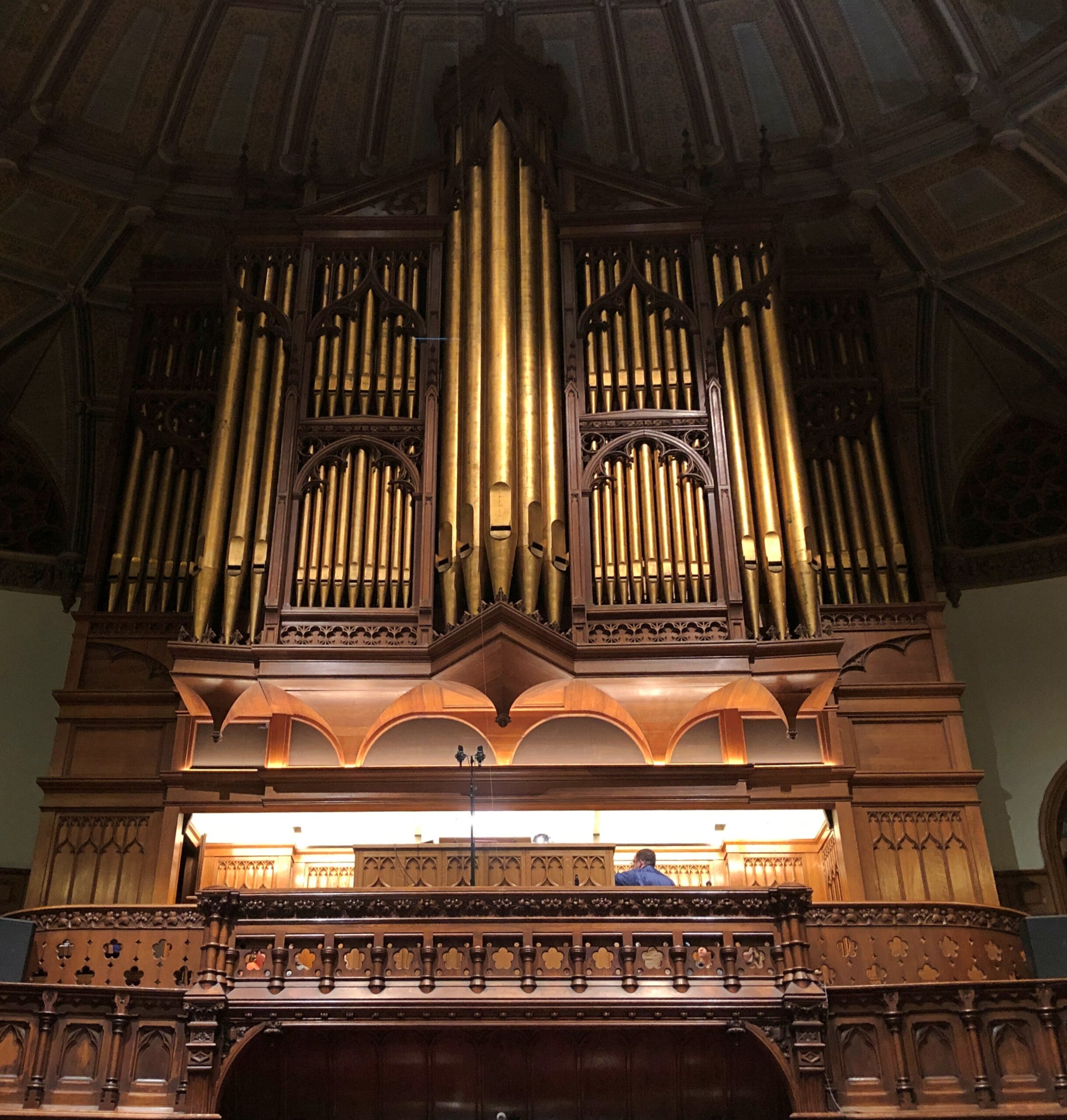
The 21st-century visitor to St. Nicholas sees a bit of urban renewal from the 18th century, to use a term that the ecclesiastical authorities who wanted a new building back then surely didn’t use, even in the unlikely event they’d used English. I’ll bet the old Gothic church on the site was worn out and just so 12th century anyway. Out with Gothic, in with Baroque.Church of St. Nicholas, Prague Church of St. Nicholas, Prague

St Nicholas Prague St Nicholas Prague

Looks like St. George, doing what is expected of him: dealing with the dragon.
Berliner Dom

My friend Steve and I crossed into East Berlin at Checkpoint Charlie on the morning of July 9, 1983, and headed for Museum Island. A heady time for us: lads out seeing the world, including a slice behind the Iron Curtain, a political situation that predated our existence. I’m sure that had you asked me at that moment, I’d have predicted that the world was going to be stuck with it for the rest of our lifetimes at least. It didn’t even last the decade. 1989 was quite a surprise.

That evening I wrote: “We looked at a small, roundish church, then Humboldt U., then we found ourselves at the Cathedral. Nice, but a wreck inside.”

That “small, roundish church” must have been St. Hedwig’s Cathedral (St.-Hedwigs-Kathedrale), which is in fact the Catholic cathedral of the Archdiocese of Berlin and not particularly small. But maybe it seemed that way in comparison to a lot of other very large buildings we saw that day, including the Berliner Dom (Berlin Cathedral), which is part of the Evangelical Church in Germany and technically not a cathedral, but never mind.

I didn’t have a camera in ’83. Italics because who would believe it now? Steve had a point-and-shoot, and some months later, he sent me some physical prints from our visit, including one of the Berliner Dom.

The Fernsehturm TV tower is in the background. Either we didn’t have time for it in ’83 or it wasn’t open to tourists – it’s the kind of thing I would have done – and in ’25 we decided that 30+ euros was too much for an observation deck.

My return to the Berliner Dom was on March 7, 2025, this time with my brother Jay. Now, of course, point-and-shot cameras are worlds better than they used to be, and filmless, and you can slip them in your pocket when not in use.Berliner Dom Berliner Dom Berliner Dom

The DDR might have built an impressive TV tower, but the state never got around to restoring the interior of the Berliner Dom, though the dome itself was replaced. The wreck of the original dome still lingered on the cathedral floor back then. If I remember right, one peered from a balcony down on the rubble in ’83. Interior restoration came much later, completed in 2002.
Berliner Dom Berliner Dom Berliner Dom

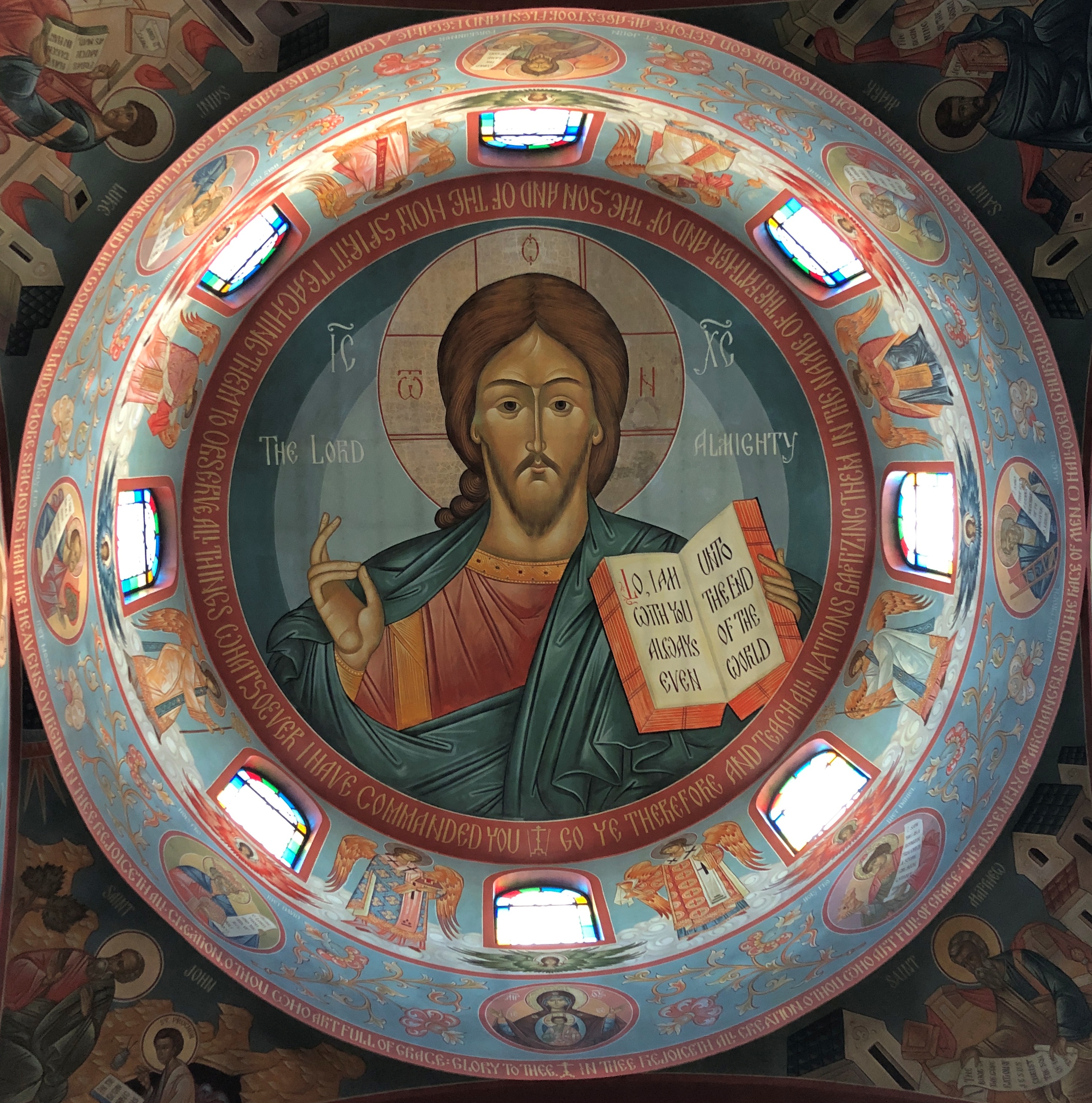
A gushingly ornate design, but impressive, by 19th-century German architect Julius Carl Raschdorff.

Walking up to the dome was possible, but we decided too many steps were involved. I would have in ’83, as I did at St. Peter’s and St. Paul’s and other enormous churches, but I’m not that young man any more.Berliner Dom Berliner Dom

The crypt level was closed, unfortunately, so no visiting the many Hohenzollerns therein. But not Wilhelm II, who had the cathedral built. He’s still in exile in the Netherlands.