Savannah ’22

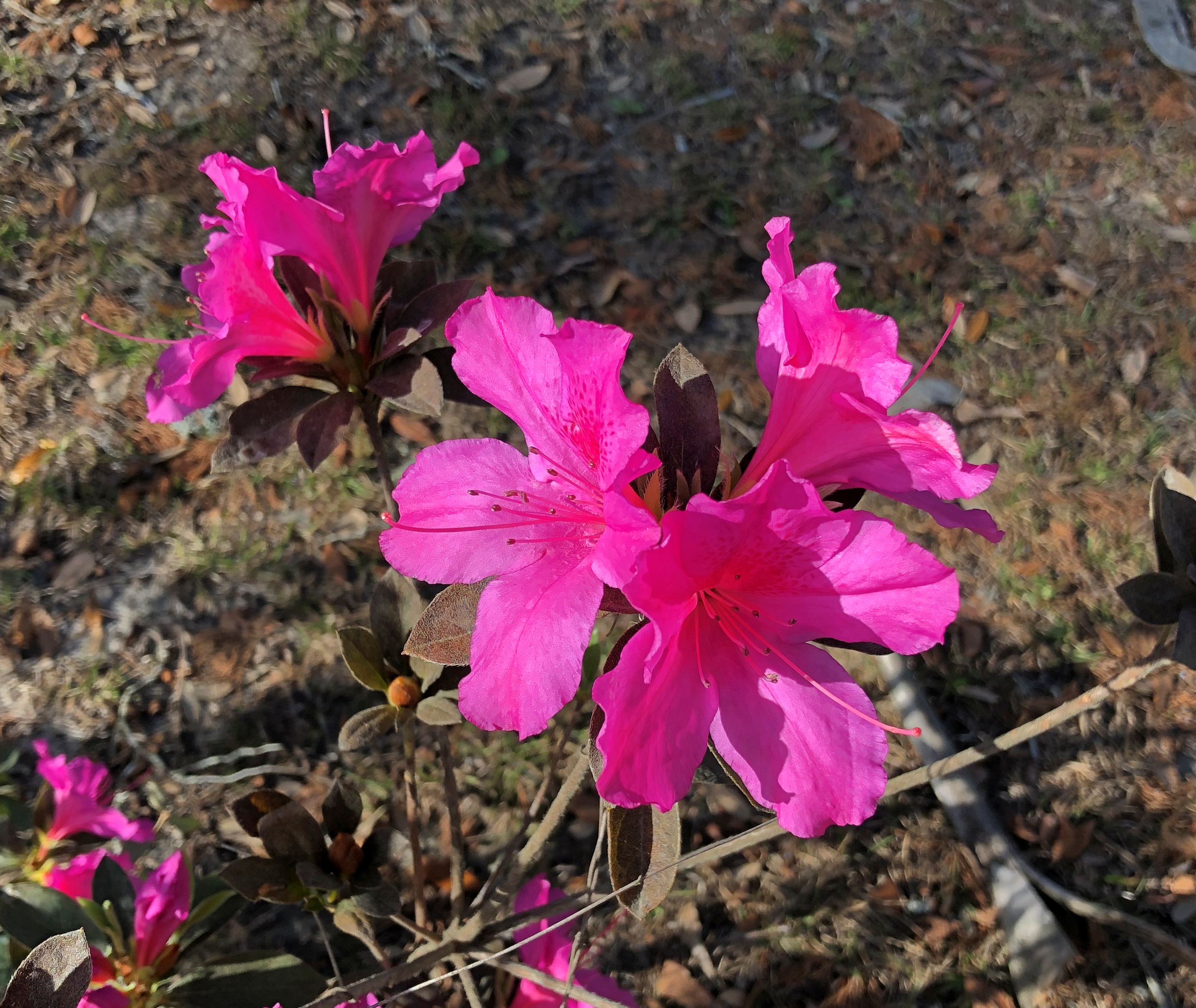
What to do during spring break on a three-night jaunt? Go somewhere that’s actually experiencing spring. A week ago Saturday, Ann and I flew to Savannah, Georgia, where the grass is green and the air warm, and the azaleas are in profuse bloom —Savannah, Georgia 2022

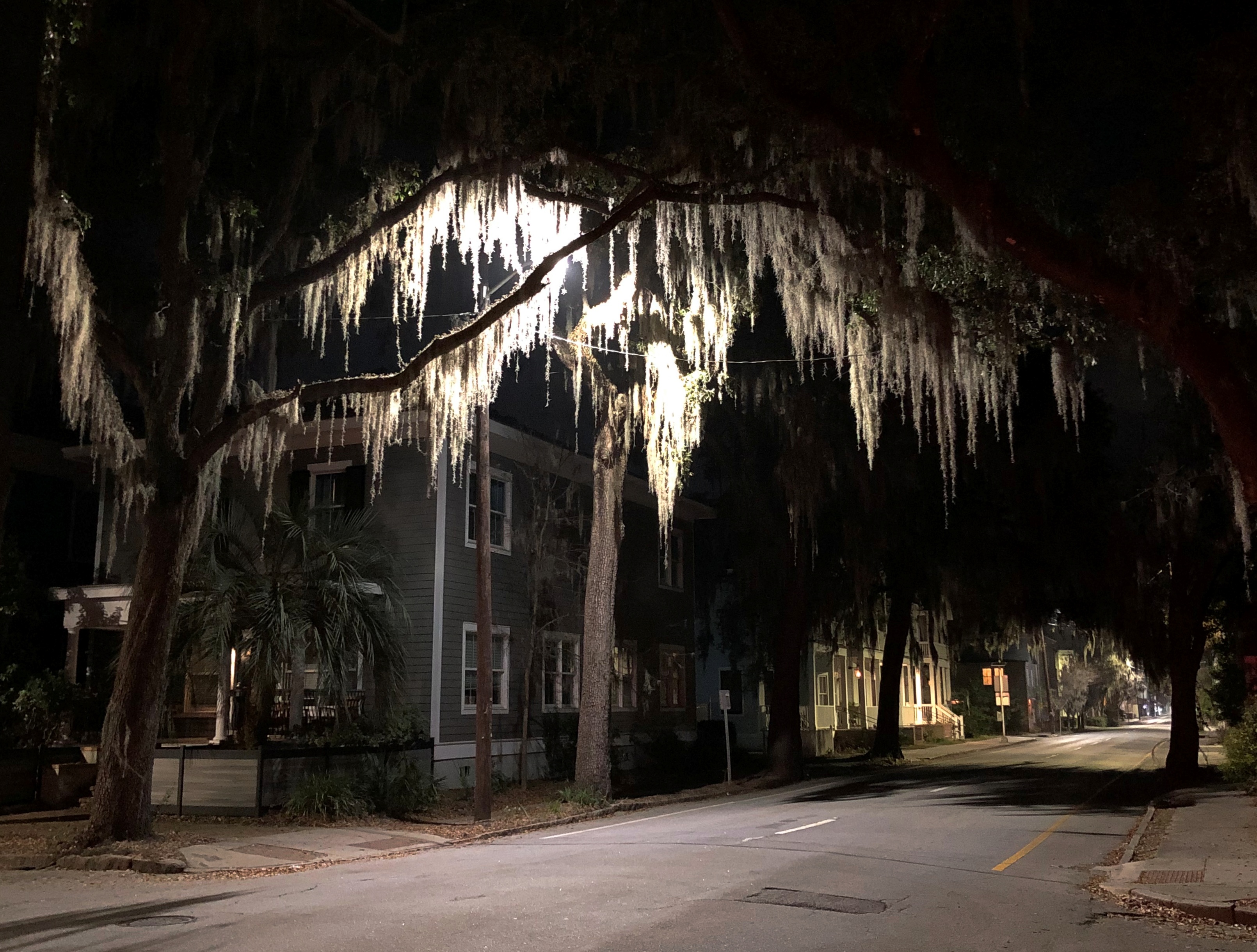
— and Spanish moss festoons tree after tree after tree, silver-gray and airy by day, slightly sinister by night, in the right light.Savannah, Georgia 2022

Besides pleasant flora, Savannah has much else to recommend it. I’ve known as much for years, but sometimes it takes years to get around to visiting even the most intriguing places.

We took long walks in the Savannah Historic District, which is enormous and very much lives up to its title, with street after street lined with the sort of aesthetic and storied buildings that speak of earlier times, both more genteel and more cruel. They also speak of restoration in the 20th and 21st centuries, and a new affluence for the city in our time.

We also spent time out from Savannah, as far afield as drives through the Savannah National Wildlife Refuge and through the beach town of Tybee Island, with a longer visit to Fort Pulaski National Monument.

Naturally, I had to visit Bonaventure Cemetery, famed in book and movie, and alive with other tourists and explosions of spring azaleas. And Spanish moss. Lots of Spanish moss on towering southern live oaks.

We ate well: plentiful seafood, kolaches as delightful as in Texas, hardy diner fare, innovative sliders and amazingly delicious fried chicken at a regional chain in suburban Savannah, our first meal after arrival and a tiresome experience in the long line to claim our rental car.

We slept well: I think I surprised Ann by booking a room at a one-of-a-kind inn a mile or so from the historic district, a sizable 1906 house renovated in the early 21st century for guests like us. Each room had its own theme, and the common areas were comfortable and ornate. Best of all, it really was an independent hotel, not a faux unique property of a high-priced boutique chain, and so I didn’t pay the moon.

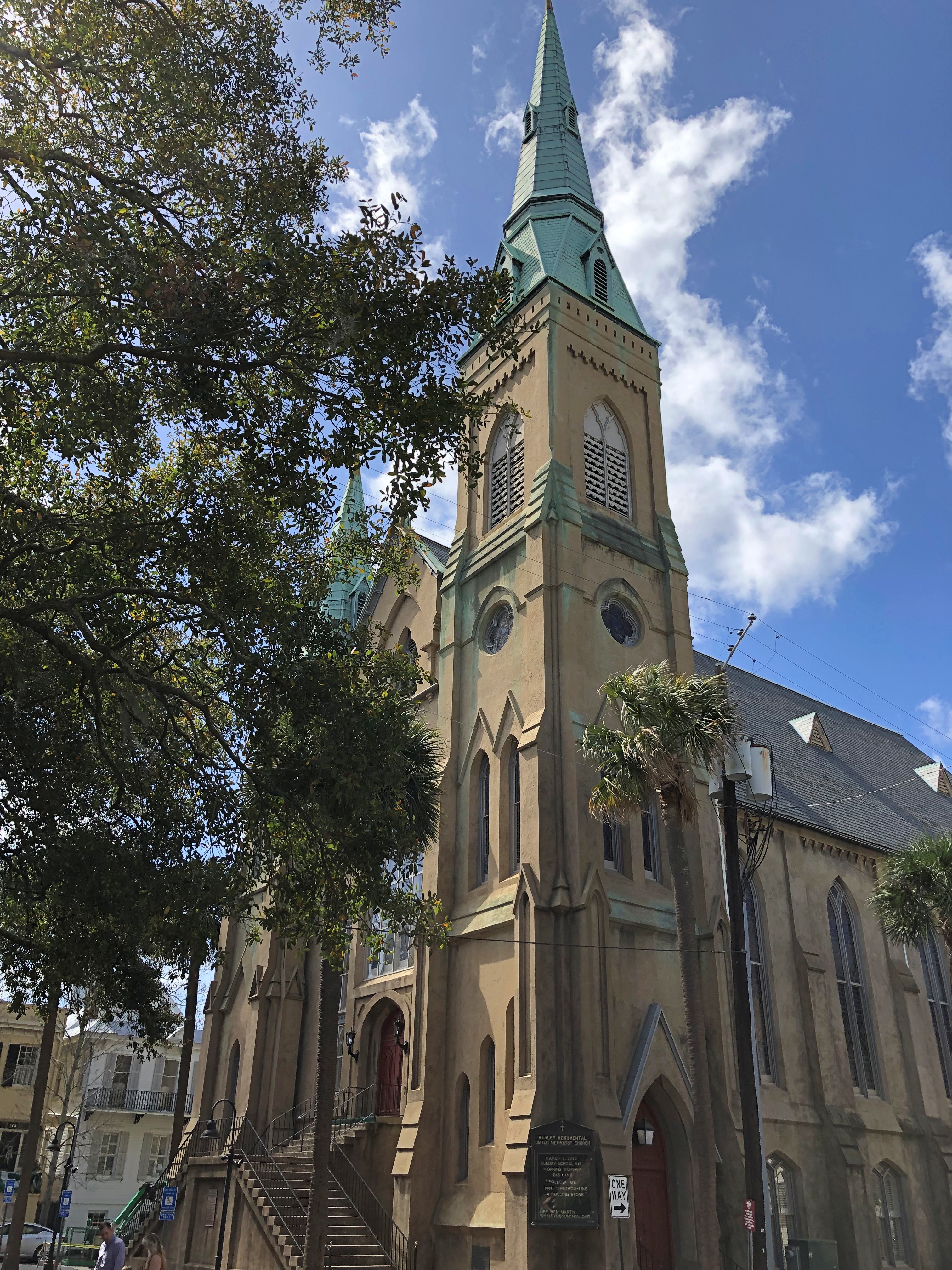
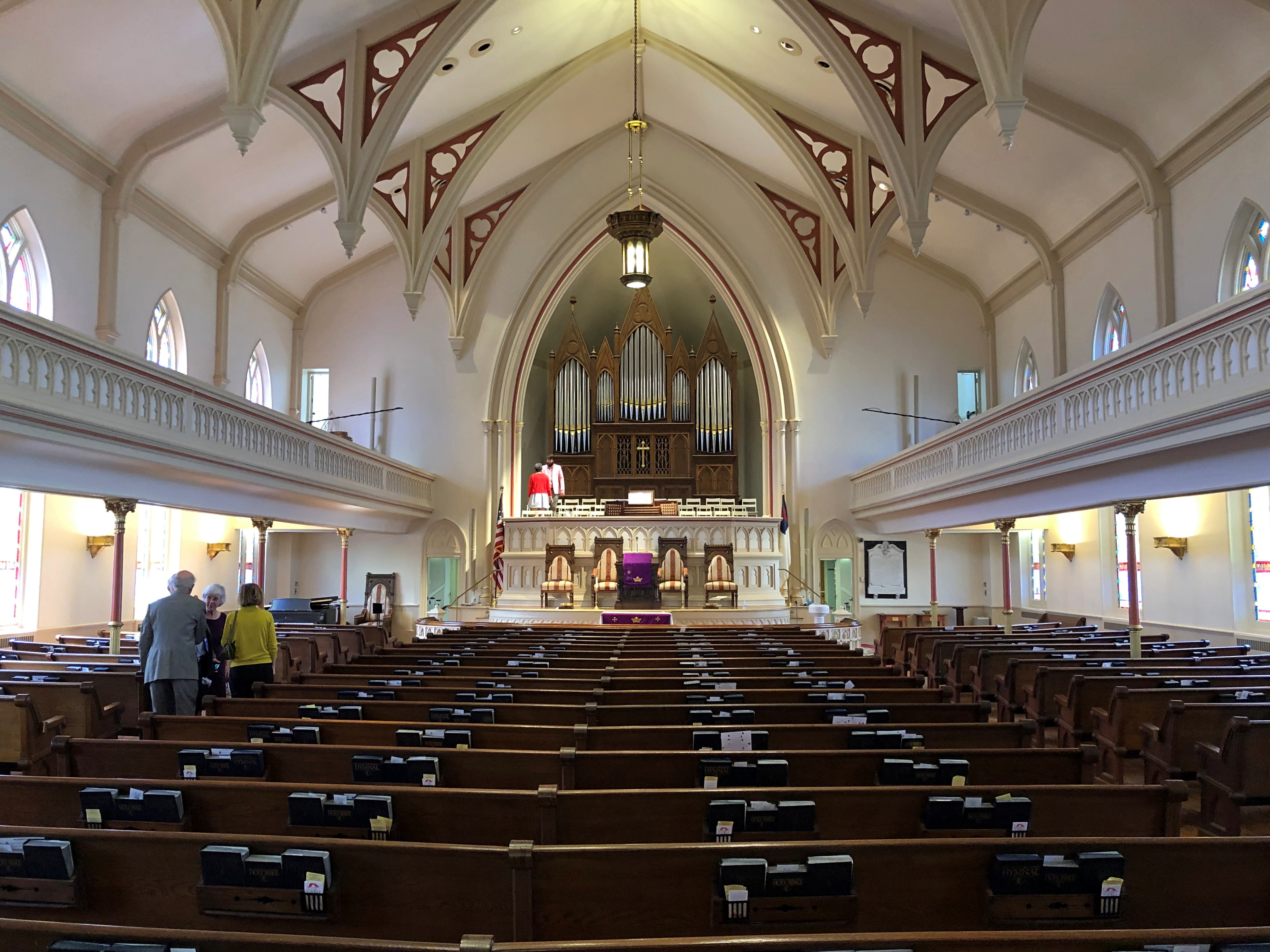
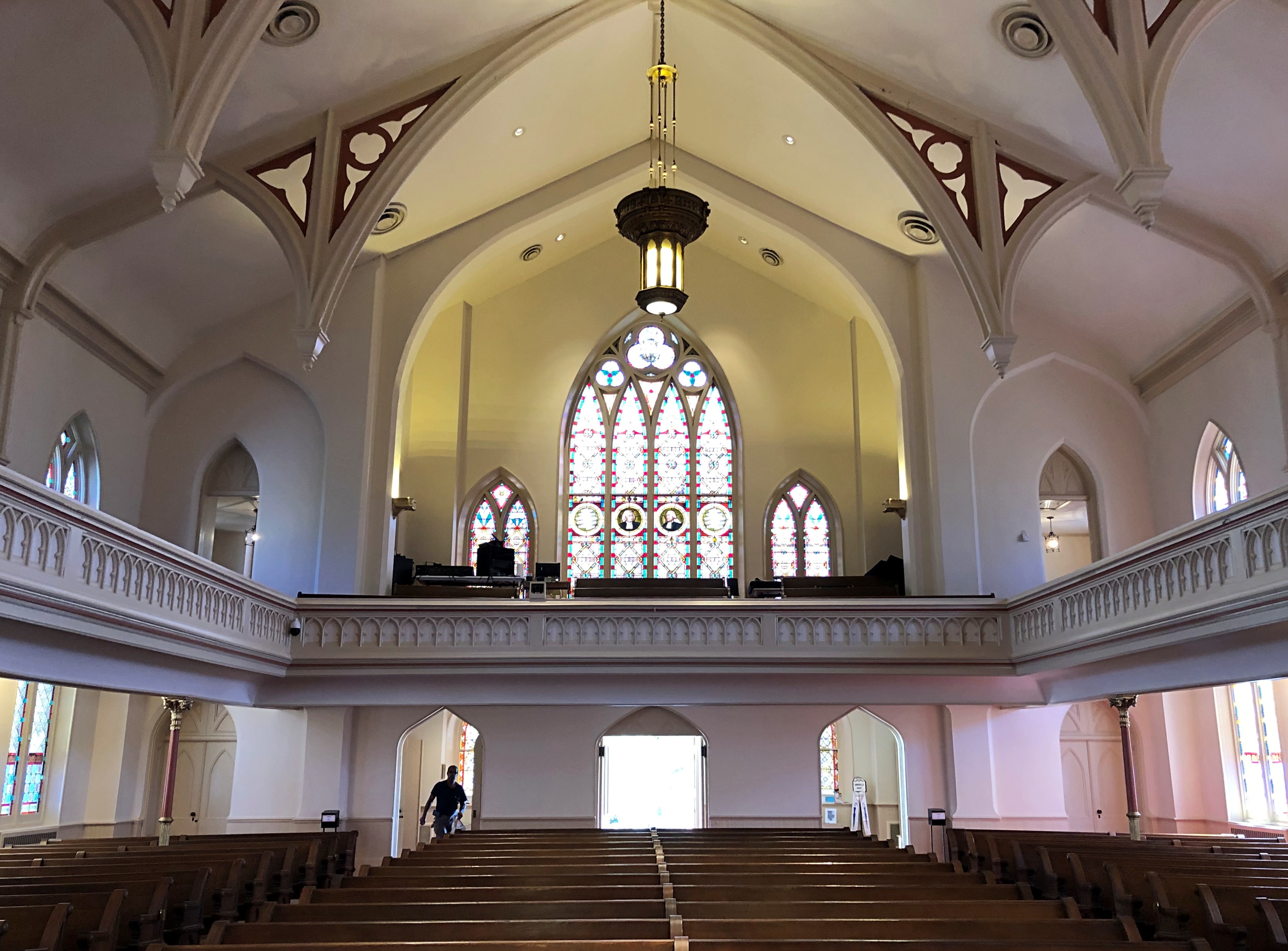
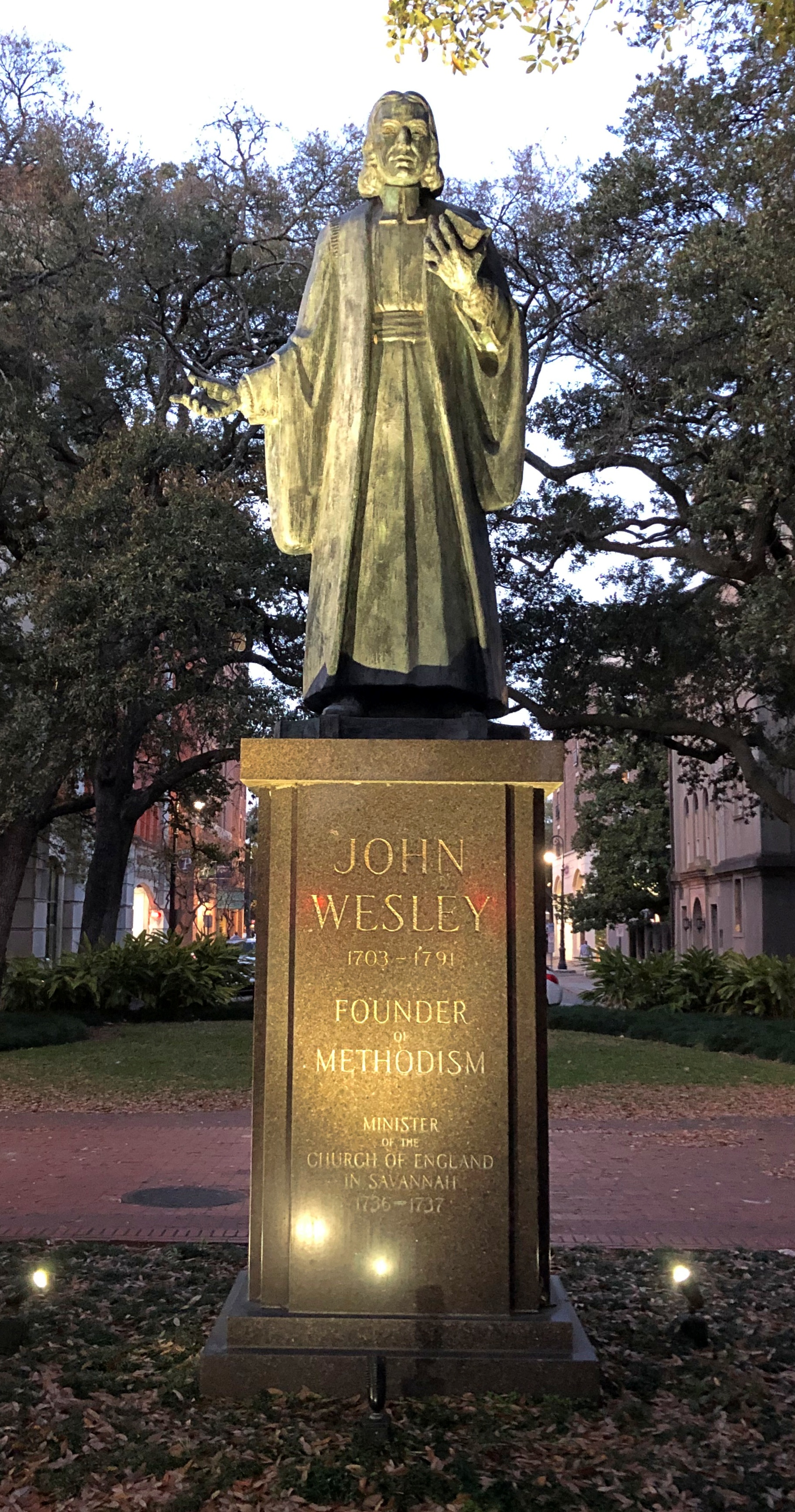
We were also did a kind of Methodist pilgrimage, odd as that sounds. First, the only Savannah church we were able to enter during our visit was Wesley Monumental United Methodist Church, completed in 1890.Wesley Memorial UMC
Wesley Memorial UMC Wesley Memorial UMC

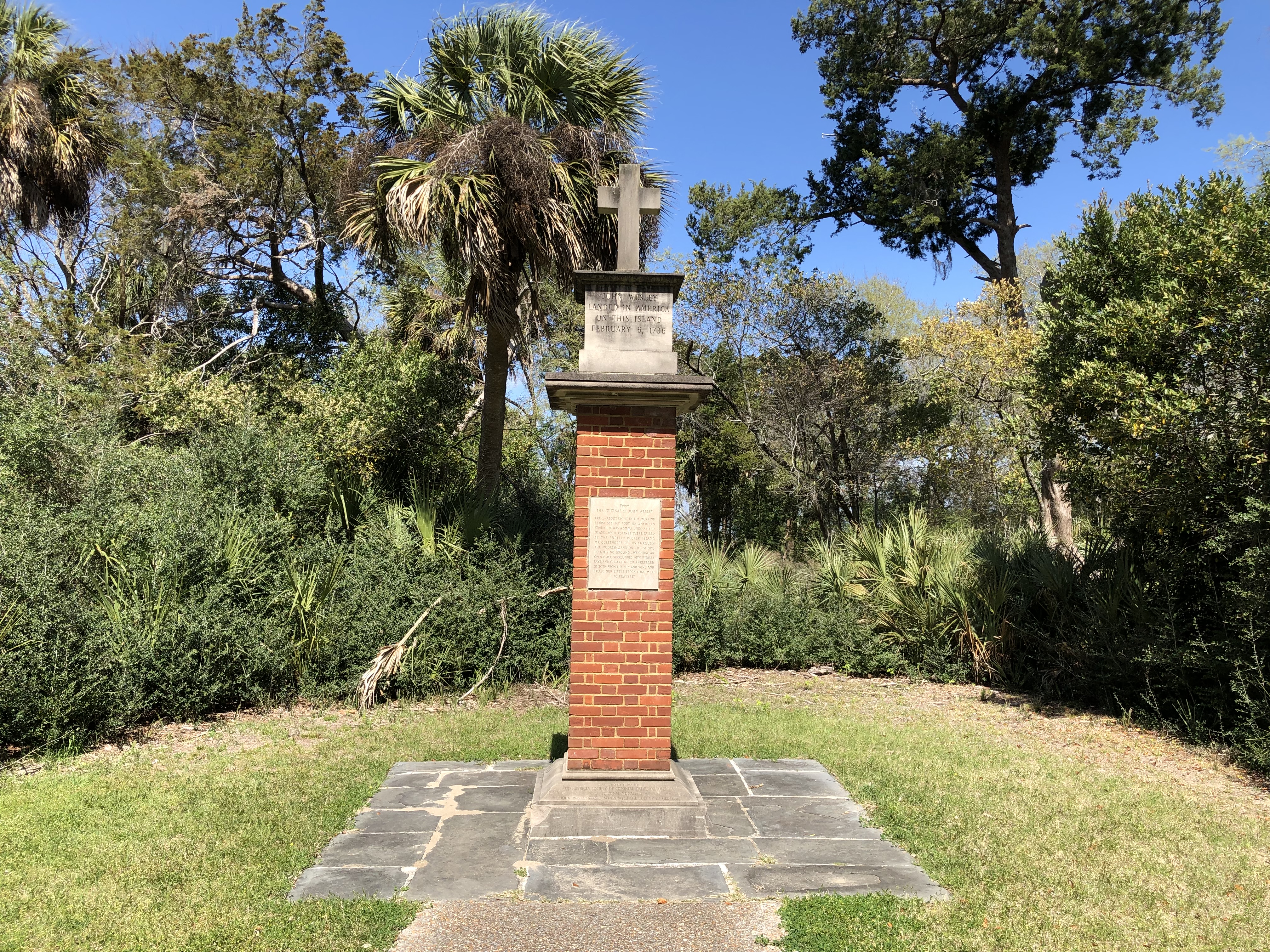
During our visit to Fort Pulaski NM the next day, we encountered the John Wesley Memorial.Wesley Memorial, Georgia
The memorial says (among other things): John Wesley landed in America on this island, February 6, 1736. He was still an Anglican priest at the time.

That evening at dusk, we strolled into Savannah’s Reynolds Square, and there he stood.Wesley Memorial, Georgia

The pilgrimage wasn’t planned. I don’t belong to that denomination, though of course I know that in earlier days, they ran with a pretty rough crowd.

New York City ’21

Until a few weeks ago, I assumed that I’d take no more trips for the rest of the year. I’ve had an exceptional year in that way, so another one would be an unexpected cherry on top of the sundae.

Early this month, my company invited me to some meetings and other events at headquarters in downtown Manhattan, so on Wednesday I flew from O’Hare to LaGuardia, returning today. The first thing I noticed in NY is that the redevelopment of LaGuardia is coming along. LGA is on its way to being a real 21st-century airport, rather than the dingy embarrassment it has long been.

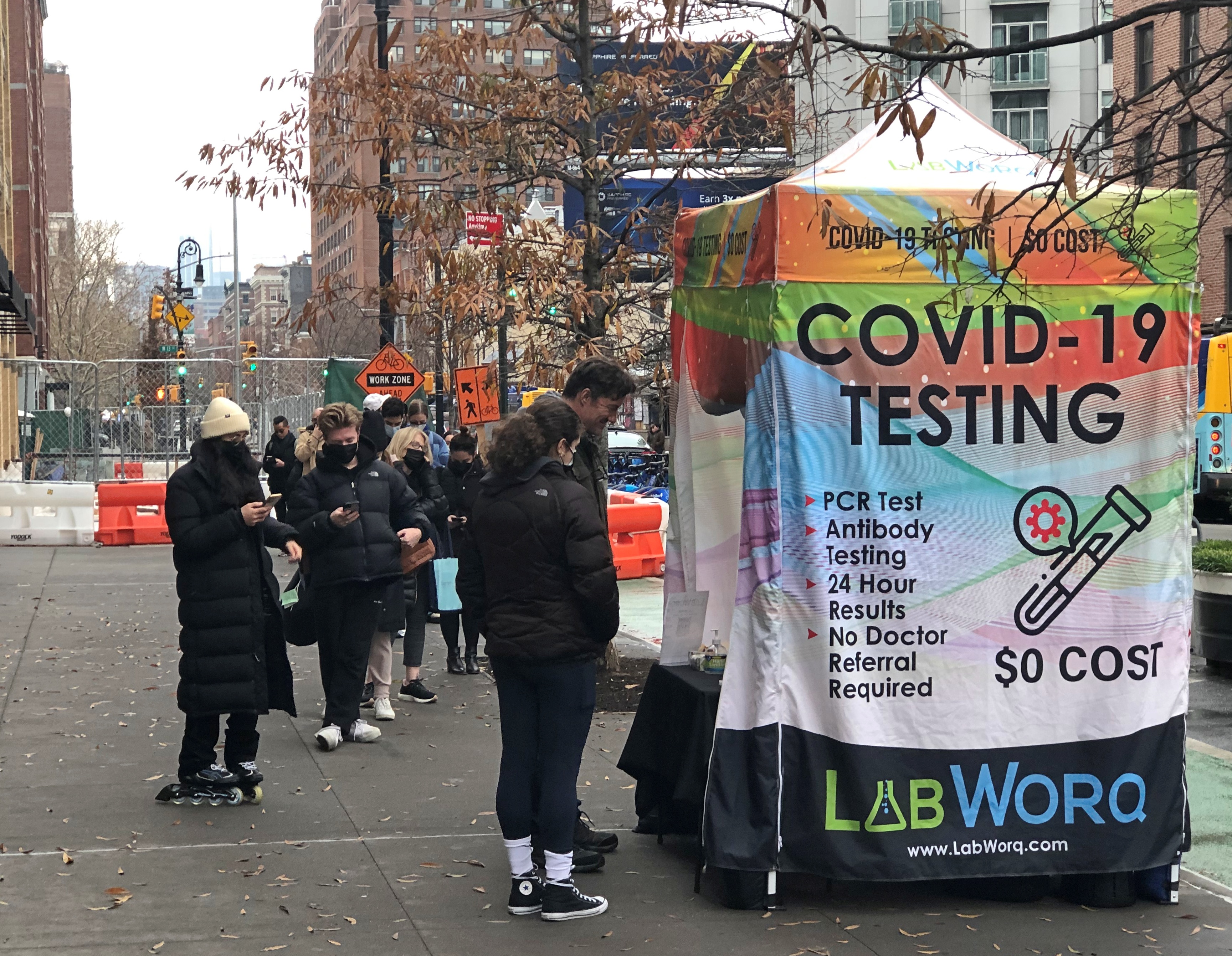
On the whole, the weather was cooperative for a visit, clear and cool until Saturday, when it was cool and alternated between drizzle and mist. The pandemic was not cooperative. Some of the events scheduled for my visit were canceled or otherwise disrupted. New Yorkers were eager to be tested at popup facilities.NYC 2021

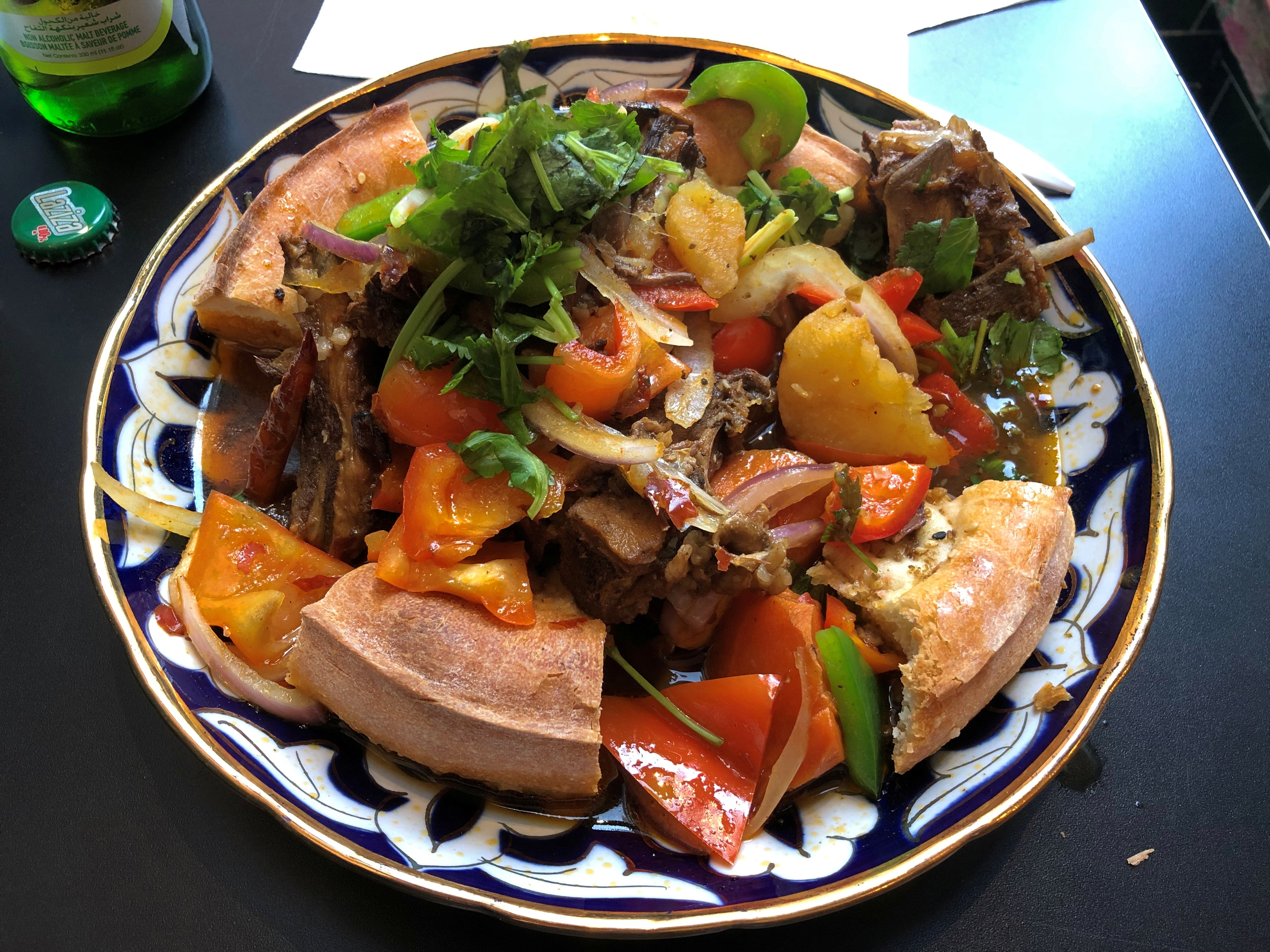
I had some time to walk the streets and other pathways of the city, especially on Saturday – a low-risk activity, even in the days before the vaccines – and had a few good dine-in meals, in spite of everything. Such as at a storefront on Water Street, Caravan Uyghur Cuisine, where I had a wonderful lamb dish, besides the experience of visiting a Uyghur restaurant for the first time.Uyghur food

From Wednesday evening to Friday morning, I stayed at a hotel at the non-financial end of Wall Street, and spent the whole time in Lower Manhattan, below Barclay St. From Friday evening to this morning, I stayed at a hotel in Midtown East (or Turtle Bay, on 51st) and spent some time around there, though my travels took me back downtown sometimes.

Lower Manhattan is a fairly small district, with its streets roughly hewing to those of New Amsterdam, meaning a grid that’s been dropped and stepped on, unlike most of the rest of the island. That makes for more interesting exploring, but it’s also possible to get disoriented, though never for very long.

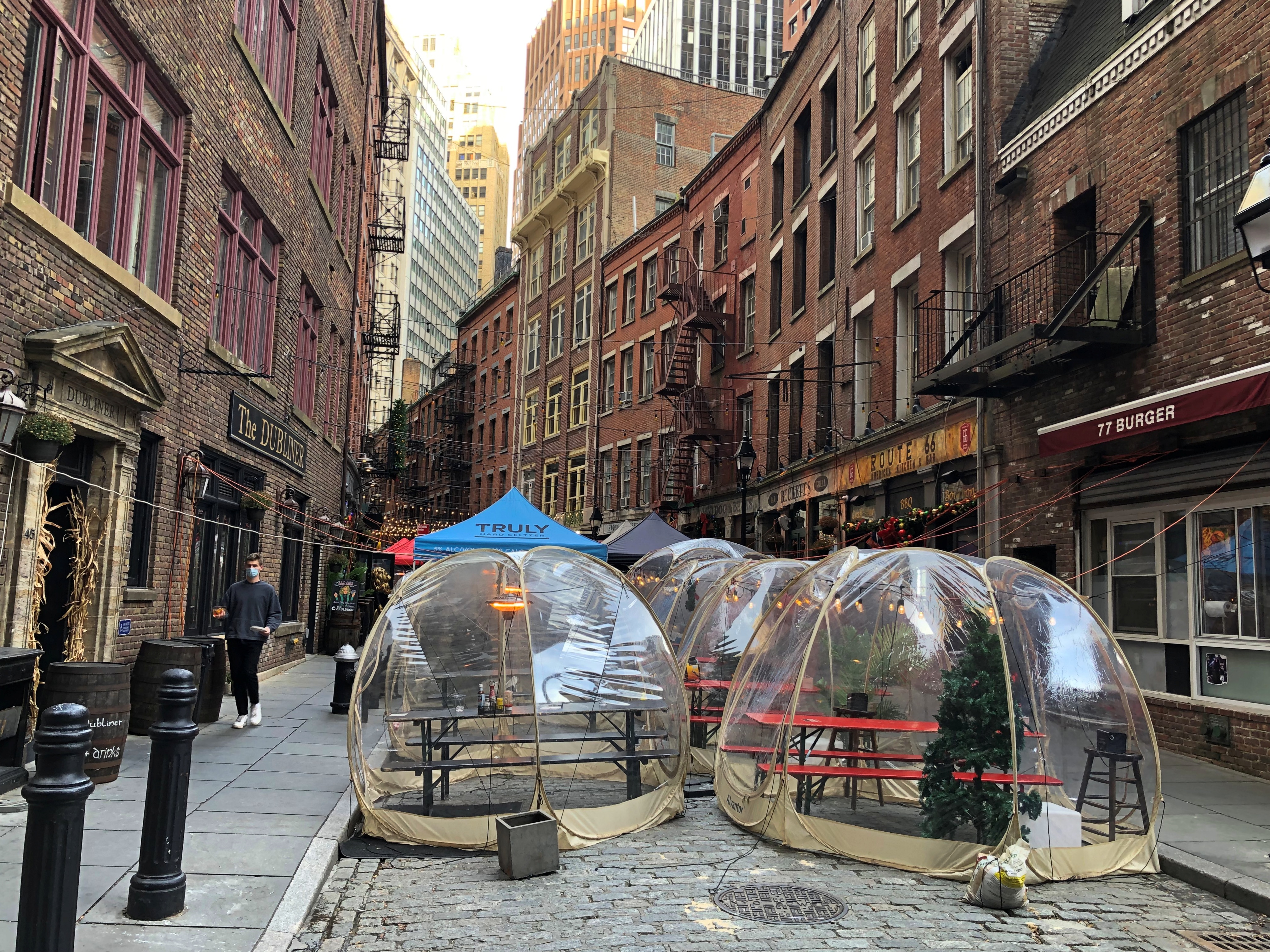
During this visit, I had time to look over two streets in detail, Wall and William, though I poked around some others, such as the charming and close-in Stone Street, where a residue of 19th-century buildings overlook 21st-century outdoor bubbles that serve as restaurant annexes.Stone Street NY

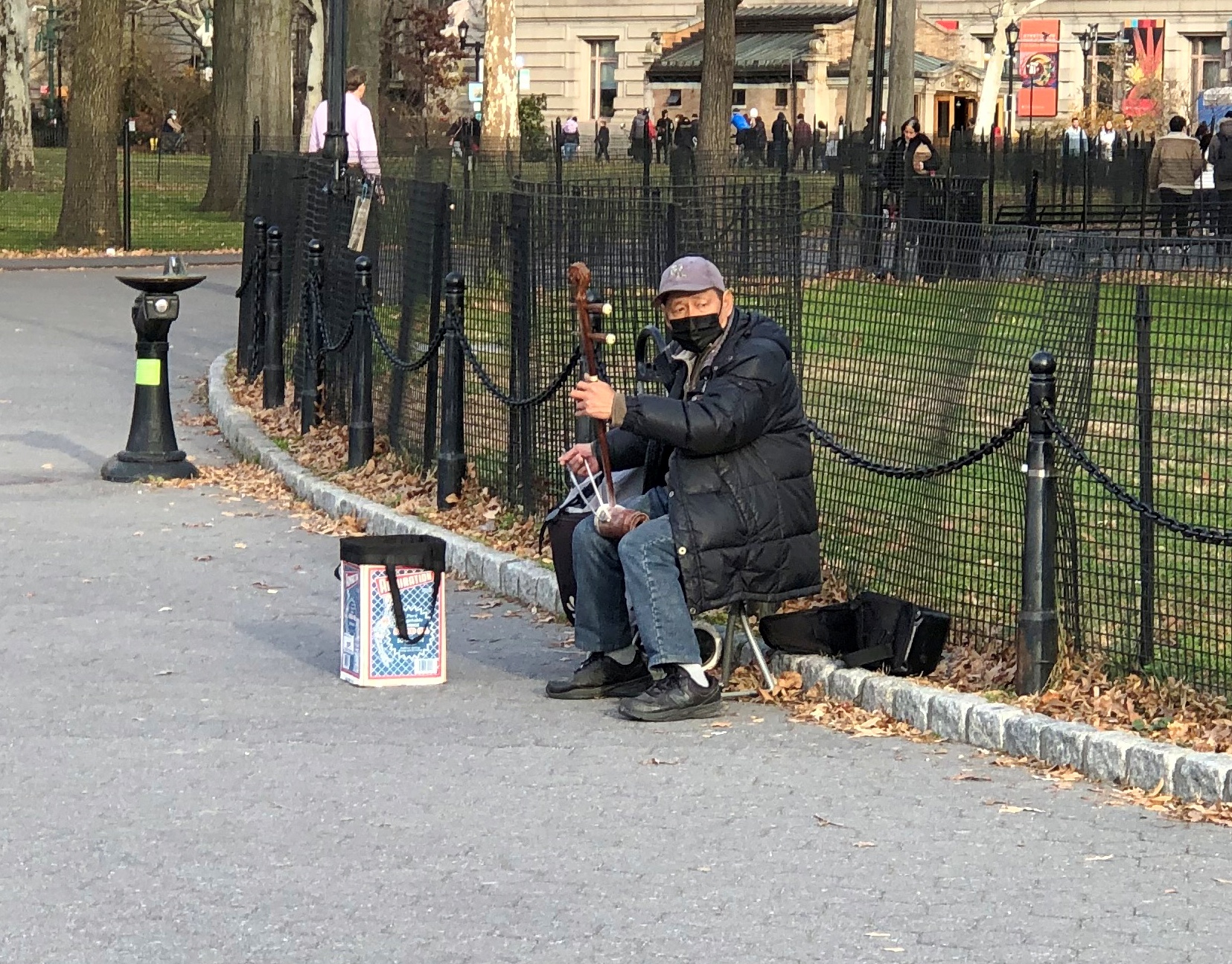
Spent some time in Battery Park (officially The Battery, but does anyone call it that?), which was alive with tourists and a few buskers late on Friday afternoon. Including this fellow, who was playing Christmas songs on his erhu. He was good, but not drawing much of a crowd, so I gave him a dollar.Battery Park, NY

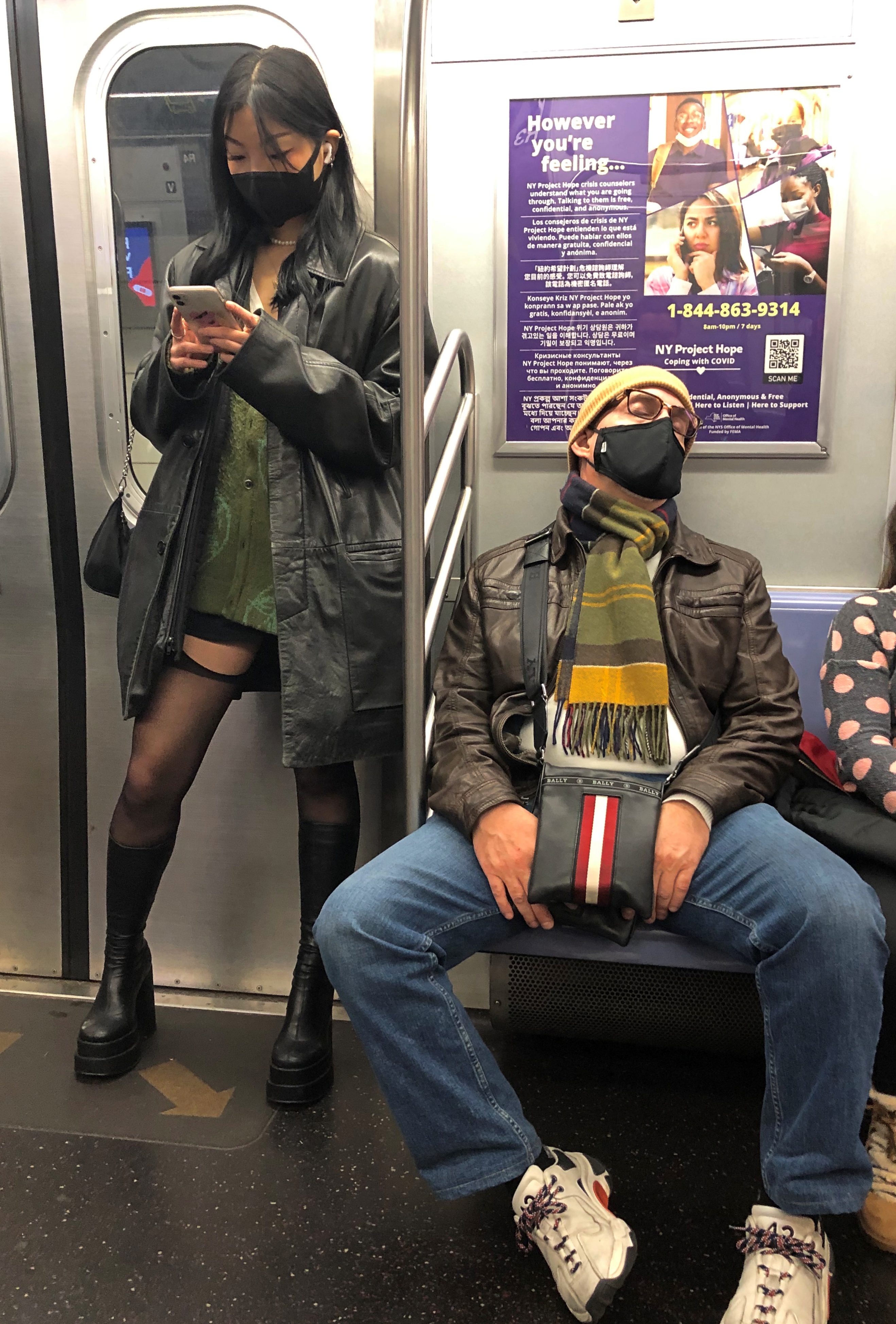
I did a lot of walking, but also rode the subway. It was about the same as ever, except for near-universal masks.NYC subway 2021

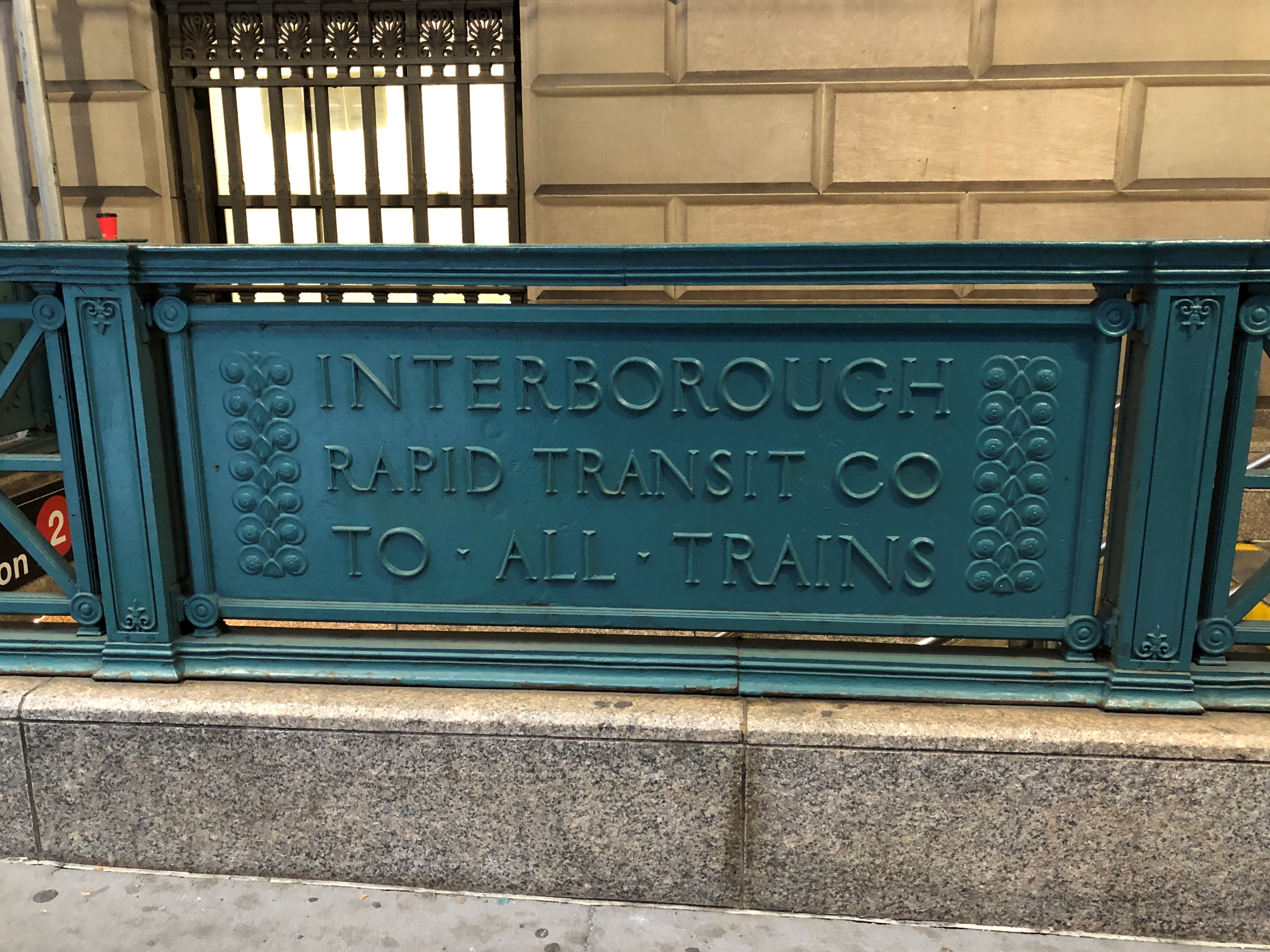
Also, no matter how many times I visit New York, and I’ve lost count, and how many times I ride the subway, I still get on the wrong line, get off at the wrong station, and mistake an express for a local. I did all of those things this time, once each. My wayfaring skills are pretty good, but without more practice, are no match for the irregularities of the system, which was welded together more than a century ago from two different competing systems, the IRT and the BRT, which were themselves consolidations of disparate lines.IRT sign NYC 2021

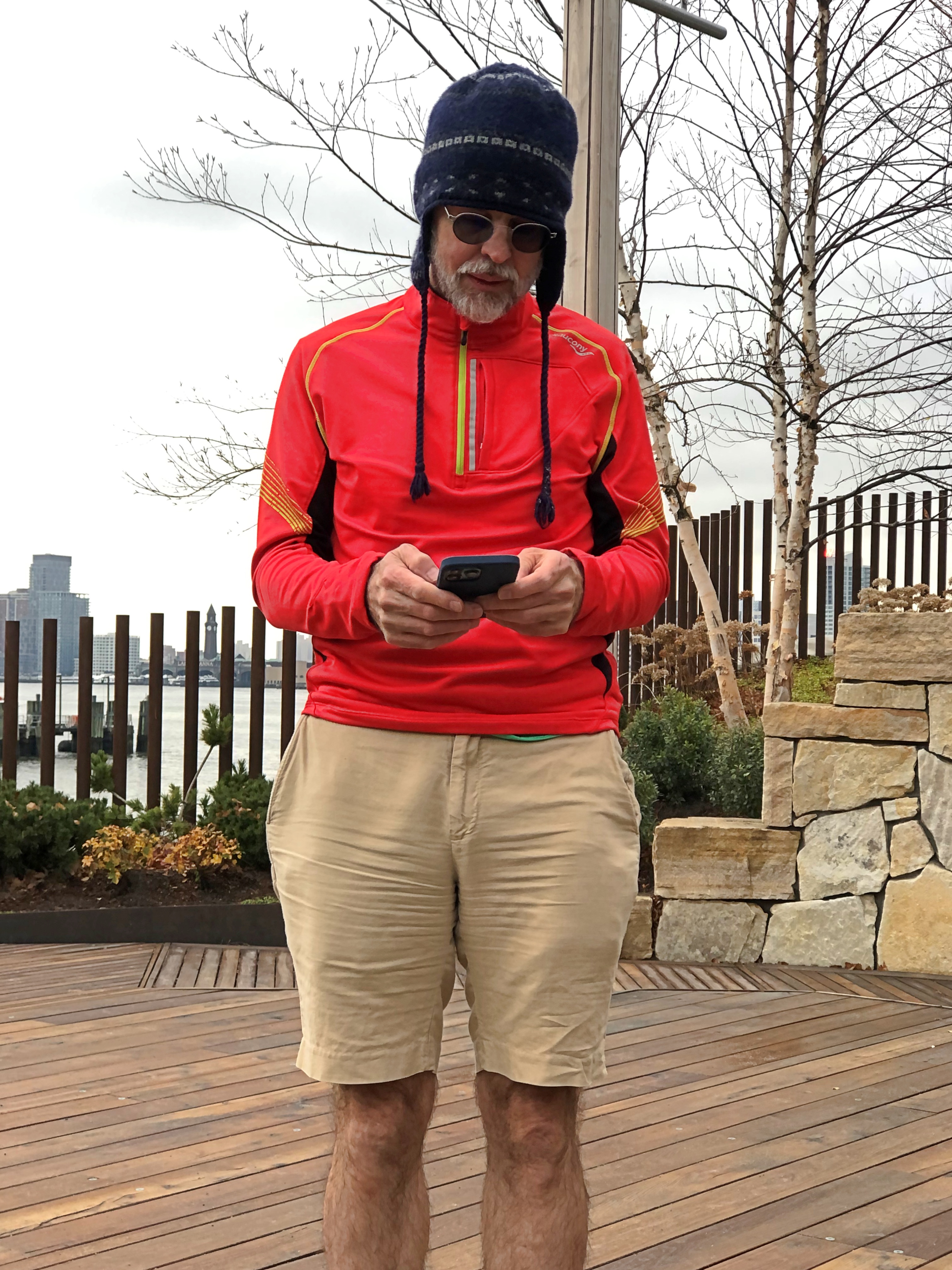
On Saturday, my only nonworking day in town, I was up early and walked with my old friend Geof Huth from Battery Park, near where he lives, up the greenway along the Hudson River to the city’s newest park, Little Island, a course of nearly three miles. Here’s Geof on Little Island.Geof Huth

We had a grand walk that morning, passing small parks, gardens, memorials, sculptures, recreational facilities, many Hudson River piers, and urban oddities, such as one of the most brutal structures I’ve ever seen, the Spring Street Salt Shed.

One thing I did not do, which I had fully planned to do on Saturday afternoon, was head up to the other tip of Manhattan to see the Cloisters. By now it’s a running joke with myself. Every time I go to New York, I want to see it. I have since a New Yorker friend of mine first recommended it to me in 1983, and a lot of other people have since then. Somehow or other on each trip, something happens to prevent my visit.

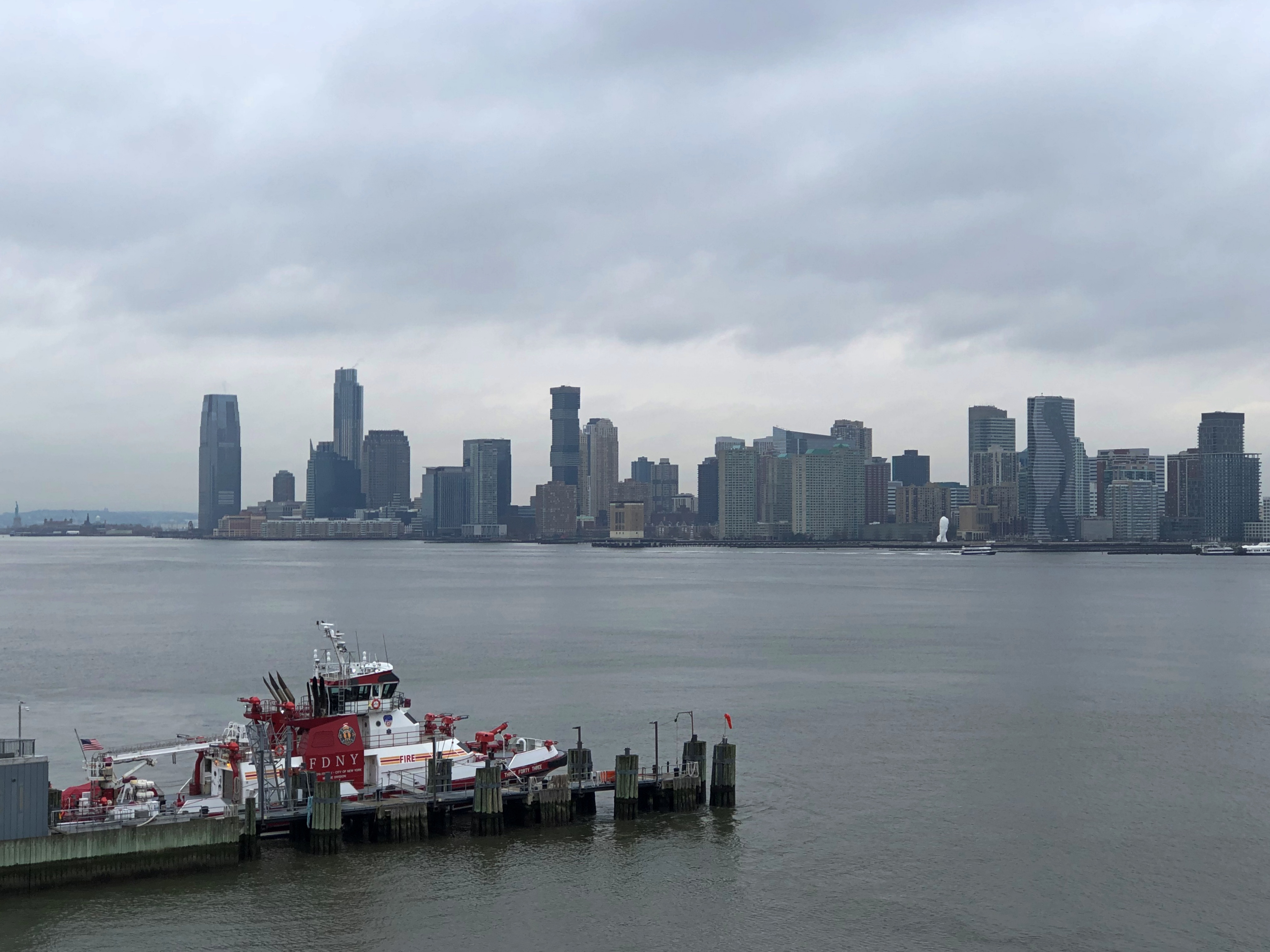
This time I was too tired after the grand walk, though I don’t regret the miles along the Hudson. Not only did we see a lot on the land side of the path, we had some excellent views of Jersey City and eventually Hoboken, across the river. Is it odd that I want to go to those places as well someday? Maybe not as odd as it once would have been.Jersey City 2021

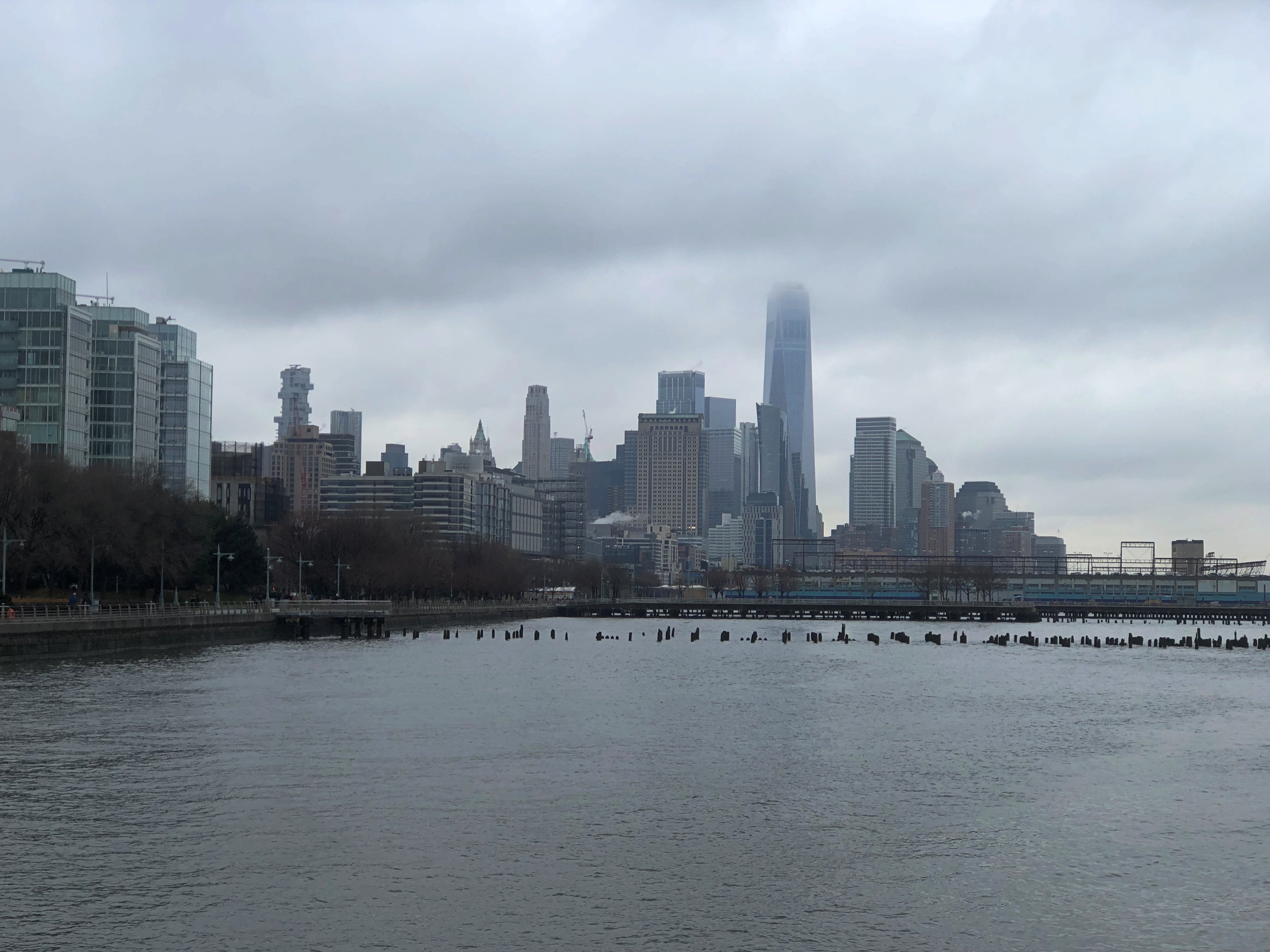
Had some fine views of Lower Manhattan too, such as with One WTC poking into the clouds. I’m going to consider this a vista, since we were raised a bit above sea level.Lower Manhattan 2021

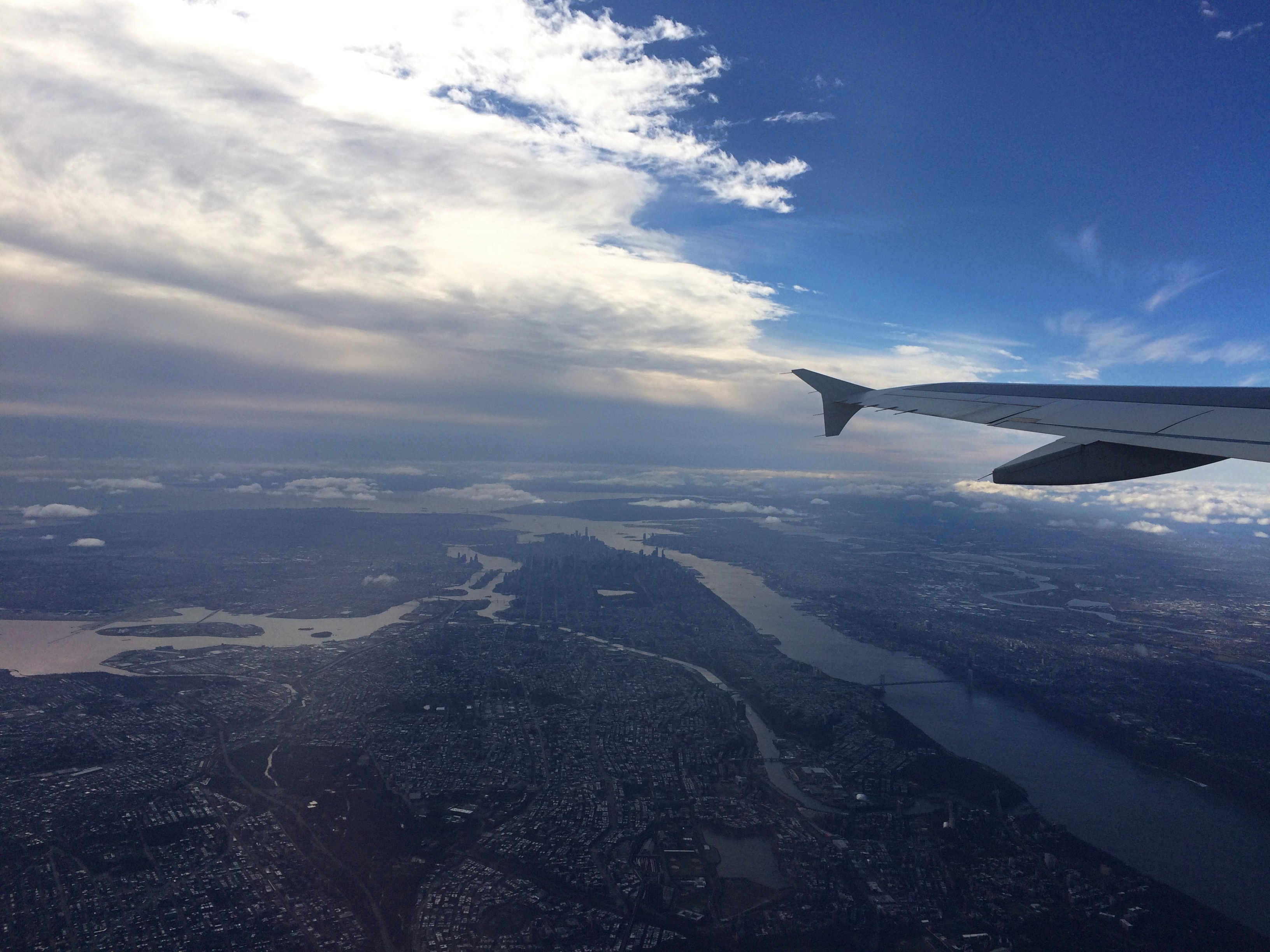
Though not technically a vista, I did manage to see the length of Manhattan as we left today.Manhattan &c

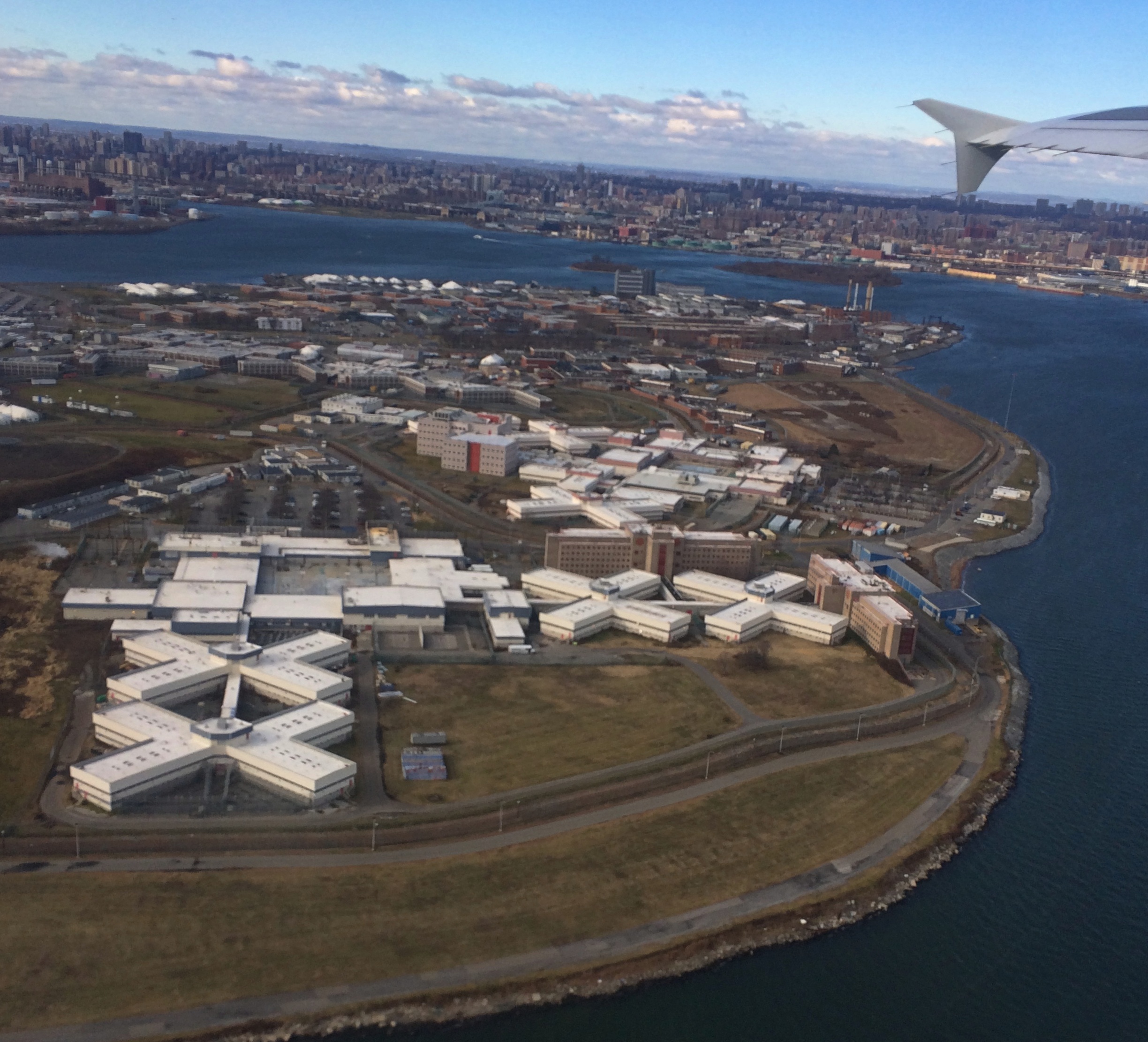
And a good deal else, such as the infamous Rikers Island.Rikers Island

I thought the year of vistas had come to a conclusion after Russian Hill, but no. I squeezed a few more more in.

Cal-Tex ’21

My recent visit to Texas was old-fashioned in at least one way. Not in how I got there, namely a series of two airplanes, one to Houston and then another for the short hop to Austin.

Nor in how I got around: driven by a friend or driving a car rented for a few days, along with some long walks after the sun was low or down, since even for central Texas, the late October days this year proved quite warm. Nor even in my eating and drinking habits. I’m glad to report that the restaurants and (I assume) bars of central Texas seem fully open and attracting paying customers.

Rather, I took an old-fashioned approach in taking pictures and sharing them with others. I took almost none. I participated in no social media, including — what’s it called now, Meta? (derisive snort). The trip was a time to visit old friends in person in Austin, meet a new family member in person in that town as well, and visit family in person in San Antonio. There’s no substitute for in person.

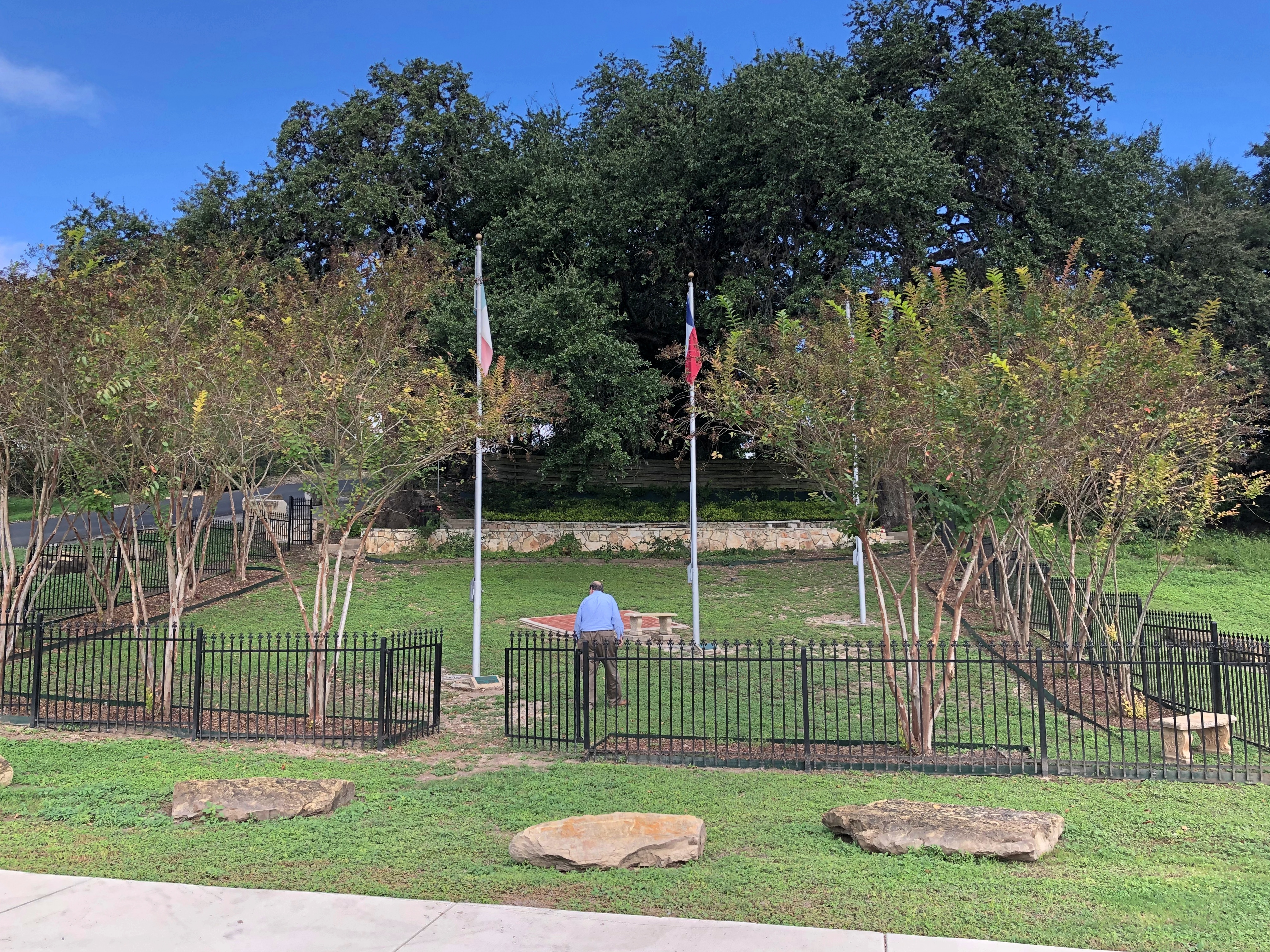
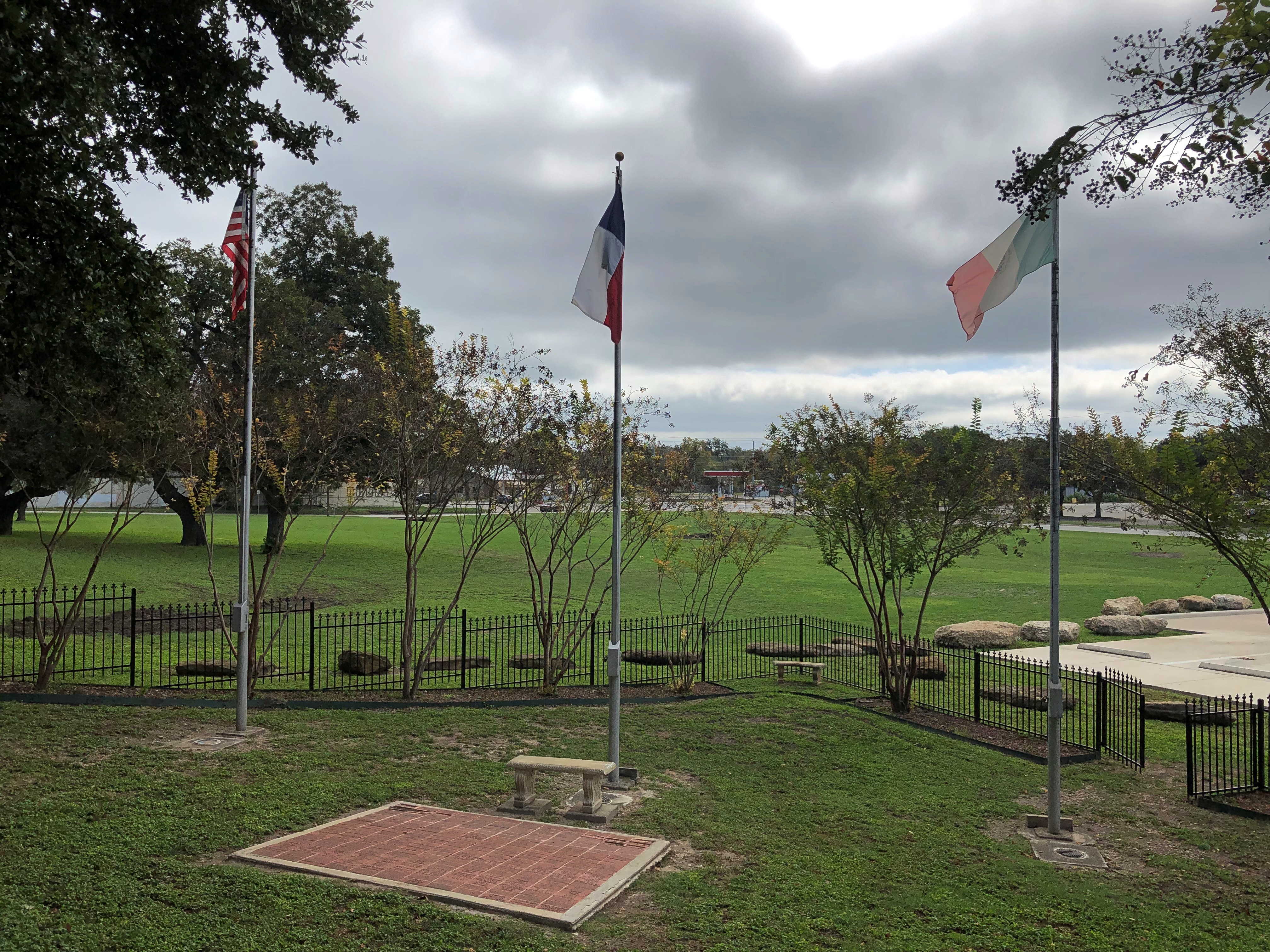
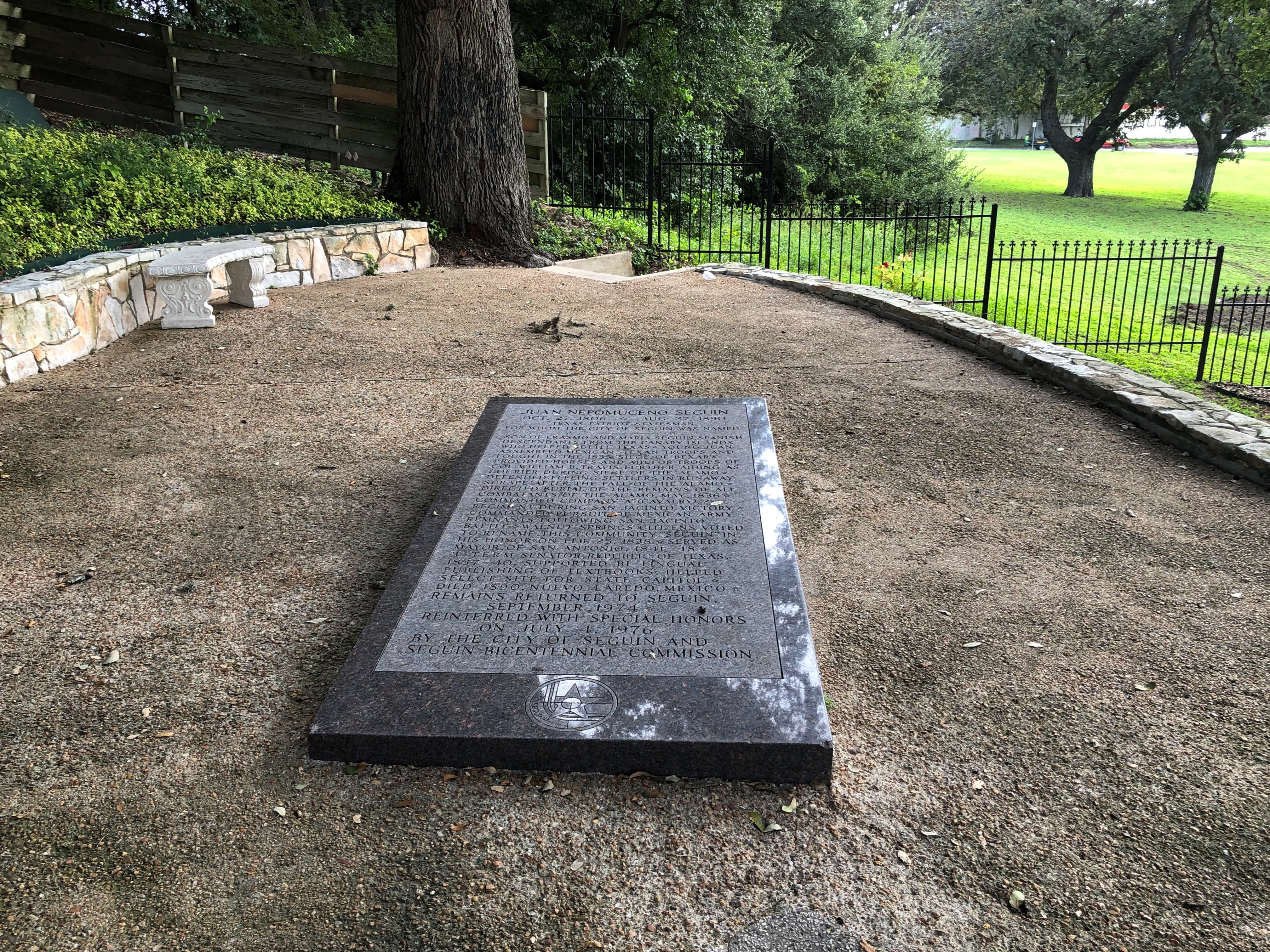
Still, last Monday Jay and I happened to be passing through Seguin, Texas, and happened to see a sign pointing the way to the grave of Juan Seguin. I wasn’t about to pass that up. Or not take pictures. To post here, which barely counts as any kind of media, social or otherwise.grave of juan seguin grave of juan seguin

The grave itself. He was reinterred on the spot in 1976, some 86 years after his death.
grave of juan seguin

My tourist activities picked up quite a bit during the three days I spent in the Bay Area, as a kind of appendix to the trip to Texas. Originally I planned to spend a day each in Oakland, Sacramento and San Francisco, but when the time came to catch a bus to spend the day in Sacramento, I decided I was too tired for it, and spent that morning doing nothing. Such is advancing age. So the trip ended up being about a day in Oakland and a day and a half in San Francisco, staying at a hotel in downtown Oakland.

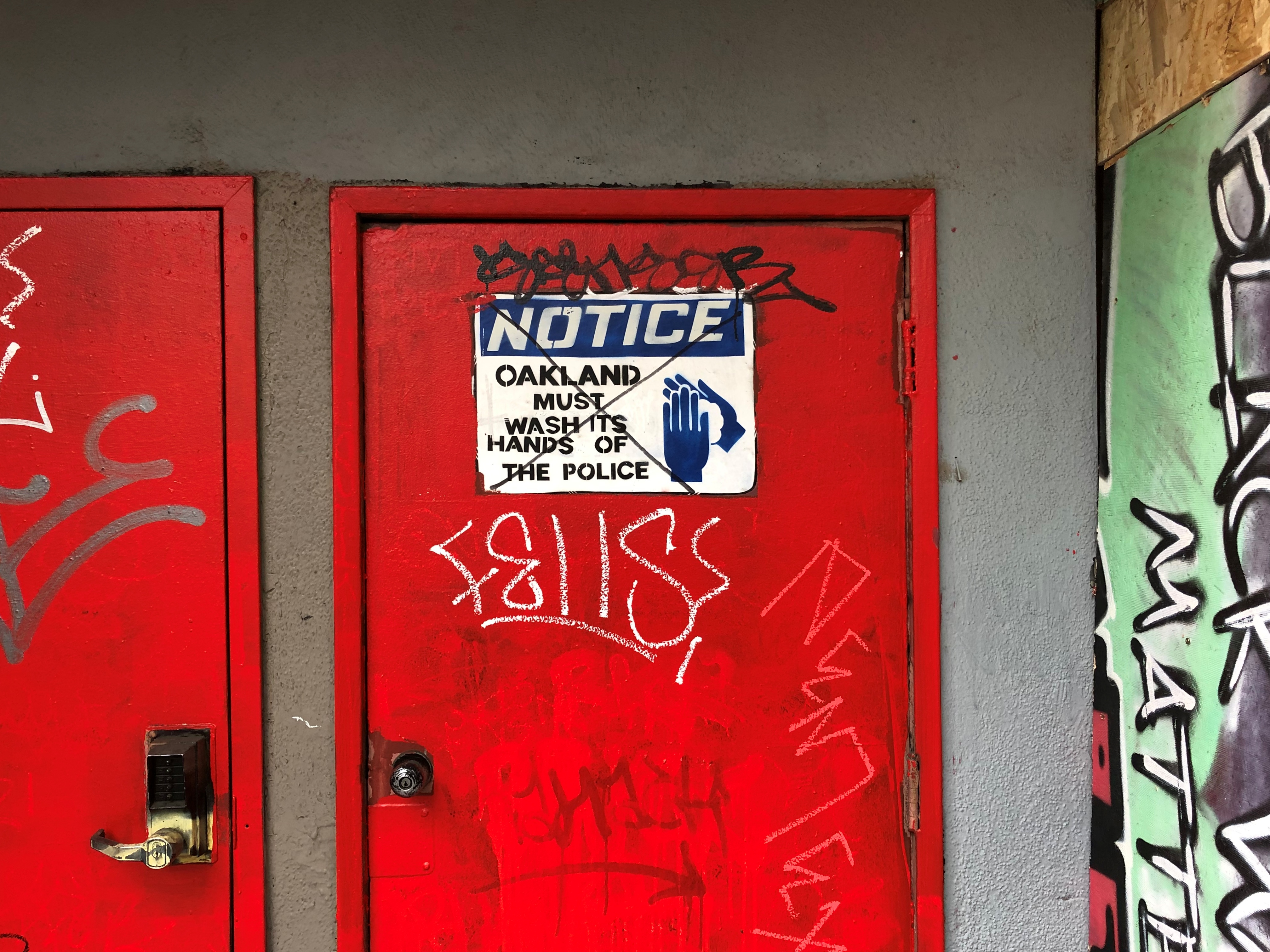
Why there? It’s been more than 30 years since my last visit to San Francisco (and even longer since my first), and while I passed through Oakland in 1990, I’d never really seen that city. It isn’t the most charming city North America has to offer, and always exists in the shadow of San Francisco, but Oakland has its interests. These are two sights I happened upon in that city.Oakland California
Oakland California

Ah, California.

Door County Dash

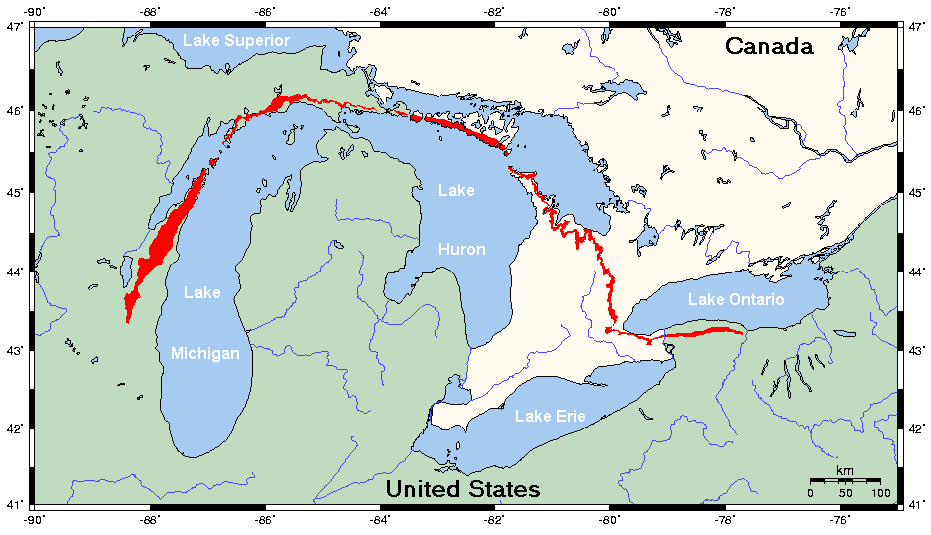
This is a map of the Niagara Escarpment, borrowed from Wikimedia. I can’t vouch for the details, but the general outline seems to agree with other maps I’ve seen.

Over Memorial Day weekend, we visited the east end of the escarpment, where big water flows over a big cliff. Over Labor Day weekend, we visited the west end of the escarpment, where big cliffs overlook big water. That is, Door County, Wisconsin, surrounded by Green Bay and Lake Michigan proper. (The map also fills me with notions of visiting the Bruce Peninsula and Manitoulin Island, though those would be a mite harder to reach from metro Chicago.)

Not our first trip to Door, of course. And maybe not the best time to visit the Door peninsula, since crowds converge there on summer weekends. Still, the place holds its crowds fairly well, except for the narrow streets passing through such towns as Egg Harbor, Fish Creek, Sister Bay and Bailey’s Harbor.

We drove to the town of Green Bay on Saturday, leaving not particularly early, eating takeout Chinese for lunch at an obscure park in Germantown, a far north suburb of Milwaukee, where Yuriko thought there ought to be German food. There is a place called Von Rothenburg Bier Stube there, but we weren’t in the market for that.

West of Germantown is Hubertus, home of Holy Hill Basilica and National Shrine of Mary Help of Christians, which we visited. We arrived in the town of Green Bay late in the afternoon and settled in for takeout pizza from a joint with an Irish name.

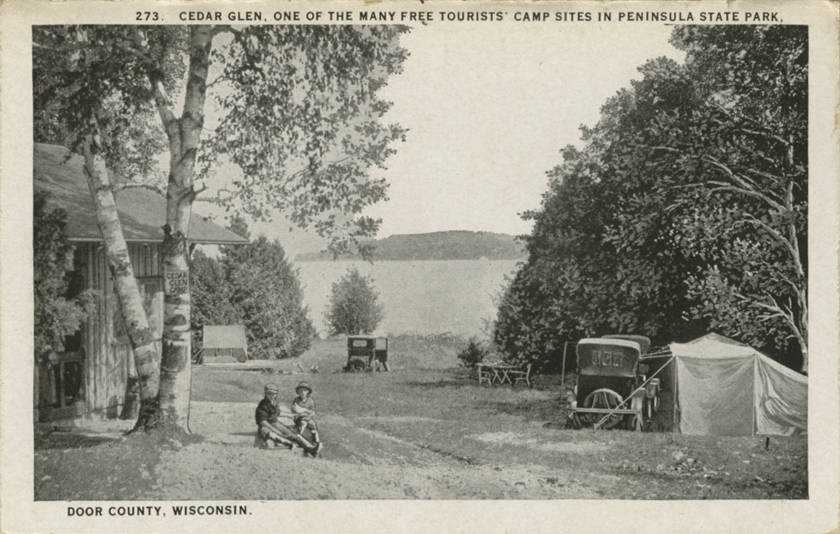
Our visit to Door County on Sunday was essentially a day trip from Green Bay. It might be better someday to actually pay Door County prices and stay in Door County, to allow more time to explore the place. The county isn’t very large — only 482 square miles of land — but it packs in the tourist attractions, natural and manmade. Tourists have been coming for a long time, with resorts first developed just after the Civil War, and the industry really kicking into gear with better roads and cars of the 1920s.

My plans were vague, and we often went where whim took us, such as the lighthouse and pier at the south end of the Sturgeon Bay Ship Canal, a walk along a beach, lunch in the crowded but still pleasant Egg Harbor, and visits along the shore of Green Bay, with its sweeping vistas.

We made it to the tip of the peninsula — I’d long wanted to go there — where the ferry disembarks for Washington Island, but the day was running out, so we didn’t go there. That would be a fitting destination from a base camp closer than the town of Green Bay, I think.

On Monday, we spent part of the morning poking around the town of Green Bay, including a look at a few churches, cemeteries, and city hall. Afterward, the drive back was straightforward and not that interesting, though we had another nice lunch in suburban Milwaukee.

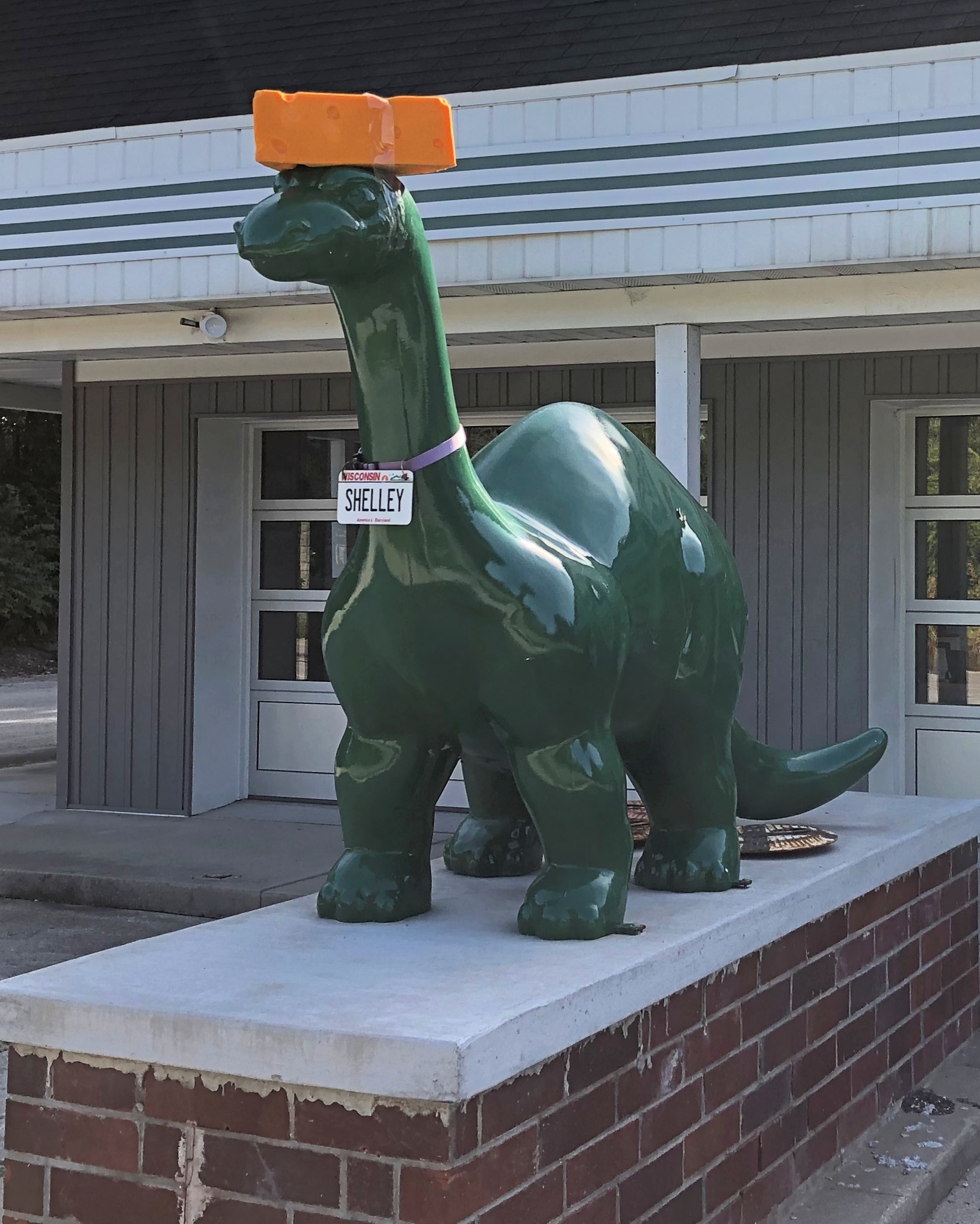
All in all, a good little trip. Saw a few things you can only see in Wisconsin, such as this Green Bay item (maybe made here).cheesehead dinosaurFor the record, that cheesehead hat was taped onto the dinosaur’s head.

North to Alaska

Last week, I found myself at the Arctic Circle. Or so the sign said. I didn’t bother to check with GPS, since I knew it was close enough, like the Prime Meridian line in Greenwich, England. I posed with it. That’s the tourist thing to do, especially when you’ve come a long way.Arctic Circle Sign, Alaska July 2021
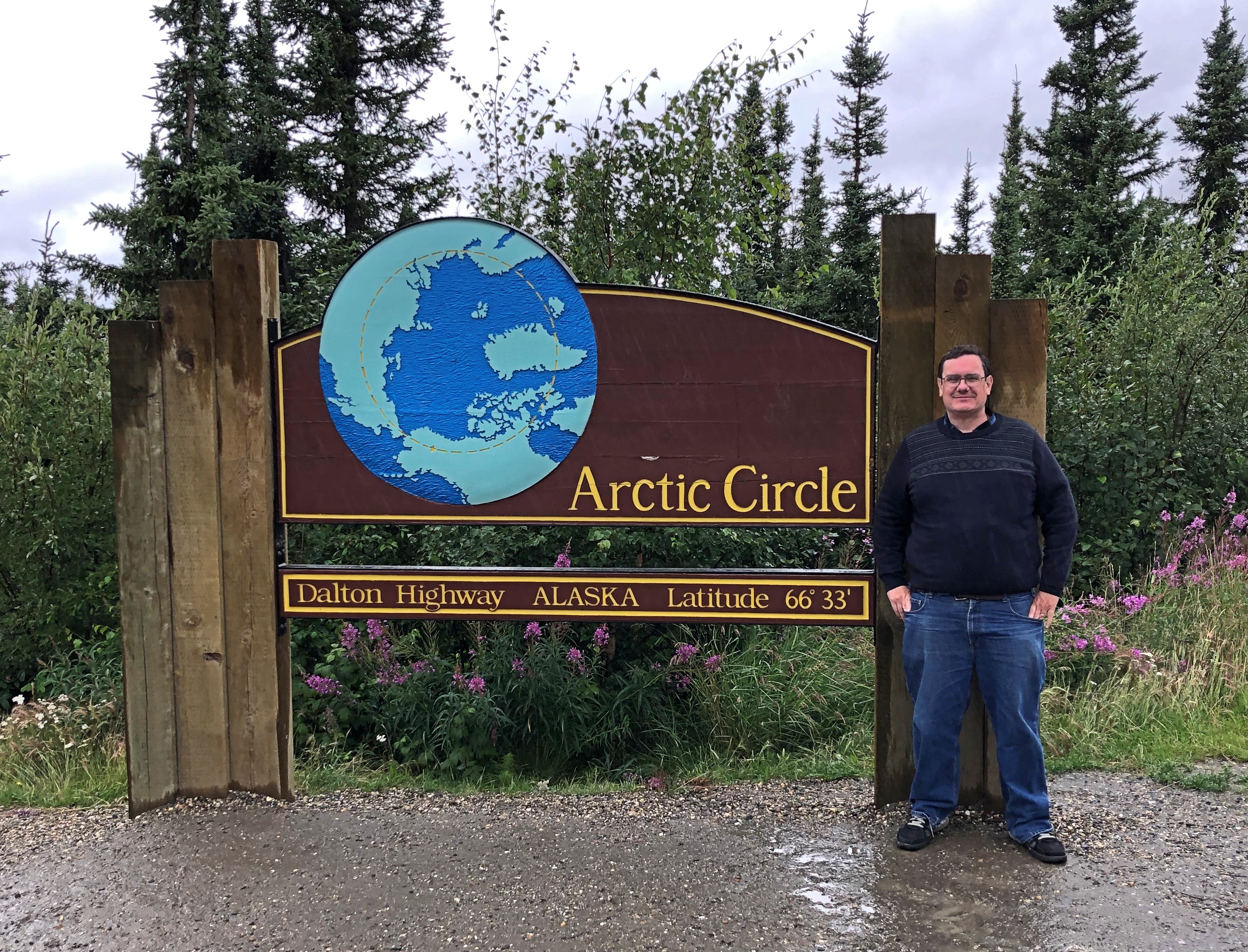
A fleeting but memorable moment there at 66 degrees, 33 minutes North, early during my recent visit to Alaska, which ran from July 26 to July 31. Before that, I flew to Seattle to spent a long weekend with Lilly, who has established a life in that city. I also visited some of my old friends — stretching back to college and high school — now resident in that part of the country.

On the first day in Seattle, July 23, Lilly and I walked from her apartment in the Wallingford neighborhood (near Fremont) over to Gas Works Park under a warm summer sun. That was one of the first places I ever visited in Seattle in ’85, long before the notion of walking anywhere with a grown daughter. After an afternoon nap (for me), we had a delightful take-out dinner at Bill and Gillian’s back yard in Edmonds, with another friend, Matt, joining us.

On Saturday the 24th, I had breakfast up the street from Lilly’s with a high school friend, Louis, whom I hadn’t seen in… 40 years? Late in the morning, Lilly and I went to the Seattle Art Museum, which has quite the collection, arrayed in galleries each featuring a certain genre or artistic theme – usually a radically different one from the neighboring galleries. Out to smash that paradigm called “chronology” or “art history,” I suppose.

That afternoon, we went to the Ballard Locks, formally known as the Hiram M. Chittenden Locks, which connect Puget Sound with Lake Washington, a worthwhile suggestion of Jay’s. Not as impressive as the Panama Canal, Lilly said, but still a feat of 1910s engineering. That evening, old age rested (me) and youth went out (Lilly). That meant that the next morning, youth was a lot more tired than old age during the ferry ride and drive to spend the day at Olympic National Park, where we took a hike along Hurricane Ridge and then a walk to see Marymere Falls.

On July 26, I flew to Fairbanks, my base for the rest of the week. I didn’t have a rental car at first, so I got around via cabs and municipal buses in roughly equal measure – the former being infinitely more expensive than the latter, since the buses have been free since the pandemic hit. I took in the excellent Museum of the North on the sprawling campus of the University of Alaska Fairbanks and visited downtown Fairbanks long enough to get dinner.

The next day, I made my way to a general aviation runway near the airport and took a tour that involved flying in a small plane to Coldfoot, Alaska, which isn’t even a town, but rather a camp on the Dalton Highway, about 250 miles north of Fairbanks. North of Coldfoot, there are no services for 240 miles, until Deadhorse.

We didn’t continue further north. The tour then headed southward by bus on the gravel road that is the Dalton, stopping at a few places, including the Arctic Circle sign.
On July 28, I picked up a rental car and spent some time looking around Fairbanks, including the Birch Hill Cemetery on the outskirts of town, and then suburban North Pole, Alaska, for a look at the curiosities there. Mainly, the Santa Claus House. From there I headed south on Alaska 3, a two-lane road to Anchorage. I didn’t go to that city, but rather to a hotel near the entrance of Denali National Park, where I spent the night. Along that road, I unexpectedly found a presidential site.

The next day, I took a bus tour of the national park, which took us along the only road in the park to see magnificent vistas and animals along the way. We saw many of each. We also saw Denali itself for a short time without a shroud of clouds, gleaming white among the brown mountains. About 600,000 people visited Denali NP in 2019, a record, and I understand the attraction.

That evening, or rather during the long twilight afternoon, I drove back to Fairbanks, only about 90 miles. On the morning of July 30, I spent time futzing around downtown Fairbanks, this time using the rental car, occasionally marveling that I was in the furthest north U.S. city.
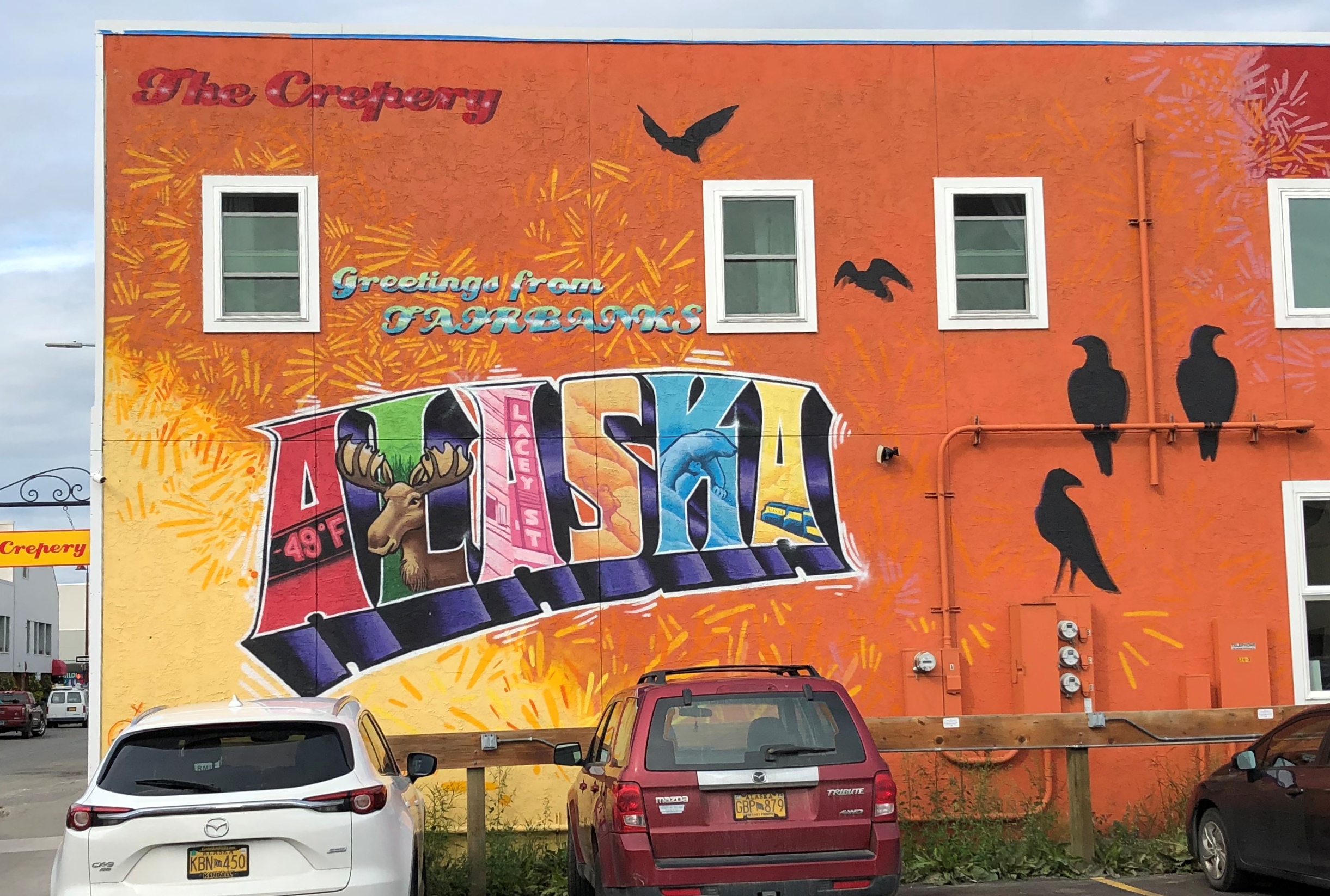
welcome to alaska

A heavy lunch made me tired, so I returned to my room and napped and read and wrote postcards and watched YouTube and regular TV. Even tourists need time off. If the trip had ended then, I would have been more than satisfied, but I had scheduled one more day.

It was a good one. Better than I expected. I’d considered going to a hot spring about 60 miles from Fairbanks, but I’d had enough of long drives, so instead I visited another cemetery, some churches, a couple of neighborhoods and had a lighter lunch than the day before.

That meant I was ready for the Fountainhead Antique Auto Museum in the afternoon. I almost didn’t go. Two museums seemed like enough for this trip. But I figured I’d go look at some old cars for an hour or so, since I was nearby anyway. I was astonished at the place. Not only was it an excellent car museum, it was an excellent museum, period: an amazing collection expertly displayed and curated.

That wasn’t quite all. I spent a little more time before returning to the airport walking on the trails of Creamer’s Field Migratory Waterfowl Refuge, including its boreal forest trail, a term that evokes the trackless reaches not much further out of town. My July 31 flight from Fairbanks was a redeye, bringing me home early today.

My senses had to work overtime to take in all that I experienced. Alaskan vistas tend to be intense, in spots sweeping far to the distance; more expansive than I’d ever seen, besting even the Grand Canyon or the Canadian Rockies or the Gobi Desert. Roads took me through vast forested square miles without much human presence. On learning that there are really only six main species of trees in the Alaskan forests, and that one of them is the quaking aspen, I started noticing them everywhere. At one rest stop, I listened to the wind blow through a stand of maybe half a dozen quaking aspens, a distinctive rustle I’ve heard in my own back yard, only magnified.

Mostly the temps were in the 60s and 70s, and as high as 80, though a rainy cool day on the Dalton made the gravel crunch and the mud stick, and some of it yet remains dried on my hiking shoes. As the days passed, I started noticing the hours-long twilight and the never-quite dark of the night, strange to contemplate, if you’re not used to it. The signs and businesses and other details along the way in Fairbanks spoke to a strong regional identity, as much as in Texas.

At first, Fairbanks itself didn’t impress. The Lubbock of the far north, I thought. But the longer I stayed, the more I began to appreciate its light traffic, historic spots, and restaurants that wouldn’t be out of place in any much larger American city.

And its oddities. Perhaps none as odd as the green pyramid at the University of Alaska Fairbanks, in front of the engineering building.
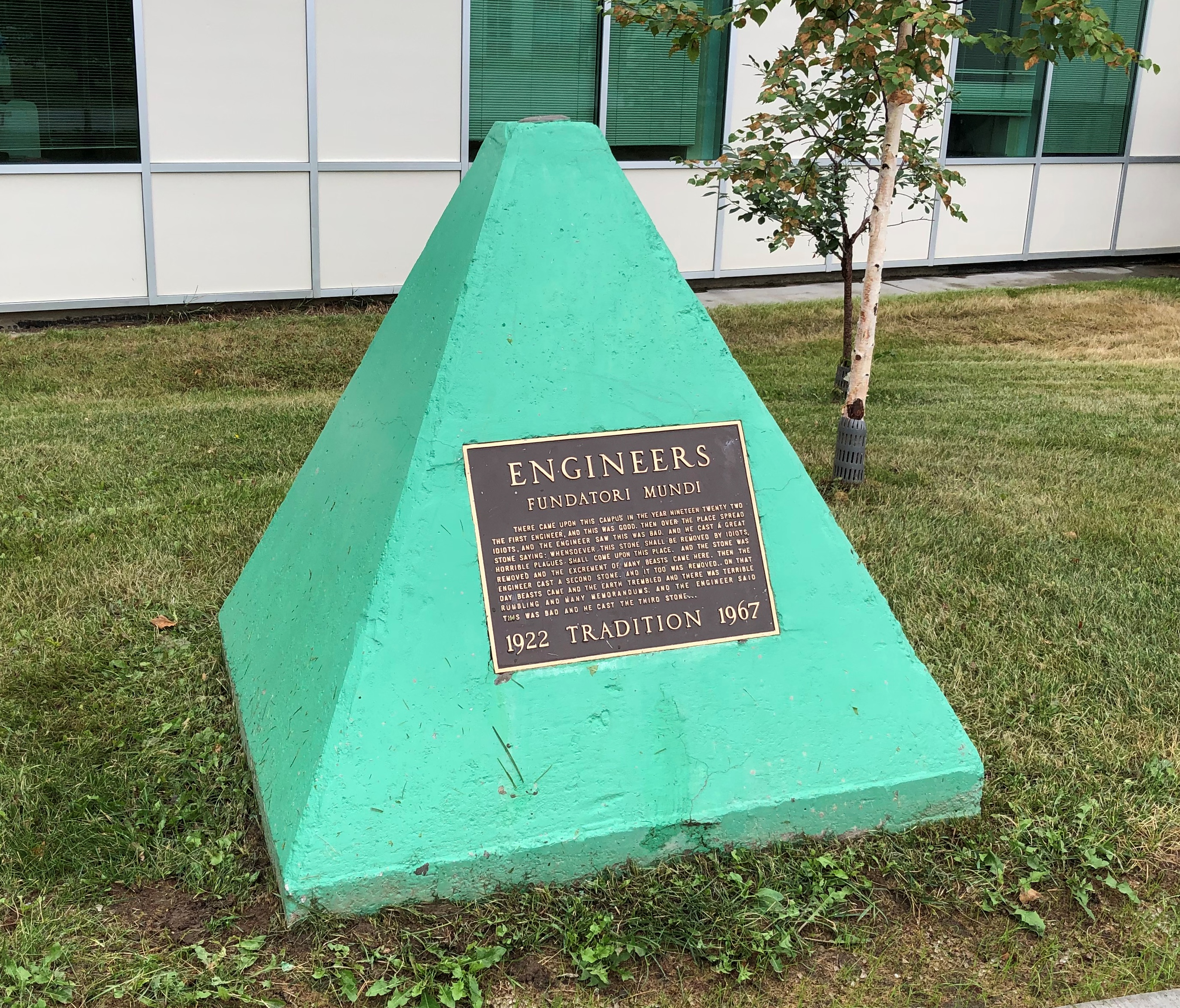
Engineers Tradition Stone University of Alaska
The text is here.

The Alaska leg of the trip was a little expensive, at least after arrival, because the airfares to get there and away were the least expensive part of the trip. Everything else in Alaska is expensive. But I have to add: entirely worth it.
Alberta 2006

It’s been a year of getting near Canada — Buffalo and Detroit so far — without crossing the line, since the border remains stubbornly closed even now.

That wasn’t the case 15 years ago this month, when we drove from Illinois to Alberta by way of the Dakotas and other places. At the time I wrote: “So, to sum up: very long drives, a lousy exchange rate, high fuel costs. Was it worth it? Was it ever.”

What is it about mountains? Pre-modern generations considered them obstacles to their forward motion. Now that we have mountain roads and tunnels, we admire the view. Do people who live close to mountains take trips to see flatlands? That makes me think of busloads of Swiss out admiring Kansas, but I don’t think it works that way.

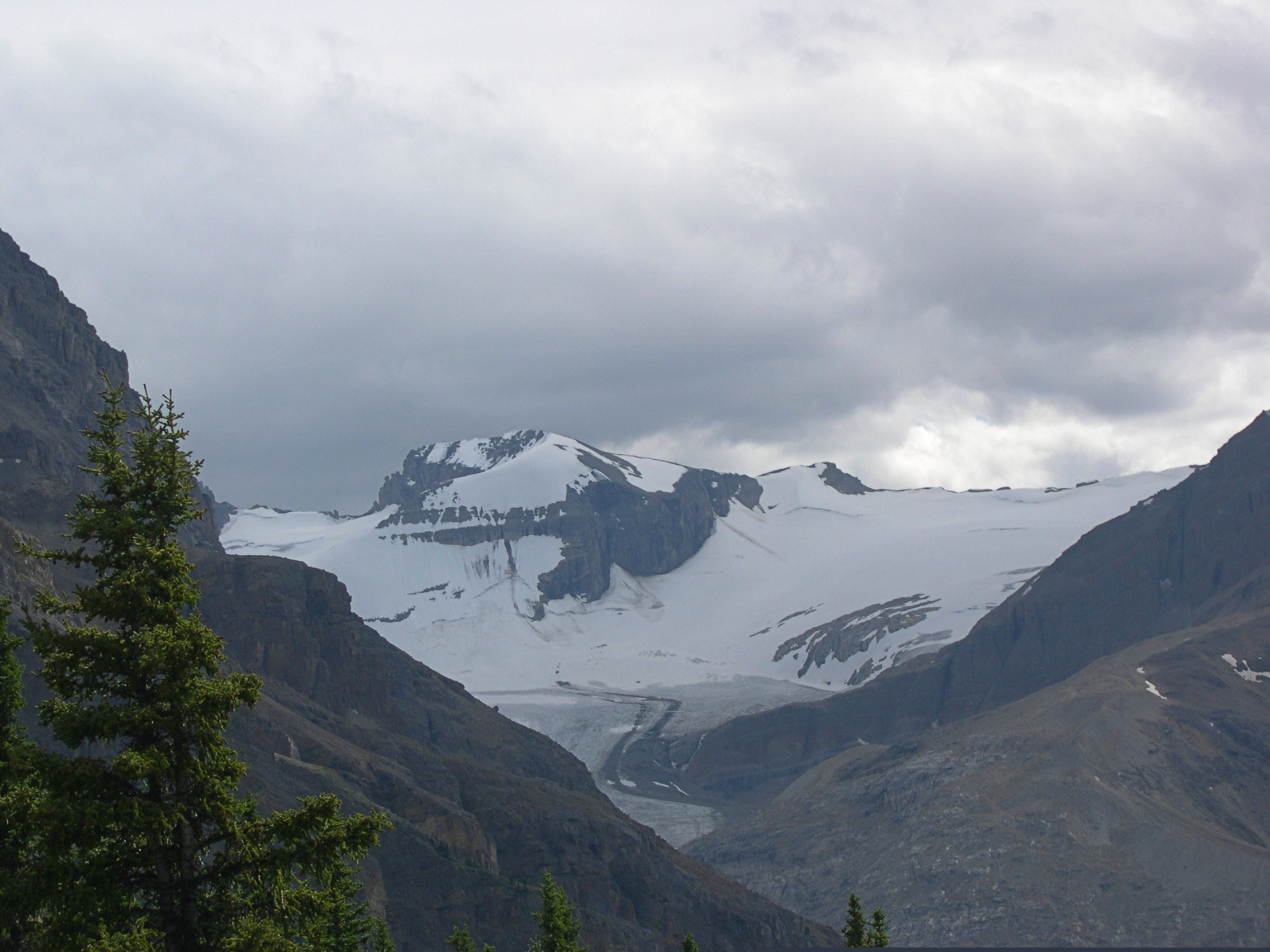
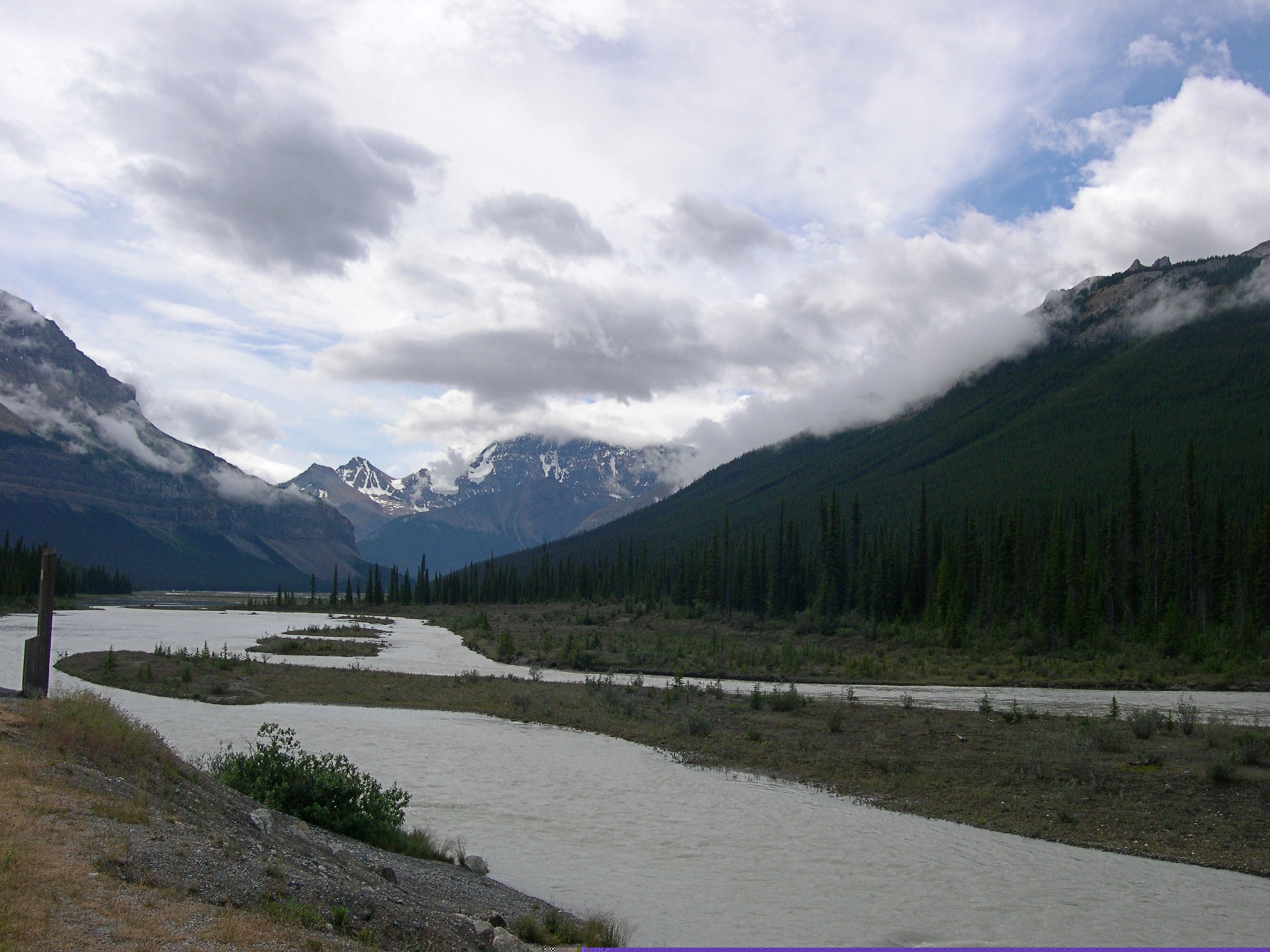
Anyway, it was a trip of wide horizons, long roads, lofty mountains, mighty waters (liquid and frozen), endless forests, vivid wildflowers, sweeping Canadian farms, campsites, elk and bears and bison, clouds of mosquitos, national parks, vistas and towns of the tourist and non-tourist variety.

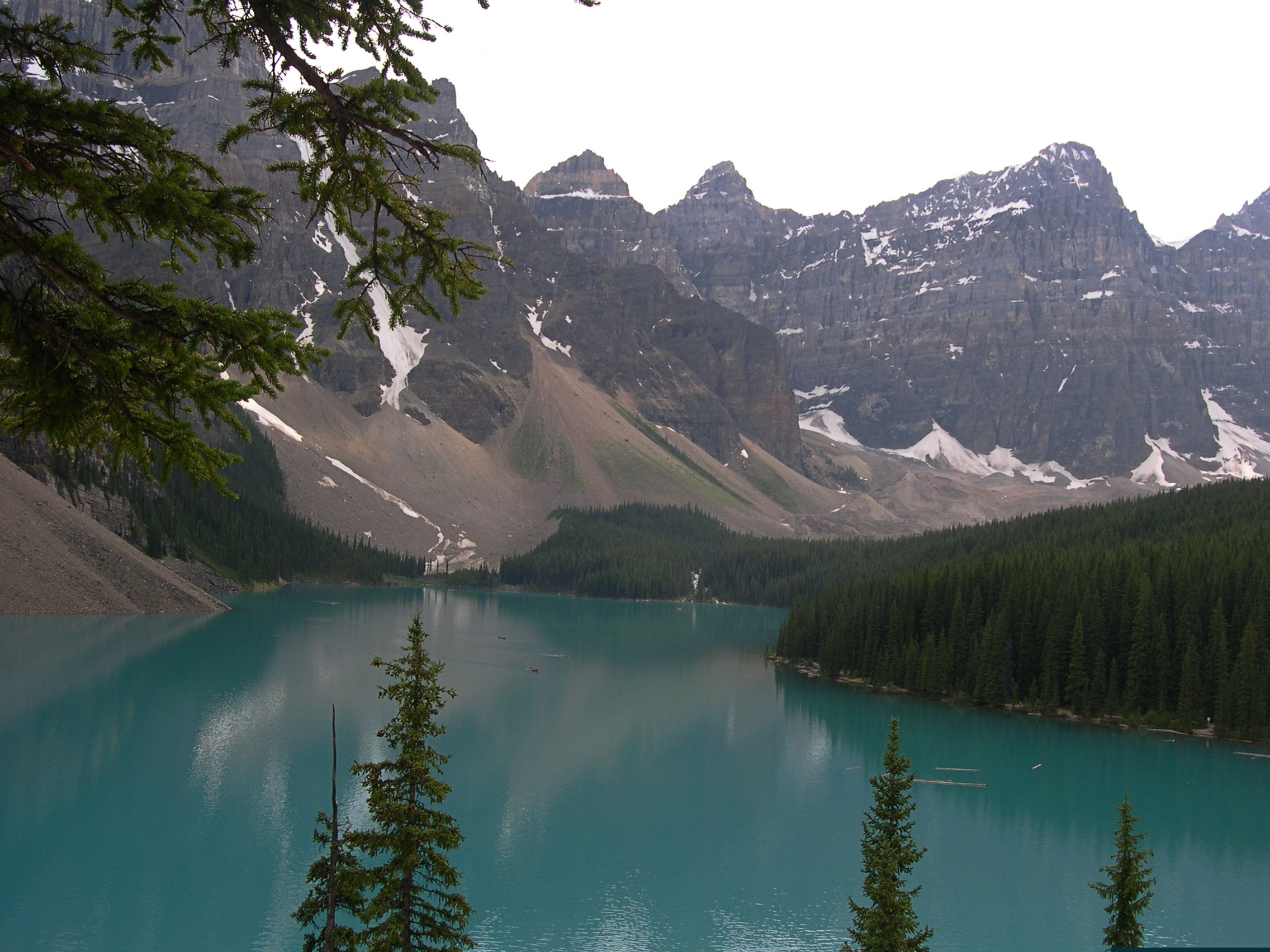
Moraine Lake and the Valley of the Ten Peaks. Too good a vista not to post again.

Moraine Lake and the Valley of the Ten Peaks

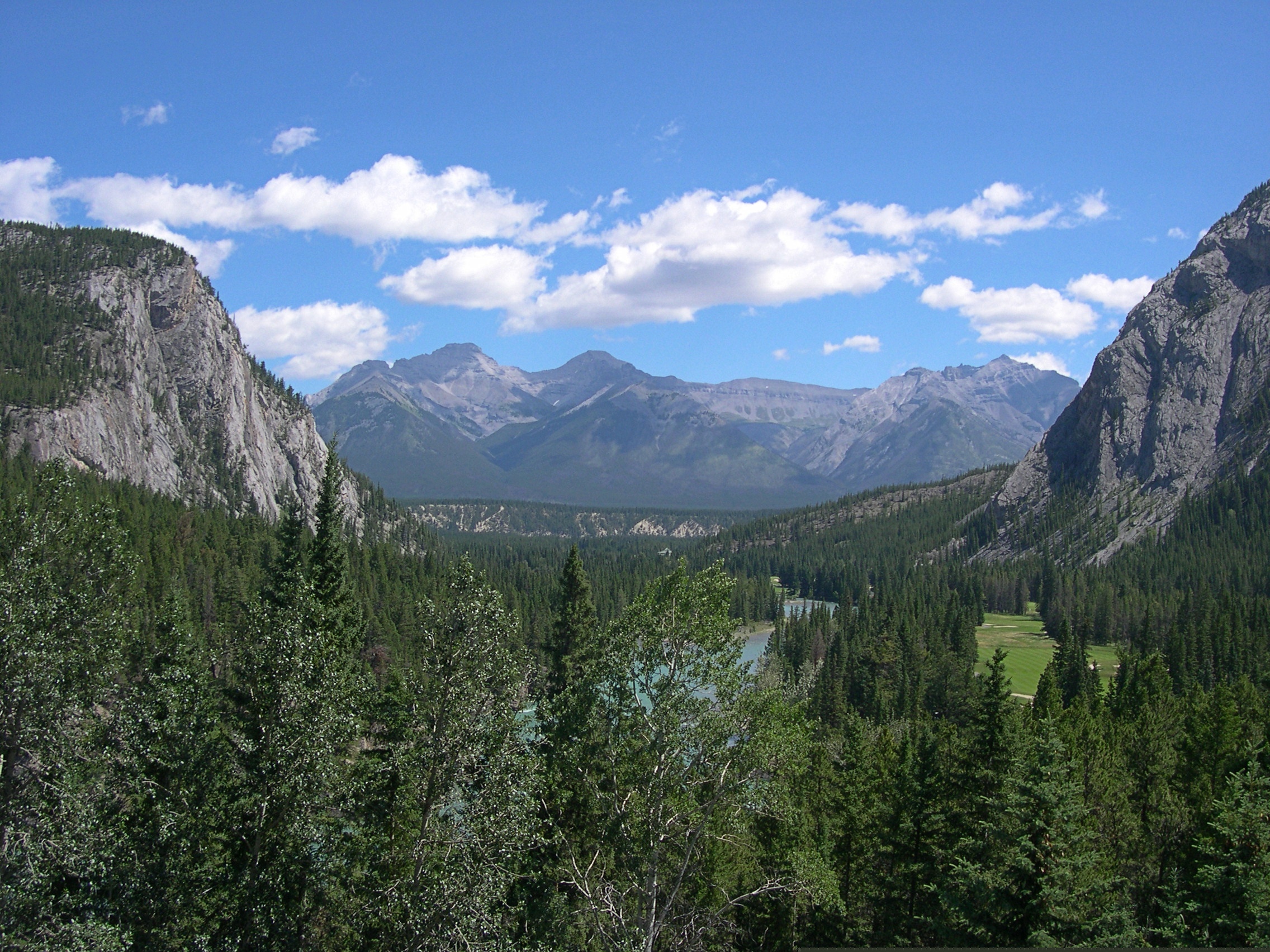
This looks like a view from some remote spot, but actually I was standing in back of the Banff Springs Hotel in Banff, which was a sight all its own.

Banff Springs Hotel back view

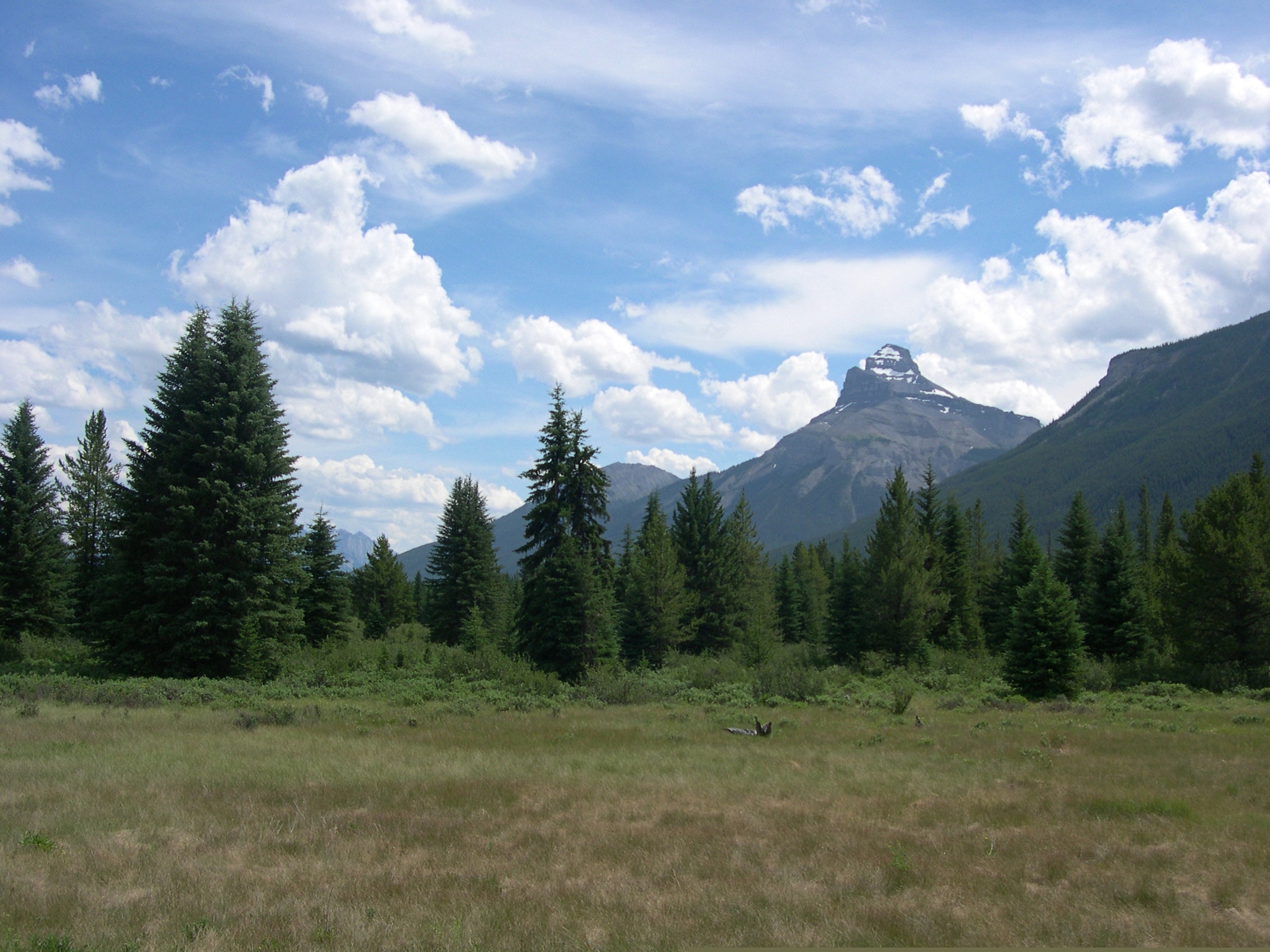
This view, on the other hand, is roadside on the Icefields Parkway, which remains one of the great drives of my life. A place called Moose Meadows.

Moose Meadows, Alberta

More Alberta views.Alberta

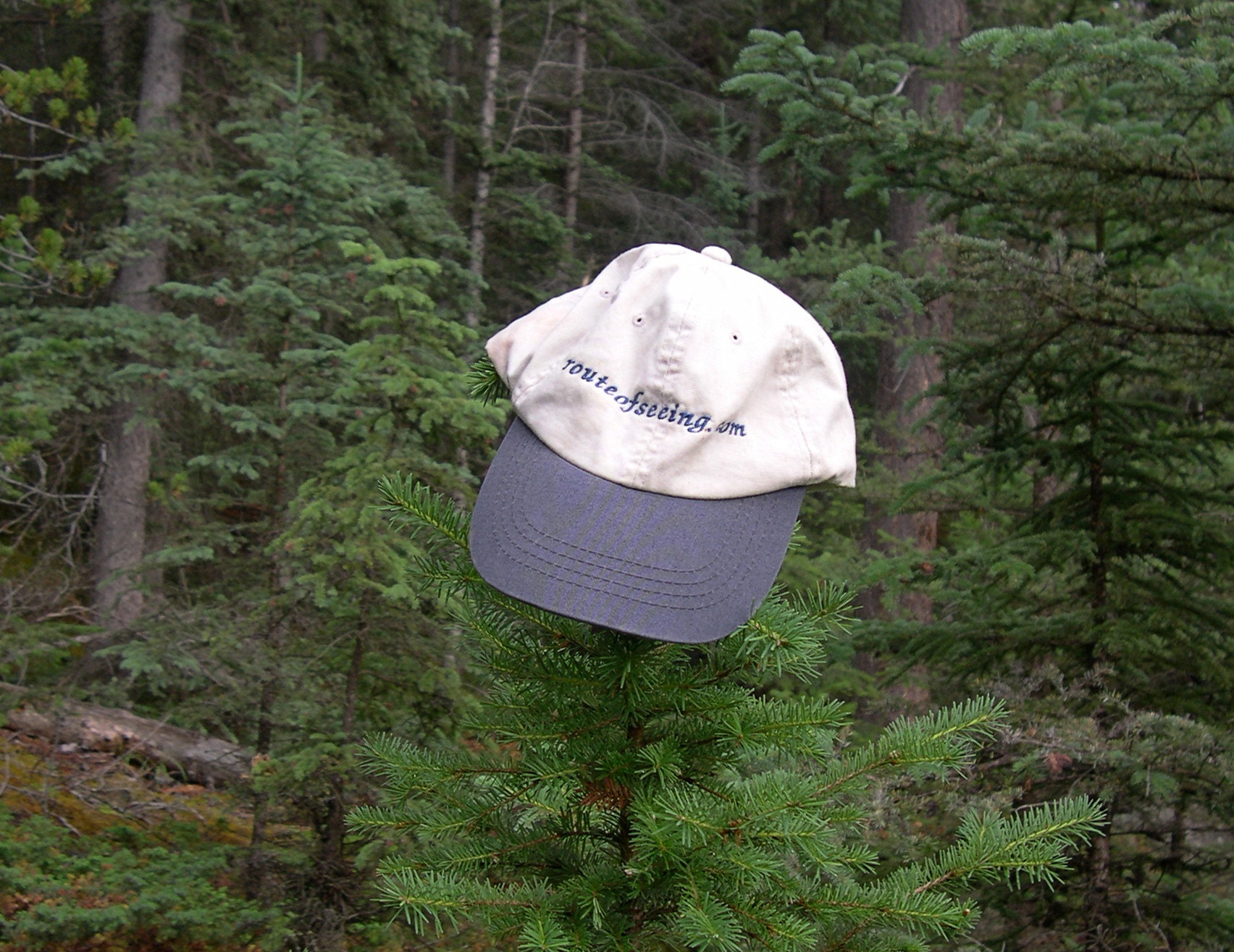
I told Ed Henderson (d. 2016) I’d take the cap he sent me various places. I haven’t lately, but I did for a while.

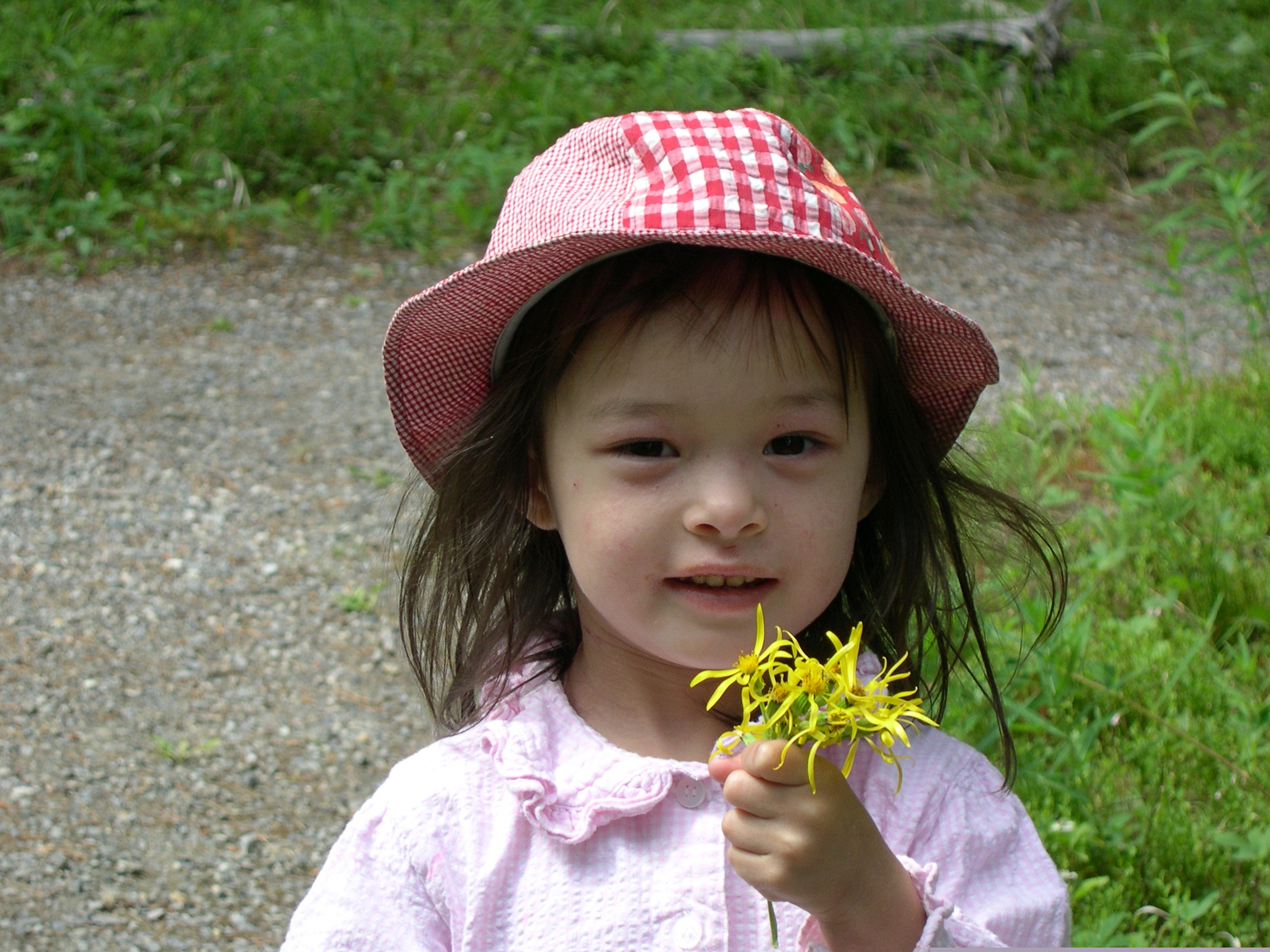
The girls had a good trip.

Even if they don’t remember much, in the case of Lilly, or anything at all, in the case of Ann.

Detroit ’21: St. Joseph Shrine

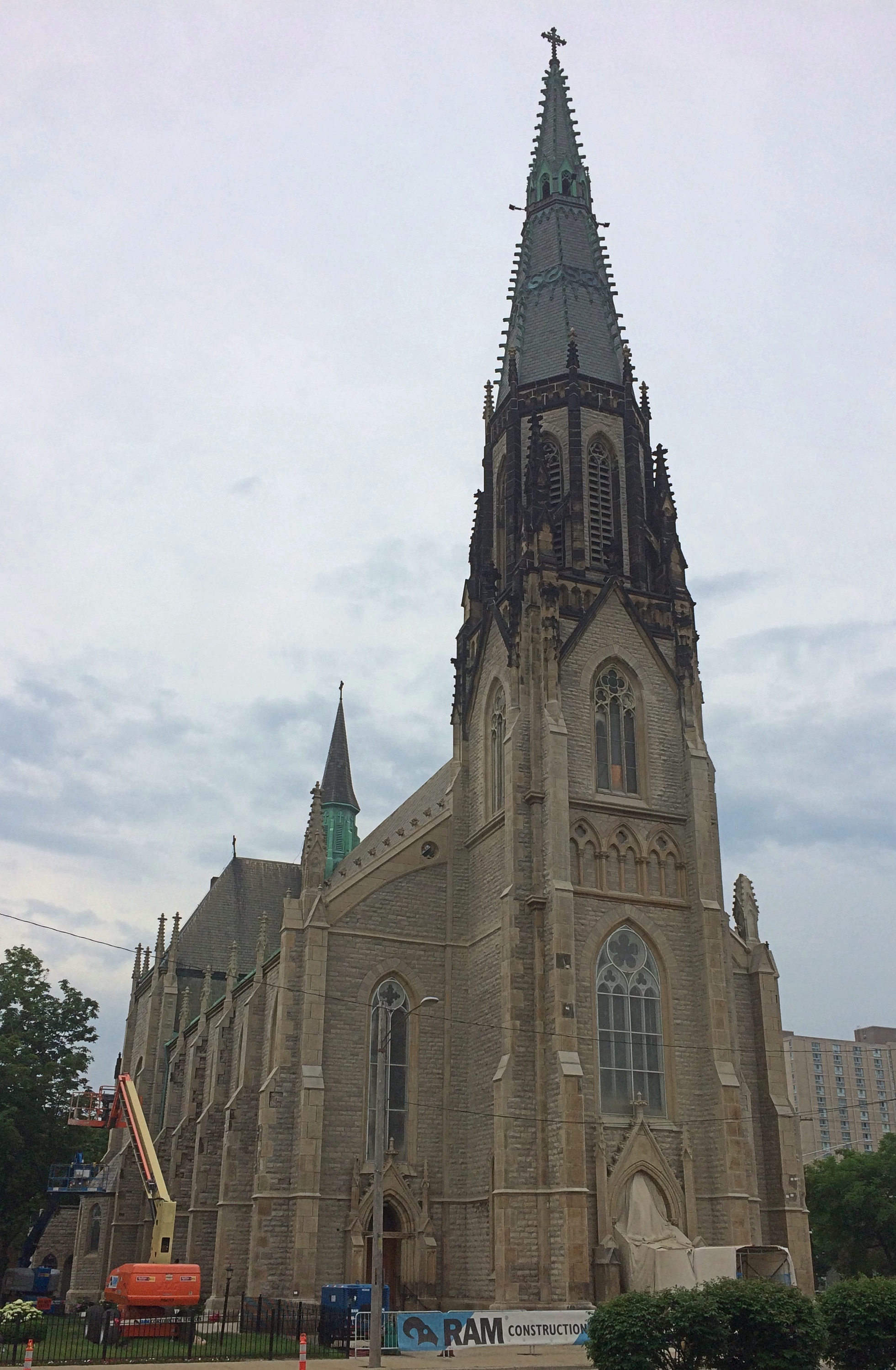
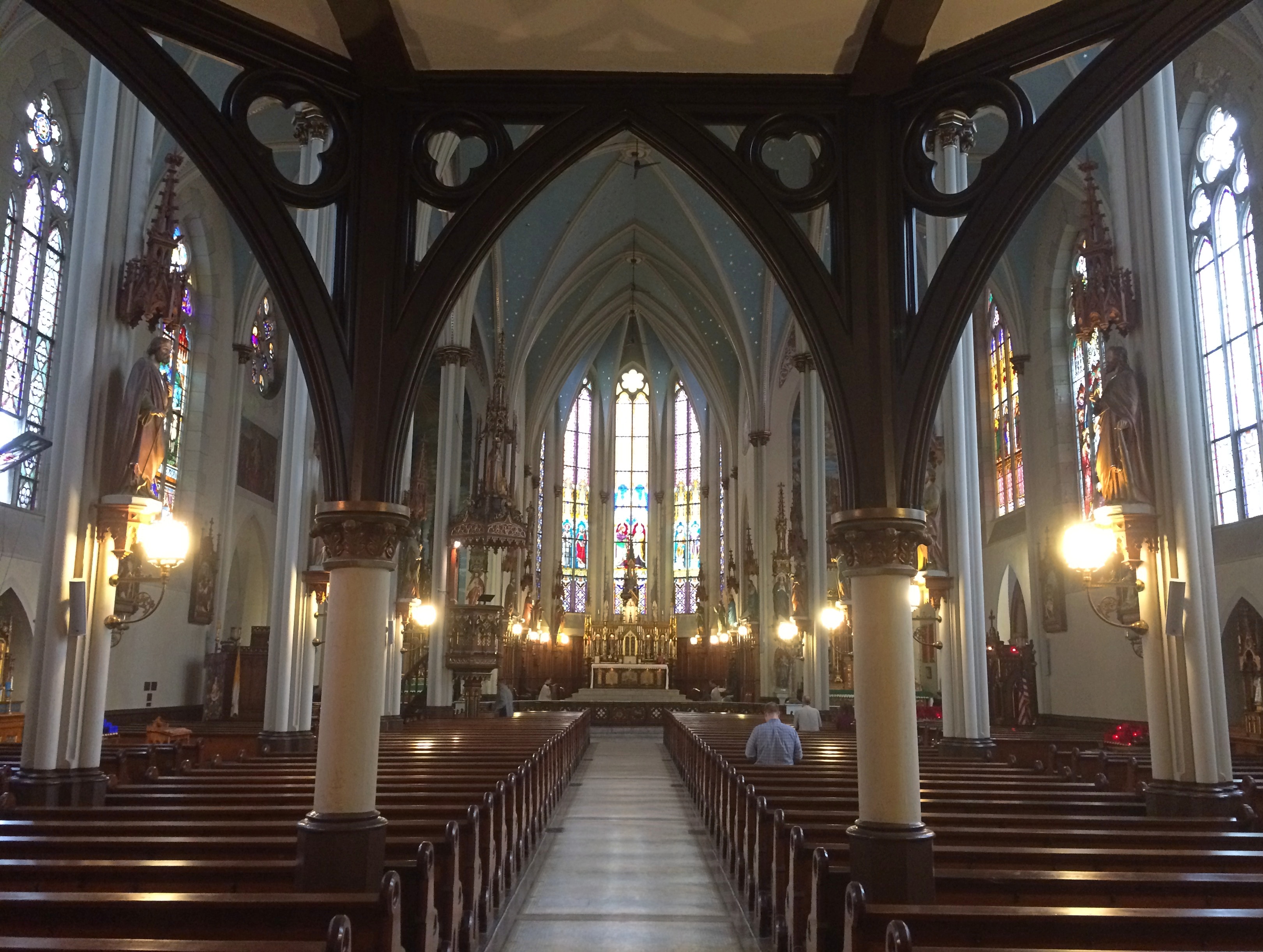
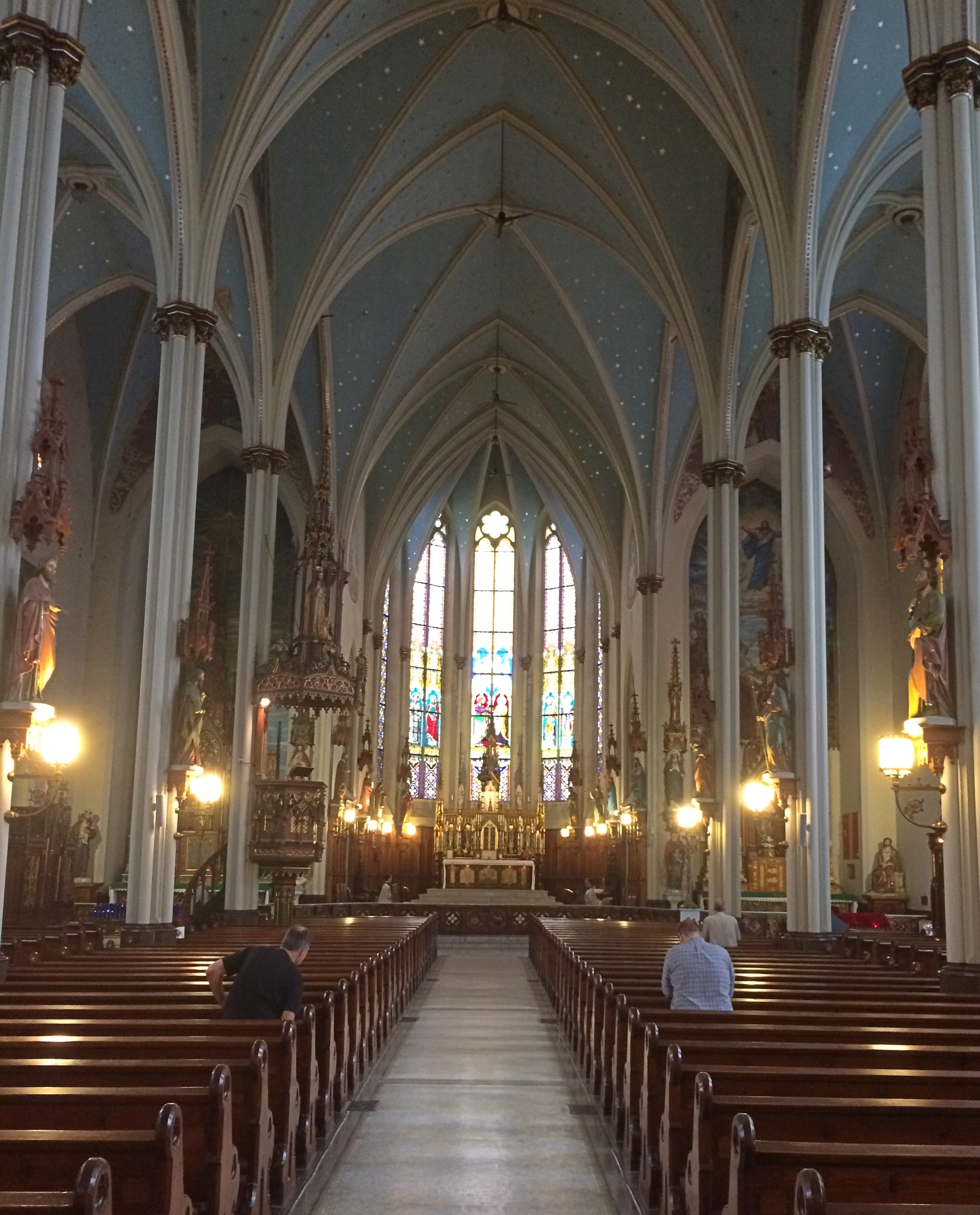
We made use the long weekend partly to pop over to Detroit and a handful of its suburbs. On Saturday morning at about 8:30, we arrived at St. Joseph Shrine, which is just northeast of downtown in the Eastern Market district, a large church tucked away on a small street.St. Joseph Shrine

The church has been a shrine only recently. “Detroit Archbishop Allen H. Vigneron announced today that he has granted the title of Archdiocesan Shrine to St. Joseph Oratory, in recognition of the parish’s service as a popular place of pilgrimage and its abundant availability of the sacraments,” the diocese announced in a press release early in 2020.

“The parish… has since 2016 been under the spiritual and pastoral care of the Canons of the Institute of Christ the King Sovereign Priest, a society of apostolic life founded in 1990 with a special focus on the celebration of the Extraordinary Form of the Latin Rite…

“St. Joseph Shrine was founded in 1855 as a German Catholic parish. The current church building was completed in 1873 and was listed in 1972 on the National Register of Historic Places, deemed ‘of national importance’ in part because of its beautiful stained glass…

“The arrival of the Institute in 2016 prompted the re-establishment of St. Joseph as its own parish, renamed St. Joseph Oratory to highlight the community’s particular dedication to prayer and availability of the sacraments.”

“Oratory” is still kicking around the maps and articles like this. No matter. One Francis G. Himpler (1833-1916) designed the church, while Franz Mayer of Munich did the stained glass. Much better images can be found at this Curbed article about the building’s recent restoration. I was glad to see restoration work in progress. St. Joseph Shrine
St. Joseph Shrine
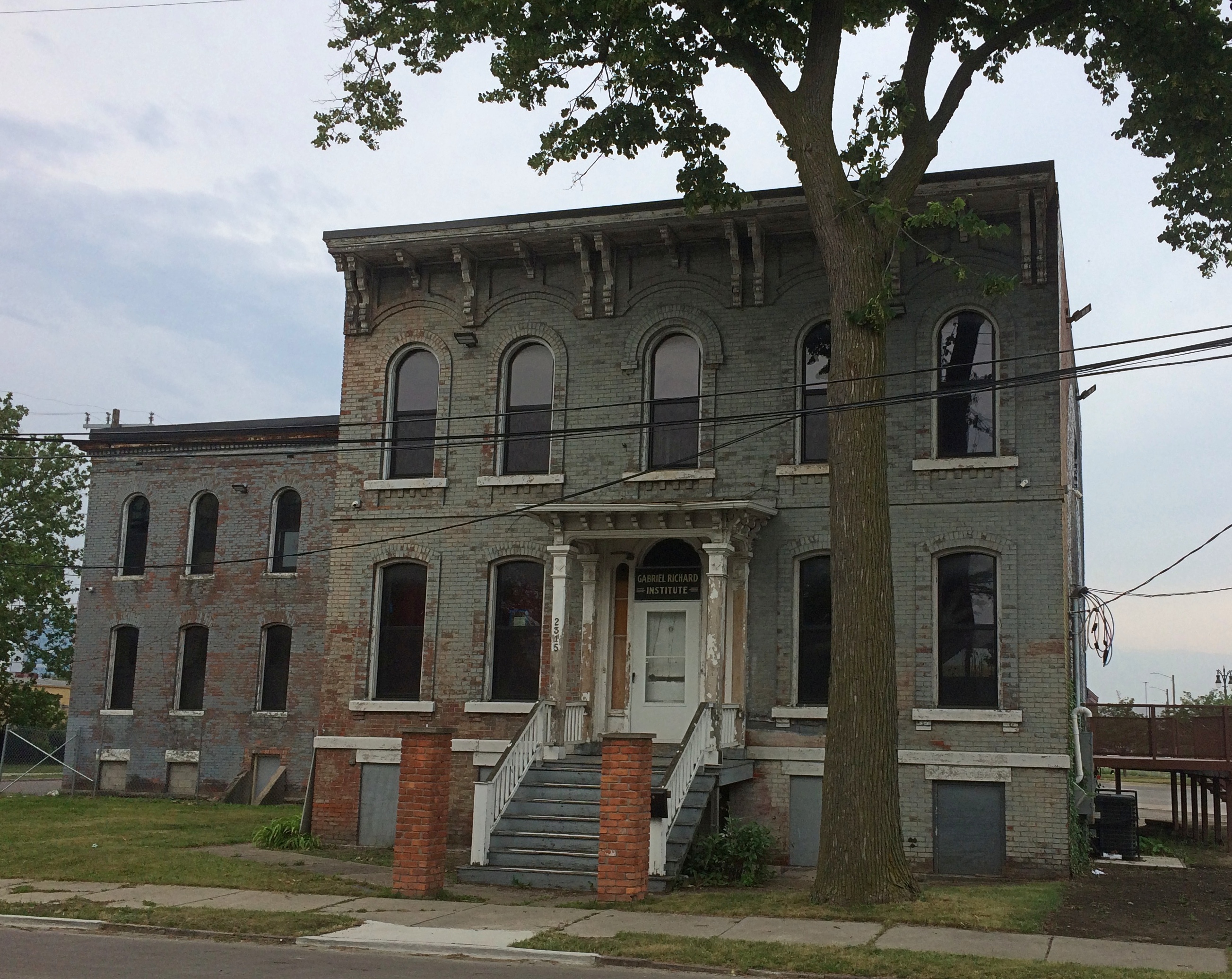
I took a quick look around the area and found this building cater-cornered across the intersection from the church.GABRIEL RICHARD INSTITUTE
A small commercial building developed long ago, which will never make any lists or have any articles written about it. Over the front door it says, GABRIEL RICHARD INSTITUTE. It doesn’t look occupied, however.
Gabriel Richard is well known in the history of Detroit, and vestiges of the institute can be found online, such as here, but it isn’t a subject I care to dig into further. The building does have a cool mosaic on one wall, though.

GABRIEL RICHARD INSTITUTE mural
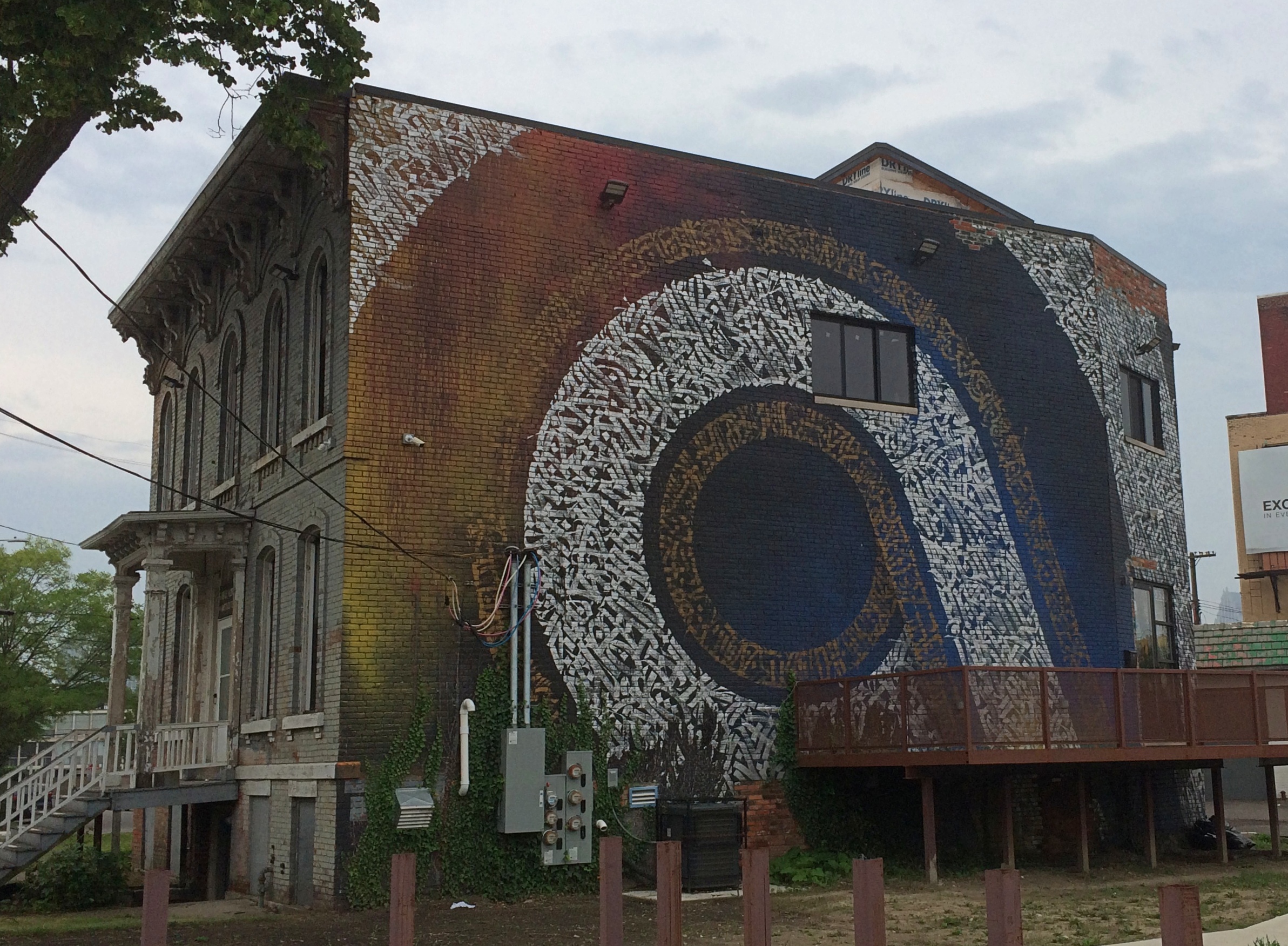
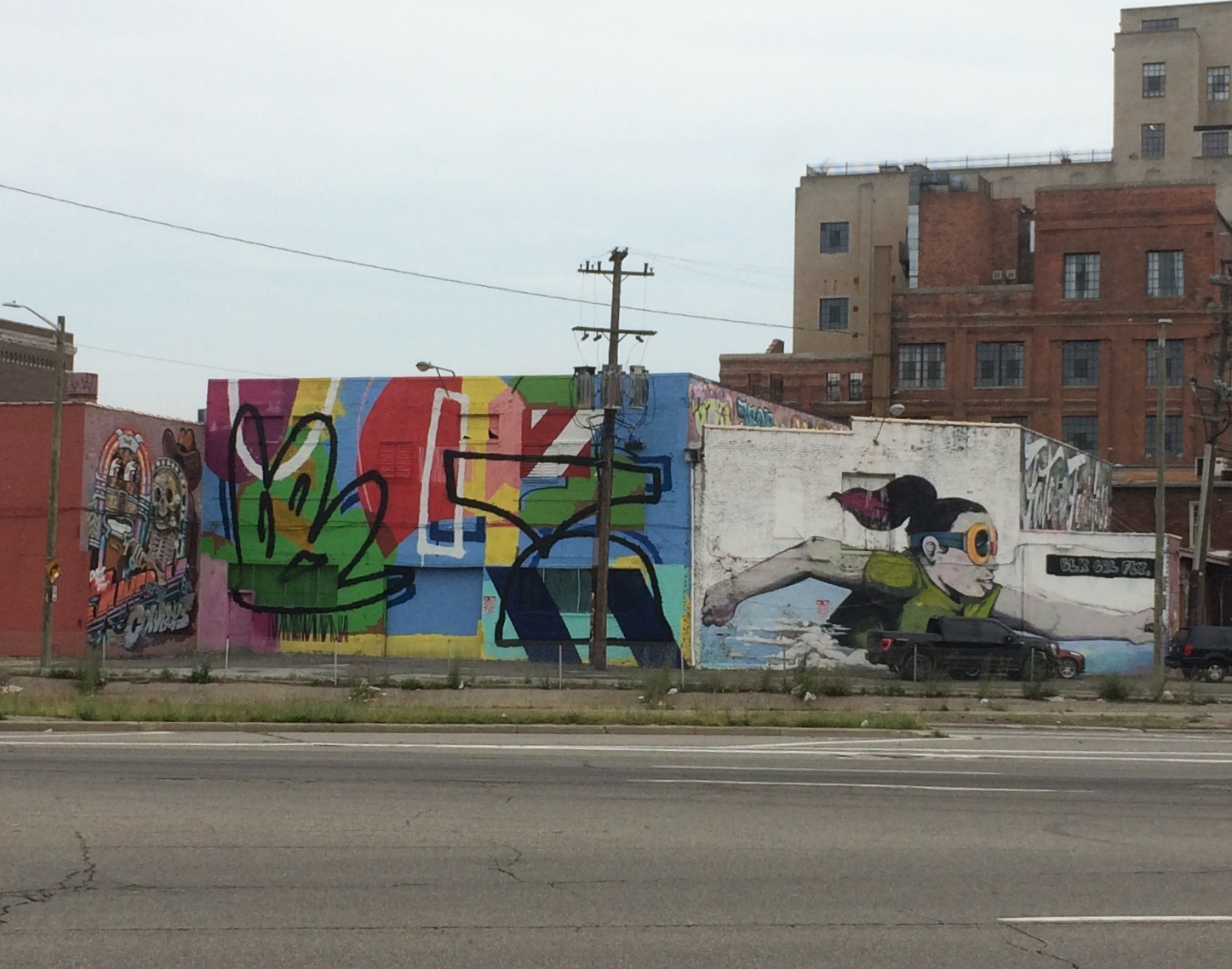
From that point across Gratiot Ave., a major thoroughfare running into downtown, are more murals.murals in the market detroit
Looks like the legacy of a mural-painting event only a couple of years ago.

Shuffle Off To Buffalo

Just back yesterday evening from 72 hours in Buffalo. Roughly. Not quite 72 hours over Memorial Day weekend and not quite all in Buffalo, though we were in the Buffalo-Niagara Falls MSA the whole time.

Three days isn’t enough to drive to Buffalo from northern Illinois and spend a worthwhile amount of time. Like Pittsburgh, that would be a four-day venture. So we flew. First time since early 2020. Except for mandatory masking at the airports and on the planes, everything was about the same as it used to be, including holiday-weekend crowds. One of our flights was on a Boeing 737 MAX-8, and clearly we lived to tell the tale.

We, as in Yuriko and I, arrived late Friday night and made our way to Amherst, New York, a Buffalo suburb, where we stayed. We were up early the next morning to spend most of the day at Niagara Falls State Park. I was fulfilling a promise I made in 1996, when we arrived at the falls in March to find the American Falls still frozen. I told her we’d come someday when the liquid was moving again, and so we did.

That wasn’t the whole first day. I discovered that nowhere is very far away from anywhere else in this corner of New York state by driving north along the Niagara Gorge, stopping at Lewiston and Fort Niagara, and then returning to Amherst.

On Sunday, we weren’t up quite as early, but we made it to downtown Buffalo in the morning for a walkabout. As promised by various sources, the city has some first-rate architecture, most especially Buffalo City Hall. Late in the morning, after a brief stop at Tim Horton’s — they’re everywhere in metro Buffalo — we toured the Theodore Roosevelt Inaugural National Historic Site, formerly the Ansley and Mary Wilcox home.

Lunch that day was on Main Street at the Anchor Bar, which specializes in Buffalo wings and claims their invention, but in any case the joint didn’t disappoint. Afterward, Yuriko napped in the car while I spent time looking around Main Street, which includes Buffalo’s theater district and Saint Louis Roman Catholic Church.

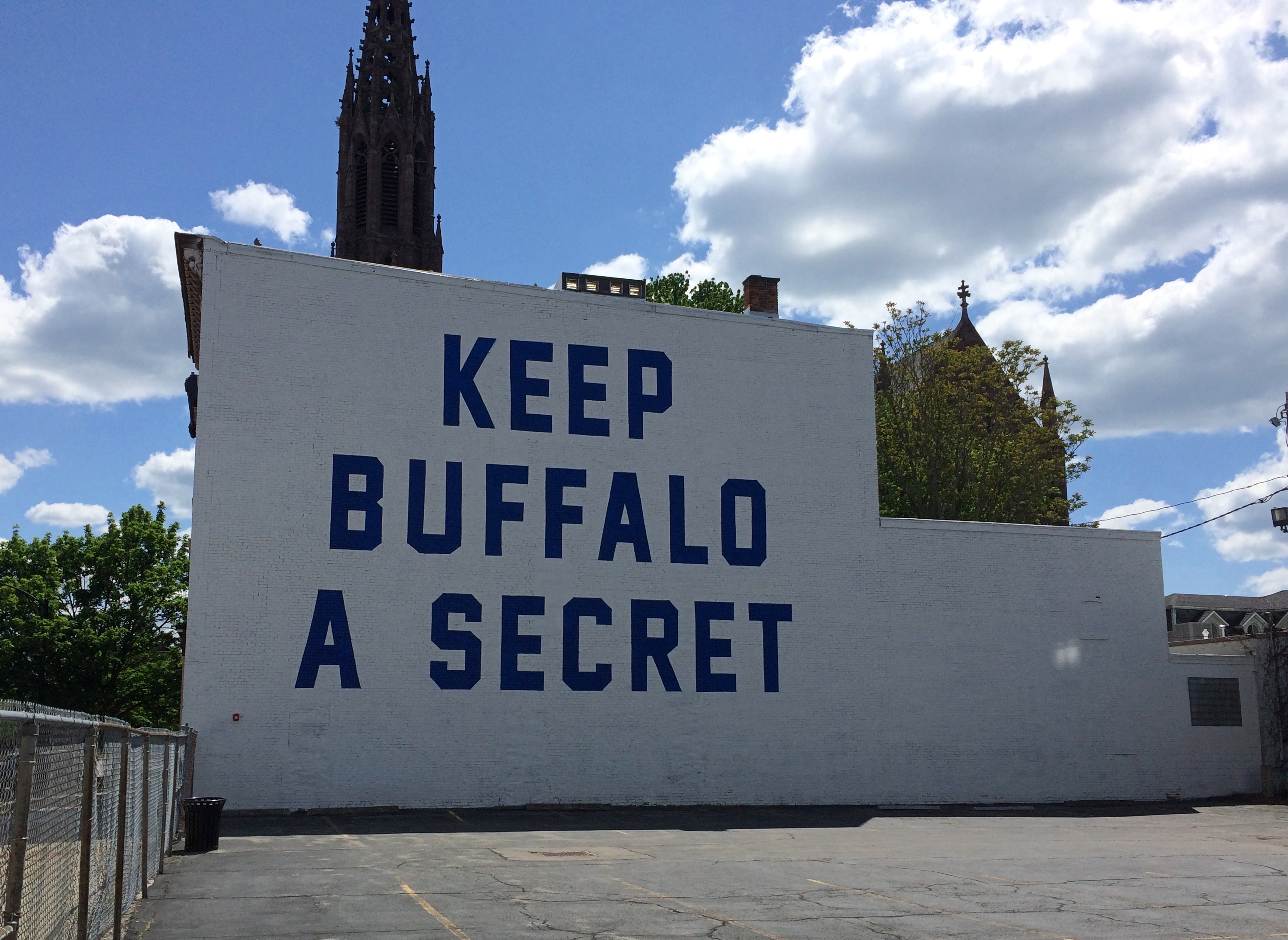
Also, this mural.Keep Buffalo A Secret
Created by local t-shirt designer David Horesh and painter Ian de Veer, it’s highly visible when you’re traveling southbound on Main.

Could it be that current Buffalonians might not want millennials, or more importantly, tech-industry millennials with high incomes, to show up in droves to drive up prices for everyone else? Maybe. Not sure Buffalo has the tech ecosystem, as they say in the biz, to support such an influx. Then again, in the vicinity of the mural are places probably supported by people with at least some disposable income, such as Just Vino, the House of Masters Grooming Lounge, Hair to Go Natural, and Fattey Beer Co. Buffalo.

I had a mind to visit Delaware Park afterwards, since a Frederick Law Omstead park is always worth seeing, but we ended up sampling it merely by driving around it. Looks like a nice place to while away a warm afternoon.
By that time, Sunday afternoon, it was fairly warm in greater Buffalo. Rain had clearly fallen the day before we arrived, and cool air arrived afterward, taking temps down into the low 50s early Saturday, when we got to Niagara Falls. Did that matter? No. It wasn’t cold enough to freeze anything.

On Monday I got up early and visited the splendid Forest Lawn Cemetery, permanent home of President Fillmore and Rick James, among many others. Later, we drove to Lockport, New York and spent some time along the Erie Canal. As long ago as elementary school, I heard about the Erie Canal, but had never seen it. We also took a tour of one of the manmade caves near the canal, where rapid water flows formerly powered local industry.
Back in Buffalo for a satisfying lunch at Lake Effect Diner, housed in a chrome-and-neon diner car dating to 1952. Then we drove south via surface streets to Lackawanna, where you can see the Basilica of Our Lady of Victory, our last destination for the trip.

Why Buffalo? There was that promise to visit the falls, of course. But I also wanted to see Buffalo. My single previous experience there had been a quick drive-through in 1991 after I saw Niagara Falls for the first time, from the Canadian side. Every city of any size has something interesting. A lot of smaller places do as well. So we shuffled off to Buffalo.

Peoria Dash ’21: A Couple of Hours in Freeport

The week after I returned from Dallas was second-dose vaccination week for all of us in our house. When I set things up in late March, the only first-shot appointments were at far-flung pharmacies in northern Illinois, meaning the boosters would be at the same places. By the time I got back, I had the sense that I could have rejiggered things to get shots closer to home. But I didn’t. I still wanted to go to those places.

Such as Freeport, Illinois, the only town of any size between Rockford and Galena, and actually much bigger than the latter (23,700 vs. 3,100). When driving into Freeport, I saw a sign advertising a Wrigley Field replica, or miniature, or something. It wasn’t hard to find after our vaccination was done.

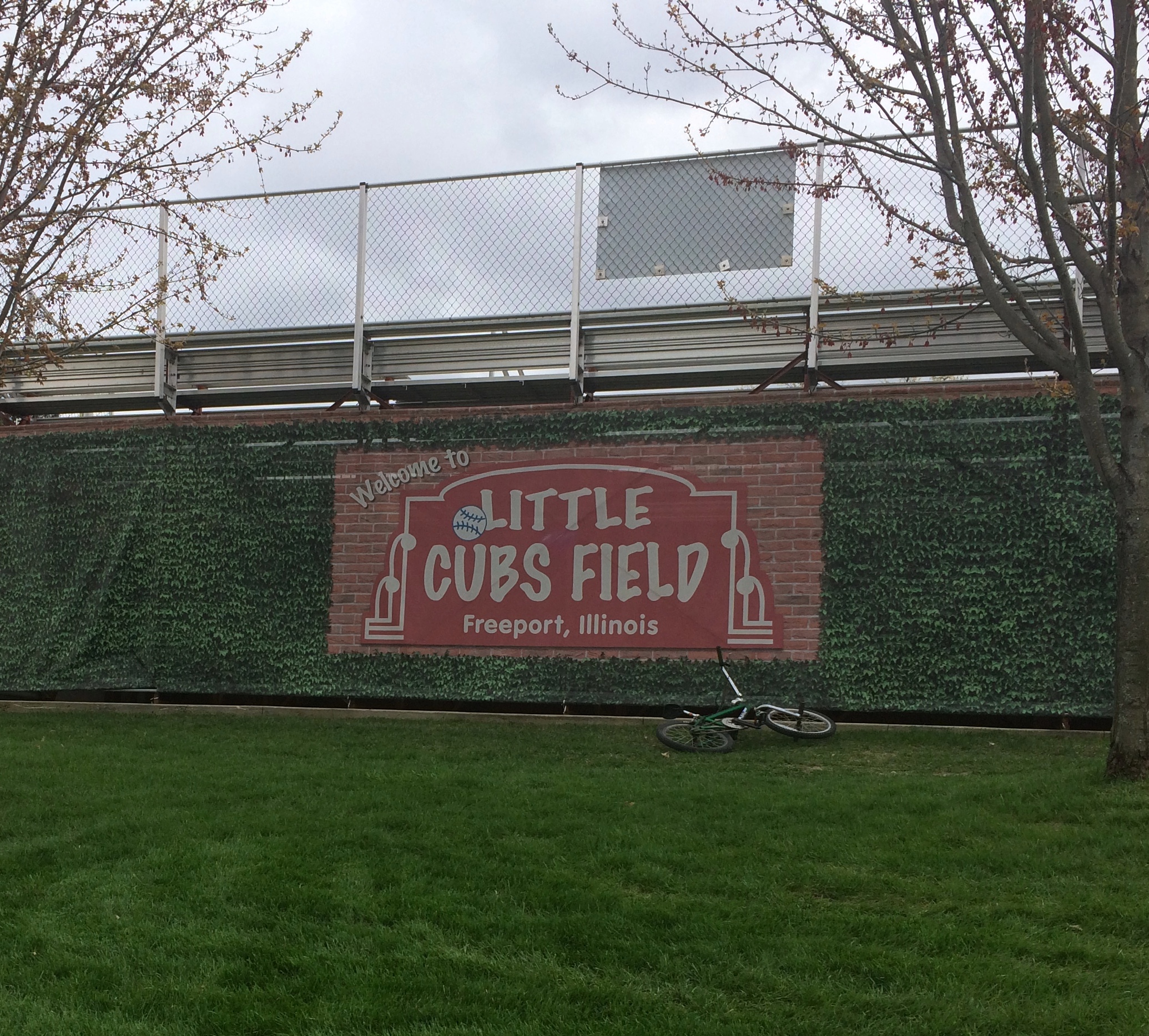
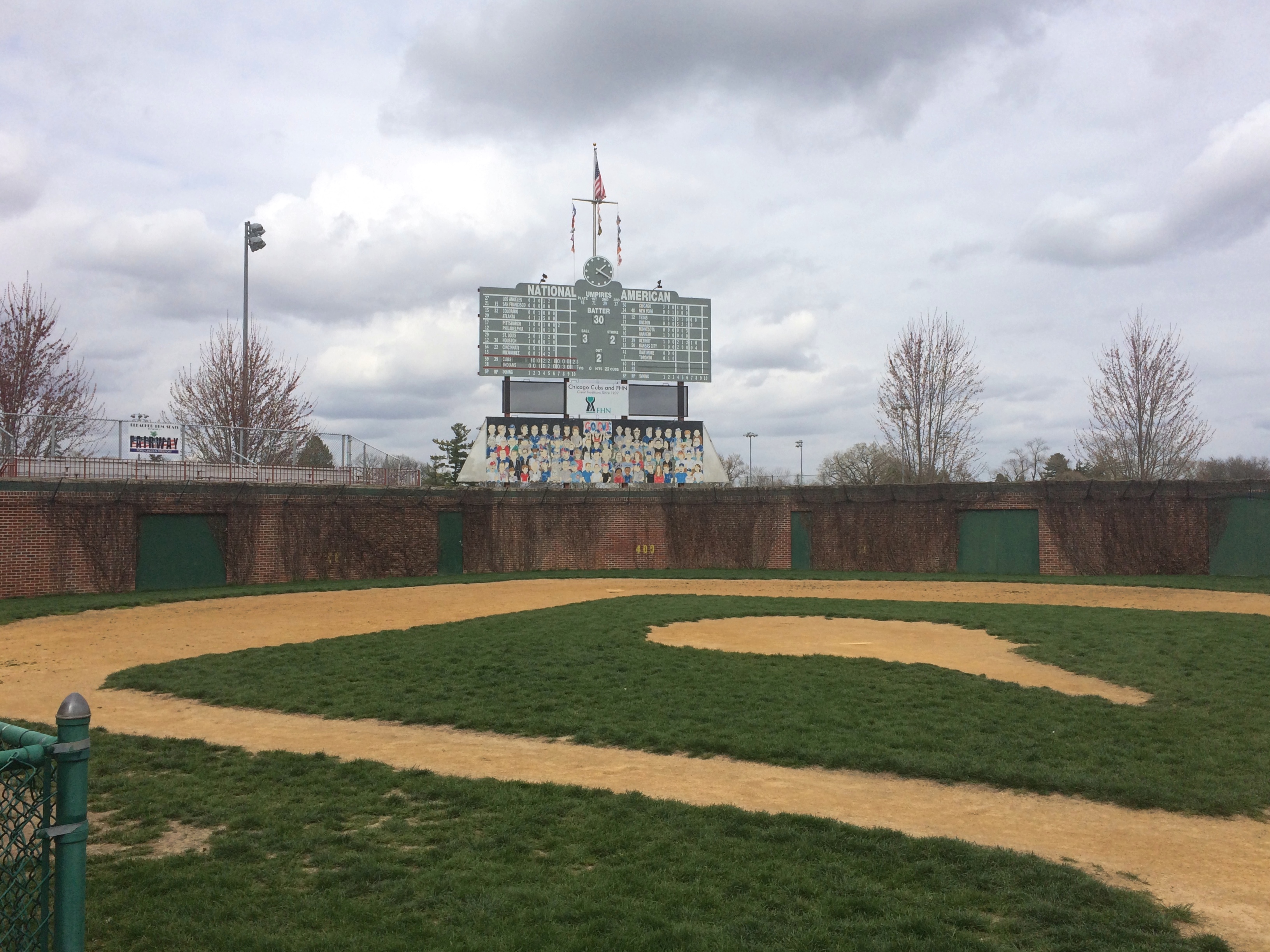
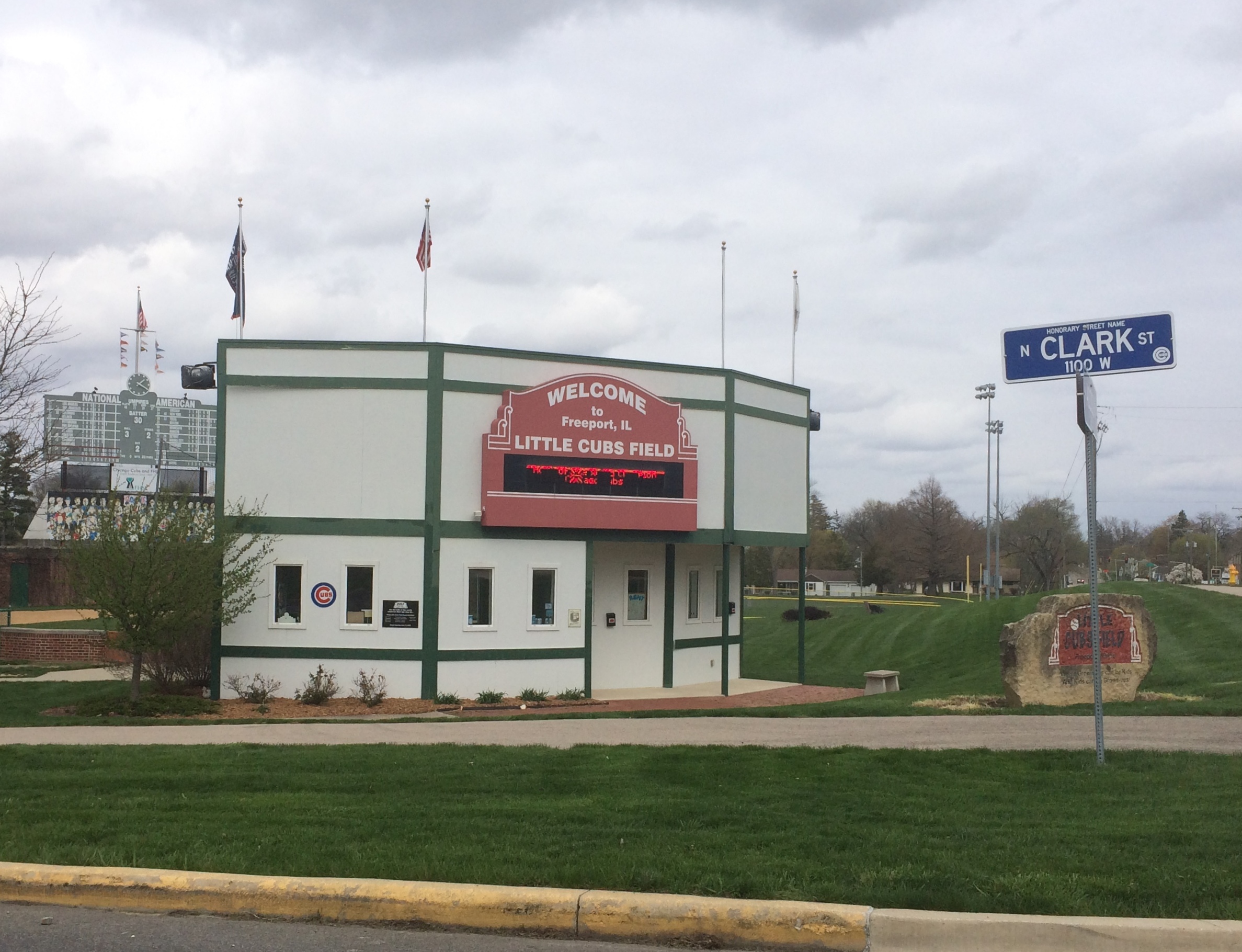
Little Cubs Field, it’s called, which is used for Little League, T-ball and other events, and completed in 2008 by serious Cubs fans.
Little Cubs Field Freeport

The bicycle in that picture belonged to one of about a half-dozen boys, all maybe about 10 years old, who were hanging out at Little Cubs Field when I arrived and started taking pictures.

“Are you a tourist?” one of them asked me.

“Yes, I’m just passing through,” I said.

“They always take pictures,” another of the boys said to yet another, not me. The first boy then asked where I was from, and I simplified matters by telling him Chicago. I got the sense that he felt that was quite a distant location. A reasonable thing to think at 10.

Off they went, and I took some more pictures.Little Cubs Field Freeport Little Cubs Field Freeport Little Cubs Field Freeport

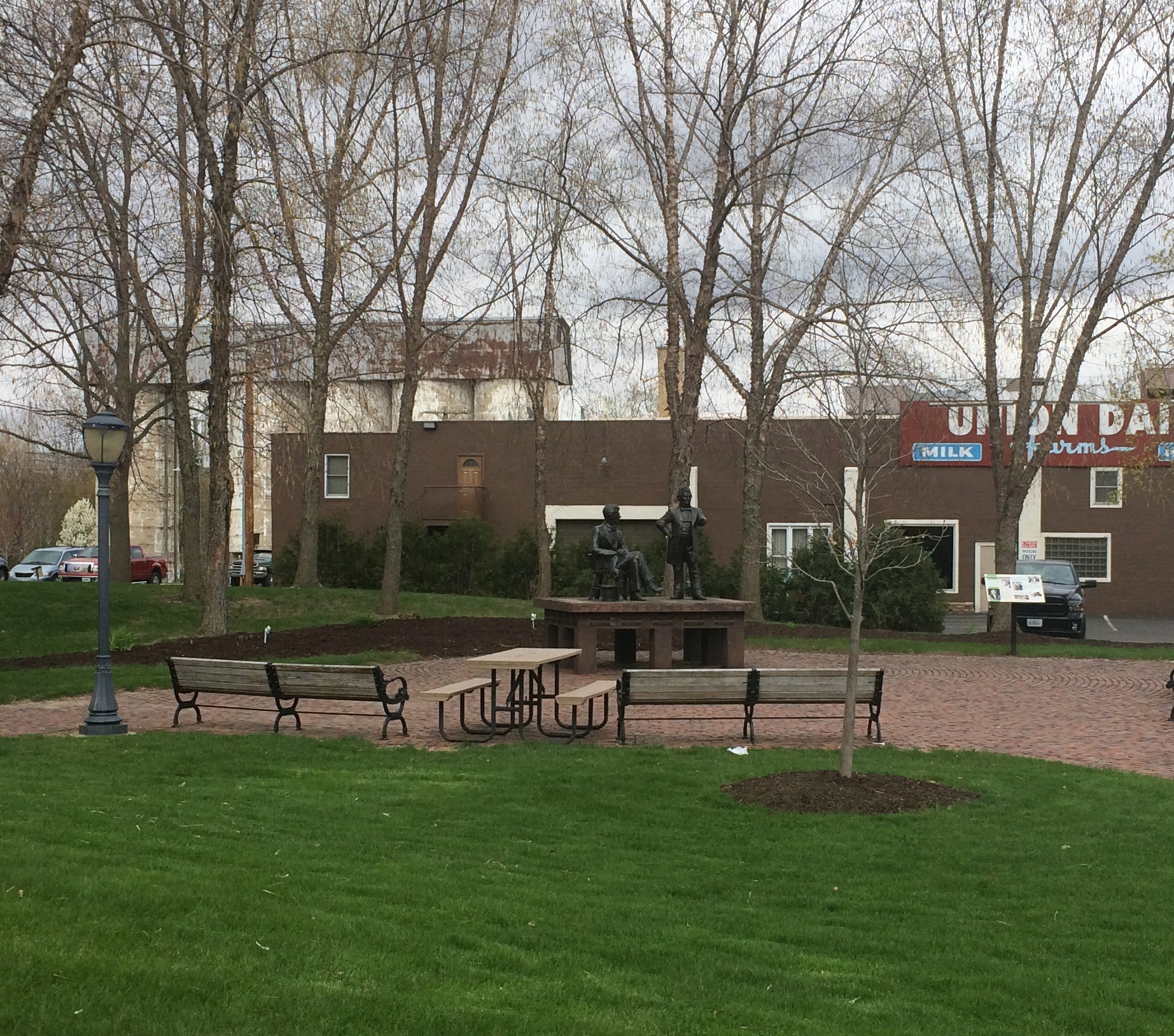
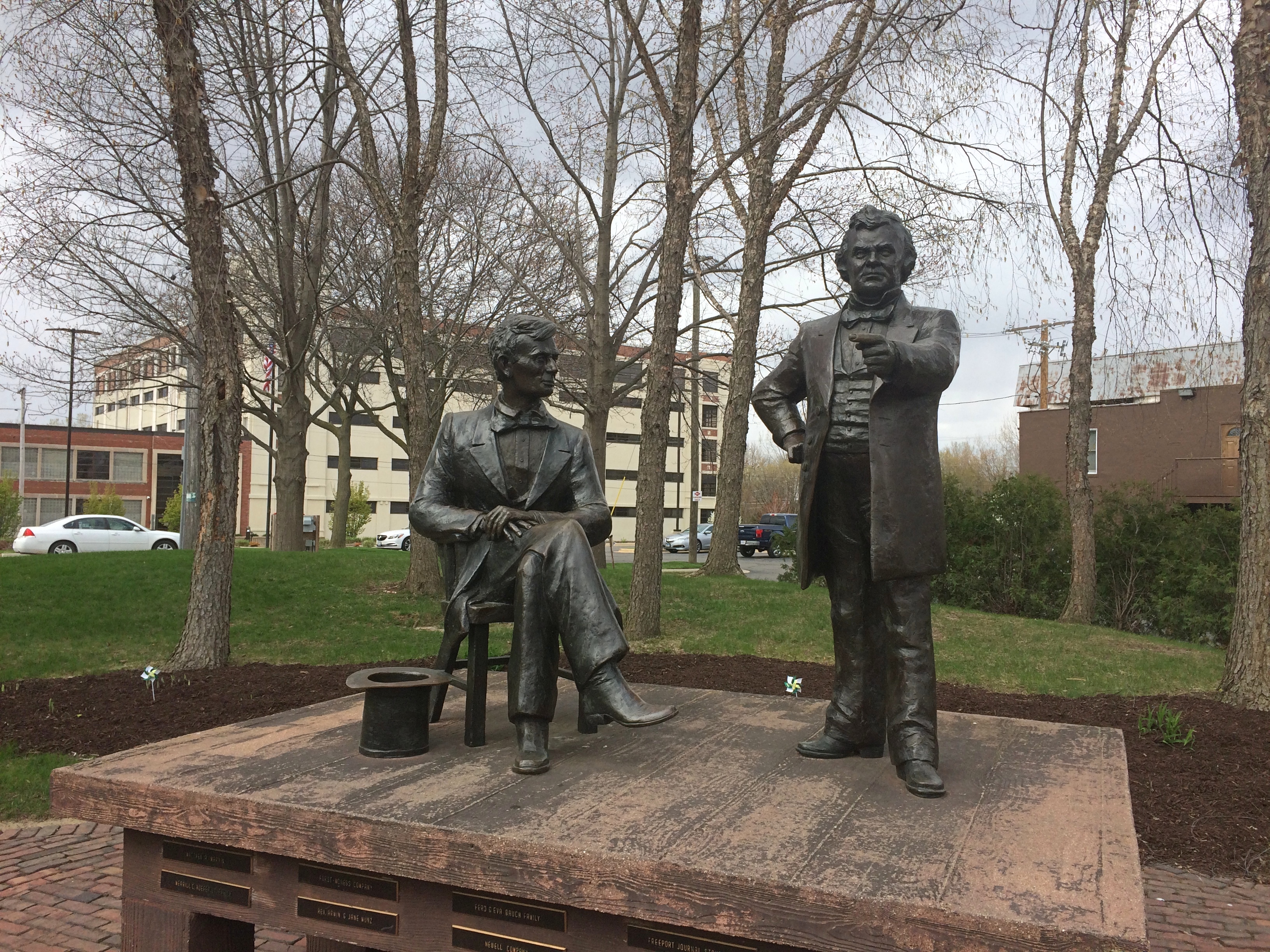
A short drive away, in Freeport’s small downtown, is its Lincoln-Douglas memorial. I couldn’t very well pass that up.Lincoln-Douglas Freeport

Lincoln-Douglas Freeport

Every place they had a debate has a memorial now. This was the first of the statues to memorialize one of the events, unveiled in 1992, but hardly the last. Chicago sculptor Lily Tolpo (d. 2016) did the bronzes. Both she and her husband Carl did Lincolns.

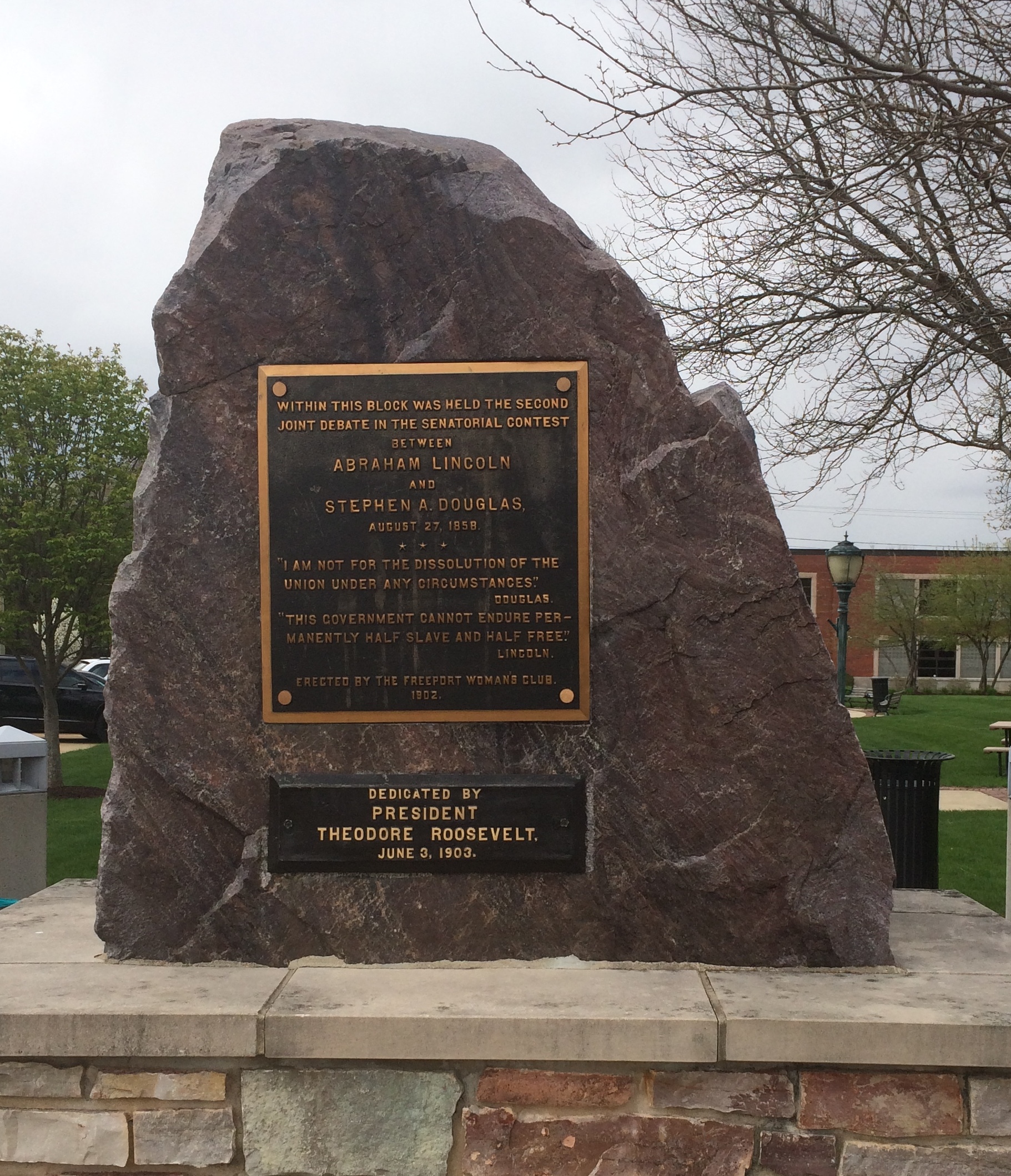
The memorial also featured a plaque on a rock.
Lincoln-Douglas Freeport TR Rock
Not just any plaque, but one dedicated by TR in 1903. A president, I believe, who understood the gravitas of the office he held. Probably felt it in his bones. Not all of his successors have.

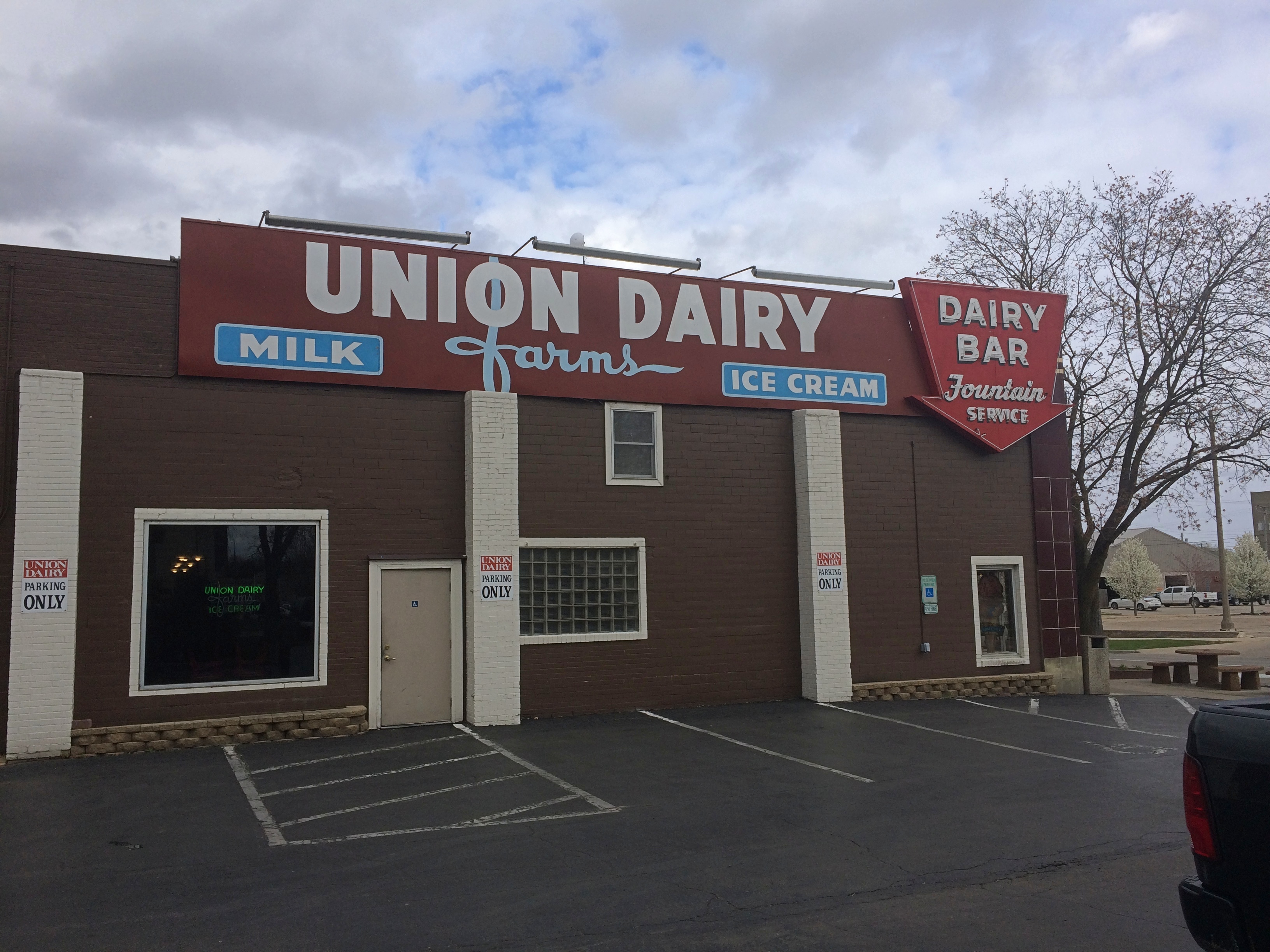
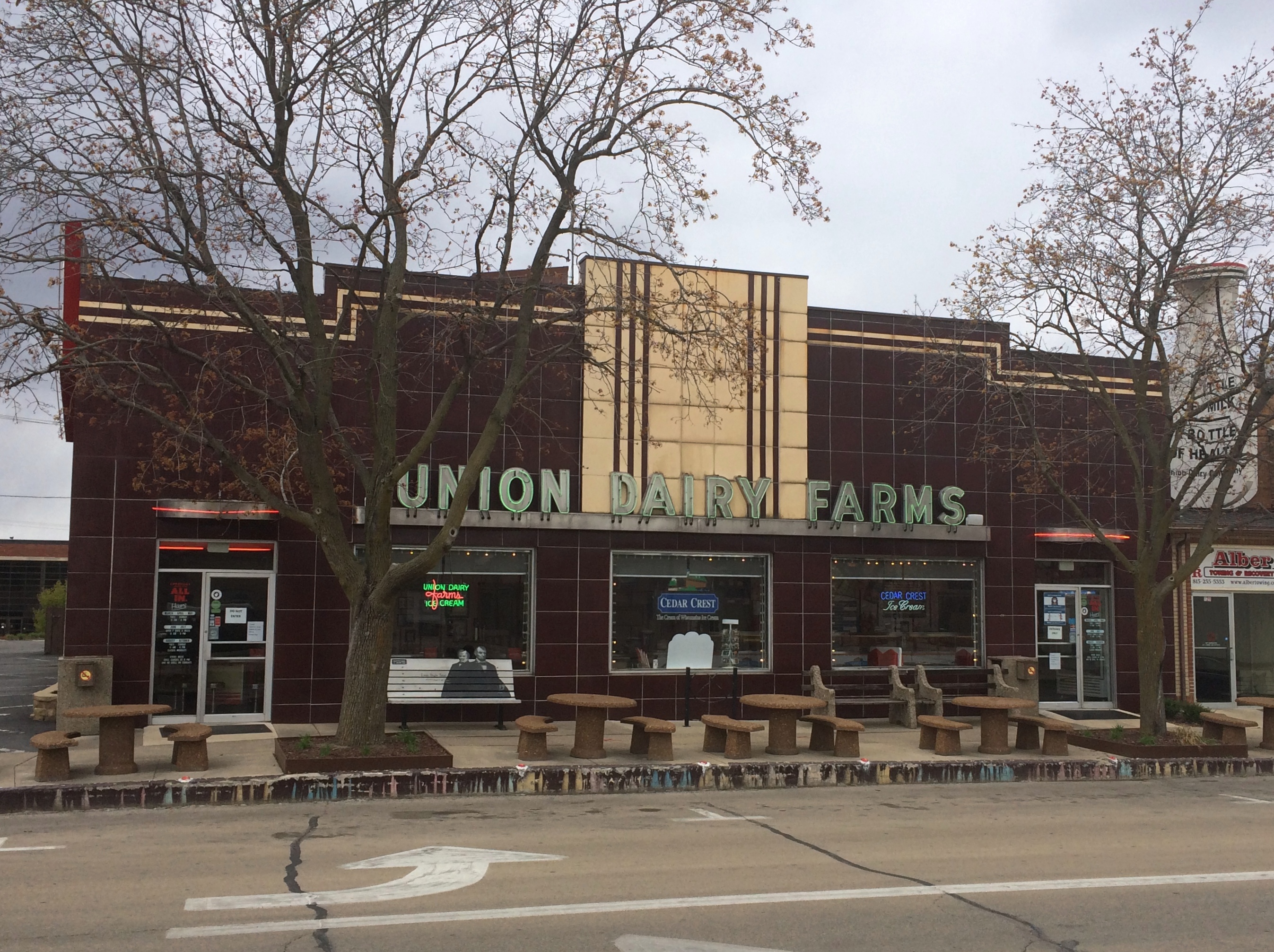
We were about to leave, but couldn’t help noticing an ice cream shop next door to the memorial.Union Dairy Farms Freeport Union Dairy Farms Freeport

The Union Dairy Farms, founded in 1914 and serving ice cream since 1934. We couldn’t pass that up, either, figuring it had to be good. Was it ever.

Southern Loop ’21

Just returned today from a series of long drives totaling 2,610 miles that took me down the length of Illinois and through parts of Missouri, Tennessee, Mississippi, Arkansas, Louisiana and Texas. Dallas was the prime destination, where I visited Jay for the first time in well over a year.

I drove on crowded Interstates, nearly empty Interstates, U.S. highways, state and county roads, and urban streets, and logged a lot of miles on roads through farmland, forests and small towns. I crossed the Mississippi more than once, including on a bridge that felt so narrow that moving the slightest bit out of your lane would crash you into the side of the bridge or oncoming traffic. Rain poured sometimes, drizzle was common and there was plenty of evidence of a wet spring in the ubiquitous puddles and the lush greenery of the South.

On I-20 east of Shreveport, I spotted a small truck carrying mattresses that had stopped on the right shoulder ahead of me. Then I spotted the mattress he’d dropped in the middle of the road, a few seconds ahead of me. The truck was 50 feet or so further than the mattress; he’d probably stopped to pick it up, but fortunately hadn’t got out of his truck yet. To my left another car was just behind me, so I threaded the needle to the right of the mattress and left of the truck, missing both.

I left metro Chicago mid-morning on April 9, making my way to Carbondale in southern Illinois, and took a short afternoon hike to the Pomona Natural Bridge in Shawnee National Forest. Overnight an enormous thunderstorm passed over that part of the state, and intermittent rain continued the next day as I drove through the southernmost tip of Illinois, a slice of Missouri, the length of West Tennessee and into Mississippi, arriving in Clarksdale after dark.

En route I’d stopped for a couple of hours at Fort Pillow State Park and about half that long in downtown Memphis. Dinner that night was Chinese food from a Clarksdale takeout joint called Rice Bowl.

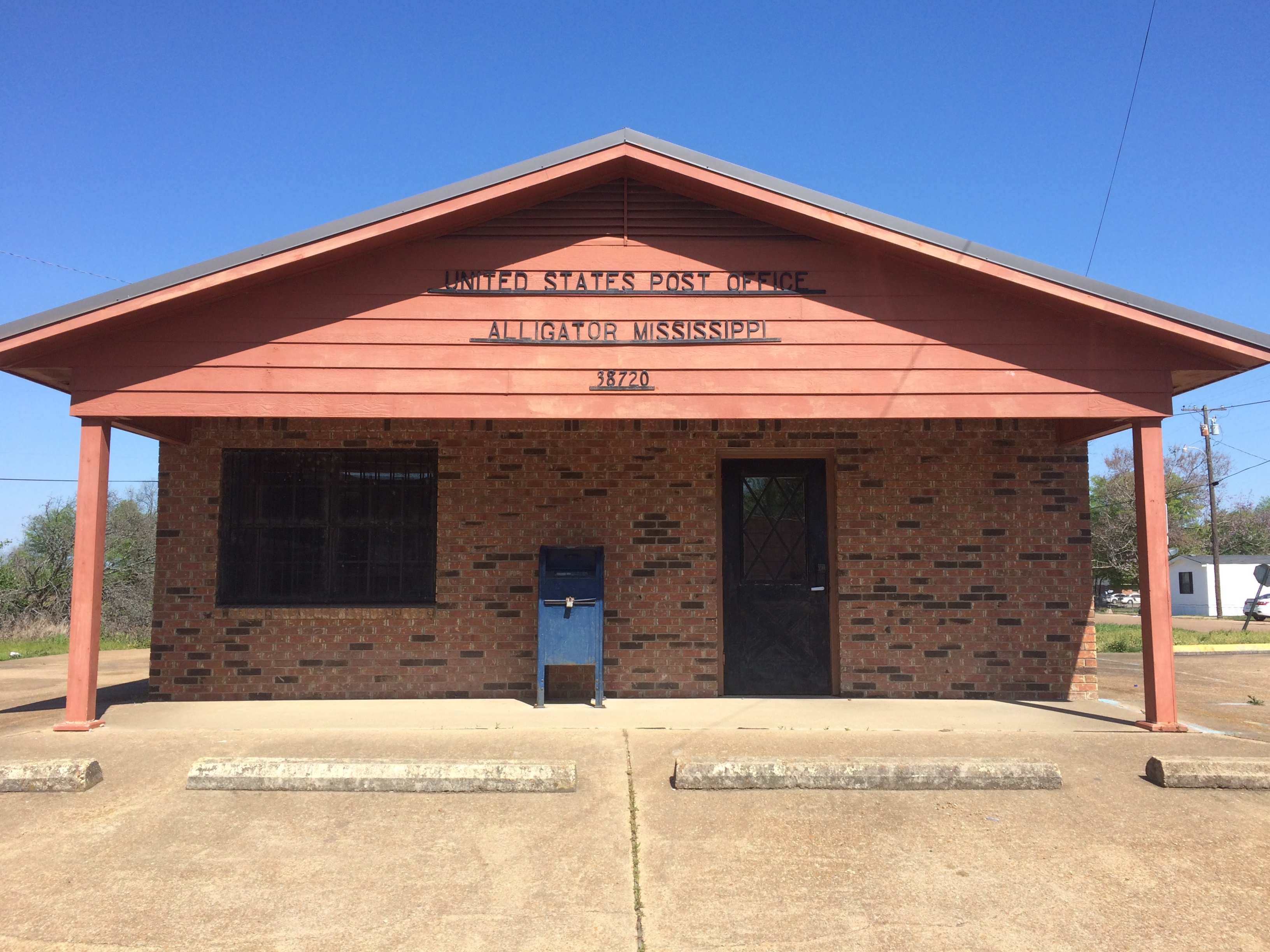
On the morning of April 11, I took a walk in downtown Clarksdale, then drove south — stopping to mail postcards in Alligator, Mississippi — and spent most of the afternoon at Vicksburg National Military Park.
Alligator, Mississippi

As the afternoon grew late, I walked around downtown Vicksburg and one of its historic cemeteries. The next day I headed west across the Mississippi River into Louisiana, where I stopped at Poverty Point World Heritage Site, locale of an ancient Indian settlement much older than Cahokia, or the pyramids outside Mexico City for that matter.

I stayed in Dallas from the evening of April 12 to the morning of the 16th, mostly at Jay’s house, though I did visit my nephew Sam and his family, meeting their delightful two-year-old daughter, my grandniece, for the first time.

On the 16th I drove north from Dallas, spending a little time in Paris, Texas. In Oklahoma I headed on small roads to the Talimena Scenic Drive through Winding Stair Mountain National Recreation Area, where I followed its winding (as the name says), up and down two-lane path through near-mountainous terrain. In a thick fog. That was excitement enough for one day, but that didn’t stop me from visiting Heavener Runestone Park toward the end of the afternoon. I spent the night just outside Fort Smith, Arkansas.

The next morning I headed toward Fort Smith and chanced across the picturesque Main Street of Van Buren, a large suburb of Fort Smith, or maybe its mate in a small twin cities. I also looked around the Crawford County Courthouse before crossing the Arkansas River to Fort Smith proper, spending an hour or so at Fort Smith National Historic Site. From there a long and tiring drive took me to Belleville, Illinois for the last night of the trip, stopping only for gas, food and a quick look at the Mildred B. Cooper Memorial Chapel.

The place I stayed in Belleville last night was an inexpensive motel at the end of the town’s downtown shopping and restaurant street. Up earlier than usual this morning, around 7, I took a walk in area’s handsome, near-empty streets and sidewalks. Before leaving town I stopped at the Cathedral of Saint Peter, and a few miles away, Our Lady of the Snows shrine.

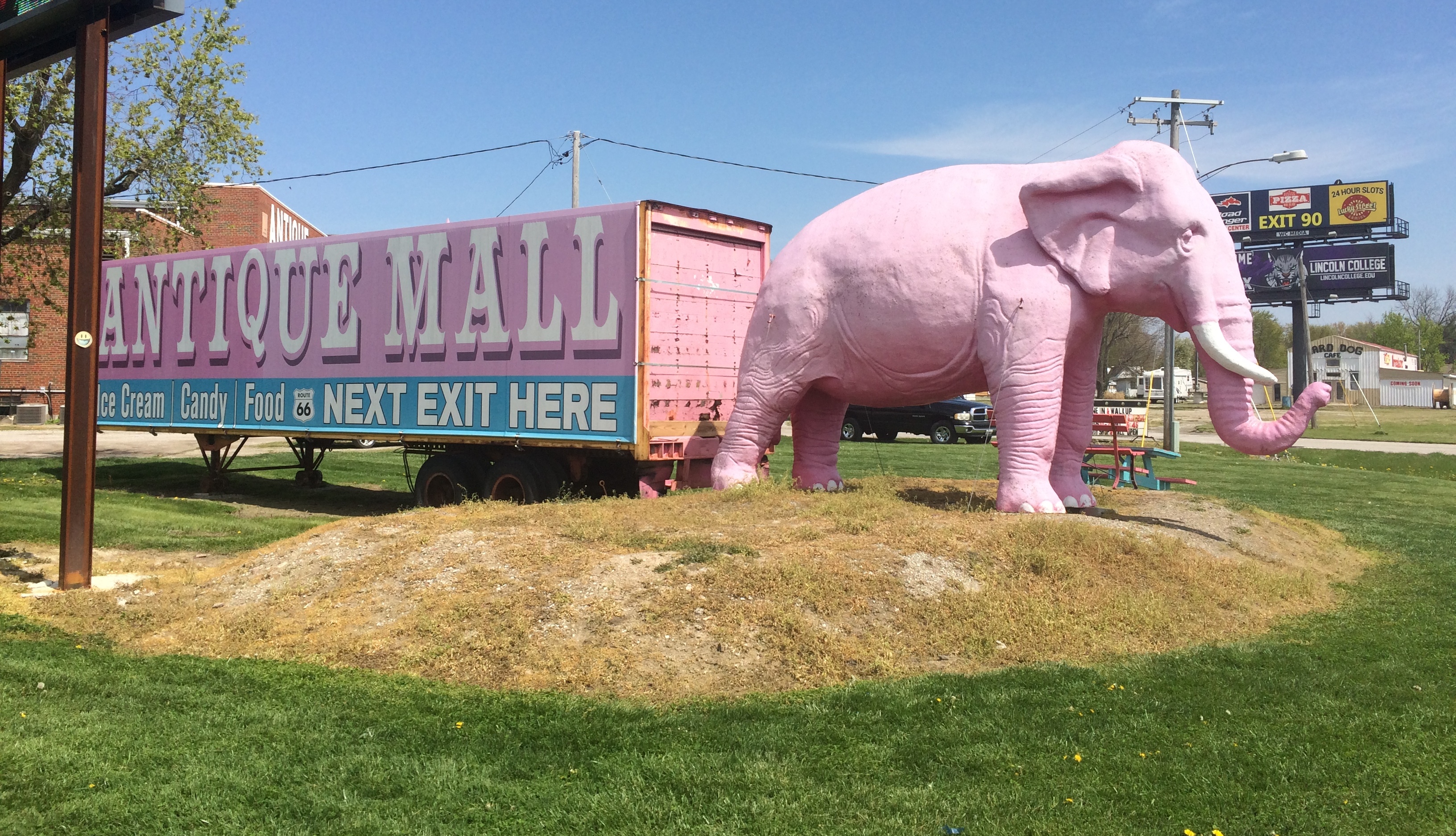
That ought to be enough for any trip, I thought, till I saw that the world’s largest catsup bottle in nearby Collinsville as a point of interest on my paper map (I now use both paper and electronic, which complement each other). So I went to see that. Later heading north on I-55, I thought, that ought to be enough for any trip, till I saw the pink elephant. Pink Elephant

That is, the Pink Elephant Antique Mall northeast of St. Louis, which I’ve driven by many times over the years, but never stopped at. This time I did and it became the cherry on the sundae of the trip.